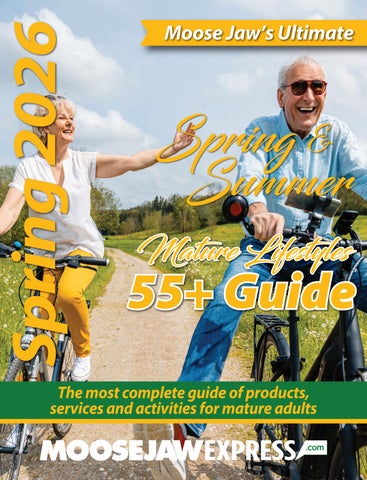

Spring 2026 Moose


Spring & Summer

























The most complete guide of products, services and activities for mature adults

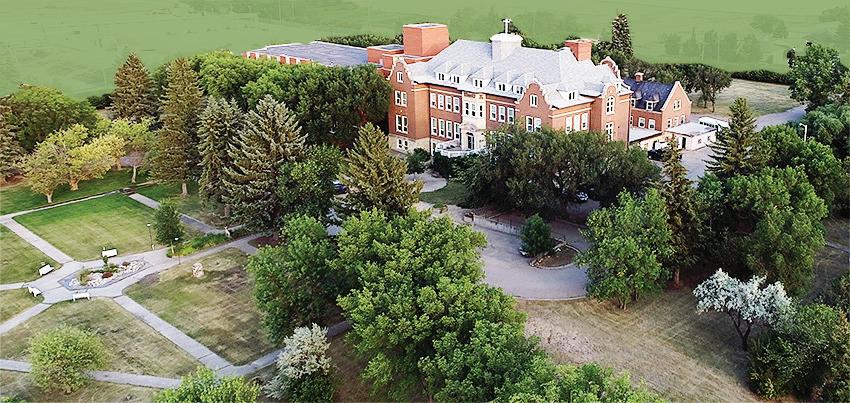
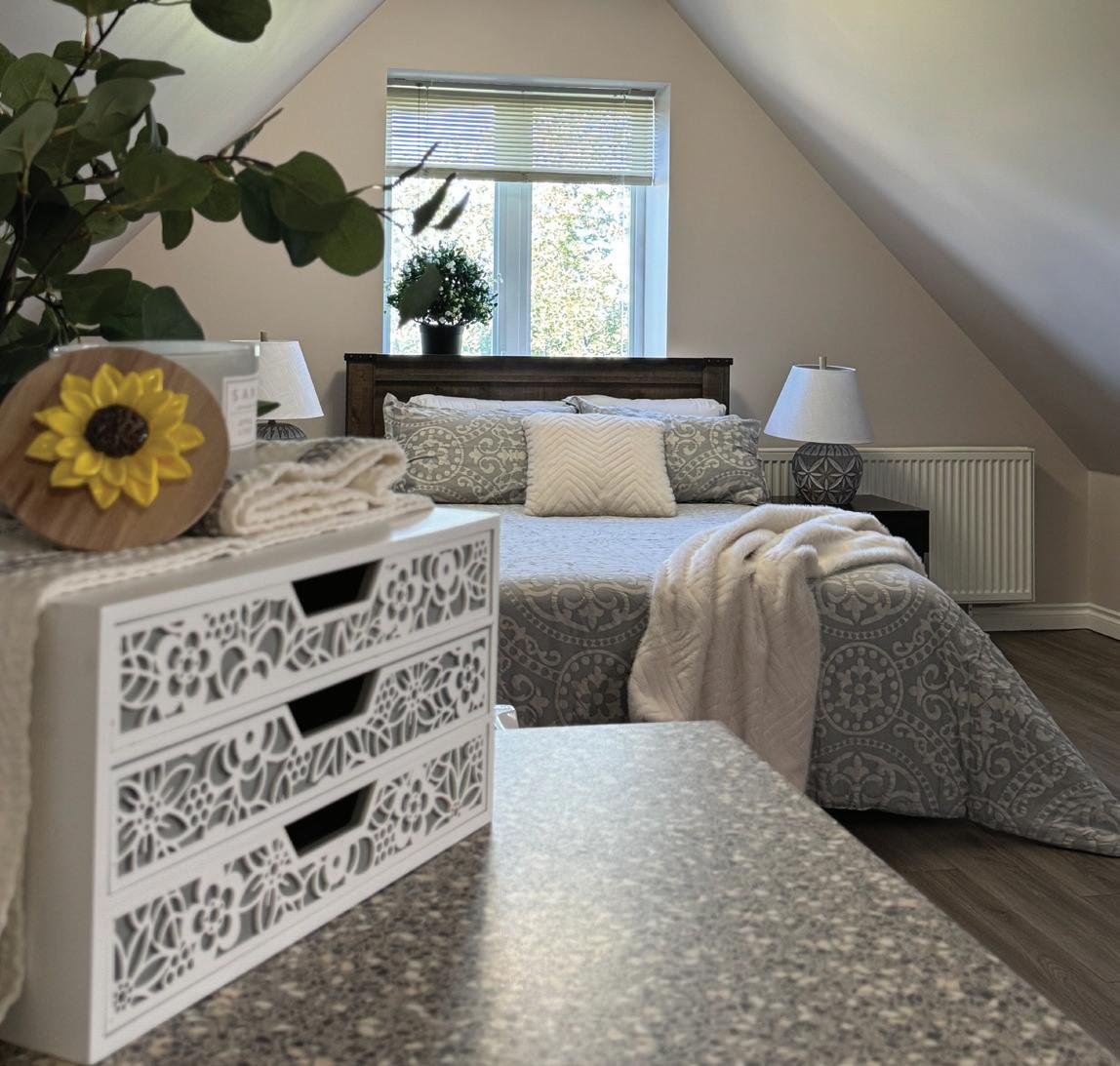
See what Aspira West Park Crossing can do for you. Choose from a range of suite size options and a variety of personalized retirement and care services. Stay active, inspired and comfortable on your terms in the warmth of a vibrant community. At Aspira it is your choice, our goal is to give you as much choice as possible with the services we provide tailored to your needs. For more information call 1-306-694-4744




























































































































































































Canada Pension Plan
(Includes Canada Pension Plan Retirement, Disability, Child and Survivor Benefits)
Payment dates:
• January 28, 2026
• February 25, 2026
• March 27, 2026
• April 28, 2026
• May 27, 2026
• June 26, 2026
• July 29, 2026
• August 27, 2026
• September 25, 2026
• October 28, 2026
• November 26, 2026
• December 22, 2026
Benefits Payment Calendar
Old Age Security (Include Old Age Security pension, Guaranteed Income Supplement, Allowance and Survivor Allowance)
Payment dates:
• January 28, 2026
• February 25, 2026
• March 27, 2026
• April 28, 2026
• May 27, 2026
• June 26, 2026
• July 29, 2026
• August 27, 2026
• September 25, 2026
• October 28, 2026
• November 26, 2026
• December 22, 2026
• December 22, 2025

Veterans Affairs Canada Disability pension
Payment dates:
• January 15, 2026
• February 19, 2026
• March 19, 2026
• April 16, 2026
• May 21, 2026
• June 18, 2026
• July 20, 2026
• August 20, 2026
• September 17, 2026
• October 15, 2026
• November 19, 2026
• December 17, 2026
Goods and Services Tax/ Harmonized Sales Tax (GST/HST) credit
Payment dates:
• January 5, 2026
• April 2, 2026
• July 3, 2026
• October 5, 2026













Bonita Allen Director of Care LPN

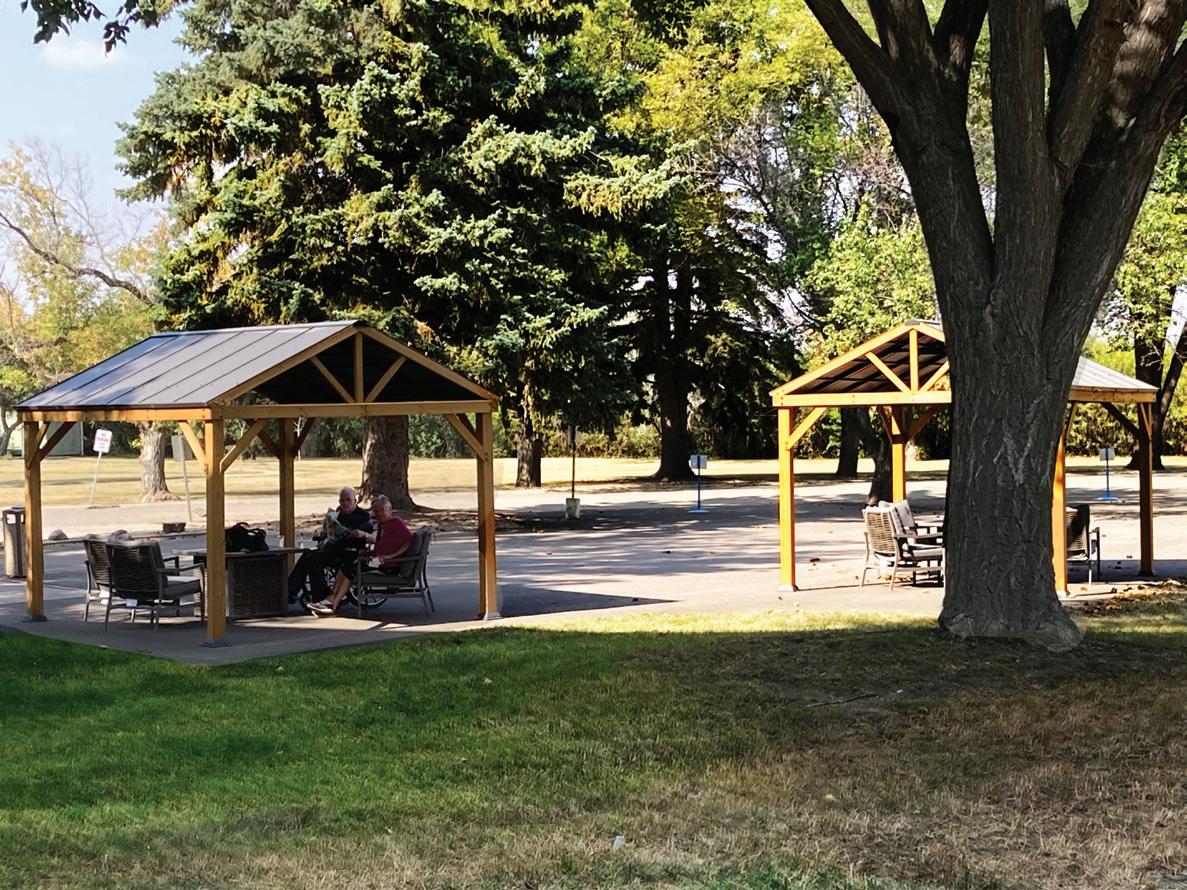
In 2026, seniors face a complex, converging set of challenges driven by the aging of the baby boomer generation, economic pressures, and rapid shifts in healthcare technology. As the oldest baby boomers turn 80 in 2026, the primary hurdles involve managing high-acuity care needs, financing long-term care, and combating social isolation.
Here are the biggest challenges for seniors in 2026:
1. Financial Insecurity and High Cost of Care
• Affordability Crisis: Rising inflation, high insurance premiums, and the soaring cost of senior housing and assisted living are straining fixed incomes.
• The “Middle Market” Gap: Many seniors have too many assets to qualify for Medicaid but not enough to comfortably afford private, high-quality care, leading to a “middle market” affordability crisis.
• Healthcare Costs: Medicare
costs are rising (e.g., increased Part B premiums), putting additional pressure on seniors, especially those living at or below the poverty line.
2. Escalating Health and Care Needs
• Higher Acuity Levels: Seniors are staying at home longer and moving into care settings later, resulting in higher care needs, such as advanced dementia, when they eventually move into facilities.
• Chronic Diseases: Over 93% of adults aged 65 and older report having one or more chronic conditions, which require continuous, expensive management.
• Falls and Mobility: Falls remain a leading cause of injury and fatality, posing a significant threat to independence.
3. Workforce Shortages in Care
• Staffing Crisis: A persistent shortage of trained

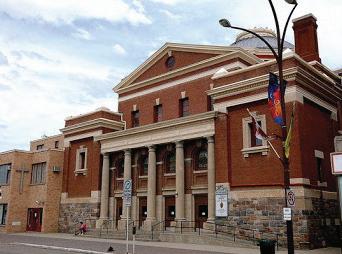
Main St N • 306-692-3137
www.fbcmoosejaw.com

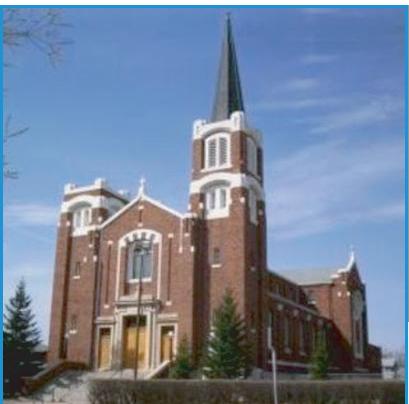
St Joseph's Parish 1064 3rd Ave NW 306-694-1944 stjosephmj.com st.josephmj@sasktel.net archregina.sk.ca


9:00 & 11:00 am
nurses, caregivers, and administrative staff in senior living facilities and home health services directly impacts the quality of care.
• High Turnover: High turnover rates among staff disrupt continuity of care.
4. Isolation and Mental Health
• Rise of “Solo Agers”: An increasing number of seniors are aging alone without a spouse or children, often termed “solo agers,” making them more vulnerable to isolation.
• Mental Health Decline: Social isolation and loneliness are major drivers of depression and anxiety, which are often overlooked in elderly care.
5. Technological and Environmental Barriers
• The Digital Divide: While technology offers solutions like AI-enabled remote monitoring and telehealth, it can become a barrier for seniors who struggle with
digital literacy, potentially shrinking their world rather than expanding it.
• Ageism: Subtle ageism and the assumption that seniors are no longer active contributors to society can lead to a loss of purpose and reduced quality of life.
6. Housing and Safety
• Unsuitable Housing: Many seniors live in homes with hazards (e.g., stairs, lack of grab bars) that become unsafe as mobility declines.
• Slow Development of Senior Housing: A “development/demand divide” exists, where demand for specialized senior housing is growing faster than new construction, leading to lower availability.
These challenges are prompting a shift toward “aging in place” and “hospital at home” models as seniors seek to maintain independence amidst these pressures.






Food for Thought
I had spent an hour in the bank with my dad, as he had to transfer some money. I couldn’t resist myself & asked... ‘’Dad, why don’t we activate your internet banking?’’
‘’Why would I do that?’’ He asked... ‘’Well, then you wont have to spend an hour here for things like transfer.
You can even do your shopping online. Everything will be so easy!’’
I was so excited about initiating him into the world of Net banking.
He asked ‘’If I do that, I wont have to step out of the house?
‘’Yes, yes’’! I said. I told him how even grocery can be delivered at door now and how amazon delivers everything!
His answer left me tongue-tied.
He said ‘’Since I entered this bank today, I have met four of my friends, I have chatted a while with the staff who know me very well by now.
You know I am alone...this is the company that I need. I like to get ready and come to the bank. I have enough time, it is the physical touch that I crave.
Two years back I got sick, The store owner from whom I buy fruits, came to see me and sat by my bedside and cried.
When your Mom fell down few days back while on her morning walk. Our local grocer saw her and immediately got his car to rush her home as he knows where I live.
Would I have that ‘human’ touch if everything became online?
Why would I want everything delivered to me and force me to interact with just my computer?
I like to know the person that I’m dealing with and not just the ‘seller’. It creates bonds of Relationships. Does Amazon deliver all this as well?’’’
Technology isn’t life..
Spend time with people.. Not with devices.
Cosmo Senior Citizens Moose Jaw
Along with the many great activities happening at the Cosmo Center, our center boasts two rental halls and free parking. The large hall holds 300 people and small hall holds 80 people. You are welcome to use a caterer of your choice. Watch for upcoming events on our new Facebook page – Cosmo Senior Citizens Moose Jaw
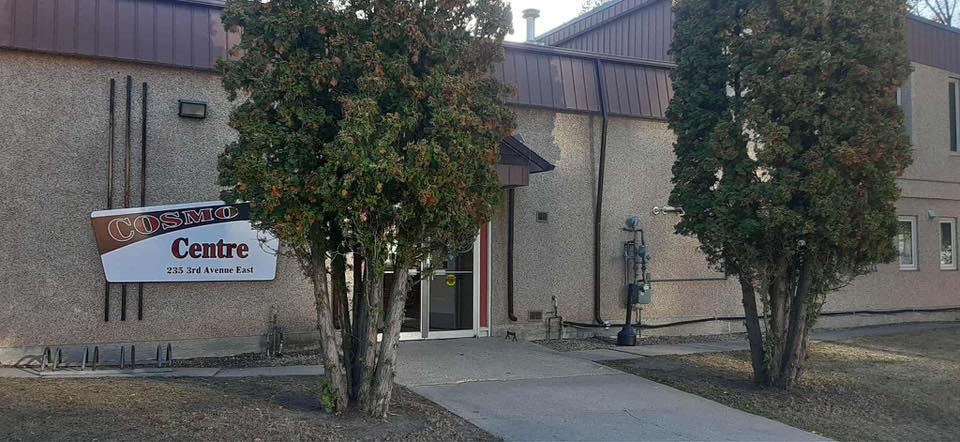
The Cosmo Centre provides 55+ adults the opportunity to enhance their wellbeing with social, cultural and physical activities. Ongoing activities include card games, shuffleboard, cornhole, pickleball, line dancing, fitness class, monthly dances/cabarets, Military Whist and Cribbage tournaments, and a number of annual fundraisers. The Cosmo Centre also has multiple halls of varying sizes available for rent, at very reasonable prices. The Centre has a large parking lot with FREE parking.
When Is the Best Time for Seniors to Downsize and Move?
Deciding to downsize and move is one of Seniors’ most significant decisions. Leaving a long-time home can be emotionally and physically challenging. However, timing the process well can make the transition smoother and less stressful. Here are key factors when deciding the best time to downsize and move.
Start Sooner Than You Think
One of the most important pieces of advice for Seniors is to start planning earlier than they might initially imagine. Waiting too long can make the process more challenging. Physical limitations or health emergencies may arise, making it impossible to make decisions independently or manage the work required. Starting early ensures you’re in control and can make choices that align with your preferences.
The First Step: Choosing Your Next Home
If you’re considering moving into a retirement community or Senior living facility, the first task is to tour and research potential locations. This process can take months as you compare amenities, costs, and locations. Once you’ve chosen your ideal community, securing a spot with a down payment solidifies your plans and gives you peace of mind. Knowing where you’ll be moving is a crucial step before beginning the downsizing process. The new year is an appropriate time to start the journey towards a new lifestyle. In an otherwise dark and dreary season, research and planning can be an exciting project. Going for a tour and having lunch is the perfect way to become familiar with your choices and spend a day.
Downsizing: A Major Undertaking
Sorting through a lifetime of belongings is no small task. Many Seniors underestimate how long it takes to declutter, sell, or donate items, as well as prepare their homes for sale. Downsizing can easily become a one- or two-year project. Breaking the process into manageable steps makes it less overwhelming:
Start Small: Begin with less sentimental areas like closets or storage spaces. By all means, do NOT start with photo albums.
Enlist Help: Family members may be willing to assist, but if unavailable or unable, consider hiring a professional downsizing company. Decide on what you want to move. You might use a space designer to help you. Ask the children to come and take the things that they want to keep. And the rest is sell, donate, and take to the landfill.
Set a Schedule: Create a timeline for sorting, packing, and selling your home. Some folks are more organized than others, but a rough draft of jobs and timelines is very helpful. Ask the community you plan to move to to help you with your plans!
Seasonal Considerations
Don’t forget that winter is a great time to start. After the holidays are over, you might think of hibernating like bears do, but it’s a great season to begin planning. By using the winter months to plan and tour, you are ready to tackle the housing issues in the spring. By spring, you can start decluttering and preparing your home for sale. A summer or early fall move allows you to settle in comfortably before the next winter arrives.
Be in the Right Place at the Right Time
Living in the right place at the right time can greatly improve your overall well-being. Staying in a large home that you can no longer maintain can decrease property values due to deferred upkeep. Additionally, living in a smaller, more manageable space is not only safer but also more efficient. The extra bedrooms, basement, garage, and attic may no longer serve a purpose, and letting go of these spaces can simplify your lifestyle. So many new residents feel a sense of liberation from a big house full of stuff they haven’t used in years. The smaller space becomes so livable and efficient. There’s much more time to enjoy all of the activities and outings. The power of changing to a smaller physical space provides unimaginable opportunities for
a new life.
Moving into a community setting can also add years to your life. Socialization is a key factor in maintaining mental and emotional health. Being surrounded by peers and participating in community activities fosters a sense of belonging and reduces feelings of isolation, contributing to a happier and healthier lifestyle.
Be Prepared for the Unexpected
Emergencies can happen at any time, from sudden health issues to changes in mobility. Having a clear plan in place reduces stress during unforeseen events. Procrastination can lead to rushed decisions, which may not align with your preferences. By starting early, you can avoid the pressure of last-minute moves.
Professional Help Can Ease the Process
Working with downsizing experts, real estate agents, or Senior move managers can simplify the transition. These professionals specialize in assisting Seniors with everything from decluttering to selling a home and coordinating the move. Their expertise can save you time and energy. Time after time, new residents tell the staff that they wish they’d moved sooner. As painful as the downsizing effort is, the joy and peace of a new home are well worth it:
The best time to downsize and move is sooner than you might think. Begin planning while you’re still physically capable of managing the process and making thoughtful decisions. Touring potential communities, decluttering your home, and creating a solid timeline will ensure a smoother transition. Whether you’re considering a spring, summer, or fall move, the key is to take the first step. Winter is a great time to start your plan! Procrastination only makes the process more difficult, so start now to secure a comfortable and stress-free future.






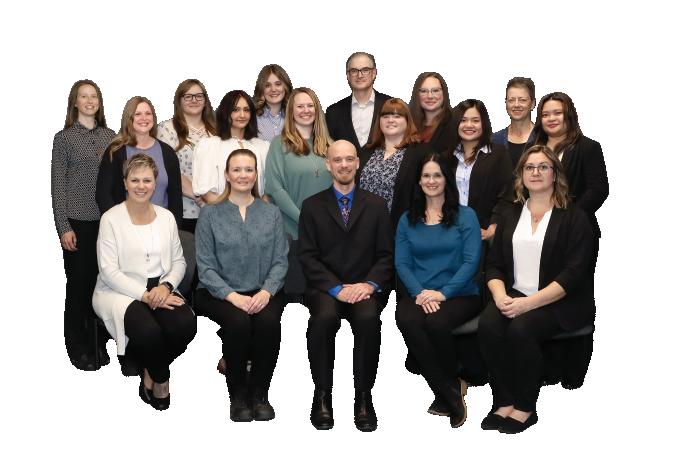
Cara Ashworth
Andrew Pratt Terri Lamb Shirese Noble
Michelle Ellis
Gary McDowell
Federal Services
Government Services
Allowance for the Survivor This program provides a monthly non-taxable benefit to low-income widows who are not yet eligible for the Old Age Security pension.
Toll-Free: 1-800-277-9914
Canada Pension Plan (CPP) Retirement Pension The Canada Pension Plan (CPP) Retirement Pension provides a monthly taxable benefit to retired contributors.
Toll-Free: 1-800-277-9914
Guaranteed Income Supplement (GIS) This program provides a monthly non-taxable benefit to low-income Old Age Security recipients.
Toll-Free: 1-800-277-9914
Old Age Security (OAS) This pension provides a monthly taxable benefit to persons 65 years of age and over.
Toll-Free: 1-800-277-9914
LIBRARY
Survivor’s Pension The Canada Pension (CPP) survivor’s pension is paid to the person, who at the time of death, if the legal spouse or common-law partner of the deceased contributor. If you are a separated legal spouse and the deceased had no common-law partner you may qualify for this benefit. Toll-Free: 1-800-277-9914
Provincial Services
HealthLine HealthLine is a free, confidentional 24-hour telephone advice line staffed by client navigators, registered nurses, registered psychiatric nurses and social workers. When you call 811, a licensed health or mental health care professional will give you options and information to help you with health-related questions or concerns. Toll-Free: 811
Home Care Program Home care helps people who need acute, end-of-life, rehabilitation, maintenance, and long-term supportive care to remain independent at home.
306-691-2090
A library enhances the quality of life in the community and serves as an addition to and extension of other educational systems to insure opportunities for individual continuous learning.
The Public Library is a branch of the Pallier Regional Library and a resource centre for the region. The Library participates in the one province public library system and, as such, honours valid library cards from all other public libraries in the province. Library cards issued to Moose Jaw and area residents by the Public Library may be used at any other public library in the province.
HOURS:
· Monday to Thursday, 9:30 a.m. to 9:00 p.m. · Friday & Saturday, 9:30 a.m. to 6:00 p.m. · Sunday, 1:00 p.m. to 5:00 p.m.
The outdoor book return is open 24 hours a day, seven days a week for the return of library materials. The return is located on the Athabasca Street side of the library adjacent to the drive through and under the tall black lamp standard. The Library hosts free adult programming throughout the year and many of these offerings will appeal to or are targeted to seniors.
The Library also offers an outreach service that includes delivery to the homes of those who are unable to visit due to illness, age, or disability. Library staff select materials based on a profile provided by the user. Deliveries are made on Wednesday and Friday afternoons.
Tech Time - technology one on one training by appointment.
MJPL Archives Department:
The MJPL archives department was formed in the late 1960s with a mandate to collect materials relating to the history and development of the City of Moose Jaw and the surrounding area. The archive is open by appointment. Call the Library at 306-692-2787 to schedule an appointment.
More detailed information on the Archives and its findings can be found at www.mjlibrary.ca/archives.
Public Computers, Printing & Wi-Fi:
The Library offers public access computers for anyone to use, printing services including 3D printing, and we have free wi-fi. There is also a public photocopier available for use. All services are free of charge except printing and photocopying have a small fee.
You do not need a library card to use the computers. Users can create documents, spreadsheets, and presentations. They can also search the internet and check email, check their online banking, research and more. Staff are always available to assist.
Digital Resources:
For those patrons who use mobile devices and computers, the Library has an extensive digital library available for use with your library card. It includes free access to daily newspapers from around the globe, movies, TV shows, music, eBooks, audiobooks, research articles, genealogy research, skill building websites and more! Inquire at the Information Desk for assistance on using any of these services.
Friends of the Library:
For anyone looking to volunteer, the Friends of the Library is always looking for new members. The FOL purpose is to provide financial assistance to the Moose Jaw Public Library for projects and acquisitions not provided for in the library’s annual budget; to stimulate community awareness and use of the library; to create public support for the library and its services; and to promote the library at every opportunity. Those interested can find the membership form on our website at www.mjlibrary.ca/friends-of-the-library.
For more information on the Library, its programs and services, or to arrange a visit, call 306-692-2787. Visit www.mjlibrary.ca Email ask@mjlibrary.ca
Personal Care Home
Benefit (PCHB) The Personal Care Home Benefit (PCHB) provides seniors with monthly financial assistance to help them with the cost of living in a licensed personal care home.
Toll-Free: 1-855-544-7242 or 306-798-7242
Saskatchewan Housing Corp provides the coordination of optional community-based services for seniors in select social housing projects. Seniors who require a combination of shelter and support services to maintain their independence may benefit from SALS. The types of services available to seniors varay depending on the community and income.
Toll-Free: 1-306-787-4177
Saskatchewn Pension Plan (SPP) Saskatchewan Pension Plan is a voluntary, money purchase plan for people who want an easy way to accumulate funds for retirement. The Plan is available to people between 18 and 71 years of age.
Toll-Free: 1-800-667-7153
Seniors’ Drug Plan Under the Seniors’ Drug Plan, eligible seniors 65 years and older will pay a reduced amount per prescription for drugs listed on the Saskatchewan Formulary and those approved under Exception Drug Status.
Toll-Free: 1-800-667-7581
Seniors Education Property Tax Deferral Program
Seniors with household incomes under $70,000 now have the option to defer the education portion of the property taxes on their home through a repayable loan under the Seniors Education Property Tax Deferral.
306-787-4177
Seniors Income Plan (SIP)
This plan supplies a monthly benefit to low-income seniors (aged 65 and over) who have little or no income other than Old Age Security (OAS) benefits and Guaranteed Income Supplement (GIS) benefits.
Toll-Free: 1-800-667-7161
MOOSE JAW SERVICES
City of Moose Jaw
Switchboard 306-694-4400
After Normal Office Hours
306-692-2794
Emergency Services
Emergency Calls 911
Fire Hall Main Office 1205 Main St. North 306-692-2792
Medavie Health Services West
777 High St. West
Ambulance bookings (non-urgent transport)
306-310-5000
Office billing inquiries
306-694-2151
Ambulance fax
306-692-0236
Moose Jaw Police Service
General inquiries & complaints
306-694-7600
HEALTH & WELLNESS
Alzheimer Society of Saskatchewan 301-2550 12th Ave., Regina, SK 1-877-949-4141
The Arthritis Society 1-800-321-1433
Canadian Cancer Society 1-306-790-5822
Canadian Mental Health Association
326B High St W 306-692-4240
Diabetes Canada 1-800-226-8464
Christian Counselling Centre
#3-54 Stadacona St. West 306-692-5500
Mental Health & Addictions Services
55 Diefenbaker Dr. 306-691-6464
The Ministry of Social Services
Suite 90-1235 Main St. N. 306-694-3647
Moose Jaw & District Food Bank
270 Fairford St. West 306-692-2911
Moose Jaw Family Services Inc. 200 Main St. South 306-694-8133
Moose Jaw Transition House Outreach Services 306-693-6511
Wakamow Manor
200 Iroquois St. East 306-694-4030
HOUSING & CARE FACILITIES
Bentley Retirement Community 425 4th Avenue N.W. 306-692-7161
Points West Living 917 Bradley St. 306-6933777
Capilano Court 1236 3rd Avenue N.W. 306-693-4518
Chateau St. Michael’s 525 7th Ave. S.E 306-693-2323
Crescent Park Retirement
Villa 134 Athabasca St. East 306-692-0601
Moose Jaw Housing Authority 255 Caribou St. West 306-694-4055
Moose Jaw Special Care Home 1151 Coteau St. West 306-693-5191
Mulberry Estates 220 Mulberry Lane 306-694-5020
Pioneer Lodge (Lodge & Village) 1000 Albert St 306-693-4616
Providence Place www.provplace.ca 100 2nd Avenue N.E 306-694-8081
Edgar Hall 306-694-8870 Guardian Grove 306-694-8846
Raphael Wing 306-694-8865 St. Anthony 306-694-8867 St. Vincent 306-694-8861 Maguire Centre 306-694-8855
Aspira West Park Crossing Retirement Community 1801 Meier Dr 306-694-4744
RECREATION SERVICES
Cosmo Senior Citizen’s Centre
235 3rd Ave. N.E 306-692-6072
Moose Jaw & District Senior Citizens Association 510 Main St. North 306-694-4223
Moose Jaw Health Services for Seniors
LABORATORY SERVICES
Moose Jaw has three community-based laboratory sites along with services at the Dr. F.H. Wigmore Regional Hospital. Please consider which site will work best for you. If you need other hospital-based services such as x-ray, ECG, etc., please use the hospital for your blood work. For laboratory inquiries, please call 1-833-7275829. To book an appointment call 1-833-727-5829 or book online at www.saskhealthauthority.ca
Alliance Medical 890A Lillooet Street W
Mon, Wed, Thurs, Fri 8:00 a.m. to 12:30 p.m.
Crescent View Clinic
131 1st Avenue NE
Monday to Friday
9:30 a.m. to 5:00 p.m.
Saturday 7:30 a.m. to 3:00 p.m.
Dr. F.H. Wigmore Regional Hospital
55 Diefenbaker Drive
Monday to Friday
7:30 a.m. to 4:00 p.m.
FIVE HILLS ACCESS CENTRE
Five Hills Access Centre is a single point of entry for all Continuing Care Services including Home Care, Long Term Care, Palliative, Respite and Transition Care. 131 1st Avenue NE
Monday to Friday, 8:00 a.m. – 4:00 p.m. 306-691-2090 or Toll Free: 1-866-211-5696

MENTAL HEALTH AND ADDICTIONS SERVICES
Entry to all outpatient programs and services at Mental Health & Addictions (MHAS) is through Centralized Intake. Centralized Intake responds to all initial requests for mental health and addictions information or services from individuals, family physicians, family members, or community agency members. Program staff will briefly discuss concerns with the referring person and determine the appropriate response to the service request. Referrals may be assigned to a program area at MHAS or to one offered by another community agency. Central Intake can be reached at 306-691-6464.
HOME CARE
Access to Home Care services is through the Five Hills Access Centre (FHAC). FHAC provides a single point for accessing Home Care, Respite Care, Palliative Care, Convalescent Care and Long Term Care. Please call FHAC at 306-691-2090 Monday to Friday between 8:00 a.m. and 4:00 p.m.
VOLUNTEER SERVICES
Are you interested in helping others?
Making a difference in the community? Sharing your skills and talents? Meeting new people? Why not volunteer! Volunteer Services in Moose Jaw supports the communities and surrounding areas of Assiniboia, Central Butte, Coronach, Craik, Gravelbourg, Lafleche, Moose Jaw and Rockglen. Volunteers supplement and extend the services provided by employees. These programs enhance the wellbeing of our clients and patients through the provision of services.
Benefits of Volunteering:
• Enhance our services
• Share your life experiences
• Explore medical careers
• Feel good about yourself & gain confidence
• Improve the health journey for neighbors/friends
Contact Volunteer Services at 306-691-6508.
MJ Support Services for Seniors - A trusted Moose Jaw nonprofit assisting our community senior citizens since 2019
There is no cost for us to help you with paperwork to register for:
∙ Canadian Dental Care Plan
∙ Guaranteed Income Supplement
∙ Seniors Income Plan
∙ Canada Pension Plan and Old Age Security
∙ Long term care involuntary separation
∙ Saskatchewan Aids to Independent Living
∙ Personal Care Home Benefit
∙ Seniors Drug Plan
∙ Individualized Funding based on your level of care need (Money provided for you to hire a private care giver to help you at home)
∙ Assistance to view the surgical wait times for appointments
∙ Assist with speaking with an Ombudsman or Hospital Patient Advocate
∙ Application help for moving to Saskatchewan Housing
∙ Information on Geriatric Assessment through home care/and or Regina Hospital
∙ Questions about Dementia and referrals to Saskatchewan Alzheimer’s Society
∙ Help to obtain a veteran’s or Memorial Cross licence plate for your vehicle
∙ Forms to apply for Supplemental Health (hearing, vision, prescriptions)
∙ Questions about private care homes, long term care, assisted living answered
∙ Saskatchewan Home Repair Program Forgivable Loans
∙ Adaptions for Independence (wheelchair ramps and more)
∙ Emergency Funding for Home Repairs (roof leaking, need a furnace and more)
∙ And more!
Aging and Retirement
• You know it’s time to retire when your co-workers are wearing clothing from your youth and calling it retro.
• The truth is, retirement kills more people than hard work ever did.
• Retirement is wonderful. It’s doing nothing without worrying about getting caught.
• My company recently gave me an aptitude test, and I found out the work I was best suited for was retirement.
• Retirement is what happens between doctors’ appointments.
• Money isn’t everything, but it sure keeps you in touch with your children.
• Sometimes the best part of your career is retirement.
• Retirement is like one big sick day without sick pay.
• You know you’re getting old when your birthday cake is a fire hazard.
• I used to know a couple who grew fruit trees together. They lived to a ripe old age.
• If I ever decide to buy a horse ranch in my old age, I’m going to name it Pasture Prime.
We also provide seniors with help around the home housecleaning/companionship at $28 hour, transportation at $20 round trip in Moose Jaw, Transportation to Regina medical appointments at $75 round trip. All staff have criminal record checks and are bondable.
Give our Outreach Specialist, Manon a phone call and she will assist you with paperwork or answer your questions.
306-692-2242
Seniors Centre Without Walls
Our office in the mall is temporarily closed and will reopen in February
• I called the incontinence hotline recently. They asked if I could hold.
• You know you’re getting old when your doctor refers you to an archaeologist.
• The older we get, the earlier it gets late.
• I’m so old, I remember when the Dead Sea was middle-aged.
• Old people are just young people who have been alive for a very, very long time.
• With age comes wisdom … and hair in really weird places.
• Allow me to politely suggest that this be the year you start lying about your age.
• With old age comes wisdom … and early-bird specials!
• At my age, the only pole dancing I do is while holding on to the safety bar in the bathtub.
• I’m getting older and wider instead of older and wiser!
Aging Gracefully: The Power of Positive Thinking
Positive thinking has been long hailed for its transformative effects on various aspects of life. In this blog, we delve into the power of positive thinking and how it contributes to graceful aging. As we explore the intricacies of this mindset, we will uncover unique details that shed light on its profound impact. To further enrich our understanding, let’s take a journey through a true history that exemplifies the potency of positive thinking.
Positive thinking is not merely a fleeting notion; it has the potential to shape our lives in unimaginable ways. By cultivating an optimistic outlook, seniors can enhance their overall well-being and navigate the challenges that come with aging gracefully. Research indicates that individuals with a positive mindset tend to experience improved cognitive function, better physical health, and enhanced emotional resilience. The power lies in embracing positivity as a way of life.
Understanding the concept of aging gracefully
∙ Aging gracefully means taking care of oneself physically, mentally, and emotionally. This includes staying active through regular exercise, engaging in activities that stimulate the mind, and nurturing strong connections with loved ones.
∙ It also means practicing self-care and prioritizing one’s health. This may involve adopting healthy eating habits, getting enough rest, and managing stress effectively.

∙ Another aspect of aging gracefully is cultivating a positive attitude towards aging itself. Instead of viewing it as a negative or undesirable process, it is important to see it as an opportunity for personal growth and wisdom.
∙ Embracing change is another key component of aging gracefully. As we age, our bodies and lifestyles may change, but by being open to these changes and adapting accordingly, we can navigate the aging process with resilience and grace.
∙ Finally, embracing gratitude is an essential part of aging gracefully. By focusing on the blessings in our lives and expressing gratitude for what we have, we can cultivate a sense of contentment and joy as we age.
In addition to these points, it is important to remember that everyone’s journey through aging will be unique. What works for one person may not work for another. Therefore, it is important to find strategies and approaches that resonate with you personally.
A pro tip for aging gracefully is to surround yourself with positive influences. Whether it’s spending time with loved ones who uplift you or engaging in hobbies that bring you joy, surrounding yourself with positivity can greatly enhance your experience of aging gracefully.


Benefits of positive thinking in aging
Positive thinking has numerous benefits for individuals as they age. It can help improve mental health and overall wellbeing, enhance physical health, increase longevity, boost resilience, improve cognitive function, and foster stronger social connections. Embracing a positive mindset allows seniors to age gracefully and enjoy a higher quality of life.
• Improved Mental Health: Positive thinking can reduce symptoms of depression and anxiety, promoting better mental well-being in seniors.
• Enhanced Physical Health: Optimistic seniors tend to engage in healthier lifestyle choices, such as regular exercise and balanced nutrition, leading to improved physical health.
• Increased Longevity: Studies have shown that positive thinkers may have a longer lifespan compared to those with negative attitudes toward aging.
• Boosted Resilience: Positive thinking helps seniors navigate through challenges with a resilient attitude, allowing them to bounce back from setbacks more effectively.
• Improved Cognitive Function: A positive mindset has been linked to better cognitive abilities and a reduced risk of cognitive decline in older adults.


Let’s face it: If anyone deserves a break, it’s you. You’ve earned it. So let us handle your taxes this year.
You’ll receive professional tax preparation services at rates we’ve reserved just for our age 60+ clients. Have a lot of T5 investment slips? Not a problem...we don’t charge extra for every slip. And we’ll tell you exactly what your fee will be before we start...even over the phone.
• Stronger Social Connections: Seniors who maintain a positive outlook are more likely to engage in social activities and maintain strong relationships, preventing feelings of loneliness and isolation.
Furthermore, incorporating mindfulness practices into daily routines can also contribute to the benefits of positive thinking in aging. By staying present at the moment and practicing gratitude, seniors can experience increased happiness, contentment, and satisfaction with their lives.
To fully enjoy these benefits and embrace the power of positive thinking during the aging process, it is important for seniors to actively cultivate optimism. Surrounding themselves with supportive friends and family members who share similar values can provide encouragement along their journey.
By adopting a positive perspective on aging, seniors can seize the opportunities that arise in their later years. They can approach each day with enthusiasm, embracing new experiences and pursuing personal growth. Don’t miss out on the transformative effects of positive thinking in aging; start cultivating a brighter outlook today.


Moose Jaw Co-op Pharmacy
500A – 1st Avenue N.W.
306-692-0988
7 Thatcher Dr. East
306-692-2224
Moose Jaw Family Pharmacy # 6- 58 Highland Road
306- 694-5007
Moose Jaw Main Street Pharmacy #115 - 361 Main St. North
306-691-0101
Pharmasave
212 Main St. North
306-692-6433
890B Lillooet St. West
306-692-2900
Rexall Drug Store
701 Main St. North
306-694-5556
Safeway Pharmacy
200 - 1st Avenue N.W.
306-694-2112
Shoppers Drug Mart
710 Main St. North – Unit F
306-693-5184
428 Lillooet St. West
306-691-4870
Superstore
30 Thatcher Dr. East
306-691-6035
TLC Pharmacy 1235 Main St. N.
306-972-7200
Walmart Pharmacy 551 Thatcher Dr. East 639-223-0974

A healthier yard, all season long, without the heavy lifting Spring is an exciting time to get back outside, but the best looking landscapes do not happen by accident. A great yard starts with the fundamentals: a thorough seasonal cleanup, well-defined garden bed edges, healthy soil, and a plan that fits your property and your lifestyle. Cornell Design & Landscaping Ltd helps homeowners in Moose Jaw and the surrounding area keep their landscapes healthy, attractive, and easier to maintain from spring through fall. Spring yard care and garden bed cleanups
After winter, garden beds often need more than a quick rake. We start by removing debris, cleaning out beds, redefining edges, and preparing soil so new plants can establish quickly. This spring refresh improves the look of your property immediately and sets the stage for stronger growth and fewer weed problems later in the season.
Garden bed planting and seasonal color
Whether you want a clean, simple look or a garden packed with color, we can help you select plants that suit your sun and shade conditions and perform well through our growing season. We plant annuals and perennials, refresh tired beds, and help you build planting combinations that look good now and mature beautifully over time. Prefer to choose plants yourself? Cornell Design & Landscaping Ltd also has a complete Garden Centre with plants and supplies to help you get the results you want.
Summer maintenance that keeps your yard thriving Summer is when small issues can turn into big problems if they are ignored. Ongoing landscape maintenance keeps beds neat,

plants healthier, and your property looking sharp through the hottest weeks of the year. If parts of your lawn or gardens struggle in summer heat, watering is often the missing piece.
Irrigation specialists (repair and installation)
Cornell Design & Landscaping Ltd is known for irrigation repair and installation. If your system has low pressure, dry spots, broken heads, leaks, or uneven coverage, we can diagnose the issue and get it working properly again. If you are ready to install a new system, we can design and build irrigation that matches your landscape, improves coverage, and protects your investment. Proper irrigation reduces stress on plants, helps new plantings establish, and makes summer yard care far more manageable. Fall cleanups and end-of-season protection
Fall is the time to prepare your landscape for winter and make spring easier. We remove leaves and debris, cut back and tidy beds where appropriate, and help you close the season cleanly so your yard is ready for a strong start next year. For 18 years, we have proudly served Moose Jaw and area. We are located 11 km south of Moose Jaw on Highway 2, just before the Sukanen Pioneer Museum. Stop in for a visit and see how we can help with garden care, planting, irrigation, and complete landscape services.
Leslie Cornell PHC RSE Red Seal Landscape Horticulturist Journeyperson.
Ask me how you can get certified too! Contact

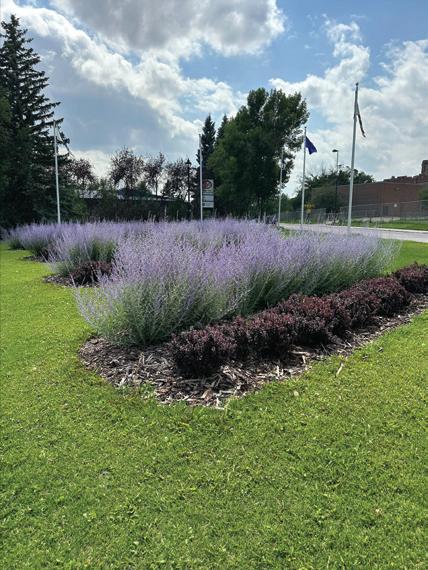



In Moose Jaw, Aging Well Starts with Connection
Most of us want the same thing as we grow older: to stay in our homes, remain connected to our community, and continue living life on our own terms. Yet when life changes — a health issue, a loss, reduced mobility, or isolation — many people discover it’s harder than expected to know where to turn.
That’s why Moose Jaw has been intentionally building an age-friendly community.
Since receiving official Age-Friendly designation from the Province of Saskatchewan, Age-Friendly Moose Jaw has worked in partnership with Saskatchewan Seniors Mechanism (SSM), the City of Moose Jaw, health providers, service clubs, churches, housing organizations, and many local volunteers to make supports easier to find and easier to use. Together, these partners have created tools like the Seniors Resource Guide, established the AgeFriendly Resource Centre on Main Street North, and launched pilot projects that help people connect to services, social opportunities, and practical support before challenges become crises. One of these is a Social Prescribing pilot, which helps people get connected to community supports for wellbeing — not just medical care — through simple, guided referrals.
Aging well is not about doing everything alone — it’s about knowing where to turn when life changes.
This work is based on a simple understanding: independence is not isolation. It is the confidence that help is available, relationships are nearby, and someone will walk with you as needs shift. Sometimes that support is transportation, sometimes it’s social connection, and sometimes it’s simply a conversation that helps you figure out next steps.
SSM’s provincial leadership and advocacy, combined with the local knowledge and collaboration of Age-Friendly Moose Jaw, has helped turn good intentions into real community infrastructure — right here in our city. This isn’t a future plan; it’s something Moose Jaw is already living out, one connection at a time.
If you are an older adult, a caregiver, or a family member who wants to better understand what supports exist locally, the first step is knowing where to start. You don’t need to be in crisis, and you don’t need to have all the answers — just a place to begin.
Age-Friendly Resource Centre
101–510 Main Street North
Moose Jaw, SK S6H 3K3
Phone: 306-690-3900
Because aging well is not just personal - it’s something Moose Jaw is building together.
Tim Ellis Chair, Age-Friendly Moose Jaw

Aging Well means connecting with others. Community connections are essential for support and emotional well-being.
Visit our websites: agefriendlysk.ca skseniorsmechanism.ca for examples of community connections.
Home Care
Home Care provides health and personal support services that will assist the client to stay at home. Nursing services are provided per physician referral. All other services are based on the assessed needs and a goal for service. For an assessment of your needs, please call the Five Hills Access Centre (FHAC) at 306-691-2090.
Home Care services available are:
• Nursing
• IV Therapy
• Continuing Care Aide Services
• Respite
• Meals on Wheels
• Physiotherapy, Occupational Therapy
• Palliative Care
• Wellness Clinics
HOME NURSING CARE
• Nursing staff provide a variety of services in the home or in the Treatment Centre under the direction of your doctor.
• Nursing visits are scheduled by priority of need.
• There are no fees for nursing services.
CONTINUING CARE AIDE (CCA) SERVICES
• CCAs provide a wide range of services based on the assessment.
• Schedule of services may vary occasionally due to unfore seen events.
• The client must be at home when the service is provided.
• The client is responsible to provide necessary personal care supplies for CCA.
PALLIATIVE CARE
• Referrals to the Palliative Care Program can be made by anyone calling the Five Hills Access Centre and will be reviewed by the Palliative Care Coordinator.
• Service availability may vary slightly throughout the health region.
• Palliative Care is the physical, emotional, social and spiritual care given to a dying individual and his or her loved ones where active treatment is no longer the goal. Such care may occur in a hospital ward or a long-term care institution, but is usually a service provided in the home.
• Palliative Care Services can help if it is your wish to die in the comfort and privacy of your own home with the support of your family. Physicians, nurses, continuing care aides, social workers and other healthcare professionals work together with you and your loved ones to make the last stages of life as meaningful as possible. We tailor help to your individual needs and offer on-going support throughout your terminal illness.
• Our goal is to relieve suffering and offer quality of life and personal dignity until death. If the time should come where transfer to a care facility is needed, your Palliative Case Manager will assist you to make as smooth a transition as possible.
For more information, please contact the Five Hills Access Centre by calling 306-691-2090.

• There is a cost for CCA services. Ask the Continuing Care Coordinator (CCC) for this amount.
RESPITE IN HOME
• Respite services are available to families who cannot leave an individual unattended. Continuing Care Aides provide “relief” for caregivers for short periods of time. It can be regularly scheduled or as needed.
• Prior notice and approval is required to set-up service.
• Not to be used to allow caregiver to go to work.
MEALS ON WHEELS
• Hot, nutritionally balanced meals are available, based on the assessed need.
• Meals are prepared by a health facility or private provider.
• Meals are delivered by volunteers, Monday through Saturday, including statutory holidays. (Some variations in rural areas).
• The client must be home to receive the meal.

Monday 7:30 a.m.–4 p.m. Tuesday 7:30 a.m.–4 p.m.
Wednesday 7:30 a.m.–4 p.m.
Thursday 7:30 a.m.–4 p.m. Friday 7:30 a.m.–2 p.m.
Saturday Closed
Sunday Closed
Supporting a Loved One
When someone you love has been diagnosed with a mental illness, you feel a mixture of emotions. Concern, compassion, disbelief, anger, relief, anxiety, grief, love, guilt…any and all of these emotions are understandable and normal. You are not to blame for a loved one’s mental illness. Mental illnesses are caused by many different factors that work together, such as genetics, biology, environment, and life experiences. Loved ones can play a big part in helping a person recover, work towards their goals, and stay well. Care and emotional support go a long way in recovery and well-being. So can practical help, like managing doctor’s appointments and other daily tasks. You can also play a part in helping a loved one maintain well-being. You and other close supporters may be the first to notice changes in a loved one’s mood, behaviour, self-care, or other area that shows their mental health may be worsening. This means you can help your loved one find the right help early. You can also help them see hope at a time when they feel it the least. Who is taking care of you?
When a loved one experiences a mental illness, their care and support can take a lot of time and energy. But your own needs are just as important, too. If you aren’t well, it’s harder to help someone else regain wellness. Here are some tips to think about:
1. Accept your own feelings and know that you are not alone It is natural to feel many different emotions when a loved one is diagnosed with a mental illness. Other people experience the same challenges and complicated mix of emotions, just like you. Let yourself feel whatever you need to feel.
2. Learn more

Take time to learn more about mental illnesses. This will give you a better understanding of your loved one’s experiences and help you see what they may be going through. You can find reliable information online, through provincial or territorial health services, and through community organizations.
3. Stay connected
Embarrassment, social stigma and fear can stop many family members from seeking help when a loved one is diagnosed with a mental illness. But that can isolate you at a time when you need the most support from others. Talk to trusted friends and family and let them know what you’re experiencing. If you aren’t sure where to go, try connecting with a community organization.
4. Join a support group
Support groups are a good place to share your experiences, learn from others, and connect with people who understand what you’re going through. To find a local support group, contact a local community mental health organization like the Canadian Mental Health Association (CMHA). CMHA has branches all over Canada that offer a range of services that can help.
5. Take time for yourself
If you are caring for a loved one, your responsibilities may use up your physical and emotional energy. It’s important to take time for yourself. It can help you recharge and give you a more balanced perspective toward any challenges you experience. Schedule opportunities that allow you to relax, have fun and get away so you can come back to your loved one with a healthier outlook. You can’t care for someone else if you haven’t cared for yourself first.
Moose Jaw Fire Department Fire Safety
Tips for Older Adults
Knowing what to do in the event of a fire is particularly important for older adults. At age 65 and older, people are twice as likely to be killed or injured by fires compared to the population at large and with our numbers growing every year it's essential to take the necessary steps to stay safe.
Make sure a fire never starts by following these simple tips:

Don’t reach for danger! Wear tight-fitting or rolled-up sleeves when cooking and don’t reach over a hot burner. Always stay in the kitchen when you are cooking, never leave cooking food unattended. Cooking fires are the number one cause of fire injuries among older adults. If you need to step away, you should turn off the stove.
Always blow out candles before leaving the room.
Ensure items that can burn are one meter (3 feet) away from space heaters.
Avoid overloading the electrical outlets. Extension cords should be used only as a temporary connection.
Avoid running cords under rugs, which can damage the cord and cause a fire.
Install smoke and CO alarms on every level of your home, especially outside sleeping areas. Combination smoke/CO alarms are available and detect both hazards in one device. Test alarms monthly and replace batteries yearly or if you hear a chirp. Replace smoke alarms every 10 years, and CO alarms every 7–10 years (check label) even if they are still working.
Know exactly what to do and where to go if there is a fire. Plan and practice your escape! Develop a home fire escape plan or refer to your building’s fire safety plan.
Know your local emergency number 9-1-1
If you smoke, do it outside and use large deep ashtrays. Don’t extinguish smoking materials in a potted plant. The soil used for potted plants can burn. Never smoke in bed.
6. Seek help for yourself
Caring for a loved one who’s unwell can be stressful. Long periods of stress can lead to mental health or substance use problems. Seek help if you find your own well-being slipping, and encourage family members to seek help if they need it. Mental illness can also have a big impact on family relationships. It’s a good idea to seek counselling for the entire family.
7. Develop coping strategies for challenging behaviours
There may be times when a loved one shows strange or challenging behaviours that can make you feel confused, embarrassed, or scared. This can happen in public or in private. It’s best to talk with your loved one’s care team for strategies to manage challenging situations. Here are some tips:
• Learn more about your options.
• Plan the best strategies for the situation.
• Understand that this is not personal.
• Realize that some behaviours may be beyond your loved one’s control. They may be as distressing to them as they are to you.
It’s also important to tell your loved one (and their care team) what behaviours you aren’t willing to tolerate. You have rights, too—you never have to tolerate dangerous or abusive behaviour. What to do in a crisis
If your loved one experiences serious episodes that cause problems, it’s important to plan ahead for these problems. These plans—written during times of wellness—usually map out what will happen and who will be involved if a loved one starts to feel unwell. You may be included in a plan with your loved one’s care team, but you can make a plan just between you and your loved one, too.
If you believe that a loved one is at risk of harming themselves or others and they won’t seek help, you may get a mental health assessment through your province’s or territory’s mental health laws. In general, these laws let a doctor, judge, police officer, or justice of the peace order an evaluation if a person meets certain criteria. While this can be a helpful tool in a crisis situation, it can also be difficult and traumatic for everyone involved. Ideally, a loved one should have a plan in place that seeks action before these emergency measures are necessary. Contact your provincial or territorial ministry or department of health to learn more.
A note on privacy
Under Canadian law, an adult’s health care team can’t talk about medical information like a diagnosis or treatment in most situations without permission of the adult. This may seem frustrating at times, but these laws were designed to protect the rights of people who experience a mental illness. An open relationship with a loved one can go a long way in keeping everyone informed and supporting a loved one’s care choices. Income and housing support
When someone you love is diagnosed with a mental illness, you may worry about their financial future. If they are unemployed or don’t make enough to support themself, they may qualify for income supports. Some programs are provincial or territorial, and others are national. Talk with a loved one’s care team, provincial or territorial services, or a local organization to see what’s available. Your bank can also help with tools like a Registered Disability Savings Plan.
Mental illnesses can be barriers to good, affordable housing, but the right housing can give people freedom and independence. There are different kinds of housing options available with varying levels of supports. Contact the CMHA or other local mental health organizations to get more information on housing programs.
Do you need more help?
Founded in 1918, the Canadian Mental Health Association (CMHA) is the most established, most extensive community mental health organization in Canada. Through a presence in hundreds of neighbourhoods across every province, CMHA provides advocacy and resources that help to prevent mental health problems and illnesses, support recovery and resilience, and enable all Canadians to flourish and thrive.
Contact a community organization like the Canadian Mental Health Association to learn more about support and resources in your area.
Moose Jaw Branch
326 High St W
Moose Jaw Canada
Phone: 306-692-4240
Email: cmha.mj@sasktel.net
Url:www.moosejaw.cmha.ca


SENIORS


Jason Cushway (306) 631-8727
Joseph Cushway (306) 631-0153
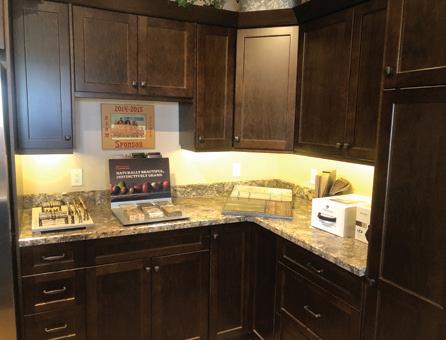
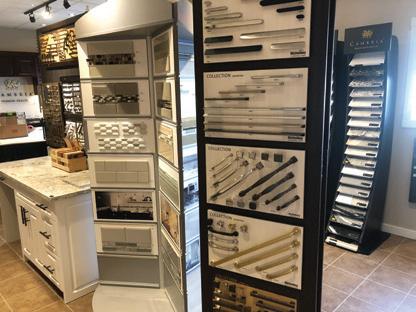
hanovercabinets@sasktel.net


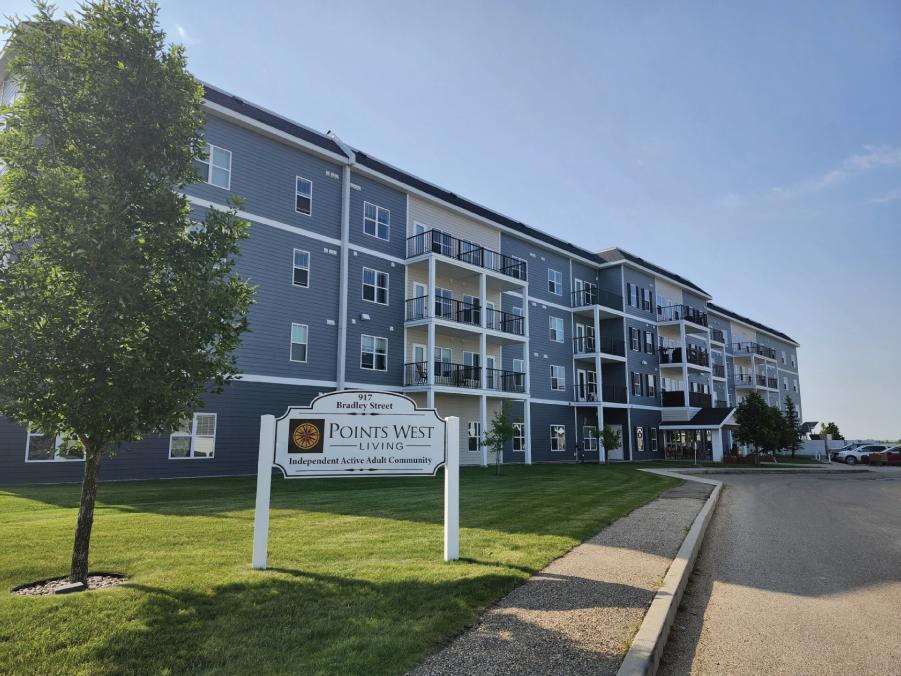

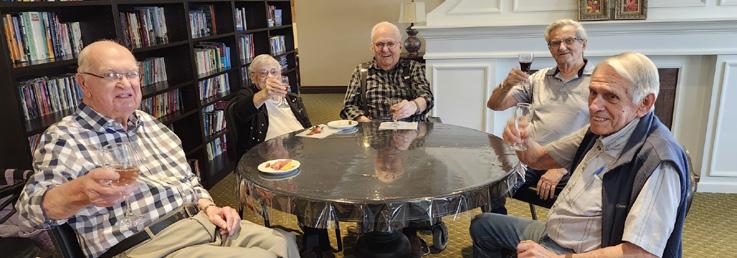
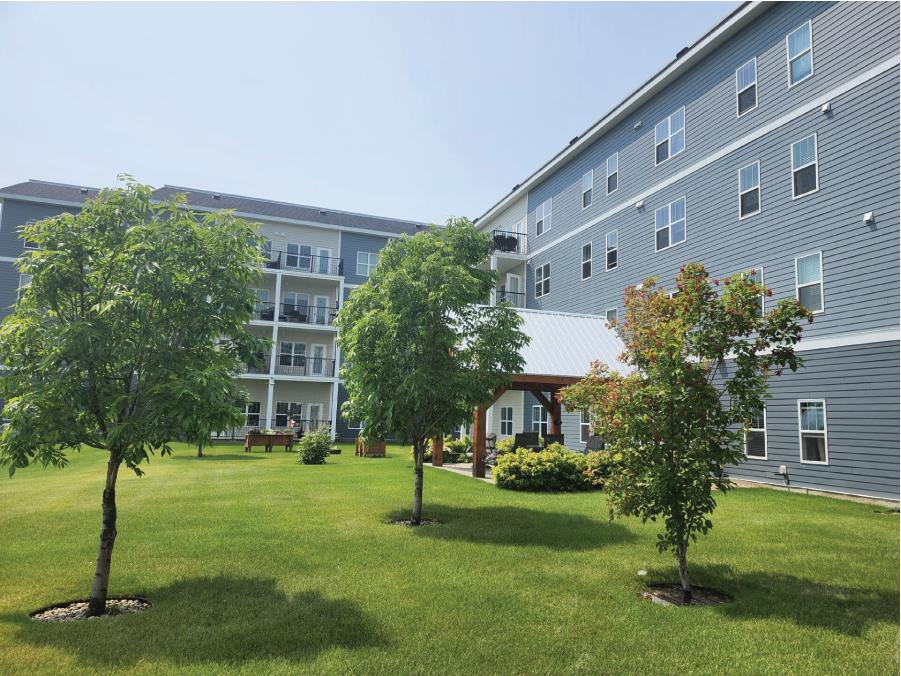
If you are looking for an active independent place to live, Points West Living Moose Jaw is the perfect place for you. pointswestlivingsask.ca/locations/moose-jaw

Wearing Your Cherished Rings Again Comfortable Ring Sizing Options
For Arthritic Hands
Our hands tell the story of a lifetime. They have worked hard, held loved ones, and carried memories thru the years. As time passes, many people find that arthritis or enlarged knuckles make it difficult, or even impossible to wear the rings they once cherished. The good news is that you do not have to leave those meaningful pieces tucked away in a drawer. Fortunately, there are thoughtful solutions that allow seniors to enjoy their jewellery once again—comfortably and safely.

Hinged or Opening Rings
These rings feature a small, discreet hinge that allows the band to open. This makes it much easier to slide the ring over swollen or stiff knuckles. Once closed, the ring looks and feels just like a traditional band.

Expandable or Stretch Rings
Expandable rings gently adjust as they pass over the knuckle, then return to a secure fit on the finger. This option is especially helpful for hands that experience daily swelling.

Comfort Fit Adjustments
Small internal modifications can improve comfort and prevent spinning, helping the ring sit naturally on the finger without pressure.
Redesign Options
When resizing is not possible, rings can often be redesigned or transformed into pendants, allowing treasured memories to remain close in a new way.
Arthritis may change the hands, but it doesn’t have to take away the joy of wearing what matters most. With modern ring solutions, seniors can once again wear their cherished memories with comfort, dignity, and confidence.


















A New Way to Remember, A Tradition of Care
At W. J. Jones & Son Funeral Home, we understand that saying goodbye is more than a moment—it’s a lifelong journey of remembrance. For over a century, our family has walked alongside yours, offering compassionate support, professional guidance, and respectful care through life’s most tender transitions.
As we continue to serve families in Moose Jaw and the surrounding communities with dignity and devotion, we are proud to introduce a meaningful new option for honoring your loved one’s memory: Parting Stone – A Solidified Remains Service
Beyond the Urn: A Tangible Connection Cremation is a deeply personal choice, often selected for its simplicity and flexibility. But for many families, cremated ashes can feel impersonal or difficult to display and interact with. That’s where Parting Stone comes in.
Instead of receiving ashes in a container, you now have the option to receive 40–60 smooth, solid stones - each one a clean, touchable representation of your loved one’s
essence. These stones can be held, shared, displayed, or even carried with you, creating an intimate and permanent connection unlike anything else.
Every stone is unique in shape, size, and natural color—just like the person it represents. Whether you choose to keep them all, give some to family members, or place them in a meaningful location, these solidified remains offer a beautiful, healing alternative to traditional cremation options.
Why Families Choose Parting Stone
• Clean & Touchable: No more worry about spills or scattering. Solidified remains are clean, safe, and easy to hold.
• Shareable Keepsake: Perfect for families who want to divide and share the memory of a loved one in a dignified way.
• Personal & Permanent: Stones don’t degrade, scatter, or fade over time. They offer a timeless tribute to a life well-lived.
Trusted Tradition Meets Modern Meaning
At W. J. Jones & Son, we know that every life is

unique, and every farewell deserves to reflect that. As a full-service funeral home, we offer traditional burials, cremations, pre-planning services, grief support, and now, Parting Stone - because honoring a loved one should be as individual as the life they lived.
When you choose W. J. Jones & Son, you choose a family that cares. We’re here to support you through every decision, every ceremony, and every step toward healing. And with our partnership with Parting Stone, we offer even more ways to help you remember beautifully, and meaningfully.
For more information contact Dayna Chamberlain at 306-693-4644 or email dayna@jonesparkview.com


You can make a difference in the life of a patient.

The Moose Jaw Health Foundation needs the support of donors to help us equip the Dr. F.H. Wigmore Regional Hospital with the best medical equipment in Canada. With your help we can save and enhance the lives of patients.
With the help of our donors, Moose Jaw is home to a modern, state-of-the-art hospital. Individuals, businesses and organizations make generous donations to purchase new medical equipment that will assist our dedicated health care professionals. Only through the generosity of donors the Foundation has been able to provide funding for:
• MRI - a first for rural Saskatchewan
• Orthopedic surgical equipment
• Labour and delivery equipment
• CT Scanner
• Digital Mammography
• MRI Breast Coil
• Chemotherapy Equipment
• Medical & Nursing scholarships for local students
Every dollar raised will stay in our community. Your gift will make a difference. Please help us equip your hospital today for a healthier tomorrow.
For more information on the Moose Jaw Health Foundation, please visit MJHF.ORG.
Please include the Moose Jaw Health Foundation in your estate plan.
Equip your hospital today for a healthier tomorrow

















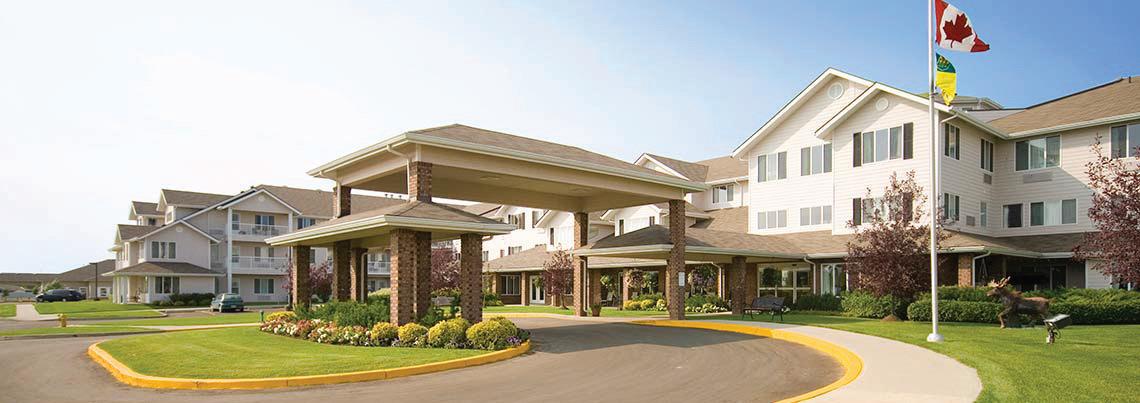
MULBERRY ESTATES Where Retired Meets Inspired




The Moose District Senior Citizens Associationcommonly known as the Eaton Centre
The Eaton Centre—has been a cornerstone of support, connection, and engagement for local adults aged 50 and older. Located in the historic Timothy Eaton Building at 510 Main Street North, the Centre offers a warm and welcoming space where members can explore new hobbies, participate in organized activities, stay active, and build meaningful connections.
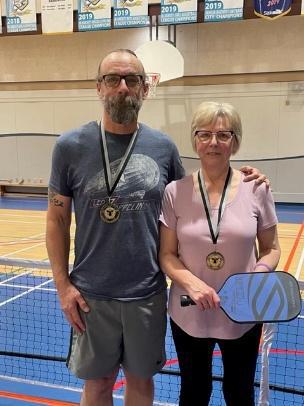
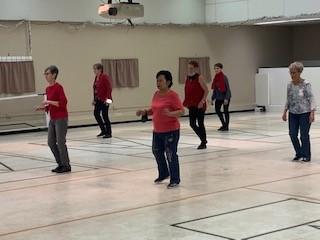
The Eaton Centre is dedicated to promoting the mental, social, and physical well-being of its members through a wide variety of programs. Whether you enjoy line dancing, arts and crafts, pickleball, shuffleboard, card games, or fitness activities, there is something for everyone. Fitness enthusiasts can take advantage of the indoor walking track and gym, or join one of our Forever in Motion fitness classes held in the XYZ Hall.
Activities are scheduled Monday through Friday, with extended hours on Mondays, Wednesdays, and Thursdays from 8:00 a.m. to 8:00 p.m., and regular hours on Tuesdays and Fridays from 8:00 a.m. to 4:00 p.m.
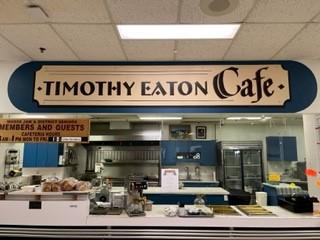
The Centre also features Timothy Ian’s Café, open to both members and the public. Enjoy delicious, home-cooked meals at affordable prices, with breakfast served daily from 8:00 a.m. to 10:00 a.m. and lunch available from 11:30 a.m. to 1:00 p.m.
For those planning events, the Eaton Centre offers excellent
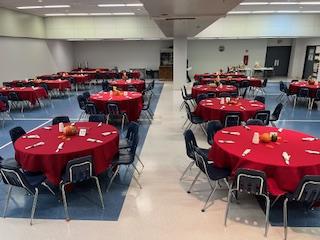
rental spaces. The spacious XYZ Hall accommodates up to 200 guests, while the card room is ideal for smaller gatherings of up to 40 people. By booking our facilities, you are not only securing a great venue but also supporting the Centre’s mission to enhance the lives of seniors in our community.
Becoming a member is easy and affordable. Basic membership is available for $75 per year, and an enhanced membership is offered for $100 per year. Enhanced members enjoy full access to the walking track and gym. All activities have a small $2 participation fee to help ensure affordability for all.
The Eaton Centre continues to evolve to meet the needs of its members and welcomes suggestions for new activities and events. Everyone is encouraged to share ideas and help build a vibrant, supportive community.
For more information, to explore membership options, or to plan an event, visit moosejawseniors.ca or stop by the Centre Monday through Friday. The Moose District Senior Citizens Association invites you to discover all the Eaton Centre has to offer and join us in creating a thriving community for local seniors.
Memberships are ongoing and valid for one full year from the date of purchase.










It’s
Athabasca Tower
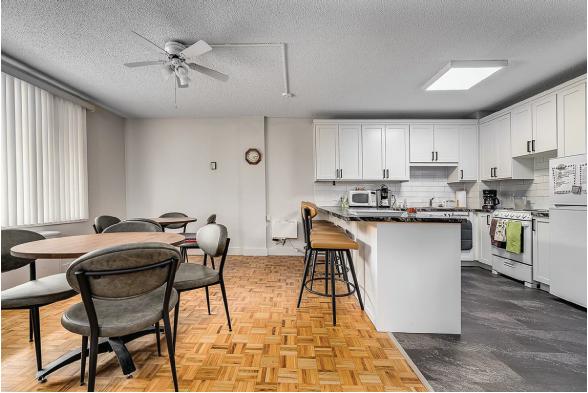
Athabasca Towers o ers modern senior living in downtown Moose Jaw, across from Crescent Park. Enjoy renovated suites with central A/C, balconies, laundry on every oor, newly updated elevator, heated underground parking, and a quiet concrete building. A vibrant common room hosts daily resident events.
Park Avenue
Experience luxury senior living at Park Avenue in downtown Moose Jaw! Spacious 1,200 sq ft suites with 2 beds, 2 baths, in-suite laundry, dishwasher, elevator, and heated underground parking-plus beautifully updated interiors in a quiet concrete building. It’s the full package!
Willowdale Court
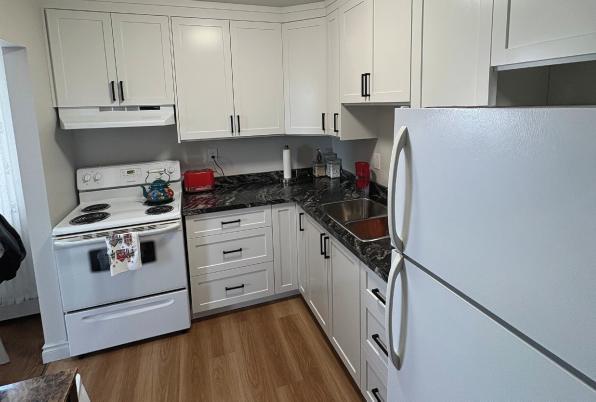
Discover Willowdale Court in northeast Moose Jaw-quiet location, scenic Happy Valley views, updated kitchens, balconies/patios, wall A/C, elevator, and heated underground parking.