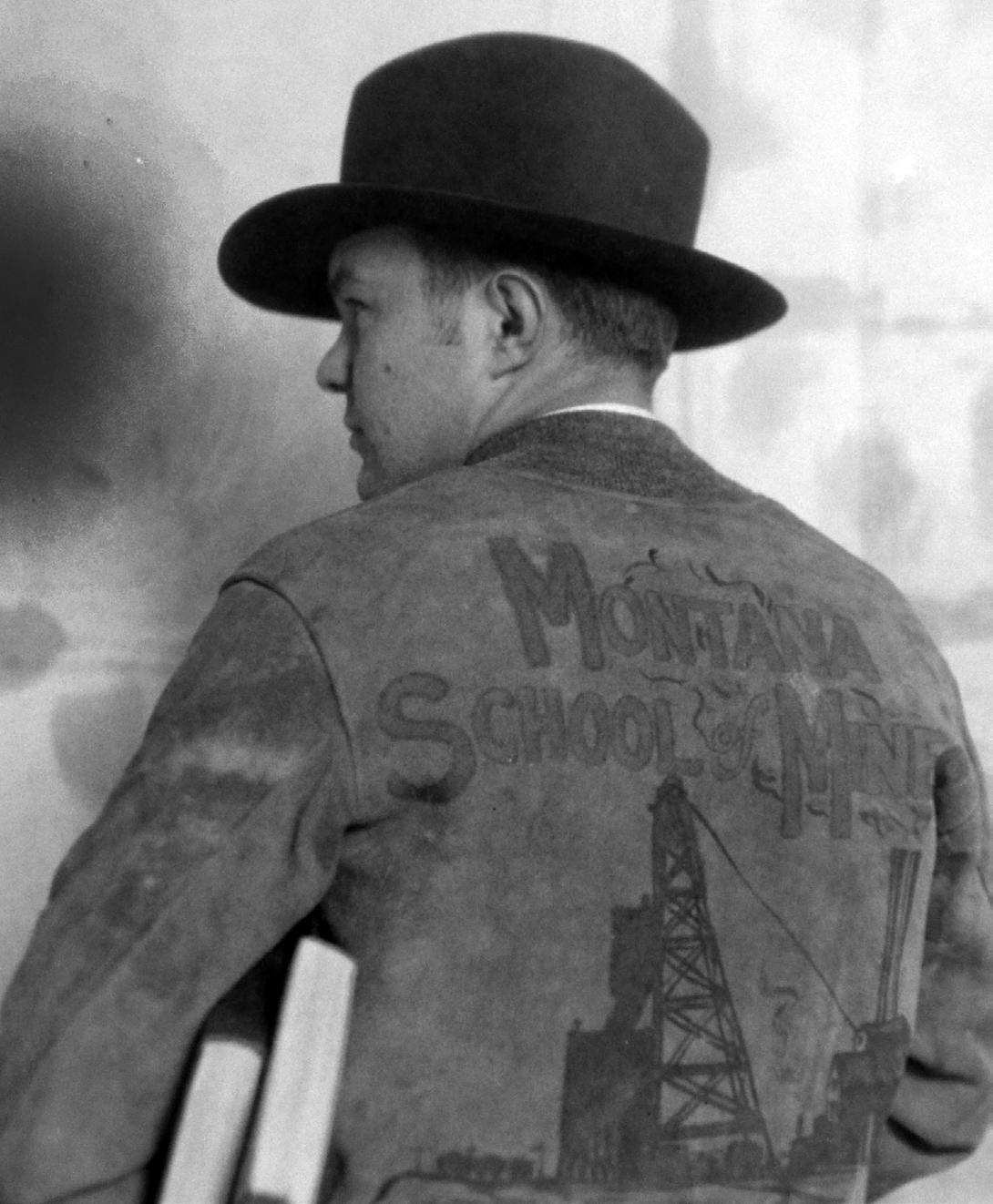
Born from the vision of the Enabling Act of 1889, Montana Technological University first opened its doors in 1900 as the Montana State School of Mines. Operating from Main Hall, the school began its legacy with just 21 students, dedicated to training the next generation of engineers with degrees in mining and electrical fields.
Today, Montana Tech stands as the state’s STEM university, carrying that pioneering spirit forward. We deliver a world-class, transformative education dedicated to developing leaders and advancing science, technology, engineering, mathematics, and healthcare.
As we launch our year-long celebration of 125 years, we embrace this historic opportunity to commemorate our past, honor our present, and envision a future of innovation and excellence. We invite you to join us in exploring the monumental milestones of our journey.
This special edition of MNews will explore our beginning as the Montana State School of Mines through today.
Chancellor Johnny MacLean
Publisher Amanda Badovinac
Writers Jaime Heppler
Johnny MacLean
Editorial Board
Amanda Badovinac
Lisa Hibnes
Jodie Jones
Editor
Susan Barth
Graphic Designer
Katie Pierce
Photographer
Lou Mason
Megan Strickland
Paul Panisko
Shannon Panisko
Megan Strickland
Special thanks to the Butte–Silver Bow Archives for providing the historical images used in this edition of MNews.
This historical account is based upon the foundational work of Terrance McGlynn’s Montana Tech 1893–1984.
In 1893, the Montana legislative assembly laid the foundation for the School of Mines, setting aside 100,000 acres of land and $15,000 for construction. It’s unlikely the founders could have fully envisioned the global impact of Montana Technological University today.
When the first cornerstone of Main Hall was laid in December 1896, the Anaconda Standard offered a bold prediction: “Some day the School will be the pride of the city of Butte.”
The Great Depression brought campus expansion to a near standstill for approximately a decade. This stagnation was abruptly reversed, however, when Public Works Administration (PWA) funding became available, triggering a dramatic building boom across campus.
The Challenge Years 1950s-1990s
The 1950s marked a new era of growth. In 1953, a new building, funded by a $5 million bond, was constructed to house the Petroleum, Physics, and Applied Mechanics departments. This was followed in 1959 by the opening of the Student Union Building (SUB).
From 1900 to the present, Montana Tech has experienced substantial growth in applied research.
From its inception as the School of Mines, athletics have played a crucial role in shaping student life and campus identity at Montana Tech.

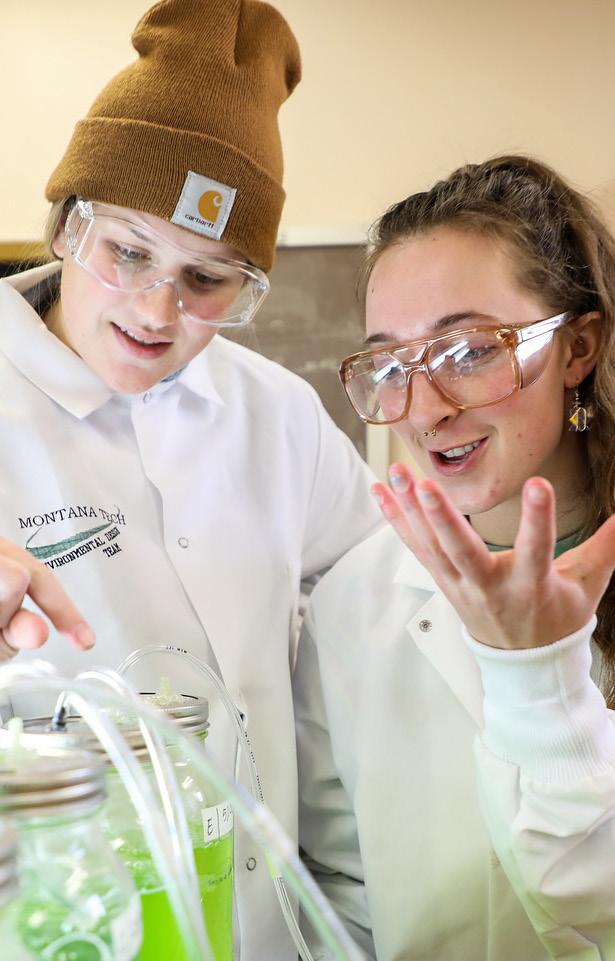


What an honor it is to join such a strong university and community! Jayci and I are overwhelmed with gratitude for the warm welcome we’ve received on campus and around Butte. We’ve been thoroughly impressed by the quality of academic programs, campus life, and athletics.
During my 125 Days of Dialogue, a consistent theme emerged. This institution is driven by its people and its purpose. Montana Tech’s people come from hardworking communities, get their hands dirty, and solve important problems. Our purpose is and has always been to meet America’s emerging needs by preparing the next generation of STEM leaders and determined doers. People and purpose are a special combination. Our country needs its hardest workers addressing its most complex challenges.
This is nothing new. It started 125 years ago when America needed electricity, and Butte was the center
of the copper universe. We started our Mining Engineering and Electrical Engineering programs, and the Montana State School of Mines electrified the world.
A few years and decades later, Montana Tech prepared soldiers for war, by offering an Army short course during World War I, and by becoming a naval officer school during World War II. Without Montana Tech’s contributions and the natural resources provided by Butte’s mines, this would be a much different country today.
Then, as globalization took hold, America needed petroleum energy to become a world power. Montana Tech rose to the challenge by creating a successful Petroleum Engineering program that has produced countless leaders.
In the 1970s, the U.S. began to recognize the environmental impacts of resource extraction, exemplified right here in Butte. In response, we created our Environmental Engineering program and our Center for Environmental Remediation and Assessment.
Finally, around the turn of the next century, Montana’s growing population demanded more healthcare professionals. Montana Tech’s Nursing program was formed, and it is now our largest individual program, with over 200 Nursing majors.
Time and again, this institution has risen to meet America’s emerging needs. We’ve done it through hard work and perseverance. It is through this perseverance that our deep-seated pride has developed. It’s a pride I’ve never experienced before, and it’s a true honor to be a part of this unique community now.
Today, America’s most pressing needs include the decline in healthcare professionals after Covid and the need for critical minerals and energy to feed the A.I. revolution. Montana’s population continues to grow, and its growth requires additional infrastructure. And as we’ve all seen, our country needs strong, capable leaders and determined doers at every level.
Montana Tech is uniquely positioned to meet these needs. We’ve been rising to meet challenges like these for generations, beginning with a narrow lane focused on natural resources. Over time, our highway has grown to include three additional lanes focusing on infrastructure, health and wellbeing, and leadership and workforce development. This four-lane highway will take us into the future. I’m asking every area of campus, from our academic colleges to our Athletics department, and from our researchers to our student affairs professionals, to align with this fourlane highway as we collectively rise to meet America’s needs.
The next generation of STEM leaders and determined doers will pass through Montana Tech’s halls. It’s the honor of my career to work with these special people to advance our focused purpose together.
Johnny MacLean, Ph.D. Chancellor

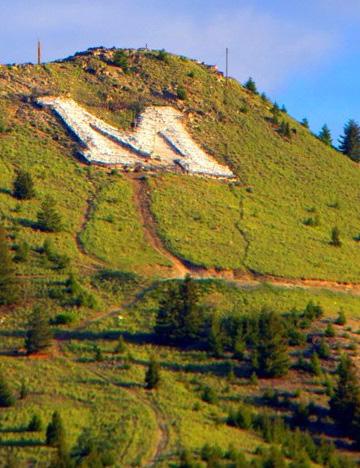
Montana Tech’s yearlong 125th anniversary celebration officially launched with Butte—Silver Bow on September 10, 2025.
The event featured a proclamation and a kick-off ceremony at 10 a.m. on the county courthouse steps. Originally founded in 1900 as the Montana State School of Mines, Montana Tech has evolved into the state’s premier STEM university. The institution has a rich history of preparing engineers for Montana’s vital mining industry and contributing to the nation’s early electrical grid. Today, the university offers a wide range of distinguished programs in engineering, health, science, technology, and the trades, maintaining its steadfast commitment to innovation and opportunity.
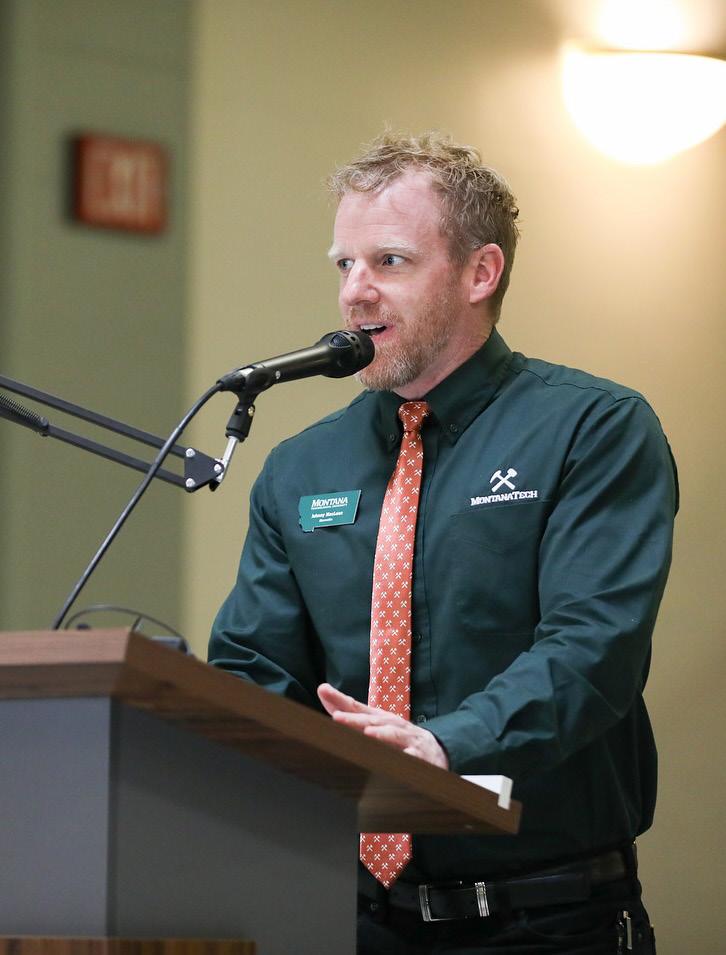
Throughout the academic year, Montana Tech will host various events and activities to commemorate its past, honor its present, and envision its future. Students, alumni, faculty, staff, and community members are all encouraged to participate in the festivities, which will spotlight the university’s lasting influence on Butte, Montana, and the world.
For more information and to join the celebration, visit www.mtech.edu/125.
Montana Tech celebrated its 125th anniversary of its Mining Engineering program with a three-day series of events September 25–27, 2025.
The celebration, themed “From Butte to Beyond: 125 Years of Mining Engineering at Montana Tech,” will honor the program’s long legacy of shaping industry leaders and innovators who have contributed to projects around the world.
It is exciting to host a celebration of our mining history and to explore where Montana Tech, and the mining industry, are headed for the next 125 years.
Mining Engineering Department Head Dr. Scott Rosenthal
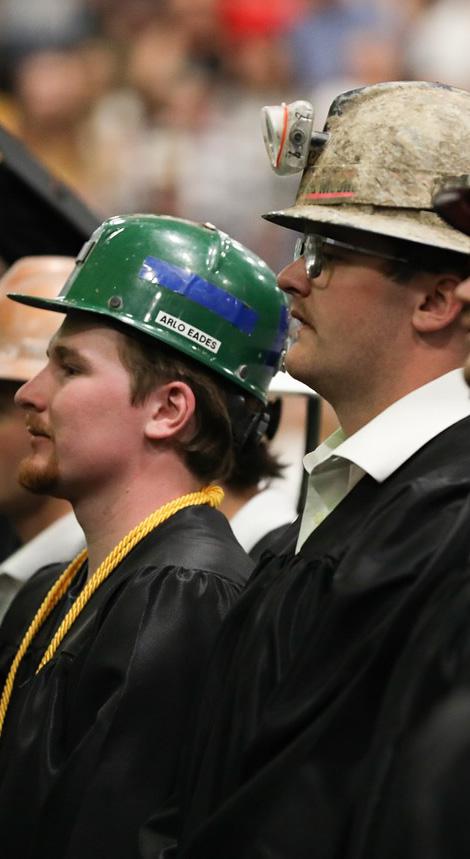

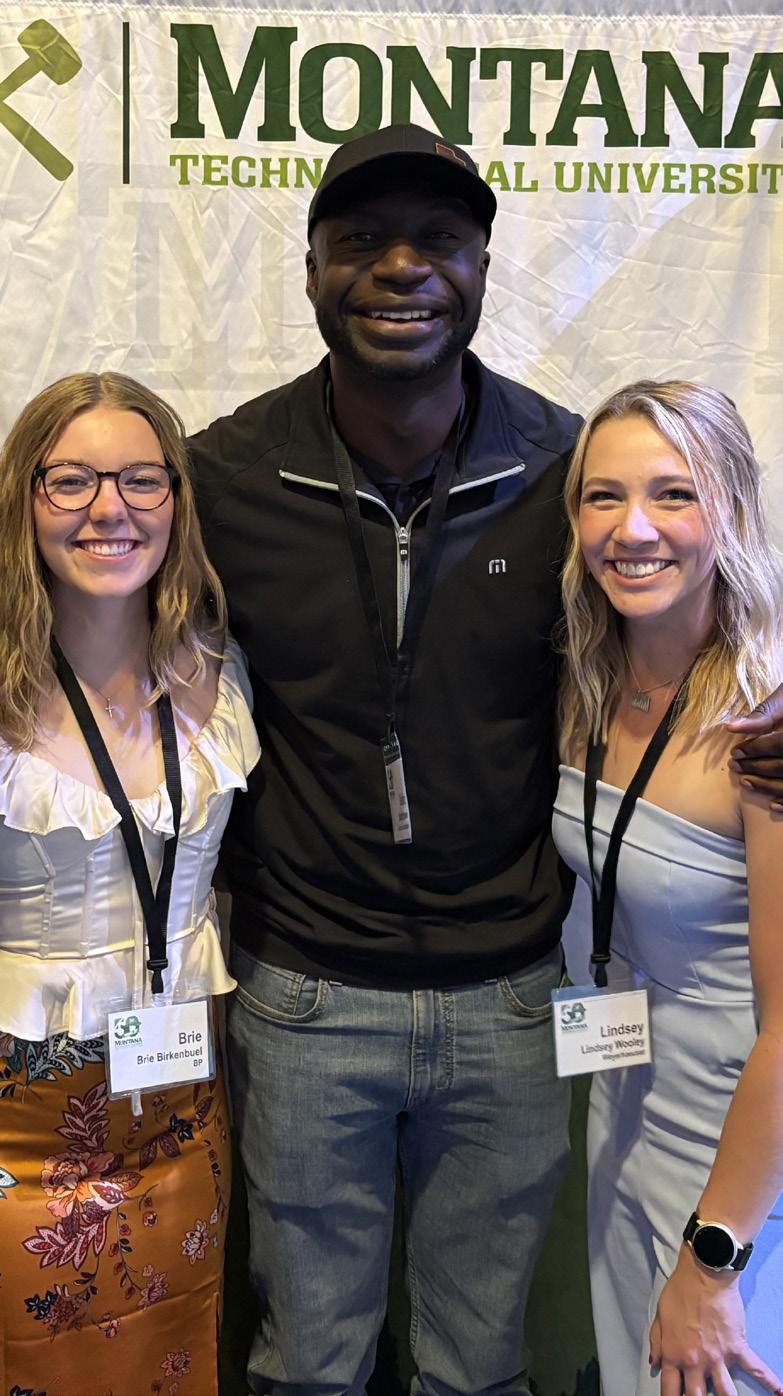

The Department of Safety, Health and Industrial Hygiene is celebrating its 50th anniversary this fall, marking five decades of preparing students for professional roles in workplace health and safety.
The program was established in 1975 by visionary founder Floyd Bossard, who also launched Montana Tech’s Environmental Engineering program. Inspired by the passage of the Occupational Safety and Health Act of 1970, Bossard recognized the growing demand for highly trained professionals to protect workers and improve conditions across industries. An M.S. in Industrial Hygiene launched in 1985. The MS Industrial Hygiene Professional Track, primarily an online program, was added in 2002.
Hands-on learning has been a cornerstone of the curriculum since its inception. Students are required to complete internships for credit, gaining real-world experience with industry partners such as construction, mining, petroleum, manufacturing, and insurance. In addition, courses often include community-based projects and experiential learning in the department’s safety and industrial hygiene labs.
The Dennis and Phyllis Washington Foundation, in conjunction with Montana Resources, has donated $1.1 million to the Montana Tech Foundation in honor of John Francis “Frank” Gardner to establish a scholarship endowment to provide full tuition and fee coverage for deserving students at Montana Technological University.

The John Francis “Frank” Gardner Memorial Endowed Scholarship will be awarded to one Montana Tech student each year, renewable for four years. Any Montana resident may apply. Preference will be given to Butte students majoring in Mining or Geological Engineering.
Gardner’s family issued the following statement: “On behalf of the entire Gardner family, we would like to thank the Dennis & Phyllis Washington Foundation for establishing this incredible endowment. It is a forward-thinking act of generosity that goes beyond the here and now. Frank would be honored and proud to leave such a legacy in Butte. His love of his hometown, Montana Tech, and its hardworking people will now ensure future generations continue to Tap ‘er Light!”
Gardner graduated from Montana Technological University (then the Montana School of Mines) with a bachelor’s degree in Geological Engineering in 1961. He started his career underground in the Emma and Steward mines in Butte, before moving into management and working internationally in Iran and British Columbia. He returned to Butte in 1979 to serve as the manager of operations for Atlantic Richfield. Gardner was the leader at the Continental Mine when it was shuttered in 1983, and was instrumental in facilitating its reopening in 1986 when it was purchased by Dennis Washington and renamed Montana Resources. Gardner led Montana Resources until his retirement in 1998. He came out of retirement in 2003 to lead the company again after another shutdown.

Dr. John Metesh has been named the Executive Director of Critical Materials Initiatives at Montana Technological University. In this new role, he will provide leadership and coordinate external engagement for two of the university’s premier research centers: the Center for Advanced Materials Processing (CAMP) and the Center for Environmental Remediation and Assessment (CERA).
For 13 years, Metesh was the director and state geologist of the Montana Bureau of Mines and Geology (MBMG), where he previously worked as a research hydrogeologist, research division chief, and assistant director. Metesh will lead strategic planning, capability development, and collaborative initiatives to expand Montana Tech’s research portfolio in critical materials and energy systems with the help of the Lance Energy Chair Bob Morris. Metesh will also be responsible for aligning internal capabilities with external opportunities, strengthening institutional partnerships, and driving the university’s engagement with key stakeholders in government, industry, and academia.
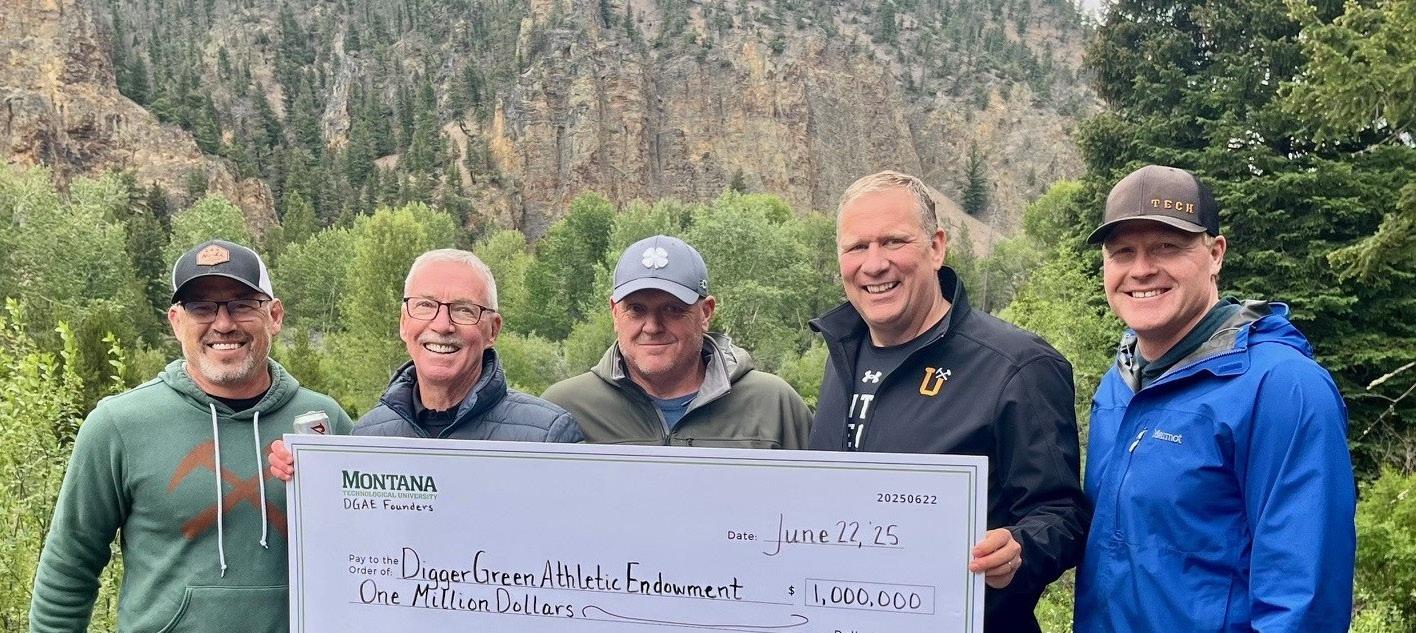
The $1.2 million endowment will generate $48,000 in new annual scholarship support to Montana Tech student-athletes. The endowment honors the contributions of legendary former Montana Tech football coach Bob Green. Green led the Orediggers from 1987 to 2010, becoming the winningest coach in school history and guiding the team to five NAIA playoff appearances and a national championship game. A Vietnam War veteran and beloved local personality, Green is also known worldwide for his colorful quotes and viral videos.
Founding members of the Digger Green Athletic Endowment contributed between $100,000 and $250,000. They include: Eric and Christi Jacobsen, Paul and Andrea Hladky, Chuck and Wendy Forgey, Jacob and Jana Streitz, Derek Kraus, Justin Balkenbush, Bryan and Kim Larson, Dave and Sherry Lesar, and Susan Hladky.
The Digger Green Athletic Endowment will support Montana Tech athletes in football, volleyball, and men’s and women’s basketball, which are collegiate sports that Coach Green oversaw while in his role as athletic director.

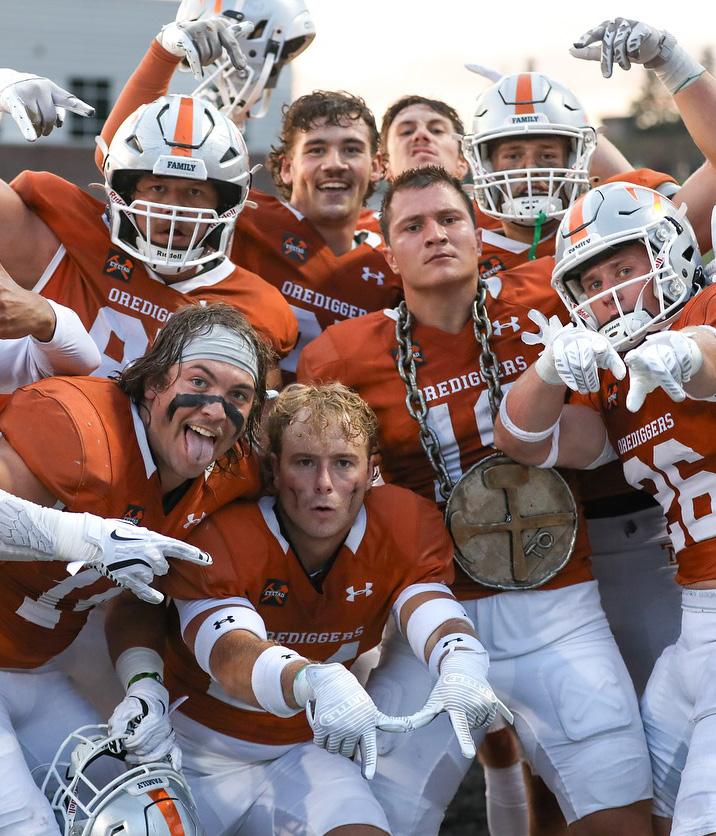
Montana Tech has secured a $7.5 million grant from the U.S. National Science Foundation (NSF) to establish the Center for Energy Technologies (CET), a new research hub focused on energy systems. Funding for the project, which begins September 1, 2025, was secured through a highly competitive NSF grant. The five-year award is part of the EPSCoR Centers of Research Excellence in Science and Technology (CREST) Phase I program.
NSF CREST EPSCoR Center awards are designed to strengthen the STEM capacity of Emerging Research Institutions (ERI) by establishing integrated research and education centers. These awards support the creation of new scientific knowledge and boost the research productivity of individual faculty members. The awards also pursue a mission to enhance the research competitiveness of targeted jurisdictions.
Led by principal investigator Dr. Richard LaDouceur, the center brings together a multidisciplinary team of researchers from Montana Tech—including Dr. Jack Skinner, Dr. Jessica Andriolo, Dr. John Kirtley, and Dr. Blaine Berrington—as well as collaborators from the University of Montana, who will provide external evaluation, support, and assessment.
Under the new center, Montana Tech researchers aim to develop technologies that can be deployed locally to convert biomass, like beetle-killed trees, into biochar and renewable energy, such as heat and electricity. The concept involves using forest waste in pyrolysis systems that generate gaseous fuels useful for electricity generation through solid oxide fuel cell technologies, while producing solid and liquid byproducts useful in battery storage and soil enhancement.
The center will not only advance research, but also serve as a training ground for undergraduate and graduate students, who will gain hands-on experience in multiple STEM disciplines. For LaDouceur and the team, the center is about more than technology— it’s about making a difference.
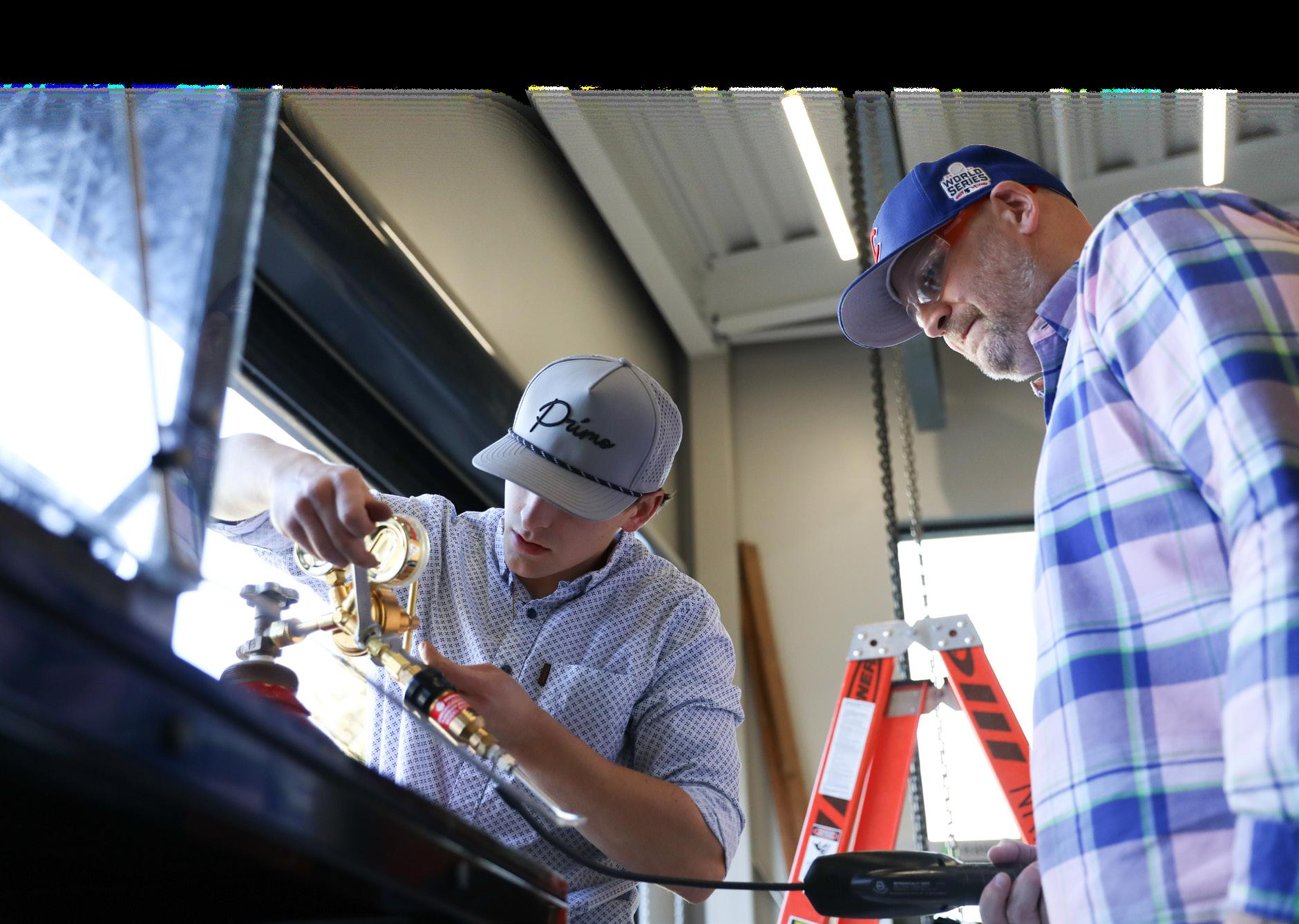



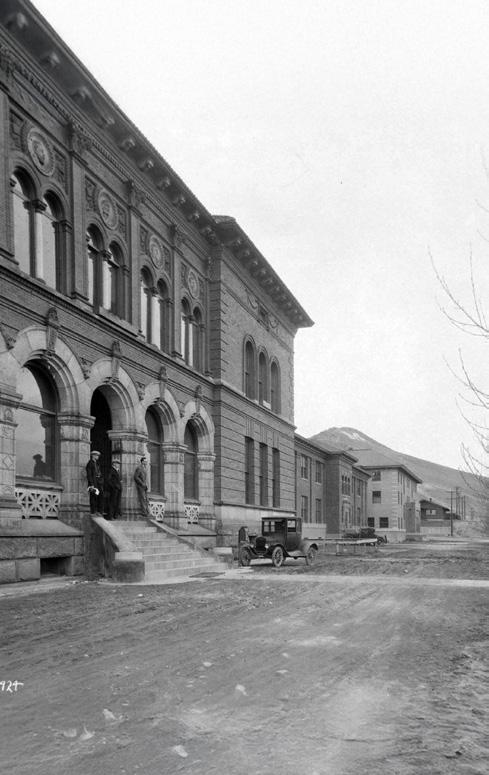
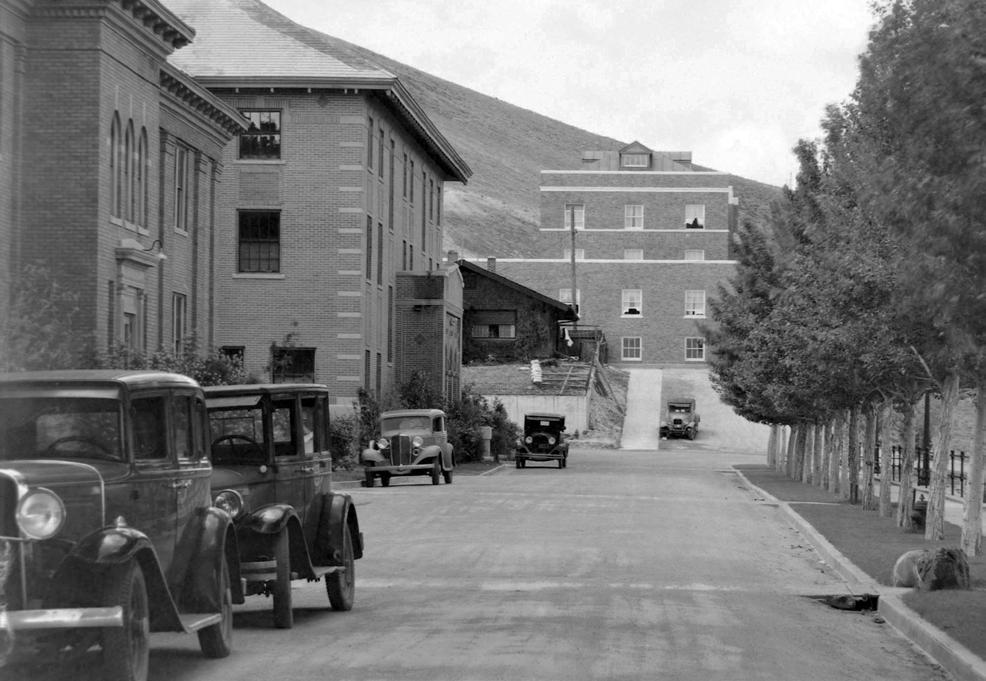
When the Montana legislative assembly set aside 100,000 acres and $15,000 for construction of the School of Mines in 1893, it’s unlikely that the founders could envision all that Montana Technological University would become. After a fundraising effort that gathered funds from local donors and a bond issue, the first day of class was held on September 11, 1900 in Main Hall, with 21 students, pursuing degrees in Mining Engineering and Electrical Engineering.
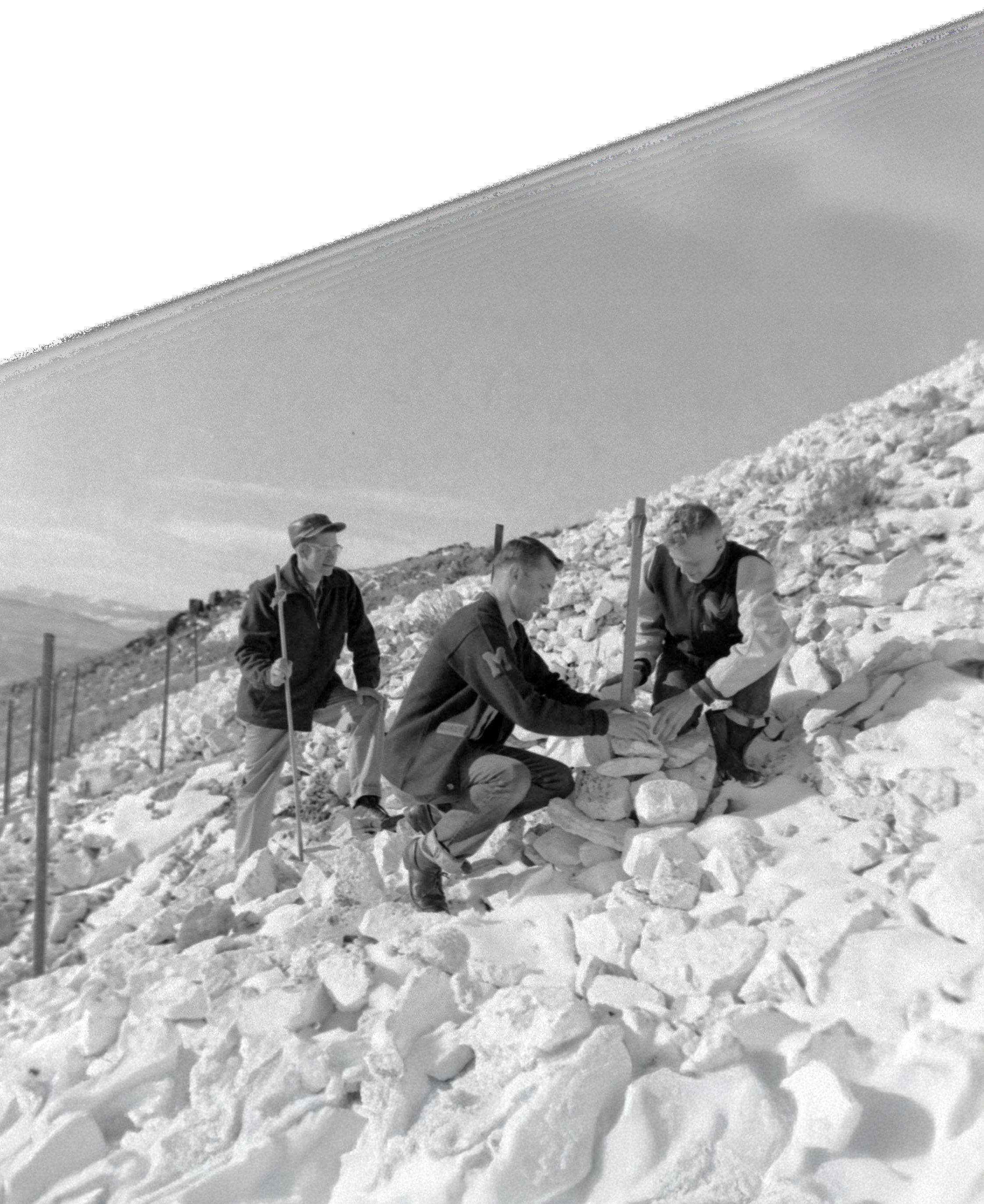
46
21
3 undergraduate majors master's and graduate certificate programs Ph.D. programs
2,516 students
As we launch into our next 125 years, we’re well positioned to continue preparing generations of STEM leaders and determined doers. Butte and Montana Tech electrified the world 125 years ago, and our future is even brighter.
Montana Tech Chancellor Dr. Johnny MacLean
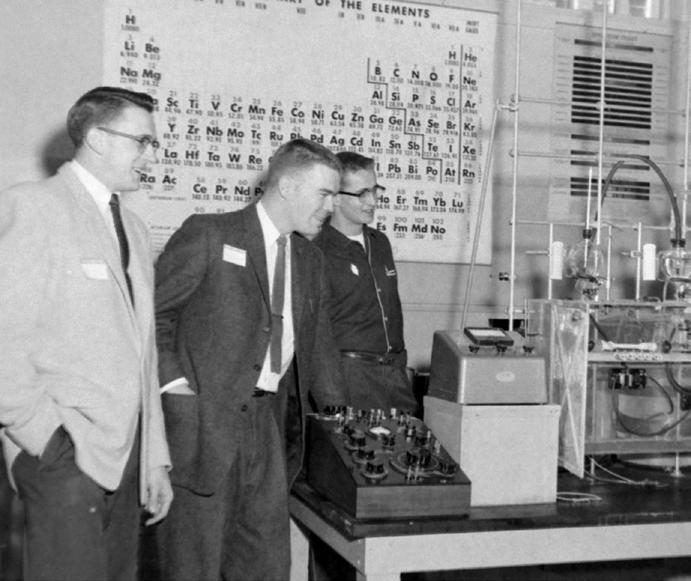
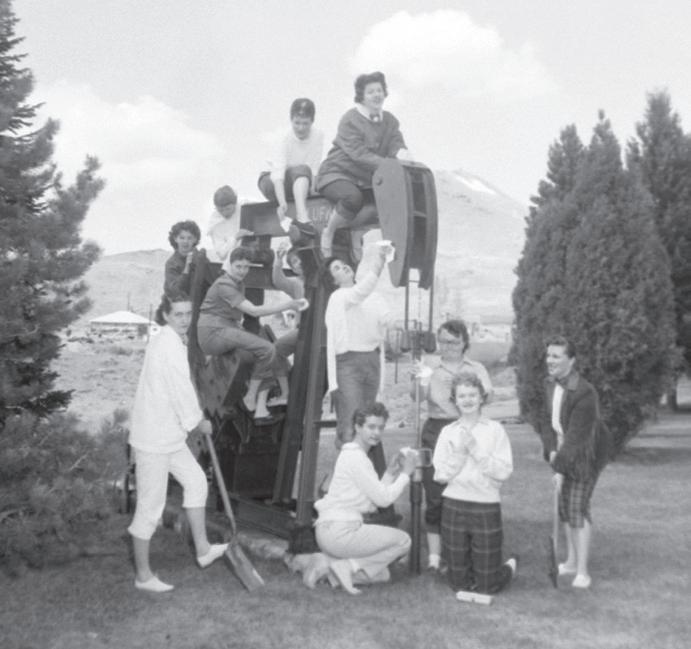
Orediggers have embarked on the timeless endeavor to engineer a better Butte, better Montana, and better world. Thousands of stories of determined doers start at this college on the hill, a launchpad for stellar careers, incubator for scientific inquiry, and home base for alumni who go on to make a difference.
Some aspects of the hands-on education of Orediggers have remained constant and largely unchanged over the decades. Photographs from the August 5, 1909 edition of The Anaconda Standard show students on a ranch in Bernice, surveying landmarks, structures, a railway connected to a mine, a power plant, and a dam site. Historical photographs from 1943 show students learning the same skills, while surveying in the Maiden Rock area near the Big Hole River. In 2023, students also spent time not far from the very same river, surveying the Sandy Hollow Anticline.
“Since Montana Tech welcomed our first student, we were focused on emphasizing the critical thinking and analytical problem-solving skills paramount to the engineering field,” Dean of the Lance College of Mines and Engineering Dr. Jack Skinner said. “As technology and society change, we continue to teach our graduates how to think, encourage them to stay curious, and stress the importance of being responsible stewards of our resources.”
Other aspects of life and education at the university have changed greatly over the years to meet the evolving demands of industry and society. Enrollment of female students has increased from 3 in 1900 to 686 in 2025. Through its expansion of programs, Montana Tech has built a powerhouse, topranked program in nursing and offers incredible access to scientific research through its state-of-the art research facilities, including the Montana Tech Nanotechnology Laboratory, the Lesar Family Nursing Simulation Center, the Underground Mine Education Center, the Safety Laboratory, the Schweitzer Engineering Power Systems Labs, and the Unmanned Aerial Systems Training and Research Area.
“Our university and community have been rising to meet America’s and Montana’s emerging needs for 125 years,” Montana Tech Chancellor Dr. Johnny MacLean said.

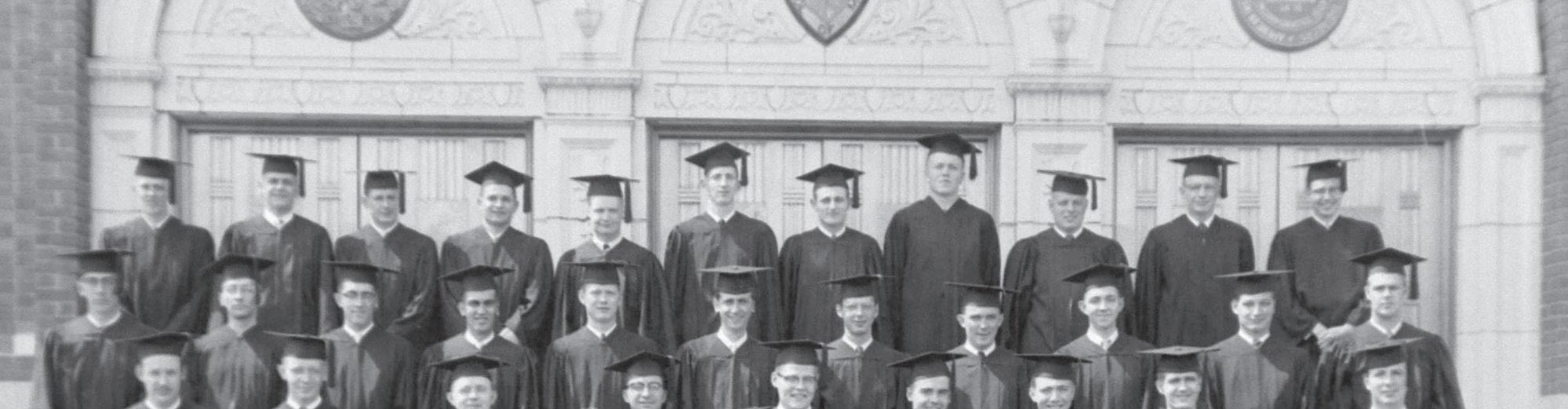
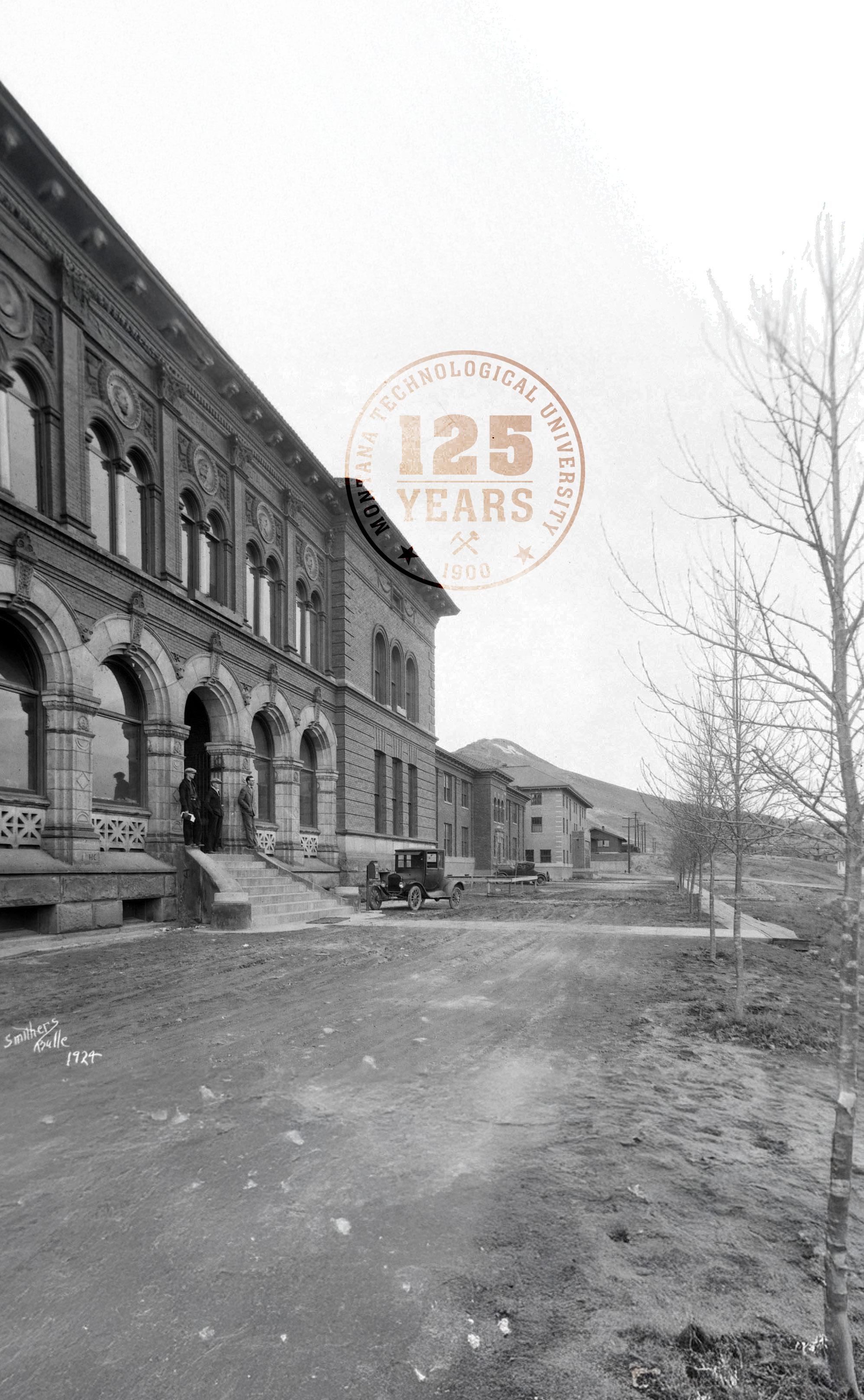
When the first cornerstone of Main Hall was laid in December 1896, the Anaconda Standard noted, “some day the School will be the pride of the city of Butte.”
The campus community worked diligently to make that statement true, and to grow from humble beginnings in a single building, with students sitting in borrowed furniture.
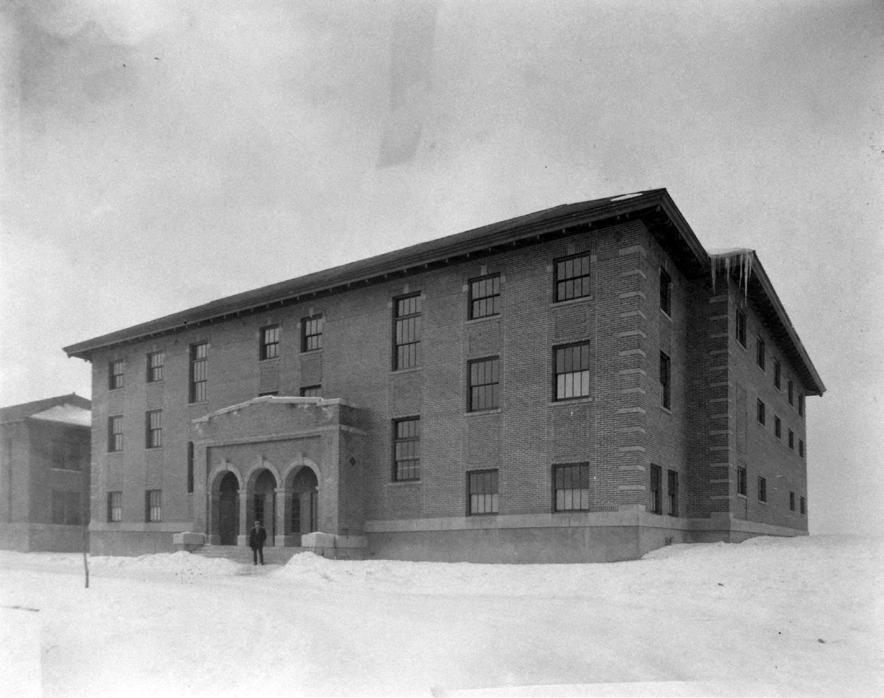
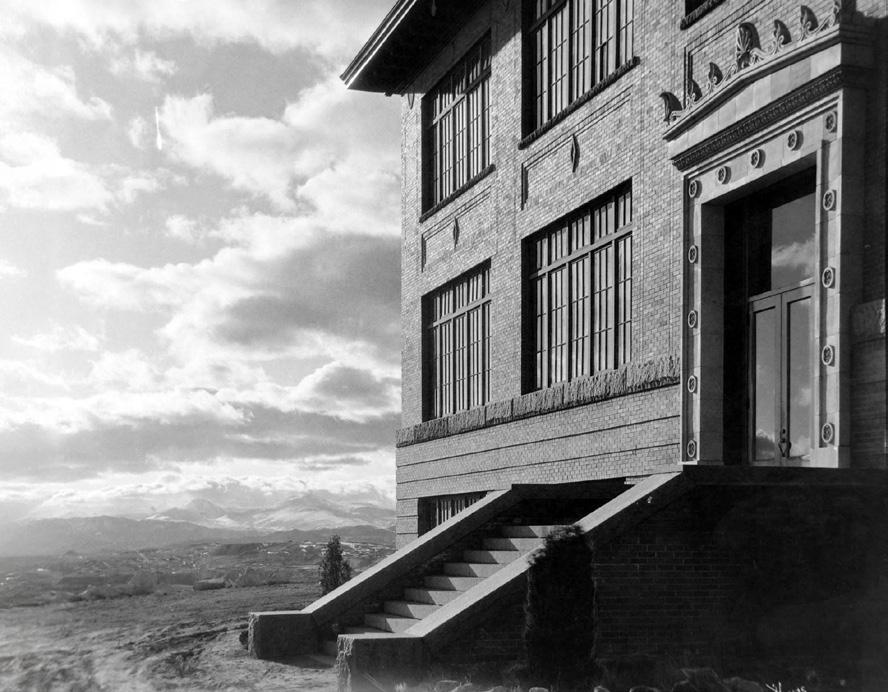
Montana State School of Mines first opened in Main Hall led by its first president, Nathan R. Leonard, and offered degrees in both Mining Engineering and Electrical Engineering.
As demand for classes grew, so too did the vision for the university’s future. The Montana State School of Mines Alumni Association was organized in 1904, and its first annual banquet was held in 1905.
Clara Clark and Isabel Little’s Historic Achievement

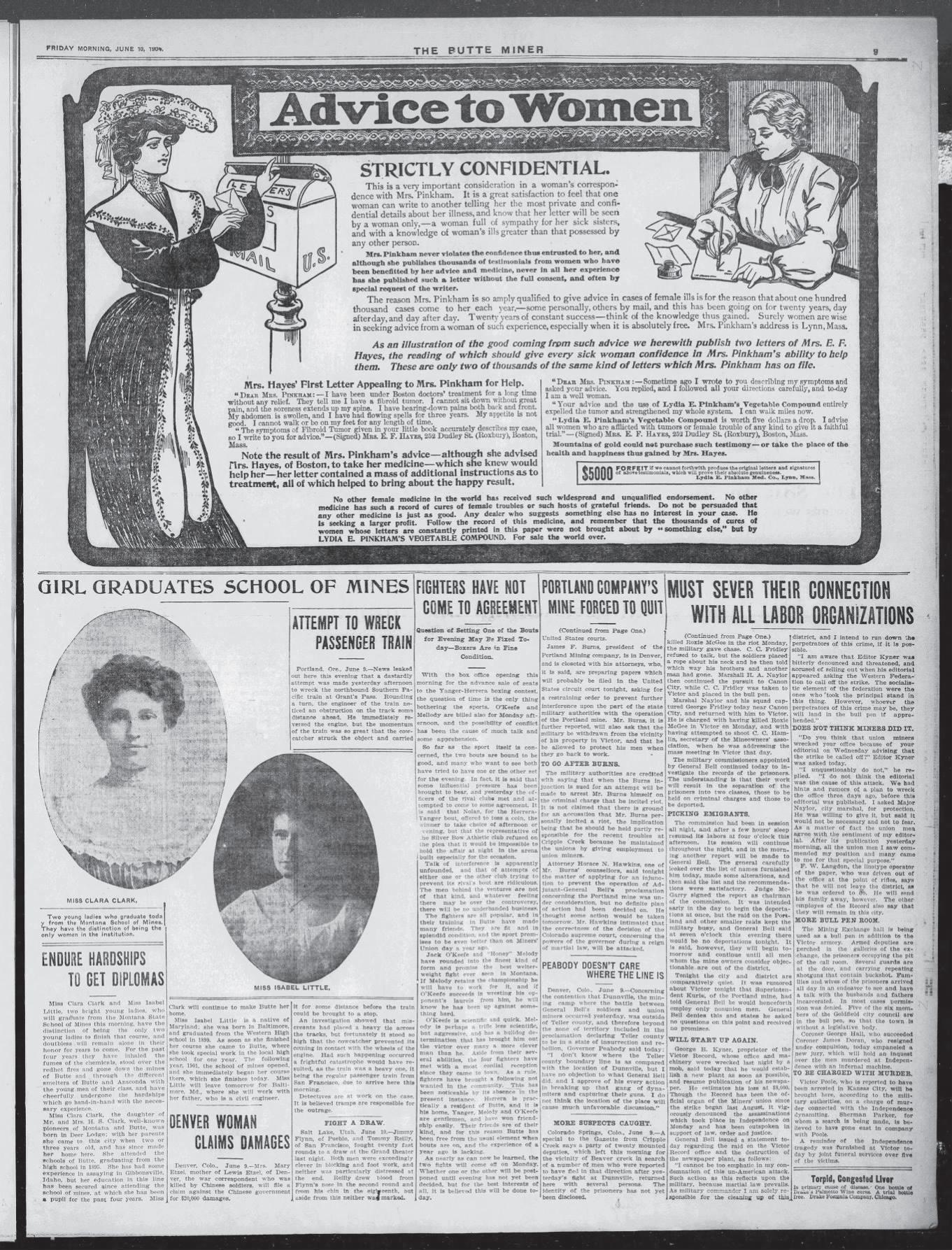
In 1904, the Montana State School of Mines witnessed a groundbreaking moment that defied the conventions of its era. full graduating class, Clara Clark and Isabel Little etched their names into history as the first two women to earn Mining Engineering degrees from the institution. This was truly a monumental achievement for its time.
A contemporary article vividly described their rigorous four years: “For the past four years they have inhaled the fumes of the chemicals, stood over the red-hot fires, and gone down the mines of Butte…with the young men of their class.” What the article notably omitted was the extraordinary detail that they accomplished all of this while wearing dresses, a testament to their unwavering determination in a male-dominated field.
Clark and Little were trailblazers for their generation. Their graduation marked a significant pause in female enrollment at the School of Mines; it wasn’t until the fall of 1911 that another female student enrolled. The prevailing societal attitudes of the era largely discouraged women from pursuing careers in mining.
r ight © 2021 News paper s c om All Rights Res er v ed
Despite these formidable obstacles and the prevailing skepticism, both Little and Clark forged successful paths, carving out remarkable careers and making significant names for themselves in the world of mining. Their story remains an inspiring example of perseverance and pioneering spirit.
The first women graduated from Montana Tech. 1904
came in 1905, when the Anaconda Standard reported on her address to a packed room at the American Mining Congress in El Paso. During her introduction as the “only woman mining engineer in the West,” Clark demonstrated an empowering act of solidarity. Not wanting to exclude other women in the field, she promptly reminded the audience of her classmate, Isabel Little.
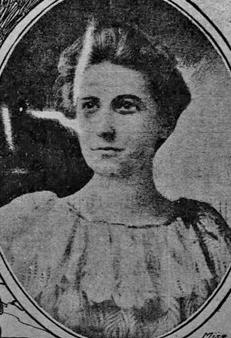
Newspapers affectionately dubbed her the “Queen of the Mountains” afterward. Her success in the industry was further highlighted in a 1907 Butte Miner article, which lauded her ability to have “in several instances, found valuable ore in neighboring states where it was not known to exist.”


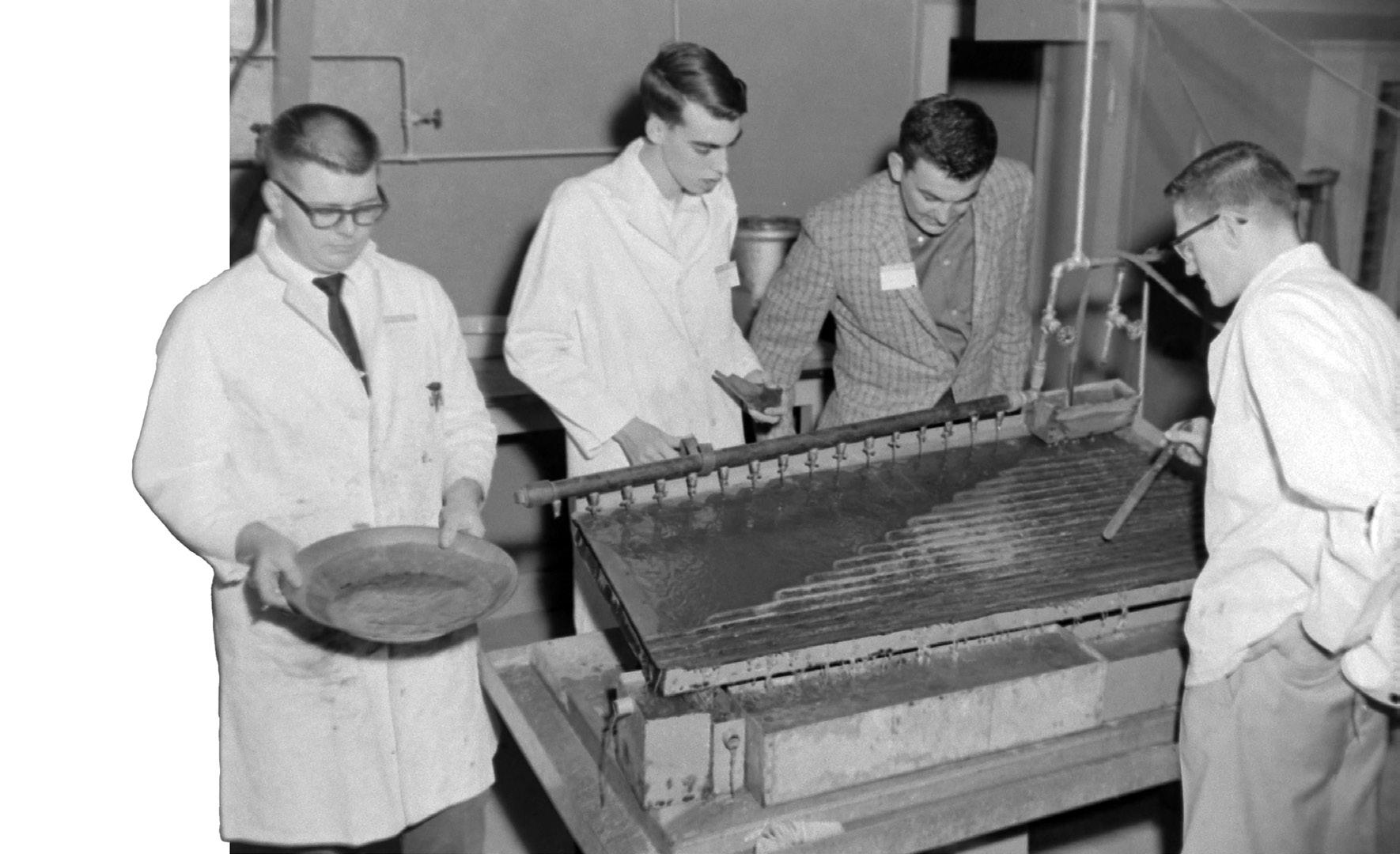
At Montana Technological University, a centuries-old technique is at the forefront of measuring precious metal content, and therefore is a strong part of our modern education and industry training. Each summer, students and professionals from across the country gather in Butte for Montana Tech’s fire assay short course—a hands-on program that teaches one of the oldest and most reliable methods for measuring gold, silver, platinum, palladium, etc.
Despite its vital importance to industry, the number of fire assay courses offered in the United States has declined significantly. The only one Professor Courtney Young is aware of is the one offered at Montana Tech. The process is exacting and time-intensive. Samples are mixed with fluxes, melted in a crucible, and reduced with lead to capture precious metals. After several steps—including fusing, deslagging, cupelling, and parting—the process leaves behind a bead that is weighed with precision, to determine how much of a particular metal is in the ore. From start to finish, a single assay takes about six hours.
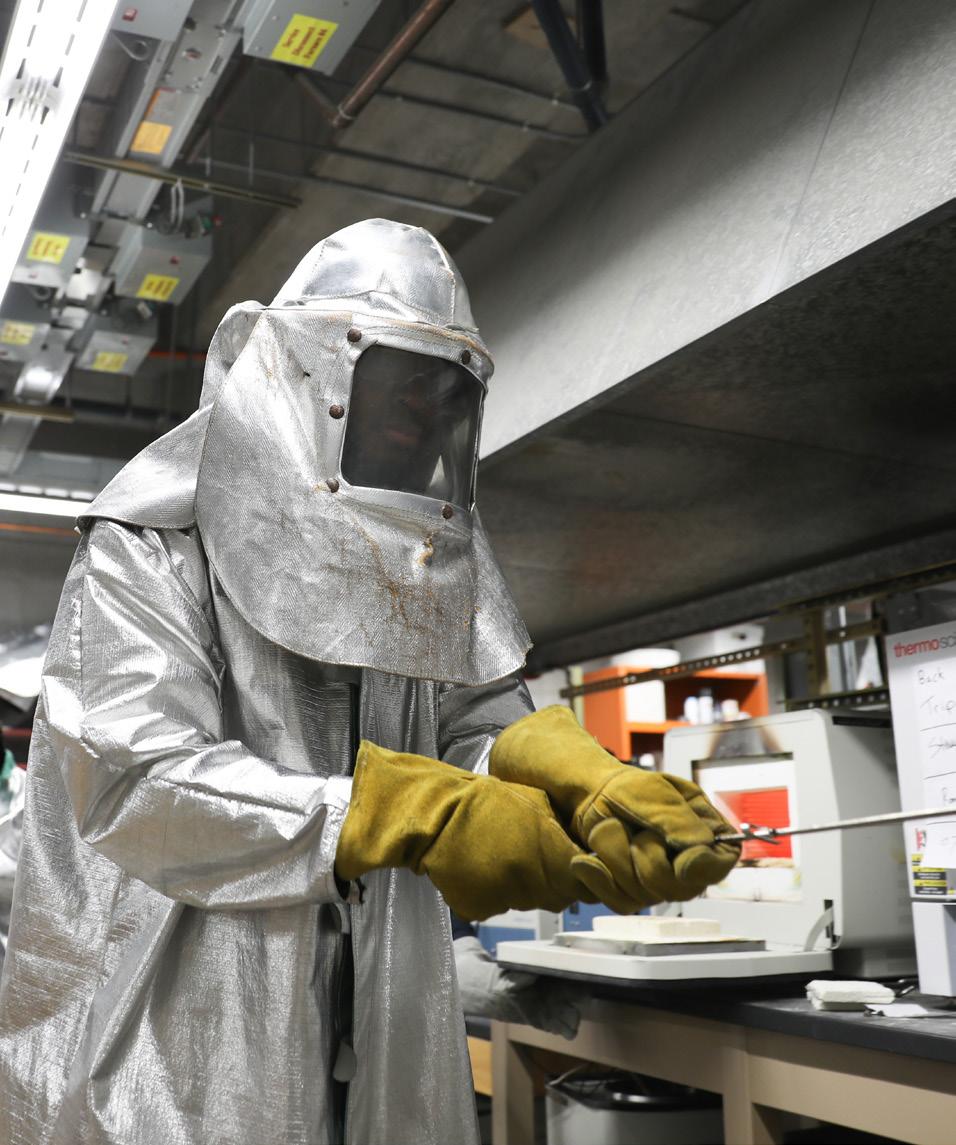
Fire assay is the accepted industry method for determining precious metal content. It’s been used for thousands of years, and it’s still the benchmark today.
Montana Tech’s Lewis S. Prater Distinguished Professor Dr. Courtney Young

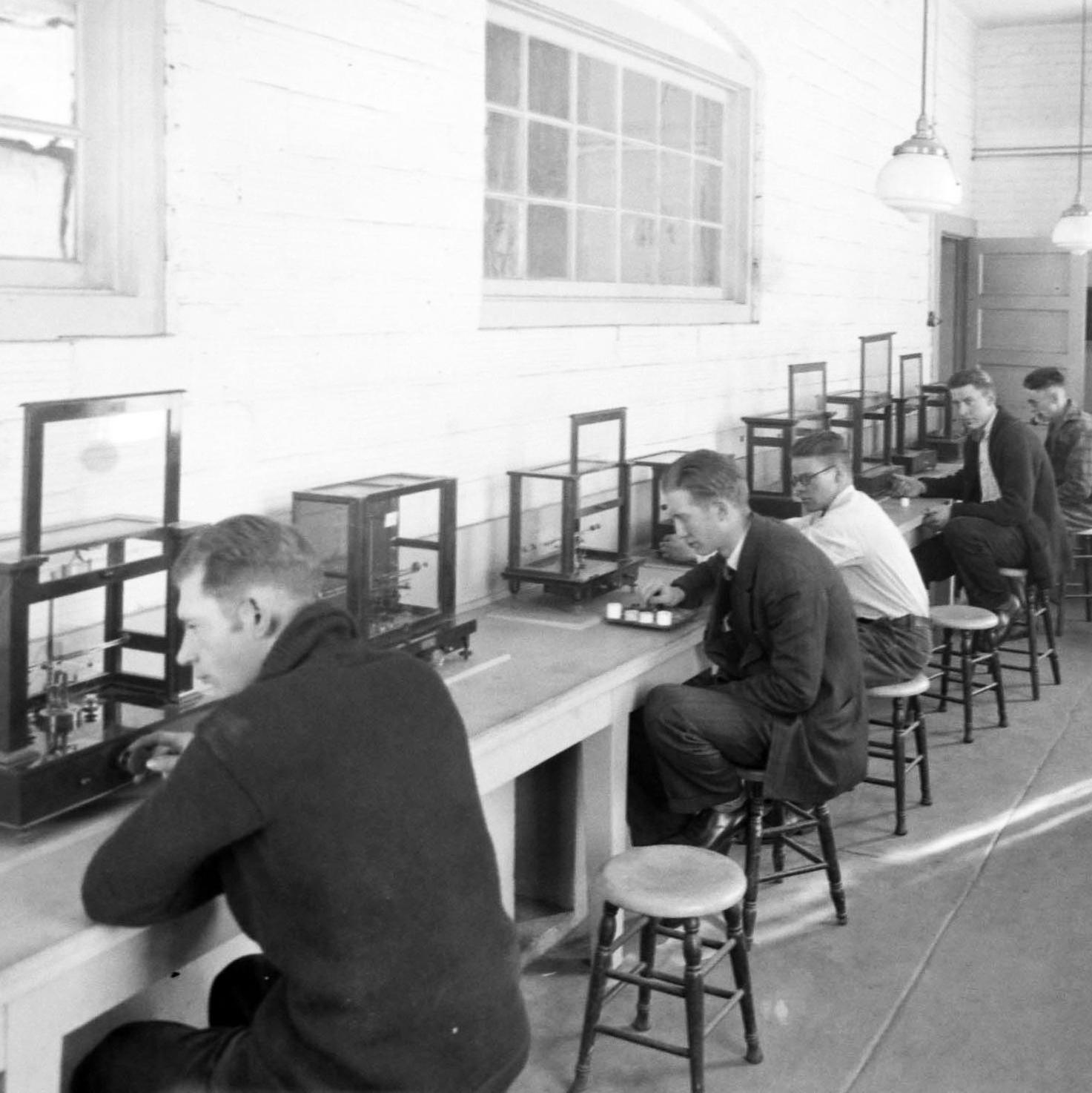
Fire assay has deep roots at Montana Tech. As early as the 1920s, the Montana School of Mines operated two assay laboratories: one devoted to student training and another for special research. Students worked not only with gold and silver but also with base metals such as copper, lead, tin, and zinc. Reports in The Acropolitan, Montana Tech’s student newspaper at the time, emphasized that the facilities combined traditional furnaces with modern equipment, underscoring the importance of assaying to both the curriculum and Montana’s mining economy.
Though Montana Tech can’t currently perform full leadbased assays on campus for safety reasons, the university has kept the tradition alive through partnerships with industry experts. Not only do students take the class, but so do professionals from mining and recycling companies as well as government agencies. They tour various lab facilities and even complete lab work under the guidance of Chris Christopherson, who is an “umpire”—a specialist who historically settled disputes over assay results.
The short course, first revived at Montana Tech in 1998 after a hiatus of nearly two decades, is now in its 27th year. This summer’s program included seven students and 22 participants from the Bureau of Land Management, U.S. Forest Service, Newmont, Hecla, BASF, and Lawrence Livermore National Laboratory. That mix of students and professionals makes the course uniquely valuable. “How often do students get to rub shoulders with potential future employers while earning academic credit?” Young said. “It’s a rare networking opportunity.” It gets even better with several members of the Department of Metallurgical and Materials Engineering’s Industrial Advisory Board—Corby Anderson, Tom McIntyre, and John Krstulich—giving guest lectures.
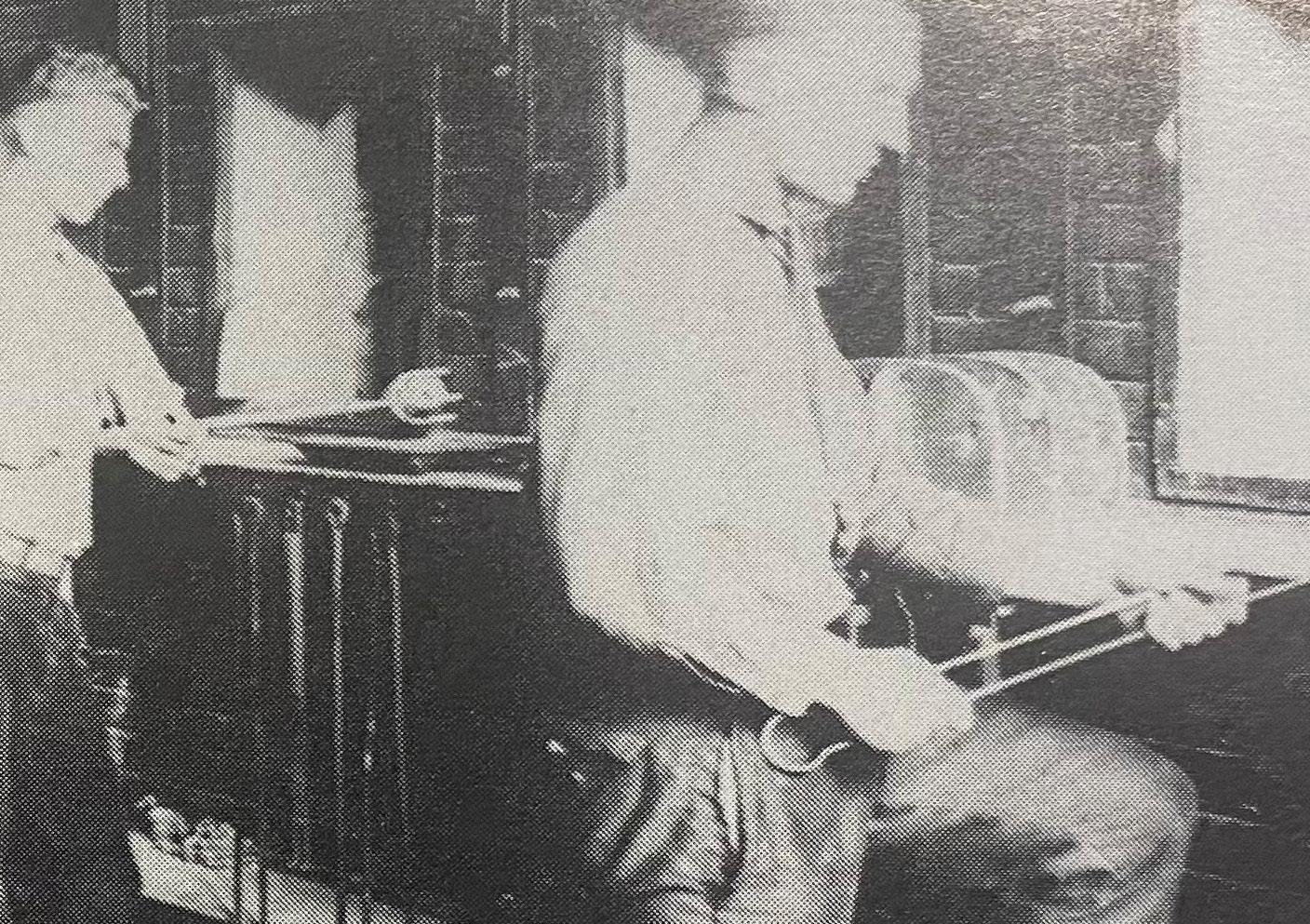
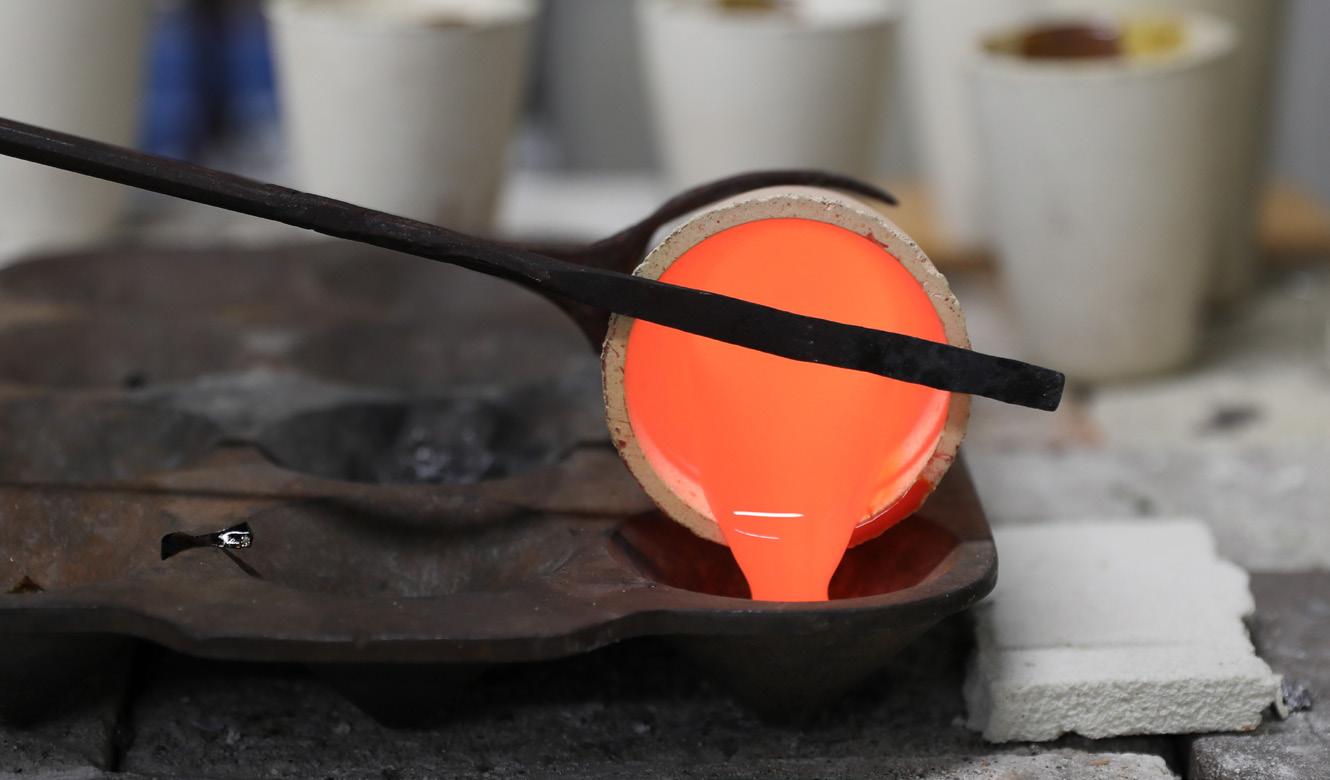
Field trips add another dimension to the experience. Participants visit operating mines such as the Golden Sunlight in Whitehall, Stillwater Mine in Columbus, and Hecla’s Lucky Friday in Mullan, Idaho, each of which applies the fire assay process in slightly different ways depending on the material being processed. Seeing fire assay at both laboratory and industrial scales helps participants connect classroom principles to real-world practice.
The history of the method itself is almost as compelling as its modern application. Fire assay is documented as far back as 2,000 BC, and its techniques were detailed in De Re Metallica, the seminal 1556 work by Georgius Agricola. A copy of the book—translated and edited by Herbert Hoover before he became U.S. president—sits in Young’s office today, tying Montana Tech’s program to a long lineage of metallurgical tradition.
For Young, the value of continuing the course is clear. “Number one is workforce,” he said. “Educating government agencies, industry professionals, and our students ensures they can speak the same technical language. The feedback we get is that productivity improves when people have this foundation.”
Daniel Gudino of Wilshire Coin Exchange in Santa Monica, California participated in the 2025 course. His work involves buying, selling, and grading gold coins.
“I had a blast,” Gudino said. “It was very adventurous. I felt like I was a kid again. I appreciate everything the school does to provide this course…I am definitely using it as an added service to our business.” Gudino highlighted Young’s commitment to providing the course. He hopes it continues for years to come.
With precious metals and their byproducts playing a vital role in everything from clean energy to national security, Montana Tech’s fire assay program ensures that an ancient skill remains not only relevant, but essential in the modern world.


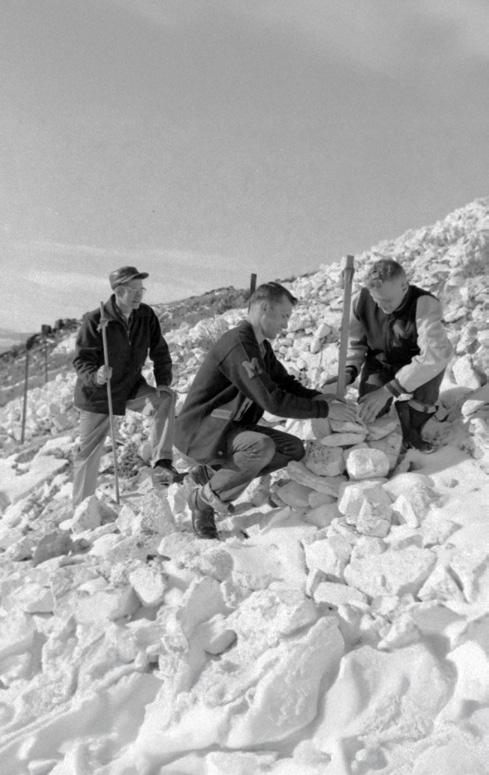
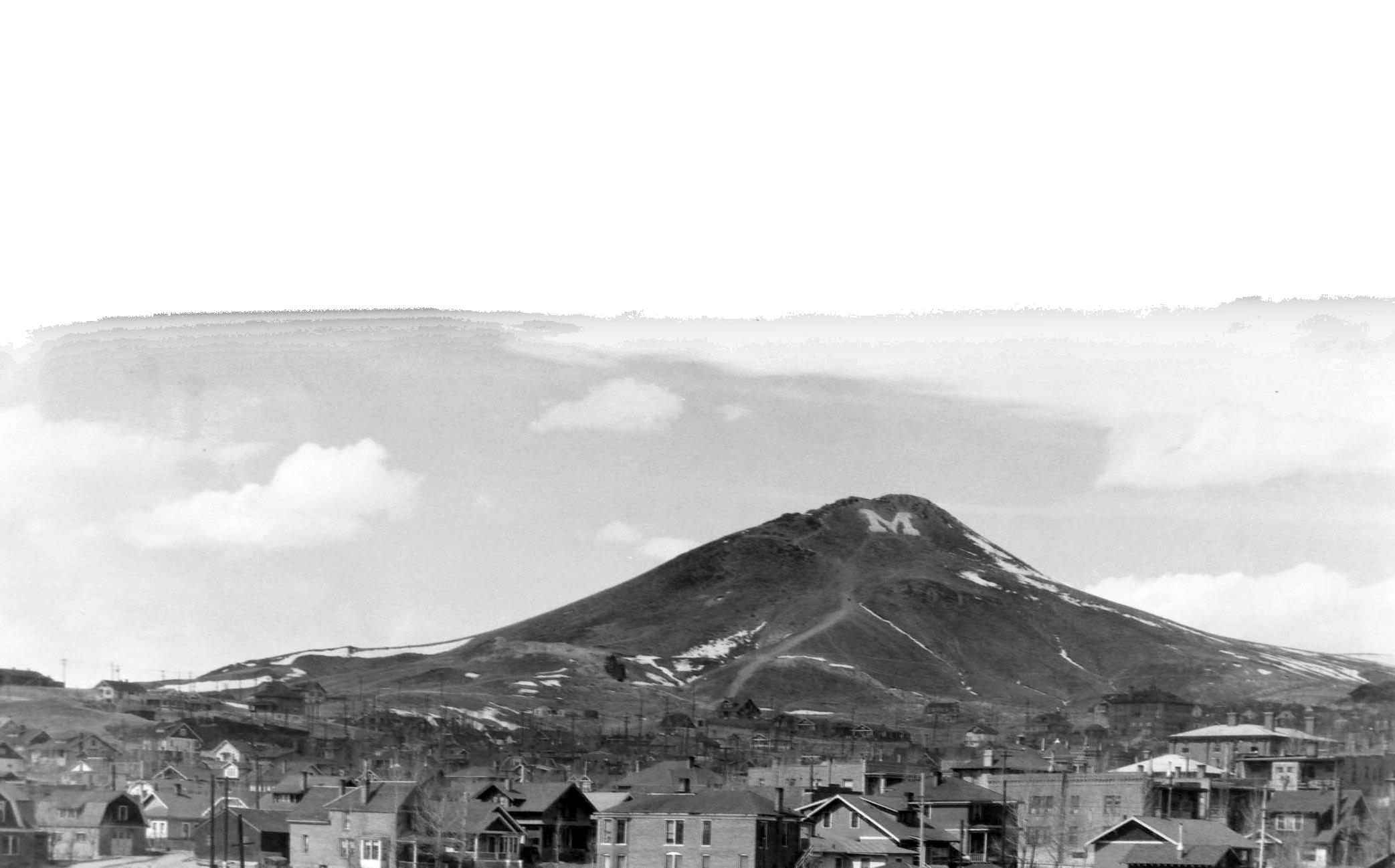
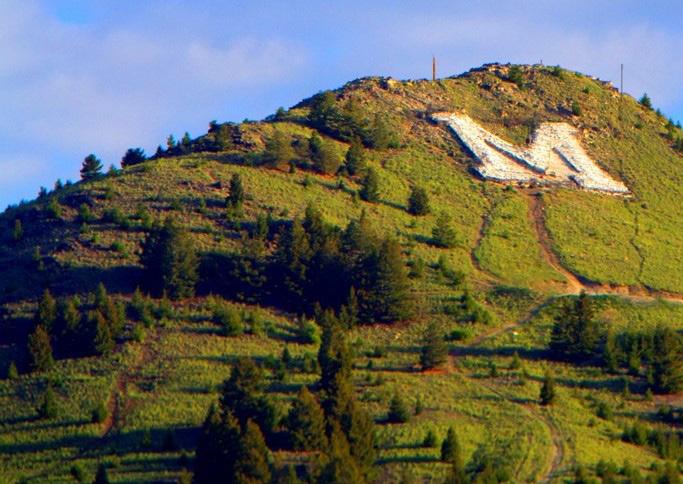
The tradition of M-Days began more than a century ago with the construction of the “M” on the face of Big Butte. On May 20, 1910, 45 students from the Montana School of Mines set out to build an emblem for their school. They spent the entire day surveying, forming, and painting the letter.
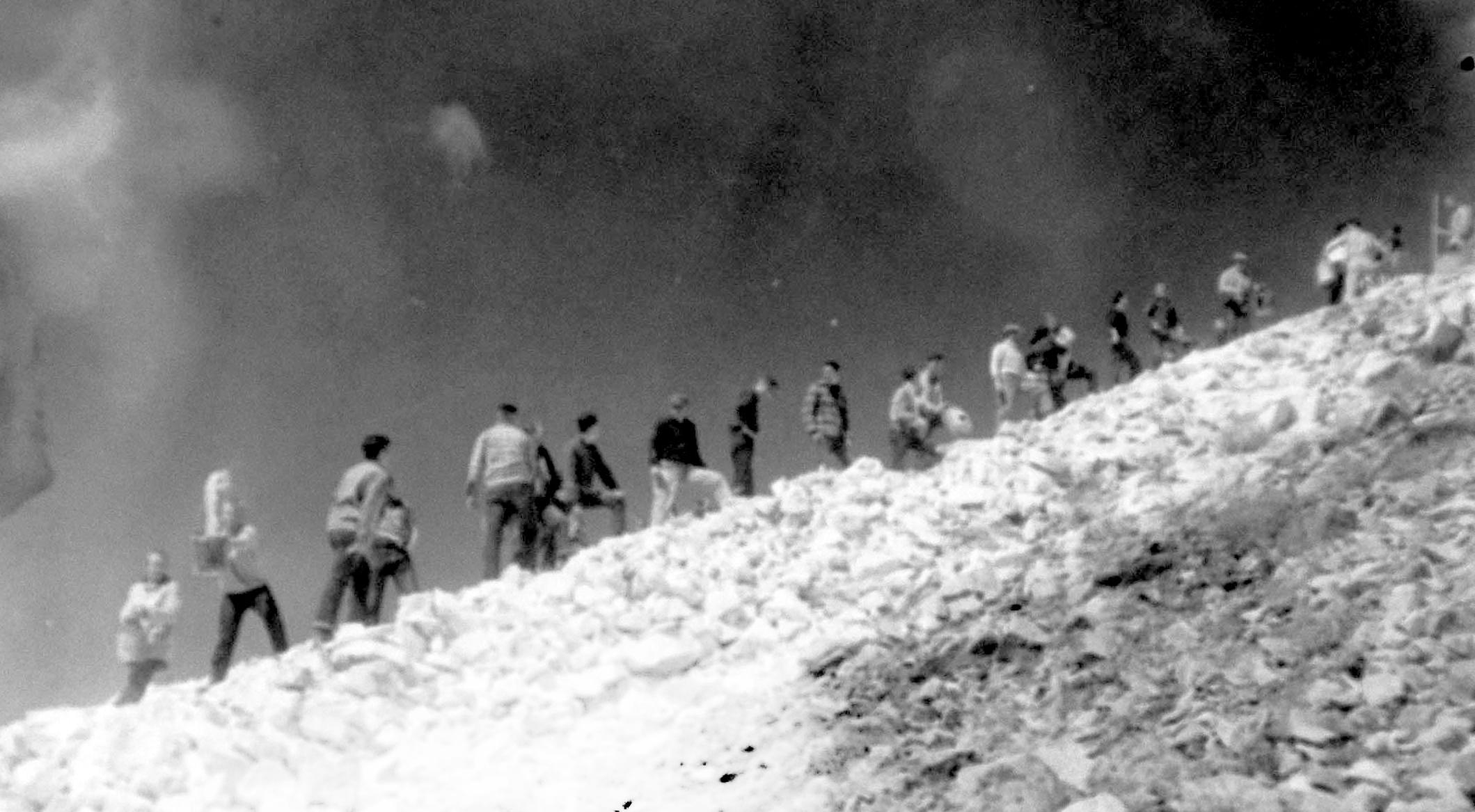
Each May, Montana Technological University celebrates the annual tradition of M-Days. Hosted by the Associated Students of Montana Tech, this year’s festivities included painting the “M” rocks, trivia night, bingo, a campus scavenger hunt, and a dodgeball tournament.
Keeping the “M” Shining Bright
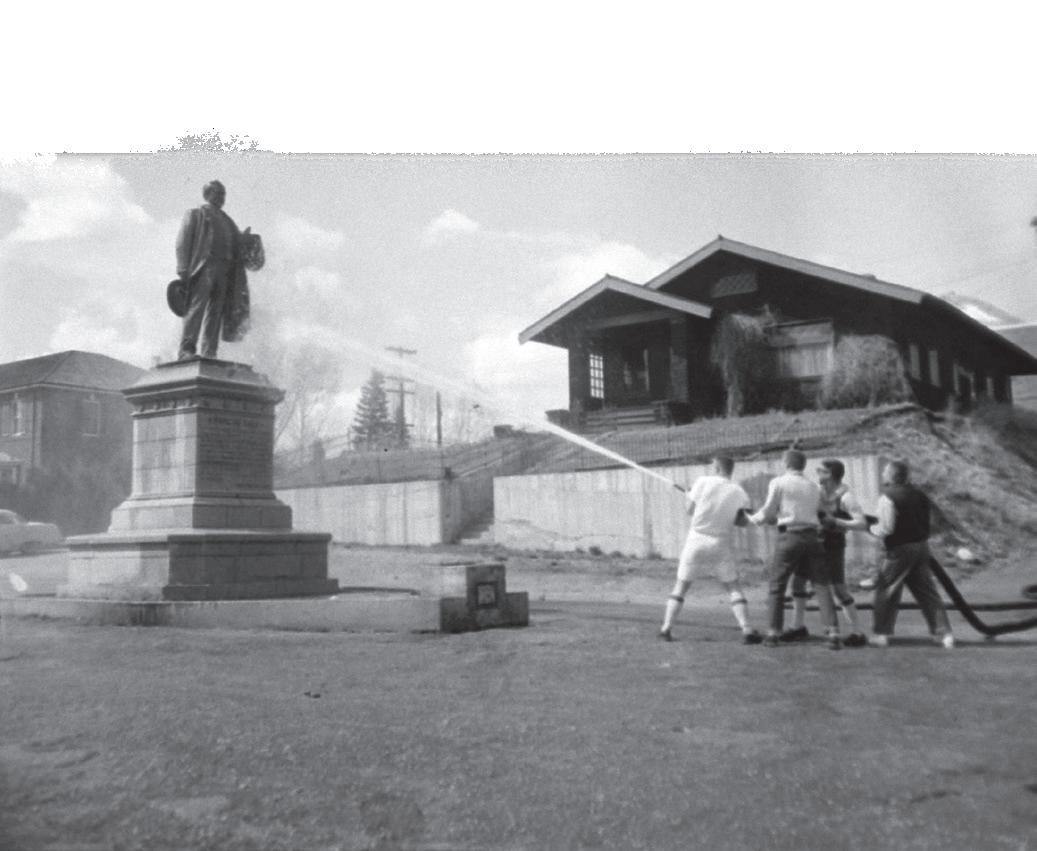
Since its creation, students have maintained the “M” each year by whitewashing the rocks, rebuilding sections that need repair, and cleaning the surrounding area. The methods have evolved over time—the early days of bucket brigades have been replaced by fire hoses and cans of paint.
The earliest M-Day events began with a blast behind the “M” and a campus clean-up, with specific tasks assigned to each class. Over time, the celebration expanded to include lunch, a baseball game, and a dance, and then to multiple days.
Just as Montana Technological University has evolved since 1900, so has M-Days. What began as a one-day service project has expanded into a week-long celebration that brings the community together. Through it all, a new group of students each year keeps the tradition alive, demonstrating their pride and commitment to a landmark that all Orediggers can call their own.
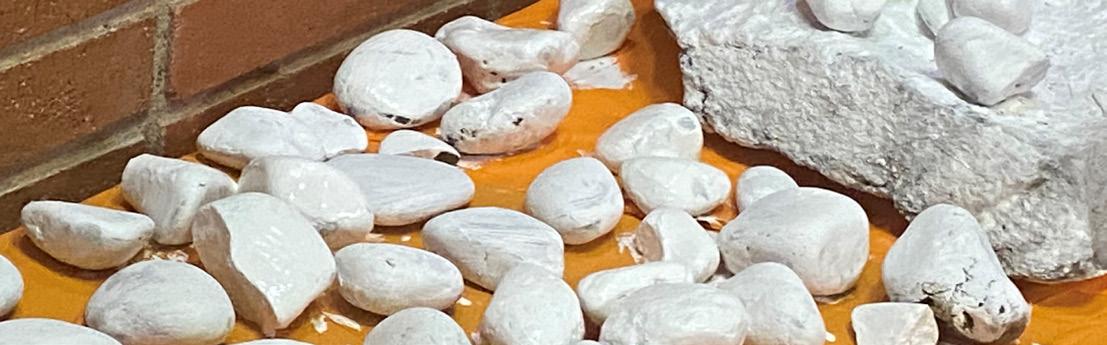

According to a 1929 article in the Acropolitan, they used 441 tons of rhyolite and 600 pounds of lime to create a letter that was 67 feet high and 75 feet wide. In 1912, serifs were added to the base, increasing the width to 90 feet.
In 1910, students embarked on an ambitious project to construct a massive “M” on Big Butte.
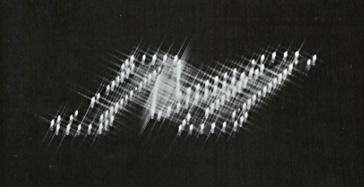
A major milestone for the “M” came in 1962 when a group of students, with support from the Alumni Association and the Anaconda Company, set out to electrify it. Governor Tim Babcock “threw the switch” at a ceremony on May 2, 1962, officially illuminating the “M” for the first time. Unbeknownst to him, students had actually connected the wires themselves to get the lights working.
Student loans were first made in 1917, and were capped at $200. Students had to pay loans back within one year of graduation.
Aside from the enrollment of 58 students in the short-lived Training Corps, the impact of the war on the college was significant.
In 1918, more than 25% of graduates were in the armed forces. One student from Anaconda was killed in action and a member of the class of 1917 died of pneumonia in France. Faculty and staff participated in Liberty Loan drives, the Butte War Chest drive, and the War Minerals Investigations.
University President C.H. Clapp was awarded a medal from the Victory Loan Campaign for helping raise $3.3 million in Silver Bow County.
Once the war ended, entrance requirements, tuition, and registration fees were waived for returning veterans.
In 1910, the north half of what would become Engineering Hall was built as a gymnasium and auditorium.
A wooden-framed barracks was constructed near where the Science and Engineering Building currently sits to house the Student Army Training Corps, which was mobilized on October 1, 1918 and demobilized on December 9 of the same year, as World War I ended.
The education offered at the School of Mines was highly sought after in these early years. The university’s first catalog noted that 80% of applicants had to be denied due to “lack of sufficient educational preparation.” Still, many students found a way to enroll. International students came from England, Chile, Finland, Sweden, Russia, Austria, Mexico, and China.
Many financed their education by working part-time in local mines. Others relied on scholarships and loans. In-state students who graduated in the top 25% of their high school class could qualify for a Montana High School Honor Scholarship, valued at $10.
C.H. Clapp, became the third president, serving first as acting president in 1918 before being officially appointed in 1919 and serving until 1921.
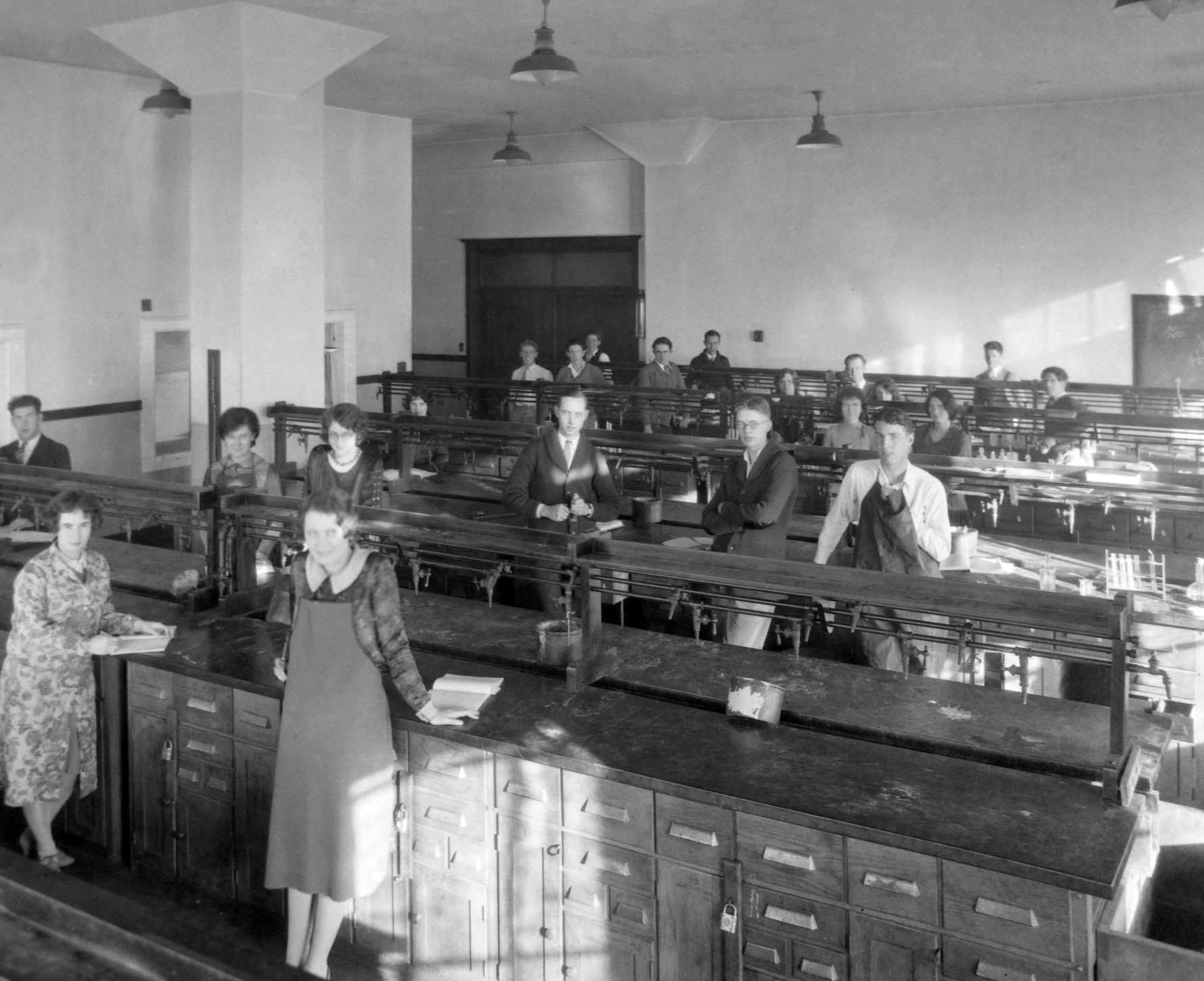
In a report to the State Efficiency Commission in 1919, President Clapp advocated for construction of a new engineering building, a new gymnasium, a new metallurgical building in the next decade, and a modern library building.
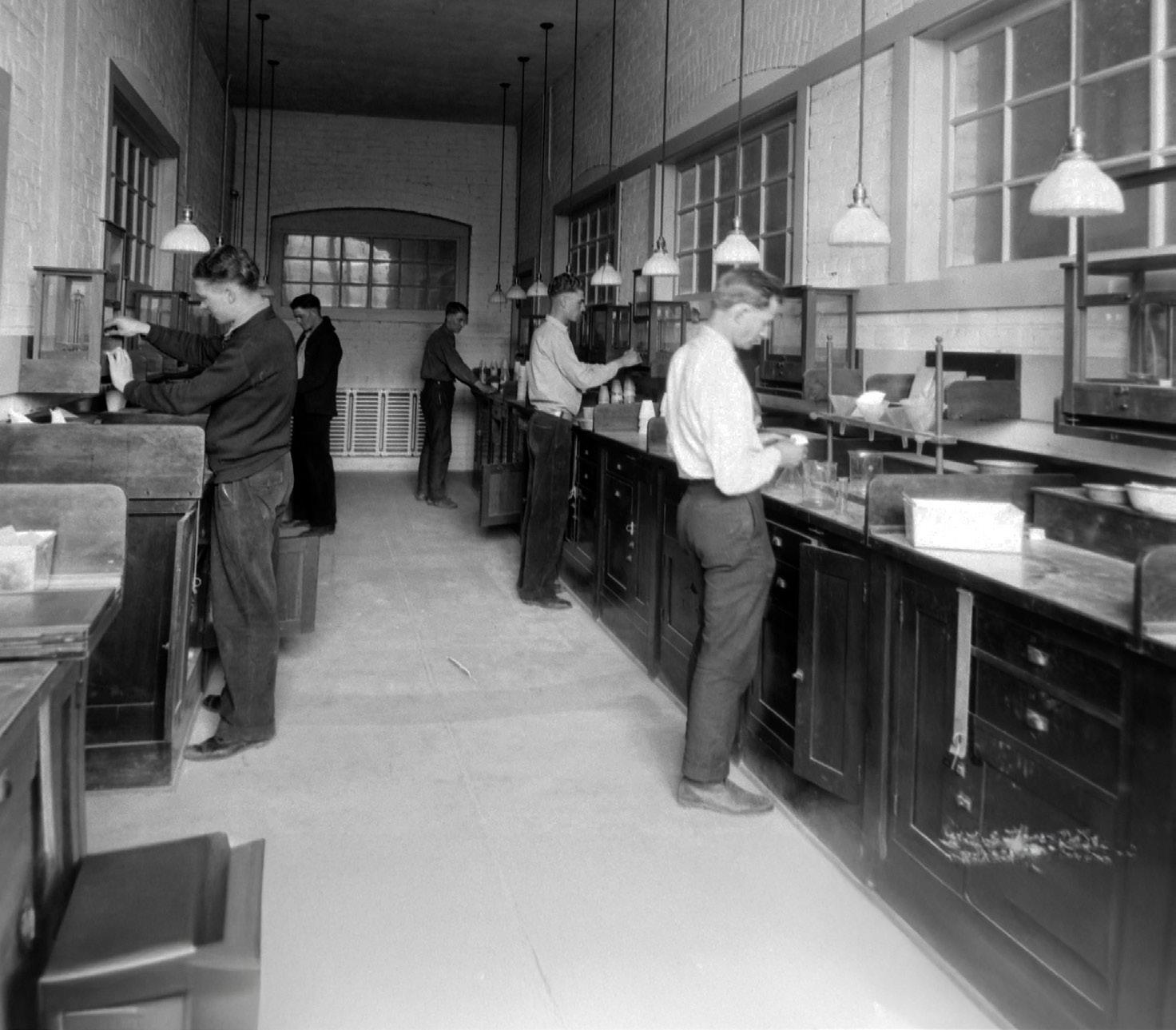
In the same report, Clapp noted the Chemical and Metallurgical building was under construction. The chemical laboratory in use previously was built for 48 students, but 68 were crowded into it for classes. The construction of the building was a bit of a disaster, as the $250,000 bond was challenged in court, halting construction.
Adverse weather and a five-month strike also slowed things down. Shortly after the strike ended, the second-floor slab collapsed. Two workers reportedly rode the slab 75 feet while 20 people watched from the sidelines. Miraculously, there were no injuries other than scratches. The building was completed in 1923 and is still in use today, and is known as the Metallurgy Building.
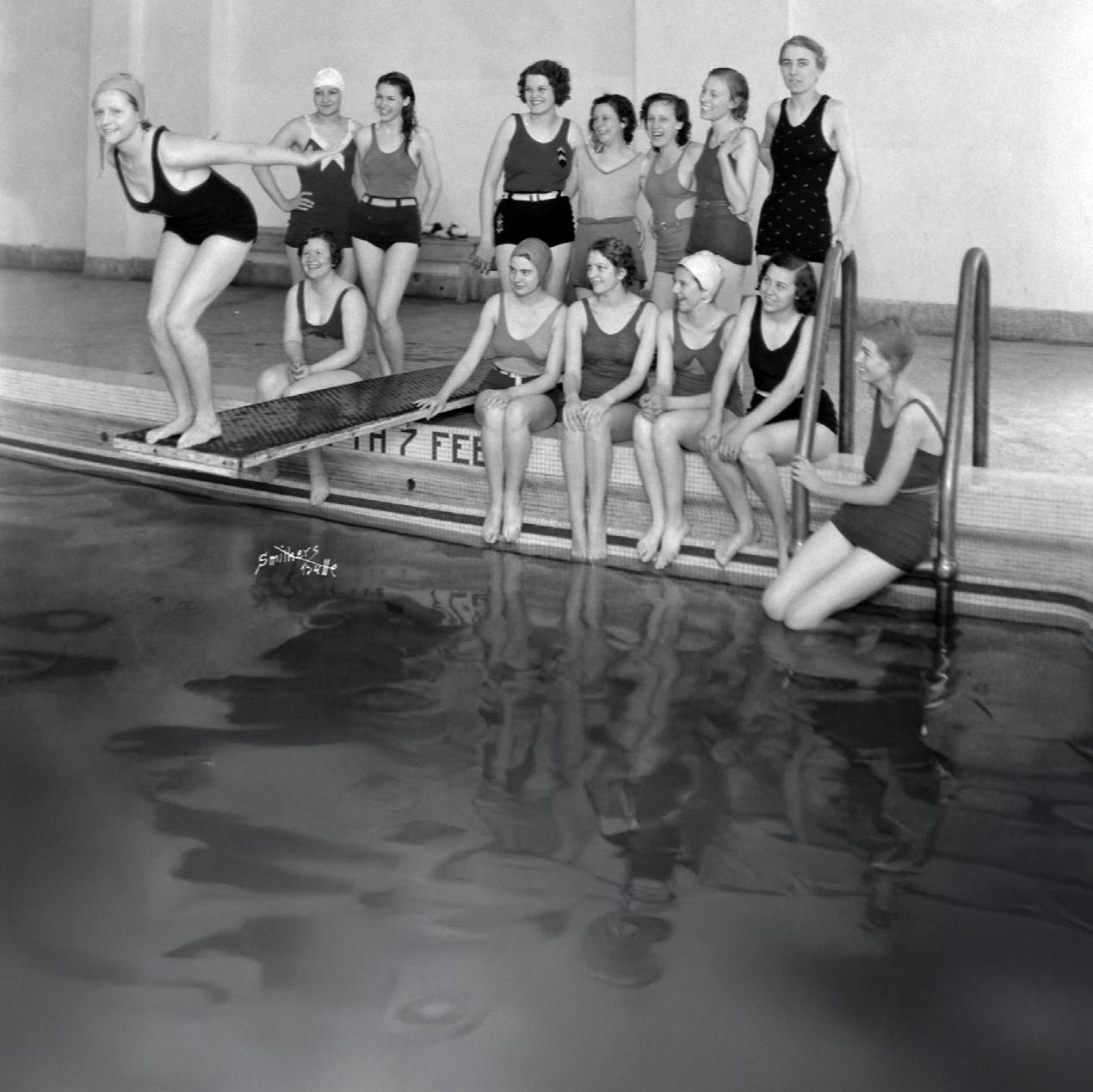
The engineering building never came to fruition; however, a new three-story gymnasium was eventually constructed where the old barracks sat, and came online in 1925, with a basketball court that could seat 2,000, handball courts, and a swimming pool. The facility would eventually be remodeled into the Science and Engineering building.
George W. Craven became the institution’s first vicepresident in 1919 and then served as its fourth president from 1921 to 1928.
In 1923, the campus expanded with the new Chemistry & Biology Building (CBB) for labs and classrooms in ore dressing, metallurgy, ceramics, and chemistry, and the Engineering Hall gymnasium was doubled in size.
The Science & Engineering Building (S&E) was completed in 1925.
Dr. Francis A. Thompson became president in 1928 and served until 1950.
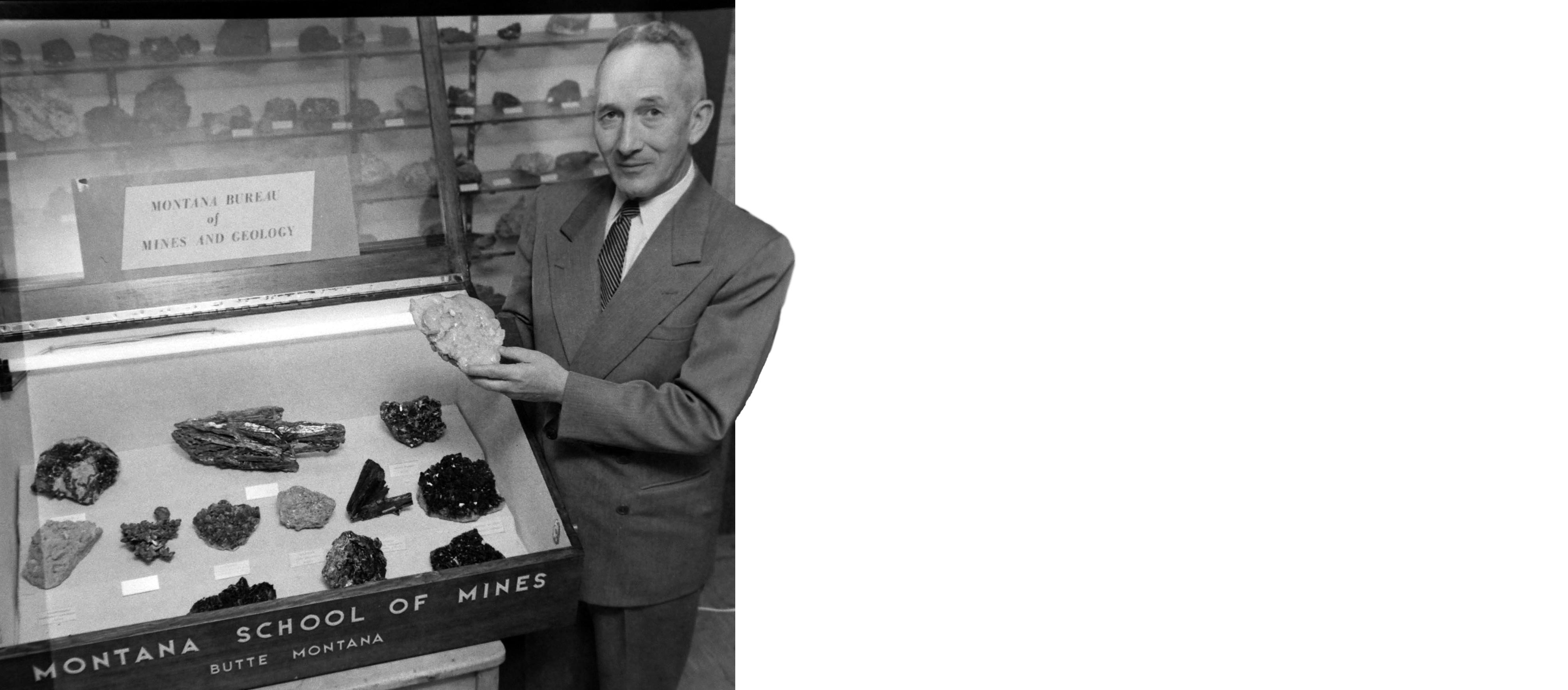
The Montana State Bureau of Mines and Metallurgy (now the Montana Bureau of Mines and Geology, or MBMG) was also created in 1919, affiliated with the university. The MBMG’s original mission was to develop the mineral resources of the state and improve the safety and efficiency of mining operations.
In two years, the MBMG had analyzed more than 1,000 rocks and minerals. Employees of the MBMG also answered hundreds of letters on mineral resources and the mining industry. A letter sent from President Clapp to a critic of the MBMG in 1921 noted the mail was running “25 to 50 letters a day, greatly overtaxing the resources of the Bureau.”
The onset of the Great Depression meant there was about a decade where expansion of campus was stagnant; however, when funding came available through the Public Works Administration, there was a building boom on campus.
Prospector Hall was completed in 1935. The President’s Residence was completed in 1936, and the Library Museum Building was completed in 1940. The Library Museum building became an important hub of activity, holding stacks not only of 45,000 volumes, but also thousands of specimens donated to the Mineral Museum. In addition, the president and registrar’s offices were housed there. A stage allowed for lectures, convocations, commencement ceremonies, and theatrical productions.
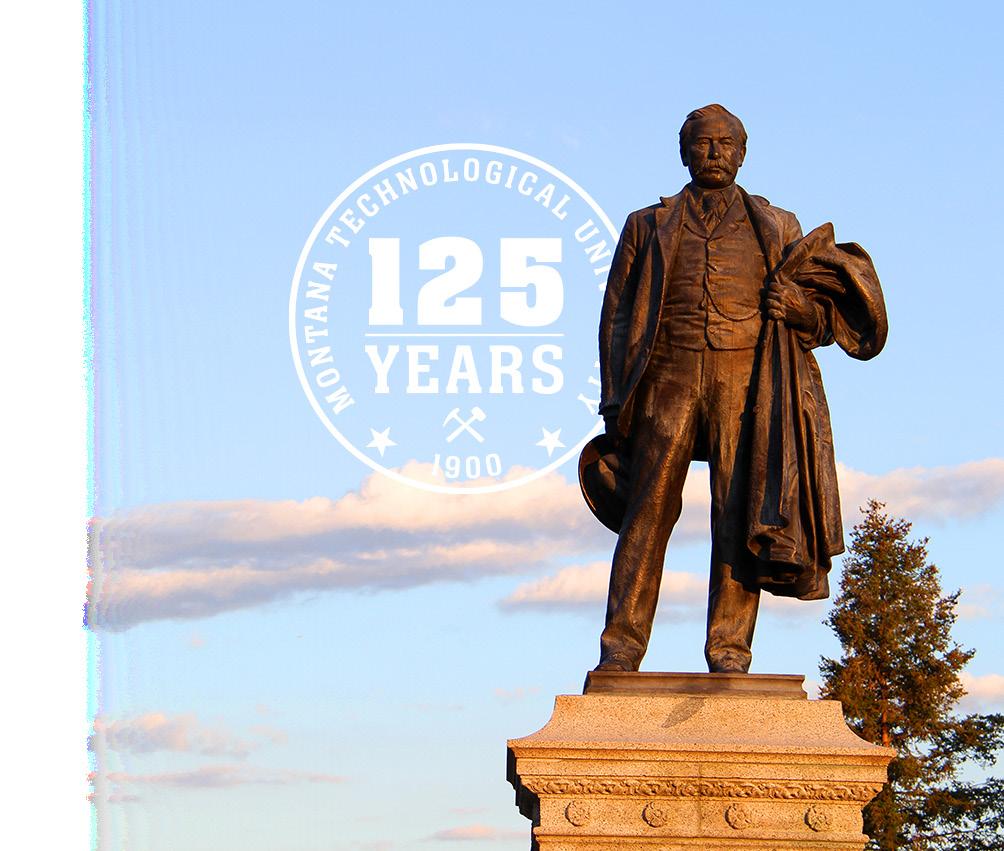

Marcus Daly was one of Montana’s famous “Copper Kings.” He bought the Anaconda mine near Butte in 1880. Daly turned it into one of the richest copper-producing operations in the world, founding the Anaconda Copper Mining Company. He helped shape the state’s economy, politics, and communities.
1941 1935 1939
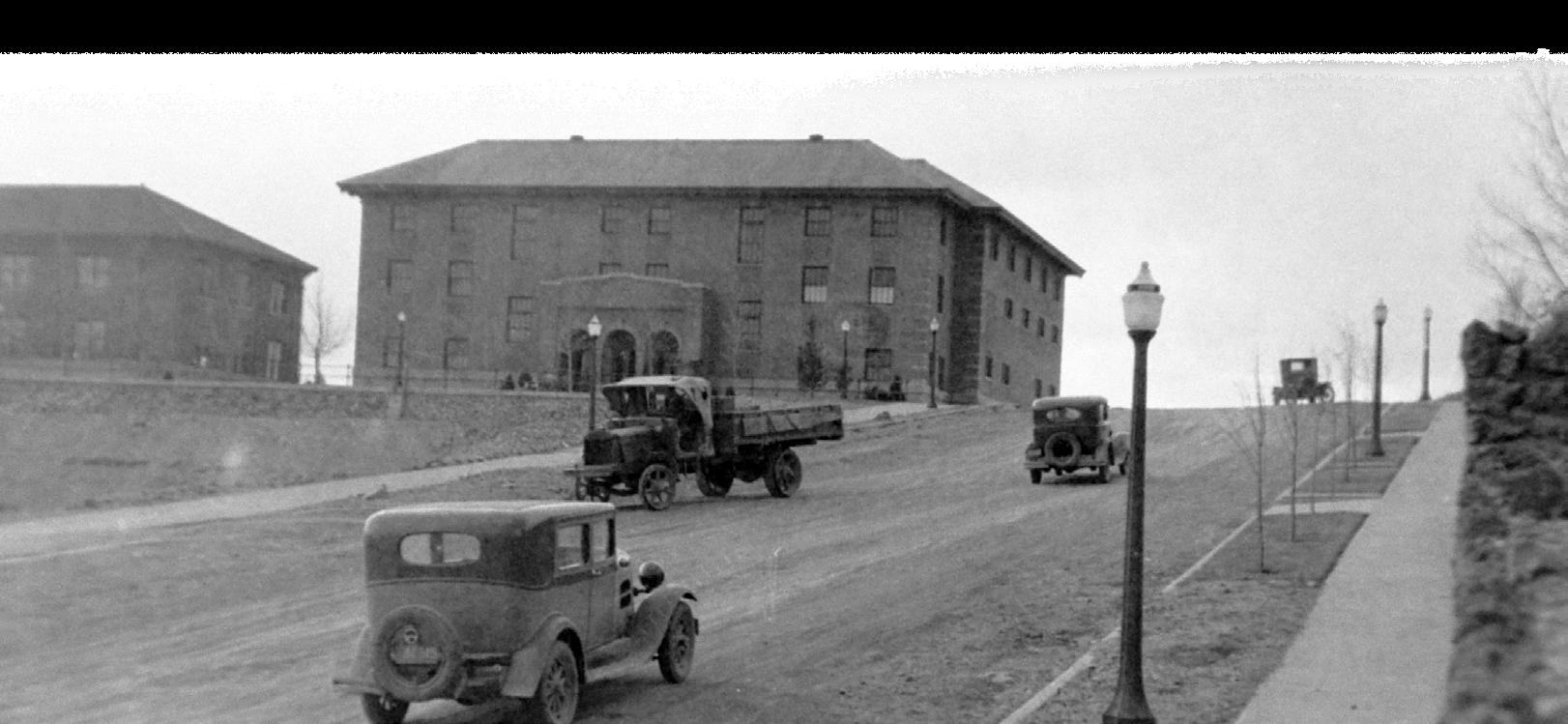
Built in March 1935, Prospector Hall is the oldest residence hall on campus, originally designed to house up to 110 students, as well as staff and guests.
In 1939, the Museum Building was added to campus on the corner overlooking Leonard Field.
The Marcus Daly statue, the final work of acclaimed sculptor Augustus Saint-Gaudens, was first erected on North Main in front of the Federal Building on Labor Day 1907. It was moved to the Montana Tech campus on June 25, 1941.
As the university’s physical footprint expanded, so too did its academic offerings to students.
In 1929, the university began offering master’s degrees, and in 1931 it offered extension courses. These short, special courses were created at the request of local mining and metallurgical companies that wanted to keep their engineers sharp and educated on the latest techniques.
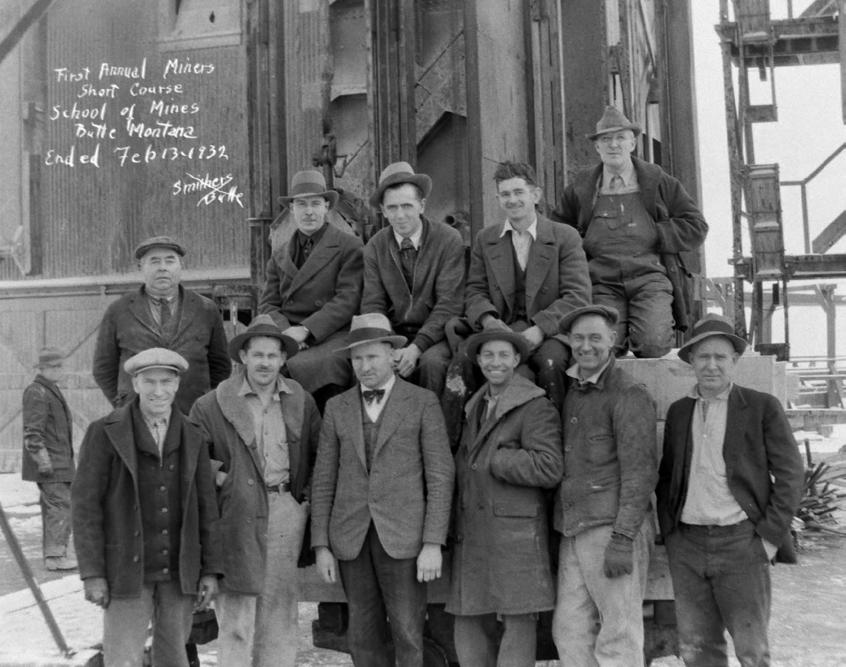
From 1932 to 1934, more than 1,000 students attended extension courses on placer mining that were held in Great Falls, Helena, Lewistown, and Livingston. An additional 300 people took the “Prospector’s Short Course,” which was produced with the State Department of Vocational Education and ran from 1931 to 1936.
Major acknowledgement of the value of a School of Mines education came in 1937, when the national accreditation was achieved for the first time.
After the attack on Pearl Harbor on December 7, 1941, many students wanted to drop out to join the military, but faculty advised them to continue with their education because the nation was in great need of trained engineers.
Administration cut out the tradition of a senior trip so commencement could be a month earlier, on May 8. An accelerated academic schedule was also proposed to graduate more students more quickly, with summer breaks eliminated, and classes starting early. Most graduates of the class of 1942 reported to the military or to war plants.
World War II ushered in a new era for the university. On October 16, 1940, 150 students registered for conscription. Fulltime students who were called up could defer until July 1941. New courses offered included chemistry of explosives, civilian pilot training, and radio technology.
During World War II, many American colleges and universities faced a significant drop in enrollment as men of prime draft age either enlisted or were called into service.
Simultaneously, the U.S. Navy was rapidly expanding its fleet and realized that the Naval Academy at Annapolis could not train the number of officers needed to staff the new ships and stations. The solution was the V-12 program, which enlisted the help of colleges and universities across the nation to train and commission new officers.
Montana School of Mines became a Naval College and offered the V-12 program.


Lieutenant Walter Welti, a Cornell graduate and WWI Army veteran, was appointed the Commanding Officer of the V-12 Unit at the Montana School of Mines. He was commissioned in the Naval Reserve in April 1943 and, after attending officer training, took the helm of the school’s program.
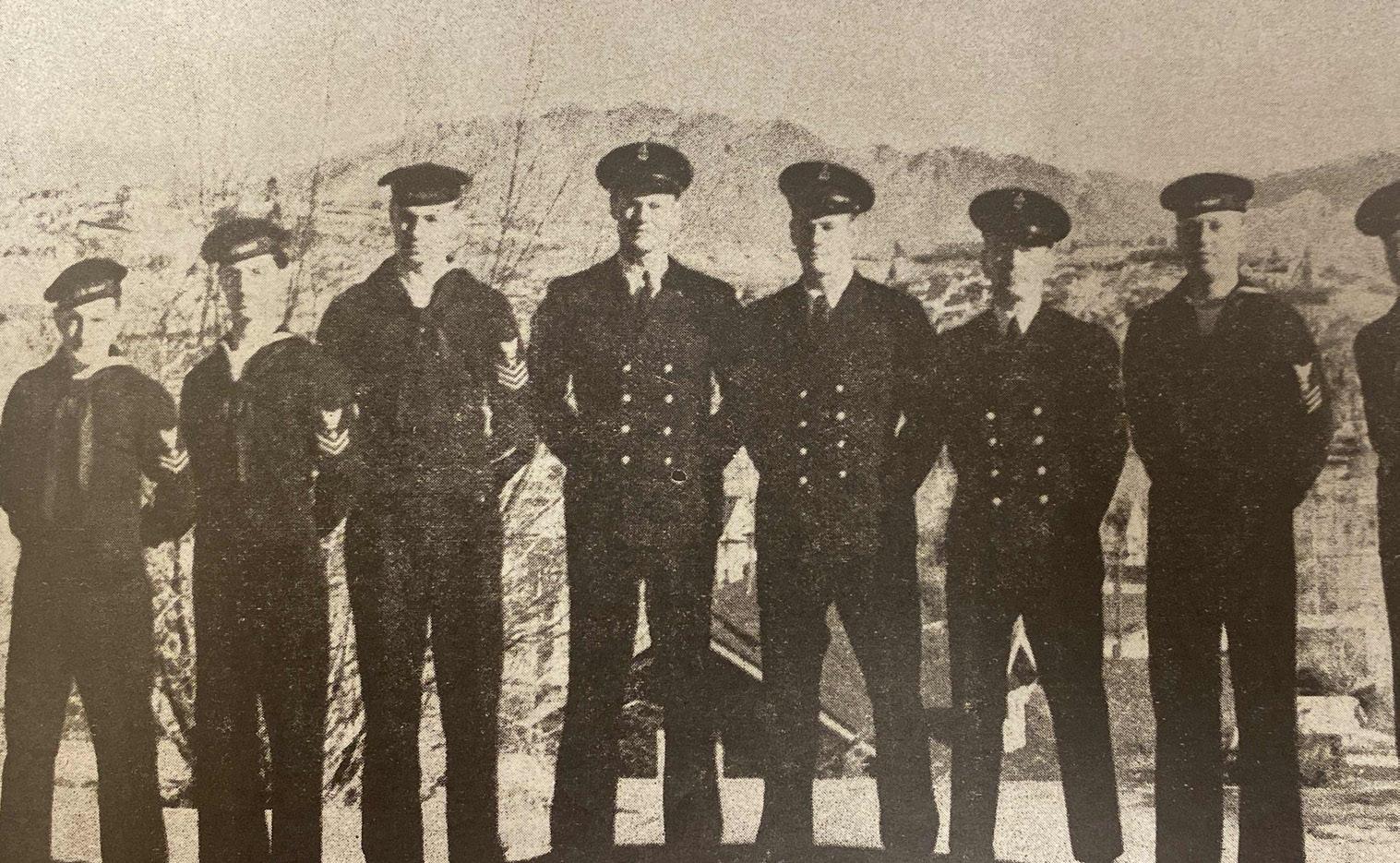
Over 200 institutions volunteered to participate, including the Montana School of Mines. The program was mutually beneficial: it provided the Navy with a steady stream of officer candidates and helped maintain college enrollments during a period of national mobilization. Between July 1, 1943, and October 31, 1945, the Montana School of Mines trained 878 potential officers for various branches of the Naval Service.
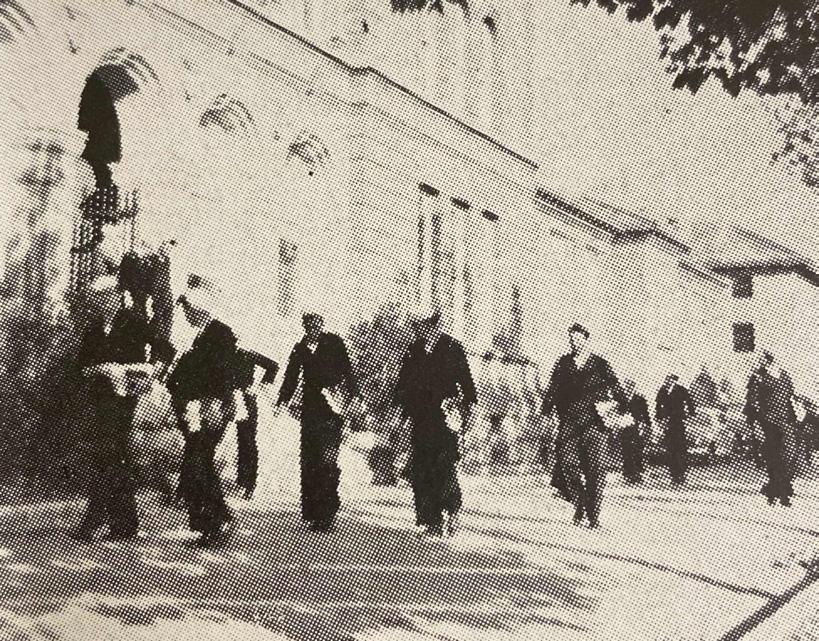
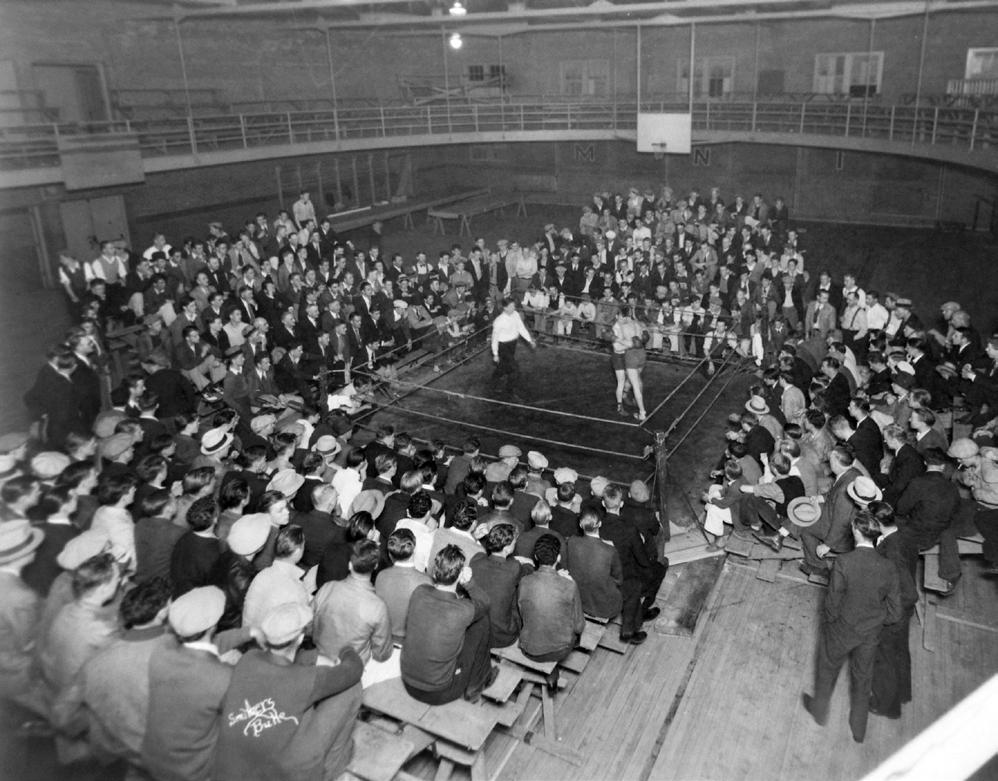
The school’s existing curriculum, which focused on engineering, was well-suited for the program, requiring only minor additions such as Naval History, Navigation, and Report Writing. To ensure physical fitness, the V-12 participants were encouraged to play sports like boxing, handball, and basketball, and were required to complete a 700-yard obstacle course built from logs on Leonard Field.
The students, all classified as apprentice seamen regardless of their previous rank, lived and studied together. They completed a rigorous course of study, with each academic year divided into three 96-day terms. Upon graduation, they were either sent to other institutions for further technical education or to Naval Midshipman Schools for additional training before being commissioned and assigned to active duty.
As the war in Europe concluded and the tide turned in the Pacific, the Navy began to scale back the V-12 program. The contract between the Montana School of Mines and the Navy expired on October 31, 1945, and the institution returned to its primary mission of preparing engineers. With nearly 900 officers trained on its campus, Montana Technological University can be proud of its contribution to the nation’s military history.
This information was compiled from a December 1947 De Re Metallica article by Richard R. Douglas.

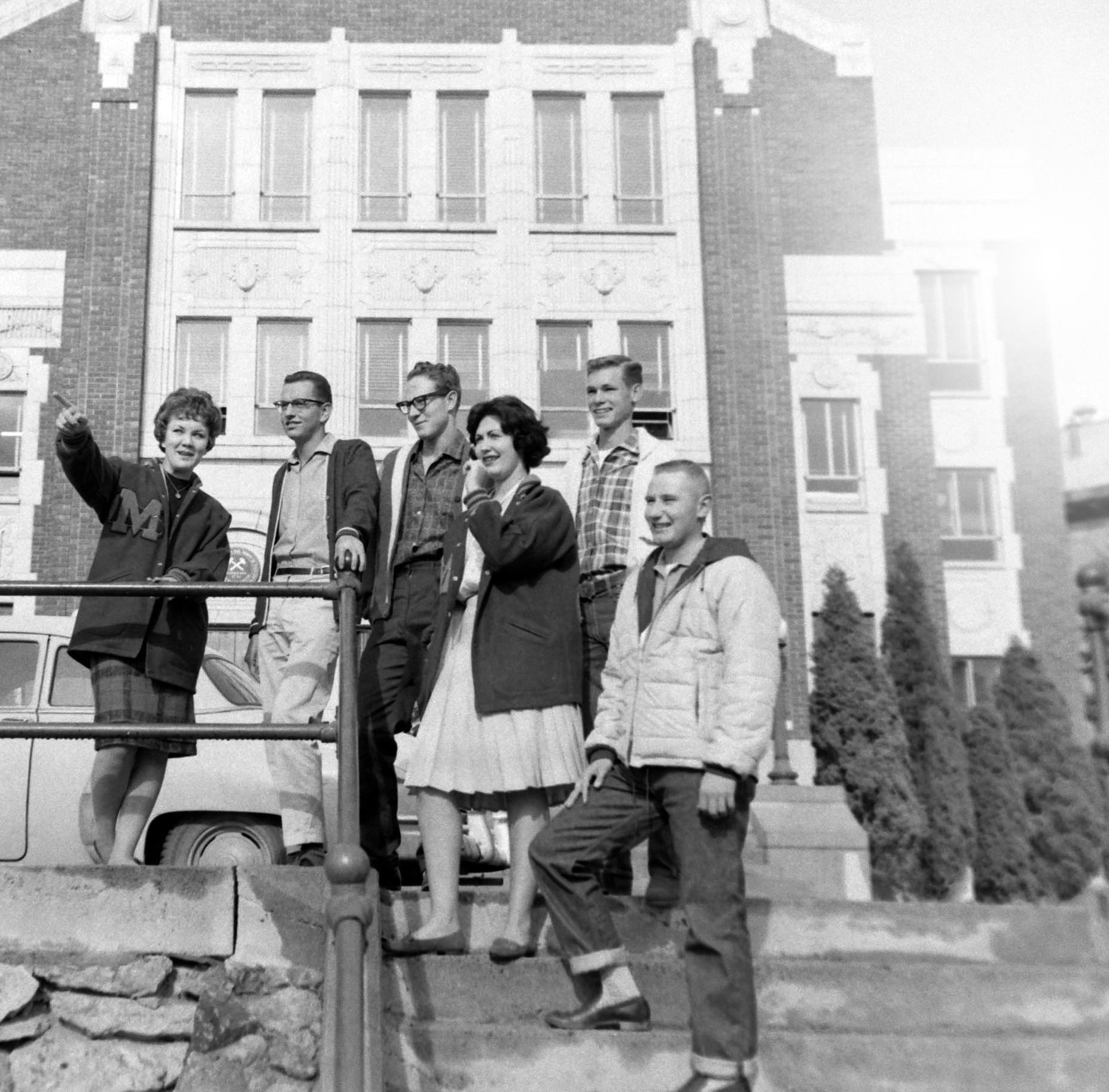
As veterans returned home from war, and the G.I. Bill became available, the School of Mines adapted yet again.
For the first time ever, a summer term was held in 1946 to accommodate 68 veterans who wanted to enroll in the middle of the 1945–1946 academic year. First-semester freshman and sophomore subjects were also repeated in winter in order to accommodate veterans. Nearly half of the veterans attending were married, so Prospector Hall underwent an emergency remodeling, and five four-unit dwellings were brought in from Anaconda to house married students.
The final impact of World War II came in 1949, when the Air Force Reserve Officer Training Corps opened on campus. It ran until 1957, when it became too expensive to maintain.
The wartime changes were good for the university overall, as the U.S. Navy paid tuition, provided meals, furnished books, and paid apprentice seamen stipends. The next three decades would prove to be a more challenging time.
In 1953, a new building was built via $5 million bond to house the Petroleum, Physics, and Applied Mechanics departments, and it was joined by the Student Union Building in 1959.
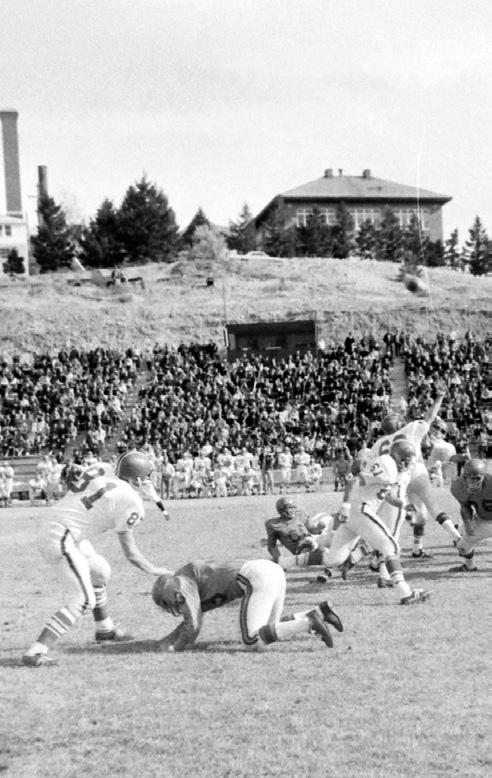
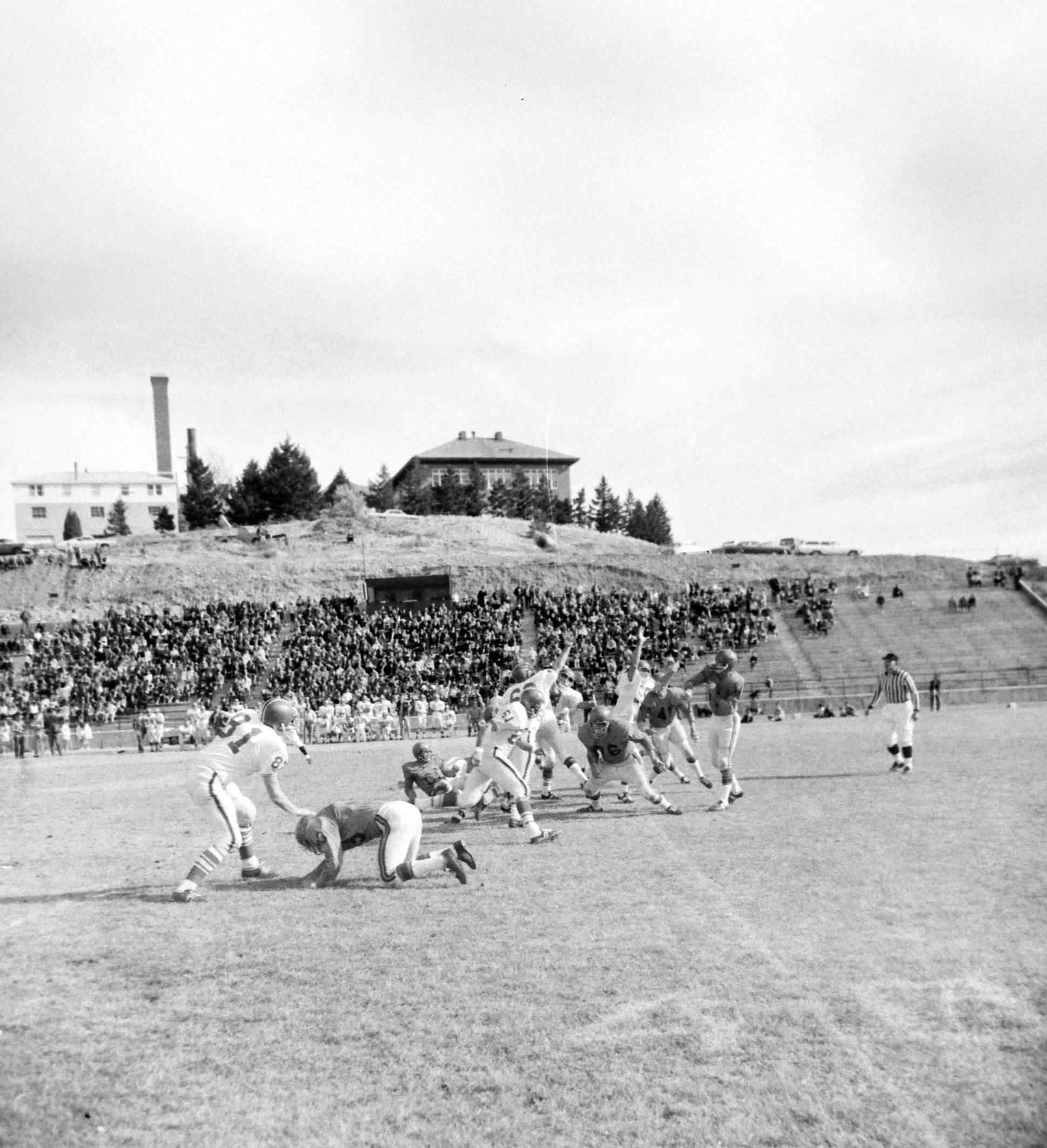
The SUB was expanded after students voted for additional fees to support the facility, and remodeled in 1983. Alumni Coliseum, a stadium for both baseball and football games, was completed in 1966, after a fundraising campaign where stickers were sold for $1 and posters for $50, in order to raise the $700,000 in private donations necessary to build the sports complex. After it was completed, students and faculty spent one M-Day to paint the structure.
Additional facilities that came online included the heating plant in 1969, the campus greenhouse in 1973, and the Mining–Geology Building in 1972.
1957 1962 1960s
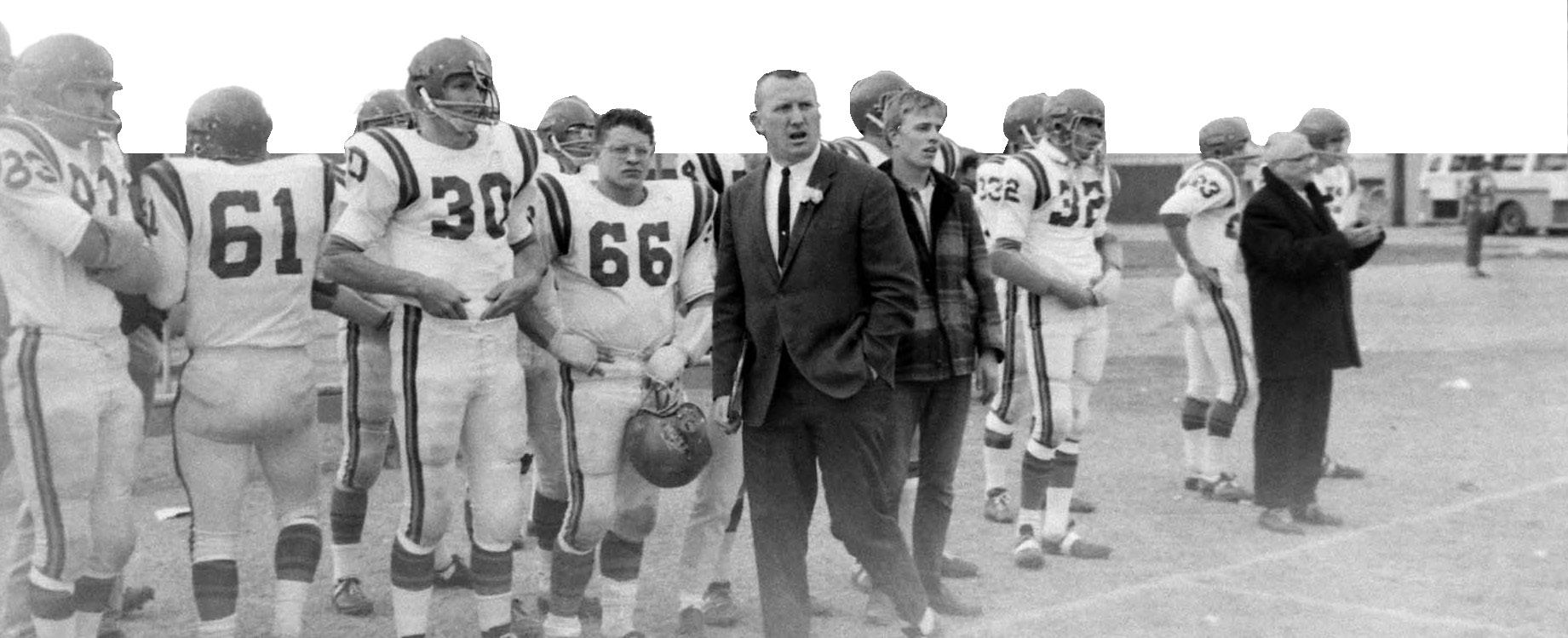
Edwin G. Koch became president in 1957 and served until his retirement in 1971.
Bob Green Field at Alumni Coliseum was built in the 1960s by the Alumni Association and the Butte community. On October 4, 1969, the Alumni Association board handed the stadium over to Montana Tech.
For decades, the “M” was illuminated by flares and searchlights. On April 29, 1962, Governor Tim Babcock officially switched on permanent lights for the first time. The lights were later deactivated, but the lights were rebuilt and relit in May 1978.
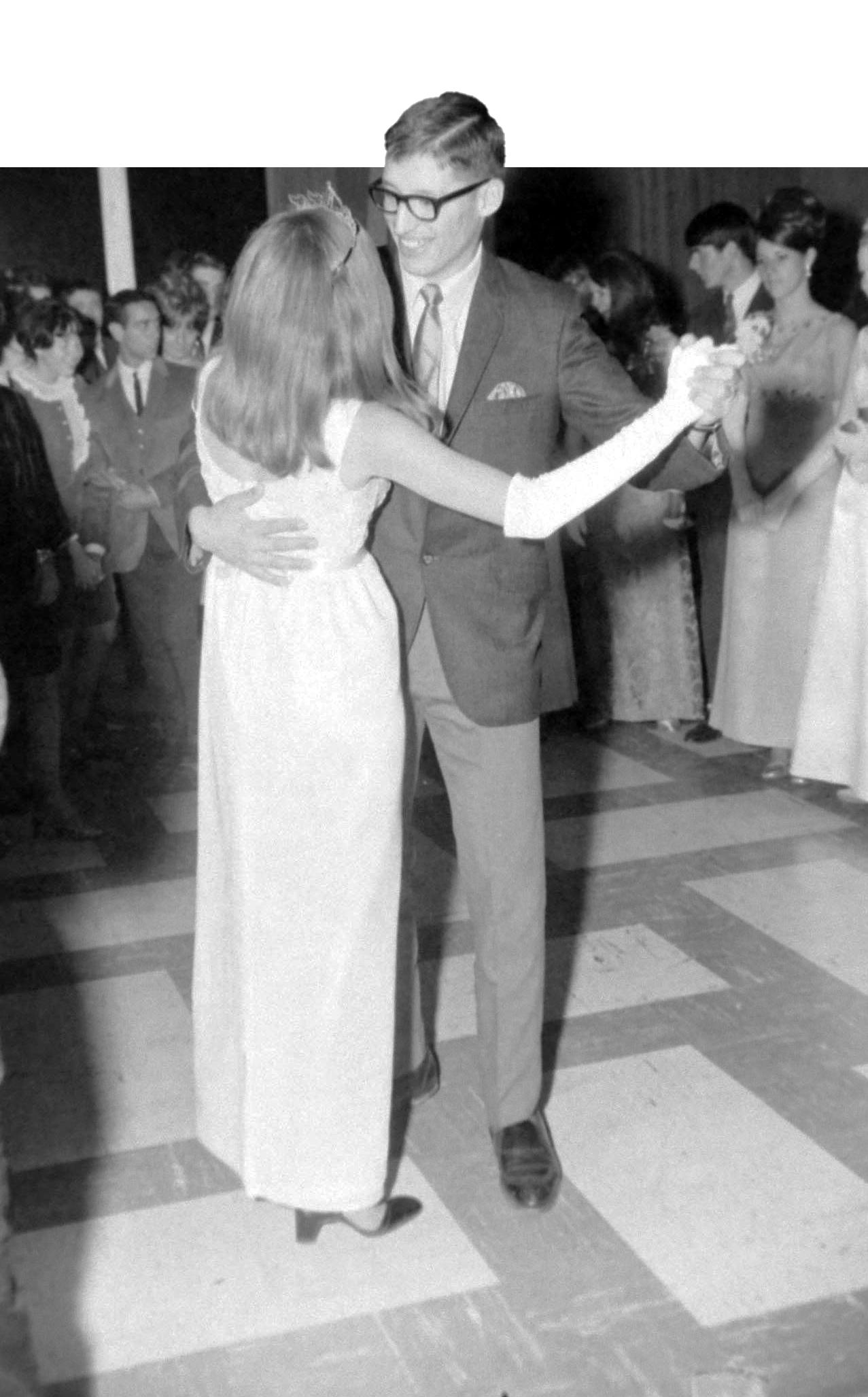
The
Though the campus’s physical footprint on the hill expanded, enrollment dropped in the early 1970s. There were 638 full-time equivalent students enrolled in the 1973–1974 school year, and that prompted severe scrutiny from the Montana Commission on Post-Secondary Education.
Two days after U.S. Senator Mike Mansfield received an honorary degree and spoke at commencement, the Commission recommended that Montana Tech’s engineering programs be transferred to MSU, and the rest of the programs should be combined with Butte Vo-Tech to become a junior college. It was suggested that the Montana Bureau of Mines and Geology be attached to Montana State University, though operations would remain in Butte.
The community rallied and pushed back in a three-month battle for survival. The Butte Local Development Corporation provided $20,000 to create a long-range development plan for the college, 23,000 people signed a petition to keep the college open, and 100 people spoke in defense of the School of Mines at a hearing in Helena.
In the end, the college stayed open and intact. The commission made a recommendation that enrollment should be at least 1,000 students for the college to stay viable. By 1984, a decade later, enrollment had increased 153%, far above that mark.
First football game in Alumni Field featured a match against Carroll College.
Montana Tech received authority to grant certain liberal arts degrees, including programs leading to degrees in Environmental Science.
1972
In 1972, the Montana Board of Regents approved Montana Tech to offer an Environmental Engineering program.
Dr. Fred W. DeMoney became president in 1972 and served until 1985.
1977
The HPER Complex, home to Oredigger Athletics, was completed.


by Megan Strickland
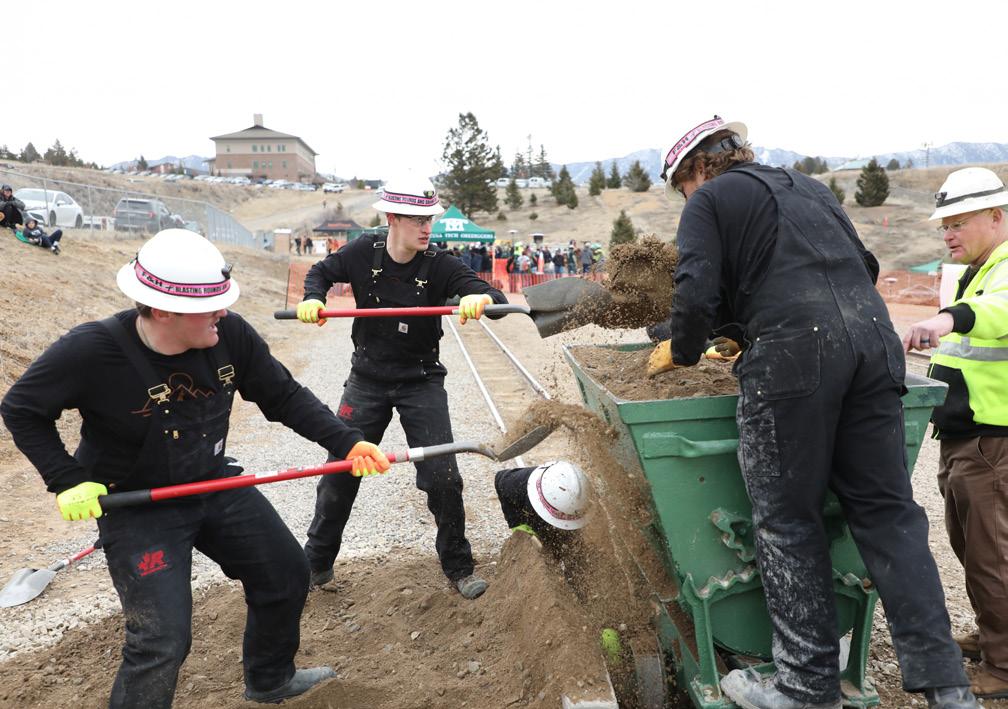
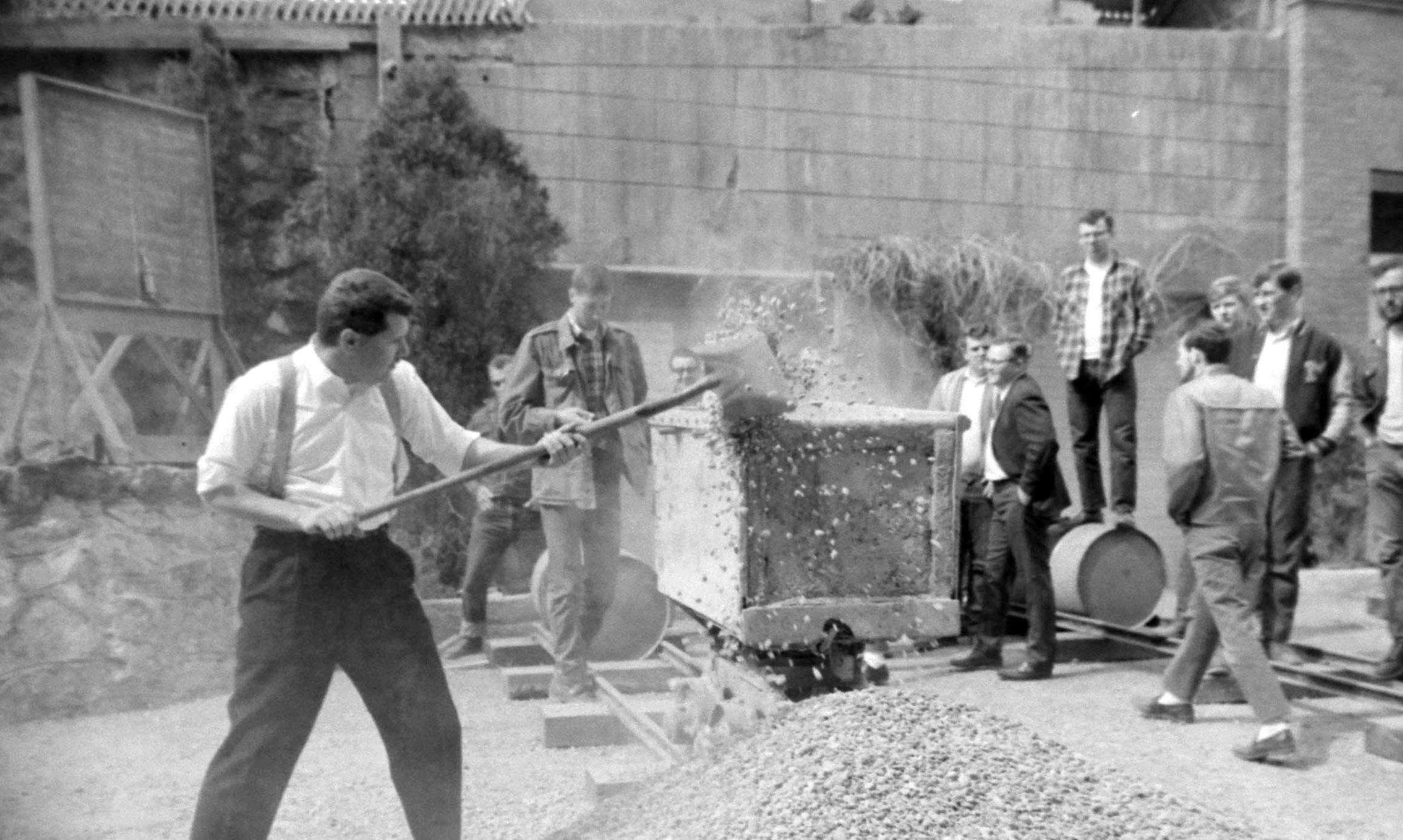
Since 1979, the Intercollegiate Mining and Mucking Contest has brought together student miners from across the globe to test their skill, strength, and endurance in traditional mining events. From the very first swing of the hammer, Montana Technological University—then Montana College of Mineral Science and Technology—has been there.
The first contest was held at the University of Idaho on April 21, 1979, inspired by the popularity of logging competitions in the region. Eight schools participated in that inaugural meet, including Montana Tech, which sent students to compete in events like hand drilling, jackleg drilling, spike driving, and hand mucking. The day ended with a Tug-O-War that saw the miners pulling the foresters straight into a log burling pond. The University of Arizona took home the first championship, but Montana Tech’s commitment to the contest had already taken root.
In those early years, the atmosphere was part rugged athletic competition, part mining culture celebration. Over time, the contest evolved: women’s teams joined in 1982 and by 2025, half of the competitors on Montana Tech’s team were women. Co-ed divisions were also formed, and new challenges like swede saw, gold panning, track stand, and surveying became fixtures.
What sets Montana Tech apart is its uninterrupted streak— competing in every single contest since the beginning. This is no small feat, considering the event
has been hosted in locations across the United States, as well as in Australia and Cornwall, England. Whether competing on home turf in Butte or representing the university halfway across the world, the Montana Tech mining team has upheld a tradition that ties modern engineering students to the hard rock miners who came before them.
The contest’s seven main events—survey, gold pan, swede saw, track stand, mucking, hand steel, and jackleg drilling—demand not only physical power but also precision, endurance, and teamwork. These qualities echo the realities of mining work, and they mirror the tight-knit camaraderie found in Montana Tech’s Mining Engineering program.
Over the decades, Montana Tech’s presence at the Intercollegiate Mining and Mucking Contest has become more than just participation—it’s a point of pride. The university’s continuous involvement has helped shape the contest’s history, kept alive the skills and traditions of the mining profession, and strengthened bonds with mining communities worldwide.
For Montana Tech, the competition is not just an event. It’s a living heritage—one measured in seconds on the stopwatch, sparks from the steel, and the enduring friendships forged in the dust.
Intercollegiate
Mucking Contest begins.

by Megan Strickland

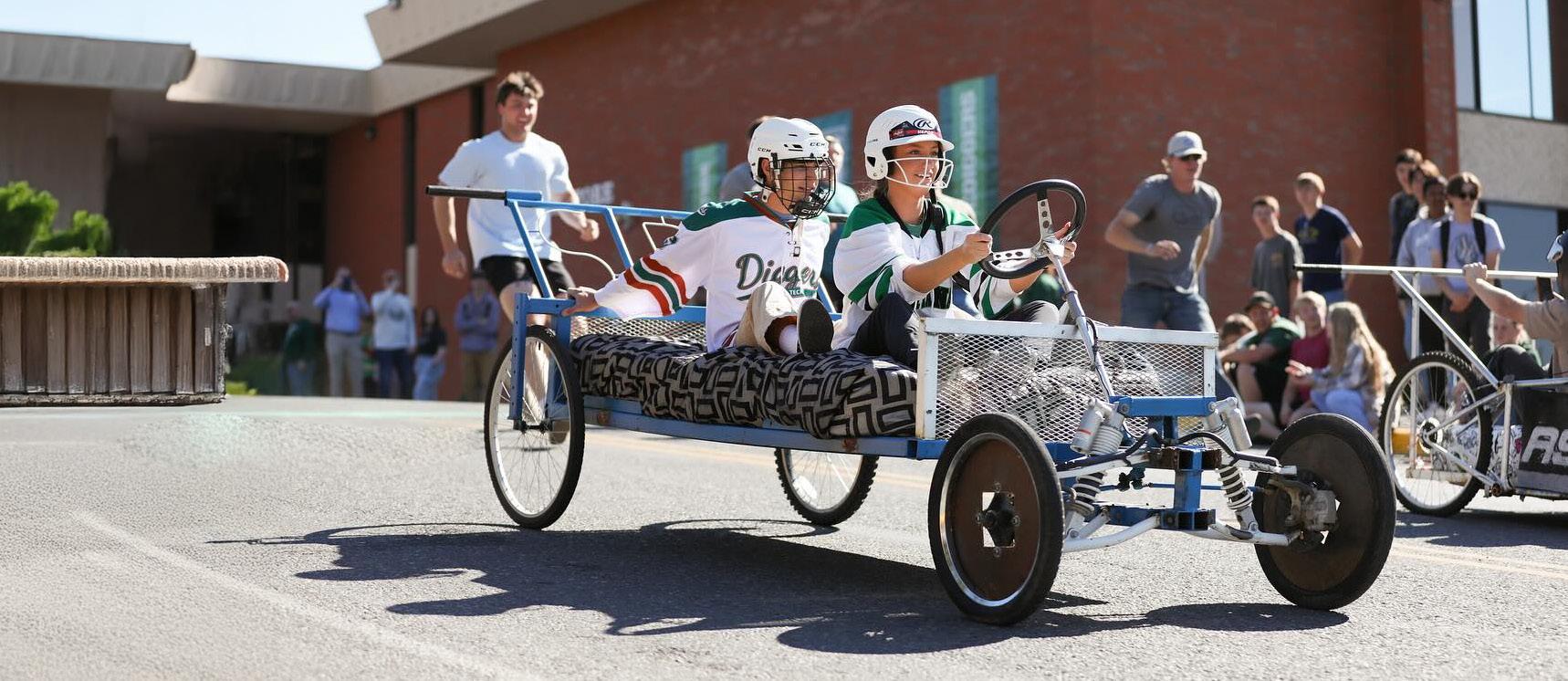

For decades, one of Montana Tech’s most beloved and quirky traditions has been the bed races—an event that combines school spirit, friendly competition, and a bit of absurdity into a high-speed dash down Park Street.
But what are the origins of this crowd-favorite Homecoming event?
A search of newspapers across the Pacific Northwest indicates that bed races became a popular go-to event for county fairs, rodeos, and other community events in the 1980s. The first mention of a bed race on Park Street in the local media was on July 3, 1981.
According to the Montana Standard, the races along East Park Street were “a new feature of Butte Celebrations’ expanding list of shows for the Independence Day holiday.” The Standard also noted that the races were modeled on those seen earlier in the spring in Washington State. Beds had to have side rails and 12-inch push bars. No steering mechanisms were allowed. Halfway through the course, the four runners had to stop the bed, and the rider had to jump from the bed, put on a pair of pajamas, and jump back onto the bed, at which time the racers could continue pushing the bed toward the finish line. The Standard reported that more than 1,000 spectators attended. Another large race was held at Bert Mooney airport in 1981 of that year, and another was held at Stodden Park for the Independence Day Celebration in 1983.
Though the bed races are now timed for Homecoming, rather than M Days, and the beds look a lot different than they did in the past, the same blend of engineering ingenuity, competitive spirit, and sheer silliness continues to make them one of Montana Tech’s most anticipated events of the year.
Bed Races tradition begins.
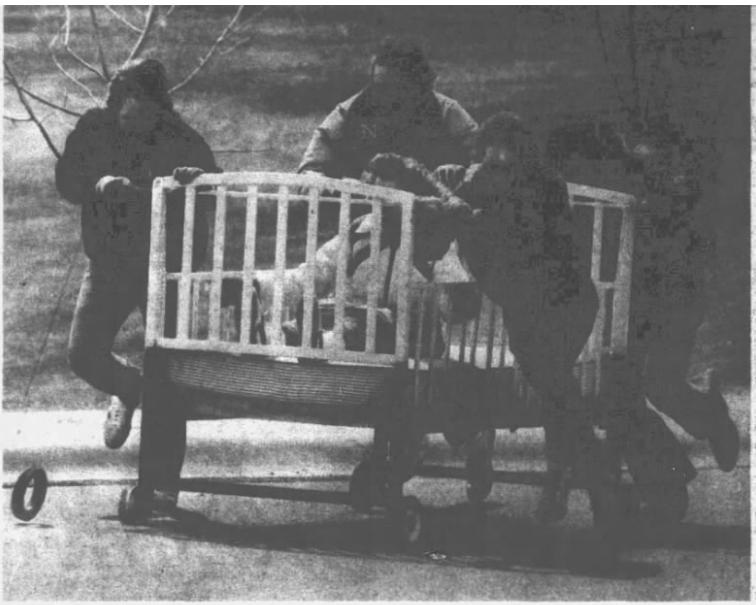
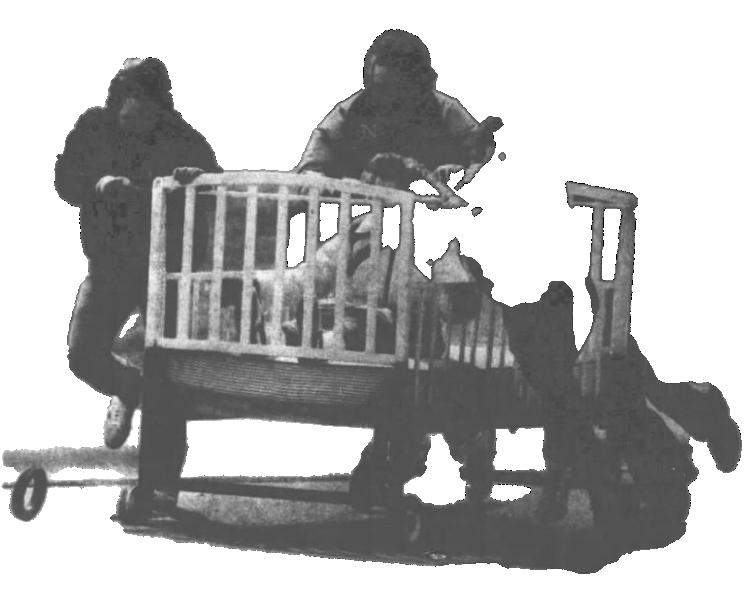
In March 1984, The Associated Students of Montana Tech requested permission to host their own bed race down Park Street as part of M Days. A photo in the April 28, 1984 edition of the Montana Standard shows four students frantically pushing a bed and rider uphill. According to the caption, the photographed team placed second even though they lost a tire on the uphill stretch.
We are holding it together with bailing wire and chewing gum. It won’t take that much for us to fall apart.
Montana Tech Chancellor
Lindsay Norman
In 1987, Montana Tech faced another major hurdle arose as the university had a $3 million budget shortfall. “The equivalent in business is Chapter 11 bankruptcy,” Chancellor Lindsay Norman was quoted as saying to the Montana Standard.
Again it was proposed to convert Tech into a community college, but the Montana Board of Regents rejected that plan. One degree program was cut and another was consolidated that year. Through the tumultuous times buildings continued to appear on Montana Tech’s campus. The Library and Auditorium were opened in 1978, the HPER Complex in 1980, and the Engineering Lab/Classroom Building in 1986. Student apartments were also added in 1980.
Montana Tech maintained strong ties with the mining industry while seeking to diversify into broader technological and scientific disciplines. The campus underwent modest expansions in facilities and faculty, laying the groundwork for future growth.
Dr. Lindsay D. Norman became the ninth president of the college on July 1, 1986.
The university became affiliated with the University of Montana and renamed Montana Tech of the University of Montana. The College of Technology (formerly Butte Vocational-Technical Center) came under the administrative umbrella of the university.
A major turning point came in 1994, when Montana Tech became affiliated with the newly reorganized Montana University System under the authority of the University of Montana. It was rebranded as Montana Tech of the University of Montana.
Though part of a larger system, it retained administrative autonomy, especially in academic programs and research focus. At that time the Butte Vocational–Technical Center was also organized under Montana Tech, named the Butte College of Technology.
This reorganization allowed for better resource sharing and gave Montana Tech access to broader administrative support while maintaining its strong identity as a STEMfocused institution.
by Megan Strickland

The story of Montana Tech’s most prestigious and competitive scholarship–the Marie Moebus Presidential Scholarship—is one of the humblest of beginnings.
Born in Butte in 1901 to German immigrants, Marie M. Moebus attended Butte schools and graduated from Montana State University in 1923 with a degree in home economics. After teaching in an indigenous community in Arizona, she returned to Butte to care for her aging parents and a disabled nephew. Moebus taught home economics in Butte schools for many years until an illness forced her to retire.
According to her obituary, she was a perfectionist in everything she did, and was described by a former student as “a genuine lovely lady.” The Montana Standard noted that Moebus spent the last 21 years of her life in a nursing home, deaf and partially blind.
Moebus, who died at 99 in January 2000, left a final bequest that continued her lifelong legacy of helping others. Her will established three $2 million endowments, including one for Montana Tech. The Montana Standard noted that friends were surprised by the donation, as Moebus had kept the source of her wealth—inherited from her sister and brother-in-law, Henrietta and Irving H. Bolitho—a secret. However, her decision to donate the money was not a surprise. Friends told the newspaper that Moebus lived a frugal life and often made personal sacrifices to help others.
Marie Moebus’s final act of kindness created a tremendous legacy. The Marie Moebus Presidential Scholarships, a combination of a tuition waiver and cash renewable for four years, have supported numerous engineers, a CEO, and a Goldwater Scholar. Ethan Heggem of Butte (Mechanical Engineering, ’25) is among the many who have shared how the scholarship impacted their lives. He is also the recipient of the prestigious 2025 National Science Foundation (NSF) Graduate Research Fellowship. “I am extremely grateful to be a recipient of the Marie Moebus Presidential Scholarship,” Heggem said.
The scholarship’s tuition waiver and cash reward have removed the pressure to work a part-time job to pay for school. This has allowed me to spend my time on research, student clubs, and campus events, and to focus on my studies.
More than two decades after her passing, Marie Moebus’s generosity continues to change lives and shape futures. What began with a quiet woman’s selfless decision has become Montana Tech’s most prestigious scholarship, lifting financial burdens, opening doors to research and leadership, and propelling graduates into careers of impact. The enduring influence of the Marie Moebus Presidential Scholarship stands as a testament to her belief in education, hard work, and the power of helping others—a legacy that will continue to inspire generations of Orediggers to come.

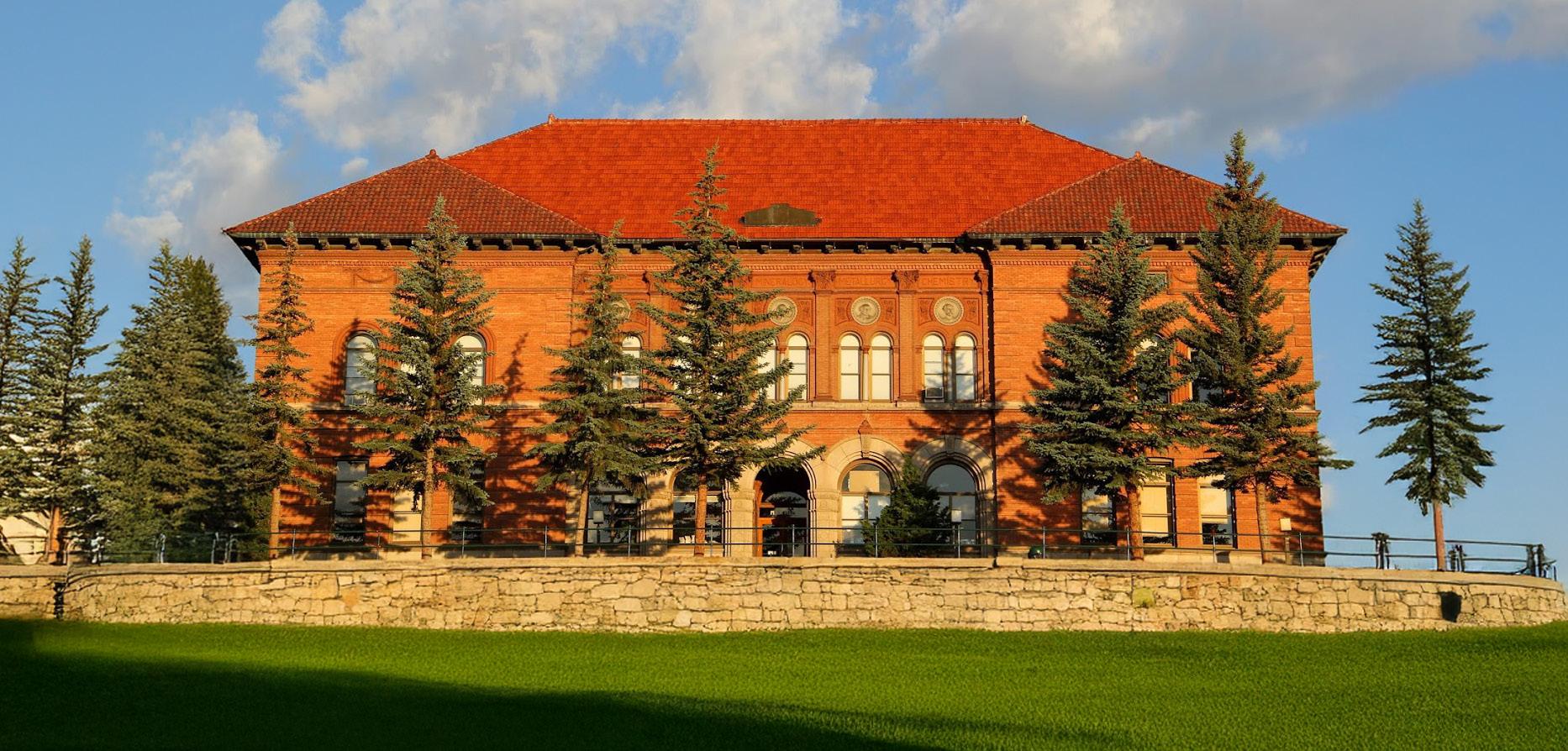



From 1990 to the present, Montana Tech has experienced substantial growth in applied research.


In 1996, the Chemistry/ Biology Building underwent extensive renovations to include state-of-the-art equipment.
On July 1, 1998, W. Franklin Gilmore became the university’s tenth chancellor.
Women’s golf launched under head coach Tim Kober.
Nursing and Network Technology were added to degree offerings.
Centennial Hall officially opened to serve an increasing demand for on-campus housing.
Established in 1989, the Center for Advanced Mineral and Metallurgical Processing (CAMP) serves the needs of Montana’s people and industries through cutting-edge research and effective research management in materials science and engineering, expanding both basic and applied knowledge in these fields.
In 2000, the NSF-funded Center for Environmental Remediation and Assessment (CERA) was founded. It was revitalized in 2022 with a focus on the environment, energy, and innovation. CERA multi-disciplinary researchers and students work with community, industry, and government partners to reimagine sustainable solutions, with the goal of restoring environmental and economic vitality.

Montana Tech received the largest single donation in its history, $2 million, from Marie Margaret Moebus.
Montana Tech, in collaboration with UM Western, offered secondary teaching degrees in math and science.
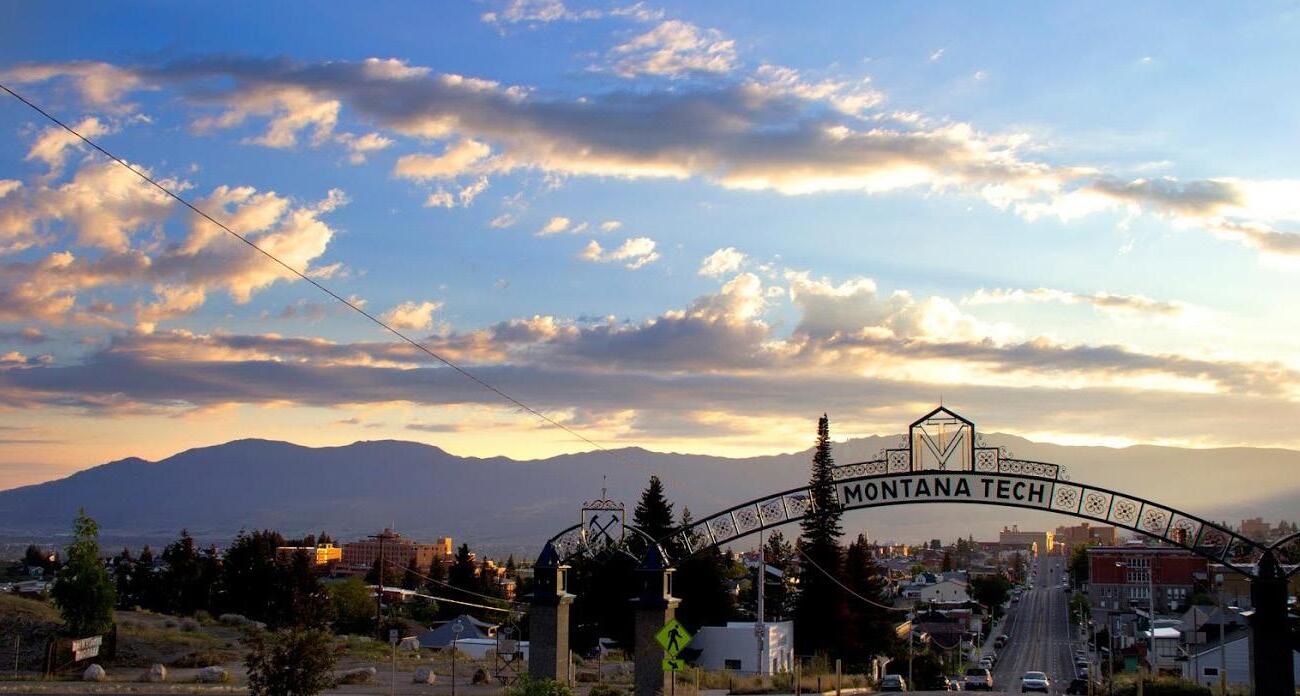
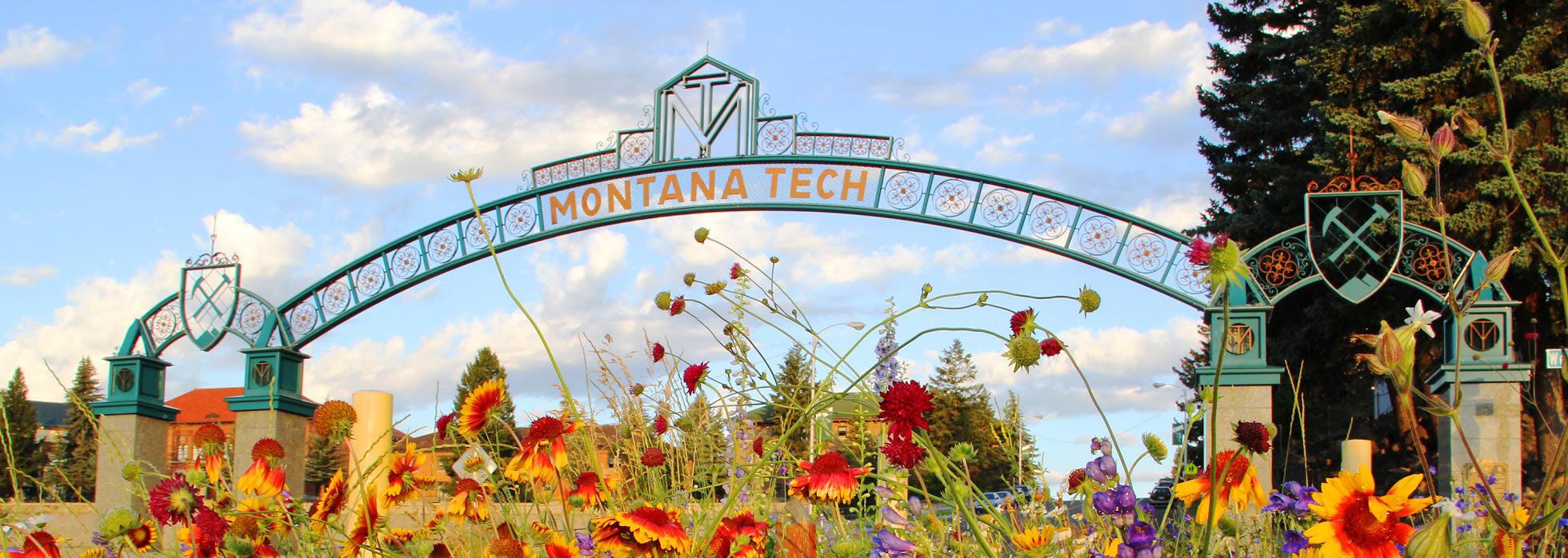
Montana Tech’s gateway arch, dedicated in October 2003, was conceived by Bob and Pauline Poore, with support from community members, university officials, and local government.
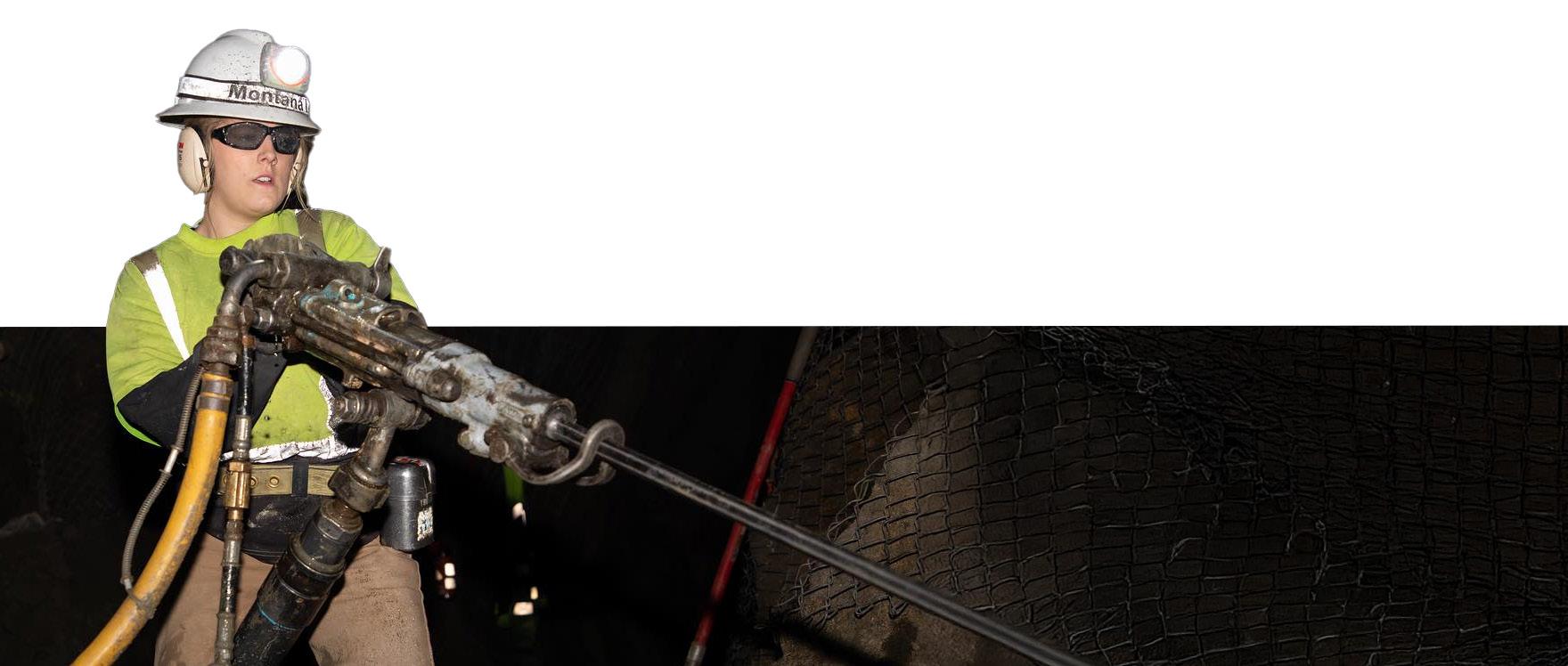
In 2010, Montana Tech transformed the historic Orphan Boy Mine, located on land just west of campus, into the Underground Mine Education Center.
Supported by an industry gift, the facility provides hands-on learning for students in Mining, Geological, Environmental, Metallurgical Engineering, and Occupational Safety and Health degree programs, while also serving as a research hub for underground mining methods, rock mechanics, ventilation, fragmentation, and health and safety.

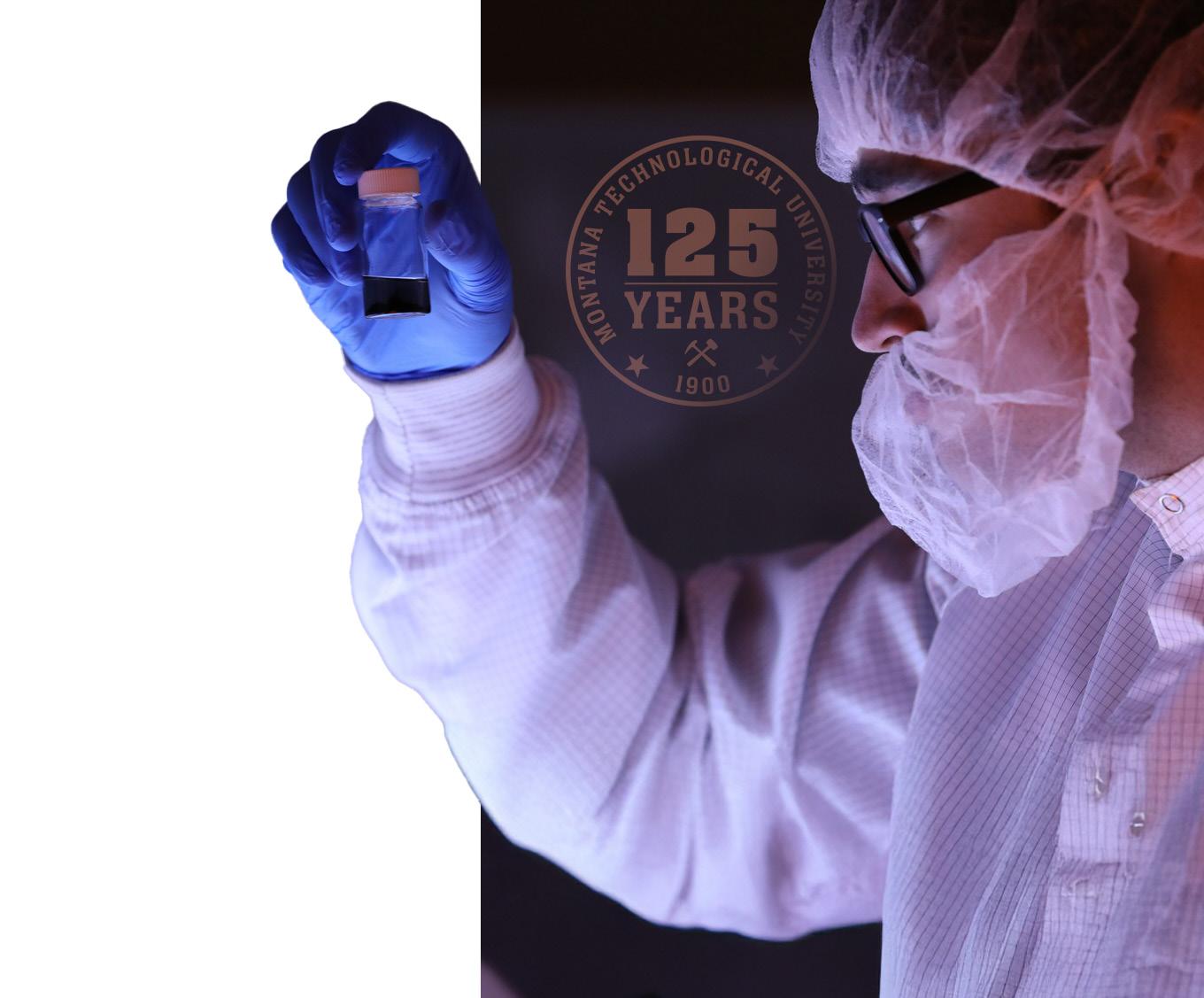
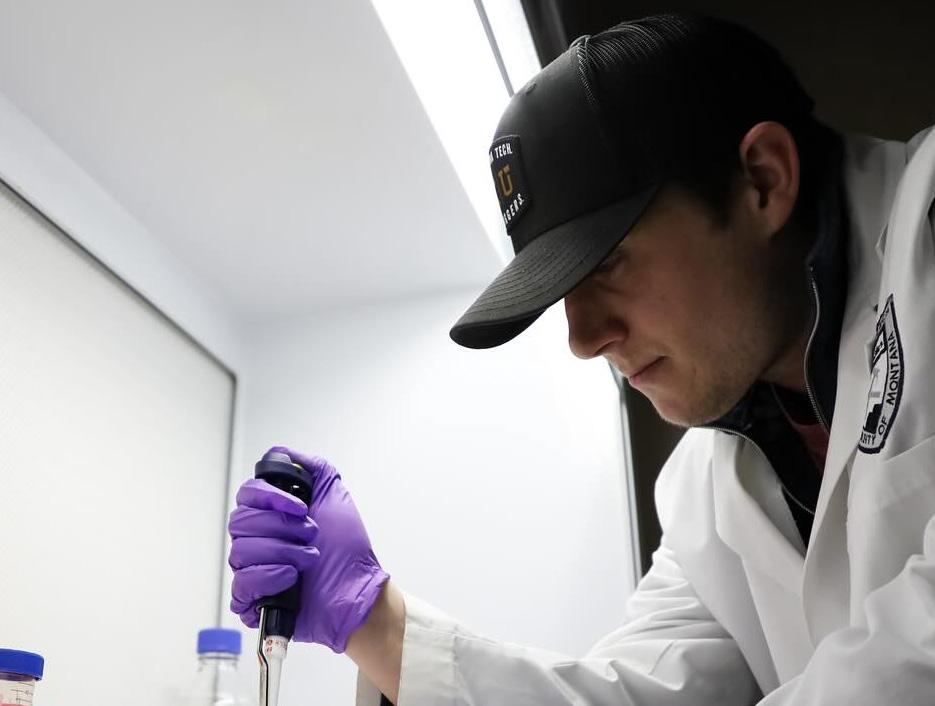
The Montana Tech Nanotechnology Laboratory (MTNL) has been in existence since 2014, taking its current name in 2016. Laboratory scientists and engineers study fundamental concepts and take the fundamentals to application.
The engineering side of the MTNL makes prototypes, develops novel processing and manufacturing methods, and solves real world problems. Researchers at MTNL write journal articles to share their progress with the scientific community.
When MTNL patents an idea, the researchers want it to be applied as something that will have a market impact. Since opening, students, faculty, and staff have worked on a fascinating array of projects with applications in healthcare, energy, and defense, resulting in many publications and patents and a few targeted licensing agreements.
ARCO gave 57 acres to Montana Tech to expand its campus, effectively doubling its size.
Montana Tech announced plans to install a JumboTron at the south end zone in Alumni Coliseum.
In 2008, Kelvin Sampson Court was upgraded with new hardwood floors, bleachers, scoreboards, basketball backboards, and a sound system and video board.
The Natural Resources Building opened its doors, housing Petroleum Engineering and the Montana Bureau of Mines and Geology.
The HPER underwent a $3.6 million renovation, upgrading fitness facilities, locker rooms, HVAC systems, and energy-efficient lighting.
Dr. Donald M. Blackketter becomes chancellor and served until 2019.
The Frank and Ann Gilmore University Relations Center opened and was dedicated in honor of Frank and Ann Gilmore for their service and commitment to the university.
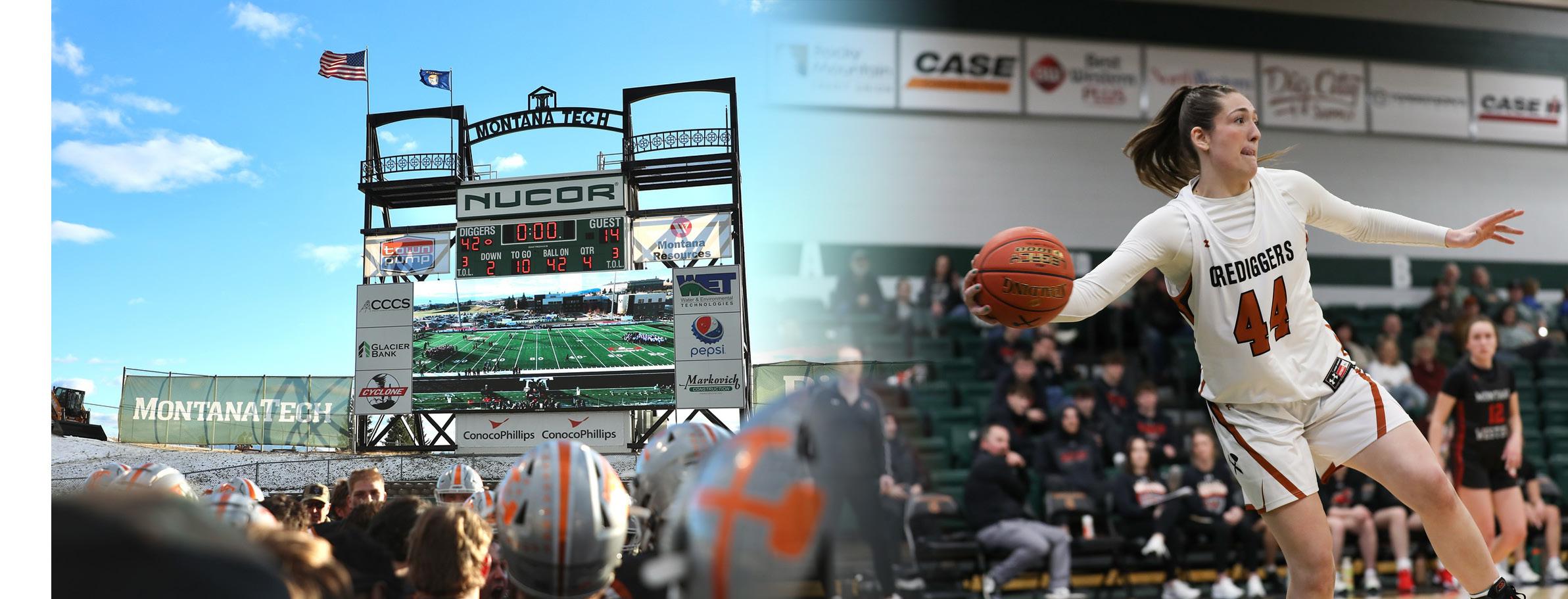

Alumni Coliseum now featured an artificial playing surface, which was dedicated to long-time football coach Bob Green during the first home game of the 2013 season.
In 2012, the Petroleum Engineering Building was renovated and became the Health Sciences Building. The Laboratory Exploring Geobiochemical Engineering and Natural Dynamics (LEGEND) was launched in 2015 by Dr. Alysia Cox to investigate biotic and abiotic processes in the environment and to develop frameworks for understanding the co-evolution of life and Earth.
In 2017, the Advanced Surface Science Lab was created, later renamed the Carbon High-Temperature Advanced Research (CHAR) Laboratory in 2020, under the leadership of Dr. Richard LaDouceur. Supported by Army Research Lab and National Science Foundation grants, the CHAR Lab develops sustainable materials and processes for energy applications, rare earth element recovery, and biomass-based energy production. Its work emphasizes closed-loop systems that turn waste into valuable products.
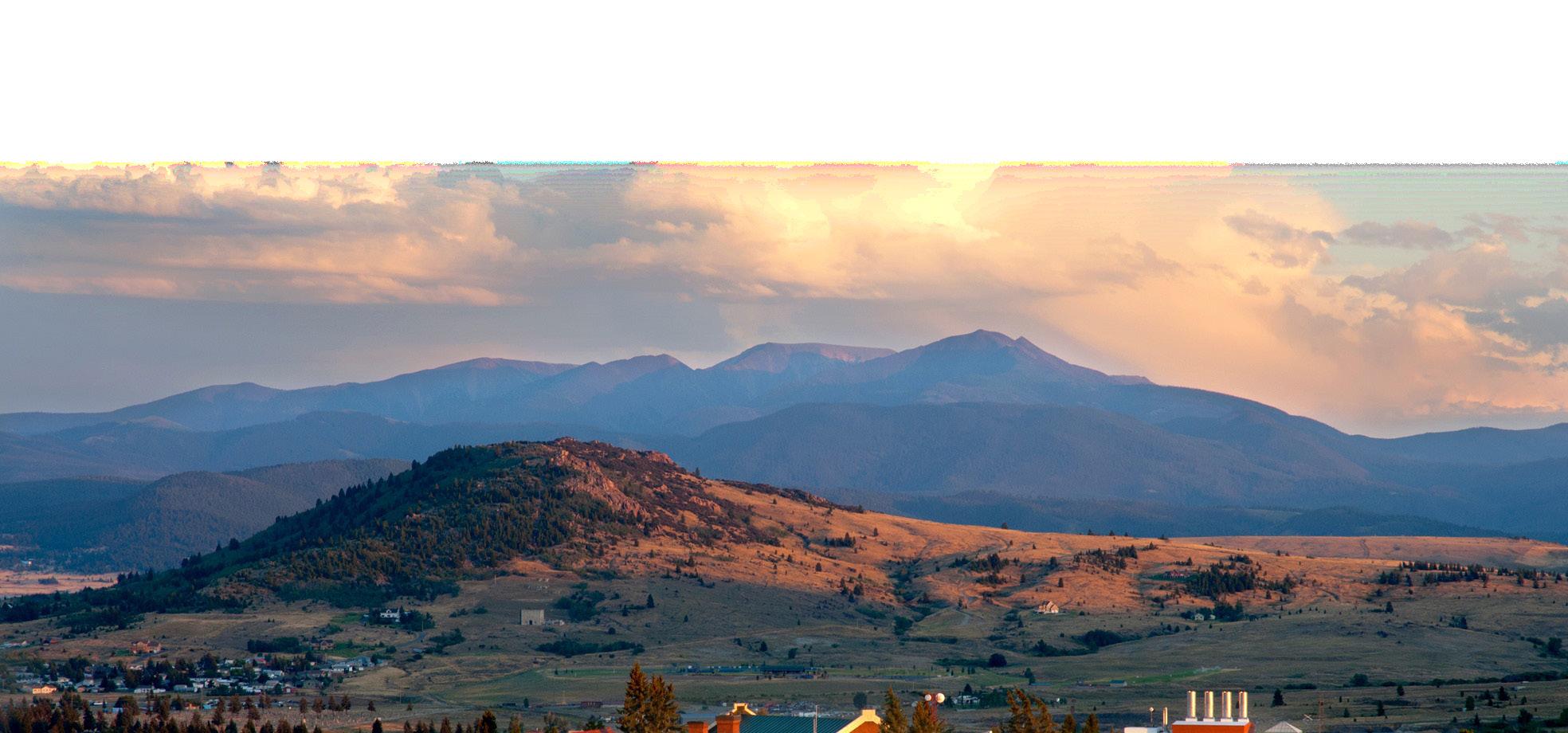
The Montana Board of Regents approved Montana Tech to offer a Ph.D. in Materials Science.
In 2013, the Butte College of Technology became Highlands College of Montana Tech.
The Natural Resources Research Center opened as a state-of-theart facility with laboratories, workspaces, and support spaces for undergraduate and graduate research in the fields of natural resources and energy.
In May 2017, the Montana Board of Regents designated Montana Tech as a Special Focus Four-Year University, the only such designation in the state.
The Montana Board of Regents approved the formal name change to Montana Technological University.
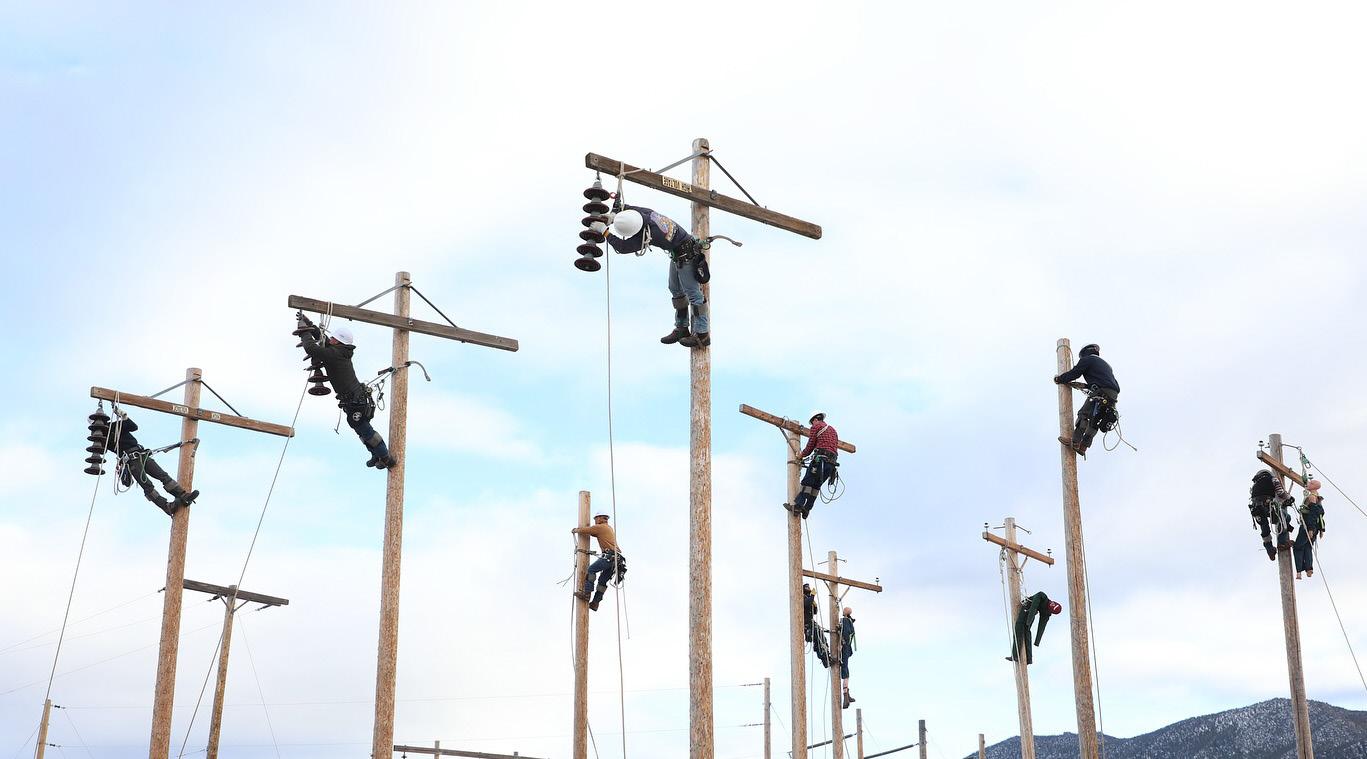
In October 2021, Dave and Sherry Lesar made a $7 million donation to rename the nursing program as the Sherry Lesar School of Nursing.
We are thrilled by the generosity of Dave and Sherry Lesar and know the impact of their gift will be transformative for Montana Tech and healthcare education.
Montana Tech Chancellor Les Cook
In October 2019, the Student Success and Living Learning Center opened, the largest capital project in Tech’s history at the time, with $9 million of the $24 million project funded by donors.
Schweitzer Engineering Laboratories Power Systems Labs opened.
Track and field added to list of collegiate sports.
In March of 2022, the Lesar Family Nursing Simulation Center opened in the S&E Building.
Nucor donated $2 million to establish the Endowed Distinguished Professorship in Metallurgical and Materials Engineering.
In July 2019, Dr. Les P. Cook took office as the 12th chancellor.

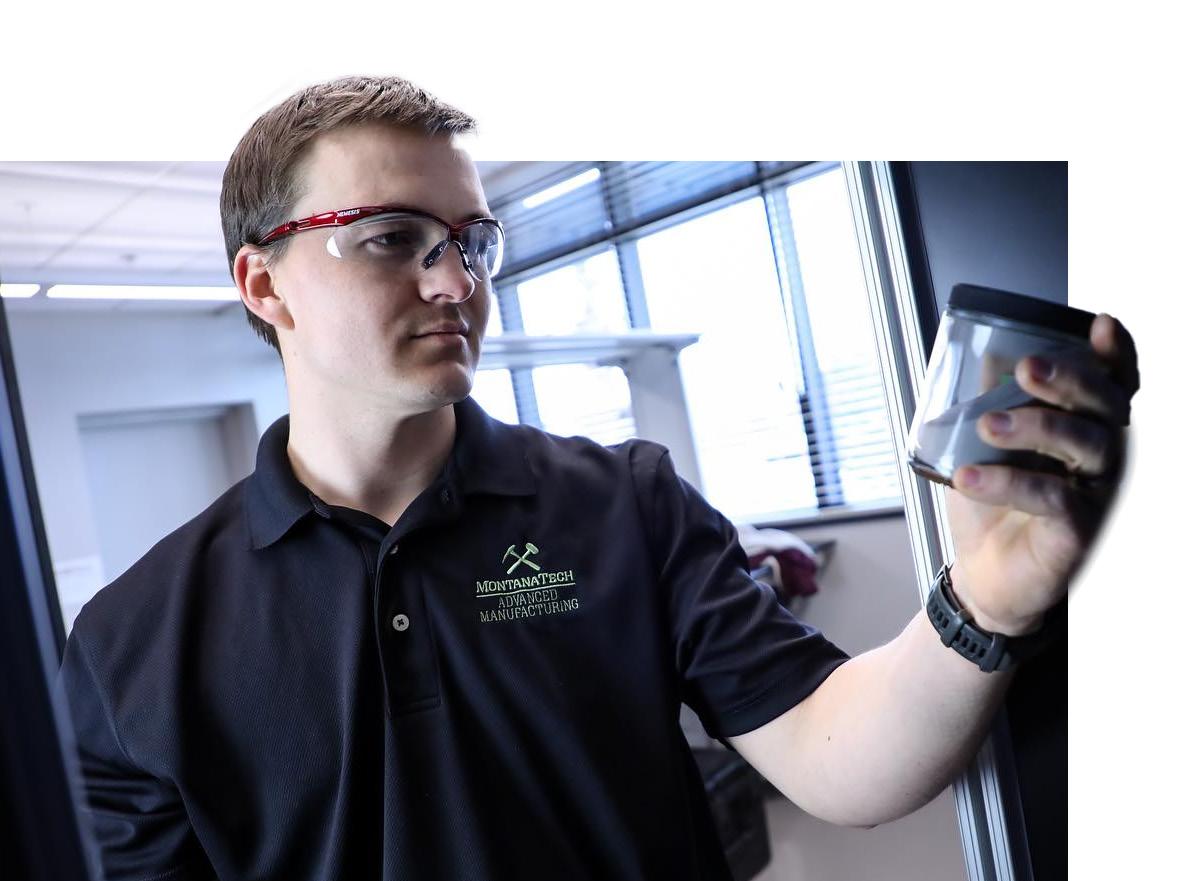
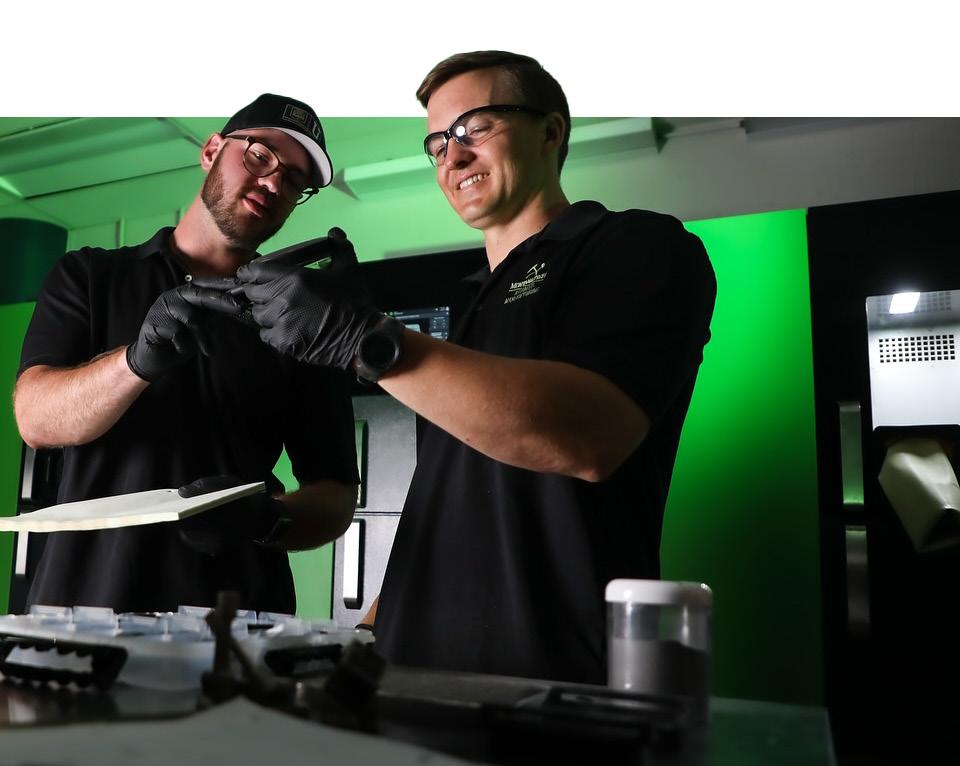
In 2021, the Montana Tech Advanced Manufacturing (MTAM) Research Group was established, led by Dr. Nathan Huft.
The group operates some of the region’s most advanced additive manufacturing equipment, including metal and polymer 3-D printers, scanners, high-speed imaging systems, and fluid dynamics facilities for research in cold spray technologies.

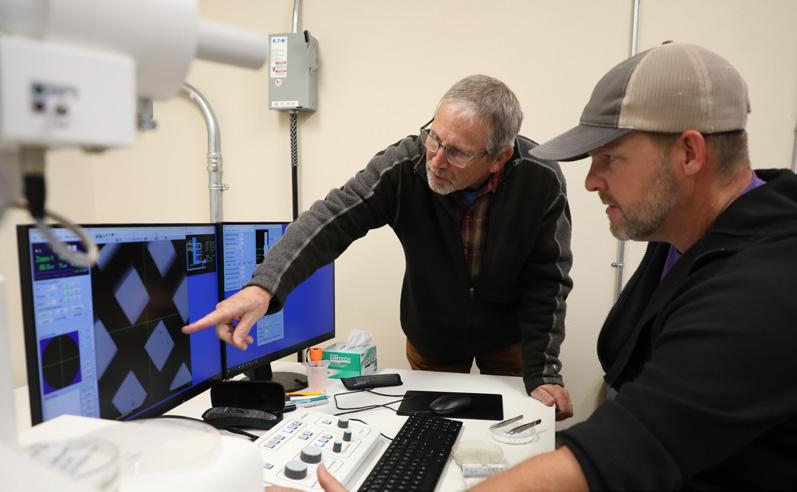
In 2023, the Department of Biological Sciences opened the E.M. Tech Laboratory, equipped with a state-of-the-art Hitachi HT7820 scanning/transmission electron microscope, funded by the National Science Foundation.
The facility provides high-resolution imaging and elemental analysis for Montana Tech and Montana University System researchers.
Ryan and Lisa Lance made a historic $31 million gift to Montana Tech.
In September 2023, Environmental Engineering celebrated its 50th anniversary.
In September, Metallurgical and Materials Engineering celebrated its centennial event.
The School of Mines and Engineering changed its name to the Lance College of Mines and Engineering.

Hockey returned to campus.
The SAP Next-Gen Lab opened.
In 2025, Montana Tech secured a $7.5 million grant from the National Science Foundation to establish the Center for Energy Technologies, a new research hub dedicated to advancing energy systems.
The 46th International Intercollegiate Mining Games were hosted by Montana Tech in Butte in 2024.
This annual event honors miners who have died in the line of duty while showcasing traditional mining skills. The competition brought together three dozen teams from the U.S., Australia, the United Kingdom, and Canada. Montana Tech’s teams won top honors at the event.
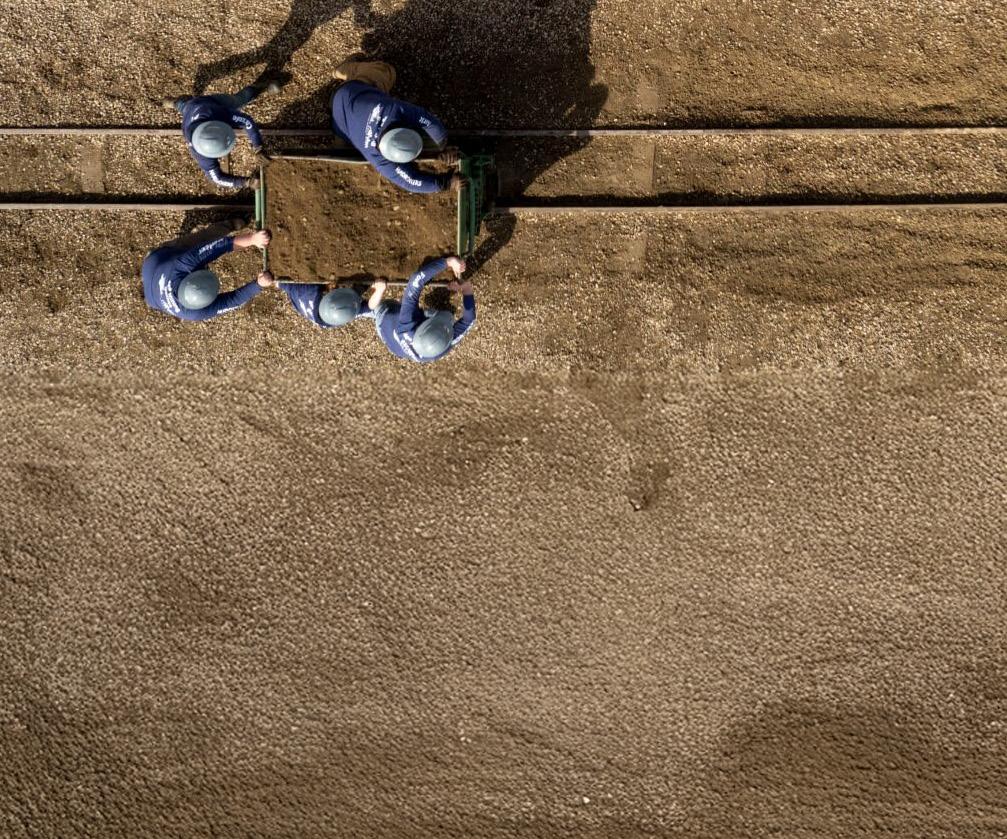
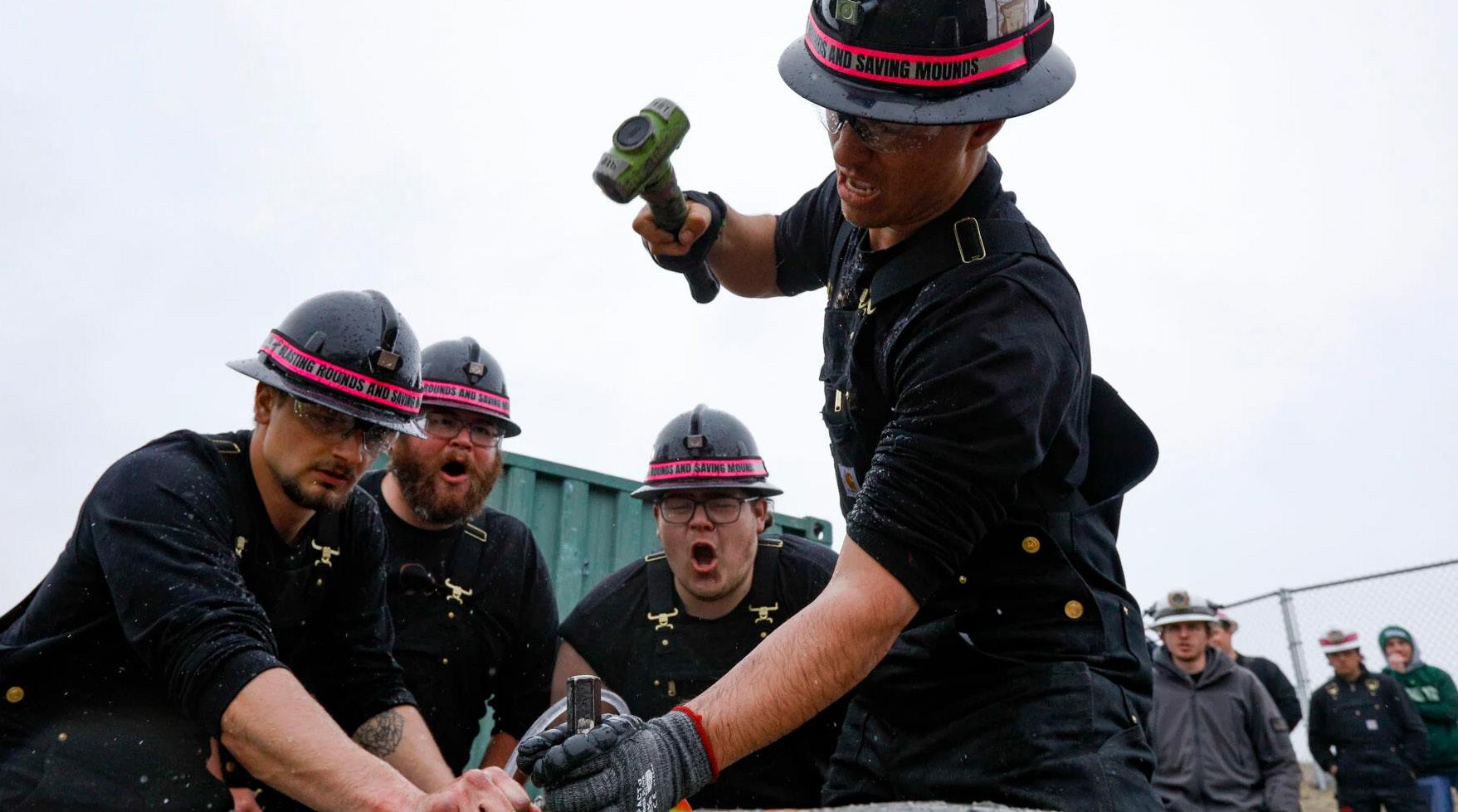
OSH students won the 2024 Safety Olympics.
Tau Beta Pi chapter initiated its 40th class.
Montana Tech was awarded $6.5 million via the Defense Production Act Investments Office to create online stackable certificate programs.
First-ever Liberty Energy Scholars graduated.
Liberty Energy partnered with Montana Tech to make new turf on Bob Green Field possible.

First-ever Earth Science and Engineering doctoral degrees were awarded.

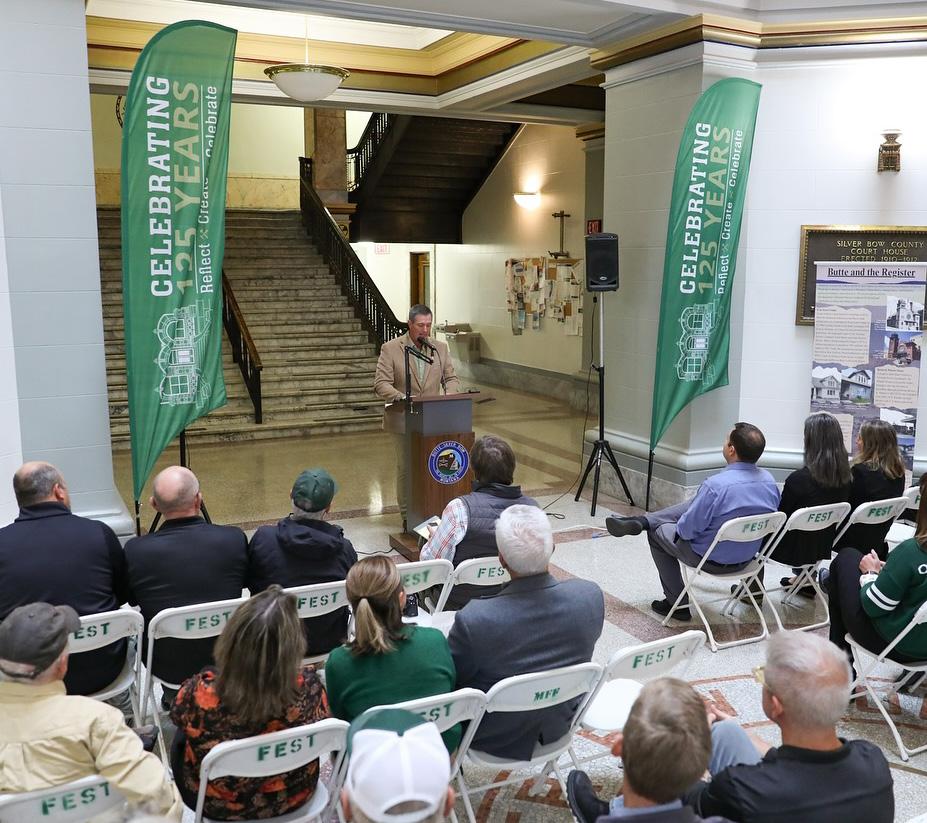
On September 10, 2025, Montana Tech launched its 125th anniversary celebration.
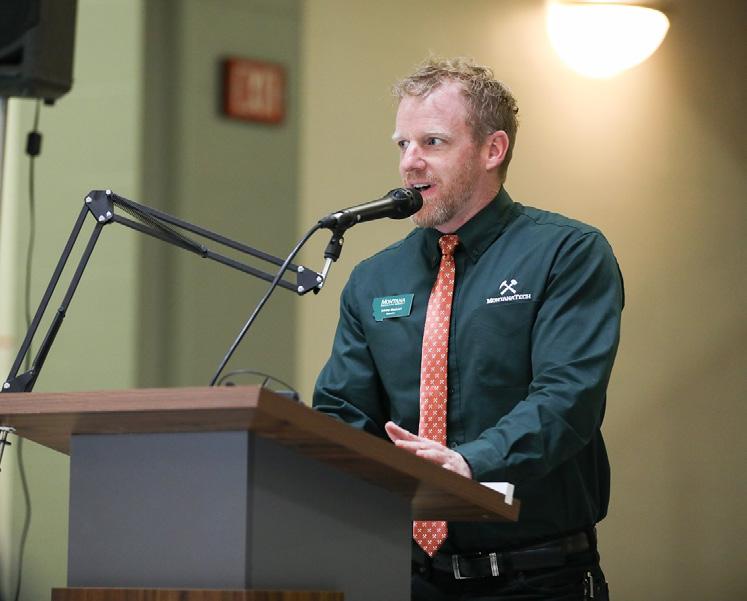
On July 1, 2025, Dr. Les Cook retired from Montana Tech and Dr. Johnny MacLean took over as the 13th leader of the university.
First-ever Lance College of Mines and Engineering Energy and Critical Materials Summit held.
First-ever B.S. in Construction Management student graduated.
A $1.1 million donation from the Dennis and Phyllis Washington Foundation and Montana Resources established a scholarship endowment to honor the legacy of John Francis “Frank” Gardner.
Safety, Health, and Industrial Hygiene department marked its 50th anniversary, celebrating a halfcentury of contributions to the field.
In May 2025, Montana Tech captured the George Bandy Memorial Conference All-Sports Award for the third consecutive academic year.


In October 2025, Safety, Health, and Industrial Hygiene celebrated 50 years of empowering students to be industry leaders and safety professionals.

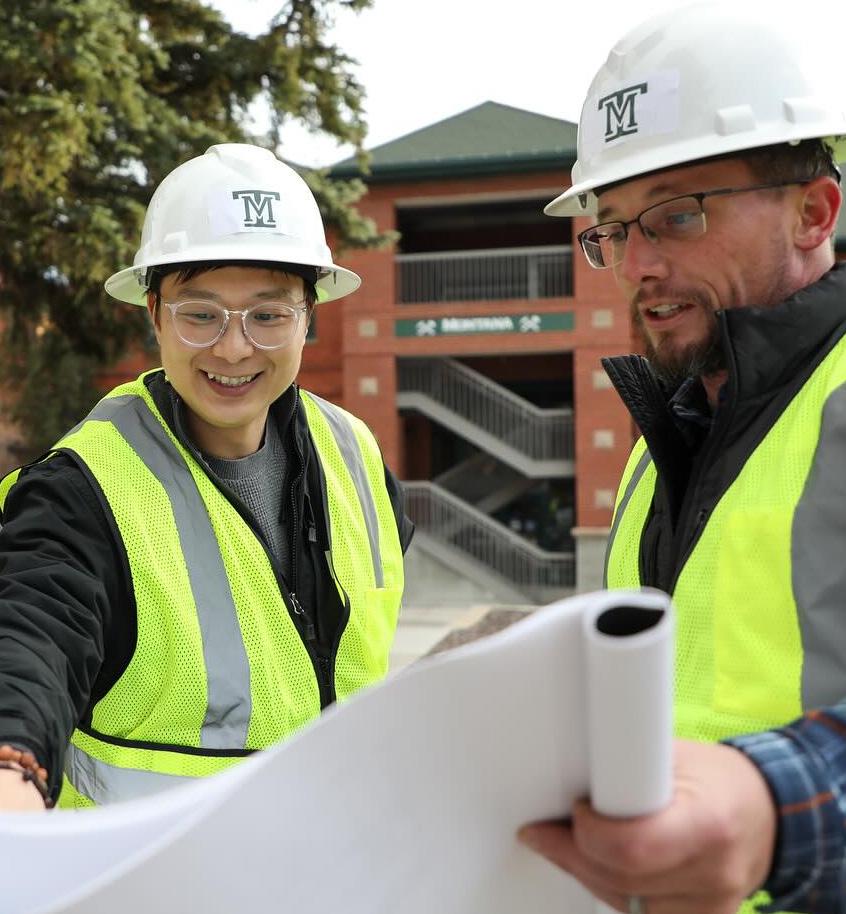

The 2010s marked a period of increased national recognition for Montana Tech.
The university was consistently ranked among the best regional colleges in the west by U.S. News & World Report, particularly noted for its high return on investment, job placement rates, and STEM focus.
A few of these accolades of note include:
Calley Jones named Montana Tech’s first Barry M. Goldwater Scholar (12 recipients to date).
Jack Stratton became the first Rhodes Scholarship finalist from Montana Tech (two additional finalists since).
Trevor Russell became Montana Tech’s first Fulbright Scholar.
Best Universities in the West, U.S. News and World Report.
Top Public Schools, U.S. News and World Report.
Ethan Heggem receives prestigious NSF Graduate Research Fellowship.
Sherry Lesar School of Nursing earns Healthcare Simulation Standards of Best Practice endorsement
National Science Foundation EPSCoR Crest Phase 1 grant received for $7.5 million for five years.
Campus facilities master plan launched.
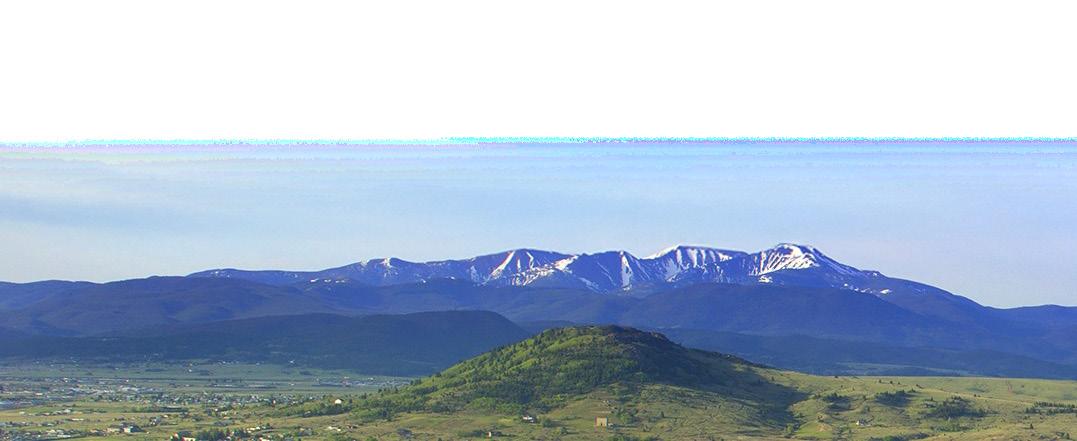
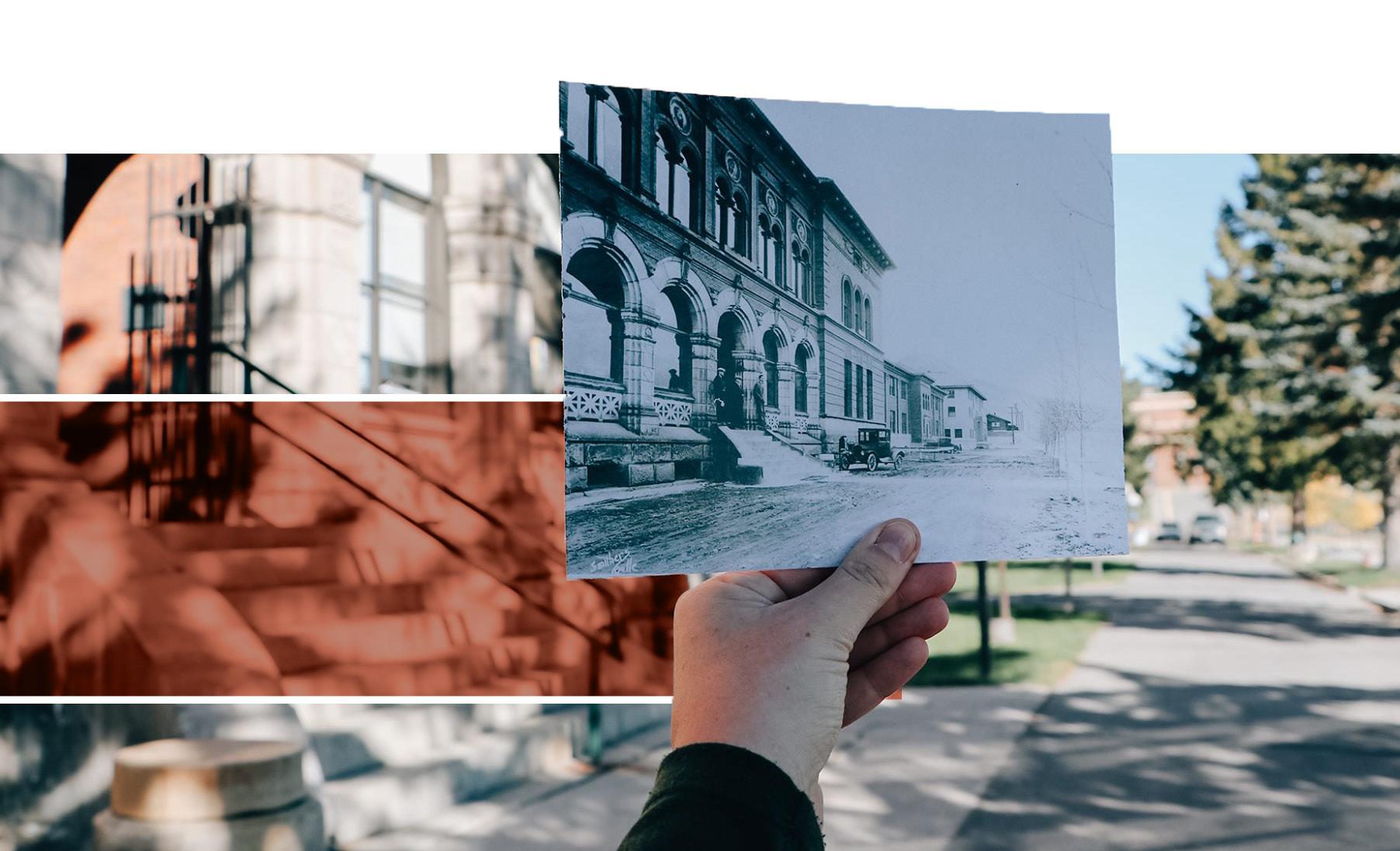
Where horse-drawn carriages once traveled, you now might see outdoor classes on drone operation underway. Where miners of the early 1900s traveled down a shaft of the Orphan Boy Mine to perform physical labor, students now learn to operate robots that can automate underground tasks. Where students once were taught to build structures with lumber and nails, an on-campus research team is exploring how to 3-D print them with concrete and other materials.
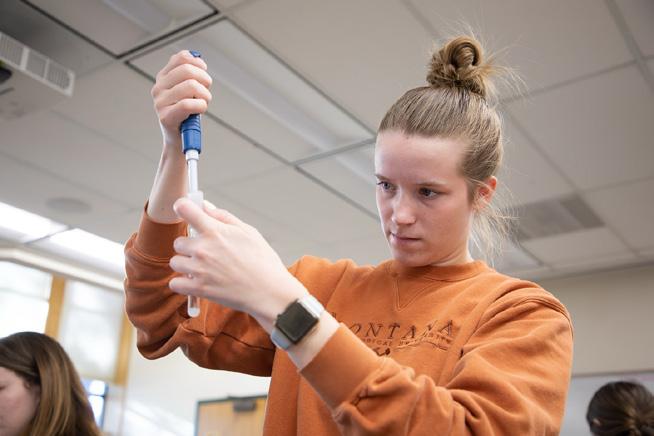
From its humble start as the Montana State School of Mines to its present as Montana’s STEM university, Montana Technological University has spent 125 years fueling innovation, discovery, and opportunity. Generations of Orediggers have transformed challenges into progress, building a legacy of hard work, ingenuity, and impact felt far beyond Butte.

As Montana Tech looks to the next 125 years, it does so with bold ambition— expanding research, empowering students, and shaping the future. With the continued support of alumni, partners, and the community, Montana Tech is poised to write its next great chapter as a place where determined doers change the world.
by Paul Panisko

Montana Technological University’s athletic tradition spans more than a century, mirroring the institution’s transformation from a small mining school into a nationally recognized university.
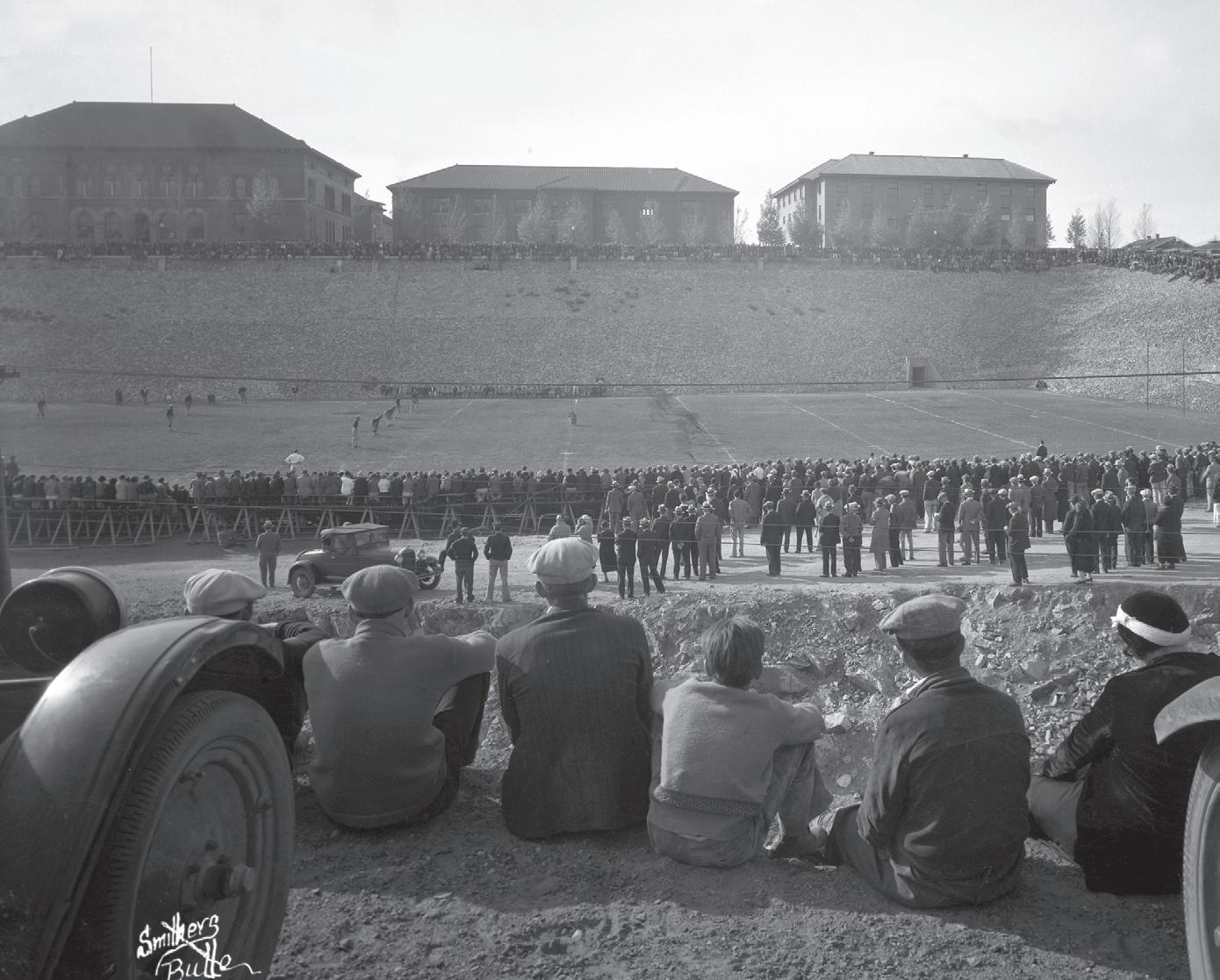
Intercollegiate athletics began in 1902, when the Montana State School of Mines fielded its first football team. Early contests were played at the scenic Columbia Gardens before the program shifted home fields to Clark Park, Leonard Field, and eventually Butte’s historic Naranche Stadium. Football quickly became the heartbeat of campus life, producing conference titles in 1936 and 1939 and establishing a legacy of toughness, perseverance, and community pride that continues to define Oredigger Athletics.
1902 1925 1933 1920
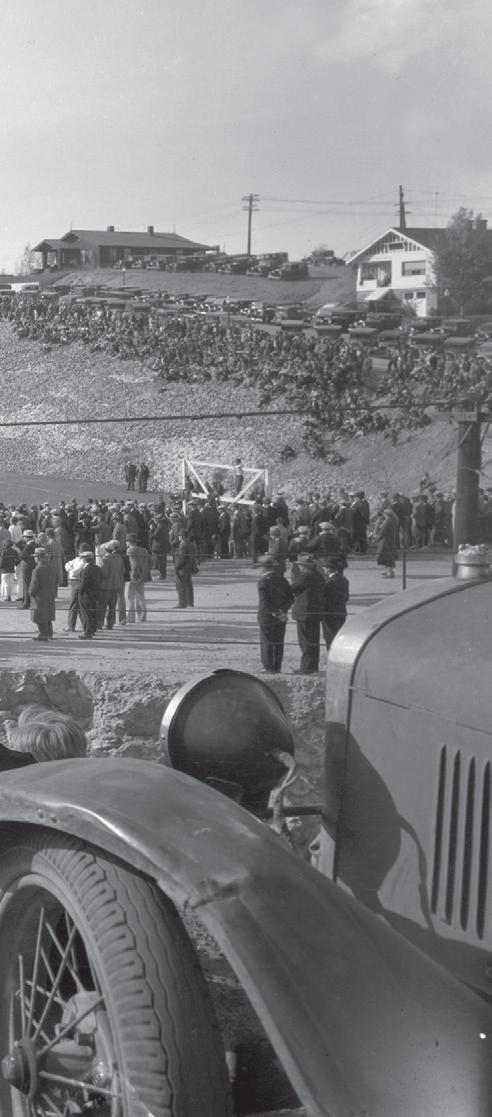
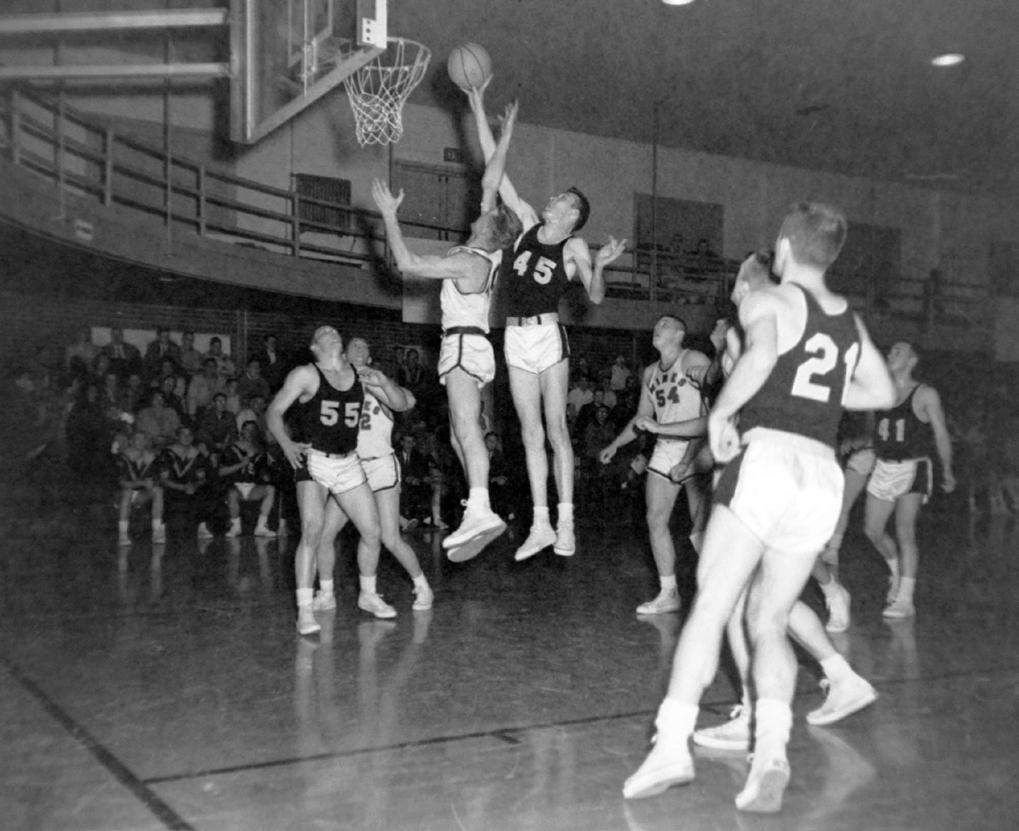

The university’s facilities evolved in step with its growing athletic ambitions. The first campus gymnasium, completed in 1925, housed basketball and physical education—a state-of-the-art facility for the time. Four decades later, the opening of Alumni Coliseum in 1965 provided Montana Tech football with its first permanent on-campus home. The new stadium solidified Oredigger football’s place at the center of student and community life, hosting generations of players and fans. In 1976, construction began on the Health, Physical Education, and Recreation (HPER) Complex, which officially opened the following year. The HPER became a modern hub for athletics, academics, and recreation and serves as a lasting symbol of Tech’s commitment to student-athletes.
Montana Tech’s entrance into the Frontier Conference in 1966 ushered in a new era of organized competition and championship pursuit. Football titles followed in 1970, 1972, 1979, and 1983, highlighted by the inaugural Copper Bowl victory in 1970. The hiring of Coach Bob Green in 1987 marked another turning point, as his leadership and personality propelled Montana Tech into the national spotlight. Under Green, the Orediggers made multiple postseason appearances and advanced to the 1996 NAIA National Championship Game, further cementing the program’s place among the nation’s best small-college football programs.
The late 1970s and early 1980s witnessed the rise of women’s athletics at Montana Tech. Women’s basketball began play in 1976, followed a year later by women’s volleyball, ushering in an era of expanded opportunity and competitive excellence. Volleyball quickly developed into a powerhouse program, capturing multiple Frontier Conference championships throughout the 1980s, while women’s basketball earned its first title in 1982. These programs not only achieved athletic success but also reflected Montana Tech’s broader dedication to equity, leadership, and the advancement of women in sport.
1934 1939 1965 1936
In the modern era, Montana Tech has continued to expand its athletic offerings while maintaining an unwavering commitment to academic integrity and athletic achievement. Men’s and women’s golf were added in 1999. The addition of men’s and women’s cross country in 2020 and track and field in 2022 further diversified the athletic landscape. These emerging programs quickly found success, producing conference champions and enhancing Tech’s reputation as a university where excellence thrives both in the classroom and in competition.
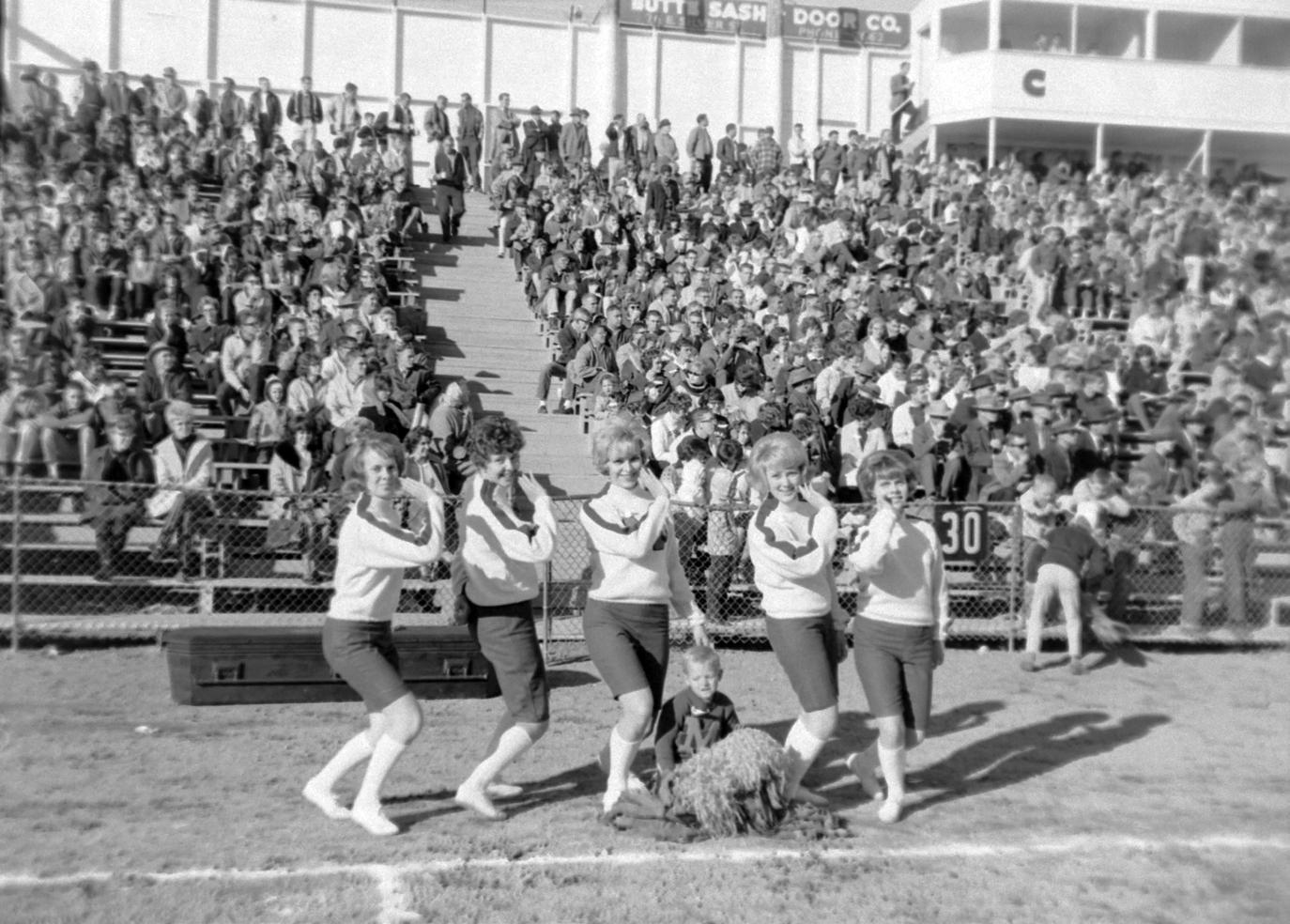
Recent years have brought some of the most successful seasons in Oredigger history. Under head coach Adam Hiatt, men’s basketball has captured consecutive Frontier Conference regular-season and tournament titles (2022–2025) and earned national recognition within the NAIA. Volleyball reclaimed its championship pedigree with back-to-back conference titles in 2022 and 2023, along with six NAIA national tournament appearances. Track and field has dominated the Frontier Conference in both men’s and women’s competition from 2022 through 2025. These achievements underscore the enduring vitality and growth of Montana Tech Athletics.
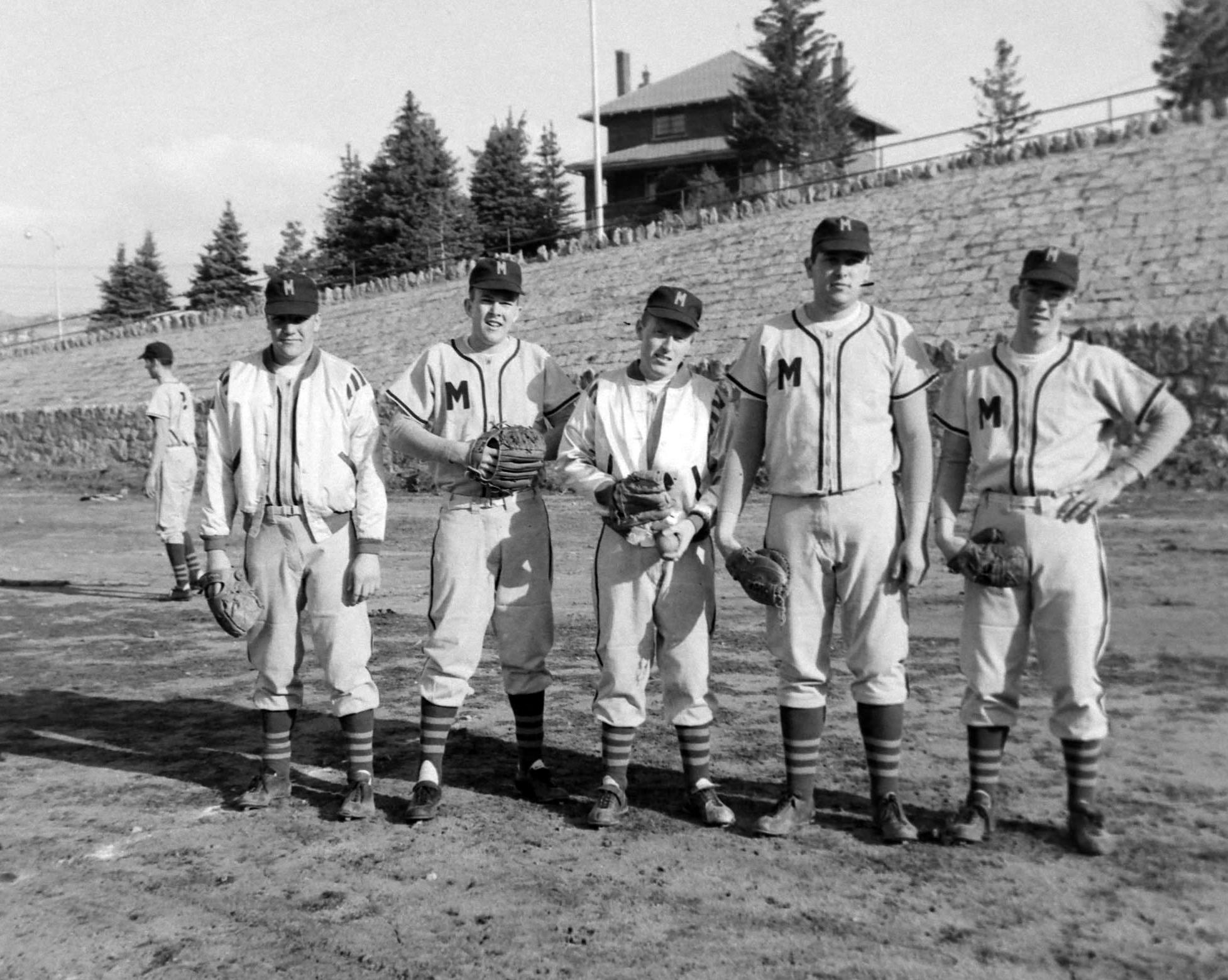
Today, Montana Tech Athletics stands as a proud symbol of perseverance, teamwork, and community spirit—values deeply rooted in Butte’s identity. From the first football team in 1902 to the modern-day champions competing at Alumni Coliseum and inside the HPER Complex, Oredigger Athletics reflects the enduring spirit of a university that has always dug deep—in scholarship, in sport, and in character.
First Copper Bowl: 21—8 win over Yankton.
The MCC rebranded as the Frontier Conference. Women’s Basketball starts.
• HPER Complex opens.
• Women’s Volleyball begins.
Coach Bob Green is hired.
S.W. Oklahoma 33—31.
Men’s and women’s golf is added.
Men’s and women’s cross country is added.
Men’s and women’s track and field is added.
As Montana Technological University celebrates its 125th anniversary, the Montana Tech Foundation is proud to share one of its most successful years to date—an inspiring testament to the power of vision, generosity, and the unwavering support of our alumni, donors, and friends.
In Fiscal Year 2025, the Foundation achieved remarkable milestones:
$102,788,149.41
$2.5 Million $10,102,611 $1.3 Million 2,090 $865,214 Endowment Value Scholarships Awarded Total Funds Raised Educational Program Support Total Donors Professorship and Salary Support
These results mark a defining moment in Montana Tech’s story.
Over the past three years, the Foundation’s endowment has doubled in value, dramatically expanding our ability to provide stable, long-term funding for the University’s students, faculty, and programs. This momentum comes during a banner year for Montana Tech—one that not only celebrates 125 years of excellence but also welcomes the University’s new Chancellor, Dr. Johnny MacLean, whose leadership is already shaping the next era of innovation, growth, and student success.
The Foundation also proudly welcomed two new members to the Board of Directors: Ken Beattie (’92 Petroleum Engineering) and Jon Giesbrecht (’17 Petroleum Engineering), both proud Oredigger alumni and accomplished business professionals. Their passion for Montana Tech and commitment to advancing its mission have already made an immediate impact as we enter FY26.
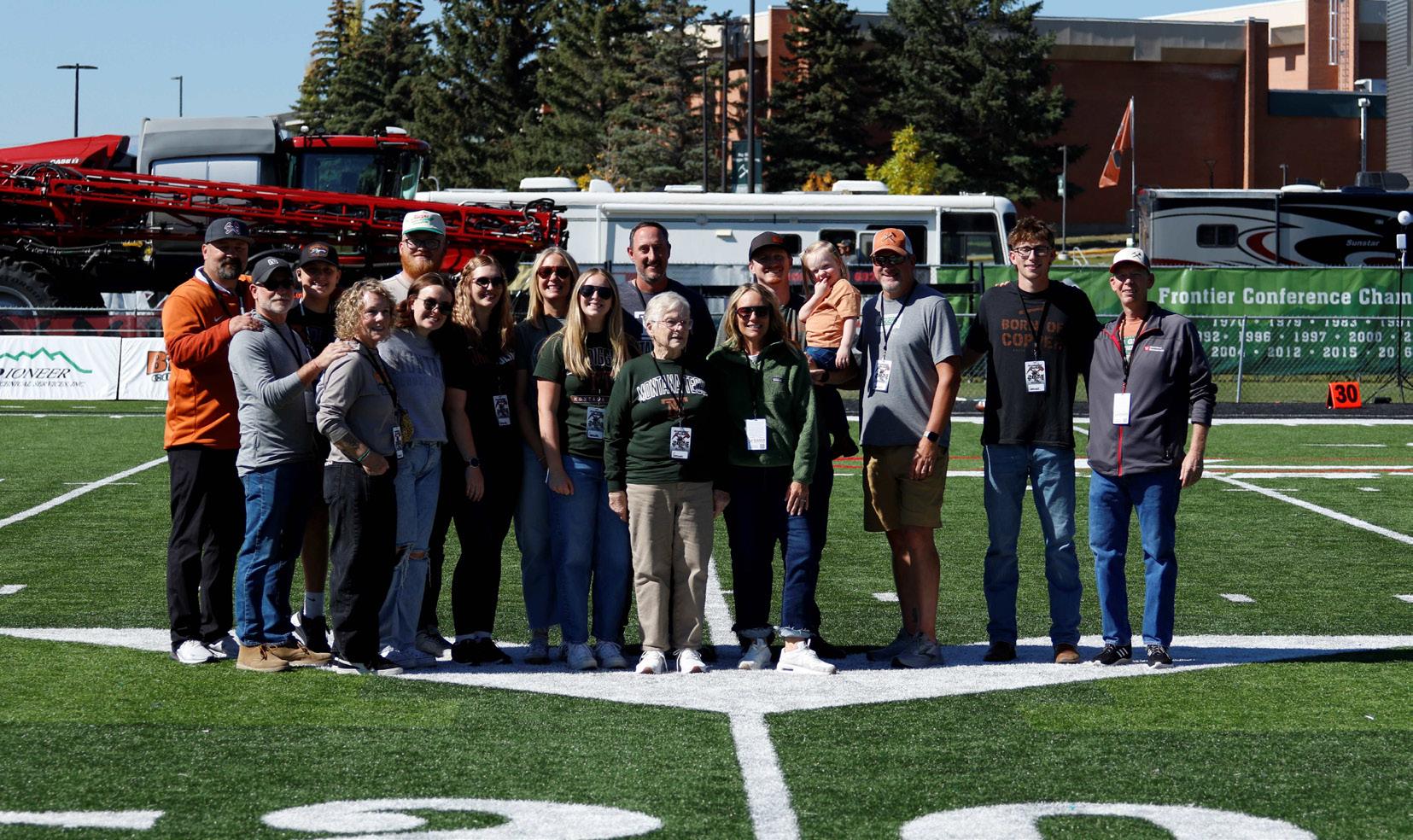
Another inspiring milestone this year was the establishment of the Digger Green Athletic Endowment, honoring legendary coach and beloved Butte community fixture Bob Green. The initiative, spearheaded by Tech alumnus and former football student-athlete Eric Jacobsen, has already surpassed $1.2 million and continues to grow—cementing Coach Green’s legacy for generations of student-athletes to come.
The Foundation also proudly recognizes a transformational gift from the Dennis and Phyllis Washington Foundation, in partnership with Montana Resources, which has donated $1.1 million to establish the John Francis “Frank” Gardner Memorial Endowed Scholarship. This scholarship will cover full tuition and fees for one Montana Tech student each year—renewable for four years—with preference given to Butte students majoring in Mining or Geological Engineering. This gift honors Frank Gardner’s remarkable legacy in mining and education while providing lifechanging opportunities for future generations.
As the University ushered in its second class of Lance Scholars, we are thrilled to share that the inaugural class achieved an impressive 81% retention rate— higher than the University average. These exceptional students, hailing from counties across Montana, are pursuing life-changing opportunities made possible by Ryan and Lisa Lance’s visionary investment in renewable scholarships that fuel educational access and success.
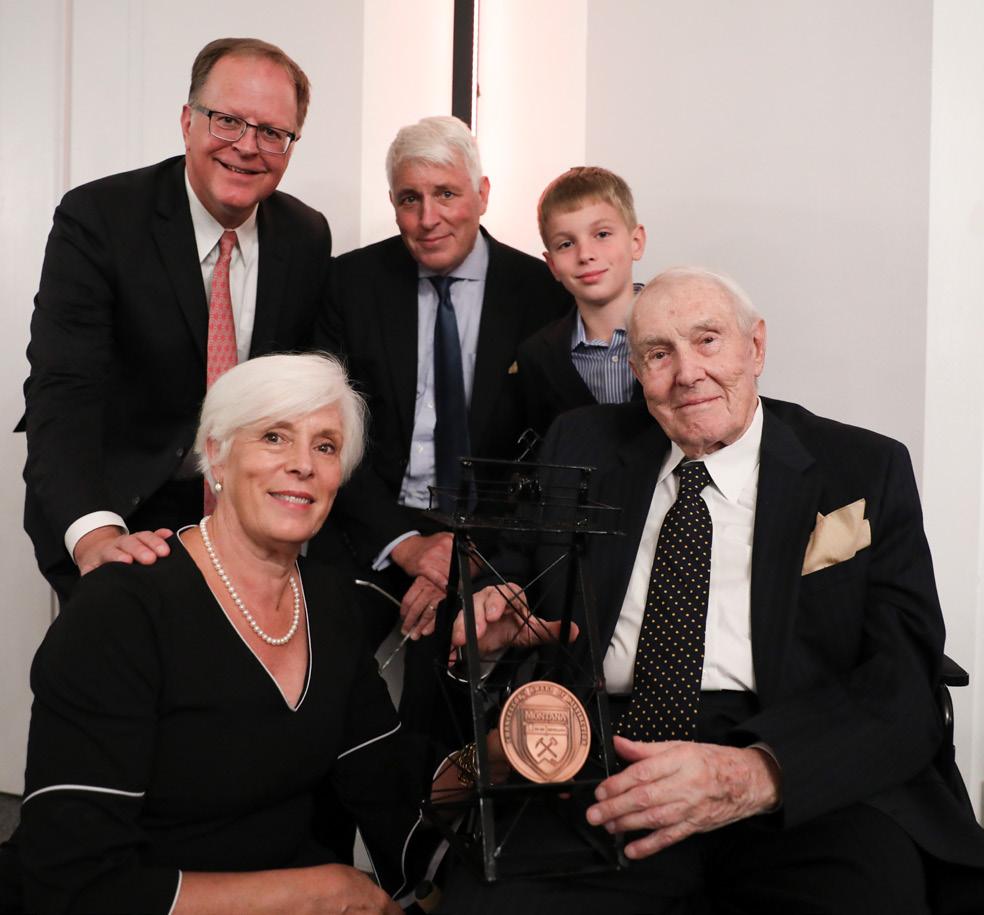
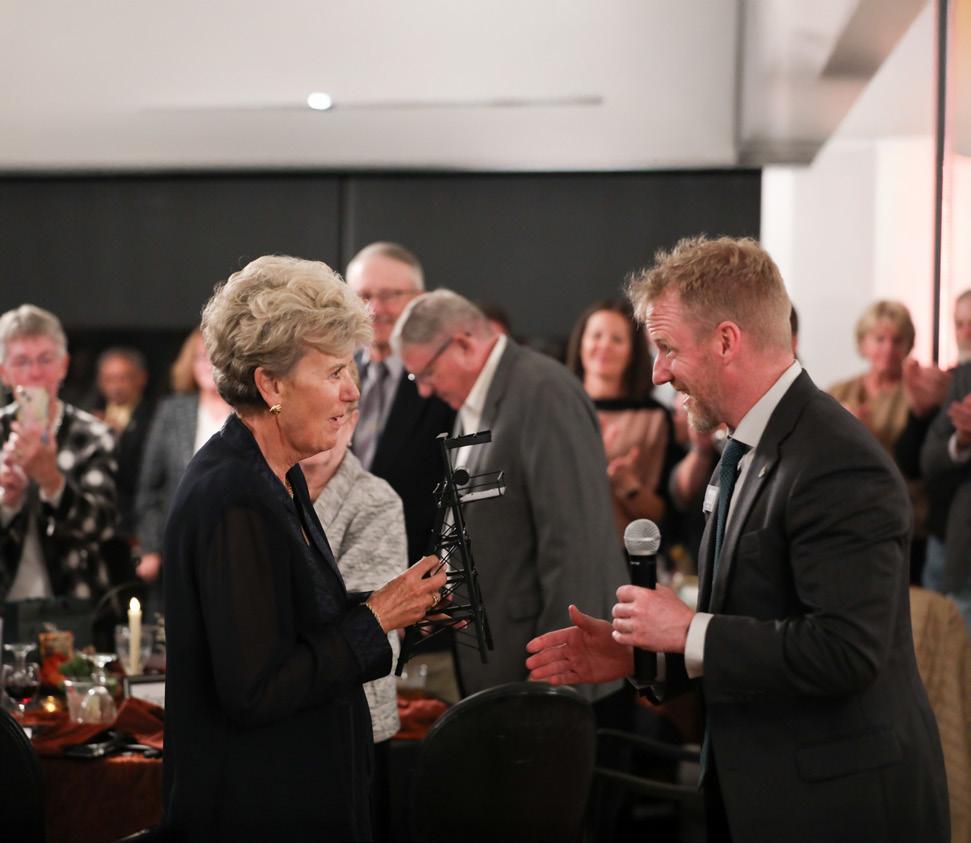
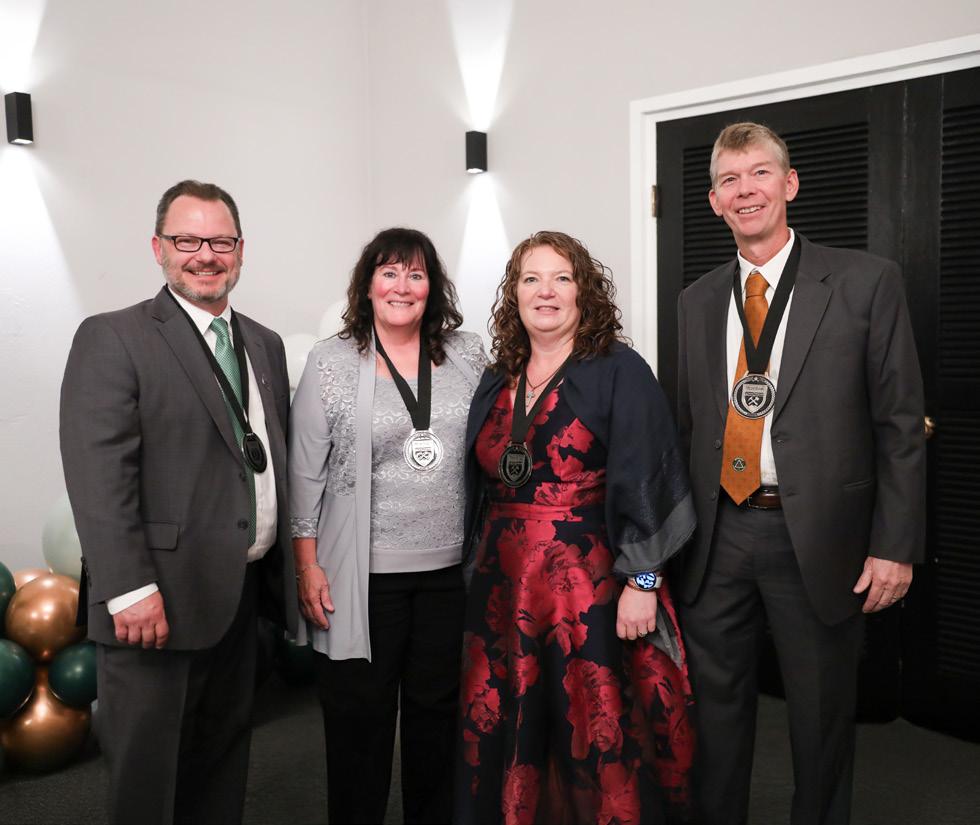
In celebration of Oredigger excellence, Montana Tech recently recognized this year’s Distinguished Alumni Award and Chancellor’s Award of Distinction recipients—each a shining representative of what it means to be an Oredigger.
This year’s Chancellor Award of Distinction honorees include:
Gordon Parker
B.S. Mining Engineering, ’58
M.S. Mineral Dressing Engineering, ’59
Julie Bossard Norman
B.S. Occupational Safety and Health, ’78
This year’s Distinguished Alumni honorees include:
Stacy Aguirre
A.S. Engineering, ’86; B.S. Engineering Science, ’87
Marjorie McDonald
B.S. Safety, Health Industrial Hygiene, ’05
Kevin McDonough
B.S. Environmental Engineering, ’97
M.S. Mining Engineering, ’99
Jack Standa
B.S. Mining Engineering, ’89
Their leadership, integrity, and commitment to their fields embody the spirit of Montana Tech and continue to inspire our community and the next generation of Orediggers.
None of these achievements would be possible without the unwavering support of our donors, alumni, families, friends, community members, and industry partners. Together, we are shaping Montana Tech’s next 125 years—built on a legacy of excellence, innovation, and impact.
As we look ahead, the Montana Tech Foundation will continue to:
Expand annual, endowed, and renewable scholarships to attract and retain top students;
Advance campus infrastructure through modernization and prioritized capital projects;
Strengthen research and innovation by building partnerships with private foundations and leveraging the expertise of Tech’s exceptional faculty to address today’s most pressing challenges in STEM, healthcare, and workforce development.
The future is bright for Montana Tech—and together, we’re just getting started.
Thank YOU and Roll Diggs!
- Montana Tech Foundation Team
We share our heartfelt sympathy with the families of the alumni listed below who have passed away in recent months.
1950 s
1960 s
Barry J. Hansen
BS Metallurgical Engineering ‘58
Robert G. Sheridan
BS Petroleum Engineering ‘58
Keith E. Dyas
BS Mining Engineering ‘64
Professional Engineer of Mines ‘82
Harold E. Hopewell
BS Mining Engineering ‘62
Arthur Montana
BS Geological Engineering ‘61
Melvin E. Poad
BS Geological Engineering ‘62
1970 s 1980 s
Alan J. Schuyler
BS Environmental Engineering ‘77
Byron R. Gale
BS Petroleum Engineering ‘86
Dennis D. Schwecke
BS Petroleum Engineering ‘83
Donald J. Webster
BS Metallurgical Engineering ‘87
M Mineral Processing Engineering ‘89
Pat Williams
Honorary ‘87
2000 s 2010 s 2020 s
Curtis E. Cannell
M Industrial Hygiene ‘99
Judy A. Cerise
AS Associate of Science ‘97
BS Business & Information Technology ‘98
Terry D. Hayward
A Drafting Technology ‘95
Lawrence R. Mayo
BS Computer Science ‘93
William L. Seaman
AS Associate of Science ‘93
AS Networking Technology ‘01
BS Information Technology & Design ‘03
Michelle M. Vincent
BS Society & Technology ‘96
Jeffery R. Funke
M Industrial Hygiene ‘01
Taylor S. Olson
M Project Engineering & Management ‘15
Curtis J. Conant
BS Business & Information Tech/Accounting ‘21