o r t f o l i o
About me
Education Work experiences Skills Contact information
o r t f o l i o
About me
Education Work experiences Skills Contact information
Selected academic projects from Architecture Course (NUS)
Sharing city Masterplan One North, Singapore
“Let’s Live Together” Architecture (residential)
Modular, configurable residential units for multitude of sharing in sharing city.
Textile Art and Recycling Center Architecture (recycling plant and art center for textile)
Singapore
Nyengseret’s Waterfront Masterplan & Urban Design Bandung, Indonesia.
Internship project in PRODUCE / Type 0 Architects
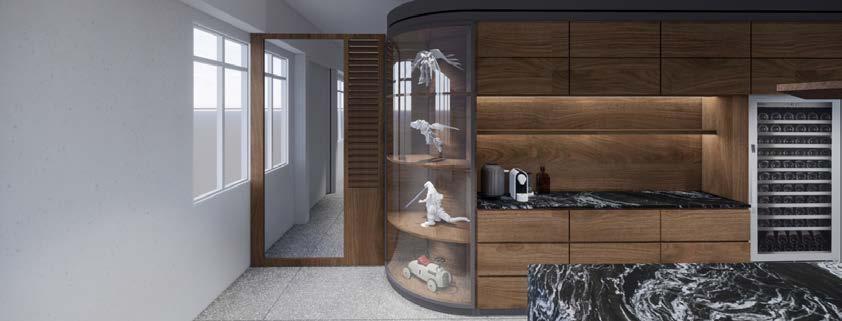
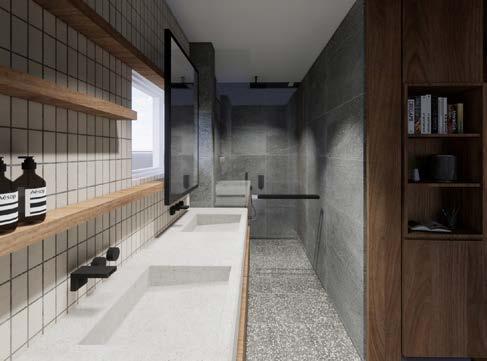
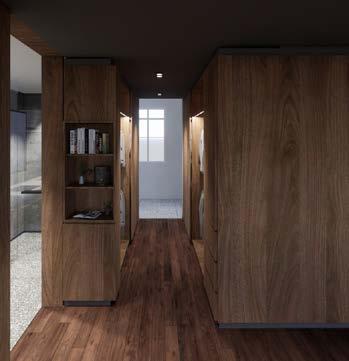
Cavenagh house
Singapore
Interior design
Academic project from Google
UX Design Professional Certificate Course
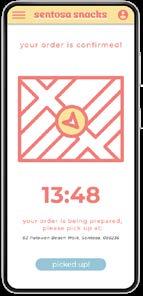
Sentosa Snacks
Mobile app for beach side snack shop
Singapore
A collection of personal projects
Flat illustrations Photography
monicabernadettek@gmail.com
September 2023 - present
Store Planning and Project Management Executive
Metro Pte Ltd (Singapore)
July 2019, Feb 2020 - Jun 2020
Architectural Intern
Mitsubishi Jisho Sekkei Asia
Dec 2018 - May 2019
Architectural Designer
PRODUCE / Type 0 Architects
Education
Graduated in 2021
National University of Singapore (NUS)
2022
Google (Coursera)
Architecture design
Interior design
Urban Planning
Urban Design
User Experience Design
Photography
Illustration
Jewelry Design and Making
Leather crafting Wheel Pottery
Activities
· Orchestrated multiple construction projects in store, including retail fit outs and multiple external events, ensuring adherence to strict timelines, budgets, and quality standards.
· Coordinate cross-functional teams of store operations, buyer, visual merchandising, brands contractors, and subcontractors to achieve project objectives and deliver exceptional results within agreed budget, timeline, brand/ store/venue guidelines, as well as safety and local authorities standards.
· Established effective communication channels with retail stakeholders, including corporate managements, visual merchandise team, buyer, retail operations teams, brands, and other relevant stakeholders, to align project objectives with business goals and deliver exceptional retail environments.
· Initiate the utilization of project management software (Microsoft Project) and tools to track progress, manage resources, and generate comprehensive reports for stakeholders.
· Managed procurement processes including vendor selection, contract negotiation, and materials purchasing, optimizing resource allocation, and minimizing project delays.
· Prepare various documents including but not limited to CAD drawings, design guidelines, diagrams, and more for brands’ perusal, layouts for Metro’s internal and external activities, and for store design matters inclusive of interior and fixtures designs.
· Conducted thorough site inspections and quality control measures to ensure compliance with building codes, safety regulations, and Metro’s SOP, both during construction and regular operational period.
· Model making, Cad drawing, 3D modeling, mood board, diagram making, client presentation preparation.
· Interior design of bungalow, condominium unit, healthcare clinic, cafe.
· Concept ideation and research for hot spring hotel, headquarter office, restaurants and competitions.
· Client and contractors meeting, presentation, and coordination.
· Demonstrated commitment to continuous improvement by analyzing project performance metrics, soliciting feedback, and implementing lessons learned to enhance future project executions. Google User Experience (UX) Design Professional Certificate AKIID Orientation
Bachelor of Arts (Architecture) with Honours, specialising in Design, Technology and Sustainability (DTS)
Leadership
Project Coordination
Project Management
Timeline management Budget management
Keen eye for design
Quick learner Independent worker Team player
CityEx Exhibition Nominee Architecture Construction project on 3D printed skyscraper.
Vertical Joint Studio with Parahyangan University
Urban planning and waterfront design for Bandung’s city Nyengseret, presented to Ridwan Kamil, Mayor of Bandung city.
Adobe Photoshop
Adobe Illustrator
Adobe InDesign
Adobe XD
Adobe Lightroom
SketchUp
Rhinoceros
ArchiCAD
AutoCAD
Figma
Microsoft Office Suite
English (Fluent) Bahasa Indonesia (Native) Bahasa Melayu (Professional) Chinese (Basic)
Arch + Art Summer Course by Universitas Gadjah Mada (Indonesia) participant.
CityEx Exhibition Nominee (Design) One north’s masterplan and residential design based on sharing concept.
Dual City Workshop by Meiji University participant Ho Chi Minh’s waterfront masterplan planning, ideation and presentation.
CLMV Student Conference by Meiji University participant
architecture [ ahr-ki-tek-cher ]
the profession of designing buildings, open areas, communities, and other artificial constructions and environments, usually with some regard to aesthetic effect. Architecture often includes design or selection of furnishings and decorations, supervision of construction work, and the examination, restoration, or remodeling of existing buildings.
Sharing City Masterplan
One North, Singapore
Dr Zhang Ye
Year 4 Semester 2 (Part 1)
Jason Cheong, Lim Yih Xi, Yeo Yann Herng, Jessica, Lim Yu Heng, Hui Shang, Wei Chuan, Lin Zhuo Li, Jack
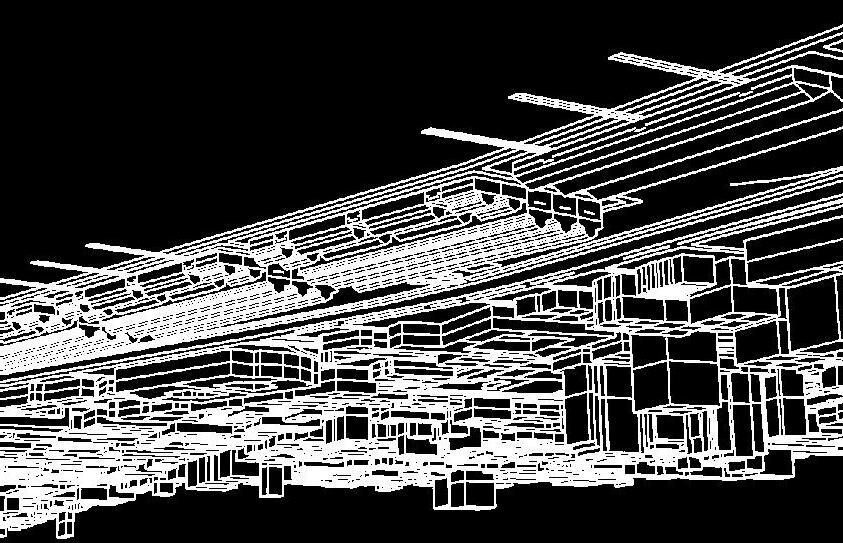
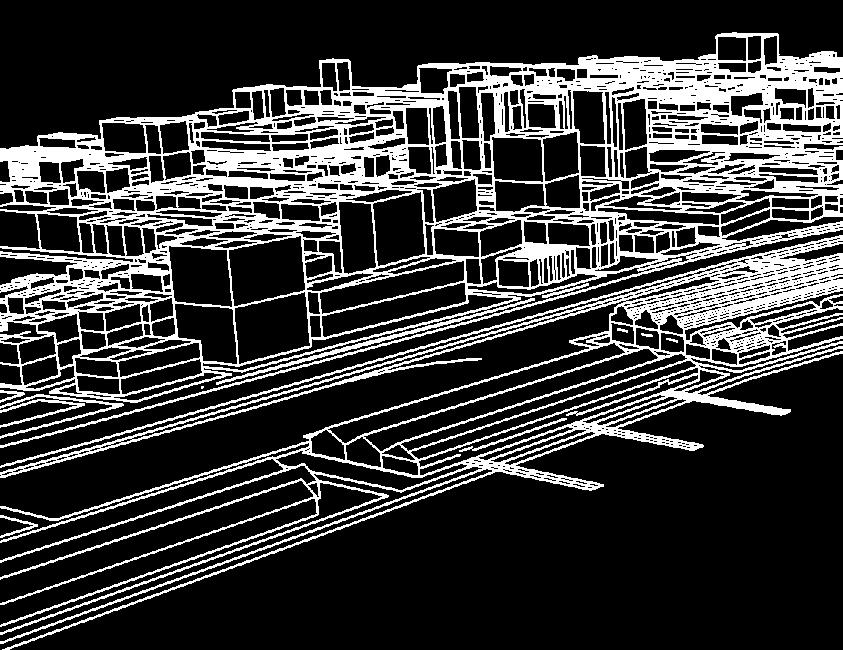
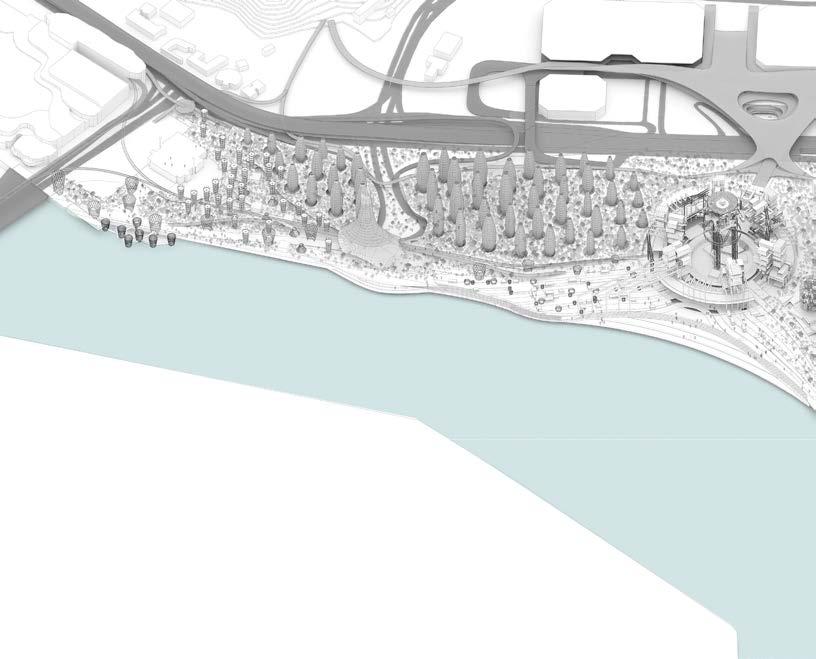
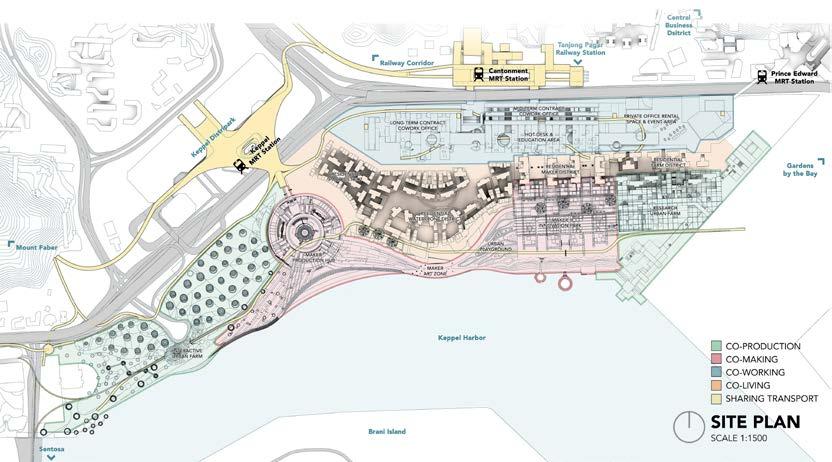
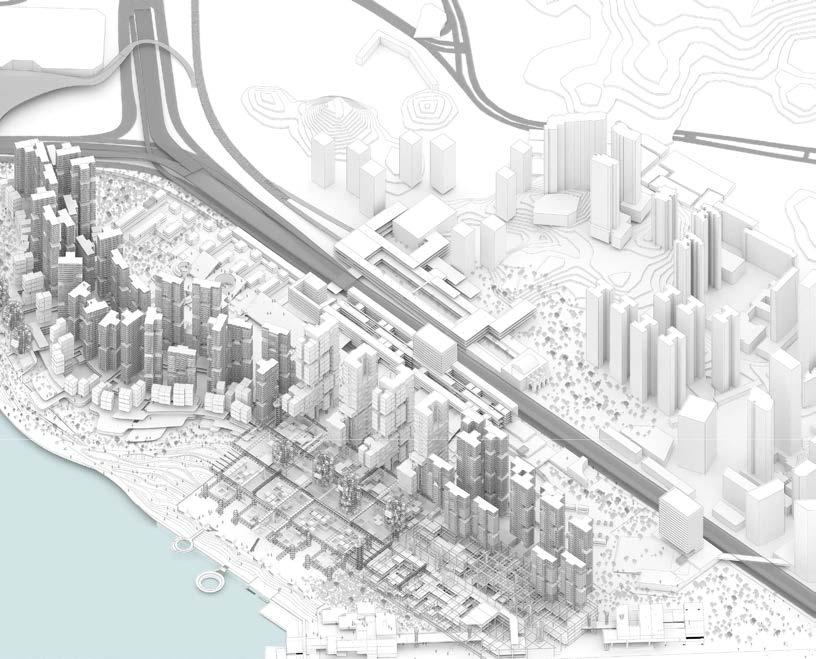
Building on the basis of the prevalence of the sharing economy in Singapore, the current Tanjong Pagar Terminal is envisioned as an experimental site for a future model of living that combines the collective forms and modes of sharing that permeates through different facets of living and social interactions. This site is a testbed for experimentation, analysis and evaluation of different forms of participation, sharing and collaboration that can be promoted in a high density, tropical urban environment. Everyone in the neighbourhood, including residents, workers, visitors, etc., is seen as a potential participant in certain activities that will ultimately produce meaningful sharing through co-production, co-consumption and collective interaction.
This design project aims to uncover the meaning of the notion of sharing and what exactly does it entail through the various exchanges between people in the urban context of Singapore. Through research and appropriate extrapolation of current trends and circumstances, the different layers of society further explored by the studio are through sharing of new modes of transportation, co-production of food and waste, co-making in the form of entrepreneurship and maker culture, co-working through projectbased working community and open communities for continuous learning and co-living that models out a new mode of shared living through customization of spaces and builds upon daily encounters that revitalises the future urban scene. These different facets of every day occurrences and needs are layered upon each other, each interconnecting and intertwining as they constructs and structures social and economic factors. In this neighbourhood anatomy, each system works together in a natural and built proposed environment. The intentions of this design studio is to question the idea of the urban commons in the sharing economy, identify the sharing culture and challenges posed, conceptualize and design for the spatial typology and architecture of sharing circumstances in an urban framework to accommodate and facilitate this phenomenon. While this masterplan and architecture design result in one possibility of many future potentials, this design studio commendably raises issues and provides solutions of certain degree to help facilitate further discussion and debates in an attempt to address the future, highlighting the best and worst of imminent circumstances.
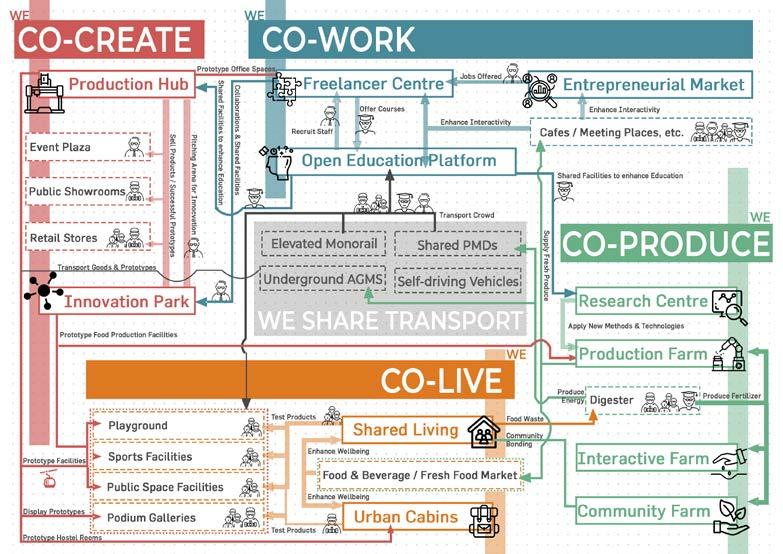
SHARING MASTERPLAN DIAGRAM
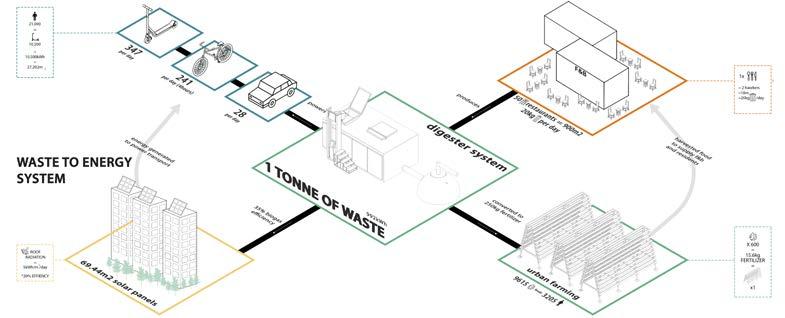
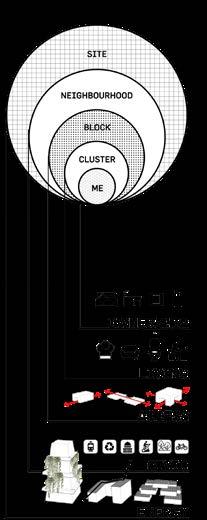
RESOURCES SHARING DIAGRAM
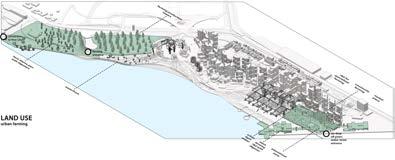
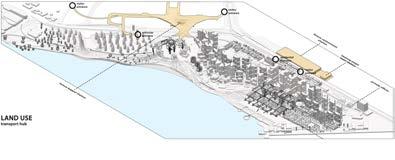
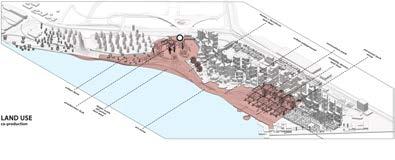
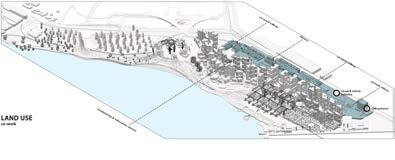
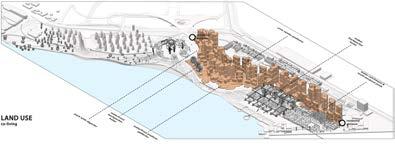
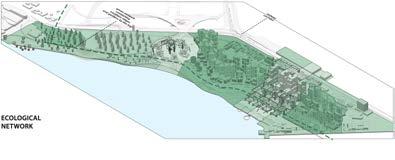
Residential Component Design
One North, Singapore
Year 4 Semester 2 (Part 2)
Dr Zhang Ye
Jason Cheong, Lim Yih Xi
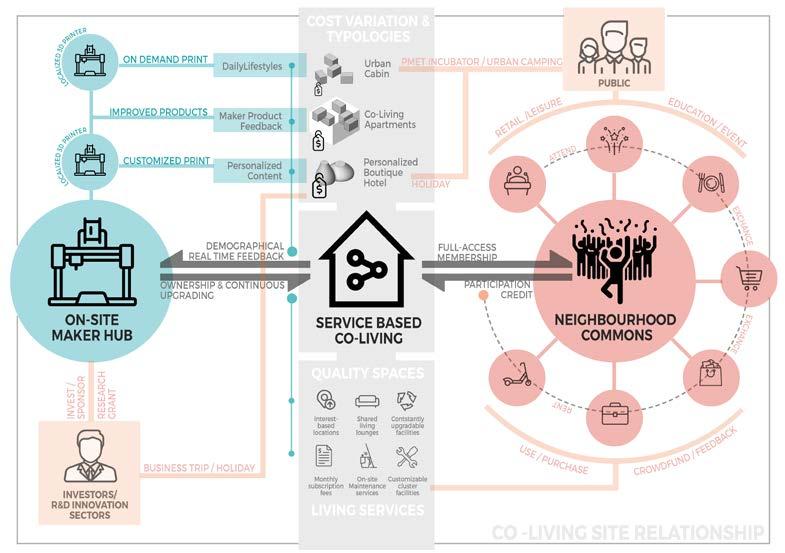
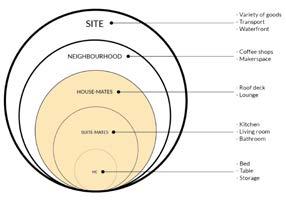
Co-Living tackles and explores a new typologies of shared living, focusing on differing scales of sharing - from the self to the larger community - in order to create a symbiotic relationship between the site and its systems. The scheme revolves around 3 main premises:
(1) The context of site as a test bed, with ownership as a collaboration between multiple innovation sectors. The Maker Hub as main product incubator and innovation centre maintains ownership and maintenance of housing under a circular economy. In return, residents participate through their inclusion in a feedback loop, monitoring product and spatial use, while enjoying the latest protoypes and product.
(2) The premise of owning less and sharing more as mirrored by sharing economy trends today. Housing in this scheme relies on an affordable subscription model which grants the subscriber premium access to different sharing nodes on site. Ownership is reduced at an individual scale but through new typologies, sharing is expanded on multiple urban levels.
(3) The parameters of accomodating 21,000 people on site, based on co-production estimates for a self-sustainable community.
The identity of the site as test bed curates a living community made up of PMETs, students, tourists and backpackers. The design of shared living is approached through different scales, defining layers and aspects of specifc urban life that can be shared economically and logically, while crafting spatial relationships that encourage shared identity and altruism through neighbourliness.
The urban strategy characterizes 4 main districts (Park, Waterfront, Maker & Farm) to create an identity with characteristics to different sharing nodes on site. The ground floor podiums house and centralize urban functions, as well as provide accessibility on different levels, creating a seamless pedestrian network as a foundation for sharing to take place.
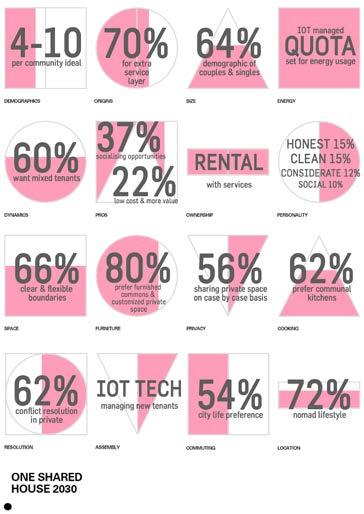
Co-living Preference Survey by IKEA (One Shared House 2030)The survey shows preferences regarding shared housing which serves as the basis for the design of our co-living experience.
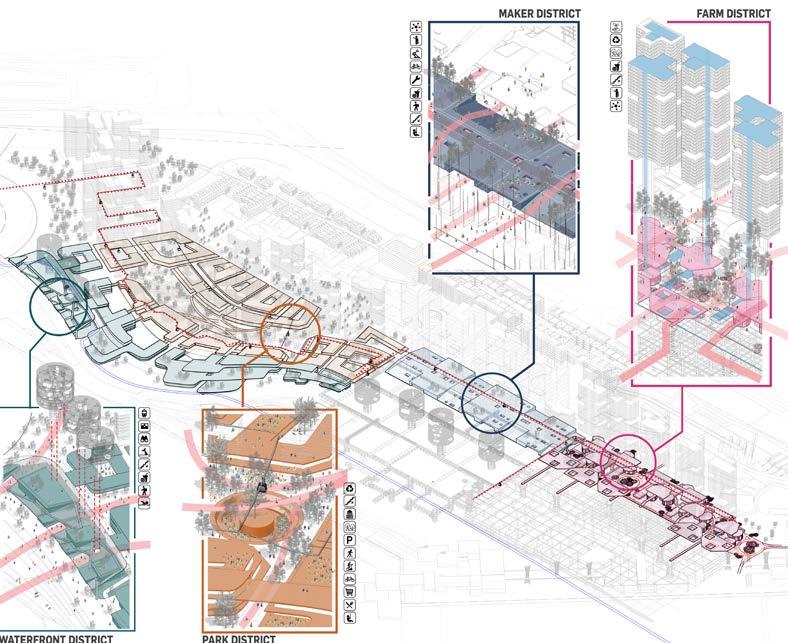
The urban strategy characterizes 4 main districts (Park, Waterfront, Maker & Farm) to create an identity with characteristics to different sharing nodes on site. The ground floor podiums house and centralize urban functions, as well as provide accessibility on different levels, creating a seamless pedestrian network as a foundation for sharing to take place.

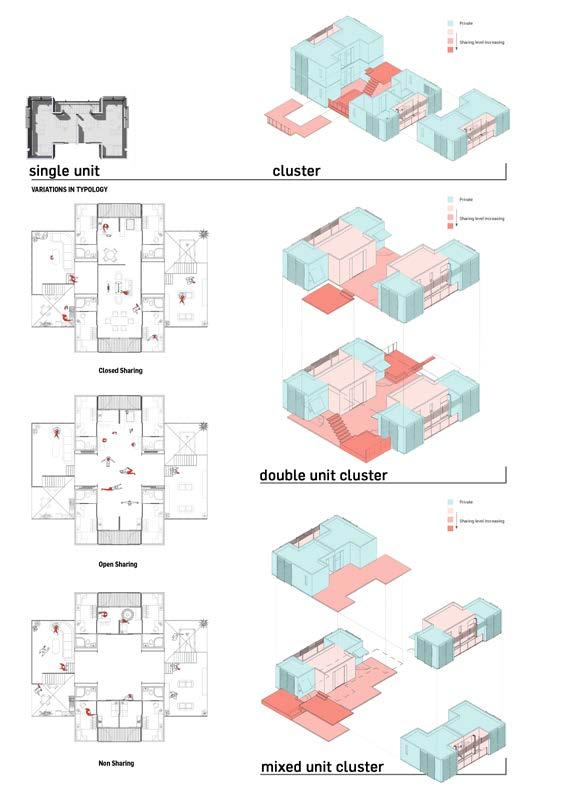
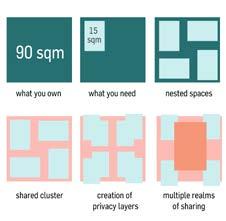
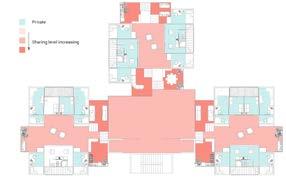
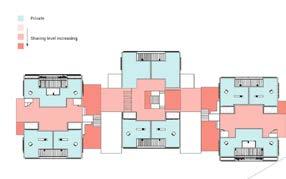
The house becomes a flexible cluster with clearboundaries of private space and ambiguous pockets of expandable shared space. The block layers privacy and visual interaction horizontally and vertically, while ground floor podiums provide the precursor to sharing on site - accessibility and spillover spaces for other nodes. On an urban scale, residential density incorporates solar panels, pneaumatic waste management systems and water harvesting for shared energy generation.

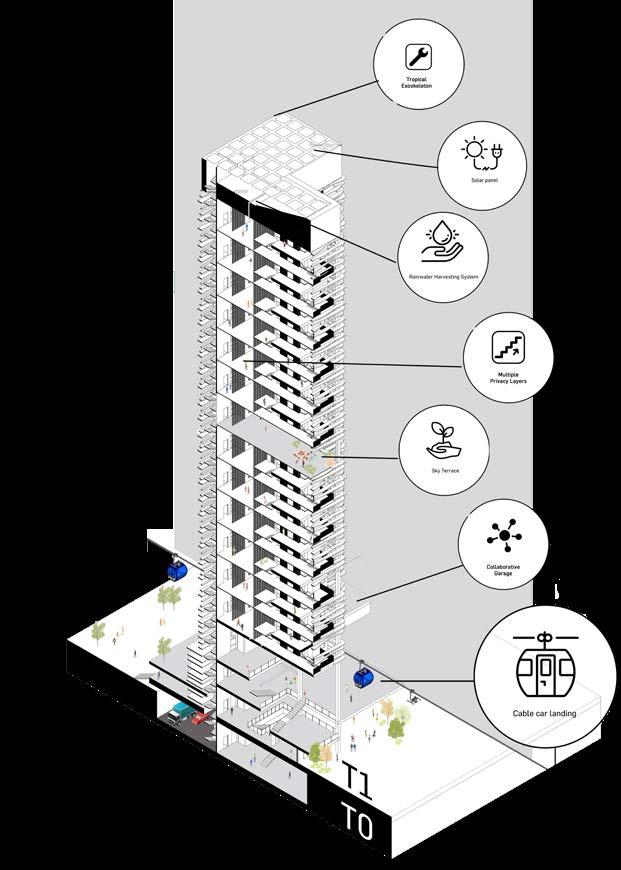
Sectional isonometric on the right shows how the block incorporates various system and facilities to be shared by the residents as well as visitors.
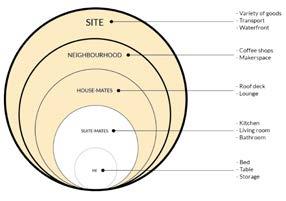
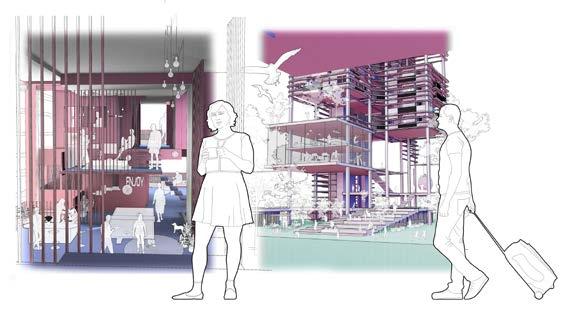
Actors on site and imagined relationship to differring scales (residential block)
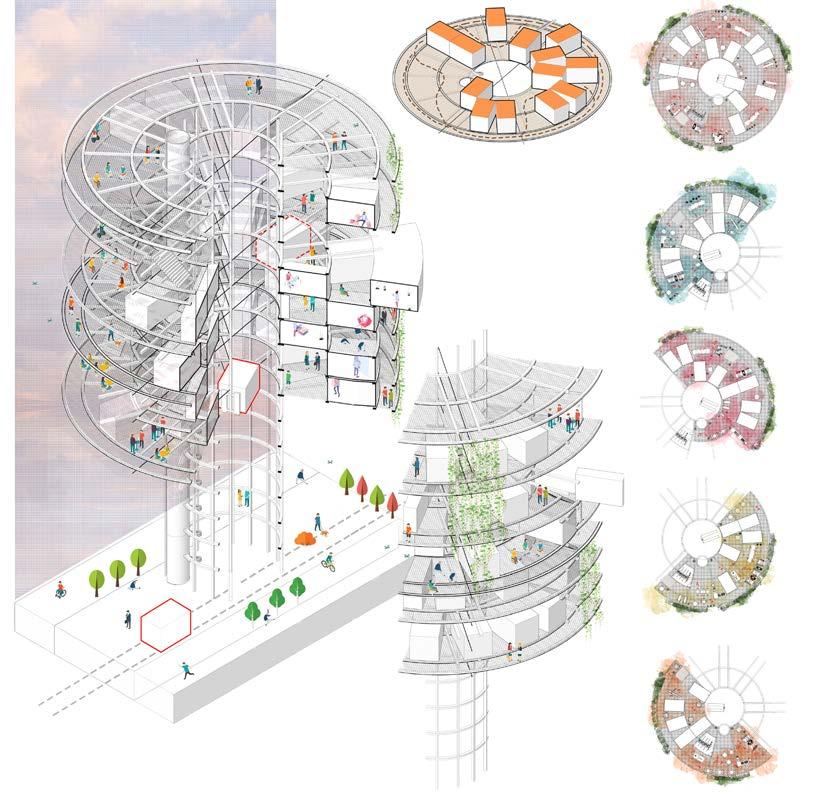
Sectional isonometric above shows a block of urban cabin - a modular, on demand spatial structure to accommodate short term activities such as pop up cafes and tourist stays.
Actors on site and imagined relationship to differring scales (urban block)
Architectural building design
Singapore
Year 3 Semester 2 (Part 2)
Dr Tsuto Sakamoto
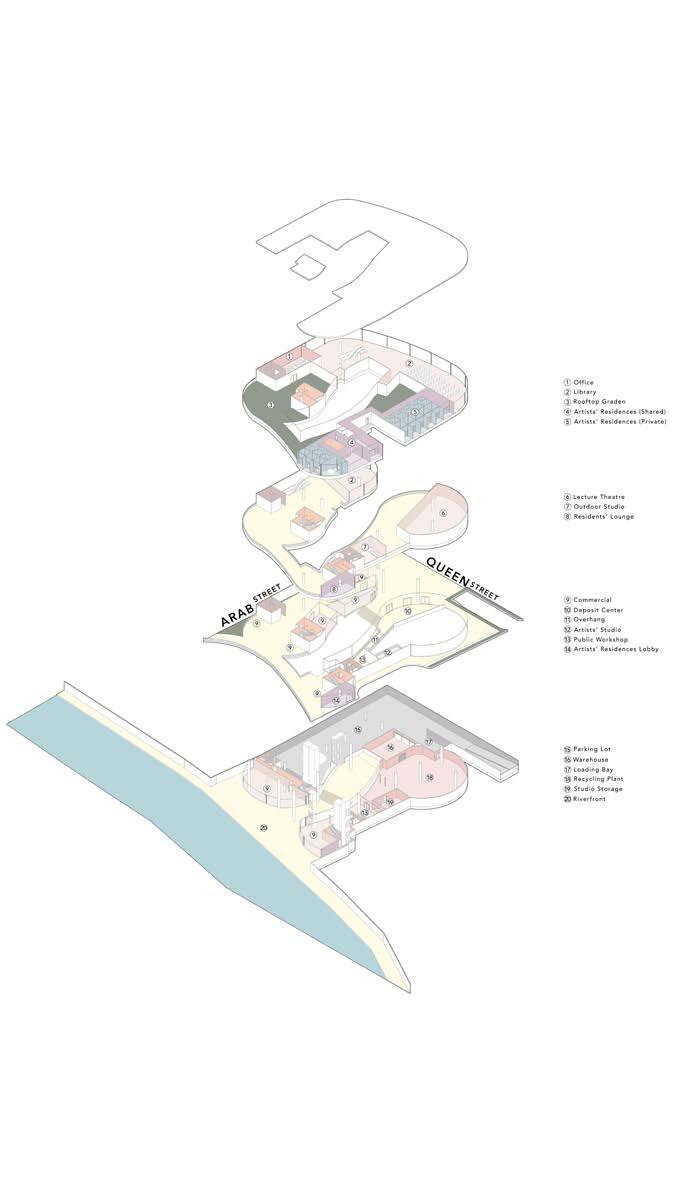
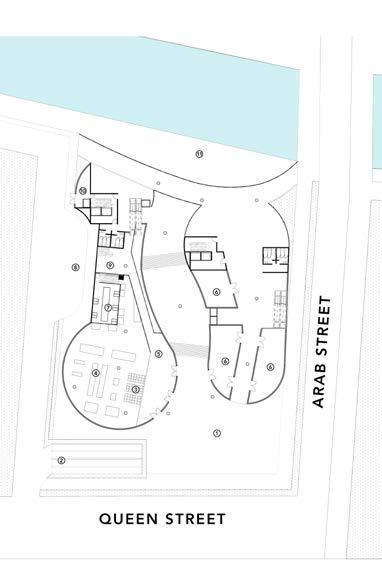
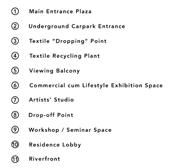
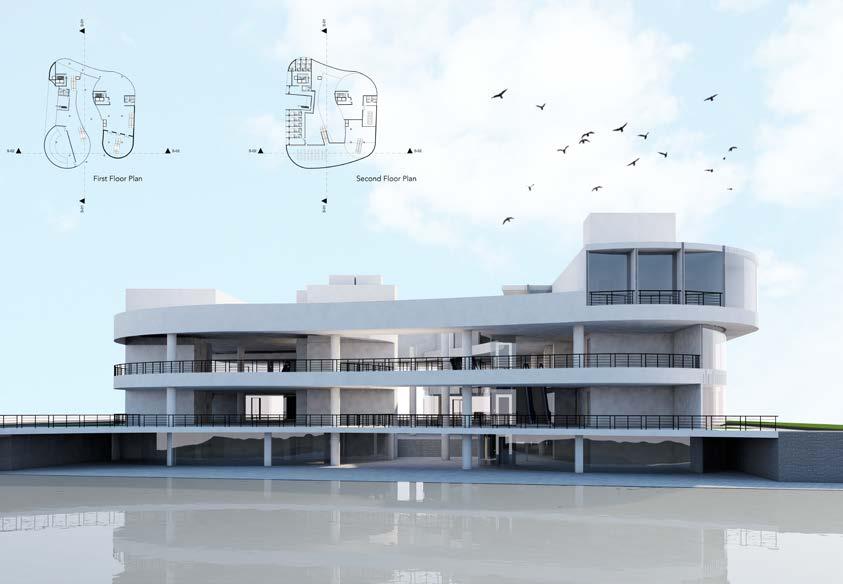
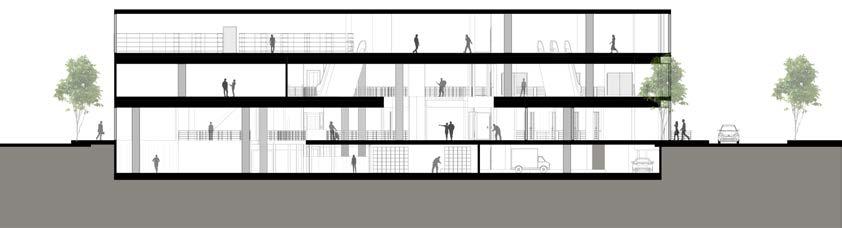
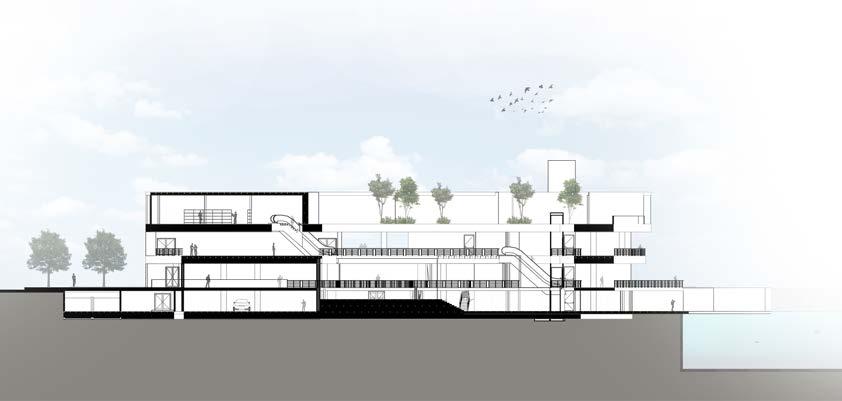
Responding to the rich history of textile trading brought by people of differing backgrounds to Rochor as well as the long-ignored problem of textile wastage in Singapore, a Textile Art and Recycling Center is proposed.
While functionally it aims to house artists from around the globe to create textile related art, recycles and also educates people about textiles, it also seeks to be another landmark of Rochor. This is to “weave” the gap that currently breaks the continuity of Rochor’s movement.
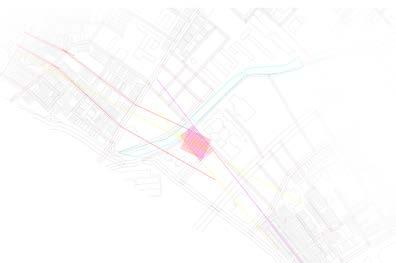
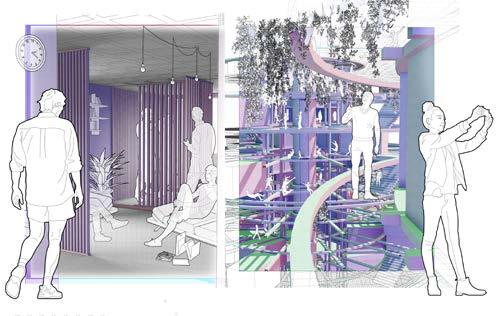
Weaving Rochor with history - using grids of the past to create a guide for designing spaces inside Textile Art & Recycling Center. Main Circulation in the building connects directly to the river.
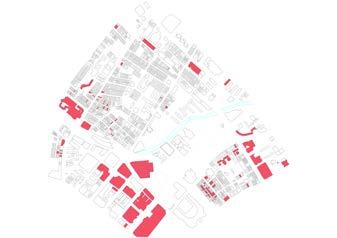
TEXTILE DENSITY
Diagram on the right shows textile related programme surrounding the site of which the project is designed on.
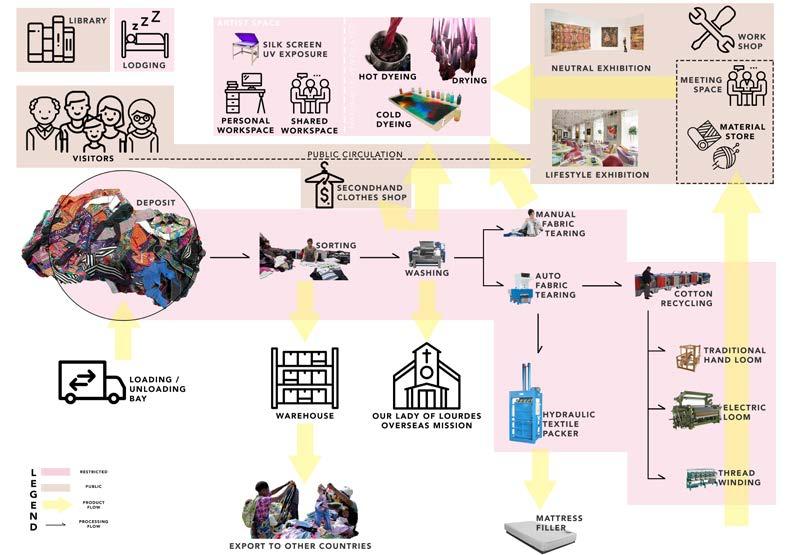
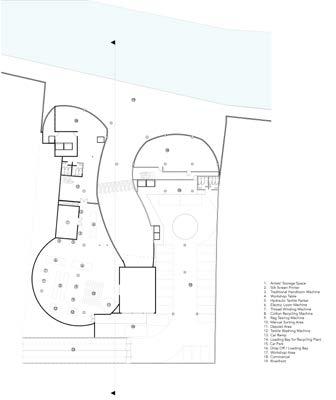
Study diagram of textile recylcing processes to be implemented in the center
Masterplan Bandung, Indonesia
Year 3 Semester 1 (Part 1)
Dr Tan Beng Kiang & Prof Fung John Chye
Christopher Cheng, Floris Dreesman, Lim Ji Young and Li Can.
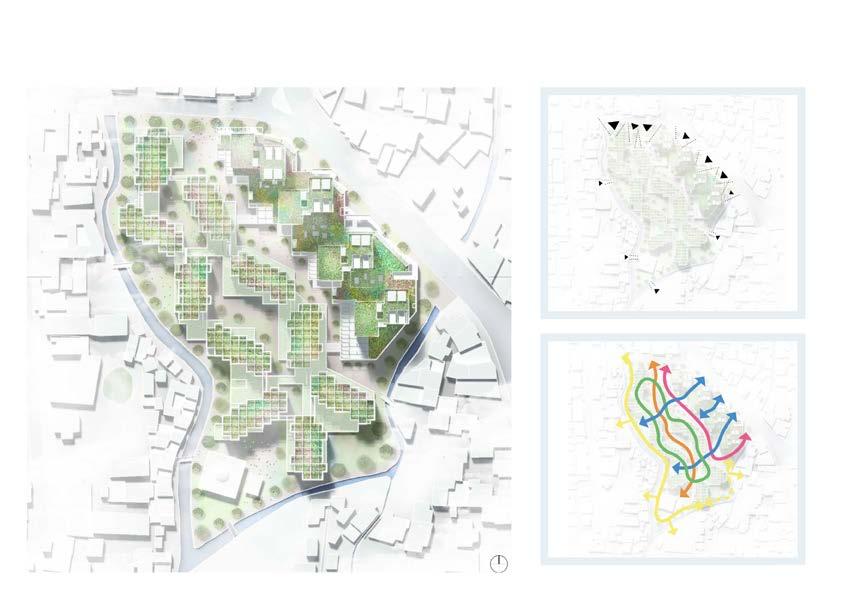
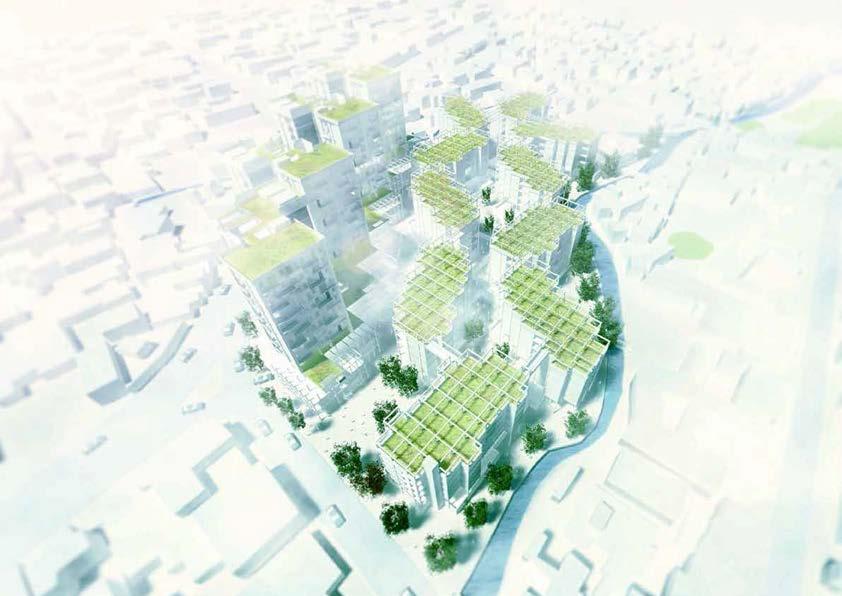
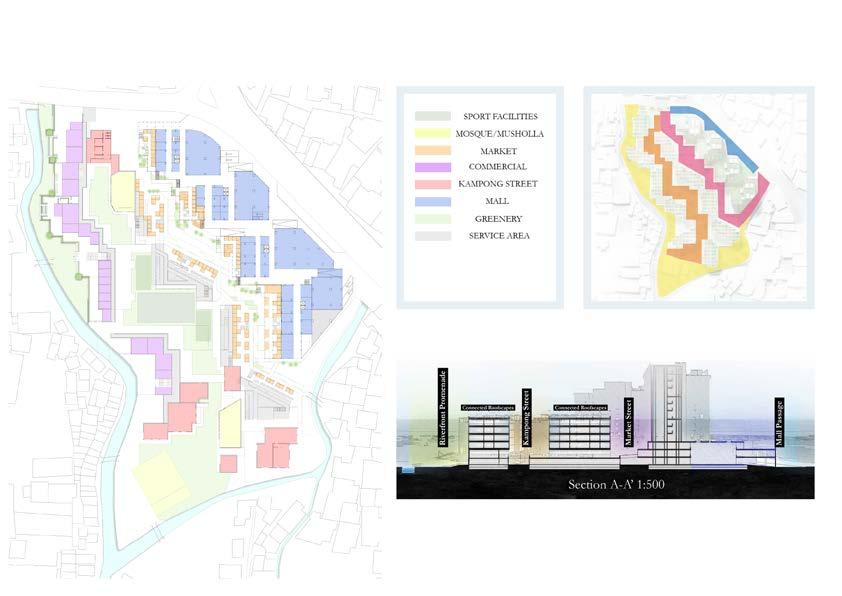
The masterplan ‘Linkways’ intends to create a lively and diverse neighborhood whereby connection is key. Connecting the residents, living in both the subsidized and nonsubsidized housing, the people living in the surrounding area and the visitors and consumers - of both the mall, the market and the shops and restaurants. Three main arteries through the area create several distinct atmospheres and functions: Market Street, Kampong Street and the Riverfront Promenade. Lateral connections ensure integration of these areas: Bridges connects the mall and the market podium, the surrounding neighborhoods, and between the podiums.
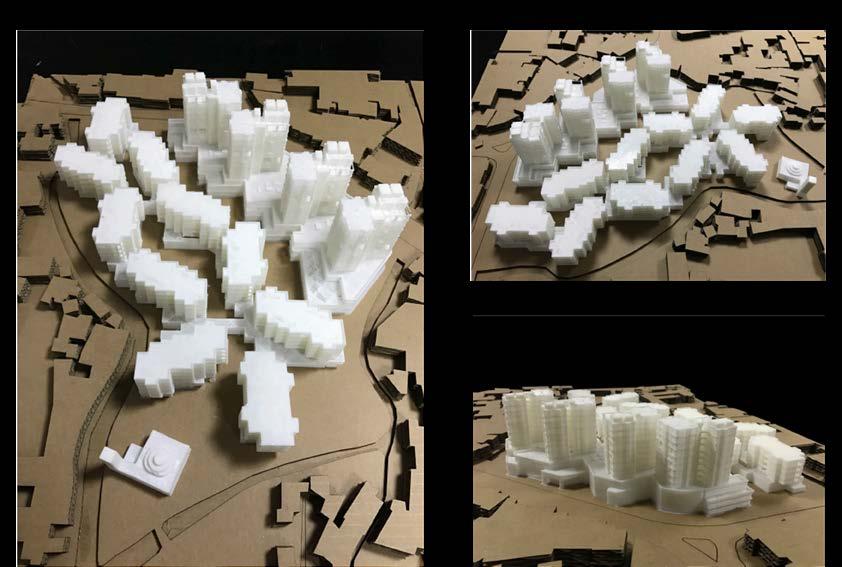
The podium in between the street has extensive and diverse commercial and communal functions, optimizing economic and social functioning. We see this as crucial to successful and viable development of the area and therefor purposely added to the program’s initial requirements. A uniform constructional grid allows for great standardization and easy, safe and cheap construction and expansion with local involvement and extension possible. Through modularization the infll can be constructed locally, effciently and cost-effectively through benefting the economy of scale. The residential buildings are kept to 6 stories, extendable to a maximum of 9, to keep regard of the human scale and maximize proper wind flow and sun exposure in the courtyard-like spaces and the streets.
In the initial phase the mall will be constructed as a whole, afterwards the subsidized-residential housing and podium will be built in a partby-part manner, making sure people can move right into their new homes without being temporarily displaced. The proposal aims to create a fne-grained, diverse and lively Nyengseret of which economic and social viability is keyhopefully allowing it to serve as an examplary Kampung redevelopment strategy!
Urban Design Bandung, Indonesia
Year 3 Semester 1 (Part 1)
Dr Tan Beng Kiang & Prof Fung John Chye
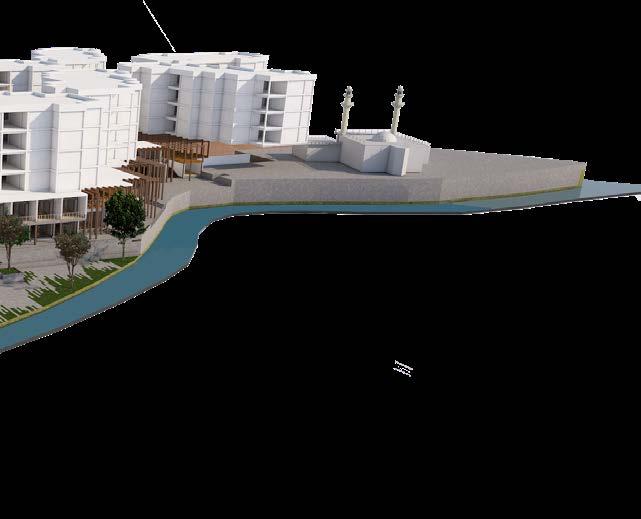
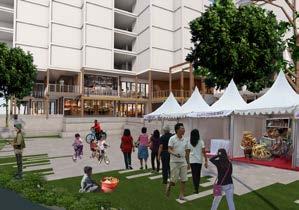
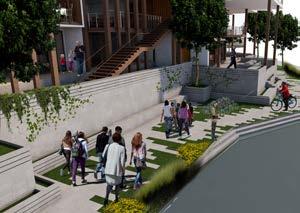
River promenade is stretched from jalan panjunan to the mosque at the tip of the site. as a space that is connected directly to the public via jalan panjunan and bridge link to the shopping mall and the residents from kampong street, it holds a lot of potential in bridging the two communities in.
The aim of this river promenade is to create a space that is more occupiable, so that both residents and public would use this space together. Based on a book by himanshu burte “spaces for engagement”, occupiability of a space can be increased by creating “rough” textures on the walls which thus will create pockets of spaces.
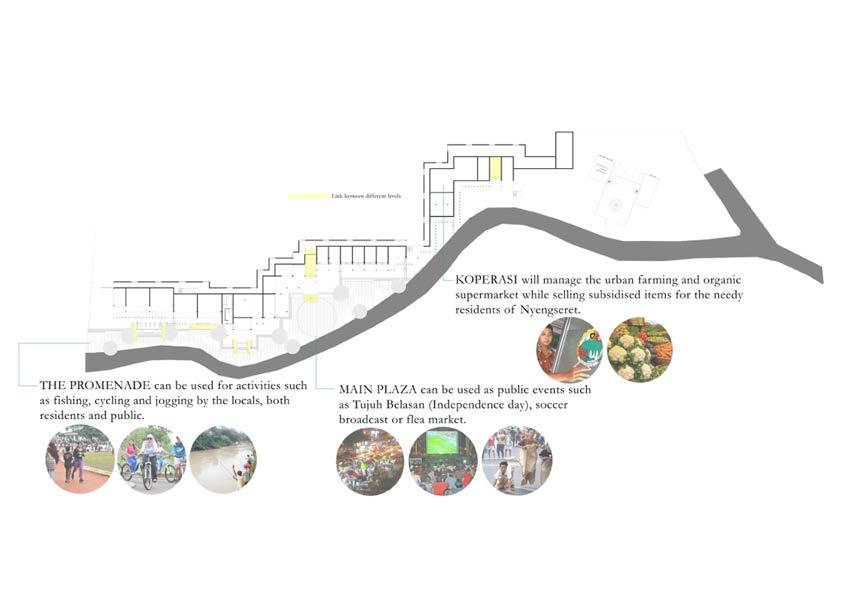
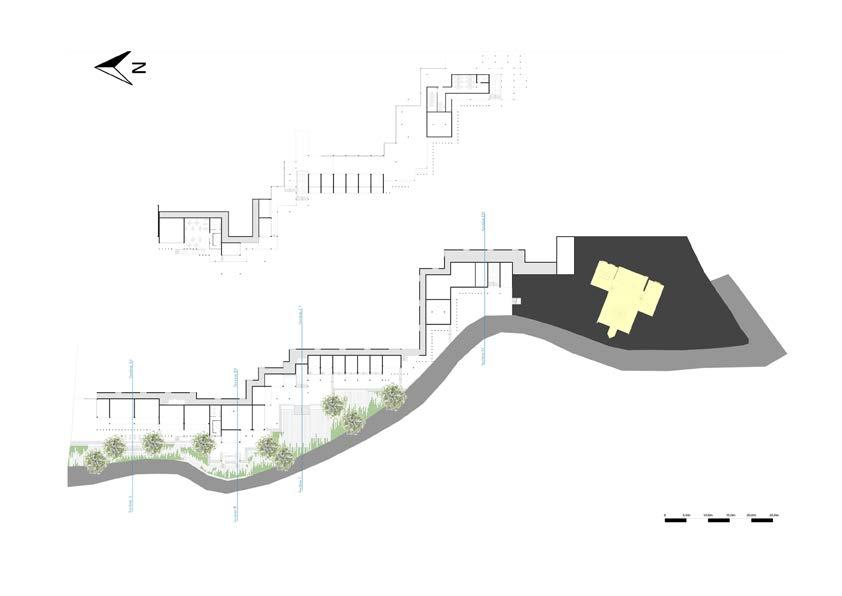
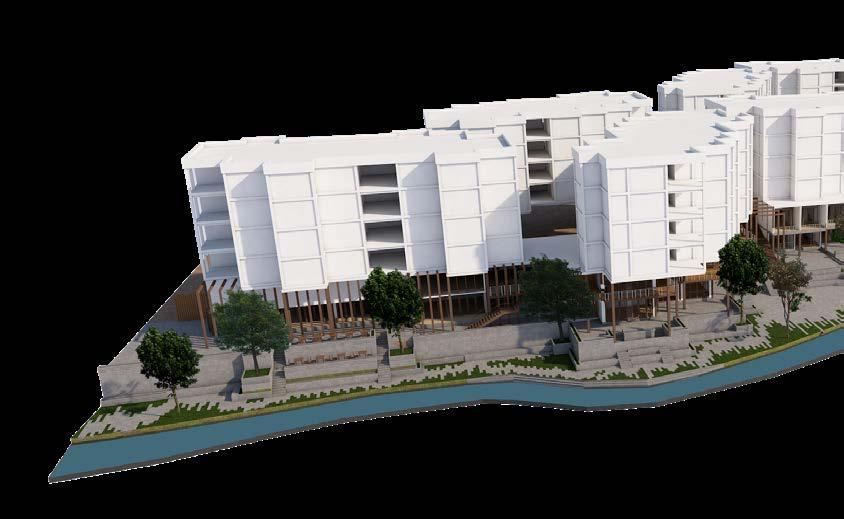
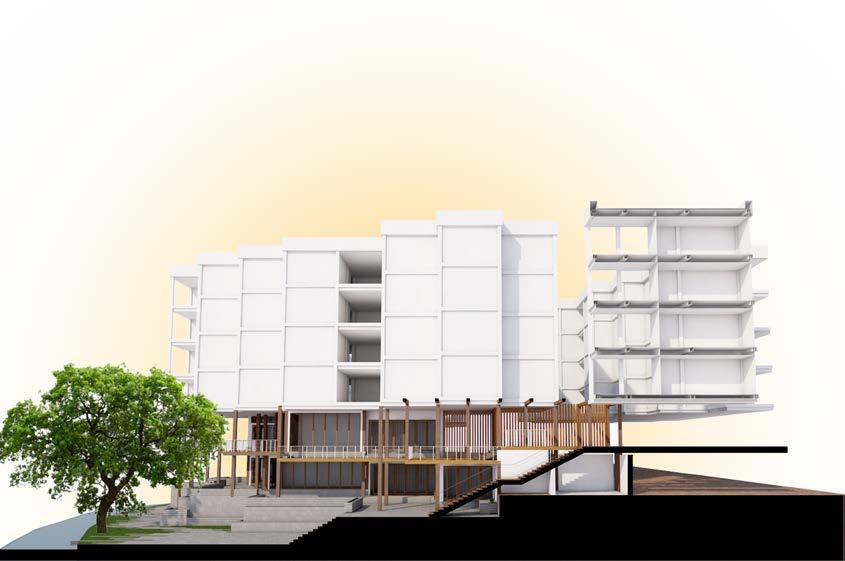
In times of need, the lower promenade can store the flood water from the river so that it will not harm the shops, residents and public outside of the site. The upper promenade is the main circulation connecting the main road and the mosque.
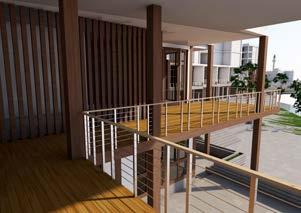
It is also where a series of shops slotted under the 2 level podium below the subsidised housing. the upper promenade is broken into a series of spaces with small threshold which is meant to be shared by the shops around it for outdoor seating area.
as an Architectural Designer in PRODUCE / TYPE 0 Architects: Model making, Client communication, Design of concept, floor plan, 3D build up, material mood board, as well as preparation of construction and tender documents under the guidance of Senior Architectural Designer and Principal Architect.
as an Architectural Intern in Mitsubishi Jisho Sekkei: Assisting architectural designers and architects in research, design, 3D model and 2D drawings of architectural projects, as well as model making and diagram design.


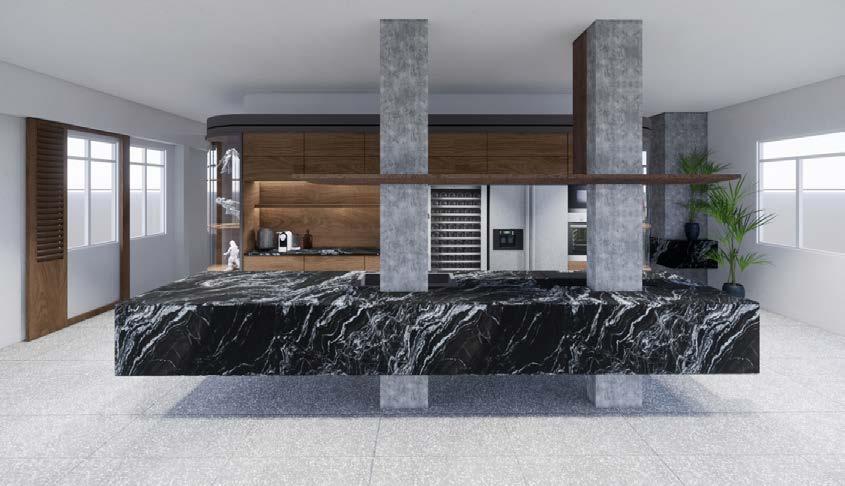
Designed for a couple who live with their cats and love to host and do their hobbies. Kitchen is designed to have wet and dry kitchen for both serious cooking and hosting. Instead of built in rooms, the house is designed to give the couple the freedom to open their space into one large space or section certain areas.
Materials and textures are carefully chosen to exude serenity during anytime of day while still maintaining luxury.
UI refers to the screens, buttons, toggles, icons, and other visual elements that you interact with when using a website, app, or other electronic device, while UX refers to the entire interaction you have with a product, including how you feel about the interaction.
Mobile app
Sentosa, Singapore
Google UX Assignment
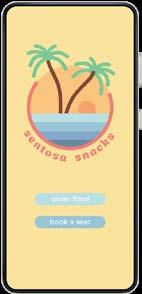
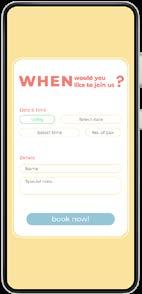
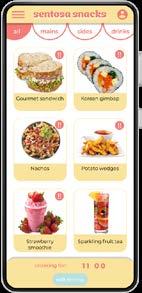
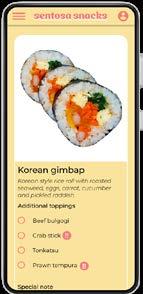
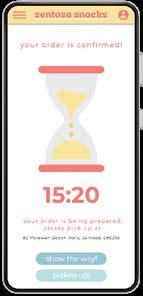
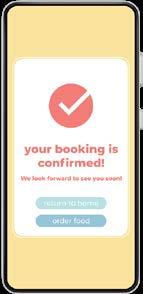
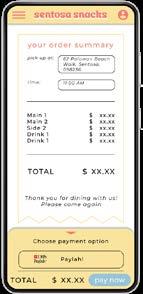
Sentosa Snacks is designed as an ordering and booking app for a snack shop by the beach of Sentosa in Singapore. The design is done while considering the accessibility of the usage. As it will be used in a bright, high exposure environment like the beach, the colour palette is bright for better visibility. Common allergen will also be highlighted for the safety of users. The aim of this app is to allow users efficiently book a space, order refreshments, and pay. Timer to when order will be ready for collection as well as GPS to guide users to collection point are included for the convenience of the users as well.
Click here to access Sentosa Snacks prototype online!
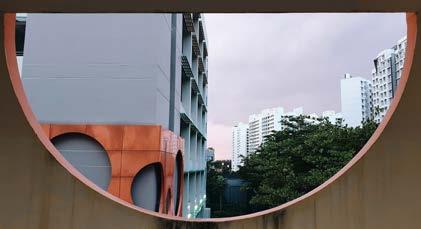
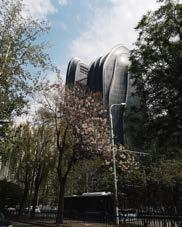
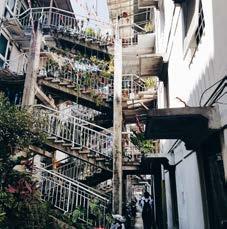
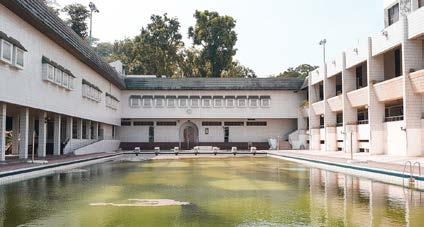
Contains my personal creative interest, influenced by my studies, surroundings and source of inspirations, from physical to digital.



thank you
let’s keep in touch
monicabernadettek@gmail.com +65 9199 8107