P O R T F O L I O
MONEESHA KUMAR
P O R T F O L I O
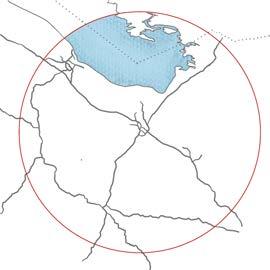
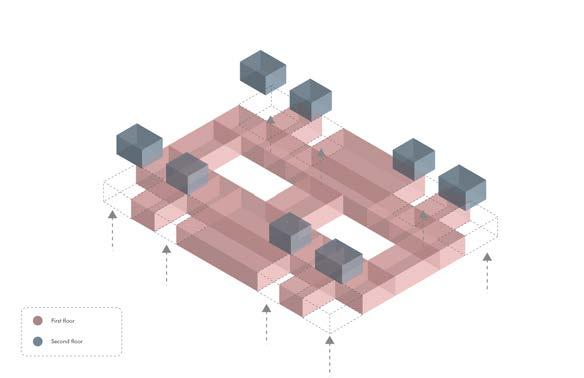
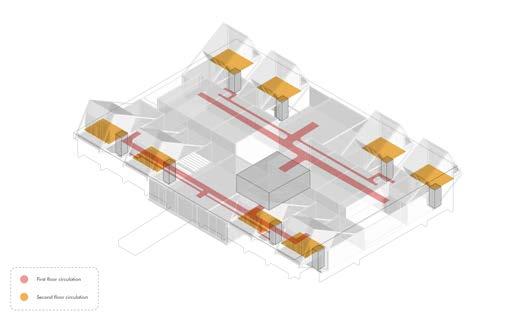
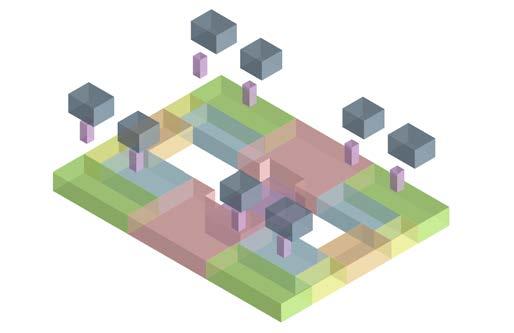
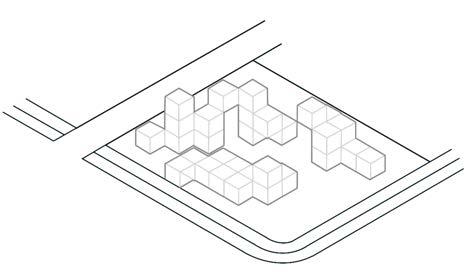
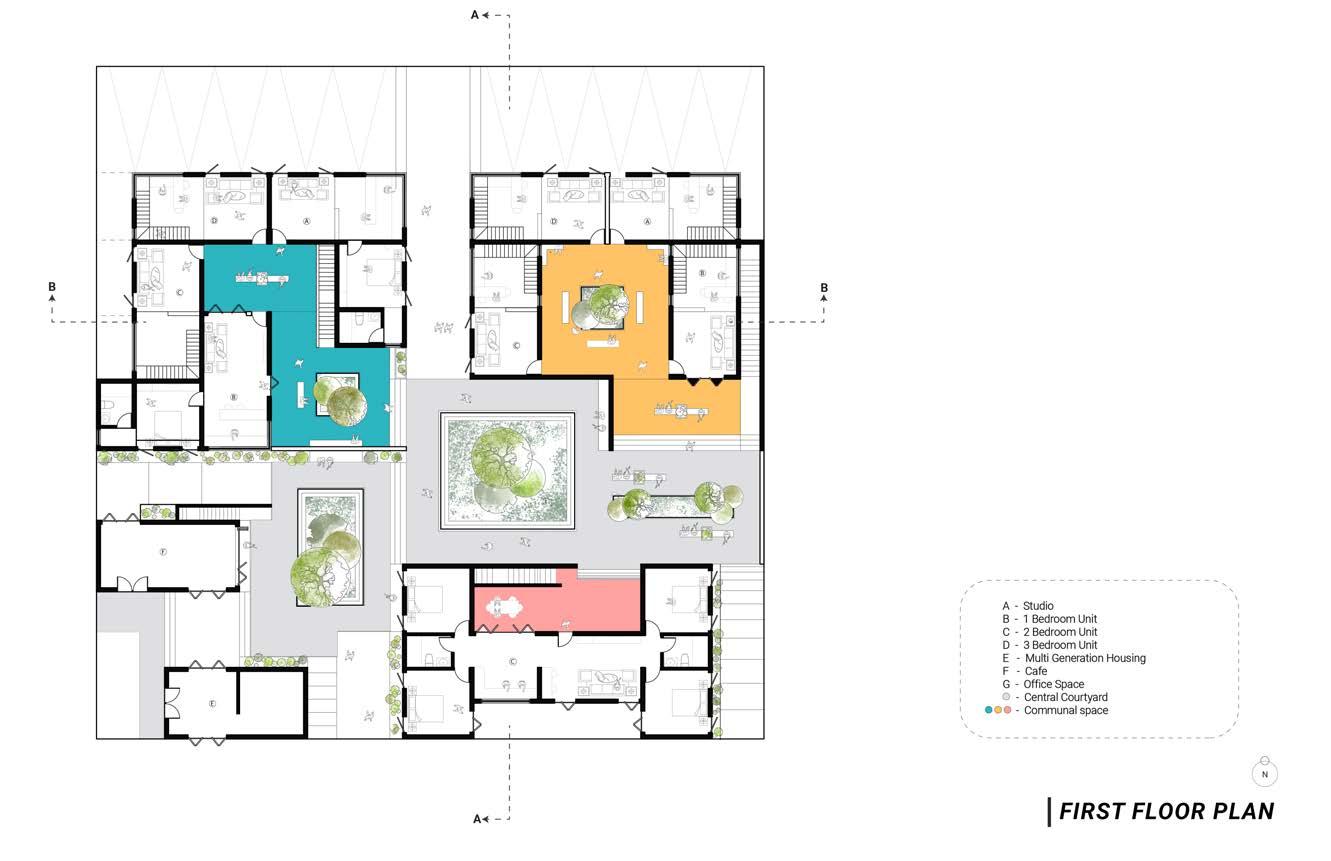
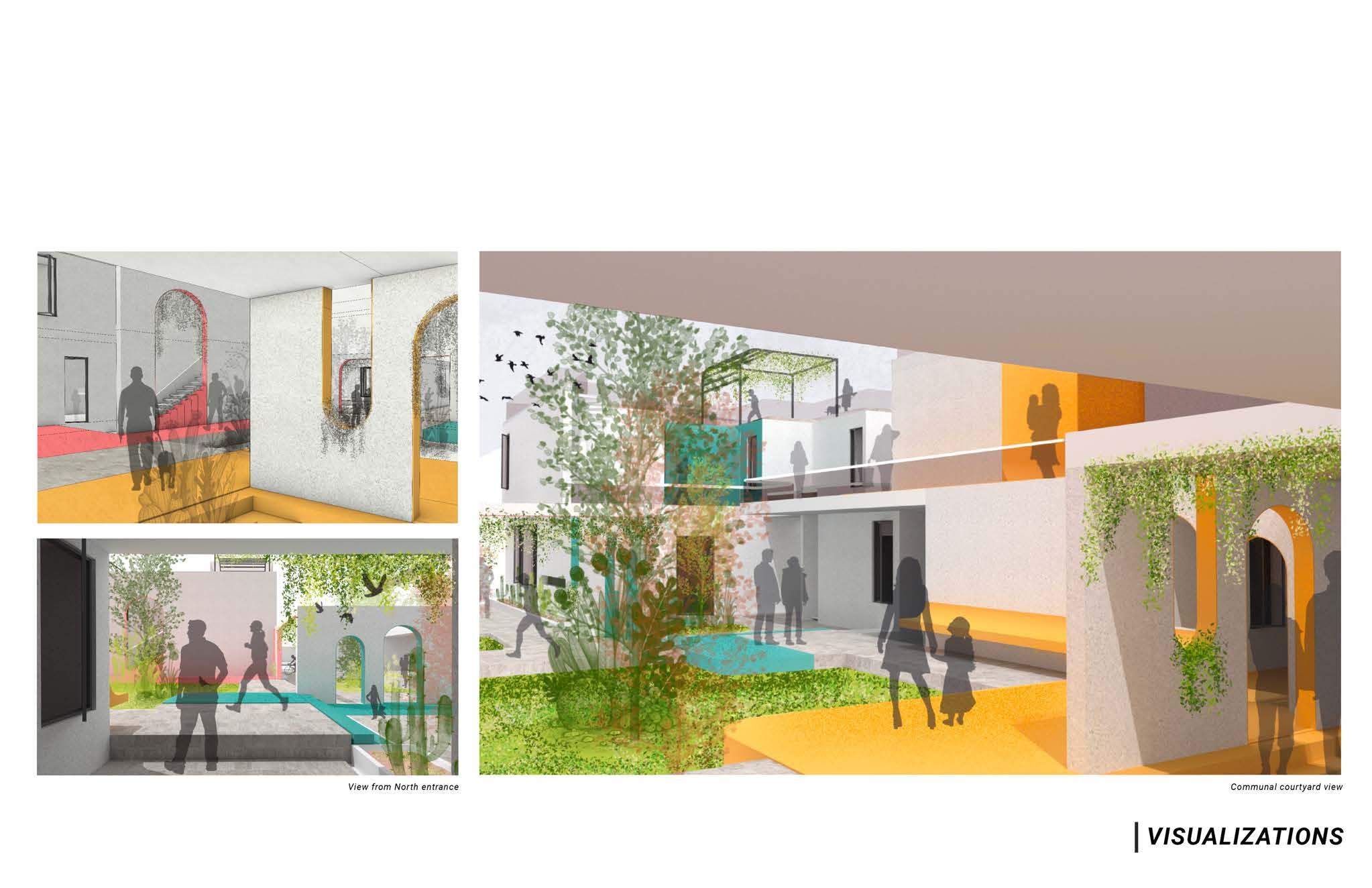
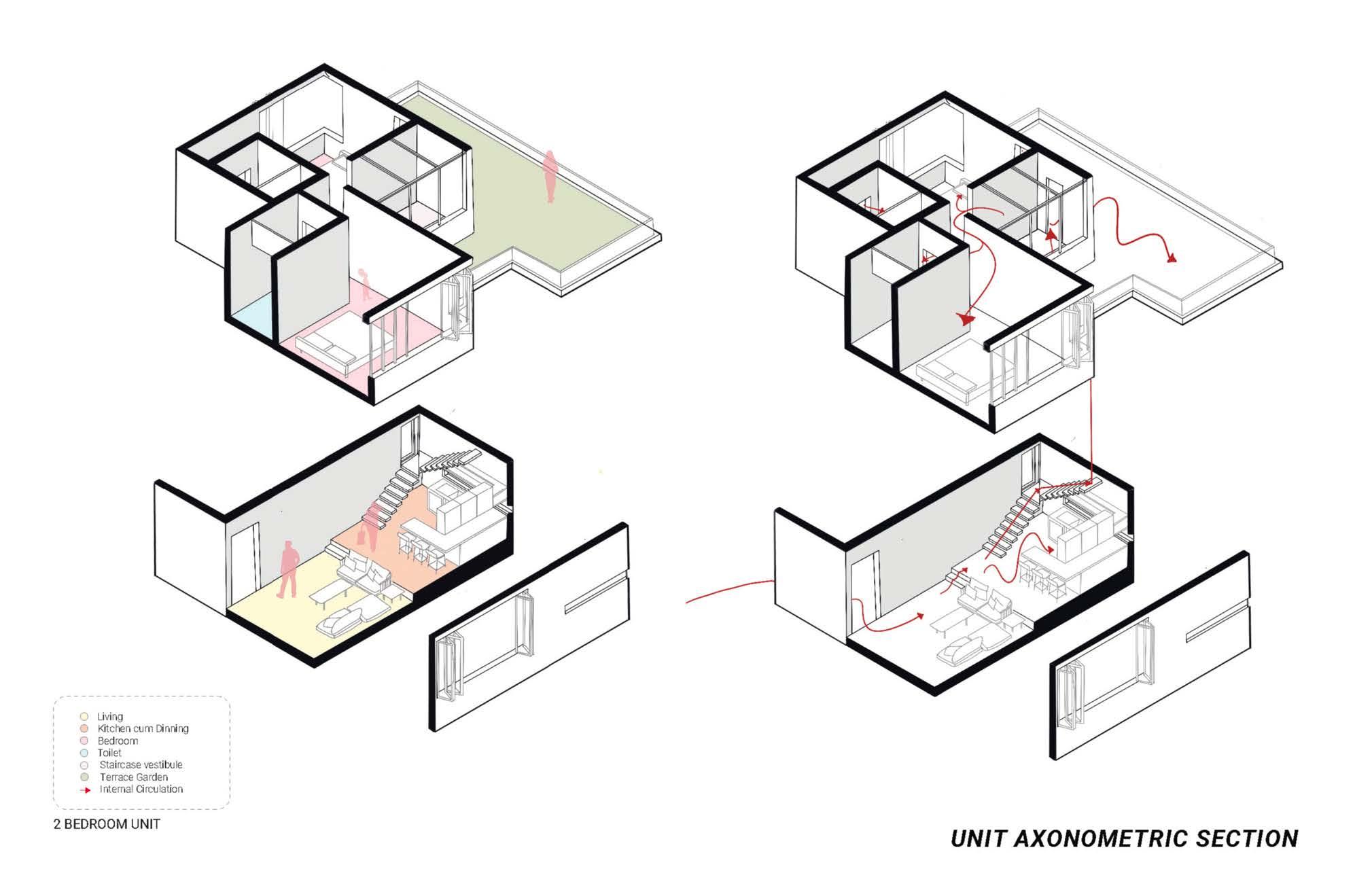
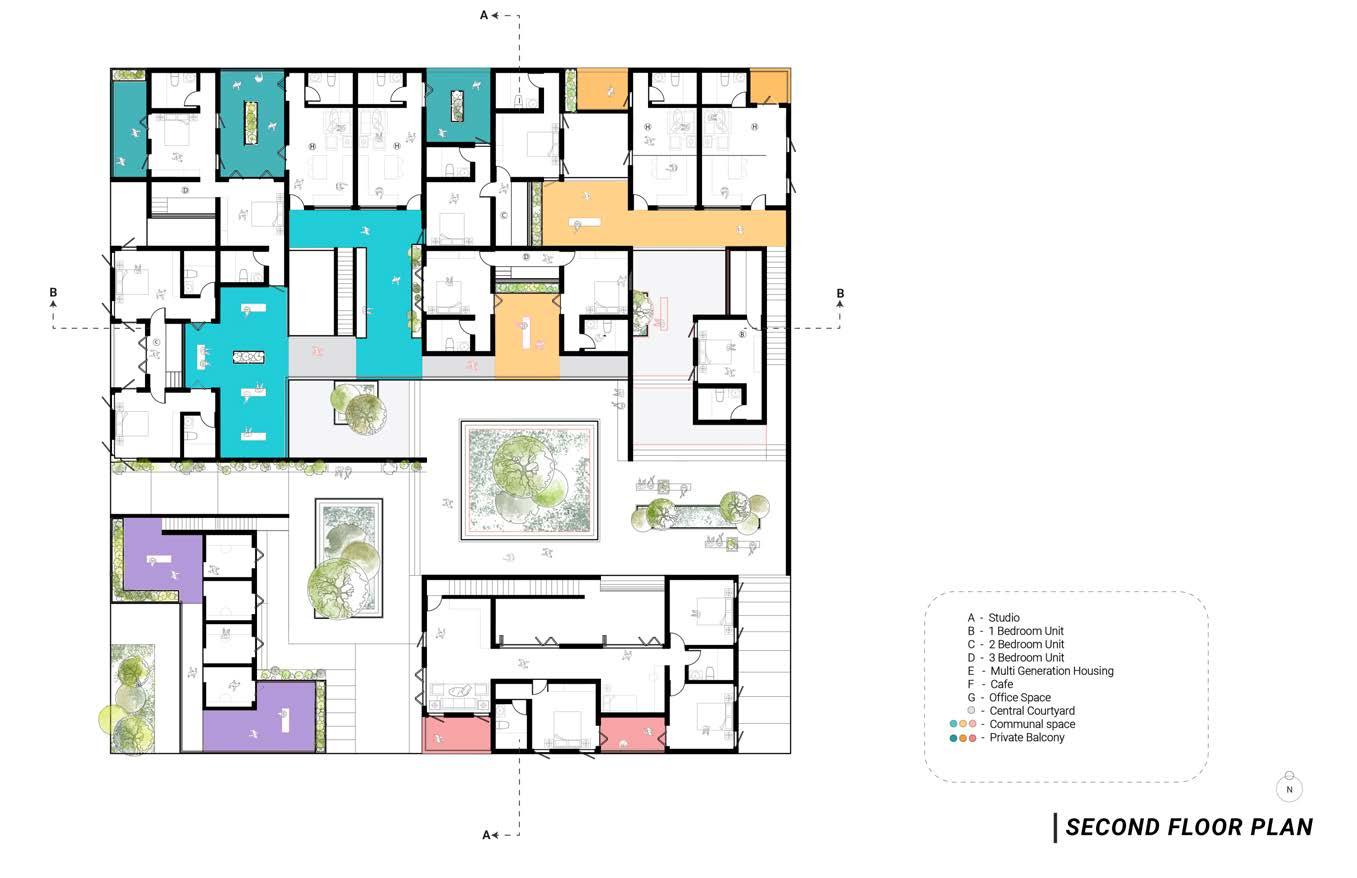
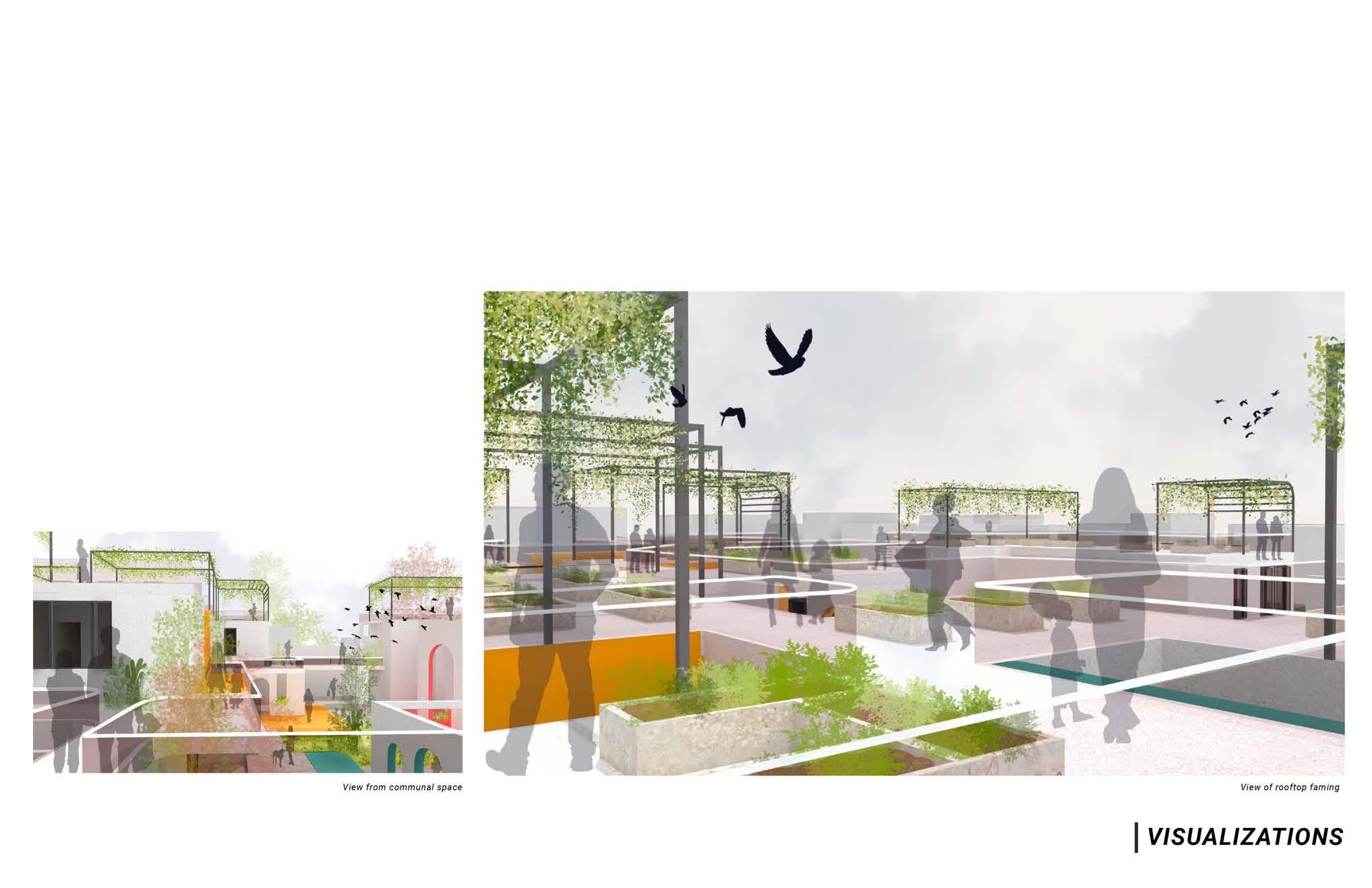
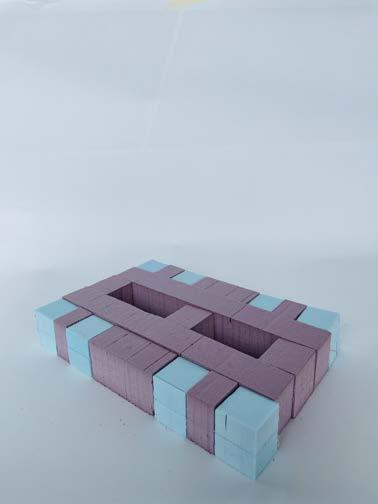
The concept of grid mutation was obatined by studying and trying to adapt to the site context. The site being located at Los Angeles, a city with a well defned grid pattern was 8500 sq ft. The grid of the city when overlayed with the optimum room sizes being 12 x 12 allowed us to break the massing into modules. Keeping in mind the afordable housing strategies the design focused on having a constant 12x12 prototypes which transforms into various spaces ranging from living to the bedroom. Playing with the orientation of the modules with respect to the natural factors and incorporating operations like mutational multiplication, we were able to interlock and weave spaces inbetween forming an interesting indoor and outdoor connection. The grid approach also enabled us to have a gradual transition between the public zone and the private zone.
Semester
The planning is done in such a way that every room is natural ventilated with cross ventilation strategies focusing on sustaibility with respect to indoor environmental air quality and user comfort. The grid massing gave us oppurtunities to have multiple levels of terrace areas which is intended to be utilized as community farming spaces to help and support small scale community business and also aids the community to be self sustained.
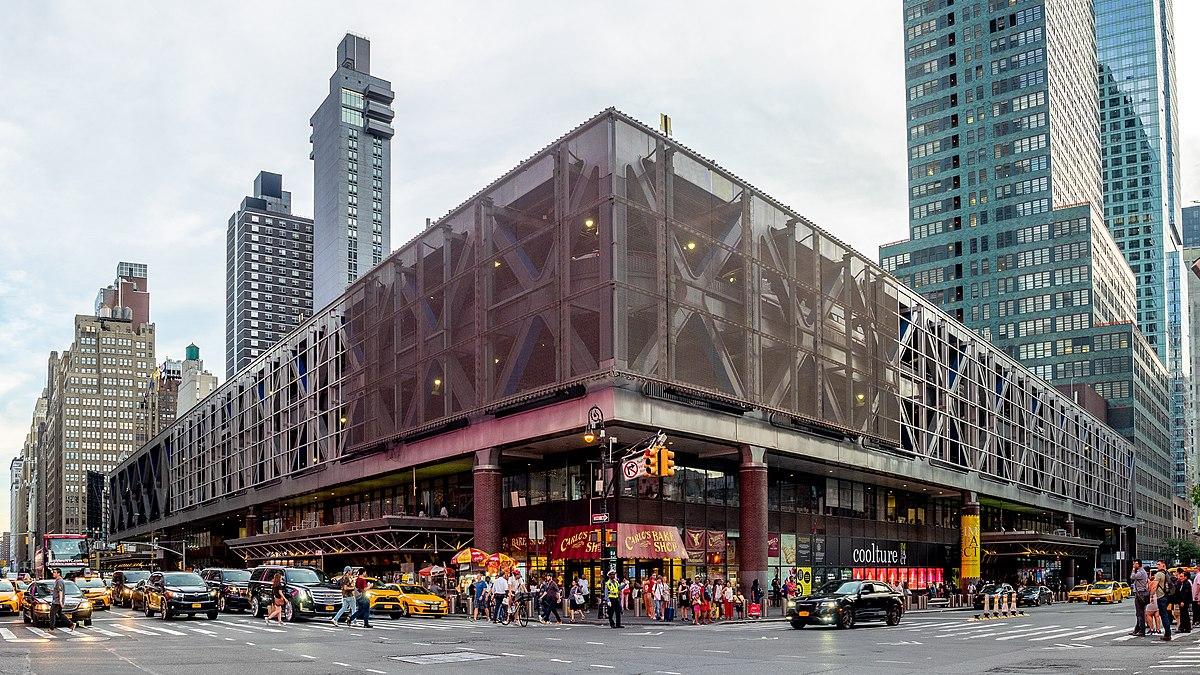
Firm : Kpf
Project : Transit And Infrastructural Project
Location : New York
Role : Programming And Planning, Optimizing The Core Layout, Bus Layout, Production Of Plans And Sections
Softwares Used : Revit, Auto Cad, Rev Blubeam, Adobe Illustrator.
had the privilege of contributing to this major mass transit project in New York for 18 months. Starting from basic tasks like research and data collection, I quickly progressed to more complex roles in core planning and strategy. Working extensively with Revit, I gained firsthand experience and honed my BIM skills. This opportunity not only enhanced my technical expertise but also provided invaluable insights into urban transit systems and project development in a bustling city like New York. Overall, it was a transformative experience that solidified my foundational knowledge and equipped me for future challenges in urban planning.
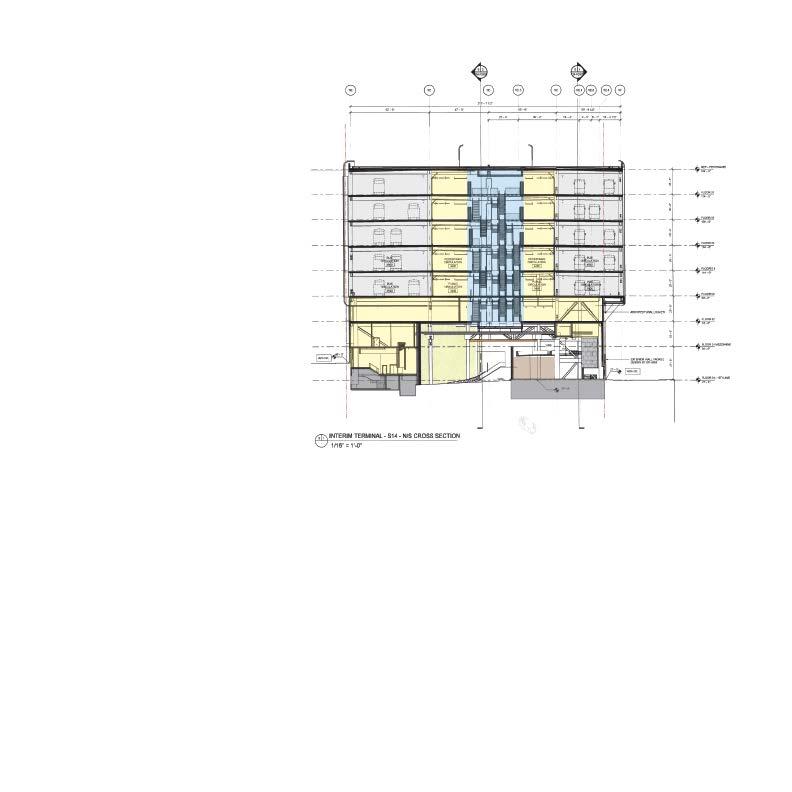
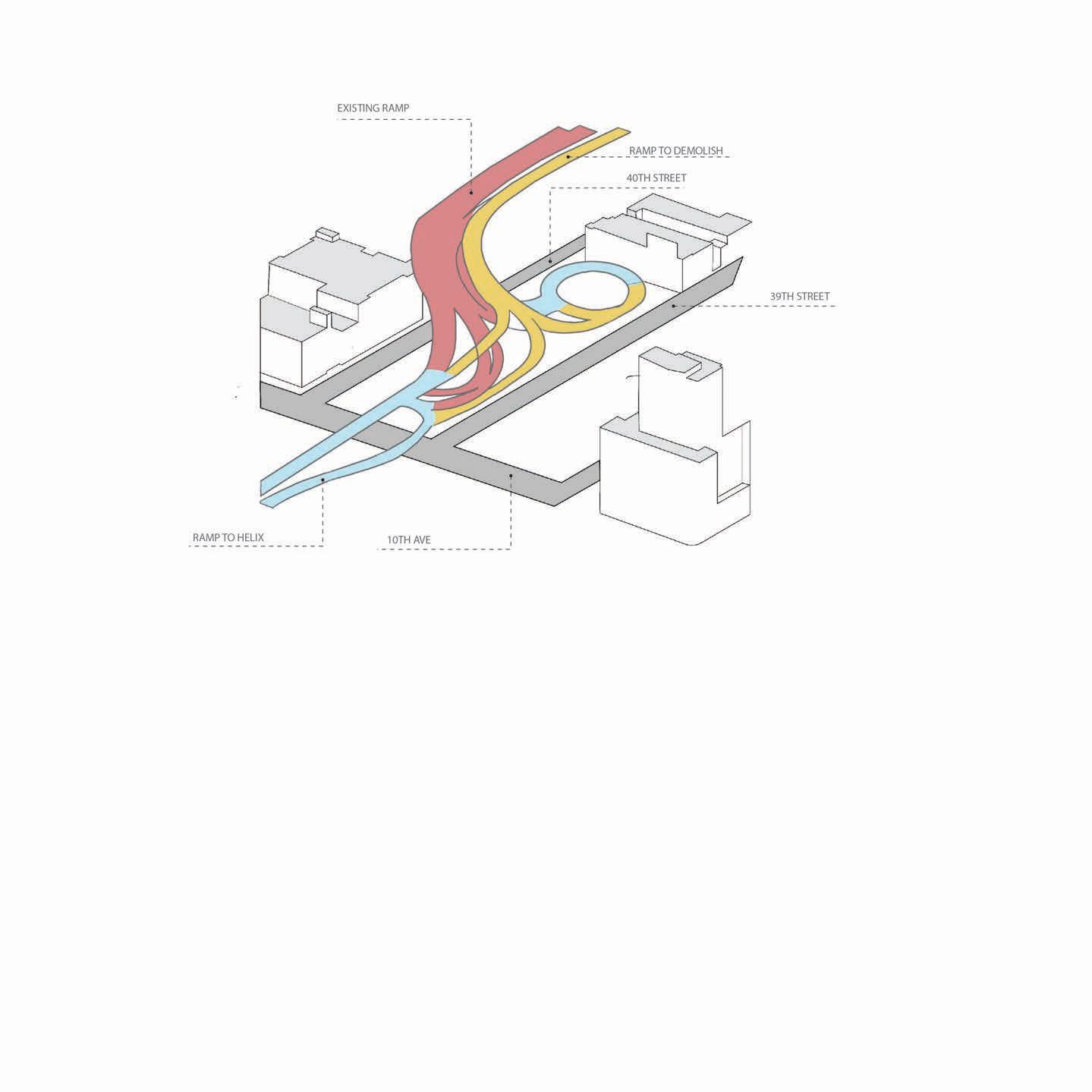
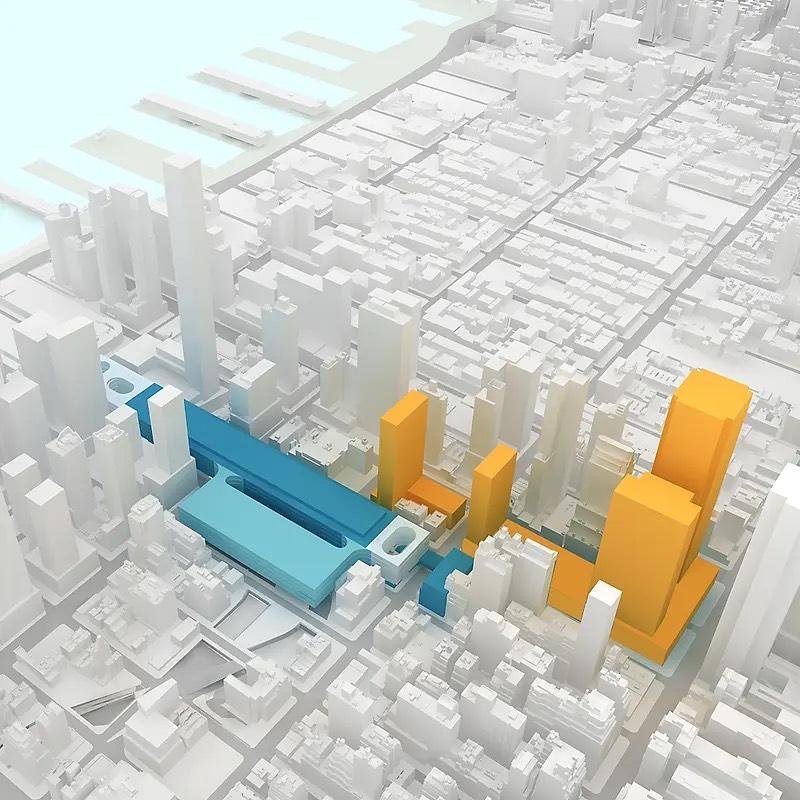
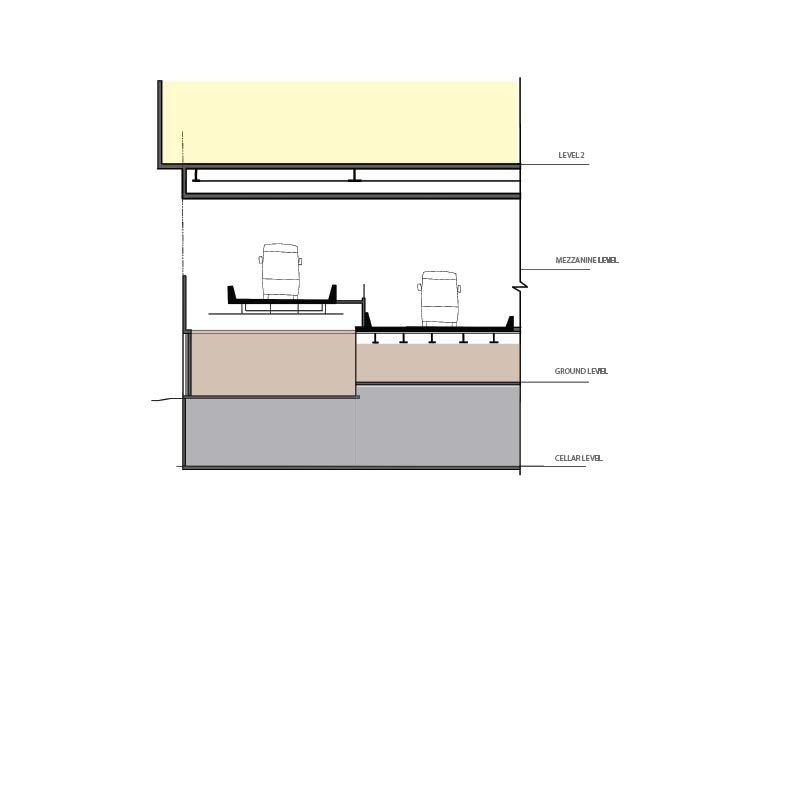
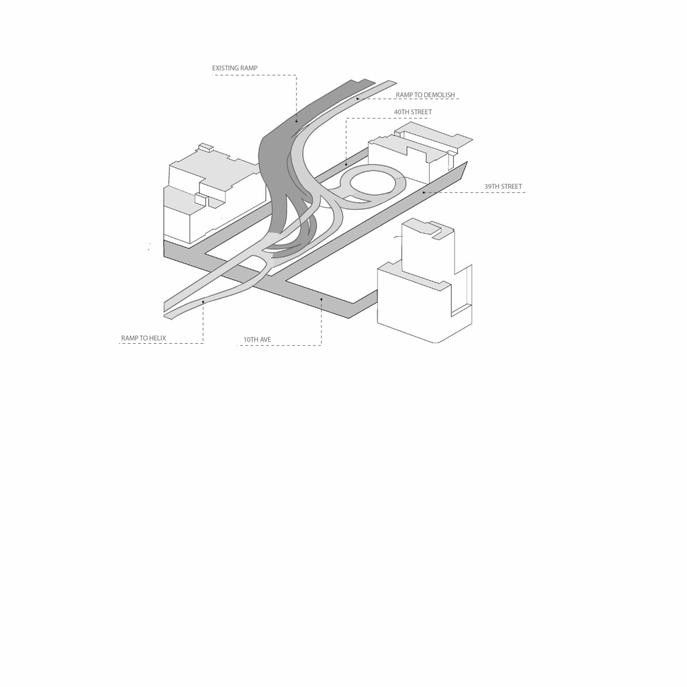
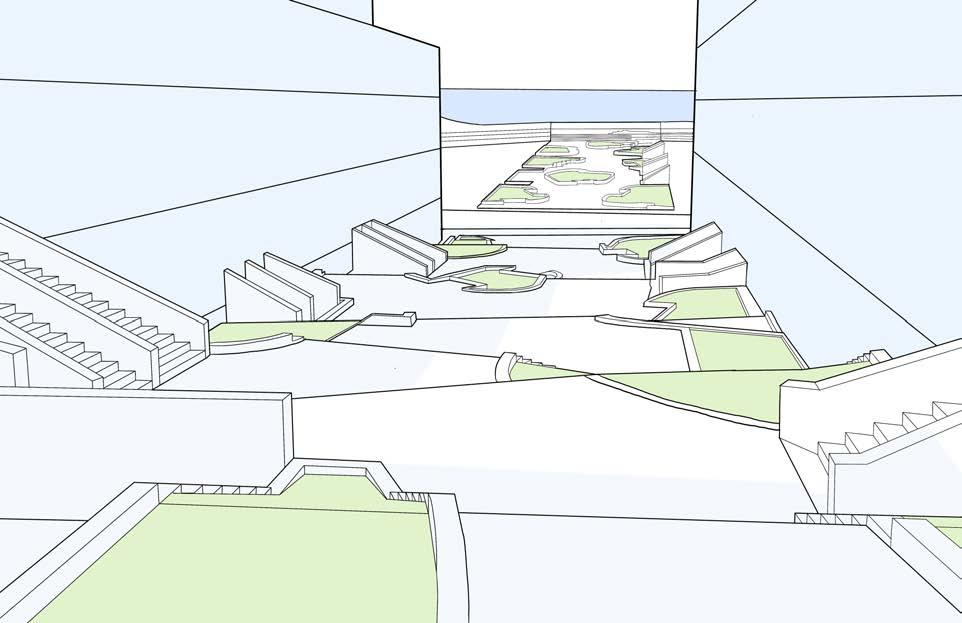
The project unfolds in phases spanning the next two decades, necessitated by operational challenges and the intricate existing ramp system. These phases are meticulously planned to ensure smooth transitions and minimal disruption to ongoing operations: Phase 1:Involves the construction of a temporary terminal and commencement of operations. Phase 2: Entails the demolition of the existing terminal. Phase 3: Focuses on the reconstruction of the existing terminal and its associated operations. Phase 4: Centers around the construction of the tower. The design process commenced with a comprehensive analysis of the existing conditions and ramp operations. This served as the foundation for devising demolition and design strategies tailored to accommodate the complexities of the existing infrastructure. A key challenge was maximizing the utilization of spaces under and around the ramps. To address this, the design strategy prioritized breaking down the Phase 1 scope into smaller, more manageable components, denoted as Day 1a and Day 1b.
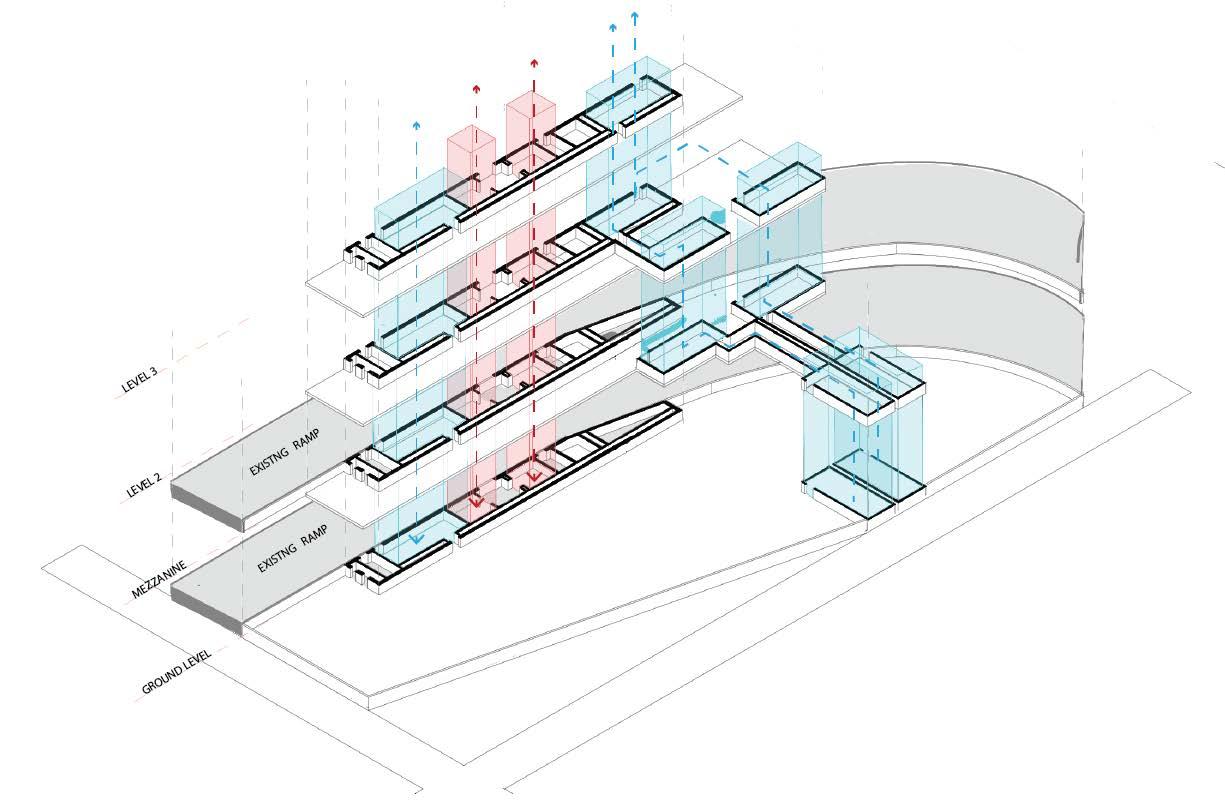
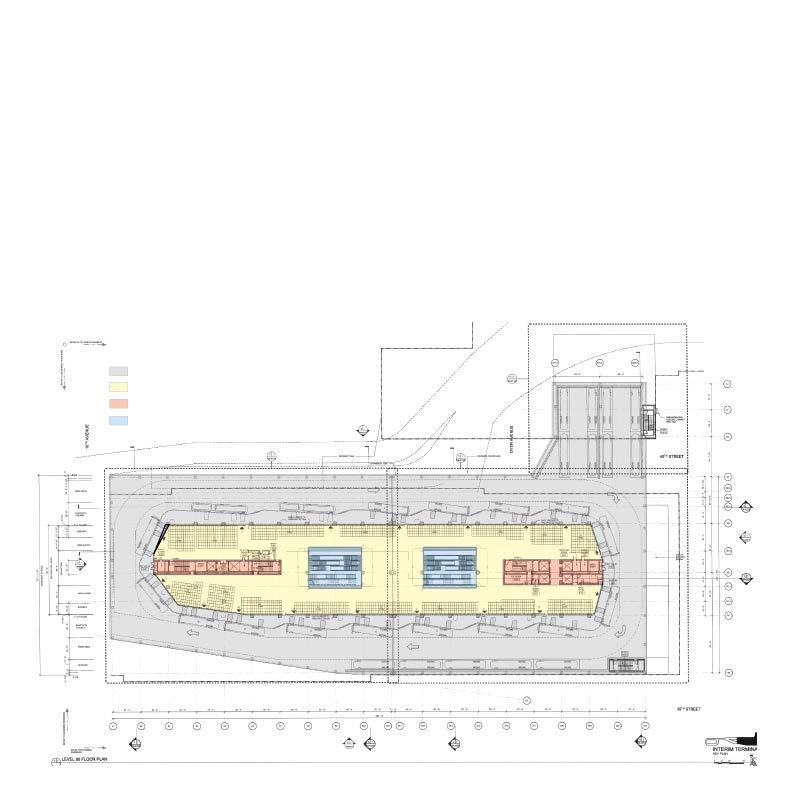
As the project entered the schematic phase, greater attention was directed towards core planning and bus operations. Core planning posed notable challenges, particularly regarding existing bracing and column layouts, while also requiring a thorough understanding of ramp height clearance for effective transfers. Additionally, compliance with multiple building codes added another layer of complexity beyond typical considerations.
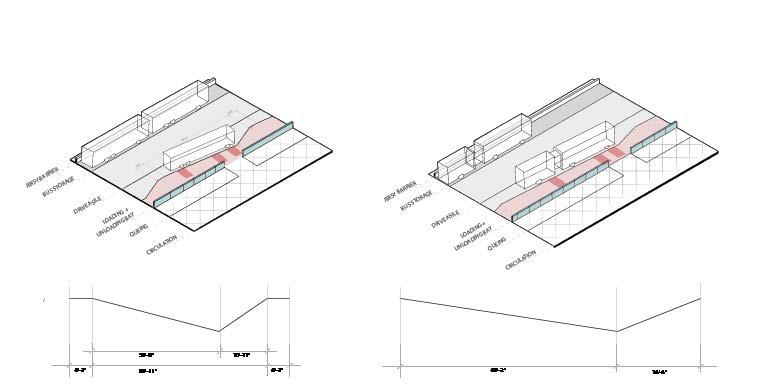
Bus operations were pivotal, relying heavily on efficient bus layouts and storage capacity. Balancing the need to maximize bus capacity with accommodating two distinct types of buses—a standard 45-foot bus and an elongated articulated bus—proved to be a significant challenge. This necessitated innovative solutions and meticulous planning to optimize space and functionality within project constraints.
3XN
Firm : 3Xn
Project : Mass Timber Office Building
Location : San Jose
Role : Research On Clt, Massing Studies, Programming Facade And On-Street
Pedestrian Functional Analysis
Softwares Used: Rhino, Lumion, Adobe Illustrator, Indesign
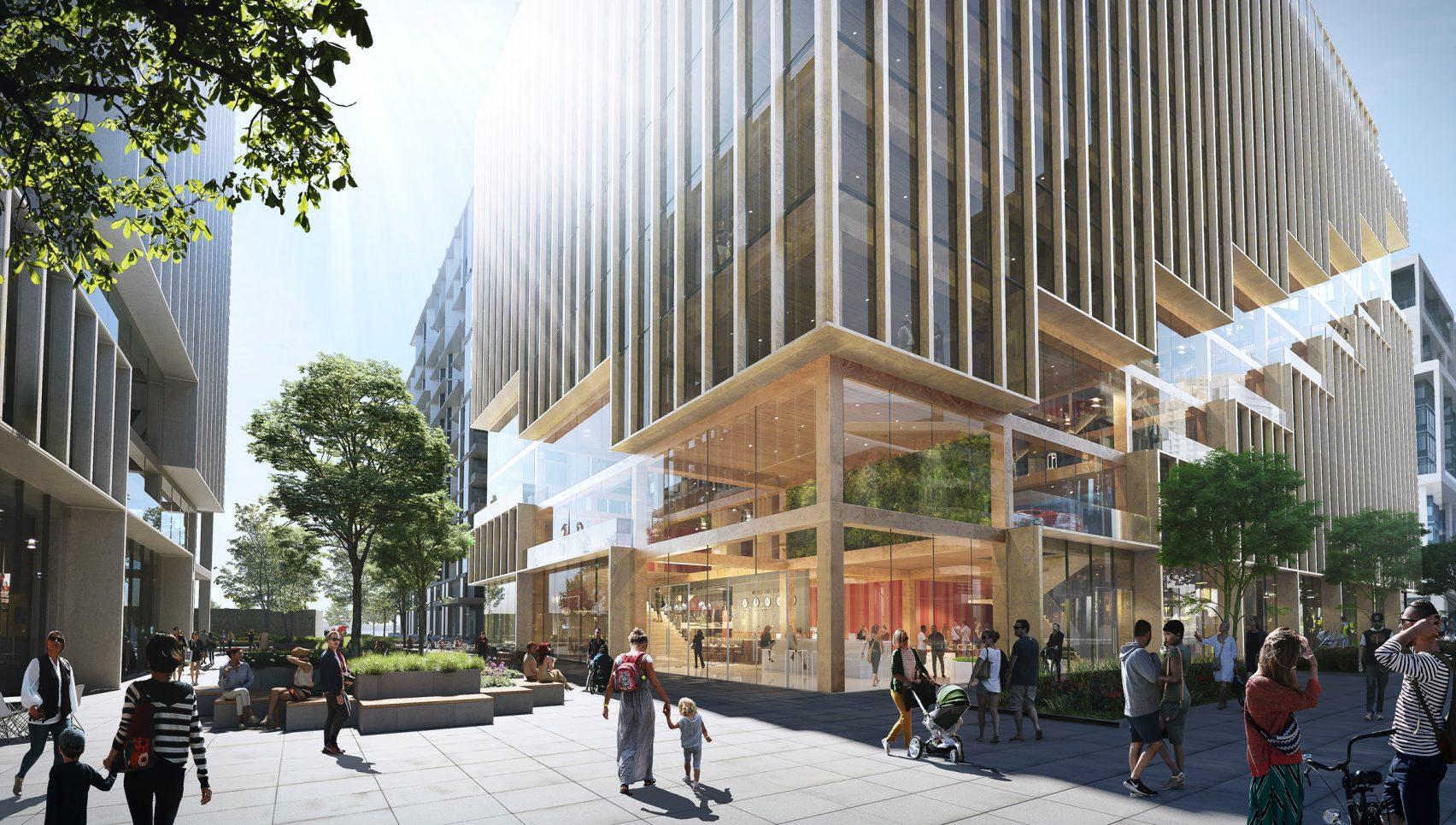
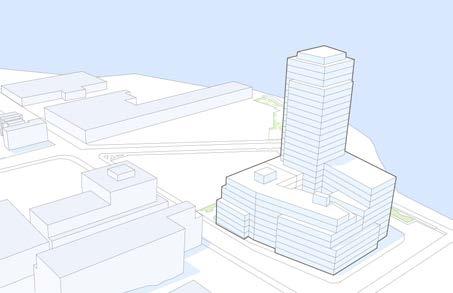
I was given the opportunity to assist the team with the conceptual phase of this high rise CLT building. was able to contribute to massing studies, Programming, Conceptual Planning and the user experience in and around the building. Being the tallest CLT Building in the North America, I was able also involved in material research which along with the programing strategies influenced our massing studies.
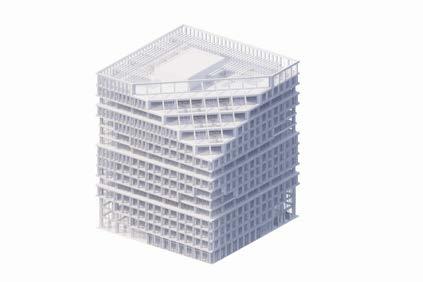
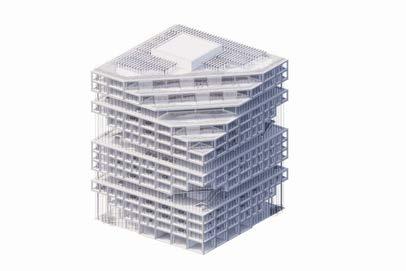
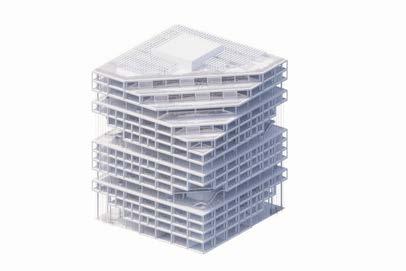
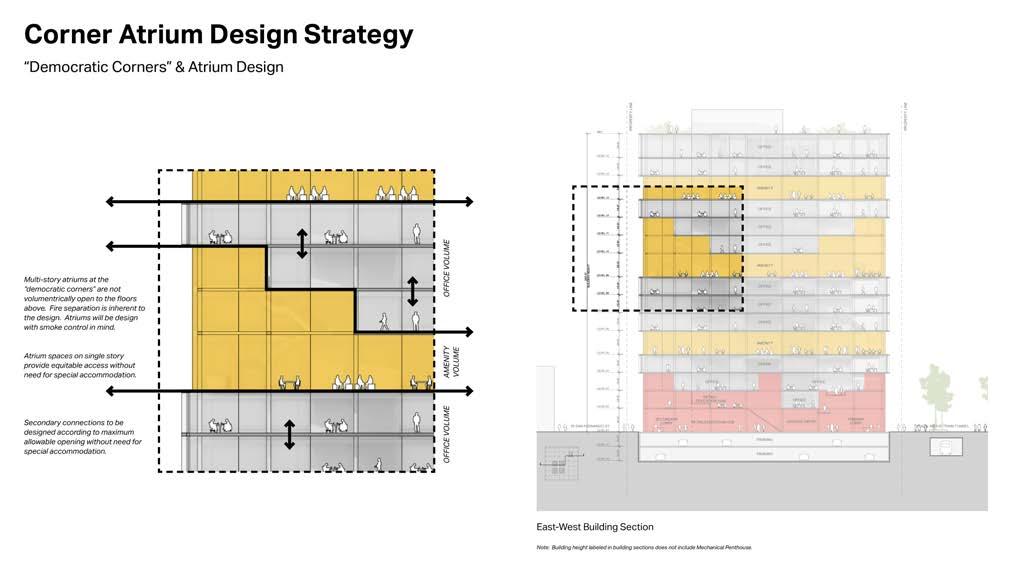
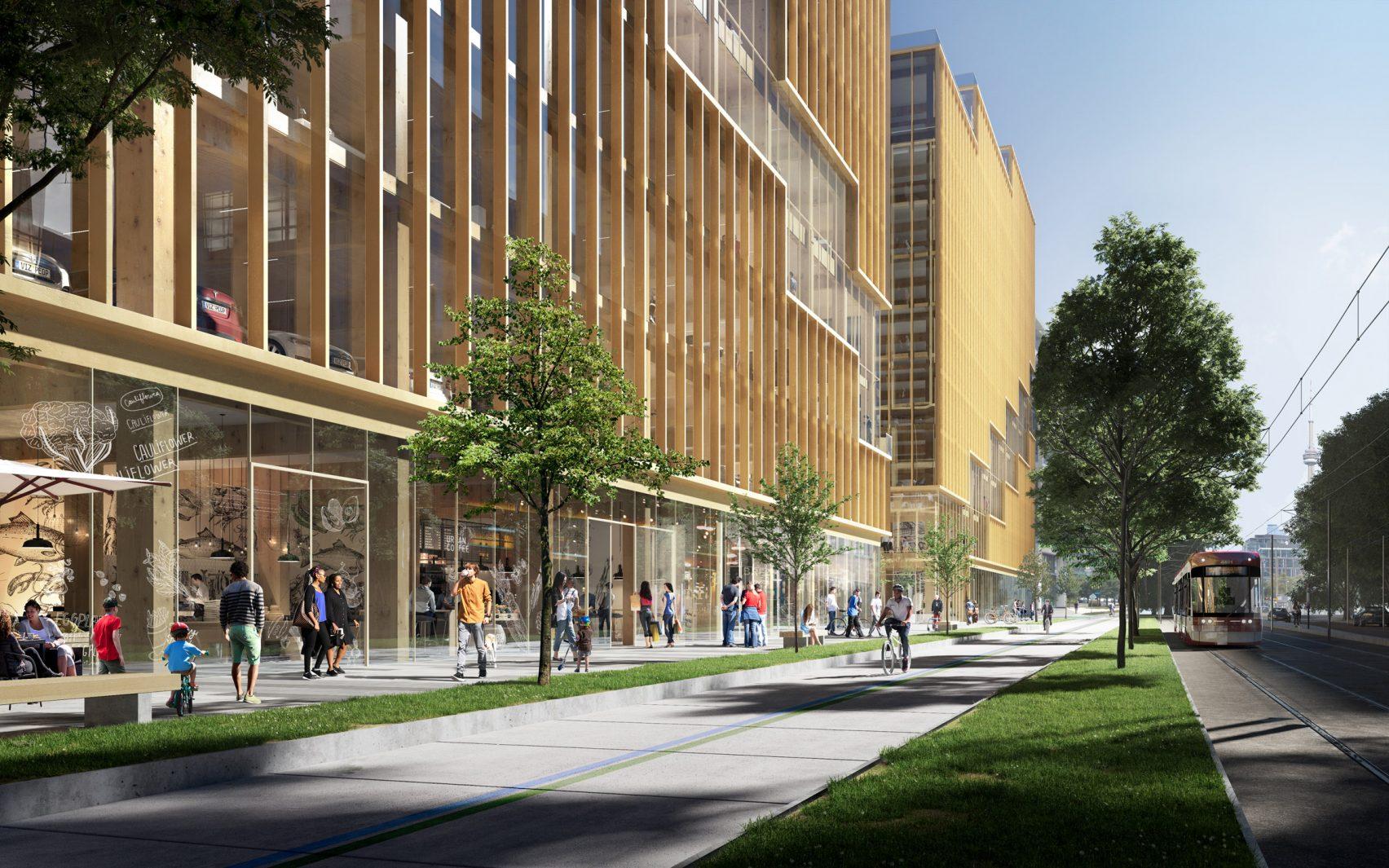
The upcoming CLT office building in San Jose is set to become the tallest of its kind. Given its location within an IT community, programming is a pivotal aspect of its design. This building is not only intended to serve as headquarters for a global tech company but also aims to actively engage the community and foster opportunities. To achieve this, retail spaces will be incorporated on the ground level, while office spaces will occupy the upper levels. The module approach for the CLT gave us opportunity to play with the density of the facade. The design emphasizes openness and dynamism, with atriums throughout the building enhancing visual appeal and user experience. Another main challenge was to connect the neighborhood not just around the building but navigate them through the building. From conceptualization, careful consideration has been given to how the building integrates with the neighborhood, including streetscapes and storefronts, reflecting a thoughtful approach to urban connectivity.
Firm : Fogarty Finger Architecture
Project : Residential Development
Location : Queens, New York
Role: Assisted the team in Programing and Planning of individual Unit Layout, drafting of Construction Drawings, and Preparation of study models and Illustrations for Water Front Development.
Softwares Used : AutoCad, Sketch up, Photoshop, and Illustrator
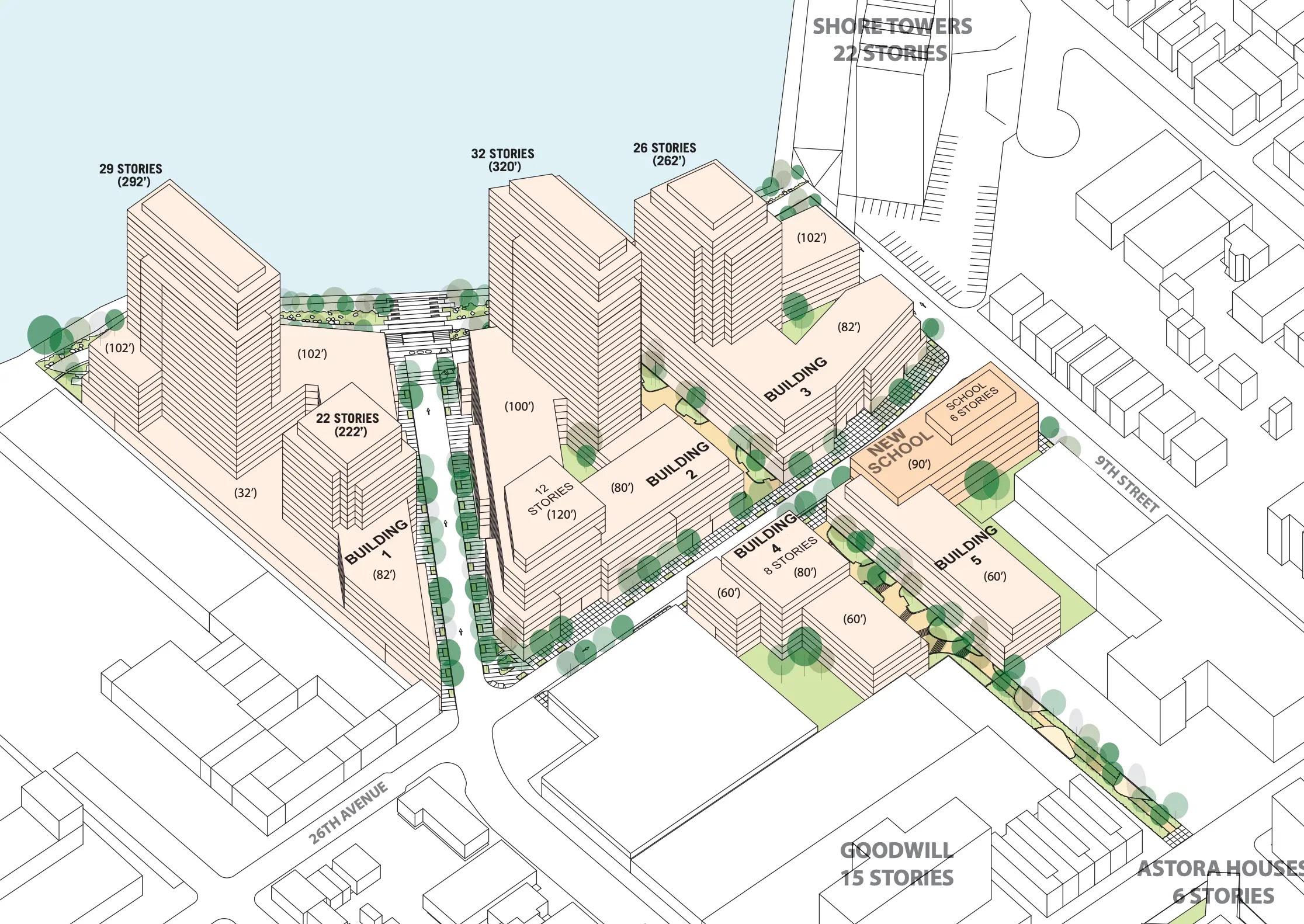
This ambitious endeavor in Queens is poised to transform the landscape through four distinct phases. Comprising five mixed-use buildings, the development boasts 1,700 apartments, with an additional 345 units designated as affordable housing. Integral to the project is the waterfront development phase, which not only enhances the aesthetic appeal but also fosters community engagement and interaction. During my internship, I was entrusted with the task of delving into the intricate building codes and housing regulations of New York City, providing me with invaluable insights into the regulatory framework that governs such projects.
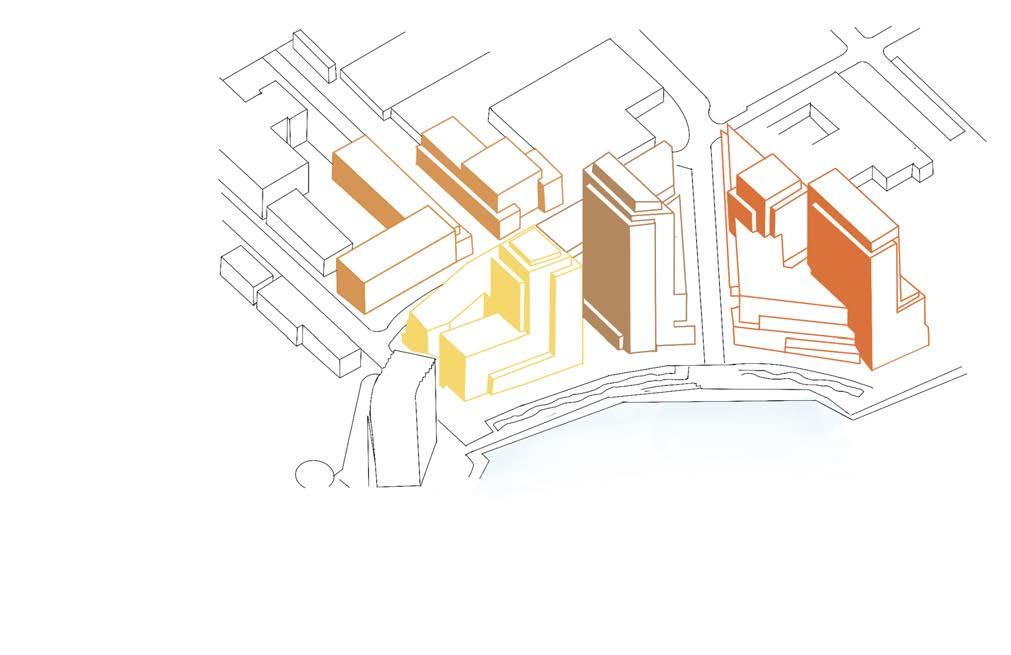
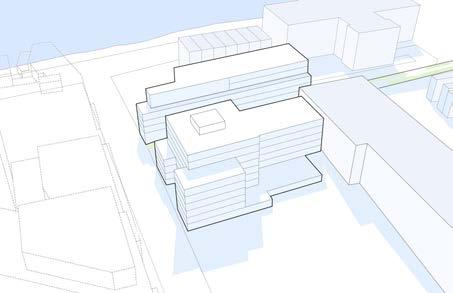
My engagement with individual unit layout pertaining to studio and 1 bedroom apartment, drawing sets, drafting, and carpentry schedules provided me with a rich learning experience. By applying the insights gained from studying codes, I was able to meticulously verify the drawings during the drafting process, ensuring their precision and compliance with relevant standards. Moreover, my involvement in diverse project tasks, ranging from conceptualizing and generating 3D graphics to producing detailed technical drawings, deepened my understanding of the project workflow and its intricacies. This multifaceted involvement allowed me to grasp the nuances of the entire process, from initial visualization to final implementation, thereby enriching my skill set and perspective.




Studio V : Studio Of Experiments
Professor : Peter Zellner
Project : Low Rise LA
Location : Los Angeles
Software : Rhino, Illustrator, Photoshop
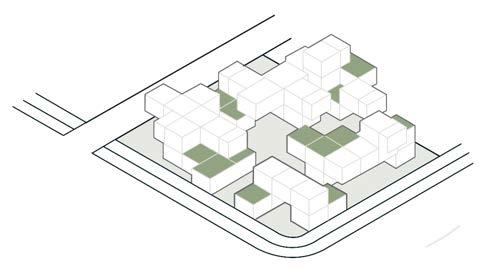
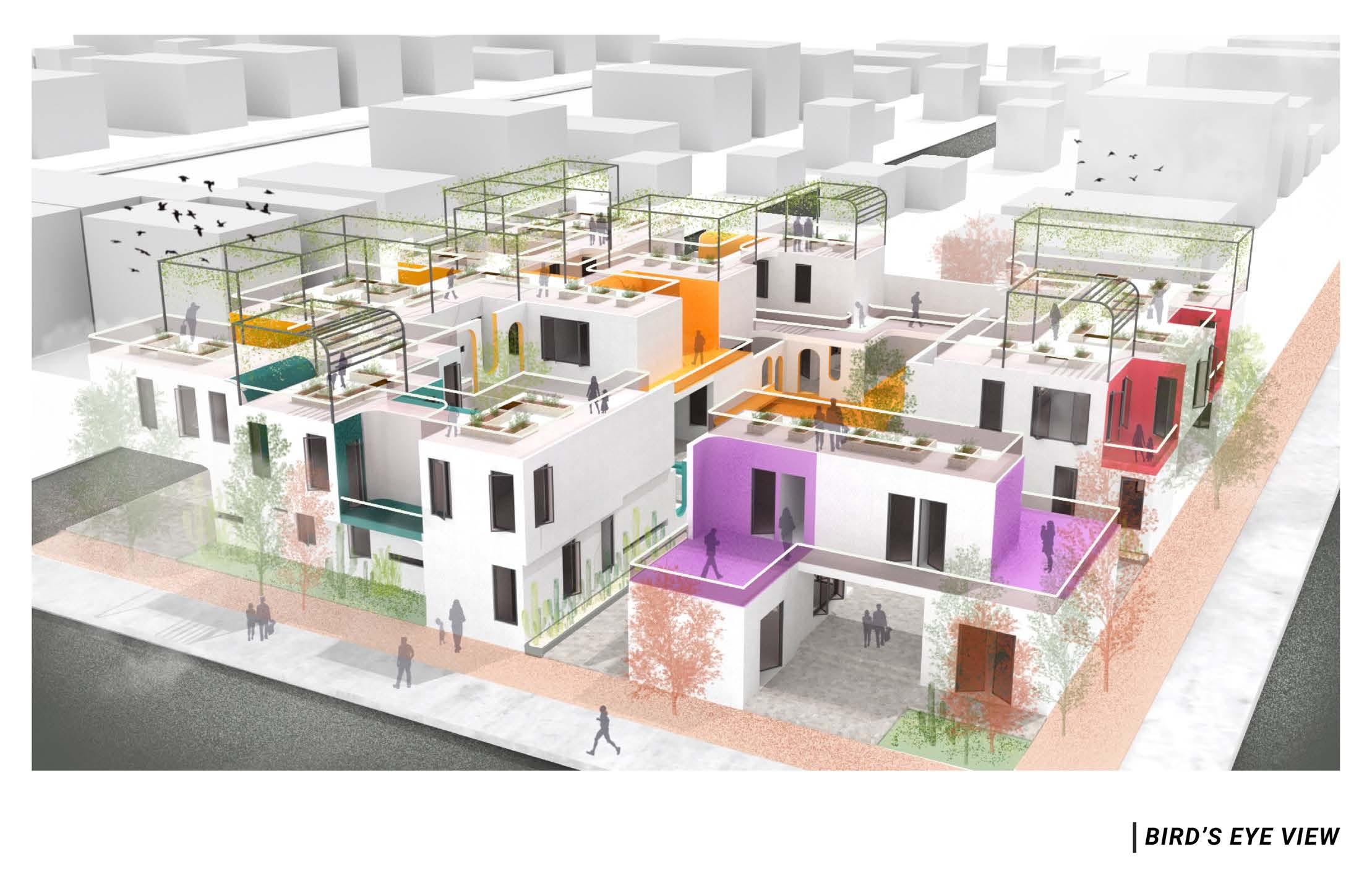
The concept of grid mutation was obatined by studying and trying to adapt to the site context. The site being located at Los Angeles, a city with a well defned grid pattern was 8500 sq ft. The grid of the city when overlayed with the optimum room sizes being 12 x 12 allowed us to break the massing into modules. Keeping in mind the afordable housing strategies the design focused on having a constant 12x12 prototypes which transforms into various spaces ranging from living to the bedroom. Playing with the orientation of the modules with respect to the natural factors and incorporating operations like mutational multiplication, we were able to interlock and weave spaces inbetween forming an interesting indoor and outdoor connection. The grid approach also enabled us to have a gradual transition between the public zone and the private zone.
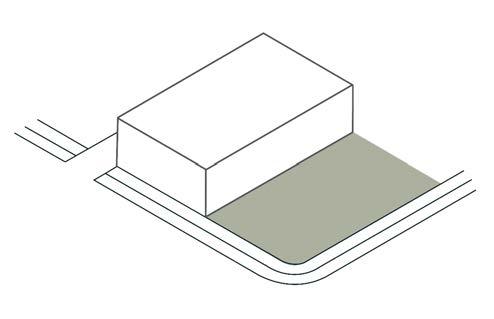
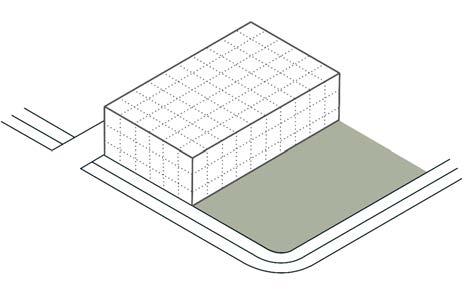
Massing adhereing to 50% Build up and 36.3 ft hight.
The concept of grid mutation was obatined by studying and trying to adapt to the site context. The site being located at Los Angeles, a city with a well defned grid pattern was 8500 sq ft. The grid of the city when overlayed with the optimum room sizes being 12 x 12 allowed us to break the massing into modules. Keeping in mind the afordable housing strategies the design focused on having a constant 12x12 prototypes which transforms into various spaces ranging from living to the bedroom. Playing with the orientation of the modules with respect to the natural factors and incorporating operations like mutational multiplication, we were able to interlock and weave spaces inbetween forming an interesting indoor and outdoor connection. The grid approach also enabled us to have a gradual transition between the public zone and the private zone.
Massing adhereing to 50% Build up and 36.3 ft hight.
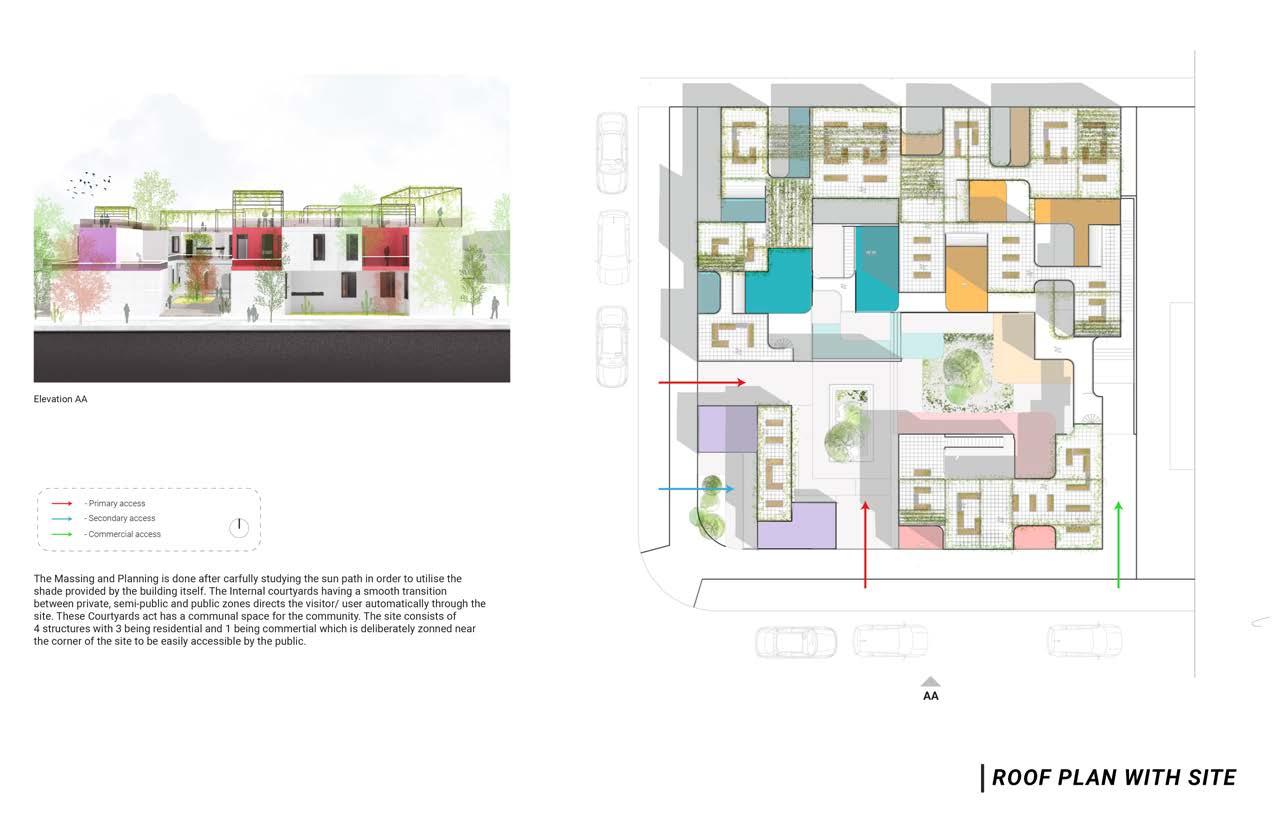
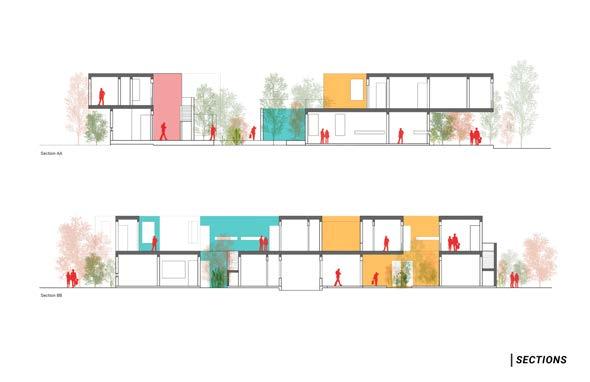
The planning is done in such a way that every room is natural ventilated with cross ventilation strategies focusing on sustaibility with respect to indoor environmental air quality and user comfort. The grid massing gave us oppurtunities to have multiple levels of terrace areas which is intended to be utilized as community farming spaces to help and support small scale community business and also aids the community to be self sustained.
50% Site Coverage
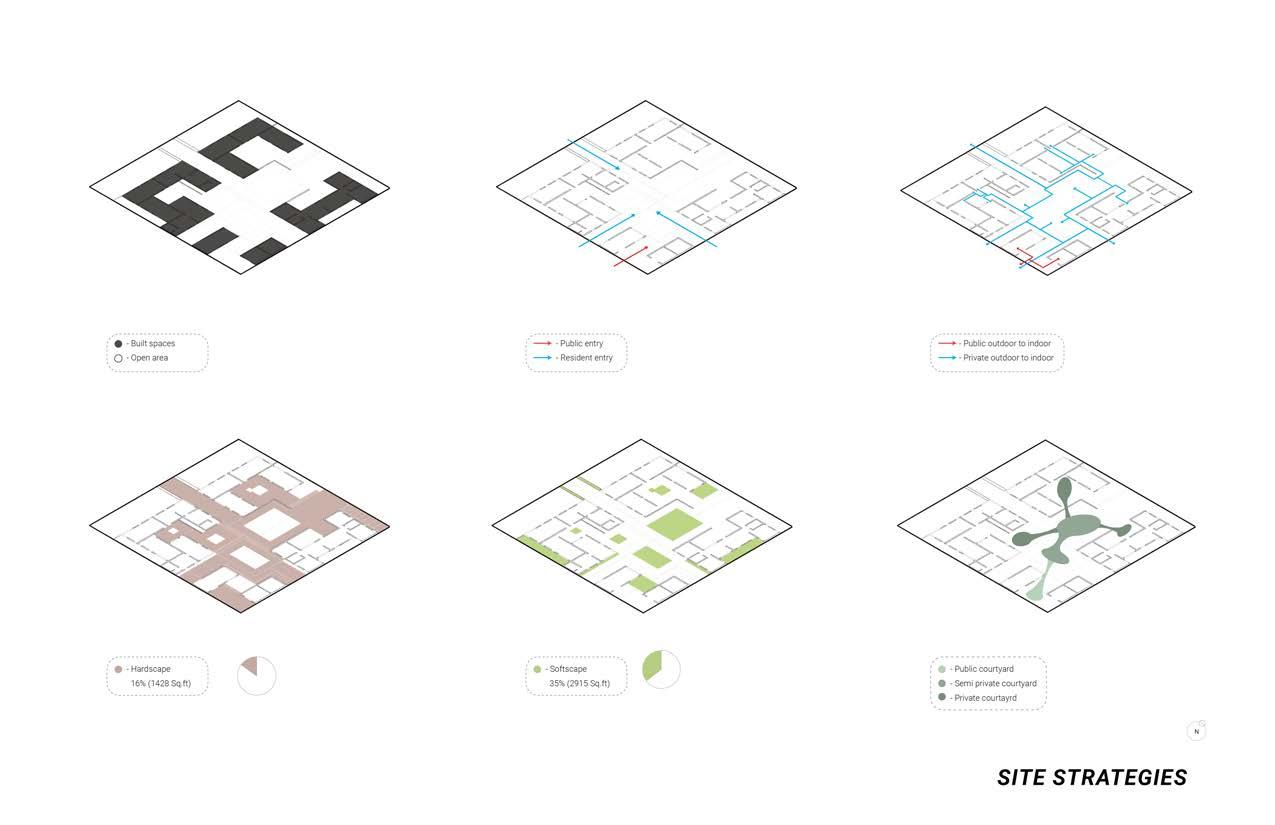
Grid developed to disperse blocks to interlock green space with built space
Architecture Elective
Professor : Cristobal Correa
Project : Mass Timber Construction
Location : Moon Lbrary, Syracuse
Software : Rhino, Illustrator, Photoshop
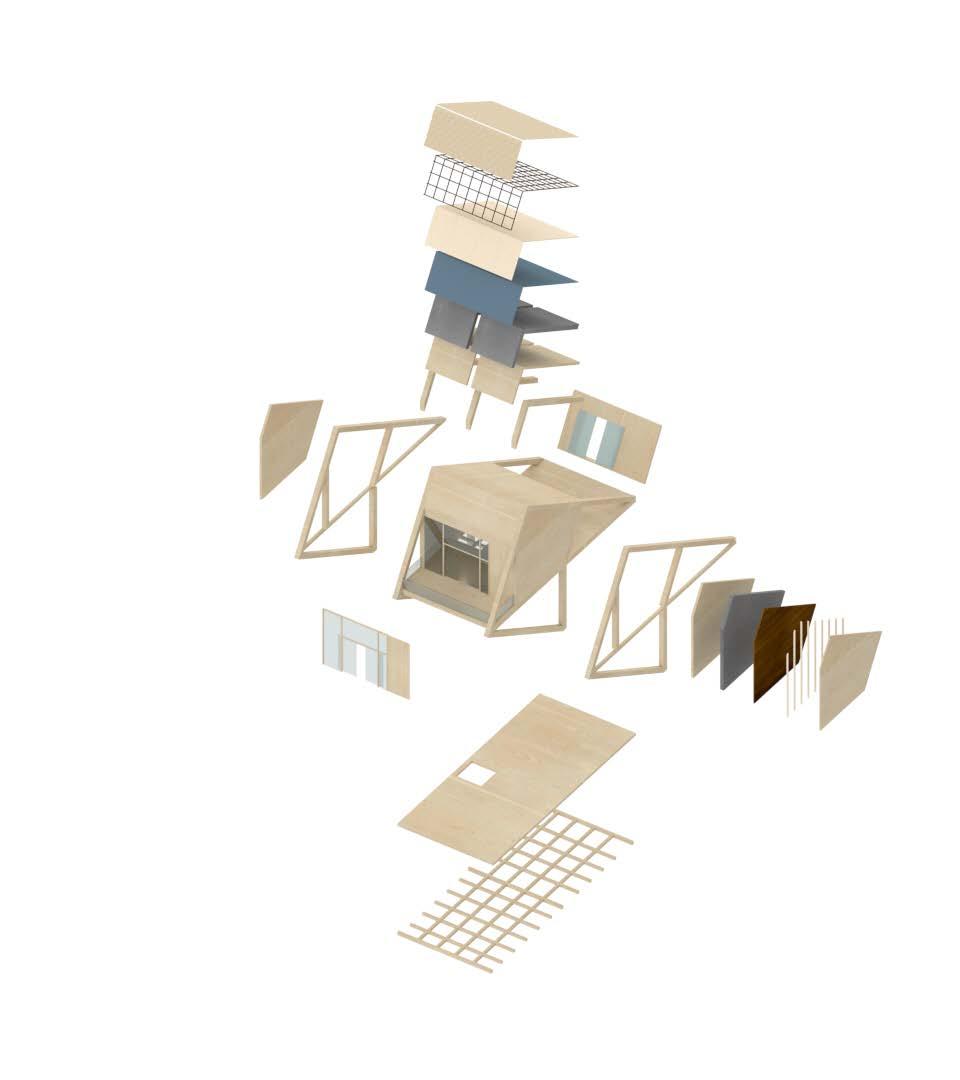
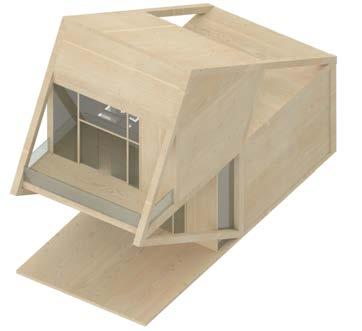
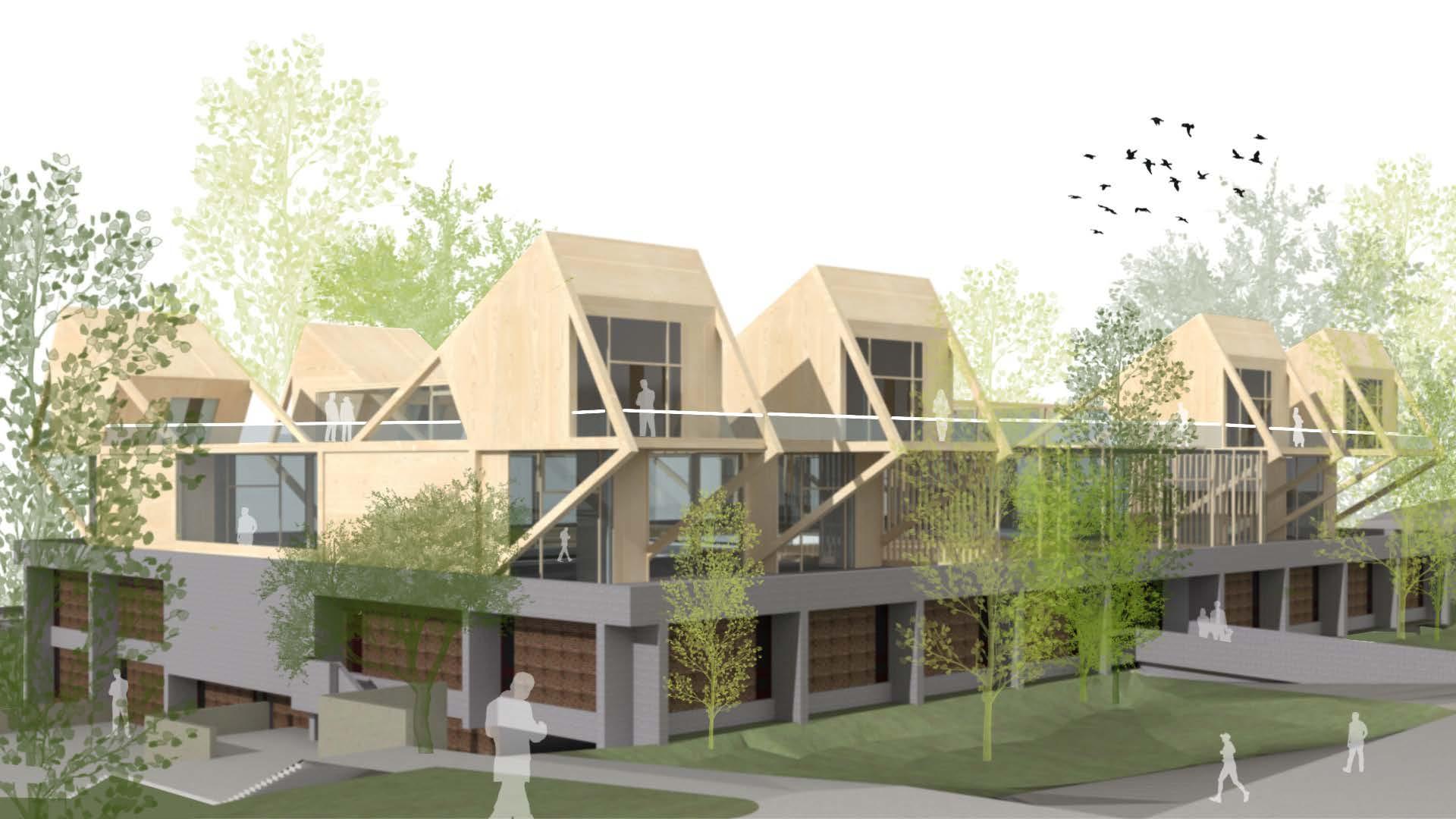
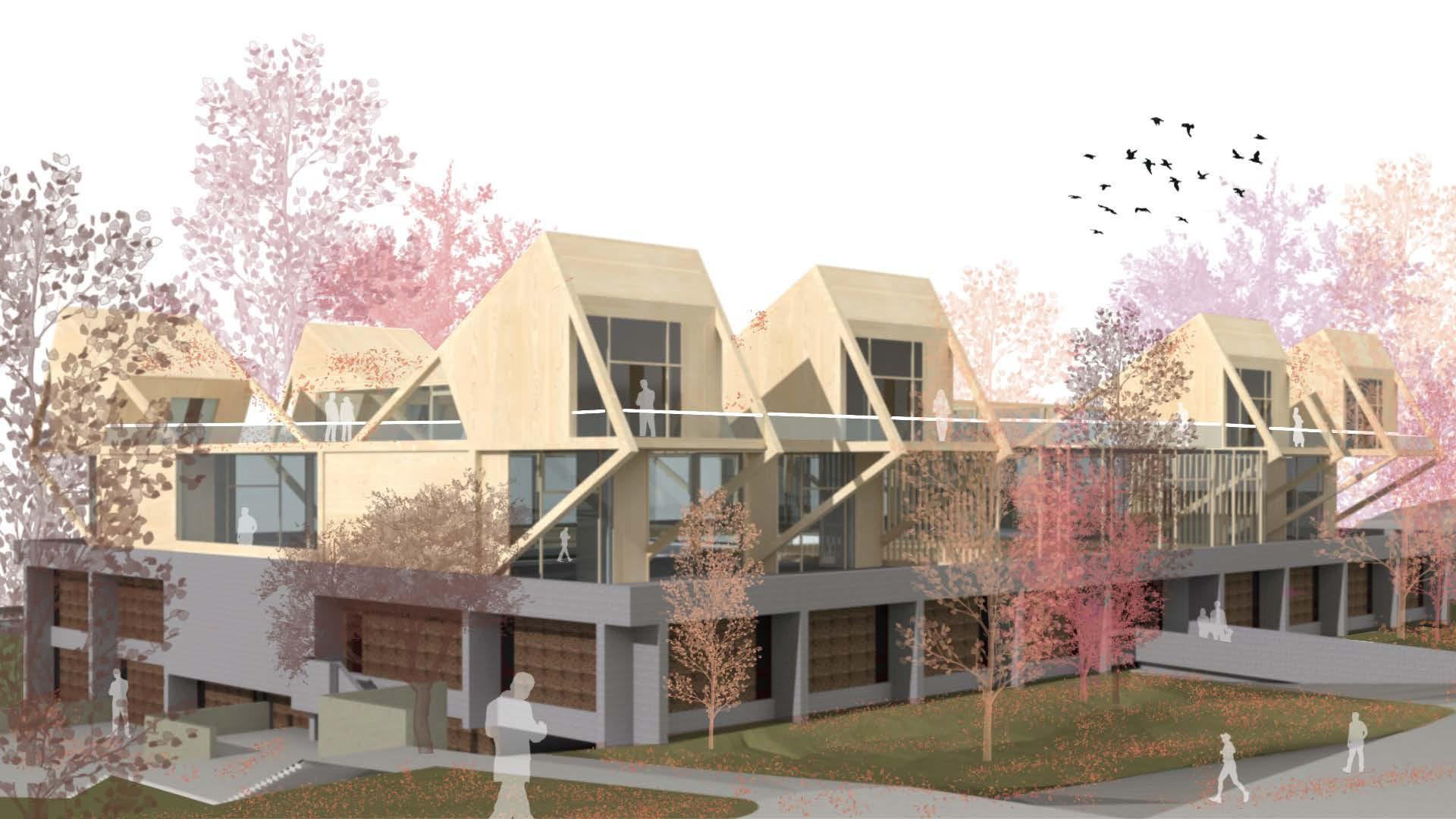
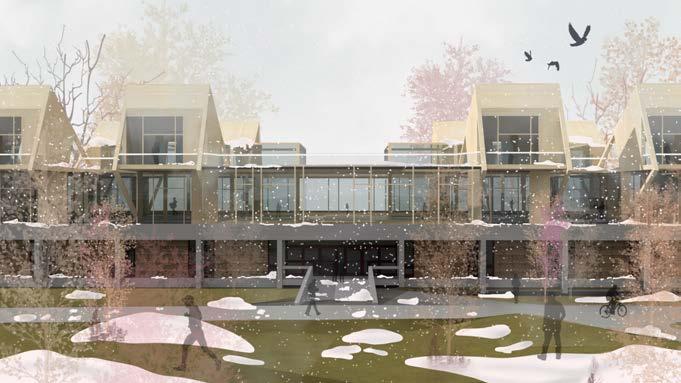
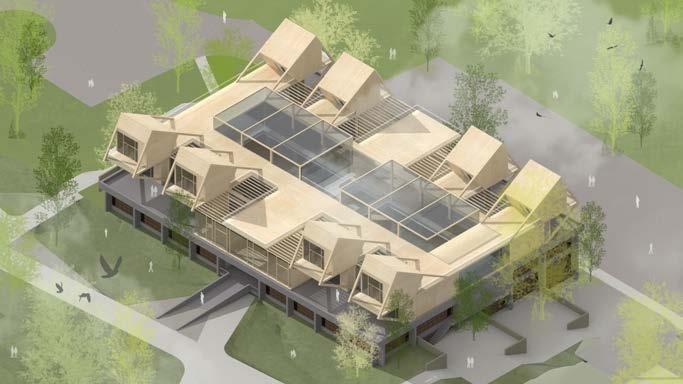
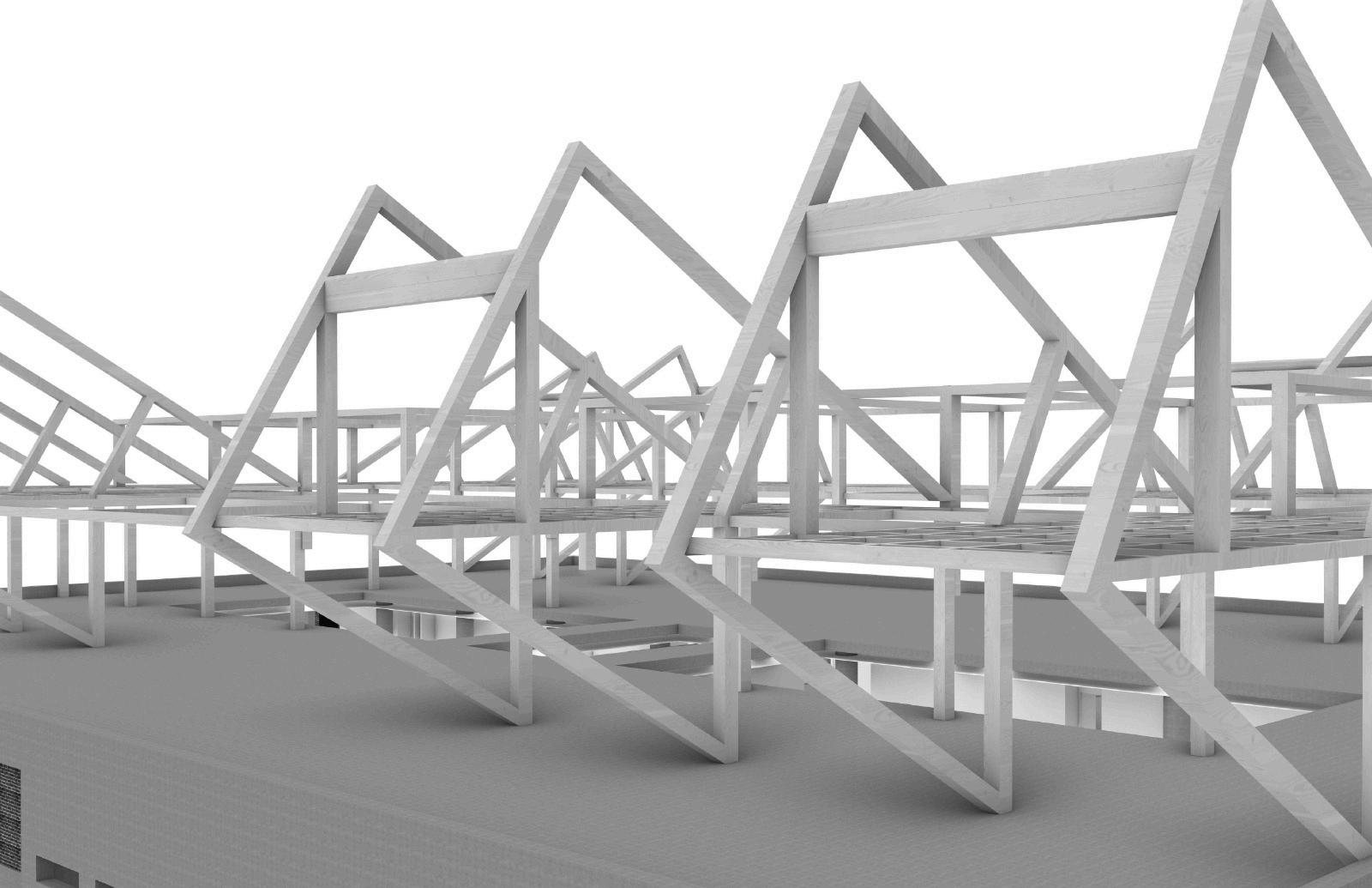
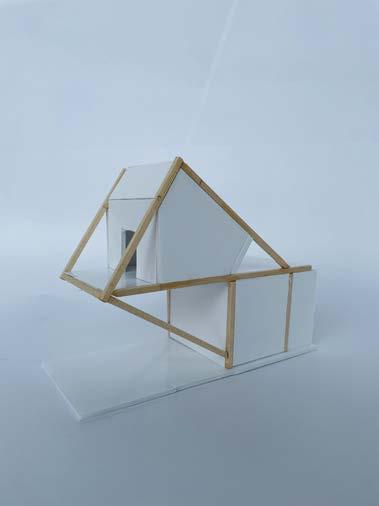
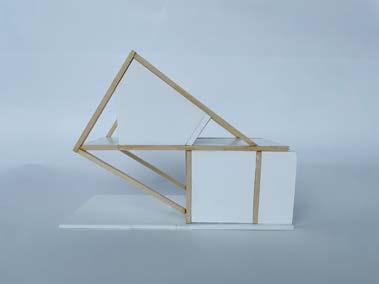
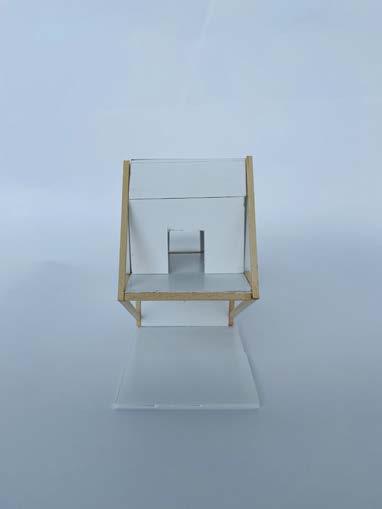
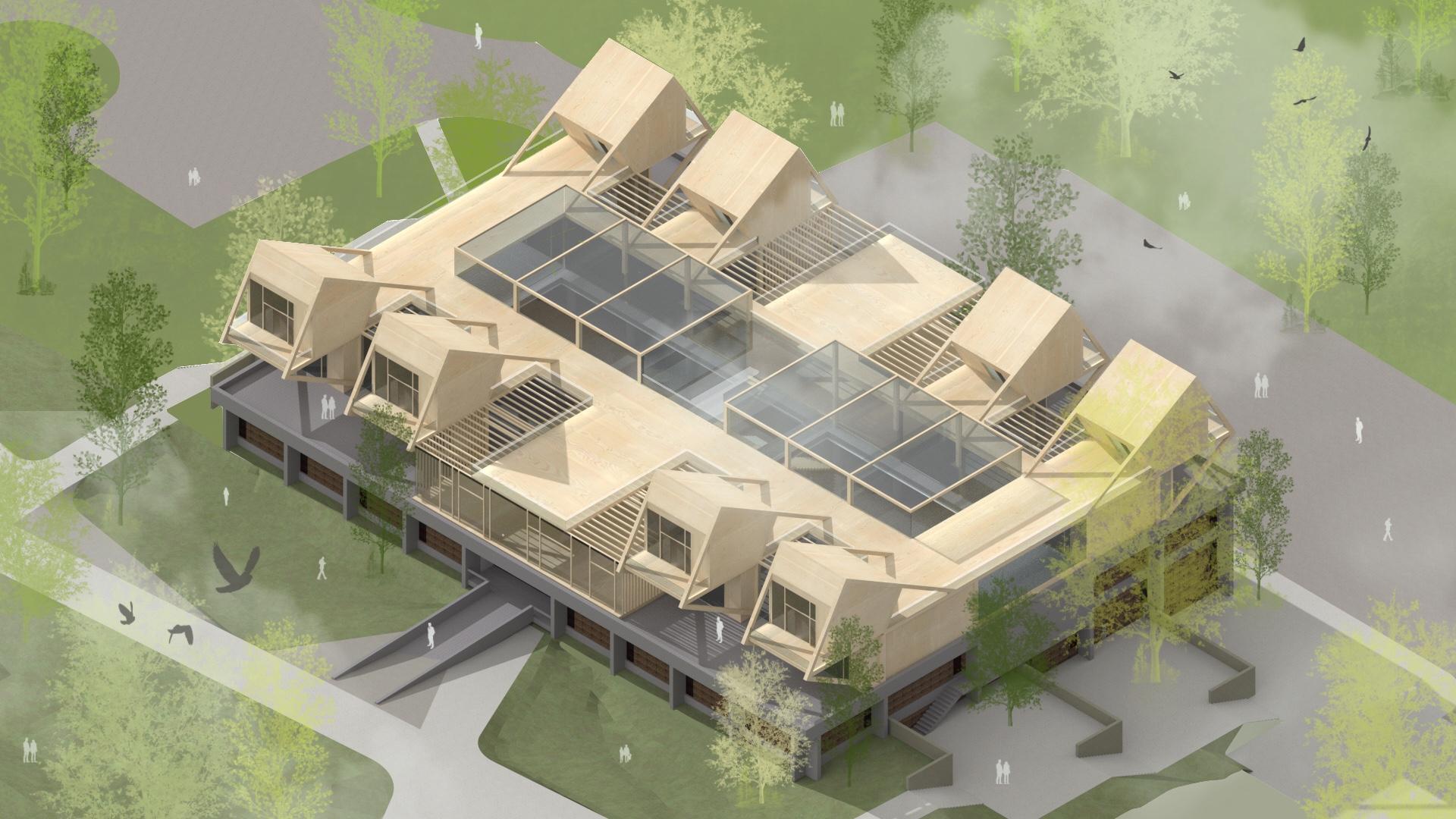
The proposal aims to challenge the structural possibilities of Mass Timber. When wood is used for the structure of a building, it reduces the carbon footprint in two ways—through carbon storage and through avoided greenhouse gas emissions, since wood products use less energy from fossil fuels in their manufacture than other materials. The main concept of the proposal was to facilitate the students with a variety of reading area conditions. The very unique aspect of the project - The Individual Reading Pods are designed at an angle to capture the maximum amount of sunlight even at the darkest hour. This happens to be the major form giving component of the project. In addition to these pods, Outdoor reading areas are also provided which are accessible from the general indoor reading spaces.
Studio IV : Intergrated Studio
Professor : Stephanie Bayard
Project : Wert + Green House
Location : Kent Avenue, Ny
Studio Partner : Priyashi Galiawala
Software : Rhino, Illustrator, Photoshop
8.
9.
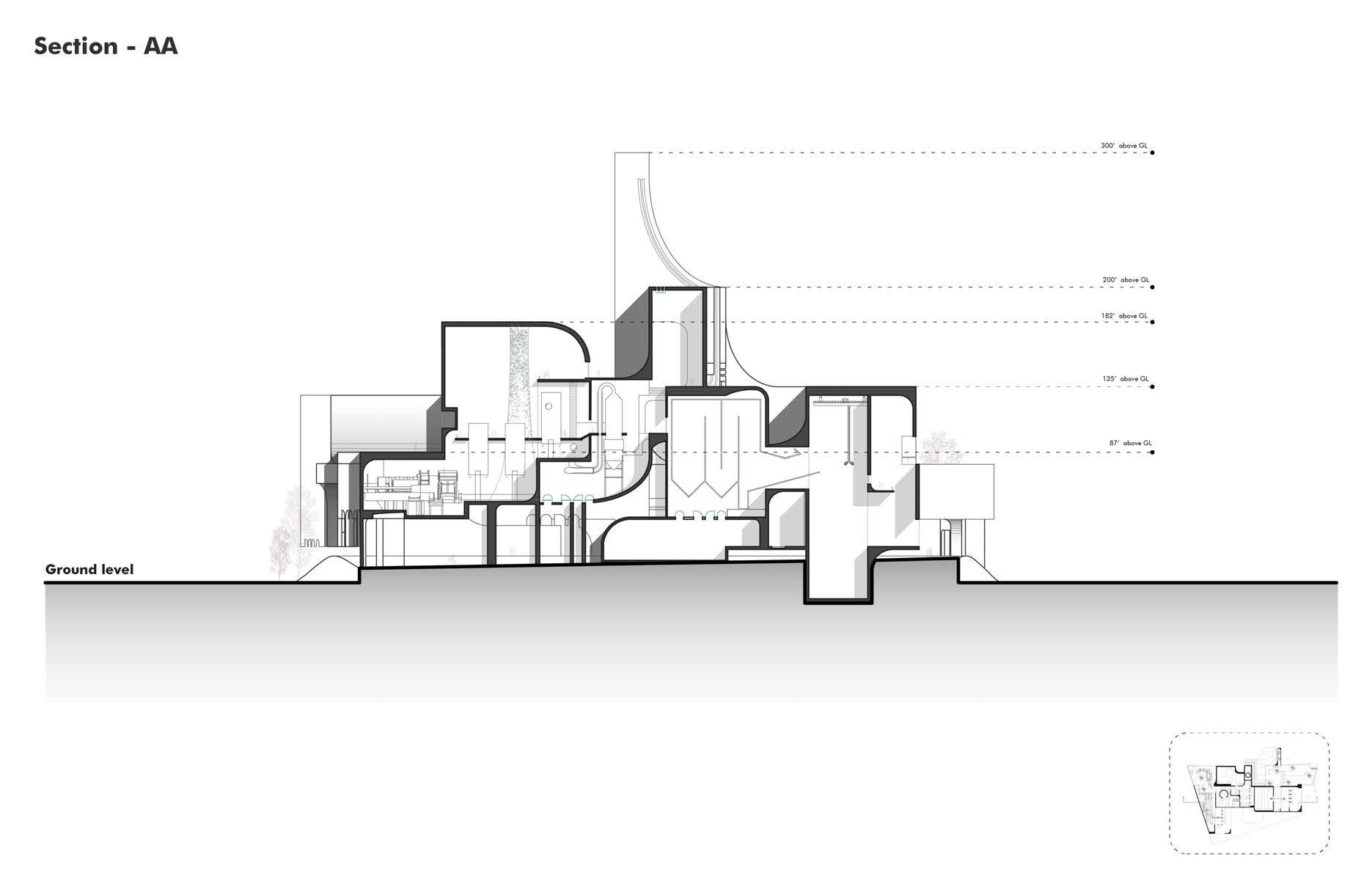
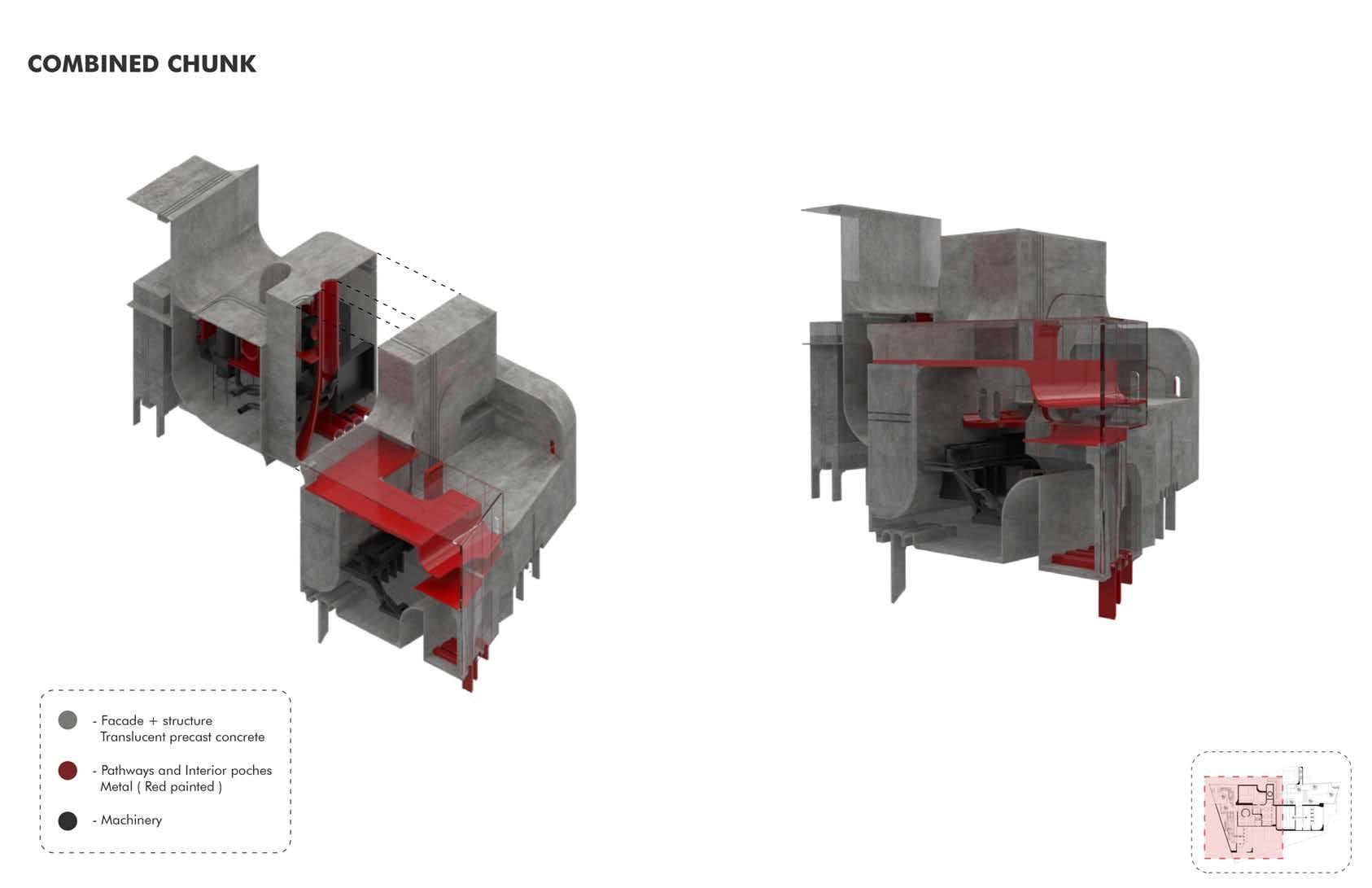
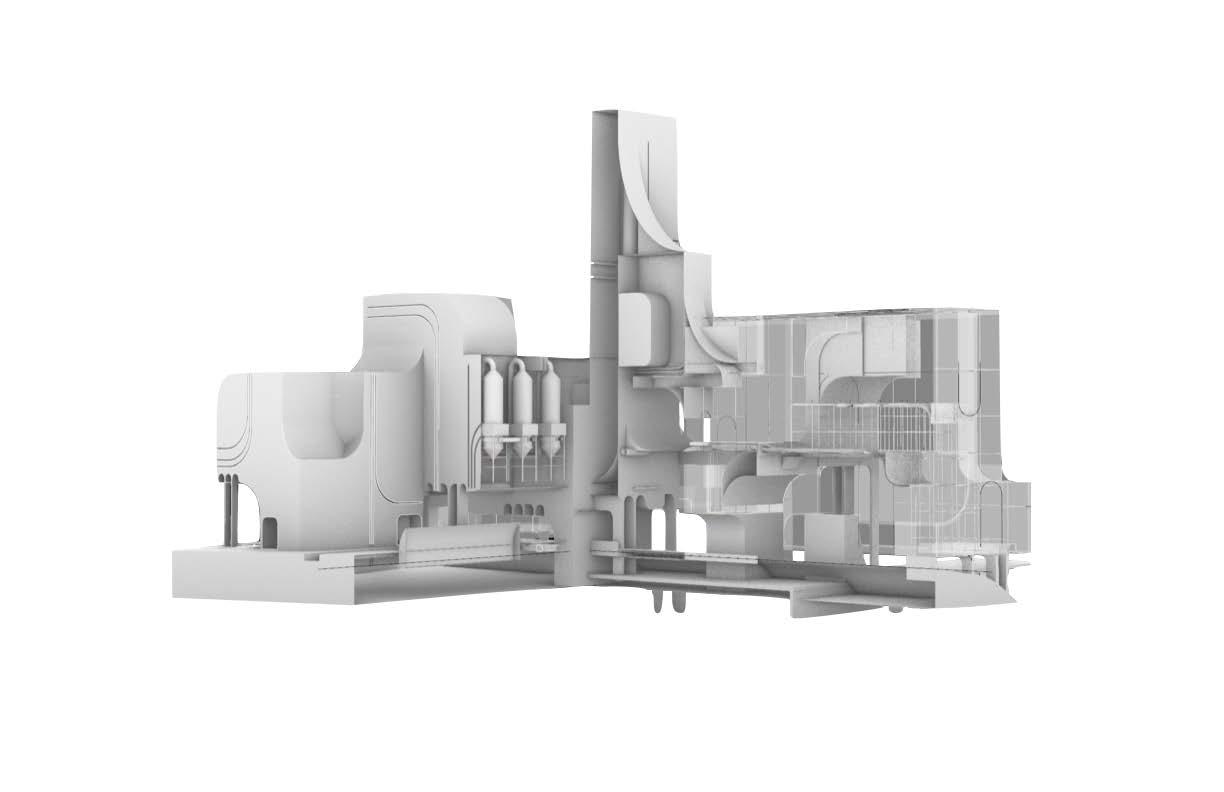
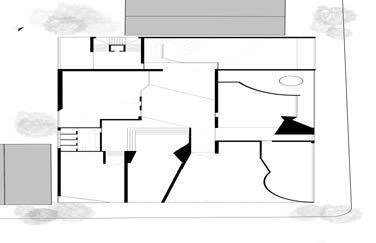
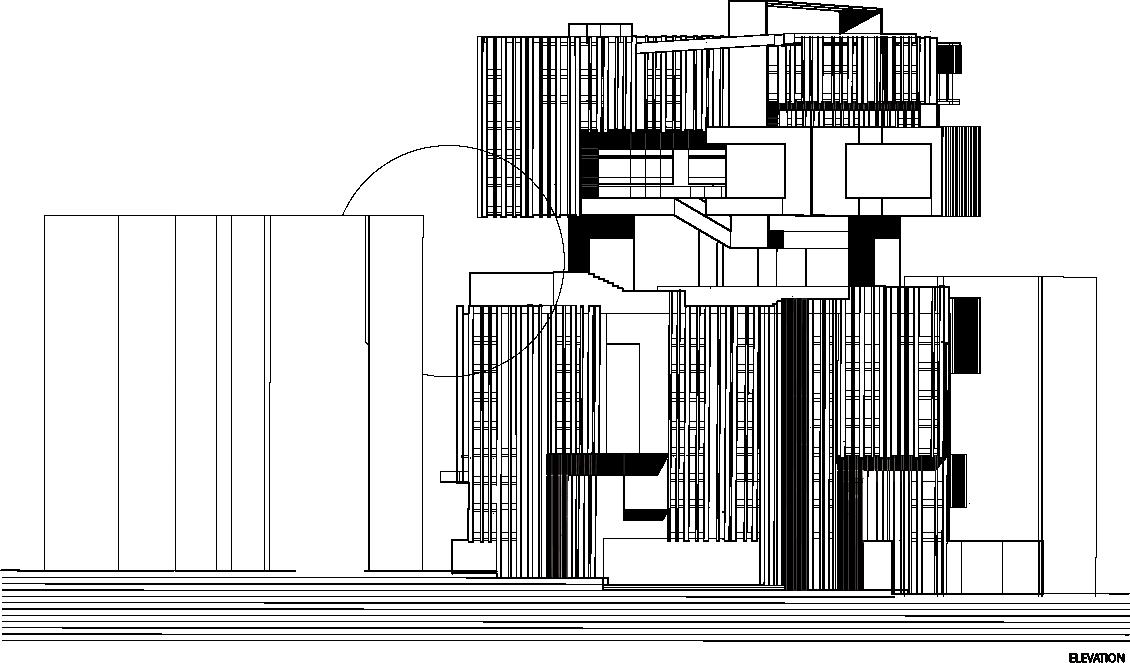
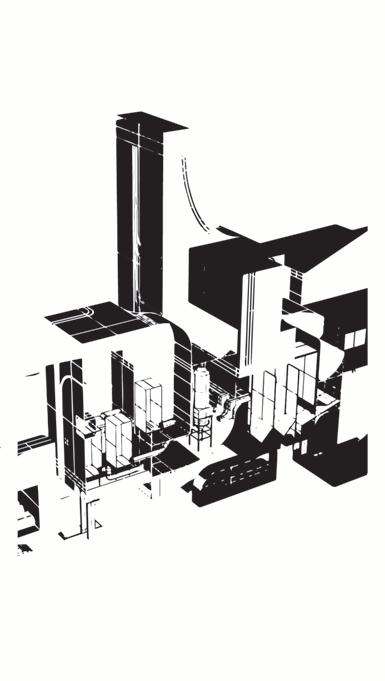
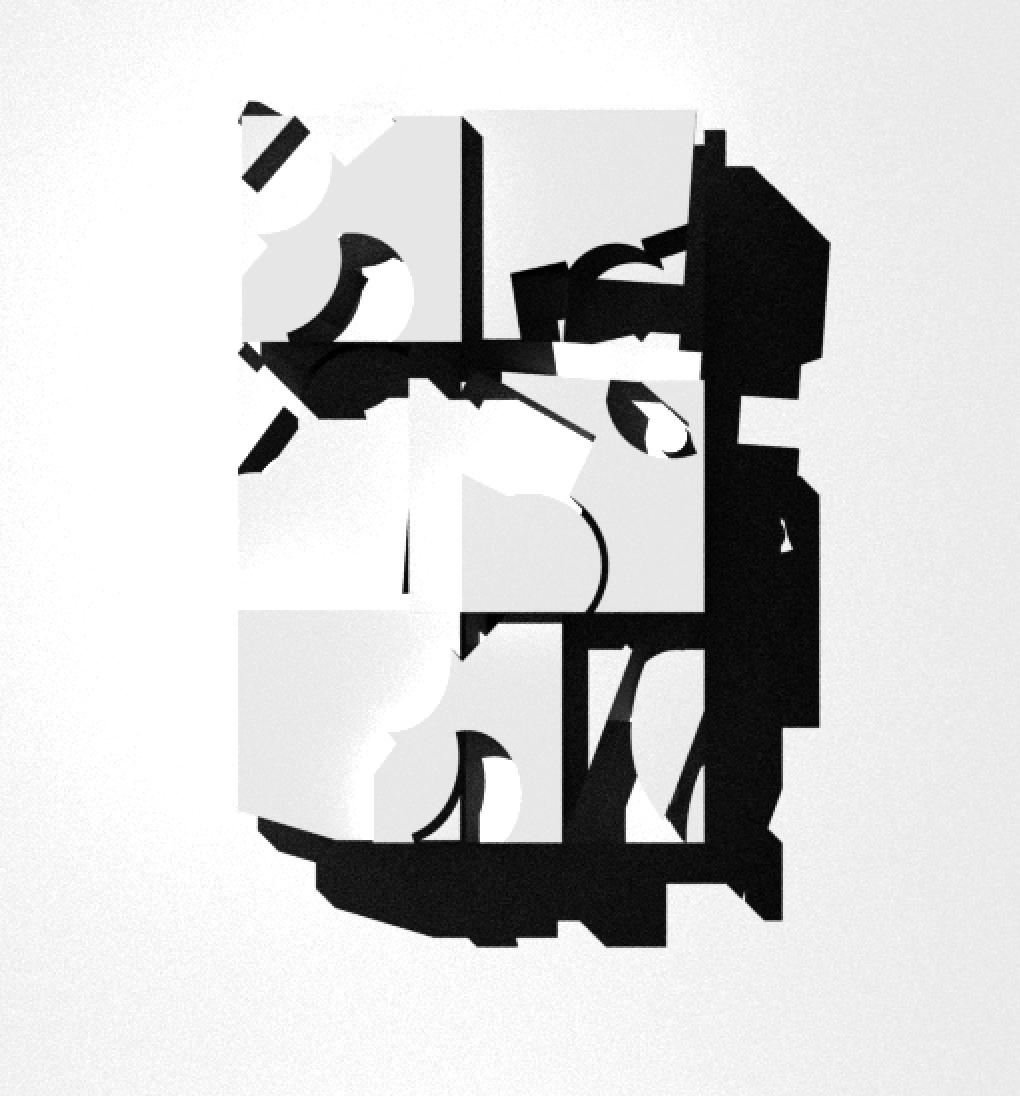
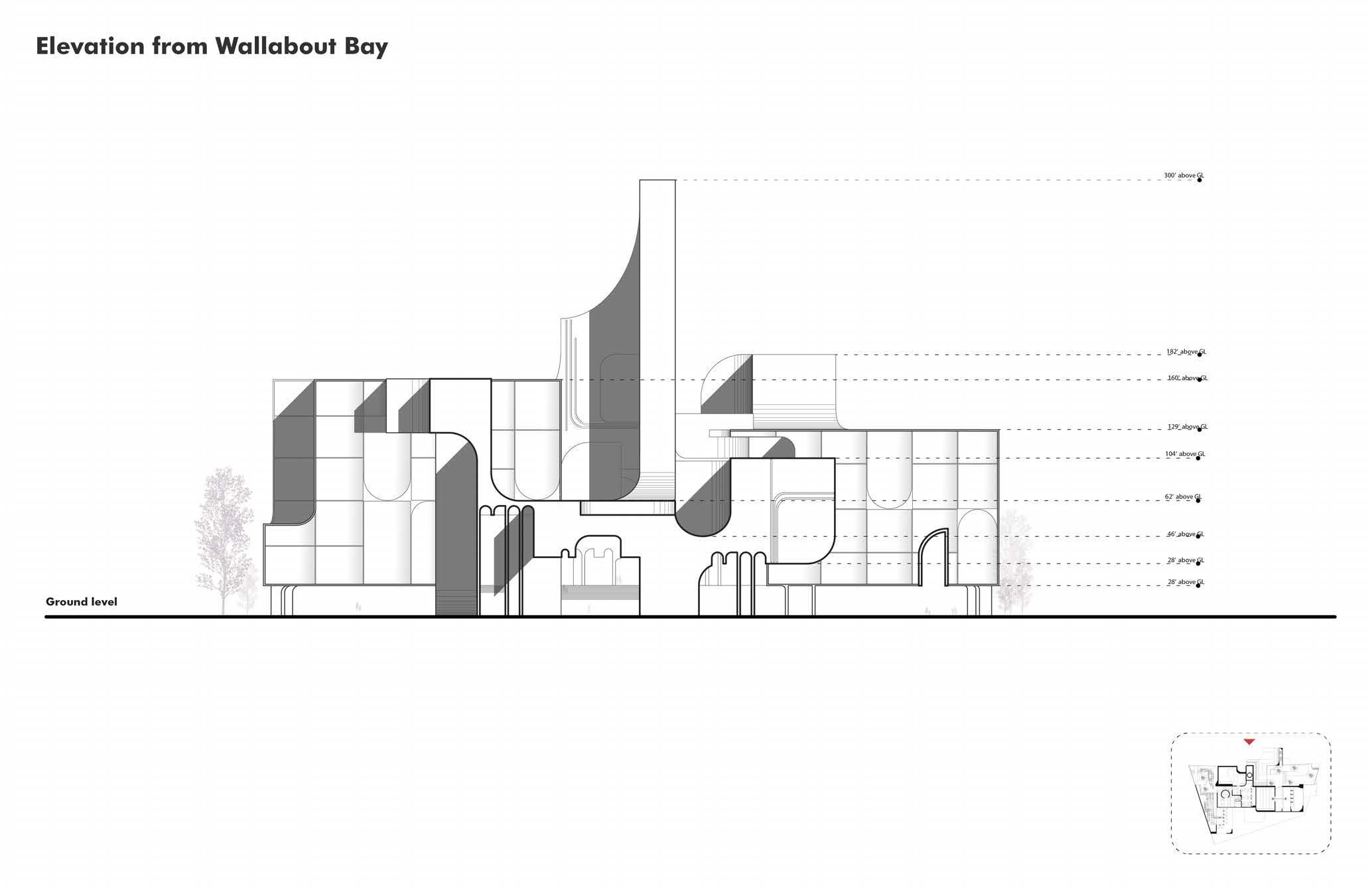
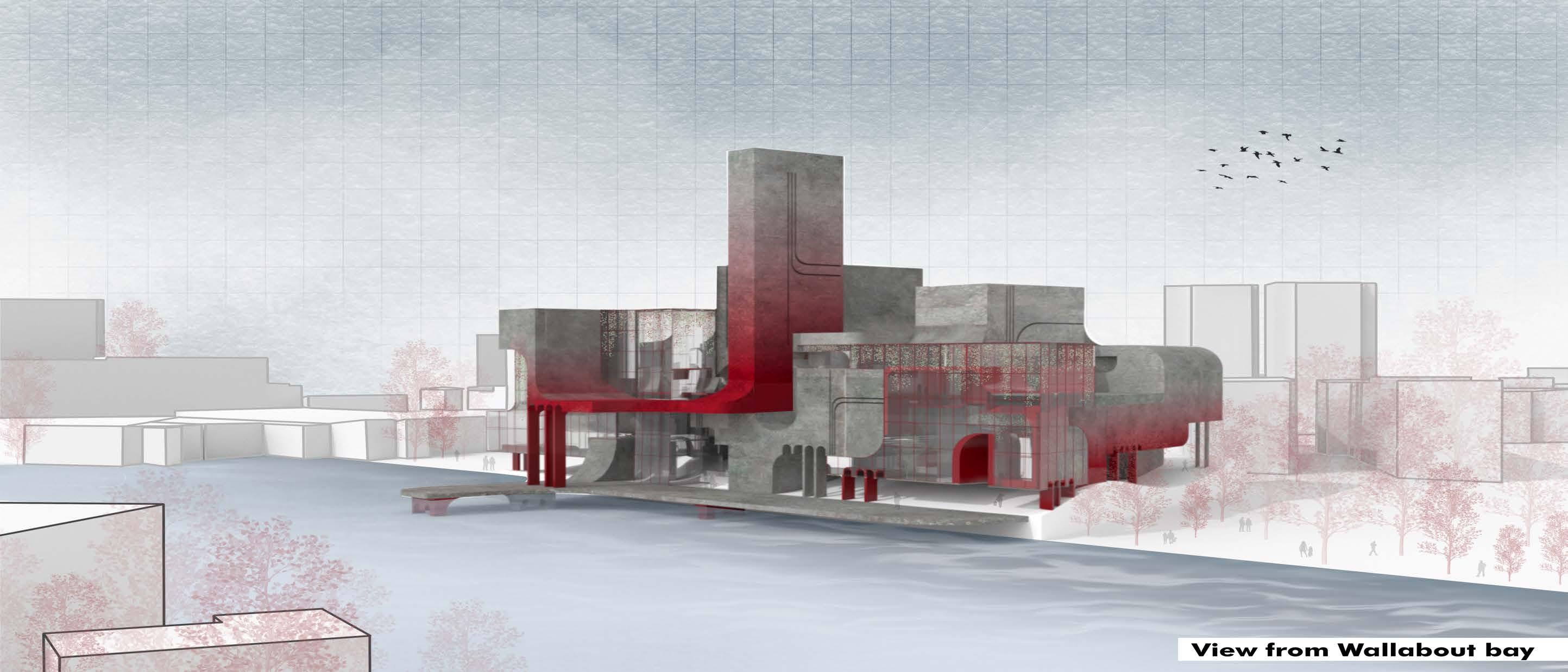
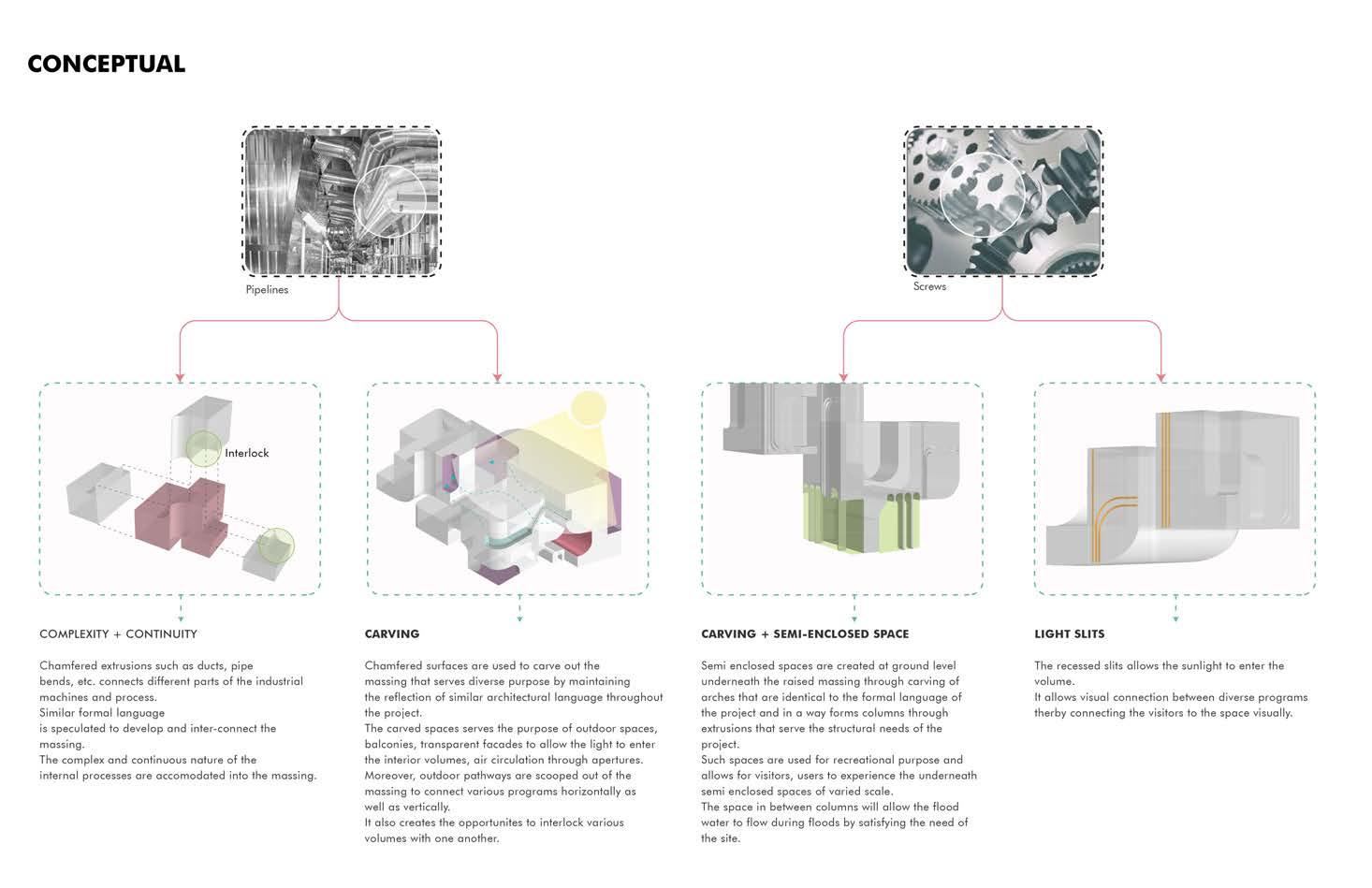
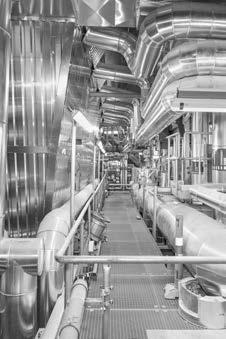
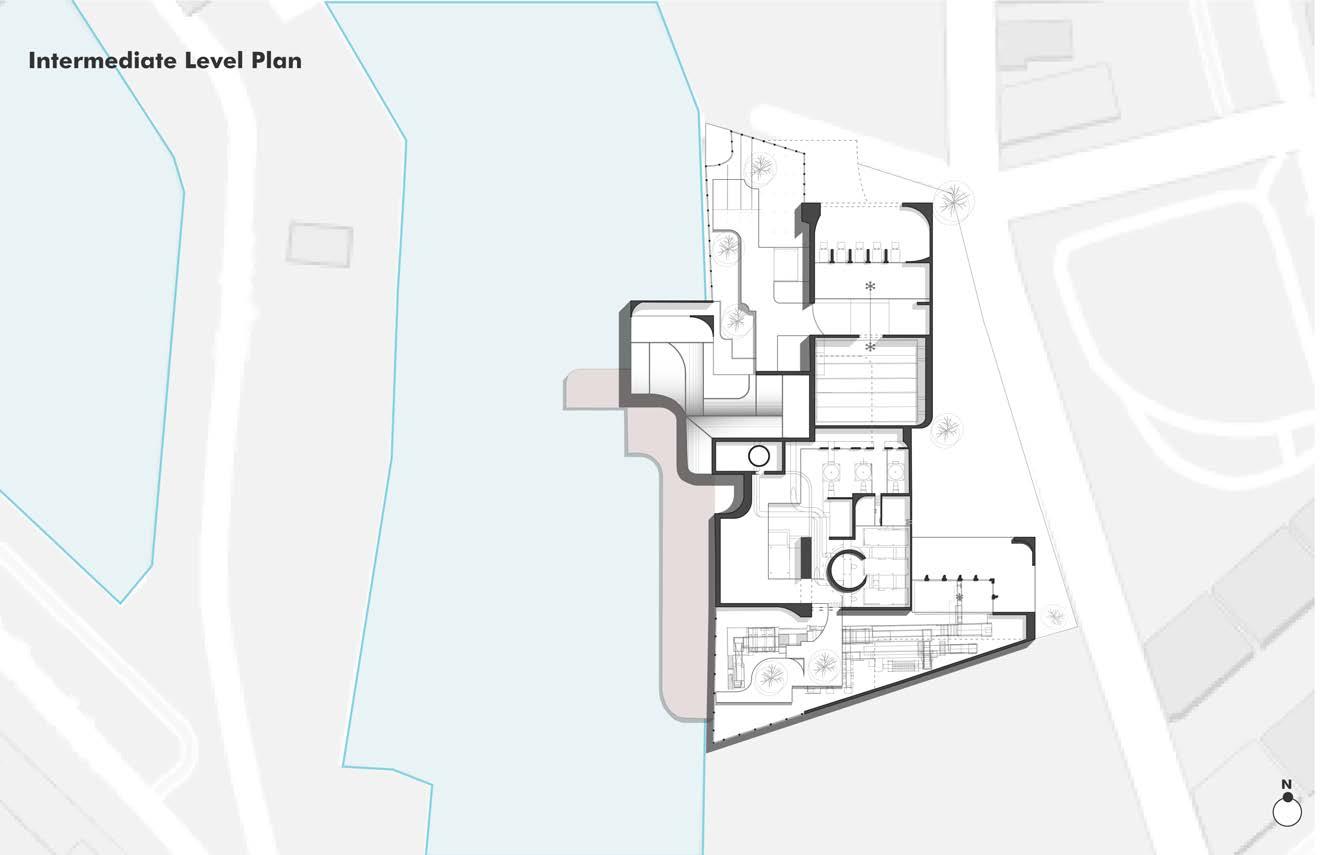
This is an ongoing studio project with a brief that required us to design Waste Energy Recycling Treatment plant. The brief happens to be intriguing as it clubs green house along with WERT, making it challenging. Being an Integrated studio, The brief addresses many other aspects of the design like functionality, facade, materiality, and other structural aspects including MEP. The project was initially started with the functionality aspect which then led us to a formal language that was evident in our massing which had a number of operations done like carvings out spaces, giving fluted volumes, and curves to connect the various interior spaces to make it look as one. The massing consisted of small and large volumes breaking the scale of the project and merging it with the surrounding context.