ARCHITECTURE PORTFOLIO
MOLLY SHANLEY | SYRACUSE UNIVERSITY ARCHITECTURE | 2021-2025

MOLLY SHANLEY | SYRACUSE UNIVERSITY ARCHITECTURE | 2021-2025
YEAR, FIRST SEMESTER (2023); PROFESSOR OMAR ALI
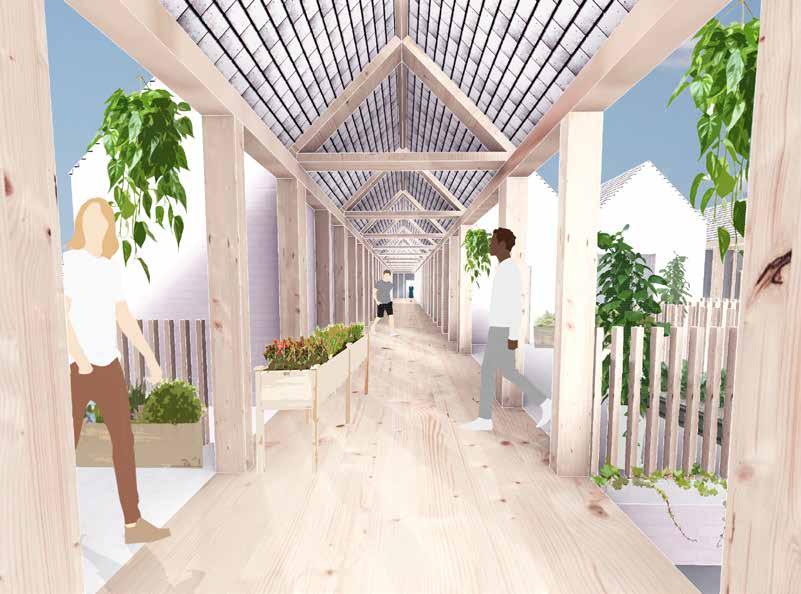
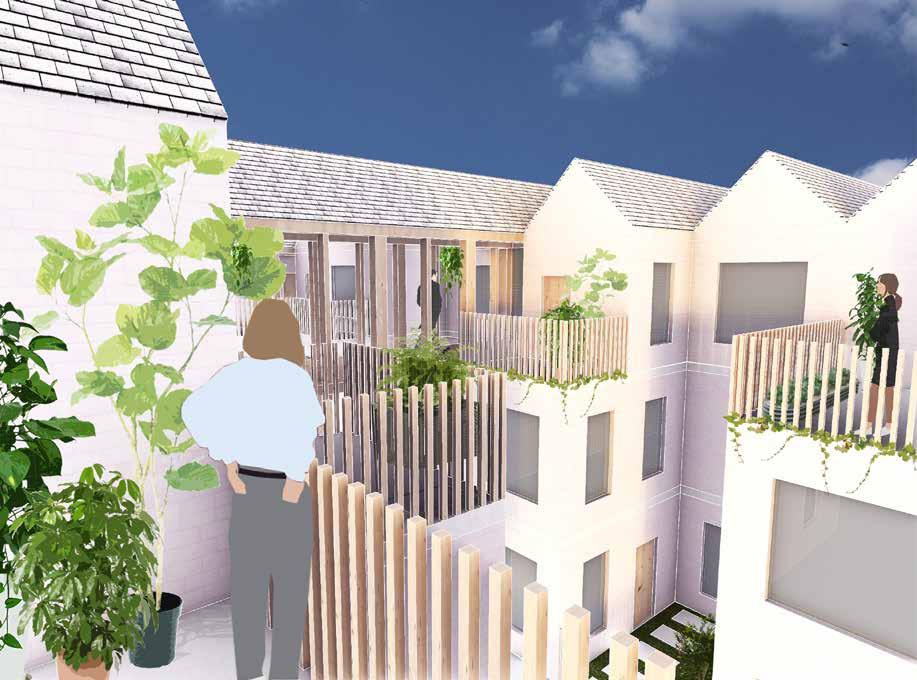
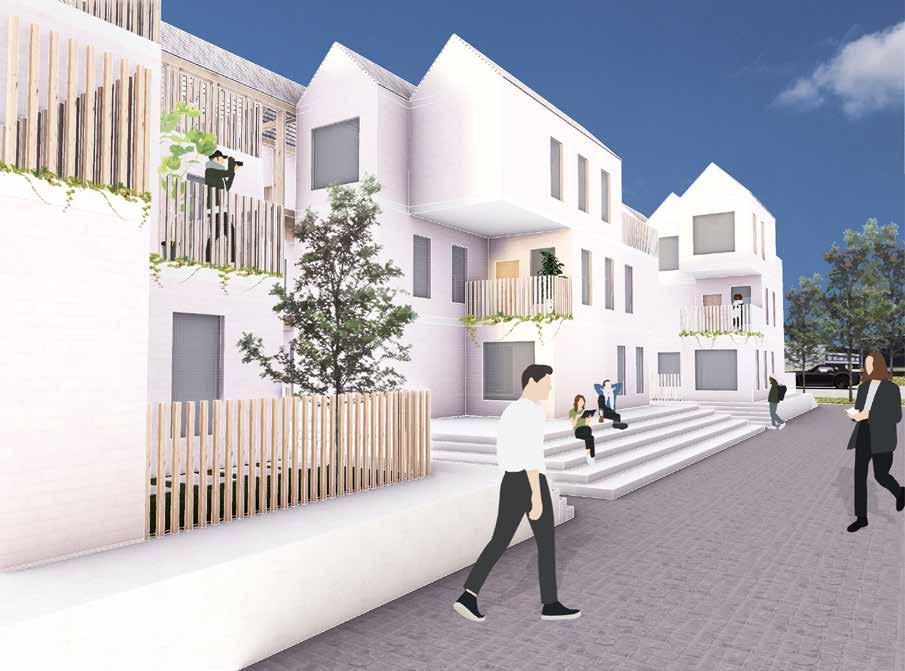
Shifting Grounds, in the Bronzeville area of Chicago, is a living-learning community environment that thrives on self-sustainability. The community engages in agricultural practices like tending to goats and chickens which occurs in the community barn as well as the park/garden space on the site. In addition, the barn serves as an event space where residents can come together to bond as a community. As you move through the space, there are study nooks as well as communal kitchens, which act as a hub for culinary exploration and learning about healthy living habits using the onsite produce. When organizing my community on the site, I prioritized a dynamic shifting rectangle movement to arrange my units. On the ground floor, a repetition of typical units adheres to a structured grid pattern. As you ascend to the second and third floors, there is a deliberate shifting movement to break this grid and create new moments. This arrangement creates new living spaces which include individual porches that give each unit a private garden. To get to the units on the second and third floors, I created horizontal corridors that go through the entire site, connecting each unit. These corridors have an open tectonic structure creating more spaces where people can engage within the community.


KYLE MILLER
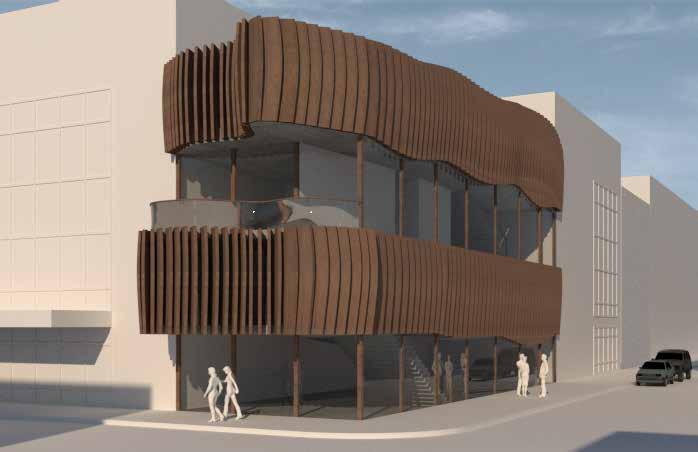
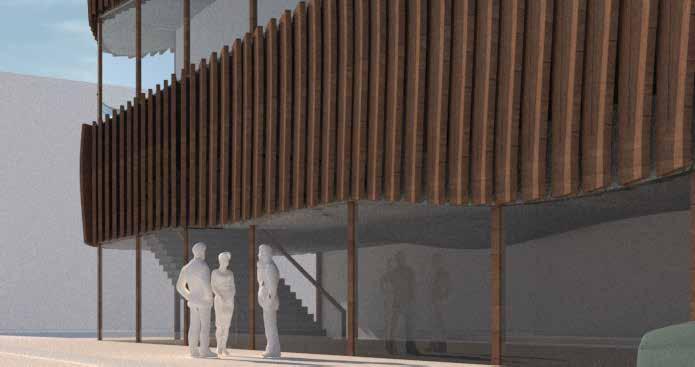
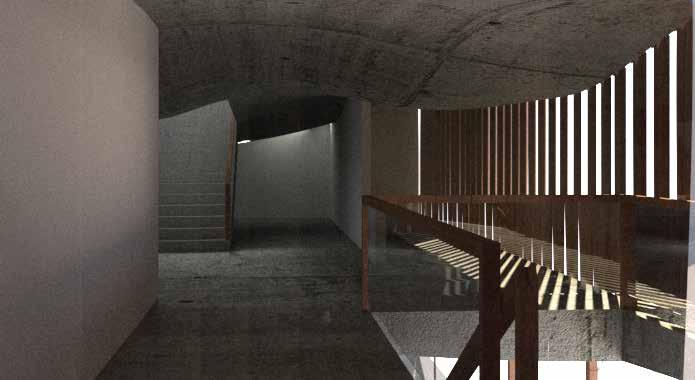
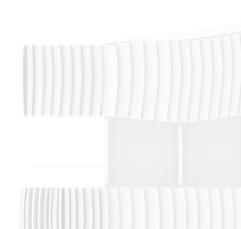
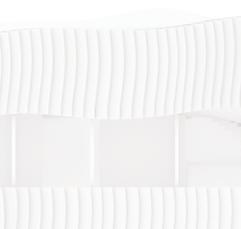
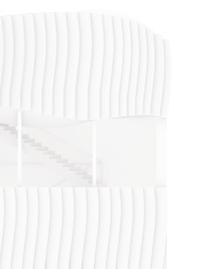
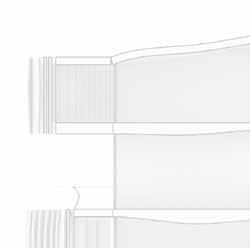
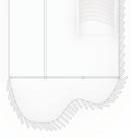
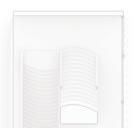
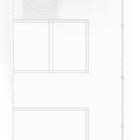
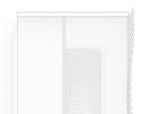
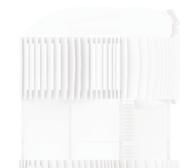
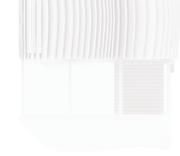
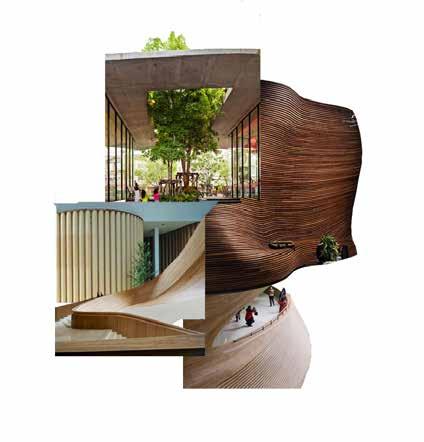
When designing the art incubator, I explored spatial definition using solids and voids, light in relation to the facade of my building, and topography. The art incubator consists of 4 floors, 2 being voids and 2 being solids. Having the ground floor be a void, welcomes people into the design. Glass wraps around the facade of this floor creating an open, inviting area. The second and fourth floors are solid, which plays an important role in keeping the art protected from sunlight. The facade is designed to shade the art from direct sun. The angled wooden panels let light in from the east. The panels were designed for two purposes, to keep the “solid” look to my design, which continues the theme of solid vs void, and to control sun rays. Using this window shading, controls what time of the day receives the most sun in the gallery. Another main component of the design is the topography of each of the floors. All of the ceilings have a unique topographical design highlighted in my diagrams. The contour of the topography I created provides the opportunity to introduce unique stairs and seating options on the ground level and creates special viewing experiences throughout my design.
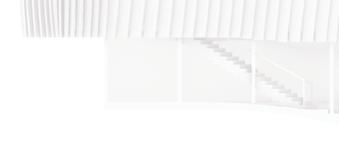


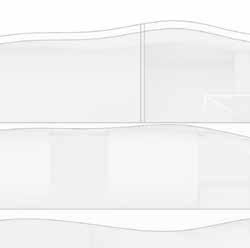
Longitudinal Section
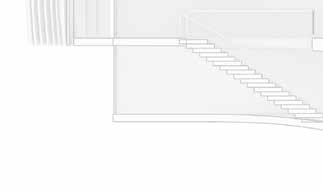
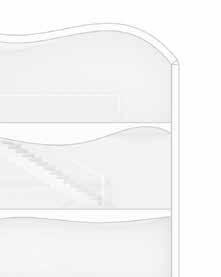



Transverse Section
1/4”=1ʼ-0”
Elevation 1/4”=1ʼ-0”
THIRD YEAR, FIRST SEMESTER (2023); PROFESSOR
OMAR ALI
During this quick one-week assignment, we were challenged to design a coach house. These garage-like spaces in Chicago, are freestanding buildings located behind a larger house/townhouse. Today, these coach house spaces can be rented out to tenants. In my design, one of the partners is a bartender who wants to open a speakeasy in the house for the community. The second partner is much more mellow and prefers gardening, yoga, and meditation. To address both of these tenants’ needs, I created a speakeasy space in the basement and a tranquil bedroom on the second floor including a rooftop garden and meditation area. To separate these spaces, I made sure that the entrance to the speakeasy was completely separate from the actual coach house. To do this, I designed the entrance to the speakeasy on the far street where the townhouses are occupied. This allows for a distinction between the main living/private space of the home and the public speakeasy space.
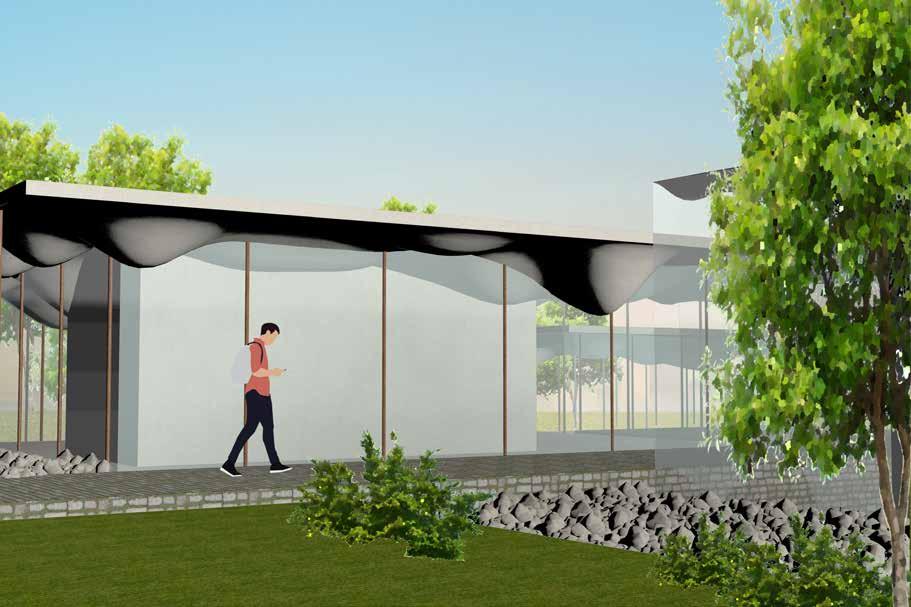
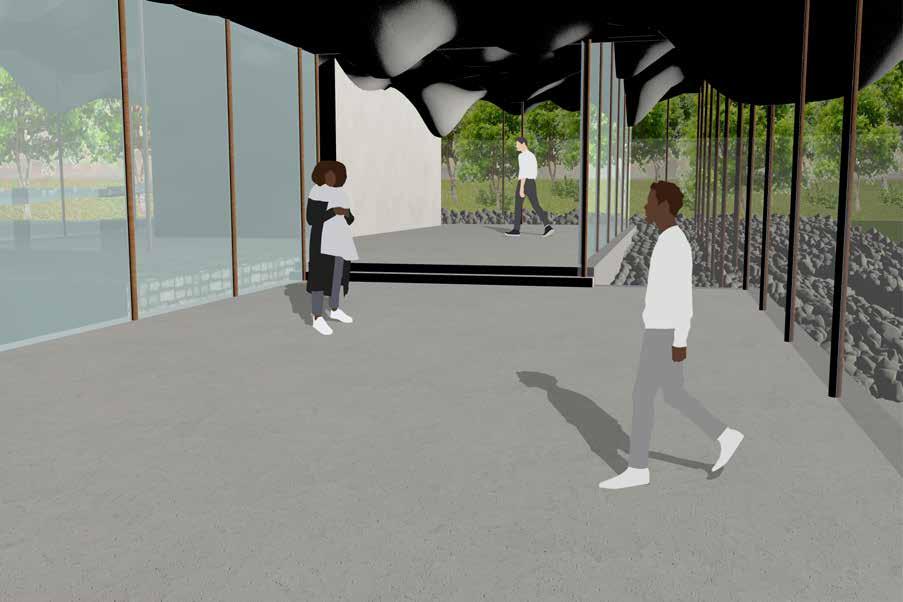
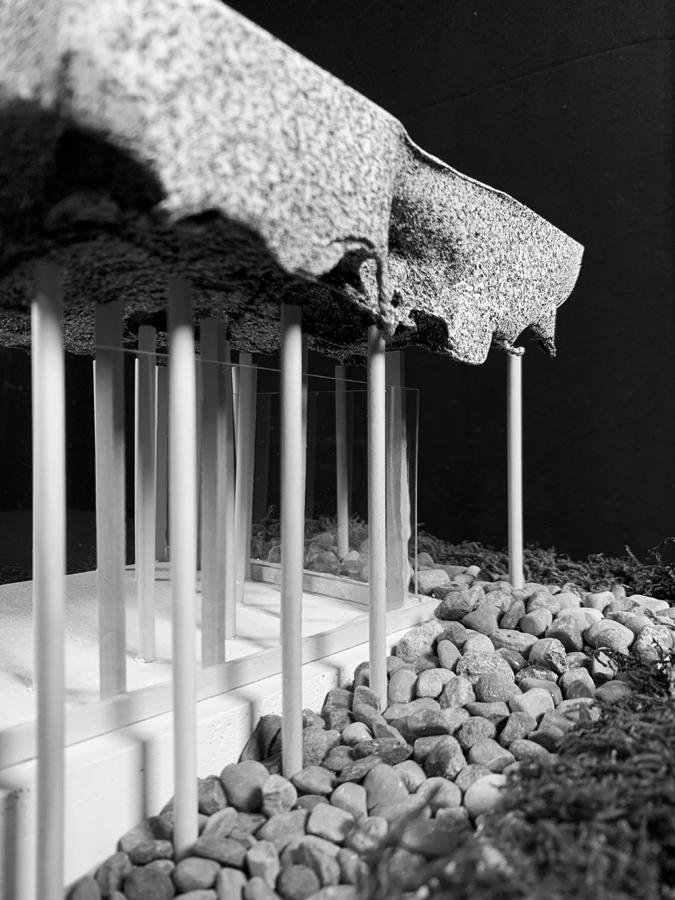
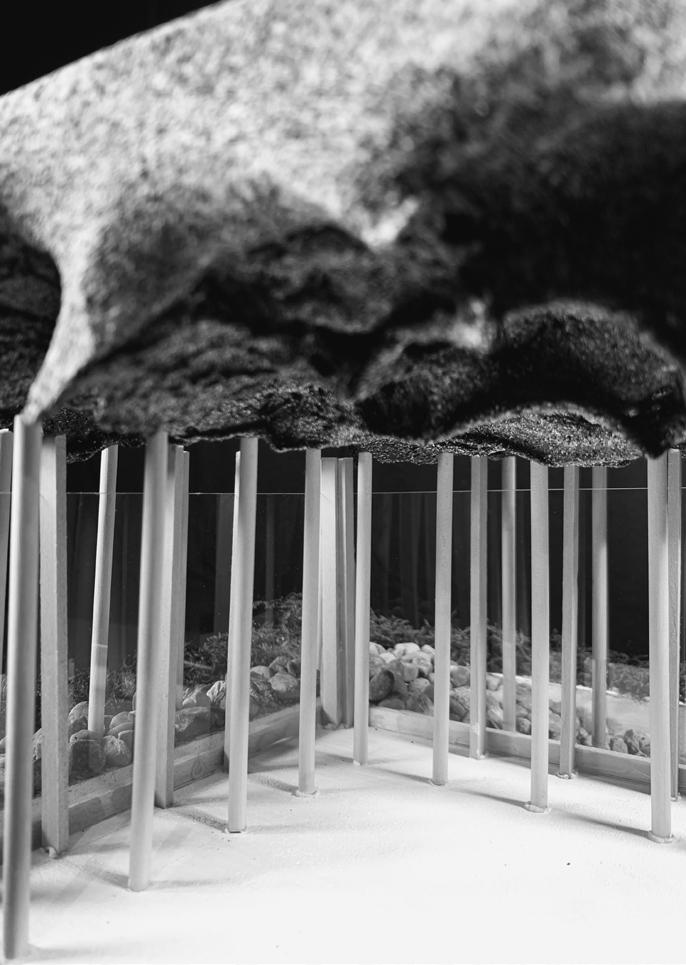
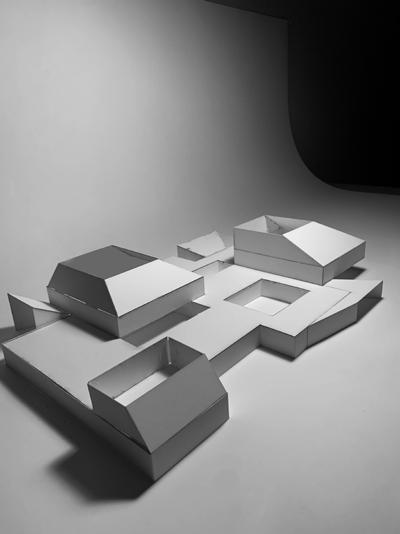
After analyzing Fort Hunter, New York and the remains of the locks that previously brought a lot of commerce to Fort Hunter, I incorporated the stepping action of the locks into my design of the visitor center by using varied roof heights based on the different programs in the building. For the larger public areas (cafe and info center), the roof heights are taller and the smaller, more private areas (garage, workshop, and restrooms) have shorter roof heights. This creates a stepping moment as you move through the space similar to how the boat locks move a boat from one height of water to another. The visitor center is organized along a grid using posts as tectonics. These posts are aligned inside the building as well as outside the building acting as structural support for the overhang of the roof. Rock gardens line the building which blurs the concrete building with the green landscape of Fort Hunter. The roof of the structure is meant to mimic a rock that has been carved/chiseled out of the ground to contrast the extremely linear look of the visitor center.
Section 1
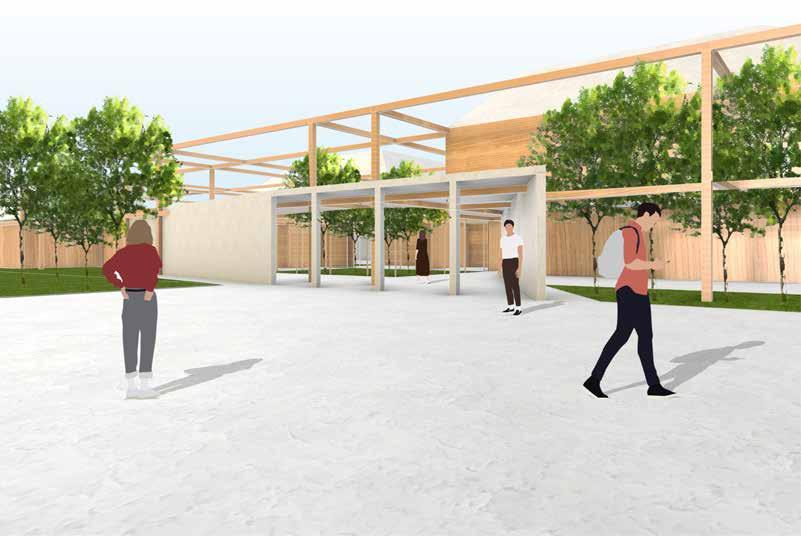
After studying the precedent Office-Off by Heri and Salli and Nick Caves Soundsuits, my design of the community center followed a similar tectonic system to the one of Office-Off. Using the inspiration of the Soundsuit, the design of the building was created to break through the tectonic system that surrounded the building to create something that was “imperfect.” This is similar to the Soundsuit which started off contained but as time went on, it jumped on the pogo stick and created moments of harsh movement. In my community center design, the lofted “hoods” are breaking through the tectonic system in different areas to make these moves. The program is organized into 4 different sections including the back of the house, performance space, lobby, and market stalls.
SECOND YEAR, FIRST SEMESTER (2022); PROFESSOR CAIT MCCARTHY
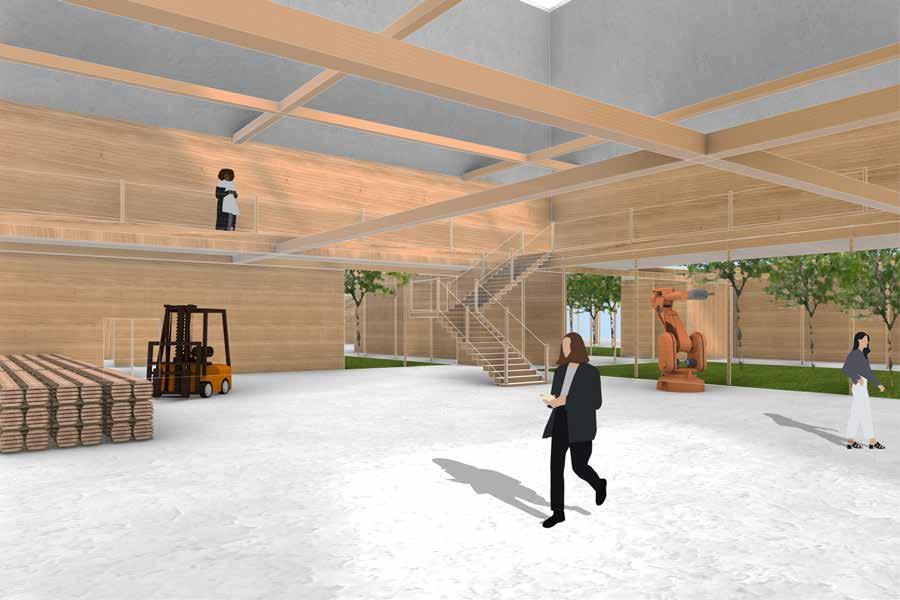
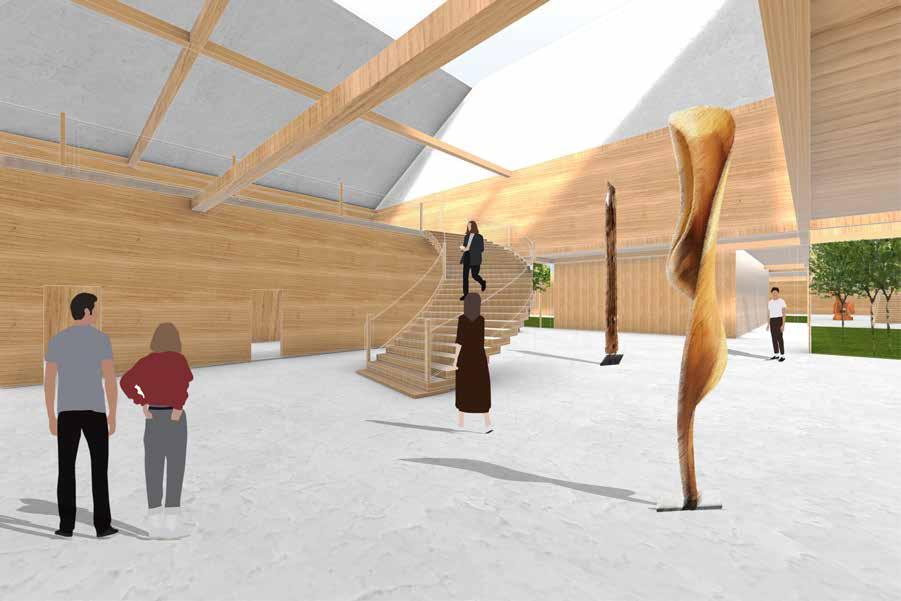
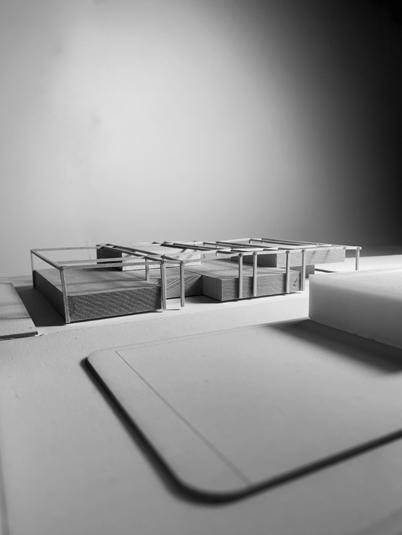
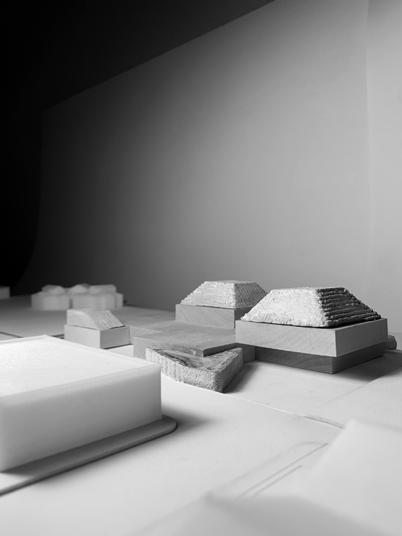
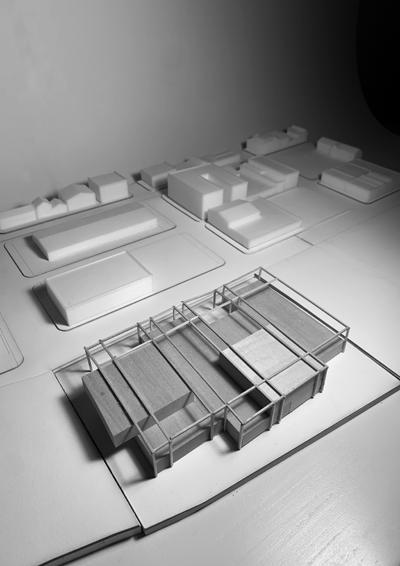
As I studied the city of Eureka, California, I analyzed the Sanborn maps of Eureka. Based on the Sanborn maps, our site was previously a lumber yard. The lumber was placed in piles where our site now sits, which were shown on the maps. Using these “piles” allowed me to organize the program of the Timber Research Center and create a grid along my site. I organized the program in strips, designing a research/workshop “private strip” and an exhibition/ learning “public strip.” I wanted the space to cohesively flow to allow for access to both the private and public strips for researchers and learners. I created courtyards that connect the spaces to one another without disrupting the flow of circulation. This provides a space where research on the timber can take place while also making a communal space where people can gather and learn.
Syracuse University | Bachelor of Architecture 2026 mgshanle@syr.edu | (973)-525-7137