portfolio’24 molly cai

In my desgn work, I am driven by empathetic, equitable, and participatory approaches. And I am deeply passionate about working for underrepresented minorities to further designed equity.
Research plays an integral role in how I approach design. I strive to thoroughly understand the space through site analysis, community interviews, and in-person site visits. My goal is to improve lives through the way people interact with the spaces they work, play and live in
INFO
+1 (317) 941-5766
mollyc814@gmail.com
mocai.myportfolio.com/ linkedin.co/in/molly-caiiu/
2020 - 2024
Indiana University, Eskenazi School of Art & Design
Bachelor of Science, Comprehensive Design
GPA: 3.86/4.00
SOFTWARE
Rhino Revit
Autocad
Twinmotion
Photoshop
Illustrator
Indesign
LANGUAGE ABILITY
English
Mandarin Native Speaker Intermediate
2023 - Present
2023 - Present
Human, By Design — Bloomington, IN Co-Founder
2020 - Present
Interior Design’s Impact on Equity and Wellbeing — Bloomington, IN Undergraduate Research Assistant
2023 - 2023
Asian Culture Center at Indiana University — Bloomington, IN Student Leader & Undergraduate Assistant
Department of Corrections — Indianapolis, IN Diversity and Development Intern
LOCATION: Copenhagen, Denmark
COURSE: Denmark Urban Design Studio
AREA: 500 sqr m
DATE: Jan 2023 — May 2023
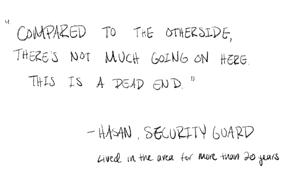
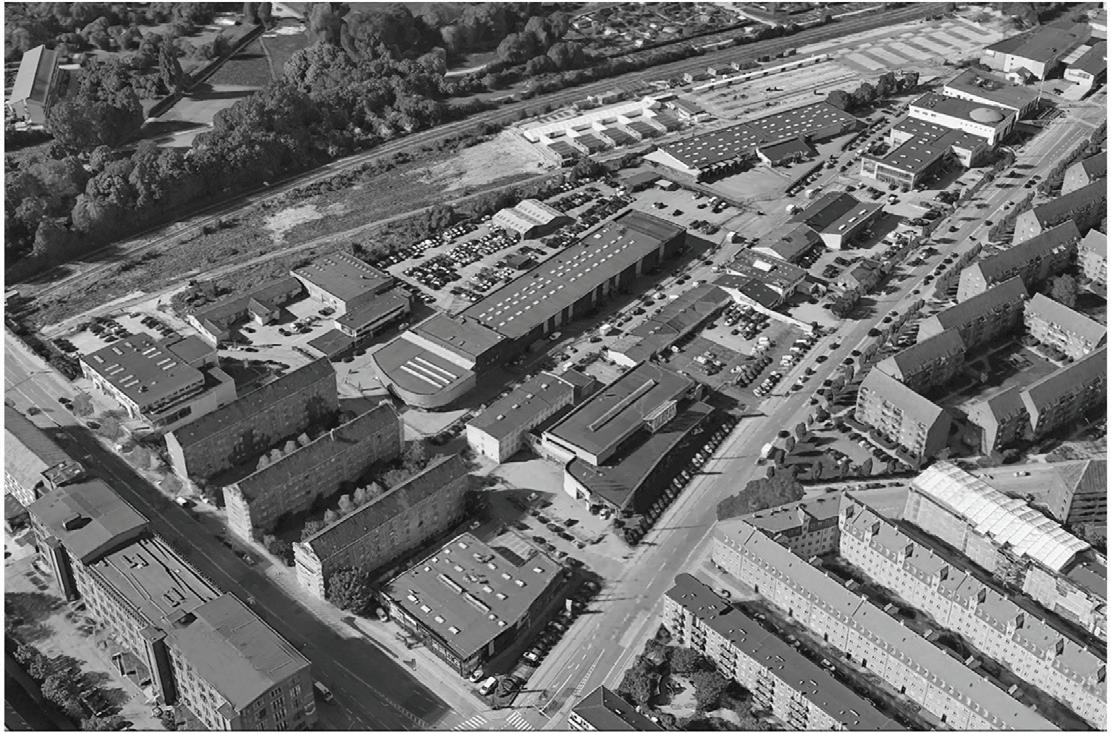
The existing site, “Rovsingsgade kvarter” in Copenhagen, Denmark, is an Industrial area with an abundance of cultural diversity, but has community concerns of being underdeveloped, and unsafe.
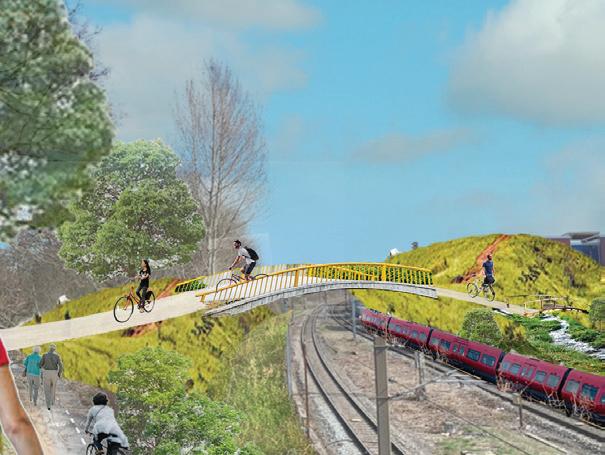
The redevelopment of the area takes into consideration to the existing surfaces, landscaping, street furniture. The design proposal focuses on adaptive reuse of existing buildings, highlighting the community driven artwork, and creating a central “hub” for community members, commuters, and visitors to enjoy.
USAGE OF SPACE
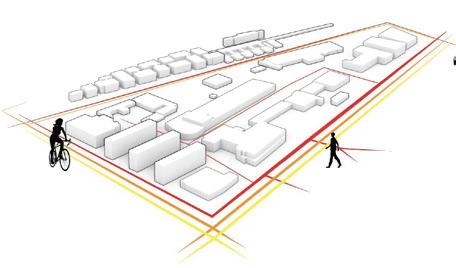
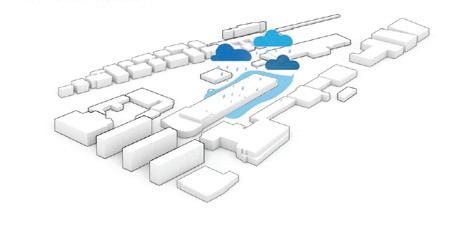
The site is surrounded by car paths, but has little bike and pedestrian paths inside the site showing prioritization of cars. Large amounts of rain water acculumate in the center of the site, raising concerns of water drainage.
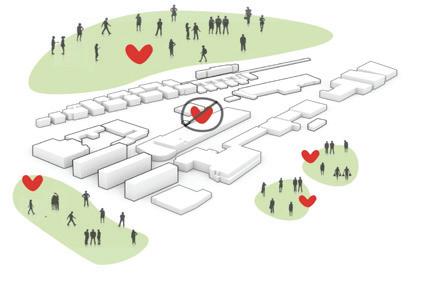
ACTIVATED COMMUNITY AREAS
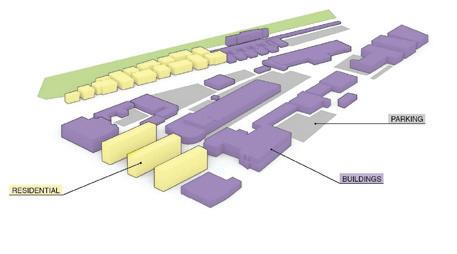
The space is mostly occupied by industrial and commercial spaces, especially car dealerships. Outside of the site, there are places for people to gather and interact, but inside the site there is a lack of community gathering spaces.
Creating an open, and public central heart for anyone to come and gather with a variety of recreational areas
Reusing the temporary shipping container homes into commercial areas as well as a space for local grafitti
Continuing the path of pedestrian and bike lanes into the site to be more friendly and safe
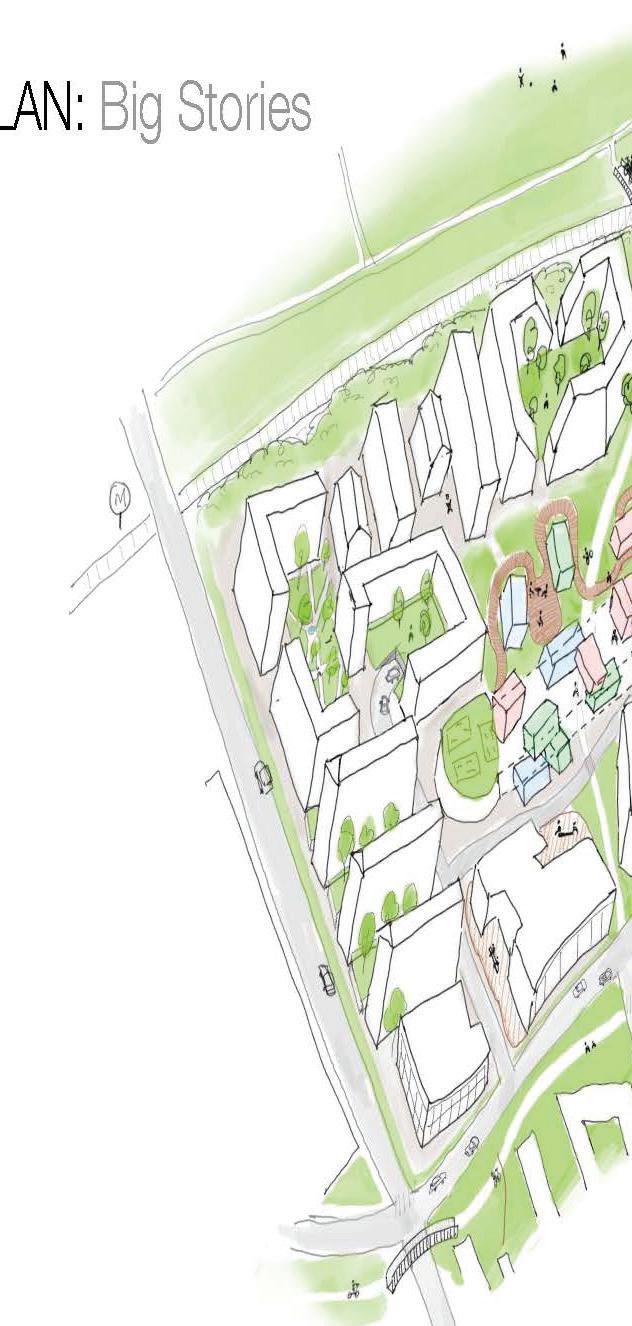
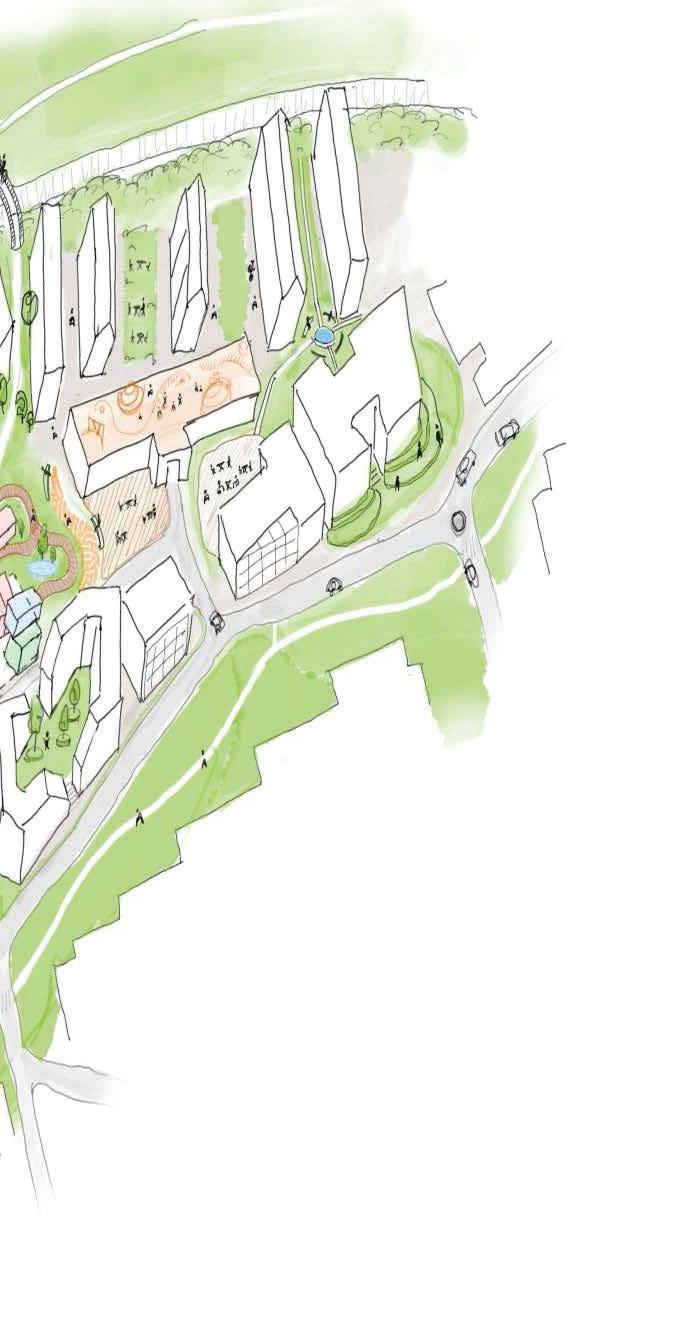
Creating varied housing styles to attract diverse populations people to live, explore, and relax
Developing residential, commercial buildings, and outdoor gathering areas in unused parking lots
Using plants and greenscapes to effectively combat storm water drainage concerns
The central hub is an adaptive reuse of the temporary student housing currently located about the railroad tracks. The housing units are shipping containers, and create flexible vertical spaces for pedestrians to rest on, and creates new interior spaces for commercial activity. Bike paths are suggested through smoother ground material and topiary line the barrier between the active and stationary paths.
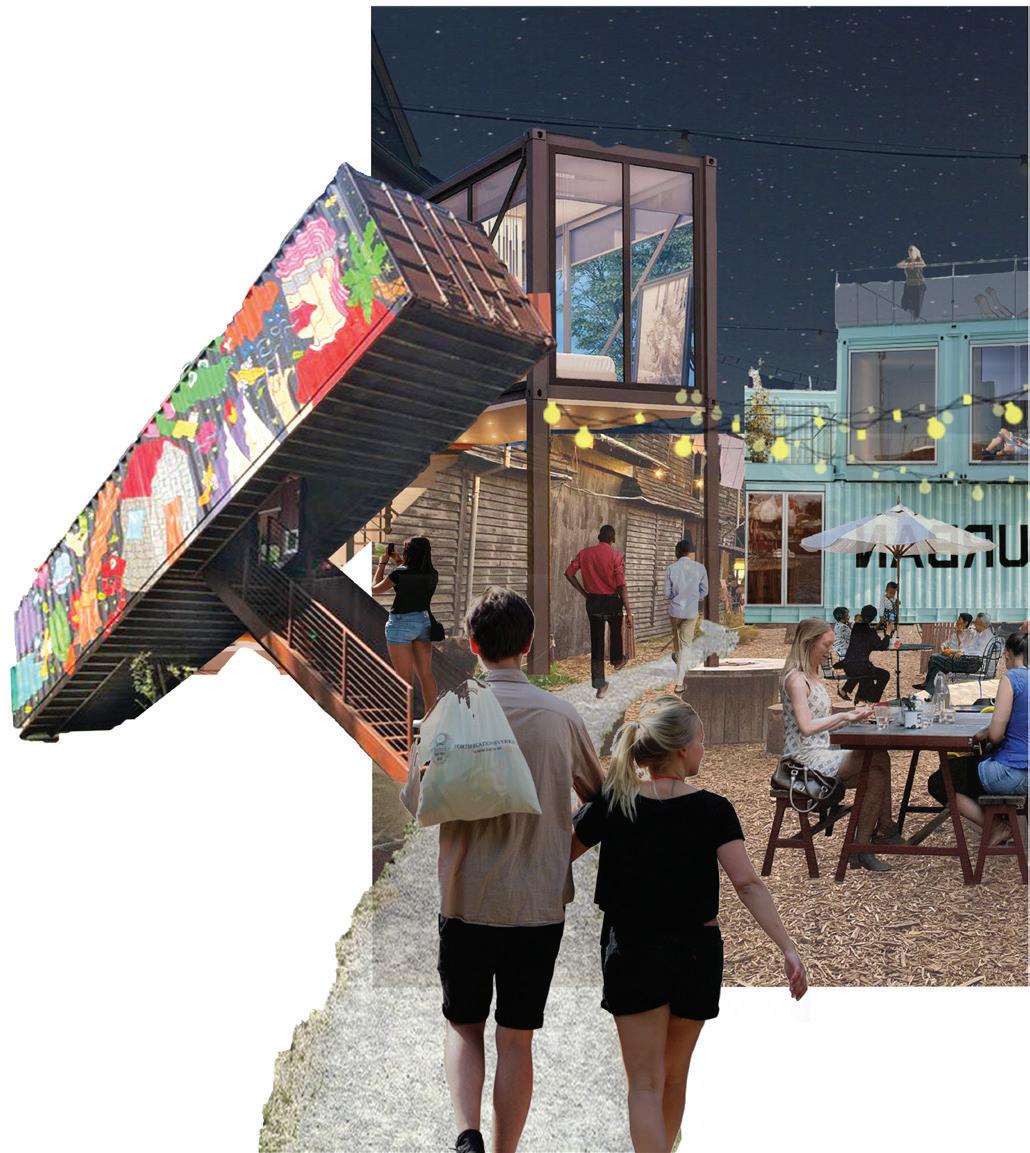
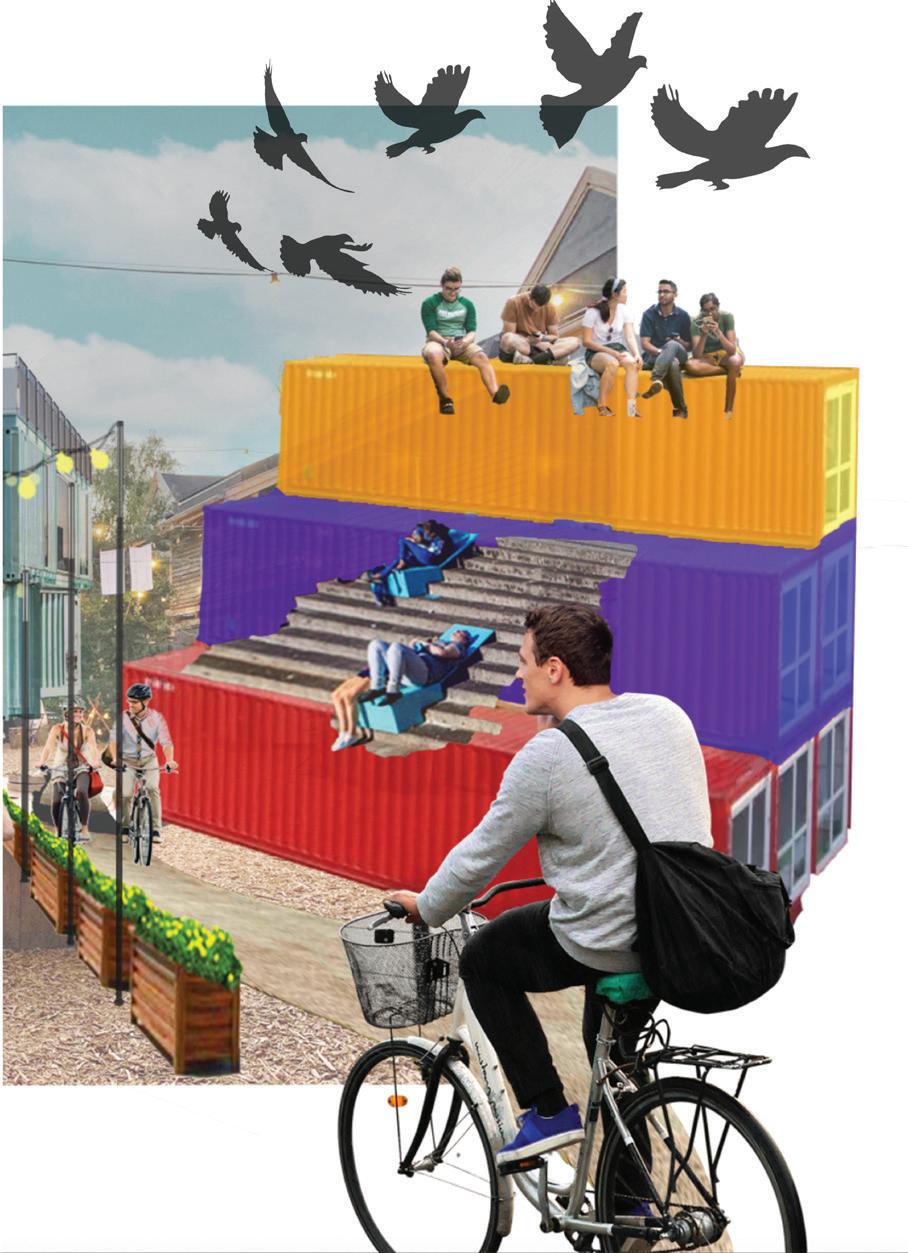
A bike lane travels through the center of the site to connect with adjacenent paths outside of the site. A protective environmental barrier between bikers and pedestrians is created by the flower pots. The difference in road texture — mulch and paved — also creates informal walking and biking paths.
LOCATION: Parke County, Indiana
COURSE: SOAD-C 380 Studio
AREA: x sqr ft
DATE: Jan 2022 — May 2022
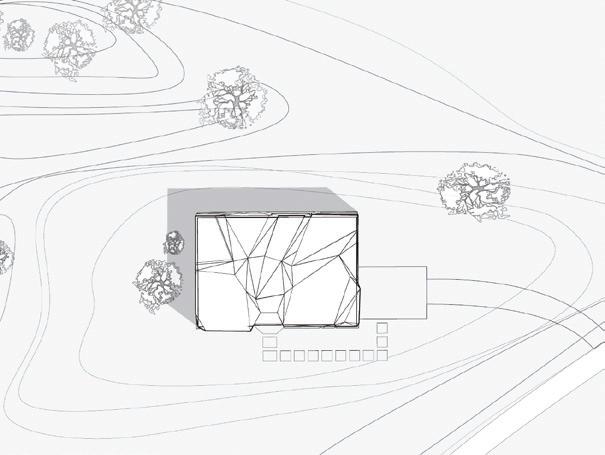
Designed for an accomplished astronomer and his family, this retreat house is located in Turkey Run park, and has some of the least light pollution in Indiana. The dark skies make it the perfect view for an astronomer.
In addition, it is surrounded by lush forests and is divided by a narrow creek. It’s abundance of natural scenery and distance away from city life make it the relaxing get-away best suited for my client.
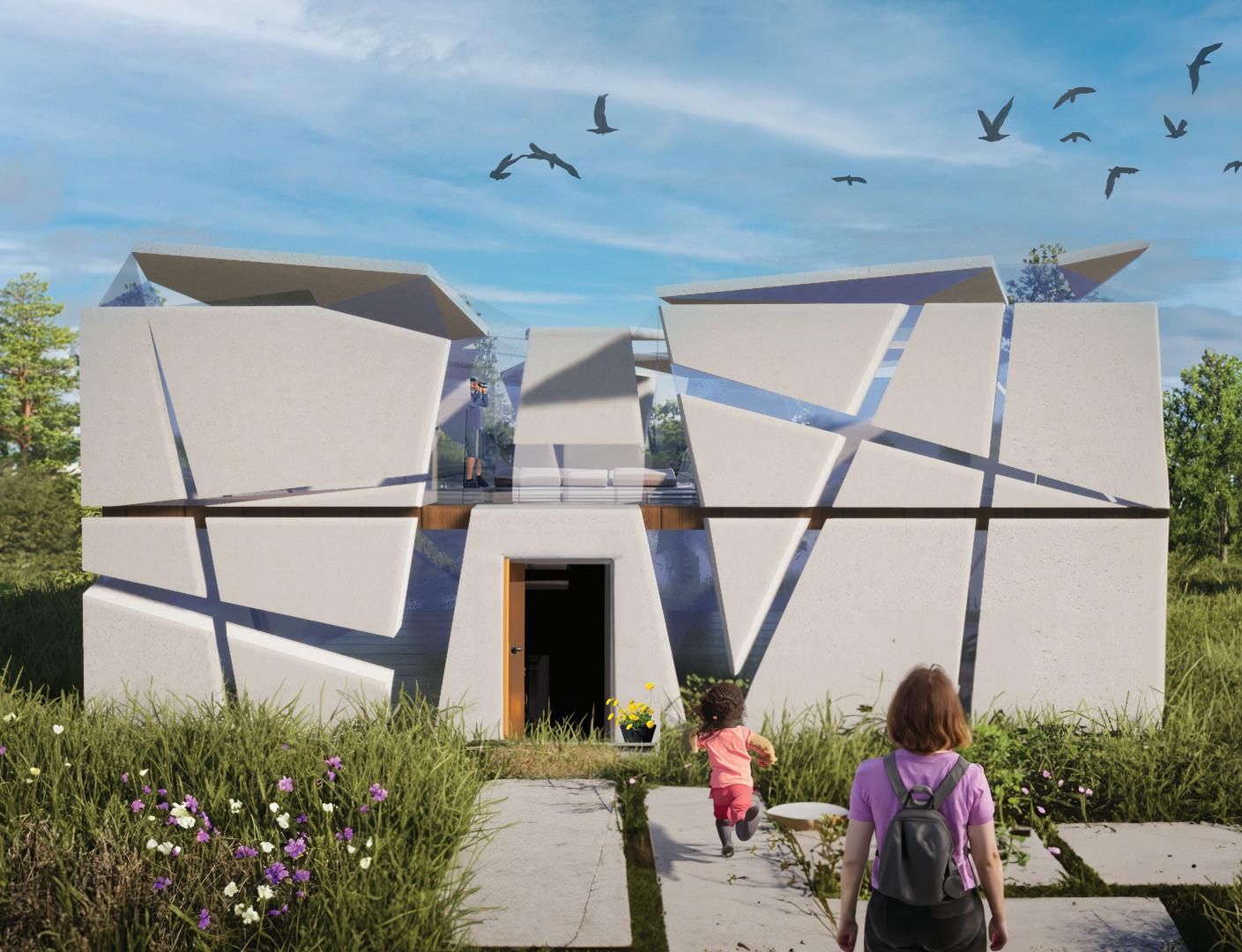
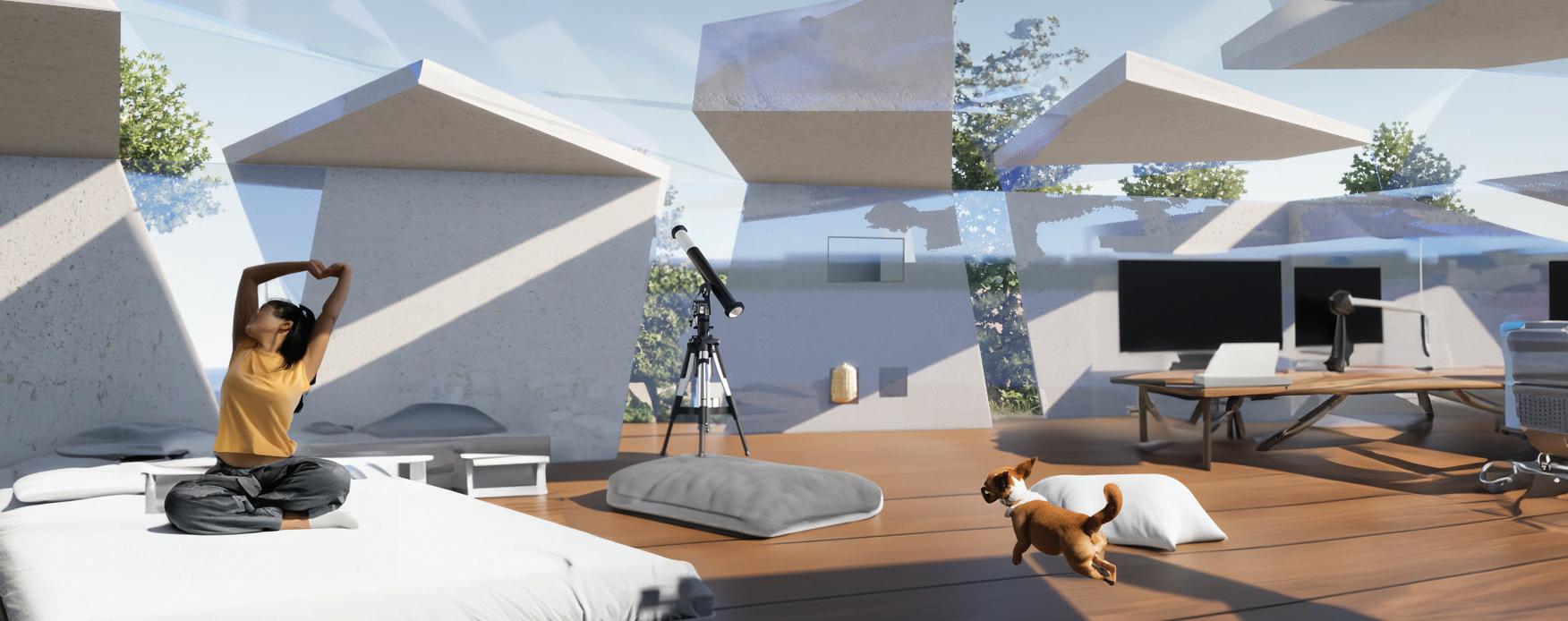
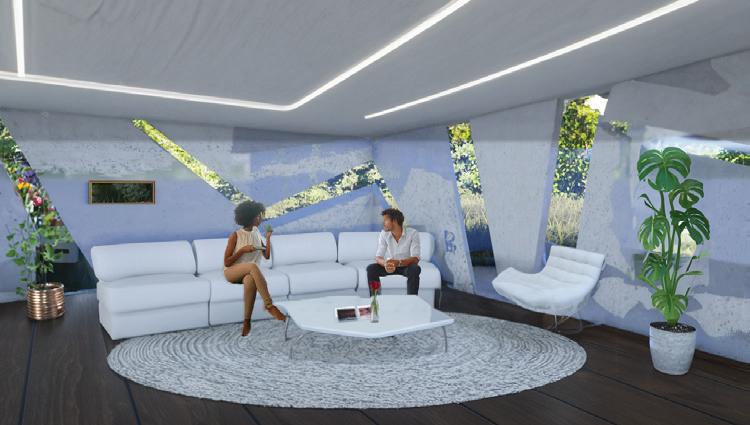
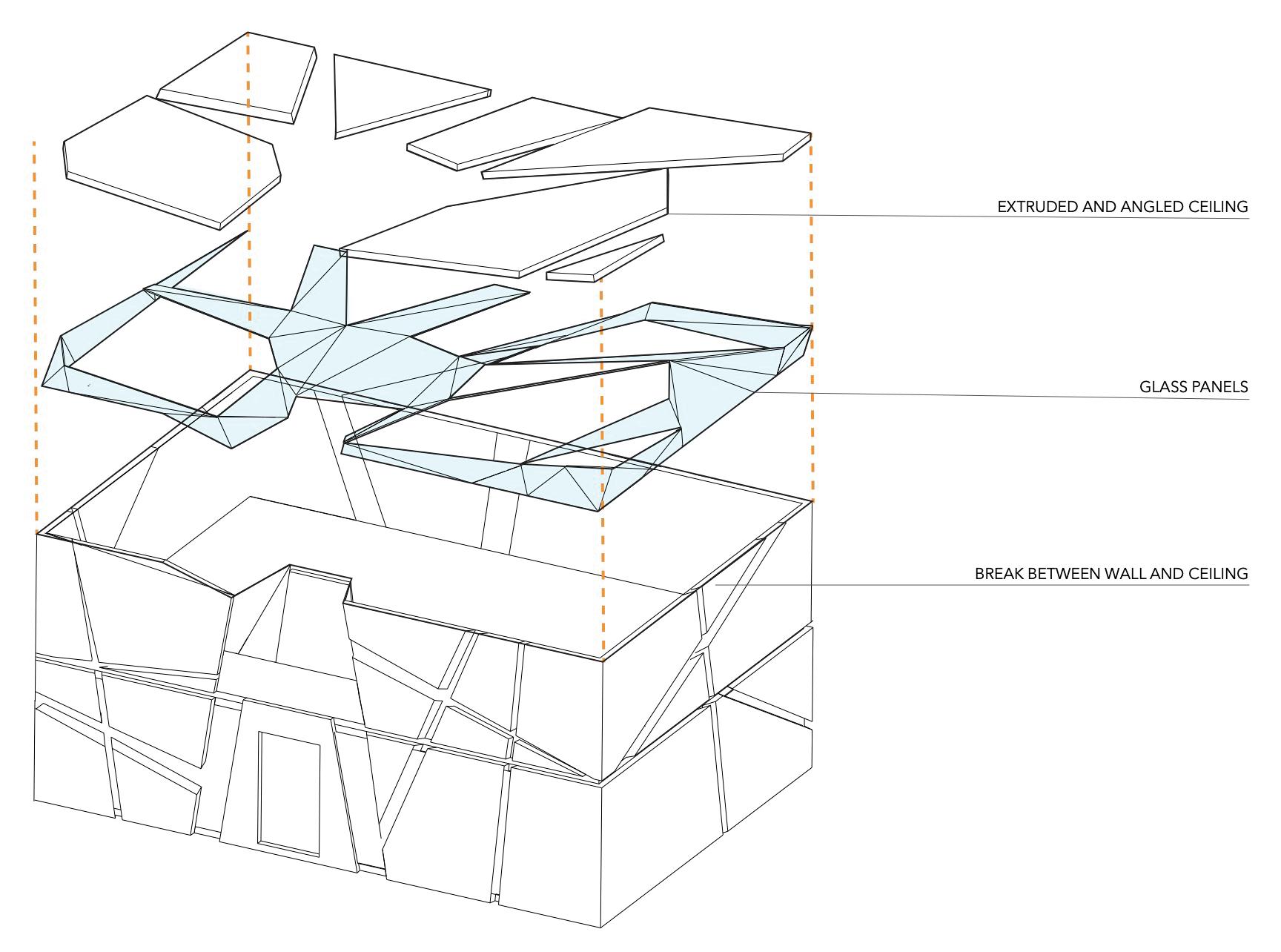
The house aims to bring attention this history to the users living inside of it as they are living inside a “glacier” and seeing the rays of light from each crack. Placement of programs were placed accordingly to the light.
The cracks create a long, head-to-toe window where the user can fully view out the window. Selective ceilings are also taken out so the sky can be seen clearly at night from each room and the balcony.
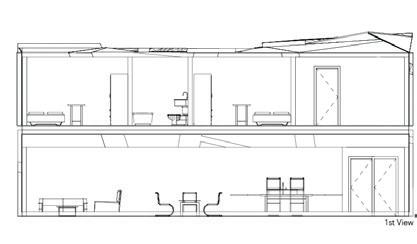
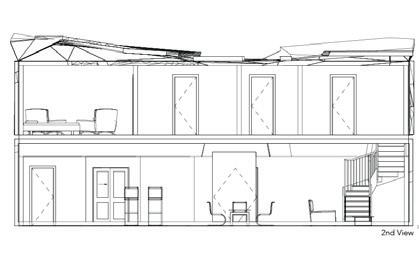
Inspired by the landforms created by glaciers thousands of years ago, the Ice Breaker House captures the unique patterns of breaking rock formations. The design brings out the history of the site and is an “ice breaker” for further acknowledge of the millions of years of history. This well-known park also has dark skies making it the perfect view for an astronomer.

LOCATION: Bloomington, Indiana
COURSE: C481 Installation Studio
AREA: 345 sqr ft
DATE: Jan 2024 — Mar 2024
TEAM MEMBERS: Alaina Sidel, Donovan Bobilya, Dylan Anderson, Dylan Driver, Trevor Rush
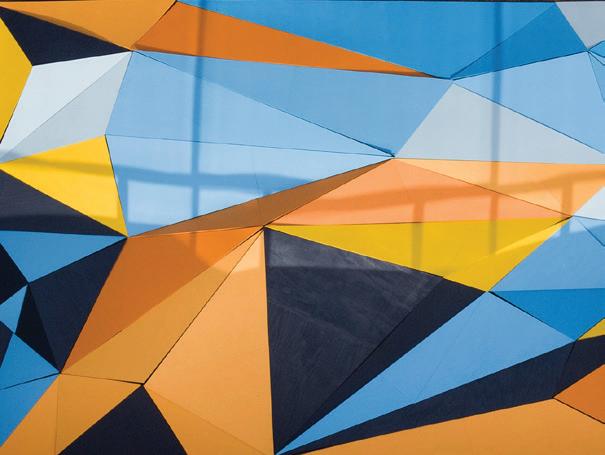
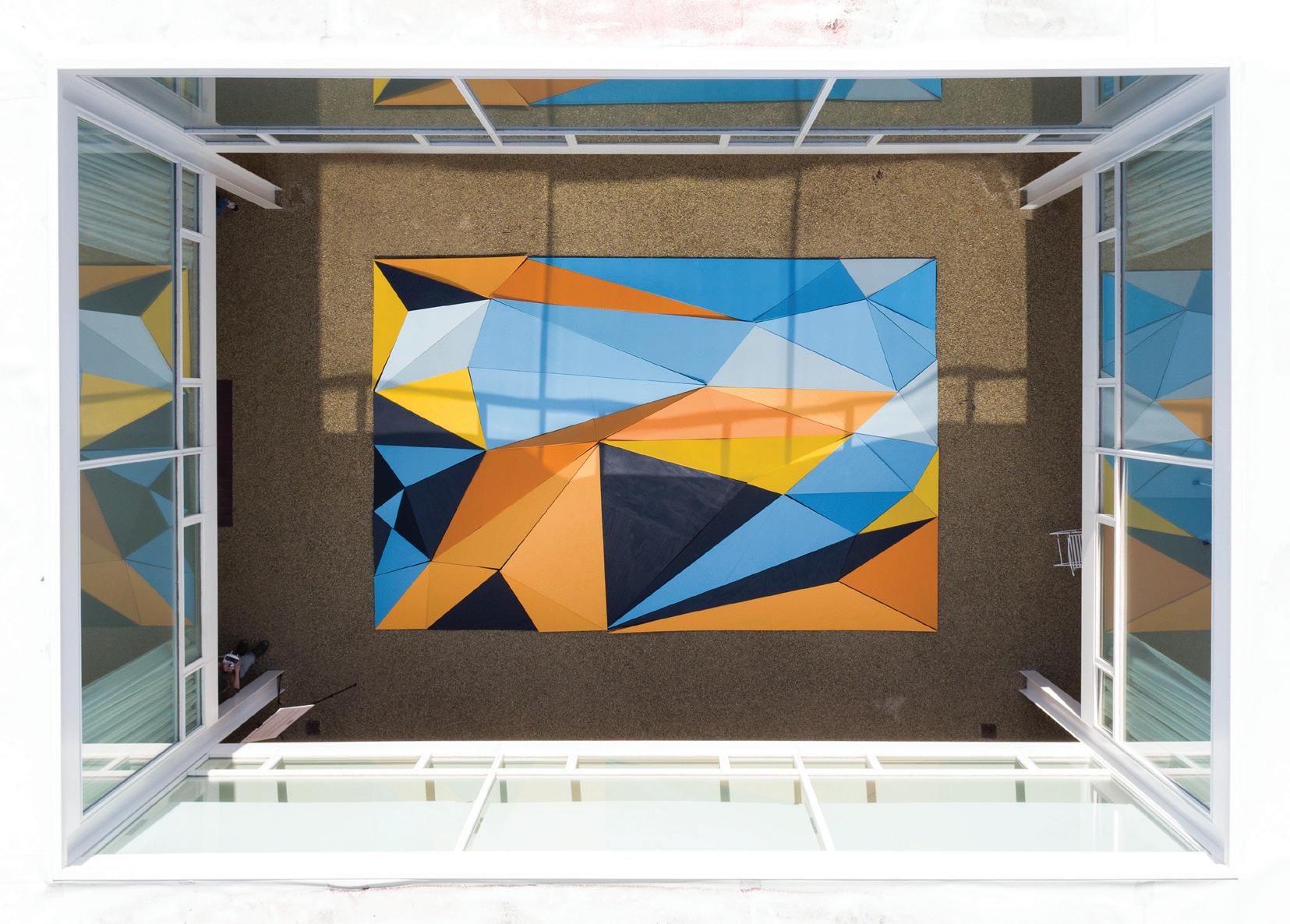
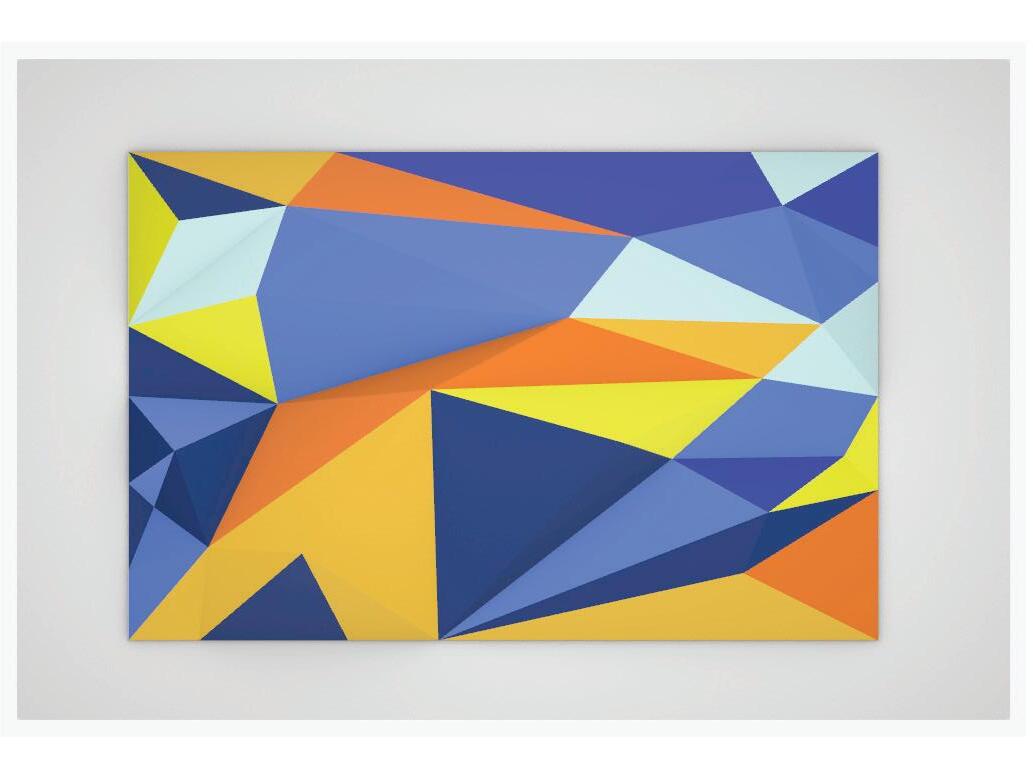
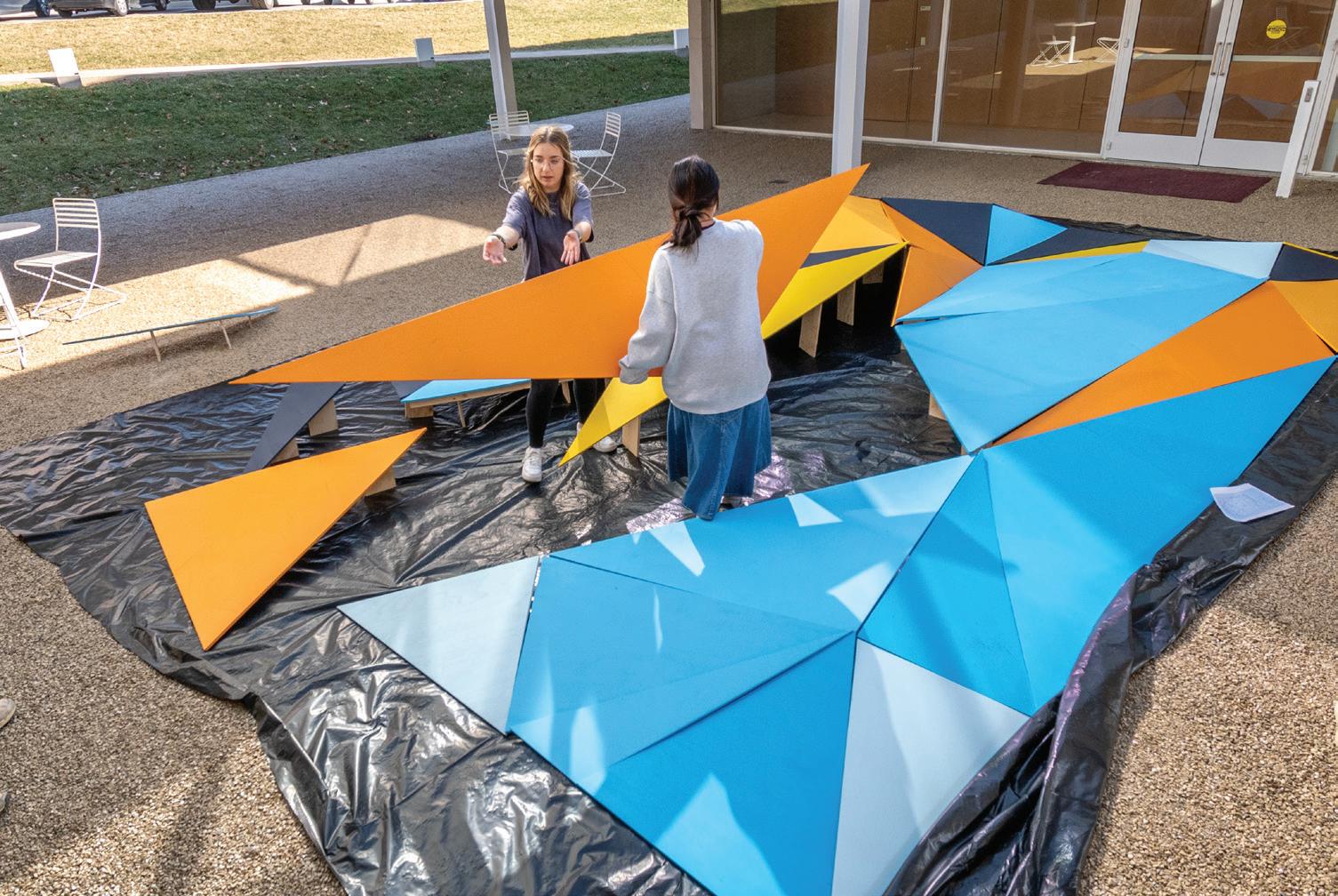
The art installation titled Fragmentation plays with the idea of bringing two dimensional abstract shapes into a three dimensional form.
The bright and creative artistic styles of the Eskenazi students are highlighted through the vibrancy of colors, and the form used throughout the structure contrasts against the white box of the white box of the Mies Van Der Rohe Building. From a top-down view, Fragmention reverts back to a simplified version of its original, two dimensional geometric form.
THE SITE
The art installation is located in the central courtyard of the Eskenazi School Mies Van Der Rohe Building. It is located on Indiana UniversityBloomington’s campus
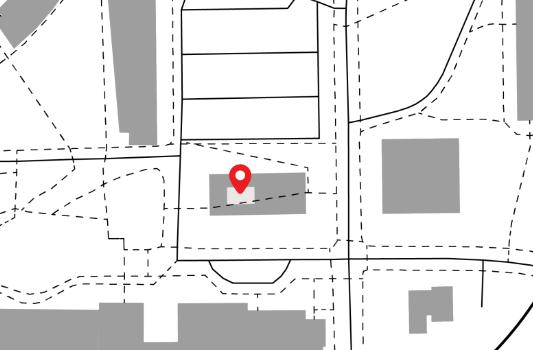
SITE LOCATION
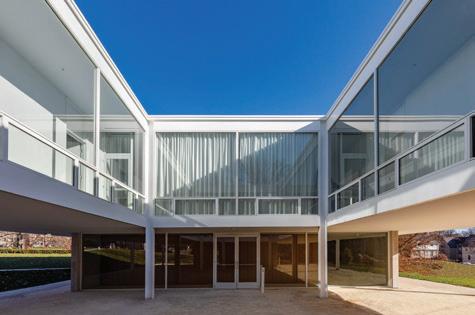
COURTYARD
CONCEPT IDEATION
Commissioned by Indianapolis mural artist, Nick Abstract to bring his two dimensional arwork into a three dimensional installation, this project involved client meetings to ideate, collaborate, and design the final model.

CONCEPT 01: DYNAMIC 3D
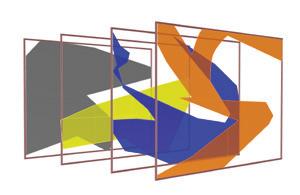
CONCEPT 02: VERTICAL LAYERS
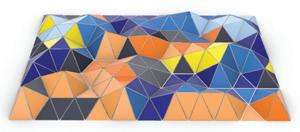
CONCEPT 03: TRIANGLE MODULES
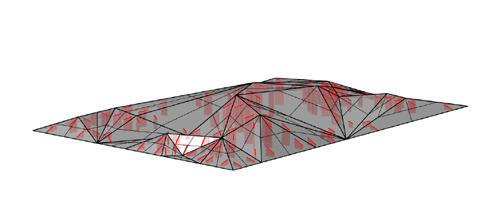
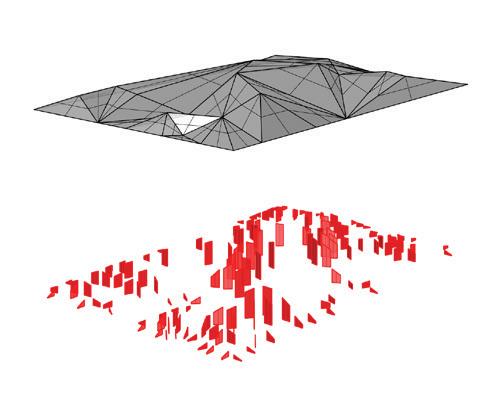
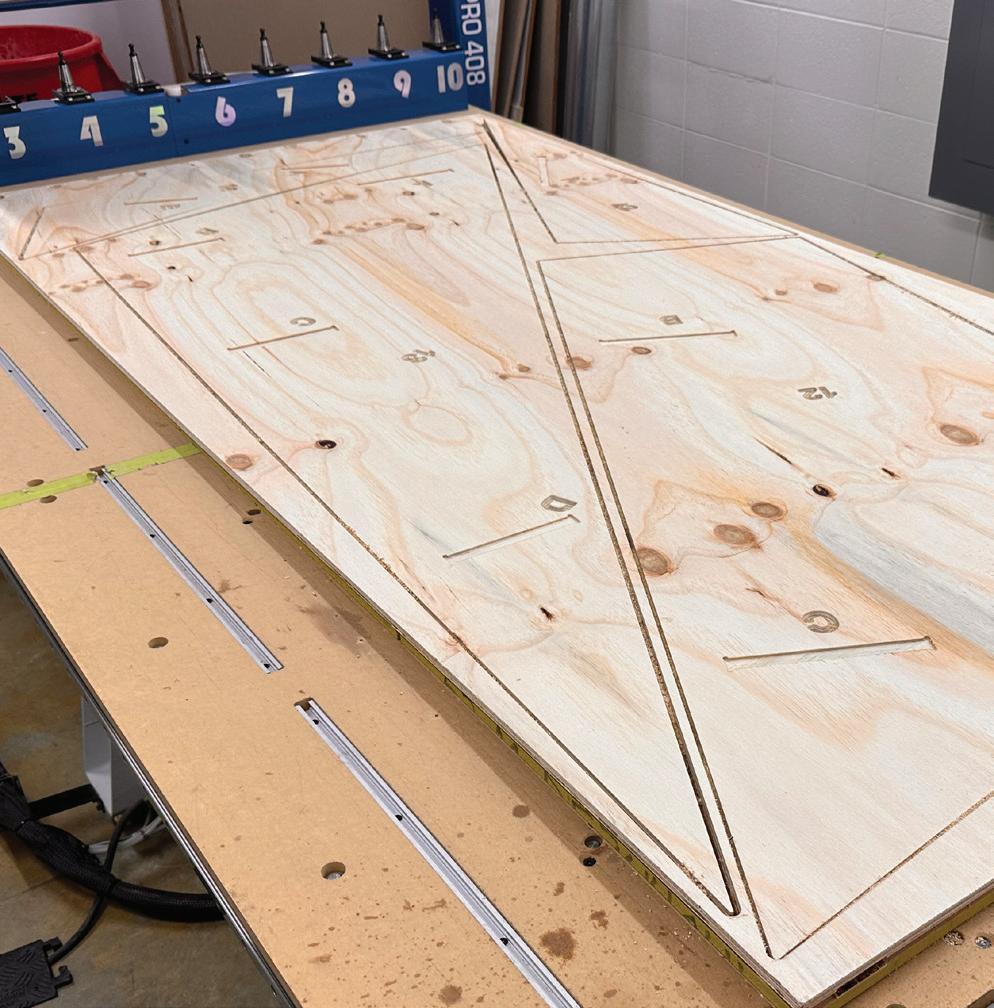
The model was rendered in Rhino, and triangular modules and legs were cut with the CNC machine. Each triangle a number and the legs with a corresponding letter (i.e. 1A, 1B, 1C). The The modules were connected by wood glue and nails.
LOCATION: Chinatown, Illinois
COURSE: Architecture Capstone
AREA: 200 sqr ft
DATE: Aug 2023 — Dec 2023
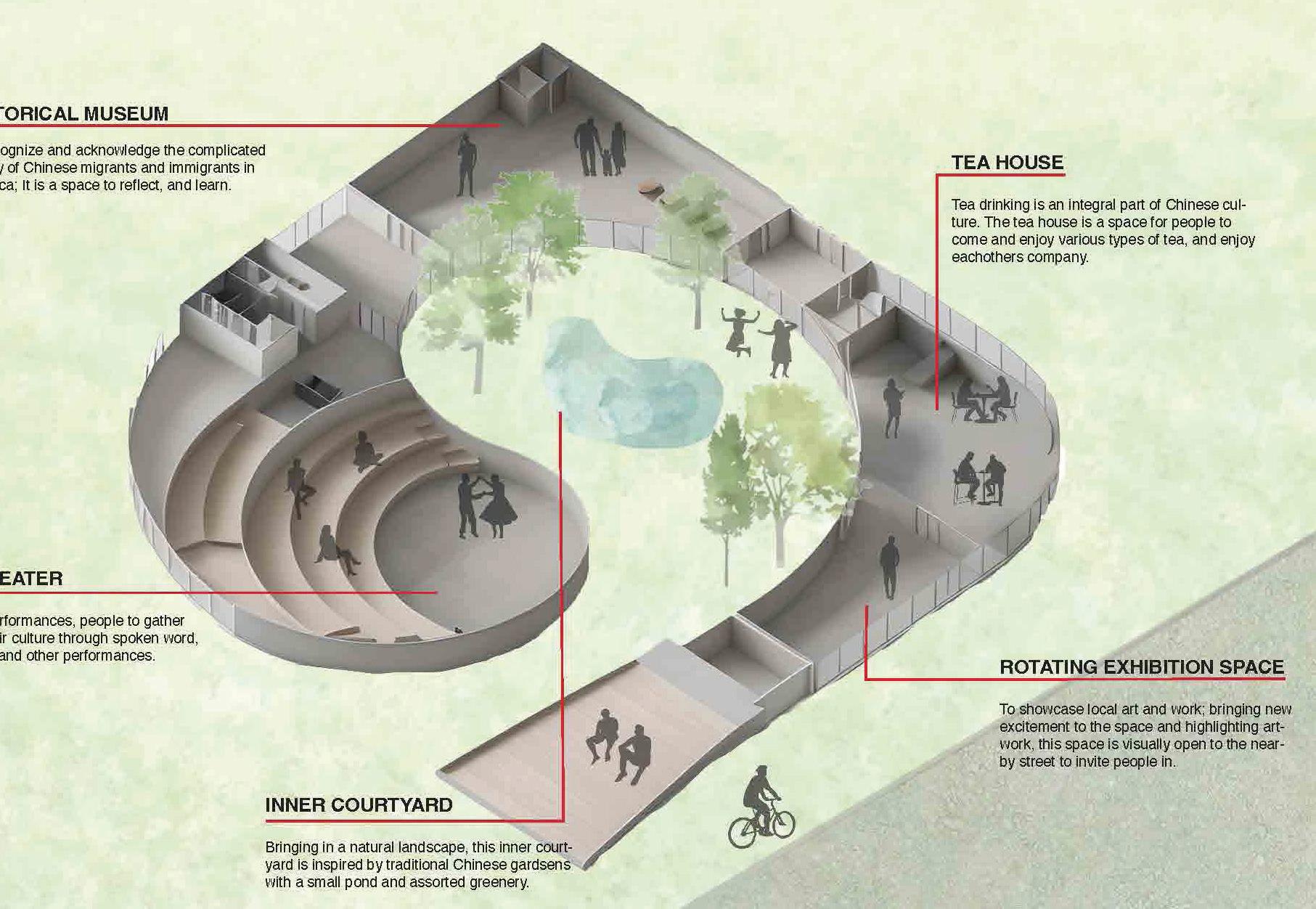
Chicago’s Chinatown is a place with diversity in ethnicity, background, and age. It’s a bustling neighborhood with an abundance of culture. However, there is a lack of gathering spaces for the people who live in Chinatown as it’s seen as a tourist site.
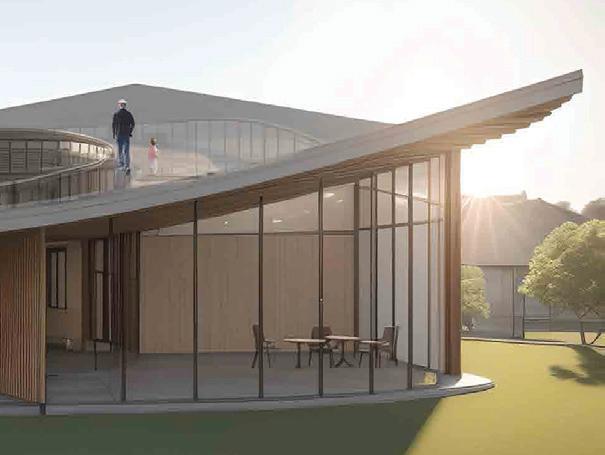
The design motivation is to develop a community center in Chicago’s Chinatown that fosters a sense of identity, and promotes interaction for the locals, visitors, and those of different generations.
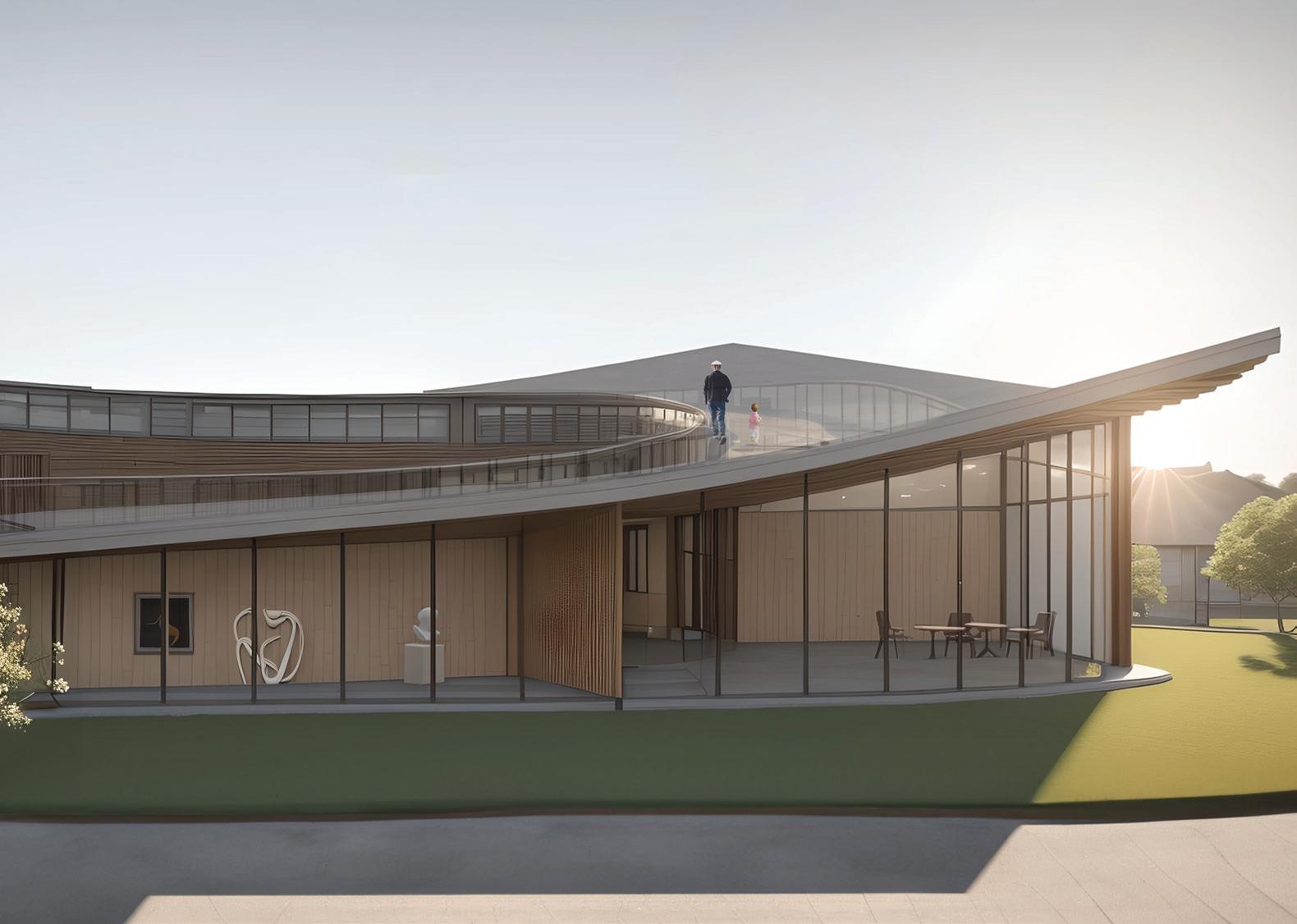
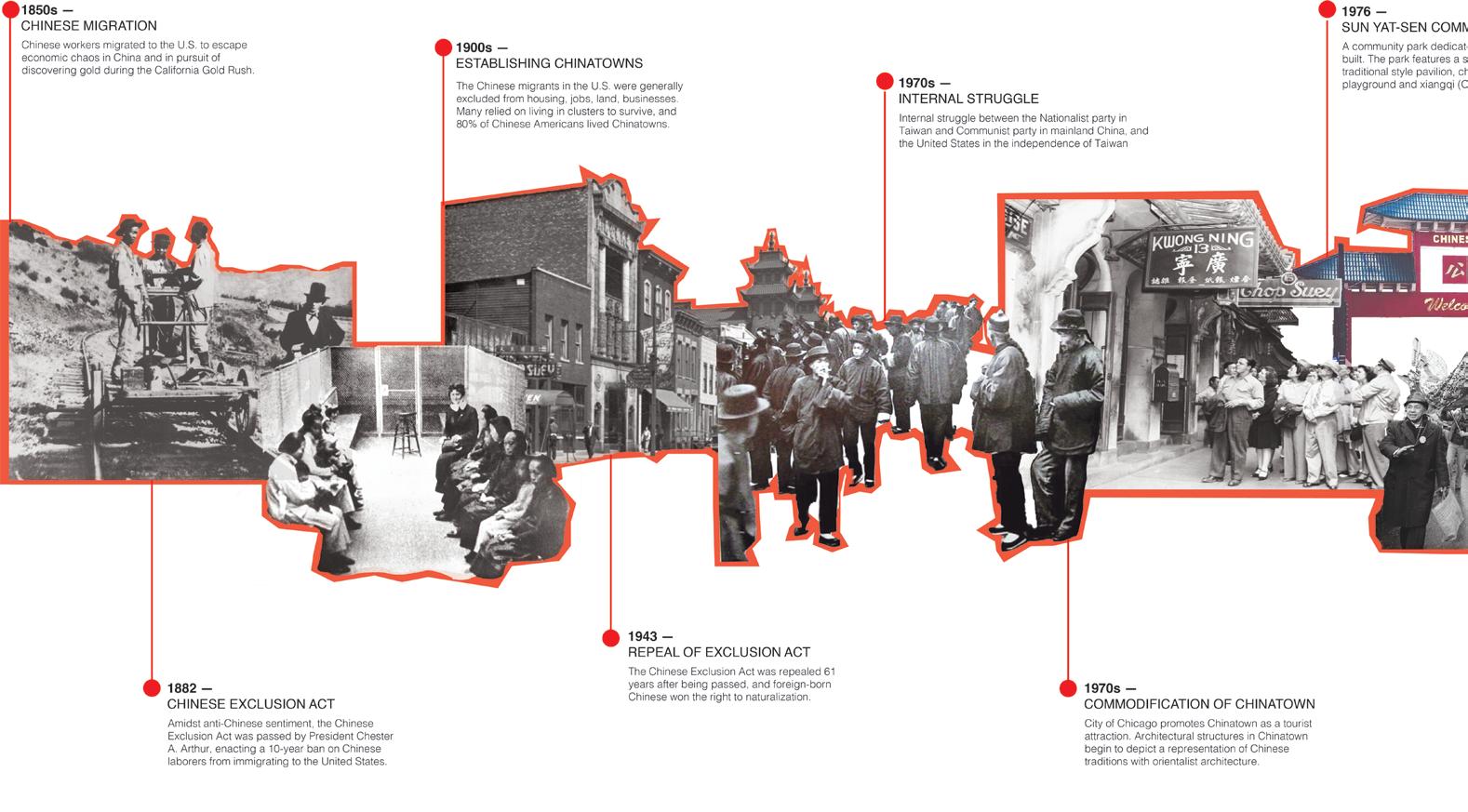
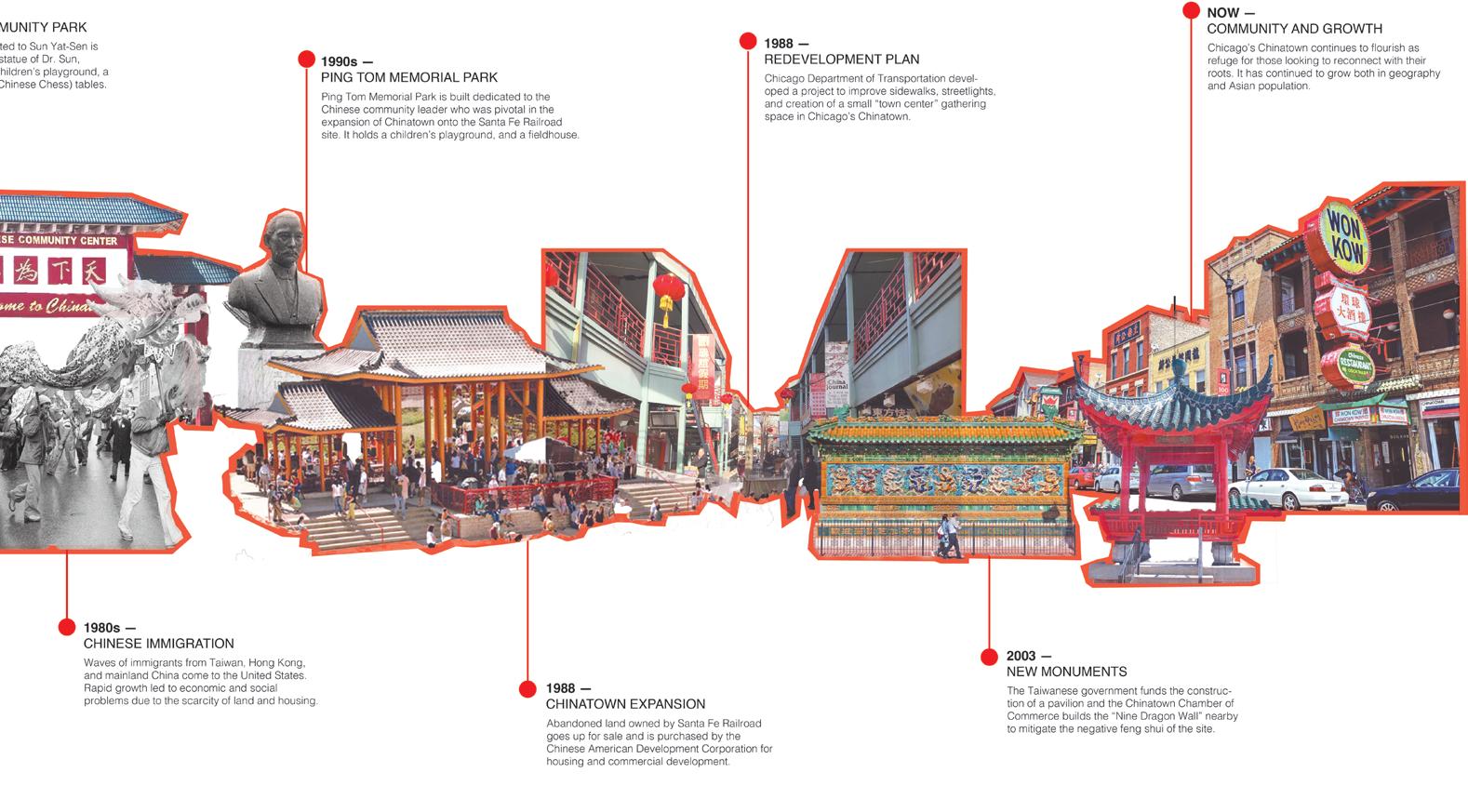
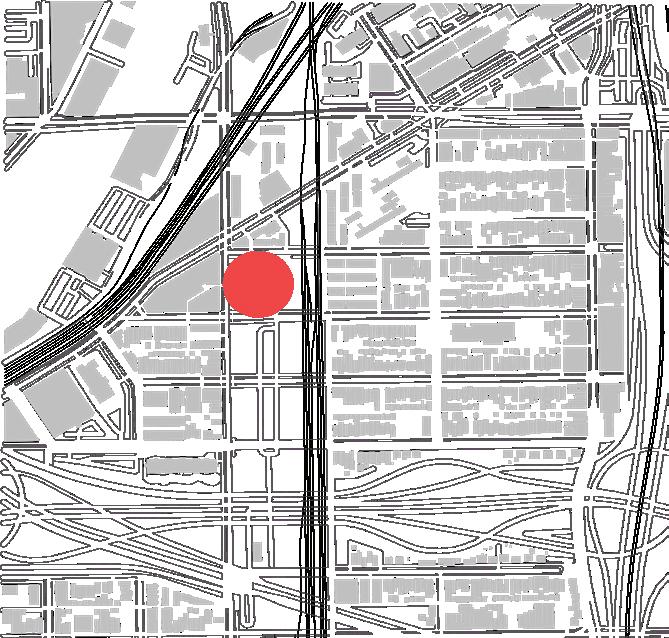
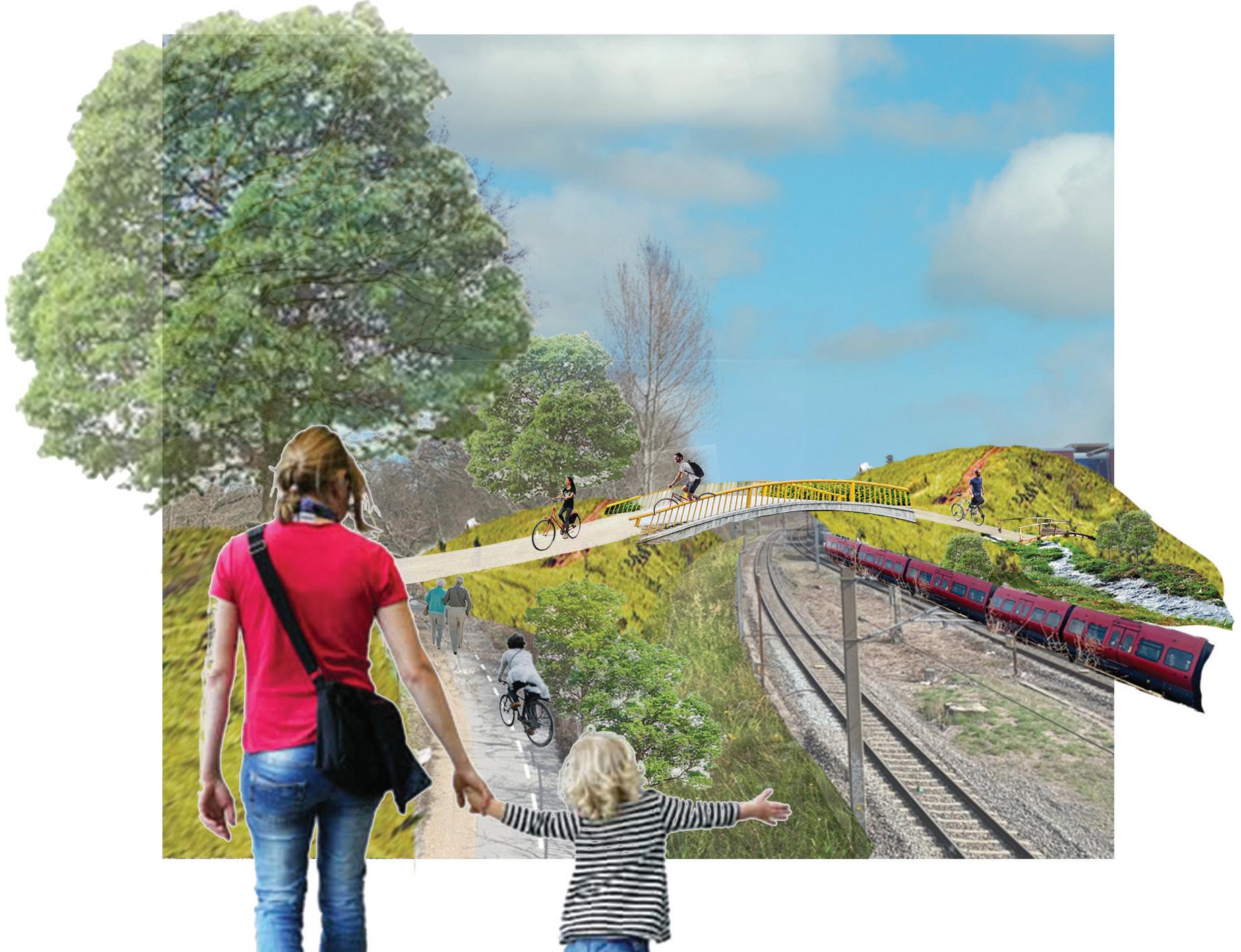
The chosen site is located on an existing railroad track whose structure maintained the same, but since has been adapted into a elevated parking space for trucks. It cuts down Chicago Chinatown around one third into the site and seperates residential and commercial buildings.
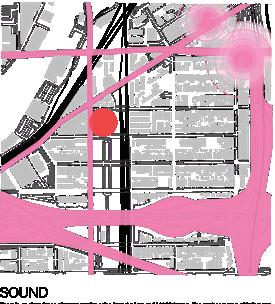
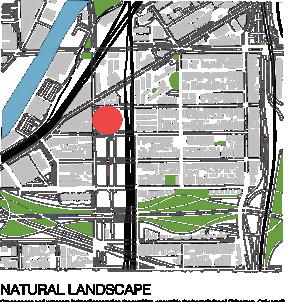
The site is at the intersection of two major roads, lending itself to loud city noise. It is also located away from the central, popular Chinatown area and thus has less cultural sites. The entirety of Chinatown is dense and has little green landscape and waterscapes.
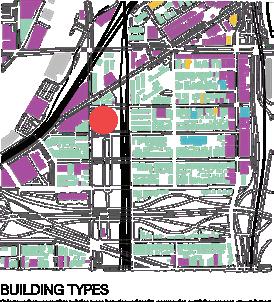
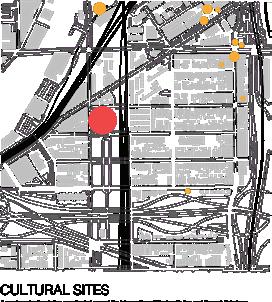

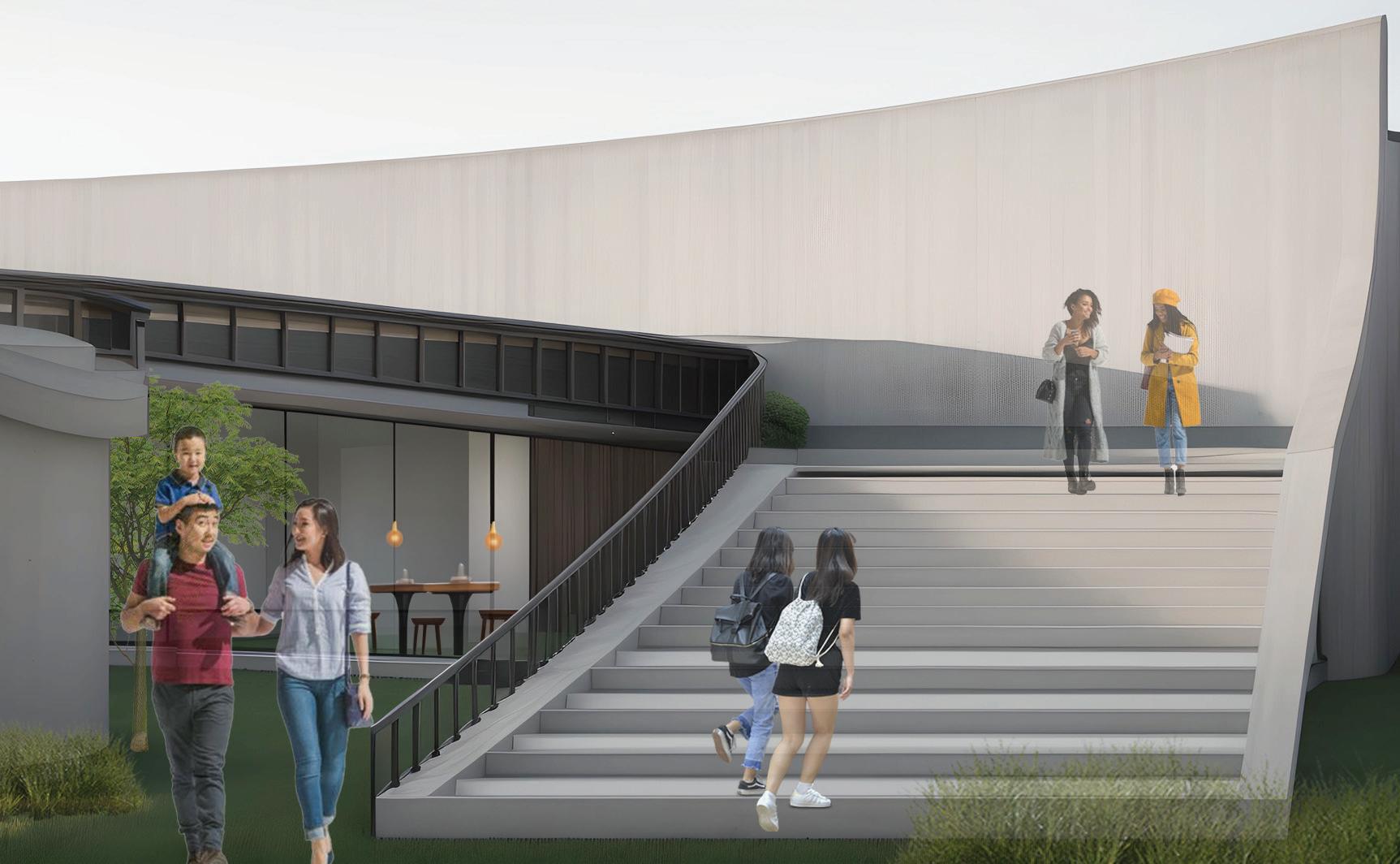
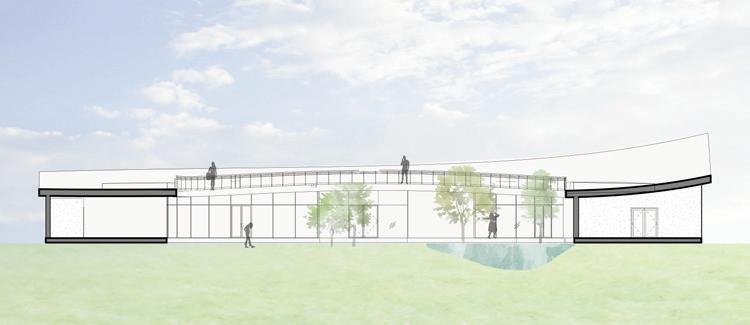
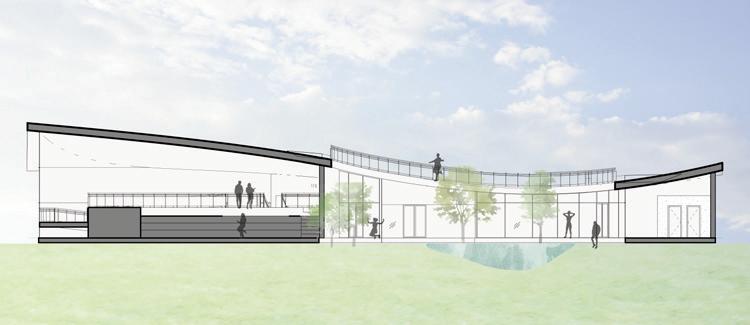
In the site analysis, the surrounding areas indicate an opportunity for an accessible, pedestrian focused, community center that also serves as a refuge from the surrounding commercialism and city life.
A center that connects different interests, people, and walks of life will foster stronger community, and create a greater sense of identity.