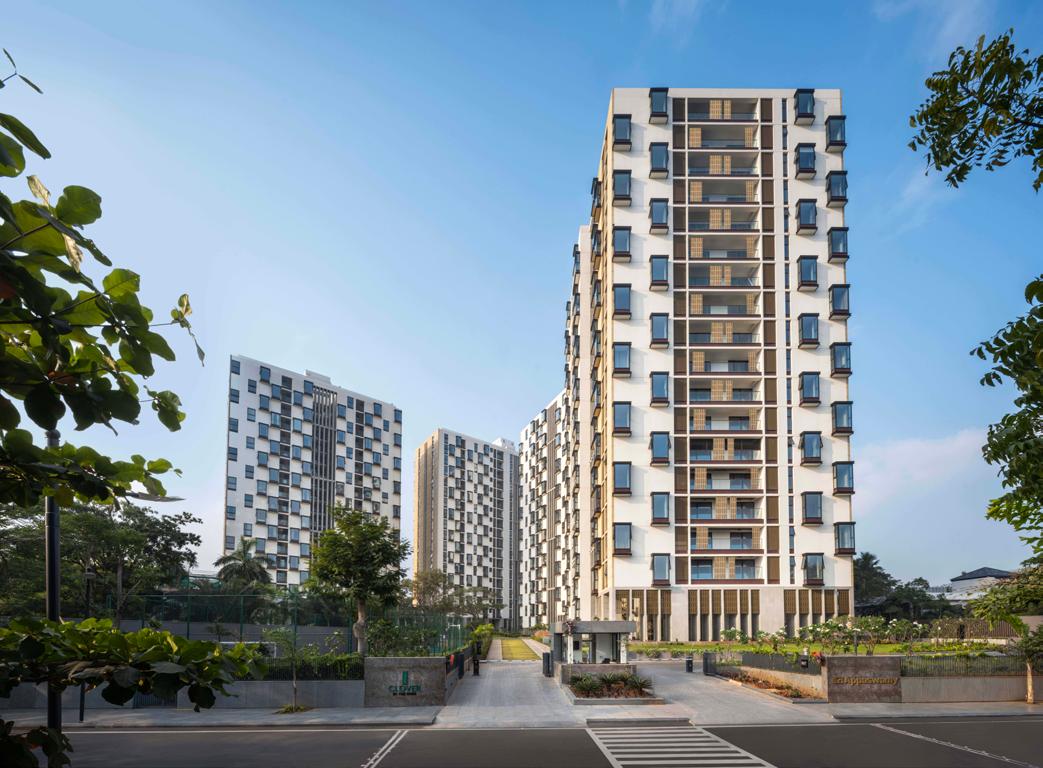
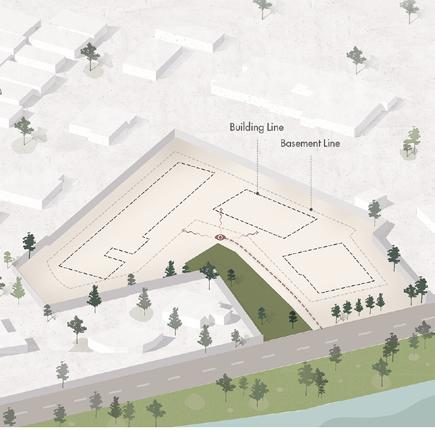
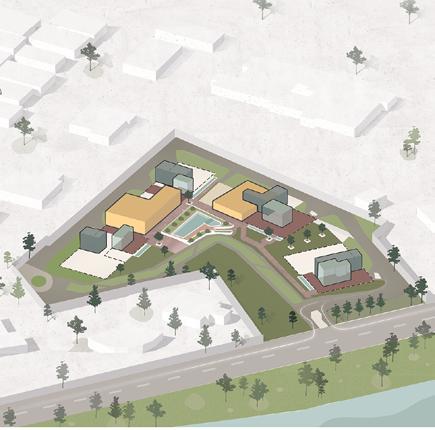
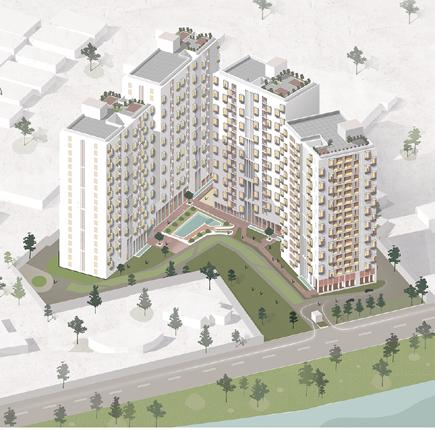
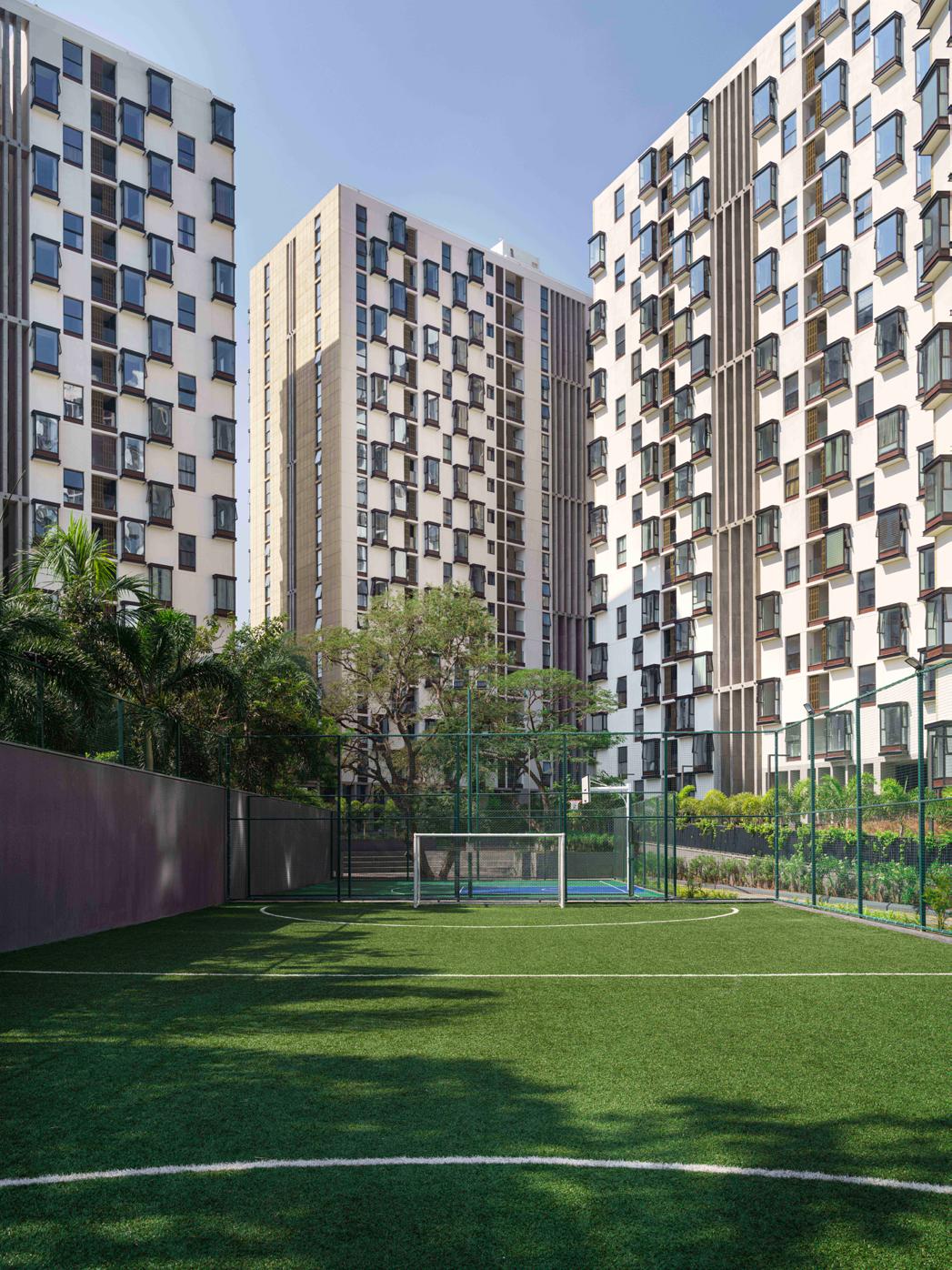
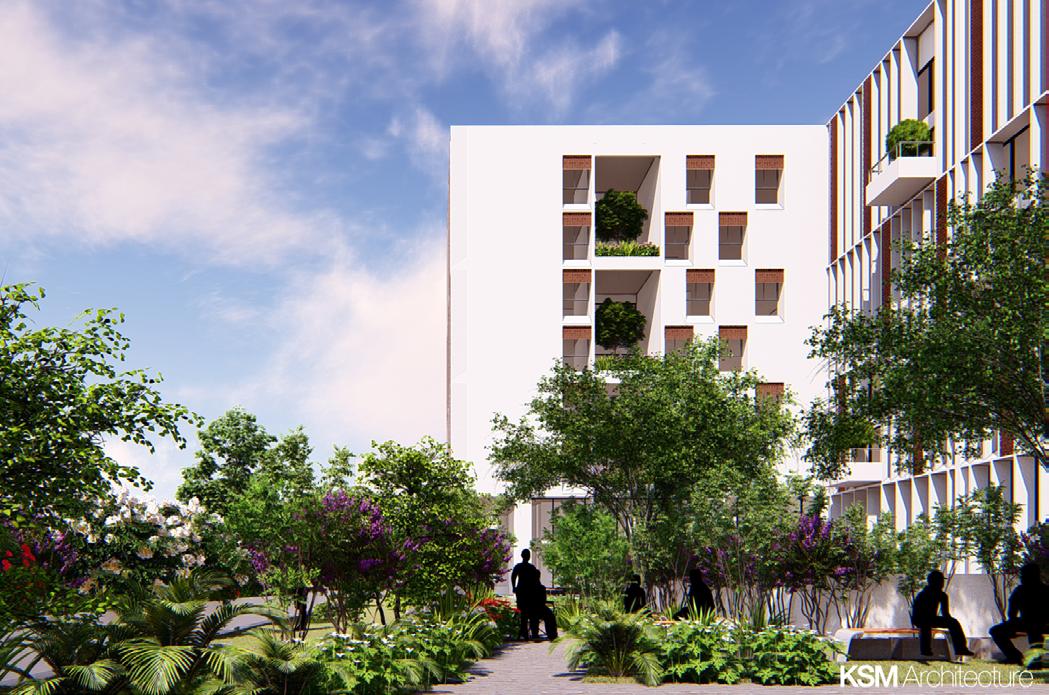
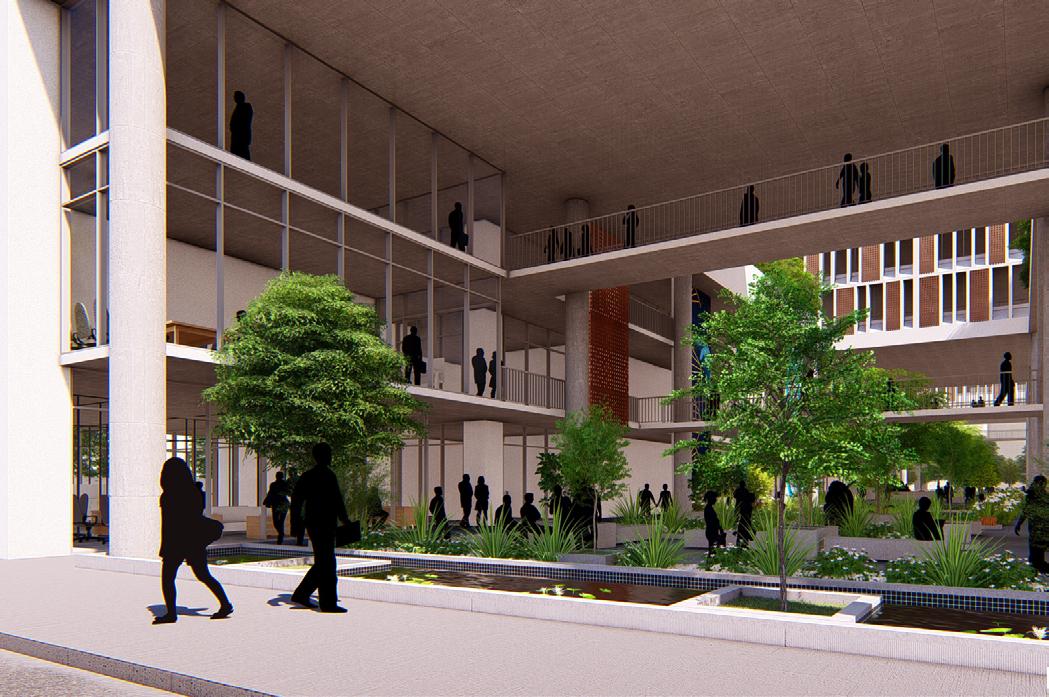
‘Clover by the river’ is a multistoried high-end apartment building set along the Adyar river in Kotturpuram, Chennai. The location of the 3.3-acre site is quite unique – it faces the river with a forested park right in front of it. As one goes higher the site offers great views of the river to the North, the Bay of Bengal towards the East and the city views towards the South and West.
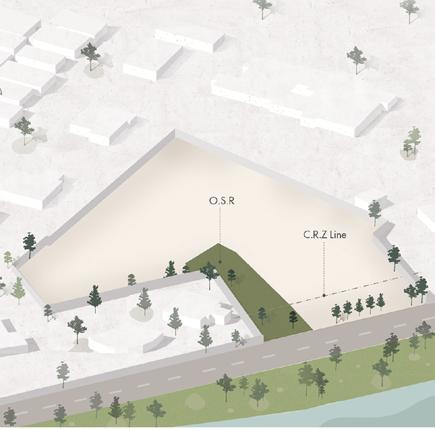
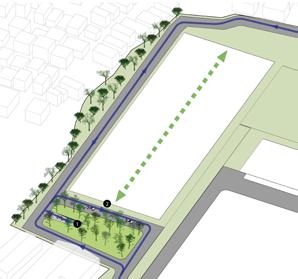
Owing to a Coastal regulatory setback stipulation a welcome green belt is provided along the road that continues into a mandatory Open space reservation covering a third of an acre which forms the landscaped heart of the development. The residential development to house 300 residences was envisaged as four separate towers 60m tall grouped around a large, landscaped garden.
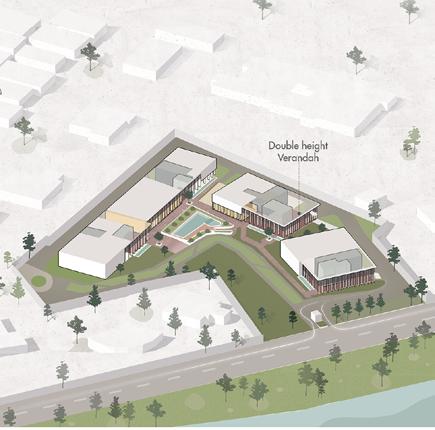
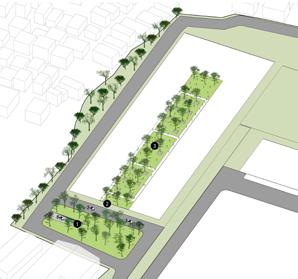
Vehicular access was taken along the Western periphery with distinct drop-off plazas for each tower and the driveway then leading down to the basements for car-parking, thereby restricting the vehicular-pedestrian conflict and giving a more ‘people-friendly’ circulation to the campus. A landscaped driveway is integrated with the large garden at the centre with the provision for vehicular access in the event of an emergency.
Clover by the River - Riverside View
Open Space Reservation & CRZ line
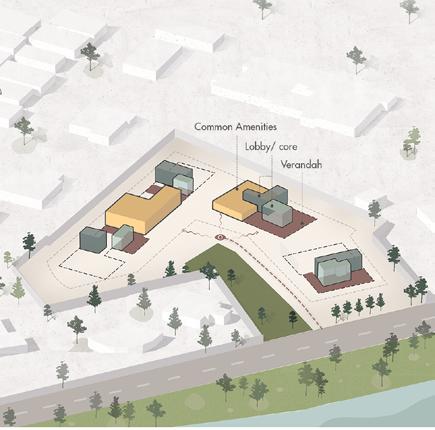
Common Area & Amenities
Built Mass & Double height Verandahs
Built - up Footprint
Walkways and Driveway
The Clover Towers
View fromthe OSR
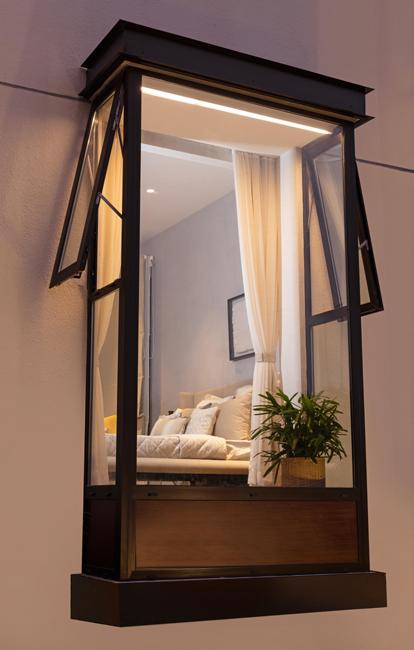
Typical Plan of the Bay Window
Typical Section through the Bay Window Bay Window View
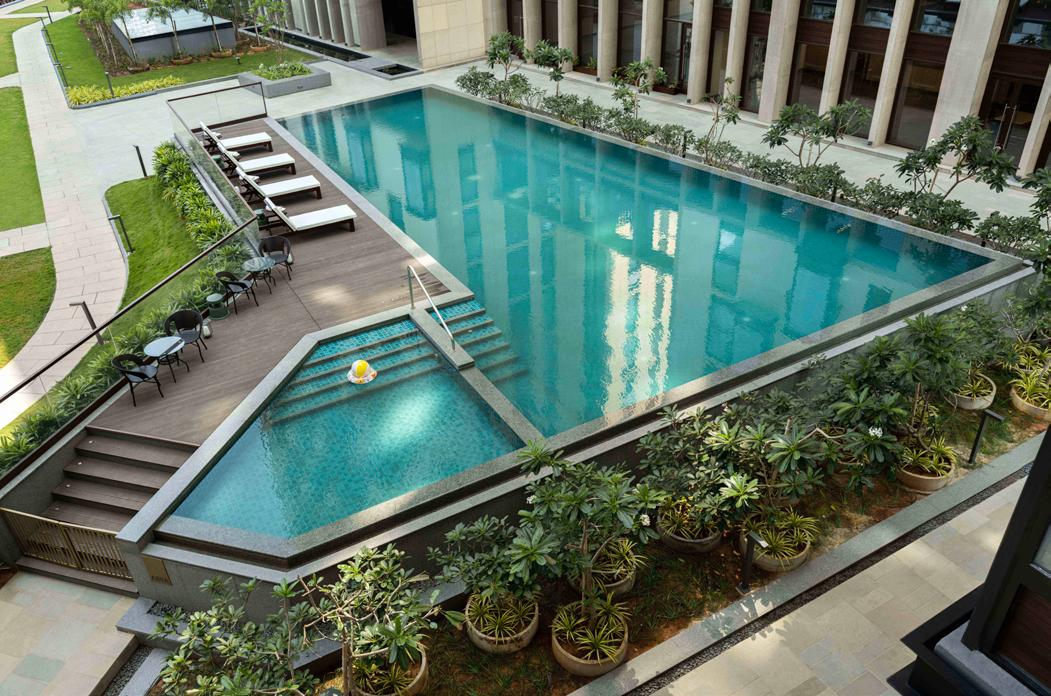
View of the Swimming Pool
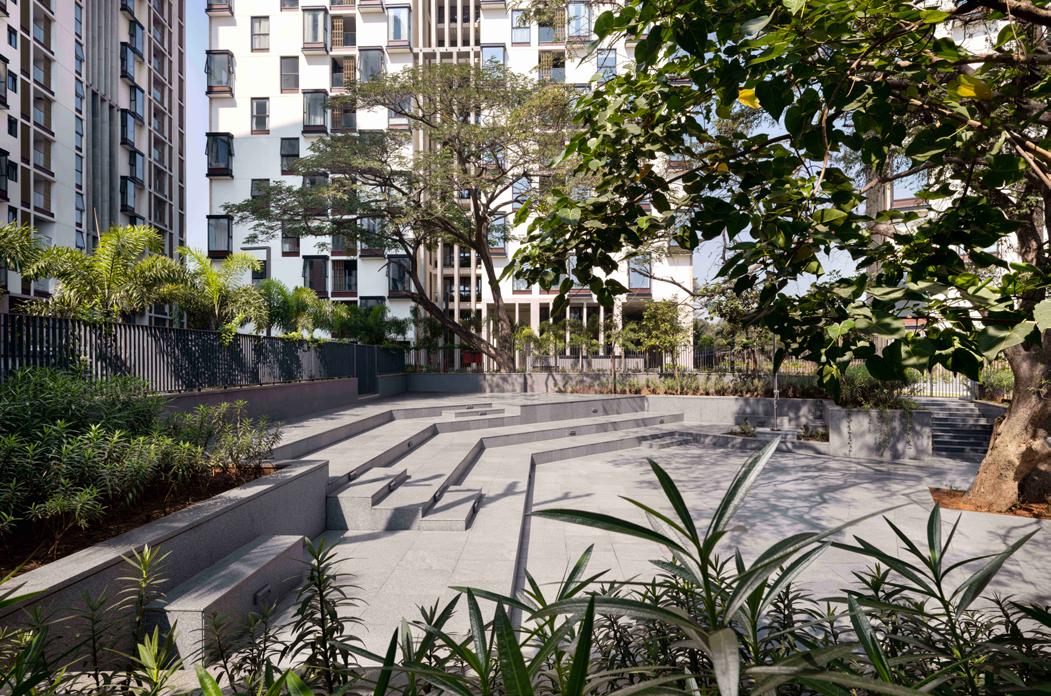
View of the Amphitheater
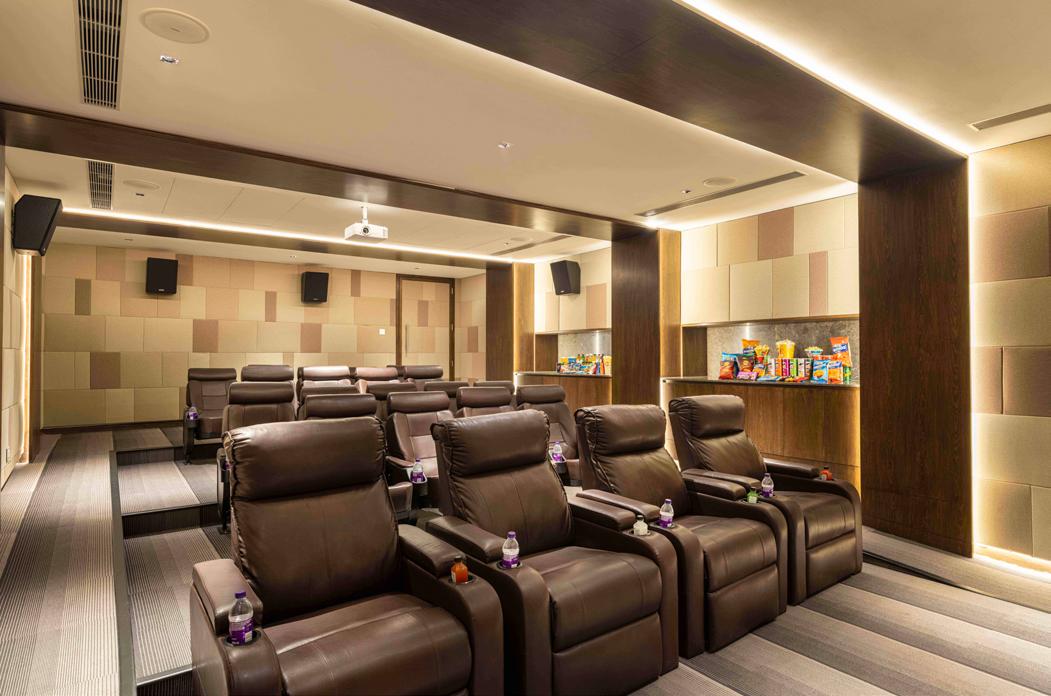
View of the Home Theater
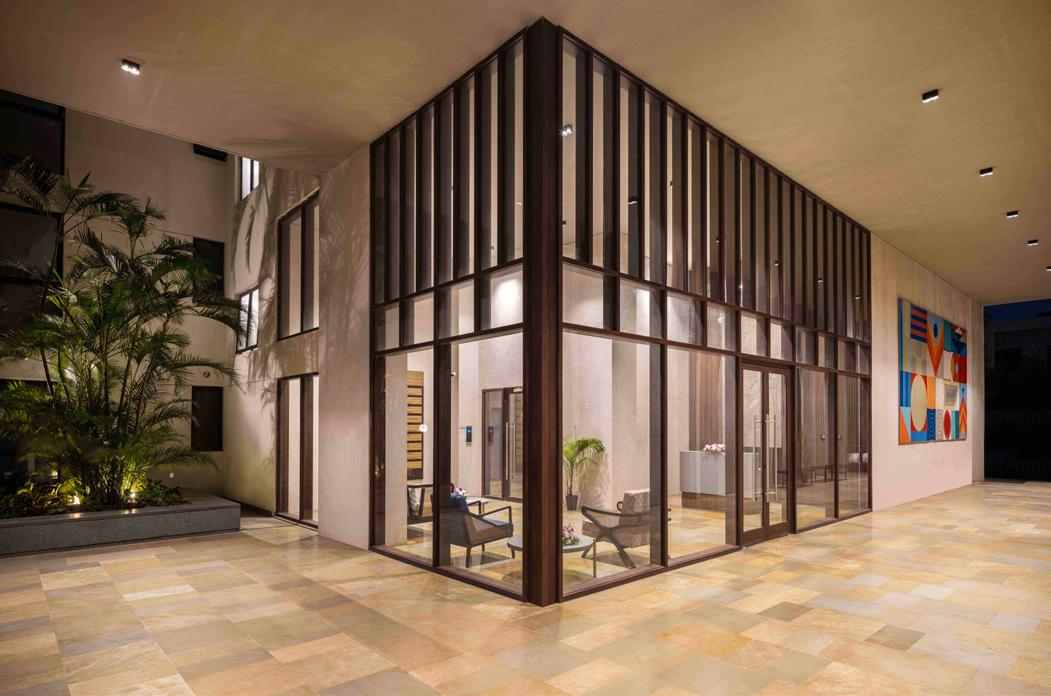
View of the Double Height Lobby
ANJUMAN BOYS SCHOOL
2023 | INSTITUTIONAL | ARCHITECTURE
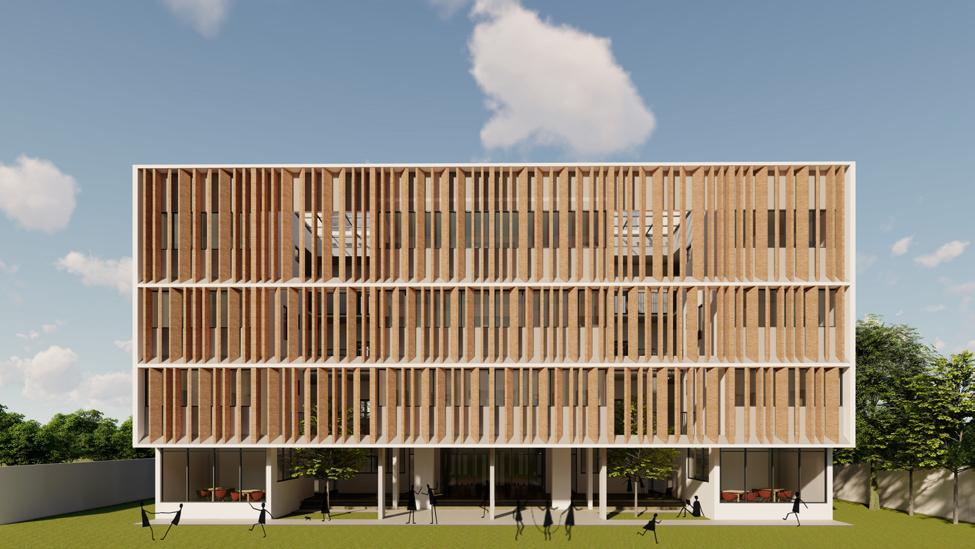
The Anjuman Boy’s School, a 4000 sqm haven for orphaned children in T. Nagar, stands as a symbol of thoughtful architecture, designed to nurture and inspire. The school’s design embraces the principles of functionality and well-being, with an emphasis on providing an environment conducive to learning.
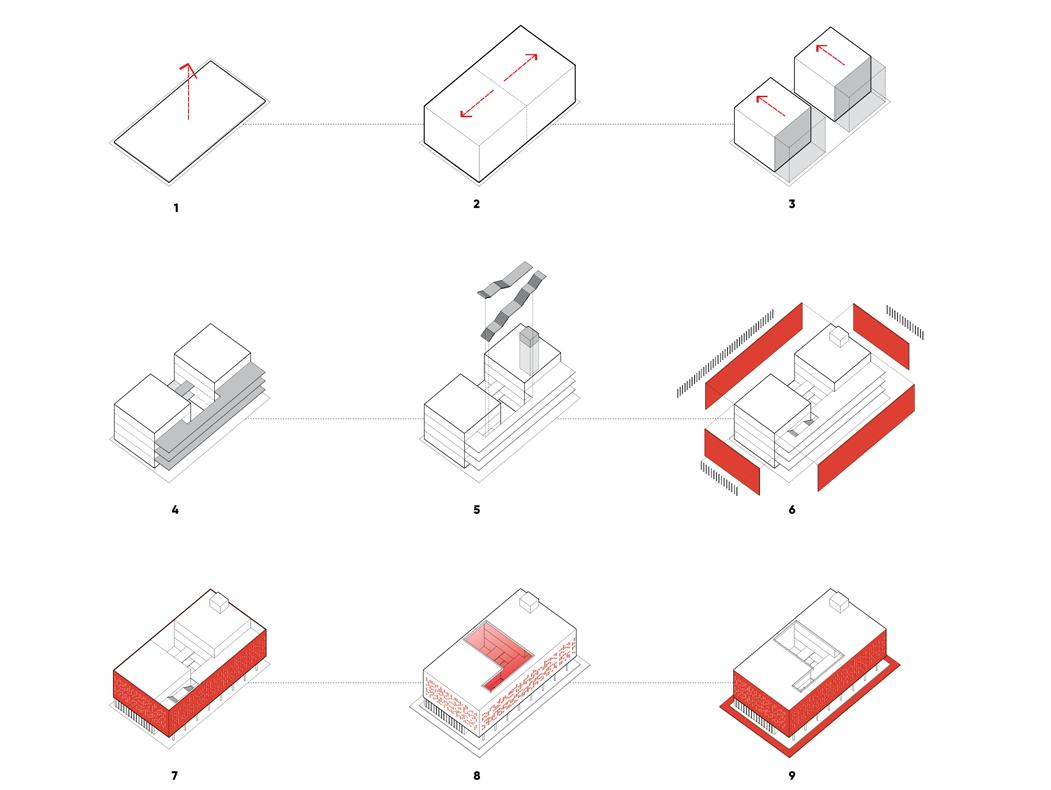
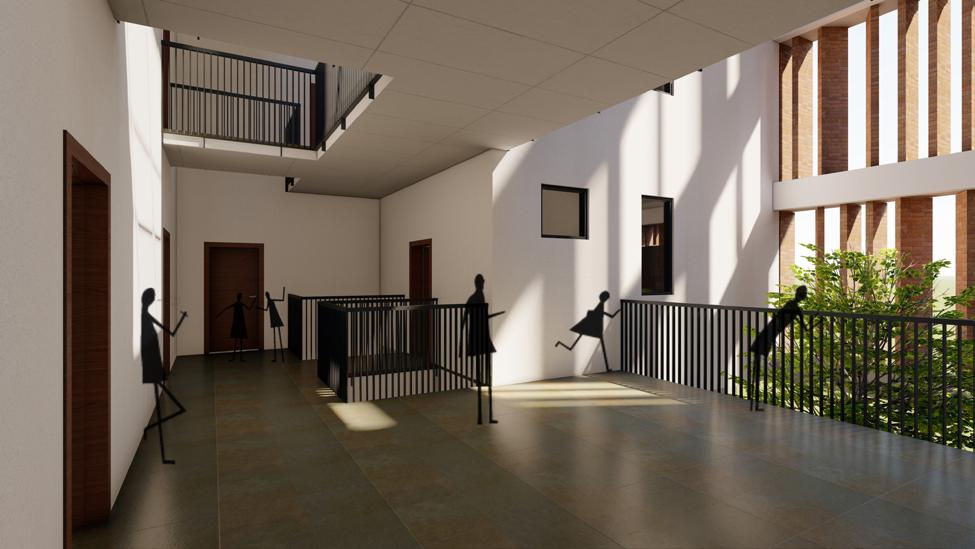
This impressive structure is divided into two volumes, cleverly separated by a central skylight court. The introduction of this court not only creates a striking architectural feature but also ensures ample ventilation and an abundance of natural light. It’s a design choice that recognizes the significance of a well-lit and airy environment for both students and educators.
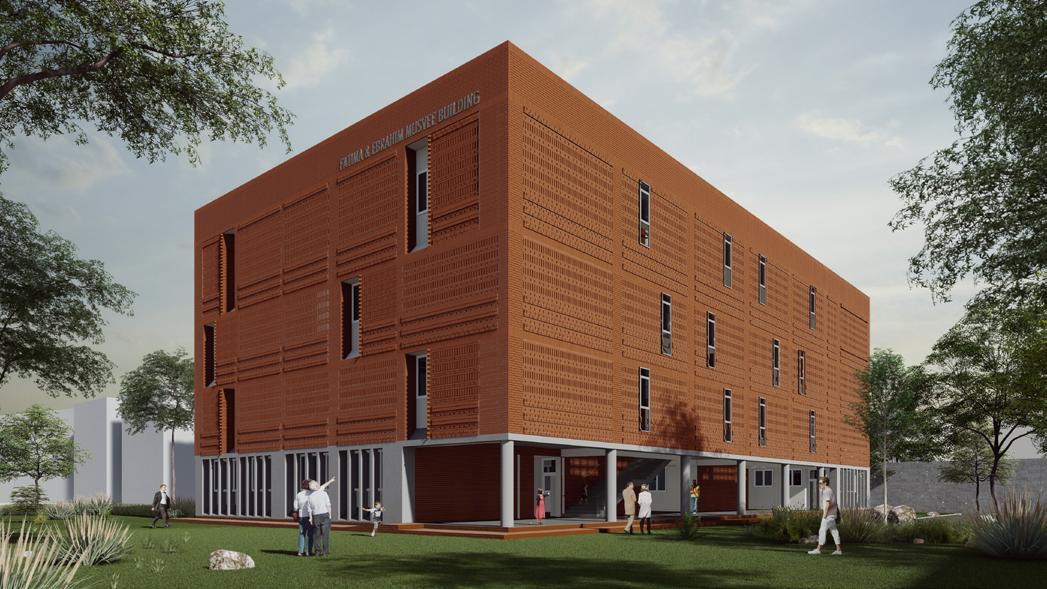
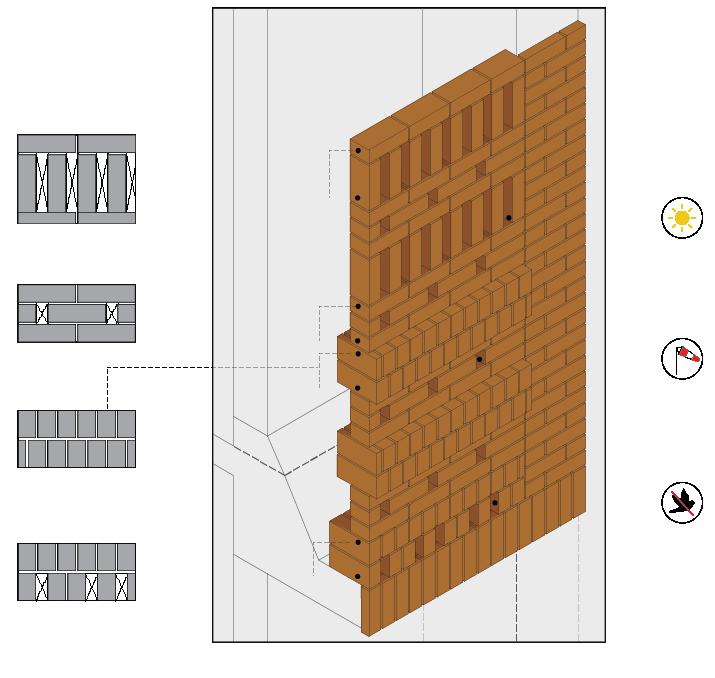
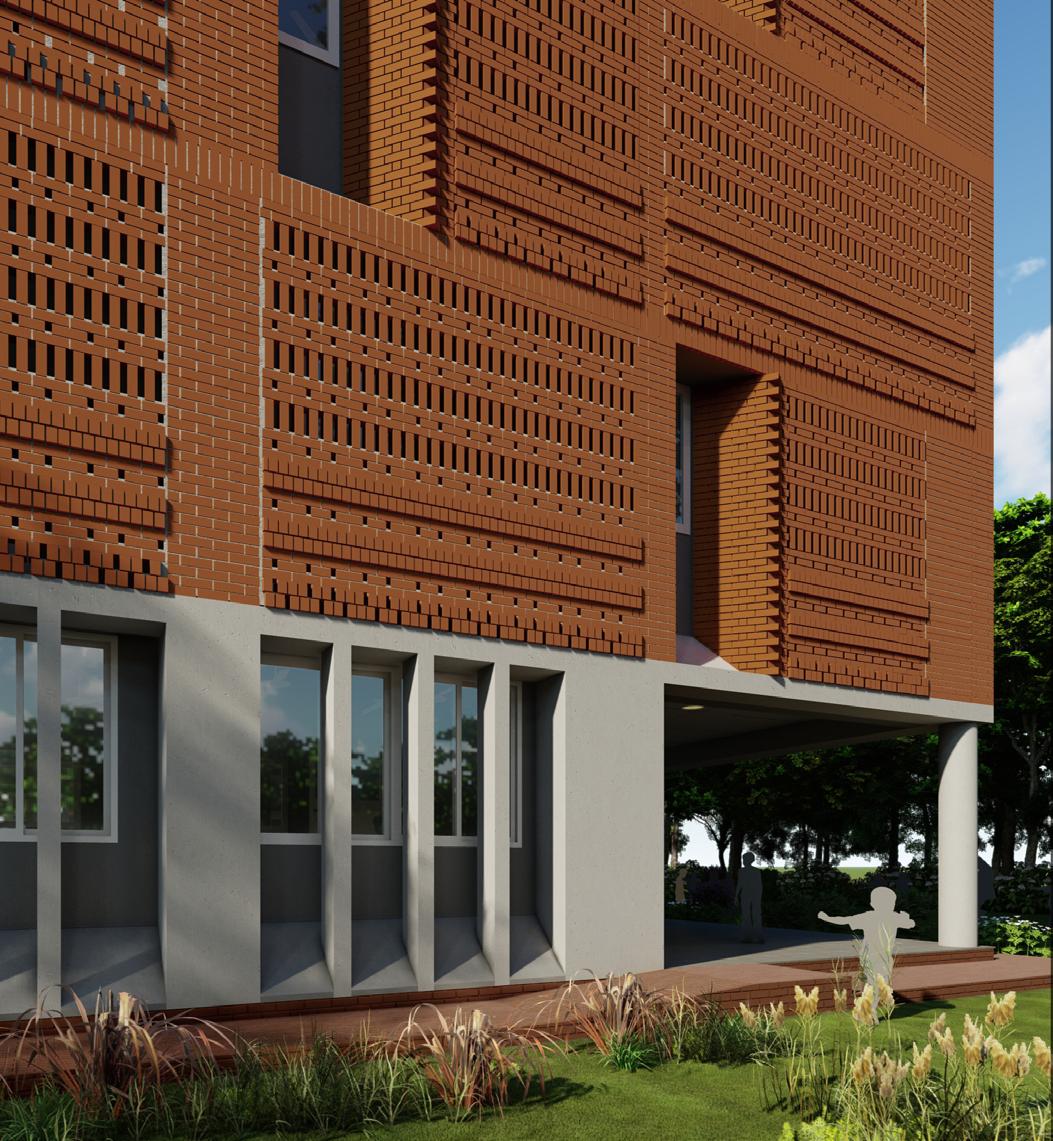
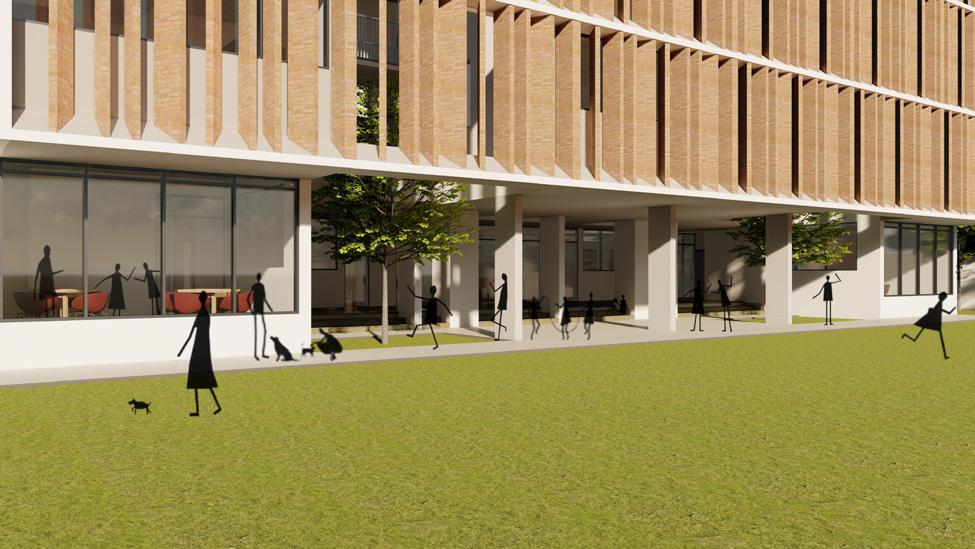
A central straight-flight staircase, covered with skylight, connects all levels, promoting easy access throughout the building. The thoughtful use of a perforated brick facade envelops the entire structure, allowing only soft, glare-free light to filter into the interior. This design approach not only ensures a well-lit space but also serves as a nod to Islamic architectural traditions.
The breakout spaces within the school are characterized by varying volumes, providing a stimulating and enriching experience for the students. On the practical front, all utilities and services are smartly positioned on the western side, ensuring efficient maintenance and functionality. Meanwhile, the labs are strategically placed on the eastern side to facilitate a seamless learning environment.
Schematic Development
SW View of the Building
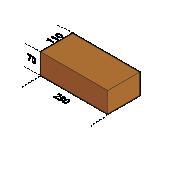
Brick size
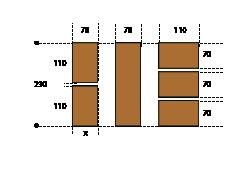
Modularity of a brick
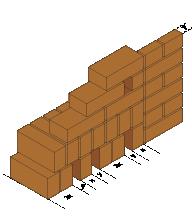
Brick Jaali
Brick Jaali Skin Wall Isometric
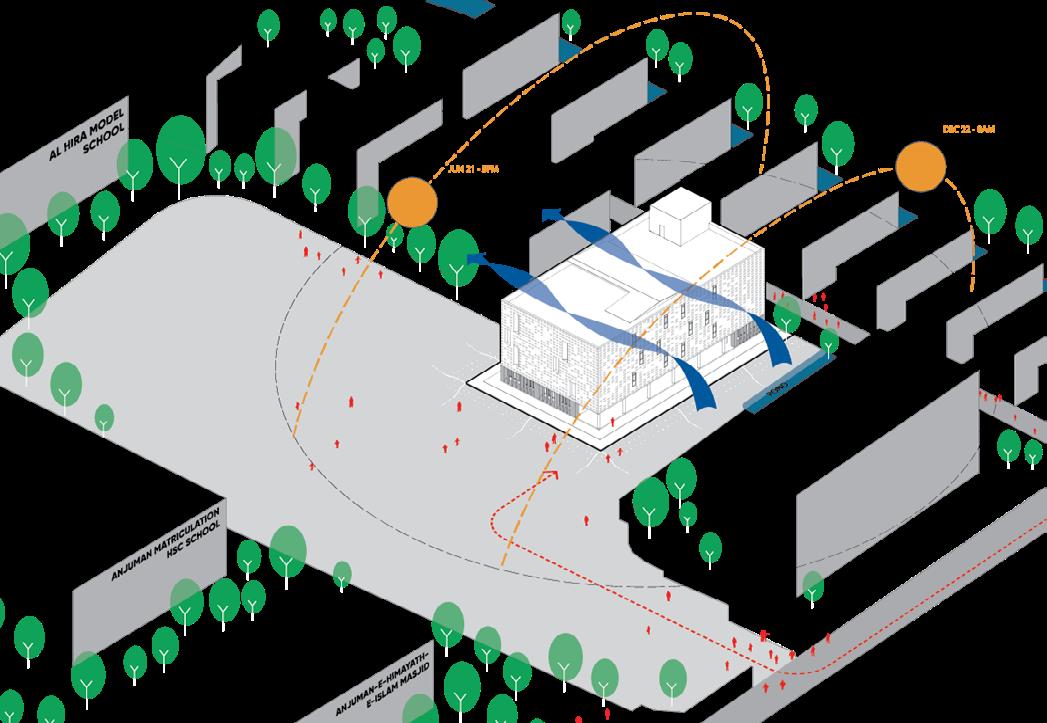
The most captivating feature is the brick jaali, inspired by Islamic architectural jaalis but infused with a modern twist. The jaali serves a dual purpose – it ushers in a soft, glare-free filtered light, creating an ideal learning environment, and it also minimizes heat gain during the scorching summer months. Along the south corridor, the brick jaali wall allows for a constant natural breeze, ensuring a comfortable climate throughout the year. An extra layer of thoughtful design ensures that the jaali openings are bird-proof, keeping the learning spaces clean and undisturbed.
Brick Jaali Facade - North
COCHIN'S HOSTEL
2023 | RESIDENTIAL | ARCHITECTURE
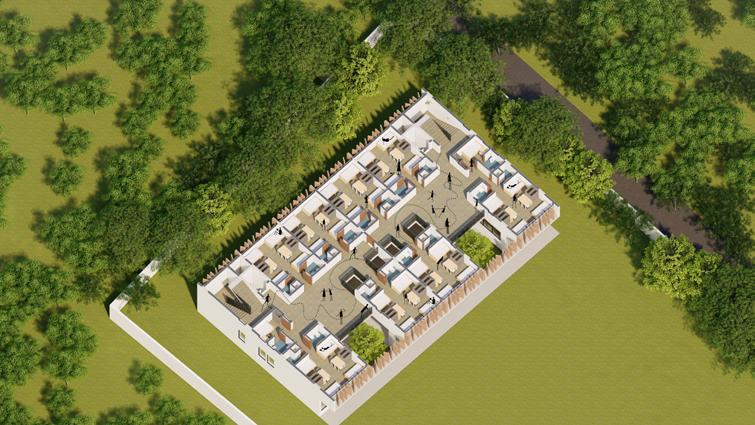
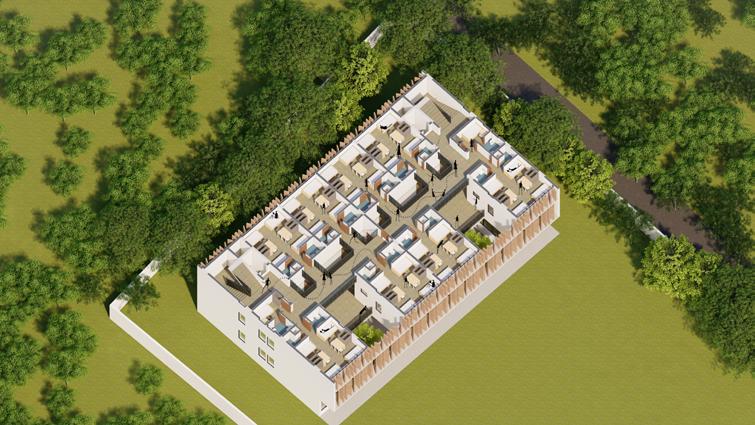
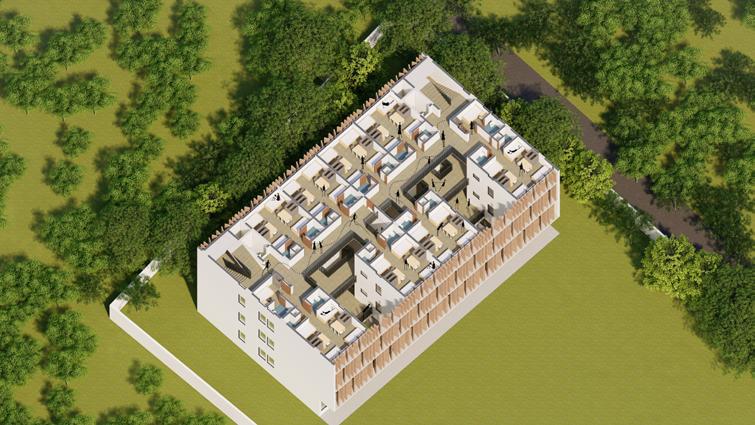
Situated in the bustling city of Cochin, COCHINS Hostel is an innovative architectural project designed to enhance student living. Spanning 5,800 square feet, the hostel accommodates 96 students and emphasizes community interaction within a well-lit, airy environment.
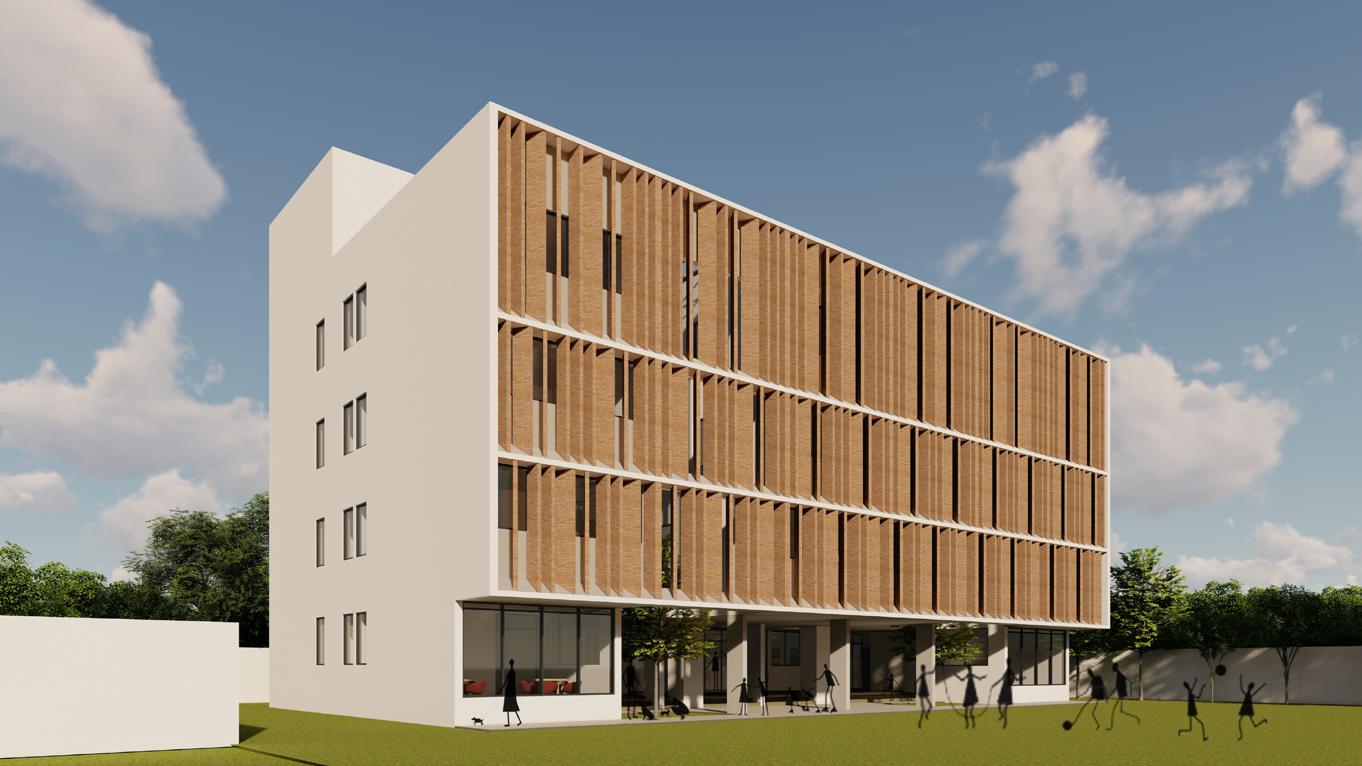
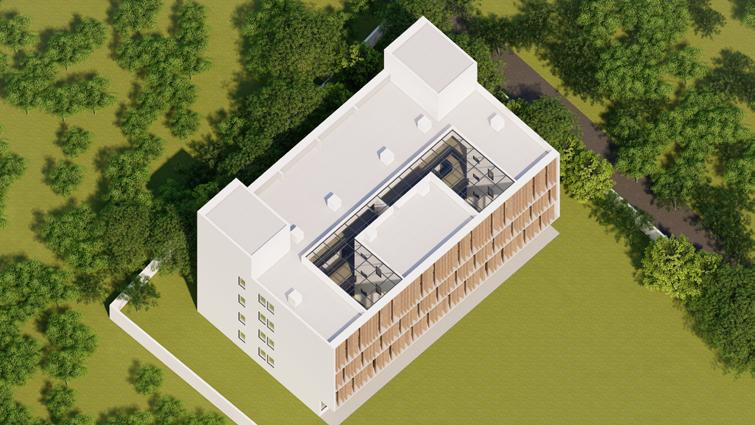
The building faces east-west, which posed challenges in managing natural light and heat. To address this, the design incorporates vertical brick piers that are tilted at intervals. These piers effectively reduce glare, allowing occupants to keep windows open during Cochin’s frequent rains. The piers also add visual interest, creating a sense of movement on an otherwise static facade. The use of locally sourced brick supports sustainable building practices and complements the regional aesthetic.
Courtyards and verandahs are strategically integrated to enhance ventilation throughout the structure. The ground floor features a spacious covered verandah with two courtyards, providing communal space for students to gather and socialize. The northeast and southeast corners house vertical cores for seamless access between floors. The first, second, and third floors have eight dormitories with attached bathrooms. The floor plate steps back to create a triple-height space topped with a skylight, serving as a lively communal hub.
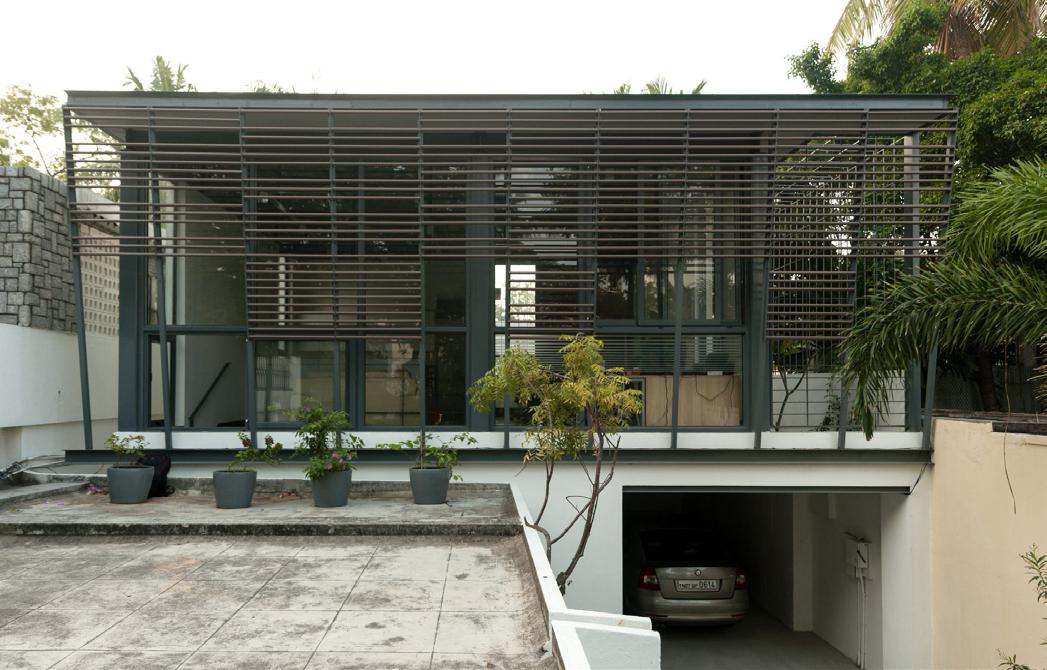
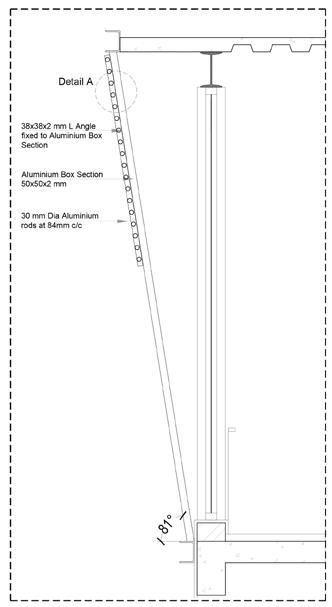
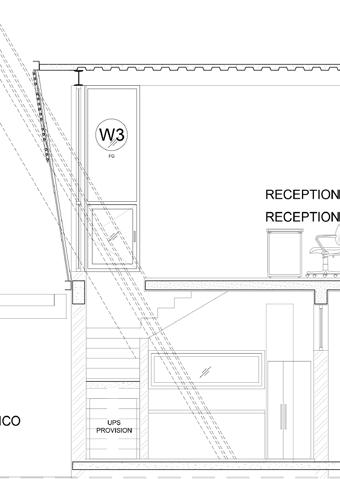
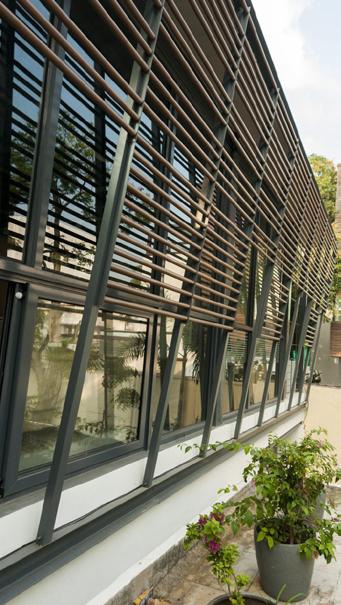
The Rooftop office, a 120 sqm refurbishment project, stands as a testament to thoughtful design in response to its unique North-facing context. In this endeavor, mitigating sun glare and heat gain during the summer months took center stage.
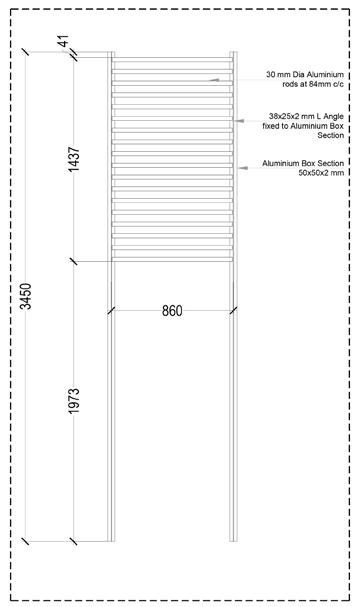
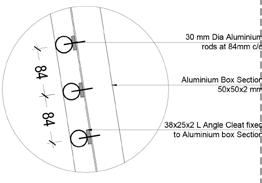
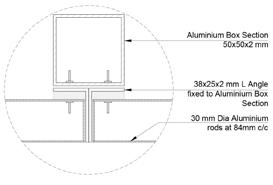
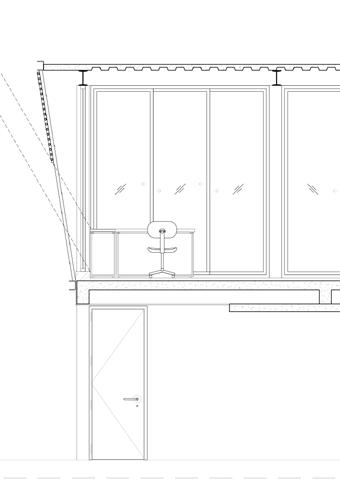
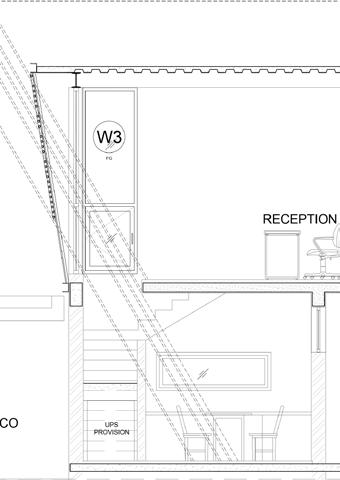
The architectural solution: an angular facade system featuring cylindrical rods. These rods expertly filter sunlight, providing a comfortable working environment while preserving unobstructed views of the surroundings. The office’s entrance from the north is a deliberate choice, strategically connecting it to the cafeteria and essential services on the ground floor.
A flight of stairs gracefully ushers visitors to the open office space on the first floor, characterized by full-height glazing that offers sweeping panoramic views. To counter the late afternoon sun, metal grills host a green tapestry of creeping plants, which reduces heat and adds a touch of nature to the ambiance.
Inside, two cabins, separated by versatile aluminum joinery, transform into a discussion area when opened. Additionally, strategically placed windows harness the cooling power of the ambient sea breeze. The Rooftop office showcases the fusion of design and functionality, ensuring a workspace that is not only aesthetically pleasing but also climate-responsive and highly practical.
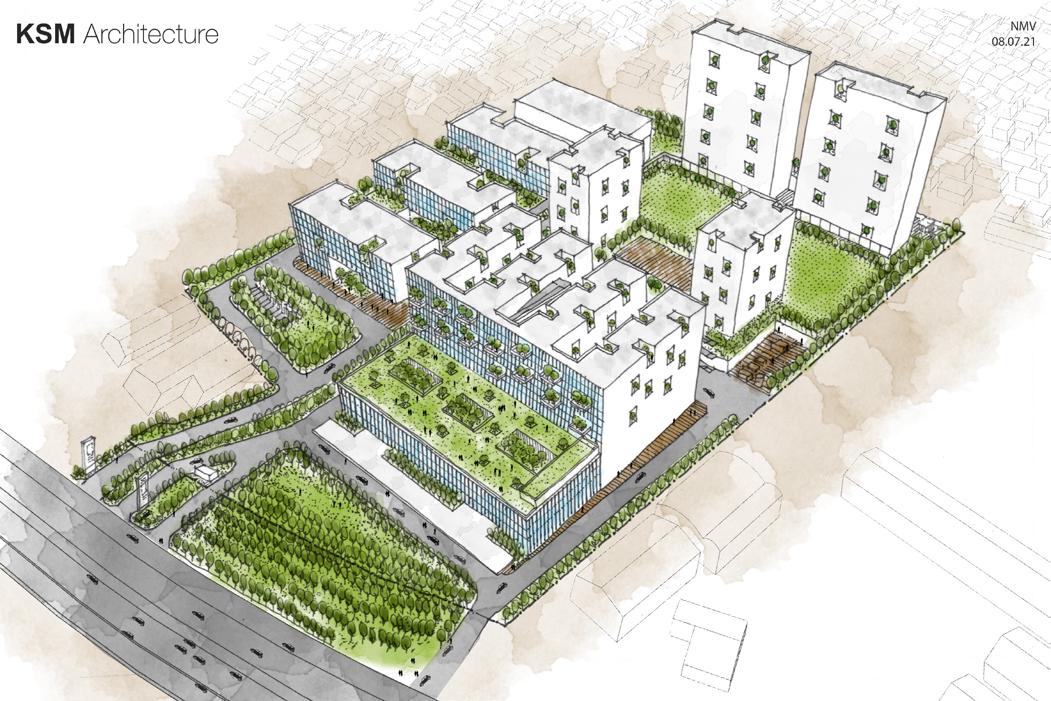
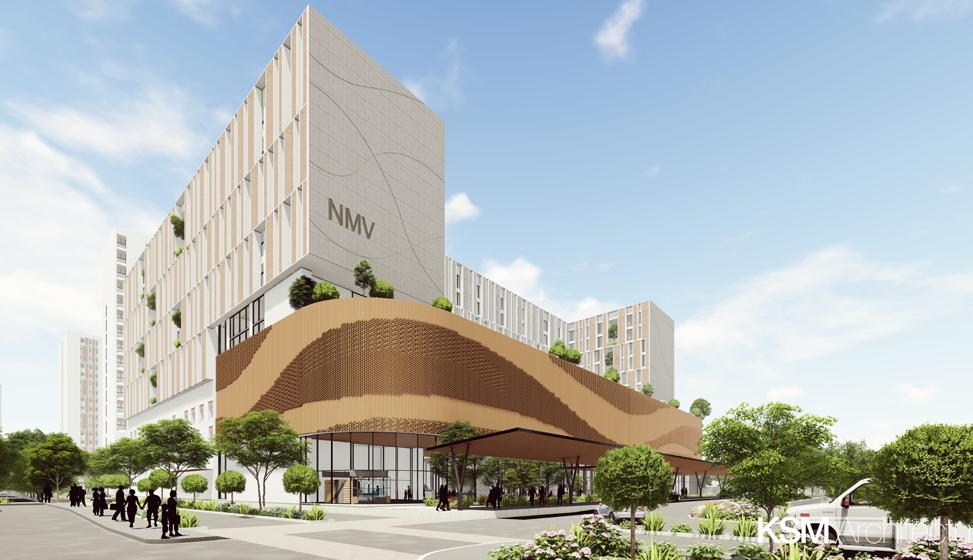
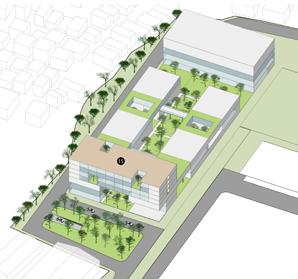
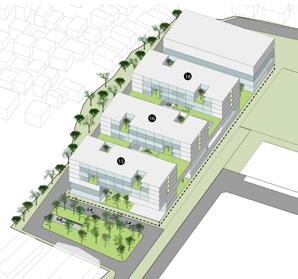
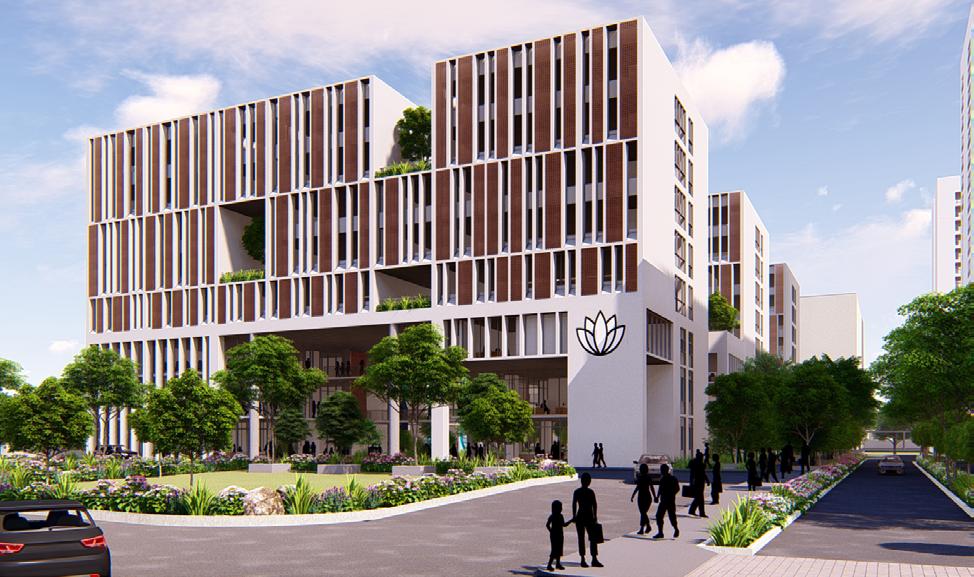
NMV Medical University’s sprawling 11-acre campus, nestled in the heart of the city, represents a harmonious blend of state-of-the-art healthcare, academic excellence, and sustainable design. With a vast area of 2 lakh square meters, the campus seamlessly integrates a multispeciality hospital, an academic block, and housing for students and doctors, ensuring a harmonious coexistence of these vital components.
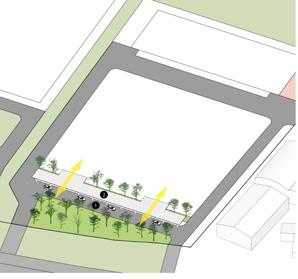
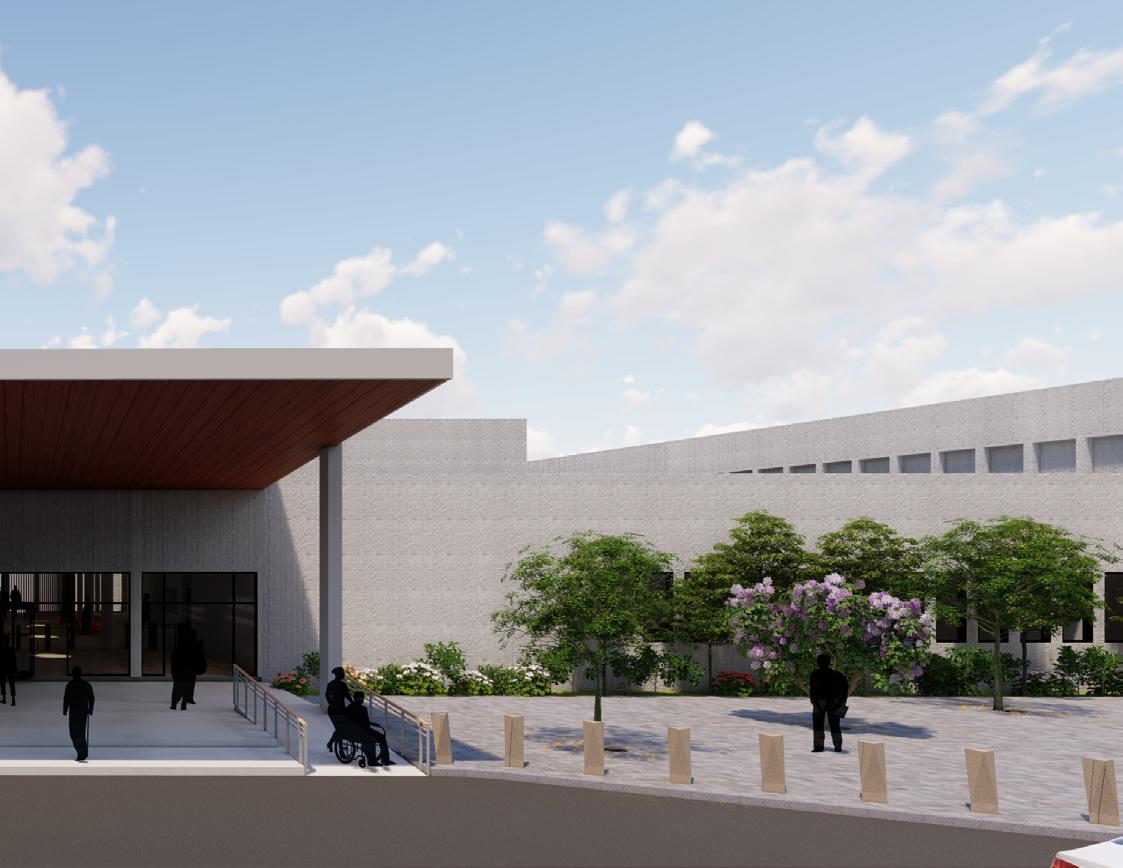
The multispeciality hospital, strategically located away from the bustling main road, beckons visitors with a grand canopy and a serene landscape buffer. This not only provides patients with a sense of calm and isolation from the urban hustle but also ensures easy access. A separate entrance from the main road caters specifically to the hospital, enhancing its accessibility.
NMV Medical University campus stands as a testament to the power of architecture to create spaces that promote wellness and elevate the human experience. From the efficient flow of healthcare services to a nurturing academic environment, this project embodies the fusion of form and function, leaving a lasting impact on all who experience it.
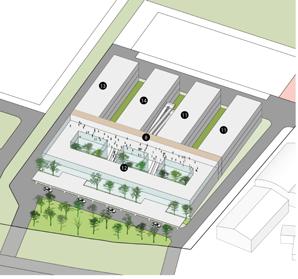
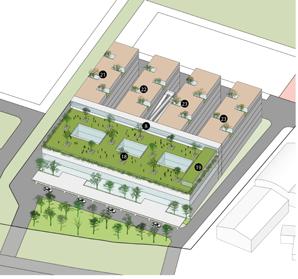
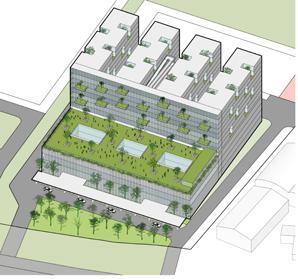
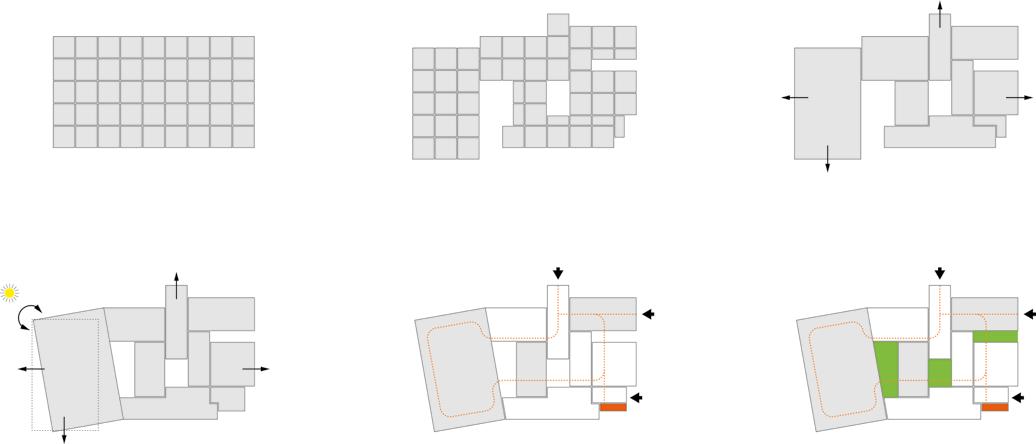
Hospital Schematic Development
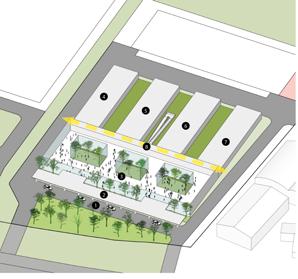
A key element of the hospital’s design is the efficient dispersion of visitors. Spatial planning, helpdesks, and strategic signages are strategically placed to navigate crowds effectively. Elevators and escalators provide clear separation between OPD and inpatient areas.The outpatient department is thoughtfully located within the ground and second floors, optimizing accessibility.
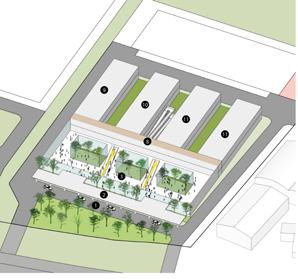
To ensure a comfortable stay, inpatient wards are designed in four finger-like towers. Double-height courts bring abundant natural light and ventilation, creating a healing atmosphere. Each room features windows for light and fresh air, enhancing the well-being of patients.
Hospital Landscaped Terrace
A defining feature of the campus is the central landscape axis. This meticulously planned green space runs through the academic block, offering an inviting environment for students, faculty, and visitors. It encourages interaction, relaxation, and the overall well-being of the campus’s inhabitants.
The campus’s masterplanning is not only user-focused but also environmentally conscious. The strategic placement of vertical access cores between towers promotes natural ventilation and lighting, reducing energy consumption. The design features like the GFRC panels on the facade, rainwater harvesting systems, and extensive landscaping on terraces serve to make NMV Medical University a sustainable and eco-friendly institution.
Academic Schematic Development
MUSEUM OF MODERN ART
EXPLORATION IN DAYLIGHTING TECHNIQUES
2020 | CULTURAL | ACADEMIC THESIS
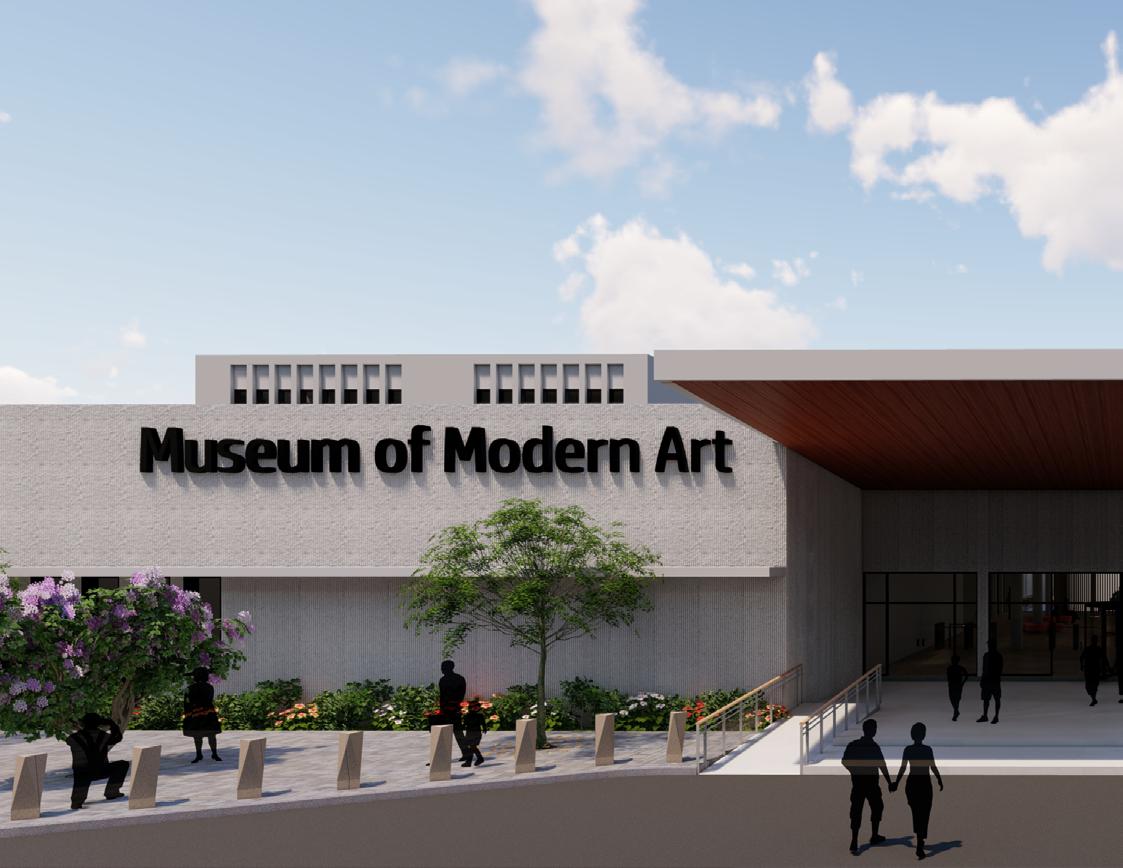
MoMA is an international cultural landmark tailored to frame ambitious art exchange and inspiring public gatherings for residents and visitors alike. The formal and the functional qualities of the museum will draw people from the whole world to come explore, enjoy, and create regardless of gender, nationality or age.
The project site is located in ECR, Chennai. The North side of the site has a direct connection to Dr.Kalaignar Karunanidhi Salai, one of the main roads that connects the OMR to ECR.
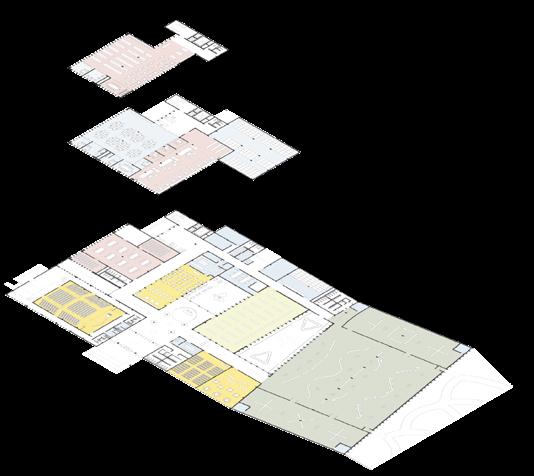
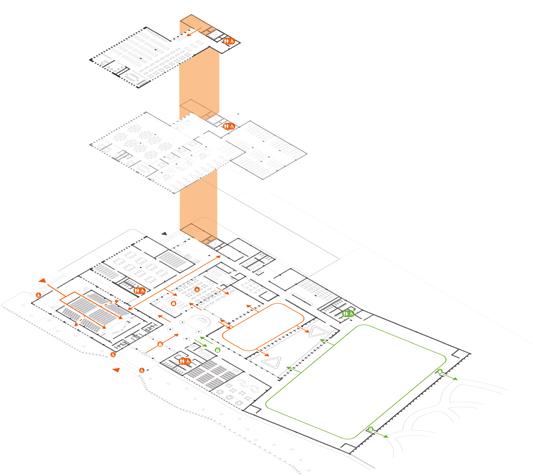
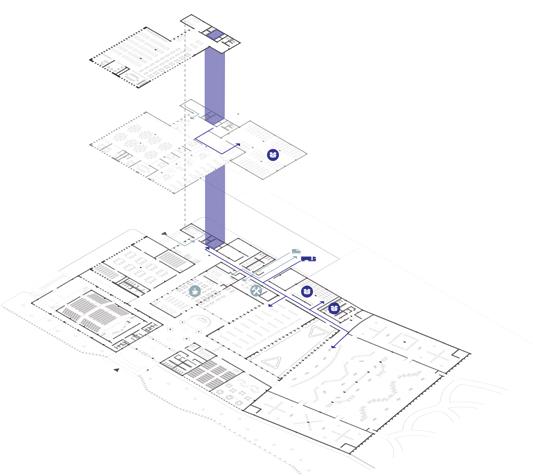
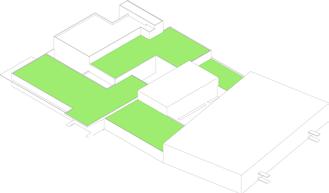
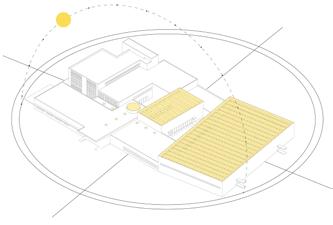
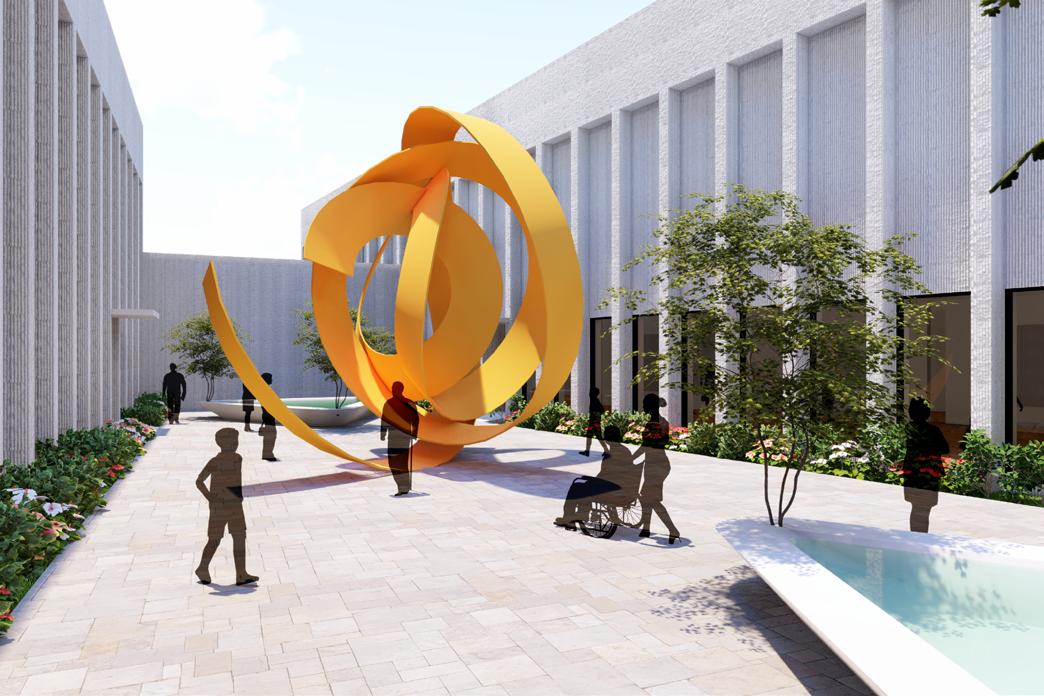
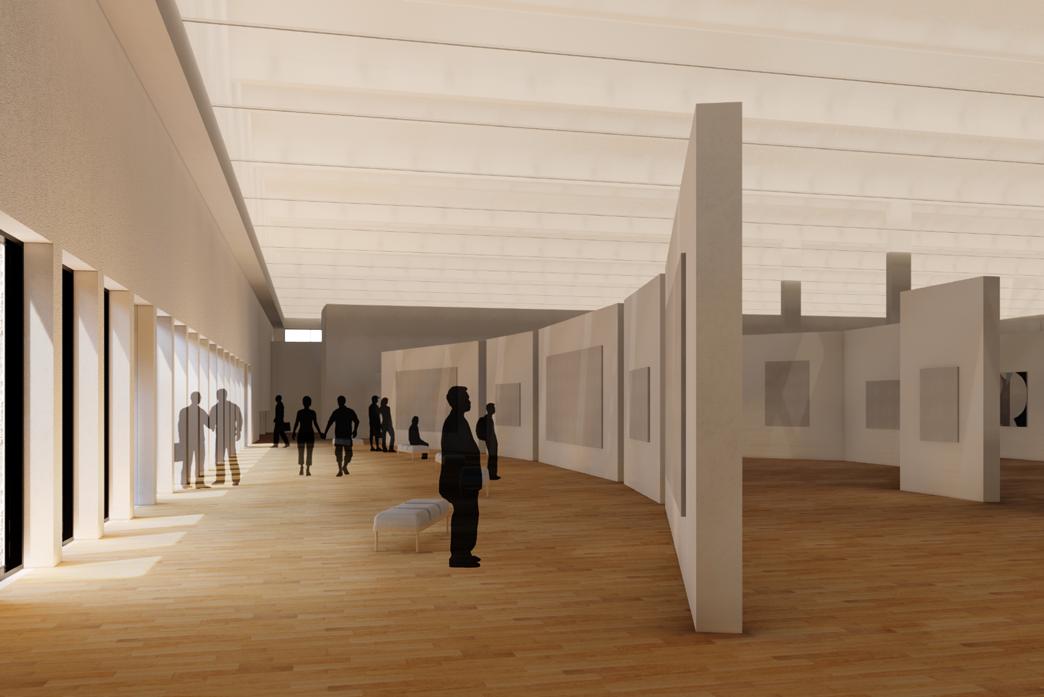
Porous organization has created three interior voids within the musuem that has been planned as integrated sculpture gardens. Visitors can enter the site throught various access points in the building. A circulation loop connects all public museum spaces within the galleries. The galleries are naturally lit with north oriented vaults designed to filter the solar light.
Circulation Loop
Integrated Sculpture Gardens
Green Roof to insulate the terrace slab helps in reducing energy load and also reduce the amount of rain water that would otherwise run off an impervious roof surface. The compact shape of the building minimizes heat losses through the envelope and reduces heating demands.
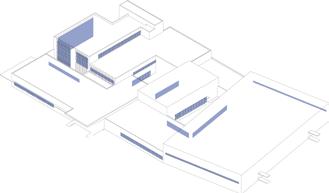
Glazed areas are strategically placed to allow light to penetrate into the building depending on the spatial requirement.
The fully glazed roof of Permanent and Temporary exhibition galleries allows unlimited daylight access, reducing the lighting demand and operational cost. The corridors are also lit by natural light by well placed skylights.
Section through Gallery and Reception
Section through Galleries and Library
Section through the Entrance
The key principles for the structural arrangement of the buildig have been conceived to maximize internal space in the gallery areas and to be fully integrated with architectural forms and details, along with environmental stategies. The structural frame of the building is predominantly concrete and cavity wall, providing surfaces with high thermal mass that are able to store energy and balance the internal resultant temperature, reducing the total energy demand and securing a high level of internal comfort.