 Adil
Adil
Landscape Architecture Portfolio Selected Works
Mohammed
CONTACT
Email: mohamad.adil098@gmail.com
Location: Leeds, Uk
Contact: +44(0)7438729513
Linkedin: www.linkedin.com/in/mohammed-adil-b2a31114a
EDUCATION
2015-2020
EXPERIENCE
2021-2023 2020 2020 2018
Master of Landscape Architecture (LEEDS BECKETT UNIVERSITY)
MLA Master Landscape Architecture
Bachelor of Architecture (TIU)
B.Architecture Faculty of Engineering
LANDSCAPE ARCHITECT/ PROJECT ARCHITECT
(ARSA GROUP) IRAQ, SULAYMANYAH.
December 2020 - September 2023
PROJECT ARCHITECT, VISUALIZER
(VERTEX ENGINEERING BUREAU) IRAQ, SULAYMANYAH.
September 2020 - December 2020
ARCHITECT, VISUALIZER
(Pl GROUP) IRAQ, SULAYMANYAH.
August 2020 - September 2020
INTERNSHIP ARCHITECT
(MIDMAC CO.) QATAR, DOHA
September 2018 - October 2018
Rendering
Microsoft Office 2023-2024
Modeling/Drafting
Adobe Creative
LANGUAGE SKILL
ENGLISH
ARABIC
SketchUp - AutoCad - Revit
3DsMax - Lumion
Photoshop - InDesign - Lightroom - Illustrator
Word - PowerPoint - Excel
Advanced Intermediate
Mohammed Adil
CURRICULUM VITAE
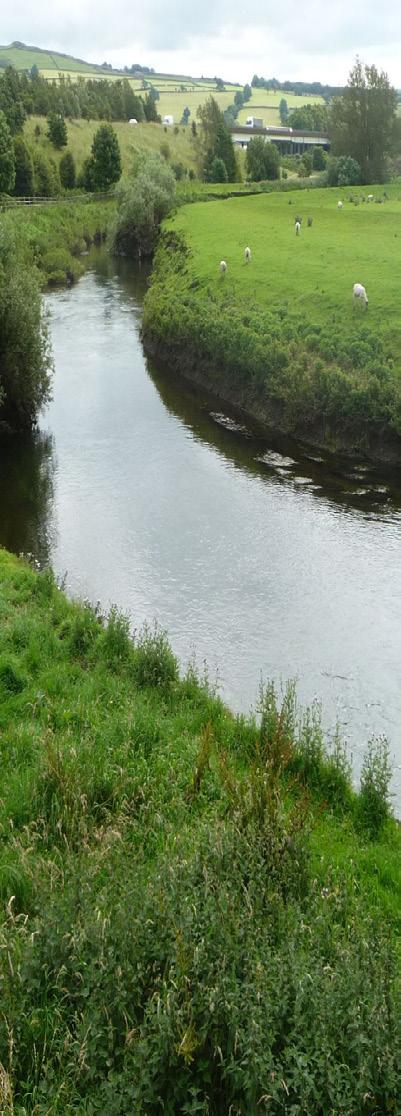
A Blue, Green Journey in Bingley: Live, Work & Visit Bingley
Works
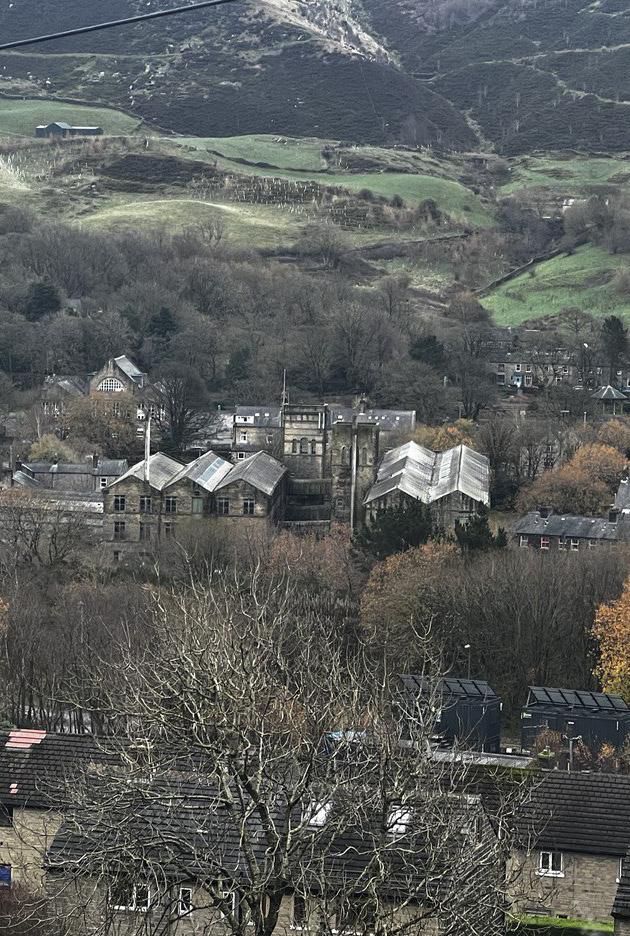
Unveiling Marsden Lagacy, A Journey Toward Marsden
Landscape Architecture Landscape Architecture
4 │Mohammed Adil Landscape Architecture CONTENT selected
1
2
New Vision of Cemetery Strengthen Marsden Other Projects
Landscape Architecture Landscape Architecture LandscapeArchitectureArchiteture&
Portfolio 2024│ 5
3 4 5
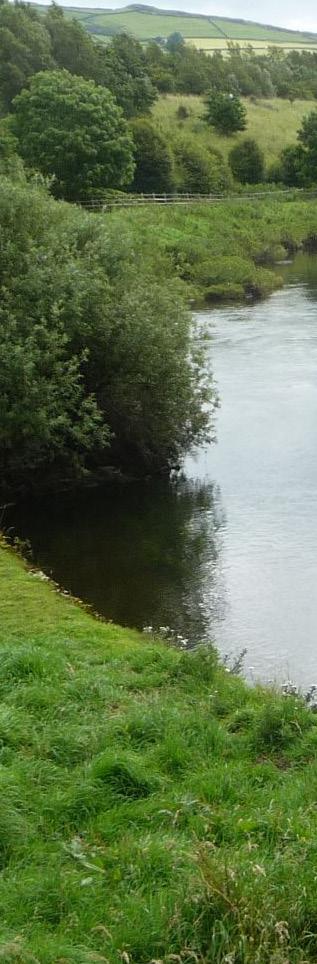
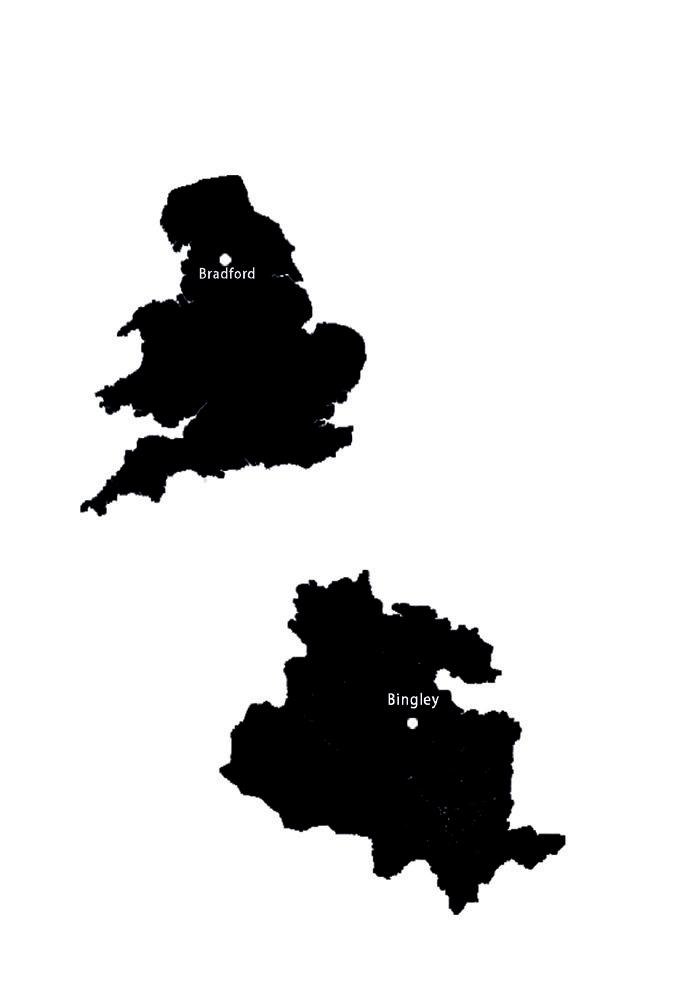
Location
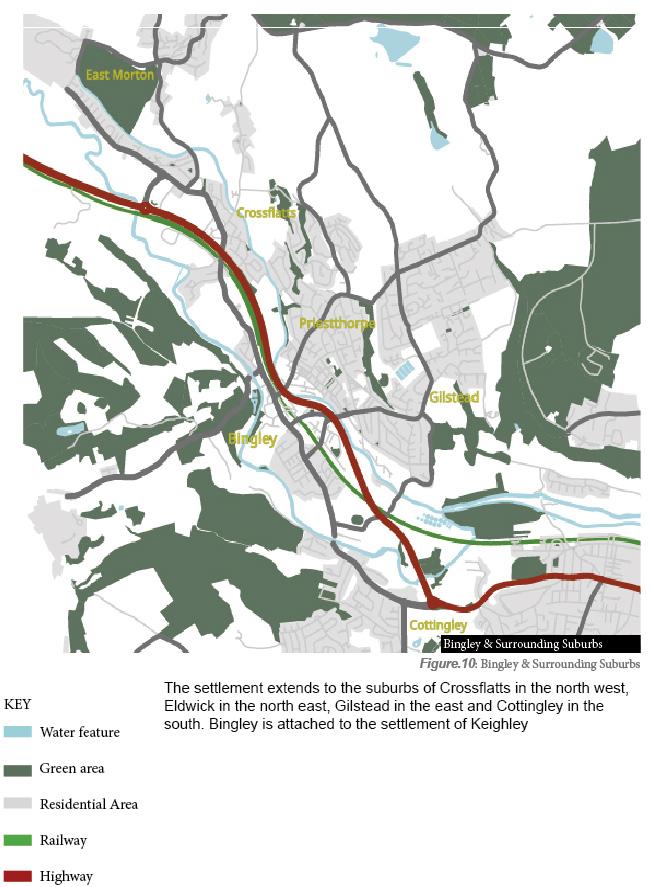
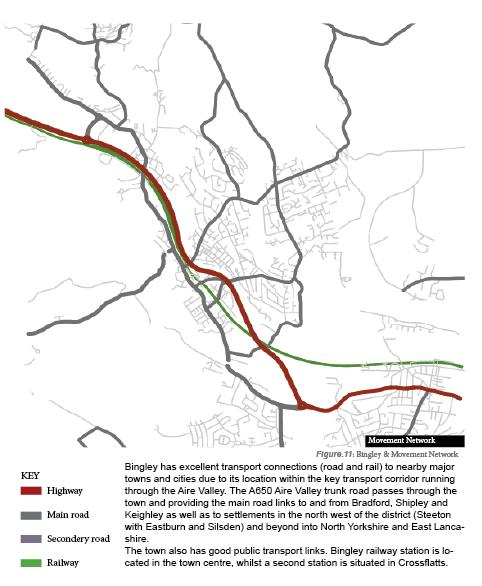
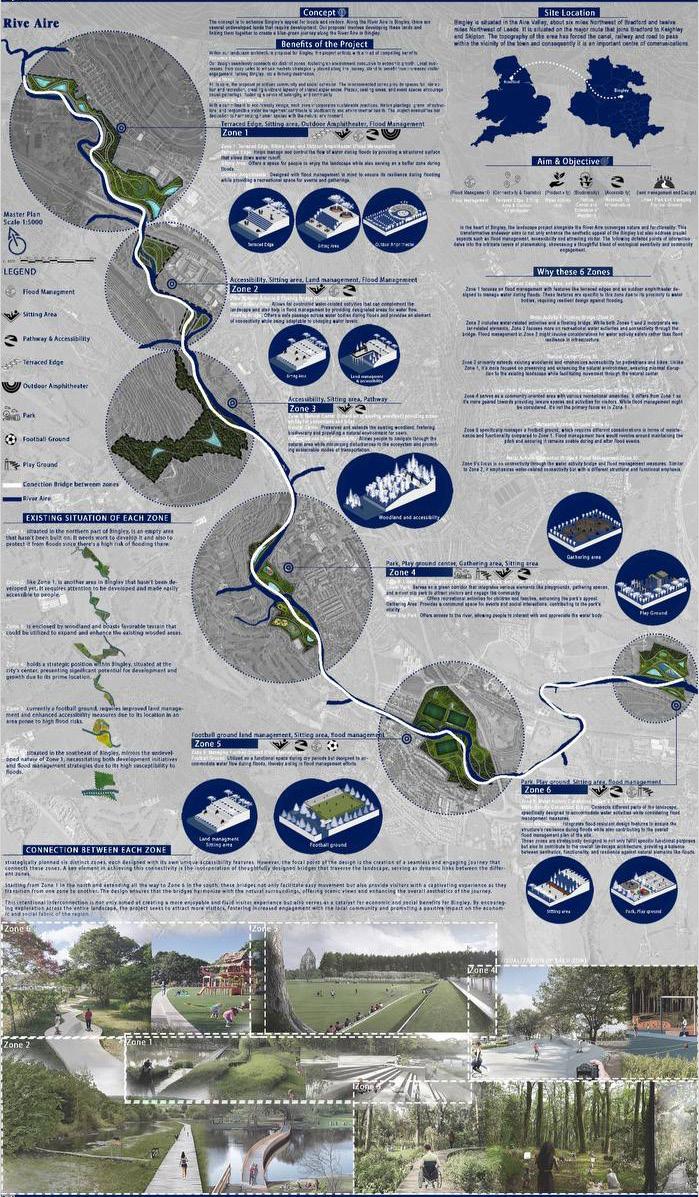
Bingley is situated in the Aire Valley, about
A Blue, Green Journey in Bingley:
Live, Work & Visit Bingley
Year: 2023-2024
Responsibility: Landscape Design, 3D& Graphic Rendering, LVIA Report.
Typology: Ecological Integration, Cultural Heritage Interpretation, Social Connectivity and Activation, Sustainable Infrastructure Integration, Multi-Modal Connectivity and Access
AIM
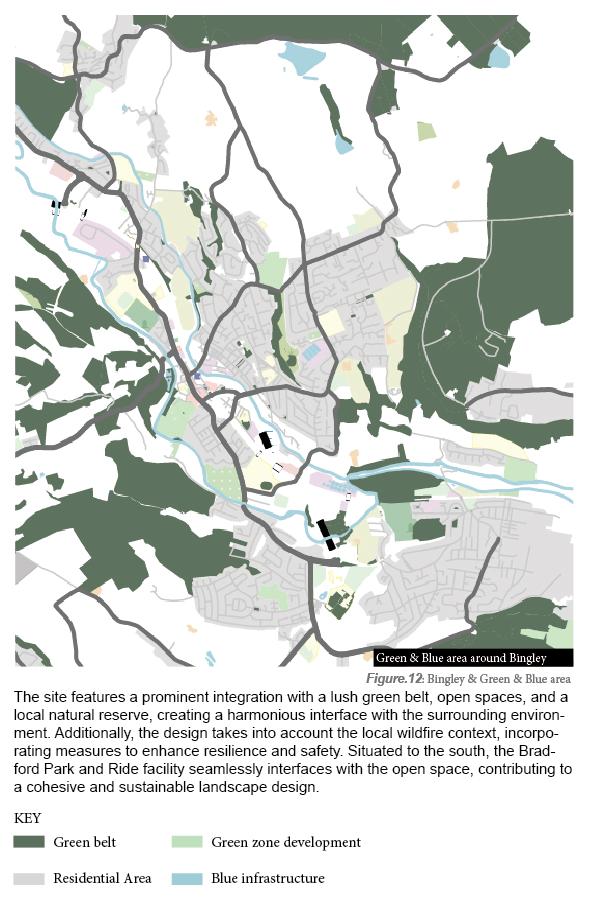
goal is to make a space that attracts visitors and encourages fun activities. We also want to improve transportation to Bingley as part of the project. Our aim is to blend nature and accessibility, making the site a great place to explore and enjoy leisure activities.

for locals and visitors. Along the River Aire in Bingley, there are several undeveloped lands that require development. Our proposal involves developing these lands and linking them together to create a blue-green journey along the River Aire in Bingley.

Benefits
Economic Enrichment: By connecting six distinct zones, our design boosts economic growth, supporting local businesses like cafes and artisan markets, and transforming Bingley into a vibrant destination.
Social Nexus: Prioritizing community and social cohesion, the proposal includes plazas, seating areas, and event spaces to foster interaction, recreation, and a sense of belonging.
Environmental Sustainability: Committed to eco-friendly design, the project incorporates native plantings, green infrastructure, and responsible water management, enhancing biodiversity and environmental health.
01
Bingley, Bradford, West Yorkshire, England


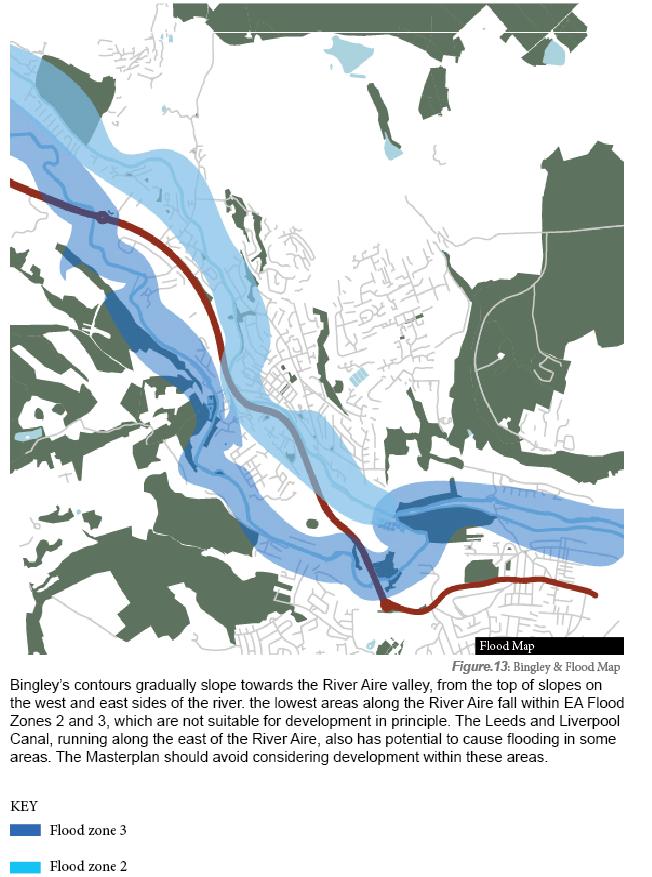
Site Analysis
Portfolio 2024│ 7
& Objective
Aim
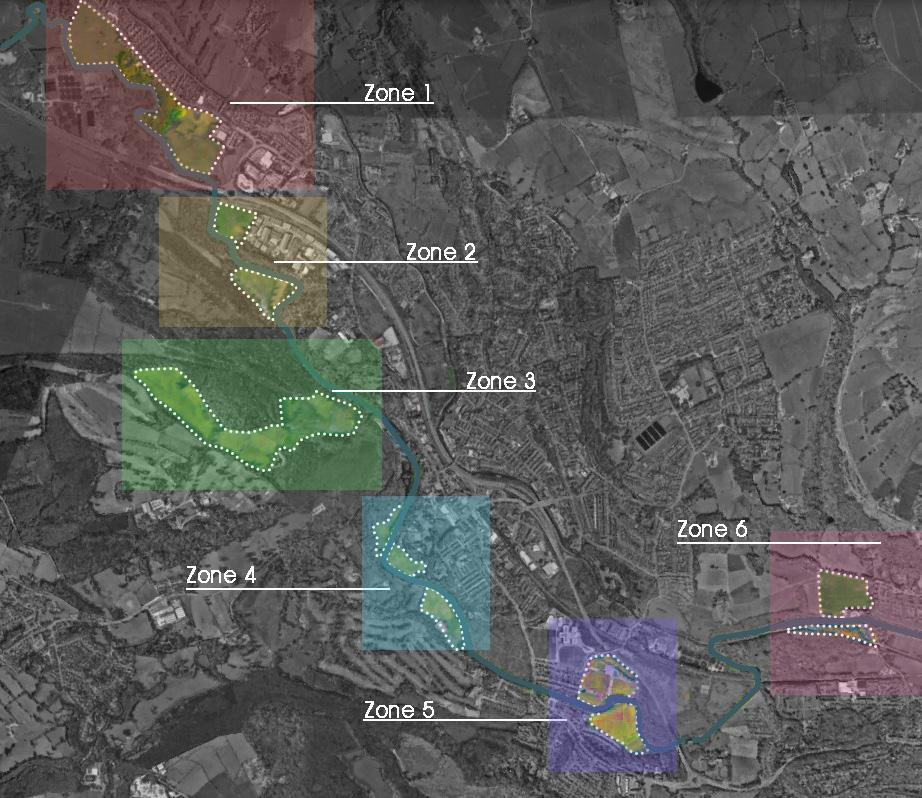
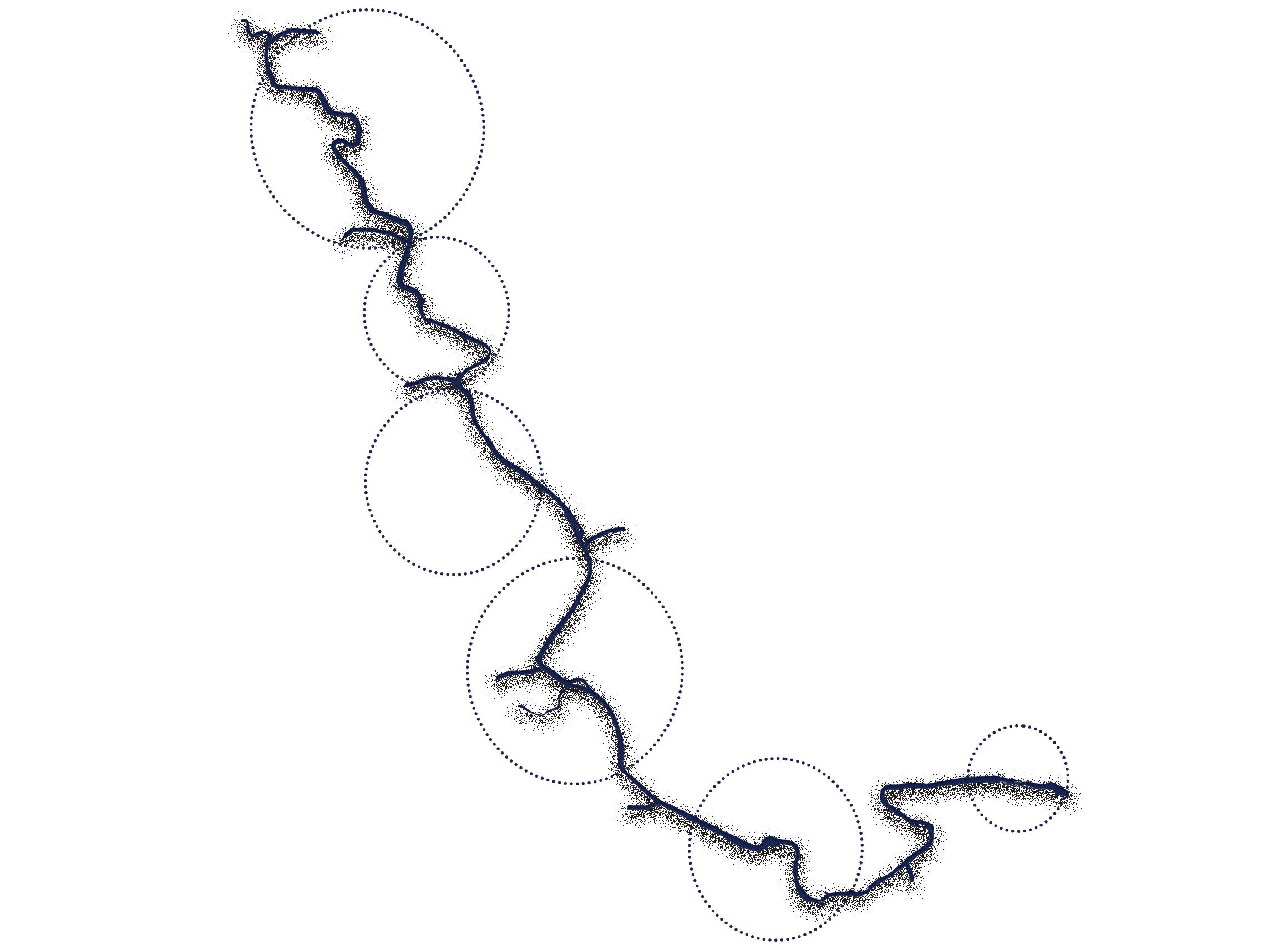
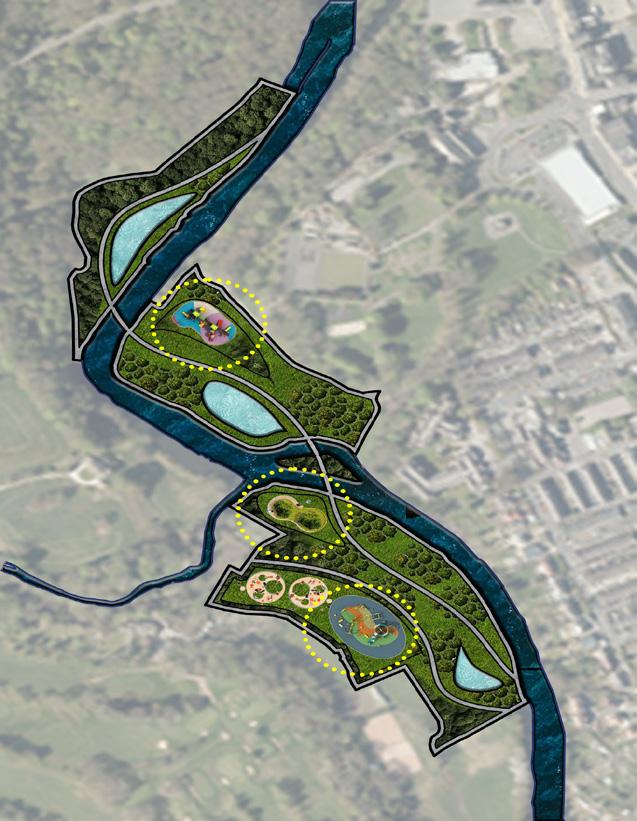
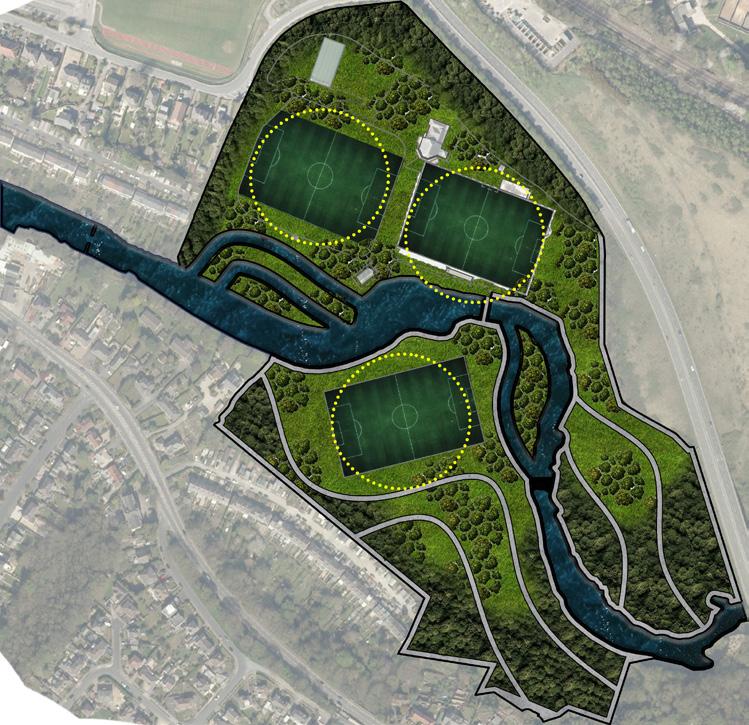
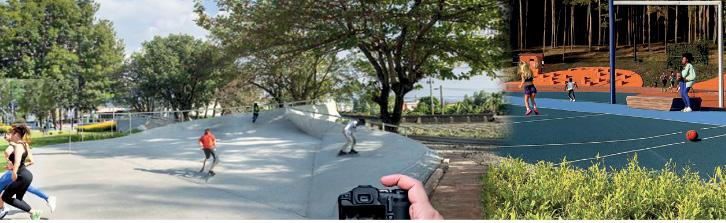
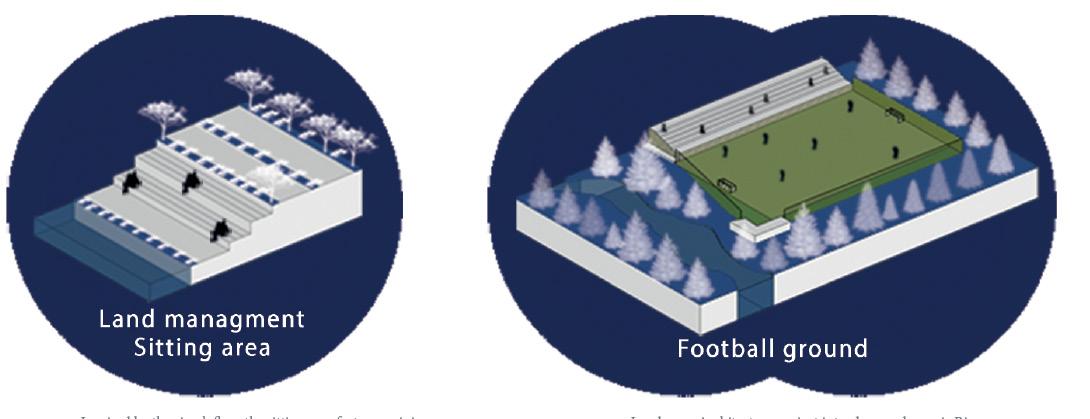
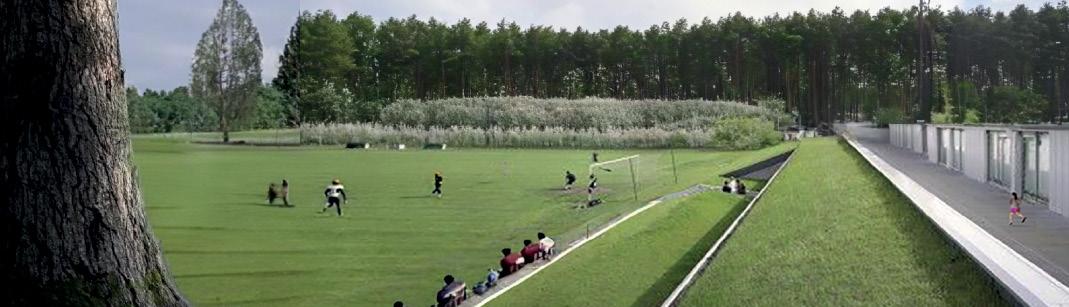
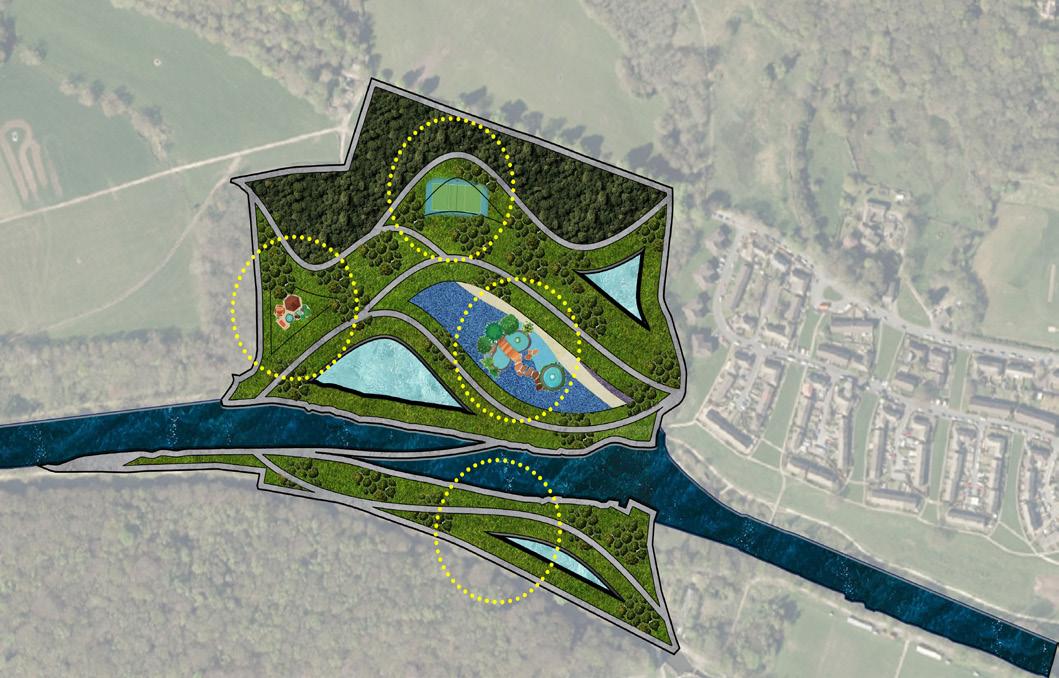
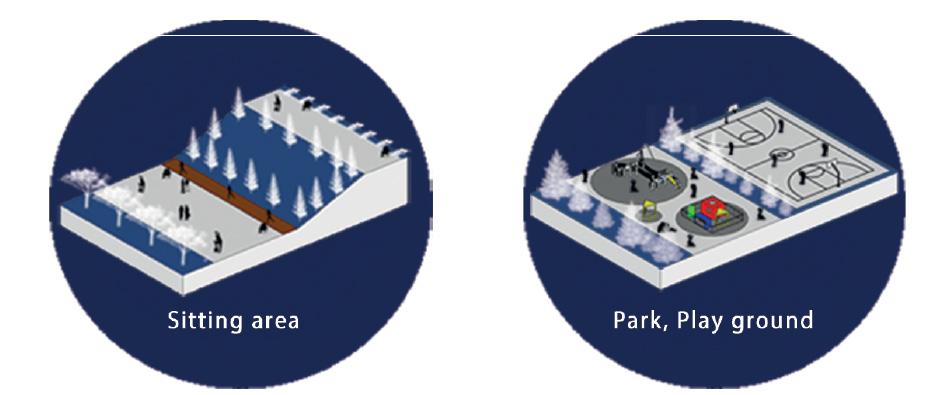
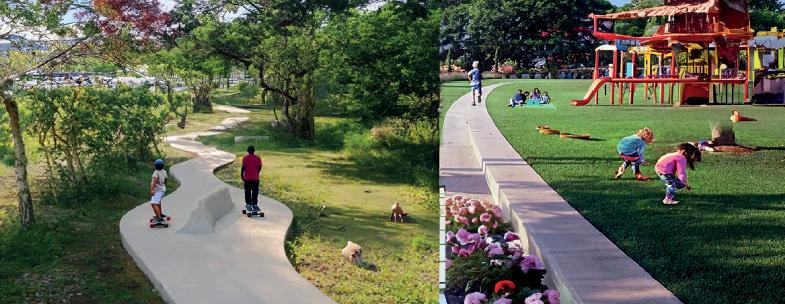
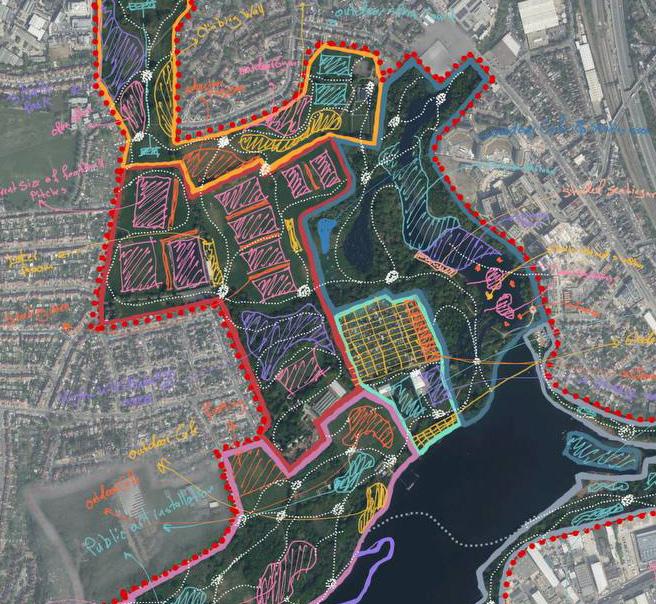
Following a meticulous analysis of the residual lands along the River Aire, we propose a nuanced division into 6 distinct zones, each earmarked for specific programmatic and landscape interventions. These delineated zones are envisioned as bespoke properties, each boasting unique characteristics to enhance both the attractiveness and accessibility of Bingley.
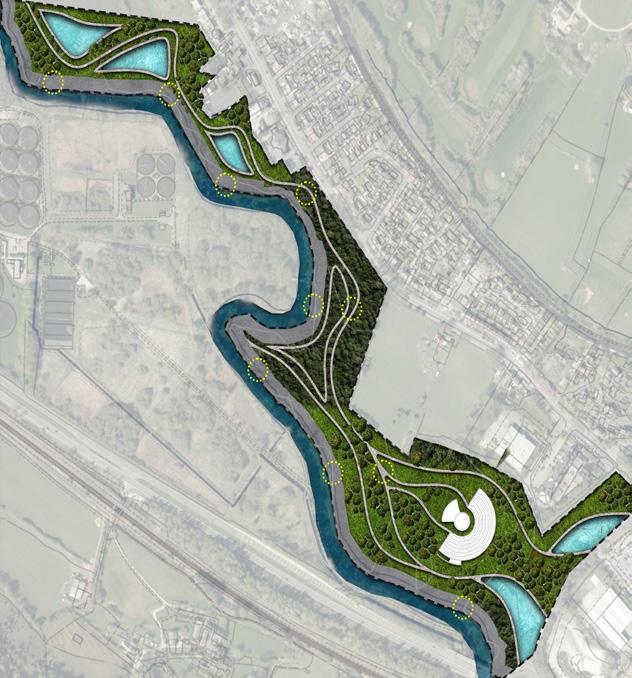
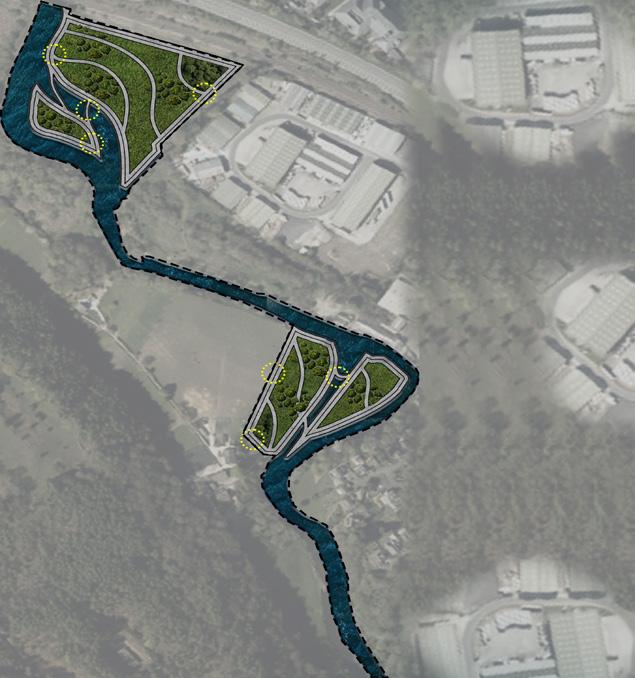
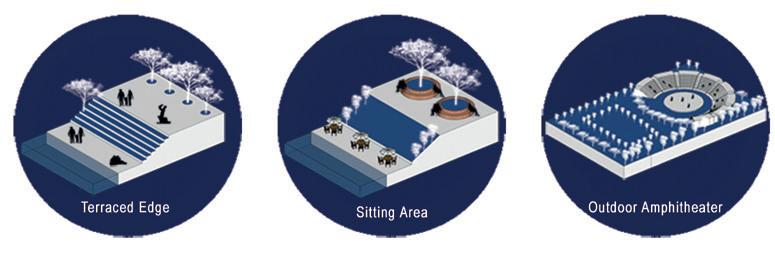
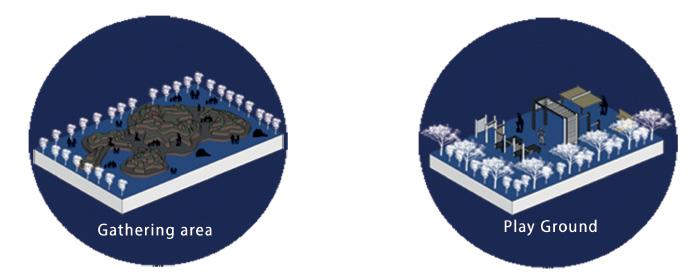
Designed as public spaces, each zone is tailored to offer distinct facilities, contributing to the overall enrichment of the town. Through strategic landscape architecture, we aim to cultivate a diverse range of amenities within each zone, fostering a harmonious blend of functionality and aesthetic appeal. This tailored approach ensures that each property serves as a destination in its own right, inviting residents and visitors to engage with the public realm in a meaningful way.
The intention is to create a network of interconnected yet individually captivating zones, contributing collectively to the revitalization of the River Aire corridor and elevating Bingley’s appeal. This landscape architecture strategy embraces the inherent qualities of each parcel, weaving them into the fabric of the town while simultaneously enhancing its overall accessibility and attractiveness.
8 │Mohammed Adil Landscape Architecture



Portfolio 2024│ 9
Zone 1
Zone 2
Zone 3



10 │Mohammed Adil Landscape Architecture
Zone 4
Zone 5
Zone 6
Portfolio 2024│11
Unveiling Marsden Lagacy, A Journey Toward Marsden
Marsden, West Yorkshire, England
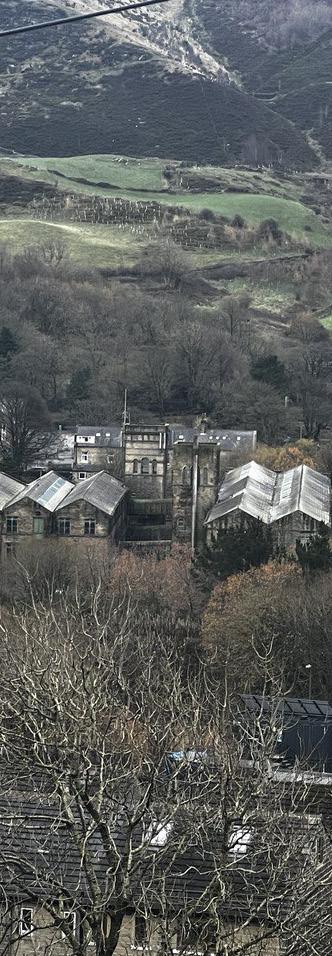
Crowther’s Mill
In 1867, John Crowther established Bank Bottom Mills. Over the years, Crowther and Sons opened many mills in Marsden and the Colne Valley. In 1936, Bank Bottom covered 14 acres, used 680 looms and 43 carding machines, and employed 1900 people. It closed down in 2003.
Year: 2023-2024
Responsibility: Landscape Design, 3D& Graphic Rendering, LVIA Report.
Typology: Ecological Integration, Cultural Heritage Interpretation, Social Connectivity and Activation, Sustainable Infrastructure Integration, Multi-Modal Connectivity and Access
AIM
project is to transform the historic Marsden Mill into a dynamic community hub that seamlessly integrates modern amenities with its rich heritage, fostering inclusivity and sustainability for all who visit and reside within its revitalized spaces.
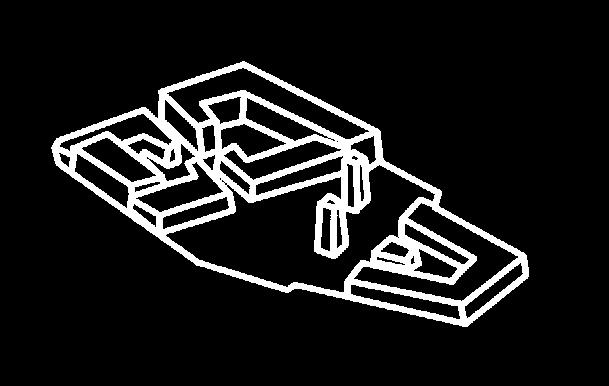
Concept
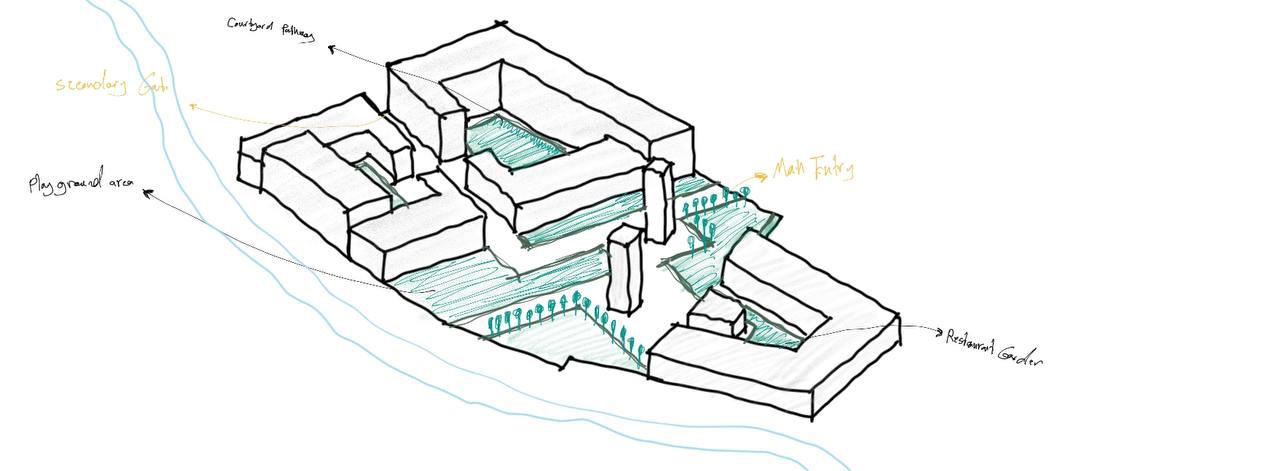
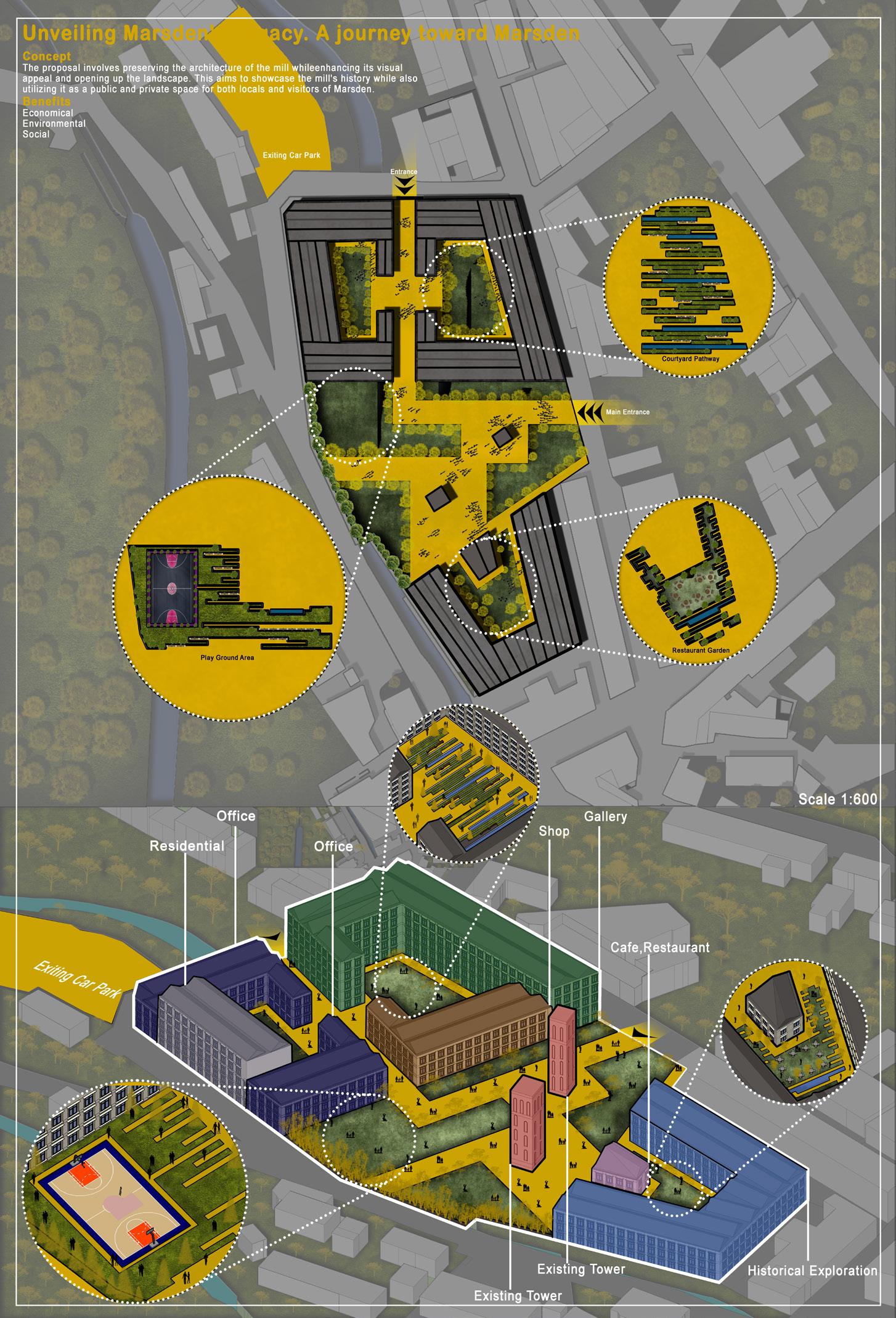
The proposal involves preserving the architecture of the mill while enhancing its visual appeal and opening up the landscape. This aims to showcase the mill’s history while also utilizing it as a public and private space for both locals and visitors of Marsden.
Benefits
Economical
Boosts Economy: Attracts businesses, creating jobs.
Tourist Appeal: Draws visitors for cultural experiences.
Environmental Green Spaces: Enhances biodiversity, cools the area.
Water Management: Controls runoff, protects water systems.
Climate Help: Trees absorb carbon, aiding the environment.
Social Community Hub: Provides space for events and gatherings.
Health Boost: Accessible green areas promote well-being.
Preserves Heritage: Integrates history, keeping cultural roots.
12 │Mohammed Adil Landscape Architecture
02
“Unveiling Marsden Legacy” reimagines the historic Marsden Mill as a nexus of community and innovation. We’ll restore its historical charm while creating versatile spaces for community gatherings and events, fostering a sense of belonging. Cutting-edge technology and sustainability will define the mill, showcasing renewable energy and eco-friendly design. Interactive exhibits and workshops will engage visitors and locals, offering insights into the mill’s past and its significance. Curated trails, scenic viewpoints, and local artisanal shops will elevate the visitor experience, inviting exploration and celebrating Marsden’s unique heritage. This design intent harmoniously blends history, community needs, and forward-thinking design to create a vibrant, sustainable space that embodies the spirit of Marsden’s legacy.
The historical Marsden Mill underwent a transformative redesign focused on openness, blending architecture seamlessly with the landscape. Selected buildings were replaced to create expansive green spaces, alongside new structures housing offices, residences, shops, galleries, and dining areas.
Accessibility was a priority, with multiple entrances and thoughtful pathways ensuring inclusivity. The design honors the site’s history by preserving original elements while integrating modern functionality. Each space caters to diverse needs, offering a sensory-rich experience that merges heritage with contemporary living.
LVIA REPORT
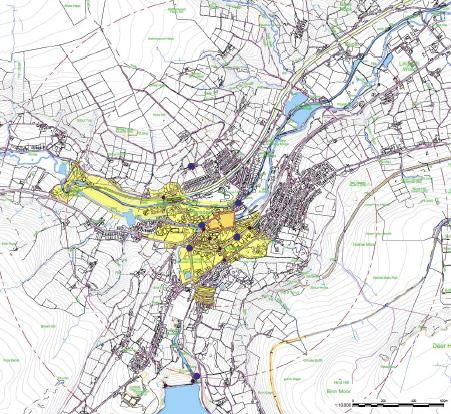
The provided images delineate the landscape context plan of Marsden,with a particular focus on Crowther’s Mill. Marsden Mill occupies a position within a designated conservation area, a facet underscored in the visual representation. The imagery further elucidates the site boundary, demarcating the extent of Crowther’s Mill within the broader landscape. Moreover, the illustrations encompass the defined area of study shedding light on its geographical parameters. The inclusion of visual points serves to articulate specific perspectives and viewpoints integral to the comprehensive understanding of the landscape context. Noteworthy elements incorporated in the imagery encompass prominent features such as main roads, railway infrastructure, and areas of visual interest. Additionally, the images provide insight into visitor-attractive locales, contributing to a nuanced comprehension of the broader Marsden landscape.
Portfolio 2024│13
Initial sketche
Aim & Objective
Design Process
Why demolishing some of the building and keeping most of it?
Preserving the history of Marsden Mill while making it more useful today is a bit tricky for landscape architects. The plan is to carefully take down some parts of the mill, keeping the important ones that tell Marsden’s story. This needs special permission and follows rules to respect its history and prevent disagreements from the local community.
At the same time, we want to make the area better for everyone. By removing specific parts of the mill, we can create new spaces like gardens, places to hang out, cool fountains, and quiet spots to sit. The goal is to keep the history alive while making the area more welcoming and useful for both locals and visitors. It’s about finding the right mix between the old and the new to create a refreshed space where people can come together and relax.
Entrance and surrounding effect
In our proposed plan, we recommend introducing a new entrance near the existing car park, enhancing accessibility for individuals who prefer to park their cars nearby and have direct access to the mill. Additionally, we maintain the main entrance to cater to pedestrians, ensuring a balanced approach. Both entrances are designed to be minimum 9 meters wide, providing ample space for a welcoming and seamless entry experience.
14 │Mohammed Adil Landscape Architecture
The transformation of Marsden Mill will have a profound impact on the local community across economic, environmental, and social dimensions. Economically, the redevelopment will attract a variety of businesses, from artisanal shops to innovative tech startups, creating numerous job opportunities and stimulating the local economy. The mill’s blend of historical charm and modern amenities will also draw tourists, boosting local hospitality and retail sectors and establishing Marsden as a cultural landmark. Environmentally, the project will feature expansive green spaces that enhance local biodiversity and contribute to cooling the urban area, mitigating the effects of heat islands. Advanced water management systems will control runoff and protect local water systems, while trees and vegetation will absorb carbon dioxide, aiding in climate change mitigation. Socially, Marsden Mill will become a vibrant community hub, offering spaces for events and gatherings that foster a sense of belonging and engagement. Accessible green areas will promote physical and mental well-being, providing residents with spaces to relax, exercise, and connect with nature. Importantly, the redevelopment will preserve Marsden’s rich heritage by integrating historical elements into the modern design, ensuring that the cultural roots of the area are honored and maintained. This comprehensive approach harmoniously blends economic growth, environmental stewardship, and social cohesion, creating a sustainable and thriving community space that embodies the spirit of Marsden’s legacy.
Portfolio 2024│15
Marsden Mill Landscape Benefits:
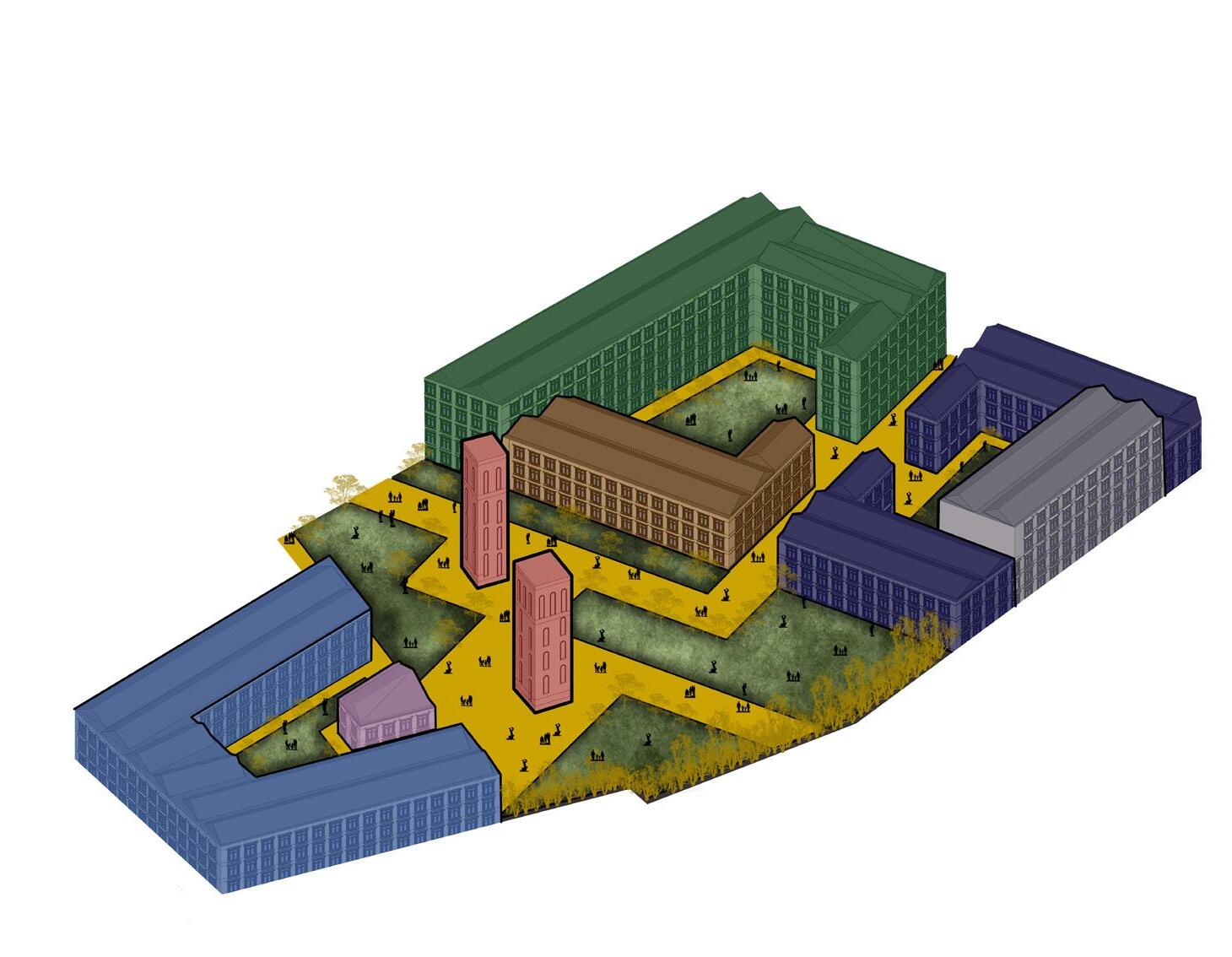
“Unveiling Marsden Legacy” reimagines Marsden Mill as a vibrant hub of community and innovation. We will restore its historical charm while creating versatile spaces for gatherings and events, fostering a sense of belonging. The mill will feature cutting-edge technology and sustainable design, highlighting renewable energy and eco-friendly practices. Interactive exhibits and workshops will educate visitors on the mill’s history and significance. Curated trails, scenic viewpoints, and local artisanal shops will enhance the visitor experience, celebrating Marsden’s unique heritage. This project blends history, community needs, and modern design to create a sustainable space that embodies the spirit of Marsden’s legacy.
16 │Mohammed Adil Landscape Architecture
Portfolio 2024│17
New Vision of Cemetery
Sulaymanyah, Kurdistan, Iraq
Cemetery
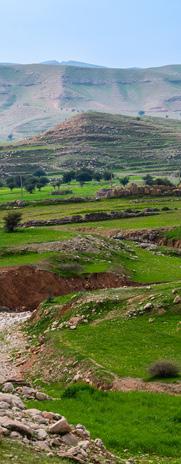
Cemetery is a spatially defined area where the remains of dead people are buried or otherwise interred. The term “cemetery” implies that the land is specifically designated as a burial ground. And the word cemetery from Greek means “sleeping place”.
Concept
Year: 2020
Responsibility: Landscape Design, 3D& Graphic Rendering, LVIA Report.
Typology: Ecological Integration, Cultural Heritage Interpretation, Social Connectivity and Activation, Sustainable Infrastructure Integration, Multi-Modal Connectivity and Access
A cemetery is a place that everyone will visit eventually, either for burial or to visit the deceased. Therefore, it must be designed for everyone. Those who are dying should have a place provided according to Islamic regulations, with proper burial practices. Additionally, the environment for visitors should be respectful, non-disruptive, and environmentally friendly for the city. In discussing the project’s ideology, three perspectives on cemeteries emerged:
Cemeteries inherently evoke a sense of fear. Visitors should feel a sense of fear to remember resurrection. Cemeteries offer a sense of peace and relaxation.
AIM
project is to transform the historic Marsden Mill into a dynamic community hub that seamlessly integrates modern amenities with its rich heritage, fostering inclusivity and sustainability for all who visit and reside within its revitalized spaces.
Benefits
Making cemeteries as a part of a sustainable community
Cemetery needs is a basic facility that is as important as other basic facilities fabric, and use it as a social green space on a daily basis to the communities in every country particularly to Muslim community. A lot while still serving the needs of those in mourning or who of issues arise in Muslim Cemetery caused by increase in human population have expired. Which might decrease the psychological fear and development. Land shortage for burials is one of the many issues that of visitor or the city resident.
18 │Mohammed Adil Landscape Architecture
03
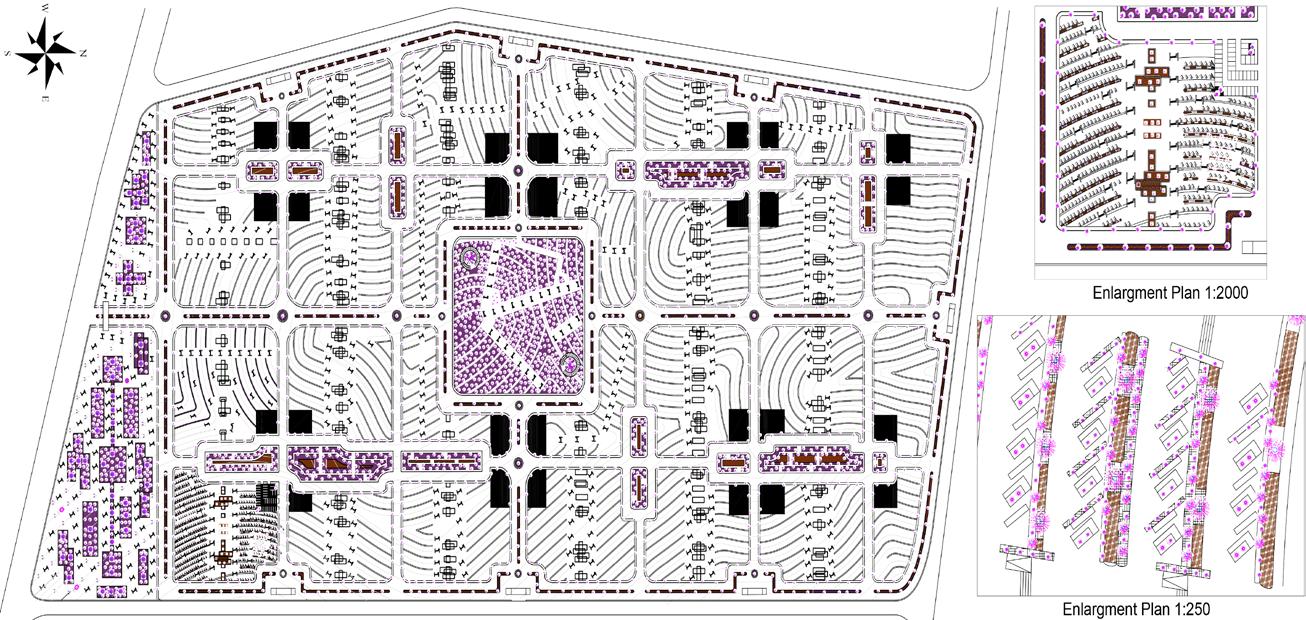
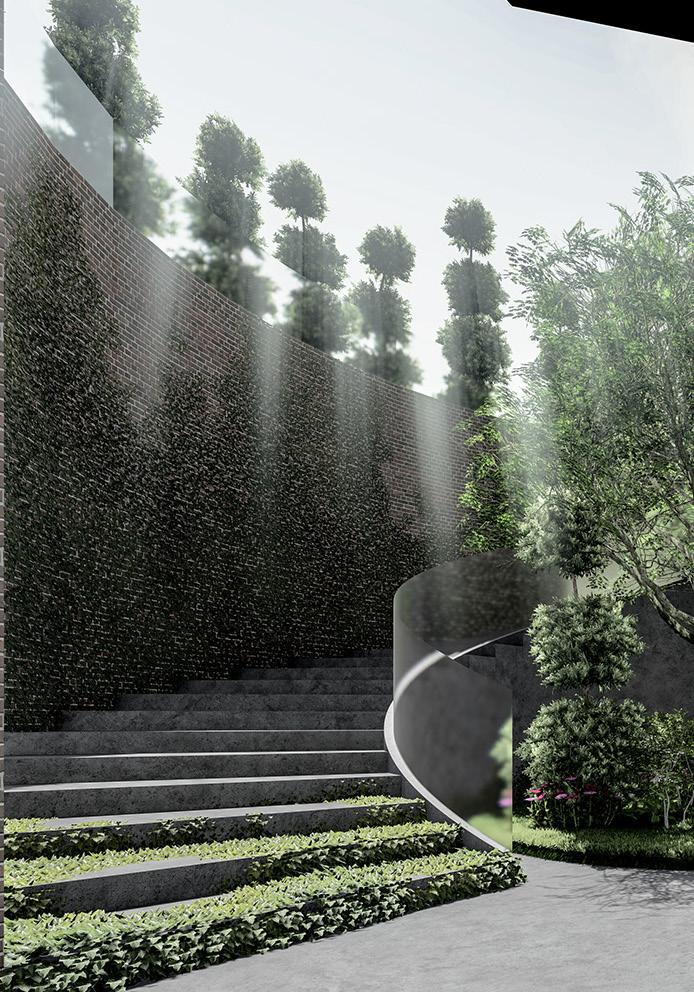
in the project i tried to Integrating cemetery with city environment and using it as a public space. Respecting cultural and religious belief which is attached to physical appearance of cemeteries. having religious spaces like (place for condolence). Applying landscape element inside cemetery areas to serve as a public space for the city like (Node (activi-ty area, seating area, fountain, plaza, sculpture ... etc.) The current cemeteries are not pre-de-signed, so its not favored to depend on them for Project capacity and the problems of existing cemeteries is that they dont having a carpark and clear en-trance.Poor arrangement of graves. Not having enough green area. No clear circulation area. Having a building over graves which is not allowed in Islamic regulations. Not express the culture of a community. Not satisfying physical appearance of overall Site. also focusing on Islamic Regula-tions. and centralization, all paths led to center of the project.
Portfolio 2024│19

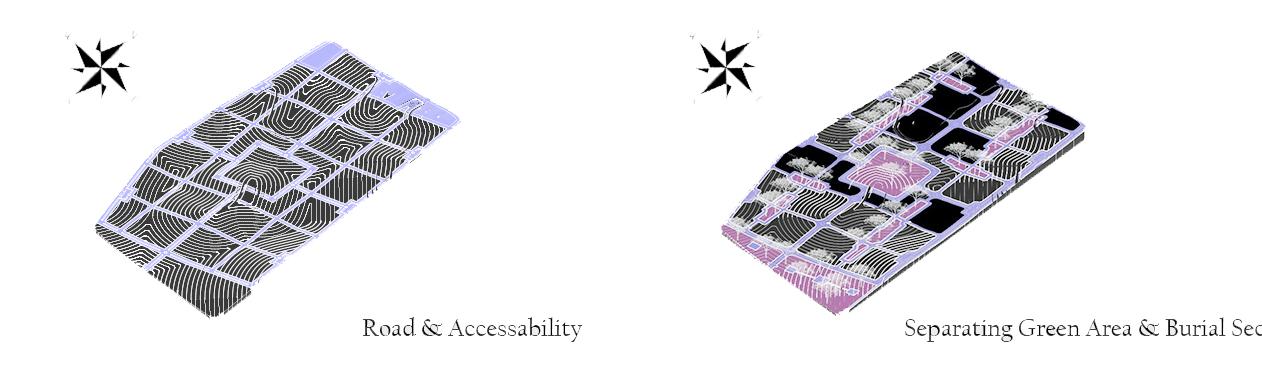
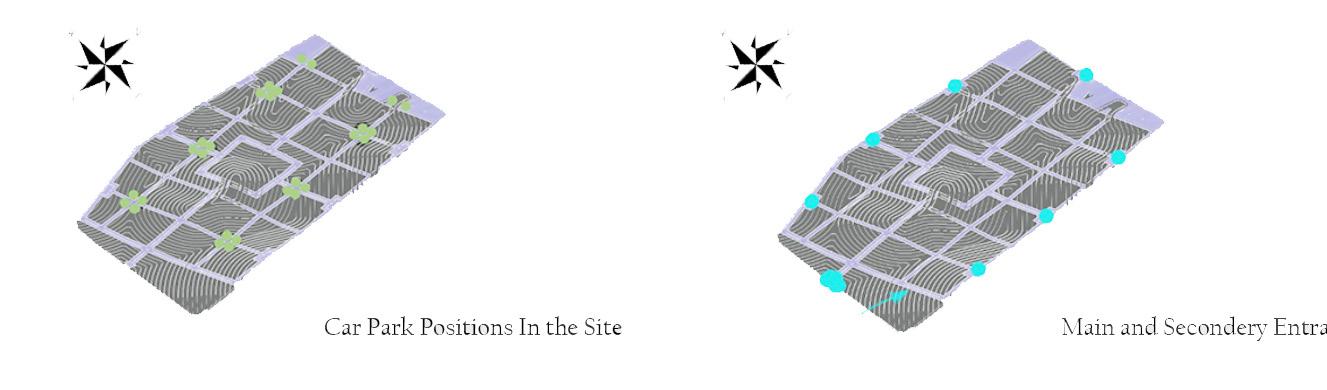
20 │Mohammed Adil Landscape Architecture Design Process



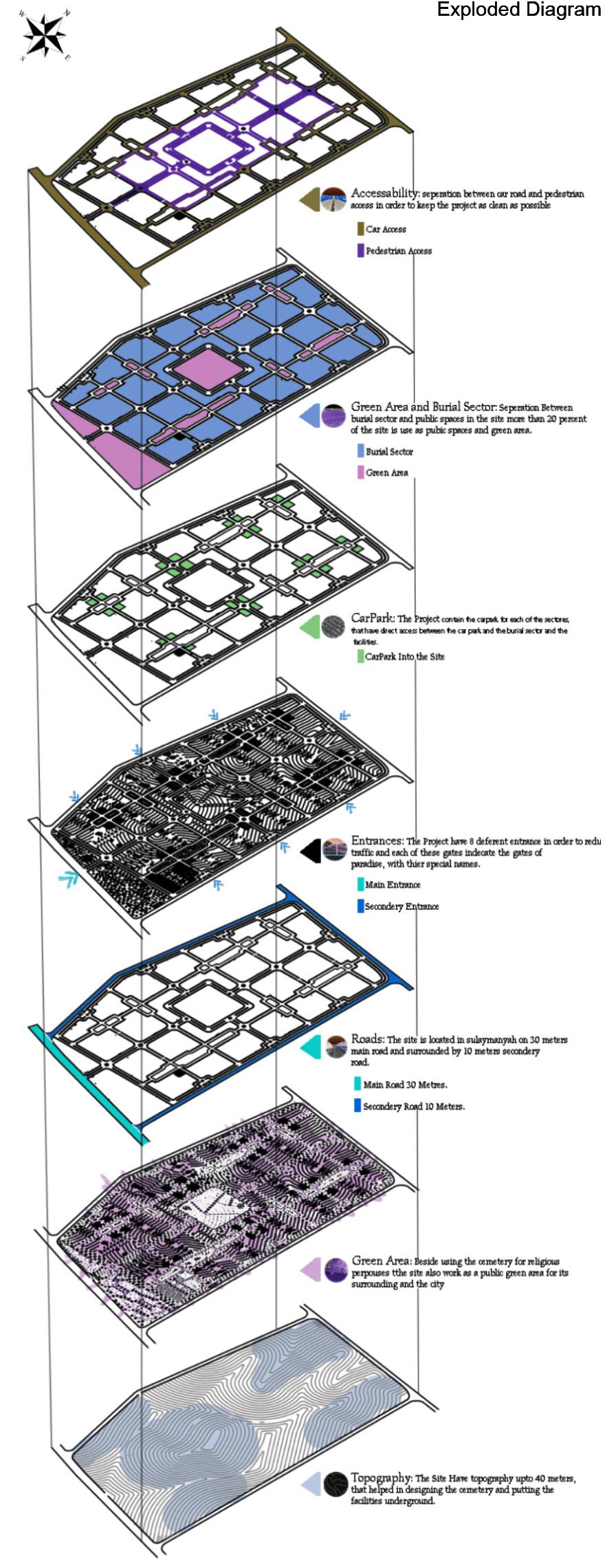
Portfolio 2024│21 Exploded Diagram
22 │Mohammed Adil Landscape Architecture
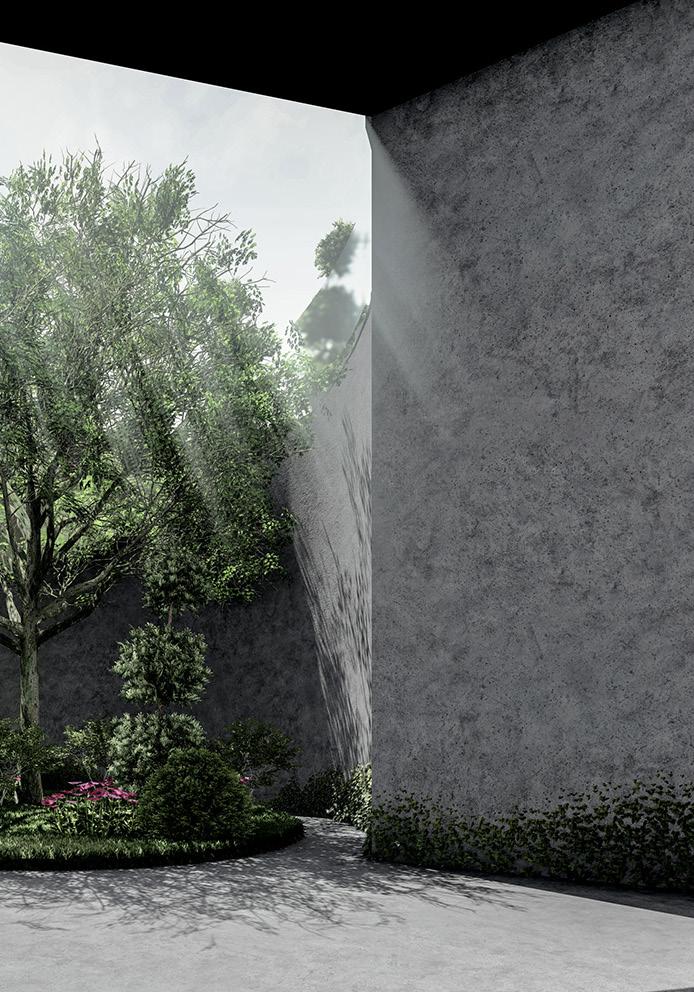
Portfolio 2024│23 Design Visualization
Strengthen Marsden
Marsden, West Yorkshire, England
Location
Marsden is a large village in the Colne Valley, in the metropolitan borough of Kirklees, West Yorkshire, England. It is in the South Pennines close to the Peak District which lies to the south. The village is 7 miles west of Huddersfield at the confluence of the River Colne and Wessenden Brook.
Concept
Year: 2023
Responsibility: Landscape Design, 3D& Graphic.
Typology: Ecological Integration, Cultural Heritage Interpretation, Social Connectivity and Activation, Sustainable Infrastructure Integration, Multi-Modal Connectivity and Access
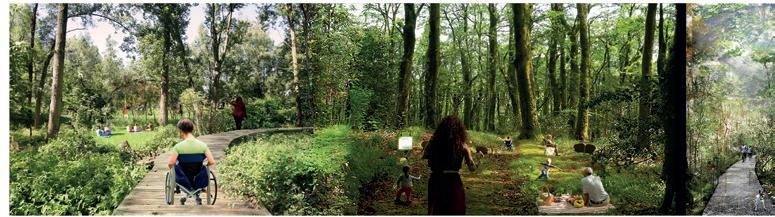
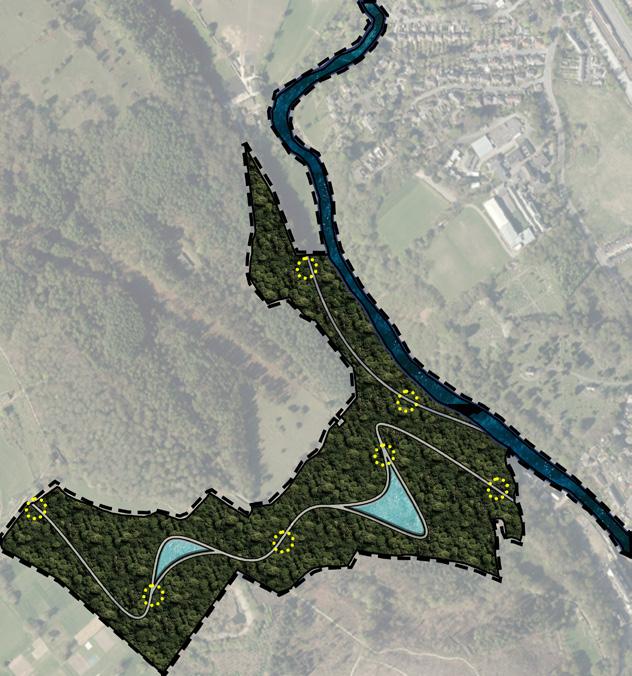
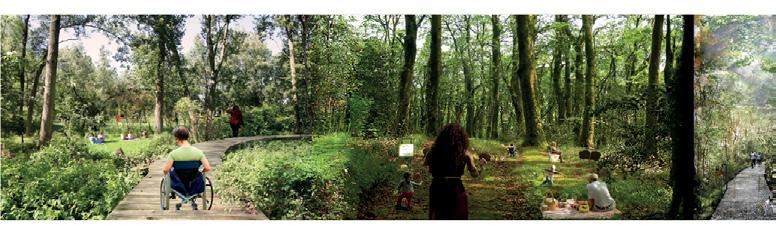
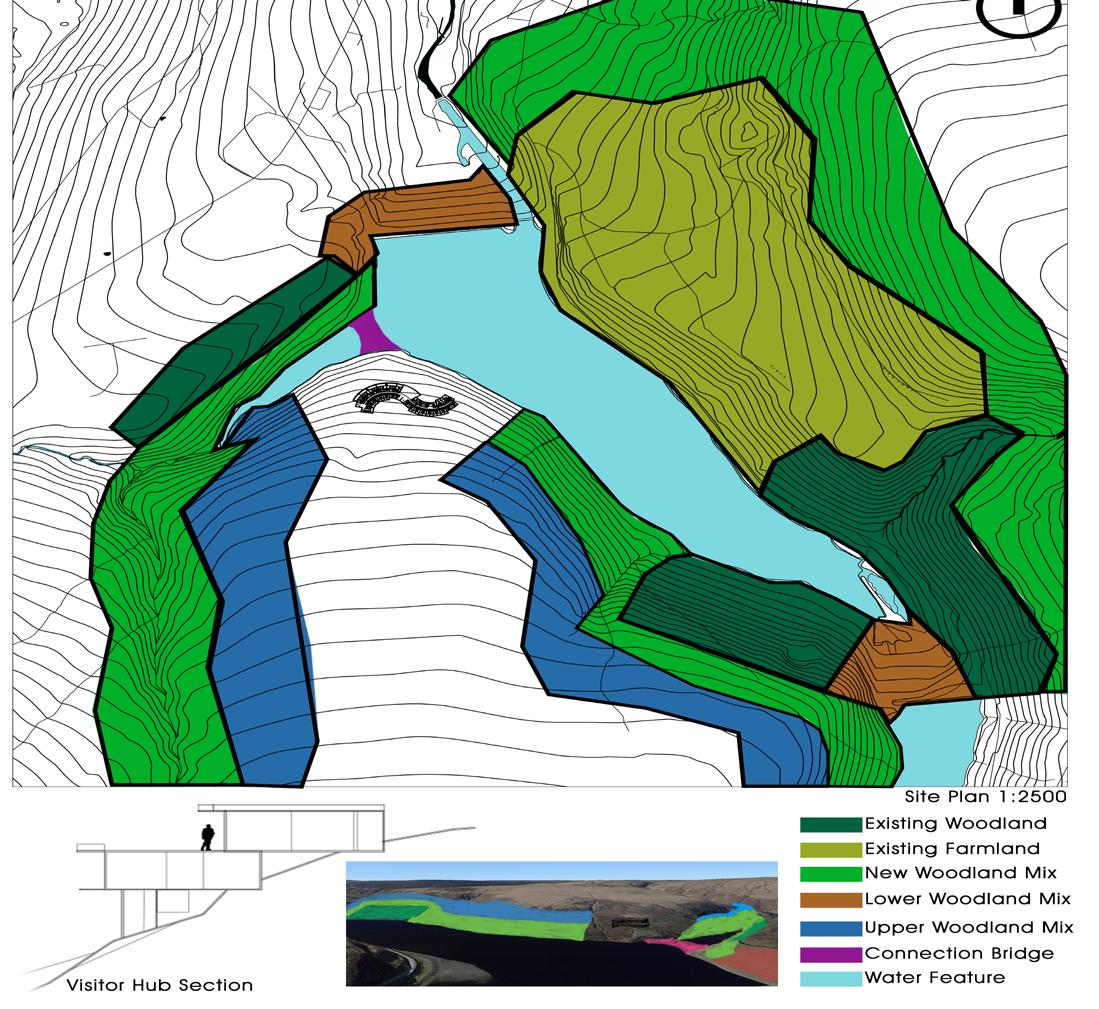
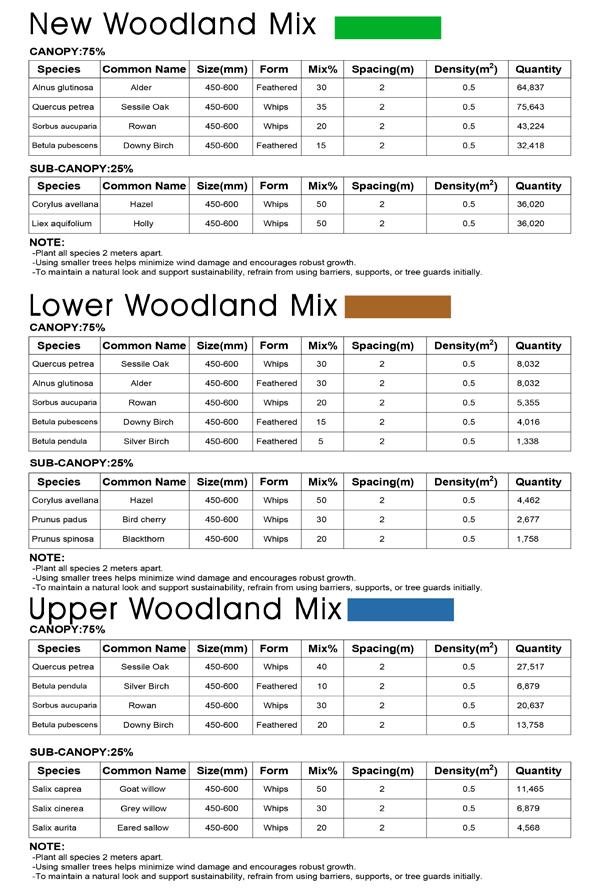
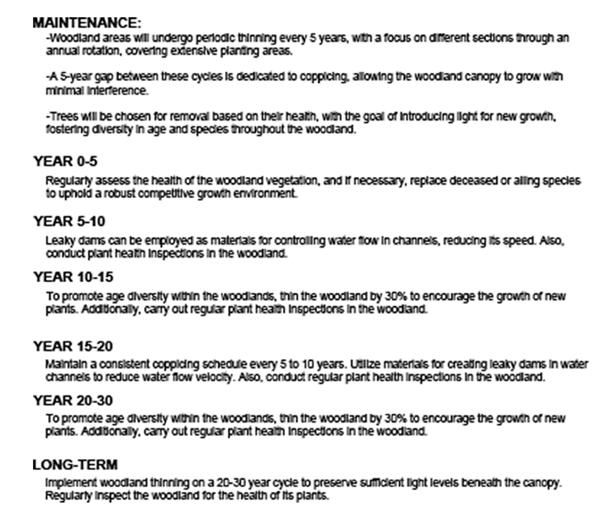
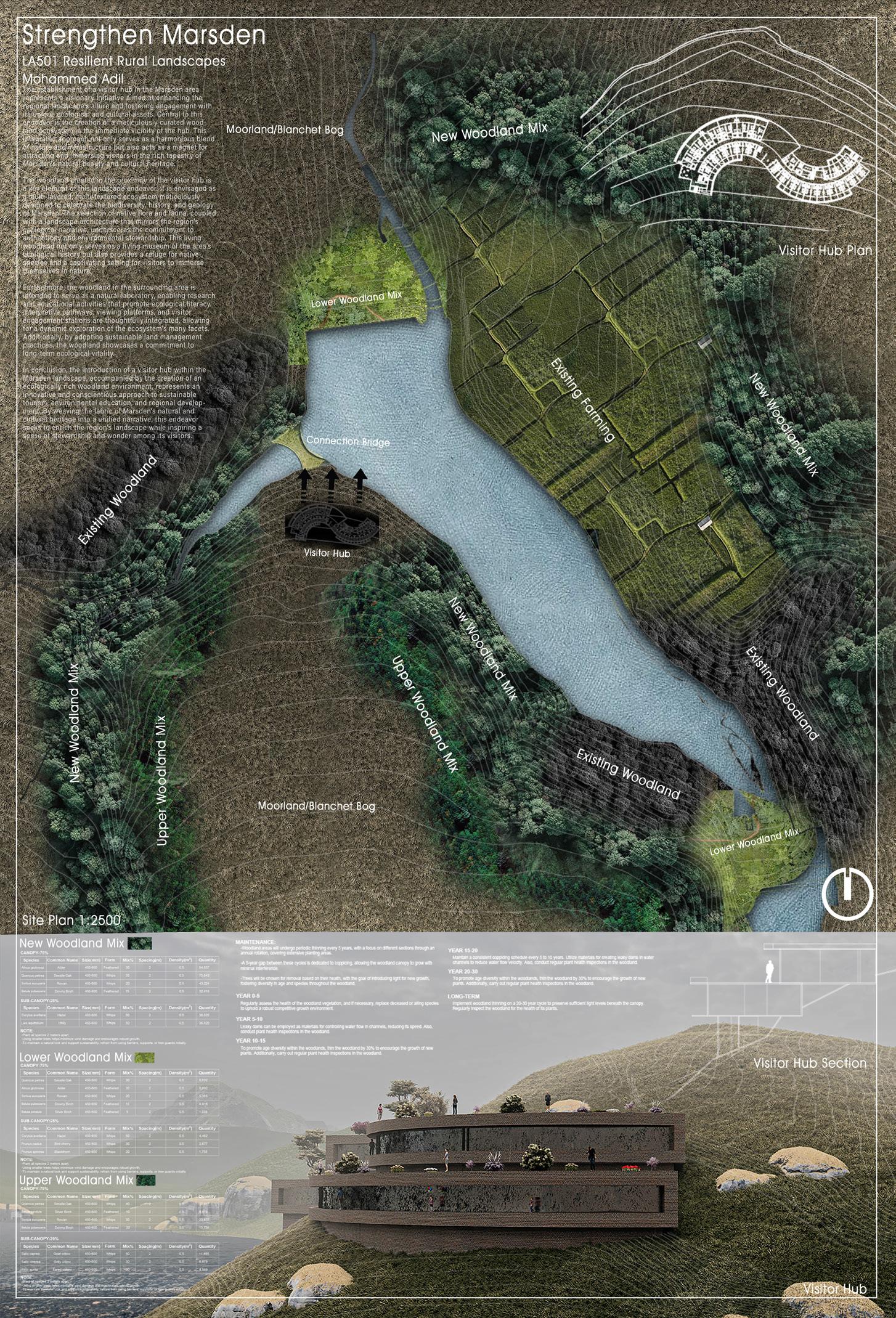
The Marsden Visitor Hub woodland enhances the regional landscape and engages visitors with Marsden’s unique ecology and culture. This carefully designed ecosystem blends nature and infrastructure, celebrating local biodiversity and geology with native flora and fauna. It serves as a living museum, providing a natural refuge and immersive experience. Educational features, including pathways, platforms, and engagement stations, promote ecological literacy. The project also demonstrates a commitment to environmental stewardship through sustainable practices, creating a serene, educational environment that highlights Marsden’s natural beauty and cultural heritage.
AIM
The aim of the Marsden Visitor Hub woodland project is to create an immersive natural environment that enhances visitor engagement with Marsden’s unique ecological and cultural heritage, supports biodiversity, promotes environmental education, and fosters sustainable development and community well-being.
Benefits
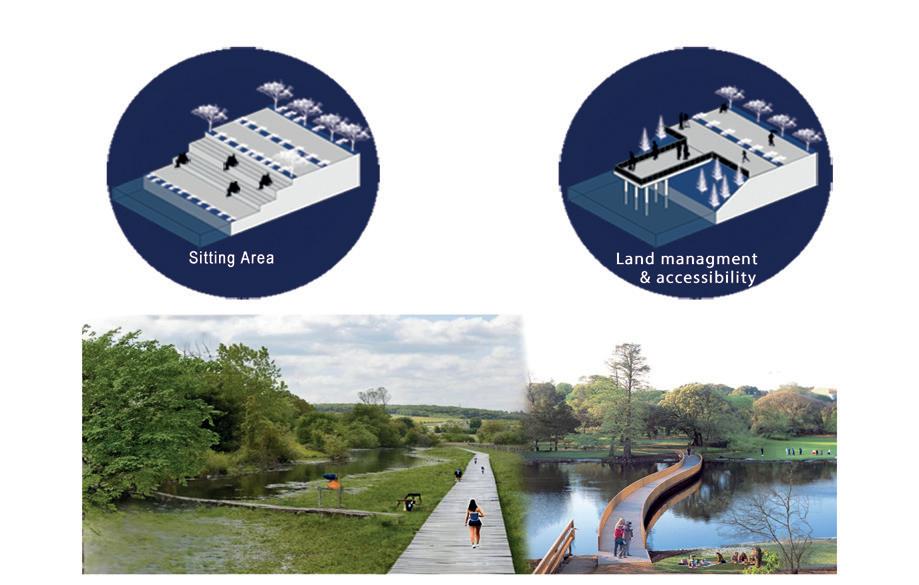
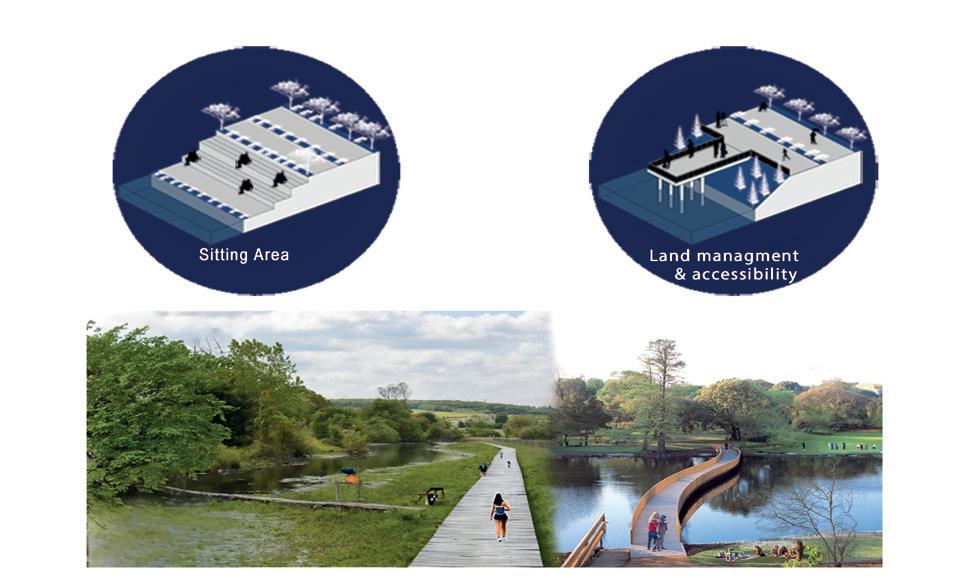
The Marsden Visitor Hub woodland enhances the visitor experience by providing an immersive natural environment that highlights the region’s unique ecology and culture. It supports local biodiversity with native flora and fauna, serving as a habitat for various species. Educational features promote ecological literacy, while the woodland acts as a living museum, preserving Marsden’s ecological history and geological narrative. The project demonstrates sustainable land management, showcasing environmental stewardship. Additionally, it is expected to boost the local economy through increased tourism and foster community engagement by offering a shared space for nature and social connection. Access to this natural space also promotes mental and physical wellbeing.
24 │Mohammed Adil Landscape Architecture
04
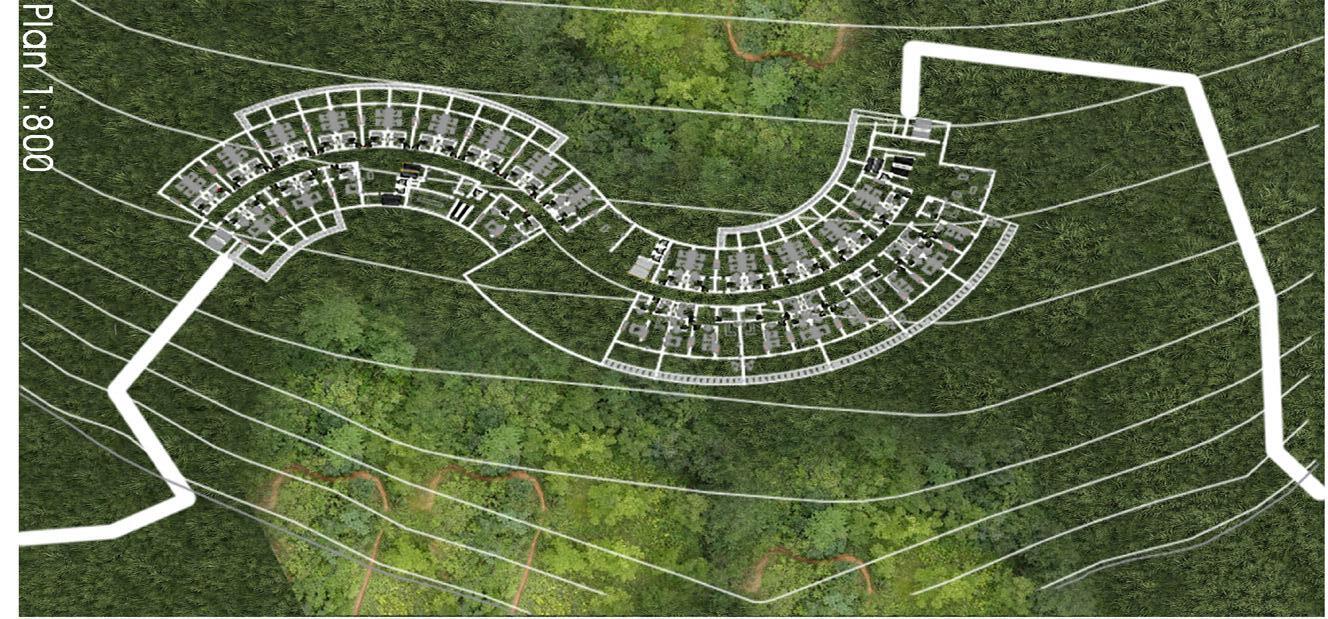
The establishment of a visitor hub in the Marsden area represents a visionary initiative aimed at enhancing the regional landscape’s allure and fostering engagement with its unique ecological and cultural assets. Central to this endeavor is the creation of a meticulously curated woodland ecosystem in the immediate vicinity of the hub. This integrated approach not only serves as a harmonious blendof nature and infrastructure but also acts as a magnet for attracting and immersing visitors in the rich tapestry of Marsden’s natural beauty and cultural heritage. The woodland created in the proximity of the visitor hub is a key element of this landscape endeavor. It is envisaged as a multi-layered, multi-textured ecosystem meticulously designed to celebrate the biodiversity, history, and geology of Mar den. The selection of native flora and fauna, coupled with a landscape architecture that mirrors the region’s geological narrative, underscores the commitment to authenticity and environmental stewardship. This living woodland not only serves as a living museum of the area’s ecological history but also provides a refuge for native species and a captivating setting for visitors to immerse themselves in nature.
Portfolio 2024│25
26 │Mohammed Adil Landscape Architecture
Portfolio 2024│27
28 │Mohammed Adil Landscape Architecture Other Projects
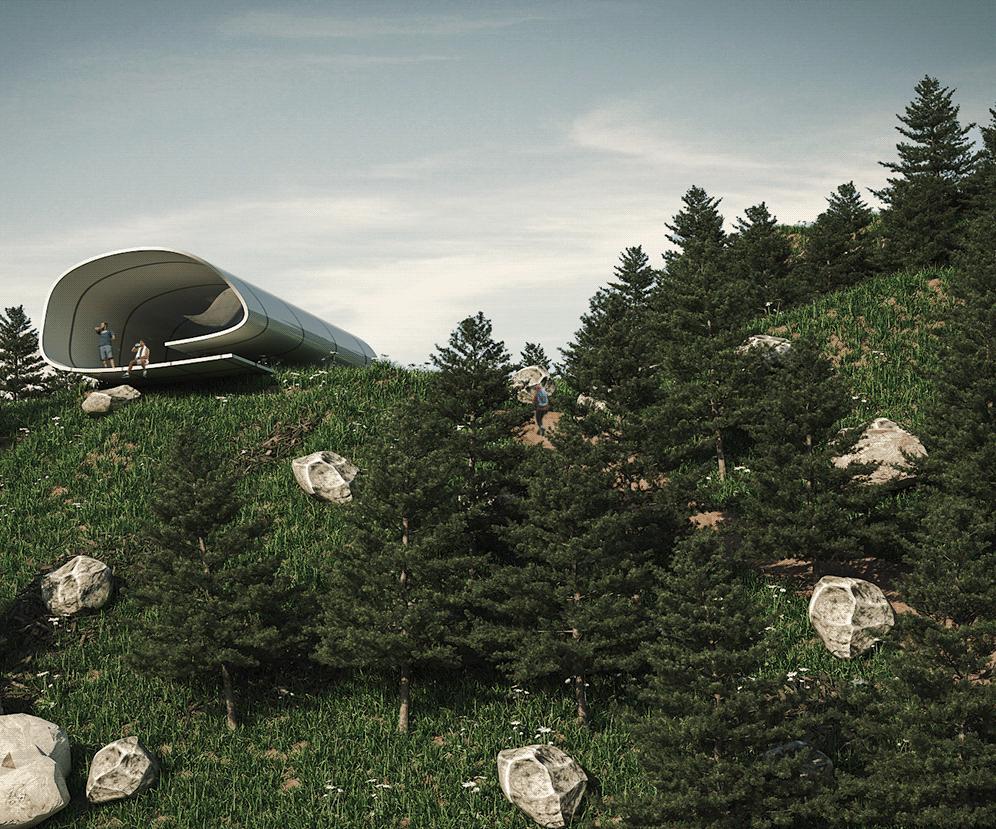
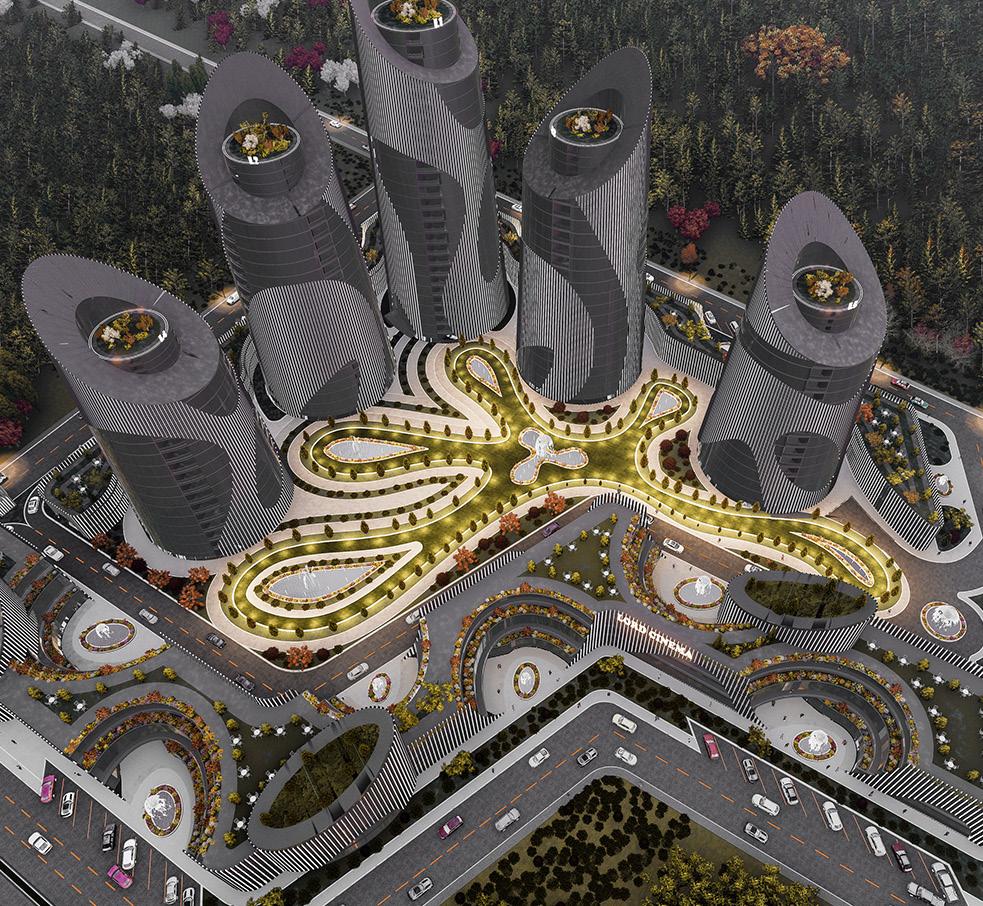
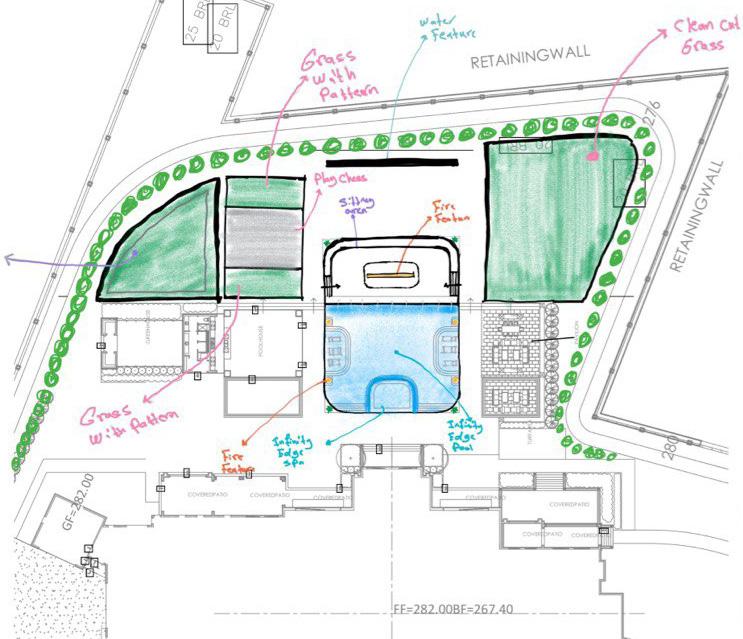
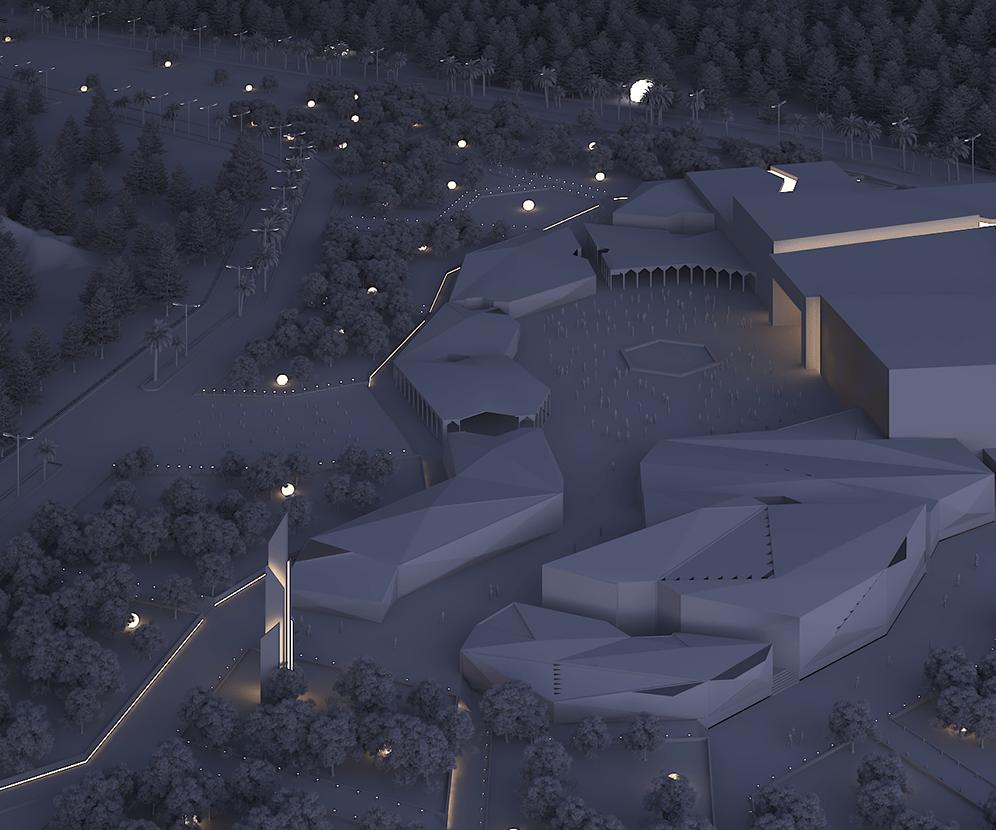
Portfolio 2024│29