
EDITOR-IN-CHIEF & President Karli Clemons, MKTG
The Modmuze team and I are so excited to invite you to read this issue, “If not for my art, do I even exist?” A celebration of how art is perceived through different perspectives and how it shapes us as individuals. When the idea was first brought up, I immediately loved it because art truly is interpreted differently by every person you meet.
It’s crazy how fast time has flown by. I thought I had more time, but I fear it’s moving too quickly. So, without further ado, the ModMuze team and I would love to invite you to our newest issue, Chapter of Influence. There has been so much love and joy poured into this issue, just in time for the new chapters in life ahead.
I’m feeling bittersweet because this is my last issue as Editor-in-Chief of ModMuze. I have had such an amazing experience in this role. Not only have I met some of the most incredible people through this magazine, but I have also learned and grown so much. I’ve gained experience in publication, running an organization, being someone others can rely on, and working with people on a deeper, more personal level than I ever have before. I’ve been with ModMuze for almost two years now, and I feel so blessed to have had this as a safe space.
Being able to grow from a member role, like writing and styling, to Editorin-Chief has been such a wild ride, to say the least. I had never been in a position like this before, where so many people rely on me and trust me to lead something like a magazine. I am so grateful that those before me had faith in me, and that my executive team continued to believe in me throughout this journey.
Art isn’t always found in galleries; sometimes it’s stitched into the seams of our clothes, written between the lines of our choices, expressed through the way we grew up, the stories we read, our political beliefs, and so much more. “If not for my art, do I even exist?” is not a question of vanity, but of being, a reflection of how deeply creation and identity intertwine. Through every feature, photograph, and thread of inspiration in these pages, we explore what it means to exist because of the art we create.
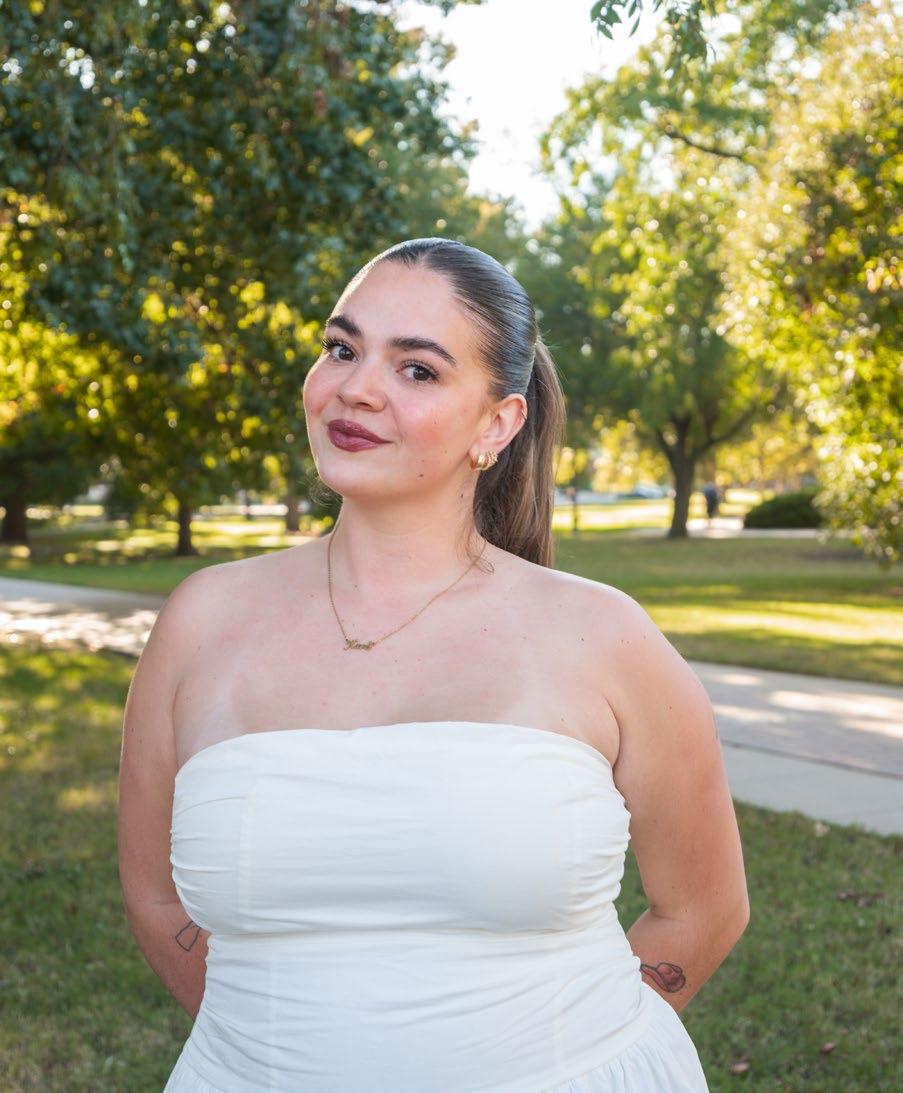
I’ll be honest I was really nervous and stressed when I first stepped into this role because I had never done anything like it before. I cried a lot and questioned whether I was the right fit, but I have no regrets about taking this position. I’ve always loved writing, fashion, reading, and creating, so having the opportunity to do what I’ve always dreamed of is something I never imagined I would get to experience. At times, the journey was challenging, but I am so grateful for every part of it. I’m not sure what the future holds, but I will never take these memories and experiences for granted.
Lately, I’ve been realizing just how fast time moves. I graduate in six months, and while I’m so excited for the future, I’m also scared, but in the best way. From starting college to now, I’ve seen how much I’ve grown, and how much my friends and family have too. It’s made me appreciate the importance of slowing down and truly living in the present.
To my executive team, you have truly been my rock through it all. Thank you for your patience with me through every question, concern, and moment where I needed support. I could not have done this without you. Each of you is so talented and driven, and I have no doubt you will all do incredible things in the future. I am endlessly grateful for your support.
Running this magazine has been one of the most meaningful parts of that process. Writing and fashion have always been my art. My way to relax, reflect, and be creative. When I first accepted this position, I doubted whether I could lead it well since I’d never done anything like this before. But seeing this issue come to life has filled me with so much gratitude and confidence.
To my friends and family, thank you for always being there for me and believing in me, even when I didn’t believe in myself. I have gone through so much change over the past few years, and the love and support you’ve shown me means more than I can ever put into words. I especially want to thank my mom and dad for always seeing the best in me before I ever could. You have poured so much love and time into me, and I am forever grateful to have you as my biggest supporters.
CREATIVE DIRECTOR & Vice President Erin Kistler, DM
PRODUCTION DIRECTOR Madison McMaster, GD
MARKETING DIRECTOR Hannah Cozens, SM, SC
PHOTOGRAPHY DIRECTOR Loren Rogers, DM
STYLING & MODEL DIRECTOR Reese Ehrhart , DM
TREASURER Riley Kirkman, DM
modmuze is a fashion and lifestyle magazine produced by students, for students. Our magazine provides a unique platform for students to freely express themselves creatively in any and all ways imaginable.
WRITERS
Aliyah Young
Brooklyn Taylor-Talbert
Karli Clemons
STYLISTS
Lisabriela Calleros
Evan Mitchell
Madelyn Campbell
Emily Bass
Zoe Hoffman
Aubrey Wagner
Our Mantra Empowering self-expression
MARKETING
Kamryn Major
Sarah Miller
Rylee Day
Georgia Matthews
To the staff, you all have been phenomenal this year, I truly can’t put it into words. Every single one of you is so talented, and I take inspiration from each issue we’ve created together. ModMuze would not be what it is without you.
If I could offer one piece of advice to anyone who’s in a similar place. The feeling of being uncertain, nervous, or hesitant it would be this: go for it anyway. Even when you’re uncomfortable, even when you’re scared. You’ll never know what you’re capable of until you try. I was terrified of failing or disappointing people, but standing here now, I couldn’t be more proud of myself and of my amazing team. Don’t let fear stop you from creating or chasing what you want.
The last thing I want to leave you with is this: believe in yourself and enjoy the journey. It’s okay and completely normal to have doubts, but remember that you are where you are for a reason. Trust yourself and your abilities. Allow yourself to feel your emotions, be present, and give yourself grace. Too often, we rush through experiences without truly appreciating them until they’ve passed. Be gentle with yourself, and enjoy life for what it is as you’re living it.
To my team and our executives, thank you. I could not have done this without you. You poured so much love and energy into this issue, and it shows on every page. I’m endlessly proud and grateful to share your passion with the world.
ModMuze, my love for you is endless, and I can’t wait to see what the future holds for you. With all love,
Finally, this issue is a love letter to the creators, the dreamers, and those who blur the line between living and creating. It’s for anyone who finds meaning in movement, in culture, and in the art of simply being themselves. Here’s to the art that saves us, defines us, and dares us to be seen and heard.
Love,
PHOTOGRAPHY
Reagan Downs
Mathai Jones
Camryn Meadows
PRODUCTION
Triere Nikel
Kayla Gross



Karli Clemons Editor in Chief & Writing
As the President, Karli keeps the whole magazine running by making executive decisions and managing all the fine details while supporting her team and the writers.
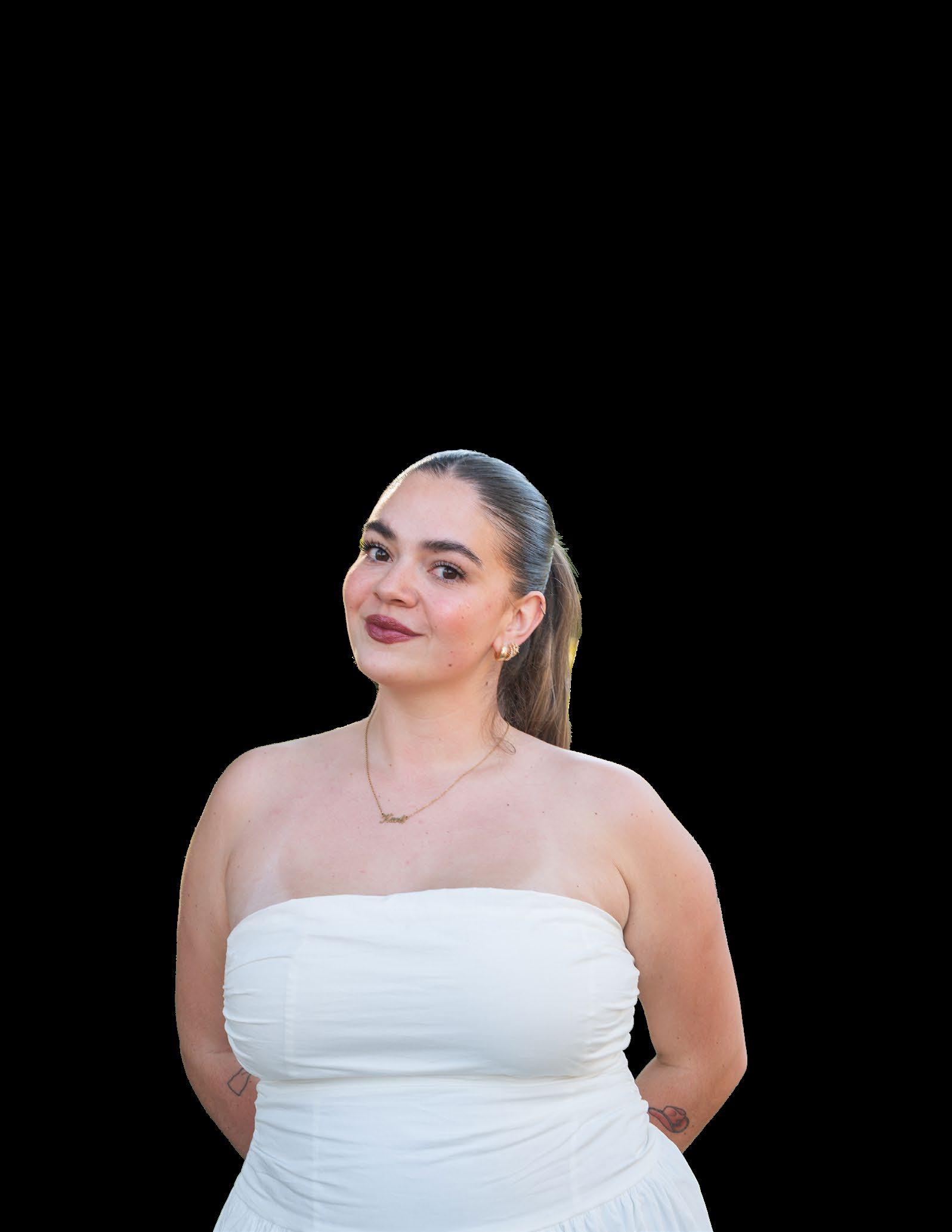

Madison McMaster
Production
In charge of Production, Madison oversees the team that makes the magazine come to life.

Hannah Cozens
Marketing & Secretary In charge of Marketing, Hannah creates innovative projects for her team and turns their content into postable content.

organized and maximized for members to have more

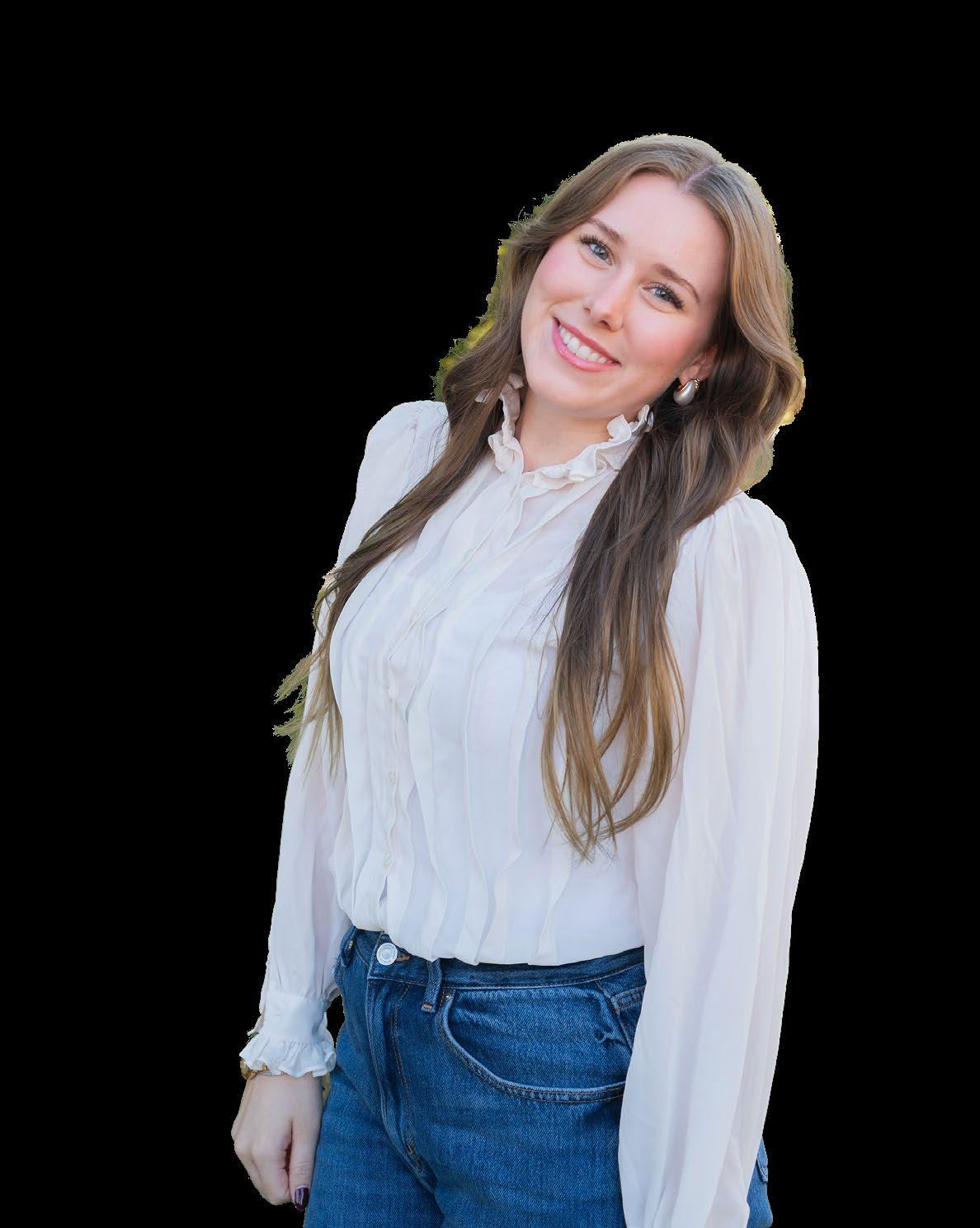
Loren Rogers
Photography
In charge of Photography, Loren directs and manages her team while contributing to the visual artform itself.

Reese Ehrhart
Styling
In charge of Styling, Reese inspires her teams creativity with wordrobes and settings while managing their extensive process.
Written By: Aliyah Young
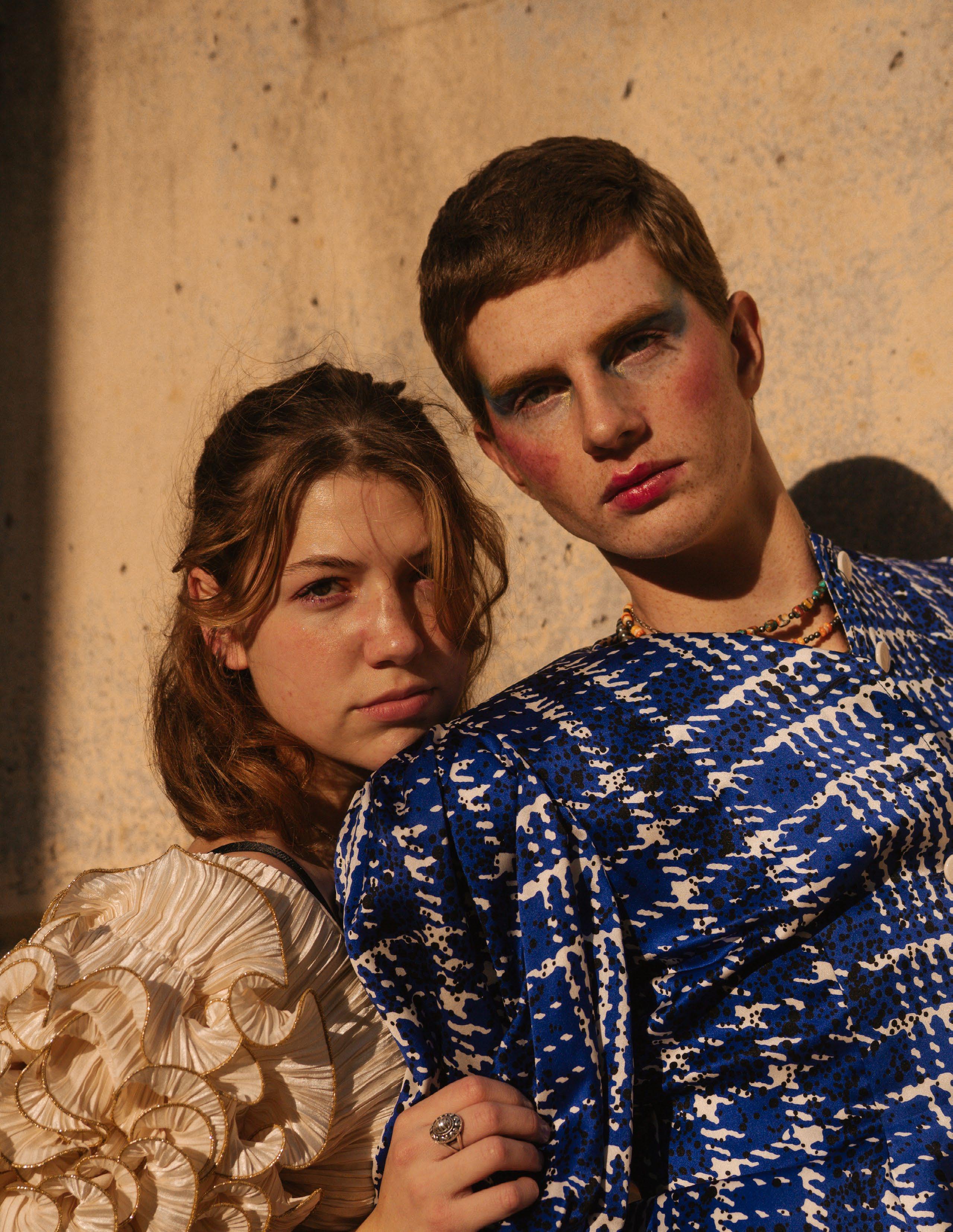
The glistening white palace of the Capitol is filled with colorful people who celebrate the night with feasts and parties. Illuminated by diamonds and surrounded by riches, they revel in the normality of their own fortune. A train ride away, the lights begin to dim. Districts, drowned in sorrow, commemorate the lucky day with a loaf of bread, working tirelessly and entertaining themselves only with imagination. Between these two worlds lies the Hunger Games: a bridge to relief for those alive to cross it. Though for most, it is a death sentence dressed in opportunity.
Suzanne Collins builds Panem as a nation separated by class and controlled by power. The Capitol gloats in excess,wielding the power to grant absurdly fantastical wishes while simultaneously withholding the ability to answer desperate pleas for help. It deprives the lower class of the means to peace, reducing them to a source of amusement,their suffering packaged as entertainment for the privileged.

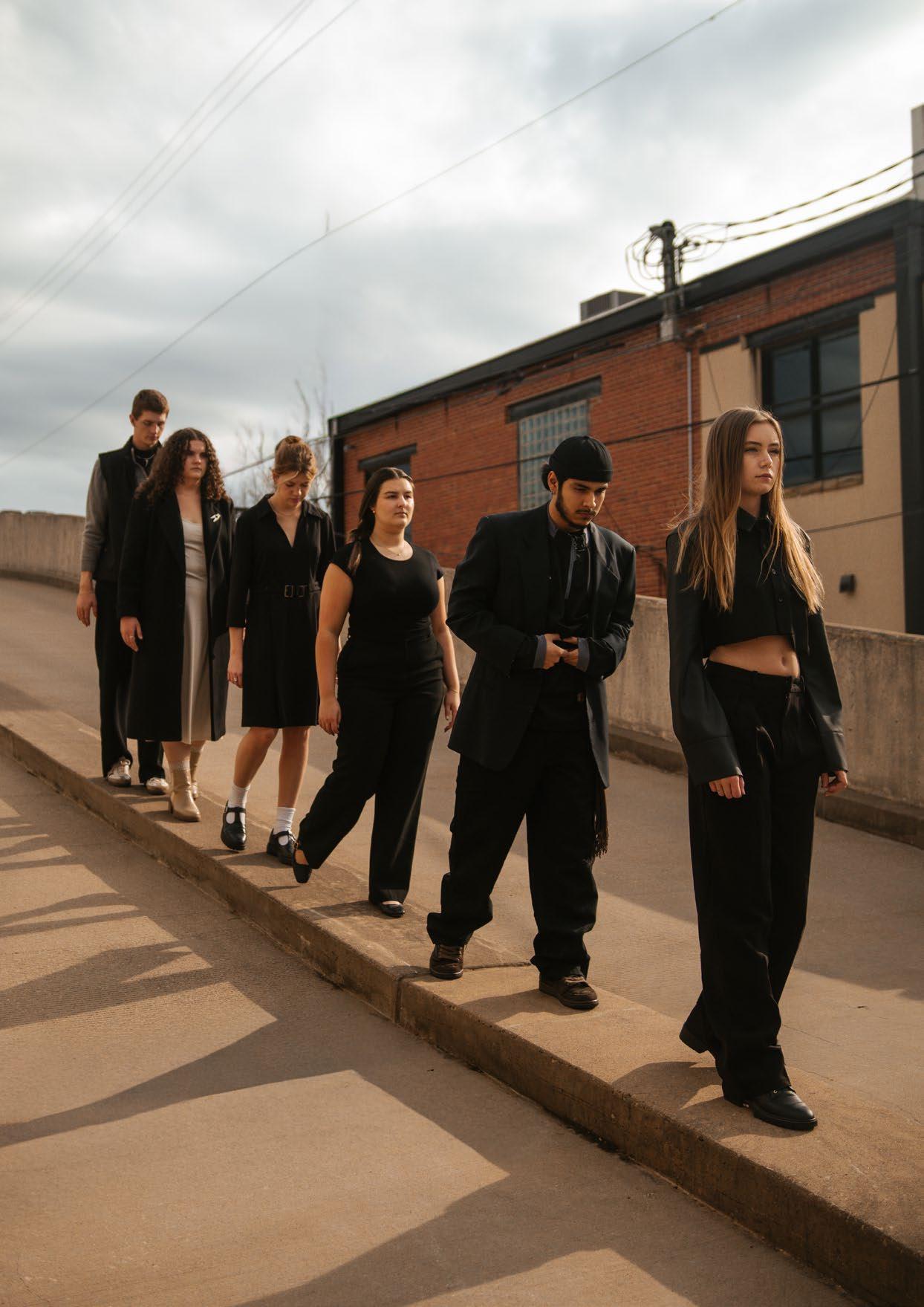
- a walking caricature of a society that confuses beauty with substance
The grotesque face of the Capitol is hidden beneath plastered-on makeup. Caked with pale shades and alarmingly vibrant accents, the citizens of the Capitol peacock their powdered cheeks with pride. Dressed like kaleidoscopes that change color with every glance, they are shiny, flashy, and captivating In Panem, fashion is impossible to ignore. The antithesis of this style is embodied by none other than Effie Trinket. With her hair standing a head above her own, she adorns herself in extravagant outfits with exaggerated silhouettes and elaborate detail—a walking caricature of a society that confuses beauty with substance.
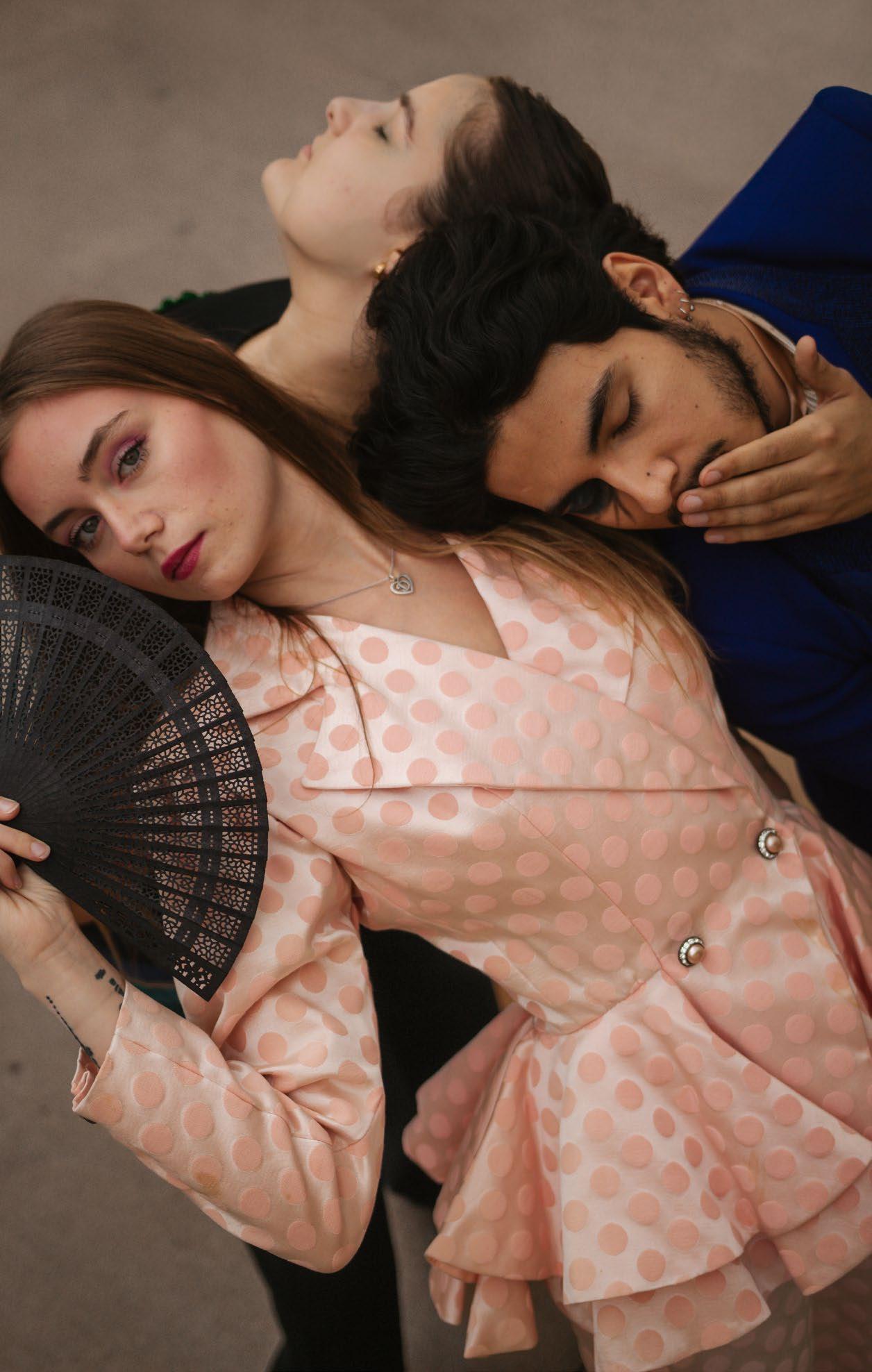
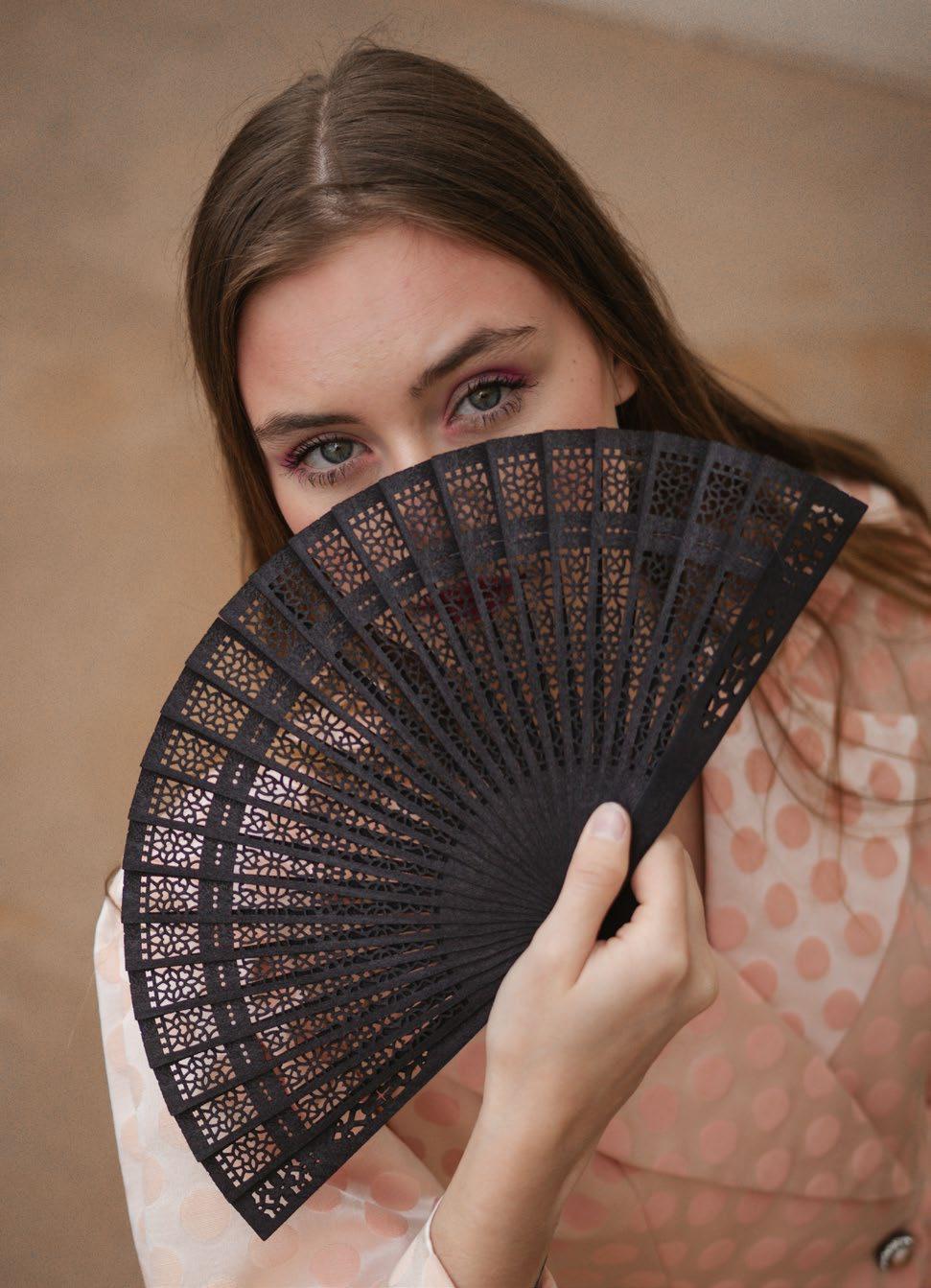
Bleakly, the contrast in the districts is black and white. Glimpses of green ferns are the extent of color. Gray hues swallow the communities, masking glimmers of hope in a fog that lifts only for the uncertain opportunity of the Hunger Games. The Hunger Games is an annual lottery that mandates everyone’s entry. Citizens gather like cattle to be slaughtered, waiting for Effie Trinket to warmly welcome the two selected members from each district to their final days. Each tribute enters the arena, fighting to the death until one is named the victor. Filmed for live television, the gruesome acts of terror are cut with commercial breaks, interrupted by quippy remarks from the charming Caesar Flickerman, whose smiling face sanitizes the horror for a watching nation.
The Hunger Games, the Capitol, and the districts are all orchestrated by one individual. President Snow rules an authoritarian dictatorship over Panem, controlling every detail. Strict
surveillance over the districts ensures submission, and resistance is punished with pain—most brutally in the form of public whippings, disappearances, and the ever-present threat of tongue mutilation. Collins’ dystopian world, riddled with oppression, greed, and violence, was not built entirely from fantasy. The reality of Iraq War coverage and the desensitization to violence in the media partially inspired the themes of the book. Though portrayed through exaggerated and theatrical concepts, the elements of control and strife depicted in the story are not alien to reality.
The overconsumption of the Capitol mirrors the overconsumption and production facilitated by modern elites. The authoritarian nature of leadership is akin to that of many prominent political figures who forge policies that protect the finances of the one percent while ignoring the needs of the majority. The Capitol’s frivolous lifestyle and fashion are temporarily adopted by the contestants in the Hunger Games, as fashion is one of Collins’ main modes of storytelling. Katniss Everdeen, the main character, undergoes a metamorphosis through the guidance of her stylist, Cinna. She anchors her new access to fashion in symbolism and resistance, transforming into a vision of freedom and a leader. Her mockingjay pin strikes a powerful note of rebellion, while her “Girl on Fire” dress ignites as she spins, capturing the attention of audiences. The dress gives her a brave, fiery appeal that promotes her popularity with viewers. Through these carefully chosen garments, Katniss reclaims the Capitol’s tools of spectacle and turns them into weapons of defiance.

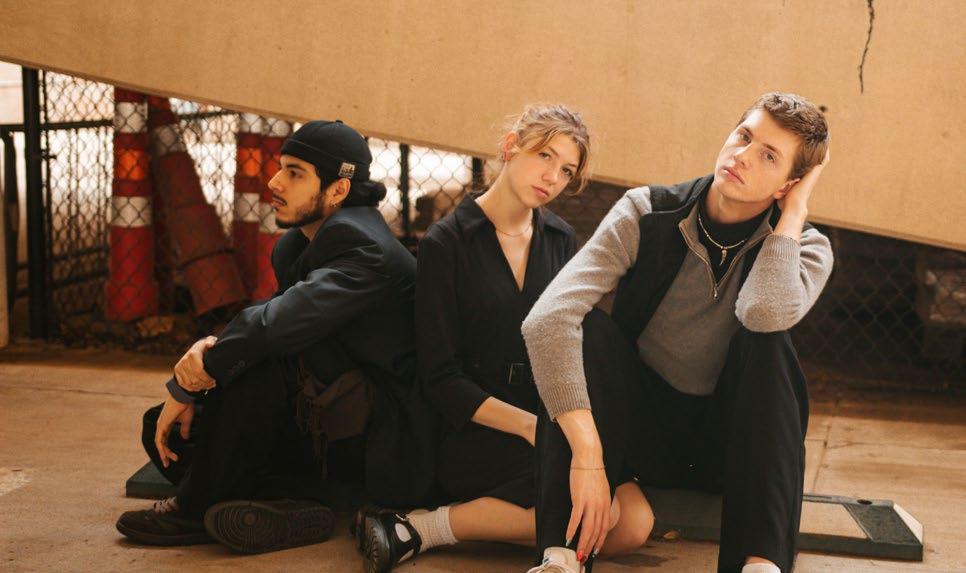
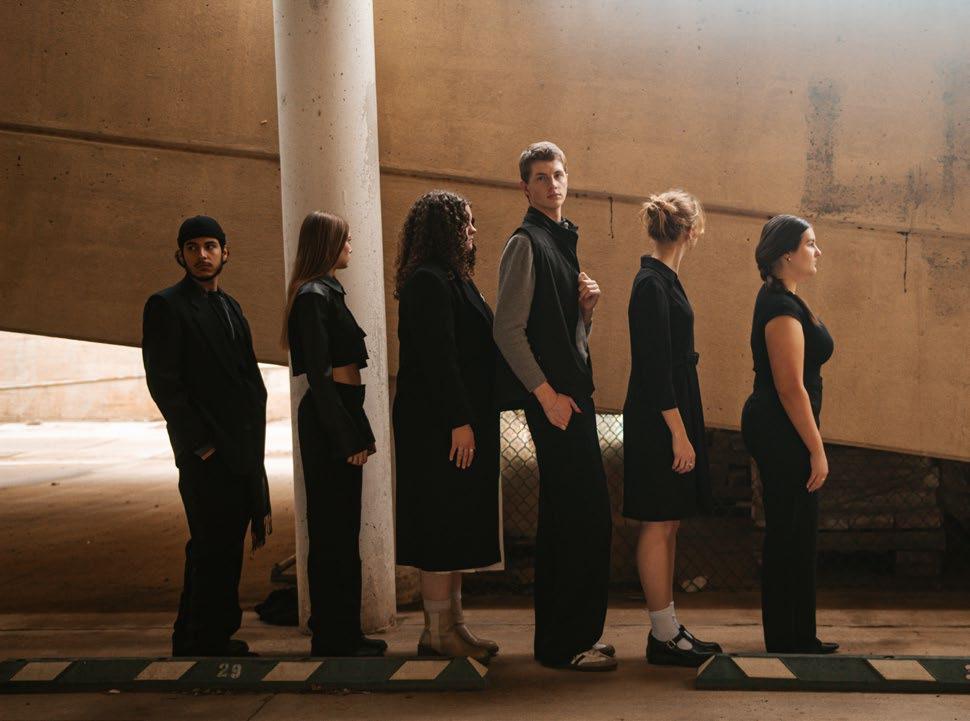
In this way, Collins weaves a world where clothing becomes armor, excess becomes cruelty, and survival becomes revolution. The Hunger Games is less a dystopian novel and more a dramatized warning of the costs of desensitization, dictatorship, and greed. It depicts how violence can be sanitized for public consumption, controlled by the few who maintain power and convince those without it that their suffering is part of the natural order. The inhumane acts of the Capitol reflect the injustice of the world, masked by bright colors and flashing lights.
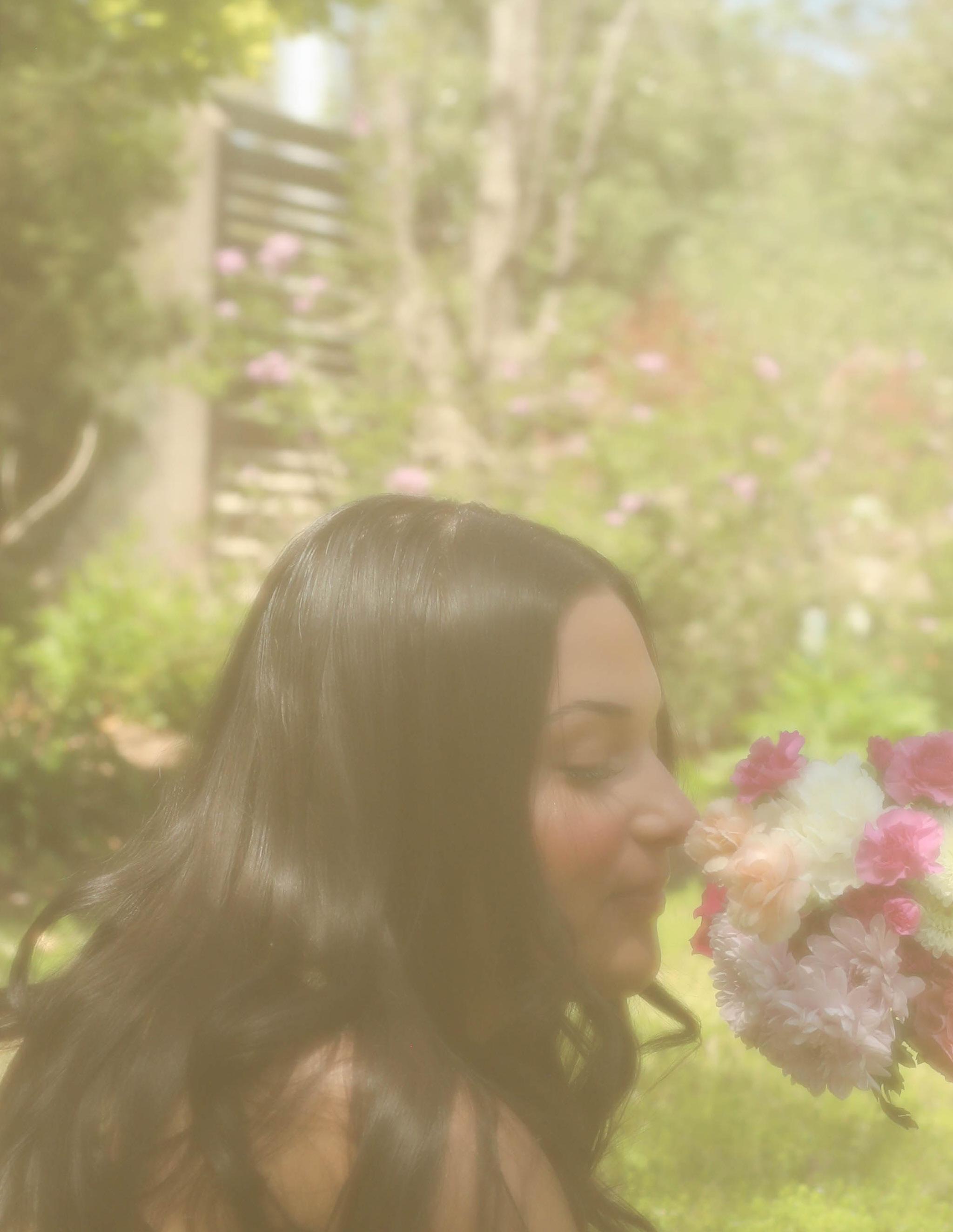
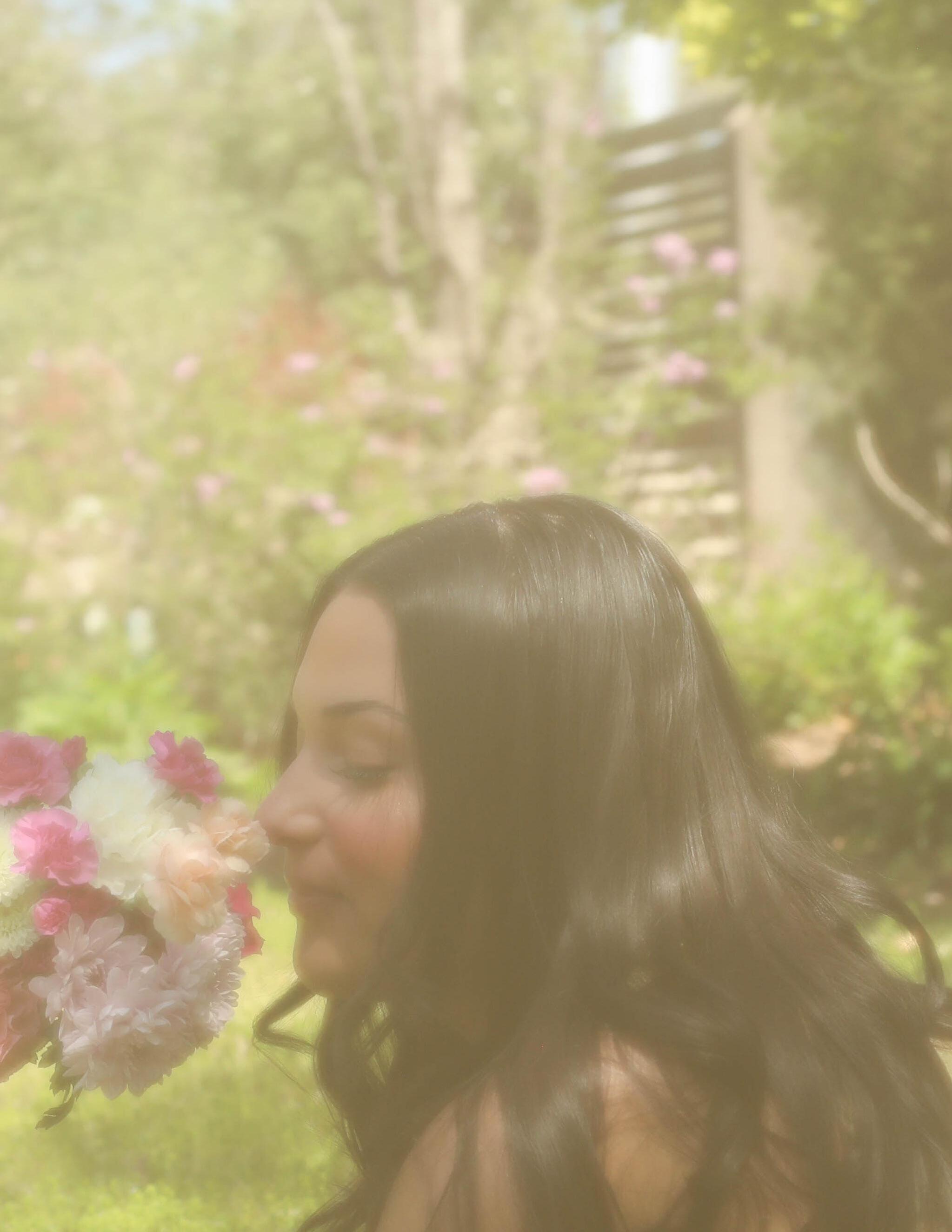
Influence is often linked to how we affect others, changing perspectives, shaping surroundings, and leading action. However, one of the deepest forms of influence is the ability to create your own paradise, regardless of your external situation.
Creating your own paradise means taking control of how you see, think, and shape both your inner and outer world. Paradise is not about perfection; it is about alignment. You choose that your mental, emotional, and physical environment will not be left to chance. Instead of waiting for the right moment, you begin building meaning, peace, and fulfillment where you are. You stop reacting to life and start shaping how you experience it.
The first step is taking control of your attention. What you focus on expands. When you decide what deserves your energy, what you take in, what you think about, and what you engage with, you begin to filter your reality. That filter becomes the foundation of your personal world.
The most powerful part of creating your own paradise is your internal narrative. The story you tell yourself shapes how you experience your life. Here, influence becomes authorship. You are no longer just observing your life; you are actively shaping its meaning. Challenges become growth opportunities, solitude becomes clarity, and limits become structure. This shift does not ignore reality; it changes your relationship with it.
When you create your own paradise, people notice, not because everything is perfect, but because your presence feels steady, grounded, and intentional. That energy influences others naturally. It sparks curiosity, encourages reflection, and leaves a lasting impression. You become proof that fulfillment is not something you find, but something you build.
Next is intentionally shaping your environment. This does not require wealth or luxury; it requires awareness. The music you play, the way you organize your space, the conversations you choose, and the boundaries you set all shape the emotional atmosphere you live in each day. Over time, these small, consistent choices build a space that reflects your values instead of your circumstances.
In this way, influence is not about controlling everything around you. It is about mastering what you bring into the world. By creating your own paradise, you show that influence starts within and moves outward. You show others that they also have the ability to shape their reality, not through force, but through intention. And that may be the greatest form of influence: not telling others how to live, but showing what is possible when they choose for themselves.

Written By: Karli Clemons
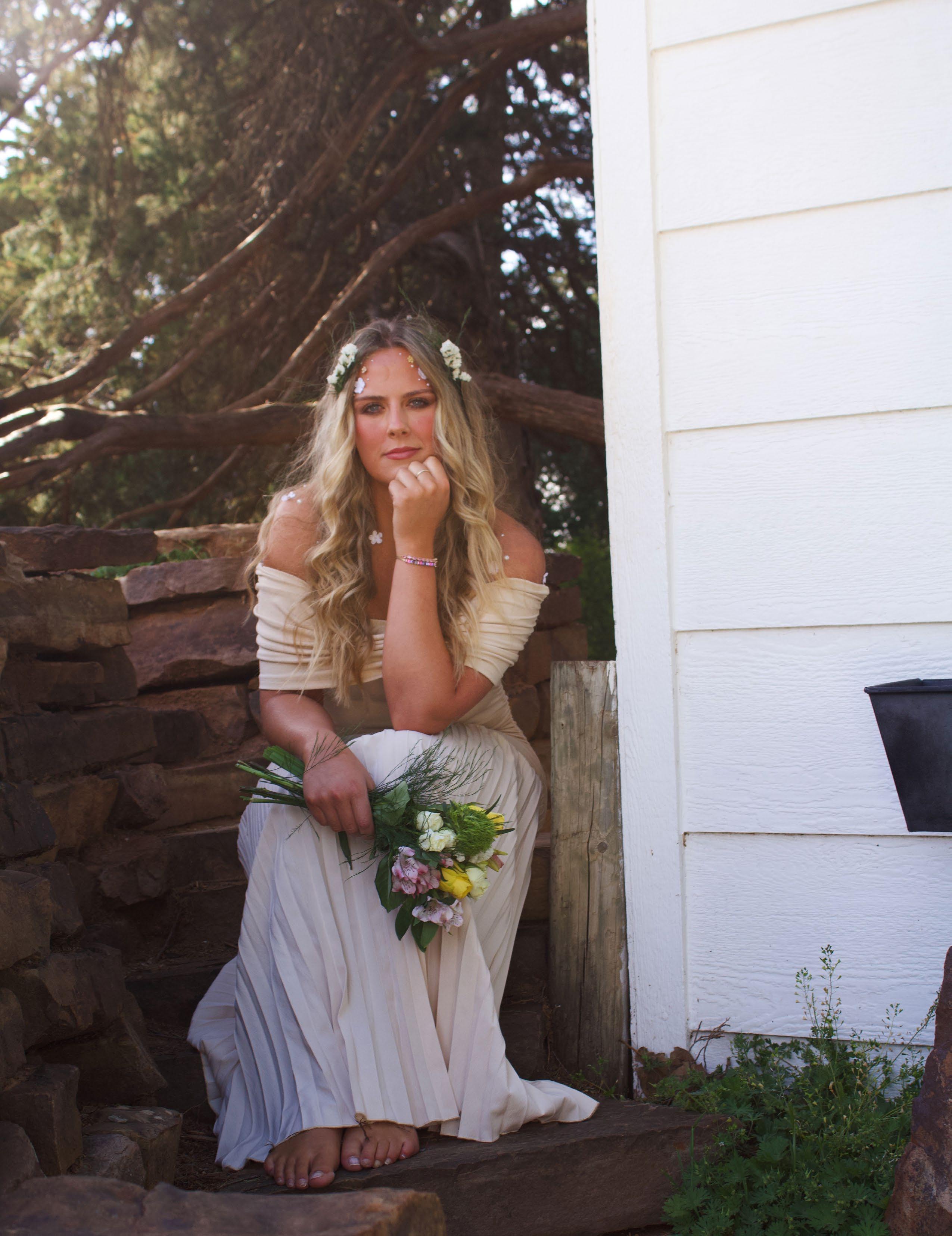
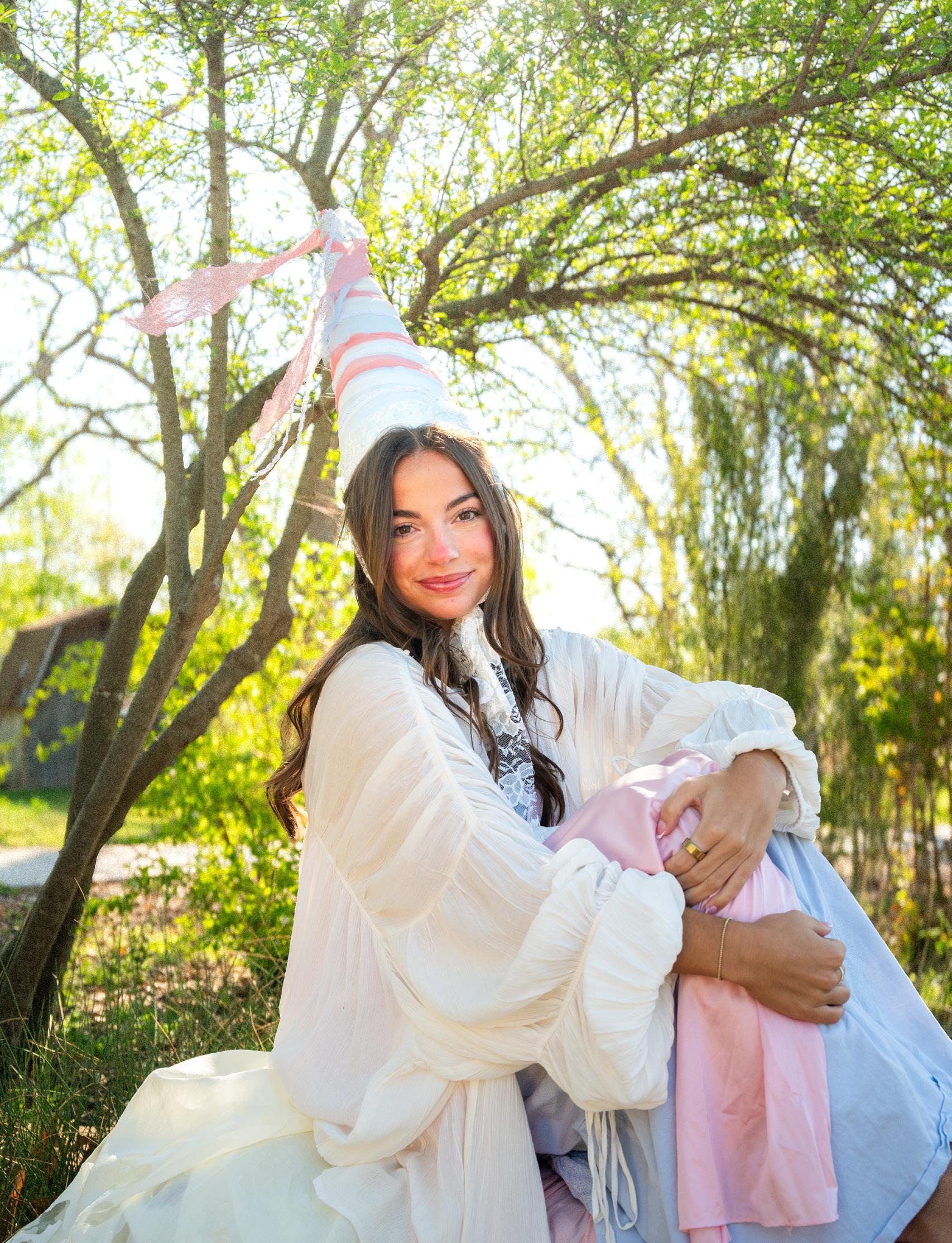
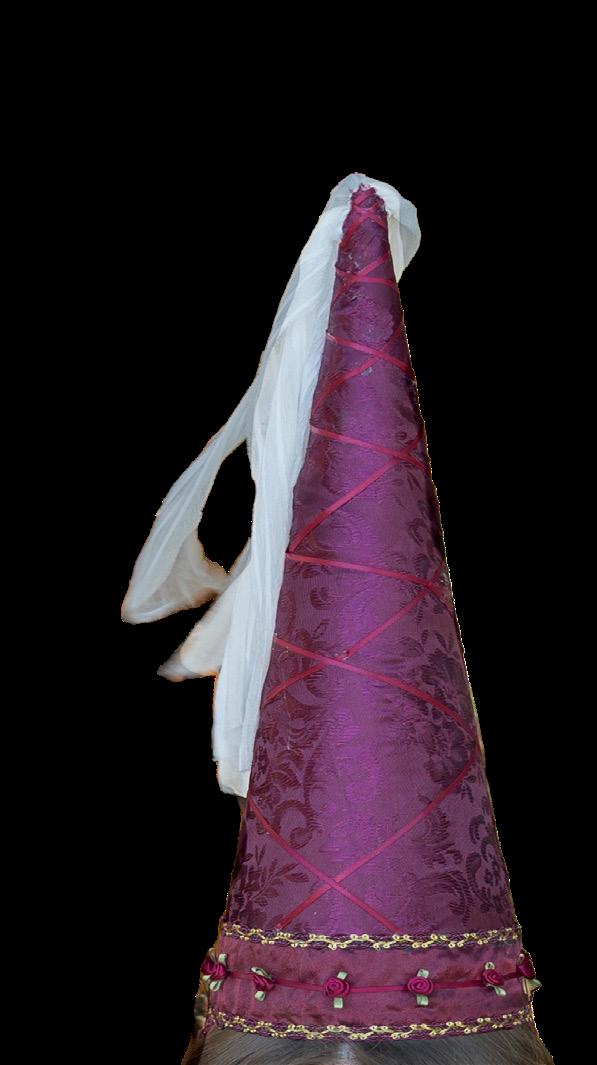
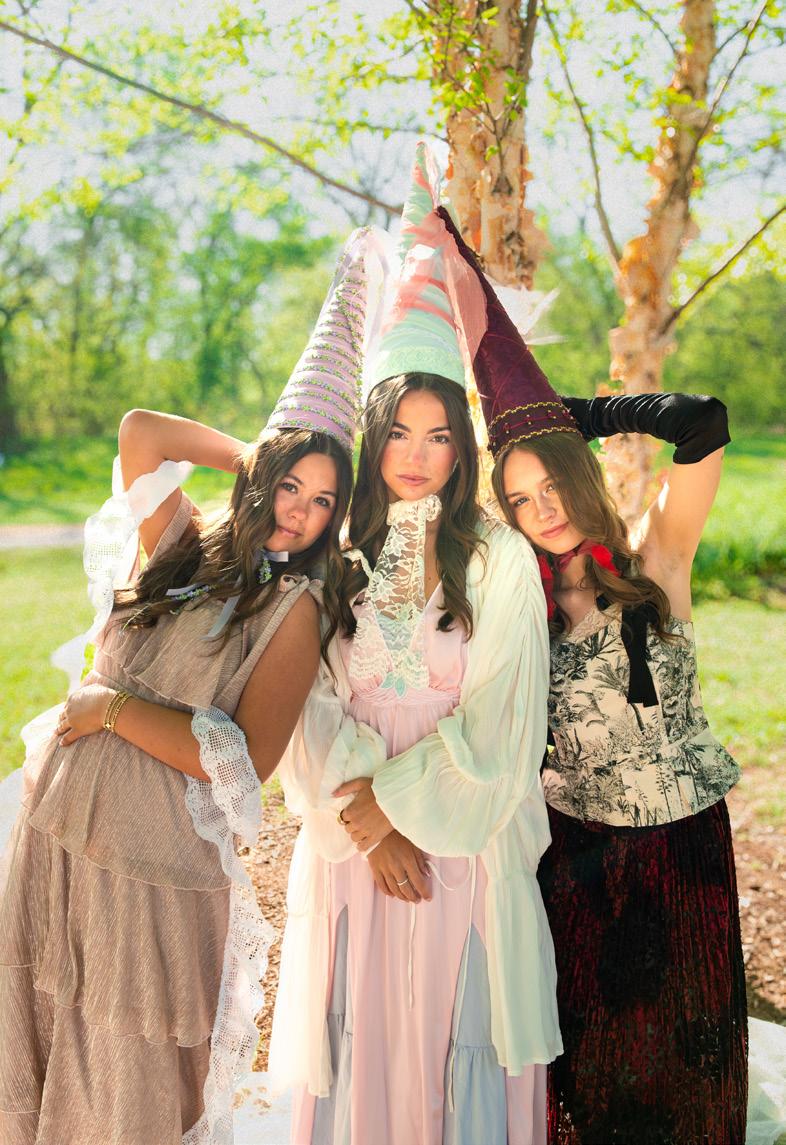
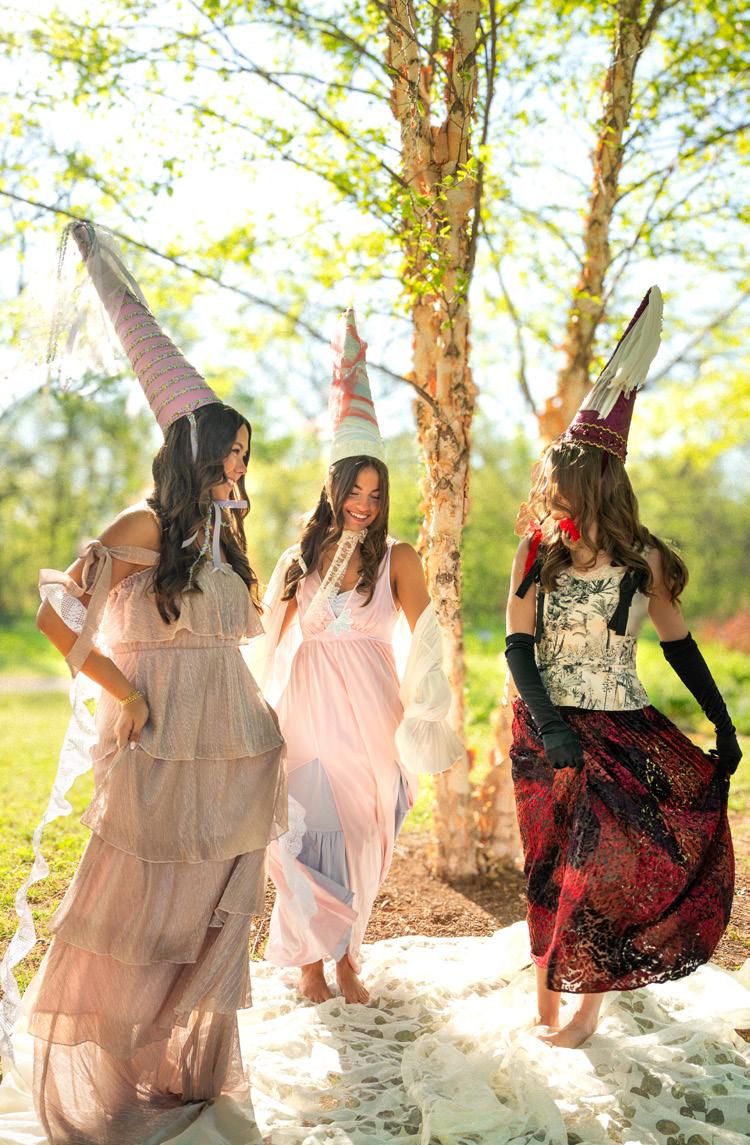
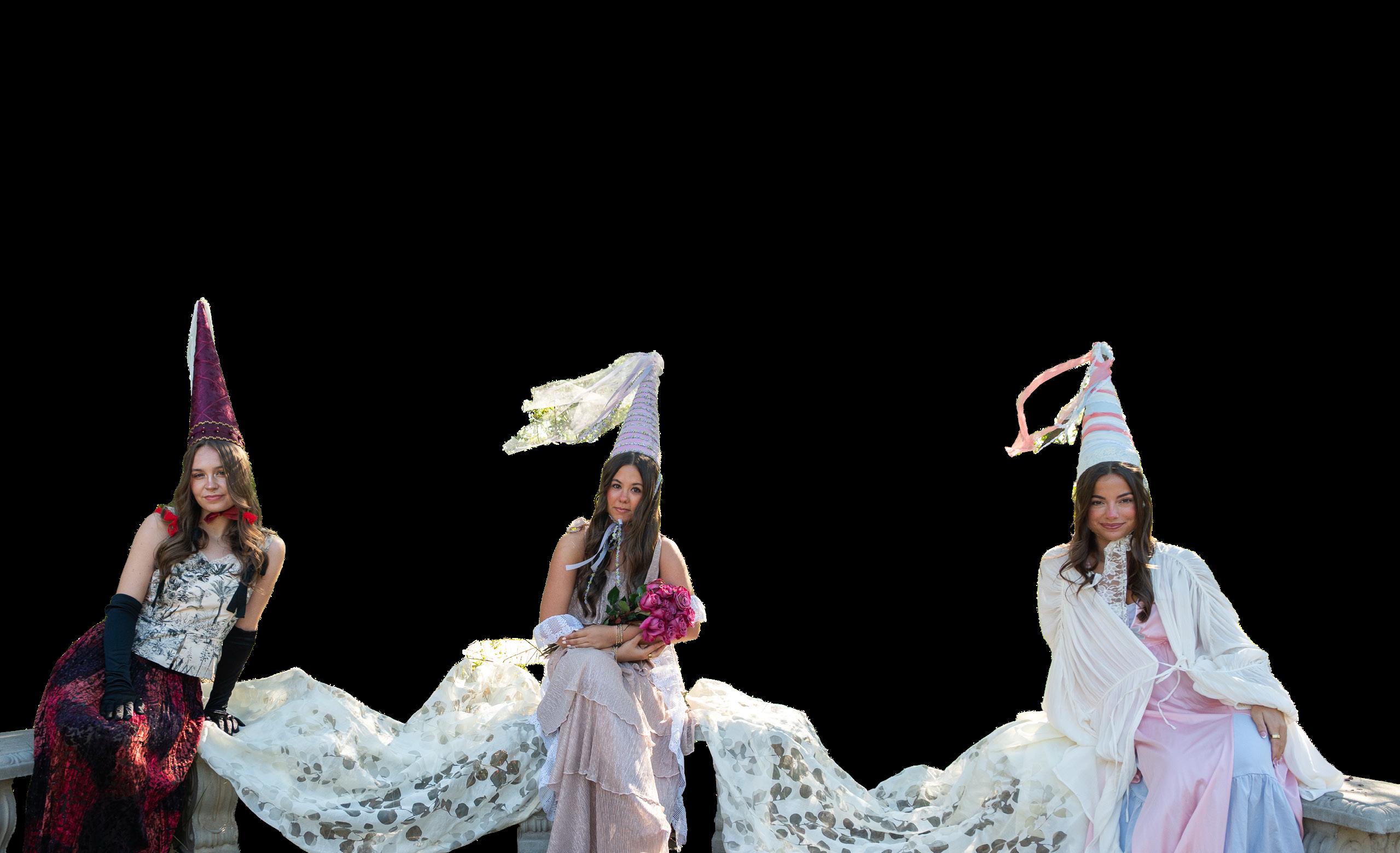
From a young age, girls have been drawn to princesses. Whether through movies, books, or clothing, princesses have long been a part of girlhood, quietly shaping who we become as women.
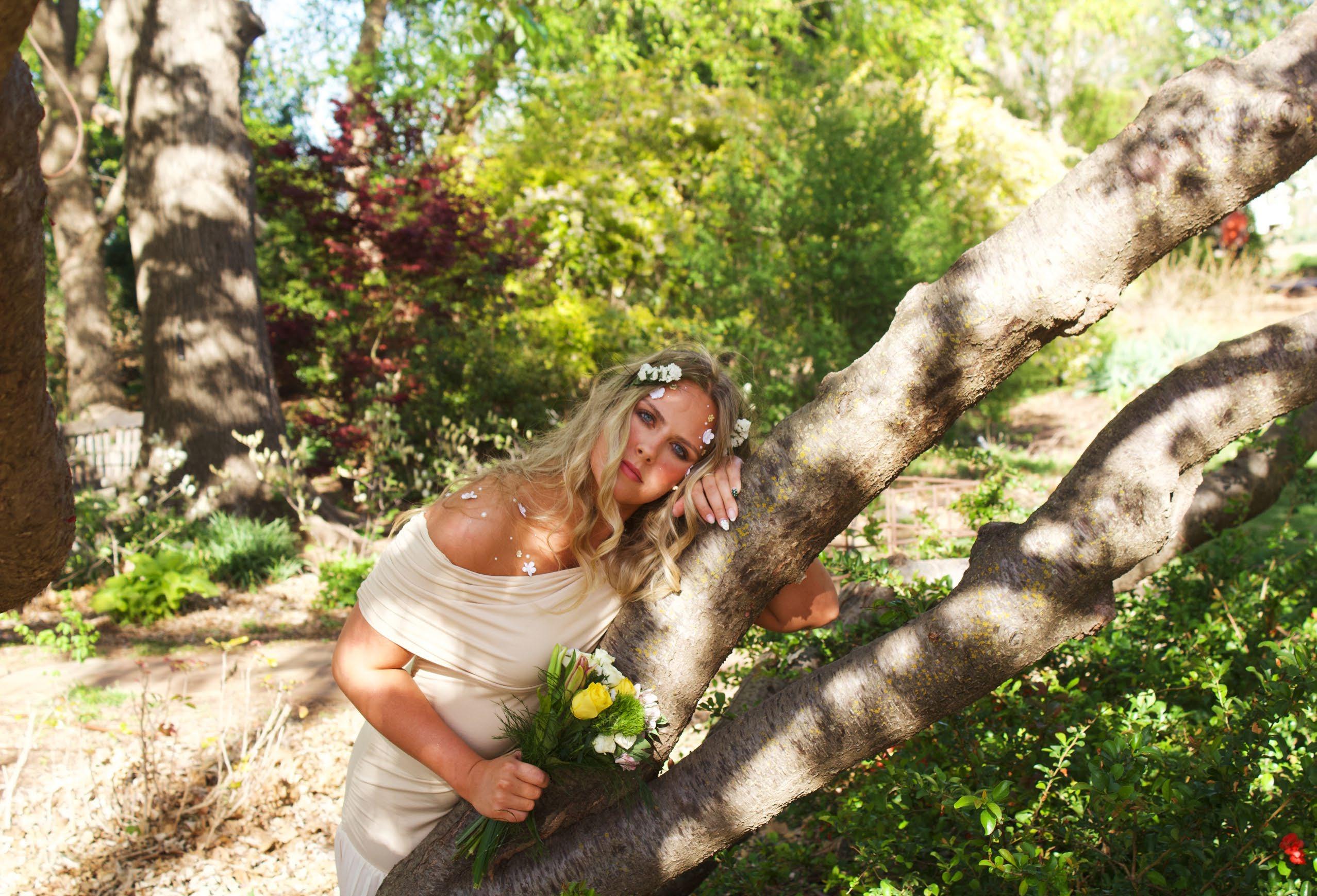
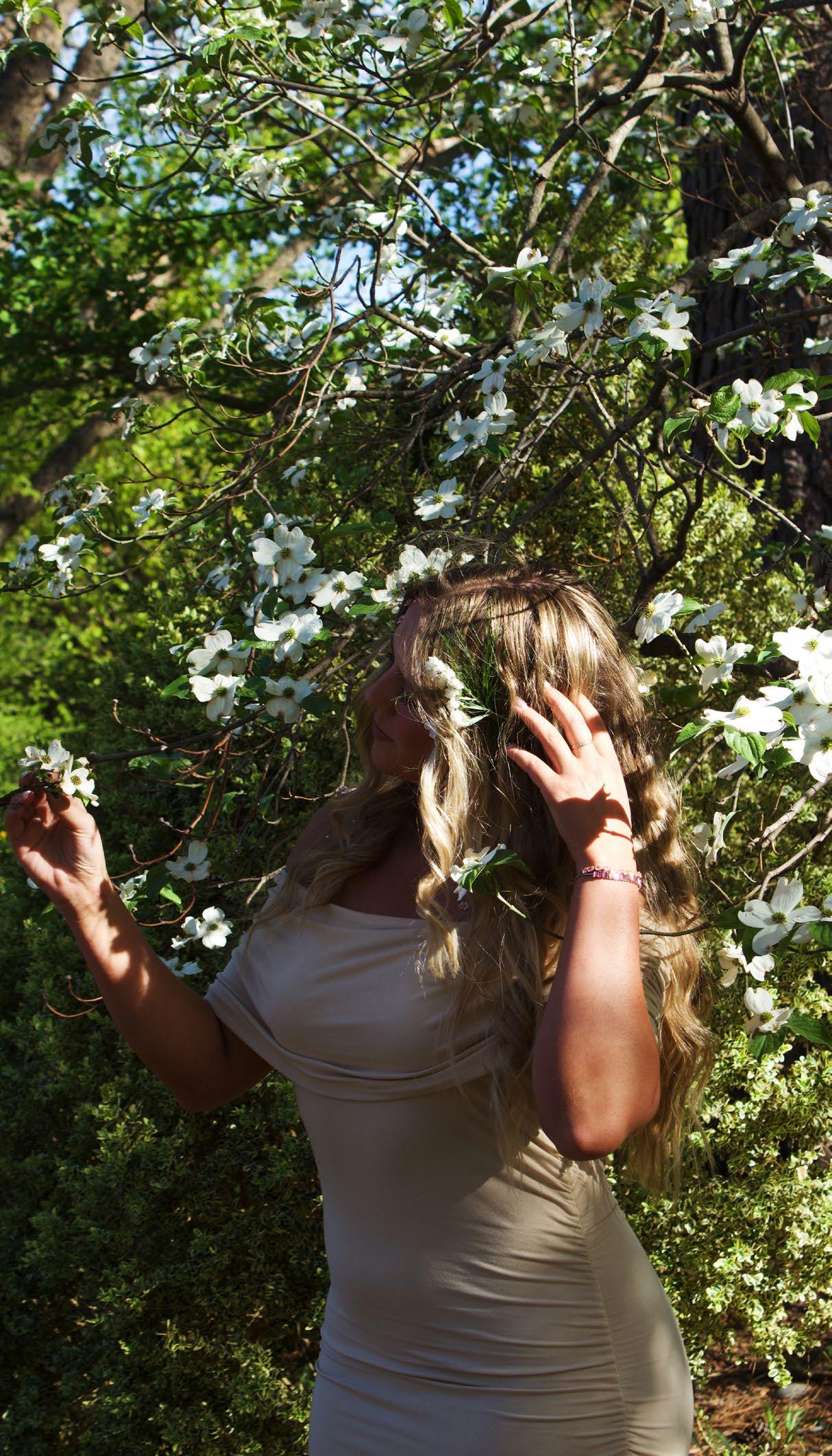
This desire to “be like them” is more than just play; it is a form of early self-expression.
As early as toddlers, the fascination with princesses, especially Disney princesses, begins. It often starts with movies, soundtracks, books, and even choosing a favorite character. This early connection grows into something more meaningful. These princesses become some of the first female figures young girls admire, offering a space where women are the main characters of their own stories. They show strength not only through physical bravery but through kindness, intelligence, resilience, and independence. Just as importantly, they model female friendships and emotional depth, which play a key role in shaping how young girls understand relationships.
As this admiration grows, it begins to influence their behavior and identity. Little girls dress up in princess costumes, collect toys and books, and mimic the looks and attitudes of the characters they love. This desire to “be like them” is more than just play; it is a form of early self-expression. Over time, these influences carry into adulthood in subtle but meaningful ways. What begins as plastic heels evolves into personal style. Play dresses turn into fashion choices, and early ideas of beauty and confidence begin to shape how women present themselves. Even the friendships we build and the traits we value, kindness, courage, and independence, are often traced back to the stories we grew up with.
Princess narratives are not impactful simply because they are visually appealing or centered around beauty. Instead, their lasting influence comes from the messages they carry. These stories introduce young girls to ideas of self-worth, growth, and possibility. They encourage us to imagine bigger lives for ourselves and
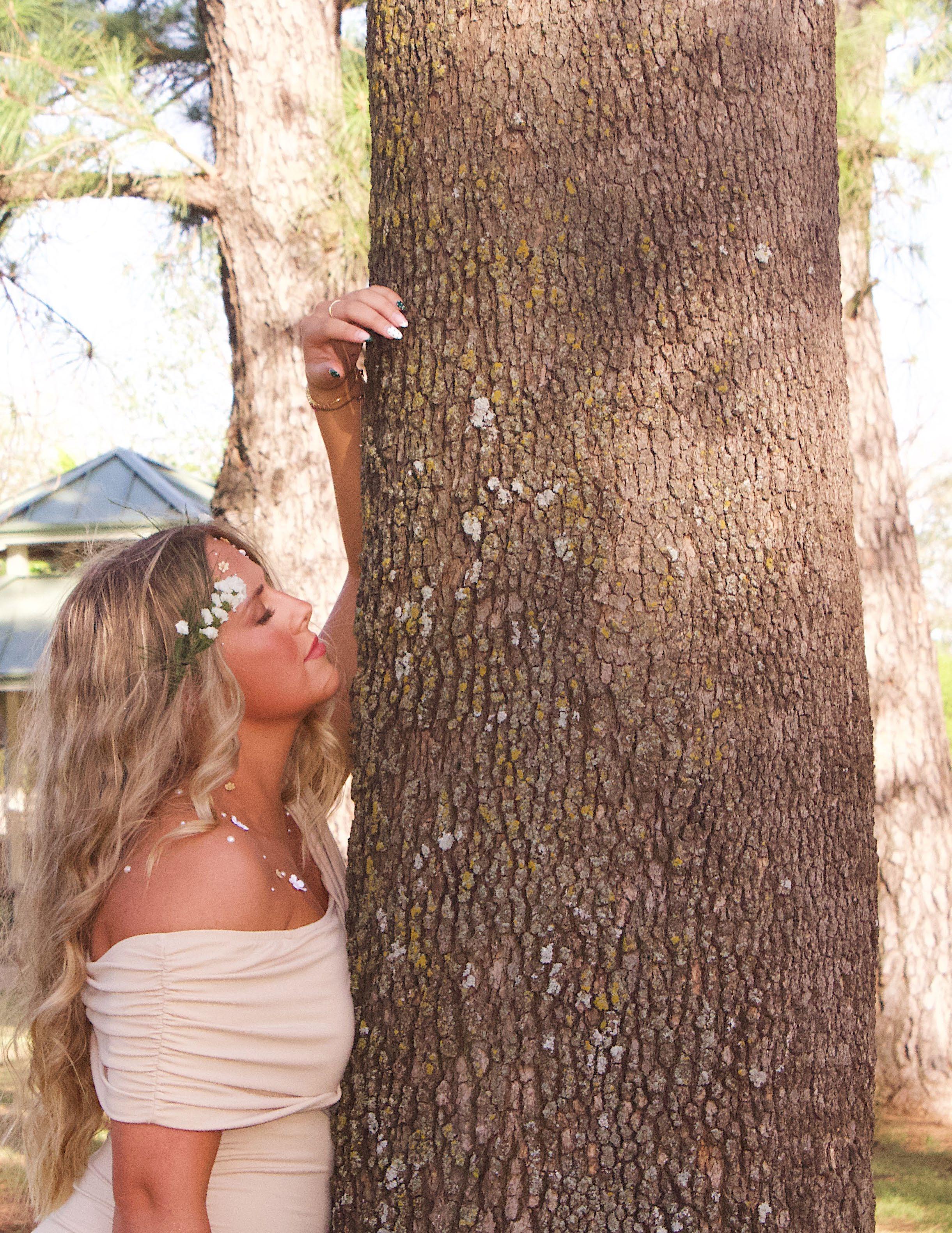
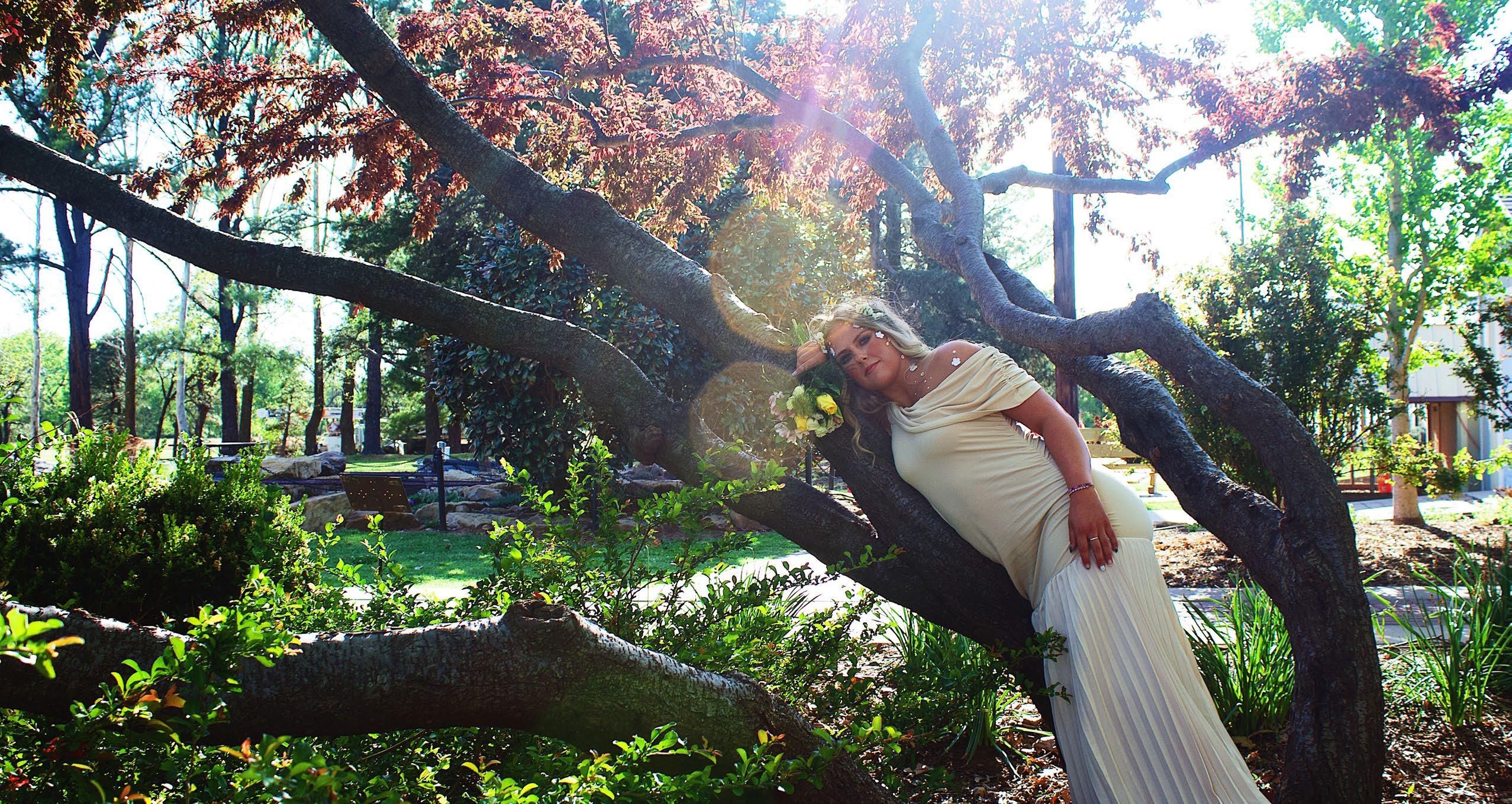
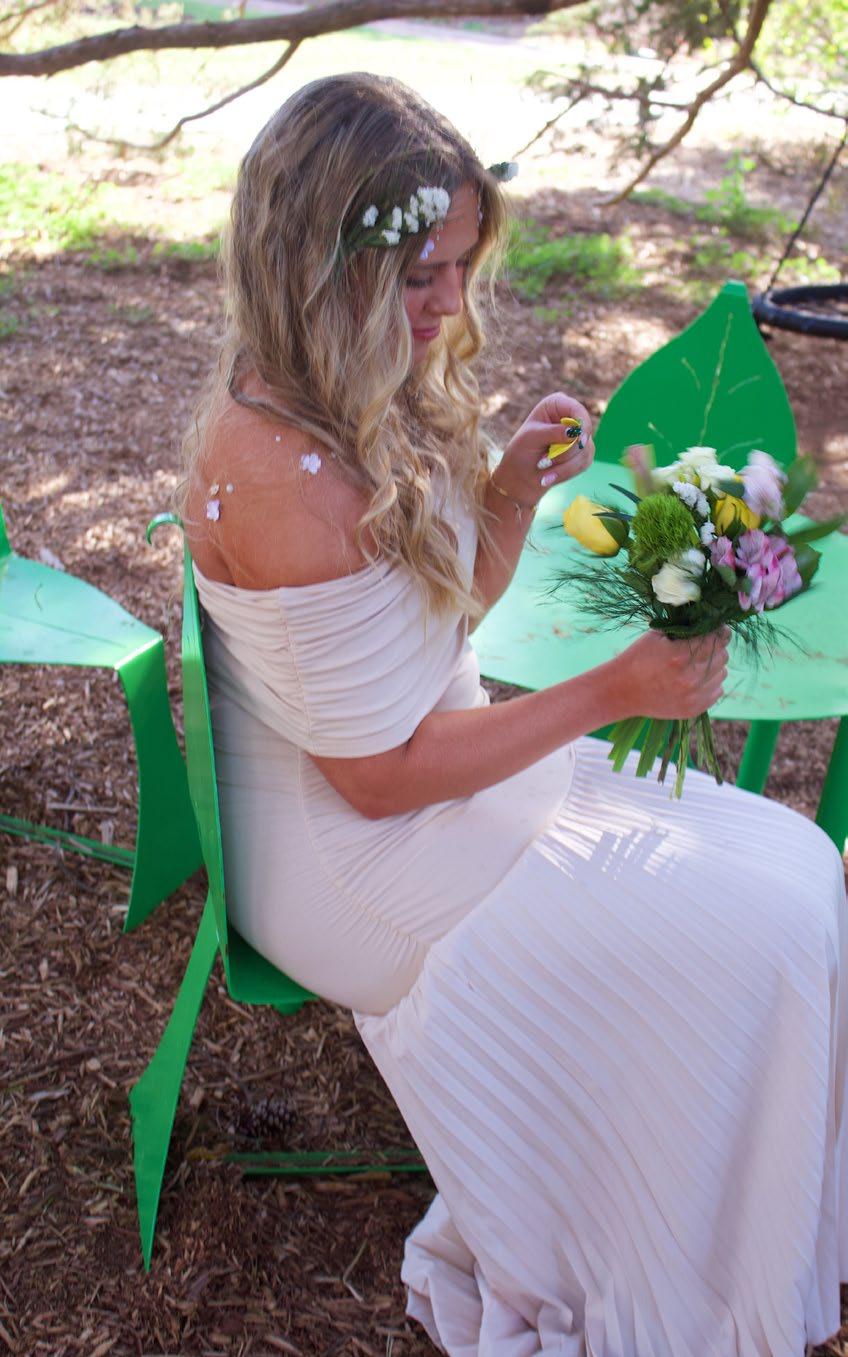
Princesses do more than entertain; they help shape identity. They influence how we see ourselves, how to navigate relationships, and how we define strength and femininity. The stories we absorb in childhood stay with us, becoming part of the foundation for who we are and who we strive to be.
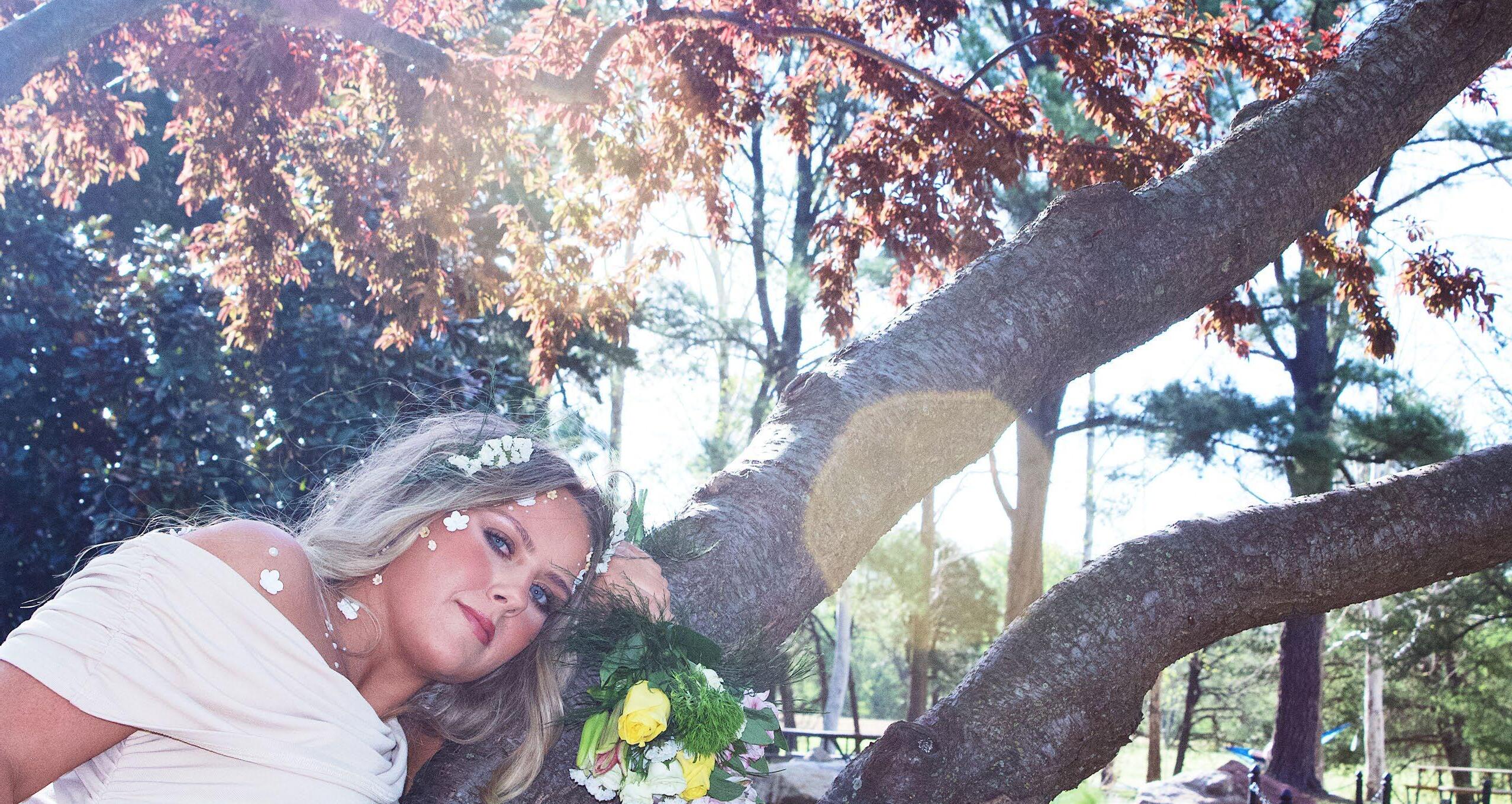
Written By: Brooklyn Taylor Talbert
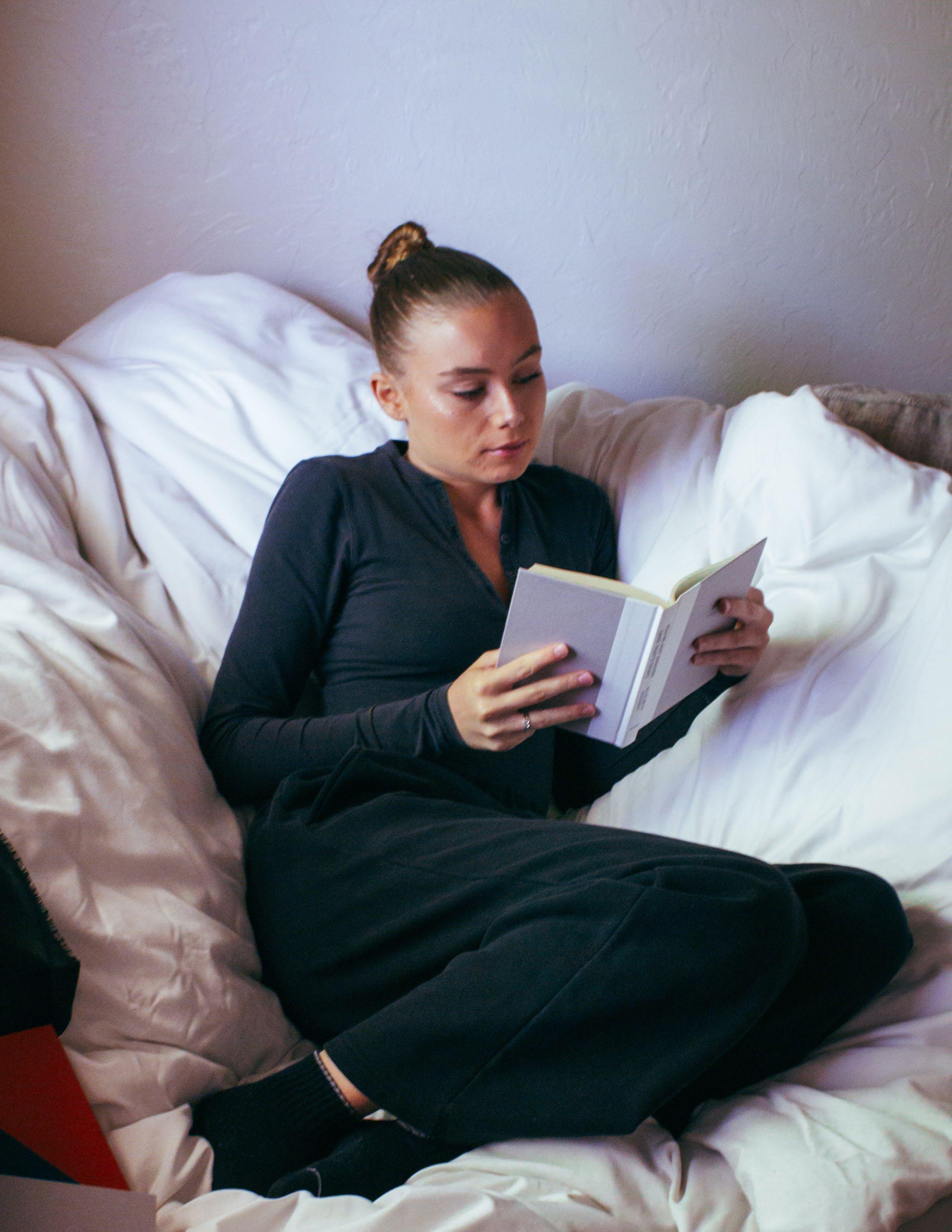
Influence is often thought of as something that shines brightly at the top: confidence, power, charisma, and visibility. However, the real essence of influence is not found when you are at your peak. It is revealed in the quiet, unseen moments when you are at your lowest. To understand influence at this level is to redefine what strength truly means.
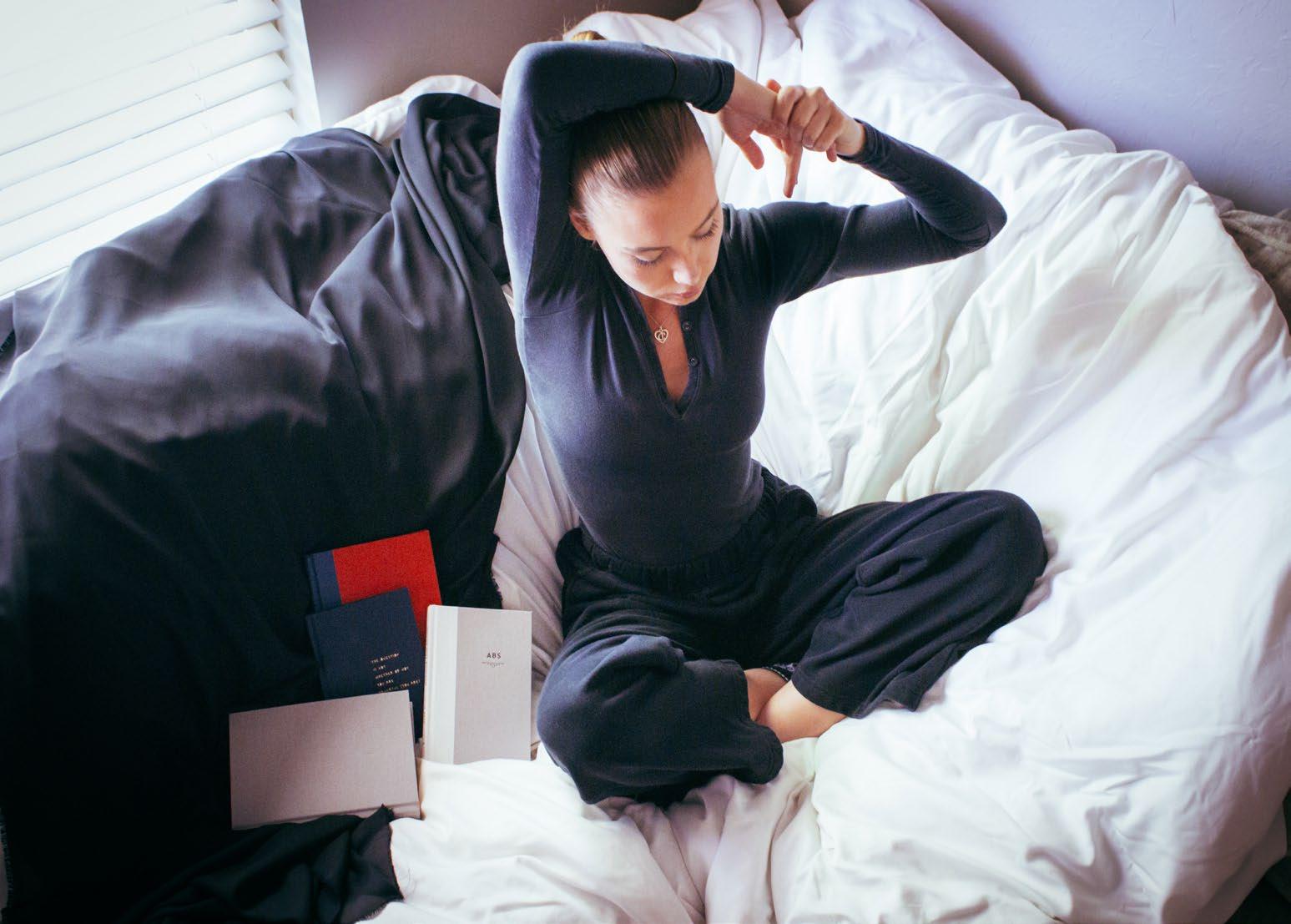
When you feel down, your energy is low, your confidence fades, and your clarity feels broken. In these moments, influence shifts from leading others to mastering yourself. This is where internal influence begins, and it is the most powerful kind. Operating at your lowest takes discipline, even without motivation. It asks you to act not because you feel ready, but because you have decided that your standards do not disappear when your situation falls apart. That decision is influenced. It is control over your impulses, your emotions, and your urge to withdraw.
“Operating at your lowest takes discipline, even without motivation. It asks you to act not because you feel ready, but because your standards do not disappear when your situation falls apart.”
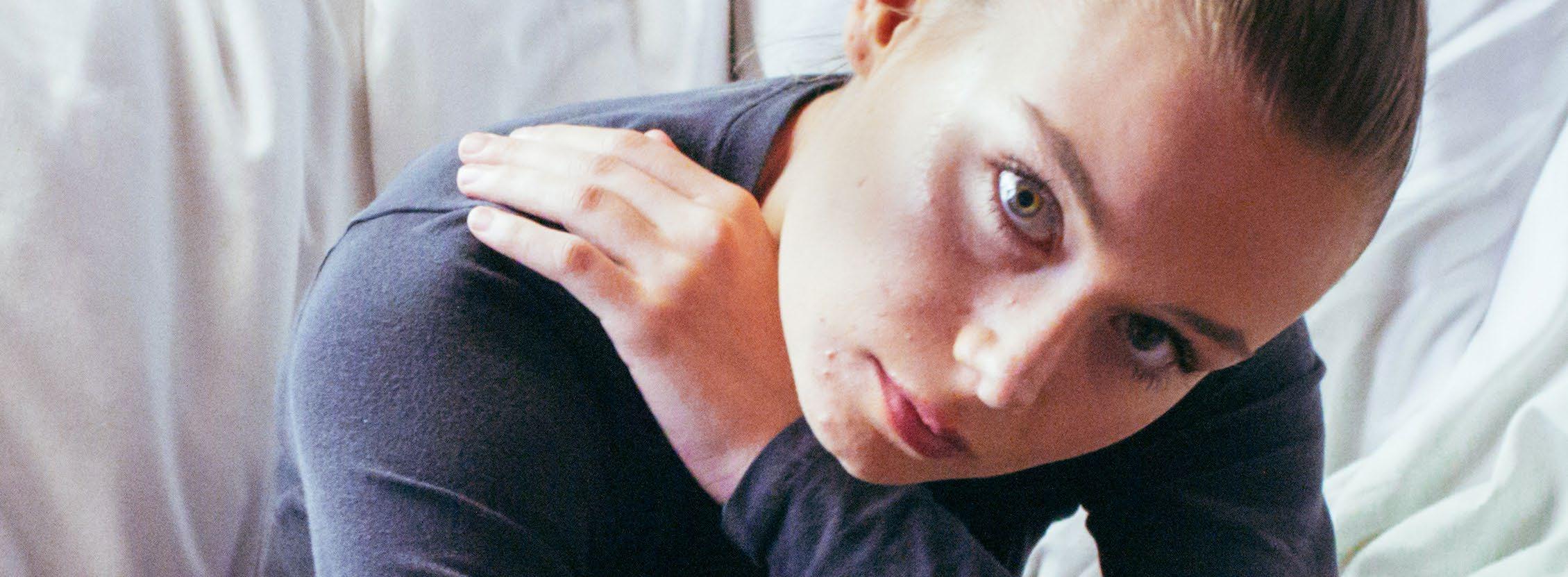
“The real essence of influence is not found when you are at your peak.
People often overlook how much influence is built in survival mode. When you keep showing up quietly and imperfectly, you create a ripple effect. Others may not see your struggle, but they feel your consistency and your presence. Even a fragile presence is still influential. There is also a deeper layer. Being at your lowest builds empathy. You begin to see struggle not as weakness, but as part of being human. This changes how you connect with others. Your words carry more weight, your patience grows, and your leadership becomes grounded in reality instead of ego. It is built through restraint, through the choice to keep going, and through holding your integrity when no one is watching. It comes from keeping your values intact, even when life tries to wear them down.
One of the most important outcomes is that learning to function at your lowest removes the fear of falling. Once you know you can think, act, and move forward, even at your weakest, you become harder to shake. That resilience is visible, and it earns respect.
Influence is not just about how you perform when you are at your best. It is about how you keep going when you are not. Because in the end, people are influenced not only by your wins, but by your ability to stay present through your losses.
It is revealed in the quiet, unseen moments when you are at your lowest.”
Freedomoverfate overfateFreedomoverfateFreedomoverfateoverfatefateoverfate
Written By: Aliyah Young
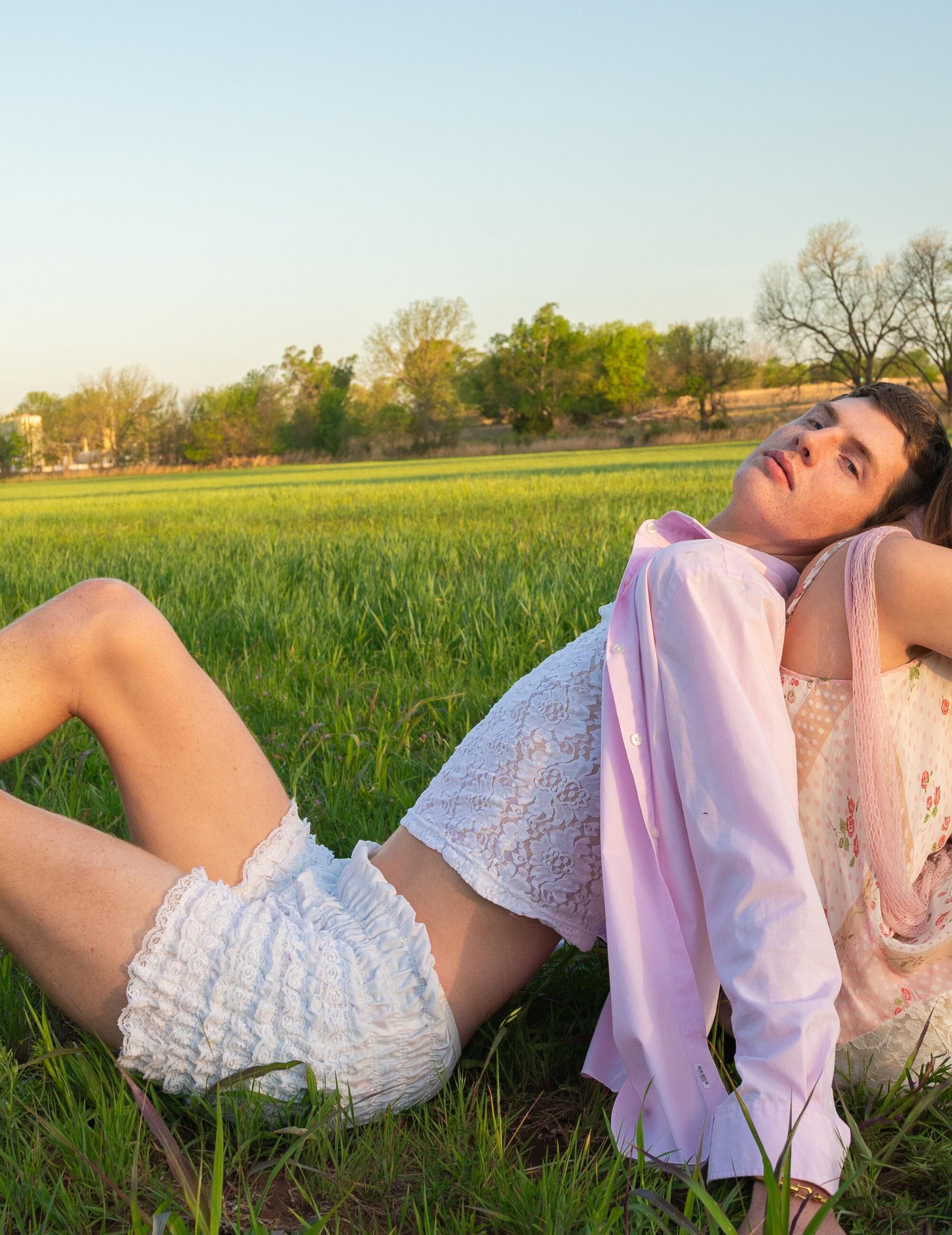
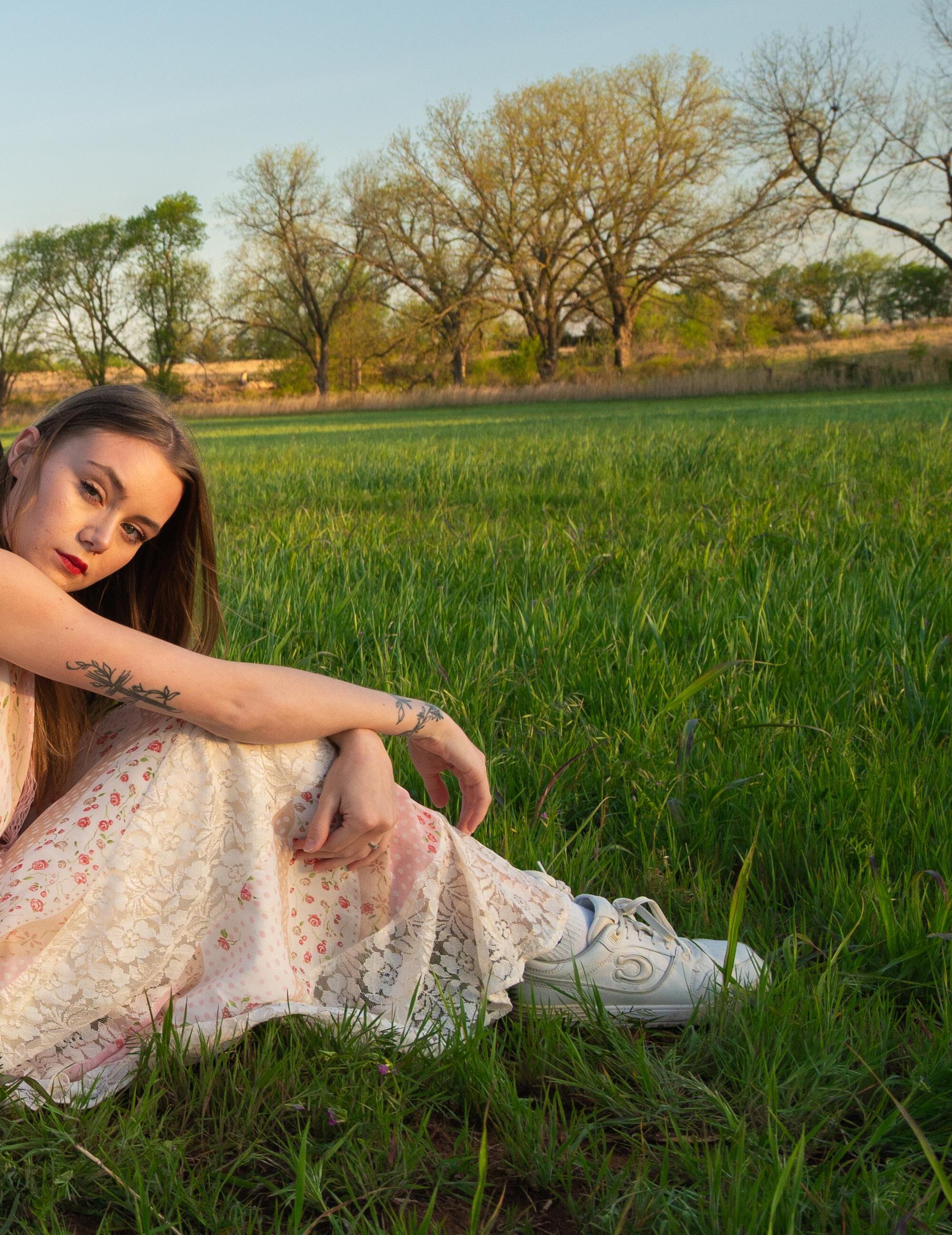
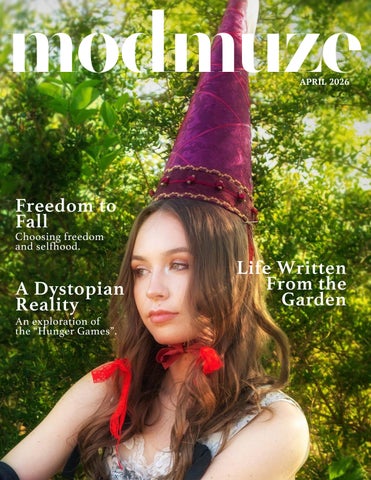
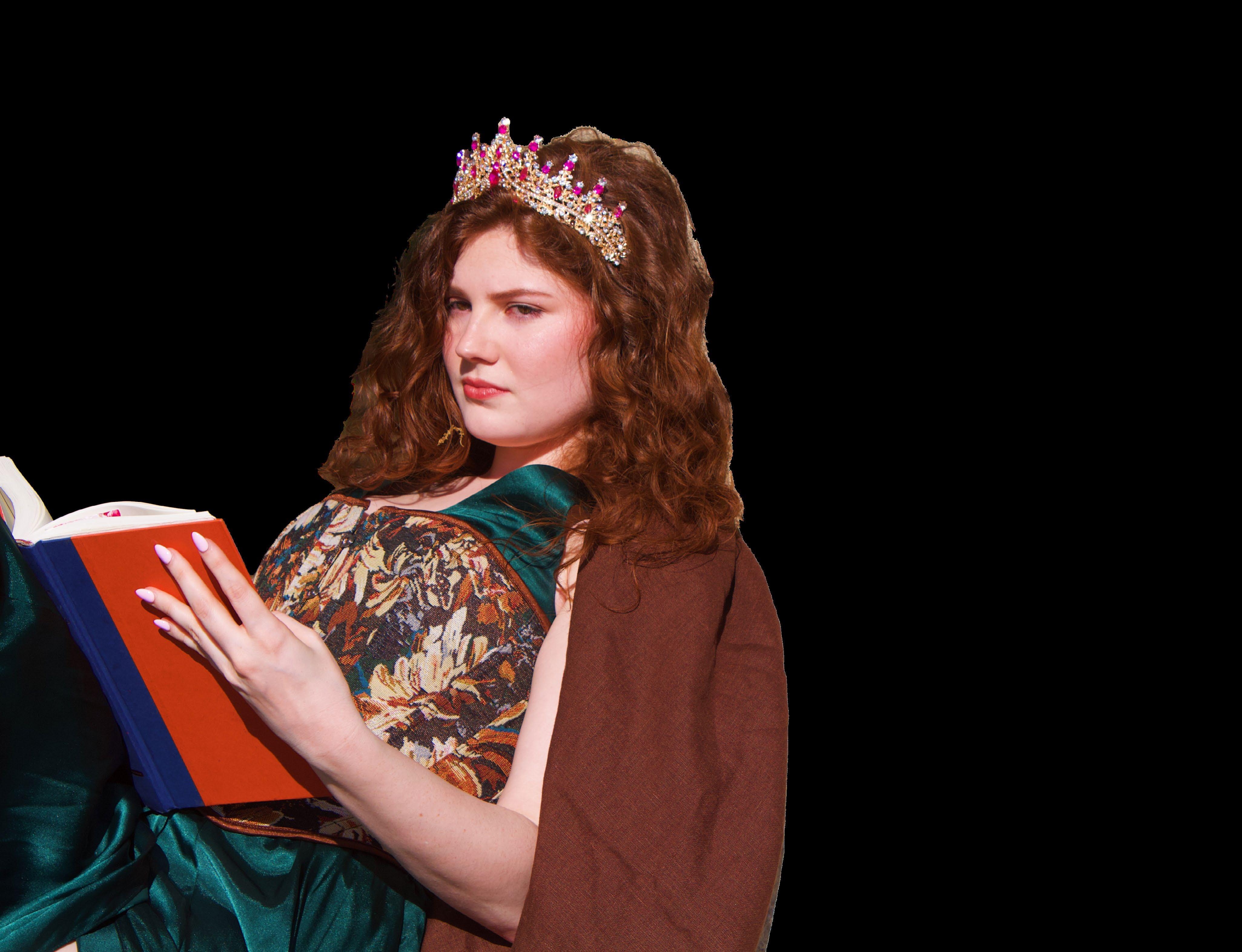
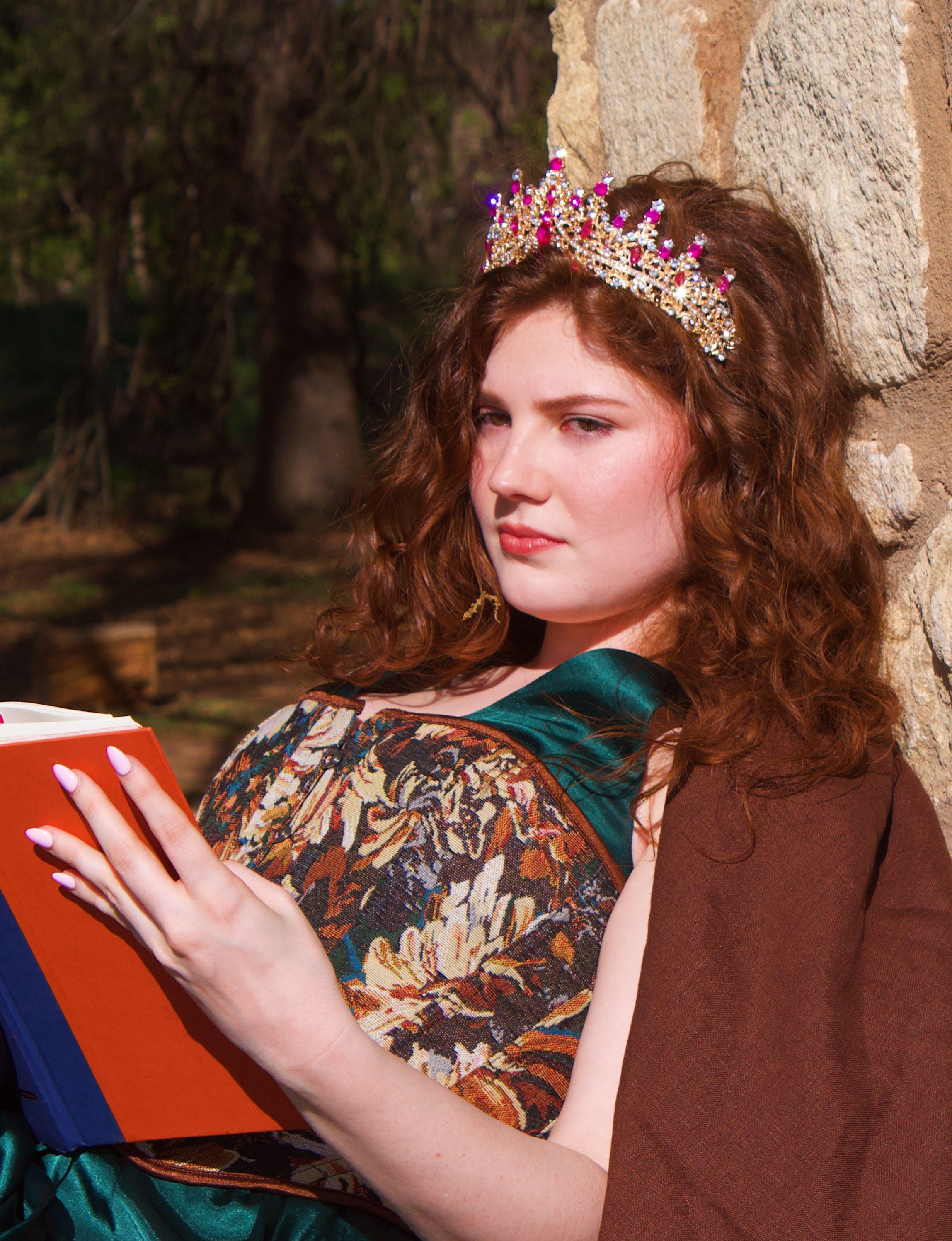
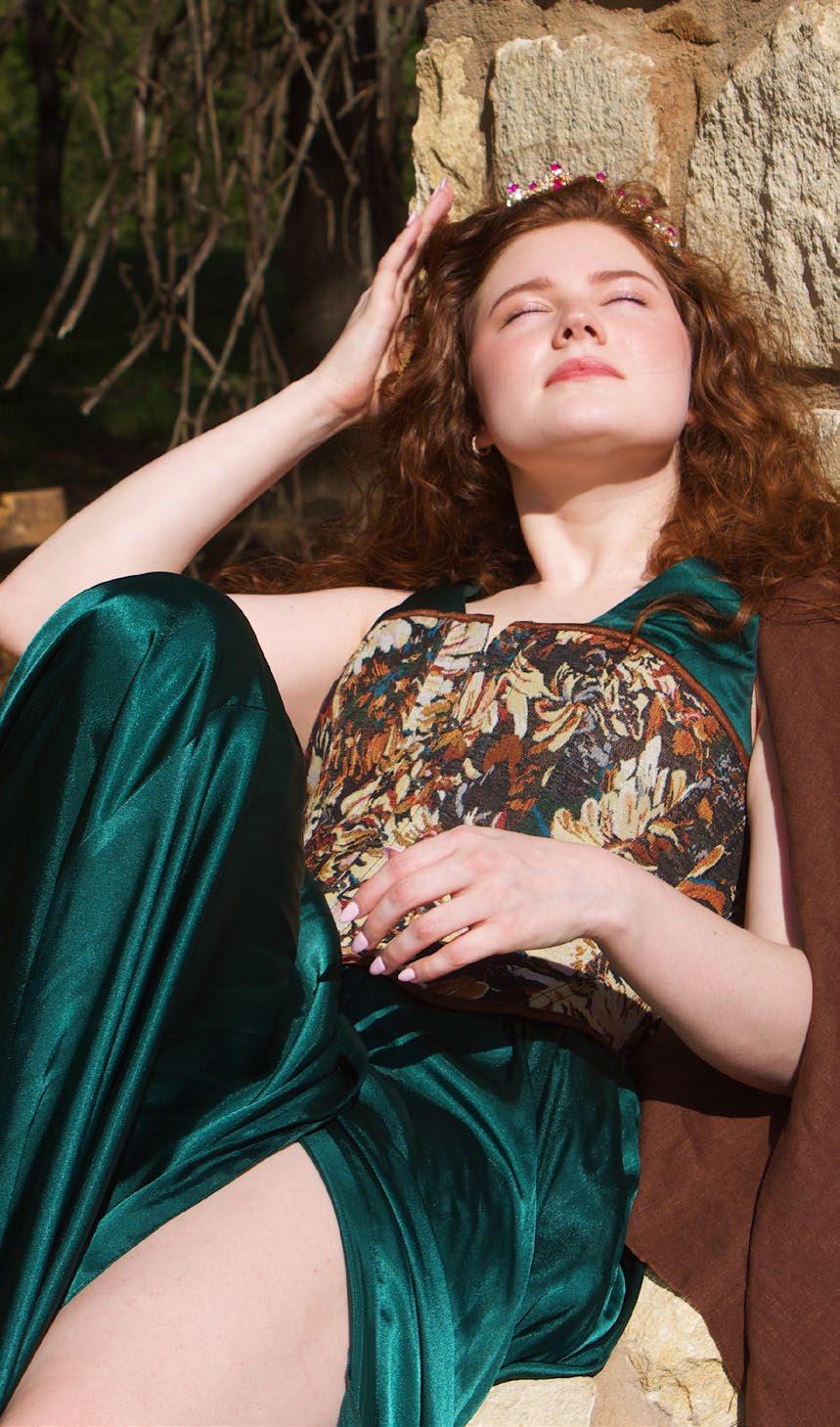
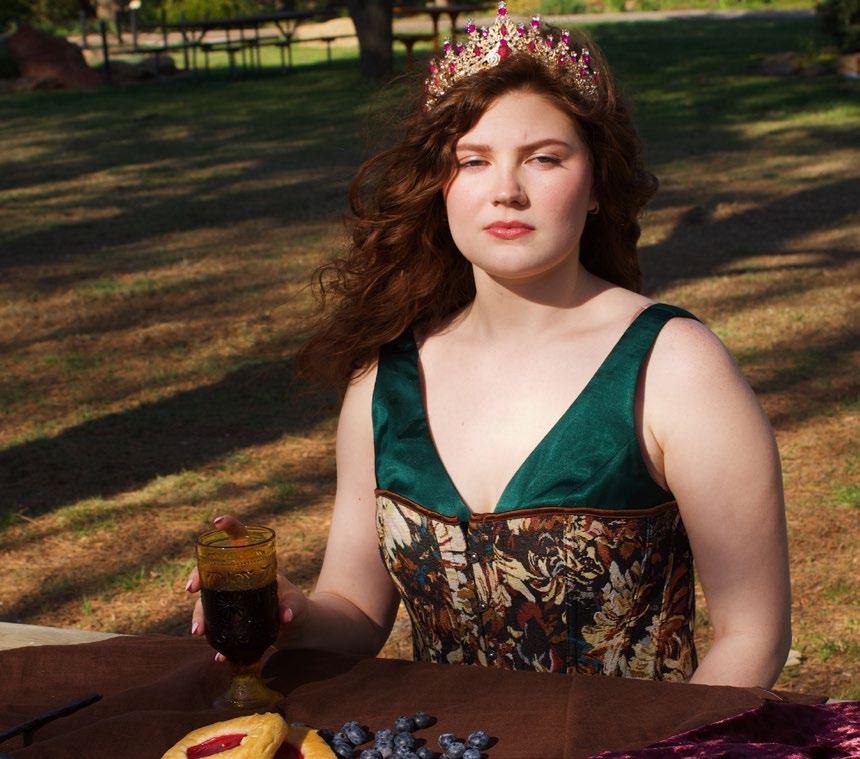
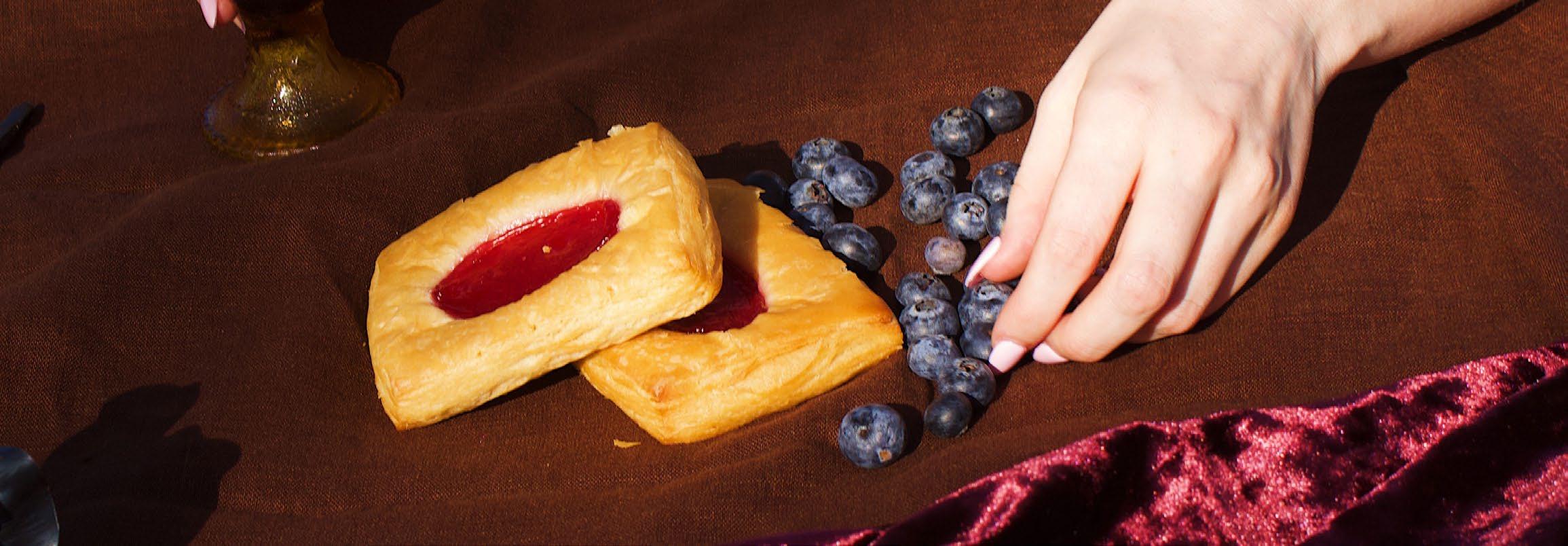
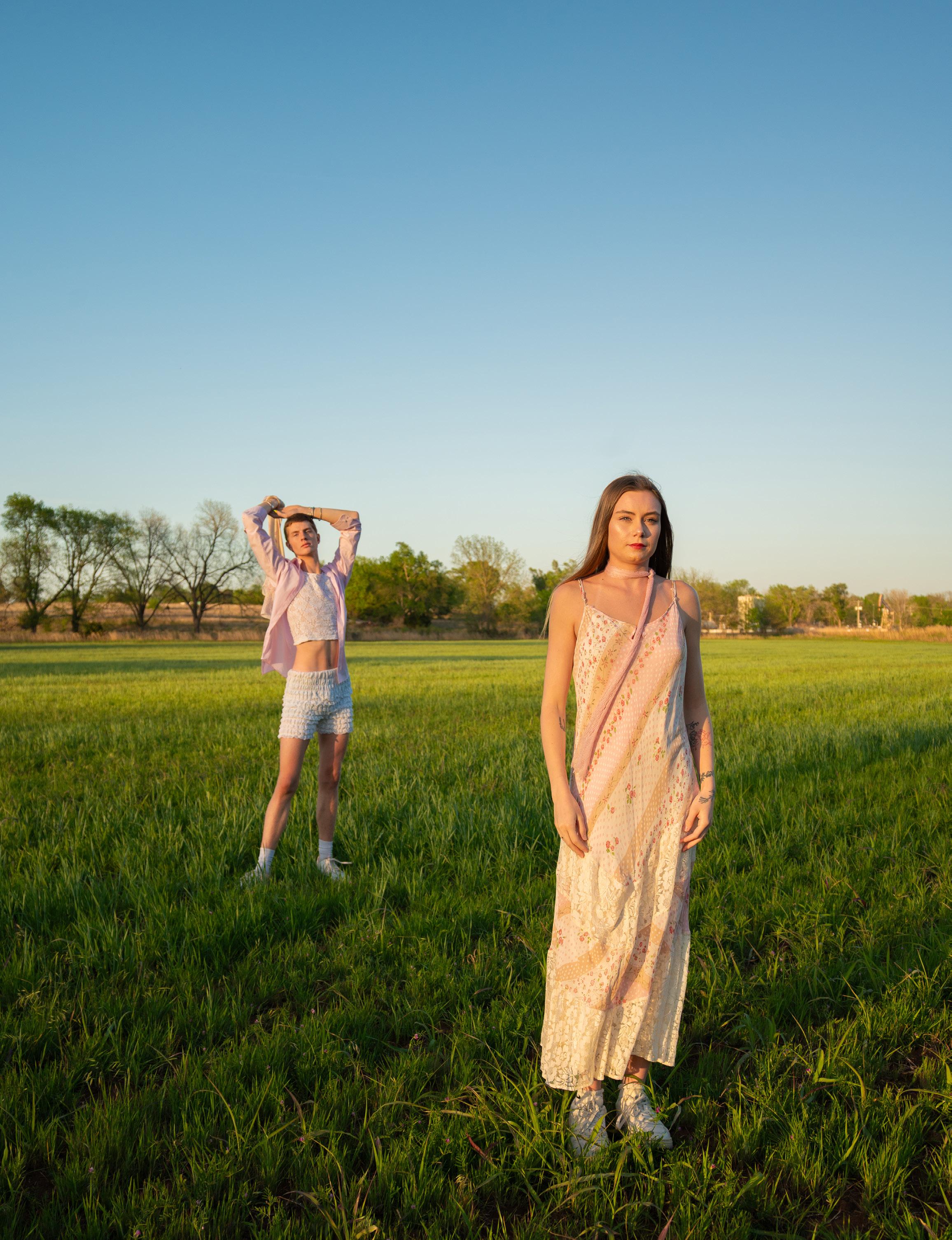
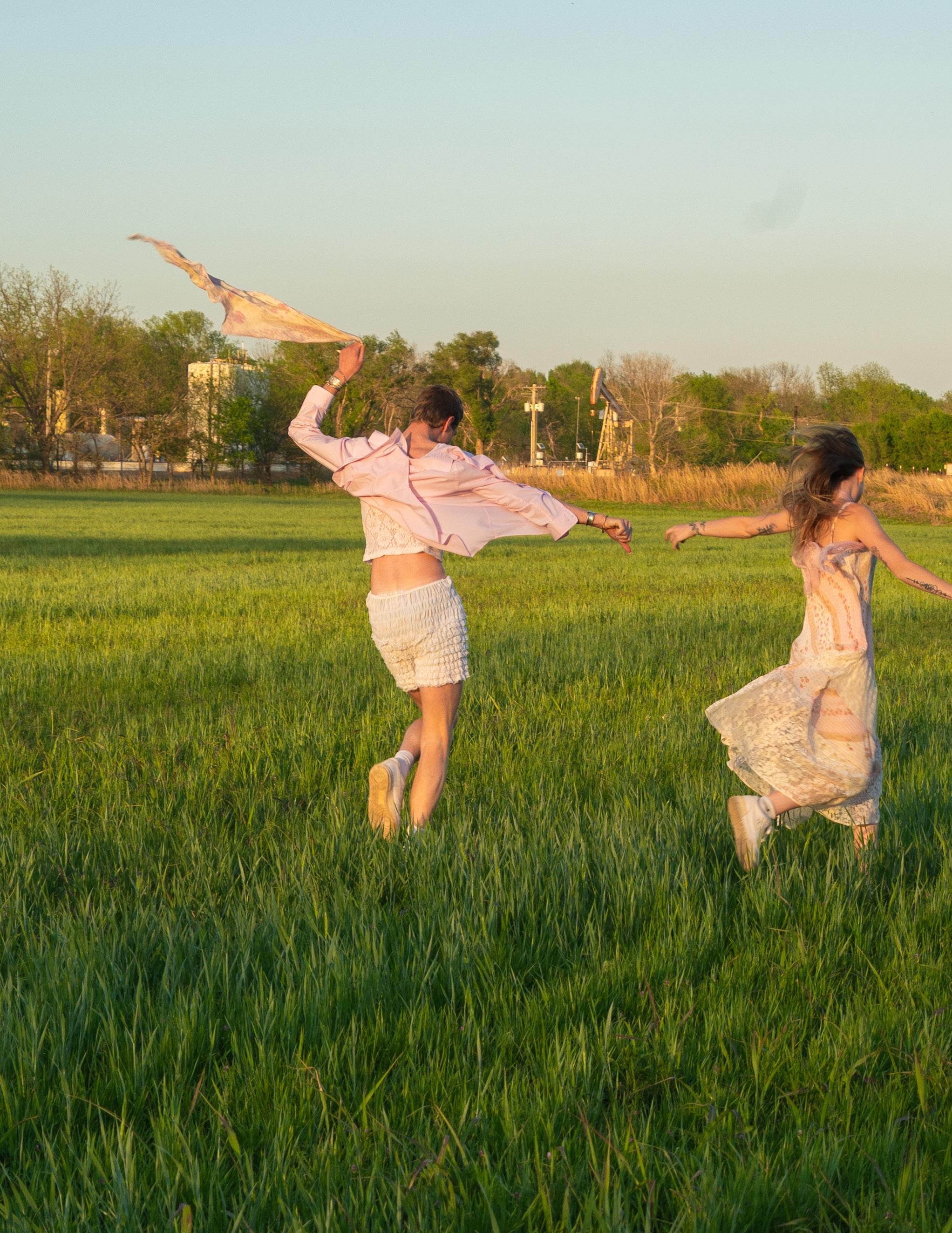
The warm Florida spring sun shines through the branches of the blossoming pear tree, warmly suggesting it is time to bloom. Fruit, ripe and ready, waits to be picked and pruned for someone’s sweet purpose, hanging over open acres and shadowing the dancing flora. Pears sway patiently with their pending fate, taunted by the roaming fauna. Reaching up, the green pad softly waves, inviting them near. Branches, anointed with strength, tightly cling to weakened stems, keeping them from falling into danger’s plight. But some fruit would rather fall, taking a temporary flight, with the freedom to choose where they land.
The daring balance between control, freedom, and safety is something Zora Neale Hurston explored through Their Eyes Were Watching God. Hurston tells the story of Janie Crawford through a phonetic Black Southern dialect, allowing readers to walk through her unfiltered mind. Revered for her commitment to authenticity and her daring challenge to traditional literature, Hurston carved her own space with pen and ink. Written in the 1930s, the novel reflects the unique challenges of the time and represents the voices of rural Black American women, whose stories were rarely granted such unguarded intimacy on the page.
Through this coming-of-age story, Hurston navigates the intersectionality of Janie’s identity, combining elements of romance, tragedy, and drama. The story is told not only through dialect but also through symbolism. Hurston relates Janie’s growth to nature and evolution through immersive imagery, creating a whimsical and detailed progression.
The pear tree in her grandmother’s backyard represents the moment Janie first finds herself. For Janie, the tree becomes a symbol of harmony. Beneath its branches, she first glimpses the possibility of a love built on mutual respect and natural desire rather than possession. It is here that she begins to understand who she is apart from the ideals of others.
The expectations of her grandmother, the world, and the men interested in her fail to change her mind. The pear tree marks the beginning of her journey, as she must make a choice: settle for the people who pick her, or leave and create her own reality.

Janie chooses herself. She leaves her controlling relationship and escapes the hold of her grandmother’s overbearing protection, leaving both safety and discomfort behind in pursuit of something more, risking the bruises that come with the fall. Through her exploration, she meets Joe Starks, whom she later marries. In their relationship, she finds him restrictive and confining, preventing her from being authentic. A significant turning point in her character is described through her refusal to wear a head covering, which Joe insists she wear. This moment marks her commitment to personal freedom and solidifies her identity. After years of being silenced and ignored, Joe dies, and Janie moves forward once again.


In time, she meets Tea Cake, and something shifts. With him, she is not reduced or reshaped. Tea Cake accepts her desire to maintain her independence. Their connection allows her to move and exist without constant constraint. However, their happiness does not last long. When disaster strikes and Tea Cake becomes ill, Janie is faced with an impossible choice. As he changes, she is forced to act, ending his life in self-defense. It is a devastating moment filled with both love and loss, one that permanently shifts her character. Through the grief, she emerges with a deepened sense of security, peace, and self-discovery, freed from the ideals of others and finally learning how to live for herself.
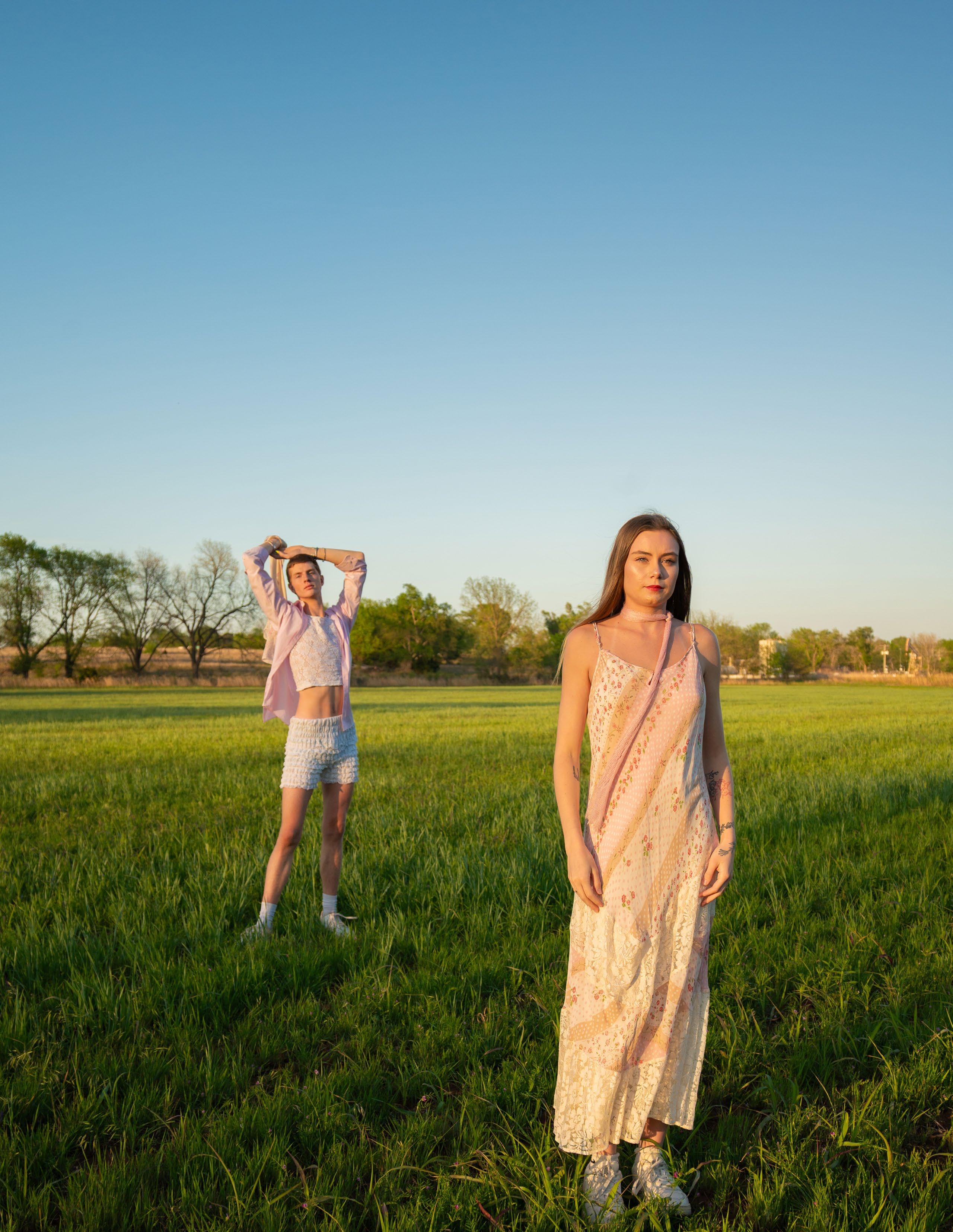
At the start of the book, Hurston depicts a mature Janie wearing overalls with one strap buttoned. Her hair is long and flowing, and she walks with light steps and ease. She embodies the freedom she found through her journey. She no longer waits to be chosen, allows others to decide for her, nor fears what comes with release. She has lived through the reaching, the holding, and the fall.
Through Janie, Zora Neale Hurston offers a perspective that honors voices as something to be heard. In a time when Black expression was often filtered, corrected, or silenced to fit dominant standards, Hurston chose to write with unapologetic authenticity. Without translating her characters for mainstream audiences’ comfort, she allowed them to exist as they were. Her work insists that beauty is not found in perfection, but in truth; that growth is layered, often shaped by vulnerable moments of tenderness and pain. Hurston captures the quiet, often overlooked process of becoming, where identity is not given but discovered through lived experience.
In doing so, she reshaped the boundaries of fiction. She created space for stories that do not seek validation, but instead center integrity and truth. To read Janie’s journey is to witness a woman who refuses to be pruned into someone else’s shape, who accepts the bruises of falling as the price of landing exactly where she belongs. Hurston reminds us that the most sacred choice is not the one made from safety, but the one made from selfhood.
Beyond its literary impact, her work lingers in a more touching way. It invites readers to listen more closely, to value the fullness of their own selves, and to recognize that becoming oneself is not rushed, but an intentional, personal journey.



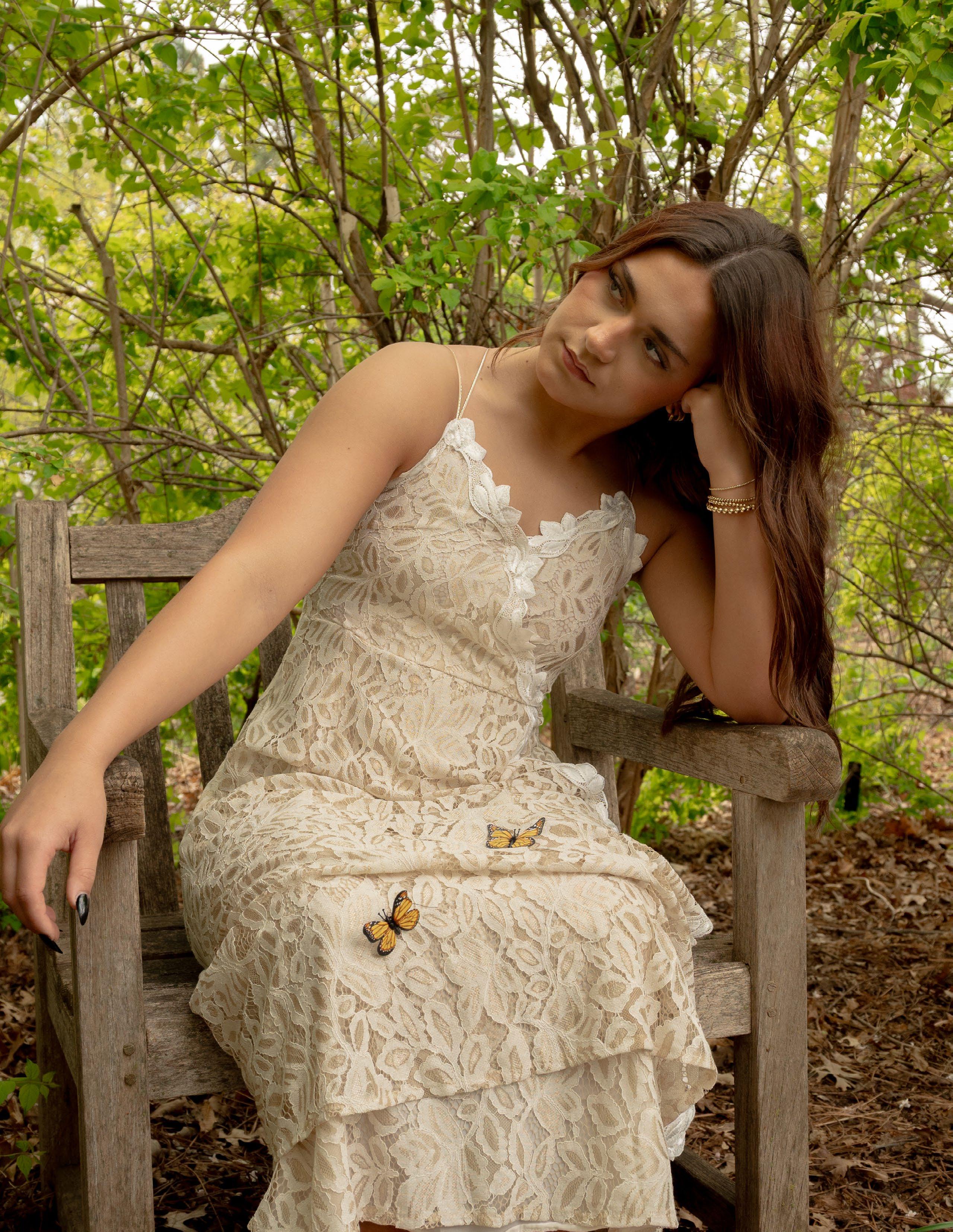
Build your garden