
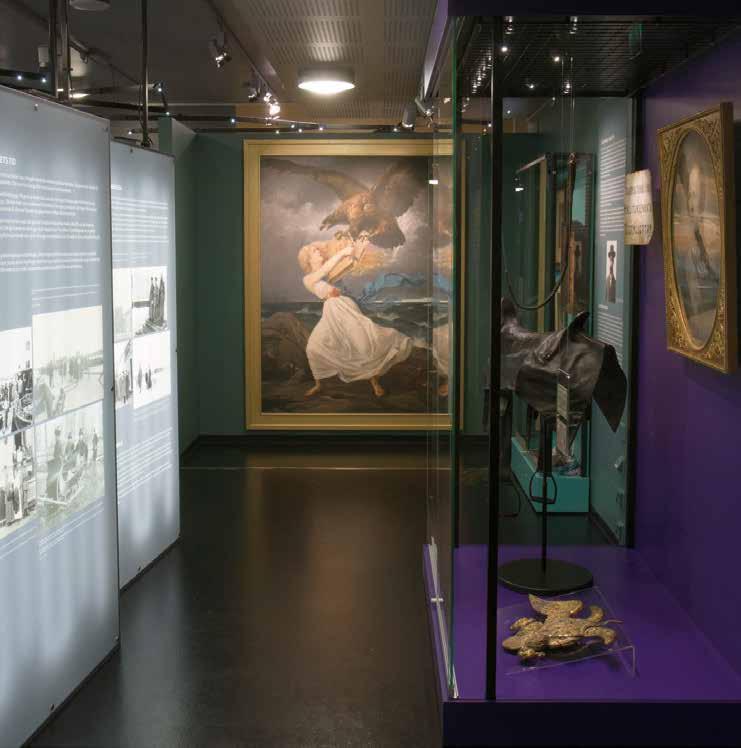
OPEN IN WINTER 1.10.–31.5. MON–SAT 10–17. Check exceptions for opening hours: www.siida.fi
SIIDA Inarintie 46, 99870 Inari

OPEN IN WINTER 1.10.–31.5. MON–SAT 10–17. Check exceptions for opening hours: www.siida.fi
SIIDA Inarintie 46, 99870 Inari
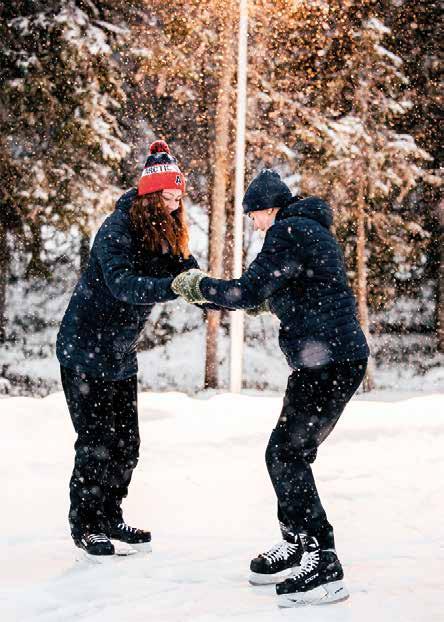
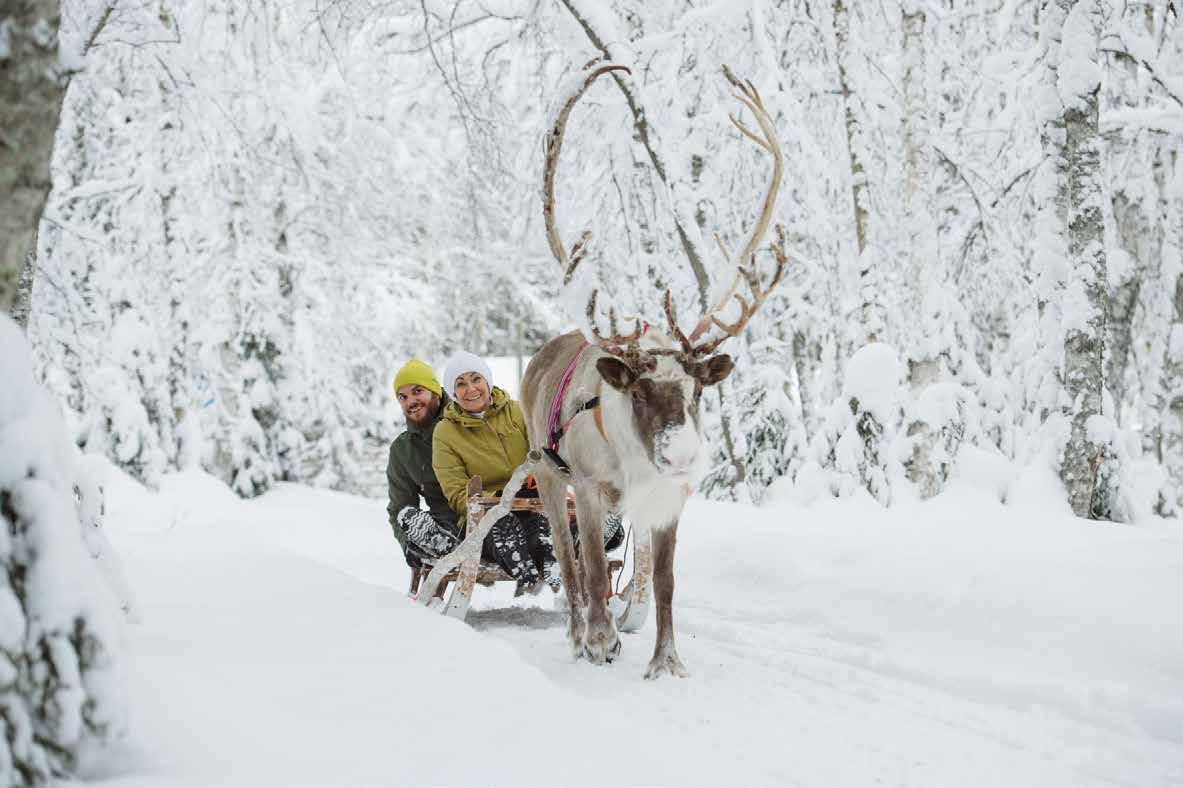
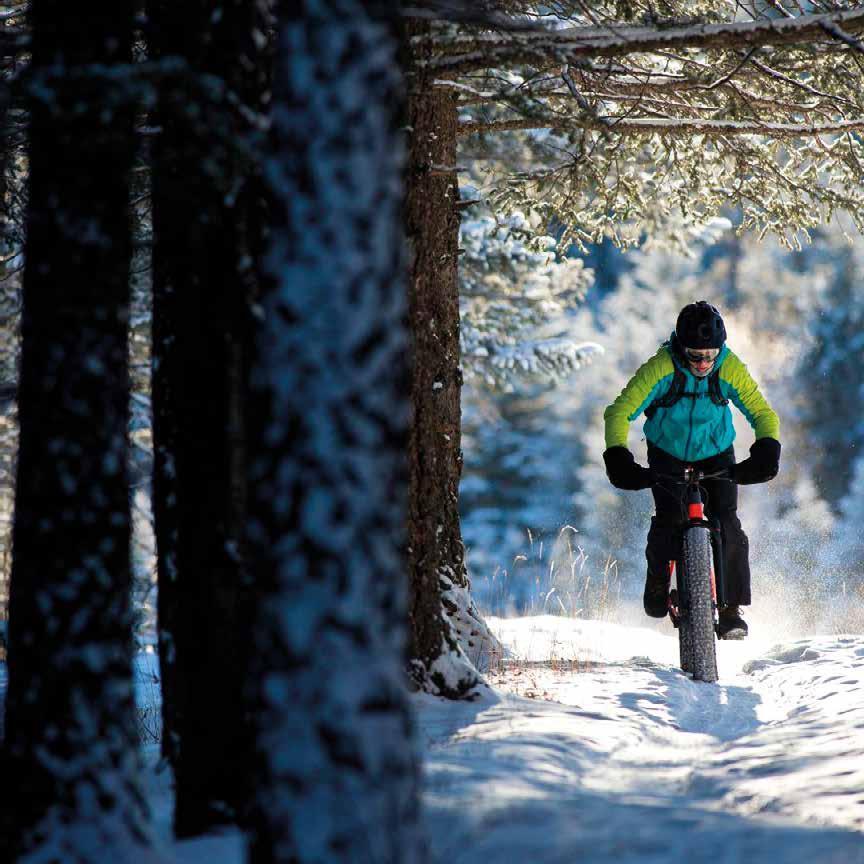
Just 10 minutes from Rovaniemi city centre and 20 minutes from the airport, Lapland Winter Park gathers the best of Finnish Lapland in one magical place. The Area Ticket gives you full-day access to a winter wonderland of snowy trails, icy slides, reindeer feeding, ice skating, cross country skiing and cozy Kota huts for warming up between adventures.
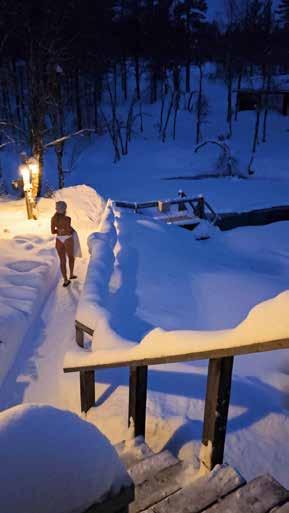
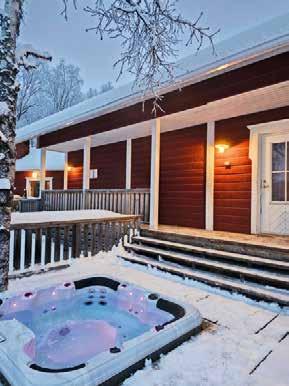
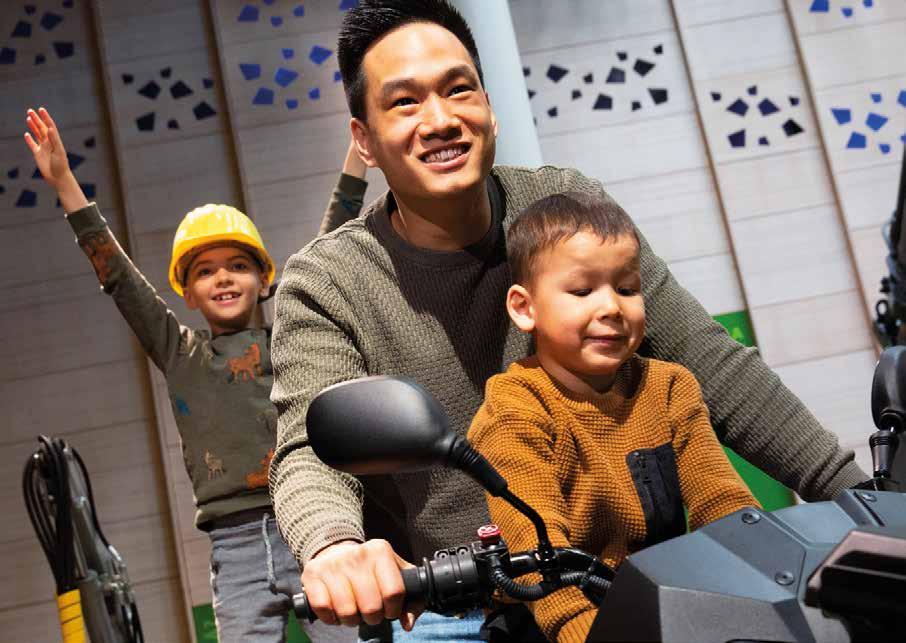
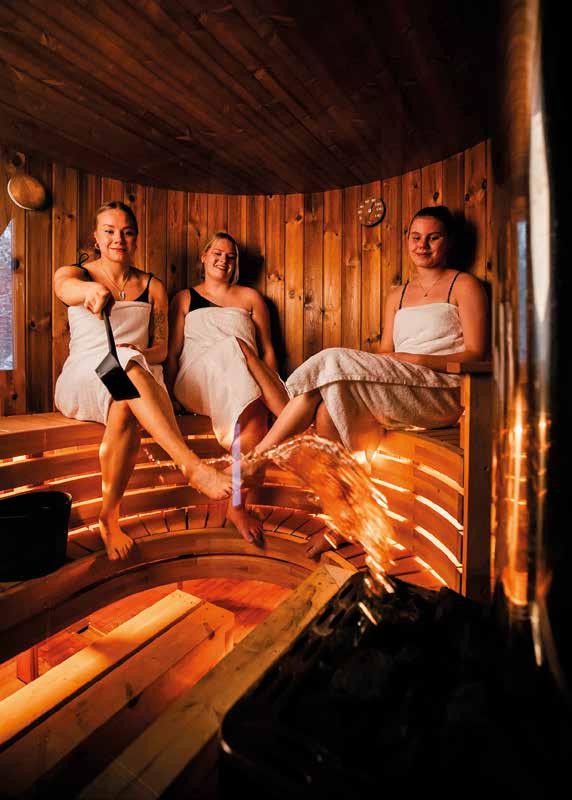
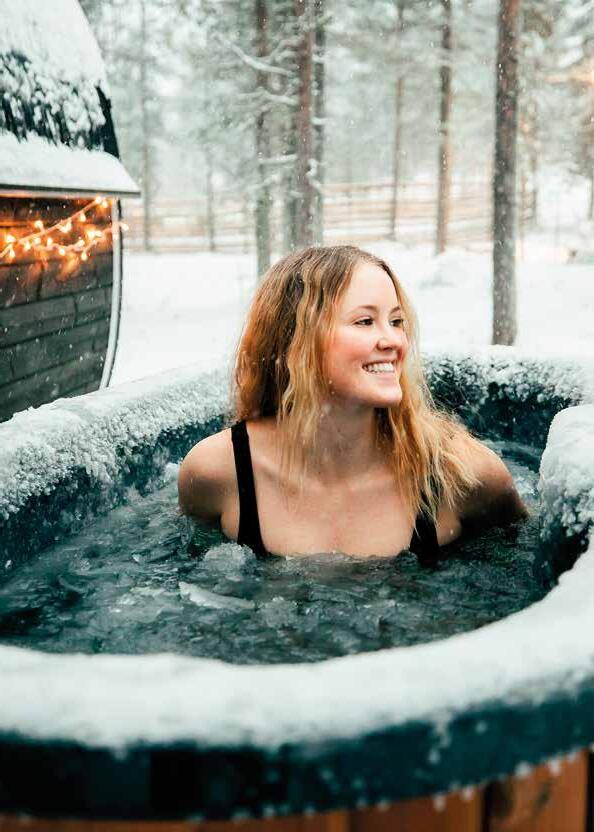
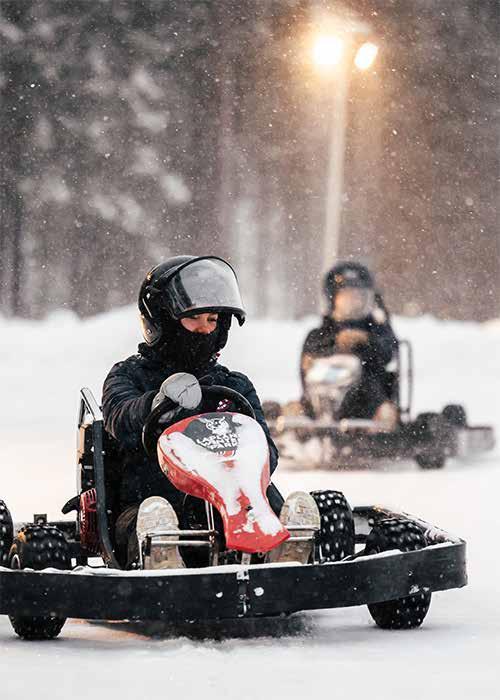
Add extra thrills with ice karting, kids’ mini snowmobiles or relax in our Sauna World – eight themed saunas, outdoor jacuzzis and a hot tub under the northern lights. Stay overnight in our brand-new chalets and wake up surrounded by Arctic nature.
Available through to March 2026
laplandwinterpark.com info@laplandwinterpark.com

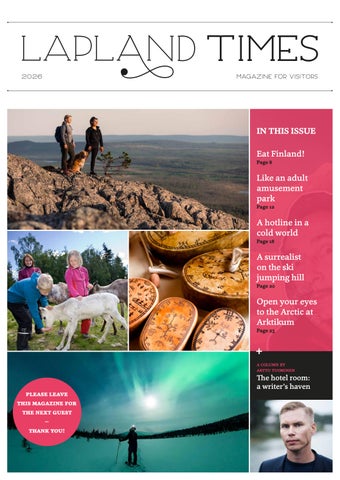
Welcome to Lapland 6 Eat Finland! 8
Lapland in a nutshell 10
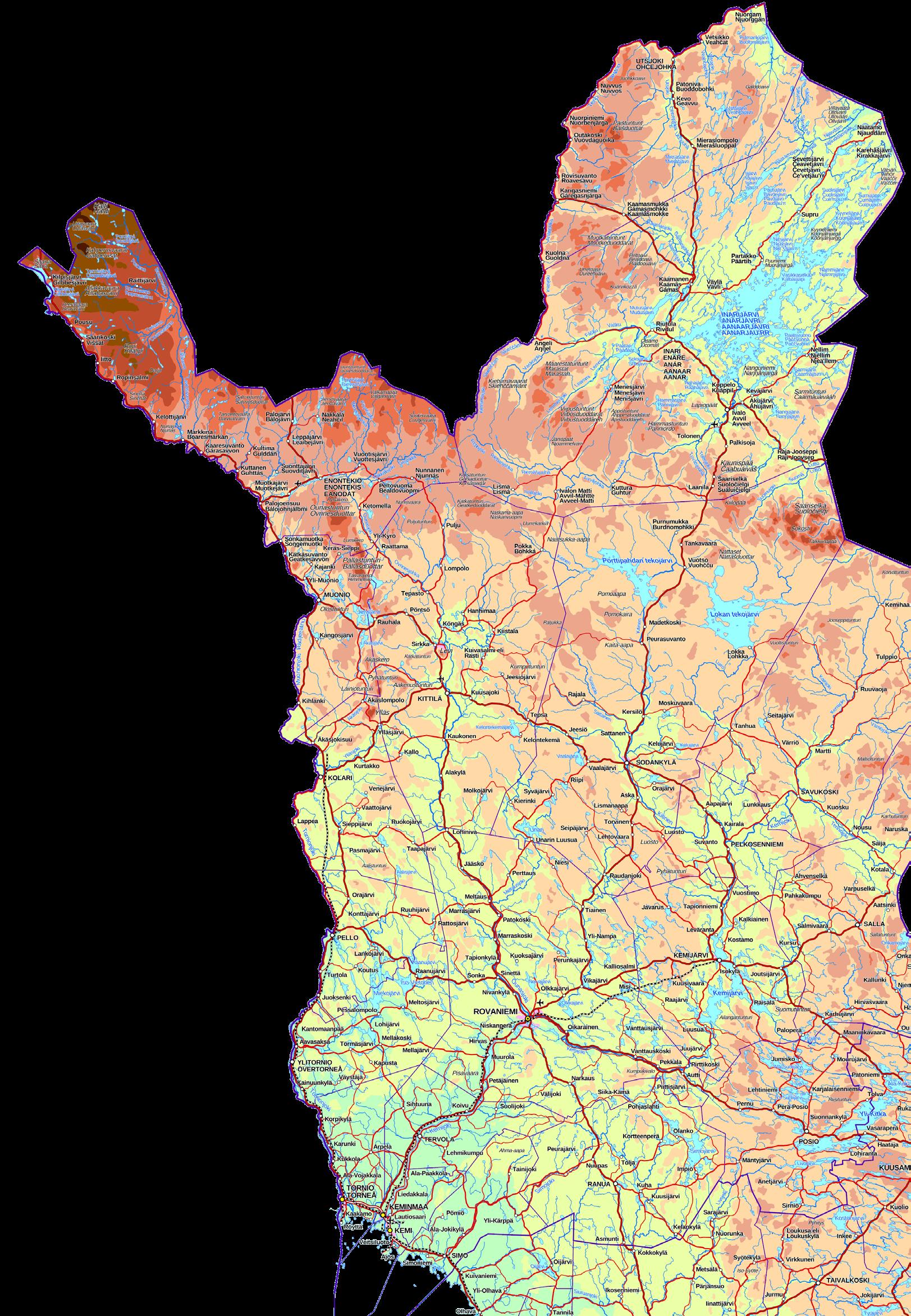
Like an adult amusement park 12 Map of Nothern Finland 14
Hotels providing Lapland Times 16
A hotline in a cold world 18
A surrealist on the ski jumping hill 20 Open your eyes to the Arctic at Arktikum 23 Captain Finland: How to make it in Finland, Part 2 26 The hotel room: a writer’s haven – Column by Arttu Tuominen

Lapland Times
Magazine for Visitors Issue 2026
www.laplandtimes.fi
ISSN 3087-5455 (print)
Graphic design & layout
Petteri Mero
Mainostoimisto Knok Oy
Editor in chief
Roope Lipasti
Sales manager
Raimo Kurki
raimo.kurki@aikalehdet.fi
Tel. +358 45 656 7216
Sales manager
Kari Kettunen
kari.kettunen@aikalehdet.fi
Tel. +358 40 481 9445





Published by
Mobile-Kustannus Oy
Betaniankatu 3 LH FI-20810 Turku, Finland
Member of Finnish Magazine Media Association (Aikakausmedia)
Publisher Teemu Jaakonkoski
Printed by Newprint Oy
Cover photos
Enjoying the view. Photo: Alexander Kuznetsov / Lapland Material Bank
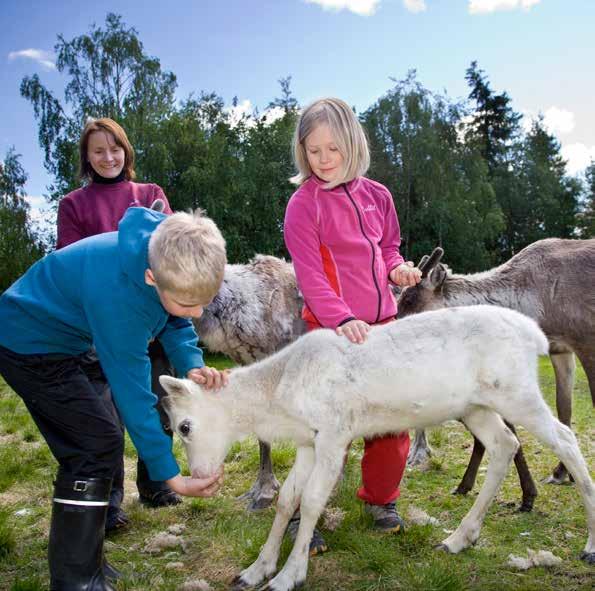
Kids and reindeer.
Photo: Visit Rovaniemi / Lapland Material Bank
Shaman drums.
Photo: Antti Kurola / Visit Rovaniemi / Lapland Material Bank
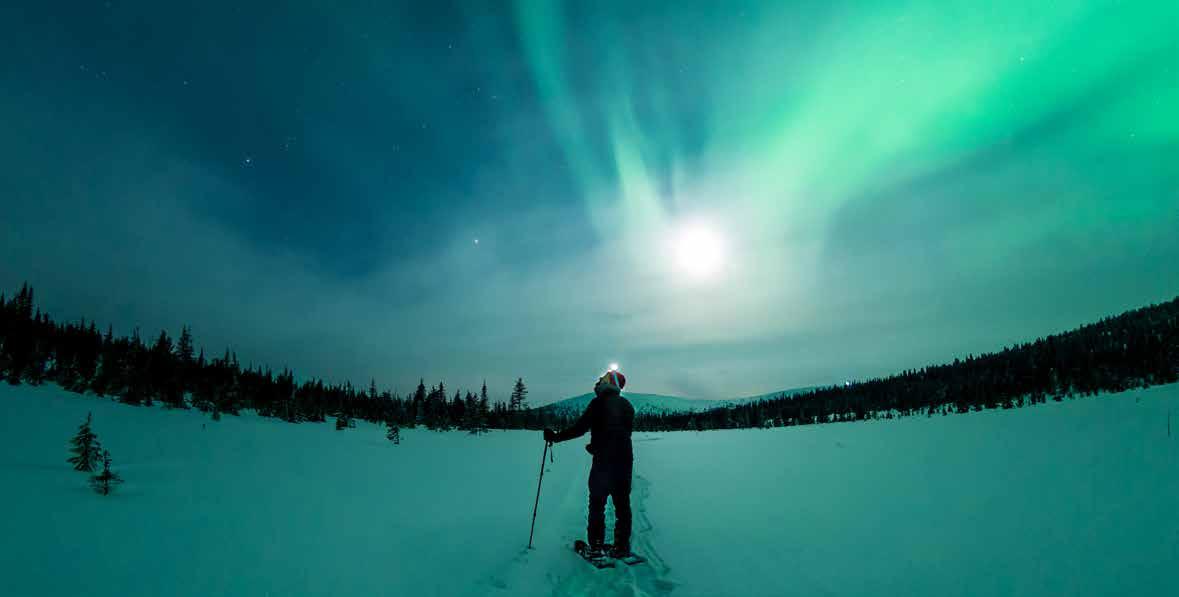
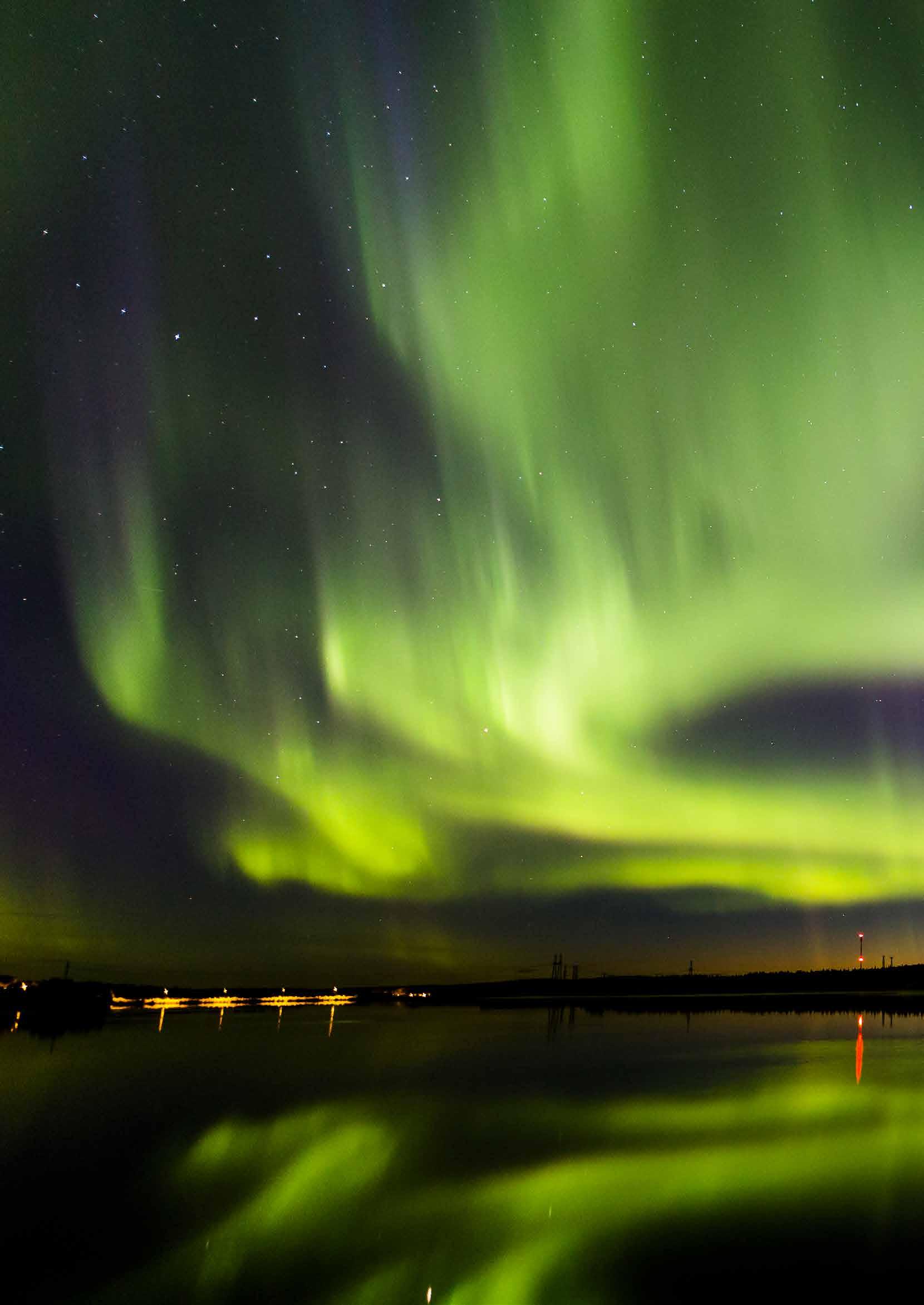
Northern lights in Pallas.
Photo: Simo Vilhunen / Lapland Material Bank
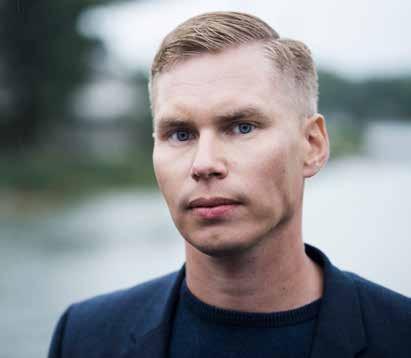
Arttu Tuominen.
Photo: Mikko Rasila / WSOY
Digital edition of Lapland Times: laplandtimes.fi. The magazine is available in hotel rooms in Lapland area (see page 16). The next issue will be out in December 2026.



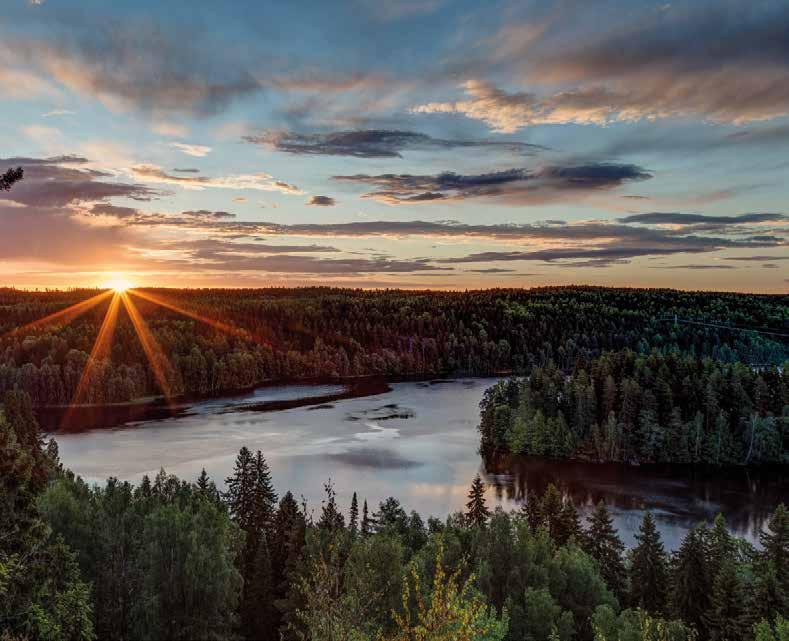




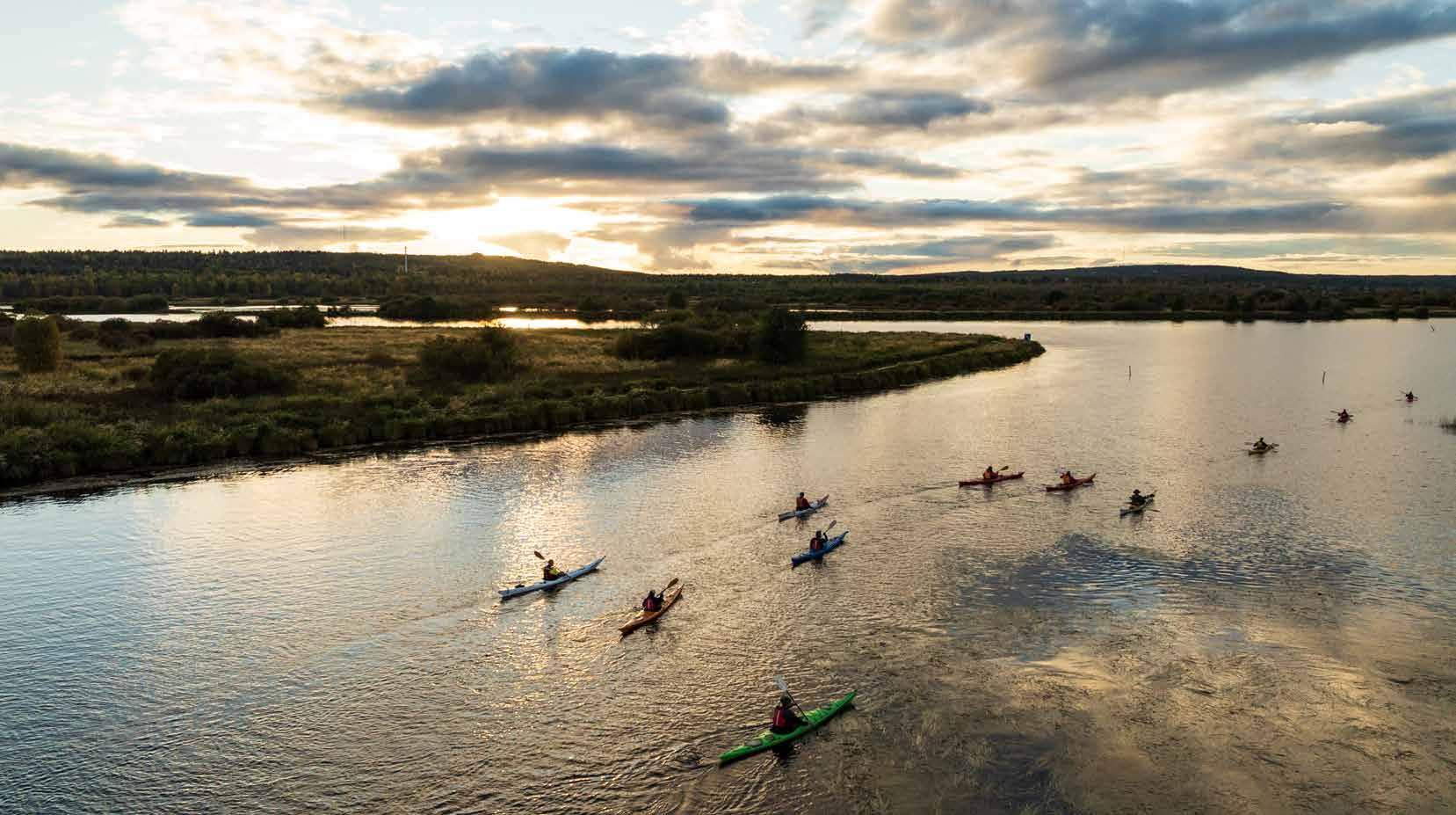
You have arrived in a truly unique part of Finland – Lapland, a region that covers nearly 30 % of Finland’s total land area. In European terms, Lapland is three times larger than Belgium, or more than 20,000 square kilometers
But Lapland is more than vast wilderness and snowy landscapes. It is also Finland’s most international region, sharing long borders with Sweden, Norway, and Russia. People criss-cross these borders between Finland, Sweden, and Norway daily for work, study, and family life.
Lapland is renowned for its breathtaking nature, clean air, and pure waters – some of the cleanest ever measured in the world. These are not only natural wonders but also the foundation of our way of life. Tourism is a vital part of our economy, alongside forestry, mining, and energy production. All these industries operate in close connection with nature, and we are committed to doing so responsibly.
Lapland is renowned for its breathtaking nature, clean air, and pure waters.
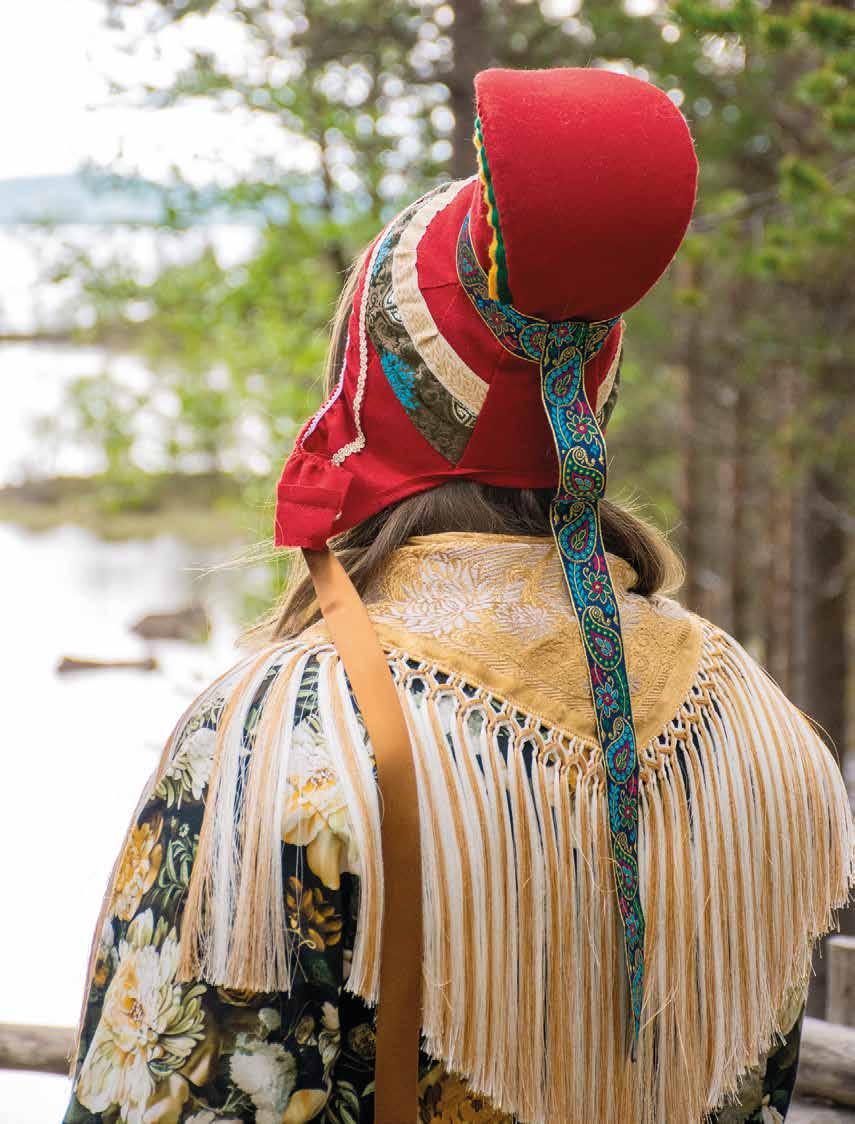
Our culture reflects the Arctic spirit – a “consider it done” attitude that values reliability, resilience, and respect for the environment and for one another. In Northern Lapland, you are also in the homeland of Europe’s only indigenous people, the Sámi. Their rich culture extends across borders into Sweden, Norway, and Russia, and can be experienced through exhibitions, music, film, and literature.
For us, Lapland is not just a destination – it is home. It is where we live, work, study, and innovate. If you fall in love with Lapland during your visit, we warmly invite you to return – perhaps not only as a visitor, but as a future resident or professional in our region of eight seasons.
Enjoy your stay in Lapland.
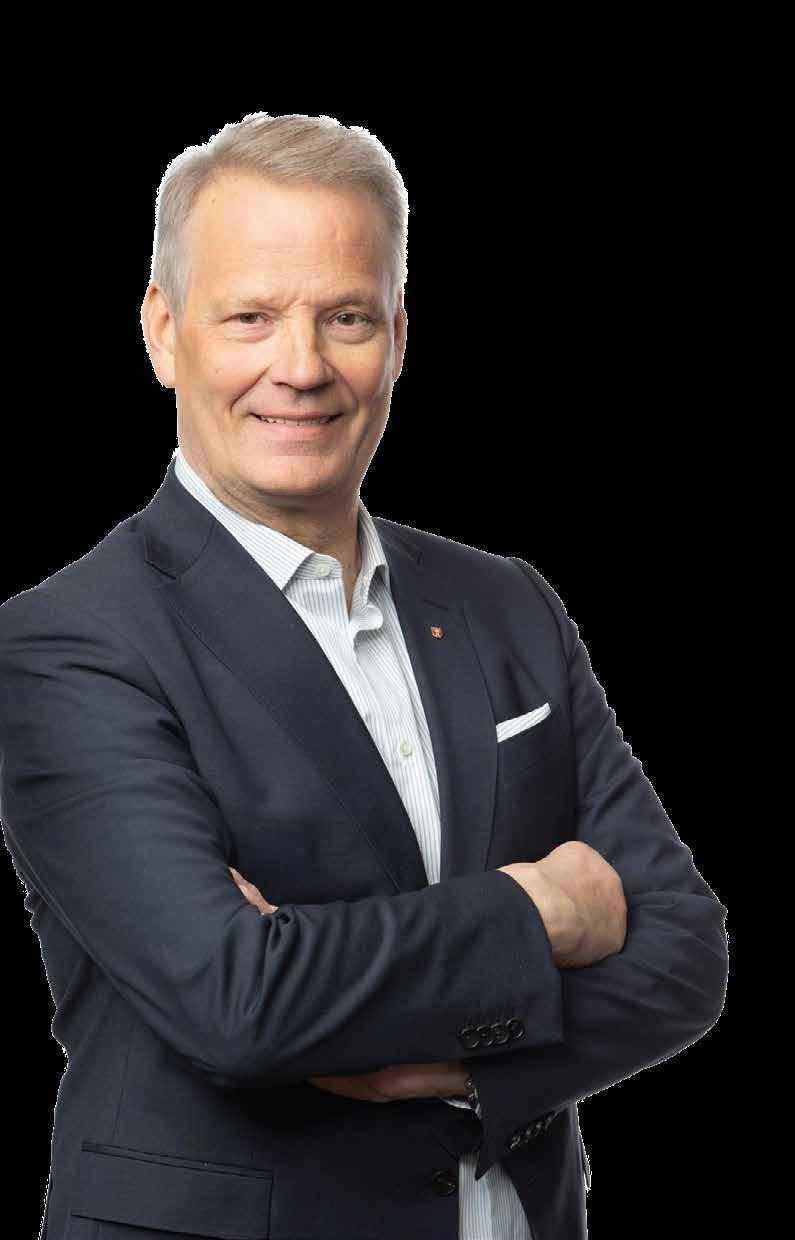
Dr. Hannu Takkula RegionAl Governor LAplAnd


August 6th – 9th, 2026
Pyhä-Luosto Fells & Sodankylä 4 days, 10 concerts






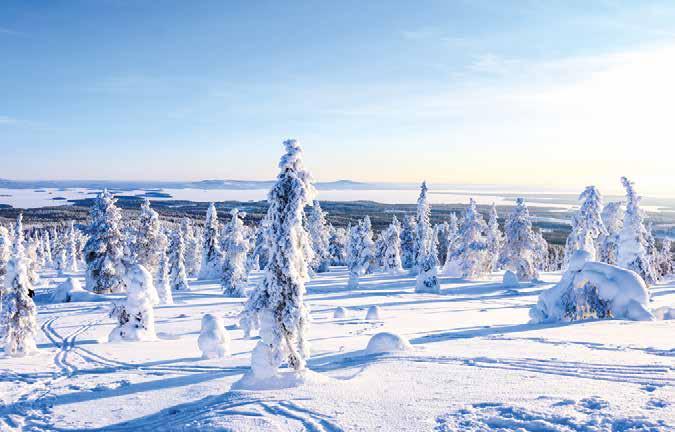
Unforgettable experiences in the beautiful Lappish landscape. A classical music festival with chamber music, recitals and orchestral concerts, immortal classics and impactful rarities in unique concert places.


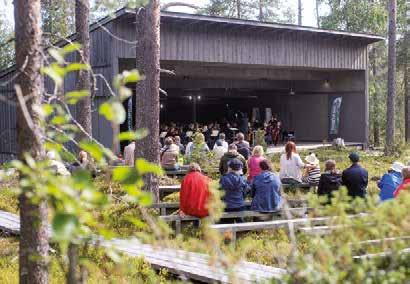
Ukko-Luosto A one-of-a-kind natural auditorium in the Pyhä-Luosto National Park.

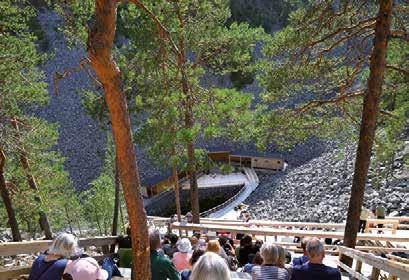
Aittakuru A concert venue built at the bottom of a breathtaking fell gorge, with the audience seats built into the northern slope, tens of meters above the stage.
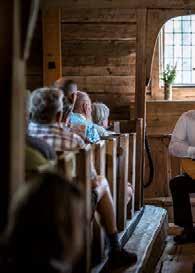






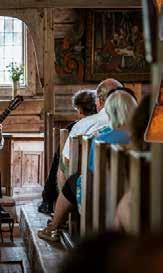
Sodankylä Old Church One of Finland’s oldest wooden churches, built 330 years ago and preserved as a historical destination.




STAY UP TO DATE: The full program will be published in February 2026. Find out more on our website www.luostosoi.fi/en and follow us on our socials, facebook.com/luostosoi and instagram@luostosoi.


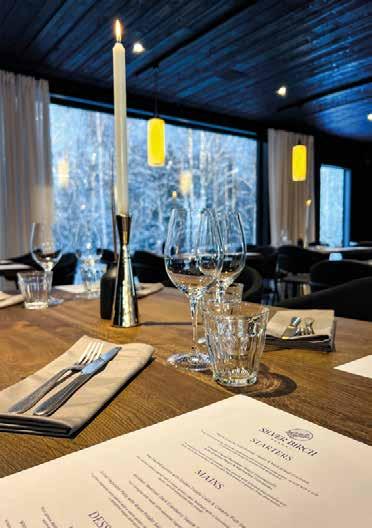
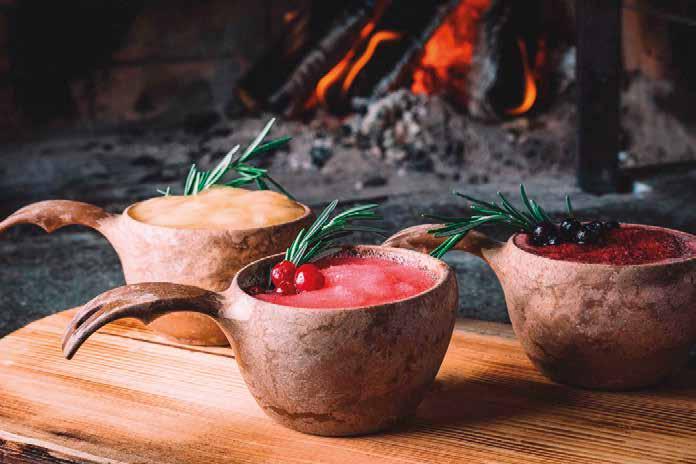
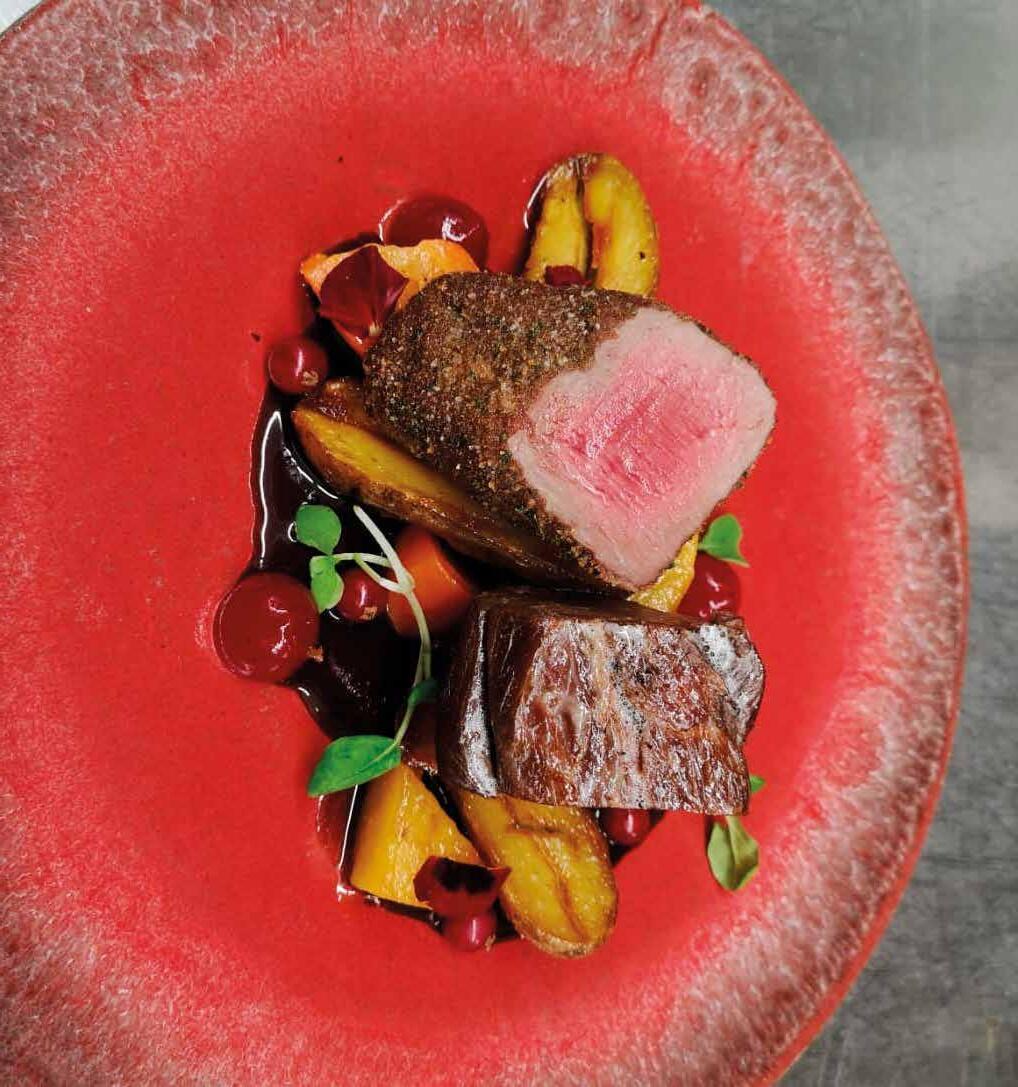
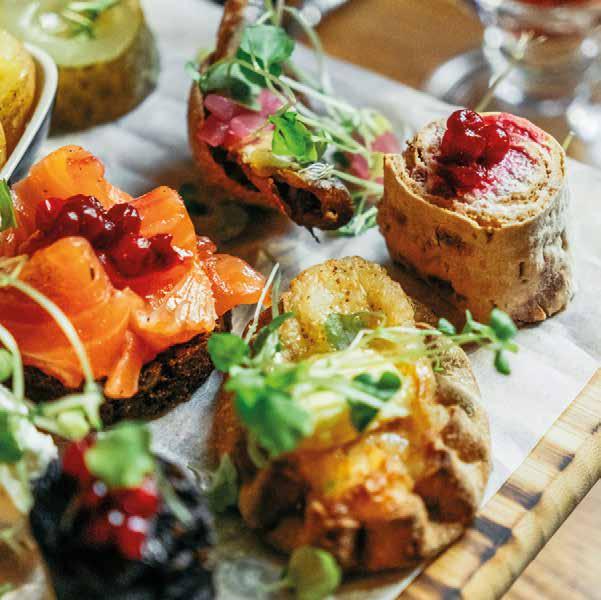
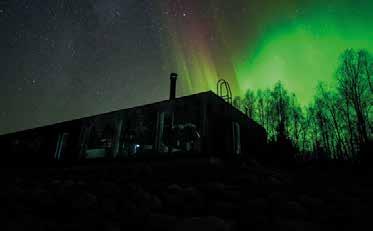
Savor the best tastes of Finnish Lapland through a menu inspired by local traditions and seasonal ingredients.
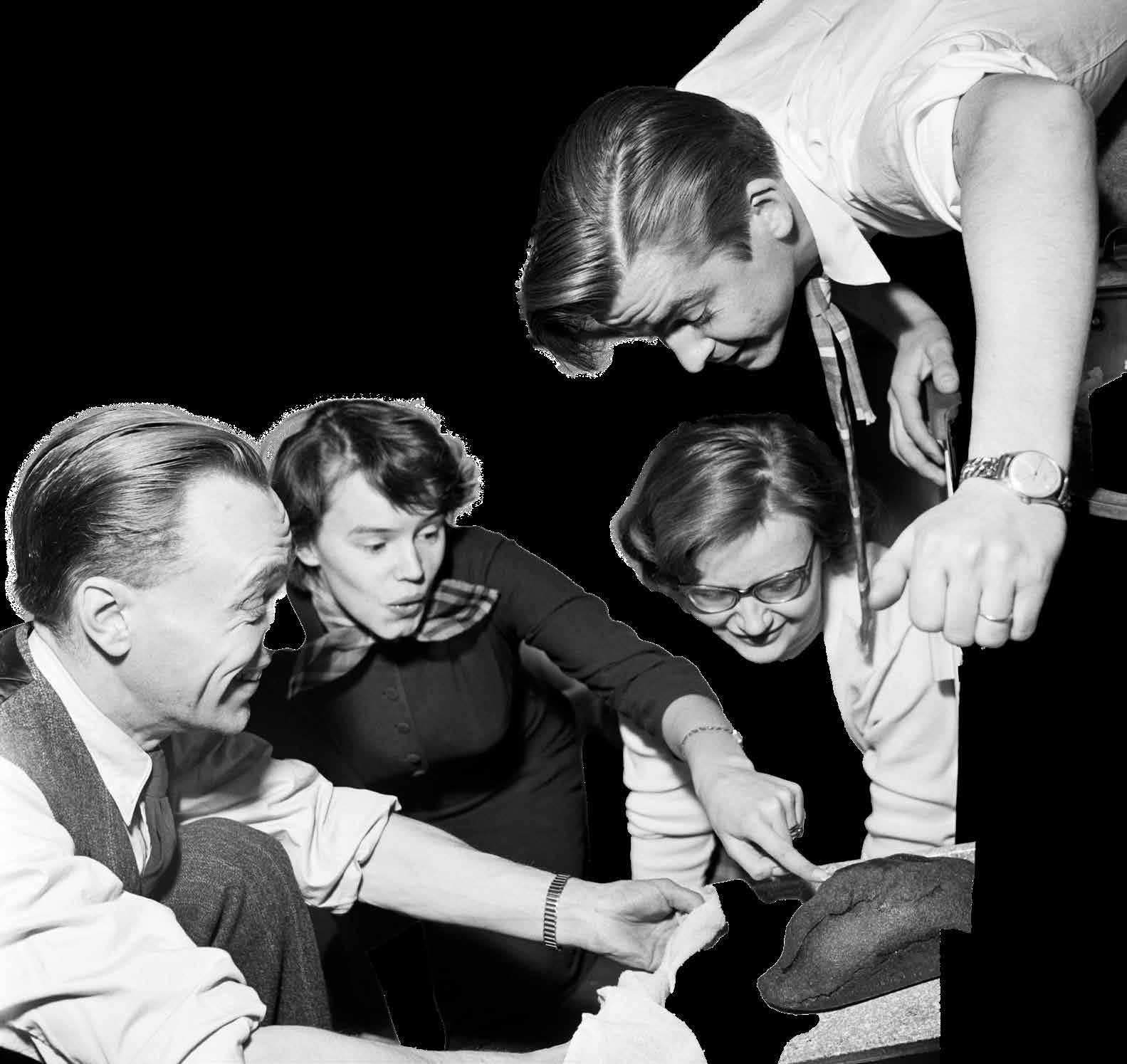
Earlier this year, the online publication TasteAtlas ranked the world’s worst-tasting foods, and Finland won – whoo-hoo! More specifically, the winner was the traditional Finnish dish veripalttu. The title was undoubtedly deserved. Veripalttu, a kind of blood pudding, contains beef or reindeer blood, rye and wheat flour, and water and tastes just as good as it sounds. If you’re unlucky enough, you might come across this dish in North Ostrobothnia.
In any case, it feels good to win. Though there are plenty of other traditional foods in Finland that also would have stood a good chance in the competition.
For example, the word klimppisoppa, ‘clump soup’, alone is enough to make older folks in Finland still shudder. It’s made by boiling beef bones or beef shoulder, and the clumps – balls of wheat dough – are added at the end. The finished dish looks like vomit. It’s a South Ostrobothnian idea of tasty food.
Meanwhile, Savo’s gift to the world is mykyrokka. It’s a soup that contains potatoes, meat, heart, offal and dumplings called myky. The dumplings are clumps (more clumps!) made from flour and blood, which are cooked in boiling water.
And what about the traditional Turku – or more broadly, Western Finnish – dish, kaljavelli? It’s a soup made from home-brewed small ale, raisins and cubes of leipäjuusto, ‘bread cheese’. The question arises: why?
Fortunately, Finland has better things to offer, as well. The following foods are genuinely delicious and things that a tourist should try at least once.
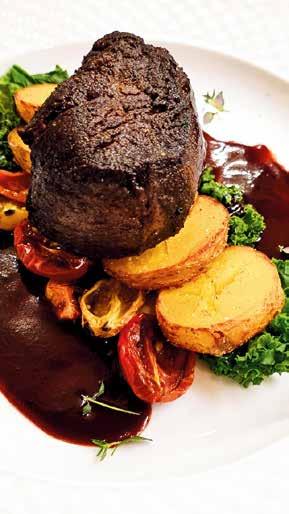
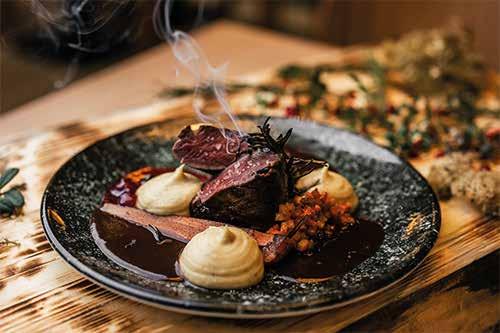
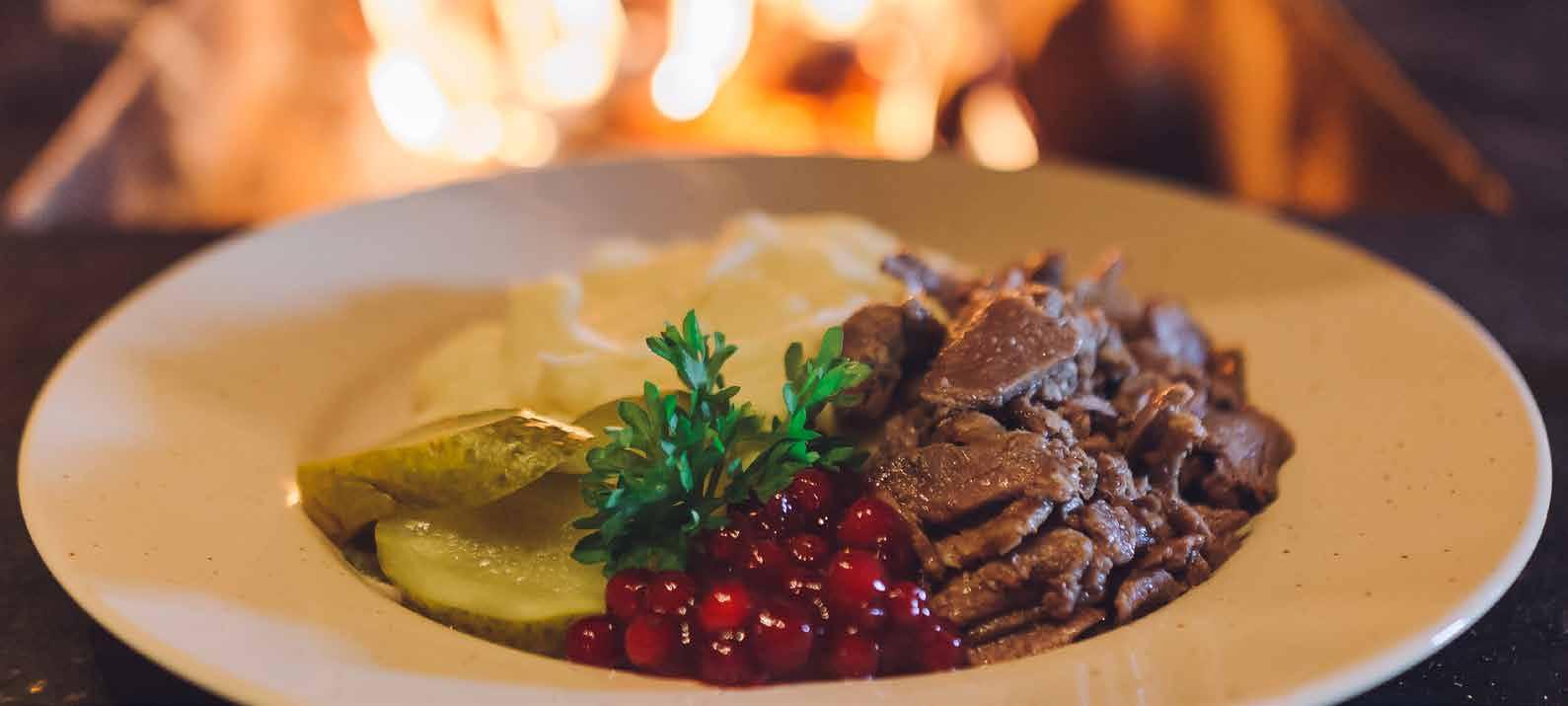
Sautéed reindeer, a dish from Lapland, is made from reindeer round steak. But despite its main ingredient, it can be found all over the country. On the side, you’ll need a mash of delicious ‘Puikula’ potatoes
and lingonberry jam. ‘Lapin Puikula’ potatoes are grown specifically in Lapland, and are yellower, sweeter and tastier than potatoes from elsewhere in Finland. The excellent qualities of this old potato variety are a result of Lapland’s bright summer nights and short growing season, which requires that the potatoes be harvested early, before their sugar has had time to turn into starch.
Karjalanpiirakka
Karelian pasties have a rye crust filled with rice porridge. Karelian pasties are a funny-looking food, and as the name suggests, they originate from Eastern Finland. These days, however, they’ve spread throughout the country. They’re also a good food if there happens to be a picky child in the family – a Karelian pasty is generally acceptable to everyone. Karelian pasties are eaten with an egg-butter topping: a boiled egg is mashed and mixed with softened butter. This treat is often available at hotel breakfasts.
Rönttönen
A rönttönen is a northeastern version of Karelian pasties: instead of rice porridge, sweetened mashed potatoes or crushed berries are used as a filling. The word itself is quite onomatopoeic and can mean a small or clumsy object, or in some dialects, be used as a vulgar word for female genitalia – the association likely comes from the pasty’s shape.
Kalakukko
Kalakukko is another traditional food from Savo. A kukko is a baked dish with a rye crust that looks like a loaf of bread and usually contains plenty of fresh vendace and fatty side pork. Kind of a food surprise!
Ruisleipä
Finland is the promised land of rye. Finns love rye bread, in particular, which isn’t available in many other countries. Rye bread keeps for a long time and is very high in fiber, which makes it healthy. When Finns move abroad, they usually ask their friends to bring rye bread when they come to visit.
Mustamakkara
idea when it comes to brand associations. When the dish started to be called black sausage, its popularity quickly increased. Black sausage is usually enjoyed with lingonberry jam. For a complete gourmet experience, you should eat it at the market square in Tampere and wash it down with cold milk.
Paistetut muikut
Vendace is a 5–20-centimeter-long fish in the salmon family that lives in schools in lakes and is the most important commercial fish species for professional fishermen in Finland’s inland waters. While particularly common in the Finnish lake region, fried vendace can be found at every major outdoor event in larger cities these days. They are usually eaten with mashed potatoes. A more Helsinki-style version of this is fried herring, which is similarly coated in rye flour and fried.
Salmiakki
Salmiakki is Finland’s national candy. This black and strongly flavored confection is not much liked elsewhere, though it is eaten to some extent in the other Nordic countries and in the Netherlands. It’s worth giving salmiakki a chance, however. And if not as candy, you can also drink it in alcoholic form: salmiakkikossu, which is made by dissolving so much salmiakki in vodka that you can’t taste the alcohol, makes for an excellent shot! It’s so good, in fact, that when it was first launched in the 1990s, it was banned precisely because it didn’t taste like alcohol and was therefore considered dangerous by the authorities. These days, it’s back on the market. Salmiakki is made by mixing ammonium chloride into licorice.
Salmon soup was originally an archipelago dish, but today, you can find it everywhere. In addition to salmon fillets, the soup contains potatoes, carrots and leeks – and cream. It’s often eaten with saaristolaisleipä, ‘archipelago bread’, a malty rye loaf sweetened with syrup.
Tampere’s gift to the world: a black sausage that looks suspicious, but tastes good! In the ’80s, this food was still referred to as kuuma sian verimakkara, ‘hot pig’s blood sausage’, which was maybe not the best
Blueberry pie is the perfect ending to any summer meal. Finnish blueberries, or more precisely, bilberries, are small, but that makes them all the sweeter. Blueberry season usually starts in July. Finland’s ‘Everyman’s right’ guarantees that anyone can go into the forest to pick berries. In a pie, the berries really shine! s
Written by roope Lipasti
Lapland is a difficult place to grasp, simply because it is so vast – over 100,000 square kilometres. For comparison: Denmark is about 43,000 and Ireland 73,000 square kilometres. When someone from Utsjoki, for instance, sets off to give birth in Rovaniemi, they’d better leave early – the journey can easily take five hours.
Few people know that Lapland is home to Europe’s largest city. Not by population, of course, but by area: the capital of Lapland, Rovaniemi, has about 63,000 inhabitants but covers a massive 7,500 square kilometres.
People also have slightly different ideas about what counts as “real Lapland” – how far south you can go and still call it Lapland. In this context, we’re talking about the official region of Lapland, which is clearly defined.
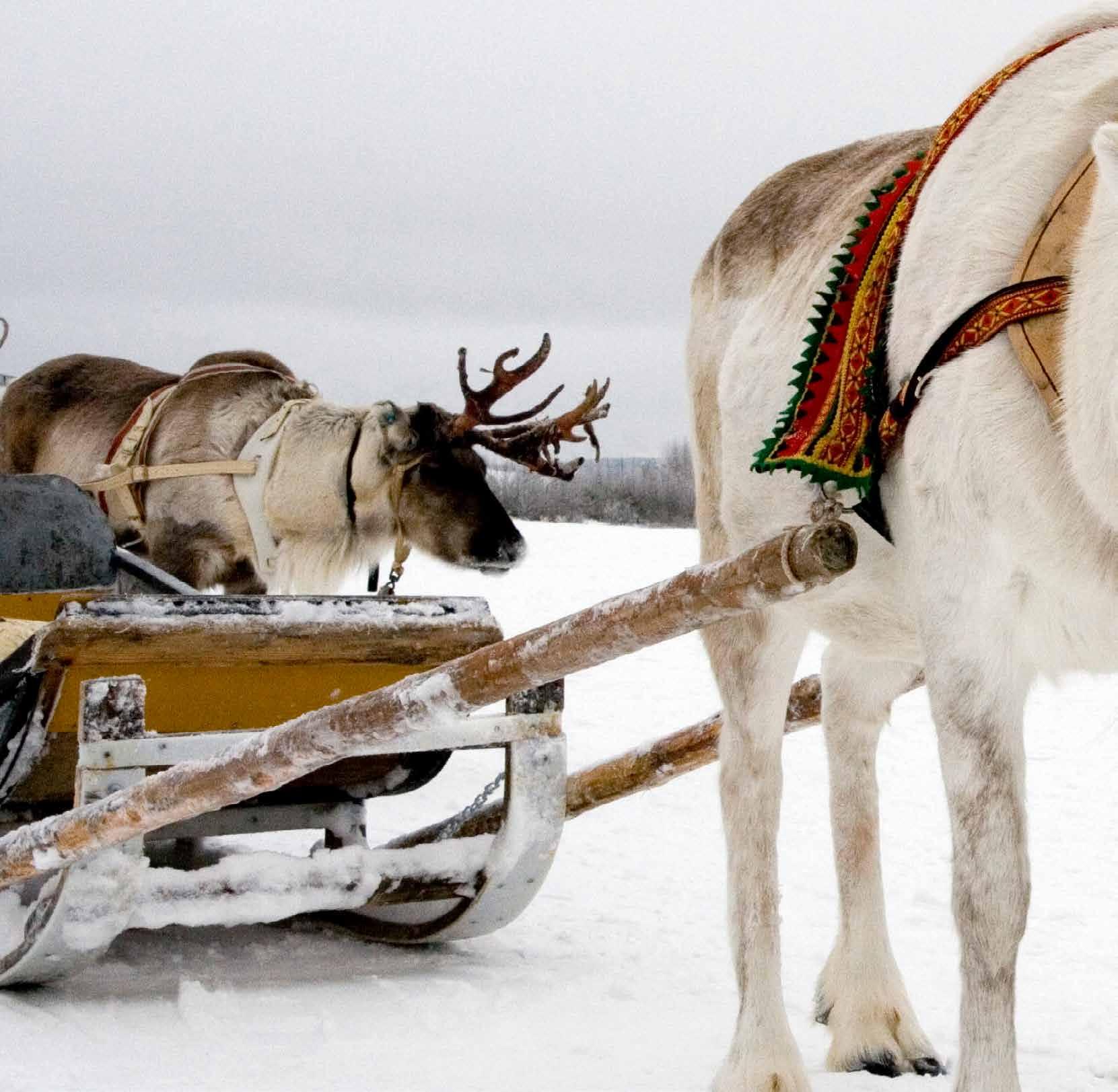
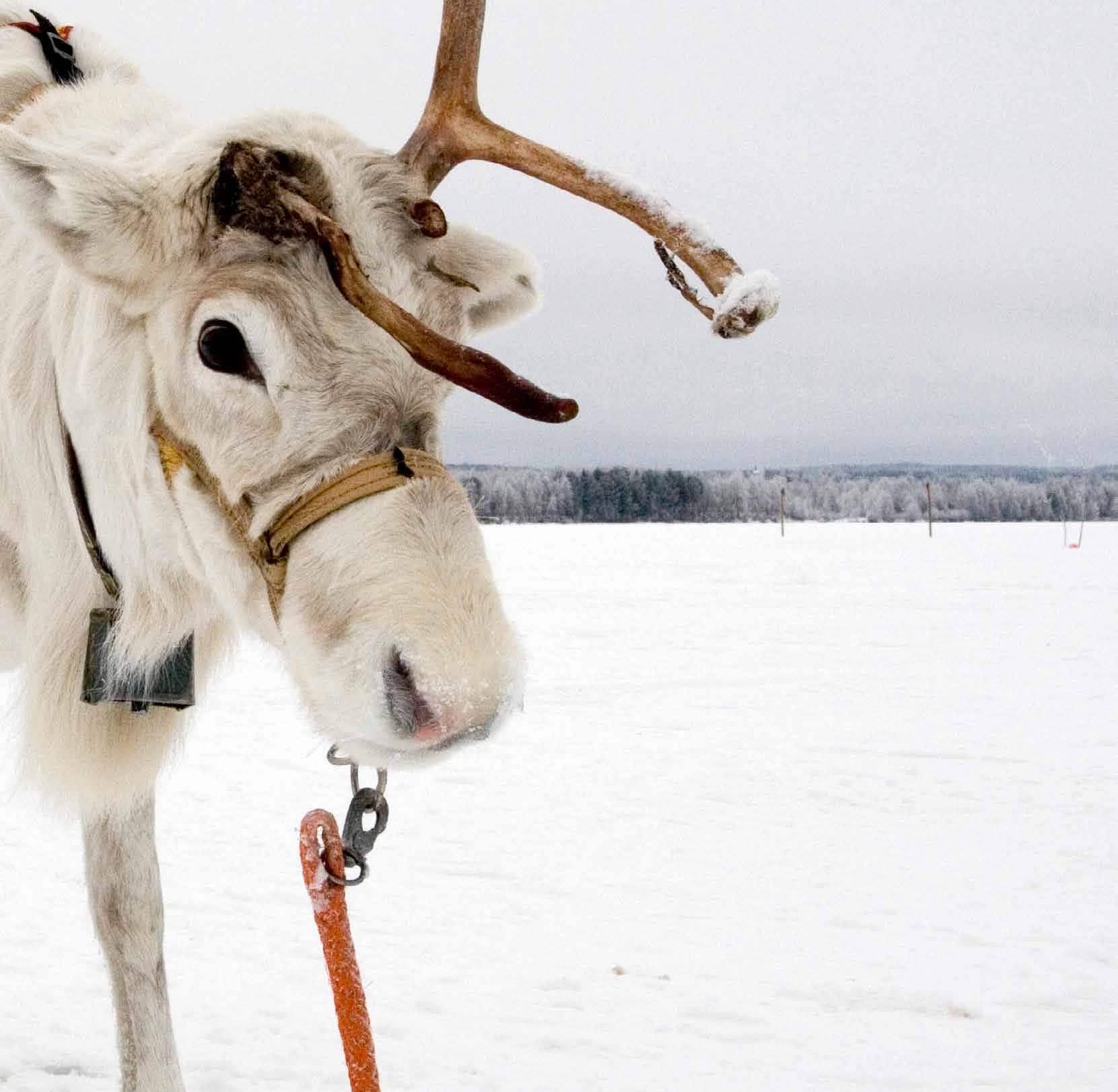
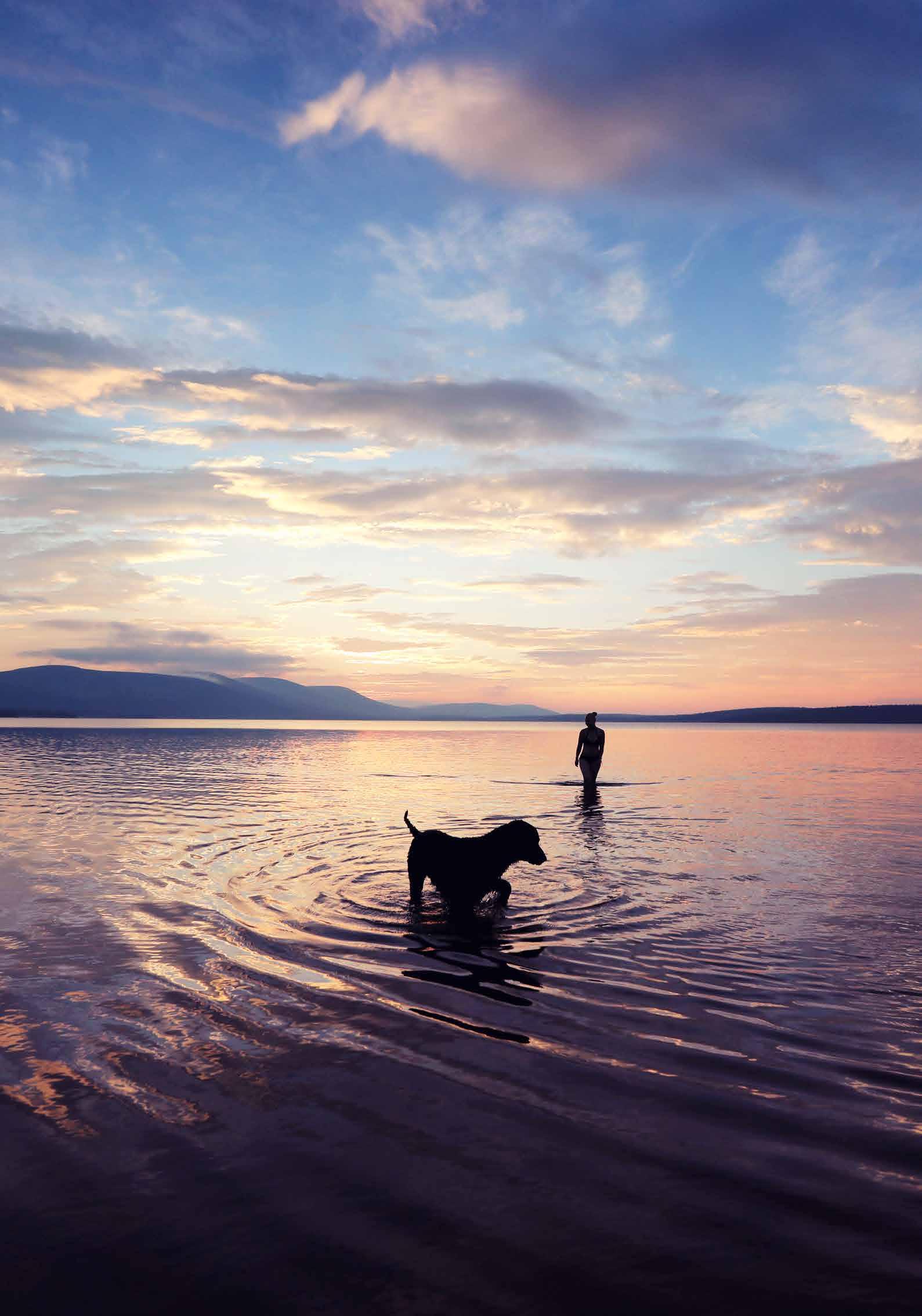
On average, Lapland offers plenty of peace and quiet, since only about 175,000 people live there – less than two inhabitants per square kilometre – making it one of the most sparsely populated regions in Europe. At the same time, it offers space, silence, and a unique natural tranquility. There are around 200,000 reindeer in the region – more than there are people – and they can often be seen wandering by the roadside.
Lapland is also home to Europe’s only indigenous people, the Sámi, of whom there are about 10,000.
Rovaniemi is Lapland’s largest city and administrative centre. It is best known as the official hometown of Santa Claus. Santa Claus Village attracts hundreds of thousands of visitors from all over the world every year. According to Finnish tradition, however, Santa actually lives on Korvatunturi, which is also located in Lapland.
Rovaniemi is also home to the University of Lapland and Lapland University of Applied Sciences, making it an important centre of education and research.
Rovaniemi was almost completely rebuilt after the Second World War, when German troops burned it down during the Lapland War. The new city, designed by architect Alvar Aalto, was laid out in the shape of reindeer antlers – a symbol representing both reconstruction and connection with nature. Today, Rovaniemi combines Arctic nature, research, and tourism in a uniquely balanced way.
Other well-known towns and municipalities in Lapland include Kemi, Tornio, Kemijärvi, Sodankylä, and Inari. In southern Lapland, the Tornio Valley forms a close community with the Swedish border town of Haparanda, making the area an important hub for cross-border trade and cultural exchange. In practice, Haparanda and Tornio function as twin cities.
The history of Lapland is intertwined with that of the indigenous Sámi people and the spread of Finnish settlement. The Sámi have inhabited the region for thousands of years, and their language, culture, and livelihoods – especially reindeer herding and fishing – remain central to Lapland’s identity.
Finnish settlement began to spread northward during the Middle Ages, and by the 17th and 18th centuries Lapland had become more closely integrated into the Kingdom of Sweden. When Finland came under Russian rule in 1809, Lapland gained strategic significance as a borderland. The Second World War brought severe suffering to the region: the Lapland War (1944–1945) led to the near-total destruction of the province.
Today, Kemi and Tornio serve as Lapland’s industrial centres, traditionally strong in forestry and metal processing. Lapland also hosts several major mines, such as the Kittilä gold mine and the Kevitsa mine in Sodankylä. The energy sector – particularly hydropower and the growing wind power industry – also plays an important role. Further north, smaller municipalities such as Enontekiö, Utsjoki, and Inari maintain a close connection with nature through fishing, reindeer herding, and tourism.
Tourism has become Lapland’s fastest-growing industry: winter tourism, the Northern Lights, ski resorts, and Santa Claus together account for around five million overnight stays each year. And no wonder people come – Lapland’s landscapes range from fells and marshes to northern wilderness, broad river valleys, and vast forests. s
Written by roope Lipasti
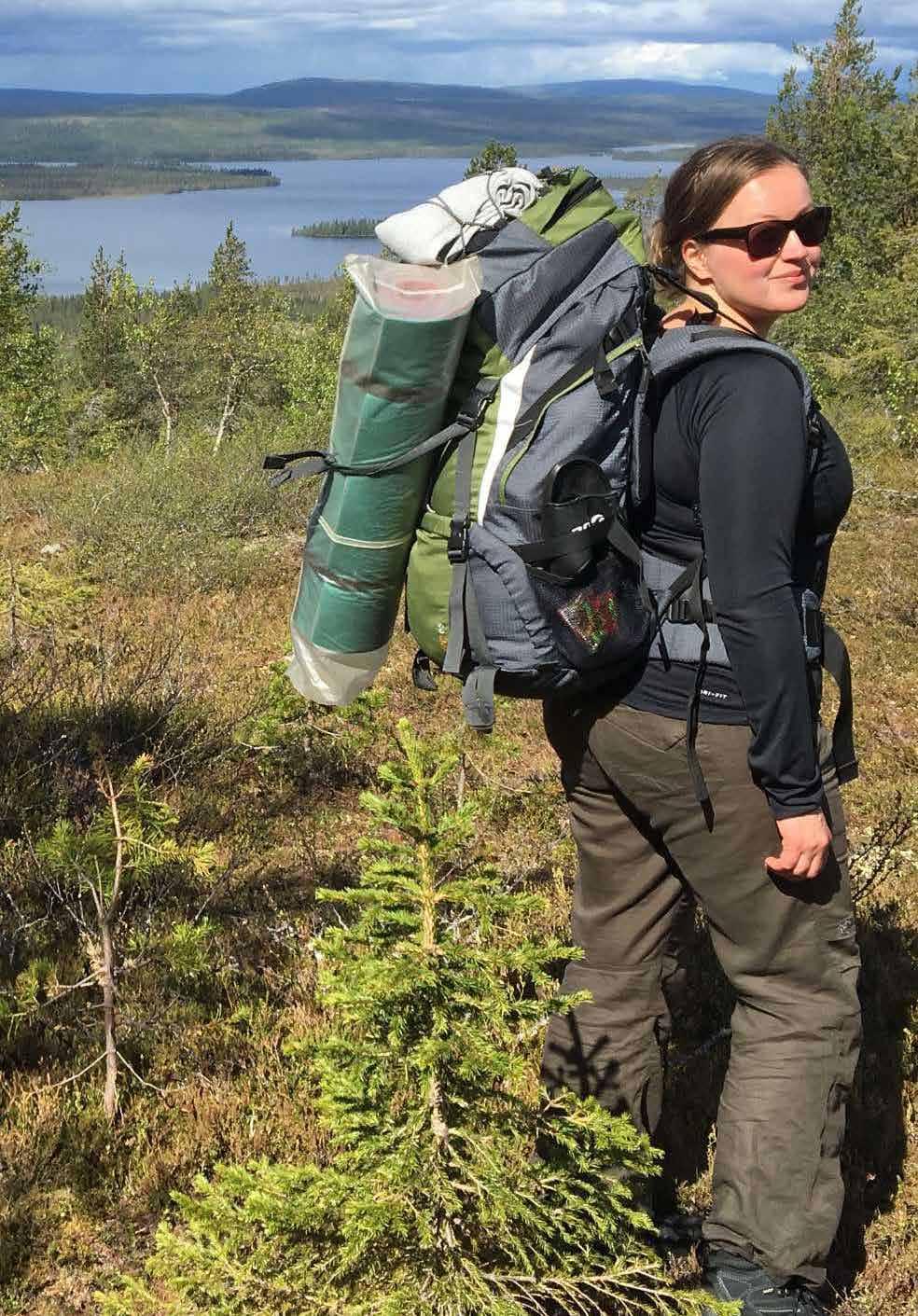
Over a decade, Anna-Riikka Carlson visited every one of Finland’s national parks.
When Anna-Riikka Carlson, the fiction publisher at Finland’s largest publishing house, WSOY, turned 40 a little over ten years ago, she set herself a challenge: she would visit every one of Finland’s national parks before she turned 50.
And so she did, visiting the last of the 41 parks last November. The story actually began when her brother, Jarkko Nieminen , ended his successful career as a professional tennis player and returned home with the thought that he never wanted to travel anywhere again. He just wanted peace and quiet at his cabin and to spend time in nature.
“I suggested this national park thing, and we did visit a few together. But some other things came up for him – three children – so the project was put on hold, but I kept going.”
Carlson is the kind of person who has never wanted to measure or tabulate anything in her free time, since she does more than enough of that at work. So at first, it felt a bit strange to be checking off places one by one:
“And what’s more, it ended up being really important to me! When I visited the last national park on the list in November, I felt a bit empty. Like, what now?”
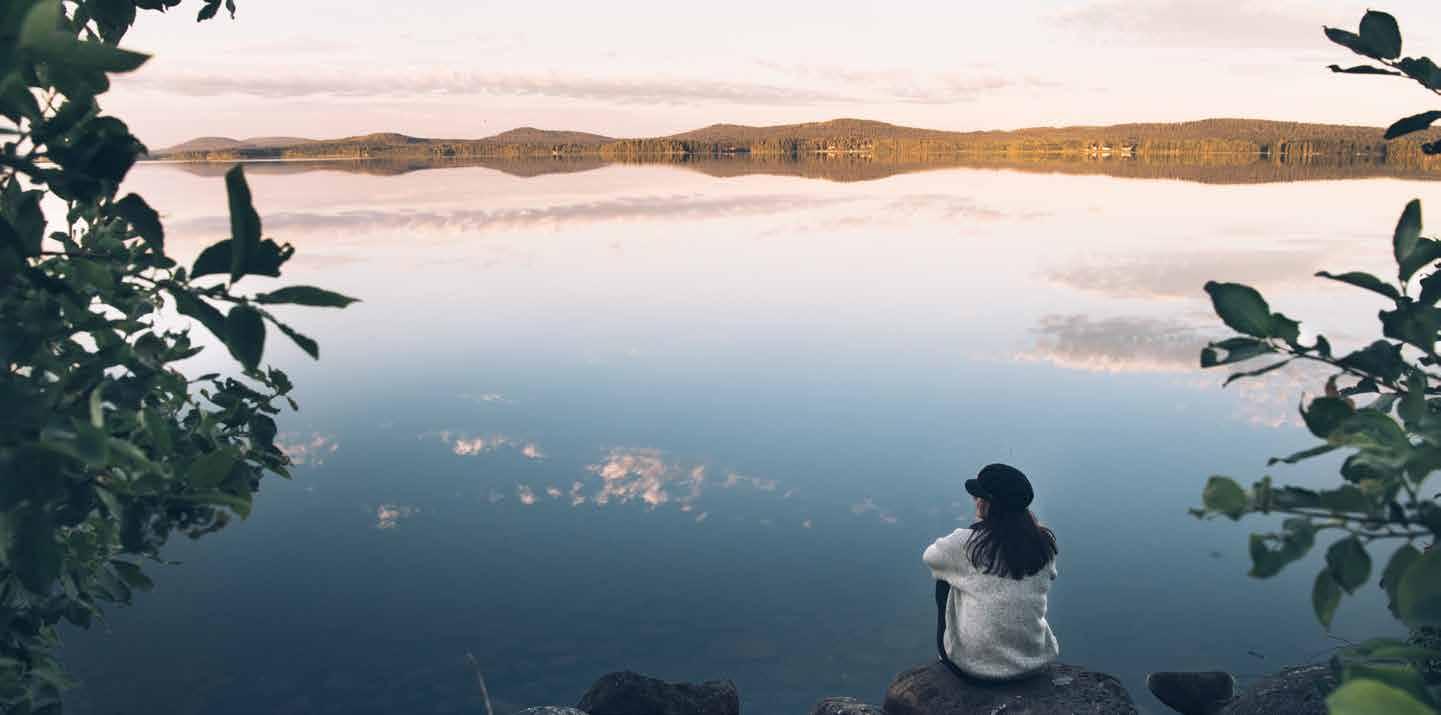
Well, life goes on, and there’s nothing that says you can’t visit the same natural site twice. In any case, it was a wonderful experience:
“I saw more Finnish nature than I ever would have otherwise. And on top of the natural sights, I got to visit a lot of cities and places that I otherwise probably never would have. Another great thing was that I got up the nerve to ask friends to come along. People suggest going for coffee all the time, but it was kind of a big deal to ask somebody if they wanted to go to a bog with me. It deepened a lot of friendships, and of course my own relationship with nature – I read a lot of nature literature.”
Originally, Carlson had a rule that she could check off a park if she had hiked at least ten kilometers there. Sometimes the trip could take a week, even.
“But some national parks are so small that you can’t really cover ten kilometers without walking in a circle. So what I did was choose the nicest route, even if it was shorter. The deciding factor could be something like a nice swimming spot along the way. I might also spend part of the day just reading a book on an outcrop of rock.”
Carlson says that for her, as a middle-aged person, hiking was a big deal at first, physically speaking:
“I had never done anything like that before, and I had never been particularly physically active. But I managed, and it was fun! I’m now on a bit of a mission to make the experience possible for others. I know a lot of women my age who would like to experience something like this but don’t dare do it alone. The intention is to organize at least a couple of trips for a slightly larger group.”
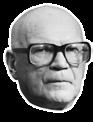
Carlson has a clear favorite among the national parks: Urho Kekkonen National Park in Lapland.
“Partly because it was my first, back in 2015. It was like an adult amusement park. It was hard to believe how much fun it was! And the place is beautiful. There are forests, lakes, ponds, fells – everything that Finnish nature can offer. We stayed overnight in backcountry huts, and it gave me the same sort of feeling as being in a library – that somebody put this here for me, and it’s free!”
A national park is a nature reserve whose primary purpose is to safeguard biodiversity. Each park represents a typical Finnish natural environment at its best, from the fells to the archipelago. The parks’ hiking trails are designed and maintained to guide visitors through the landscape in a nature-friendly way. You can stay overnight in tent camping areas, lean-tos, backcountry or rental huts, or in accommodations provided by private companies.
Finland’s first national parks were established in 1938, but their existence has only really been promoted since the 1970s. Today, there are 41 national parks in Finland, and they are located all over the country. The closest national park to any larger city is usually no more than an hour’s drive away. If you can’t make a trip to an actual national park, there are smaller nature trails in every city and municipality. They offer another convenient way to explore the Finnish forest.
For more information about Finland’s national parks, visit: www.luontoon.fi/en
The trails in the national parks are so well marked that it’s practically impossible to get lost. Every park has something special about its natural environment, though for the most part, you’ll have to be content with observing the vegetation because you’re unlikely to come across any larger animals:
“They know how to stay out of sight of people. In Lapland, I did see birds that we don’t have in the south, like willow grouse and Siberian jays. And when I was in the north for the first time, I was impressed by even ordinary animals, like reindeer. I wouldn’t be as thrilled by seeing something like that in quite the same way anymore.”
No special hiking equipment is necessary, at least not if you’re only going for a day:
“It’s worth having good shoes. I personally love my hiking boots – my husband thinks I use the word ‘love’ quite freely – but even regular sneakers are enough. And of course, it’s a good idea to take some snacks too! And a good friend. Though it can also be nice to hike alone!” s
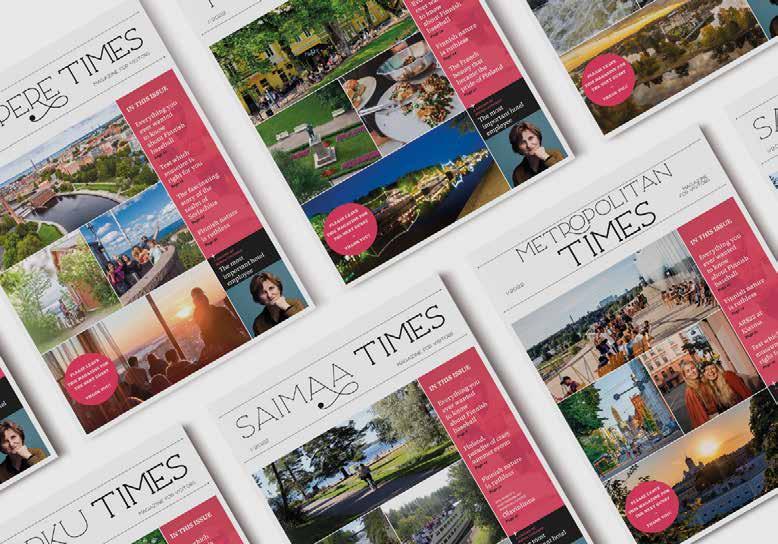
PLEASE LEAVE THIS MAGAZINE FOR THE NEXT GUEST – THANK YOU!

ApukkA reSort
Tutkijantie 28, 96900 Rovaniemi
Tel. +358 29 370 0269 www.apukkaresort.fi
Arctic city hotel
Pekankatu 9, 96200 Rovaniemi
Tel. +358 16 330 0111 www.arcticcityhotel.fi
Arctic light hotel
Valtakatu 18, 96200 Rovaniemi FI
Tel. +358 20 171 0100 www.arcticlighthotel.fi
Arctic pAnorAmA reSort
Golfkentäntie 16, 96600 Rovaniemi
Tel. +358 44 246 8642 www.arcticpanoramaresort.com
Arctic treehouSe hotel
Tarvantie 3, 96930 Napapiiri, Rovaniemi
Tel. +358 50 517 6909 www.arctictreehousehotel.com
AurorA hill reSort
Reception at the Postmaster Hotel, Postikatu 1, 96100 Rovaniemi
Tel. +358 40 501 0660 www.staylapland.com
forenom Serviced ApArtmentS
rovAniemi vAltAkAtu
Valtakatu 35, 96200 Rovaniemi
Tel. +358 20 198 3420 www.forenom.com
hAAwe boutique ApArt hotel
Valtakatu 22, 96200 Rovaniemi
Tel +358 10 375 3999 www.haawe.fi
hoStel cAfé koti
Valtakatu 21, 96200 Rovaniemi
Tel. +358 20 730 4722 www.hostelcafekoti.fi
hotel AAkenuS
Koskikatu 47, 96100 Rovaniemi
Tel. +358 16 342 2051 www.hotelliaakenus.net
hotel golden circle SuiteS
Korkalonkatu 19, 96200 Rovaniemi
Tel. +358 44 244 2729 www.goldencirclesuites.com
hotel kultAhippu
Petsamontie 1, 99800 Ivalo,
Tel. +358 16 320 8800 www.hotellikultahippu.fi
hotel metSähirvAS
Toukolantie 49, 97130 Hirvas (Rovaniemi)
Tel. +358 40 031 5099 www.metsahirvas.fi
novA SkylAnd hotel
Tähtikuja 6, 96930 Napapiiri Rovaniemi
Tel. +358 40560 3115 www.novaskyland.com
poStmASter hotel
Postikatu 1, 96100 Rovaniemi
Tel +358 40 501 0660 www.staylapland.com
SAAriSelkä kelo lodge
Vahtamantie 17, 99830 Saariselkä
Tel. +358 50 430 7600 www.wildernesshotels.fi
SAntA ´ S hotel SAntA clAuS
Korkalonkatu 29, 96200 Rovaniemi
Tel. +358 400 102 220 www.santashotels.fi
SAntA’S hotel tunturi
Lutontie 16, 99830 Saariselkä
Tel. +358 400 102 191 www.santashotels.fi
SAntA ´ S iglooS Arctic circle
Joulumaankuja 8, 96930 Arctic Circle
Tel. +358 400 102 181 www.santashotels.fi
SAntASport reSort hotel
Hiihtomajantie 2, 96400 Rovaniemi
Tel.+358 20 798 4202 www.santasport.fi
SAntASport ApArtment hotel
Hiihtomajantie 2, 96400 Rovaniemi
Tel.+358 20 798 4202 www.santasport.fi
ScAndic pohJAnhovi
Pohjanpuistikko 2, 96100 Rovaniemi
Tel. +358 30 030 8471 www.scandichotels.com
ScAndic rovAniemi city
Koskikatu 23, 96200 Rovaniemi
Tel. +358 30 030 8472 www.scandichotels.com
wilderneSS hotel inAri
Inarintie 2, 99870 Inari
Tel +358 50 447 7887 www.wildernesshotels.fi
wilderneSS hotel JuutuA
Saarikoskentie 2, 99870 Inari
Tel. +358 40 841 1141 www.wildernesshotels.fi
wilderneSS hotel kieppi
Raitopolku 1, 99830 Saariselkä
Tel. +358 10 212 3990 www.wildernesshotels.fi
wilderneSS hotel muotkA
Muotkantie 204, 99830 Saariselkä
Tel. +358 40 671 8337 www.wildernesshotels.fi
wilderneSS hotel nAngu
Veskoniementie 1320, 99800 Ivalo
Tel. +358 50 380 0010 www.wildernesshotels.fi
wilderneSS hotel nellim
Nellimintie 4230, 99860 Nellim
Tel. +358 400 809 949 www.wildernesshotels.fi
widerneSS hotel SAAriSelkä
Laanilantie 5, 99830 Saariselkä
Tel. +358 50 430 7600 www.wildernesshotels.fi
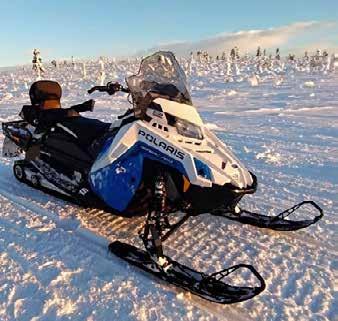
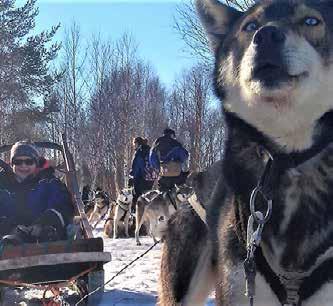
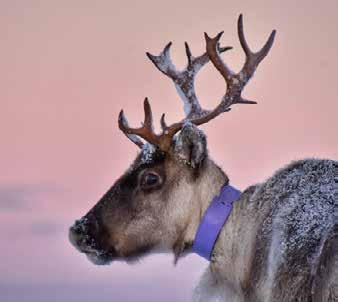
Saariselkä is the perfect location if You want to experience the nature and wilderness of Lapland at its finest.
What kind of experiences You want to have on Your holiday?
• Snowmobile adventures (short and long safaris)
• Ice fishing trips to the lake Taimenjärvi
• Reindeer programs
• Small groups and private tours
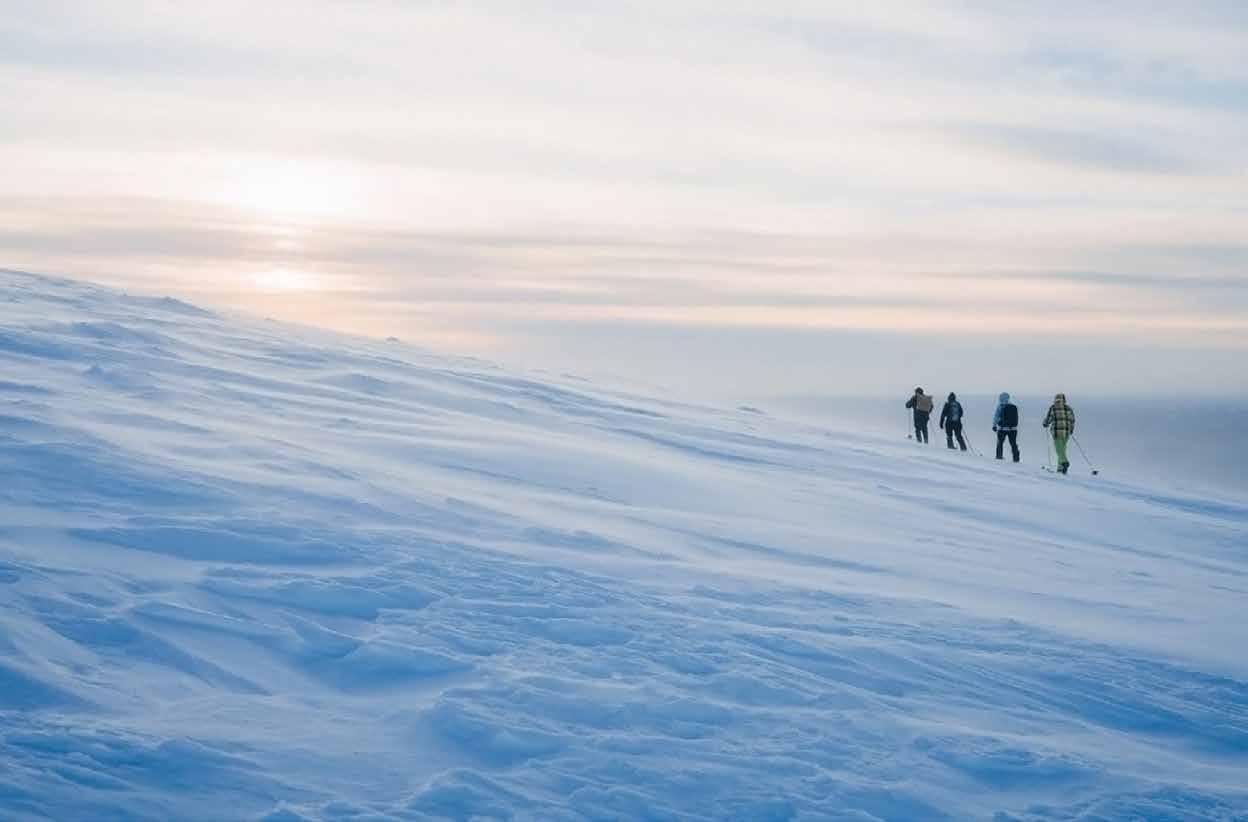
Rental and experience starting
• Cross-country skiing (skis for classic and skating style, also for children)
• Ski touring equipment (skis and pulkas)
• Pulkas for children
• Snowshoes (guided trips available)
• Ski maintenance (waxing service)



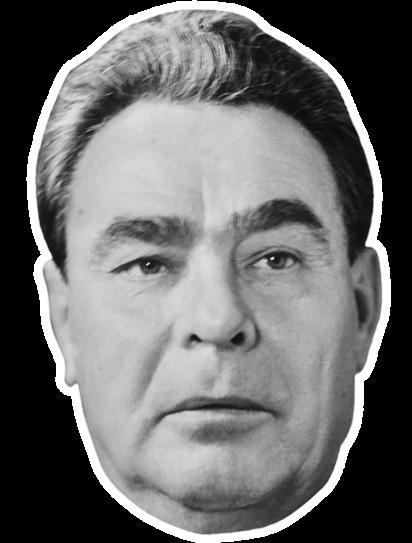


During the Cold War, a hotline ran through Finland. Its purpose was to prevent the accidental outbreak of nuclear war. Traces of it still linger in the landscape.
In 1962, the world trembled. We had never been so close to nuclear war. The Soviet Union intended to deploy nuclear missiles to Cuba, and the United States responded that it would mean war.
War didn’t break out, but it was a wake-up call: the world needed a direct line between the great powers, one that would operate immediately, without the delay that usually accompanied diplomatic relations, where a message from Washington to Moscow or vice versa could take hours. That was far too long when the world could be destroyed in minutes.

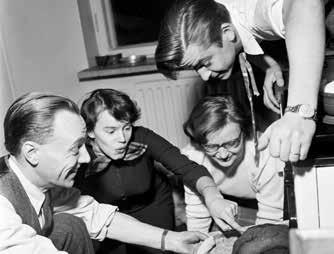
The communications link was quickly built and operational in just a couple of months. The hotline wasn’t exactly a red telephone, like in the movie Doctor Strangelove, but something in that direction. Actually, it wasn’t a telephone at all, but a teleprinter, or telex system. These electromechanical devices were once used to send text from one place to another, typically along a telegraph line. Physically, the machine resembled a typewriter and printed a message on paper.
In the case of the hotline, the line was of course very well encrypted. At first, there were teleprinters at each end. In the 1970s, they were replaced with fax machines. Each party used its own language in its transmissions, and the texts were translated at the receiving end.

for example, off the coast of Denmark, a Soviet ship severed it while towing a ship that had run aground on a sandbar.
So it seems that undersea cables have been vulnerable for a long time!
The risk of cable breaks was also taken seriously by the authorities: in the places where the line ran, digging with an excavator required police supervision.
Nonetheless, there were so many accidents that eventually the route of the line was marked with red metal posts, which can still be seen here and there in the landscape.
The hotline wasn’t exactly a red telephone, like in the movie Doctor Strangelove, but something in that direction.
Given the technology at the time, the system was not entirely simple, as it had to cover a long distance. The line ran from Moscow to Tallinn, then to Helsinki and onward to Turku, where it plunged into the sea, emerged in Stockholm, and continued via Copenhagen and London to Washington. There was also a backup line in Finland, which went via Lappeenranta to Helsinki and then to Hämeenlinna before reaching Turku.
The line itself was a cable with a diameter of about five centimeters. Inside a pitch-coated lead tube were four pressurized copper pipes, within which the actual copper conductors ran. If the pressure dropped, meaning that the line had been broken or someone had tried to infiltrate it, the system sounded an alarm.
Because the distances were long, the signal needed to be amplified every so often. Special repeater stations were built every few dozen kilometers, which dotted the fields of Finland for a couple of decades. The stations weren’t just some chicken coops – they were built to be bombproof. These concrete bunkers were built underground if possible, and above ground if not. They were a few square meters in size and filled with the best technology of the day.
A few of these huts still remain in Finland, one near the eastern border in Lappeenranta and another near Hämeenlinna.
DeSpite All the precAutionS, the cable did suffer breaks every once in a while, usually when some farmer was out in a field digging some kind of ditch – the cable was buried only 60 centimeters deep. Of course, Finland wasn’t the only place where the cable was disrupted. Once,
The line itSelf was tested continuously. Test messages were sent once an hour to ensure it was working. It was agreed that these messages should be as apolitical as possible, to avoid misunderstandings.
The Soviets sent things like texts by their classic authors (maybe not War and Peace, though...)
For their part, the Americans sent baseball scores and excerpts from the Kama Sutra, which seems to show that there’s no limit to human childishness.
The line has also been used in real situations. The first time appears to be when Kennedy was assassinated. The Soviet Union, in turn, made contact via the line during the Six-Day War in 1967.
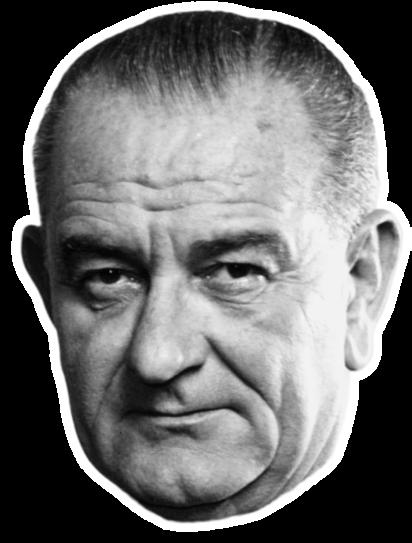
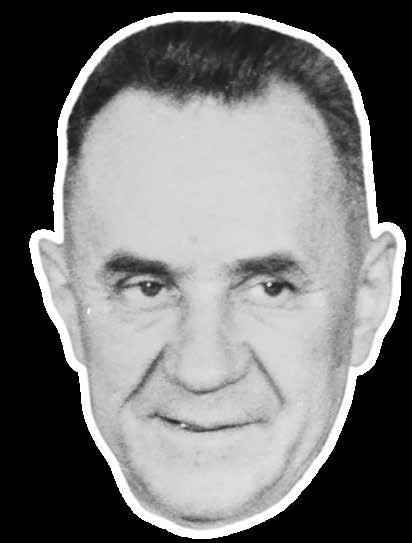
In 1973, during the Yom Kippur War, Israel accidentally torpedoed the USS Liberty reconnaissance ship, at which point President Johnson saw fit to inform Kosygin of the Soviet Union that there was nothing more to it: it was simply a case of friendly fire and an aircraft carrier was being sent to the area, but no need to worry. The Turkish invasion of Cyprus in 1974 and the Soviet occupation of Afghanistan a few years later were also discussed on the hotline.
I mySelf hAve written a novel about the hotline, which was published in the fall of 2025. It’s intertwined with my own childhood in the 1970s and ’80s, when the line ran through my best friend’s yard, which of course sparked our imaginations. The book follows a group of kids growing up in the shadow of the Cold War and the fear of nuclear weapons, from 1970 until the Chernobyl disaster in 1986.
Despite all the madness of humanity, the hotline was a symbol of hope for us then, as it is now in my book. The fact that it existed meant that someone was trying, at least a little. And the loss of that kind of connection would be a terrible thing. s
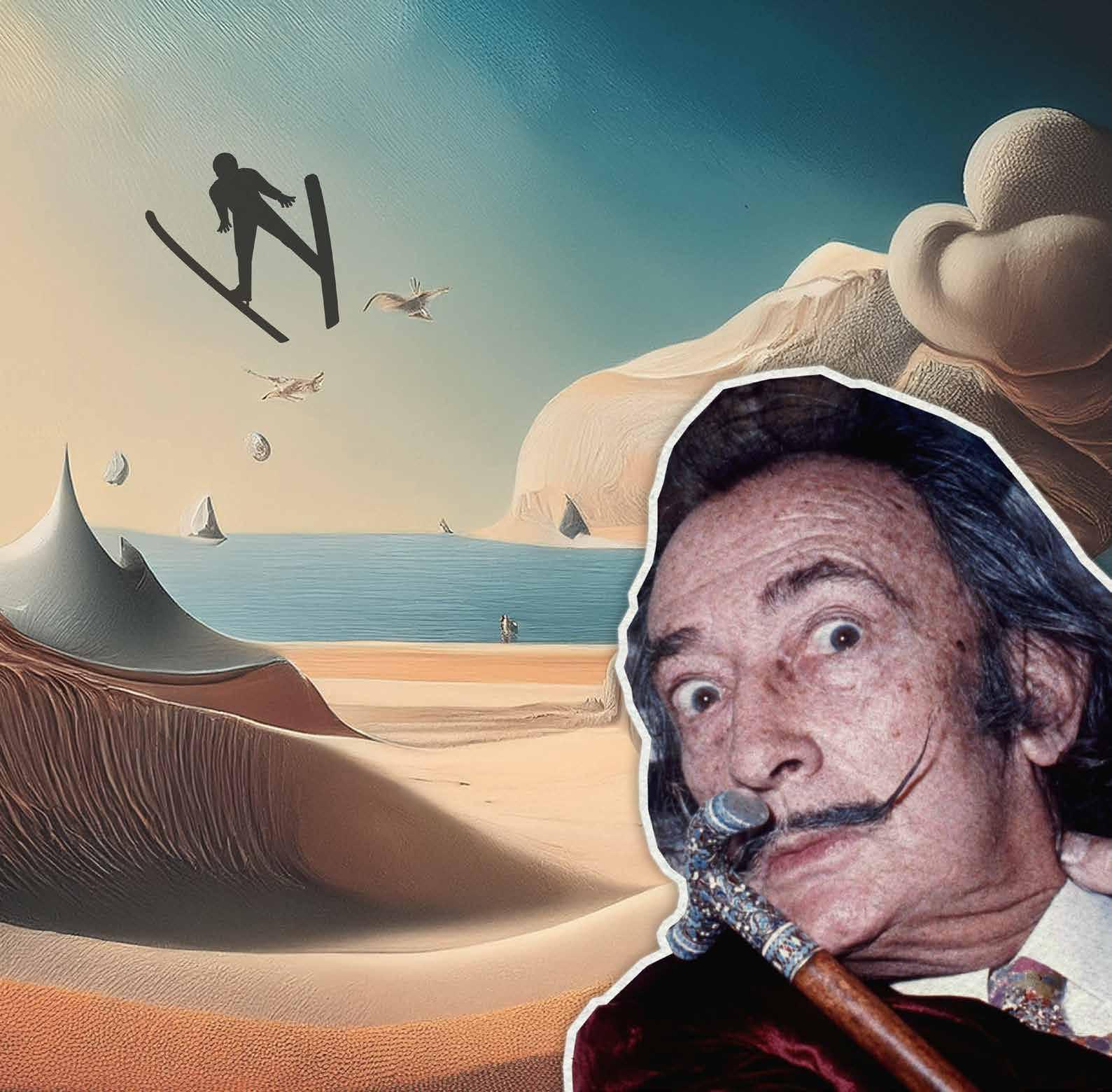
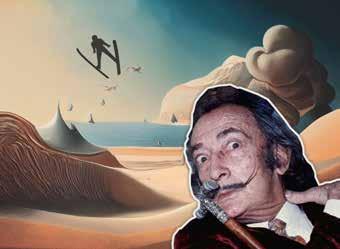
A Finnish gallerist has added a jumping suit worn by legendary ski jumper Matti Nykänen to his collection because, in his opinion, Nykänen was the most surrealistic athlete in the world.
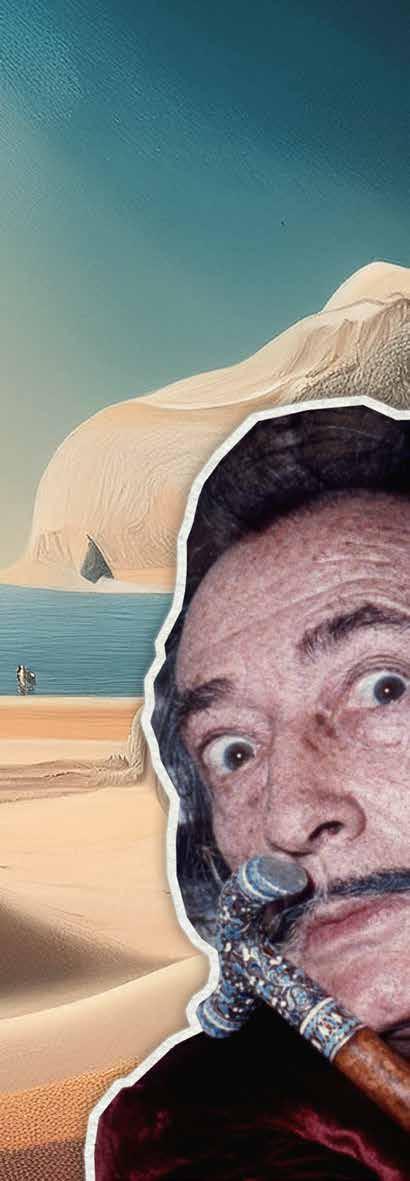
The Art BAnk gAllery, on the island of Pargas in the Turku archipelago, houses the only private exhibition of Salvador Dalí works in the Nordic countries. Gallerist Ted Wallin, who has in numerous interviews assured incredulous journalists that he is the reincarnation of Dalí, has now acquired for his collection a jumping suit that ski jumper Matti Nykänen wore at least during a Four Hills Tournament in the 1980s. According to an interview with Helsingin Sanomat (6 February 2025), Wallin had a clear motivation: “Nykänen
A comment from the beginning of his singing career is so surrealistic that even Dalí would have been proud to hear it: “The album is already recorded. Next, I’m going to take singing lessons.”
was the most surrealistic athlete in the world. We [surrealists], after all, cultivate a slightly-more-than-reality feeling.” He has a point, though the competition for the title of the world’s most surrealistic athlete is fierce. What makes Nykänen more qualified for the title than, say, larger- and stranger-than-life figures like Diego Maradona and Dennis Rodman?
Nykänen’s particular strength is his wide-ranging surrealism. He resembles Salvador Dalí in that a total work of art includes not only one’s artistic production, but also the artist’s personality and, in practice, everything he does. The Dalí Theatre and Museum, which Dalí built in Figueres, Spain, and opened in 1974, uses paintings, sculptures and various decorative objects to create an assemblage that depicts Dalí and his art, with each room also featuring an independent work of art.
The artwork created by Nykänen’s life is performative (although a monument entitled Höyhen, ‘Feather’, has been erected for Nykänen in his hometown of Jyväskylä), a story that bounces in different directions in an almost dreamlike (and sometimes also nightmarish) way, like the legendary film Un Chien Andalou made by Dalí and Luis Buñuel. The story begins with an incredible sports career (ten gold medals from the Olympics and World Championships between 1981 and 1990, plus 48 World Cup wins and four overall victories), during which he made headlines not only for his sporting achievements but also for his colorful personal life. The peak of his kiosk break-ins and other drunken antics was his winter 1987 “training camp” in Spain: Nykänen, after a dispute with the Finnish Ski Association, goes south for two weeks to party, returns for the World Championships and wins silver.
After his sports career, Nykänen followed Dalí’s advice that if you want people’s attention, you have to provoke them, and he worked as both a striptease dancer and a pop singer. A comment from the beginning of his singing career is so surrealistic that even Dalí would have been proud to hear it: “The album is already recorded. Next, I’m going to take singing lessons.”
Nykänen’s steadily worsening alcoholism ultimately turned his epic-turned-comedy into a tragedy. At first, Nykänen’s domestic and other violence brought him suspended sentences, until the drunken stabbing of a male acquaintance brought him a prison sentence of over two years in 2004. Nykänen’s life ended in 2019. He was only 55 years old at the time.
In a new documentary by Olli Laine, Nykänen’s sister Päivi sums up his tragedy as follows: “The gift he had was too great for him to bear.” The weight of Nykänen’s burden is all the more evident considering that Nykänen was only diagnosed with ADHD as an adult, and that not only journalists, fans and managers, but also officials from the Finnish Ski Association more often took advantage of, mocked or enabled Nykänen’s destructive behavior than acted as his friends or supporters. Perhaps he would have even endorsed Dalí’s words: “It is not me who is the clown, but this monstrously cynical and so unconsciously naive society, which plays the game of seriousness in order better to hide its madness.”
In addition to his sporting success and his ultimately sad life story, Nykänen is especially remembered for his one-liners, which in their absurdity and funniness rival those of Dalí. For example: “The greatest tragedy of today’s youth is that I’m not one of them anymore.”
A few of Nykänen’s best: “Life is the best time to be alive” / “Love is like a ball of string – it begins and it ends” / “Germany-Austria is my second homeland” / “Having experienced everything, I can say that there are still things left to experience.” And one more, which meets the demands of surrealism’s main theorist, André Breton, by effortlessly brushing aside the shackles of logic and limitations of everyday reality: “You can’t undo what you haven’t done.”
Finally, it’s worth remembering that ski jumping itself is a surreal sport, in which you fly on skis for a distance that can top 200 meters down a hill. Perhaps the most incredible performance of Nykänen’s career was at the 1982 World Championships in Oslo, where on the last day of the competition, the large hill was shrouded in a dense blanket of fog. Any sane person would have thought the competition should be canceled, but the officials decided otherwise. Many jumpers fell or landed their jumps dozens of meters shorter than normal. Nykänen, on the other hand, set off from the top of the jumping hill (as if determined to prove true the famous quote of Dalí’s, “The only difference between me and a madman is that I’m not mad”), briefly emerged from the fog at the take-off, and flew unseen to the bottom of the hill, where he materialized again and won gold. That jump was like something straight out of Salvador Dalí’s restless dreams. s
M U S E U M
Torikatu 2, Tornio
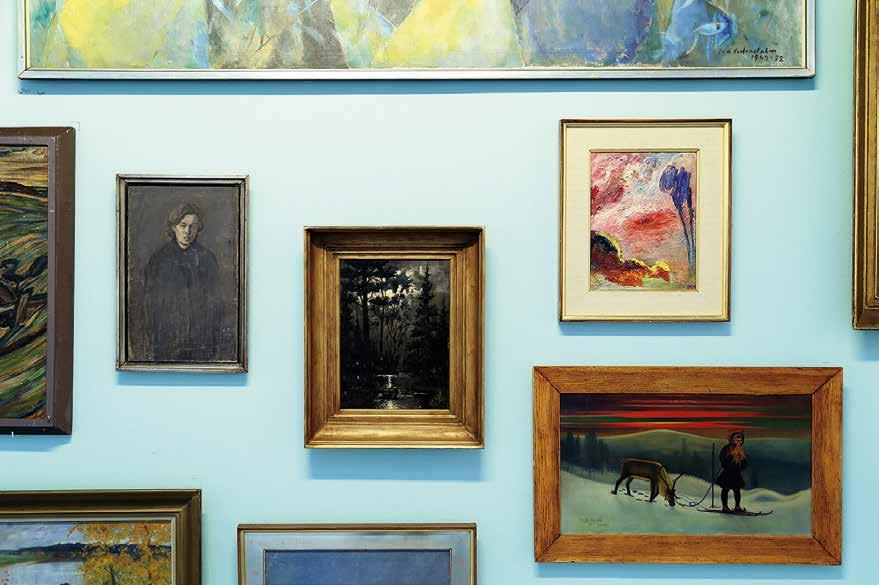
Experience joy, inspiration, emotions40 years of celebrating Finnish art




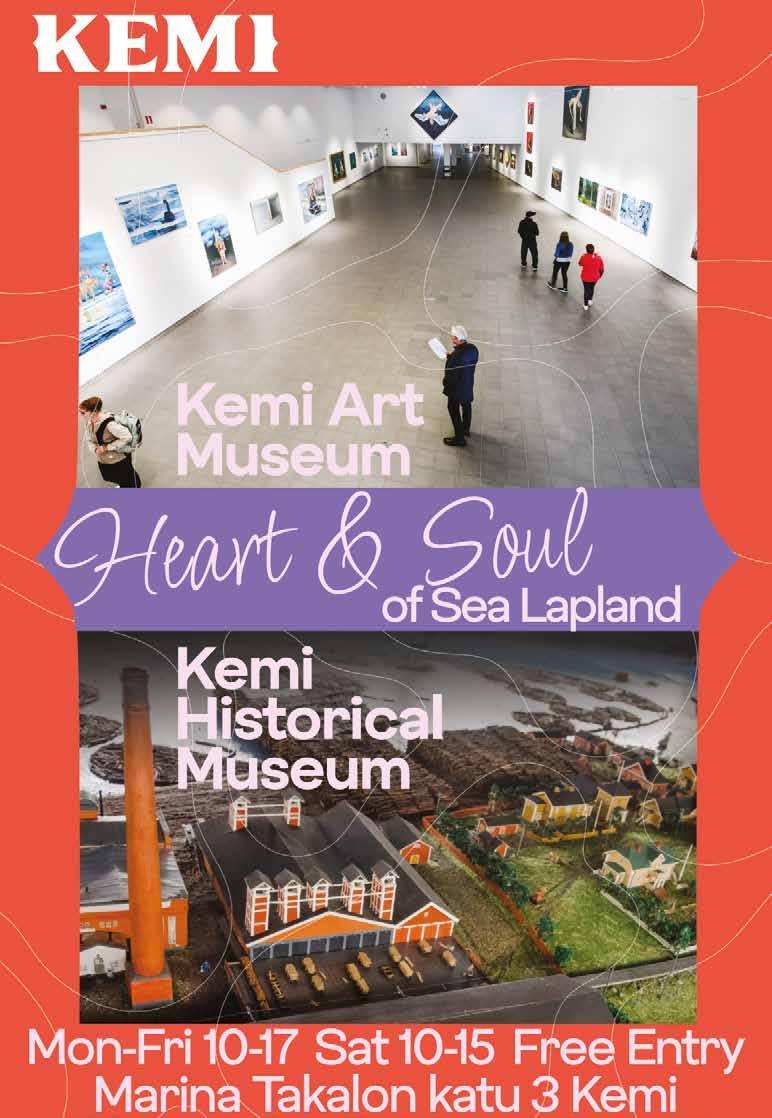
Two countries, two cities, one shared museum –a shared history of the Torne Valley Torikatu 4, Tornio

Written by anne raja-hanheLa
The Arctic is one of the most fascinating areas in the world. When visiting Rovaniemi, Lapland, you have the chance to experience it in the immersive science exhibition at Arktikum.
One of the most distinguished landmarks of Rovaniemi is the Arktikum building, which houses the Science Centre focusing on the Arctic as well as the Regional Museum of Lapland.
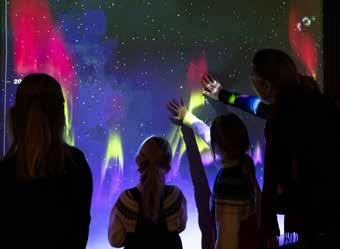
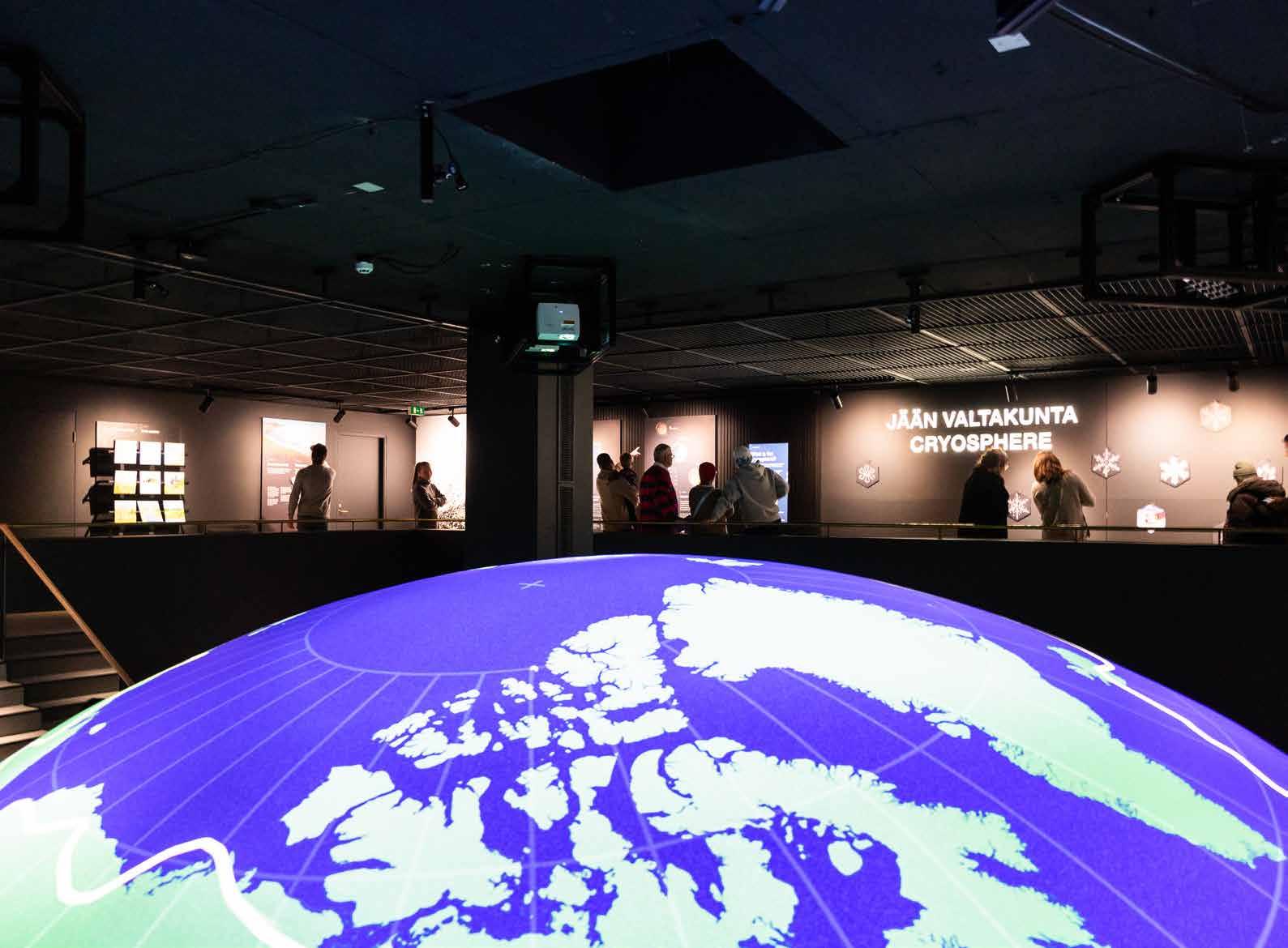
The permanent science exhibition, Arctic Opposites, was completely renewed during 2024 and opened in December the same year. The exhibition invites visitors to discover life in the Arctic and its specific features – from glaciers to green tundra and boreal forests, from urban living to nomadic life and from the northern lights to nightless nights.
Everything from the visual appearance to the storytelling was designed on the terms of the content.
- Marjo Laukkanen
The Science Centre in Arktikum is operated by the Arctic Centre of the University of Lapland. The Arctic Centre conducts multidisciplinary research on the Arctic combining approaches from the human, social, legal and natural sciences.
Two other important tasks of the Arctic Centre are science communication and education. The content of the Arctic Opposites exhibition relies on Arctic research and science-based knowledge. The goal is to provide visitors with keys to a better understanding of the Arctic and its global dimensions.
The exhibition is divided into five main themes: Welcome to the Arctic, Cryosphere, Eight Seasons, Living Arctic, and Exploring the Arctic.
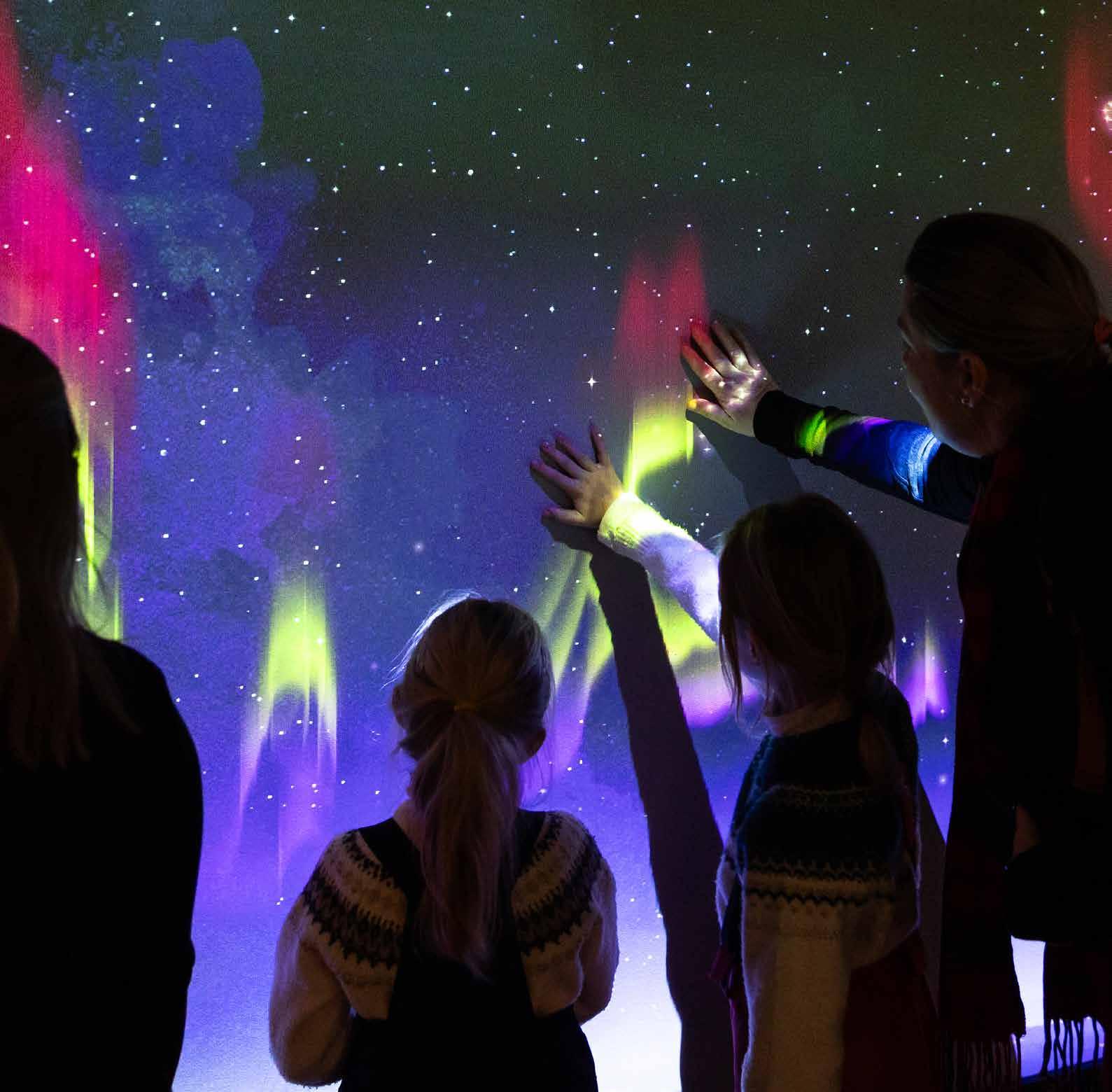
The first part introduces visitors to the basics of natural and human geography, history, flora and fauna, as well as the peoples of the Arctic. The section about cryosphere provides scientific information on snow, ice, and permafrost. The eight – instead of four – seasons of Lapland are presented with objects that are ordinary to Finns but exotic to many others. The fourth part reminds us that the Arctic region is not only ice and cold, but that the Arctic lands and waters provide home to over 21,000 species. In the final section, visitors can learn more about the fascinating phenomena of the Arctic, such as the Northern Lights, through play and exploration.
We cannot talk about the Arctic without talking about global warming. This is simply because the Arctic is warming at least three times faster than the global average. The often-repeated phrase “What happens in the Arctic doesn’t stay in the Arctic” refers to the fact that as the Arctic warms, it will have major impacts on life on Earth. These include rising sea levels which threaten coastal areas worldwide, more extreme weather events, and the release of methane from thawing permafrost, which further accelerates global climate change.
Climate change is also a cross-cutting theme in the Arctic Opposites exhibition. The topic is examined from the perspectives of animals, plants, humans, and livelihoods.
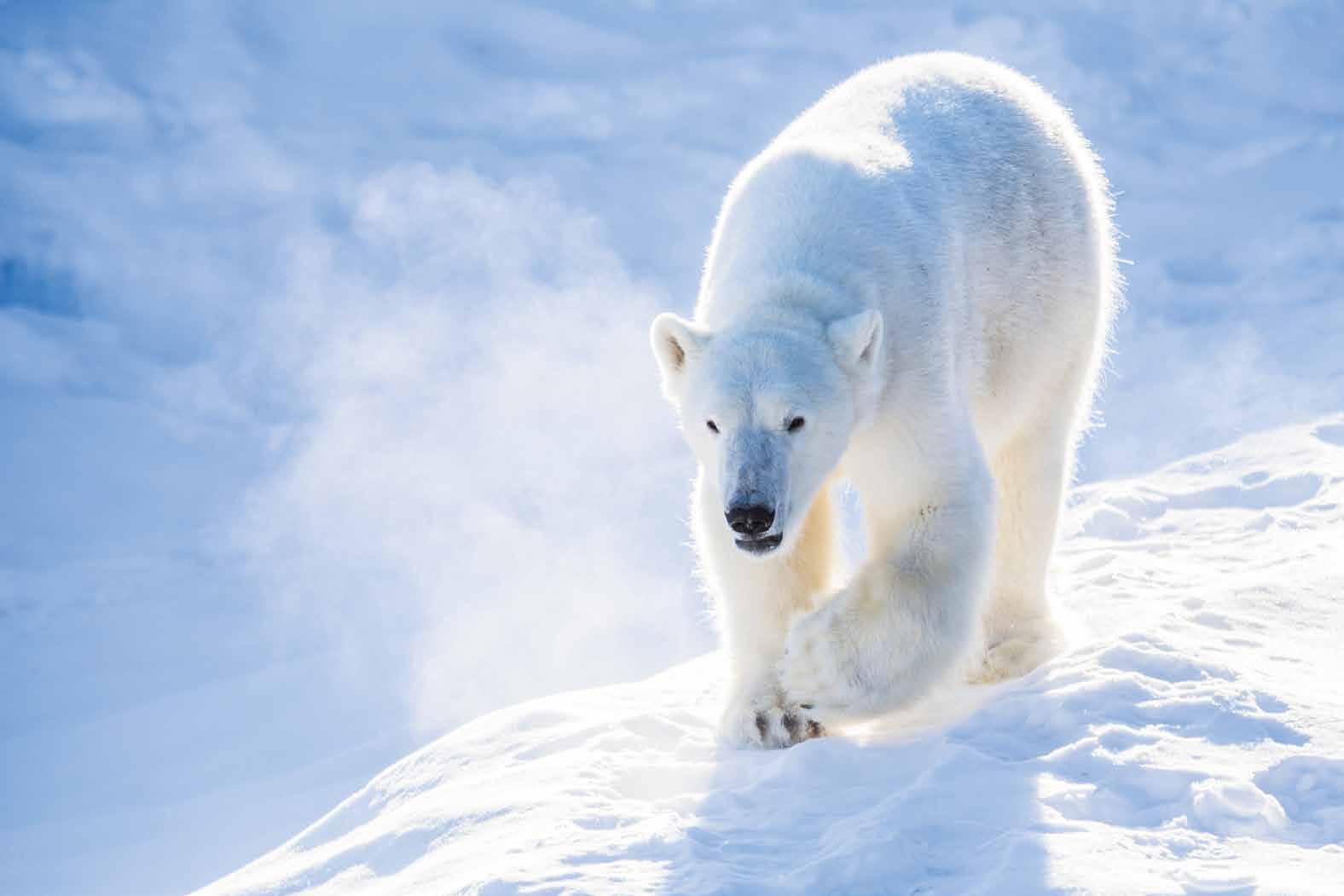
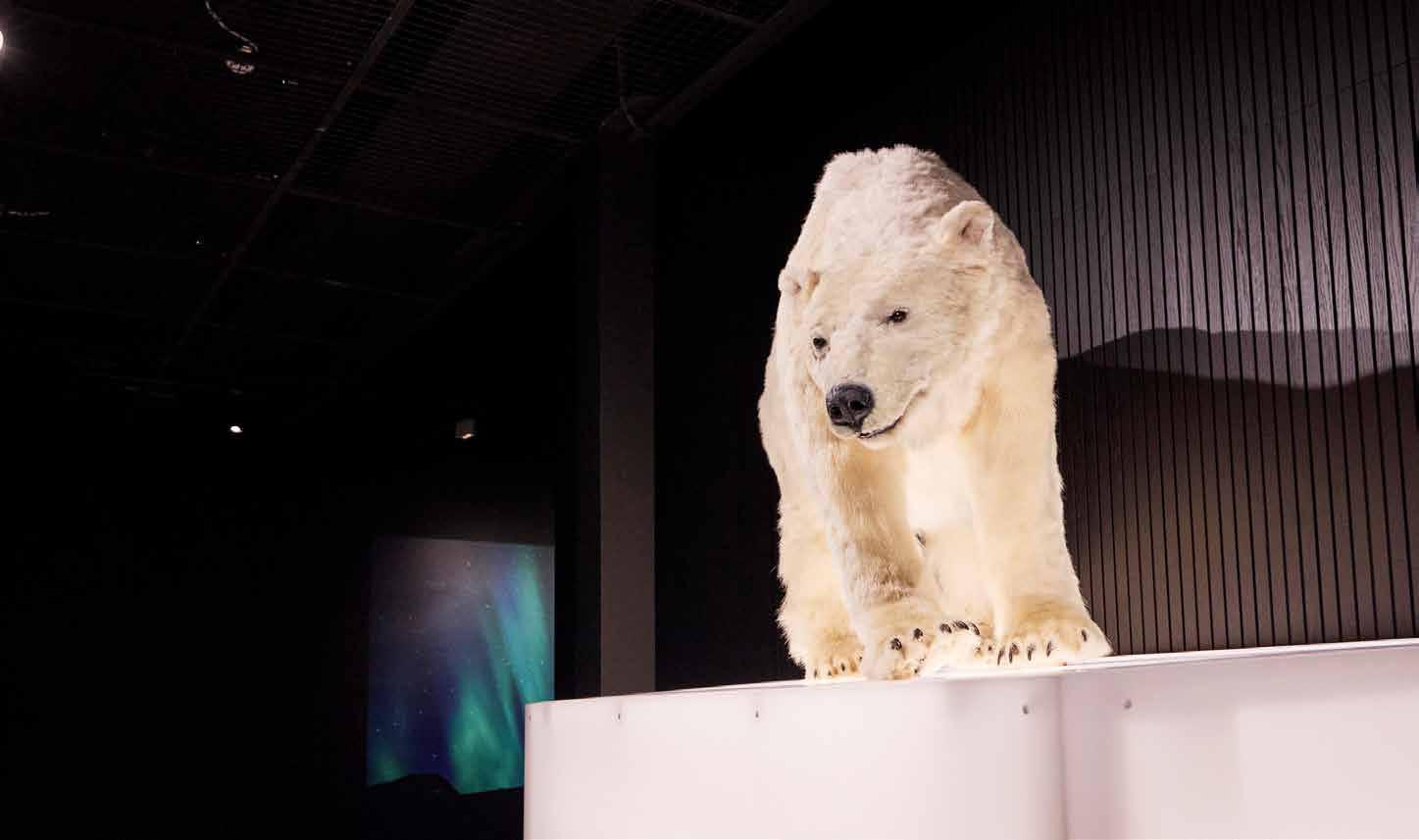
“Although many animals in the Arctic are affected by climate change, the polar bear has become a true symbol of global warming, and for this reason, it is only natural that the polar bear is also featured in our exhibition”, says Chief Executive Producer Nicolas Gunslay
The polar bear's most important habitat is sea ice, where it preys on seals throughout the year. Changes in the ice and snow conditions affect the feeding, movement, and reproduction of this unique marine mammal.
We
cannot talk about the Arctic without talking about global warming.
Creating the new science exhibition was a long and multi-stage process. Since the Arctic Opposites is an exhibition maintained by a research institute, the importance of scientific content was particularly emphasised in the planning process.
“Everything from the visual appearance to the storytelling was designed on the terms of the content”, says Marjo Laukkanen, one of the head content writers.
One of the key principles in the design work was responsibility. It was taken into account in everything from the building materials to the content. The materials chosen are intended to be timeless and durable. Even the well-preserved elements from the previous exhibition, which was dismantled to make way for the new one, were recycled. Responsibility was also considered in the content design, for example when talking about Arctic Indigenous peoples.
“Indigenous peoples have the mindset of nothing about us without us, and we also wanted to respect this principle when creating the exhibition. As a practical example, all the photographs depicting the Sámi people were taken by a Sámi photographer, and in the section on Indigenous languages, we collaborated with experts in the Sámi and Nenets languages”, Laukkanen explains.
In addition to the recently renewed science exhibition, there is much more to see at Arktikum. Whereas the Science Centre covers the entire circumpolar Arctic region, the exhibition at the Regional Museum of Lapland introduces visitors to the history, nature and lifestyle of Finnish Lapland.
Besides the two permanent exhibitions, Arktikum hosts several temporary shows, often dealing with northern themes. The 10-minute
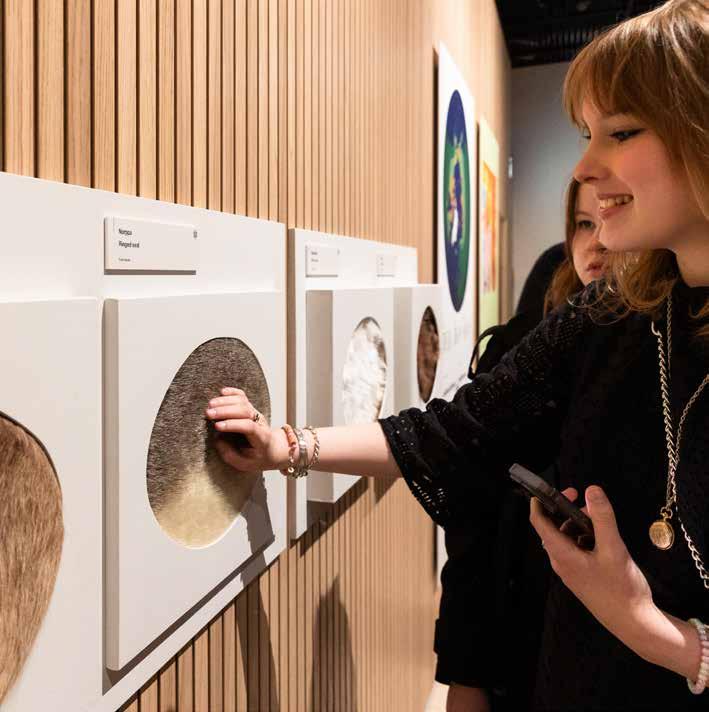
film Arctic Seasons runs non-stop in the auditorium, taking visitors on a journey through the shifting seasons of the Arctic.
Most of the exhibition texts are available in Finnish and English. Also, a digital visitor and audio guide are available for visitors, and by scanning a QR code you can access the content in 28 different languages.
In 2024, Arktikum reached a record number of visitors, with nearly 152,000 people visiting the exhibitions and events. The building is also an architecturally impressive landmark with its 172-meter-long glass hallway. Arktikum is surrounded by a garden, where you can find flowers and plants typical of the Arctic region in summer, and it is a popular spot for viewing the Northern Lights in winter. s
Location
Pohjoisranta 4, Rovaniemi
Opening hours
Exhibitions & Shop
1.12.–28.2. open every day 10–18
1.3.–30.11. open Tue-Sun 10–18
Tickets
Adults: 22 €
Discounted ticket: 17 €
Family ticket (2+2): 54 €
Children 7–15 years: 10 €
Children under 7 years free
www.arktikum.fi


Need some peace and quiet? A bit of rediscovery and renewal?
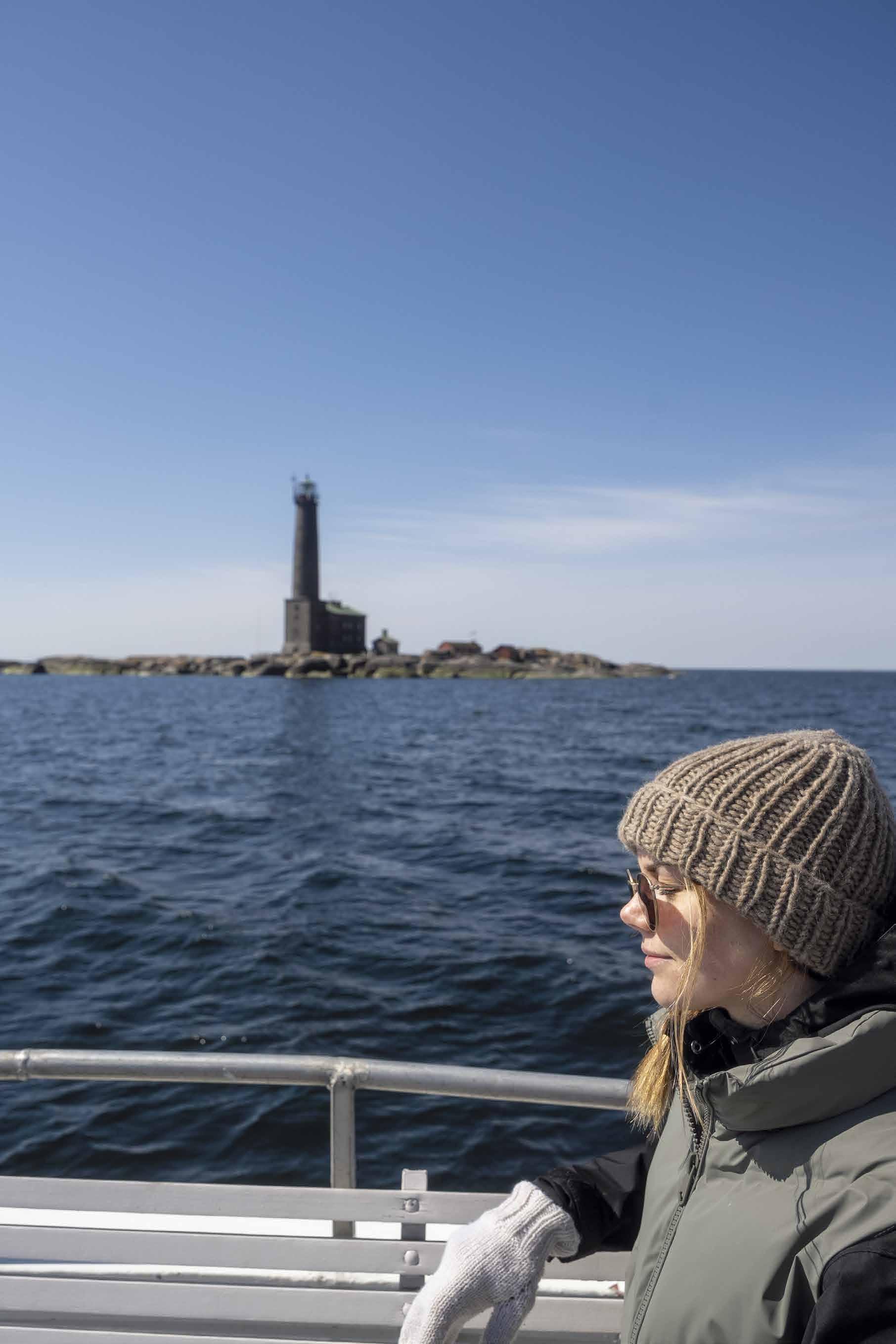
Saaristo, the Finnish archipelago, is a maze of 40,000 islands — where the biggest plan of the day might be heating the sauna.
Discover more at saaristo.fi

Awriter’s work is solitary. For the most part, the work is done alone, with one’s own thoughts. When a book is finally published, the author stumbles out of his or her cell to bask in the limelight for a moment, only to retreat as soon as possible, back into silence, to create something new. Or at least that’s how I would prefer it to go. After all, a writer’s most important job is to write.
But the more you publish, and the more frequently your books come out, the more you need to be visible, because the book business runs on promotion. For an introvert accustomed to toiling alone, getting up on a book fair stage and giving interviews requires major effort. And nowadays, the marketing no longer takes place only when a book is released, but all year long.
I’m from Pori, a smaller city on the coast, and the peaceful rhythm of life there suits me. My beloved hometown has everything a person needs. But sometimes I’m forced to leave Pori. Promoting my books has taken me all over Finland and the world. This year alone, I’ve spent over 70 days traveling and almost as many nights in hotels.
As in previous years, most of my trips this year will be abroad. My two longest book tours lasted 10 and 19 nights. That’s a long time to be away from family.
I’m happy to admit that I don’t enjoy traveling. I don’t like bumming around the airport, and I don’t love sitting on a cramped bus or train, gnawing on a sandwich. I won’t even start on the joy of dragging a suitcase through a station in the sleet.
Traveling truly teaches you to appreciate the small luxuries of everyday life, of which, for me, peace and quiet are the most important. I long for the silence of my own office. Because it’s a long way from Pori to anywhere else, the trip can often take up to fifteen hours, using multiple means of transport. When the writer reaches his or her destination, a crowd of strangers often awaits. Everyone wants a piece of you. You have to be cheerful and social, and take everyone into account. The language is foreign, as are the culture and local customs. Nonetheless, you’re supposed to network and be able to discuss your future plans in an interesting way. Up on stage, you need to be funny and intelligent. In addition to being a good

When the door to the room closes behind you, the cacophony of different voices ends, and there is space to breathe freely for a moment.
writer and storyteller, you’re also supposed to know how to be an entertainer and a salesperson.
Please don’t get the wrong idea. Being invited to appear abroad is a great honor and a privilege, but for an introverted writer, traveling is an energy-sapping ordeal. To be abroad is to be far away from one’s family, home, and familiar people. Once you arrive, the program is usually tightly scheduled, and there is very little time for oneself.
In truth, the only peace to be found is in your hotel room. On a book tour, a hotel room is often the only space where you can be completely alone with your own thoughts. When the door to the room closes behind you, the cacophony of different voices ends, and there is space to breathe freely for a moment. When I travel, my hotel room is a haven for me, a place to retreat to when the flood of external stimuli becomes too much. When you close the hotel room door behind you, you’ve finally arrived – you’re safe. And if, in addition to a bed and a shower, the room also has a desk, internet access and an electric kettle, life becomes downright luxurious. s
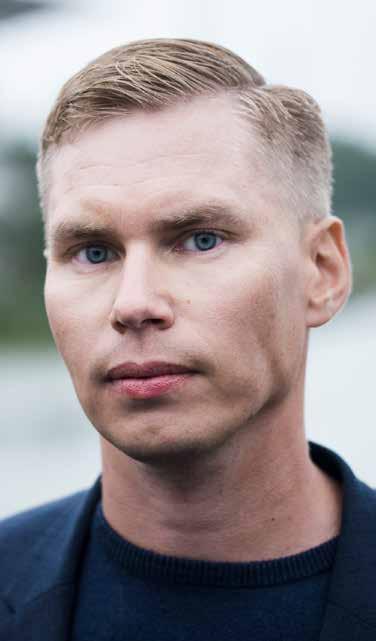
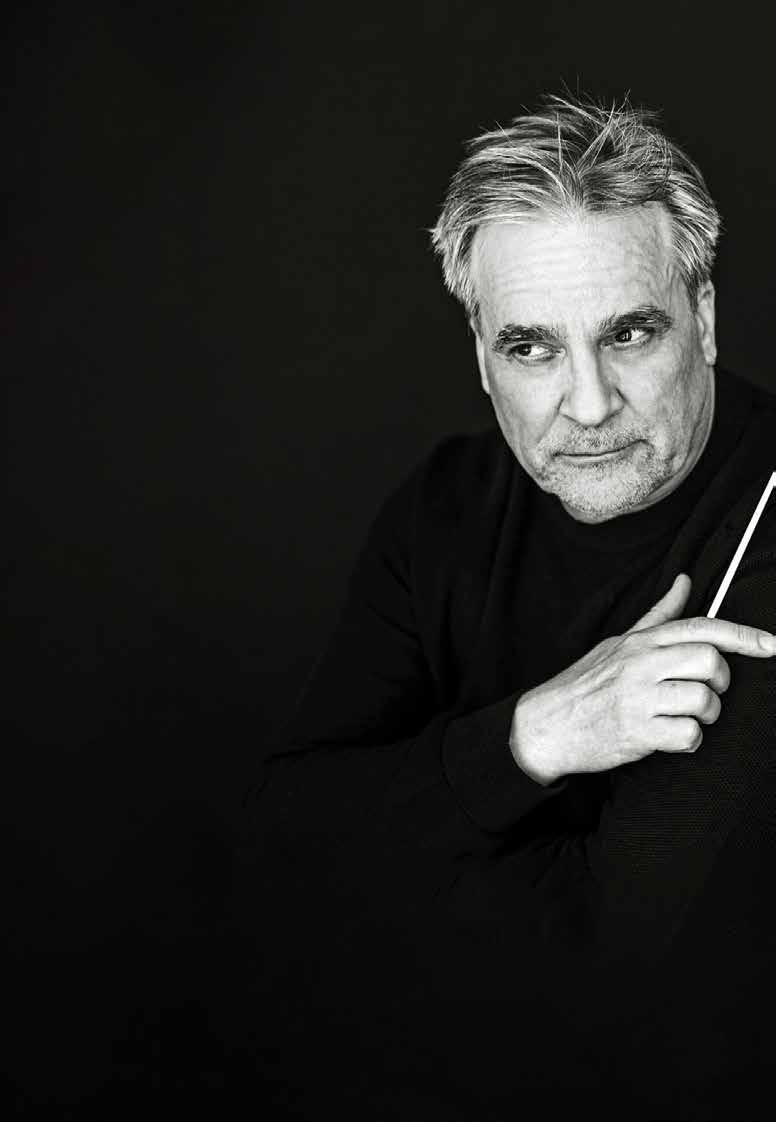
Arttu Tuominen (b. 1981) is an internationally awarded author and environmental engineer from Pori who derives his creative inspiration from the madness of Pori, the nature of the coast, and the waves of the Bothnian Sea. Tuominen has written eleven crime novels, of which Alec, published in 2025, marked the beginning of the new Kide trilogy.