ARCHITECTURE AND URBAN DESIGN
Columbia GSAPP
Selected Works

UD STUDIO III | SPRING
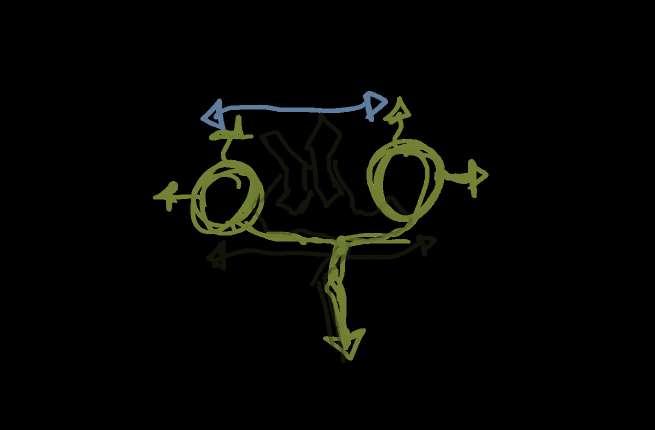
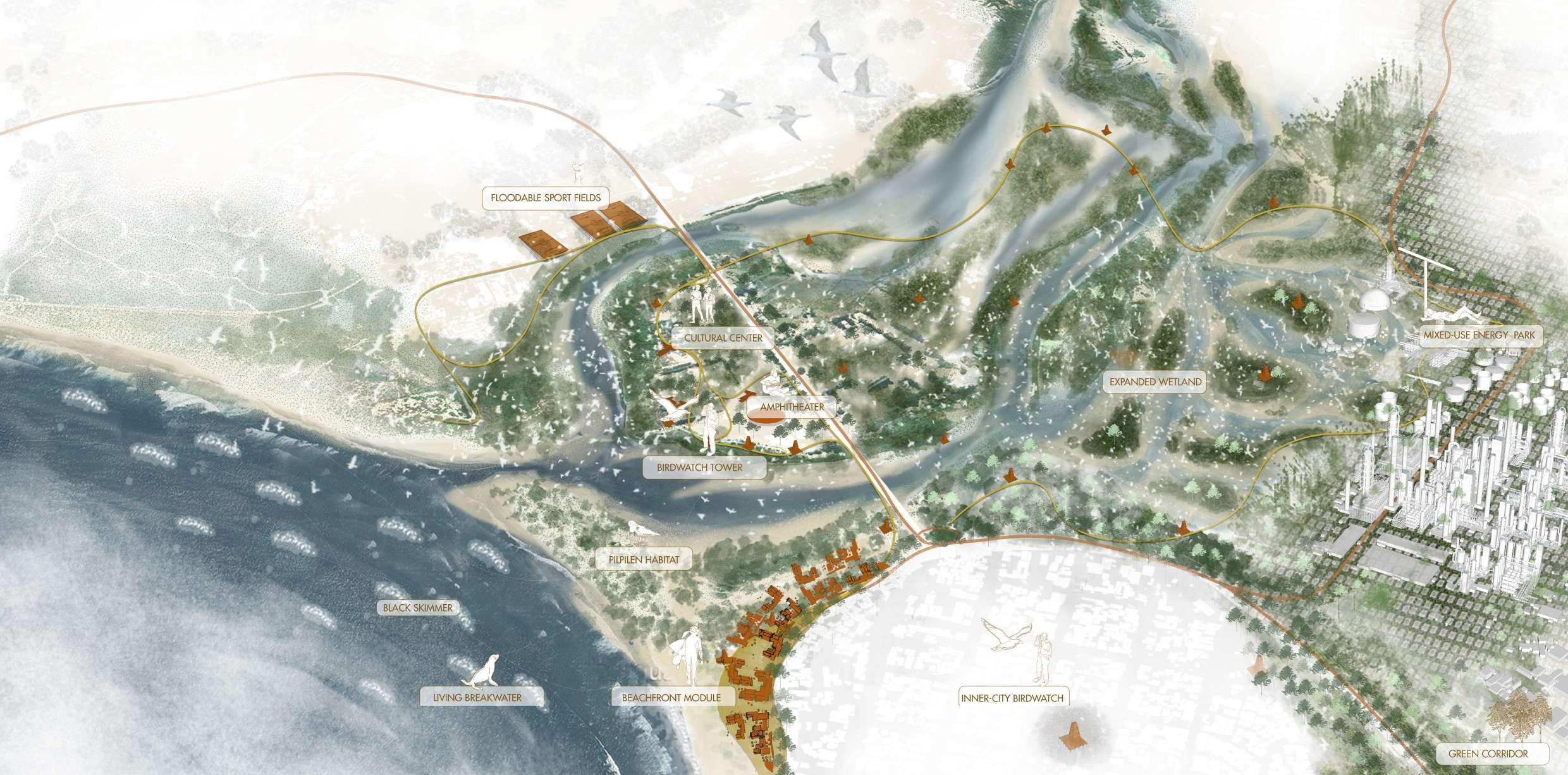
WhatiftheConconEstuaryandthesurroundingwetlandecosystemwere restoredtoenhancethewellbeingoflocalflora,fauna,andcommunity?
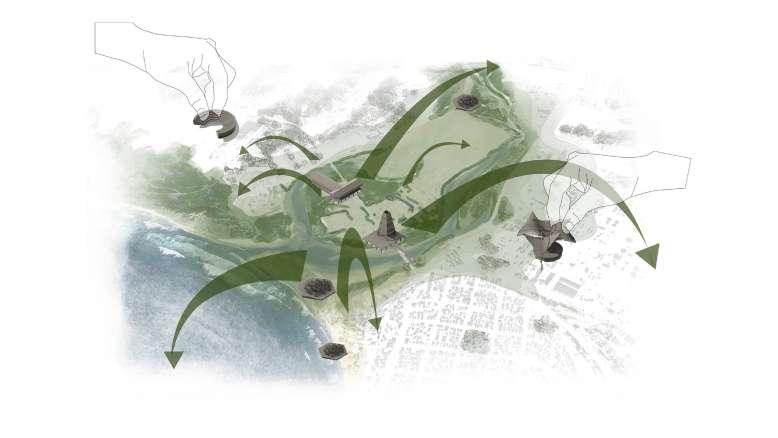
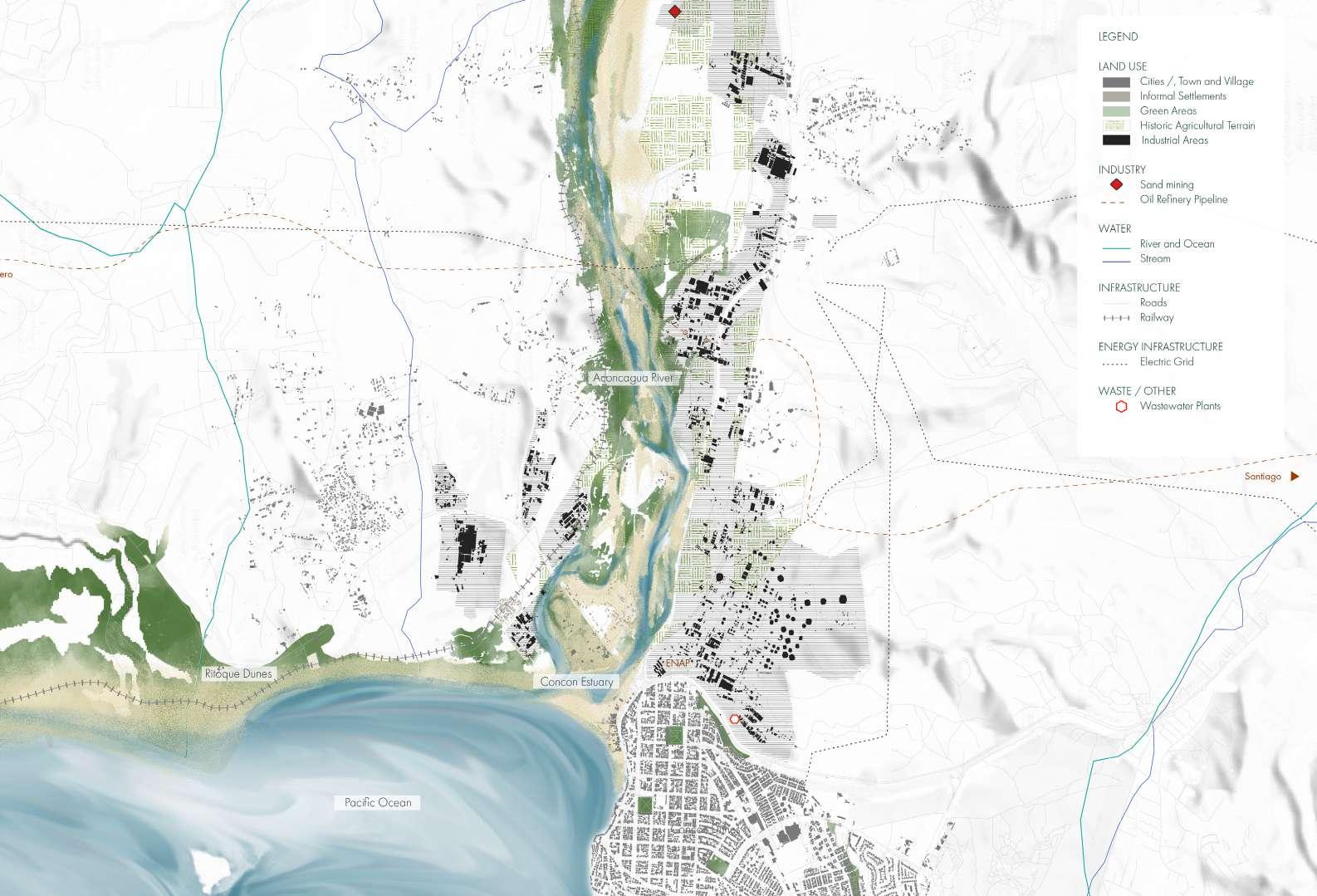
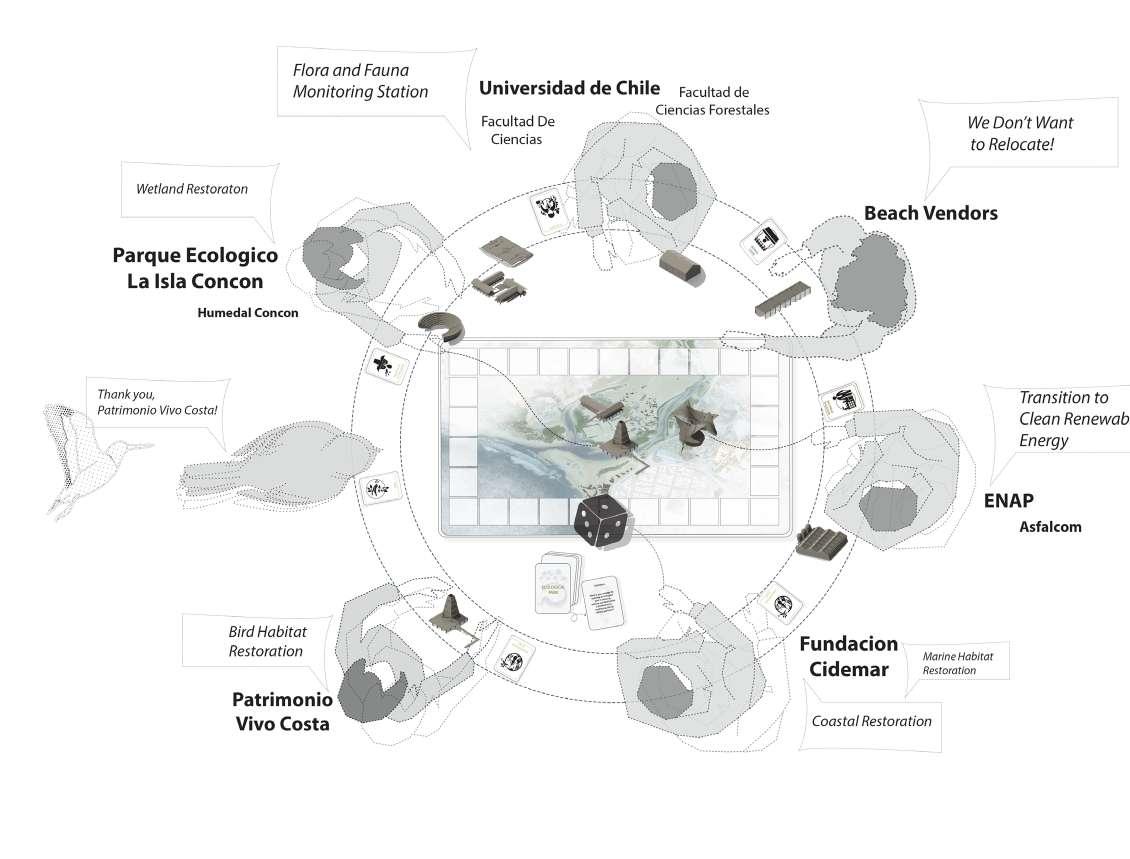
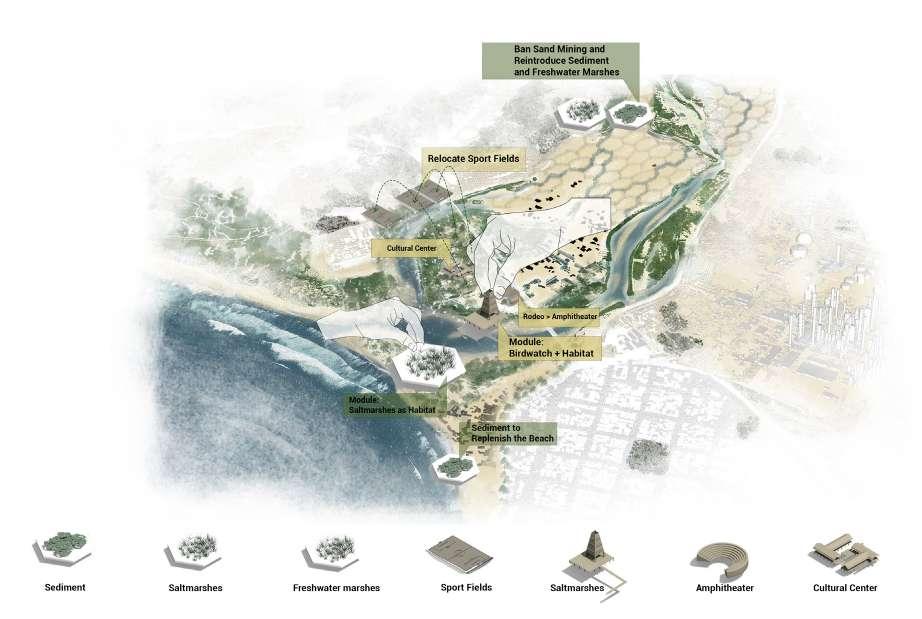
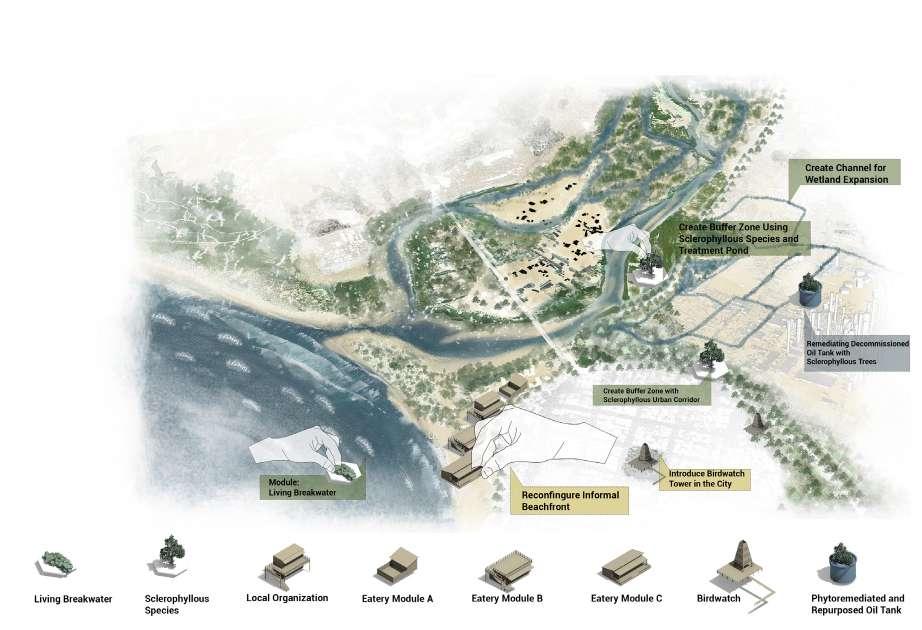
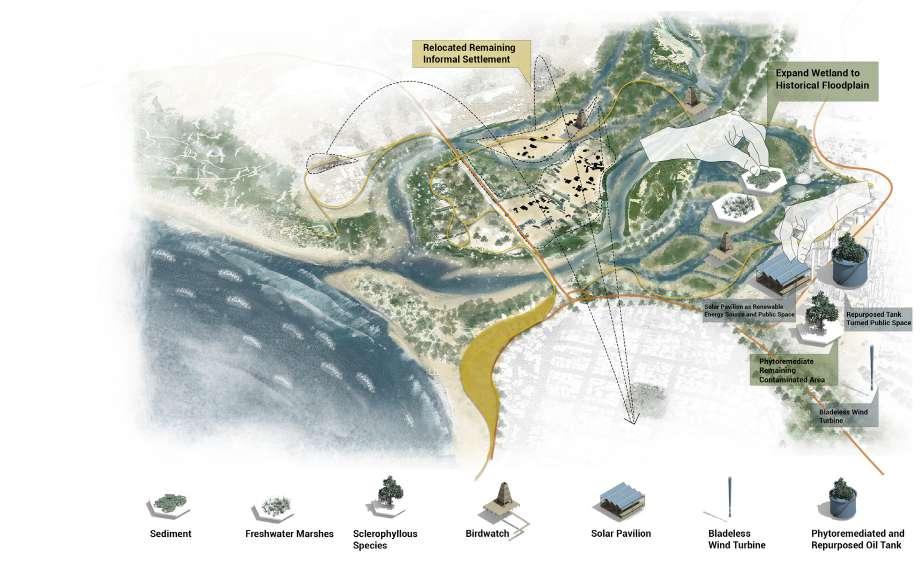
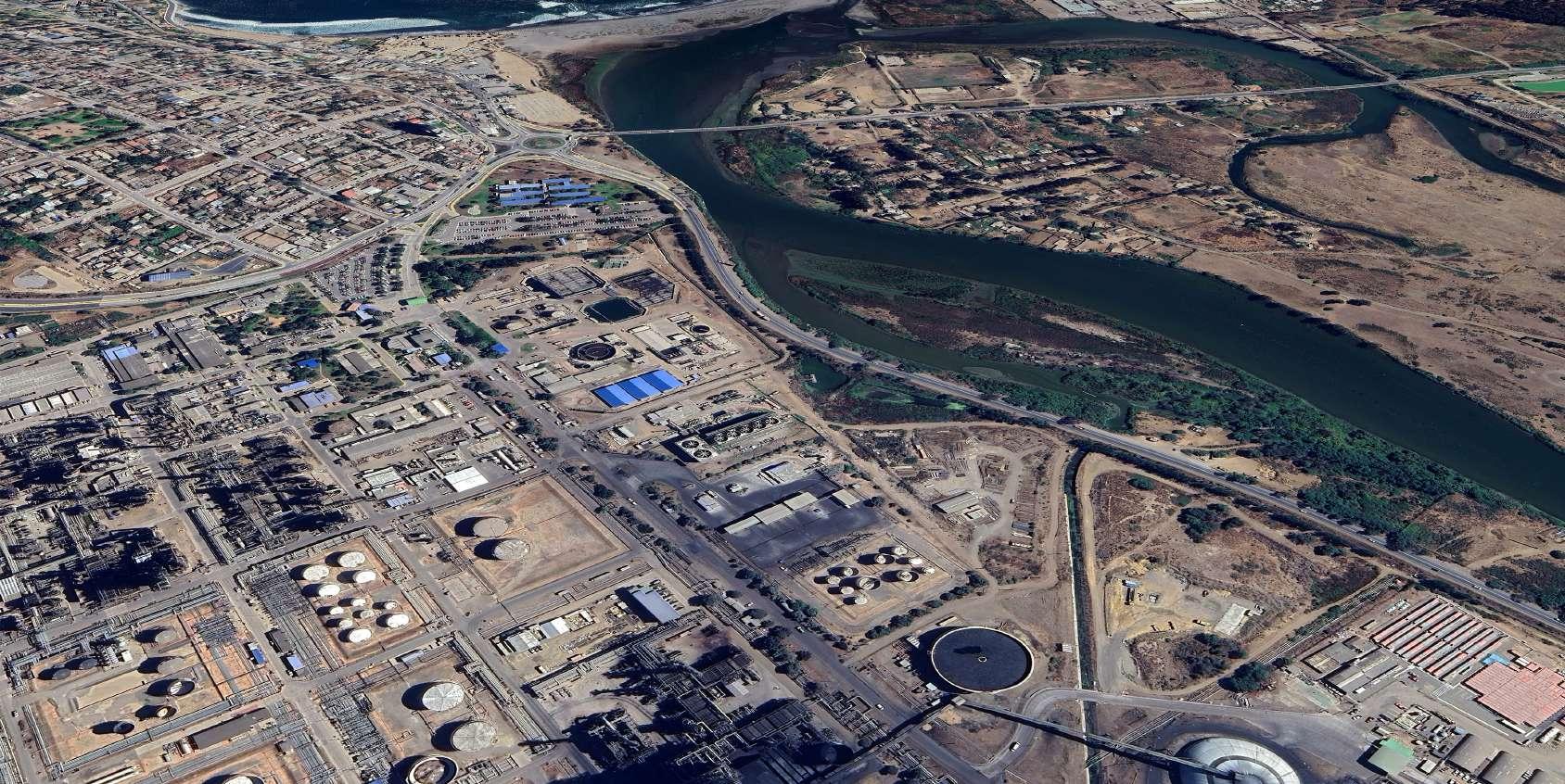
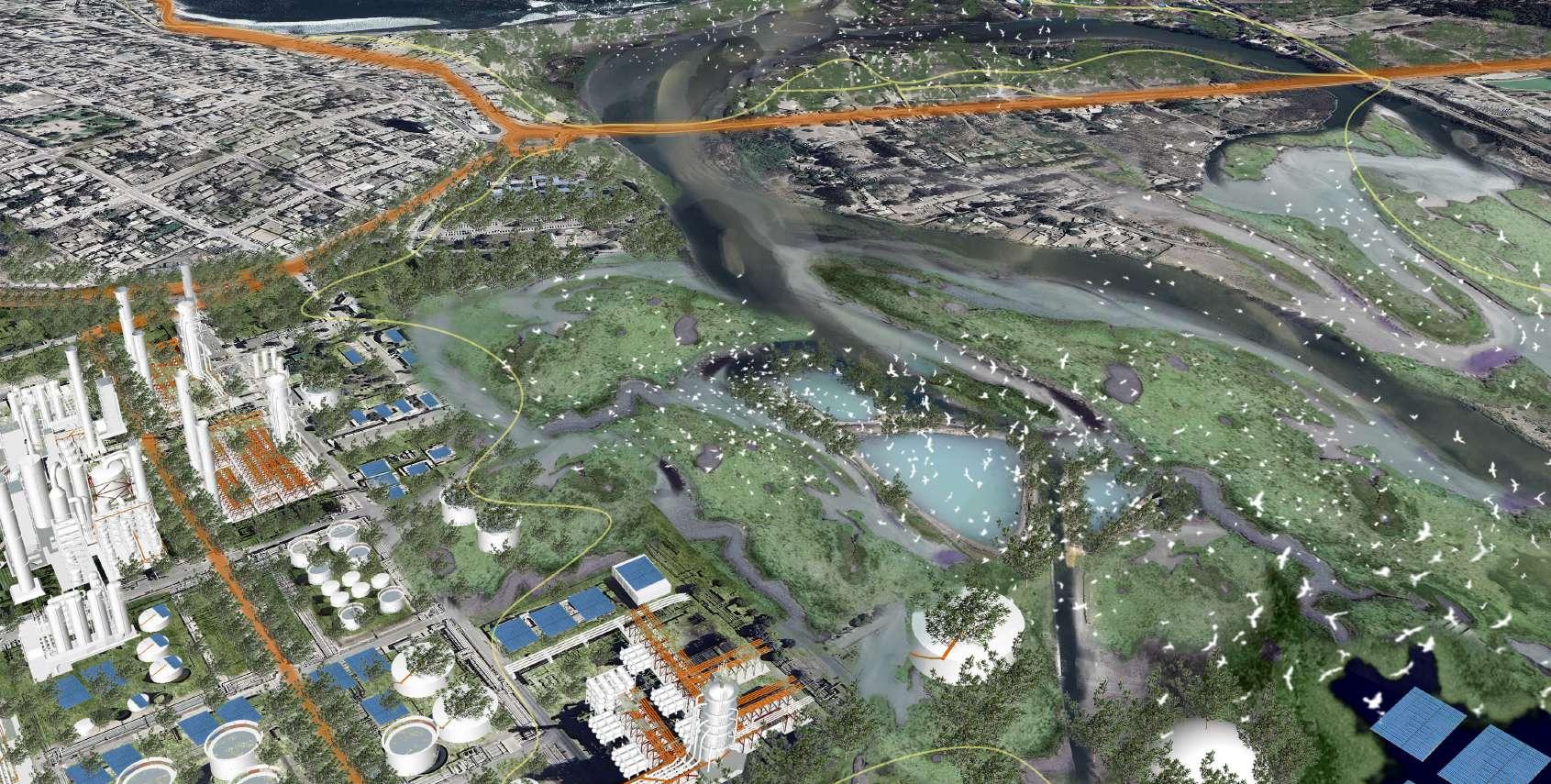
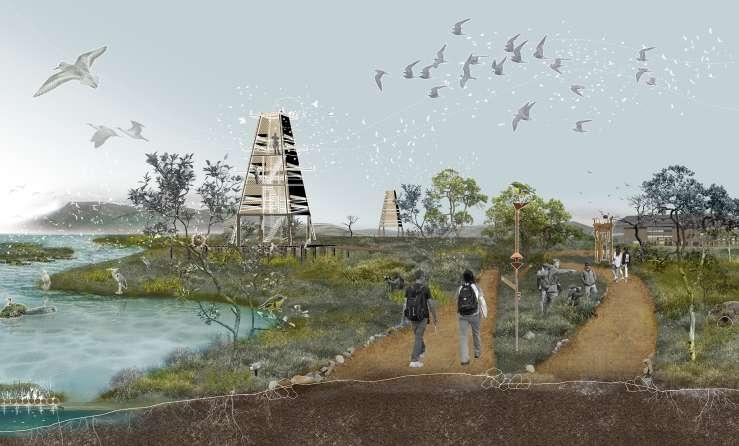
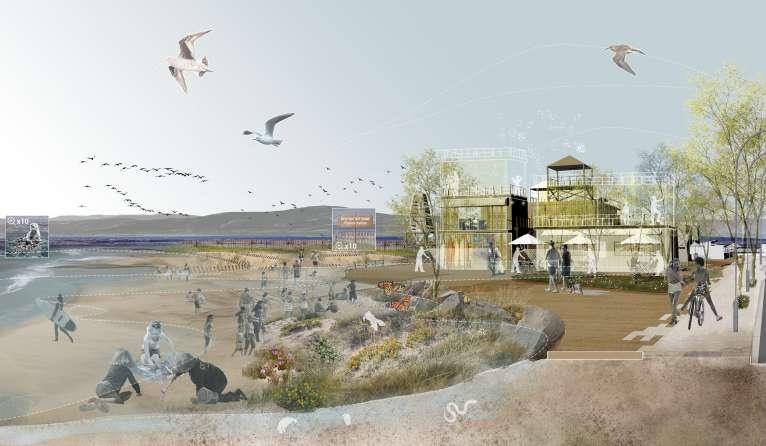
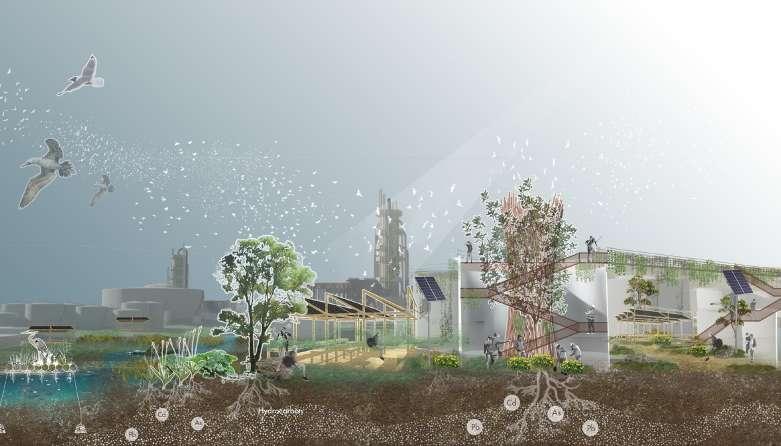
The Concon Estuary in Valparaíso, Chile—a vital meeting point of river and ocean—is under threat from pollution, urbanization, and ENAP’s industrial impact. As Chile shifts to renewables, phasing out ENAP and banning sand mining can restore ecosystems and create green jobs. A regenerative vision with “Catalyst Modules” seeks to RESTORE habitats, RECONNECT communities with nature, and RENEW the local economy, transforming the estuary into a resilient model for coastal coexistence.
mining
Agriculture Land
Shoreline 2025
Shoreline 1893
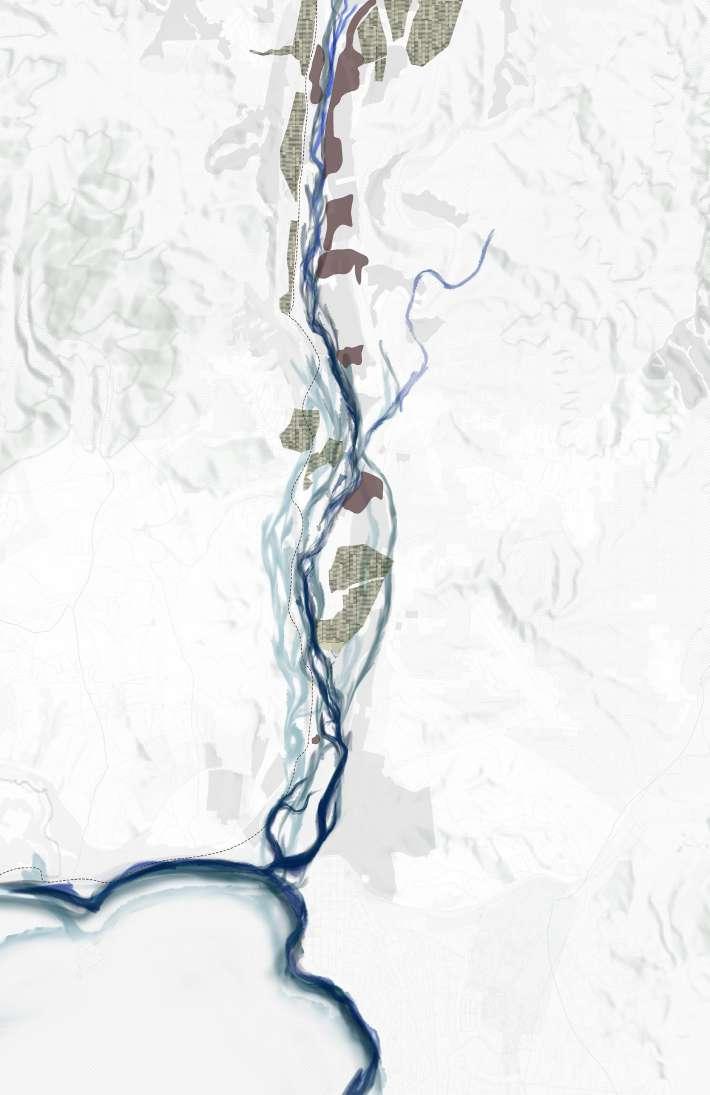
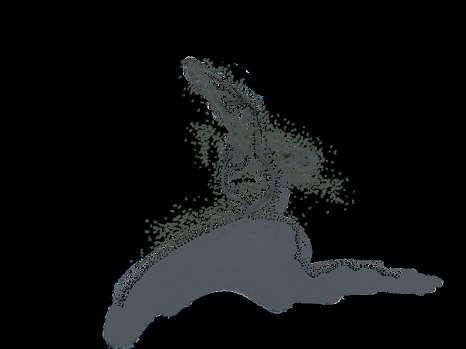
RIVER MEANDER AND COASTAL EROSION (1893-2025)
Co-producedby:MutitaOukandVickySindac
the space of the river, wetland, bird and marine habitats, improve salinity gradients, remediate pollution and contamination
urban areas to nature through educational programming, sustainable recreation, and proper zoning and regulation
the energy sources and economy through green jobs and adaptive reuse
2025-2035
2035-2050
2050-2100
Instructor: Thaddeus Pawlowski , Lee Altman, Katie Swenson, Christopher Kroner, Sam Carter, Julia Murphy, Nadine Maleh, Miriam Harris
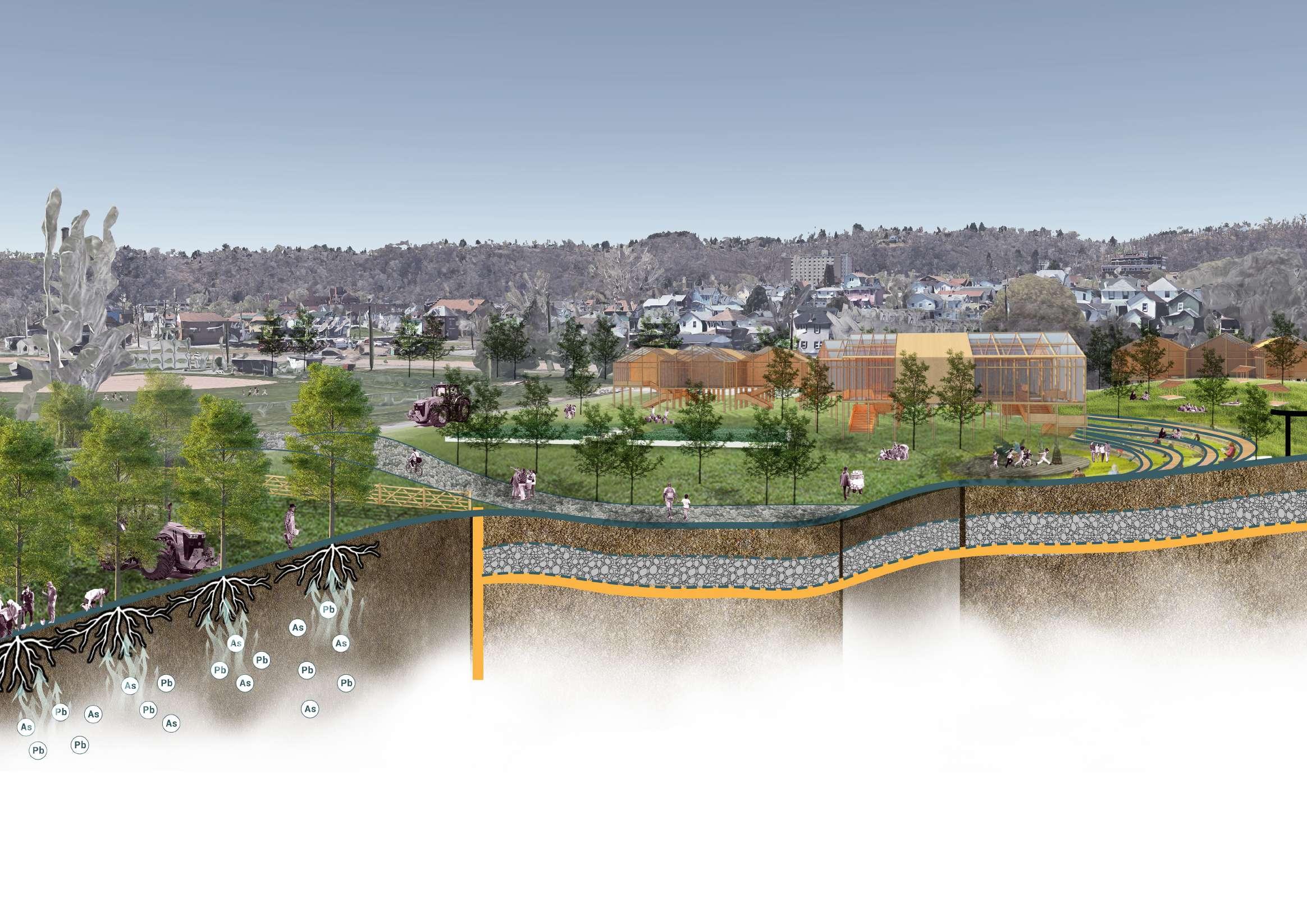
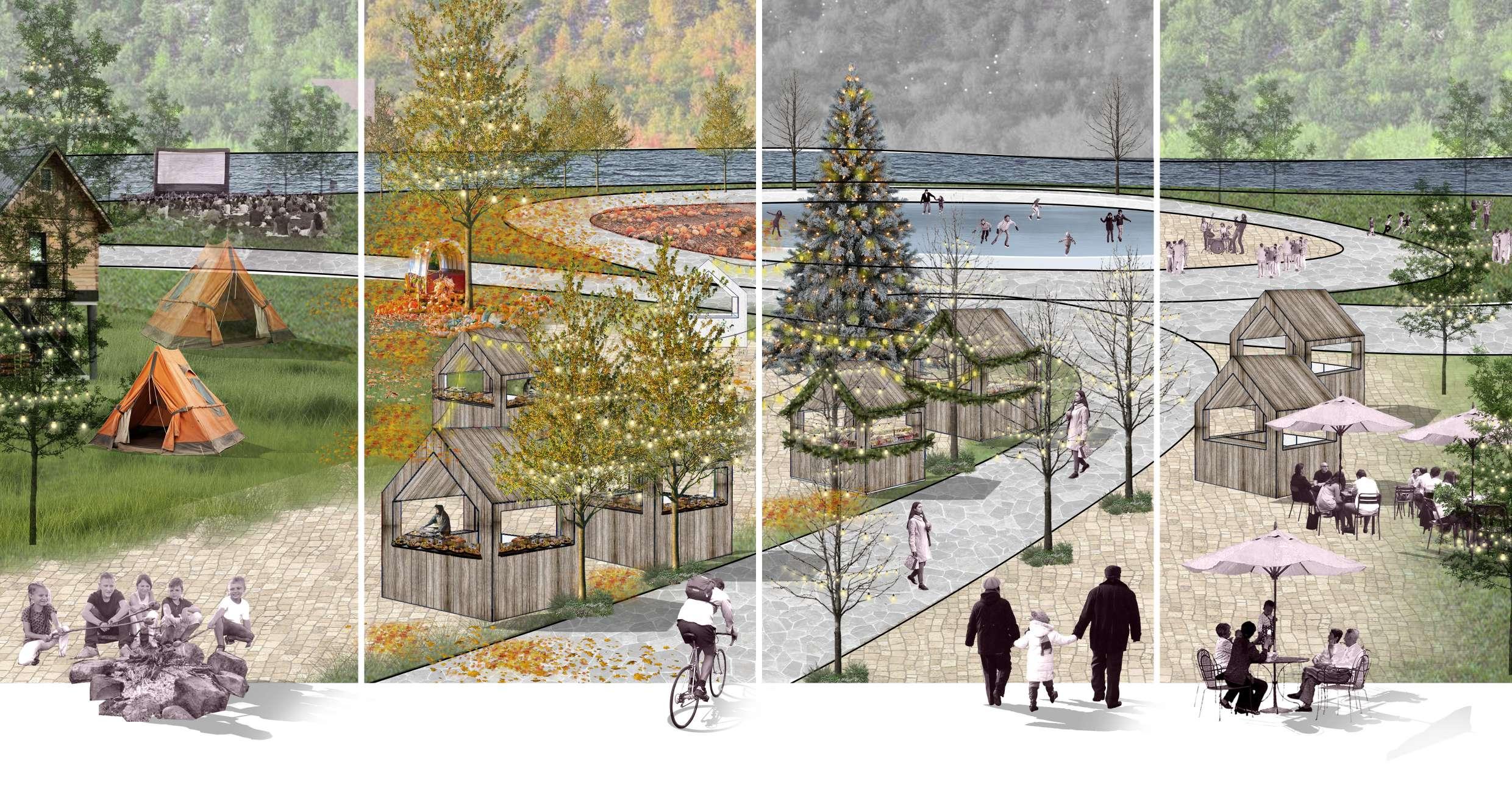
The Beaver Falls revitalization project will introduce initiatives for community engagement through urban interventions that foster partnership between Geneva College and the Downtown area, bridging the social, economic, and cultural divides rooted in their community’s history.
The project will establish Beaver Falls as a talent attraction and retention catalyst through adiverse local economy generated by education- and business-oriented development, which will be supported by a vibrant public realm design.
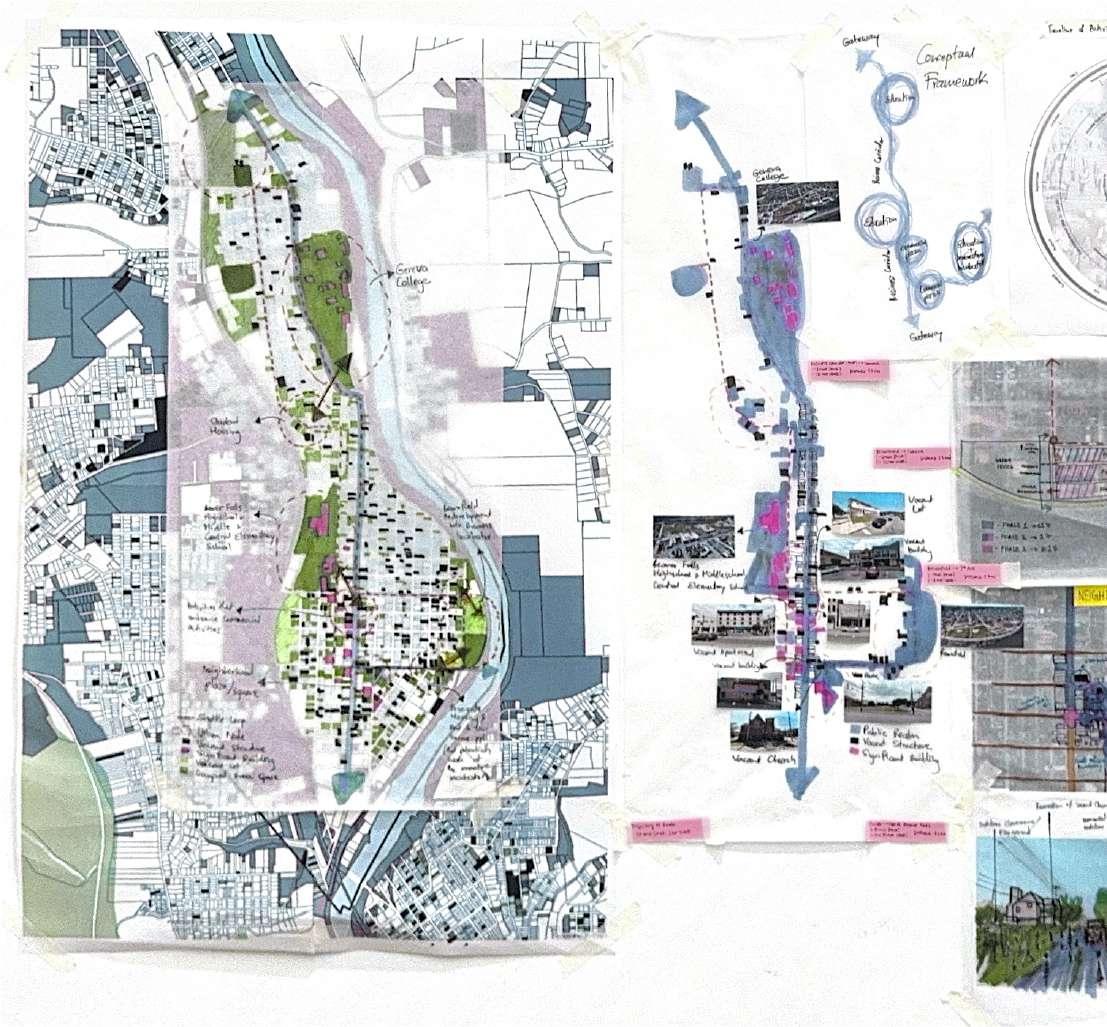
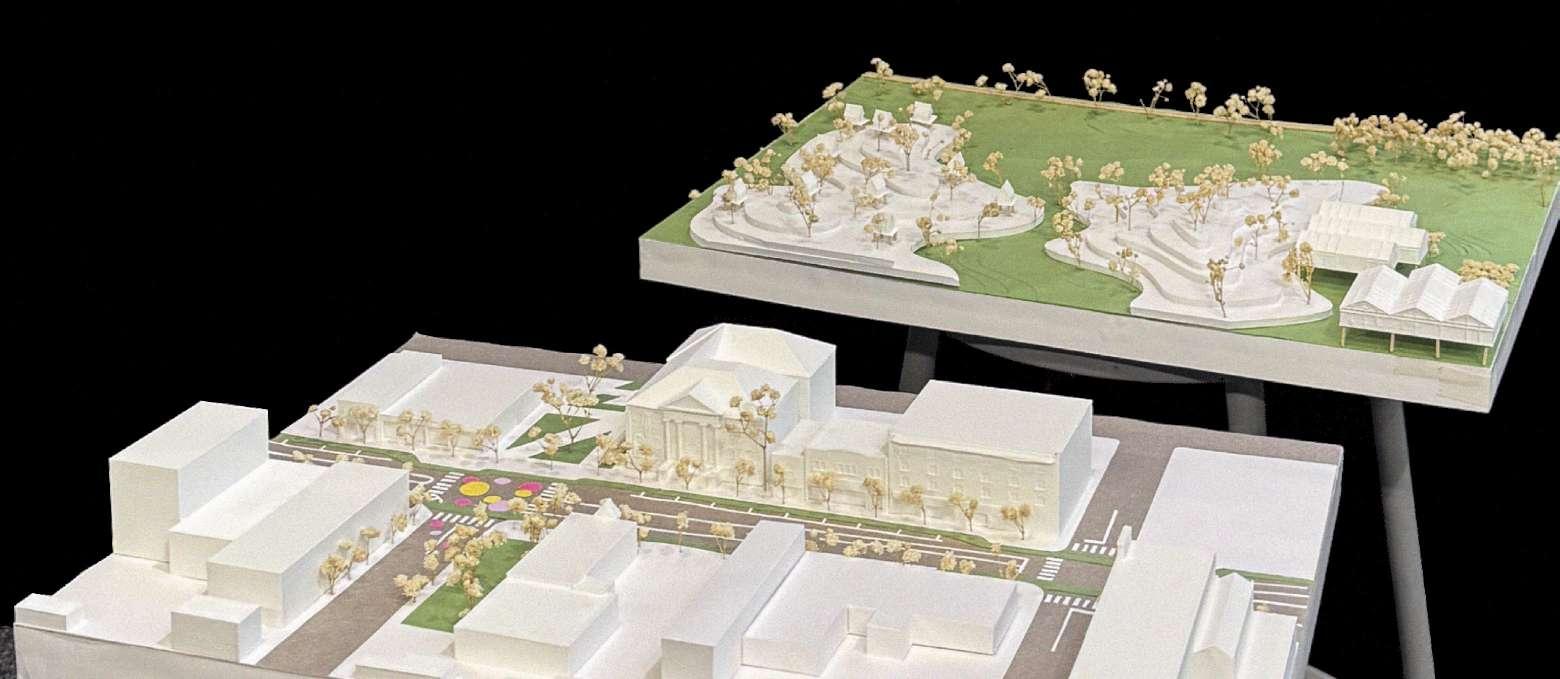
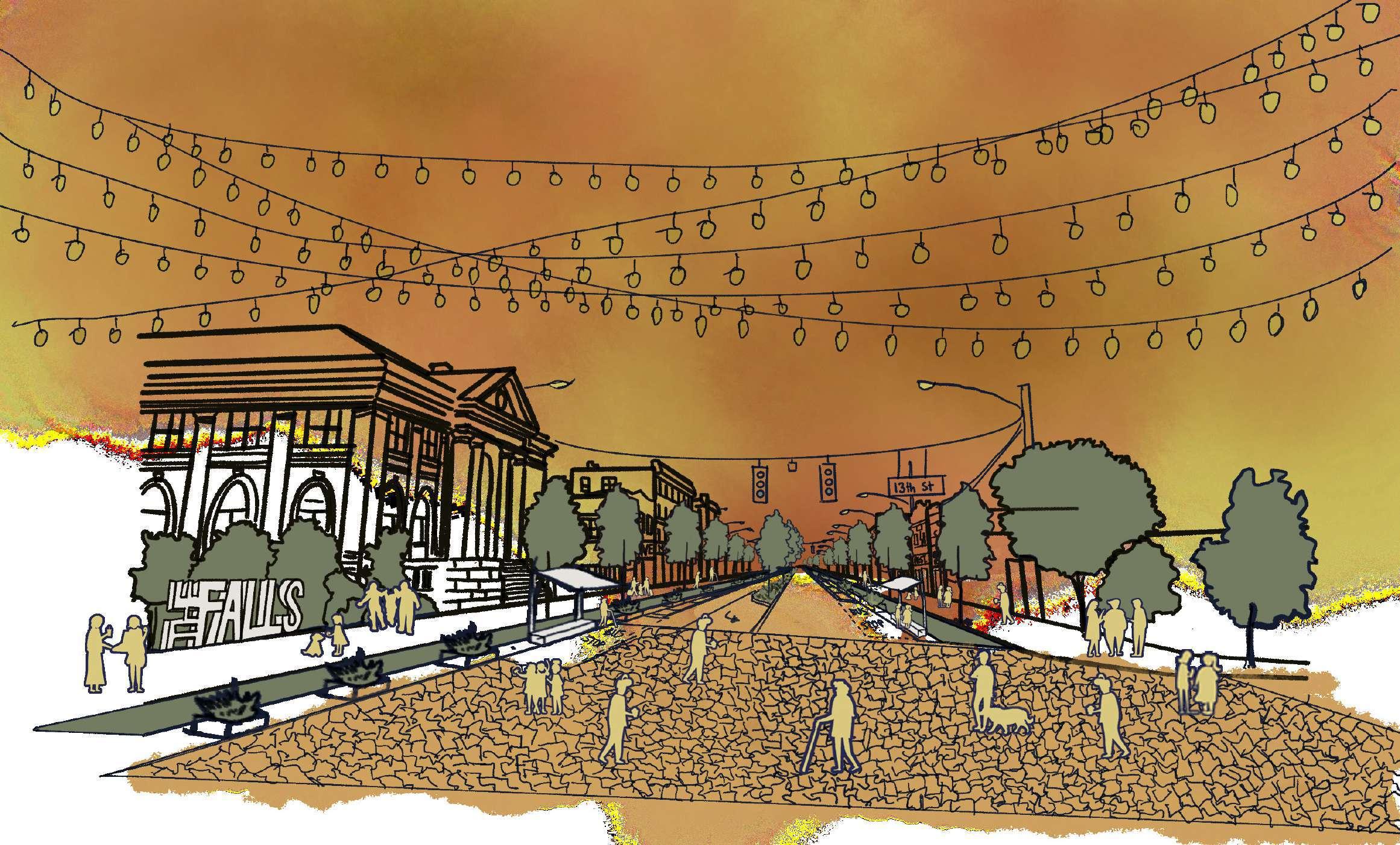
HEALING DESERTED DOWNTOWN
WEAVING WALKABLE PLAZA
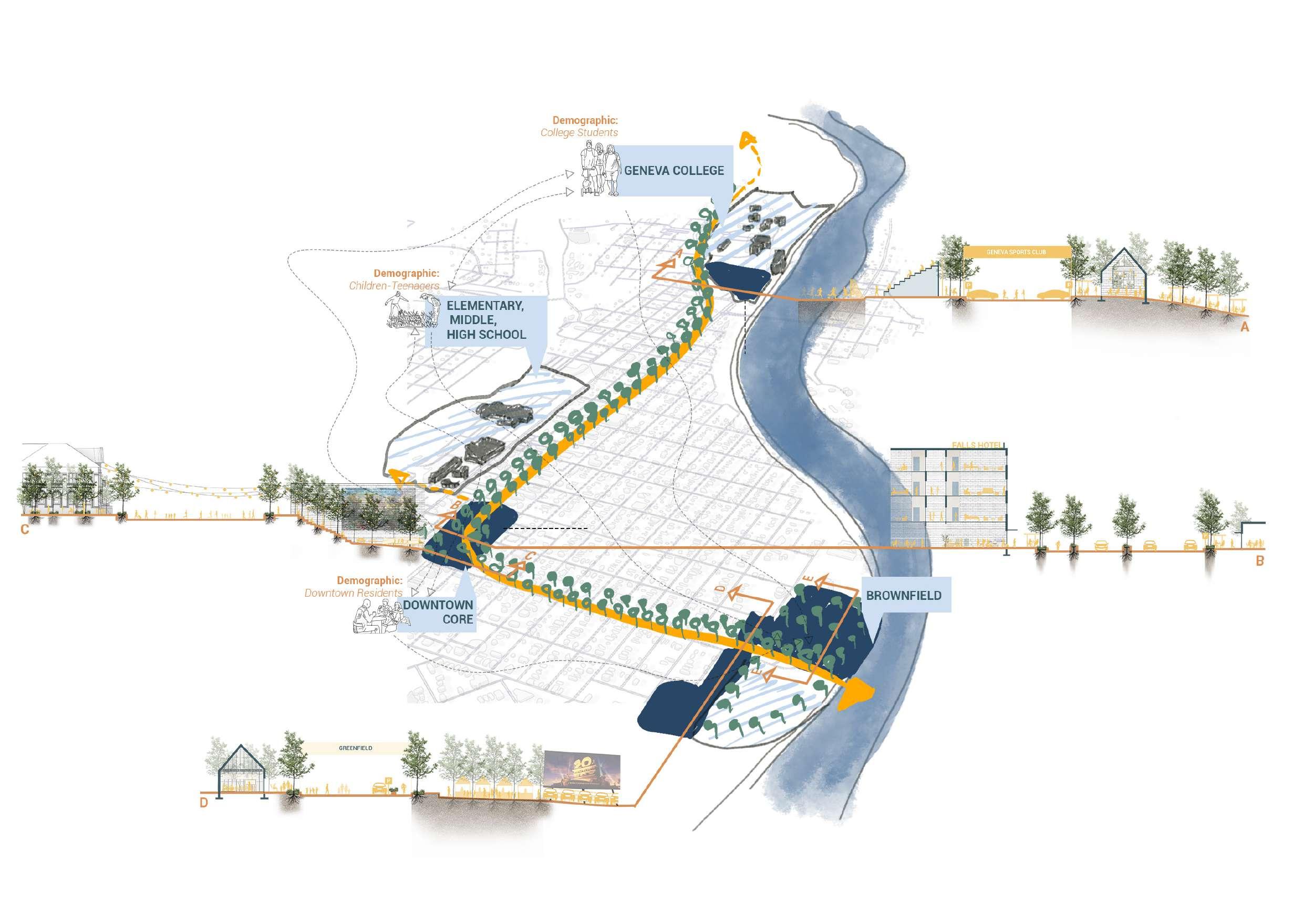
HEALING VACANT LOT
WEAVING POP-UP ACTIVITIES
HEALING CAMPUS INACCESSIBLITY
WEAVING SHARED SPORTS CLUB




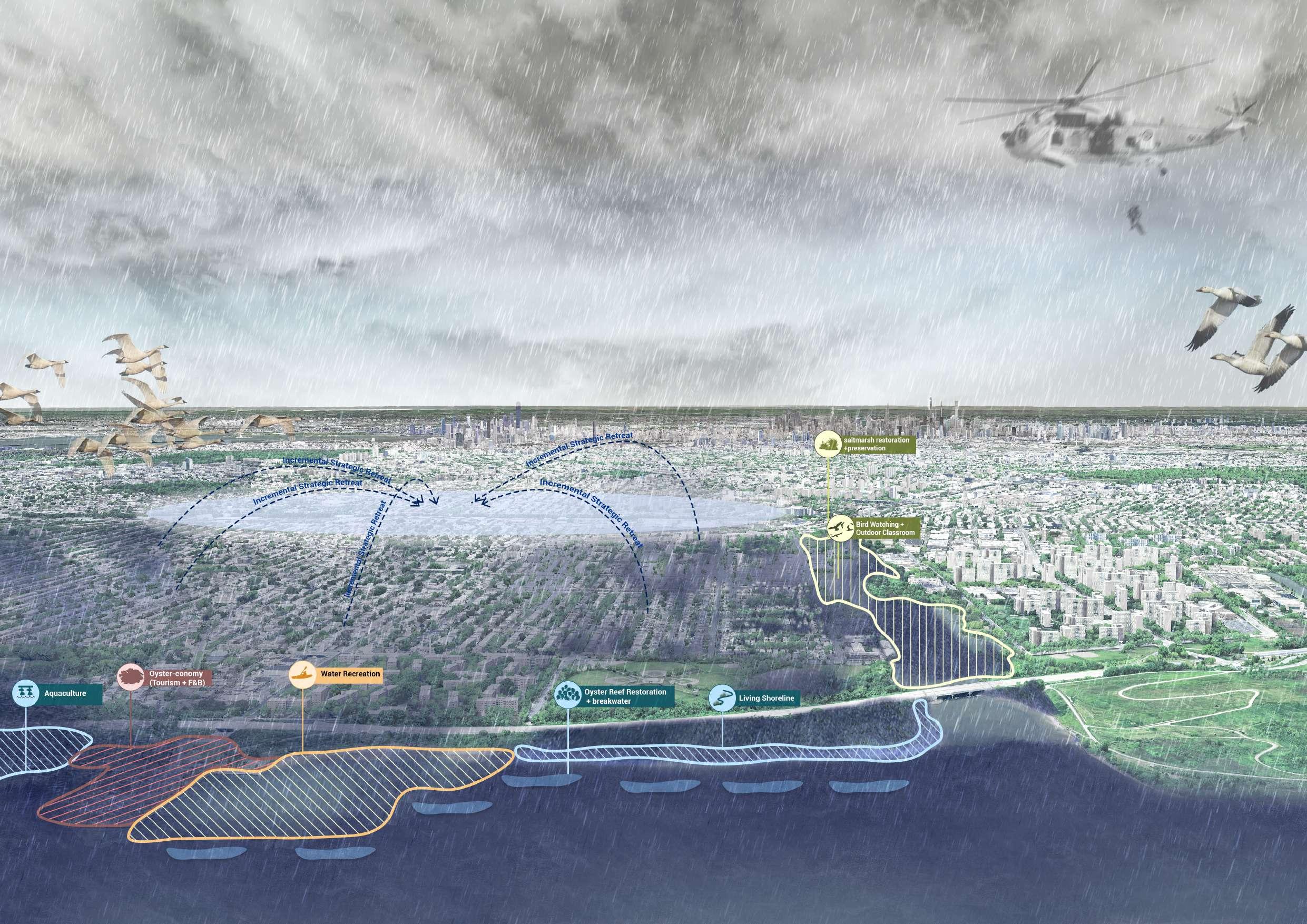
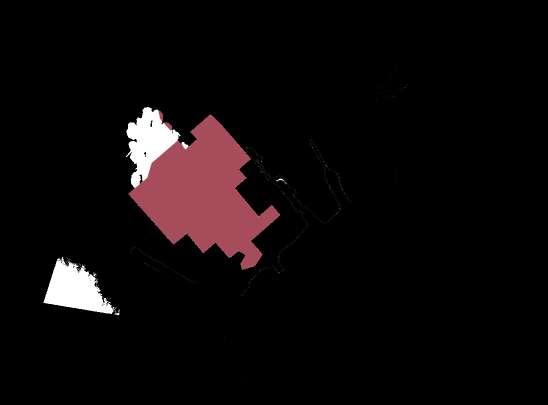
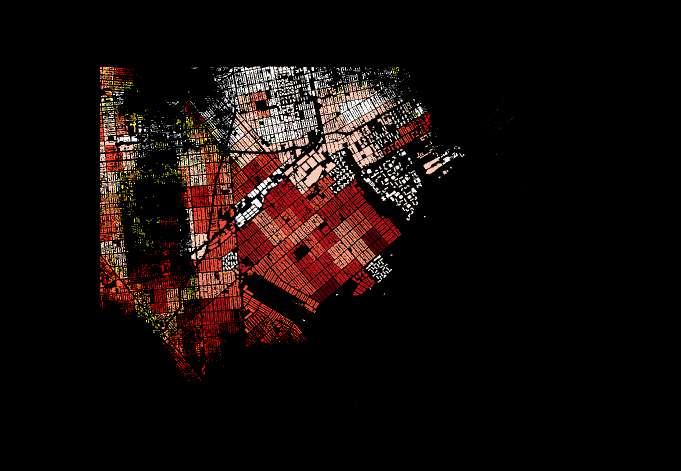
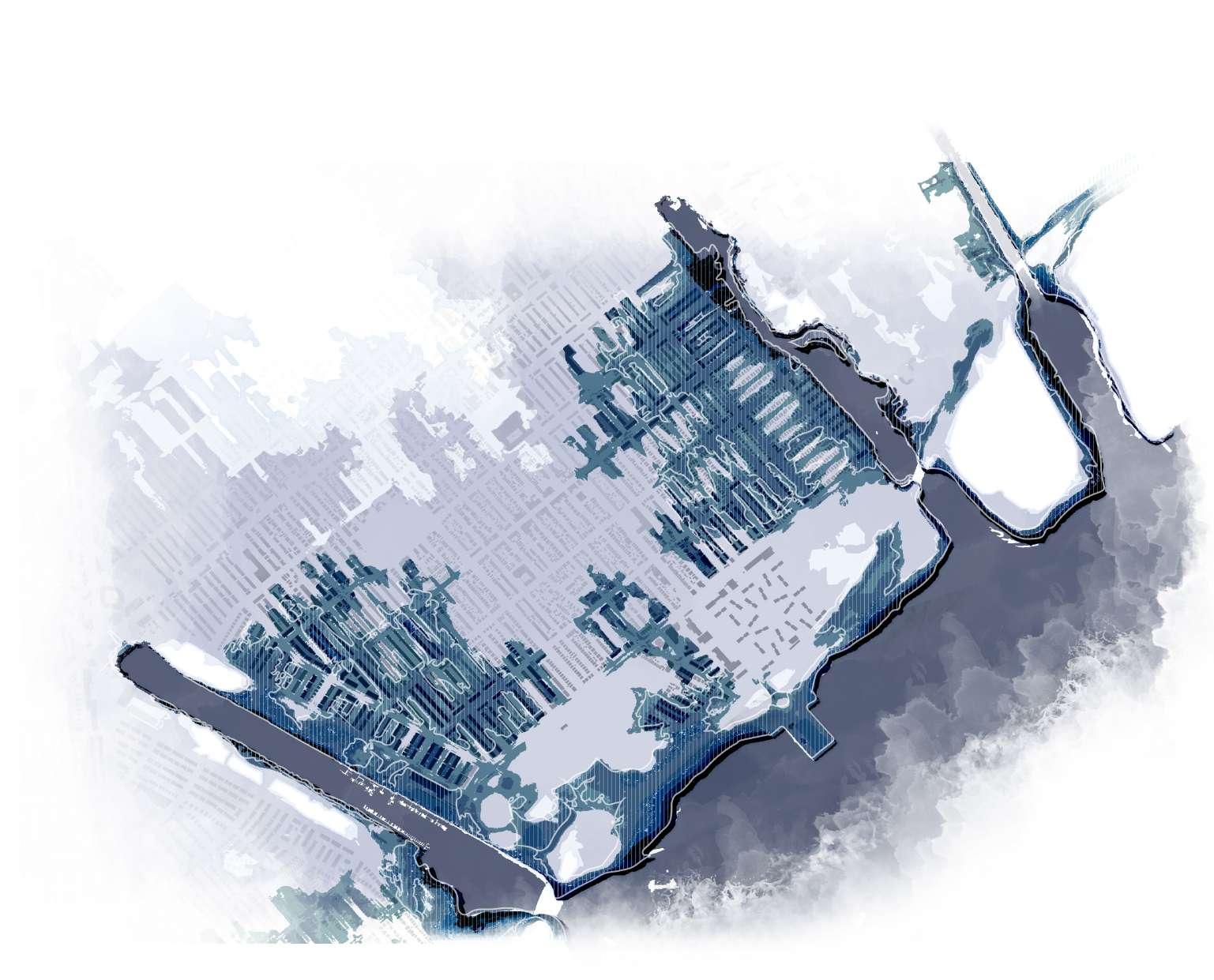
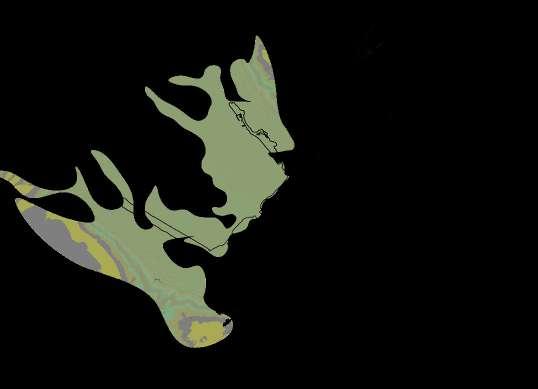
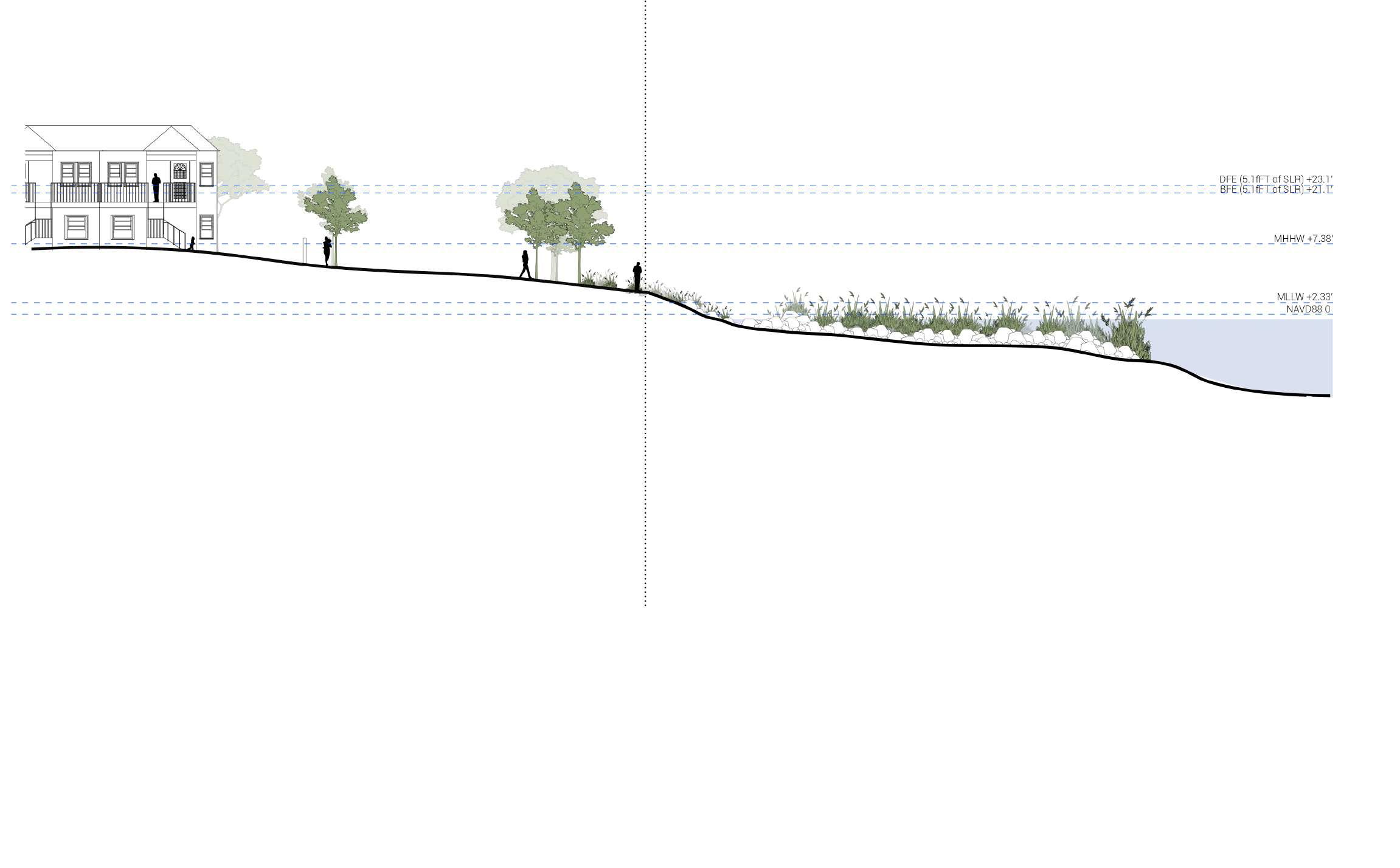
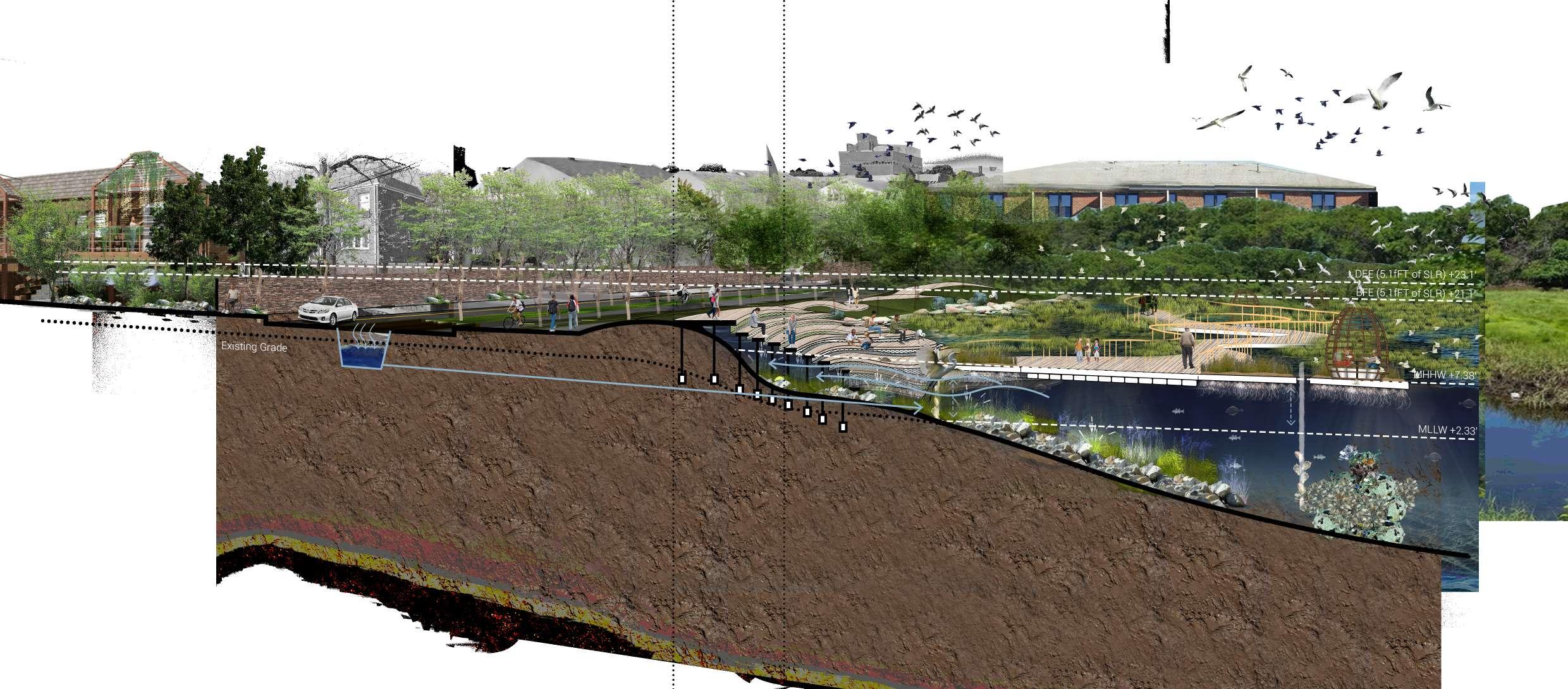
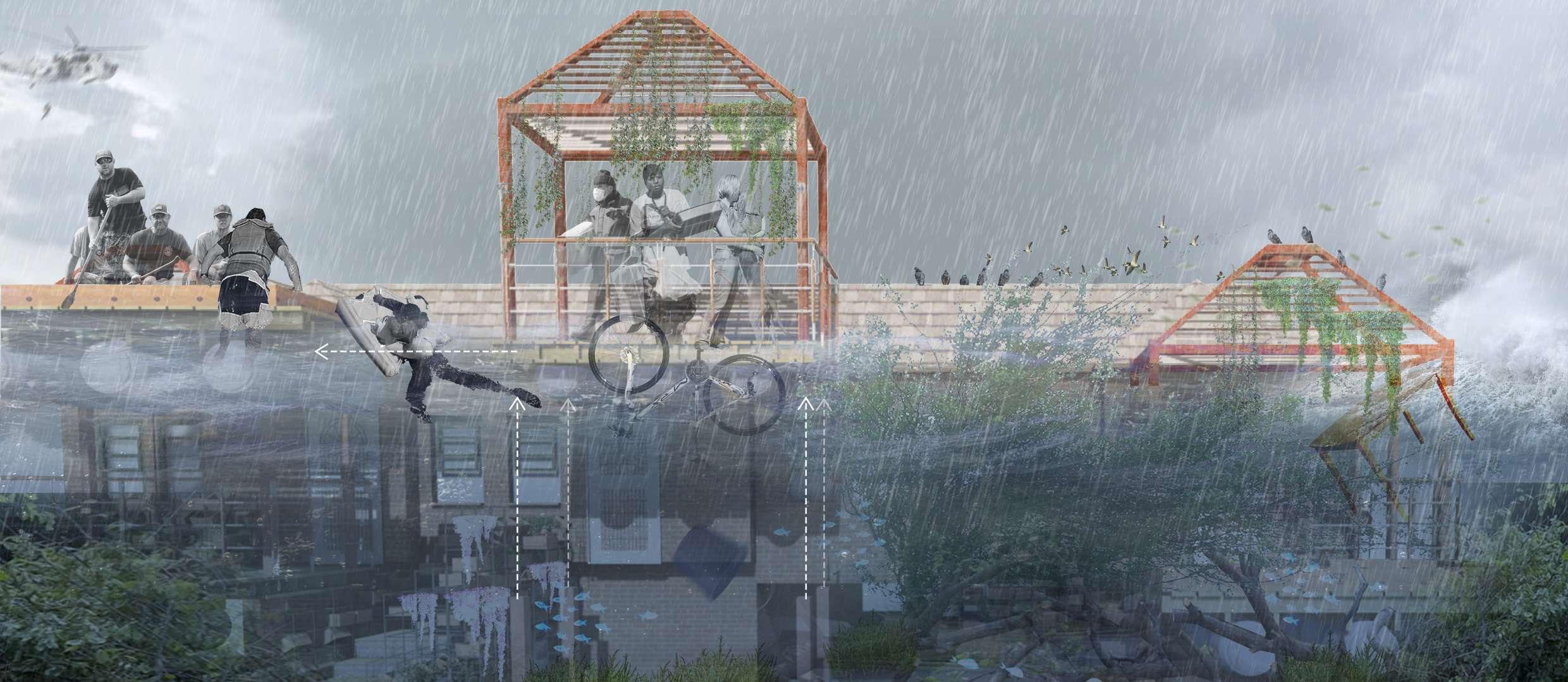
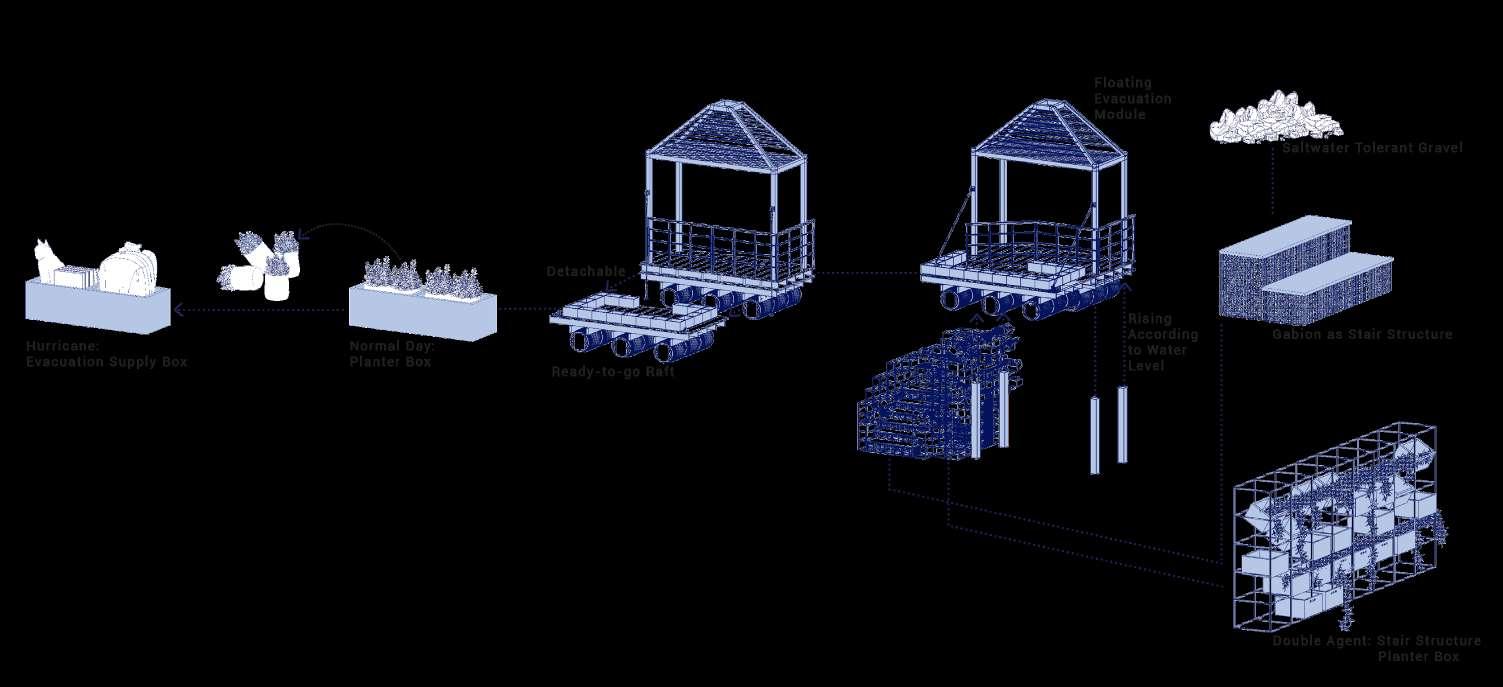
In 2100, Canarsie, a place with a large number of black homeownerships that are low to moderate income that once struggled with Redlining in the 1930s will now face another new challenges. As sea level rise, acute events like coastal storm is posing a risk of displacement for this community while events such as increased precipitation ad high tide flooding will become a chronic issue. Additionally, they will have financial burden as flood insuranced posed by FEMA increases depending on the calculated risk of each property. Is ‘Nature” floodlining?
This project seeks to solve this issue by looking for ways to live and adapt with water rather than chasing it away.
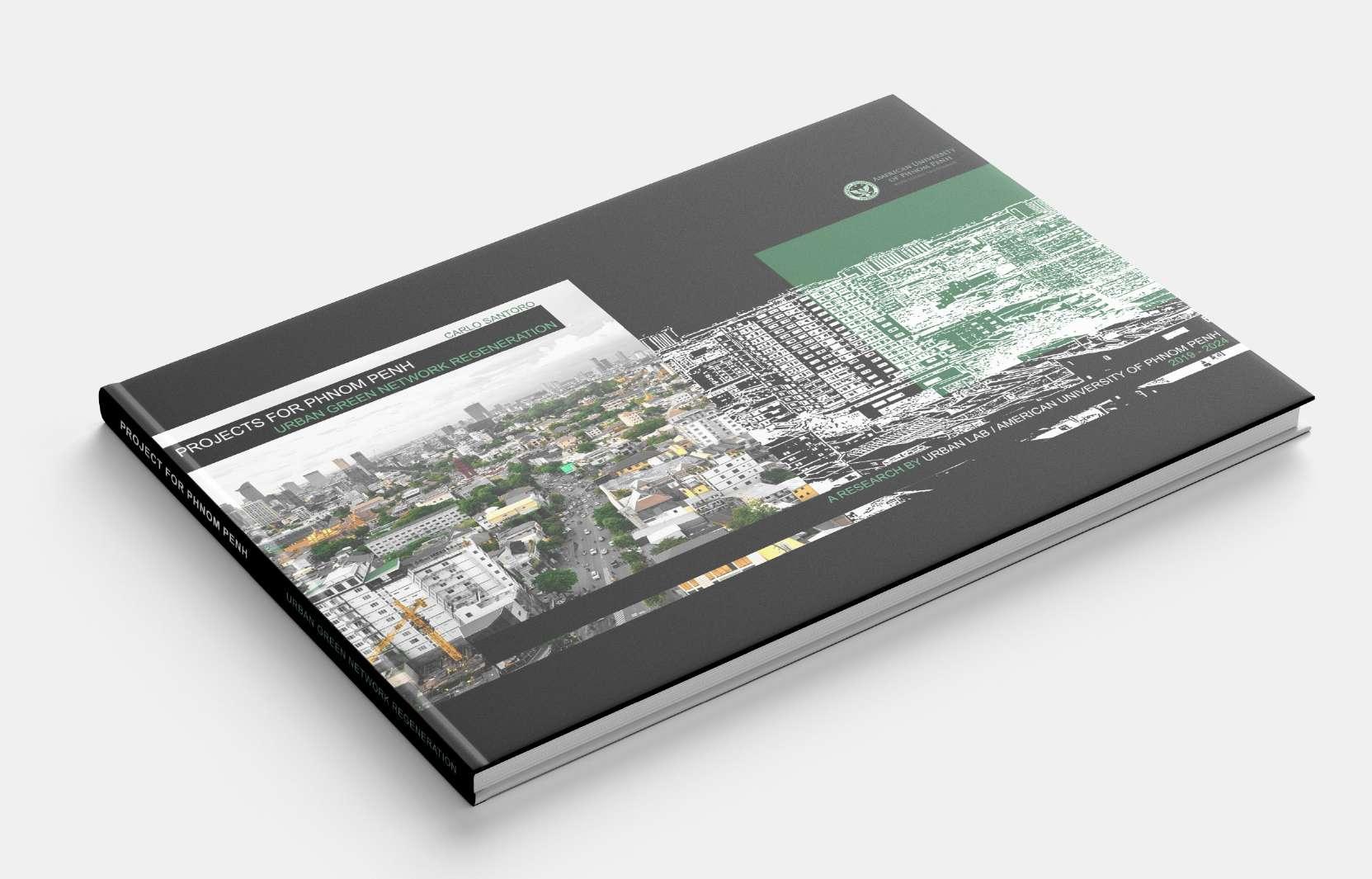
PHNOM PENH, CAMBODIA
Urban Lab | Lead Researcher: Dr. Carlo Santoro Research Assistants: Mutita Ouk and Sreymean Thoeurn
*All graphics and texts included are my contribution to the research
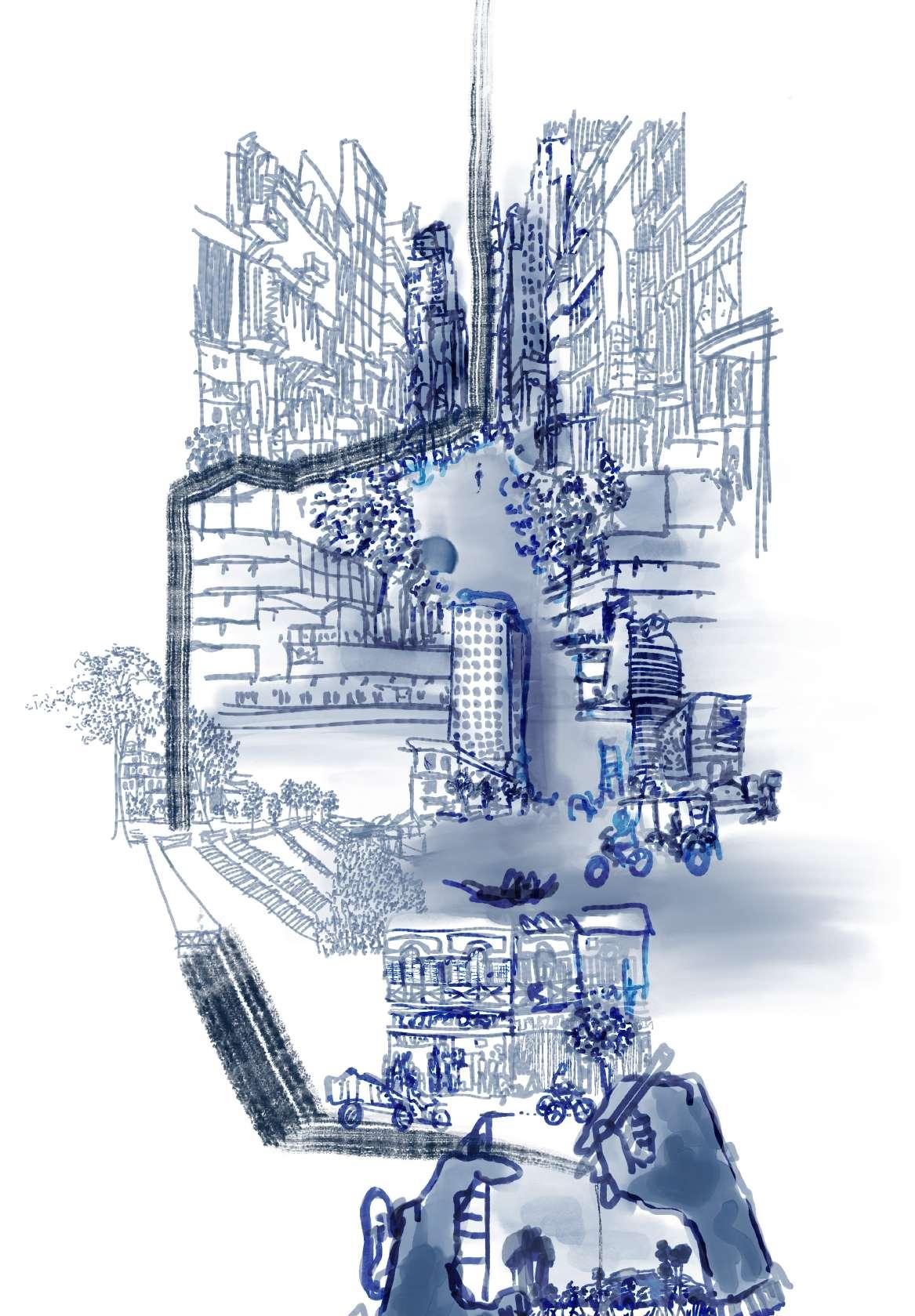
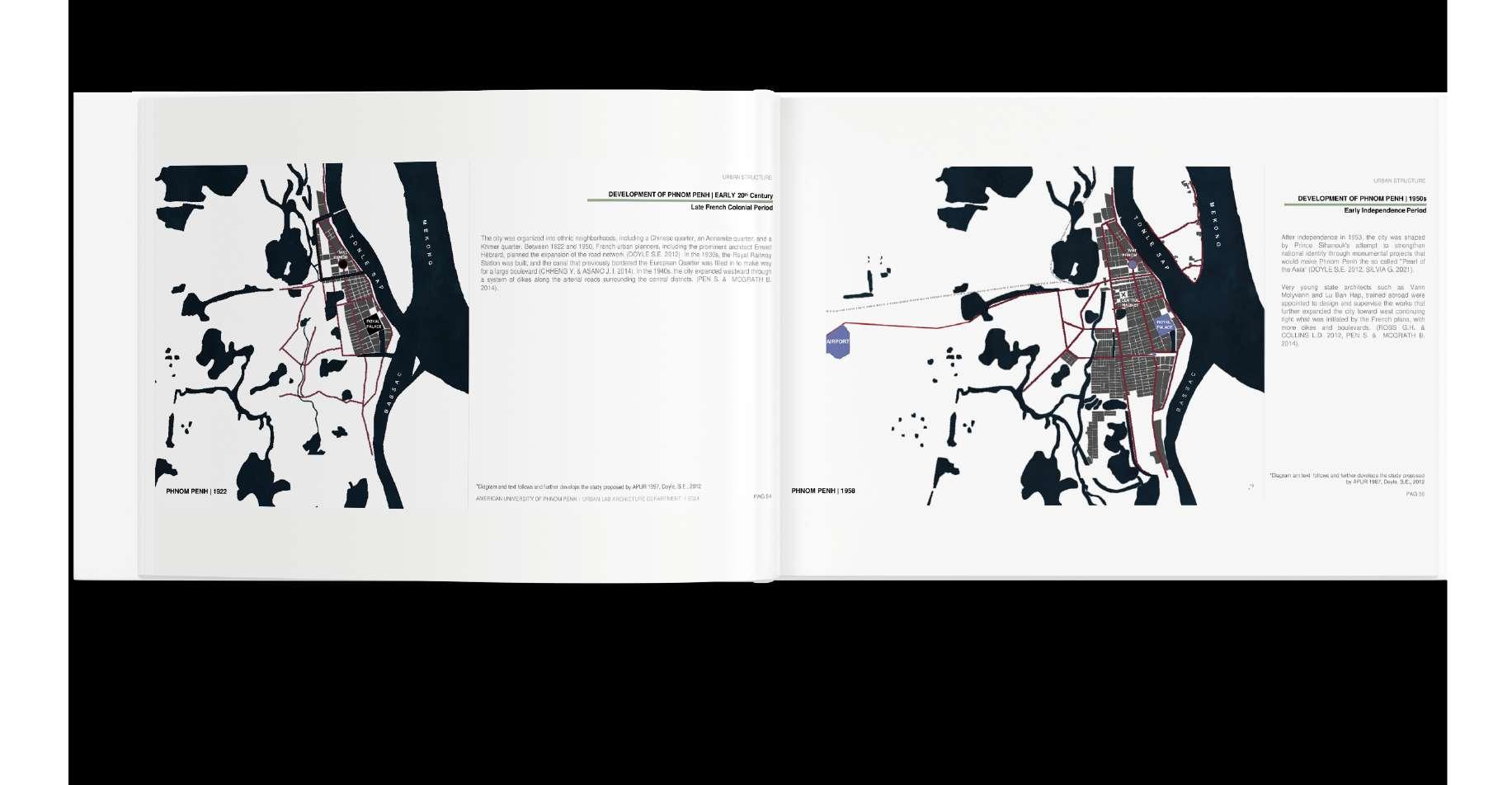
This research offers a comprehensive overview of urban planning initiatives and regeneration projects that have been undertaken in the central districts of Phnom Penh over the past three decades. With a specific reference to Cambodia’s historical events, it provides an analysis of the urban growth and development of the capital city. It also offers an examination of urban planning approaches from the earliest times to the present, exploring the challenges and reasons behind the incomplete implementation of these processes. The research then presents a series of interventions on the urban grain in the form of pilot projects and assesses their feasibility, with particular consideration given to the current state of the real estate market. The research proposes the drafting of an urban framework plan based on the current Phnom Penh Land Use Masterplan and a detailed analysis of the urban form, with the objective of identifying potential areas for establishing an interconnected green infrastructure built with the support of public-private partnerships to serve the historical neighborhoods.
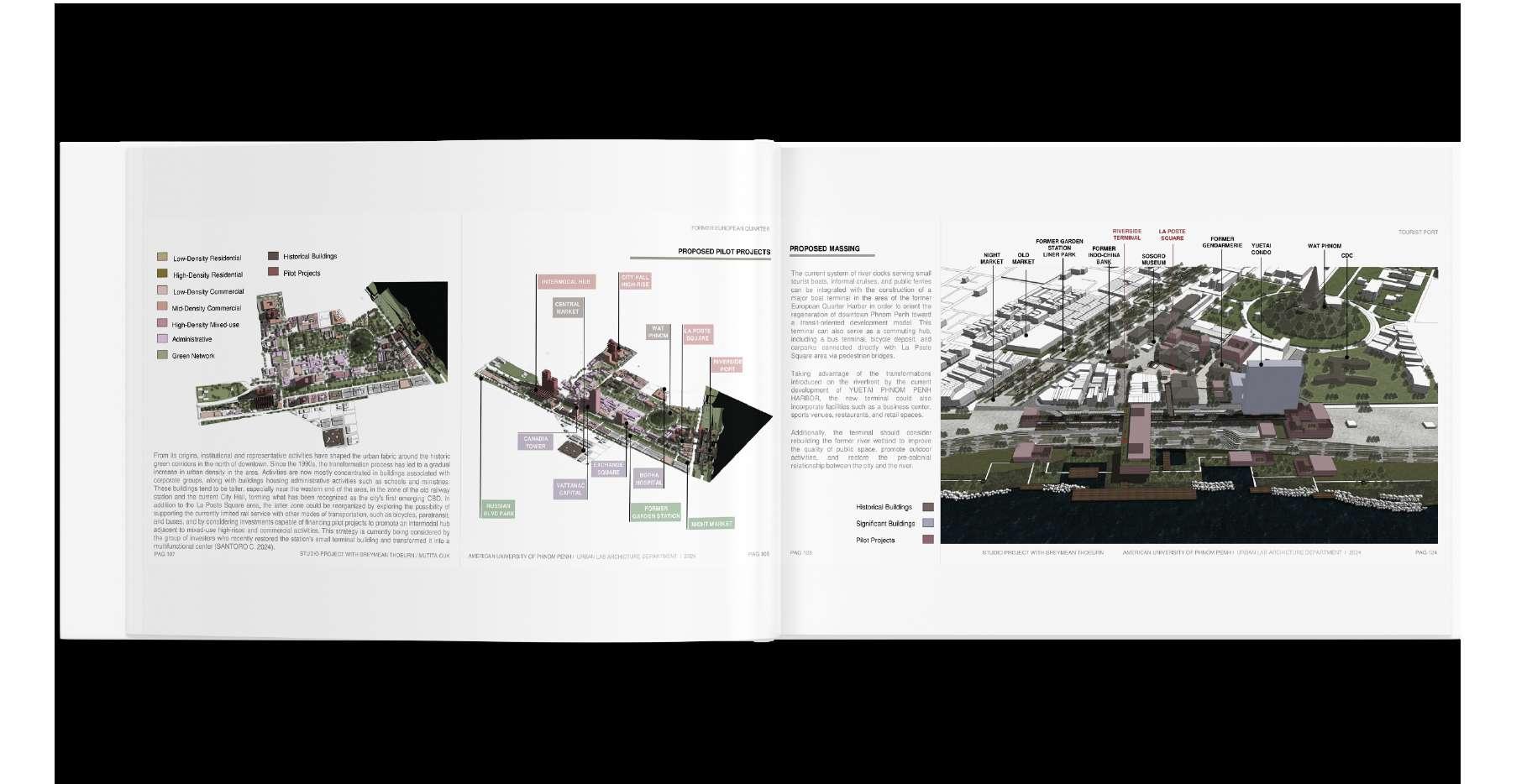
PILOT PROJECT PROPOSAL
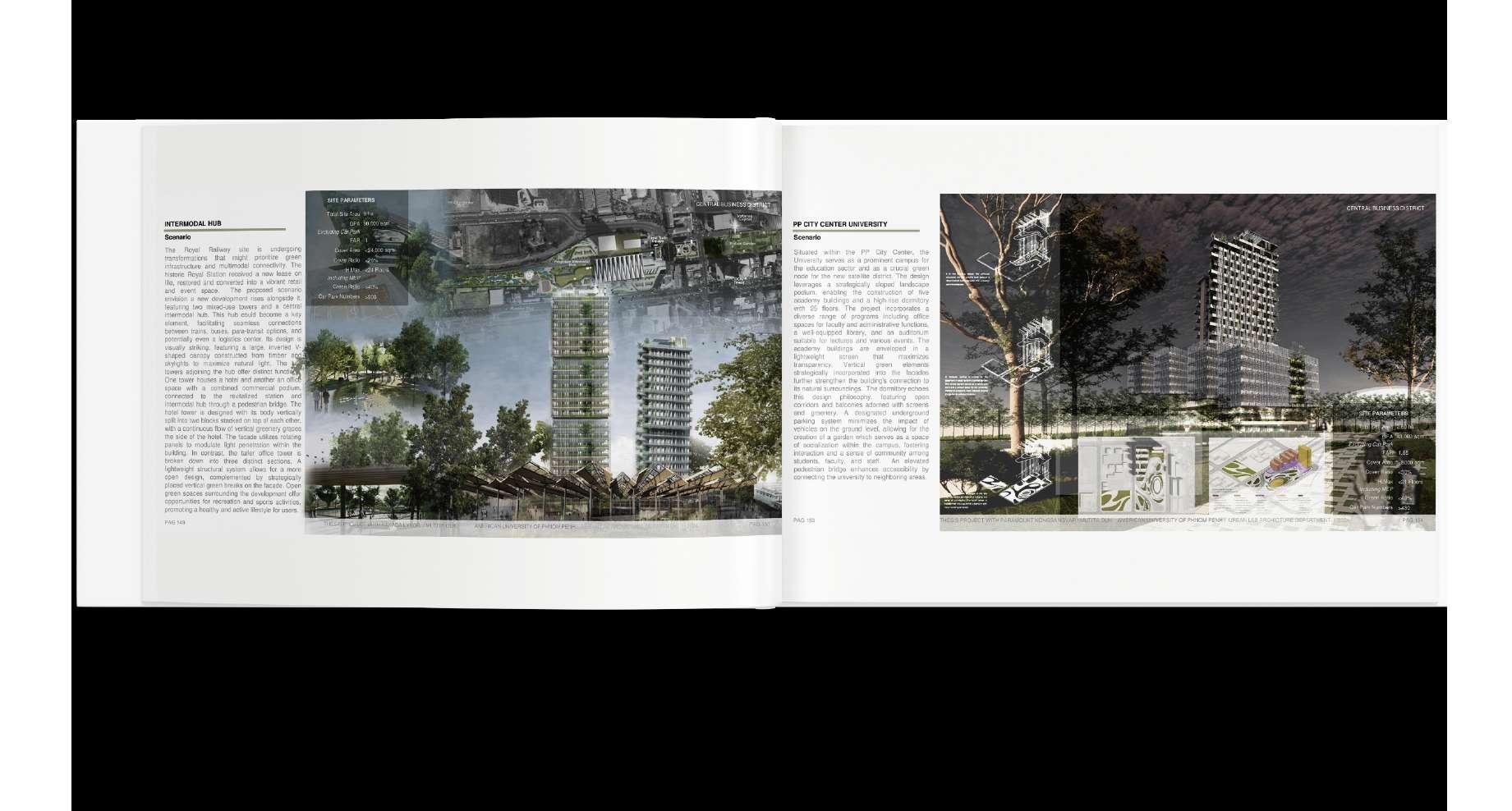
GREEN CORRIDOR AND RIVERSIDE PROPOSAL
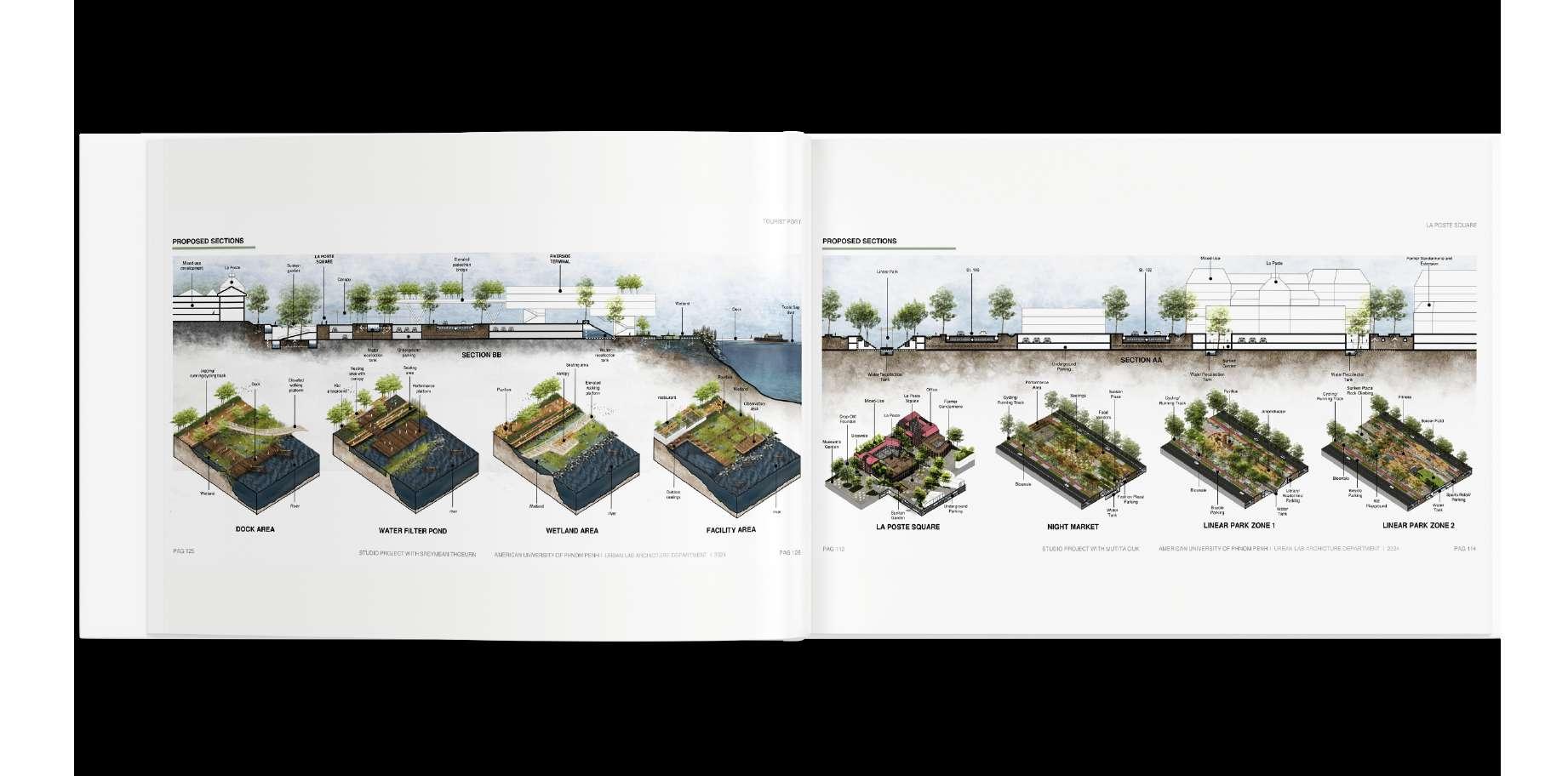
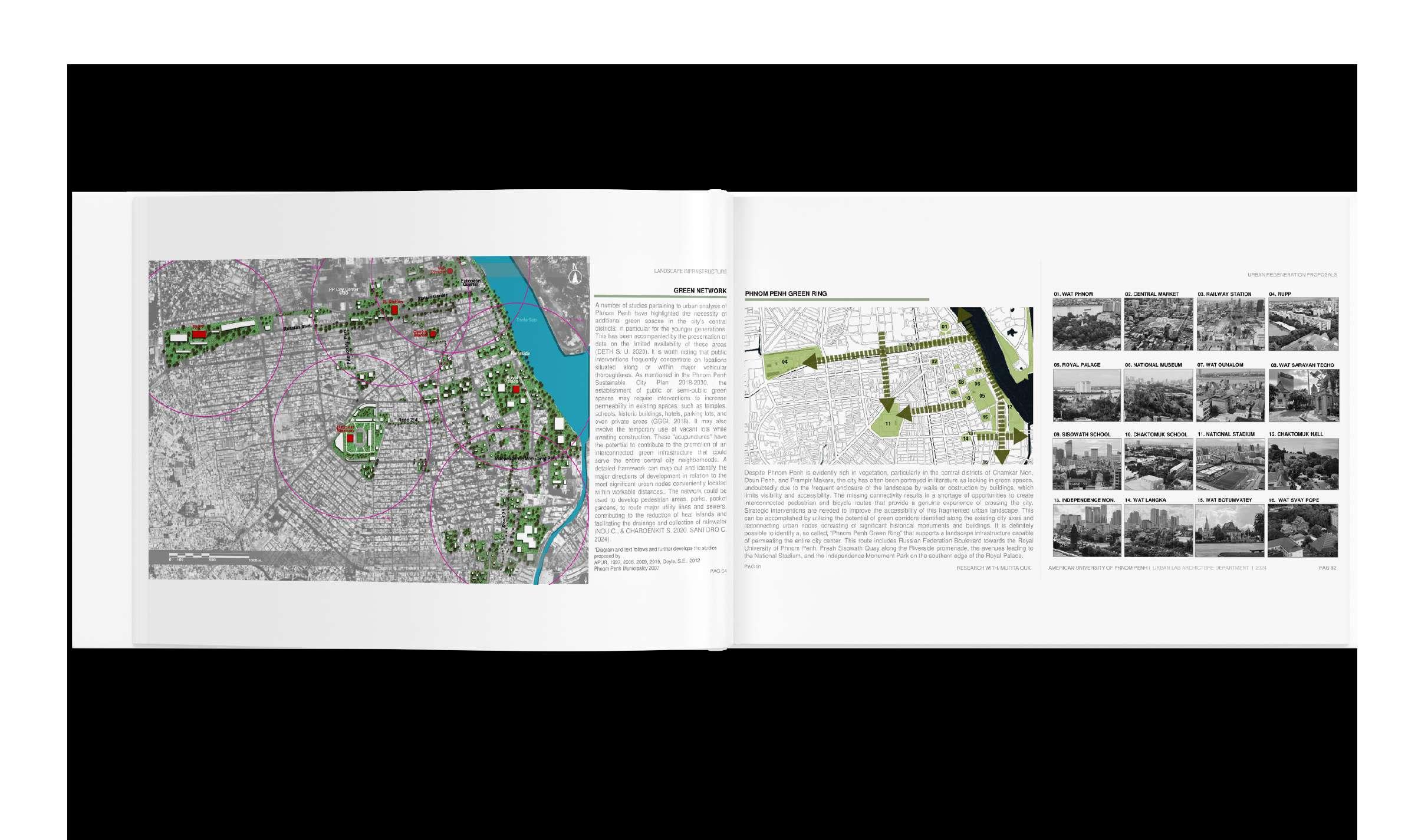
PHNOM PENH, CAMBODIA
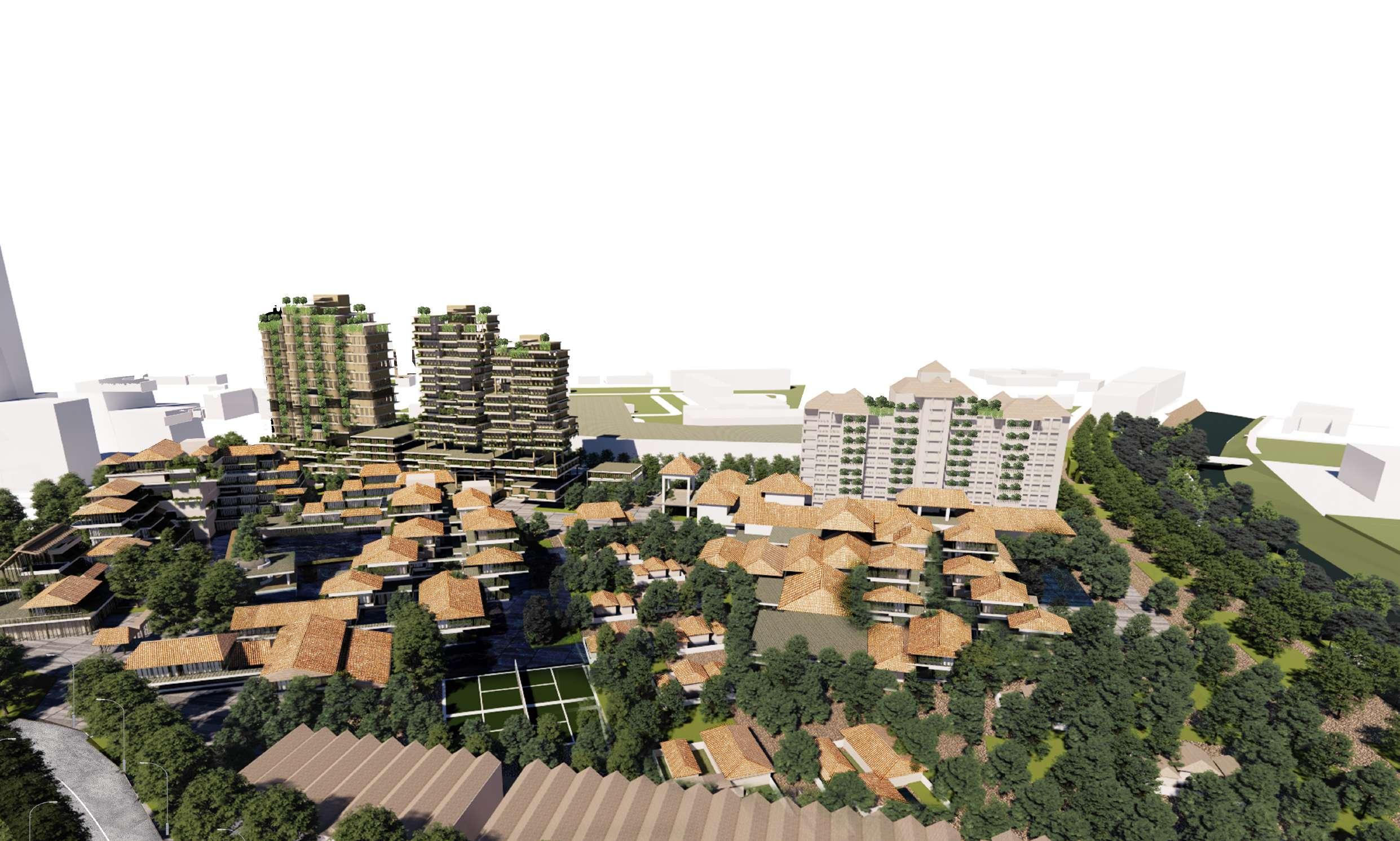
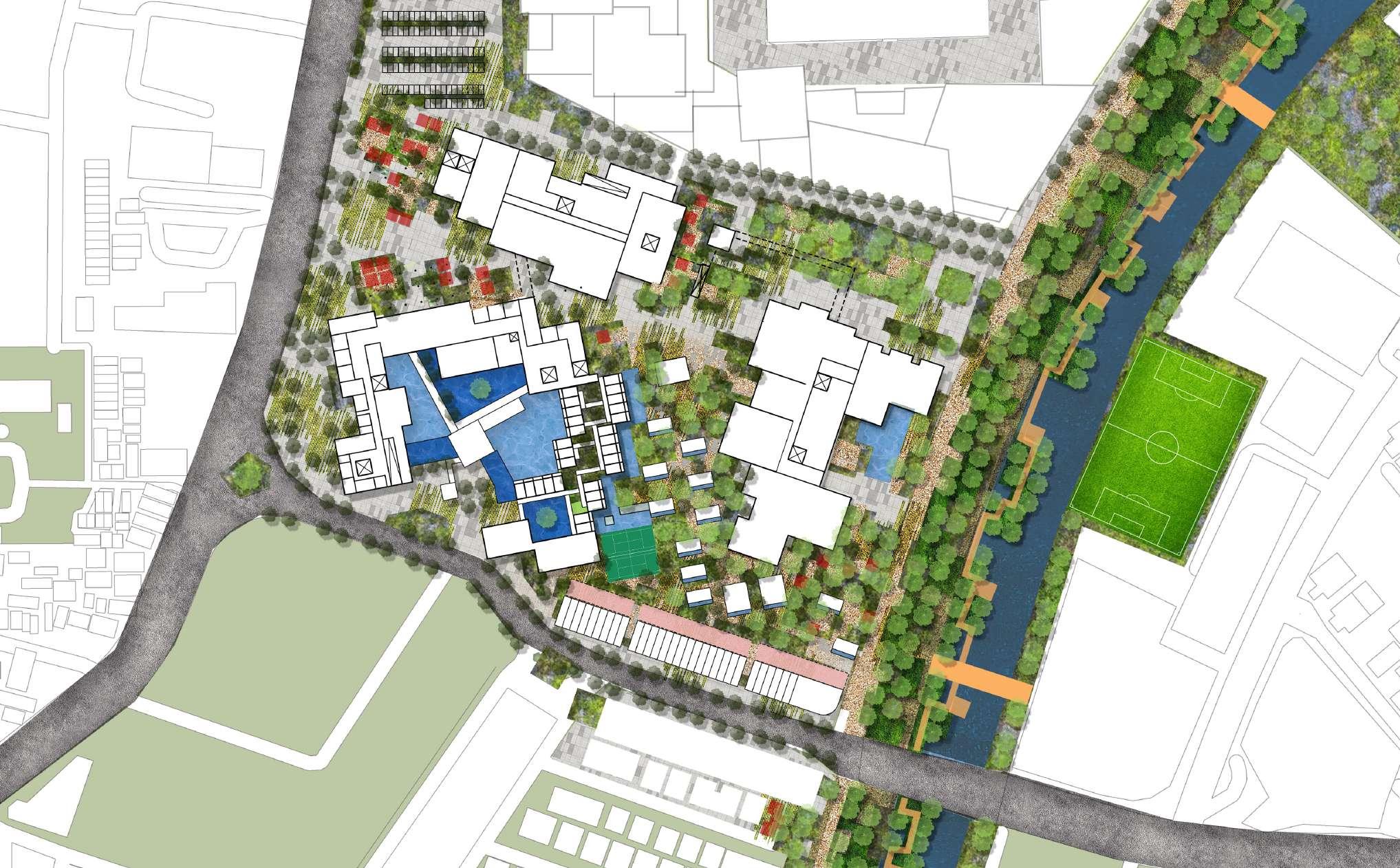
The design follows a typological approach, with the building form oriented to establish space and subdivided into three main zones: the 5-star hotel, 4-star hotel, and mixed-use tower. The 5-star hotel features a drop-off area, concierge, floating walkway, and two wings—one with retail shops and the other with guestrooms that offer views of water features and pools. The 4-star hotel includes a convention center, restaurant, and other amenities, while the mixed-use tower connects to retail and community spaces, extending from the Aeon mall. The landscape transitions from a lush Khmer village-style area to a botanical garden, with views of the Bassac river and easy access to all zones.
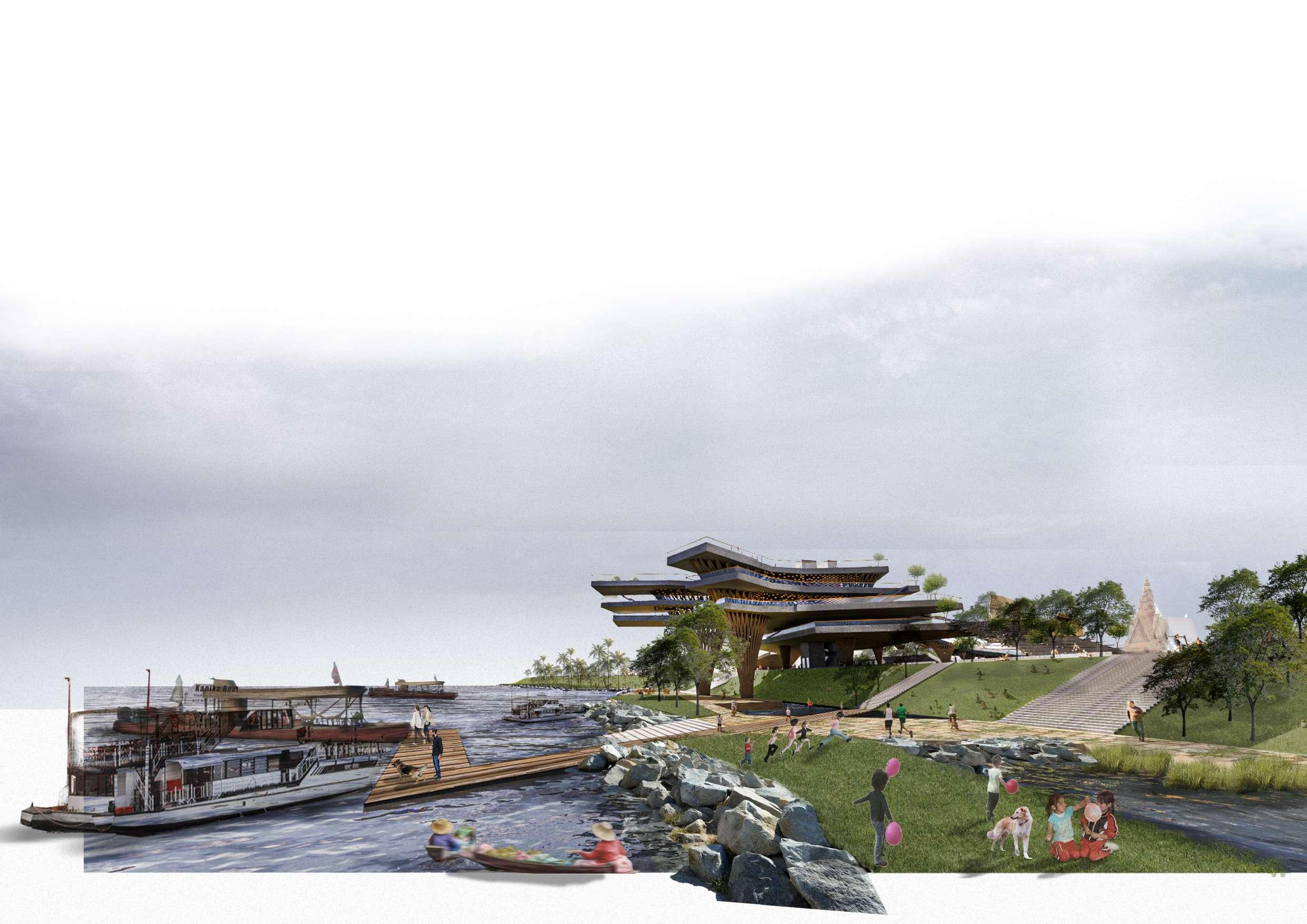
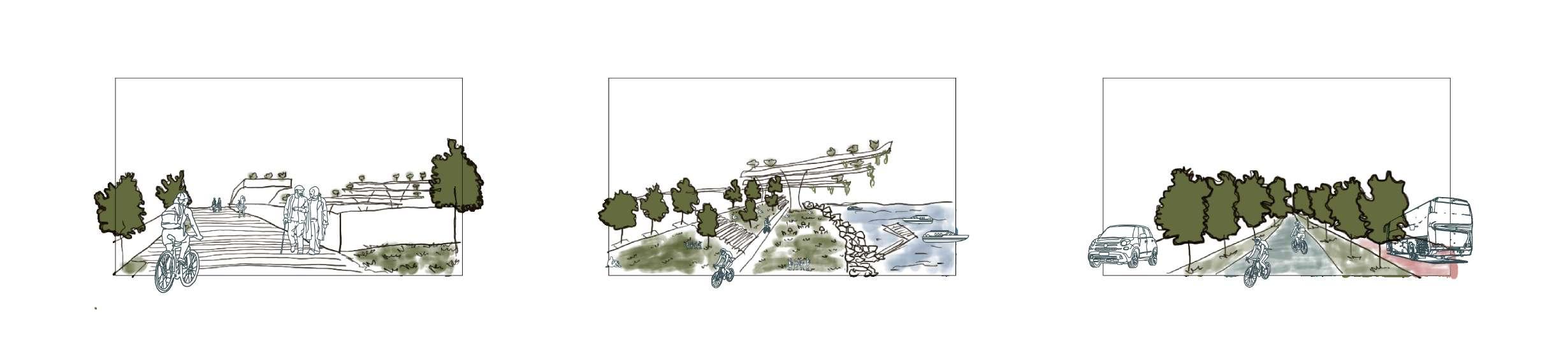
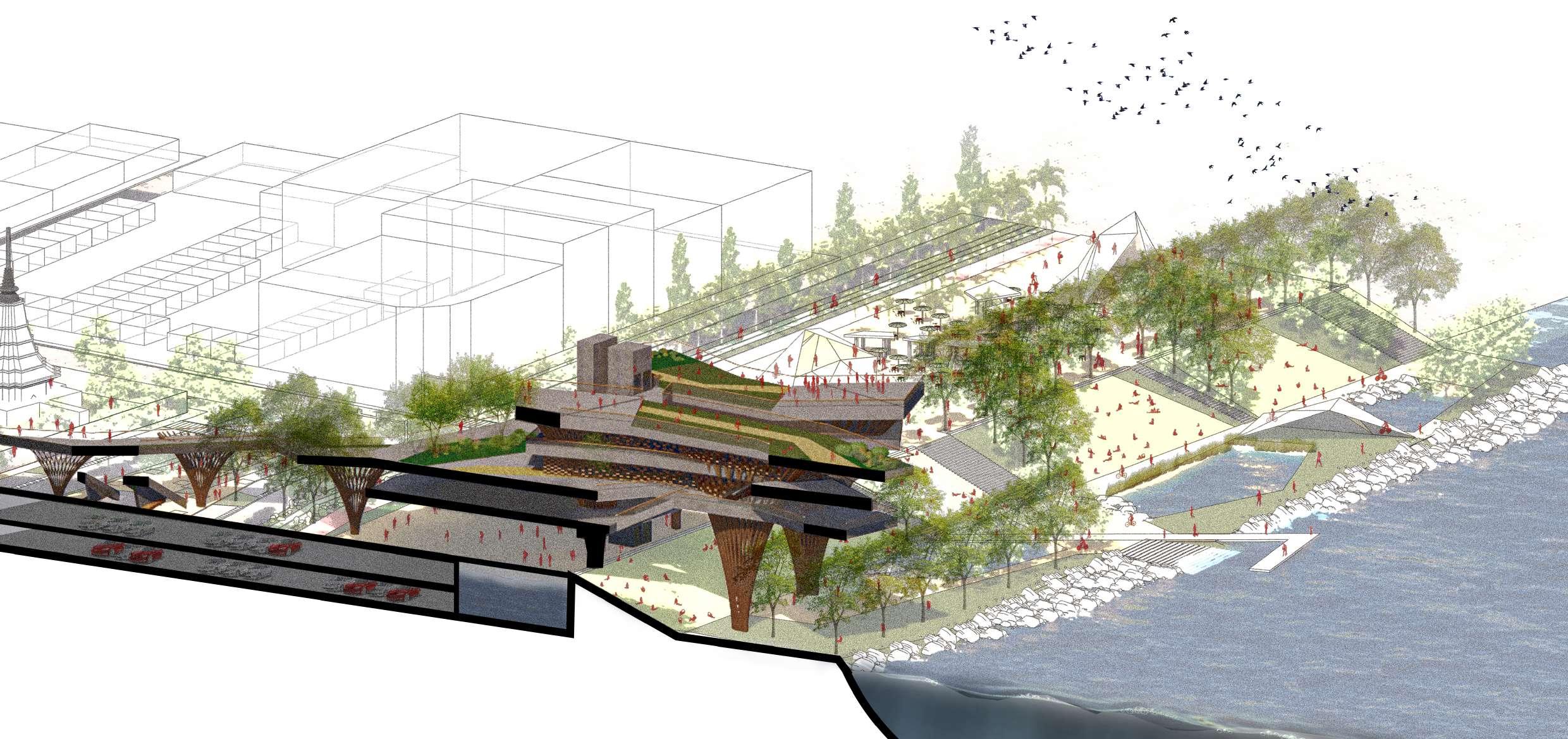
Today, water, instead of being perceived as a friend like it once was , now considered as an enemy as flood flows into the today’s urban settlement. The current riverside is also built in a way that the city and the water is completely detached from each other. Daily commute on the water is becoming less reachable days by days.
Therefore, the project is looking to find and re-connect people with their long lost friend again. Rather than building against water, we should find a way to deal with it differently with it being part of our life.
PHNOM PENH, CAMBODIA
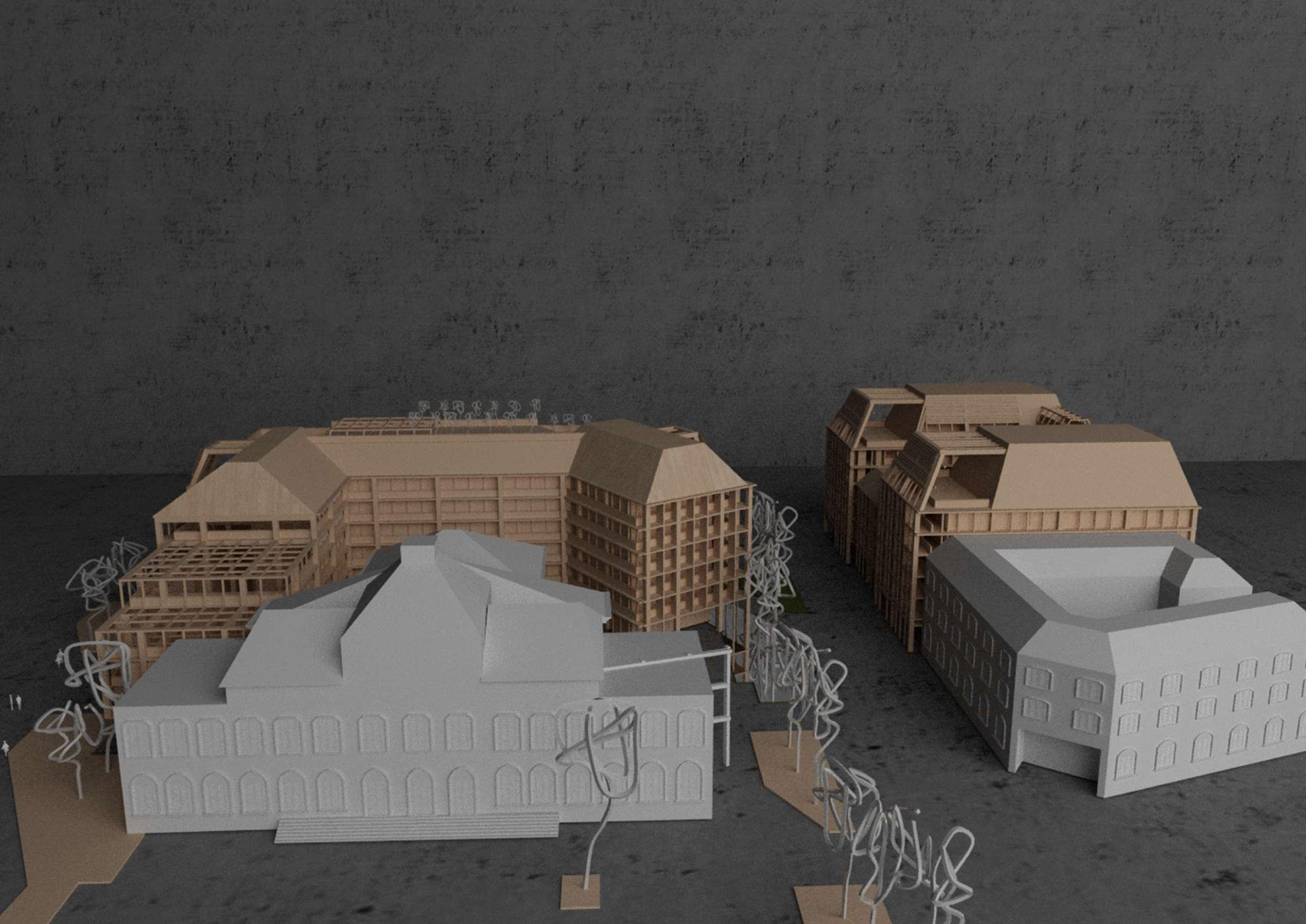
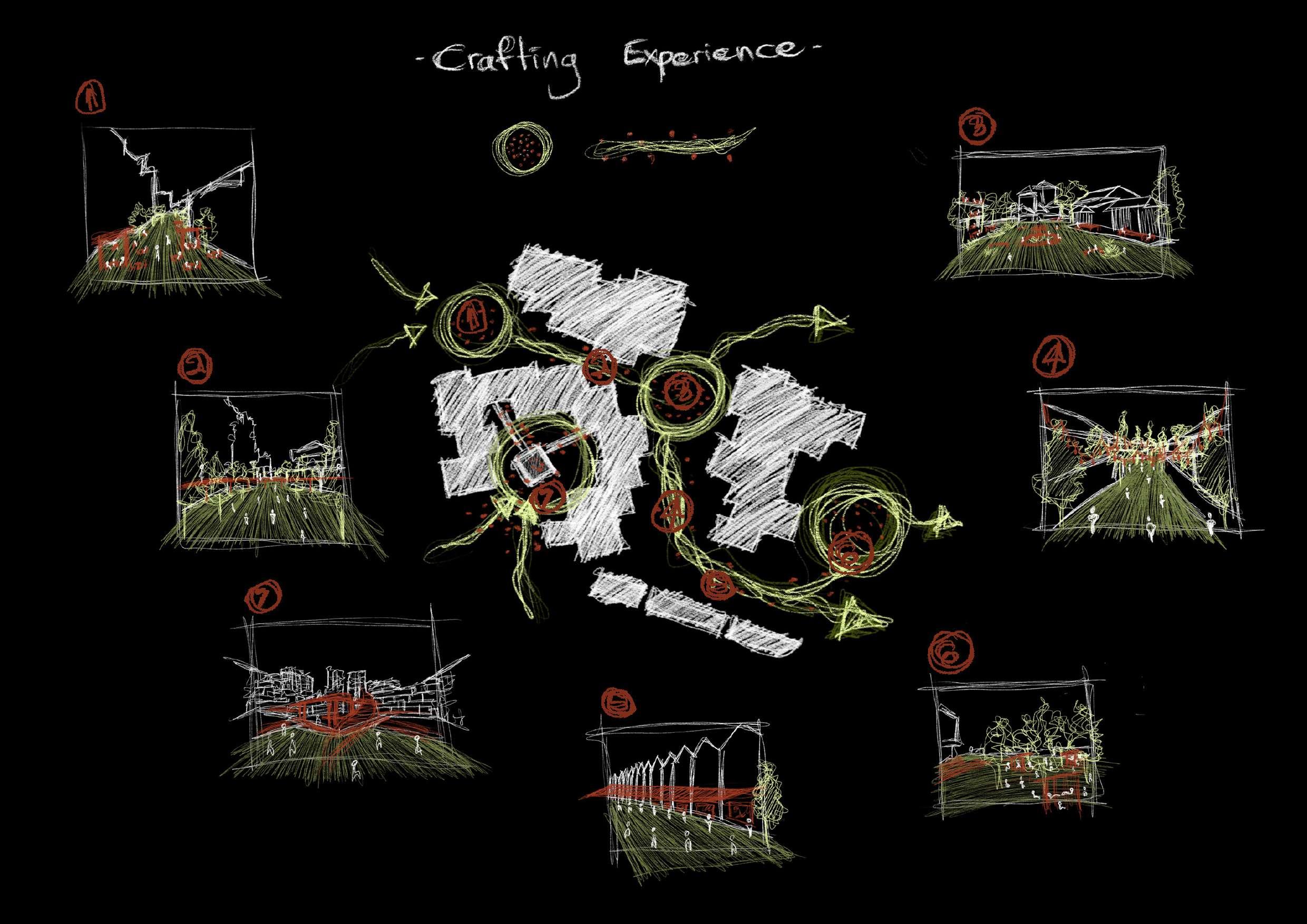
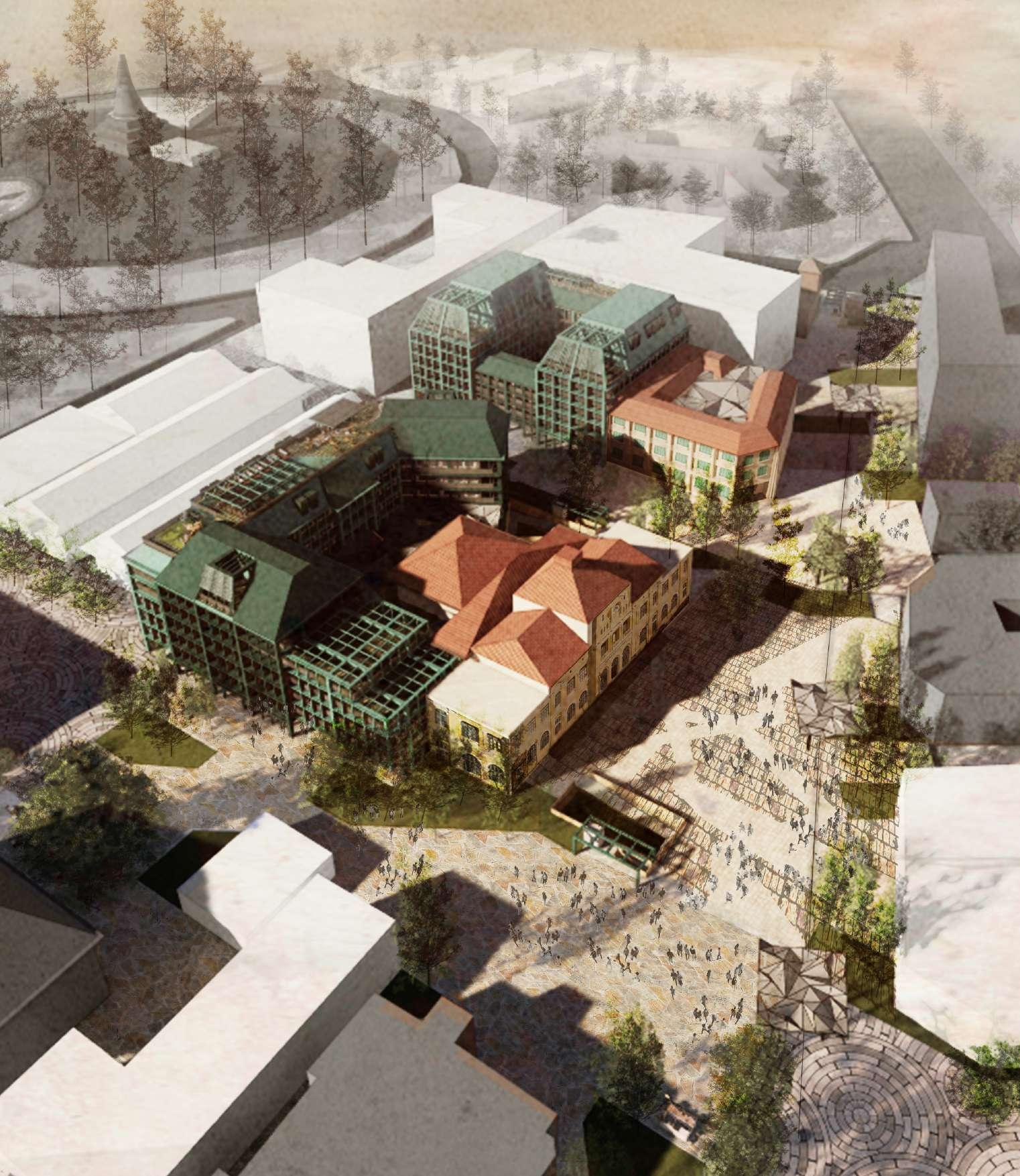
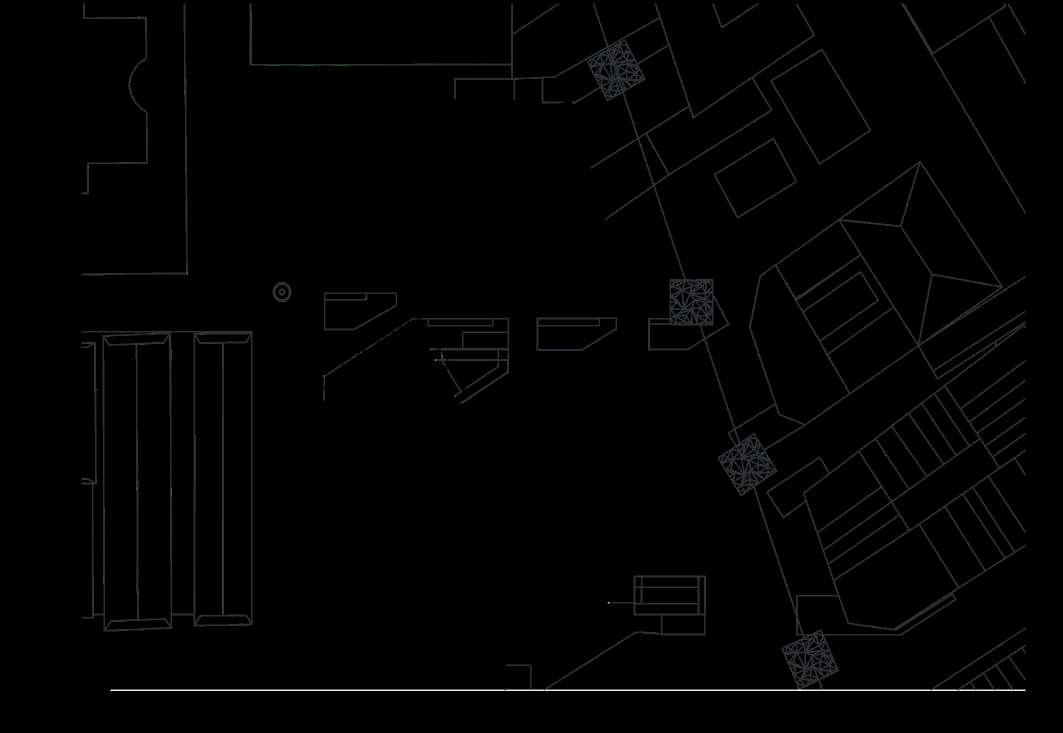
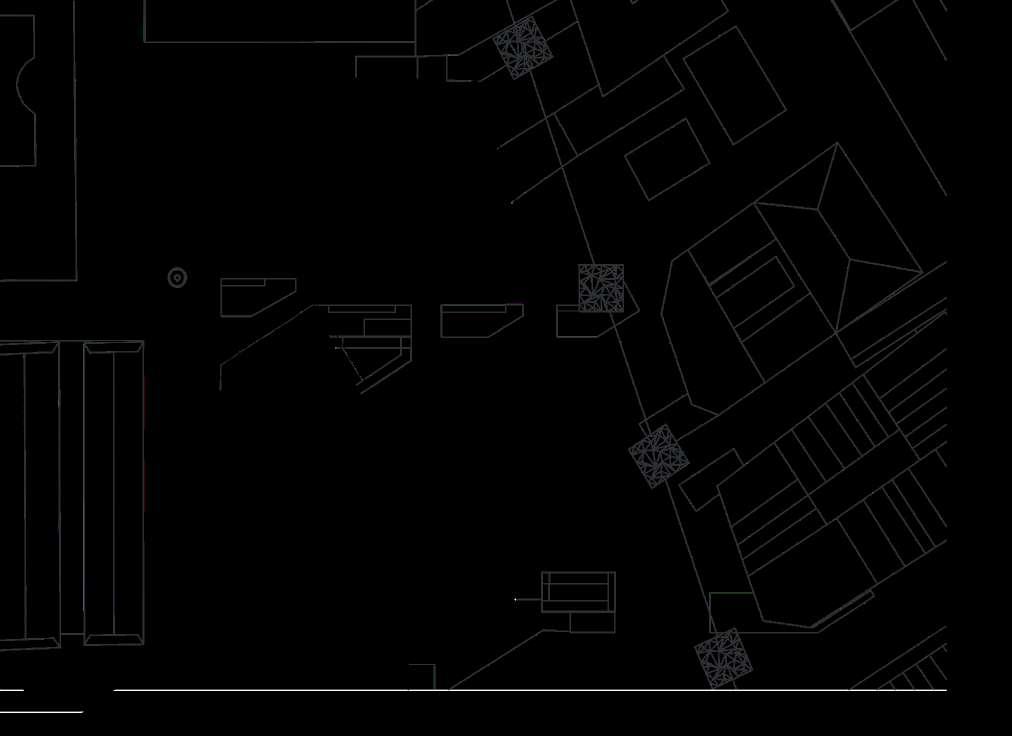
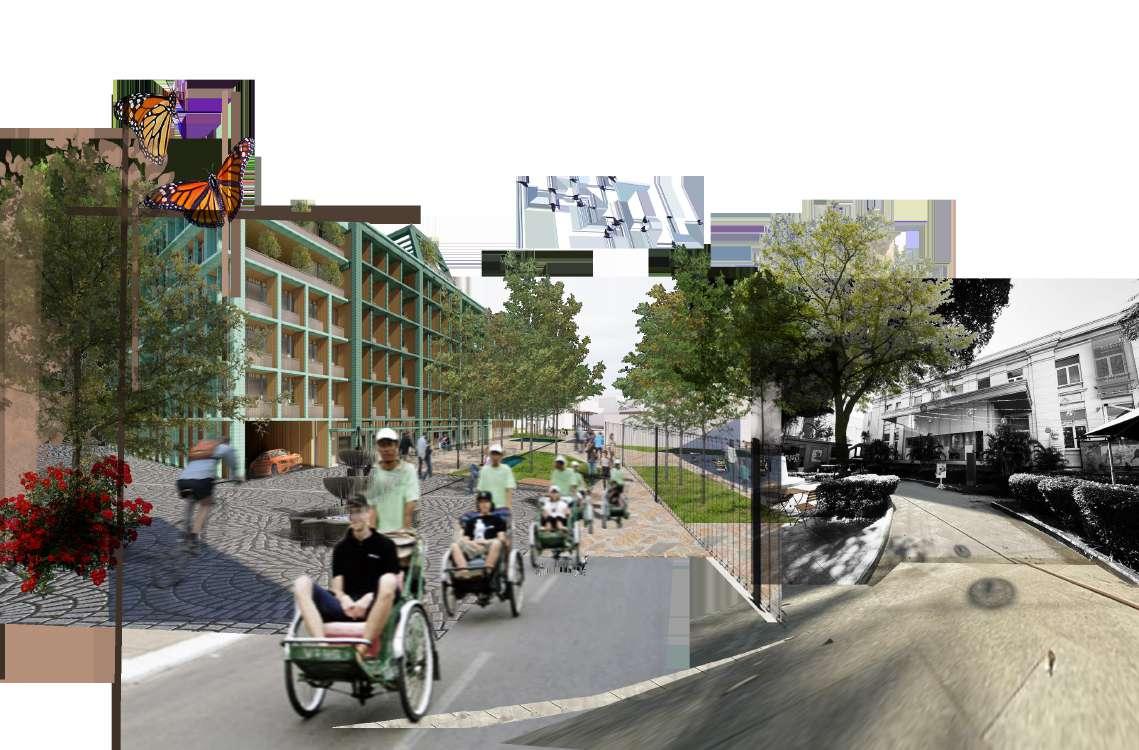
This project took on the idea surrounding these historical architectures in the former French Quarter, looking to regenerate them in addition with the mixed-use and interconnected neighborhood development.
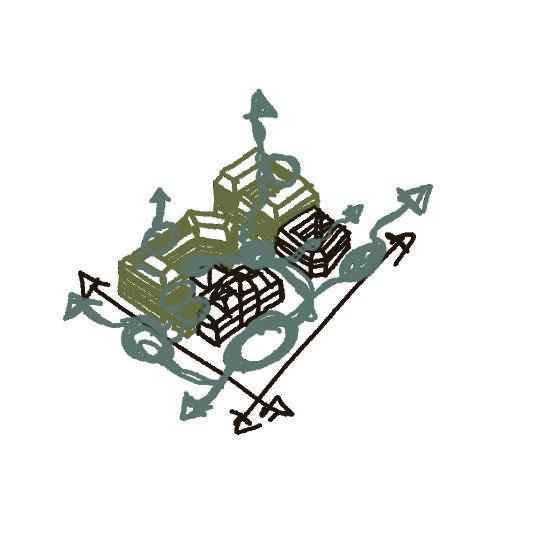
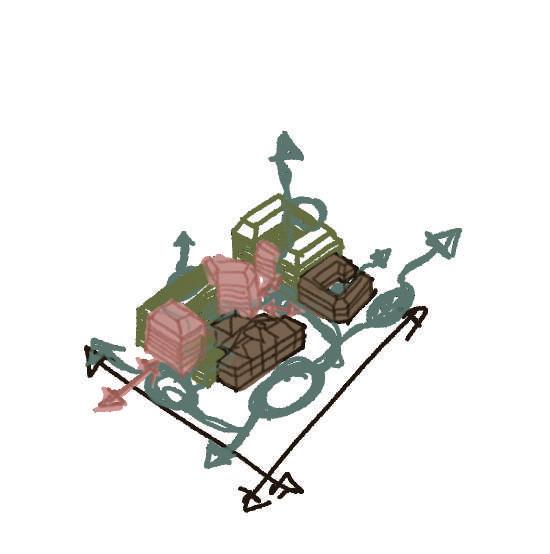
The design implements the theory of LEED-ND through the urban pWrinciples such as compact mixed-use development, walkable streets, interconnected infrastructure in addition with urban regeneration and tactical urbanism.

METABOLIC MATERIALITIES | TECH ELECTIVE SPRING 2025
Instructor: Michael Wang
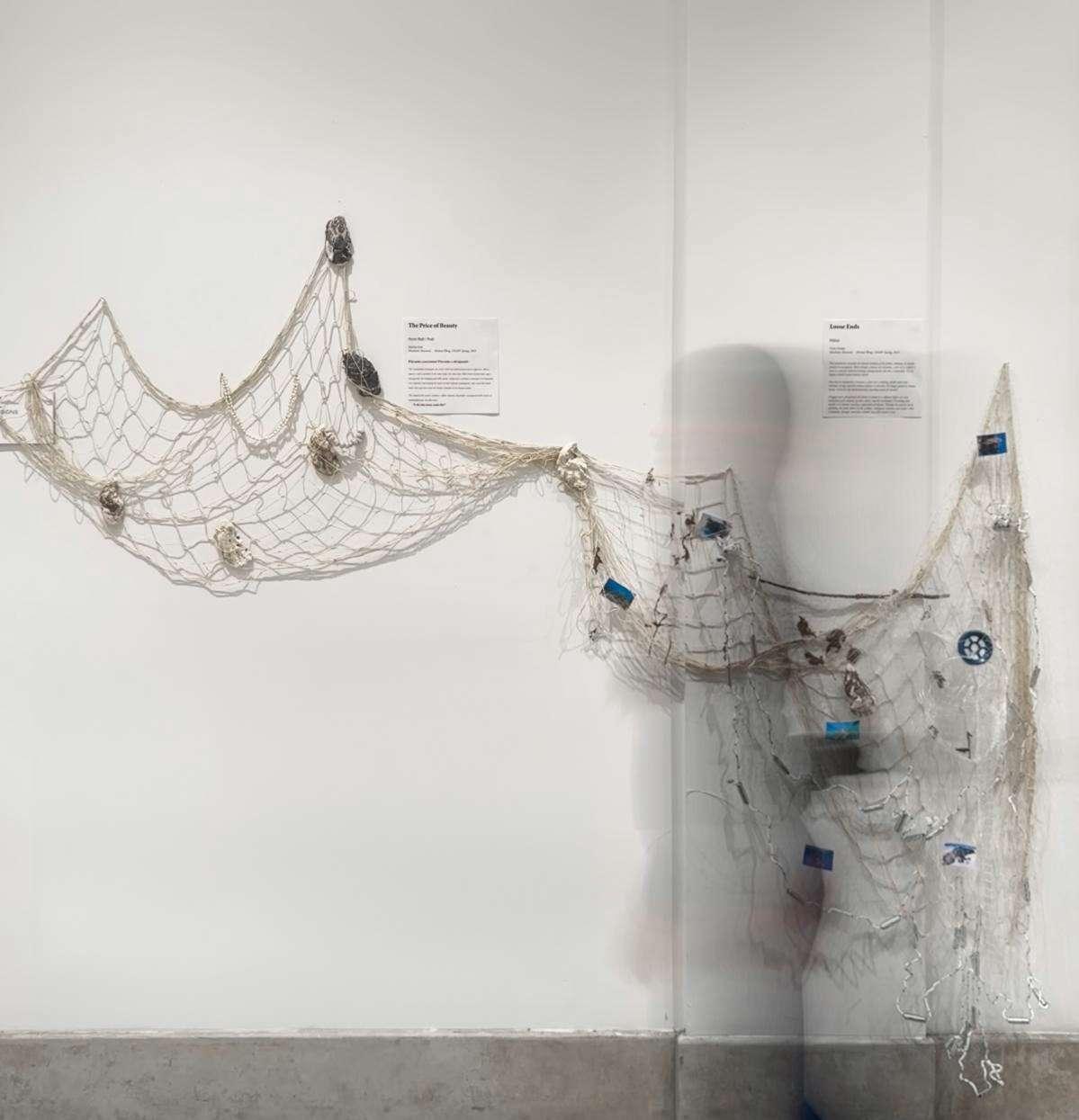
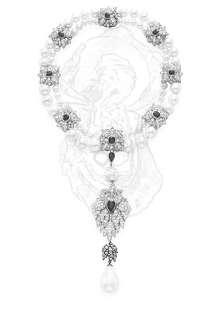
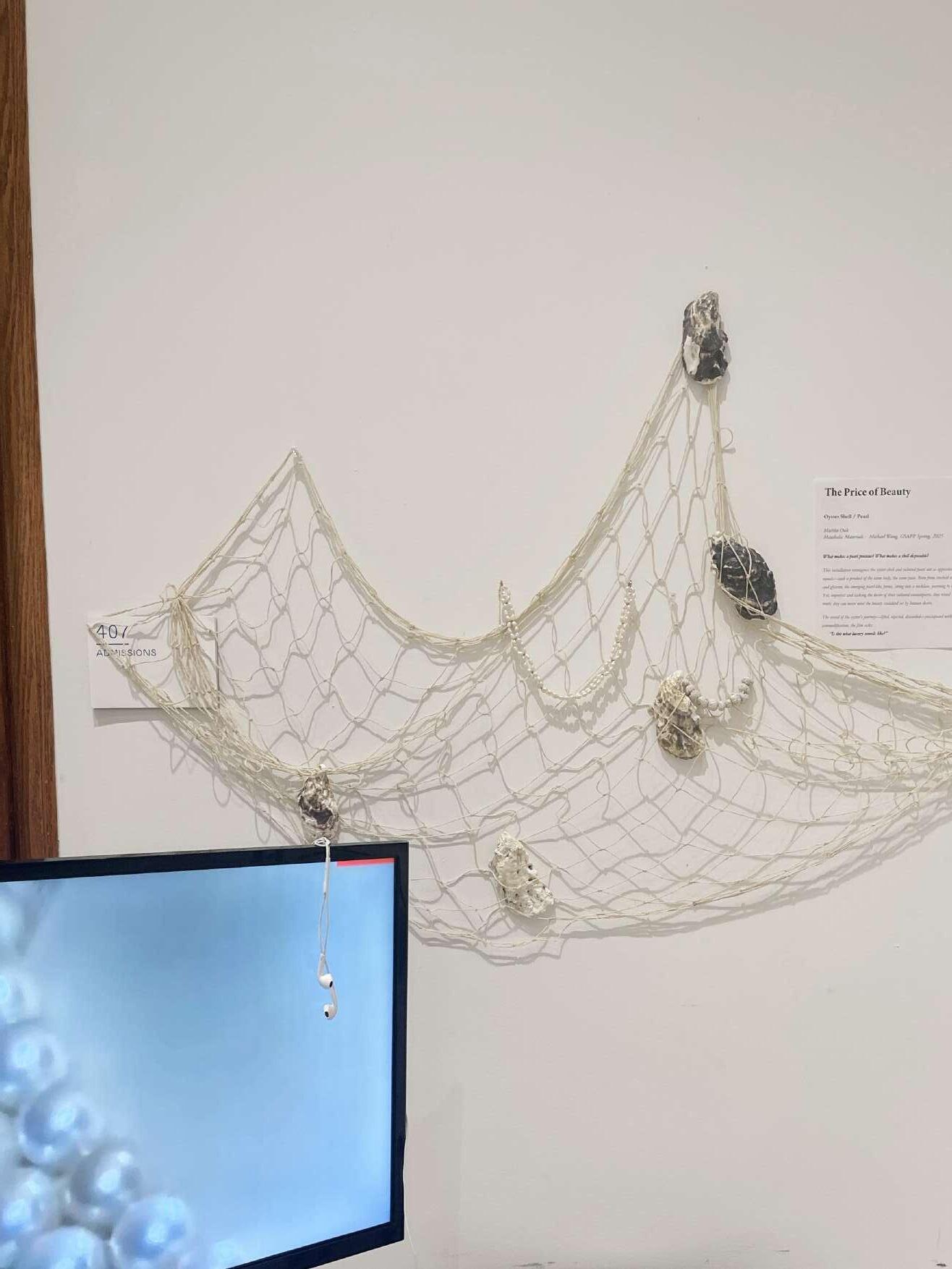
Whatmakesapearlprecious?Whatmakesashelldisposable?
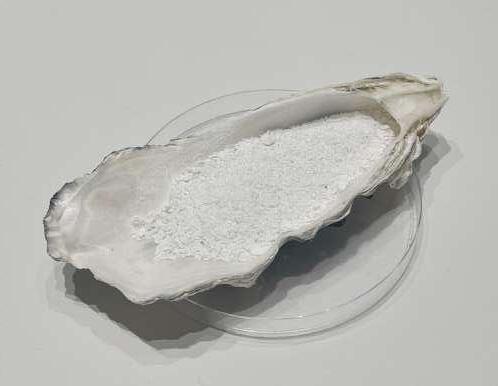
Thisinstallationreimaginestheoystershellandculturedpearl notasopposites,butasequals—eachaproductofthesame body,thesamepain.Bornfromcrushedshell,agar,andglycerin, theemergingpearl-likeforms,stringintoanecklace,yearning tobetreasured.Yet,imperfectand lackingthelusteroftheirculturedcounterparts,theyrevealthe harshtruth:theycannevermeetthebeautystandardsetby human desire.
Thesoundoftheoyster’sjourney—lifted,injected,discarded— juxtaposedwithvisualsofcommodification,thefilmasks:
“Isthiswhatluxurysoundslike?”

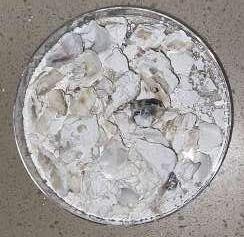
EXPERIMENT 1
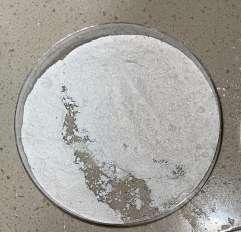
EXPERIMENT 3
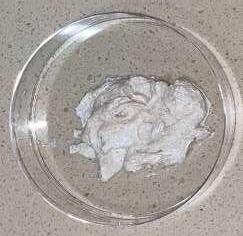
EXPERIMENT 5
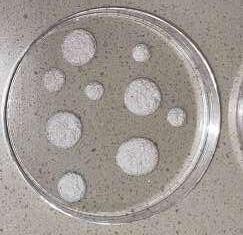
EXPERIMENT 7
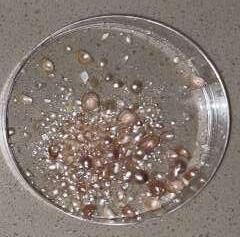
EXPERIMENT 2
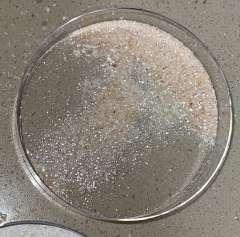
EXPERIMENT 4
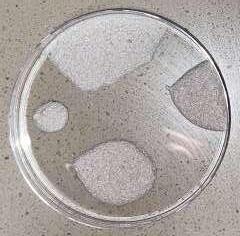
EXPERIMENT 6
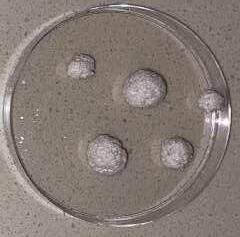
EXPERIMENT 8