Shining the Light on LD MMFS Learning Disabilities Handbook
Shining the Light on LD
Mary McDowell Friends School
Learning Disabilities Handbook
Mission Mary McDowell Friends School
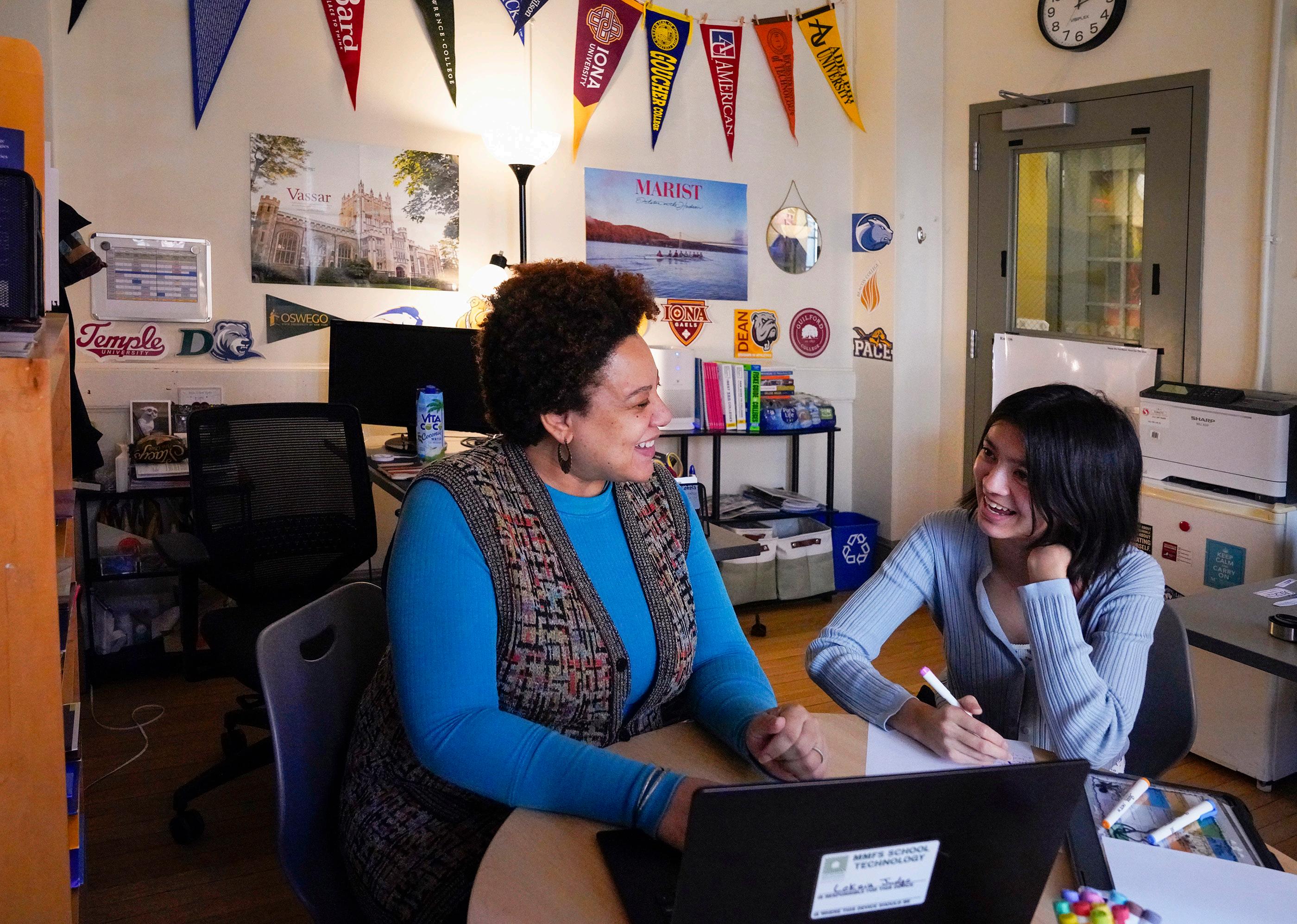
Mary McDowell Friends School is a K–12 college preparatory program dedicated to the success of students with learning disabilities. Grounded in the Quaker values of equality, integrity, and social responsibility, we cultivate a diverse and anti-racist community in which all students can reach their full potential. Our specialized teaching methodologies and challenging curricula empower students to become academic achievers, creative thinkers, advocates for equity, and contributing members of a global society.
Table of Contents
What is a Learning Disability: The MMFS Definition
Why Do We Use the Term Learning Disability?
How MMFS Supports Students with Learning Disabilities
What is ADHD?
What is Executive Function?
What are Dyslexia, Dyscalculia, and Dysgraphia?
What is Memory?
What is Occupational Therapy?
What is Language Therapy? Acknowledgments

What is a Learning Disability?
Mary
McDowell Friends School Definition
A learning disability is a neurological condition that causes difficulties with the way the brain handles information. Information coming in or going out may become disorganized as it travels among different areas of the brain. These difficulties can interfere with important learning skills such as reading, writing, and/or math. They can also interfere with such things as receptive and expressive language, organization, planning and managing time, reasoning, long- and shortterm memory, and attention.
Children with learning disabilities are as smart as or smarter than their peers, but they usually find it difficult to learn in a typical manner. However, with different learning methods and strategies, they can be just as academically successful as students without learning disabilities.
~ Written by the MMFS LD Committee
Why Do We Use the Term Learning Disability?
At MMFS, we use the phrase learning disability instead of learning differences, learning challenges, or neurodivergent.
Calling dyslexia, or ADHD, or dysgraphia, what they are—learning disabilities— acknowledges the intelligence, motivation, and brilliance of our students and allows MMFS to focus on the brilliance within.
The reason that some smart students have difficulty with reading, writing, math, focus, or organization is that their brains are wired differently. The cause is neurological—not behavioral or because the student isn’t trying hard enough.
At Mary McDowell Friends School, there is no stigma attached to having a learning disability. It is our mission to ensure that students with learning disabilities reach their full potential. And we have been fulfilling that mission for more than 40 years.
How MMFS Supports Students with Learning Disabilities
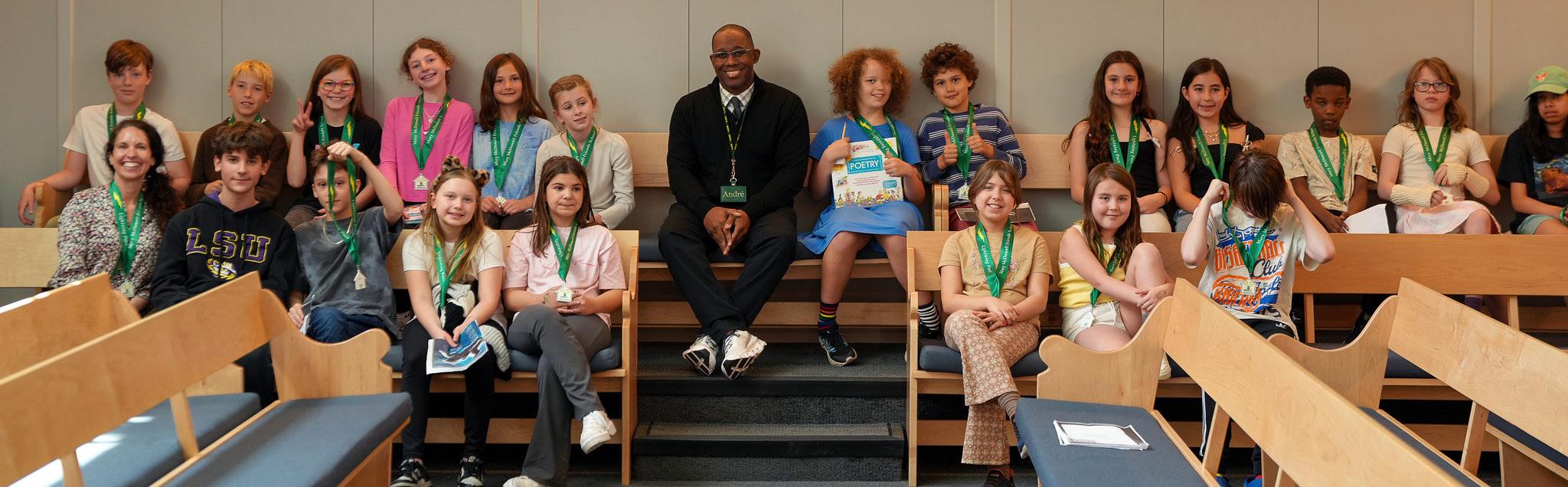
Our curriculum, small class sizes, teaching methods, organizational tools, and specialized instruction—like the Orton-Gillingham PAF reading program, Judith Hochman’s Teaching Basic Writing Skills program, and Stern Structural Arithmetic provide strategies for students with learning disabilities to learn and to succeed. As a Quaker school, we believe that all people have an “inner light” or spark of potential. From this position, we see our students through their strengths and we support their struggles. Our highly trained and dedicated teachers know how to reveal the brilliance in every student.
We support our students with:
• small class size
• a structured, multisensory approach to a rigorous and comprehensive curriculum
• differentiated instruction that ensures we address each student’s strengths and struggles
• Language Therapy (LT) and Occupational Therapy (OT) that are a regular part of the school day, supporting learning in every classroom and every subject
• a social-emotional learning curriculum
• executive function and organizational support systems and direct instruction
• the latest assistive technology, including FM systems in classrooms
• comprehensive college counseling at the upper school
• an approach to learning that empowers students to be their own best advocates, at school and beyond
What is ADHD?
Attention Deficit Hyperactivity Disorder (ADHD), a neurological disorder that affects the brain’s executive functions, impacts a student’s ability to succeed in school and other areas of life.
Understanding ADHD is the first step toward providing effective support.
ADHD symptoms are characterized by difficulty with:
• Focus: Maintaining concentration
• Attention Control: Shifting, sustaining, and selecting attention
• Emotional Regulation and Impulsivity: Managing emotions and acting impulsively

It’s important to remember that ADHD is not simply a matter of “not trying hard enough.”
How ADHD Shows Up in School
ADHD can manifest in various ways, impacting different aspects of a student’s learning experience. Here are some common examples:
• ADHD and Organization: A constantly messy desk, unfinished assignments, and frequent lateness.
• ADHD and Anxiety and Emotions: Becoming easily or overly upset by setbacks or minor conflicts; avoiding or struggling with initiating tasks.
• ADHD and Focus: Frequently looking around the room, fidgeting, or struggling to follow along during instruction; struggling to maintain attention even when something is interesting.
How We Support Students with ADHD in School
Strategies focus on providing structure, support, and understanding. Some examples include:
• Fidgets: Quiet fidget tools (e.g., stress balls, textured pencil grips, putty).
• Focus: Break down tasks, use visual aids, minimize distractions, and provide clear instructions.
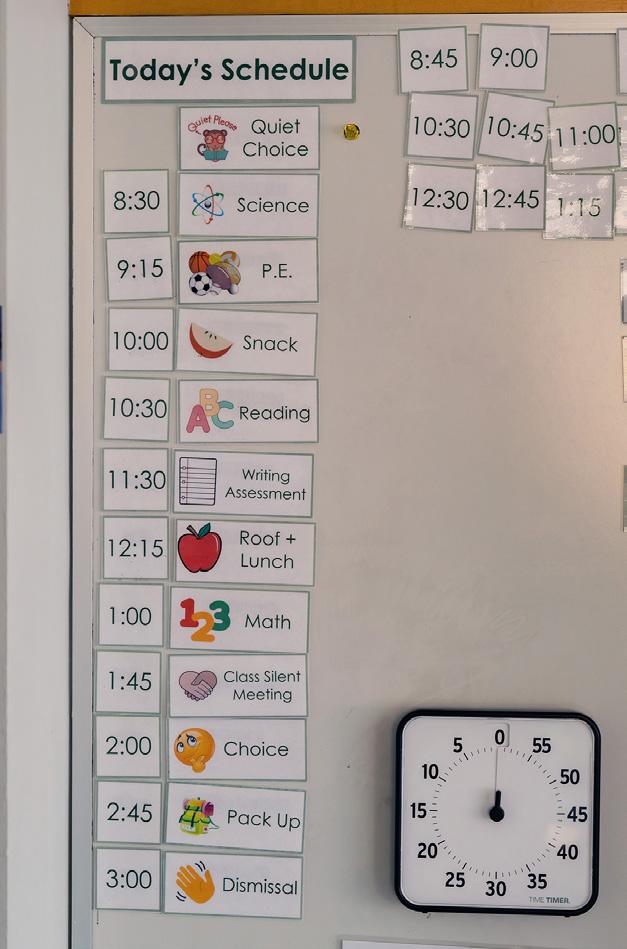
• Time: Develop time awareness and management skills using timers, visual schedules, and reminders.
• Materials: Establish clear organizational systems with checklists and color-coding. Build regular routines.
• Consistent and Clear Expectations: Communicate rules clearly, provide frequent positive reinforcement, offer support, and practice following routines and meeting expectations.
How You Can Support Your Child with ADHD at Home
Remind yourself that ADHD is not something a child chooses and that their difficulty focusing and managing their body and possessions is a genuine struggle. Patience is key! Implementing some strategies and providing ongoing support can make homelife more manageable. Here are some ideas:
• Create a designated quiet workspace, and break down homework into smaller chunks.
• Establish consistent daily routines and use visual timer for homework and chores.
• Work with your child to organize their belongings at home using strategies similar to ones used in school.
• Develop clear and consistent rules and expectations at home, using positive reinforcement to encourage desired behaviors.
• Use quiet fidgets.
What is Executive Function?
Executive function is the brain’s management system. Difficulties in this area are often linked with ADHD. Executive function skills involve challenges with:
• Planning and Prioritization: Foreseeing tasks, ordering steps logically.
• Organization: Managing materials and thoughts.
• Initiation and Task Completion: Starting and finishing activities, switching between them.
• Self-Regulation: Managing emotions and impulses, self-monitoring.
It’s important to remember that Executive Function struggles are not simply a matter of “not thinking something through” or “being sloppy.”

How Executive Function Struggles Show Up in School
Difficulties with executive function can manifest in various ways within the school environment.
• Task Initiation: Students may struggle to start assignments, even when they understand the material.
• Organization: Students might have messy desks, lose papers, and have difficulty keeping track of belongings or following multi-step directions.
• Task Switching: Students may face challenges shifting between different subjects or activities.
• Time Management: Students might frequently miss deadlines or underestimate how long tasks will take.
• Emotional Regulation: Students may experience frustration or meltdowns when facing obstacles.
How We Support Students with Executive Function
Struggles in School
Effective strategies provide structure, support, and explicit instruction in these skills.
• Planning and Prioritization: Explicitly teach goal setting and how to break down large assignments to help reduce cognitive load. Use visual planners and organizers.
• Organization: Model and practice organizational systems for materials and digital files. Provide checklists and labeled bins.
• Maintain a Regular Schedule/Structure: Visually display a detailed daily schedule and refer to it throughout the day.
How You Can Support Your Child’s Executive Function Struggles at Home
Remind yourself that executive function is not something a child can easily manage independently. Organizing, starting and stopping, and monitoring typical activities and frustration can be exhausting.
Families play a vital role in supporting their child’s executive function development at home.
• Develop predictable daily schedules to provide structure.
• Create visual schedules, to-do lists, and checklists; break down and make tasks concrete and easier to follow.
• Designate places for belongings to help with organization and to reduce searching.
• Use timers to aid time management.
• Collaboratively identify problems and brainstorm solutions to build cognitive flexibility.
• Play strategy, memory, and sequencing games to help strengthen these abilities.
• Task Initiation and Completion: Break tasks into smaller steps. Use visual timers and prompts to start and finish activities.
• Task Switching: Provide clear signals for transitions and allow extra processing time.
• Self-Regulation: Teach self-monitoring strategies and coping mechanisms for frustration.
• Visualization: Modeling how a completed task looks or how a student might look when a task is completed.
What are Dyslexia, Dyscalculia, and Dysgraphia?
Dyslexia, dyscalculia, and dysgraphia are neurodevelopmental disorders that affect academic skills related to the connection between sounds and letters; numbers; and written language. It’s not unusual to have two or even all three of these.
• Dyslexia: Impacts writing, spelling, and speaking due to difficulties with connecting letters to sounds, decoding, fluency, and comprehension.
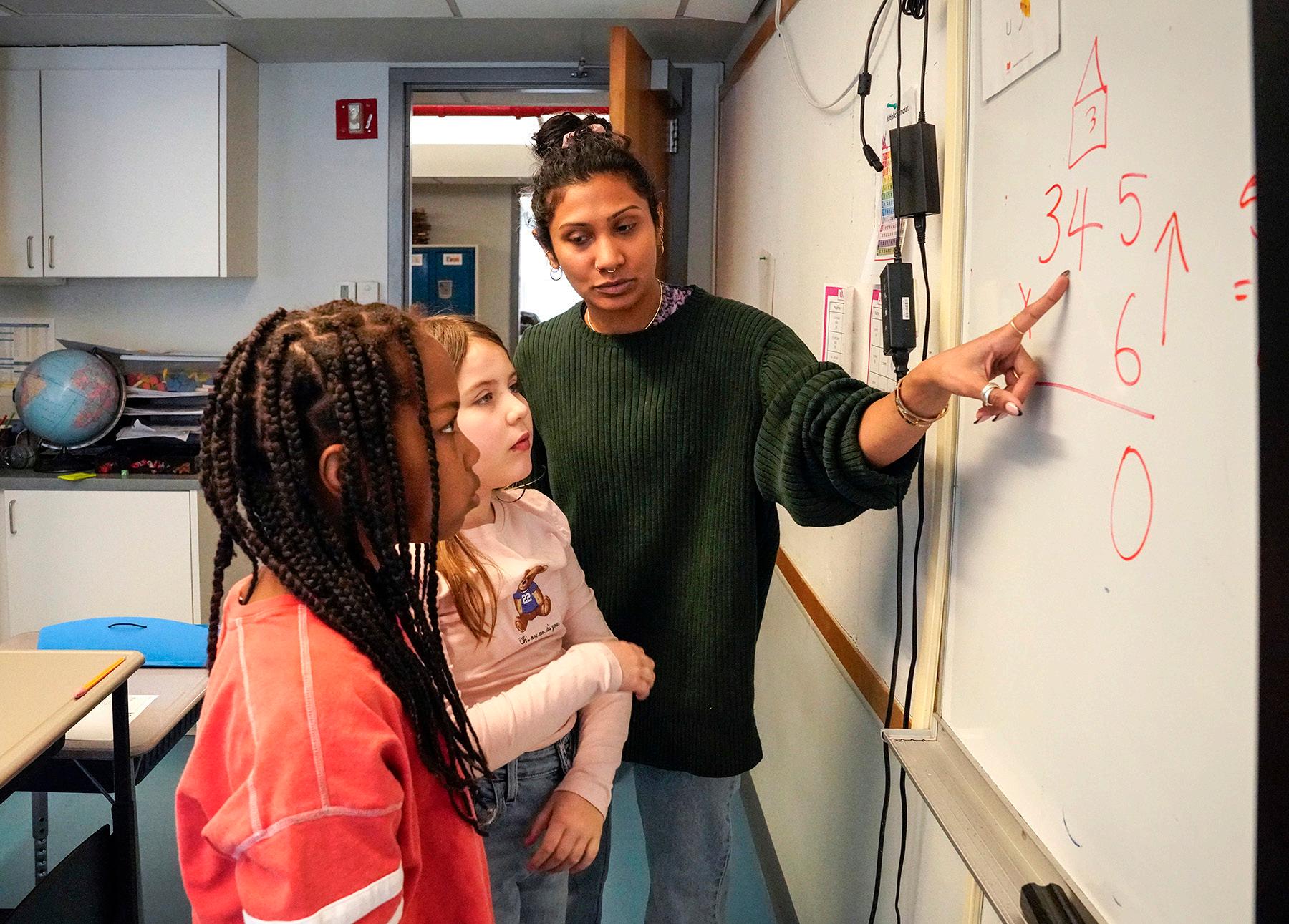
• Dyscalculia: Difficulty making sense of numbers, mathematical concepts, and problem-solving.
• Dysgraphia: Struggles with writing, including spelling, organization of ideas, and handwriting or typing.
It’s important to remember that for students with dyslexia, dyscalculia, and/or dysgraphia, school is a tremendous challenge. Struggling to keep up with classmates and meeting teacher expectations is not a matter of “not trying hard enough.”
How Dyslexia, Dyscalculia, and Dysgraphia Show Up in School
Dyslexia
• Difficulty with decoding, fluency, and comprehension.
• Struggles with identifying and manipulating sounds in isolation and text.
• Reading includes omissions, additions, substitutions, and reversals.
• Difficulty with recognition/recall of sight words.
• Struggles to transfer thoughts to written work.
Dyscalculia
• Struggles with basic number sense such as numeral “5” equals five objects.
• Confuses math symbols (+, -, ×, ÷).
• Difficulty memorizing basic math facts.
• Struggles with aligning numbers.
Dysgraphia
• Struggles with letter formation, size, spacing, and grip.
• Slow, labored writing and/or physical discomfort and fatigue when writing.
• Inconsistent spelling, punctuation, and capitalization.
How You Can Support Your Child with Dyslexia, Dyscalculia, and/or Dysgraphia at Home
Families play a vital role in reinforcing skills and providing a supportive environment at home.
• Dyslexia: Creating a print-rich environment, reading aloud together, using audiobooks, and playing phonological awareness games.
• Dyscalculia: Incorporating math into everyday activities (e.g., cooking, shopping), using manipulatives for hands-on learning, and playing estimation and math-based games.
• Dysgraphia: Providing opportunities for fine motor skill development, using assistive technology for writing, focusing on content over mechanics initially, and breaking down writing tasks.
How We Support Students with Dyslexia, Dyscalculia, and Dysgraphia in School
Strategies focus on providing structure, support, and understanding. Some examples include:
• Teaching: Utilize research-based reading, math, and writing programs that teach explicitly, provide repetition, require multisensory practice, and build on previously learned skills and concepts.
• Focus: Break down tasks, use visual aids, minimize distractions, and provide clear instructions.
• Time: Develop time awareness and management
skills using timers, visual schedules, and reminders.
• Materials: Establish clear organizational systems with checklists and color-coding. Build regular routines.
• Consistent and Clear Expectations: Communicate rules clearly, provide frequent positive reinforcement, offer support, and practice following routines and meeting expectations.
• Fidgets: Quiet fidget tools (e.g., stress balls, textured pencil grips, putty).
What is Memory?
Memory is the cognitive process that allows a student to acquire, retain, and recall information and skills they have learned, enabling them to build on prior knowledge and apply it to new situations. There are three specific areas of memory that are central to the learning process:
• Short-Term Memory: The active process of storing and retaining information for a limited period of time. The information is temporarily available but not yet stored for long-term retention.
• Working Memory: The ability to hold onto pieces of information while working on a full thought or concept.
• Long-Term Memory: Retrieval of information that has been stored and that is available over a long period of time. Individuals might have difficulty with auditory memory, visual memory, and/or written memory.
It’s important to remember that memory is not simply a matter of “remembering a single fact/ word or idea,” but requires a great deal of repetition, organization, energy, and focus.
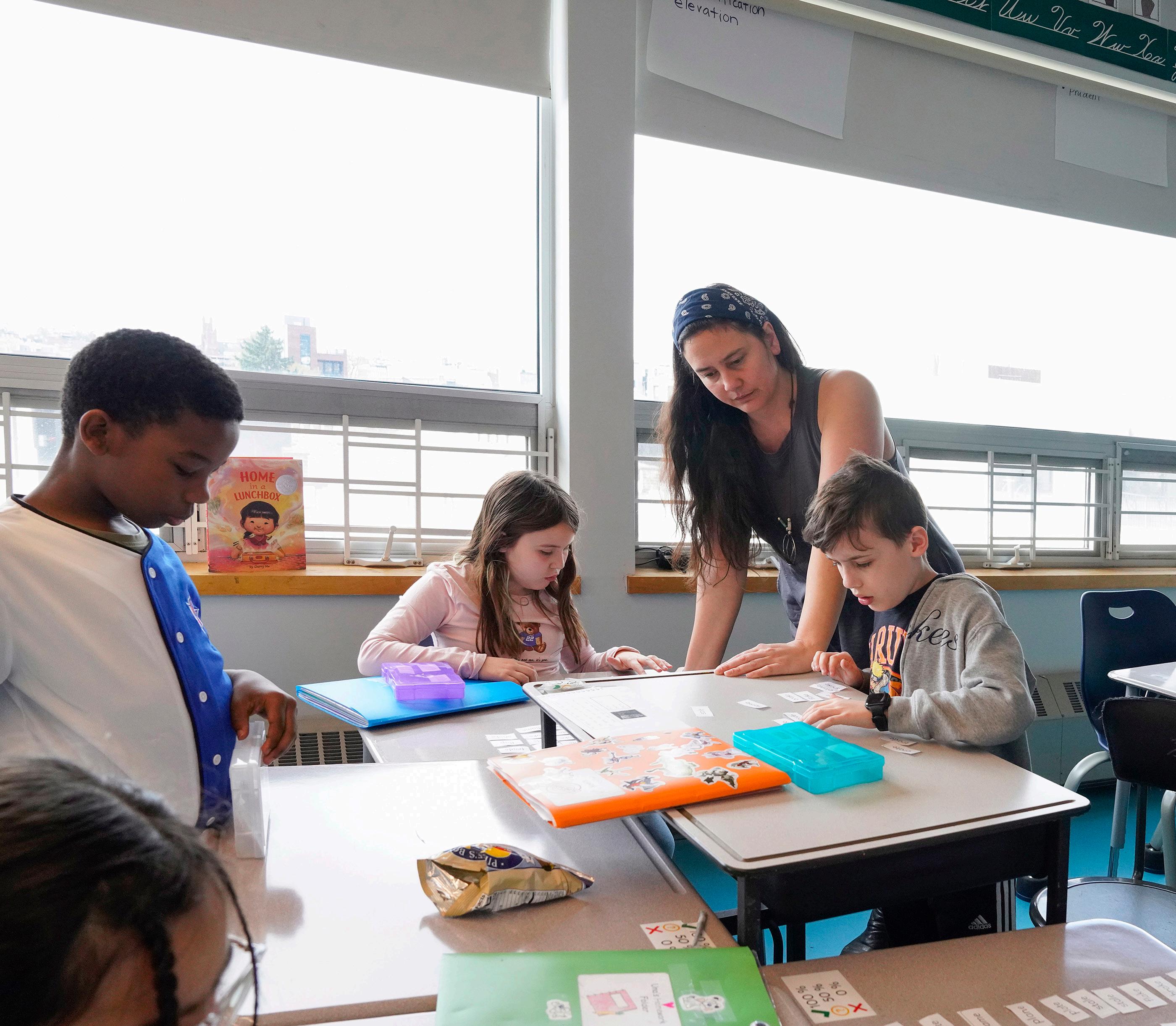
How Memory Issues Show Up in School
Memory issues can manifest in several ways within the school environment.
Short-Term Memory
• Difficulty following multi-step directions.
• Forgetting what was just said or read.
• Trouble recalling information presented at the beginning of a lesson by the end of it.
• Needing frequent repetitions or reminders.
Working Memory
• Difficulty with complex problem-solving tasks that require holding multiple pieces of information in mind simultaneously (e.g., math word problems, multi-part science experiments).
• Struggling to “hold on” to relevant information such as spelling, spacing, letter formation, and ideation so they can organize thoughts for writing or speaking.
• Losing their place while reading or working on a task.
• Difficulty completing assignments because they keep forgetting what they’re supposed to be doing.
• Trouble connecting new information to prior knowledge.
• Difficulty with tasks that require mental manipulation of information (e.g., mental math, reordering sentences).
Long-Term Memory
• Difficulty remembering spoken instructions, information, or stories over time. May struggle with recalling details from a verbal presentation.
( Auditory Memory)
• Trouble remembering visual information such as diagrams, maps, or specific details from images.
May struggle to recall faces, symbols, or the layout of a classroom. (Visual Memory)
• Difficulty recalling information that has been read or written down. May struggle with remembering facts from textbooks, notes, or essays they have previously studied. (Working Memory)
• Forgetting previously learned academic content (e.g., historical dates, scientific concepts, mathematical formulas).
• Difficulty retrieving information when prompted, even if they seem to have learned it previously.
• Struggling with cumulative assessments.
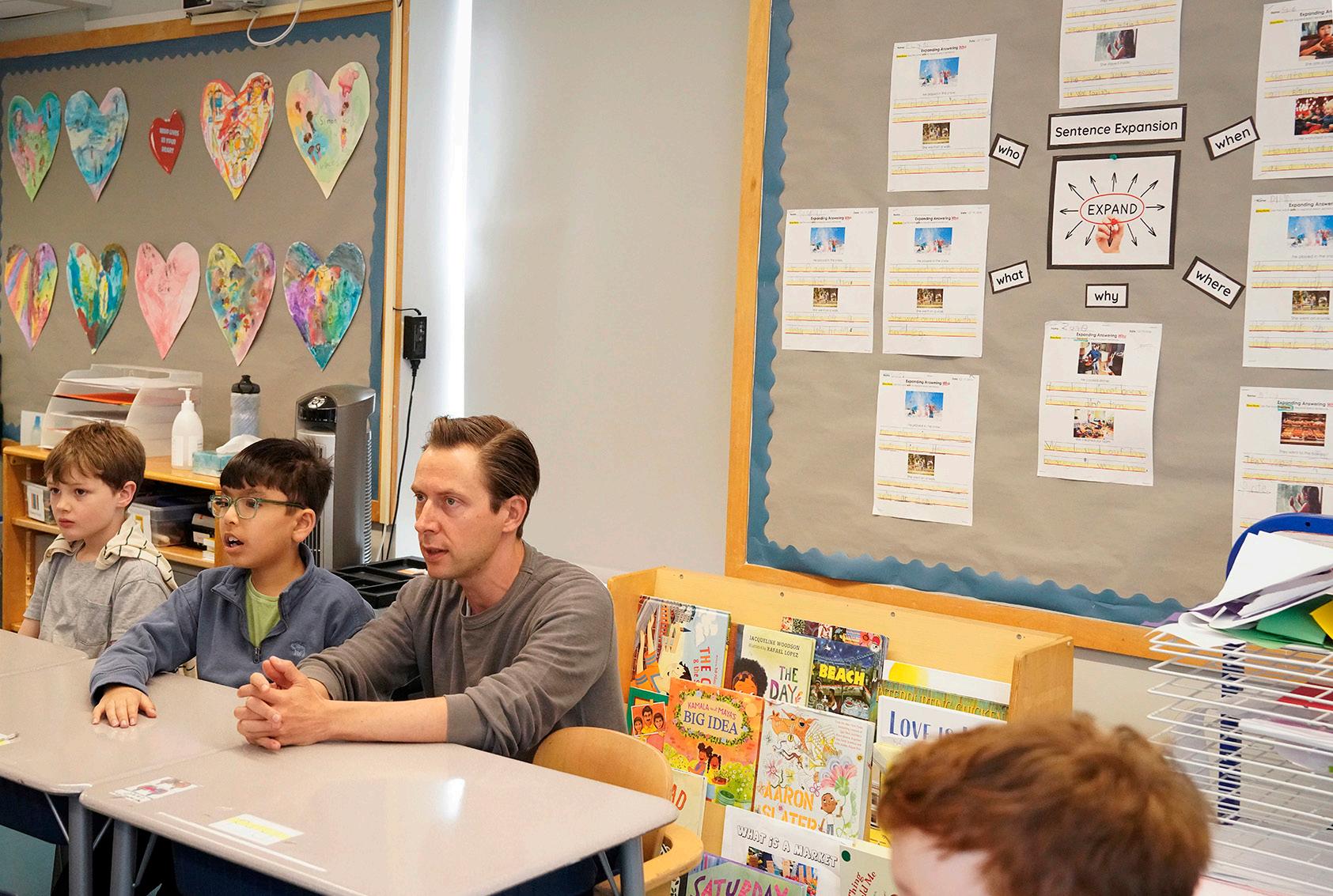
How We Support Students’ Memory Issues in School
Strategies to support short-term, working, and long-term memory are provided during all learning and school activities. Specific teaching methodologies such as Orton Gillingham PAF, Stern Structural Arithmetic, and Hochman Basic Writing Skills provide structures that build memory skills and allow greater independence in thinking and learning.
Short-Term Memory
• Provide clear, concise, and simple instructions.
• Use visual supports alongside verbal instructions (e.g., writing steps on the board).
• Present consistent repetition and review of new information.
• Break down assignments into smaller parts with clear, immediate goals.
Working Memory
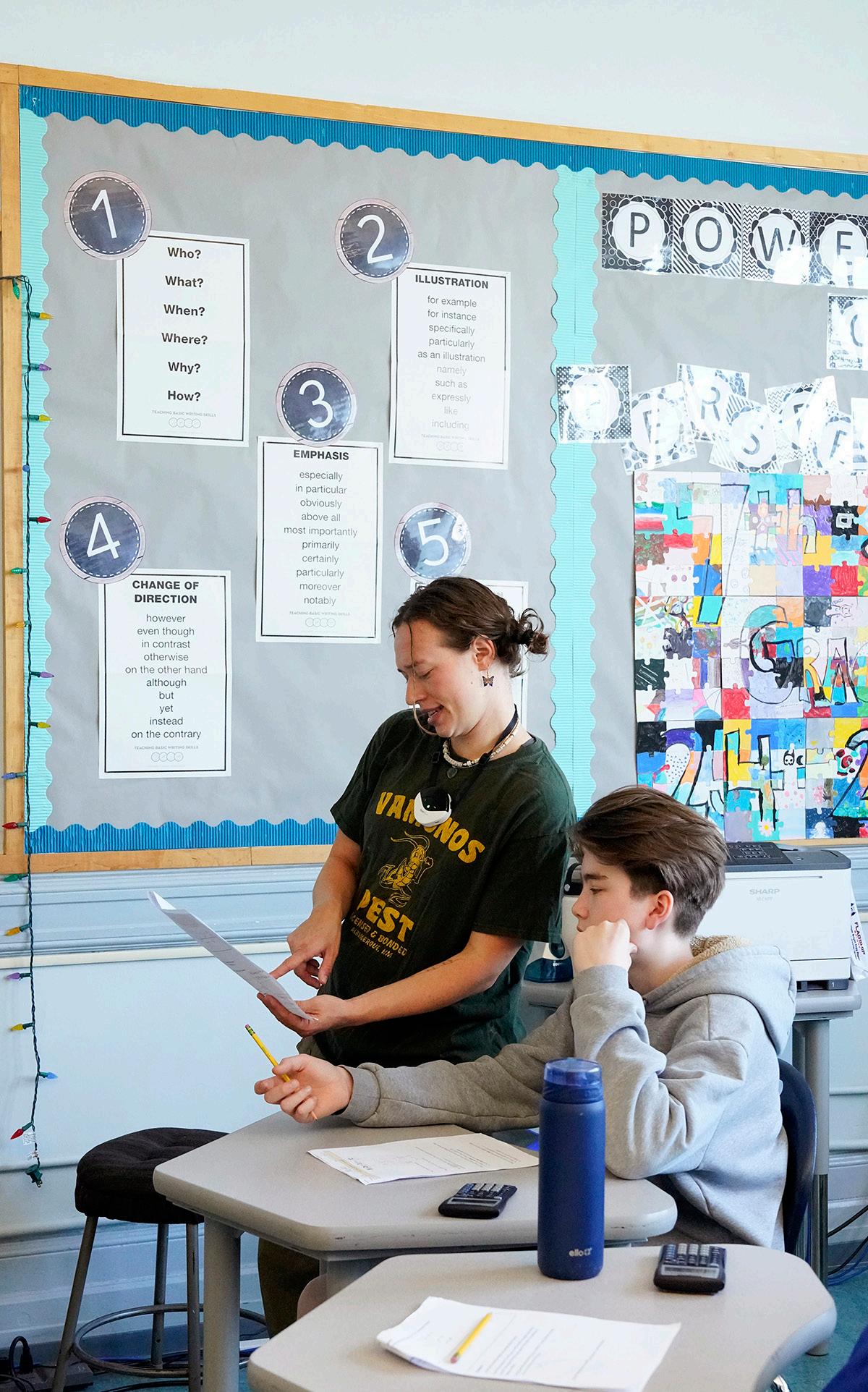
• Teach strategies for “chunking” information into manageable pieces.
• Provide partial notes or sentence starters to reduce the amount of information a student must hold at once.
• Break down multi-step problems and provide graphic organizers, scaffolds, or checklists.
• Offer extended time on tasks.
Long-Term Memory
• Utilize group discussions, one-on-one conversations, and verbal summaries.
• Use visual aids like diagrams, charts, videos, and flashcards with images.
• Encourage summarizing what they’ve read, creating their own study guides, and teaching the material to a peer.
• Create intentional opportunities for students to recall and connect new information to prior knowledge and personal experiences.
How You Can Support Your Child’s Memory Issues at Home
Memory issues can be challenging at home, too. Students are not intentionally “forgetting” or ignoring past conversations or experiences. The strategies below can help build the “memory” muscle and provide families with increased success.
Shor t-Term Memory
• Break down tasks into smaller, manageable steps.
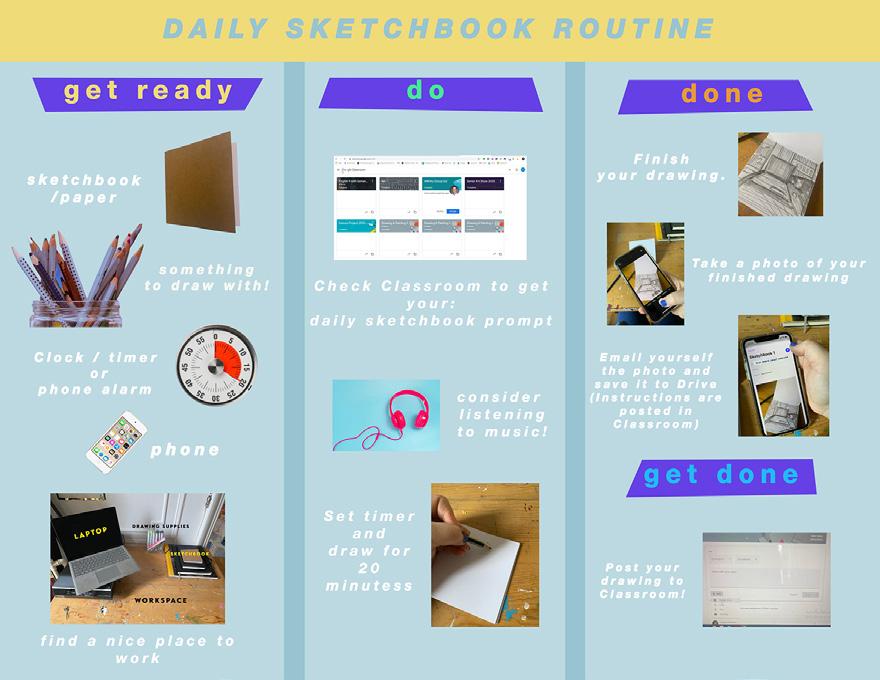
• Use visual aids like checklists, pictures, or written notes for daily routines.
• Encourage your child to repeat instructions back.
• Limit distractions during tasks that require short-term recall.
• Play games that involve remembering short sequences (e.g., “Simon Says”).
Working Memory
• Encourage “thinking aloud” during problem-solving to help externalize the thought process.
• Practice activities that require holding multiple pieces of information (e.g., ordering items, following complex recipes).
• Use graphic organizers and create a dedicated, organized study space.
Long-Term Memory
• Encourage retelling stories, summarizing conversations, and playing games that involve listening and recalling details (e.g., “I went to the market and bought . . .”).
• Create visual schedules or routines. Use flashcards with images. Play memory games with visual cards.
• Encourage your child to summarize what they’ve read, heard, and watched.
• Have them teach the material to a family member.
• Promote adequate sleep and a healthy diet, which are crucial for memory consolidation.
What is Occupational Therapy (OT)? What Does OT Look Like in School?
Occupational therapy addresses a range of difficulties that interfere with learning. For instance:
• Motor Functioning and Dyspraxia: Difficulty with motor coordination and fine motor dexterity. Motor coordination can also affect speech, resulting in an articulation disorder.
• Sensory Processing: The process that enables recognition, use, assimilation, and organization of everyday sensory information in order to interact effectively with the environment. This includes sensations from the environment, as well as body position, movement, and information from the organs of the body.
• Self-Regulation: The ability to take information such as energy level, emotional status, thoughts, and/or attention and use strategies that support more engaged, comfortable participation in the learning environment. Challenges with this process may be referred to as dysregulation.
• Visual Perceptual/Visual Motor Deficit: Challenges with receiving, interpreting, and moving with precision to complete a task. This may include letter reversals, difficulty with copying from the board with accuracy, hand-eye coordination, and finding specific items in a busy visual environment.
It’s important to remember that Occupational Therapy is not just for working on “legible handwriting.” OT also helps with managing your body in space, taking in and regulating both sensory information and emotions, as well as perception of written language.
How OT Supports Students in School
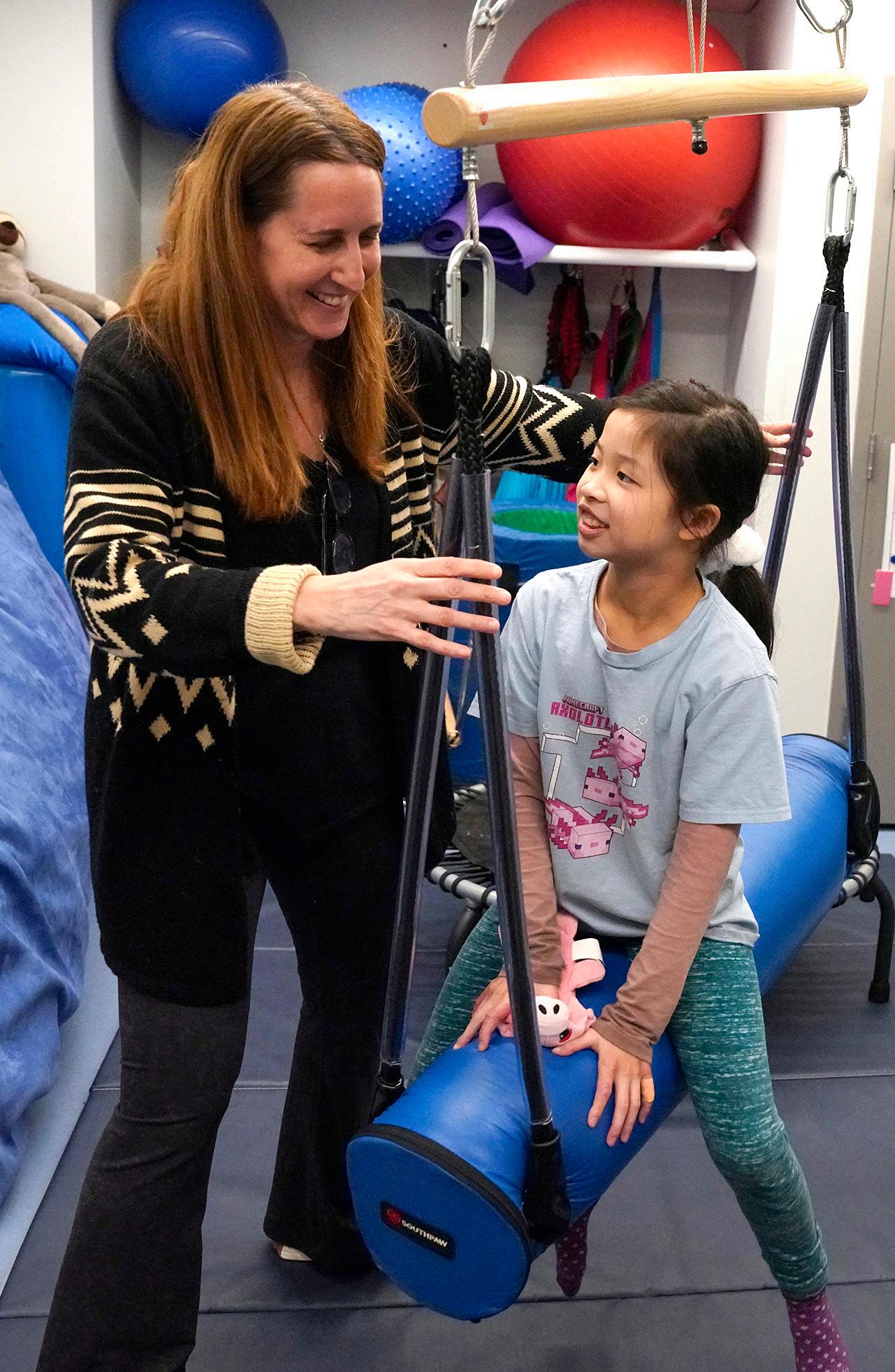
We employ the following strategies for developing skills that address sensory and motor needs.
Motor Functioning and Dyspraxia
• Structured activities to improve fine and gross motor skills, such as using playdough, puzzles, and therapeutic swings.
• Adaptive grips and/or slant boards for writing.
Sensory Processing
• Seating options to meet specific student needs (e.g., wiggle cushions, therapy balls, standing desks).
• Access to a “sensory toolkit” with fidgets, stress balls, or weighted items.
• Movement breaks and/or quiet spaces to help manage sensory input.
Self-Regulation
• Teach and model self-regulation strategies and tools like feeling charts or zones of regulation.
• Help students recognize and regulate their energy level, mood, and attention, and then help them build and use a toolbox of strategies to use on their own.
Visual Perceptual/Visual Motor Deficit
• Provide visual cues, highlighted lines on paper, and graph paper to help with spatial organization.
• Break down visual tasks into smaller steps and provide templates or outlines for copying.
• Use verbal cues to accompany visual information.
How You Can Support Your Child with OT Activities at Home
Families play a vital role in reinforcing skills and providing a supportive environment at home.
M otor Functioning and Dyspraxia
• Engage in activities that build fine motor skills (e.g., drawing, building with LEGOs, playing with clay) and gross motor skills (e.g., riding a bike, playing catch, climbing on a playground).
Sensory Processing
• Create a “quiet” space at home and be mindful of sensory triggers (e.g., loud noises, certain textures, clothing tags, socks).
Self-Regulation
• Establish predictable routines to reduce anxiety and promote regulation.
• Help the child identify their feelings and energy levels.
Visual Perceptual/Visual Motor Deficit:
• Play games that require visual discrimination and motor planning, such as puzzles, “I Spy,” or drawing games.
What is Language Therapy, and What Do Language Disorders Look Like in School?
Language Disorders are communication disorders that affect both receptive and expressive aspects of language. They impact a student’s ability to decode, understand, and use spoken and written communication effectively.
• Receptive Language Processing: Ability to receive linguistic information and attach meaning to words, sentences, and stories. This includes following directions, understanding complex sentences, or comprehending a story they have read or heard.
• Expressive Language Processing: Ability to retrieve words and grammatical structures to formulate verbal and written responses. This includes finding the accurate words, organizing thoughts, and telling a story in a clear sequence.
• Auditory Processing: Affects the brain’s ability to understand and process sound signals that are heard. This includes taking in and interpreting auditory information and discriminating the subtle differences between sounds in words.
It’s important to remember that Language Therapy is not simply a matter of “speaking clearly” but also includes taking in information as well as differentiating and processing sounds and ideas.
How We Support Students with Language Disorders in School How You Can Support Your Child’s Language Skills at Home
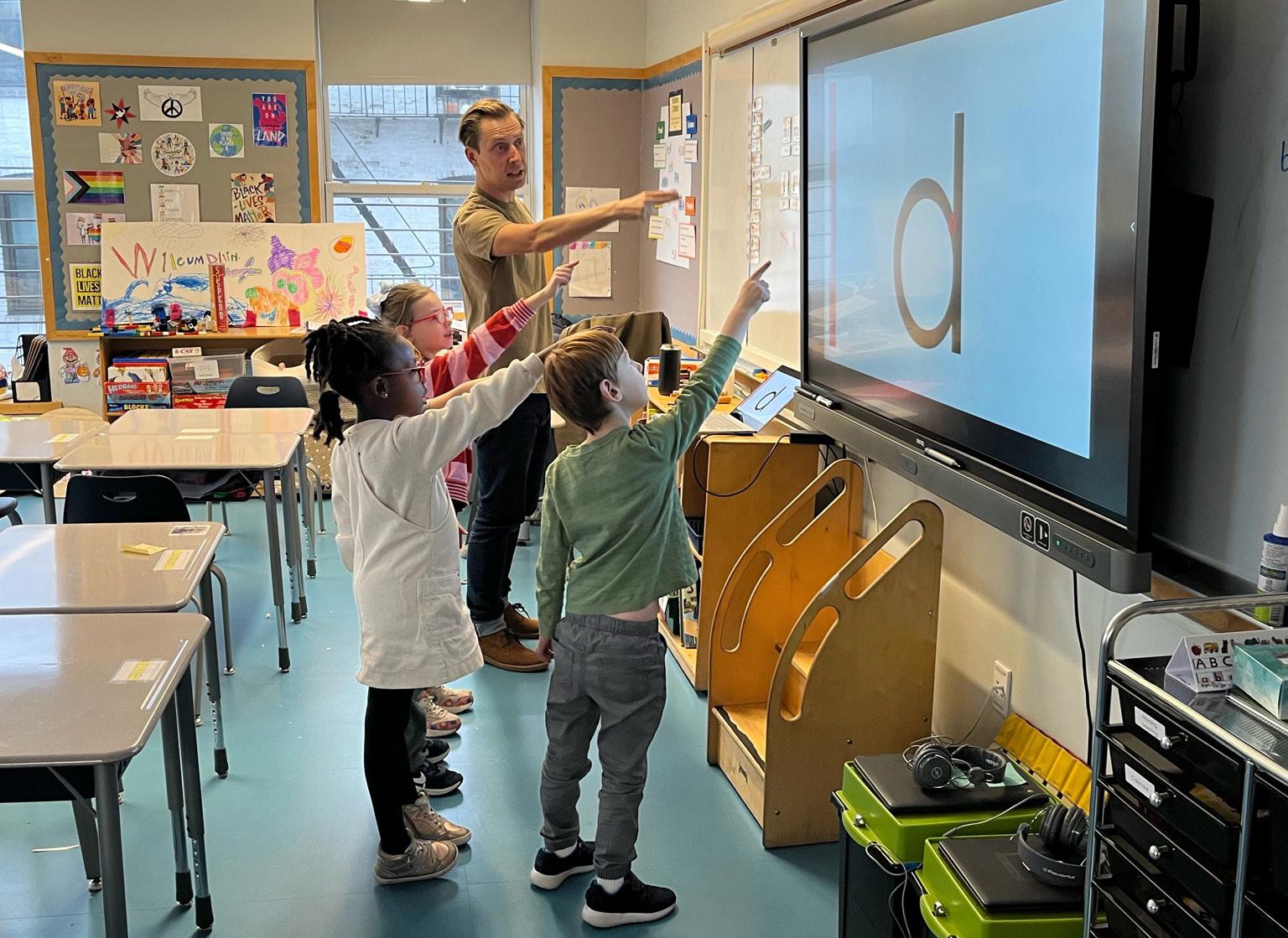
Strategies focus on building a student’s communication skills and providing scaffolds to support understanding. Some examples include:
• Language Disorders
◦ Break down language into basic components and increase complexity as skills develop.
◦ Preview information, provide visual images, schedules, and graphic organizers.
◦ Give explicit vocabulary instruction to build receptive and expressive language skills.
◦ Provide wait time for students to process and formulate responses and frequent checks for understanding.
• Auditory Processing
◦ Provide visual aids to accompany verbal instructions.
◦ Give one- or two-step directions at a time.
◦ Offer sentence starters, verbal prompts, notes, or a summary of lessons.
◦ Use an FM system (teacher microphone and student receiver) to reduce background noise and improve the clarity of verbal instruction.
There are many ways to support the work your child is doing at school to enrich their language development.
• Language Disorders
◦ Engage in conversations and read books together.
◦ Ask open-ended questions to encourage expressive language.
◦ Use sentence starters; play rhyming games and classification games.
• Auditory Processing
◦ Speak clearly; repeat information in the same manner multiple times while maintaining the same tone of voice.
◦ Reduce background noise during conversations.
◦ Have the child repeat instructions back to ensure the instructions have been heard and understood.
Acknowledgments
This handbook has been two years in the making. Our gratitude to the MMFS community for helping to make it happen!
Thank you to the School Culture Team (SCT), clerked by Tiffany Huggins and Franziska Laskaris, for the extensive field research that revealed the critical need for this resource.
Thank you to the Family Subcommittee of the SCT—Helen Cunningham, Carly Guiterman, and Divya Seshadri—along with Nicole Cipriani and Leah Wasserman, for their invaluable work in creating a comprehensive learning disabilities glossary that served as the foundation for this handbook.
Thank you to André Del Valle, Head of School, for “wondering” about a handbook.
Collaboration with a community that shares a mission is such a joy! Thank you all!
In appreciation, Hannah Wiltshire, Lower School Co-Director and Beth Schneider, Associate Head of School

Revealing Brilliance www.marymcdowell.org