

Manchester, UK
07437 915424 | munjirinakamal@gmail.com
LinkedIn: linkedin.com/in/munjirina-kamal

Levenshulme High school
2013- Jun 2017

I am an Architecture graduate with professional experience supporting live planning applications, technical drawing packages and design development within practice. Currently working at HAD & Co, I assist on live residential and mixed-use projects producing planning documentation and coordinating drawings in line with UK building regulations and client requirements.
My design approach is rooted in sustainable, community-focused and heritage-sensitive architecture, with a strong interest in how spatial narrative and materiality shape human experience. I am seeking a Graduate / Part I role where I can contribute to meaningful built environments while continuing to refine my technical and design skills.
RELEVANT EXPERIENCE:
HAD & CO: Architectural Assistant - Salford | May 2025 - Present.
- Assisted in the preparation of Planning Statements and Design & Access Statements for residential and mixed-use developments, supporting projects through planning stages and coordination processes.
- Edit and update architectural drawings using AutoCAD to align with planning requirements and design revisions.
- Support design development to ensure compliance with building regulations and local planning policies.
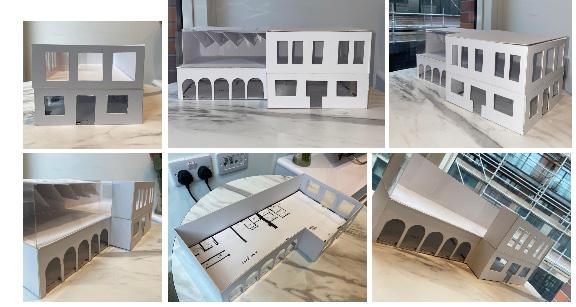
- Produce physical and digital models to communicate design intent to clients and planning authorities.
- Contribute to coordination of drawing packages and documentation for submissions.
Zara - Sales Assistant - Manchester | July 2021 – Present
- Applied visual merchandising strategies focusing on spatial layout and user flow.
- Analysed customer behaviour to inform product placement and enhance engagement.
- Maintained high standards of presentation and organisation in a fast-paced retail environment.
Shena Simon Campus (Manchester college)
Sep 2018 - 2020
Architecture Bsc at University of Salford
2021- 2023
- 2.1 Architecture Bsc (Hons)
RIBA North West Mentoring
Programme – SimpsonHaugh
Mentee | Dec 2024 – Mar 2025
HAD & CO: Architectural
Assistant - Salford | May 2025
- Present.
INDUSTRY DEVELOPMENT & PROFESSIONAL ENGAGEMENT:
RIBA North West Mentoring Programme – SimpsonHaugh
Mentee | Dec 2024 – Mar 2025
- Participated in mentoring sessions focusing on professional workflows, design communication and career development.
- Attended St Gabriel’s Student Accommodation site visit (live construction environment).
- Gained insight into real project processes, consultant coordination and industry expectations.
MA Accountants & Bookkeepers – Volunteering Site Visit, 2024
- Observed spatial planning and functional design in a live commercial office setting.
- Developed understanding of cost-effective design decisions and client-led layouts.
RELEVANT EDUCATION:
University of Salford
BSc (Hons) Architecture – 2:1 | 2020 – 2023
Key Focus Areas:
• Concept-led spatial design and user experience
• Passive environmental strategies
• Design to construction translation
• Architecture in cultural and heritage contexts
• RIBA processes and professional frameworks
• Low-carbon material strategies and UK building standards

Passive House Design Strategy
Year 3 – Semester 1 | University of Salford
Location: Manchester, UK
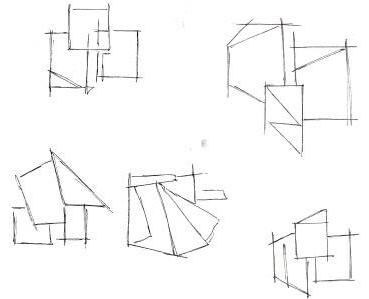
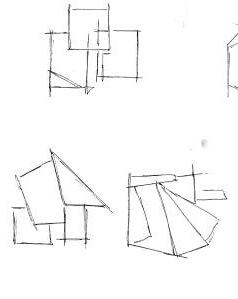

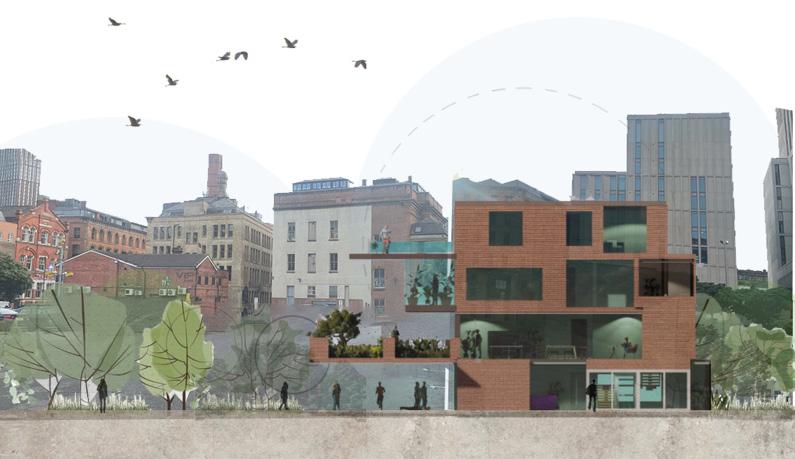

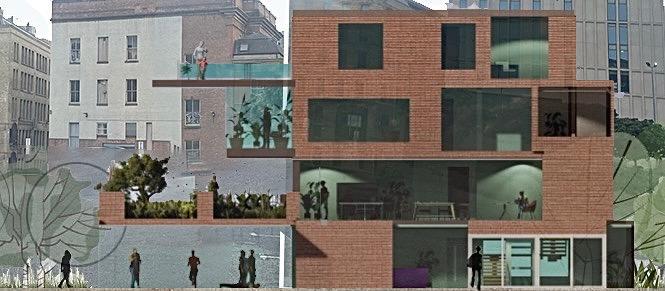

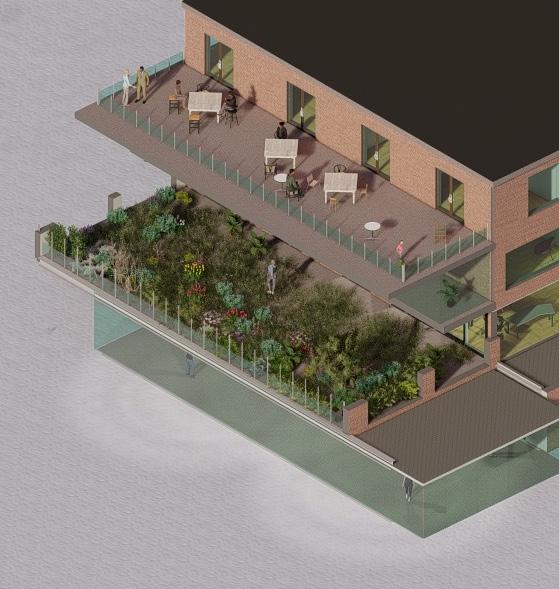
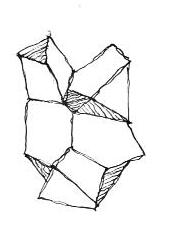
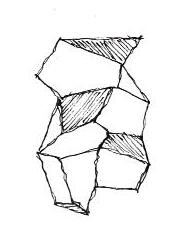
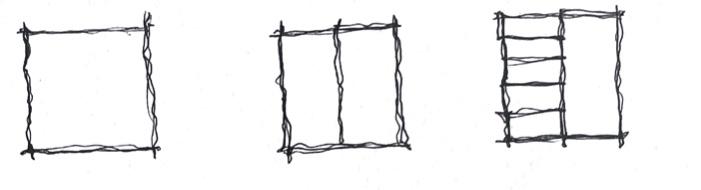
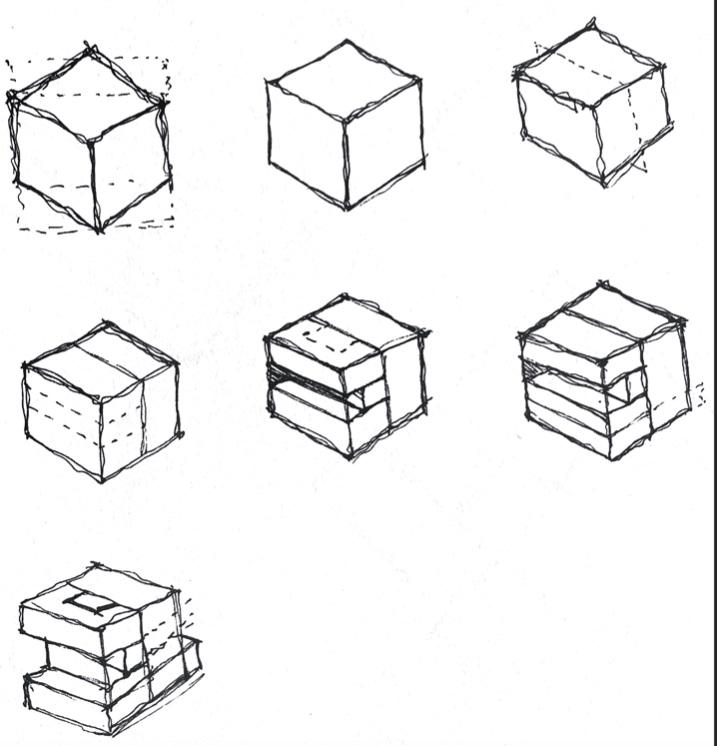
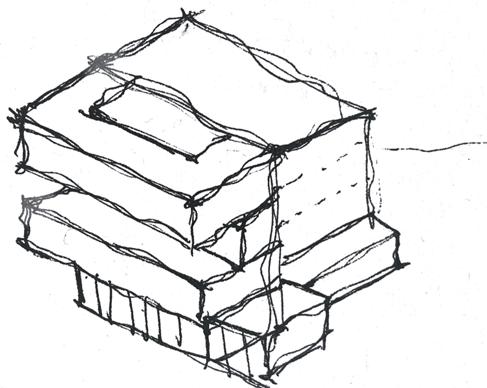
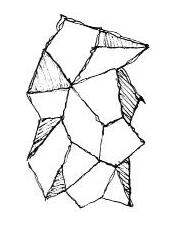
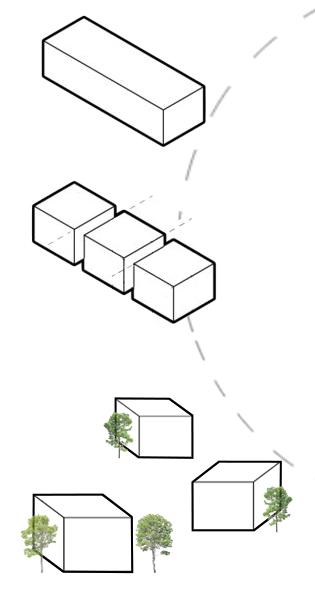
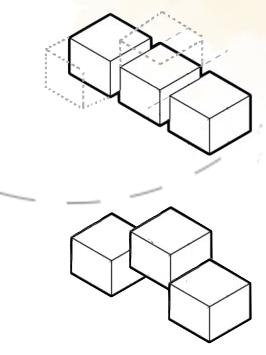
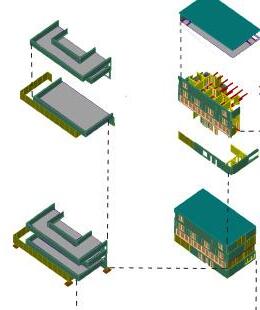
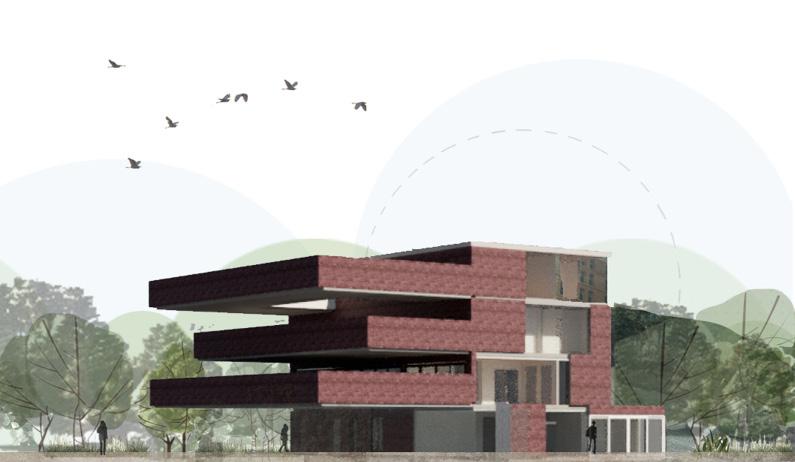
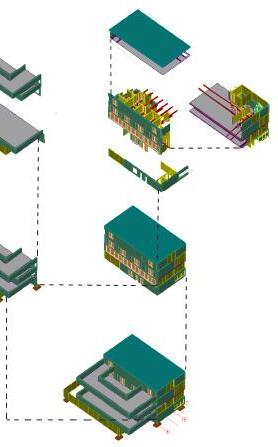
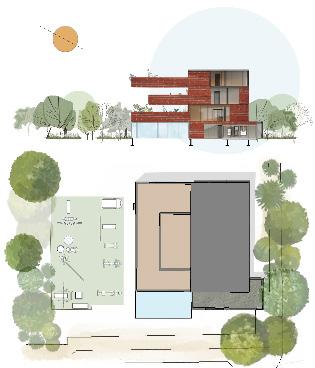
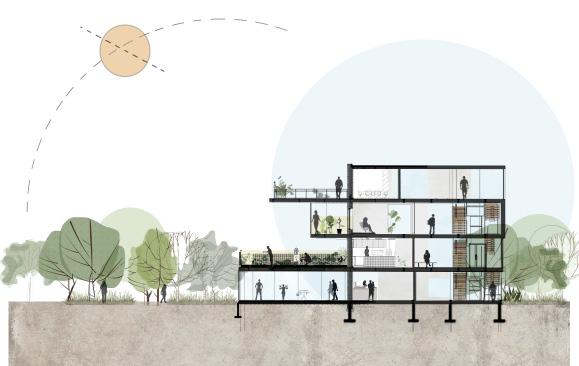
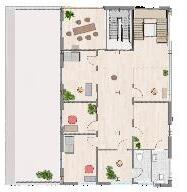
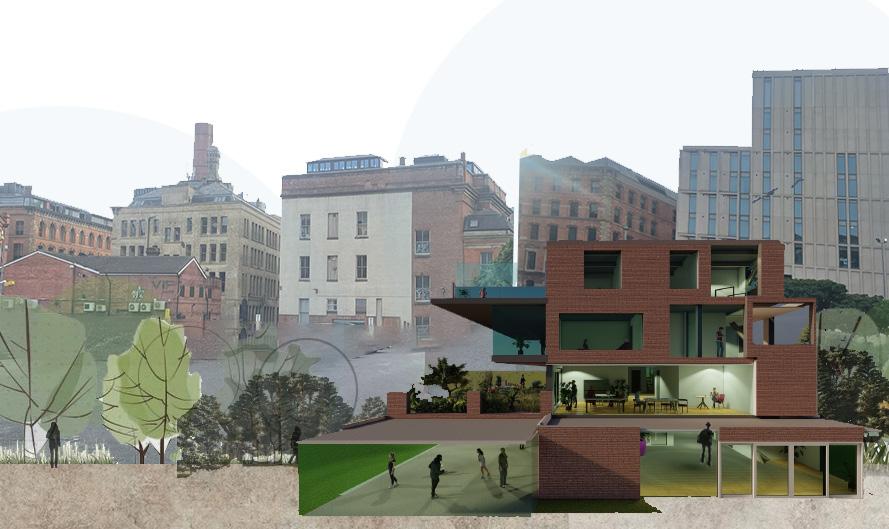
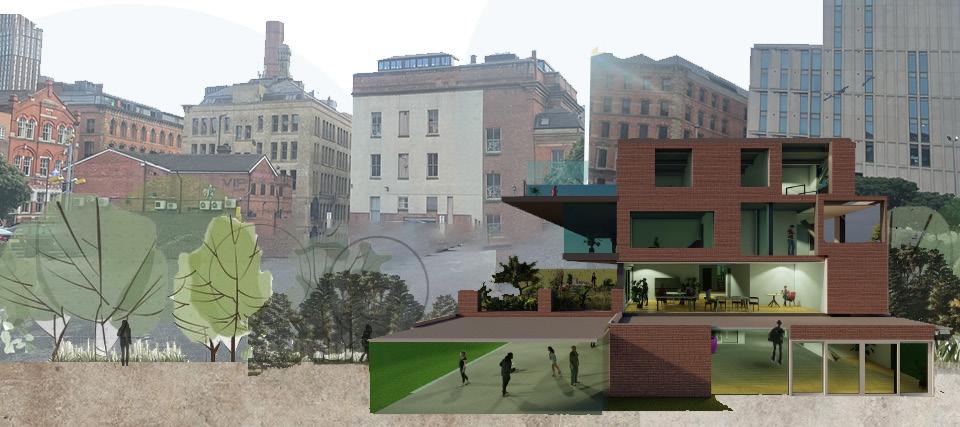
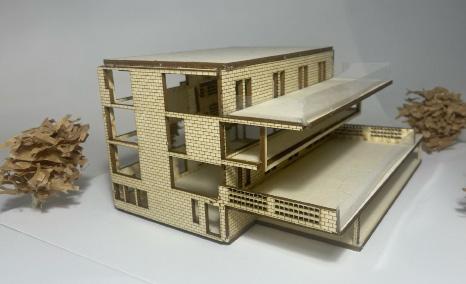
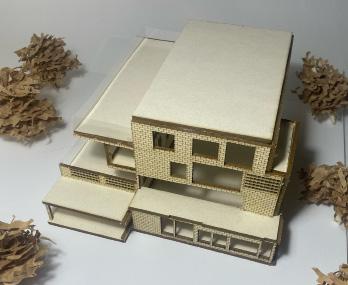
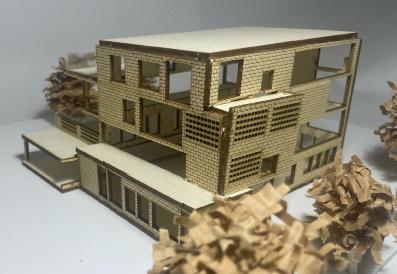
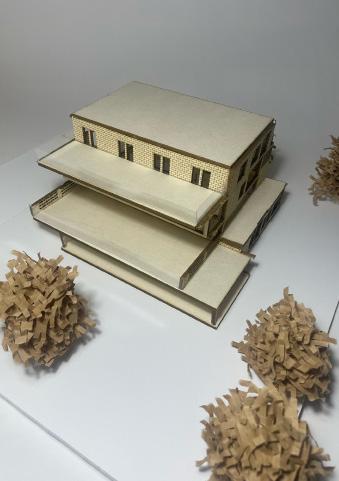
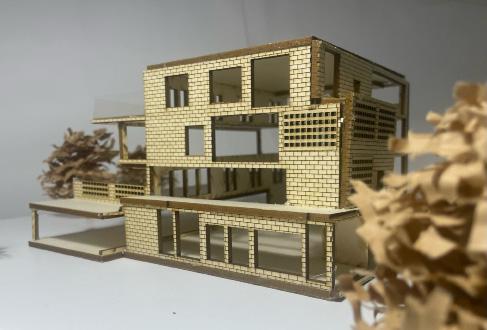
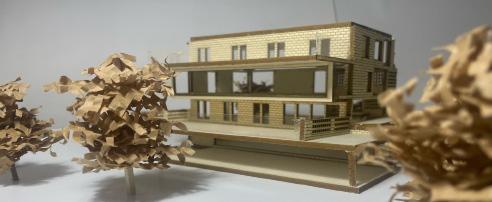
This project evolved through structural experimentation, starting with fragmented forms and interlocking volumes. The design was refined into a stacked, offset structure, creating fluid connections between spaces. The final model balances openness and function, supporting wellness through movement, nutrition, and community.

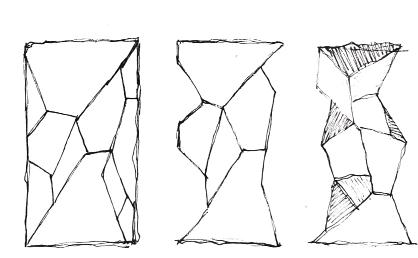
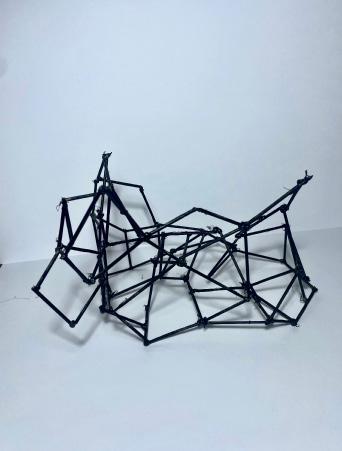
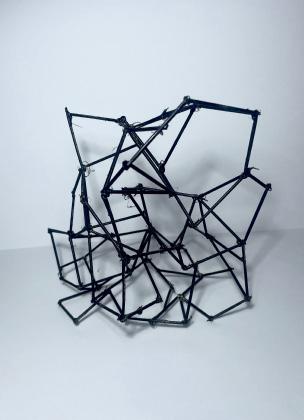
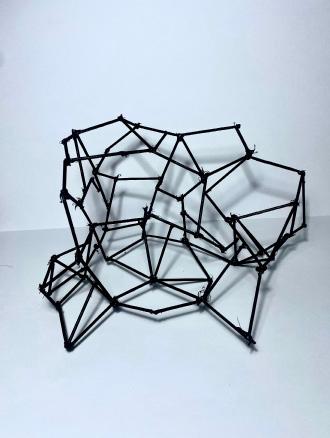
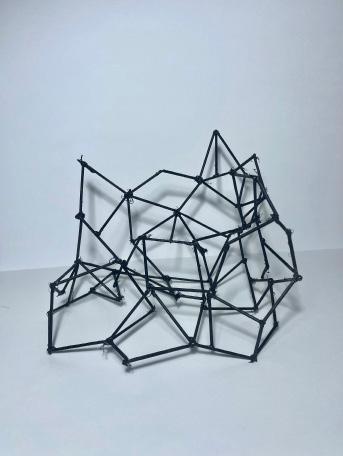
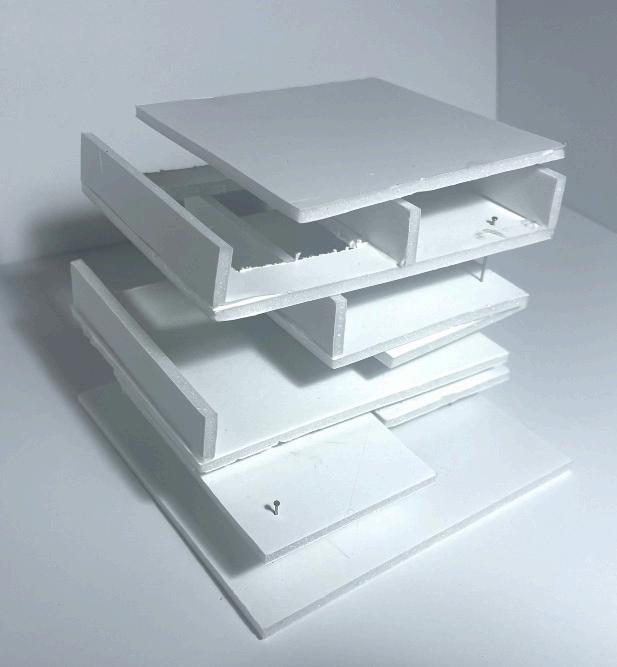
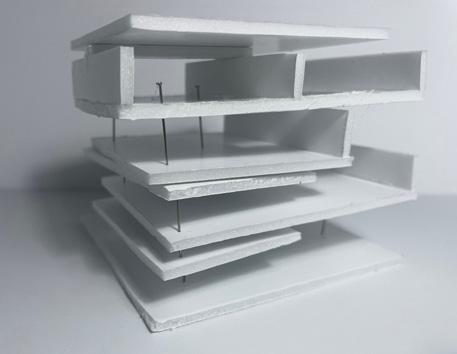
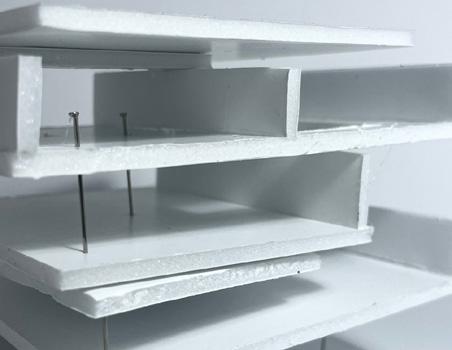
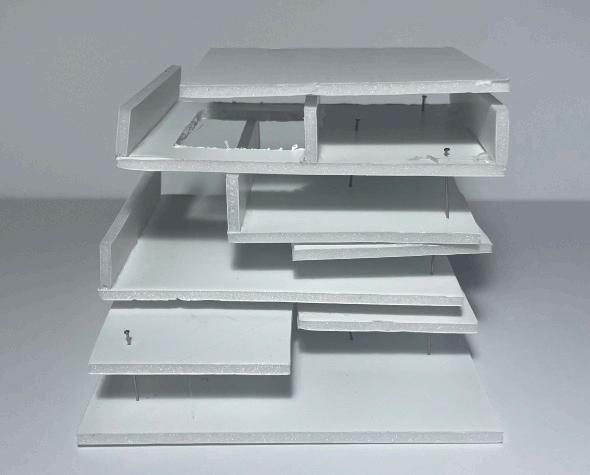
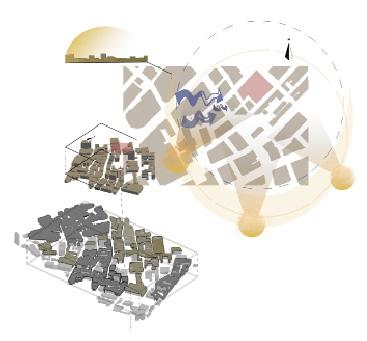
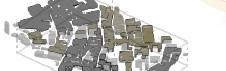
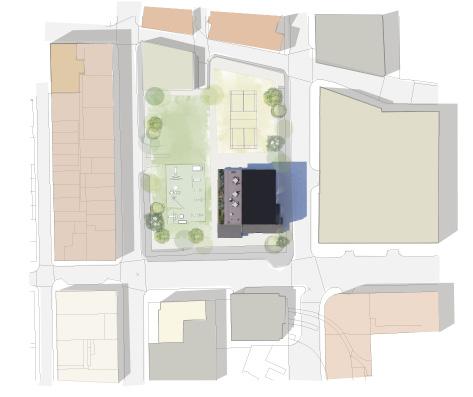
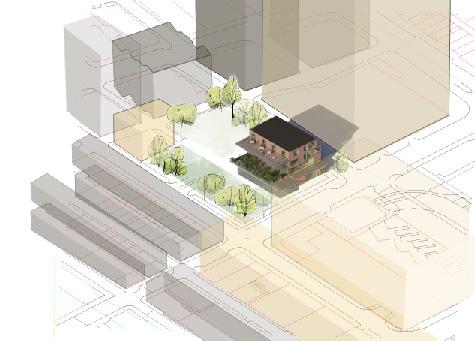
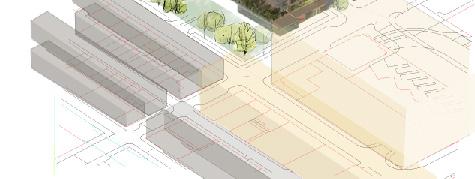
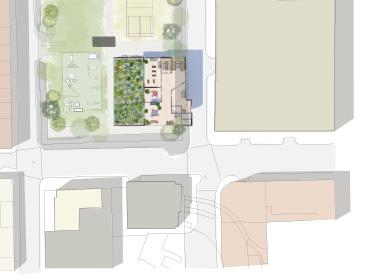
Located near Manchester Oxford Road station, the centre offers excellent public transport links, ensuring easy access for visitors.
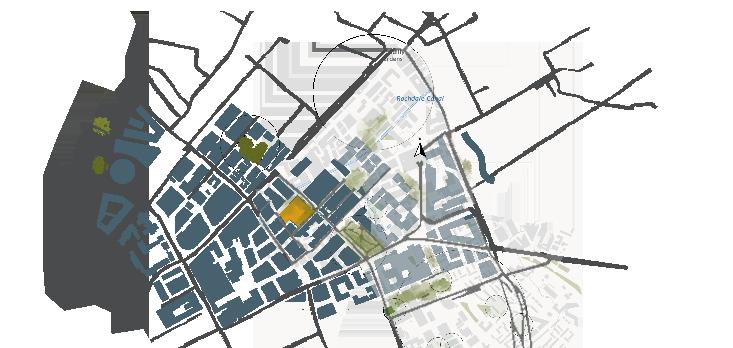
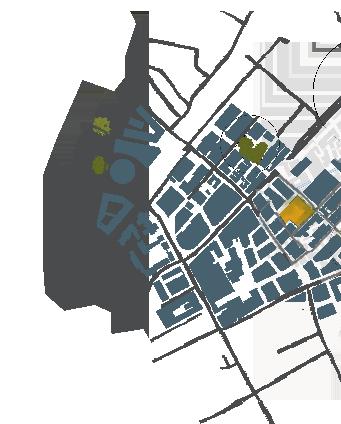
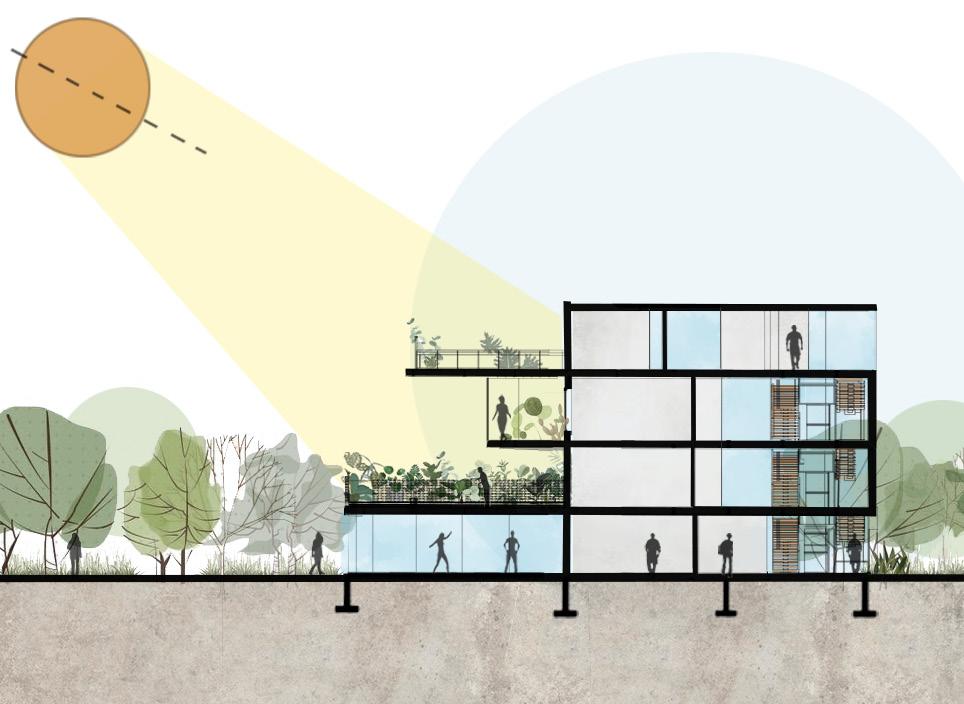
The design embraces eco-friendly travel, supporting Greater Manchester’s Clean Air Plan and promoting healthier, car-free journeys. and user-centred spatial strategy, and final drawings, environmental concept development, technical Includes full site analysis, planning. strategies, optimised solar gain, detailing, natural ventilation high-performance envelope scheme focuses on Passivhaus standards. The and leisure facility designed to A mixed-use community health Project Overview: visualisations.
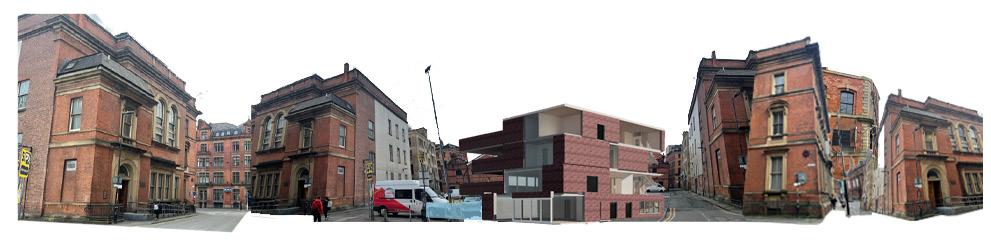
This leisure centre revitalizes Manchester’s historic district, blending traditional brick architecture with sustainable green spaces.
ORIGINAL DESIGN CONCEPT


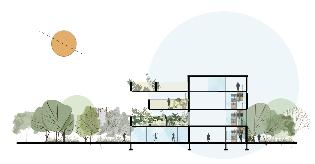
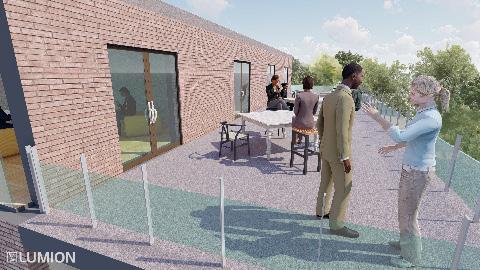
4th floor balcony
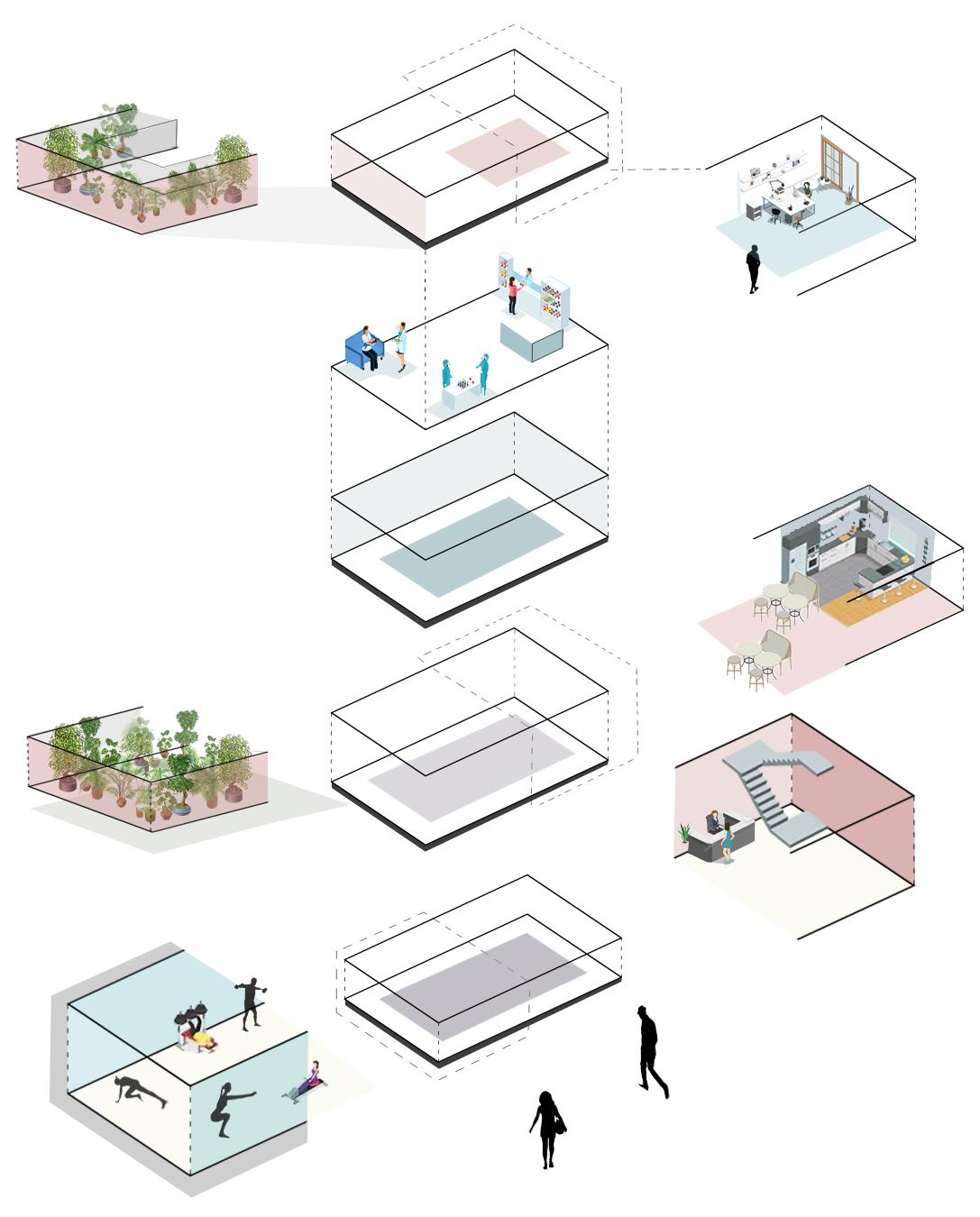
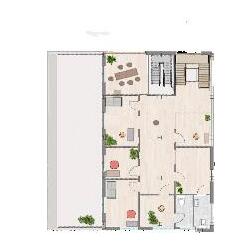
2nd floor: medical and counselling facilities
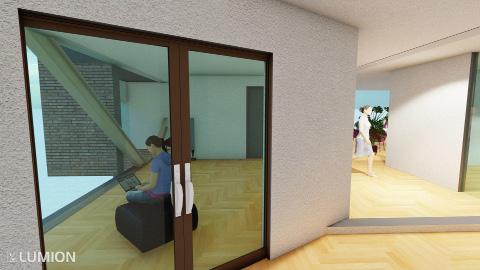
offices / staff rooms
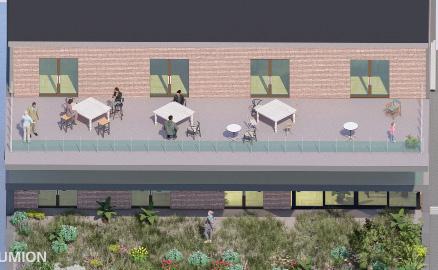
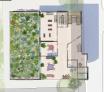
first floor balcony with access to vegetation
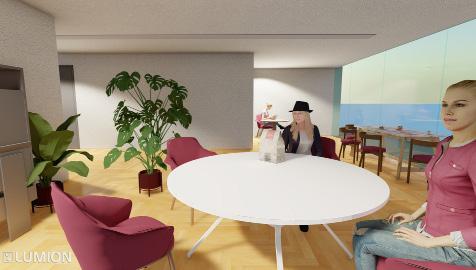
Cafe/ cooking classes


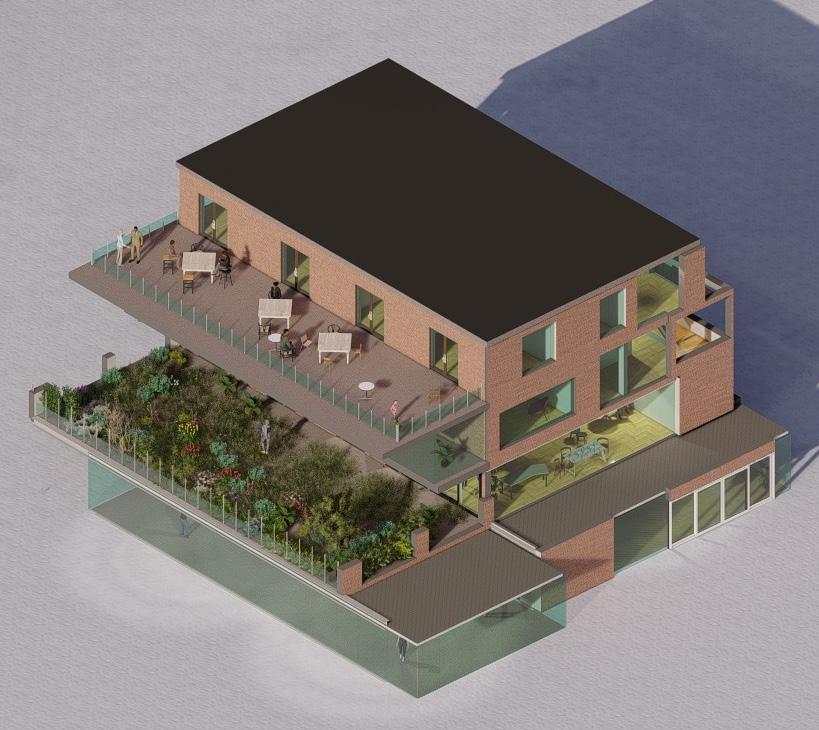
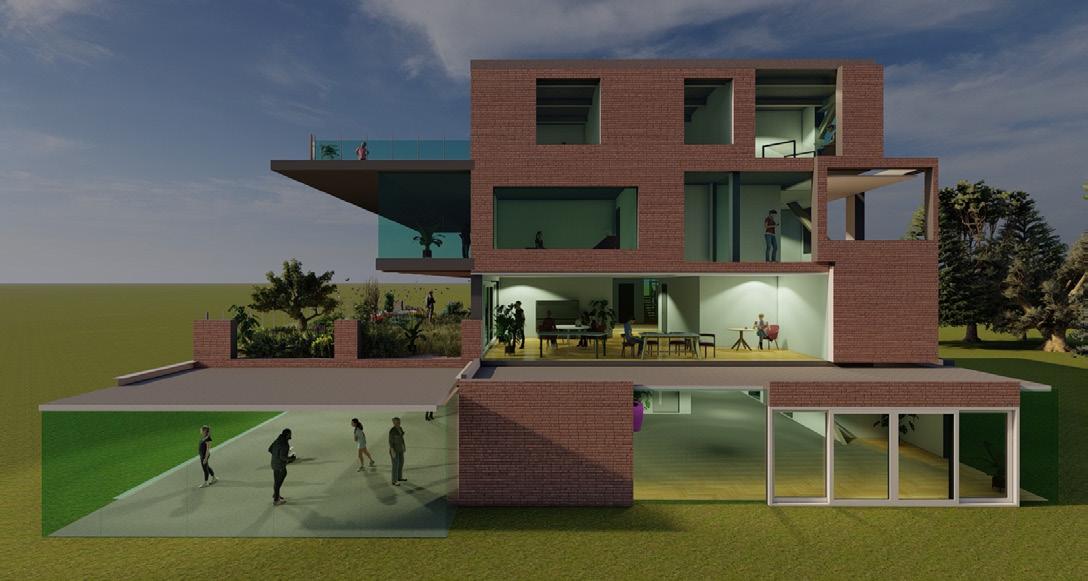

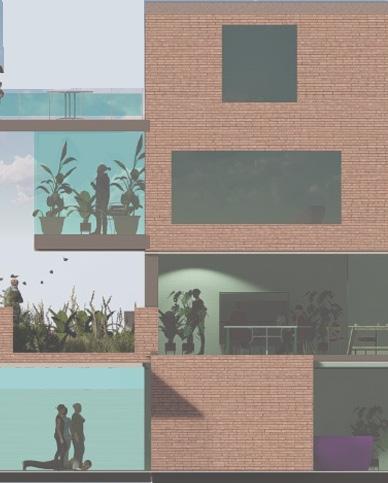
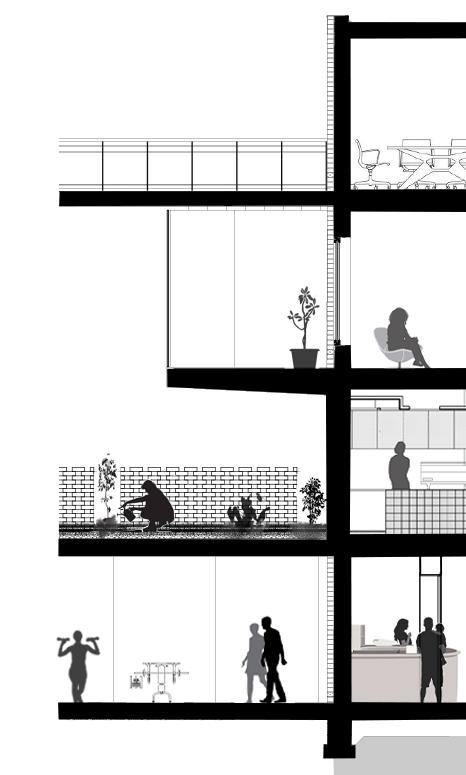
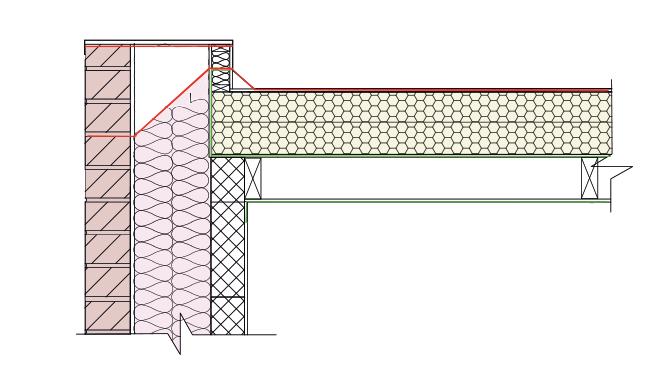
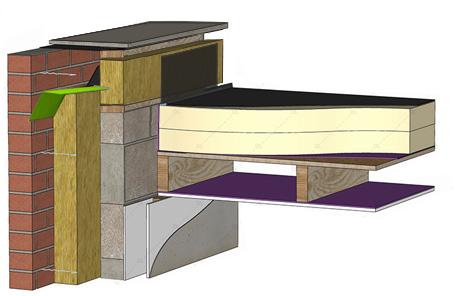
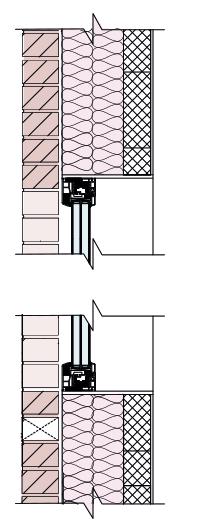
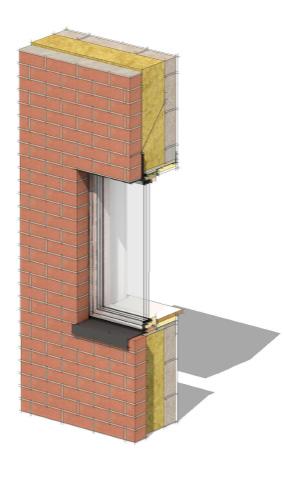
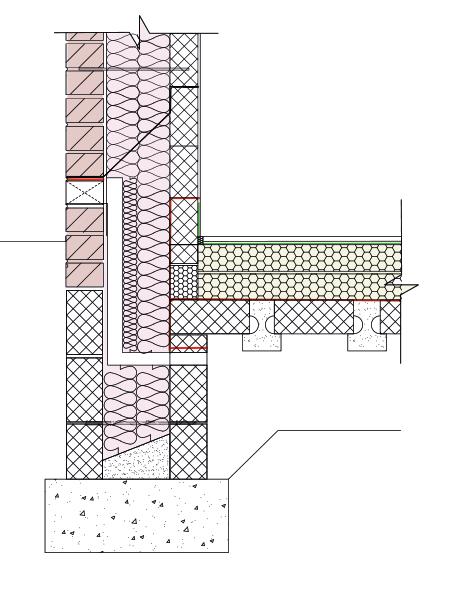
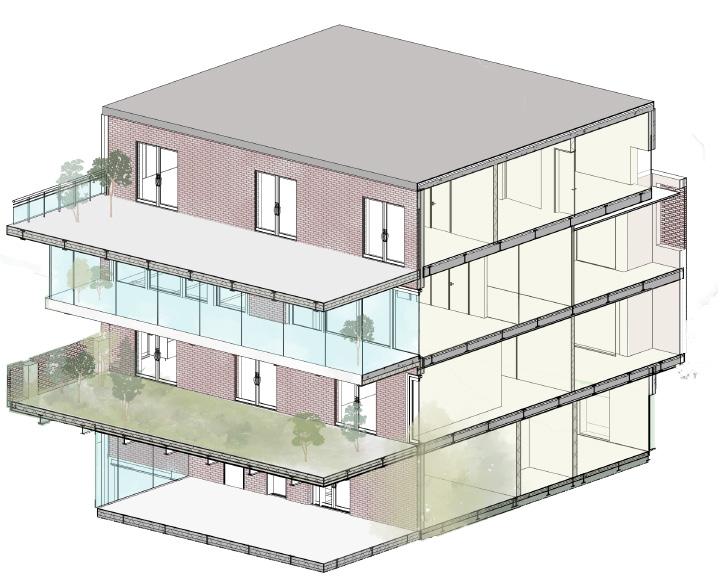
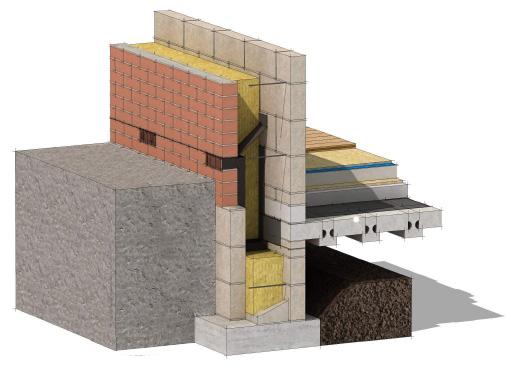

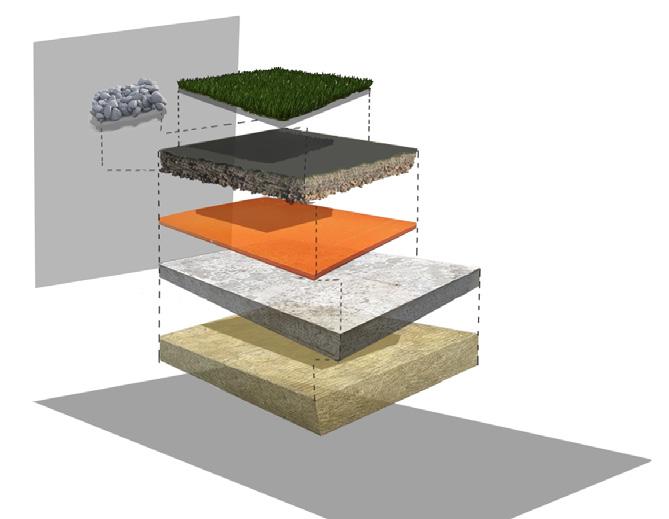
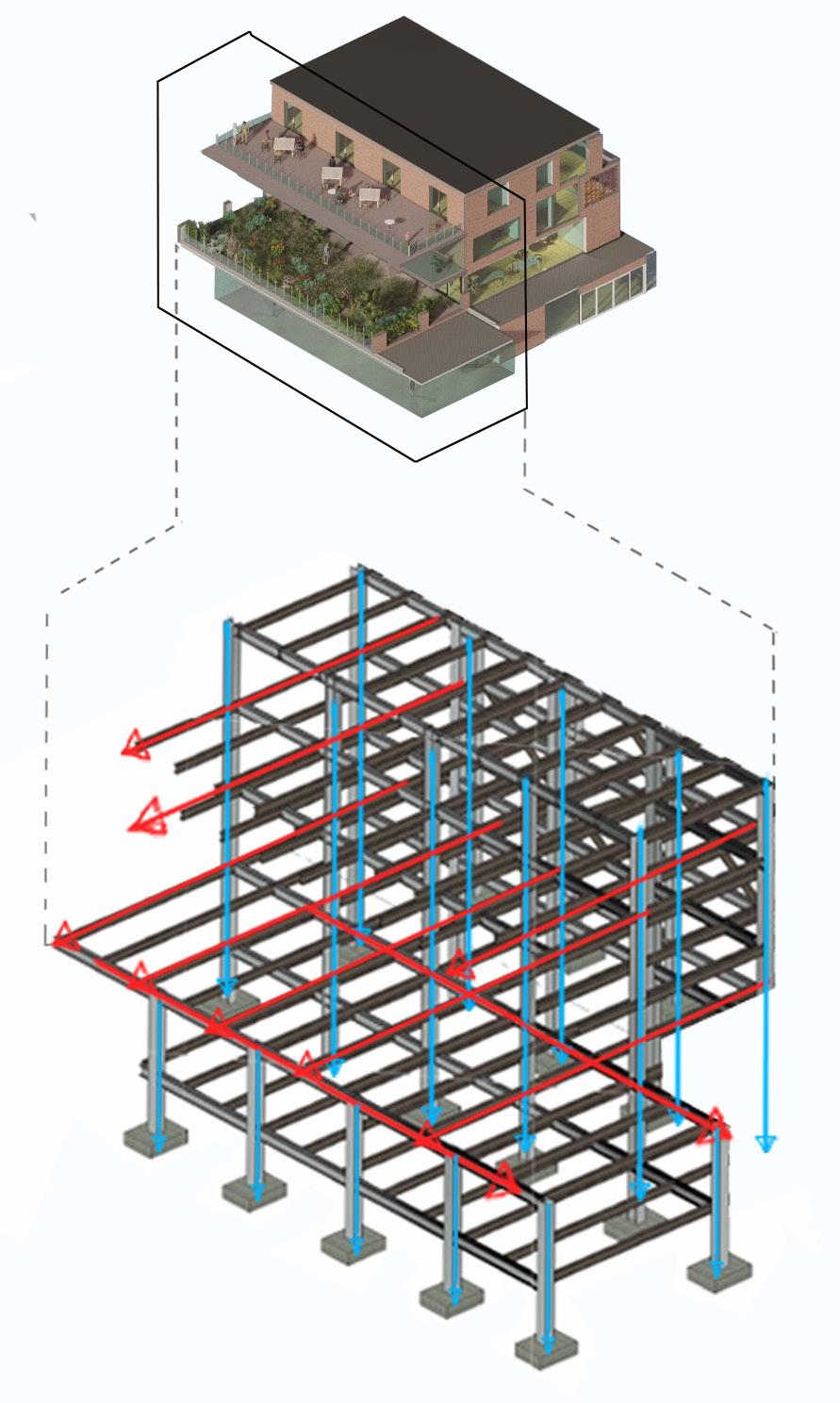
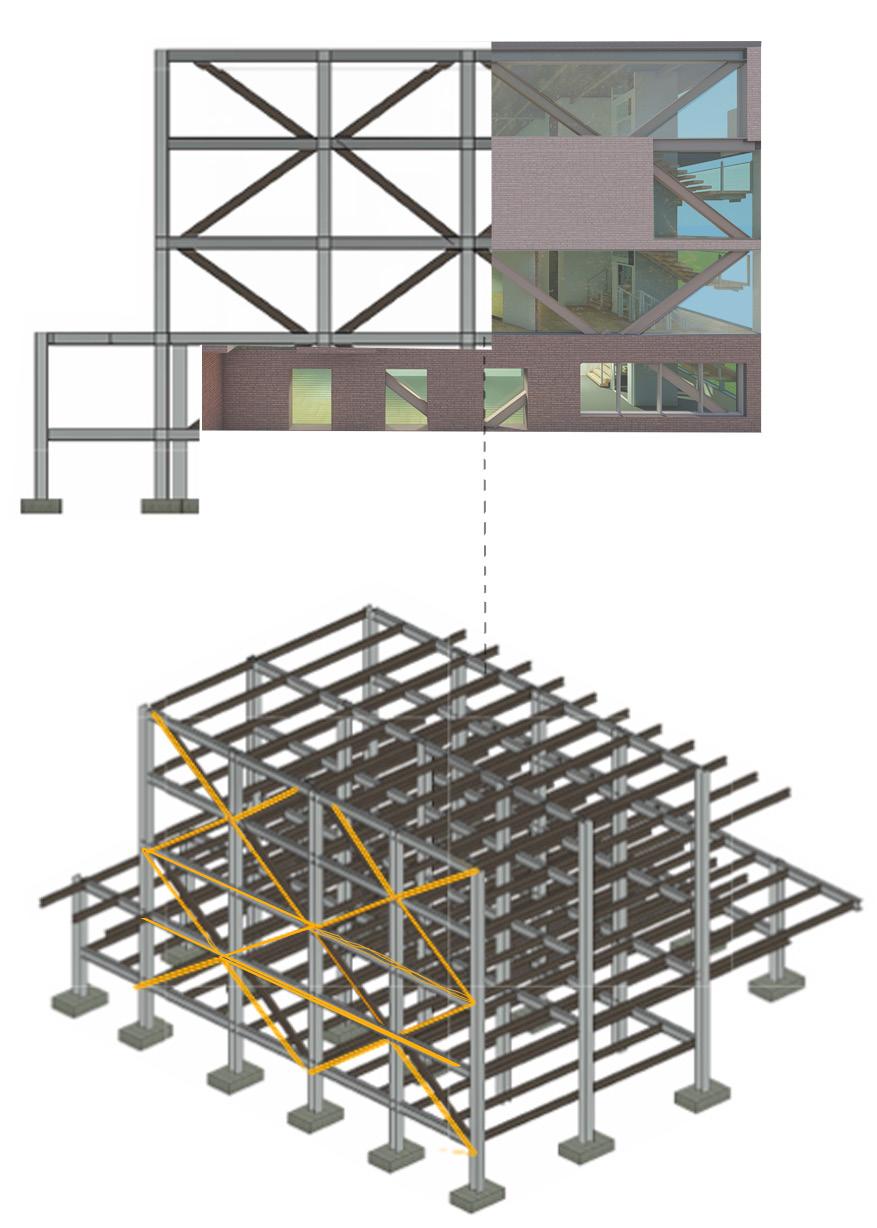
The leisure centre features a steel structural system for strength, durability, and sustainability. Steel beams and columns support the frame, with epoxy connections ensuring stability. Triple-glazed, steel-framed windows enhance weather resistance.






Recreating the city Task 2
Visiting town hall
Description of the building
Town Hall, Albert Square, Manchester, M2 5DB
Author: Munjirina Kamal
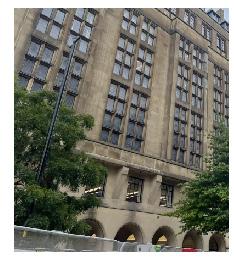
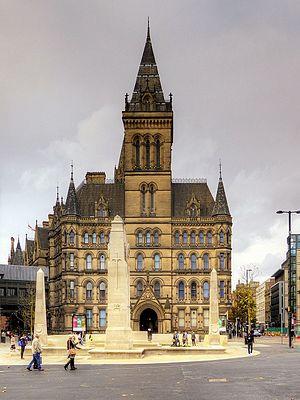
Manchester Town Hall in Albert Square, designed by architect Alfred Waterhouse a leading contemporary architect building one of the most iconic landmarks in the city, one of the largest Heritage schemes ever undertaken in the UK, opening in 1877. The design is regarded as one of the finest examples of Neo-Gothic architecture in the United Kingdom. It is one of England’s most important Grade One listed buildings on 25 February 1952(Manchester city council, 2022).
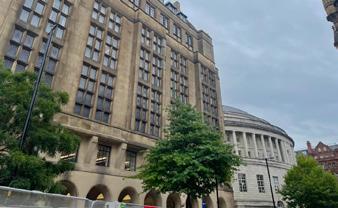
It is the ceremonial headquarters of Manchester City Council and houses several local government departments. The building contains offices and grand ceremonial rooms like the Great Hall. In 1938, a detached Town Hall Extension was completed and connected by two covered bridges over Lloyd Street linked to the town hall by glazed pedestrian bridges at the first-floor level (Manchester city council, 2022).
https://www.flickr.com/photos/manchesterarchiveplus/5235765236
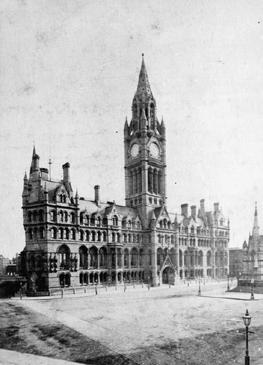
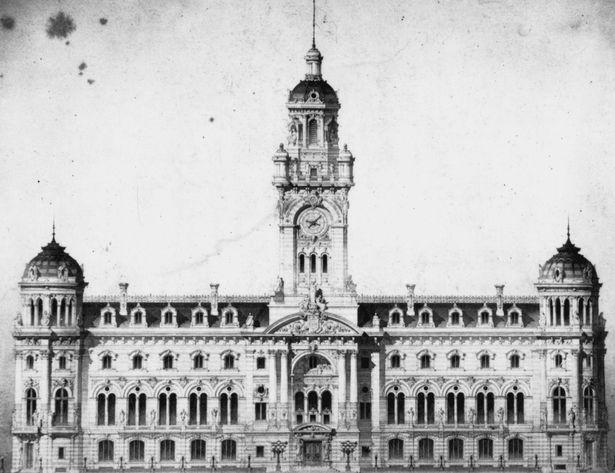
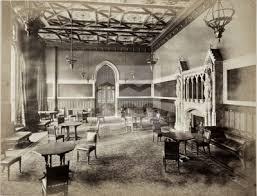
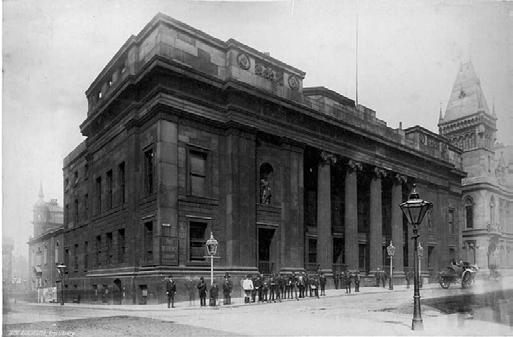
The building is built on a triangular space, with three storeys and attic rooms. The front elevation is on Albert Square, while the two side elevations stretch along Princess Street on the left and Lloyd Street. The primary investigation is understganding the building... the heirtage of the detailings there are two main entrences on these streets
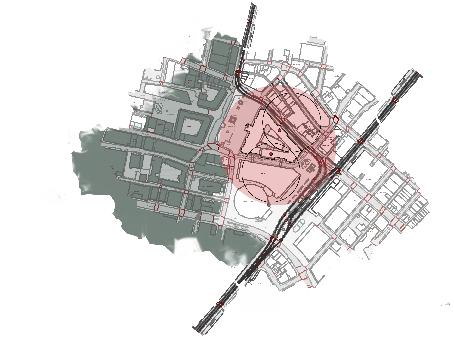
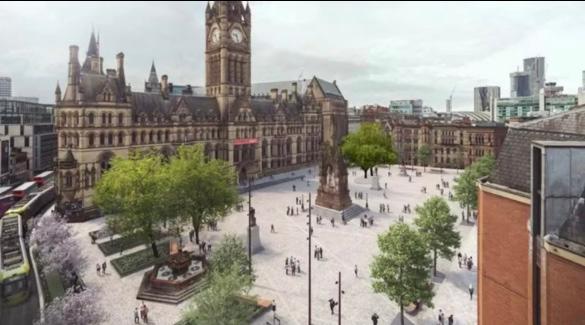
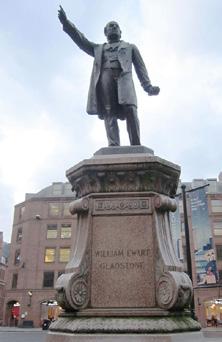
1863 City Council authorised the creation of Albert Square and its designation as a tribute to the Prince Consort.
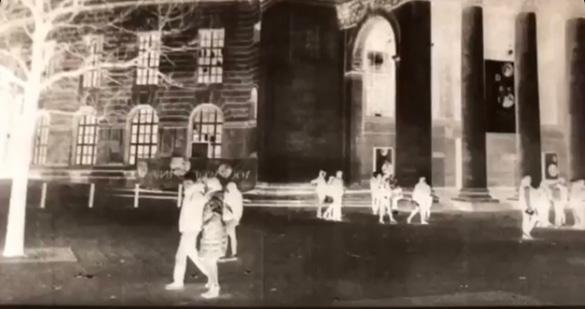
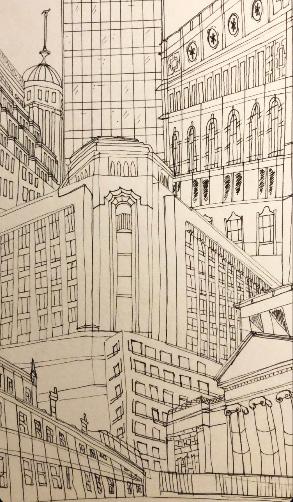
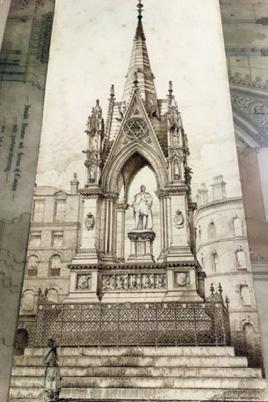
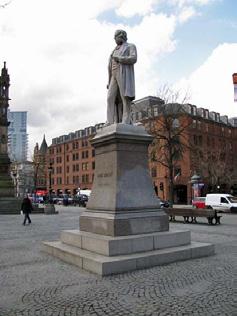
1867 Albert Memorial revealed
https://www.designingbuildings.co.uk/wiki/Conserv-
https://www.bbc.com/news/uk-england-manchester-50602227
Manchester Town Hall completed and paving to Albert Square finalised
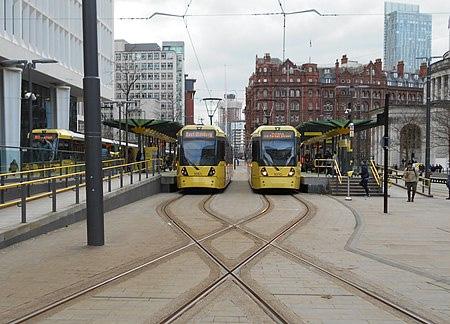
Pre-1891 Tramway introduced to Albert Square
https://manchesterhistory.net/manchester/statues/
1898 - Jubilee Fountain completed 1920s -Jubilee Fountain removed to Heaton Park
-Jubilee Fountain returned to
1864 Approval of the site area (Town Yard and peripheral buildings) began to complete Albert Square. Commercial buildings began to establish themselves along the newly established square. Traffic flowed freely across the square at this time.
https://en.wikipedia.org/wiki/Manchester_Town_Hall
1973 Upgrading of Albert Memorial from Grade II to Grade I, following lobbying by the Victorian Society
1978- Restoration of Albert Memorial following an appeal for funds
Public realm works to Albert Square completed, including its pedestrianisation, re-surfacing and some degree of planting.
- Repairs undertaken to Albert Memorial
Some of the
A heritage-led strategy is conducted to repair and restore Manchester Town Hall by the PURCELL Conservation Architects'. Taking account of the surroundings and experience of the recent visit. Reporting on the general condition and state of repair of the external and common parts of the property based on a thorough visual inspection on the 4th of November, 2022.
The project aims to transform the town hall back to its former civic glory and involves the repair of internal and external deficits while renewing building services and improving accessibility and visitor experience. Recommendations on how to deal with the repairs, areas to tackle, plan shows, show different levels, and construction phase. The architects focus on the Historical aspect. Inventory of the current building state is related to sustaining the heritage and working on the building's deterioration assets, and certain modifications must be made carefully.
The Purcell architect’s plans were to repair and restore the town hall project in Manchester, costing £3,300 00 to upgrade the building for 2024 (Christina Sinclair, 2019). These major structural upgrades will help provide a programme comprising of creating an accessible space for everyone, which has many benefits to socialisation.
This report will use photographic images taken whilst visiting the town hall. The inspection was limited to the lower ground floor, ground floor entrance, first-floor level, ground floor and roof floor because of defects and the structure's condition. The survey lasted 45 minutes as it was currently under construction, with the scaffolding over the roofs and up the tower, which would cause danger to the individuals visiting the site —photos of the windows, the structure and other details relating to the existing condition of the building.
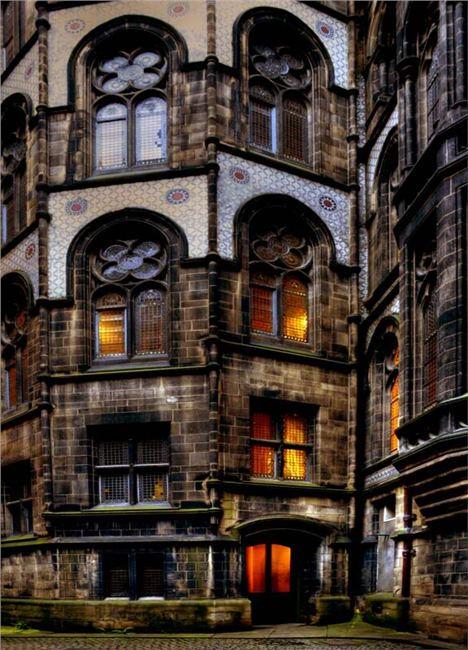
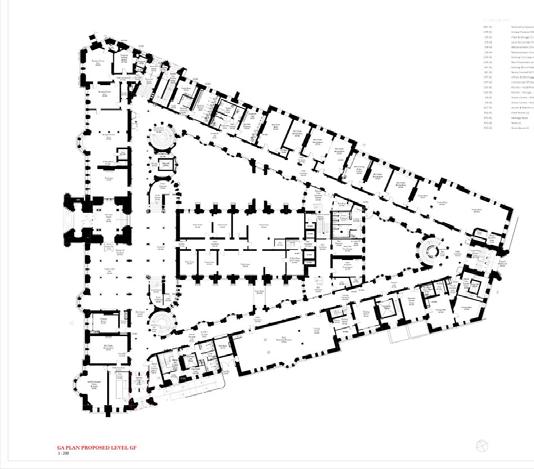
As stated on the Manchester city council website, PURCELL Conservation Architects are investigating and surveying to comprehend what is required to restore the building and bring the Town Hall and Albert Square up to modern standards.
Over the last two years, labour has primarily involved stripping out old and redundant services to construct new ones: drainage, installing new plants and machinery (including seven new lifts) and restoring the existing building fabric. The spiral staircases, and the central corridor with periphery internal spaces, enclose the Great Hall and Police Station in the central area.
The building is critical, particularly in this aspect, as it is situated in the heart of Manchester. It is built on a Triangular Island site, with three main ranges within a triangular courtyard filled mainly by a rectangular Great Hall.
The courtyard is outside, so natural daylight is coming in, it is situated on the ground floor, so it does not get much light. the Purcell architects will be leaving its facade as it is to keep its heritage as it can often cause erosion, as it can damage the historic surface. (Christina Sinclair, 2019).
In the interior, the building retains intriguing spaces on the floor, including sculptures of kings and influential individuals. Paint all these 100 years ago, and we see the Purcell architects working on reproducing each unique dealing design.
The Manchester Clock tower was designed in the thirteenth-century Gothic style, holding similarities with the Westminster because of its bell and structure, which is situated in London apart from its height which the big ben is 96 meters. In contrast, the town hall clock is 280ft tall.
The town hall clock tower is often represented as the Westminster in films as more suitable than big ben as its bell is cracked, whereas this clock is not tall as the big bang. Because of where it was built, it holds significance. Tthe clock tower includes a 173-step staircase leading to the bell chamber and the clock.
Interior: Ceiling:
– First floor, the reception room.
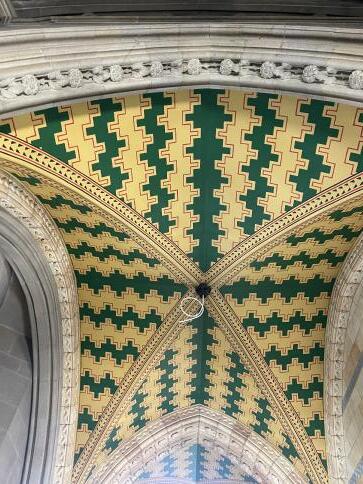
Description: currently under construction; butterfly vaulting arches with paintings, left as they were built; method of painting is gilding, which is thin sheets of gold real gold in the detailing on the roof, the heritage kept intact.
Condition- Good, perfect. The possible repair: butterfly roofs can be challenging to maintain Their design makes it more difficult to spot any damage that might have occurred to the ceiling or when maintenance is required as much of the roof is hidden by the roof's pitch. Though the structure is well built, it is challenging to maintain high maintenance, with careful consideration of the painting, so possibly cleaning using PH neutral detergent to remove dirt and adhered substances.
Priority: C
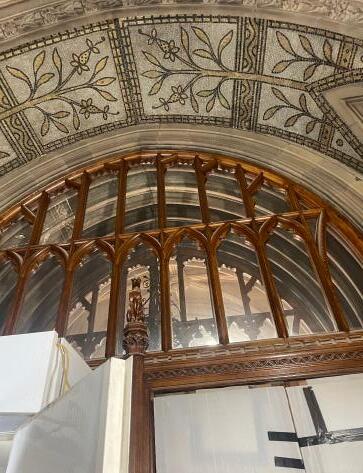
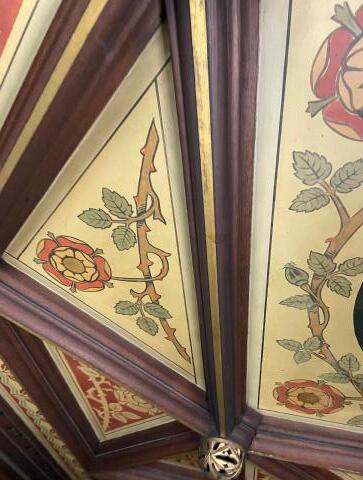
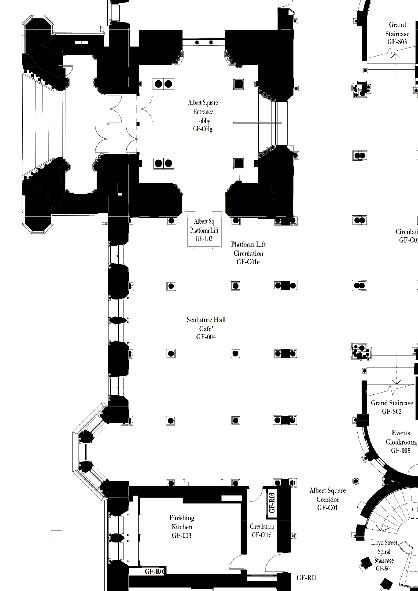
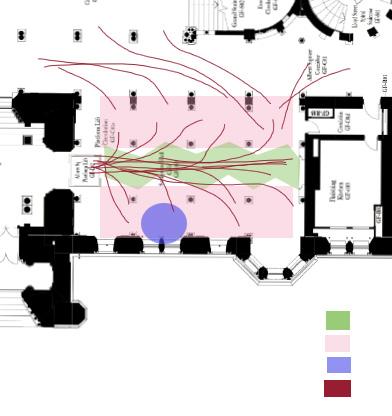
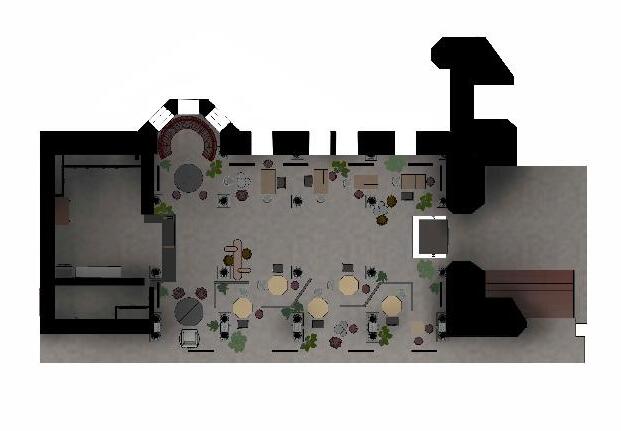
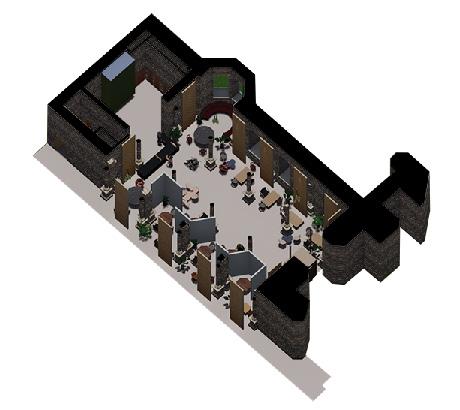
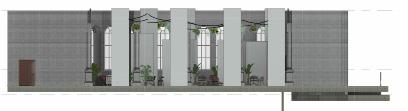
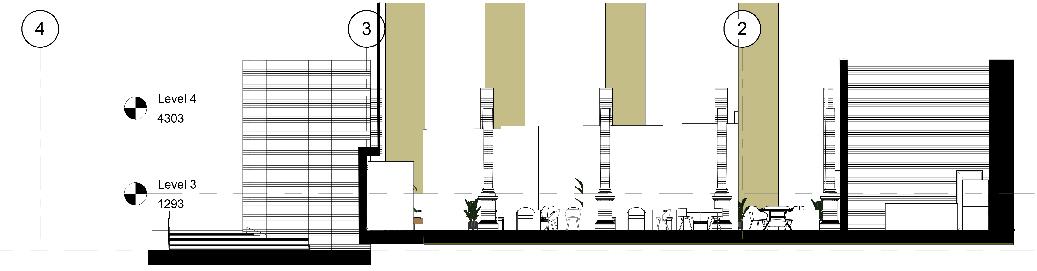
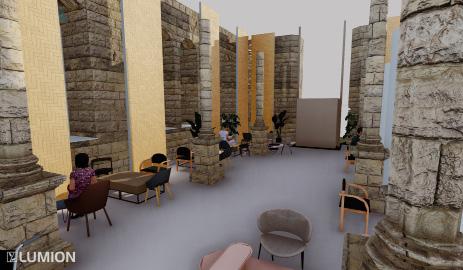
It is vital, including reconstructing the building as it was previously and linking it back to its heritage. After examining the conditions of the building, mainly the purpose and use of the sculpture hall, where it will be transformed into a music cafe by not altering the walls or physical changes, the wood design comes in place as a response to the cafe.
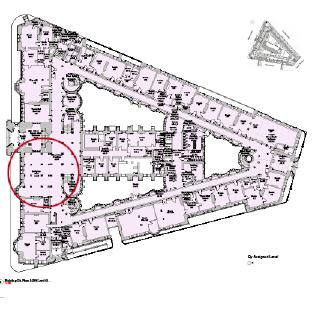
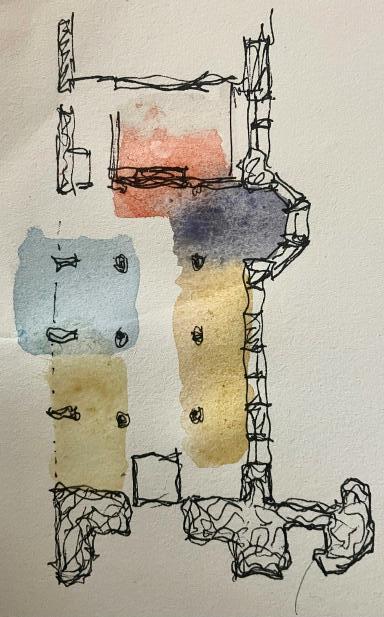
The placement of the music section makes the musical elements not dominate and disrupt human traffic in the middle, forming an intimate space and not interfering with the people using the space, as it would be intrusive if it were placed in the middle.
The music zone is functional and practical as the central section is about individuals queuing up and making space in the self-service area, placing many comfortable sitting areas on the sides of the interior for a multifunctional space.
proposal plan: scultural placement of the materials within this space.
The state of the fabric is of heritage importance currently in the repairing with some aspects in immediate urgency. The disadvantage of altering areas with care and limitation of inspection on the accessed space is the sculpture hall, assembling a music cafe, considering the design issues such as the internal arrangement, the provision of natural light, heating and ventilation. Considering the roles of efficiency, cost of energy, keeping the heat, infrastructure, condition of the building, Setting everything up continuous work with structural stability regulation, priority.
The change within the Town Hall resulted in many elements, such as lights adapted to accommodate this new technology (Christina Sinclair, 2019).
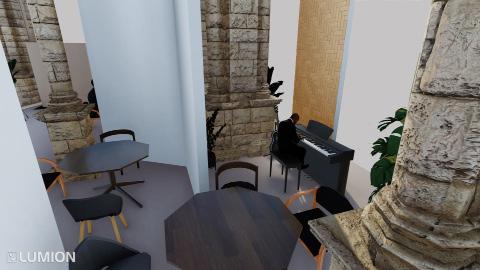
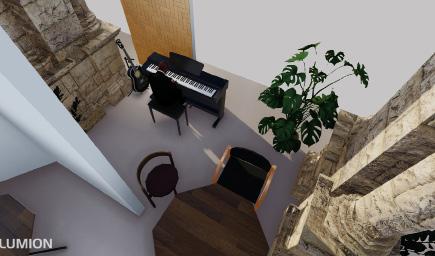
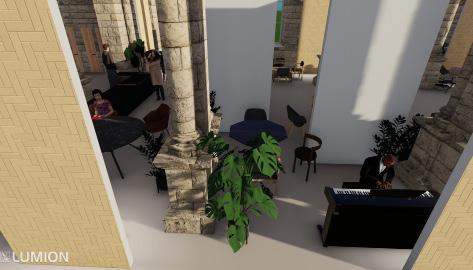





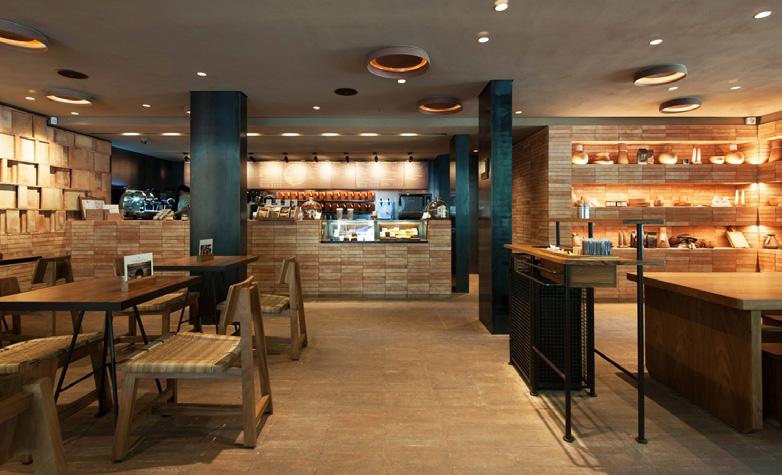
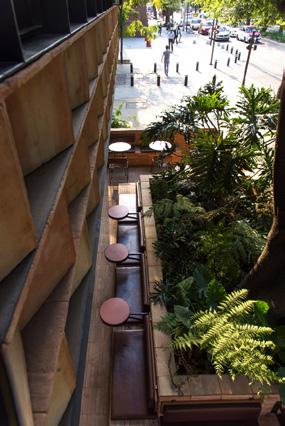
The design team overhauled an existing building in the trendy neighbourhood, which lies just west of the city’s historic centre and is recognisable for its colonial architecture.
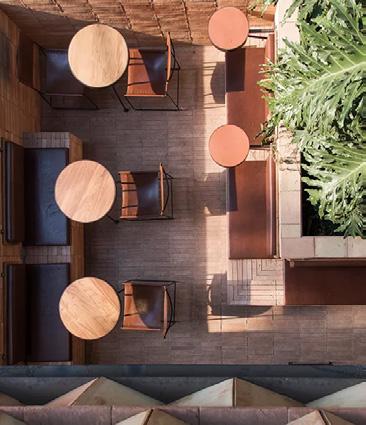
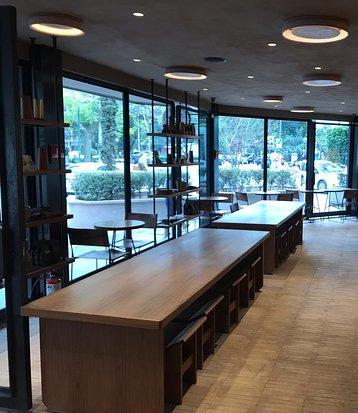
Designed by Esrawe Studioin in year 2016, this renovation of wodden detailing with Mexican history of forthrightand contemporary mexican concept place making, intergration between emelemtns, Wooden tables and chairs are used inside and outside, a nod to traditional Mexican handcraft. ”The textures taken from embroidered leather, embossed hide, knits, and the earth, comprise a language that imprints a particular personality in the brand,” said the designers. the exterior -This complements the brick and wood materials used elsewhere in the project.
The interior is lined with masonry blocks whereas the exterior volume is clad with angled clay panels giving the façade a different texture. This complements the brick, wood and leather used within the furniture design and are a nod to traditional Mexican handicraft. The design is clean, traditional and respectful to earthy tones.
A high quality
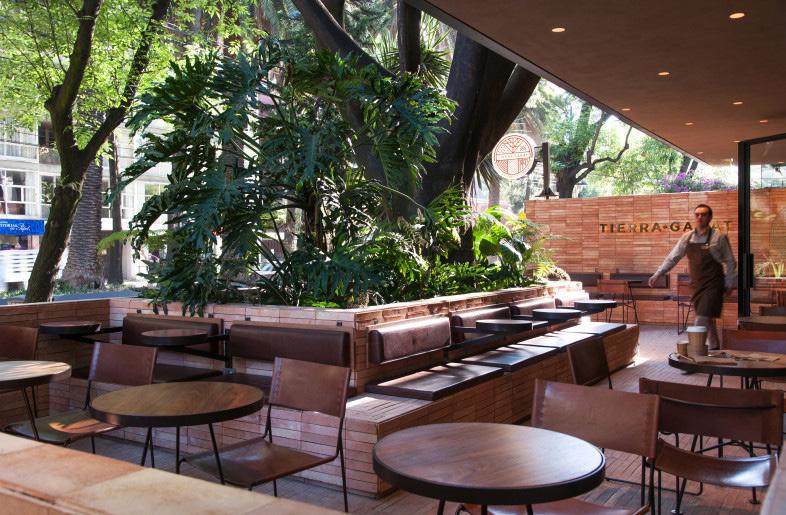
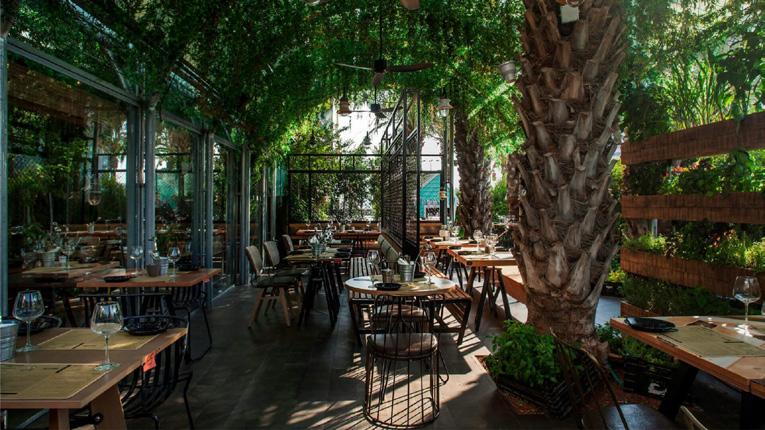
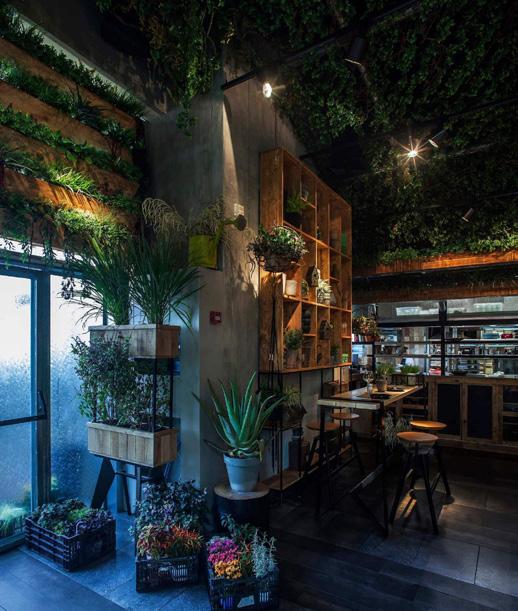
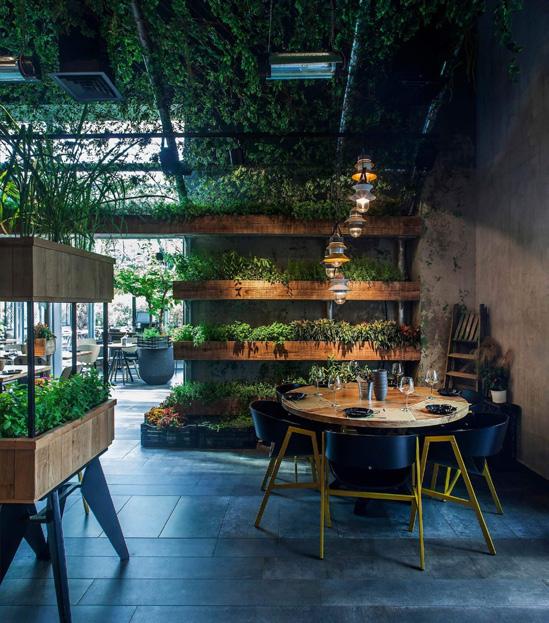
Kitchen Garden
Sharonim, Israel
the tomes the architect follow is natural but also the colours of a coffee bean, the add manu layers of elements in this coffe place such diffrent types of tables and chairs giving vaity to the customers but also leting the choose the section theyd like to sit comfortably,
the architects also focus making these tables and chairs low so its accessible for anyone with disabilities, the area is very open and calm aethetically, calm nvironemtallows a person to be comforble in where they are sitted.
the use of wood for the materials placing plants on thed walls
that is
from Mexico,so the mimication of the tones from the beam is understanble, creating a stamp.
Clay panels are recessed to create depth and texture
Muted blue tones with oak wood and gold tones to add a certain sophistication to the space.
extention within the heritage building
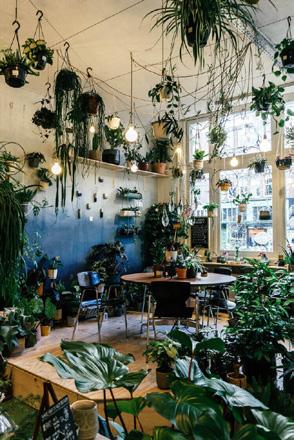
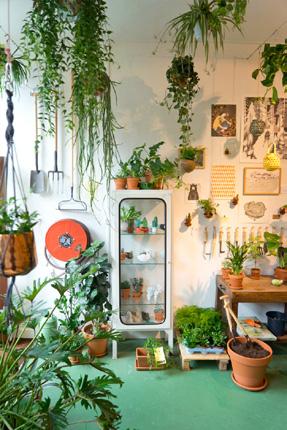
https://www.joelix.com/wildernis-amsterdam/
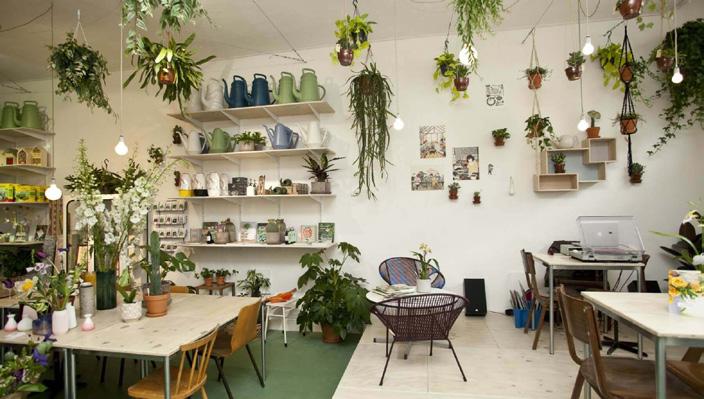
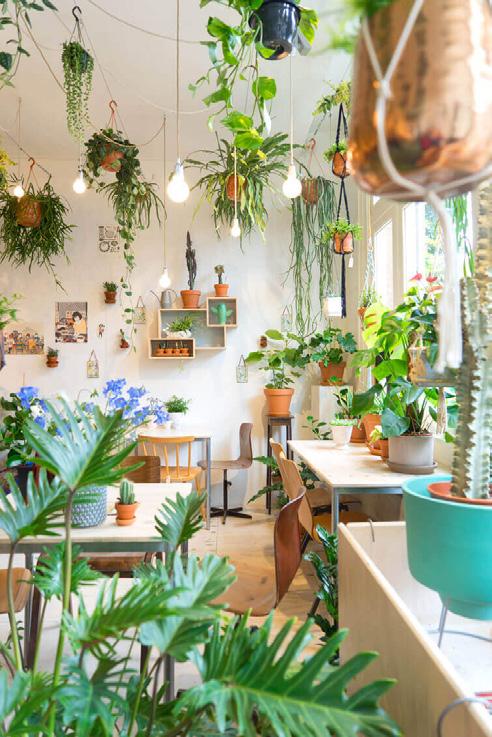
Cafe –Amsterdam, Netherlands
the start of this cafe was the mission is to make the city just a little bit greener. creatring a sense of cakmness and cozyness by making the cafe’s indoor a mix of natural envirmonment.
the natural sight in the interior allows everyone to feel welcomed while you browse their unique pots, plants, books and accessories. their main target is to create a comfortable environment and allowing people to relax.
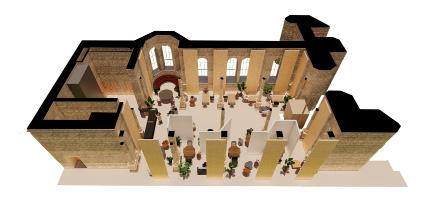
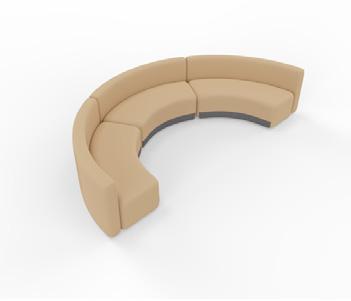
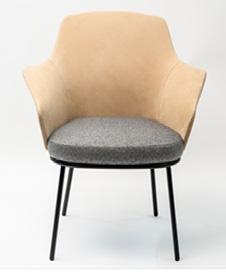
https://www.ikea.com/gb/en/p/varhaug-room-divider-beige-30501072/?gclsrc=aw.ds&gclid=Cj0KCQiA7bucBhCeARIsAIOwr--tvnRi22fQPm37xArSP6CiOjQxf8Bo2yewk54YqpJoevj4Y1Gkgp0aAi2uEALw_wcB&gclsrc=aw.ds

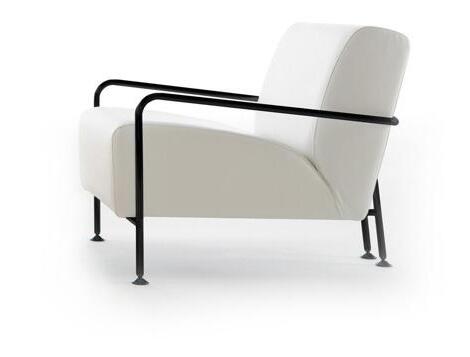
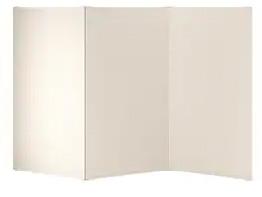
The soft material helps dampen sound, resulting in quieter and calmer rooms and creating privacy for individuals.
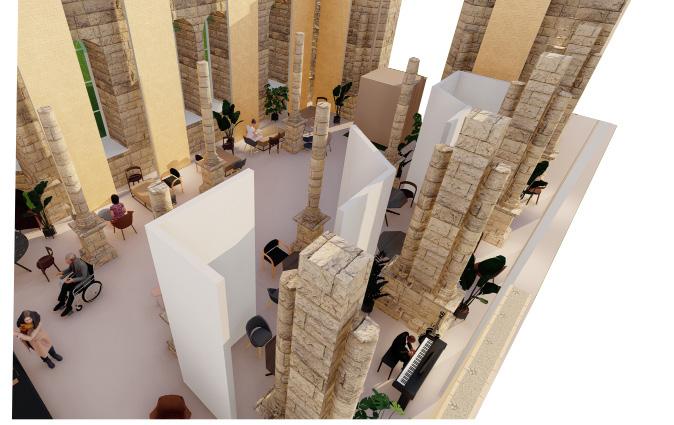
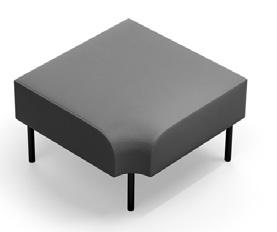
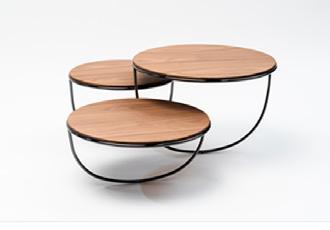
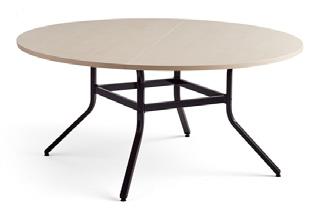
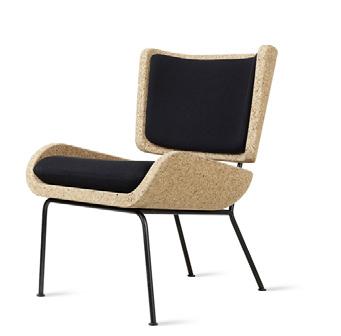
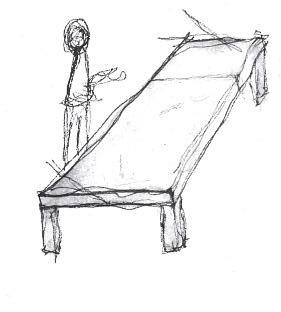
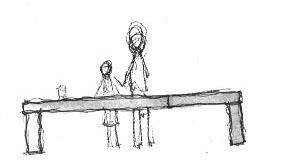
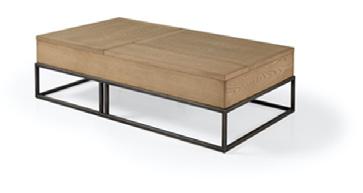
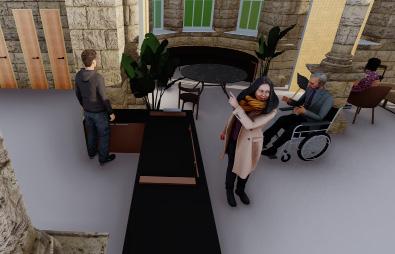
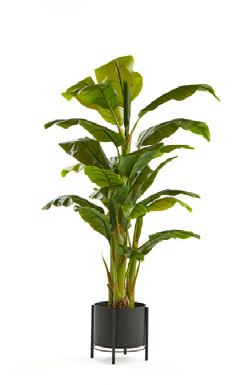
Separating spaces, the elements, creating a sense of privacy by the materials used: the plants create a certain mood in the space, imposing the design principle also goes well with Purcell's architect's idea of adding social value (Delivering social value through architecture: Our Town Hall, 2020).
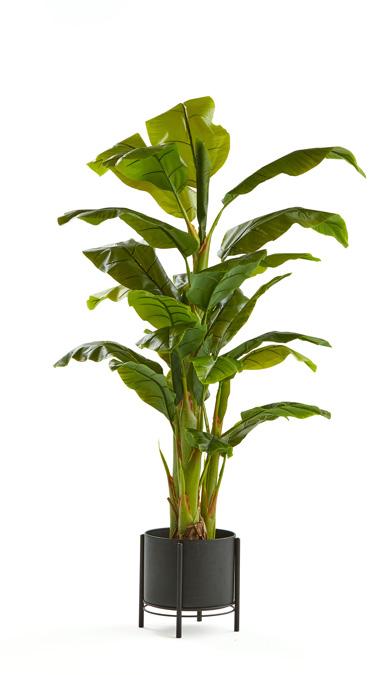
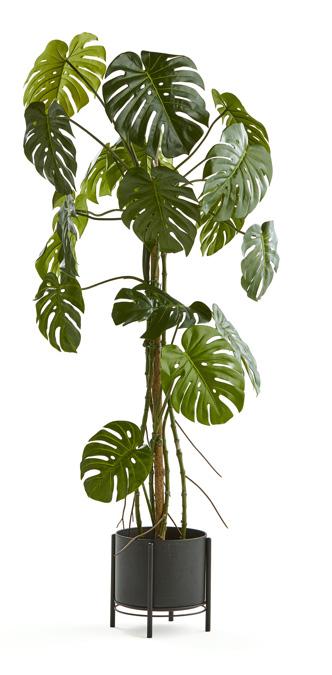
plants surrounding the area
Breaking down the door leading to the kitchen to a low table so the customers can take their coffee by their own will this will also be easyly accessible for the wheechair.
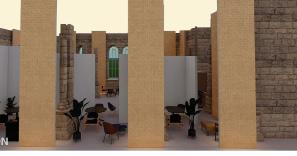
Collaborative Project (Group Work)
Year 2 – Semester 1 | University of Salford
Location: Manchester, UK
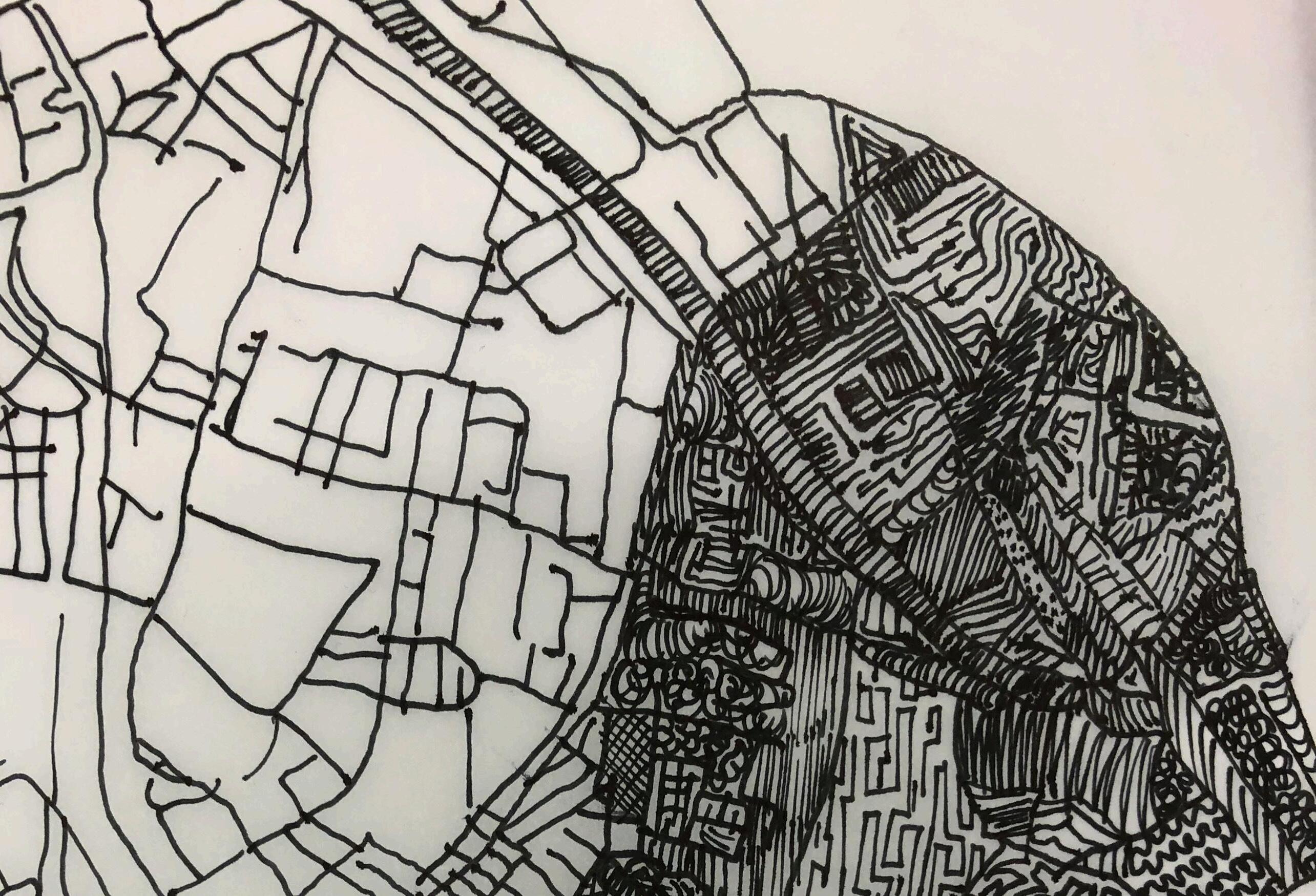
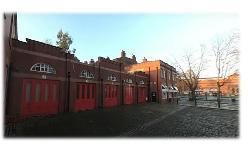
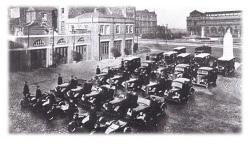
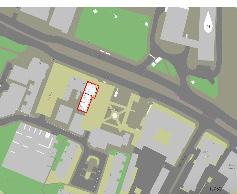
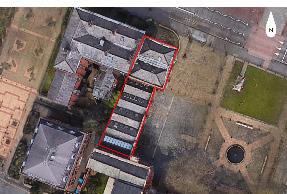
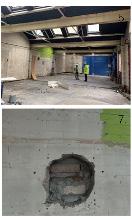
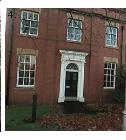
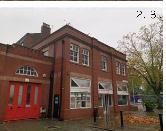
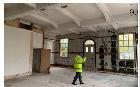
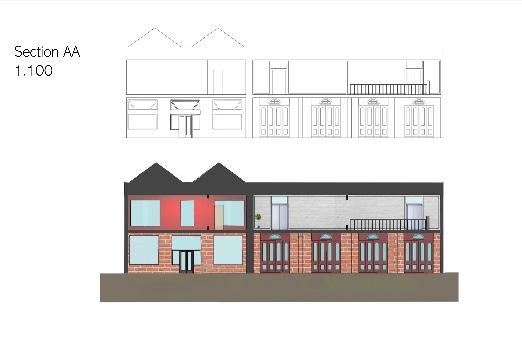
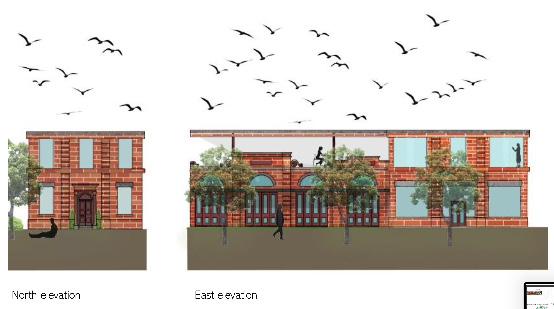
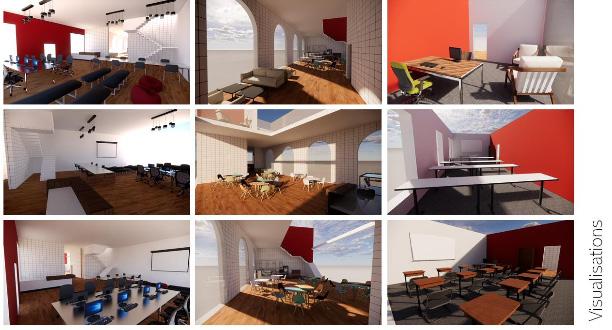
The university of Salford's aim, with cooperation with Salford council, to create a multifunctional space by reinvigorating the old-fire station and adjoining NatWest bank as a knowledge quarter to support social integration and wellness, education, skills, employment, and knowledge share. By providing such a space, we hope to bring together local business and schools as to share skills with one another to provide great opportunities.
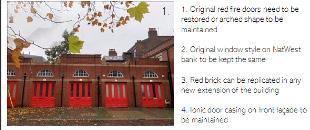
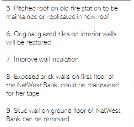
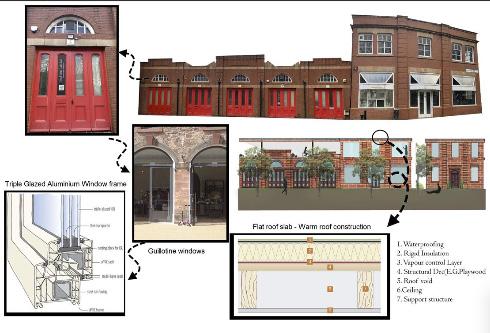
As a design proposition, the fire station must maintain a link to its original self with regard to the doors windows and preferably brick facade.
However as to accommodate more space to provide a larger learning creative space whti room for a cafeteria, a second level can be integrated to the fire station.
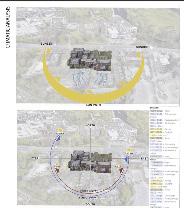
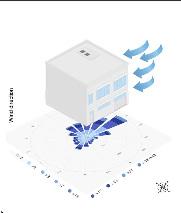

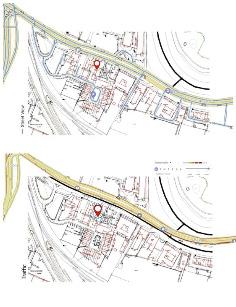
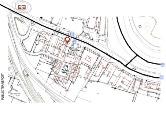
Transport – Transforming transportation with the use of public transport such as low carbon / electric buses (the building being close to the road, which allows trains, buses and cars easy access).
• The public sector to save energy and invest in low carbon technologies including the Climate Change Act.
• E.g. improvement technologies, driver training, illustrative rail electrification of 750km of track to reduce its dependence on oil for transport.
• Removing car dependency by allowing more public transportation.
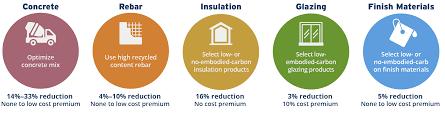
• Construction - Low carbon materials, mainly using existing materials with the idea of achieving net zero carbon emissions by 2050.
• Prefabricated materials, process of manufacture

Michelmersh is providing local products for local environments, on average bricks travel less than 60 miles to their destination.
– Bricks Michelmersh Hadley red smooth - made from natural clay that has minimal impact to the environment.
• Brick architecture also provides great acoustic relief, fantastic indoor air quality, superior fire resilience whilst boasting impact and frost resistance.
- Because of its flexibility for its fire-resistant properties and sense of safety, solidity and security, Versatile, timeless, durable and sustainable, brick is the most sustainable material used in construction.
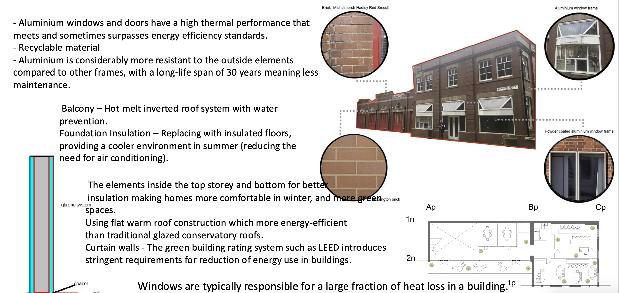
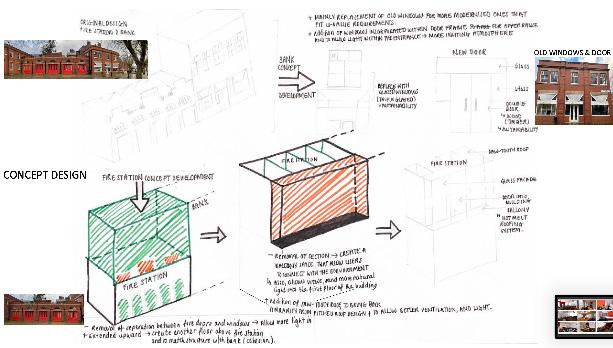

- Replacing with triple glass windows – allowing more natural light- energy saving strategy and lowering the degree of heat transmission.
- concrete durability
- Beings that aluminium is corrosion resistant, it is the ideal sustainable material for low maintenance.
- Michelmersh established a Net Zero Steering Group to evaluate long-term strategic and investment: based carbon reduction initiatives.
- Michelmersh is proud to make environmentally friendly, natural, durable, thermally efficient products which will last for hundreds of years and can be recycled, providing beautiful, comfortable, safe and sustainable structures that will enhance our built environment for generations to come.
- Bricks’ inherent ability to be reused and recycled, reinforced by its lengthy lifecycle, the durability and energy efficiency throughout its lifespan substantiates.
Brick façades provide exceptional thermal mass properties through solar gain, absorbing heat and slowing down the rate of transfer, maintaining a comfortable temperature for internal spaces, keeping them cooler in the summer whilst retaining heat for longer during winter.
Plan:
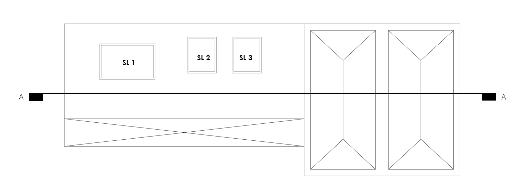
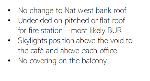

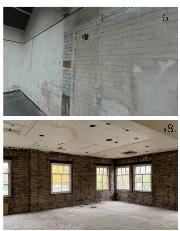
Studying around the staircase and wall for stability
• Realising structural walls of classrooms and material
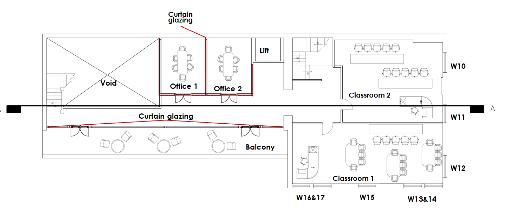

• Partitions timber and steel
• External walls providing privacy
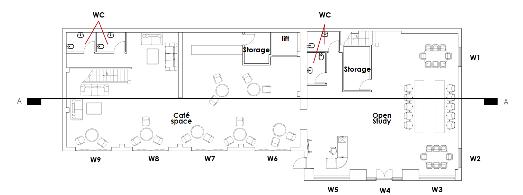
• Timber post structure system
• Grass
• Small beam management of roofs perpendicular to the railway
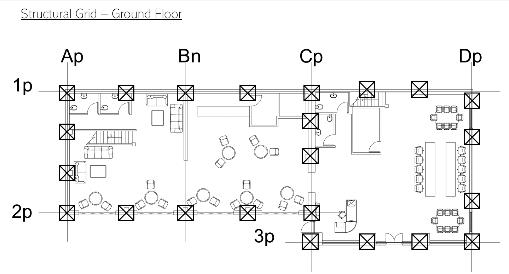
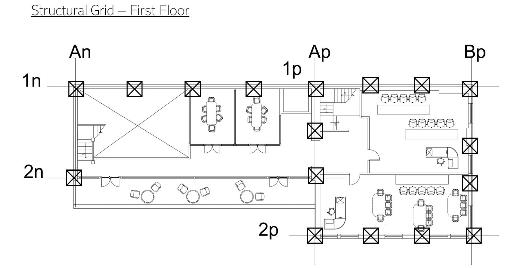
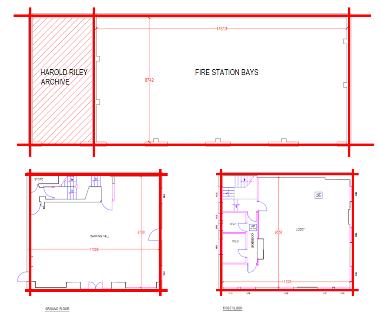
Structural load-bearing walls must be carefully considered during interior design proposals, as they directly influence how modifications impact the building’s overall integrity. When introducing an extension above the existing structure, additional structural support may be required to accommodate the new floor and roof, ensuring stability and compliance with structural regulations.

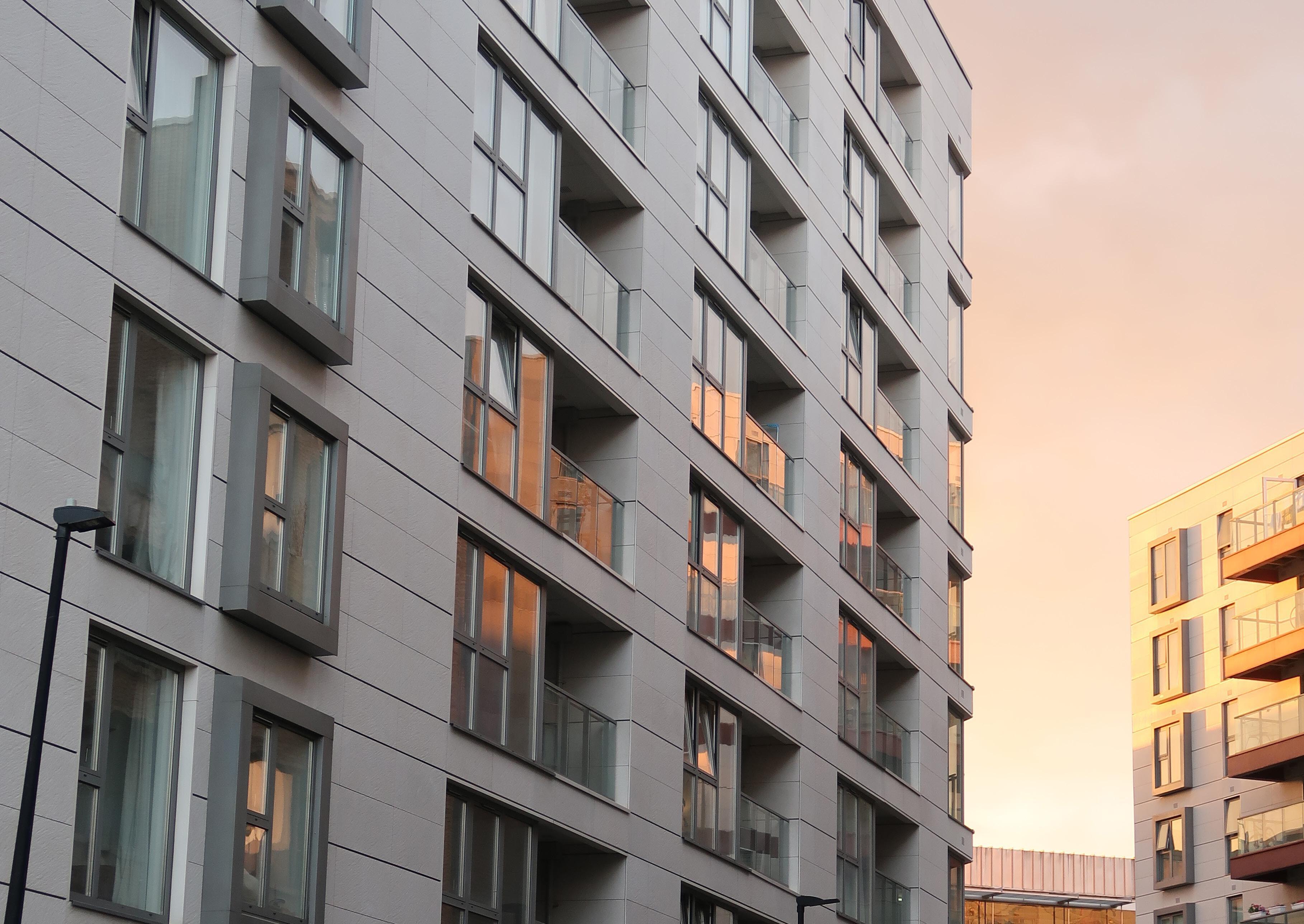
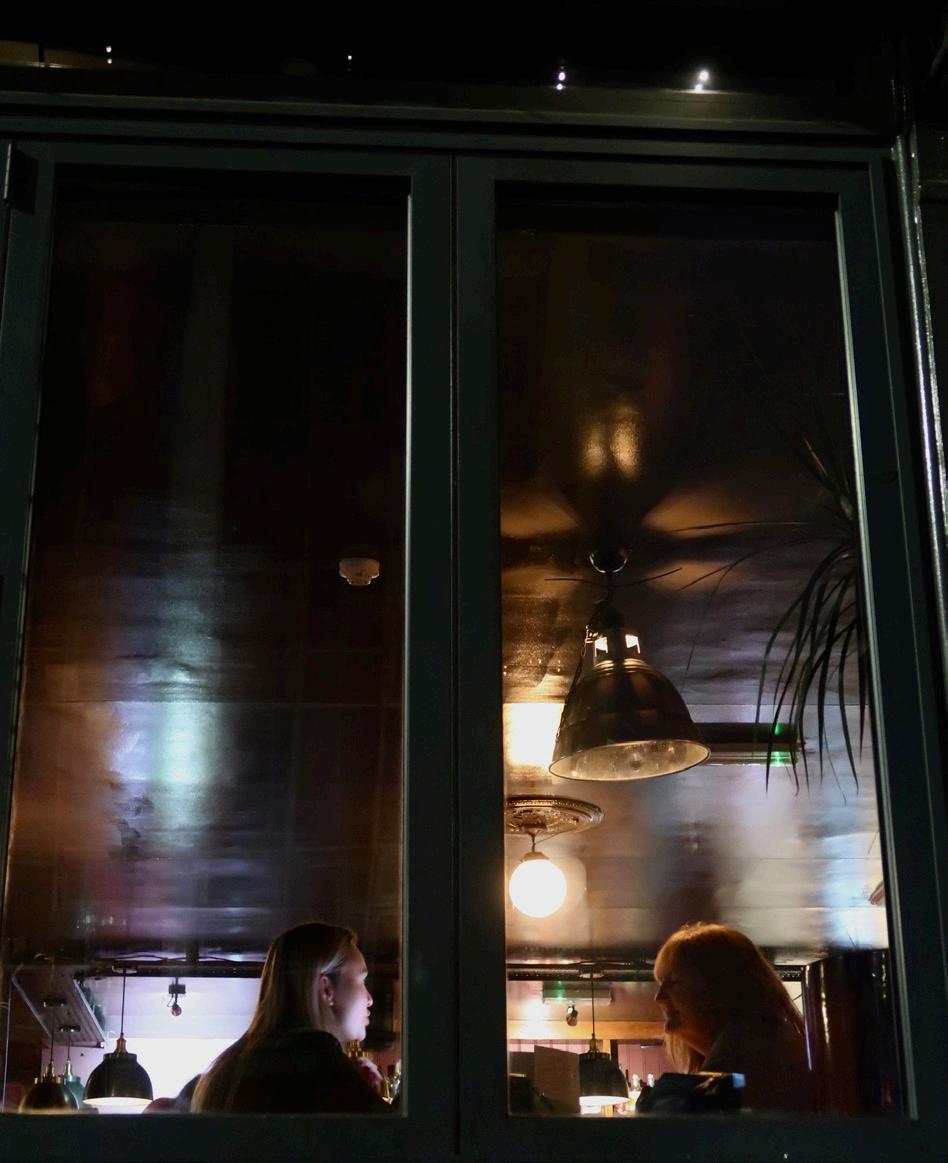
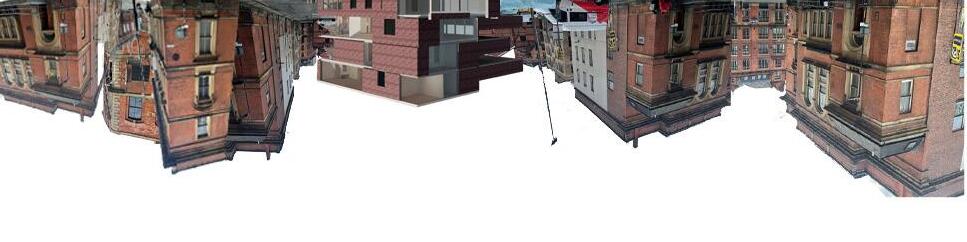
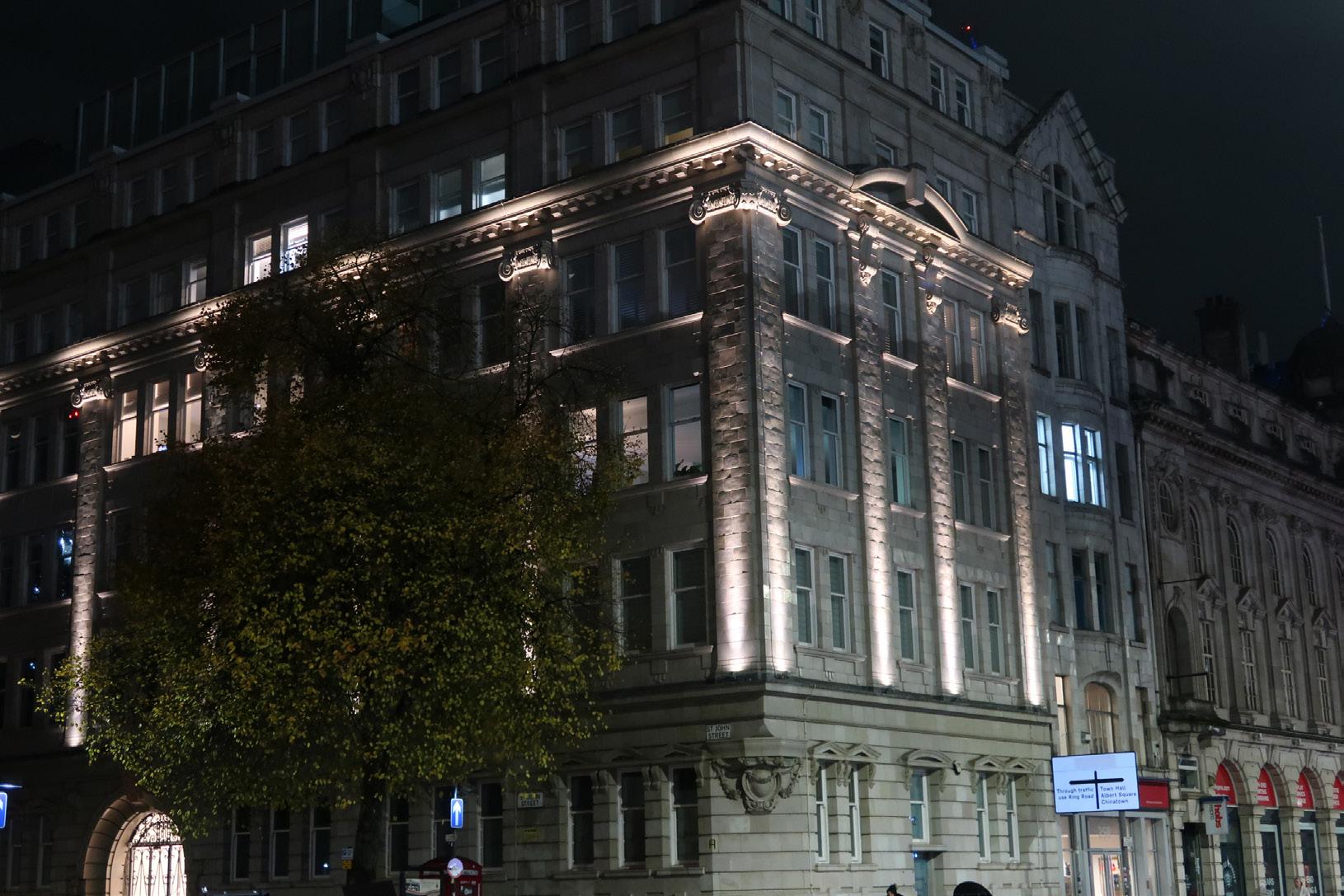
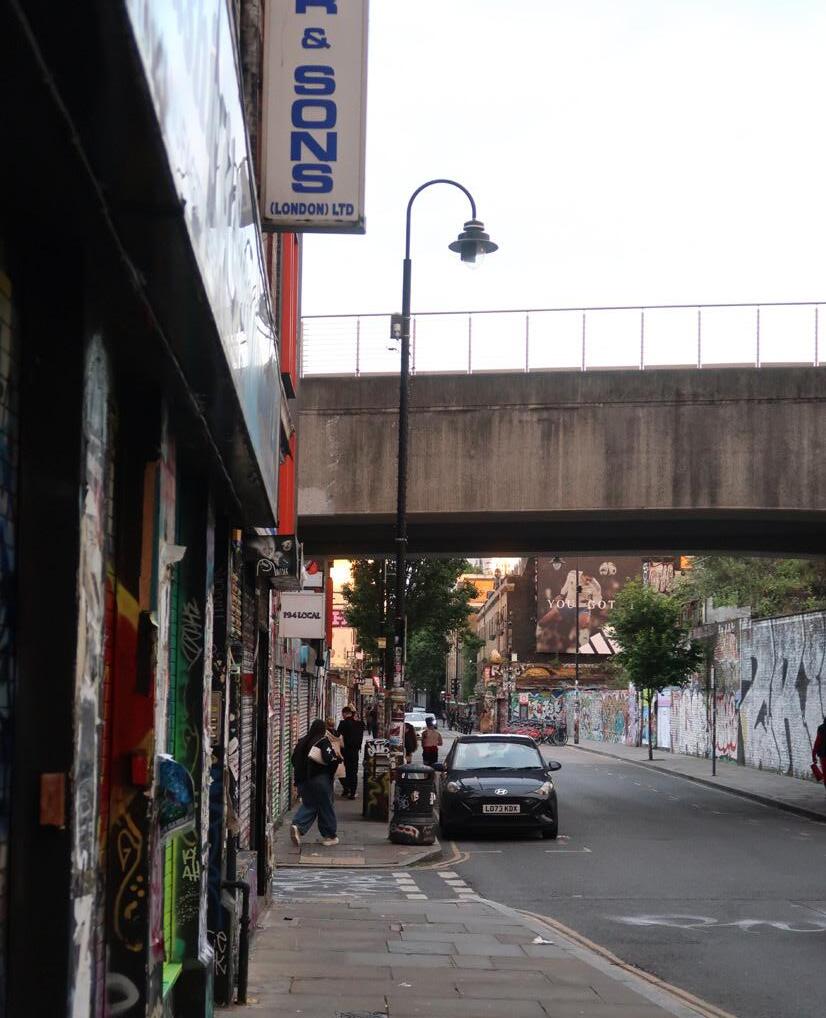
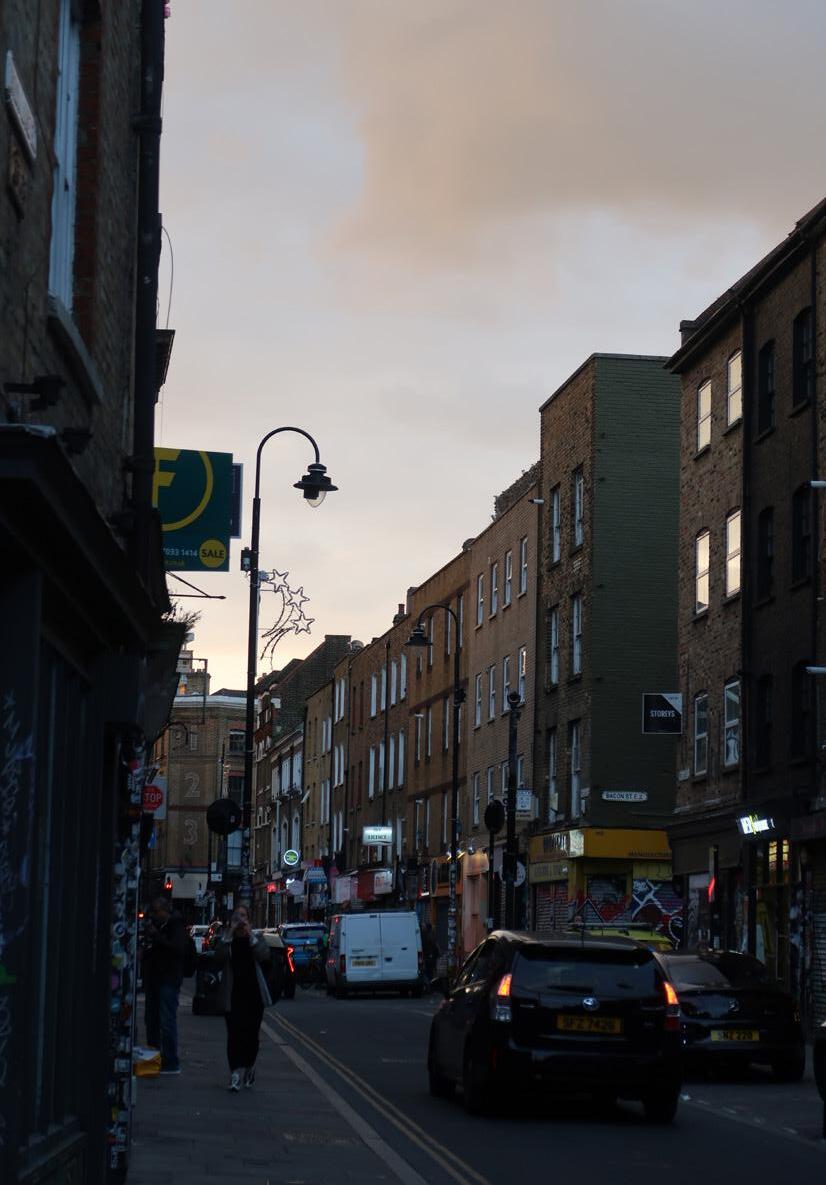
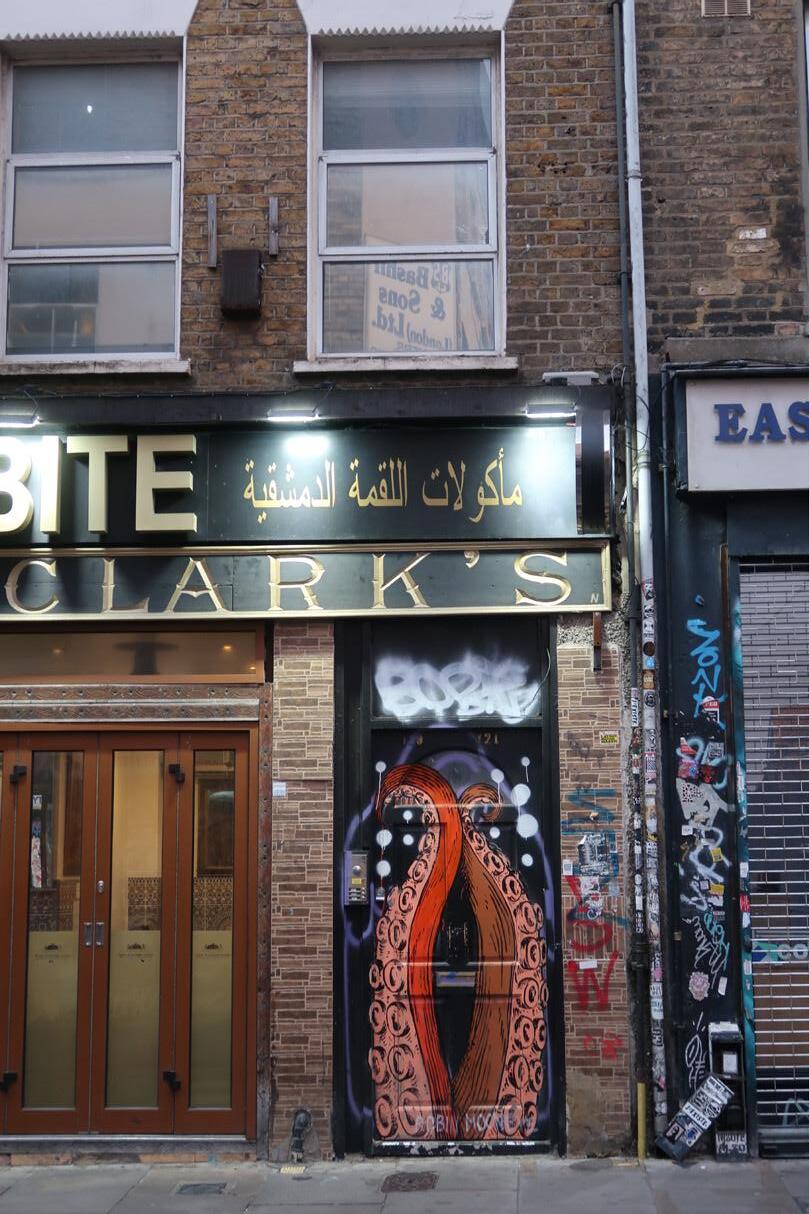
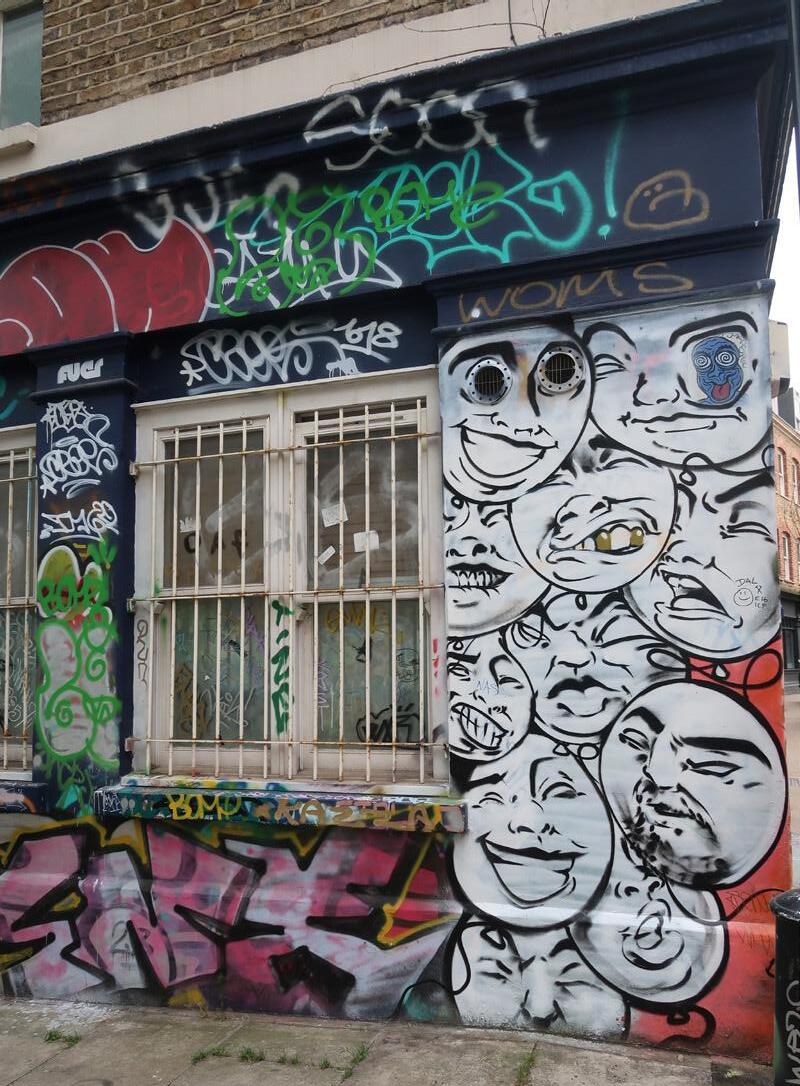
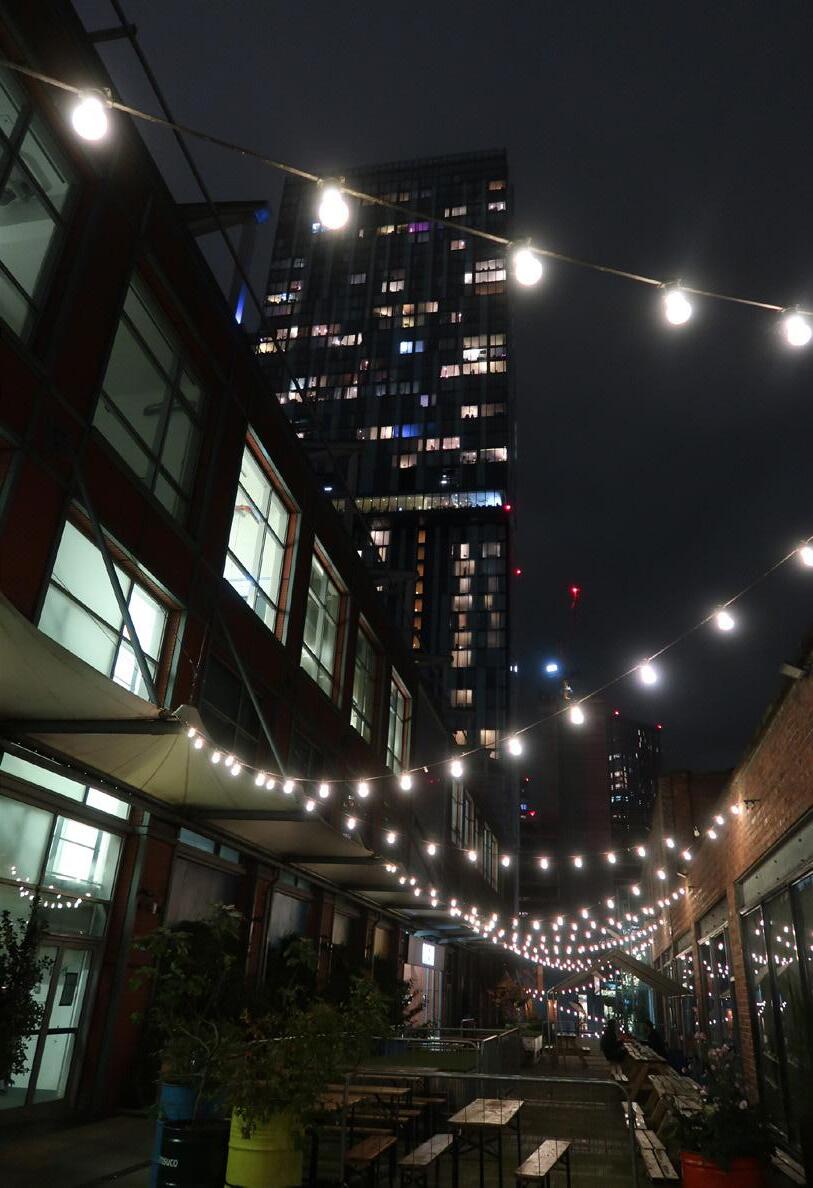
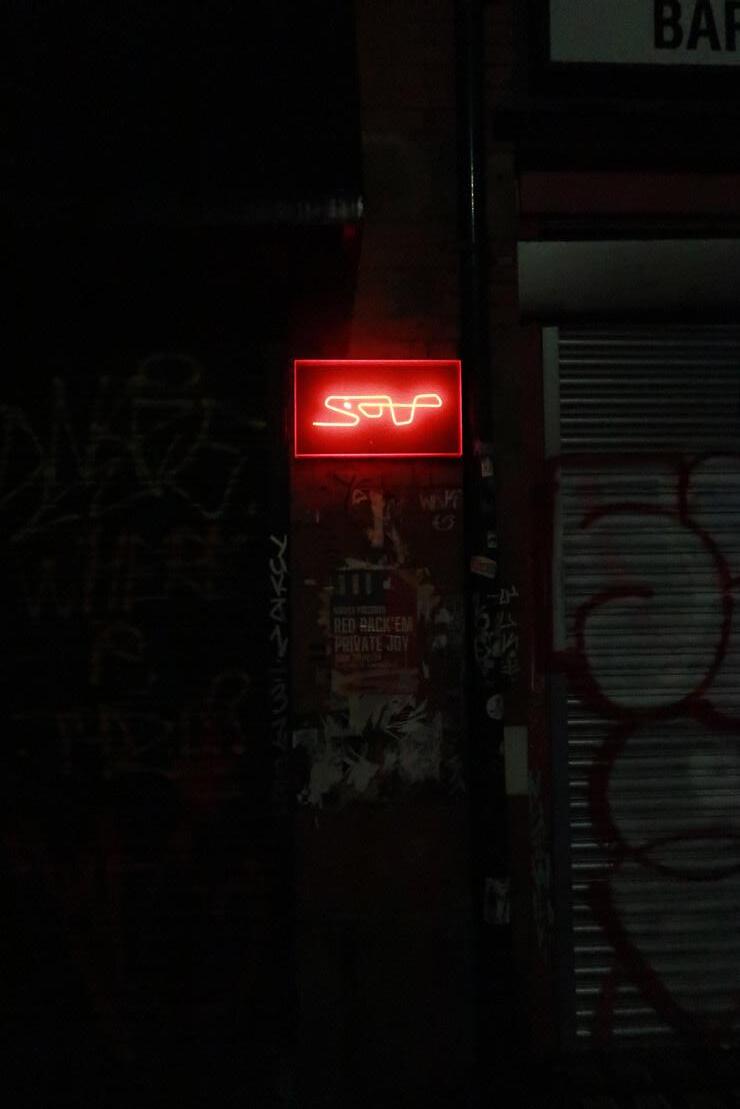
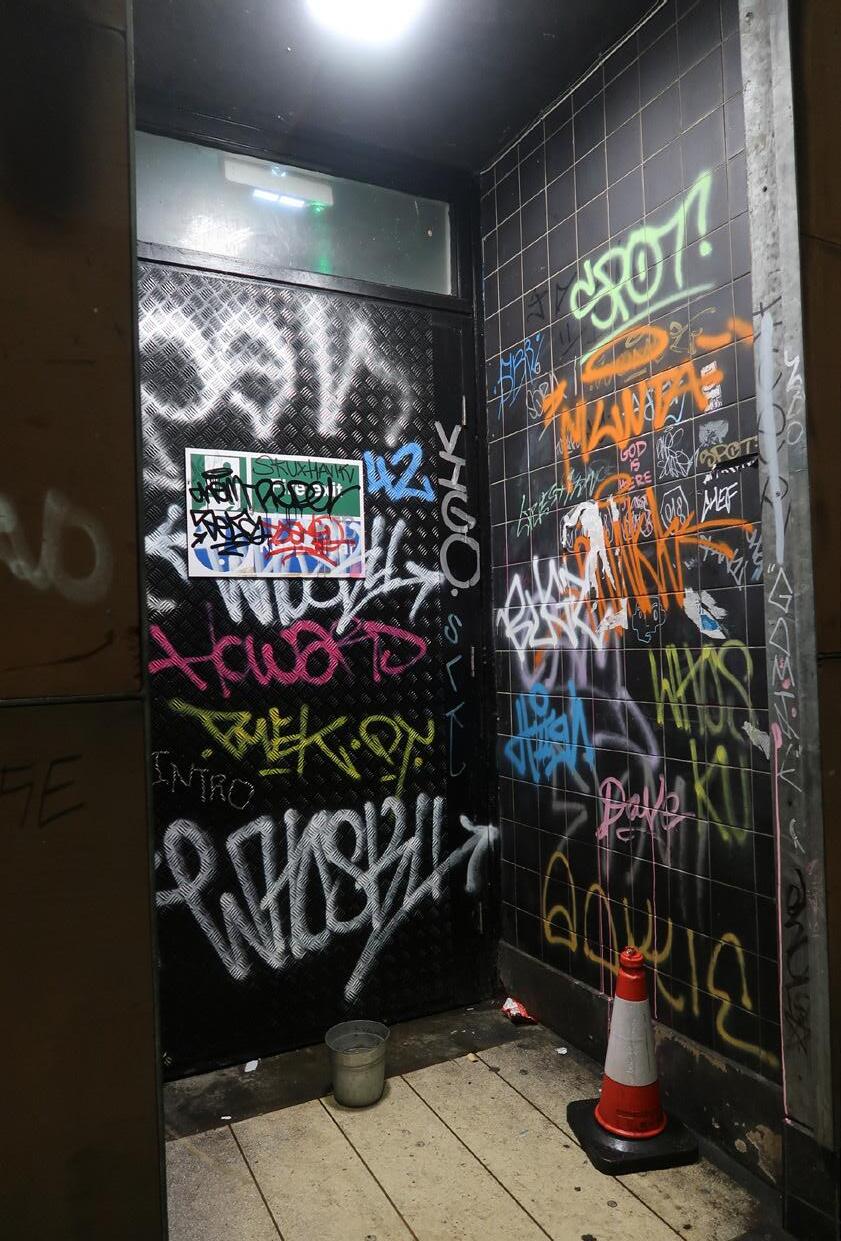
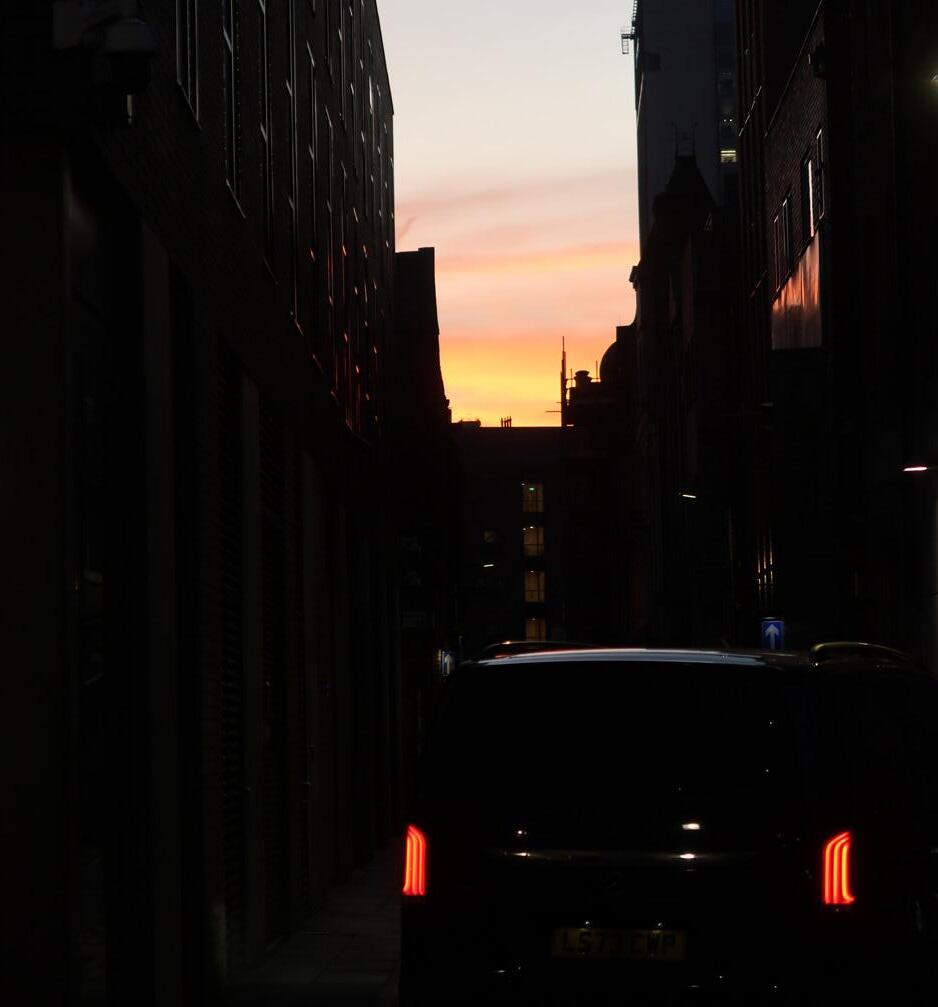
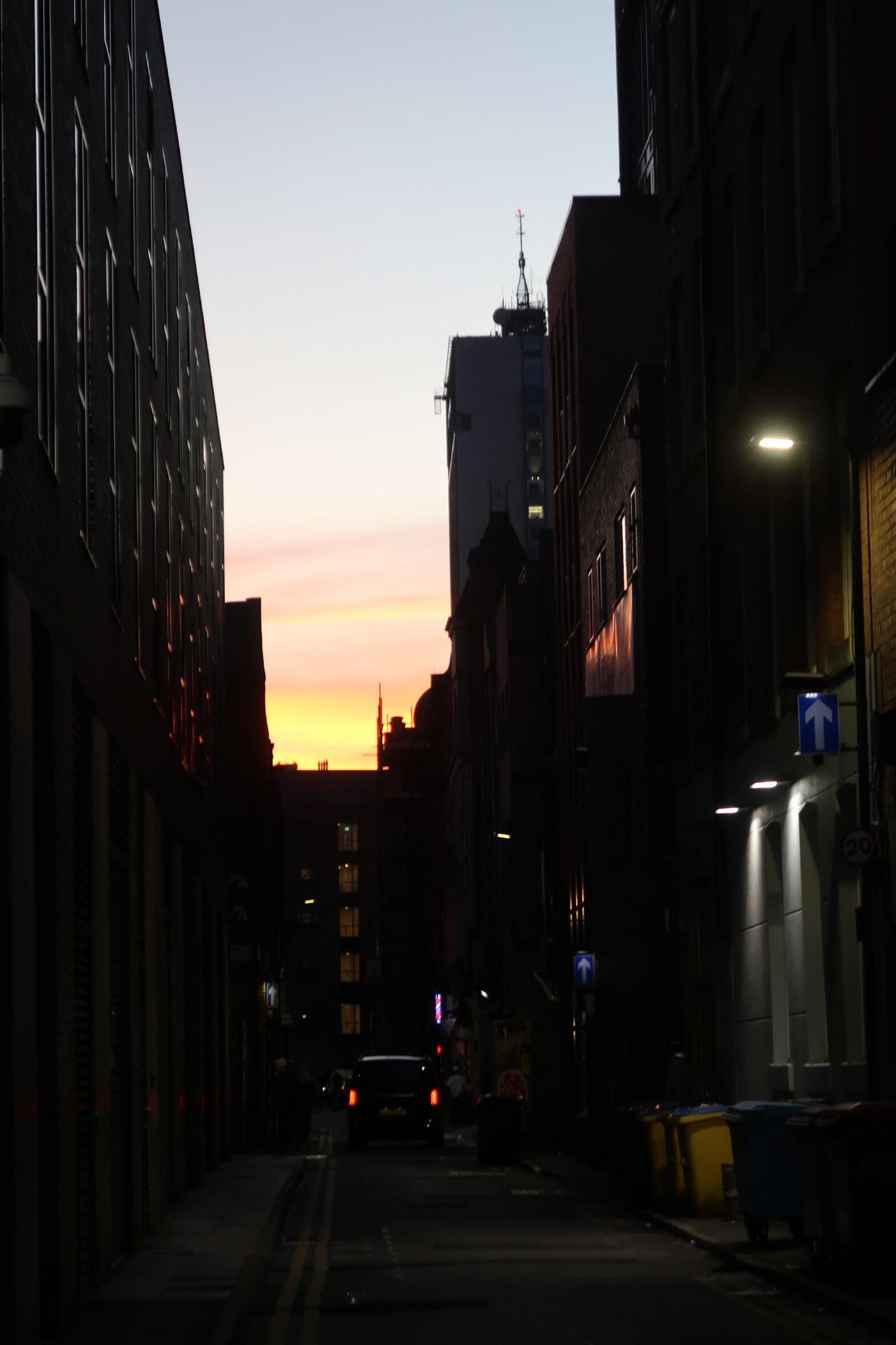
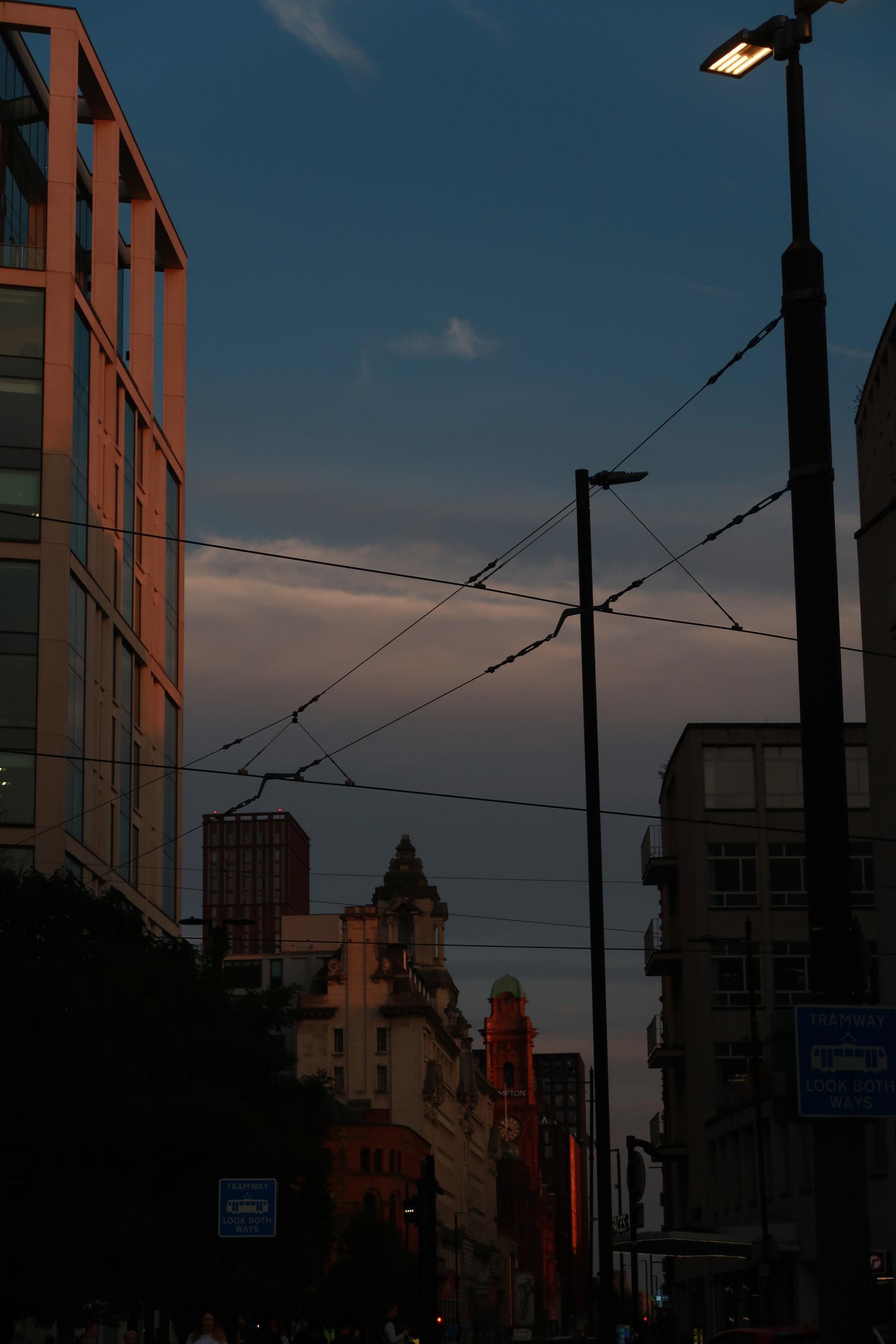
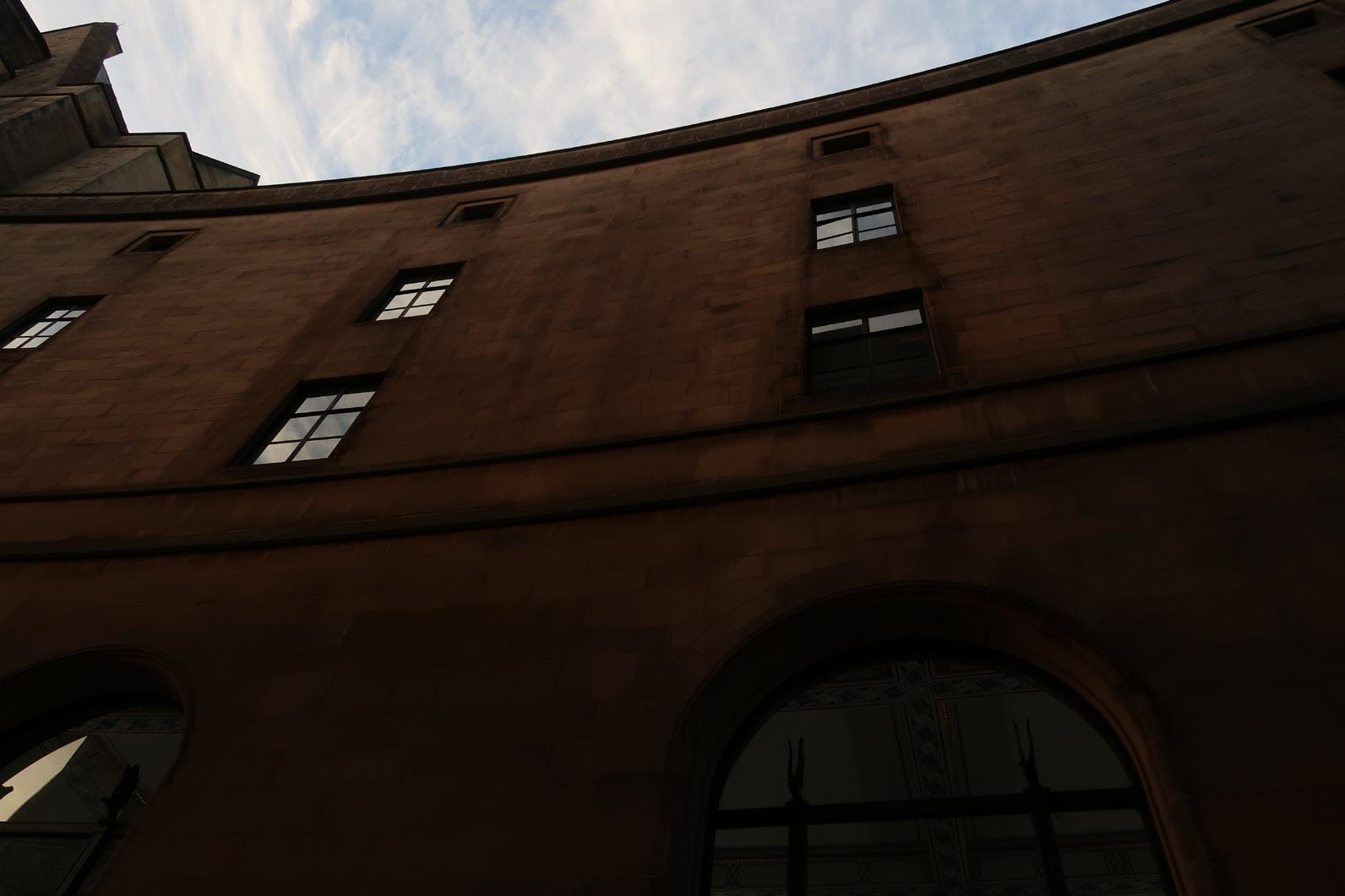
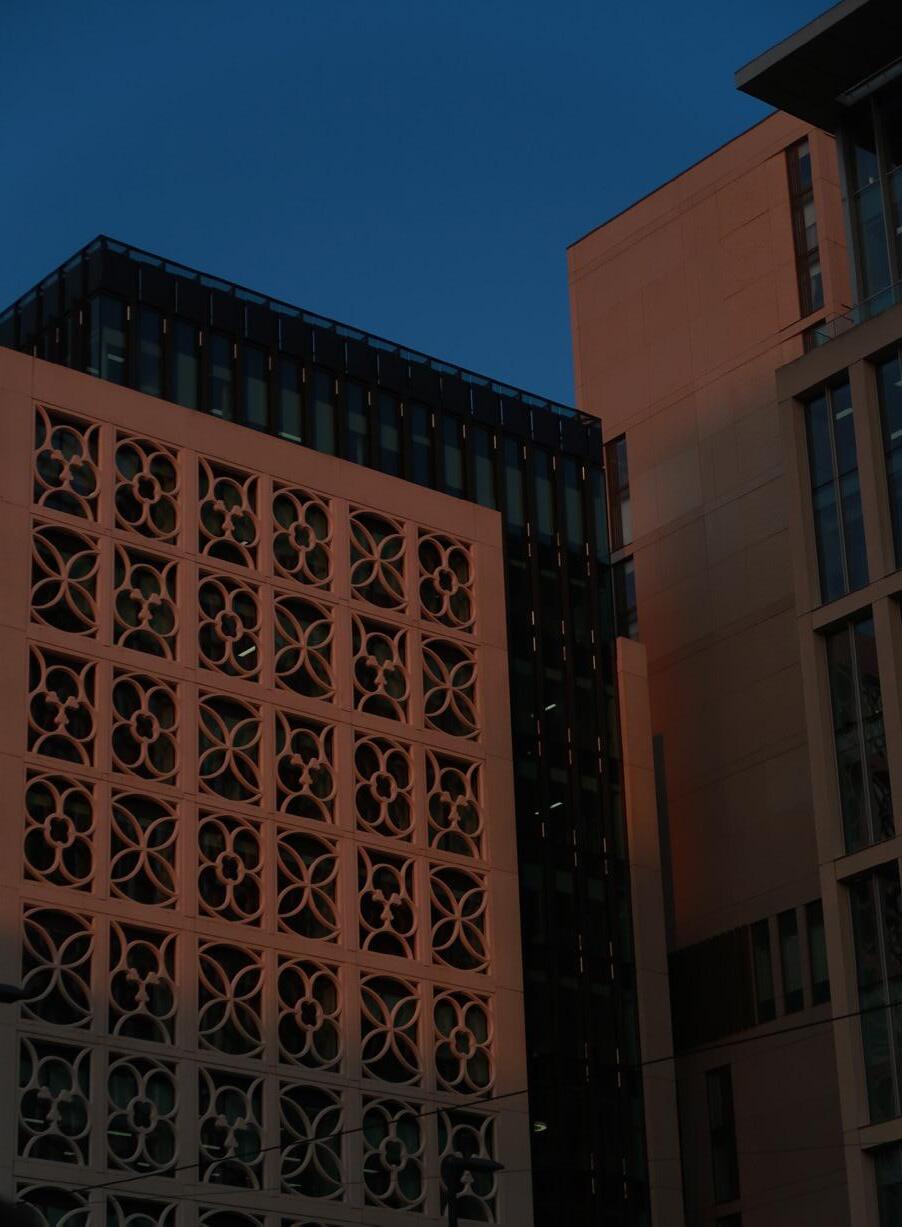
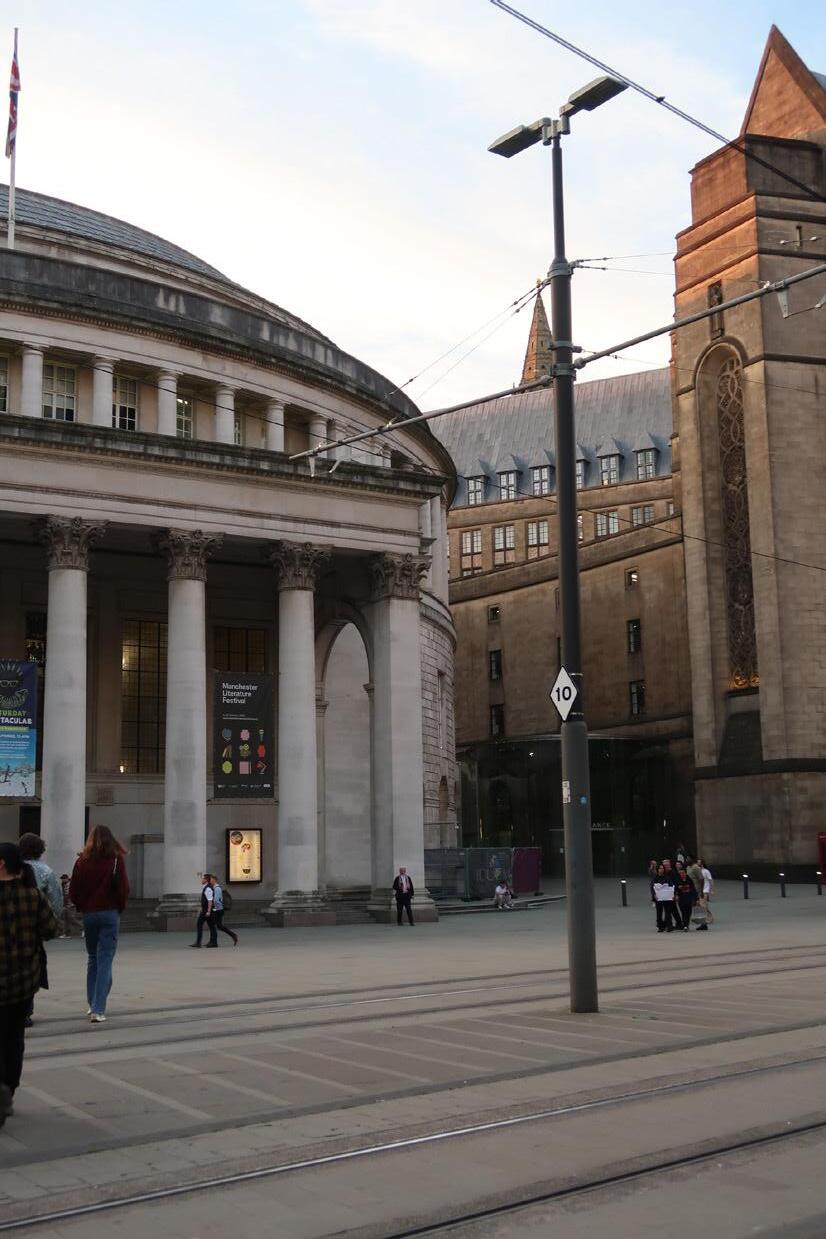
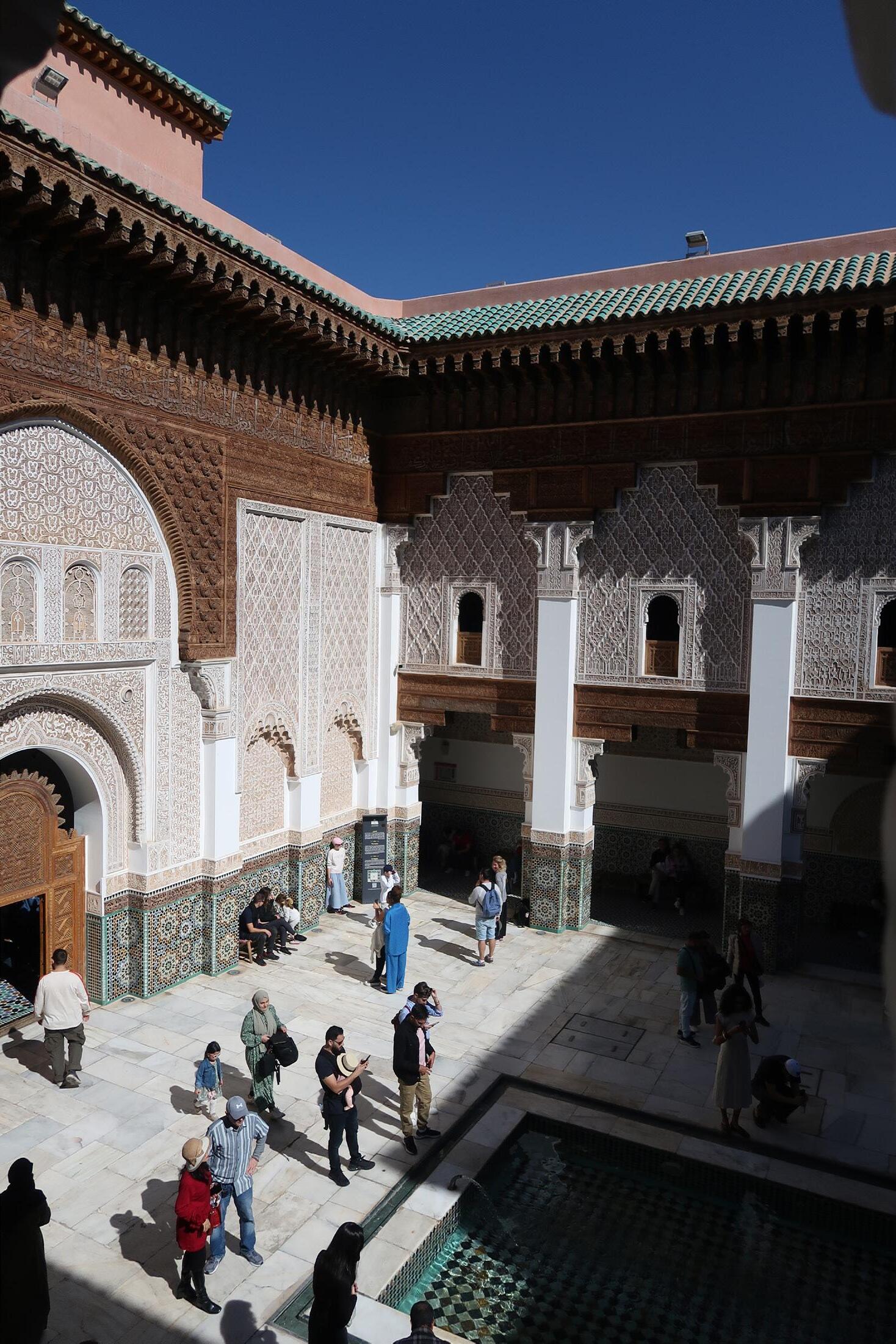
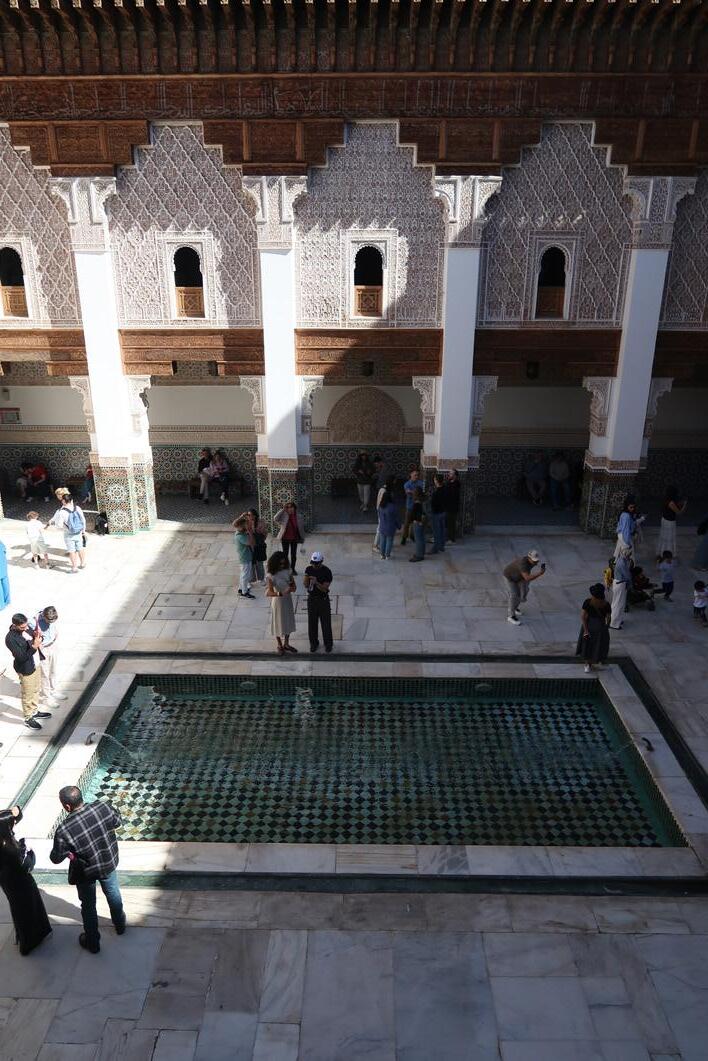
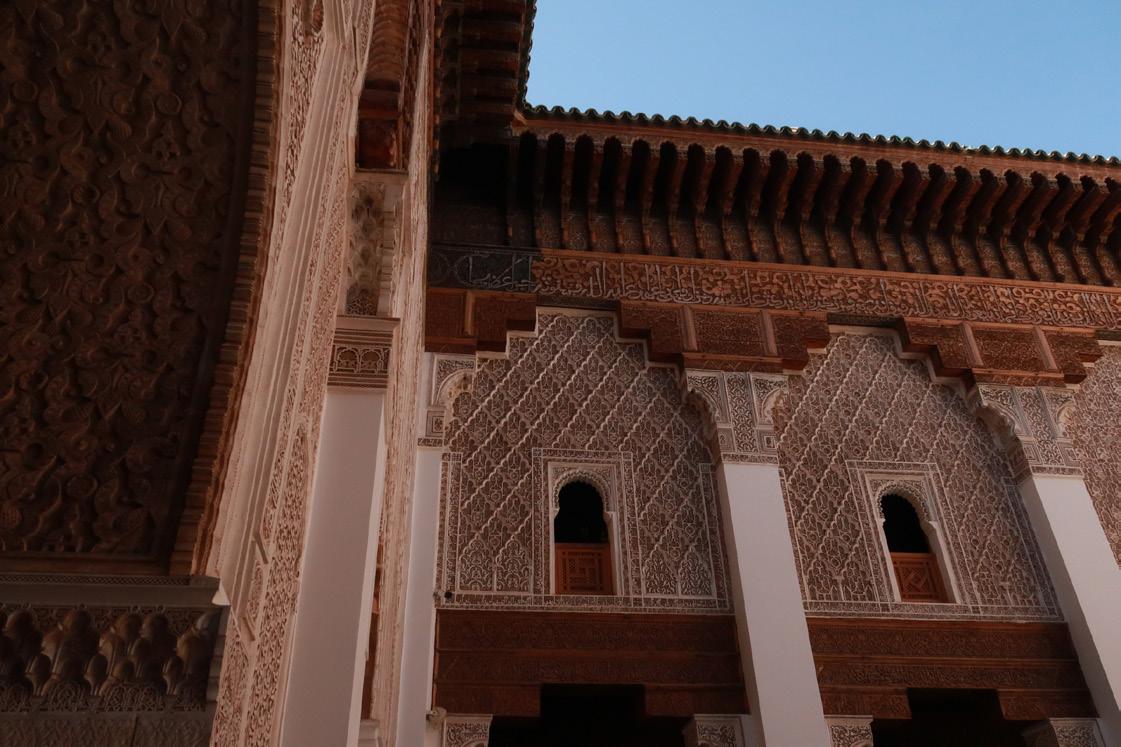
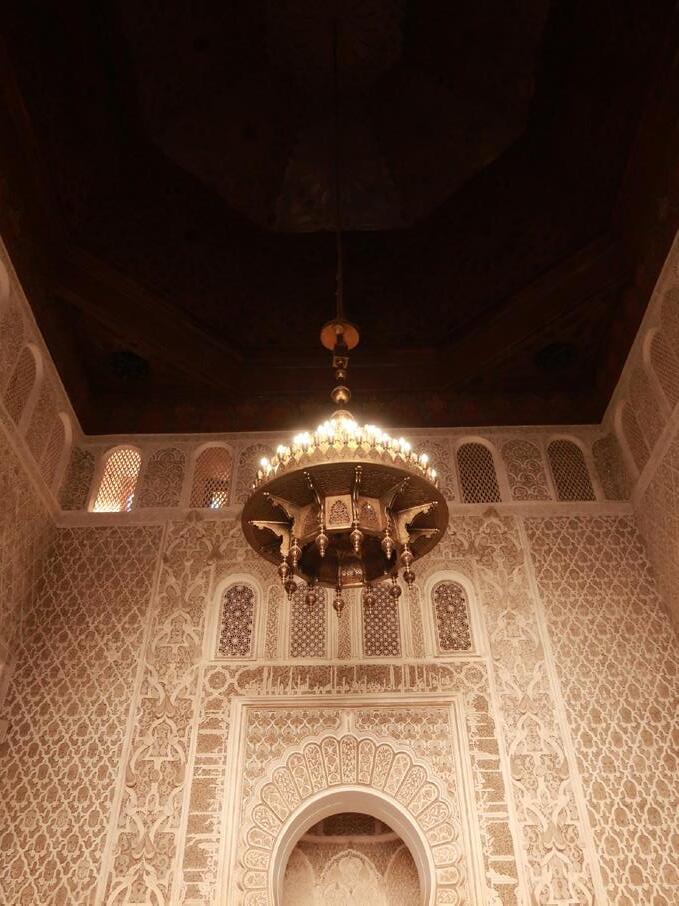
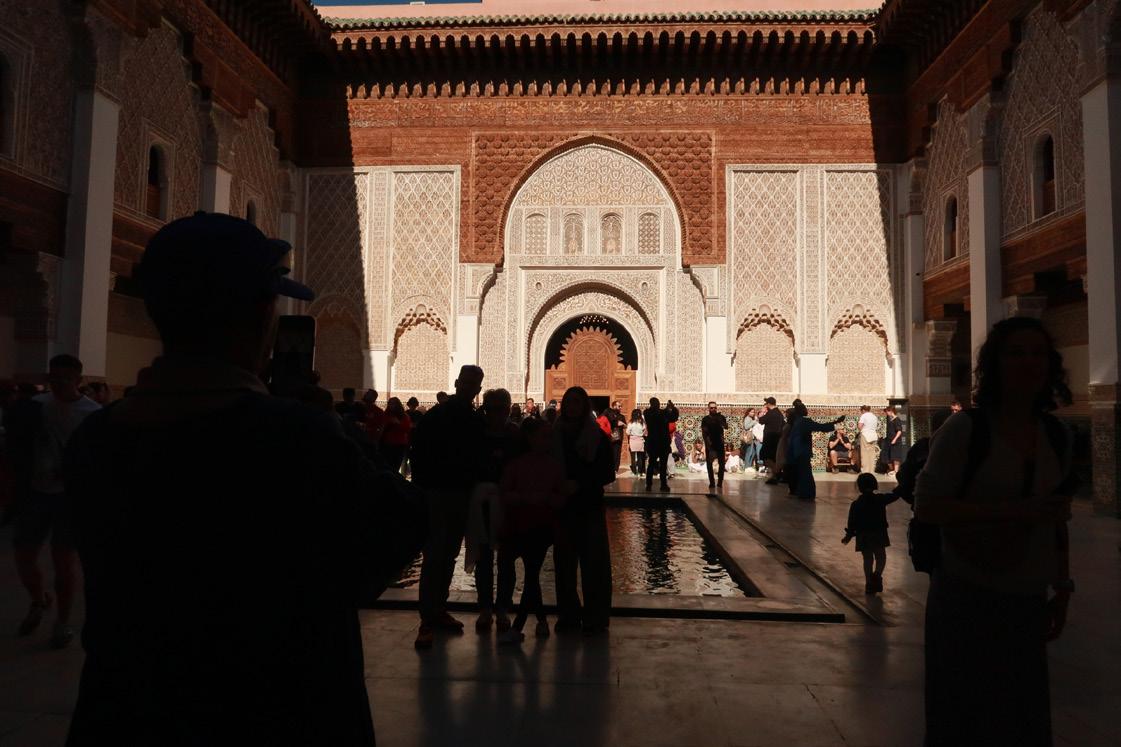
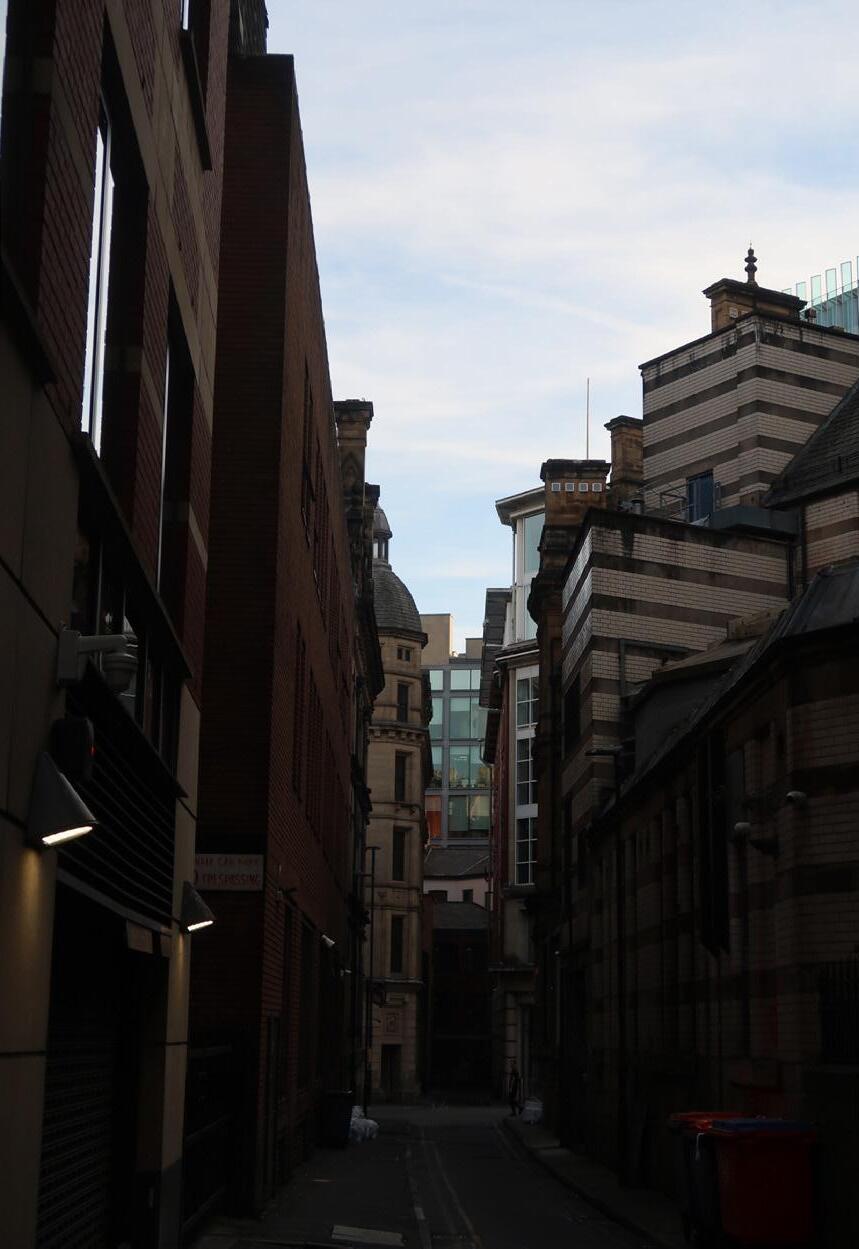
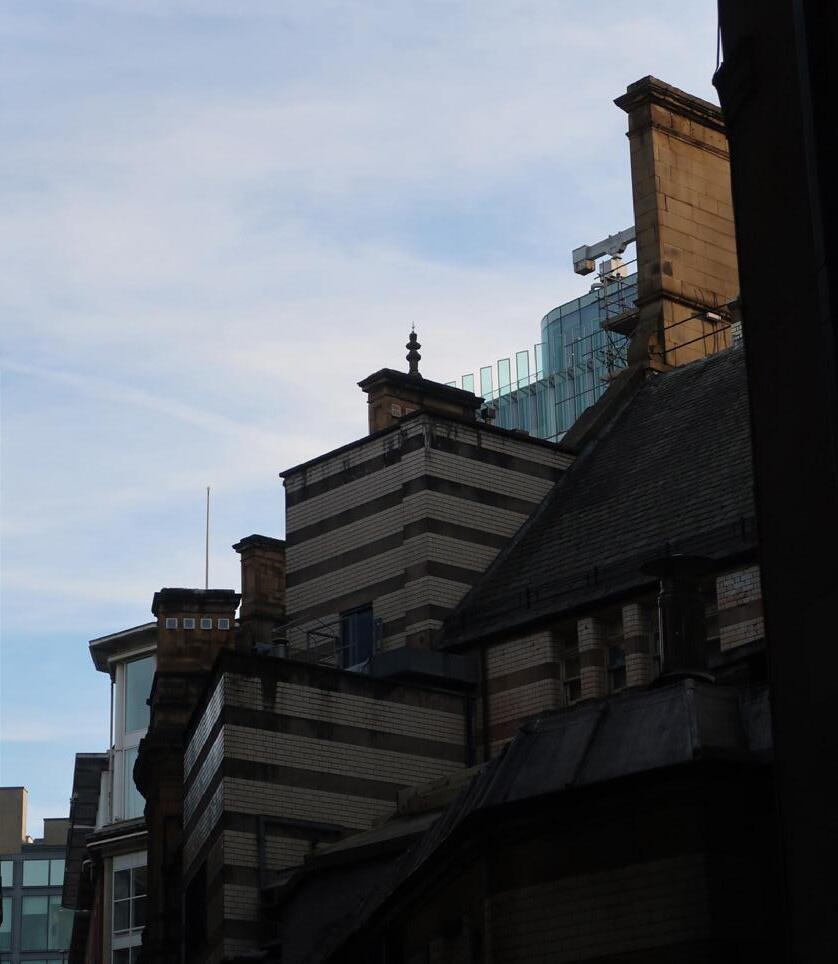
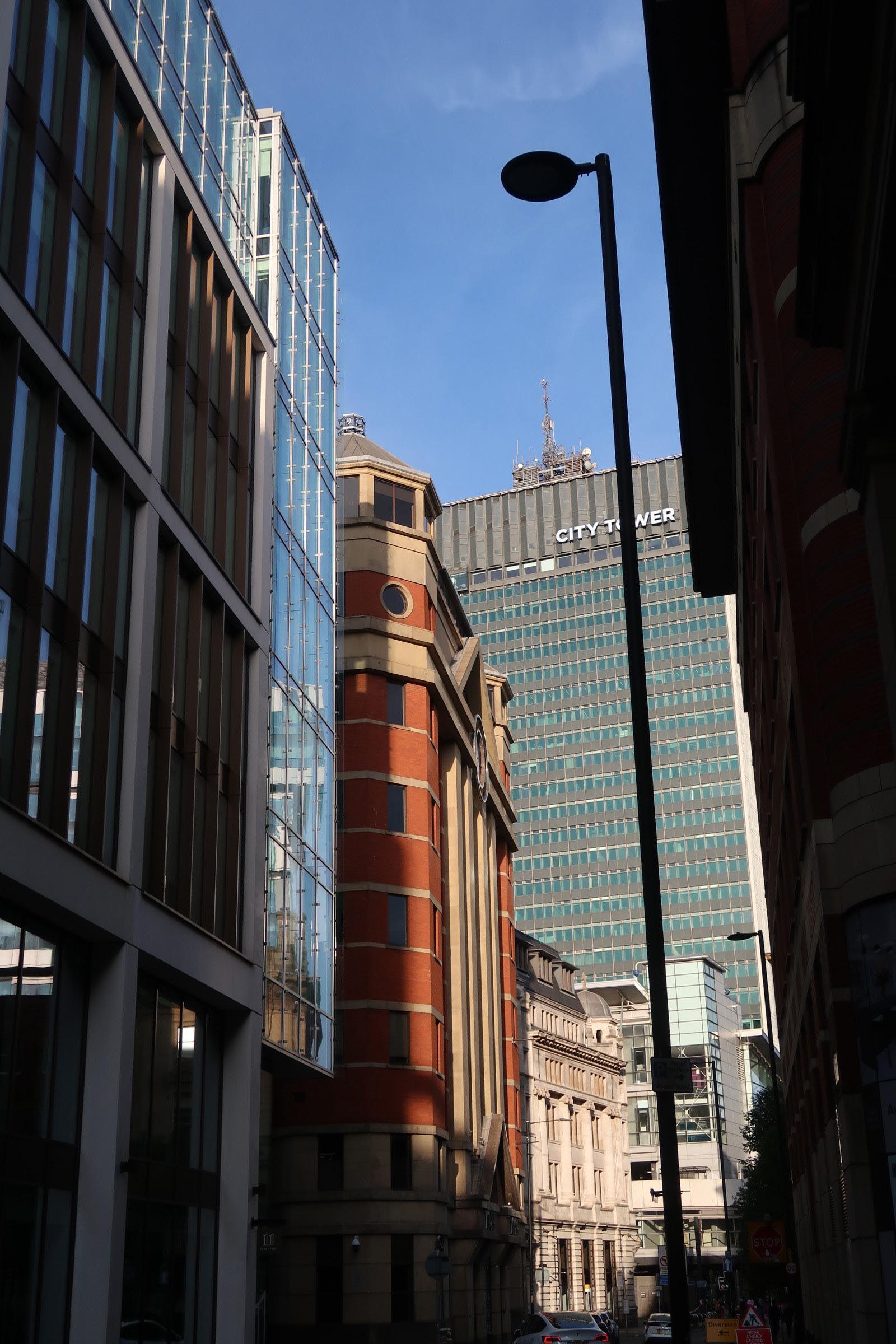
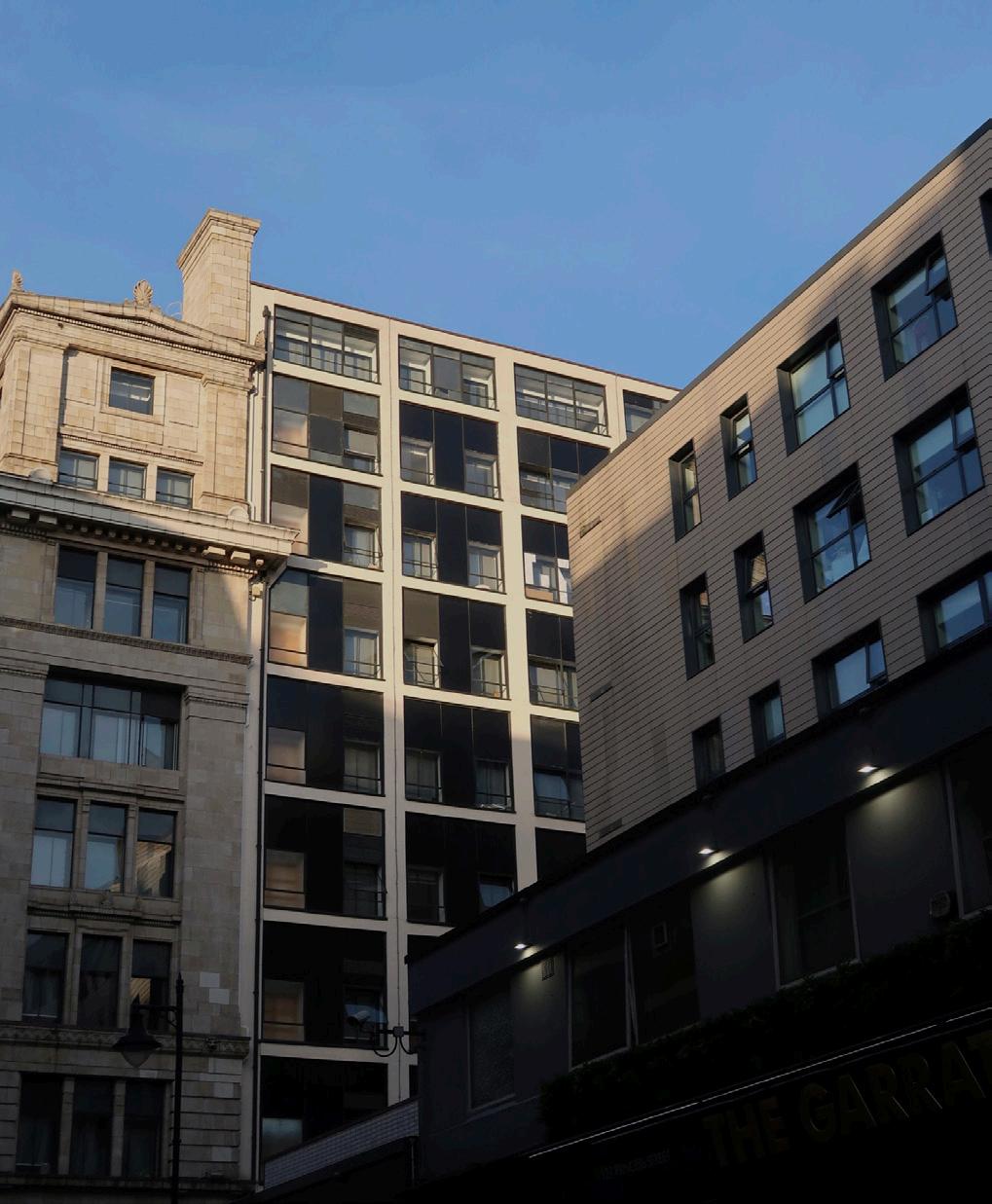
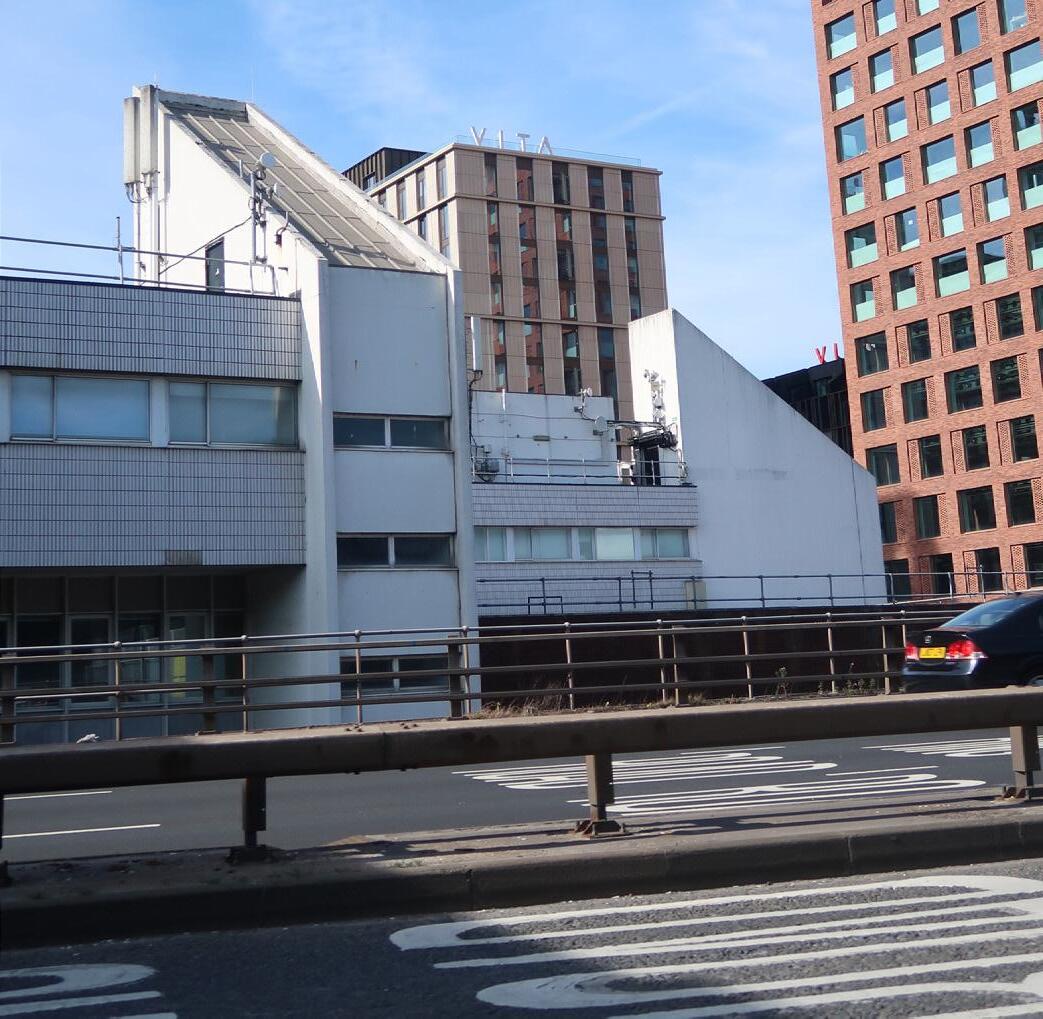
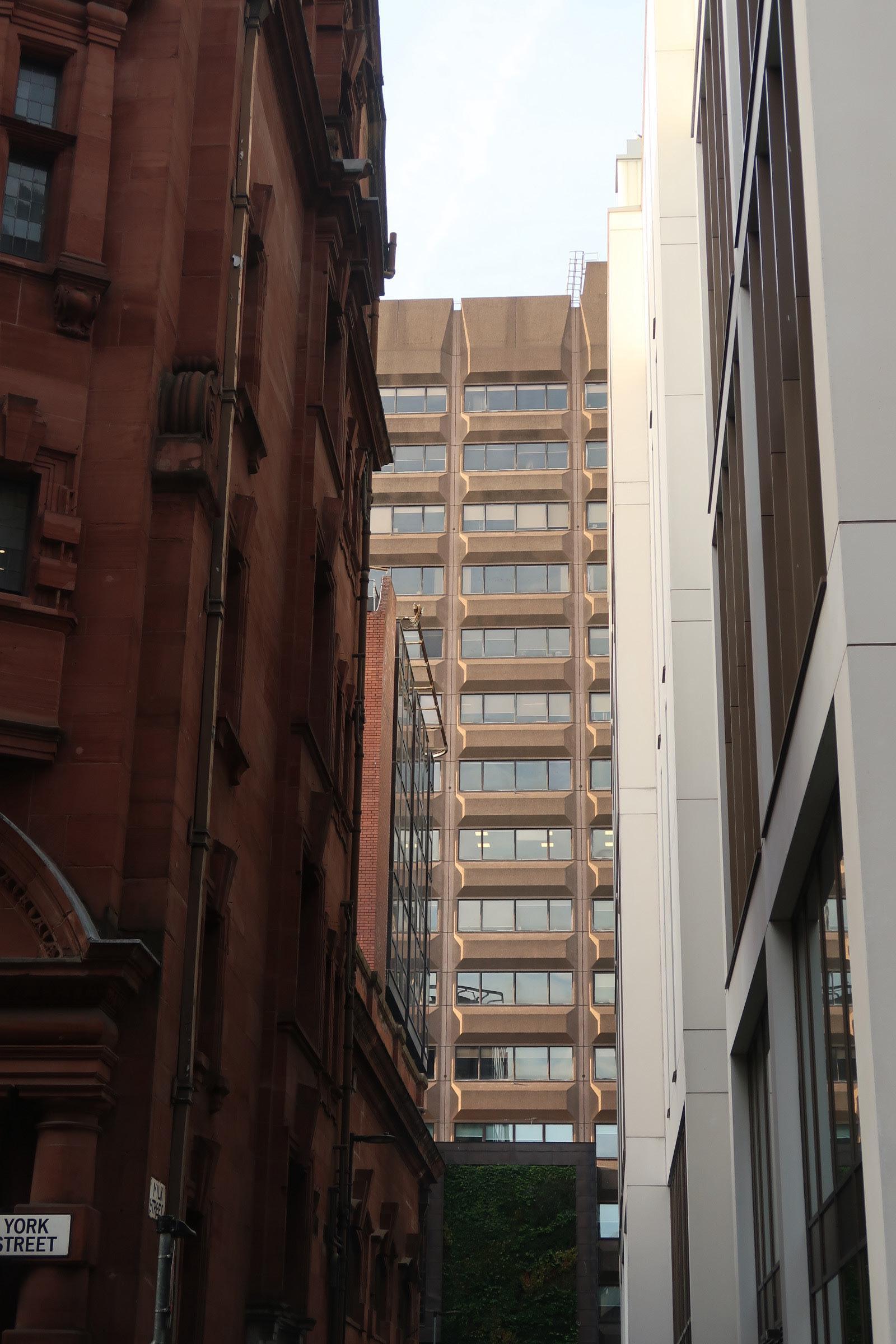
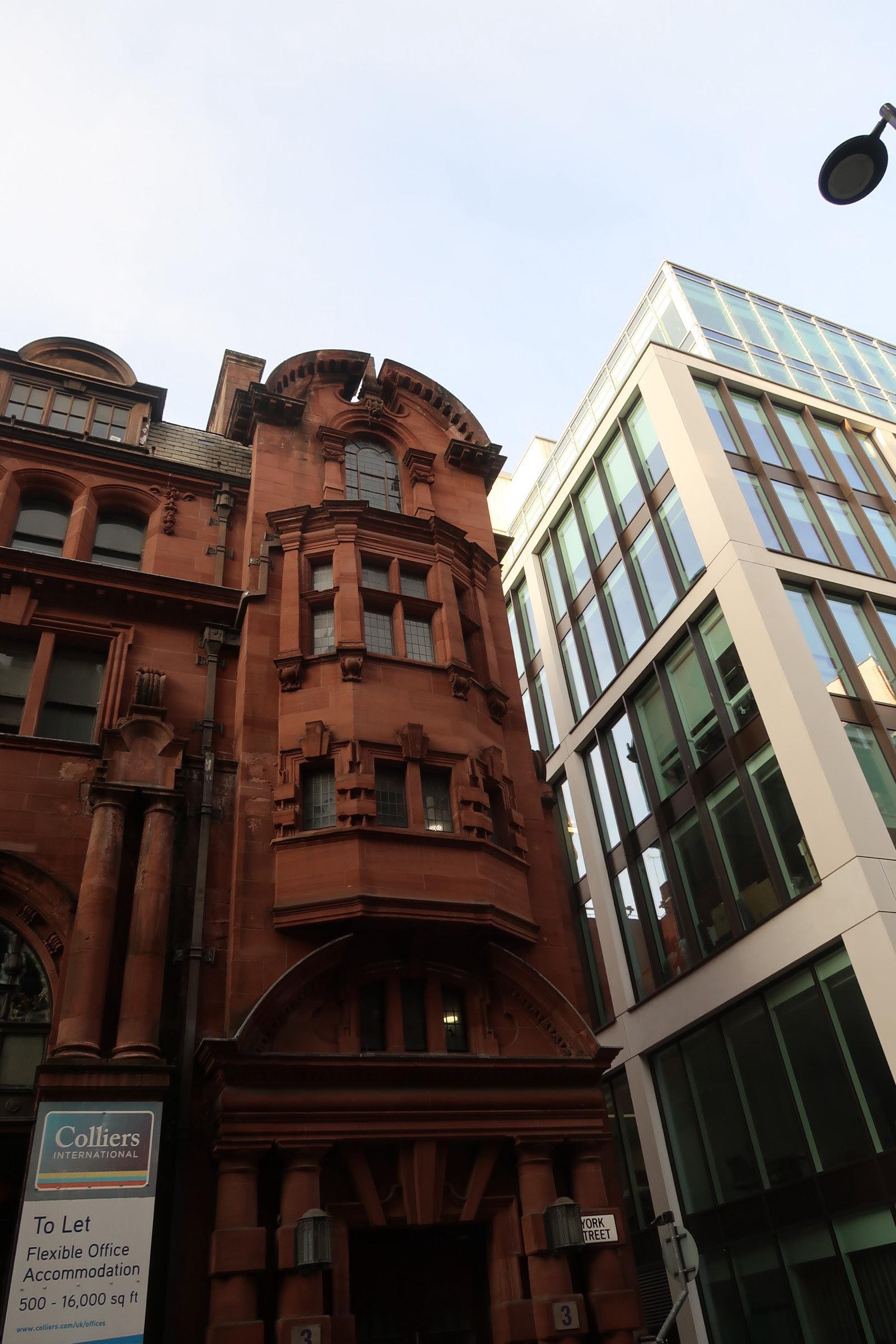
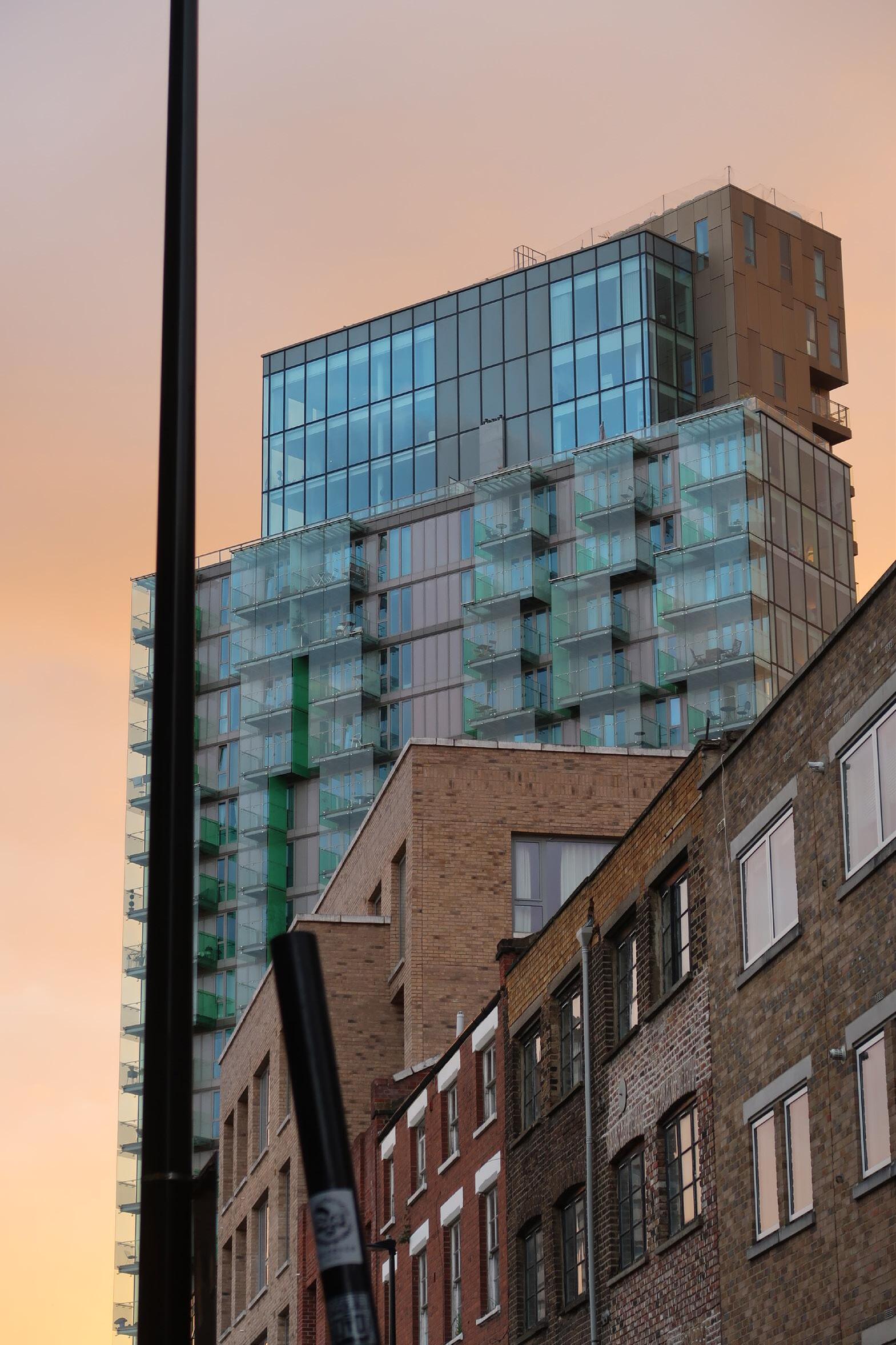
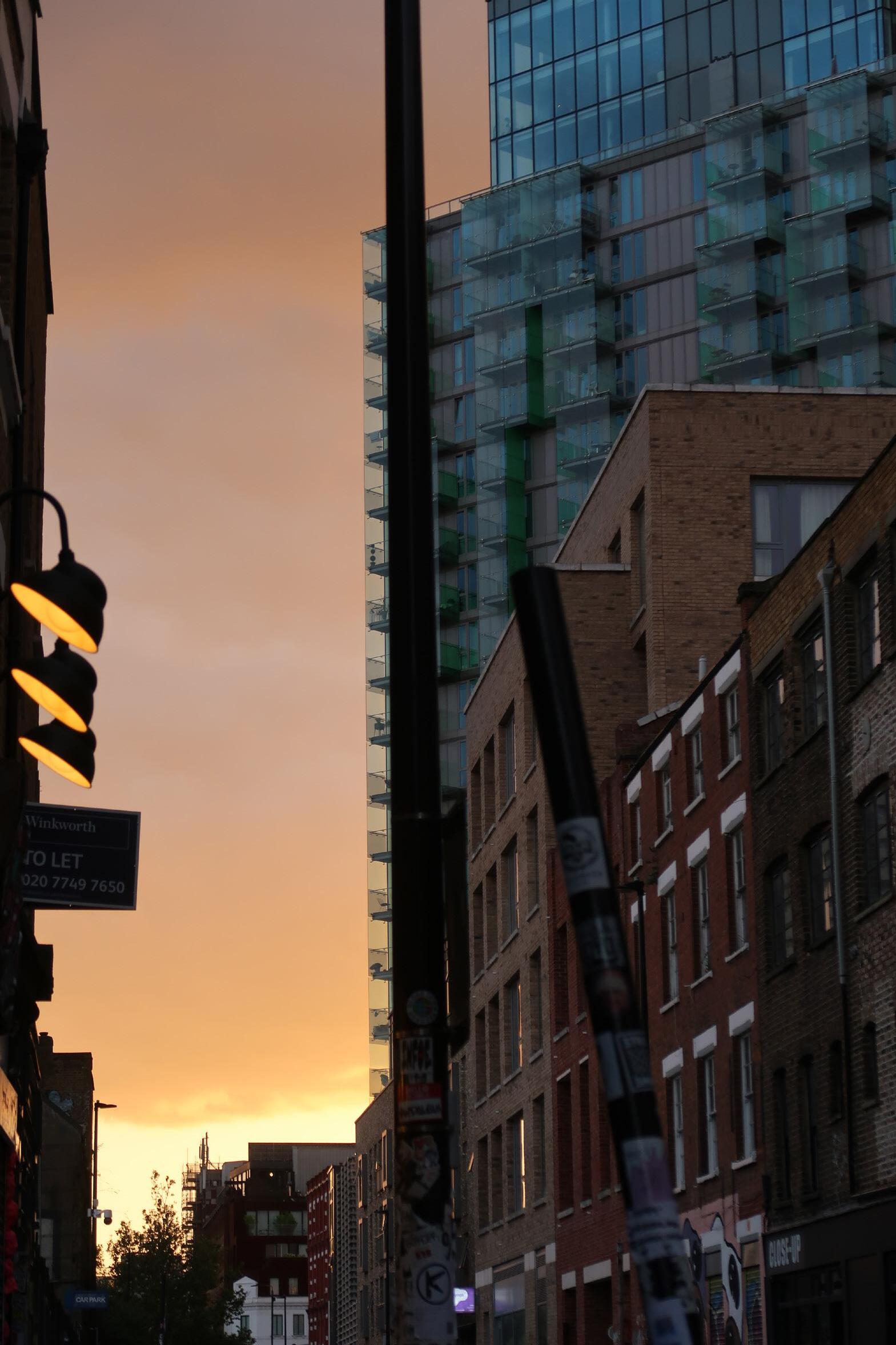
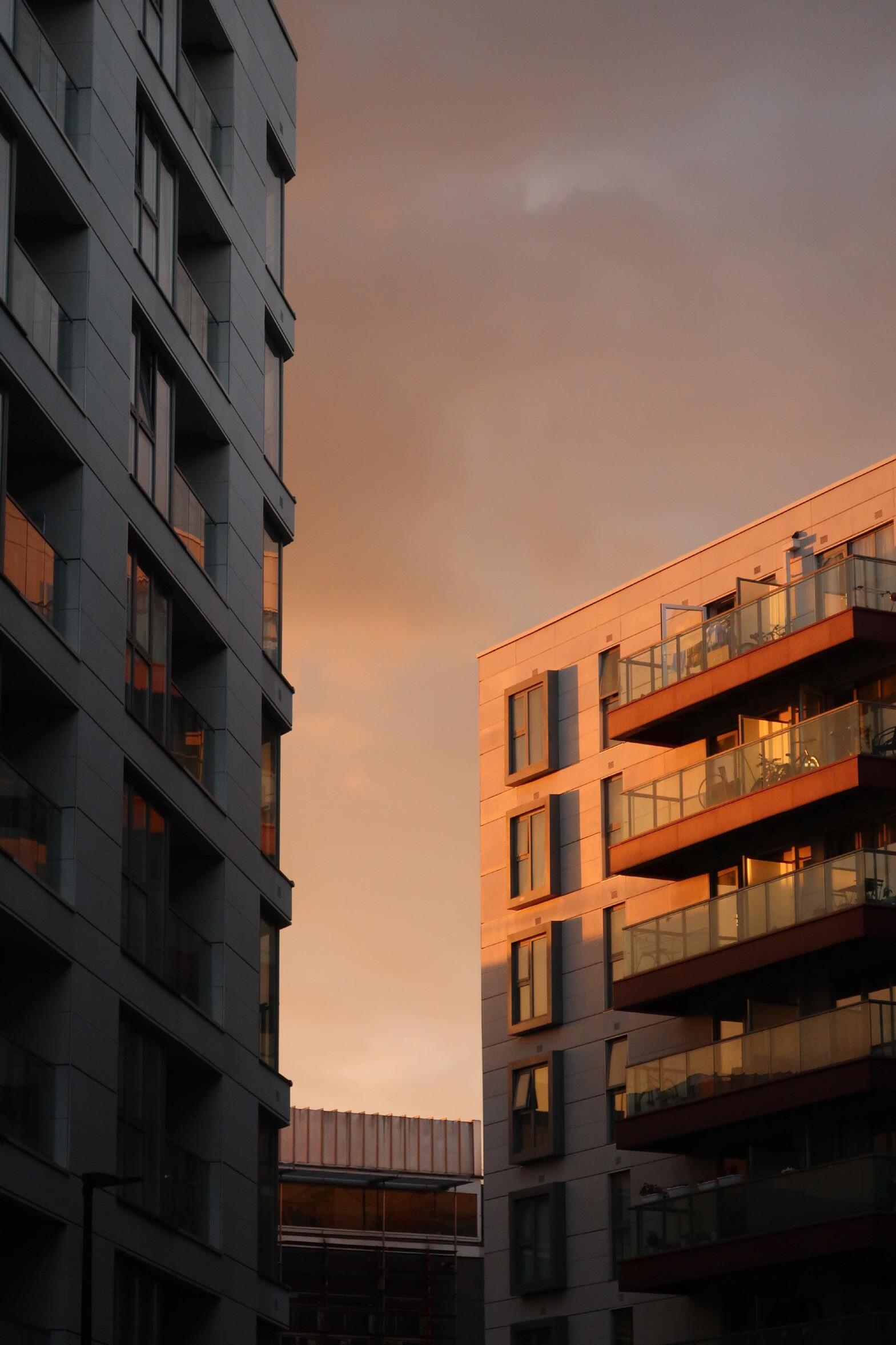
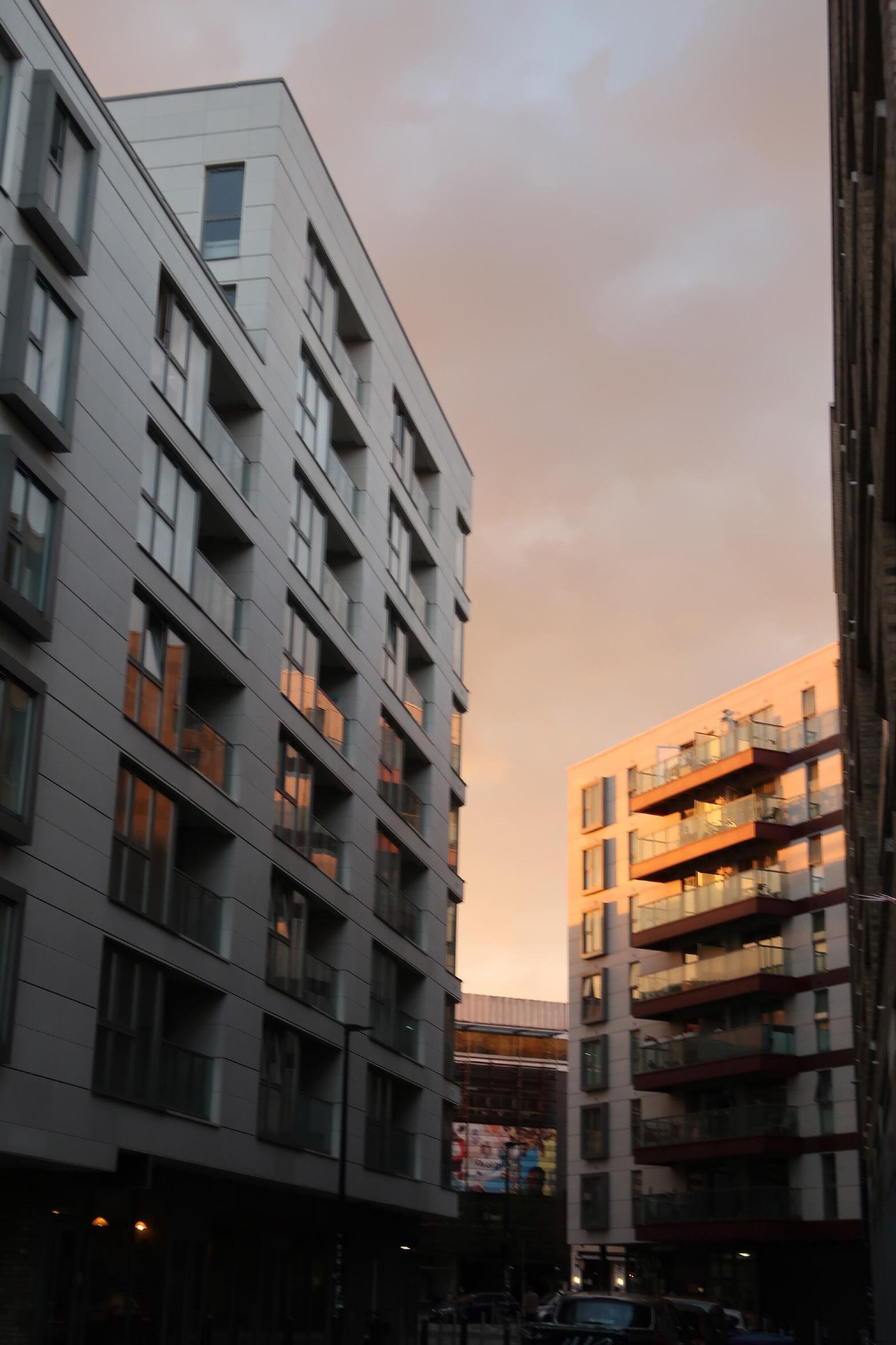
This series examines the relationship between contemporary residential forms and the historic urban fabric, focusing on moments where light, materiality and scale intersect. Through shifting evening conditions, the photographs reveal how façades transform, emphasizing thresholds and spatial rhythm within a dense urban context.
The work reflects on how atmosphere shapes perception, capturing the quiet tension between permanence and change that defines the city’s evolving architectural character.


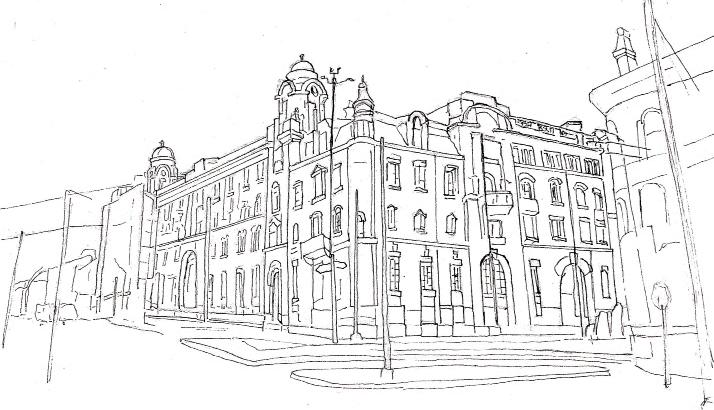
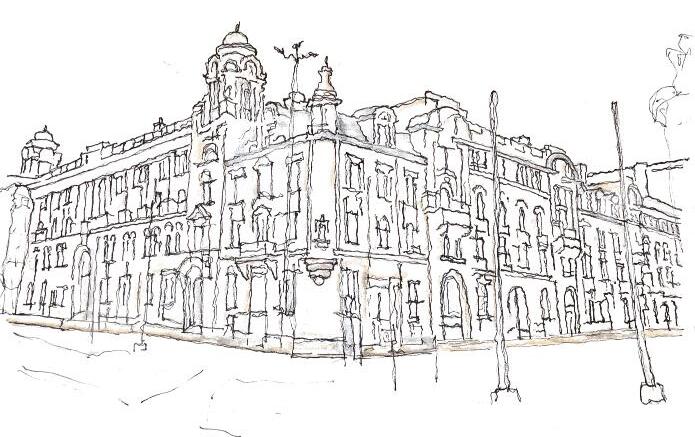
Fire station, 11 Whitworth Street Manchester
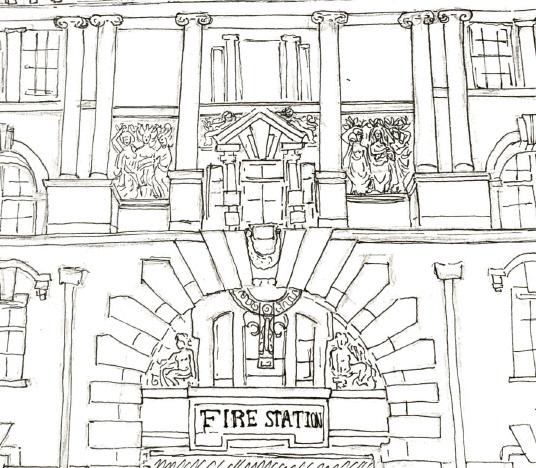
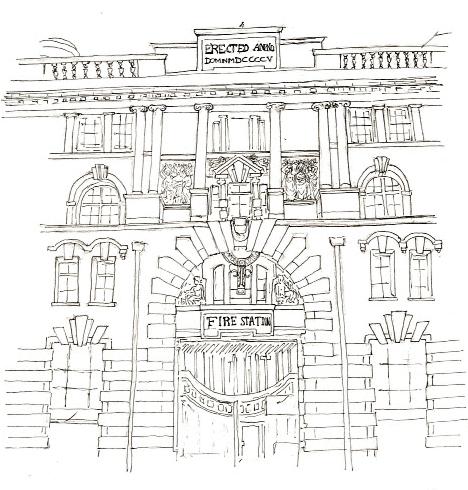
Fire station, 11 Whitworth
Manchester
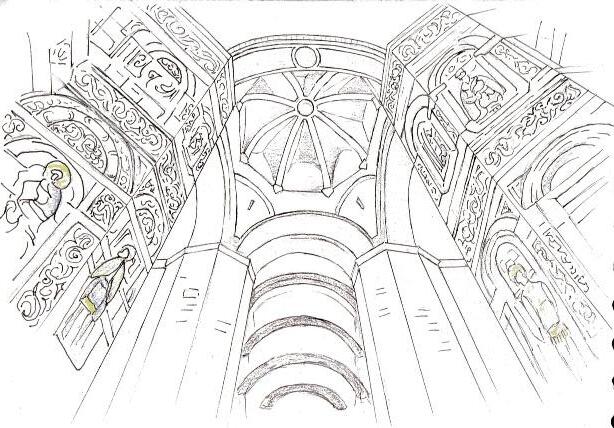
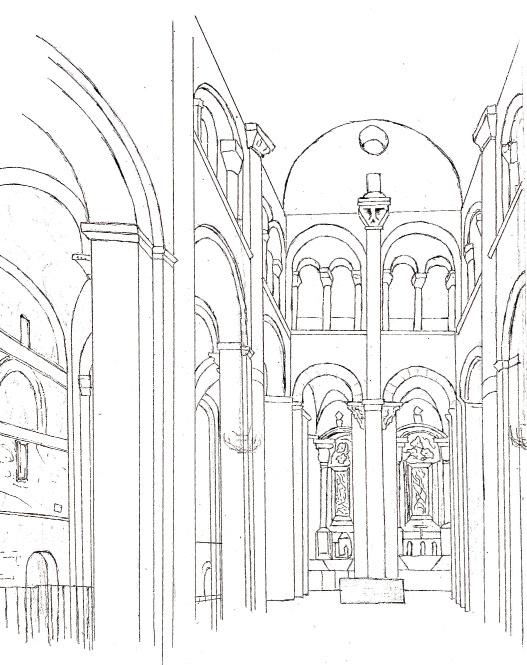
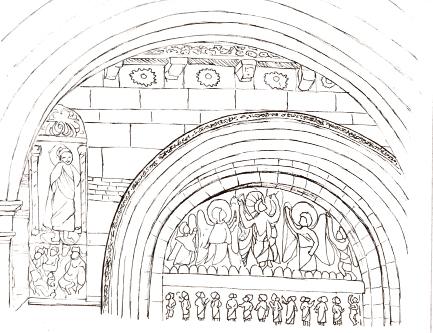
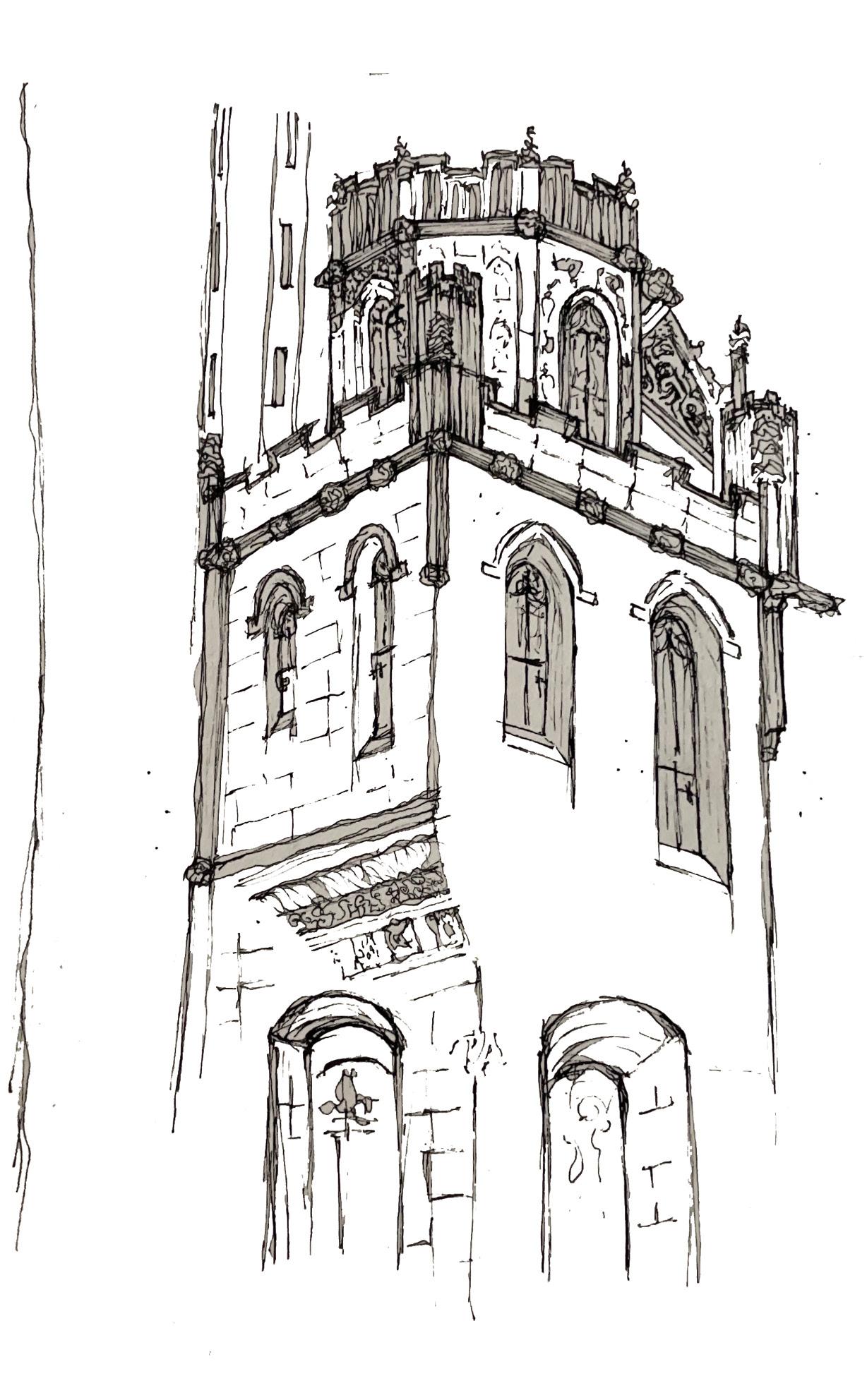
Cathedral of St. James, Santiago de Compostela, Spain.
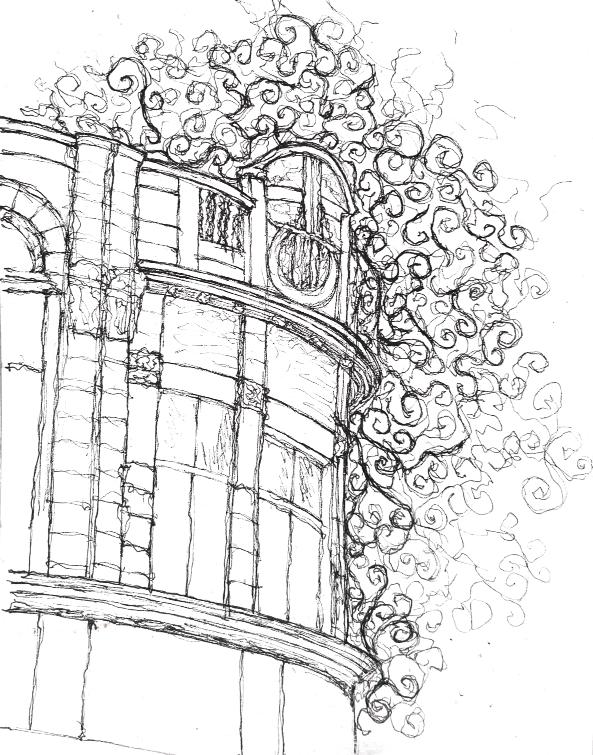
John Rylands Research Institute and Library
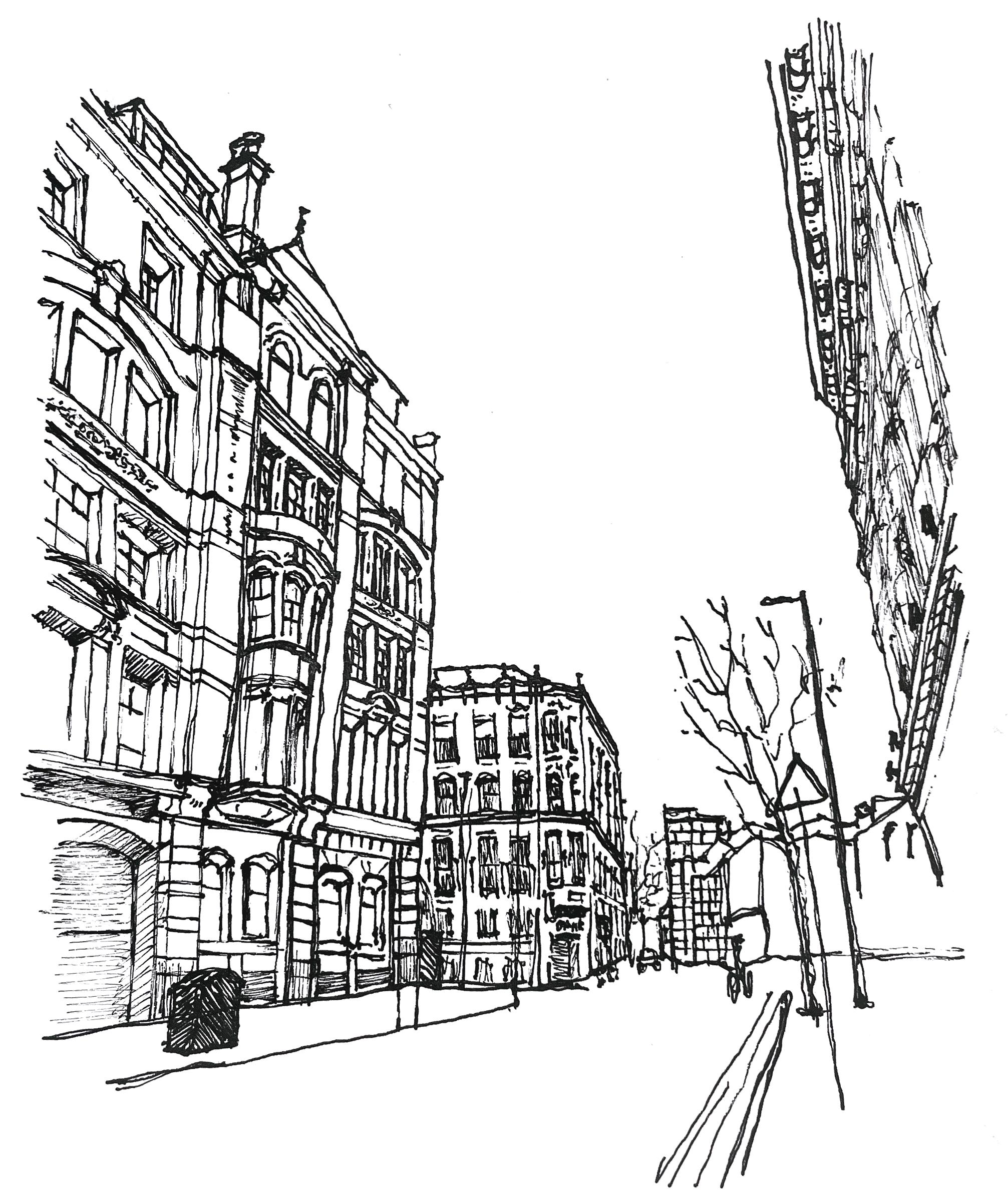
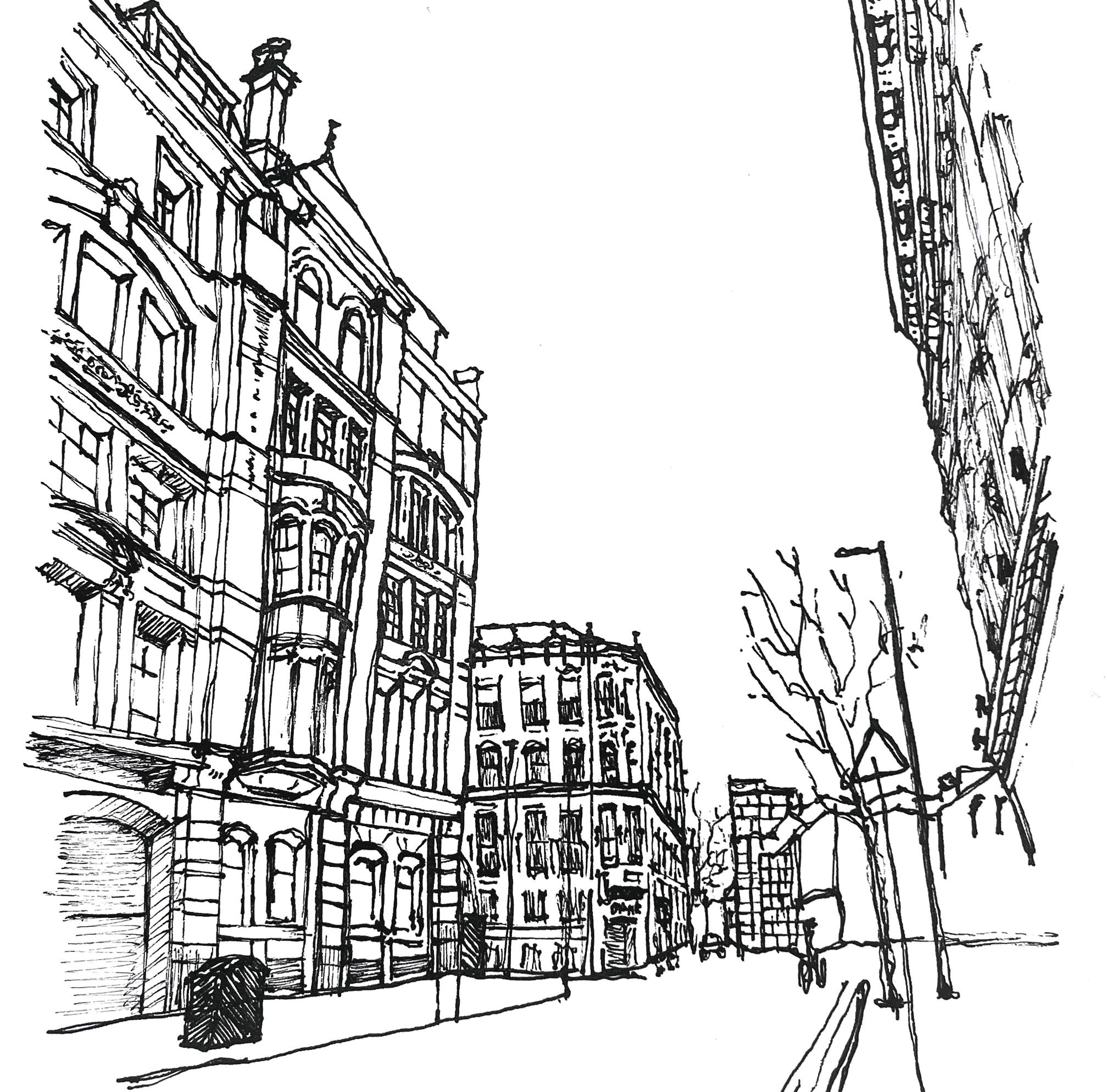
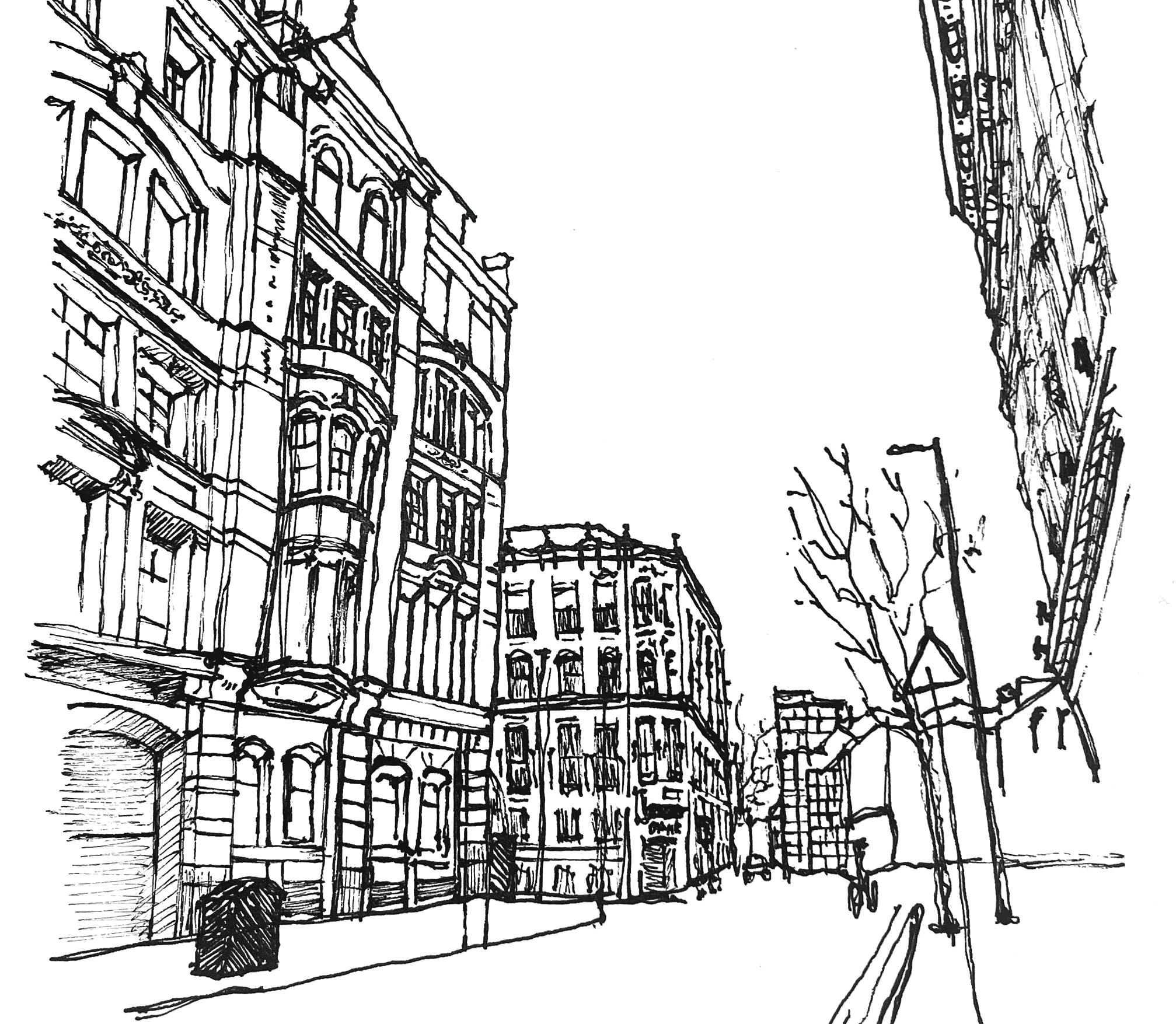
99 Princess Street, Manchester