MIZZOU OCCUPATIONAL THERAPY
2023
I hope this finds you all well. It is my pleasure to share how the Department of Occupational Therapy at the University of Missouri has continued to evolve and excel over the past few years despite the challenges presented by the COVID-19 pandemic.
Throughout the 50-plus years since we started, we have prided ourselves on the strength of our clinical training programs that remain a cornerstone for our department. We want to be at the forefront of education in occupational therapy and for our academic programs to reflect our commitment to the profession.
With that in mind, we spent the past three years fully converting our entry-level OT program into an occupational therapy doctorate. We launched one of the first bachelor’s degrees for occupational therapy assistants in the nation. We also started a fully online and flexible post-professional occupational therapy doctorate and we partnered with our College of Health Sciences colleagues to offer a Ph.D. in Rehabilitation Sciences. We now offer training for clinicians and scientists across the spectrum in occupational therapy — OTA-B, OTD, ppOTD and Ph.D. We continue to evolve our training programs to expand further into postprofessional training opportunities that we are excited to share in the future.
Our progress in our academic mission has not come at the expense of our commitment to be leading scholars in the field of occupational therapy. Over the past five years, our faculty have secured more than $15 million in federal research funding for their clinical research programs in OT. Whether they’re focused on customizable assisted technology programs for people with ALS; in-home independence for older adults; strategy-training for people with functional cognitive loss from stroke, COVID and cancer; exploring neural-connectivity changes associated with cognition; or evaluating new interventions to support youth with autism spectrum disorder and their families, our faculty are continuing to advance the science in our profession to help establish best practices for the clients we serve.
While our research faculty are currently supported by federal research grants, our teaching and clinical faculty also are involved in scholarship. They have published multiple textbooks for the profession as well as several manuscripts on scholarship of teaching and clinical research studies. They have also partnered with other faculty on clinical research: One highlight has been our Pawprints Scholars group led by Dr. Winnie Dunn, which is featured on Page 10 of this publication.
Through all of this, we have maintained our commitment to service to the profession. Members of our faculty serve as the editor-in-chief of OTJR: Occupational Therapy Journal of Research, on the OT curriculum development committee with the AOTA and as lead author of the OT Model Curriculum, and on multiple national and state committees. Our faculty and staff are committed to helping the profession of occupational therapy grow and thrive. We are excited to share an inside look at the exciting work happening within our department at the University of Missouri, and we thank you for your support. M-I-Z!
Your friend, Tim
Timothy J. Wolf, OTD, Ph.D., OTR/L, FAOTA Associate Dean for Research Associate Director for Community Outreach and Engagement: Ellis Fischel Cancer Center Professor and Department Chair--Occupational Therapy Director: Performance,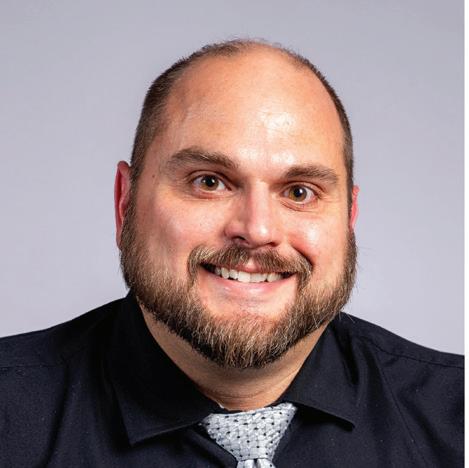
Participation, and Neurorehabilitation Laboratory Editor-in-Chief—OTJR: Occupational Therapy Journal of Research College
of HealthSciences
University of MissouriOver the past five years, our faculty have secured more than $15 million in federal research funding for their clinical research programs in OT.

The Bachelor of Health Science in Occupational Therapy Assistant prepares students to practice as occupational therapy assistants who will then work under the supervision of occupational therapists in their career. OTAs use research, scientific evidence and a holistic approach to incorporate an individual’s valued occupations into the intervention process. After completing their general education requirements, Health Science coursework and OTA prerequisites, students can start on the OTA professional level coursework. Once in the program, students take two years to complete the hands-on learning in class, fieldwork experiences and a baccalaureate project.
Our Ph.D. in Health and Rehabilitation Science is an interdisciplinary research-focused doctoral program that prepares students for high-impact careers in research, postsecondary education and organizational leadership in the health disciplines. The program curriculum is based on a mentorship-model of graduate education.
Students who are accepted to the program will work with a specific faculty mentor or mentors, with coursework tailored to ensure breadth and depth of didactic learning that will provide the foundation for development of an independent research program. Graduates will be prepared to serve as faculty in health sciences schools and colleges, to contribute to product development in rehabilitation and health care and to work in non-governmental organizations or government agencies addressing community health problems.
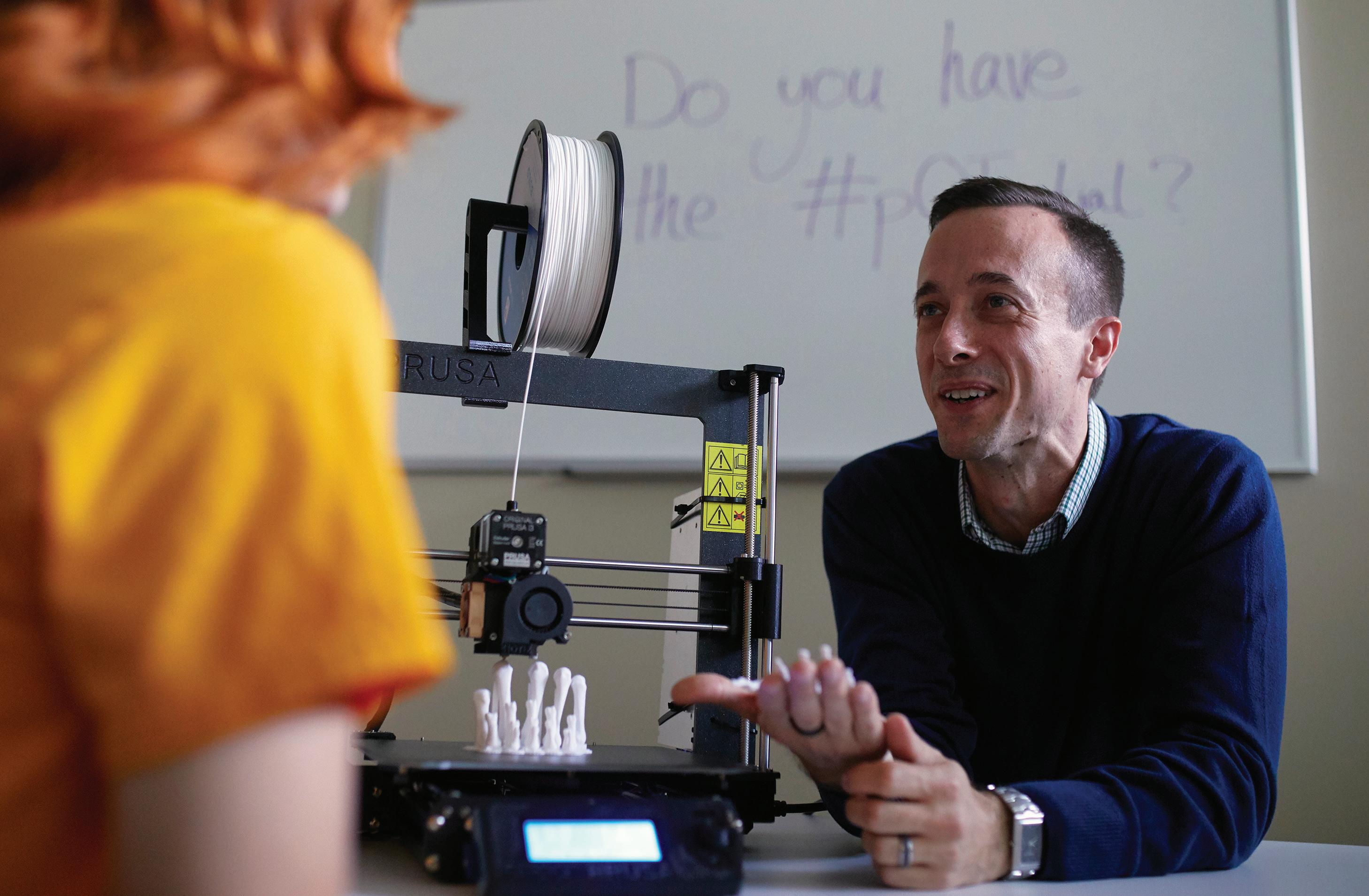
Mizzou’s Post-Professional Occupational Therapy Doctorate is designed exclusively for licensed OTs who hold a bachelor’s or master’s degree. Individuals can customize their educational plans to meet their unique academic and professional goals. This might include advanced clinical practice, leadership and management, research, occupational therapy education and more. This 100% online program gives students maximum flexibility to complete a doctorate while continuing to work as an occupational therapy practitioner.
This entry-level Occupational Therapy Doctorate prepares students to enter the field as well-rounded OT practitioners. Students can start the OTD program after completing their bachelor’s degree or through an early-entry option available upon completing 90 undergraduate credit hours.
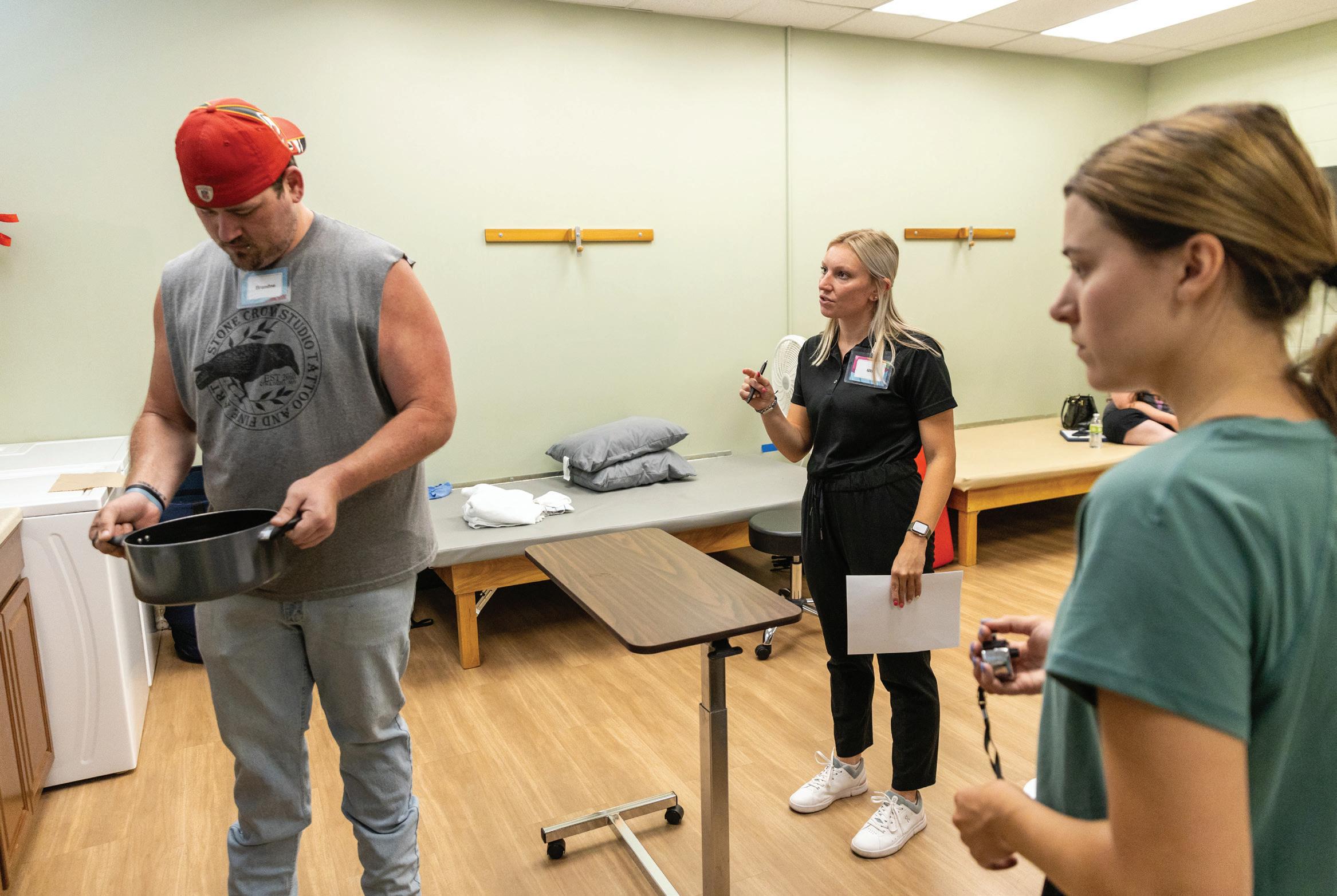
OTD students will experience hands-on learning via the classroom, practicum experiences and fieldwork rotations. During the three-year OTD program, students will explore the foundation and core concepts of OT practice, advanced levels of practice and leadership, advocacy and professional development — all culminating in a doctoral capstone experience.
PPOTD PROGRAM HAS STUDENTS FROM PLUS SEVERAL INTERNATIONAL STUDENTS
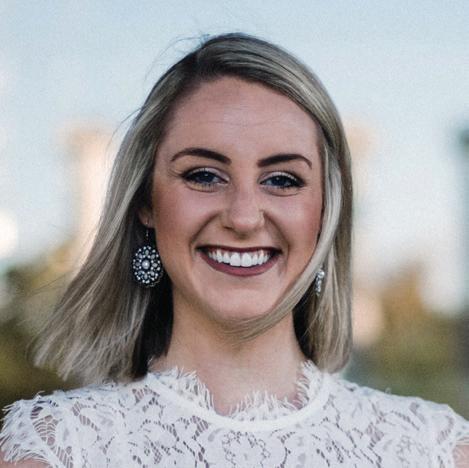
Bailey Baucum, a native of O’Fallon, Missouri, was the first graduate of our new post-professional Occupational Therapy Doctorate (ppOTD) in May 2023. We caught up with Bailey to learn more about her experiences at Mizzou.
How would you describe your time in Mizzou OT?
It has been an absolute pleasure to pursue all three degrees from Mizzou and both OT degrees from MUOT. It has been so inspirational to be in a group of faculty and student colleagues who care so deeply not only about their professional endeavors but also yours.
What was your favorite class within your degree track?
I thoroughly enjoyed my teaching practicum with Dr. Whitney Henderson. Since I was motivated to earn my ppOTD to enter academia eventually, it was interesting to learn more about curriculum development and course design. I also thoroughly enjoyed my professional development course with Dr. Tiffany Bolton, which allowed me to embrace the importance of work-life balance and its impact on professional development.
What are you doing after graduation?
After completing my ppOTD, I plan to push forward in implementing student and fieldwork educator development in acute care — specifically at the hospital I work at. I hope to continue to encourage students to embrace the medical delicacies of acute care and pursue the incredible opportunities to help individuals flourish during very challenging times.
What advice do you have for current and future students?
Push into what you are passionate about and share it with others — that is what the MUOT ppOTD is all about! There are so many people, faculty and classmates who want to see you succeed, contribute to your exploration and encourage you to pursue excellence in OT.
Bridget Kraus is working to improve the lives of people with spinal cord injuries.
Despite dramatic improvements in initial survival, life expectancy for people with spinal cord injuries has not improved for more than 40 years. This is partly due to the high rate of secondary health conditions that people with spinal cord injuries experience, such as pressure ulcers, respiratory health complications, and bowel and bladder dysfunction.
Bridget Kraus, a licensed occupational therapist and PhD student studying Health and Rehabilitation Science, is working to change that. She is developing a virtual-based
self-management program that aims to reduce secondary health conditions for people with spinal cord injuries.
Her dissertation proposal, “Feasibility and Acceptability of the Spinal Cord Injury Self-Management (SCISM) Program,” recently received a $100,000 grant from the Missouri Spinal Cord Injuries and Congenital or Acquired Disease Processes Research Program.
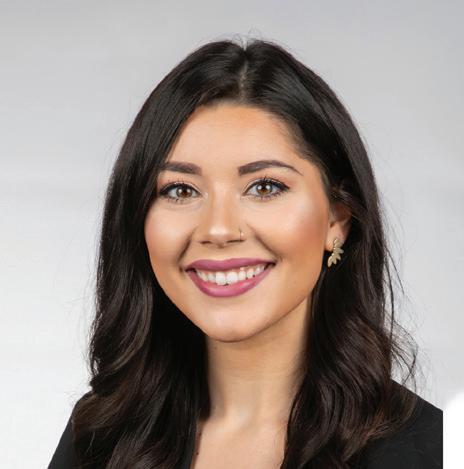
Kraus, BHS ’16, MOT ’18, discovered a passion for working with people with spinal cord injuries during a clinical rotation as an OT student.
“Sam was the first quadriplegic patient I served on my own from evaluation to discharge,” Kraus said. “I spent countless
When Madison Ebeling began working with 3- to 5-year-old refugees, she said many of them lacked the skills they needed to be successful in a classroom setting.
“They showed little interest in wanting to interact with peers other than their siblings,” Ebeling said. “As you can imagine, [they] become very close with their family. And it’s just a very unfamiliar environment when you’re over in the United States.”
She presented her work as part of the Department of Occupational Therapy’s inaugural occupational therapy assistant (OTA) baccalaureate project presentations. Members of the department’s new degree program — the first cohort will graduate in the fall — showcased projects they completed over the past three semesters.
Ebeling worked with City of Refuge, a Columbia-based nonprofit that helps refugees and immigrants adapt to life in the United States. She focused on the ways occupational therapy can benefit the children of refugees and immigrants, who she said can struggle with limited English proficiency, difficulty with acceptance in preschool classrooms and issues with appropriate behaviors in a classroom setting.
“There’s a lot of research out there about the occupational therapy need within the population, but there’s not much of what happened after it was implemented,” she said.
Ebeling hosted weekly sessions that included everything from playing with blocks and running around on playground equipment to visiting a petting zoo. Over time, she observed kids showing more interest in participating and playing with others, being more willing to ask for help and learning to wait for their turn on activities.
Ebeling said the program will be continued by two OTA students starting next fall. Additionally, she said City of Refuge plans to create a program for this age group of students.
“It really shines a light on why OT is so needed in programs like this,” she said.
hours working with him to regain function and learn how to live his life again, and I got to know him and his family. On our last day, Sam presented me with a handwritten card that he had been working on secretly for days, which was a huge feat due to his hand paralysis. He gave me a hug and promised to see me again.”
That reunion would not happen. Three months later, Kraus learned that Sam had died due to sepsis caused by a pressure ulcer.
“I was devastated to know my patient and friend, who I had left excited to return to his life, had succumbed to something that could have been prevented,” Kraus said. “Unfortunately, Sam’s story is not uncommon and was something I continued to see time and time again as a clinician.”
This experience spurred Kraus to return to Mizzou a third time — this time for a PhD in Health and Rehabilitation Sciences.
“I felt there was more we needed to know and more we could be doing as clinicians to help people with spinal cord injuries recover and be successful in their communities, where resources and spinal cord injury experts may be scarce,” she said.
Since starting the PhD program in 2020, Kraus completed a preliminary study, conducted quality improvement groups with clinicians and patients, and used existing research to design a virtual self-management program for people with spinal cord injuries. Her dissertation research project will measure the feasibility and acceptability of the program and estimate its effects.
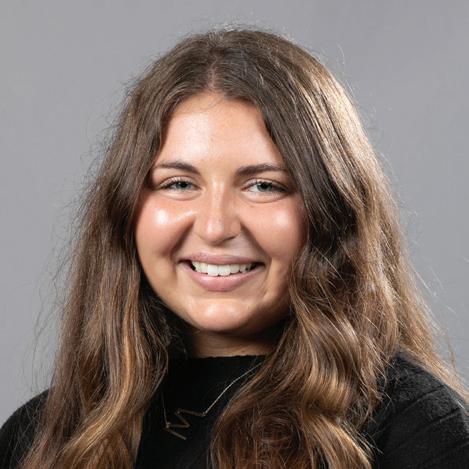
“We hope this program will prove to reduce harmful secondary health conditions and improve the health and well-being of people with spinal cord injuries,” Kraus said.
Individuals with spinal cord injuries who are interested in participating in Kraus’ research study can email her at comparatob@mail.missouri.edu.
Gabby Scheuler has a history of identifying and addressing needs in her community. Since moving to the Kansas City area, she has launched a business that specializes in pediatric occupational therapy.
Identifying a need, developing a plan and addressing the issue in your community — these are skills Gabby Scheuler learned at the University of Missouri and uses daily in her pediatric occupational therapy practice.
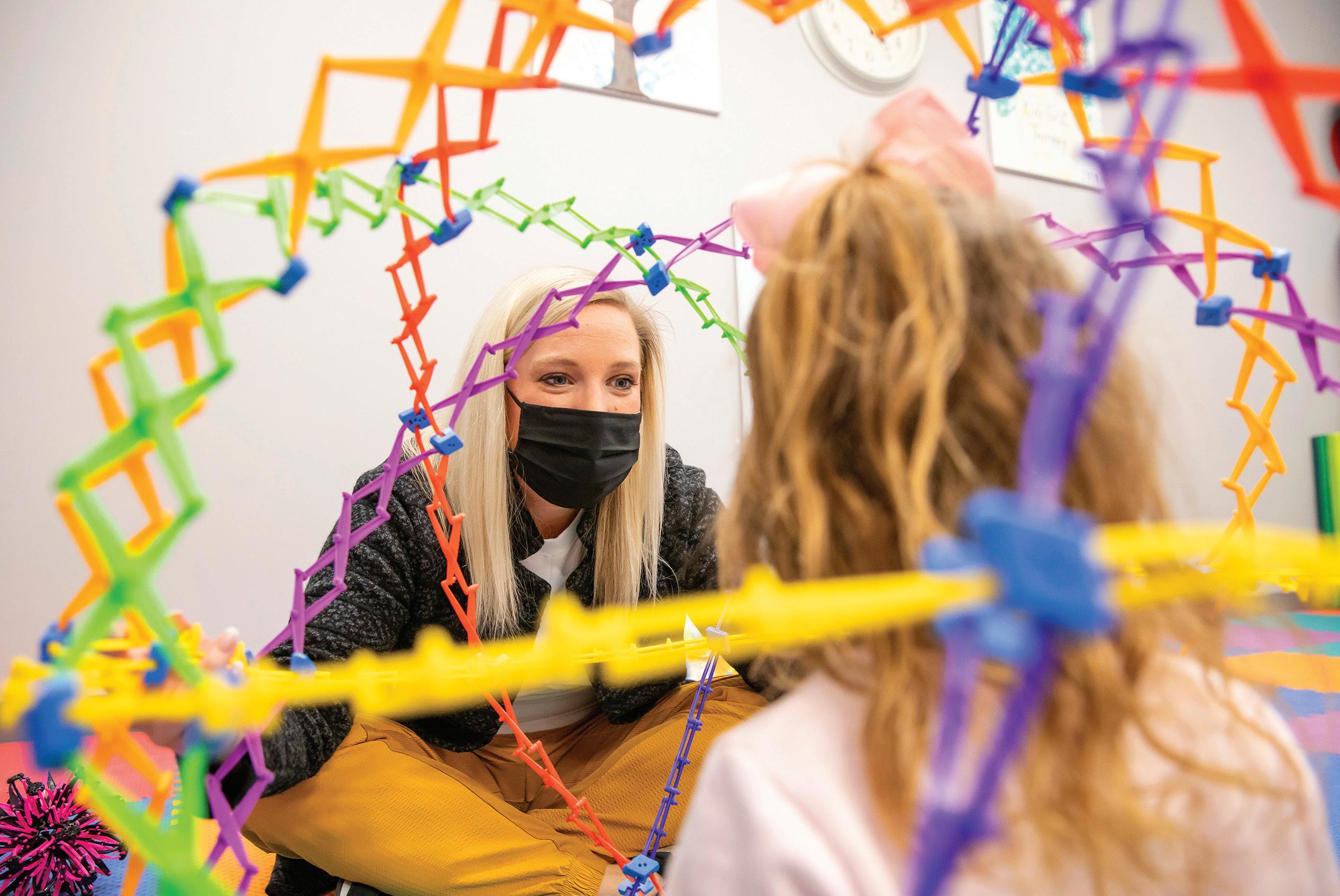
Since graduating from Mizzou with a master’s degree in occupational therapy in 2017, Scheuler has become an entrepreneur in Lee’s Summit, Missouri. Her business, Therapeutic Playhouse, works on social and emotional regulation, academic needs and confidence for kids with needs that make it harder for them to regulate emotionally and socially — including children with autism.
“Every program I’ve created at the Therapeutic Playhouse has been based on finding a need in the community and creating something for that,” Scheuler said.
Scheuler credits her college experiences for developing the skills she uses to address these issues within her community.
“Mizzou gave me the confidence to go out on my own, in a different city, and create opportunities for kids and families,” she said.
She started identifying community needs as a high schooler when she learned families at her pool needed specialized swim lessons for their children with autism. Scheuler developed close relationships with the families of the children she instructed; the mom of one of her students taught special education, which inspired her to pursue pediatric OT.
She wanted to create a similar program once she got to Mizzou, so she shadowed other swimming programs for kids with increased sensory needs and applied those lessons within the community outreach portion of her master’s degree in occupational therapy. Alongside OT professors and peers, she created the Swimming and Water Instruction Modifications (S.W.I.M) program for children with autism or similar conditions.
“It all comes back to the S.W.I.M program,” she said. “Mizzou helped me be able to analyze the need, listen to people and create things for them.”
The programs offered by the Therapeutic Playhouse cover an array of age ranges and needs. Scheuler began with a preschool to prepare students for the social, emotional and academic needs of school in addition to a community- and relationship-building girls group for tweens. Since then, she’s expanded her offerings to other needs and niches across age groups.
“We’re helping these kids feel comfortable in their own skin and be confident so they can be successful,” she said. “There’s a lot more I hope to do in the future with nonprofit offerings, virtual opportunities for kids and services. It’s also always been a bucket-list thing for me to get back into teaching swim lessons.”
The Therapeutic Playhouse focuses on individual care, building a community and forming support networks. While therapists have a team of doctors, nutritionists and other professionals to help with client care, they also have personal networks to encourage their growth and support their dreams.
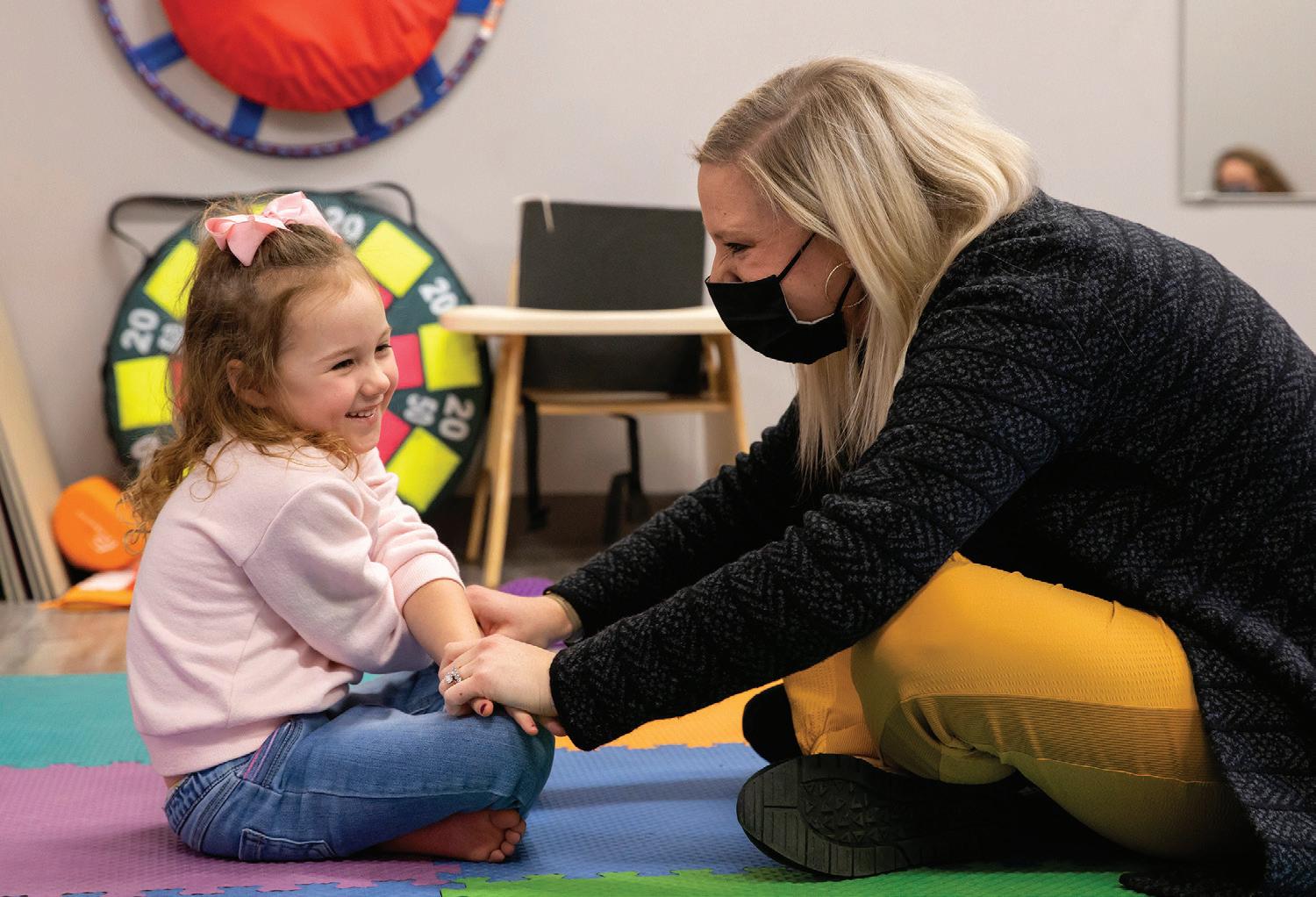
As she has built her community in Lee’s Summit, Scheuler works with other professionals who share the titles of “entrepreneur” and “mom,” forming a network of professionals identifying and addressing needs within their community. Just two hours east, she has a team of people on her side at Mizzou.
“It takes a village of really great past – and present – mentors to help me feel comfortable and excited to put myself out there with my business. I’m super thankful, and I wouldn’t be where I am today without Mizzou.”
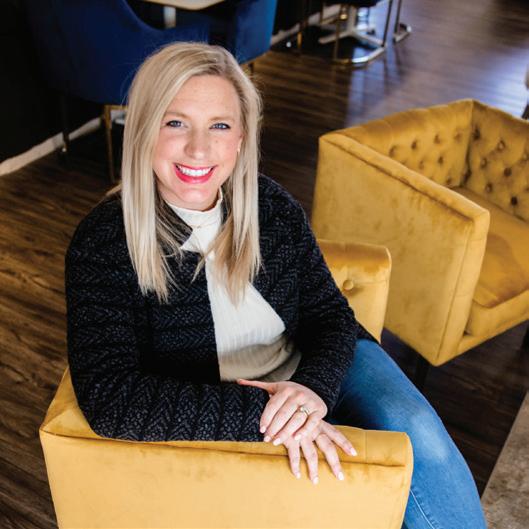
“Every program I’ve created at the Therapeutic Playhouse has been based on finding a need in the community and creating something for that.”
—Gabby Scheuler
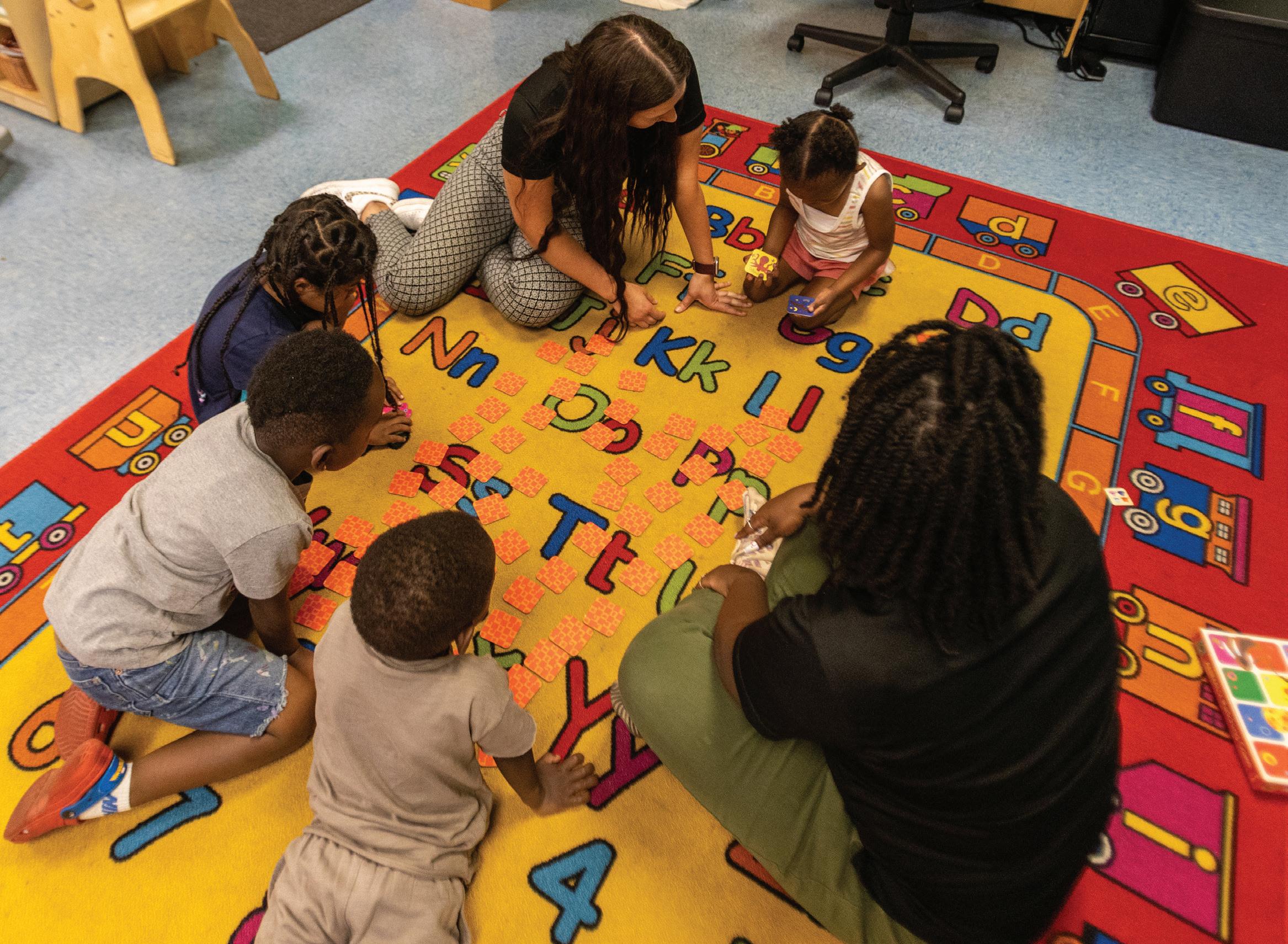
When members of the University of Missouri Department of Occupational Therapy first started working with a boy named Joey as part of the department’s preschool practicum program, he was often sitting by himself on the school playground.
As he spent time with OT students and faculty members, Joey started to open up and share things he found on the playground. When he found a weed that looked like corn, some of the practicum participants encouraged him to share it with his classmates.
“It gave him something cool to share to make connections,” said Dr. Tiffany Bolton, an associate clinical professor in the OT department. “And he learned from that experience — the next week, he found this toy car and started to show his friends what it could do. We were able to help him feel a little more empowered and included.”
Joey is one of about 75 kids at three Columbia-area preschools that Mizzou OT students interact with on a weekly basis. The preschool practicum started in 2017, when Bolton and Brittney Stevenson worked together to find a way for OT students to work with preschool teachers on programming for social-emotional development and preacademic skills.
Mizzou OT students work with about 75 kids at three Columbia-area preschools on a weekly basis.
The students work toward being independent in planning and carrying out interventions in these real-world settings, Bolton said, and they quickly become part of the fabric of the preschools.
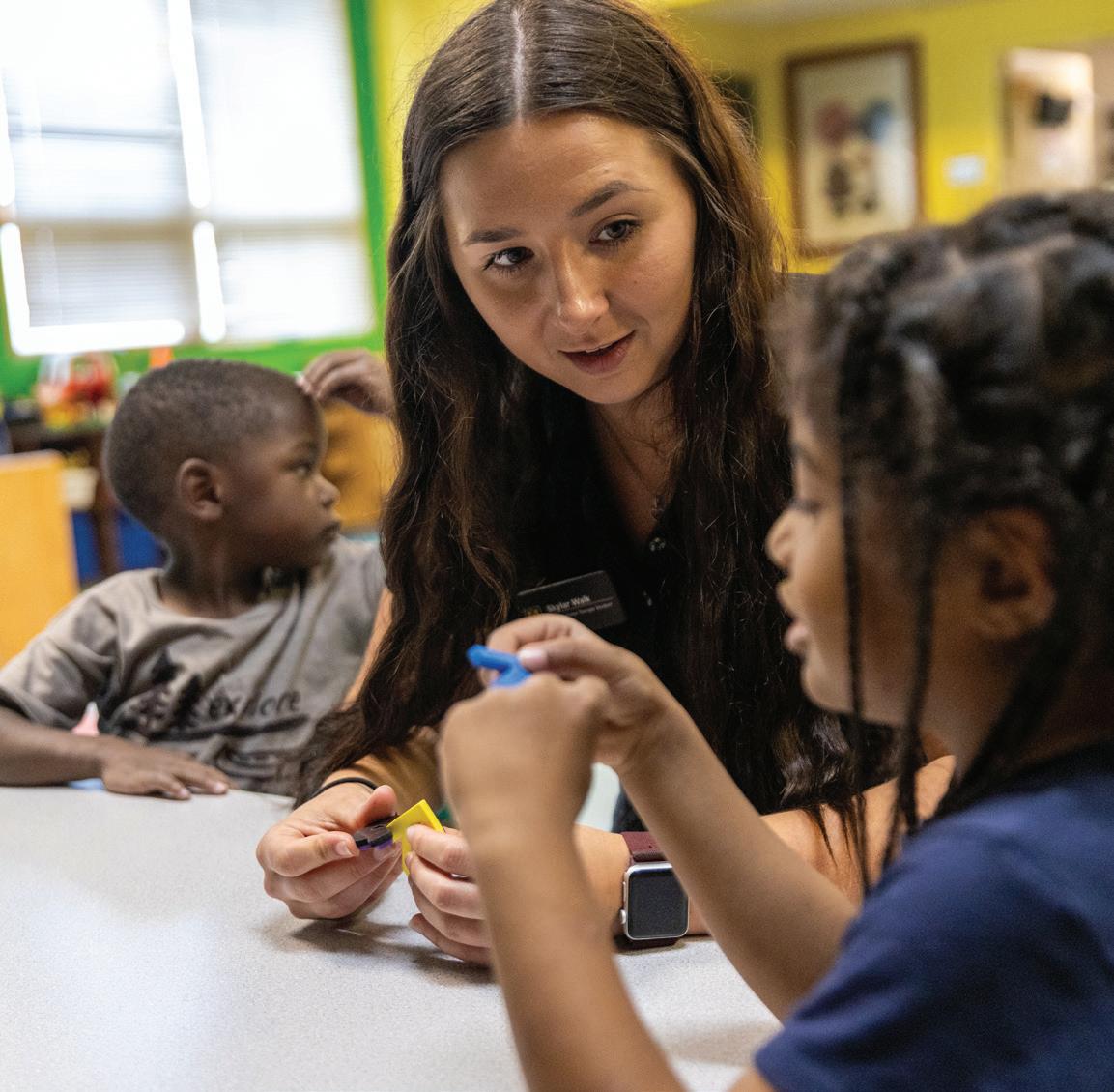
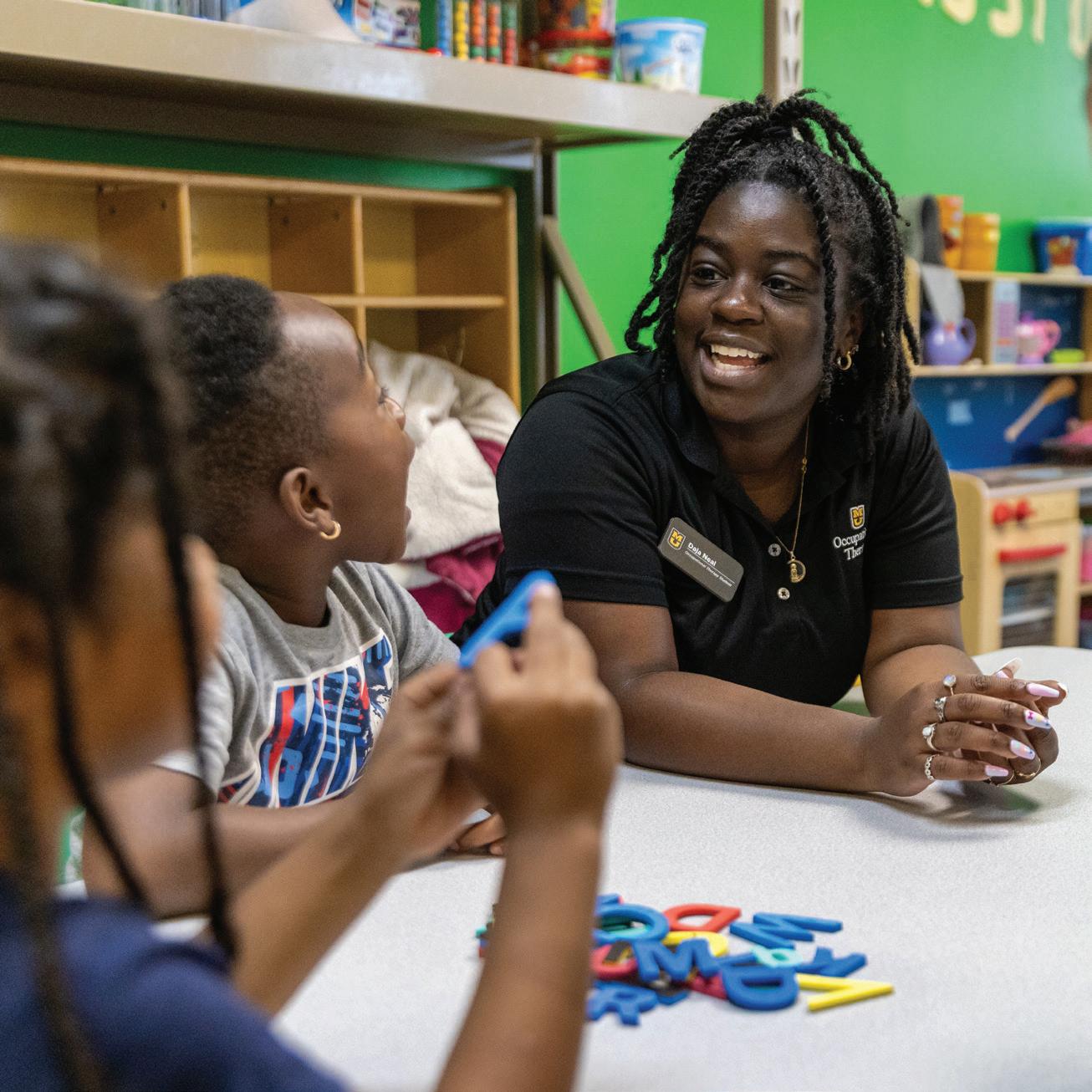
“OTs are frequently called in to fix a problem or work with kids who have identified needs,” she said. “Although we’re helpful with that, sometimes it’s hard seeing that person out of context or seeing problems in an isolated environment. Seeing kids in their natural environment and helping at a classroom level — even informing curriculum, space and schedules — has been an incredibly rich experience for our students.”
The preschool practicum provides OT students with endless experiential learning opportunities. They create session plans and work with Bolton and Stevenson to ensure they include the theoretical support behind an intervention they have planned.
“They go in depth on the intervention they are providing — they describe what they’re doing, what they’re bringing, what the intervention is and what the goal might be,” Bolton said. “Then they get to carry out those plans throughout the semester before reevaluating those goals we set to see what kind of progress the students made.”
Even for OT students who might not plan to be in a schoolbased setting, this practicum can be incredibly beneficial. Anyone who might aspire to be a pediatric therapist will be working directly with kids who are in the school system, Bolton said, so any experiences students can get in that environment can be helpful for years to come.
The main focus of any interventions with the preschool classes is participation, so the activities are designed with that in mind. Whether preschoolers are making paper chains, taking turns rolling a ball and saying something a friend is skilled, at or using sidewalk chalk and shaving cream to write letters, activities are all designed to elicit excitement.
Although the practicum is only in a few local schools at the moment, Bolton said they would love to see it expanded in a sustainable manner to serve more Missourians.
“We feel really confident in the model right now — we just need to get it out to a few more preschools,” she said. “Having our first cohort of doctoral students coming back this fall will give us a little bit more manpower to make that vision a reality. We’ve been kind of waiting to this point of growth where we would have some students who would operate at a higher level and help us do a little bit more.”
When Dr. Winnie Dunn joined the University of Missouri Department of Occupational Therapy as a distinguished professor in 2017, her objective was to support early career faculty, postdoctoral fellows and graduate students. While she might have found success meeting individually with folks and mentoring them as they navigated the myriad challenges of academia, she knew she could make a bigger impact by embracing a concept from her past: a writing group.
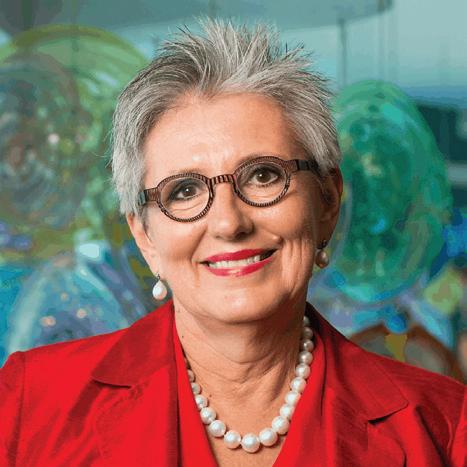
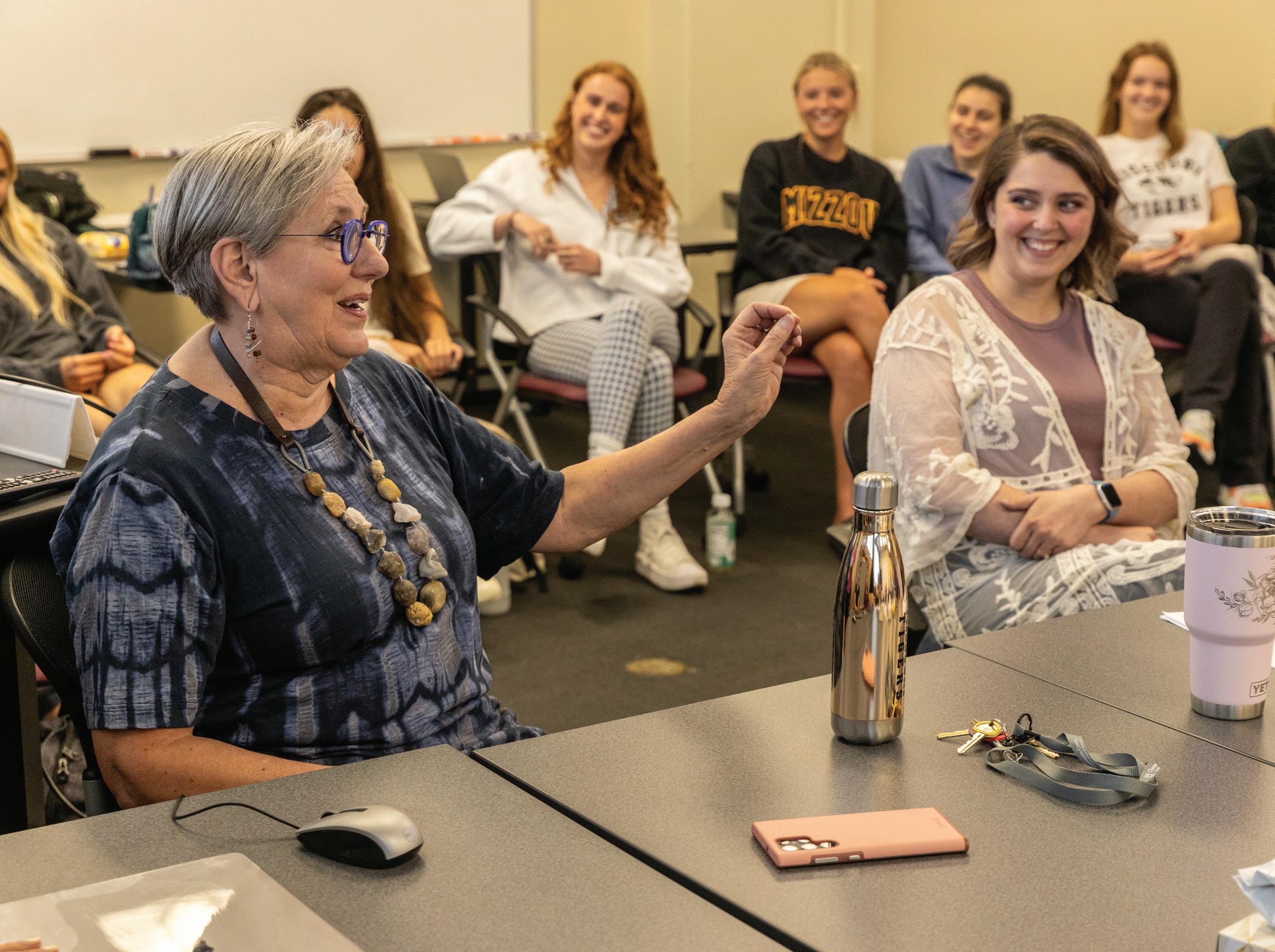
“We had a lot of young faculty who were just finishing working on their doctoral degrees, and they didn’t have any shortage of ideas,” Dunn said. “I thought I’d start a writing group here and see if it might be a good match for them.”
Dubbed Pawprints Scholars — an homage to Mizzou mascot Truman the Tiger — the group meets every other week to review and discuss everything from papers and grant applications to presentation proposals that faculty members are working on. To participate in Pawprints, members had to agree to uphold several ground rules.
Pawprints Scholars writing group has driven scholarly activity and teamwork among faculty members in the Mizzou Department of Occupational Therapy — and beyond.Dr. Winnie Dunn
For starters, they had to commit to attending the meetings and reading everyone’s submissions even though they had diverse interests. They had to be willing to share their own work for feedback, including specific guidelines for what sort of feedback they would like from the group.
They also had to agree to provide written feedback ahead of time as well as verbal insights during the meetings, using strengths-based constructive feedback. Dunn said it’s important that participants build each other up rather than tear each other down.
One happy surprise came as a result of including clinical faculty members in the group. Dunn said one member of the group admitted they didn’t expect to get useful feedback from clinical participants, but they found it was incredibly helpful to get a different perspective on things.
“It has kept the work grounded in applicability and relevance and salience,” Dunn said. “It’s also raised up our clinical faculty to realize that they could write papers too. Quite a few of them have published now and don’t feel afraid of the writing process.”
In the time since its inception, Pawprints Scholars has yielded impressive outcomes. From a qualitative perspective, members said they experienced professional growth thanks to both the intentional organization of the group as well as institutional support. And quantitatively, eight of the group’s core members wrote more than twice as many peerreviewed publications during their first five years with the group than in the five years prior.
It has also grown within the Mizzou College of Health Sciences, which is home to the Department of Occupational Therapy and several other disciplines. While the group started only with OT faculty, members of the Department of Physical Therapy got involved with time. More recently, Dunn said there have been conversations about having faculty members from throughout the college join Pawprints.
Group members have presented on these successes during a panel at the American Occupational Therapy Association’s annual conference, and they also have a paper in press about their methods and outcomes.
In terms of long-term goals, Dunn said she is working to transition herself out of her current facilitator role and move faculty members into leadership positions. By handing over the reins of the group, she said it will enable other Pawprints members to step up and shine.
“If it’s only successful because of me, then it’s not successful,” she said. “In the horizon view, the success of these faculty being able to do it without my involvement is what we’re working toward.”
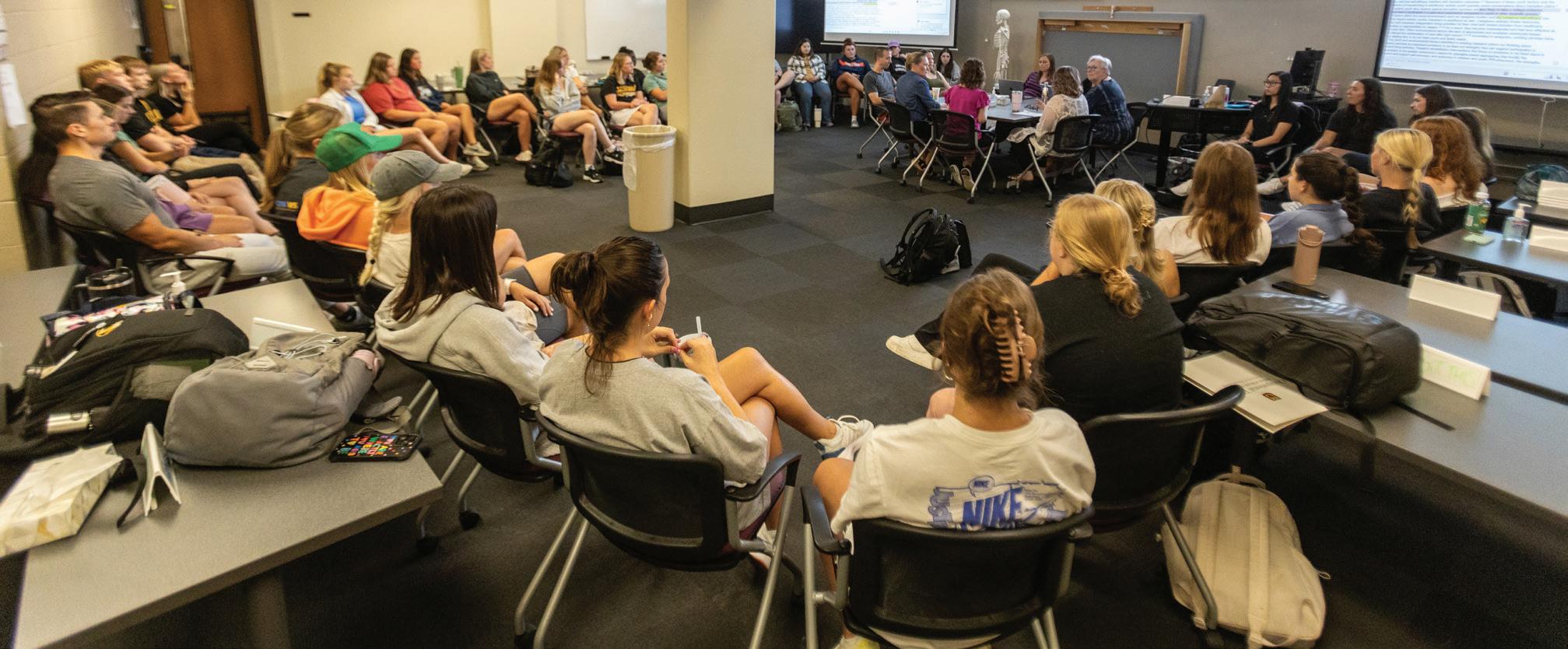
From a qualitative perspective, members said they experienced professional growth thanks to both the intentional organization of the group as well as institutional support.

Whether they’re in a classroom or a clinical setting, students with the Mizzou Department of Occupational Therapy or other health sciences fields are making a difference in the lives of families in Missouri and beyond.
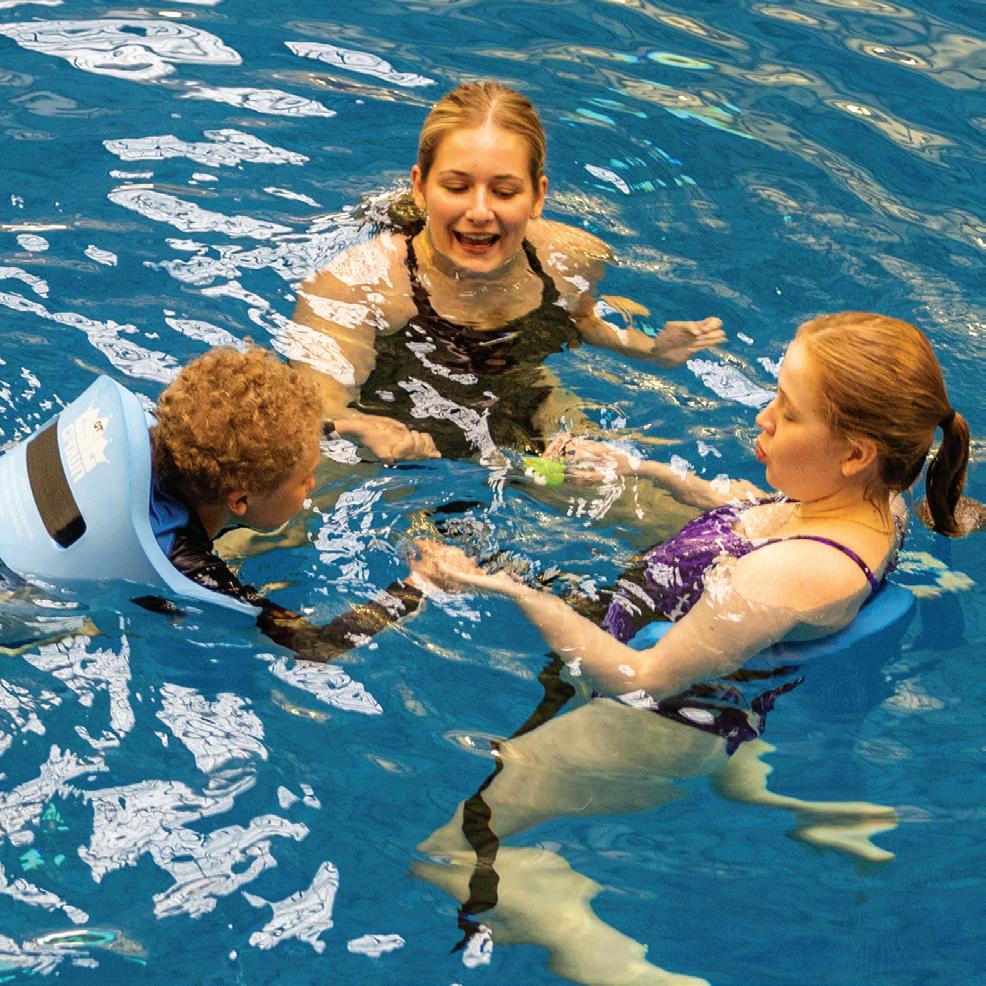
That impact becomes crystal clear in the pools of the Mizzou Aquatic Center, where OT students volunteer their time to teach adapted swimming lessons for children with autism or similar conditions.
The Swimming and Water Instruction
Modified for Autism Spectrum Disorder (S.W.I.M.) program started in 2017 after two OT students expressed interest in helping local kids who otherwise might not be able to take more traditional lessons.
The students worked with Lea Ann Lowery, a clinical professor in the OT department and Brittney Stevenson, clinical associate professor, to bring that vision to life.
Lowery said demand for the program has been high since its inception. She noted a lot of kids slip between the cracks and are never taught how to swim and be safe around the water due to significant shortages of recreation facilities that support adaptive swim instruction.
“After COVID, I think a lot of pools struggled to find enough people to teach swimming,” Lowery said. “Adding another layer of swimmers who have more complex needs is probably just too challenging.”
But pool and water safety are absolutely vital for people with autism or similar conditions. The American Red Cross reports drowning is the leading cause of death for young children, and children with autism spectrum disorder are 160 times more likely to drown than their peers.
“It’s a sad stat,” Lowery said. “One of the hard things is that there just aren’t many recreation providers who feel like they have the skill sets to teach kids with autism how to swim. But it’s not rocket science — teaching kids with any disability
simply requires you to be a little more creative.”
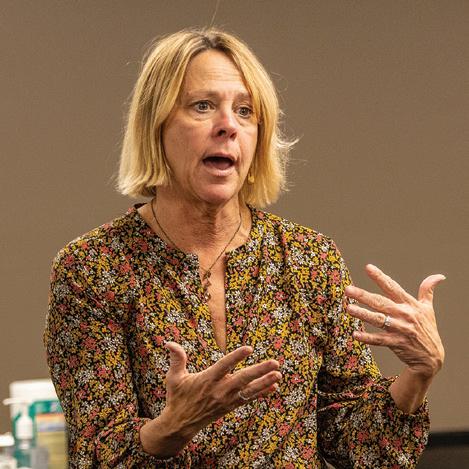
Communication is often the biggest challenge when working with children with autism, as Lowery says kids might be minimally verbal or struggle to understand instructions. Anxiety can also be a challenge for autistic kids, which can lead to behavioral challenges in unfamiliar environments. But overcoming these hurdles is easier than it might seem. Lowery said many S.W.I.M. participants learn well with visual aids, such as images or even videos of people demonstrating desired actions. Others respond well to approaches that use toys and games of interest as well as other sources of motivation.
“A lot of our kids love the hot tub,” Lowery said. “So we’ll ask them to kick 10 times in the water or jump into the pool, and then they’re able to get some time in the hot tub as a reward for that behavior.”
The sessions — held at the MizzouRec in the spring, summer and fall — focus on basic swim instruction like blowing bubbles in the water, scooping arms and kicking feet, learning to back float and entering and exiting the pool safely. But instructors also provide information about drowning and wandering prevention to the families of participants.
The classes are in such high demand that it maintains a waitlist of 75-100 kids from various Missouri counties, she said. Representatives with the S.W.I.M. program have offered training to area providers and YMCAs both nearby in Jefferson City and farther out in Illinois and other communities. The hope is to help more providers feel more comfortable with the concept of teaching swimming lessons to kids with autism to better serve that population.
The S.W.I.M. program has been a tremendous asset for the community while also allowing students and members of the OT department to give back to the community.
“We clinicians do a lot of good things,” Lowery said. “But if we’re only doing it in hospital rooms and outpatient clinics, then we aren’t really impacting the everyday world where people live. I firmly believe that we need to be taking our skill sets and knowledge and helping our communities be stronger and better.”
Drowning is one of the top causes of death for children with autism. Mizzou OT is working to change that.
Dr. Bill Janes:
Co-Author of Chapter 18: Educational Technologies: Enhancing Learning, Engagement, and Global Connectedness in Perspectives on Occupational Therapy Education: Past, Present, and Future. Steven D. Taff, Lenin C. Grajo, Barbara R. Hooper [2020]
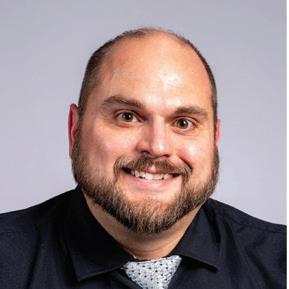
Dr. Crystal Gateley:
Author of Documentation Manual for Occupational Therapy. (5th edition). [2023]

Co-Author of Documentation Manual for Occupational Therapy: Writing SOAP Notes (4th Edition). Sherry Borcherding [2016]
Author of Clinical Practice to Academia: A Guide for New and Aspiring Health Professions Faculty. [2020]
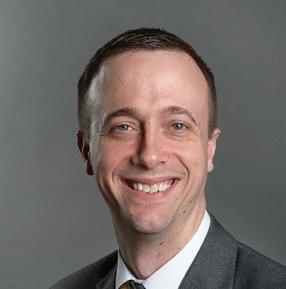
Dr. Katelyn Mwangi:
Co-Author of Chapter 16: Health Management and Sleep in Functional and Occupational Performance in Older Adults. (5th edition) Stacy Smallfield, Isabelle Laposha [In Press]
Dr. Lea Ann Lowery:
Author of Chapter 9: Best Practices in Collaborating with Community, School, and Health Care Partners in Best Practices for Occupational Therapy in Early Childhood. Gloria Clark, Stephanie Parks [2021]
Dr. Rachel Proffitt:
Co-Author of Bringing Evidence into Everyday Practice: Practical Strategies for Healthcare Professionals. (2nd edition) Winnie Dunn [2023]
Dr. Tim Wolf:
Co-Author and Co-Editor of Functional Cognition and Occupational Therapy: A Practical Approach to Treating Individuals with Cognitive Loss. Dorothy Edwards, Gordon Giles [2019]
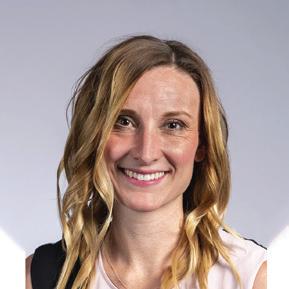
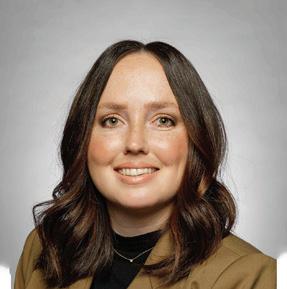
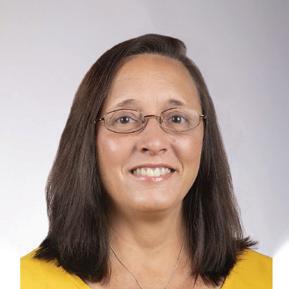
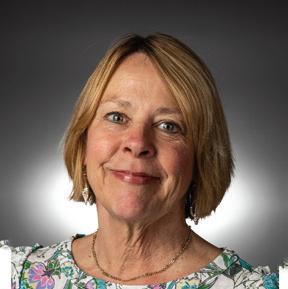
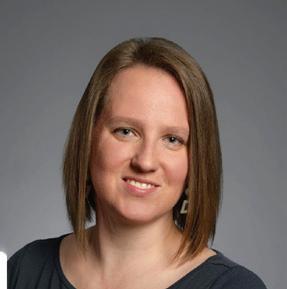
Dr. Whitney Henderson:
Author of Effective Teaching: Instructional Methods and Strategies for Occupational Therapy Education. [2021]
Dr. Winnie Dunn:
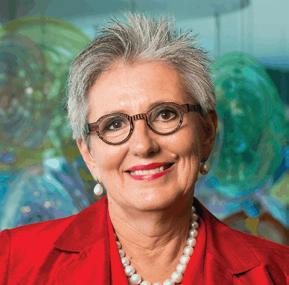
Author of Bringing Evidence into Everyday Practice: Practical Strategies for Healthcare Professionals. (1st edition) [2008]
Co-Author of Bringing Evidence into Everyday Practice: Practical Strategies for Healthcare Professionals. (2nd edition) Rachel Proffitt [2023]
Additionally, Dr. Winnie Dunn & Dr. Tim Wolf are serving as co-editors (along with Lorie Richards & Dawn Nilson) and chapter authors on a new book on practical neuroscience, with the following Mizzou OT faculty also contributing as chapter authors: Dr. Anna Boone, Dr. Whitney Henderson, Dr. Katelyn Mwangi, and Dr. Melanie Tkach
When faculty members across the country reshape their curricula to meet the needs of the next generation of occupational therapy students, they are embracing concepts at the core of the University of Missouri’s Department of Occupational Therapy.
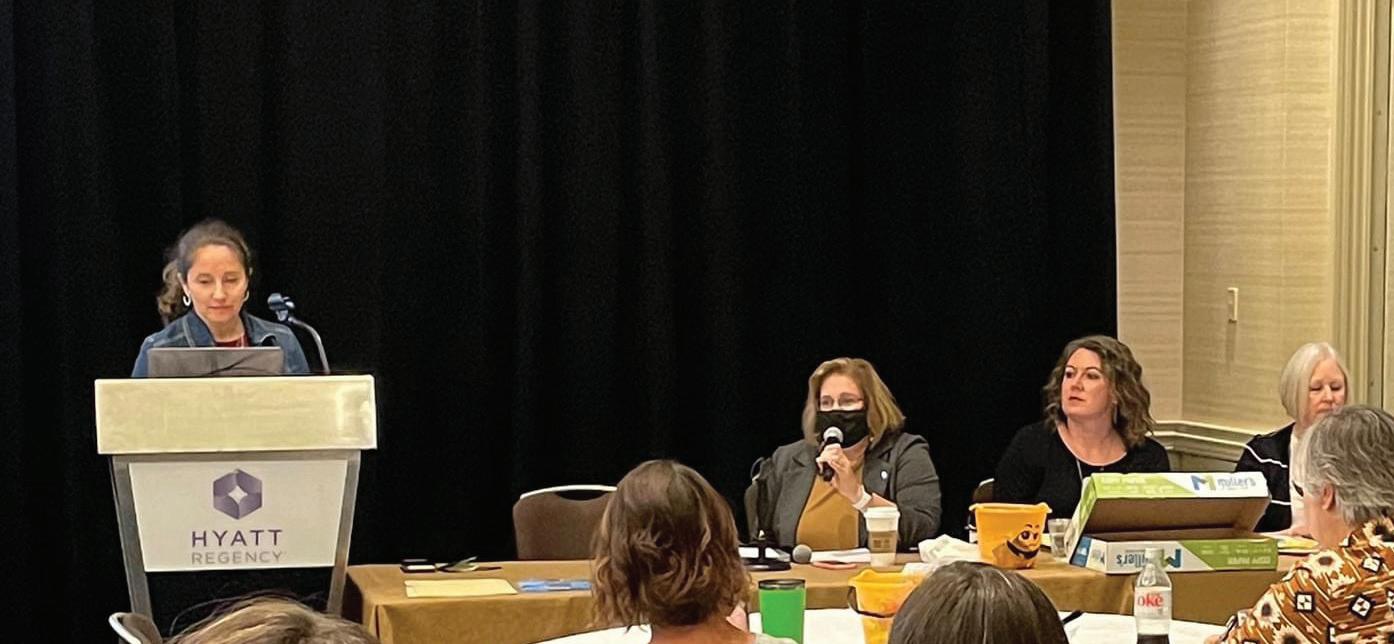
Dr. Tiffany Bolton, an associate clinical professor at Mizzou, was a member of a task force appointed by the American Occupational Therapy Association (AOTA) Commission on Education to design a new Occupational Therapy Curriculum Design Framework. Bolton joined the task force in 2019, and the group published its findings in the American Journal of Occupational Therapy in late 2021.
For Bolton, the collaborative process with the task force underscored both areas for improvement as well as strengths of Mizzou’s OT program.
“I was able to thread a lot of exemplars that are credited back to our program in the document, because we do a lot of things well,” she said. “That was a really fun part of being on the committee — being able to share the expertise we have.”
The framework embraces a practical approach to designing occupational therapy curricula, outlining the process via influential factors that faculty members should consider. It can be adapted to meet the unique needs of any academic institution, with eight foundational factors programs should keep in mind when examining their own curricula.
Occupational therapy curricula are unique because they combine evidence-based teaching with the profession’s focus on meaningful occupations in the context of the sponsoring institution and relevant community.
Whether someone is revising an existing curriculum or designing a completely new one, Bolton said the document walks them through every step they would need to consider.
“It’s extremely comprehensive,” she said. “And what we’ve heard from other faculty is that it’s very user-friendly, which was our ultimate goal.”
One message threaded throughout the framework is using a backward design for curriculum, Bolton said. By starting with the end results (e.g., what skills and knowledge should graduates have?) and working backward, she said faculty members can carefully craft instructions, learning activities and objectives that produce those results.
Since the group published the framework, Bolton has been busy hosting workshops with faculty members throughout the country. She said she’s probably interacted with close to 200 OT and OTA programs through those workshops, adding that she always seems to walk away with kind words both about the framework and Mizzou’s contributions to it.
“Most people want to put together a really quality curriculum, but sometimes they don’t know where to start,” Bolton said. “Having sort of a guideline that still allows for a ton of individuality has been really well-received.”
Associate clinical professor Tiffany Bolton was an integral part of an AOTA task force that designed a new OT curriculum design framework.
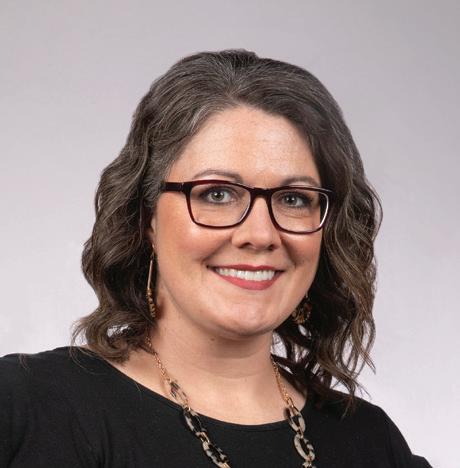
As a natural extension of his passion for research and experience with people who have cognitive changes as they go through cancer treatment, Dr. Tim Wolf is working to bolster the research initiatives of the Ellis Fischel Cancer Center.
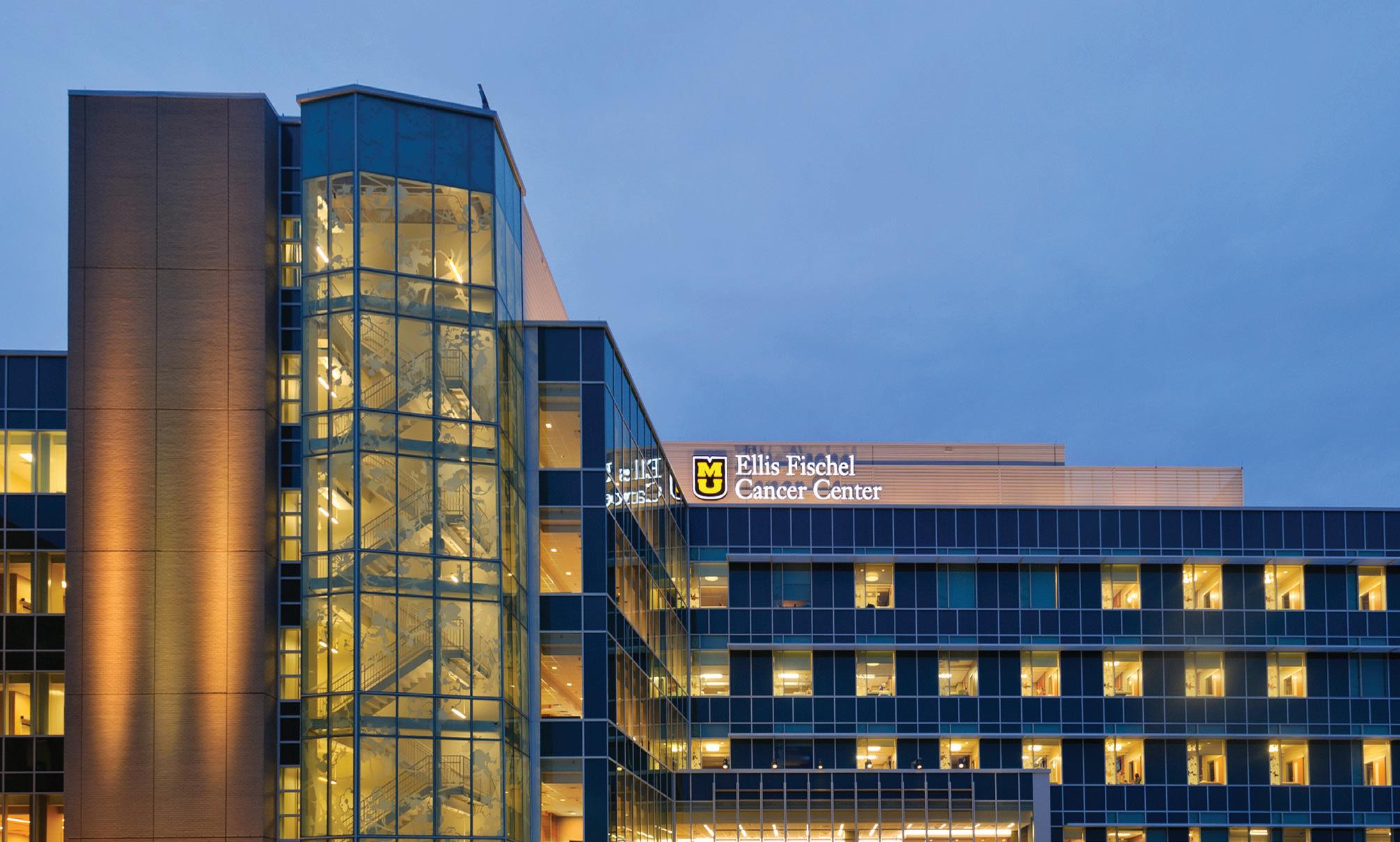
Wolf, who is a professor and chair of the Department of Occupational Therapy as well as the associate dean for research at the College of Health Sciences, recently joined the research leadership team at Ellis Fischel. He was named associate director for community outreach and engagement with the cancer center’s research administration, which aims to build cancer research capacity and capabilities in addition to fostering meaningful and productive collaborations between researchers and clinicians.
“At both the College of Health Sciences and Ellis Fischel, we’re concerned with helping improve overall health,” Wolf said. “The research we do is all about improving human health — it’s just a matter of trying to change and create new knowledge to get us to that point.”
As a member of the Ellis Fischel research leadership team, Wolf will help direct outreach activities in the community, including developing and measuring outcomes for any cancer prevention and control programs. That could involve everything from helping people get enrolled in clinical trials
to increasing screenings for Missouri residents at risk for different types of cancer.
Ellis Fischel’s research administration has a strong commitment to investing in the people, technology and facilities necessary for its relentless pursuit of better treatments and cures. In this new role, Wolf said those efforts will include interventions that serve everyone in the cancer center’s catchment area.
“We want to improve cancer detection, cancer treatment, access to services and access to new cutting-end research that might help potentially benefit people going through cancer diagnosis,” he said.
Wolf said he’s excited to lend his perspective to the research administration at Ellis Fischel. He’s the only occupational therapist on a team that includes quite a few colleagues from the MU School of Medicine and MU Health Care.
“I see it as a good fit not only for me based on my OT experience but also for the College of Health Sciences in general,” Wolf said. “A lot of what we do is communityengaged research — whether it’s public health, occupational therapy, physical therapy or other rehab professionals — we work in the community and focus a lot of energy on outreach and engagement.”
@mizzou_ot @MizzouOT @MizzouOT @MizzouHealthSci muot@health.missouri.edu
VISIT US ONLINE AT mIzzou.us/occupational-therapy
Department of Occupational Therapy College of Health Sciences
801 Clark Hall Columbia, MO 65211
PRIDE POINTS
THE HEALTH SCIENCES INTERDEPARTMENTAL EDUCATION INITIATIVE CREATES EDUCATIONAL EXPERIENCES FOR STUDENTS ACROSS
BUILDING A SENSE OF COMMUNITY AROUND INTERPROFESSIONAL EDUCATION AND RESEARCH
PUBLICATIONS FROM OT FACULTY MORE THAN
25%
MORE THAN
$15 MILLION
FEDERAL & PRIVATE GRANT FUNDING OVER THE PAST FIVE YEARS
100% 150 OVER THE PAST FIVE YEARS
50%
OUR TUITION FOR THE ENTIRE OTD DEGREE AVERAGES LESS THAN OUR REGIONAL COMPETITORS— IN SOME CASES, OUR TUITION IS LESS!
OF TENURE-TRACK FACULTY MEMBERS HAVE FEDERALLY FUNDED GRANTS