MIRANDA ANASTASAKIS
SYRACUSE UNIVERSITY
SCHOOL OF ARCHITECTURE | B.ARCH
Phone: 1+(203)313-1131
Email: mianasta@syr.edu
02
03
CONSTRUCT SPATIAL ANALYSIS & CONCEPTUALIZATION YOUTH HOSTEL FASHIONING TECTONICS FRAMEWORKS FOR EMERGING INFORMALITIES 04 – 15 16 – 19 20 – 25 26 – 29 30 – 33 34 – 45 CONTENTS
BATHHOUSE WILDERNESS RETREAT SYSTEM-GROUND
WILDERNESS RETREAT
CLAY, NY
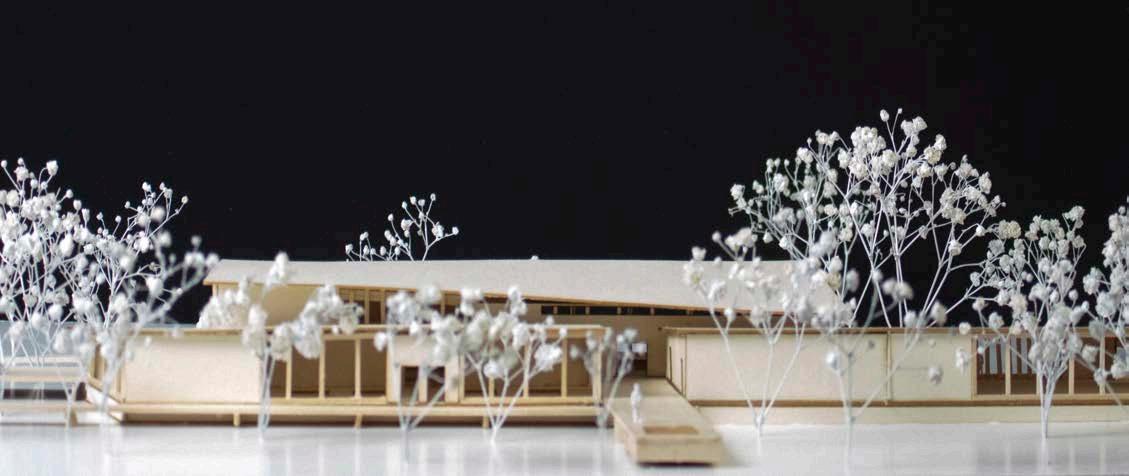
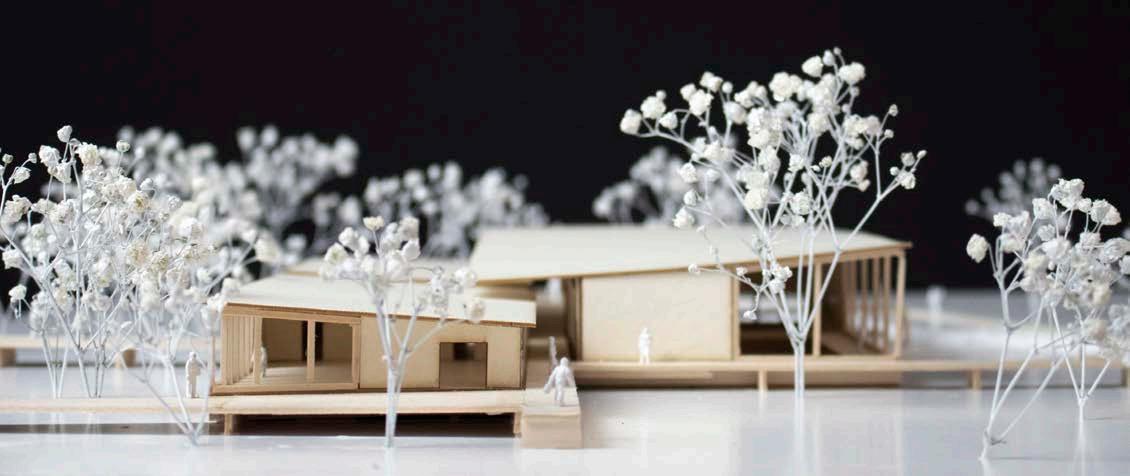
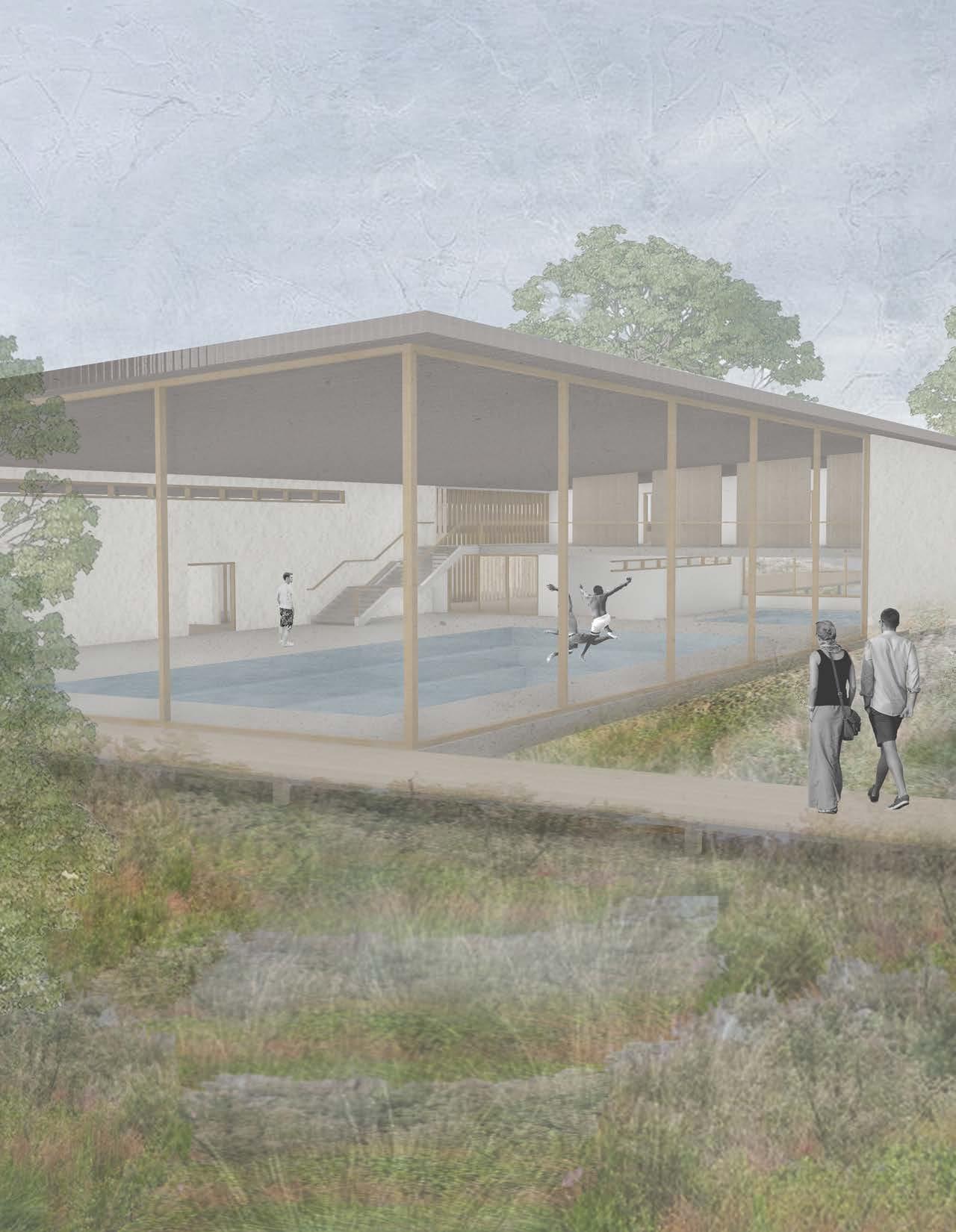
This project is a community wellness center with the main program of a bathhouse, that immerses visitors into the surrounding environment, while preserving the native plants and ecosystems in Clay. The building is made up of three main volumes-- the largest of which contains the temperate pool-- but there is also a series of more intimate baths at different temperatures. The slant of the roof directs focus to large windows, which look directly out to the gardens, pond and surrounding forest.
I created a second ground through elevated platforms that branch out from a central, horizontal axis into the landscape. It leads to more organic pathways which wind around the pond and lead visitors down towards the milkweed garden where the forest opens up into a field.
The other programs include a steam room lofted above the temperate pool, a lounge, change and washrooms, spas, and small outdoor pools within the boardwalk.


04 Floor Plan 1’=1/16” 048 16 24 N
05

06
WASHROOMS EXTRANCE LOBBY TEMPERATE BATH SHADED BATH MAIN BATHHOUSE PARKING MEN’S WOMEN’S COLD HOT SMALL BATHS ROOMS SPA POOL OUTDOOR DECK STEAM ROOMS SHOWERS CHANGE STALLS POOL 5000 sqft 6000 sqft 2750 sqft 3950 sqft 1400 sqft 2730 sqft 1250 sqft 1250 sqft 1500 sqft 3500 sqft 1’=1/16” 048 16 24 1’=1/16” 048 16 24 N
LOUNGE
07 East-Facing Section 1’=1/8” N EAST-FACING SECTION WEST-FACING SECTION
08
BUILDING CHUNK AXONOMETRICS
Temperate Bath Axon
PROGRAM FUNCTION DIAGRAM
10
WILDERNESS RETREAT
pulp board & balsa wood on foamcore base
11 EXTERIOR PERSPECTIVE
MAPPING THE SITE
CLAY, NY
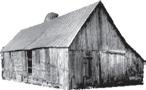
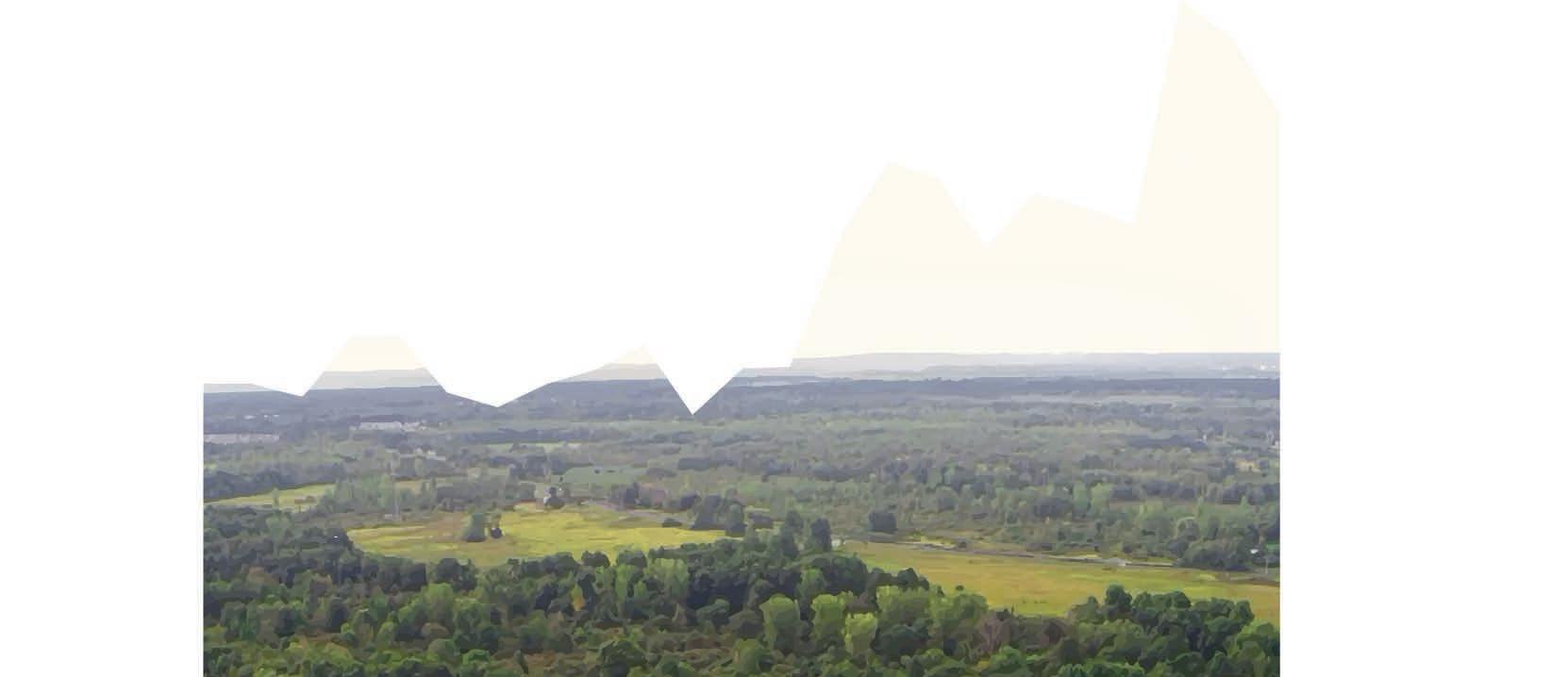
When analyzing the site, I looked at population growth, public and private green spaces, and the evolution of recreation areas. Clay itself is characterized by its agricultural history, but I investigated how it shifted from small, self-sufficient farming communities to a more suburban area as families moved from the city of Syracuse. The interplay between conversation and development drove the intent of the bathhouse project, by trying to connect visitors with nature, and simultaneously provide the facilities for relaxation

12 2005 58,439 59,576 60,434 58,556 population 2015 2020 2010 CLAY, NEW YORK
COVID-19 pop. by household density 1 dot = 50 2021 long branch park
declinedueto
timber banks golf course
Horseshoe Island
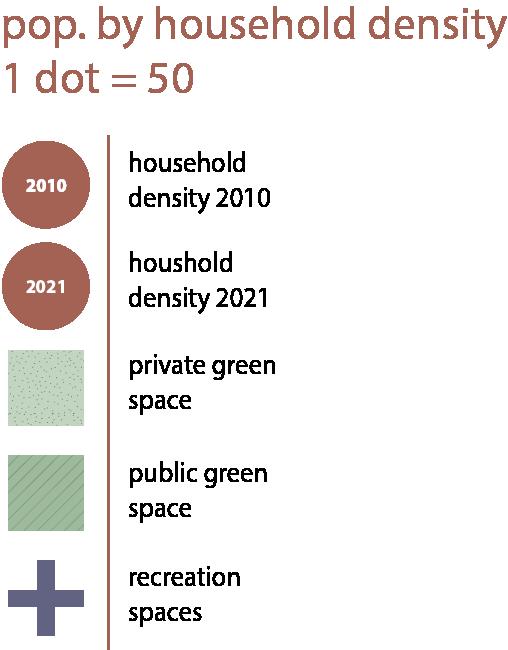
2010 syracuse sports center greens at beaumont golf course plank rd park clay senior center legacy sports park clay northpark clay central park heritage park dog park shooting ranges hamlin marsh observation deck clay southpark carrier ballparks syracuse kickball park duerr park lonergan park sleeth park meltzer park oneida shores county park Three Mile Bay Wildlife Management
Private Fields
central
Hamlin Marsh
park
13
Geersbeck Island
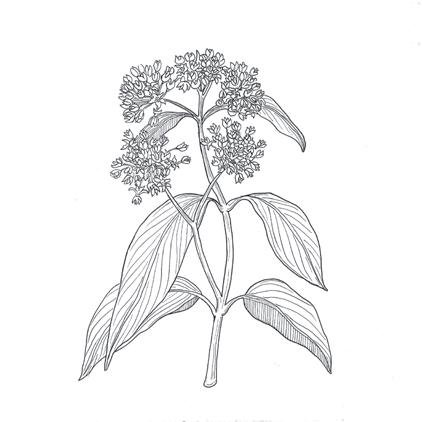
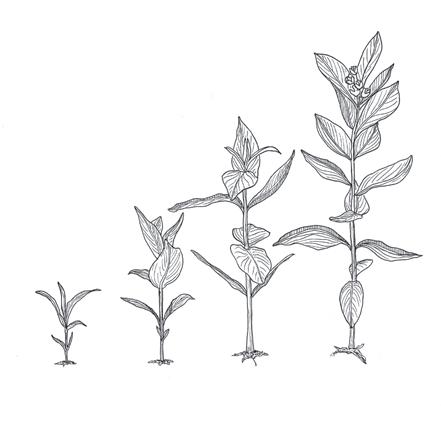
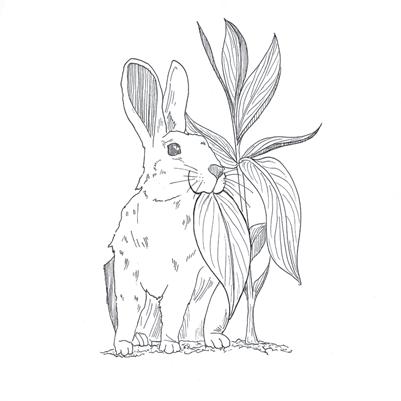
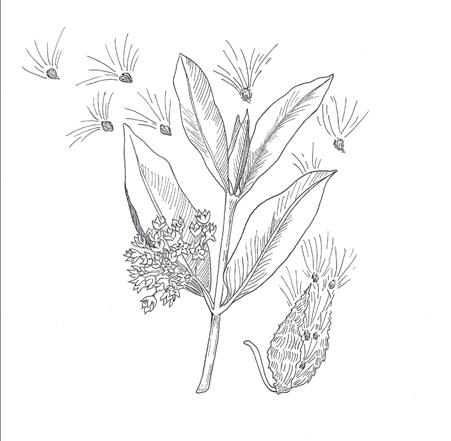
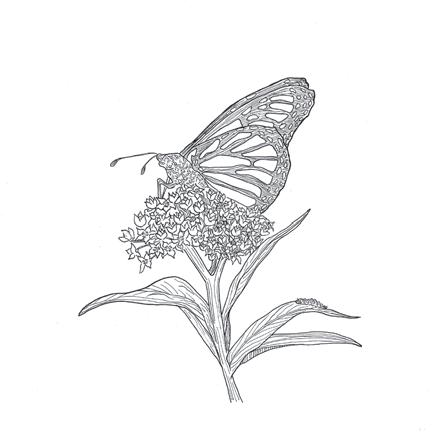
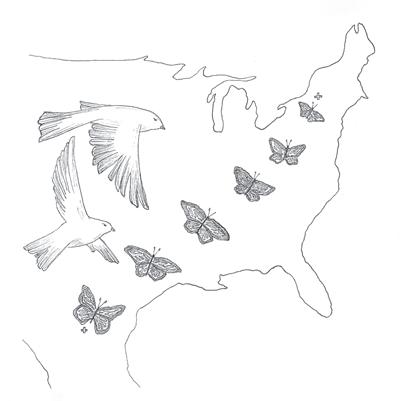
The common milkweed plant is native to the Wilderness Retreat site in Clay, NY. These diagrams depict the plant’s life cycle, relationship to wind, annual behavior, and interaction with other species. The milkweed garden in the bathhouse project will become a space for monarch butterflies to flourish in the summer months, which are essential for pollination.
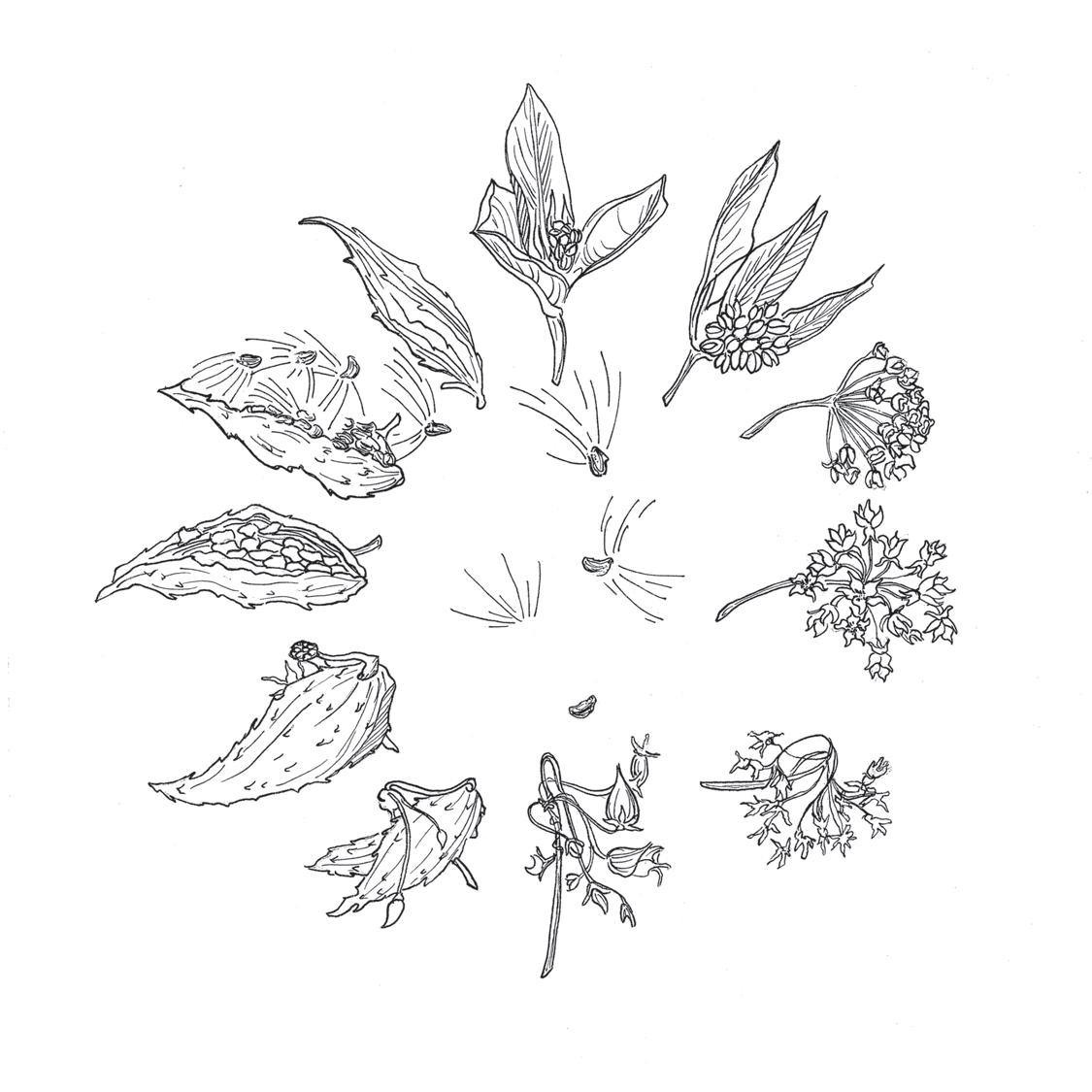
MILKWEED PLANT ANALYSIS
15
SYSTEM-GROUND CONSTRUCT
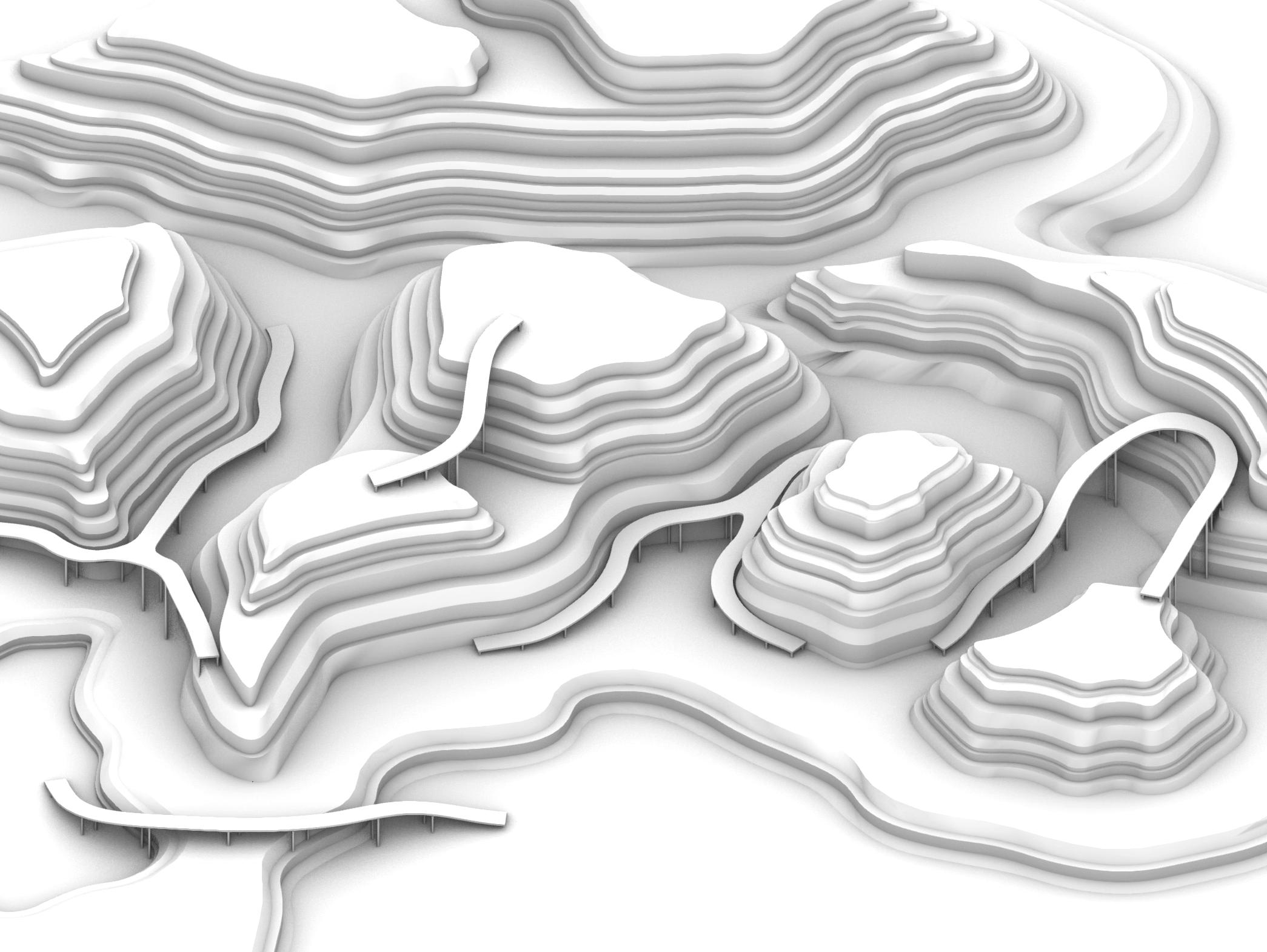
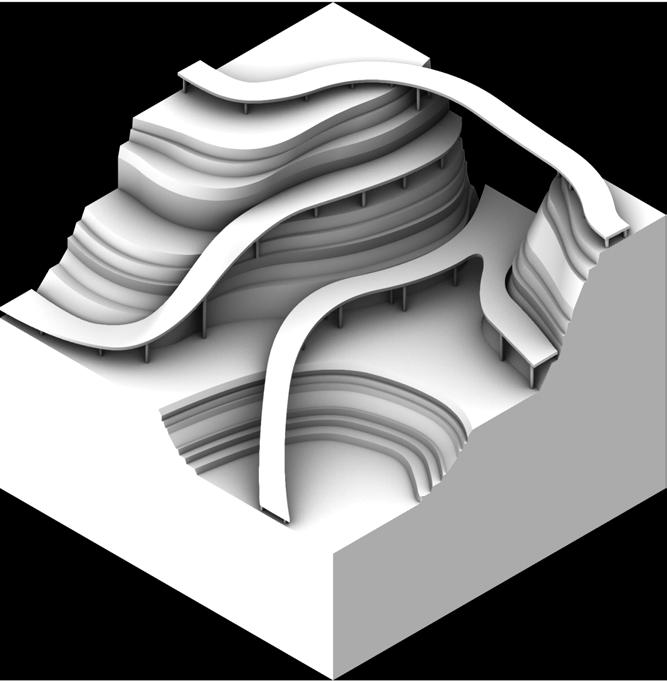
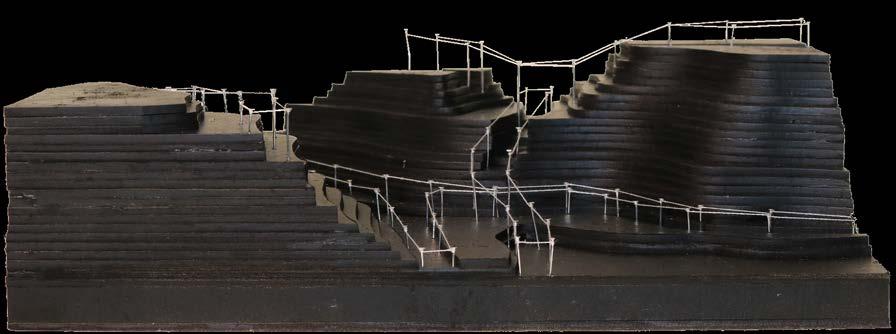
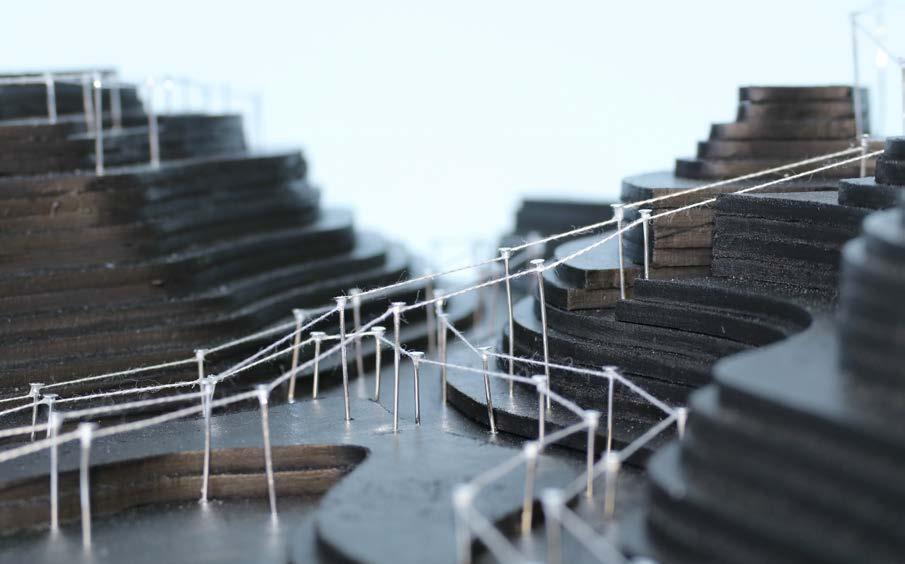
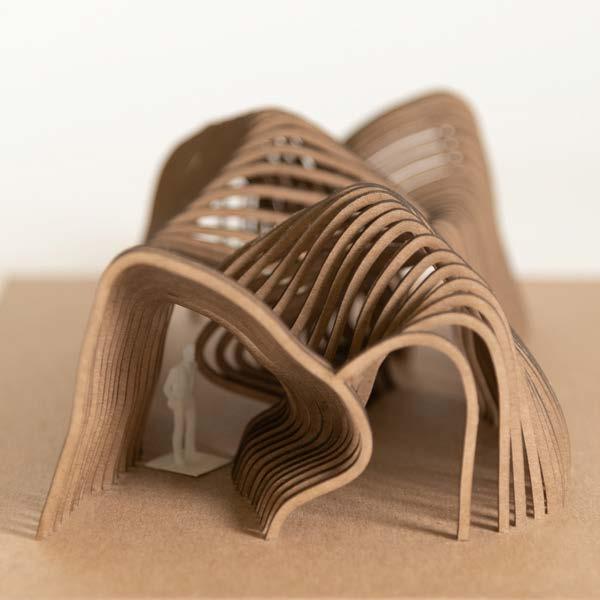
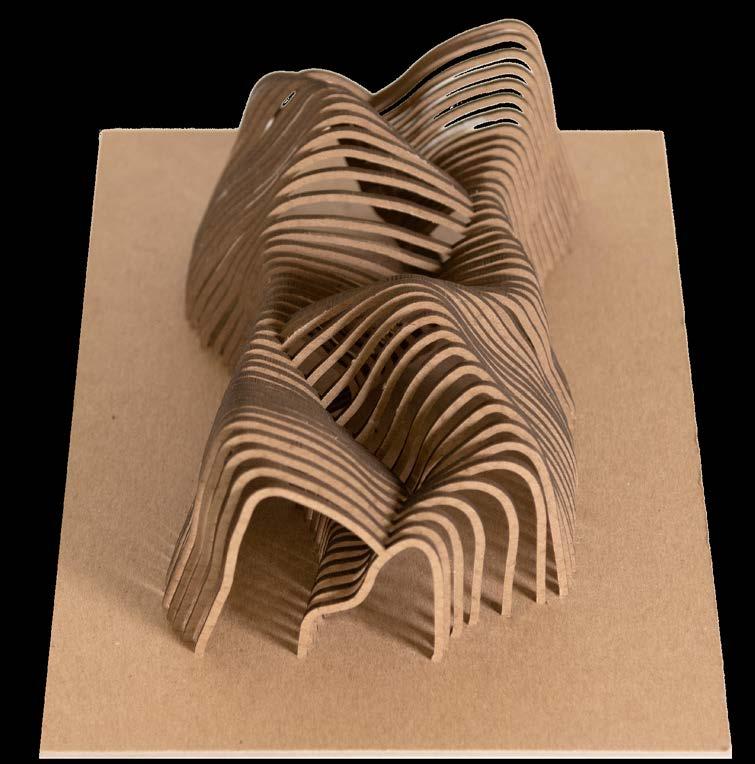
This project hybridizes a system of intervention, and its interaction with the ground. While the ground I designed is unique, it takes inspiration from the canyon landform, through striation and spread to create layers and gaps in the topography. The ramps can be seen as an extension of the ground, which aim to maintain continuity across the landscape. The ramp typologies investigate hypothetical modes of circulation across the manipulated ground.
16
EXTENSION OF GROUND
CHUNK DIAGRAM
GROUND MANIPULATION
GROUND MANIPULATION
SPREAD & STRIATION
SPREAD & STRIATION
17 TYPE I DIRECT TYPE II BRANCHING TYPE III MEANDERING MODES OF CIRCULATION RAMP TYPOLOGIES
TYPE DIRECT TYPE II
TYPE III MEANDERING MODES OF
RAMP TYPOLOGIES
BRANCHING
CIRCULATION
SYSTEM-GROUND CONSTRUCT HYBRID MODEL & ABSTRACTED LANDFORM
chipboard, nails, thread, bristol
18
CASE STUDY: KOYASAN GUEST HOUSE
KOYA, JAPAN|ALPHAVILLE ARCHITECTS
This case study dissects the component parts of the guest house, looking at its modular structure, communal versus private spaces within the building, and direct/indirect sunlight. The project is designed to meet the needs of a collective group, with the ability to adapt and transform over time, while promoting an interactive and community-centric experience for visitors across the globe.


20 0 2 4 6 10 1/4” = 1’ N 0 2 4 6 10 1/4” = 1’ 0 2 4 6 10 1/4” = 1’
21
SPATIAL SEQUENCE
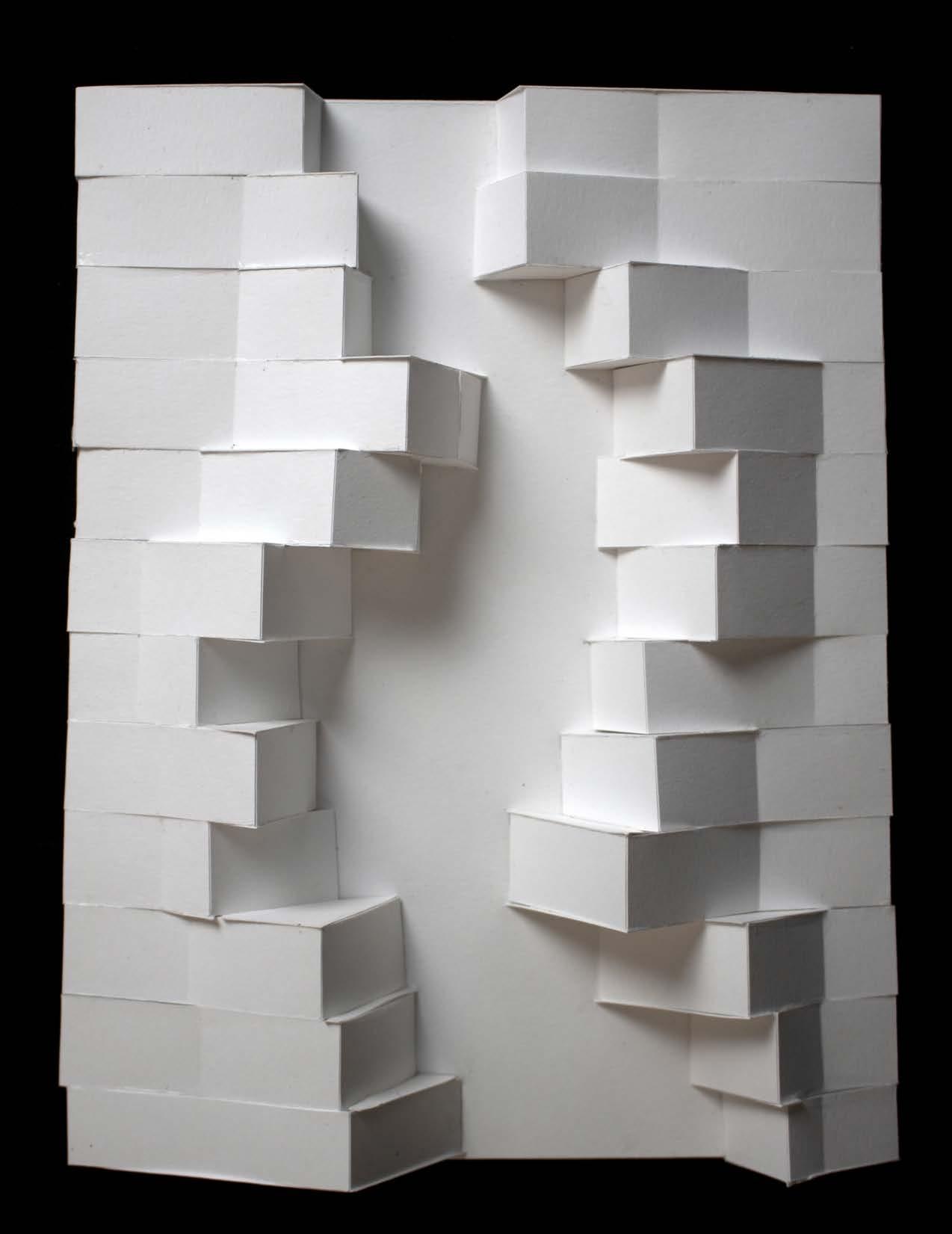
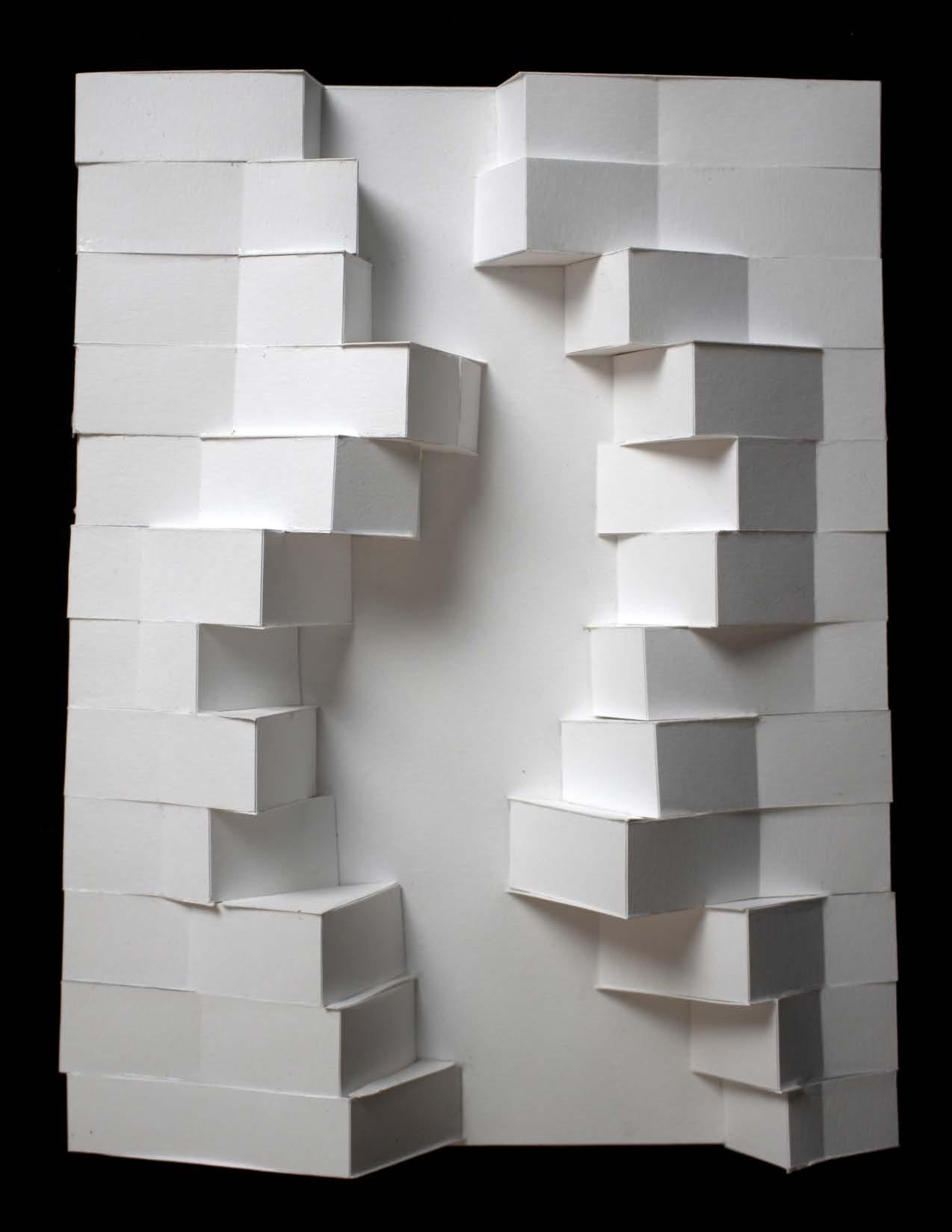
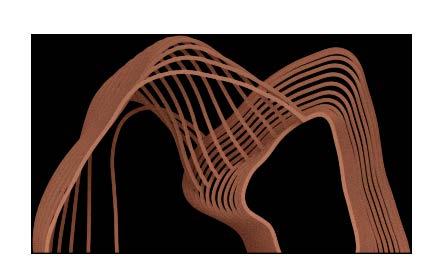
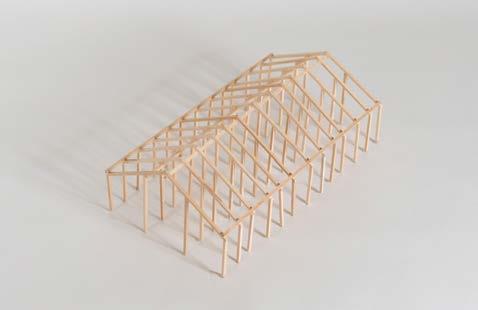
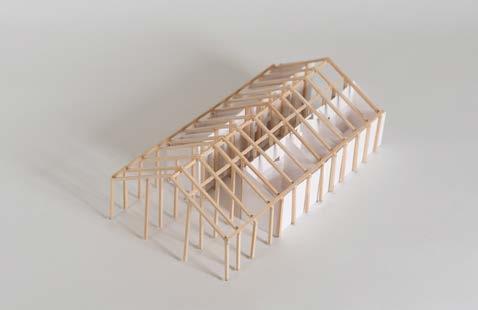
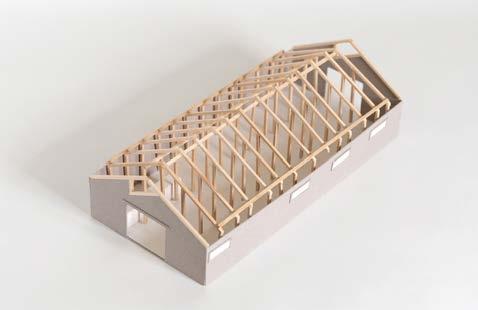
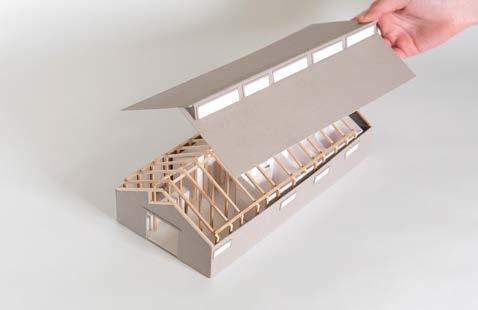
I referred back to the precedent study of the Koyasan Guest House, and its linear frame structure, which I used as the basis for this design. I transformed the frame to accommodate a collective body, and then translated the idea of communal and private space through its expansion and compression. The initial shapes used to define the structure were derived from the spatial envelope of a single body undergoing two separate motions.

22
0 2 4 6 10 1/4” = 1’ N


23 0 2 4 6 10 1/4” = 1’ N
24
25
YOUTH HOSTEL
SYRACUSE, NY|ARMORY SQUARE
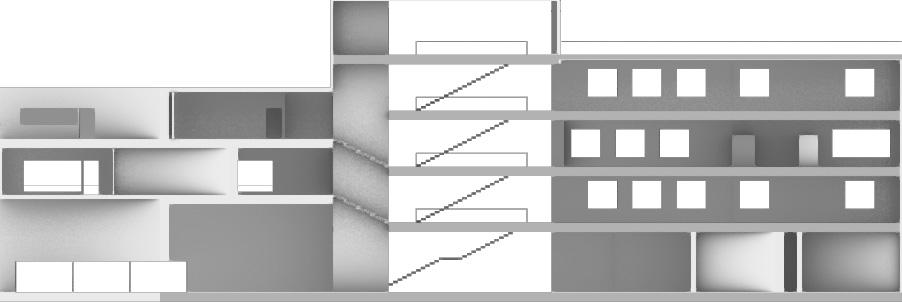
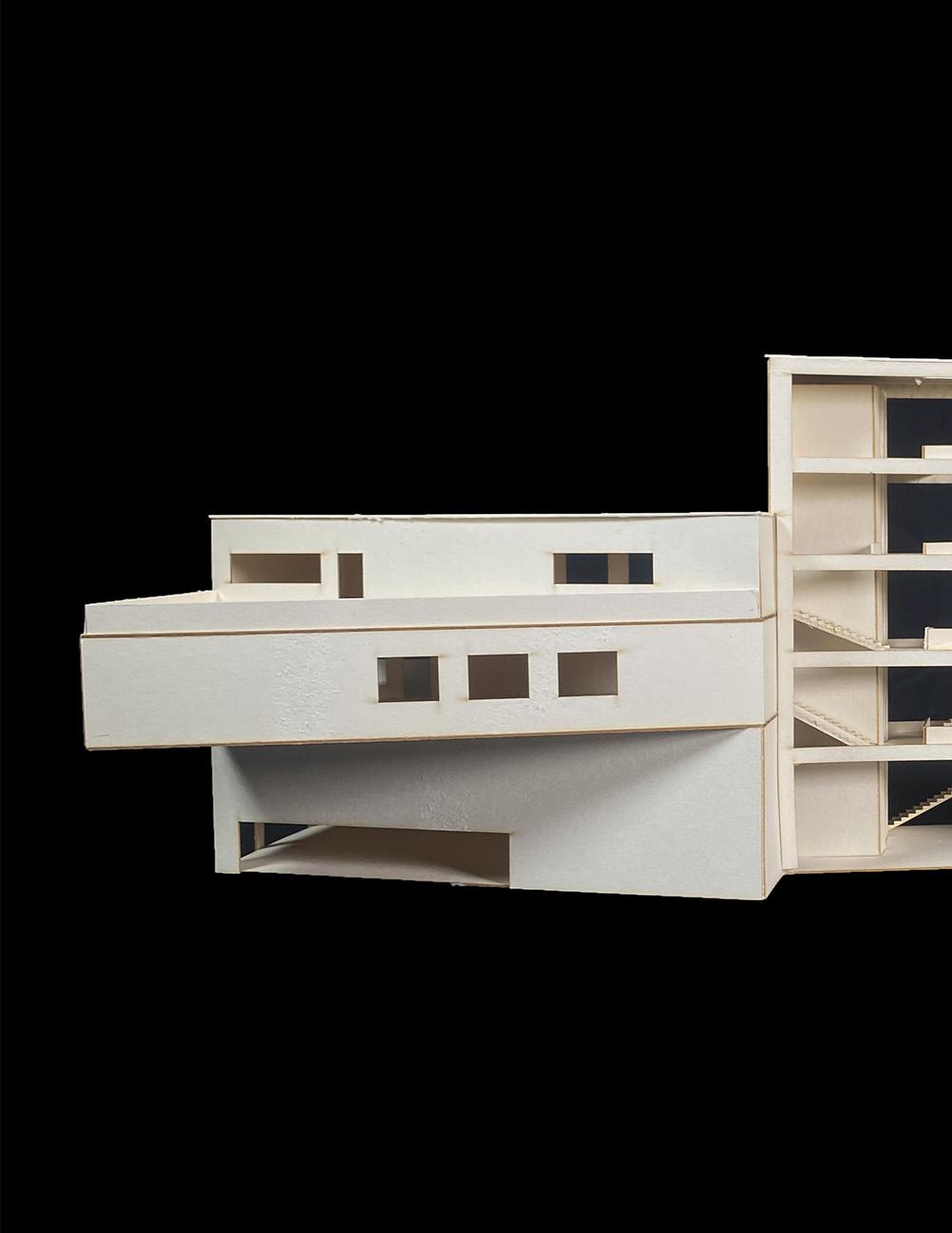
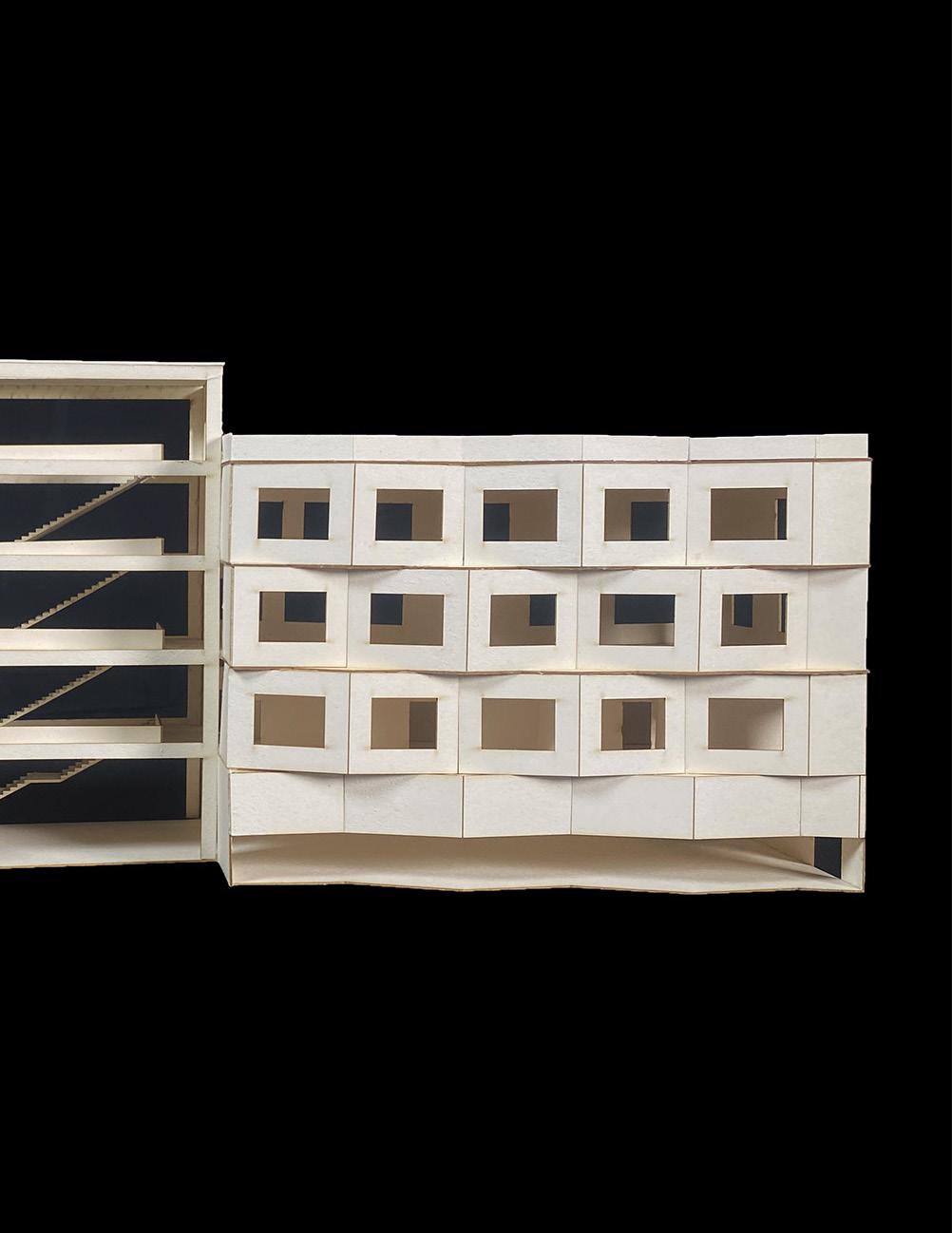
The building was developed from a series of geometries that directly respond to the Armory square site, specifically the wall of the neighboring building and the creek walk. It consists of three volumes that define the building in both plan and section. The first volume with the entrance is mainly reserved for larger public spaces— including the lobby, library, gallery, and an outdoor balconies that capture views of the creek below. The opposite side of the hostel contains the majority of the residence spaces and private areas, including single bedrooms, 6-person dorms, bathrooms, and small lounges. The middle atrium is essentially a glass box— entirely reserved for circulation, that connects the public areas to the private ones and brings light to the space. The mirroring geometries throughout the building reflects the function of the volumes as residences and public spaces, while also attempting to frame views on both sides of the hostel and ultimately create the building’s facade.
26
18 12 24 0 6 18 12 24 1/16”=1’
SITE PLAN
27 3 9 6 12 1/8”=1’ SECOND FLOOR PLAN
28
29
TECTIONICS CASE STUDY: EAMES HOUSE
LOS ANGELES, CA|CHARLES & RAY EAMES

30
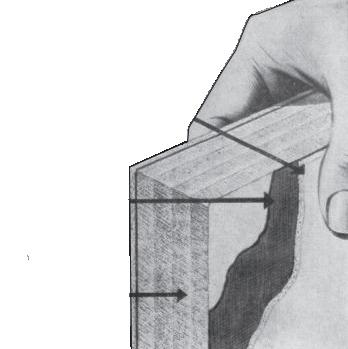
1/4"=1'-0" 01' 2'4' 8' key plan 1/8” Cement-Asbestos Board, for Exterior and Interior Finish Water and Vapor-Proof Bituminous Adhesive Celotex Ferox Treated Cane Fibre Insulation CEMESTO... AVAILABLE NOW! steel H beams steel ferroboard roof steel framing glass steel roof truss white stucco cemesto blue stucco gold pylon panel tallowood vertial paneling concrete retaining wall black pylon panel roof detail window axonometric (exterior) prefab material advertisement (1930s) WORM’S EYE AXONOMETRIC |EAMES HOUSE CHARLES AND RAY EAMES - LOS ANGELES, CA ARC208: Project 1A_Miranda Anastasakis
FASHIONING TECTONICS: UNFOLDED GARMENT
REI KAWAKUBO|COMME des GARÇONS|AUTUMN/WINTER 2016-17


UNFOLDED GARMENT|REI KAWAKUBO|COMME des GARÇONS 18TH CENTURY PUNK, LOOK 4 - AUTUMN/WINTER 2016–17
31
ARC208:
Project 1B_Miranda Anastasakis & Norah Hempstead
arm harness
upper body
fabric palette polychrome quilted rayon-polyester jacquard
FASHIONING TECTONICS: SITE & PROGRAM
SHIMOKITAZAWA, TOKYO FAHSION SCHOOL
This project adapts the qualities of the previous architecture and garmnet case studies, specifically the rigid frame of the Eames House and the exaggerated silohuette of the CDG look. The tectonic system consists of gridded columns and a "skin" facade that is offset from the building's footprint. The interior and partition walls curve inside the grid to divide up the different programs including a studio space on the 3rd level and an open exhibition space on the 2nd floor for pop-up fashion shows and clothing markets. The construct takes advantage of open spaces in the wrapper to immerse students into the surrounding city.
32
Floor Plans 1’=1/8” second oor fourth oor third oor N N
33 Axonometric 1’=1/8” N 024 8 12 Section Perspectives 1’=1/8” 1’=1/8” N 024 12 N 024 12
FRAMEWORKS FOR EMERGING INFORMALITIES
CALABAR, NIGERIA FASHION SCHOOL
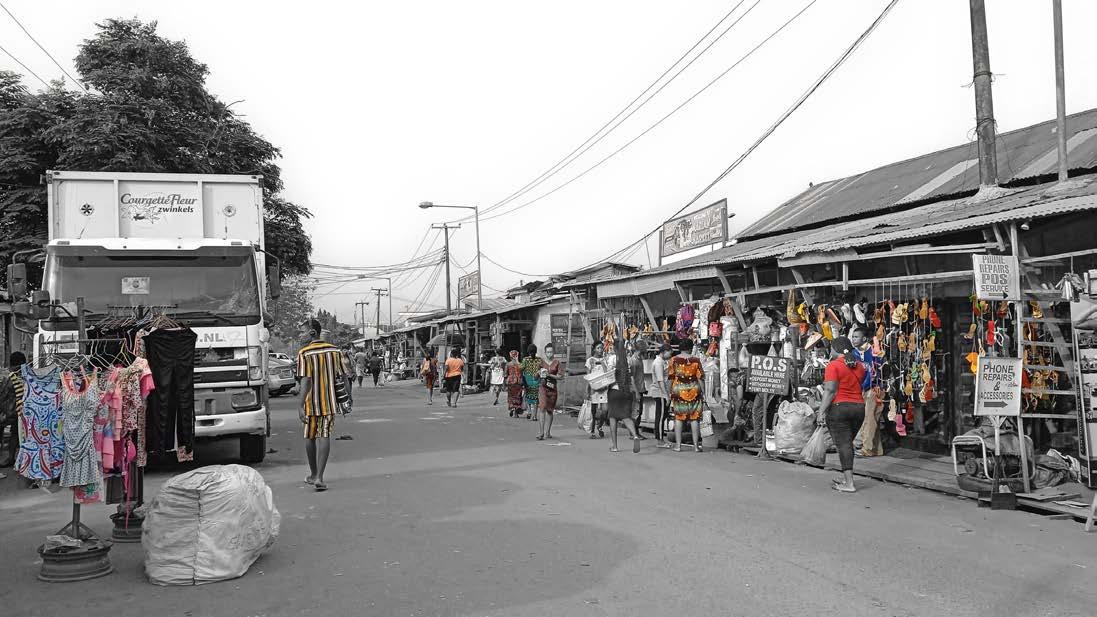
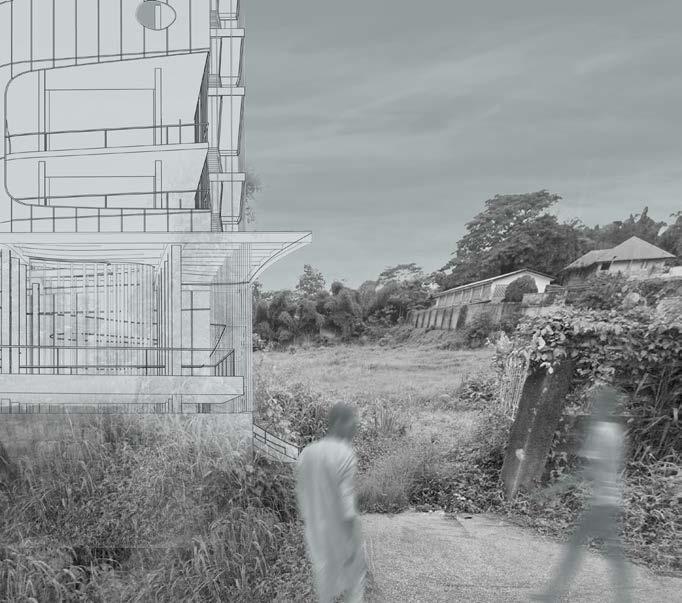
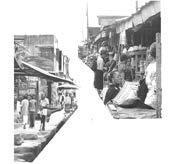
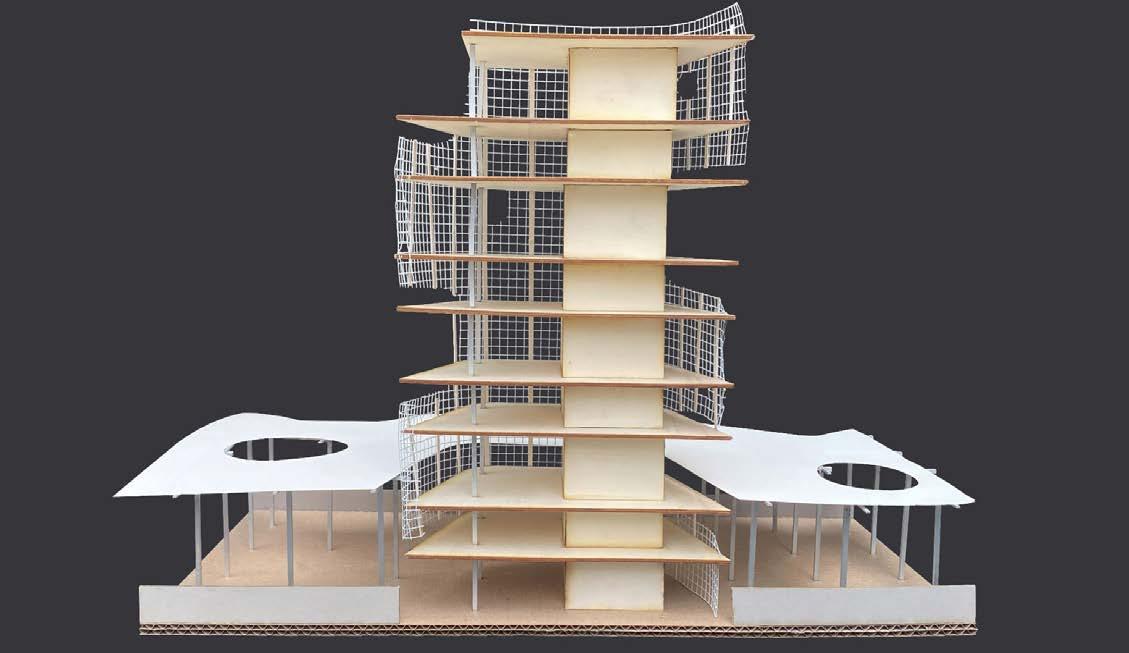
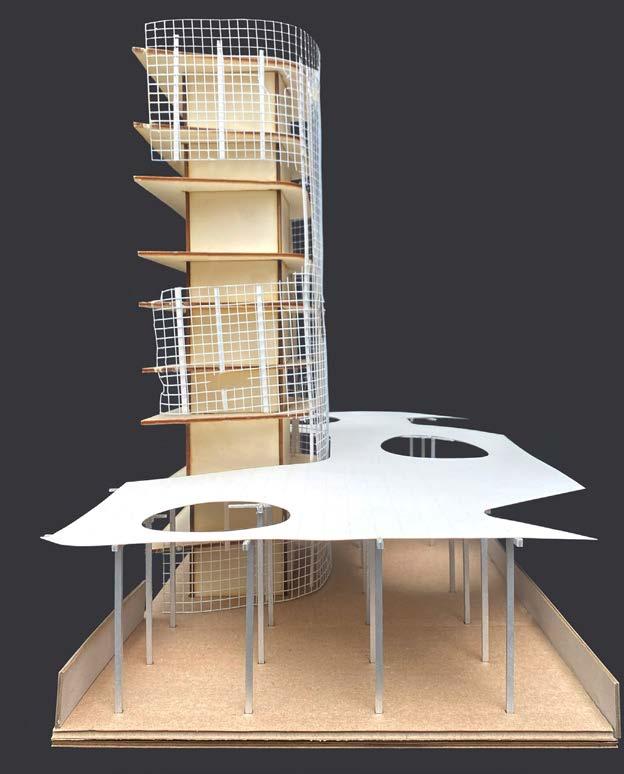
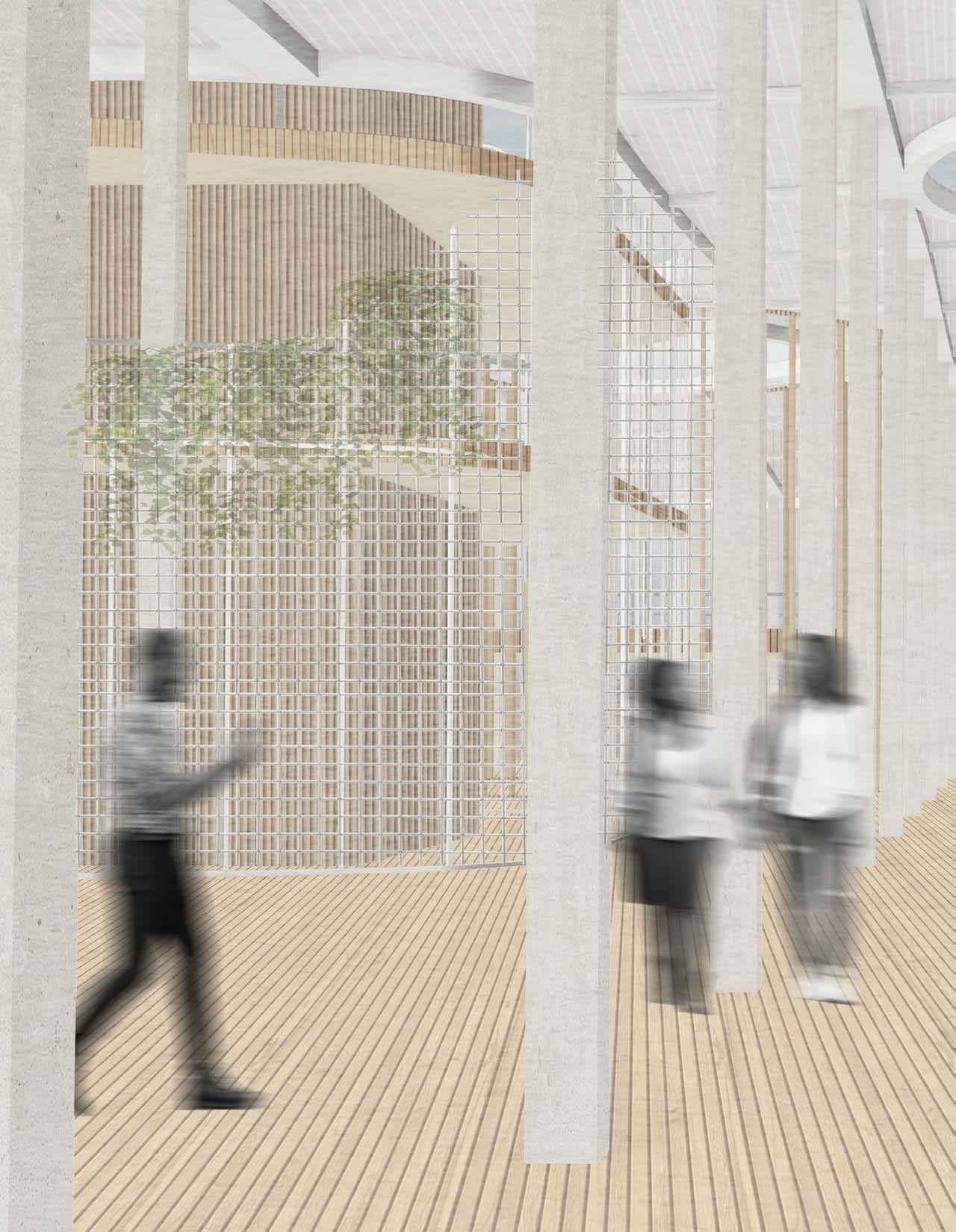
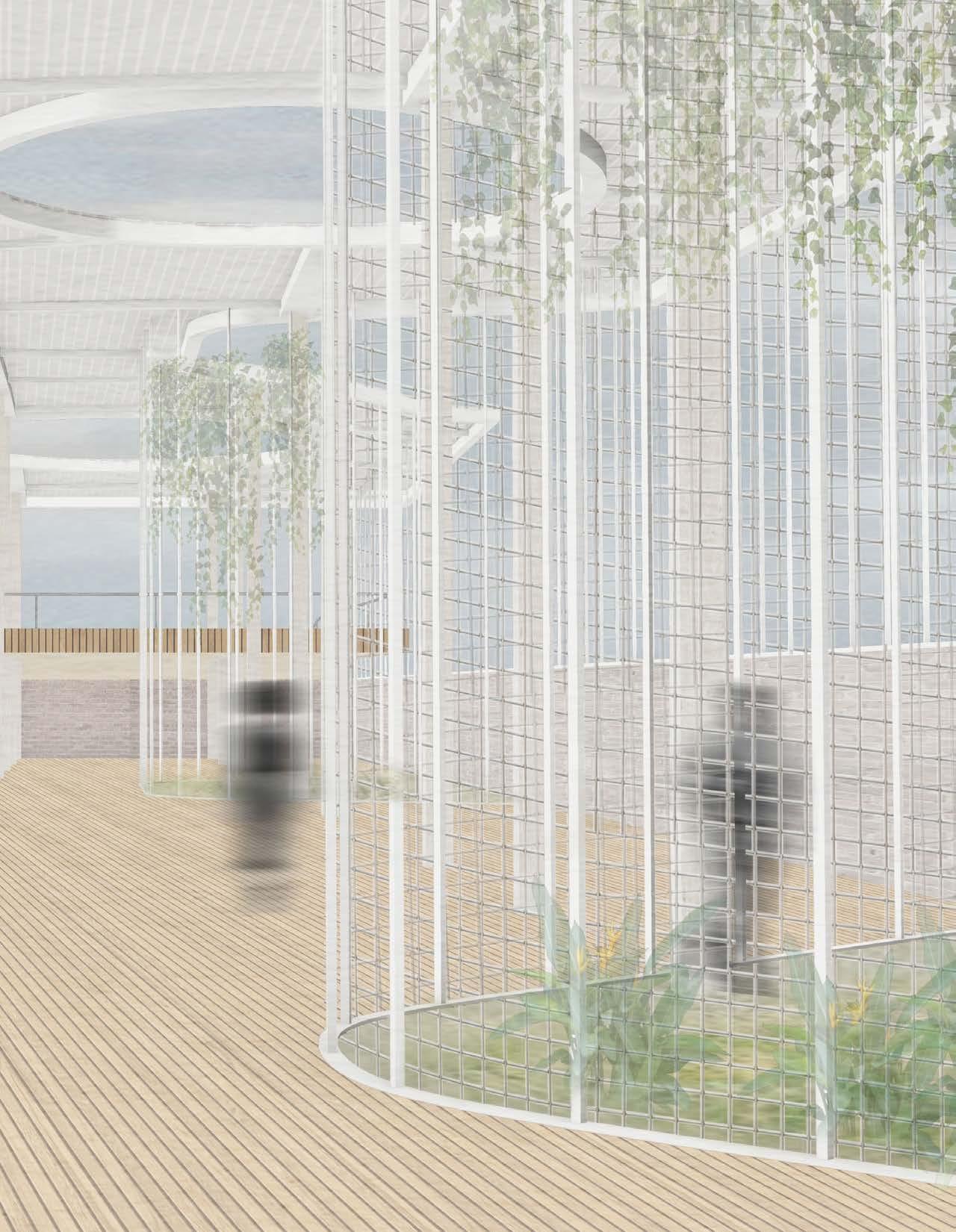
The city of Calabar immediately surrounding Government Hill is filled with historical sites, attractions, and learning centers which share the history and evolution of the region. While these sites become an important part of daily life in present day Calabar and draw in visitors, they do not fully capture the essence of the local cultural space due their historical influence of colonialism in Nigeria. The proposal for the fashion school will serve and benefit the community through embracing the culture and creativity of locals. By providing the frameworks for existing community lifestyles to persist— they can then be re-imagined by the community as they continue to evolve, through pop-up informal clothing markets where local designers can be highlighted. Given the tropical region of the site, the frameworks will also allow for native plants to entangle and flourish to enrich the educational experience of the school as students are immersed in nature.
34 B A D E C G F H 20’ 20’ 20’ 20’ 20’ 20’ 20’
35 I H K J M N L P O 20’ 20’ 20’ 20’ 20’ 20’ 20’ 20’ 2' 4' 8' 16'
36 COMPOUND FLOOR PLAN 4 5
1. Residence lobby
2. Tea Room
3. Restrooms
4. Library
5. Mechanical
4’ 16’ 2’8’ 1/8”=1’-0
37 PROGRAM INDEX
GROUND PLAN
COMPOUND
1 2 3
TOWER FLOOR PLANS
floors alternate between workspaces and residences
38
4’ 16’ 2’8’ 1/8”=1’-0
studio workspace/o ces
39 SITE AXONOMETRIC
40 PROGRAM DIAGRAM & EXTERIOR PERSPECTIVE
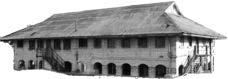
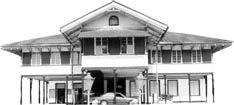
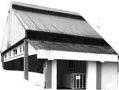

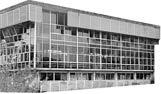
National Museum Slave Trade Museum Calabar Cultural Center State Library Millenium Park Hope
Training Institute Marina Beach St. Margaret Teaching Hospital Botanical Gardens Mary Slessor Roundabout Marketplace Drill Ranch SITE MAPPING 41
Waddell
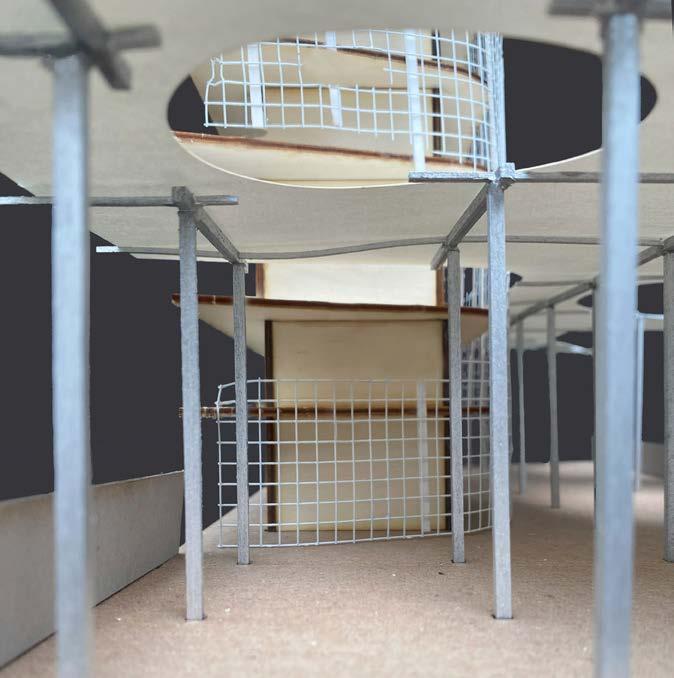
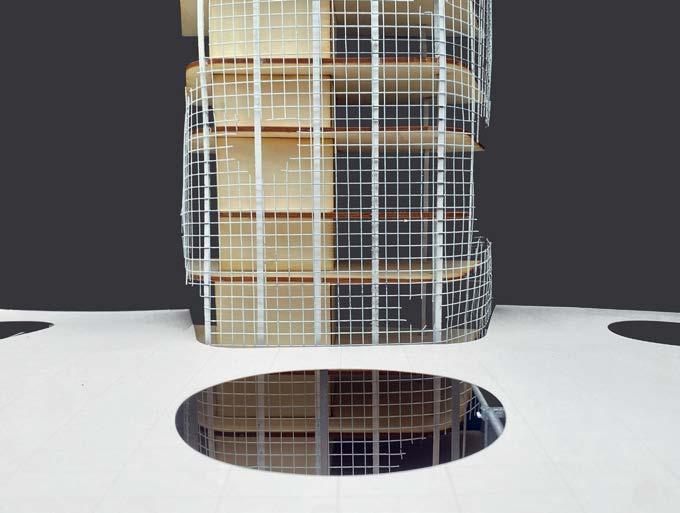
SECTIONAL CHUNK MODEL
balsa wood sticks, plywood, metal screening, bristol, chipboard
42
43
44
45