3 | WEDNESDAY 11 FEBRUARY 2026
3 | WEDNESDAY 11 FEBRUARY 2026
09:05 – 09:10
09:10 – 10:00
Disruptive Discussions Opening
Voices of progress – Ivanhoe Mines
10:00 – 10:20 Voices of progress – Minerals Council South Africa
10:20 – 10:40
Voices of progress – Debswana
Leading through disruption: Debswana’s bold vision to reclaim Botswana’s natural diamond glory in the face of global evolving market dynamics
10:40 – 11:40
11:40 – 12:40
13:50 – 14:20
14:20 – 15:10
15:10 – 16:00
16:00 – 16:55
Panel discussion: WHAT IF partnerships could finally deliver a global standard CEOs truly trust? Session sponsored by: World Gold Council
Panel discussion: From bullion to batteries… and batteries to bullion
Fireside Chat - Stronger together in gold: Building Africa’s responsible refining partnerships
Panel discussion: Are shorter trade corridors the blueprint to unlocking Africa’s logistics potential? Session sponsored by: GED Africa
Panel discussion: Can regional alliances transform mine closure into economic renewal?
Panel discussion: Rethinking beneficiation through domestic economies
07:00 – 10:00
10:30 – 12:00
12:00 – 13:30
13:30 – 15:00
15:00 – 16:30
SHOWCASE: Democratic Republic of Congo Breakfast (by invitation only).
SHOWCASE: Republic of Mali
Un nouveau partenariat pour un secteur minier performant
SHOWCASE: Republic of Botswana
Theme: 50 Years of Mining Excellence. The Next Era Starts Now
SHOWCASE: Republic of Ghana
SHOWCASE: Republic of Namibia
9:30 – 10:15 Is a circular economy just?
10:15 – 11:00 Joined at the Source: Building Copper-Cobalt Partnerships
11:20 – 12:05 Will Africa ever create the infrastructure needed to fully realise its critical minerals value addition dream?
12:05 – 12:50 How strategic offtake agreements/ partnerships between PGM miners and OEMs can de-risk the energy transition and create more flexibility for future mobility?
13:50 – 14:35 C an partnerships pave the way for Africa’s communities to benefit from Africa’s critical minerals?
14:35 – 15:20 C an Africa’s battery minerals market keep pace with technology shifts and global tensions?
15:20 – 16:05 Critical minerals investment in a post “tariff” world.
Sponsored by: African Development Bank & Open Society Foundations
09:00 – 09:15 Ministerial Address
09:15 – 10:00 How can governments and miners build partnerships that deliver longterm value?
10:00 – 10:45 Is the ground shifting between Africa and mining majors?
10:45 – 11:15 Partnership Spotlight
11:15 – 12:00 Has the decline in foreign aid strengthened or strained Africa’s selfreliance?
12:00 – 12:45 Has global instability improved Africa’s relative attractiveness to investors?
12:45 – 13:45 How can miners and governments partner to deliver fair community resettlement?
14:00 – 14:15 Ministerial Address
14:15 – 15:00 C an Chambers of Mines bridge the gap between national priorities and shareholder value?
15:00 – 15:45 How can formalising artisanal and small-scale mining unlock value addition?
15:45 – 16:15 Partnership Spotlight
16:15 – 17:00 The Compact Model: what does Africa’s minerals future look like beyond 2030?
09:00 – 11:00 UK Government | Going Solo or Together?
Regional collaboration vs. resource nationalism for battery mineral value addition – introducing the UK’s partnership offering.
14:00 – 16:00 Shanghai Metals Market
10:00 – 10:05 Host welcome remarks
10:05 – 10:50 Unlocking capital for explorers and junior mining companies
11:00 – 11:30 Commodity focus – Lithium
11:45 – 12:30 Gulf capital meets African mining potential
13:30 – 14:00 Commodity focus – Diamonds
14:00 – 14:45 From buyers to backers – how trading houses are becoming mining investors
15:00 – 16:40 The Dealmakers’ Den – Critical Minerals
10:45 – 12:15 Gauteng: Africa’s mining innovation capital – Unlocking high-value opportunities in green metals and mining technology (Hosted by the Gauteng Growth and Development Agency (GGDA)
12:30 – 14:00 Unlocking creative capital for Africa’s mining future. Presented by Milken Institute
14:30 – 15:30 Tax reforms across Africa: New win-win approaches to spur mining sector investment and employment.
09:00 – 11:00
11:15 – 12:45
13:00 – 14:30
14:45 – 16:15
17:00 – 19:15
The Africa Gold Council: Championing Africa’s gold future
Gauteng: Africa’s mining innovation capital – Unlocking high-value opportunities in green metals and mining technology. Hosted by the Gauteng Growth and Development Agency (GGDA)
Unlocking Energy and Mineral Corridors: Financing Infrastructure for Regional Integration.
Presented by the DBSA
Thriving through change: Latest mining trends and solutions for equipment productivity, sustainability, and advanced analytics. Presented by Shell South Africa
SPECIAL SCREENING: Lobito Bound: A journey to Africa’s new frontier
09:00 – 10:00
10:00 – 11:30
11:30 – 13:00
14:00 – 16:00
Women in Mining South Africa (WiMSA) Breakfast
The power of partnership: Women driving collective impact in mining
From risk to responsibility to results: Catalysing sector-wide action on GBV in mining
DMPR Women G20
NRGI Regionalizing African Mineral Value Chains: Requirements for Success
17:00 – 19:00 AWIMA Leadership Awards
Sponsored by: JOGMEC
09:05 – 10:00 Drilling into the future.
10:00 – 11:00
Session sponsor by: Fleet Space Technologies
Unleashing smart connectivity for deep mining. Session sponsor by: Ericsson
11:00 – 11:40 A c ase study in extreme mine rescue
11:40 – 12:00
13:30 – 14:30
Tech-In-Action – Dunlop Belting Products
AI that watches your belt so you don’t have to
Smarter energy use in crushing and milling
14:30 – 14:50 Tech in Action – Schauenburg Systems
ProXYmus: Smarter collision prevention for connected, future-ready mines.
14:50 – 15:50
15:50 – 16:10
16:10 – 17:10
Modern data science to accelerate discovery
Tech in Action – Boston Metal and Metalshub: Innovative metal production meets digital-first commercial strategy
AI-based optimisation of exploration, mining and mineral processing
Where capital meets opportunity.
15:00 – 16:40 River Nile Stage | CTICC1
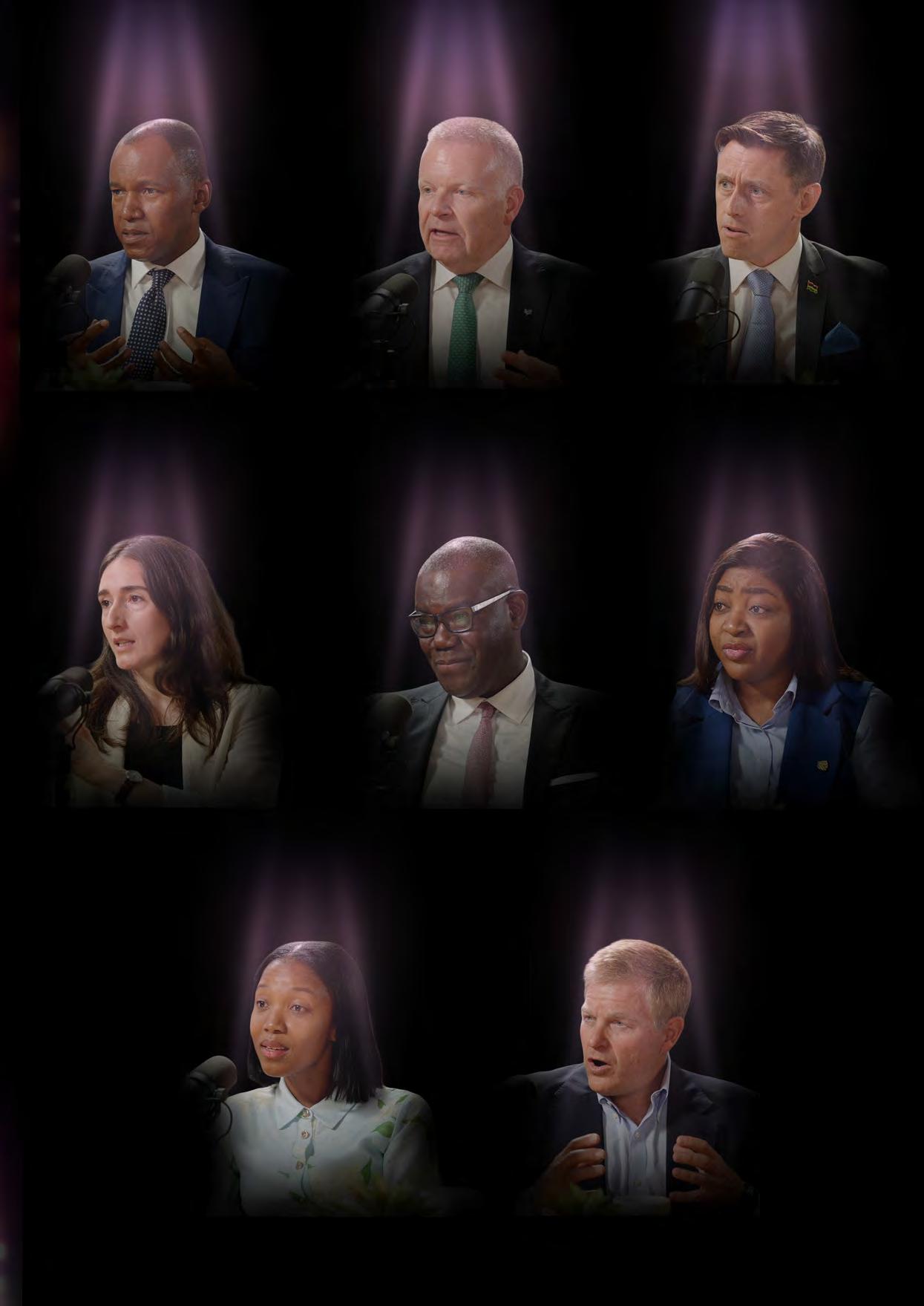
High-potential junior mining companies will pitch live Africa-based projects featuring copper, rare earth elements (REE), graphite and other critical minerals directly to a panel of top-tier, decision-making investors.

Ichilov Founder — Cedrus Arbor


Linda Omara-Koledade Mining & Metals Dealmaker | Founder — IDC, Mustard Seed
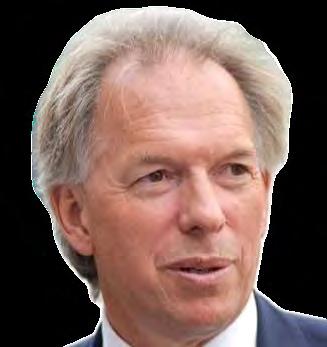
Andrew Monk CEO — VSA Capital

M. Lwatula Head of Investments: Mining & Energy — Industrial Development Corporation, Zambia


“The Compendium of Africa’s Strategic Minerals maps full value chains and links reserves and production to processing capacity, power and transport infrastructure, and regional industrial corridors—improving data transparency to de-risk exploration, lower the cost of capital, and guide smarter investment into mining and the enabling infrastructure needed for beneficiation and integrated regional value chains”
Samaila Zubairu, President & CEO of AFC.

“Africa’s strategic minerals story is no longer about isolated deposits it is about building connected, competitive value chains at scale. The African Compendium of Strategic Minerals 2026 brings, for the first time, a system level view that links mineral wealth with infrastructure, logistics and processing potential. As the global energy transition accelerates, Africa’s role will be defined not by potential alone, but by coordination, execution and the strength of our collective ambition”
Zeinab El-Sayed, Director, Government & Institutional Partnerships, Investing in African Mining Indaba.


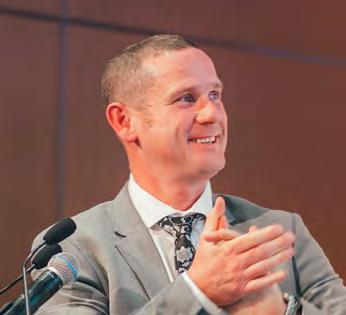
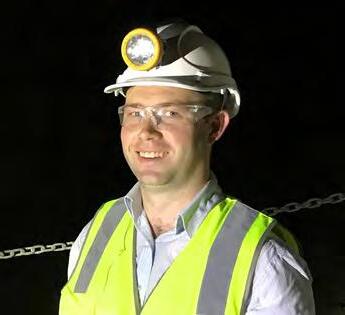
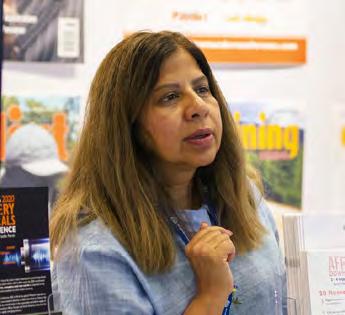






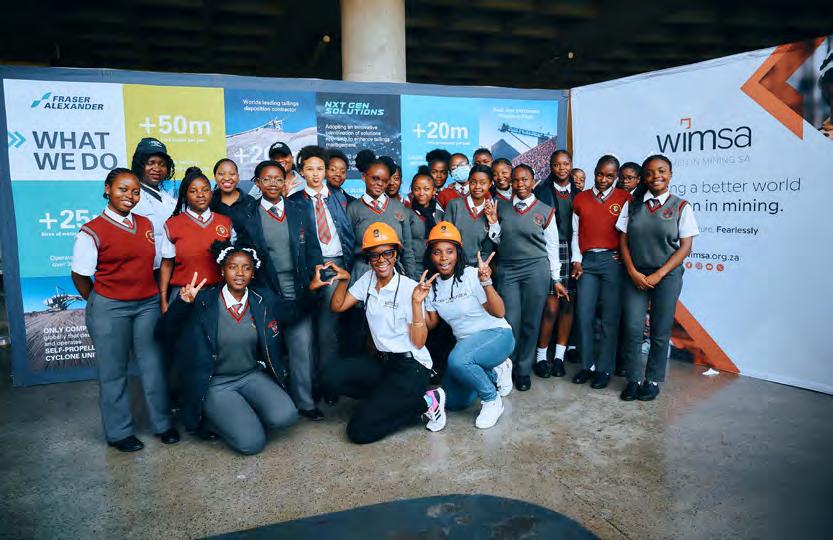
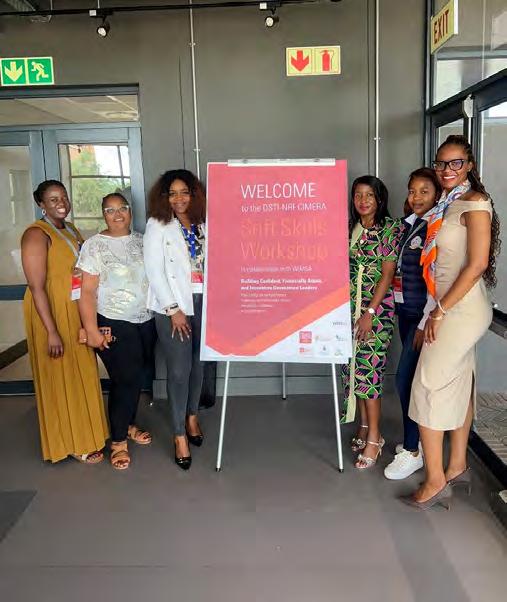
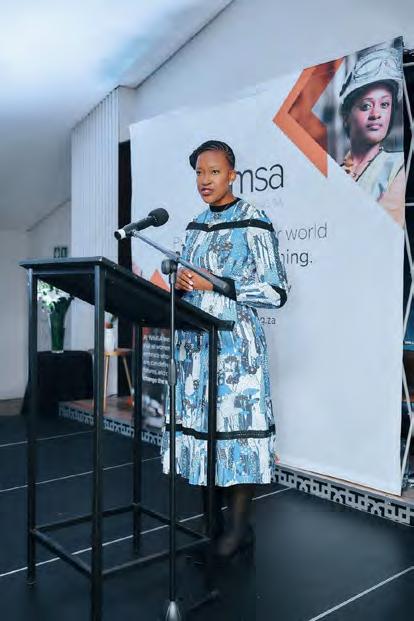
The future of Africa’s mining sector will be shaped by solid partnerships that are driven by a clear vision and unwavering commitment to collaboration. With the growing global population, increasing demand for critical minerals, heightened ESG focus, and the urgent need for sustainable development, the mining industry can no longer afford leadership models that exclude more than half of the continent’s talent. At Women in Mining South Africa (WiMSA), we hold a deep belief that the future of mining depends on inclusive leadership to drive continued growth and sustainability. WiMSA’s foundational mission is to empower women to own the shift towards full participation of women across the mining value-chain, inclusion in positions of influence, decision-making, and ownership. This is not about representation for its own sake, but it is about ensuring that the voices shaping strategy, investment decisions, safety standards, and stakeholder engagement reflect the full diversity of ideas, experiences and expertise available to the sector.
Women play a critical role in driving innovative solutions that make the mining industry safer, more productive and sustainable. Their contribution is recognised across the mining value-chain from leading constructive stakeholder engagements, engineers deploying digital solutions to improved safety cultures, operational efficiency, geoscientists advancing responsible exploration practices. Women are reshaping enterprises as suppliers and service providers to the industry as well as strengthening local economies through smarter and more inclusive approaches and more sustainable ways of work. These are some of the success stories of women who are not deterred by the challenges they face and indicators of what is possible when opportunity meets capability and the drive to win.

Mogaleadi Seabela, President, Women in Mining South Africa (WiMSA)
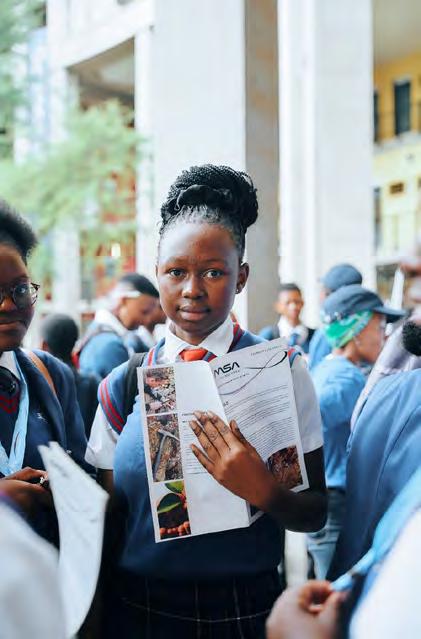
The business and value case for diversity in mining is clear and pays back in dividends. Diverse leadership teams consistently outperform on safety and risk management culture, innovation, productivity, and sustainable value-creation. In mining, where complex stakeholder relationships, safety imperatives, and environmental responsibilities intersect, inclusive leadership is not a “nice to have” but it is a competitive advantage. Companies that embrace diversity are better positioned to attract investment, attract and retain scarce/critical skills, and maintain their social license to operate. Equally critical are partnerships to the growth and sustainability of Africa’s mining sector. In South Africa, we have witnessed how collaboration between industries, academia, government, and host communities unlocks pathways for women’s participation in technical, leadership, and entrepreneurial roles. WiMSA plays a role in this through our mentorship programmes targeted at personal and professional skills development, bridging the gap between academia and industry as well as the STEM (Science, Technology, Engineering and Math) initiatives aimed at attracting young people into the industry. These programmes are delivered through partnerships and multiple stakeholders working together to drive meaningful inclusion and create future-ready leadership pipelines.
As we look ahead at the future of our young continent with rich mineral endowment, the question for the sector is not whether women can lead Africa’s mining revolution, they already are. The relevant question to ask is this: Are we ready to reshape the industry’s leadership into one that truly reflects Africa’s talent and the full inclusion of women as strong leaders and innovative decision-makers?
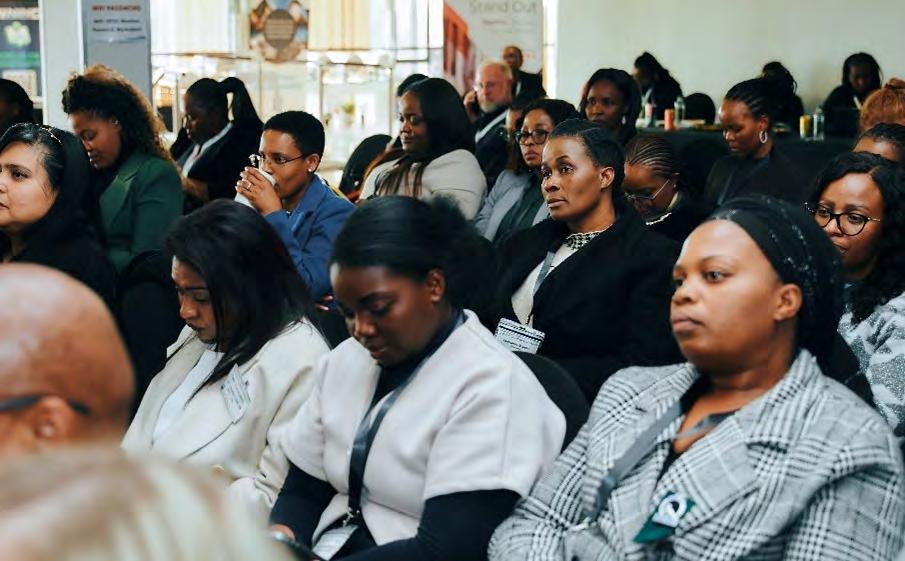
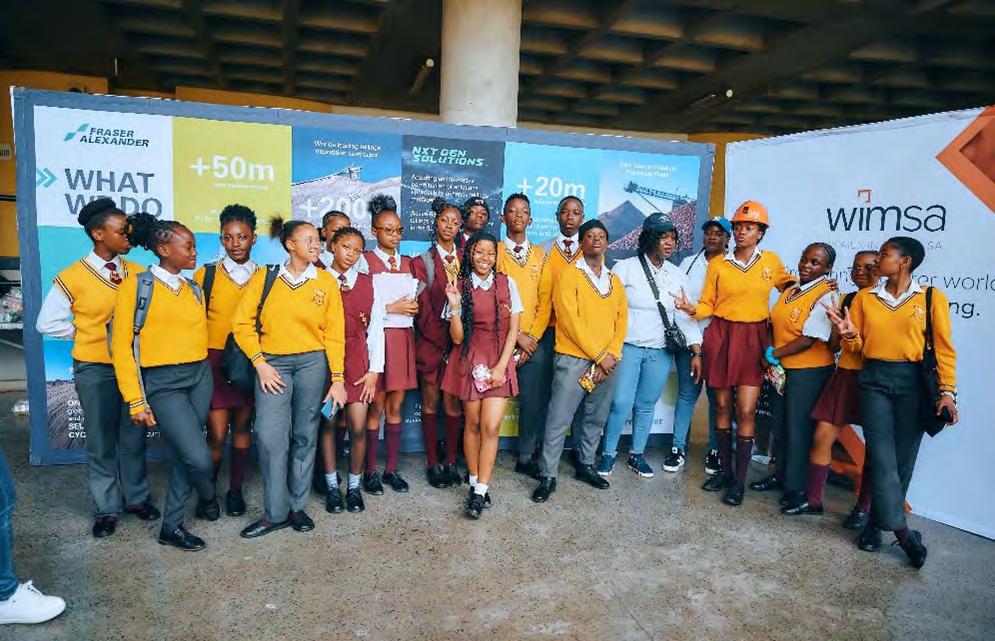

Africa holds a paradox at the heart of its mineral wealth. The continent is the world’s primary source of coloured gemstones, yet it captures only a marginal share of the global jewellery value generated from them. While African soils produce sapphires, tourmalines, garnets, and gold that adorn international markets, most of the design, branding, and high-value manufacturing happens elsewhere.
This disconnect reflects a deeper structural challenge: the gap between progressive mining policy ambitions and investable, on-the-ground projects that deliver inclusive economic value.
In many gemstone-producing countries, artisanal and small-scale mining (ASM) dominates production.
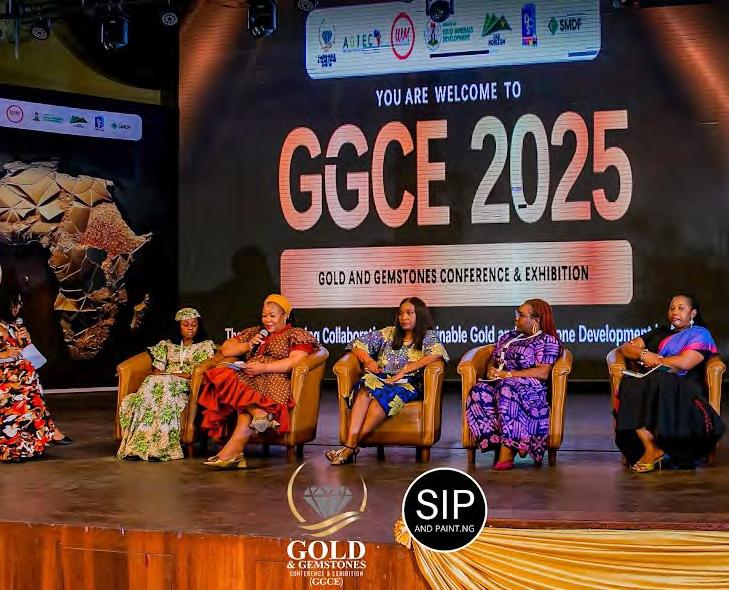

Zenzi N Awases President: Association of Women in Mining in Africa (AWIMA)
While ASM provides livelihoods for millions, the sector is often informal, under-capitalised, and poorly integrated into formal value chains. As a result, rough stones are typically exported with minimal local processing, with an estimated 90–95% of downstream jewellery value (cutting, polishing, design, branding, and retail) captured outside Africa.
This value drain represents a missed industrialisation opportunity and a lost pathway for inclusive growth.
Women make up roughly one-third of the ASM workforce, yet they are concentrated in the most hazardous, lowest-paid roles such as washing, sorting, and informal trading. Structural barriers, including cultural norms, insecure land tenure, lack of finance, and exclusion from male-dominated trade networks, limit their ability to move into higher-value activities.
Without formal market linkages or brand power, women miners and traders remain price takers at the bottom of the value chain despite being essential contributors to production.
Continental frameworks such as the African Mining Vision (AMV) call for transparent, equitable, and optimal mineral development that drives broadbased socio-economic transformation, including local value addition and women’s participation. Yet turning these ambitions into structured, scalable, and investable projects remains a key challenge.
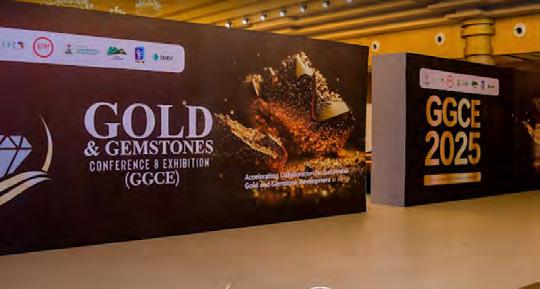
In today’s market, “bankable” means more than resource potential. Investors seek transparent supply chains, strong governance, operational resilience, cost discipline, credible ESG integration, and clear routes to market. Projects that cannot demonstrate these fundamentals struggle to attract capital, regardless of policy alignment.
Jewellery presents a practical entry point into mineral beneficiation. It is more accessible than heavy processing, aligns with skills development for women and youth, and responds to growing global demand for ethically sourced, traceable products.
The African Continental Free Trade Area (AfCFTA) further enables regional trade in finished products, supporting intra-African value chains rather than continued raw exports.
The AWIMA Jewellery Project was created to build a transparent, responsibly sourced, and profitable continental jewellery value chain that economically empowers African women. The project itself is a proof of concept, demonstrating how inclusion, traceability, and commercial viability can be integrated into African mineral value chains.
In 2021, AWIMA launched the AWIMA Jewellery Design Competition, celebrating African women in mining while partnering with women designers and jewellers. The winning design, Lady Aya, was produced using responsibly sourced African gemstones and metals — mined, designed, and crafted by African women — and sold locally and internationally. This demonstrated that ethical sourcing, African design excellence, and women-led production can generate revenue and market credibility.
Building on this foundation, the second AWIMA Jewellery Design Competition, a core activity of the project, will launch in March this year, expanding opportunities for women miners, designers, and jewellers across the continent. Its showcase at Mining Indaba 2026 (MI26) signals the evolution from proof of concept to a scalable, investment-ready continental model.
Bankable mining outcomes depend on alignment between governments, producers, and capital providers. Inclusive models that deliver tangible economic roles for women strengthen social licence, reduce risk, and enhance investor confidence.
AWIMA invites partners, investors, ethical buyers, and development institutions to collaborate in expanding this continental, women-led jewellery value chain. By supporting the next phase of the project, stakeholders can help transform Africa’s mineral wealth into inclusive, traceable, and bankable value.
To explore partnership and investment opportunities, visit www.awimaafrica.com or contact info@awimaafrica.com.
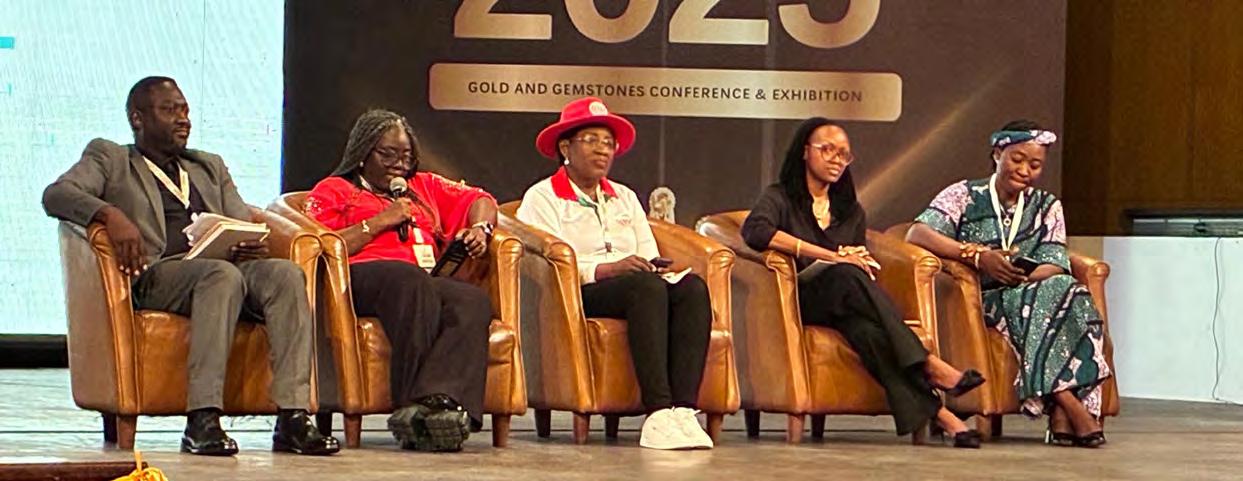
As “critical minerals” rise to the top of global policy agendasdriven largely by energy transition, security, and industrial priorities in the Global North - African countries are being drawn into a conversation they did not start. Yet for a continent that holds a significant share of the world’s mineral resources, the central question is not whether these minerals are critical to others, but whether externally defined notions of “criticality” align with Africa’s own development objectives.
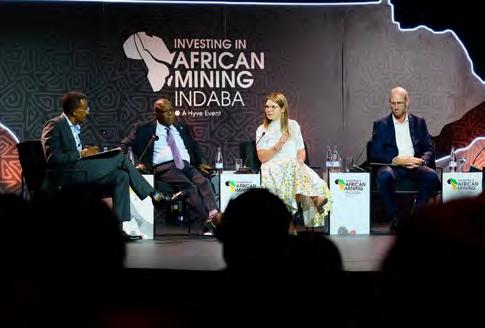
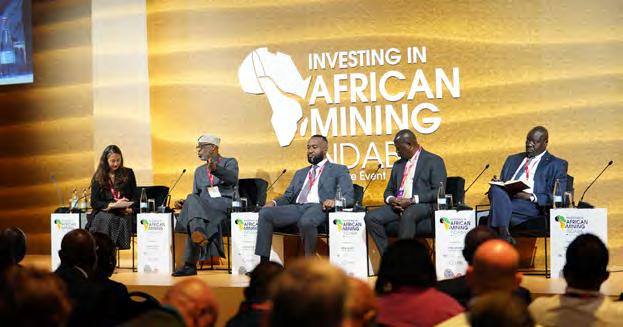
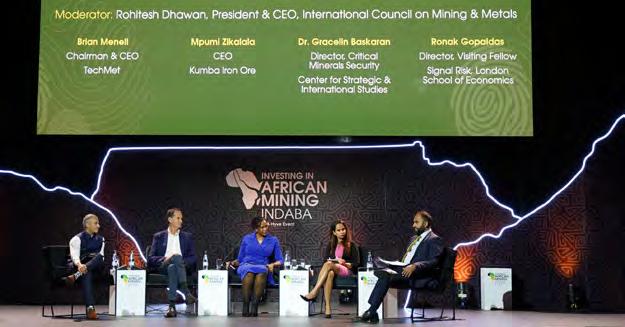
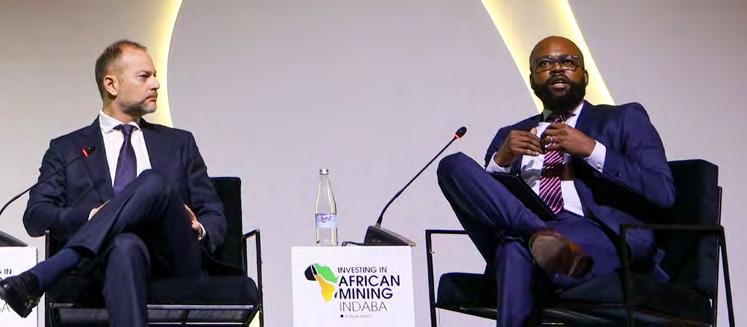
At the Investing in African Mining Indaba in Cape Town, a panel discussion moderated by Isabelle Ramdoo, Director at the International Institute for Sustainable Development and the Intergovernmental Forum on Mining, brought together Dr Marit Kitaw, Economic Affairs Officer at the UN Economic Commission for Africa; Dr Molefi Motuku, CEO of Mintek; Fabiana Di Lorenzo, Senior Director at the Responsible Business Alliance; Isaac Tandoh, CEO of the Minerals Commission Ghana; Martin Poggiolini, Executive: Corporate Development at Valterra Platinum; and Shirley Webber, Coverage Head for Resources and Energy at Absa.
The panel examined whether the term “critical minerals” serves Africa’s interests, how African perspectives differ from Western definitions, and how the continent can engage in the debate without becoming constrained by rigid and shifting labels.
Opening the session, Ramdoo framed the discussion by reminding the audience that critical minerals are not a neutral or fixed concept. “Critical minerals are not a geological truth,” she said. “They are increasingly a policy and political construct.”

Penelope Masilela Multimedia Journalist–Mining Review Africa
While the term has become central to global debatesparticularly around the energy transition -it originated largely in consumer countries in the Global North. “If you are sitting in a consumer country, or in a country that does not have these minerals, your perspective on criticality is very different,” Ramdoo noted. “But because that conversation started elsewhere, it has been exported, including to Africa.”
Africa, she stressed, cannot ignore the debate given its mineral endowment and its integration into global supply chains. However, engagement must be deliberate. “We cannot ignore the concept,” she cautioned, “but we also cannot simply adopt it without questioning the assumptions behind it.”
Western definitions versus African priorities
Di Lorenzo explained that although Western countries use different methodologies to define critical minerals, their approaches tend to converge around similar criteria. “They usually identify minerals that are essential for green, technological, or defence transitions, that are vulnerable to supply disruption, and that are difficult to substitute,” she said.
However, she highlighted a fundamental difference when African countries develop similar frameworks. “Western countries tend to start with the question: how do I secure the minerals I need?” Di Lorenzo observed. “In many African strategies, the question is instead: how do I leverage my mineral endowment for industrialisation, skills development, and job creation?”
Reflecting on African policy documents, she added that the ambition often goes far beyond what the titles suggest. “What struck me was how broadly African mineral strategies think- food security, infrastructure, industrialisation, local supply chains. That makes complete sense for a continent with such vast resources.”
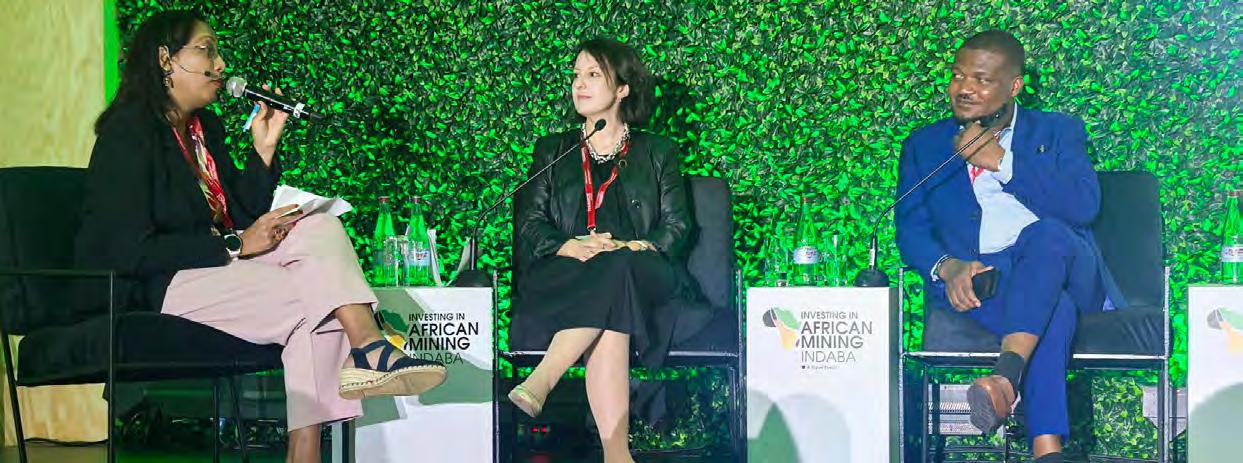
From an industry perspective, Di Lorenzo also emphasised that criticality is not static. “Our members prioritise minerals based on both sustainability and risk,” she said. “Criticality and sustainability often dance together- and both change over time.”
Picking up on this point, Poggiolini warned against rigid classifications. “There is a real danger in creating fixed lists of critical minerals,” he said. “What is critical today may not be critical tomorrow.”
Using platinum group metals (PGMs) as an example, he explained how shifting narratives can distort investment decisions. “We’ve been mining and processing PGMs for over a hundred years. Yet at times, investment declined not because these minerals lost value, but because energy transition forecasts changed.”
In his view, today’s sense of urgency around some minerals is often driven by supply constraints rather than long-term fundamentals. “That is unhelpful for mineral development, job creation, and industrialisation,” he argued.
For Poggiolini, labels are secondary to stewardship. “For us, it’s not about whether a mineral is called ‘critical’,” he said. “It’s about being a good custodian of a country’s mineral endowment and ensuring it benefits the economy as a whole.”
From a financing perspective, the panel noted that definitions of criticality can have real consequences for investment flows.
Webber highlighted how policy narratives increasingly influence capital allocation. “Labels matter because capital responds to them,” she said. “When a mineral is designated as ‘critical’, it can attract funding, incentives, and strategic attention. But when those labels are externally driven or frequently shifting, they can create volatility and misalignment with long-term development priorities.”
She stressed that investors look for clarity and consistency. “From a capital markets perspective, what matters most is credible, long-term strategy,” Webber added. “Value addition, sustainability, and policy coherence are far more important than chasing whichever mineral happens to be labelled ‘critical’ at a given moment.”
From a government and regulatory perspective, Isaac Tandoh echoed the concern around definitions.
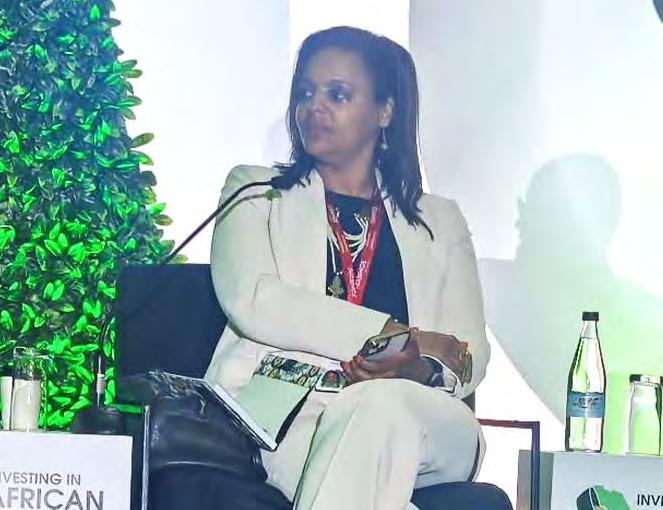
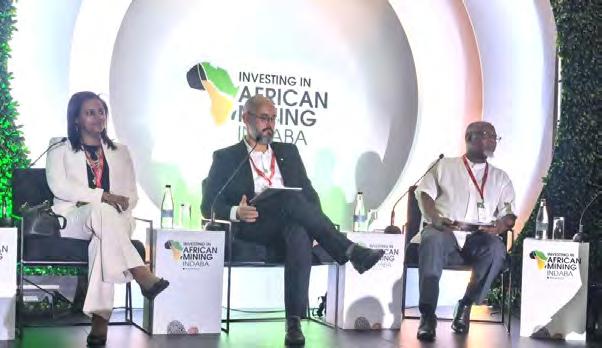
“There is no single authority that defines what critical minerals are,” he said. “These definitions are created by policymakers- and they change.”
He pointed out how perceptions evolve rapidly. “A few years ago, some minerals would never have been considered critical. Today, they sit at the centre of global strategies.”
Discussing Ghana’s approach, Tandoh explained that the focus has been on outcomes rather than labels. “Our strategy is driven by value addition, industrial development, and long-term economic transformation,” he said. “Criticality, if it is used at all, must serve those objectives—not constrain them.”
The discussion also turned to Africa’s ambition to move downstream. While the continent is rich in raw materials, gaps remain in processing capacity, innovation, and technology.
Institutions like Mintek were highlighted as examples of how sustained investment in research and development can support industrialisation. As Ramdoo observed, “We are not short of resources, but we often face persistent gaps in capabilities.”
Dr. Molefi Motuku reinforced this point with a data-driven assessment of Africa’s innovation challenge. “If we look at R&D spending as a percentage of GDP, leading industrial economies invest between three and six percent,” he said. “In Africa, the highest spenders are just above one percent, with many resource-rich countries well below that.”
“If we are serious about beneficiation, downstream processing, and industrialisation,” Motuku added, “investment in our own research institutions, skills, and technology systems cannot be optional. It has to start at home.”
In closing, the panel converged on a shared view: Africa must engage with the global critical minerals conversation, but on its own terms. As Ramdoo summarised, “What is critical today may not be critical tomorrow. Putting ourselves into rigid boxes is not in Africa’s interest.”
Rather than adopting externally defined lists, the panel suggested that African countries pursue flexible, development-led mineral strategies - ones that recognise global interdependence while anchoring decisions firmly in national and regional priorities.
In that sense, the most critical issue for Africa may not be the minerals themselves, but the freedom- and capability- to define their value in support of long-term, inclusive development.

If you attended the world premiere on Tuesday, we’d love your feedback.Your thoughts will help us understand what resonated - and shape what comes next. Please scan the QR code to complete a short survey.

It takes less than 5 minutes, and your responses are confidential. Thank you for being part of the journey.

By Rebecca Campbell – Creamer Media Senior Deputy Editor
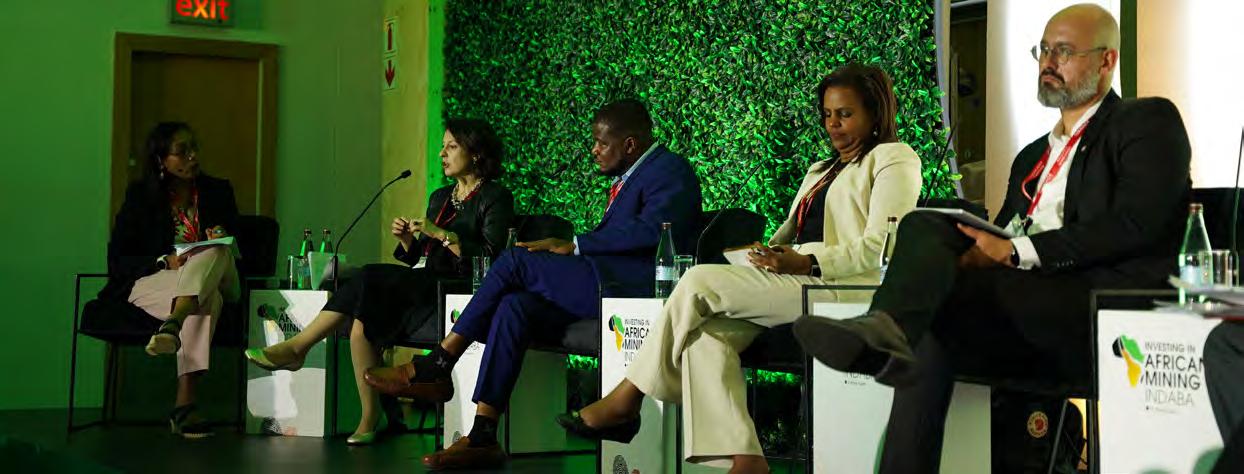
Mining currently faces the challenge of adopting the latest technologies, notably, but not exclusively, AI. This was the topic for a panel discussion on the first day of Investing in African Mining Indaba 2026, being held at the Cape Town International Convention Centre.
Microsoft Worldwide Mining Industry leader Joseph Starwood reported that the new technologies were ready for use in the mining sector, but that their adoption was very uneven. Some miners were embracing and adopting the technology, while others were lagging badly. Even within the same group, some divisions were eagerly adopting the new technology, while other divisions were not.
Minerals Council South Africa skills head Mustak Ally highlighted that, in the South African context, there was a need to start with science, technology, engineering and mathematics education, which was not properly in place. In terms of post-school education, there was a very bureaucratic and rigid process to develop and approve curricula (while technology evolved fast). There was a need to speed things up. Further, the country suffered from a skills mismatch. Unless these issues were addressed, success would not be achieved. Other African countries also suffered from these problems.
The most important thing to remember was that mining was not a theoretical activity; it was a very practical one, stressed SmartOps Solutions CEO Mohene Benzane. A lot of mining companies did not understand technology adoption. Adoption had two basic elements: no matter the technology, there would be people who wanted or needed to use it; and, the ease, or apparent ease, of the use of the technology. People, especially the frontline teams, needed to be involved in the adoption of new technology, from early on in the process. It didn’t matter if the people were “old”, they were adaptable. If you didn’t involve the frontline people early on, you’d get resistance. If you did involve them, you’d be able to identify the people who liked the technology and wanted it, and these early adopters would inspire the others to follow suit.
“As with most of the changes we bring about, we talk to our people,” explained Exxaro Resources executive head: people and performance Joseph Rock. “It’s never the technology. If it’s the technology, it’s easy to fix. The problem is belief.” People did not understand the technology, did not trust it, and feared it would cost them their jobs.
“We don’t call it tech transformation anymore.” It was people transformation; making people understand what you are doing and make them comfortable with it. “The belief is that automation, technology, is about cost cutting, and costcutting is about headcount reduction.” There were different reactions to new technology from different generations in the workforce. You needed different approaches for different segments of the workforce. To gauge employee attitudes, Exxaro did quick surveys via smartphones, which nearly all employees now had. “We generally try and get them aboard.” The group did not regard automation as a means to cut its headcount; rather, the aim was to augment its people, not replace them.
BHP head of product and innovation and head of the Xplor programme Marley Palin noted that they had had a problem with middle management. Middle management had to be skilled to understand and adopt technology. Automation was a huge exercise. BHP had committed to not cut staff while implementing it. She affirmed that the mining industry did not engage in systems thinking, but successful technological transformation, automation and re-skilling workers required systems thinking, which was something the oil and gas industry had adopted ten to 15 years ago.
“Adaption and change management will be a continuous activity, in this age of AI and agenticAI,” stressed Starwood. Leaders had to lead by example. They had to adopt the technology themselves, and use it. That would build trust among their workforces. Systems thinking had to be adopted, along with futures thinking – an awareness of the future options facing the company and deciding which to select.

Gareth Tredway, Director, Tavistock Communications

Fractures in the longstanding relationships between global trading blocs, as well as a new found drive by governments globally to secure critical minerals, have provided African nations with the opportunity to secure major amounts of fresh investment capital to develop its mineral wealth.
Charlie Campbell, Editor-At-Large for Time Magazine said it best in his recent article: ‘Africa’s Mineral Makeover’ when he wrote: “Rather than begging for a seat at the West’s table, Africa now has every power clamouring for an invite to its own.”
Record prices in both base and precious metals do of course provide the obvious boost to economic studies and therefore the bankability of mining projects, but the deployment of large sovereign debt into African infrastructure as the West and the East jostle for position is unlocking value as well.
The continent’s rich mineral endowment is of course nothing new, nor is the high quality of many of its mineral deposits when comparing them with others around the world. Historically many of these regions have either underproduced or been too complex or large from an infrastructure point of view to be developed in the first place.
What has changed perhaps is the unlocking of key infrastructure through significant publicprivate partnerships and international investment, covering logistics (port and rail), energy and even downstream refining sources in recent years have allowed companies with mining projects to focus on the business of obtaining funding specifically to develop these into mines.

According to Bloomberg, proposed rail investments across the continent more than tripled in 2025 compared with 2024.
One of the most recent examples are the two railway lines capable of carrying significant amounts of copper out of central Africa, literally and also symbolically to the East and the West side of the continent.
First, the Lobito corridor, the 1,300 km railway line that connects the Port of Lobito to Luau on Angola’s border. In December, Lobito Atlantic Railway (LAR) announced it had secured USD753 million in financing from the US International Development Financial Corporation (DFC) and the Development Bank of Southern Africa (DBSA) to support the rehabilitation of the railway.
The loan will enhance the capacity, efficiency and reliability of the shortest and most direct import-export route between the Copperbelt mining region of the DRC and international markets via the Atlantic Ocean.
Also, in December, on the eastern rail route, Zambia, China and Tanzania signed the TAZARA Revitalisation Project Agreements which will see US$1.4 billion into the railway line connecting Zambia with the port at Dar Es Salaam.
Simply put, these logistics routes save time and money, making the copper projects in the DRC and Zambia more competitive on a global scale. That means they can attract cheaper forms of finance and even expand operations to their full potential to feed higher demand.
In power there are good examples too, such as East Africa where Tanzania’s Julius Nyerere Hydropower plant and the Grand Ethiopian Renaissance Dam have brought vast amounts of electricity generation online.
While stability of logistics routes and stability of cheap power supply are of course important in unlocking feasible mining projects and making them bankable, there is vital third cog – Investment Stability Agreements. These documents provide the confidence to investors and funders that the fiscal terms agreed on between host nations up front remain the same throughout the investment period.
Their importance in achieving sustainable longterm finance for mining were recently put in the
spotlight following an interview with Isaac Tandoh, acting CEO of the Ghanaian Minerals Commission who suggested they could be scrapped.
In response the country’s Chamber of Mines said in a statement: “Stability and Development agreements play a critical role in an industry characterised by significant upfront capital requirements and long-term investment horizons”
More and more, those African infrastructure solutions linked to key mineral regions, should start feeding into the economic studies of mining companies, reducing upfront capital and reducing operating costs over time.


















One week, one place, the entire mining ecosystem under one roof.
The right people are in the room
10,500+ leaders — from ministers and mining companies to investors and innovators.
Deals get done
Billions in projects and partnerships start with
Where Africa meets global capital No other platform connects with the world’s investors like this.
Get clarity, fast Hear directly from decision-makers
Register now at

Khwelamet is an industrial champion for South Africa’s economy. We leverage capital, insight and access to raw material to produce high quality ferromanganese from our facility in Meyerton, Gauteng, capturing the full value of the country’s vast natural resource endowment.