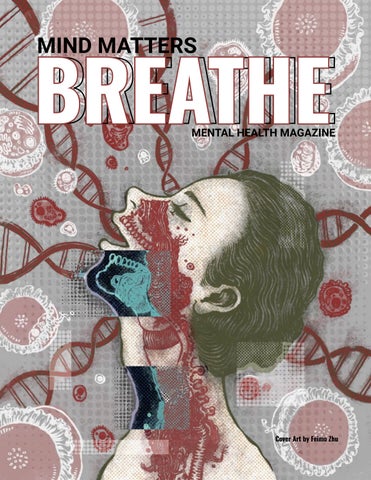
BREATHE BREATHE MIND MATTERS
MENTAL HEALTH MAGAZINE
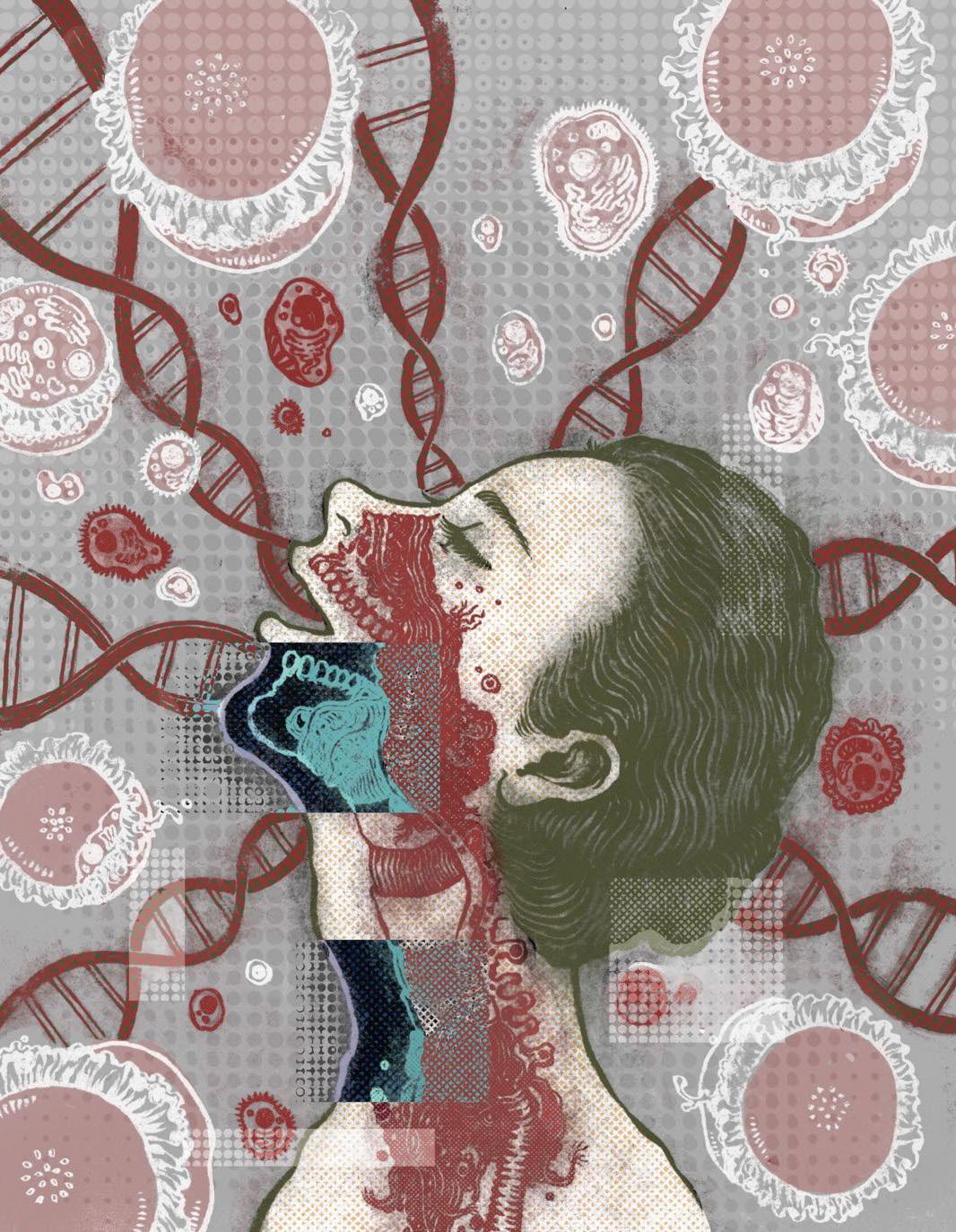
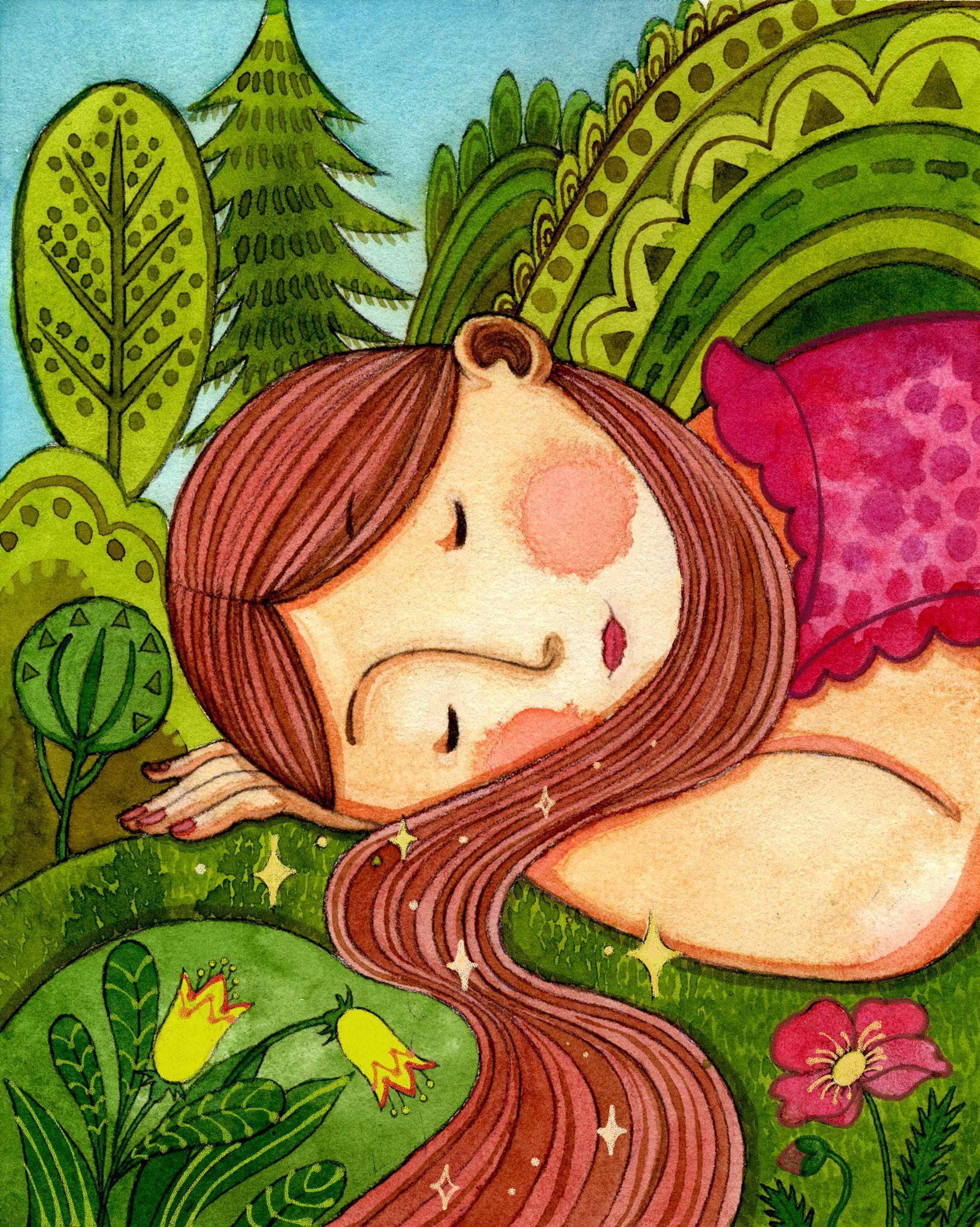
Cover Art by Feimo Zhu
“Confusion” and “Disposable Feelings” by Mary Anne Abdo
“The Place Setting” by Grace Black
“Full Stop” by Michael R. Collins
“No Peace in Purpose” by Cassius St Rogue
“Clouds” by Anique Austin
“The World Itself is a Bad Dream” by Nyelle Hargraves
“Sometimes the Best I can do is Breathe” by Parker Johnson
“With a Heart Forward Facing” by Riel Fuqua
“An Untitled Mouthful to Serve as a
by Steve Zmijewski
“Cracked Dreams” by Aditi Krishna
“Psychology and Mandalas” by
“The Therapeutic and Energizing Power of
“From
Title Track”
CONTENTS 01 02 04 03 Personal Stories: Articles: Photography/Artwork Poetry: “Fright to Freedom with OCD” Maria Scazzero “Stepping Away From the Borderline” by Erica Stenta Willis 05 08 29 30 31 31 32 32 33 34 34 35 36
Ruchi Achary
Hobbies”
by Karina Jhaj
Burnout
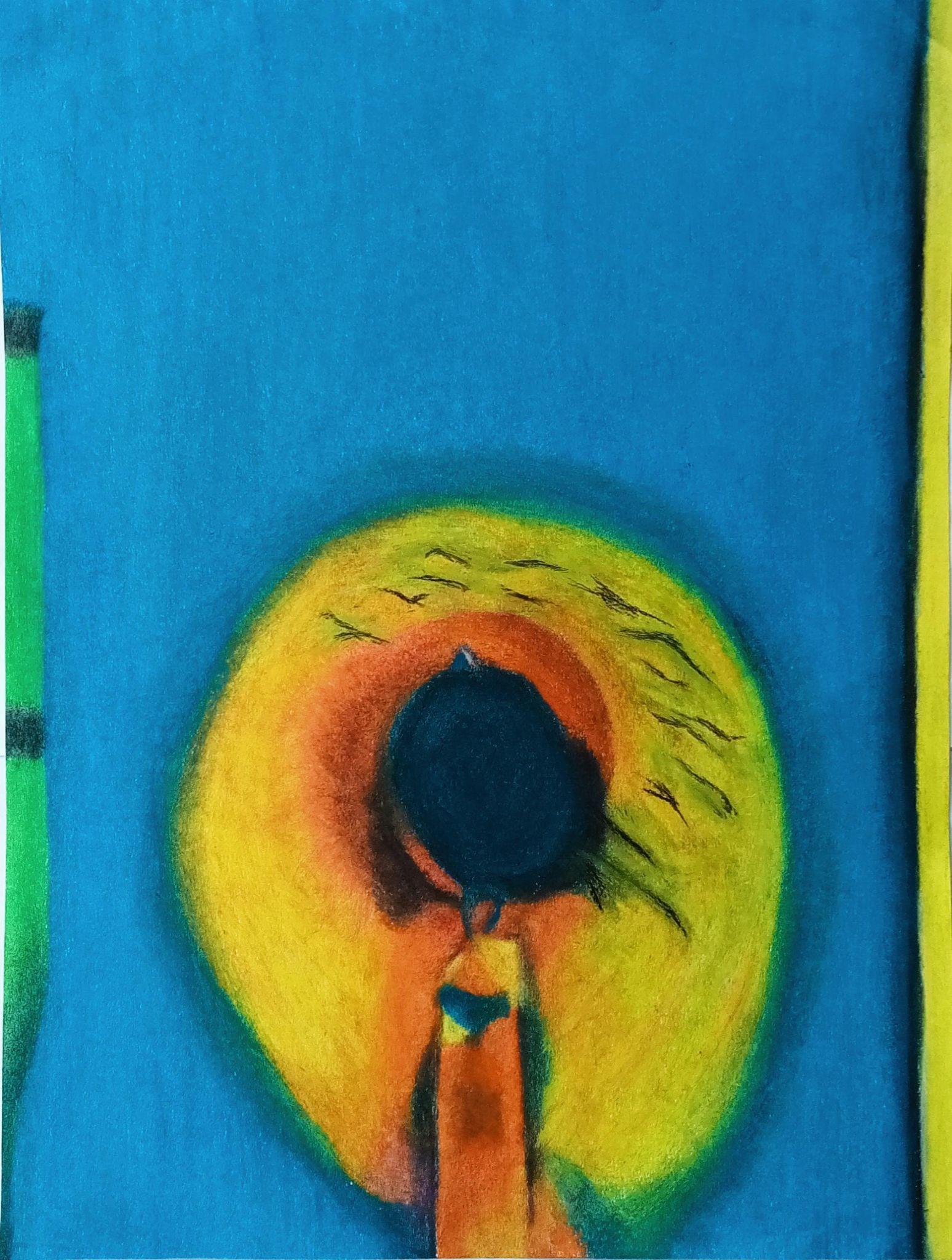
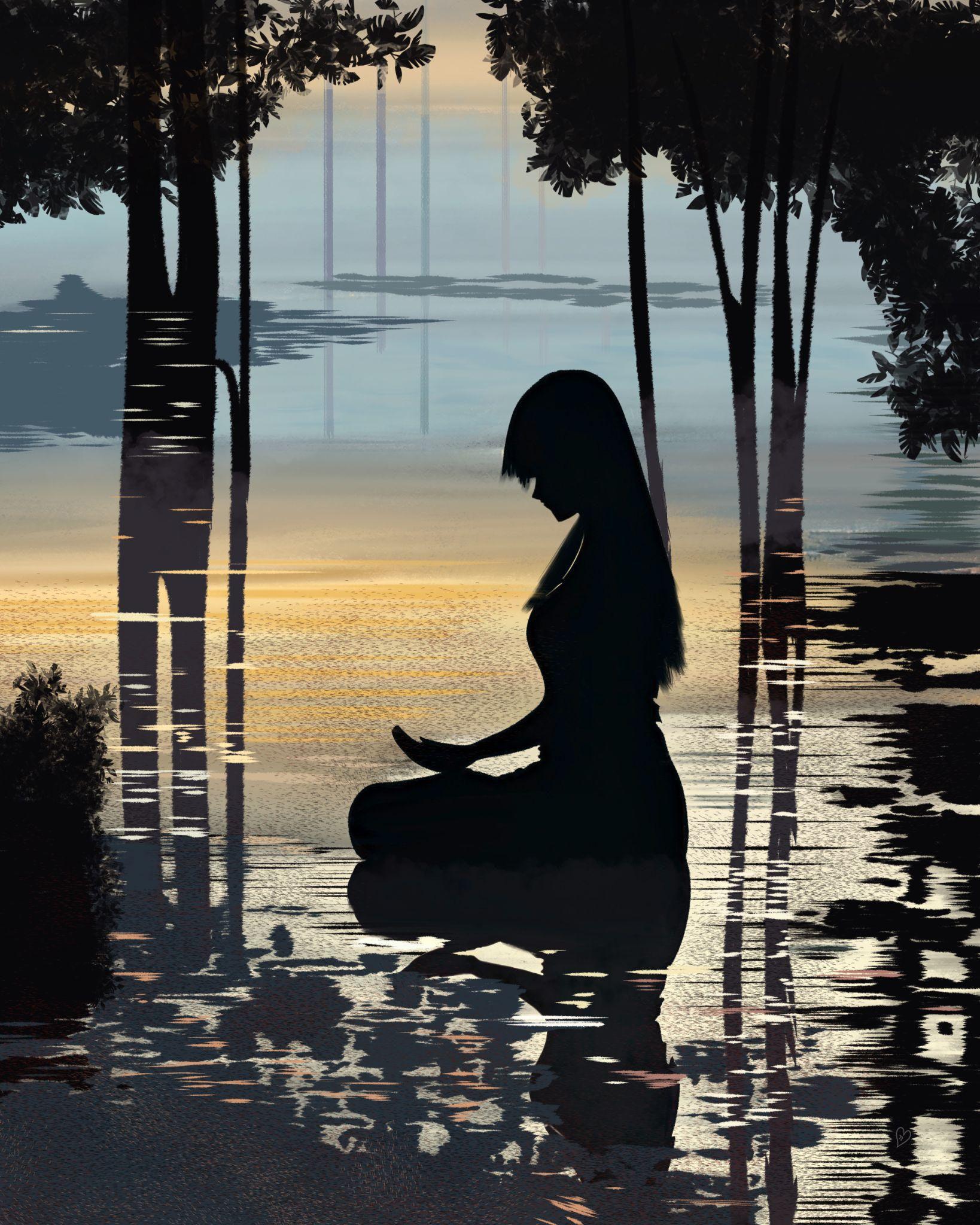
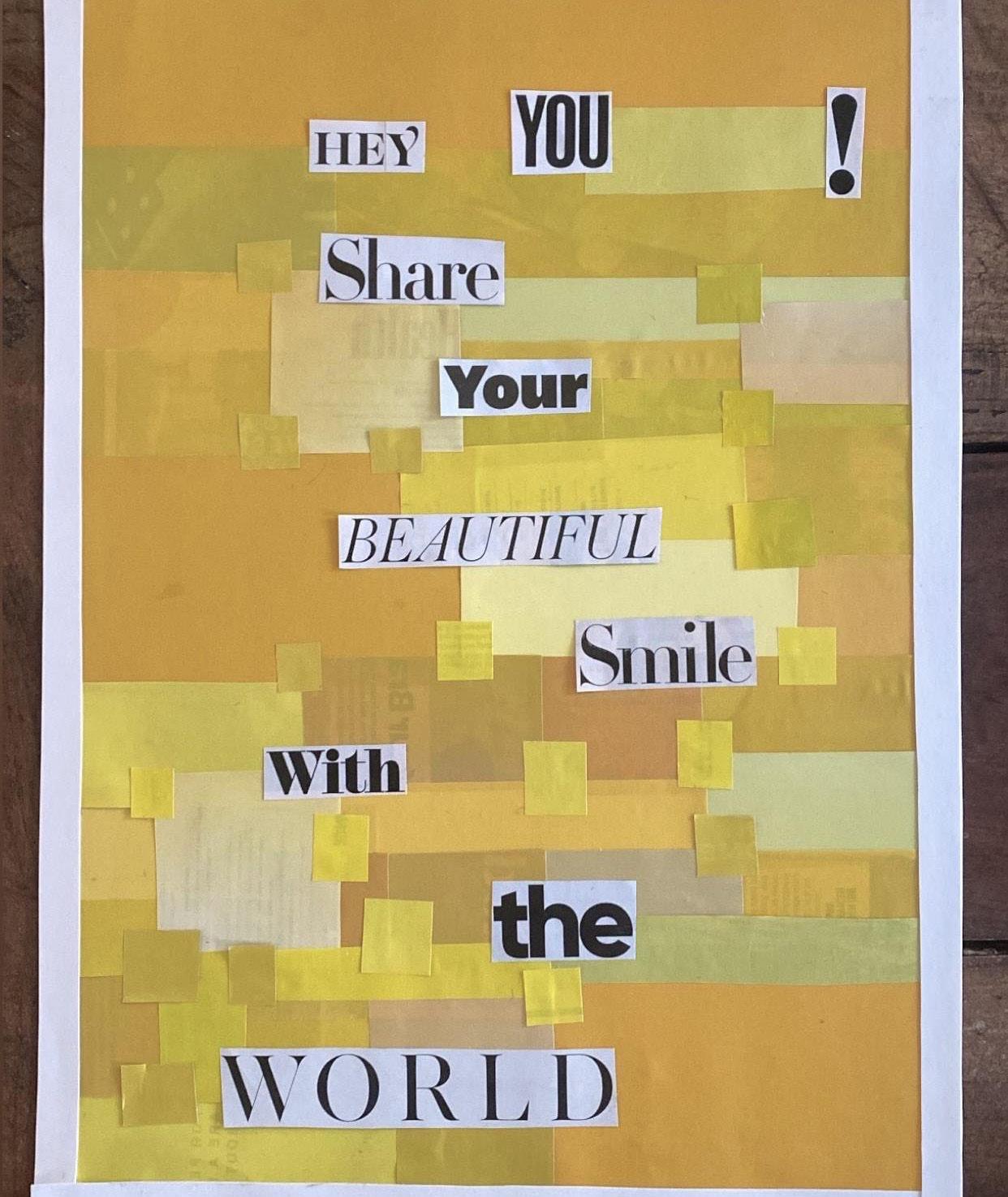
Nashitah Chowdhury “Affirmations: Transform with Thinking” by Raveena Jhaj 16 21 23 25 3/37 27/39 4/15/28 38 Photography/Painting by Erica Galera Photo Collage by Jesica M Illustrations & Cover Art by Feimo Zhu Artpiece by n33fti
to Balance” by
Breathe | 3
PERSONAL STORIES
Breathe | 4
Fright to Freedom with OCD
Written by Maria ScazzeroIn 2018, after three years of sobriety, I felt like my life was just starting. Because when you get sober, you get to live life a second time.
For the first time, my mental health finally felt manageable. I had been diagnosed with Borderline Personality Disorder at the age of 18 and ADHD at the age 12. From the age of 18-29, however, my mental health ran my life.
Actually, I didn’t have a life.
When I turned 29, I made a decision to go into AA because my life had become unmanageable. I was coping with the pain of my mental health by using pills and alcohol which ended with me hitting rock bottom. I woke up every day waiting to die because I
was tired of hurting myself and those around me. When I got into AA, I switched therapists and joined a DBT group. For the first time, I worked my ass off to manage my mental health and continued to work on mental health management for the next three years.
The result? I landed a job that I loved where I worked with at-risk youth, rebuilt trust with my family, and moved into my own apartment. I realized I was more independent than I had ever been. I went through all Twelve steps of AA and took responsibility for life and how I impacted others.
Unbeknownst to me, however, another challenge was lurking, one I never expected would turn my life upside down.
Breathe | 5
It began with an intrusive thought. I was at an AA meeting and couldn’t concentrate. I left terrified and wanted to tell someone but was too scared of what their reaction might be. The thoughts subsided -- for a time. However, when I started to address certain trauma in therapy, the intrusive thoughts returned with a vengeance - constantly, day and night, tormenting me. They wouldn’t stop.
“I must be a twisted person,” I concluded.
The more I looked back on it, the more I realized similar thoughts had come up before. I just never understood what they were. It was the scariest thing I have ever endured. In fact, I wouldn’t wish my intrusive thoughts on my worst enemy. I begged my parents to send me to the hospital because I felt it was unsafe for anyone to be around me. I felt powerless.
When I first started having these thoughts, I didn’t know who to tell. Eventually, I told a close family friend who then shared that she at one point had the same experience. I then found the courage to tell my therapist and psychiatrist. They simply stated, “You have OCD with intrusive thoughts.” Their answer scared me even more.
I thought to myself: “Great. Another label. Another thing I have to get treatment for.”
I was four years sober, had been through intensive DBT therapy, and done a lot of emotional work in recovery. I was just starting, thinking I had finally found emotional stability. The diagnosis of OCD flooded me with despair. I was angry that I had to fight again with all of my strength to get through this.
For the first time in my life, I was truly scared of myself and felt I might be losing touch with
reality. I cried for days at a time, wailing, and laying in bed, imagining scenarios of how to keep the world safe from me!
“I just needed to be locked away from everyone,” I concluded. My life as I knew it began to fall apart…again.
The independent, curious person who looked at the world with a sense of excitement now was a scared individual who spent the day rolled up on the floor in a ball because she couldn’t face her fears, which was herself. I didn’t know if I was going to be able to work again, spend time with friends and family, be independent, or move back to my apartment –ever again.
The only solace I had was being with my parents in their home and laying on a mattress on the hardwood floor in the midst of their house renovation. The loud construction noise and dust around me was comforting. It was heart wrenching to be scared of myself.
The treatment -- Exposure Response Prevention Therapy (ERP) – terrified me. In my pain and fear, I realized I needed to empower myself to find answers if I was going to survive. I started doing research on other people who struggled with this type of OCD.
As a result, I connected with a Peer Advocate who validated my experience and shared her struggles and how she overcame OCD with help from Exposure Response Prevention Therapy (ERP). She assured me that I would get through this and come out the other side. That was all I needed to hear.
The next day I made an appointment at the Reed Center in New York City where I met Dr.
Breathe | 6
Maher. He just smiled when I told him what my thoughts were. Without emotion, he simply stated, “This is a common OCD theme. We deal with this all the time here.”
For the second time, I saw light at the end of the tunnel and hope that I was not a terrible person because of my thoughts.
Over the next year I breathed, ate, and practiced ERP like my life depended upon it.
Actually, my life did depend on it!
In treatment I came face to face with my intrusive thoughts and had to learn how to have a neutral reaction to them. What carried me through, however, was getting the support I got from AA by attending meetings where I heard other people’s pain and got perspective. I continued meeting with my DBT therapist once every other work as I did this painful exposure therapy.
Slowly, week after week, I started to slowly get my life back. I spent time with my family again, my performance at work improved, and my fear of myself diminished.
A year later, with confidence I can say I completed ERP treatment. It was one of the hardest, and best, things I have ever done.
The reality is that my OCD still comes up today, but I no longer go down a rabbit hole into a dark place. I use the tools and techniques I learned to let the thoughts pass so I can move forward with my life. I moved back into my apartment, got a new job that I love, and discovered a joy with my parents and three sisters that I could never have imagined!
Let me assure you: There is a way to get your life back. You can get through this.
I did and now I am free.
Breathe | 7
Stepping Away From the Borderline
Written by Erica Stenta Willis*Trigger warning: body image, eating disorders, mental illness I.
Ithrew the clothes down the trash chute in his New York City apartment building. My emotions boiled over when I opened his drawer and saw…her. His ex. She had left her clothing in his dresser; they had apparently been there for over a year when I stumbled upon them early in our relationship, in March 2019. I was 43.
“Get these out of my fucking life,” I said as I watched each item disappear into the stinky pit of darkness from the 8th floor, with great satisfaction.
My jealousy felt like a slug in the gut.
Imagining him with her, or with anyone else for that matter, made me want to spontaneously jump out of my own skin. Being inside of it was so immensely uncomfortable that it felt unbearable. I curled up in a fetal position and waited for the agonizing emotions to dissipate, which they eventually did. But not before I had thoroughly humiliated myself, and displayed the vulnerabilities I had desperately wanted to keep private. My unmanageable emotions were humiliating to me, both in quality and in scope. It was hard to look at the fact that the jealousy in particular was so gigantic that it was often debilitating.
Breathe | 8
This was my life with BPD. Borderline Personality Disorder is a set of traits that I can summarize as extreme emotional amplification, outside of the sufferer’s control, which is off the charts painful. It would often lead to uncontrollable behaviors, causing colossal embarrassment. Any witnesses to the clothing incident would have probably surmised that they stumbled upon a jealous, miffed girlfriend. In many situations though, people would have no particular context for the conduct, and wouldn’t understand it. I knew there was always some kind of cause and effect, but it was not so evident to a bystander.
Why was I using the most cutting language available to me, towards a loved one? Why was I having a meltdown consisting of feral screaming and crying? I was either protecting myself from perceived pain or was simply unable to contain the venomous misery oozing out of me until it erupted. I would sometimes find that I was degrading and name-calling my partner, whom I love dearly. I was often written off as a crazy bitch by people, without anyone’s interest in pursuing further insight. With my current partner, this didn’t happen. He would help me look within and analyze what had happened, as hurt as he was. He wanted to help me heal. In my opinion, he handled this disorder much better than anyone else could have, because he cared so much. But that didn’t mean that our relationship wasn’t often on the rocks and in jeopardy of ending.
There was also the alarming behavior, much of it self-deprecating, that again betrayed my sense of privacy and would strike fear into those around me. It was difficult to hold onto any semblance of self-respect, if there ever
was any to begin with.
There were the countless times I groveled, begged, and pleaded for a man not to leave me, which began in my teens and went on well into my 40s. On my knees, arms around their legs, holding tight. Blocking doors. Laying behind car wheels. Frantic efforts to avoid real or imagined abandonment is one of the main hallmarks of BPD. When a partner got angry with me and threatened to leave, even for a short period of time, it would activate my mentally unstable Mr. Hyde. I would lose complete control and all sense of selfworth. Nothing on earth mattered to me in those moments, other than not losing him. I would make sure that man stayed, even if I had to threaten to hurt myself. When I would threaten to hurt myself it wasn’t a ploy or master manipulation. I genuinely felt like selfharm was on the horizon. Sometimes, when extremely stressed and emotionally activated, it was the only response I could access. To hurt myself to put an ultimate end to the suffering and hysterical madness. Though it may have had the immediate result I was looking for, it ultimately proved to push people away even more.
Extreme responses to pain such as the time I attempted to jump over a balcony in front of my teen daughter, cutting off my hair while in distress while in my 20s and again in my 40s, and giving myself a concussion, have all happened during an episode. Most of these episodes have taken place between my late teens to present. These were outward manifestations of acute turbulence on the inside. I often wondered how much longer I could live with the disorder. It was very evident to me that my life was circling the
Breathe | 9
drain rapidly, by my own hand, no matter what efforts I made to salvage it. It is a demise I wouldn’t wish on the worse of enemies. It is a demise that appeared to be inevitable, and I didn’t want to stick around and wait for the other shoe to drop, but felt trapped. I was
II.
terrified and exceedingly sad. I was afraid I would end up alone and without any type of love in my life, due to pushing everyone away. When I looked into my future, this is what I saw. Being without those I loved and needed would have been the worst fate imaginable.
This started in childhood. I just know that when I was a kid, I never felt like I was the special one. I never felt like I had any value. I always felt like I had to compete for attention, and I would never win that competition. I wanted to be treated like a princess as I perceived my friends were, but I was treated brutely, like a boy, by my constantly irate father. This consisted of stepping on landmines frequently so being yelled at, cursed at, and oftentimes physically assaulted as well. Back then is when my jealousy and low self-esteem took root, and has kept a hold of me since.
My parents were very “looks-centric”. My father was in the entertainment industry, a Hollywood professional. He was highly critical of women’s appearances and made no bones about it. My mother was his pretty, perfect blonde wife. They loved to dote on our cute friends, especially those who were pursuing acting careers. They wouldn’t hesitate to comment on less attractive friends either, critiquing their physical shortcomings.
Meet Vanessa. In grades 4-6 she was short and petite with a very cute face, freckles, and long, thick, curly hair. Vanessa was featured in a commercial for McDonalds and regularly went out on auditions for other roles in commercials, movies, and TV shows. She was
the most popular girl in the class, arguably in the entire school. She was friends with all the boys, especially the cute, popular boys. All the girls wanted to be best friends with her. She was also rich; she was frequently picked up from school in a limousine, and had an abundance of adorable clothing and accessories from expensive boutiques. My parents frequently inquired about her and talked her up onto a pedestal. “That Vanessa is going places. She is so good looking, and so talented. It’s no wonder she is already successful at acting.” I had dreams of cutting off her long braids as she slept when at a sleepover. If I couldn’t level up, I wanted her brought down. Of course, I never would have actually acted out on this, but it was definitely a thought.
There was Allison. While we were in elementary school she already looked like a model. Her face and hair were perfect. Everyone was in awe of the air of professionalism she exuded, even at that young an age. She too was featured in TV shows and musicals. She had a strong and spectacular singing voice, which was of particular envy for me because I had the feeling that if I had been allowed to take vocal lessons, I could have been competitive. But I wasn’t. Allison was friends with my sister and would often come over to our house, at which
Breathe | 10
time I was able to witness the idol worship that emanated from the psyches of my parents.
“Allison, tell us about your acting gigs!”
“Allison, what’s going on in the vocal community?”
“Allison, sing us that song from Les Mis. Your voice is magnificent!”
“You are such a beautiful young girl.”
She was fawned over and I was distinctly jealous.
This led to me folding into my own private world, in which I was the star, I was the pretty one, I was the winner. Identity disturbance with markedly or persistently unstable self-image or sense of self can be present with BPD, and I believe that is what was happening. I struggled with feeling like a nobody and tried other identities for size. In 4th grade I fabricated a prime time show a la Punky Brewster called Fluorescent, in which I had been cast as the title role, Fluorescent, a precocious young girl who dressed in all fluorescent garb, sang, and danced. She was amazing, cute, and multi-talented. I had a friend at school at the time with whom I would discuss various Fluorescent episodes, sing the title song (“Fluorescent, fluorescent! Think of what you can do! Brightly colored
vests and things… lace and tights too!”), and demonstrate the show’s choreography. She let me act a fool before her, humoring me the entire time. She was a good sport, and was perhaps slightly entertained by all of it, but certainly didn’t believe me.
Another aspect of my earlydeveloping illness was my obsession with particular celebrities and certain older boys, which, although not part of the criteria, I have anecdotally found to be very common among those with BPD. Yes, most little girls experience this, however in my case it was extreme. In 4th grade I was enamored with Punky Brewster. I don’t know what the heck I was doing, but several times a day after school I would call the production office at NBC with different voices to see if I could speak with actress Soleil Moon Frye. How embarrassing. I wished I was her. I emulated her manner of dress and how she spoke. I wrote little Punky Brewster acting scenes and gathered groups of girls to perform them with me at recess. I always wanted to be Punky. I got to meet her once, and I fantasized about our friendship for weeks, and was very disappointed when nothing materialized. Similar situations occurred involving older boys from school. There was a never-ending parade of selfembarrassment.
Breathe | 11
One day at P.E. in 7th grade, all of the students were weighed, and got printouts of our body fat percentages. We were given books about nutrition and calories. My weight topped off well into the triple digits. I was 13-years-old and had started puberty so I probably wasn’t overweight. But many of my 12-year-old prepubescent classmates weighed in the double digits. This immediately grabbed my attention and made me feel like a pig. I knew that my mother’s typical weight as a grown woman was less than I weighed, and I felt ashamed about that. I didn’t want anyone to notice my gargantuan body. Instantaneously I swore to memorize the calorie book and figure out how to shrink to my friends’ weights as soon as possible. In a life completely devoid of control, finally something that would be entirely in my hands.
Over the next year, I succeeded in this quest. Little by little, the calories were pared from my diet. Little by little, normal meals were replaced with rice cakes, apples, nonfat yogurt, low calorie breads and cold cuts, and chicken or fish and salad. I began to sneak laxatives from my parents’ bathroom in order to cheat the scale by reducing what little I had already eaten to nearly nil. My mother had recently quit smoking
and gained 40 pounds, and she was on an 800 calorie a day diet to lose it. I followed suit and attempted to eat 800 calories a day or less.
What I believed to be my massive thighs shrank. My protruding waist became tiny. My substantial arms transformed into toothpicks. In fact, I got so thin that my period stopped, I was constantly cold, my hair was falling out, and I was frequently dizzy and faint, which are all symptoms of anorexia. I was weighing in at less than most of my friends by that point. I was able to accomplish this because I was laser focused on all things weight and diet, to the exclusion of much else. I lived in the future and could withstand immediate pain in order to capture later glory. I felt like a badass. In a life where most things felt like they were out of my hands, I felt a sense of control.
People at school sang my praises. I felt amazing, and believed I had become enviable. My parents never noticed a thing about this. If they did, they didn’t say a word. They were probably pleased with the shedding of my previous cow-like physique; no one was concerned or asked me questions about my weight loss, general health, or missing laxatives, which really surprised me. I probably had severe body dysmorphia, but I hadn’t heard of that nor would I have really cared at that time.
Breathe | 12
III.
IV.
This has followed me into adulthood. Eating disorders have unfortunately plagued me on and off for years. Most recently, battles with the scale have ensued. Food addiction and binge eating have gripped me. I would slip into deep depressions due to the number on the scale flashing at me, even if I had gained under a pound. Bulimia has waxed and waned as well. The eating disorders are probably part and parcel of the BPD, as they are often comorbidities.
Binge eating is one of the risk-taking behaviors named in the DSM, the Diagnostic and Statistical Manual of Mental Disorders, the mental health bible, which I had already familiarized myself with at the ripe old age of 13. Sometimes I have an insatiable appetite, particularly later in the day. And it’s there whether I am actually hungry or not. It’s more of a pit of emotional yearning. The cravings are immense and very difficult to resist, no matter how ill and despondent I know I will feel afterwards. In order to compensate, sometimes I use laxatives, or less frequently, throw up.
I’ll get a craving and it feels like I’m being ceaselessly terrorized, so it grows and the tension builds. Eventually I cave in and order food, most usually meals from a few different places, as well as a couple of desserts. Much more than anyone could or should safely eat in one sitting. When the food arrives I devour it frantically, as if starving. The frantic component is one of the ways I am able to identify that I am in a binge and not just overeating. As my stomach starts to hurt and I become full, I do not slow down. I keep shoveling massive amounts of food into my
mouth, making my stomach expand to its limit. I have come to see this as self-abuse. It’s not healthy physically or mentally to participate in these behaviors. When the fear of getting on the scale the next day kicks in, I may take compensatory measures, which are miserable in and of themselves. If I take laxatives, I take enough of them to ensure that I will be writhing on the floor the next day, but I will feel as if I have cleaned myself out and am somewhat back to status quo. Throwing up is also an extremely unpleasant and lonely experience and it never quite feels like you’ve gotten enough out. Through medication and therapy, this is happening less and less, though it still rears its ugly head on occasion.
I have long suffered immense remorse, guilt, and shame over the kind of mother I was. I became a mother at 21, and basically grew up with my children, so throughout all of this I had two young souls to grow and nourish. Had I been capable of getting real help earlier on, I believe things would have been different. I would have chosen different things for myself in life, which would have led to my children having had a much more stable mother. That is indeed the fantasy, that whatever problems my children now have as young adults wouldn’t have developed and they would be happier.
As it turned out, Dialectical Behavioral Therapy is the capstone as far as treatment for BPD and addiction go. It’s a type of cognitive behavioral therapy that integrates opposites or “dialectics’’, such as the tension between acceptance and change. The four therapeutic modules are mindfulness, distress tolerance, emotion regulation, and interpersonal
Breathe | 13
effectiveness. Therapy over the past 8 years with a well-versed therapist has brought me a long way, particularly over the past year. When I first became aware that I was possibly afflicted with this disorder, I would Google “dialectical behavioral therapy” and find maybe one or two hits, in far away locations. Today, it’s readily available everywhere and is one of the most cutting-edge and popular therapies around. I feel very lucky that I’ve been able to access it. I also don’t underestimate the role that effective medication has played in my transformation. I have been on a combination of an anti-depressant and an antipsychotic for years now and it makes a difference. I think I am also “aging out” of BPD, which I’m told can happen, though I know even the elderly can still suffer greatly. Now, when I experience something that would have previously set my skin and contents ablaze, I take notice of it and am able to pause for a moment.
“What am I feeling in my body? Can I change my state?”
“Is this truly a big deal? How much does it matter? Will I care a week from now?”
“Is starting a big ordeal over this worth it? Do I want to live with the repercussions of doing so?
Is hurting myself worth it?”
And then, something astonishing happens. I am able to put a previously
risky moment in its proper place, whether that means bringing it up calmly in conversation later, or choosing to let it go altogether.
For example, if my partner doesn’t come home when he said he was going to, my insecurity, forlornness, and irritation start to kick in. Previously, this would result in me calling his cell phone perhaps over 100 times until he would finally answer, or in me texting him vicious things over and over again, sometimes for hours, until I got what I felt I needed, which was his attention and for him to come back home. Now, I am able to put some space in between phone calls if he doesn’t immediately answer. I may text some displeasure but I try not to text anything that I would be embarrassed to read out loud. I remind myself that this scenario has replayed dozens of times, and it almost always turns out okay. I am able to distract myself with other interests and pepper a bit of patience with the situation.
Because of things like this, my emotional pain level is greatly reduced, I rarely have episodes anymore, and interpersonal fighting is almost nonexistent. I get along far better with my partner, with family, and with friends. I plan to continue to improve. I plan for the over 30 years of torment to have ultimately counted for something, and to finally be able to make amends to those I love, including myself. It is, in fact, possible for me to have love.
Breathe | 14
ARTICLES
Breathe | 15
PSYCHOLOGY AND MANDALAS:
Exploring the Connection between Creative Practices and Inner Peace
“I sketched every morning in a notebook a small circular drawing, a mandala, which seemed to correspond to my inner situation at the time... Only gradually did I discover what the mandala really is.... the Self, the wholeness of the personality, which if all goes well, is harmonious.” -
C.G. Jung.
Demystifying the circular symbolism of Mandala
Mandalas originated in Buddhist monasteries in India during the first century B.C.E. Despite the archaic appearance of these circular, geometrical, and symmetrical patterns, unraveling the round structure reveals their profound imperative nature in this world. The name “Mandala” itself, derived from Sanskrit, translates to “circle”. Our dogmatic eyes seek patterns and it’s quite remarkable to study how effortlessly our brain responds to the elements in Mandala.
Transport yourself to the first century B.C.E., where suffering arises from the void. In a world with limited natural and human resources, Mandalas played a pivotal role in studying and documenting human behaviors — a phenomenon akin to a miracle. Observed in various Hindu temples, the circular form of the Mandala inherently radiates a feeling of progress in life. Thus, echoing the ageold adage, “The wheel of life goes round and round.”
Mandalas symbolically represent the universe, encapsulating both the outer and inner aspects of the Earth. Numerous illustrations have been discovered in scrolls, sacred texts, holy books, scriptures, sculptures, and stained glass windows in ancient Buddhist monasteries, Hindu temples, and churches across the globe. The circular shape of the Mandala serves as a spiritual illustration, emphasizing the vastness of the universe and proclaiming the circular nature of life and death as the ultimate truth.
Breathe | 16
Different interpretations and beliefs regarding with its meaning and purpose
The
Wheel of life (Srid pai ‘khor lo)
Ruchi Acharya
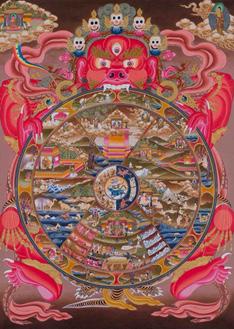
Image credit: Thangka-Mandala.com
In Buddhism, mandalas are seen as devotional images representing the realms of celestial beings, and divine retinue circumscribed in an ideal universe. Some monks believe it withheld cosmic powers and help to promote it in the physical world we live in today.
Sand Mandala is quite prevalent among the Tibetan Buddhist monks who hold the ability to recreate the symmetrical Mandalas from their memories to teach Buddha’s preaching. For example, one of the very essence of the Buddha’s philosophy is The Wheel of Life which can be seen in school, universities and official buildings in Bhutan, Mangolia, Nepal, Tibet and China. It depicts the cyclic rhythm of reincarnation and different perspectives of perceived reality. It also indepth renders about the accountability of our actions –Karma. We don’t hold a permanent place in this world and our actions will pass from one existence to another. Hence, the idea of rotation or wheel does indeed mean reincarnation. In the spiritual artifact known as the Mandala, various elements hold distinct meanings. Each animal, color, and pattern is thoughtfully positioned within the circle.
For instance:
In the first circle of the Wheel of Life, at the Mandala’s center, three animals—a pig, rooster, and serpent—symbolize ignorance, greed, and anger, respectively.
In the second circle, your gaze will note the black and white background, representing good karma and bad karma.
The third circle is divided into six segments: heaven, demi-gods, human, animal, hungry ghosts, and the hell realm.
Breathe | 17
The last circle is segmented into twelve parts, signifying the interdependence of everything in the world.
It wasn’t only the Asiatic countries that saw the central importance of these mystic circles so called Mandalas. Within Christianity, several symbols bear resemblance to mandalas, including the Celtic cross, the halo, the labyrinth, and rose windows. The insights of Mandalas crossed across the sea and was adapted in many churches. You can see Christian Mandalas drawn on the floor or stained glass windows in many medieval churches.
Whether displayed as church windows or incorporated into a rosary, mandalas serve as a means to dedicate time to contemplation of the self and the divine. For example, in North Presbyterian Church one can see Mandala representing the union with god. Other typical mandala designs and circular symbols in Christianity include:
• The crown of thorns
• The halo or aureole
• The Celtic cross
• The rosy cross
• The apse part of a church, particularly during Gothic periods
• Some baptismal font designs
• Communion wafers
Rose windows, also known as Catherine windows, grace some of the world’s oldest cathedrals. These windows, classic examples of mandalas in Christianity, have roots tracing back to the Roman oculi. Crafted with geometric segments, rose windows feature intricate patterns in various colors of glass radiating from a central point within the circle.
Among the world’s oldest and most renowned circular and rose windows in Christian architecture are found in:
1. Basilica of Saint-Denis: 12th Century, Saint-Denis, France
2. Chartres Cathedral: 13th Century, Chartres, France
3. Notre Dame: 13th Century, Paris, France
Breathe | 18
4. Milan Cathedral: 13th Century, Milan, Italy
5. Westminster Abbey: 16th Century, London, England
Psychotherapists find Mandalas to be extremely useful for their patients. As the patterns, colors, and strokes used to create Mandalas reflects and emphasize on the factors such as personality, feelings, dreams, beliefs and search for meaning in life.
Carl Jung and self-archetype Mandalas
Mandala drawing originated from Tibetan Buddhists and was later developed by Carl Gustav Jung, who believed that it integrates psychological division, enhances psychological harmony, and preserves personality integrity. Previous studies have primarily focused on the alleviation of negative emotions like anxiety and depression through mandala drawing. This study explores the impact and mechanism of mandala drawing on improving subjective well-being (SWB), mindfulness, and spirituality from a positive psychology perspective. It also compares the effects of cooperative mandala drawing (CMD) and individual mandala drawing (IMD) on mindfulness, spirituality, and SWB.
Change is inherent, and the Mandala symbolizes impermanence. As per the psychologist Carl Jung reasonings, Mandalas are self-archetype and can be used in the field of psychology in many ways. It has been used in Jungian Play Therapy successfully.
Mandalas find application in art therapy, where therapists utilize a client’s selfcreated mandala as a visual representation of their current emotions and feelings. This approach is perceived as self-calming and centering. In mandala art therapy, some therapists advocate the practice of maintaining a “mandala journal.” Studies have incorporated “mandala coloring” as an activity, involving the coloring of predrawn mandalas. Mandalas, along with other art therapy techniques, have been integrated into mainstream therapies across various settings and formats. Recent research indicates the effectiveness of mandala coloring in reducing anxiety, stress, improving mood, and aiding trauma patients. Jung, in his psychotherapeutic practice, employed mandalas not only in Jungian Play Therapy but also in the treatment of clients with emotional disorders. By instructing clients to draw individual mandalas, Jung identified emotional disturbances and assisted them in the journey toward achieving wholeness in their personalities. The use of mandalas in therapy has demonstrated positive outcomes, particularly in reducing anxiety and aiding clients with post-traumatic stress disorder (PTSD).
Breathe | 19
According to him, “In view of the fact that all the mandalas shown here were new and uninfluenced products, we are driven to the conclusion that there must be a trans conscious disposition in every individual which is able to produce the very same or similar symbols at all times and in all places. Since this disposition is usually not a conscious possession of the individual, I have called it the collective unconscious.”
Crafting Mandalas
There are no die-hard rules when it comes to drawing a Mandala. However, if you’re feeling lost, you can start by drawing circles using your biggest circle first and then slowly and steadily drawing circumscribed-circles inwards. You can feel Mandalas with numerous elements arranged symmetrically inside the Mandala. The art form is visually pleasing with intricate details, creating the impression of complexity. However, beginners can also find easy mandala art to start their exploration.
What better way is there than to take a break, unwind and let your inner child come out and color and reduce the stress that we have been carrying every day and give your mental health the nurturance it needs!
Breathe | 20
THE THERAPEUTIC AND ENERGIZING POWER OF HOBBIES
Karina JhajIn the fast-paced and digitally-driven world we live in, maintaining mental health has become a critical aspect of overall wellbeing. Like many, I found myself trapped in the monotony of routine, connected to the digital world in an attempt to escape. The rise in my overall stress and anxiety levels had prompted a necessary search for effective coping mechanisms. Through this search, I was able to find a powerful antidote which is in the realm of hobbies. Engaging in hobbies not only provides a pleasant escape from routine but also offers plenty of mental health benefits, keeping individuals stimulated, excited, and energized. It was when I stumbled upon the therapeutic power of hobbies that I discovered a profound source of joy, excitement, and mental resilience that worked to combat my previous concerns.
I’ve always heard of people discussing the idea of a “third location,” a place aside from work and home that people can go to that they can look forward to on a daily basis.
In the past, this was quite a common idea to allow people to engage in social, fun settings. In modern reality, for most people, this third location is the Internet. Instead of going out to a local cafe, park etc, people now scroll on social media for hours at a time, looking forward to this stimulation after their exhausting day. It is true that many individuals like myself can find themselves caught in the monotony of daily routines, be it work-related stress or the repetitiveness of everyday life. This monotony can lead to feelings of boredom, lethargy, and depression. The constant use of digital devices, such as smartphones, has become an unconscious escape from this monotony, but it often exacerbates feelings of disconnection and dissatisfaction. As beneficial as social media can be for other reasons, there are many other healthy and mentally stimulating ways to achieve this sense of satisfaction and excitement. For me, the repetitive nature of my daily routine began to take a toll on my mental health. Work and school related stress,
Breathe | 21
coupled with the mindless scrolling through my phone, left me feeling disconnected. It was clear that I needed an escape, a way to break free from the monotony trap that had become an unwelcome constant in my life. My journey towards improved mental wellbeing began with a simple decision: to explore and develop hobbies that resonated with my interests. I immersed myself in various activities, from crocheting stuffed animals to reading various genres to baking vegan desserts, seeking the sense of fulfillment that seemed to slip through the cracks of my daily routine. Little did I know that these pursuits would become the cornerstone of my mental resilience.
Learning and engaging in new things has the remarkable ability to evoke passion and excitement. Whether it’s mastering a musical instrument, creating a new design, or exploring a new outdoor activity, the joy derived from pursuing one’s interests can fill life with enthusiasm and positive energy. This newfound excitement can spill over into other aspects of life, creating a ripple effect that counteracts the draining effects of routine and digital overconsumption.
Developing and nurturing hobbies can act as a powerful counterforce to the monotony trap. Hobbies provide an opportunity to break away from routine, stimulating the brain and fostering a sense of accomplishment. Engaging in diverse hobbies breathed new life into my routine. Each activity stimulated different facets of my brain, fostering cognitive flexibility and keeping my mind sharp. The once-dreaded monotony was replaced with a sense of curiosity and excitement as I delved into the world of creativity and exploration.
As I devoted time to my hobbies, I found myself immersed in a world of passion and excitement. Whether it was the satisfaction
of completing a captivating and immersive novel or the joy of creating something with my hands, these pursuits implemented positive energy into my life. The enthusiasm I derived from my hobbies spilled over into my daily activities, transforming the way I approached challenges and setbacks.
One unexpected bonus of my newfound hobbies was the opportunity to connect with like-minded individuals. When you are engaging in something for the first time alongside others who are also just as inexperienced or willing to take you in, that feeling of camaraderie is invaluable. Many hobbies can be social in nature, providing opportunities to connect with like-minded individuals. Building and nurturing social connections can be a powerful buffer against mental health issues. Whether it’s joining a local club, participating in group classes, or engaging in online communities, shared hobbies create a sense of belonging and support that contributes to emotional wellbeing. Having joined classes in sewing and archery and having participated in online crochet groups and book clubs, these shared activities provided me with a sense of belonging and support.
Overall, the therapeutic benefits of hobbies cannot be overstated. Engaging in activities that bring joy, challenge the mind, and foster social connections can be a transformative approach to mental health. In embracing hobbies, I discovered a profound and personal approach to mental well-being. My experience was not just about getting away from the monotony of routine but about creating a life filled with excitement and education. I really encourage everyone to embark on their own exploration of hobbies, especially if you feel similarly to me. As I continue to prioritize my mental health, I am grateful for the transformative power that hobbies have had on my life.
Breathe | 22
Reclaiming Mental Health in a Hectic World
- Tips and personal anecdotes on regaining balance and preventing burnout in a fast-paced society.
Nashitah Noorayn Chowdhury
In the whirlwind of our fast-paced world, where the demands of work, personal life, and societal expectations converge, the pursuit of balance often feels like a distant dream. The spectre of burnout looms large, threatening our mental well-being. Yet, within this chaos exists a pathway to equilibrium—a journey toward reclaiming mental health amidst the chaos of everyday life.
How could we do it, you may ask? First off, set boundaries. Decide when work time ends and personal time begins. It’s crucial to disconnect from work emails and calls to recharge outside of work hours. Being an ASD Family coordinator of a very small non-profit company makes it harder to distinguish between work and personal time. Often, I’ll be enjoying a movie and then go back to my work email to see if there’s anything important; the next thing you know, I’ve already been working for 2 hours straight. I realized that sometimes it’s easy to blur the lines between work and personal time when you do enjoy your work or when half your work is remote. It feels easier to get it done so you can relax for later. Yet after you are done with your work, you have more chores to do. Next thing you know, you
need to make dinner, and then you’re off to bed. That movie is still paused at 23:25, and you never get back to it. So this is my tip for you: Stick to a very strict schedule, and if you find it hard to stick to, ask the people around you to make you feel accountable. I’m sure your significant other would love more time with you and would happily oblige. Stick to a time frame of when and how long you will be working, and make a written or printed schedule so there is a visual to follow. The more you create boundaries, the more accessible you feel in your personal and work life. Always remember that consistency is the key, and you deserve to drool over Ryan Reynolds for 2 hours.
The second step is to practice more mindfulness activities. Mindfulness is a game-changer. Taking a few minutes for meditation or deep breathing can ease stress and bring clarity amidst chaos. Self-care is also a must. It’s not just about pampering; it’s about doing things that make you feel good. Whether going for a walk, reading or hitting the gym, these activities recharge your batteries. How often do we give the very excuse that we don’t have time and have a million things to do? I’m sure we all do,
FROM BURNOUT TO BALANCE:
Breathe | 23
but the magic of mindfulness and self-care is that it could be anything - literally anything! If you’re taking a shower or a bath, that could be your very own self-care routine. Don’t use that time just to get clean, but put on a candle, put some soothing tunes in the background, and read a book while indulging in your favorite drink. The very act of romanticizing little things could let you find joy in the mundane. Even if you can’t hit the yoga or a pilates class, try putting a relaxing tune in the background and relax for 5 minutes. Call a friend and talk about everything that is on your mind. Walk to a nearby cafe and try to talk with at least three people. Write a haiku about everything you are grateful for in a tissue paper. It is not about making time to do extra things, but to be mindful about the things you are already doing and doing it in a way that makes you feel good. Self-care can be practiced anywhere at any time as long as you intend to do so. Both your body and mind deserve to feel good, and you owe it to them.
The third step is to break down big tasks into smaller ones. When faced with a colossal task, whether it’s redecorating a room or tackling a major work project, it’s common to feel overwhelmed. The solution? Break it down into smaller, more achievable steps. This simple strategy can make all the difference in staying focused and making progress. The idea behind breaking tasks into smaller steps is to turn a daunting task into smaller, more digestible chunks. It’s like disassembling a puzzle; it’s easier to tackle smaller pieces than trying to tackle the entire picture at once. Start by identifying the main task. For example, if it’s about writing a report, think about the smaller steps involved, like research, outlining, and writing sections. These smaller steps make the task feel less intimidating and more doable. Every time you complete one of these smaller tasks, take a moment to acknowledge it. It’s not about throwing a party but giving yourself credit.
Take a short break, pat yourself on the back, or simply acknowledge that you’ve made progress. These small celebrations matter because they keep you motivated and feeling good about moving forward. Breaking tasks into smaller steps isn’t just a productivity trick; it’s about making progress visible. Completing these smaller tasks shows that you’re moving forward, even if the larger task isn’t finished yet. Each completed step is a win in itself, and celebrating these small victories keeps your motivation up. In the end, breaking tasks into smaller steps and acknowledging your progress is a simple yet effective approach. It’s not about fancy strategies or complicated methods; it’s about taking things one step at a time and feeling good about each step you complete Always remember that you come first, and you can only do that if you are physically and mentally sound. It’s vital to understand that finding balance isn’t about instant fixes or miraculous overnight transformations. Instead, it’s a gradual process—a series of adjustments and conscious choices woven into daily life. Furthermore, the pursuit of balance isn’t a solo journey. It involves acknowledging our limitations, seeking support, and understanding that it’s okay not to have all the answers. It’s a journey where self-compassion and understanding play crucial roles, reminding us that progress, no matter how incremental, is still progress. Balancing life in a fast-paced world isn’t easy, but it’s worth the effort. These tips might not solve everything overnight, but they can help you reclaim some much-needed balance and keep burnout at bay. In the end, it’s not about achieving a perfect balance; it’s about striving for it, recognizing that the pursuit itself is a significant step toward a healthier, more fulfilling life. So, while the path to balance may be winding and the journey demanding, the rewards of a more balanced, resilient, and fulfilled life make every effort worthwhile.
Breathe | 24
AFFIRMATIONS: TRANSFORM WITH THINKING
Raveena JhajAffirmations, often dismissed as mere positive thinking, carry profound significance in shaping our mindset, influencing our actions, and fostering personal growth. Far beyond the simplicity of optimistic statements, affirmations, when consistently practiced, possess the transformative power to reshape our thoughts, beliefs, and ultimately, our lives.
Personally, I once doubted the value of affirmations, considering myself inherently predisposed to a pessimistic outlook. I believed negative thoughts would persist throughout my life, unyielding to change. However, incorporating the habit of waking up each morning and intentionally expressing positive affirmations has proven to be a catalyst for significant change
in my life. This ritual allows me to shift from a negative perspective to one where self-compassion and positivity prevail. By consciously choosing kind words for myself, reflecting positively on the past, and fostering optimism in the present, I embark on each day with newfound confidence and diminished anxiety.
The importance of affirmations lies in their ability to cultivate a positive mindset, enhance self-esteem, reduce stress, facilitate goal achievement, and build resilience. By shifting our mindset towards optimism and consistently affirming our capabilities, we pave the way for personal development and a more fulfilling life.
To harness the power of affirmations, individuals can incorporate them into their
Breathe | 25
daily routines through various practices. Starting the day with a set of affirmations, engaging in mirror exercises that enhance self-connection, maintaining a journal of written affirmations, carrying affirmation cards, and incorporating affirmations into bedtime routines are effective ways to integrate them into daily life.
Down below there are sample affirmations for empowerment. Try using these for one week in your morning routine to evaluate the power of affirmations!
1. I am capable of achieving any goal I set for myself.
2. I am proud of the person I am becoming.
3. My potential is limitless, and I am constantly growing.
4. I attract positivity into my life, and I radiate good energy.
5. Challenges are opportunities for growth and learning.
6. I am grateful for the abundance that surrounds me.
7. I am confident in my abilities and believe in my unique gifts.
8. I celebrate my achievements and acknowledge my progress.
Breathe | 26
POETRY
Breathe | 28
CONFUSION
Mary Anne AbdoStuck in a corner, the mind and the voice will not scream. Twisted like a curled-up rubber band.
The thoughts and the attacks never seem to cease.
The dark one tries his hardest to infiltrate my very being.
Trying to destroy every scrap of a peaceful life.
Turning and turning in every way to regain sanity.
Beating my chest for solace,
This is my soul’s test.
How far and long will this continue?
Did I throw in the towel and give up the fight?
Never!
Giving up means giving into that deep void.
Its painful edges remind me to forge ahead.
My dearest ones need perseverance
For their own peace of mind.
Human contemplation recalls that our crosses can be difficult amongst the darkness of this world.
Love is the first ingredient in the relief of suffering.
Love, love and love for it is why we are created.
Forgive, forgive and forgive again, until your heart finally melts.
Breathe | 29
DISPOSABLE FEELINGS
Mary Anne AbdoNot wanting to intrude on your day.
Asking a question for assistance.
Hearing me and not really hearing me at all.
Acknowledgment ignored—
Words never spoken to express an honest assessment of my thoughts. Are now gone into obscurity.
Yet I stand in front of you as an invisible image that has been tossed aside.
Disposable comes to mind like litter on the street.
Technology has invaded our society to make human beings not so human.
Hiding behind the masks of glass screens and cell phones.
Saying and typing what we want without consequence.
Not realizing feelings are not meant to be disposable.
Losing the art of human connection.
And communication.
The ability to look into someone’s eyes and understand the true meaning of their unique humanity.
Is slowly going by the wayside.
No wonder deep mental pain is felt by all walks of life. We are not meant to be disposable, instead we are meant for appreciation. No matter what we bring to the table of life.
Breathe | 30
“THE PLACE SETTING”
Grace BlackHave you prepared a meal for one
In the shortest hour of the long season
Have you prepared a meal for one
At an unset table of grief
Have you prepared a meal for one
Knowing herbs will taste of a sun that has never risen
Have you prepared a meal for one
Thickened broth just to feel the weight of companionship
Have you prepared a meal for one
And sat with yourself night after night
Have you prepared a meal for one
To sit and simply--not eat
Have you prepared a meal for one
Have you—
FULL STOP
Michael R. CollinsI take my first breath.
It is clean and clear.
It is joy and calm.
Opening to awakening.
But it is not the first breath.
Only a restart.
Only a pause.
While I repair again.
The clouds part in my sky.
The ground ceases to rumble.
The fires stop raining down.
Now I welcome my second breath.
And I smile at it.
And I release it.
I am now empty.
I continue to breathe
And every breath thereafter
Is joy and calm
Is awakening.
Until I forget to breathe again.
Breathe | 31
PEACE IN PURPOSE
Cassius St Rogue
I found no peace in purpose.
It was never something for me.
I never got to taste the fruits of my labor Exhaustion burned my blossoming tree
I never got to see a vineyard grow, Although I believe my wine would be sour with ire
I’d rather dance in the ashes of my efforts
The thieves don’t know I’m immune to that fire
CLOUDS
Anique Austin
Slow
Graceful
Steady
A stillness so comforting
Looks like one may not even be moving
Reflecting that stillness within oneself
Halting each and every neuron from its daily activities
So that our soul and mind may experience the peacefulness we see
A fogged mind of still clouds
A profound soul of still water
Experiencing the beauty of the physical realm away from calamity
An external view of ‘just’ and of ‘be’ and of ‘feel’
Just how could the soul feel anymore freer
Breathe | 32
THE WORLD ITSELF IS A BAD DREAM
Nyelle HargravesThis world is like a bad dream that I can’t seem to wake up from… it’s like chewing the same
Piece of flavorless gum… I feel like Silver twist asking “please world can I have some more”,
But they just leave me with a single crumb… the world likes to beat me down constantly like a
Drum, but now I have grown to the rhythm and rock to the beat so on the third count I go numb.
This world is a nightmare… but this world simply doesn’t care… it will literally suck the air out
Of you just to create another heir that’s not you. The world wants you to be a square, but instead
You’re a circle. You don’t have any right angles or perfect corners. You have curvature with no
Defining point. The world can’t measure your circumference, so therefore it could never come
Full circle.
The world stays bad because it has the ability to shape shift. However, citizens such as myself
Never really fit the shape; I guess it’s either shape up or lose your shape completely and become
Linear. I never knew geometry was this hard, nothing like they taught us in school, but more
Complicated and a greater scale. Bad dreams and math have so much in common, nothing ever
Adds up.
Breathe | 33
SOMETIMES THE BEST I CAN DO IS BREATHE
Parker JohnsonWITH A HEART FORWARD FACING
Riel FuquaWe place mountains
On our own shoulders,
Dreams so vast,
Goals so towering, They blot out
Our own sun.
Each stumble, Each fall,
We label ourselves
Failures,
Beating our spirit
With our own
Unforgiving words.
But maybe,,
It’s the small victories
That truly count -
A smile, A step, A single breath.
Sometimes,
Just breathing
Is our bravest act, A quiet rebellion
Against the storm Of self-doubt.
With a heart forward facing
The state of this world may cling
To the silk of your soul
Tax you with hardship
And grief as its toll
The news may bewilder you
And leave your spirit bereft
Searching for solace
In the places you’ve left
Borrowing memories from the person
You were before
Aging your exterior
Letting your body keep the score
But when breathing is too hard
And the day exhausts you
Take sacred pause
Place hand over heart
And remember how far
This pulse has brought you
Through thousands of tears
And the uncertainty of change
With a heart forward facing you, here, have remained.
Breathe | 34
AN UNTITLED MOUTHFUL TO SERVE AS A TITLE TRACK
Steve ZmijewskiI would if I could I would if I could I would if I could
I made a note in a first draft to repeat that one line. Repeat it like a parrot making fun of myself.
I forget the meaning to plenty of this rolling dog and pony show.
What would I do more of if I could?
I’ve had it up to here with the madness of juggling.
And when I type those words
I am raising my right arm above the top of a migraine filled head.
But I never fully extend the arm as far as my elbow could go.
There’s still a light. Still time. Chance.
The lottery. A throw of dice.
Diligence to this feeble fruitless hulking mania and Day night dedication to Heaps of so much else, my spirit is not completely squashed. I have so much.
The gray matter of mind is pressed on escaping into the stars
Yet my heart still melts inside its optimistic cage.
I have become angrier. And a stranger.
When I mention time again- the system of The duration in present life,
Please tell me you figured out how to make it slow.
Or maybe just say
Stay down, spaceman.
But don’t let your feelings hound you
Or swallow you whole.
Stay down.
And sleep.
I would if I could I would if I could I would if I could is an excuse. A burden
Breathe | 35
CRACKED DREAMS
By Aditi KrishnaLoneliness that crawls
Deep into my skin and veins Munches on sorrow.
Loud words floating near Screaming in my silence, harsh; It cracks the facade Am I fine? mystery; Insoluble piece, about No one knows answer. Tangles bound to stay, Locked deep in the attic of mind Devouring life, whole
Breathe | 36
Breathe | 37
TAKE A DEEP BREATH AND CENTER YOUR THOUGHTS TO THE PRESENT.
Breathe | 38
Breathe | 39
BREATHE BREATHE MIND MATTERS
MENTAL HEALTH MAGAZINE
You’re never alone; don’t hesitate to seek support, and remember, your story deserves to be acknowledged and shared.
Follow us for mental health posts at mindmattersmag on instagram!