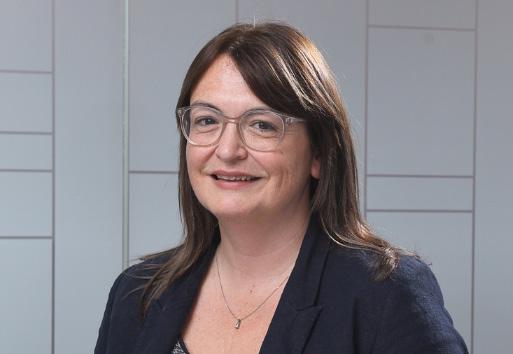
Meet Catriona Attride, who has joined our private client team in Birmingham.

Chris Belcher Partner, Head of Private Wealth chris.belcher@mills-reeve.com
Meet Catriona Attride, who has joined our private client team in Birmingham.
Chris Belcher Partner, Head of Private Wealth chris.belcher@mills-reeve.com
2024 has been described as the largest election year ever, with more than half the world’s population eligible to vote in elections across the globe. In July we saw a change of Government in the UK, and like many of you we’ll be watching carefully to see what tax and policy measures are introduced over the coming months.
As, and when, changes happen that may impact you, here and around the world, we’ll publish guidance on our website, and for the latest information please do talk to your usual Mills & Reeve contact.
We’ve also had some changes here at Mills & Reeve. At the end of May, I took over as head of private wealth from my colleague Andrew Playle. Andrew led the team for six years during which time we have grown significantly and seen many leading experts join our fantastic team. On pages 26-27 you can find an introduction to the new partners who have joined the team over the last 12 months.
Earlier this year we were also heralded as the premier firm for private client advice in the UK by The Legal 500 and Legal Business Private Client Yearbook 2024. This recognition is a testament to our steadfast commitment to excellence and innovation in client service.
As ever this latest issue covers key topics impacting individuals, their families and private wealth. A special thank you to Scott Mitchell who took time out to speak to us
about his late wife Dame Barbara Windsor’s battle with dementia away from the public eye, and his role as an ambassador for Alzheimer’s Research UK.
Further thanks to Thomas Ward from Hampden Agencies who talks us through the use of Limited Liability Vehicles by private investors to access Lloyd’s, the world’s leading insurance and reinsurance marketplace. Such investments can be a particularly appealing strategy for passing wealth down through generations for some families.
This issue also includes a look at recent changes and potential future changes in family law, explores how next-generation philanthropists are reshaping charitable giving with fresh perspectives, updates to trust and estate taxation, the importance of proper will safekeeping and much more.
As always, if you would like to discuss any of the issues covered in this edition, please get in touch with either the author of the article or your usual Mills & Reeve contact.





























The interpretation of philanthropy is different for everyone, but to be truly effective, it requires a clear vision.
For some, their philanthropic aims are clear at the outset. For others, the roadmap is less linear. We conducted an in-depth conversation with our clients to understand:
• What their wealth is for
• The purpose they want to serve
• The difference they want to make
The great wealth transfer
If you’ve worked with us before, you’ve probably heard our tagline: “Achieve more. Together.”
Many families are choosing to embrace the same principle with philanthropy by involving the next generation in their philanthropic aims and empowering them for the future. This has the added benefit of introducing them to financial responsibility, decision making and building the foundations of the family vision together.
Branded the great wealth transfer, Kings Court Trust reported that £5.5 trillion is set to pass between generations within the next thirty years in the UK. What could this mean for philanthropy?
Fresh priorities
The donors of the future undoubtedly have new perspectives, which can be extremely valuable as we enter a new era of giving.
There are several trends that have been reported in relation to next-gen philanthropists:
• They respond to real world needs – a survey found that donors aged 25 to 34 were the most generous age group during the Covid 19 pandemic, with 75% making donations compared to the populations overall 64%.
• They view the world differently – we’re also seeing shifting demographics, and it’s estimated that 65% of the UK’s wealth will be in the hands of women by 2025. Research suggests their decision making is more value based.
• They do things differently – in a recent survey, a 76% majority agreed that they wanted to pursue a philanthropic path independent of their predecessors, with young women more likely than their male counterparts to agree – 88% of women compared to 69% of men. Perhaps this is because they haven’t been involved in the philanthropic conversation with their predecessors
There’s one theme that rings loud and clear – they’re passionate about matters that are important to them and are keen to get involved.
Why should you be interested?
Developing a plan to strategically tackle some of the issues that are important to you has several benefits:
• Contributing to social value, giving you a sense of purpose and achievement.
• It gives you the opportunity to build relationships with recipient charities - if that’s something that’s important to you. You can discuss your plan for giving with them, perhaps give on the understanding that funds will be used for a particular purpose, be involved in the process and be part of the project.
• It helps to make sure that your wishes are followed when you’re gone.
Branded the great wealth transfer, Kings Court Trust reported that £5.5 trillion is set to pass between generations within the next thirty years in the UK.
If you decide to use some of your wealth for the greater good, we can help you find the right strategy.
Depending on what you want to achieve, the approach may include lifetime giving, giving on death (through effective will planning), or a combination of both.
It could mean supporting existing charities, donating to a donor advised fund, social investment or even setting up your own charity. If setting up your own charity is the right option for you, we can advise on an appropriate legal structure, prepare the governing documents and deal with Charity Commission registration to get it off the ground. We work collaboratively to achieve your goals and ultimately ensure that your gift (whatever that looks like) has a meaningful impact.
If we’ve sparked your interest and you have any questions, get in touch
Jane Ingleby Partner, Family jane.ingleby@mills-reeve.com
Mark Twain famously said: “I’m in favour of progress. It’s change I don’t like”. Well, we’re not too sure what he would make of the myriad of changes that are currently facing the family justice system, but at least many are aimed to ensure progress. Here’s some highlights that are already impacting our clients, as well as major potential future changes.
The push for justice not only to be done but to be seen to be done continues. Those going through the court process to sort out their finances or arrangements for their children can no longer expect total privacy. Depending upon where you are in the country (and whether your local court is in the pilot schemes or not), you may find journalists and legal bloggers attending hearings and reporting on what they’ve seen and heard –subject to rules around protecting the anonymity of children.
With the push for transparency, couples are increasingly moving away from resolving their disputes (both financial and children-related) in the overstretched family court system and towards using arbitrators who have both the experience and time to grapple with the issues of their case. Arbitration guarantees parties privacy while allowing cases to progress faster and more cost-effectively. We expect to see a continued uptick in the number of families turning to arbitration to resolve disputes.
In Autumn 2024, the Law Commission will publish a scoping report outlining whether the law that sets out how finances on divorce should be dealt with remains fit for purpose. This report could pave the way for a significant reform of how finances are divided on divorce, potentially overturning 50 years’ worth of law. The Law Commission is also revisiting its decade-old recommendations for introducing nuptial agreements, which would be legally binding providing that certain safeguards were met.
In 2023, the Law Commission set out a number of recommendations to improve outdated surrogacy laws. Despite increased demand, the law hasn’t kept pace with the changes in surrogacy and fertility treatments, often failing to adequately protect those involved. The Law Commission has proposed a whole new regulatory regime that offers more clarity, safeguards and support. We wait to see when these recommendations will be implemented.
April 2024 brought a number of changes designed to encourage the early resolution of family disputes outside of the courtroom... A big change is that couples in the court process are now required to tell the judge their views on using processes such as arbitration, mediation, evaluation by a neutral thirdparty or collaborative law, collectively called non-court dispute resolution (NCDR), instead of using the court.
Judges will proactively be looking for opportunities to adjourn proceedings to allow other options to be tried. Taking an unreasonable stance against NCDR may come back to bite couples as judges have the power to award costs orders at the end of proceedings against individuals who unreasonably refuse to consider anything other than court. With the Family Court overwhelmed with cases, and court proceedings expensive, time consuming and stressful for all involved, this seismic cultural shift came as no surprise.
In May 2024, the Court of Appeal gave us a long-awaited judgment in a case called Standish v Standish. This has already had an immediate impact because it dealt with something called the “sharing principle” and how that principle should be applied, which affects a great many of our clients.
The sharing principle says that wealth generated during a marriage (often called matrimonial assets) should be shared equally on divorce. Non-matrimonial assets, things like inheritances or pre-marital wealth, brought in by one spouse isn’t shared unless to make sure the couple’s needs on separation are met.
Rising interest rates and extreme inflation seen in 2022 and 2023 increased the pressure on family finances, making it more difficult for some couples to divorce. Research from Legal & General pointed to 20% of divorces being delayed because of the cost of living crisis.
The Government increased court fees by up to 10% earlier this year, generating £42 million a year to help improve the court’s service delivery, subsidise the cost of free services and reduce the overall cost to the taxpayer of the court service. More regular fee increases are expected. The cost for issuing a divorce application is now £652.
In the Supreme Court, Potanina v Potanin dealt with the family court’s power (and the correct procedure) to make a financial order in England and Wales after a couple have divorced overseas, provided the couple have met certain requirements. The likelihood after the Supreme Court’s decision is that these applications are going to be harder to make.
The sharing principle says that wealth generated during a marriage (often called matrimonial assets) should be shared equally on divorce.
Sometimes a non-matrimonial asset can become “matrimonialised” – this happens when matrimonial and nonmatrimonial assets get mingled. For example, a valuable antique is inherited by one spouse and sold to buy a holiday home for the family to enjoy.
Central considerations to ensure a fair outcome revolve around the source of wealth and not just who owns an asset at the time of divorce. The case also made headlines for the extraordinary reduction in the wife’s settlement. Originally, she was awarded £45 million; the Court of Appeal reduced her award to £25 million. Rumour has it that Mrs Standish is looking to appeal to the Supreme Court.
Ahead of the General Election, the Labour Party and the Liberal Democrats both indicated that they would look to reform cohabitation laws, recognising that, in Labour’s words, “for too long, women in cohabitating couples have been left with no rights when those relationships come to an end”. Although there is scant detail, the fact that for the first time since 1972 marriage has dropped under 50% means politicians can no longer ignore this pressing problem.
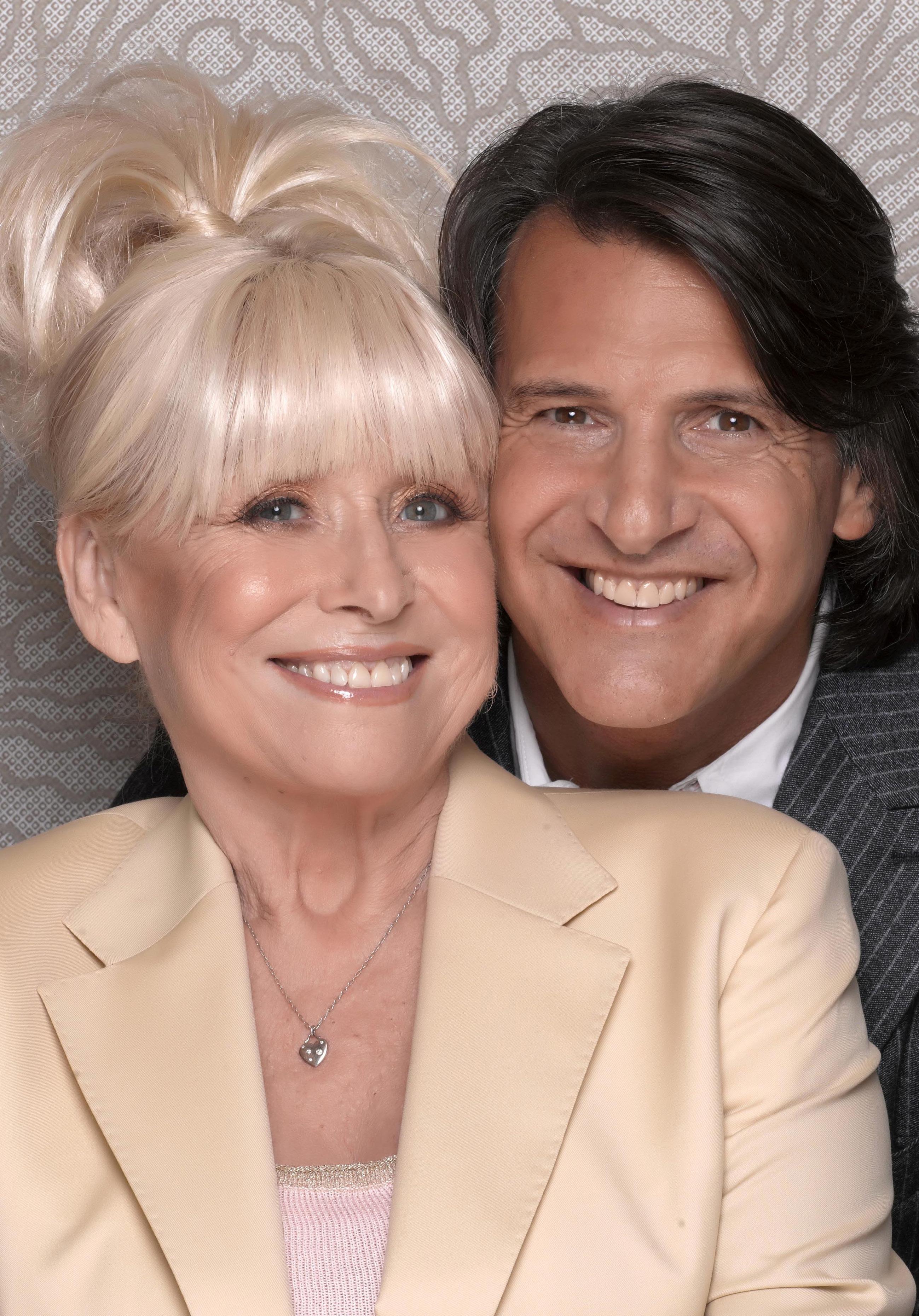
Photography: Alan Olley | Scopefeatures.com
Emma Geale Principal Associate, Private Client emma.geale@mills-reeve.com
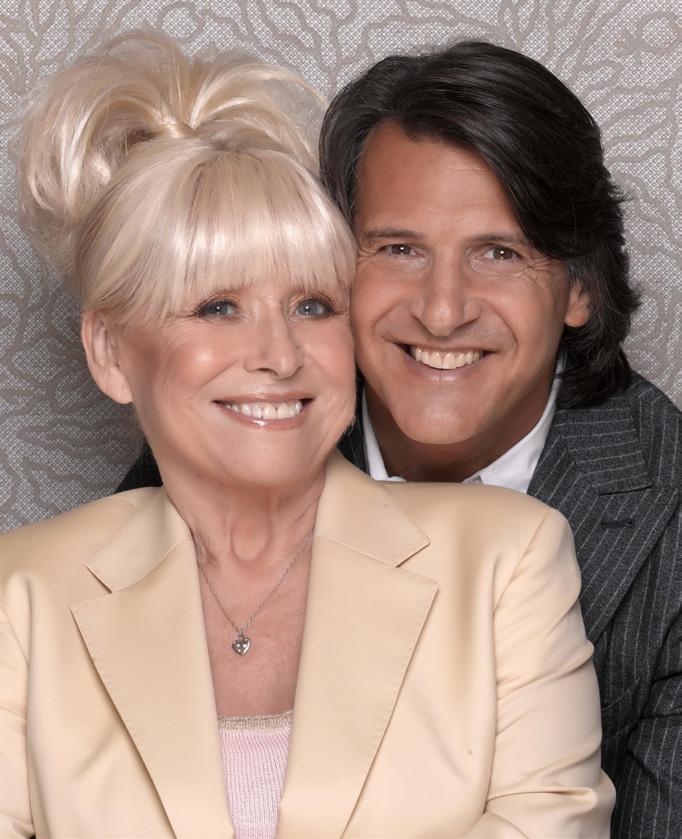
Emma Geale sat down for a chat with Scott Mitchell in the front room of the mews house he shared with his late wife, Dame Barbara Windsor.
What made you first aware that Barbara was unwell?
It’s worth starting by saying that, although there are lots of similarities, everyone’s dementia journey is different, and I’m only talking from my own experience, rather than as an expert.
Barbara was always so vibrant, and highly intelligent with incredible recall. People would call up and ask who had been in a certain show 20+ years ago, and she could name the whole cast. Then she started to have a couple of incidents, in around 2009. She’d have blanks on the set of Eastenders, or a blank in conversation. At first, we thought it might be due to tiredness, and perhaps a sign she shouldn’t be doing such long hours. She was in her early 70s at that point and was still working long hours on set and staying up late learning lines. She absolutely adored playing Peggy.
There were a few other signs too. Her personality changed and she became more subdued and even a bit distant at times. It was almost as if a veil had come over and dampened her. She repeated herself and started losing things, and they’d end up in the weirdest of places. We made excuses at first, saying it was her age, of course she will be a bit forgetful and have less energy than she used to.
But it kept getting worse and there seemed to be just a level of confusion about everyday objects. The phone would turn up in the fridge, or she’d pick up the TV remote as if she was answering the phone when it rang. I suggested we go to see a neurologist, which was a difficult conversation to have. She was always so brave, but there was of course resistance. The thing about dementia is that the earlier it’s detected, the better – both for the person diagnosed and their family.
It took a long time from there to get a final diagnosis, about two years in total. There were a lot of tests, both cognitive and in the end a spinal fluid test to confirm Alzheimer’s.
When you received the diagnosis, did either of you understand in that moment what would lay ahead?
At first, we just went into shock. I’ve heard from a few people that can happen. It’s so much to take on board, and your brain jumps straight to the darkest place. When she got her diagnosis, Barbara cried a little, but instantly stopped herself. She looked to me, held her hand out and said, “I’m so sorry”. I told her not to apologise and that we would be fine, but those next few days it felt like I’d been punched really hard and was just walking around in a daze.
Unless you, or someone close to you, have experienced it, the majority of us don’t have a great understanding of what lies ahead. For a while, Barbara was in denial and would get irritable and defensive if I tried to discuss it. I completely understand that mentality, as no one would want to accept that they are going down that road.
I went back to the neurologist, on my own, to try and find out more. He asked me what my fears were. I had so many. I feared that one day Barbara wouldn’t know who she was, all the things she’d achieved in her career, or the love affair she had with the public. Of course, I also feared that one day she would look at me and she wouldn’t know who I was.
There’s no blueprint, and so much of the fear was fear of the unknown. As humans we like to be in control, so that unknown can put us in a really vulnerable state.
“ ” Unless you, or someone close to you, have experienced it, the majority of us don’t have a great understanding of what lies ahead.
Most of us are not natural carers, so there’s a lot of learning on the job. Not least because dementia is ever changing. Even when you think things have settled, change is always just around the corner.
One thing the neurologist did say to me was that Barbara should keep working, as it came second nature to her. She had done it since she was a little girl. Being in front of the camera, or interacting with the public, was part of who she was. The thing was we didn’t go public about the Alzheimer’s until 2018, four years after the diagnosis. I was very conscious of the sort of work she would take on. After a certain stage, live TV was no longer possible, as she would repeat herself. For example, the bingo adverts were perfect, she could read from an auto cue and it was only the odd bit of filming here and there.
Of course it impacts everyone differently, and people go through the various stages at different rates. There were some good moments along the way, but overall, it’s not a nice journey. It’s a heartbreaking thing to watch when someone you love is slowly disappearing in front of you. You’re still looking at them day in, day out, but their personality has changed.
What advice would you give others who’ve recently received a diagnosis?
If I could give advice to anyone it would be – yes, of course you’re going to be upset and shocked by the diagnosis, but please remember you could have years left, enjoy it!
Don’t let the diagnosis be the end of their life and yours. There are likely still a good few years ahead where you’re going to be functioning fairly normally. Yes, you need to start thinking ahead a little bit, about the practical things, but don’t miss out on the enjoyment and time you have together.
One of the first things we did, on advice from the neurologist was to “get your house in order”, by which he meant making sure Barbara’s will was up to date and putting in place lasting powers of attorney. They really need to be in place as soon as possible while the person is still able to make decisions.
I’d also advise you to be aware of symptoms before they start. Barbara became very sensitive to sound and touch, which could trigger a seemingly
“
At the start, advice from the neurologist was to “get your house in order”, by which he meant making sure Barbara’s will was up to date.
”
disproportionate reaction. They may also have mental side effects, such as paranoia or saying unpleasant and untrue things.
I remember so clearly the day when she called me upstairs, panicking and crying, and said: “Scott, I don’t know how to pick clothes”. It’s something she had done all her life, but she couldn’t do it anymore. I used to help her pick out outfits, although as time went on, she became very withdrawn in social situations. We would go out to eat and when the waiter came over, she would ask me what she liked to eat. You become such a pivotal point in that person’s life. She became so reliant on me, and that’s an incredible responsibility. At the same time, it can be draining on the carer.
It’s important for the carer to have people around them who are able to help, and importantly, to be able to ask for help. For a long time, I tried to do it all myself, but there comes a time when it’s impossible to leave them alone, and you need to be able to accept you can’t do it all.
It’s not a straightforward journey, but for most people you find your way. As overwhelming as it may seem at times, you do find the strength, but you must look after yourself. That’s really vital.
Can you tell us a little more about your role as an ambassador for Alzheimer’s Research UK?
It started with Barbara rallying the government for extra funding, which has now been put in place. In 2024, the funding for dementia research doubled from £80 million to £160 million.
We’d gone to see Boris Johnson in 2019, but then the pandemic hit and it all went quiet. After Barbara had passed, I wrote to him to say that dementia hadn’t gone away because of the pandemic, and funds were still needed.
I took to him the idea of a dementia taskforce, where we would bring together the top scientists and the NHS, and everyone else who needed to be involved. I received a call from him just before he left office and he gave us the go ahead. It was the Prime Minister himself who asked “with your blessing, we would like to name it the Dame Barbara Windsor Dementia Mission”, with £95 million of funding.
After it had launched a number of dementia charities got in touch to say that we wouldn’t believe the impact that it’s had. There were so many stories of people and families dealing with dementia and having conversations that they’d never had before, due to the Barbara Windsor effect. People of a certain generation didn’t feel able to talk about it, but Barbara helped make it ok. It’s such an incredible legacy for her to leave.
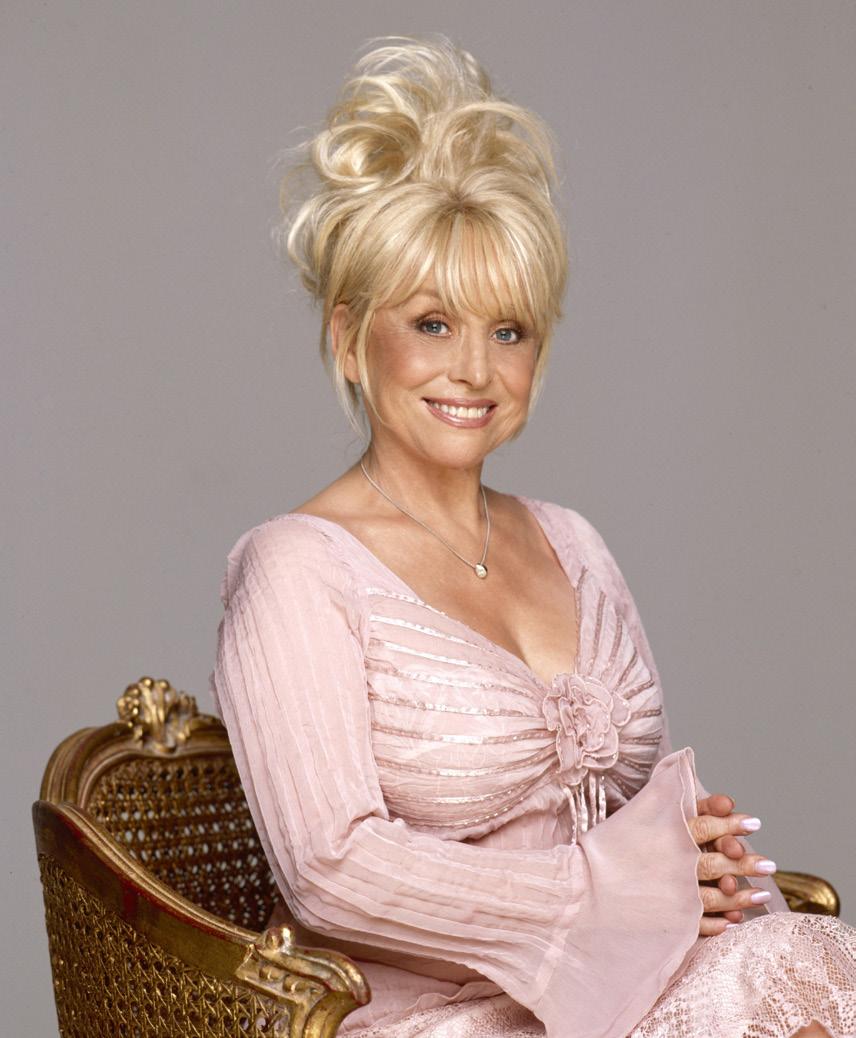
Catriona Attride Partner, Private Client catriona.attride@mills-reeve.com

Catriona joined Mills & Reeve in June 2023 having spent seven and half years as national head of private client & family at her previous firm, Gateley. She’s dual qualified as a solicitor and chartered tax adviser and specialises in acting for business owning families. Based in Mills & Reeve’s Birmingham office, Catriona worked closely with Matthew Hansell ahead of his retirement and has recently taken over as his successor
Working closely with individuals and families, often alongside their other professional advisers, Catriona provides tailored advice and solutions. She takes time to get to know and understand her clients’ requirements so that they get best value from her advice. We caught up with Catriona to find out how she’s getting on…
What surprised you most about working with the private client team?
I always knew that the team had an excellent reputation and were highly regarded in the market, but what’s impressed me most is how collegiate they are. There’s a refreshing lack of ego and individuals of all levels are encouraged and supported to develop specialisms, while being excellent overall practitioners.
What do you enjoy most about your role?
This is a tricky one to give a succinct answer to. I really enjoy the variety that working in private client provides. Getting to know clients and their families and finding solutions that help them achieve their estate planning objectives is really satisfying. I also enjoy seeing junior team members learn and grow. Supporting them in their journey is hugely rewarding.
Why did you choose Mills & Reeve?
In many ways, I see this as coming home as I worked for the firm many years ago as a junior solicitor and I’ve eventually found my way back here. In the 19 years since I was last here, Mills & Reeve has maintained its culture and, even though it’s much larger now, it still has a positive and supportive feel to it. The Birmingham private client team are exceptional and true leaders in the market, so to be honest, it wasn’t a difficult decision.
What’s the best advice you’ve ever received?
Always remember, grace under pressure!
What’s the best professional compliment you’ve been given?
The one I don’t tire of is that I’m “refreshingly normal for a lawyer” - and that was from a KC!
If you hadn’t been a lawyer, what do you think you’d be doing now?
There’s a couple of options I could go for here, but I think I’d have been a business owner or a psychologist.
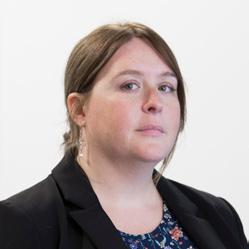
Charlotte Shaughnessy Principal Associate, Private Client charlotte.shaughnessy@mills-reeve.com
In recent years, there’s been a steady increase in the number of couples divorcing later in life, so much so that we now have a name for the phenomenon – “grey divorce” or, perhaps more flatteringly, “silver divorce”.
While it can, of course, be distressing to start again later in life, in many cases silver divorces can be less problematic. For example, there are unlikely to be young children involved so there’s no need to make child maintenance arrangements. Couples divorcing later in life may have built up more resources than younger couples, making it easier to ensure that everybody’s needs are met.
Silver divorces often come at a time when families would ordinarily be looking to their estate planning (eg putting tax-efficient wills in place). For many families, particularly those who are separating amicably, there can be an opportunity to incorporate estate planning as part of the process.
Trusts and divorce
Trusts are already a common tool in divorce settlements. For example, when one party agrees to provide a property or cash sum for their former partner on the proviso that it’ll eventually end up with their joint children (rather than passing to the former partner outright and potentially being left to a spouse).
The trust will be held for the children until the death of their parents or upon certain events, such as a remarriage. This protection becomes even more important where second marriages and blended families are involved, ensuring that each party’s family is provided for.
Estate planning
While the use of trusts on divorce for asset protection purposes is well established, it’s possible to think ahead and to incorporate some estate planning as part of the process.
Since 2006, most trusts established during the lifetime of the settlor are subject to inheritance tax (IHT) at certain points under the relevant property regime. IHT charges can arise as a result of:
• Entry charges: When funds are added to the trust
• Periodic charges: On every 10-year anniversary of the trust
• Exit charges: When capital is distributed from the trust
The charges arise on the value of the trust over and above the settlor’s nil rate band, which is currently £325,000, reduced by the value of any other trust contributions in the preceding seven years.
Any funds added to a trust in excess of the nil rate band are subject to an immediate IHT entry charge at the rate of 20%. This is then topped up to 40% if the settlor dies within seven years.
However, divorce can offer a unique opportunity to add much larger sums to a trust, without incurring this entry charge.
Maintenance payments
Any payments made for the maintenance of the former spouse/civil partner, or for the children of the marriage (up to the age of 18 or finishing full time education), are exempt from IHT. However, this exemption is limited to the amount required for maintenance and only up to the specified age. It’ll therefore be of limited use for most silver divorcees whose children have already left full-time education.
A wider exemption is offered by section 10 of the Inheritance Tax Act, which provides that transfers that aren’t intended to confer any “gratuitous benefit” on any person can be made free of IHT.
Circumstances include:
• Made in an arm’s length transaction between unconnected persons
• The kind of disposition one would expect to find in an arm’s length transaction between unconnected parties
The majority of divorce settlements are negotiated between the parties rather than one party deciding to gift something to the other, or to their children. It’s well-established that a payment made as part of a settlement isn’t intended to confer a gratuitous benefit on the other. This is still the case where the payment in question is made to a trust rather than outright to the other party.
Court orders
Court orders go a step further. The argument here is that there’s no transfer of value at all. In paying the amount that they’ve been ordered to pay, the individual in question is simply complying with the order rather than making a transfer of value. No transfer of value means no IHT.
Beryl and Jim are both 75 and were married for 50 years.
They jointly own their home worth £500,000. Most of the remaining family wealth, the sum of £4.5 million, is in Jim’s name, following the successful sale of his business a few years ago.
They decide to divorce and simply split everything down the middle - £2.5 million each. Beryl dies shortly afterwards and the IHT on her estate is £870,000 (40% of £2,175,000, after deduction of her nil rate band).
The majority of divorce settlements are negotiated between the parties rather than one party deciding to gift something to the other, or to their children.
The effect of the above is that no IHT applies to the transfer of up to any amount provided the sums required are either:
1. Maintenance, in accordance with section 10
2. Paid as a result of arm’s length negotiations
3. Ordered by the court
One party to a divorce can therefore transfer much more that £325,000 into trust, with no entry charge (and no further IHT if they die within 7 years).
Other estate planning
While trusts are an important part of estate planning, it’s important not to overlook the basics, such as wills and lasting powers of attorney, all of which will need to be reviewed and updated following a separation.
If you have any questions, get in touch.
If, however, Beryl and Jim had taken some estate planning advice as part of the divorce process, they could have structured things very differently.
If Jim had, instead of transferring £2.5 million to Beryl, only transferred £500,000 and put the remainder into a trust, the IHT on Beryl’s death would have been £270,000 (40% of £675,000) –saving them £400,000.
Although the trust will be subject to periodic charges (and potentially exit charges if funds are withdrawn), these charges are a maximum of 6% on the value of the trust fund over and above Jim’s nil rate band. The trust would need to be running for many years before the charges exceeded the 40% IHT payable on Beryl’s death.
When it comes to disputes over estates, emotions can run high and things can escalate quickly. If you or your family are struggling, the estate, trust and will disputes team at Mills & Reeve can help.
We know how difficult disagreements like this can be. We’re sympathetic and sensitive, while still focused on getting the best result for you. Our clients say we’re cutting edge, with a first-class knowledge and an ability to explain things simply.
Excitingly, the team has grown a great deal in the last year, with four new lawyers joining the team. Lucinda Brown joined us in September to lead our offering in Cambridge, bringing the number of partners in the team to 4, alongside David Catchpole in Norwich, Lucy Howard in Birmingham and Simon Pedley in Manchester. The total number of lawyers in the team now stands at 12, with Tracy Ann Moore joining in Norwich, and both Nicola Warren and Georgie Blears qualifying as associates after training with the firm. This makes our specialist estate, trust and will disputes team one of the largest in the country.
The size and breadth of the team means we can work with clients of all kinds across the country. We act on matters across the whole range of specialisms, including claims under the Inheritance Act, challenges to the validity of wills and lifetime gifts, advising trustees and beneficiaries in relation to their duties and rights, as well as working alongside colleagues across the firm’s private wealth sector practice. We’re highly ranked by the legal directories in each of our respective regions, as well as in London, where we’re listed alongside other big names for this kind of work.
If you’d like advice on matters related to your estate, trust or will, get in touch with our team of experts.

The recent case of Jones v Tracey (2023) reviews the position where a will has been lost after someone has died and whether the court will allow the executors to obtain a grant of probate to administer the estate in such circumstances.
v Tracey
The facts of the case were relatively simple. David Turner executed a will on 21 February 2013 and subsequently died on 20 August 2017. Nobody was able to find the original although, usefully, a copy existed.
However, Linda, his estranged sister, argued that as the original couldn’t be found then it should be presumed that David had revoked the will. If Linda was successful, David’s estate would pass in accordance with the intestacy rules, meaning Linda would receive everything.
Where a will was known to be in the possession of the deceased but then can’t subsequently be found, there’s a presumption that it’ll be revoked. However, this presumption can be successfully challenged where it can be shown it’s more likely than not the deceased didn’t revoke the will.
Court considerations
In considering this, the court will deliberate these issues:
1. Whether it’s accepted the will was in the custody of the deceased
2. Whether adequate steps have been taken to locate the original will
3. What the deceased was like in relation to storage of documents. For instance, were they an organised person or were they very messy and disorganised and, therefore, more likely to have lost or misplaced the will?
4. What did the deceased want to happen to their estate when they made the will?
5. Is there any evidence the deceased’s intentions changed after making the will?
In Jones v Tracey, it was accepted that David did have the will in his possession, but despite extensive searches being carried out, the original couldn’t be found. David was a very untidy person whose room was described as “chaos”.
It was also found that David was very clear within his will that he didn’t wish for Linda to benefit and there’s no evidence to suggest that he wanted to change this to ensure Linda would benefit via the intestacy rules.
The court therefore found the will was valid. David’s executors were allowed to obtain a grant of probate to administer his estate based on the copy of the will.
A grant of probate is a grant of representation obtained from the court which confirms the legal authority given to the executor of a deceased’s will to act in the administration of their estate.
Strictly speaking, an executor’s powers derive from the will itself (rather than the grant of probate) and so they can act in the absence of a grant of probate. However, the grant is necessary for an executor to prove their title. It’s therefore typical for third parties to require a copy of the grant before they enable the executor to take certain actions, such as selling property.
For this reason, a grant of probate is ordinarily necessary to complete the administration of an estate (where the deceased person left a will).
This case highlights the importance of properly safekeeping a will and taking proactive steps to ensure it’s properly stored, such as talking to loved ones about where your will is kept so they’re aware of this.
However, it’s also important to take legal advice if you’re unable to find the original will of a loved one after their death. Without the original will, an application to the probate registry is necessary to seek approval for their estate to be administered based on a copy of the will (or the known terms of that will where a copy cannot be located), and it’ll therefore be necessary to demonstrate that the original will wasn’t revoked.
The donors of the future undoubtedly have new perspectives, which can be extremely valuable as we enter a new era of giving.
There are several trends that have been reported in relation to next-gen philanthropists:
• They respond to real world needs – a survey found that donors aged 25 to 34 were the most generous age group during the Covid 19 pandemic, with 75% making donations compared to the populations overall 64%.
• They view the world differently – we’re also seeing shifting demographics, and it’s estimated that 65% of the UK’s wealth will be in the hands of women by 2025. Research suggests their decision making is more value based.
• They do things differently – in a recent survey, a 76% majority agreed that they wanted to pursue a philanthropic path independent of their predecessors, with young women more likely than their male counterparts to agree – 88% of women compared to 69% of men. Perhaps this is because they haven’t joined the philanthropic conversation with their predecessors…
There’s one theme that rings loud and clear – they’re passionate about matters that are important to them and are keen to get involved.
Why should you be interested?
Developing a plan to strategically tackle some of the issues that are important to you has several benefits:
• Contributing to social value, giving you a sense of purpose and achievement
• It gives you the opportunity to build relationships with recipient charities - if that’s something that’s important to you. You can discuss your plan for giving with them and perhaps give on the understanding that funds will be used for a particular purpose and be involved in the process and be part of the project
• It helps to make sure that your wishes are followed when you’re gone
If you decide to use some of your wealth for the greater good, we can help you find the right strategy.
Depending on what you want to achieve, the approach may include lifetime giving, giving on death (through effective will planning) - or a combination of both.
It could mean supporting existing charities, donating to a donor advised fund, social investment or even setting up your own charity. If setting up your own charity is the right option for you, we can advise on an appropriate legal structure, prepare the governing documents and deal with Charity Commission registration to get if off the ground. We work collaboratively to achieve your goals and ultimately ensure that your gift (whatever that looks like) has a meaningful impact.
If we’ve sparked your interest and you have any questions, get in touch.

Thomas Ward Private Client Director Hampden Agencies thomas.ward@hampden.co.uk
Lloyd’s of London is the world’s oldest insurance market. It still plays a vital role in the global insurance space today, with a significant proportion of the world’s insurance and reinsurance business transacted in the market.
The market started in Edward Lloyd’s coffee shop in the City of London in the late 1600s, where ship owners and captains would gather to exchange news and information. Edward Lloyd saw an opportunity to profit from this by renting out his tables to entrepreneurial businessmen willing to sell insurance to the ship owners. In exchange for an upfront payment or premium, these businessmen would indemnify the ship owners if their ship or cargo was lost at sea.
This setup worked well for both parties. If voyages went well, the businessmen made money while the ship owners could sleep a bit easier, knowing they wouldn’t lose everything if a vessel didn’t return.
Today, Lloyd’s is the world’s leading insurance and reinsurance marketplace, and it remains true to its roots. It’s still a place where buyers of insurance and reinsurance come to agree terms with underwriters.
After a series of well-publicised problems in the early 1990s, the authorities at Lloyd’s brought in a series of changes to update and professionalise the market. They opened the door to corporate capital providers, meaning companies could back syndicates rather than just wealthy investors and, for the first time, you could underwrite with limited liability by introducing Limited Liability Vehicles (LLVs) - now the only route available for private investors to build exposure to the market.
To access this unique market, private investors can either buy or start an LLV. These are designed specifically for trading at Lloyd’s. They limit the liability of the ultimate owner, so only those assets used to support the underwriting within the LLV are at risk if the market suffers significant underwriting losses.
There are two types of LLV. Investors can choose between a UK limited company structure (Nameco), or an English Limited Liability Partnership (LLP). In both cases, the vehicle used will be deemed to be carrying on a trade for tax purposes – underwriting at Lloyd’s - and will offer the investors limited liability, restricting any potential losses to assets held within or pledged to the vehicle.
Both strategies have their own merits. The right vehicle for an investor will depend on their personal tax situation and overall aims. Of course, those considering Lloyd’s investment should seek their own independent tax and legal advice. However, one of the key benefits of using either method is that an underwriting business at Lloyd’s will qualify for business relief under the current inheritance tax (IHT) regime (for UK taxpayers). Both LLPs and Namecos can have multiple partners or shareholders and additional ones can be added at any time. This makes an investment in the Lloyd’s market a particularly appealing strategy for passing wealth down through generations.
The right vehicle for an investor will depend on their personal tax situation and overall aims. Of course, those considering Lloyd’s investment should seek their own independent tax and legal advice.
LLPs are fiscally transparent, so profits pass through directly to the partners. Profits are taxed at the owners’ marginal rates of 20%, 40% or 45%. Unlike a Nameco, profits are generally deemed to be earned income and therefore are pensionable.
The cost of establishing both structures to underwrite at Lloyd’s is relatively similar. Members’ agents - the wealth managers for the Lloyd’s market and regulated by the Financial Conduct Authority (FCA) who deal with the portfolio management and the compliance. The three members’ agents, of which Hampden Agencies are the largest, help investors establish their exposure to the market and help keep all the private capital providers to the market informed and up to date with Lloyd’s developments. They’re also charged with managing the capital requirements of private investors and producing research on the market.
The capital used to support an investor’s underwriting activity is known as Funds at Lloyd’s (FAL). Although there’s no longer a minimum amount of FAL required by Lloyd’s, an investor should be looking to deploy at least £500,000 which can be held in the form of cash, equities or a bank guarantee.
Namecos will have shareholders, and the number of shares any party owns can vary, but importantly Nameco shareholders have the flexibility over when they can declare dividend payments. There’s no commitment to distribute capital every year and shareholders may decide to build up reserves within the Nameco. From a tax perspective, this can make a Nameco particularly attractive.
Another benefit of using the Nameco structure is that investors can fund the company by way of a loan. If investors choose this approach, the corporate vehicle can return profits by repaying the loan rather than distributing income as dividends. There’s no tax due on loan repayments, while dividends are taxable.
A vehicle trading at Lloyd’s can be a useful way to pass down wealth while profiting from the potentially lucrative and counter-cyclical insurance market, can attract business relief and can, therefore, be exempt from IHT. Between 2003 and 2022 (2022 being the latest underwriting year we have official closed year figures for), Hampden’s managed discretionary portfolios, have produced a net, pre-tax annualised return for investors of 24.2%*. Add this to potential IHT savings and the attraction of this market is clear to see.
There will be, however, some considerations for investors including how the FAL is provided and the amount of surplus FAL, as only assets required for underwriting will be considered for business relief. Powers of attorney can also be considered as a part of the family investment planning process. This is a complex area and a members’ agent, like Hampden, can help with examples and explanations but as mentioned before, independent tax advice should also be sought.
Whichever course an investor chooses, it’s vital to have an up-to-date will detailing their wishes for a smooth transition. In short, though, a vehicle at Lloyd’s can provide a family a great way to pass assets from one generation to the next whilst offering the opportunity to enhance and maximise profits through the double use of assets.
*Cash flow data is based on the transactions of the circa 350 Members who underwrote continuously through Hampden over the period 2003 to 2022. Additional assumptions and conversion rates can be obtained on request.
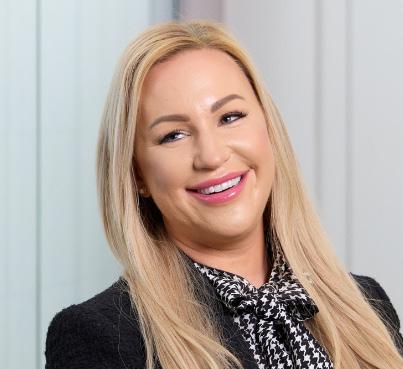
Stephanie Douthwaite Principal Associate, Family stephanie.douthwaite@mills-reeve.com
Earlier this year, we asked YouGov to survey married people about their views on a number of topical areas in family law, as well as their approach to family disputes. The results make for interesting reading! More importantly, they help to positively and proactively shape the services we provide to our family clients.
You can find out more by following our navigating separation series over the coming months as we deep-dive into the survey. Our first report looks at the public’s views on pre-nups and in particular whether they should be made compulsory.
Discover the key themes from our survey and delve into our insightful report outlining the benefits of pre-nups.
Generation pre-nup
Pre-nups have come a long way since the landmark Supreme Court case of Radmacher v Granatino in 2010. This case set clear guidelines on the validity of pre-nups, with safeguards to prevent misuse. As a result, pre-nups have become more widely used and accepted in recent years.
Our YouGov survey showed that opinions on prenups are divided, with 53% of those asked against the idea of making them compulsory. However, this was heavily influenced by the views of the older, married population. Younger generations, particularly those aged 25-34, were far more likely to be in favour of prenups, seeing them as a way to provide a clear financial roadmap and prevent future arguments in the event their marriage broke down (29%).
One of the most common arguments we saw against making pre-nups compulsory was that people felt that life was too unpredictable to safely say at the beginning of a marriage how the finances should be split at the end – something that might not happen for decades! This view was particularly common among women, especially those who aren’t currently working and who are likely to consider themselves more financially vulnerable.
It was also a view more prevalent among those aged 36 and over (30%), a demographic who are more likely to have already experienced life-changing events such as having children, or who have endured economic recessions and pandemics and the impact these events can have on job security.
Overall, our survey revealed that there seems to be a conflict between the desire for certainty and the need for adaptability. This is where bespoke legal advice can be incredibly valuable. A pre-nup can be tailored to allow for variability in the outcome, with sunset clauses for those who prefer to have a pre-nup only in the early years of a marriage or provision made for specific assets. Pre-nups can also be reviewed and varied in the event of life changes or changes in circumstances.
While we may be some way off from having compulsory pre-nups, the opportunity for couples to receive family law advice before entering into marriage could be incredibly valuable. It would allow them to understand each other’s attitudes towards their finances and help them make informed decisions during the marriage. Many divorcing clients are surprised by the principles applied by the family court when determining financial settlements, and some regret financial decisions they’ve made. Taking advice on the implications of a pre-nup could benefit many more couples.
All figures, unless otherwise stated, are from YouGov Plc. Total sample size was 2004 adults, 803 of which were adults based in England and Wales who are either married or in a civil partnership. Fieldwork was undertaken between 19-22 January 2024. The survey was carried out online. The figures have been weighted and are representative of all GB adults (aged 18+).

Bhavini Washington-Smith Senior Associate, Private Client bhavini.washington-smith@mills-reeve.com
A summary of the changes made to the tax position for trusts and estates which came into effect on 6 April 2024.
From 6 April 2024, all trusts and estates with any type of income up to £500 won’t require a tax return. If income exceeds this amount a return will be required on all income (not just any amount over the £500 threshold).
However, if you have settled more than one trust, the £500 limited will be apportioned across each settlement, to a maximum reduction of £100 per trust. For example, if you have settled 4 trusts, the threshold for formally reporting income would be £125 per trust.
Beneficiaries of UK estates will no longer pay tax on income distributions from the estate if the total estate income is below £500.
How will this affect me?
For low-income trusts and estates, it’ll mean that the dispensation of reporting requirements results in less administration work and costs. However, if any of the discretionary income is distributed, it’ll be treated as though it’s been paid net of tax, and the tax will be treated as paid at the trust tax rate of 45%. Therefore, a calculation of the tax payable on any income distributed will still be required to ensure the tax credit has been funded.
The CGT allowance for trusts was reduced in the 2023/24 year from £6,150 to £3,000. This has now been further reduced to £1,500 for the 24/25 tax year.
As above, if you’ve settled more than one trust, this allowance will be apportioned across each settlement, subject to a maximum reduction of £300 per trust.
Since 6 April 2024, the tax rate for gains on residential property has reduced to 24% (this was previously 28%).
How will this affect me?
It would be sensible to consult with your investment managers, who will no doubt be aware of the changes, to ensure the very limited allowance will not trigger high CGT liabilities. It may also be worth conducting a general review of your trust assets, especially if the assets include residential property that could be subject to large gains in disposal and may therefore benefit from the reduced tax rate.
Previously accumulation and maintenance of discretionary trusts benefitted from a standard rate band of tax, which meant that the first £1,000 of discretionary income was taxed at basic rate (20% on non-dividend income and 8.75% on dividend income).
However, the standard rate band has now been abolished and all income is now taxed at the rate applicable to trusts:
• 39.35% for dividend income
• 45% for all other income
How will this affect me?
This particularly effects low-income trusts (where income is above £500 and therefore reporting requirements will still be in place), as now all income will be taxed at the trust rate of 45%-39.75%.
Previously a trust that received non-dividend income of £900 would have had a tax liability of £180 as the total value of income fell within the standard rate band. Under the present rules, the tax liability will be £405, as the whole amount will be taxed at a rate of 45%.
It’s somewhat old news now that virtually all express trusts need to be registered and thereafter trustees have a duty to ensure that records are kept up to date. There was, however, not as much guidance on the repercussions of failing to register a trust.
HMRC have now introduced a fixed penalty of £5,000 where registration or updates have been deliberately avoided. The deadline for reporting remains the same: you must register a trust within 90 days of creation and any changes to the trust must also be updated to the TRS within 90 days of the change.
Financial institutions who are in a business relationship with trustees are required to request proof of registration of a trust. This is a document that can be downloaded from the TRS portal via the trust’s government gateway account. If the information in the proof of registration document doesn’t match their records, the organisation is required to make enquires with the trustees in order to agree the information. If agreement cannot be reached, the organisation is required to report discrepancies to HMRC.
Another reporting requirement to note is that further information is now needed for classes of beneficiaries. Previously if the trust deed included classes of beneficiaries, as opposed to specifically naming individuals, only the description needed to be reported (ie my children). You’ll now have to provide details of any beneficiaries who can be identified with the class (ie all of the children will need to provide their details).
In the light of the above, it’s crucial to ensure that the TRS information is regularly reviewed, updated and checked. If you’re in any doubt about whether a trust has/needs to be registered or if any changes have/need to be recorded with the TRS, please do check in with us.
If you’d like to receive our regular trustee updates to ensure you are on top of changes to the taxation of trusts and other trust compliance – click here
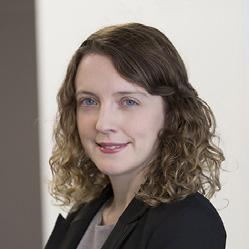
Rose-Marie Drury Principal Associate, Family rose-marie.drury@mills-reeve.com
Summer is here and for many families that means one thing: holiday time! But for separated parents, planning a holiday abroad can be a bit more challenging. Don’t worry, we’ve got you covered with our top five tips for travelling abroad with children after separation.
1. Communication is key First things first, you’ll need permission from anyone else with parental responsibility for your child to travel abroad without them. If you don’t get permission, you could be accused of child abduction. And when we talk about “abroad” we mean taking your child outside of England and Wales – so Scotland and Northern Ireland are abroad!
Parental responsibility refers to the legal rights, duties, powers, responsibilities, and authority a parent has for a child and the child’s property. It includes making decisions about the child’s upbringing, education, and medical treatment.
When we talk about “abroad” we mean taking your child outside of England and Wales – so Scotland and Northern Ireland are abroad!
Even if you have a lives with order, it’s still a good idea to communicate your plans to the other parent. This way you can discuss any changes to the time they spend with your child. This is particularly important if you’re going on a long holiday. Providing additional information about your trip, such as who else will be joining you can also help the other parent feel more involved and informed, and less likely to unreasonably say no.
Even if you alone have parental responsibility, we’d always advise that, if there’s another parent, you still speak to them to let them know about your holiday arrangements.
2. Plan ahead
These discussions can take time, so it’s important to plan ahead, especially in case there’s a dispute. If you need to apply for a court order, make sure to leave enough time for the court to deal with your application. The court is generally in favour of children going on holidays abroad, but it’s unlikely to treat an application for a holiday as urgent. So, apply in good time to avoid disappointment and costly cancellations.
3. Check entry requirements
Some parents will automatically get parental responsibility, for example birth mothers and fathers married to the mother at the time of the birth, as well as unmarried fathers who are registered on the child’s birth certificate. Others, for example step-parents, have to apply for it.
If the other parent objects to the holiday, you may need to apply to the court and ask a judge for permission to take your child on holiday.
If you already have a child arrangements order specifying that your child lives with you (a lives with order), you’re usually allowed to take your child out of England and Wales for up to 28 days at a time, whether or not anyone else with parental responsibility agrees. Double check what your child arrangements order says, however.
Different countries have different rules for traveling with children solo. Make sure to check the entry requirements for your destination in advance to avoid hold-ups at the airport. In some cases, a simple written consent from the other parent may be all that’s required, but others may need notarized consents.
4. Provide travel details
While we hope your holiday goes smoothly, it’s important to ensure that the other parent has details of your travel arrangements, including flight and accommodation information, in case of emergencies.
5. Don’t forget the passport
If you’re not the passport holder for your child, make sure to establish clear agreements about when the passport will be handed over to you for the trip and when you’ll need to return it.
With these tips in mind, you’ll be well on your way to a stress-free holiday abroad.
Happy travels!
Over the last year our private wealth team has continued to grow. We’re thrilled to introduce you to eight new partners, including six who have joined the firm and two internal promotions, each bringing a wealth of experience in their specialist areas.

Christopher specialises in advising ultra and high net worth individuals, family trusts, business owners, entrepreneurs, charities, corporate entities and private equity investors. His work includes tax planning and wealth protection, wills, the creation and administration of trusts, estates, pre-sale planning and advising owner and family managed businesses.
Christopher also has significant experience in advising on residence and domicile issues and in advising offshore trustees and international individuals in relation to their UK holdings.
Christopher joined from DWF where he was head of the private capital team in Manchester.
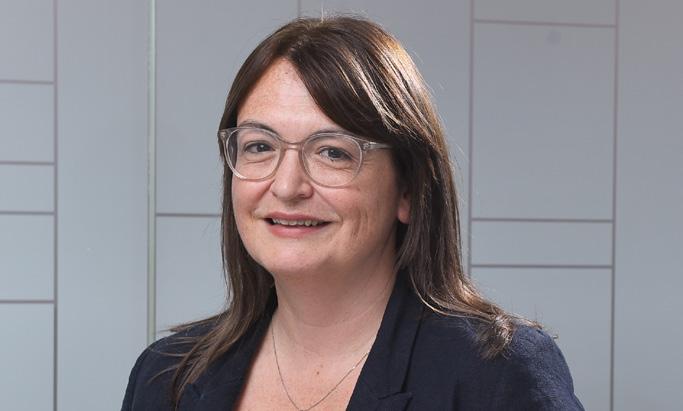
As a dual qualified solicitor and chartered tax adviser, Catriona has extensive knowledge in preparing tax efficient wills and lifetime trusts; fulfilling philanthropic objectives through charitable trusts; acting as a professional trustee, attorney and deputy (in high value, complex cases), and providing personal tax advice, with a particular focus on capital taxes.
Catriona has a keen focus on owner managed and family businesses, advising owners of these businesses on pre-sale tax planning, their wealth and estate planning.
Catriona joined the firm from Gateley Plc, where she was head of the private client and family team for over seven years.
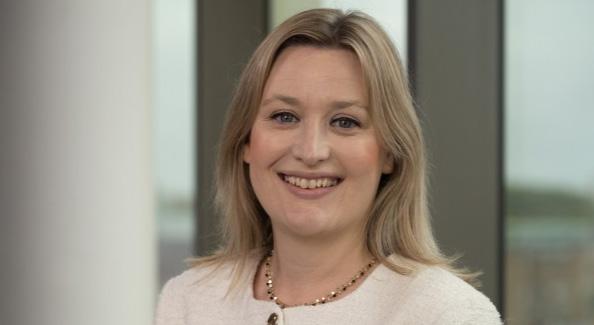
Lucinda is a specialist in resolving troublesome issues affecting trusts and estates. She has a leading reputation nationally for her expertise in will validity claims, claims under the Inheritance (Provision for Family and Dependants) Act 1975, rectification claims, claims for the removal of trustees and fiduciaries, Mental Capacity Act matters, breach of trust claims, Variation of Trust applications, and proprietary estoppel claims. Her cases often have an international element.
Lucinda has 20 years’ experience in resolving disputes, this means she’s equipped to offer clients an early view on the prospects of success of a claim.
Lucinda joined the firm from BDB Pitmans, , where she was head of the contentious private client team. She has recently been appointed to the Board of the Association of Contentious Trust and Probate Specialists, the leading professional organisation for contentious trust and probate practitioners based onshore and offshore.

Ravi brings a wealth of experience in the London and international private client space. His expertise ranges from advising international clients on a wide spectrum of matters, such as relocations to and from the UK, the intricacies of UK and offshore trusts and international tax planning, to supporting UK-based entrepreneurs and business owners, whether they are looking to exit from a

Jane, who is both a family law solicitor and qualified child arbitrator, advises on all issues relating to relationship breakdown including complex finance and children matters.
Jane has considerable experience advising on the financial implications that arise out of separation, particularly in cases involving businesses and trusts.
In addition, her experience includes arrangements for children where there is high conflict, alienating behaviours or where one parent is looking to relocate overseas. She also advises on UK and international surrogacy cases.
Jane joined from Clarion Solicitors where she was head of family law.
developed business or at the concept/ fundraising stage (with a particular interest in advising businesses in the fintech sector).
His clients also include wealthy families and their advisers, professional fiduciaries and financial institutions.
Prior to joining the team, Ravi was head of Gateley’s London private wealth practice.
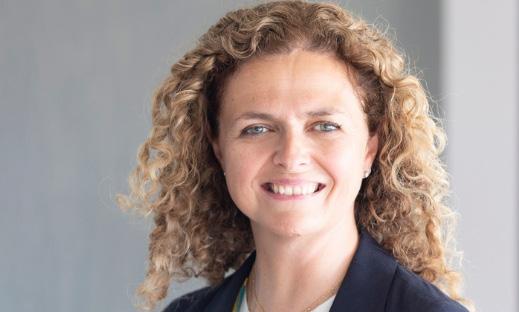
Melissa specialises in separation, divorce, trusts, and jurisdictional disputes, including complex cases involving significant assets. These often also include children matters and prenuptial agreements.
As a dual French and English national who can also speak Italian, many of Melissa’s clients are high profile, international figures. She regularly works with lawyers on cases in France and Italy.
Melissa was formerly a partner at Mishcon de Reya where she was head of the Anglo-French family law team and the French group.
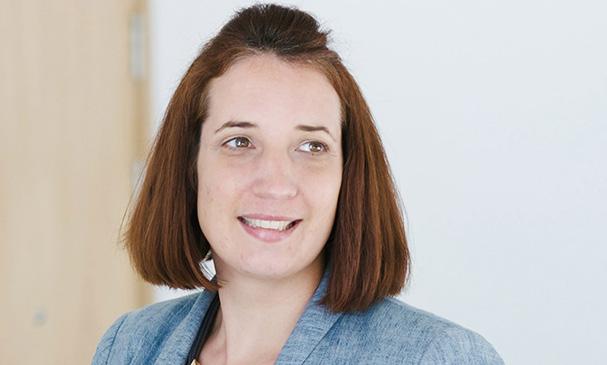
Frances advises clients from all around the UK and overseas on the practical, legal and financial issues arising out of a relationship breakdown.
She specialises in advising business owners, both in negotiating financial settlements on separation/divorce, but also in protecting their businesses at the outset of relationships.
She has particular expertise in more esoteric cases including acting for professional trustees within divorce proceedings, dealing with complex pension issues on divorce, and on wealth protection and estate planning strategies more generally.
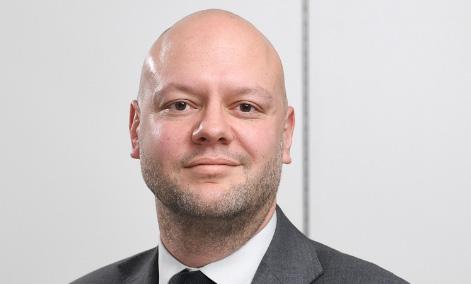
Adam advises on a wide range of succession planning and taxation issues, helping to protect family wealth across the generations. This typically covers wills, trusts, tax advice and family business planning.
Adam specialises in philanthropy and charity law. This includes advising clients on charitable giving, establishing new charities, governance, compliance and trustee decision making.
As a charity law specialist, Adam has experience advising national and local charities on governance restructuring to accommodate changes in circumstances and to implement best practice in line with Charity Commission guidance.
Mills & Reeve is centred on achieving more for clients, their businesses and the wider communities we serve.
Our clients and their industries benefit from our knowledge and learning – on everything from wellbeing, diversity and inclusion to global trends. The wider community benefits from a focus on sustainability in client and business decisions.
Clients get a consistent experience with no surprises –we tell them what they need to know, when they need to know it. Our sector and market expertise helps us understand clients’ issues. And our technology and innovations help them achieve more with less effort.
We build personal relationships, with advice individually tailored to individual need. And if clients need things we don’t offer, we draw on our network to give recommendations.
Our 1,250 plus people and over 750 lawyers share one vision – achieving more for clients.
www.mills-reeve.com
Co-editors
Emma Geale 01223 222512 emma.geale@mills-reeve.com
Nicola Rowlings 0121 456 8371 nicola.rowlings@mills-reeve.com