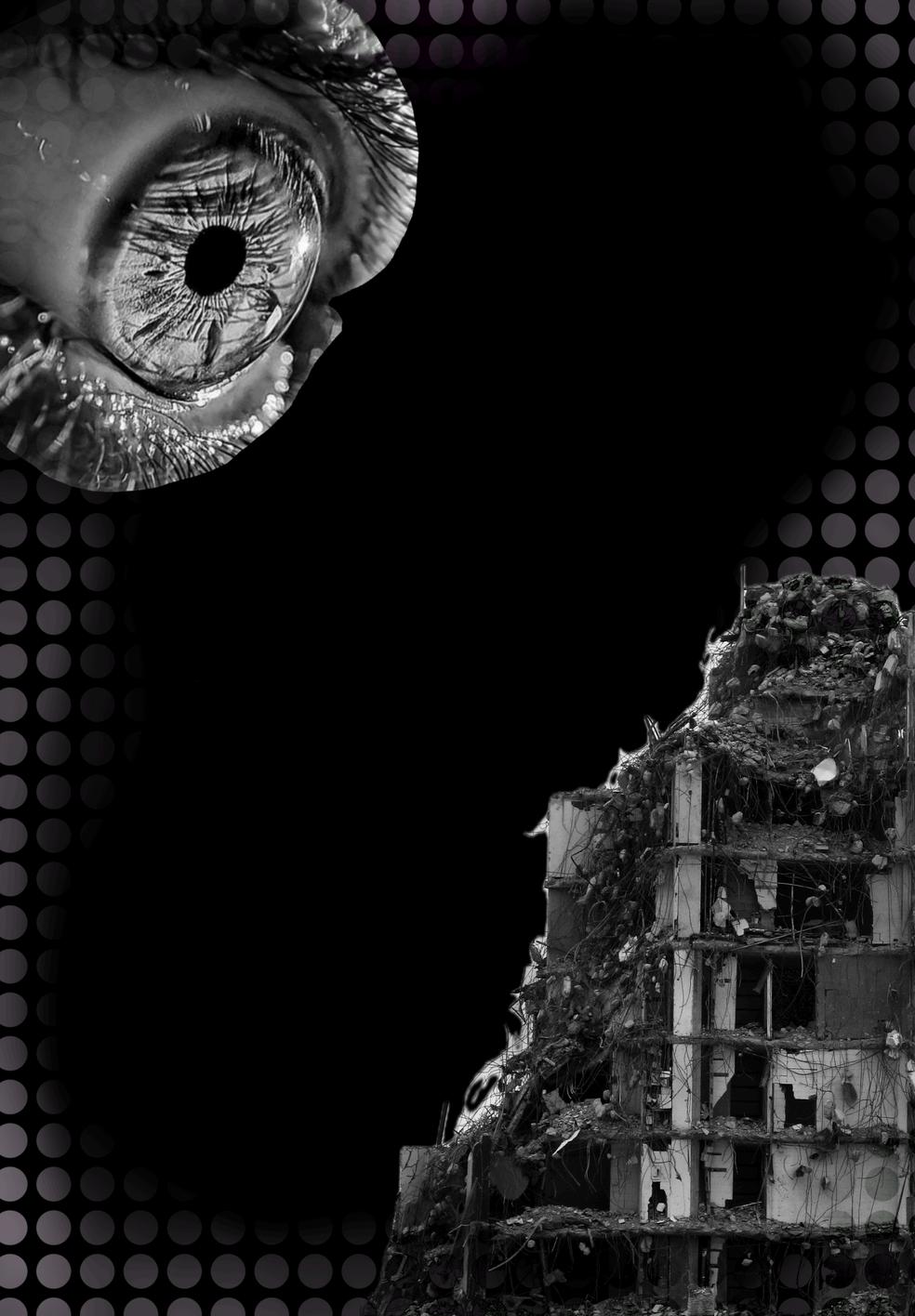
For 12 years Ukraine has been my home and my safe space. Until it stopped being safe, for everyone Russia’s government invaded Ukraine, destroyed countless hospitals, houses, markets, business centres and much more. In the process they have killed 11,520 civilians, who had every right to see another day 633 of those casualties were children, but these statistics are from February. Many more people have lost their lives since then. Overall, 23,640 have been injured and 1,551 of those injuries were children Again, these statistics are from February so way more injuries have occurred since then.
On Tuesday 3rd September, Russia had killed 7 people, of which one was a baby and another a seven year old girl I cannot believe that people close an eye on the fact that a power hungry murderer is a leader of the largest country in the world
And the thing is that even if Russians disagree with him they still can’t do anything about it or else they will be facing terrible consequences, which include getting tortured, molested and sent to terrible jails like the ‘Black Dolphin’ as a ‘traitor of the motherland’. I know this because I have been in Russia a lot of times and a big part of my family lives there.
I want you to realise that Russia is a country, ran by totalitarianism. Some people joke about it. But sadly they don’t understand how bad the situation actually is, they don’t know the feeling of their home being hit by a colossal missile I don’t understand how people can be so cruel, as to make jokes about the loss of lives. Many athletes were forced to give up their dreams of going professional, because their gyms have been bombed Even a boy in my Judo club and his family heartbreakingly lost their lives from a missile hitting their home.
This feels like a nightmare On the night where I saw and heard explosions, I thought I had lost it The day I left Ukraine by car took over 30 hours, and it was the most miserable thing that I have ever experienced I saw things which I wish I had never seen. I want all of you to understand how serious this situation is. I hope that after you read this you will be grateful that you are safe and healthy
Have you ever really thought about how poor the world is? About how many people live on the streets, and how many don’t have enough to eat? It’s something that most of us avoid thinking about, yet it’s an inescapable reality for millions The sad truth is that global poverty affects far more people than we care to acknowledge
Last summer, I spent some time in destitute cities and countries. I watched the vast amount of poverty and sadness which the world contains I could see hundreds of people, living on the streets, begging for food Mothers, desperate to find milk for their babies Men, whose ribs prominent as a consequence of not having eaten for days
My dad has always told me that less than 1% of the world live like I do But I have never paid attention to that I always believed that he was exaggerating How could my family, friends and I be a part of that one percent? Could it really be possible? I often asked myself.
Now, every morning when I wake up, I thank God, because after this summer I have realised that what my father had repeatedly told me was true I would like to invite you, every morning, just after waking up, to give thanks. Because you are also in that one percent.
It would be an incredible favour to the world if we could do little things that we have always heard, but often ignore. Little things such as “don’t throw away unfinished food”, “turn off the water if you are not using it” Many people in our positions think it won’t change anything But let me tell you, they do If at any moment you doubt yourself on whether you should do it or not - just think about those people who doesn’t have anything. Those people who live in unfathomable poverty.
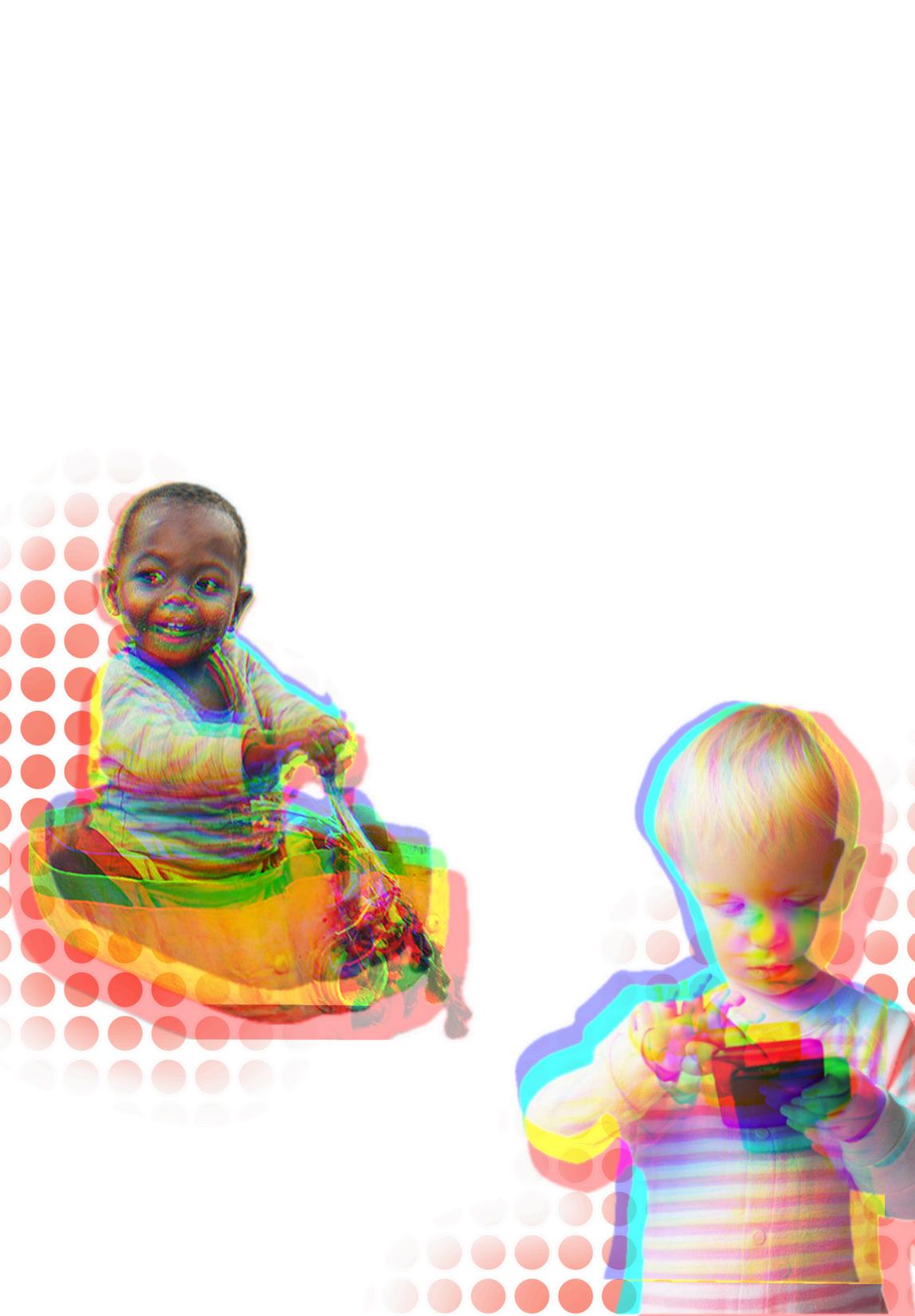
The harsh reality is that global inequality is vast To put it into perspective, here are the ten poorest countries in the world: Yemen, Madagascar, Liberia, Malawi, Niger, Mozambique, Democratic Republic of the Congo, and Central African Republic. These nations face unimaginable challenges conflict, famine, lack of resources and yet, their people endure
As you go about your day, think about the small steps you can take to make a positive impact, whether it’s through reducing waste, donating to charity, or simply being more conscious of the world’s inequalities
It has been over 3 weeks since the Trump-Harris duel. The two combatants collided in a political squabble for oneupmanship. A fleeting flurry of interrogation between the two political animals certainly raised the temperature of this highly anticipated roast-fest Nevertheless, the multitude of topics discussed clearly demonstrates the responsibility they possess as they remain a central cog for the country's political engineering. The verbal tussle between the two was accompanied with hesitation and murmuring, leaving people wondering as the use of AI is ever present how will it affect the backbone of politics today? One looks at the robotic rapidity, compared to human sluggishness and the question inevitably arises.
How much of a threat is AI in the US presidential election?

AI holds a significant piece of the pie when it comes to campaign strategies. With processing speeds that analyses data faster than any mathematical prodigy, as you can imagine it didn’t take long for strategists to delve into the immense capabilities of robotic witchcraft whilst crafting their campaigns AI uses algorithms to analyse vast amounts of voting data –demographics, preferences, past voting behaviour and social media activity to identify key voting blocks and predict turnout. This practice is commonly known as micro-targeting which operates similarly to cookie trackers on websites, as it enables tailored advertising to optimise success.
One of the most concerning aspects of AI's role in US elections is its ability to spread misinformation, particularly through deep fakes and synthetic media. Deepfakes realistic but artificially generated images, videos and audio recordings can be used to create misleading content that targets political candidates or spread false narratives. AI can also produce large volumes of misleading social media posts, creating the illusion of grassroots movements or flooding platforms with fake news.
The 2020 US election highlighted the growing threat of AI-fueled disinformation, with many voters exposed to AI-generated fake news stories on social media In response, tech companies have started using AIbased tools to detect and remove disinformation However, the technology to identify deepfakes and synthetic content still lags behind the capabilities of those producing them, posing a continuing challenge to election integrity.
“Flowers are always there for those who want to see them” Henry Mattise
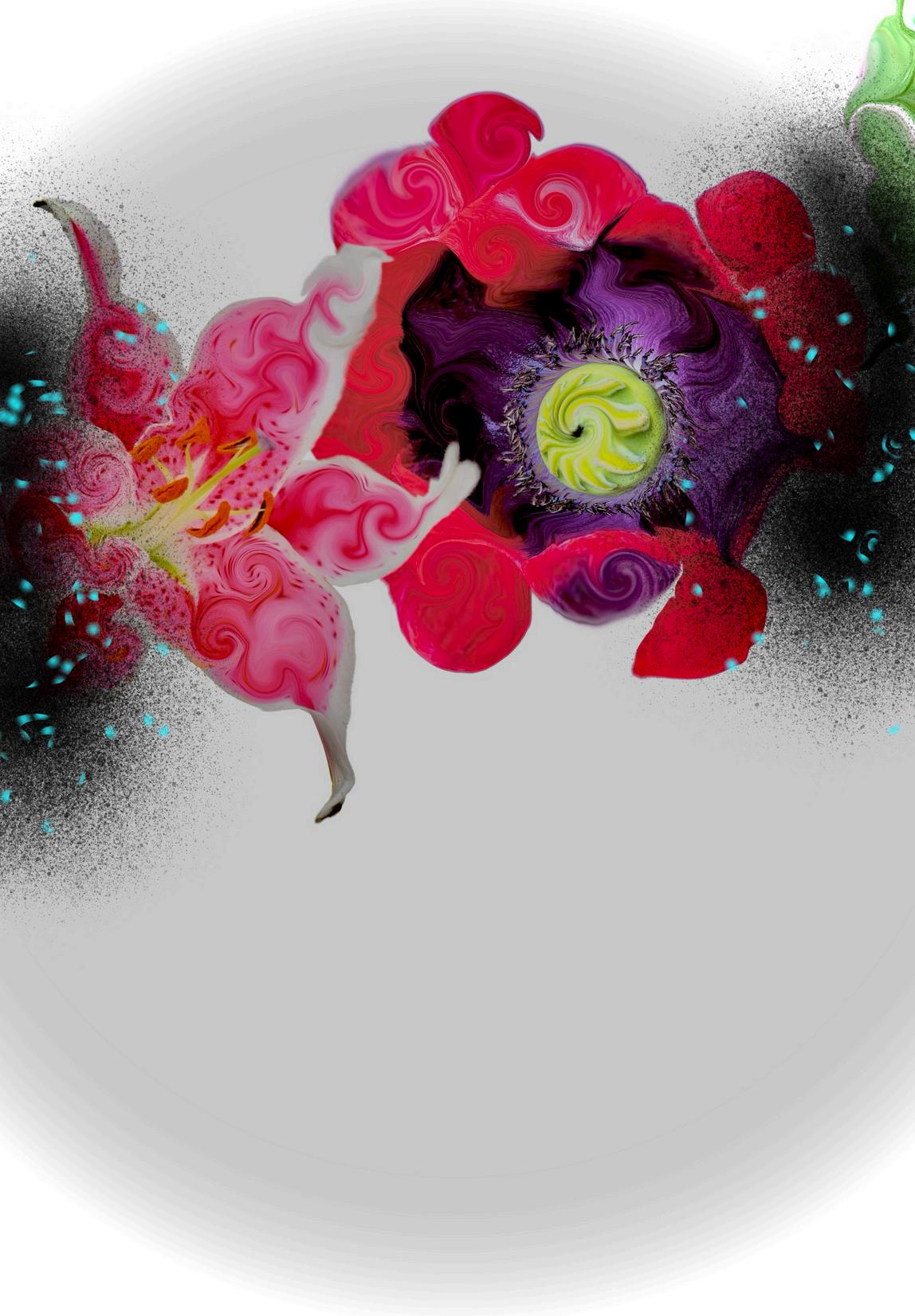
When I was just a young child, my mum assigned flowers to each of my siblings and I. My brother was a random flower, of which I don’t recall. My sister Lillian, was a Lily. Obviously! Whilst I was a bright orange poppy flower. Poppies were one of my homes' national treasures, so naturally I felt very proud of my fancy title. Whenever we would pass Poppy fields my mum would point out and say - "look it’s the Marabelle flower". After which I felt even more grateful for this correlation and the nature around me. That is one way of me and my family would connect through these flowers.
I recall many memories, from later on in my childhood, of helping my Grandmother with her fairy flower garden. Whenever I would smell those fresh roses or the ripe strawberries and even the newly planted lavender flowers my whole perspective on life would shift.
Then, my mum decided to start her own garden, behind our house, with the 'help' of our dogs. Our dogs - Maria and Maxdecided to dig up, eat or ruin any piece of grass, succulent, or flower that we tried to grow. Eventually my mum gave up on trying to grow a garden and just as well seeing as I found out that growing flowers may not be my skill of expertise either.
These magnificent plants, are always living, thriving and dying. They are the perfect example of each and every law of nature, and I believe that they are great inspiration to us, as humans. They grow, they peak and they die. Then they come back, completely different
There are two things I want you to take from this. Firstly, nature and so anyone together forming a brilliant bond with many memories that type of bond can be unmatched. Secondly, life is short. Stop and smell the tulips, you will never be able to smell them just like that again. Like blossoms, we are all dying. You need to pursue your dreams. Love people, give passion to the world. Don’t spare a single minute of your time. The blooming in humans are like no other.
In all you can learn many things by studying flowers, so get out in nature and enjoy your time with the small, budding,beautiful goddesses of nature, that we call flowers.

As the home of Millfield's musical evenings of majestic melodies, it is not an uncommon sight to see the performers of Johnson Hall dressed to the nines. The night of October 3rd was no different. Mr Barber and Mr Shields stood suited and booted, manning the doors and managing the queues. Audience members in the 'jam packed' foyer fought to get seats. A front row of A-list celebrities was exchanged for prefects, heads of houses and team captains; sporting a uniform of oversized jumpers and baggy joggers in place of glamorous designer ensembles.
Inspired by gut wrenching realities of the tyrannic fast fashion industry and driven by an effort to help preserve the environment, Eliza Goodwyn is not just an innovator on the netball court, but also on the catwalk. Dressed in double denim, she began the night highlighting the 'amazing work' that Oxfam do to support 'women across the world'. The fashion industry produces 10% of global emissions, and ex dresses is only one of the many ways to help battle that. Doubling the amount of times you wear an item of clothing, reduces its carbon emissions by 40%.
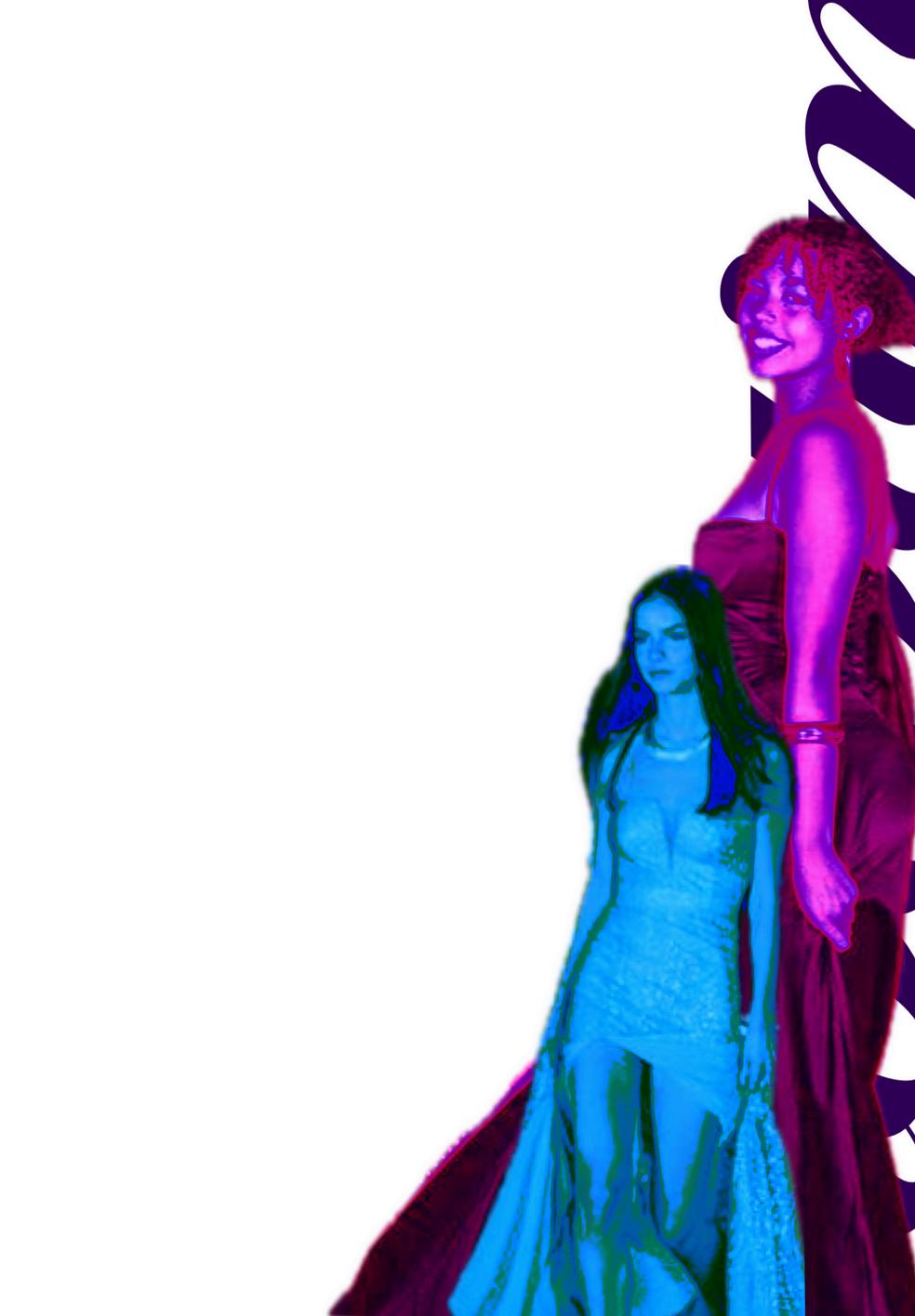
From Oh Polly to House of CB to Zara, the runway show didn't just attract a colourful crowd but a colossal collection of gowns and dresses. Strutting along the runway whilst 'Gimme more' streamed through the speakers, Sophie Tomson, began the show armoured in a sparkling gold maxi dress, retailing at a whopping £600 followed by Sengul Ceylan sporting a shimmering purple dress, echoing Ellie Saab's 2003 couture show. They were followed by an array of satin dresses, ranging in shape, colour and size. After over a dozen dresses were exhibited, Eliza announced hand crafted descriptions of those which will be available to rent.
The initiative has been described as a 'inspiring others', 'supporting a great cause' and 'likely to last'. Jemima Bradshaw remarked 'since we have about 6 formals a year, it is such a good way for people to save money and try on different styles'.
Lily Mazzoti dressed as the belle of the ball stood out in the second half of the show. The latter half exhibited a diverse range of attire from A-symmetrical gowns to sparkly bandeaus. Hope Jordan and her pink Zara dress as well as Emmie Shipton in two shades of blue were just a few of the fan favourites.
Access to renting will occur via social media, on the @ex.dresses Instagram account. Dresses will be retailing at 30% of the price, which provides the Millfield community with access to dresses that should be retailing for hundreds of pounds for less than £70. Within the terms and conditions, a minimum renting time and clause for damage will be released.
Eliza thanks all of those who attended, whilst we commend her for the organisation of a fantastic night of fashion and great avail in ‘embedding gender justice’ in empowering all the girls who participated.

Psychology of business is the applied scientific study of work life Ranging from an individual's intrinsic approach to work, to the overarching practice of marketing strategies, organisational culture, and how to ensure effective business performance in a competitive market To fully understand how a business psychologist can advise entrepreneurs and businesses, they must have not merely scientific and psychological theory knowledge regarding the human brain and behavioural instincts, but they must withhold strong comprehension of the business and economic world around them This makes the psychological study of business not only an intriguing aspect of psychology, but valuable guidance and insight directly to leaders and subordinates about the depths of their roles in their career, which inevitably builds a strong foundation for them, when entering the business world.
Psychology of business is composed of two definitive areas Industrial and Organisational Psychology, the study of human behaviour in the workplace, and Business Psychology, business on a macrocosmic level, relating to external operations, like market performance and stakeholder relationships.
Industrial and Organisational Psychology (I/O) I/O psychologists work closely with their clients and undertake thorough research to improve the work experience and help individuals enhance their communication skills and feel more satisfied in the work-place IO psychology originated in 20th century America, before the Great War, with the first prominent figure within this field of work being James Catell, who studied at Harvard. At this time, many regarded psychology as a pseudoscience, believing it had no significance compared to more established sciences, particularly psychics Throughout his work, Catell was able to establish psychology as a legitimate science, which paved the way for Hugo Munsterberg, in 1913 to publish his deeper research into I/O psychology, being named as the “Father of I/O Psychology ”
Munsterberg's devised theory of management displayed the relationship between each hired employees' respective skills, and the amount of fatigue this resulted in Through his research in Germany and at Harvard, it became evident that if an individual with skills that were not adequately suited for the chosen role, fatigue levels would be higher By discovering this, he was able to show managers how to pick the best candidate for each job This development highlighted causes of lack of staff motivation, staff retention, and monotony. Munsterbergs’ discovery was a pivotal advancement in the understanding of decision making, as prior to his research, employers would have little knowledge about the most beneficial ways to hire and retain staff Therefore Munsterberg's theory became the real start of concern with staff welfare, and more detailed decision making that was now not only concerned with production output, profit maximisation, and other external factors
Business psychologists are those who specialise in how businesses interact with their market, unlike I/O psychologists who, as seen in the above section, are more concerned with internal human relationships and the work atmosphere. The first established area which in business psychologists thoroughly researched was marketing
The Theory of Advertising’ in 1903 In his book, Scott capitalised on his knowledge regarding how customers are easily influenced by three main pillars; emotion, sentimentality, and sympathy, driving businesses away from solely using adverts as a way to pragmatically provide consumers with information about products and services.
As early as the late 19th century, we see the start of scientists (such as John B Watson) researching into the mental processes of consumers when advertisements were publicised The accumulation of these findings began to discover that humans interact irrationally and subjectively when faced with advertisements, meaning we make different purchasing decisions based upon emotions exploited by information shown to us. This theory officially emerged in the early 20th century, by Walter Dill Scott, an American psychologist who studied and taught at various US universities Scott laid the basis of marketing theory by publishing his book ‘
This theory then began to evolve and be put into practice through the increase in number of household televisions in 1928, as businesses became infatuated with how they can use new technology to increase their sales Ultimately, Scott’s theory had a considerable impact on how members of marketing functions in businesses today devise their adverts and think about their strategies.
This was fine for the time before tractors became popularized this was fine. However, when tractors became popular, John Deere did not make their tractors but bought out the leading competitor. This is a popular theme up to the modern day. Whenever someone creates a new piece of tech that drastically changes the landscape of farming, John Deere comes along and buys it out. The most important one in recent times is the purchase of a company that allowed them to develop the Star Fire GPS system that revolutionized farming by reducing overlap in their fields, which helps to decrease cost. This was revolutionary and now considered an absolute necessity in the modern day!
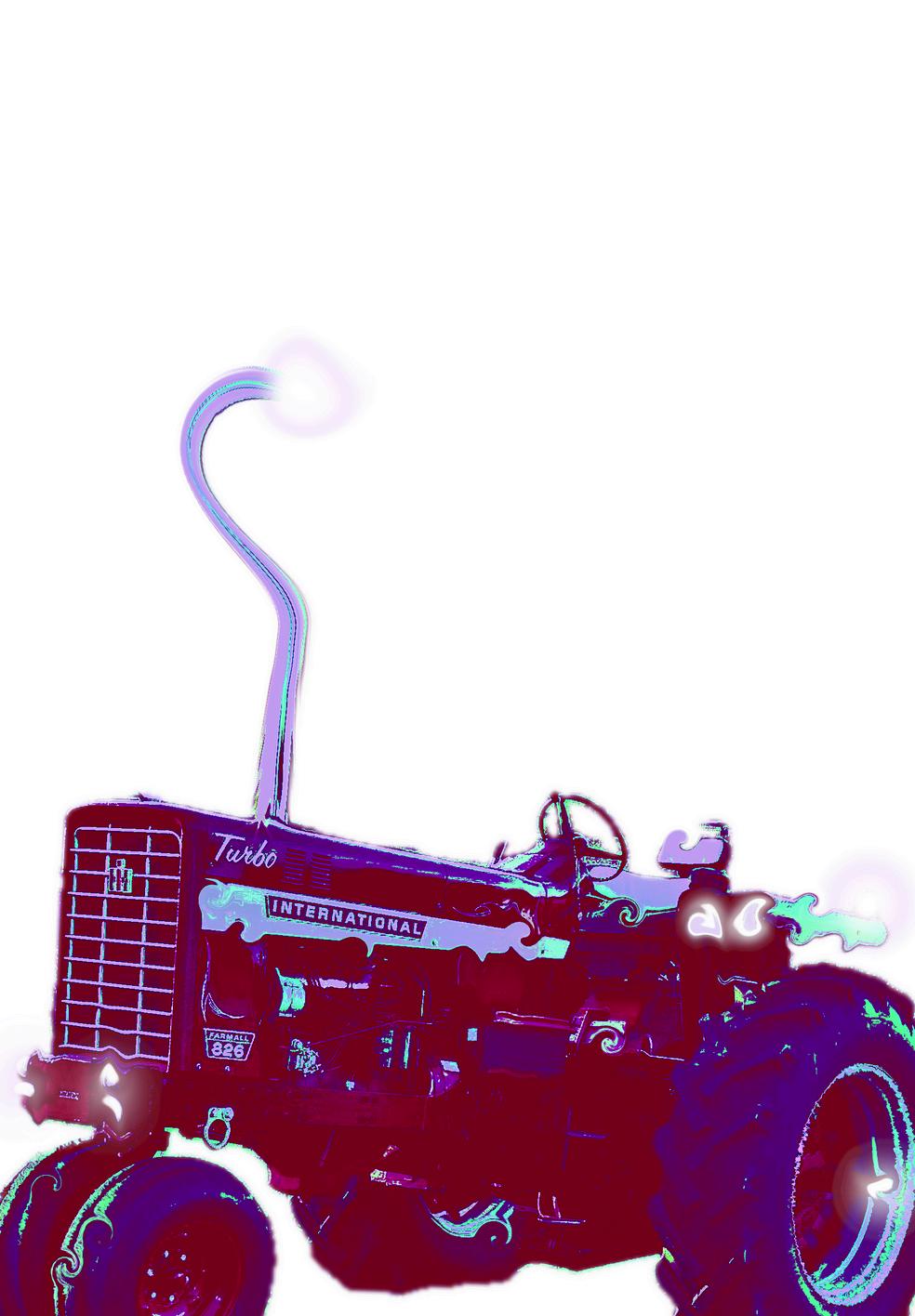
Has John Deere ruined agriculture? A very contested topic as John Deere is the largest producer of agricultural machinery, owning the largest share - 25.3% in 2021. The dominating lead that they have is a consequence of a series of decisions by the company. To fully grasp the full scope of this, I will need to take you back to the 1800s. When a man called John Deere invented the first self-cleaning plow, it helped farmers so much that it became a necessity to have one on your farm if you wanted to get anything done. It was so huge that, at times, he could not supply all the demand. Following this marvel of engineering, which was not invented, but adapted to the terrain that it was used for, meaning America. John Deere started to create and develop different iterations that helped farmers of all different types.
This is great, and John Deere has done a lot for the industry. But there are a few problems with all of this technology, they are extremely expensive to maintain, and if something does go wrong, chances are that it is electrical and will then need to be sent into a dealership to be worked on. This alone is very bad because it means that you aren't in the field, and a tractor that was taken off the farm could be planned or sprayed. So it’s all well and good getting rid of overlap and consequently the extra cost that those bring, but if your tractor isn’t in the field to start with, then you might miss deadlines, and smaller farmers, they may only have one or two tractors, which can be crippling. It doesn’t end here. John Deere did what Apple did and made all of their parts unique to their machines and unpurchasable and even had policies that prevented farmers from being allowed to work on their machines. All of this makes John Deere expensive, and possibly crippling if you don’t pay the expenses and all of the subscriptions that are tagged on top of all of the software.
So why don’t people go for an alternative? In the past, being a green farm meant only John Deere was seen more as a statement of pride, but for those that kept with John Deere, there are now too in the hole too deep to just go and buy a case, IH, and maybe even get certain deals for loyalty. Ultimately, there are a plethora of reasons, but there are alternatives like Ag Leader that do the same as Star Fire. However, with any machine and is cheaper because it’s not a tractor you are buying but a single box and a bit of software.
Patti Smith’s masterpiece, Just Kids, is an evocative memoir set in 1960s-1980s New York. It is not just a retelling of her life, but an exploration of the intensity of her relationships, and a divulge into the essence of that prominent era. Part coming-of-age story, part love letter to bygone time, and part eulogy; Just Kids is a meditation on art, friendship, love, and sacrifice, and one of the decade’s most important books for understanding creative expression and self exploration.
The complex storyline follows Patti Smith and her longtime companion Robert Mapplethorpe, begins with a nearly fateful encounter in Central Park. Eventually, turning into a lifelong relationship stemming in their shared sense of alienation contrasting with a burning desire to create and influence. ‘Just Kids’ is not just a retelling of events but a testament to the influence they had on each other's artistic and character development. Following the struggles they endured, the sacrifices they made, and their unique yet intricate bond; a driving theme embedded throughout the novel is the sacrifice that comes with the pursuit of art. This is all reflected in Smith’s beautiful poetic prose. Whilst progressing through the novel, it becomes evident that the love they fostered transcended a simple romance, and formed an everlasting connection rooted in their mutual understanding of what it meant to be an artist.
Just Kids gives readers a glimpse into the era’s New York social scene, from the renowned Chelsea Hotel, where many creative individuals spent their time, to Max's, a hub for artists, musicians, and filmmakers, where Patti and Robert spent their evenings climbing the celebrity social ladder Beyond its portrayal of Patti and Robert’s relationship, Just Kids is a vivid portrait of New York City during one of its most tumultuous periods. Smith does not fail to illustrate the fickleness of its people and lifestyle, as well as the city itself being an all consuming magnet for dreamers, misfits, and revolutionaries, such as Jimi Hendrix, Janis Joplin, and Andy Warhol, who Patti developed fond relationships with. To Patti and Robert, New York was not just a backdrop, but a driving force in shaping their identity, ultimately altering the trajectory of their lives and their artistic journey
In the novel, Robert’s storyline is equally as intense but explored in a more mild manner than Patti. He grapples with his sexuality and a desire for recognition as his work becomes more and more provocative and daring Patti captures his artistic evolution with sensitivity, elaborating on his early experiments with photography and then his eventual rise to fame. Being partly a eulogy, Robert’s recognition is approached with such tenderness and admiration because after all, he was one of the most important, if not the most important person in Patti’s life, and went on to become one of the most controversial and celebrated photographers of his time.
Just Kids is, in many ways, a final gift to him, or a way of preserving their story and resurfacing their memories, along with being a souvenir of vintage New York City It is an echo of the ideal that many want to be, yet few can achieve For anyone interested in art, love, music, the culture of New York in the 60s & 70s, or just a great novel, Just Kids is a must read.
But more than anything, what sets Just Kids apart from other memoirs is Patti’s poetic voice. He writing is lyrical (she also made music, you should take a look!) and deeply introspective, imbuing the narrative with a sense of intimacy and vulnerability The book reads like a love letter to both Robert and the artistic life they shared, yet Patti still infuses brief moments of melancholy to create this imbiguous sense of longing and love. Remarkably, these feelings are portrayed not just for Robert, but for creative freedom and the utter innocence and irreplaceability of youth.

The day was cold and empty. It was the midst of winter, and no one was there, except for me and the beaches loneliness. The sky was a grey ocean that boiled and brewed, ever-deepening, ever-darkening.
My coat wrapped tightly around me, saving me from the worst of the bitter cold. Though freezing wind still cut deeply within. Taking off my shoes, I let the icy sand envelop my feet, feeling each granule against my skin, like needles of spite. The beach was vast and constant. The grey melodic waves brushed up against the vast stretch of land, with effortless grace, beckoning me into their icy depths. The wind blew sand along the beach, creating a pale haze along its surface.
In the distance, an avalanche of wind, rain, and ice approached. A dark and ominous storm.
Looking upon the sky, storm, sea, and sand, I saw a distant figure. Lonely, empty, a reflection of myself. The other was unwanted, a disturbance to the peace, quiet, and loneliness of the beach. They were present and disliked. The silent emptiness was disturbed. A dark, distant smudge upon the land.
The enveloping darkness of the storm, a deepening shroud of grey, drew closer. A deep melodic thrum grew, filling the void of silence. Sea birds flew overhead, screeching as they passed. They struggled, flapping uselessly, the storm pulling them back as if it were a wave soon to crash. The previously calm sea now grew into a swirling, crashing force. The silent whisper of the wind turned into a rush, a whirlwind, a deafening scream. The gale brought forth the briny, salty taste of the sea. An onrush of icy rain approached a grey sheet of frigid suffering.
It hit me.
An immense pushing force crashed down upon me. I was an insignificant spec in a writhing, swirling, turning power of brutal brilliance. Every sense was engaged and excited. The cacophony of howling wind and crashing waves. The stirring mix of water, ice, and sand swept up by the wind into a whirling mess to mesmerize my eyes. The smell of storm and salt bombarding me. A briny mess dominating my taste. The sharp, hot, burning pain of ice and rain peppering my skin. The power of it was immense and inviting, as if I too, like the rain, wind, debris, and ice, could be swept up in its grasp.
As swiftly as it came, it left. A scattered mess was left in its wake, and a deafening silence arose. The sky draw clear and blue. The wound of its passing was strangely absent…yet for the scars it left behind. It was finished.
Confused was not the right word. A more elaborate version of confused would satisfy my need to label thi, feeling.
A feeling that pulsated intensely inside me and permeated every corner of this smoke-ridden saloon. Engaging in its own dance with the cigar fumes snaking through the air, becoming one. I can’t quite tell if there were cigars smoked in the first place. Perhaps the evermeandering vapours were actually spirits of my mind, rising from the dead, relatives to haunt one as I imagine they would – and my, look at that; the vapour curling itself unto a large, ugly, betrothed fist of well, I say, must it move this close to what seems to be my face? The manner in which it presents itself is so disgracefully ignorant of anyone’s boundaries; all its airs of aggression seem to only serve to abuse, and abuse it will For I know abuse so intimately, or what’s more, how I specifically know the investable abuse of a fist like this one – why, this must be no such ordinary fist: this fist can only belong to my father.
How one’s recollections would reflect on the times when the young boys would recoil from this blistered, trench battered fist Wouldn’t they avoid it at all costs.
At dinner tables would they? No The apprehension of a situation was in avoiding their father’s outrage at the First Commander’s roll calls. For he was always there, there to beat and yell at my brother and I. Day in, day out, constituted the routine rage of Walter Billing, First Commander of the war’s front line.
How the man begs, a smoke-encapsulated fist held a shallow breath’s distance away from my thinned lips. Recalling that young boy who knew so devastatingly how threatening this fist was. At this timeless hour, I see a young boy and myself simultaneously finding our father begging us with that fist See him beg within a self-sabotaging state of mind See him beg for our fear And surely, if I show fear, what is to become of my brother’s youthfully charming and goofy grin, spread wide as I see it over his equally agreeable face.
That fist was to kill, as the fear in my eyes would kill his blessed youth, whether fear seeped into me then or now I would rather die
Is this why pain seethes out of my pores as slick rivulets of sweat, running down my neck? Because it’s known by my mind’s haunted indentations, carved like dugouts, for fear-ridden men crouching in deceitful clothes of war, thinning by the day I can see the material being burnt through by all that burns on a battlefield. Here see how me and the rest of the men’s medals shine; “still shining against all circumstances,” so the generals, the missuses, the children, and the pamphlets say But the truth is completely different: the medals still shine because they know they were birthed by deceit
There is nothing to do but laugh at all the flaws of a man and his soldiers Nor is it despicable to laugh loudly at the missuses and the children who once winced at all that was conceived from deceit
“Wasn’t that me?”, "Yes", I say to the fist, which refuses to move away from me Was this fist not just a telegrammed threat by my dead father? That is all it was Surely, nothing that I don’t already know and nothing that affects me presently
"Just a past threat Just!" - a disruptive, joyous uproar I hear fall out of my mouth How silly was this state of mind to presently conjure up a spirit of my father from an imaginary, westernised tale of the so-called “shadow of death” but was it just?
“Just ” Yes. Let the word roll over my lips. For it is just a word. So let me play it over and over – and amongst the recalling of the word “just”, must my father’s fist still be held up so close in front of me?
Oh.
And how now? The war shatters the composition of my present view of the supposedly smoke-filled room; because I see - do I smell the fear in the rusting spill of blood of entrenched men? I see it and smell it once again So fresh that I perceive the odor of the blood congealing around the men's feet. Around the men's chests. Must I see a long, tangled thread travel along the timeline of my mind’s naïve conjuring, of the soldiers rotting bodies?
"Just the mind’s tricks” hear me say it aloud. So it is made loud and clear to the mind’s conscience.
Do I still smell the smoke and blood all at once? Writhing over rotting of flesh Flesh is grown from the womb, I do believe It is powdered on when the missus left the house, but do I recall how didn’t she powder the flesh of her very children, when they were babies
“It can’t be ” I hear myself whisper now. “But it was.” The words fall into my head. Now, the fist seems to tremble. “Just it’s all just a dream ” Yes I hear myself speak clearly again Was this true?
It was just the flesh of a figure unknown, that I see projected on the forefront of my mind. Just that, of course.
But this thread that seems to run across the entirety of my mind, once entangled, it is now untangling itself Why do I see my son lying on this ground? Why is it that my son’s rotting body limply lay beside something It cannot be his brother!
“My sons?!” I shout in agony These are not just two lads Why do I see my father and me, scold the youthful boys aged five? Why do I hear my outrage at these boys on an evening roll-call when they were just learning to be soldiers?
“So so nothing was just, just that ” No I cannot stutter further; these words I speak aloud are too staggering With every shallow breath, the smoke-formed fist relishes all in its power over me My father – no - in fact, isn’t that a war scar of mine on its thumb?
“No ” I choke out the word I can hear it, and as I do I see the lamp light illuminate pale flesh of my fist pointed at my lower lip
Doesn’t the smoke now go away? Doesn’t this feeling overwhelm my insides, doesn’t it make my heart hammer. How loud it is.
But my sons didn’t hear theirs in their final moments For them, it wasn’t this painful White Hot Pain Now darkness Finally
The guard rang the doctor when he found the Sergeant’s limp, whitened body slumped in his armchair An ash-ridden cigar crushed in a large, wrinkled palm of his right hand
It wasn’t long until the doctor arrived at the Gentleman’s club It was immediately understood by the doctor that what had happened to the man was not an accident; the doctor spotted a syringe lying on the desk next to the sergeant’s armchair There was an empty glass there too. The doctor smelled the odour of whiskey on its rim. Sergeant Billing’s death was announced later that night. It hadn’t been long until the news reached the local broadcasting channel: “Dear listeners, we are terribly sad to inform you that Sergeant Billing, the legendary First Commander of the War’s front-line has died tragically of heart failure at approximately 7pm this evening ”
This broadcast had been true, to an extent But all witnesses of the death at the gentleman’s’ club knew the true cause of death diagnosed by the doctor "The Sergeant was intoxicated by a high dosage of morphine, the drug identified by the residue in a syringe,” the doctor said.
“It was, undeniably Suicide ”
Fingerscrossed;Amywon’tfindout.Itwasforhergood,thatlies,that changedeverything,forme,forher,us.Thepeacewasgone,atthatmoment, andallI,certainly,her,couldthinkaboutwastheday,thatparticularday, thatturnedtheworldupsidedownforher.Hereyeslockedontomine,and thesuddenfeelingsinsideofmechanged.Icouldjustfeelthatsheknewthe truth.Afterall,shehasknownmeforfouryearsnowandcounting.
Abouttwoweeksago,IfoundoutsomethingthatIhadbeensuspiciousoffor alongtime.ItwastheplaceAmyworkedatwhereshehadworkedforalong time.Itwaslongbeforeourfriendshipaswell.Sheworkedforthisoldlady, shelivedwhereIwouldcallitan“abandonmentdump”,harshIknow,but thatplacewasvisuallyunappealingtome.IwenttheretovisitAmy,around4 daysago,andIwoulddescribethe“dump”likethis.Itwaslocatedinthe middleofnowhere,andnotsurprisingly,wherenoonelives.Itwasaremote villagewithvastopenspaces,farfromanybusytown.Theplacewhereitwas locatedwastranquil,peacefulanduntouched,butinreturnofferedasenseof mystery,deathanddarkness.
Thehorrorcameontome,thedrippingsoundsofthewaterfallingontothe groundinslowmotion,itfeltlikeIwastakenbackintimeinthe1950s.The streetinfrontofmewasunwelcoming,andIwasn’tsureifIwantedto continue.TherottenstateoftheleavestoldmeeverythingIneededtoknow; theplacewasrottenitself.Thewindtravellingaroundtheleavesmadeaclear alleywayforme,itfeltlikeitwasdoingmeafavour.Onlyafewwindows appearedlitfrominside,thestructureofthewindowswasallthesame,small andsquare…
Darkness.Itwasdarkallofasudden.TheatmospherechangedassoonasI tookmyfirststepandwentaheadtothelocationofthehouse.Rusty,small steps,shufflingbehindme,itwasn’tahumanbeing,Idon’tknowwhatitwas. Mybraindetectedasenseoffear,anditsuffocatedme.Myheartwasracing, secondbysecond,notabeatperminute,butseconds.Athinlineofsweat rolleddownmyface;mybreathingwasn'tnormal,butrushedintothisdeep gravethatIwasfallinginto.Asmallvoiceinsidetoldmeitwouldbealright, thefigurewouldbenoone,right?Justmyimagination.Fearless,Itooka sneakpeekbehind,feelingheroicandbelievingeverythingwouldbenormal. Panicstillengulfedme,butIguessmyimaginationgotthebetterofme;itwas asmallfigurewithashadeofoff-whitecolouredfurfollowedbyeyesfilled withapintofgreenaccommodatingalongwiththedeepshadesofblackand brown;itwasafour-leggedanimalwithsharpclawsandgavemeahard, fiercelook.Itgavemeasenseofreliefthatitwasjustacat,abitstrange;but wasbetterthanacreepymanwhowastryingtokillyou,right?
Withoutasecondthought,Iproceededontothedarkanddecayedroad, makingmywaytotheabandoneddump.Butonethingthattriggeredmethe mostwasthesimilaritiesbetweenthepictureoftheoldladyAmyshowedme, andthecat.Theybothlookedsosimilar,almostlikeanequalversionof themselves.
Andthat’swhenIreachedtheabandoneddump,itwasalongwalkherein whichtheweatheratthemomentreflectedtheauraofadeadanimal, negativeanddark.Darknesshadsettledaroundme,asIwatchedthehorizon drainitsbrightcolour,convertingintoapitch-blackcloudwhichsmudgedout thestars.Raincamedown,sohard,thatitalmosthurtmyskin,stingingit, whichgavemetheindicationtogoinsideandsheltermyself,andprotect myselffromit.
Andthat’swhenIreachedtheabandoneddump,itwasalongwalk hereinwhichtheweatheratthemomentreflectedtheauraofadead animal,negativeanddark.Darknesshadsettledaroundme,asI watchedthehorizondrainitsbrightcolour,convertingintoapitchblackcloudwhichsmudgedoutthestars.Raincamedown,sohard, thatitalmosthurtmyskin,stingingit,whichgavemetheindicationto goinsideandsheltermyself,andprotectmyselffromit.
IcouldseemybreathwhenIbreatheditout.Icouldhearmyspine shrivellingandmylungsbreathingoutthecarbondioxidelikethey normallydid.Thehousefeltitwaslikeitwascompletelydeserted, eventhoughanoldladylivedthere.Itwaslikeshewastheonlysignof lifethere.Thefloorboardofthedesolatedhousecreakedundermy feet,asIlookedonfurthertoexplorethehouse;andofcourse,lookfor Amy.Theinclementbadweatheronthehorizonmadethehouse appearevenmoredreary.ButasIwentonfurther,Iwantedtoshriek. Itlookedsoscary,butinstead,Isaid,Iwasjustimaginingthings…
Thelightsweresodim,thatyoucouldn’tseeanythingfarawayinthe darkness,thiswasamaze.IwalkeduntilInoticedtherewasaportrait ofacatoverthere.ThesameoneasIsawafewminutesagointhe alleyway.Icouldfeelnothingbutblindterrorasmyvoicewasedged withfearandfeltlikealivingstatuewithbloodfrozeninmyveins.The sameeyecolour,sametone,andthefurcolourwhichwasaswhiteas thepalecolourmyfacewasturninginto,killedmesecondbysecond. Myhandstrembledinfearwithsweatasmyhandsturnedredasmy bloodflowhadfloodedandstuckinoneplacewhichtransportedtomy fingertips.AssoonasItouchedit,thevoiceofasharpandsilent footstepcaughtmydistortedmind,itwasamiraculousfigureoftheold ladywho,inperson,lookedlikeananimal,withheavywrinklesand theeyesofthecatintheportrait.Hereyeswerealmond-shapedand thin,andyoucouldbarelyseeherpupils,therewasacoldgazefixed onthemysteriousoldlady,andoureyeslockedonlikemagnets.I didn’twanttostare,butmyeyeskeptflickingontothelady,sostill,so decrepit.Herattirewasdiscerniblefromthedarkeninggloom.Itwas shabby,itwasadressanunwouldwear,whichwasaswhiteas heavenshiningontomeandmygutfeelingapproachedmethatthese weremylastmomentsonthisplanet.Shecontinuedtolockhergaze ontomine,manipulatingandobservingeverybreathItook.
Itwaslikeshewashidingasecret,somethingthatwouldchangethe wayeveryonewouldlookather.Shewasshroudedinanauraof ancientmagicandstoodpoisedonthebrinkofbewitching transfiguration.Asshewhisperedancientwordswhichseemedlike chants,ashimmercoveredherform,hintingatthetransformationinto acreaturewhichIhadseenbefore.Iwatchedherasheressence combinedwiththespiritofthecat,unfoldinganunfortunateeventthat washappeningrightbeforemyeyes.Abloodshotranthroughher eyesandlockedontomineagain,allowingmetotakemylastbreath, thereandthen.