Roof Damage
Prevention: Proven Tips and Techniques to Safeguard Your Investment

Here are some steps you can take to prevent common causes of roof damage:
Schedule Regular Inspections: Have a professional roofing contractor like Roof Replacement Athens inspect your roof at least once a year, or after severe weather events. They can identify early signs of damage and address them before they worsen.
Maintain Gutters and Downspouts: Clean your gutters regularly to prevent debris buildup and ensure proper water drainage. Clogged gutters can lead to water backup and roof damage.
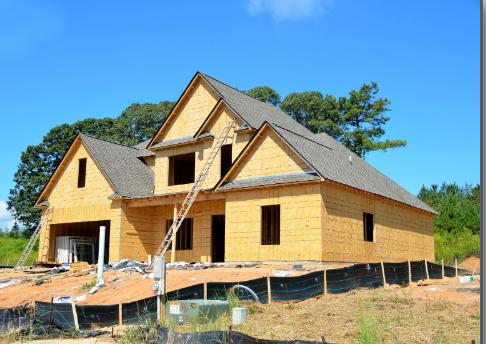
Trim Surrounding Trees: Trim back overhanging branches that can scrape against the roof or pose a risk of falling during storms. This minimizes the chances of tree-related damage to your roof.
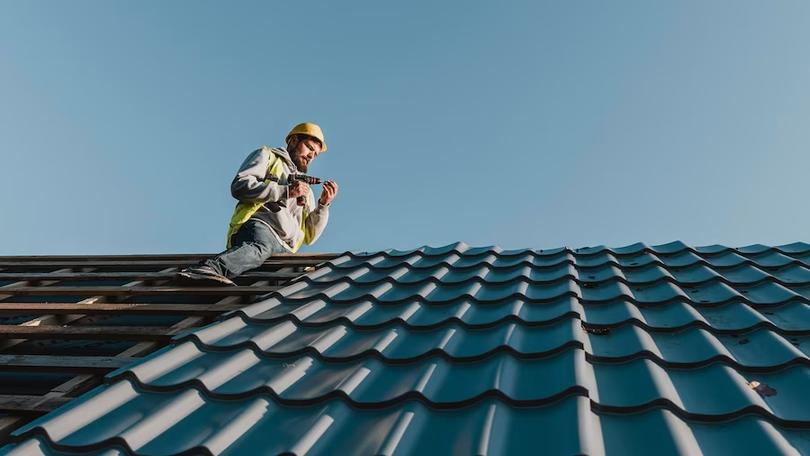
Address Leaks Promptly: Inspect your attic for signs of water intrusion, such as stains or dampness. If you notice any leaks, have them repaired immediately to prevent further damage to the roof structure and interior of your home.
Maintain Proper Insulation and Ventilation: Adequate attic insulation and ventilation help regulate temperature and moisture levels. This prevents the formation of ice dams, reduces heat buildup, and minimizes the risk of condensation, which can lead to mold growth and roof damage.
Avoid Walking on the Roof: Minimize foot traffic on your roof to prevent unnecessary stress on the materials. If you need to access the roof for maintenance or repairs, use proper safety precautions and step on sturdy areas, such as roof trusses.
Address Pest Infestations: Take measures to prevent wildlife and pest infestations in your attic and roof spaces. Seal any openings or gaps and consider installing pest deterrents to protect your roof from animal-related damage. .
By following these preventive measures and addressing any issues promptly, you can help maintain the integrity of your roof and extend its lifespan.
Remember, it's always advisable to consult with a professional roofing contractor for specific maintenance recommendations based on your roof type and local climate conditions.