Linked in : https://www.linkedin.com/in/milin-vadgama-4006a9250
“Less is more.”
– Mies van der Rohe
Milin Vadgama
Education :
Nand Vidya Niketan | Jamnagar, India
SSC schooling (CBSE)
St. Xavier’s High School | Jamnagar, India
HSC schooling (GSEB)
CEPT University | Ahmedabad, India
Bachelor of Architecture (5 years)
UNSW | Sydney, Australia
Masters of Architecture (2 years)
Workshops :
Related Study Program | CEPT University Study of village Chanderi, Madhya Pradesh, India.
• Measured drawings and documentation.
Hunnarshala Bhuj | CEPT University Workshop included Wattle and Daub, CSEB brick masonry and Rammed earth walls (Making and Execution).
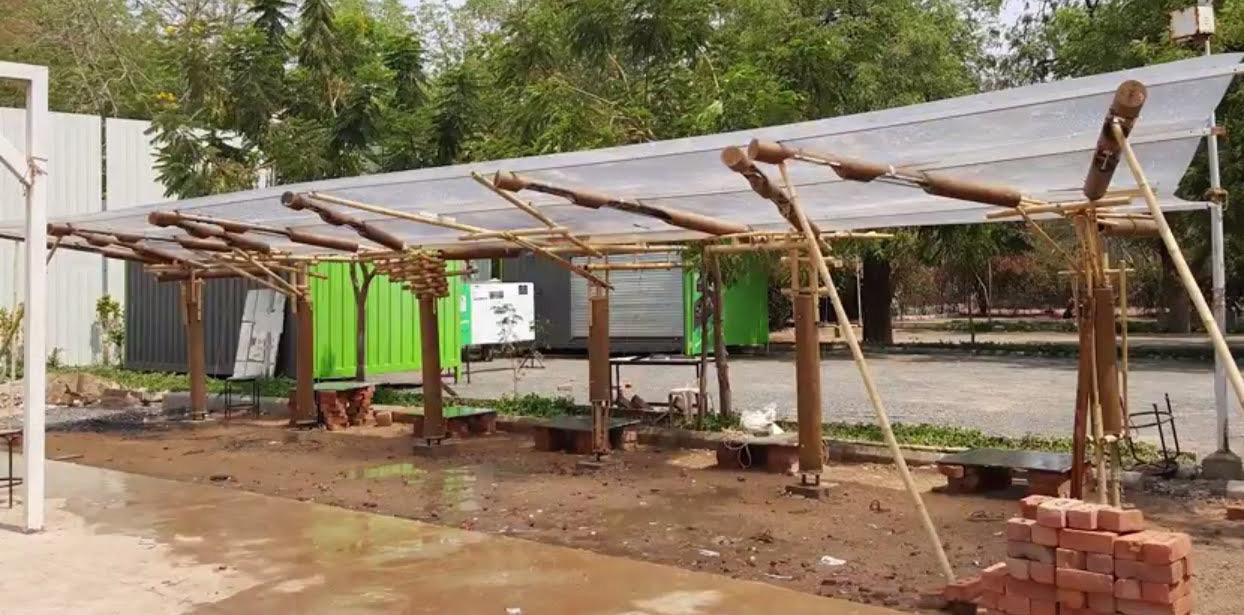
Feather Pavillion | CEPT University Workshop included bamboo, papertube and steel joineries while setting up a shed structure.
Handmade-Badalpara | Compartment S4
Hands-on workshop based on local crafts and community engagement. Hands-on use of local materials and how to execute it.
Italian Architecture Now – Balancing Tradition, Modernity and Context | CEPT University Exploring Italian architecture and studying with a visit to Venice Biennale.
Branding 101 | CEPT University
Understanding the basics of Marketing and its implementation.
Sydney Urban Lab | UNSW
Urban studio based in Sydney by WOHA Studio. Exploring a vast scale and working as a large group.
Architect | Designer | Artist
Work Experience :
Mozaic | Goa, India
Intern Architect
• Worked on Sustainable projects (hotels/resorts).
• Conceptual designs and Design development. Presentation drawings and technical drawings. Community driven projects.
Dhyeychag architects | Jamnagar, India
Junior Architect
• Working on residential projects. Conceptual designs and Design development (design). Architectural detail drawings.
• Site supervision and Co-ordination.
• Client Co-ordination and meeting.
UNSW | Sydney, Australia
Teaching Assistant Assisted in studio classes by providing one-on-one support and feedback to students on design projects.
• Conducted tutorials on foundational design principles, digital tools, and presentation skills.
Team Play, Creative Spirit, Organised, Fast learner, Positive, Ambitious, Reliable, Competitive.
STUDIO-6 | Winter 2024, PG
Major Design Studio | Urban Conditions
STUDIO-6 | Spring 2019, UG Masters’ Stroke : Matters of Architectural Language/Style
STUDIO-8 | Spring 2020, UG Vertical Living
STUDIO-1 | Summer 2023, PG
ARCH Design Studio 1 | Indigigrow Education Centre
STUDIO-9 | Monsoon 2020, UG Through Words
STUDIO-10 | Spring 2021, UG
The city and performance spaces – performance spaces as urban catalysts
RSP (CEPT) | Dec - 2016, UG
Urban Conditions | Major Design Studio
STUDIO-6
Location : Gordon, NSW
Year : 2024
Instructor : Shaowen Wang, Raffaele Pernice
Major Design Studio | PG UNSW
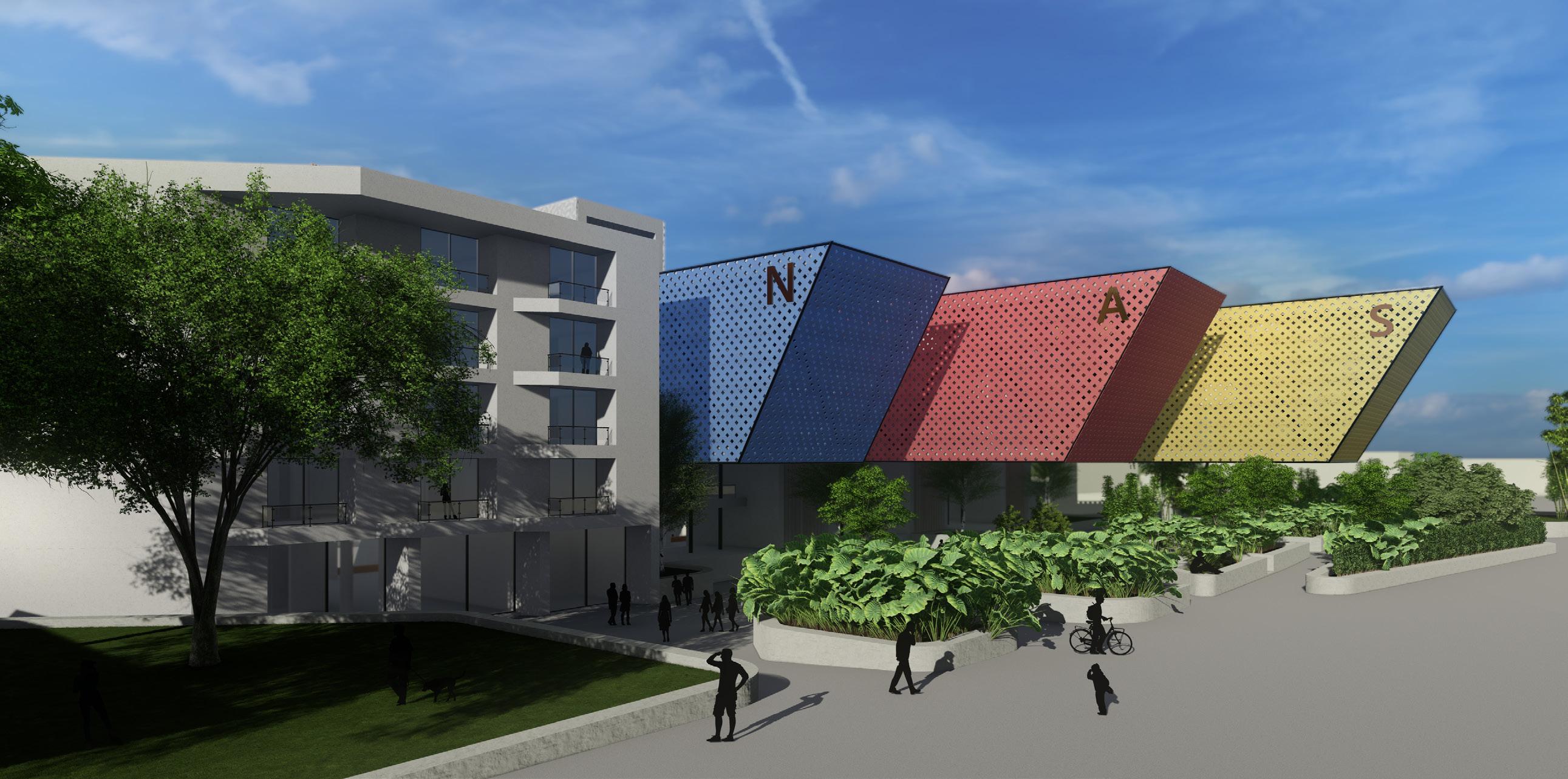
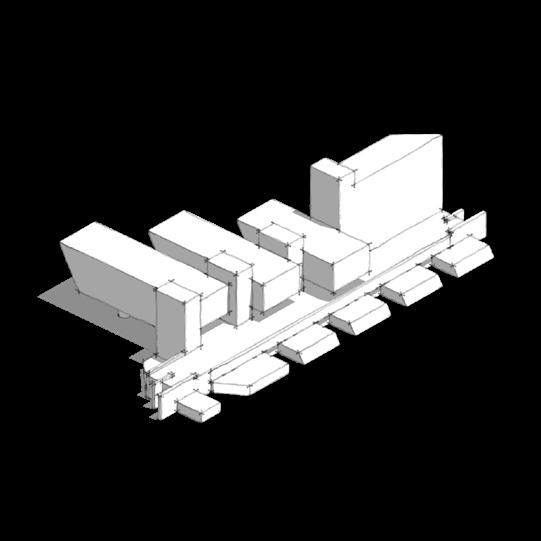
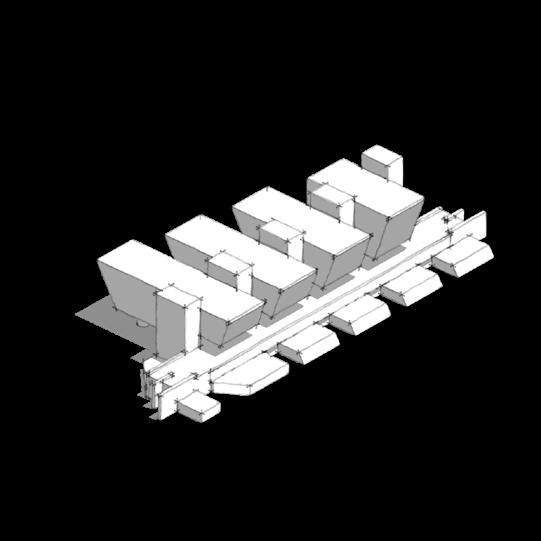
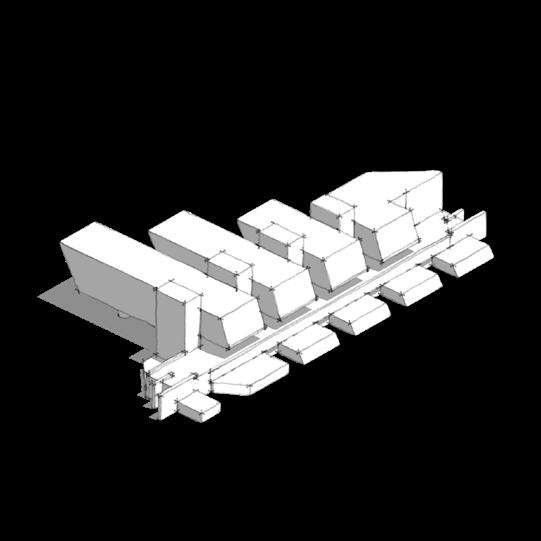
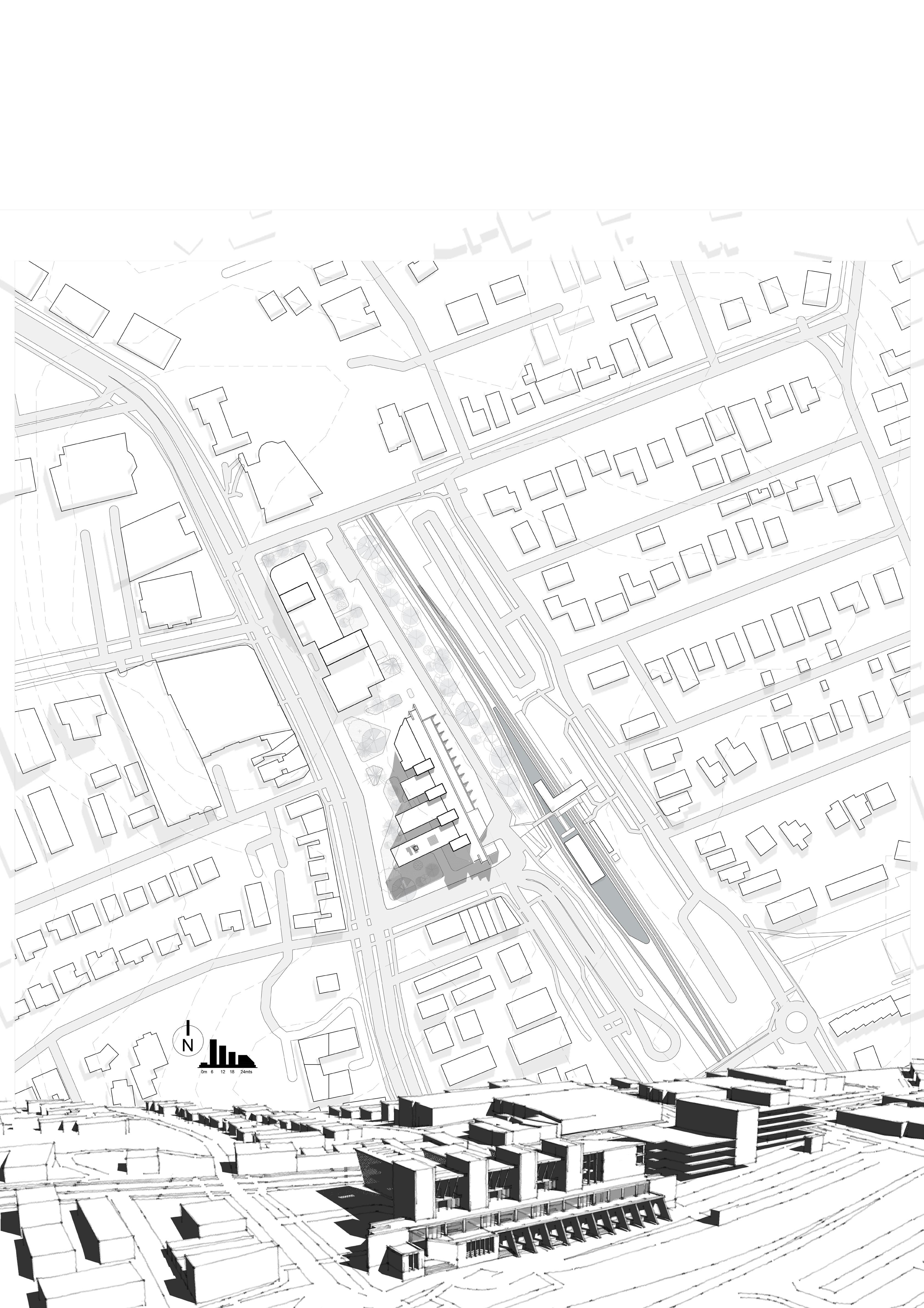
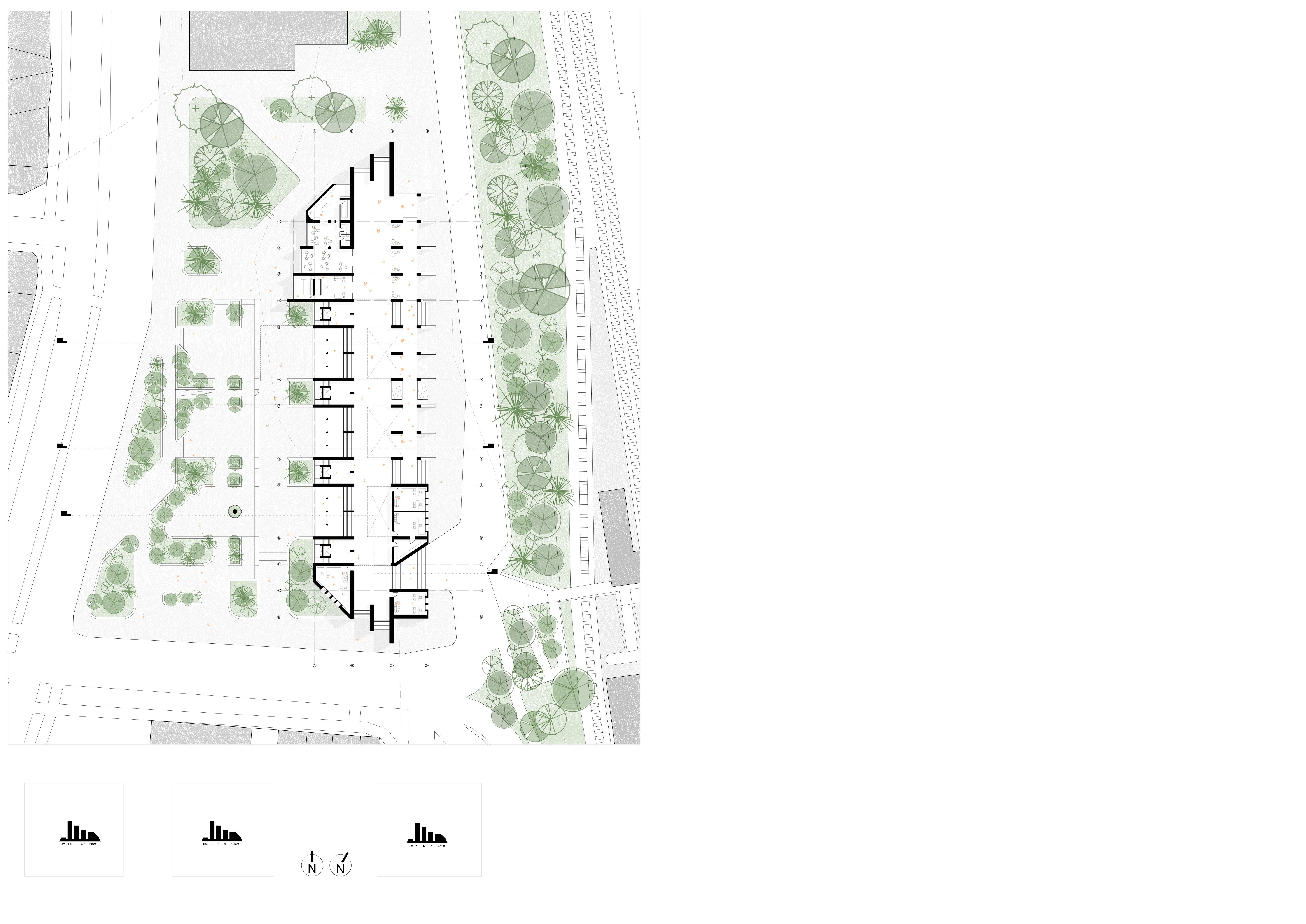
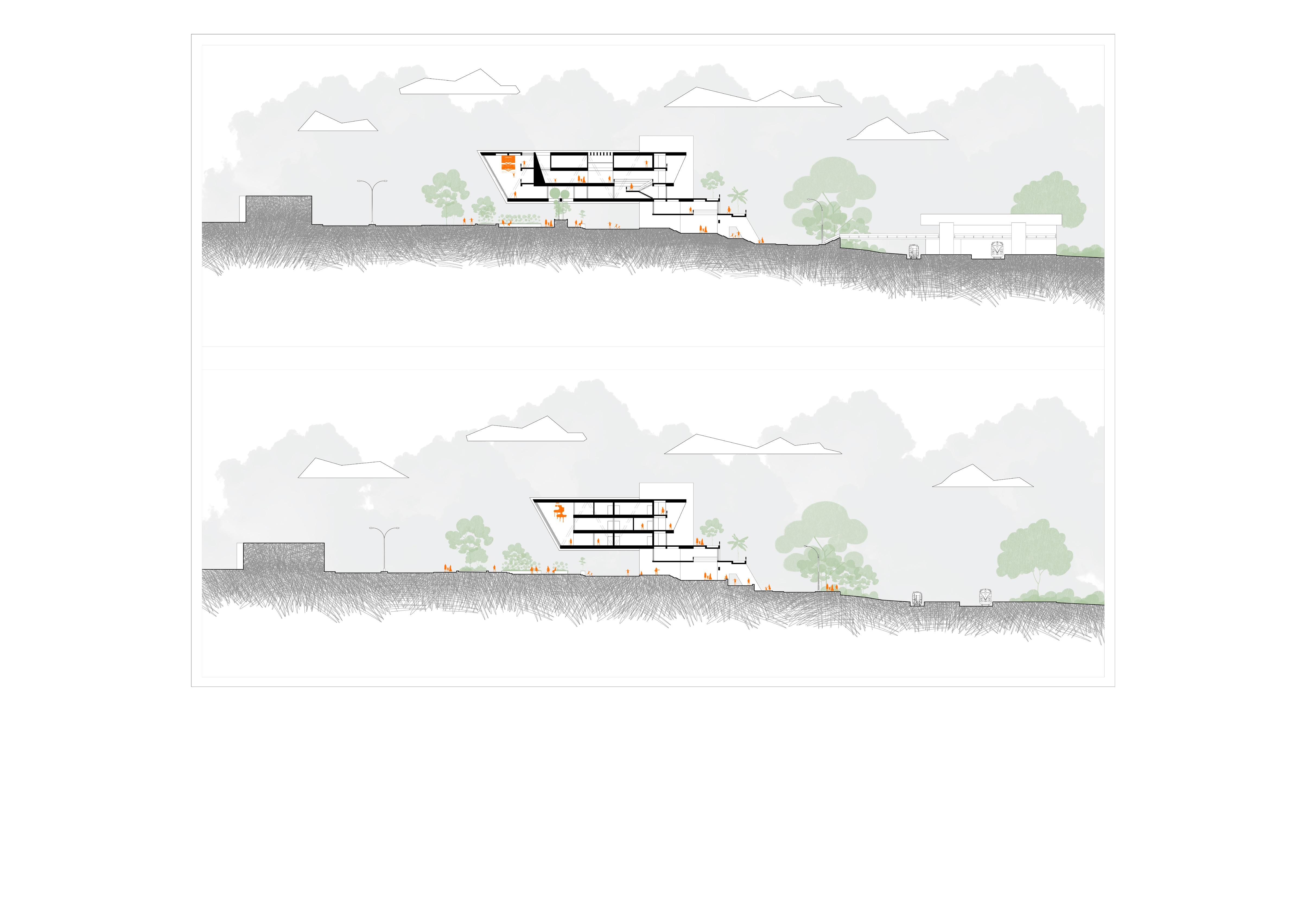
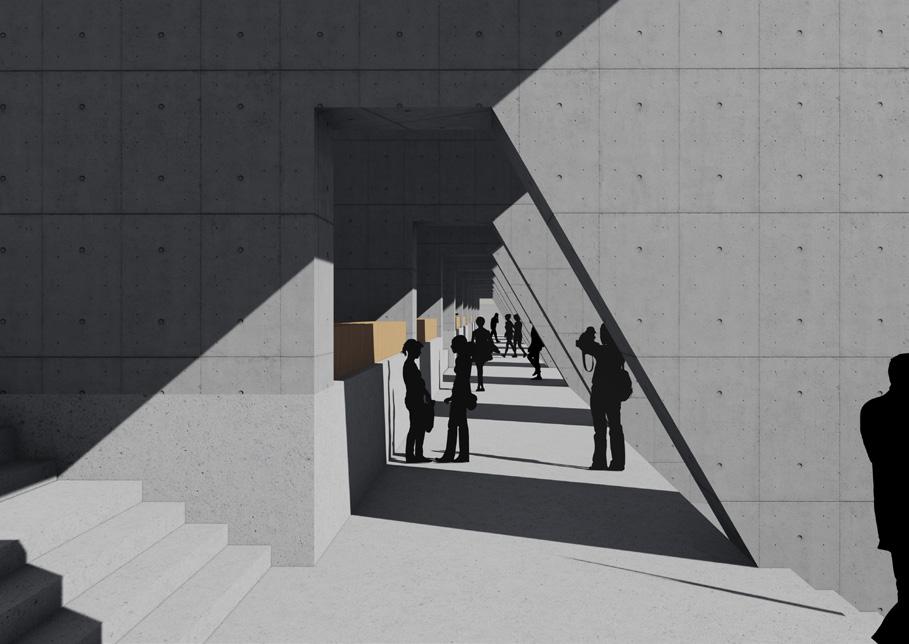
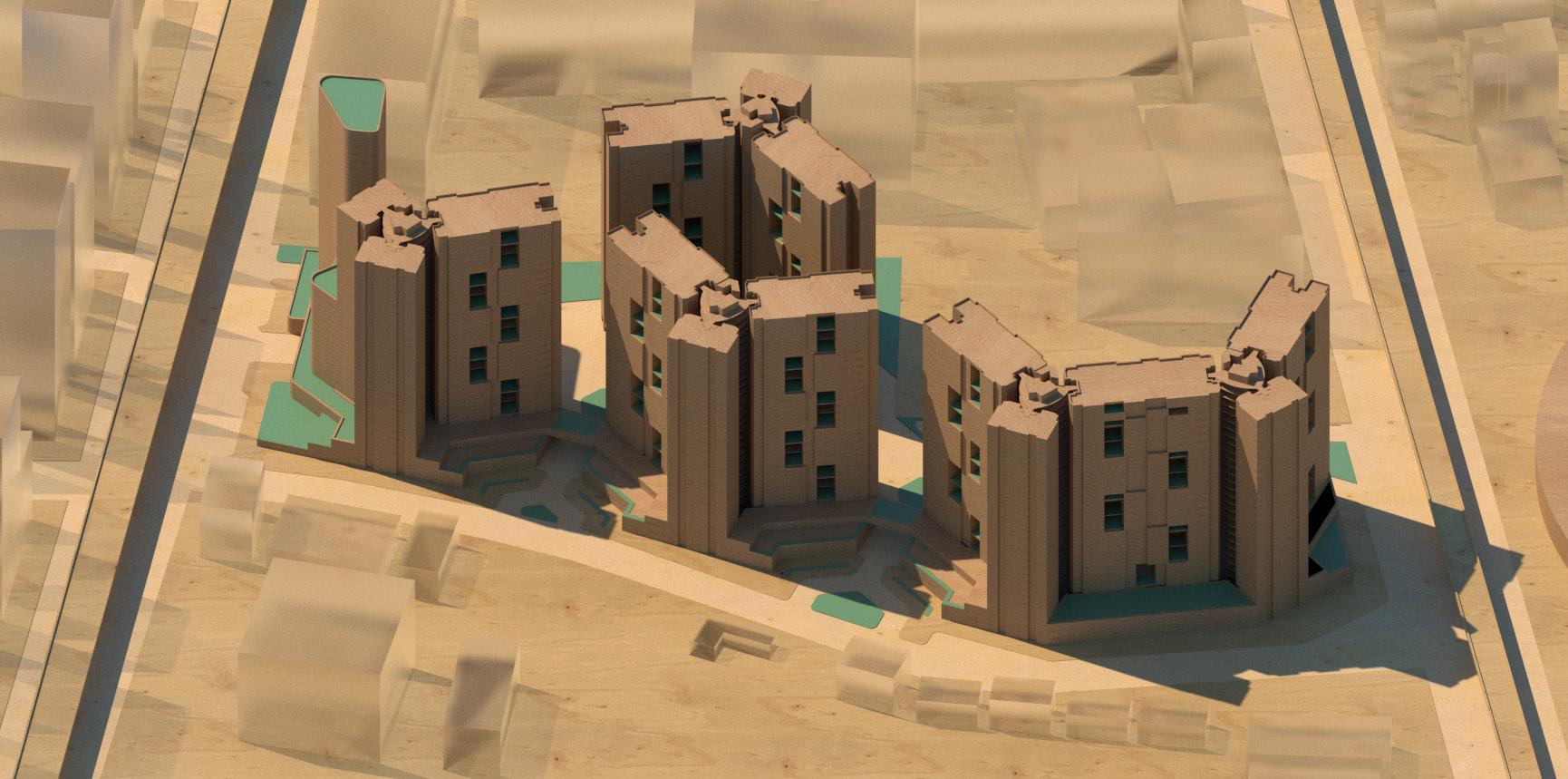
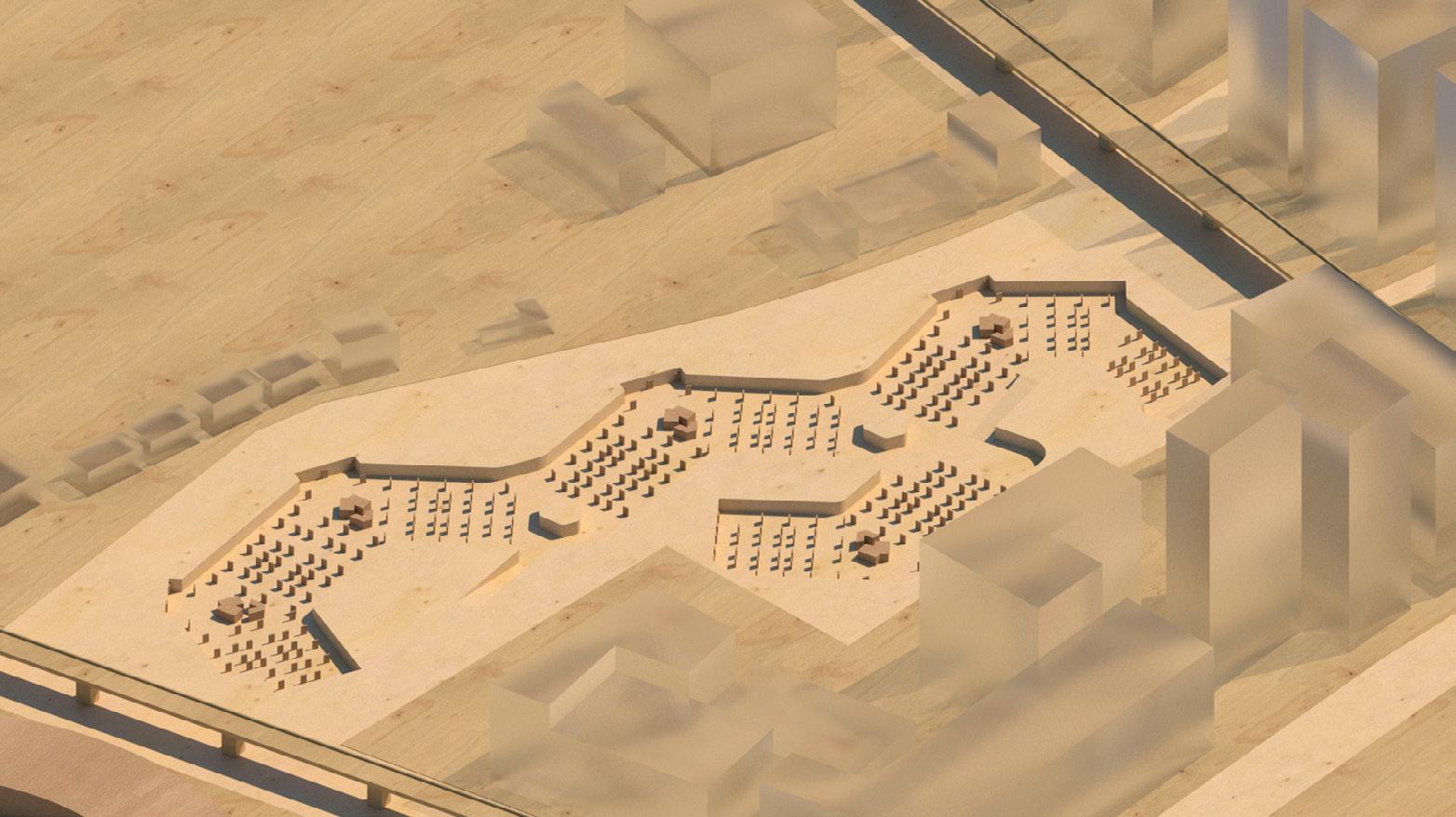
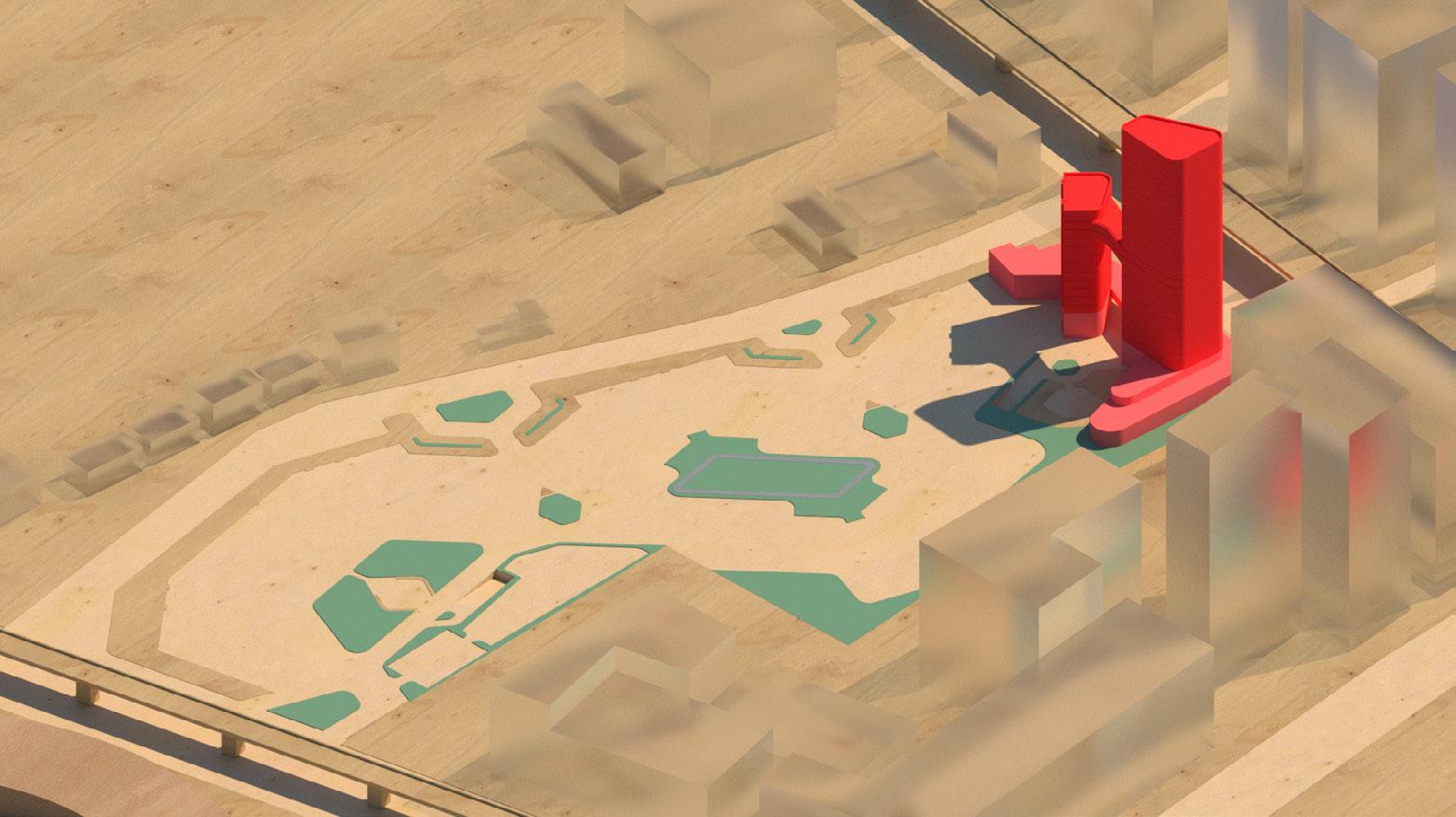
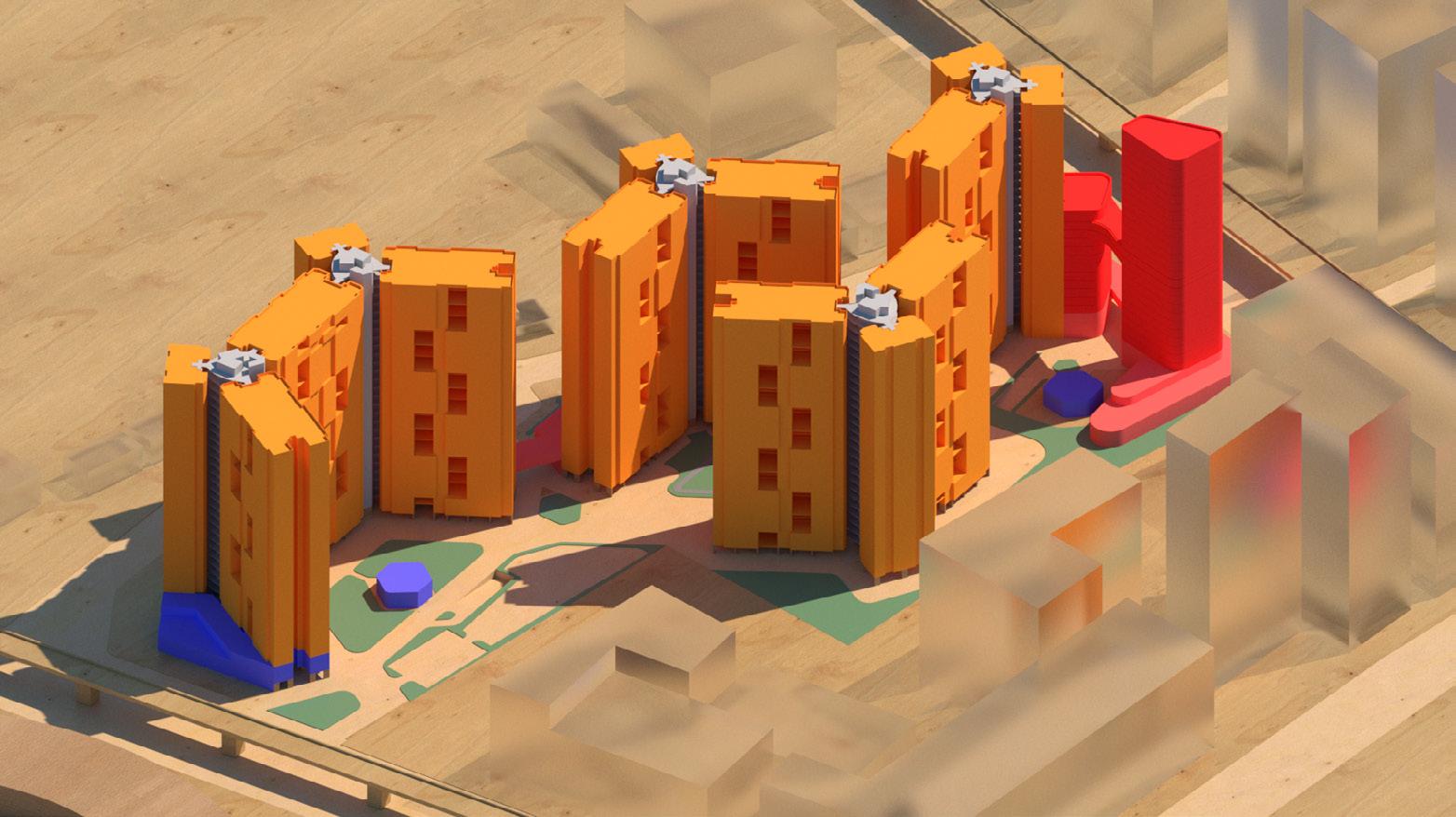
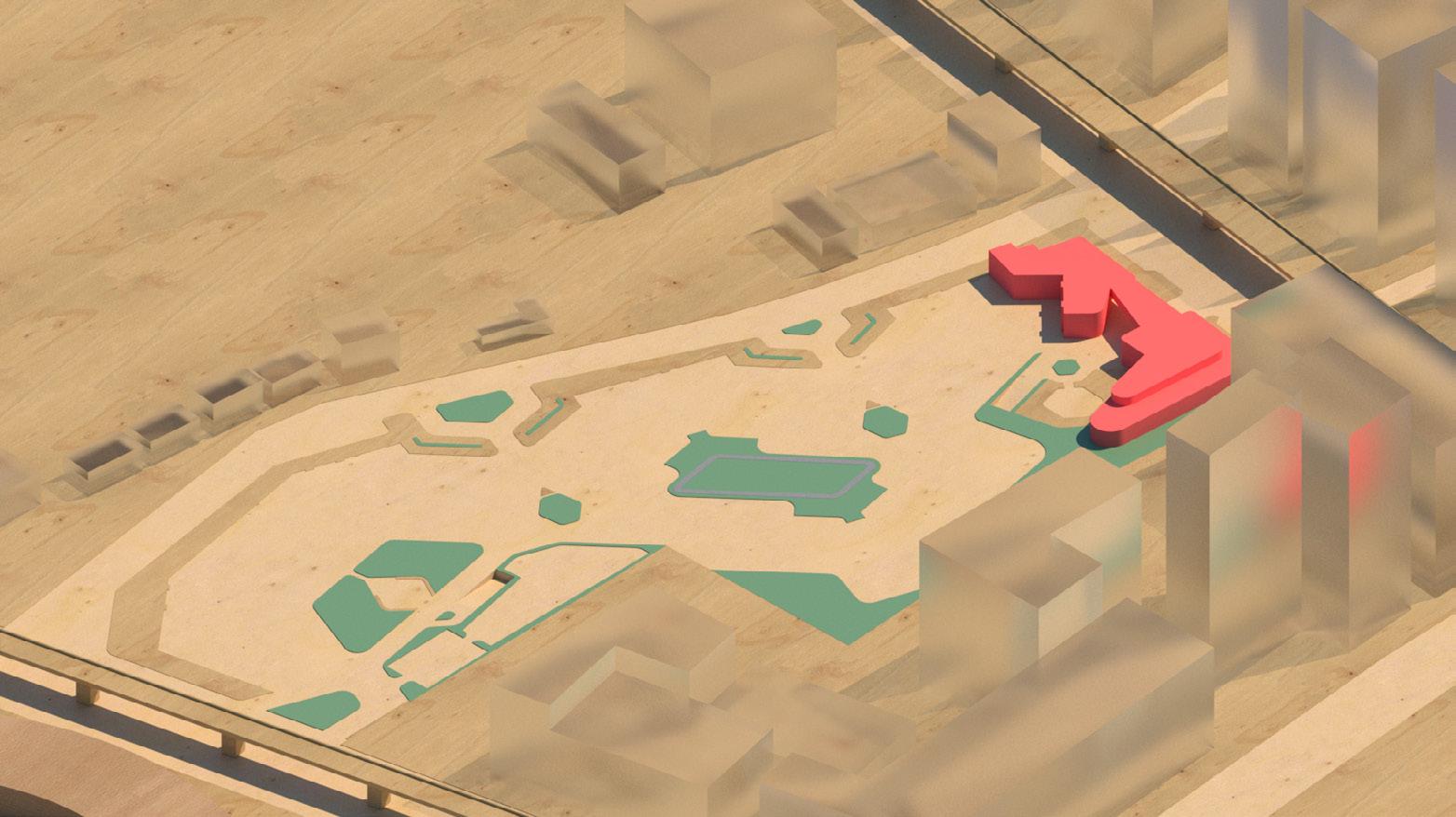
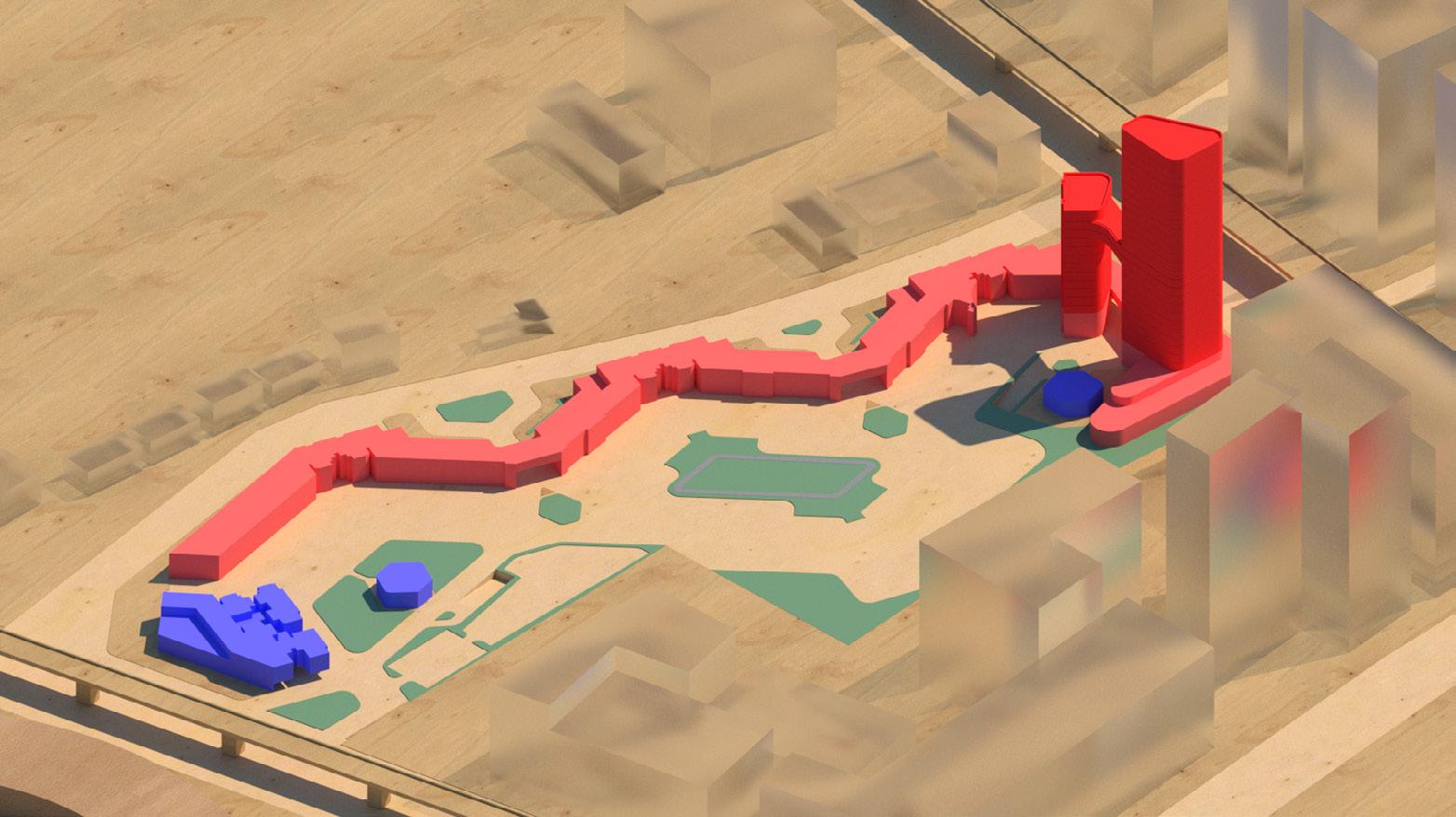
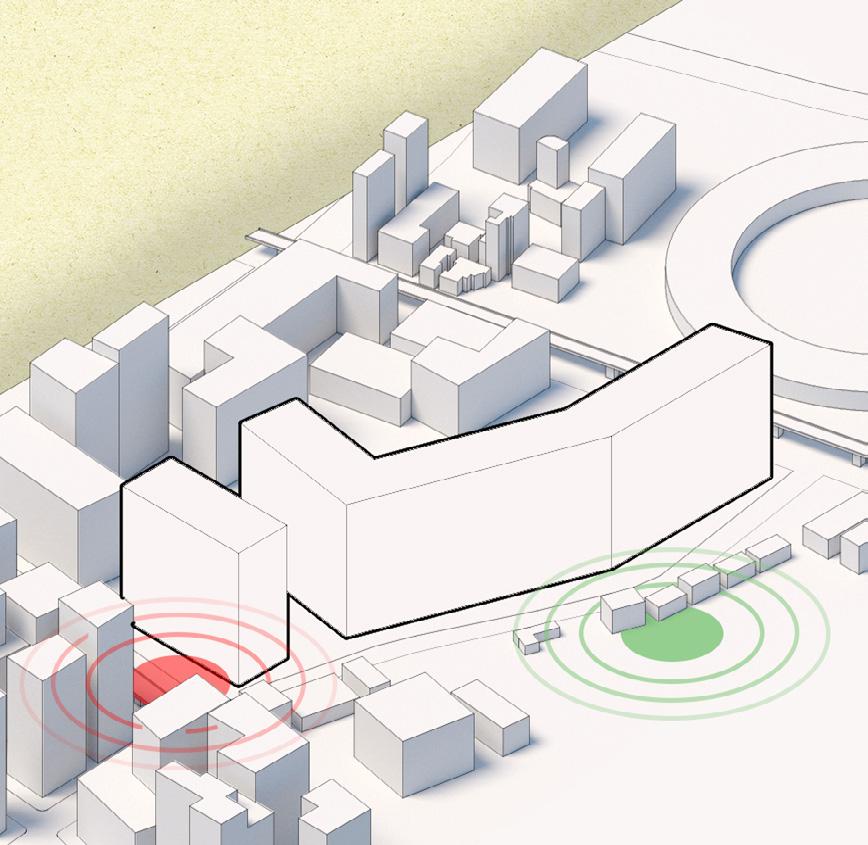
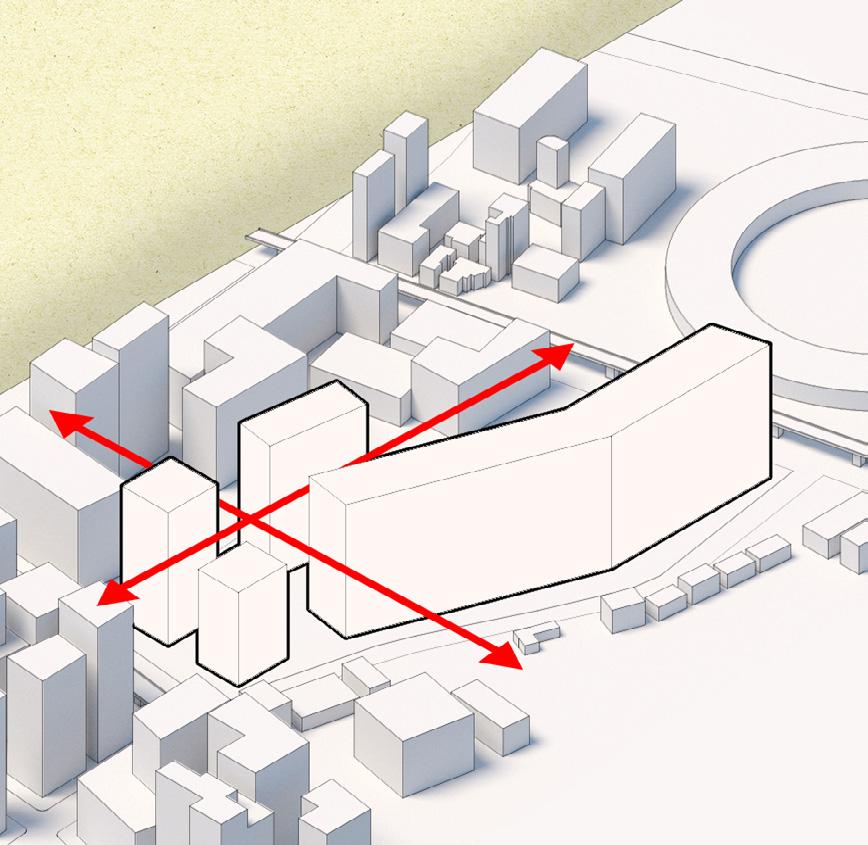
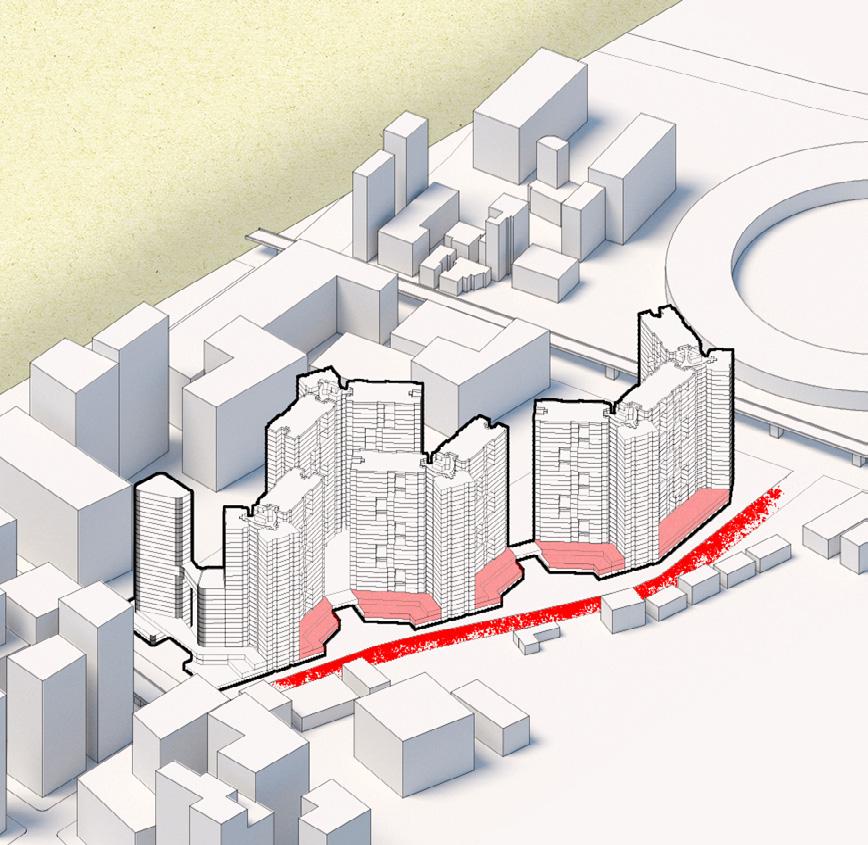
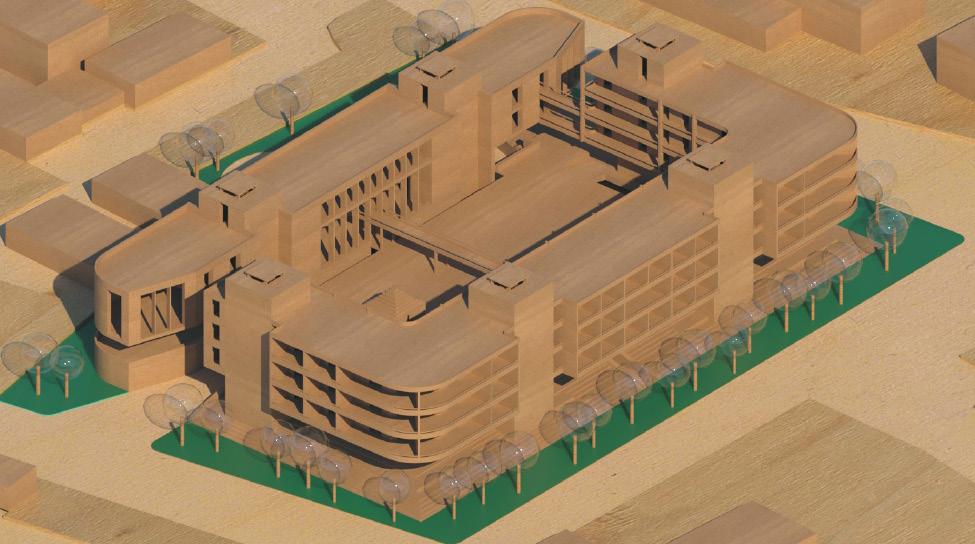
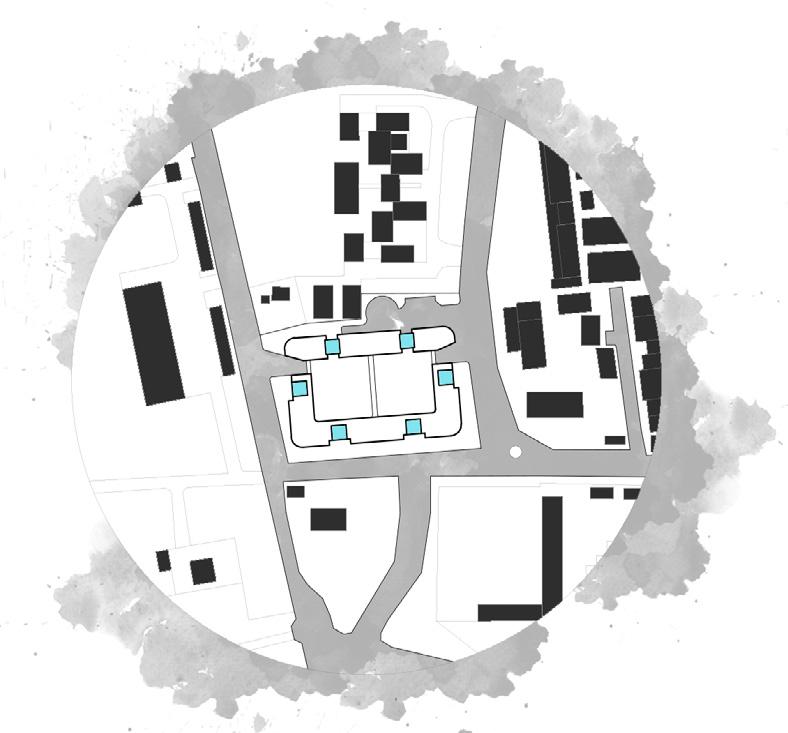
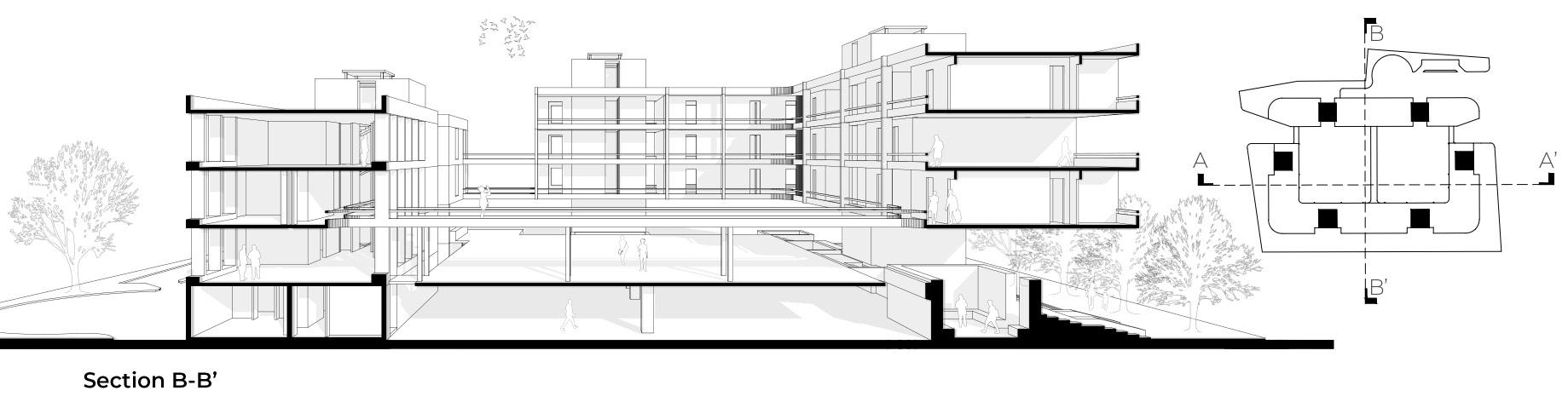
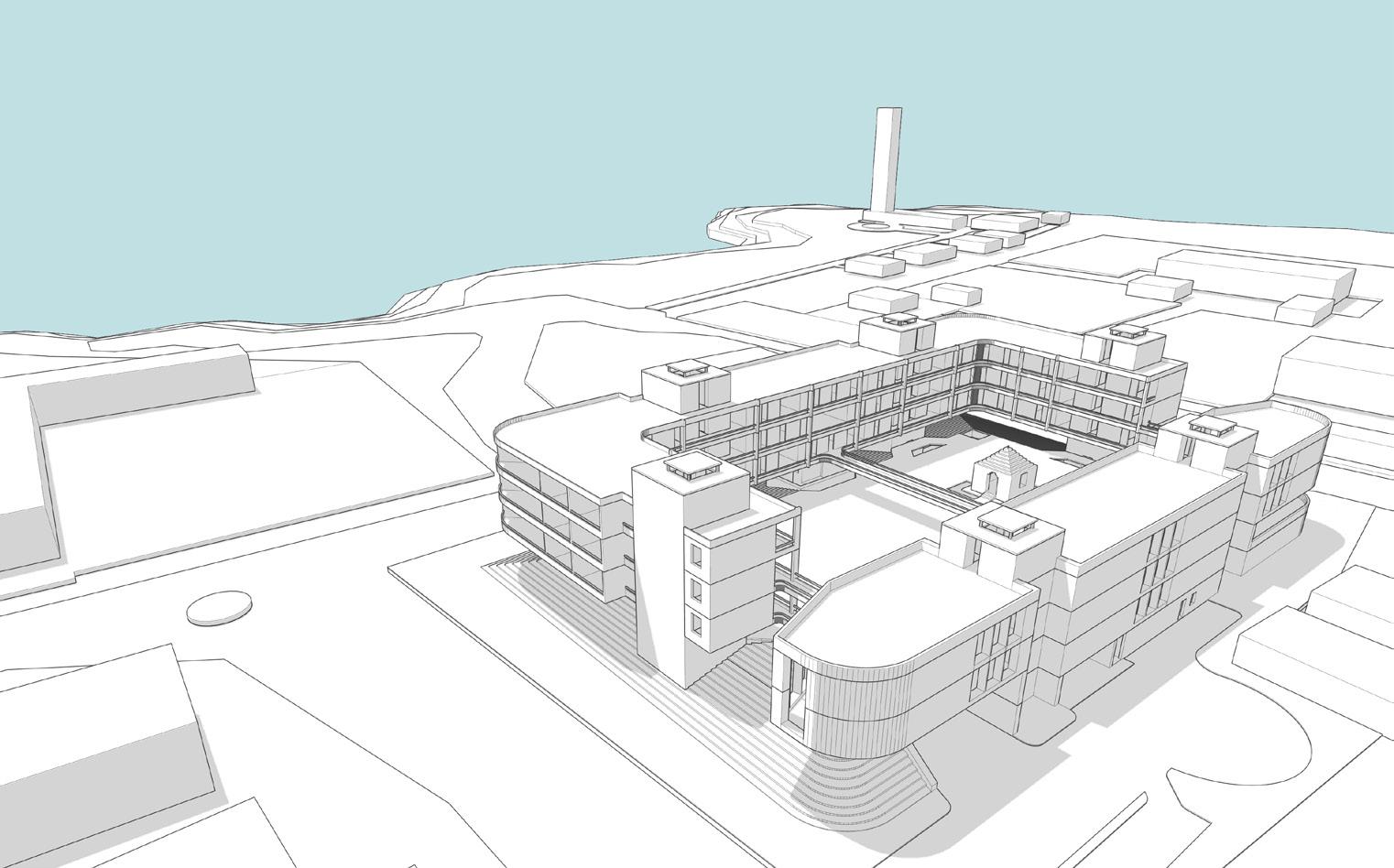
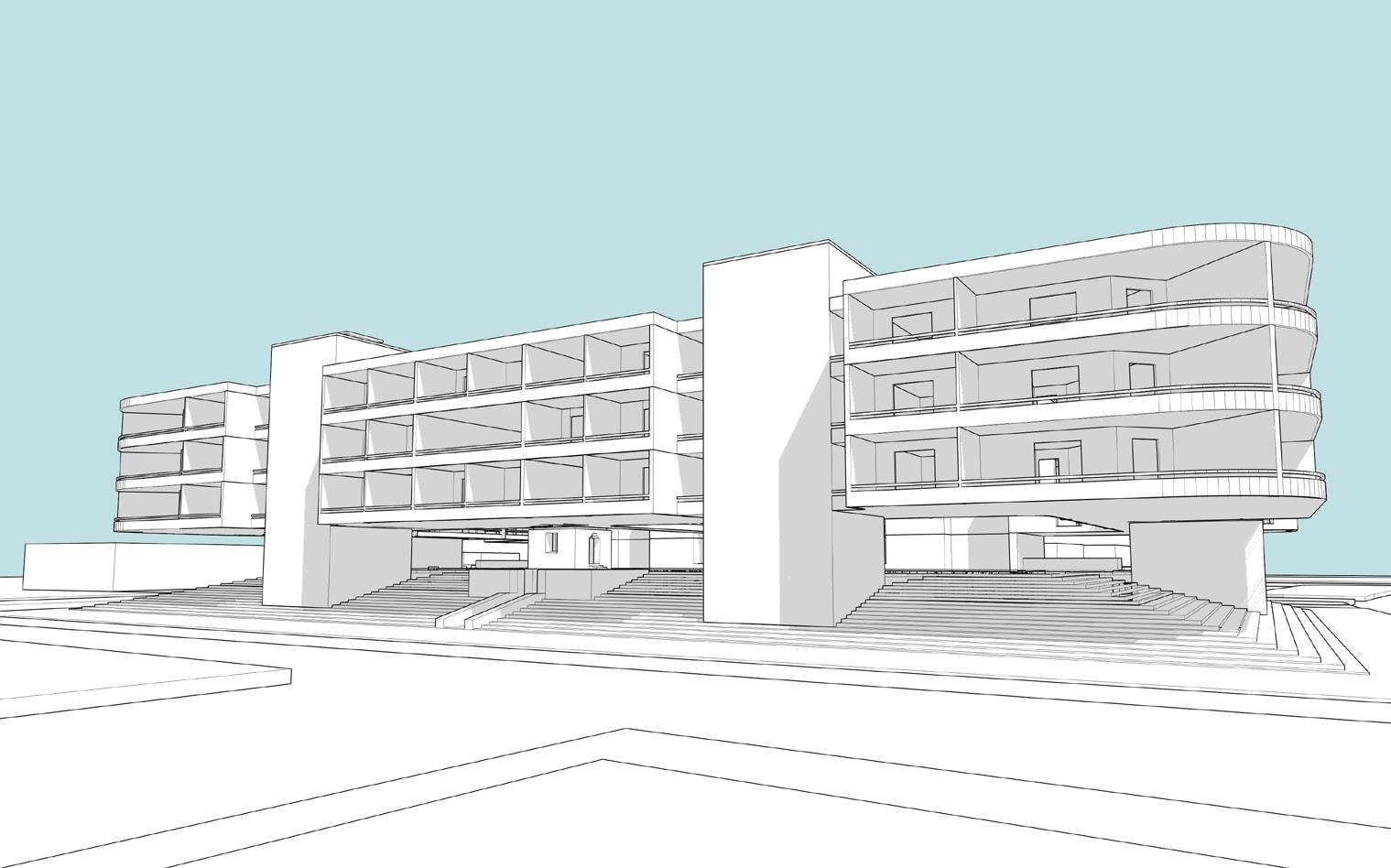
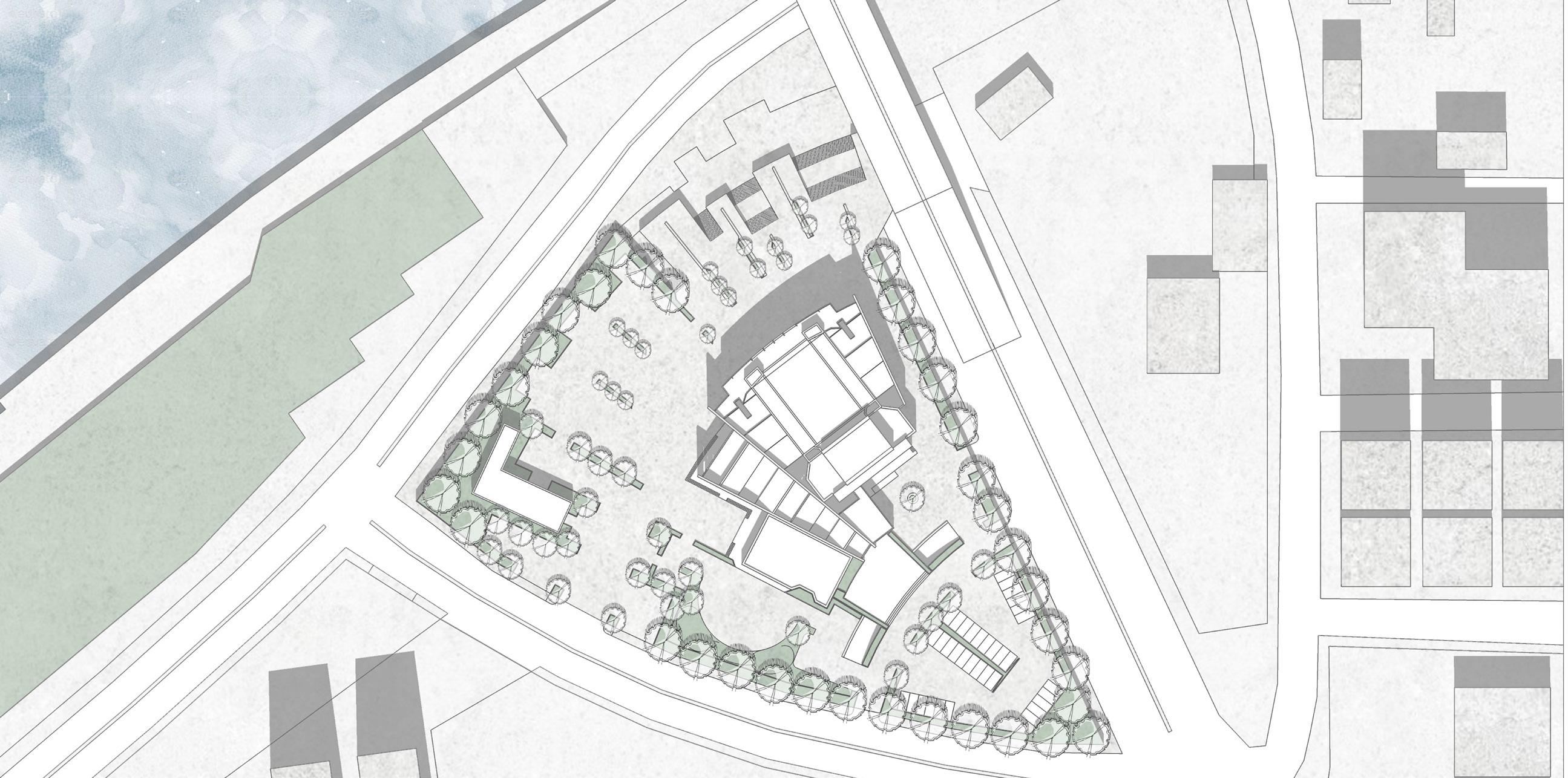
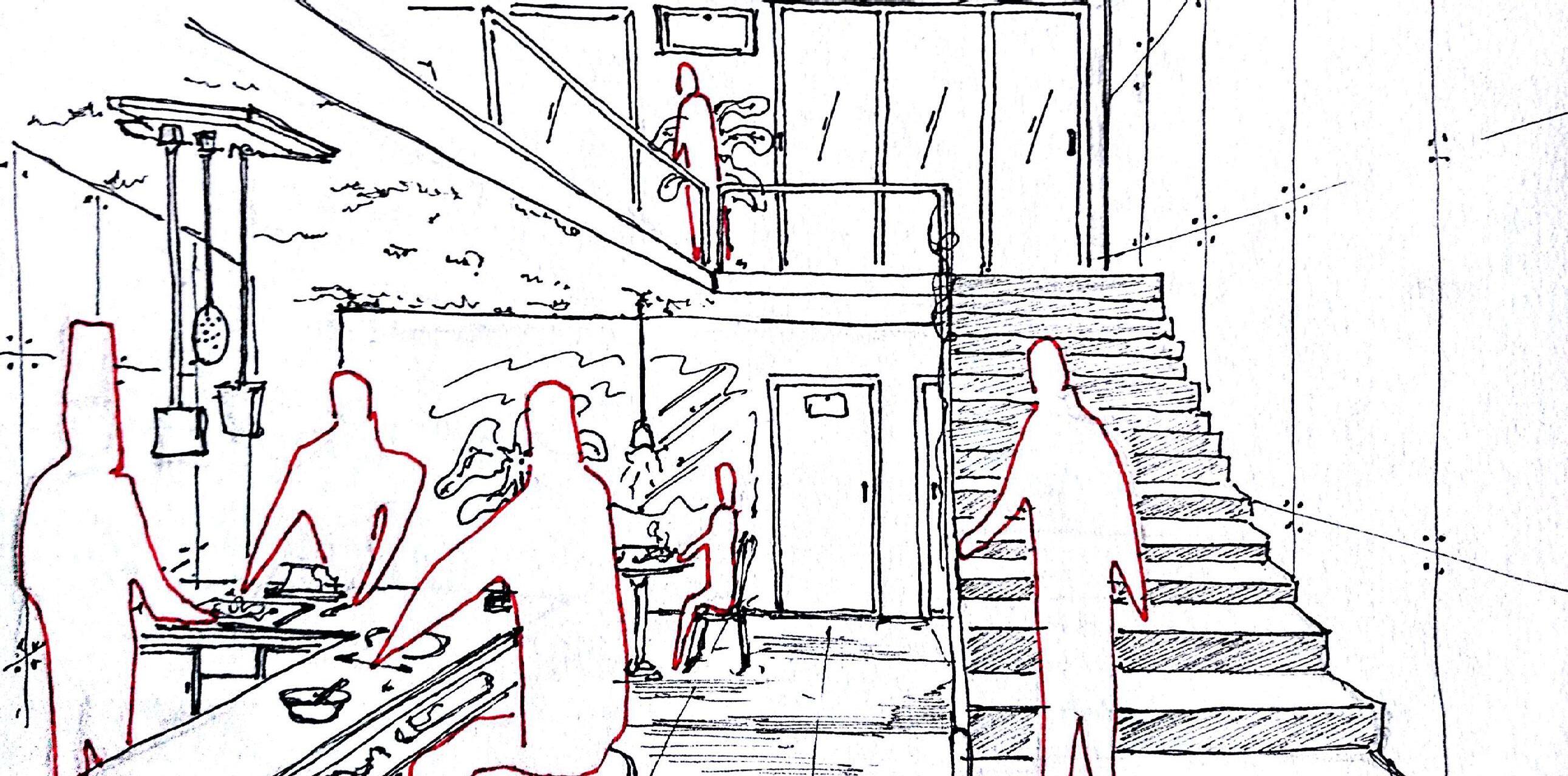
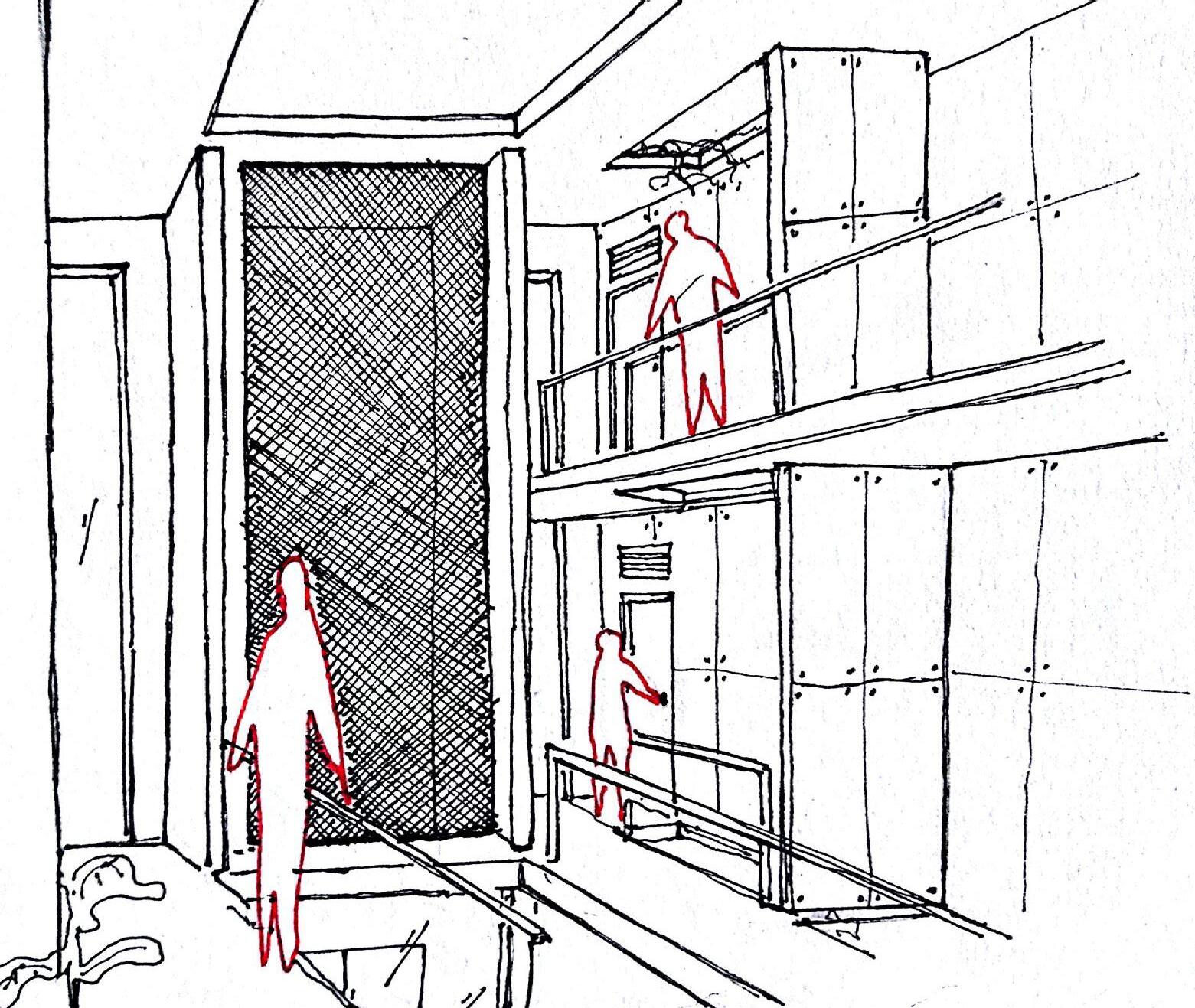
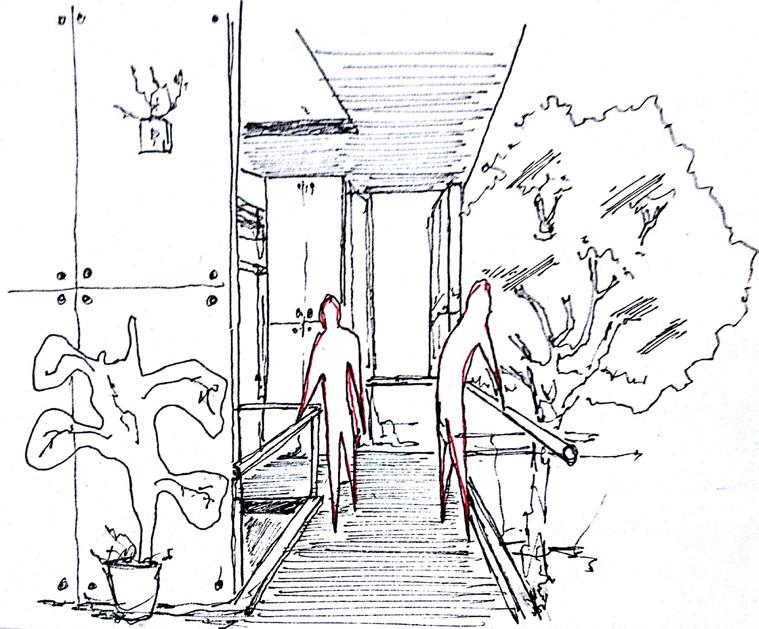
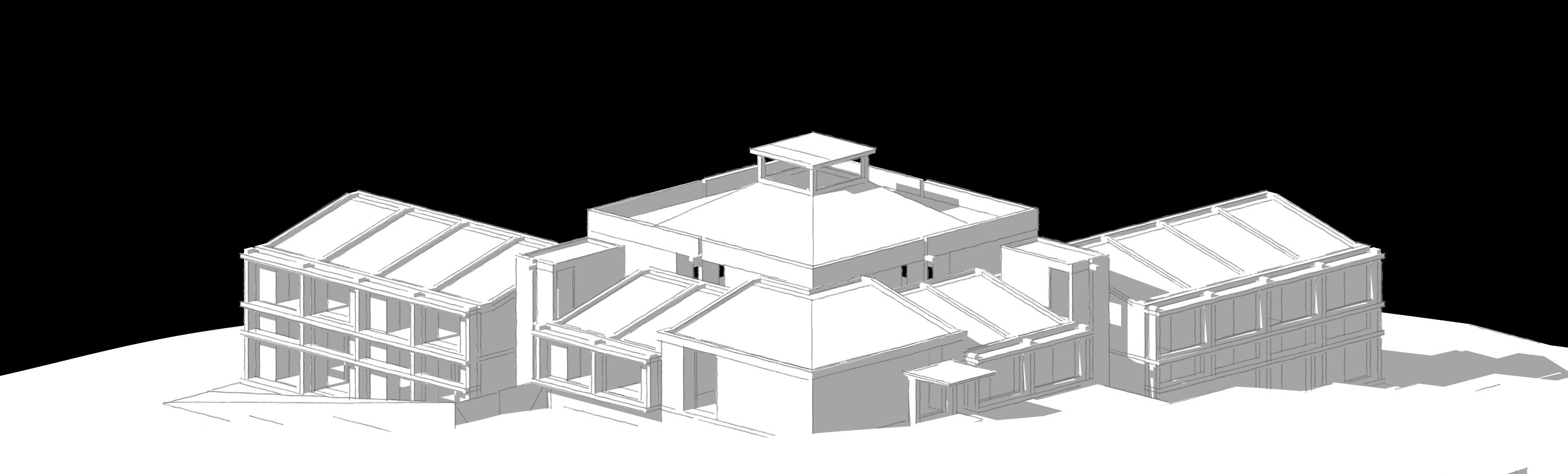
The urban research studio is based in Gordon, Sydney, Australia. Based on understanding Transit Oriented Design (TOD) and developing design accordingly. Initial site studies of Gordon, followed my masterplan activity and generating individual research question.
Research Question | How can art related programs aid in the conservation and revival of regional urban areas ?
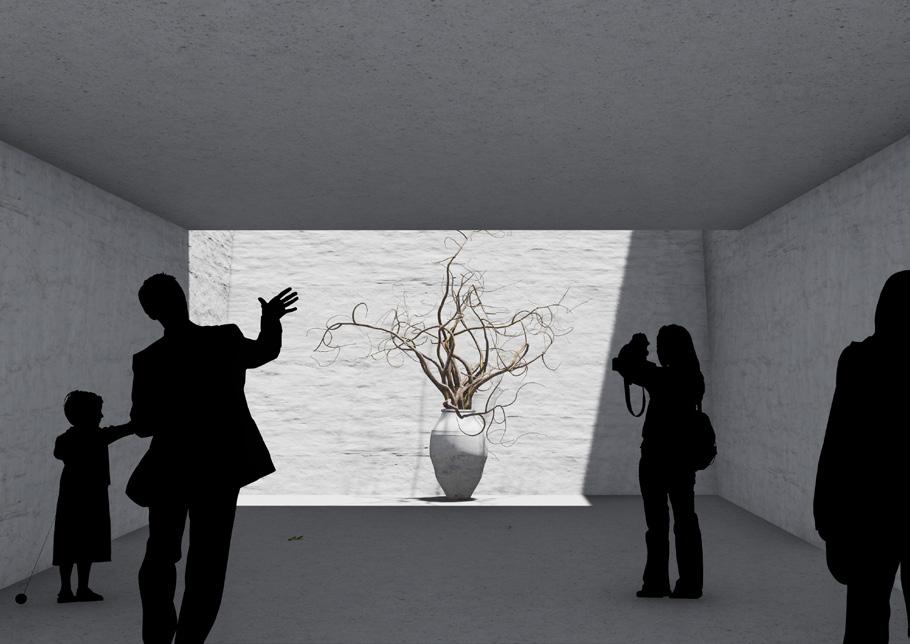
The National Art School (currently in Sydney CBD) could establish a regional extension in Gordon by leveraging existing educational infrastructure and partnering with local institutions. This extension could offer specialized art courses tailored to the needs and interests of students in the area, fostering a vibrant artistic community and enriching the cultural landscape of Gordon and its surroundings.
_Design
Gordon, Sydney, Australia
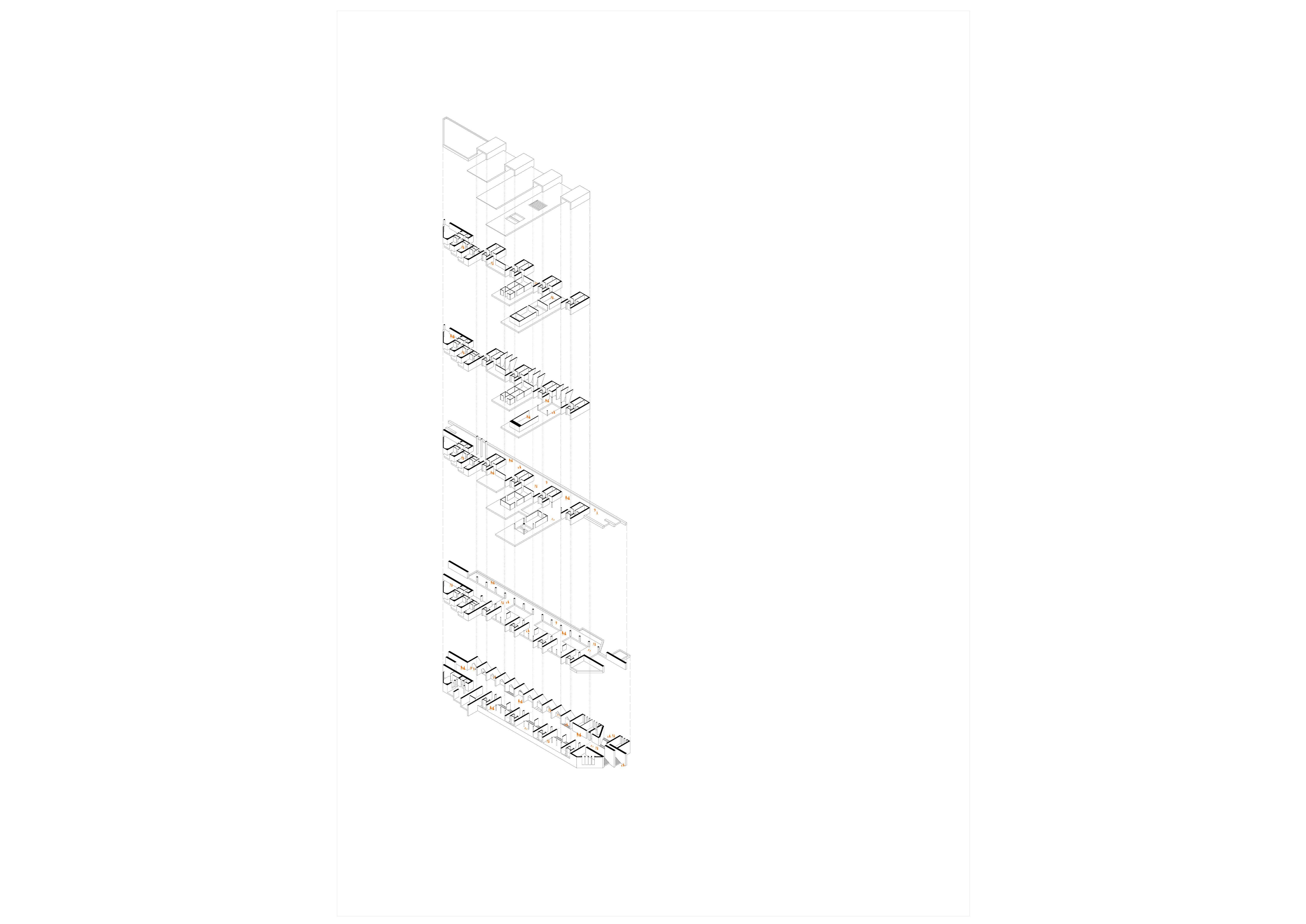
Level 5
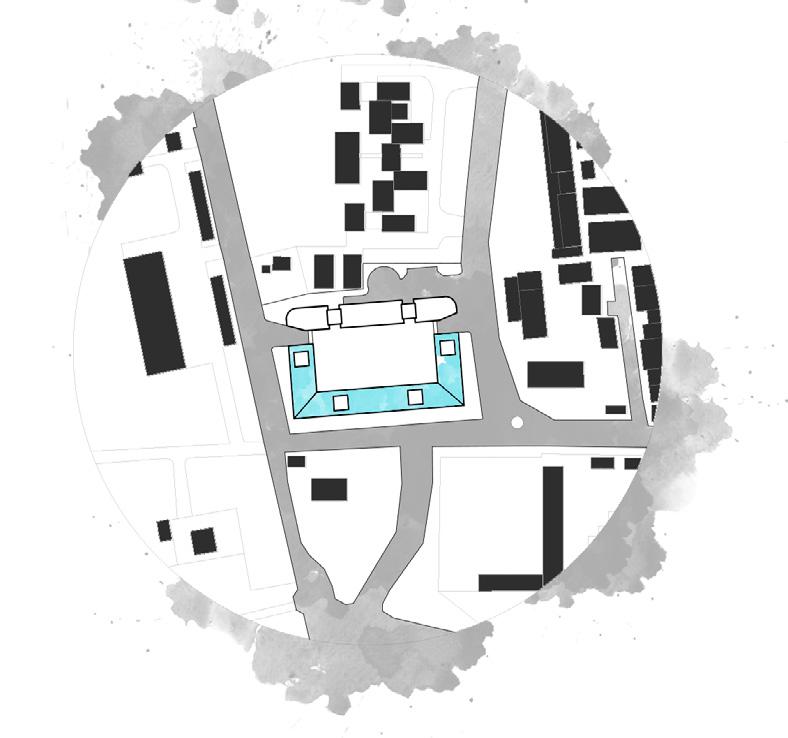
Studios Workshops Residences
Level 4
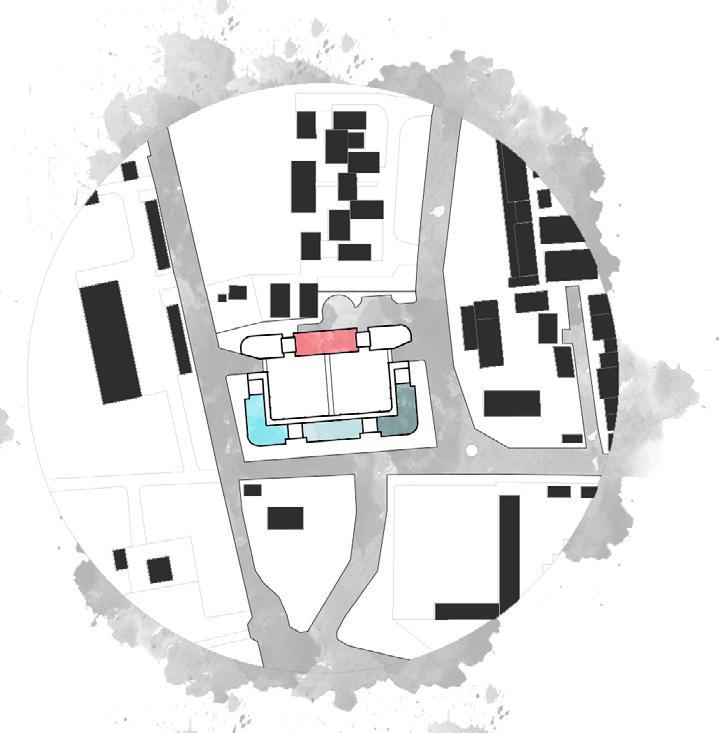
Exhibition spaces
Studios Workshops Residences
Level 3
Exhibition spaces
Studios Workshops Residences
Level 2
Exhibition spaces
Level 1
Admin Spaces Open exhibition spaces
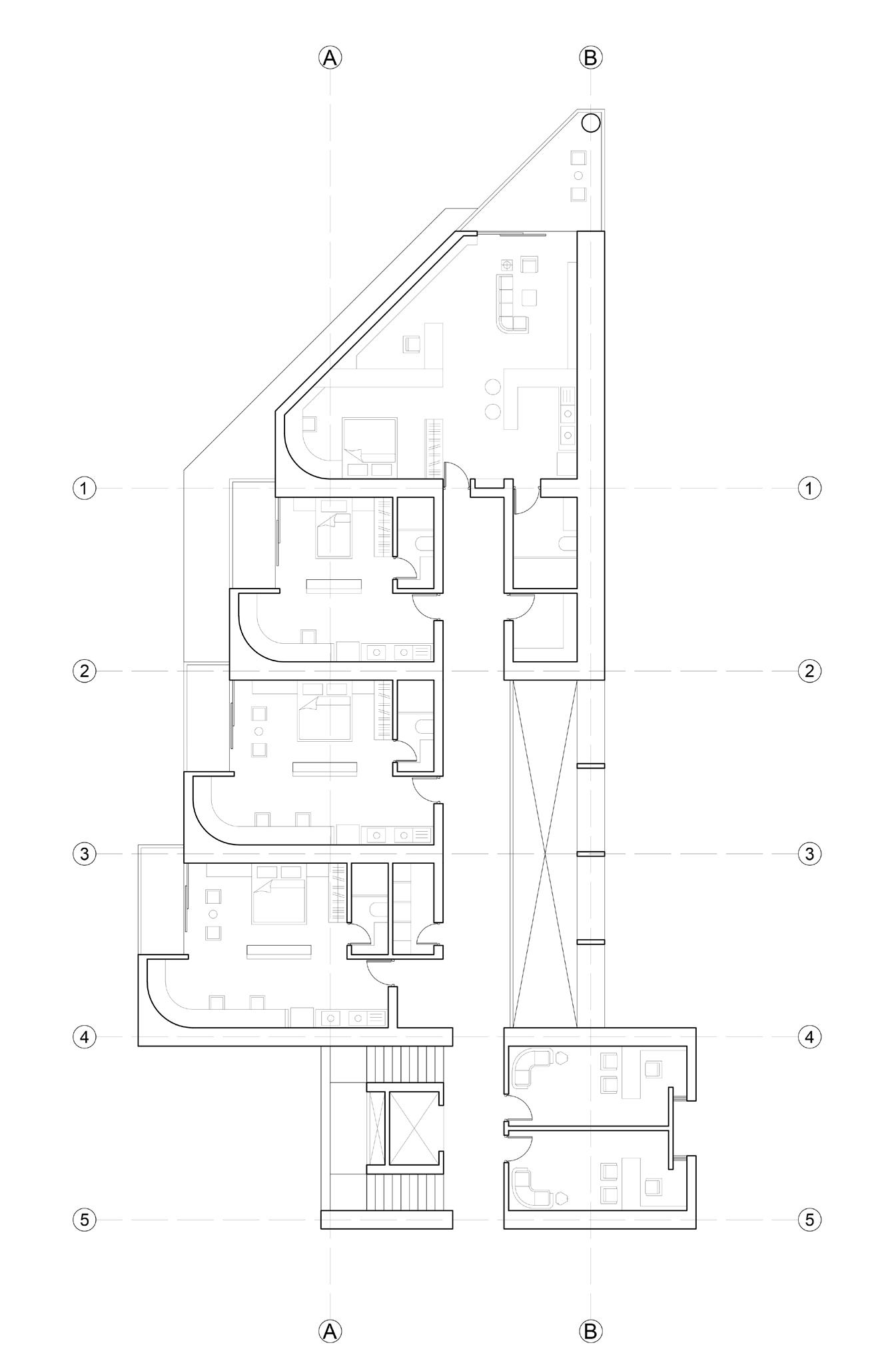
_Residential Units For visiting professionals staying for longer time periods.
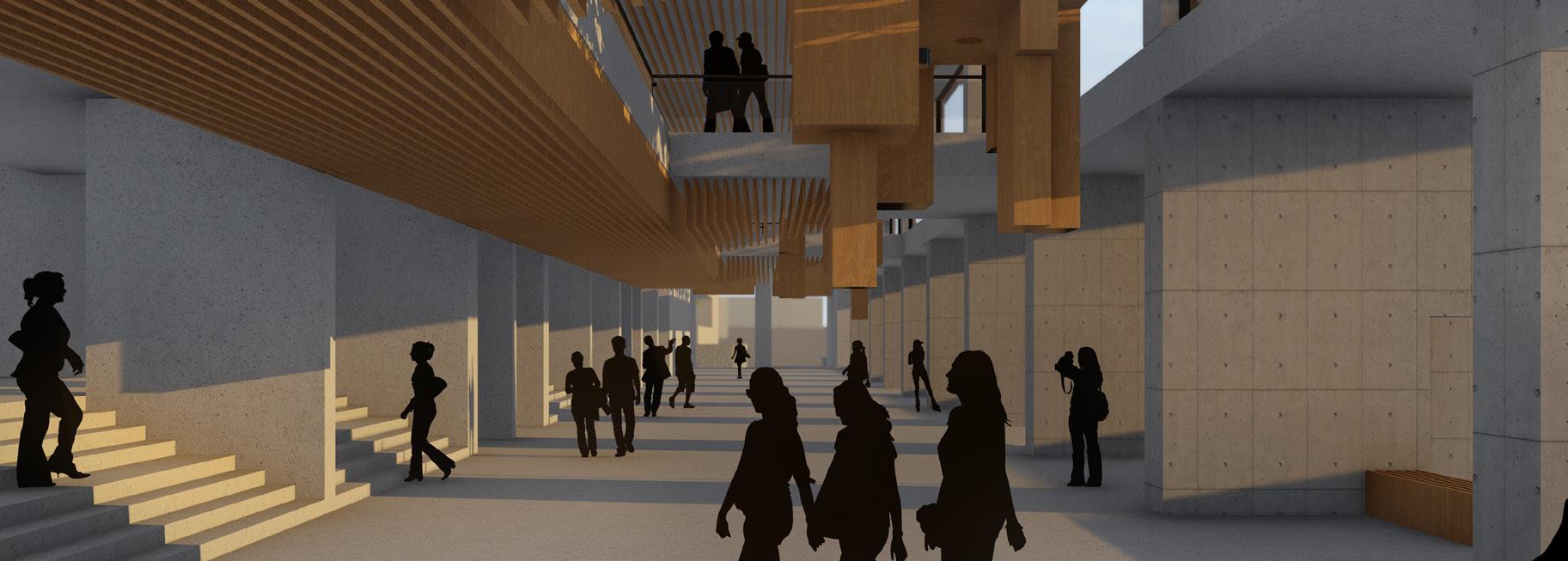
_TOD Walkway
_Gallery Spaces
_Cental Atrium Space
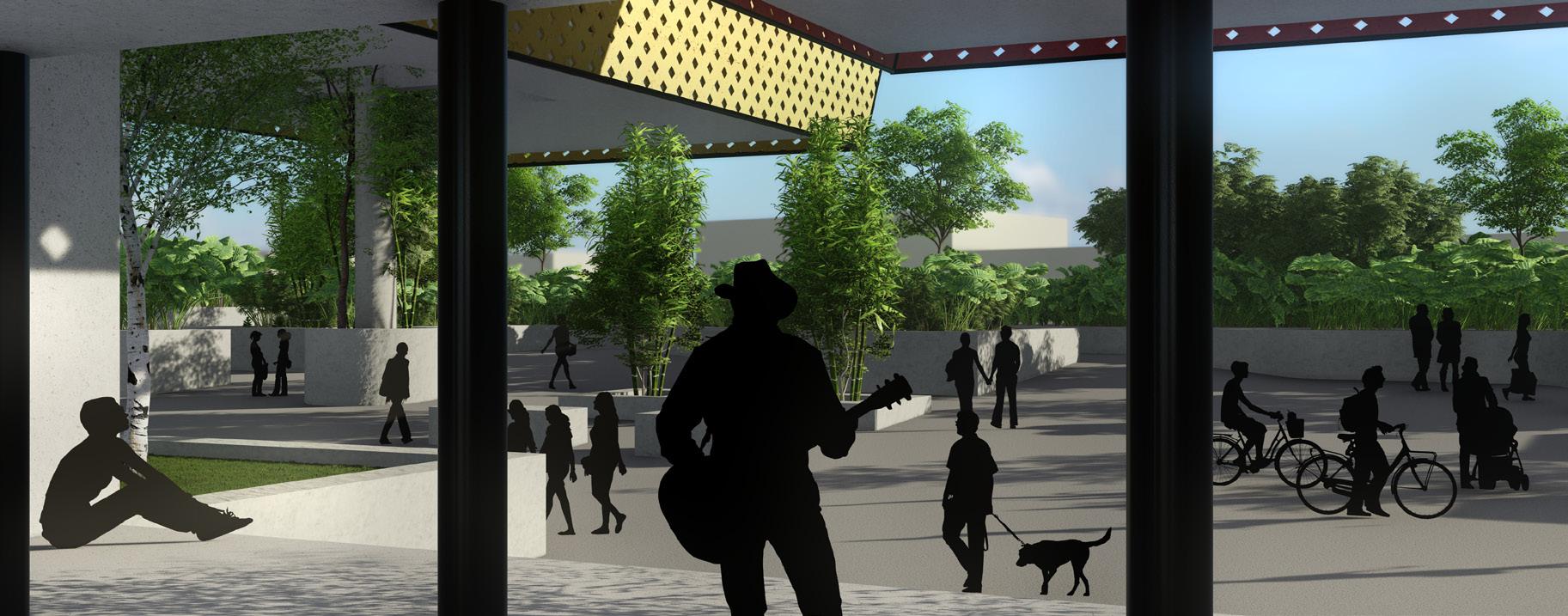
_Shaded Open Space
Masters’ Stroke | Matters of Architectural
Language / Style
STUDIO-6
Location : Ahmedabad, India
Year : Spring 2019
Instructor : Sachin Soni
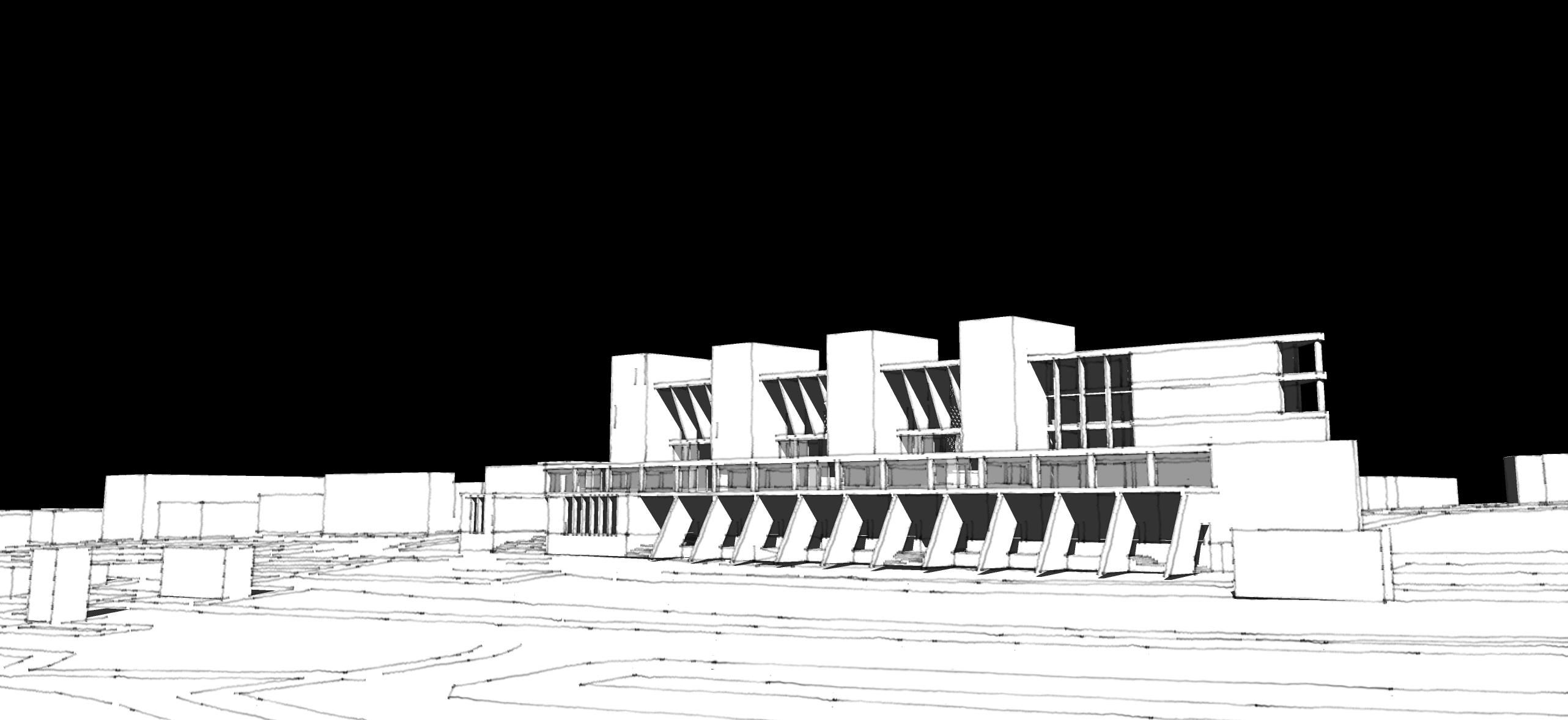
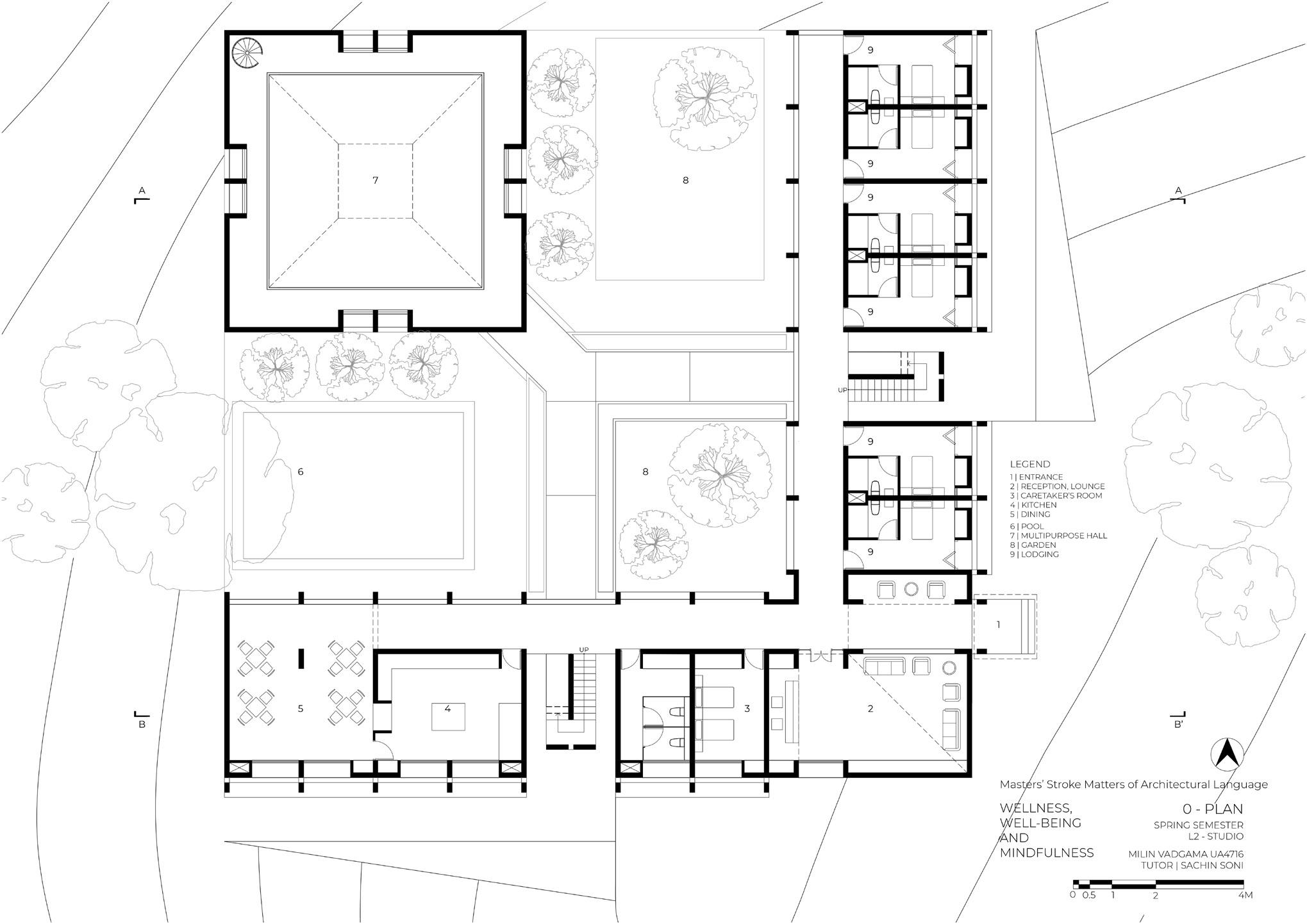
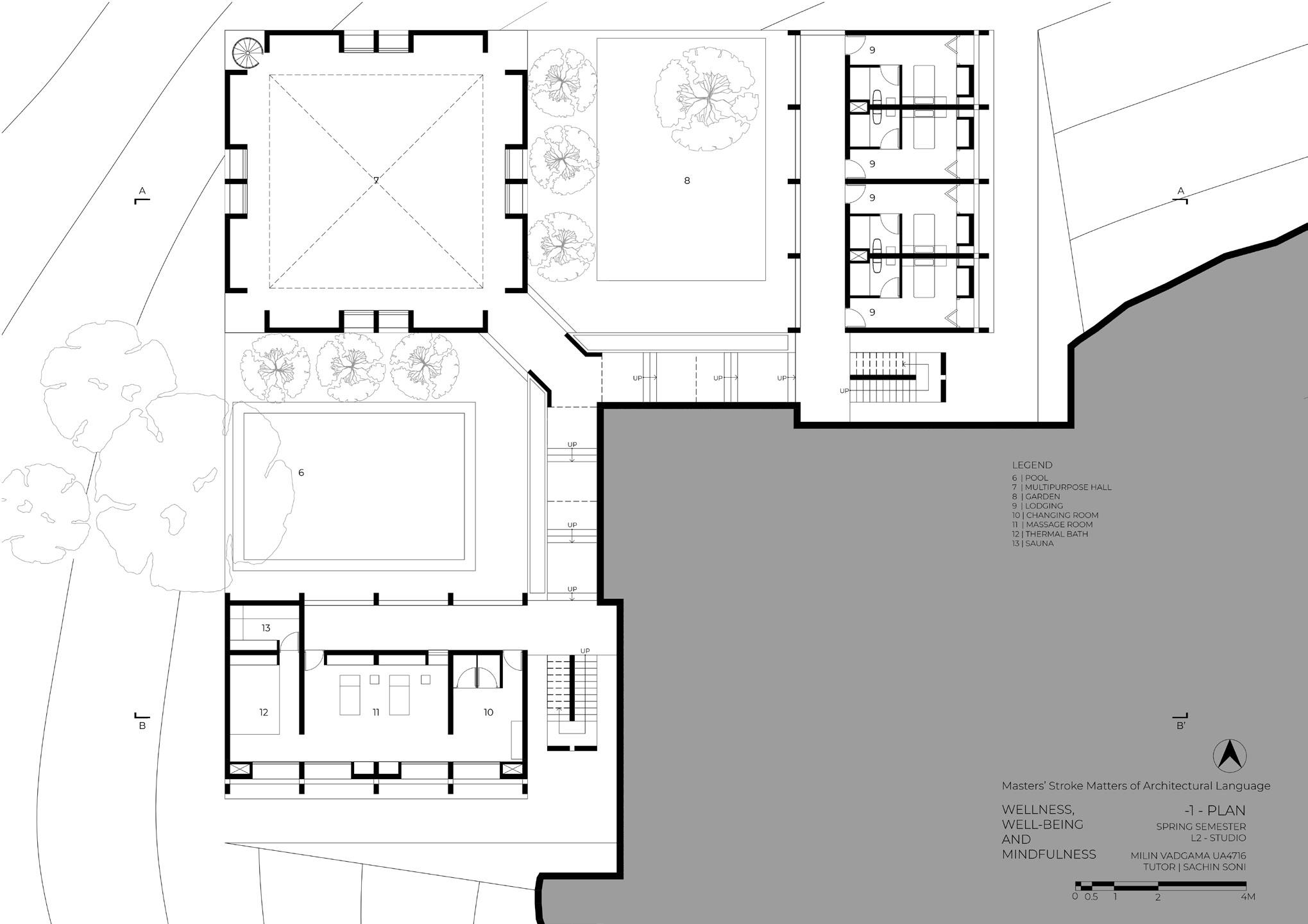
Design Studio based on Ar. Hasmukh Patel CEPT University
Keeping this issue of coherence between different aspects of design as a focus, this studio unit focused on the idea of Architectural Language/Style as a medium to realize the same.
Holistic well-being is increasingly being valued as we aspire of a time and place to unwind from the over-stimulation of day-to-day life. A place for wellness acknowledges the present moment, creating spaces to restore mind and body.
The environment for wellness enables an escape from the pressures of quotidian, either in the form of therapeutic baths and massage, meditation through yoga, or even through food by the act of cooking together and eating healthy.
The architect has been called to design this place for wellness, wellbeing and mindfulness in the mountain-scape of Lonavala, Maharashtra, India.
Maharashtra, India
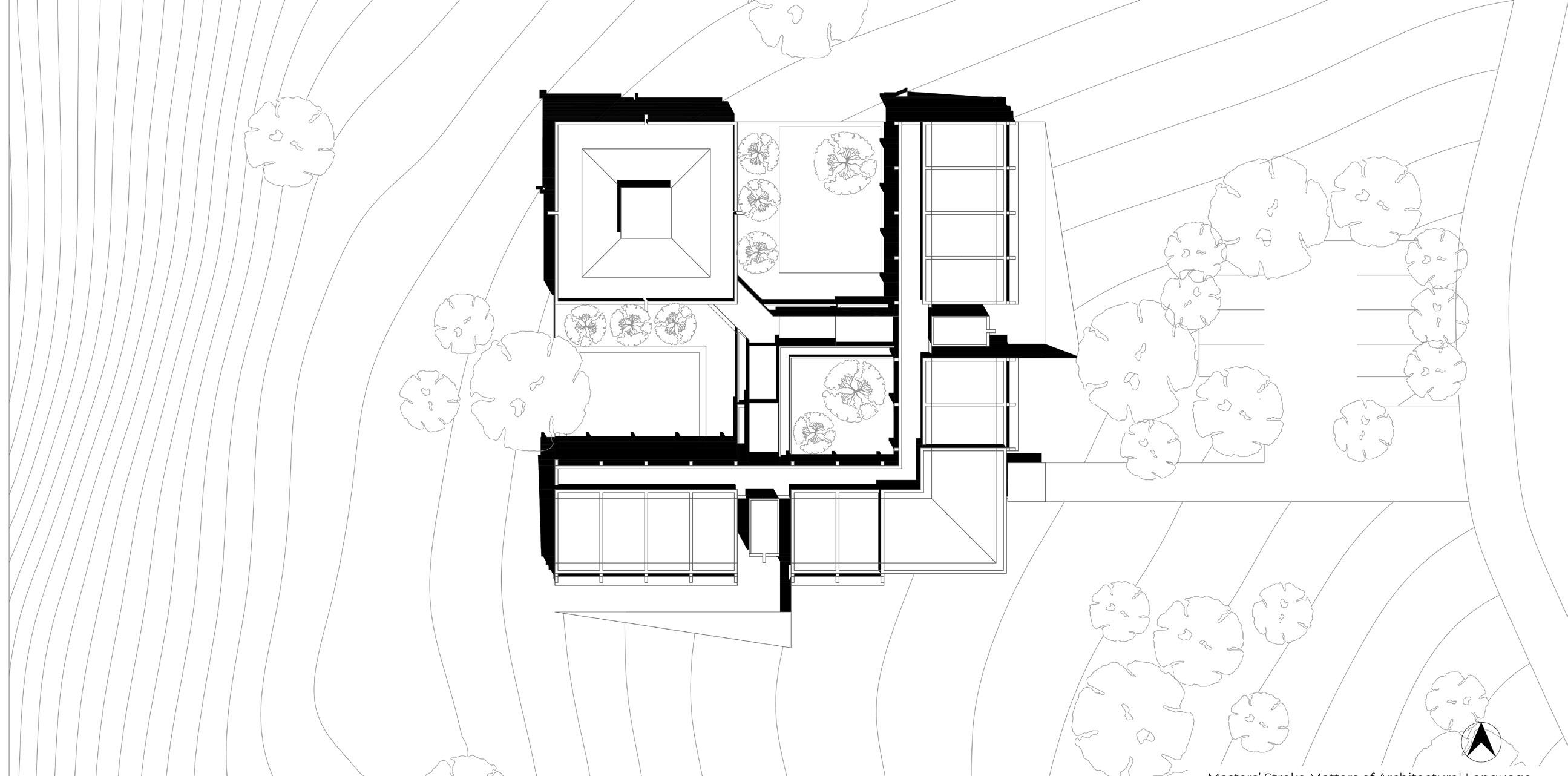
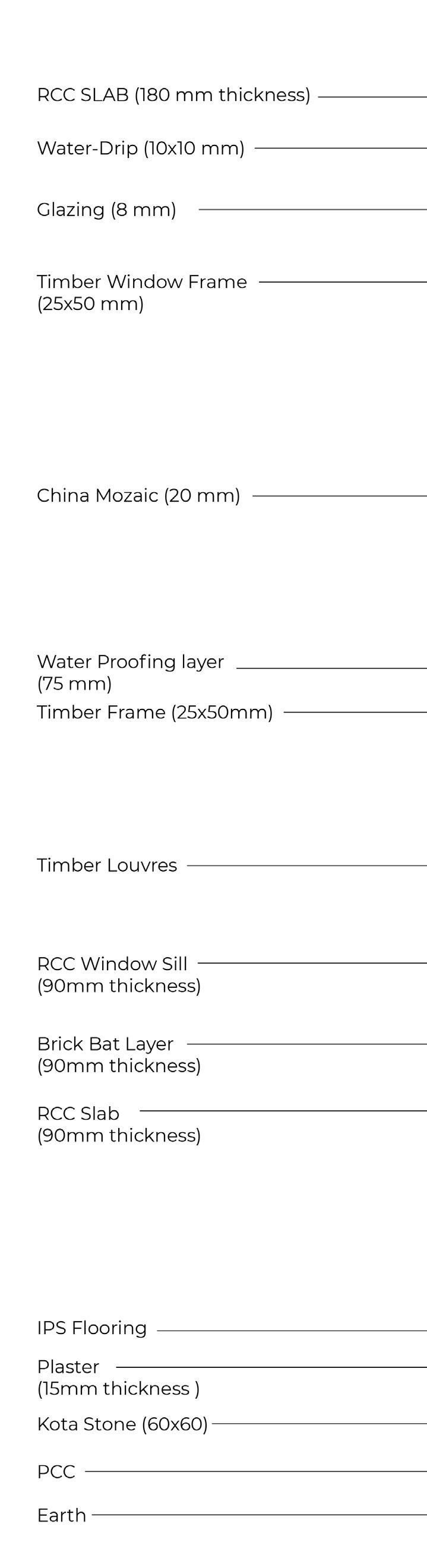
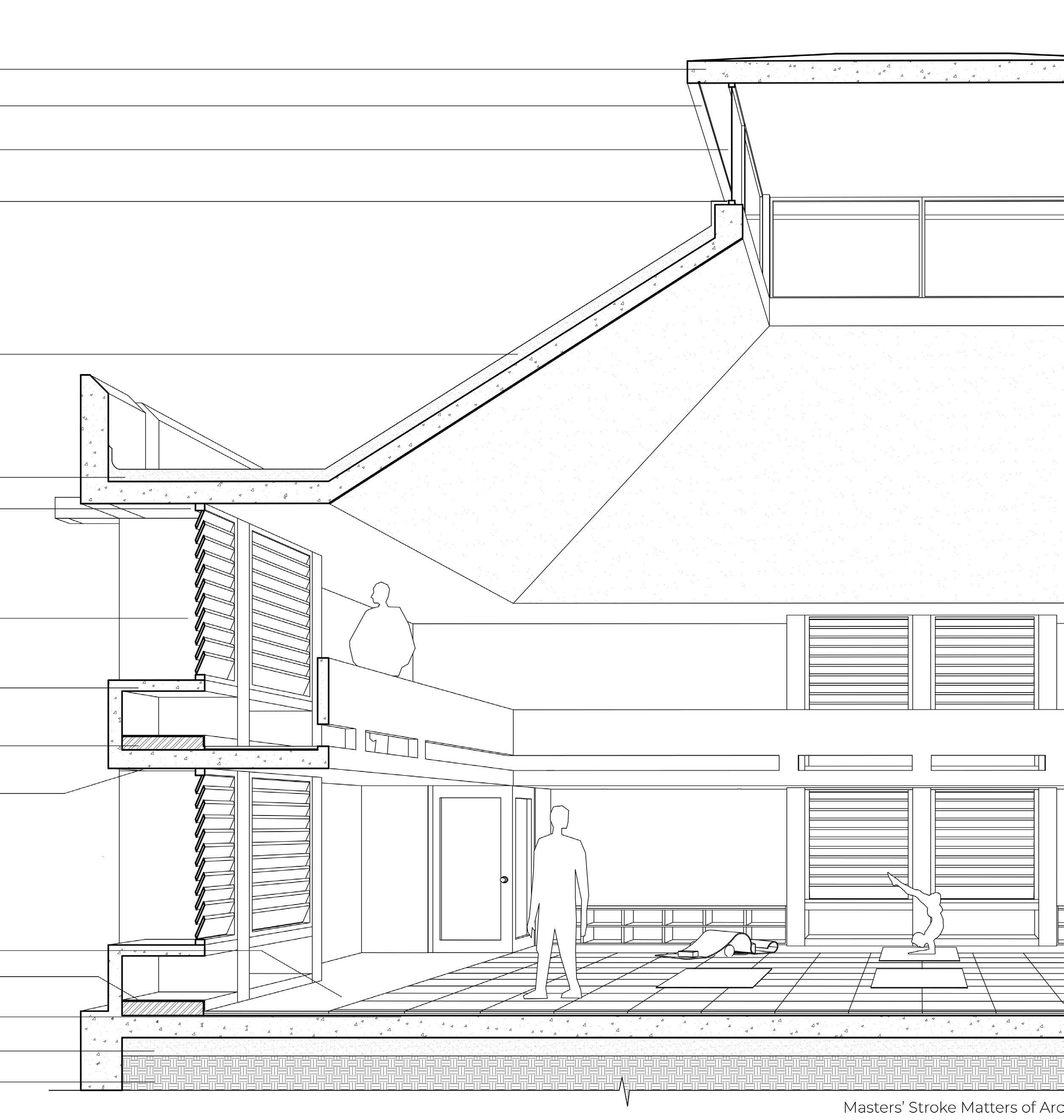
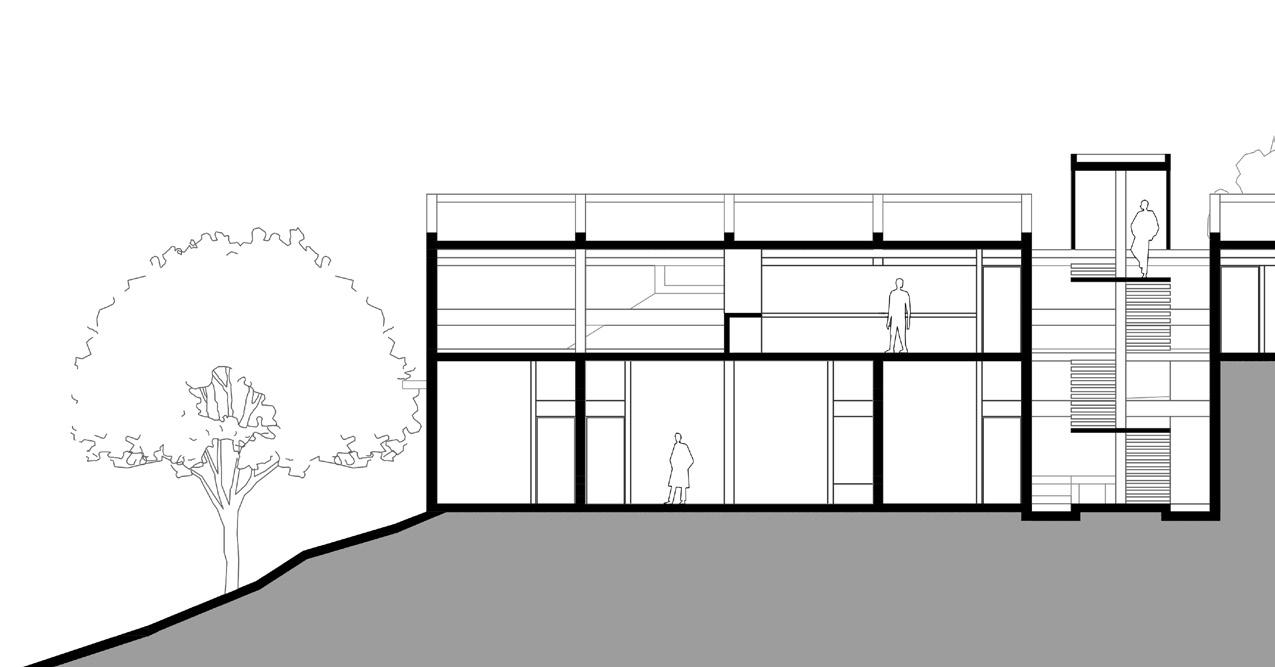
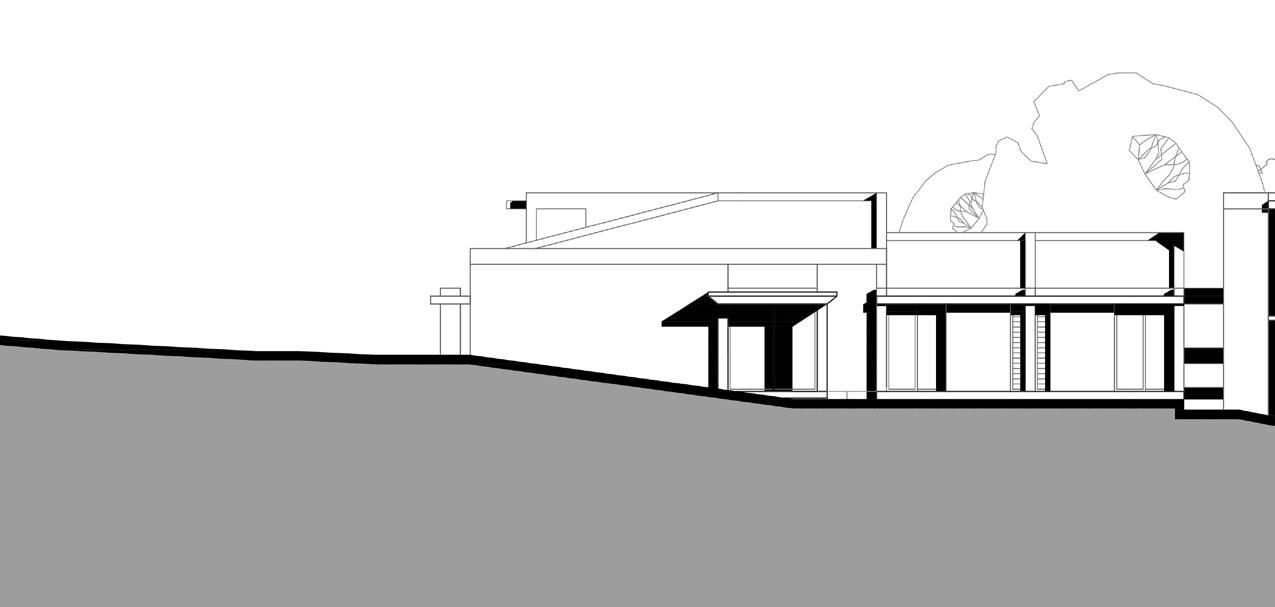
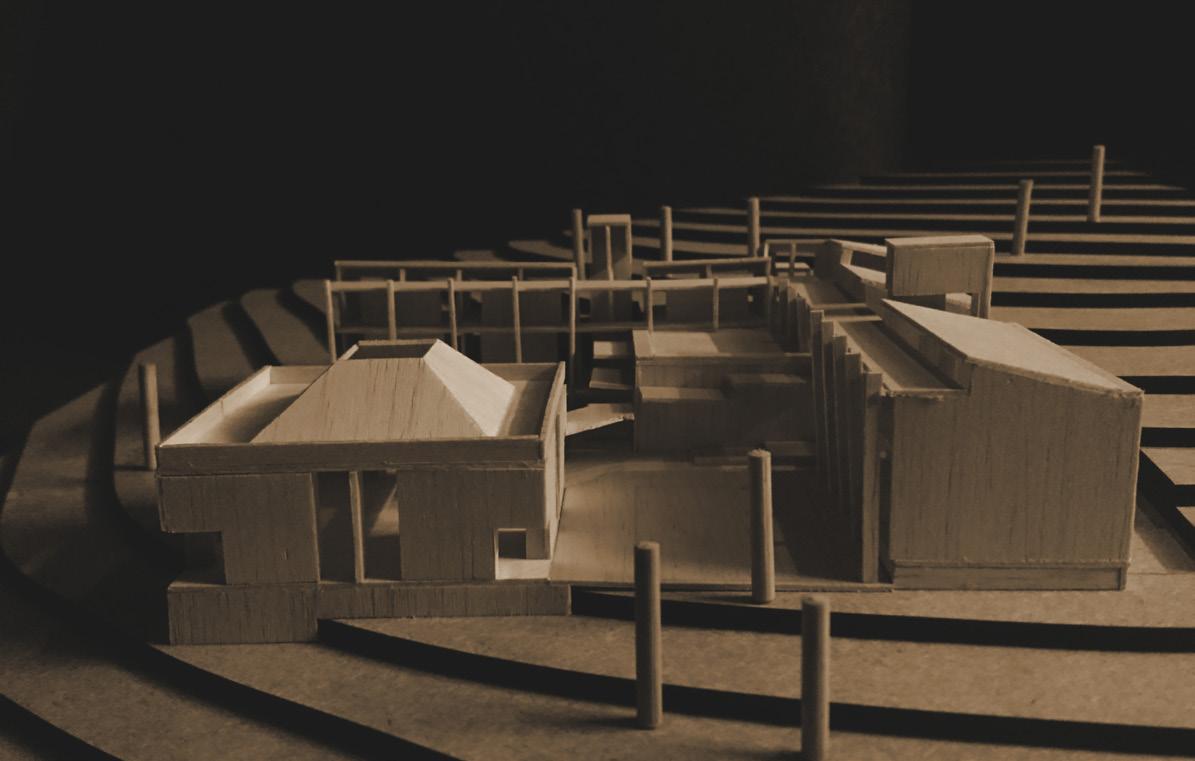
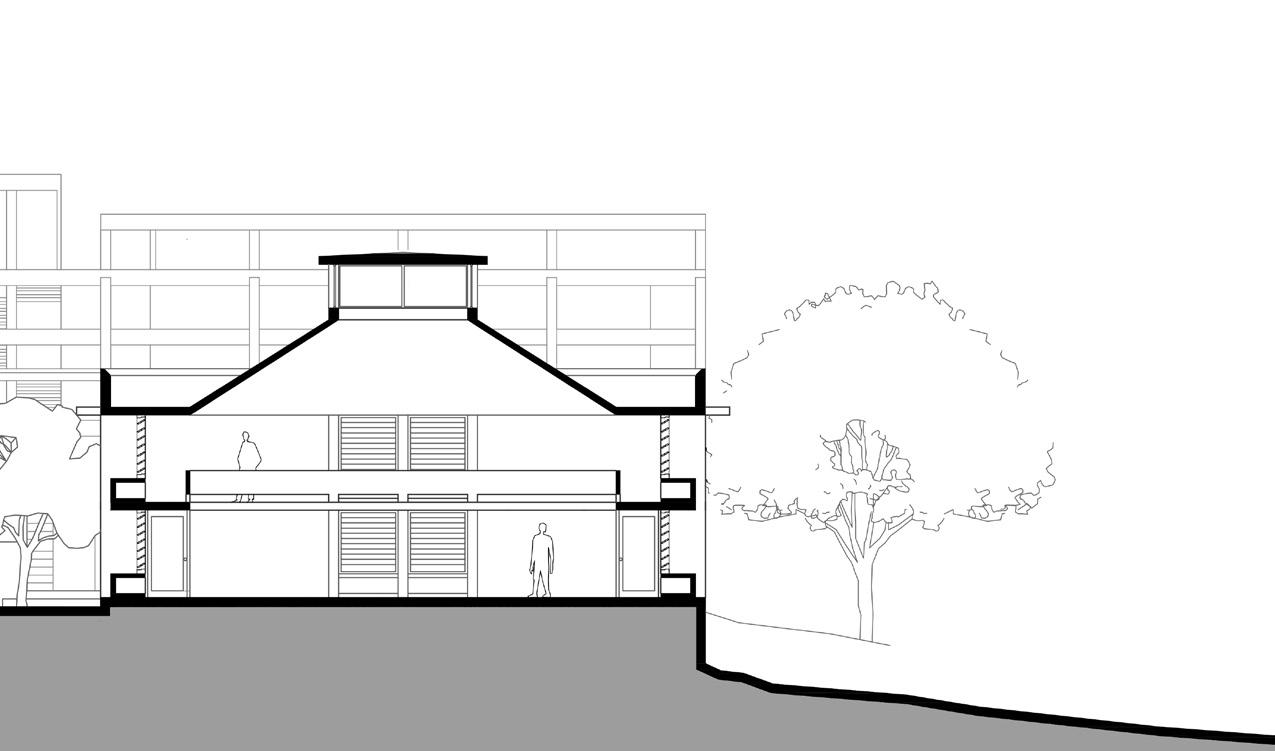
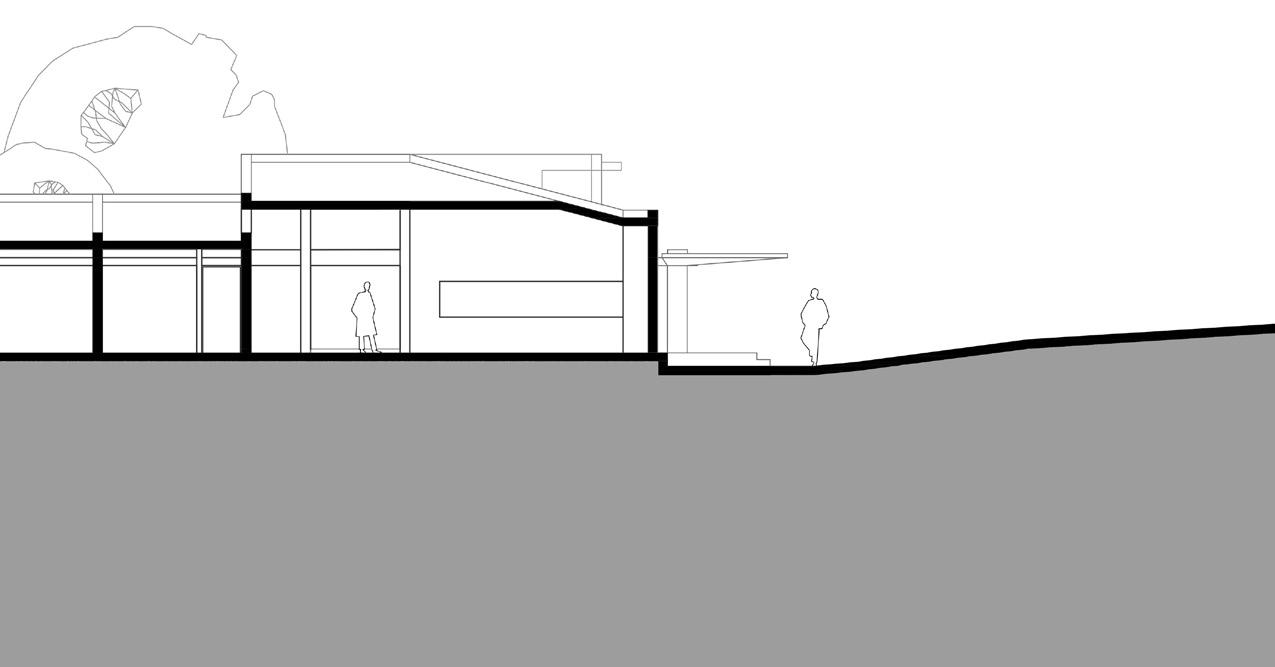
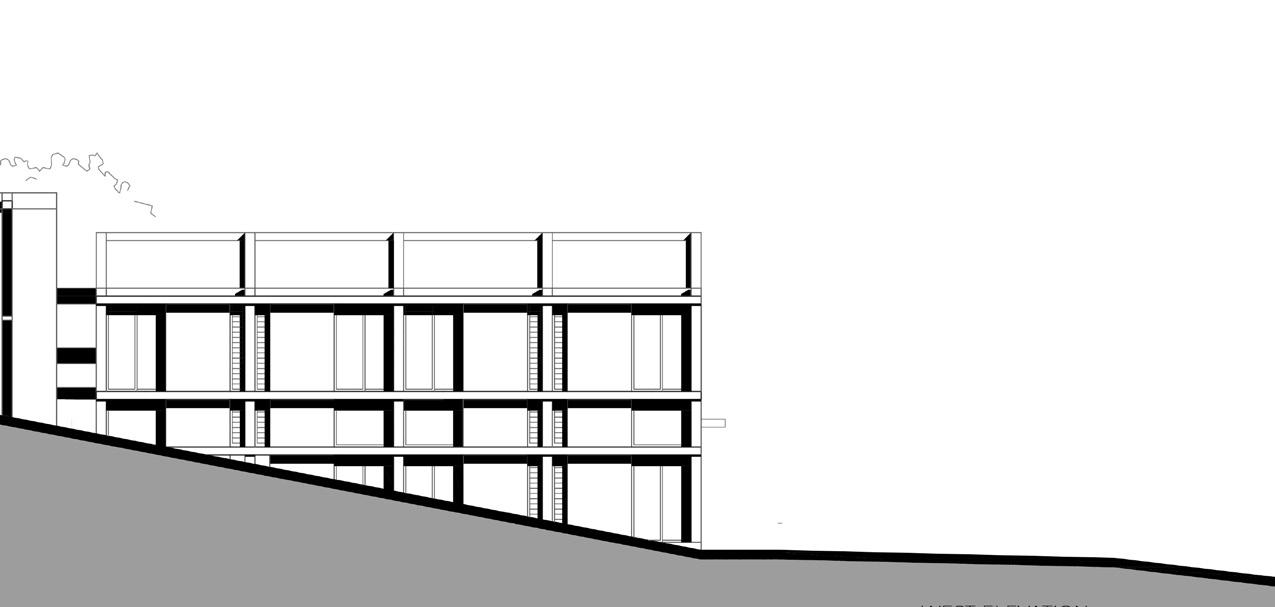
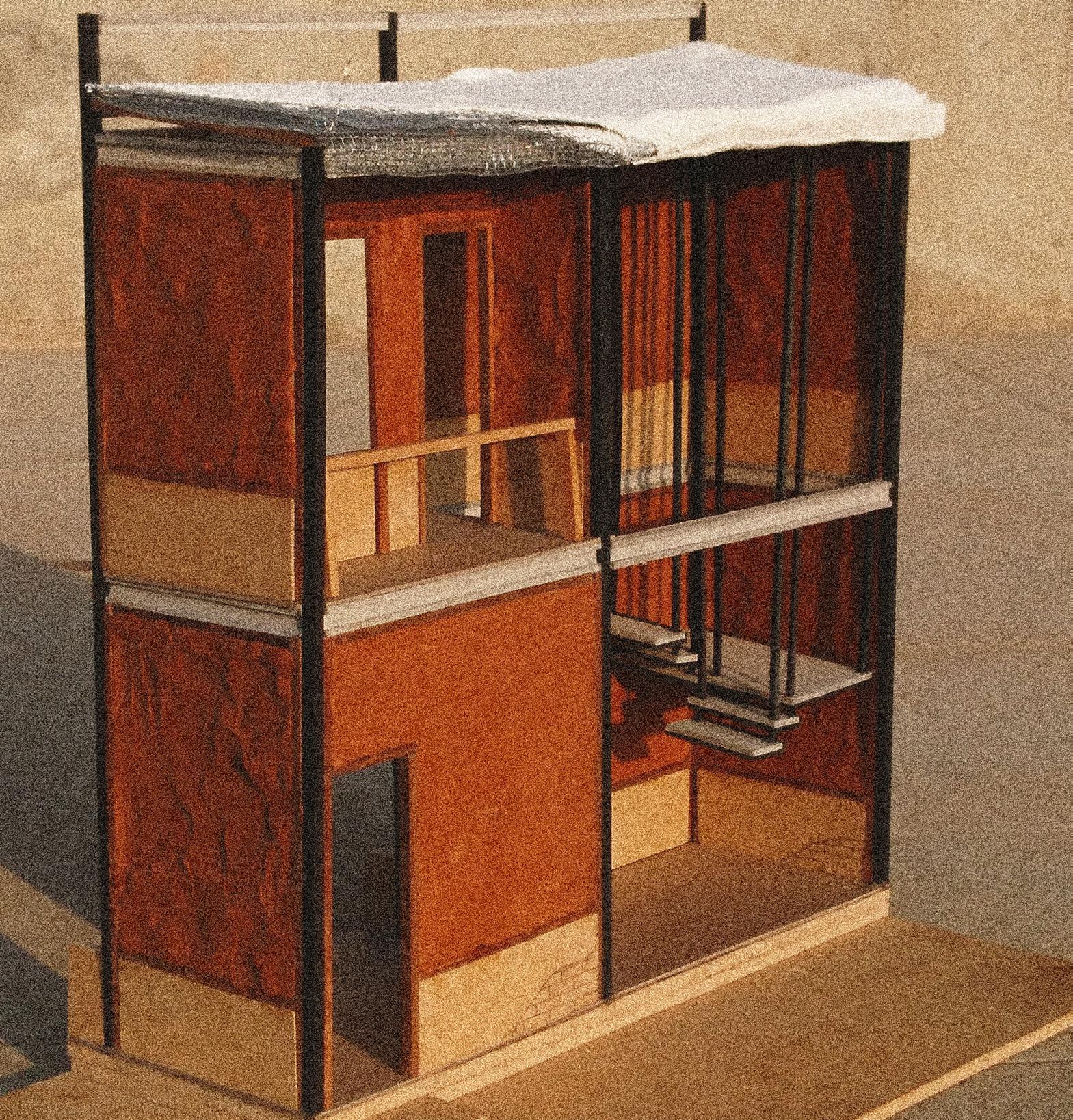
Designing and detailing a multi-purpose hall by the medium of Architectural language and styles of Hasmukh Patel
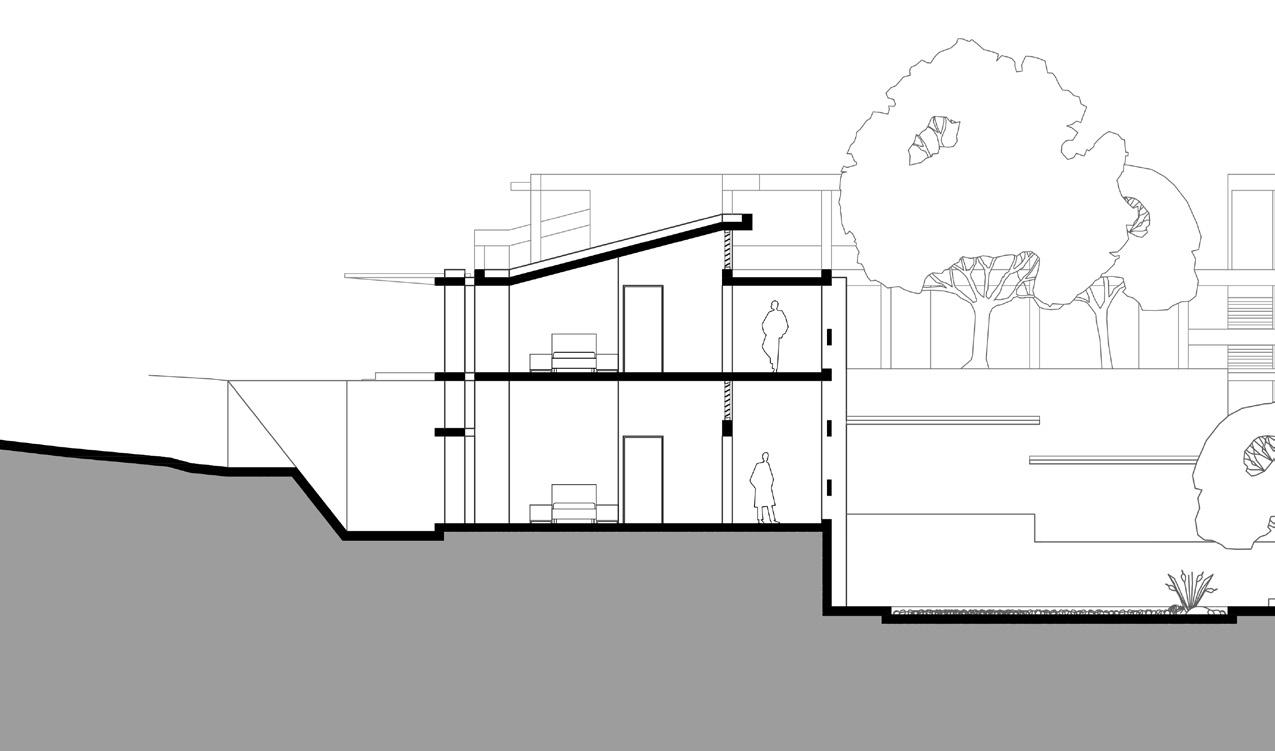
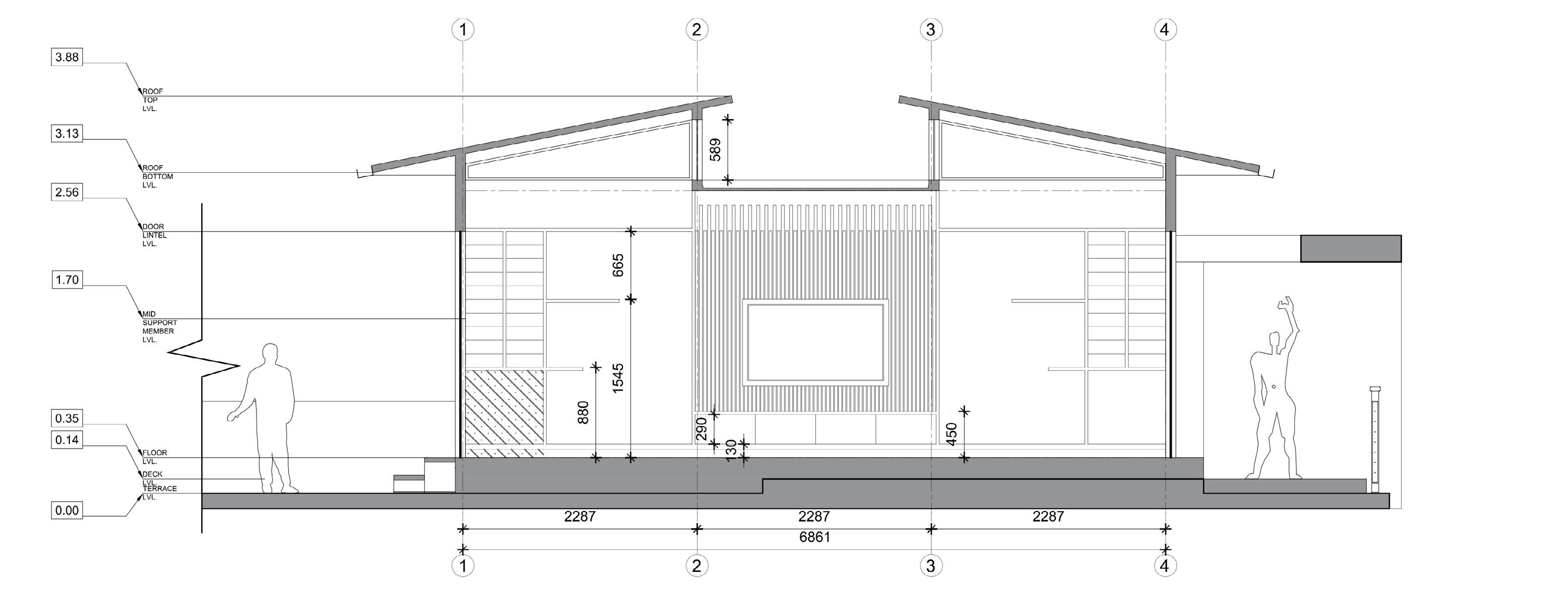
_Wall Section
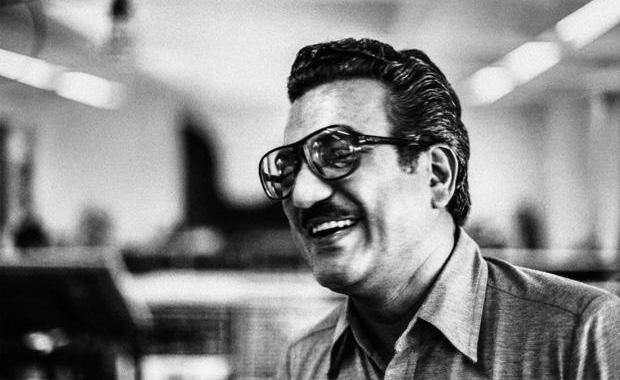
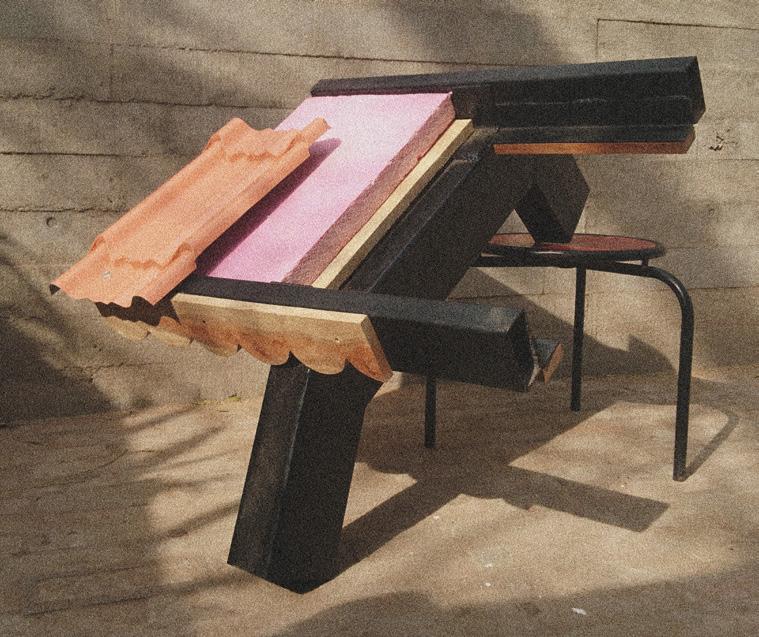
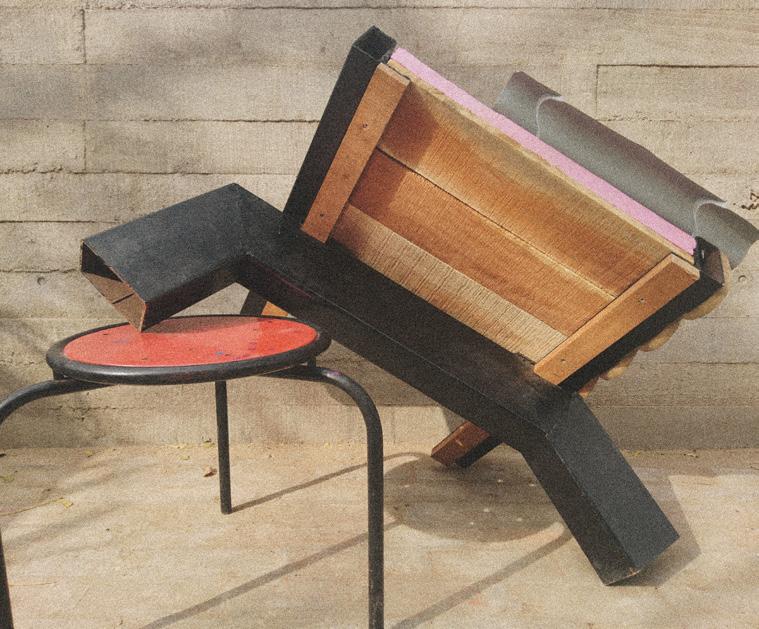
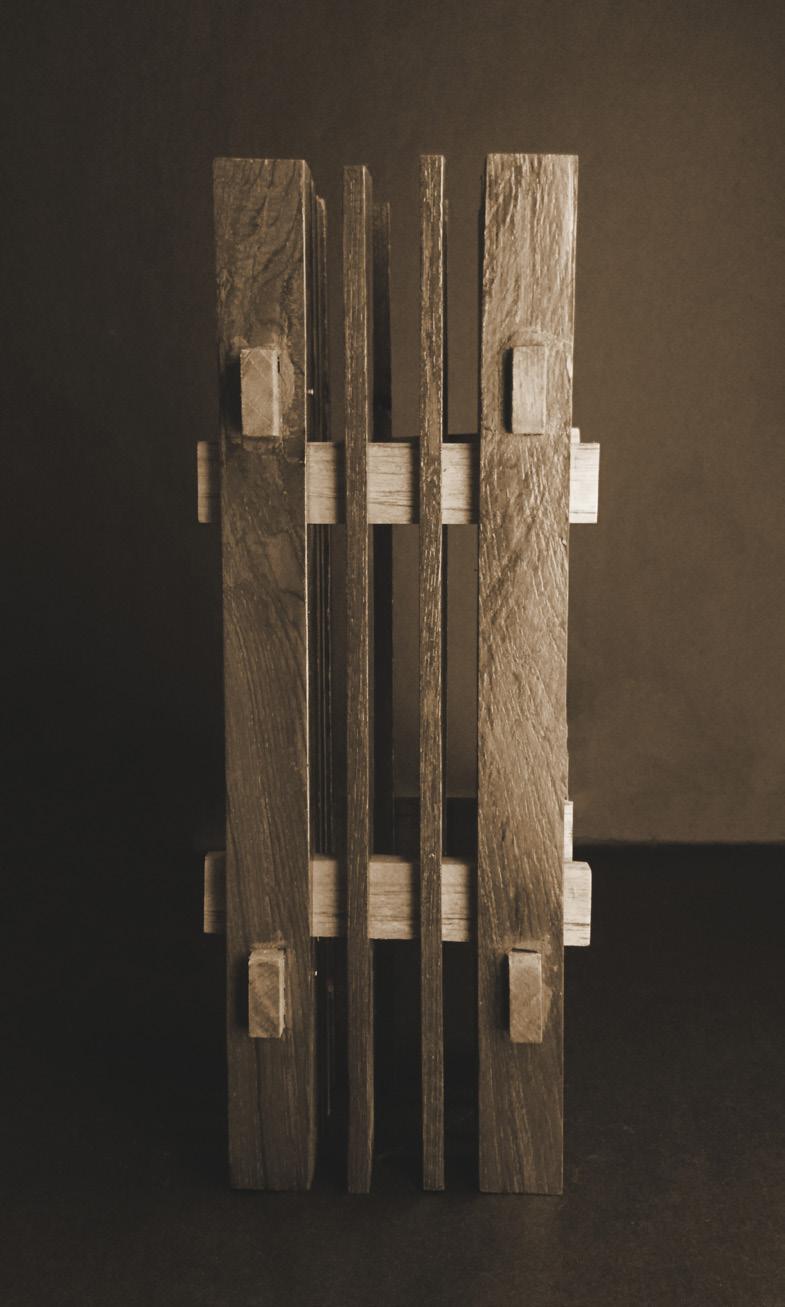
Hasmukh C. Patel was an architect credited with making significant contributions to contemporary architecture in India in a career spanning over four decades in the latter half of 20th century. He completed his bachelors from MSU Baroda and masters from Cornell University USA. Following work shows his attitudes towards designing, space making and detailing.
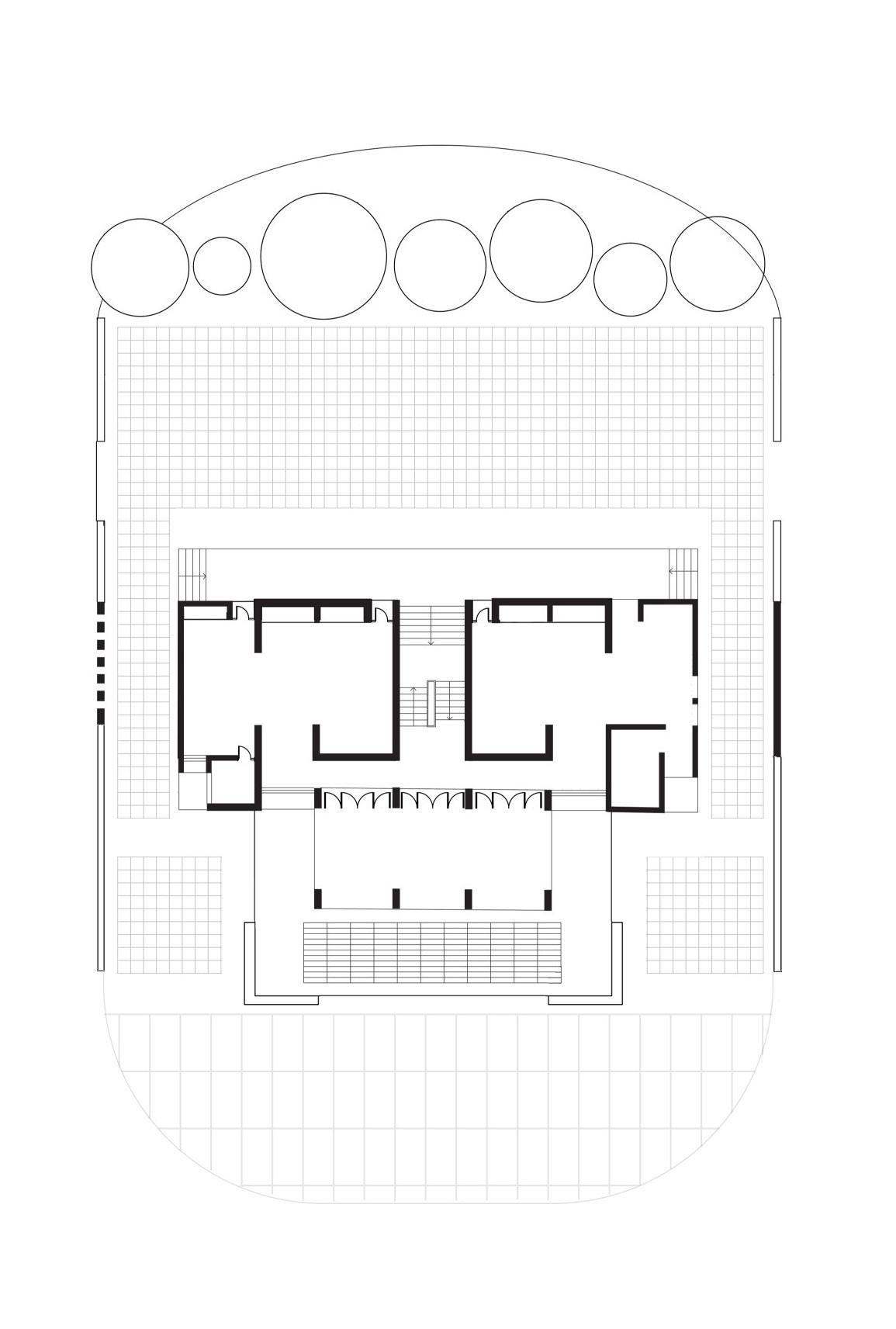
_Poster
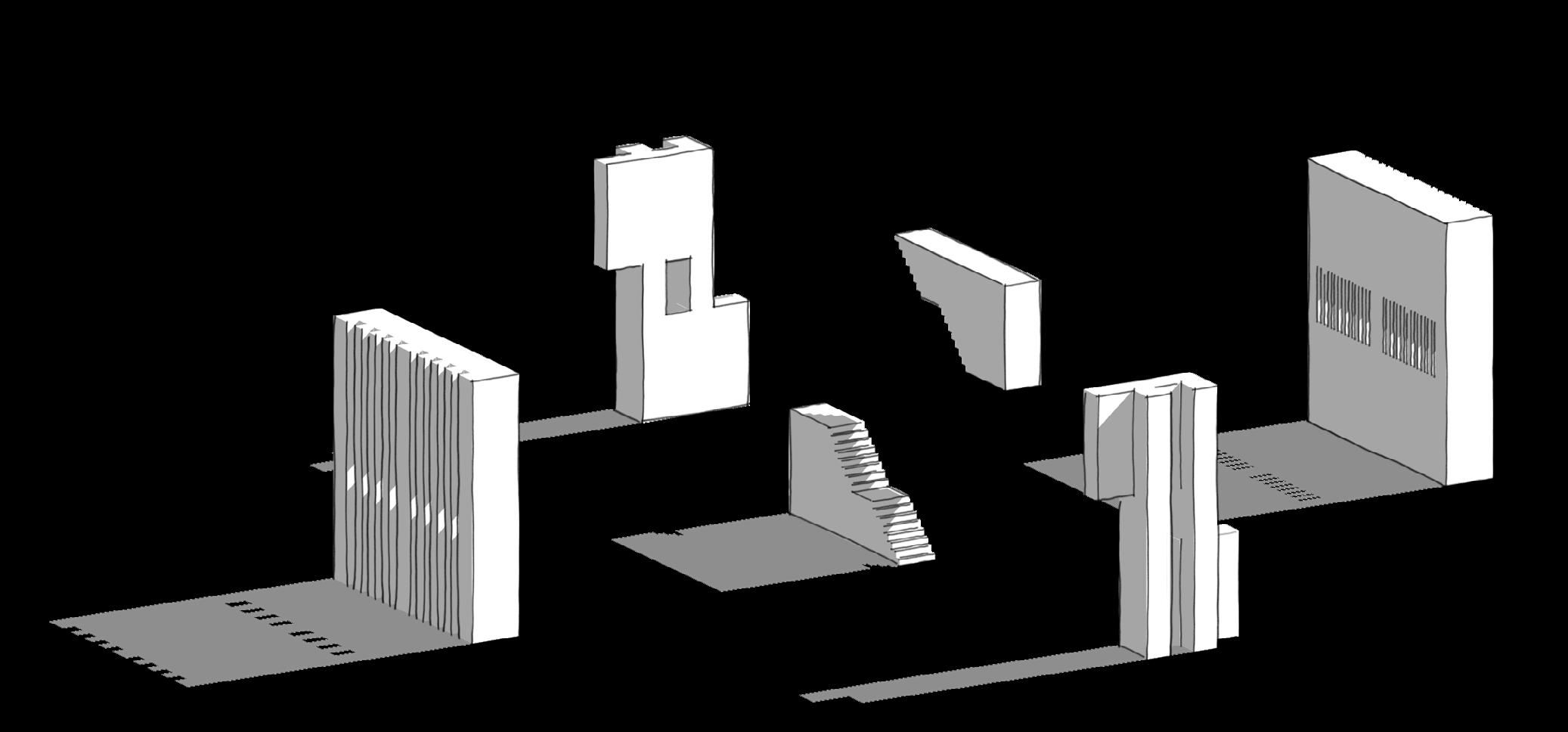
The poster shows aesthetically sparse and geometrically elegant diagram in the form of a plan. It shows how proportions, placement, logical organisation & appropriate layout could be used to make abstract language of modern architecture.
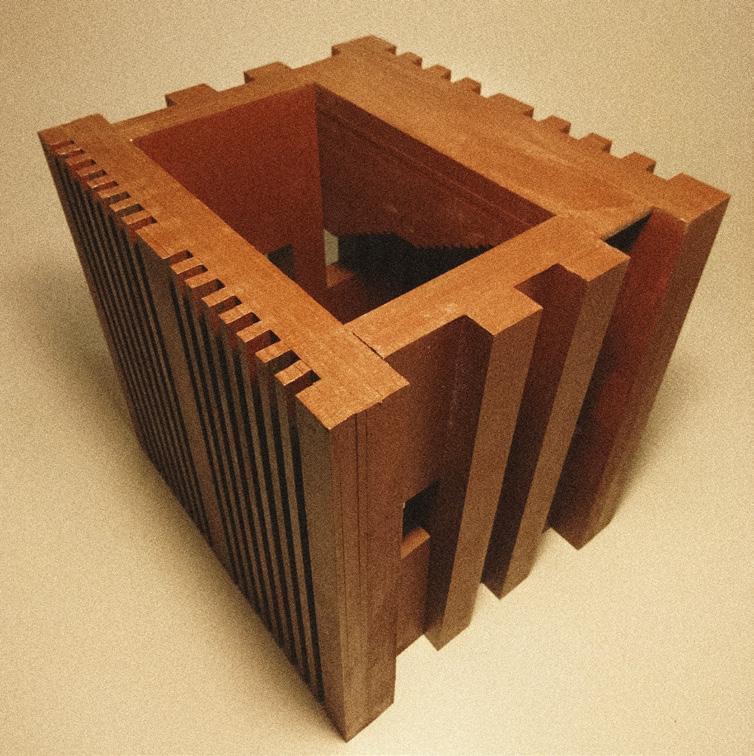
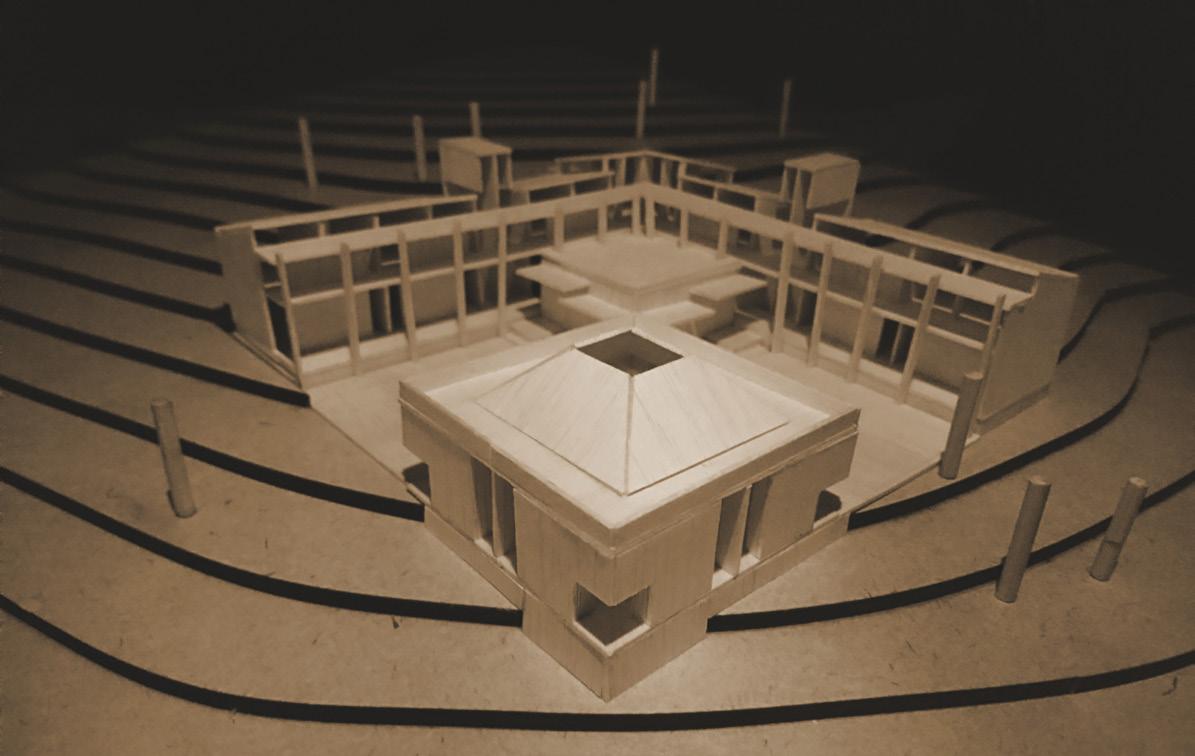
1_Cube
The cube shows the attitude of Hasmukh Patel towards physical and ephemeral substances. Cube shows rigid Mass with hollow centre.
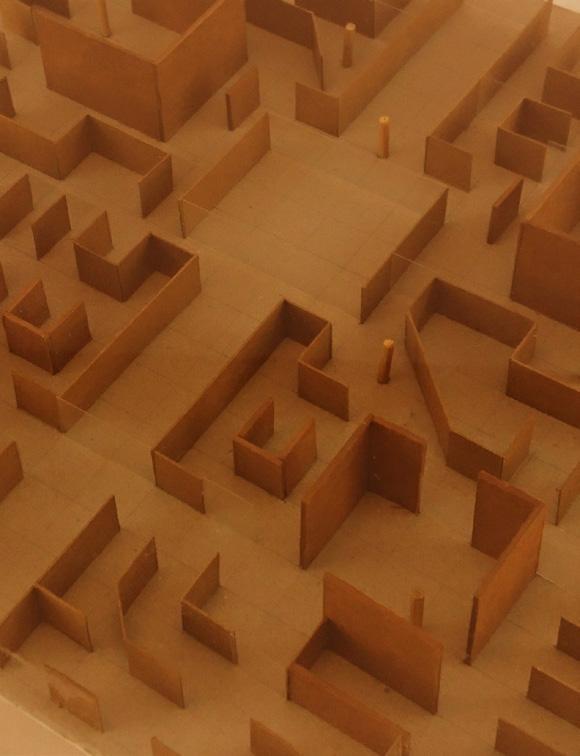
2_Maze
Maze shows Hasmukh Patel’s attitude towards space. A strong armature provided in terms of aggregation.
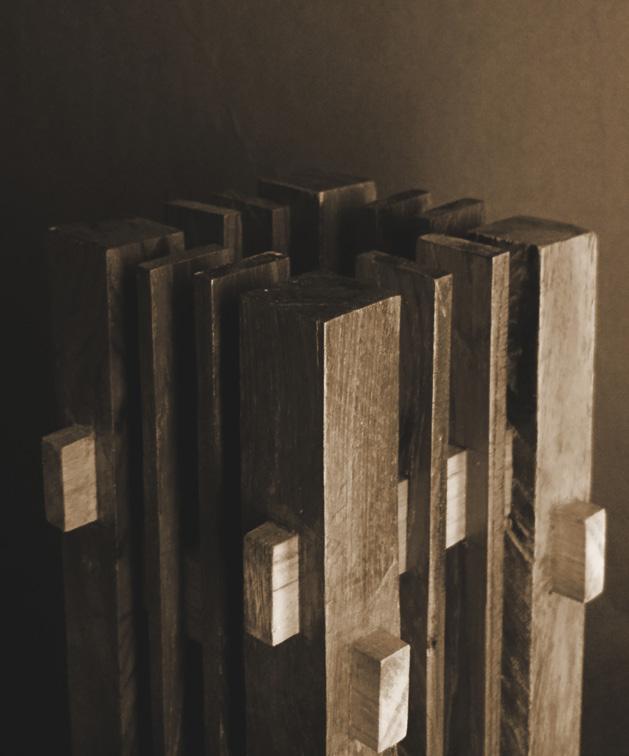
3_Trophy
Trophy talks about Hasmukh Patel’s attitude towards Detail of order and joint. It shows the assembly and expression of different elements.
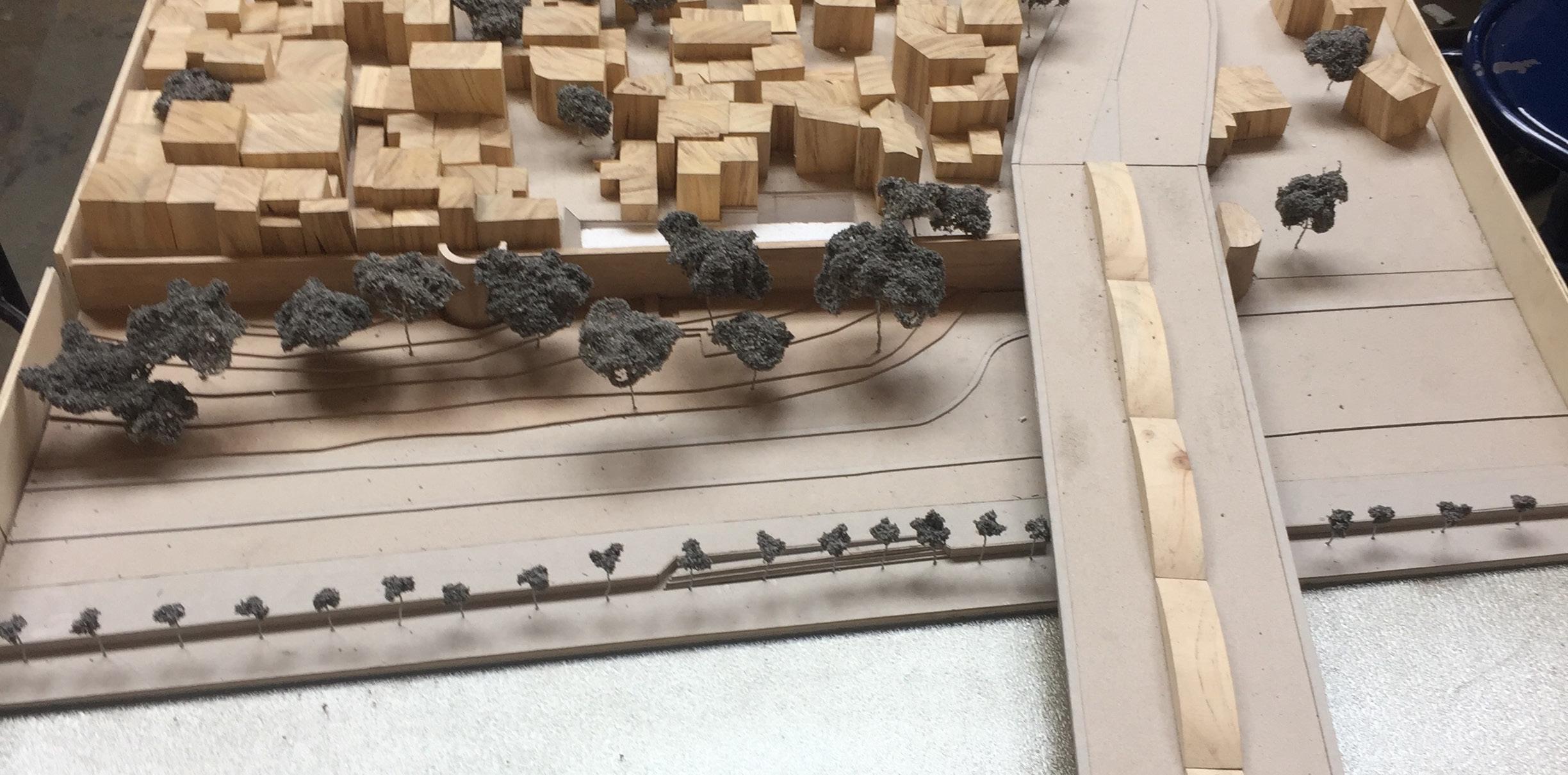
Model
Vertical Living STUDIO-8
Location : Ahmedabad, India
Year : Spring 2020
Instructor : Jagrut Patel, Dhaval Gajjar
Design Studio based on Housing CEPT University
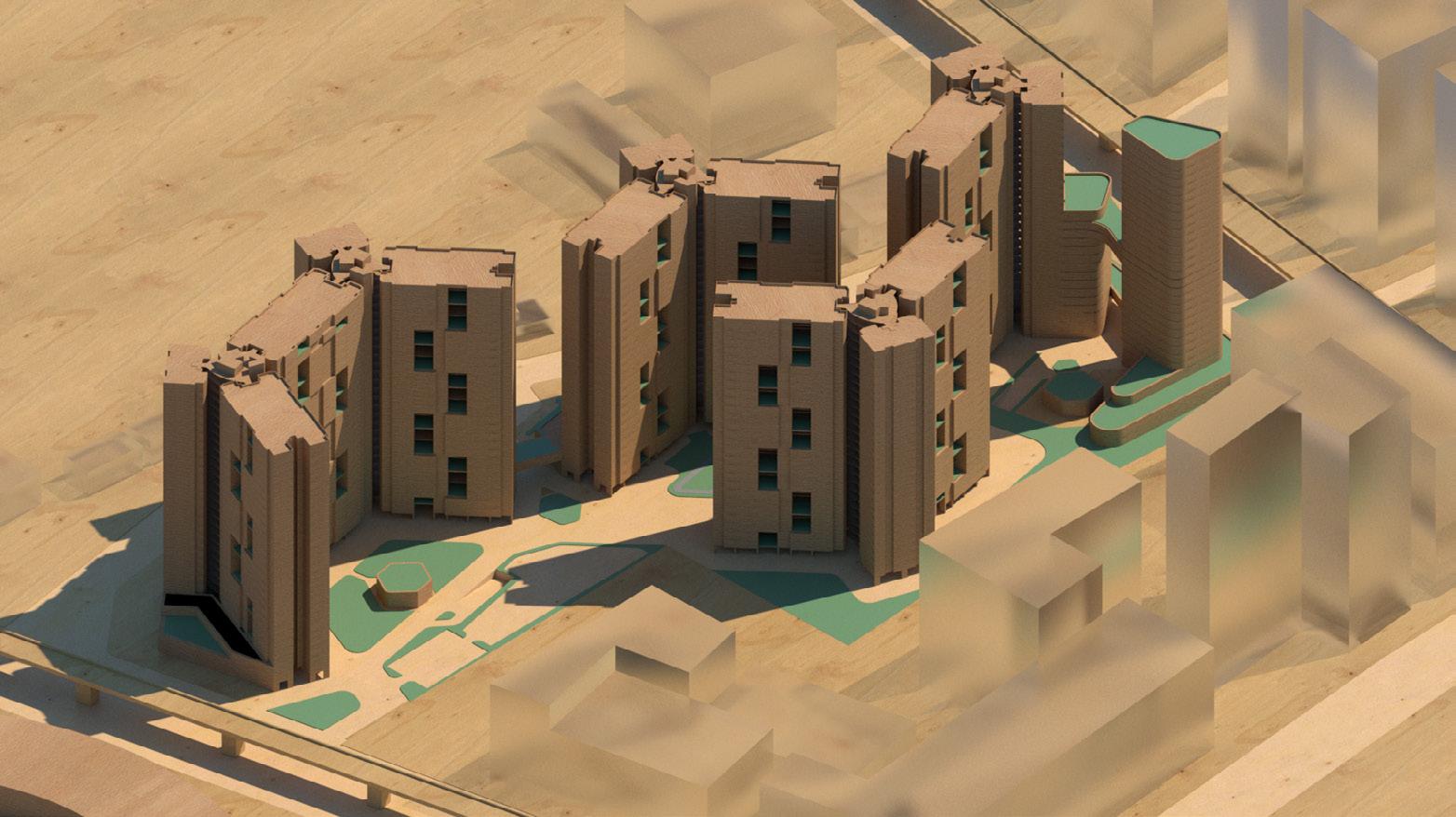
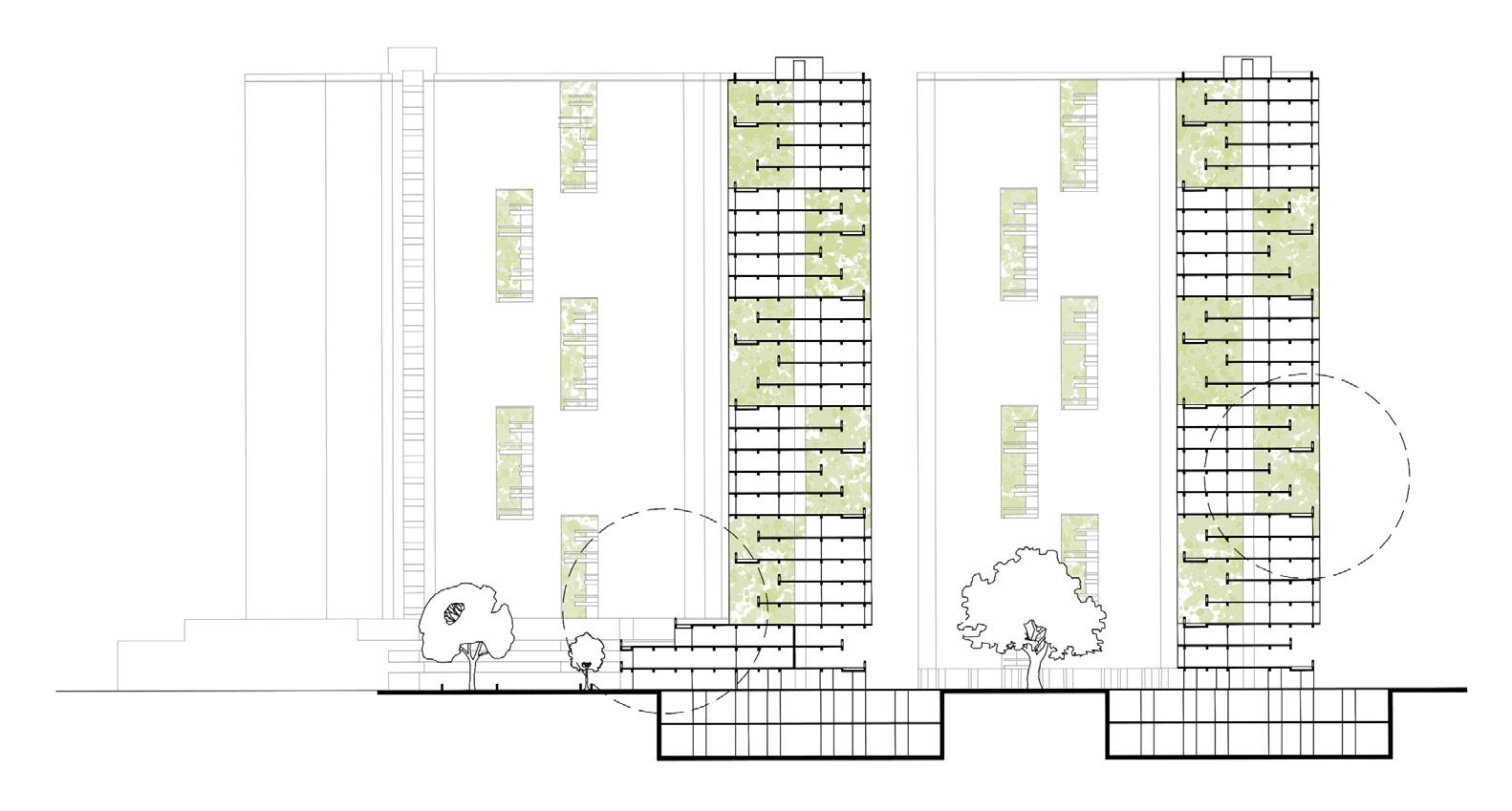
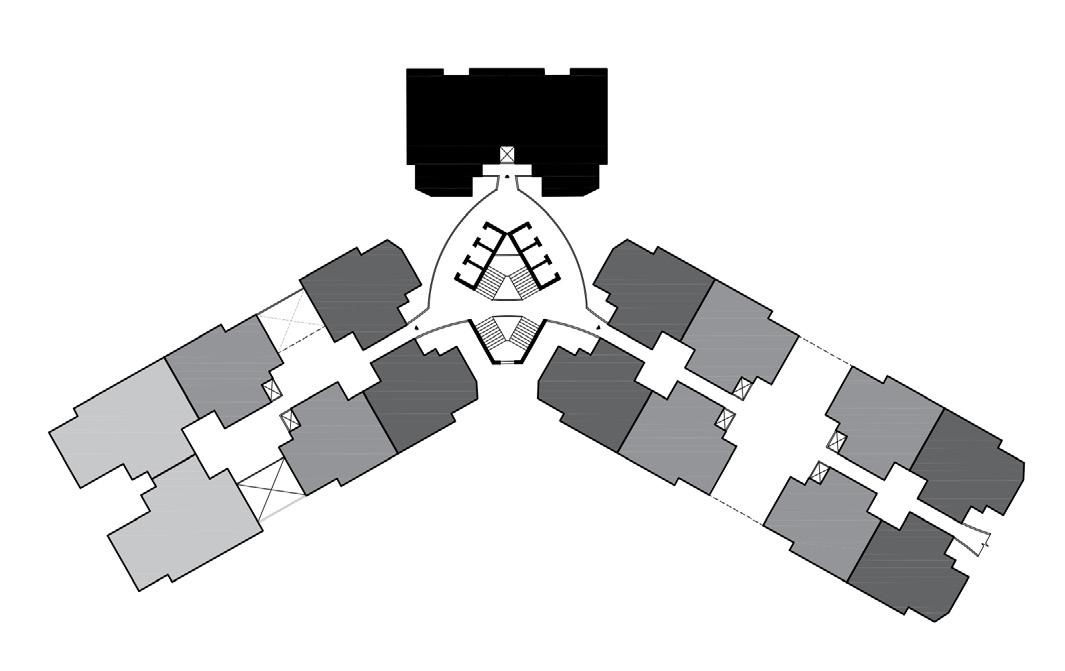
The studio explored the typology of high-rise buildings as a premise of mainstream housing development for the future. The design approach had to intervene to generate livability in vertical urban blocks in the Ahmedabad CBD.
With growing development coupled with shortage of land, developer driven housing purely delivers isolated apartment towers having stacked floors in every part of the city, excessively consuming our urban experience and spaces. The idea is to solve it.
The project is based in the year 2050, wherein people will opt to have all the facilities near themselves with the community green spaces where urban farming can take place which can also work as vertical landscapes. The focus is to design a high-rise living (housing) environment for the future that is livable and engaging in the process of redefining the conventional mixeduse typology catering to the nature of users that will emerge in time to come.
1_Parking
Designing proper structure that runs from base till top.
3_Office Blocks
Adding offices on top of retails.
5_Residential Blocks
Residential blocks in a hexagonal grid for max views, light & ventilation.
2_Primary Retail
Designing primary retail for the main Ashram road and landscaping.
4_Retail Street and Amenities
Adding retail street towards the secondary road with amenities for residents.
6_Aerial View of Design
Adding vertical greens and on upper floors.
1_Connectivity
Providing connections as per the functionality of blocks between residential and commercial spaces.
2_Axis
Articulation of green spaces and opening up a tight crammed site.
3_Retail Strip
Provision of retail strip along the road
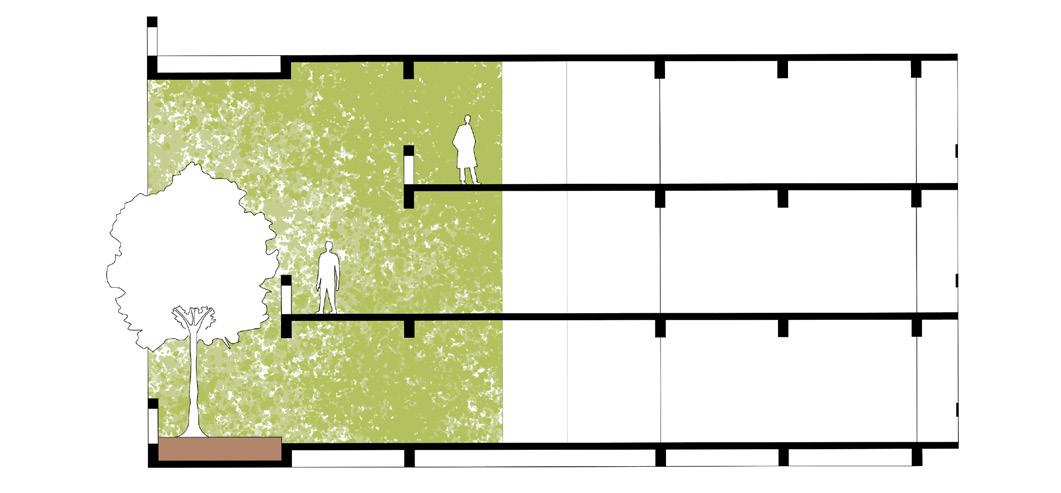
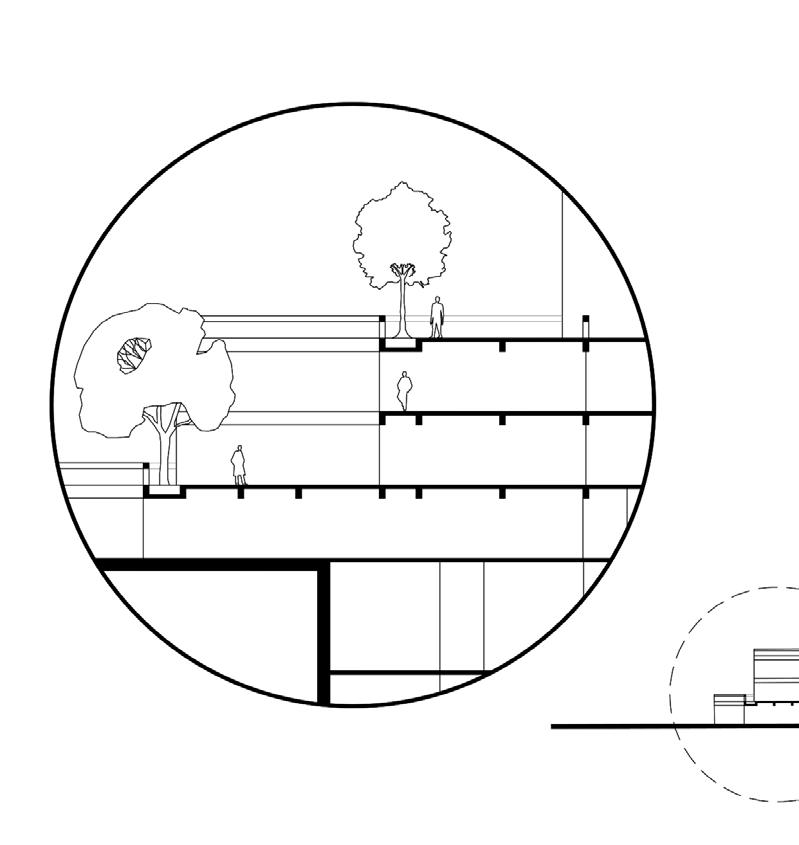
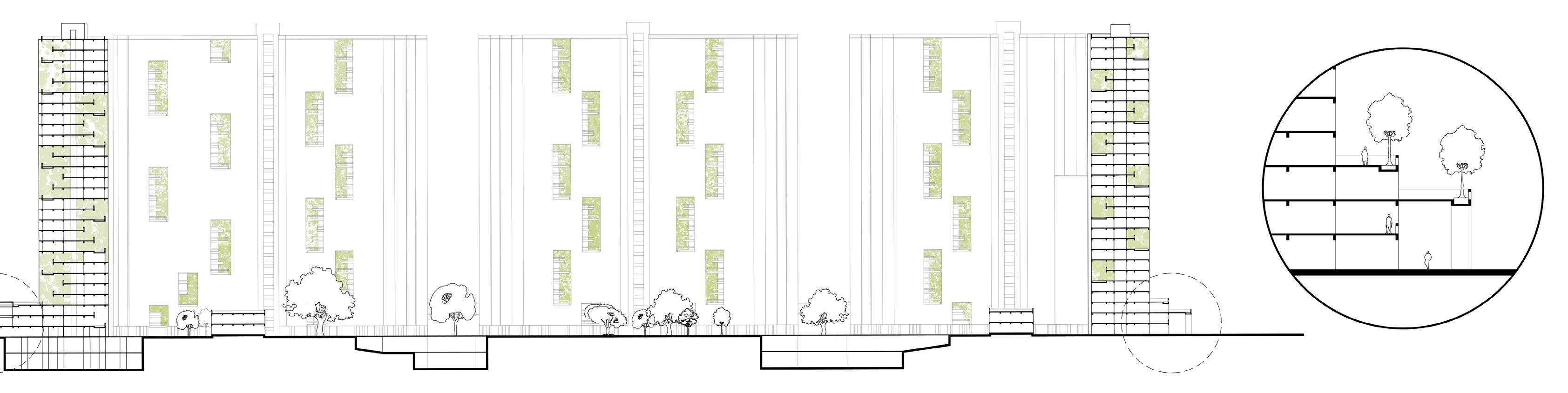
_Typical part Section More vertical connectivity.
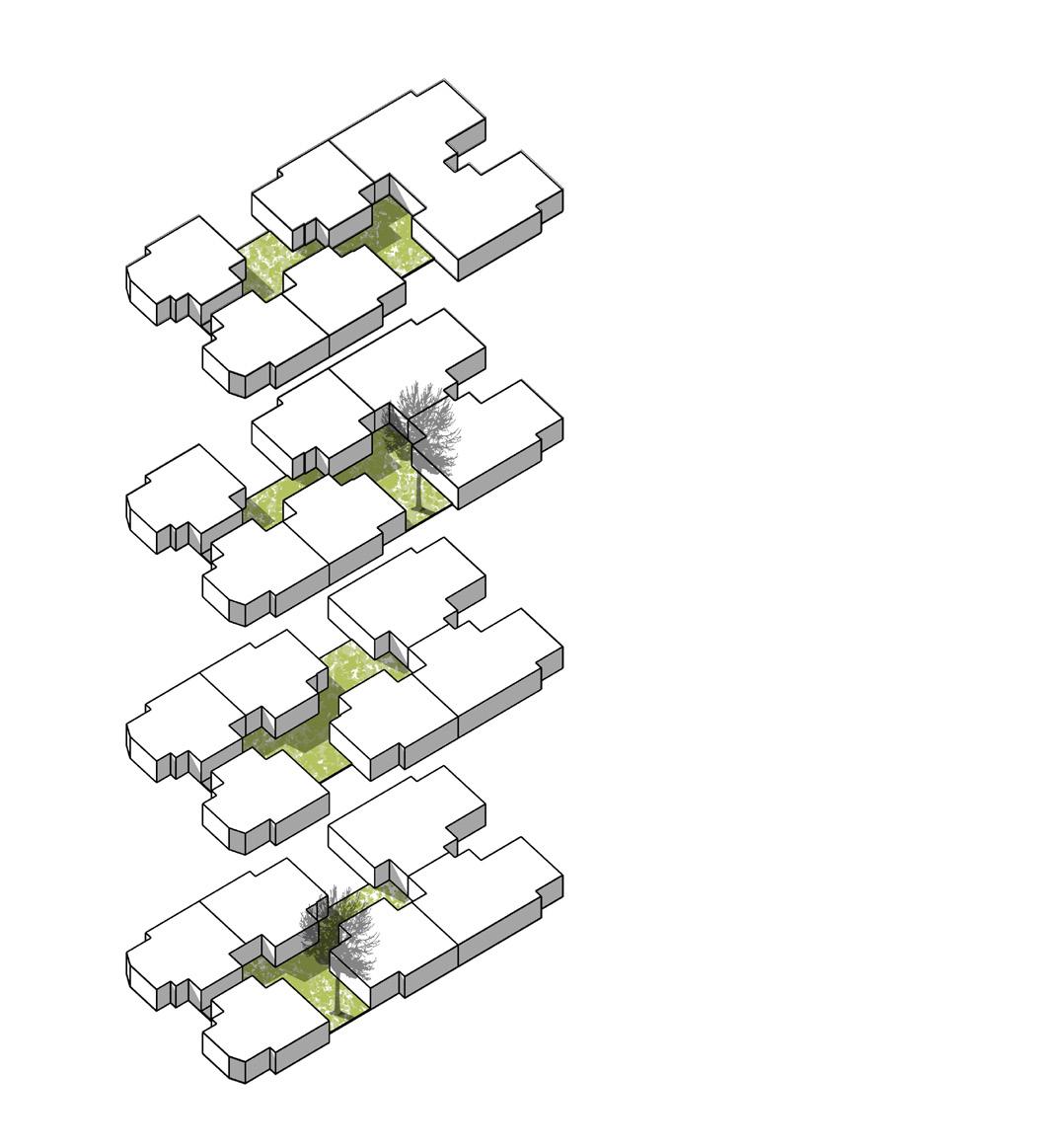
_Axo
The idea was to achieve the vertical green spaces that can get coverted into tiny community spaces and social junctions within the apartments with the provision of green spaces in them.
Cluster Plan
Arranging units as to provide light & ventilated hallways. 1_Unit-1
_Unit
_Site Organisation
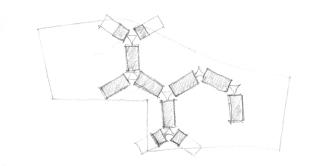
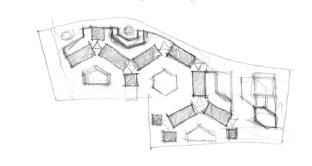
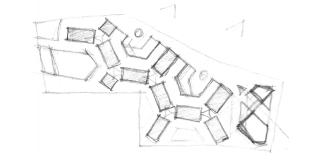
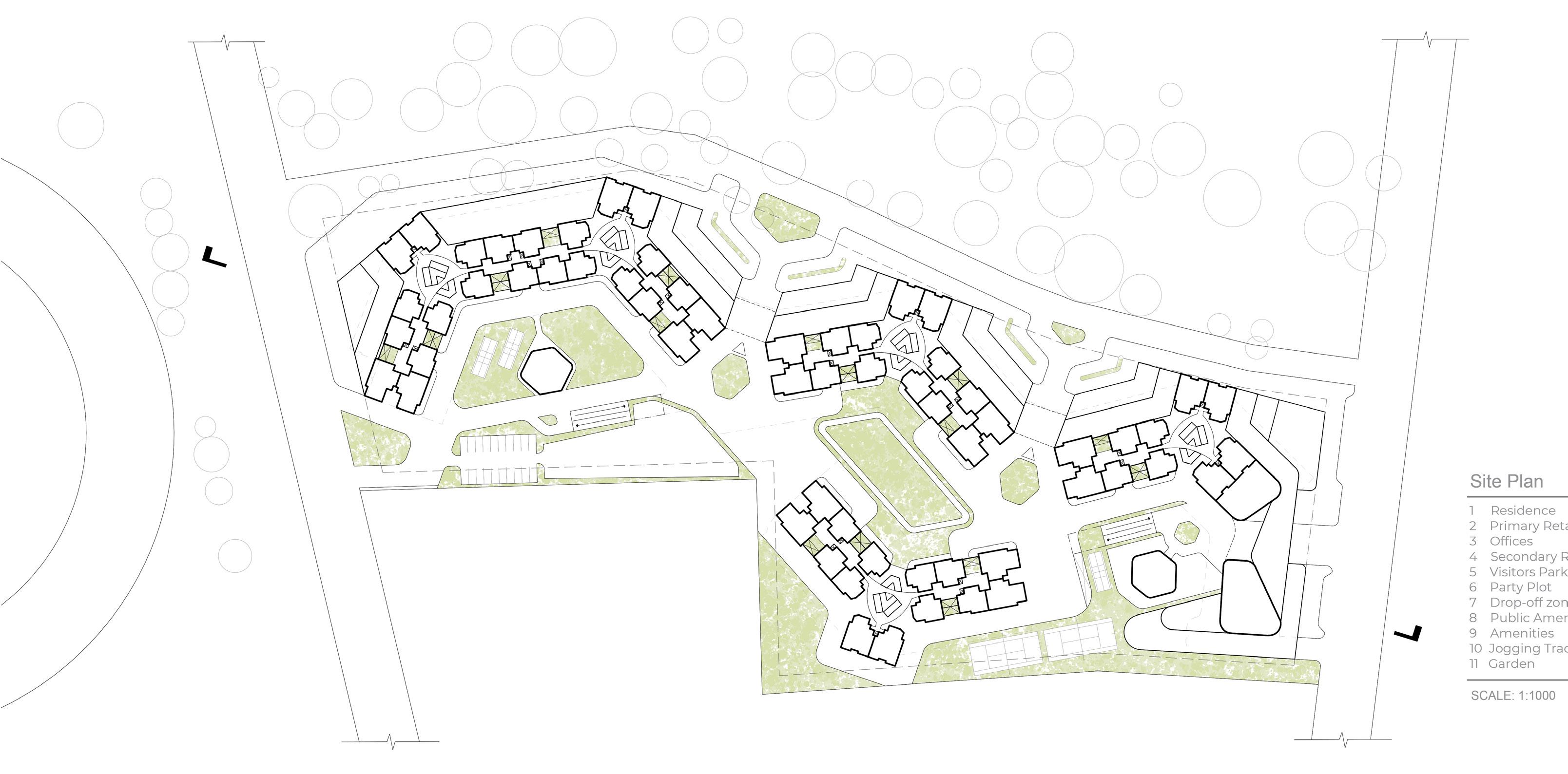
Trying the hexagonal organisation to fit into the site for most views and ventilation. While also trying to have the most possible free space.
Indigigrow | Sustainability and Education Centre
Location : La Perouse, Sydney, NSW
Year : Term-1, 2023
Instructor : Jayde Roberts
Architecture as relationship | PG Studio UNSW
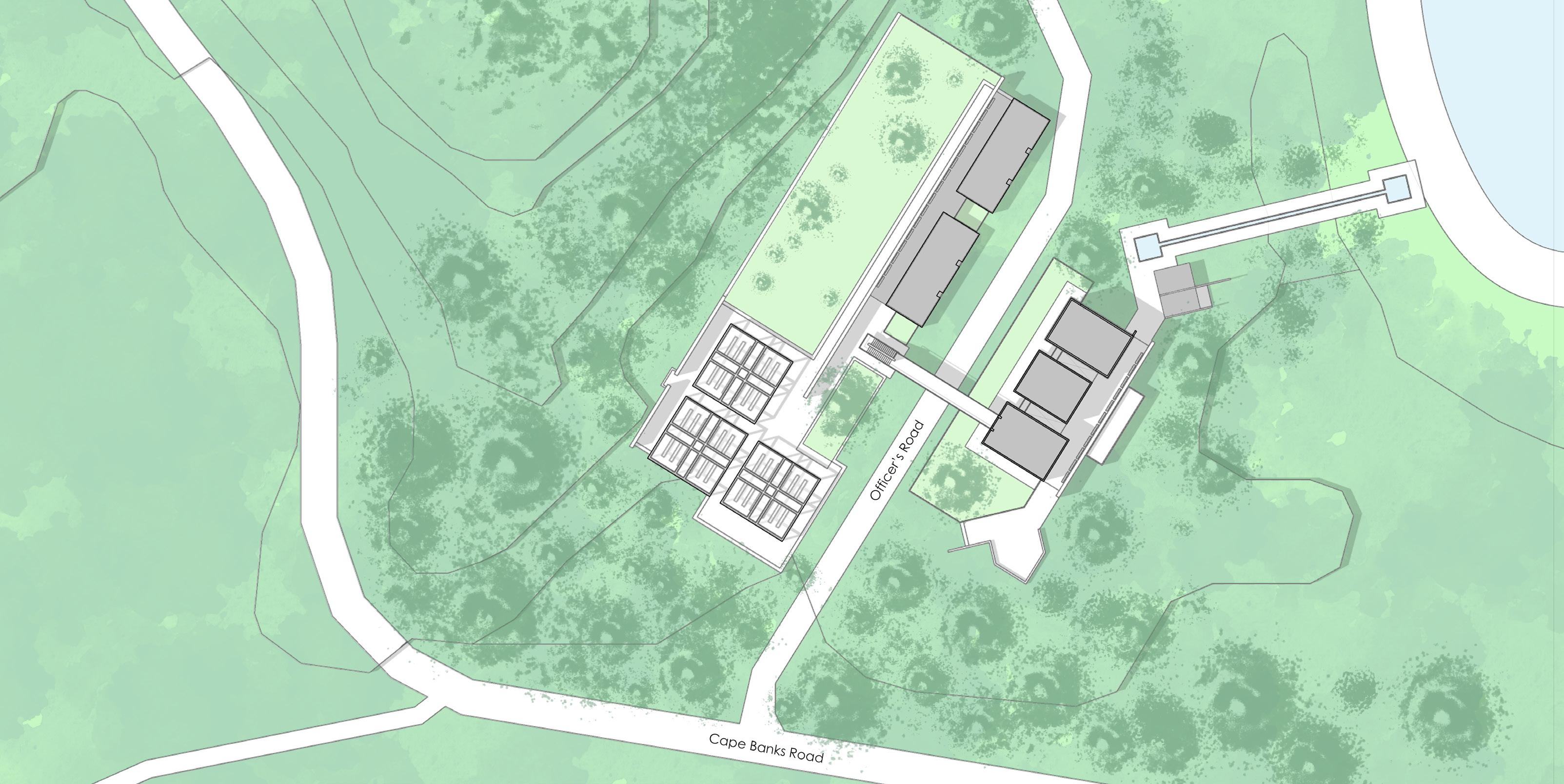
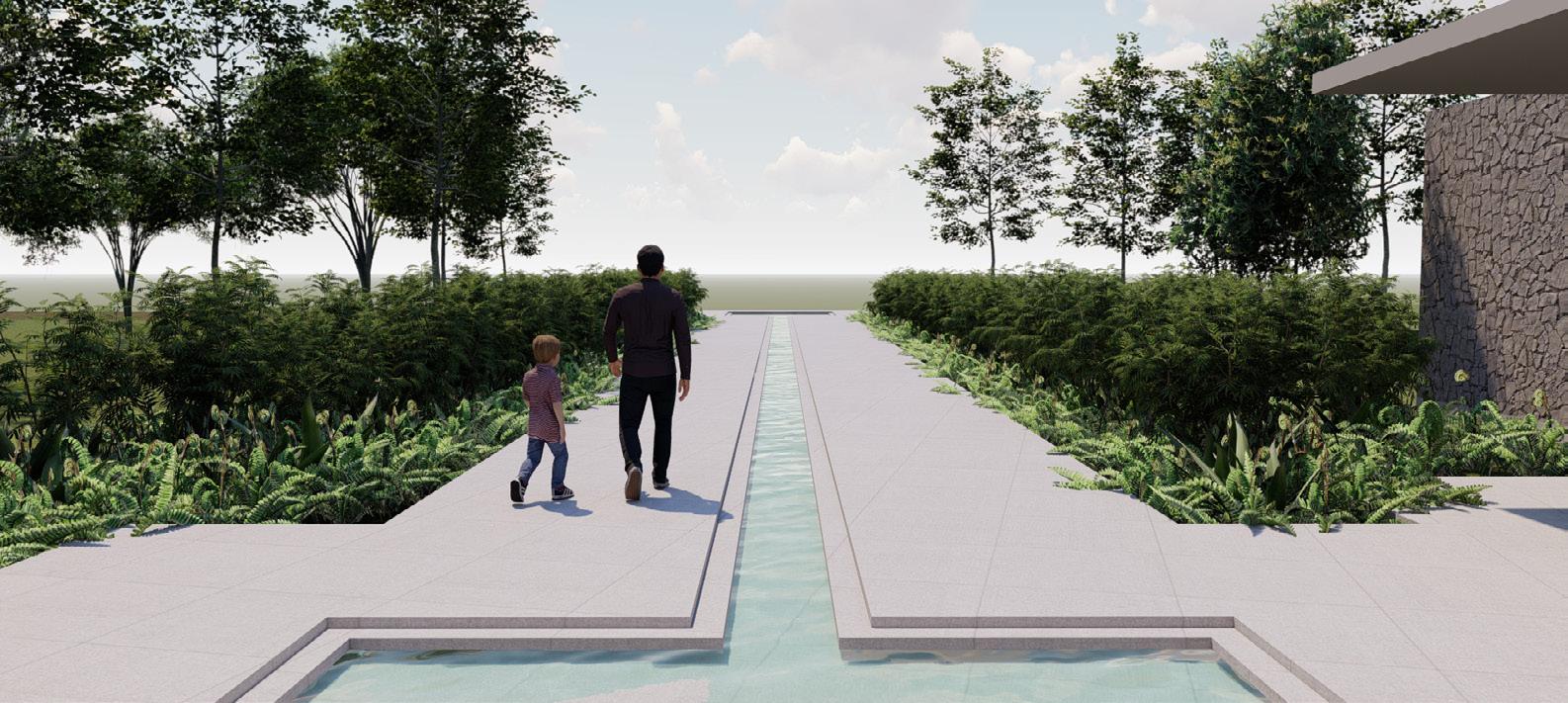
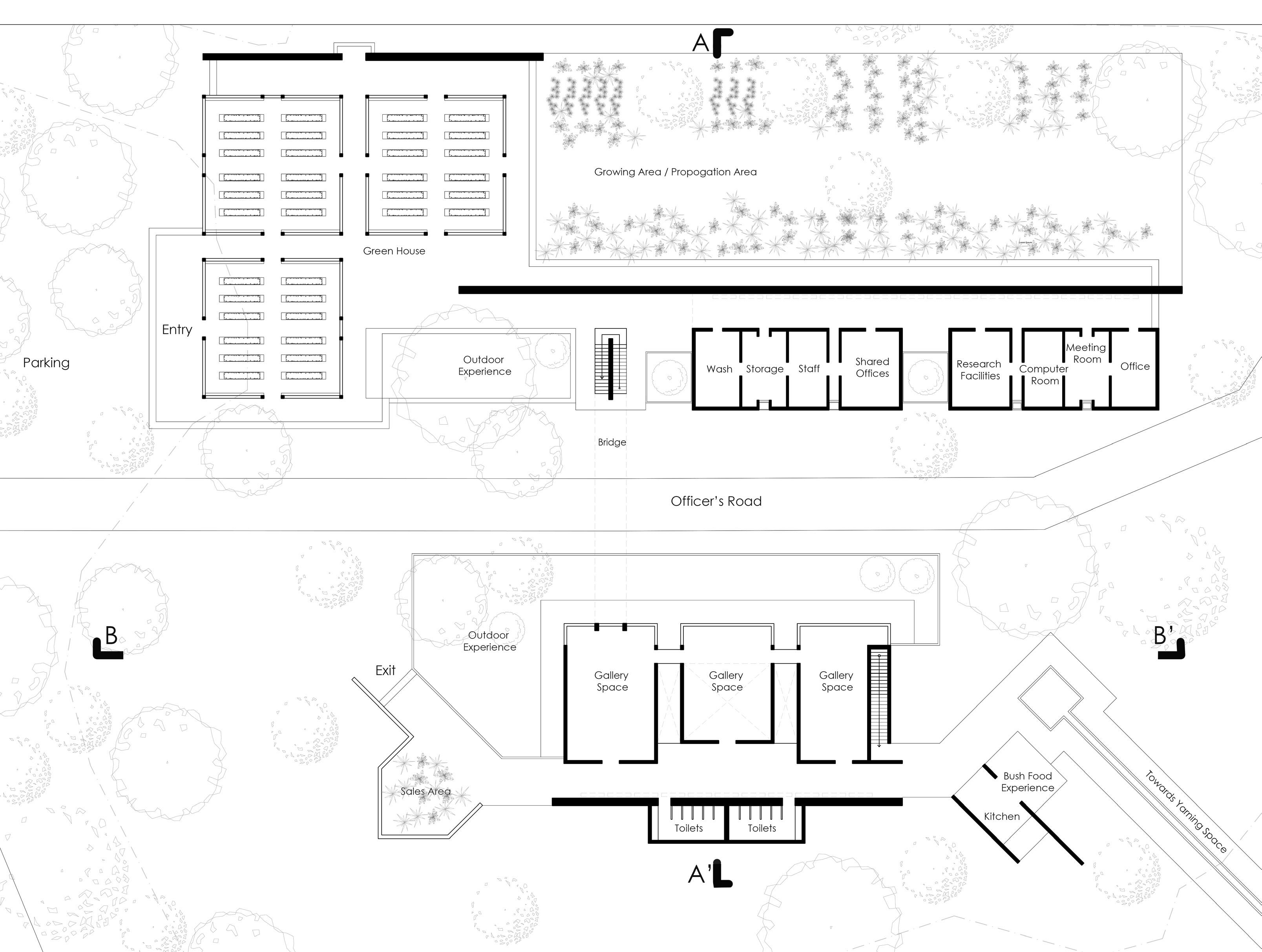
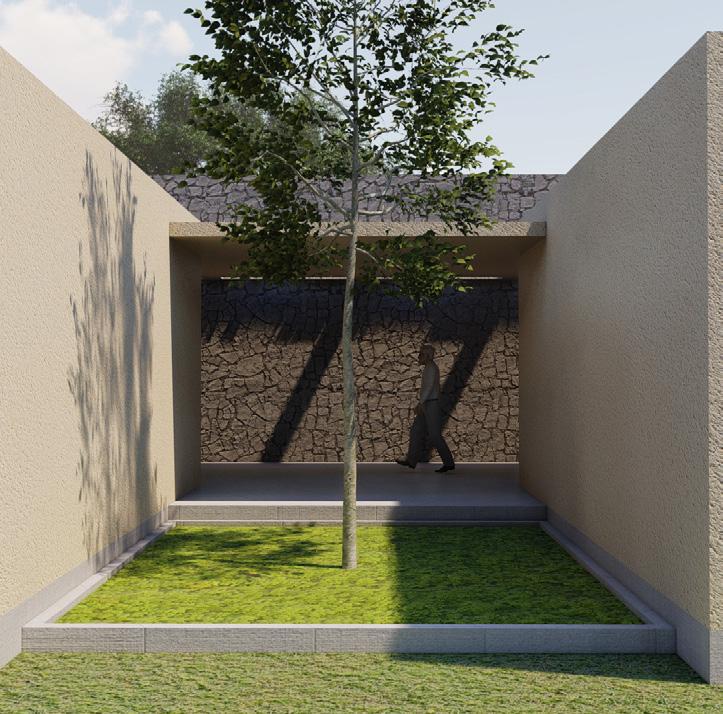
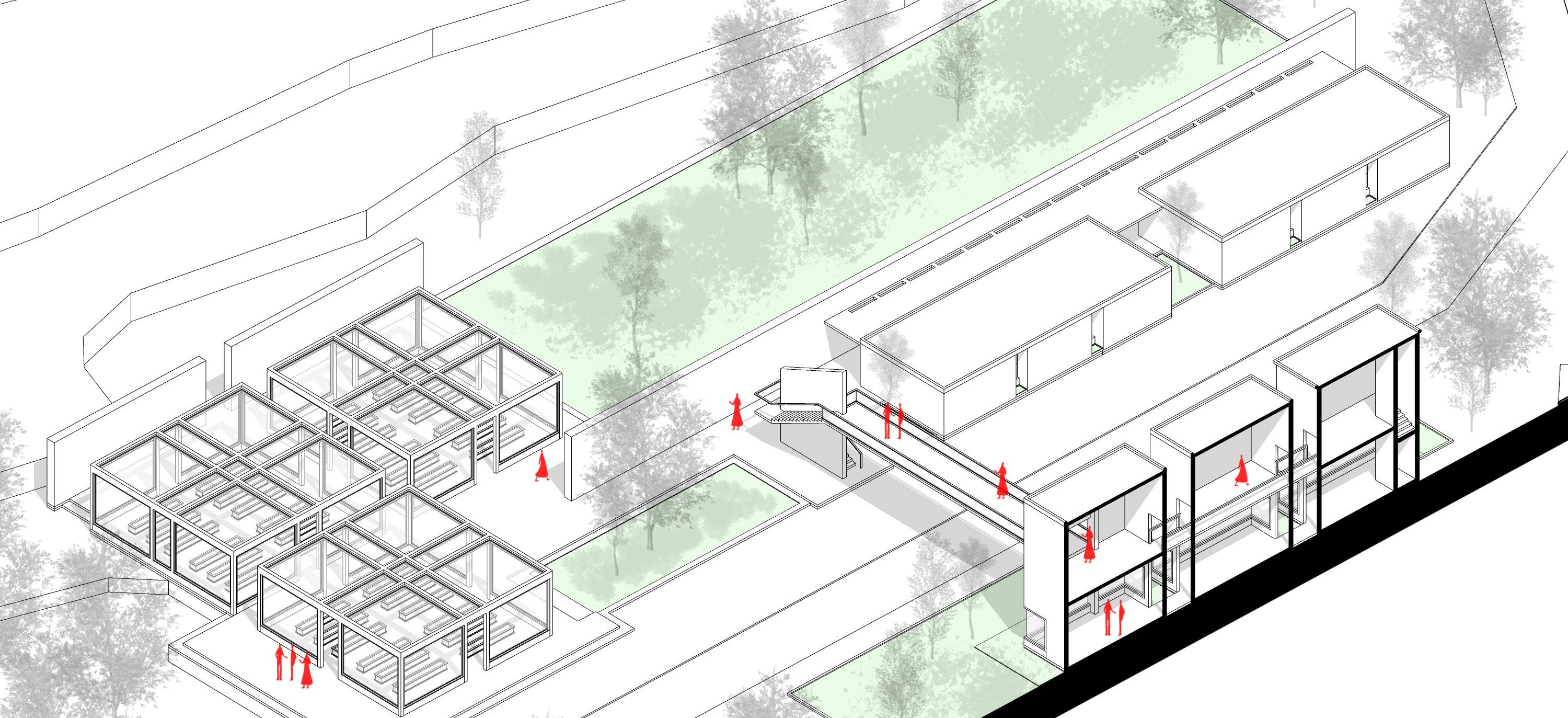
The main aim of the studio was to design for a country based, innovative and regenerativelearning centre with Indigigrow as clients whilst taking care of existing greens and building accordingly in the best way suited for the country.
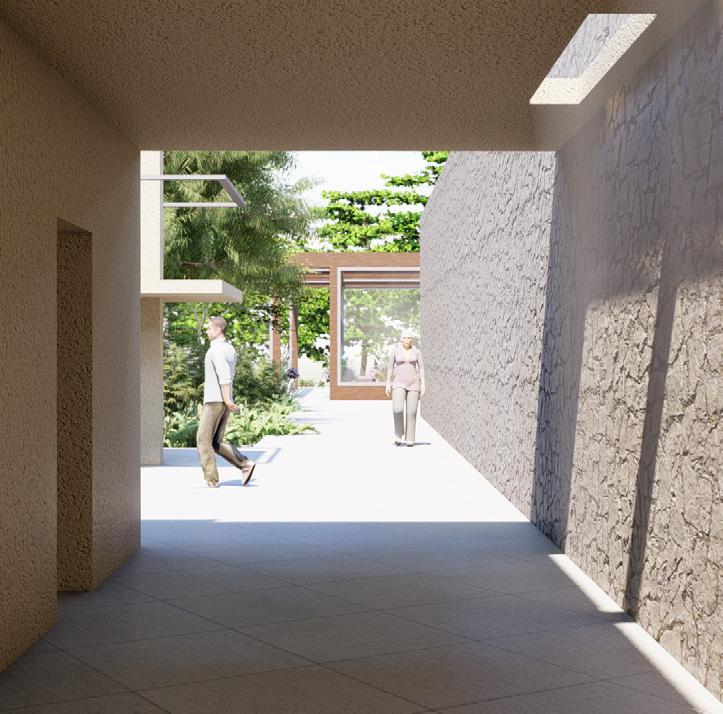
The design incorporates the three elements of country and utilizes them to guide the visitors through a journey as they explore the built.
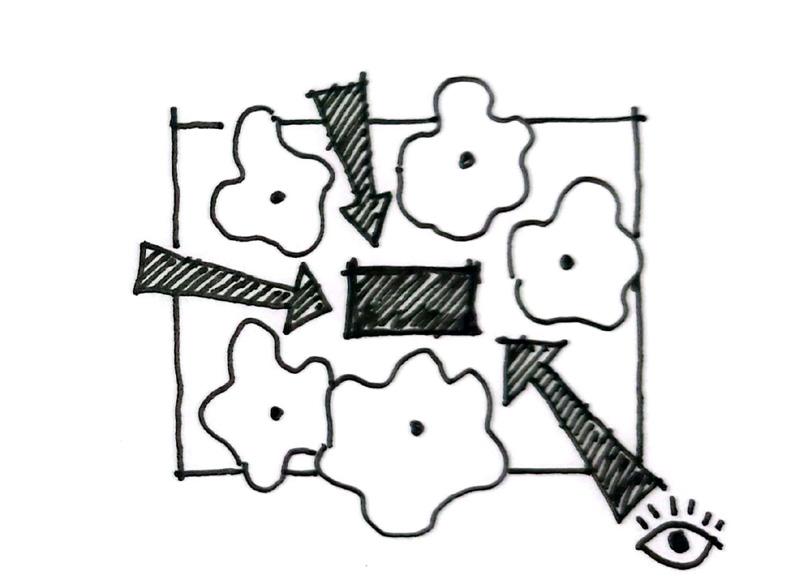
While exploring the site for the first time, many visual patterns were seen. On further breaking the concept of patterns into users and uses light patterns, sound patterns, time patterns, spatial patterns, movement patterns etc. were observed. It was then articulated into movement pattern for the design where in the visitor can explore through a journey for connecting with the country.
Towards Yarning Space
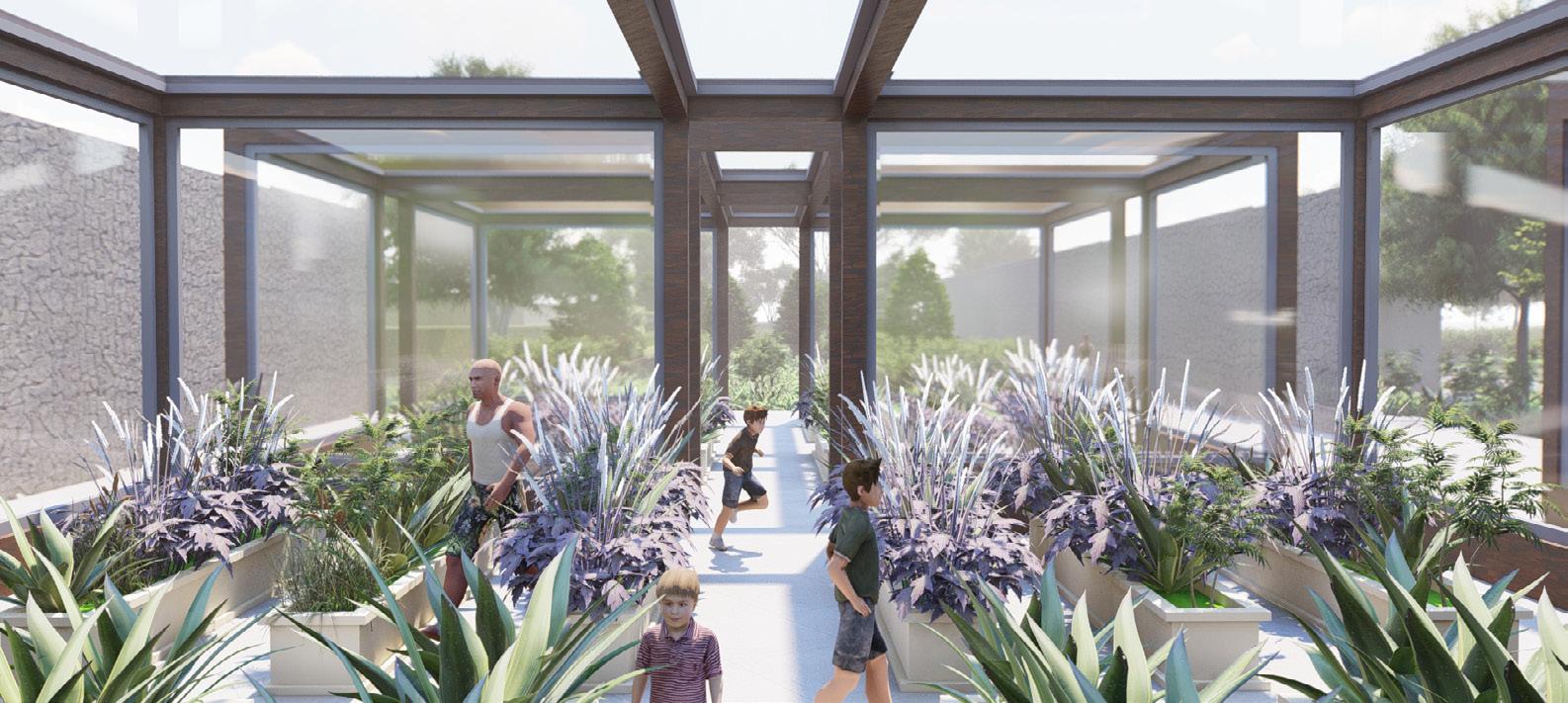
Green House
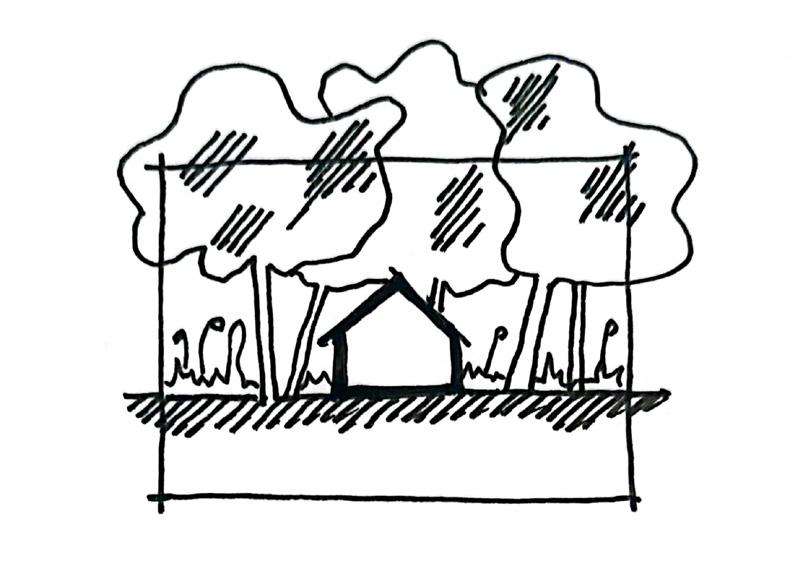
Hidden amongst nature
Incremental nature of greens
Nestled among the greens
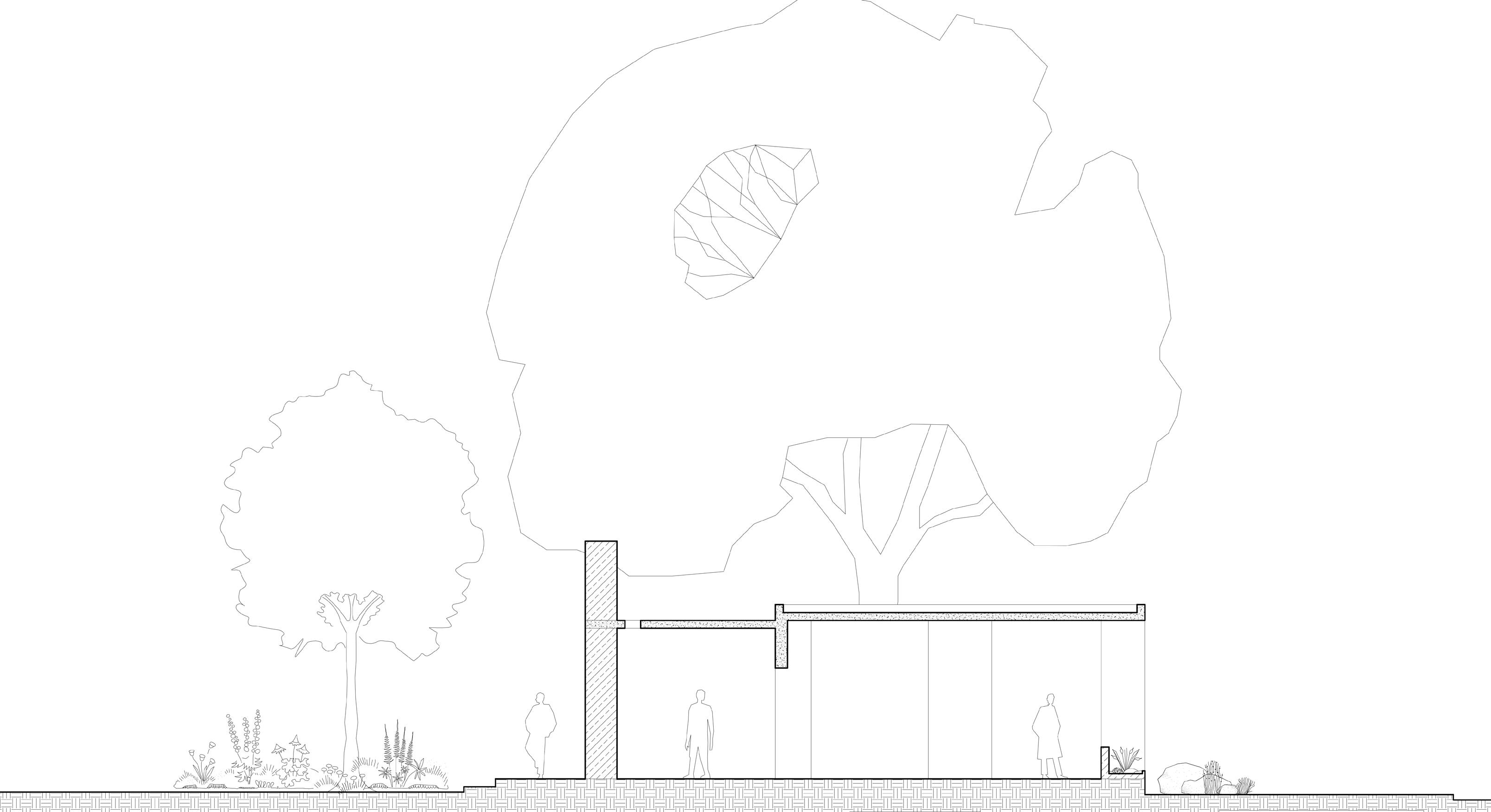
Section C-C’
Section | C-C’ Local Stone
Through Words
STUDIO-9
Location : Dwarka, India
Year : Fall 2020
Instructor : Soumitro Ghosh, Nisha Mathew Ghosh
Design Studio
CEPT University
Words are windows with open endings, personal associations and ideational strategies are embedded within its universe. The studio intended to work with an individual choice of word/s from English/regional language of choice (that carry social and cultural connections, connotations and imaginations).
From these generative words as stimulants, individual memories and aspirations were invoked as entry points for forming projects. The invocation of language inherently connects to society, communication, projection and expression .
The word selected for this particular project was ‘Un-cluttered’ which symbolizes the idea of clarity and harmony.
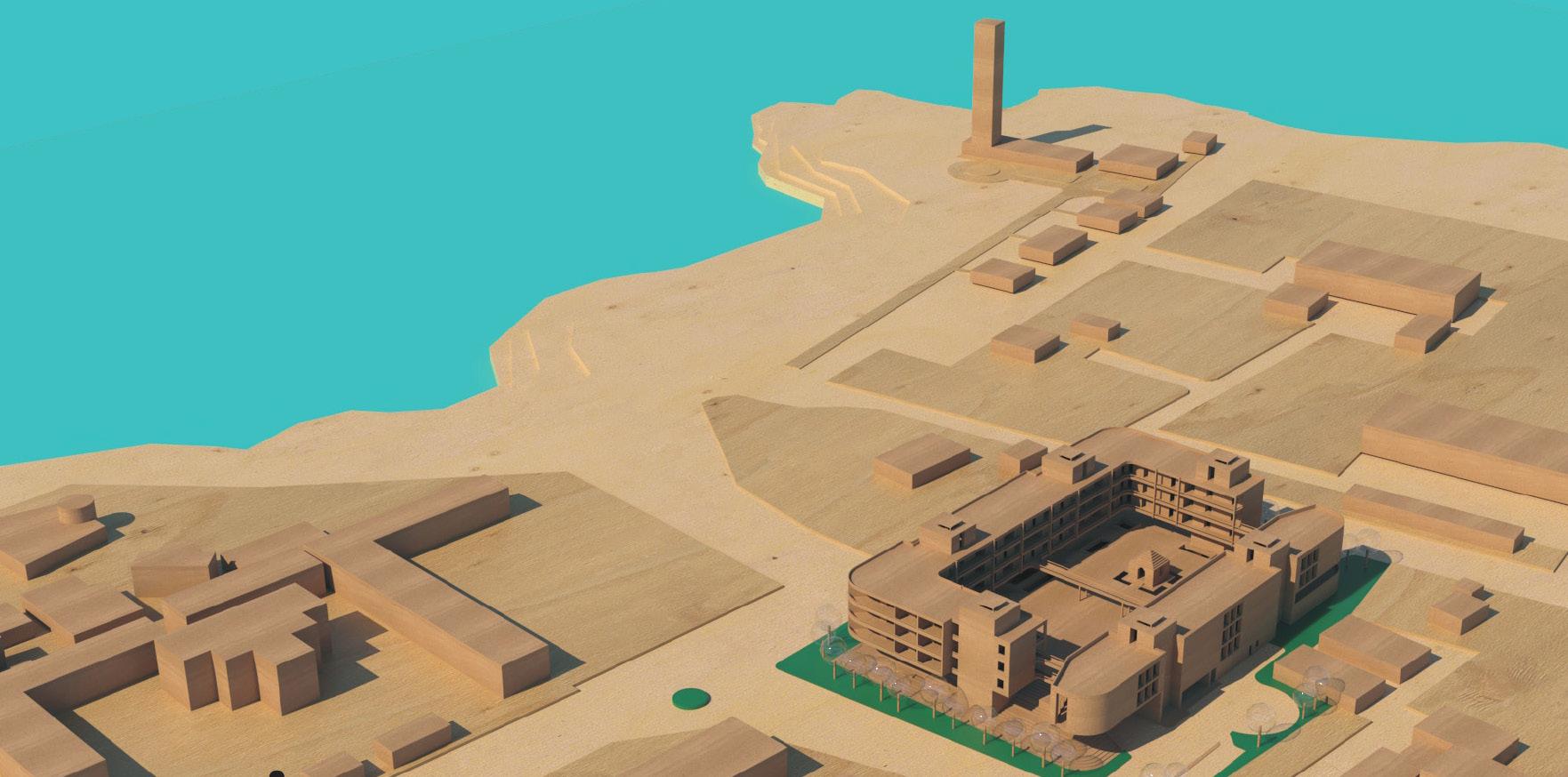
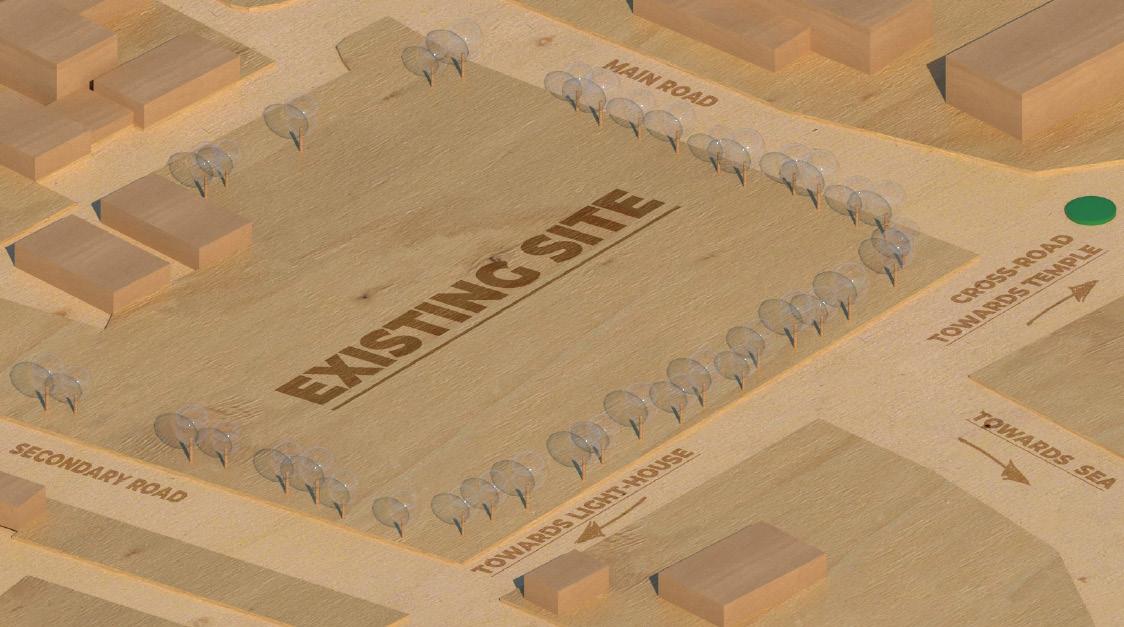
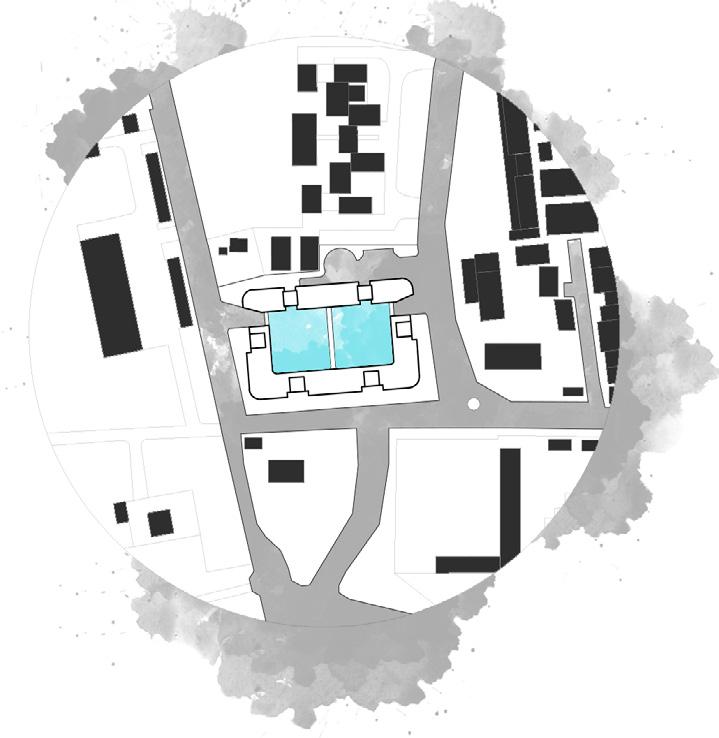
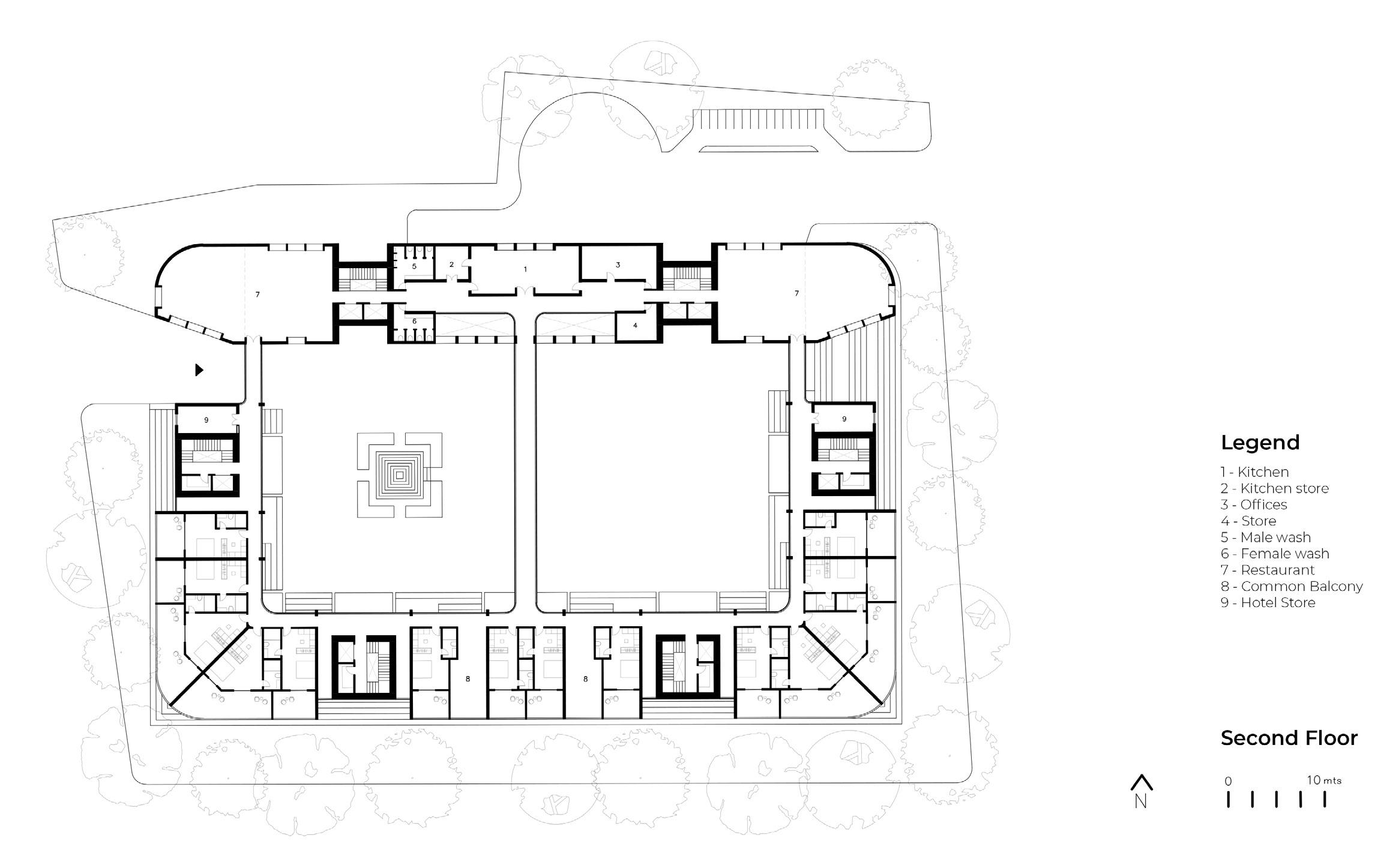
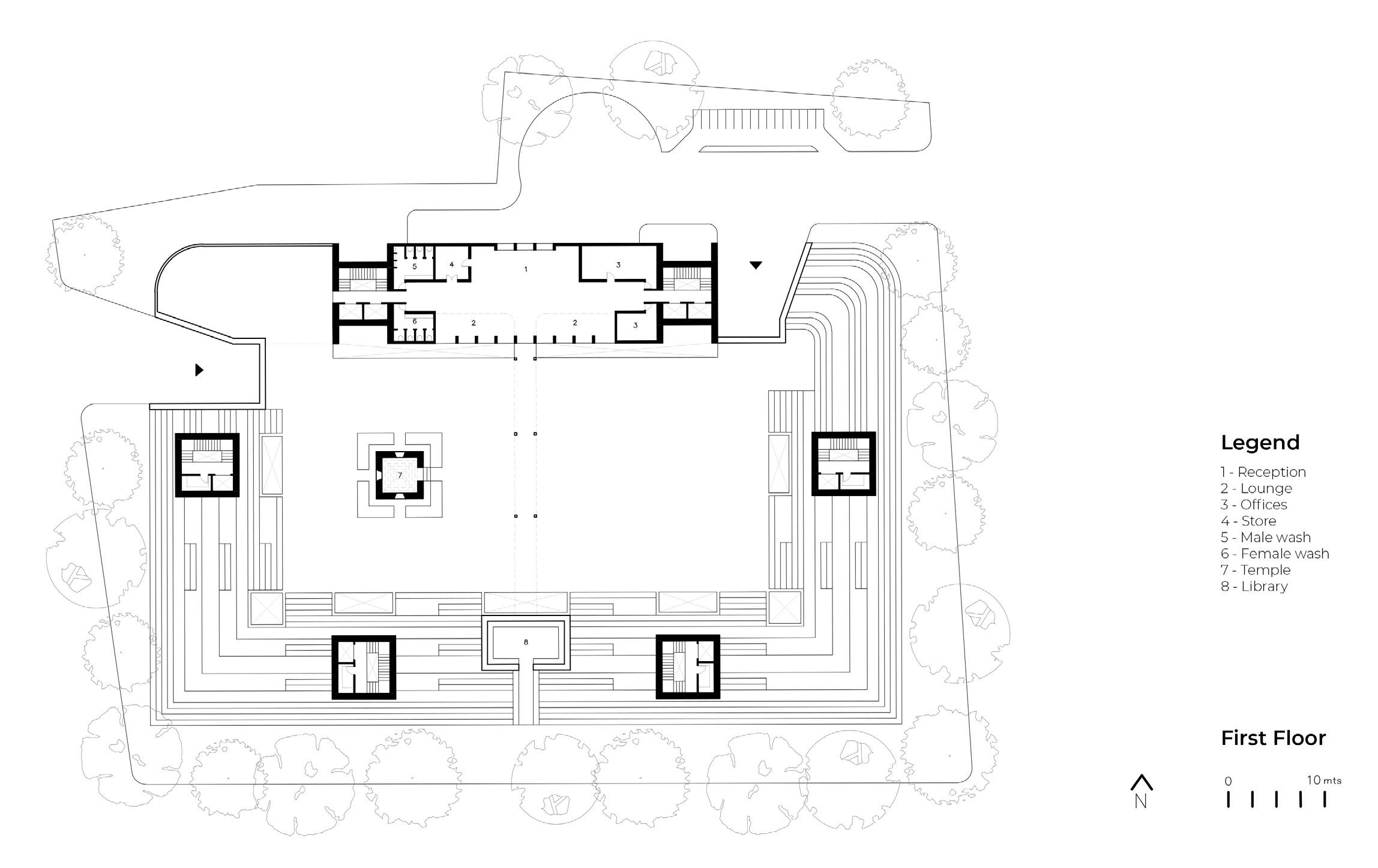
The proposal for a pilgrimage/tourist center in Dwarka was very significant as it is one of the most attractive Tourism, Cultural, and Heritage sites of Gujarat. The design needed to synchronize both the Heritage and the urban requirements so as the aim of this project is to develop the destination without affecting the ecology of nature.
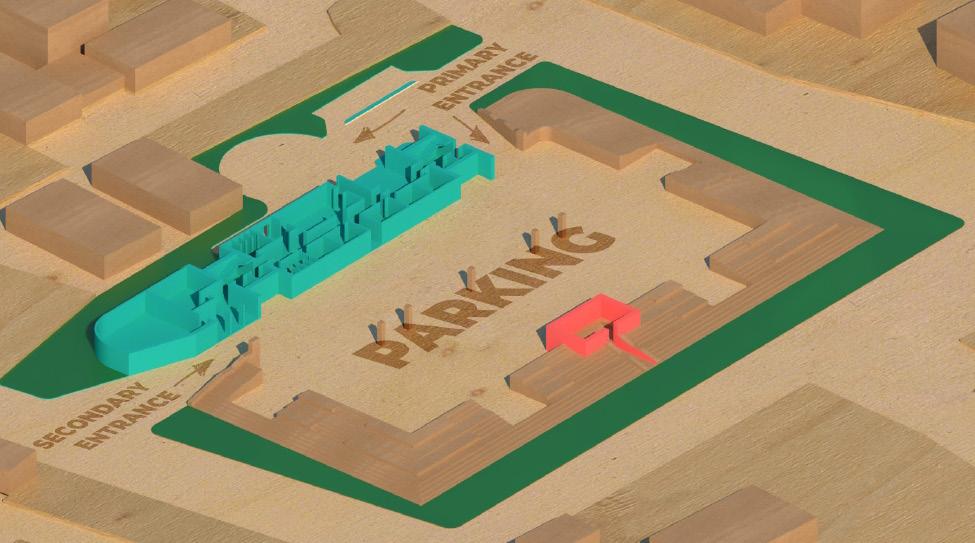
1_Existing Site
Designing on a site with a very open and distinct context.
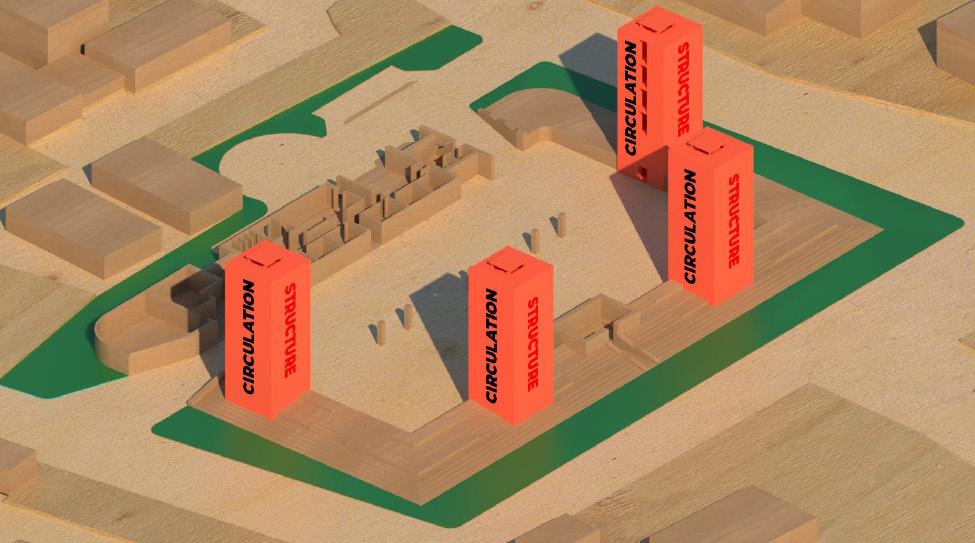
3_Stucture/Circulation
The idea of integrating circulation within the structure helping in better space articulation and providing better views without hinderance.
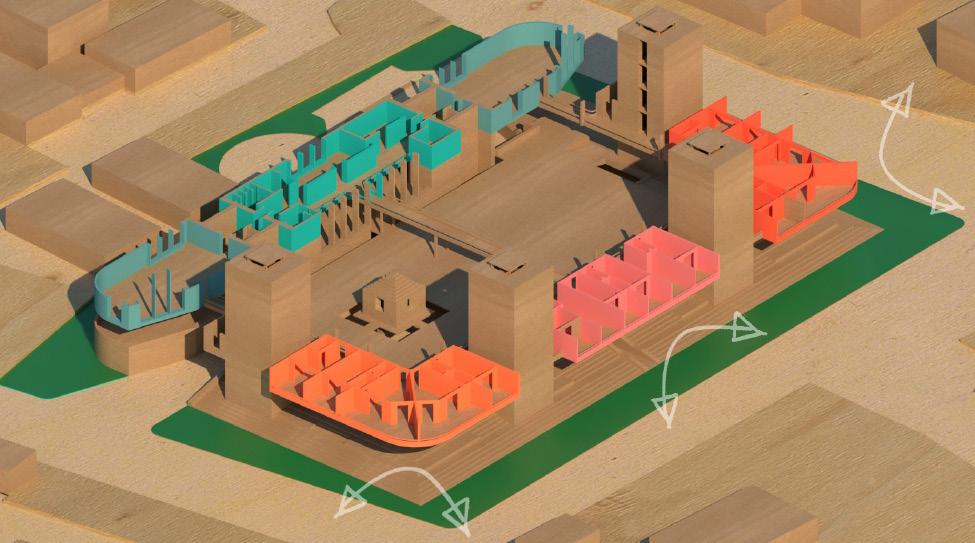
5_Scenic-View Rooms
Rooms articulated on higher levels to provide with the beautiful sea-views.
2_Ground Floor
Provision of ghats climbing to first floor with parking beneath.
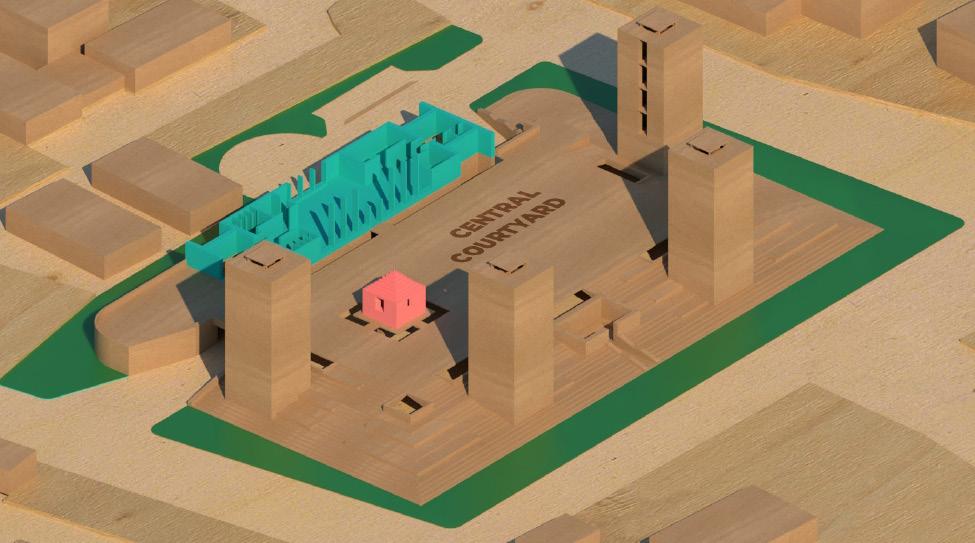
4_Central Core (Courtyard)
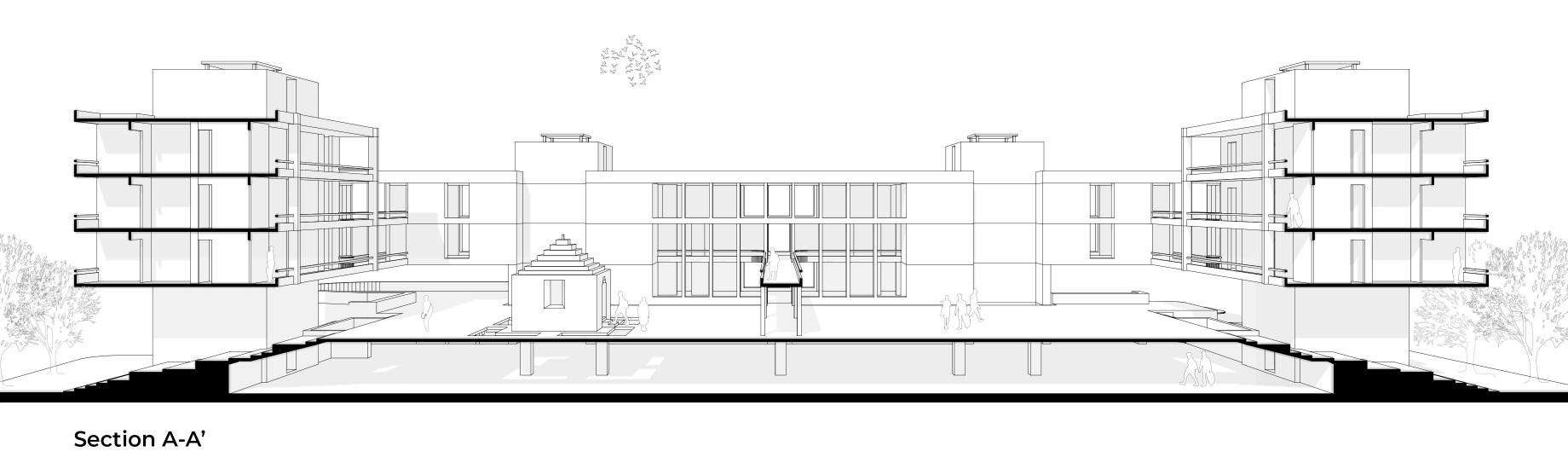
Studying the traditional ‘Havelis’ (traditional townhouses) with integrated courtyard which had a temple and articulating it with a modern ‘Hotel’.
6_Aerial View of ‘Dharmshala’ Final design.
Admin vs Rooms
Courtyard
_Section
_Section
The City & Performance Spaces |
Performance Spaces as Urban Catalysts
STUDIO-10
Location:Ahmedabad,India
Year:Spring2021
Instructor:JayantGunjaria,ViralBhavsar
DesignStudio
CEPTUniversity
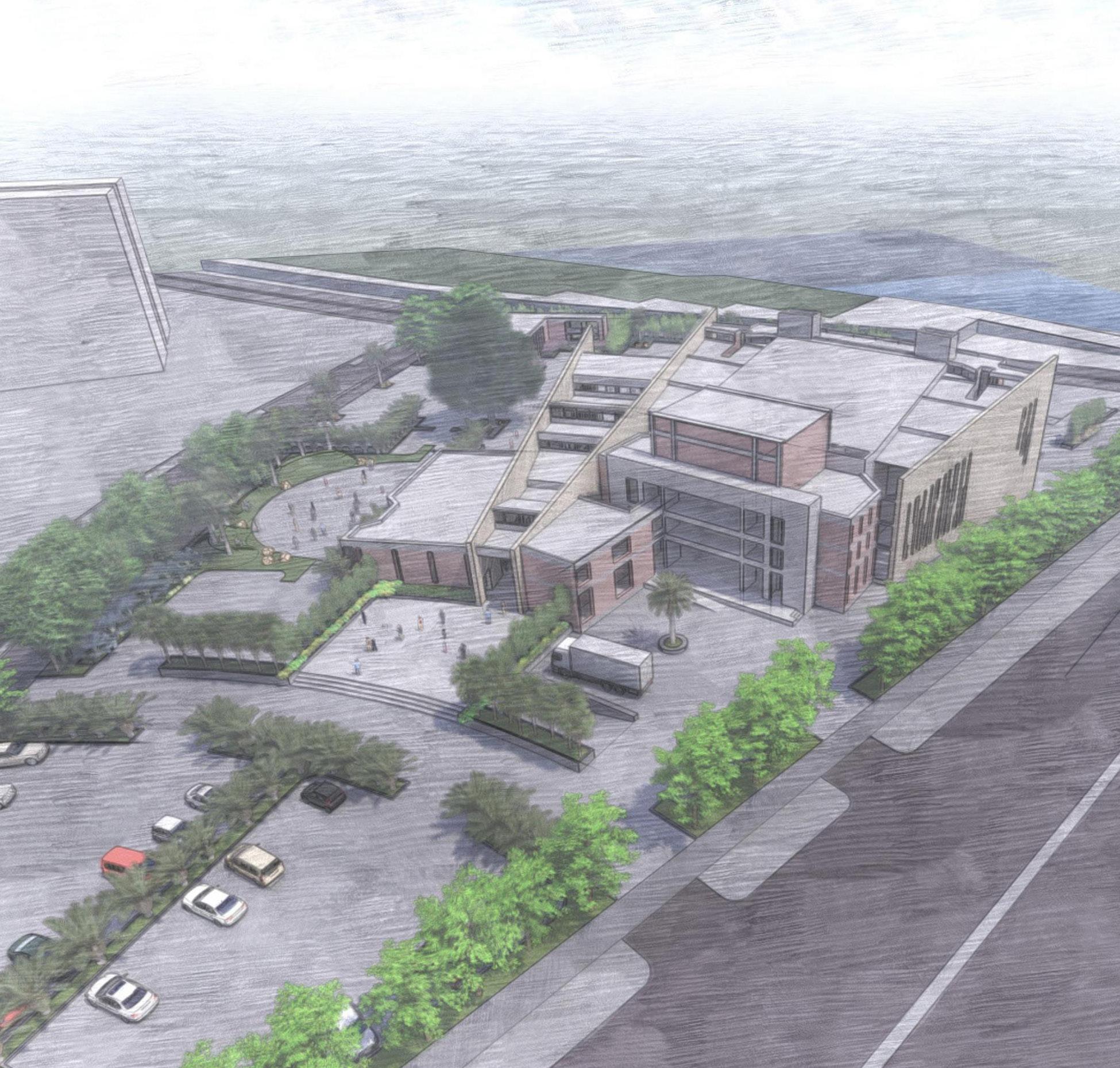
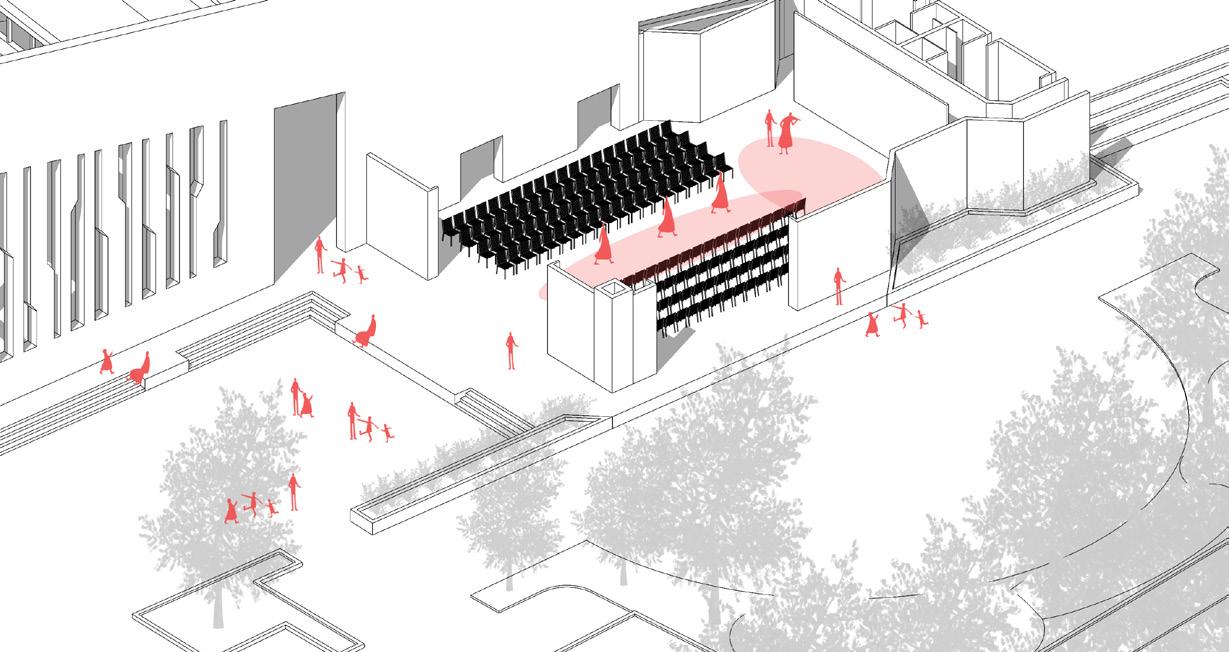
All arts are essential expressions of human existence. Performance Arts in particular, have evolved as a primary manifestation of their respective cultures and subsequently have a profound impact on the functioning of these cultures.
The collective nature of performing arts renders it public, making it vital to understand the role of performing arts in socio cultural development and its built environments that actively generates the specific image and vision of the place and the city.
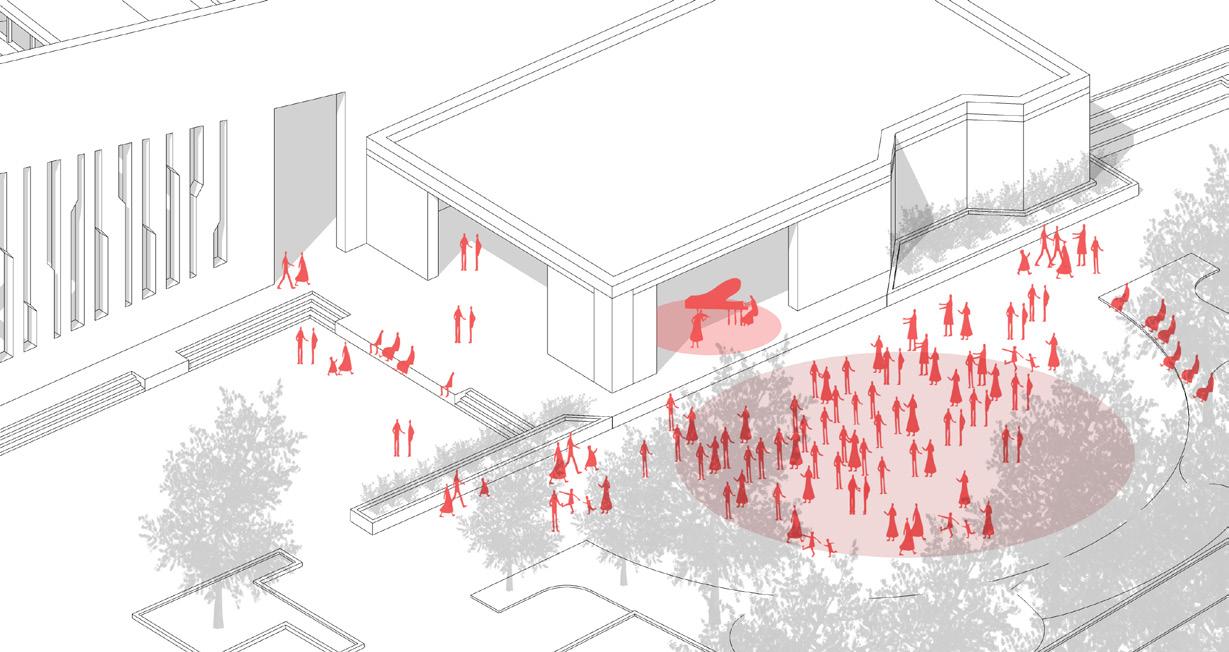
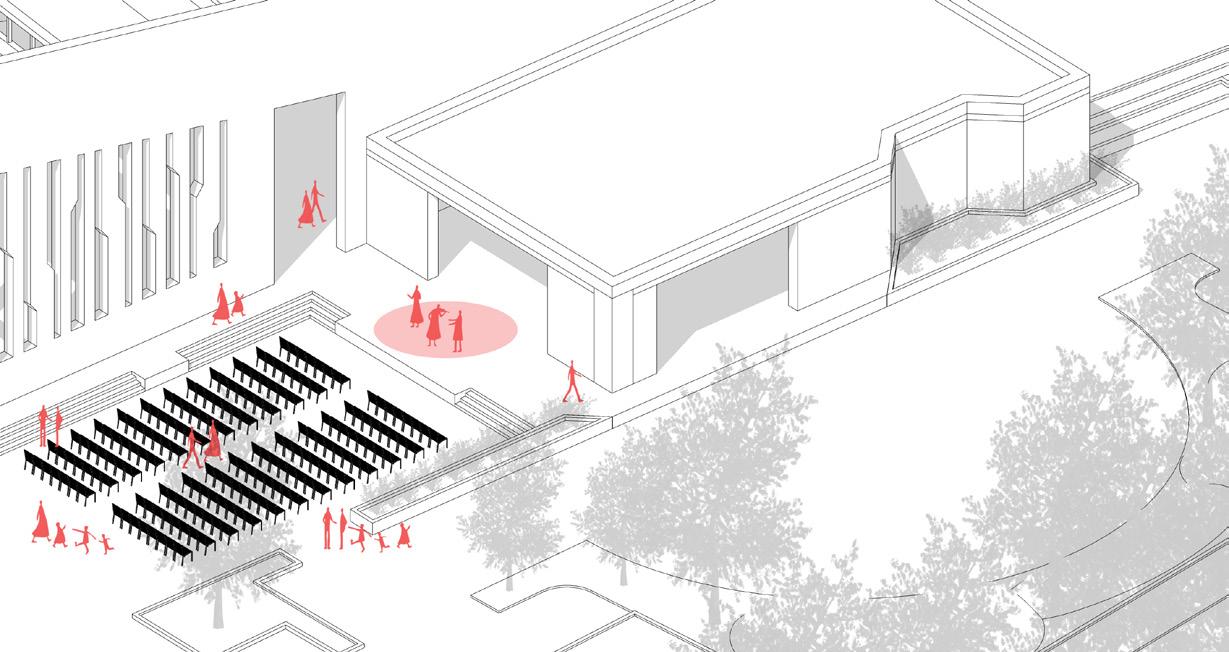
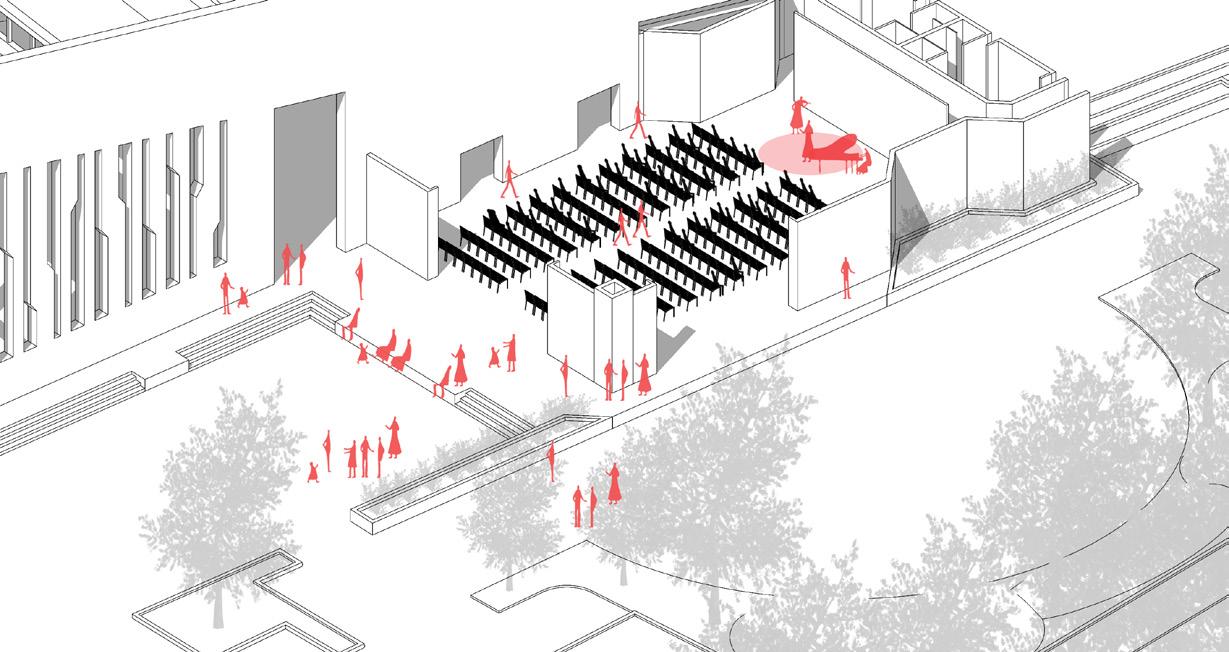
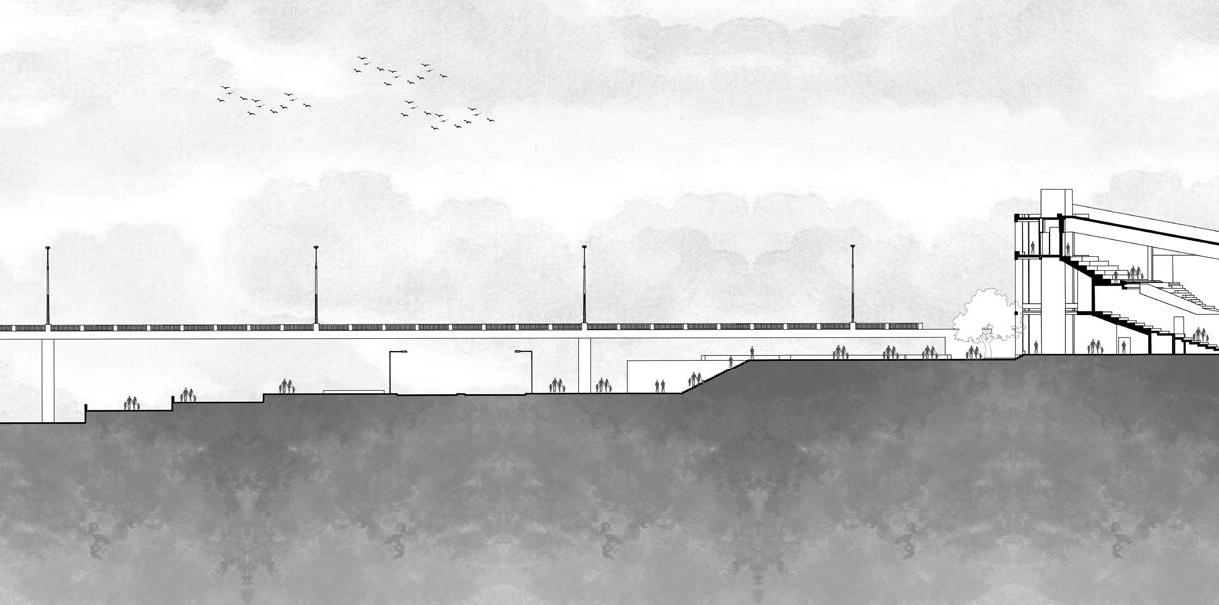
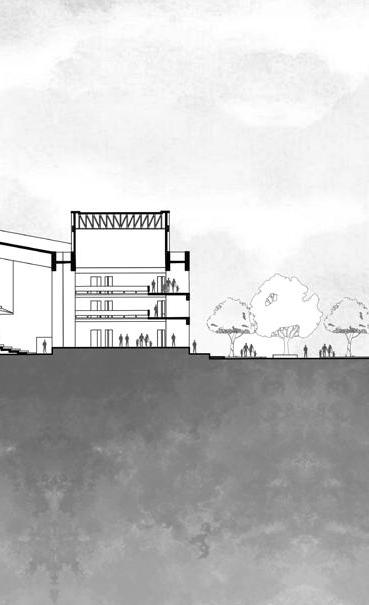
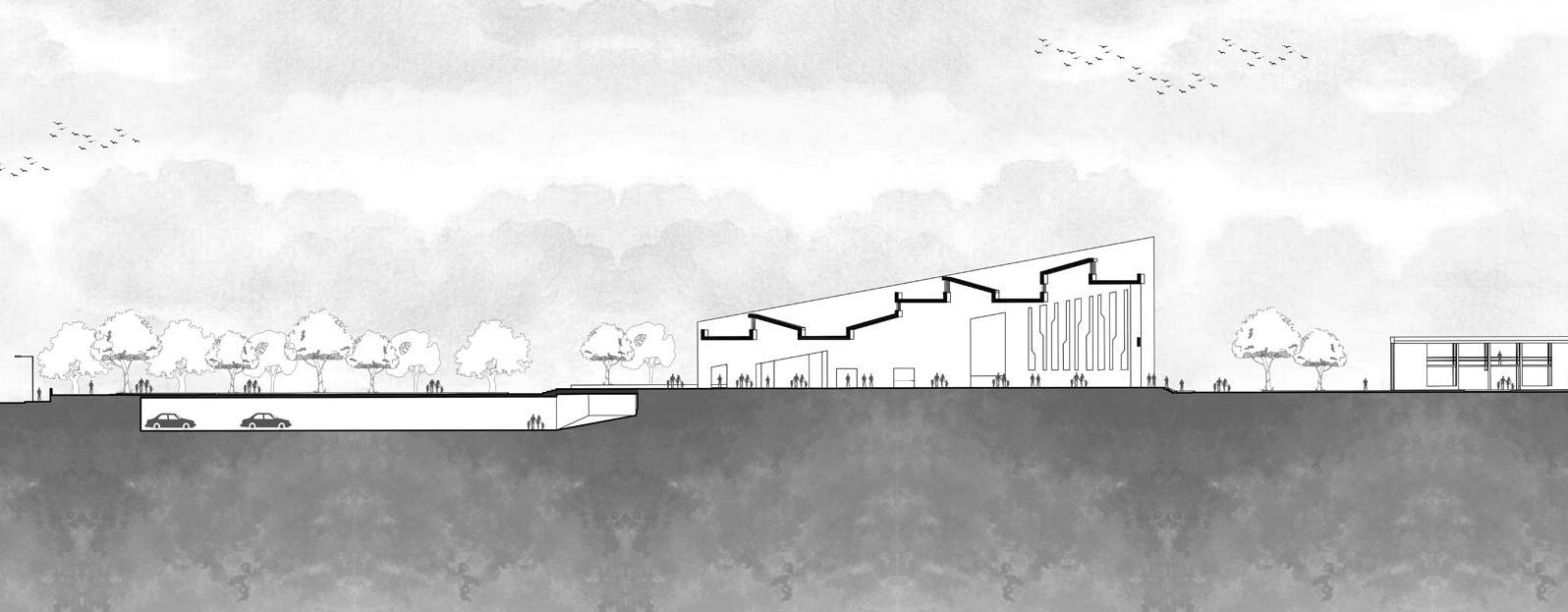
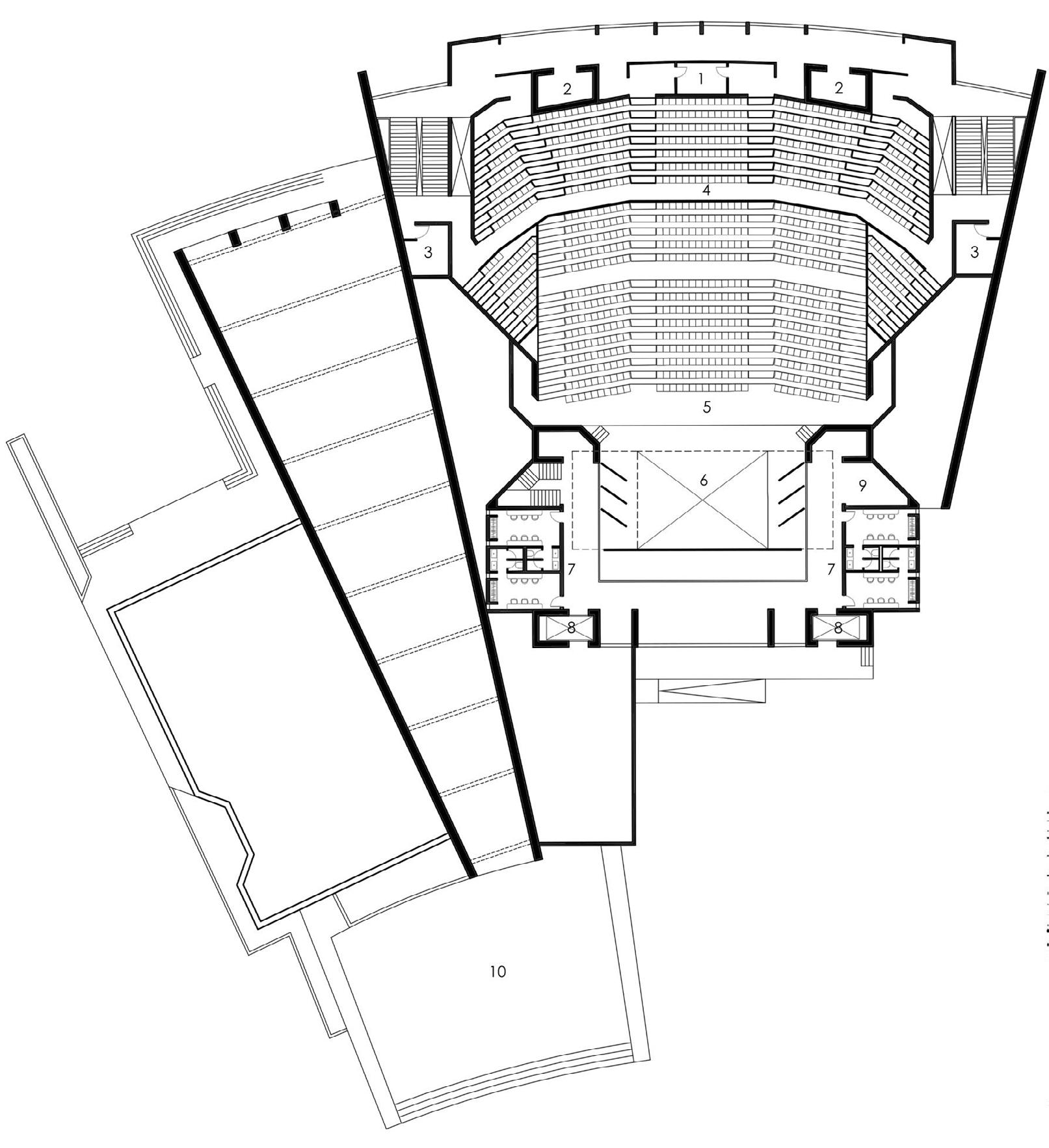
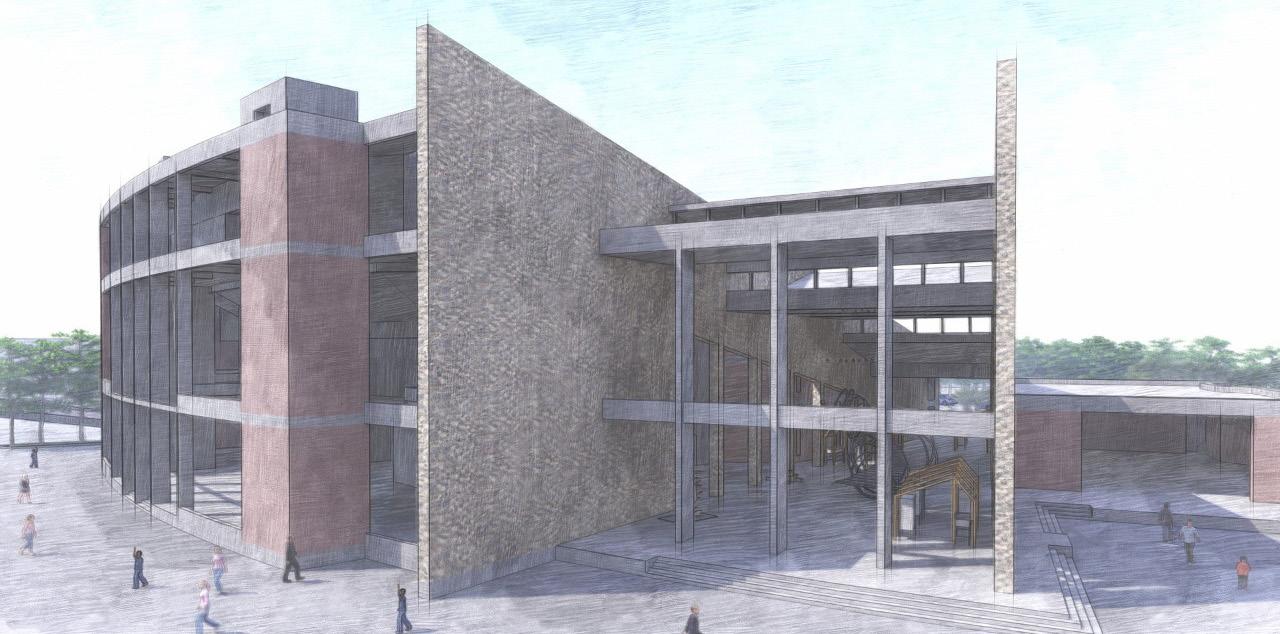
Ahmedabad, along with its rich history is one of the main cultural hubs of India. It’s been known for its appreciation of performing arts of all sorts. The intervention Is designed to provide fine management and the perfect venue for almost any product from international orchestras, ballets, and operas to chamber music and solo recitals. It would also be able to accommodate lectures, workshops, film screenings, and host other smaller events.
Sabarmati river-front cutting along the theatre space
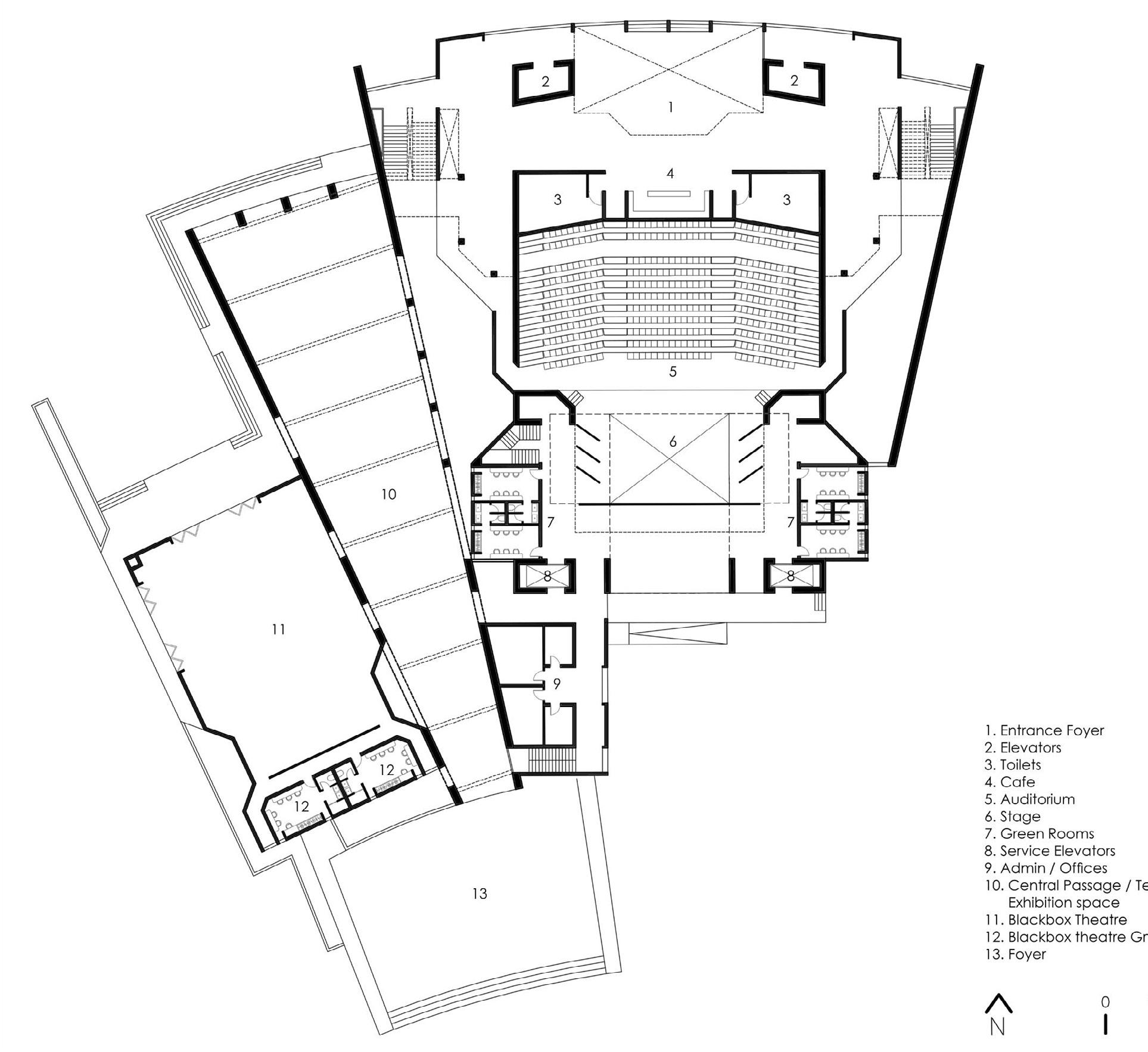
_Ground Floor PLan
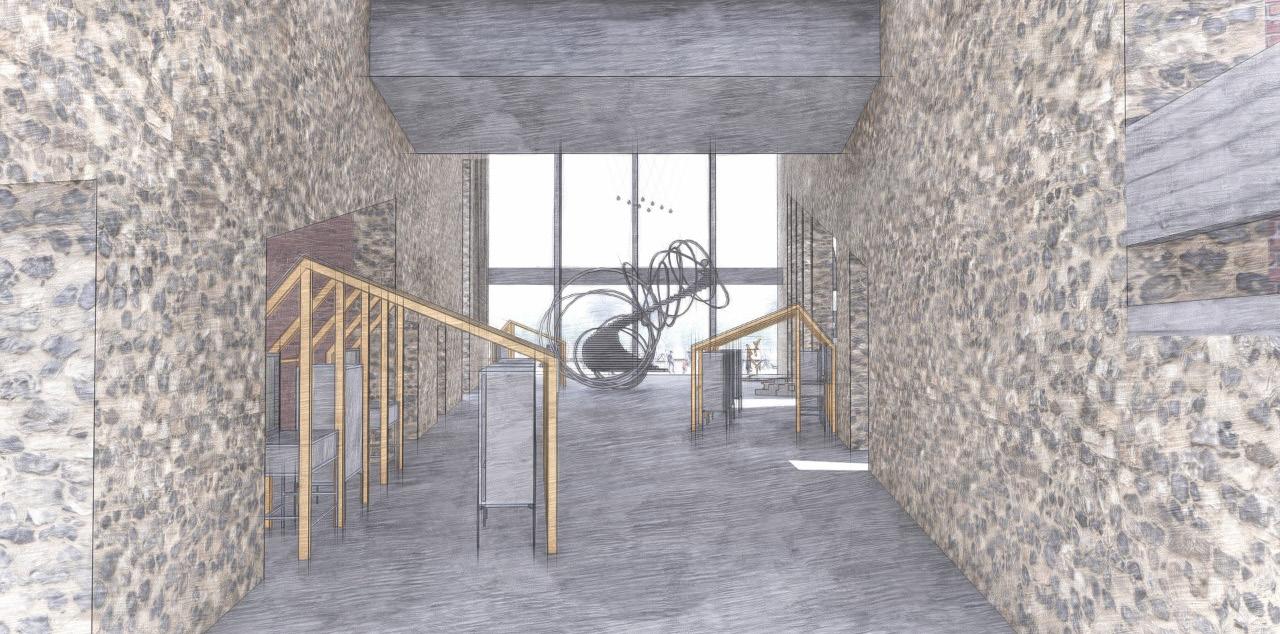
Cutting through the central space/ exhibition corridor.
_First Floor PLan
entrance directly leading towards the central corridor connecting both of the theatre spaces , as well as directing the vista towards the river.
_Section-2
_Design View
River-front
_Design View
Central corridor connecting both of the theatre spaces.
Related Study Programme
WORKSHOP
Location:Chanderi,MP,India
Year:2016
Instructor:SmitVyas
MeasureDrawingWorkshop
CEPTUniversity
The settlement at Chanderi lies southwest of the Betwa River in Madhya Pradesh & dates back more than a thousand years.
Its production of world-renowned hand silk has remained a continuing tradition with a large number of families & houses still involved.
Even today, the experience of walking around in the settlement – nestled in the hilly terrain sloping downwards from the city fort – is characterized by the sights & sounds of handlooms clanking away. Located at the borders of Malwa & Bundelkhand, near to significant trade routes, Chanderi is a palimpsest of architectural
styles ranging from the Pratihara-Gurjar dynasty, Malwa Sultanate, Mughals to the Bundela Rajputs & Maratha. .
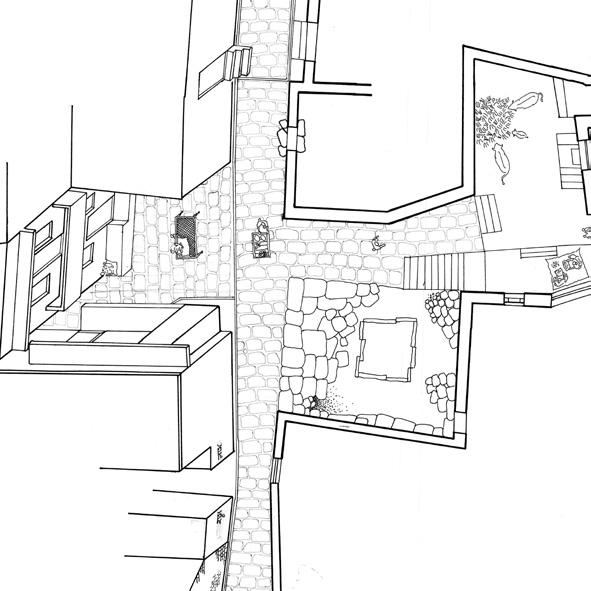
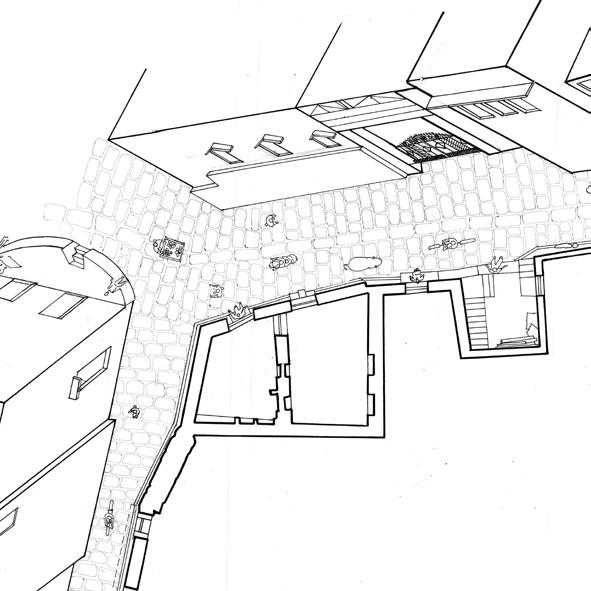
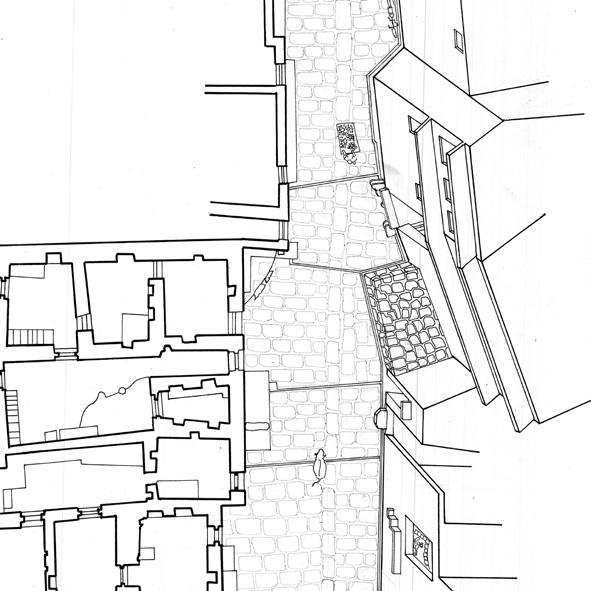
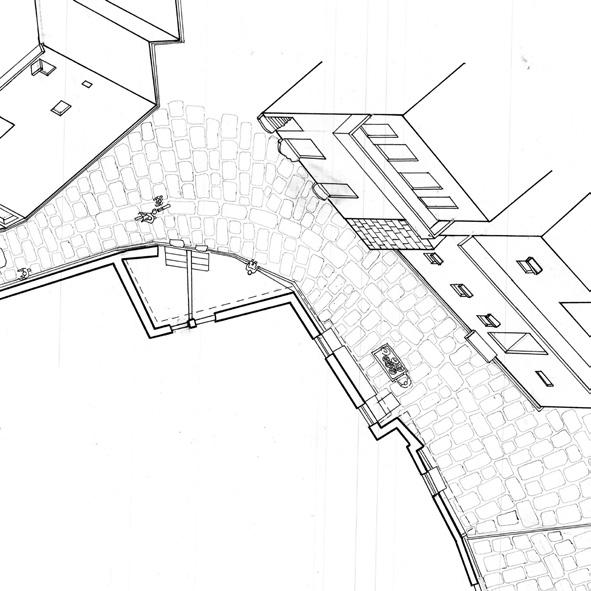
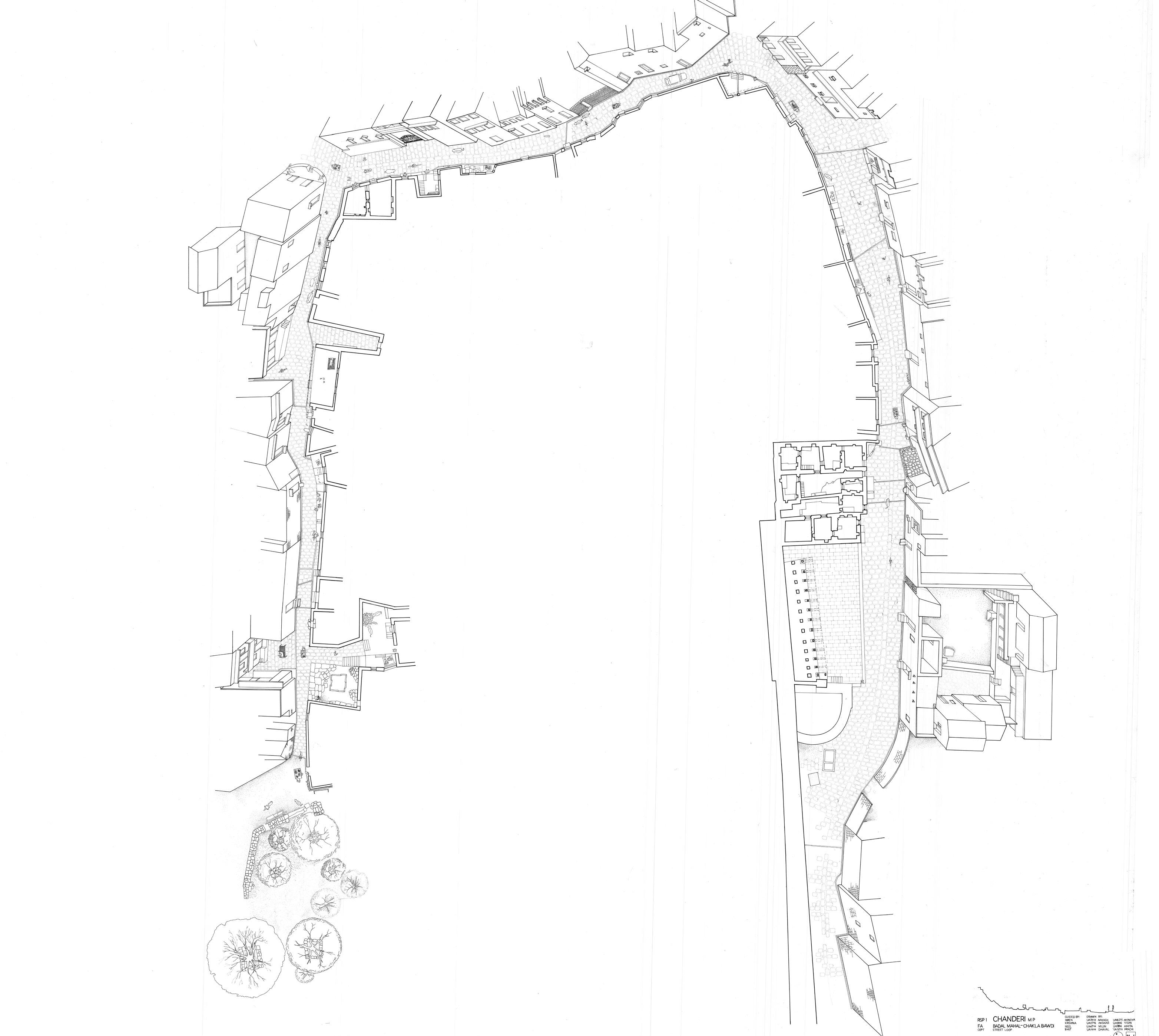
The street connecting the Untsaar complex to Badal Mahal was chosen and the overall streetscape was studied by detailed measurement of plan profiles, elevations, street gradient, paving & material finishes as well as observation of activity & interactions supported by it. Four houses along the street were also fully measure drawn
_Street Details
(Group Exercise)
_Badal Mahal-Chakla Bawdi Street Loop
Installations
ACADEMIA
_Bamboo Pavillion
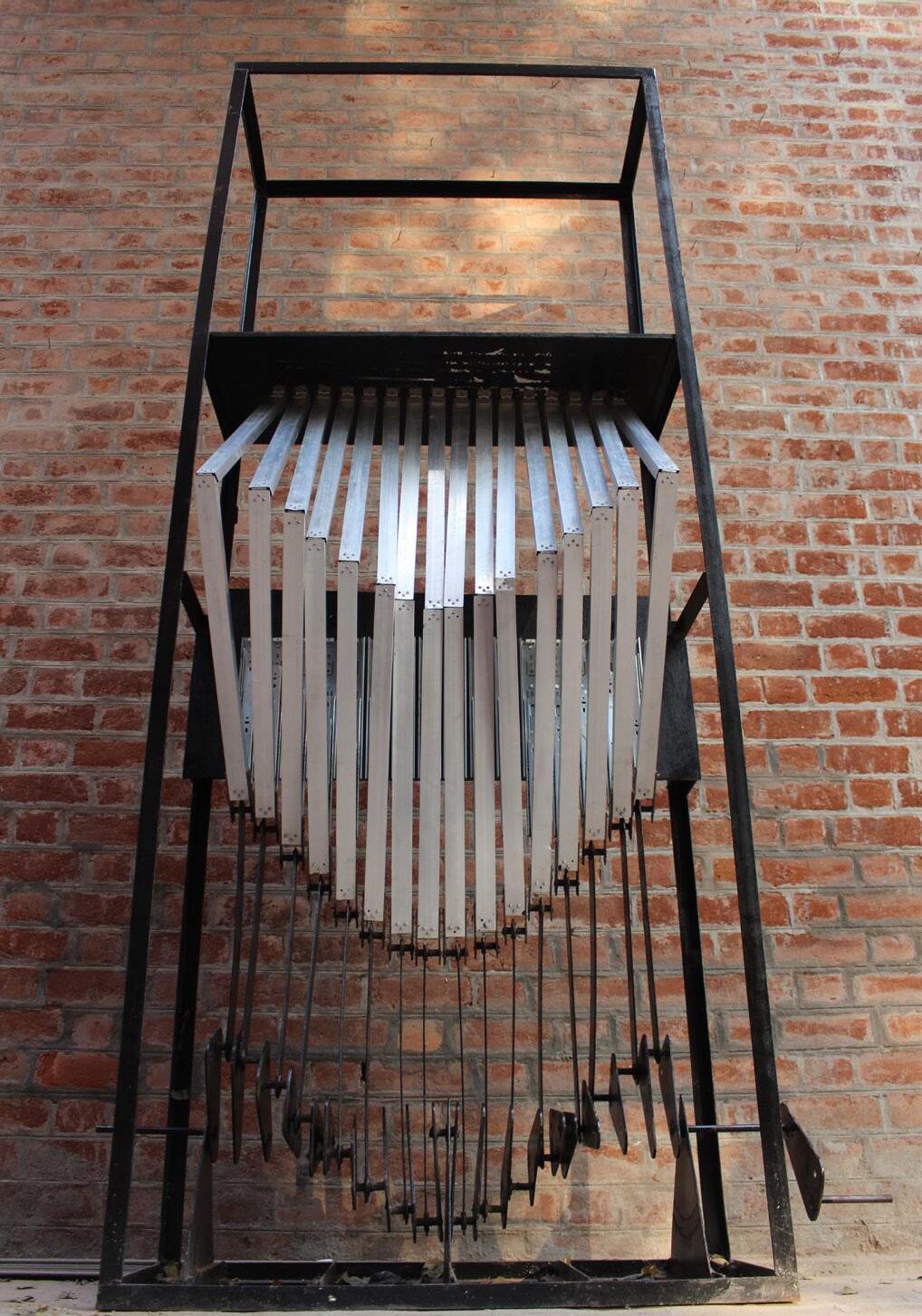
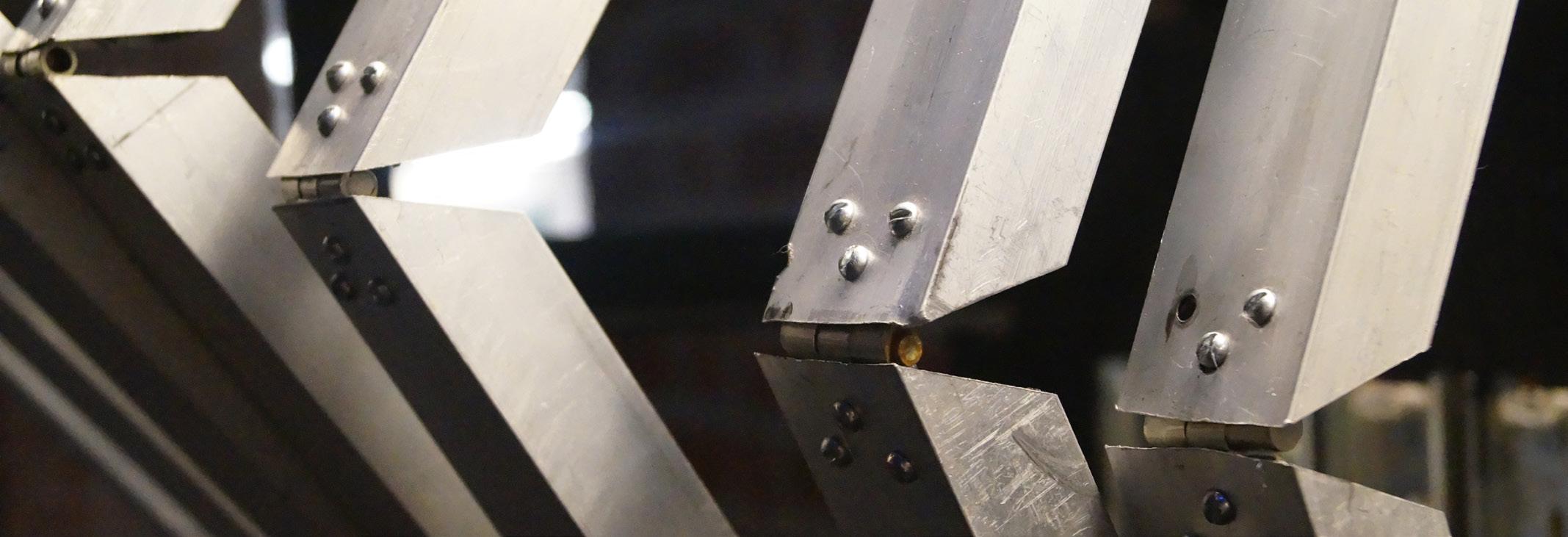
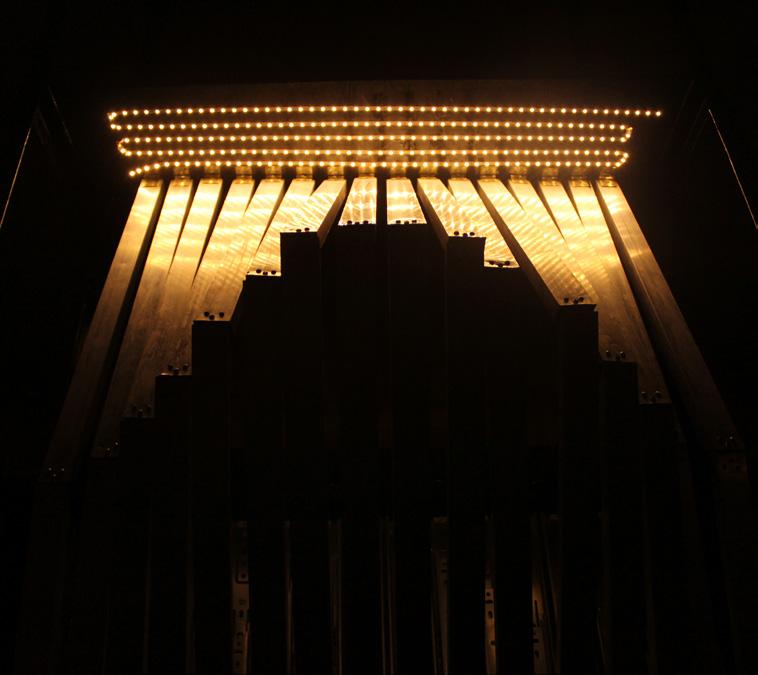
_Kinetic Installation
A mechanical crank-shaft system which when rotated results into sinusoidal displacement. Drawer channels and ball bearings are used for creating such motion.
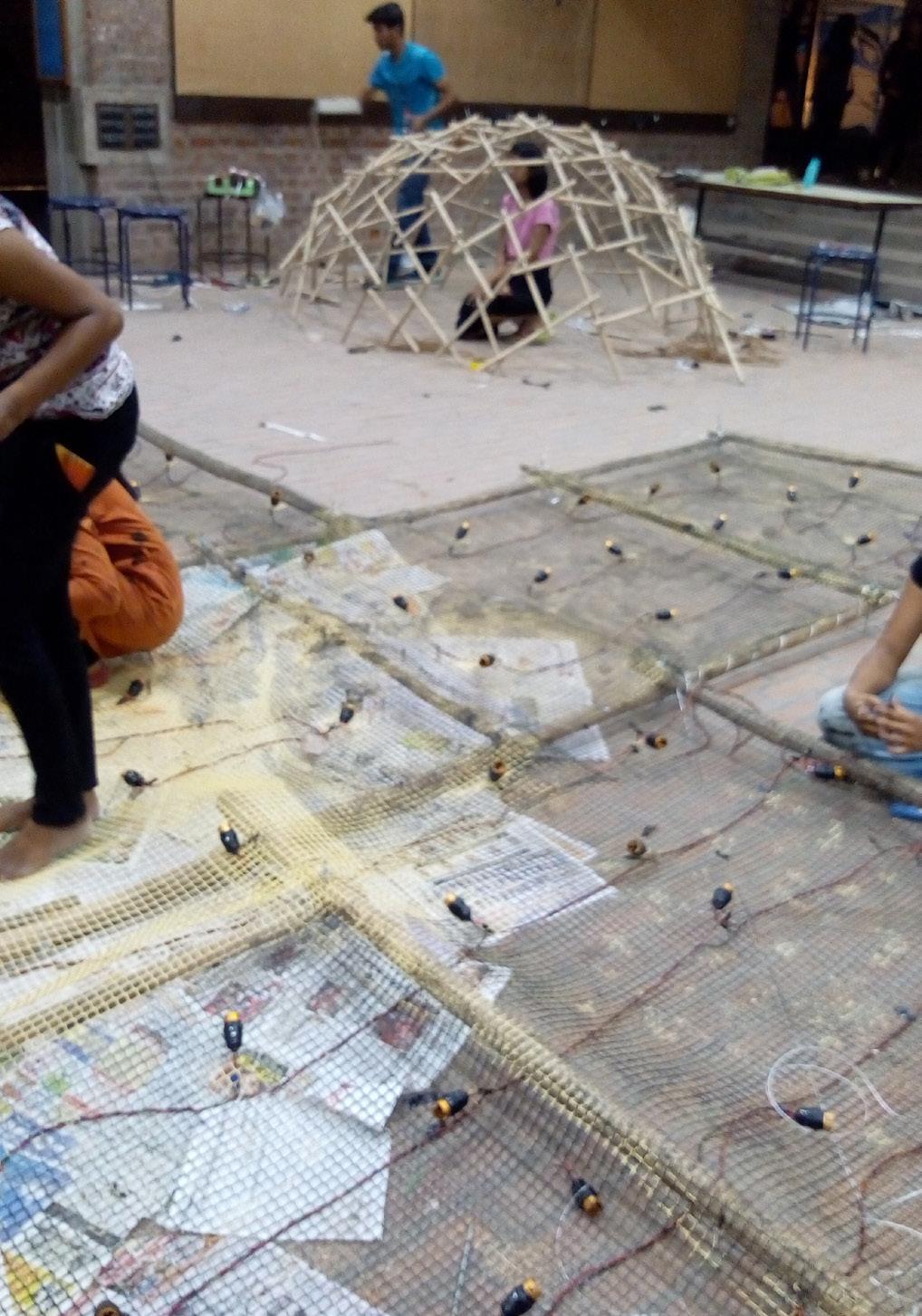
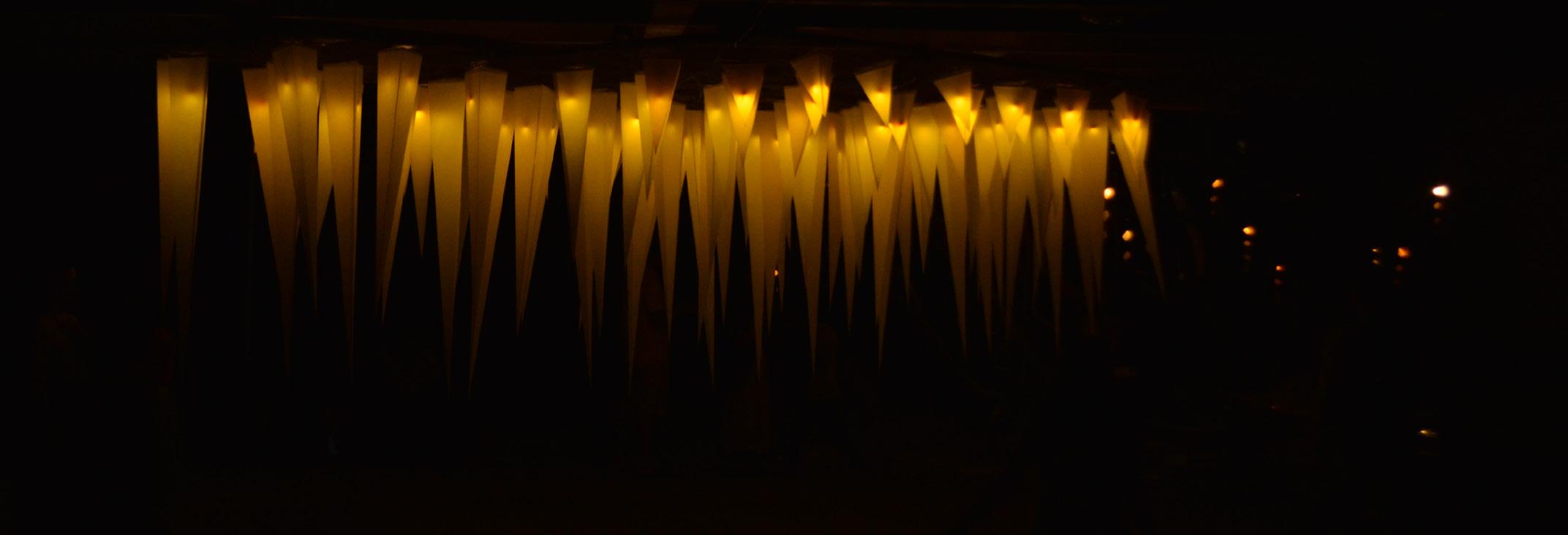
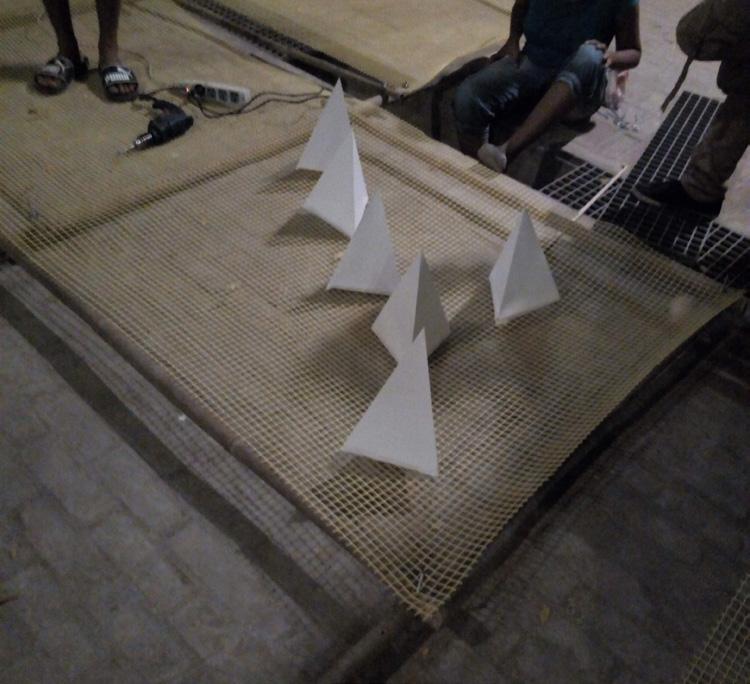
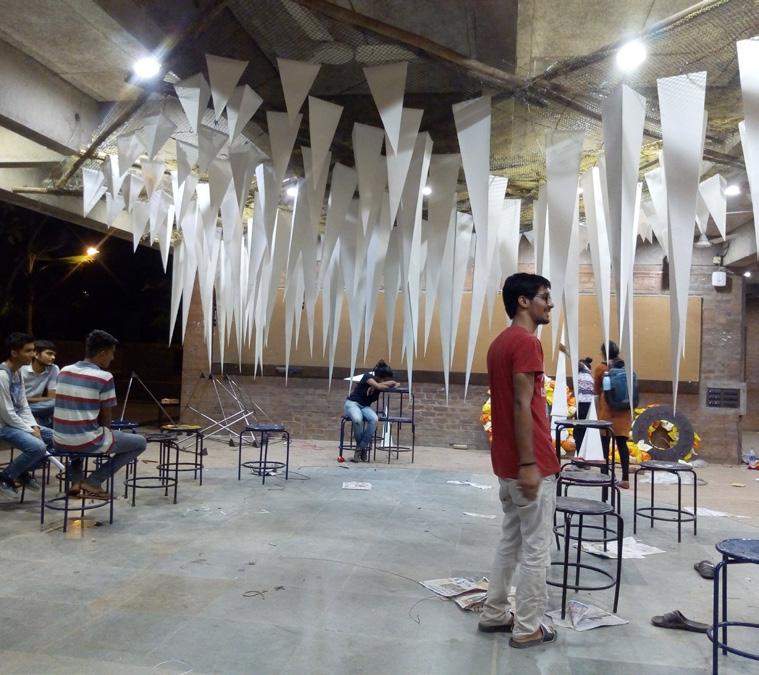
_Stalektites
Light installation designed during navratri celebrations with a volumetric concept.
Model-Making
ACADEMIA
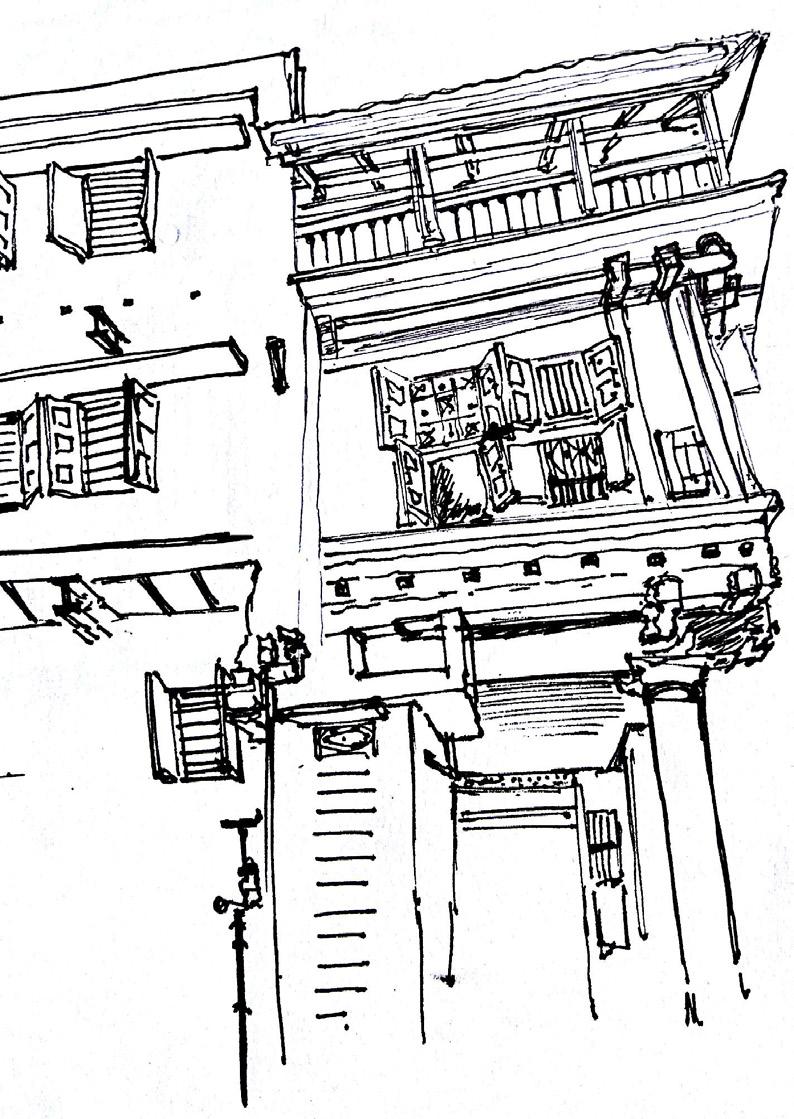
Sketching HOBBIES
Field Work
JuniorArchitect
Location : Jamnagar, Gujarat, India
Year : Spring 2021
Instructor : Dhyey Chag
Design Projects like residential, commercial and mixed-use development
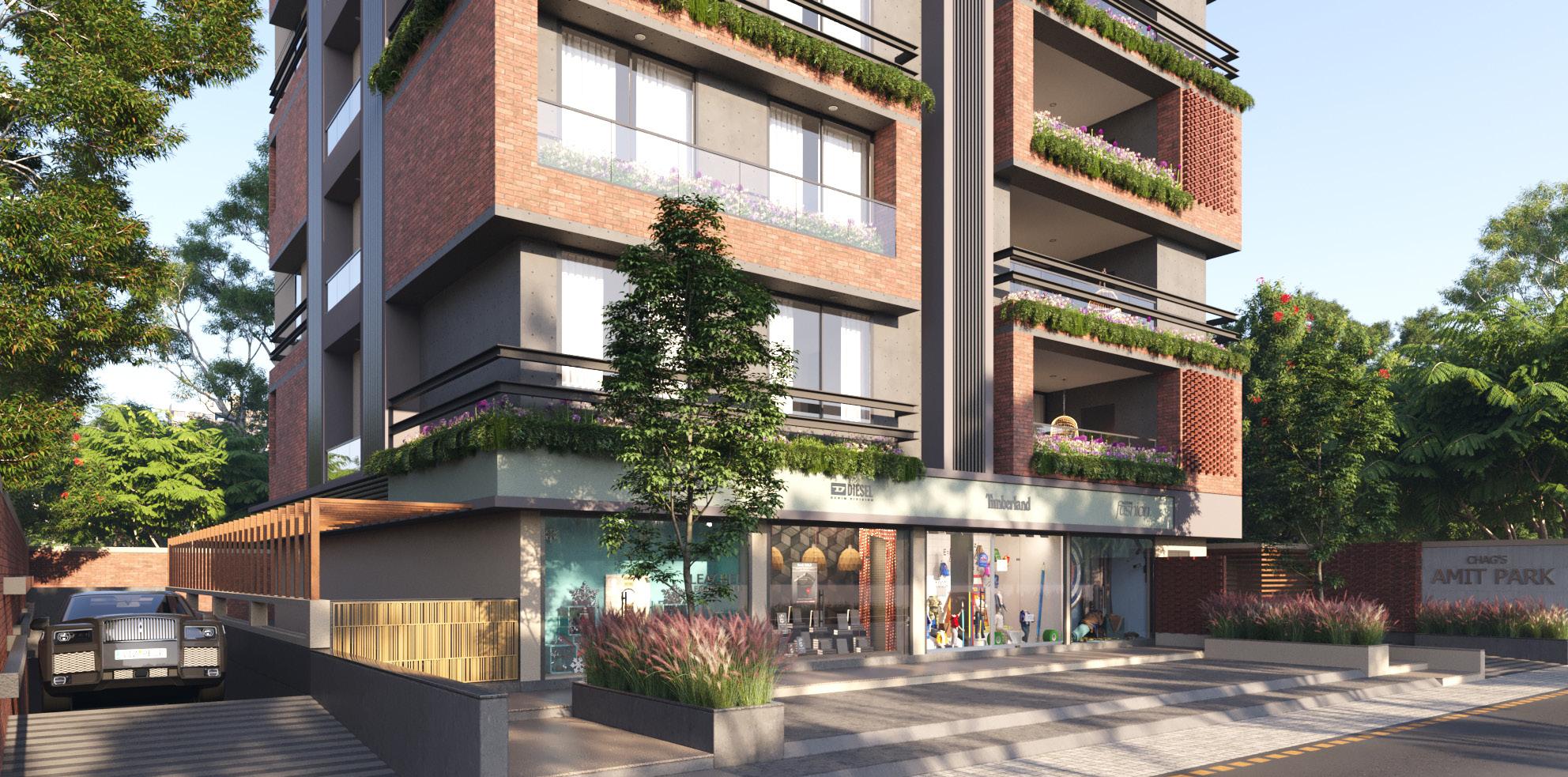
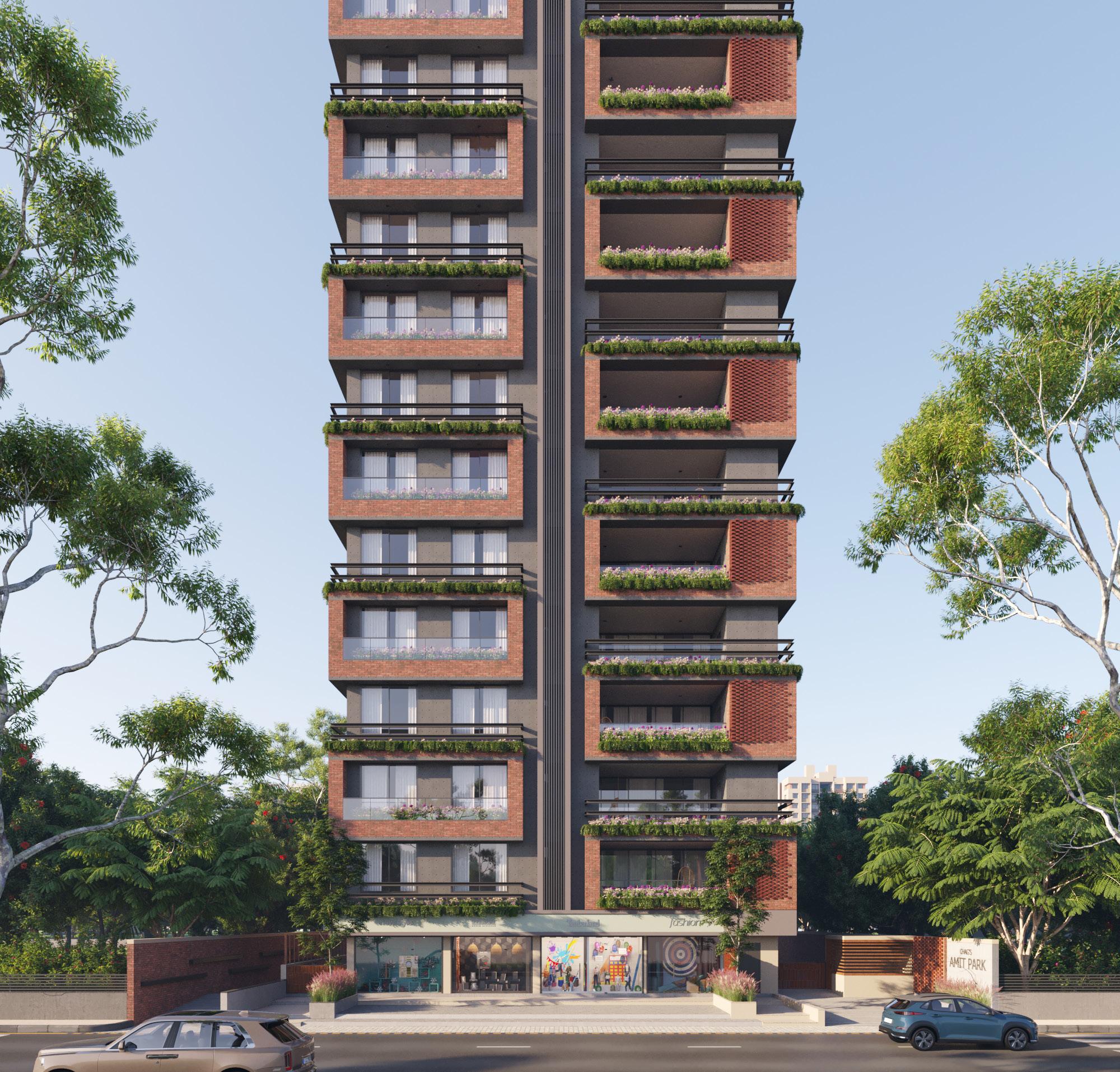
Dhyey Chag Achitects is a young firm based in Ahmedabad and Jamnagar, Gujarat, India. Studio established in 2019 by the principle architect Dhyey Chag. Their ethos is, Good design is an outcome of a strong conept, good detailing and proficient workmanship along with precise on-site execution. Prioritizing and understanding a client’s requirement in accordance to budget and responding it accordingly with an innovative concept is the key.
While my tenure, i have worked on varied scales ranging from residential buildings, Offices, commercial and mixed use developments. Some of the basic duties were in accordance to design development of the project till producing the technical drawings and dealing with clients. Assisting with management of projects and to see whether it gets done on time.
_Render (Resdential Building) Amit Park, Jamnagar Gujarat, India
_Render (Resdential Building)
Amit Park, Jamnagar Gujarat, India
DETAILS-1
STANDARD INSTRUCTIONS:
STANDARD INSTRUCTIONS:
ANY DISCREPANCY IN THE DRAWINGS AND ON SITE SHOULD BE BROUGHT TO THE NOTICE OF THE ARCHITECTS PRIOR TO EXECUTION.
ANY DISCREPANCY IN THE SHOULD BE BROUGHT TO ARCHITECTS PRIOR TO EXECUTION.
ALL DIMENSIONS / MEASUREMENTS SHOULD BE READ AND NOT MEASURED.
ALL DIMENSIONS / MEASUREMENTS AND NOT MEASURED.
ONLY LATEST DRAWINGS TO BE REFERRED, SUPERCEDED DRAWINGS NOT TO BE KEPT ON SITE
ONLY LATEST DRAWINGS SUPERCEDED DRAWINGS NOT
REFER STRUCTURAL DRAWINGS FOR ALL STRUCTURAL MEMBER SIZES, THEIR PLACEMENTS SHALL BE AS PER ARCHITECTURAL DRAWINGS.
REFER STRUCTURAL DRAWINGS MEMBER SIZES, THEIR PLACEMENTS ARCHITECTURAL DRAWINGS.
DRAWINGS ARE CROSS REFERENCED AND ARE TO BE READ IN CONJUNCTION WITH OTHER DRAWINGS AS INDICATED.
DRAWINGS ARE CROSS REFERENCED READ IN CONJUNCTION WITH INDICATED.
THIS DRAWING IS THE SOLE PROPERTY OF DHYEY CHAG ARCHITECTS AND MAY NOT BE COPIED IN PART OR IN WHOLE WITHOUT THE PERMISSION OF THE ARCHITECTS.
THIS DRAWING IS THE SOLE PROPERTY DHYEY CHAG ARCHITECTS AND PART OR IN WHOLE WITHOUT ARCHITECTS.
DRAWINGS ARE CROSS REFERENCED AND ARE TO BE READ IN CONJUNCTION WITH OTHER DRAWINGS ALONG WITH RELEVANT CONSULTANT DRAWINGS AS INDICATED.
NOTES:
DRAWINGS ARE CROSS REFERENCED READ IN CONJUNCTION WITH WITH RELEVANT CONSULTANT