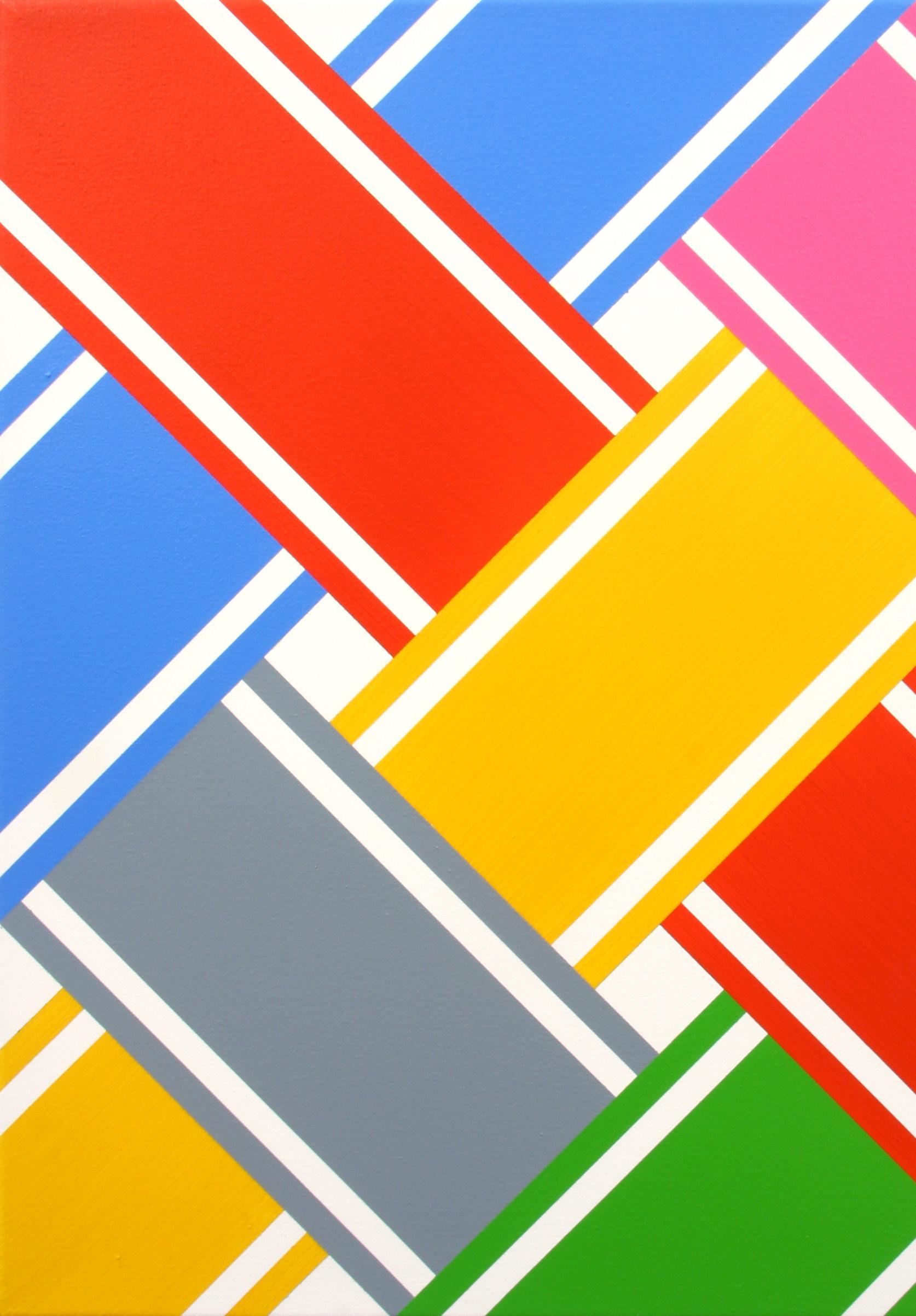
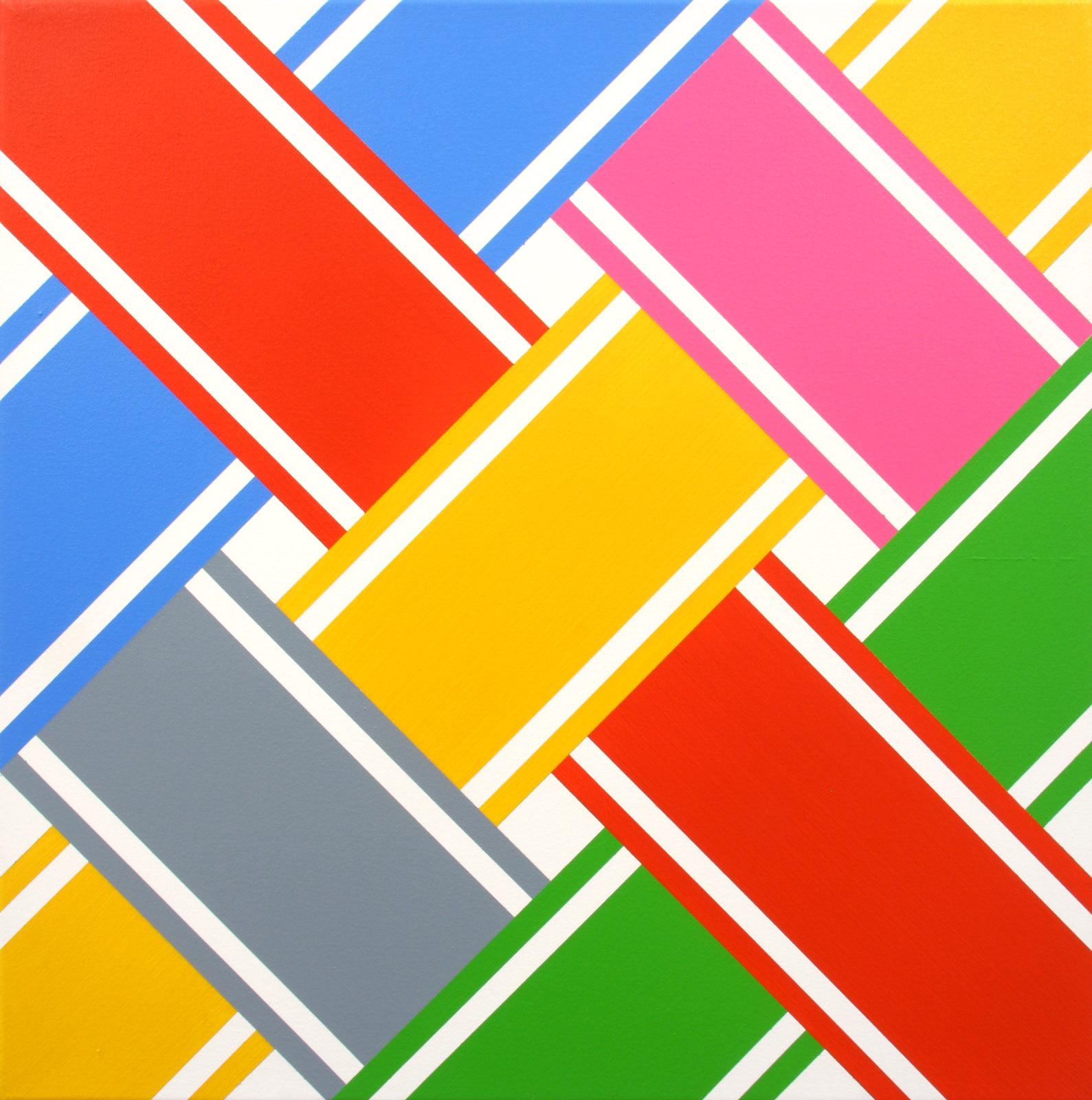
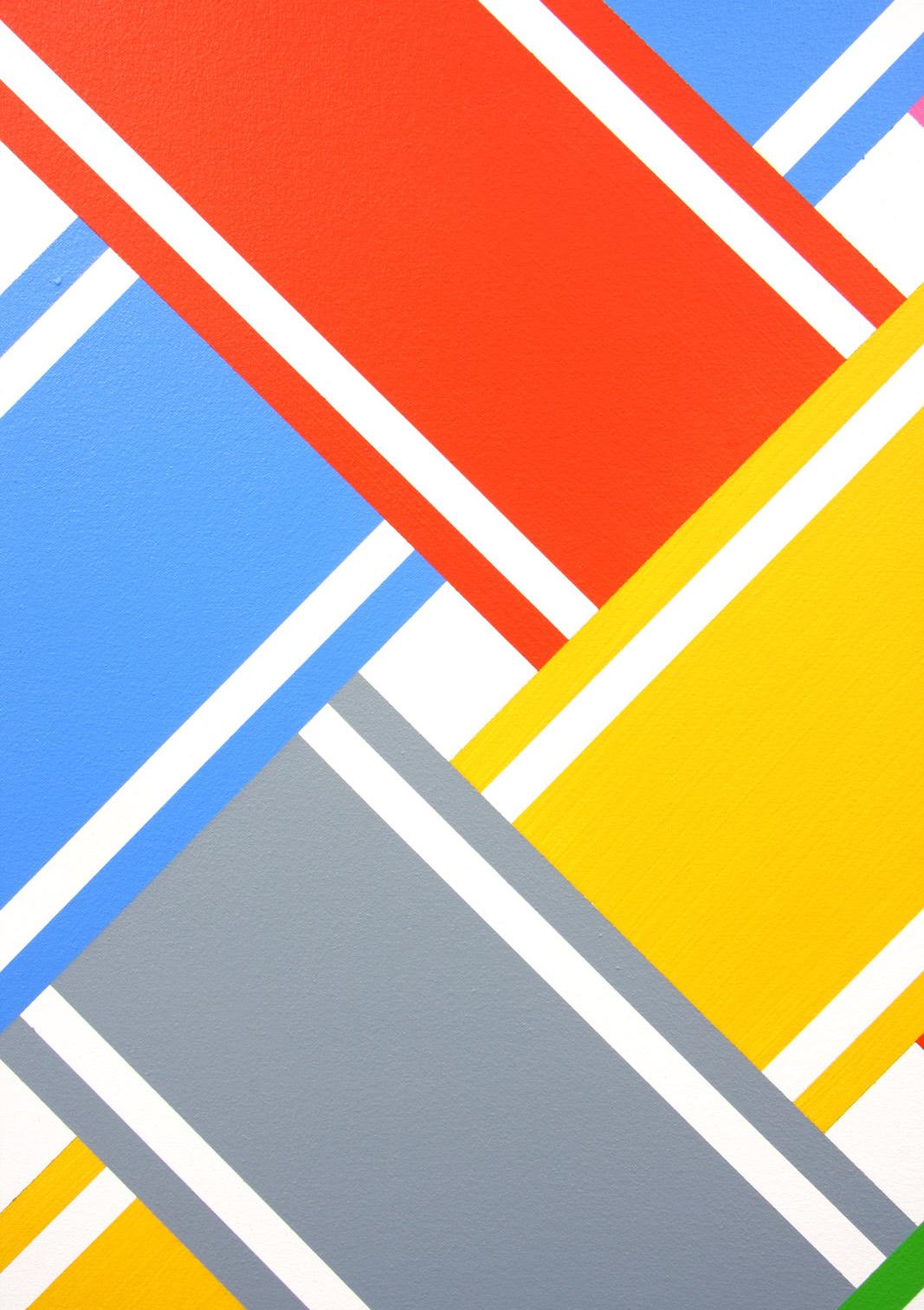
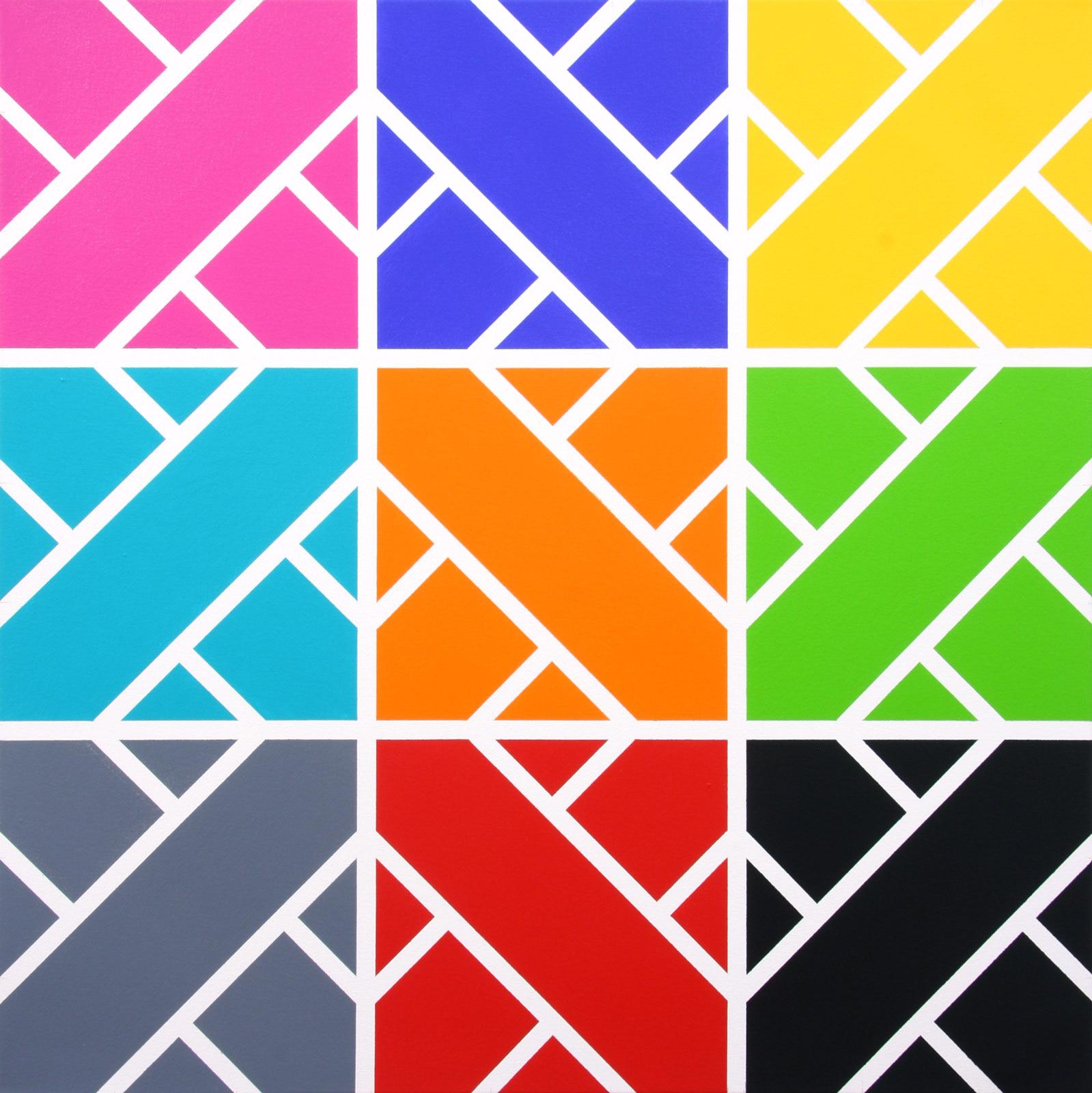
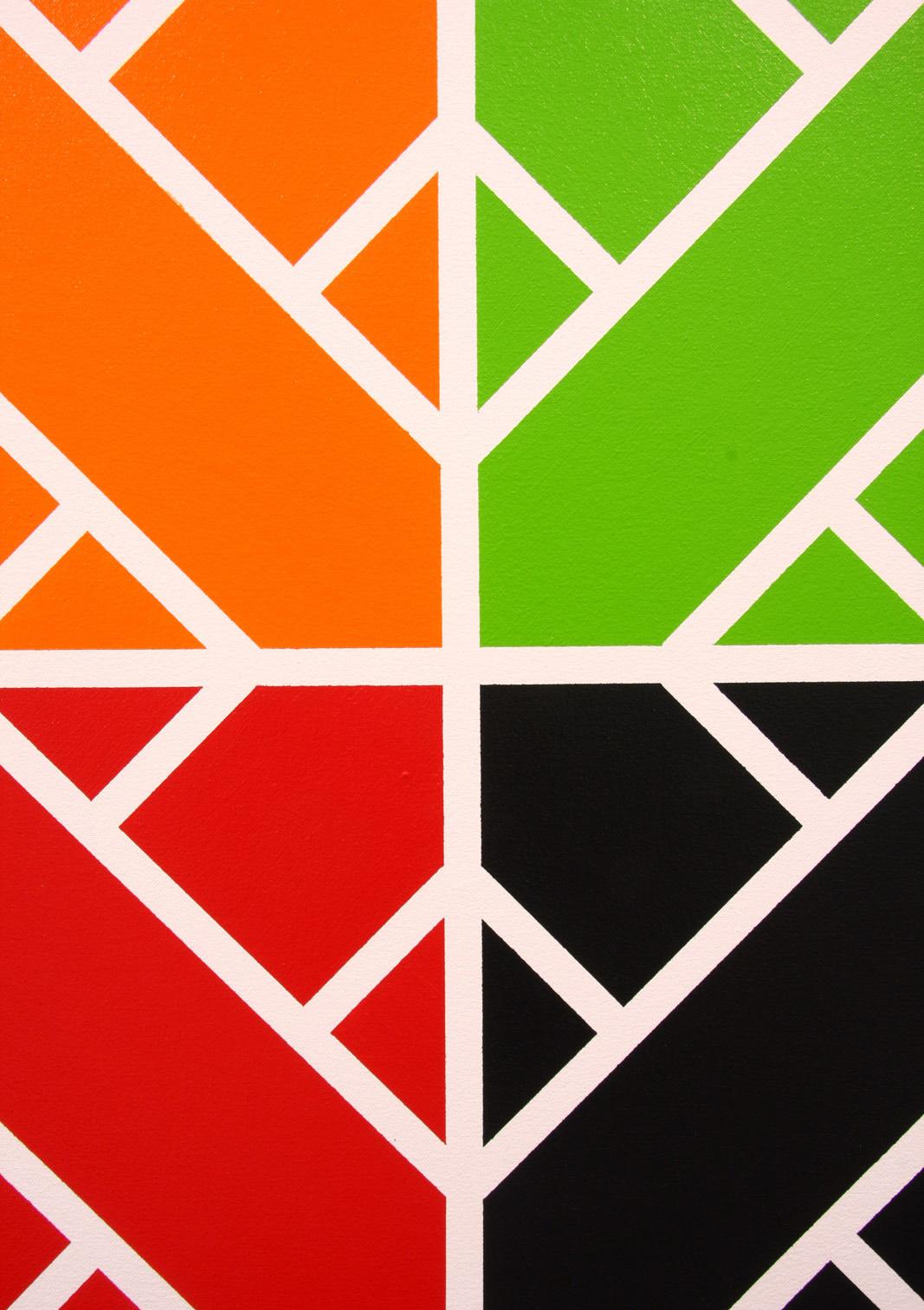
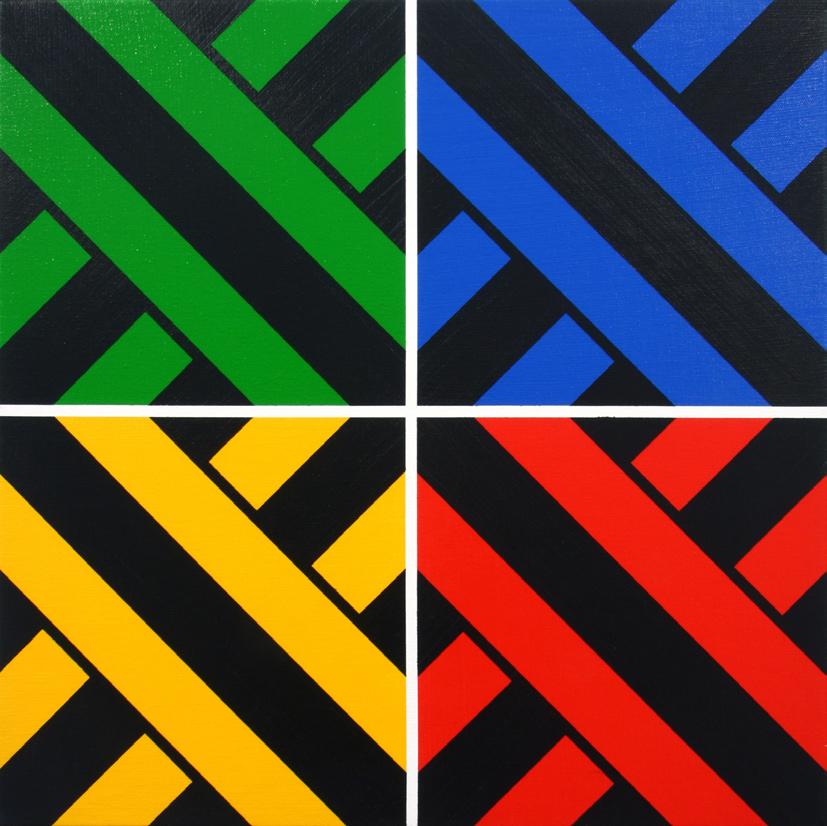
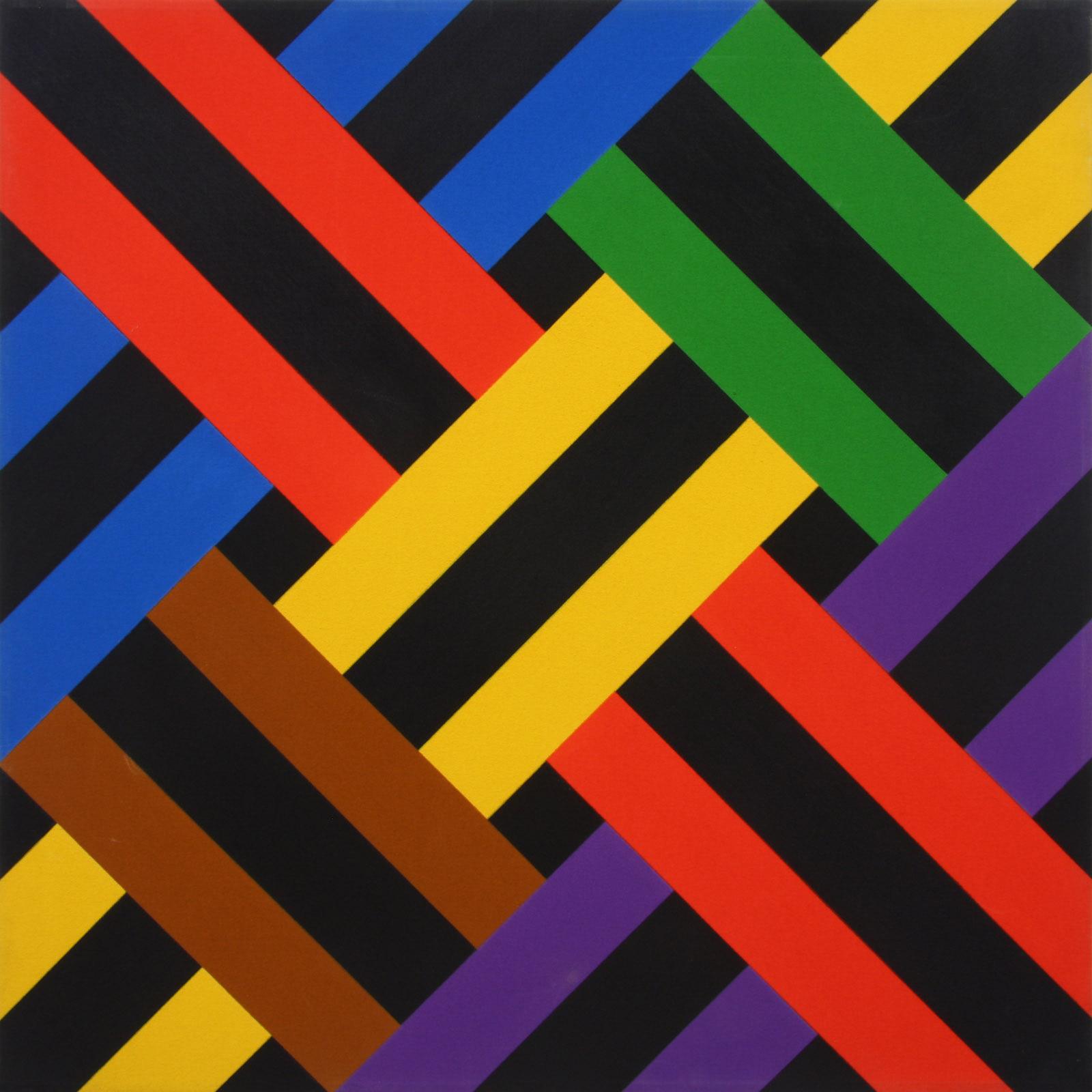
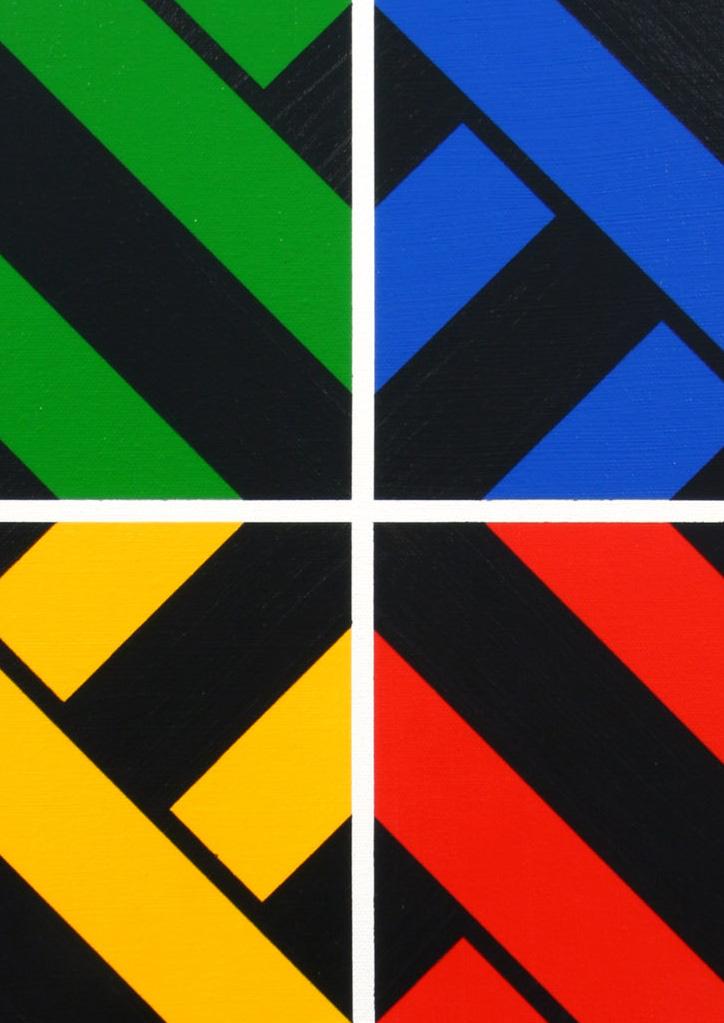
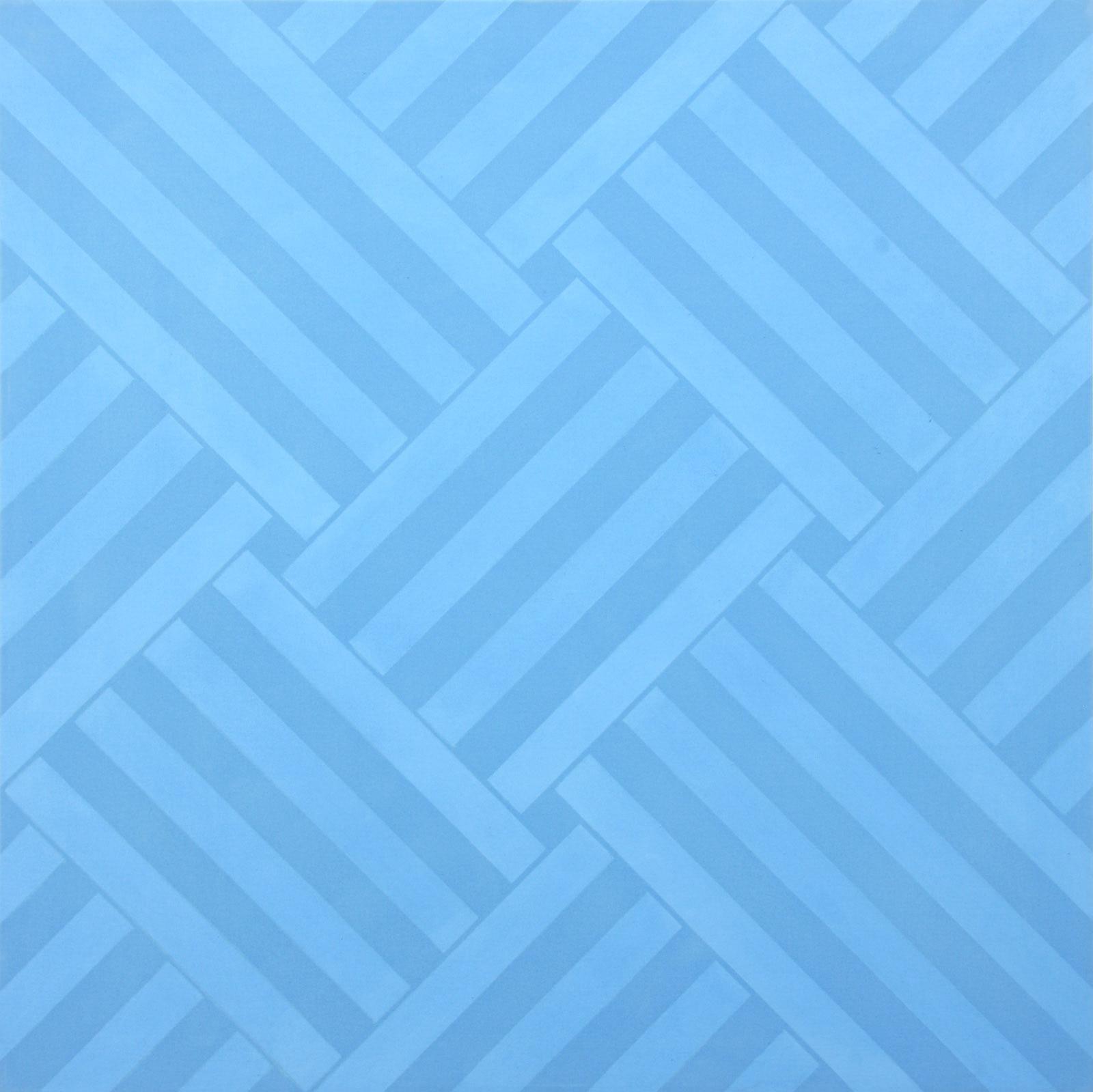
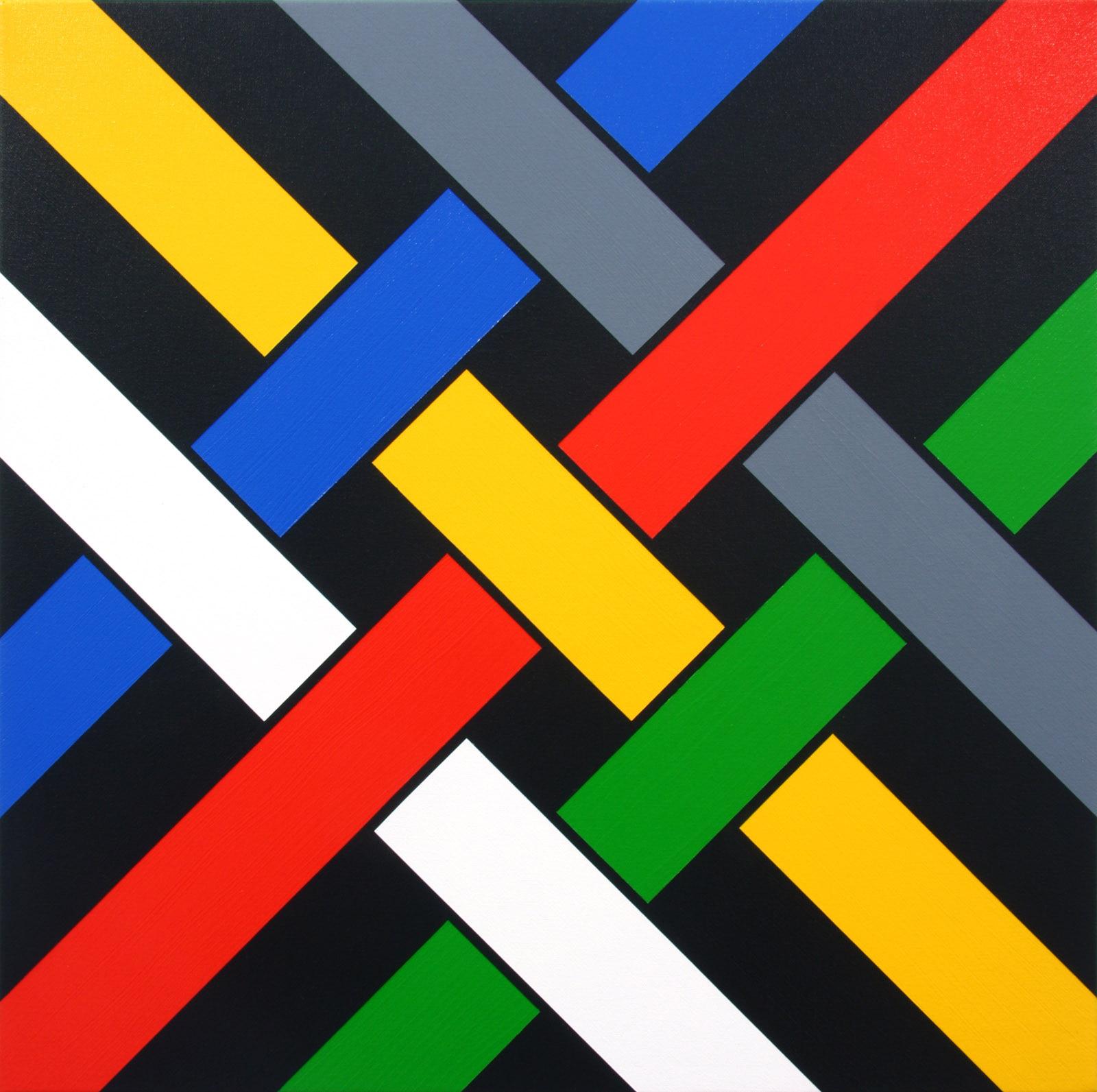
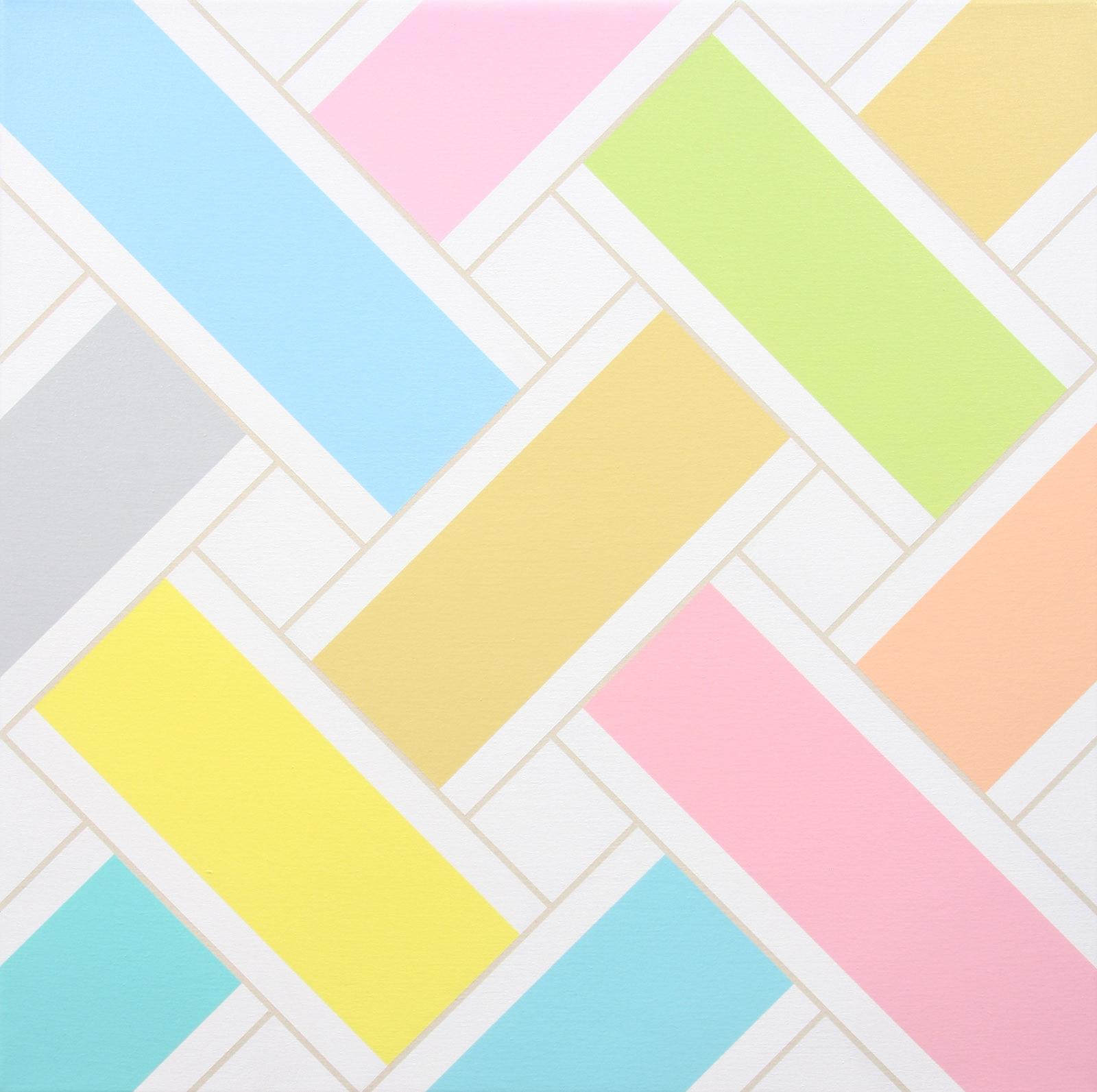
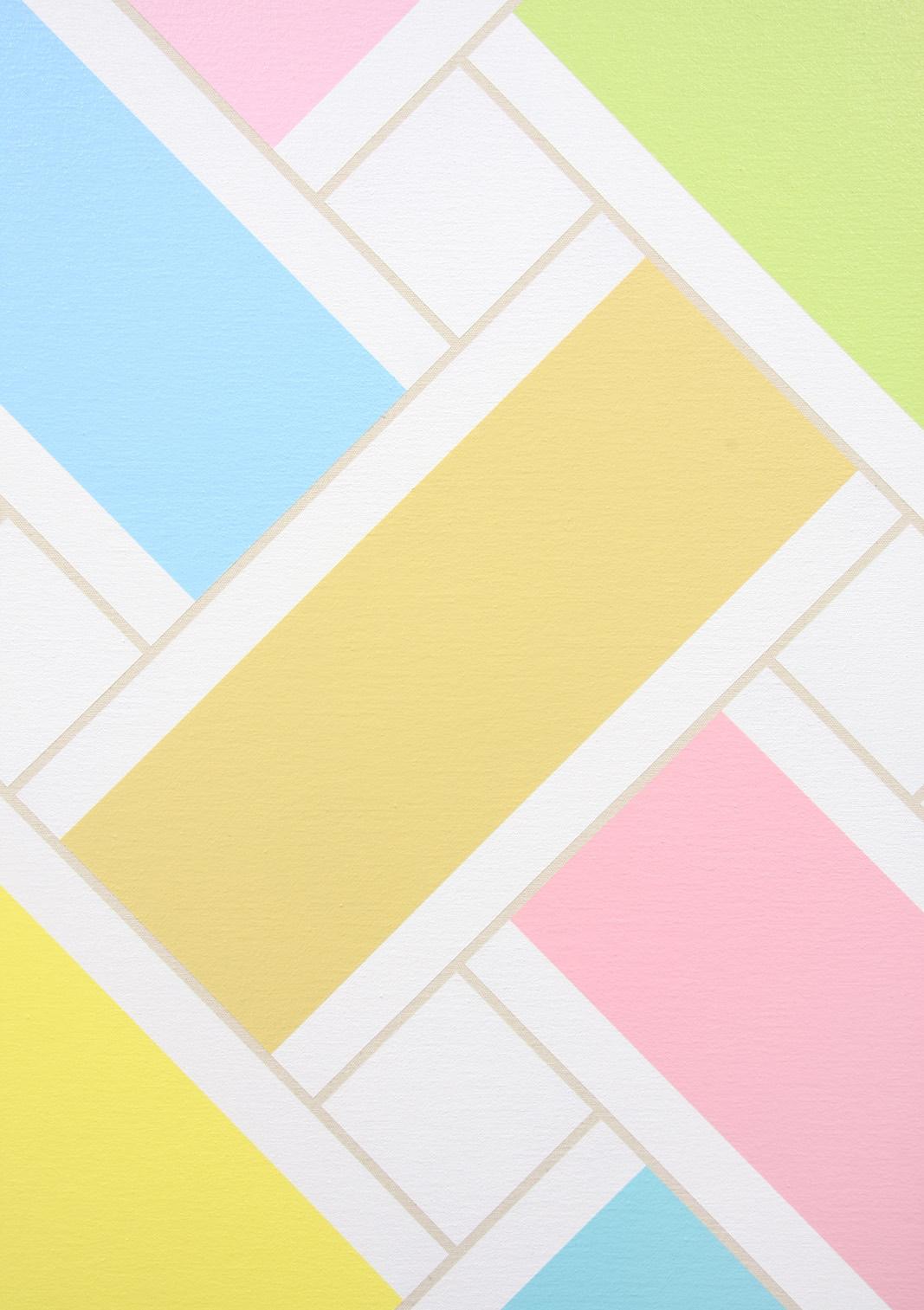
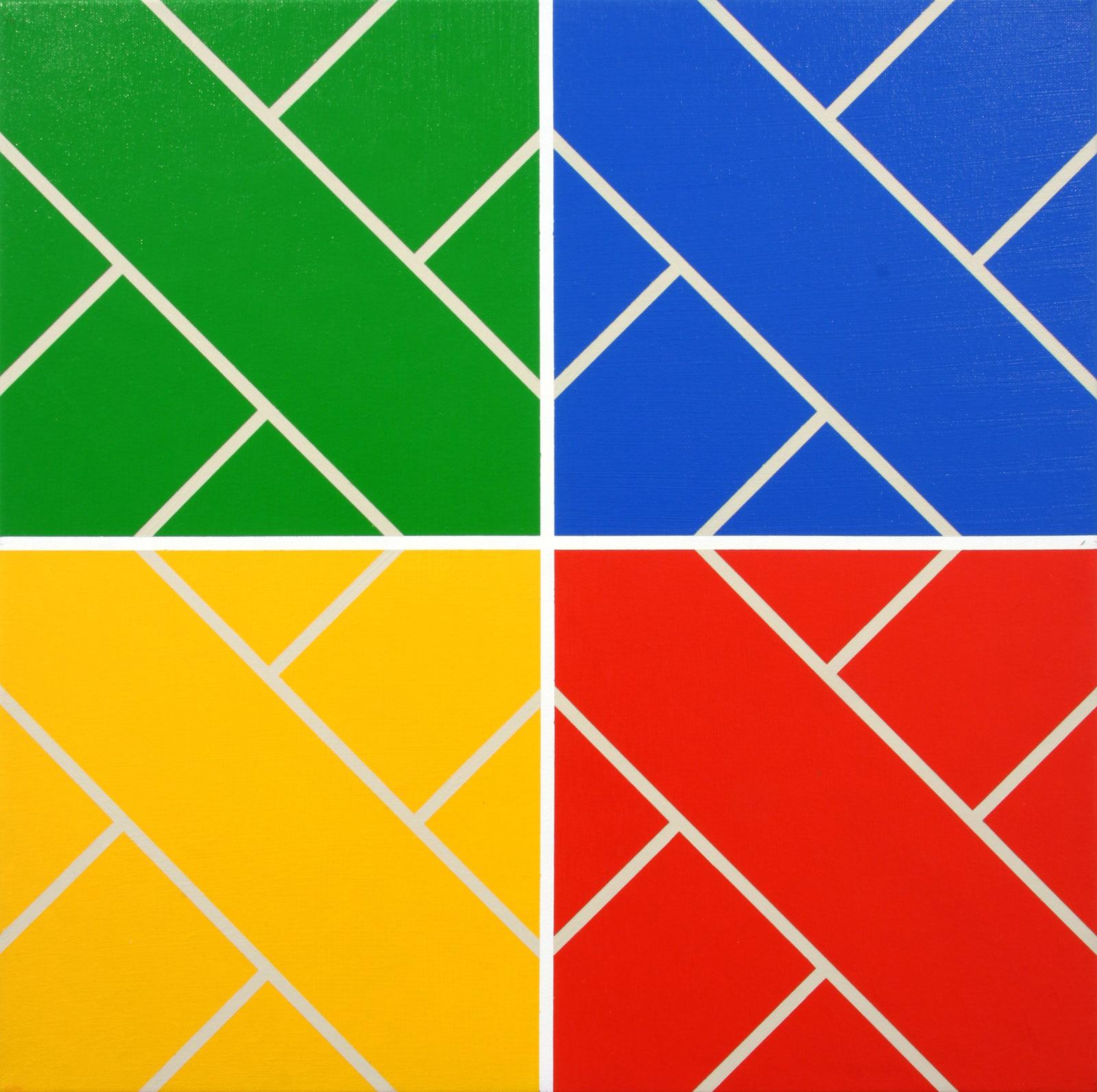
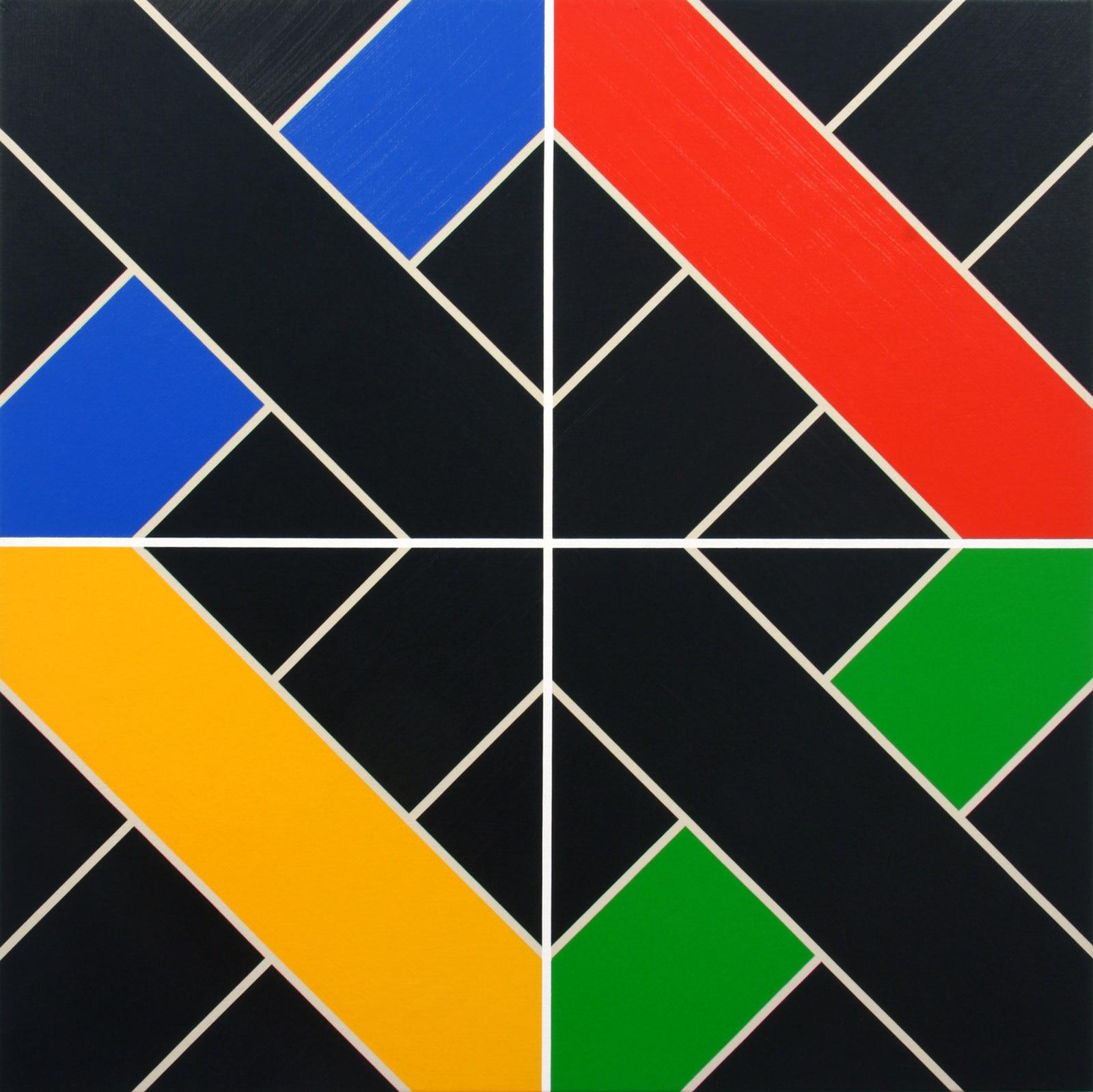
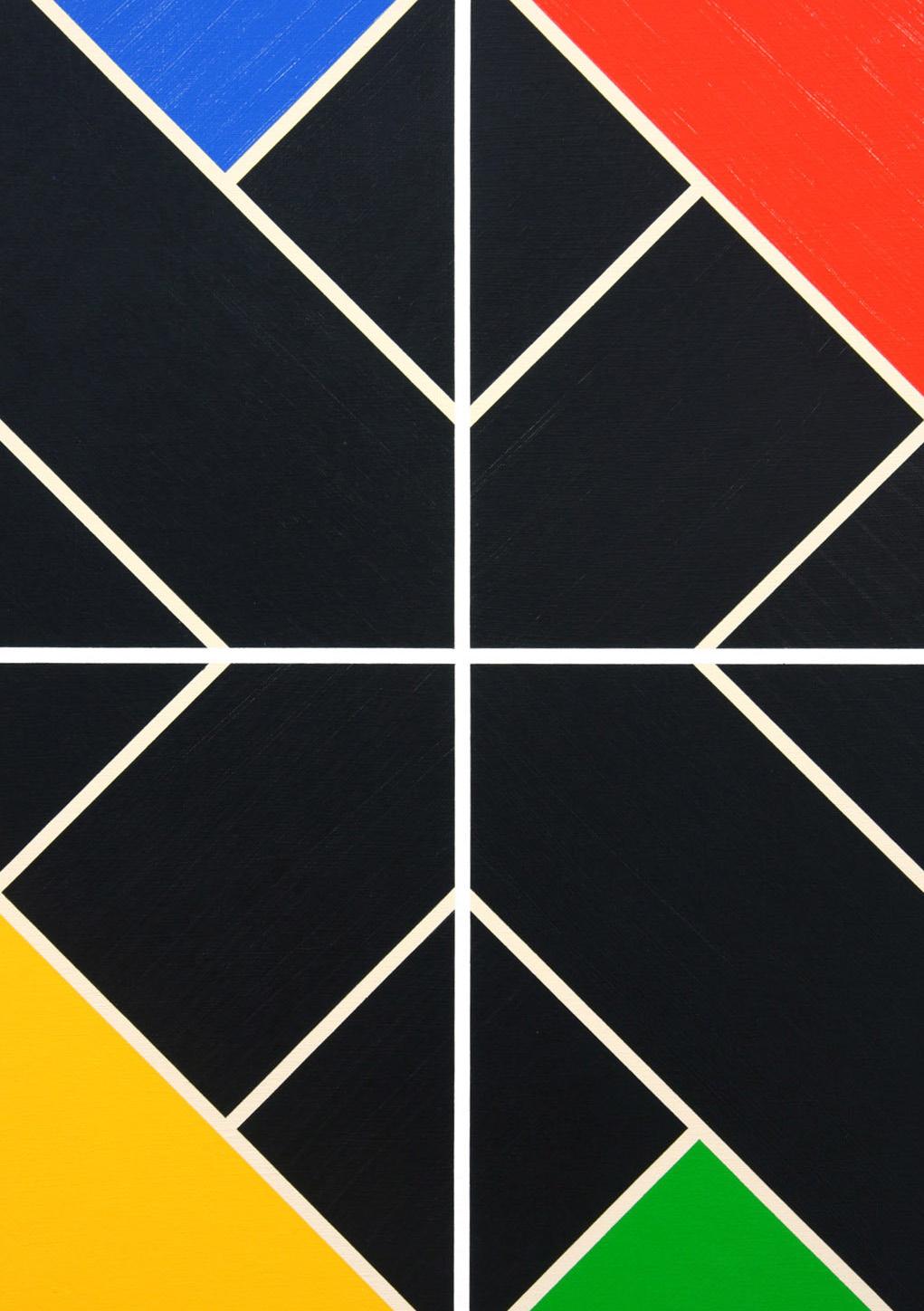
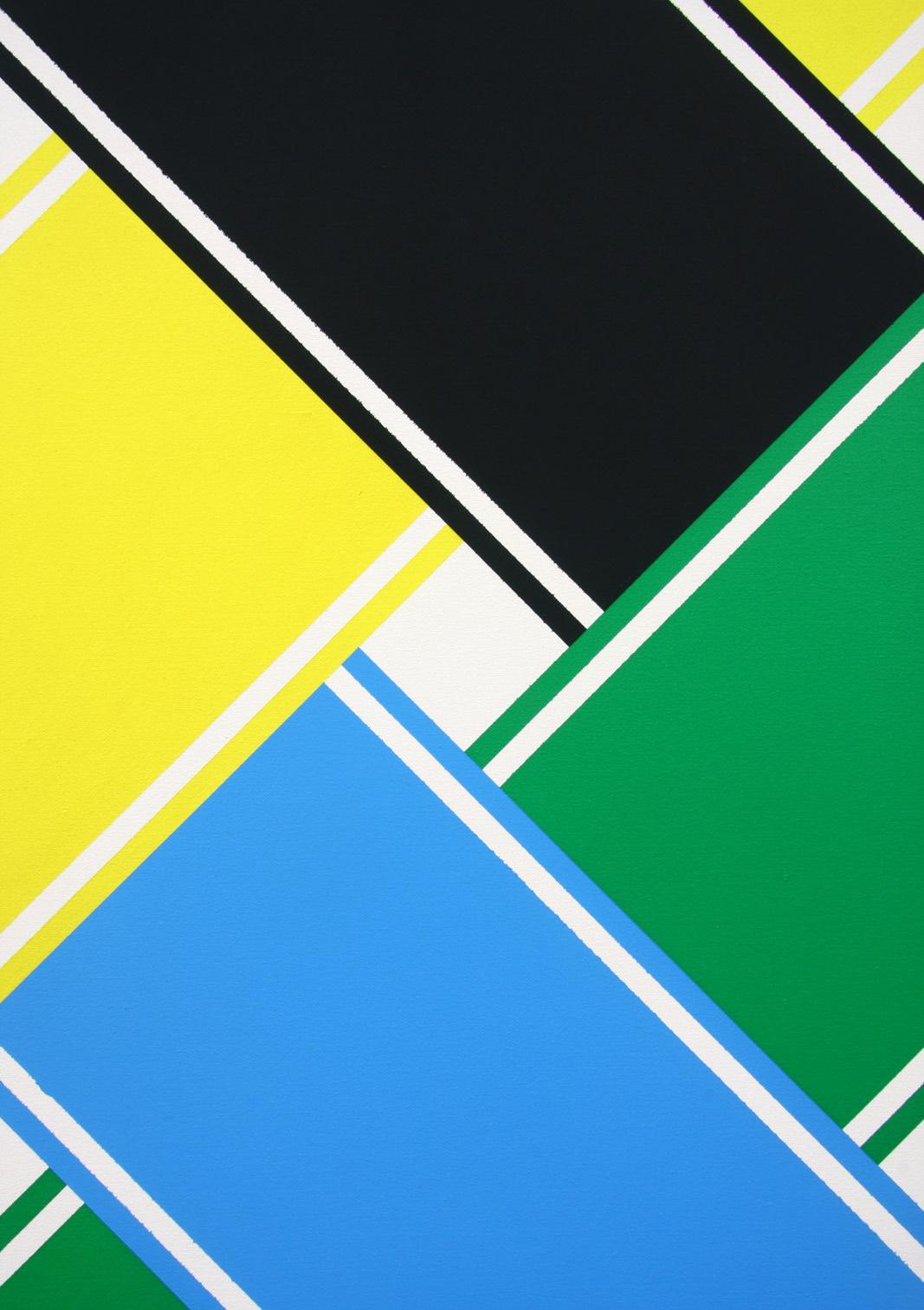
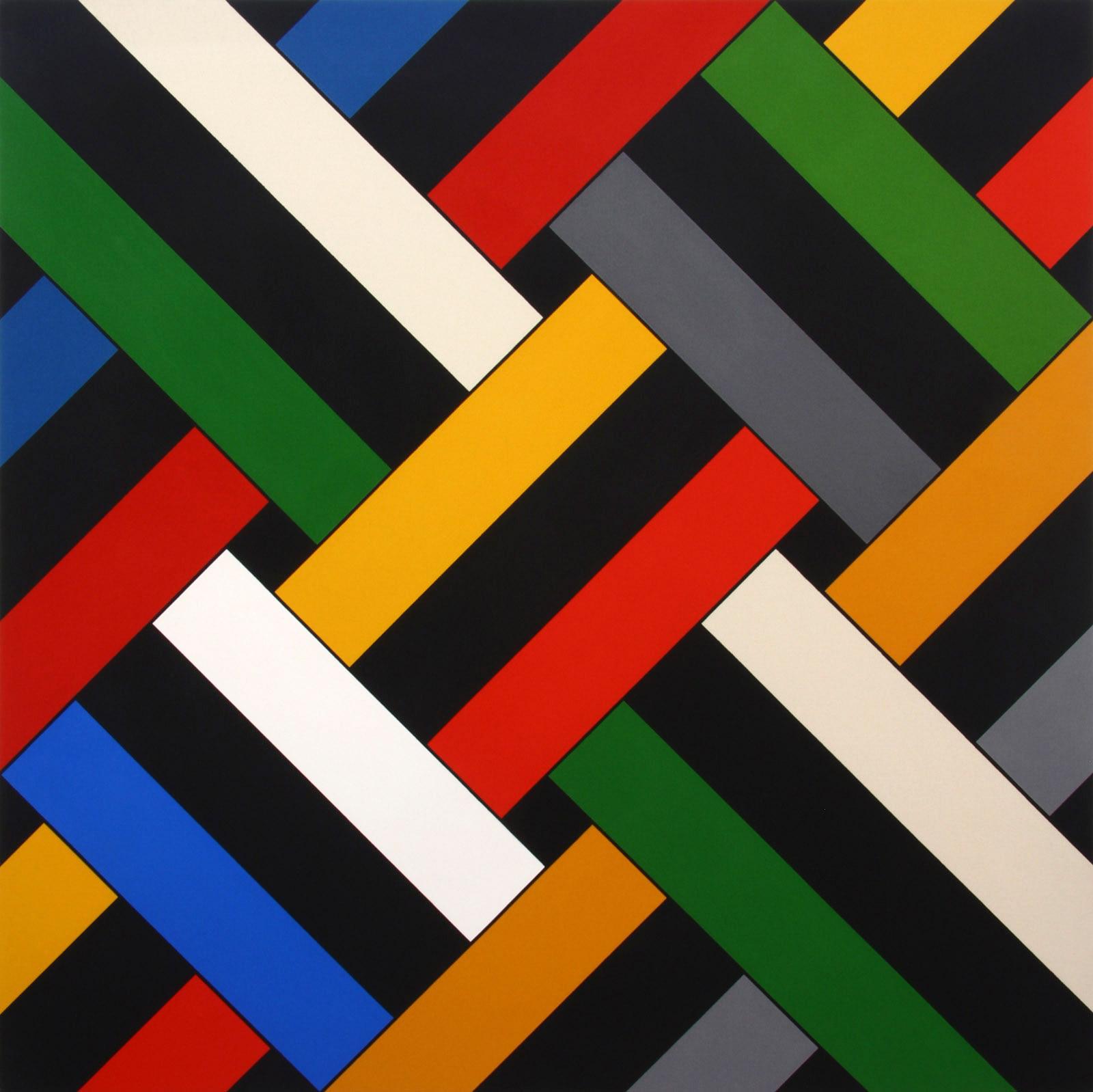
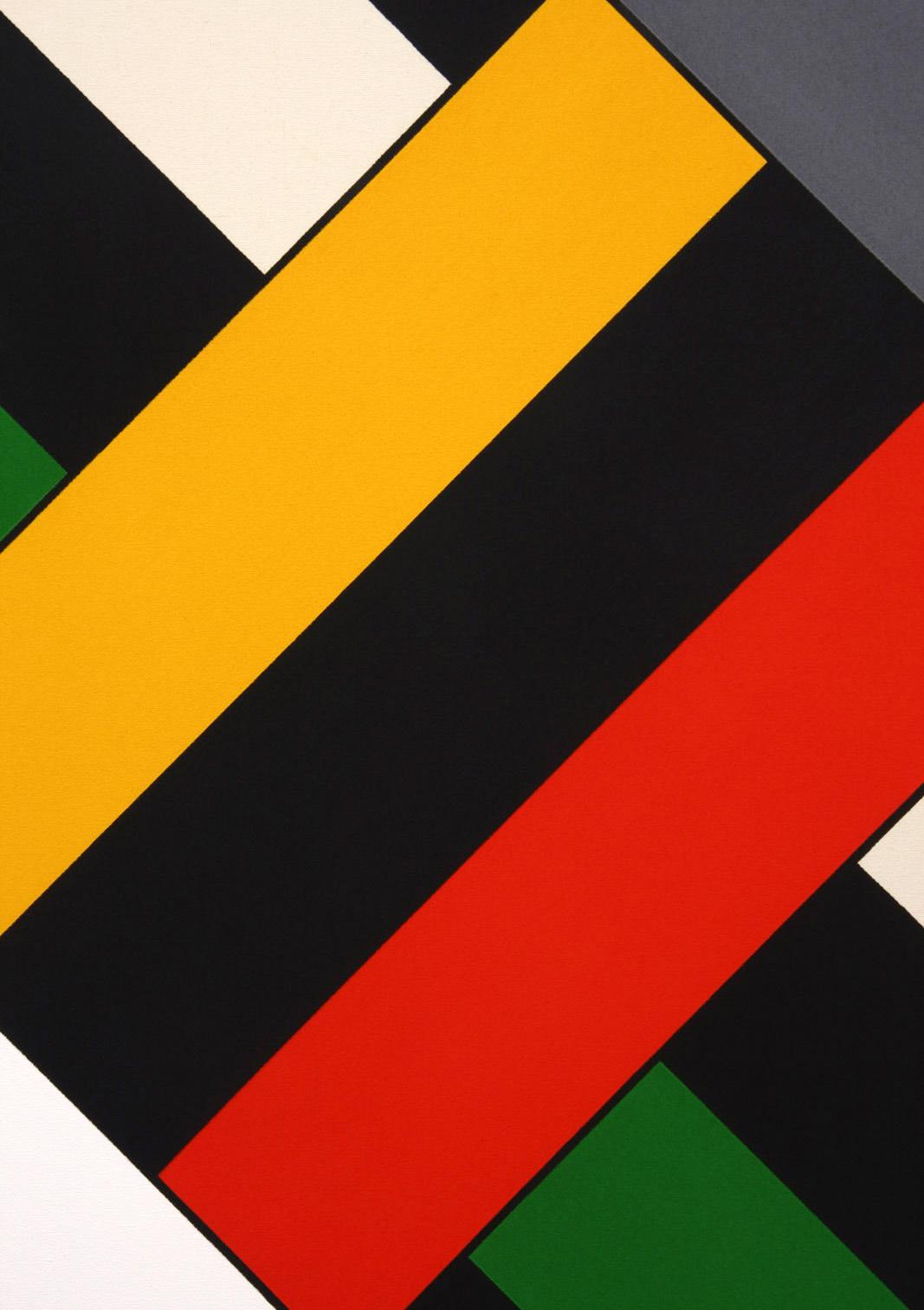
Small Lattice No. 226 (1990)
acrylic on canvas, stretcher: 815 x 815 x 35 mm
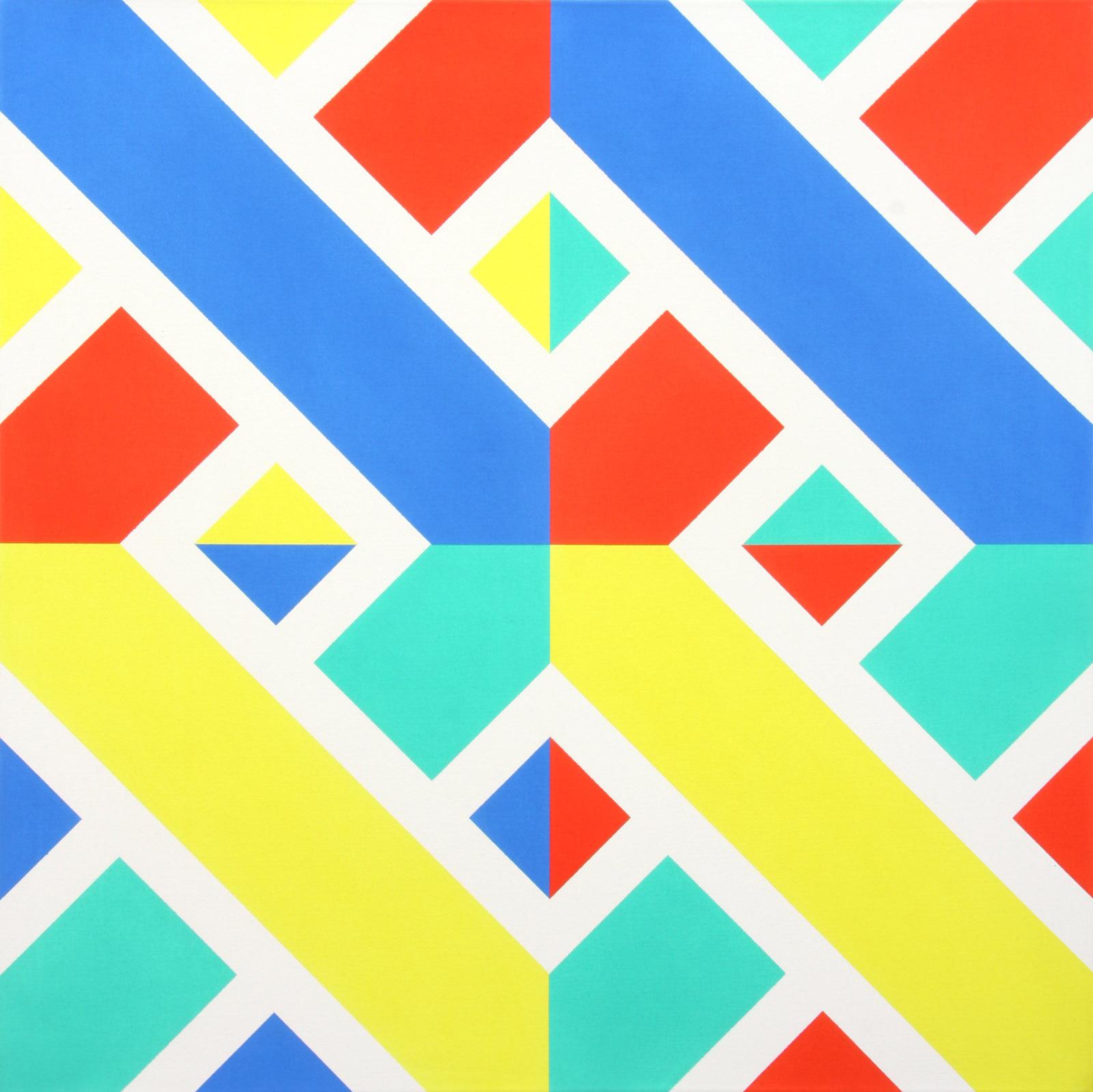
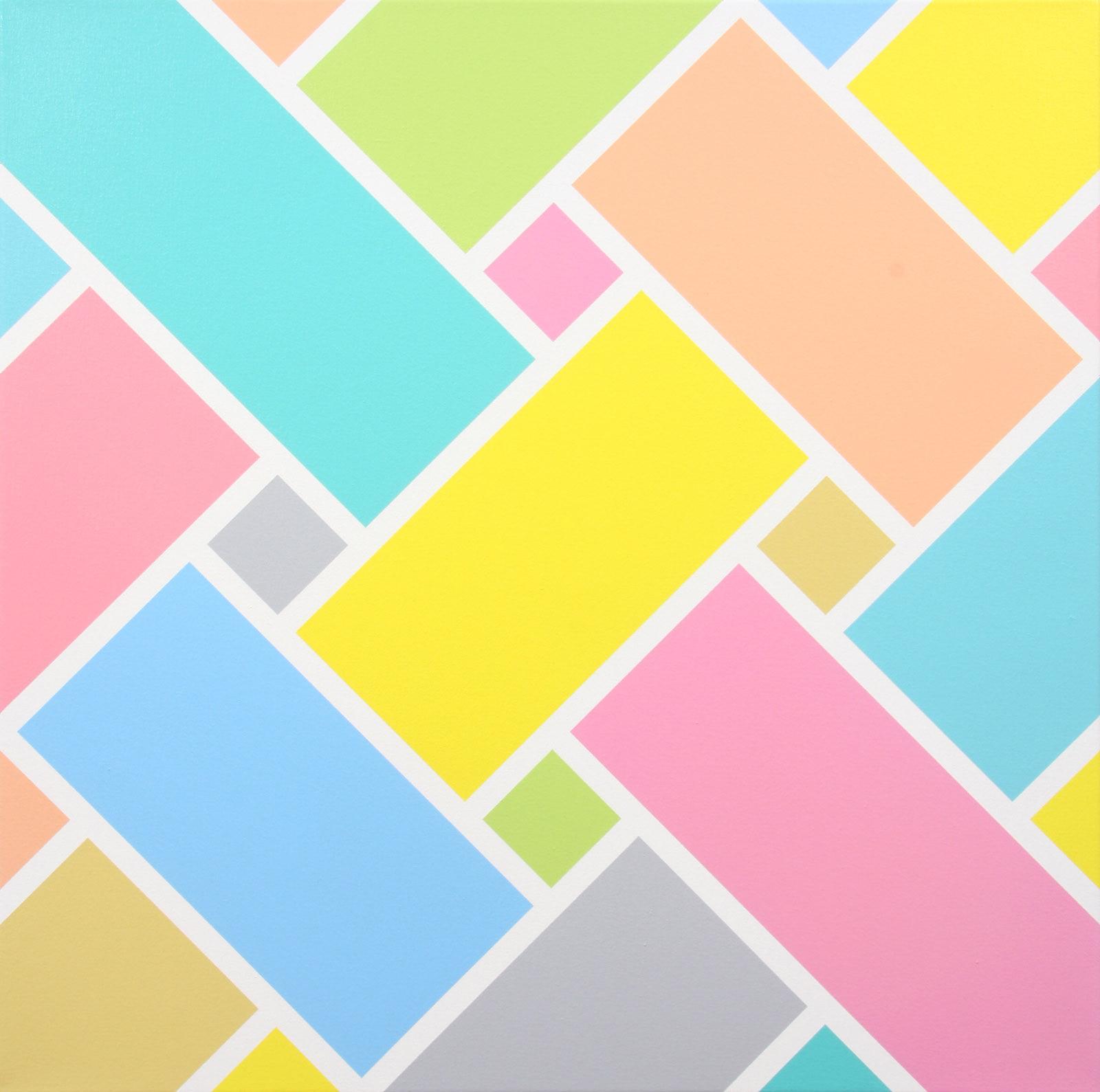
Lattice No. 172 (2005)
acrylic on canvas, stretcher: 1066 x 1066 x 35 mm
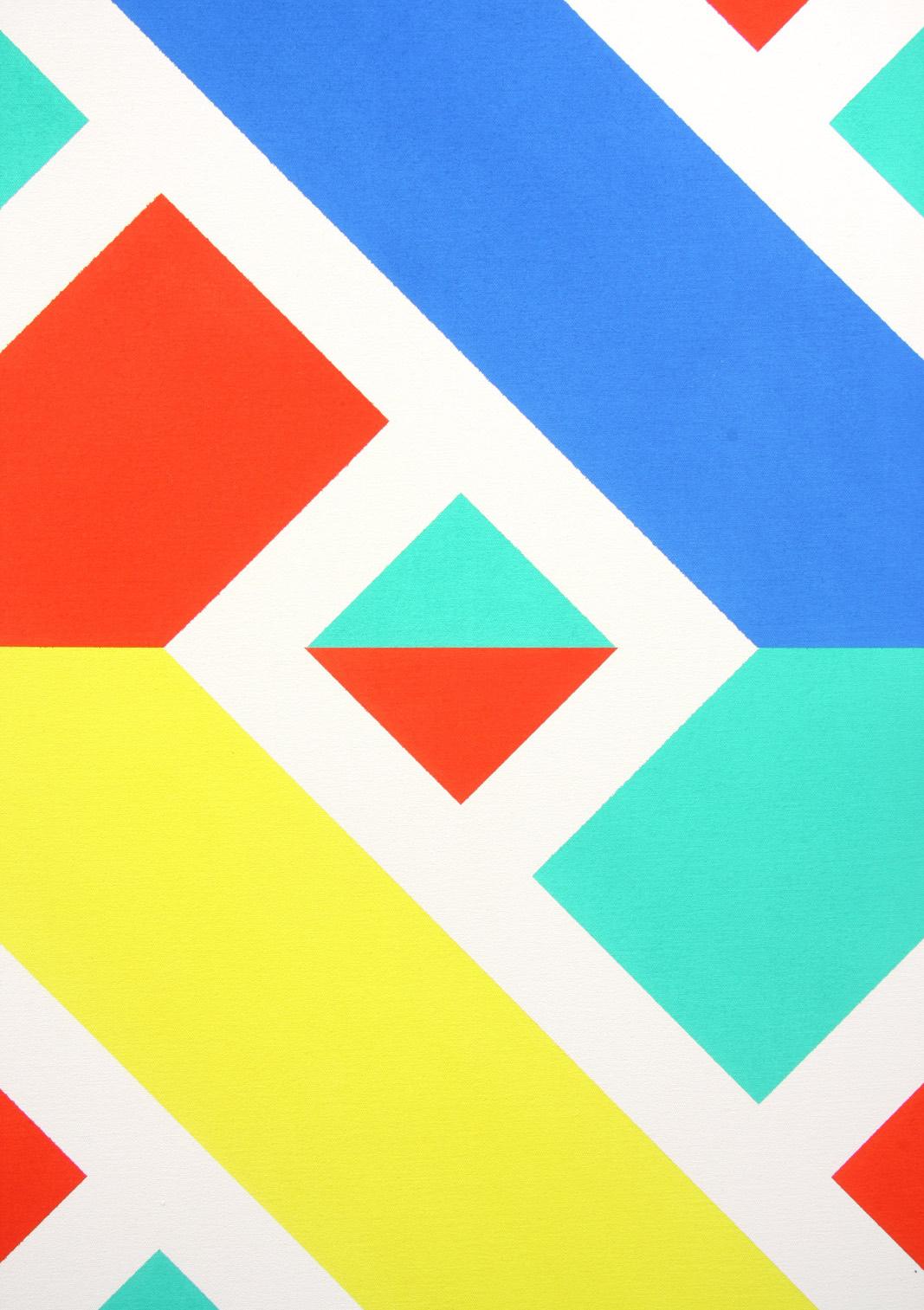
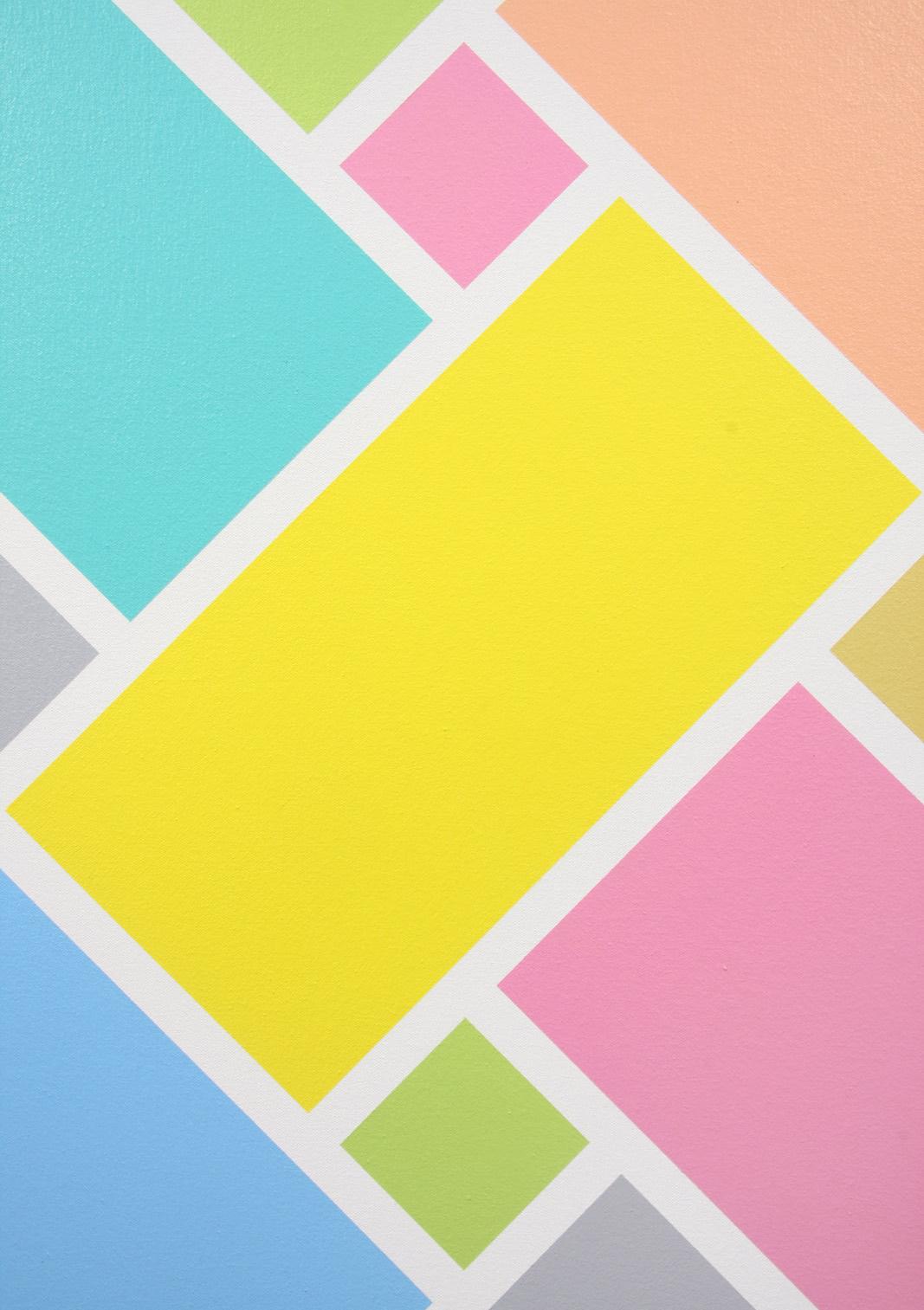
Small Lattice No. 334 (2008)
acrylic on canvas, stretcher: 455 x 455 x 32 mm
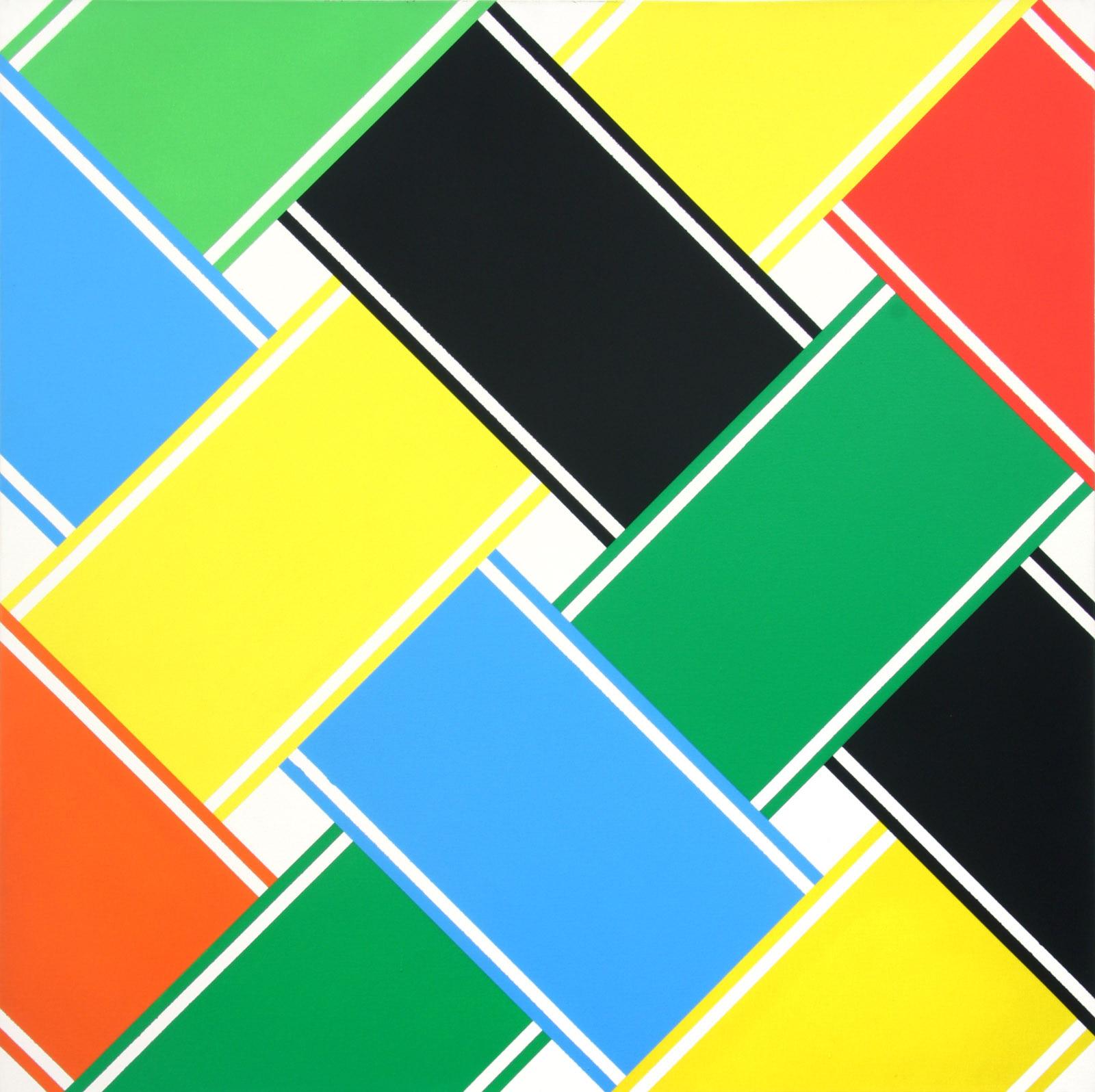
Lattice No. 62 (1979)
acrylic on canvas, stretcher: 1145 x 1145 x 39 mm
Lattice No. 105A (1983) acrylic on canvas, stretcher: 1022 x 1022 x 41 mm
Lattice No. 33 (1978)
acrylic on canvas, stretcher: 1017 x 1017 x 35 mm
Small Lattice No. 290 (2007)
acrylic on canvas, stretcher: 608 x 608 x 32 mm
8
Small Lattice No. 284 (2007)
acrylic on canvas, stretcher: 608 x 608 x 32 mm
Lattice No. 66A (1979) acrylic on canvas, stretcher: 1144 x 1144 x 40 mm
Lattice No. 164 (1989)
acrylic on canvas, stretcher: 1070 x 1070 x 36 mm
Small Lattice No. 333 (2008)
acrylic on canvas, stretcher: 505 x 505 x 32 mm
Small Lattice No. 350 (2008)
acrylic on canvas, stretcher: 760 x 760 x 33 mm
Lattice No. 161 (1987)
acrylic on canvas, stretcher: 1070 x 1070 x 36 mm
Lattice No. 40 (1978)
acrylic on canvas, stretcher: 1013 x 1017 x 33 mm
Lattice No. 132 (1986)
acrylic on canvas, stretcher: 1830 x 1830 x 32 mm
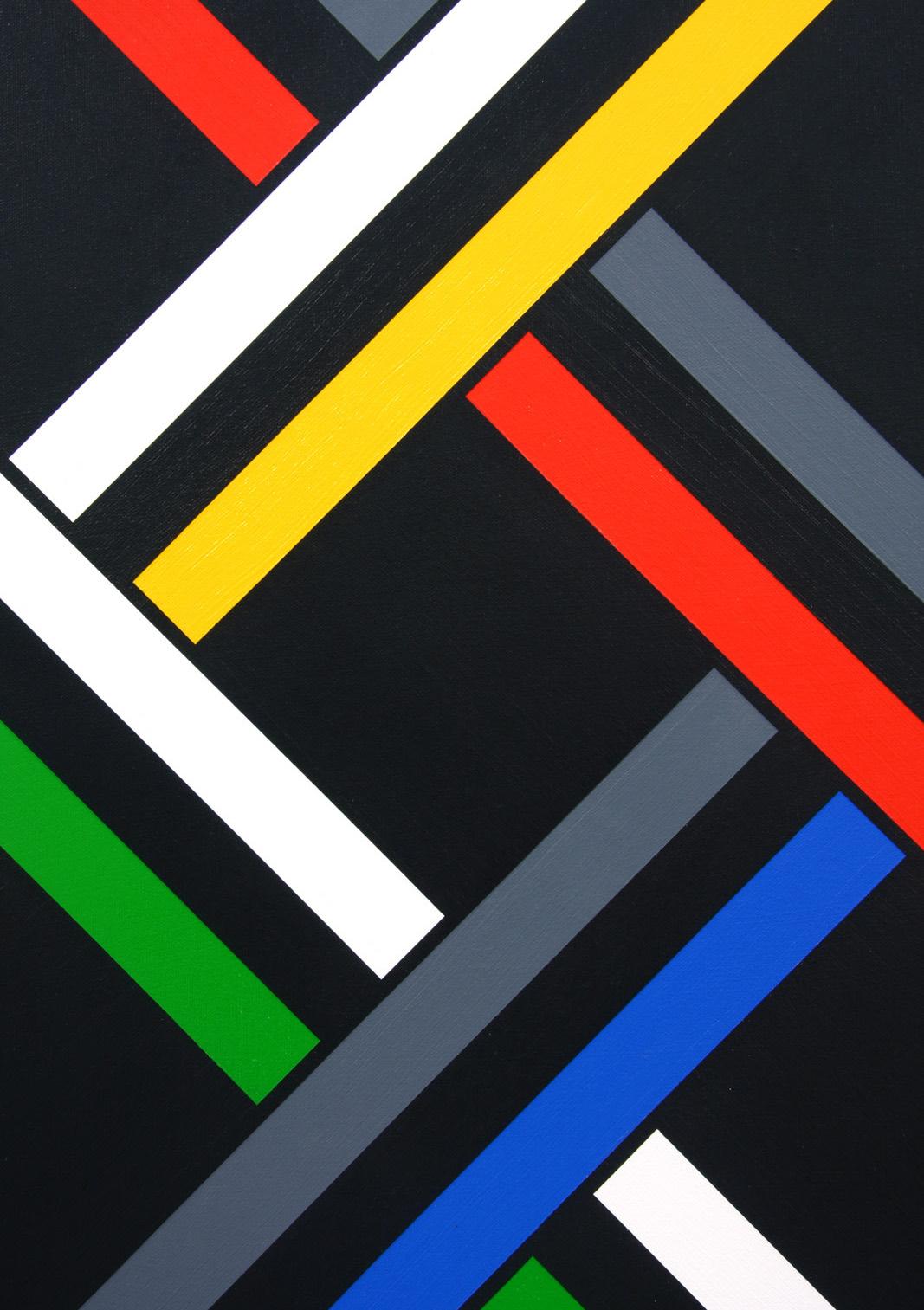
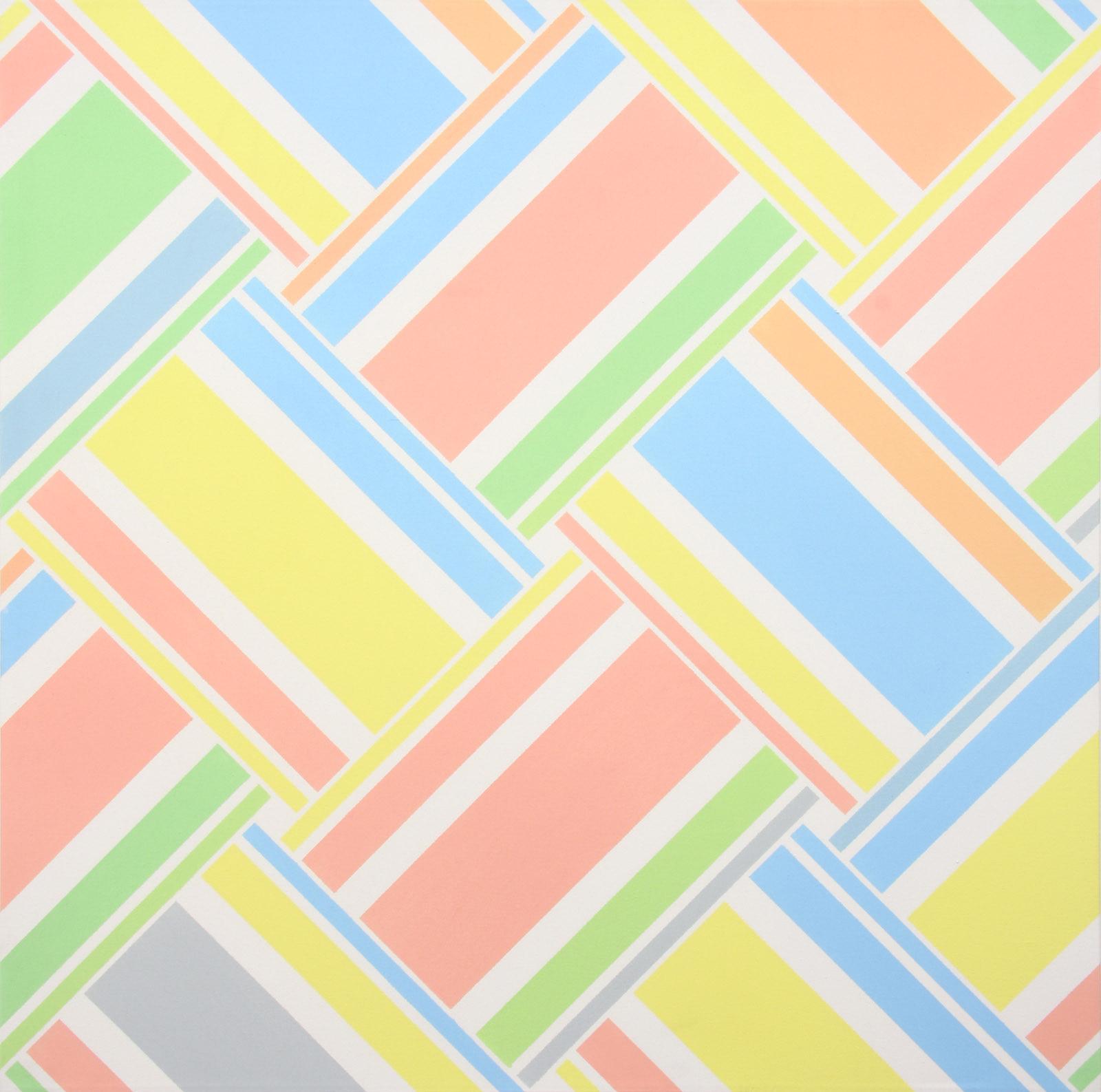
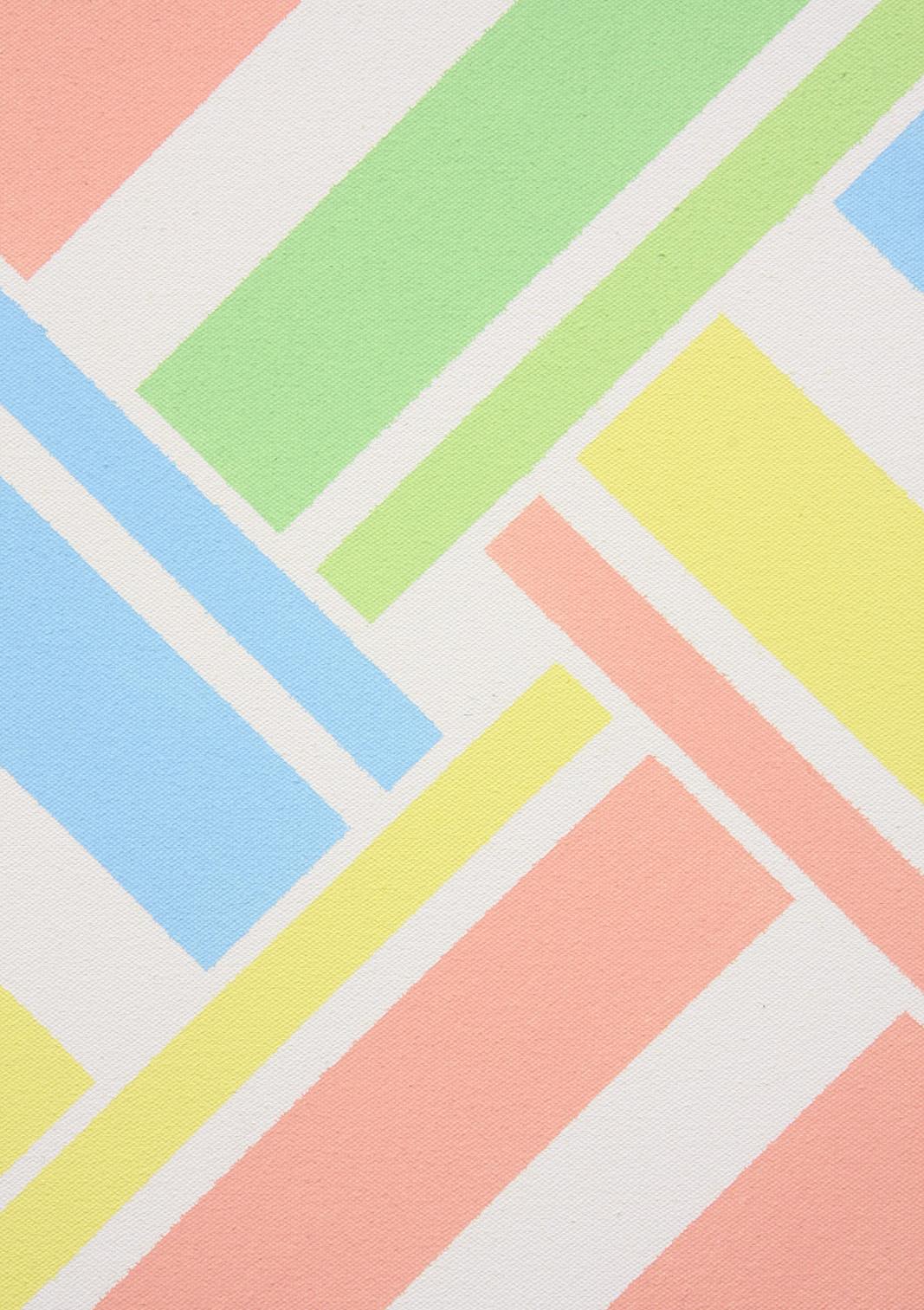
First exhibited in the late 1970s, Ian Scott’s ‘Lattice’ paintings represent a comprehensive engagement with modernist concepts of surface, medium and abstraction. Scott’s concentration on fields of colour, the integrity of the picture plane and avoidance of ‘painterliness’ links these works to American abstract painters such as Kenneth Noland and Frank Stella.
While Scott was aware of and interested in these concepts, he was much more interested in finding his own way in which to explore them. In his essay Ian Scott: Lattices, Edward Hanfling suggests that Scott was “looking for a system that took on board the implications of their work without overlapping with it – a system that was unequivocally his… and could not be mistaken for anything else.” (1) Scott has continued to develop the Lattice works parallel to representational series such as ‘Painters’ and ‘Signwriting,’ indicating that the ideas he addresses with this body of work remain relevant and central to his painting practice.
The collection of paintings seen in this exhibition provides a comprehensive overview of Scott’s Lattice series. As a very early example from the series, Lattice No. 33 (1978) is of particular interest; the familiar over-and-under patterning can be seen in this work, but Scott experiments with the roles of the ground/figure. Scott has not separated the quadrants of the picture plane and colours abut one another directly. Dissolving any suggestion of illusory depth, the thick white lines Scott uses are figures in their own right, integrated into the ground rather than sitting atop it.
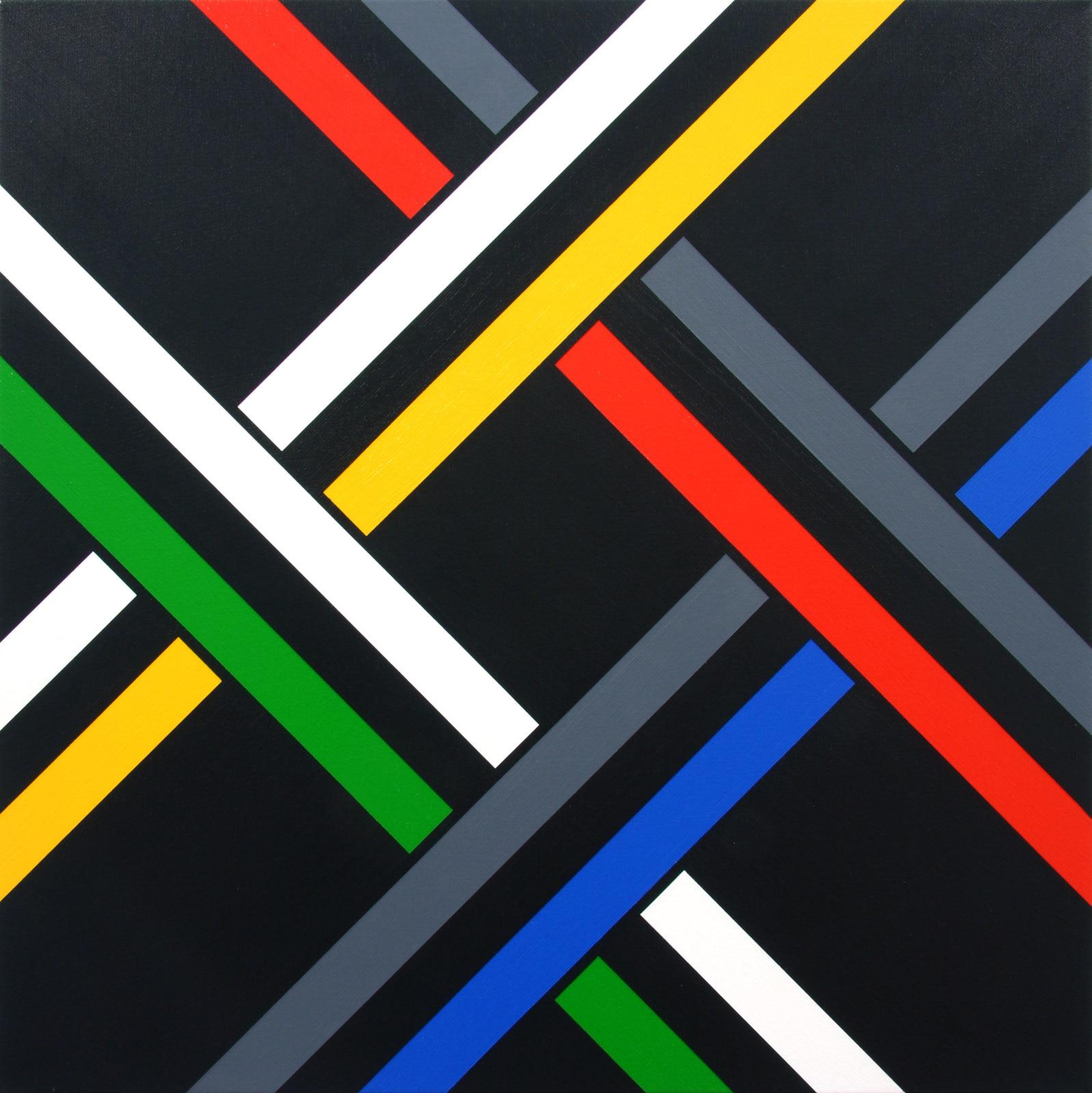
Colours on Black No 6 (Lattice No 65) is a classic example of Scott’s fully-developed latticed forms. The diagonal bands extend fully across the surface of the canvas; the illusion of them weaving over and underneath one another creates a tension between the actual two-dimensionality of the surface and the artificial suggestion of background depth (also suggested in the title). It is this inner tension that gives the paintings vibrancy, the sense of movement drawing the eye across the painting’s surface and into an illusory space behind the painted bands.
Ian Scott’s contribution to the development of an abstract language in New Zealand painting cannot be underestimated. With works in all major public galleries in the country, his sustained and continuing exploration of abstraction places him foremost amongst this country’s modernist painters while the breadth and depth of his art practice cement his place in any discussion of New Zealand art.
1. Edward Hanfling, Ian Scott: Lattices, Ferner Galleries, Auckland, 2005, p. 11
IAN SCOTT
b.1945,livesAuckland
After immigrating to New Zealand from the United Kingdom as a 7-year old in 1952, Ian Scott grew up in West Auckland and knew from early on that he was going to be an artist. Prior to enrolling in the Elam School of Fine Arts in 1964, Scott went to Kelston Boys’ High School where his teachers included Rex Head and Garth Tapper, and also attended Colin McCahon’s evening art classes at the Auckland Art Gallery.
Scott had painted landscapes from an early age but once he started art school developed an interest in the works of US abstract artists such as Kenneth Noland and Jules Olitski, as well as New Zealand painters Milan Mrkusich, Don Binney and Gordon Walters. (1) The influence of these artists can be seen in Scott’s 1960’s ‘Girlie’ paintings, which feature flattened landscapes full of saturated colour, strong forms and stylised young women.
Scott began to experiment with abstraction in the 1970s; by the end of the decade this had developed into what came to be known as his ‘Lattice’ paintings. Featuring alternating colour bands, these works play with optical illusions of depth and movement, exploring the advancing and recessive aspects of colour as well as modernist concepts of surface, medium and abstraction. Scott never abandoned his interest in abstraction and has continued to produce Lattice works in parallel to other strands of his art practice through to the present.
Figurative painting was never entirely left behind by Scott, and through the 80s and 90s he created comprehensive series of works looking at the role of art and artists in a post-modern world. Works from this period often feature appropriated imagery from popular culture, advertising and historical sources. Questioning the act of painting itself, Scott’s own paintings often contained references to the tools of his ‘trade’ (brushes, colour palettes, frames) and a number utilise instantly recognisable works of art by Colin McCahon. Rita Angus, and other well-known New Zealand artists.
From his early landscapes and Pop-Art influenced paintings of the 1960s, the complex abstraction of his ‘Lattice’ works to the controversial Playboy-type, lingerie-clad women in his 1990’s ‘Model’ series, Ian Scott reveals a control and mastery of his medium as well as a sustained interest in the concepts and theories of art. With works held in every major public institution in New Zealand, Ian Scott’s continued investigation into and engagement with the raison d’être of painting ensures his place in any discussion of New Zealand art.
1. WarwickBrown, Ian Scott.MarsdenPress,Auckland,1998,p.9
LatticeNo.132(1986)