Mikolaj Wierzbicki Selected Works

Objective
I am seeking a firm where I can practice research-based design and encourages the pursuit of my passions in urban agriculture, community-centered design, and creating a sustainable future.
Aug 2020 - May 2024
University of Illinois at Urbana-Champaign
Urbana-Champaign, IL
B.L.A. in Landscape Architecture with High Honors
- Certificate in GIS
Experience
Feb 2024 - May 2024
Urbana-Champaign, IL
Graham Research Project/ Research Assistant
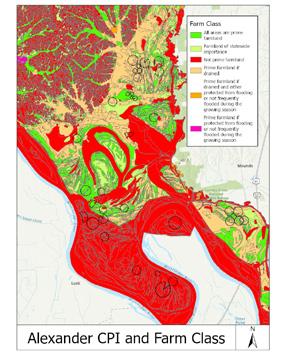
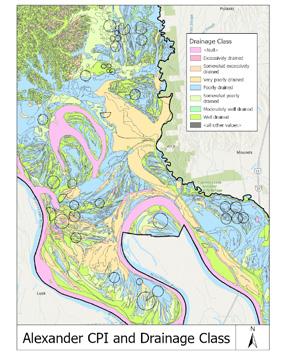
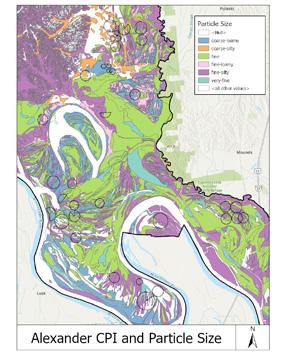
- Gathered and analyzed GIS data relevant to Black or African American farmers in Illinois counties.
- Composed a series of aerial images from various periods across certain Illinois counties.
James Martin Associates/ Landscape Architect Intern
May 2023 - Aug 2023
Mundelein, IL
June 2021 - Aug 2022
Barrington, IL
- Surveyed, recorded, and drafted project sites to catalyze the design process.
- Created and rendered 3D models, top plans, and diagrams for project presentations.
- Worked on file organization projects and digitized older analog drawings.
- Updated project drawings through going on site and recorded present state of design.
Castle Bldrs/ Landscape Architect Intern
- Spearheaded 5+ residential properties’ planting and environmental design projects.
- Worked on the site to facilitate the design implementation to stay accurate on design specifications.
Awards
Dec 2023
Urbana-Champaign, IL
May 2024
Urbana-Champaign, IL
Edward L. Ryerson Travel Fellowship for Landscape Architecture
- The Edward L. Ryerson Fellowship promotes excellence in landscape architecture through travel and study outside the United States. I carried out research on Urban Agriculture across 4 European countries.
Natalie B. Alpert Prize for Design in Landscape Architecture
- Given by the University of Illinois Landscape Architecture department for recognition of student excellence in history and design.
Skills
AutoCAD, ArcGIS, SketchUp, Rhino, Lumion, Photoshop, Illustrator, Twinmotion, Microsoft Word, Microsoft Powerpoint/ Proficient
Unreal Engine, InDesign/ Basic Languages English/ Fluent
Fluent
Mikolaj Wierzbicki
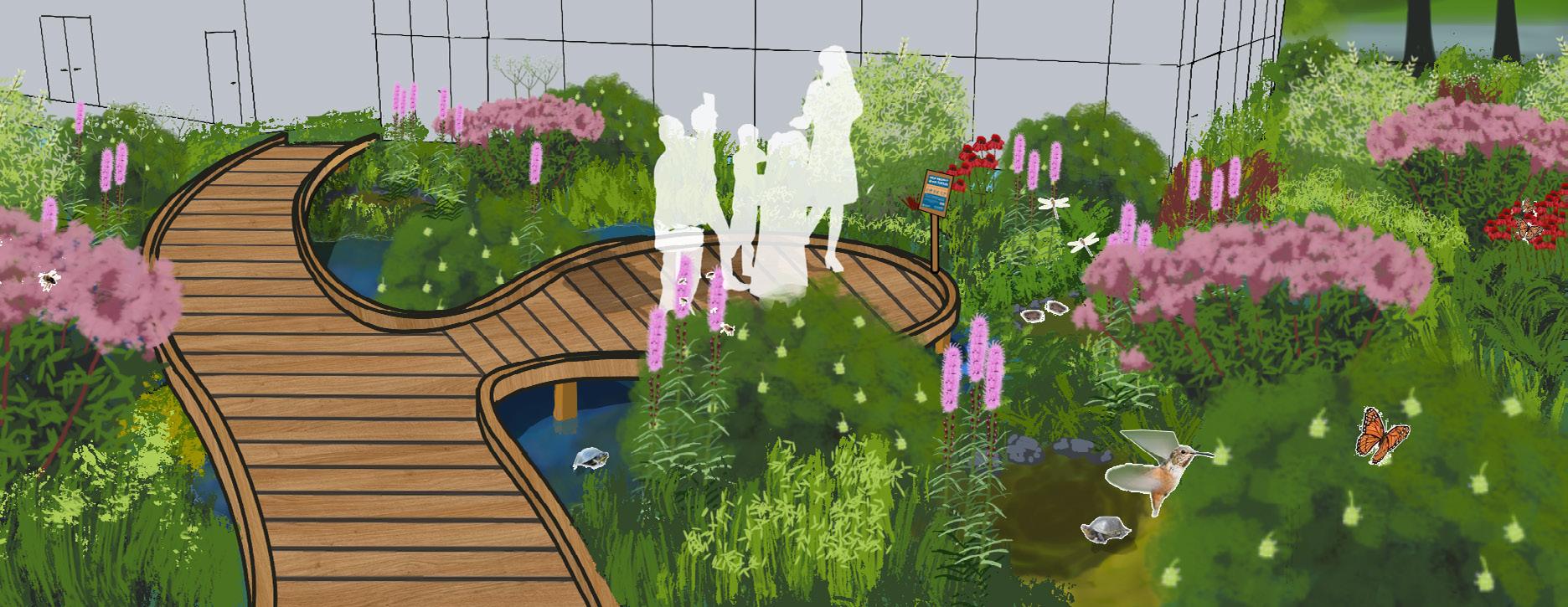
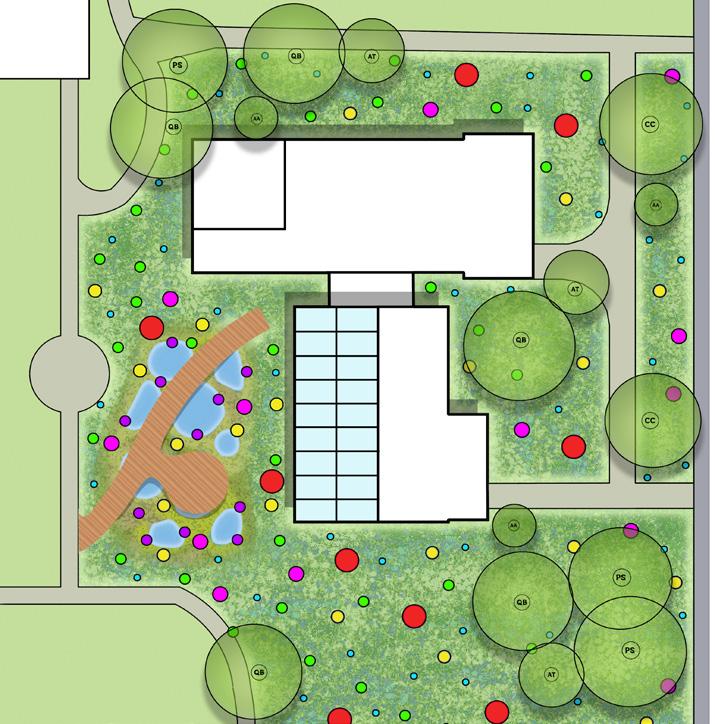
OBJECTIVE Create a discovery garden that uses the advantages of a greenhouse to bring fascinating landscapes and plants to a Midwest town. The design should focus on education and engagement.
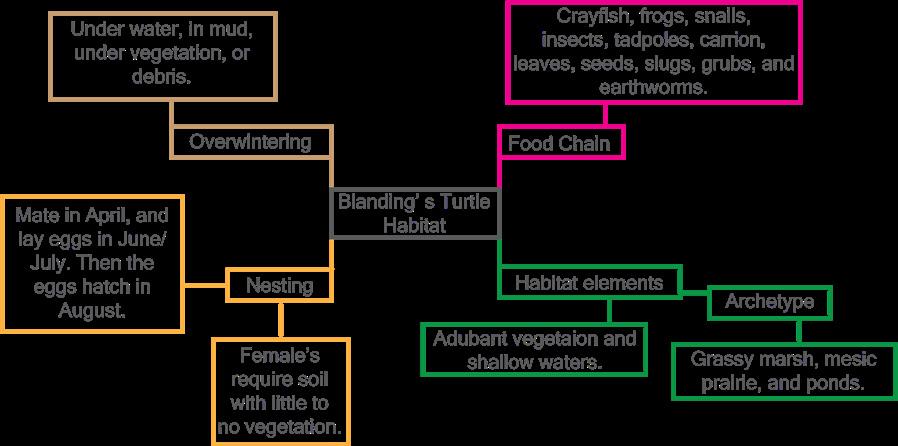
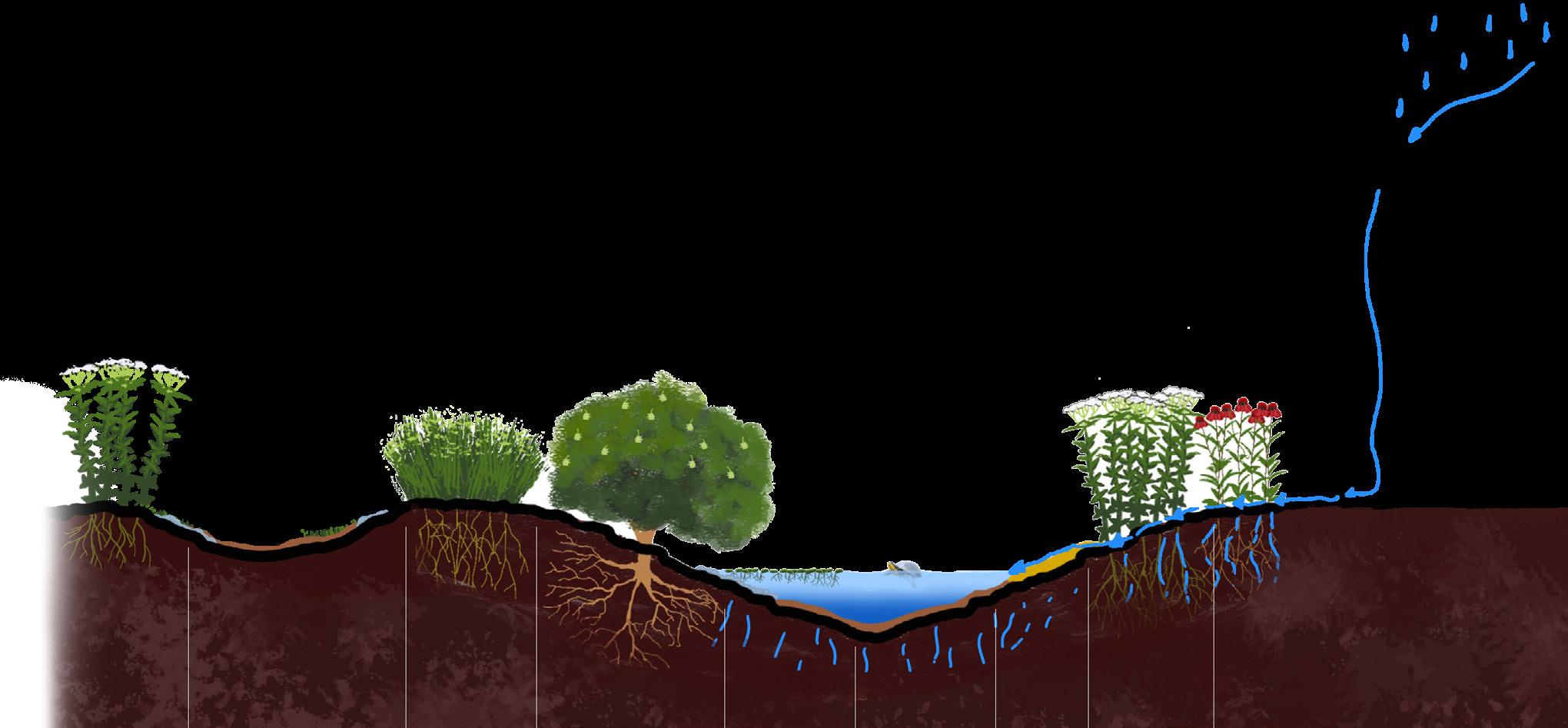
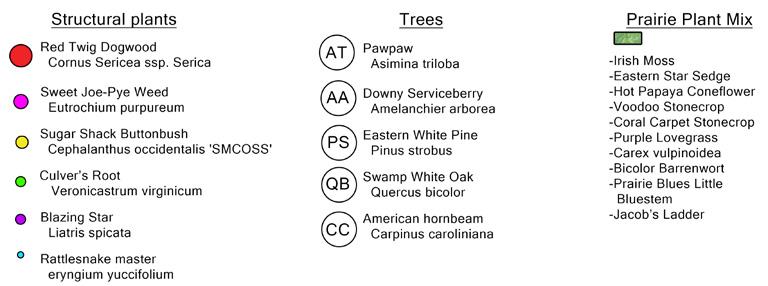
The Blanding’s Turtle is a declining species in Illinois that will be used as a keystone species to define the entire ecosystem. The discovery garden will have wetland comprised of native flora species, ephemeral ponds, and a mesic prairie.
Water: Blanding’s Turtle
is
by
Objective:
Create a design that uses the advantages of a greenhouse to bring fascinating landscapes and plants to a Midwest town. The design should focus on education and engagement.
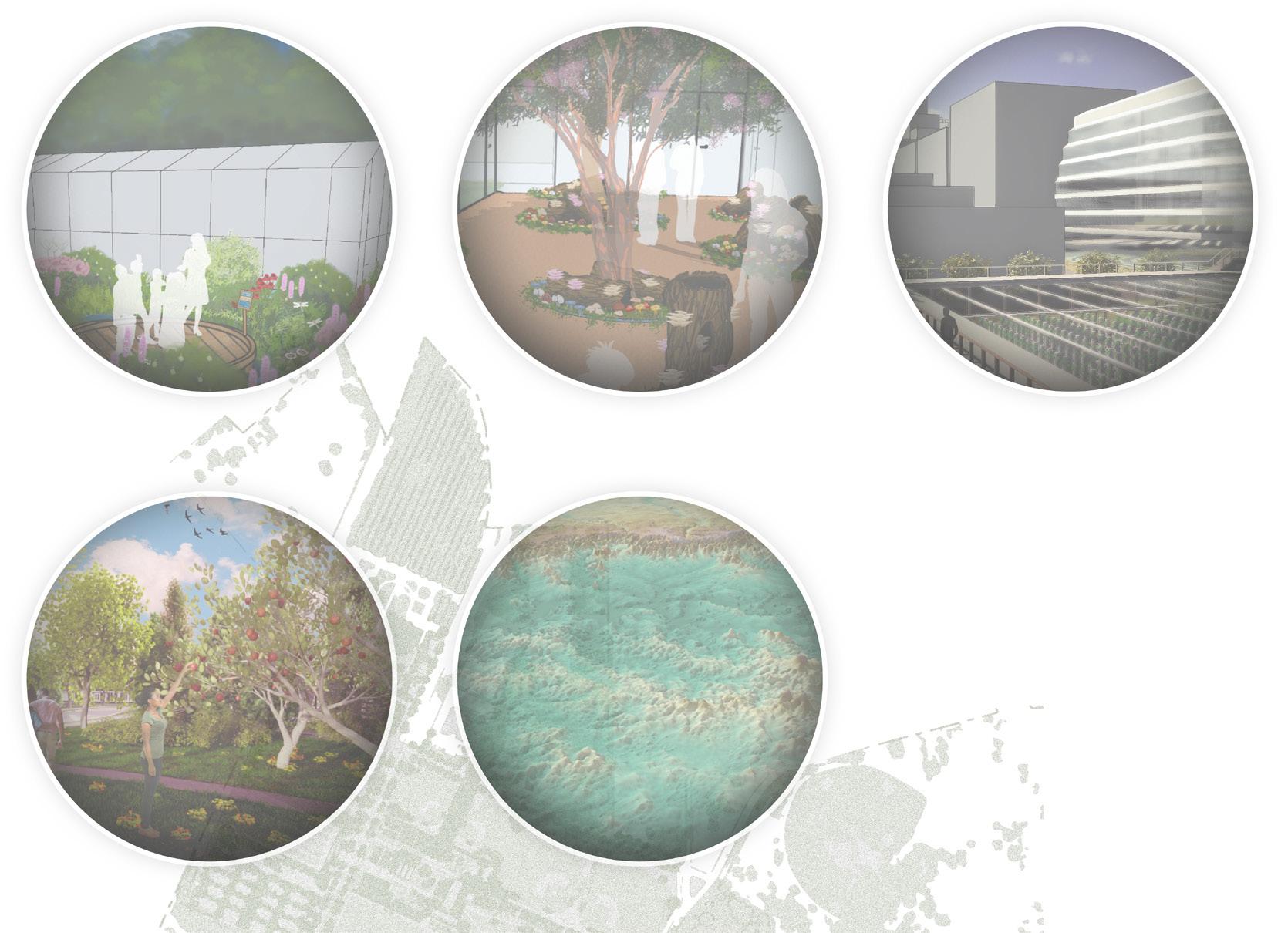
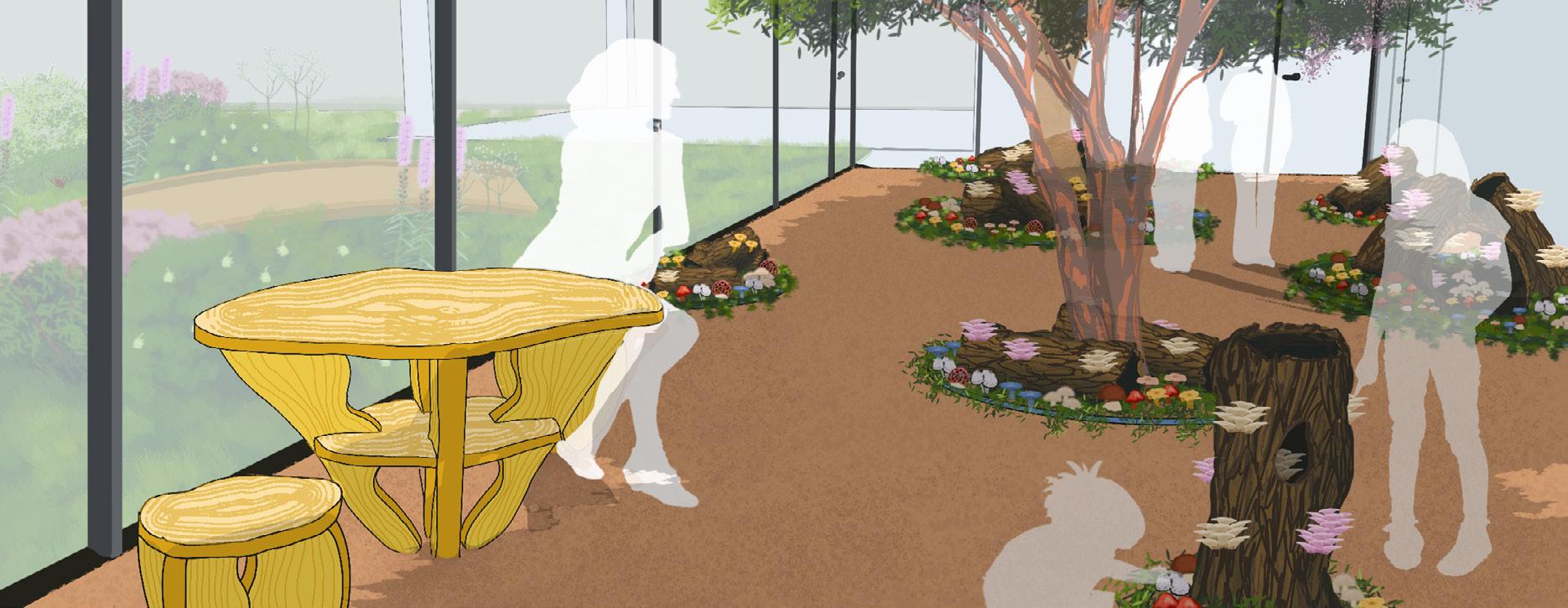
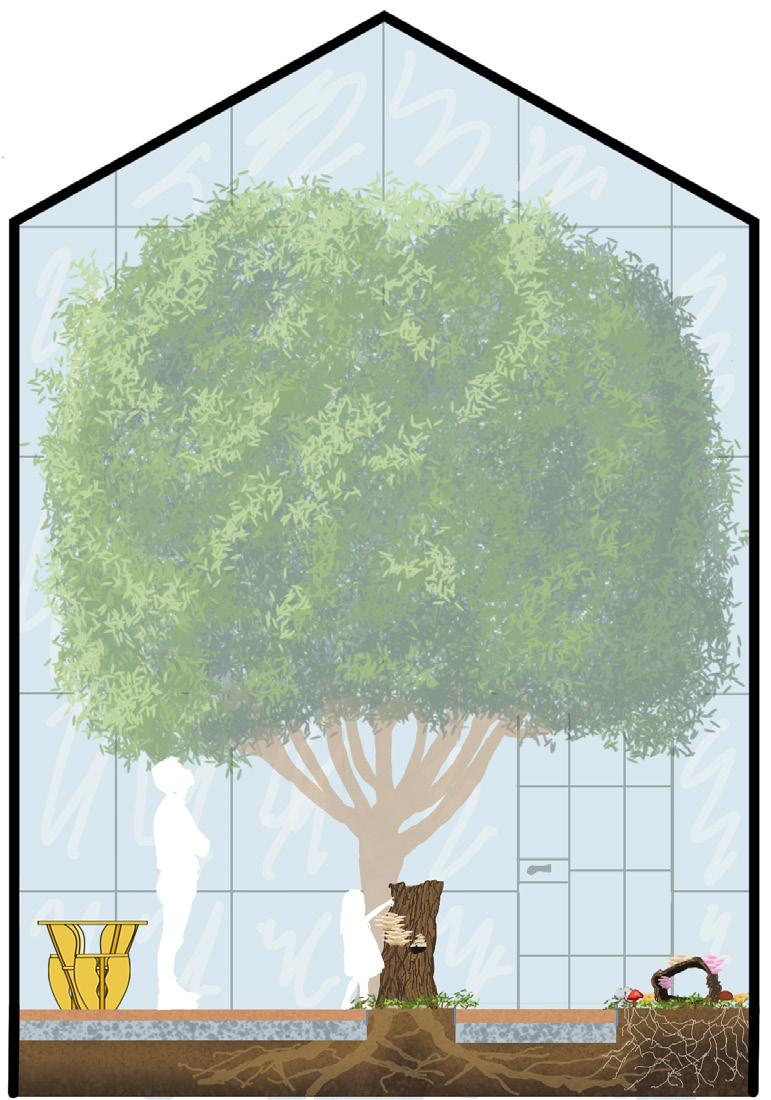
Building off the Water, Earth focuses on showcasing fungi, and all the forms and colors that fungi can be. Fungi can go unnoticed so not much is known about all the benefits fungi bring to an ecosystem.
Earth: Fungi Greenhouse
Class: LA 452 Planting Design
Instructor: Bridgette Moen
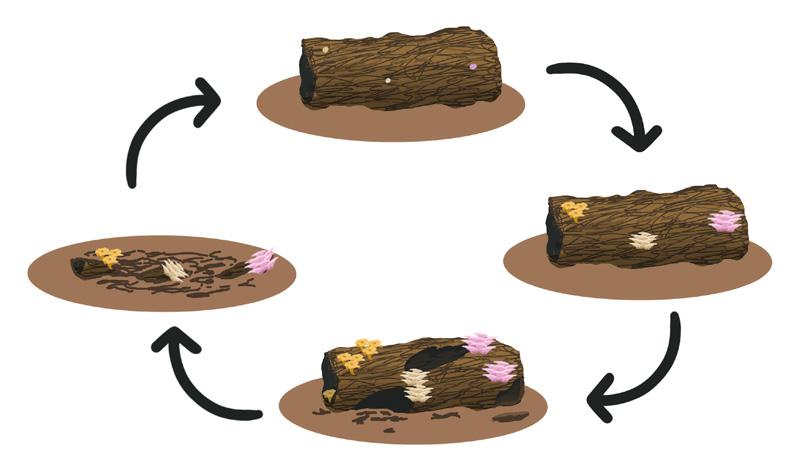
The decomposition process of the fungi will create an ever changing sculpture of the logs over time.
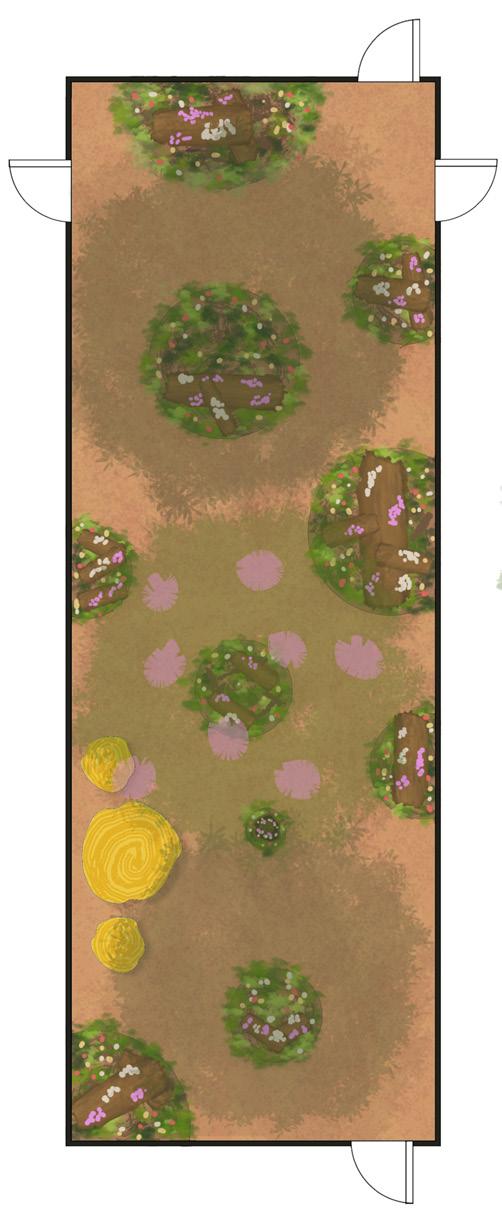
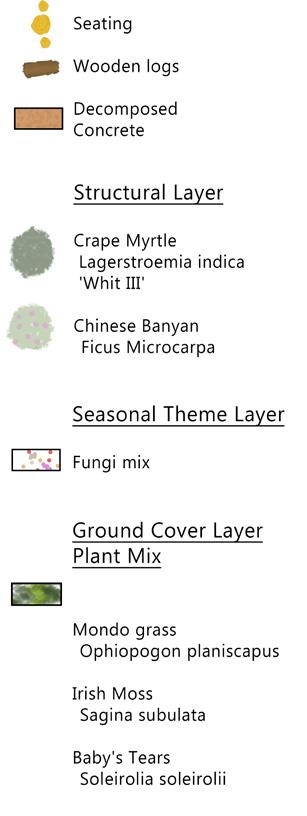
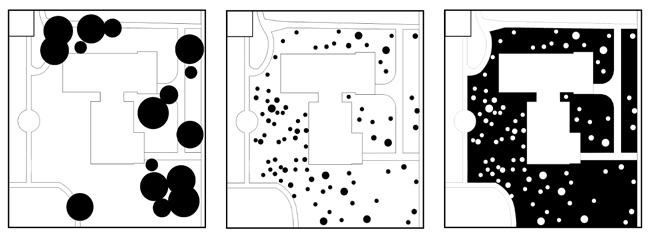
The layout of the project is a contuation of the randomization of plants in Water, with the circular fungi areas using the Grasshopper script. The layout creates highlighted spaces for the scultputral logs to present fungi for people to interact with and explore.
The section displays the underground interaction that happens between trees and plants facilitated by the fungi`s mycelium network. An aspect of fungi among other fascinating fungi facts that people can learn.
Objective:
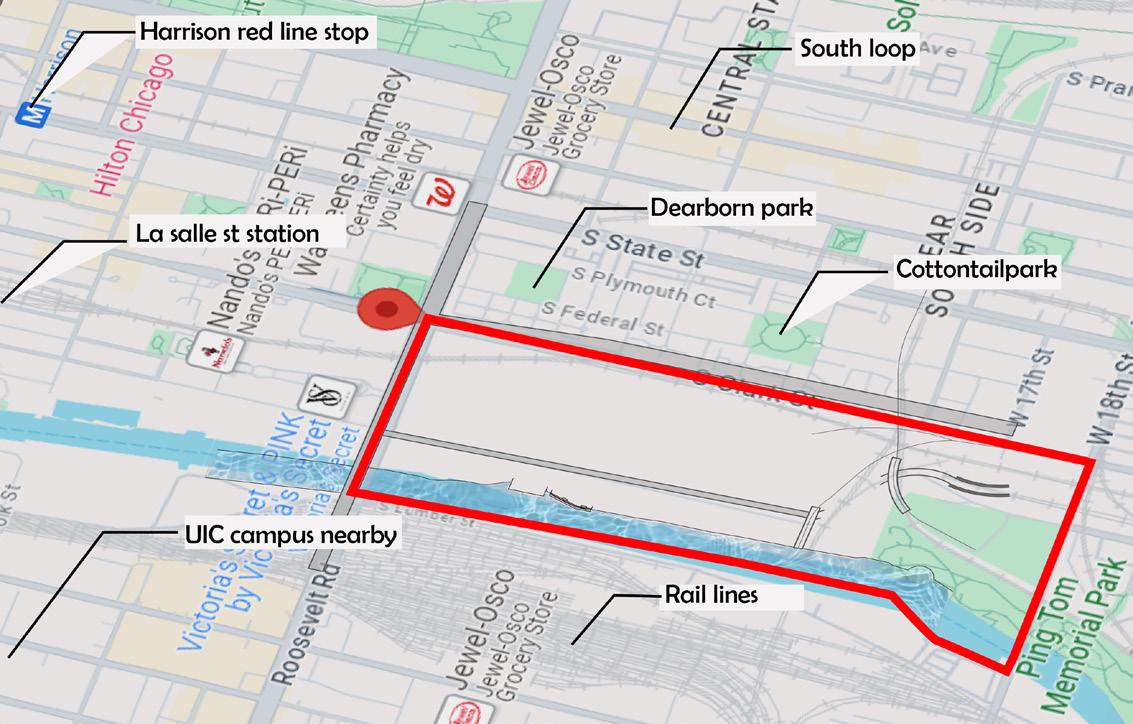
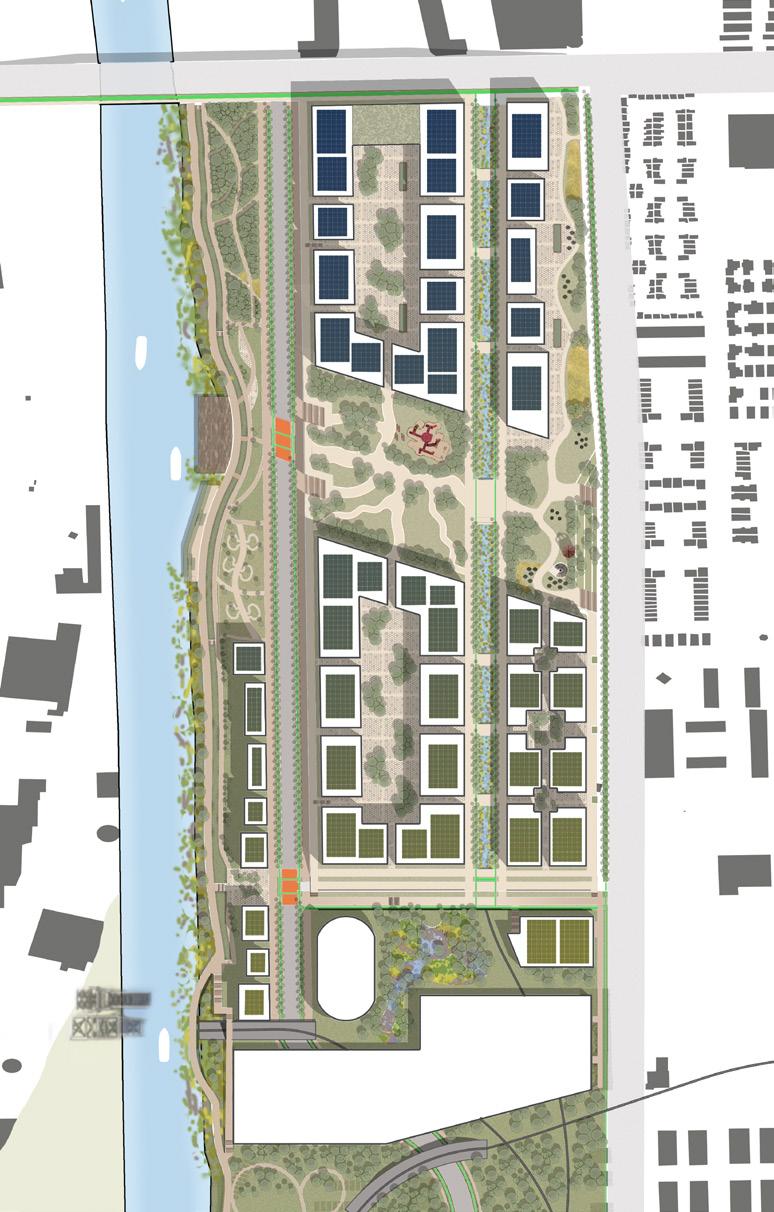
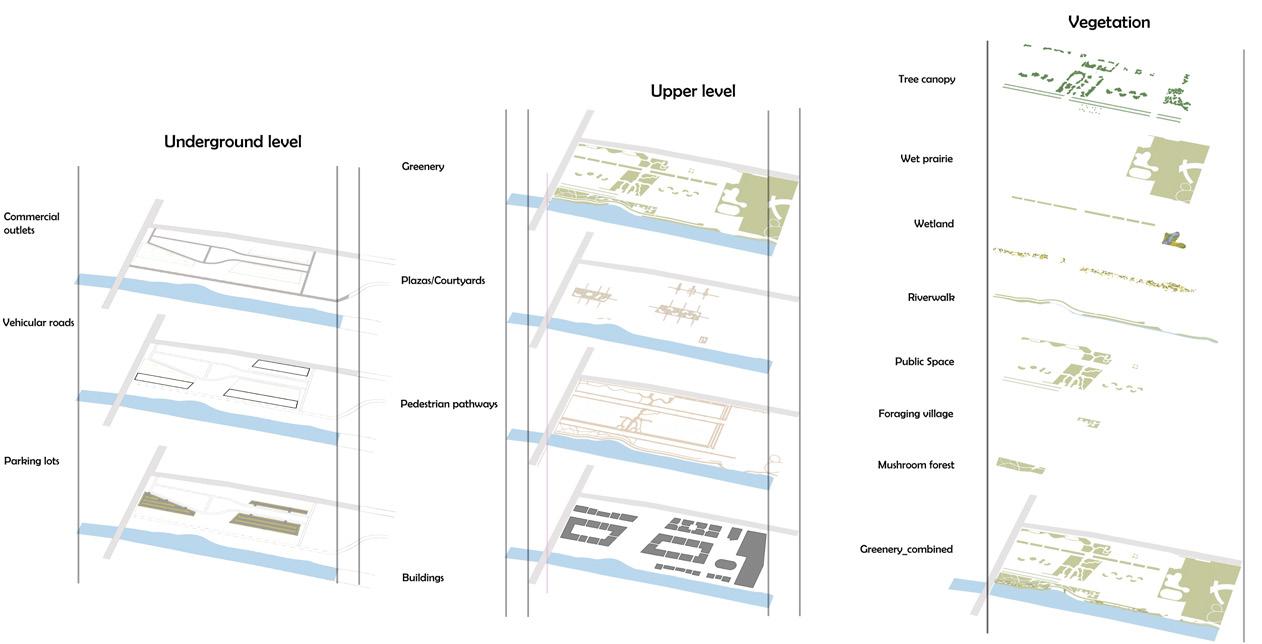
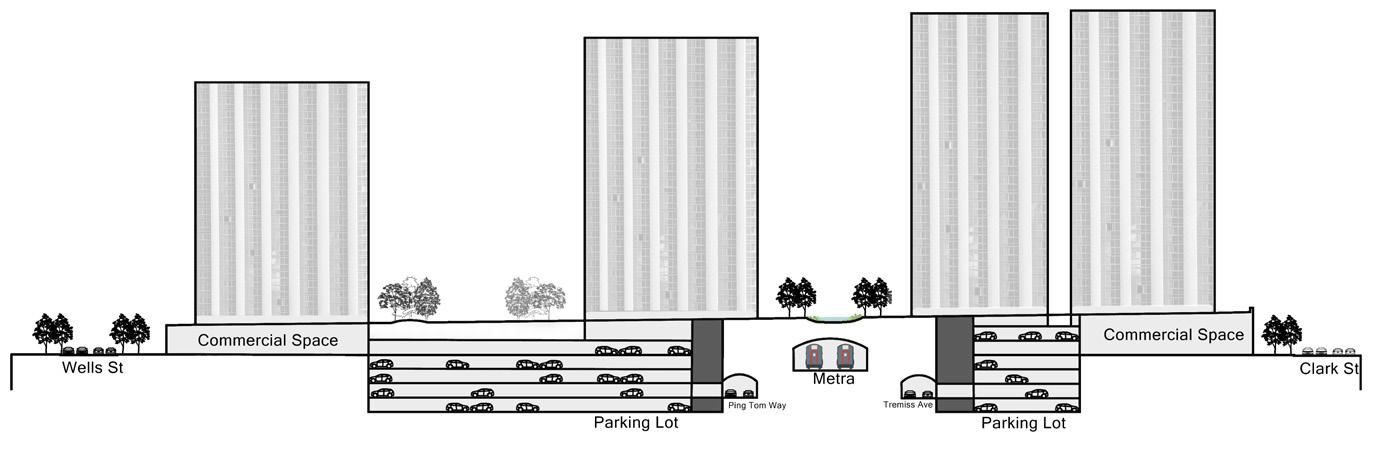
Plan a proposed 78th neighborhood of Chicago using researchbased design to inform project processes. The design should consider the cultural identity of Chicago, environmental issues, zoning requirements, and the future of Chicago.
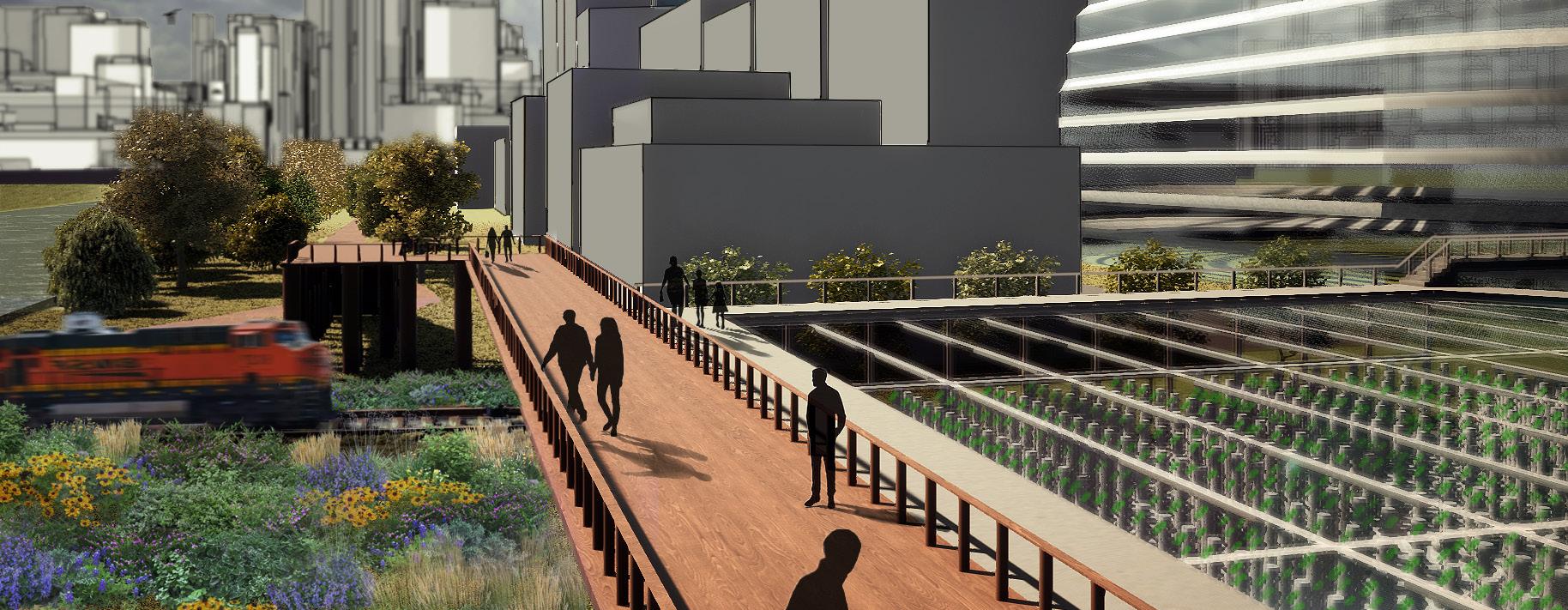
The concept is about creating an Oasis for pedestrians and from the urban environment. The Urban Oasis is a space that takes you away from the normal enivronment of a city to a more human-centered urban haven.
Urban Oasis
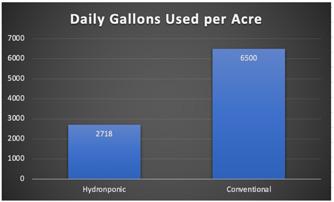
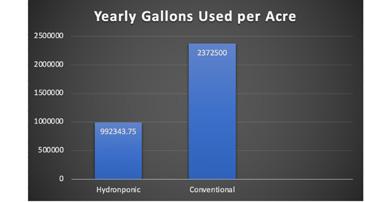
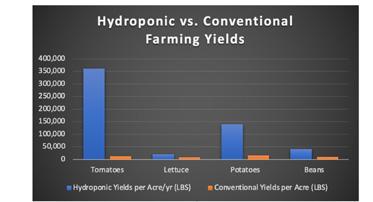
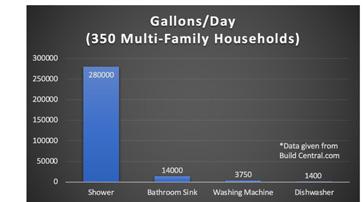
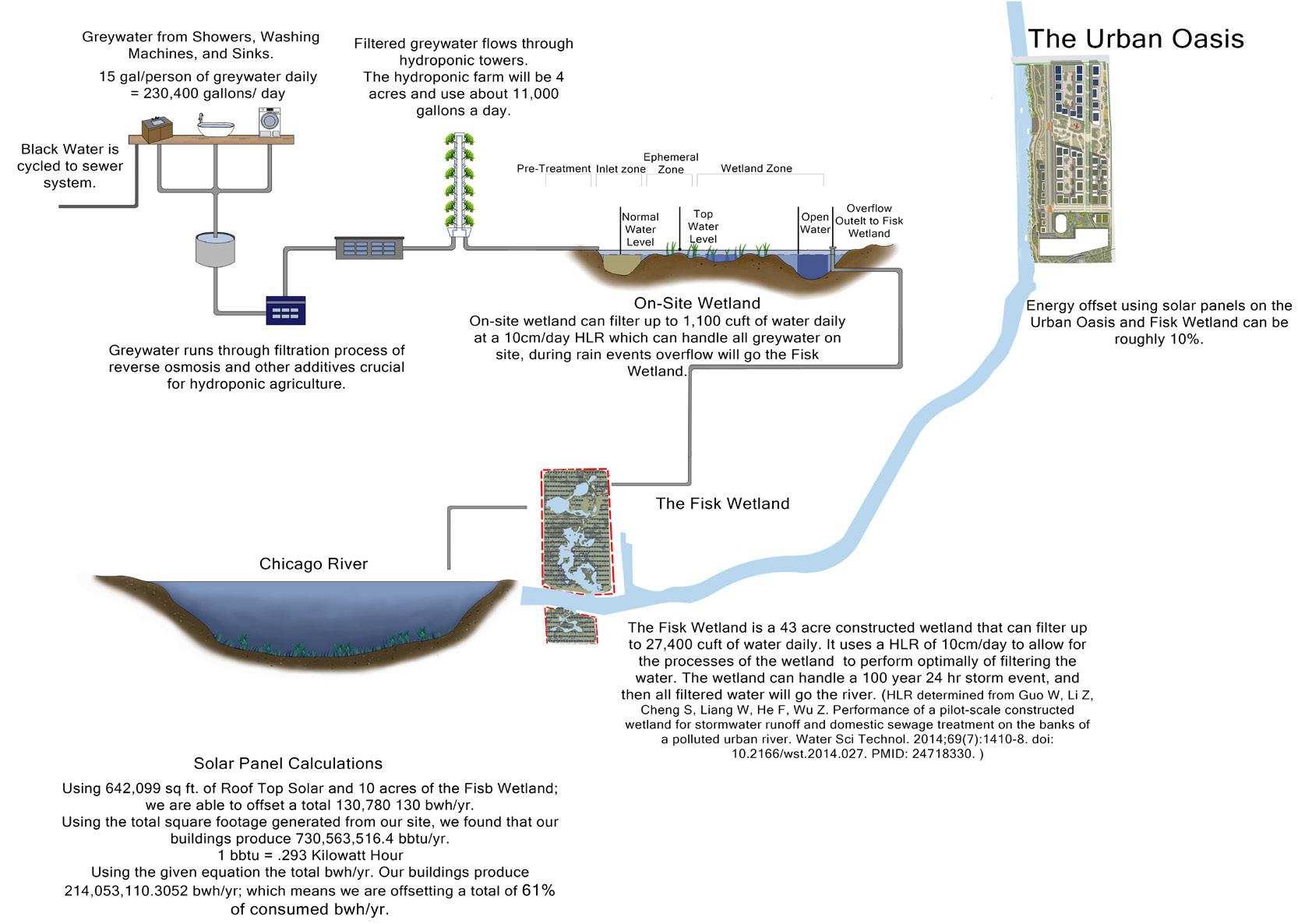
The project site presented a space ideal for urban agriculture, as in the future with the increase within population of cities there needs to be a equal response of production. Hydroponics are a innovative solution in cities as they require less water and space than conventional agricultural practices, the graphs show our research of the benefits of hydroponics against conventional means of production.
Intial cross-examination between green infrastructure and urban agriculture, which creates an understanding how both aspects are important to the site and the design.
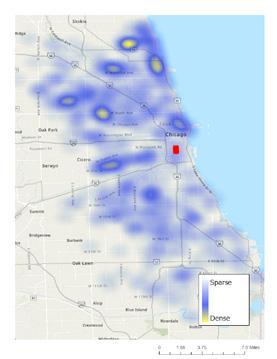
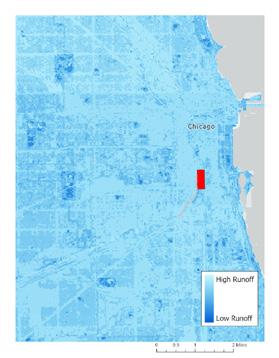
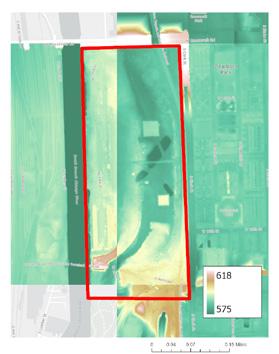
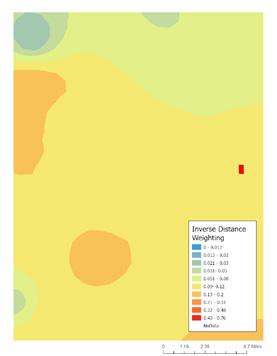
The analysis maps were created with ArcGIS to understand the regional and local environment. The maps informed the decision making of the design, so that the project will respond accordingly to what is important to the site, which we determined were high runoff, above average precipitation for the region, drastic elevation change, and food deserts in the area.
Hydroponics
Objective:
Develop a framework for the new developments of Lansdowne Park and Nectar Avenue in East St. Louis that leverages research from site visits, geospatial analysis, and historical knowledge to inform and guide design decisions.
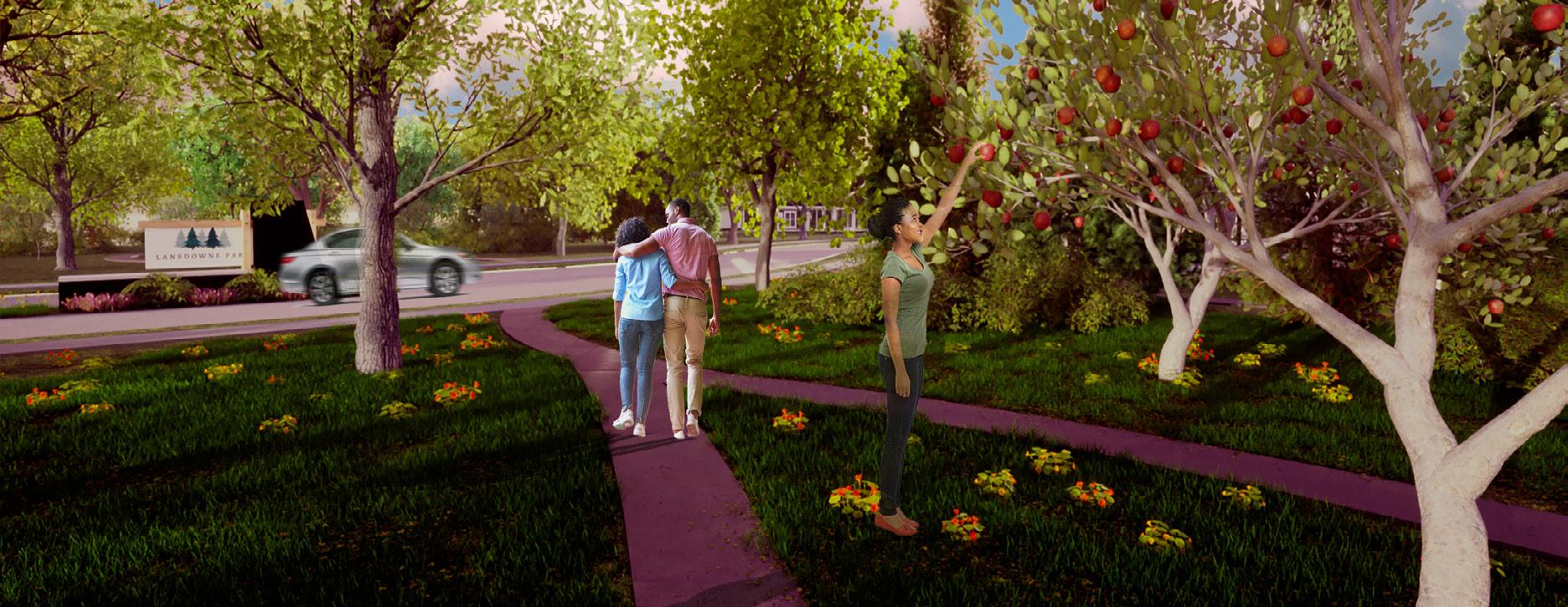
The Foraging Neighborhoods aim to bring awareness to the quality and accessibilty to grocery stores. Therefore, the foraging aspect of the concept will not replace grocery stores, but it will give more accessibility to fresh produce.
Foraging Neighborhoods
Winner of the Natalie B. Alpert for Design in Landscape Architecture
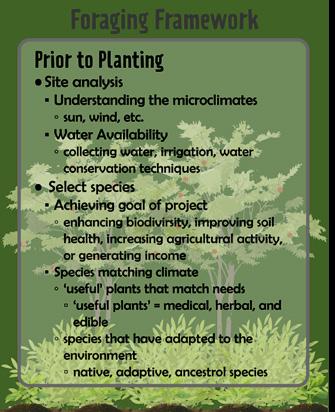
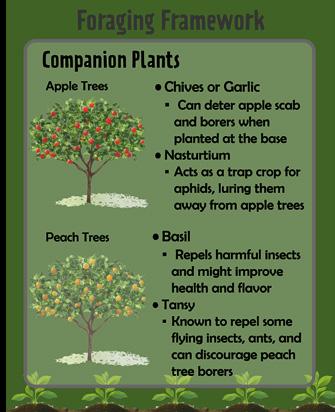
Given that the communities will be HOA neighborhoods, the HOA guidelines will include a Foraging Framework that provides instructions on planting, maintaining, harvesting, and using plants based on agroforestry techniques. It will also restrict harmful herbicides and pesticides. The design will feature companion planting, like apple trees with nasturtium and chive, and multi-strata planting with layers of over story, trees, vines, shrubs, and ground cover.
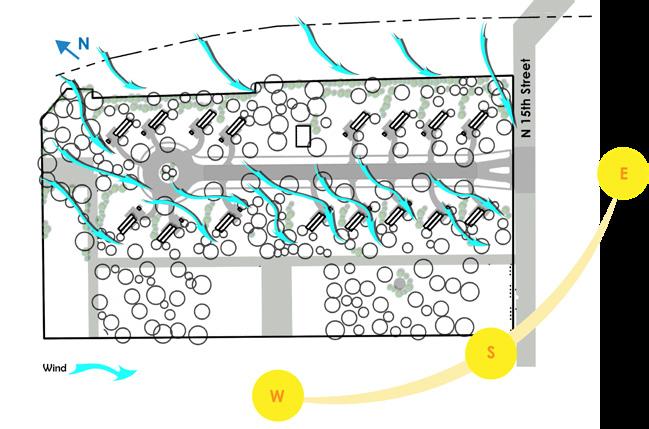
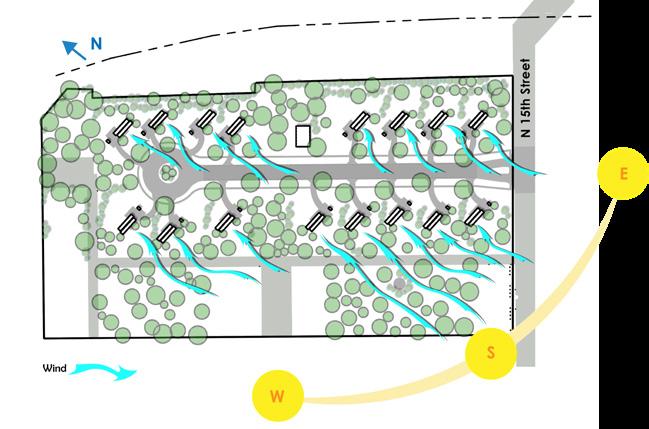
As the commmunities will face harsher summers and uncertain winters, it is vital to improve the energy efficiency. The design orients the widest face of the homes south along with thoughtful tree placement to admit the wind and block the sun in the summer, and then admit the sun and block the wind in the winter.
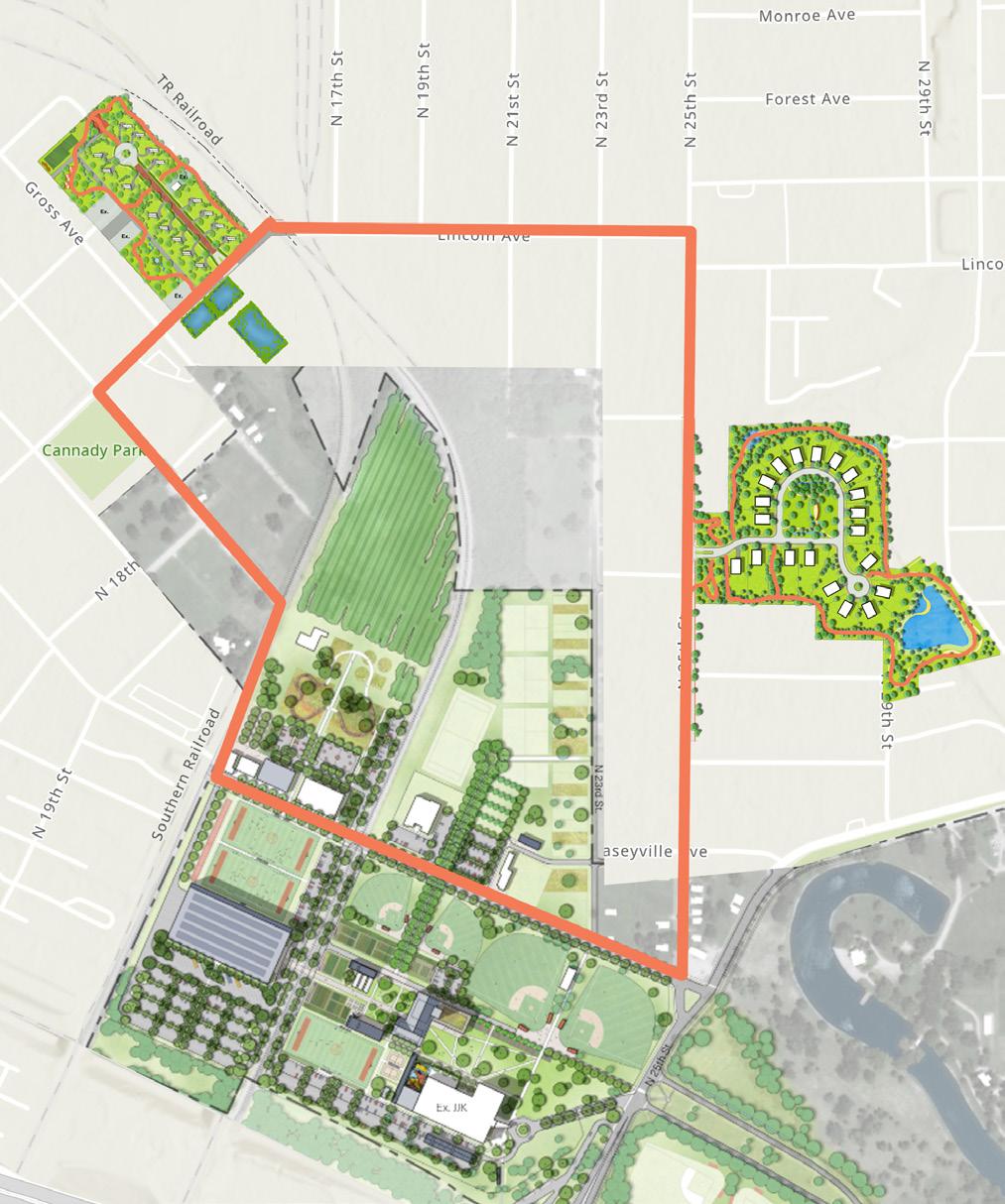
The Foraging Trail will connect the Lansdowne Park and Nectar Avenue communities with the existing neighborhood and the proposed development of the JJK foundation. “Useful plants,” which are edible, medicinal, or herbal plants, will be found along the
trail.
Nectar Avenue
Lansdowne Park
Foundation
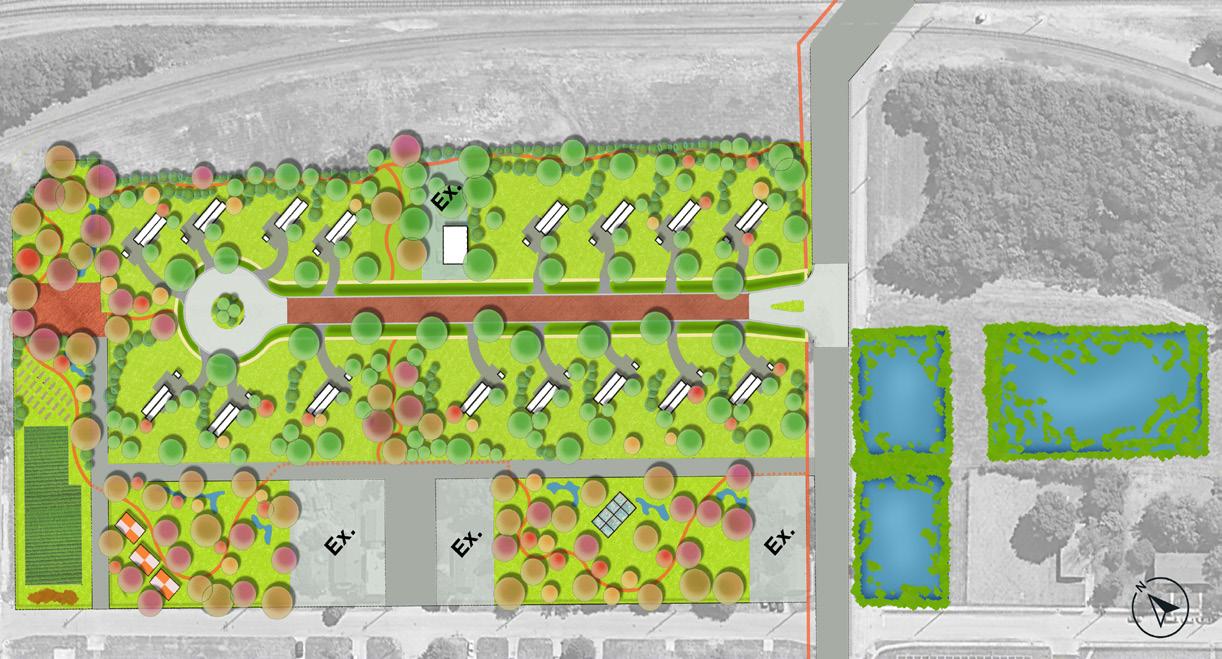
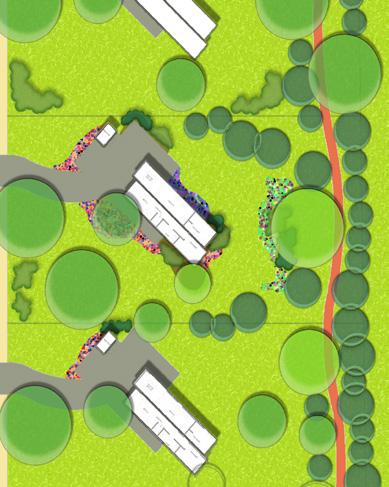

The Nectar Avenue has programmable spaces to encourage agriculture, sell produce, and leisure spaces for community members. The foraging trail meanders through the community spaces and invites people to interact with enivronment and eachother.
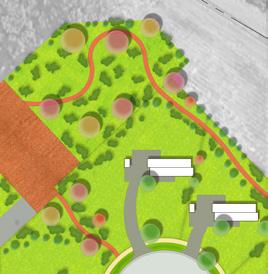
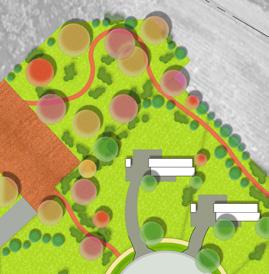
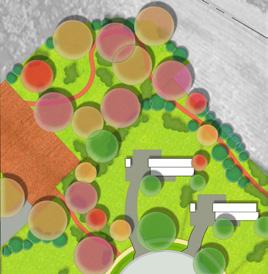
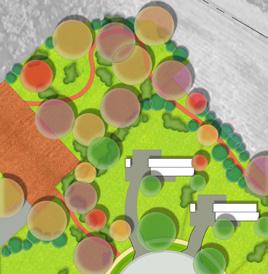
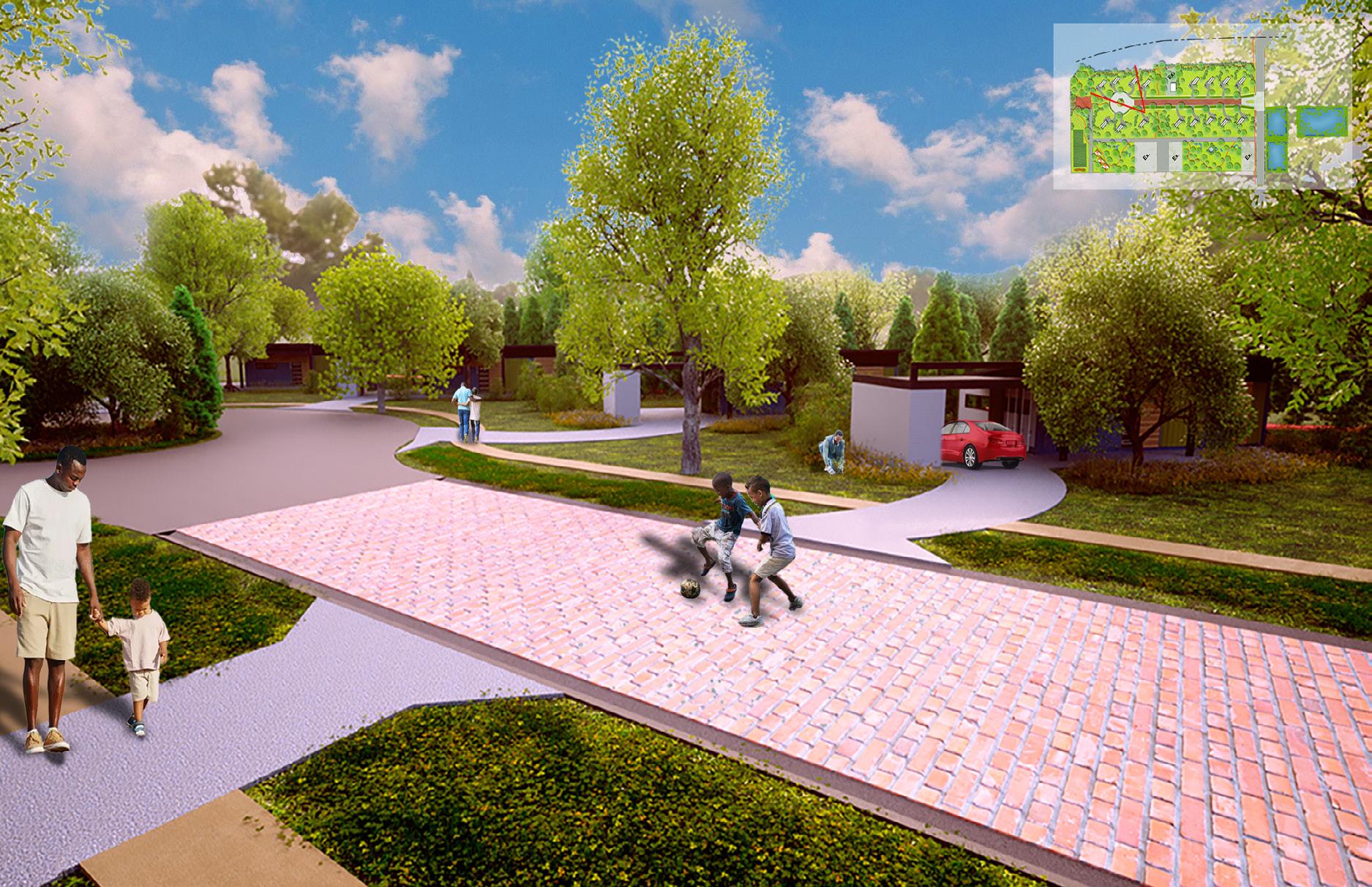
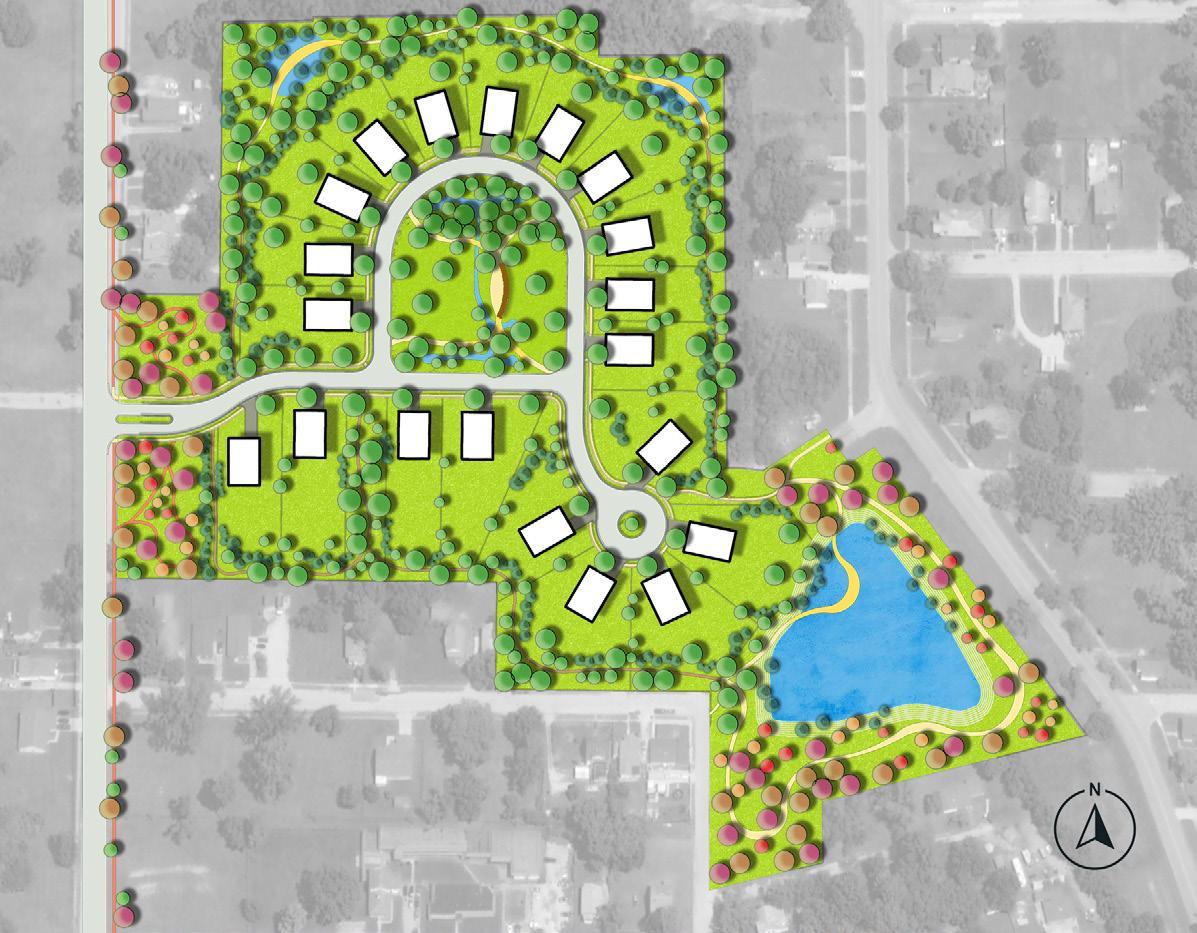
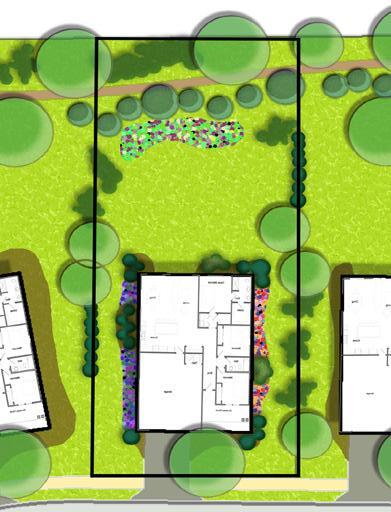
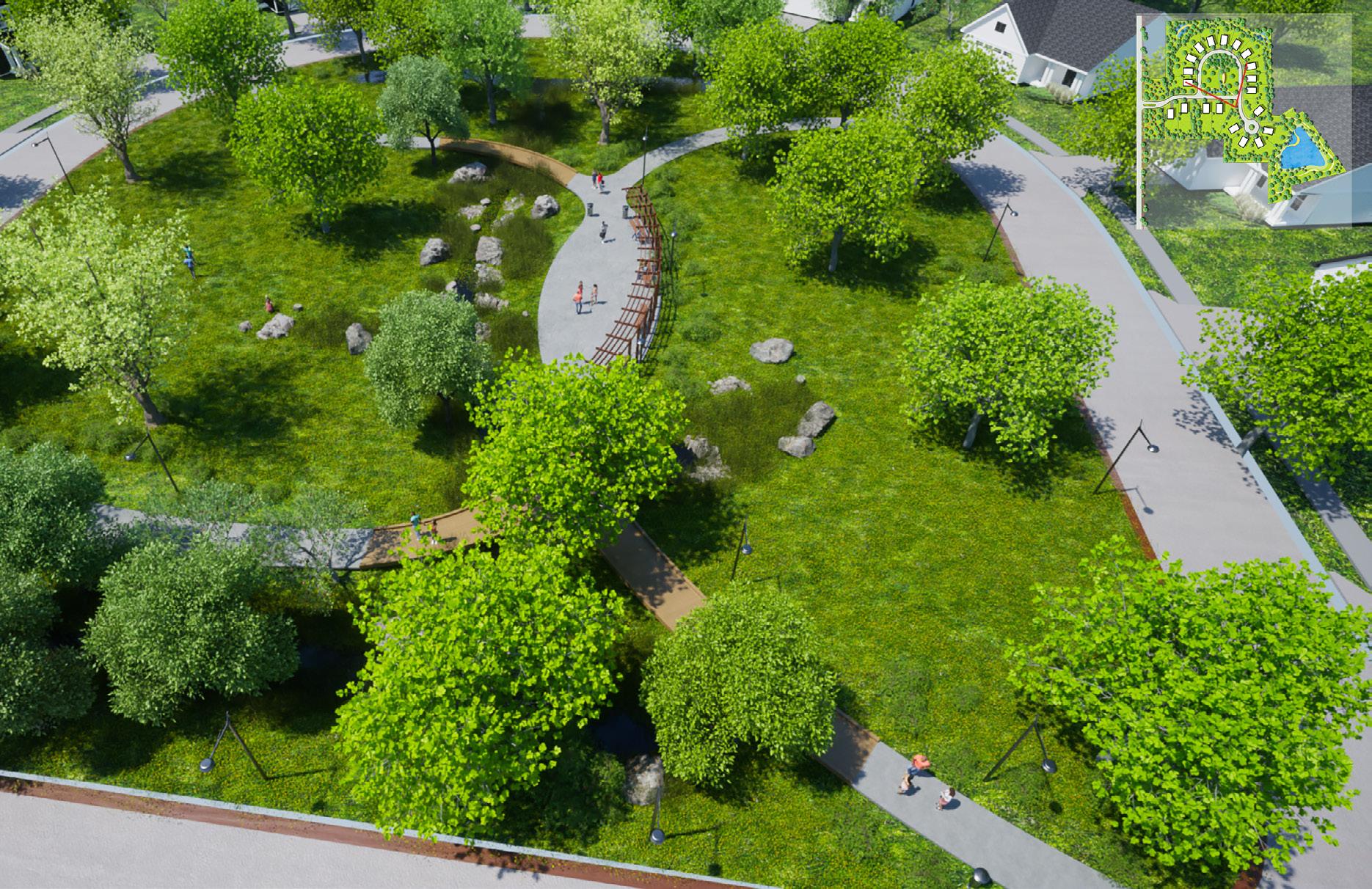
Lansdowne Park was more restrictive site in building orientation and placement, but it similarly to Nectar Avenue has a dense tree canopy made of fruit, nut, and supportive trees. The Entrance to the community is a forage forest that encourages interactions and community building between the newly built community memebers and the existing members of the surrounding communities. The central space of Lansdowne Park has small stream that meanders by boulders and cypress trees, to create an inviting space for community members to share a morning cup of coffee or gather in on small patio.
The Temple Hoyne Buell Hall project was an exercise in creating construction documents with details for a courtyard we designed. The design featured an elevated planter with a bench, shown in detail #2, and a small plaza supported by a retaining wall, shown in detail #3. For everything included in the design, we calculated the costs associated with the concrete proposed to the plants. With this project, it was estimated to cost around $400,000.
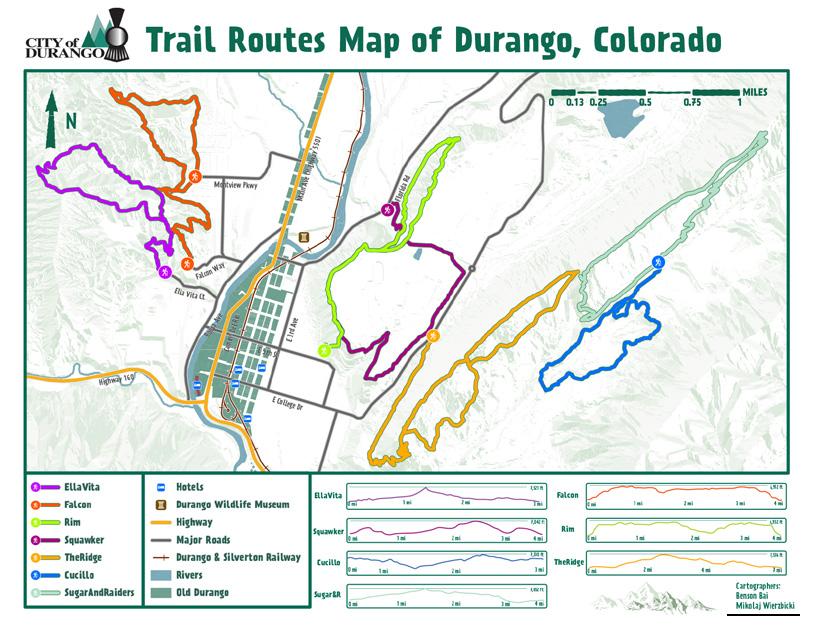
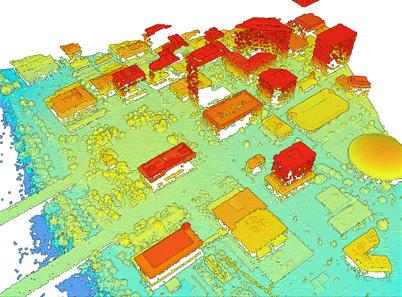
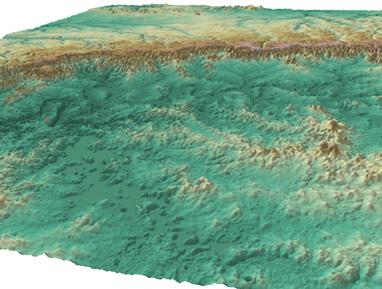
LiDAR and 3D DEM Terrain Models
To view more of my work, please click the icon below: