. O r g an ic. Directtrade.Traceablecacao.Fairpay.Nochildlabor.Novanilli n.N o gl ut e .n oN yos cel.nihti
SPRING 2024
MIKE&BECKY real. honest. chocolate. t-naeB oB a r
yticirtceleelbaweneR.gnipparwocE.liomlapoN .
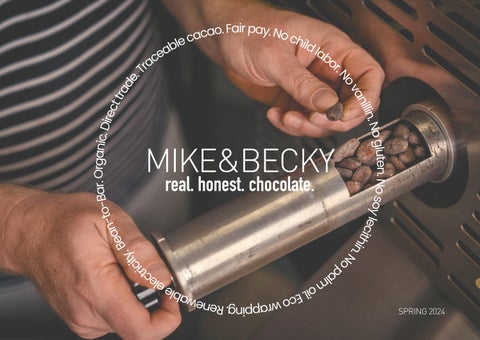

At MIKE&BECKY, the cacao is the star: its origin, the terroir anditsfarmers.Ourpartnerplantationsaroundtheworld are child-labor-free, eco-responsible, organic and are properly remunerating their workers for their excellent workandcacao.
Here, in Brussels, we like to keep things simple: organic cacao beans, organic beet sugar, and a tad of organic cacaobutter.
That's all there is in our chocolate. All made in our 100% greenenergyandtransparentworkshop.
Wearedoingeverystepofthecreationofourchocolate ourselves, from cleaning and roasting, to grinding, conching,tempering,andwrapping.
Working properly and honestly, from bean-to-bar, for us, it'ssimplythe'futureofchocolate.'
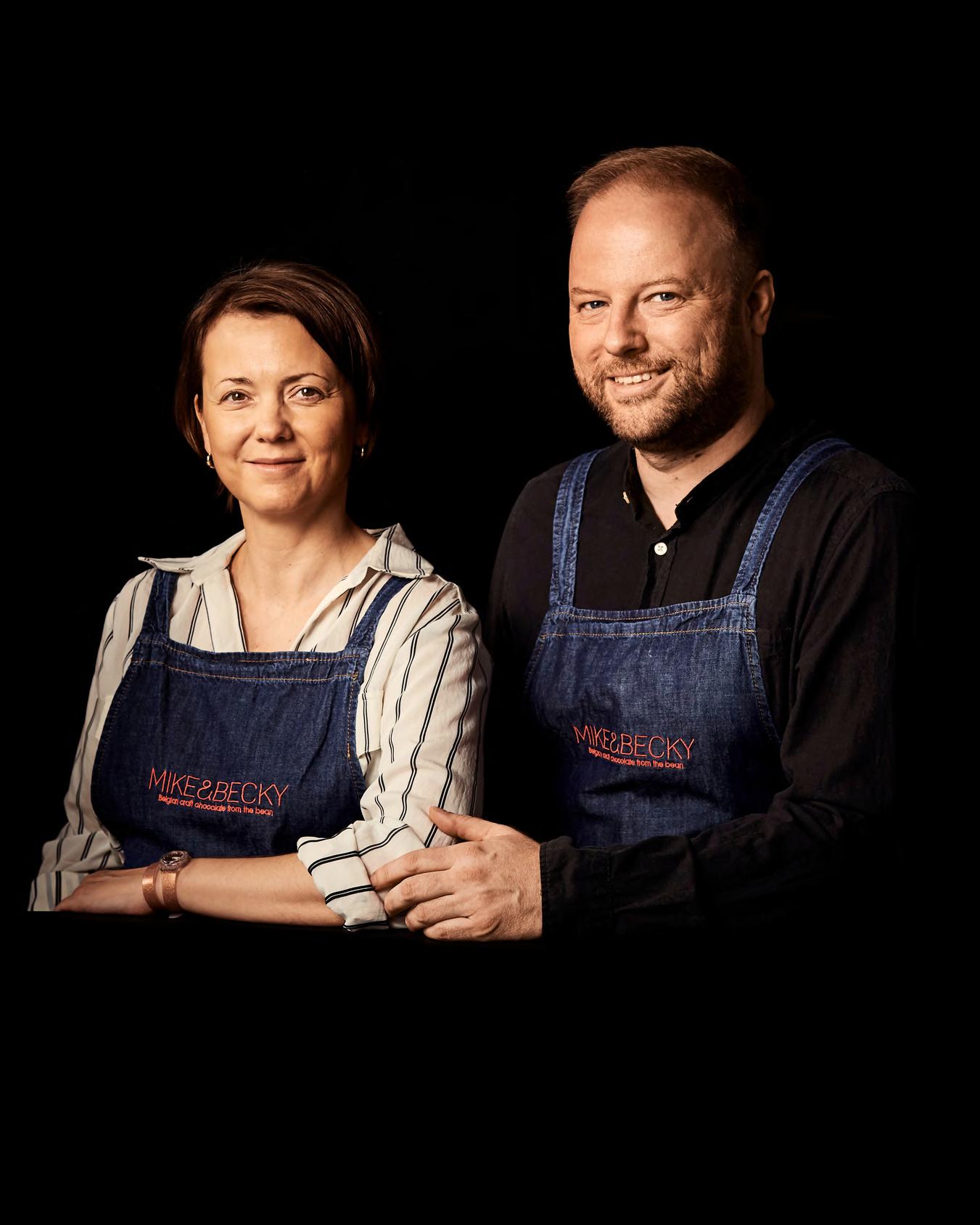
Yourschocolaty
Julia'Mike'Mikerova

Björn'BeckyBecker

Through our trusted cacao importers, namely Silva Cacao, Crafting Markets, and Uncommon Cacao, we work directly withproducersfromacrosstheworld.
As of the Spring of 2024, we source high-quality cacao beans from several different plantations. Using these premium beans, we have developed three primary collectionsoforiginchocolatebars.


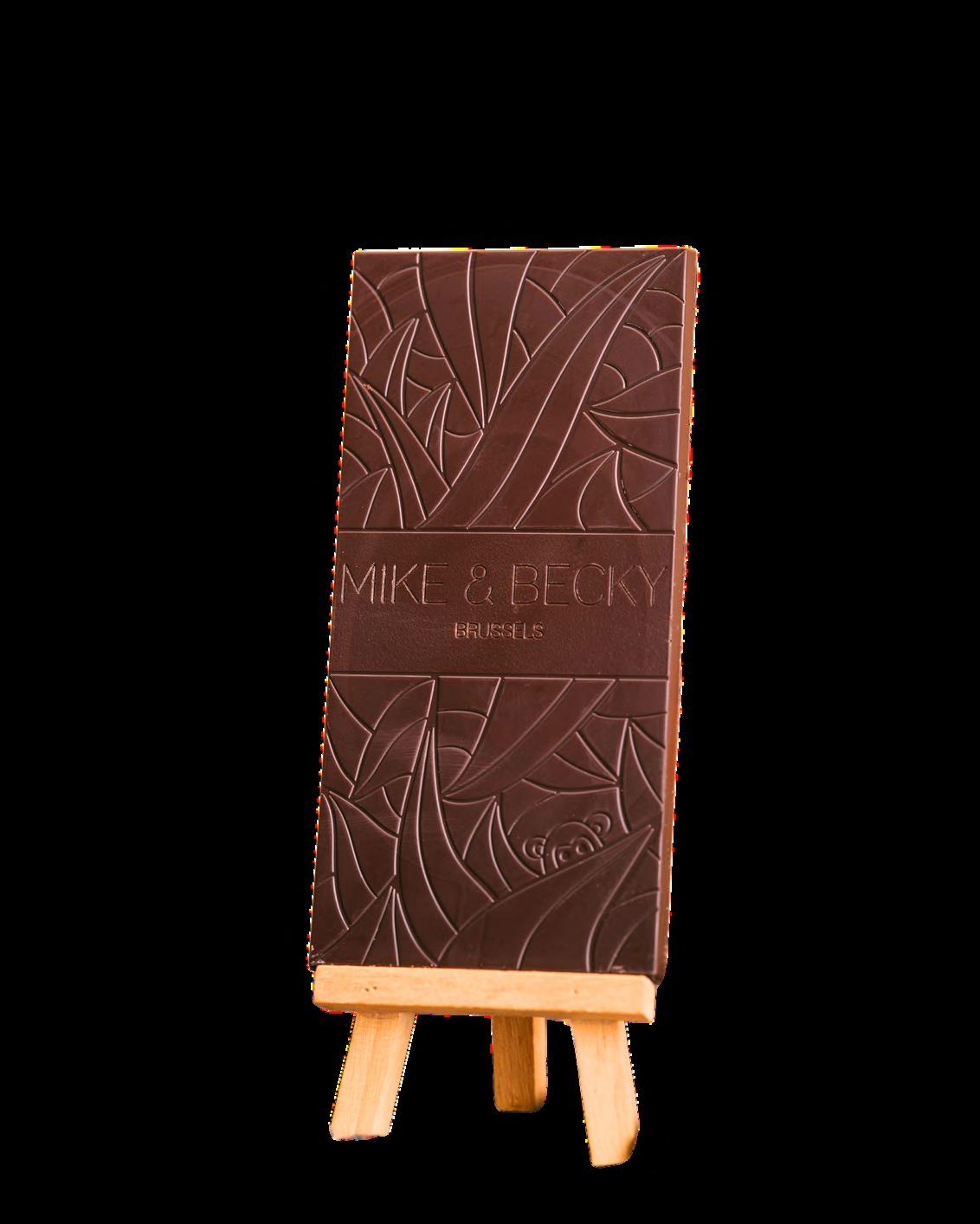
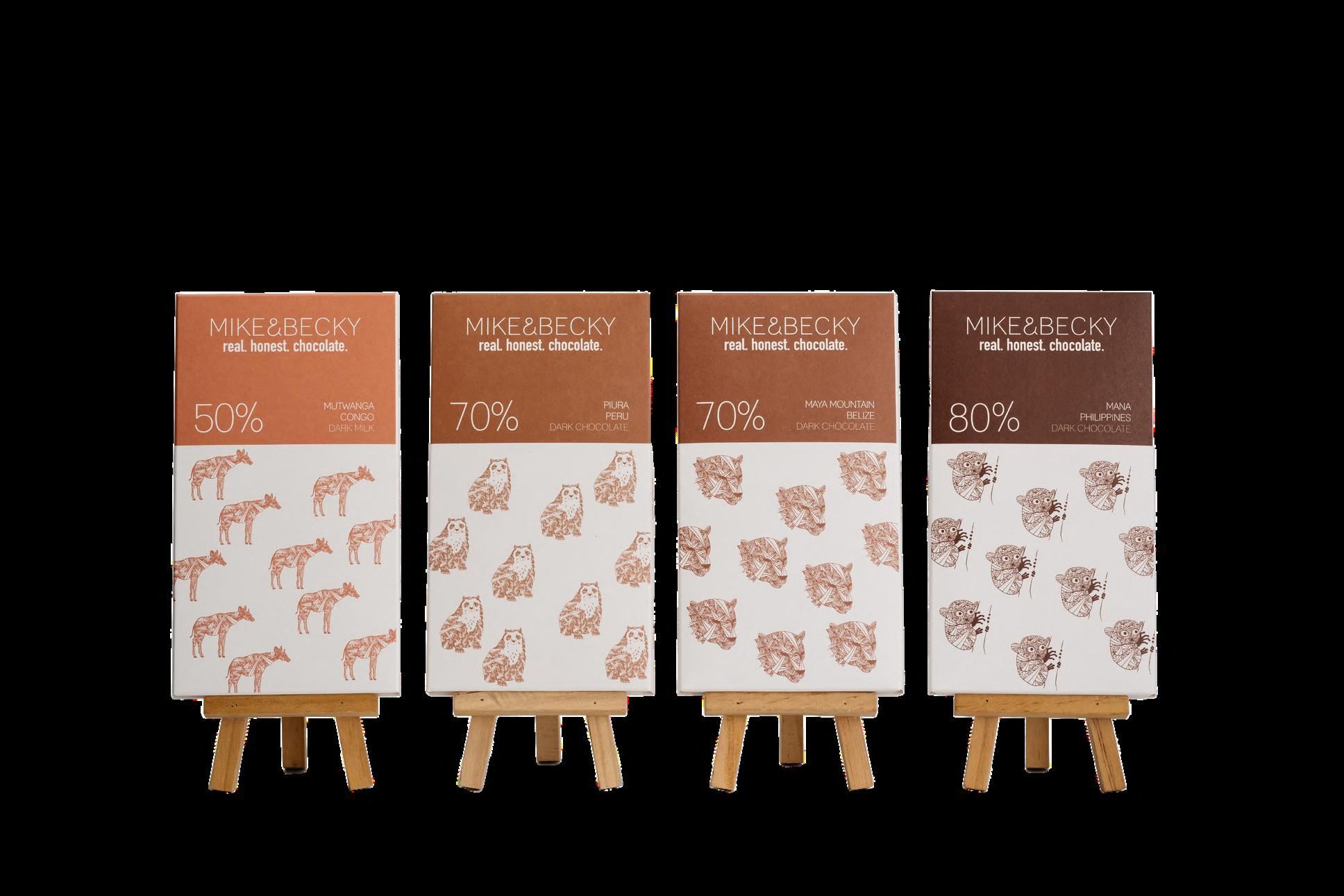
The “Classics Collection” is our reference range, which consists of pure 3-ingredient dark (70% - 80%) andmilk(50%)chocolate.Alongsidefinesingle-origincacao,weaddorganiccacaobutterandorganic beetsugar.
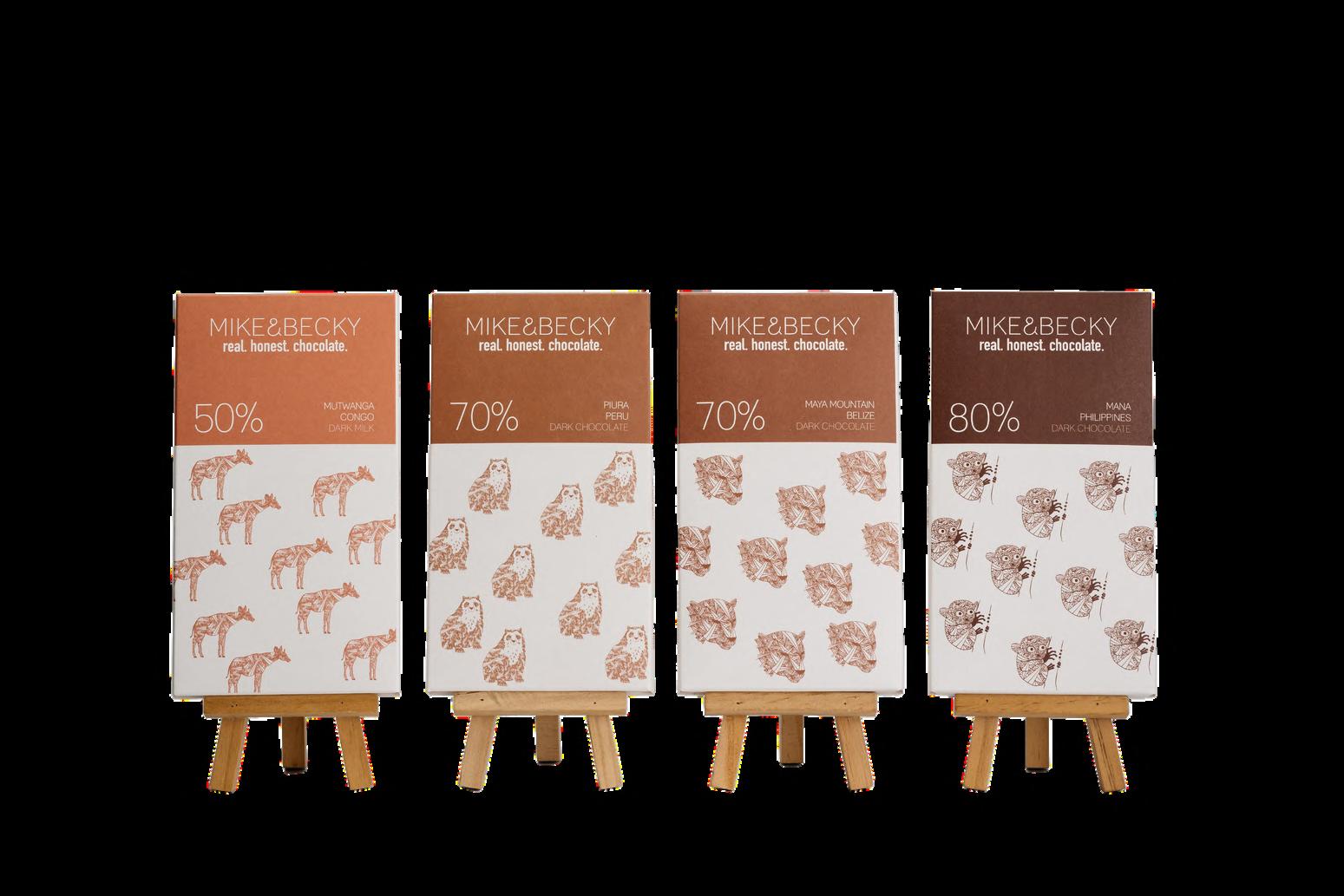
Forthisrange,weuseastandardroastingprofile(125°Cfor35min),andgrindfor72hours.VeryClassic. Thedifferentshadesofbrownindicatethelevelofintensity.
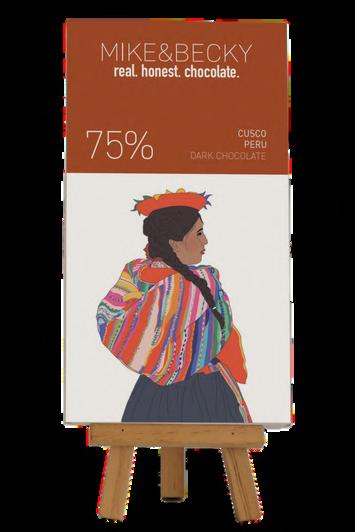
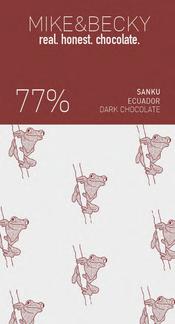
Forthisconstantly-expandingcollection,wepairour origincacaowithalittlesomethingextra.
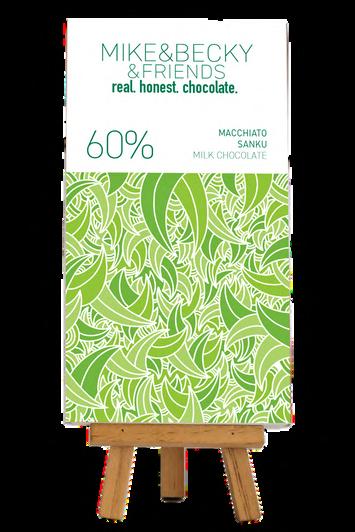
In the Summer of 2023, we decided to change up the packaging, migrating slowly and sustainably from solid pastel colors featuring two animals to a jungle-inspired pattern. Therefore, some of these barsmightstillbefoundwithourpriordesign.
MIKE&BECKY&FRIENDS now forms part of the Inclusions Collection. This category focuses on collaborations with like-minded, local, passionate artisansfromBrussels.
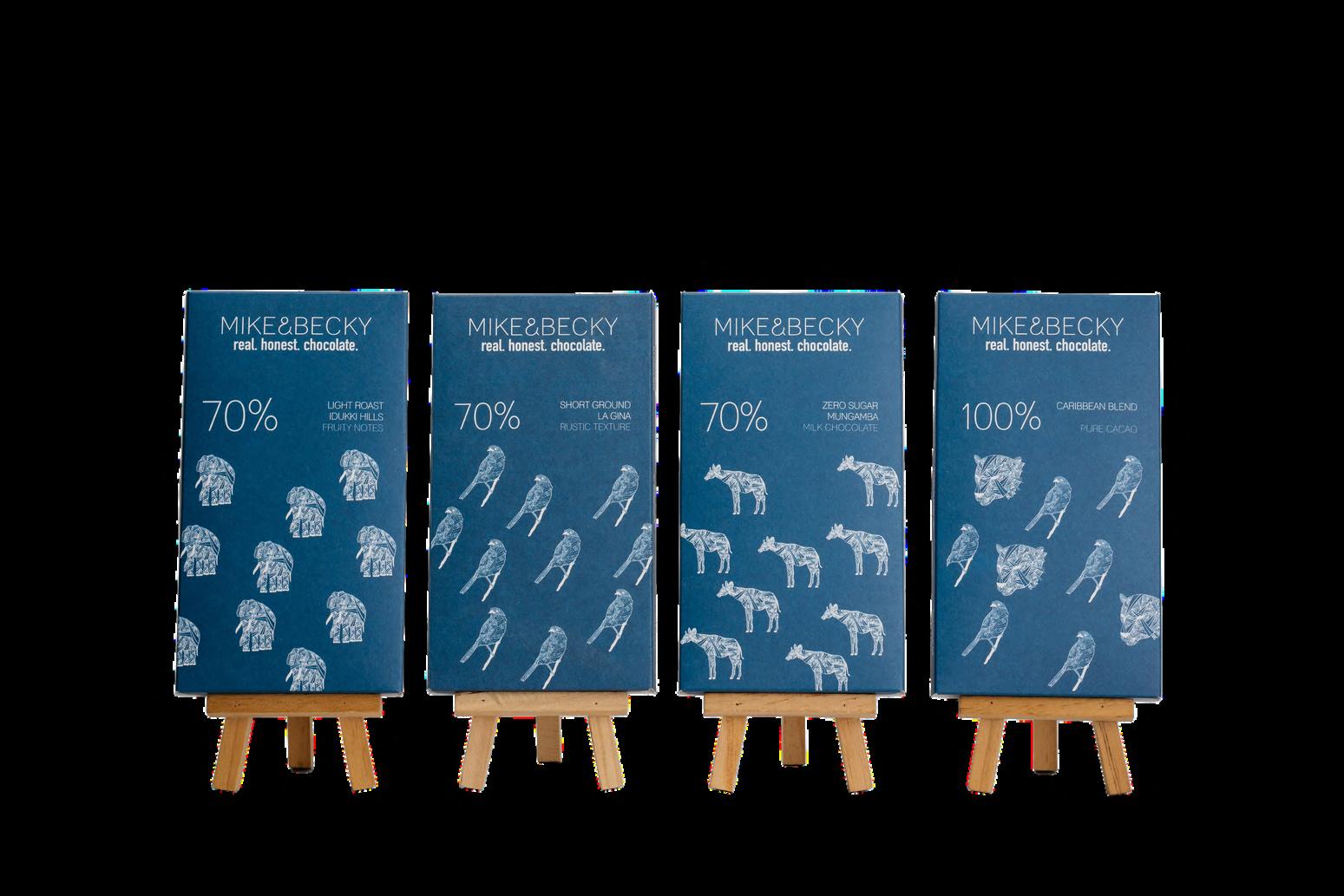
Differentiatedbythesoliddarkbluecolorofthepackaging,thissetofbarsrequiresomeexplanation: HereatMIKE&BECKY,wehavebeenpushingtheboundariesof‘traditional’chocolaterecipestoproduce newandexcitingflavorprofiles.Thishasledtothecreationofour“SpecialsCollection”whichincludes, forexample,amilkchocolatewithoutsugarandshort-groundbarwithroughtexture. Eithertherecipeis“extreme”oroneoftheproductionstepsinthechocolate-makingprocesshasbeen alteredtogivethesechocolatebarsaspecialtouch.
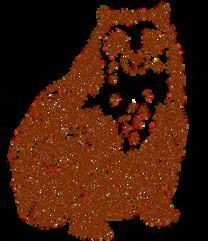
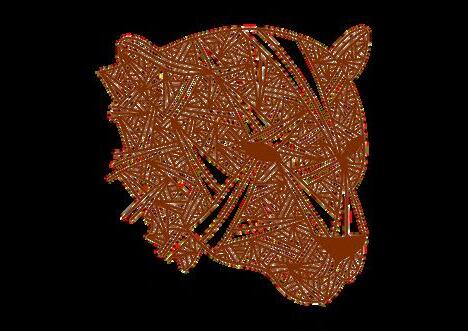
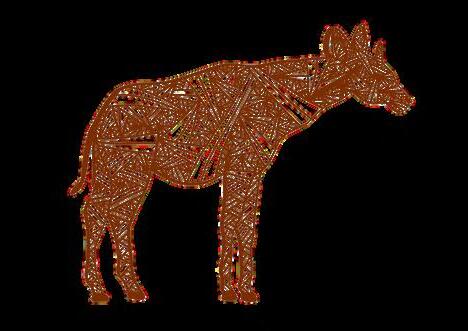
When it comes to the visual aspect of our packaging, our top priority is to communicate the originofthecacao.
For every plantation that we source fine cacao from, a wild animal is selected to represent the origin. When working with a producer, we enquire about the local animals that are prevalent in the area.
Oftentimes,theseanimalsaresadlyendangeredor at risk due to environmental factors. This makes it evenmoreimportanttoustoprovideinformationor
givespecialattentiontotheirsituation.
We call these animals the “ambassadors” of their respective plantations, and you can find a section dedicated to them on the inside of our chocolate barpackaging.
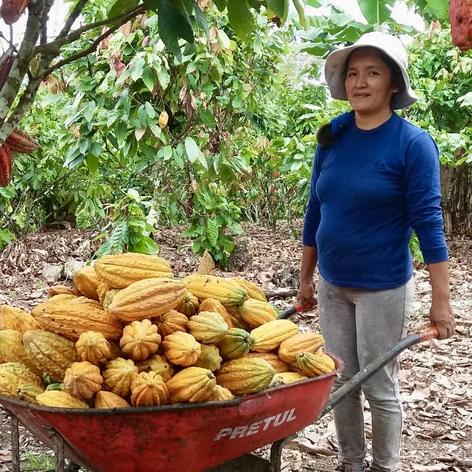
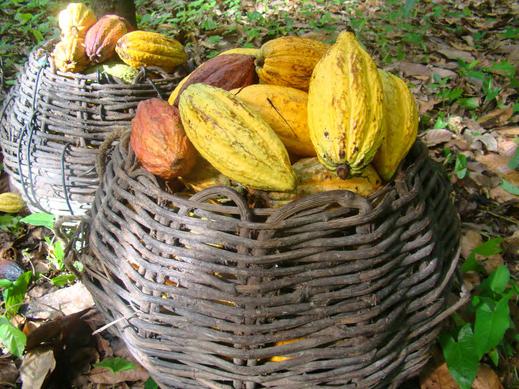
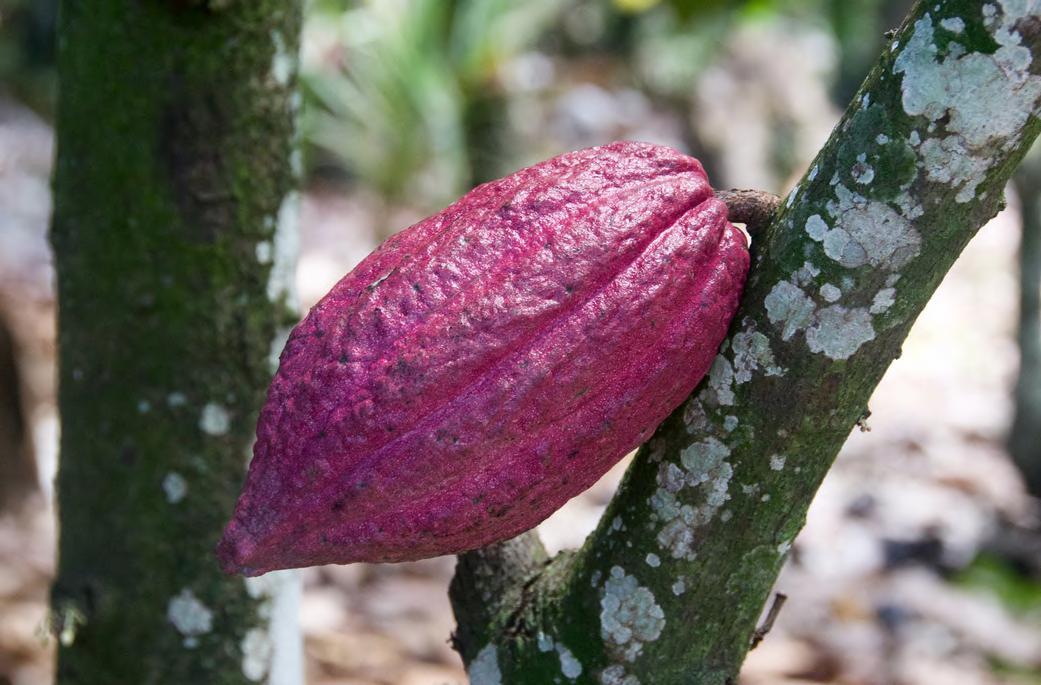
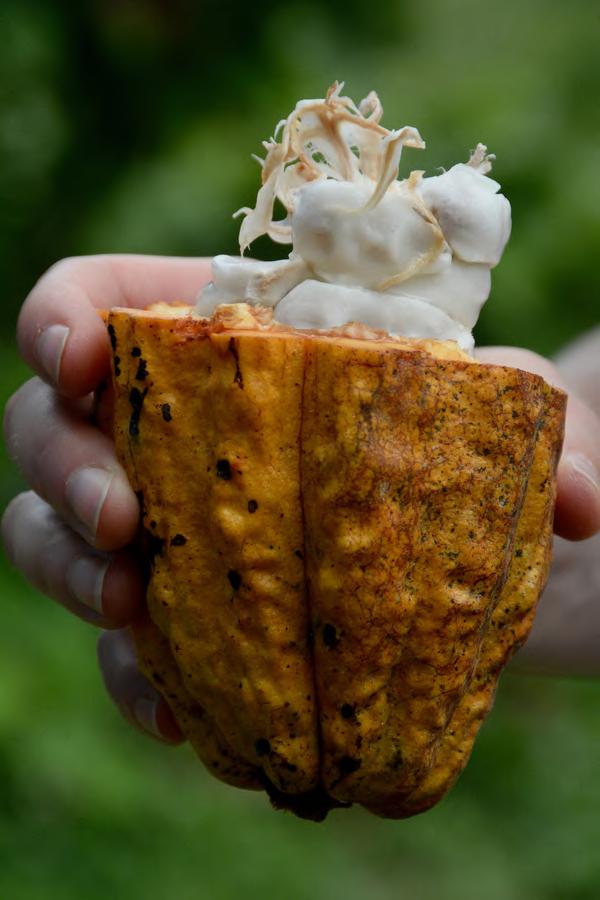
 MayaMountain, Belize LaGina, DominicanRepublic
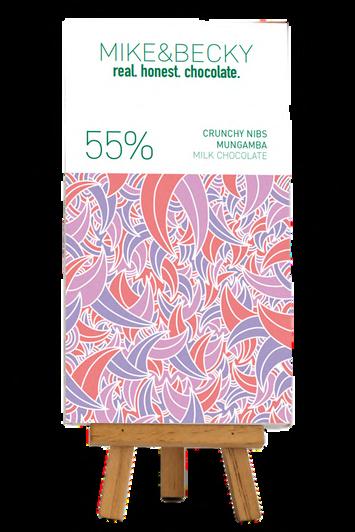
Mungamba, DRCongo
Mana, Philippines Sanku, Ecuador
Cusco, Peru Piura, Peru Watalinga, DRCongo
MayaMountain, Belize LaGina, DominicanRepublic
Mungamba, DRCongo
Mana, Philippines Sanku, Ecuador
Cusco, Peru Piura, Peru Watalinga, DRCongo
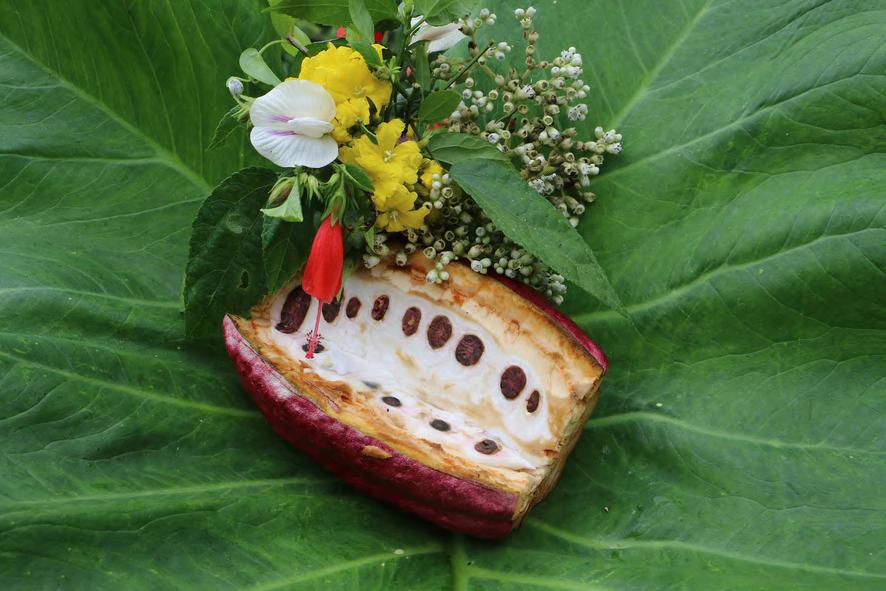
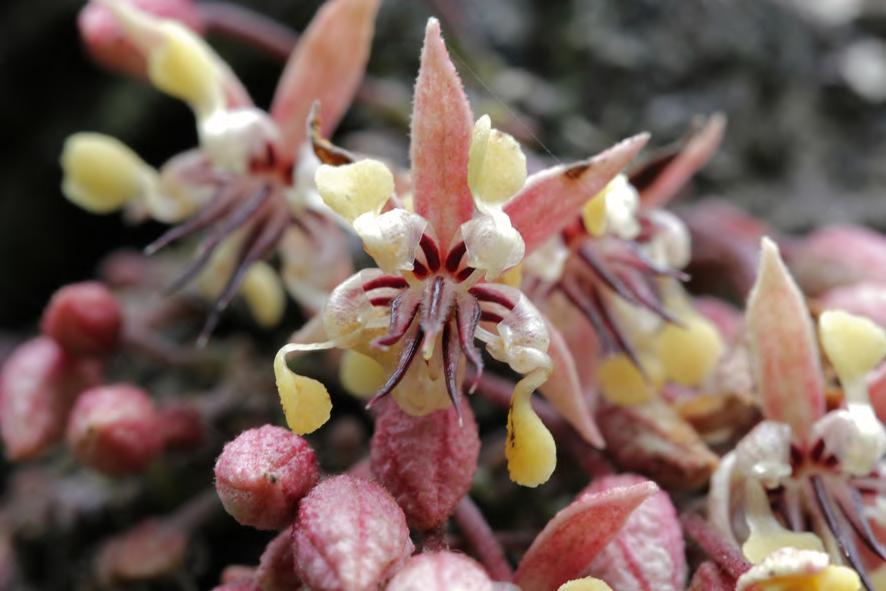
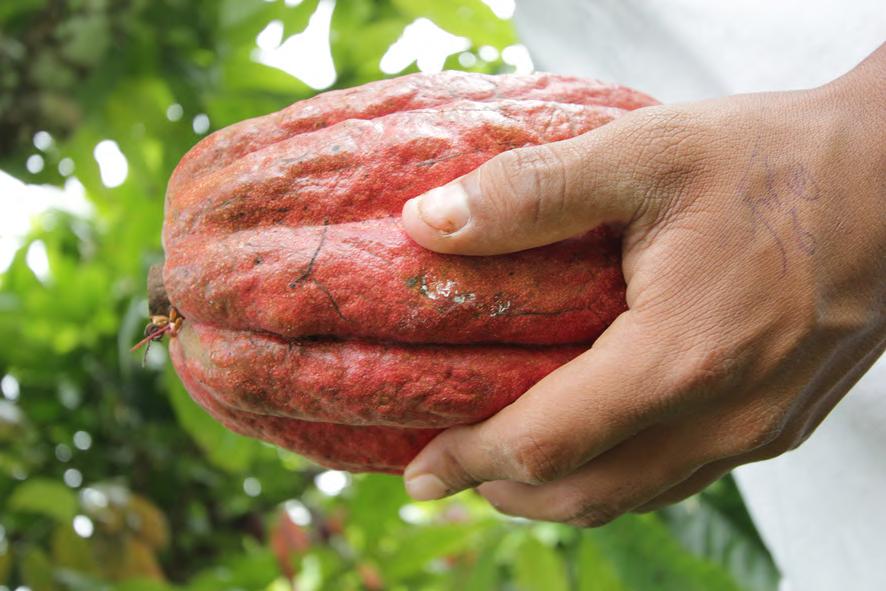
MayaMountaincacaogrowsintheToledoandSouthStannCreekdistricts, most by indigenous Q’eqchi’ and Mopan Maya farmer families. The majority of cacao cultivated by families in the Maya Mountain farmer network are Amelonado-dominant hybrids and other Upper Amazon Forasterohybrids.In2019,MayaMountainCacaowasawardedaCacaoof Excellence Award, which placed it within the Top 20 cacaos globally. The cooperative is focused on being a sustainable, long term and transparent partner to the farmers. The cacao is intercropped with hardwood, fruit trees,banana,coconutandmango. The cacao is a hybrid between Criollo and Trinitario, and are cultivated at an altitude of 220-400m. The beans are harvested from January to June, andinNovember/December.Thefreshbeansareplacedinwoodenboxes, and ferment for 5-7 days. After this, they are dried on roll-out decks and cement.
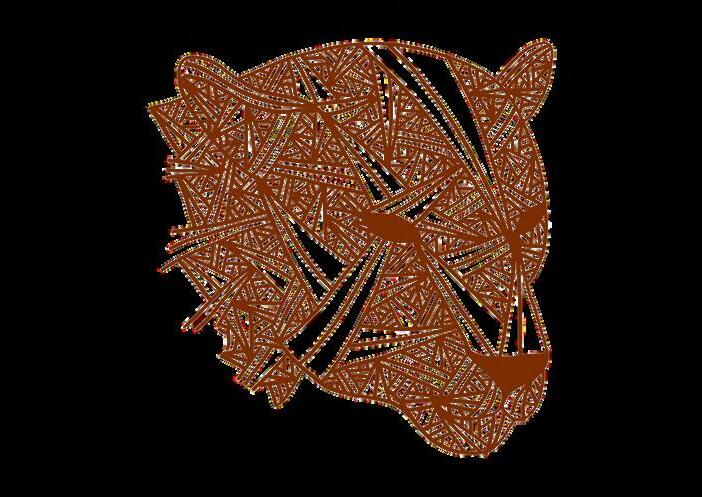
In the culture of the Q’eqchi’ and Mopan Maya the Jaguar is respectfully called "baalum", meaning "the king". Belize hosts the world's first Jaguar preserve, Cockscomb Basin Wildlife Sanctuary, that is home to more than 200wildjaguars.
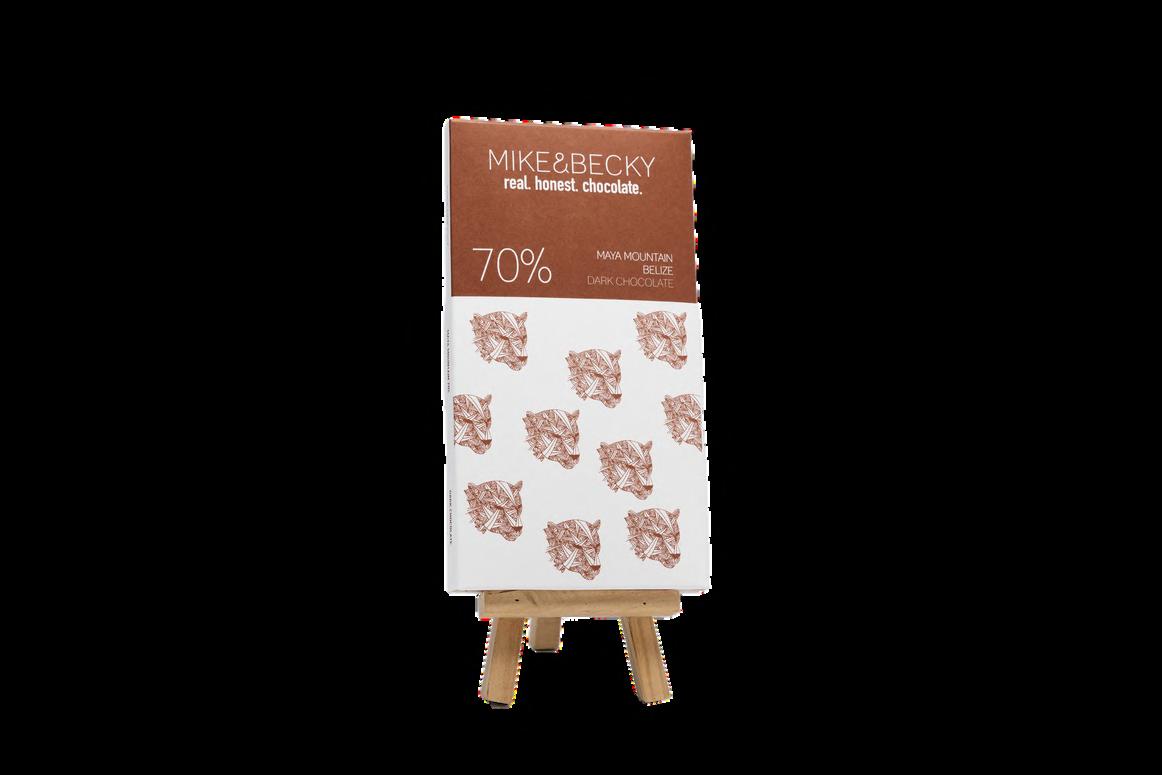
MAYAMOUNTAIN70% ClassicsCollection
70%darkchocolatewithnotesofcitricfruit andahintofhoney.
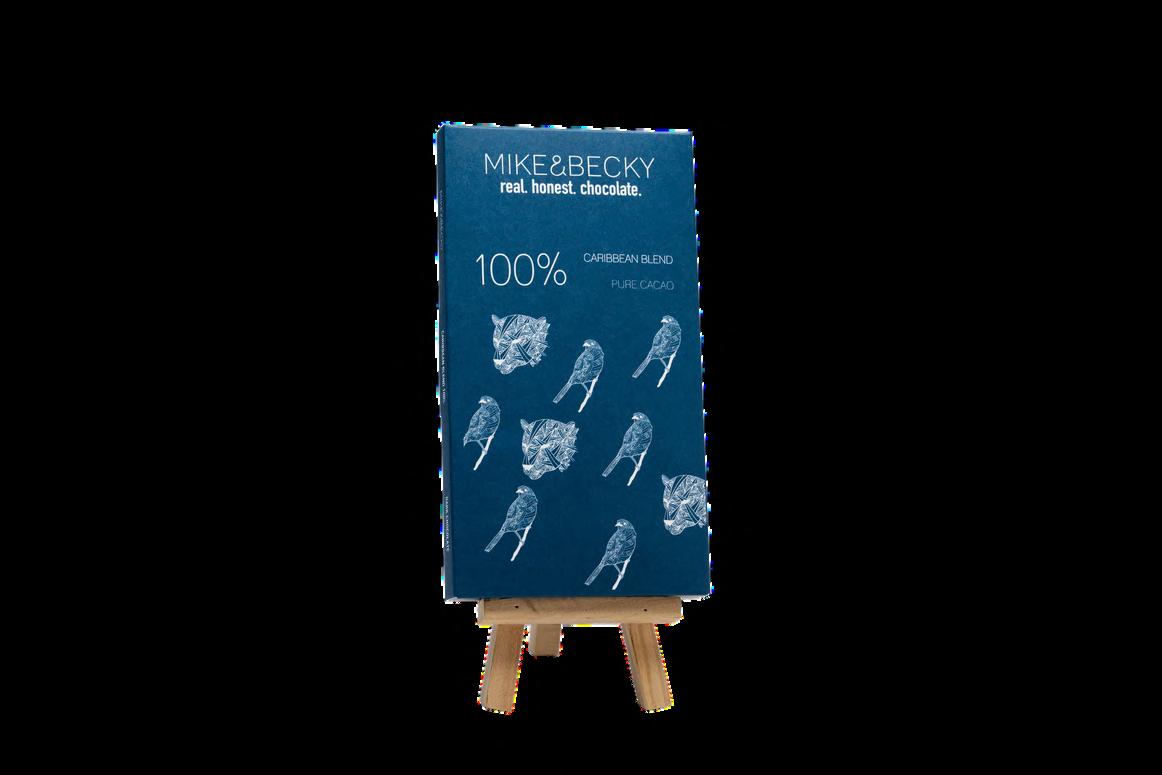
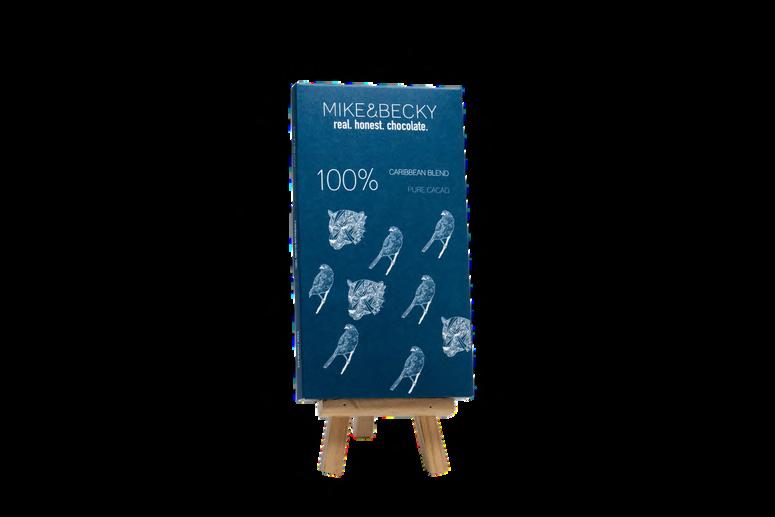
CARIBBEANBLEND100% SpecialsCollection
100%darkblendwithLaGina,makingthis baraccessible,intense,butnotbitter.
Öko-CaribeSRL
Km.3½CarreteraPimentel—Nagua
LaGina,Pimentel-SanFranciscodeMacoris DominicanRepublic
+18292577963
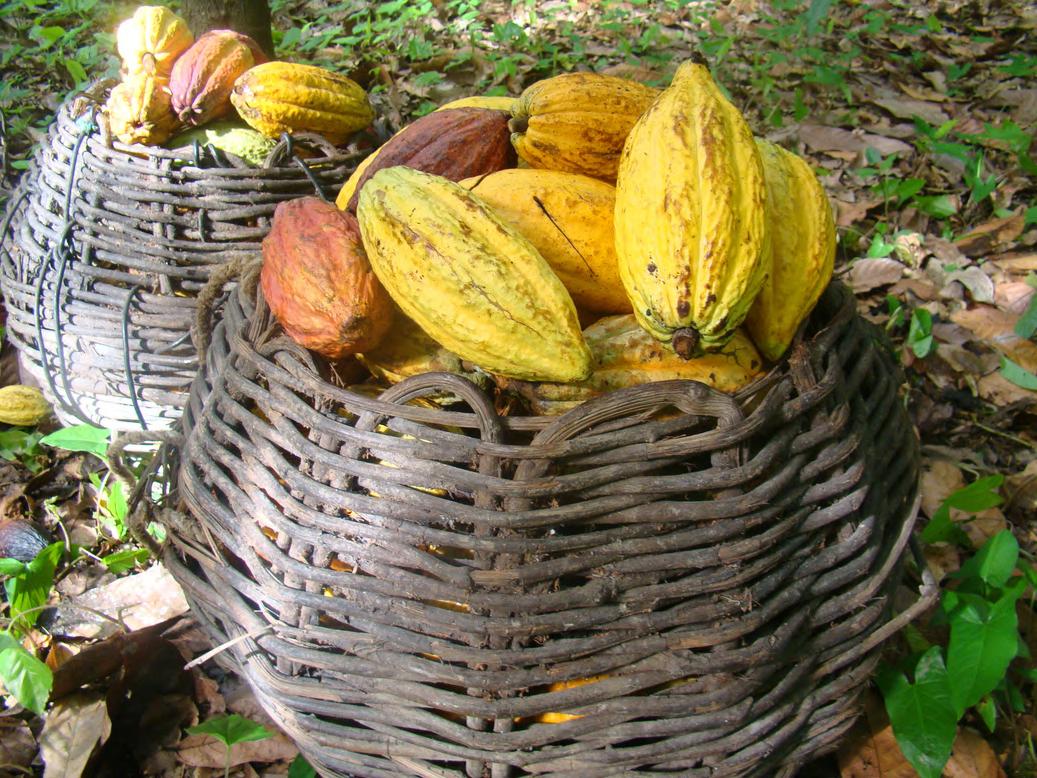
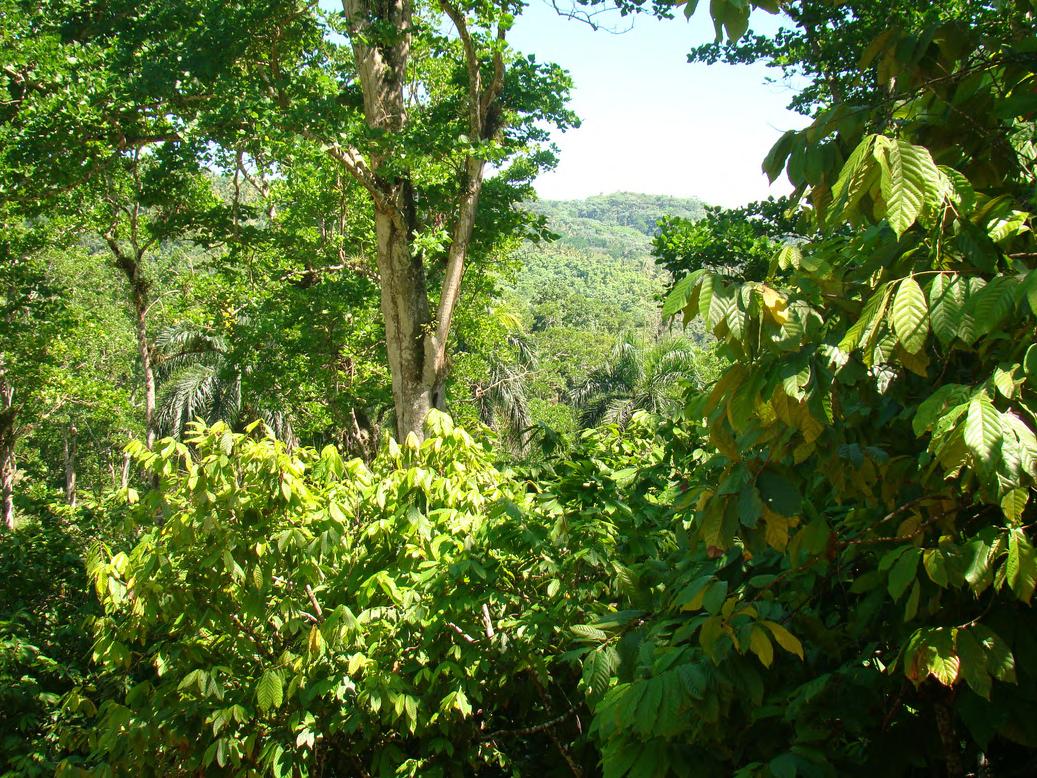
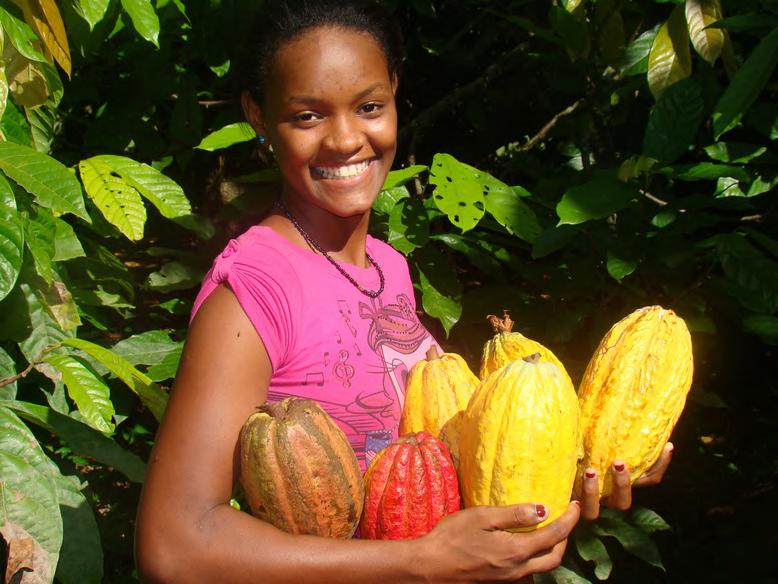
Cacao was introduced to the island of Hispaniola in the late sixteenth century. When Adriano and Gualberto founded Öko Caribe in April 2006, they had one goal: raising the standard of quality cocoa. With vigor, care andpassiontheyhavecreatedasuperiorqualitycocoathatisrecognized bymanyandhasraisedtheinternationalbar.
ThecacaoisTrinitario-HispaniolaandCriollo.Itiscultivatedatanaltitude of 40m, and is harvested from March to August. The beans are fermented inwoodenboxesfor5-6days,anddriedfor10daysonaverage.
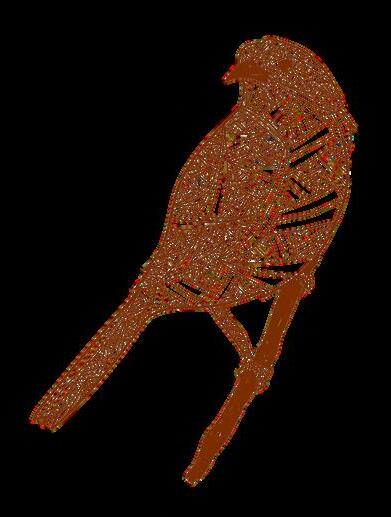
The Dominican Republic hosts over 300 bird species, with the Palmchat havingaspecialstatusasanationalsymbol.Itisajoyfulsingerbirdthatis mostlyseenonpalmtrees-hence,thename.
ByFlorenceMarais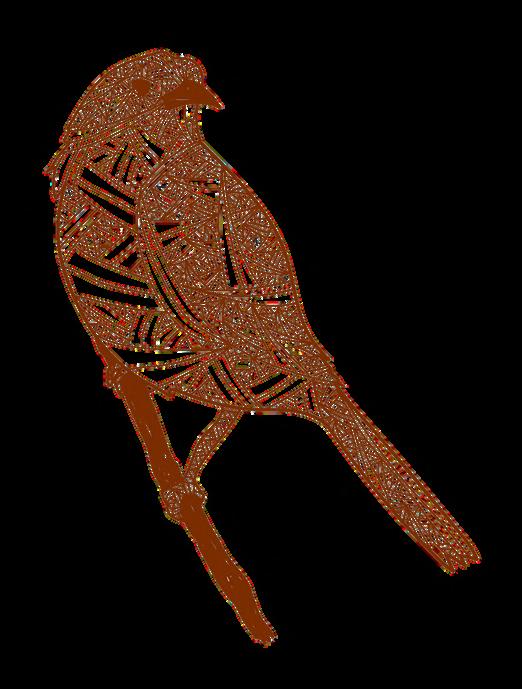
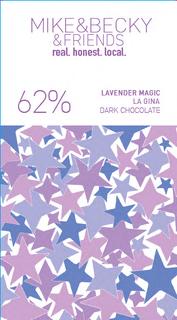
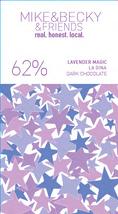
LAVENDERMAGIC62% InclusionsCollection
A62%darkchocoatewith organcashwagandaroot andavenderArelaxngbar ncollaboratonwithAHO Botanicals
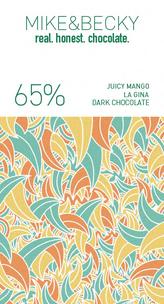
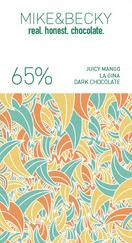
JUICYMANGO65% InclusionsCollection
65%darkchocolate pairedwithsweet andtangydred mangoesfrom BurkinaFaso
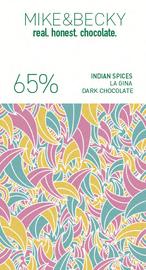
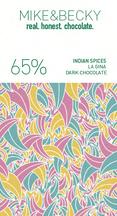
INDIANSPICES65% InclusionsCollection
65%darkchocolatewith addedspcescnnamon, cove,backpepper gnger,nutmeg,and cardamom
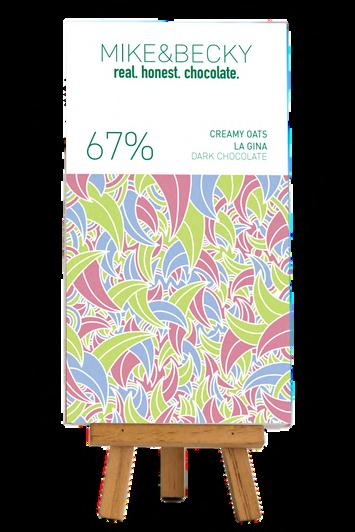
CREAMYOATS67% InclusionsCollection
A67%Darkchocoatewith toastedoatsTheresult: "veganmikchoc"ofntense cacaowthcreaminessof theoats
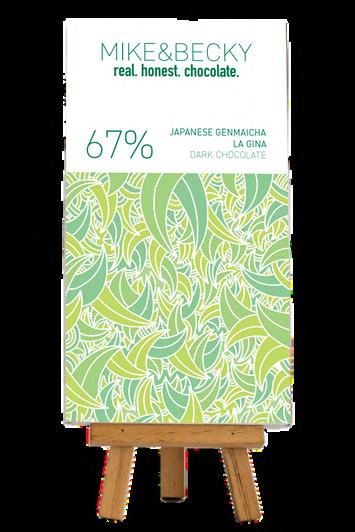
JAPANESEGENMAICHA67% InclusionsCollection
Wel-baancedHspanoaTrinitarocacaopairedwth JapaneseGenmaicha,agreen teamixedwithroastedpopped brownrce
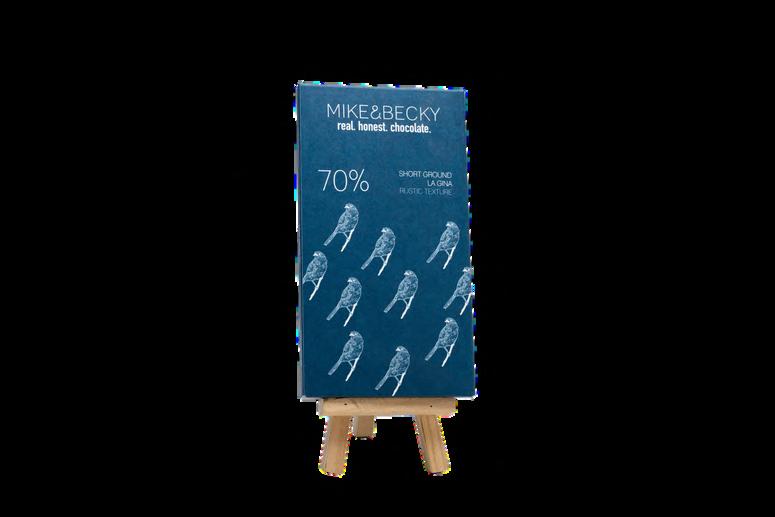
SHORTGROUND70% SpecialsCollection
Old-style70%Dark chocolatethatwas processedfor12hours onlyresultingnarustic texture
CARIBBEANBLEND100% SpecialsCollection
100%darkchocoatebended withMAYAMOUNTAIN,which makesthisbarvery accessible,intensebutnot bitter
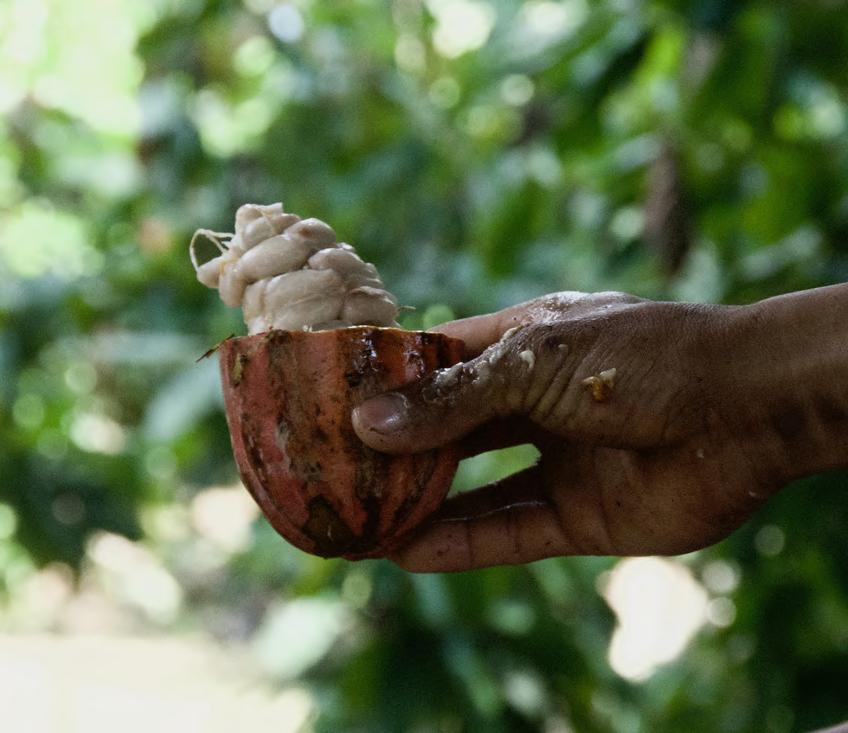
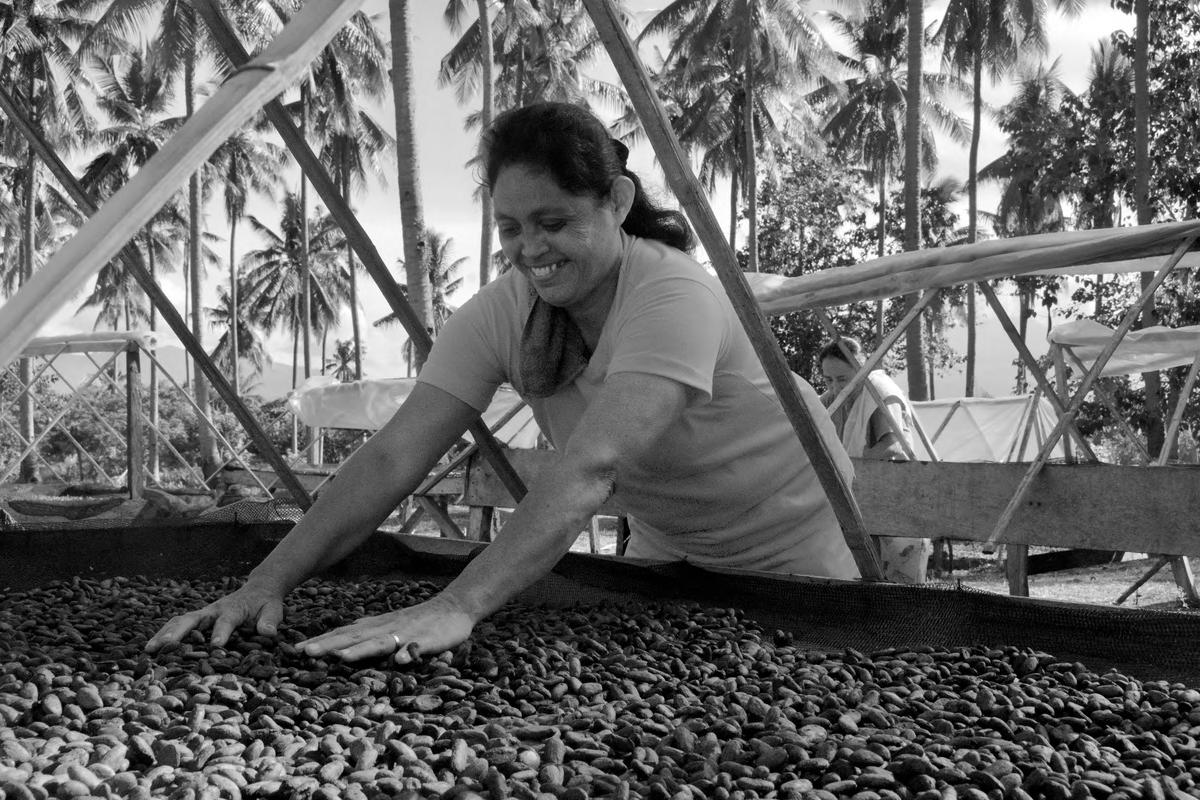
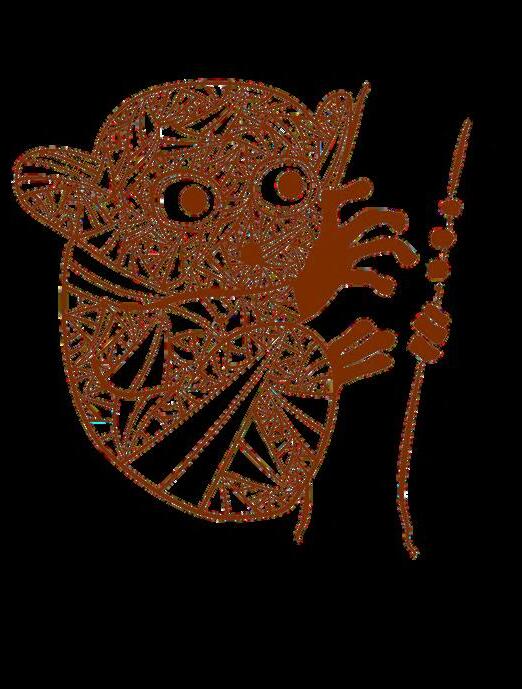
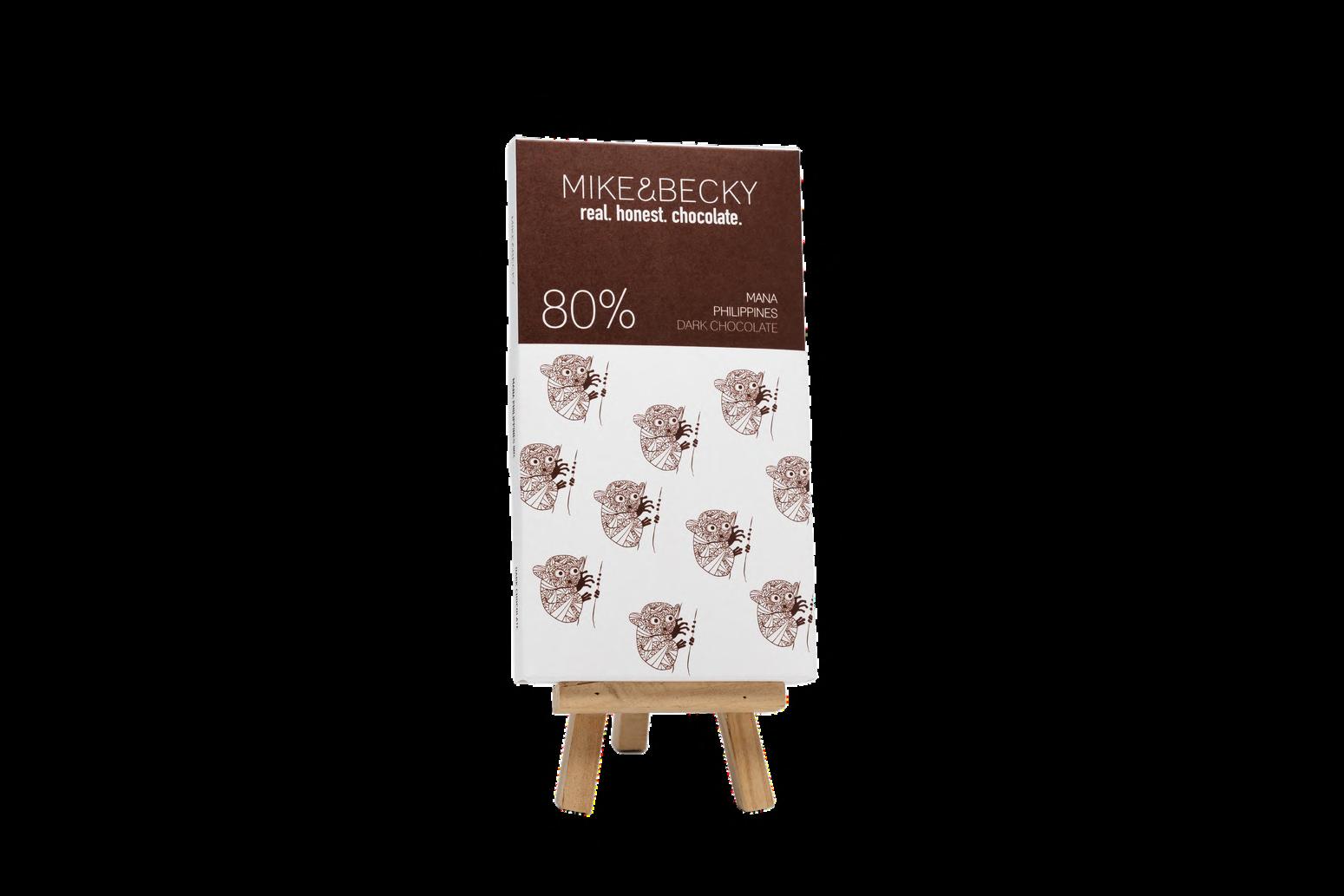
IntheDavaoregion,partofthesouthernPhilippinesislandofMindanao,a smallgroupoffarmersfocusonqualityincacaocultivation.Theresulting Mana cacao has a complex yet balanced profile with cascading flavors. The smallholder farmers and their families benefit from increased and diversifiedincomeduetohigherpricesandcontinuoustechnicalsupport bytheirFilipinopartners,AUROchocolatecompany.Thefarmerspromote intercropping,agroforestryandorganicfarming,whichhelpstoincrease biodiversityandprotectionofremainingforestfragments. The cacao is a Forastero Trinitario Blend, and thrives at an altitude of 800-1200m. Harvest takes place from September to December, and FebruarytoApril.After,thebeansarefermentedinwoodencratesfor4-5 days,andthendriedoncovereddryingbedsforafurther8-10days.
The Philippine tarsier is the second smallest primate on earth. Besides being tiny, they are also known for being very delicate and emotionallysensitive.Thetarsierisaprotectedspecies,especiallysincetheycan'tbe kept in captivity. The main threats are exploitative tourism, habitat destruction and therefore low birth rates. The Philippines Tarsier Foundation runs a habitat preserve in a natural forest on the island of Bohol,wherevisitorsareallowedtocarefullyobservethesecuteanimals. ByFlorenceMarais
Extra Dark chocolate with hints of dried fruits and roastednuts.
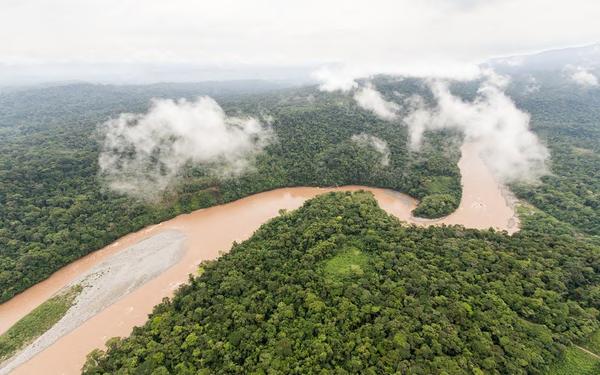
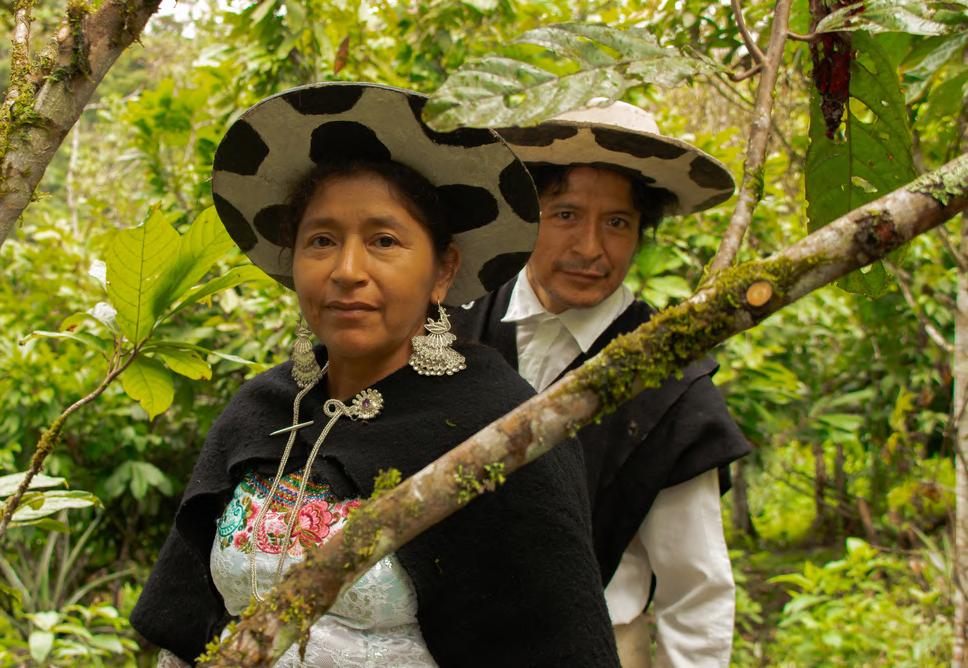
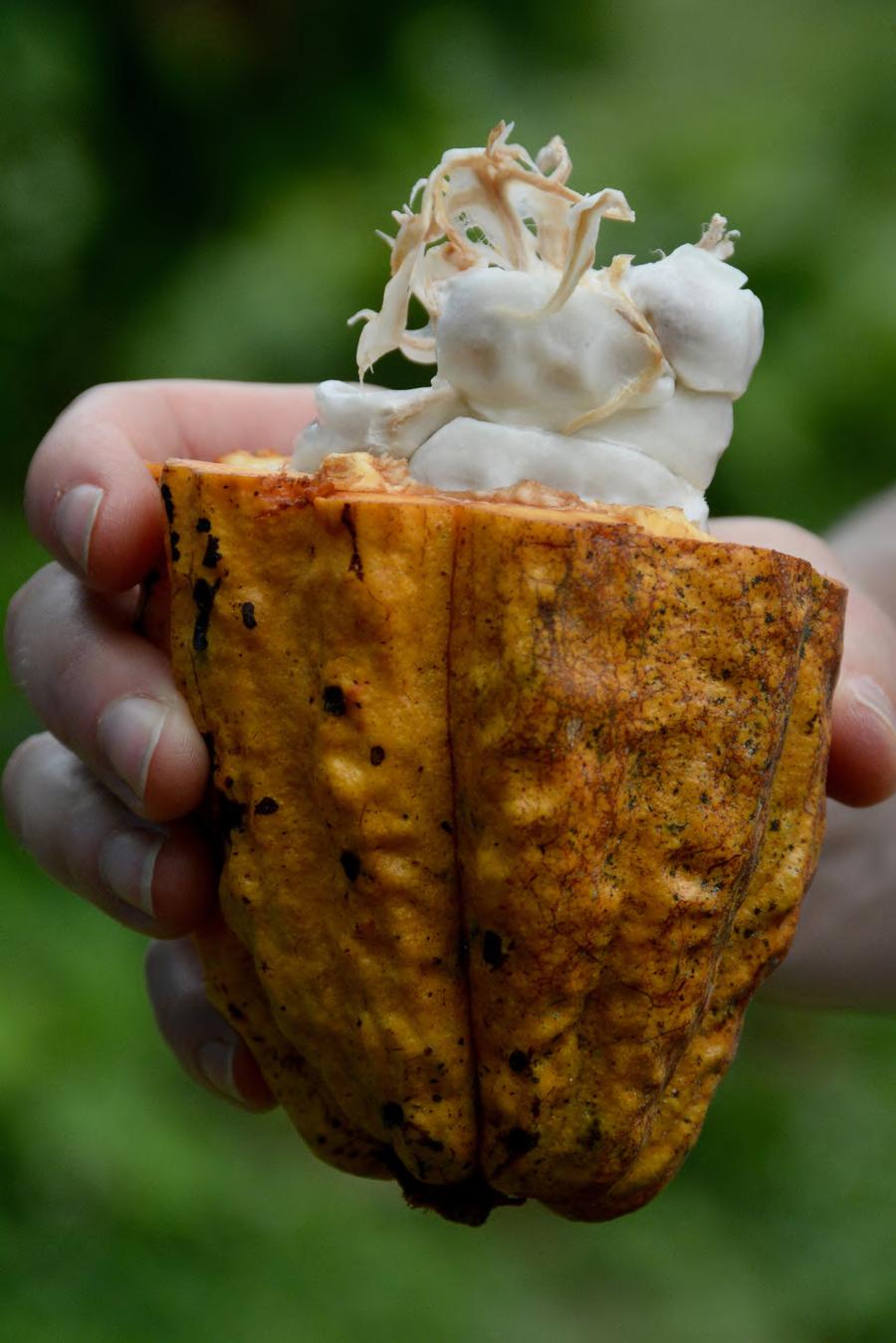
This cacao is grown in Zamora-Chinchipe, southeast Ecuador, in accordance with the traditional Chakra biodiverse agroforestry system. The indigenous people intercrop cacao with a multitude of other trees and plants that all interact with each other. Cultivated biodiversity. Our partner association APEOSAE consists of 180 farming families growing a selection of national cacao according to strictly defined harvest and post-harvest protocols. In Ecuador, the Nacional cocoa variety has been preserved by small producers for 150 years in forest ecosystems. These native cocoa trees, which were still in the majority 20 years ago, are threatenedwithextinctionwiththemassplantingofahybridcocoatree, the CCN51, whose yields are three times higher but whose aromatic qualities are much lower. APEOSAE is part of a program aiming to promote the transition from traditional monoculture to sustainable agroforestry systems. Thanks to the program ' s monitoring it is now confirmedthattheregionisdeforestation-free.
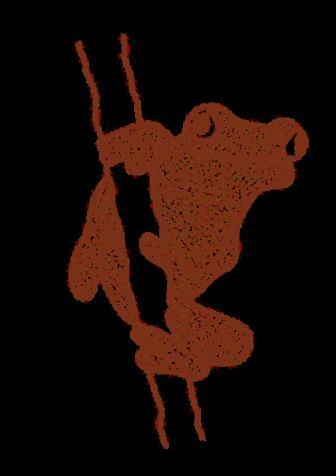
The Yantzaza Rainfrog is a typical species of the area. It is kind of a symbolasitisveryprettyandfragileatthesametime.Liketherainforest. This very small brown frog has a bright reddish belly, a bluish iris and a broadhorizontaldarkredband.Itlivesintheever-greenmountainforest andisactiveatnight.
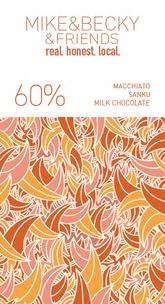
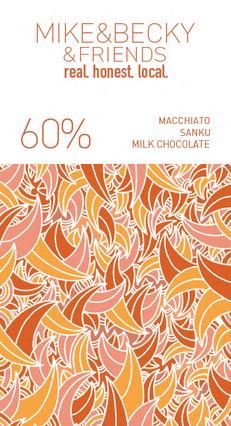
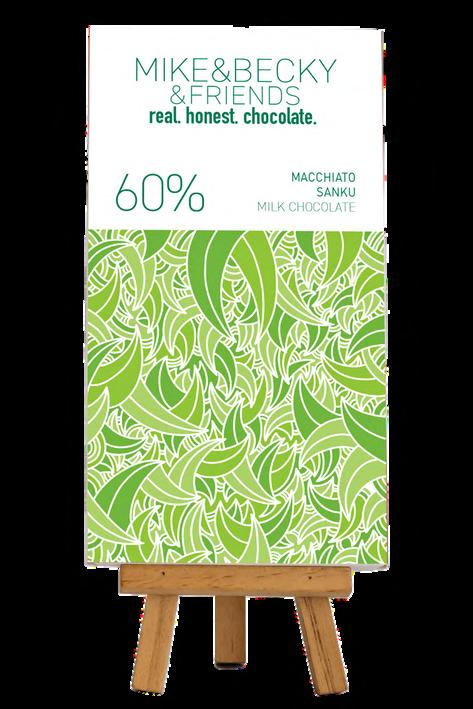
MACCHIATO60%
InclusionsCollection
60%darkchocolatewitha dashofspecialtycoffee, expertlyroastedinBrussels.
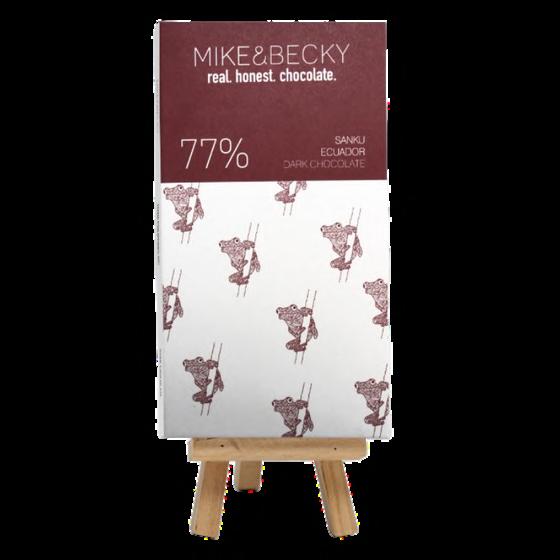
SANKU77% ClassicsCollection
Intensedarkchocolatewith aflavorprofilefullof character.
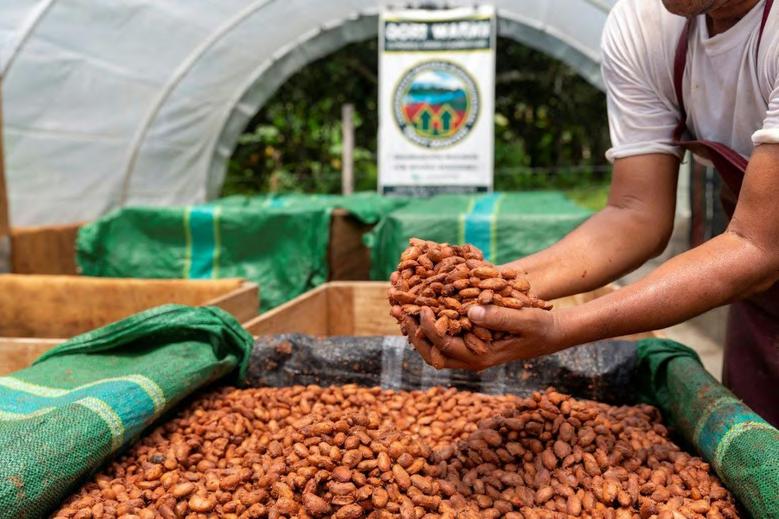
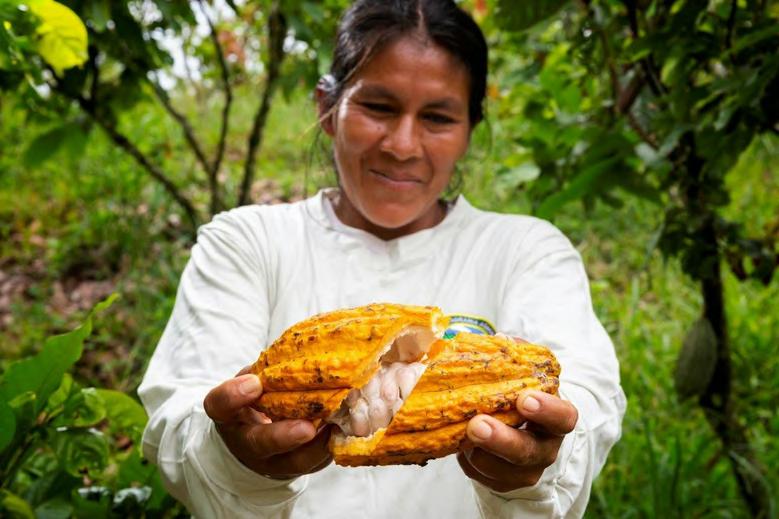
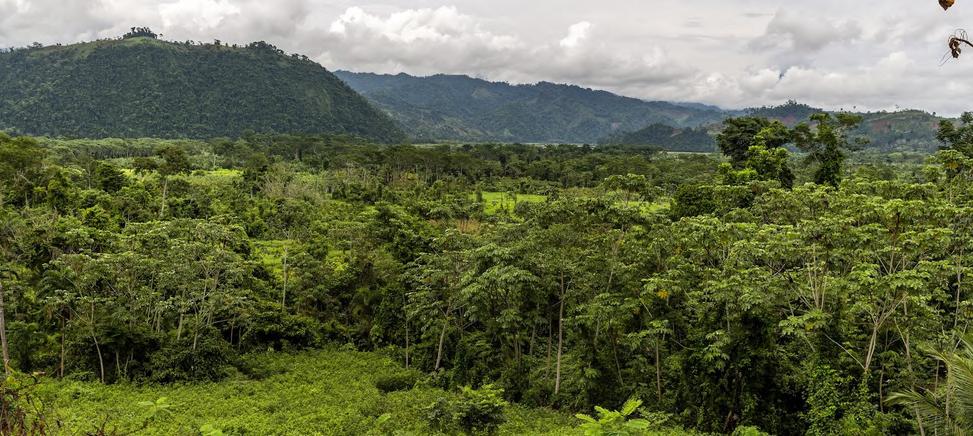
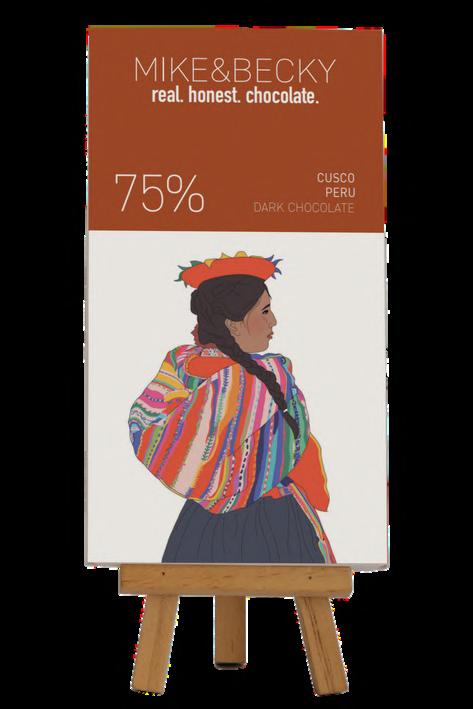
The Qori Warmi Cooperative is based in the Vraem region of Cusco, Peru, an area well known for its incredible cacao and enormous geographical and ecological diversity. The Qori Warmi Cooperative was formed in 2017 with the goal of raising a legal income through the farming of cacao. The 130membersoftheCooperativeareprimarilywomenwhohavetakenover the running of their family farms after losing family members, and the nameofthecooperativetranslatesto“womenareworthgold”inQuechua. The varietal of cacao cultivated by the cooperative was selected for its unique, delicate flavor profile, and by using strictly controlled post harvest practices at a central fermentation station the incredible flavors are preserved.
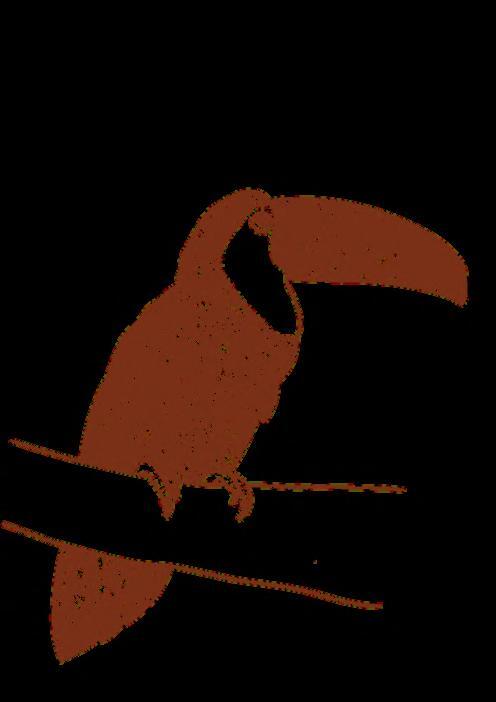
The Toucan is a vibrant, tropical bird that is found across South America. From the 41 Toucan species worldwide, 19 have been recorded in Peru, wheretheyofteninhabittheAndeanlandscapes.Cuscoishometoalarge number of these birds, that are often characterized by their large, colorful beaksanddistinctlook.
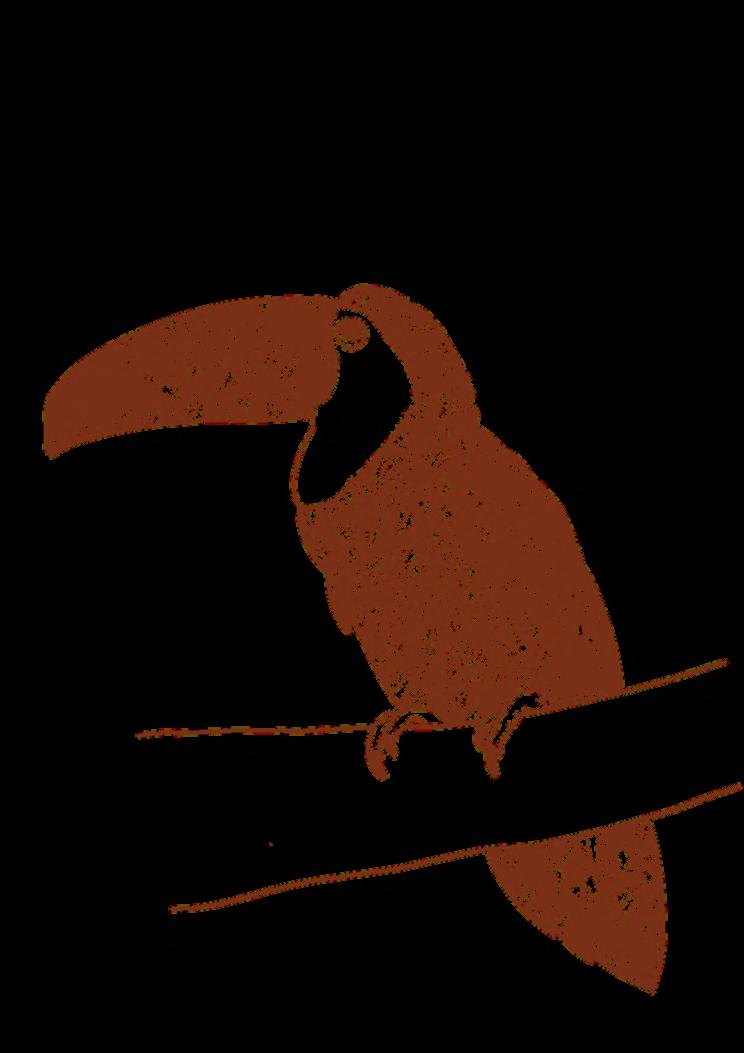
Dark chocolate with a delicate profile and floral hints.
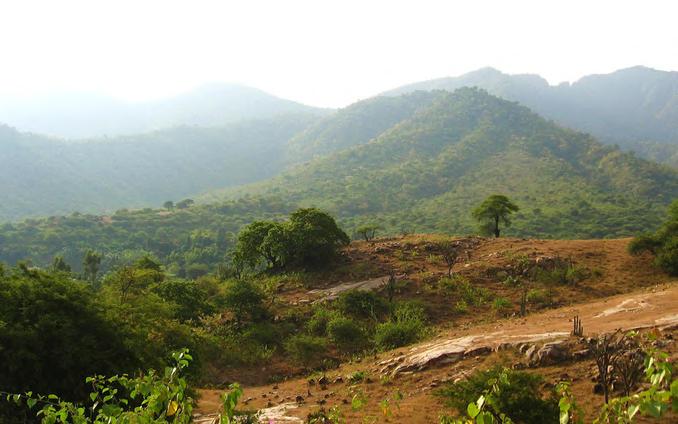
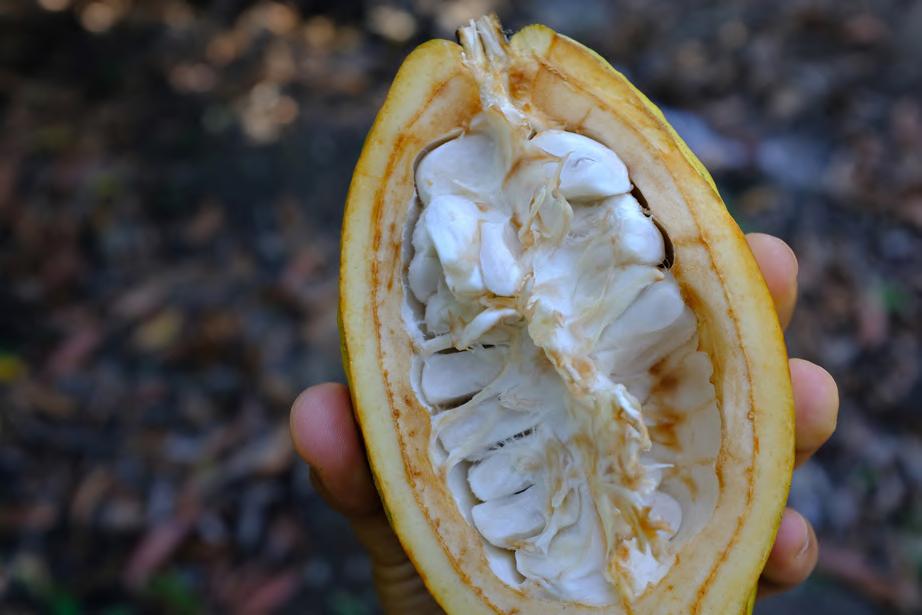
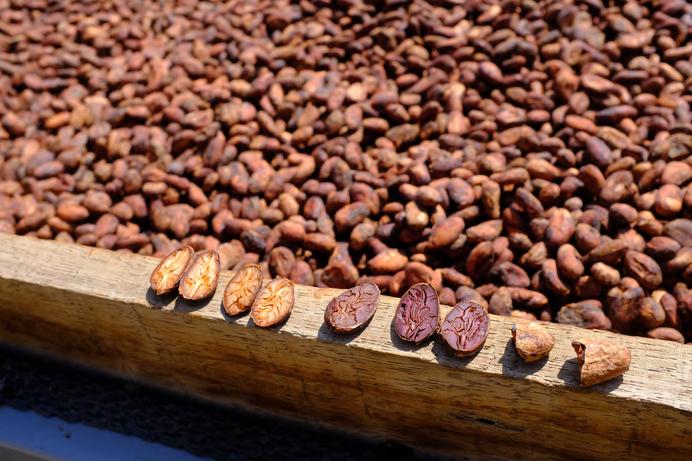
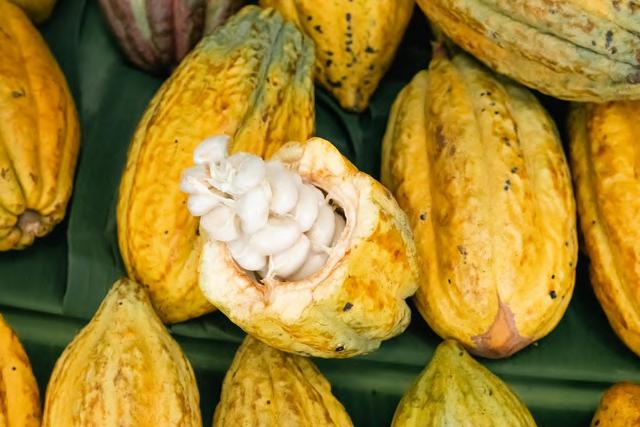
The northern region of Peru is known for its high percentage of aromatic white beans found in native cacao pods, which brought forward the name 'Piura Blanco.' The Piura region is home for many native trees of whichthe(Gran)Blancoisthemostwell-known.
The terroir of the greater Piura Valley can be described as “dry forest” which receives rain only for a couple of months per year. The cocoa beansareadescendantofthe'Nacional'variety,amongtherarestinthe world and characterized by it's white color and delicate flavors. Norandino is an agricultural cooperative, focused on typical Peruvian produce such as coffee and cacao. Their mission is to improve social, economic and environmental responsibility in all their products and processes.
The cacao is Piura Blanco, Nacional, and thrives at an altitude of 500m. The beans are harvested from December to May, and are fermented in woodenboxesfor6-8days.Afterwards,thebeansaredriedinthesun.
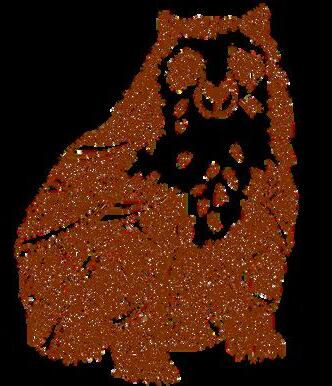
Theambassadorofthisoriginisalsoknownasukukuorspectacledbear (Paddington!).ItistheonlybearinSouthAmericaandlivesinthedense Andeanjungles.
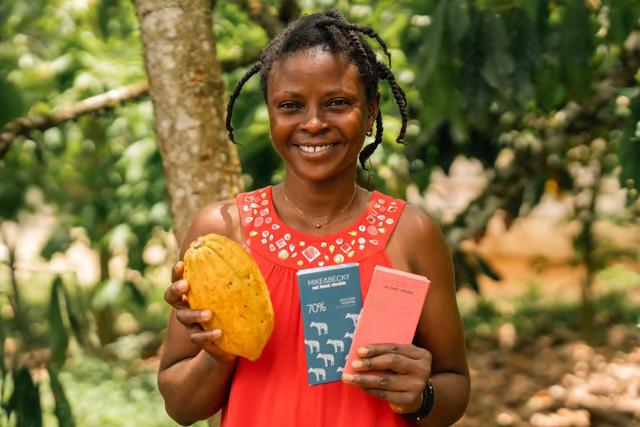
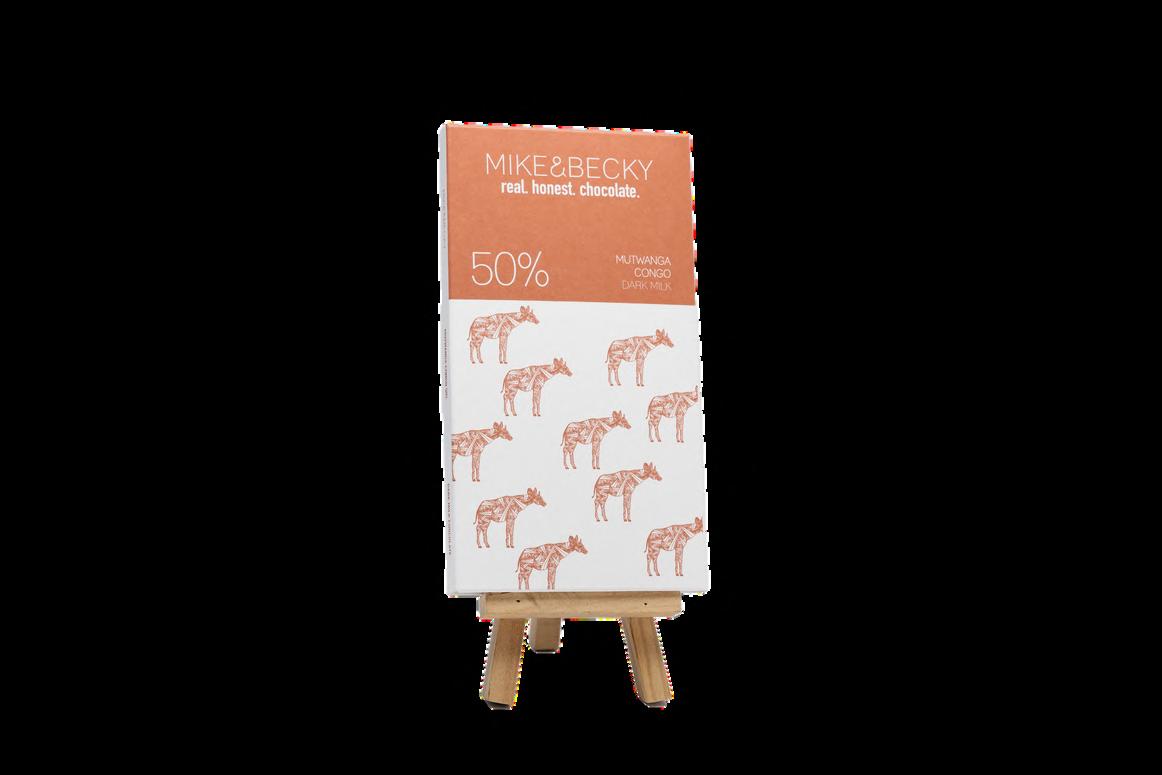
The Ituri province lies in the north-east of the Democratic Republic of the Congo, near the borders with South Sudan and Uganda. Sadly, rebels and bandits cause death and destruction in the region, leading to lawlessness which gives opportunity for illegal hunting and logging. Our partners from the Cacao Okapi association cooperate with hundreds of cacao farmers, which form a forest belt protecting the Okapi Wildlife Reserve. Our cacaoimporting friends from Silva Cacao are partners in this project to improve livelihoodforthecommunitiesandprotectionoftherainforestandwildlife. The cacao is centrally fermented in Mungamba according to str protocols, which has allowed the improvement in quality and as a res theaccesstothecacaospecialtymarket.
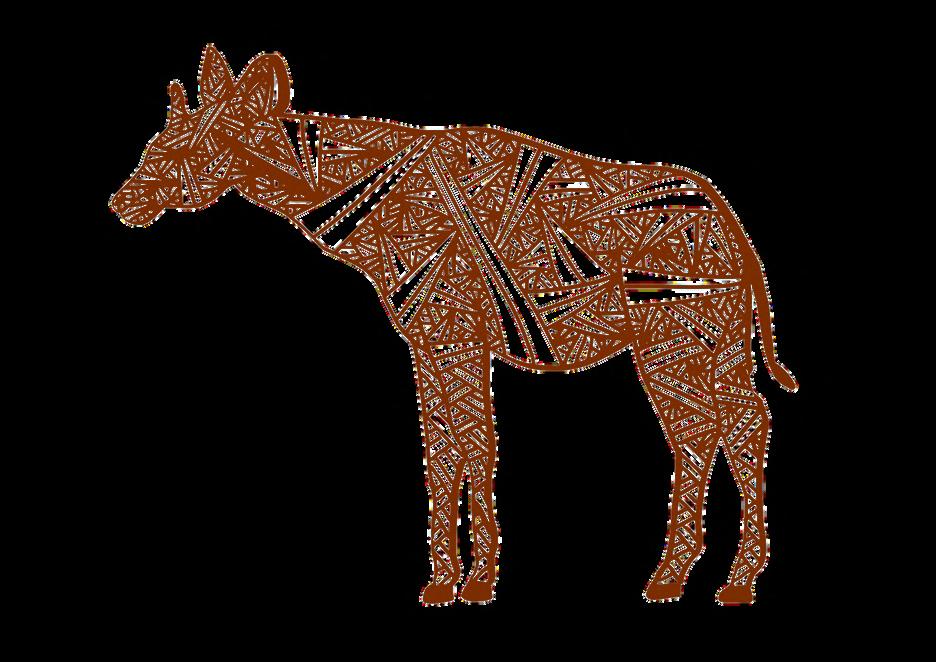
TheOkapiWildlifeReserve,aUNESCOWorldHeritageSiteintheIturiFore accomodates the largest population of Okapis, the elegant forest giraf With its dark velvety coat, white striped legs, huge ears and long neck it quite unique. An obvious ambassador for the Ituri region, featuring on ourMungambachocolatebars.
MUNGAMBA50% ClassicsCollection
50%Darkmilkchocolatew notesofcaramel molasse
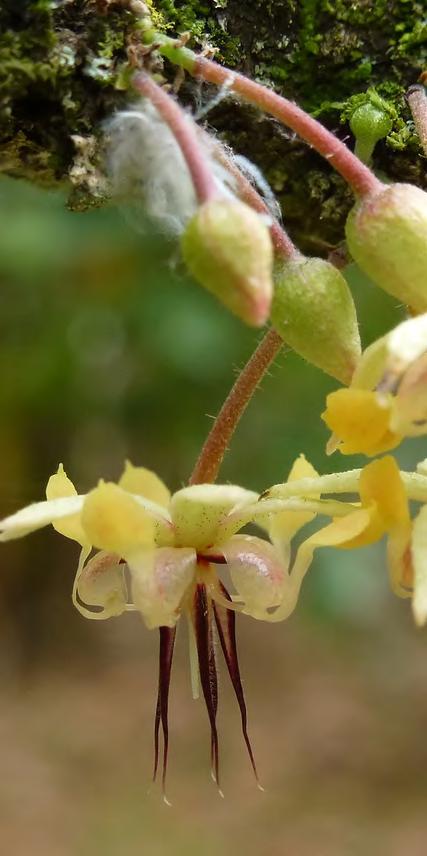
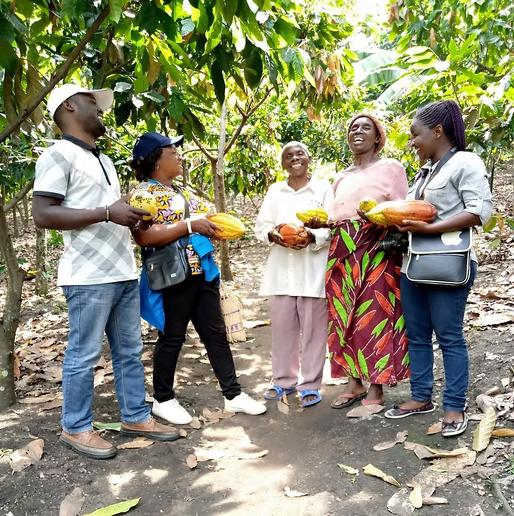
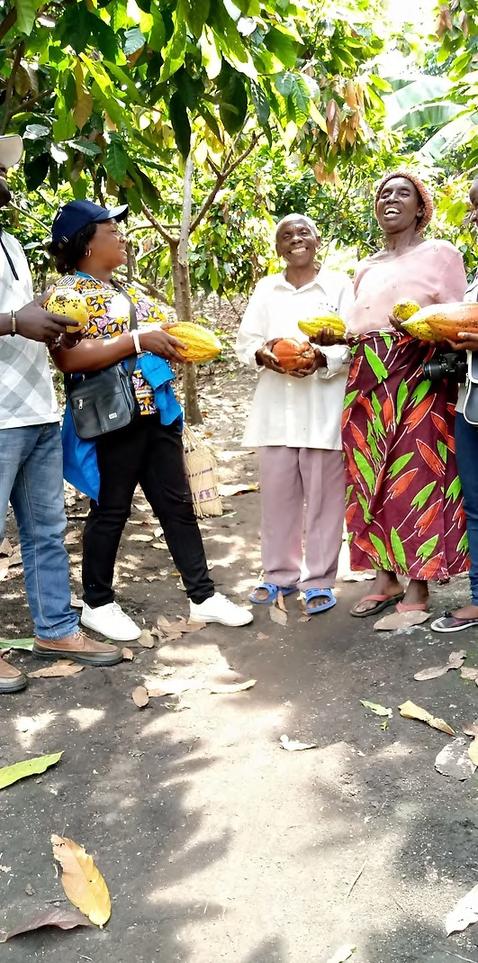
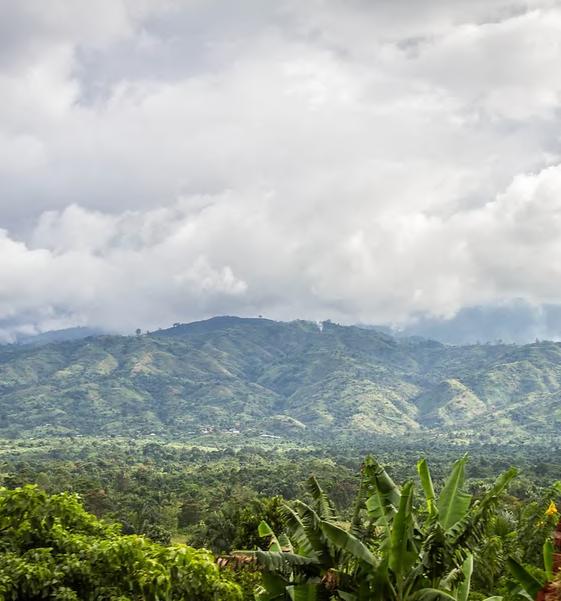
coKivu,afamily-runbusinessestablishedin1970,isakeyplayerinthe emocraticRepublicofCongo's(DRC)cocoaindustry.Headquarteredin ni, Eastern Congo, they work with over 6,000 farmers, primarily ncentrated in Beni and Watalinga. They specialize in promoting and porting high-quality, organic cocoa beans alongside other crops like nilla, cinchona, and papain. They train farmers in sustainable and ganicfarmingpractices,ensuringthelong-termhealthofthelandand e quality of the cocoa beans. Additionally, the company offers crucial pport to the local community by providing training and services eyond cocoa production. This focus on social responsibility and vironmental stewardship has positioned Esco Kivu as a leader in ethicalandsustainablecocoaproductionintheDRC.
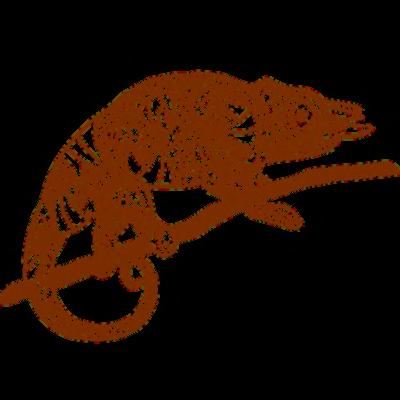
The Johnston’s chameleon, inhabits the Albert Rift’s high altitude forests. These elusive chameleons, of which the adult males have three horns, aremastersofcamouflage,usingsubtleshiftsinearthyshadestoblend with their environment. While their color-changing abilities may be less intense than some chameleon species, their vocal repertoire is surprisingly diverse. However, the future of this species is uncertain. Habitat-loss due to deforestation and climate change are pushing their population towards vulnerability. By safeguarding the Albertine Rift’s fragile ecosystem, we can aid the survival of the Johnston’s chameleon, andthevibranttapestryoflifeitrepresents.
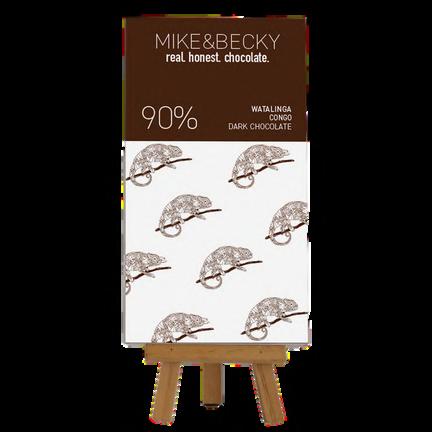
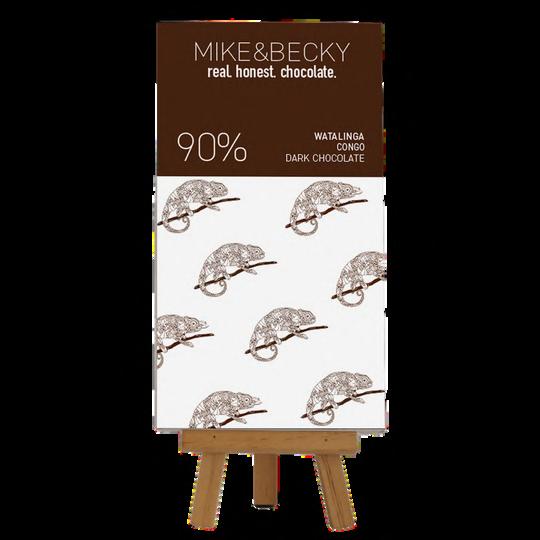
WATALINGA90% ClassicsCollection
90%extradarkchocolatewith arichflavorandsmooth mouthfeel.
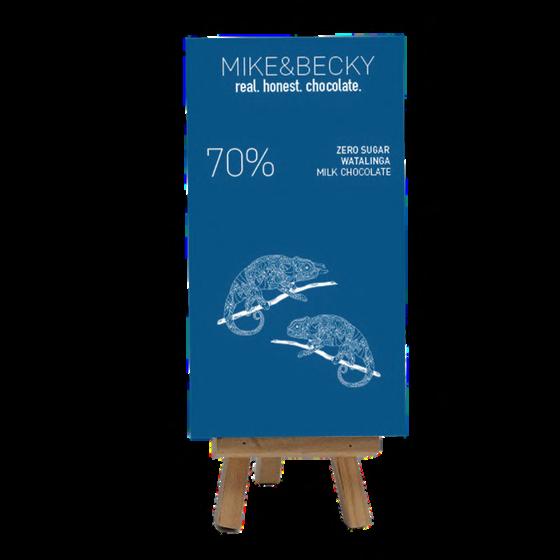
ZEROSUGAR70% SpecialsCollection
Intensemilkchocolate,no addedsugar.Apleasant, creamymouthfeel.
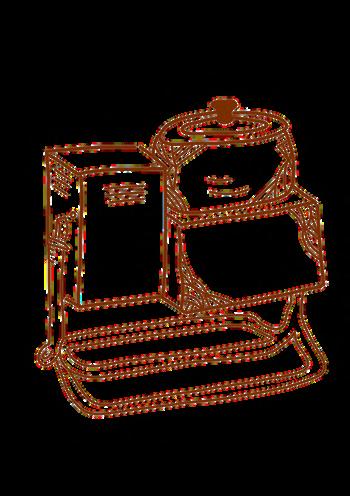
Forus,Bean-to-Barmeanstohavecontroloverthe whole process, and to reduce sugar wherever possible.Thatiseasywhenworkingwithfinecacao, which is expensive, especially when fair or directly traded. But that was essential to us: no children should work on the plantations and the farmers should be remunerated fairly for the great job they are doing. We wanted a sustainable relationship withtheplantations.
We are using organic cacao beans, organic beet sugar, organic cacao butter, and organic milk powder from the Belgian Ardennes. And no nonsense like vanillin, palm oil, or soy lecithin. Typical ingredients used by the industry to mask bad beans, cut costs or speed up the process. We also aim to be a transparent company: we invite our customers to take a look at our machines, watch us at work. We share our philosophy and conceptwithanybodywhoasks.
Nottheplacewherethecacaoistransformedto chocolate (hence, Belgium). We work with fine cacao from various plantations all over the world,andtheyalldoagreatjobtoturnthisgift bynatureintoourmainingredient. Our partner plantations are child-labor-free, eco-responsible, organic and are properly remunerating their workers for their excellent workandcacao.Howitshouldbe.
STEP2:RO
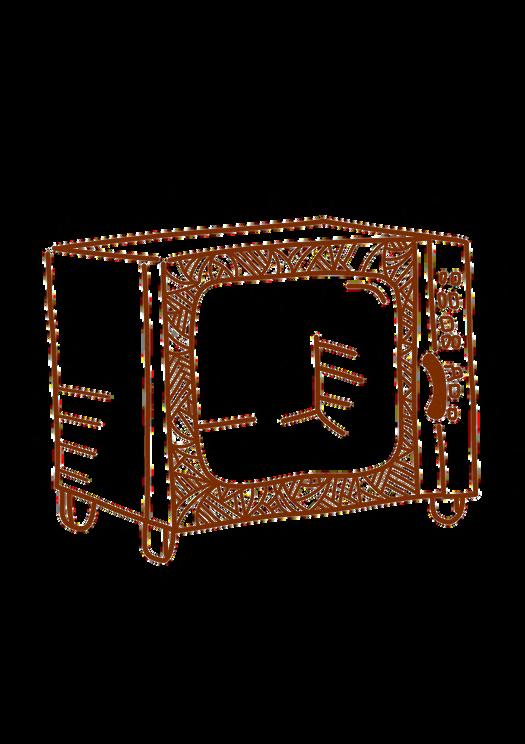
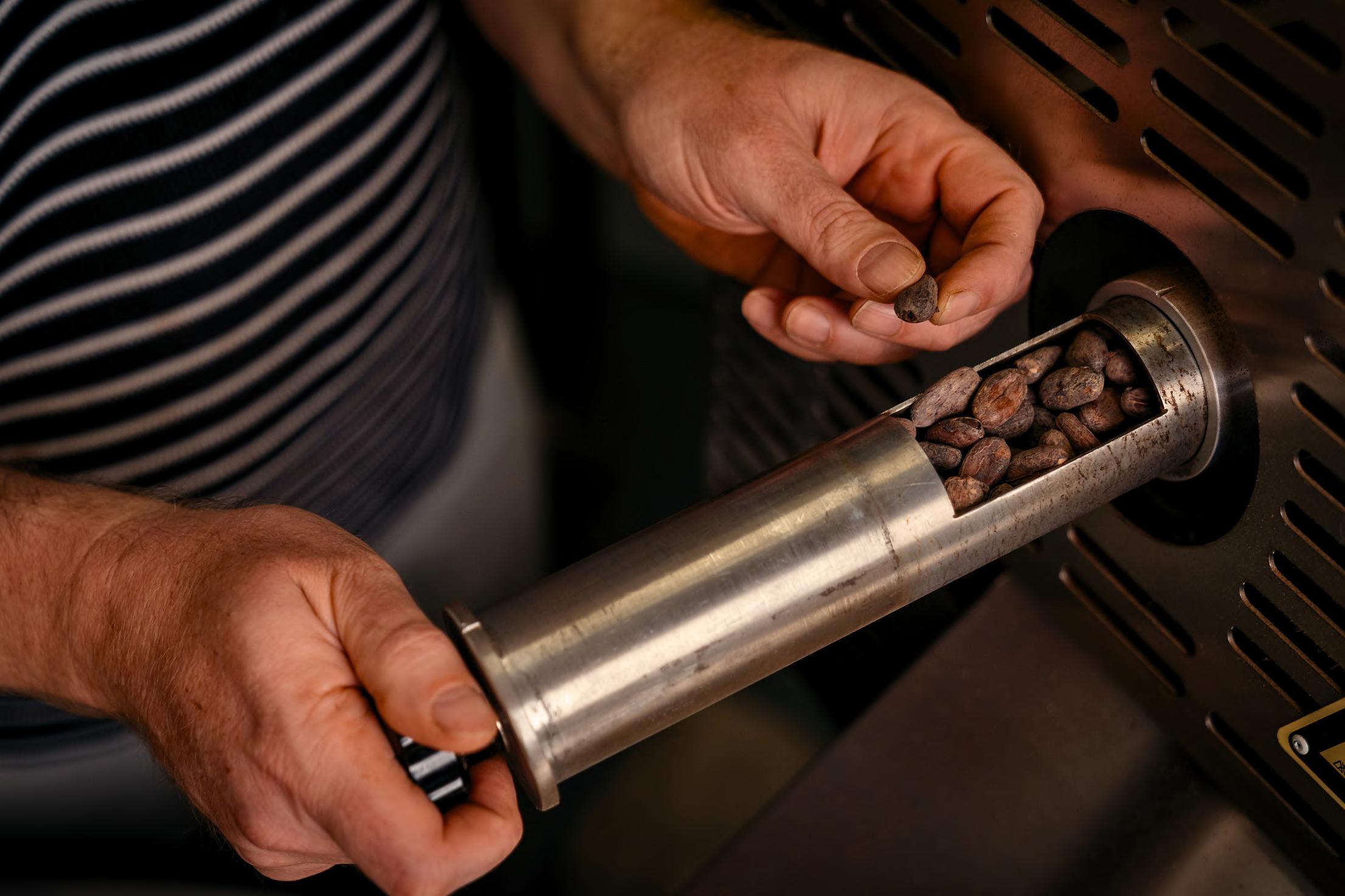
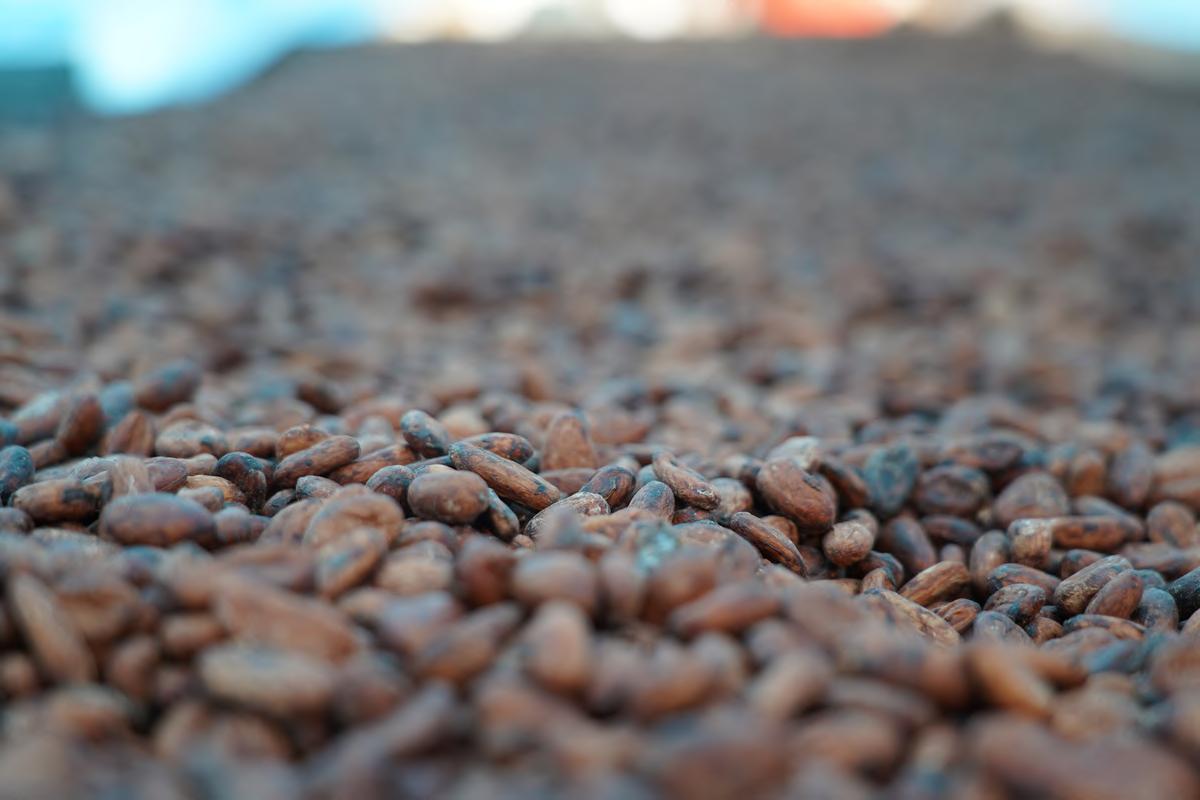
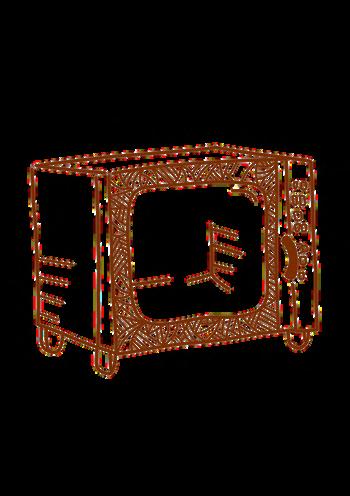
Roasting cacao liberates the fine aromas and is fillingtheairwithjoy. Aftercleaningandsortingofthebeans,weroast them in our new cacao roaster. Like with coffee, roasting gives a nice toasted flavor, extracts remaining humidity in the beans, and kills potential bacteria. On average we process 35kg per session, at 120 degrees Celsius for 35 minutes.
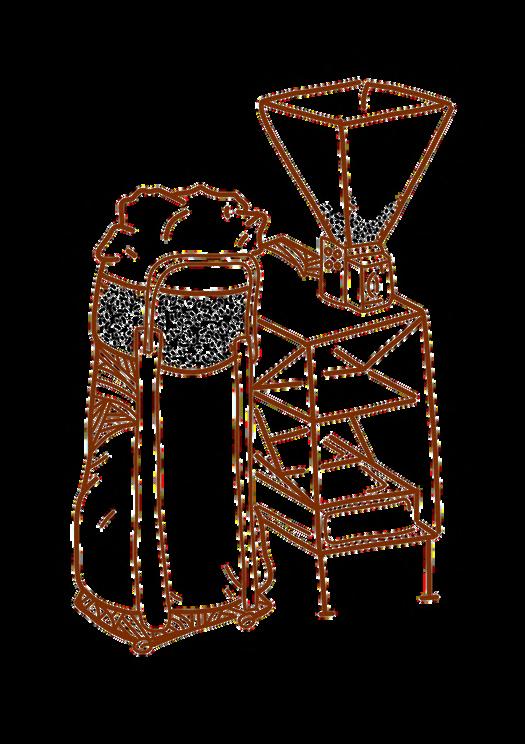
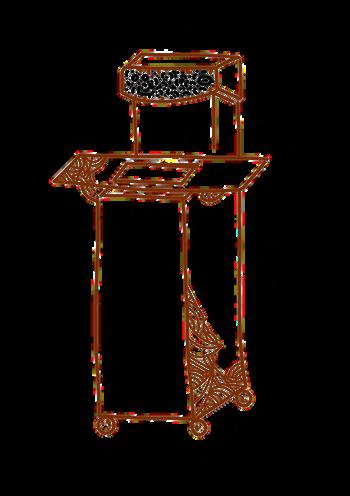
The Winnower helps us cracking the freshly roasted beans, and separating the inside of the beans,thenibs,fromthehusk. Only the nibs are needed for making chocolate; the husk are used to make cold cacao brew or toenhanceteas.
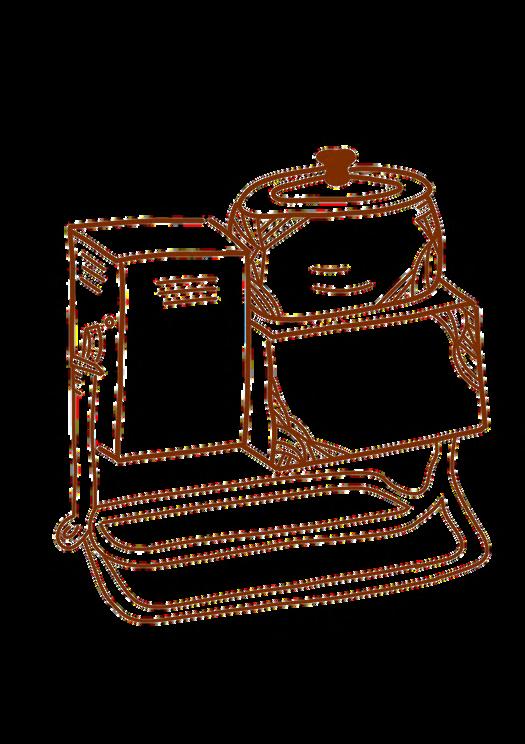
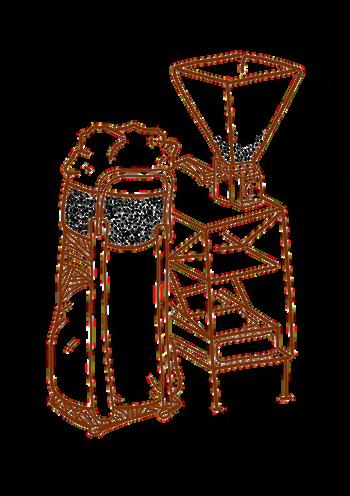
Thenibsareputinastonegrinder.Thefrictionof the wheels on the granite bottom creates heat and liquifies the nibs to a paste. This is when ‘cacao’ becomes ‘chocolate’. We add organic beetsugar,extracacaobutter,andmilkpowder. Thegrindingtakesupto48hours.Inordertoget rid of remaining acidity, we are adding up to 24 hours conching process, where we release the pressure of the wheels and let additional air go throughthechocolatepaste.
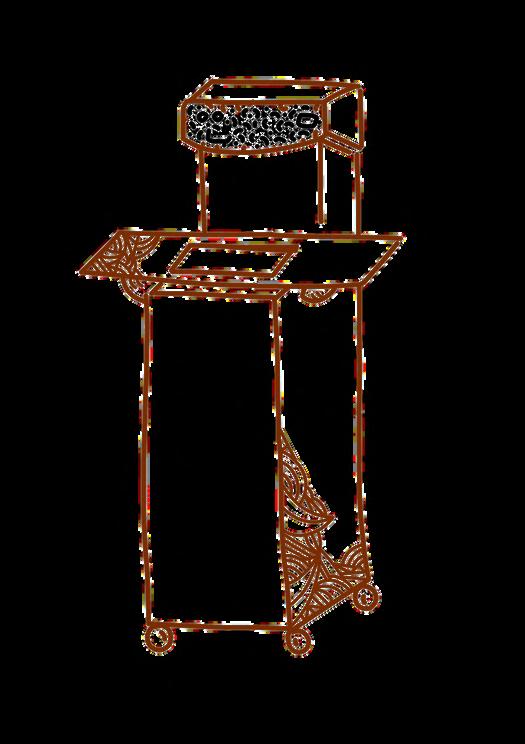
The chocolate paste needs to have a very specific temperature when it’s poured into the molds,between29and32degrees.It’sallabout the crystallization that makes the chocolate shinyandsnappy.
This is the job of our tempering machine. The filledformsarethencooleddownfor20minutes inafridgeandcanfinallybedemold.
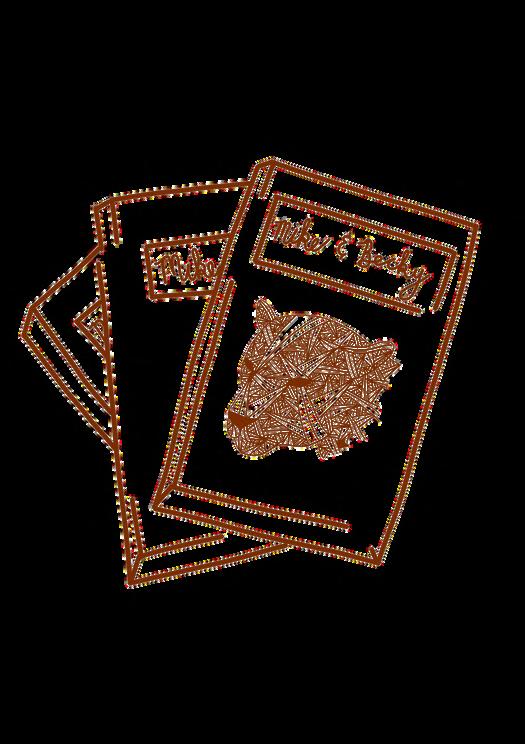
Finally, we package the chocolate bars in biodegradableplasticpouches,andplacethem in our carton wrappers. The CO2 from the production of the wrappers is off-set with a hydro-power project in Congo. The ink used on thecartonsaremineraloil-freeandfood-safe.
We are committed to continuing our mission of implementing methods to become even more sustainable....