01 02 03 04 05
01 02 03 04 05
Class Advanced Topic Studio
Instuctor Nathan Su
Type Team Work
The spaces in which we live, work, and play is palimpsests; they are layered with the traces of the decisions we make, the relationships we value, and the ideologies we hold. These spaces are also marked by the broader world in which we live, including the tools and technologies available to us, the cultural agendas around us, the fashions and products we subscribe to, and the infrastructures we depend upon.
A space from your core memory reimagined fifty years from now. The stories it aches to tell of its contents, people and objects alike. Each prop has a meaning, a role to play in this narrative. Most of it has changed but some objects hold onto the past.
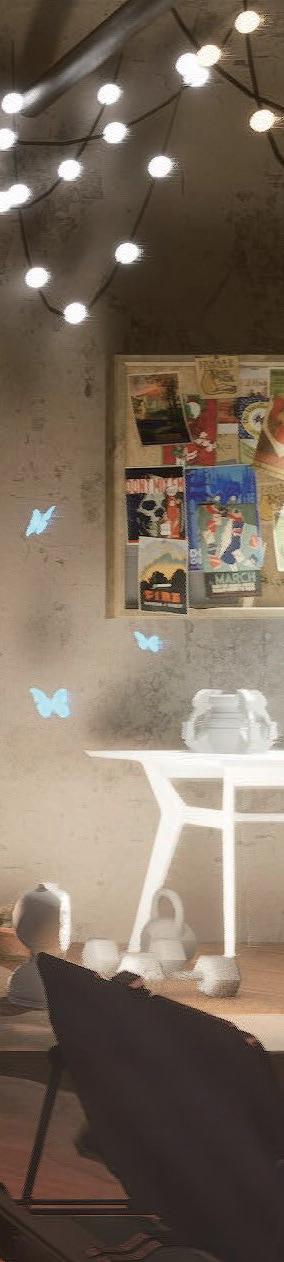
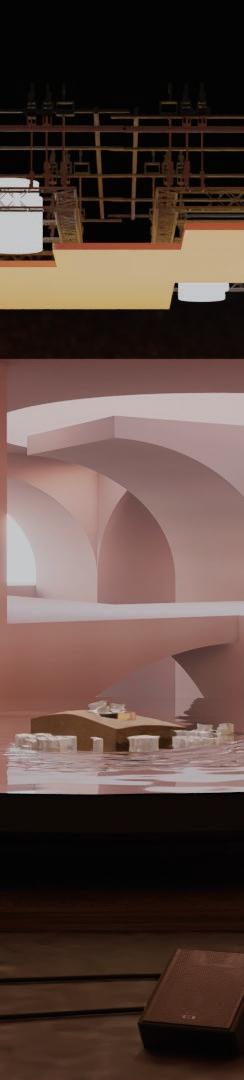
After life talks about the grief and pain of a woman who is searching for her missing partner. His mysterious disappearing leaves her in denial. A pristine corner is specially saved for her partner’s return while the rest of the room screams of agony.




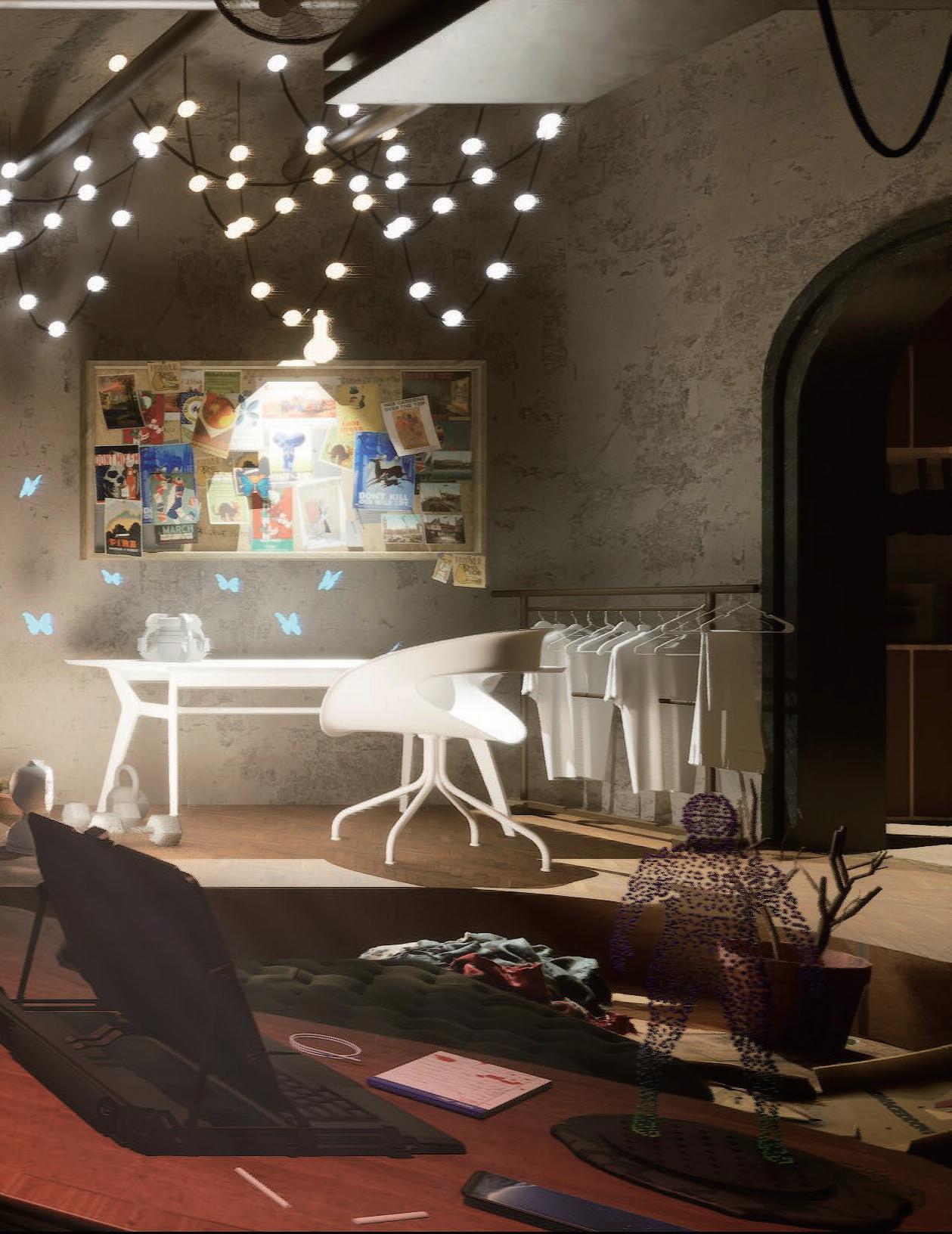
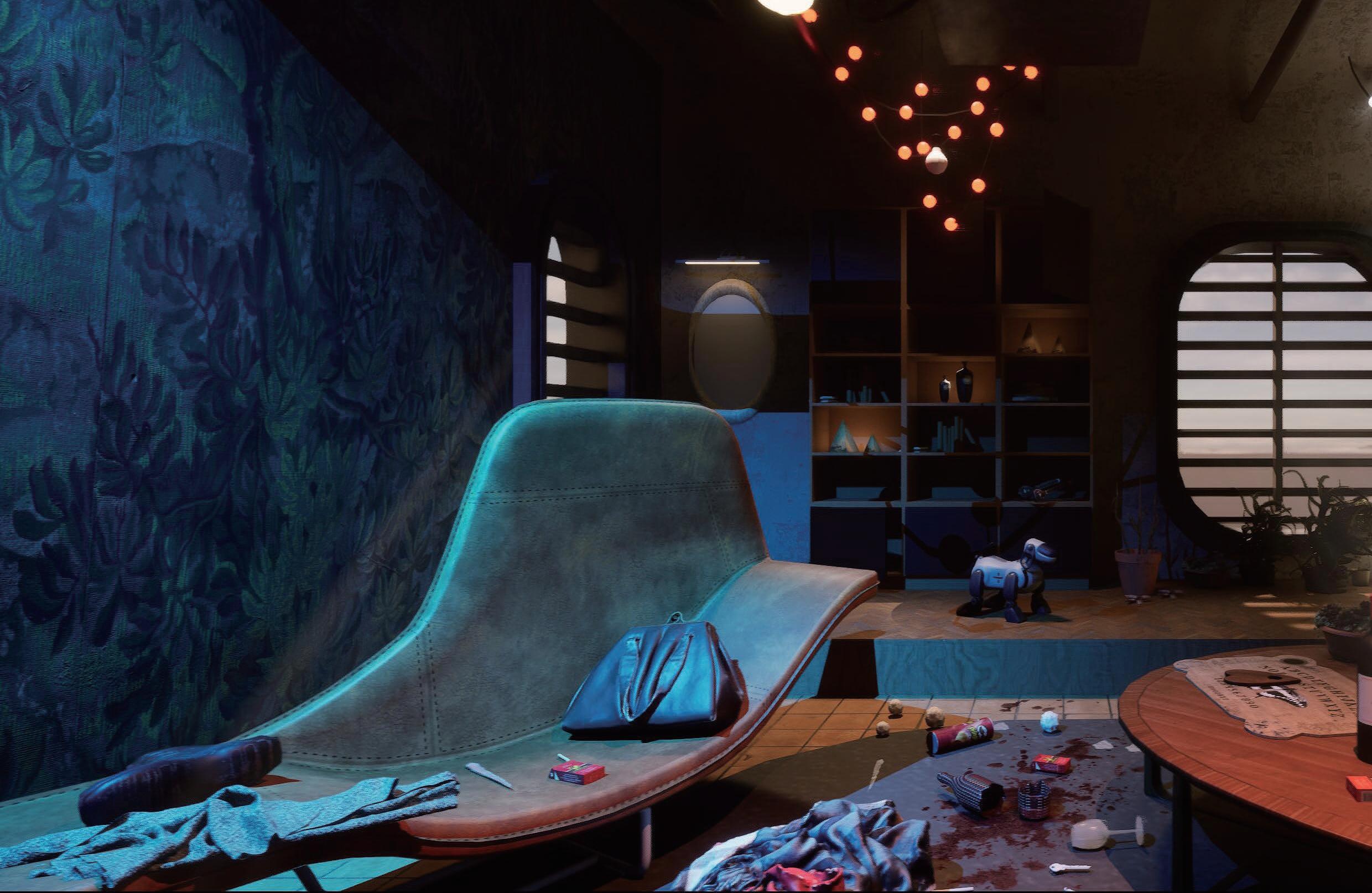
"As she sat in her living room with fading traffic, she looked at the ducts in her living room due to the rapid climate change, wires dangling across feeling lost. Lea Hudson lay in a mess,recovering from her husband's loss amidst chaos in her mental and physical space."
Class Advanced Topic Studio
Instuctor Matt Conway / Tucker van Leuwen-Hall
Type Team Work
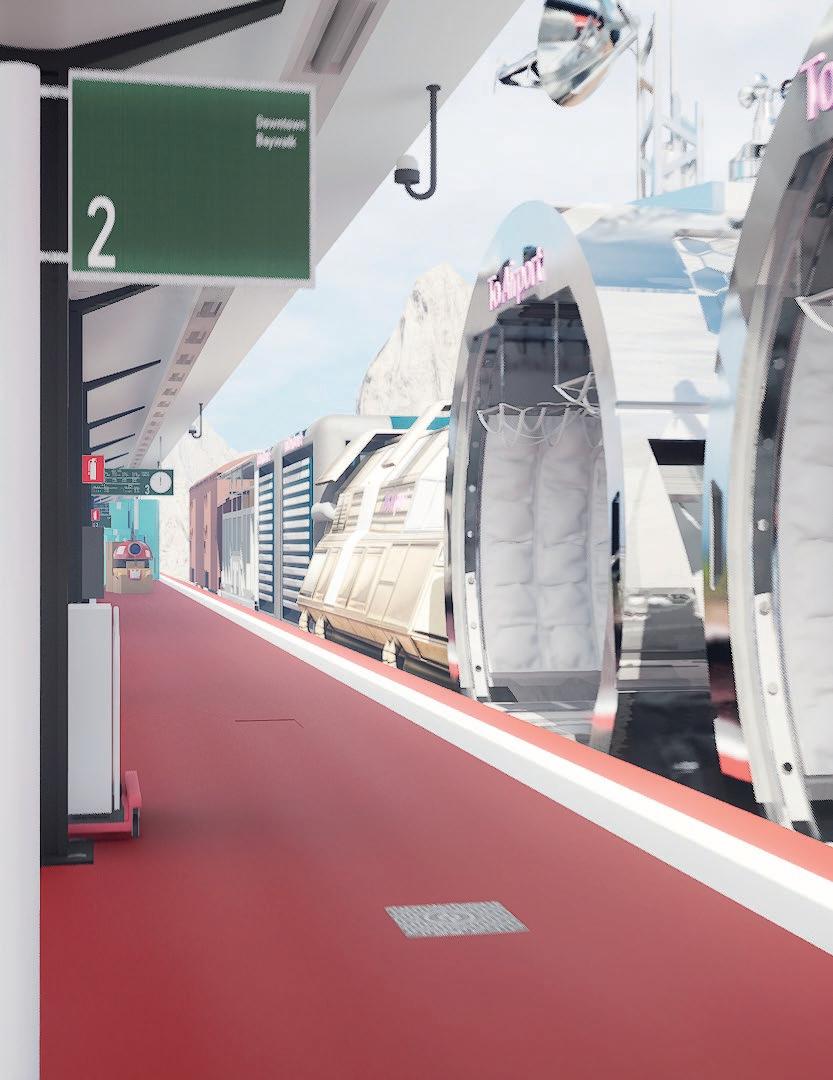
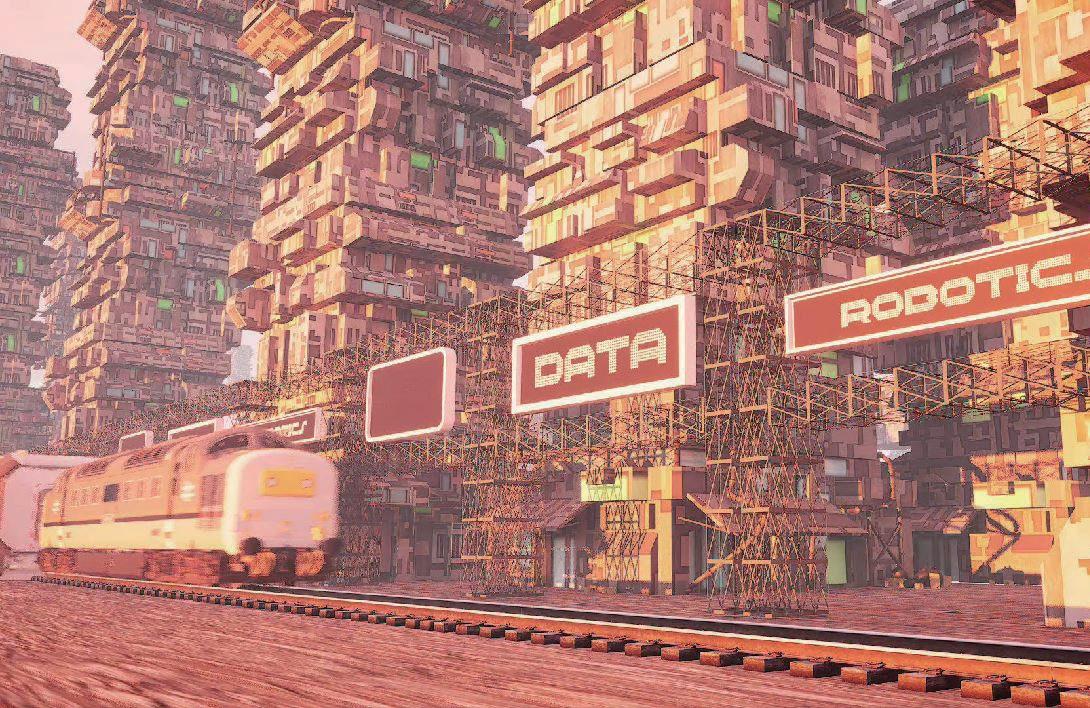
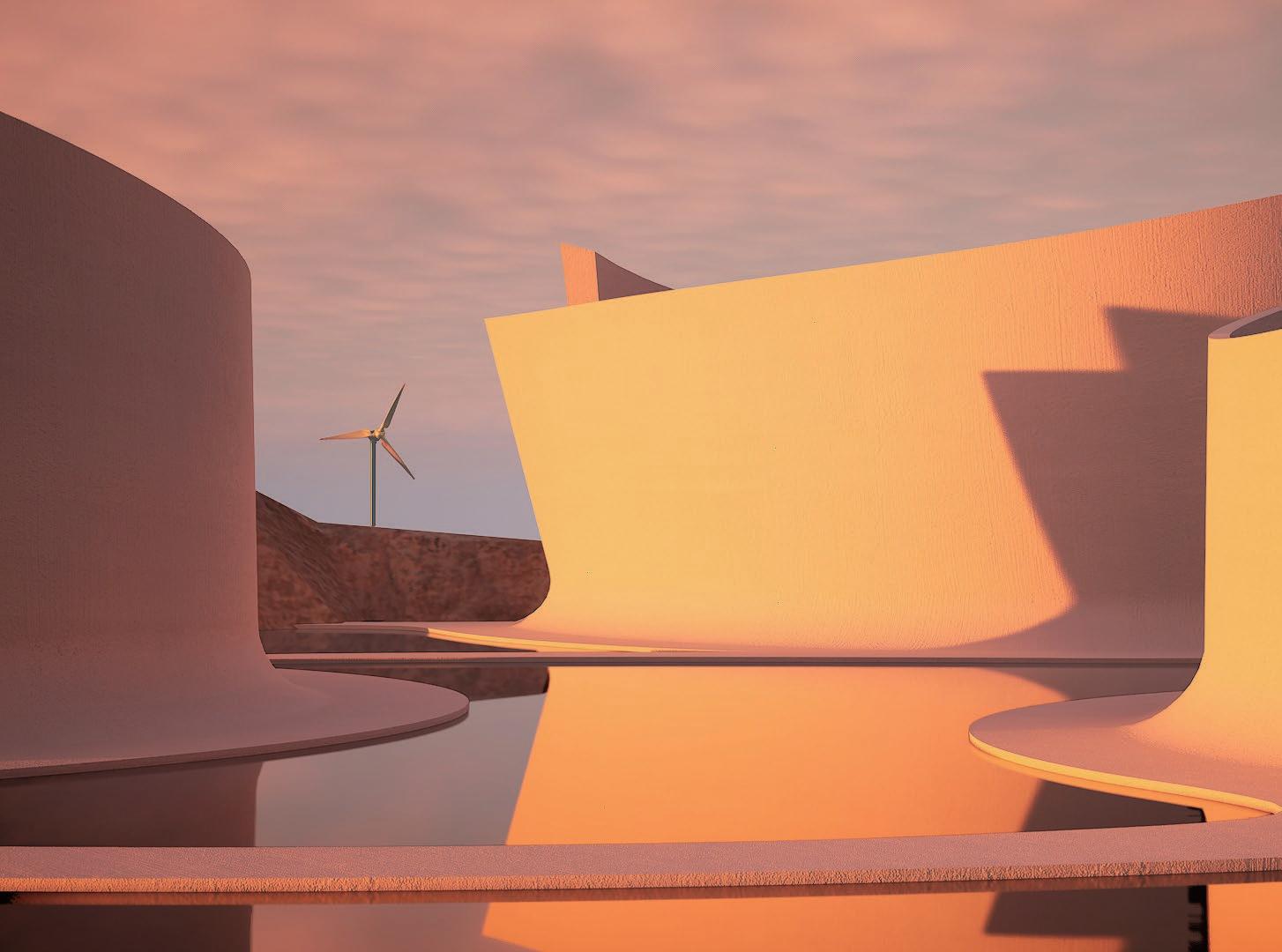
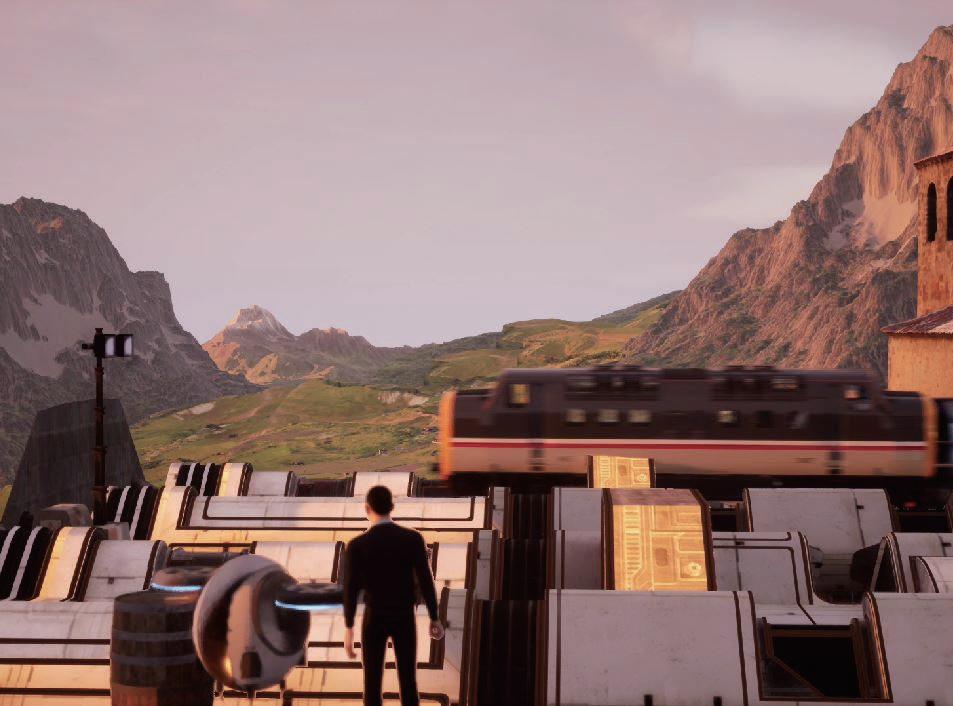
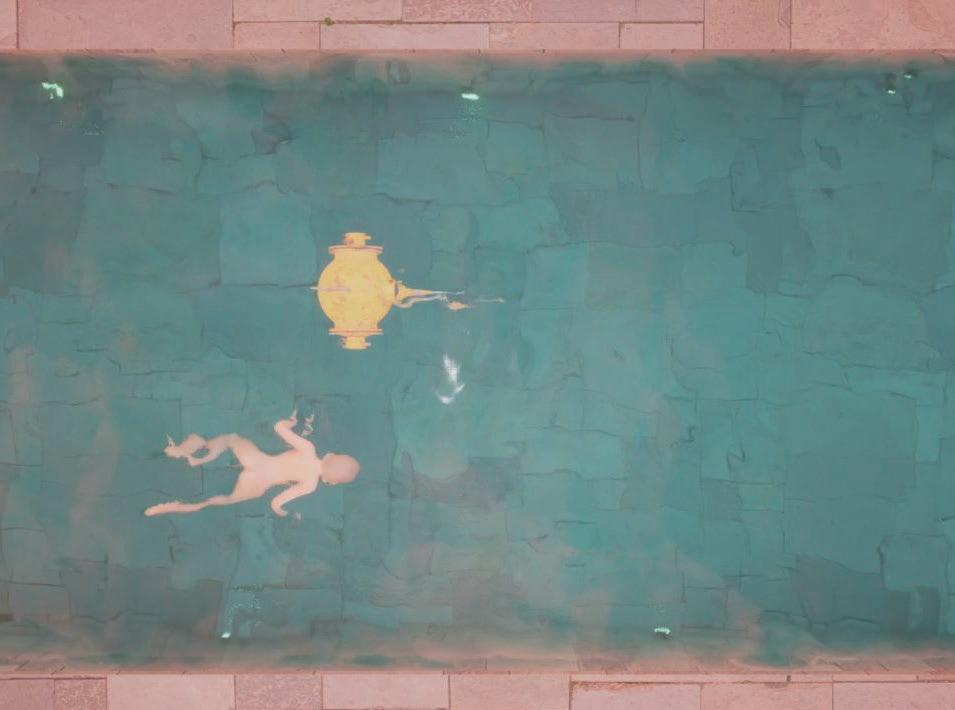
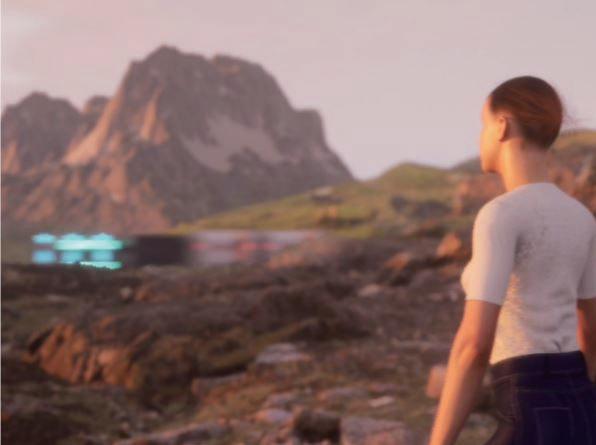
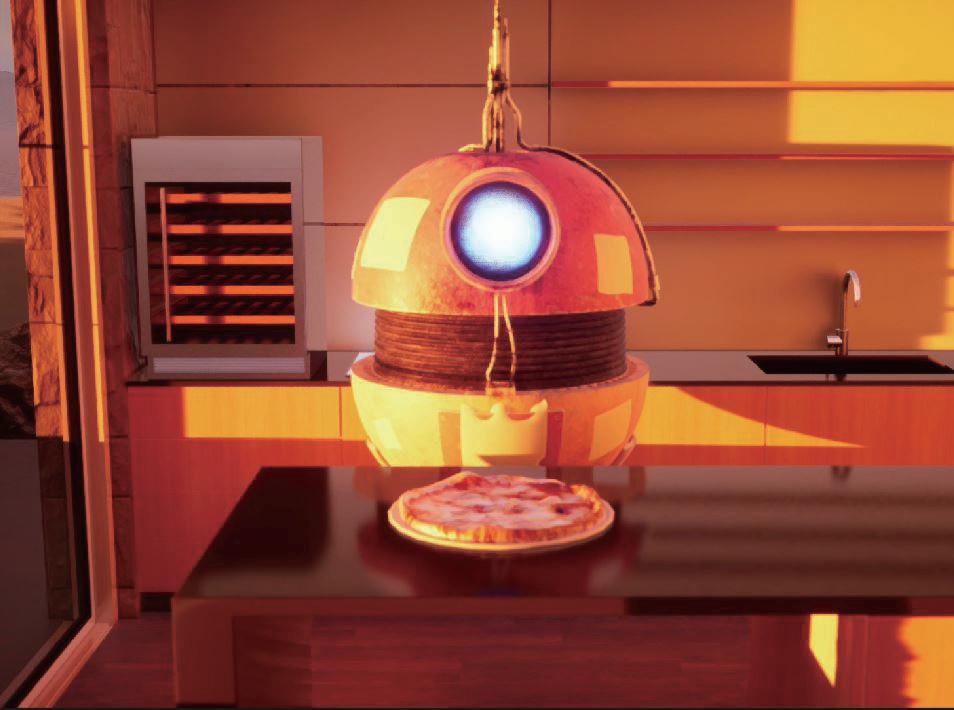
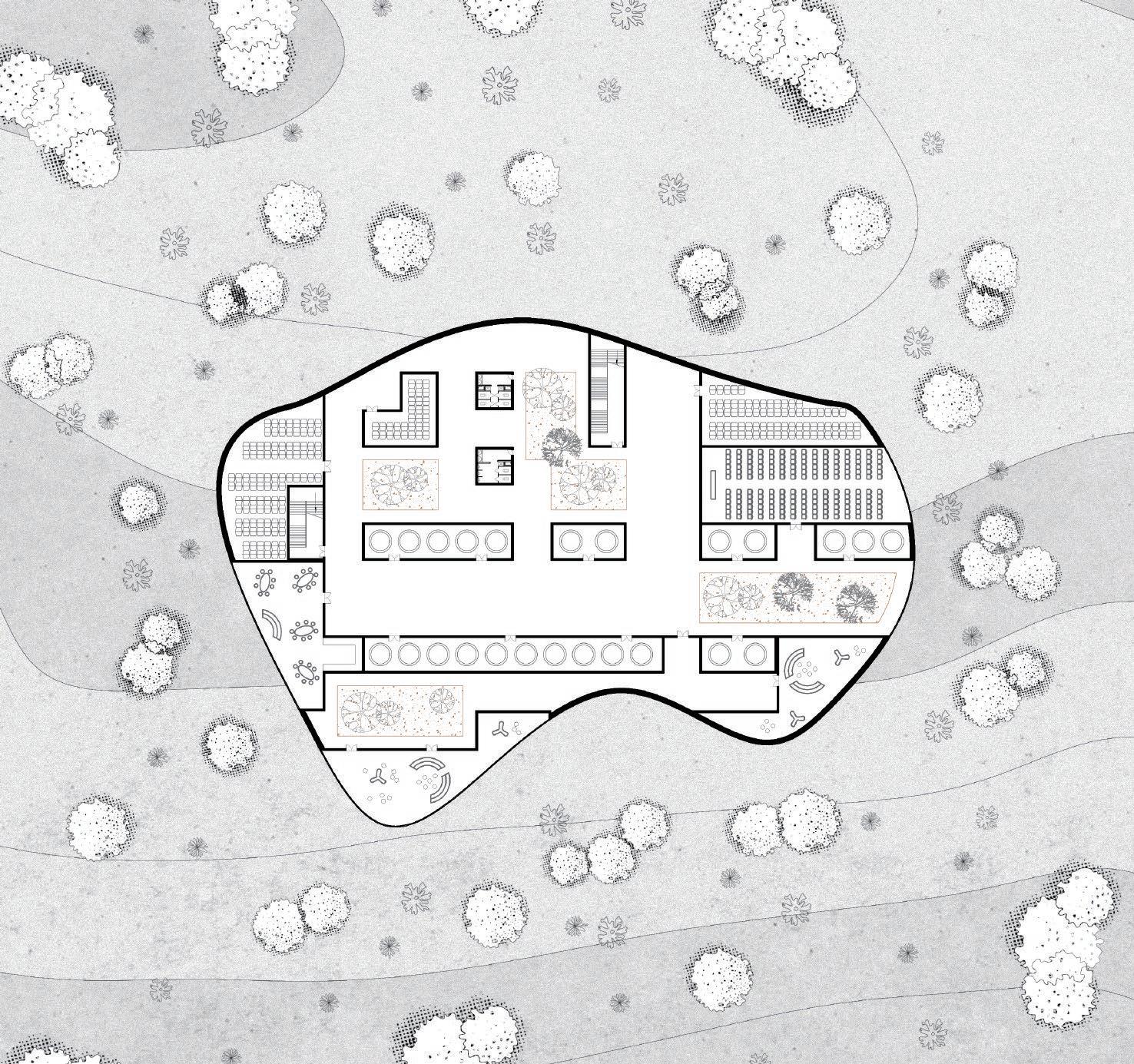
In 2050, Los Angeles changes into a sparsely populated high-tech logistics center because rich people choose to move away from this crowded place to enjoy life in the countryside. Napa valley is a good choice for these rich people. They pursue spiritual and physical happiness here. They make wine, party, meditate, trying to establish a connection between themselves and nature.
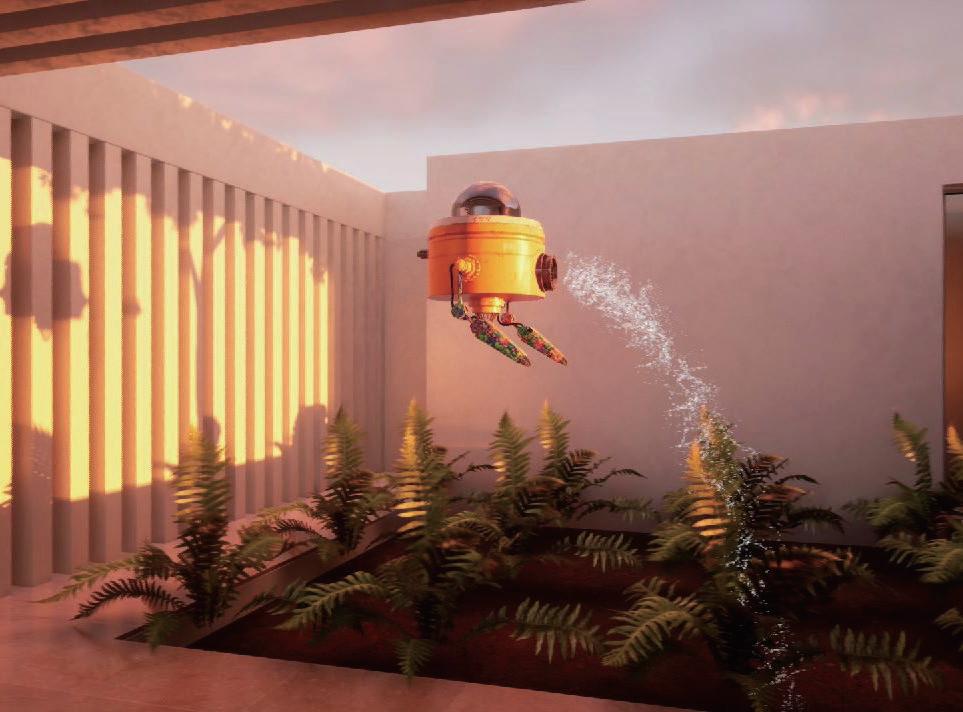
People in the countryside are distinguished from the high-technology L.A., where people use only the technology they need. Because they want to enjoy the leisurely country life. Most of the robots are products of the old days and are no longer the latest robots. They only have a single function and are relatively unintelligent, or even “dumb”. However people still think these robots are great enough. Because they can solve a lot of life's trivial problems and what people need to do is enjoy life.


Class Technology Seminar
Instuctor Tucker van Leuwen-Hall
Type Individual Work
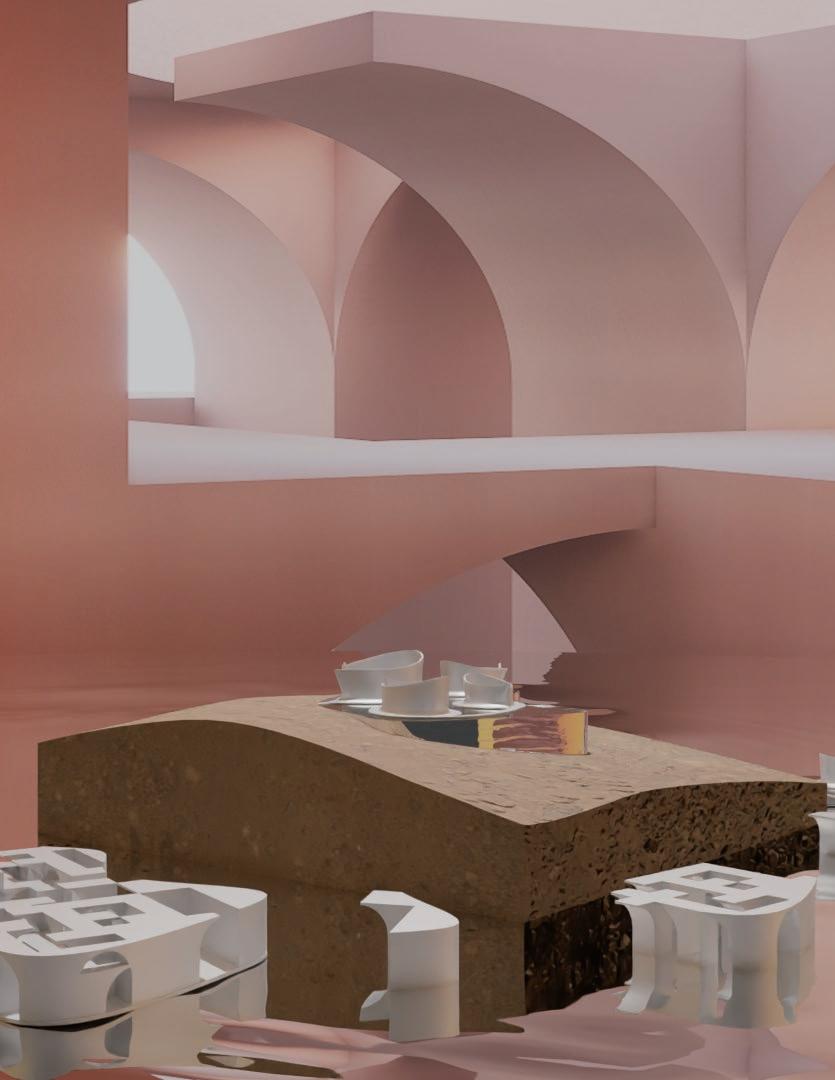
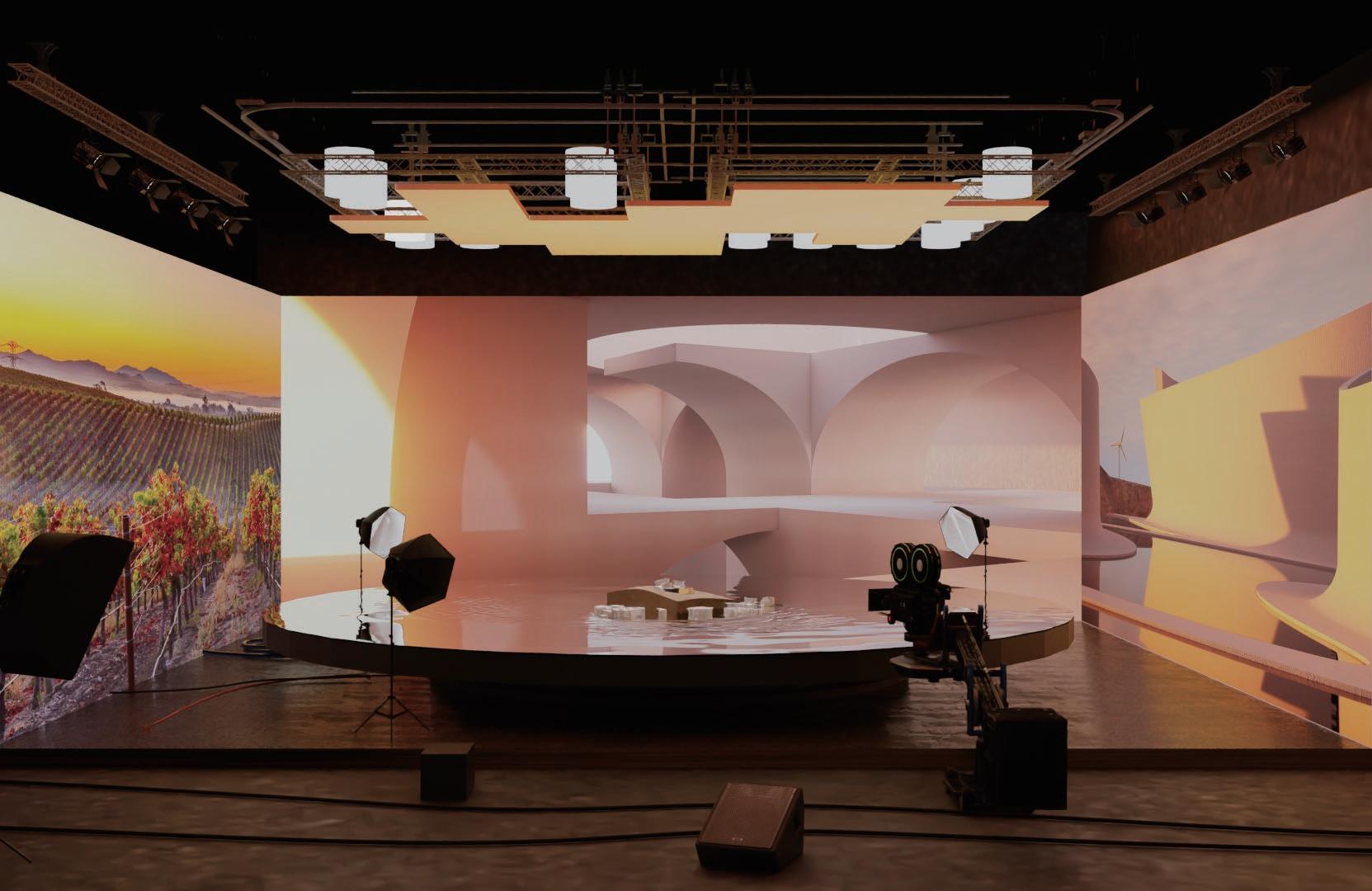
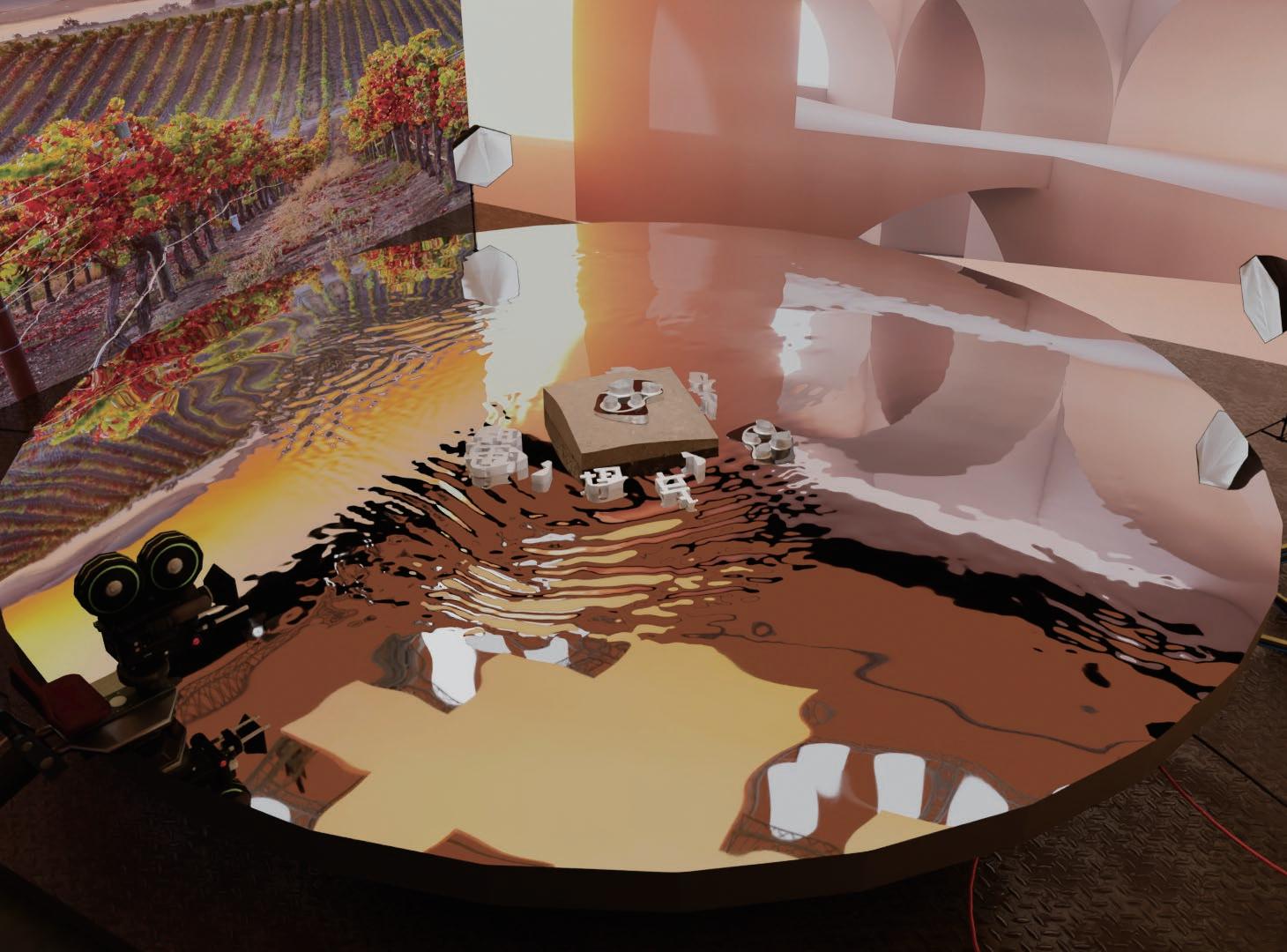
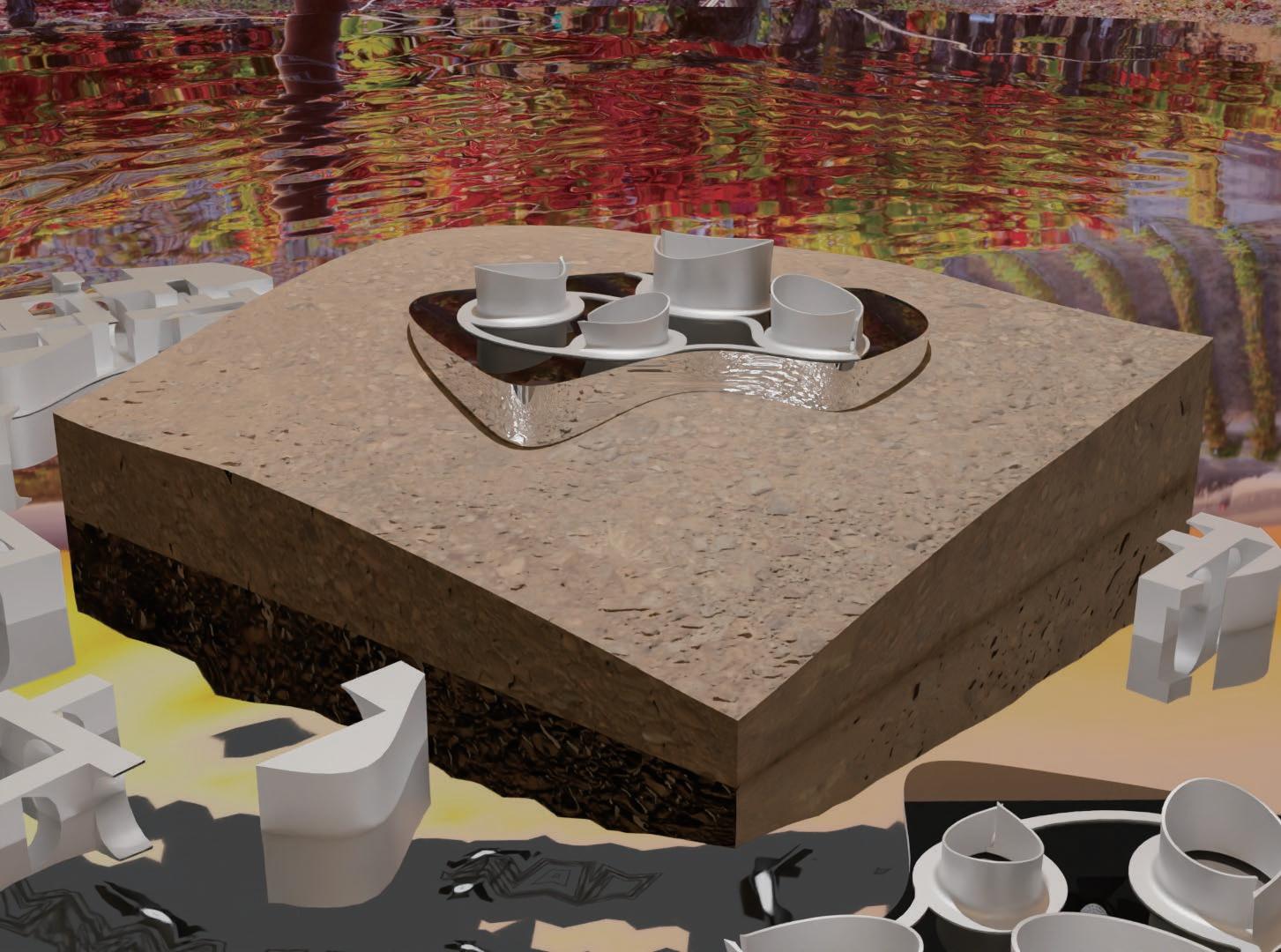
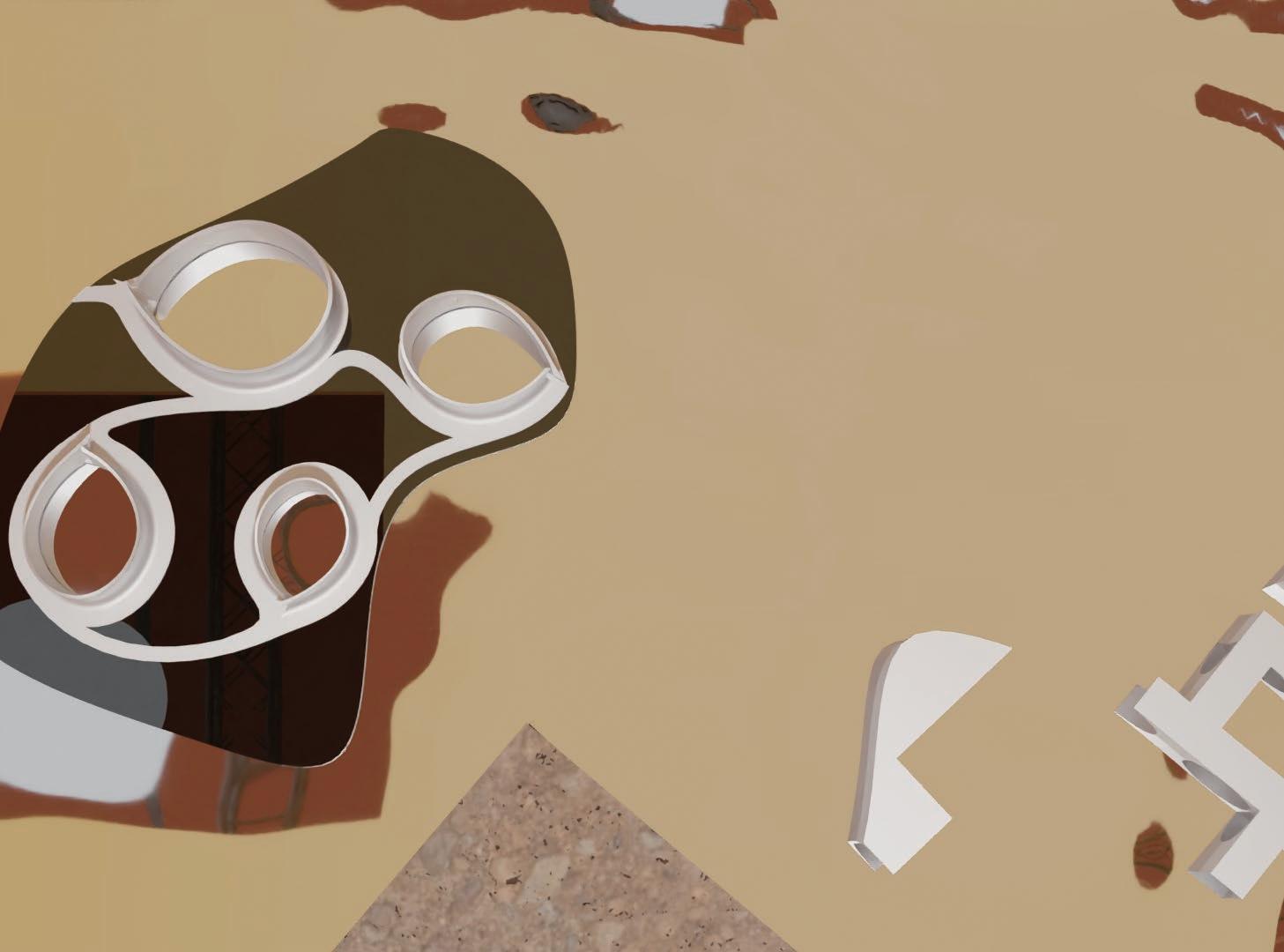
This exercise holds that though there might very well be a reality of the site, it will always be impossible to ascertain that reality. Instead, the aesthetic qualities of the site are indeed able tobe seen, heard, and felt. We should compile their research not to pretend to know the site, but make qualitative observations of what the site was, what oddities might lay beneath the standardized manner in which we typically try to understand a site.
In the background of this exercise, rests the film industry that has touched every corner of Los Angeles, and has most likely infiltrated your site at some point. Take the opportunity to try and find documentation of your sites in films, music videos, documentaries, etc. if at all possible.




Class Technology Seminar
Instuctor Tucker van Leuwen-Hall
Type Individual Work
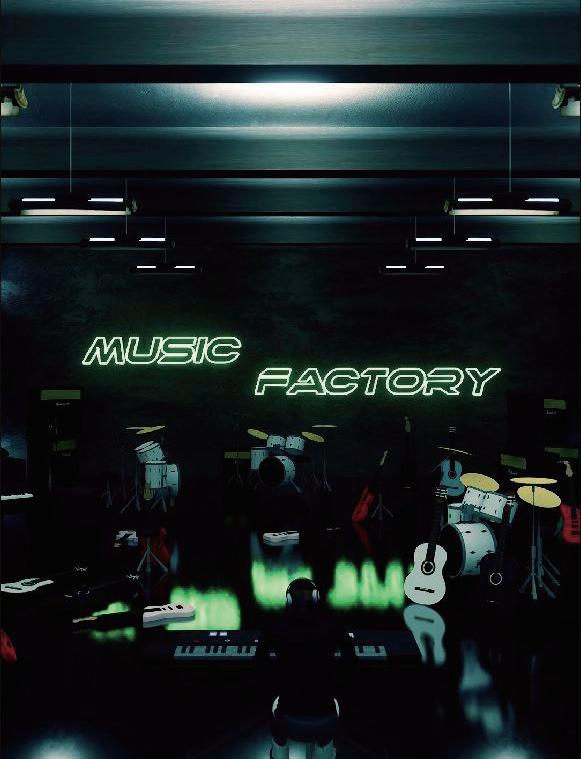
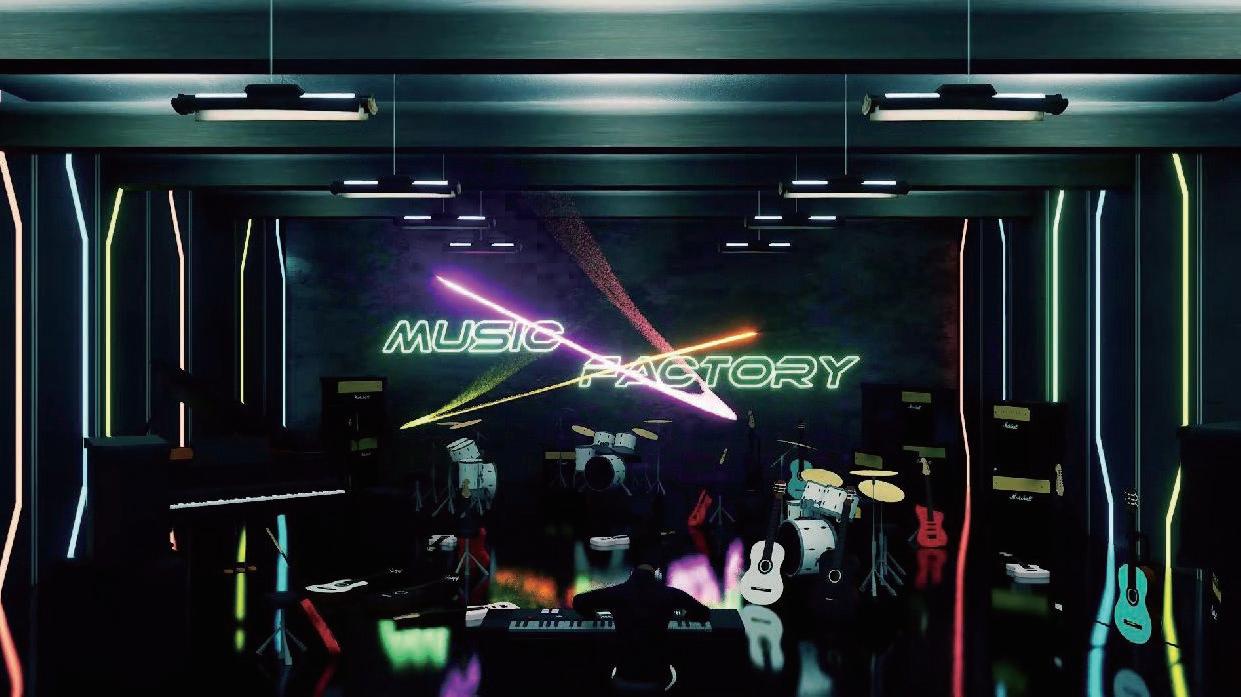
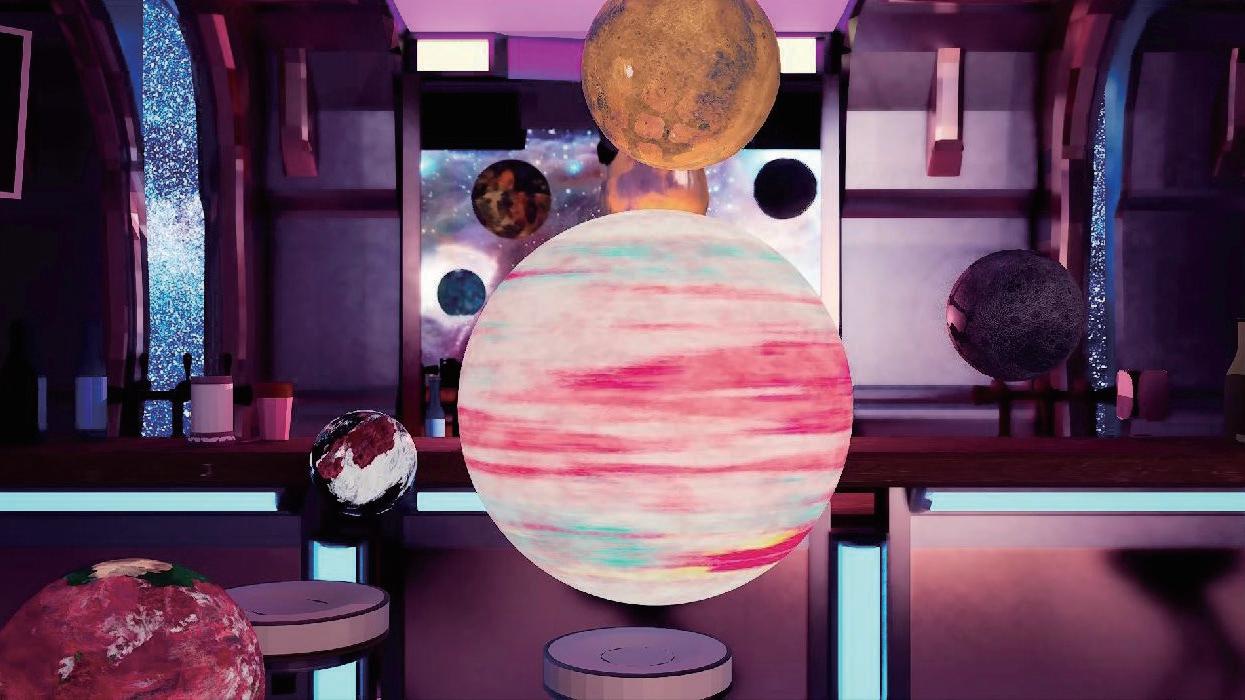
In this quarter’s IDEO Studio Tech Seminar, we create vignettes of nearfutures that speculate on labor. These vignettes started with the aid of text to image machine learning tools like NightCafe of MidJourney. This process complicates, automates, augments, and alters any preconceived notion we as designers and architects might have biases towards. In the end, we identify three possible occupations for ourselves if not being an architect. We construct these three scenarios with corresponding speculations upon future labor, and how these occupations will evolve.
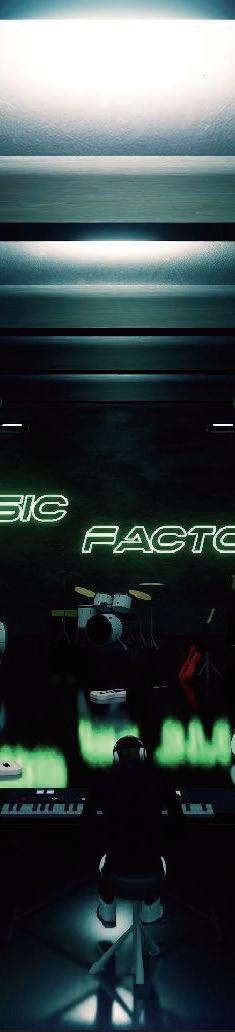
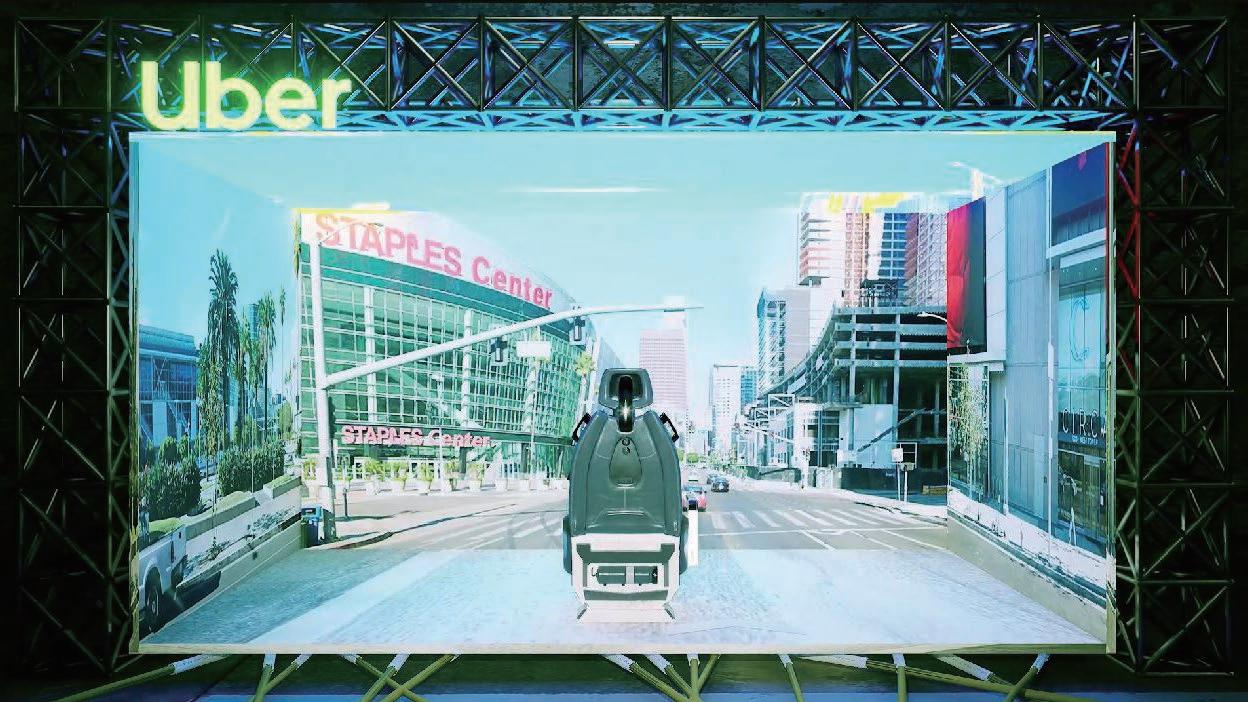
For me, the speculation of my own future careers are: Music A&R, Bartender and Uber Driver. Three scenes are created in various softwares such as Blender and Rhino; and the motion pictures are done using Unreal Engine.
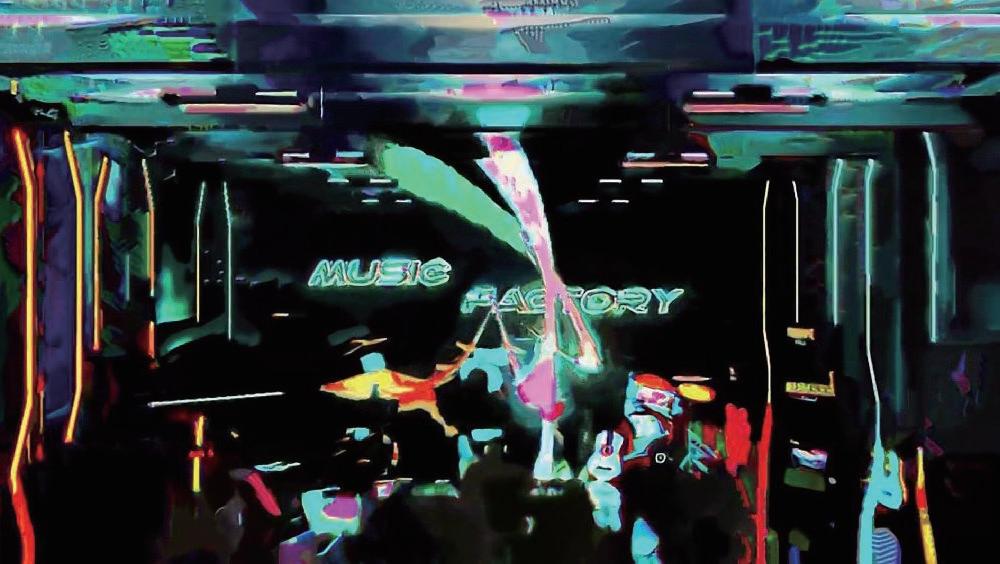
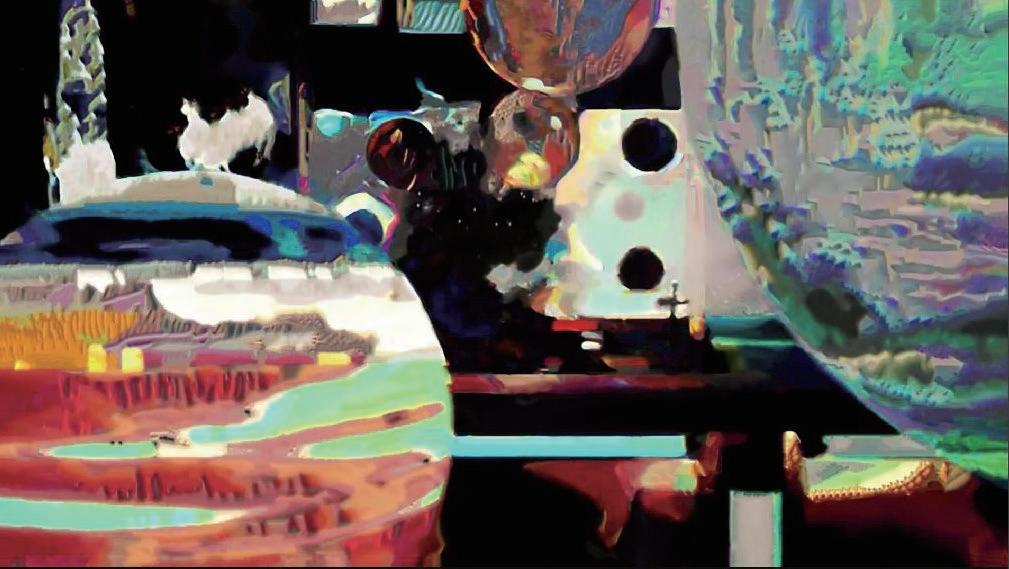
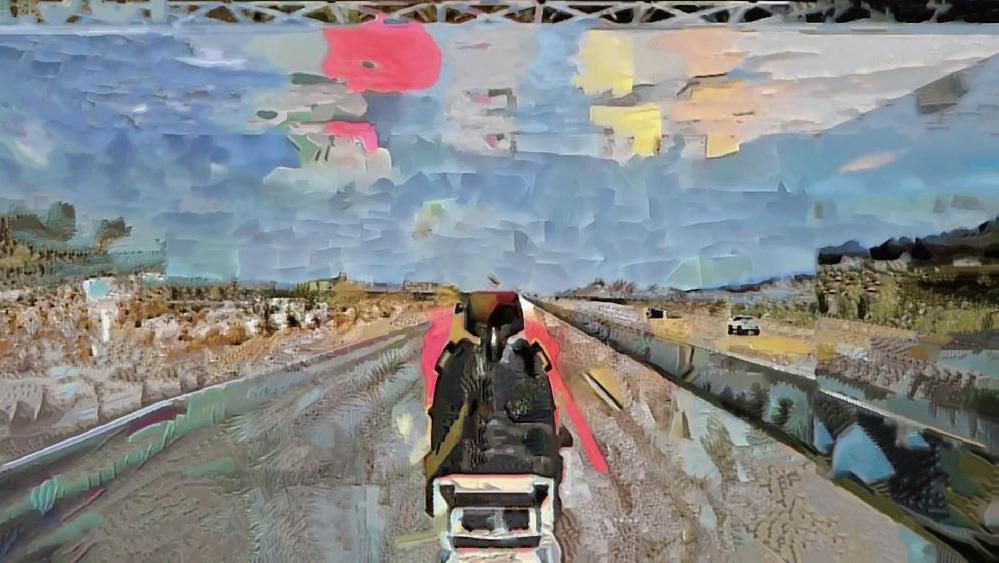
Finally, the short film outcomes are given a style-transfer make-over, nodding to the French Impression Era on which we had our first case study.



StYLE-TRANSFER


StYLE-TRANSFER

Origin Version

StYLE-TRANSFER
Class Advanced Topic Studio
Instuctor Yara Feghali
Type Individual Work
Started from inspecting the Herbarium of Californian Desert, where we identified an existing cactus. The scientific name was then fed into Midjourney, along with our imaginary descriptions, forming images of a fictional specie of cactus through AI generation.
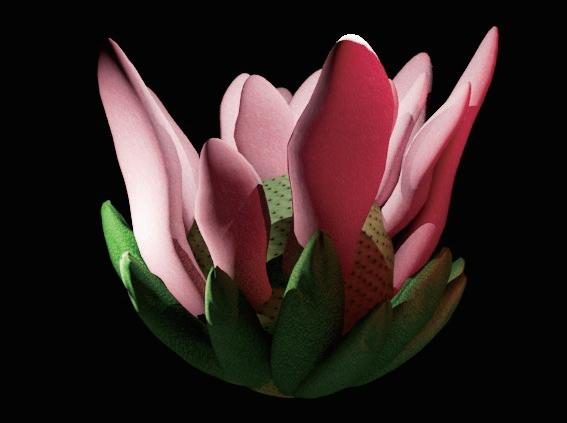
This cactus of our own was then modeled and animated inside Maya, the color scheme and movement were completely out of our imagination. A new Herbarium Directory was created using various renders in Maya, this board would further be used as a trigger within Unity.
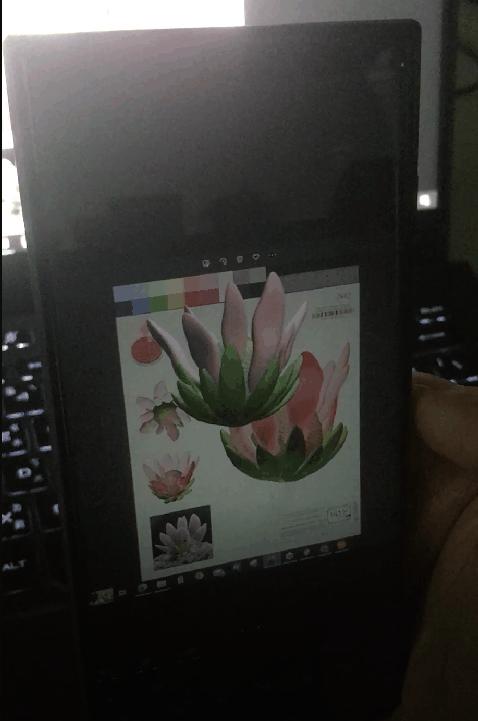
For AR mobile app, we imported our cactus model into the app-building software Unity, linking the model to the ‘trigger’, which is the custom cactus board. The app was exported on to a mobile phone. When running, whenever the phone camera sees a Herbarium board, the corresponding virtual cactus will appear on screen with its animation.
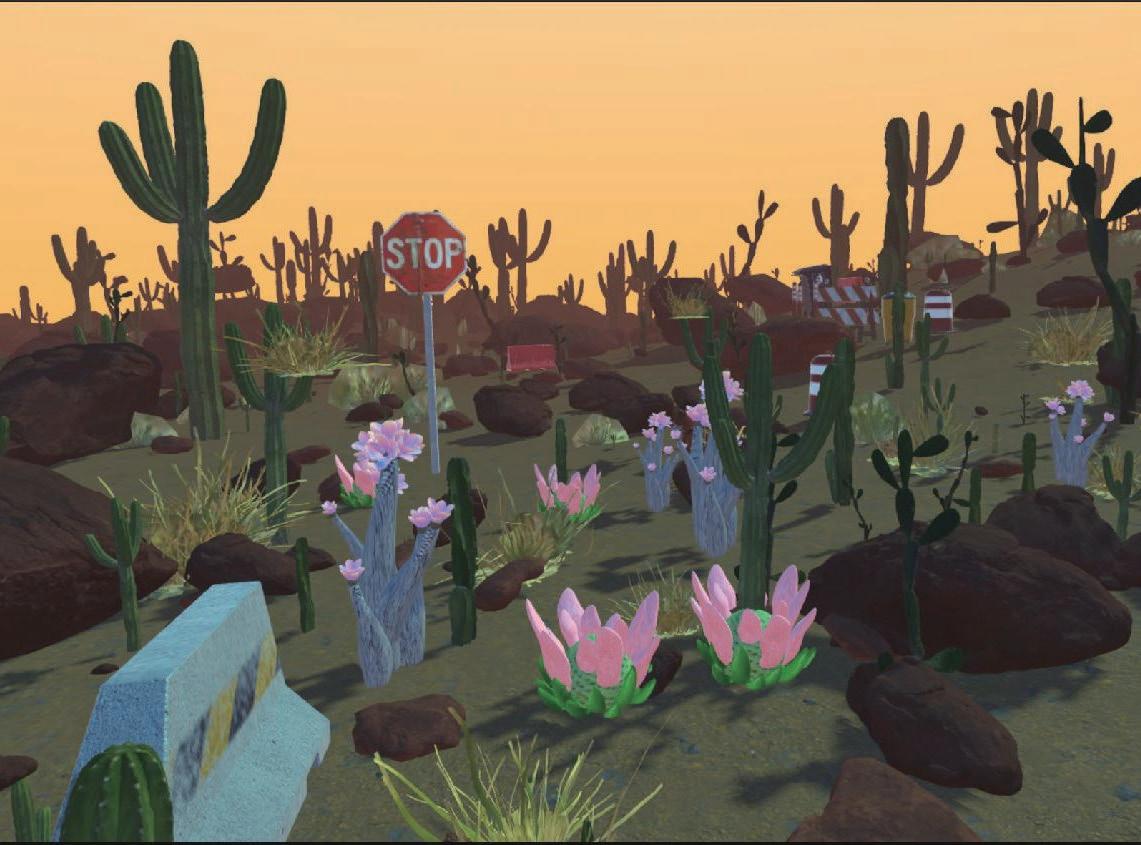
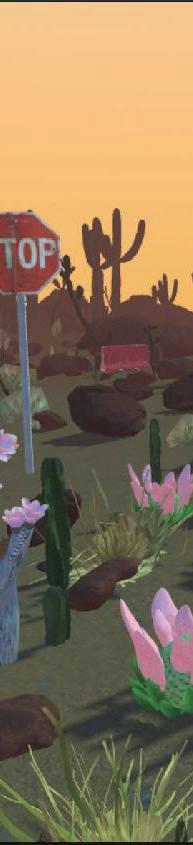
For VR, a desert scene was created inside Unity, we are encouraged to customize our scene and add props, so I change the night sky into a new material with galaxy texture, and added in street props like signs and concrete fences. In later iteration of the scene, model of a Dodge Viper was even placed to make my scene more rich.


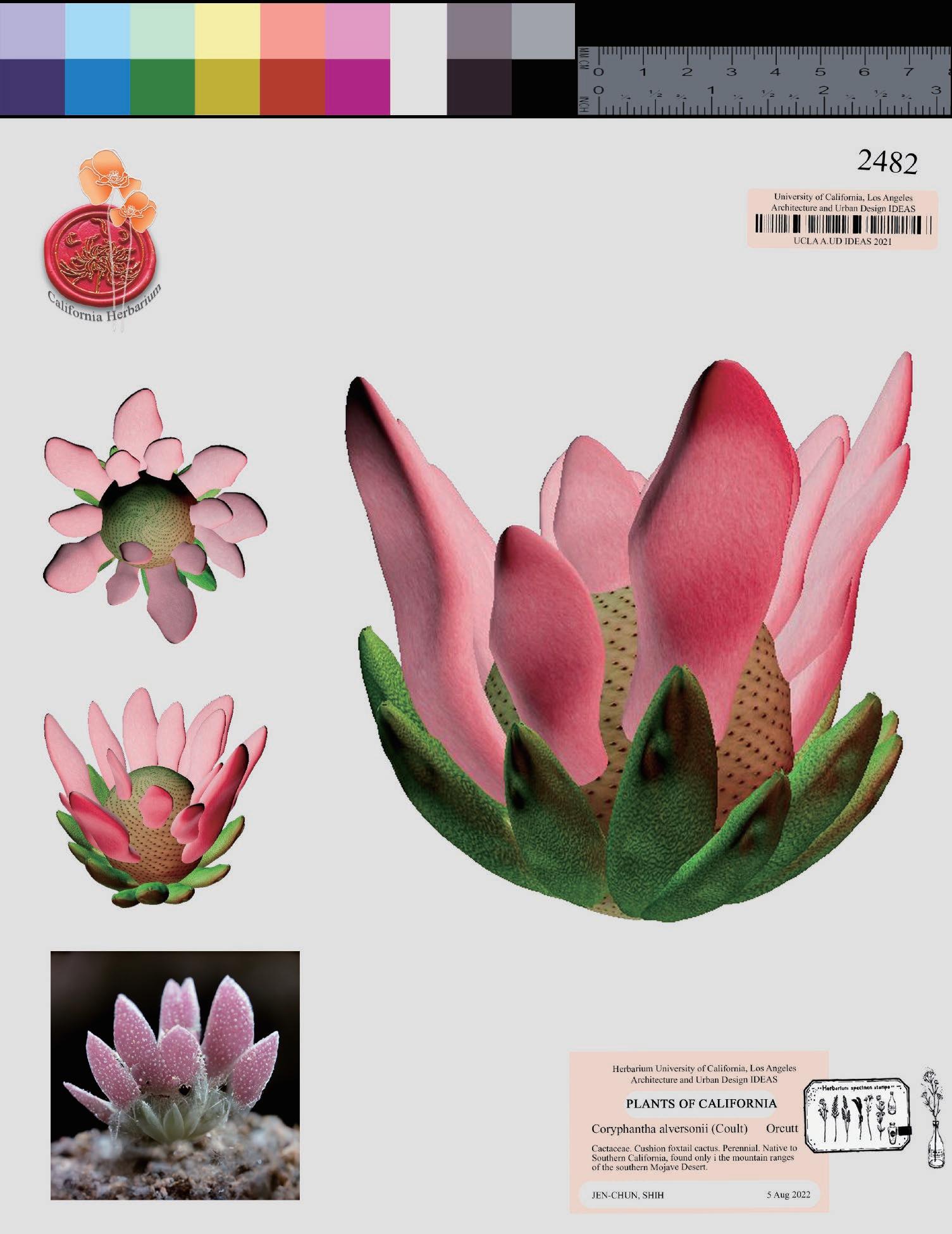
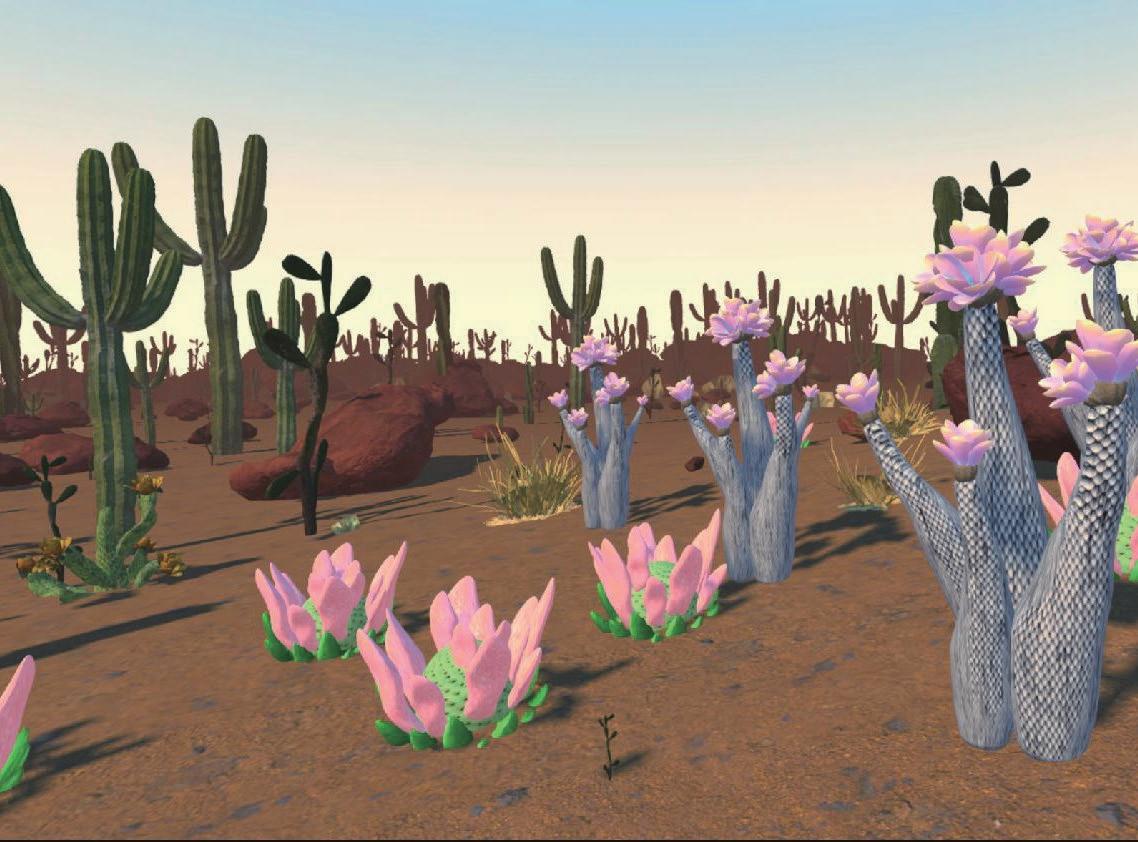
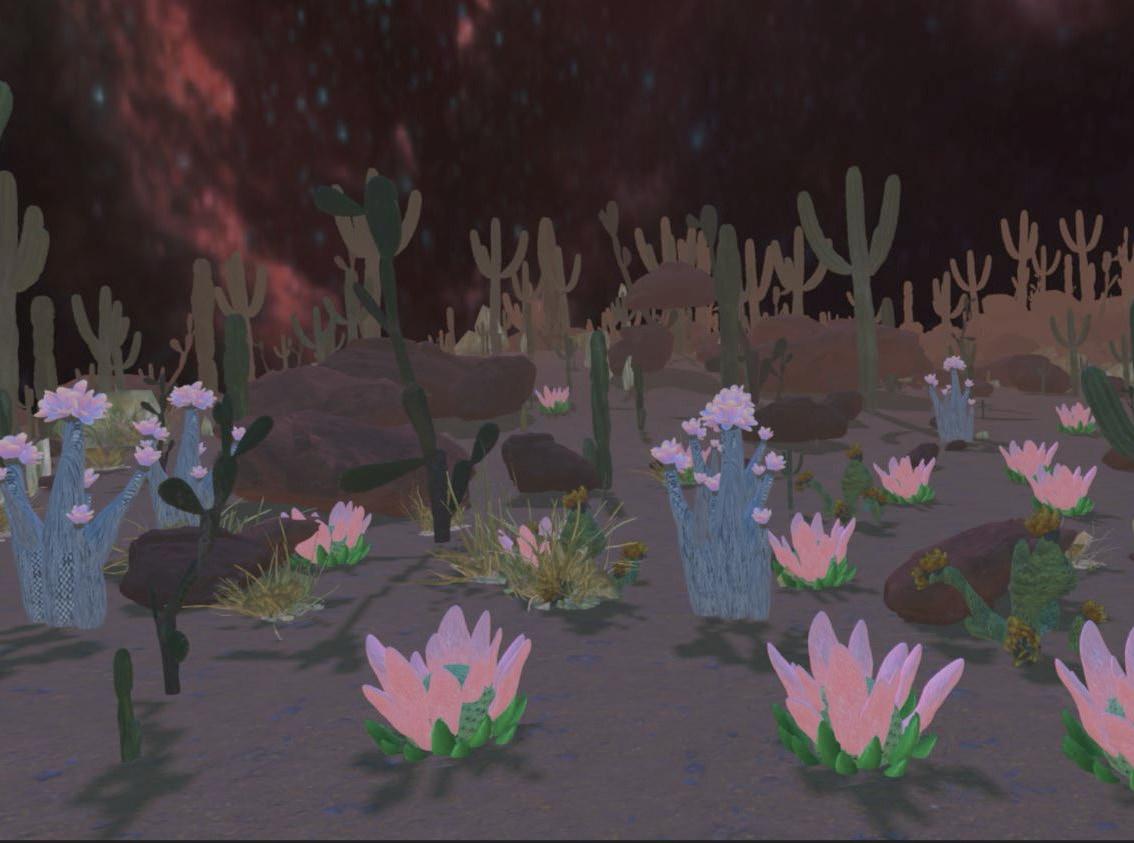
Like programming a simple game, me and my teammate’s cacti were assigned to the ‘controllers’ inside Unity, and the response was selected to ‘spawn’, so that when in VR interface we could randomly plant our cacti into the scene, as many as we wanted. Another feature was the ability to switch between daytime, sunset and night time thanks to three sets of environments programmed. Lastly is that upon pointing at a cactus in VR, we could see the Herbarium board appear on top of it, giving us information about the species we created.