“ architecture presents the drama of construction silenced into matter, space and light. Ultimately, architecture is the art of petrified silence.”
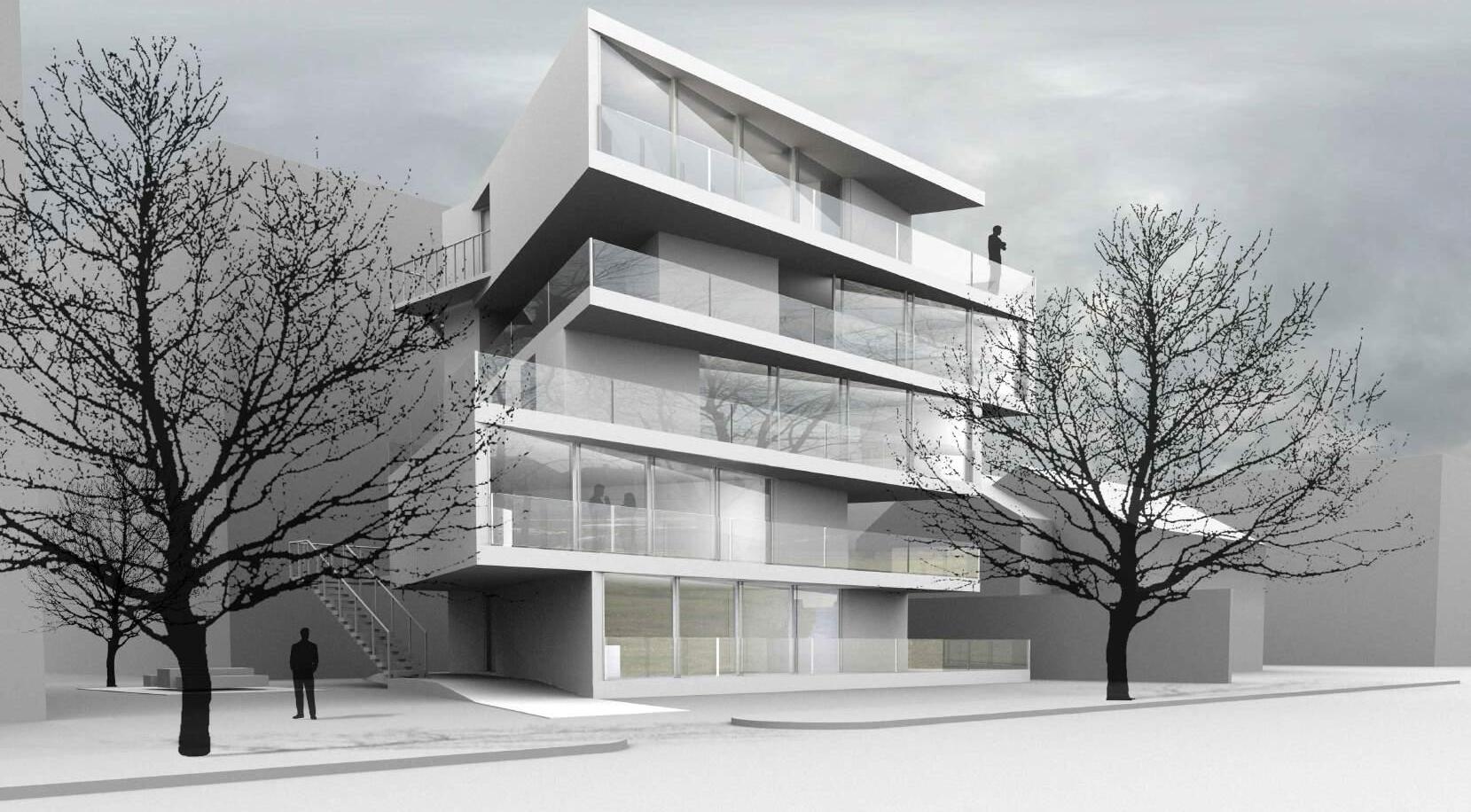
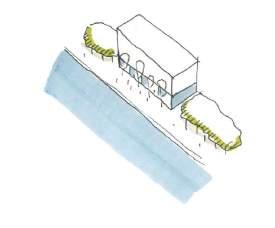
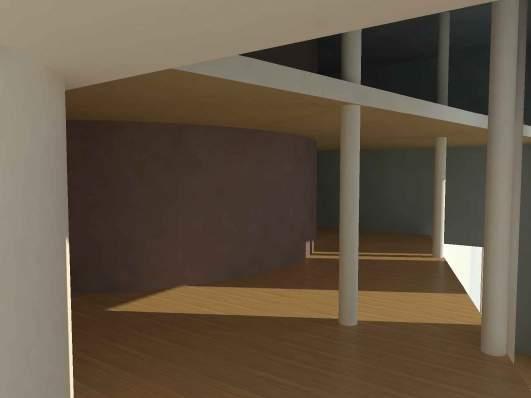
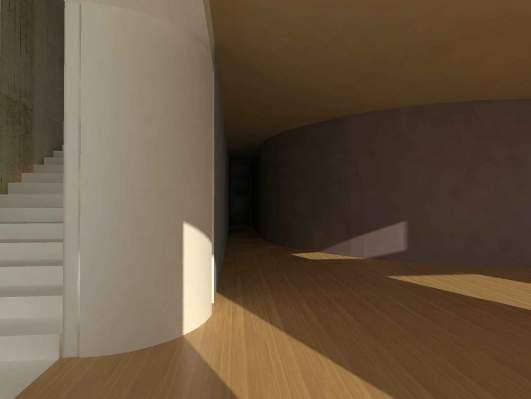
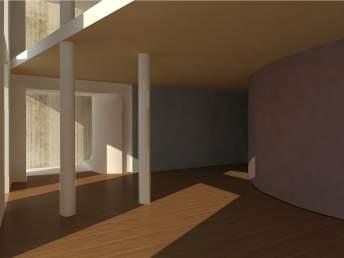
A housing block with 5 flats, the so called villa- block, is basiclly 5 dwellings stacked on top of one another. The trumpet shape of the space inside defines the main orientation on the river. The shifting of floors and the trumpet shape acts to add quality to the new(the shifting makes terraces and the shape a big window) and at the same time respects the views of an existing block of flats behind the building.






Ljubljansko Barje Črna vas
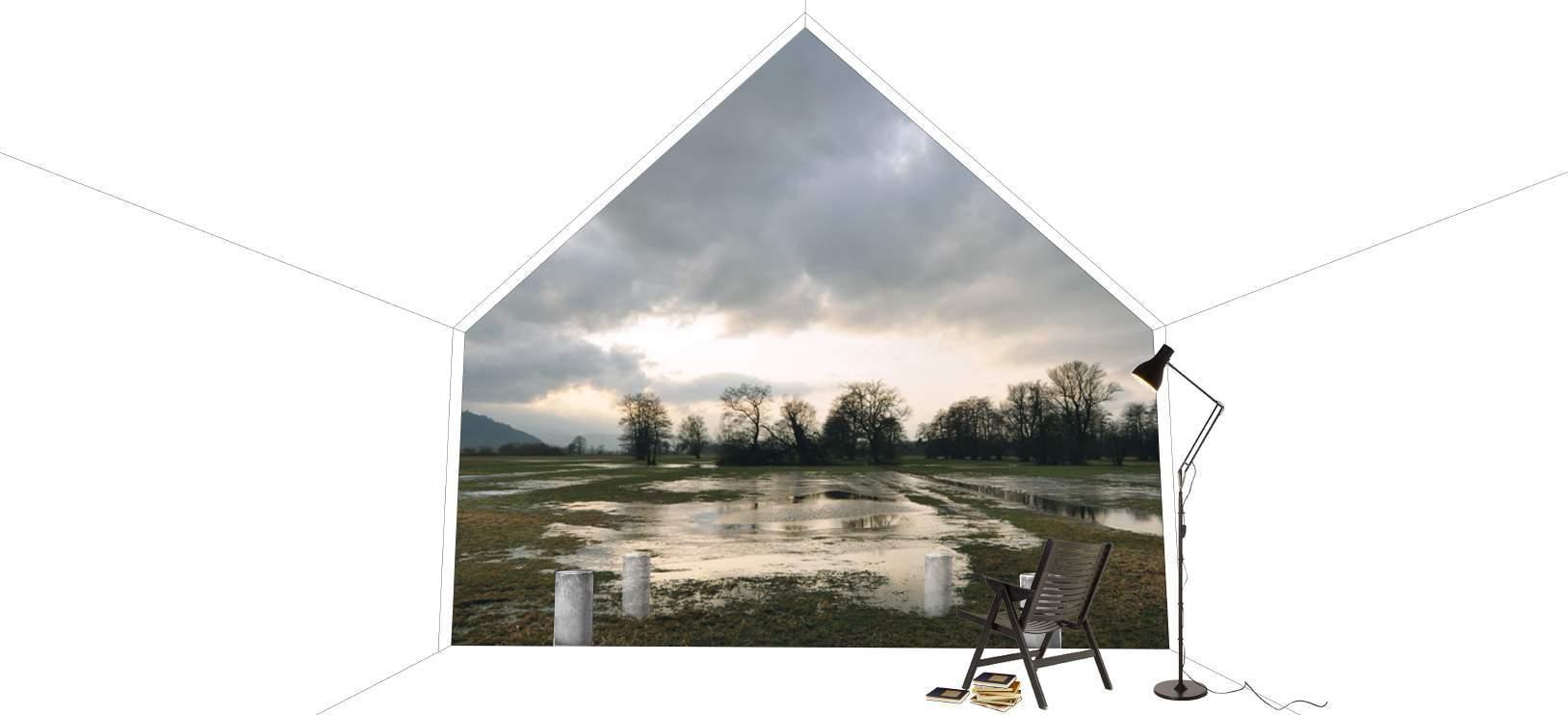
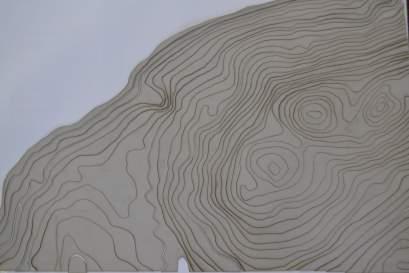
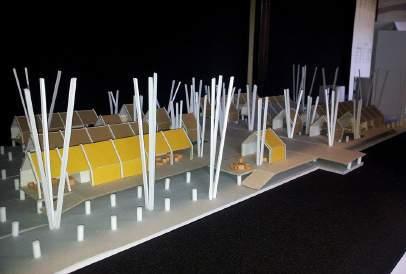
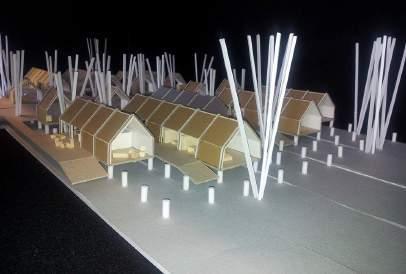
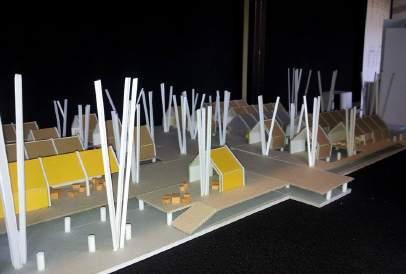
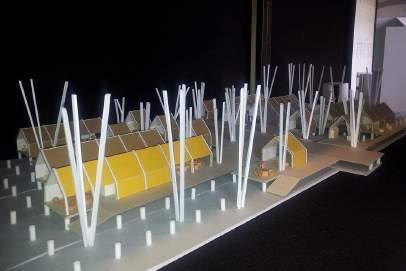
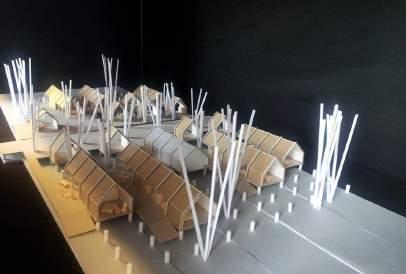
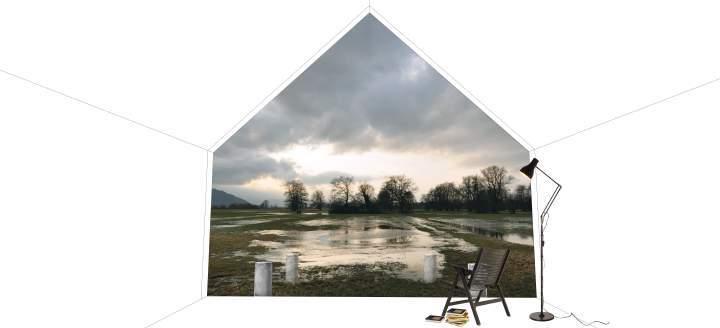
Location of work is a part of a Nature park Ljubljansko Barje next to the capital of Slovenia (Natura2000). Barje is a protected landscape that exists as a dialog between nature (biological diversity and water phenomena such as swamps and floods) and man (extensive farming, mosaic of meadows, fields, ditches, woods and streams).
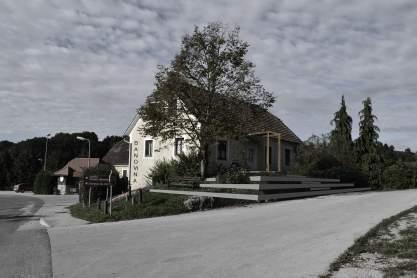
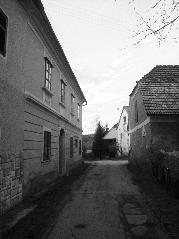
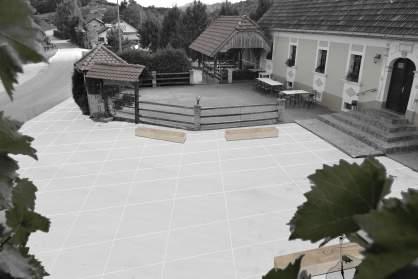
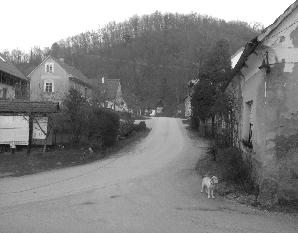
The village Črna vas lies in the hart of Barje. During the draining of the previously mostly swamp area in the 19th century, as an act to gain good land to grow and use huge peat resources, the settlement started as a group of farm houses. The architecture was racional, logical and in a dialog with the nature of the place. The developement of the village today goes in the wrong direction: dispersion of the built tissue, inability to adjust to the floods wich are common and a part of a natural cycle, and bad architecture that doesnt seem to understand the context of Barje.
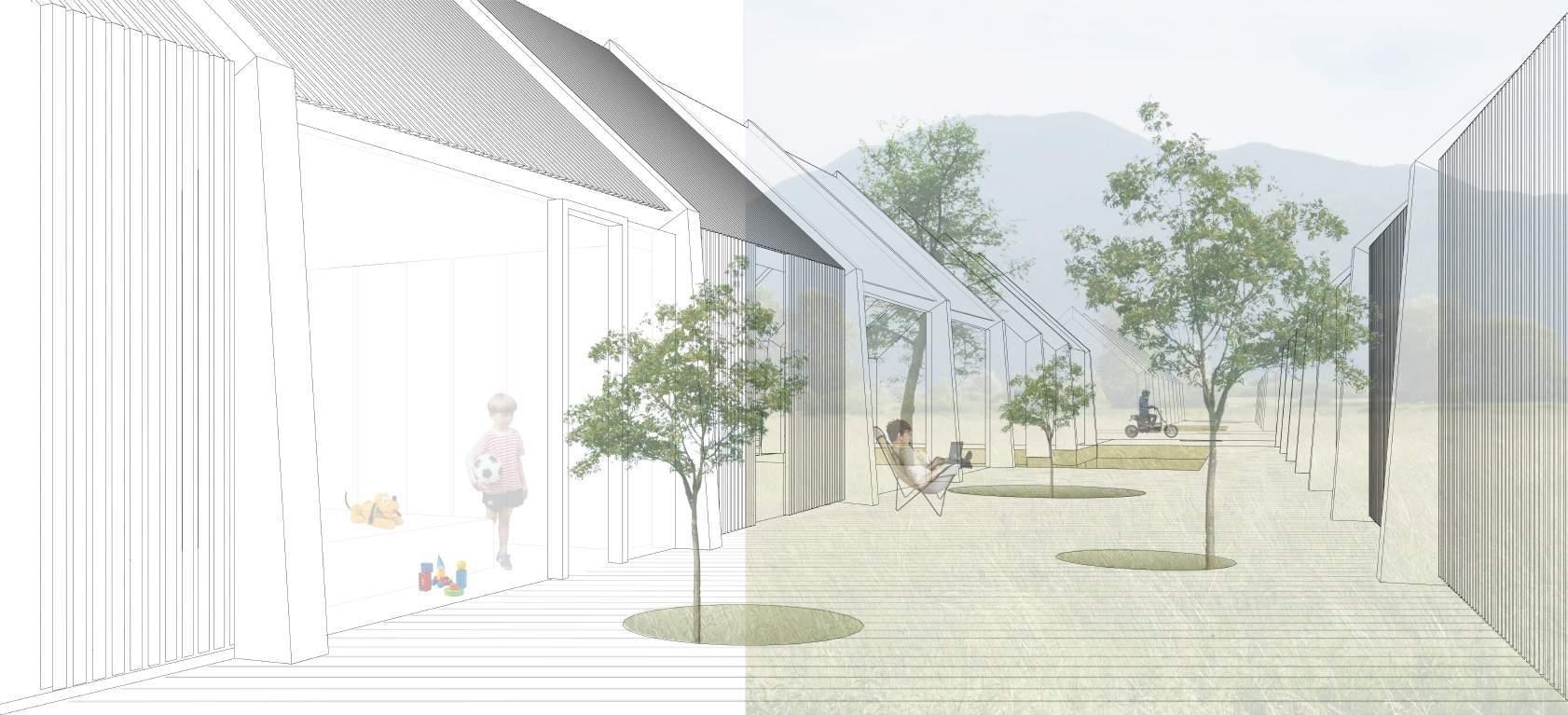
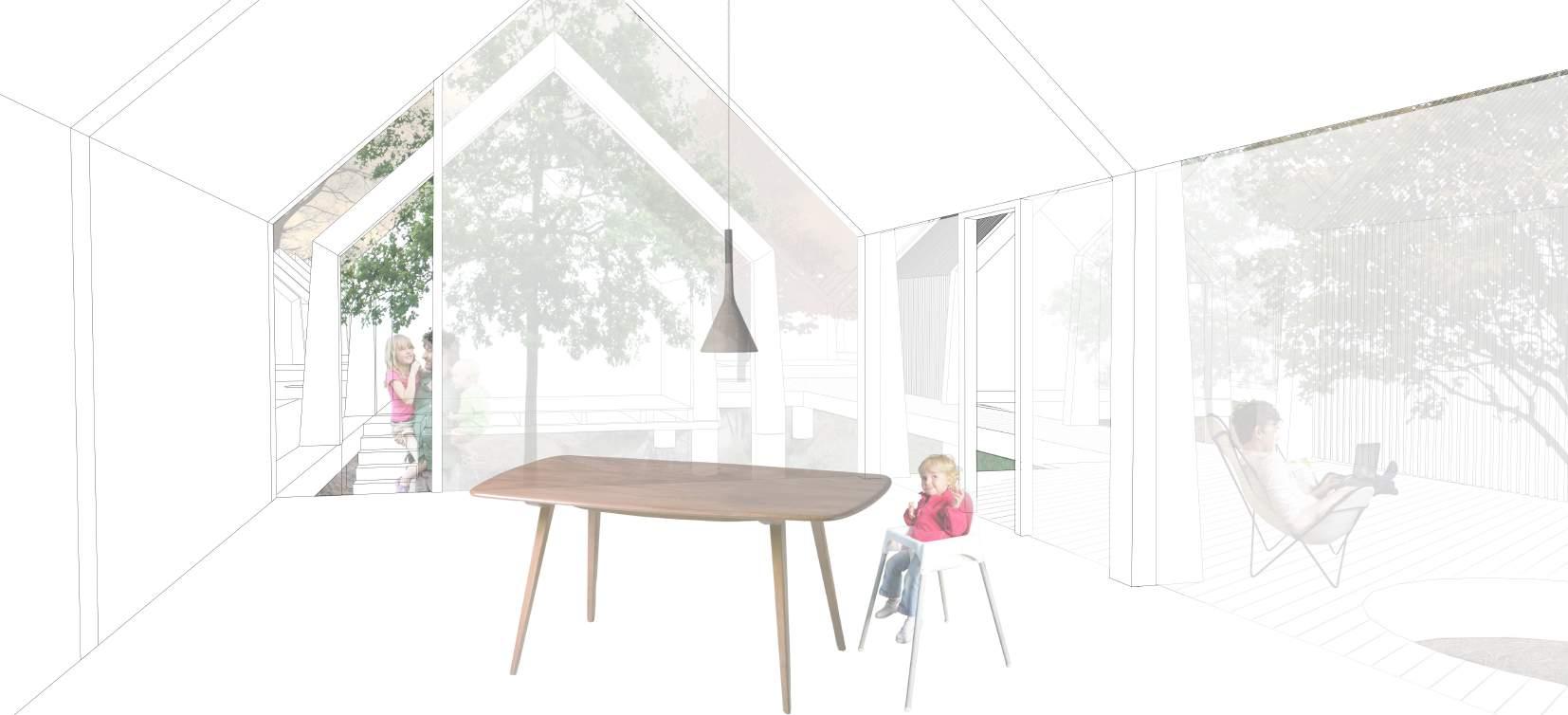
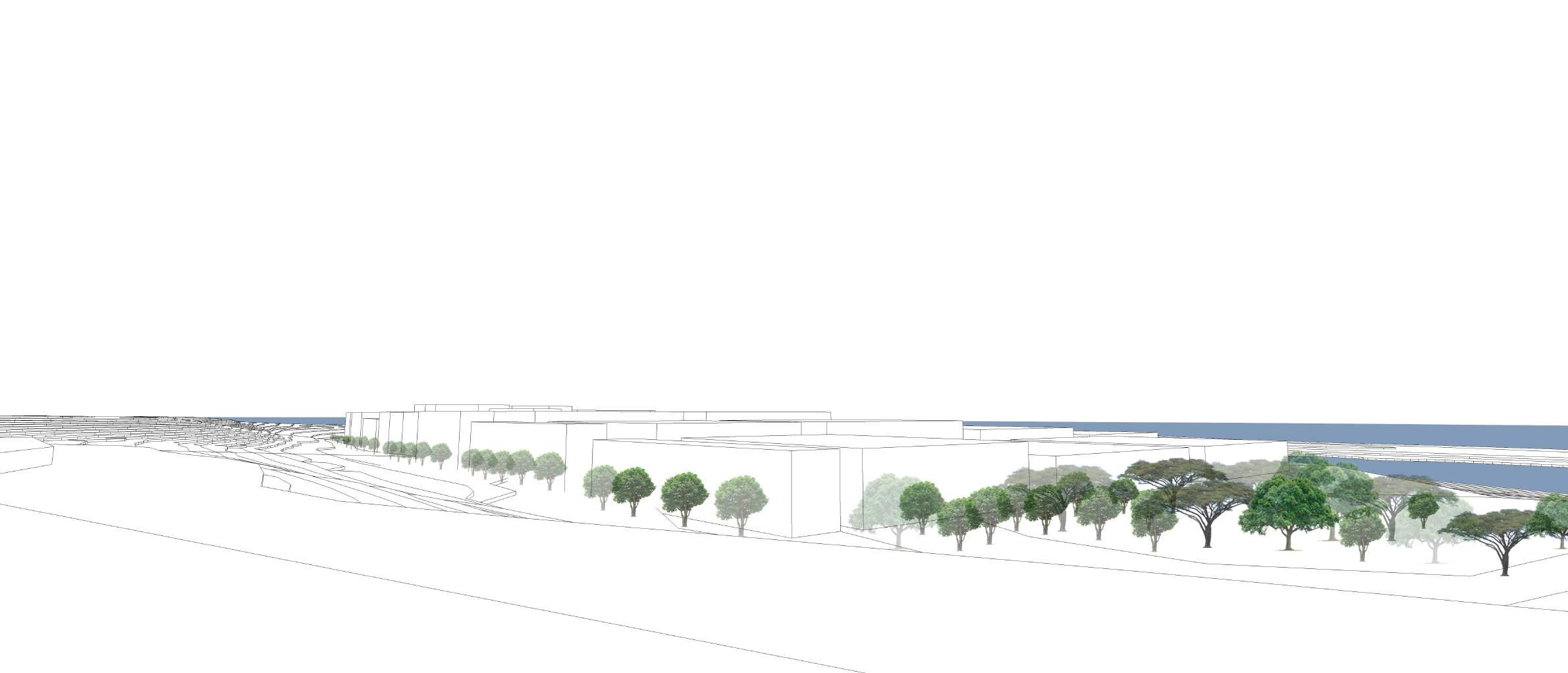
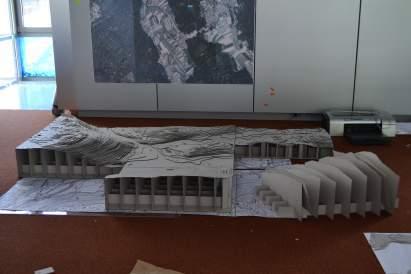
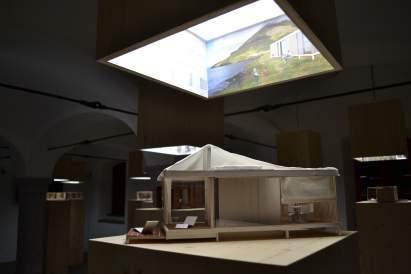
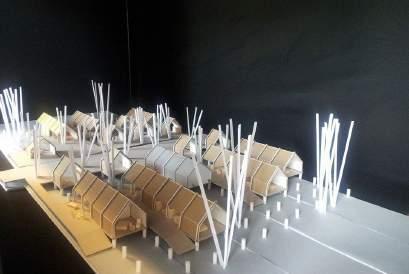
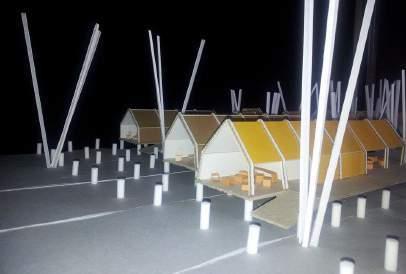
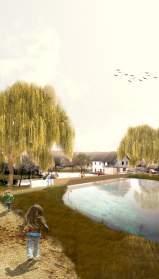
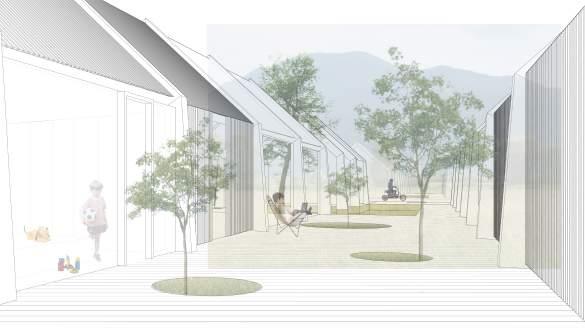
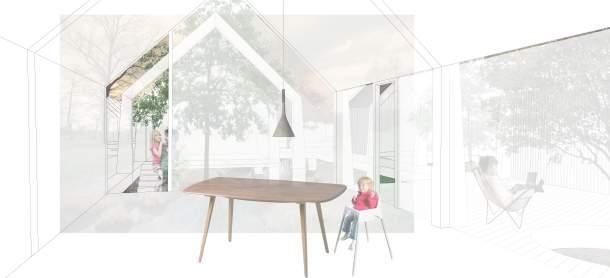
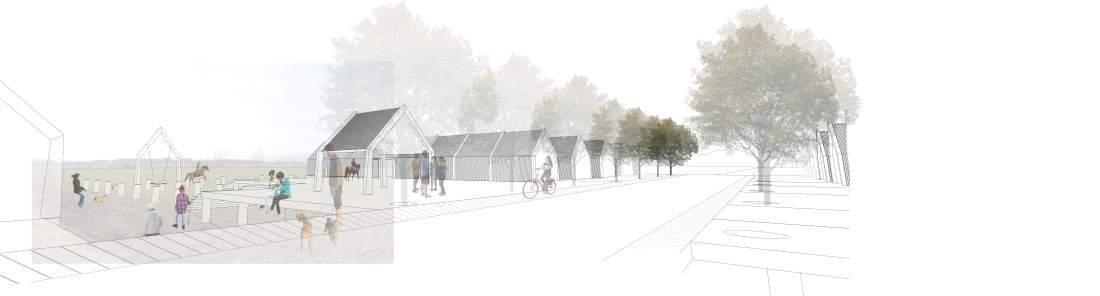
The site of the project is a part of Nature park Barje. The new proposed settlement is lifted on a platform as a anti flooding system. The densely built area contains single family row houses, alongside with neccesary public program: a bus stop, kindergarten, market, horse stables for tourist rides... Architecture of the new settlement has source in the typical farm house of Barje, longitudinal rectangle with a gable roof. The farm houses of the past allowed to be extended as the fammily grew. This is also applied to the design fo the new house, wich, due to the prefabricated wooden system and flexibility of floor plan, can grow according to the size of the family and the budget of the inhabitants.
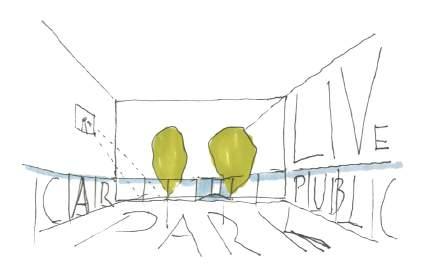
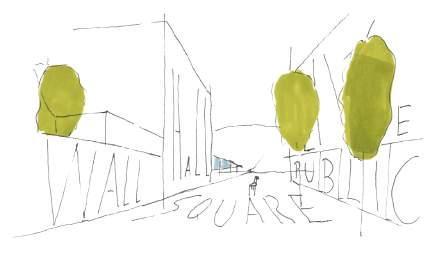
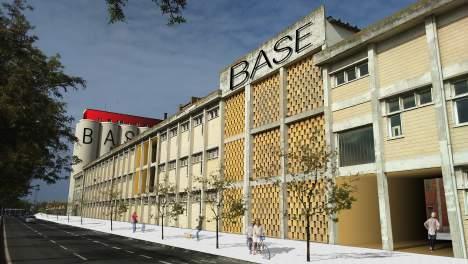
In the capital of Angola, Luanda, we tackled the question of Chicala, informal city inside the city. The favela or musseque is now sadly demolished and with it all the interesting spaces and the organic grow of such a place. The inhabitants were forcefully resettled to the south of Luanda. The students analised the original settlement and learned the topics, that we can use for the design of a new part of the city. As an answer to the tropical environment, safety issues in Luanda and Chicala we then individually continued the work from city scale to neighboorhood scale and finally the building scale. The work is presented on posters.
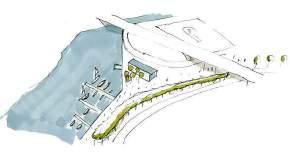
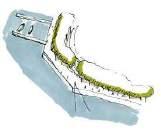
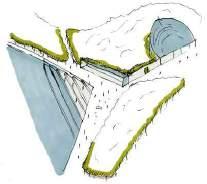
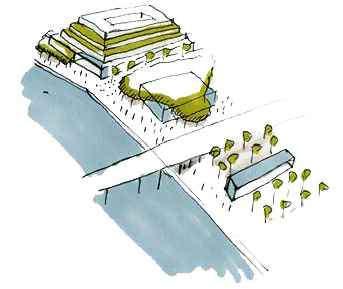
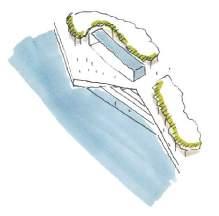


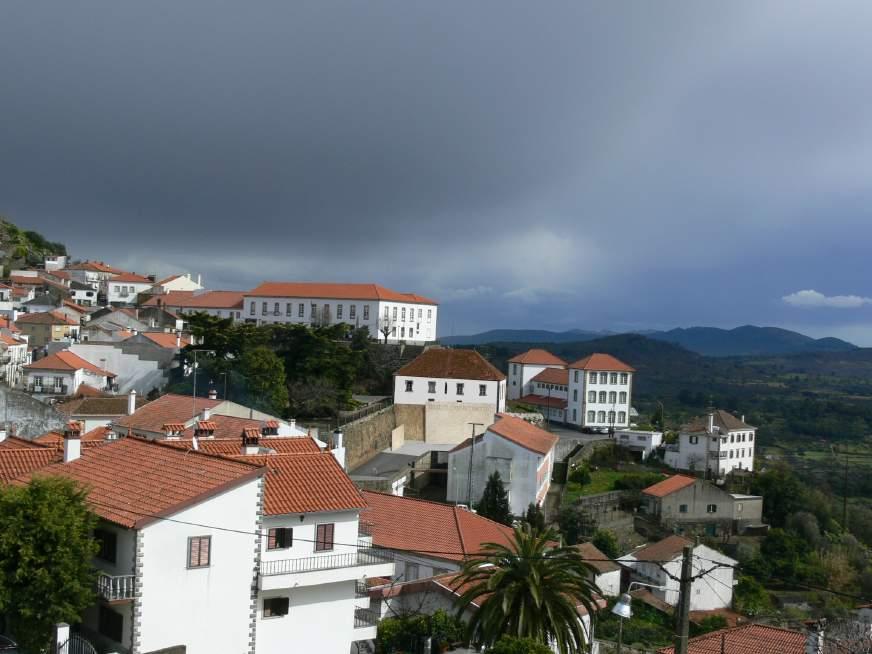
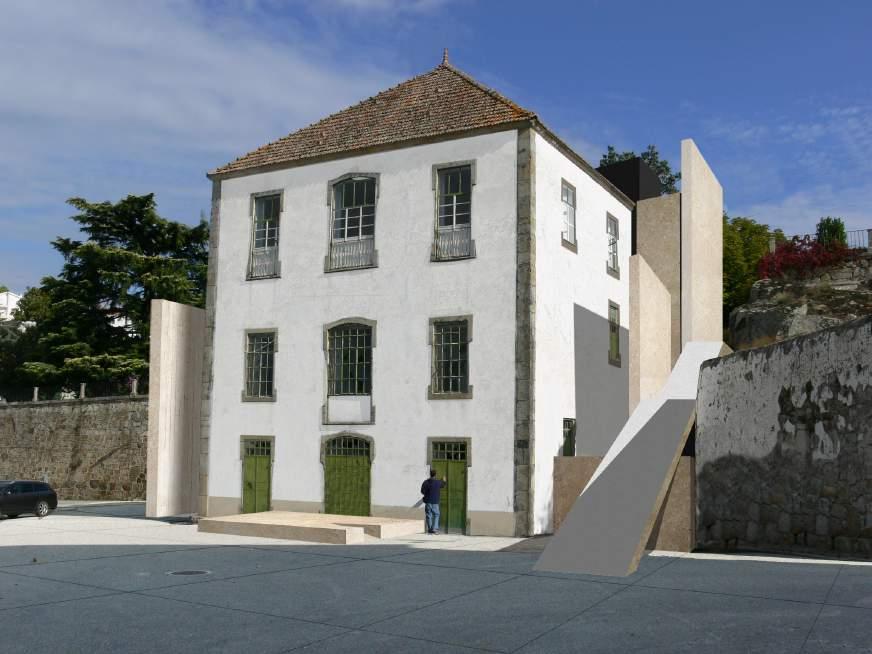
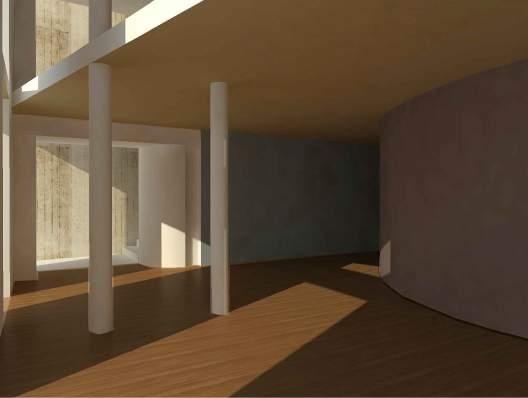
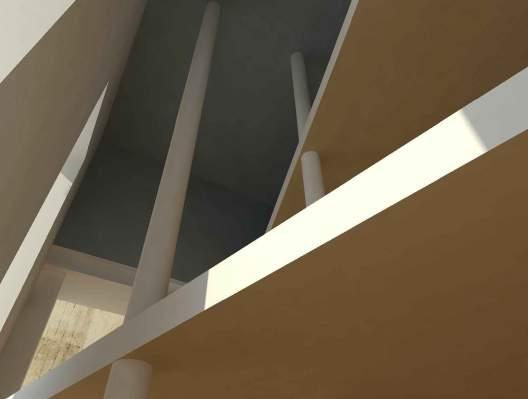
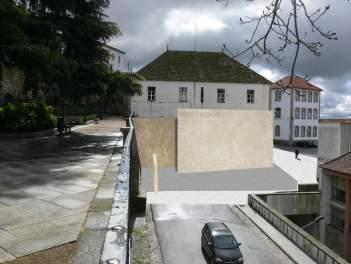
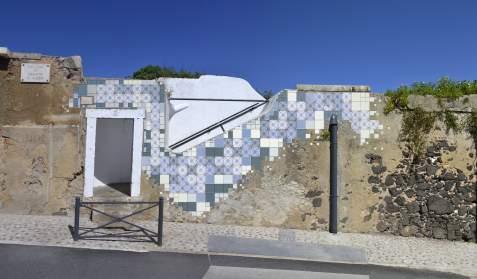
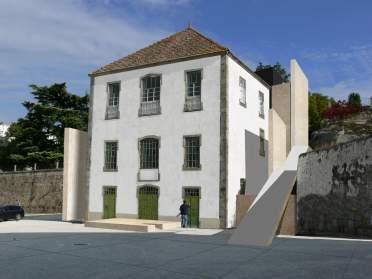
In a small portugese town of Penamacor there is a theater, built at the end of 19th century. Local community wants to rennovate the bad condition of the place. That s why the students did a complete survey of the buliding, documenting all the elements, and then individually proposed our ideas to rennovate. My project is mostly about the materiality of the new, how concrete, made from local stone, and the wooden mold for it are inseparably connected, the concrete carries the imprint of wood. The imprint on the outside relates to the scale of the outside, inside it becomes with the imprint of wooden planks more suited to the scale of the user, a human being.



















Workshop
SPREGLEDANI POTENCIALI PODEŽELJA
 Workshop
RIKO mobile houses
WORKSHOP AO III
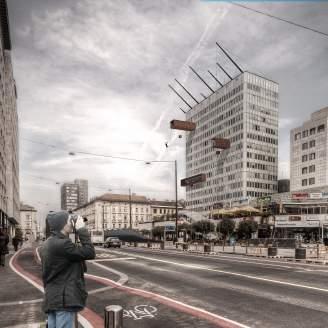
Scyscraper in Ljubljana
Seminar Florijančič Barje village
Workshop
RIKO mobile houses
WORKSHOP AO III
Scyscraper in Ljubljana
Seminar Florijančič Barje village
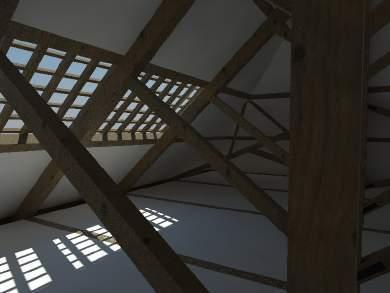
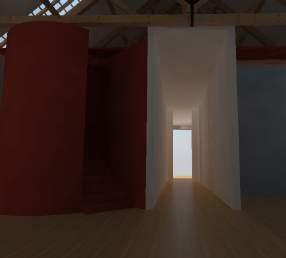
 ZIMSKI PAVILION
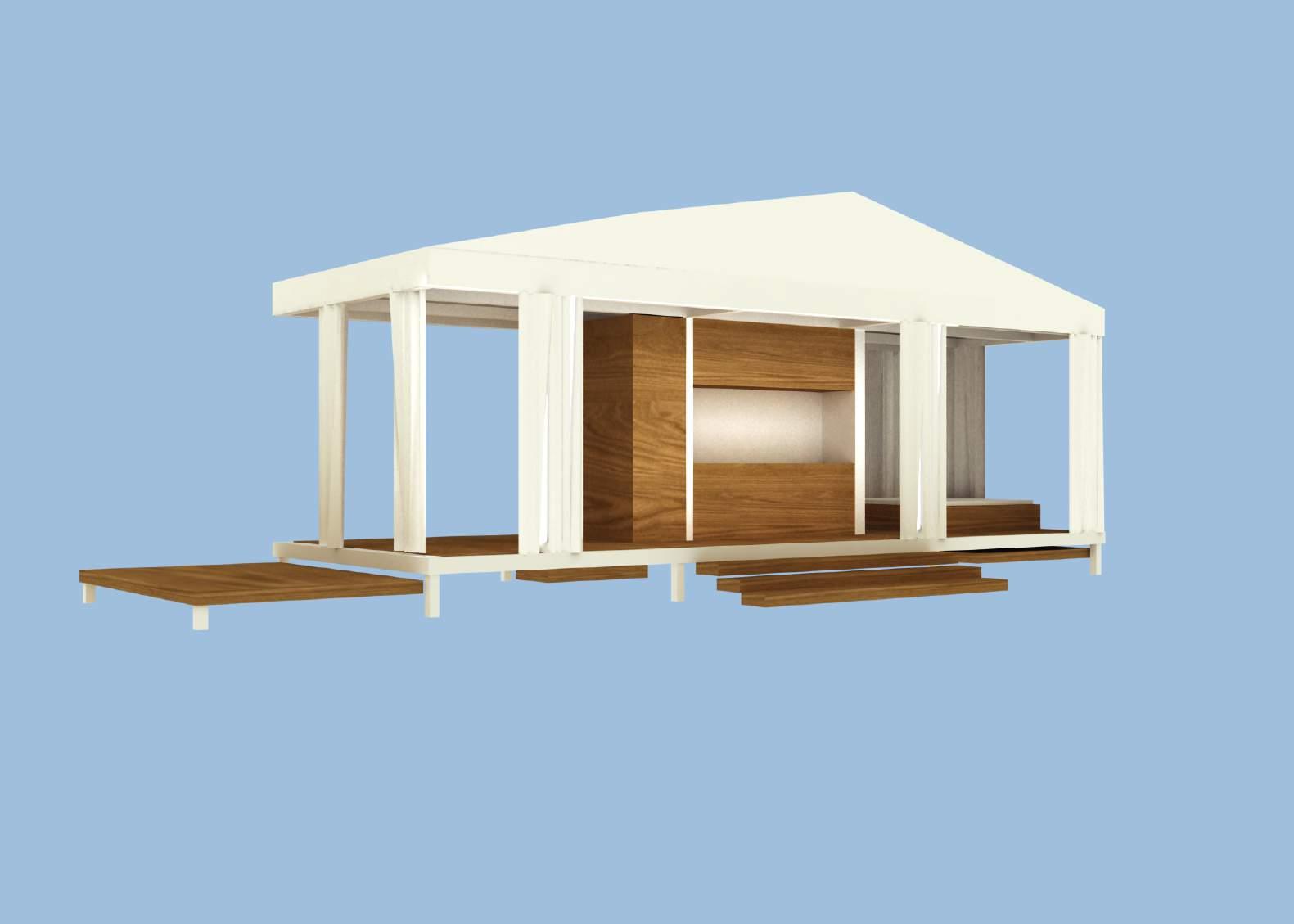
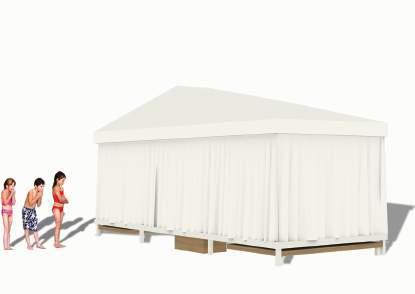
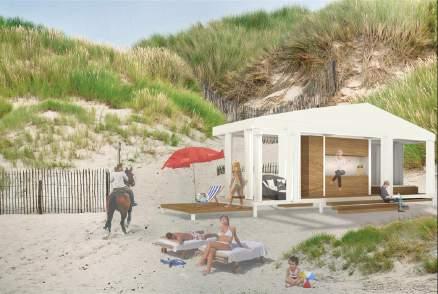
POLE TNI PAVILION
ZIMSKI PAVILION
POLE TNI PAVILION