Why Midwich? Because

Choosing Midwich means choosing more than products. It means unlocking a partner with facilities, services and expertise designed to make every project smoother, smarter and ultimately, more successful.
Experience it before you invest
Our state-of-the-art demo facilities, including Innovation House and our Letchworth showroom, let you and your customers explore solutions first-hand.
Financial flexibility
With tailored credit facilities, we make it easier to grow your business while managing cash flow.
More than a distributor
Through Plus+, we offer services from technical support and installation to training and extended warranties, ensuring added value at every step.
Strength in numbers
As part of the Midwich Group, we bring global scale and stability while delivering local expertise.
Specialist support
Our PSCo team provides pre-sales advice, project support and access to the most advanced LED configurator in the industry.
Knowledge that leads the industry
From expert insights to trend analysis, our thoughtleadership content like Connected Magazine keeps you ahead of the curve.
Seamless delivery
With dedicated logistics services, we get the right technology to the right place, on time, every time.
For more information about our Value
Services, please enquire today at:
WELCOME
A note from the editor:
Dear readers,
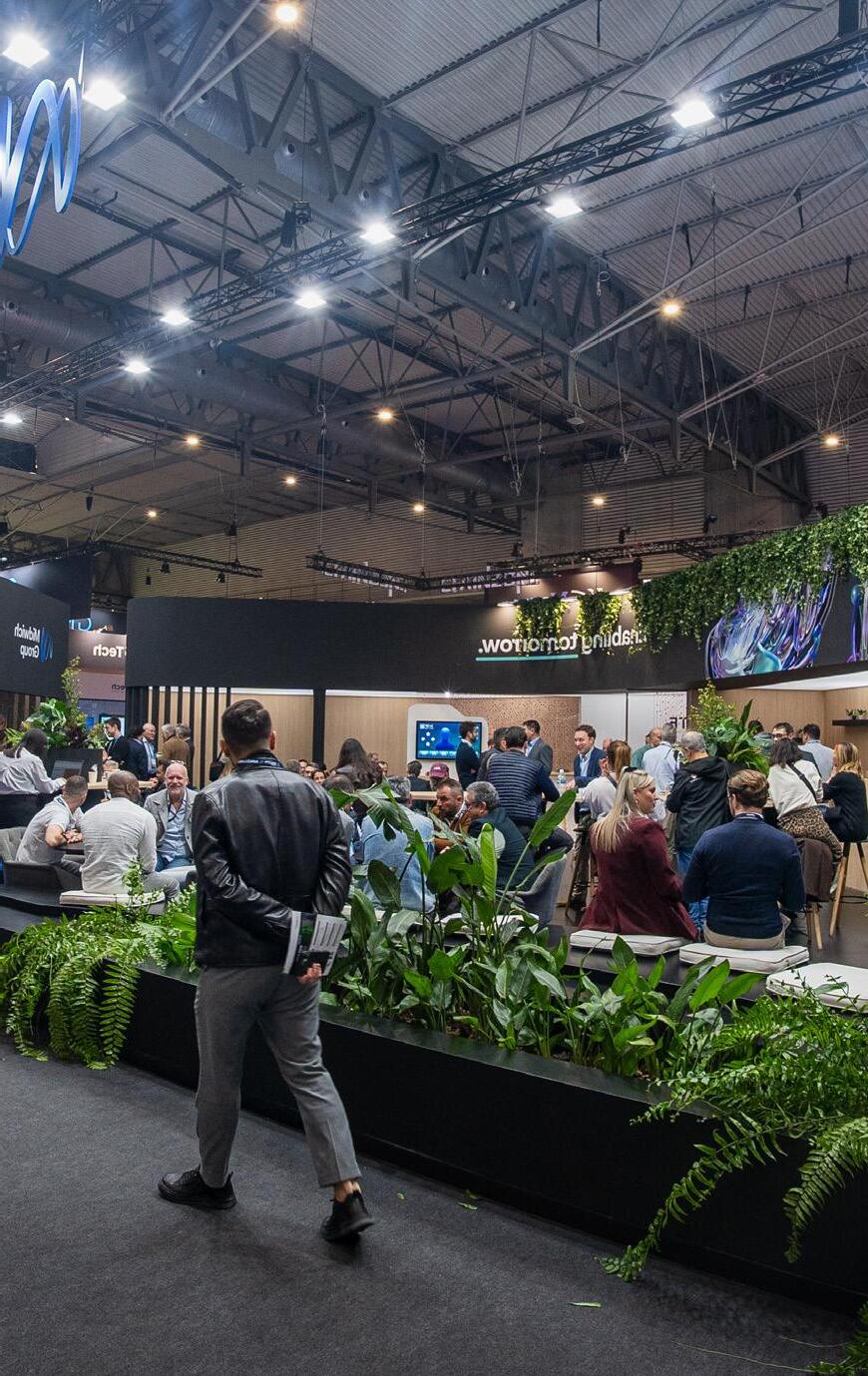
ISE may be over, but the conversations it sparked are far from finished. This edition of Connected builds on the momentum of the industry’s biggest moment of the year, using ISE as a lens to explore where AV is heading next, and what that means in practice. Across the show floor, the message was clear: this is an industry growing in confidence, maturity and intent, with technology increasingly working in service of people, spaces and real outcomes.
Rather than chasing headlines, this issue focuses on what sits beneath them: the themes shaping decision-making and the technologies that are becoming dependable foundations rather than novelties. It explores the ways AV is being designed, deployed and trusted as part of wider ecosystems across work, education, entertainment and the built environment.
You’ll hear perspectives from across the industry, bringing together expert insight to reflect on what stood out, what’s changing and what’s beginning to settle. From emerging product developments to broader shifts in approach, the focus throughout is on clarity, confidence and real-world application.
At Midwich, our role is not just to keep pace with innovation, but to help make sense of it. To connect ideas, expertise and technology in ways that support confident long-term decisions and meaningful progress.




Emmanuelle Gammage


Artificial intelligence as a
MEGATREND:
from possibility to practical progress
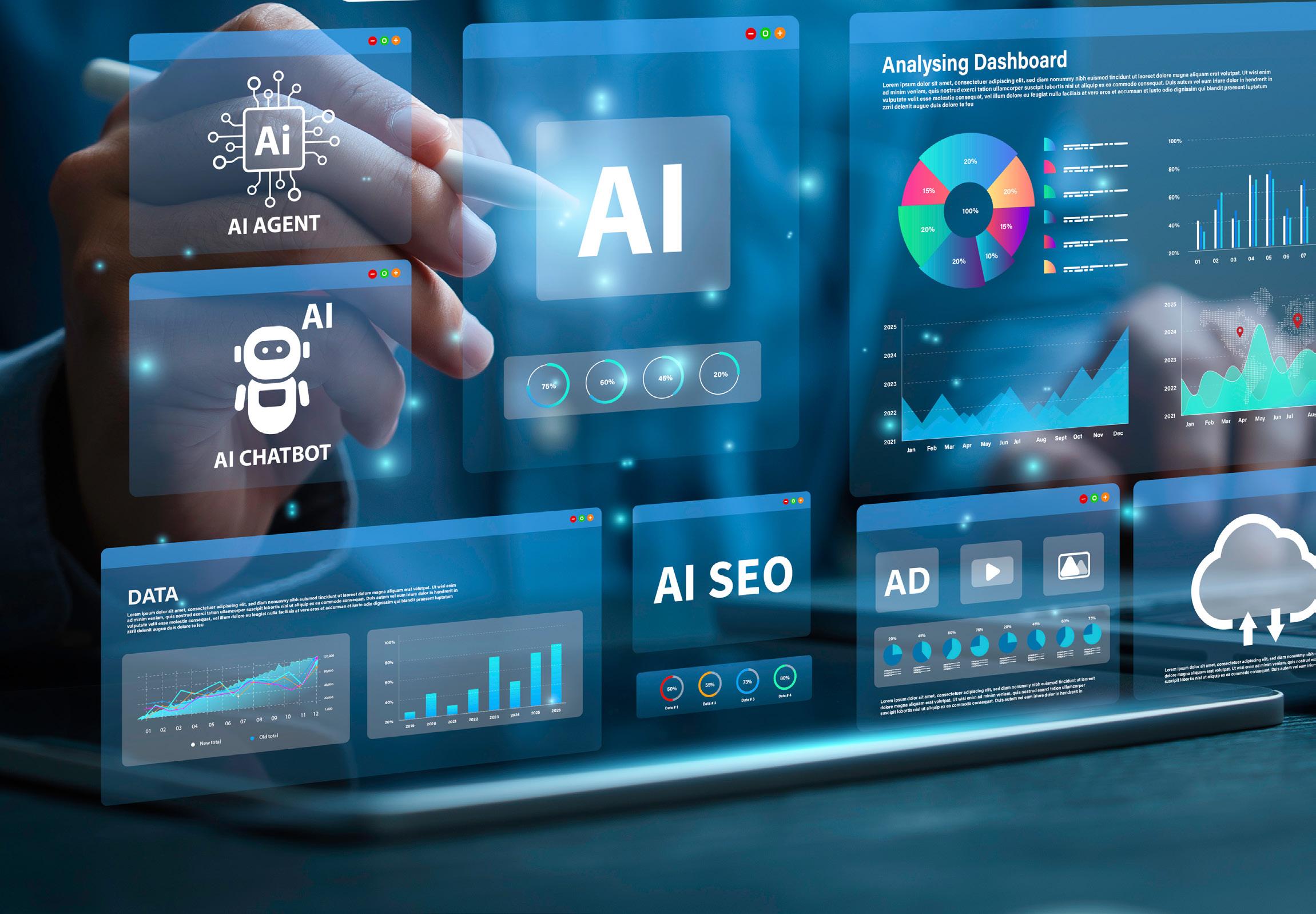
AI has moved decisively from experimentation to everyday application across the professional AV landscape. No longer positioned as a futuristic add-on, AI is increasingly embedded into systems that support collaboration, control, analytics and user experience. The real conversation now centres around how to adopt AI responsibly, effectively and with confidence.
One of the most important shifts is understanding where AI delivers genuine value. In AV, its strengths lie in pattern recognition, automation and optimisation. From intelligent camera framing and audio processing to predictive maintenance and space utilisation analytics, AI works best when it enhances clarity and consistency, rather than replacing human judgement. When deployed
with intent, it becomes an invisible enabler of better outcomes.
For many organisations, the challenge is knowing where to begin. A successful AI journey often starts small: identifying a clear problem, piloting a solution and measuring impact. This phased approach reduces risk and helps teams build familiarity and trust in AI-driven systems. Crucially, it also ensures that technology choices remain aligned with business needs, not driven by novelty alone.
Supplier selection plays a central role in this process. As AI capabilities proliferate, reliability and transparency matter more than ever. Integrators and end users alike are seeking partners who can clearly explain how AI is being used, how
data is handled and how systems are supported over time. Interoperability, cybersecurity and long-term roadmap visibility are now key markers of trust. Certification and standards are beginning to catch up with innovation, offering reassurance in a fast-moving space. While formal AI certification is still evolving, alignment with established platforms, compliance frameworks and ethical guidelines is increasingly viewed as essential.
Ultimately, AI’s role in AV is becoming more measured and mature. When applied thoughtfully, it offers not disruption for disruption’s sake, but a powerful means of delivering smarter, more human-centred experiences.
WHAT THE MARKET IS QUIETLY TELLING US

Reflections
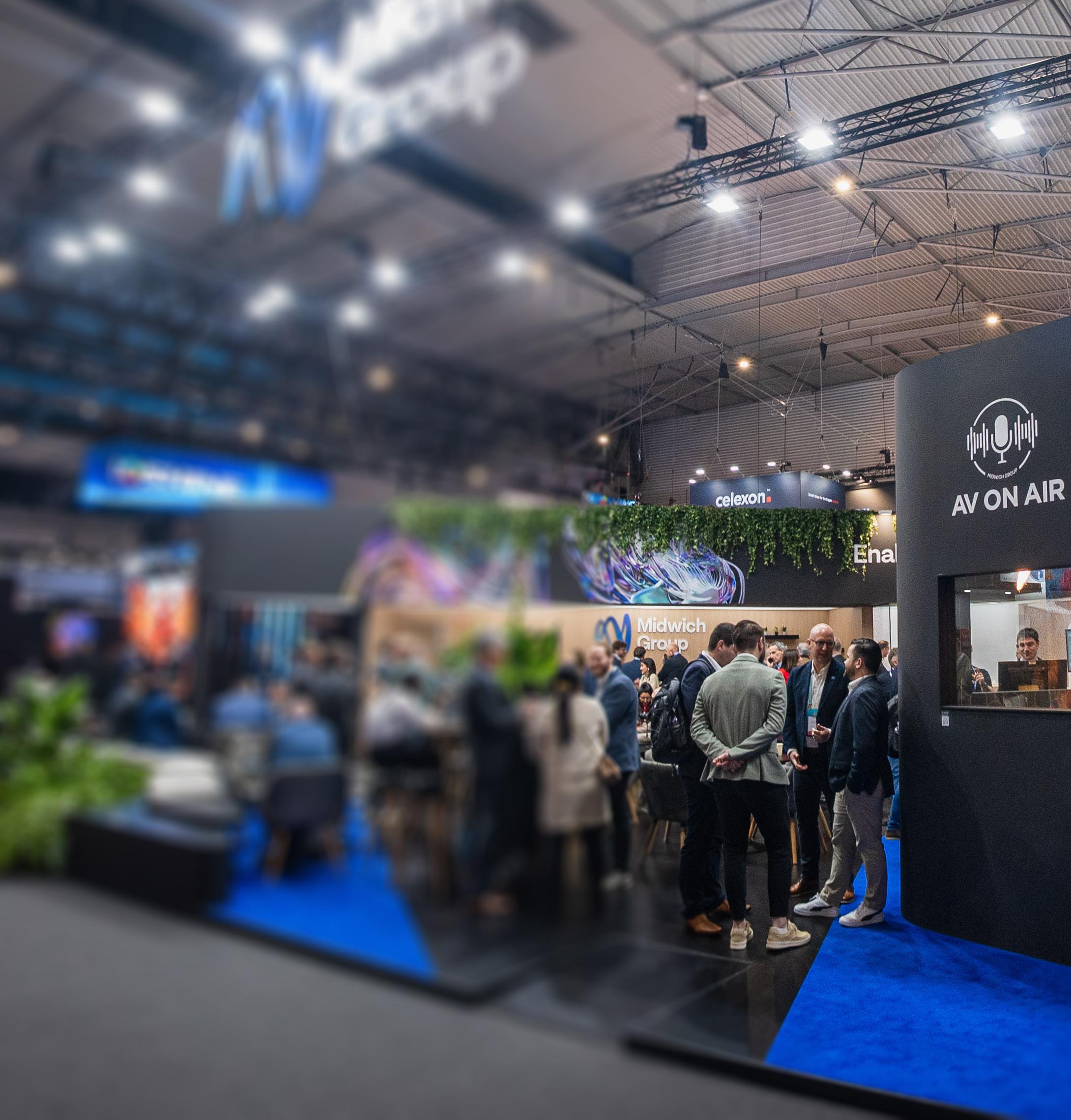
from ISE on maturity, integration and risk in AV Technical Director,
Conversations across the show floor at ISE pointed to an industry settling into its next phase, where maturity, integration and long-term viability matter more than novelty. Across categories, the emphasis has shifted from promises to practicality, with technologies judged on how well they simplify deployment and perform in real-world use.
From promise to practicality
Artificial intelligence was everywhere, but the conversation has matured beyond positioning it as a future differentiator. The lens is now on everyday operational value, reducing manual configuration, improving consistency and lowering ongoing support effort. What stood out was the restraint. Vendors were clearer about where AI adds value today and quieter about claims it cannot yet substantiate. Crucially, AI does not yet appear to be driving a faster hardware refresh cycle. Innovation is largely in software and system intelligence, while physical platforms remain relatively stable.
Designing for the installer, not just the spec sheet
Ease of deployment was a consistent theme. Systems need to be faster to commission, easier to support and less dependent on specialist knowledge.
This ‘installer-first’ mindset reflects wider pressures across the channel. Skills shortages, time constraints and cost sensitivity are forcing manufacturers to rethink complexity. Fewer failure points, clearer configuration paths and predictable performance are becoming competitive advantages in their own right.
Beyond the presence of a Cloud platform
Cloud platforms are no longer a differentiator; almost every manufacturer now has one.
A more fragmented ecosystem
Beyond individual technologies, a broader structural shift is emerging. Many manufacturers have expanded beyond their traditional categories, contributing to a more saturated market and increasing pressure on pricing and share. At the same time, ecosystems are tightening. Some platforms are making it harder to design truly multi-vendor systems, whether through positioning or technical restriction.
This raises important questions about interoperability. Open standards promise flexibility, but differing interpretations can introduce risk. When systems fail, accountability can become ambiguous, leaving integrators and end users exposed.
The tension between openness and control is becoming more pronounced. Excessive closure limits flexibility and increases supply-chain risk. Excessive standardisation risks commoditisation and a diminished role for the integrator.
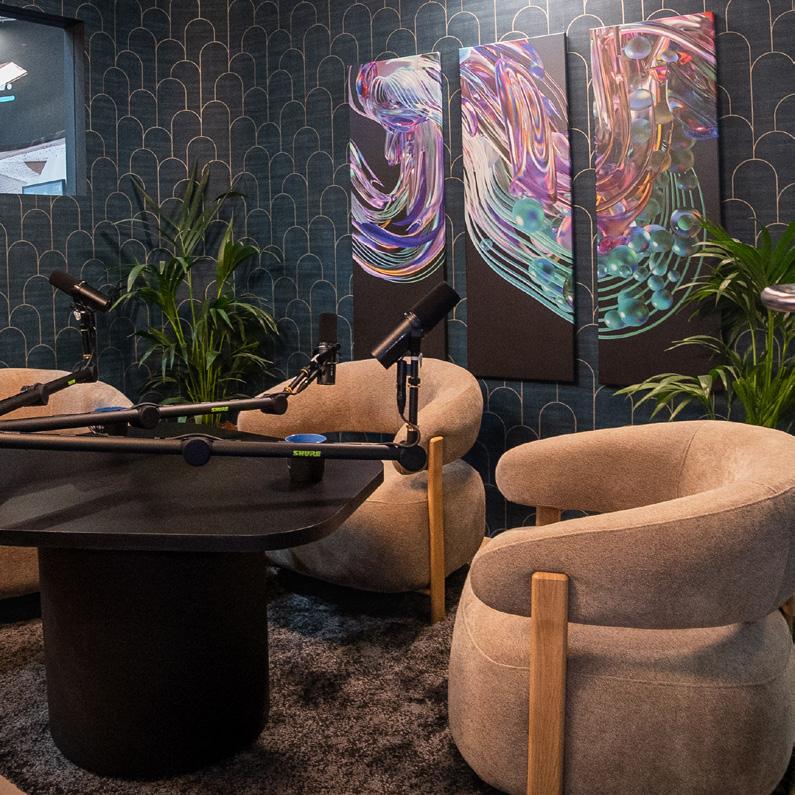
The real value lies in how deeply platforms integrate across systems, how much they automate, and how effectively they provide cross-vendor visibility. Management tools that reduce operational overhead and support long-term system health stood out far more than those simply offering remote access.
Rebalancing the in-room experience
After years of optimising for remote participants, attention is returning to the physical room, with renewed focus on intelligibility, visibility and comfort.
With hybrid environments now assumed, the challenge is delivering high-quality experiences both in-room and online.
Sustainability becomes an energy conversation
Sustainability messaging was present, but noticeably more grounded. Instead of broad environmental claims, discussions centred on energy consumption, ultra-lowpower technologies and lifetime operating cost.
There were fewer circularity stories than in previous years, reflecting growing caution around environmental marketing. End-user priorities, however, have not drifted. Energy efficiency and longevity continue to influence purchasing decisions, even if manufacturers are choosing their words more carefully.
Every customer is now a broadcaster
One observation cut across categories: that every organisation is, in some way, a broadcaster. Events, conferences and webinars are no longer specialist activities. They are becoming everyday expectations.
This reinforces the importance of systems that are reliable, intuitive and scalable. As experiences become more visible and more frequent, tolerance for failure continues to shrink.
What this means in practice
Taken together, these signals point to an industry that is consolidating rather than accelerating. Innovation remains strong, but it is increasingly judged by how well it integrates, how easily it deploys and how sustainably it operates.
For integrators, the challenge is navigating a market that is simultaneously expanding and constraining. The value lies in understanding which shifts genuinely support long-term system performance, flexibility and trust.
ISE this year did not shout about the future. It quietly showed what the present is becoming.
Why Microsoft device ecosystem platform marks a turning point in workplace collaboration
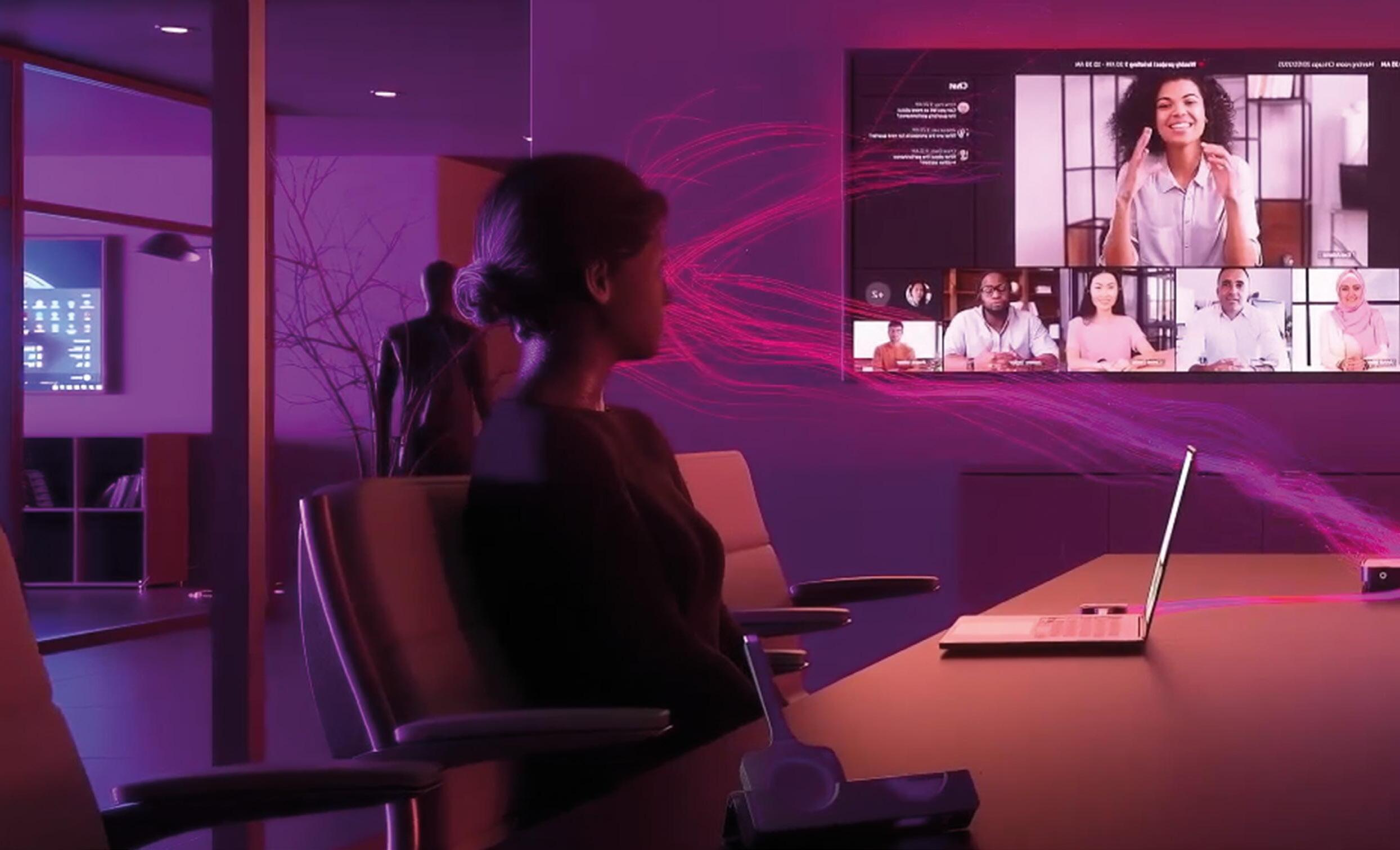
Hybrid work has become an established norm in modern organisations, and with it comes a new operational reality: fragmented device ecosystems, inconsistent meeting experiences and rising complexity in room technology management. The recent webinar “The Power of MDEP” featuring experts from Microsoft, Frost & Sullivan and Barco ClickShare, could not have arrived at a more critical moment. The design of collaboration technology on the Microsoft Device Ecosystem Platform (MDEP) marks a fundamental step in harmonising workplace collaboration, and its impact will be felt across every organisation striving for seamless hybrid teamwork.
The convergence of three perspectives, Microsoft’s platform vision, Frost & Sullivan’s market analytics and Barco’s innovation in
meeting experiences – creates a compelling narrative. It refers to a workplace where technology is more unified, manageable and inclusive, and the user experience becomes not just more intuitive but more equitable for remote and in-room participants.
Meeting rooms often operate like mini ecosystems: multiple operating systems, varied conferencing tools, peripherals from different vendors and room setups that rely on IT interventions far too often. This leads to friction for users and overhead for IT.
Microsoft positions MDEP as the unifying layer, as the underlying operating system that finally brings order to this fragmentation. Built on a secure and standardised Androidbased foundation, MDEP enables device manufacturers to integrate deeply with Microsoft environments,
ensuring reliability and manageability. The result is a platform that increases both consistency and confidence.

Product Director Meeting Experience, Barco ClickShare
Oliver Van Camp
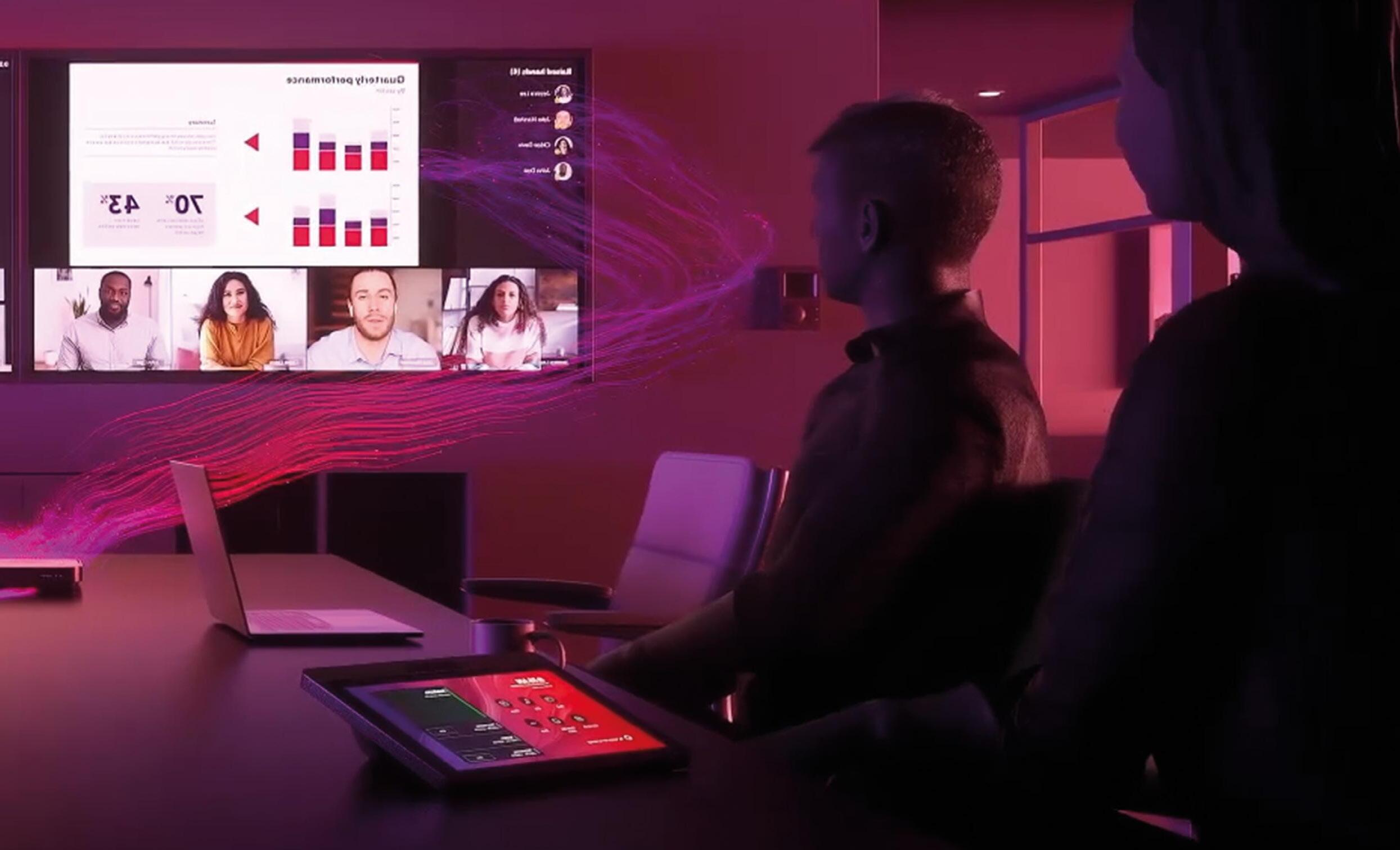

Recent Frost & Sullivan research highlights a recurring pain point in today’s hybrid workplace: creating a meeting experience where everyone - in-room or remote - feels equally present, regardless of their physical location. Too many organisations remain stuck with a pre-pandemic infrastructure that was never designed for distributed teams. The technology itself is complicated, inconsistent and poorly integrated. An ecosystem approach, rather than a device-by-device fix, is the only sustainable path toward collaborative excellence.
Barco ClickShare shows the flexible, secure and reliable possibilities of a device ecosystem that is created on MDEP. Known for its flexible wireless presentation and conferencing solutions, ClickShare builds further upon MDEP’s standardised management, unified security posture and deeper integration capabilities. For customers, this translates into simpler deployments, better stability
and better alignments with Microsoft Teams environments. In essence, MDEP doesn’t replace innovation from partners like Barco, it unlocks more of their potential. By taking on security, platform standardisation, and OSlevel consistency, Microsoft frees device manufacturers to focus on the user experience rather than rebuilding the foundations.
The collaboration industry has traditionally equated functionality with complexity. But as hybrid work matures, the design mandate is shifting. Management and feature richness still matter, but simplicity is now the differentiator. Not the kind of simplicity achieved by removing functionality, but the kind that emerges from thoughtful engineering and harmonised ecosystems. The future of collaboration technology isn’t about more buttons, more settings or more interfaces; it’s about fewer barriers for end users. It’s about walking into any meeting room and trusting that everything “just works.”
This is where the partnership between ClickShare and MDEP truly stands out. By reducing the burden on IT teams, enabling zero-touch provisioning, streamlining updates and supporting secure device identities, collaboration devices stop feeling like just another piece of technology. They become tools that actually make work easier. When technology fades into the background, collaboration becomes effortless, meetings become more engaging and teams can focus on what matters: the work itself.
Organisations must rethink how they evaluate collaboration tools – not as isolated purchases but as components of a broader, interoperable ecosystem. The future belongs to technologies that prioritise security, manageability, interoperability and user-centric design, leaving the days of clunky, unpredictable meeting room experiences behind us.

TRUST BUILT TO LAST IN CONNECTED ENVIRONMENTS
Cybersecurity is often framed through incidents. Breaches, attacks and vulnerabilities dominate the narrative, reinforcing a sense of urgency that can obscure the bigger picture.
At ISE 2026, however, the most interesting conversations were not about individual threats, but about how the industry is being asked to think differently about risk, time and responsibility.
When AV systems become part of critical infrastructure
As AV systems become more interconnected, they increasingly operate alongside IT, operational technology and public infrastructure. Displays, control platforms and communication systems now sit within environments that depend on continuity and trust. In this context, cybersecurity is less about locking systems down and more about ensuring they remain dependable over time.
Panels focused on airports and public spaces reinforced this shift. AV is no longer peripheral to these environments. It forms part of the fabric that supports movement, safety and communication, making
resilience a shared concern rather than a specialist one.
Security decisions that must last
Across the Cybersecurity Summit, speakers returned to the idea that security decisions made today must stand up well into the future. Discussions around post-quantum computing highlighted how current encryption assumptions may not be sufficient for data and intellectual property that needs to remain secure for years to come.
This reframed cybersecurity as a question of longevity. The challenge is not simply to protect systems as they exist now, but to anticipate how risk will evolve as technologies, regulations and threat landscapes change.
Securing systems for the long term
• Designing AV environments with future security horizons in mind
• Recognising AV as part of critical and public-facing infrastructure
• Reducing risk through education, governance and shared understanding
• Maintaining trust as systems, regulations and threats evolve
From technical control to organisational responsibility
This perspective places cybersecurity firmly within organisational culture. Robust technical safeguards remain essential, but they are most effective when supported by informed teams and clear processes. Education, accountability and governance help ensure that secure behaviour is consistent rather than reactive.
ISE 2026 framed cybersecurity as a discipline of foresight rather than fear. When AV systems are developed with longevity in mind and supported by shared responsibility, security becomes an enabler of confidence. Trust is sustained not through constant reaction, but through preparation built into the life of connected environments.
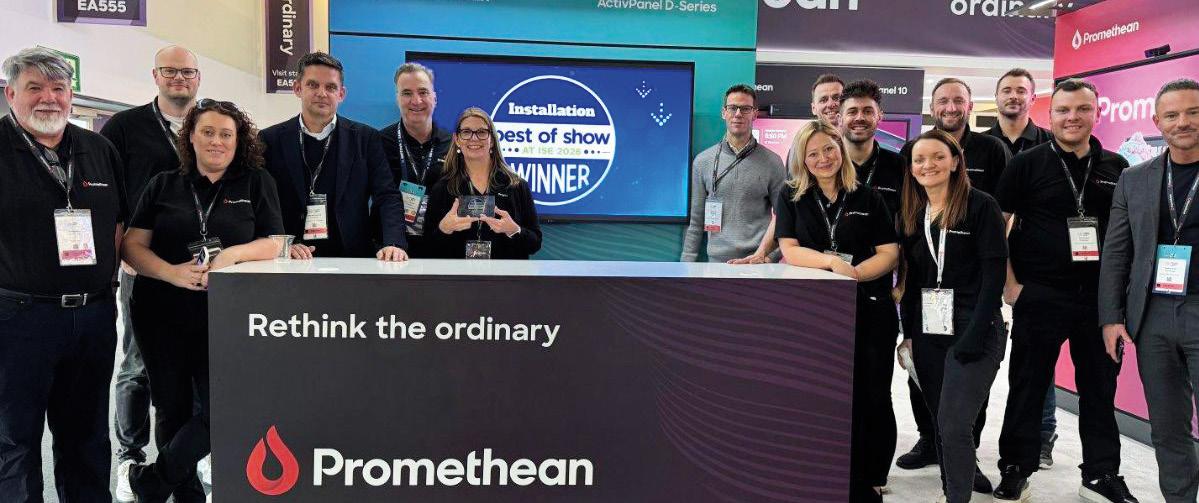
Promethean marks a triumphant return to ISE 2026 with a future forward collaboration portfolio
After a six year break, Promethean made a powerful return to ISE 2026 in Barcelona, reaffirming its position as a leader in display and collaboration technology. This year’s showcase demonstrated the full strength and depth of Promethean’s portfolio, drawing significant interest from visitors eager to see what the company has been building during its time away from Europe’s largest AV and systems integration event.
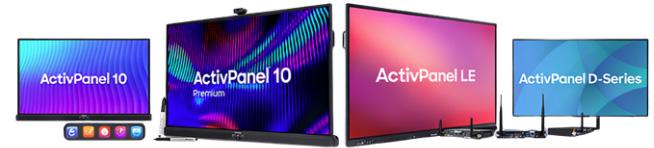
At the heart of the stand was the award winning, Promethean’s flagship interactive display and the centrepiece of its modern workplace offering. Positioned as more than just an IFPD, ActivPanel 10 Premium delivers always up to date technology, seamless integration with existing corporate ecosystems, and enhanced security - all within Promethean’s most sustainable design to date. The model’s performance and innovation were formally recognised at the show, earning Installation Best in Show, a testament to its relevance and impact in today’s rapidly evolving workplace.
Introducing...
Joining it was the ActivPanel LE, an EDLA certified display designed for organisations seeking essential interactivity without complexity. With trusted app support, straightforward functionality and budget
friendly value, the LE panel highlights Promethean’s commitment to making high quality collaboration technology accessible for all.
Rounding out the range was the newest addition to the portfolio: the ActivPanel D Series, a non interactive display purpose built for high visibility corporate spaces. Its crisp visuals, durable construction and low maintenance operation make it ideal for lobbies, communal hubs and operational environments requiring reliable, always on communication.
Across all demonstrations - including OPS compute modules and Promethean’s continually evolving software suite - the company reinforced its “built to last” strategy, focused on sustainability, long term value and consistent user experiences.
Promethean’s return to ISE wasn’t just a comeback - it was a statement of intent for the future of workplace collaboration.



DESIGNING LEARNING THAT WORKS FOR HUMANS

what truly helps them thrive. Rather than asking only what technology can do, discussions focused on what it should do. A recurring theme was the alignment between technical possibility and human intent. As AI, data analytics and immersive technologies become more deeply embedded in education, the challenge is no longer access alone but ensuring that these tools genuinely improve outcomes for learners and teachers.
Technology in service of learning
Over the past decade, education has seen an explosion of digital platforms, devices and tools. Virtual classrooms, learning management systems and collaboration software are now part of everyday teaching. But as the summit reinforced, more technology does not automatically equate to better learning.
data be used responsibly to inform progress without reducing learning to numbers alone?
These conversations reflected shifting expectations. Learners increasingly look for experiences that are interactive, flexible and relevant to their individual needs. Teachers, meanwhile, need tools that support rather than overwhelm, freeing up time for meaningful interaction instead of administration.
Inclusivity, not inequality
As education technology evolves, so too does the risk of exclusion. While digital tools have the potential to democratise learning, they can just as easily deepen inequalities if access, design and implementation are not carefully considered.
Inclusivity emerged as a central theme throughout the summit. Speakers examined how technology can better support diverse learning
importance of designing learning environments that are adaptable, inclusive and human-centred, rather than driven solely by technical capability.
A human-centred future for education
The Education Technology Summit at ISE 2026 offered a timely pause in an industry often defined by rapid change. It created space for reflection, dialogue and shared learning, reinforcing the idea that effective education technology starts with human needs, not hardware or platforms.
As education continues to evolve, the takeaway is clear. The future of learning is not about choosing between digital and physical, innovation and tradition. It is about using technology thoughtfully, in service of human potential, to create learning experiences that truly work.

SUSTAINABILITY MEGATREND
DESIGNED FOR ADOPTION, NOT ASPIRATION
Sustainability is rarely short of ambition. Targets are set, frameworks agreed and strategies published, yet progress often feels slower than expected. The gap is not usually one of awareness, but of adoption. Change stalls when sustainability remains abstract, discussed in reports rather than experienced in daily work.
At ISE 2026, sustainability was framed less as a question of ambition and more as a matter of behaviour. Across the programme, speakers returned to a simple but powerful idea: meaningful change only happens when people can see it, feel it and take part in it. Sustainability moves faster when it becomes shared practice rather than individual responsibility.
Change only gains momentum when it is felt
One recurring theme was the importance of experience. Environmental goals gain momentum when they are made visible and tangible, rather than communicated solely through policy or metrics. AV plays a quiet but influential role here, helping organisations translate ESG intent into something people can engage with collectively.
By creating shared moments of understanding and making progress visible, organisations can lower the barriers that often prevent sustainability initiatives from taking hold. When people recognise their role in the system, it shifts from obligation to habit.
What practical sustainability looks like
• Making environmental impact visible rather than abstract
• Designing systems that support shared behaviour
• Using AV to reinforce everyday sustainable choices
• Building confidence through tangible, repeatable actions
Removing travel, not offsetting it
Another strong thread at ISE focused on operational redesign. Rather than looking solely at how to offset emissions, discussions explored how technology can remove the need for high-carbon activity altogether. Virtual events, remote collaboration and telepresence robotics were positioned as credible alternatives to travel, not compromises.
Importantly, this was framed not as a short-term response, but as a structural shift in how organisations design presence, collaboration and reach.
These tools enable presence without movement, collaboration without flights and global engagement without the environmental cost. Importantly, they were discussed not as emergency measures, but as long-term operating models for organisations willing to rethink how work gets done.
What emerged was a view of sustainability grounded in systems and confidence. The technology already exists. The challenge now is cultural: trusting new ways of working and designing environments that support them.
Sustainability at ISE 2026 was not presented as a future aspiration. It was shown as something organisations can embed today, when behaviour, experience and systems align. When sustainability is designed into everyday operations, progress becomes quieter, steadier and far more durable.
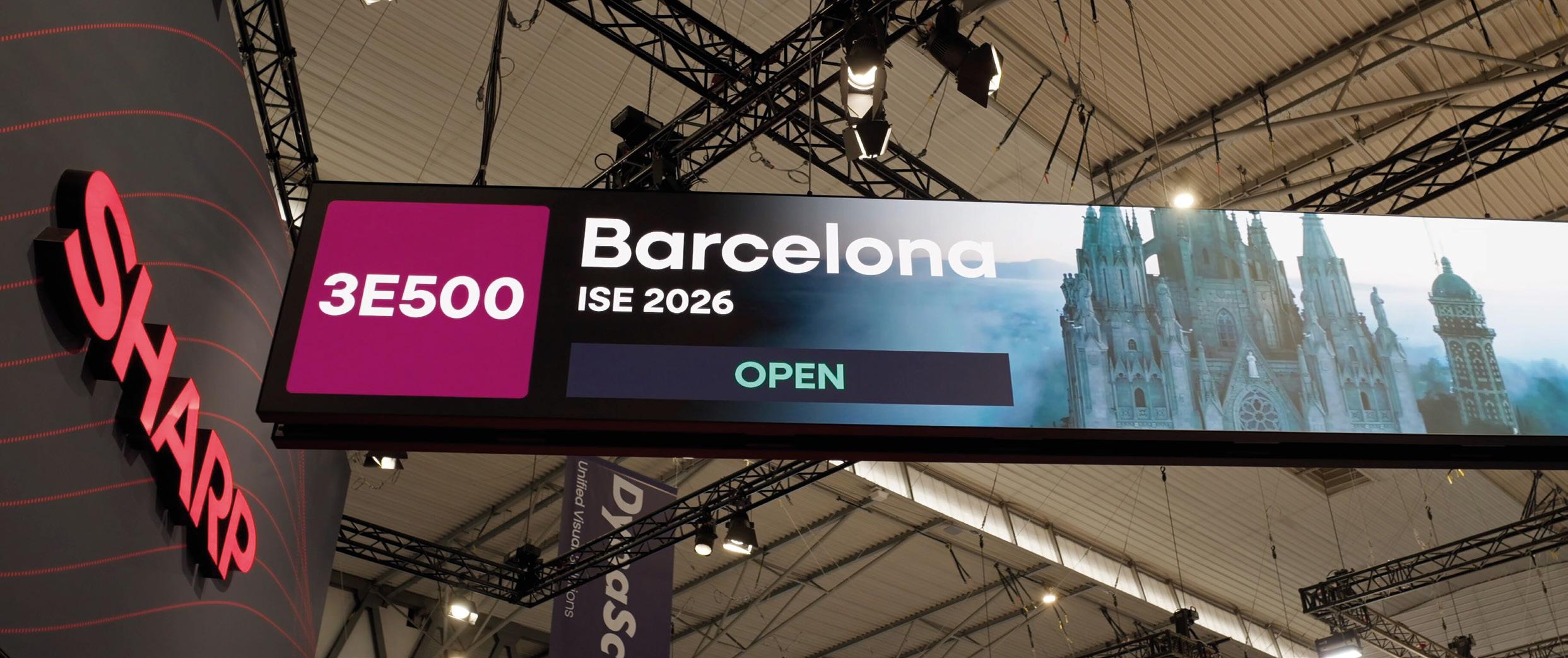
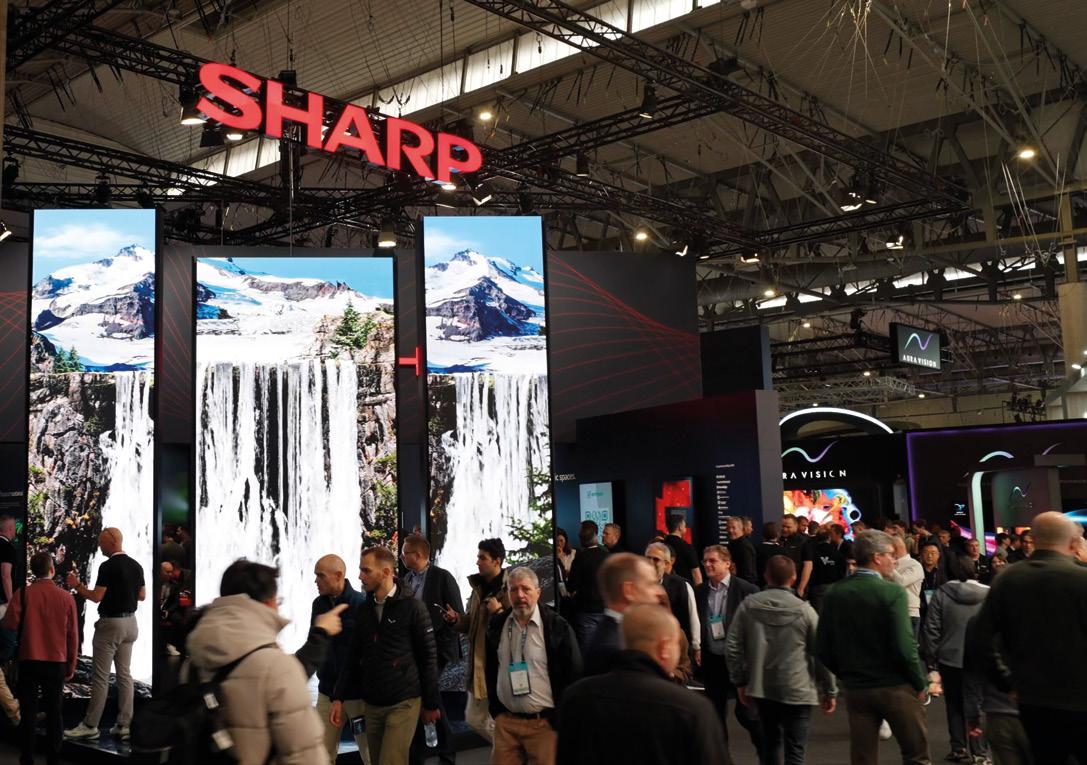
Sharp at ISE 2026: From products to connected experiences
ISE 2026 highlighted how rapidly the AV industry is evolving toward more intelligent, securely connected and sustainable digital experiences. For AV resellers, this presents both opportunity and responsibility. Customers increasingly expect solutions that integrate seamlessly into wider ecosystems, can be managed at scale and adapt as their needs change.
Under the theme ‘Focus - Now and Beyond,’ Sharp demonstrated how its solution portfolio aligns with customer needs today, while remaining ready to support future demands.
MultiSync® for durability, security and long lifecycles
Sharp’s large format displays emphasise consistency and flexibility. The MultiSync family delivers a unified aesthetic and core identity from entry level through to high performance models, enabling seamless integration across diverse applications and global estates.
Introducing...
Updates across the MultiSync portfolio include the next-generation E Series, enhanced ME Series,
Cisco-verified M Series and expanded P Series, reinforcing Sharp’s focus on durability, security, and long operational lifecycles.
The shift toward AI-ready, intelligent AV was evident in Sharp’s modular computing lineup. New SDM compute options, including integrations with BrightSign and Raspberry Pi, allow partners to build scalable digital signage systems with embedded intelligence and simplified deployment.
Sustainable innovation
With rising energy costs hitting hard, energy efficiency is becoming a critical factor in AV investment. Sharp’s new energy efficient Chip-onBoard LED solutions can reduce consumption by up to 60%, lowering operating costs while maintaining long-life performance.
Sharp also showcased emerging technologies with its ePaper solutions, which are attracting attention as a versatile ultra-low-energy option for signage applications displaying static content.
Sharp’s ISE showcase underlined a broader trend: AV solutions are becoming more integrated, intelligent and accountable in terms of sustainability. By partnering with Sharp, resellers and integrators can bring these elements together into systems that deliver lasting value long after installation.
The role of PAVA systems in enhancing public safety and supporting Martyn’s Law
PAVA stands for Public Address and Voice Alarm systems. These systems combine everyday public address functionality with emergency voice alarm capabilities, enabling clear and intelligible communication during critical situations.
Unlike traditional alarms or sirens, which can cause confusion or panic, PAVA systems deliver spoken instructions that guide people calmly and effectively to safety.
Research shows that voice messages significantly improve evacuation efficiency compared to simple sounders or bells.
PAVA systems are widely used in airports, stadiums, shopping centres, transport hubs and large public buildings. They are designed to:
• Broadcast routine announcements and background audio.
• Deliver live or pre-recorded emergency messages during incidents such as fires, bomb threats or terrorist attacks.
• Integrate with other safety systems like fire alarms, CCTV and access control for a coordinated response.
Martyn’s Law: A new era of security
Martyn’s Law, officially the Terrorism (Protection of Premises) Act 2025, introduces a legal duty for publicly accessible venues to assess terrorism risks and implement proportionate protective measures. It applies to premises with:
• Standard tier: 200–799 capacity – basic preparedness such as risk assessments and staff training.
• Enhanced tier: 800+ capacity – advanced planning, including emergency communication systems and incident response capabilities.
The law focuses on four key protective actions:
1. Evacuation – moving people out safely.
2. Invacuation – moving people to secure areas.
3. Lockdown – restricting movement during threats.
4. Communication – providing clear instructions to reduce harm.
Why this matters
Martyn’s Law is about preparedness and saving lives.
PAVA systems provide the communication backbone for emergency plans, making them an essential component for venues aiming to comply with the new legislation.
As the UK moves toward full implementation by 2027, investing in robust, standards-compliant PAVA infrastructure will not only meet legal obligations but also enhance public confidence and safety.

How PAVA supports Martyn’s Law compliance
• Clear emergency messaging
In high-stress scenarios, spoken instructions reduce panic and confusion. PAVA systems can broadcast tailored evacuation or lockdown messages across zones, ensuring rapid and orderly movement.
• Integration with security frameworks
PAVA can link with fire detection, access control and CCTV systems, enabling automated activation during incidents. This supports Martyn’s Law’s emphasis on coordinated emergency response.
• Compliance with British standards Systems should meet BS 58398 (voice alarm systems) and BS EN 54-16 (control and indicating equipment) to ensure reliability and intelligibility. These standards align with life safety requirements and will likely be referenced in Martyn’s Law guidance.
• Zonal control for large venues
Enhanced-tier venues often require complex evacuation strategies. PAVA systems allow targeted messaging to specific zones, supporting phased evacuation or shelter-in-place instructions.
• Resilience and redundancy
PAVA systems are designed with monitored audio paths, backup power supplies and fault reporting to ensure operation even during infrastructure failures - a critical factor for compliance.
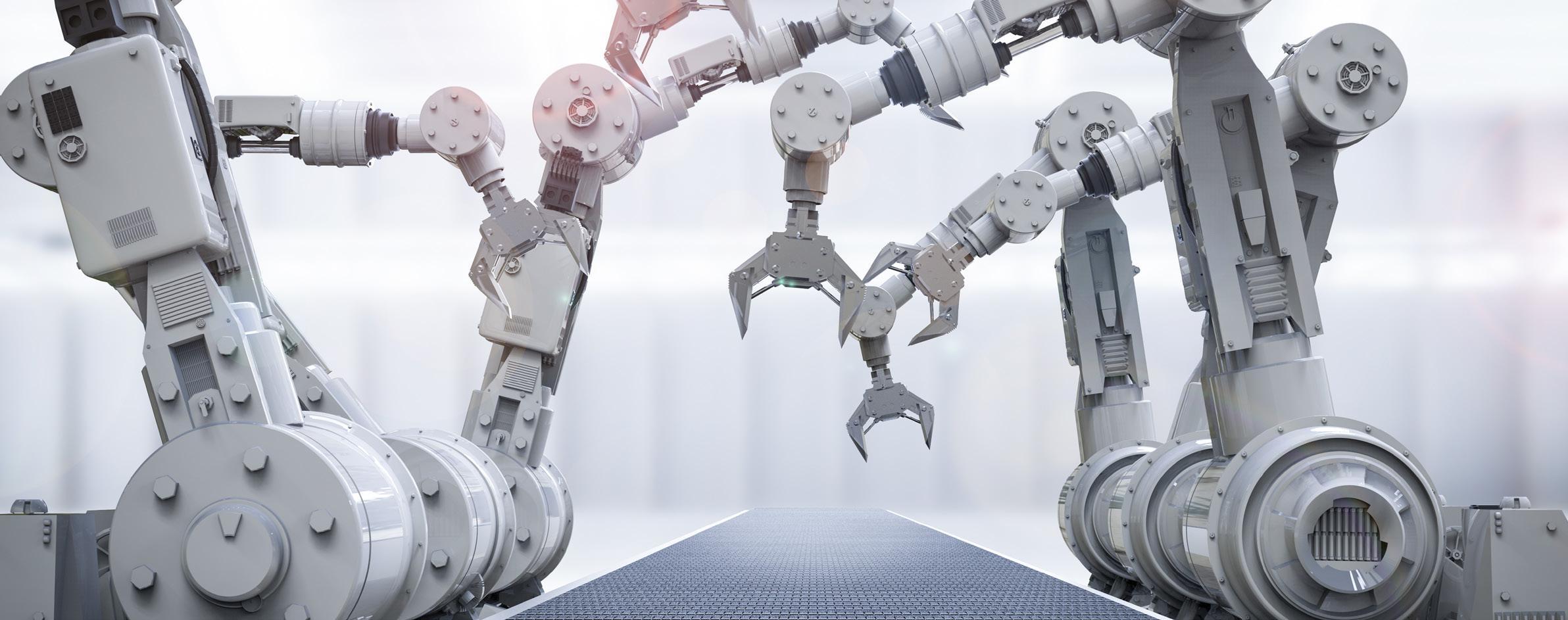
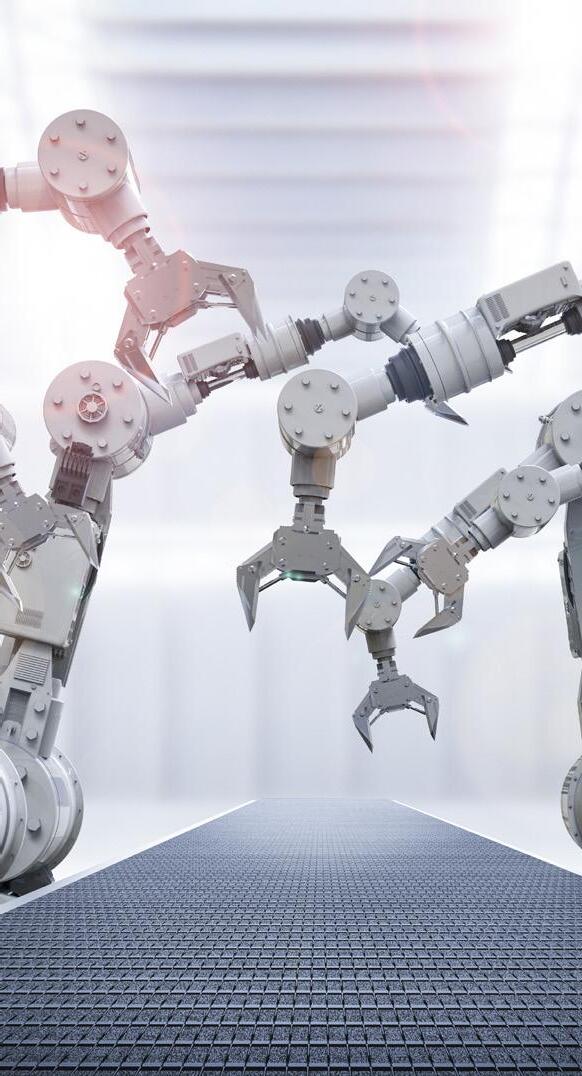
ROBOTICS MEGATREND
PRECISION IN MOTION ACROSS CONNECTED AV SYSTEMS
In many AV environments, the most impressive moments are also the quietest. A camera move that lands perfectly. A display that responds without delay. An installation that behaves exactly as intended, without drawing attention to the complexity behind it. These moments feel simple on the surface, but they are shaped by systems working together in precise and deliberate ways.
At ISE 2026, robotics was positioned as an emerging operational reality within the pro AV landscape, grounded in practical application rather than speculation. The conversation moved beyond novelty, focusing on how robotic systems can support accuracy, consistency and creative intent across a growing range of environments.
From individual components to coordinated environments
In UK broadcast studios and cultural venues, this coordinated approach is already in place. Robotic camera systems support precise, repeatable movement across live production, while in museums and visitor attractions robotics enables displays and interactive elements to respond seamlessly to audience presence. In both cases, the technology operates as part of a wider AV system, focused on reliability and consistency rather than visibility.
As robotics became more closely integrated with AV infrastructure, technologies were shown to operate less in isolation. Robotics, AV platforms, cameras, drones and displays were increasingly designed to work in concert, responding to cues, data and human direction as part of a coordinated environment. What once functioned as a collection of devices now behaved more like a single system, moving with shared timing and purpose.
This shift was explored through creative and broadcast examples, where robotics supported precise, repeatable movement without distracting from the experience itself. Rather than drawing attention to the technology, the emphasis was on control, reliability and translating intent into action.
When systems start to move together
• Robotic cameras and drones delivering repeatable, precise motion
• Displays and AV systems responding dynamically to data and context
• Automation supporting complex installations with consistency
• Connectivity increasing both creative possibility and cyber exposure.
Designing for trust as systems connect
This level of coordination opened new creative and operational opportunities. Robotics took on tasks that demanded precision and repetition, allowing human teams to focus on judgement, storytelling and experience design. The result was not spectacle for its own sake, but environments that felt considered, controlled and confident.
At the same time, greater interconnection brought new responsibility. As AV systems became more networked, resilience was no longer just physical or operational. It became digital. Cybersecurity emerged as a core part of system design and day-to-day practice, relying on informed teams, clear governance and good habits alongside technical safeguards. Robotics will continue to shape how AV environments are built and experienced. Its success, however, will be defined less by visibility than by trust. When complex systems operate securely, reliably and in harmony, technology fades into the background, allowing human intent to remain firmly in control.
A new dimension of display Samsung Spatial Signage
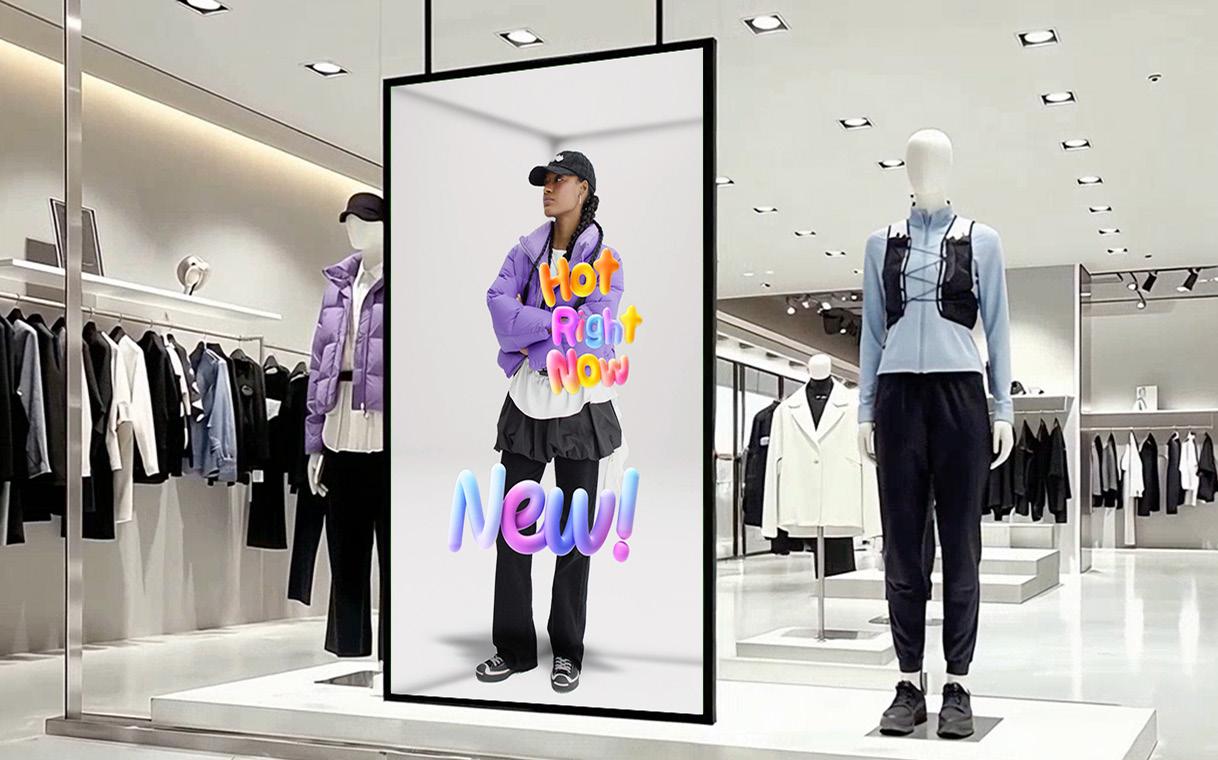
Glasses-free 3D. No compromise.
At ISE 2026, Samsung introduced a new direction for commercial displays. One where content doesn’t just sit on a screen, it moves through space. Powered by patented 3D technology, Spatial Signage creates depth without glasses, delivering immersive visuals that remain sharp, clear and comfortable to view. From retail and showrooms to museums and corporate environments, it draws focus where it matters most.
Built for real-world impact
• Glasses-free 3D experience
• 4K UHD clarity with intelligent processing
• Anti-glare performance in bright environments
• Slim, seamless integration
For more information, contact your Midwich account manager.

CHOOSING THE RIGHT RACK SHOULDN’T BE AN AFTERTHOUGHT
Selecting the right rack for an AV project sounds straightforward, but in reality, it’s one of the most misunderstood parts of an install. With more manufacturers entering the market and plenty of conflicting terminology, it’s easy for rack selection to become confusing, timeconsuming and, frankly, stressful.
What I see time and again is the rack being left until the very end of the project. The focus is understandably on displays, audio and control, and then suddenly the realisation hits that everything needs somewhere to live. That’s when the panic buy happens. “That one will do.” Click. Order placed. The problem is - it rarely does.
When “good enough” becomes expensive
Choosing a rack without proper consideration often leads to missing elements: no doors or sides, no castors, insufficient depth or no thermal management. Each oversight

means additional components, extra orders and rising costs. What started as a quick decision can quickly spiral into a far more expensive and inefficient solution.
A well-specified rack does far more than hold equipment. It protects it, cools it and keeps systems running reliably over time.
Thinking beyond the frame
A standard rack is 19 inches - that’s the easy bit. Everything else depends on where it’s being installed and what’s going inside it. U height should always include room for expansion or the product that inevitably gets added later (1U = 1.75 inches in height). Width is dictated by available space and cable management requirements. Depth must account for the deepest product, cabling and airflow.
Thermal management is particularly important. Proper airflow reduces overheating, extends product
lifespan and saves money long term. Add smart power management, such as SurgeX PDUs, and you’re also protecting systems from power issues while enabling remote reboots -reducing downtime and unnecessary site visits.
Experience makes the difference
At Midwich, we work across rack solutions from Middle Atlantic and Sanus through to Penn Elcom and Excel, covering everything from bespoke AV to data-focused environments.
The biggest takeaway? A short conversation with a specialist early on can remove uncertainty, avoid lastminute compromises and ensure the rack supports the system - not the other way around.
Technology Specialist
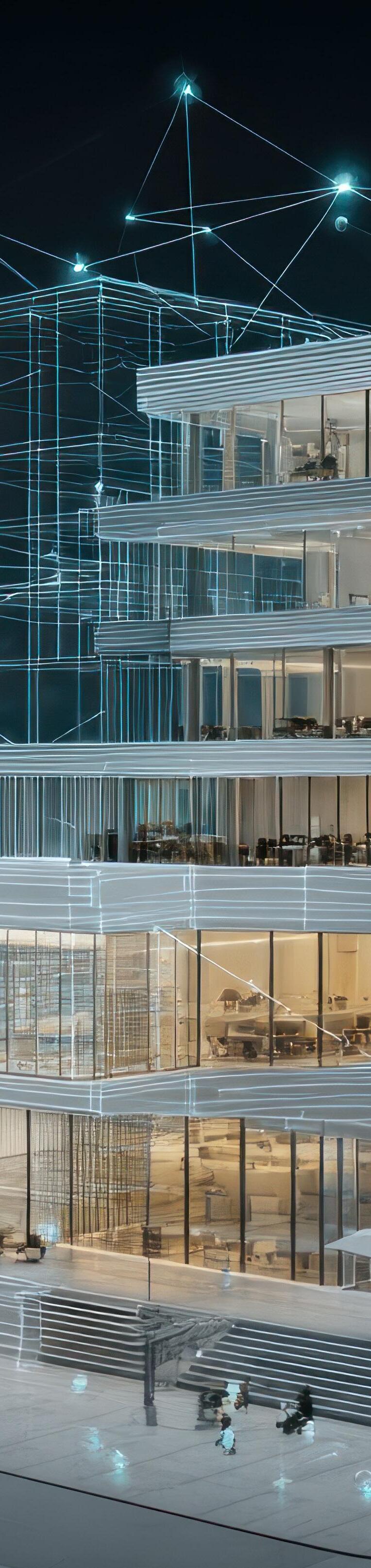
SMART SPACES MEGATREND
Designing environments that learn, adapt and take responsibility
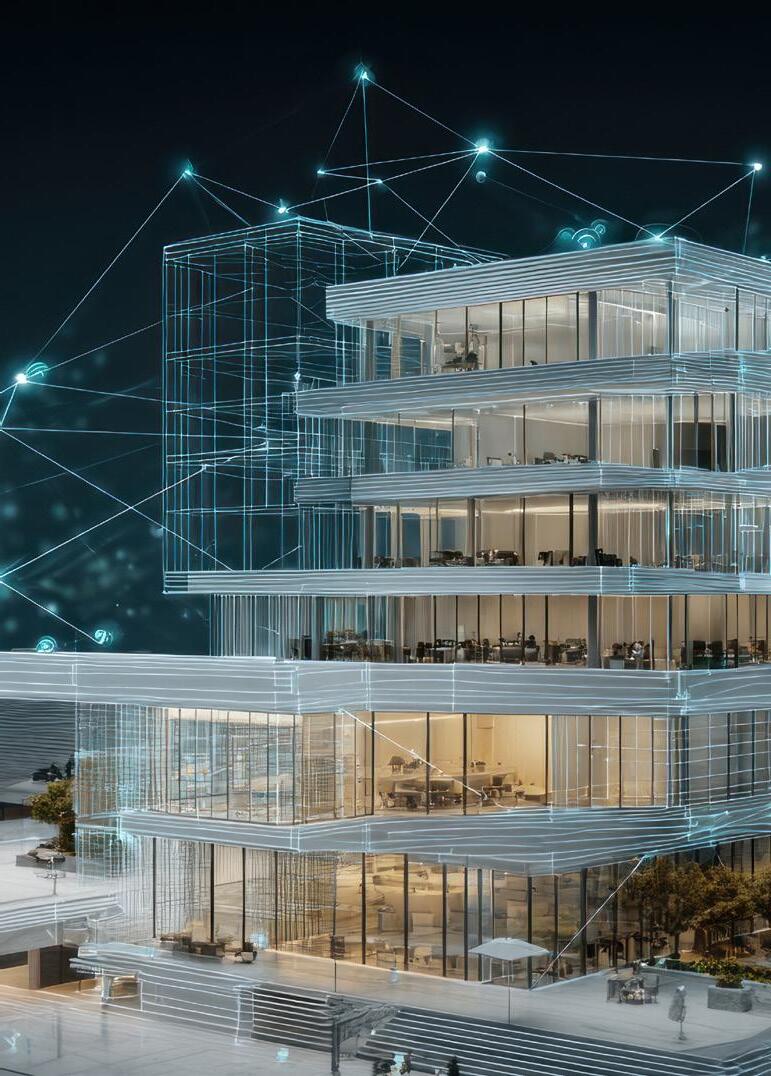
Smart spaces represent a clear shift in how connected environments are conceived and delivered. The emphasis is no longer on smarter rooms as standalone achievements, but on spaces designed to respond, evolve and take responsibility for outcomes over time.
At the heart of this shift is a move away from legacy thinking. Fixed-use spaces, rigid infrastructure and oneoff delivery models struggle to keep pace with changing patterns of work, energy demand and security risk. Smart spaces prioritise operational agility instead. They are built to adapt, to learn quickly and to support change without constant reinvention. In this context, progress is defined less by optimisation and more by responsiveness.
Value is also being redefined. Smart spaces are not judged by what is installed, but by how environments perform day to day. Attention moves from products to workflows, from delivery to accountability, and from individual rooms to connected workplaces. Success is measured through reliability, insight and the ability to support people consistently over time.
AI plays a supporting role in this evolution. Rather than being positioned as a headline feature, AI functions as an accelerant. By identifying patterns, automating responses and enabling predictive decision-making, it allows environments to handle complexity quietly in the background. The result is not greater visibility of technology, but calmer, more resilient spaces.
In practice, this might mean a workplace that adjusts lighting and
temperature based on occupancy patterns, flags abnormal network behaviour before it becomes a security issue, and surfaces insights to facilities teams without disrupting the people using the space. Responsibility is embedded into this model. Energy efficiency, cybersecurity and user experience intersect continuously in connected environments. When performance is visible and feedback loops are designed in, better behaviour becomes habitual rather than enforced. Sustainability and security shift from abstract targets to shared practice.
Scale matters too. Smart spaces extend beyond meeting rooms into entire workplaces and portfolios. Alignment with trusted platforms and interoperable ecosystems is essential, with organisations such as Microsoft shaping approaches that balance today’s needs with long-term resilience.
Microsoft’s role in smart spaces is rooted in platform integration and accountability rather than room hardware alone. Through Microsoft Teams Rooms, Azure and workplace analytics tools, environments become measurable systems, allowing usage patterns, energy performance and security signals to be viewed and acted on together.
Ultimately, smart spaces are less about following a blueprint and more about adopting a mindset: one focused on adaptability, accountability and environments designed to keep learning long after installation.
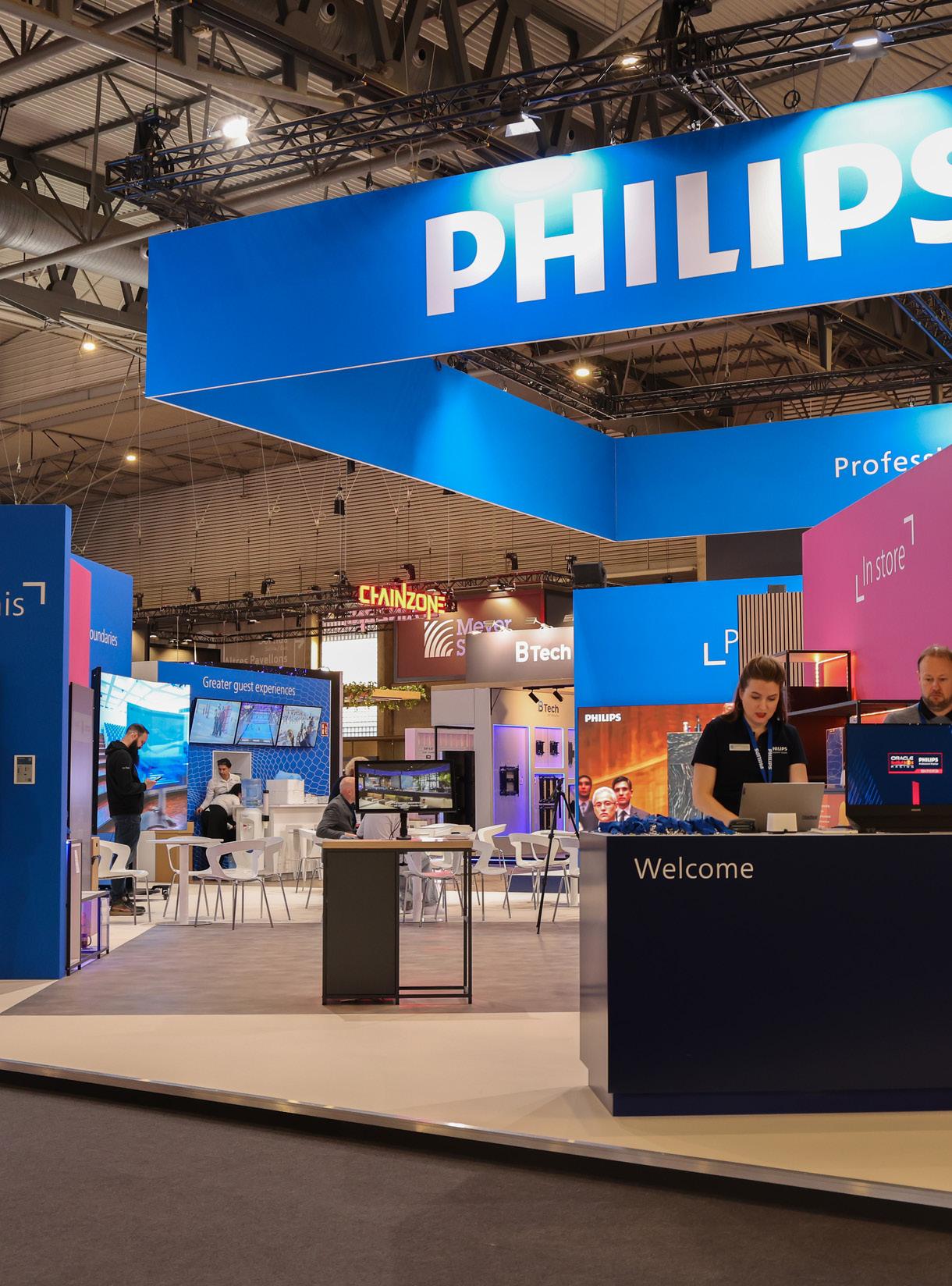
Philips Professional Displays focuses on smarter deployment and sustainable performance at ISE 2026
From enhanced remote management with Philips Wave to new AI-ready signage displays, Philips Professional Displays highlights efficiency, scalability and sustainability across its portfolio.
At ISE 2026, Philips Professional Displays (PPDS) presented a clear message to the AV market: simplify deployment, strengthen control and reduce total cost of ownership.
A key focus on the stand was the latest evolution of Philips Wave, the company’s Cloud-based remote display management platform. Designed for system integrators and AV/IT managers, the updated platform introduces a new suite of configuration tools alongside enhanced security features. These developments enable users to create and duplicate configurations across entire display fleets and deploy them remotely with minimal effort.
In practice, this approach has already demonstrated significant efficiencies. According to PPDS, installation times can be reduced by up to 75% in some scenarios, offering clear benefits for partners managing multi-site rollouts. Alongside software advancements, PPDS also introduced updates across its digital signage portfolio, with a strong emphasis on AI-ready performance. The new Philips Signage 5000 Series (5050D) was positioned as a key addition, combining improved brightness, lower power consumption and Android 14. Updates to the established 4000 Series (4050Q) and the value-focused 2000 Series further highlight a strategy built around flexibility and scalability.
Sustainability remained a central theme throughout the showcase. With increasing focus on energy efficiency and lifecycle impact, PPDS continues to prioritise reduced power consumption and recognised certifications, including attaining the Platinum EcoVadis Medal in 2025 and rated EPEAT Climate+ Gold for Philips Signage 3000 Series EcoDesign.
Taken together, the announcements at ISE 2026 reflect a broader industry shift towards connected, intelligent and more sustainable display ecosystems, enabling partners to deliver efficient and future-ready AV solutions.

CONTROL ROOMS: BUILDING CLARITY, RESILIENCE
AND TRUST
IN MISSION-CRITICAL ENVIRONMENTS

From emergency services and transport networks to utilities, security and industrial operations, control rooms sit at the heart of modern society. They are the spaces where complex systems converge, high-stakes decisions are made and small delays can have far-reaching consequences. As demands on these environments continue to increase, control rooms are under pressure to evolve, not just technologically, but operationally and culturally too.
At ISE 2026, the Control Rooms Summit addressed this challenge head on. Rather than focusing solely on the latest hardware or software, the programme explored how technology can be applied more intelligently to support people, strengthen operations and build trust in mission-critical environments. The emphasis was clear: progress is not about adding more data or more tools but about creating clarity.
From information overload to actionable insight
One of the defining challenges for today’s control rooms is data overload. Operators are often presented with vast amounts of information from multiple systems, screens and sources, all competing for attention. While access to data is essential, too much of it can slow decision-making and increase the risk of error.
A central theme of the summit was the integration of AV and IT systems to create a more coherent operational picture. By bringing disparate data streams together into unified, visualised workflows, control rooms can move from reactive monitoring to proactive management. The goal is not to show everything, but
to surface what matters, when it matters, in a way that supports fast, confident decisions.
These conversations highlighted the growing role of visualisation, intelligent interfaces and system interoperability in reducing cognitive load for operators. When information is presented clearly and contextually, teams are better equipped to respond under pressure.
AI and automation with human oversight
AI and automation featured prominently throughout the summit, focusing on their practical application within control room environments today.
Used effectively, AI can help identify patterns, flag anomalies and predict potential issues before they escalate into incidents. Automation can handle routine processes, allowing operators to focus on judgementbased decisions where human experience and intuition remain critical. Speakers were united in this key principle: human oversight must remain central.
Trust in automation is built when systems are transparent, explainable and designed to support, not replace, the operator. The summit explored how control rooms can strike this balance, using AI as a decision-support tool rather than an autonomous authority. In doing so, organisations can enhance situational awareness while maintaining accountability and control.
Designing for resilience
Resilience emerged as a defining priority for control rooms across all sectors. As systems become more connected and complex, the
potential impact of failure increases. Whether facing cyber threats, system outages or unexpected surges in demand, control rooms must be designed to perform reliably under pressure.
Cybersecurity was a key focus, with discussions examining how to protect critical infrastructure in an era of increasing digital risk. From network architecture to access control and monitoring, security must be embedded into control room design from the outset, rather than treated as an afterthought.
Physical and operational resilience were equally important. Design strategies that support scalability and uptime can make the difference in high-stress scenarios. Ergonomics, room layout and environmental factors were also highlighted as contributors to sustained performance, recognising that resilience is as much about people as it is about systems.
Turning challenges into opportunities
Across the summit, a consistent message emerged: today’s challenges present an opportunity to rethink what control rooms are and how they function. By aligning technology with human needs, organisations can create environments that are not only more efficient, but more trusted and more sustainable.
The Control Rooms Summit at ISE 2026 reinforced the idea that the future of mission-critical operations lies in integration, intelligence and resilience. As control rooms continue to evolve, success will be defined not by the number of screens on the wall, but by the confidence, clarity and capability of the people working within them.
BROADCAST AV: TELEVISION
ISN’T DEAD, IT’S EVOLVING
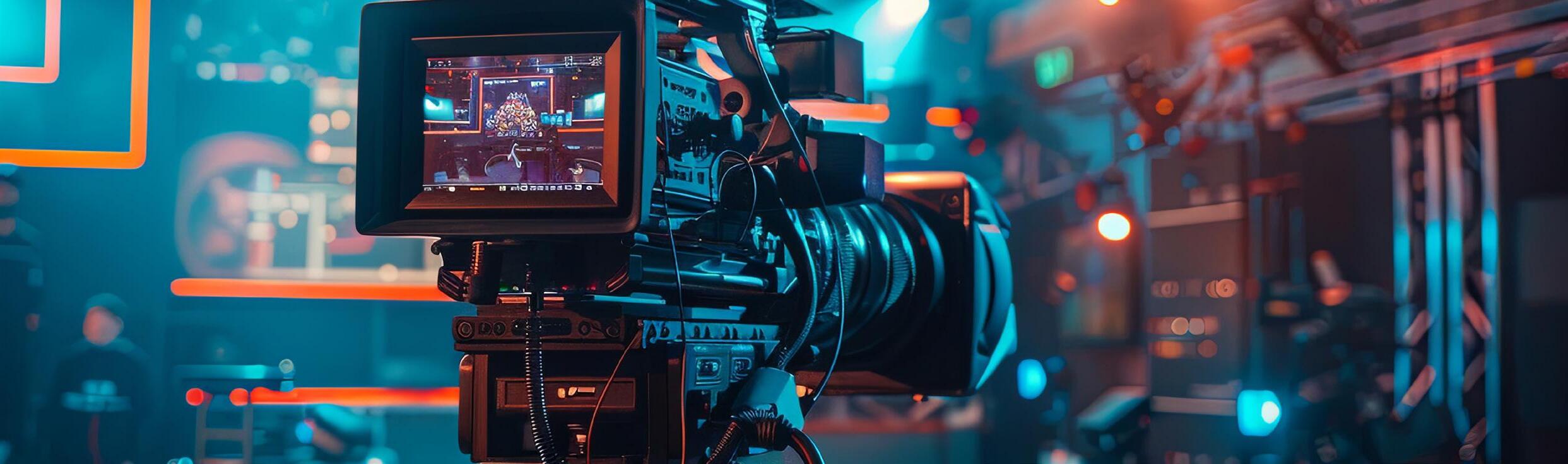
For years, the narrative around broadcast has been one of decline. Linear television audiences fragmenting. Advertising models shifting. Attention spans shrinking. But at ISE 2026, one thing is clear: television isn’t dead. Broadcasting has simply entered a new era.
The Broadcast AV Summit at ISE 2026 brought together some of the world’s most influential broadcasters, technology vendors and industry voices in a refreshed programme presented in association with IABM. Rather than looking backwards, the summit focused on where broadcast is heading next and the new economies emerging from broadcastAV convergence.
Today, broadcast is no longer defined by traditional studios, rigid schedules or a small group of gatekeepers. Instead, it is being reshaped by three powerful forces: the Creator Economy, the Experience Economy and the Streaming Economy. Together, they are redefining how content is produced, distributed and consumed, and what audiences expect from brands.
The rise of the Creator Economy
One of the most significant shifts in the broadcast landscape is the rapid growth of the Creator Economy. Independent creators are now producing and distributing highquality content directly to their audiences, often with production values that rival traditional broadcasters.
What makes this shift so disruptive is accessibility. Broadcast-quality cameras, audio, lighting and
production tools are no longer reserved for major studios. Combined with readily available talent and platforms, creators and brands alike can now deliver professional-grade content without traditional barriers to entry.
For corporates and brands, this presents a major opportunity. Many already have established, loyal audiences across digital platforms. The Creator Economy allows them to leverage those direct relationships, bypassing traditional media channels and taking control of their own narratives. It marks a fundamental departure from the old media economy, where large broadcasters controlled access to audiences and monetisation models.
Experiences over transactions
Alongside this shift sits the Experience Economy. Consumers are increasingly drawn to experiences that entertain, educate, immerse and inspire. The value no longer lies solely in the product or service, but in how it makes people feel and the memory it creates.
In this context, broadcast-quality content becomes a competitive differentiator. Whether it’s a live product launch, an immersive brand activation or a hybrid event streamed globally, high production values elevate the experience and justify premium positioning. Brands that invest in compelling, well-produced content are better placed to stand out in crowded markets and build lasting emotional connections with their audiences.
Broadcast AV technologies play a crucial role here, enabling consistent,
high-impact experiences across physical and digital environments. From live production and virtual studios to advanced audio and visual workflows, the tools of broadcast are now central to experience-led brand strategies.
Brands become broadcasters
The third pillar shaping this evolution is the Streaming Economy. Accelerated by the pandemic but driven by longer-term strategic shifts, streaming has transformed how organisations think about content distribution.
More brands and corporations are becoming broadcasters in their own right, like Nike and Lego, launching dedicated streaming platforms or channels to reach global audiences. Owning the distribution channel means greater control over content, data and brand storytelling, while reducing reliance on third-party platforms.
This trend reflects the explosive growth of the video streaming market and a desire for deeper, more valuable audience relationships. From internal communications and training to customer engagement and live events, streaming is now a core component of modern business strategy.
As broadcast continues to evolve, one thing is certain: the future belongs to those who can combine storytelling, technology and experience. At ISE 2026, Broadcast AV took centre stage, not as a legacy discipline, but as a vital force shaping the next generation of media, brands and audience engagement.


The PTZ Camera that stole the show at ISE 2026
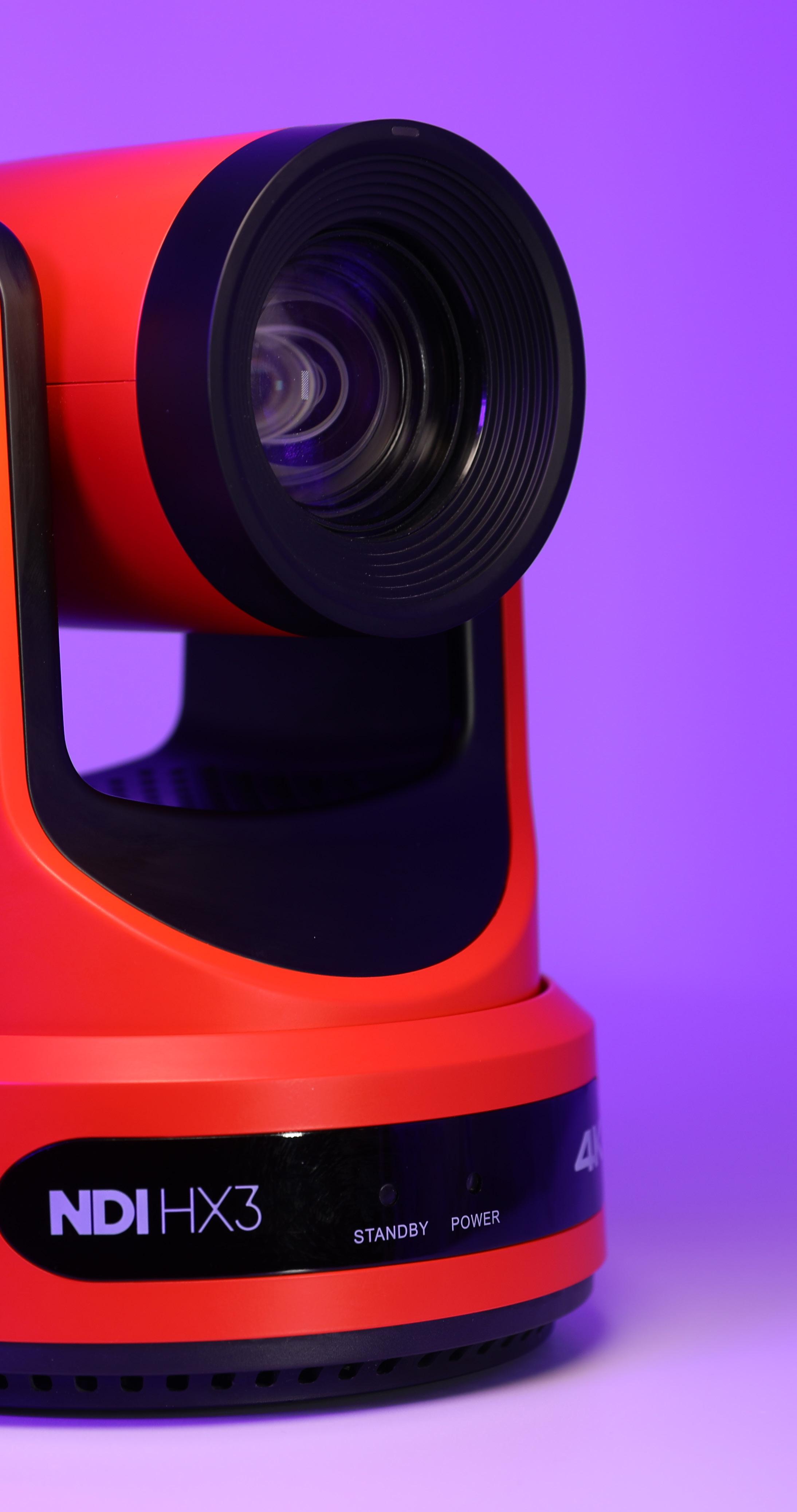
If you were walking the show floor at ISE 2026, chances are the PTZOptics Move 4K caught your eye. As the newest addition to the PTZOptics lineup, the Move 4K in high-visibility red is designed with one goal in mind: making powerful video technology easier – and safer – to deploy in industrial environments.
The Move 4K has already established itself as PTZOptics’ flagship camera, delivering 4K video at up to 60fps, impressive low-light performance and built-in autotracking for smarter, more automated productions. But the new high-visibility edition adds a practical twist for industrial manufacturing and facility monitoring. In production and warehouse environments, visibility matters. The Move 4K’s new high-viz finish makes cameras immediately noticeable in complex facilities, helping teams maintain operator awareness and adhere to common industrial visual standards.
Its built-in Presenter Lock™ auto-tracking can follow a subject from up to 300 feet away, eliminating the need for a dedicated operator. And in industrial applications, the Move 4K can integrate with AIpowered machine learning and visual reasoning systems, enabling production line monitoring and quality control.
Installation is equally streamlined. A single PoE+ cable provides both power and connectivity, reducing cable clutter and minimising installation risks – an important consideration on busy factory floors.
Of course, the Move 4K isn’t just about durability and visibility. It’s built for the future of video and automation. The camera features SDI, HDMI, USB and IP outputs, along with native NDI® HX3 support, giving production teams flexibility across workflows. With 12x, 20x or 30x optical zoom options, it adapts easily to a wide range of monitoring and production scenarios.
The Move 4K proves that sometimes the most powerful upgrades aren’t just about resolution – they’re about making technology smarter, safer and easier to deploy. And now, thanks to that unmistakable red finish, a lot easier to spot.
LPS 1976: SETTING THE STANDARD FOR VIDEO FLAME DETECTION
By Ciqurix
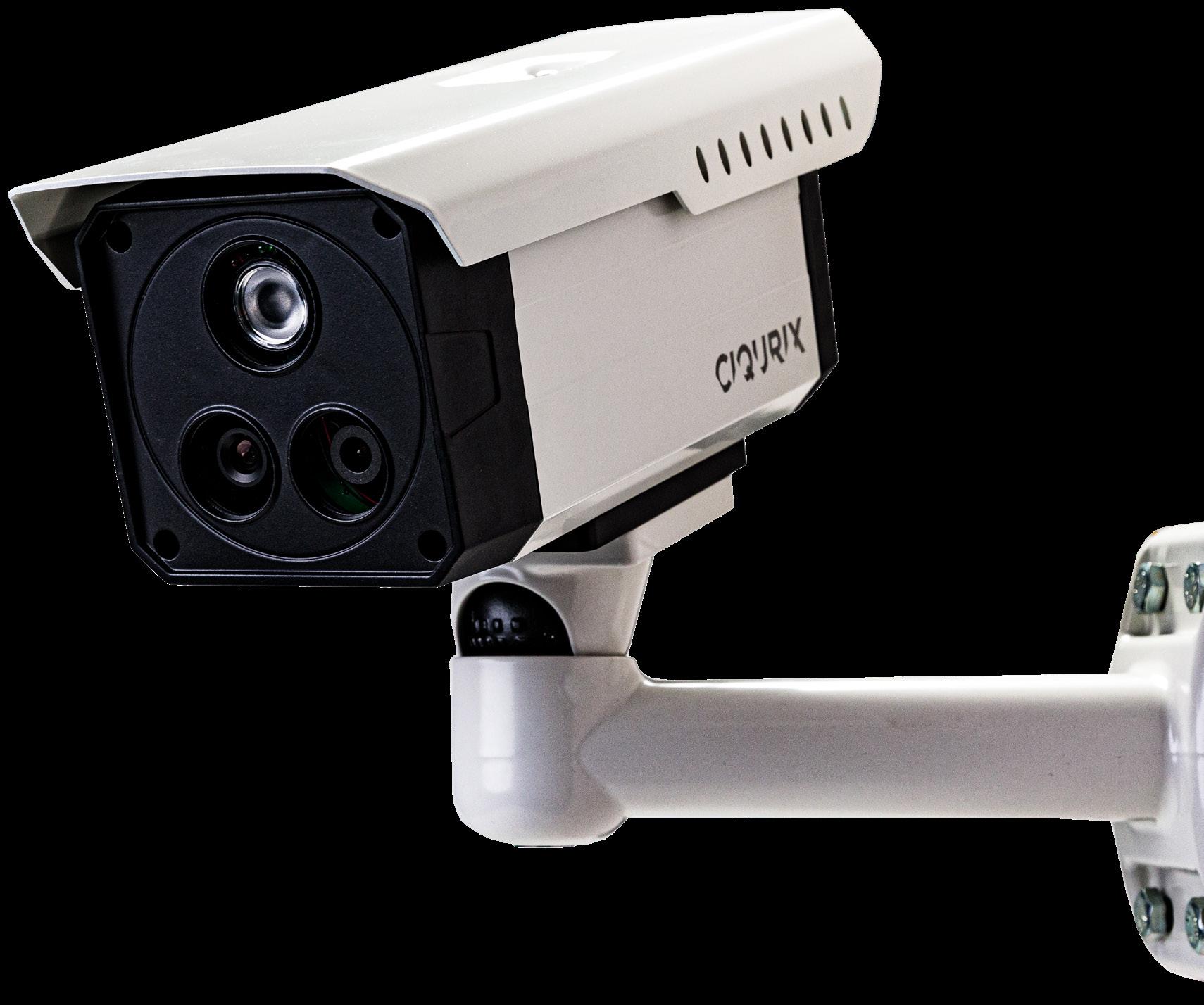

intelligent analytics to identify flame characteristics within a camera’s field of view. Rather than relying on heat or smoke particles reaching a point detector, these systems visually analyse flame behaviour, flicker patterns and light signatures in real time.
This makes them particularly suited to large, open or high-airflow environments where traditional detection methods can be slower to respond or difficult to install. Industrial facilities, waste processing plants, infrastructure sites and complex commercial spaces are increasingly turning to VFD as part of their risk mitigation strategy. However, as adoption increased, so too did the need for independent validation.
LPS 1976 provides defined performance requirements, structured testing methodologies and clear pass/fail criteria. It introduces measurable benchmarks for detection reliability and false alarm resilience, ensuring certified
that a system performs to an established loss prevention benchmark. For consultants and fire engineers, it supports clearer specification decisions. For installers and integrators, it offers reassurance when recommending advanced detection technologies. For end users and asset owners, it strengthens confidence that risk mitigation measures have been independently verified.
Most importantly, the standard creates comparability across the market. Products can now be assessed against consistent criteria, raising overall performance expectations and encouraging continual technical improvement.
A milestone for Ciqurix
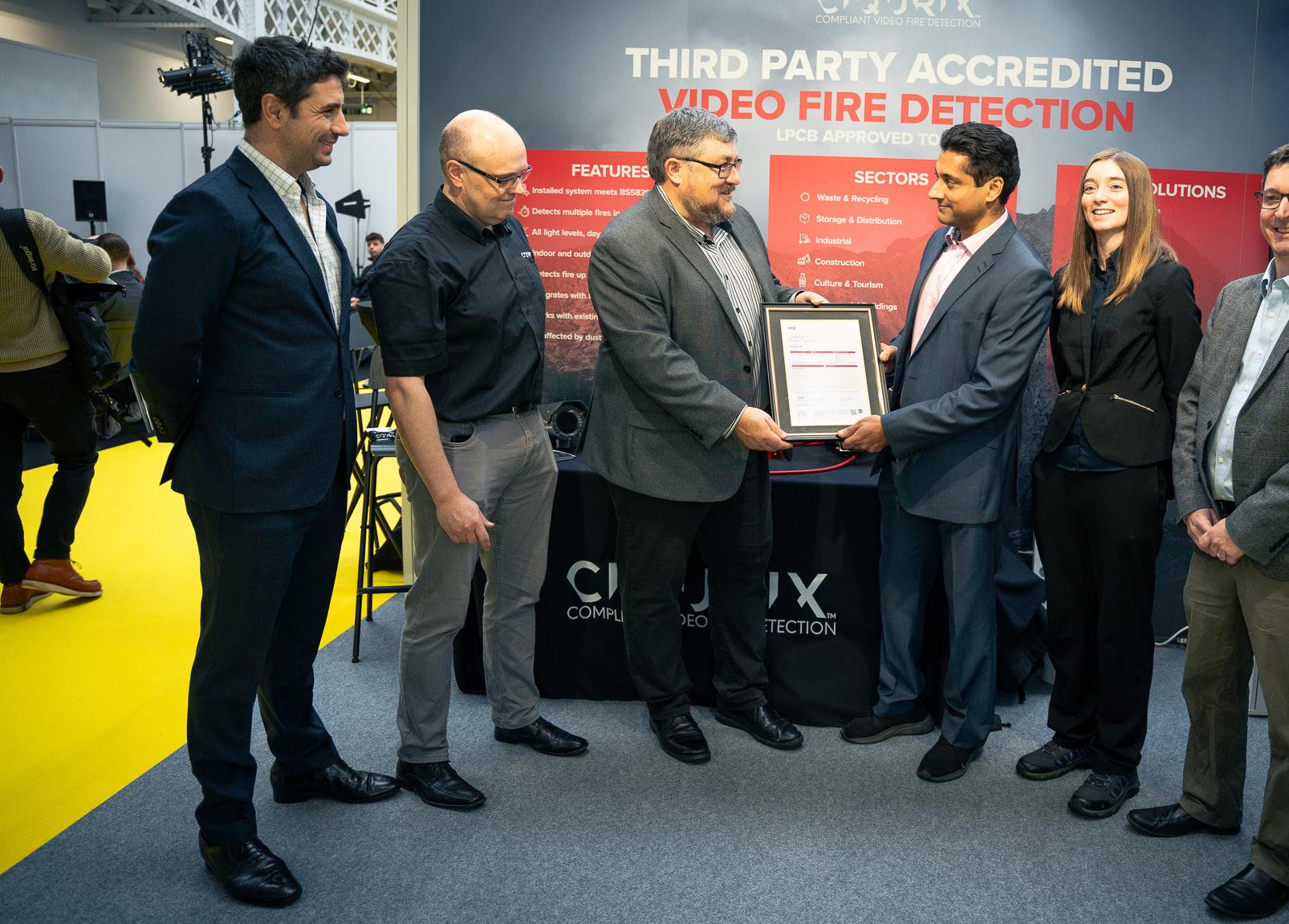
Ciqurix is proud to be among the first to achieve LPCB certification to LPS 1976. This milestone reflects our commitment to validated performance and industry accountability.
Independent certification has always
achievement; it is evidence that the technology performs under rigorous, research-led testing conditions. For customers operating in critical or high-risk environments, that assurance matters.
Looking ahead
The publication of LPS 1976 represents the next stage in the maturation of video flame detection. What was once an emerging technology, now has a clearly defined and independently verified performance framework.
As adoption increases across industrial, infrastructure and commercial sectors, recognised standards will continue to play a pivotal role in driving confidence and best practice.
For the first time, visual flame detection has a benchmark.
And with LPS 1976 in place, the industry can move forward with greater clarity, accountability and assurance.

CONVERGENCE:
Solving the ecosystem challenge inside today’s smart buildings
At ISE 2026, the Smart Building Summit made one thing clear: smart buildings are no longer judged by the sophistication of individual systems, but by how effectively those systems work together. Across the programme, speakers returned to the growing gap between ambition and reality. While buildings are increasingly rich in data, many still struggle to translate that information into environments that feel intuitive, efficient and genuinely responsive.
Rather than focusing on technology in isolation, discussions centred on convergence. How AV, building management, data platforms and user-facing systems can align to support people, performance and long-term value. It is within this context that the challenge of fragmented ecosystems came sharply into focus.
Many smart building conversations begin with automation and data, though this rarely reflects what people notice when they walk into a space. Individuals pay attention to how easy a room is to use and whether the technology helps them settle into their work.
The displays on the wall, the panels beside the door and the tools that
support collaboration shape the experience far more clearly than the systems running in the background.
Fragmented systems limit building potential
Across the market, many systems are built around competing platforms. Each one offers its own approach to integration, although most perform best within their own family of products.
When lighting, scheduling and collaboration tools sit on unrelated foundations, the result is a mix of systems that struggle to share information or coordinate behaviour. This tension is becoming more visible as building owners look for better operational performance and more predictable maintenance cycles. They want clear value from their investment, and that becomes difficult when the digital environment is divided into separate islands.
Where AV reveals the gaps
AV is often the first place where this fragmentation becomes noticeable. A room can be kitted out with the latest displays and well-chosen conferencing hardware, but if the occupancy data sits elsewhere,
the space may never prepare itself correctly.
Each device works as intended, but the building does not behave as one environment. This affects users as well. Many tenants now expect workplaces that can adjust lighting or climate in a way that feels personal and comfortable, and that requires a flow of information between systems that were not originally designed to speak to one another.
The way to solve this is through true system convergence.
Why integrators need wider support
Integrators are now looking for partners who understand the full pathway between AV and building control. At Midwich, more projects now rely on guidance across categories rather than single product areas. The position of distributors between manufacturers and integrators provides a broad view of how technologies perform when combined.
Opting for a multi-vendor ecosystem allows integrators to select equipment that fits the design intent instead of shaping the design around the limitations of a narrow platform.

Futureproofing depends on flexibility
Many organisations also want buildings that remain flexible for the long term. Owners are under pressure to improve efficiency and reduce downtime. Landlords want estates that maintain their appeal and support sustainability goals. These ambitions depend on systems that can evolve.
Midwich supports this through vendor diversity and through technical design advice. The cutting-edge experience centre at Innovation House offers a space where customers can see how different technologies interact in real environments. This reduces the risk of selecting equipment that later becomes isolated from the wider digital strategy.
Rising expectations for workplace experience
Expectations for workplace experience continue to rise. Teams want rooms that prepare themselves, collaboration tools that adjust to meeting styles and signage that responds to activity within the building. To achieve this, the AV layer needs to sit comfortably within a structure of control, monitoring and
shared data.
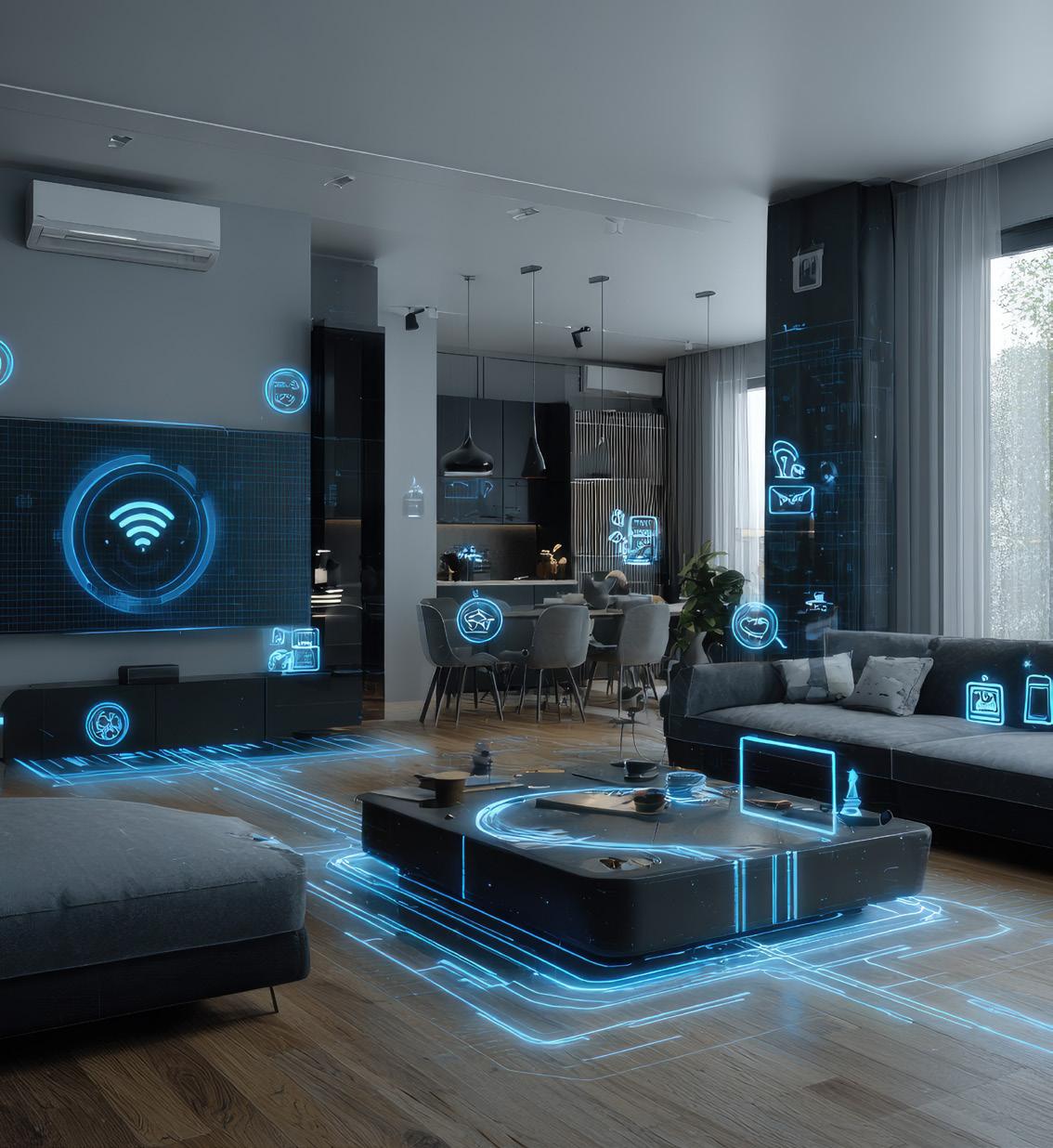
Midwich already supports many of the components that make this possible. Room panels and collaboration endpoints shape the user interface. Control processors and signal management form the operational logic. Networked audio and video help facilities teams understand patterns of use, while LED displays and signage guide people through spaces and reflect the identity of the organisation.
A stack that supports every stakeholder
These technologies form a stack that can anchor a smart building strategy. Each category is flexible, which allows integrators to create solutions that suit the needs of owners, tenants and landlords without locking them into a single ecosystem.
From ISE insight to real-world impact
The conversations at ISE 2026 highlighted that convergence is no longer a future aspiration. It is a commercial and operational necessity. Regulatory pressure around energy efficiency continues to grow, tenant expectations for personalised and
adaptive environments are rising, and the risk of investing in closed ecosystems that restrict future change is becoming harder to ignore.
In practical terms, this means lighting systems that respond to occupancy and daylight data, security and access platforms that feed into space utilisation, IoT sensors that inform environmental performance, and cloud-based tools that allow buildings to be monitored and optimised remotely. When these systems connect through an interoperable AV layer, buildings begin to function as coherent environments rather than collections of standalone technologies.
Smart buildings will continue to evolve as AI-driven insights, secure data practices and new workplace habits become the norm. By guiding integrators through diverse, open and interoperable technology stacks, Midwich helps create buildings that are simpler to use today and easier to adapt tomorrow. The result is an environment that supports people, protects investment and evolves in step with the organisations it serves.
AI at the edge: Redefining immersive, personalised signage experiences
BrightSign® brought its latest digital signage innovations to life at ISE 2026, through interactive real-world demos featuring retail, QSR, transportation and corporate use cases.
Demand is increasing for intelligent digital signage that delivers exceptional customer experiences, measurable engagement and supports data-driven decision-making. BrightSign media players feature built-in Neural Processing Units (NPUs) that run AI applications directly on the player, with no impact on video and audio performance. Digital signage owners can now deliver powerful, interactive and personalised experiences that adapt to audience behaviour in real-time.
With BrightSign media players, real-time motion, object and gaze detection and audience measurement applications create interactive and personalised experiences. When visitors to BrightSign’s ISE booth selected products such as bottled water, coffee and pastries within a QSR/ retail environment, on-screen content changed immediately. Thanks to close integrations with trusted CMS and analytics partners, businesses can explore limitless engagement opportunities.
BrightSign’s Series 6 media players, including the BrightSign XD6, HD6 and XS6 System-on-a-Chip (SoC) solution, enhance performance and flexibility
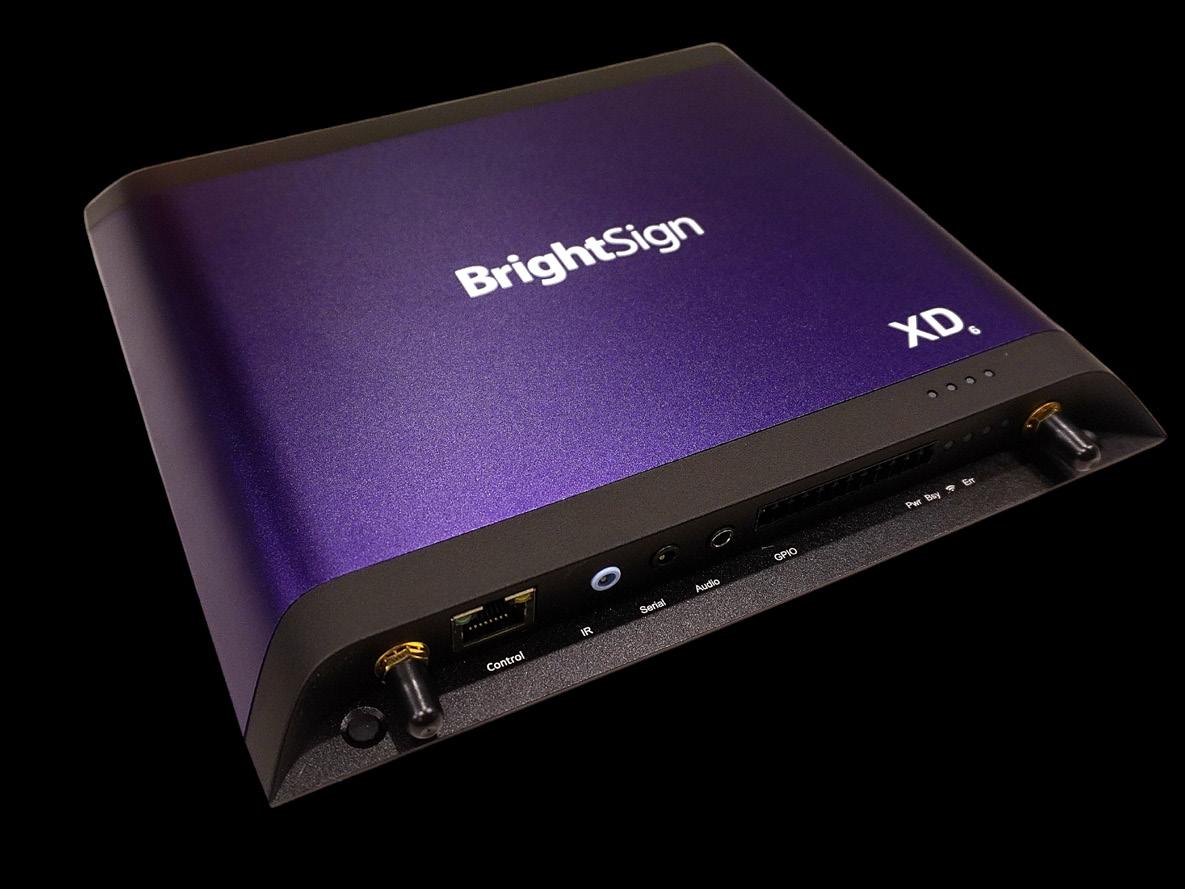
while delivering the versatility and reliability synonymous with BrightSign. They offer smooth 4K and dual-4K playback, immersive graphics, integrated NPUs to run AI applications at the edge and secure BrightSignOS™ operation.
Digital signage uptime is no longer optional; it’s essential. BrightSign’s Series 6 media players deliver strong performance, security and reliability. This gives digital signage users complete confidence in delivering immersive viewer experiences, whilst maximising ROI. They need to know that their digital signage simply ‘works.’ They are therefore looking for:
• Durable long-lasting hardware that minimises failures
• Advanced performance and graphics with superior hardware choice
• Operational reliability from a trusted operating system
• Intuitive, robust remote device management that updates content and troubleshoots issues
• Warranty that adds a layer of confidence while protecting long-term investments







































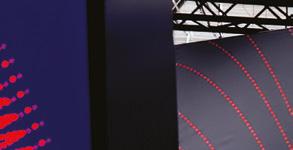





































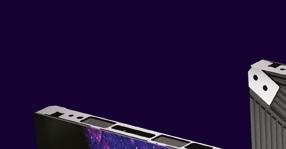



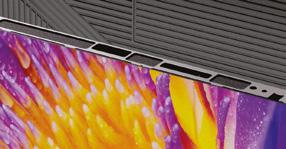
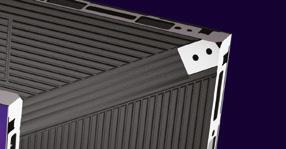


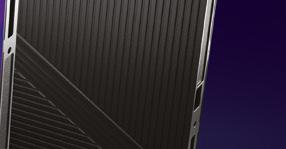





Flip-Chip COB delivers exceptional durability, deep contrast and up to 60% lower operating costs.




















Redefining flagship display performance
Absen CL V3 sets a new benchmark for high-end COB visuals
At ISE 2026, one shift was clear: COB technology has become the standard for fine-pitch, high-performance displays. Leading that evolution, Absen’s CL V3 was awarded Best Product at its global debut.
Designed for premium environments, from corporate lobbies to control rooms and luxury retail, the CL V3 delivers consistent, high-impact visuals in realworld conditions. Anti-reflective design ensures clarity in bright spaces, while advanced colour processing maintains accuracy across every application.
Up to 30,000:1 contrast with ultra-black packaging
1,600nits brightness with anti-glare performance
97% DCI-P3 colour gamut for precise, true-to-life visuals
COB architecture for reliability in 24/7 environments

ELATION UNVEILS NEXT GENERATION LIGHTING SOLUTIONS AT ISE 2026

Elation Professional - distributed exclusively in the UK and Ireland by Live Technology - made a commanding impression at ISE 2026 with a stand that was as visually striking as the innovations it showcased. Among the extensive lineup of new products, several standout fixtures are already on their way to the UK, with demo stock available now. This article takes a closer look at the highlights, with more coverage to follow in future issues.
Rebel Wash Series: compact powerhouses for modern stages
Elation’s new Rebel Wash 4 and Rebel Wash 12 fixtures bring serious punch to the IP65-rated wash category, offering robust performance for both indoor environments and temporary outdoor applications.
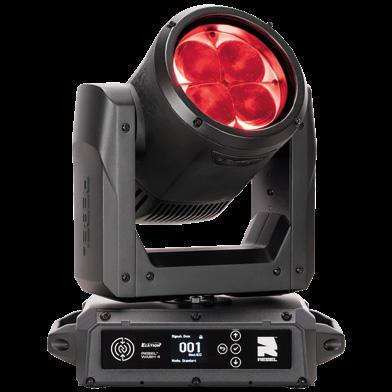
Rebel Wash 4
Despite its compact footprint, the Rebel Wash 4 delivers an impressive 4,000 lumens from four 60W RGBL LED emitters. Its high CRI, calibrated colour temperatures and excellent colour fidelity make it ideal for front of stage positions where clarity and consistency matter. Whether used for tight beams or broad washes, it offers designers a flexible, unobtrusive tool.
Rebel Wash 12
Stepping up the output, the Rebel Wash 12 pushes performance to 14,000 lumens via twelve 60W RGBL emitters. Like its smaller sibling, it produces rich primaries and a clean, powerful white, ensuring uniformity across even the most demanding long form shows.
Both Rebel Wash models feature:
• A wide 5°–40° zoom range
• 360° continuous pan and tilt
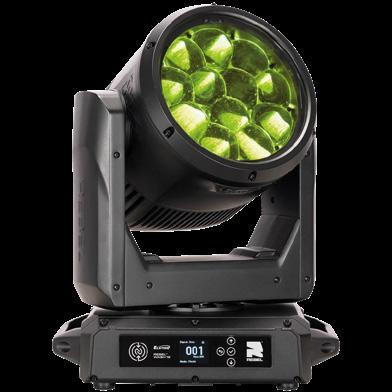
• Pixel control for dynamic, high energy effects

Fuze Wash 250: a versatile new workhorse
Expanding the popular Fuze range, the new Fuze Wash 250 introduces a compact, yet highly capable LED Fresnel wash fixture designed for broadcast, theatre, live events and any application requiring precision and softness.
Powered by a high CRI RGBMA LED engine, the Fuze Wash 250 outputs up to 8,500 lumens with exceptional colour accuracy. Its feature set includes:
• Virtual colour temperature from 2400K to 8500K
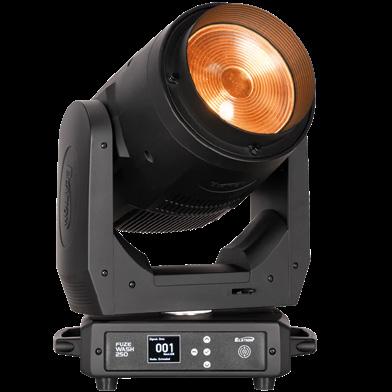
• Magenta/green shift for seamless matching with existing rigs
• CMYK and RGB colour emulation
• A virtual gel library for creative flexibility
• A generous 6°–50° zoom range
The result is a fixture that offers designers a remarkably adaptable tool for achieving impactful colour, smooth fields and refined control.
See them in action
The Rebel Wash 4, Rebel Wash 12 and Fuze Wash 250 are available now for hands on demonstrations with the Live Technology lighting team.
To arrange a demo at your venue or request further information, contact: lighting-sales@live-technology.co.uk.
Product Specialist - Lighting
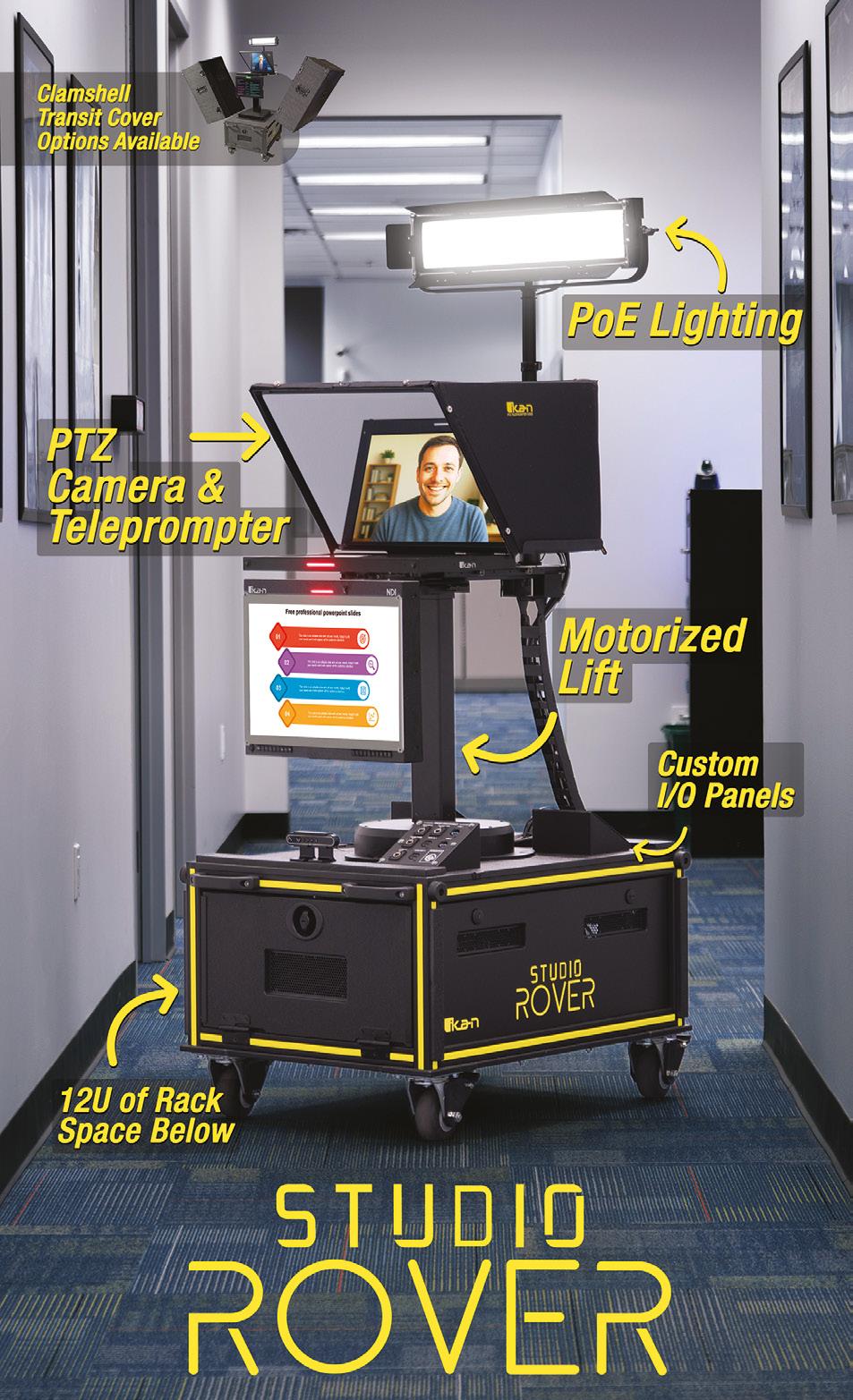
The Ikan Studio Rover is a fully integrated mobile production platform designed to simplify the deployment of professional broadcast and AV environments. Engineered for flexibility, mobility and rapid setup, the Studio Rover combines camera support, lighting, prompting and integrated equipment infrastructure into a single compact system. It is specifically designed for corporate, government, education, broadcast and content creation environments that require professional production capability without the complexity and cost of permanent studio installations.
To accommodate different customer requirements and budgets, the Studio Rover will be available in three configurations, allowing organisations to select the level of capability that best fits their production needs. These configurations range from a core infrastructure platform through to fully integrated production solutions, enabling customers to scale their system as their operational requirements evolve.
At the core of the Studio Rover is a motorised vertical lift column that
STUDIO ROVER MOBILE PRODUCTION SYSTEM
supports a mounted camera or PTZ prompting system. This enables smooth height adjustment for seated or standing presenters while maintaining a professional camera perspective. Integrated PoE-powered studio lighting provides high-quality illumination without requiring traditional overhead lighting grids or high-voltage electrical installations. These fixtures deliver high color accuracy with CRI ratings around 97, ensuring broadcast-quality lighting for professional video production.
A key differentiator of the Studio Rover is the integrated 19” equipment rack located within the base of the cart. This rack allows third-party equipment to be installed directly into the system, including production switchers, audio DSPs or mixers, video conferencing engines such as Microsoft Teams or Zoom systems, streaming encoders, NDI processing systems, content playback computers and network routers. Convenient top-side patch panels provide easy access for connecting cameras, network cables, audio feeds and control signals without needing to access the internal rack.

The system is mounted on a heavyduty mobile chassis with locking casters, allowing the Rover to be easily repositioned within a facility. For organisations requiring transport or protection during storage, the system can also be equipped with an optional clamshell road travel case top, allowing the Rover to be safely moved between locations.
Typical use cases include corporate communications studios, executive briefing rooms, training environments, government media rooms, university lecture capture studios, broadcast news inserts and digital content production spaces. The Studio Rover represents a new category of mobile studio infrastructure, combining lighting, camera support, prompting and production equipment into a single intelligent platform designed for modern IP-based production workflows.
Visit the website for more details: ikancorp.com/product-category/ mobile-studio-solutions/
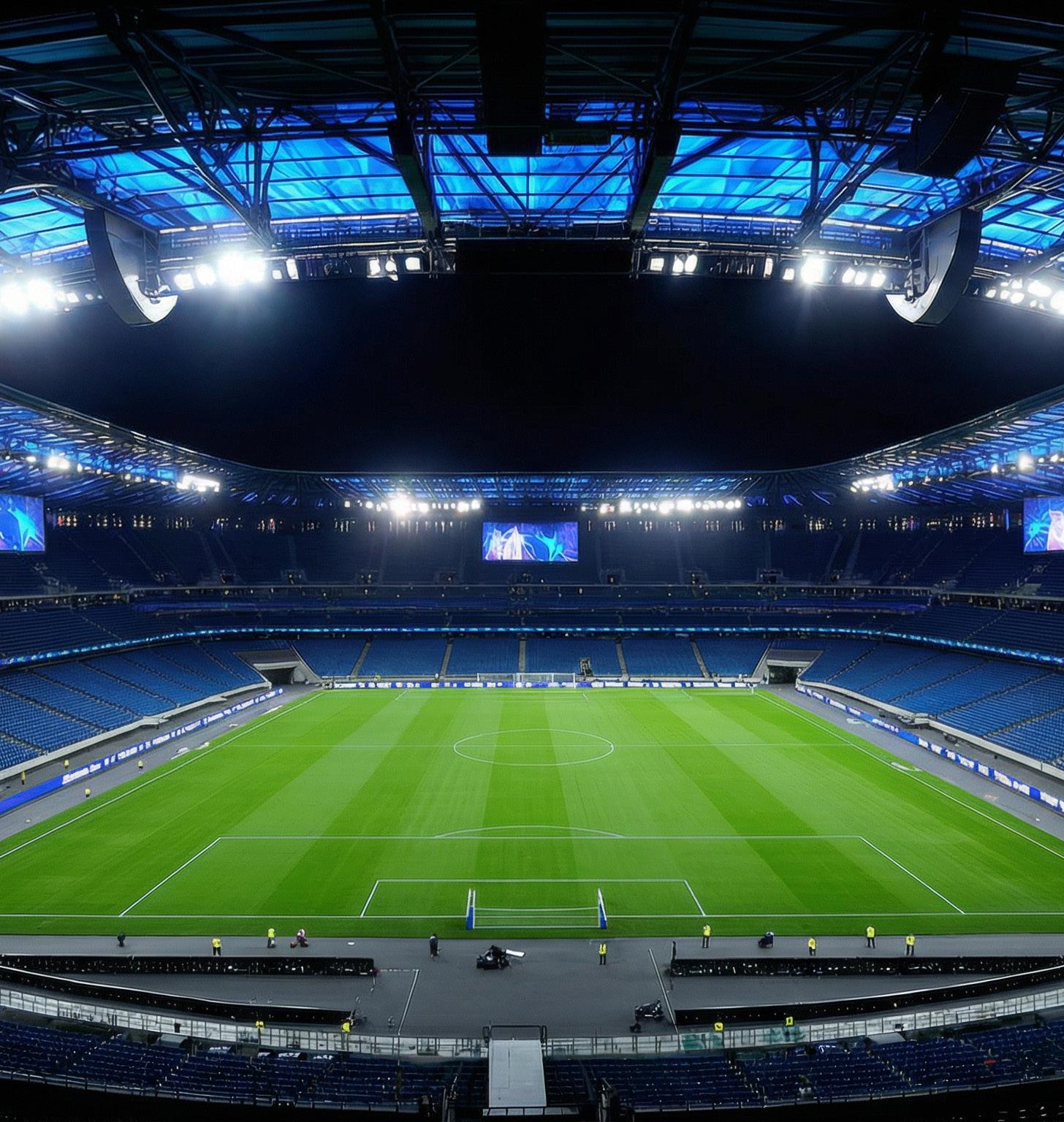
The Midwich World Cup is coming.
ONE TOURNAMENT. EVERY VENUE. ALL THE TECHNOLOGY.
When the world comes together for football’s biggest tournament, the experience extends far beyond the stadium.
From fan zones and hospitality venues to broadcast studios, home cinemas and retail spaces, every environment becomes part of the action.
This summer, the Midwich World Cup brings together the technologies that power unforgettable viewing experiences. One destination. Every environment. The solutions that bring the game to life.
Explore the technology behind every great venue and discover how Midwich helps partners deliver world-class experiences, wherever the fans are watching.
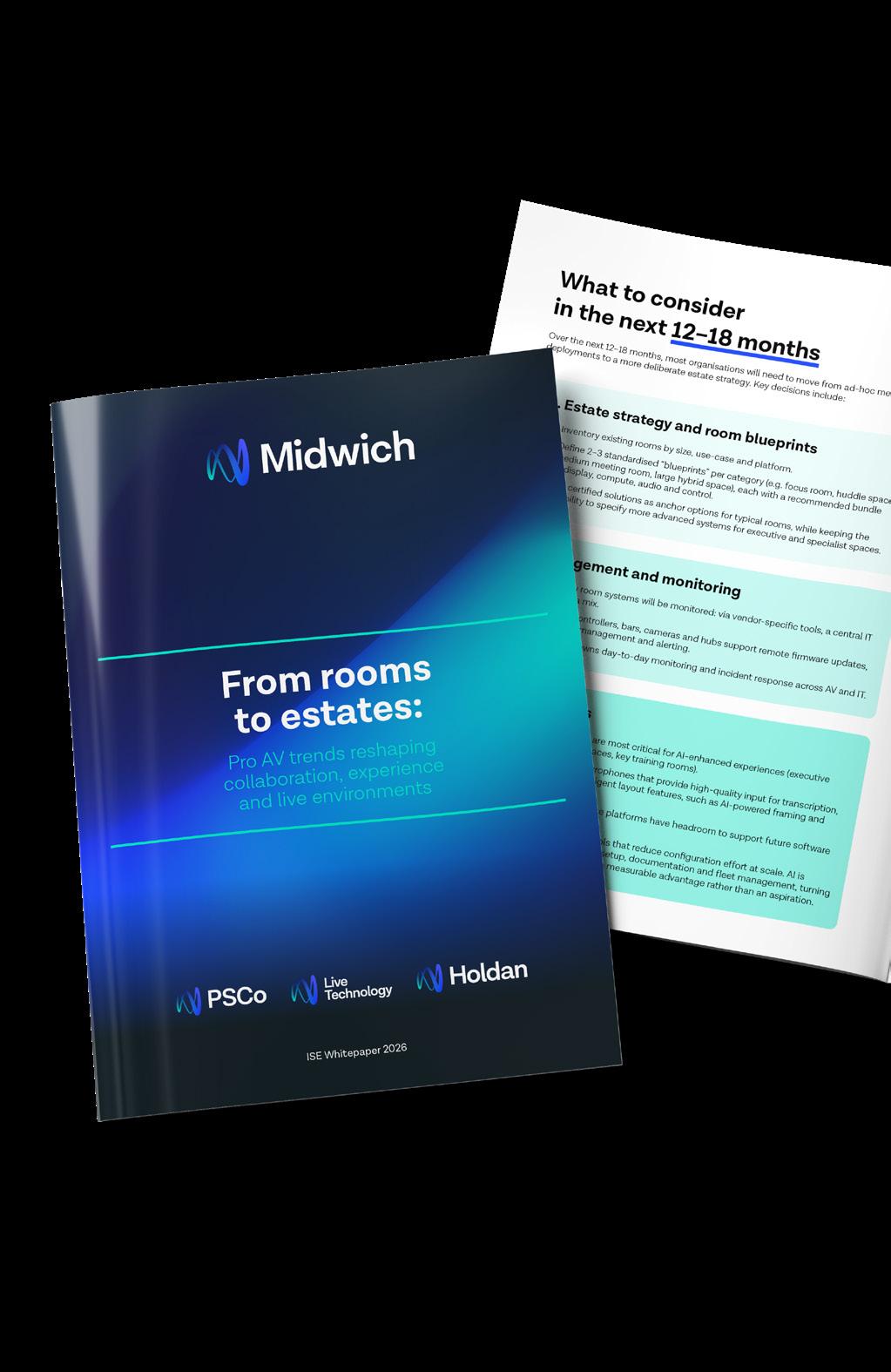
From rooms to estates
The Pro AV trends reshaping collaboration, experience and live environments.
Organisations across the UK are rethinking how people meet, learn and experience content.
Hybrid collaboration, content-rich environments and rising expectations in public and live spaces are transforming AV from isolated systems into connected estates that must be designed, managed and evolved as part of the IT stack.
Using ISE 2026 as a lens, this new Midwich whitepaper explores the trends shaping the next phase of Pro AV, from AI-ready collaboration spaces and scalable video production to intelligent display networks, advanced LED and converged AV infrastructure.
For resellers and IT decision-makers, it provides practical insight into how AV estates will evolve over the next 12–18 months and what to consider when planning future deployments.