MIDDLEBURY GEOGRAPHIC
EDITOR’S NOTE
Dear Reader,
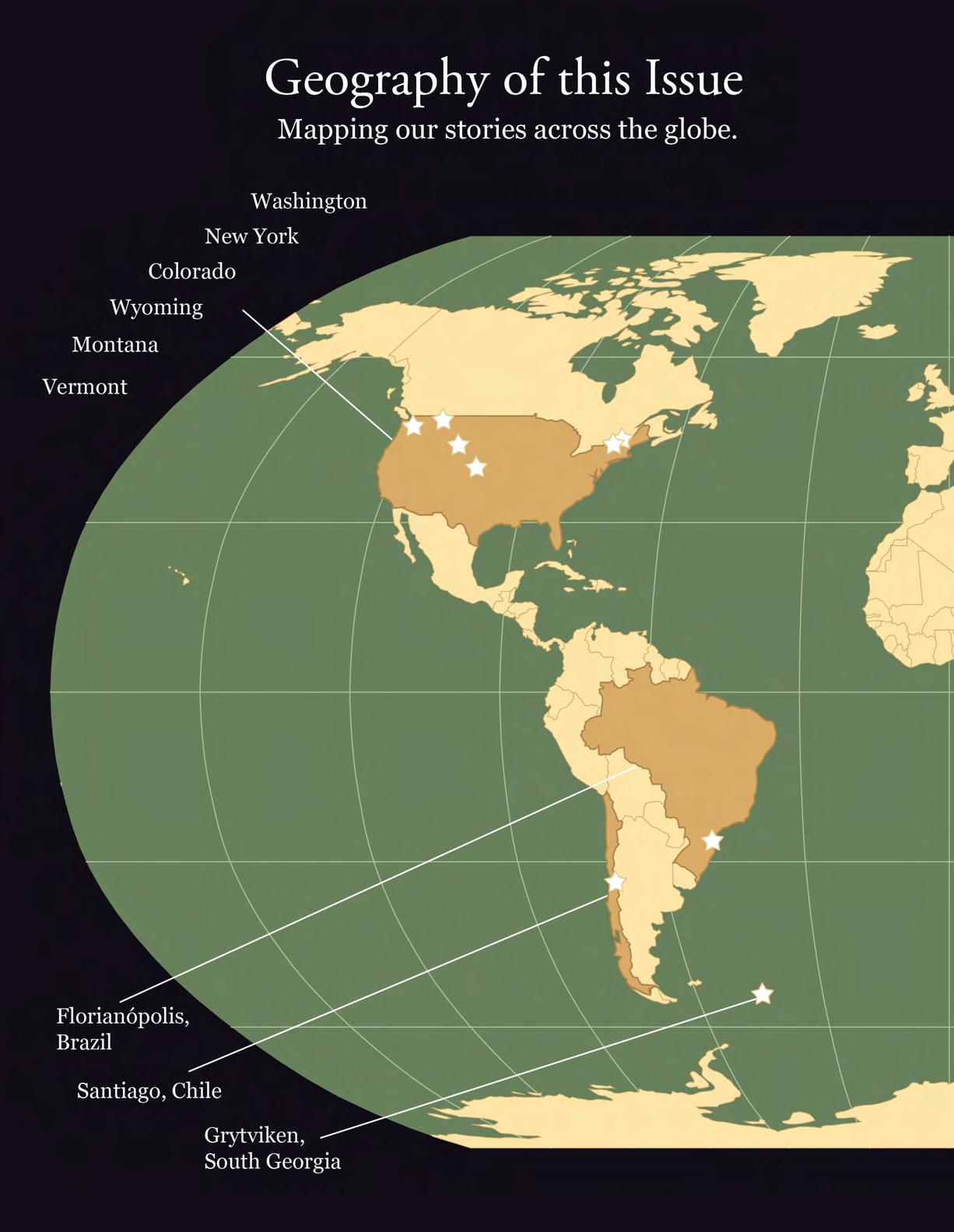
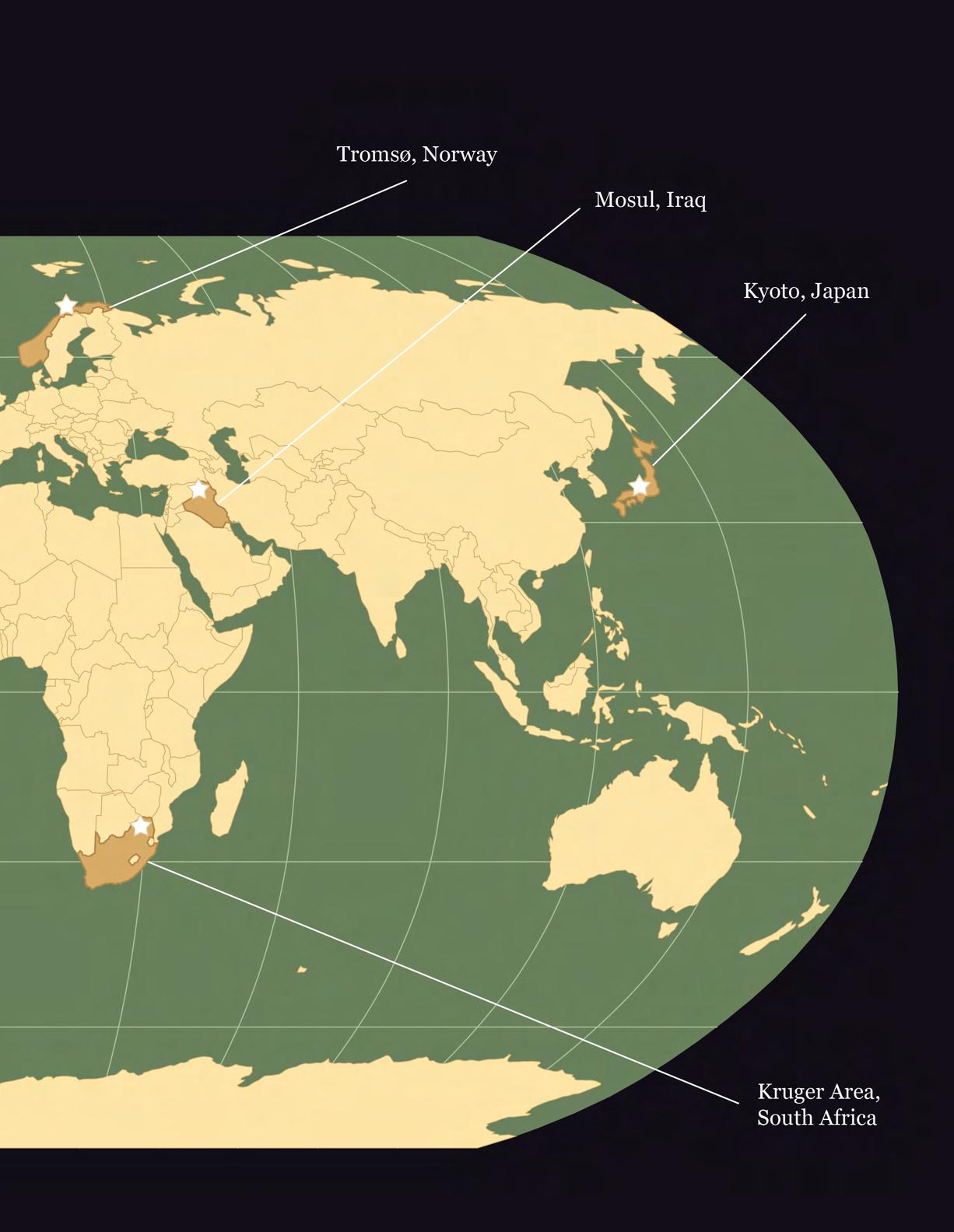
At the heart of our 24th issue is what our name has always pointed to: the geographic. Across six of the seven continents, the stories in this issue trace a range of landscapes, borders, and perspectives. In thinking about where our stories are taking place, we start to see how geography doesn’t just set the scene—it shapes the story.
As we reflect on the stories from around the world—what we’re seeing in each continent, each home—the thread that seems to connect them all this semester is “change.”
We see it most directly in the changing climate and arctic landscapes of Norway, and in the livelihood of the Sámi people in Saki’s story; or in Ariella’s piece about national park layoffs in the face of the Trump presidency. We feel it in Yahya’s return to Mosul, where through his lens and storytelling, he shows the transformation of his home, marked by destruction but also resilience.
Maybe it’s the turbulence of the world right now—politically, climatically, and culturally—that has made us more attuned to change in general. It feels impossible to ignore how much is in flux, both around us and within us, especially in the stories you’ll read ahead, so attuned to the shifts.
And yet, these very shifts—and the attention to how place, identity, and belonging evolve—have been consistent throughout our magazine’s history. And in that way, it’s not just change that connects the stories, but their focuses —centered not on judgment, but on observation, and through storytelling, “reflection”.
Whether we’re traveling through Japan or walking along the familiar paths of Middlebury, each story offers a moment to pause—on the history of a civilization or the quiet detail of a single snowflake.
The following pages are meant to inspire reflection and bear witness to the changes reshaping our world. And perhaps, within it all, we’ll find something that feels constant.
Thank you for your readership, Paige Theodosopoulos ‘25
Editor-in-Chief
MIDDLEBURY GEOGRAPHIC
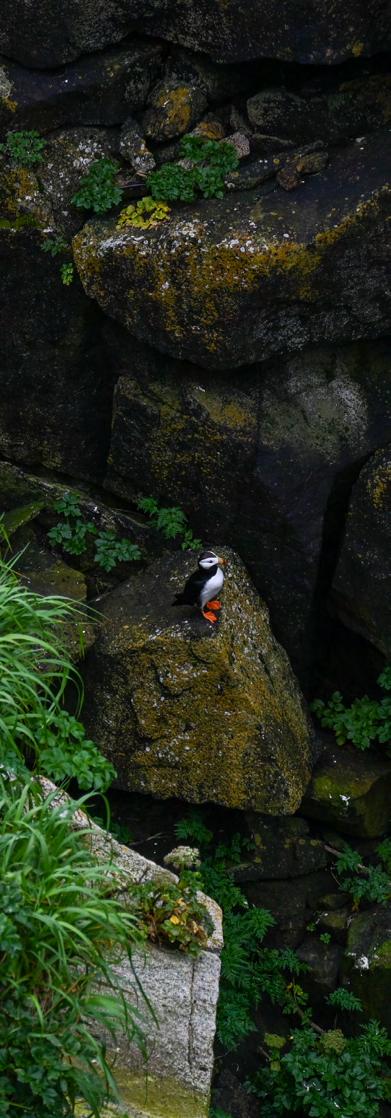
Theo McDonough ‘27
CONTRIBUTORS
ARIELLA FROMMER ‘28.5
Ariella is a first-year feb from New York City. Planning to study Environmental Studies, she is interested in conservation efforts and how they relate to economics and government. Outside of academics, her hobbies include skiing, hiking, and learning the ukulele. Ariella also enjoys showing off her backcountry meal creations.
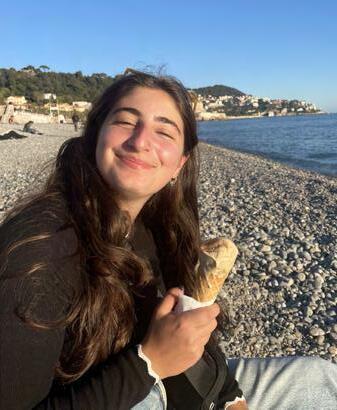
YAHYA RAHHAWI ‘26
Yahya Rahhawi is a documentary and street photographer from Mosul, Iraq. Through his lens, he captures the resilience, beauty, and complexity of life in the cities he visits. He is drawn to fleeting moments—glimpses of emotion, movement, and light that tell passing stories within the everyday.
EGAN TURNER ‘27
Egan is a sophomore originally from New Haven, CT and is double majoring in Geography and Architectural Studies. Outside of his classes and MiddGeo, he also rows on the club crew team, heads the puzzle section of the Middlebury Campus, and loves getting outdoors, especially to the ADKs!
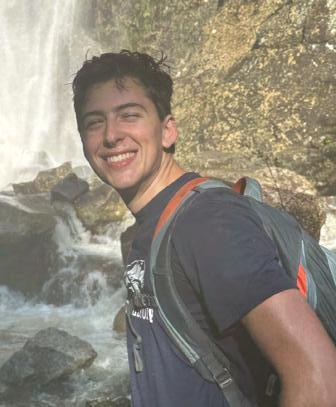
SAKI TSUBOUCHI ‘25
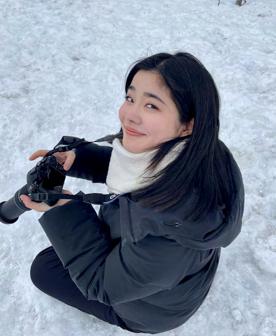
Saki is a senior from Tokyo, Japan, majoring in Conservation Biology. She feels most grounded with a camera in hand, drawn especially to portraits and action shots, the kind that hold a story or an emotion in a single frame. Beyond photography, she rides with the Equestrian Team, skis when she can, and loves traveling, drawing, and singing.
SUJAY BANERJEE ‘25
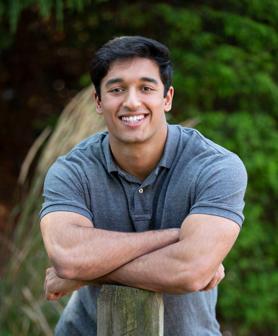
Sujay is a senior from Pittsburgh who is double majoring in Molecular Biology & Biochemistry and Computer Science. He’s especially interested in blending biology and technology to build innovative tools that push the boundaries of medicine. When he’s not in the lab or debugging code, you’ll catch him snapping photos, playing squash or pickleball, or dabbling with instruments from around the world.
JACOB COLLIER ‘25
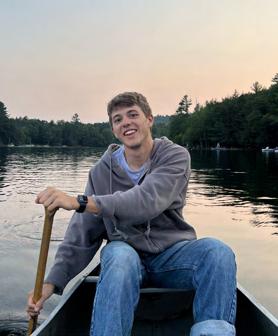
Jacob is a senior who grew up in the Blue Ridge Mountains, but holds a special place in his heart for the Adirondacks. He loves the smell of balsam, chicken wings that take 45 minutes to cook (double fry), and the sounds of loons, peepers, and croakers.
ERIN POMFRET ‘28
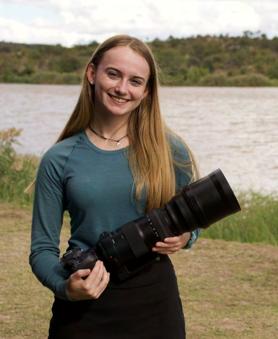
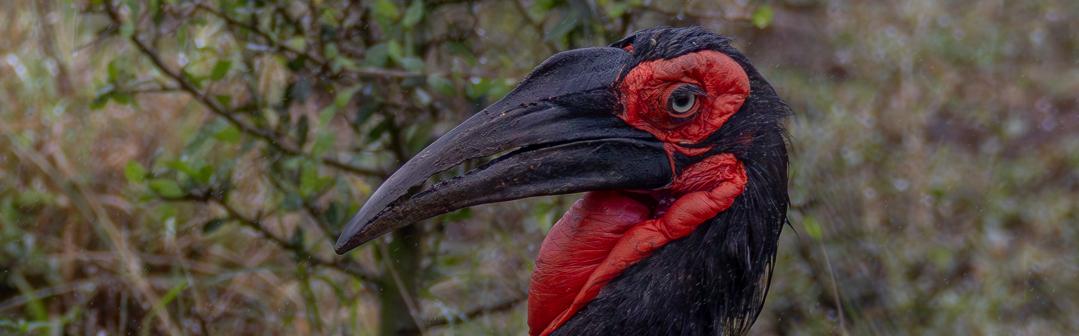
Erin is a first-year student and wildlife photographer from Natick, Massachusetts. She has photographed all over the world including South Africa, United States, and the Netherlands. Outside of photography she loves sports, coding, and the outdoors. She is majoring in physics with a minor in applied maths, and plans on going into aerospace engineering as well as continuing wildlife photography.
LUCAS BASHAM ‘28
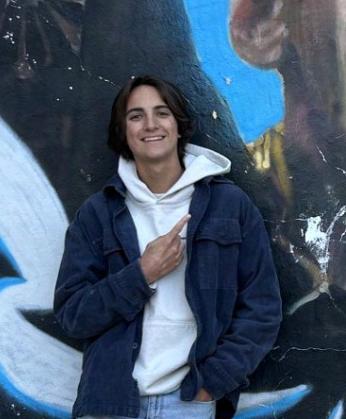
Lucas was born and raised in Brooklyn, NY, and is a likely International Politics and Economics major. He lived in Spain during his junior year of high school but speaks fluent Spanish with an Argentine accent he got from his mom. In his free time, you can find him running, playing soccer, catching up on the news, planning his next trip, or extending his Arabic Duolingo streak.
NOAH WILLSON ‘27
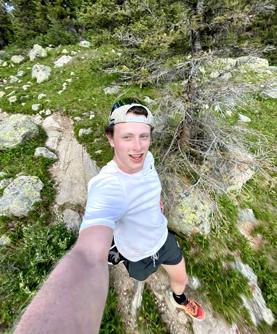
Noah is a sophomore from Seattle, Washington, in the heart of the Pacific Northwest. When he’s not writing for Middlebury Geographic, he can be found exploring the mountains on skis, two wheels, or in trail running shoes. He enjoys sharing his love for the outdoors through photography and writing.
CATHERINE HECKLER ‘27.5
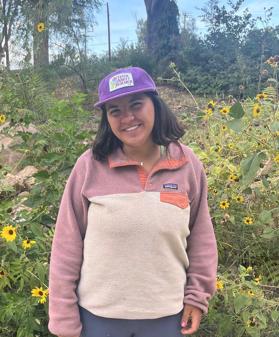
Catherine is a sophomore Feb from Atlanta, GA who’s majoring in Geography and American Studies. In her free time, she enjoys hiking, writing, people-watching in Ross, and drinking many cups of tea.
MAX CHALFIN-JACOBS ‘25
Max Chalfin-Jacobs is a senior Conservation Biology major from Newton, Massachusetts. Born with binoculars in his hands, his first words were “wandering albatross”. When not outside looking for birds, you can find Max reading about birds, talking about birds, or dreaming about birds.
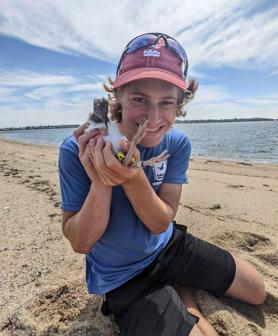
NADIA HARE ‘25
Nadia is a senior from Barcelona studying conservation Biology and Portuguese. She is a big fan of urban parks, green beans, and film photography.
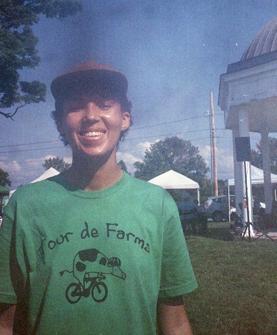
WILLA BRYANT ‘28
Willa is a first-year student from Southern Vermont. Outside of the classroom, she can be found cold plunging, hiking, and tending to her home garden. Time spent in nature, with her family, and exploring new places all provide her life with deep meaning.
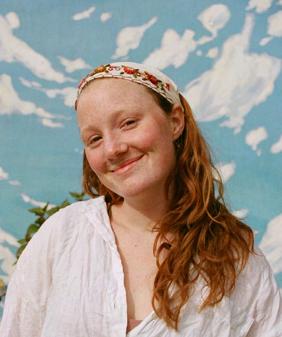
Erin Pomfret ‘28
Resonance of the Past in the Breath of Today
Saki Tsubouchi ‘25
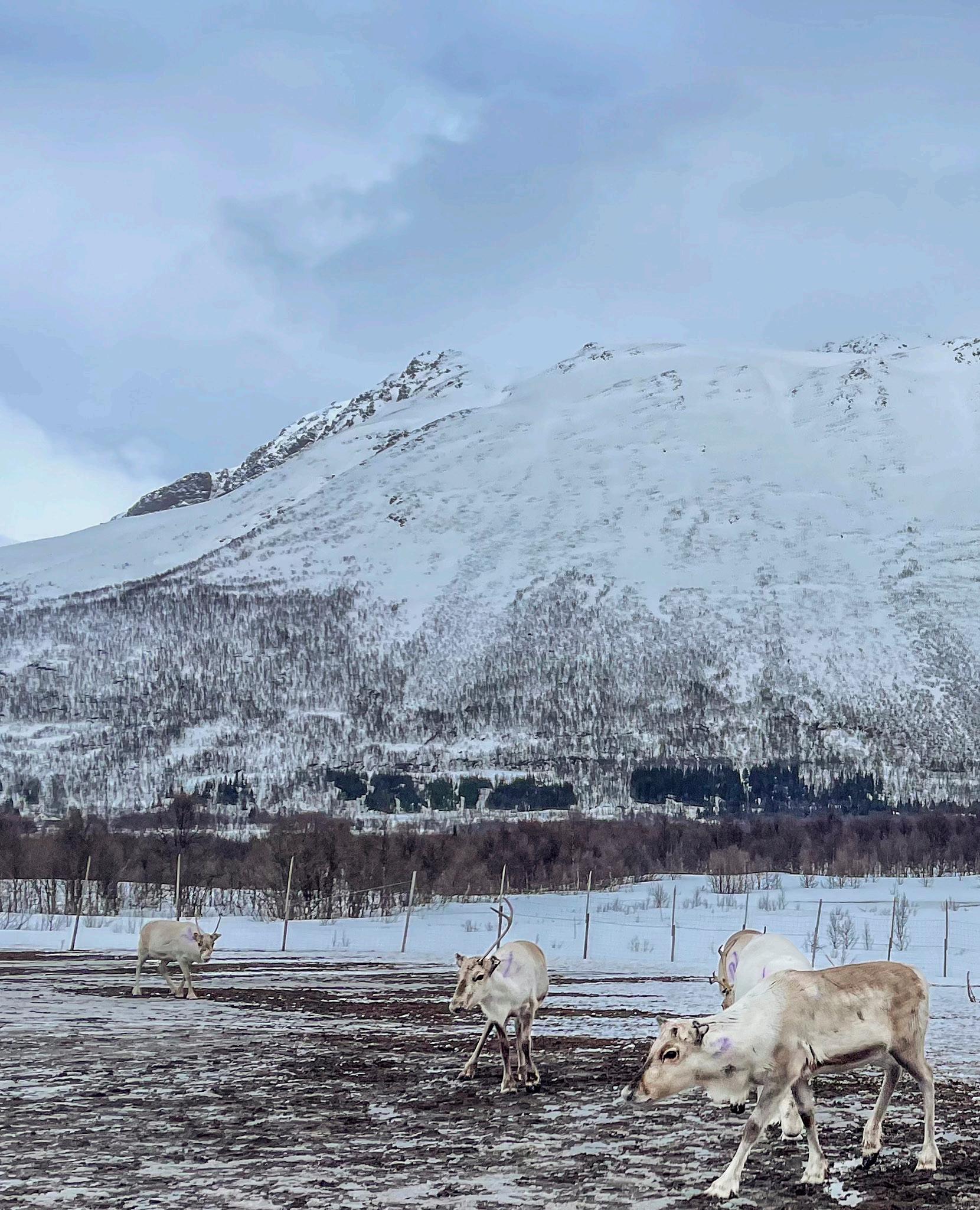
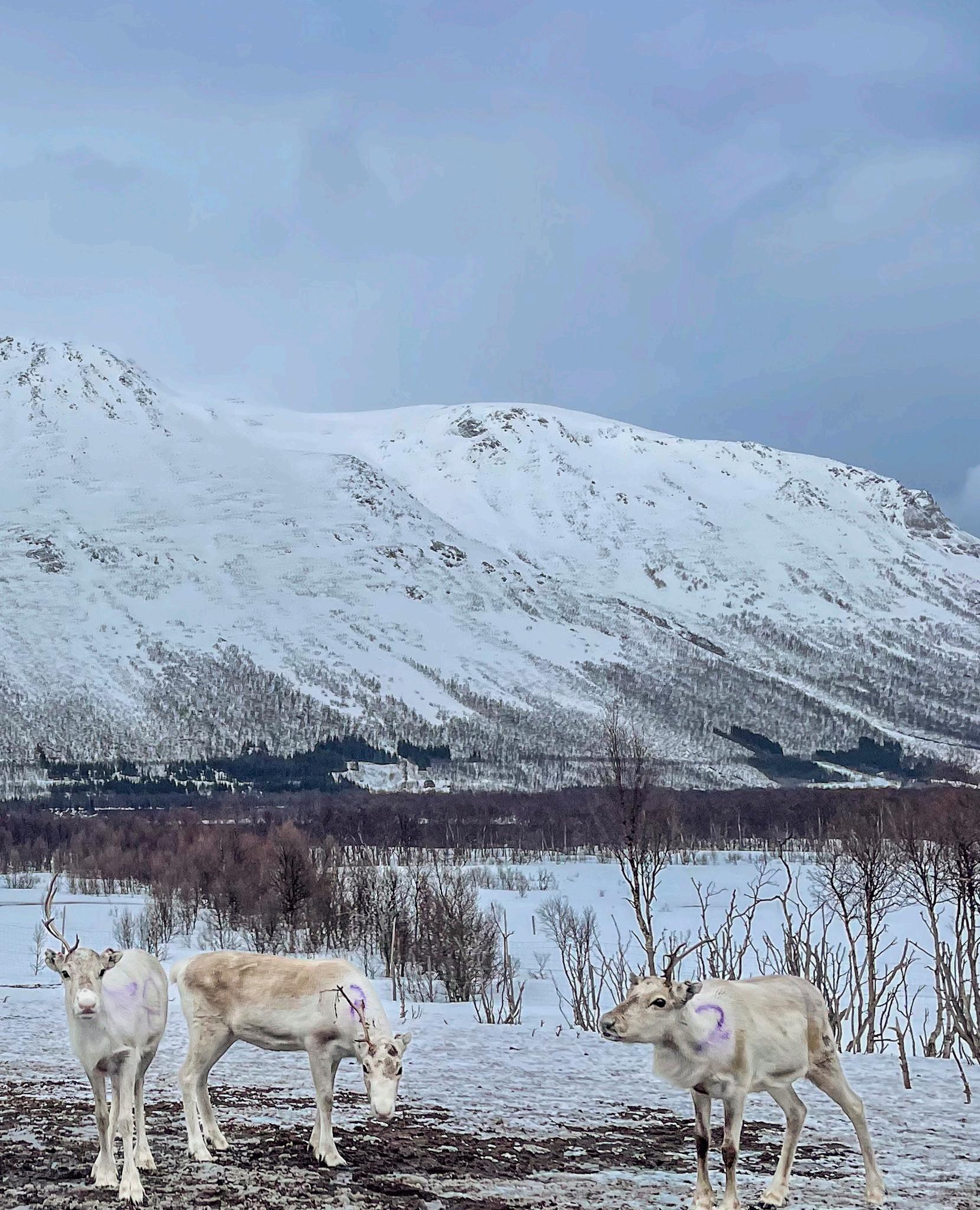
TheSámi people have lived in the northern reaches of Scandinavia for over 2,500 years, long before national borders divided their ancestral lands. Their culture, deeply intertwined with nature, has been passed down through generations. It is a culture of resilience, adaptation, and tradition.
For centuries, reindeer herding has been at the heart of Sámi life. More than just a livelihood, it represents survival, community, and an intimate understanding of the Arctic landscape. The Sámi believe that the reindeer is the true hero of the north—providing warmth, sustenance, and transportation across frozen lands. Their traditions, from intricate duodji (handicrafts) to the haunting melodies of joik, their deeply sacred singing ritual, carry echoes of a past that still lingers in the present.
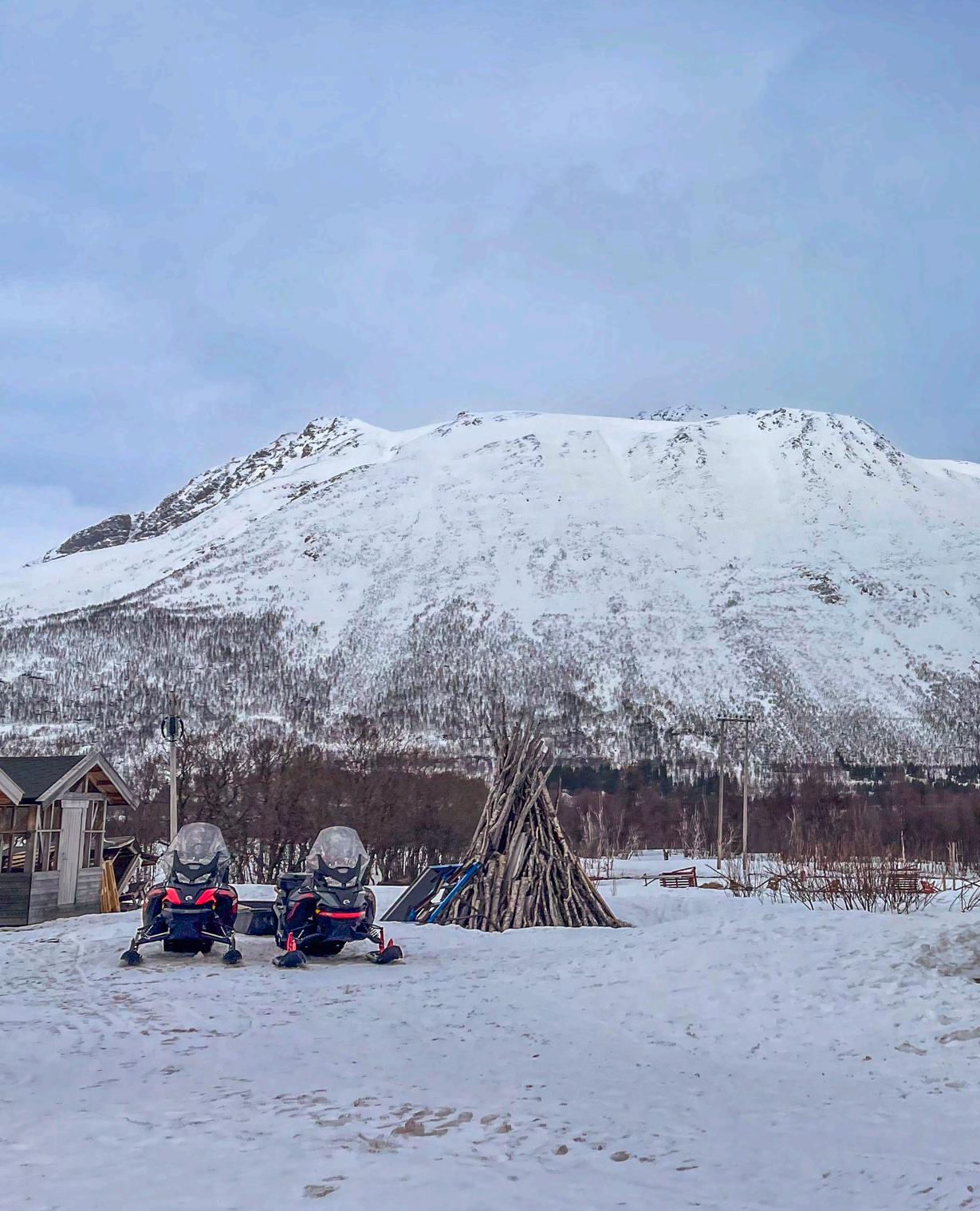
Last year during my studying abroad experience in Denmark, I had the rare opportunity to visit a Sámi camp near Tromsø, surrounded by the Lyngen Alps. The landscape was vast and unforgiving, yet it held a quiet beauty, a sense of something ancient. Joining a tour, we were welcomed into the world of the Sámi through their most treasured companions — the reindeer. They gathered around us, impressively curious, as we scattered handfuls of lichens as part of their daily feeding. There was something mesmerizing about them, their dark eyes steady, their movements both powerful and graceful. It was easy to feel a connection, to recognize the quiet bond between herder and herd, but also some story untold, waiting to be unfolded.
Later, inside a warm lavvo hut, we were served hot drinks and a bowl of bidos, a Sámi stew made with reindeer meat,
root vegetables, and broth. I hesitated. Just a few moments earlier, I had fed these animals. But in tandem with my first bite, I looked around the hut and was struck by evidence of the deep respect the Sámi have for their reindeer. Every part of the animal is used—fur for warmth, bones for tools, meat for sustenance. It brought to mind the cycle of life, the gratitude we should have for our food, and how distant we have become from these connections.
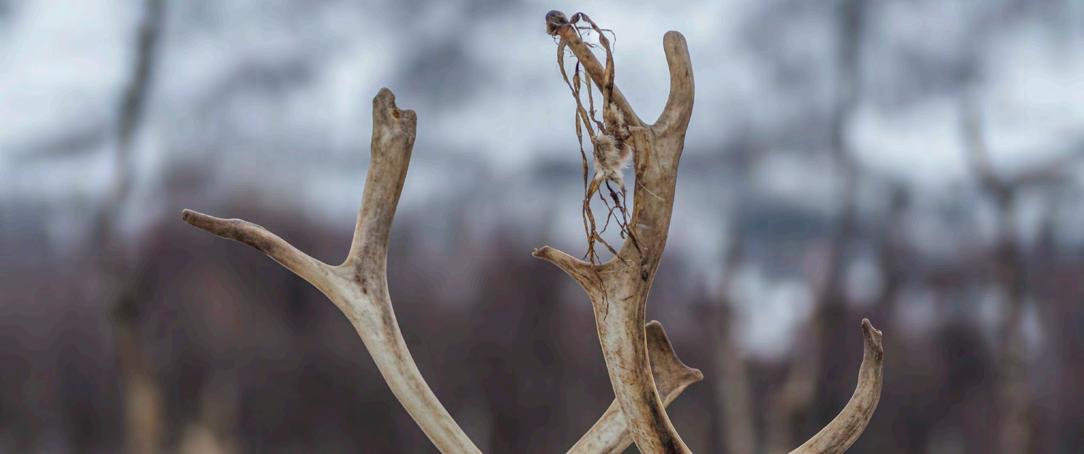
As we ate, our guide shared more about his life with reindeer. He passed around Sámi treasures—thick, curved reindeer antlers from those that had passed away, intricately carved tools, and beautifully adorned gákti (traditional Sámi clothing). Each object held a story, a piece of ancient history carefully preserved through generations despite the seasons of oppression the Sámi people endured.
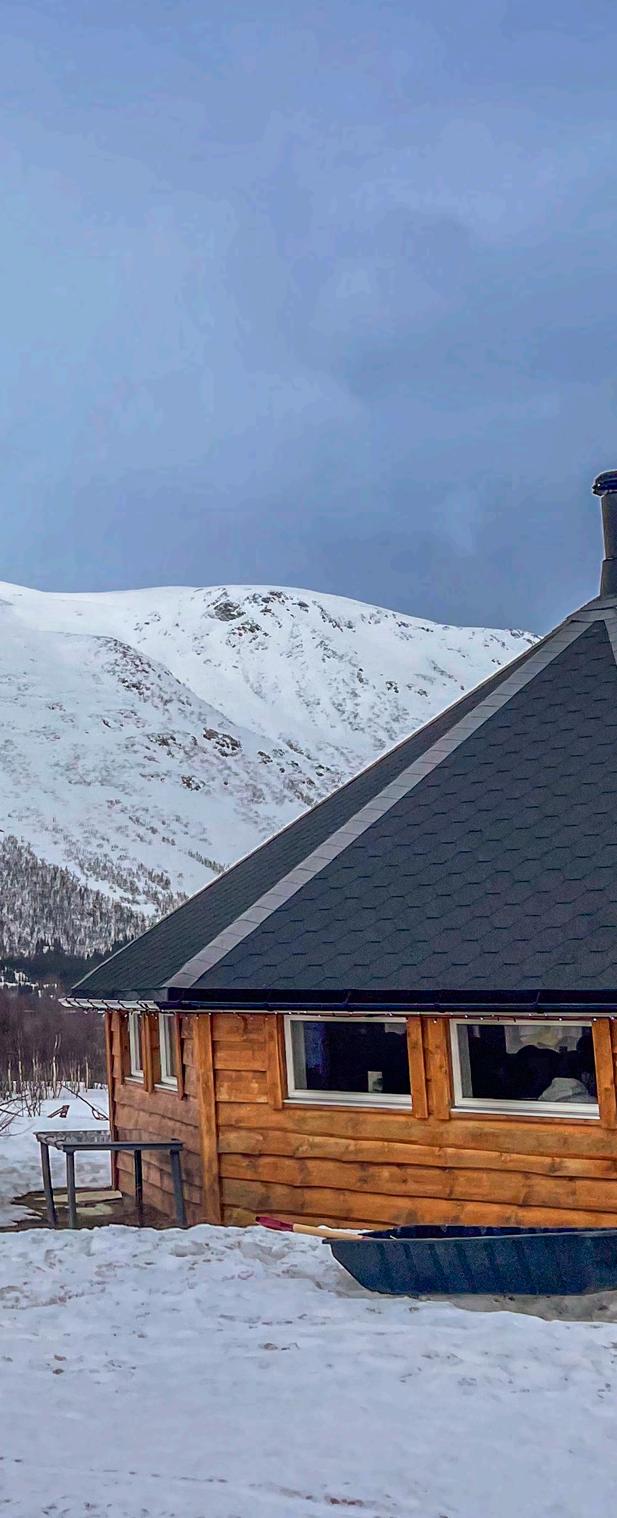
Then, as the fire crackled softly, our guide, Per Stian, began to sing.
It was a joik, one of Europe’s oldest continuous singing traditions, said in Sámi legend to have been given to the Sámi people by fairies and elves of the arctic lands. The melody drifted through the air, raw and unshaped by words, yet it carried something profound. It was not just a song—it was an expression, a way of capturing the essence of a person, an animal, or a place. Though I didn’t understand the words, the tune was poetic, almost sacred. Then, he told us something that sent chills down my spine: he had blessed us all in the name of Sámi gods.
I had never experienced anything quite like it. It was a moment of deep connection with nature and the people that came before us, one that transcended language and culture. The warmth of the fire, the richness of the stew, the echoes of joik—it all felt timeless, like stepping into a world that had existed long before us and was fighting to remain. But beneath the beauty of this experience lies an undercurrent of loss.
The joik that had filled the lavvo—so raw, so alive—was once nearly lost. During the Christianization of the Sámi in the 17th century, joiking was condemned as sinful, called sorcery, and silenced by those who sought to erase the Sámi identity. But the melodies never truly disappeared. They survived in whispers, in hidden gatherings, in memories passed down like an ember refusing to go cold. Now, they are sung openly again—a symbol of resilience in times of change.
Another kind of silence threatens the Sámi today.
Climate change is making reindeer herding harder—unpredictable ice layers trap lichen beneath hard crusts, forcing herders to travel farther, an adaptation that is reaching its geographic and economic limits. Roads, power lines, and industrial projects continue to fragment and confine their grazing lands. The very land that has sustained them for millennia is shifting beneath their feet.
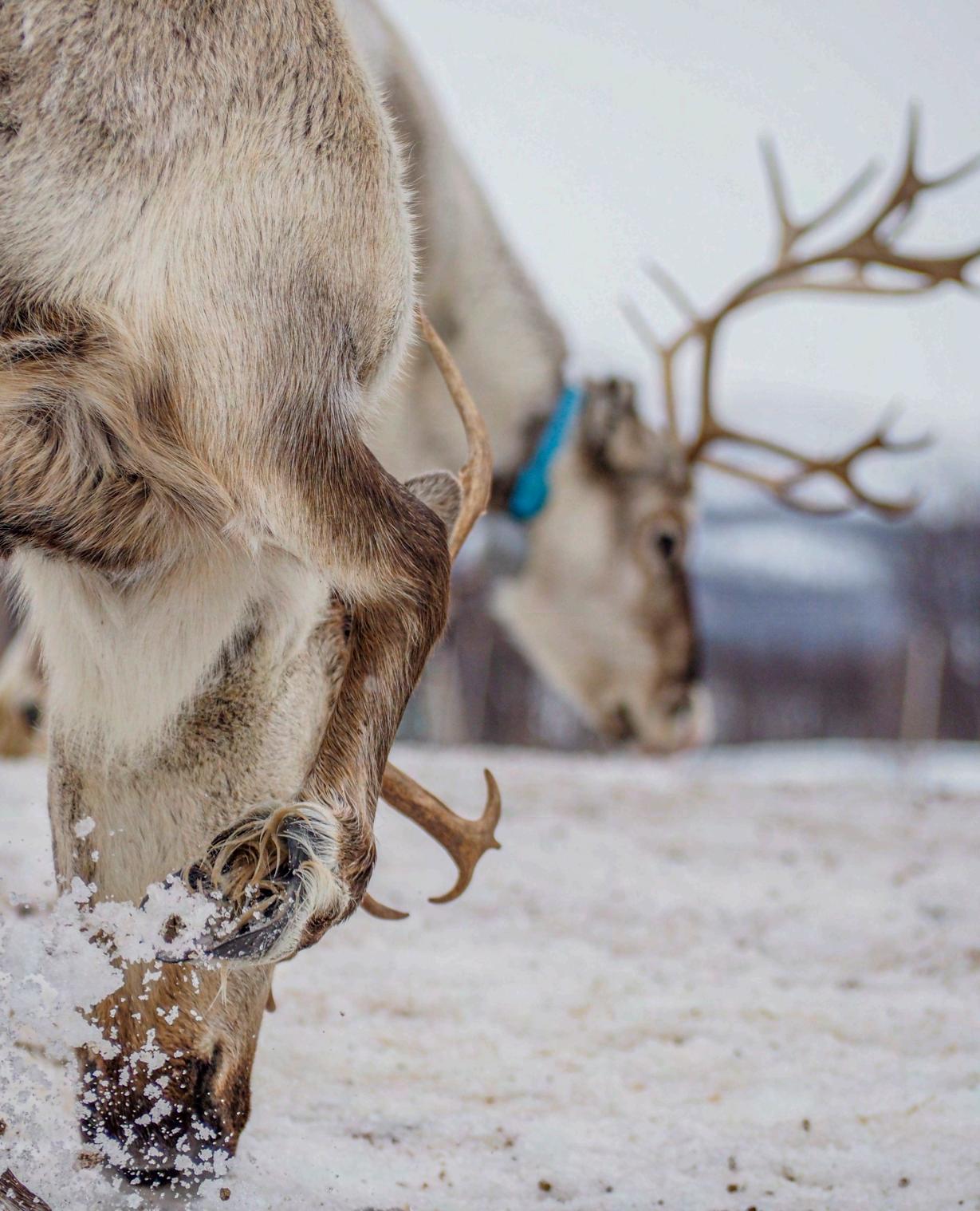
Still, they endure. Their language and melodies, once suppressed, are being reclaimed. Their cultural traditions, once dismissed, are being celebrated. In Norway, Sweden, and Finland, the Sámi have their own parliaments, their own newspapers, their own television stations. They are still here, still fighting for their way of life.
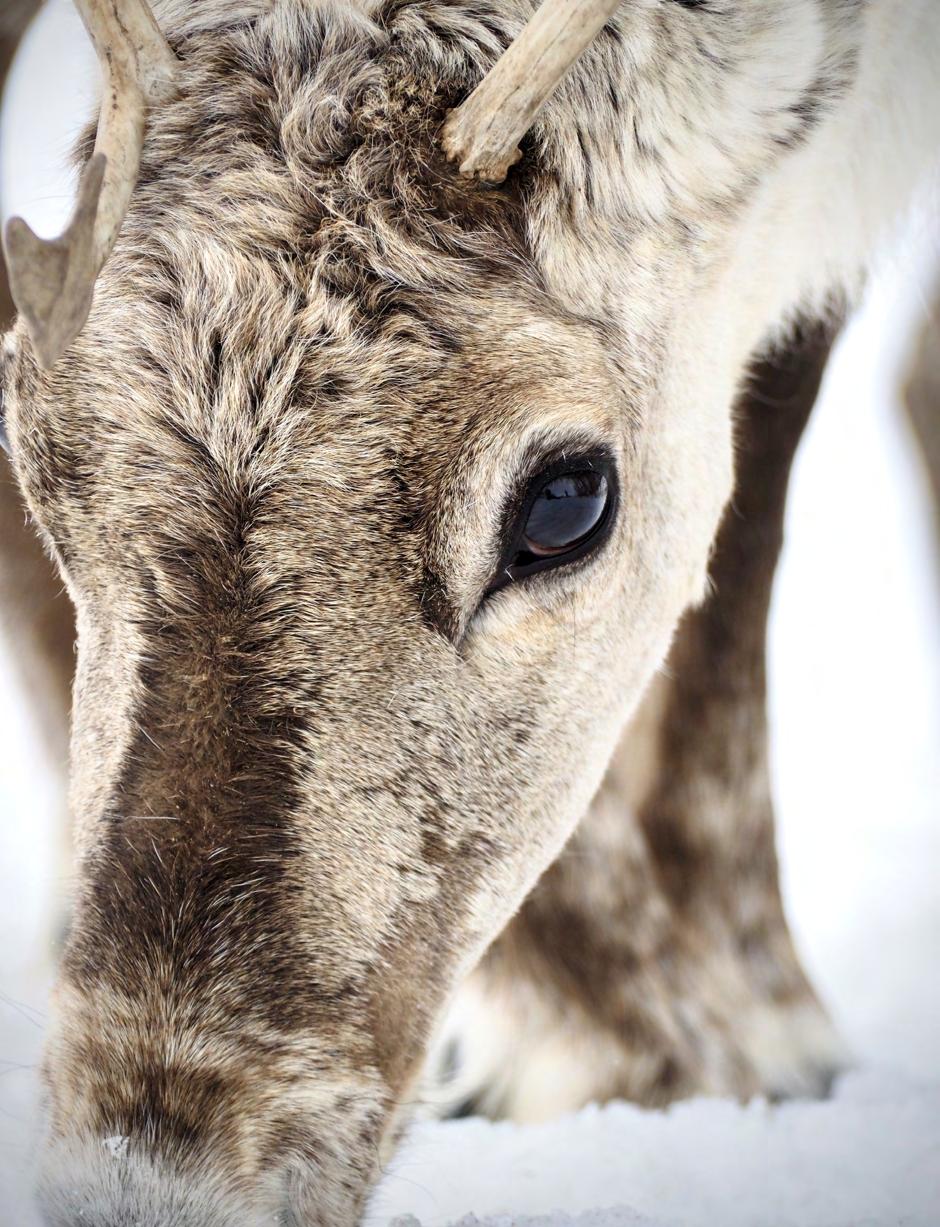
At one point during our visit, I found myself sitting face to face with a reindeer. Its breath curled in the wintry air, its dark eyes gazing back at me—calm, unwavering, knowing, full of something ancient. In that moment, I felt as though I was staring into the history of a people, into resilience itself.
This was the moment I wanted to capture.
This photograph I submitted to the study away contest — Soulful Gaze of the Sámi — was my attempt to preserve a story that may one day become history. A close-up of the reindeer’s eye, reflecting the Arctic sky, is perhaps a metaphor for those whose future is uncertain. To my great
honor, the image was recognized with an award. But beyond accolades, my hope is that it sparks a conversation about culture, about stories that lie before us, about what we hold at this moment, and about what is lost when a way of life disappears.
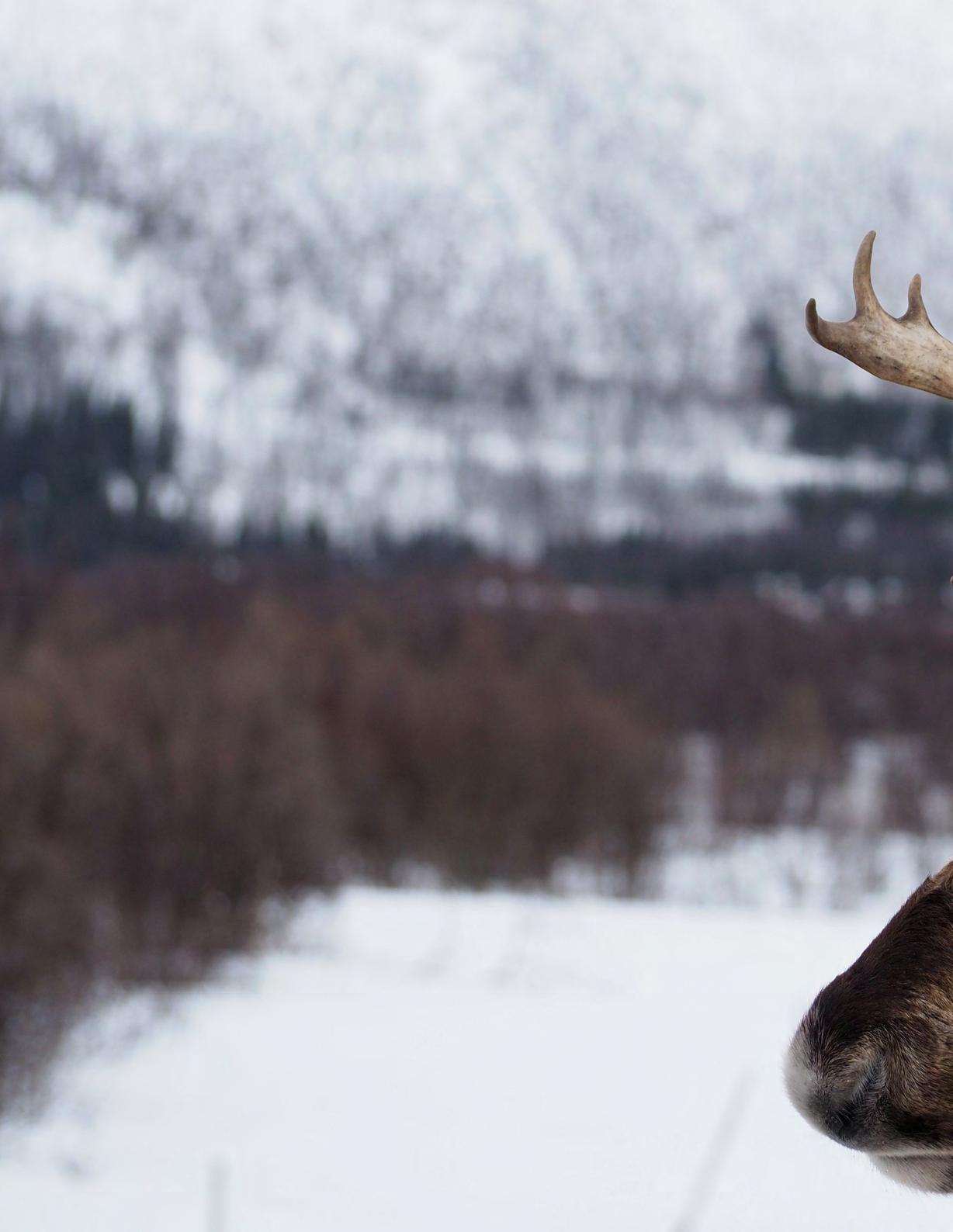
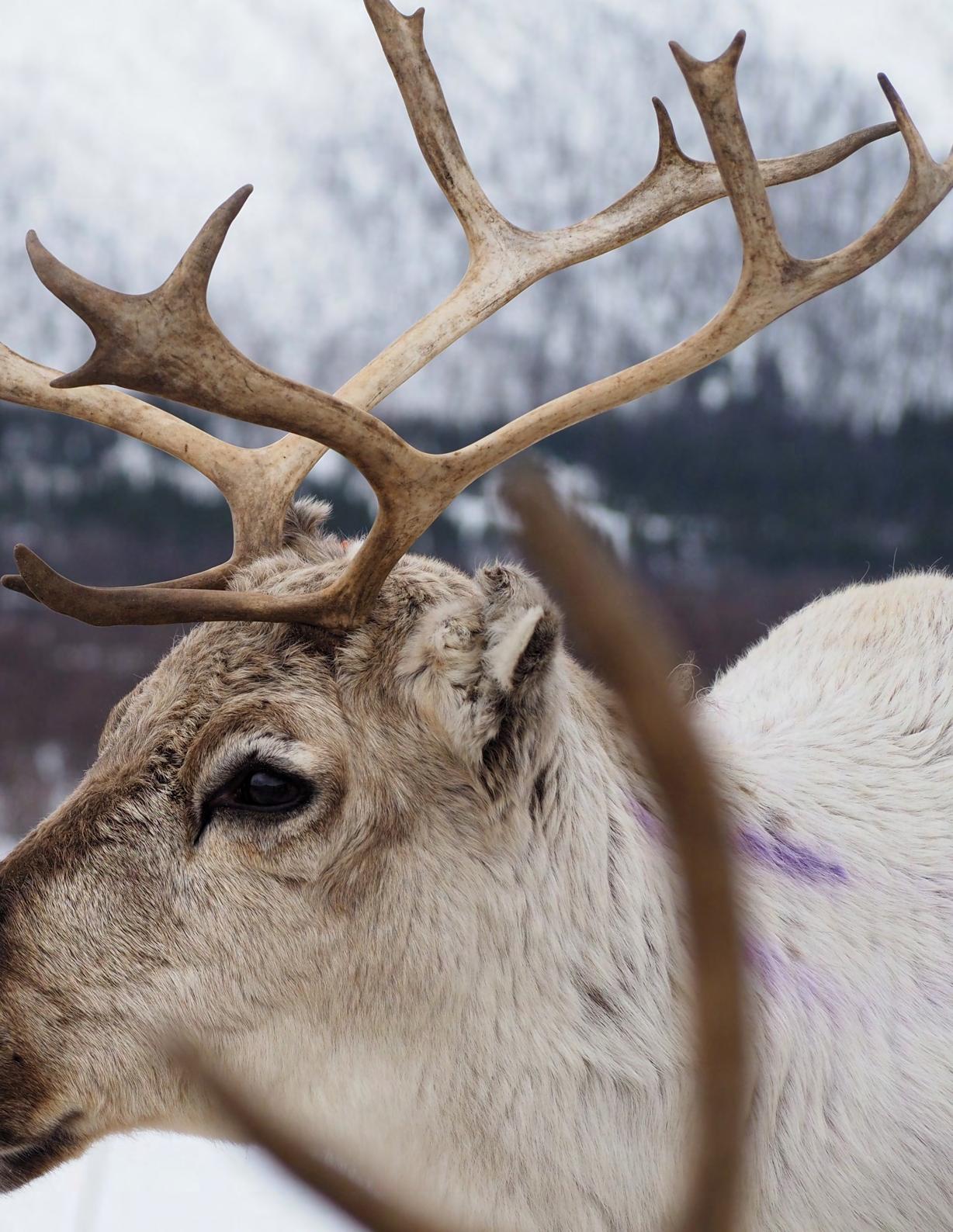
Because the Sámi and their reindeers are not remnants of the past.
They are here. Now.
Still holding on.
But for how much longer?
In the wake of these ancient echoes, we are reminded that our shared legacy isn’t confined by time or borders. The struggles, the past injustice, and every act of resilience shapes our collective future.
THE HANDS THAT KEEP OUR TRAILS ALIVE
Ariella Frommer ‘28.5
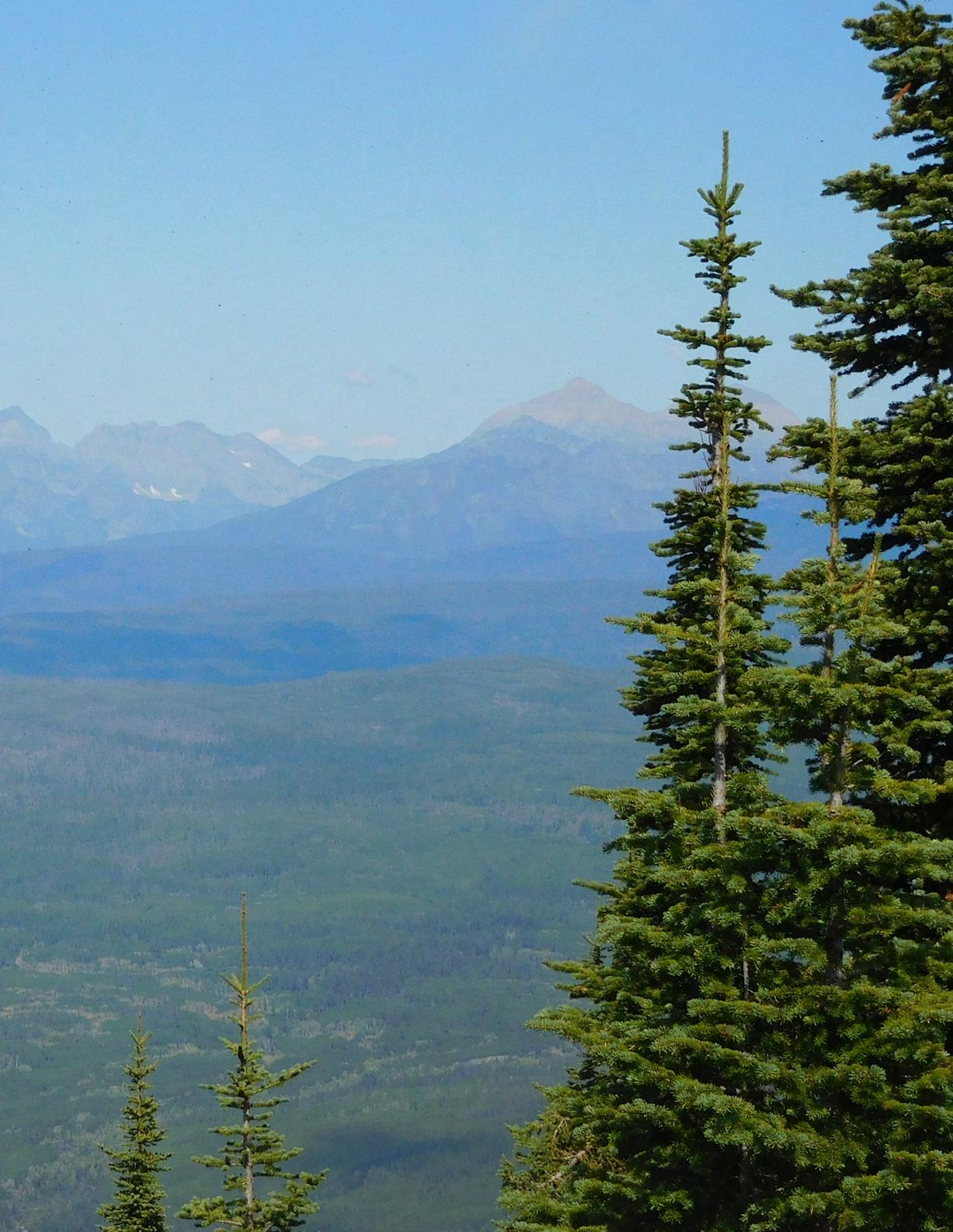
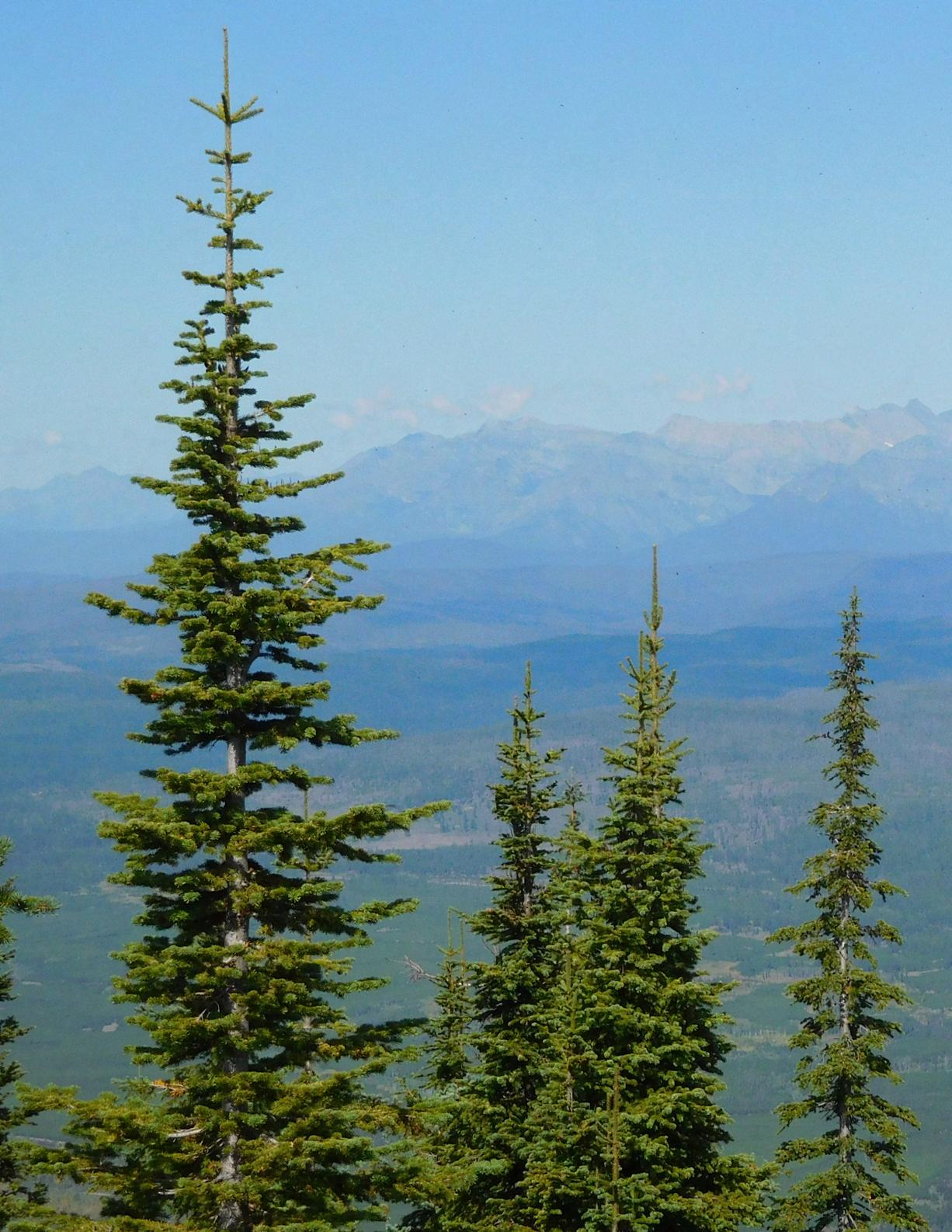
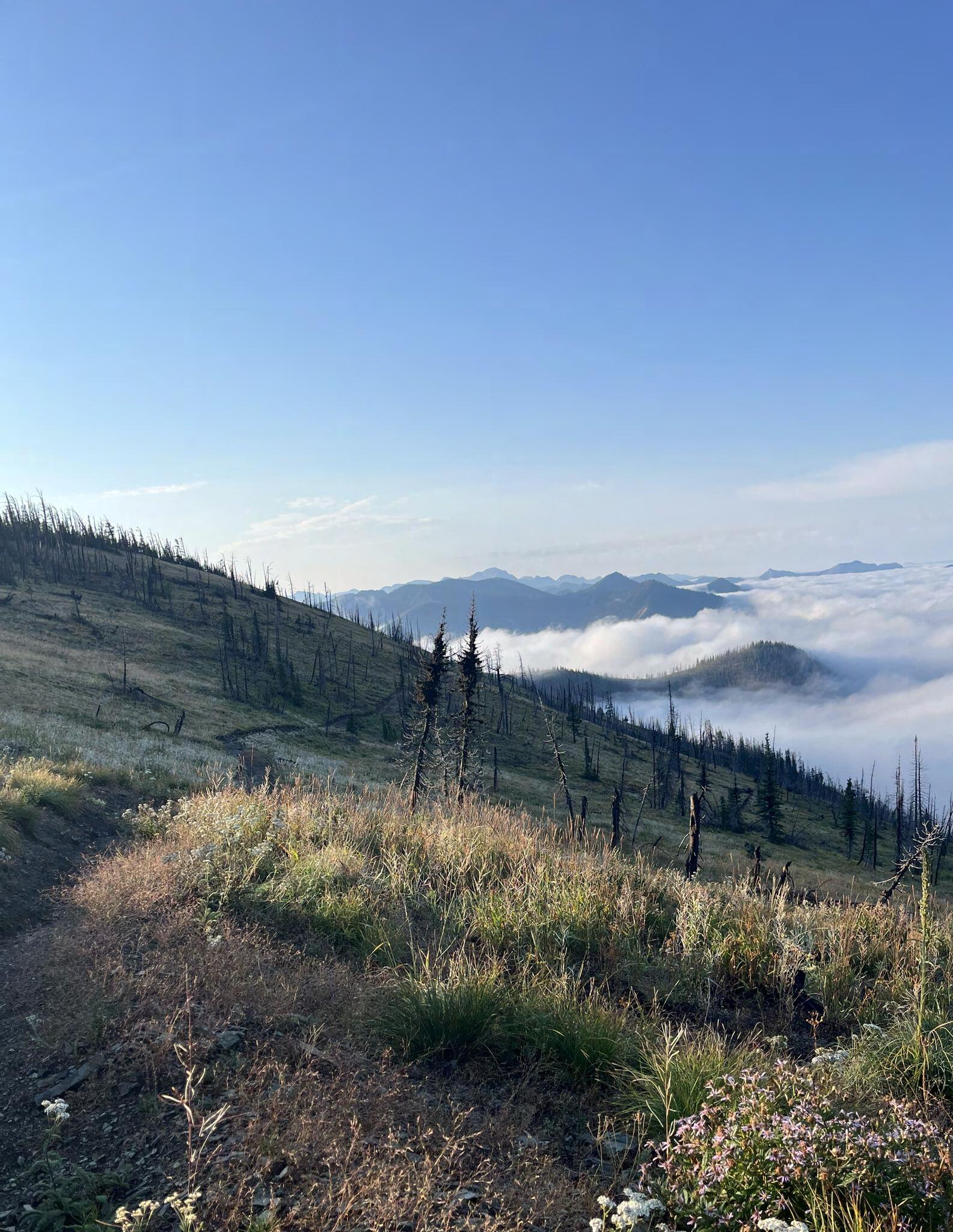
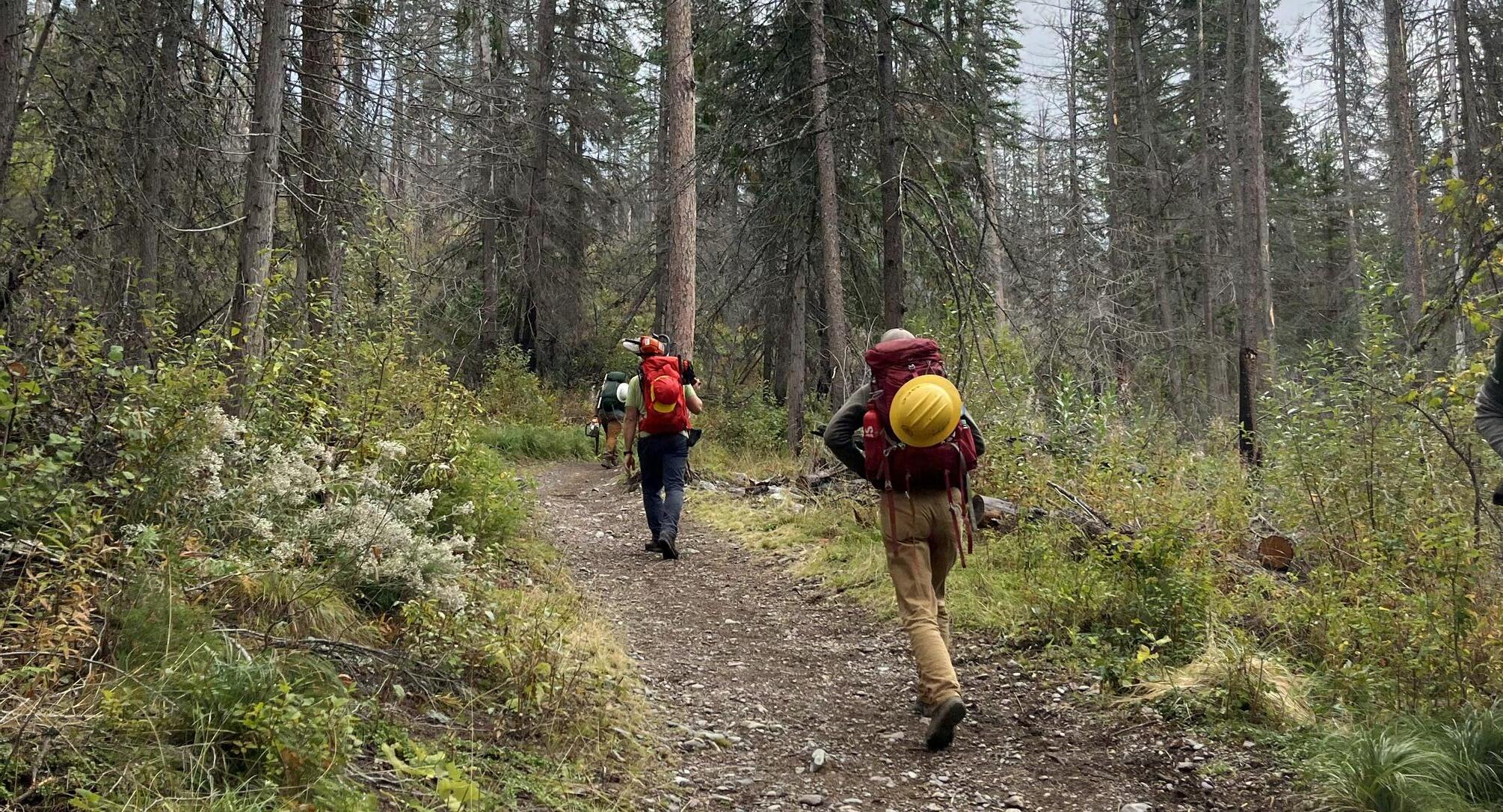
Cresting the summit just after sunrise, the sunlight beats down on my skin. Below me, an inversion blankets the valley in a beautiful layer of clouds. Lupins and Paintbrush flowers streak the landscape with purple and pink, colors my past self might have captured in her sketchbook. I pull my pick-mattock from my pack, throw it on the wooden handle, and roll my shoulders a couple of times to get my body ready for the next 8 hours of digging. The first step is clearing the surface of trees, rocks, and vegetation. Then, each working in sections of 10 feet, we swing our picks at least 5 inches into the tread to remove all the organic material. We pay close attention to the backslope: the most crucial part of trail building. We make sure that the hill above a trail creates a 45- degree angle with the tread in order to mitigate erosion. The final step is shaping the tread: defining the backslope, hinge, tread, and toe.
This fall, I had a truly transformative experience working as a trail crew member for the Montana Conservation Corps (MCC). Throughout my term at MCC, my crew engaged in a variety of projects, our first being building a new connector trail in the Spotted Bear Ranger District. Daily, we wake up at 5 A.M. to start the 4.5 mile hike to 7,000 feet in elevation until we reach the exposed peaks of the Bob Marshall Wilderness. Exhausted from the long days of work and ready to rinse off in the stream, we put our music in our ears and start our hike down the mountain at 3 P.M. At camp, we dig a latrine, set up our kitchen, and get our tents ready.
MCC is part of a large national non-profit, funded by the federal government, called Americorps. Americorps is categorized as a developmental program, which means that while some people do complete multiple terms, the organization’s goal is to introduce people to the field of trail work, train them, and give them opportunities for permanent employment in the National Park and Forest organizations. One may only complete four Americorps terms and has to be 30 years or younger to apply. Three out of the five people in my crew had aspirations of working for the Park or Forest service next season.
Since February 13, at least 3,000 employees have been laid off across the United States Forest Service and the National Park Service, part of a wave of Trump administration cuts to the federal workforce (NY Times). For people interested in land management and conservation, we question the future of our careers.
Our trails are at risk. Our Wilderness is at risk. Our Parks and Forests are at risk.
When I was working in Glacier National Park and Flathead National Forest, I was repeatedly shocked by the sheer number of people working behind the scenes to build and maintain our lands – far more than most visitors ever realize.
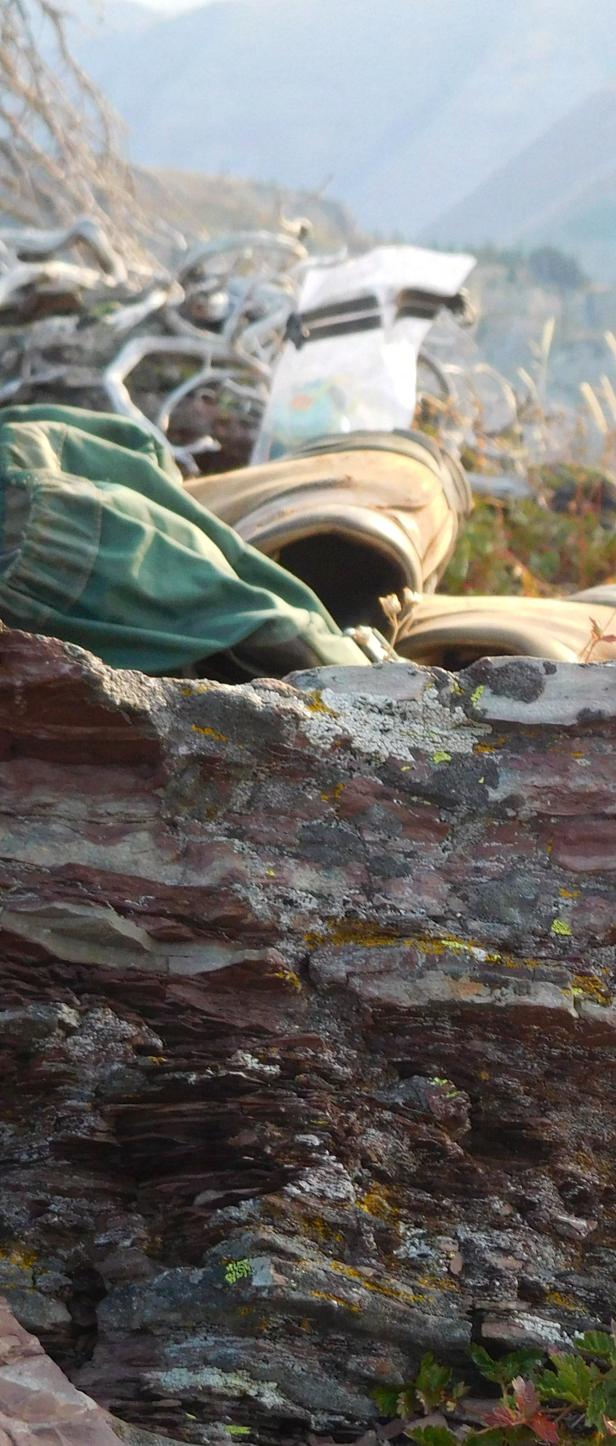
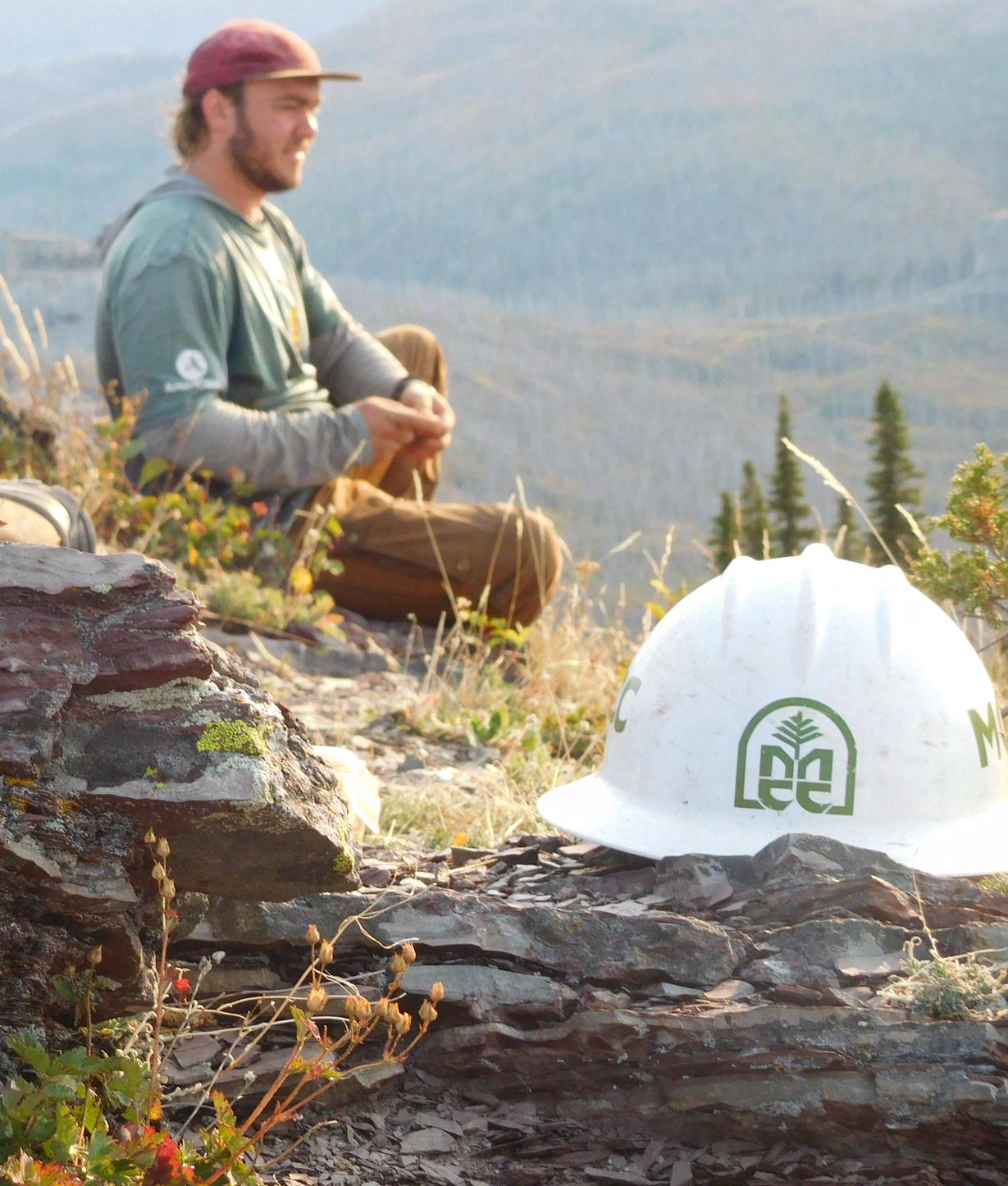
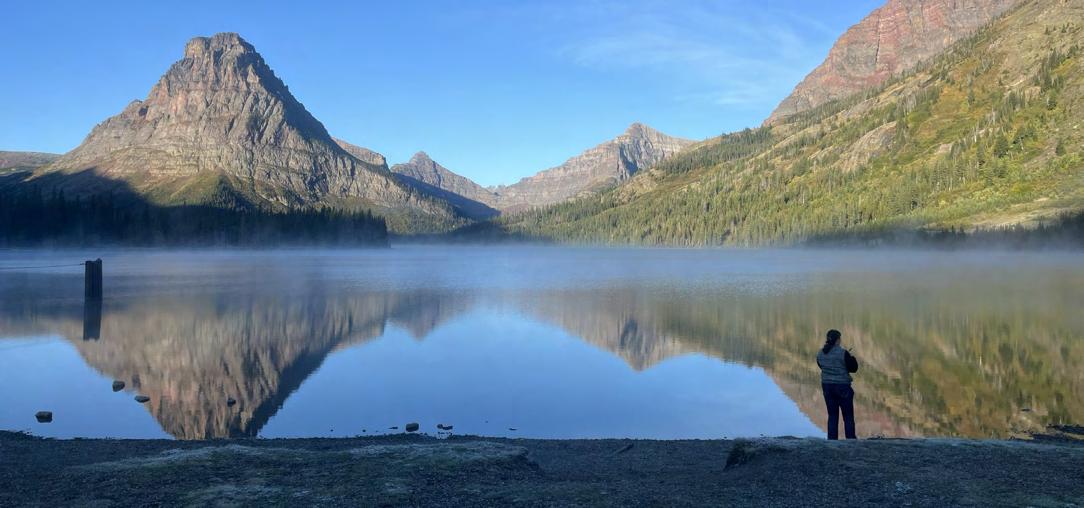
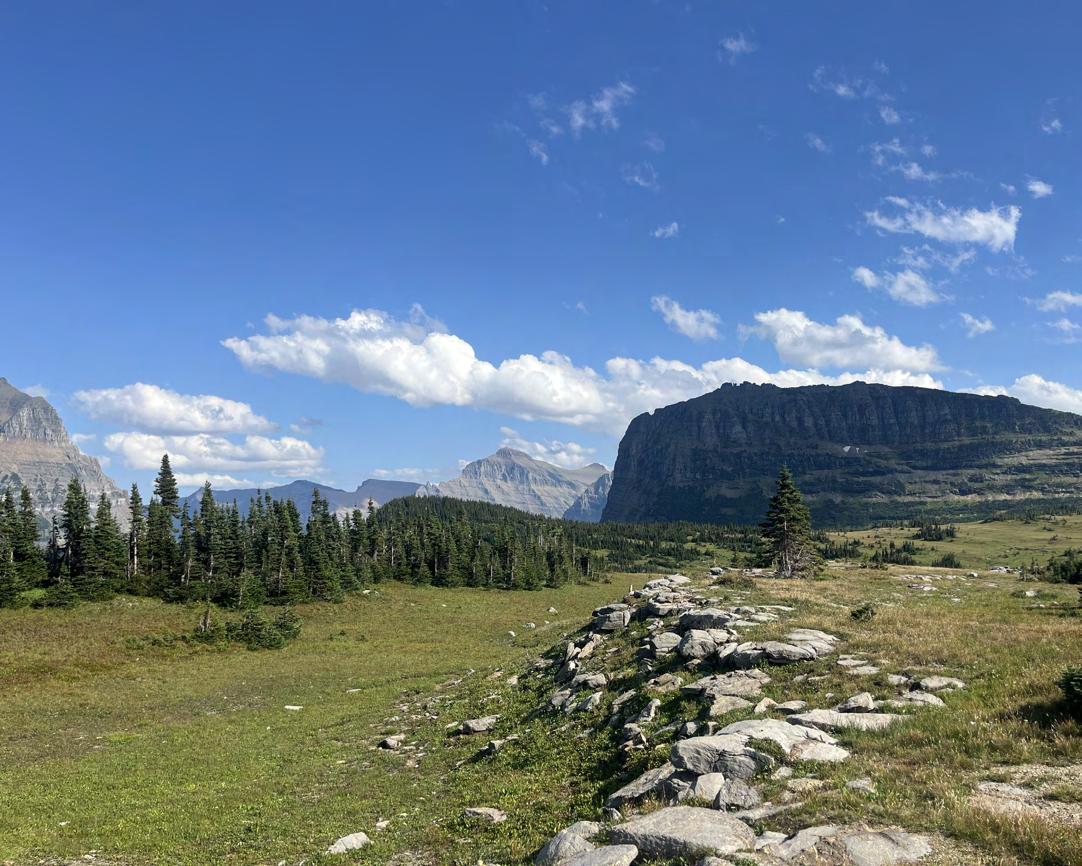
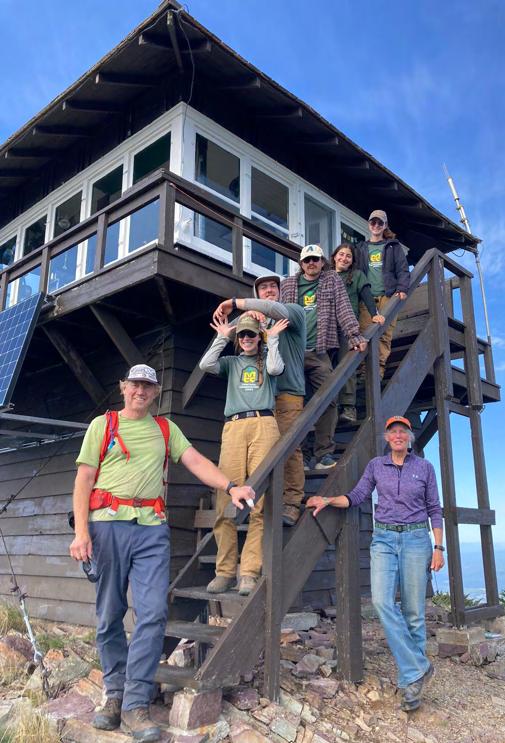
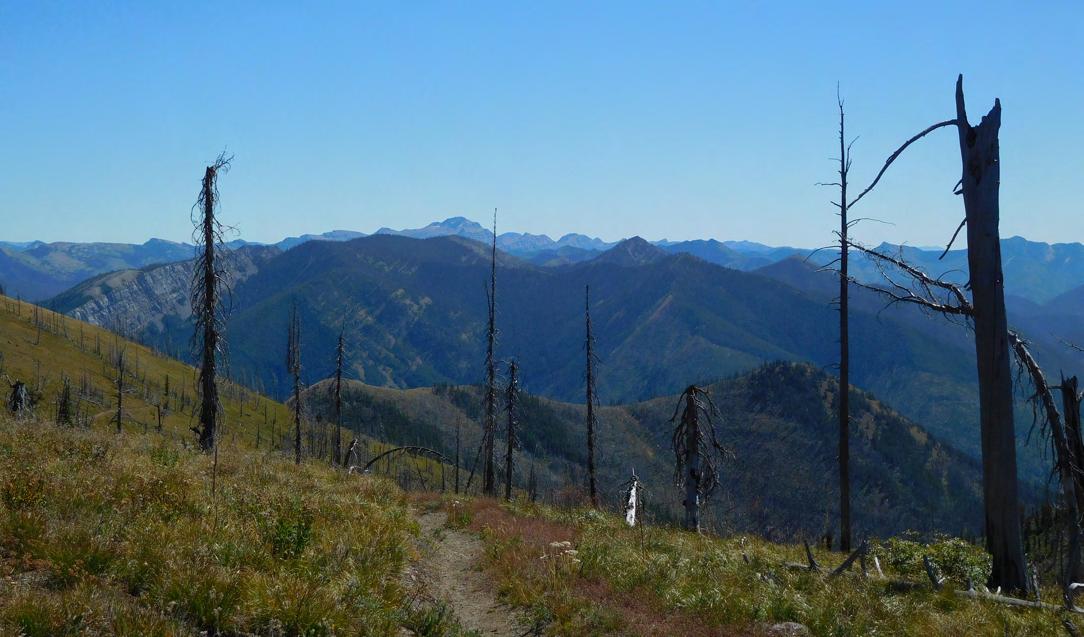
To put this in perspective, consider just one trail in Glacier National Park: Huckleberry Lookout, a trail I had the privilege to work on. How many people do you think it takes to keep that trail open and accessible? It’s not just the fire lookout or park rangers; it also involves horse packers, facility workers, trail crews, biologists, conservationists, and road workers – all working together to preserve this national treasure. Without these staff, large areas of land are going to be unmanaged and inaccessible for long periods of time.
I had the privilege of working with several Spotted Bear crew members – they are hard-working laborers, making under $40,000 a year. They come back every season because they care. They love these places so deeply.
My crew’s first project was in the Spotted Bear Ranger District. Spotted Bear was one of the federal government’s targets. Every single field person at Spotted Bear was terminated.
Trail crews built and continue to strengthen the identity of the mountain towns of the American West. To be able to sharpen a crosscut saw, safely fell a tree, or pack a mule train are dying arts that cannot be automated. Moreover, taking care of the Earth is nothing new; it’s not part of this “fringe” environmental movement that the rightwing media obsesses over. Humans have lived within the boundaries of Glacier National Park for tens of thousands of years. The Blackfeet, Salish, Pend d’Oreille, and Kootenai tribes have and continue to utilize the land for hunting, fishing, ceremonies, and plants.
White settlers started to explore the area in the early 1800s, and with the Great Northern Railway being completed in 1891, the ease of venturing West increased the number of homesteads in the area. As people recognized the area’s beauty, it was made a National Park in 1910. When Franklin Delano Roosevelt took office in 1933, he tackled the massive unemployment problem with his New Deal by establishing the Civilian Conservation Corps (CCC) for young men to work in National Parks and National Forests. These crews became the mainstay of Glacier National Park, suppressing forest fires, setting telephone cable over Logan Pass and 150 acres of campground sites, building roads and trails, and installing sewer and water systems, among many other jobs. After the U.S. entered World War II, all CCCs were halted and the program was dissolved. The Park lost half of its miles of trails after World War II (NPS).
In light of the hiring freeze, I reached out to my crew leader. Usually, MCC Northern Rockies hires ten crews each season. This year, they were directed to only hire eight. While that may seem insignificant, that is 12 fewer people that are picking up chainsaws and clearing your trails or taking invasive species out of your ponds. It may be difficult to grasp the importance of trail workers because it seems as though, once built, you can leave a trail forever. The reality is that trails do not simply “exist” without tons and tons of labor each year. If nothing goes wrong, just on your average trail, it needs to be maintained by two crews at least twice a year: one to chainsaw fallen trees in June and one to clear drains in September. That’s the bare minimum. Every couple of years, workers usually need to brush saw the corridor and extend the hinge, fix bridges, reroute trails, and more. It takes
less than one season for a trail to become impassable, which means that many trails in Northwest Montana won’t exist this year.
These mass terminations could pose a threat to safety. Trail work involves several specialized crews, including wilderness firefighters, forestry technicians, trail teams, and wildland restoration crews. Many of these workers hold a red card, which means they are trained in wilderness firefighting, one of the most critical roles in forest management. Their responsibilities go beyond extinguishing fires, as they focus largely on fire prevention.
Climate change is happening before our eyes. Now more than ever, in the face of a world that is burning, this work has never been more critical.
But, why do public lands even matter? They ensure that everyone has access to national spaces for recreation, reflection, and adventure. Economically, they boost remote towns and local communities through tourism.
Trail crews do more than maintain paths for visitors; we also play a crucial role in conservation. We remove invasive species, construct turnpikes, and build bridges to minimize the impact on fragile vegetation. Long before us, wildlife and plants thrived undisturbed. Public lands deserve our care, not just for our future generations but for the ecosystems and histories that existed for millenia
Too often, we care for land to get something in return. Regardless of what we gain from access to these public lands and waters, as inhabitants, not just beneficiaries, it is our responsibility to care. In the face of the Trump presidency, we must act.
京都 KYOTO
Sujay Banerjee ‘25
Temple of Timeless Views
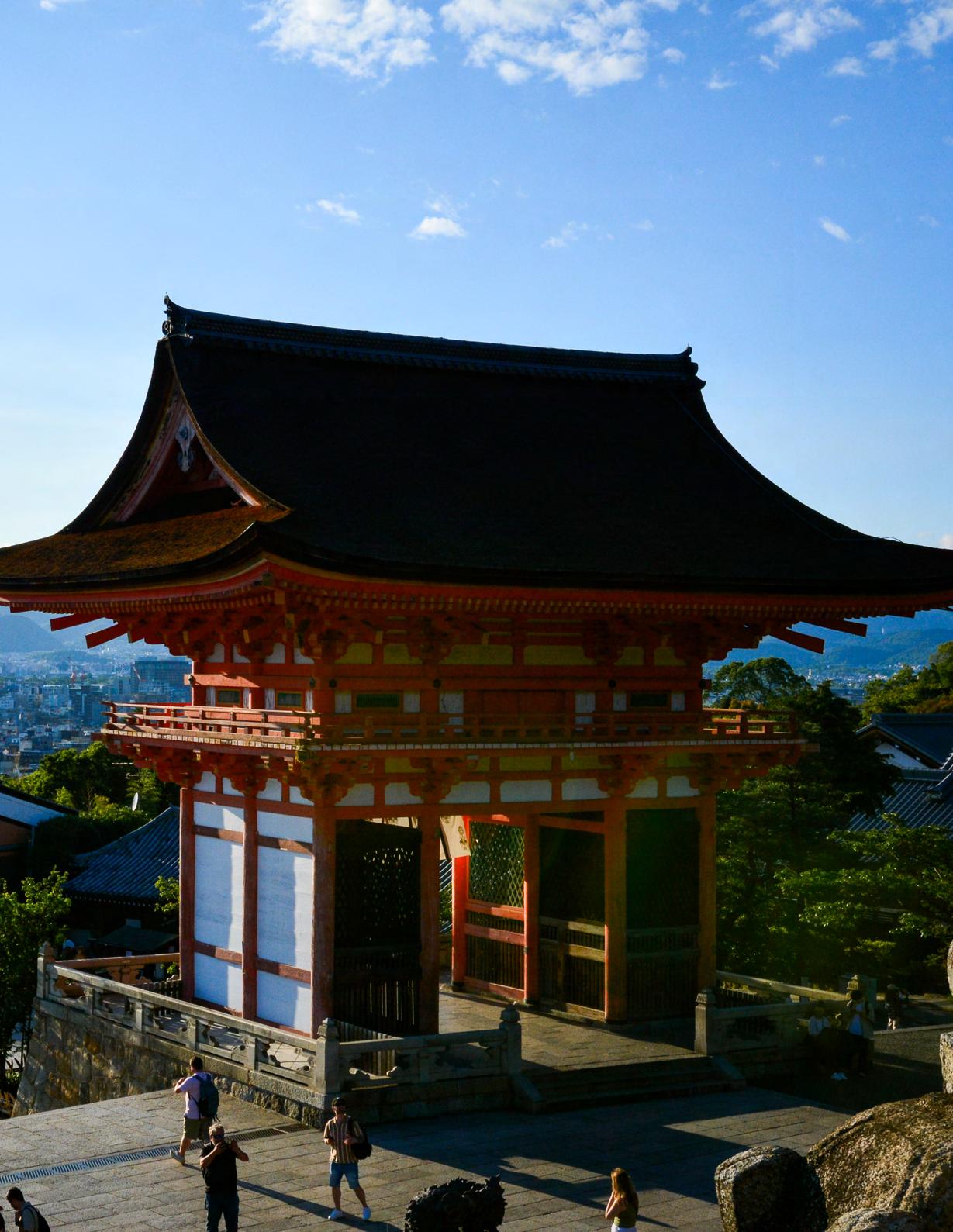
Kiyomizu-dera Temple
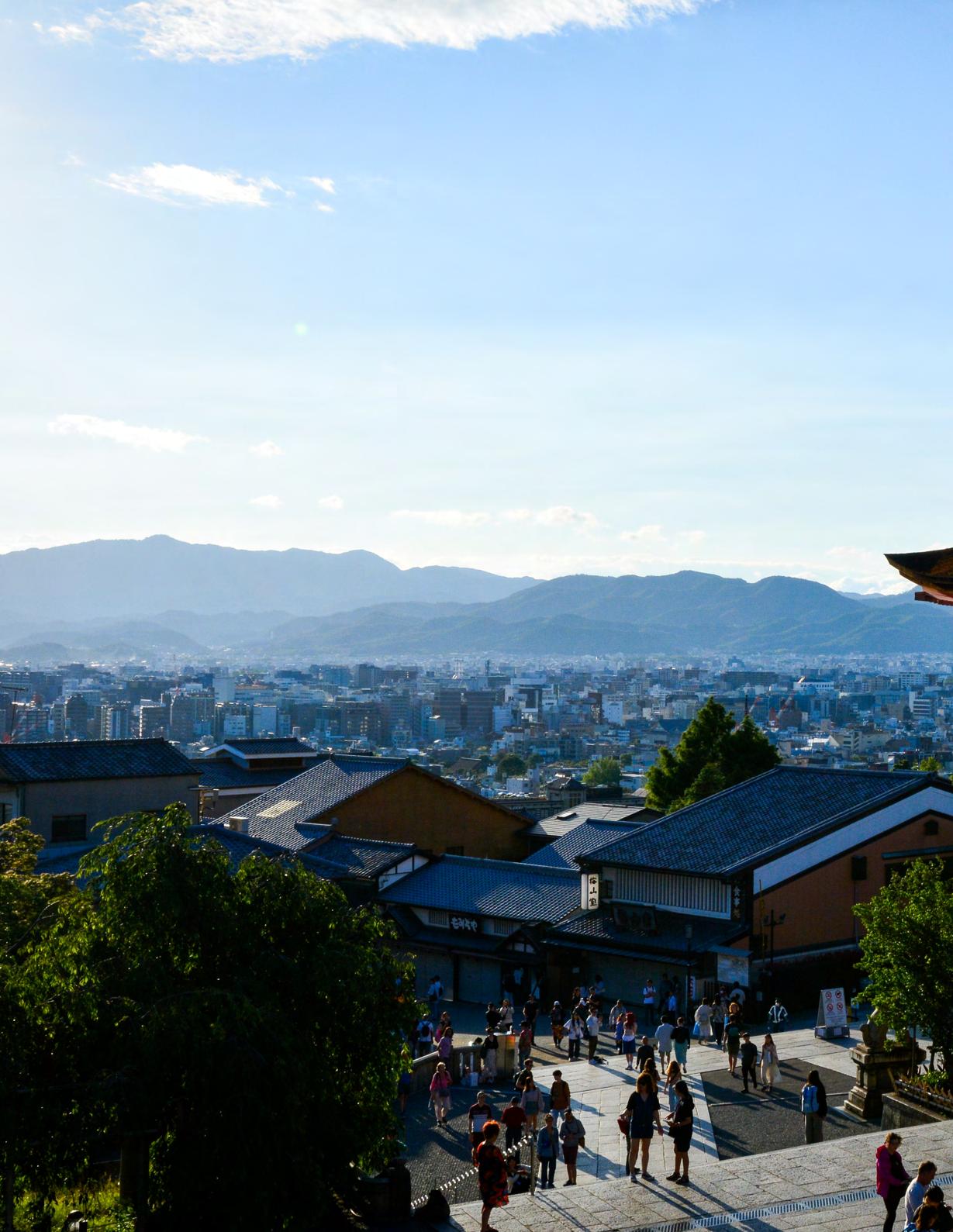
Nestled in the lush hills of Kyoto, Kiyomizu-dera’s wooden platform stretches out into the horizon, offering sweeping views of the city below. Standing there, I could feel the weight of history all around me, the ancient temple whispering stories of pilgrims and monks,
each step I took echoing their devotion. The air was filled with the fragrance of incense, and the serene atmosphere felt like a peaceful pause in the vibrant pulse of the city below. The sound of rustling leaves in the gentle breeze made it feel as though time itself had slowed down.
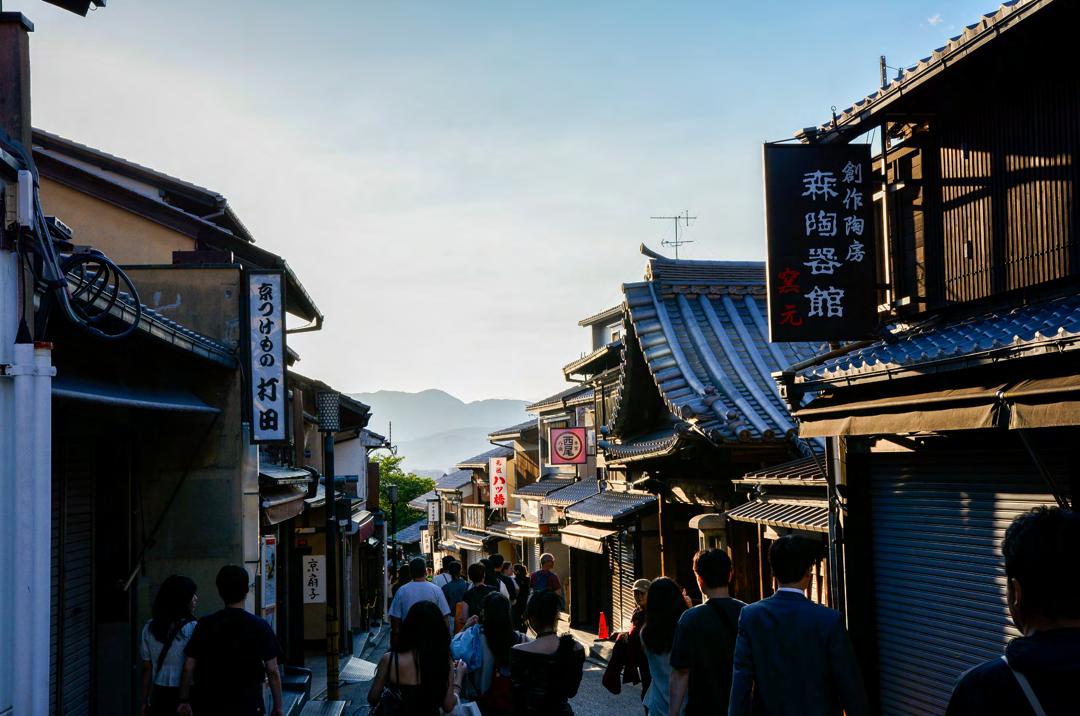
Descent into Dusk
Descent from Kiyomizu-dera Temple
As the temple closed its gates for the day, I joined the quiet tide of visitors trickling downhill. The street came alive in a different way — paper lanterns glowing softly, the scent of sweet mochi and yakitori curling into the cool air. Shops lining the path buzzed gently with last-minute purchases, and the hum of voices float-
ed between rooftops. It was that magical, fleeting hour when the sacred and the everyday blur — when centuries of worship give way to souvenirs, laughter, and street food. Still, with each step, I felt as though I were leaving something behind — not just a temple, but a moment suspended between the old world and the new.
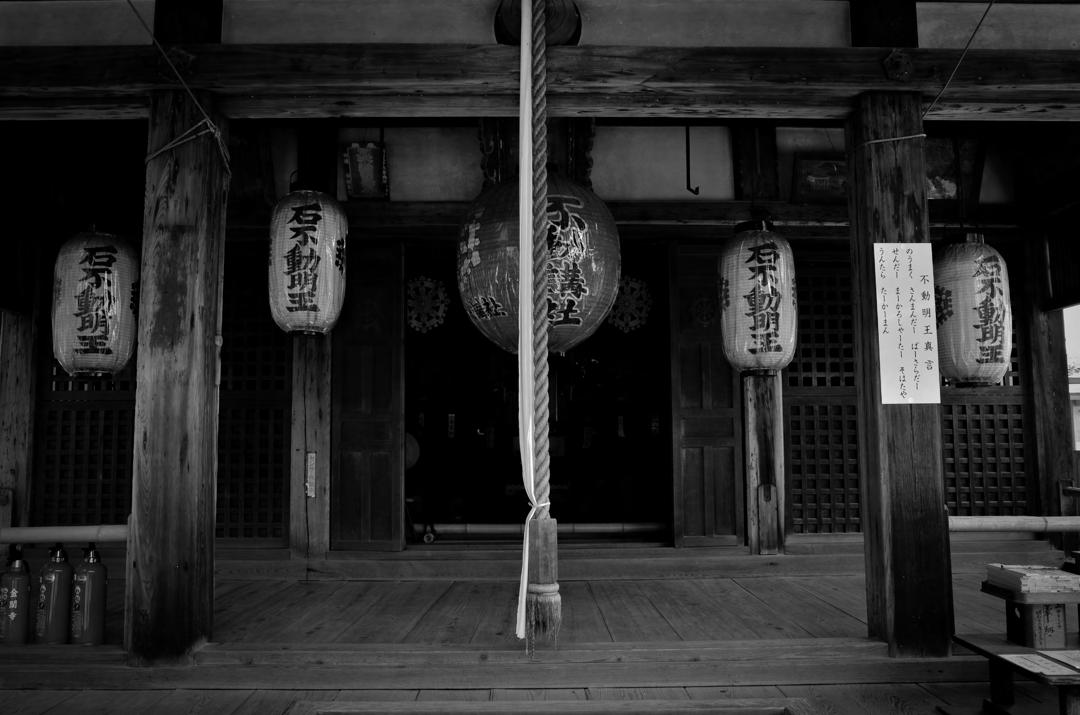
Whispers of Serenity Shrine near Kinkakuji Temple
Tucked away from the bustling streets, the shrine near Ginkakuji Temple felt like a secret waiting to be discovered. The soft rustle of leaves and the faint trickle of water created a symphony of serenity that wrapped around me as I wandered through its grounds. The simplicity of the shrine, adorned with offerings of flowers and candles, spoke of a quiet devotion that transcended time and space. It felt like a place where one could come to reflect, far from the distractions of the world.
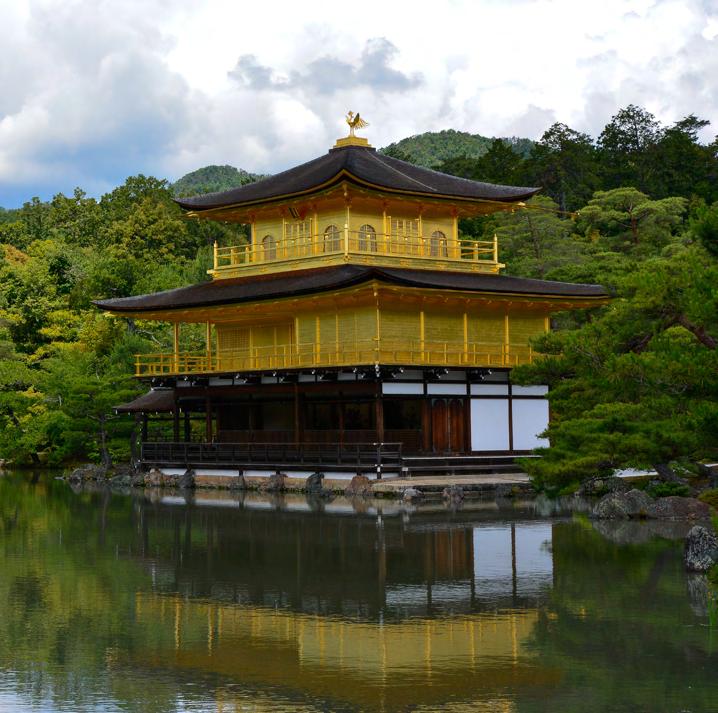
Lantern Lit Streets
Gion District
Gion District at night is like stepping into another world. The narrow streets, lined with traditional wooden machiya houses, glowed softly under the dim streetlights. I could hear the faint clatter of wooden sandals on the stone pavement as I wandered through, imagining the geisha and samurai who once walked these very streets. The air was thick with history and the scent of street food, making every corner I turned feel like a new chapter in an ancient story.
Night Glow at Yasaka
Yasaka Shrine
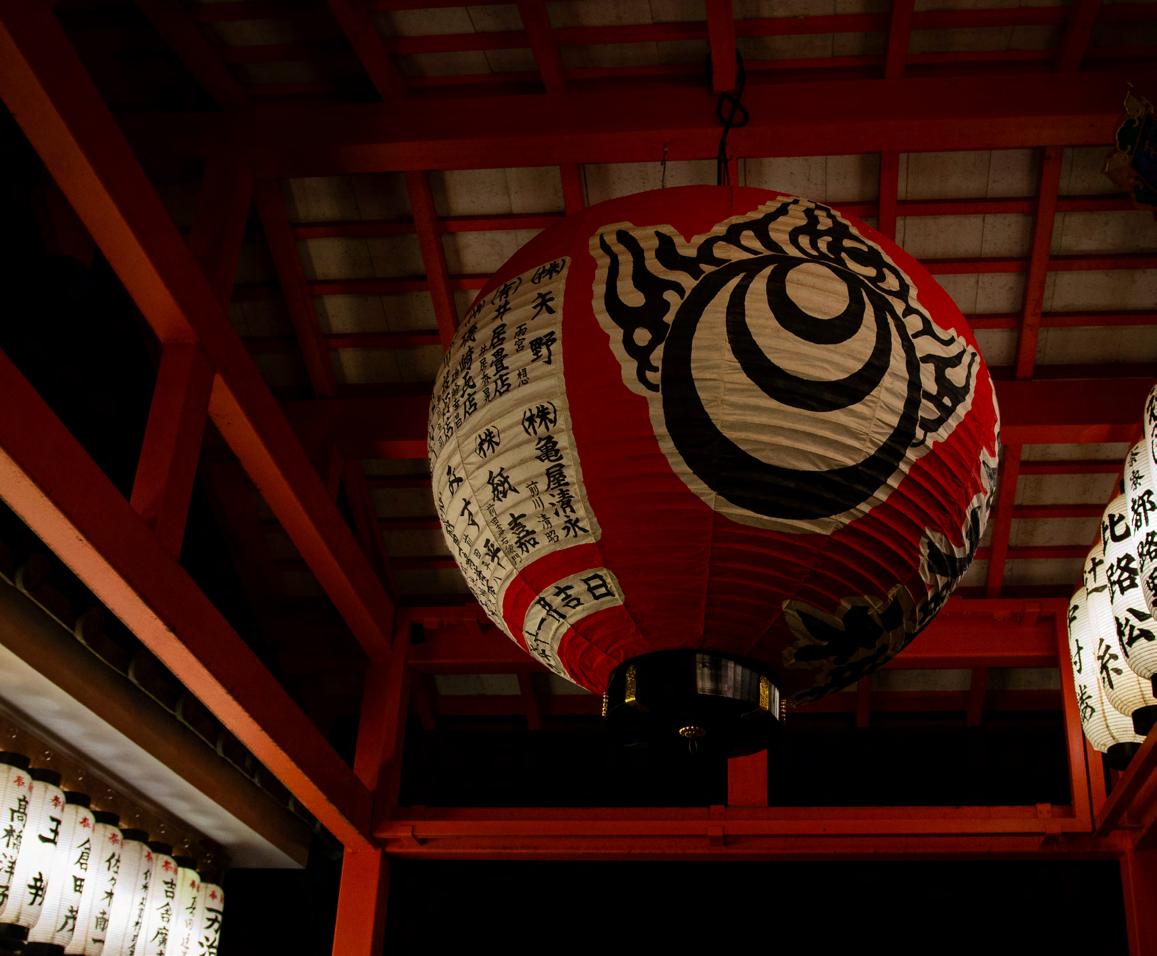
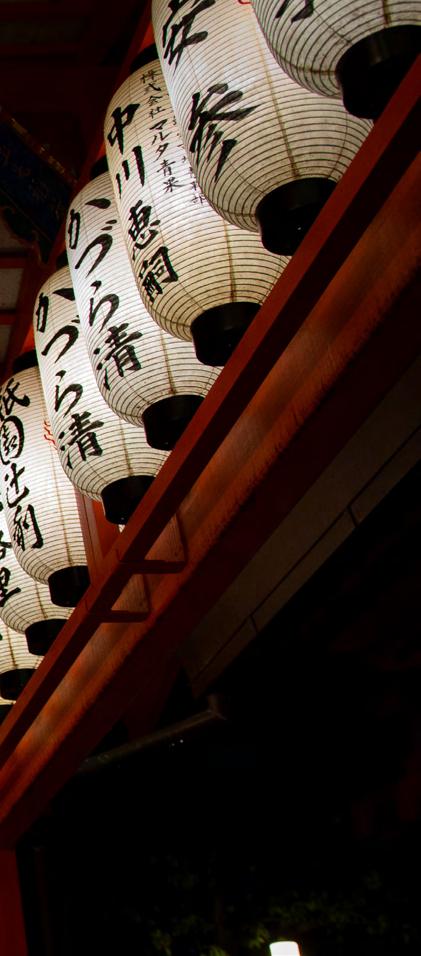
The Yasaka Shrine at night was nothing short of enchanting. Lanterns flickered in the soft evening breeze, casting a warm glow over the shrine’s sacred grounds. The gentle hum of voices and footsteps added to the atmosphere, blending the spiritual with the vibrant nightlife of Kyoto. Standing there, I felt the energy of the city converge with the tranquility of this sacred space, creating a harmony that could only be felt in the stillness of the night.
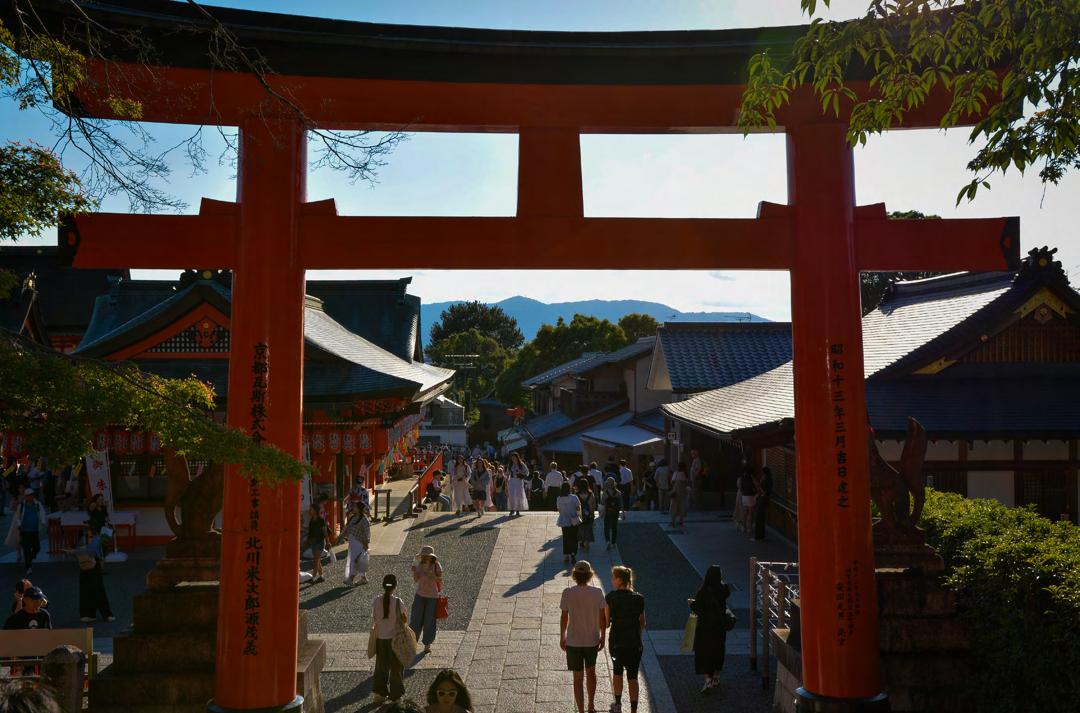
Gateways to the Sacred Base of Fushimi Inari
At the base of Fushimi Inari, I stood beneath the iconic torii gates, a gateway between worlds. The vibrant vermilion pillars stood tall, contrasting sharply against the rich greenery surrounding the shrine. Each gate felt like a portal, inviting me into a labyrinth of pathways leading deeper into the mountain. There was something sacred in the stillness here, a reverence that made me feel like I was stepping into a world beyond time.
Path of Ten Thousand Gates
Fushimi Inari
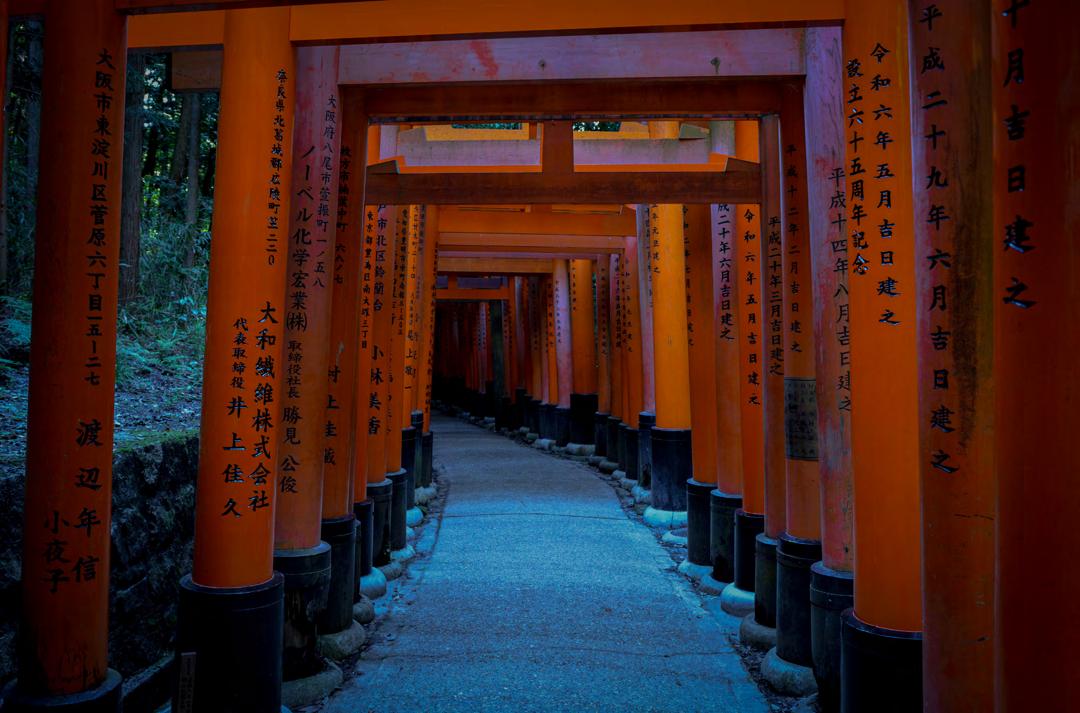
As I ascended the sacred path of Fushimi Inari, the forest closed in around me, and the endless tunnel of torii gates guided me forward. With each step, I felt more connected to the ancient tradition of pilgrimage, my thoughts slipping away into the rhythmic repetition of the gates. The dappled sunlight filtering through the trees painted a soft, mystical light on everything around me. It was as if the mountain itself was alive, urging me to explore deeper into its mysteries.
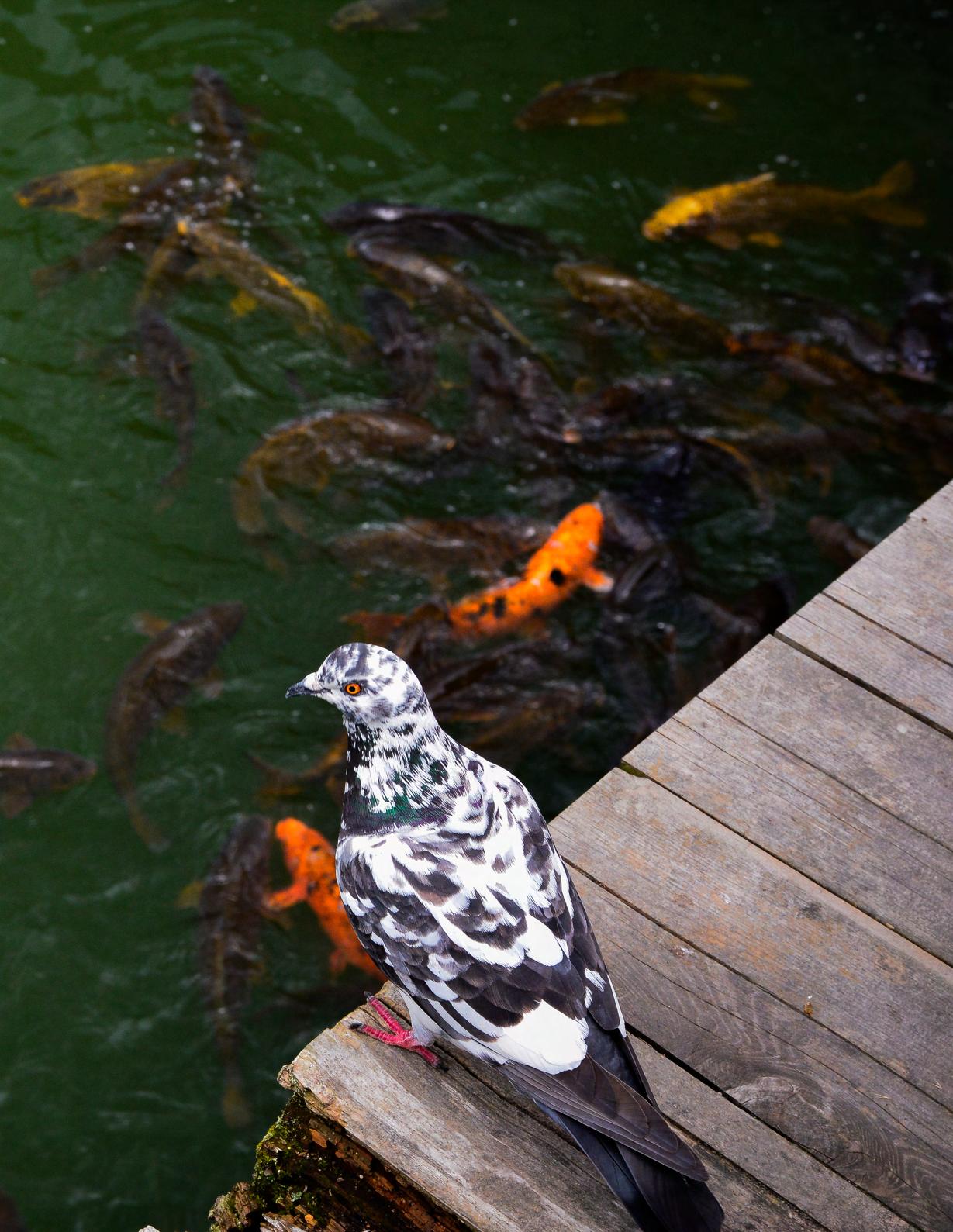
Just beyond the grandeur of Karamon Gate on the bridge over the moat, I found an unexpected stillness above the water. The towering stone walls behind me stood as remnants of power — built to intimidate, to defend, to last. But here, at their base, the air shifted. A lone pigeon rested on the edge of a weathered stone, watching the koi fish glide just beneath the surface, their movements slow and deliberate, like brushstrokes on water.
There was something oddly profound in this simple scene. Perhaps it was the contrast — the way nature reclaims even the most fortified of places, softening the edges of power with quiet persistence.
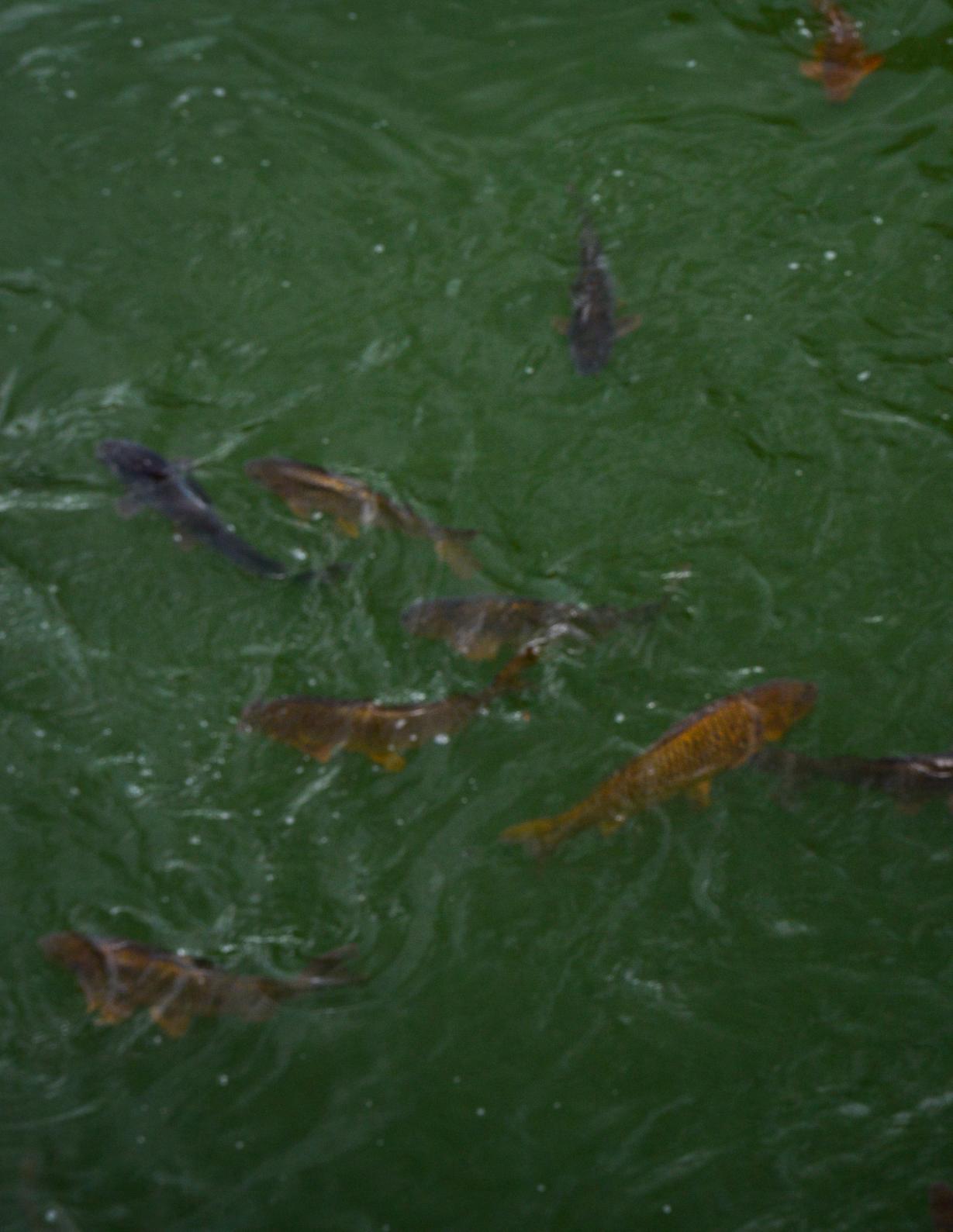
The pigeon stood still watching. The koi swam without urgency. And I, caught between the castle’s legacy and the life that continued around it, felt suspended in time.
It reminded me that even in places built for war and command, there is space for calm. That beneath centuries of authority and structure, there are always smaller, quieter stories unfolding — stories of stillness, coexistence, and reflection. In that moment, the pigeon, the fish, and the fading light all seemed to agree: peace is not the absence of power — it’s the grace to let it rest.
Peace by the Castle Walls Bridge to Nijo Castle
El Cuento Detrás
La historia fascinante de un mapa supuestamente aleatorio comprado en las calles de Santiago.
Lucas Basham ‘28
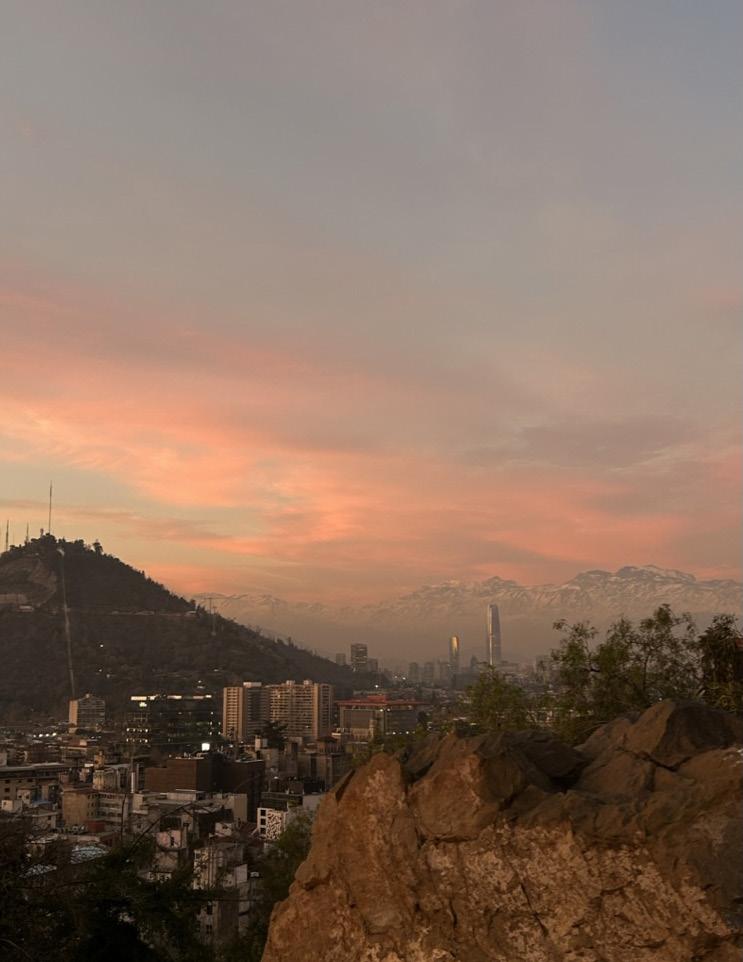
El pasado junio, un mapa se quedó grabado en mi cabeza. Estaba paseando por los puestos de vendedores del centro de Santiago, Chile, cuando vi un mapa de Sudamérica casi de mi altura colgado contra un edificio detrás de un sombrero. Era un día fresco de invierno, aunque el sol iluminaba con fuerza las calles torcidas, bañando con una luz saturada los manteles rojos brillantes y las postales artísticas que bordeaban ambos lados del adoquinado. Detrás de una mesa con mapas coloridos con fronteras y grandes etiquetas colgaba el mapa de color de cartón que llamó mi atención, pintado solo en gris pero adornado con iconografía impresa y un marco floral. El gran continente, al parecer, estaba dividido únicamente por líneas negras algo más gruesas, cuyas formas no reconocí. Era solo el primer día de mi viaje con mi amigo a Santiago, Buenos Aires y Río de Janeiro, y no teníamos planeado gastar demasiado dinero el primer día. Nos detuvimos un minuto mientras yo comentaba cómo el mapa había despertado mi curiosidad desde lejos, y luego seguimos caminando mientras echaba un vistazo por encima de mi hombro.
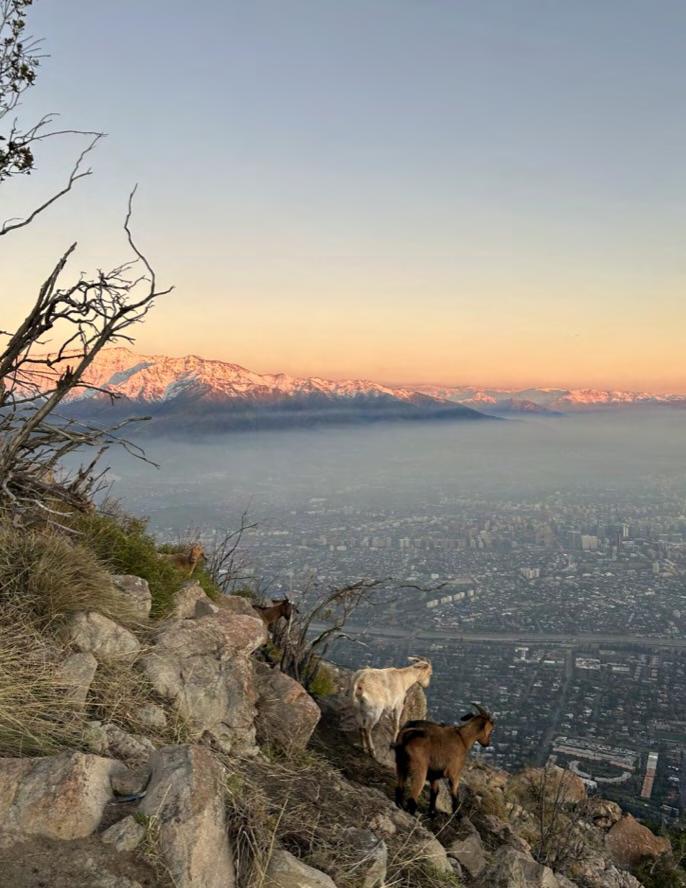
Durante los siguientes tres días exploramos la ciudad: nos perdimos en una montaña de noche después de disfrutar demasiado un atardecer con cabras montesas, conversamos con un buzo venezolano sobre la Copa América, y recorrimos los museos y catedrales de la ciudad con el primo de mi abue-
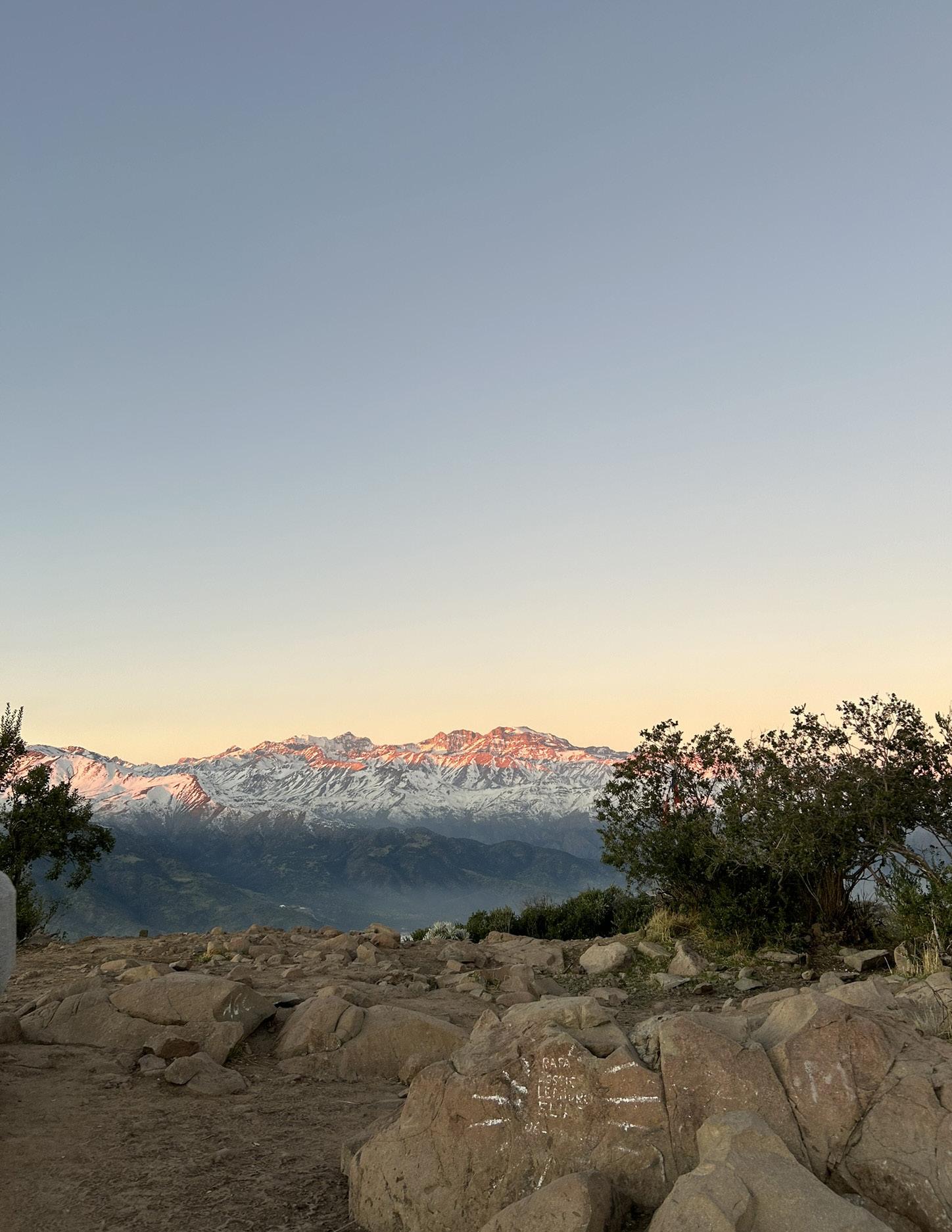
lo. Pero aún con todo esto, el mapa del puesto se quedó en mi mente. En nuestro último día en Santiago, estaba seguro de que debía conseguir ese mapa. Volvimos, regateamos hasta llegar a la mitad del precio inicial y compramos las únicas dos copias del mapa que el vendedor tenía. Con arrugas y manchas de tinta, no estaban en muy buen estado, pero estaban listos para resistir peores condiciones doblados en nuestro equipaje.
En ese momento, “¡que copado ese mapa!” era mi principal razón para comprar lo que pensaba era un mapa algo aleatorio de Sudamérica. El mapa se quedó doblado del tamaño de una maleta todo el verano hasta que se abrió sobre la cama húmeda de mi nuevo dormitorio universitario y se colgó en la pared sobre mi escritorio. Solo entonces, al menos mirándolo todos los días durante meses, comencé a notar sus peculiaridades. No había fronteras reales; las líneas en negro solo eran ríos de tamaños variados. Los dibujos que rodeaban el continente me recordaban enormemente al arte del Reino de España que había estudiado cuando vivía en España durante la secundaria.
Un fin de semana de invierno en Vermont, decidí que ya me había cansado de esa curiosidad no resuelta; necesitaba saber la historia detrás del mapa:
En 1964, el cartógrafo Juan de la Cruz Cano fue comisionado por el Marqués de Grimaldi, secretario de Estado de España, para crear un mapa completo de Sudamérica, con cada río, territorio y característica geográfica conocida (1). Pero la historia de lo que se suponía sería un mapa estrictamente factual es, en realidad, una de disputas entre España y Portugal sobre las fronteras sudamericanas.
Inicialmente, las únicas fronteras en el mapa eran las del Tratado de Tordesillas de 1494, que trazaba una línea longitudinal a través de la Tierra, denominando toda la tierra al este, es decir, la punta oriental de Sudamérica, a los portugueses, y todo el territorio al oeste a España (2).
Durante más de dos siglos, esta fue la única frontera acordada.
Sin embargo, Portugal constantemente se expandió hacia el oeste en los siguientes siglos, adentrándose ilegalmente en territorio español a través de la selva amazónica (1). En 1750, España y Portugal firmaron el Tratado de Madrid, con el objetivo de formalizar fronteras claras que reconocieran la expansión portuguesa, prevenir nuevas incursiones portuguesas y transferir la Colonia del Sacramento (actual Uruguay) de nuevo a España para proteger a Buenos Aires. A cambio, Portugal recibiría territorio de las misiones orientales, donde vivían los jesuitas y los indígenas guaraníes (3).
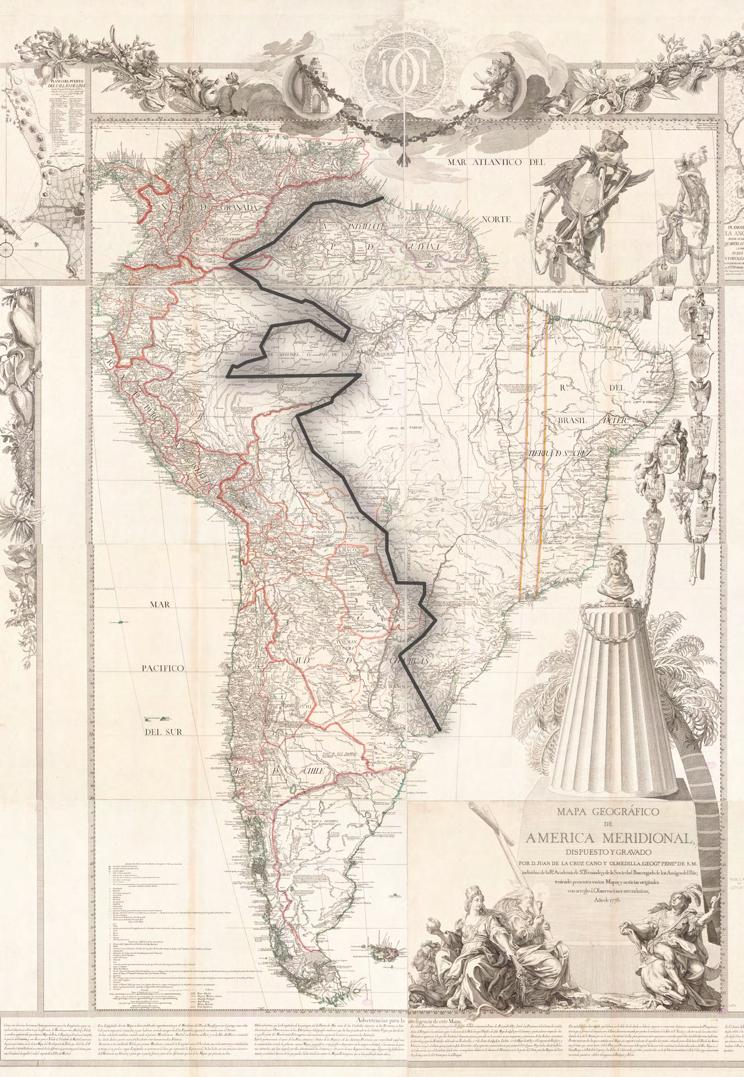
Sin embargo, los jesuitas y sus comunidades indígenas resistieron la entrega de sus tierras misioneras a Portugal. Esto condujo a conflictos armados (la Guerra Guaranítica), y en 1761, el tratado fue oficialmente anulado. Esto significaba que cuando Cruz Cano completó el mapa en 1775, la única frontera oficialmente conocida todavía era la de 1492. Por lo tanto, incluyó su propia línea: el “Término de Misiones entre Perú y Brasil”—una línea que representaba la separación de facto entre los asentamientos portugueses y españoles.1 Aunque no era una frontera oficial, se parecía a la línea del tratado de 1750, que había sido abandonada.
los del poder español rodeando el continente, la existencia del mapa resultaba políticamente incómoda: validaba inadvertidamente los avances territoriales de Portugal. “The government of Spain at first permitted the map, but the moment they saw one of them come out, they destroyed the plates, seized all of the few copies which had got out and on which they could lay their hands, and issued the severest injunctions to call in the rest and to prevent their going abroad,” escribió Thomas Jefferson en una carta de 1786 (4).
Temiendo que este reconocimiento debilitara la posición de España en las próximas negociaciones, Grimaldi ordenó a Cruz Cano borrar la línea antes de la publicación final del mapa en 1775.1 Pero incluso sin ella, y con los símbo-
A pesar de todas estas acciones, en 1777 se firmó el Tratado de San Ildefonso, y sus fronteras finales coincidían casi perfectamente con la línea de misiones borrada del mapa de Cruz Cano.
Después de leer tratados y estudios, me dio curiosidad saber cómo probablemente se veía la línea de las misiones en el mapa de Cruz Cano. Así que, esa noche de sábado, me levanté de mi silla, tomé cinta adhesiva azul y comencé a trazar ríos. “Desde la boca del Jaurú, por la parte occidental, seguirá la frontera, en línea recta, hasta la ribera austral del río Guaporé o Itenes,” dice el Tratado de San Ildefonso “… de la boca del dicho Mamoré; y desde aquel paraje continuará por una línea este-oeste hasta encontrar con la ribera oriental del río Jabarí que entra en el Marañón por su ribera austral” (5). Horas después, deslizando mi dedo por los ríos y entrecerrando los ojos en busca de nombres de asentamientos bajo las luces navideñas de mi dormitorio y la linterna de mi teléfono, el resultado fue mi propia superposición de la línea “Término de Misiones” de Cruz Cano; una frontera de cinta adhesiva azul sobre un mapa marrón sin fronteras.
El Mapa Geográfico de América Meridional causó el exilio de Cruz Cano de la vida
política española y se pensaba que el gobierno español lo había enterrado completamente. Sin embargo, “Some few copies escaped their search,” continuó Thomas Jefferson en su carta. “A friend has by good management procured me one, and it is arrived safe through all the searches that travellers are submitted to.” (4) Jefferson encargó al cartógrafo británico William Faden reproducir el mapa, y fue republicado en Londres en 1799, convirtiéndose en la base para toda futura exploración y conocimiento del continente (6).
Hoy en día, me fascina no solo el cuento del mapa de Cruz Cano, sino el cuento sobre mi propia experiencia con dicho mapa. Cualquier mapa – incluso los que al principio parecen simplemente “copados” a unos y “aburridos” a otros – tiene una historia detrás. Aunque hubieran pasado meses desde la primera vez que vi el mapa, me di cuenta que para realmente disfrutar de la iconografía bonita, posición de fronteras, y colores de un mapa, es necesario tener curiosidad – y seguirla.
1: “El Mapa de América Meridional de Juan de la Cruz Cano de 1775, y los problemas territoriales de España en Brasil”, José Andrés Jiménez Garcés. Revista Cartográfica, Abril 2017.
2: Tratado de Tordesillas. Reino de Portugal y Reino de España, 1494. 3: Tratado de Madrid. Reino de Portugal y Reino de España, 1750. 4: Thomas Jefferson to Williams Stephen Smith, August 10, 1786.
5: Tratado de San Ildefonso. Reino de Portugal y Reino de España, 1777
6: “Cruz Cano’s Map of South America, Madrid, 1775: Its Creation, Adversities and Rehabilitation,” Thomas R. Smith. Imago Mundi, 1966.
Setting Foot on Silent Shores
Max Chalfin-Jacobs ‘25
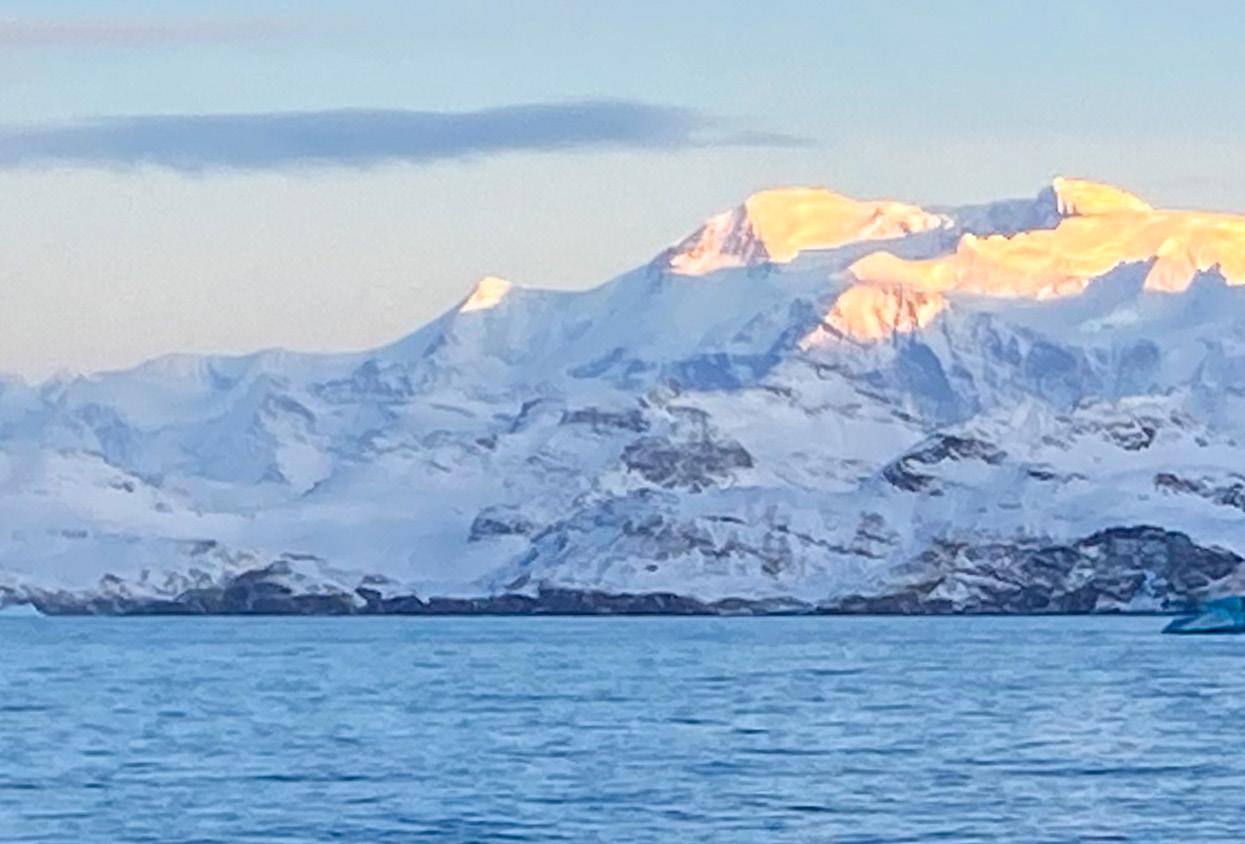
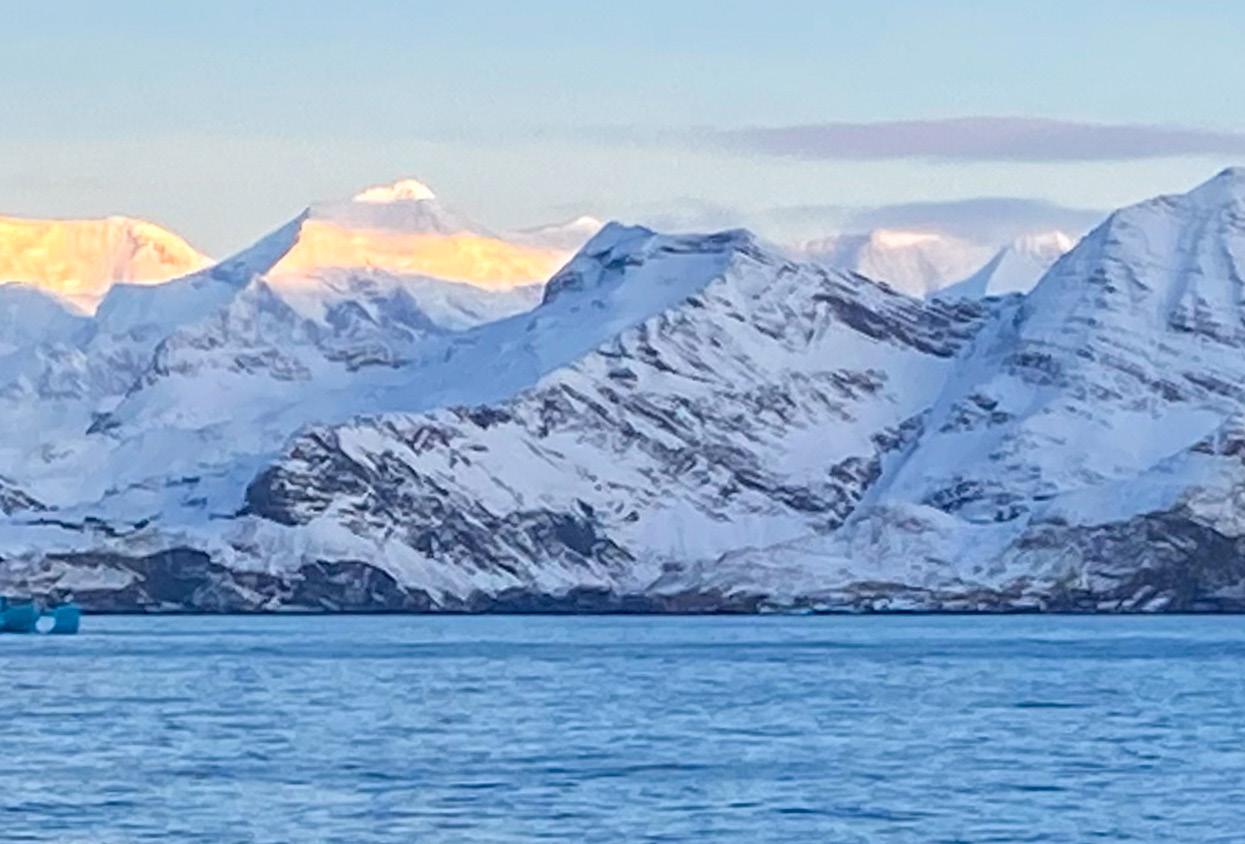
AsI stepped up to the bridge of the RV Laurence M. Gould, my view was filled with immense snow-covered mountains erupting out of a tumultuous sea, a piercing view after four days with no sight of land. That time on the water had been a vessel for excitement and preparation for the work to come, but all that seemed insignificant in the shadow of the island of South Georgia. Frigid Antarctic waves crashed into the ship’s bow, leaving behind an icy mist that shimmered in front of the morning sun. Suddenly, about two kilometers off of the bow, a spray of water vapor filled the air, climbing twenty feet before a fin whale’s slate gray back emerged between wave crests. The awe that came with the sighting of the world’s second-largest animal was disrupted by a second whale, and then a third. More and more whales joined the pod until they swam seventy strong, with fin, minke, and right whales all exhaling as one. Everywhere I looked sleek brown animals effortlessly popped out of the water as they caravanned towards the krill-feeding frenzy, hundreds of Antarctic fur seals surrounding the boat. Gentoo and king penguins raced past in groups of ten to fifty, surging out of the water every few feet. Birds ranging from common diving-petrels that could fit in the palm of my hand and the mighty snowy albatross with its ten foot wingspan arced over the whitecaps. This feeding frenzy, made up of over twenty different species of marine life was what we were here to study, but any attempt to quantify or summa-
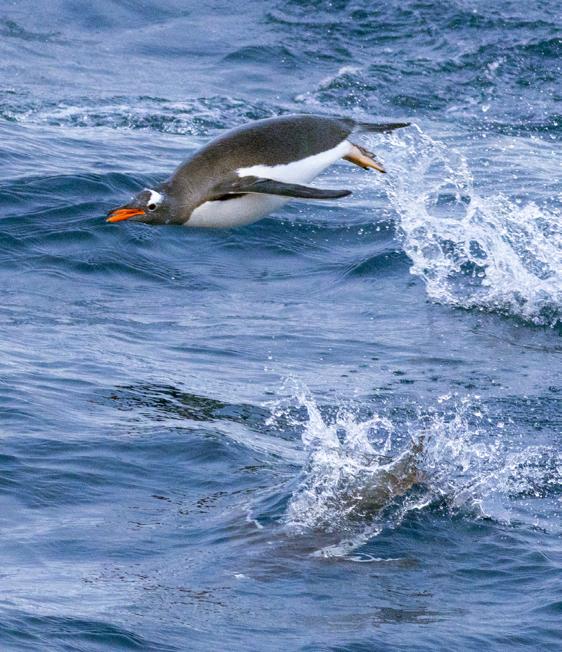
Gentoo Penguin (Pygoscelis papua)
Although I had boarded the research vessel just two weeks prior, my journey to Antarctica had been materializing for at least a few years. My passion for birds began when my great-grandmother handed me a Peterson’s Field Guide to Birds when I was just five years old. I became obsessed, reading the guide over and over, spending countless hours in the woods learning how to identify birds by sight and by sound. It wasn’t until much later that my love of birds transformed into an interest in ornithology. I began volunteering on Audubon bird surveys and participating in surveys in high school and finally landed my first real bird job after my freshman year of college, thanks to my good friend Skyler Kardell. Skyler and I met in an online forum for young birders chat five years prior and had grown close, spending countless hours wandering around remote islands off of Massachusetts. We spent that summer working with piping plovers on Nantucket. It was Skyler who recommended me to his mentor Dr. Richard R. Veit, who was looking for seabird counters for his student Samantha Monier’s PHD project. The interview process was exceptionally rigorous: “Do you get seasick?” Dr Veit asked me, and after I told him I did not, he responded, “You should be good to go”.
I Immediately ordered a copy of Seabirds: the New Identification Guide, and began to study. I knew I would be the youngest person on the trip, and I worried that I was inexperi-
enced and unqualified. Every day after class for three months, I would pour over each page in the book, learning how to identify both common and rare species, including some that had only recently been discovered. At the same time, I went through many strict medical tests and long detailed forms, doing my best to prepare for the voyage before I was finally approved to go. In July 2023, Skyler and I made our way to Punta Arenas, Chile to meet our vessel.
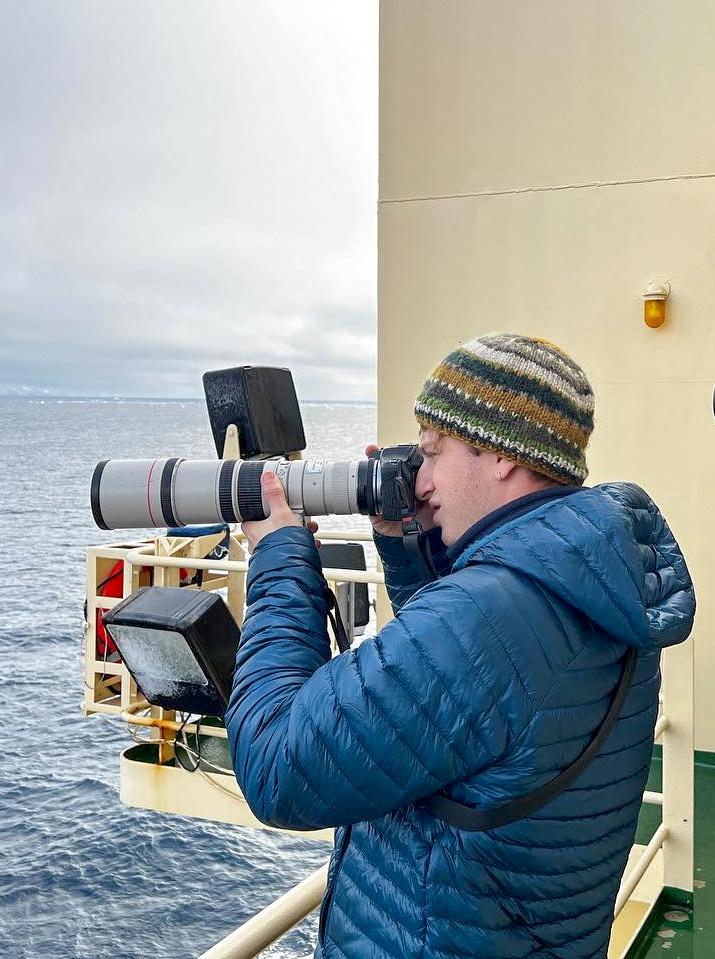
The focus of the project was to understand interspecies communication while searching for food in the Antarctic winter, as well as assessing the impacts of climate change on the species makeup around South Georgia. Professor Veit had worked on a similar project around the island back in the 1980s, so the data we collected could be compared to past trips to draw conclusions on ecological shifts. To collect data, we took 12-hour shifts, either from noon to midnight or midnight to noon. My shift was the former, so we started during daylight hours, during which we counted seabirds. The boat traversed a transect during the day, moving in a straight line throughout, unless an iceberg stood in its path. Four of us stood up on the bridge counting seabirds and taking note of their behavior. Overnight, we returned along the same transect while conducting echosounder data and trawling for krill, which we would then sort and weigh to understand food densities.
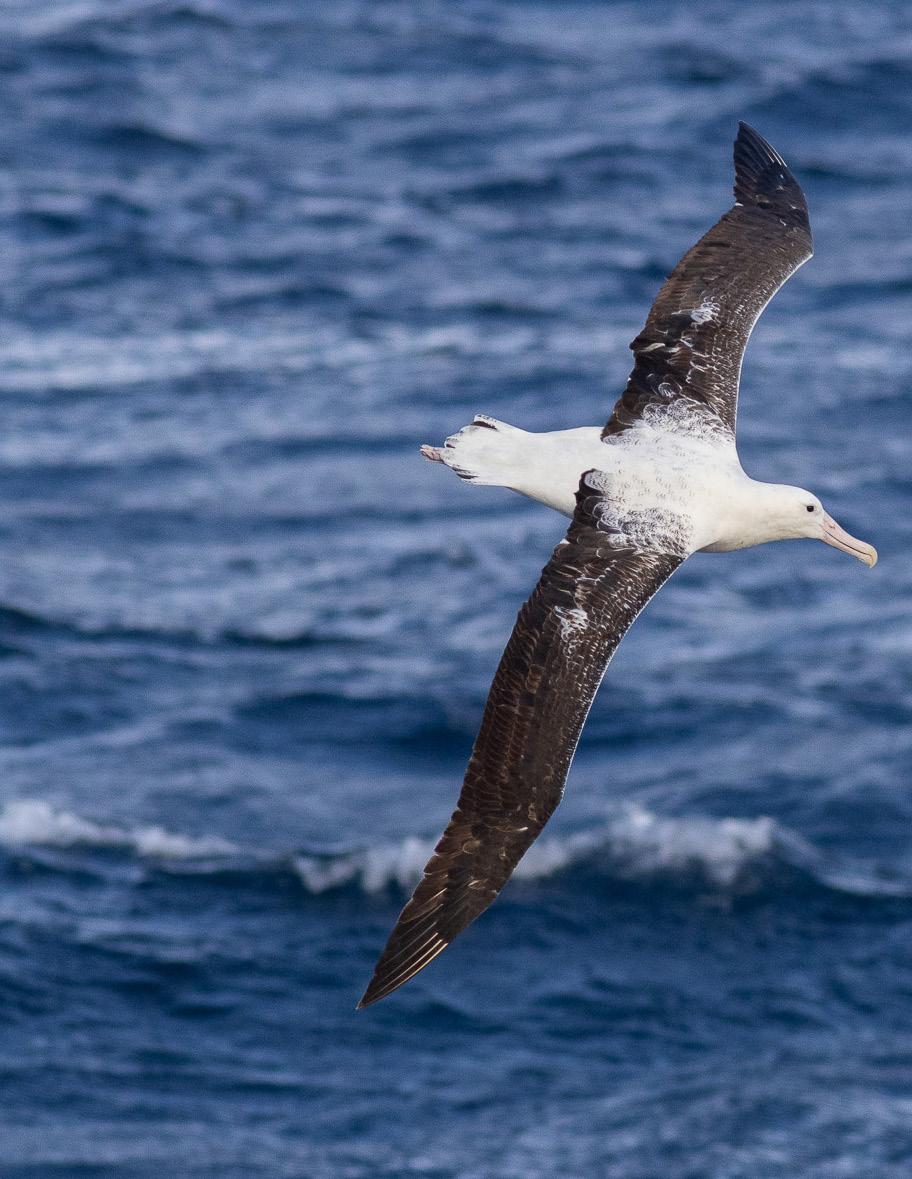
Southern Royal Albatross (Diomedea epomophora)
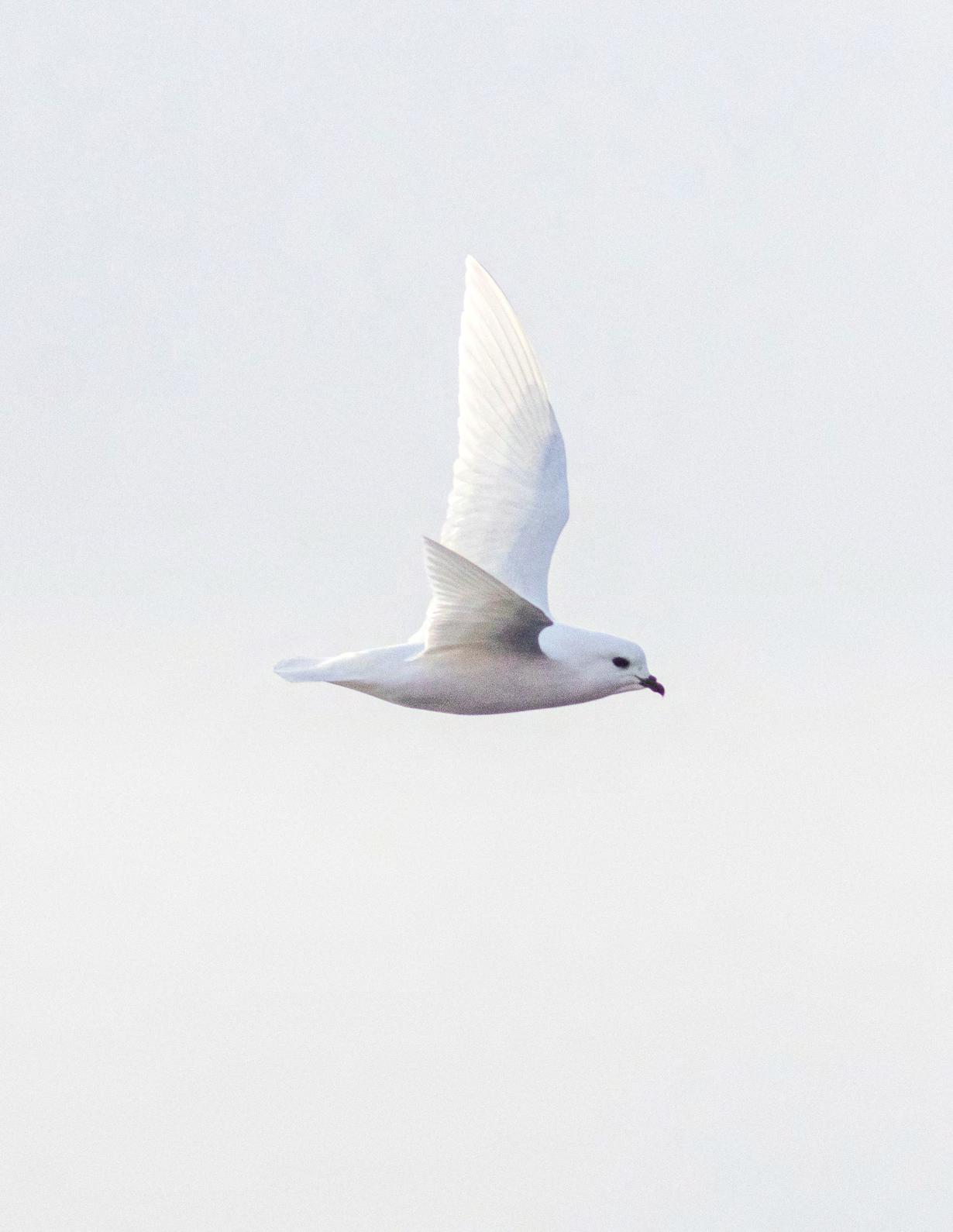
I was treated to some incredible birds, including the brilliant snow petrels that fed amongst the ice flows that emerged from the largest icebergs (some of which were over fifty miles long). They emerged from these massive structures as if they themselves were pieces of ice that had been cleaved off. Then they would wing around the boat, providing stunning looks for all. I encountered more snowy and Southern royal albatrosses with wingspans over ten feet. These birds never flapped, instead picking updrafts coming off of waves before turning and gliding at ease, sometimes even using drafts from the boat as a source of energy. At night, common diving-petrels were attracted to our iceberg spotlights so they would often land on the deck of the ship. It was my job to search the ship and catch them. Each bird was as small as a dove, and to keep them safe overnight I placed them in cardboard boxes where they could rest until their release at first light.
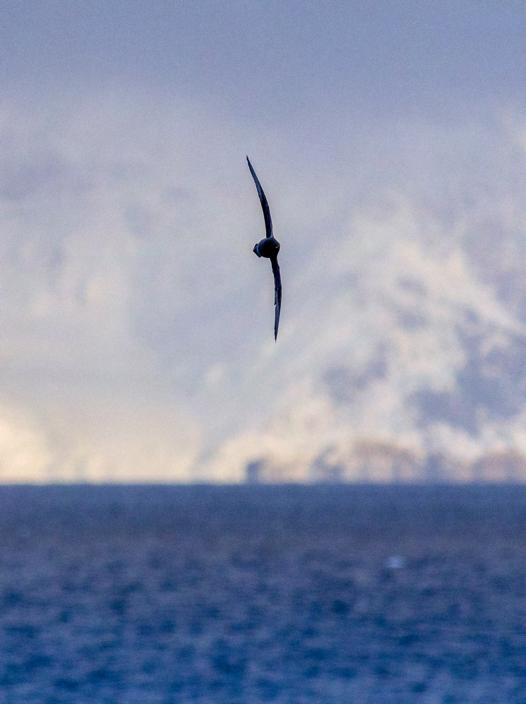
Kerguelen Petrel (Aphrodroma brevirostris)
During my shifts up in the bridge, I got to know George, the first mate on the ship. We got along, at first because of our shared music taste, but also because I was the willing recipient of his many tall tales. He told me of the time when he circumnavigated the globe on a twenty-twofoot sailboat when he was just twenty years old, George’s mast had snapped in the middle of the Drake Passage, some of the roughest seas in the world, and he had barely managed to make it safely. I learned about the time he hang-glided between the Hawaiian Islands and his many scuba trips. When you are spending four hours a day rolling around in a room looking out to sea, the stories flow freely, especially when birds are sparse.
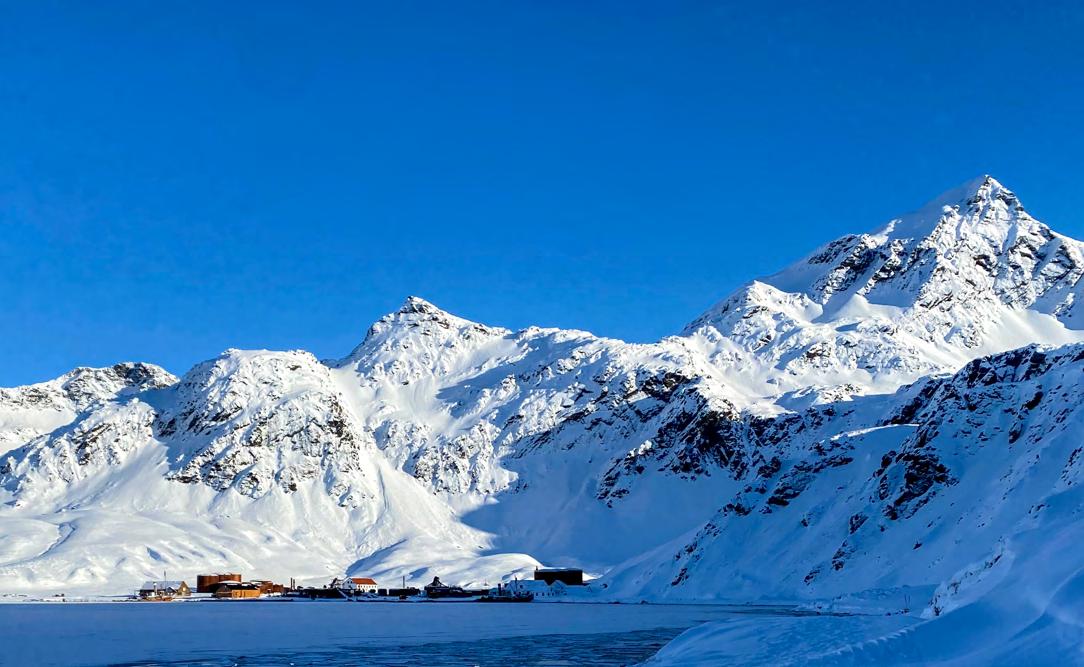
It was never certain that I would set foot on South Georgia. Over the course of the trip, the odds went from unlikely, to possible, to likely. After a short, tumultuous night of sleep, my roommate Skyler and I woke up excitedly. A brief breakfast in the galley and one impatient hour of fiddling with my camera passed by slowly, but finally, two researchers boarded our vessel, the first outsiders we had seen since our departure two weeks prior. To reach the shores of South Georgia, we boarded a small dinghy operated by two of the British researchers who wintered on the island. Along the water’s edge, patches of pancake ice cluttered like opaque lily pads. The harbor was a small inlet surrounded by im-
surrounded by imposing mountains. The sturdy ground below my feet caught me off guard, and I found myself swaying side to side as I touched land for the first time in weeks. We made our way to a stunning overlook where the famous explorer Ernest Shackleton had placed a cross, the boat now looking minuscule, tucked away in the harbor. We passed by the living quarters which looked simple yet comfortable; only ten scientists call the island their home in the off-season. Alongside one of the structures was a lone king penguin chick, its parents out searching for food at sea.
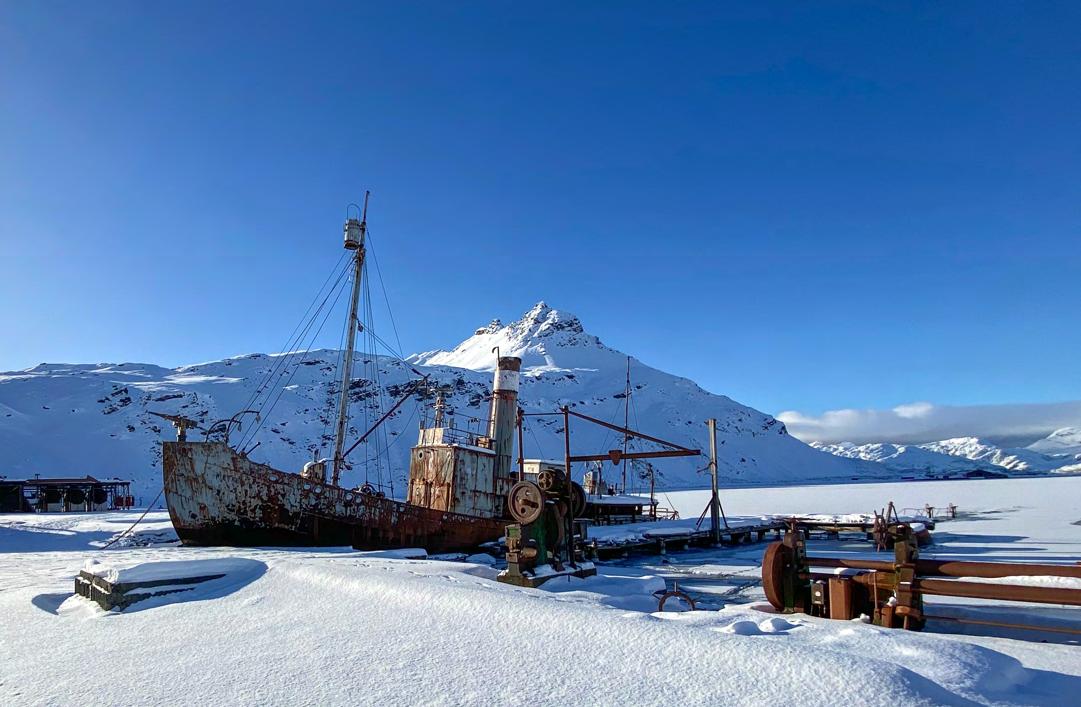
Skyler and I then broke off and made our way to the town of Grytviken, which had been a bustling whaling hub up until the 1960s when whale and seal populations collapsed. All that was left now was a rusted-over refinery, massive vats where oil had been stored, and a few whaling chasers that were eroded, one with the name “Petrel” still visible in faded letters. We made our way through the museum, past the church with a beautiful old library, and towards the graveyard where Shackleton was buried. His headstone stood proudly facing the harbor, overseeing the comings and goings of the once-busy port. We sat there for a while, resting after the initial rush of reaching South Georgia. For the first time since we left Chile, there was no roaring engine, and all sound was dampened by the snow. The silence was all-consuming.
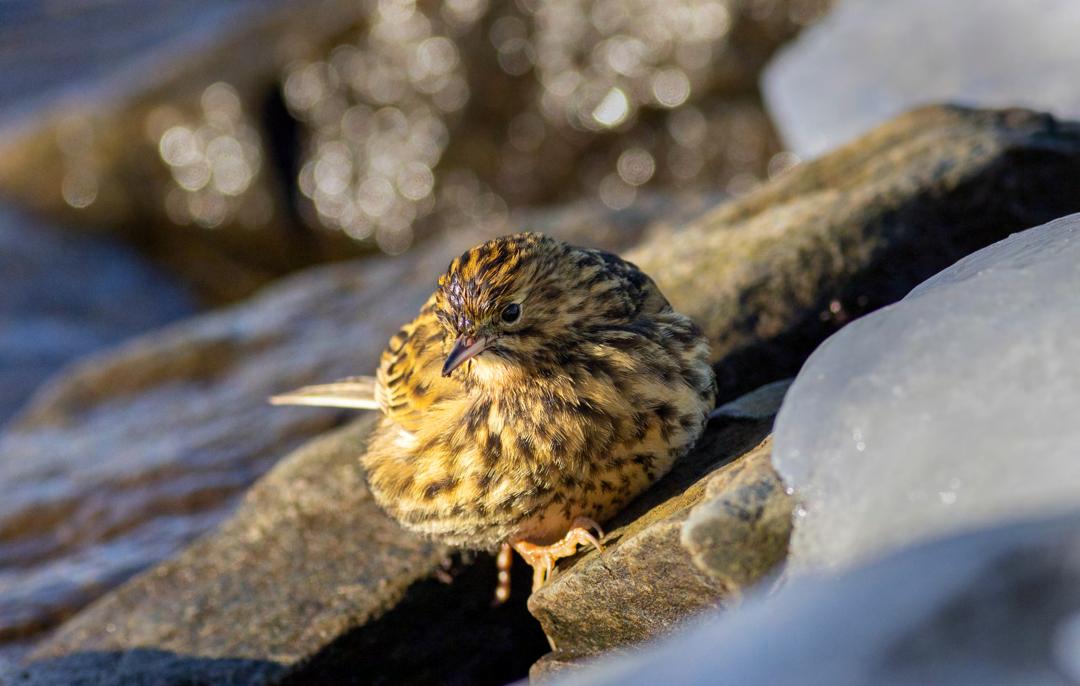
I spent some time photographing South Georgia’s only native resident songbird, the South Georgia Pipit. I crouched along the rocky shoreline as the small, mouselike bird fed along the water’s edge, sneaking between stone and under chunks of driftwood searching for any sign of life. The pipit showed no fear and approached to the point where my camera could no longer focus on it. I set down my gear and soaked up the moment, alone for the first time on South Georgia. As the chilled Antarctic wind whipped in, I watched each individual feather on the bird rustle, and I began to shiver; it was time to head back to the boat.
Back on board, I sat down with an engineer, Finn, who was from the island nation of Tonga. I asked him how his time in South Georgia had been. While I had spent my time on shore frantically running about the island, he had promptly found the researcher’s “bar”, and proceeded to have his first beer since leaving port. After many years working on these Antarctic vessels, Finn chose to spend his four hours on shore getting to know the researchers and exchanging tales. We all had different priorities for our brief getaway in South Georgia.
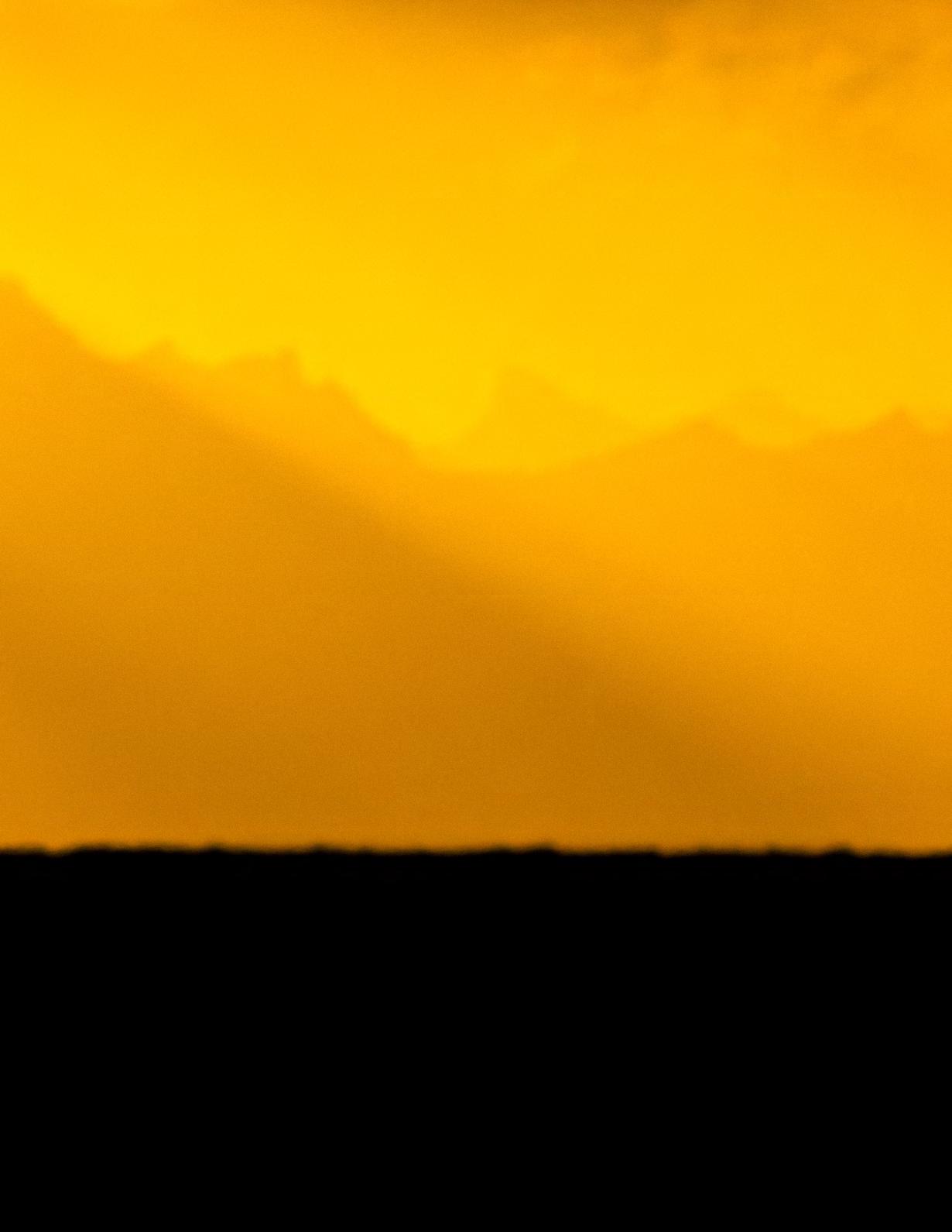
As we sailed away, I watched the sunset over the island as gentoo and king penguins porpoised all around the boat. I stood next to one of the marine technicians, Lauren, who went by the apt nickname “Bird”. We watched as the sun slipped behind the mountains, creating soft orange rings
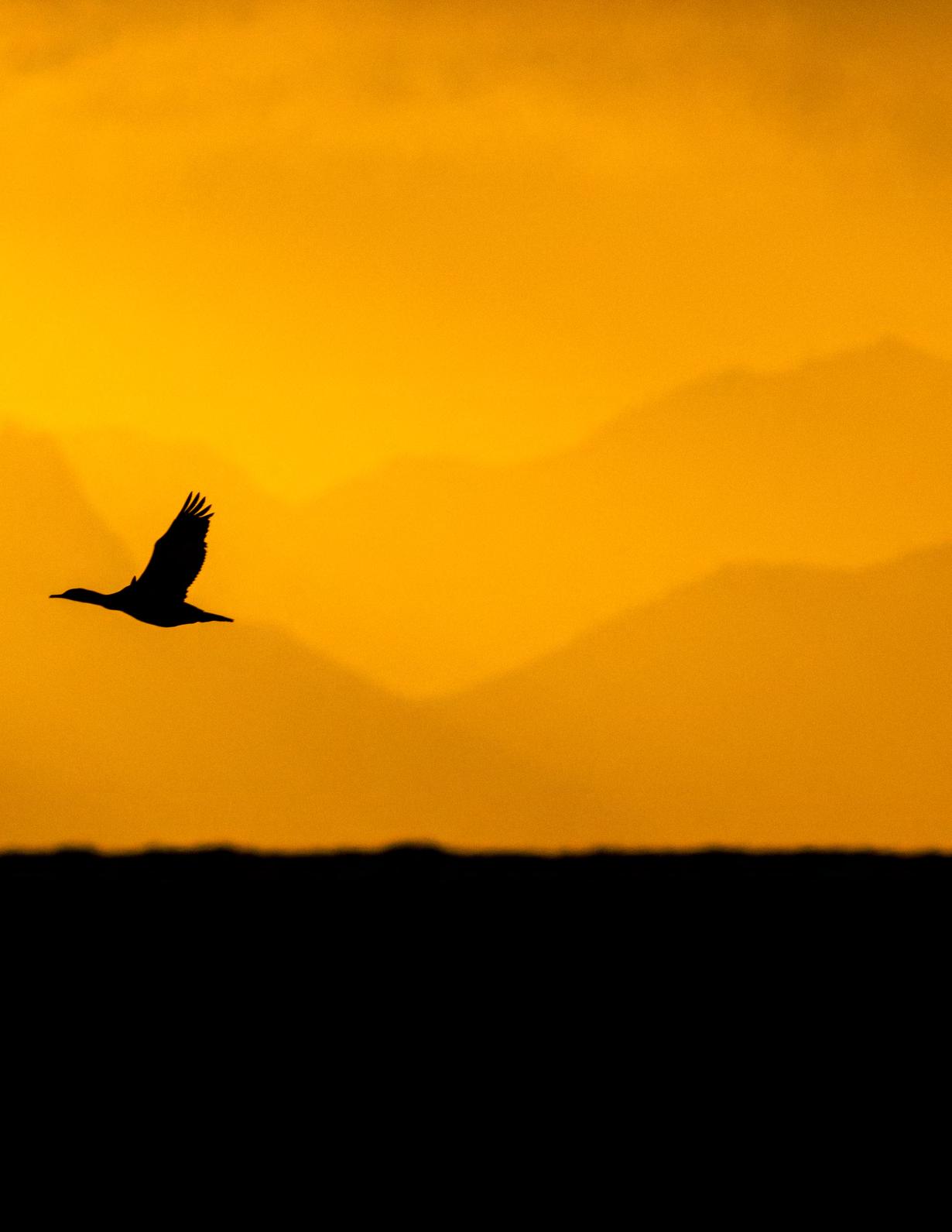
around each crooked peak. A few seabirds were still moving through towards their evening haunts, and I attempted to photograph them against the flaming sky. I turned to Bird for advice; in her time off the water she was a bush pilot and photographer for National Geographic documentaries. She guided me as I adjusted my settings, right as a South Georgia shag as it whipped by, silhouetted perfectly between the dark sea and clouds. As it got daylight and the last of the sun’s rays melted off the white snow we set down our cameras and exchanged stories. Bird’s path to Antarctica was more intricate than my own, starting with a settled life in Idaho disrupted by a stint of homelessness and a new start chasing her childhood dream of a life at sea. Now we sat together on the cold metal deck of a ship 1,200 miles from the mainland, having just set foot on the silent shores of a remote island. The mountains faded away to the stern as the boat rocked, cruising away from the precipice of our foray ashore, our words falling away lost in the rumbling waves of the calling sea.
As I watched each group of people leave for the airport, I reminisced about our time together at sea. With a small sailor knot Bird made for me attached to my camera bag, a necklace of Finn’s around my neck and thousands of photos to sort through, I stepped onto the plane and out of the documentary I had been living. After spending so long at one of the most isolated islands in the world, within 24 hours I was home.
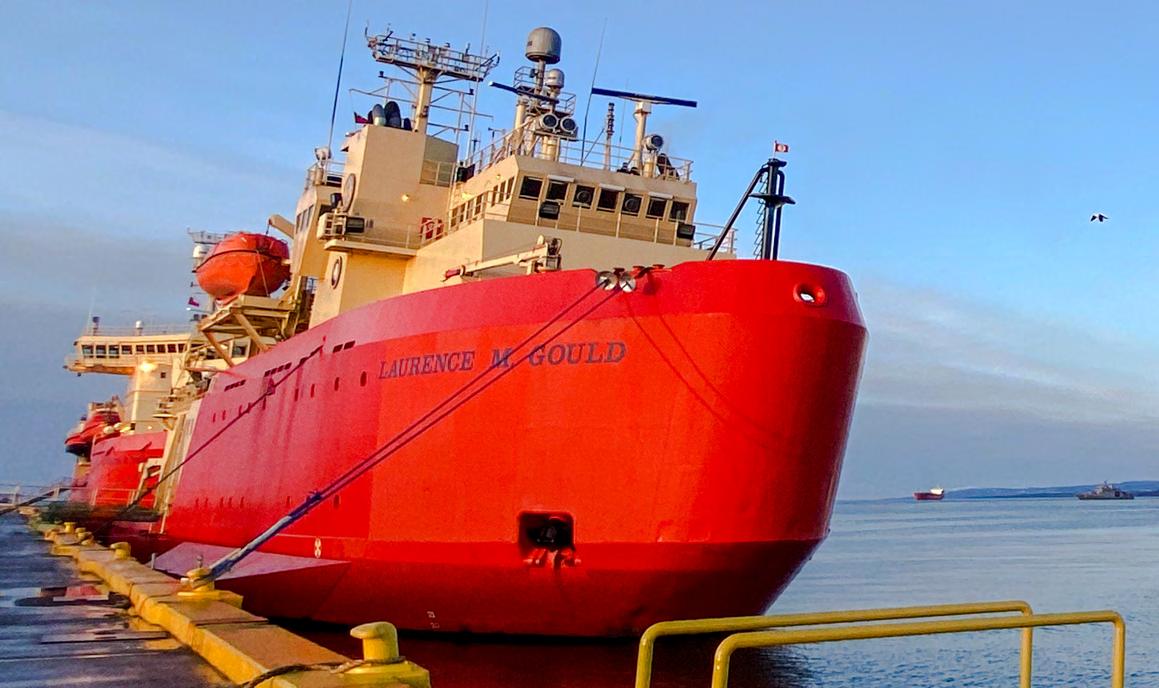
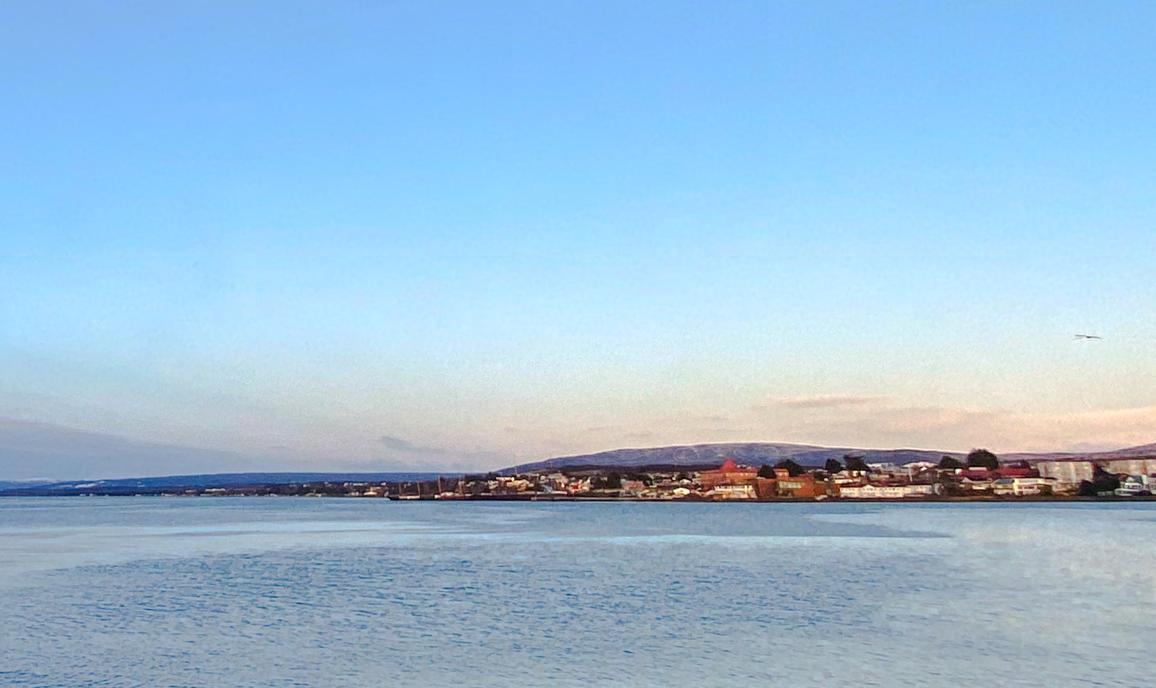
After spending so long at one of the most isolated islands in the world, within 24 hours I was home.
South Georgia Pipit (Anthus antarcticus)
EYES ON THE EAST BANK
Remembering a City Before Its Fall
Yahya Rahhawi ‘26
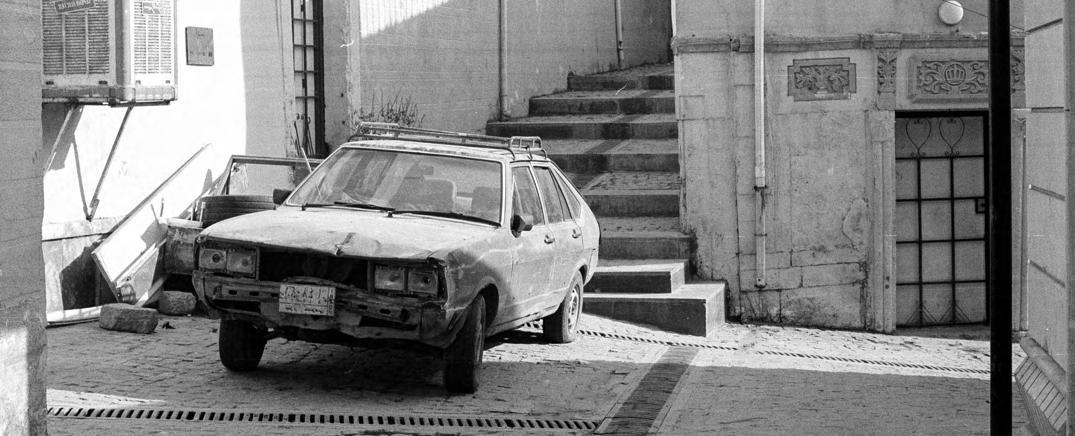
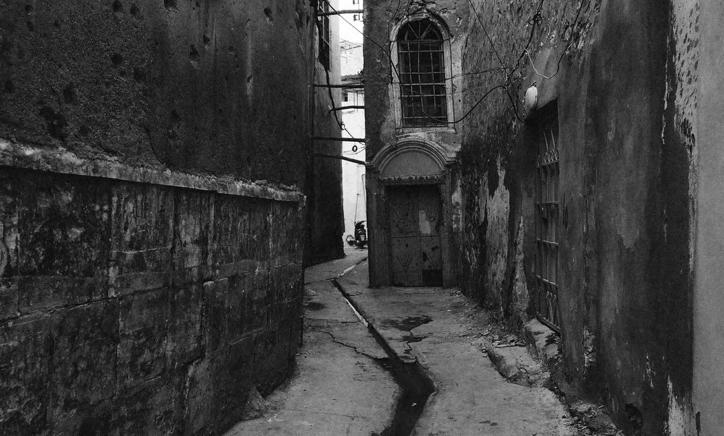
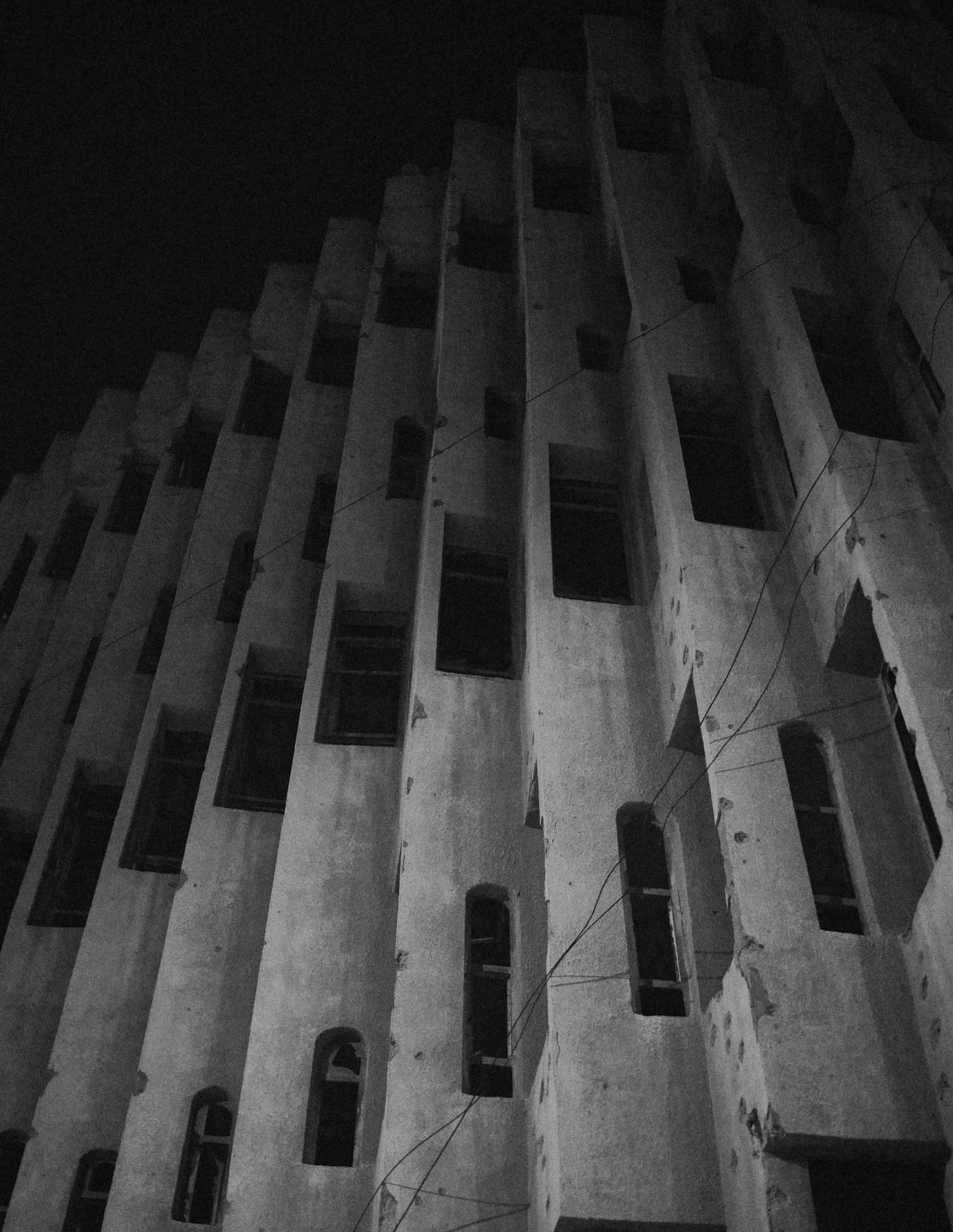
IwishI had crossed the Tigris River to the East Bank, where the Old City of Mosul stood in its timeless magnificence, before the war. I wish I had wandered through its centuries-old alleys, marveled at the intricate architecture, and absorbed the vibrant stories woven into its bustling bazaars and ancient homes. But growing up during a war against terrorism meant that crossing the river—let alone exploring the depths of my own city—was impossible. Even leaving my small neighborhood was fraught with danger, as attacks filled the streets with fear and uncertainty.
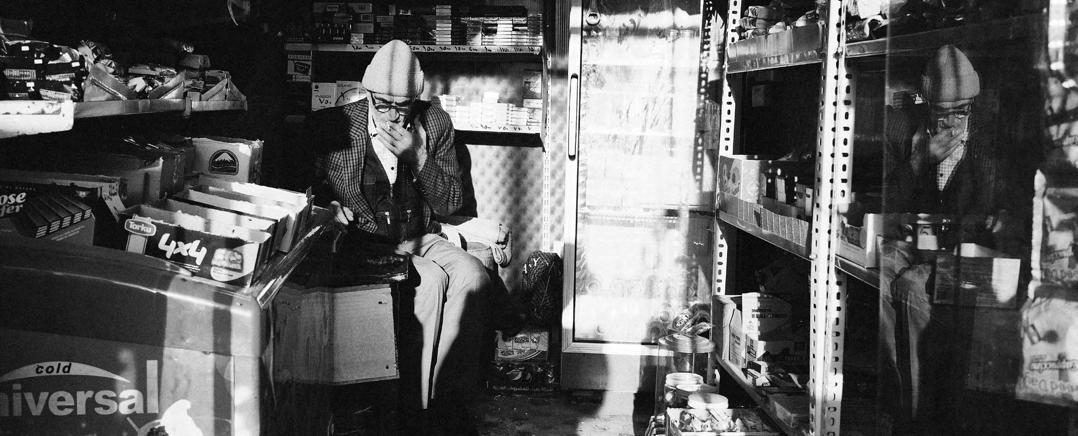
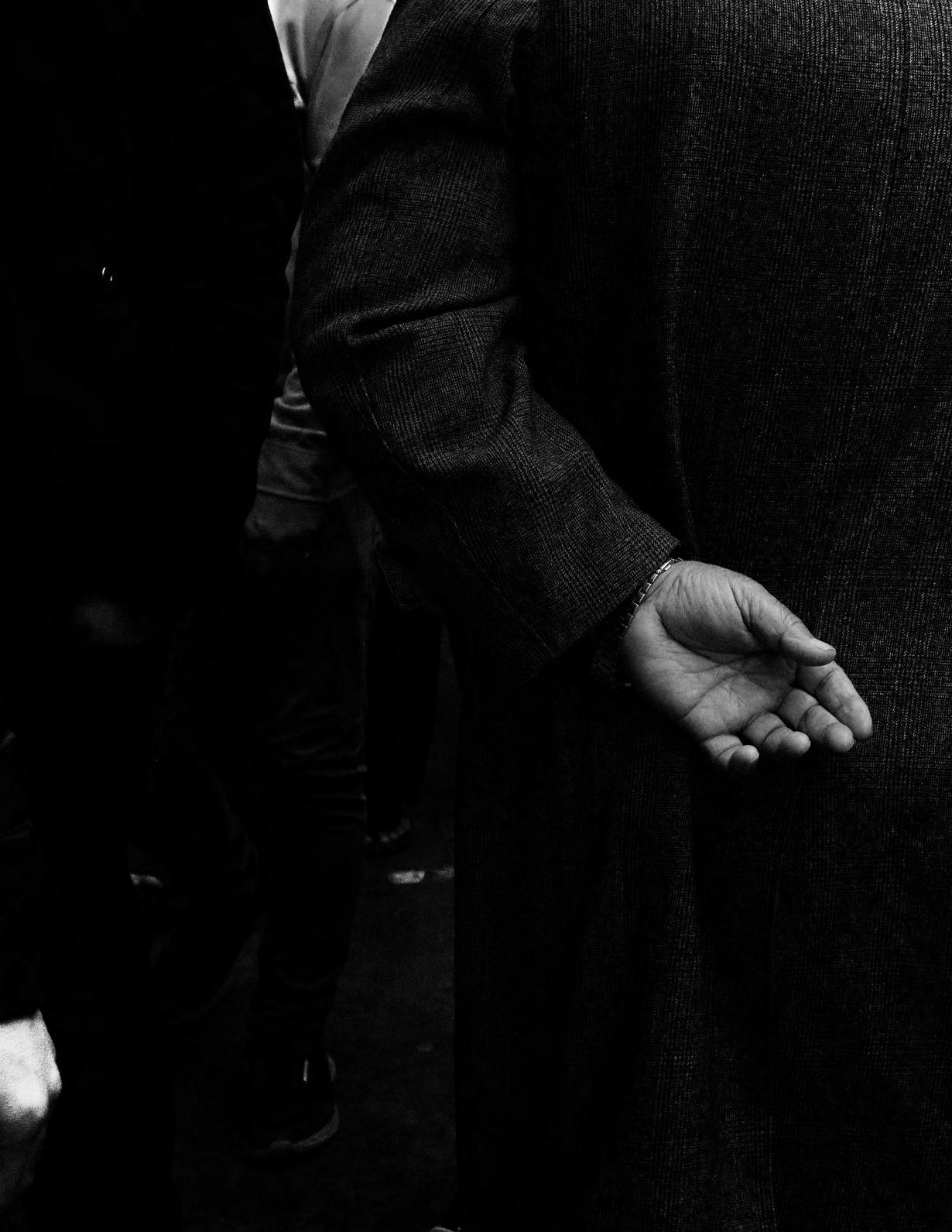
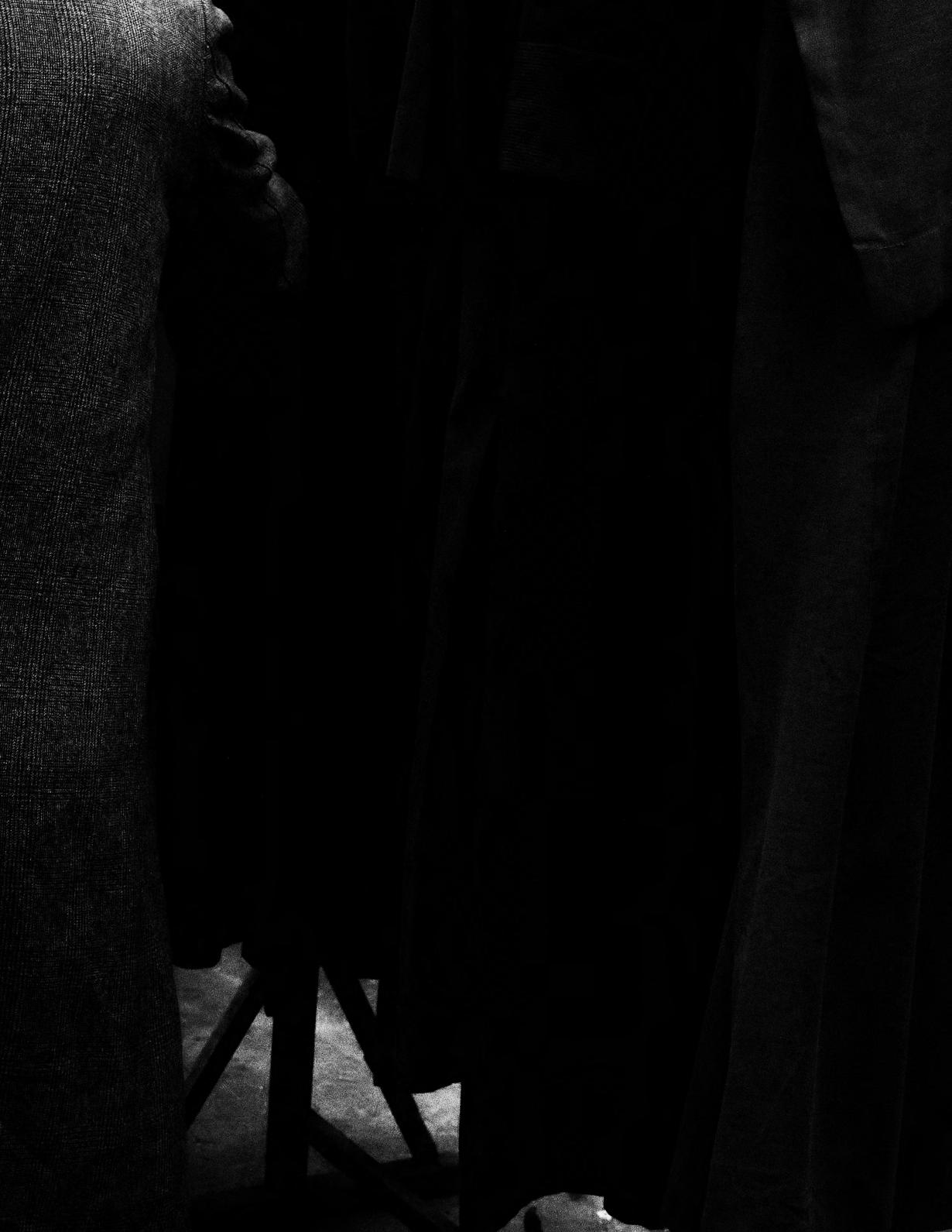
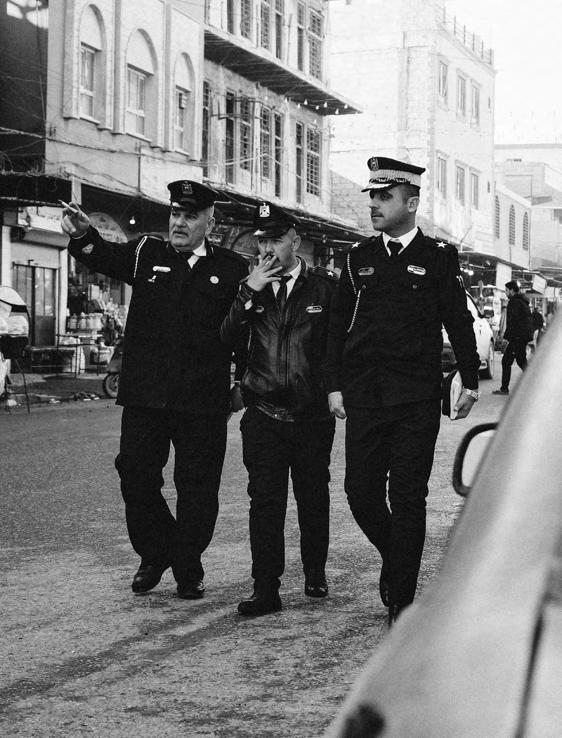
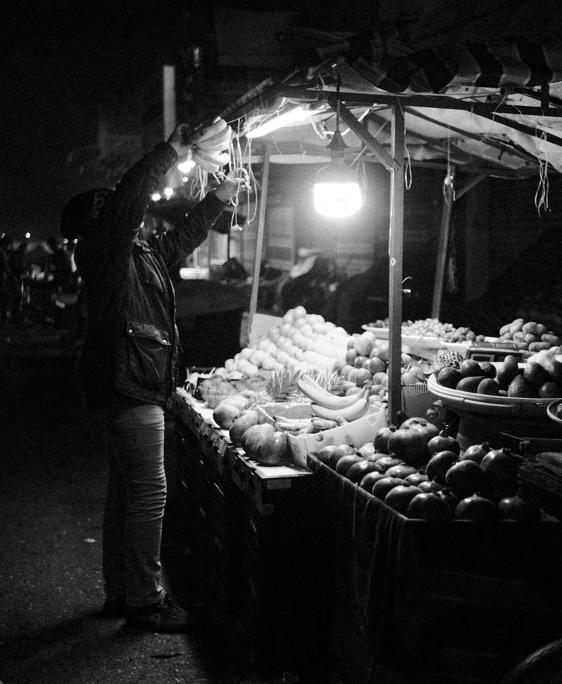
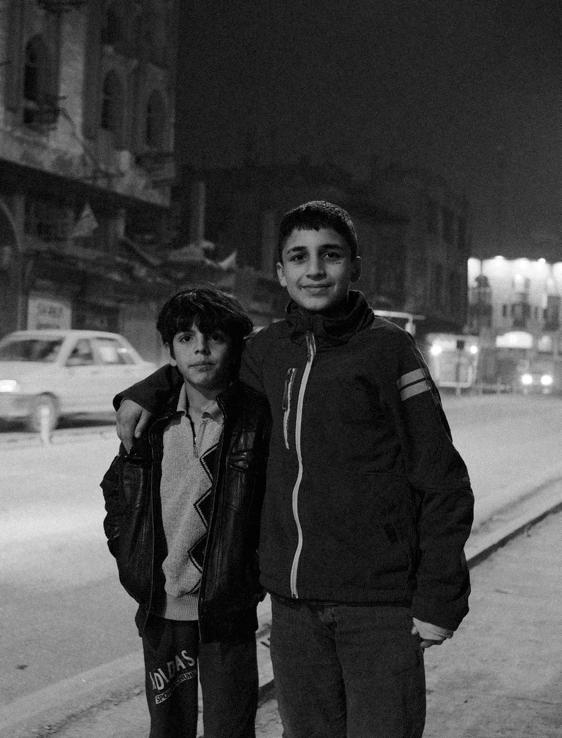
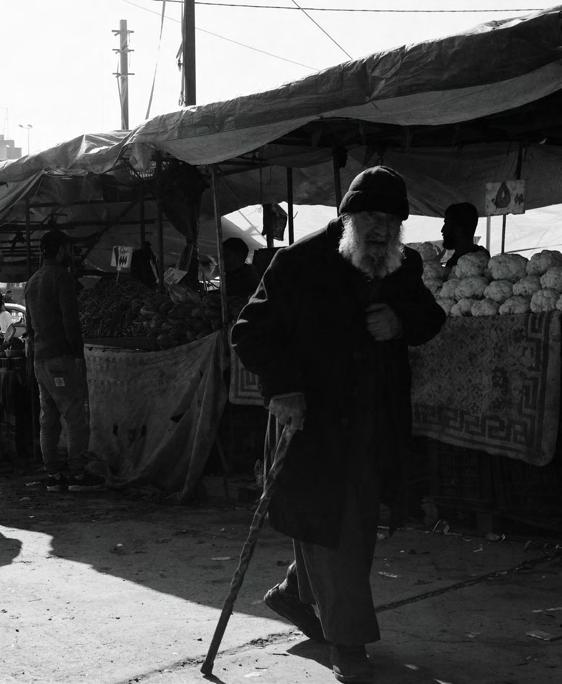
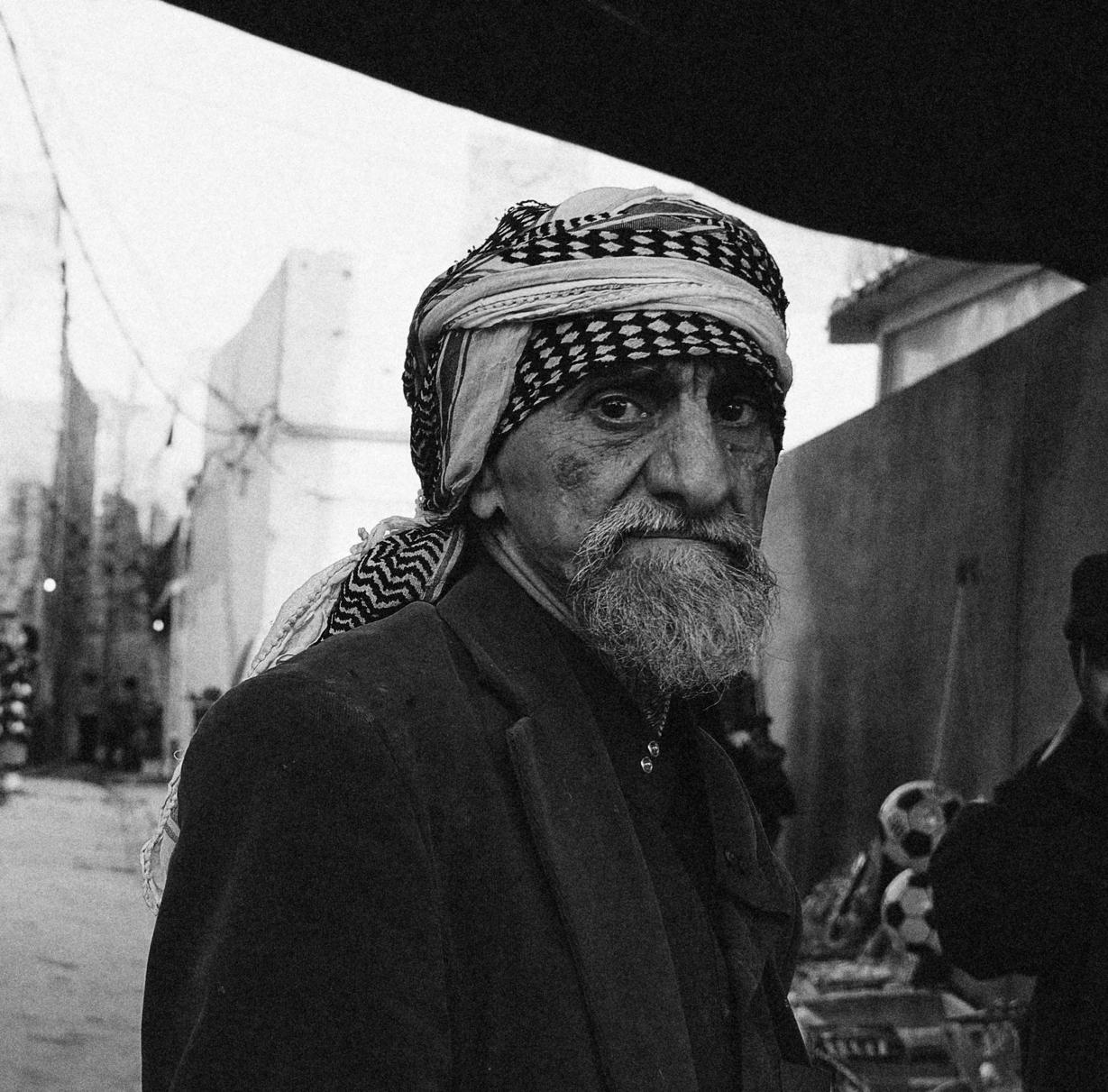
My memories of Mosul before the devastation of 2014 are faint yet deeply cherished. I recall walking to school, passing the towering 4,000-year-old walls of Nineveh, and glimpsing the historic Nergal Gate. I never imagined that one day, I would be forced to leave—watching from afar as my city’s legacy was reduced to dust. Between 2014 and 2017, ISIS occupied Mosul, waging not just a war against its people but against its very history. They razed homes, erased alleys, and demolished mosques and cultural landmarks—including the very walls of Nineveh that had stood for millennia.
When I returned after the war, I found my city in ruins—its streets lined with ashes and rubble. Yet amid the devastation were the weary souls of those who had endured, carrying the weight of survival and loss. It became my habit to take my camera and walk through Mosul’s shattered remains, searching for fragments of its past and the stories of those who had stayed. Learning about my culture and history became more than a pursuit—it became an act of resistance. Through my lens, I document what remains, preserving the spirit of a city that terrorism sought to erase.
In The Winter of ‘78… or ‘79
Jacob Collier ‘25
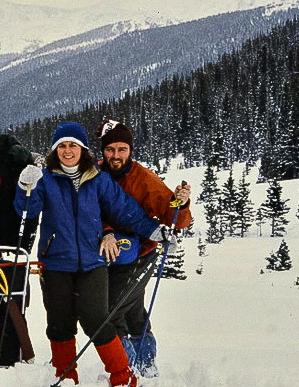
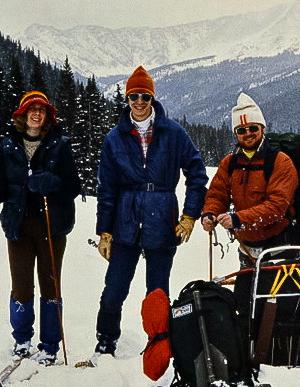
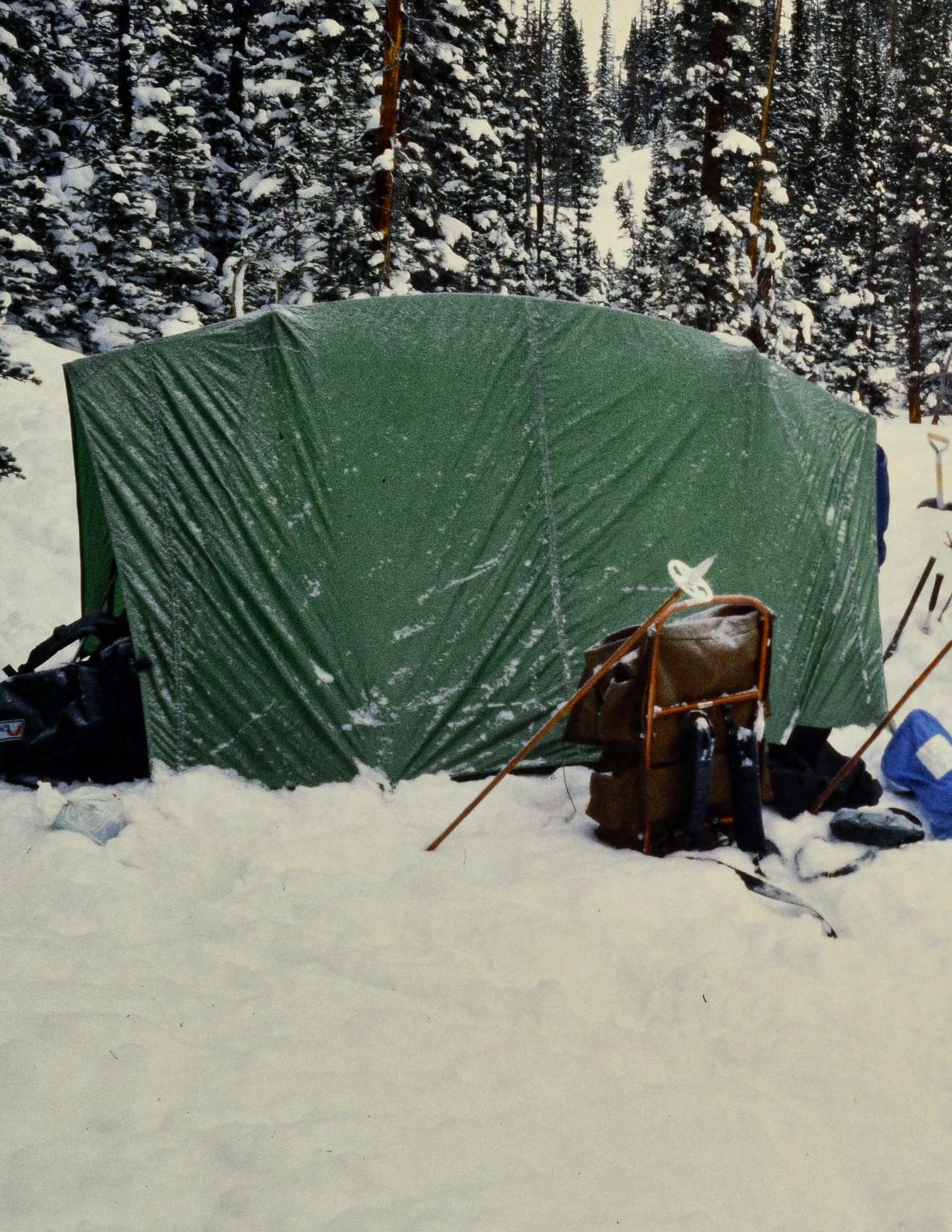
Itwas in ‘79… or maybe ‘77, or ‘78. Geempa doesn’t know. What he does remember is driving down I-70, up towards the Continental Divide. He remembers being at elevation in his first Datsun pickup, following the highway until he found an exit with no more to it than a sign. His destination was as far as the pickup would carry him, or as far as the road would allow, and when they made it they parked in whatever pull off a state plow could leave on a backroad. It was cold here, cold and snowy miles above the sea. A
couple miles of skiing put a stretch of backcountry between them and the Datsun, the backroads and the Interstate. These are the years of three-pin bindings and sticking wax, a time before skins and alpine boots. They trod along, meandering through the wood at the base of bowls rising up all around, mountains casting shadows that could swallow hills. The peaks are white under an overcast sky that blankets the valley, tucking them in. Landed in a grove of spruce and aspen, the group takes off their gear and gets to work.
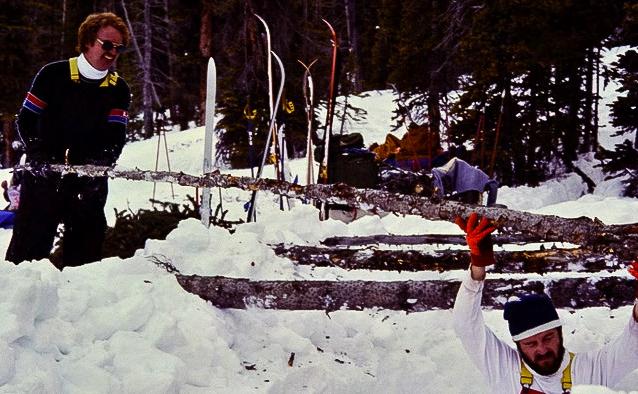
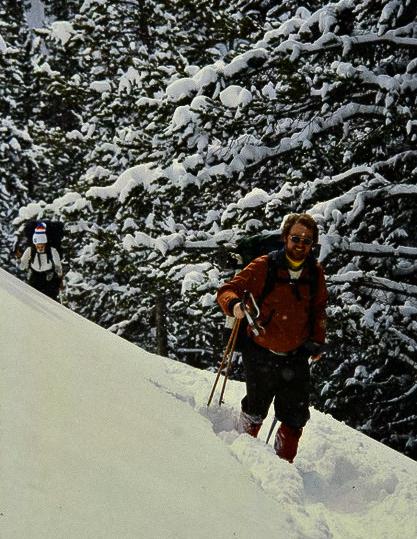
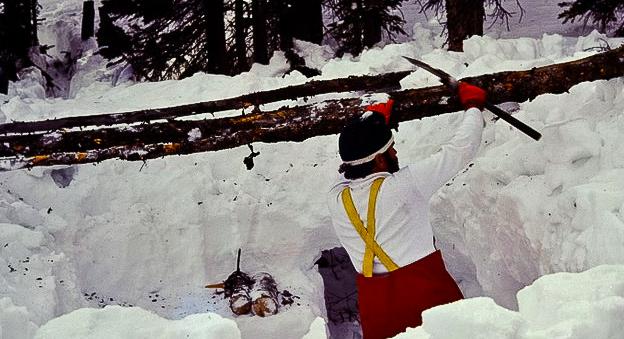
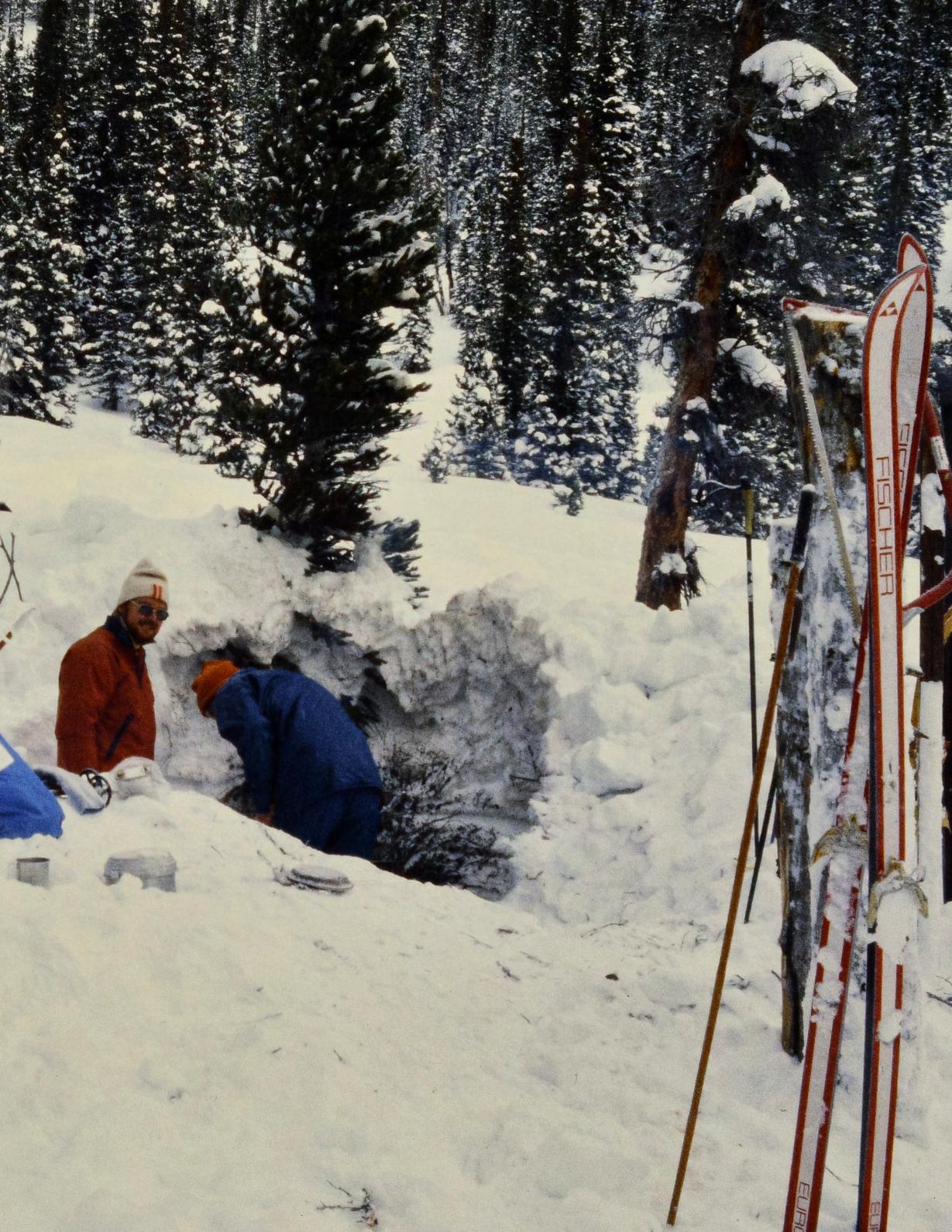
Geempa remembers collecting deadfall—big logs dragged overtop the early workings of a cozy snow cave. They dig until they hit dirt, six feet or more below the surface of the snowpack. Dry brush isn’t found easily, but it presents itself with time, the makings of a smoky flame assembled and in wait atop a forest green tarp. With a little fireplace dugout and a chimney feeding up through the boundless walls of the cave, the group manages to turn up the organic thermostat to a balmy 32 degrees. Camp is set.
Skis back on, the group heads out through the untouched powder set deep in the grove, charting their way out to the bowl above. They scramble up, sidestepping and switchbacking. They climb as high as they can, or as high as they can bear to wait before the anticipation gets the better of them. They cut fresh tracks through feet of powder, lunging in telemark style. As they gain speed, they pop off the towering boulders that dot the bowl, disappearing into puffs of white and reappearing with their hands above their heads, or heads below their skis, upturned in the snow. They ski until they reach the bottom, then they fight back up the hill to
ski down again, throwing new lines each run. They ski until they’ve cut arcs in every direction, the shine of smooth, white snow etched with the texture of hoots and hollers, tired legs dared to carry their skiers down for just another run. The day didn’t end when they all decided to go in, but when the sun called it for them. With the fall of evening came a chill that bit the air and the promise of camp.
The night was cold, but, burrowed in their little aspen-bough shelter, the group managed to keep warm. It was a quiet night at ten thousand feet above the sea.
But then, the night’s silence was penetrated by a rumble—slow at first, then growing louder, bubbling into a thunder, their little refuge in the wood shielding them from an avalanche swallowing the hollows of their little valley above the world, the snow above them shaking free of itself in the night. When they awoke, they dug themselves out not through the snow of a peak descended, but through a foot and a half of fresh snow that fell atop them and snowslide alike in the night. The group moved slowly but fell into breaking camp steadily, like the snow that submerged them. They were wet, and they were cold, but they were happy.
Muir Snowfield
September Skiing on Washington’s Highest Volcano
Noah Willson ‘27
Muir Snowfield
Washington State in a nutshell is a rugged expanse of mountains and volcanoes, bounded by major cities on both sides. In short, it’s a mountaineer’s paradise—12,000 ft+ volcanoes are only a 2–3-hour drive from the bustling port city of Seattle. As luck would have it, my parents decided to raise me there.
As I grew up, I discovered a passion for skiing. I’ve skied practically every month of the year, with plenty of help from Oregon’s Palmer Glacier and the October opening days at Copper Mountain, Colorado. With that said, September has been elusive. That all changed when I carved down the flanks of Mount Rainier on one particular late summer’s day.
The night prior, my friend Ben and I had scored a campsite in Ashford, a small town in Mount Rainier’s shadow. The town is the unofficial gateway to Mount Rainier National Park, a hub for aspiring mountaineers from around the country.
Early to bed, we rose at 4am on the morning of September 2nd. The stars still shone down on us as we ate our dehydrated breakfast. Guided by Subaru headlights, we drove up the winding road to Paradise, the site of a prominent visitor center on the Southern flanks of the mountain. When we arrived in the parking lot, we were greeted by the imposing, dark mass that was Mount Rainier. We assembled our packs and changed into the proper attire while the mountain began to light up in front of us. There’s truly no better—or more surreal— feeling than putting on ski pants in September.
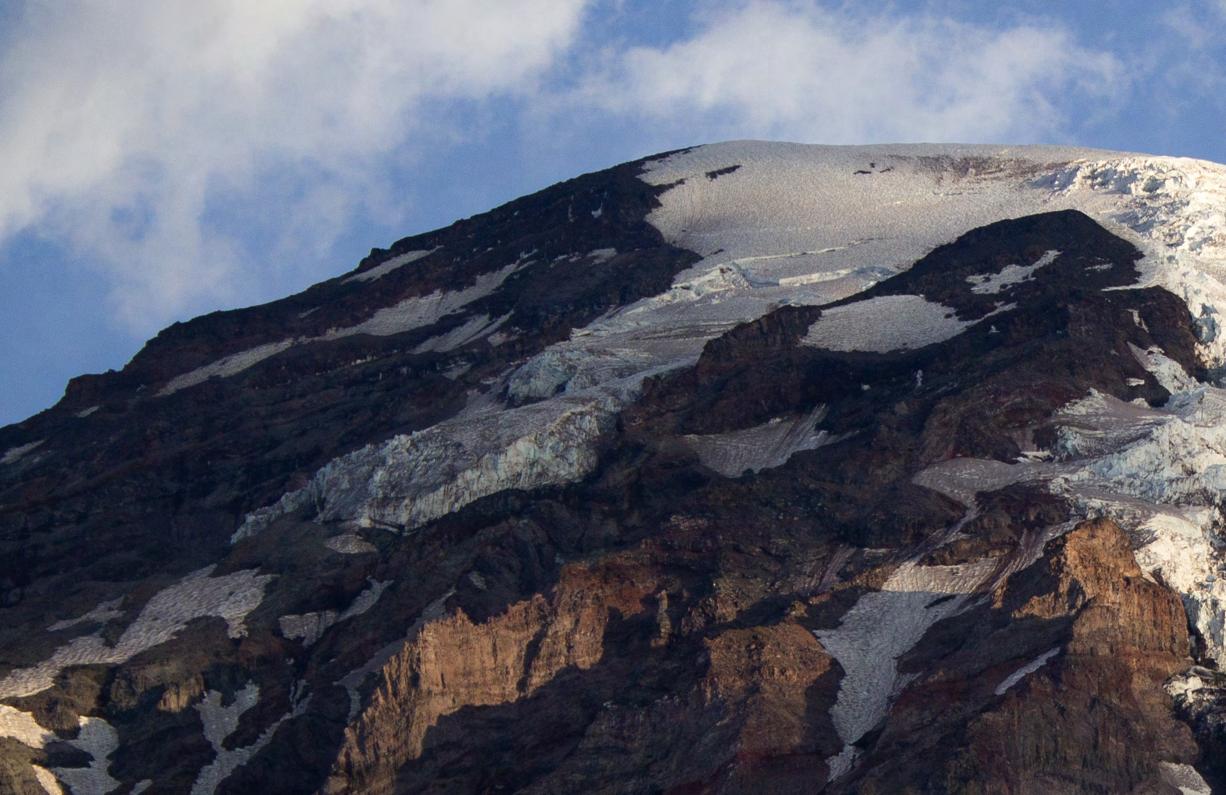
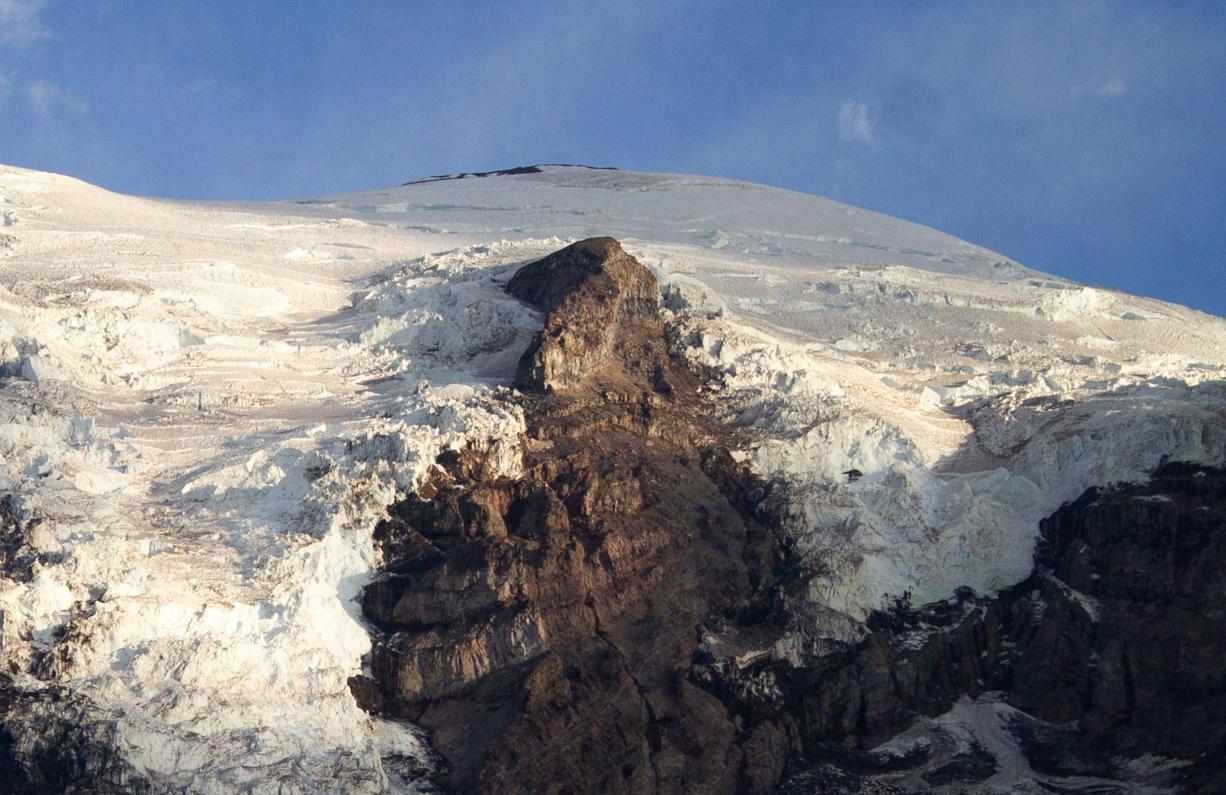
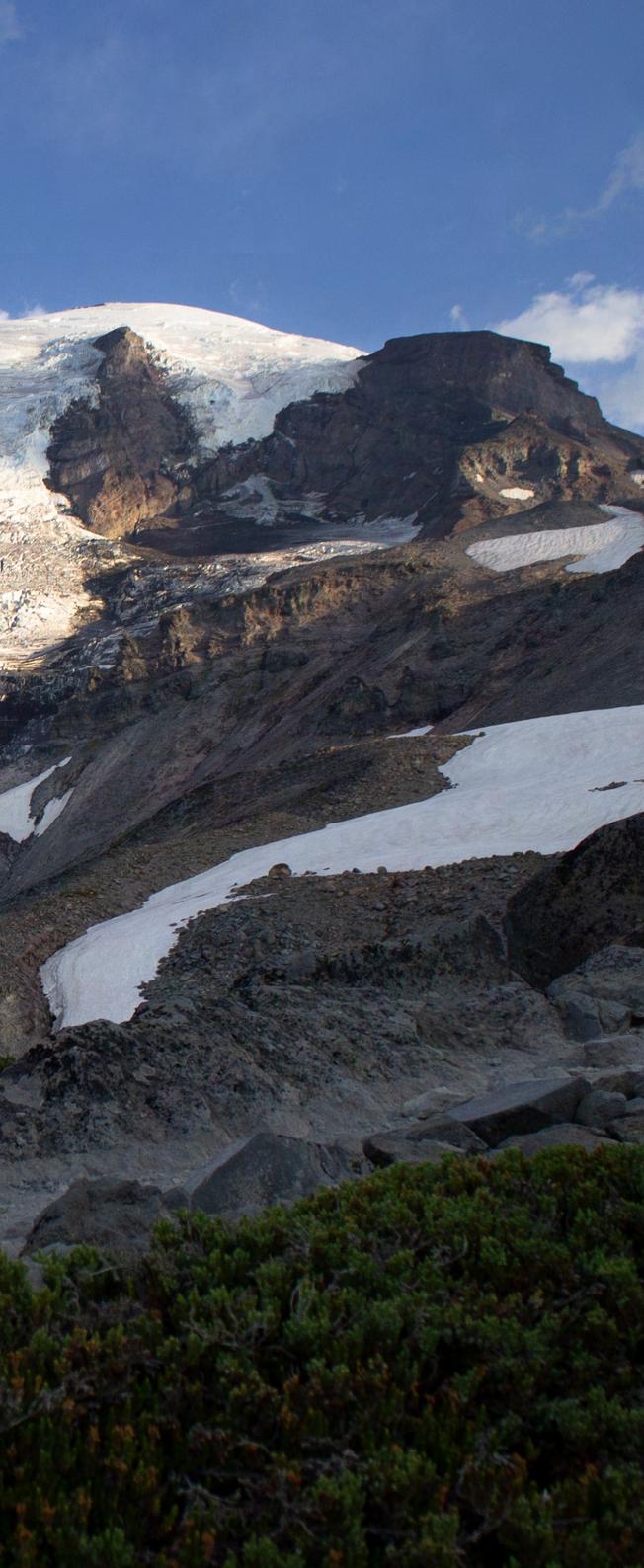
Our objective for the day was to reach camp Muir at 10,000 ft and ski its namesake snowfield. In September, the Muir Snowfield extends down to around 7,000 feet, giving us a glorious descent. What’s more, it mitigates the threat of icefall due to its elevated position beside the Wilson and Nisqually glaciers.
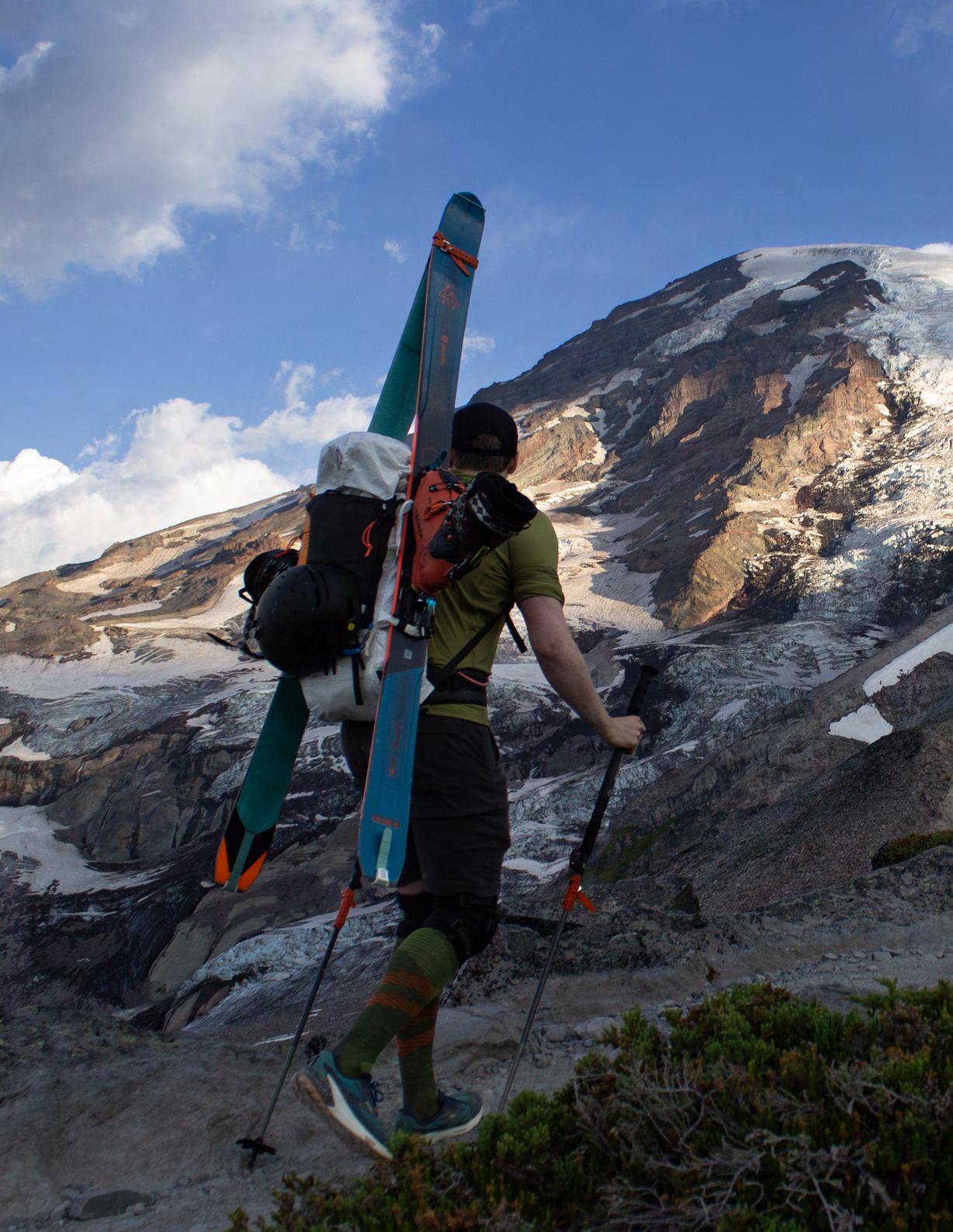
At about 6am, we were on the trail. Our packs were heavy with gear, skis and boots. The path up to the snowfield is steep and begins as a paved walkway. We began at tree line, eventually coming to a sprawling alpine meadow. At this hour, only the eager mountaineer or photographer could be seen.
Before long, the pavement turned into dirt. All the while, the mountain stood watching, dominating our path. We passed by a pair of deer, who also seemed to be enjoying the morning.
We climbed higher and higher in search of the snowfield’s terminus. After crossing a stream and gaining one last ridge, we got our first view of what we’d be skiing. A strip of snow snaked up the mountain, growing wider with elevation.
With much anticipation, we finally threw on our ski boots, stashing shoes behind a rock. Our packs light and motivation high, we clicked into our pin bindings and charged ahead.
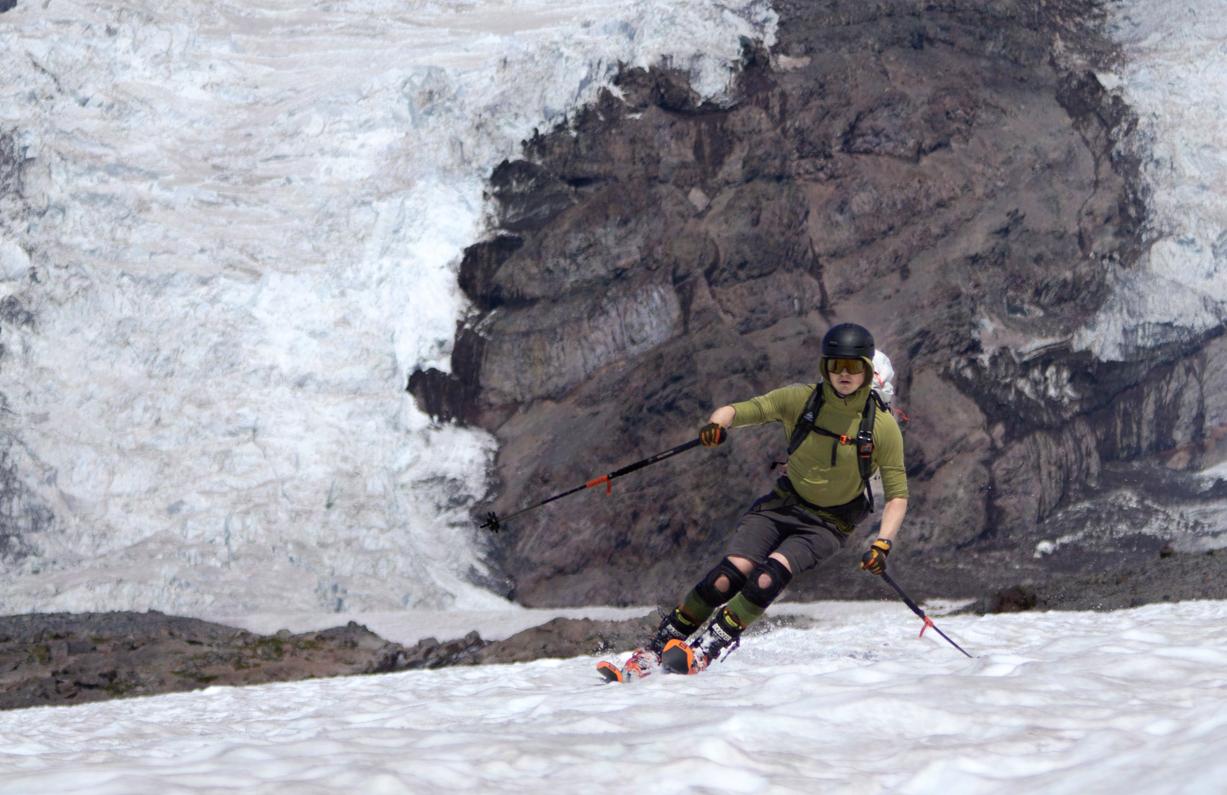
The skin up to Camp Muir was challenging—months of summer sun had created gouges, or sun-cups, in the snow that we had to navigate. On top of that, the snow was quite sticky, and for the most part, firm. The first half of the ascent was going well until we were faced with a scramble over a melted-out section.
Ski boots, as it turns out, aren’t the best for ascending glacial riverbeds. With that segment behind us, we moved onto the next section of snowfield. The last 2,000 vertical feet were steep, sun-cupped, and slick. As we tried to cut switchbacks up the sun-pocked snowfield, our skins would slip at irregular intervals.
I put my frustration aside and reminded myself I was 9,000 feet up on Washington’s most beautiful natural landmark.
At last, the rudimentary shacks of Camp Muir grew larger at our approach. We arrived at the imposing outcrop of Anvil Rock and clicked out of our skis. Taking a seat at camp, we joined the ranks of fellow mountaineers. Some peered over topographic maps, others milled around collecting water, and one group was there taking an into mountaineering course.
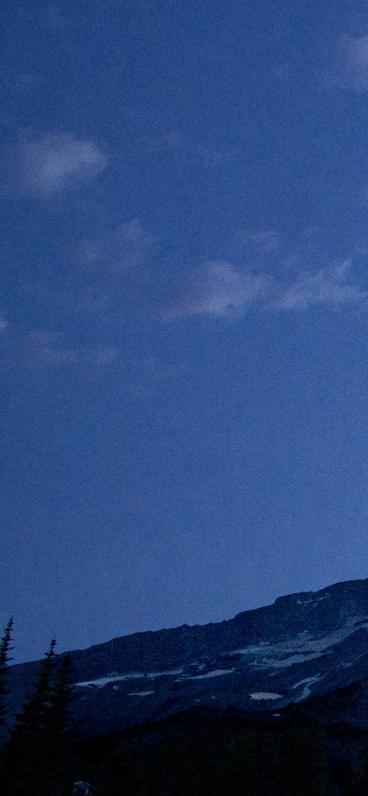
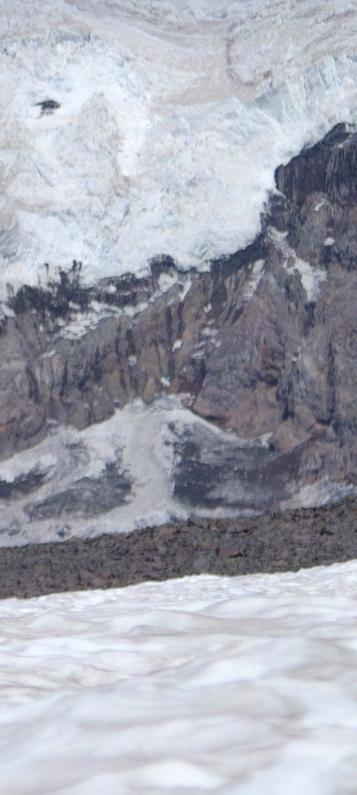
It was a scene of pure excitement. It felt as if we had earned our own spot in an exclusive club, surrounded by fellow adventurers who had made the same trek. Though we were each on our own adventure, there was a sense of connectedness between us as we shared the same mountain.
Surprisingly–or not–we were the only skiers of the day on Mount Rainier. After a quick snack, we made our way back to the skis and prepared for an epic run down the wide-open snowfield. Despite enormous sun cups, the descent proved to be a real joy. I found rhythm between the sun cups, which acted as inverted moguls. It was possible to hop out of one bowl and into another, a skill that I came to master.
According to Ben, the large size of the melted-out cups led to a better ski surface. On his last trip a few weeks prior, the sun cups were too small to make turns through, leading to a less-than-ideal descent. We still took a number of breaks as the elevation and tiring ascent sapped our legs of their energy.
After down climbing the rocky section, we enjoyed some turns on the best snow yet–nearly perfect September corn. We carved huge arcs, passing groups of amused climbers.
Making our last few turns of the summer, we arrived at the base of the snowfield. It was another two miles to the car, and by this point the late-summer crowds were in full swing. We passed herds of day hikers who gawked at our skis all the way. Almost everyone we passed by had questions—“where’d you ski? How’s the snow up there? How far up did we come from?” It was moments like these that reminded me of the humorous absurdity of our trip.
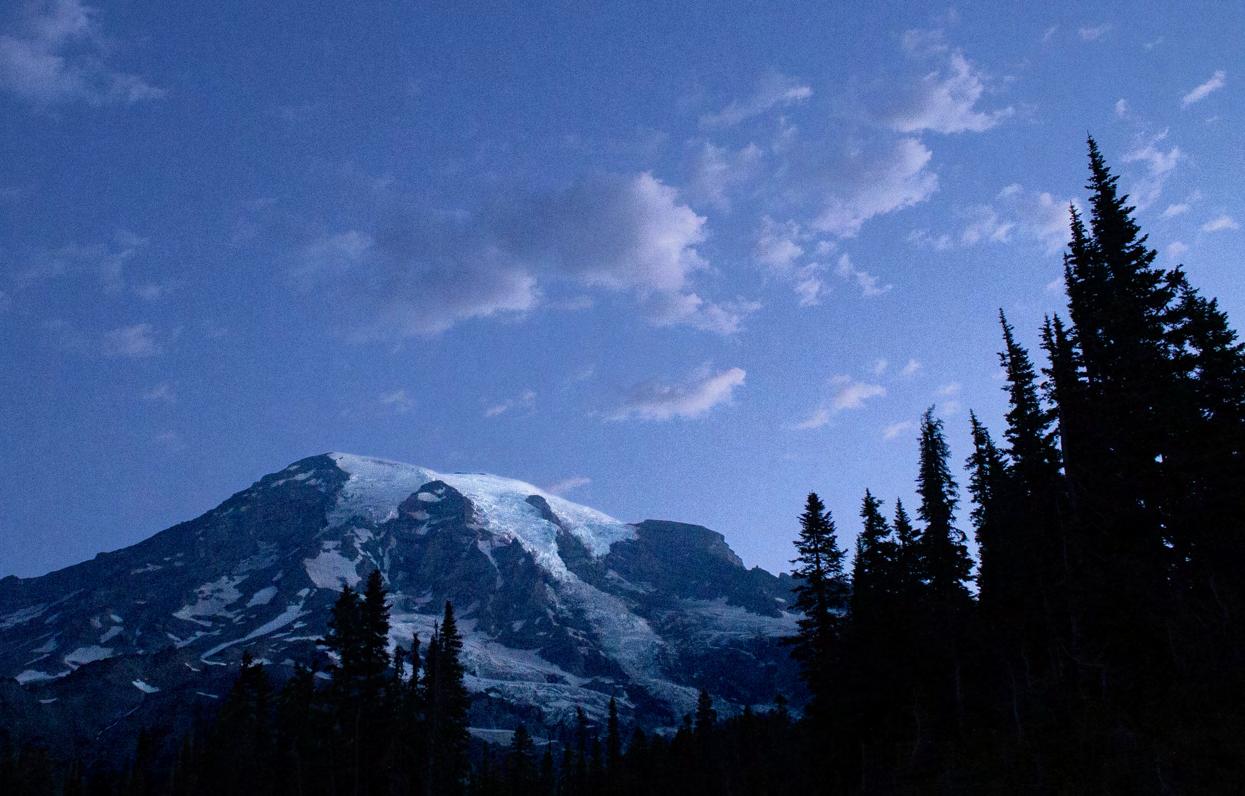
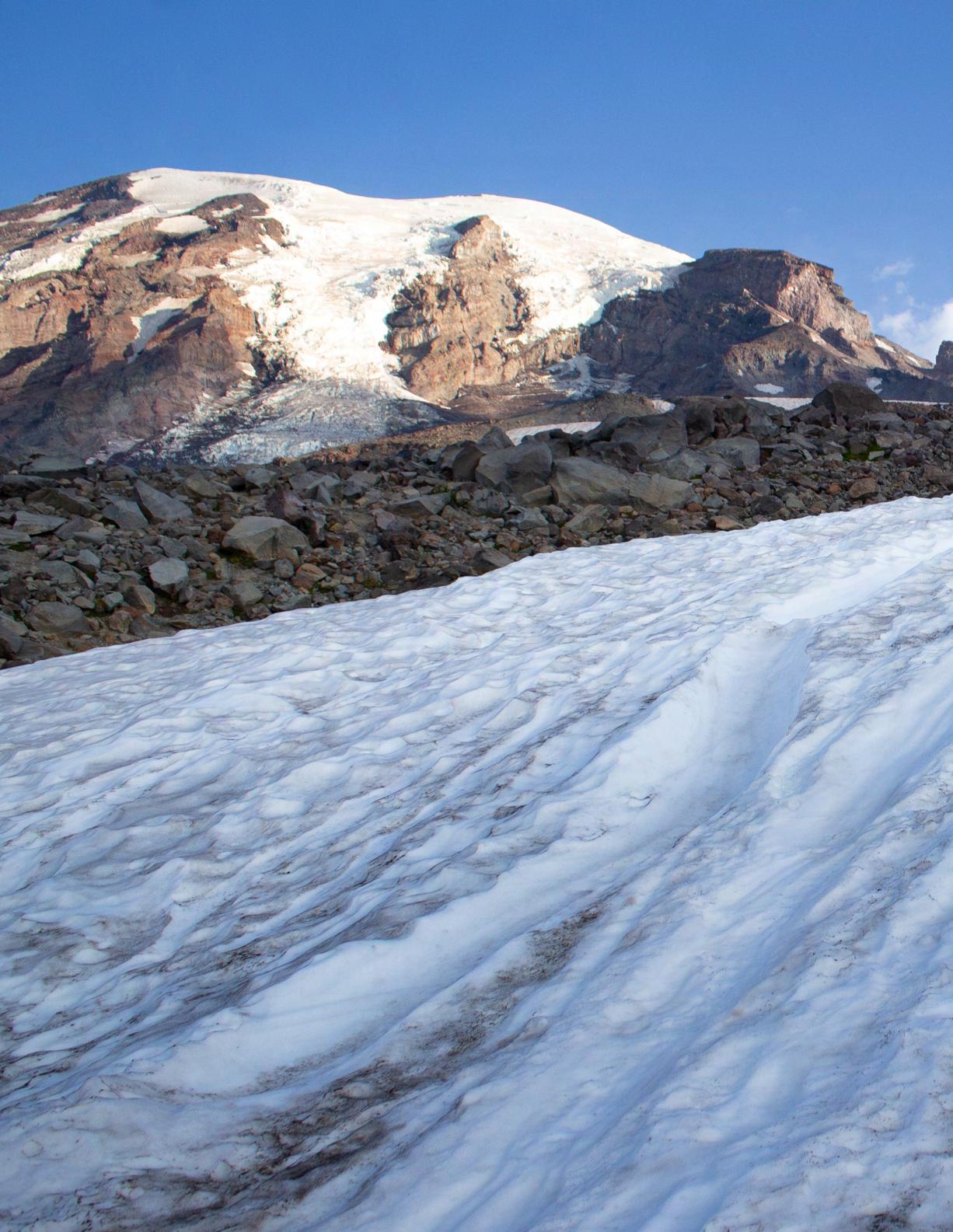
Muir Snowfield: September Skiing on Washington’s Highest Volcano
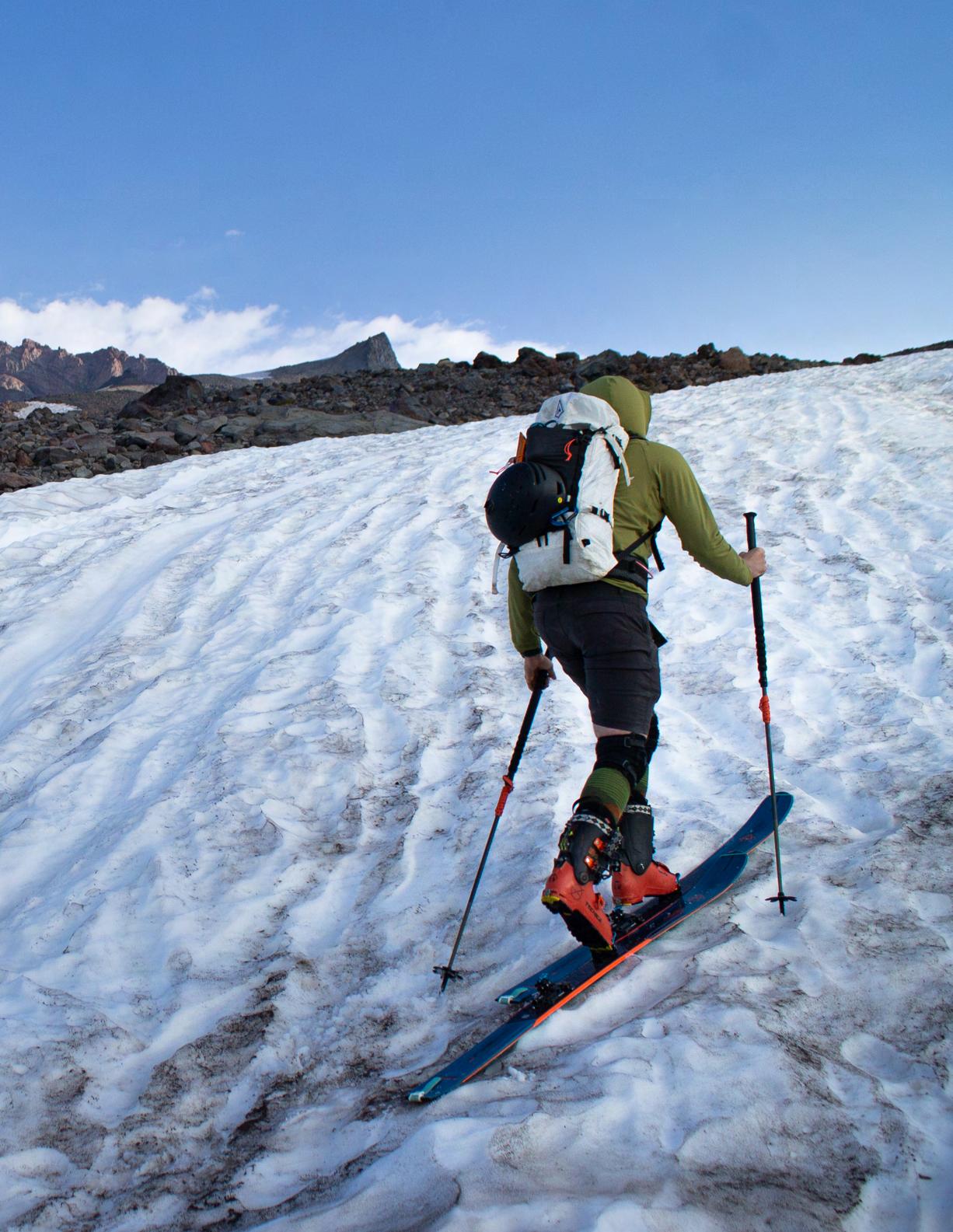
The day’s adventure was far from your typical ski day—we baked in the late summer sun, spent half the day moving over dirt and rock, and skied on terrain that resembled a battlefield rather than a ski run. At heart, it wasn’t about the skiing—it was about the novelty of sliding on snow in September. There really is no place like Washington State for a spontaneous late summer adventure.
micozine
Nadia Hare ‘25
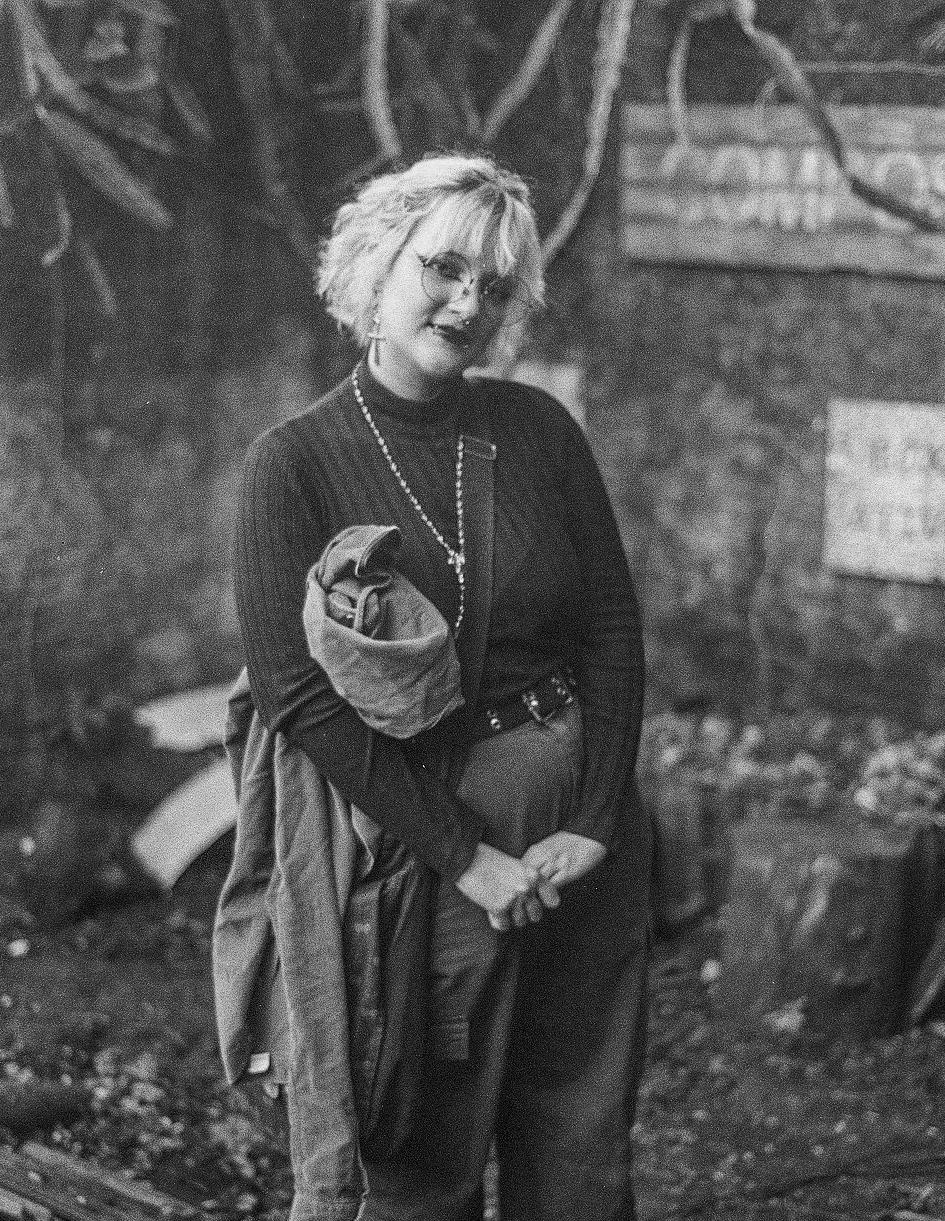
Agradecimentos
Este zine foi feito nas terras tradicionais dos povos kaingang, xokleng e guarani. quero agradecer as mulheres indígenas como micólogas tradicionais também agradeço micolab ufsc,middlebury college e minha mãe por apoiar meu intercâmbio ao brasil.
sol (ele/dele + qualquer). 20 anos. porto alegre + floripa. micólogo e gótica.
“Meu fungo favorito. Coprinus comatus”
“Nao era uma criança muito sociável, era muito tímida. gostava mais dos bichinhos do que das pessoas.”
“Antes de começar a faculdade, tipo o semestre letivo, já estava participando de atividades dos fungos. eu entrei já sabendo praticamente o que queria fazer. queria saber mais sobre fungos, queria estudar fungos, queria saber tudo sobre fungos.”
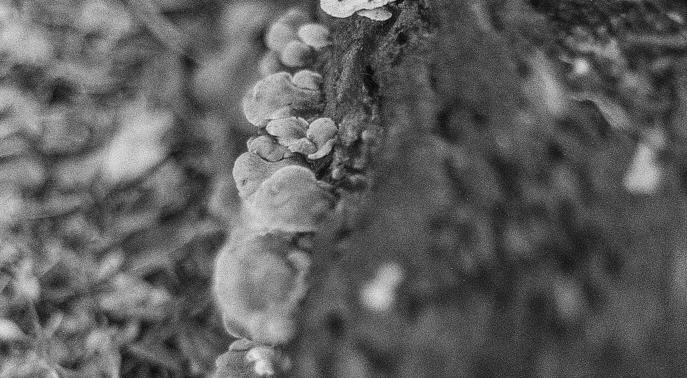
“Enfim, fungos são tudo para mim. eles são perfeitos.”
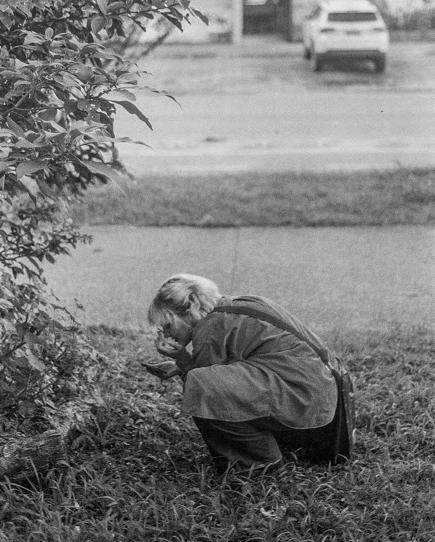
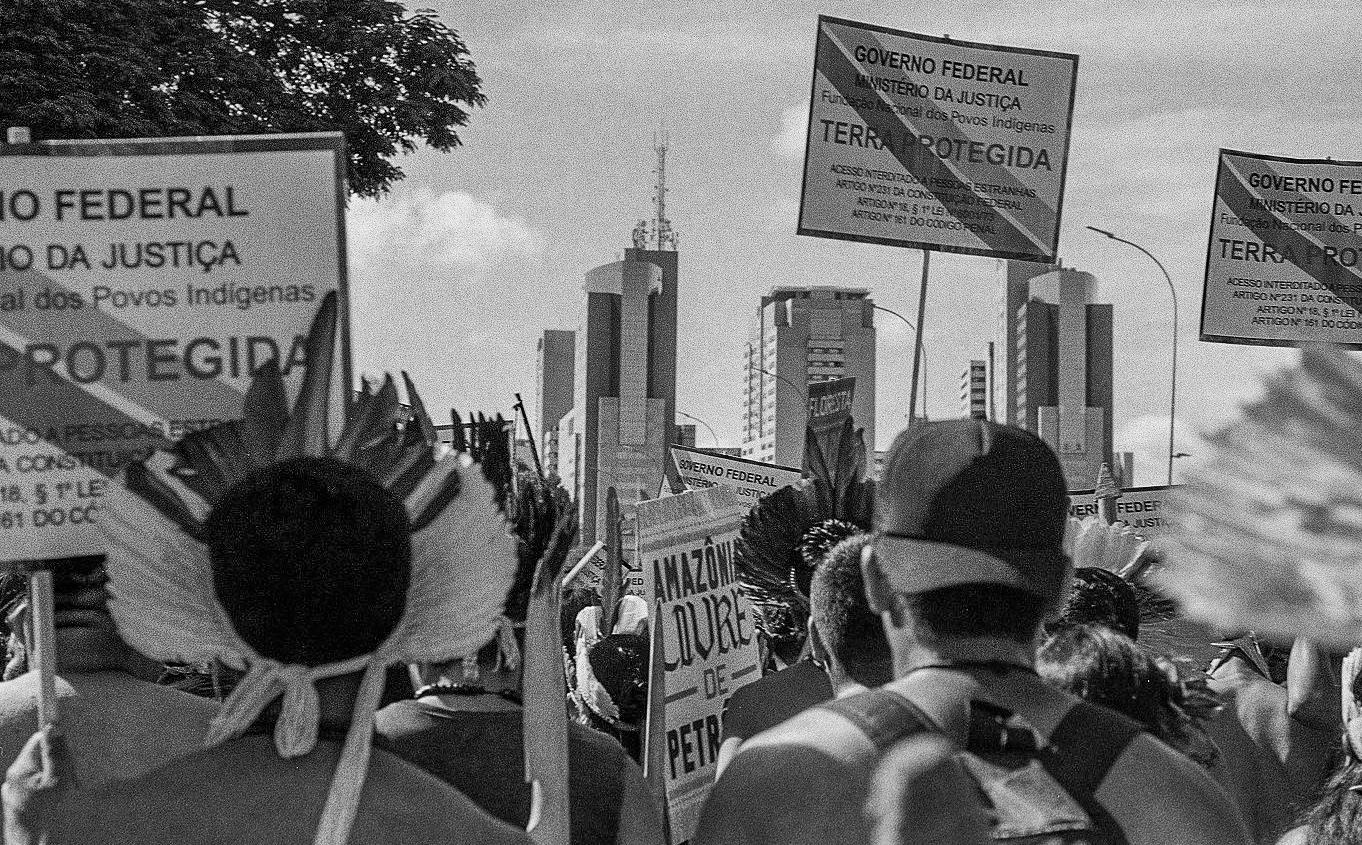
“Acho muito importante a gente usa esse espaço da greve para revindicar nossos direitos e reivindicar uma UFSC melhor, não só para a gente, mas para os próximos estudantes que vão estudar. UFSC é uma das melhores faculdades do país e está caindo aos pedaços. a gente é responsável pela maioria de pesquisas, em fim, a gente precisa de coisas melhores.”
An Ode to the Adirondacks
Egan Turner ‘27
The Adirondack Park is one of America’s best-kept secrets. It is the largest protected area in the contiguous United States and is larger than six states (Rhode Island, Delaware, Connecticut, New Jersey, New Hampshire, and Vermont). Many travel across the country to explore the landscapes of the Grand Canyon, Yellowstone, and Zion, but due to its
designation as an amalgamation of wilderness areas, forest preserves, conservation easements, and private villages, the Park gets little recognition on a national scale. Despite living in New England since I was five, I similarly was oblivious to the beauty the region held, until 2023.
As long as I can remember, I’ve been camping. Although my parents didn’t grow up camping, they decided to try something new and began to take my siblings and I on trips into the outdoors when I was three. These adventures started with day hikes to local state parks in Maryland and soon evolved into overnight camping trips. Our adventures included visits to National Parks along the East Coast like Shenandoah, Great Smoky Mountains, and Acadia. When I was ten, we made our first venture across the country to see the landscapes of the five parks in Utah, as well as the Grand Canyon.
After this successful trip, we realized the possibilities of replicating it by fitting all of our camping gear, including tents, stoves, cooking gear, and sleeping bags, into the two free checked bags we each got from Southwest Airlines. With two free bags per person, this allowed for ten suitcases full of
as much outdoors equipment we could fit. This development marked the beginning of our tours of the western National Parks. The following summer took us to Washington, the next to Montana and Wyoming, and the one after that to Colorado. Even as life began to pull my siblings in various directions, my parents and I still managed to get trips off to the Dakotas and Oregon without the full family.
These incredible trips sparked my love for the outdoors, but I knew it was time to forge my ownipath in 2023, the summer before starting college that fall. My job search was centered around being outdoors, hiking, camping, and exploring a new place. What ultimately panned out was a job at a summer camp in the Adirondacks, a region I had only experienced through a trip to see Lake Placid when I was seven.
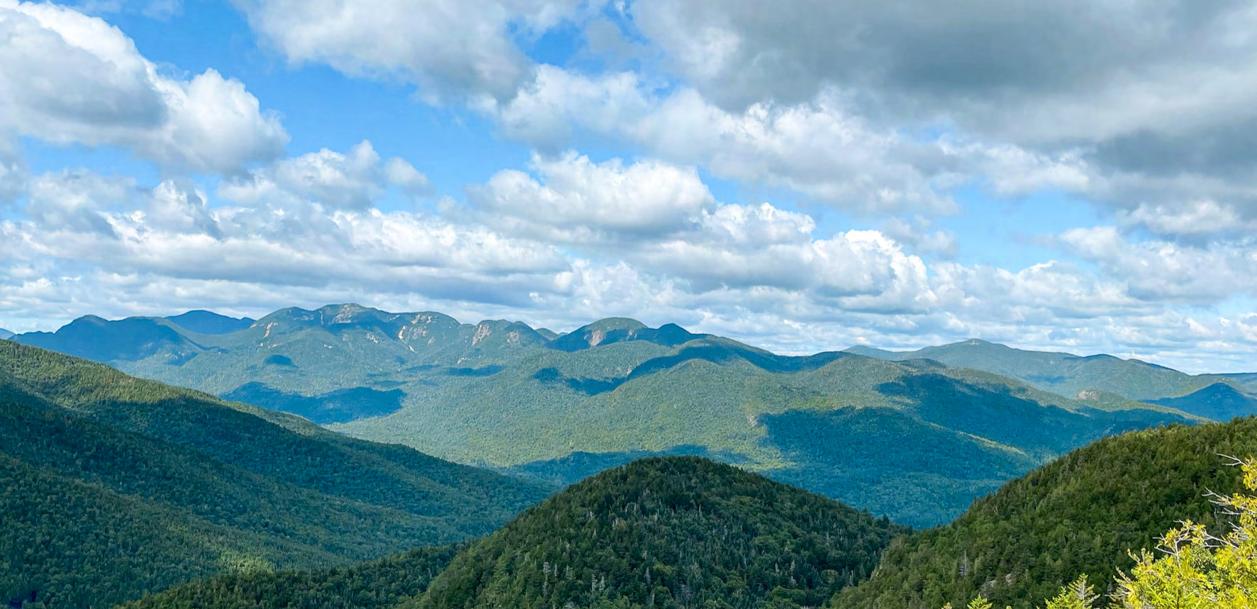
A view of the Upper Range from Giant Mountain (4,627’)
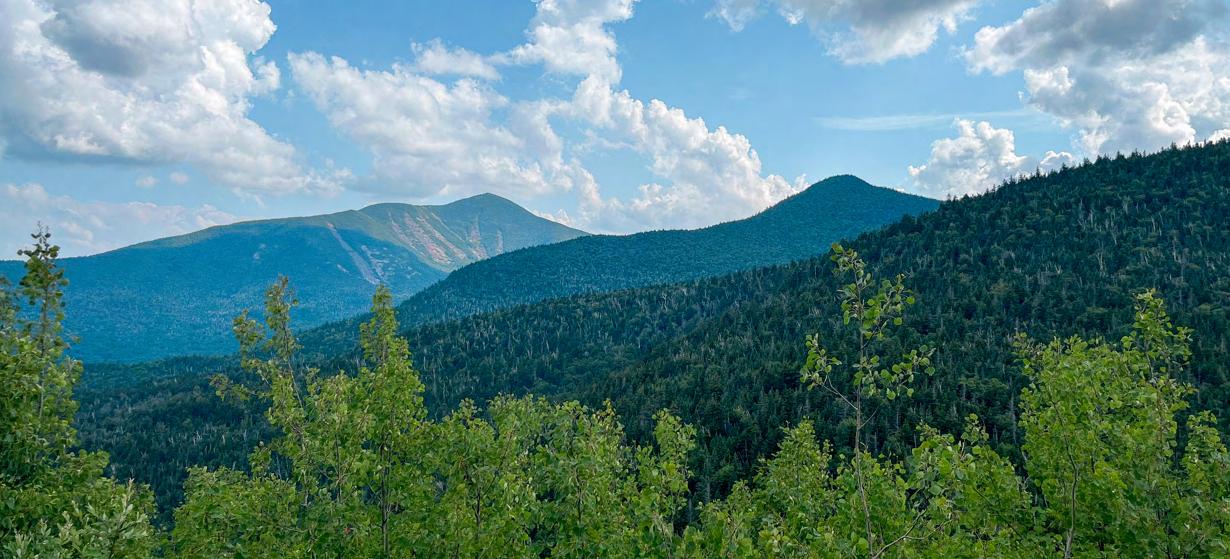
A view of Nippletop (4,620’) and Dial Mountain (4,020’)
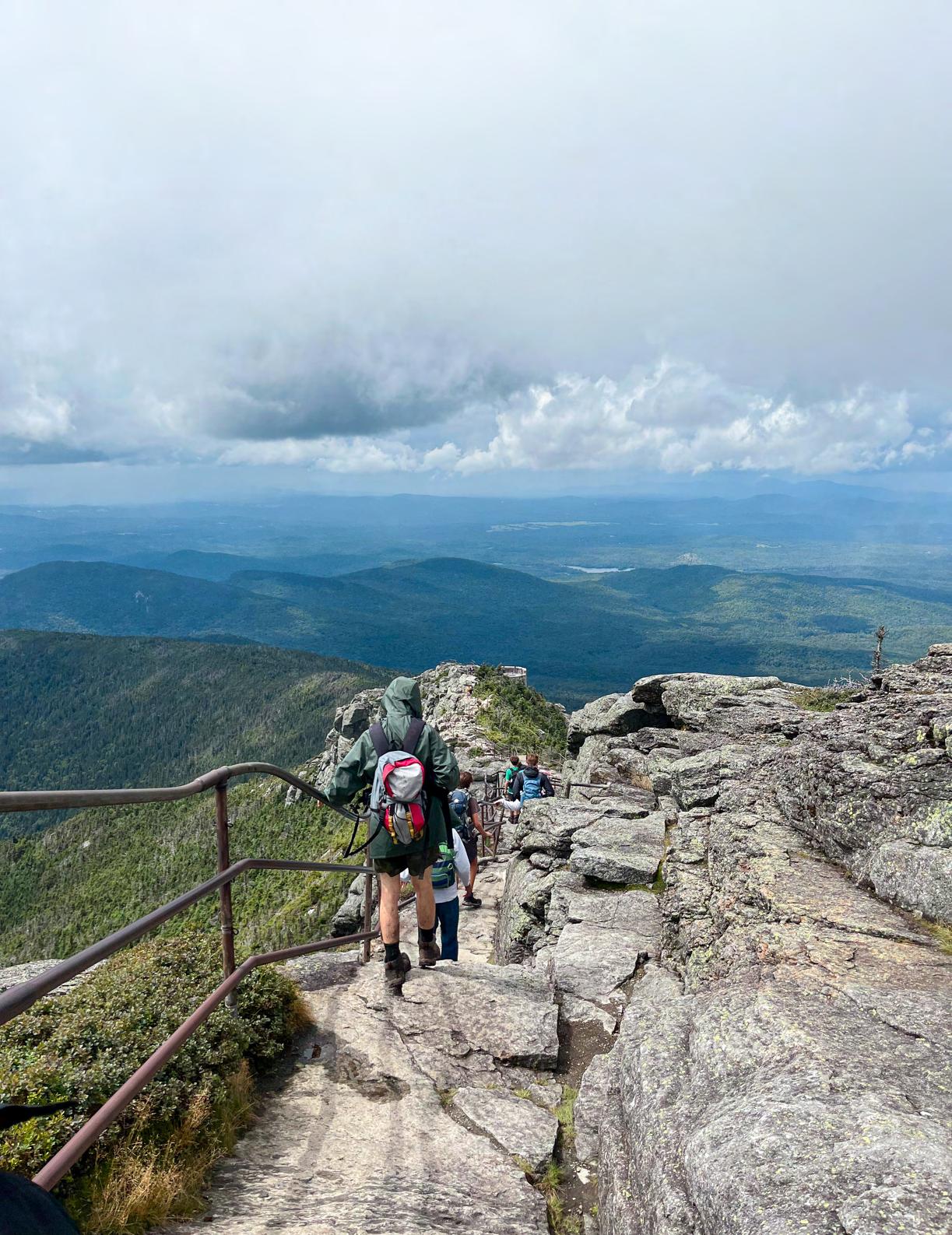
Just a few days into the job, I was whisked away on a staff training trip to the High Peaks, a three-day overnight with canoeing on Henderson Lake, the headwaters of the Hudson River, and climbing MacNaughton, an unforgiving mountain that I will never forget. The High Peaks region of the Adirondacks is populated by 46 mountains that were estimated to be the only ones above 4,000 feet when the first book was published in 1927. Since then, four of the original mountains were found to be below 4,000 feet, while MacNaughton was discovered to be an excluded one above the line. Despite these errors, the Adirondack 46ers, a club of people who have summited each peak, have kept the original list. Because so few climbers want to tackle the tall, viewless mountain that “doesn’t count” toward their list of High Peaks, MacNaughton has no trail up it. Instead, our group was forced to find our own route by tracing a brook up the side, eventually reaching the top, despite many scrapes from navigating the dense forest. Oh, and it was pouring rain.
After returning from that trip, I was inspired to begin my own quest to reach the top of the 46. After all, they can only get easier than MacNaughton, right? I started with smaller mountains with friends on my days off from work, but then got assigned to lead campers up the peaks, including Mount Marcy, the tallest point in New York. After completing that summer with 11 mountains under my belt, I returned the following year in a new position where I planned, packed, and led trips rather than working as a counselor. In summer 2024, in my new role, I hiked 26 new mountains in the Park, bringing my total to 37.
A view of Noonmark Mountain from Upper Wolf Jaw Mountain (4,185’)
Now, I am looking forward to finishing my mountains in summer 2025 and officially becoming a 46er, accomplishing a goal set years prior.
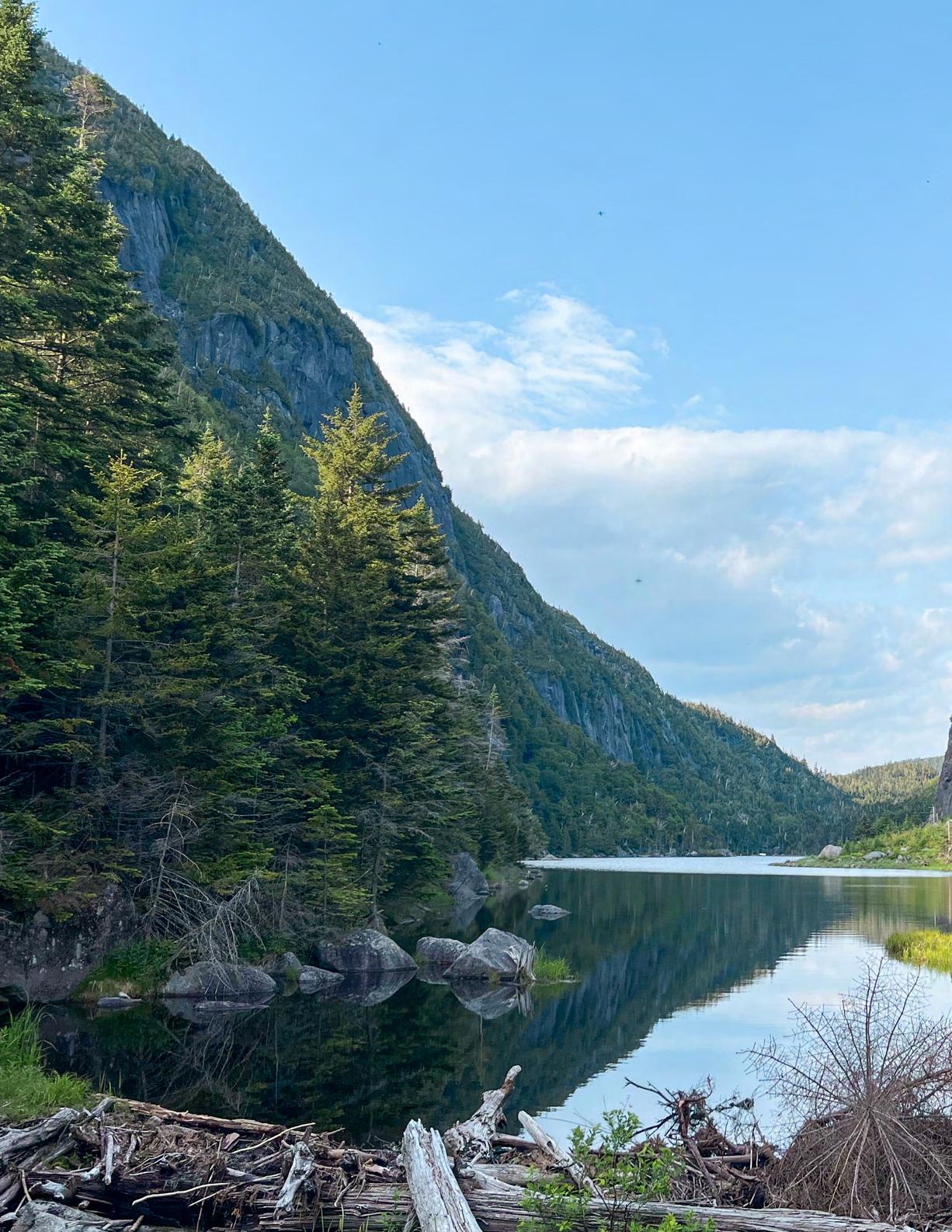
Admiring the reflection at Lake Colden while hiking to Mt. Colden (4,714’)
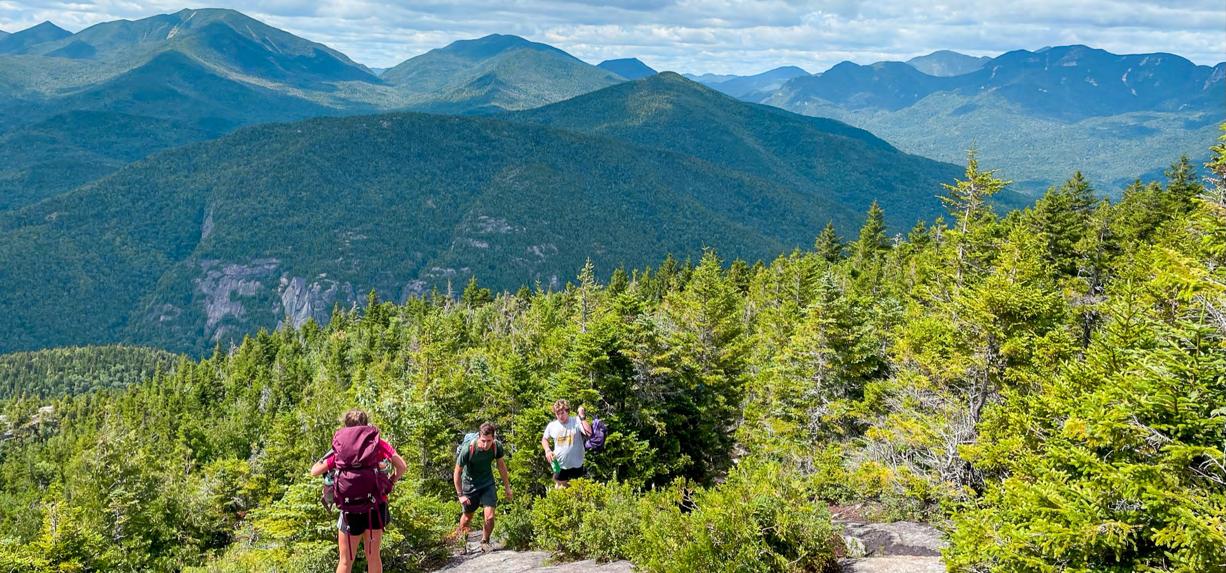
On the idea of the 46ers, I have to say I’m torn. The call of the mountains as a challenge is an incredible long-term goal for campers to work on, coming back and knocking a few more off their lists each year. The appeal of becoming a 46er also gets people outdoors, which is always a big accomplishment these days. The iconic 46er logo is also a status symbol around camp and the greater Champlain Valley. But more than just identifying someone who has reached 46 summits in the
Adirondacks, the badge represents struggle, perseverance, hard work, and dedication. Those who wear it are experts of the landscape, and each hold unique stories of the many days they spent summiting the peaks, the people they climbed with, and the absurd conditions they encountered. With this prestige associated with accomplishing the 46, it’s easy to see why people can get hooked on the idea of becoming a 46er and attempting to hike them as quickly as possible.
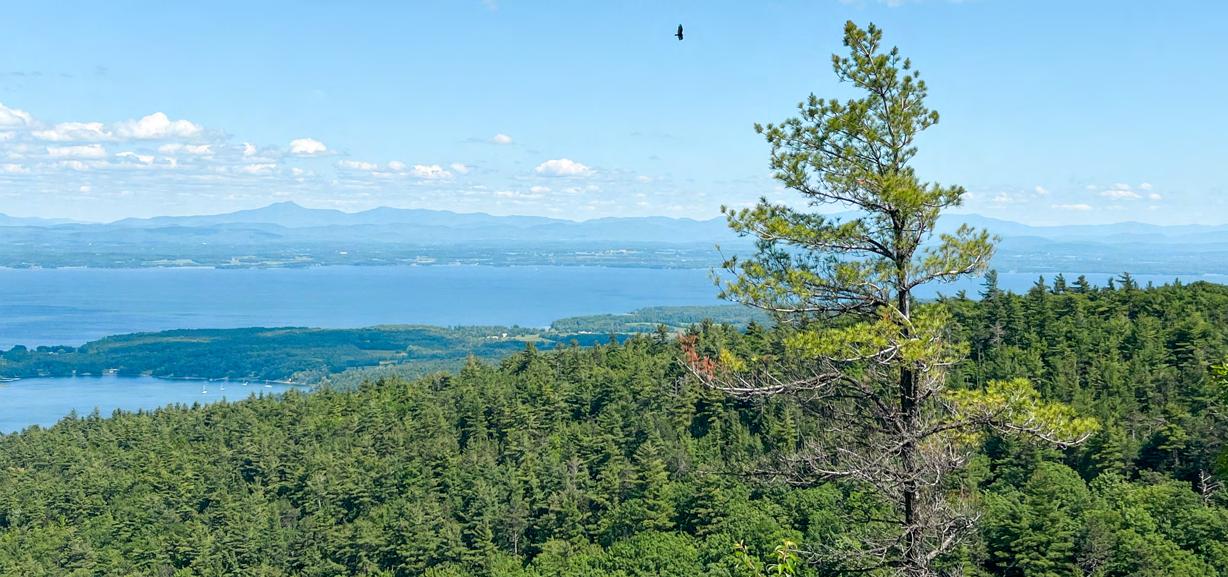
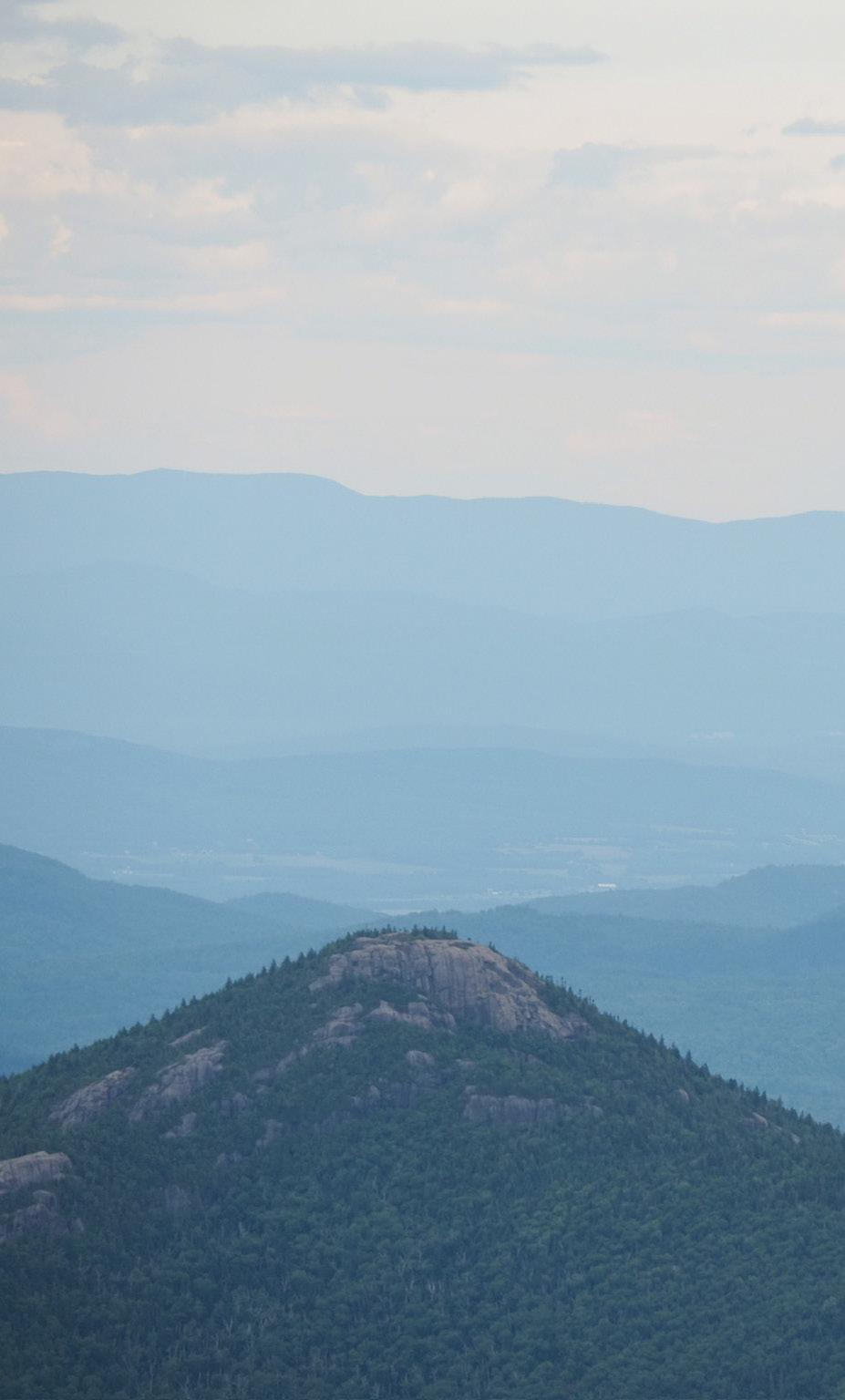
A view of Lake Champlain and Vermont from a small mountain near summer camp
However, this isn’t always the best practice. I’ve witnessed kids become obsessive with solely hiking mountains that count towards their personal lists, refusing to go up shorter mountains or redo ones they have already completed. Even as a staff member I find myself getting swept up in the idea. A common question that campers will ask is “are you a 46er?” When I tell them I’m not, I can’t help but wish I could say I was like my many coworkers that can. Even as an adult I find myself with role models of my own, shaping myself to be like staff members a few years my senior, especially those who are 46ers. Getting outdoors should be done for the love of nature, even if it isn’t a mountain that was put on an arbitrary list nearly a century ago. Hiking often has moments where I question why I put myself through it, but by the end of the day I always look back on it fondly. I’ve long believed in this, and when living in New Haven, Connecticut, I scaled the local West Rock (just a mile or so hike, much less than a 20 mile day in the High Peaks) countless times. Although the view hardly changed, it represented a desire to be away from the urban setting, to experience a pause in my day and overlook the city I called home. Rather than prioritizing checking mountains off of a list, seeking beauty and enjoying the outdoors should be top of the mind.
It is not difficult to find this beauty in the ADKs, even in the small things. You’ll be hard-pressed to find a switchback in the Park. Instead, almost every route up a mountain traces the path that nature charted for us: a stream. Although the steep and often muddy trails can be punishing, it’s reassuring to know that in hiking up, you’re leaving as little trace as possible. As one continues to hike each mountain in the region, it becomes easier and easier to reach a summit and be able to name every peak as far as the eye can see. Despite only spending a couple of summers in the region, it is easy to view the High Peaks Wilderness as a sort of home, especially as I have been thinking more and more about what that word means since reaching Middlebury.
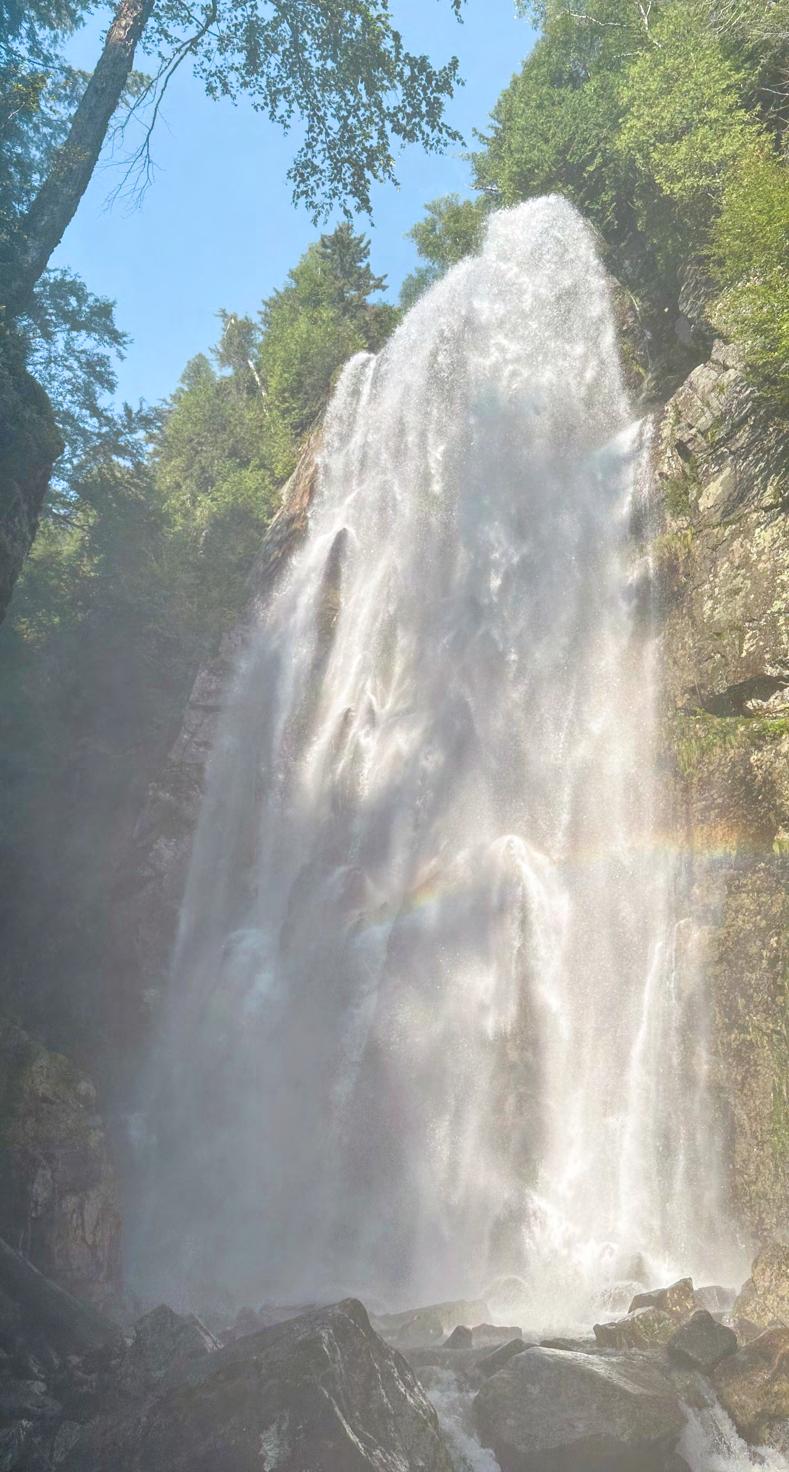
Rainbow Falls, located at the base of Sawteeth (4,100’)
Kenny Ryba, one of the most seasoned 46ers, points out some peaks on a staff training
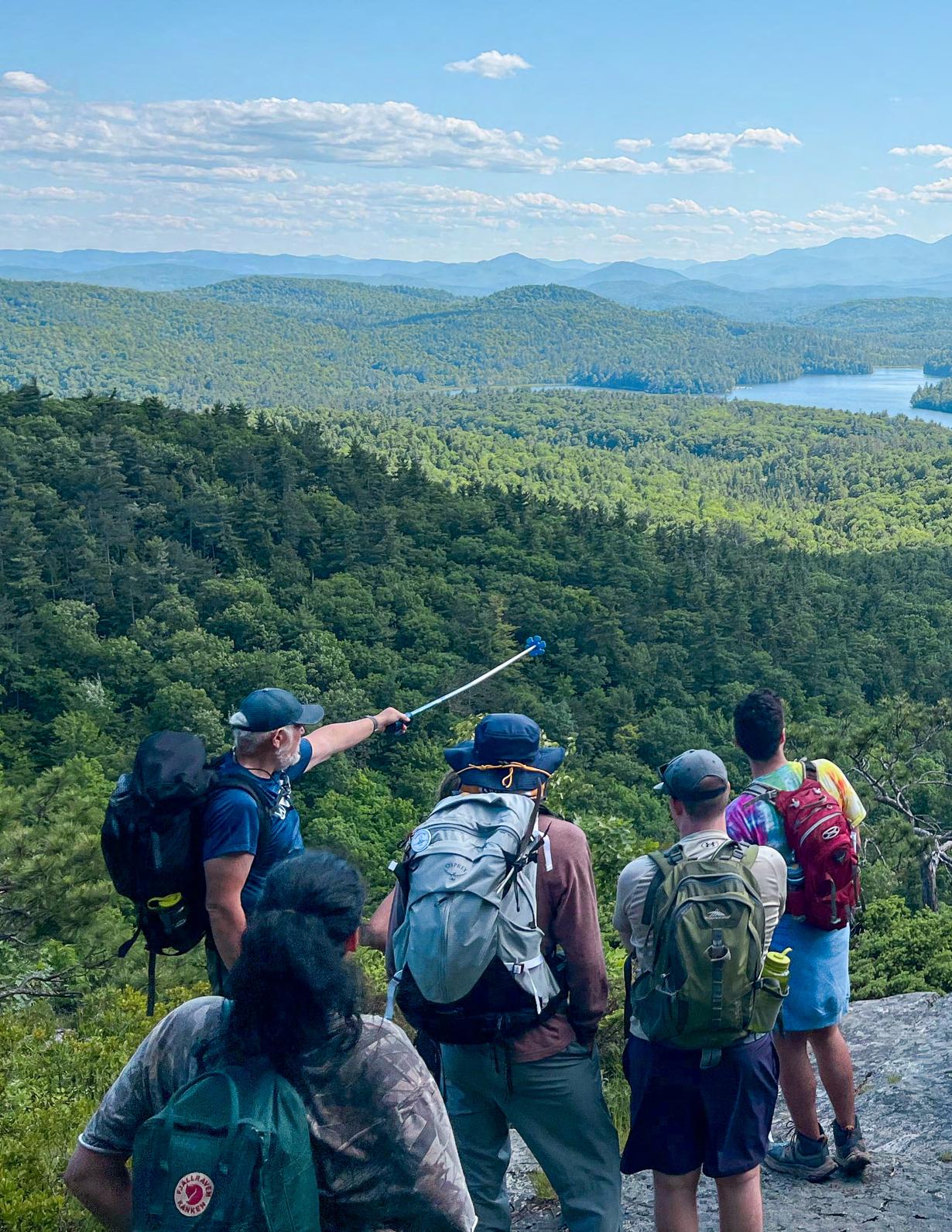
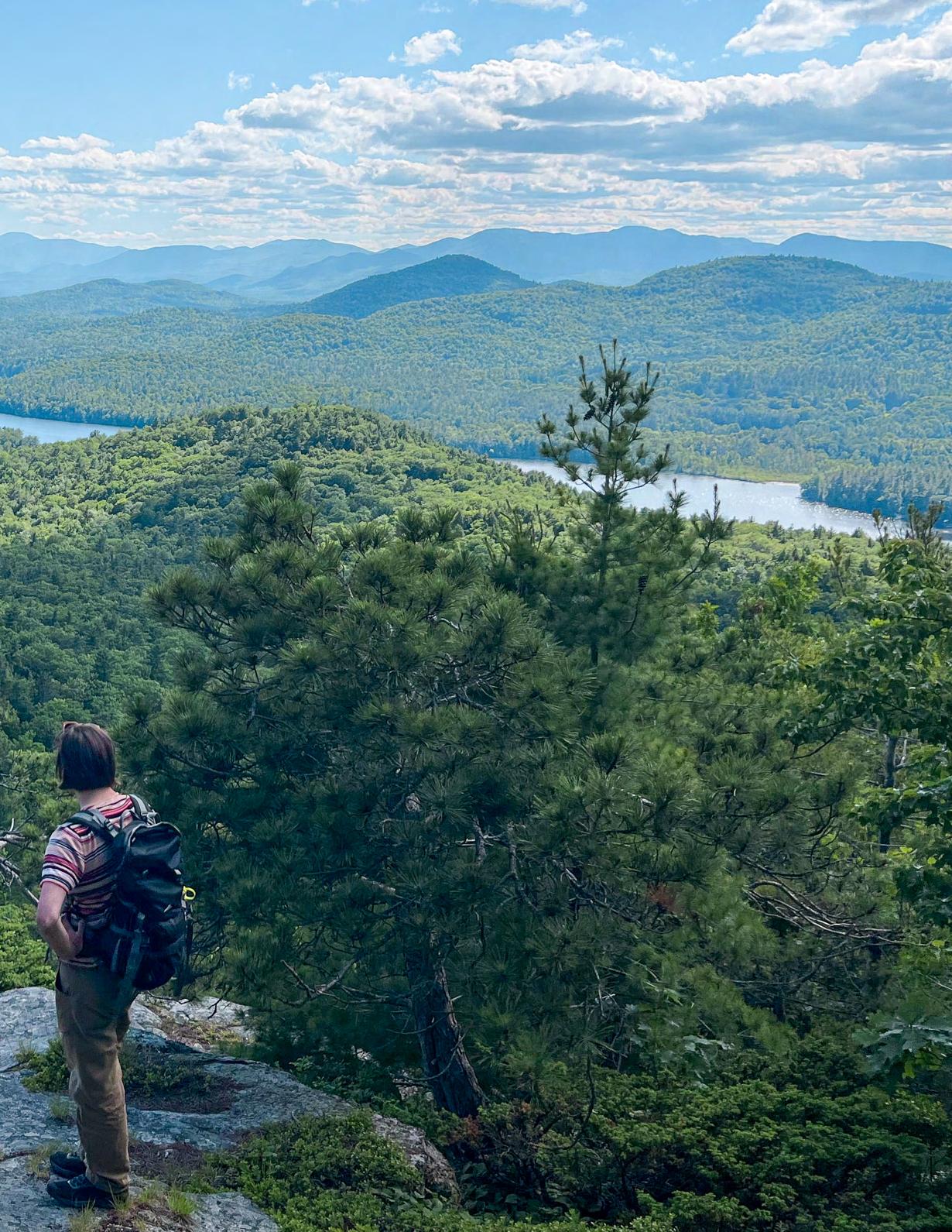
Although I have been checking off the peaks quickly over two summers in the hope of joining this exclusive club, I still consider myself as a nature lover more than anything else. My purpose in climbing these peaks is more than simply checking names off my list, it is in creating valuable memories of outdoor adventure, especially before I get swept into the workforce where I have to find a “real job”. I hope to continue climbing these mountains again and again (the ones I enjoyed at least), letting others in on the secret of the ‘dacks.
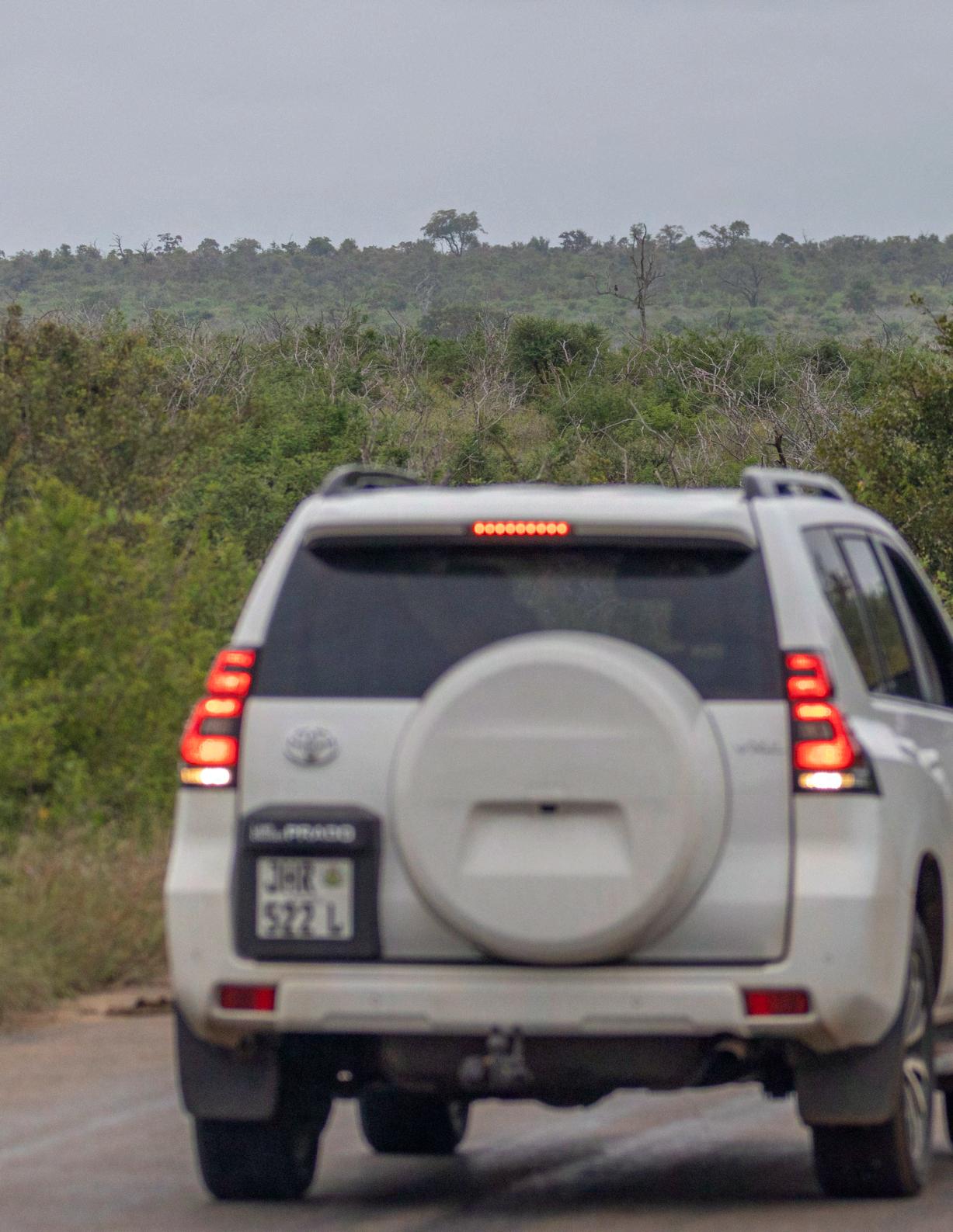
ENTANGLEMENT
A photo Essay From KRUGER NATIONAL PARK
Erin Pomfret ‘28
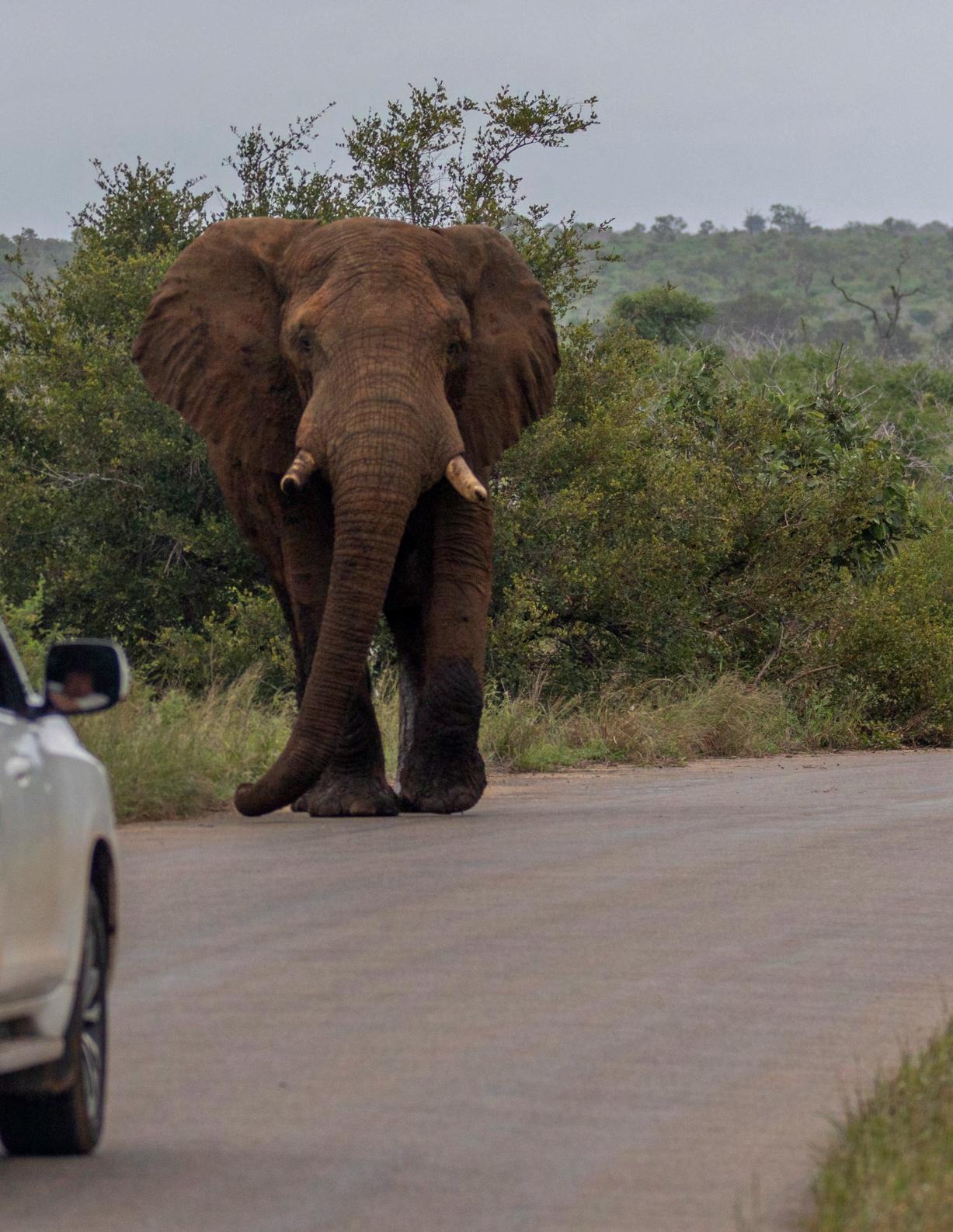
While most people might expect to be more afraid of a lion, my hands get clammy around the steering wheel as I see the matriarch of the elephant herd approaching. She turns towards the car in front of me with curiosity bordering on suspicion. The delicate balance of backing up the car on the winding road while keeping an eye on the giant is no easy feat. Luckily, this elephant decides I am not worthy of her time and disappears into the bush.
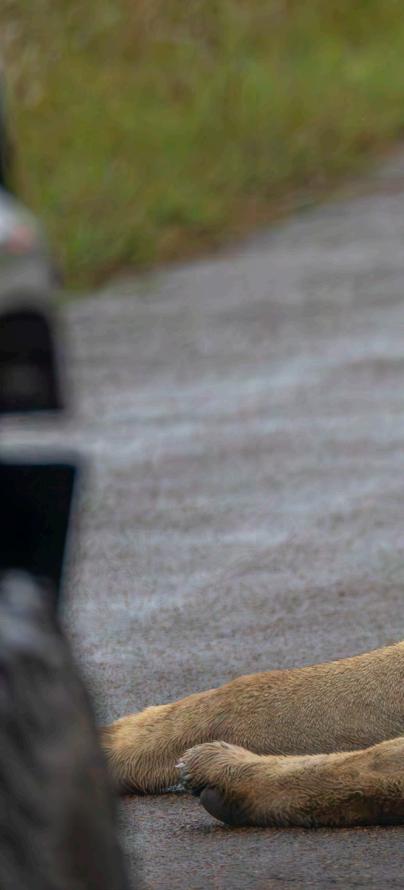
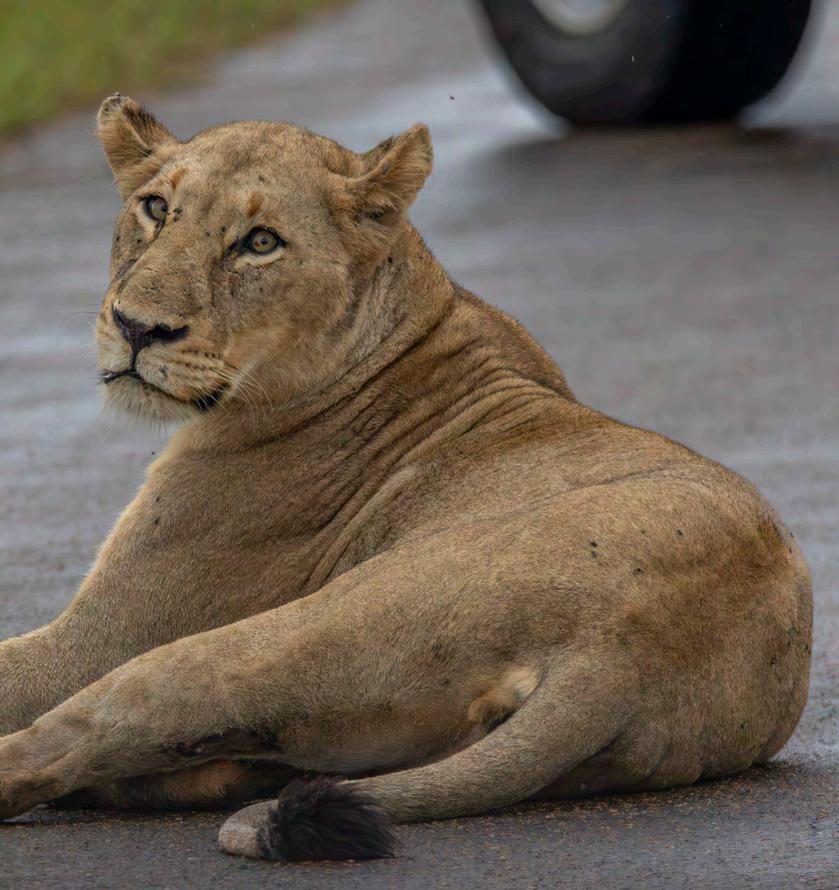
An occasional lion taking a snooze on the hard tarmac can prove to be an inconvenience when trying to get home for dinner. The indifferent expression on this lion’s face surprised me as she was surrounded by vehicles that could be perceived as a possible threat. With the sun slowly setting and curfew approaching, I watch as a car cuts way too closely. Initially worried about a dangerous outcome, I am taken aback when instead she lowers her head and closes her eyes.
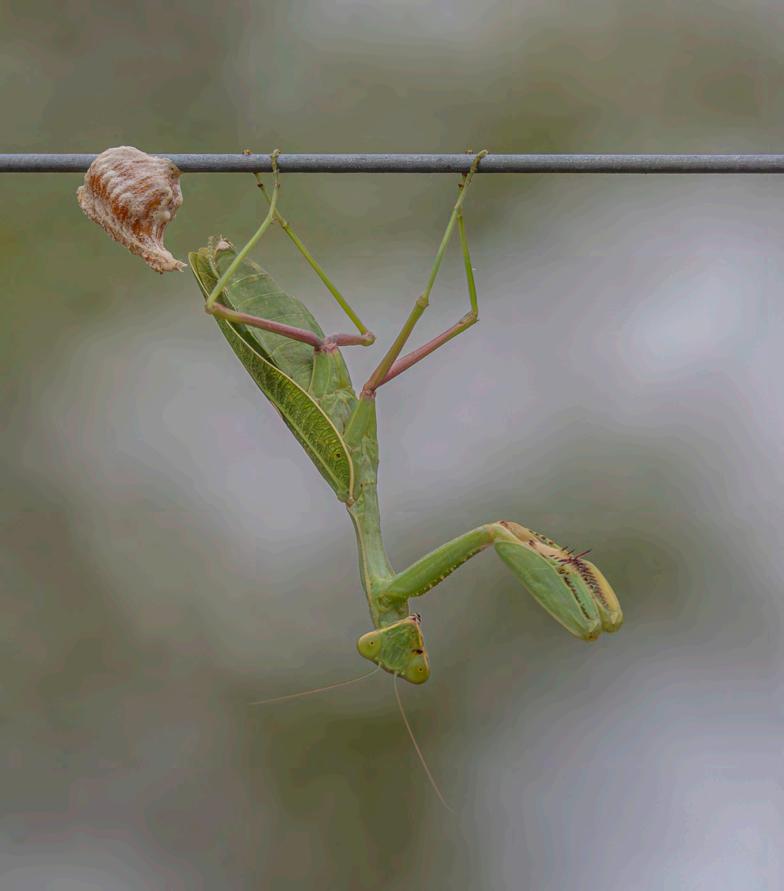
A praying mantis delicately hangs from a wire, a sight that I almost overlooked when driving by in a game viewer. I immediately asked to stop the vehicle to study this fascinating insect.
She has creatively crafted an egg case around the steel wire so that it stays at a height that deters potential predators. She looks into my viewfinder, and as my lens stares back at her.
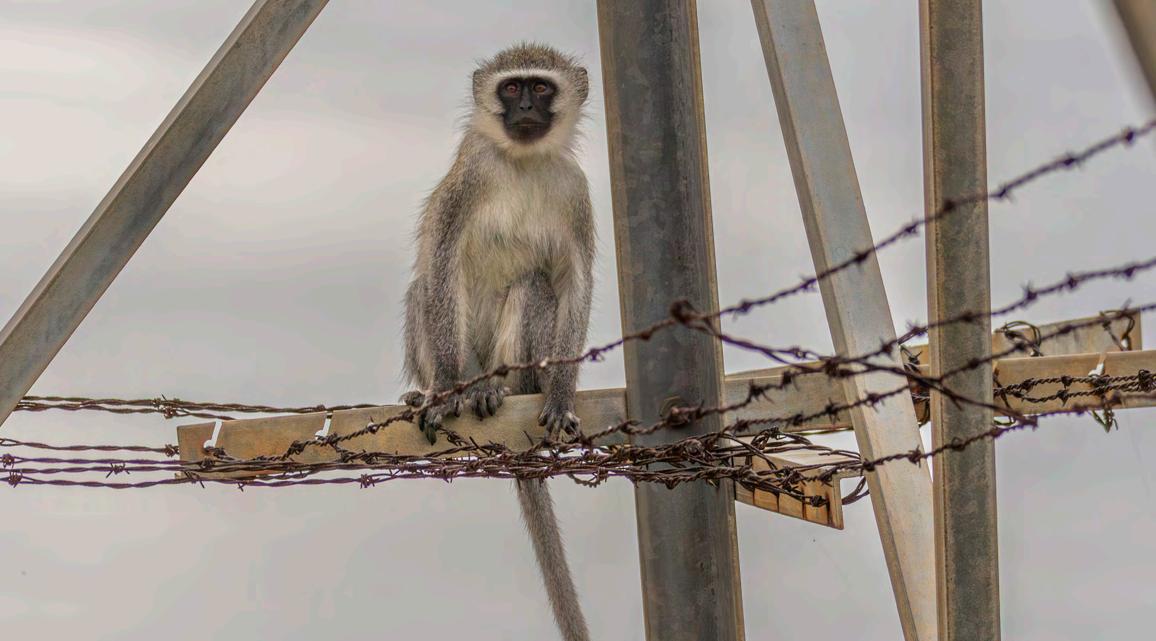
Surveying his surroundings for possible threats, a Vervet monkey perches upon a cell tower with his hands and feet gripping to the steel beams. These structures are common hang-out spots for troops as they offer a good vantage point overof their habitat and a comfortable resting spot after their playful antics of chasing each other. Although the barbed wire may seem risky to navigate, their nimble limbs avoid the barbs, only adding an extra element of challenge.
Remembering the West
Catherine Heckler ‘27.5
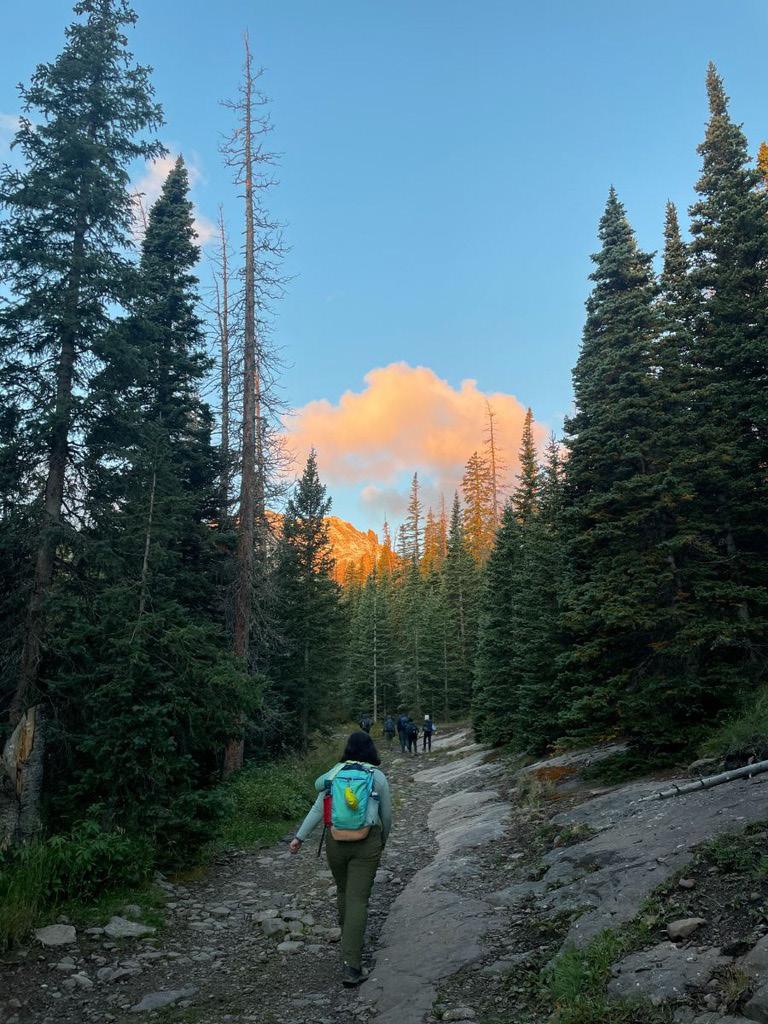
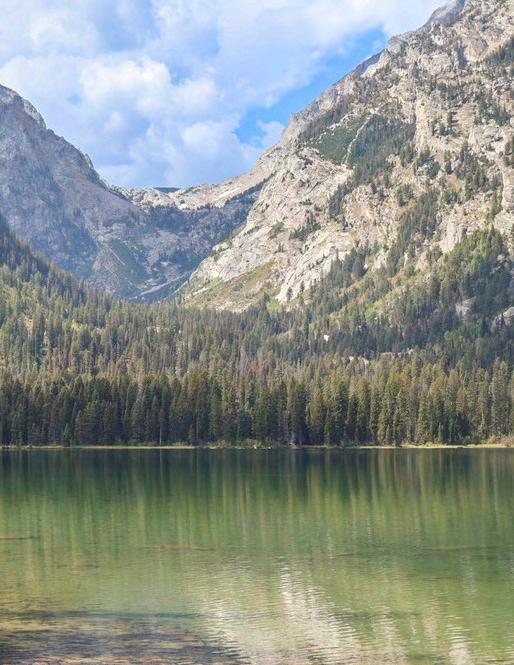
Iamsitting and reading outside with Ryan. It’s late at night during the autumn after my high school graduation and we’re camping at a wolf sanctuary in Colorado. It’s day twenty-one of seventy and we’ve barely talked to each other so far, but there we are, reading, talking. The atmosphere is a dramatic contrast to my previous eighteen years, but it’s quiet and I hear the wolves howling. Cold wind whips around my ears. I’m unsettled but calm.
Up until this freezing September night, I’d lived my entire life in one city and one house. My childhood was marked by an absence of change: the ever-present potholes in the sidewalk in front of my house, the 8-minute drive time on my route to the one school I attended for elementary, middle, and high school, the 2008 Honda minivan sitting in our driveway, and the fact that all four of my grandparents lived to see my high school graduation, despite my expectations.
When change did occasionally come, it came in small moments, insignificant to most people, other than myself. Change manifested itself in the closure of my childhood Frozen Yogurt Shop, which was only a short walk from my house, and in the rising prices of all of my favorite neighborhood restaurants. Change made itself known to me when the busiest intersection near my elementary school campus was converted to a rotary during my sophomore year of high school when my younger sister started putting on makeup for the first time, and when my childhood best friend got her first boyfriend.
These tiny moments of change, while decidedly minuscule compared to the overarching lack of change in my eighteen years of life, consumed me. I gave myself no choice but to grieve these small conversions in the overall stagnation that was my growing up.
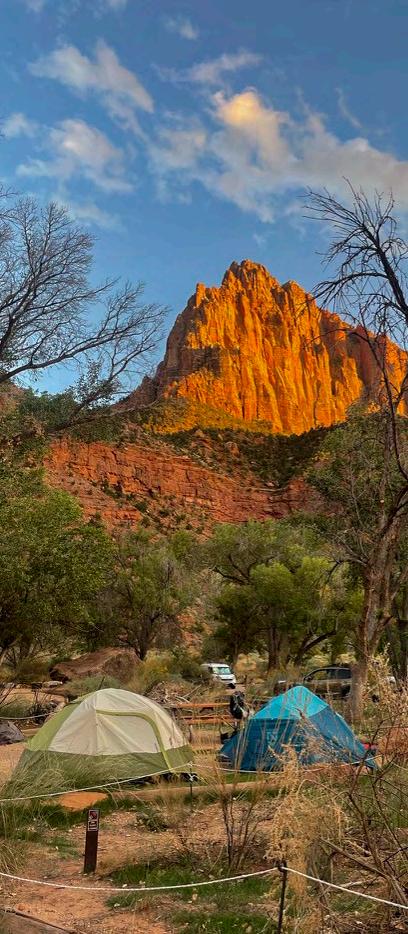
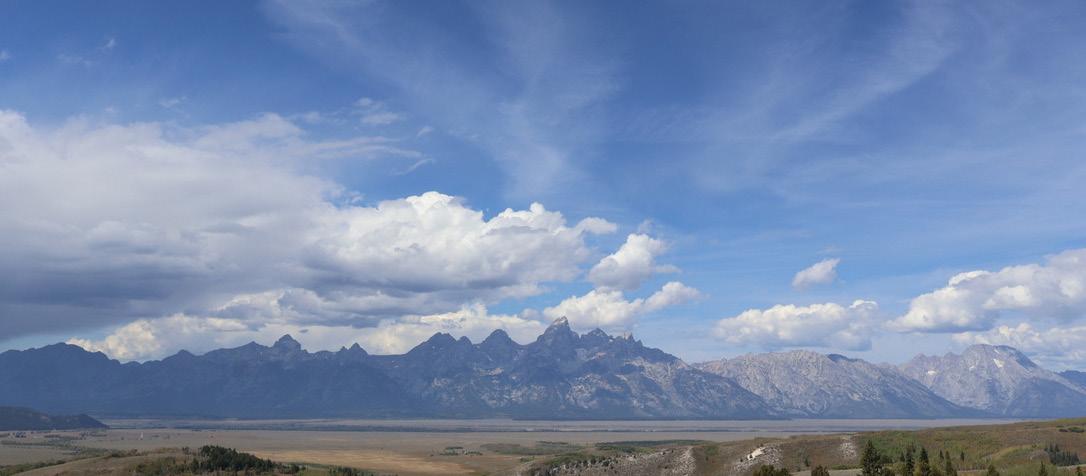
My animosity and fear toward change made me petrified to go to college. If traffic light replacement and lack of frozen yogurt brought me to tears, then how could I possibly move 900 miles away and leave the one home, school, and home I’d ever known?
I took a semester off before going to college and decided to tackle my negative relationship with change. So I left home for seventy days to sleep in a tent I had never set up in a region of the country I had hardly visited with twelve other people I had never met before.
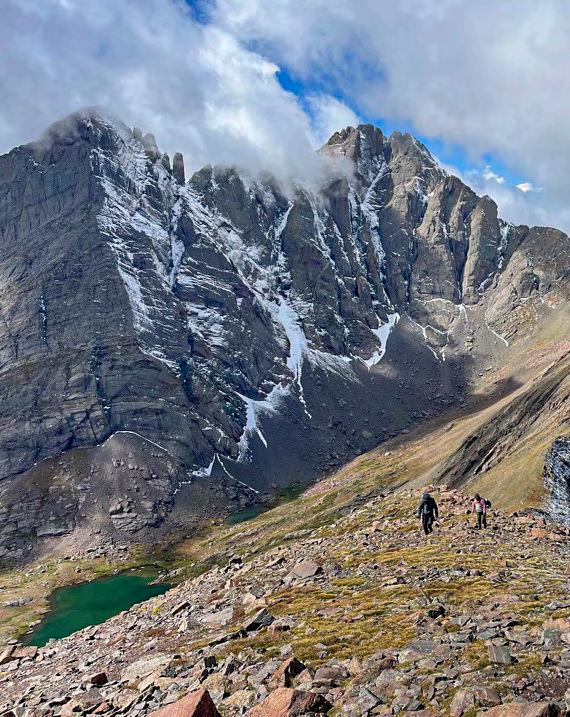
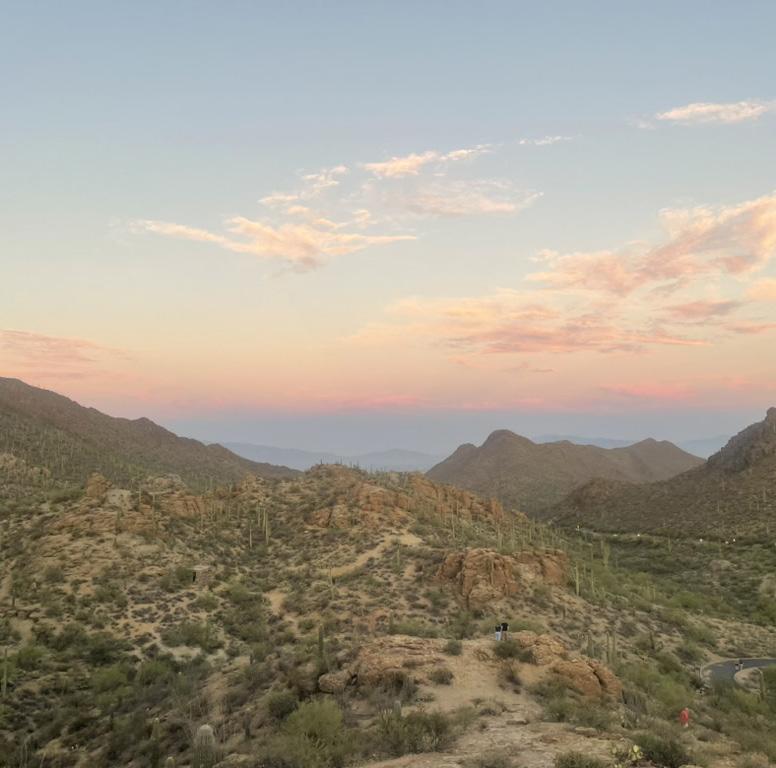
Now, a year after that trip, I remember descending Humphrey’s Peak with Daniel on day fifty-five. I was always slow on the uphill, never the first one to summit, but I’d learned to love running down. There was something freeing in trusting my body not to trip, and in not being the last to finish again. But as Daniel and I slowly climbed our way down, listening to Lord Huron, talking about our families and favorite songs, and many things in between, I learned to love taking it slow. Nothing
I remember Juana remembering the little things. My mother’s name, my favorite books, the story behind the necklace I haven’t taken off since I was thirteen. I remember us lying in the third row of the van, reading, and arguing with the guys in the row behind us. I remember us sitting in the trailer and talking about things that you can only talk about with someone who never forgets and always remembers.
When I think of my 70 days at age eighteen camping in the Western US, I remember the good and the bad. I remember my tent imploding with me in it our first night in Yellowstone and my second tent ripping upon initial setup. I remember wishing I could call my mom to cry the first time I felt homesick and the time I got lost on a hike and spent hours in the desert alone without any way to ask for help. I remember completing my first hike longer than 7 miles, seeing a moose at 6 am in the Tetons, and cooking with my friends at the end of a long day.
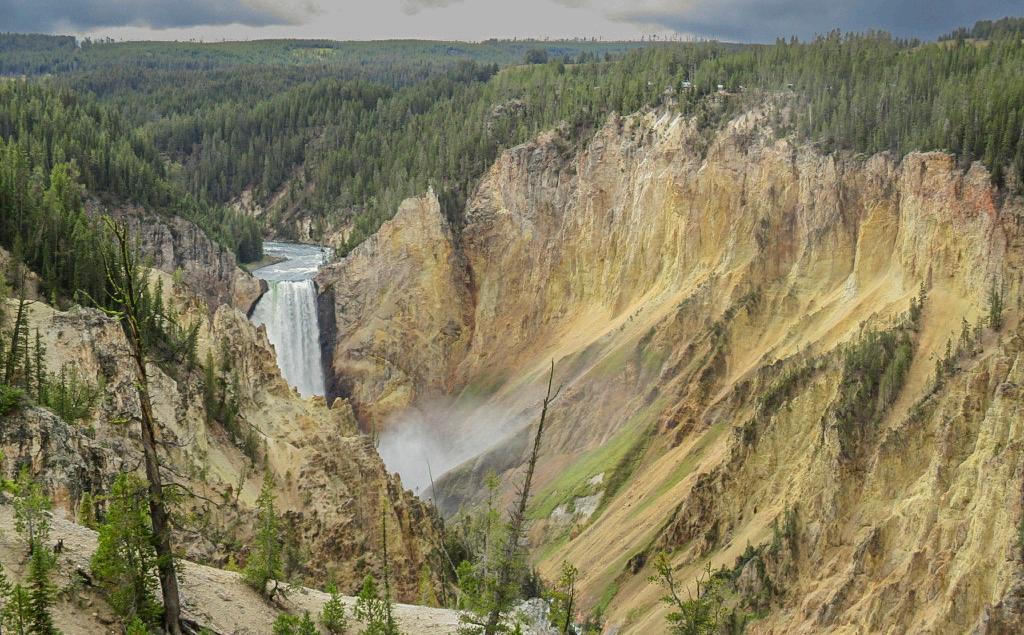
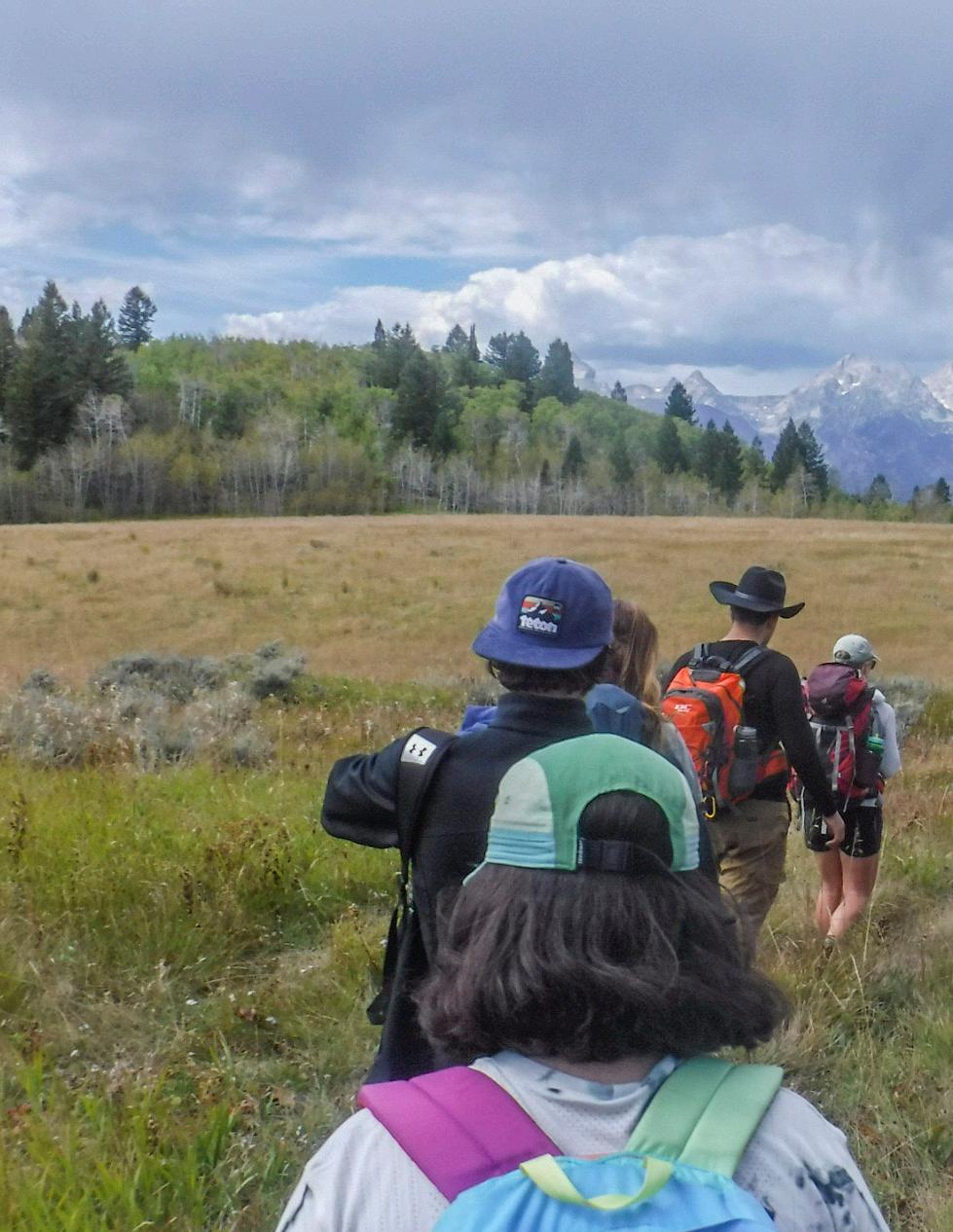
I remember the change too: adjusting to a lack of showers and mediocre camping food, and not having my phone for over a month and spotty cell service after that. They were small changes, and yet, for the first time, once I reckoned with the contrasts they posed to my first eighteen years of existence, they didn’t feel overwhelming.
So now, at a college that I love despite its distance and the change that has come with it, when I am asked what I remember most about my 70 days spent hiking in the West, I say I remember the people. Their laughs, songs, movement, company, and silence. It’s through others that I remember.
InThe Ground That Moves Me
Words by Willa Bryant ‘28
Photos by Liam Reynolds ‘26
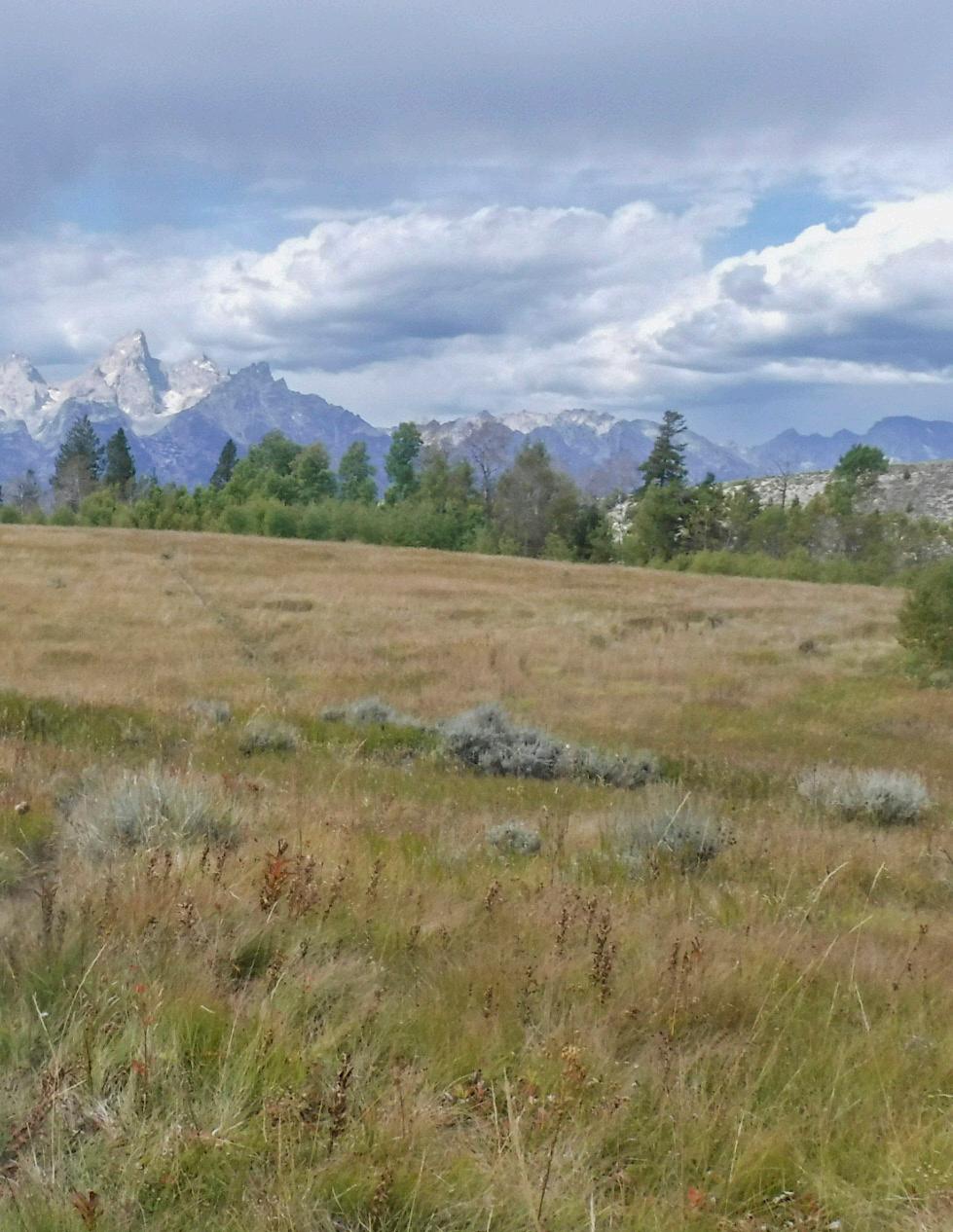
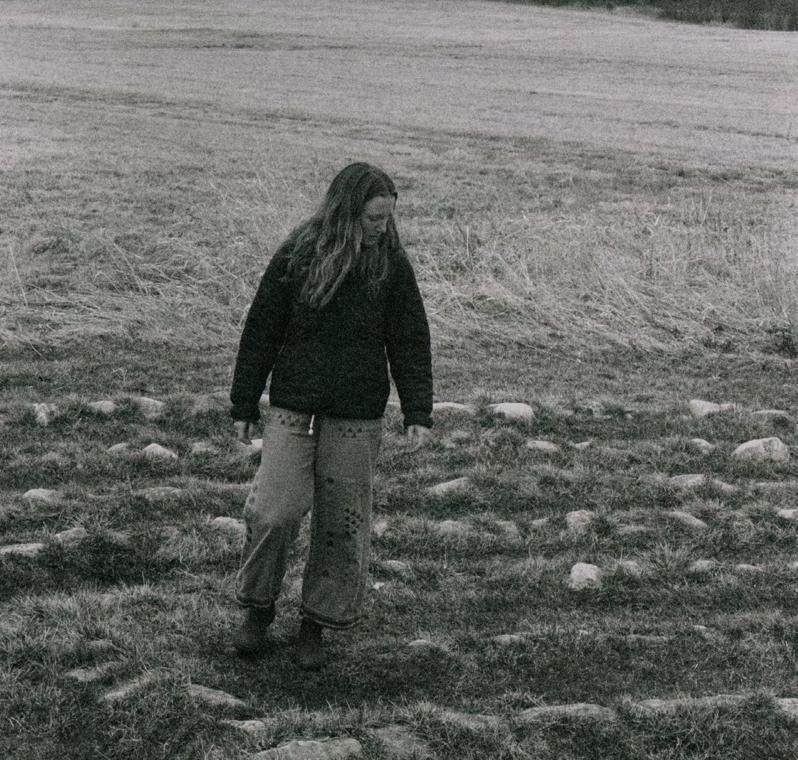
this year’s J-Term, I enrolled in a philosophy class called “Walking Body, Walking Mind”. The class leveraged texts that emphasized walking as a vehicle for exploring spiritual growth, environmentalism, resistance, and social change. Experientially, students spent a great deal of time walking in contemplation, taking stock of the lessons and realizations that transpired alongside bi-pedal passage through the day. As I walked with a greater degree of awareness, I found myself looking down at the ground. Even in scenic places, when landscapes were laid out before me, my eyes remained fixed on the substrate. In these moments, I witnessed my downward focus as a failing of some sort, a resistance to the riches exposed by looking up and out. Why, in the face of such splendor, would I resist, and instead choose the humble, near-at-hand ground? “Walking Body, Walking Mind” gave me ample opportunities to walk, and in turn, get curious about my tendencies– to welcome what came naturally, and to indulge my attention, or intention, wherever it landed. During the assigned walks, I curious, beautiful, mysterious things that decorated the ground beneath me – ice, concentric circles, and shadows were some of the muses I captured. I found that the ground can be a vast canvas on which to paint my steps and my attention. After many walks, I noted that my thoughts laid tracks on the floors of my mind, pitter-pattering their way along. I began to consider myself as containing a porous membrane between two equally real spaces of feeling and experience: the inner world and the outer one.
As I walked, the substrate of my mind and the ground underfoot became textured places that could heighten my experience. I noticed beauty more easily. I paused as my shadow stretched long in the waning sun. I lingered like the cold on the lips of stones, and I allowed myself to become deliciously late. Every walk became a treasure hunt from which I returned with bundles of memories and feelings. Miracles became abundant, common as the gathering snowflakes, and nearly every step yielded small yet precious noticings.
As part of the class, I was encouraged to keep a journal in which I recorded observations made while walking. This journal served as a larder of observation and memory, and I recorded my findings with the zeal of an animal storing food for winter. I wondered if I too would survive the cold months, nourished by all I derived from paying attention to the world around me.
After one particularly cold walk on January 15, I returned home and realized that “I love the way the snow sounds when it is cold, cold. CORNSTARCH COLD! That’s how the snow felt underfoot, like cornstarch.” Reflecting further on my fondness for winter weather, I claimed that “when there isn’t anything else [alive outside], magic is easier to see [and] stay with.” My journal bore witness to my outer and inner life and served as a meeting place wherein the two could co-create a narrative. I etched my attention on every page.
The blank pages that remained after my walking class was complete I now fill up with notes from a class I’m currently taking. In this process I see myself carrying forward a new way of seeing, learning, and keeping record. I take pleasure in privately resisting the strictness of organization and compartmentalization that is so pervasive in the classroom setting. I appreciate the interdisciplinary, messy, perennial nature of this journal; generations of thoughts are bound together, evidence of the ground I pass over, and a growing flexibility in heart and mind that proves I continue to learn.
While I loved what I found on my January walks, the act of finding proved the most exciting. Participating in the practice (or art?) of paying close attention made me feel receptive and open to the unexpected, the aesthetic delight that prowled around every corner and in every crevice. Over many steps, I felt my heart opened by the gentle hands of the world, and as I moved through it, across rocks, dormant grasses, concrete, and carpet, I was moved. Across miles of mind and inches of earth, walks became the cup in which my heart steeped, stirred by the spoon of the world’s wonders. I leaped beyond the winter season and began to thaw and soften like spring ground, and I loved more.
I derived equal pleasure from the textured substrate of my inner world and the outer one. Like the physical landscape, one’s inner world is a surface where interesting things are revealed and explored. Just as tracks are made in new snow, memory impresses
itself upon the mind. When I walk, I revisit old feelings that have pressed themselves into me: I recall jokes and laugh out loud; I recollect the moments that have brought me into this step, and the next one. Memory is a substrate too, one that walking adds to and pulls from, firm ground that supports the mind on its life-long path of thought.
Like a landscape, the mind is vast. Becoming familiar with this expanse takes time, it requires a dedication to following paths of thought and surrendering to the inevitability of getting lost among them. I could never move, remember, or think if these firm surfaces weren’t there to begin with. The dynamic between the ground and the things traveling across it invites me to consider the ground as doing Atlas’ work of holding up both the body of my thought and the physical form. This in itself moves me.
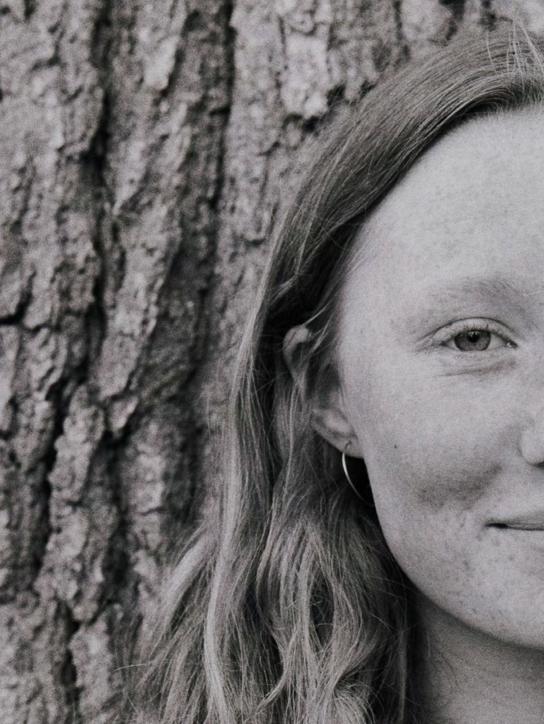
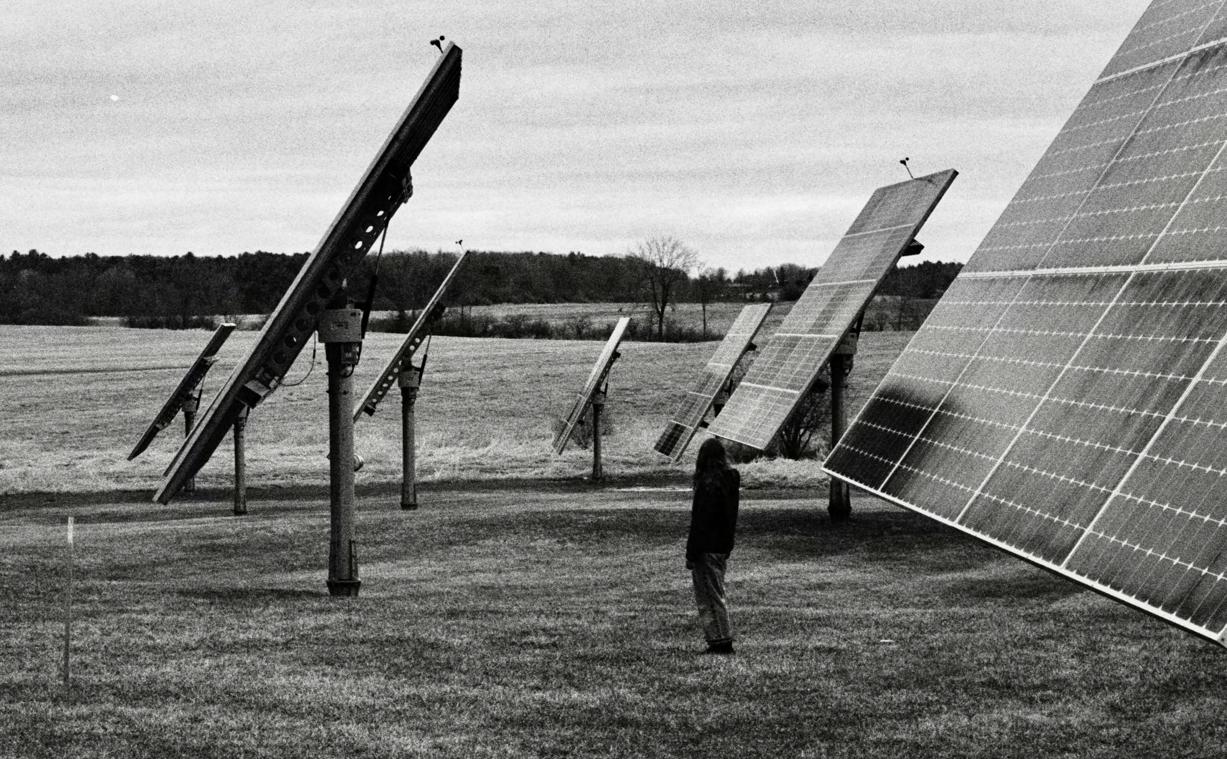
These photographs reflect my outer journey as much as my inner one. Shadows, dormancy, andmembrance are phenomena that occur in both the external and internal land-
scapes. These photographs commemorate moments in which I was in motion and being moved.
They are a collection of precious noticings that made me feel more connected to and held by the worlds of which I’m part, ones that illuminate the space the self holds in straddling both.
As the winter begins softening into spring, I have noticed the ground softening, too. I revisit things I thought the bleak winter had blotted from my memory: the feeling of my feet sinking slightly into the earth as I move and the brilliant green of moss. I welcome the slant of spring light that illuminates fresh insights and new observations of the ground beneath that I’d not been able to make previously. As the ground passes through its seasons, I relate to the landscapes of my external and internal worlds in new ways. The horizon still waits patiently for my gaze, but for now, my eyes, my body, and my mind remain fixed on the ground that moves me. It is the ground where every journey invariably starts and ends.
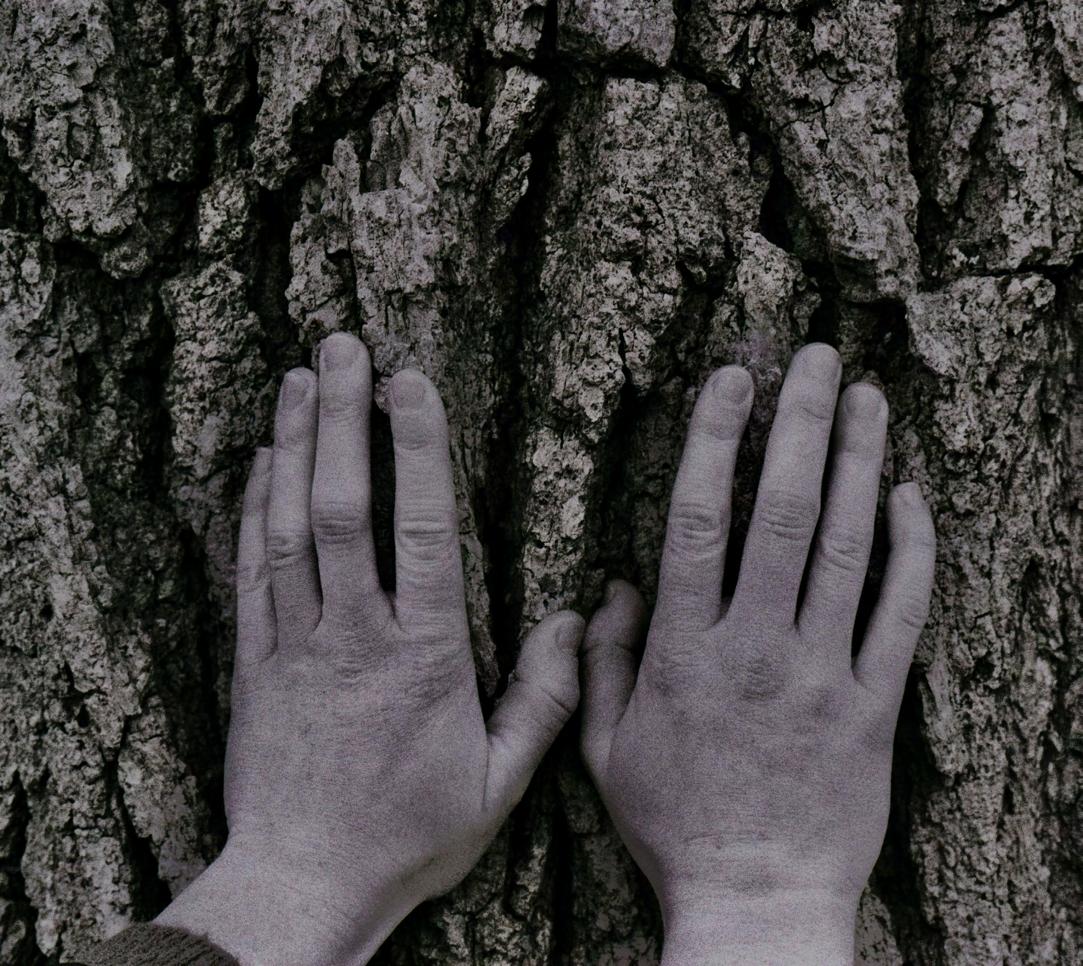
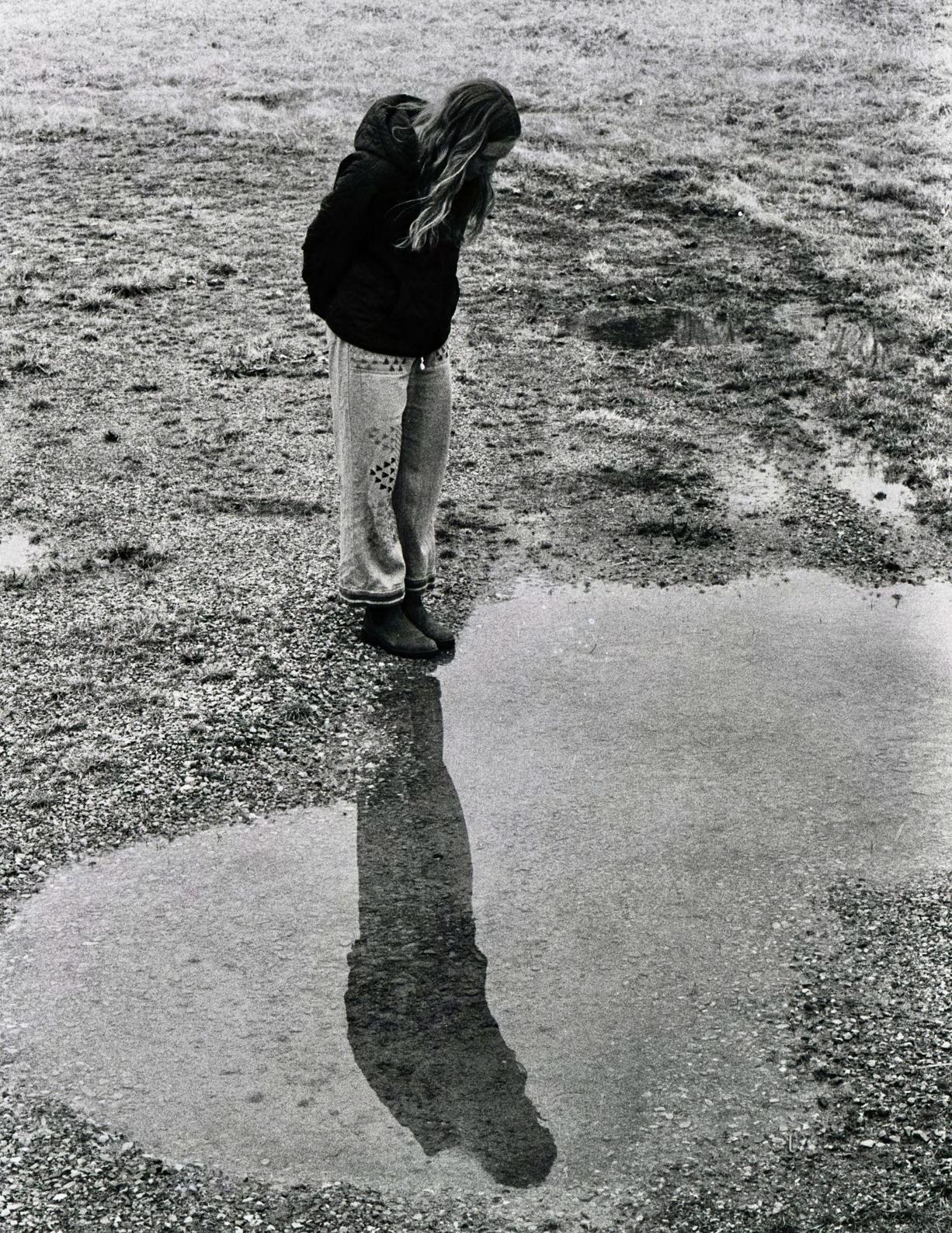
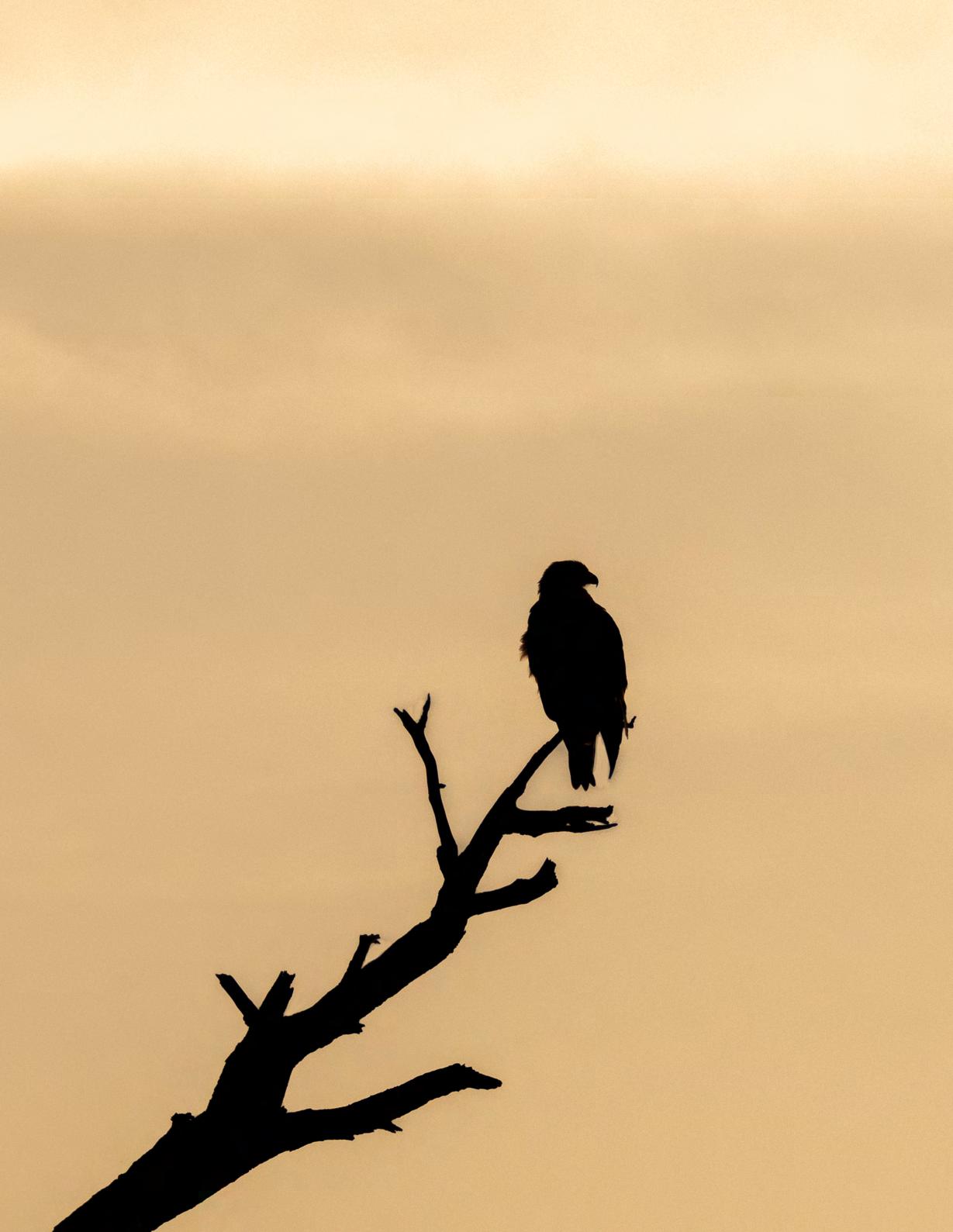
Help us write our next chapter.
JOIN THE ADVENTURE
If joining us, as a submitter or team member, is of interest to you, please contact us at mg@middlebury.edu
You can also follow us on Instagram @middleburygeographic to stay updated on our next issue and our community.
Photo by Erin Pomfret ‘28
Lead Copy Editor
Ruby Salisbury ‘27
Editorial Board
Copy Editors
Vance Fabrizio ‘28
Ariella Frommer ‘28.5
Langan Garrett ‘28
Lily Jensen ‘28
Luli Sabella-Capuano ‘28
Aurora Tobey ‘27
Noah Willson ‘27
President & Editor-In-Chief
Paige Theodosopoulos ‘25
Treasurer Ryan Reynolds ‘27
Secretary Eliza Tiles ‘27.5
Lead Photo Editor Lucas Nerbonne ‘25.5
Photo Editors
Theo McDonough ‘27
Erin Pomfret ‘28
Casper Wilson ‘28
Lead Layout Designer
Egan Turner ‘27
Designers
Kyra Dybas ‘28
Henry Ellwein ‘28
Catherine Heckler ‘27.5
Lily Larsen ‘28
Natalia C Smith ‘25
On the Front: Lucas Nerbonne ‘25.5
On The Back: Theo McDonough ‘27
Special Thanks to our Advisor, Professor Jessica L’Roe.