
Cornea Transplant Surgery: Restoring Vision and Hope mieye.com
Introduction Table of Content Common Corneal Issues Benefits of Cornea Transplant Surgery Understanding the Cornea Cornea Transplant Surgery: A Ray of Hope Conclusion 01 02 03 04 05 06
Introduction
Our eyes are often referred to as the windows to the soul, and indeed, they play a crucial role in our daily lives. The cornea, the clear, dome-shaped front surface of the eye, is particularly essential for clear vision. However, various conditions can damage the cornea, leading to vision impairment or even blindness. In such cases, cornea transplant surgery eme hope, offering the promise of restored vision quality of life.

Understanding the Cornea
Before delving into the details of cornea transplant surgery, let's take a moment to understand the significance of the cornea. The cornea acts as the eye's outermost lens, responsible for focusing light onto the retina, which then sends visual information to the brain. It plays a vital role in vision clarity and is cruc eyesight.

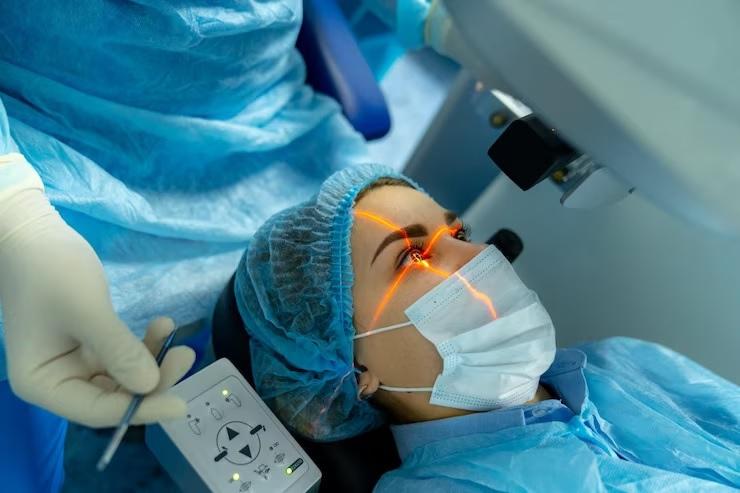
Common Corneal Issues
Several conditions can affect the cornea, leading to vision problems. Some of the most common corneal issues include:
Keratoconus: This condition causes the cornea to progressively thin and bulge into a cone shape, distorting vision.
Corneal Scarring: Injuries, infections, or dise
scarring on the cornea, which can obstruct vi
Fuchs' Dystrophy: This genetic disorder cau of the cornea to deteriorate, leading to cloud
Corneal Ulcers: Infections can result in painf cornea, often accompanied by redness and d
Corneal Degeneration: Aging can lead to cor degeneration, causing vision difficulties.

Cornea Transplant Surgery: A Ray of Hope
When conservative treatments such as eyeglasses or contact lenses no longer offer effective relief, thin cornea treatment options, like cornea transplant surgery become a viable choice. Referred to as kerato surgical intervention entails the substitution damaged or diseased cornea with a healthy d cornea.
Here's how the process generally unfolds: Donor Cornea Selection: The donor cornea i selected and prepared to match the recipient and shape.
Cornea Transplant Surgery: A Ray of Hope
Recipient Preparation: The recipient's damaged cornea is removed, and the donor cornea is stitched in its place.
Suturing and Healing: The surgeon uses tiny sutures to secure the donor cornea in place. Over time, may dissolve or be removed, depending on th healing process.
Recovery: Patients typically experience imp gradually as their eyes heal. Complete recove several months.

Benefits of Cornea Transplant Surgery
Cornea transplant surgery offers numerous benefits, including:
Restored Vision: For many patients, cornea transplant surgery leads to significantly improved vision or complete vision restoration.
Pain Relief: Individuals suffering from cornea severe scarring often experience relief from discomfort after surgery.
Enhanced Quality of Life: Improved vision c greater independence, an increased ability to daily activities, and a better overall quality of Reduced Dependence on Corrective Lense patients find that they need fewer or no corre after a successful cornea transplant.
Conclusions
Cornea transplant surgery is a remarkable medical procedure that offers the gift of restored vision and renewed hope to those suffering from corneal conditions. Thanks to advancements in medical technology and the dedication of skilled surgeons and donors, countless individuals have regained their sight and the ability to see the world with clarity. If you or someone you know is experiencing corneal issues that have not responded to traditional treatments, consider consulting an ophthalmologist to explore the possibility of cornea transplant surgery. It may be the path to a brighter future filled with clear vision and newfound hope.
Thank You! mieye.com