For Alums and Friends of the Department of Earth and Environmental Sciences
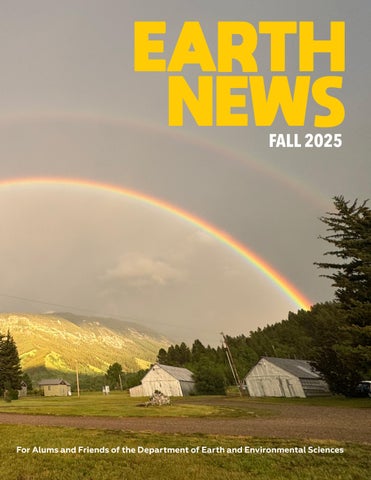
For Alums and Friends of the Department of Earth and Environmental Sciences
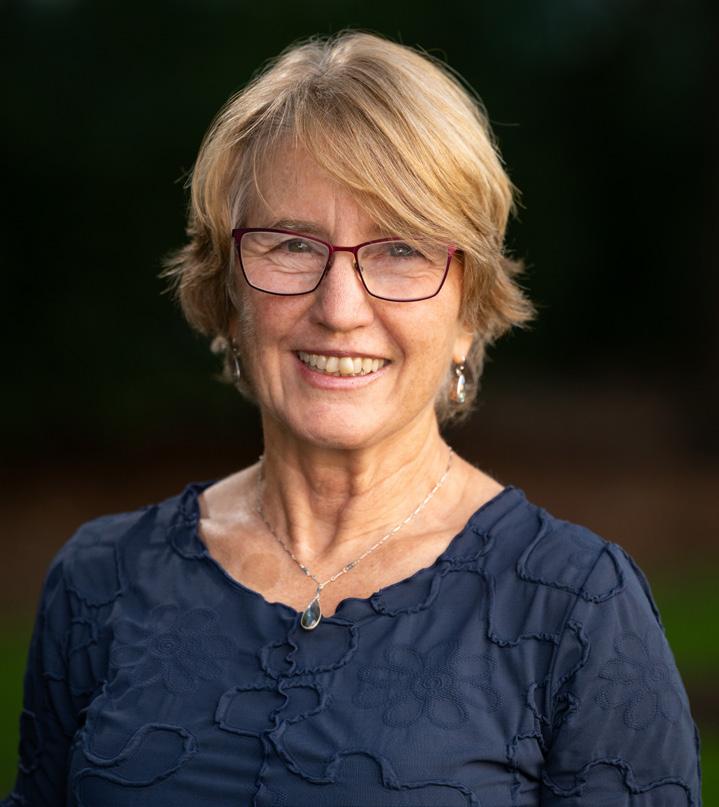
Greetings from Ann Arbor!
We’re well into the fall term now – cool weather and turning leaves make this a special time of year here. We’ve welcomed an incoming graduate class of 15 MS and PhD students, along with a few other new members of the EARTH community. Last year we conducted an open search for a new faculty member – we’re excited that Dr. Eliel Anttila (now at ETH, Zurich) has accepted an offer to join the department as an assistant professor, starting in fall 2026.
We have cleared a long-awaited, important hurdle for the Camp Davis renovation – on October 16, the Regents gave us the final go-ahead. You can read about this project in detail and finally see a rendition of our plans in this newsletter. This project is underway now, and will continue through next summer. We expect Camp Davis to be ready to welcome classes again in summer 2027 – meanwhile, we’ll base next summer’s programs out of Dillon, Montana, where we still have access to glorious Yellowstone but will have some new surroundings to explore locally.
In other news, we are thrilled that NSF is supporting a major new center on Earth surface hazards in our department, led by Professor Marin Clark. This interdisciplinary 5-year, $15M commitment will improve how hazards are predicted and managed, train students in the interdisciplinary science of linked hazards, and promote community involvement in hazard preparation. Read on for more!
In this and other stories in this issue, we recognize the importance of our work for people. EARTH researchers are constantly expanding our insights into our home planet AND finding ways to bring those discoveries into our lives and communities. We are inspiring students with the excitement of research and helping them develop the skills and insights that lead to impactful careers. We remain hopeful that the partnership between the University and federal agencies – representing the American people – that has catalyzed so much innovation, training, and success continues to thrive and allow us all to do our best work.
We remain ever grateful to you all for your support and enthusiasm for this department. Our work – creating new knowledge, educating future citizens and scientists, and connecting to communities – has never been more important. We are planning several alumni events over the coming year, and I hope to see many of you there, or here in Ann Arbor – stop by if you are in town!
Warmly,
Julie Cole
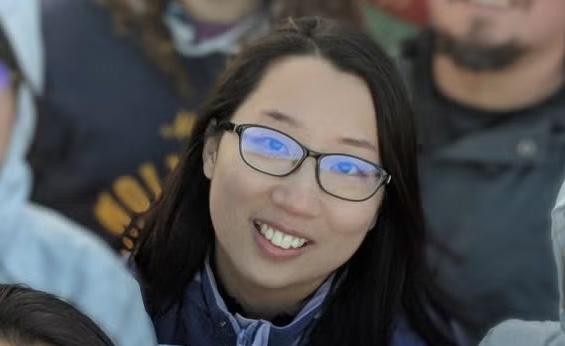
Yihe Huang is the Department’s new Associate Chair for Graduate Studies. She started this new role in August with enthusiasm and a clear vision for where the Department’s graduate program is headed. “I’m looking forward to continuing to build a supportive environment where our students not only deepen their understanding of research, but also transform their knowledge and skills into realworld impact,” Yihe says.
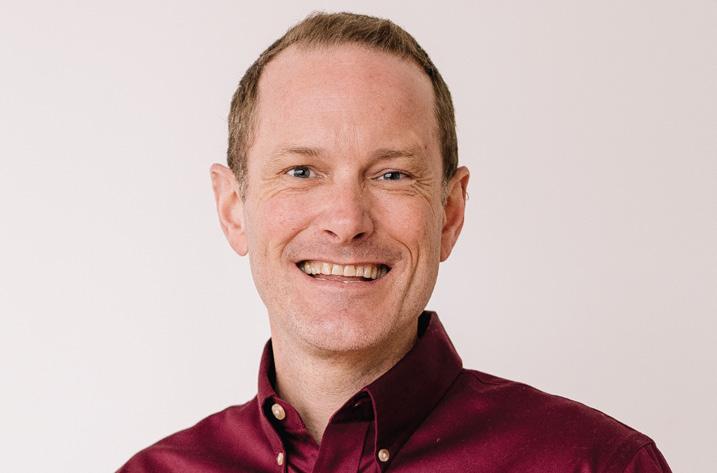
Professor Adam Simon has been named a Fellow of the Mineralogical Society of America. This honor is reserved for those who have contributed significantly to the advancement of mineralogy, crystallography, geochemistry, petrology, or allied sciences and whose scientific contribution utilized mineralogical studies or data. New fellows are nominated and voted on by current fellows. Adam is one of only ten honorees for 2025.
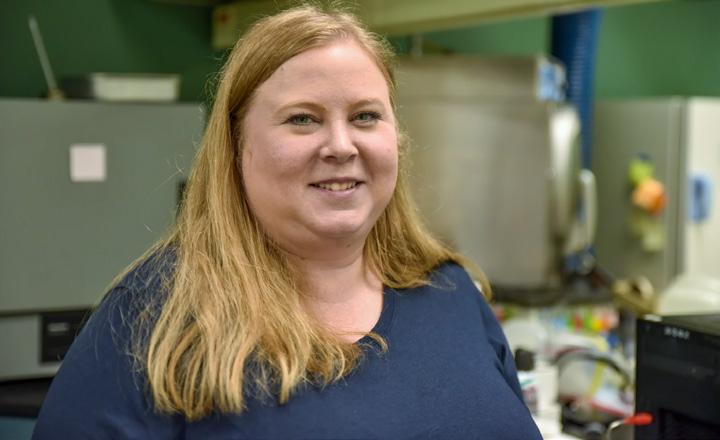
The Department hired two new technical staff members during the 2024-2025 academic year. Ashley Burtner is the Research Specialist in the Molecular Biogeochemistry Lab, working with assistant professor Jenan Kharbush. Rong Huang (not pictured) is the Research Specialist in the Mineral Physics High Pressure Lab, working with professor Jie (Jackie) Li.
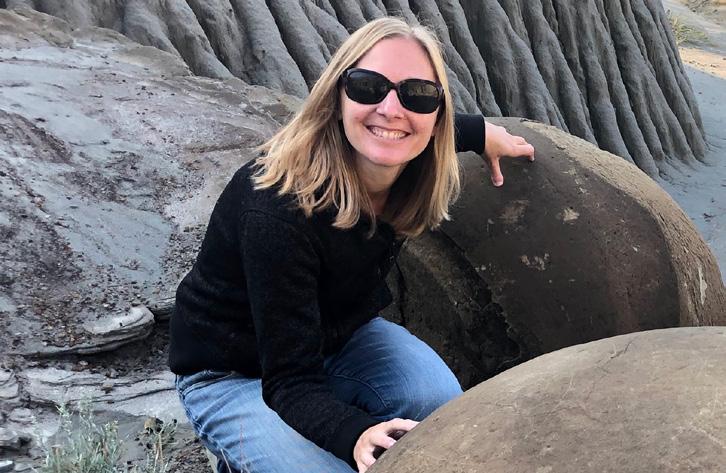
Jena Johnson, who joined the Department in 2018, has been promoted from assistant professor to associate professor with tenure. This promotion recognizes Jena’s commitment to teaching, research, and service. Jena is among an elite group of emerging geobiologists transforming our understanding of the co-evolution of life and environment through their integrative approach to the study of the ancient rock record, which contributed significantly to her promotion. In addition, she was voted “Best Professor” by GeoClub students in both 2020 and 2021.
The Department will welcome a new Chief Administrator (CA) in midNovember of this year. Karly Mitchell comes to EARTH after being the CA for Economics for the past two years, and she has been working at universities since 2008. As the CA for both EARTH and the Paleontology Museum, Karly is responsible for the Department’s budget and finances, human resources, student services, administrative leadership, and facilities functions.
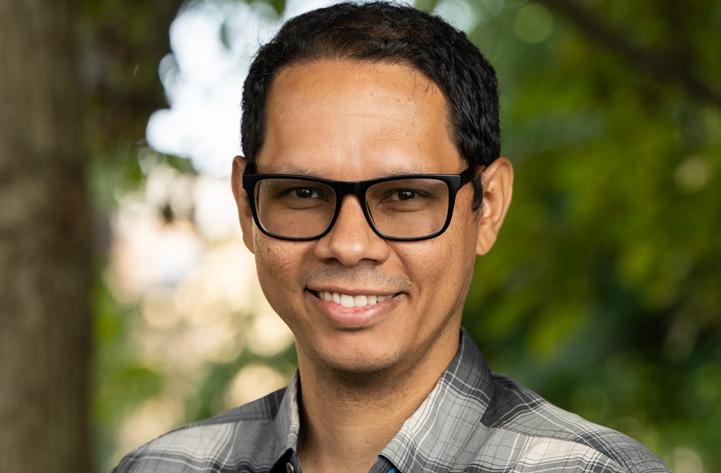
Jefferson Yarce was promoted from Lecturer III to Lecturer IV in August 2025. With this promotion, Jefferson is recognized for his contributions to teaching and academic advising. Jefferson teaches primarily introductory courses that cover the Earth’s interior and surface processes, natural resources, natural hazards, and the effects of climate change. His easy rapport with students means that he advises an unusually high number of students – he has had more than 60 students under his care in the four years he has been in the role.
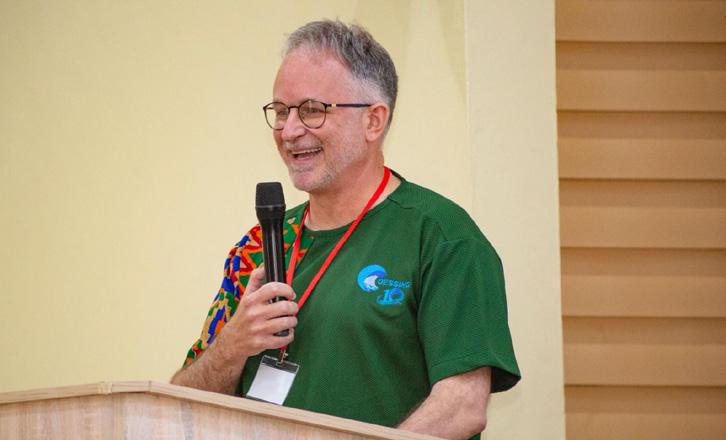
Professor Brian Arbic recently received two prestigious honors. In 2025, he was named one of five Arthur F. Thurnau Professors by University of Michigan, recognizing him for his innovative teaching and effective mentorship, with students commending his ability to connect theory with practice. In late 2023 he was elected as an African Academy of Sciences fellow. His contributions to promoting STEM fields in Africa, through his Coastal Ocean Environment Summer School in Nigeria and Ghana (COESSING) Program, amongst other efforts, contributed to his election to this elite fellowship.
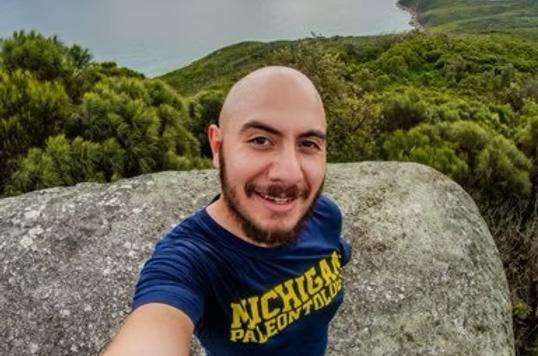
Graduate student Rodrigo Tinoco Figueroa was one of only ten students to receive a ProQuest Distinguished Dissertation Award from the Rackham Graduate School. His thesis, titled Hidden Patterns of Ray-Finned Fish Evolution: Bridging Paleontology and Neuroanatomy, included his groundbreaking discovery of the earliest fossilized brain of a backboned animal. This remarkable find preserved in a 319-million-year-old fish fossil from the Lancashire region in England.
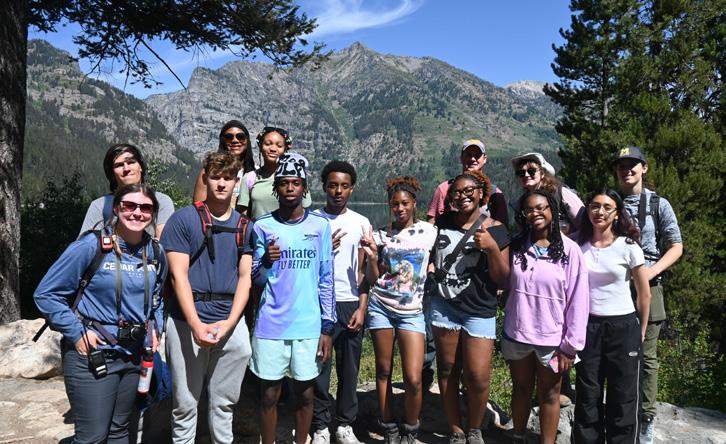
Nicole Rappuhn, who started in late 2024 as the Department’s Outreach Coordinator, successfully led her first EARTH Camp this past summer. The program engaged 36 participants, aged 14 to 17. Each of three groups, based on age, spent a week in various locations –Northern Michigan and the Upper Peninsula, Southern Michigan and Sleeping Bear Dunes, or Camp Davis in Wyoming – learning about Earth and environmental sciences. The program focuses on getting students outside and providing hands-on experiences while also introducing them to career opportunities in the field.
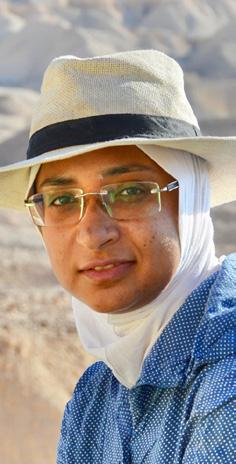
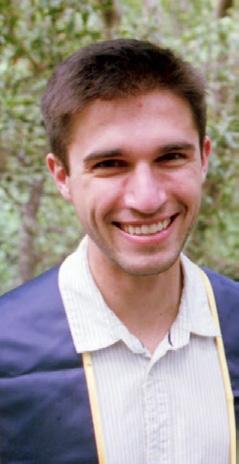
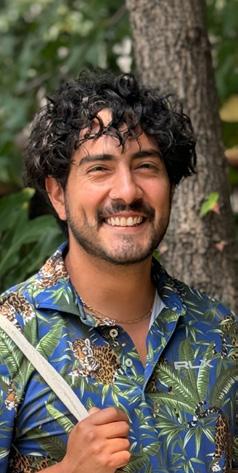
Three EARTH graduate students were among those awarded prestigious Rackham Postdoctoral Fellowships for the 2025-2026 academic year. (Left to right) Sanaa El-Sayed’s thesis is titled Teleost Fish Evolution in the Cenozoic: New Insights from Paleogene Ichthyofaunas from the Eastern Desert of Egypt, Lucas Gomes’ thesis is titled Illuminating the Environmental Drivers of Extinction in the Plio-Pleistocene West Atlantic, and Jeronimo Morales Toledo’s thesis is titled Evolutionary and Ecological Insights from Fruits of Extinct and Extant Araceae
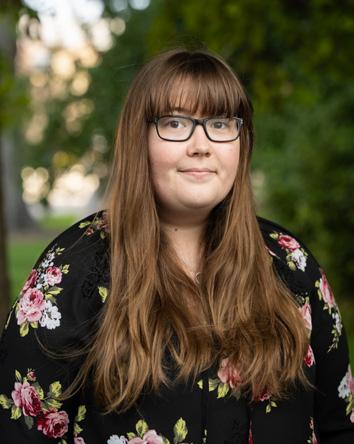
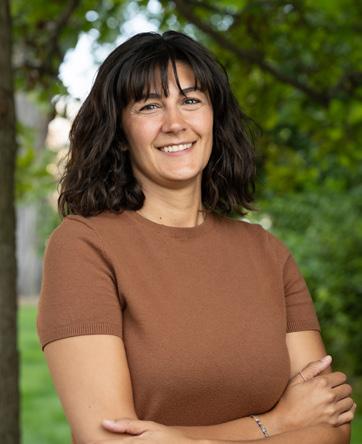
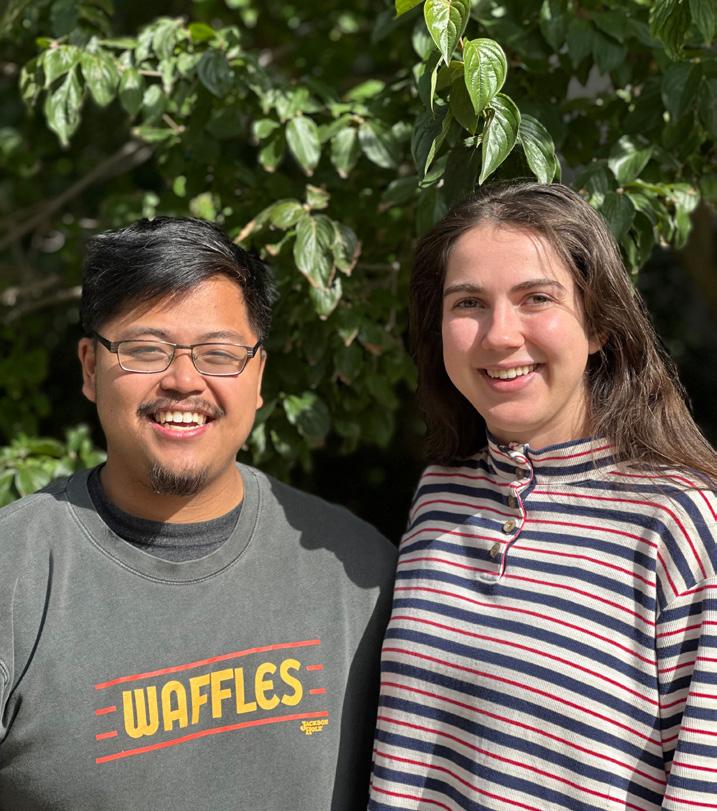
Two new administrative staff members joined the Department in 2025. Shay Drake (left) is the new Laboratory Program Coordinator and Departmental Safety Officer, acting as a liaison between technical and administrative staff and providing oversight for research and class lab safety. Sarah Haselschwardt (right) is the new Communications and Alumni Relations Coordinator for the Department, handling all internal and external communications, from the website, social media, and email communications to signage and printed materials.
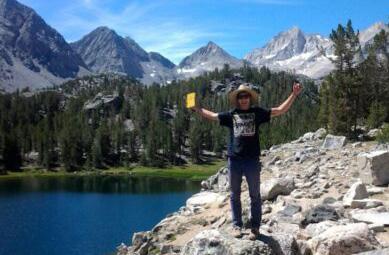
Anttila will join EARTH as an assistant professor in fall 2026. Eliel is currently finishing a postdoctoral fellowship at ETH Zurich. He received his BA from University of California, Berkeley in 2016 and his PhD from University of California, Santa Barbara in 2024. The focus of Eliel’s work is understanding the expression of Earth’s surface processes in the stratigraphic record, with the goal of characterizing and constraining the interfaces between tectonics, life, and climate throughout Earth’s history.
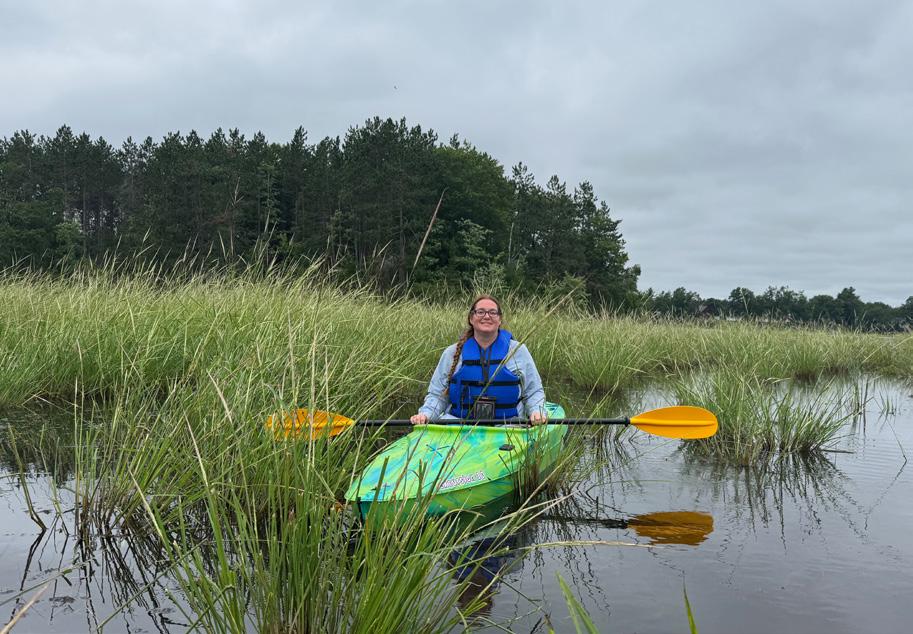
Selena Smith has been part of a team helping bring Mnomen/ Manoomin (or wild rice in English), back to Michigan’s campus. Mnomen is both a traditional food and a sacred, culturally important plant relative for the Anishinaabe peoples. This work is important in upholding Indigenous knowledge and ways of being as well as rebuilding relationships with the land – land traditionally stewarded by the Anishinaabeg. In return for ceding their land at the Treaty of Fort Meigs in 1817 to provide a place for the University to built, the People of the Three Fires (Ojibwe, Odawa, and Potawatomi) children were to be educated there. This is a commitment that the University has historically failed to live up to, and actions by UM can promote reconciliation.
Previous accounts indicate Mnomen had once grown on this land, but as happened widely across the region, land use change, hydrological changes, pollution, and human activities fueled by colonial mindsets drove Mnomen from the land.
Smith and collaborators from Michigan EARTH, other Michigan departments, partnered with Tribes received a “Meet the Moment” grant from LSA to plant Mnomen at the Matthaei Botanical Gardens.
Previous work by Sam Stokes (MSc, SEAS) found that among potential locations across campus, Willow Pond, in the heart of the UM Matthaei Botanical Garden, would be the most promising site to give Mnomen a chance to come home.
The seeds were gifted to MBG in spring of 2024, planted, and took to the pond well. They even came back in the spring of 2025, despite enthusiastic nibbling from a muskrat. “Those muskrats were probably sitting on the shores going, ‘I smell wild rice!’ and getting ready for a good meal,” Smith said. After the team added a more robust enclosure, the plants have been thriving. They are also measuring heavy metals in the area’s plants and sediments and monitoring environmental quality, as recommended by Tribal partners, during the reintroduction process.
The project combines Indigenous knowledges and ways of being with Western science to undertake cultural and environmental
restoration with a more holistic approach in partnership with Anishinaabeg. Other work being done at UM towards a goal of building ethical relationships includes rematriating seeds to their Indigenous communities of origin as part of the Center for Braiding Indigenous Knowledges and Science at the UM Matthaei Botanical Gardens.
The Mnomen project is funded by LSA’s Meet the Moment program. Entitled “Meet the Mnomen: Restoration of wild rice populations for environmental and social justice,” the project includes collaborators Anthony Kolenic, David Michener, Nathan Sheldon, Mike Kost, Kerstin Barndt, and Roger LaBine.
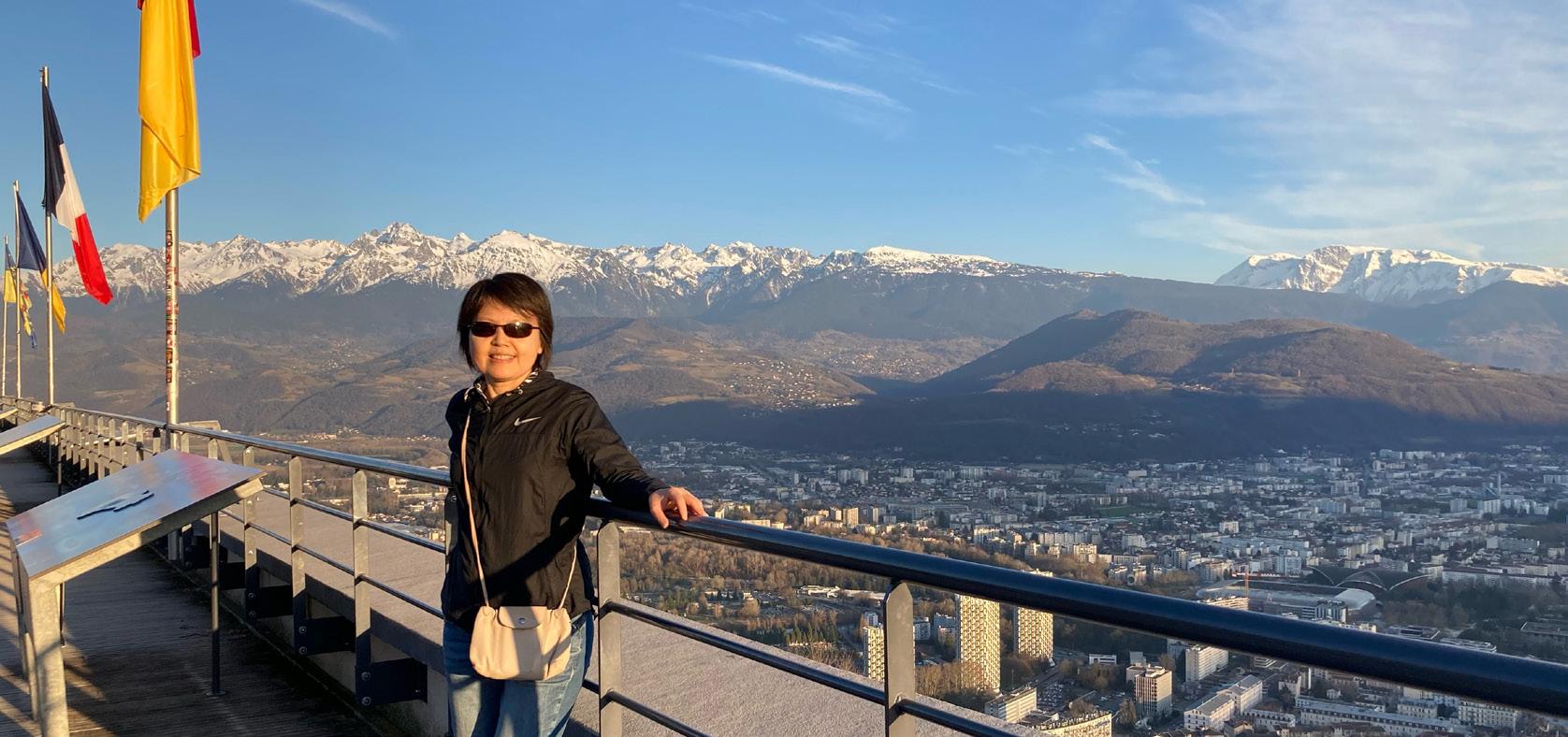
To geochemist and mineral physicist Jackie Li, studying planetary formation goes far beyond how minerals behave under extreme conditions.
“It’s all about origins,” she said. “The origins of the universe, of life, of consciousness. And habitable planets are closely tied to the origins of life. So in studying planetary formation, we’re setting the background in which life originated — and survived.”
Li’s research focuses on how elements separate during the process of a planet forming, from the disk of dust and gas to the layered Earth. Most recently, she’s been interested in carbon, which is often depleted in rocky planets.
Scientists in her field long assumed that volatile carbon was lost to the disk. But chatting with an
astronomy colleague Ted Bergin over coffee, she found out carbon was depleted in disks around nascent stars, too. The astronomers had been assuming it went into the planets.
“We realized we need insights from people who study Earth’s interior and its atmosphere, and people who model and study protoplanetary disks too, to figure out what happens,” she said. That need for interdisciplinary collaboration sparked Michigan’s new Center
for Habitable Planetary Systems, which began in July 2025 and brings researchers together from Michigan EARTH, Astronomy, and Physics in LSA and the Department of Climate and Space Science in the College of Engineering.
“We need diverse perspectives in the search for a habitable world out there,” Li said. “And Michigan is a place where we have all these strengths to understand planet formation. That’s the focus of the new center.”
From top: 1
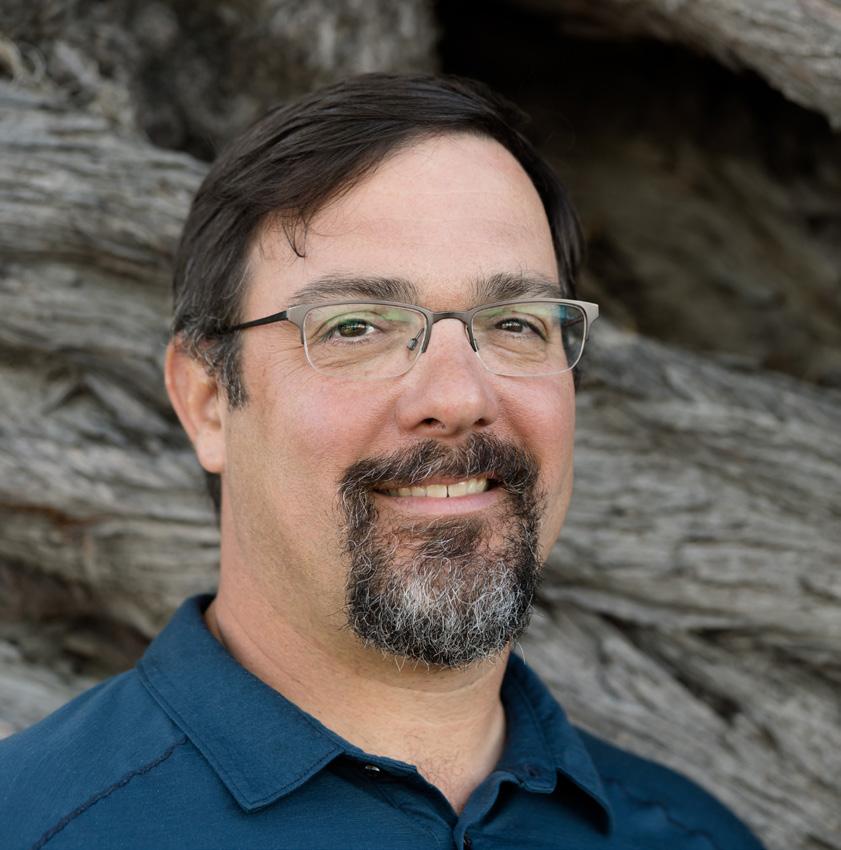
Nathan Niemi has been studying the Caucasus Mountains — a spine from the Black Sea to the Caspian Seas, spanning Armenia, Azerbaijan, Georgia, and a fringe of southern Russia — for more than two decades. For someone interested in continental deformation, it doesn’t get more perplexing.
“They have a really strange geology story,” Niemi said. In the Caucasus, rapid deformation occurs where there’s little exhumation; where there’s lots of exhumation and uplift, there’s little deformation. It was all backward. “We finally realized the Caucasus are actually in the process of switching from subduction to continental collision,” he recalled. “It was a real lightbulb moment.”
Ever since then, his research has fed the question: What happens when subduction ends and collision starts?
He explores the mechanics of that transition and how hazards differ across the transition zone. Historical records show numerous damaging, deadly earthquakes from the 1400s onward. The latest, in 1988, claimed up to 50,000 lives.
Figuring out what tectonic settings can generate the biggest and most damaging quakes can improve our understanding of risks.
Most recently, though, he’s been venturing from continental interiors to plate boundaries. With former Michigan postdoc Timothy Stahl,
he’s begun work identifying signs of new plate-boundary faults in New Zealand.
“Everything is faster there,” he said. Things take two million years instead of twenty, downright speedy in geologic time.
But no place has held his interest quite like the Caucasus Mountains.
“This transition happens over and over again on Earth, but it’s so transient,” Niemi said. “What are the odds that one actually has the opportunity to see it happening and explore it?”
Sydney Gable joined the Department as a Lecturer I in fall 2025. She graduated from the Department earlier this year with a PhD after earning her BS from Michigan State University in 2020.
During her time as a graduate student, Sydney worked with professor Yihe Huang on earthquake assessment and characterization and served as a GSI for two different courses. In early 2025, she was named one of the Rackham Graduate School’s Outstanding Graduate Student Instructors and received the Mark Robbins Innovative Teaching Award. Also in 2024, she was awarded a prestigious Rackham Predoctoral Fellowship.
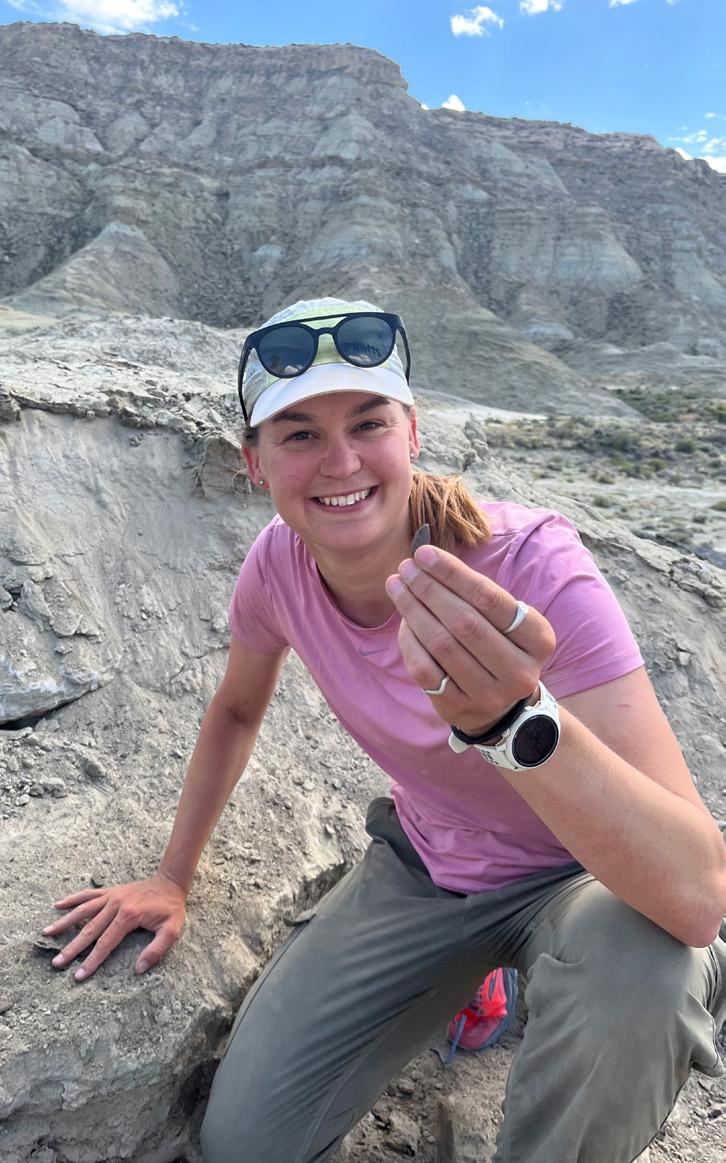
When asked what she is most excited about as a new lecturer, Sydney replied, “I am particularly excited to teach intro classes. I have always loved introducing students to new topics and encouraging
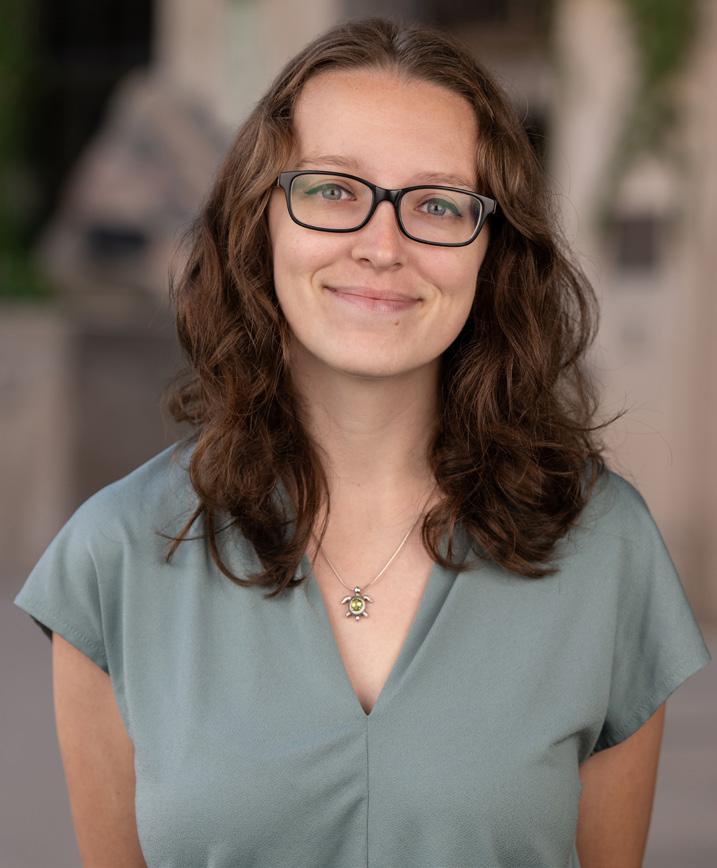
Anna Wisniewski joins us as another new Lecturer I in the Department this semester. Anna is a current postdoc working for assistant professor Luke Weaver, studying the processes that drive the evolution of traits related to ecology across time, space, and hierarchical levels of biological organization. She received her PhD from University of Chicago in 2024 and her BA in molecular and cellular biology from Johns Hopkins University in 2018.
Anna is teaching an introductory mini-course this semester titled Dinosaurs and Other Failures while also continuing to move her research forward.
them to have fun with science. Watching students discover and explore new interests and passions is so rewarding and now I get to do that full time.”
Of working as faculty in EARTH, she says, “I am absolutely thrilled to join the EARTH department faculty! In my time here as a grad student, I’ve found the community to be incredibly warm and supportive, and I am very happy to continue my career in this community as a lecturer. As a kid I spent a lot of time in Ann Arbor hoping to one day be a student at UM but I never thought I would have the experience or opportunity to teach here as well.”
In talking about teaching, Anna remarks, “I love how excited the students are about the subject matter – how can you not love dinosaurs? – and how they make connections with what they are learning here to other courses they are taking. For example, I recently had a student who is an engineering major tell me how the structural adaptations sauropod dinosaurs have are quite similar to some of the engineering principles he has learned about in other courses. What could be cooler than that?”
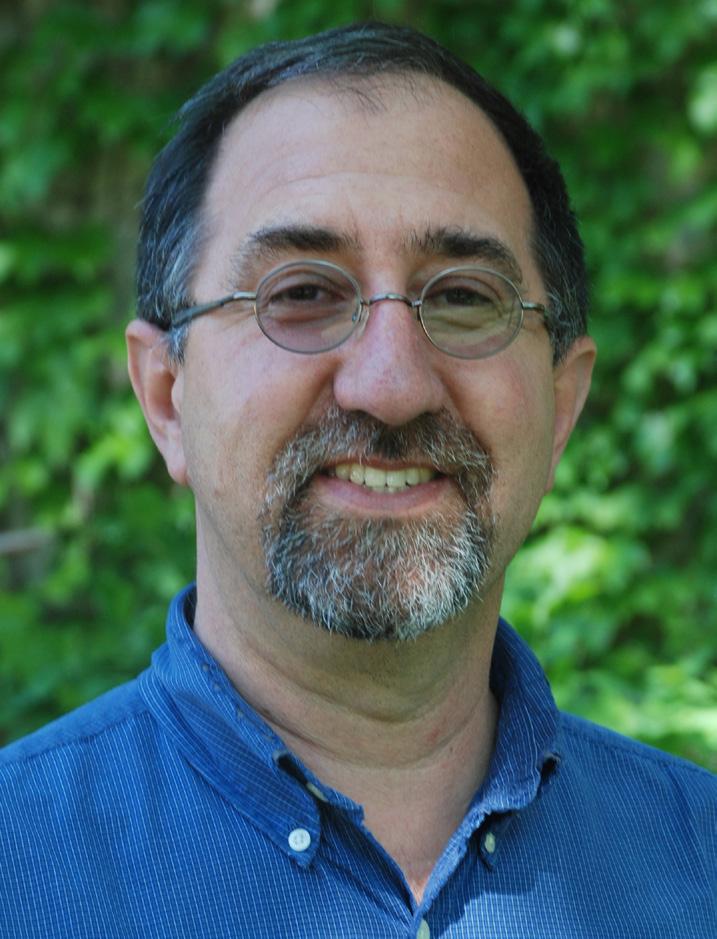
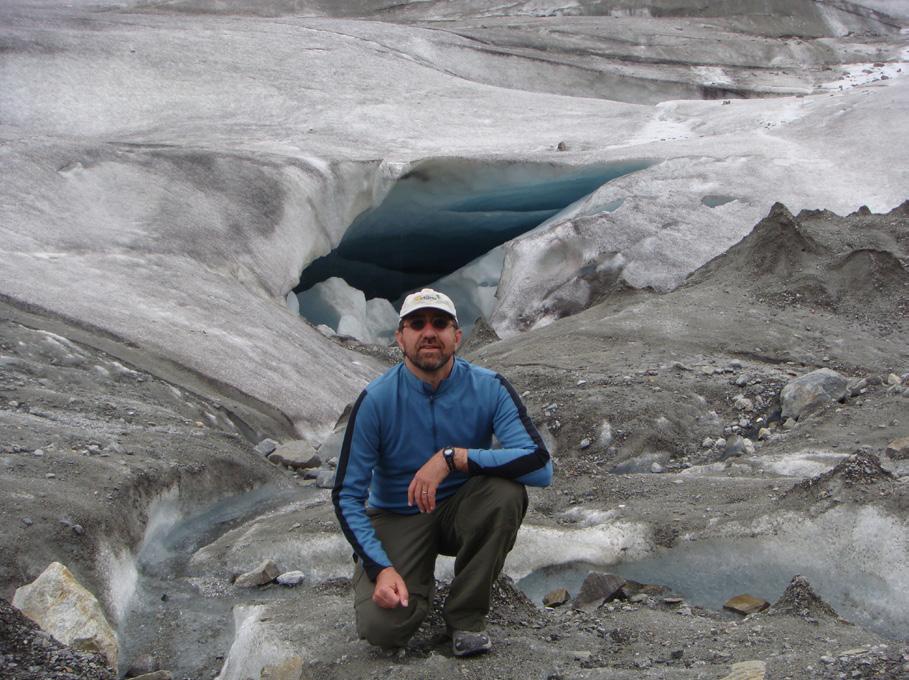
After 26 years on the EARTH faculty, marked by leadership roles and numerous awards, professor Joel Blum retired in June 2025. Born in Cleveland in 1960, Joel earned his BA from Case Western Reserve University, his MA from the University of Alaska, Fairbanks, and his PhD from the California Institute of Technology. He began his academic career at Dartmouth College, joining University of Michigan in 1999 as the John D. MacArthur Professor.
Joel chaired the Department from 2000 to 2006 and was named an Arthur F. Thurnau Professor in 2010 and a Gerald J. Keeler Distinguished University Professor in 2015.
As a researcher, Joel’s work explored geochemical controls on the structure and function of ecosystems and the application of trace element and isotope
geochemistry across the Earth and environmental sciences. He utilized state-of-the-art methods of chemical analysis and stable and radiogenic isotope measurement to address a wide variety of research problems from forest biogeochemistry and hydrogeochemistry to studies of fisheries and marine chemistry. Joel is best known for his use of mercury isotopes to elucidate the cycling of mercury in environmental systems.
Throughout his career, Joel received numerous accolades and honors, including the Clair Patterson Award from the Geochemical Society in 2013. His research has been recognized by the Sloan Foundation, the National Science Foundation, Case Western Reserve, and the University of Alaska, Fairbanks. He is a fellow of myriad scientific professional societies, including the American Geophysical Union (2012), the Geochemistry Society (2010), the American Association for the Advancement of Science (2010) and the Geological Society of America, and was elected to the National Academy of Sciences in 2020. With more than 200 research publications and upwards of 12,000 citations, Joel’s career and accomplishments were prolific and have had a tremendous impact on the scientific community.
In 2016, Joel was named editorin-chief of the American Chemical Society journal Earth and Space Chemistry, a role in which he has continued since his retirement.
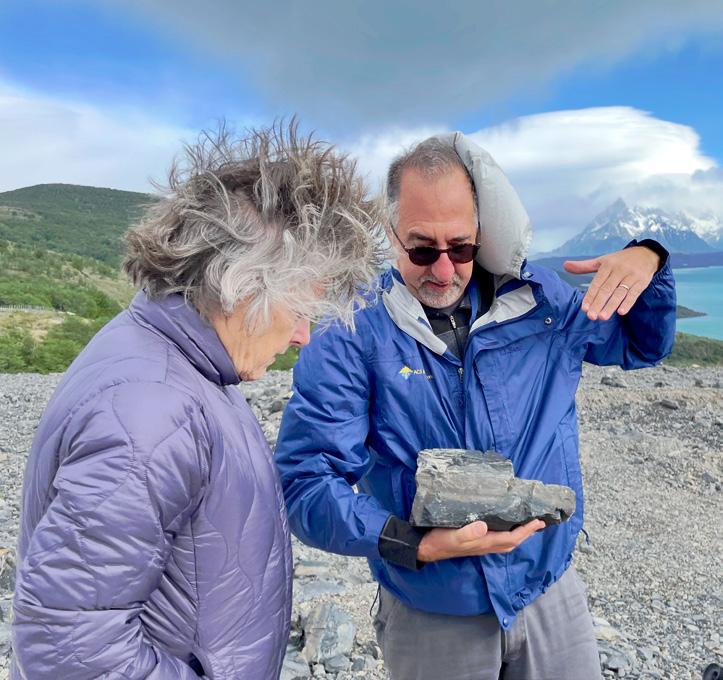
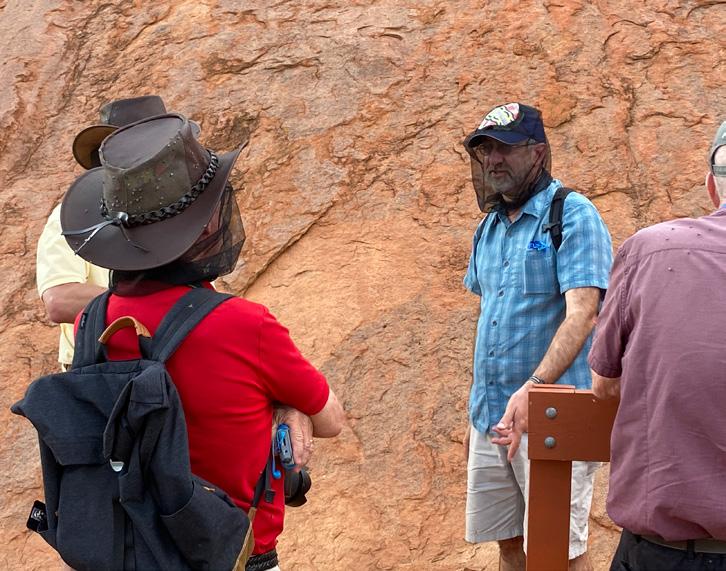
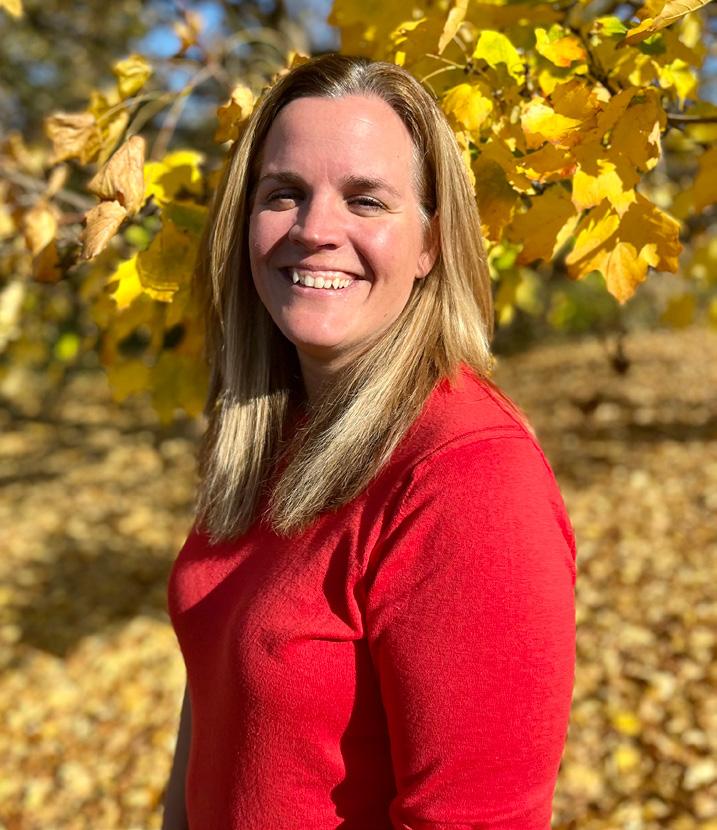
Historically, there have been common misconceptions, even an air of mysteriousness, surrounding the work that Earth and environmental scientists perform. When I first told people that I was majoring in geology their response was, “Huh, what are you going to do with that?” In reality, we scientists are investigators, forecasters, explorers, and advocators. Or put simply: we are problem-solvers.
Environmental issues encompass a myriad of topics, with many presenting significant threats to the planet and human well-being. For example, environmental professionals may investigate groundwater contamination, aquifer overuse, and/or water scarcity concerns. Scientists implement remediation technologies that clean up contaminants, develop sustainable water recycling systems, or monitor aquifer usage, thereby reducing health risks associated with pollutants and ensuring access to safe drinking water.
Moreover, Earth and environmental personnel might forecast or assess risks associated with natural hazards (e.g., earthquakes and volcanic eruptions) and climate change. Scientists monitor and model fault zones, volcanoes, and climate patterns to predict future events and outcomes. These systems protect vulnerable communities, reduce economic damage, and inform disaster preparedness.
Geological scientists explore the landscape for Earth materials or critical Earth minerals like lithium, energy resources such as hydrogen, or other yet to be identified technologies (e.g., carbon sequestration). All of these support the green transition and minimize environmental impacts and emissions.
Additionally, Earth professionals may advocate for science-based policies and environmental justice strategies, including Indigenous knowledge in land and resource management as well as government outreach and education programs. Hence, safeguarding marginalized communities, building trust and participation in science and decision-making, and inspiring new generations to become scientists.
I am proud to say that members of the Alumni Advisory Board (AAB) serve in these roles, plus many more. I encourage students to reach out to learn more about the diverse Earth and environmental opportunities available.
It’s always a joy to see our alumni throughout the year around campus and at various events. This past year we had a great time connecting with many of you at IMAGE in Houston, GSA in Anaheim, AGU in Washington D.C., and local events on campus in Ann Arbor. We also hosted a group of alumni and supporters at Camp Davis in July. We continue to work hard to provide ample opportunities for students and faculty to connect with alumni at events near to and far from Ann Arbor and we hope to see more of you at AGU in New Orleans. There will again be opportunities to connect in career panels and networking events with students on campus – keep your eyes peeled for more info!
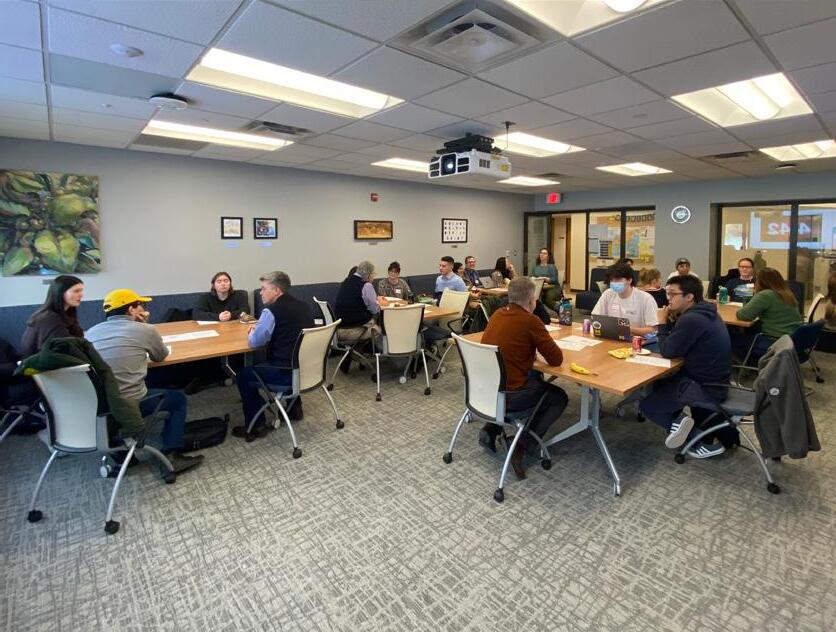
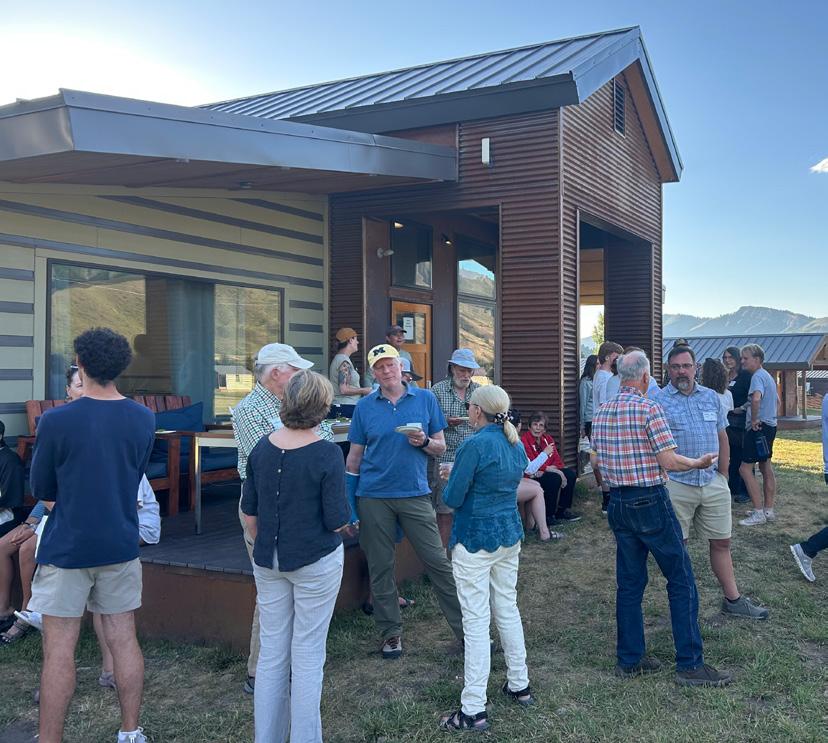
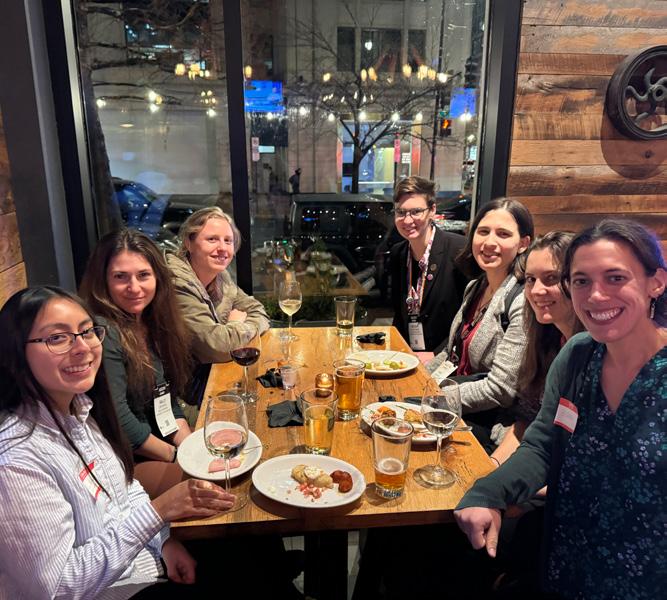
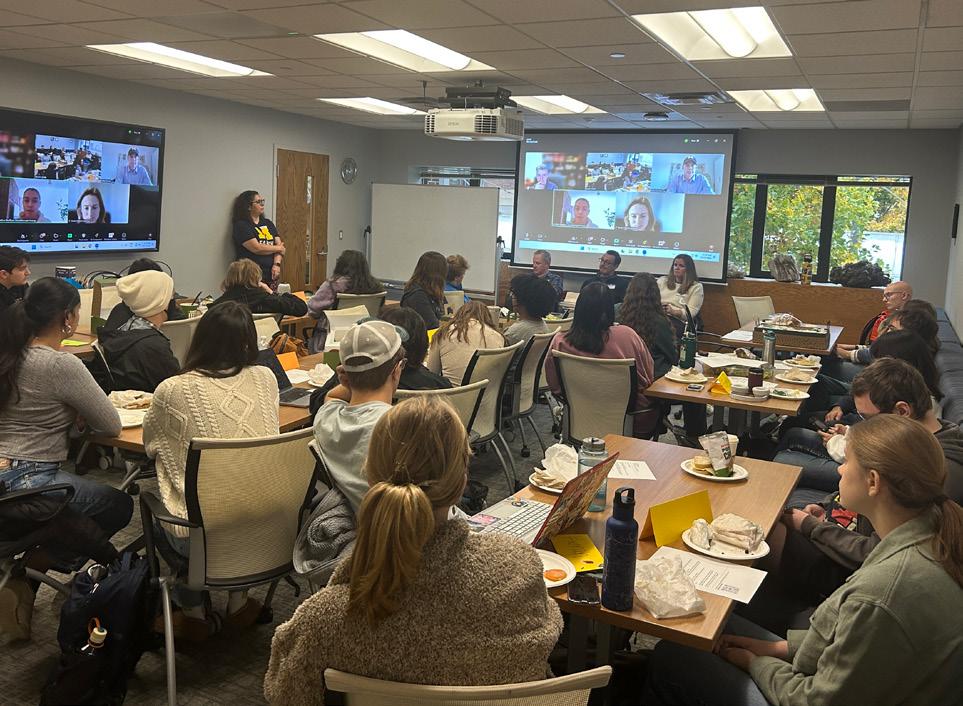
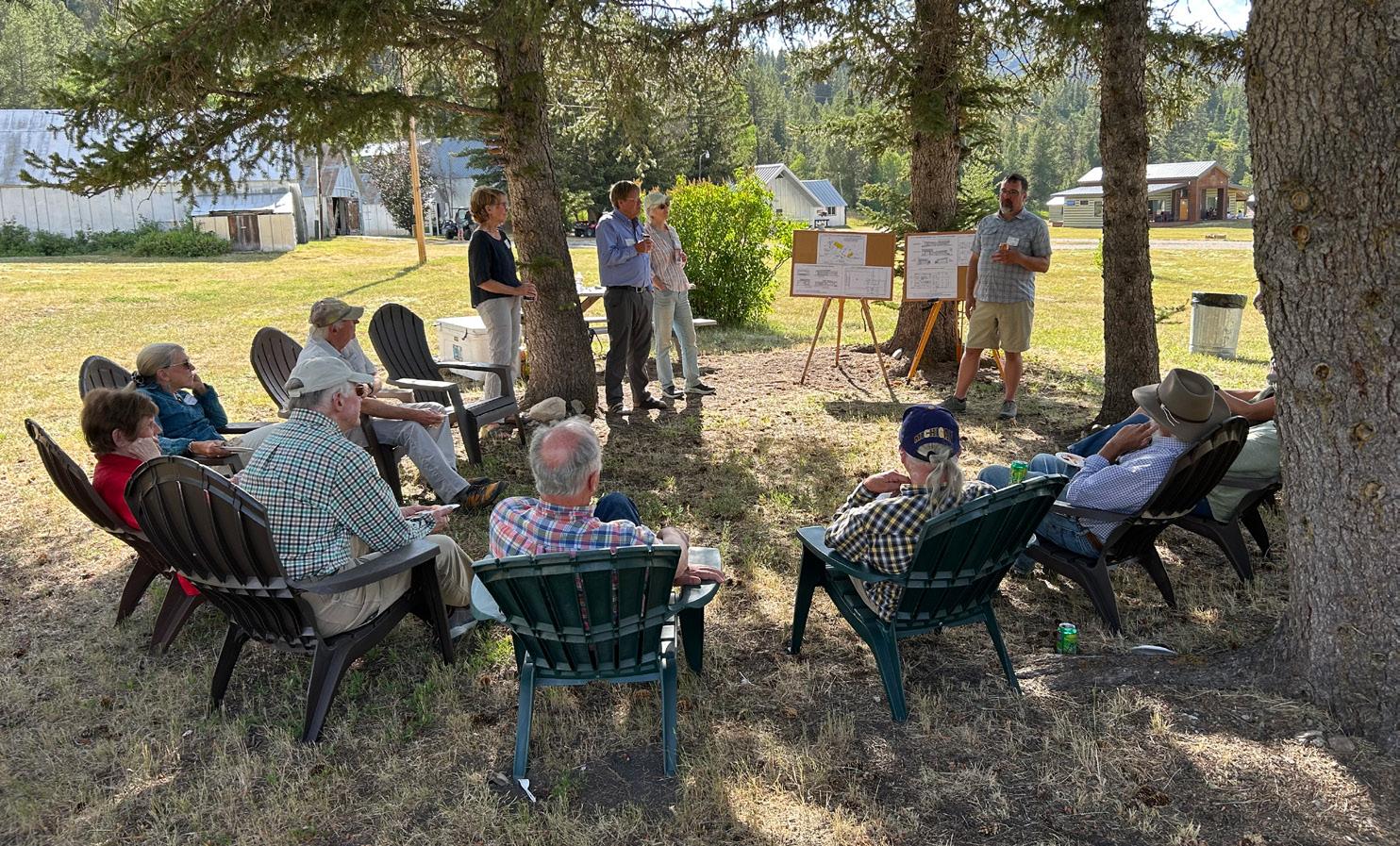
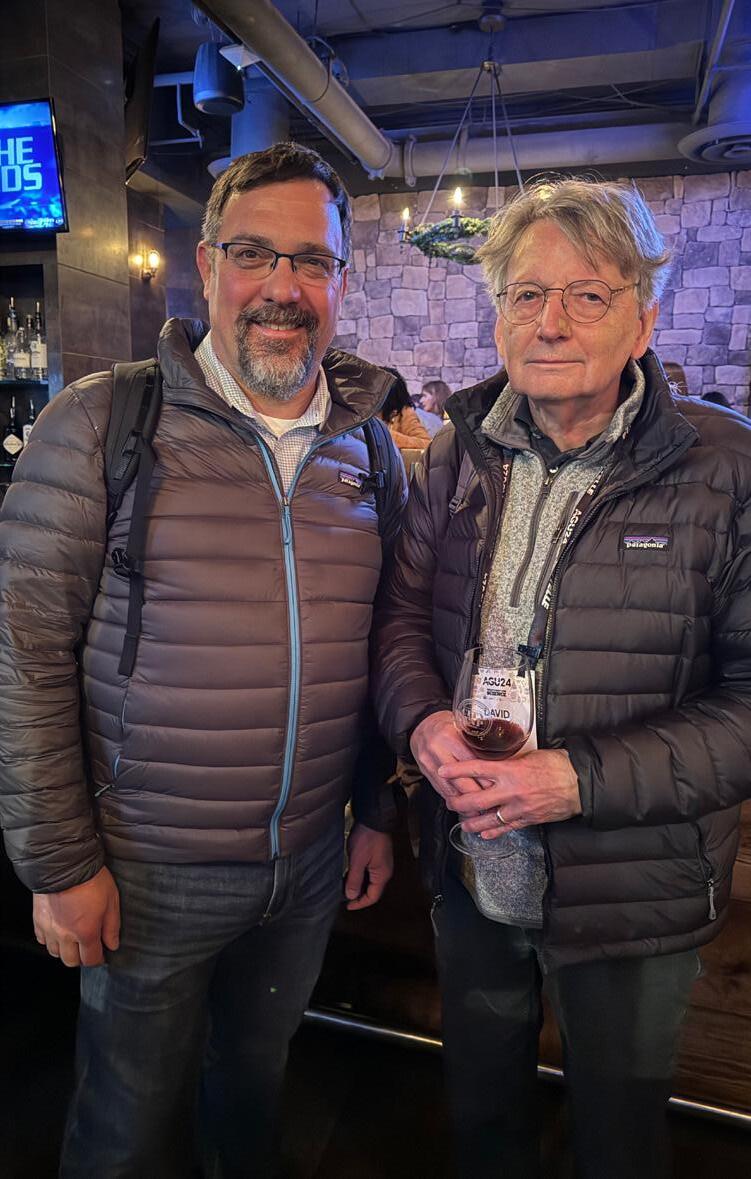
From top: 1- Alumni enjoying catching up at the AGU reception in Washington D.C. last December. 2 - Alumni participating in a career panel event with students on campus. 3 - Alumni and faculty gathered at Camp Davis this summer to hear about the plan for the mess hall renovation. A short presentation was followed by dinner outside the 98-year-old mess hall and dessert on the patio of the nearby rec building. 4 - Alumni and students during a networking event on campus. 5 - Professor Nathan Niemi and alumnus David Fountain at the AGU reception in Washington D.C. 6 - Alumni and faculty mingle outside the rec building at Camp Davis.
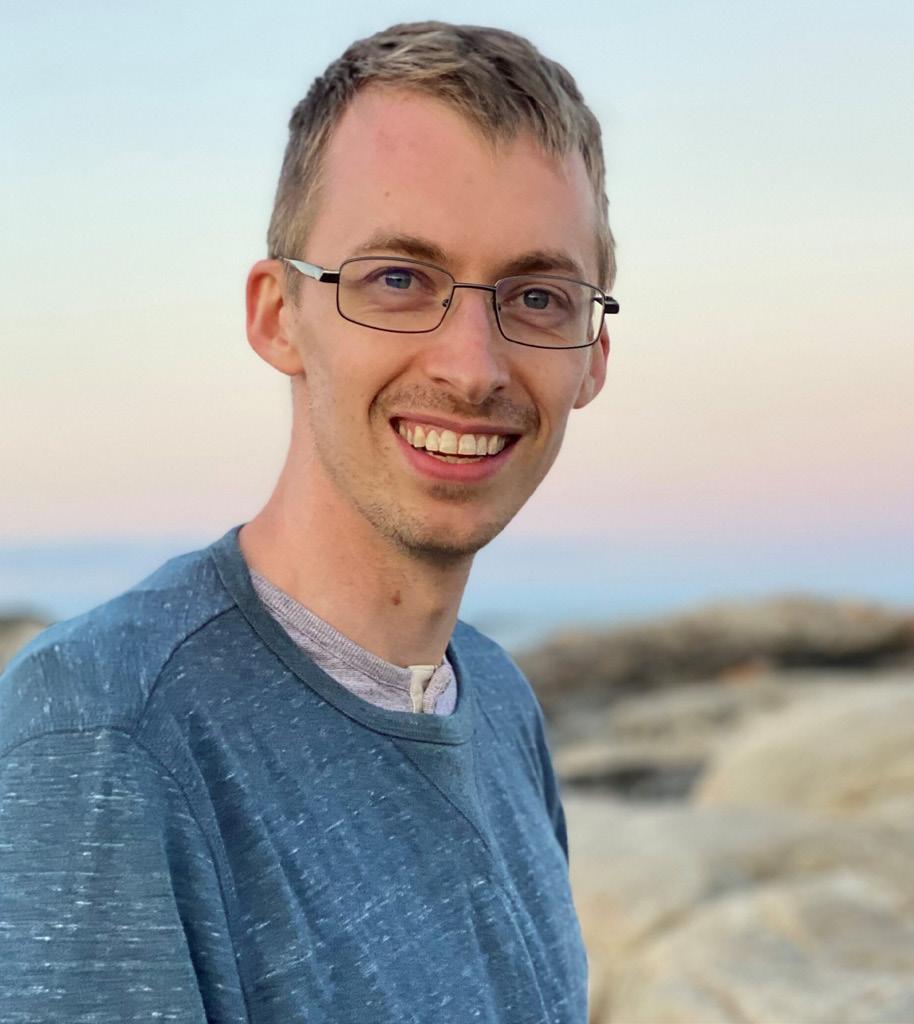
Matthew Jones is a research geologist at the Unites States Geological Survey, focused on assessing carbon sequestration potential throughout the United States. That job is a result of an unexpected throughline from the work he did as a Michigan EARTH postdoctoral scholar with Sierra Petersen from 2019 to 2021.
Jones and Petersen explored the paleoclimate of the Western Interior Seaway, a shallow inland sea that flooded the western U.S. during the Cretaceous. Jones used clumped isotopes in fossil bivalves to reconstruct temperatures during this greenhouse period, giving better insights into the maximum temperatures Earth can reach.
After his time at Michigan, Jones had the opportunity to join two IODP expeditions, also focused on the Cretaceous, and then landed a job in the USGS Energy Resource Program. There, he applies the skills and background he gained as a postdoc to studying carbon
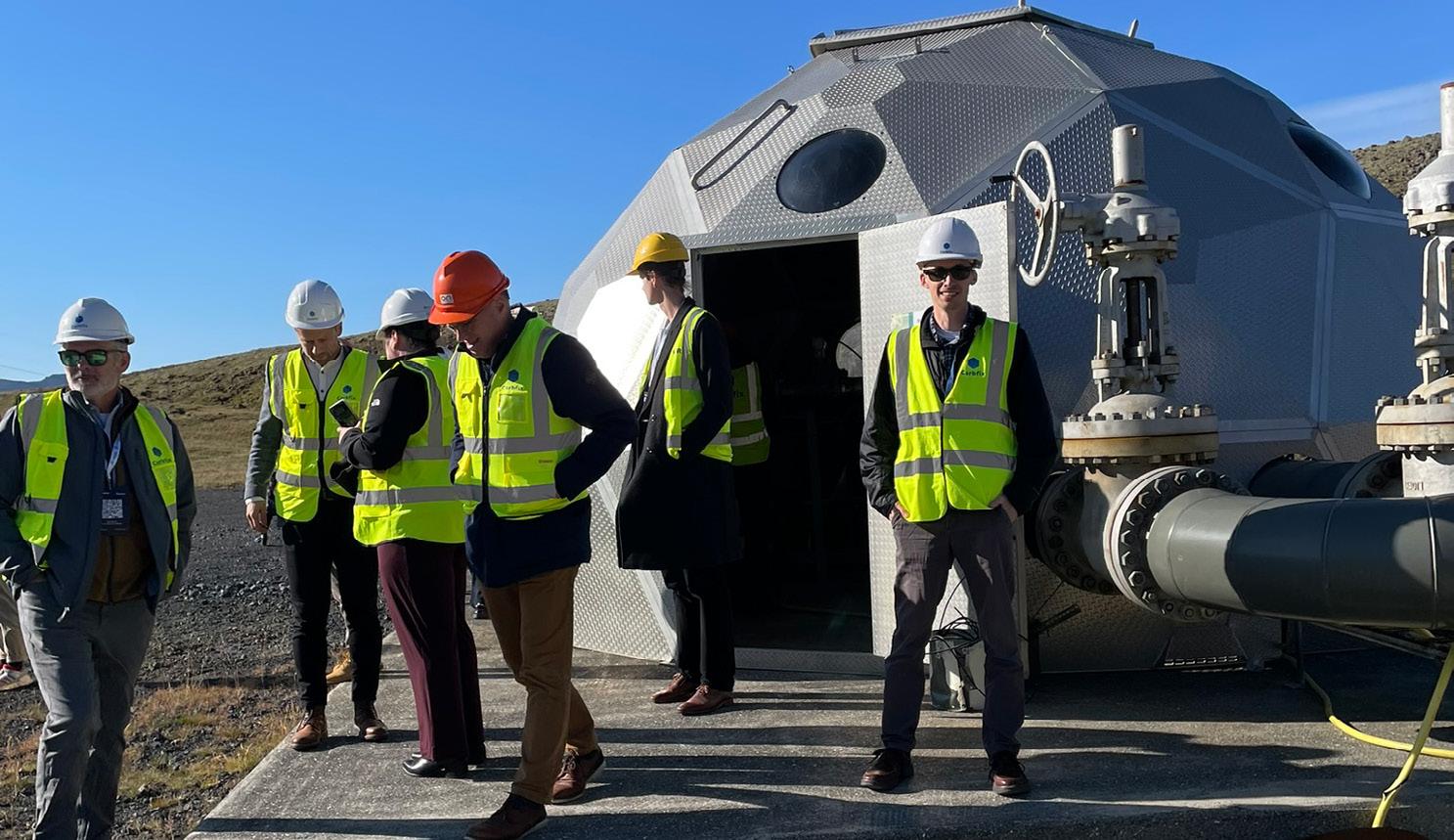
mineralization and sedimentary basins — and still researches the Cretaceous.
“My job lets me work on some very pressing, real-world issues while maintaining a line of fundamental research,” Jones said. “It’s kind of perfect.”
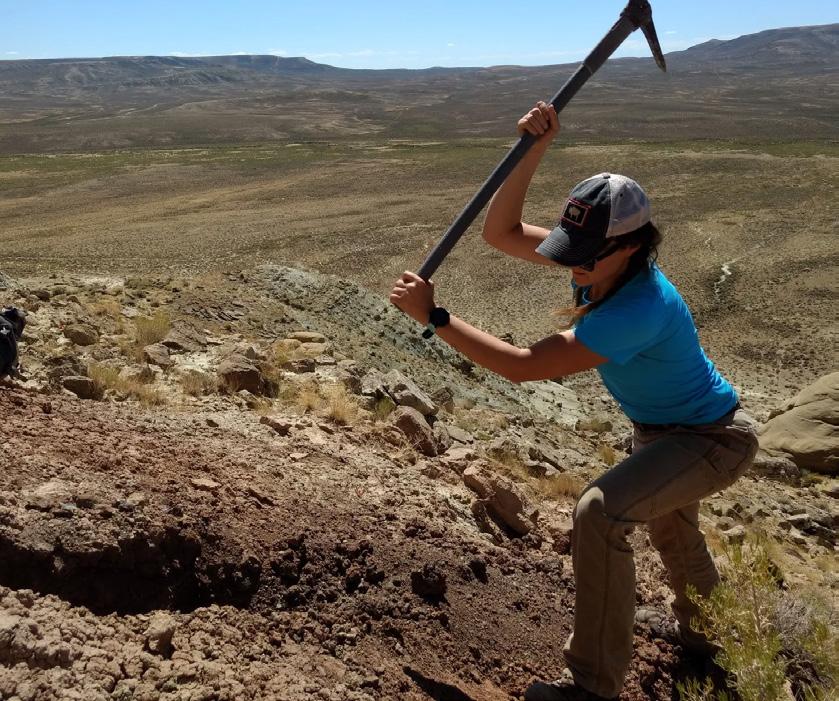
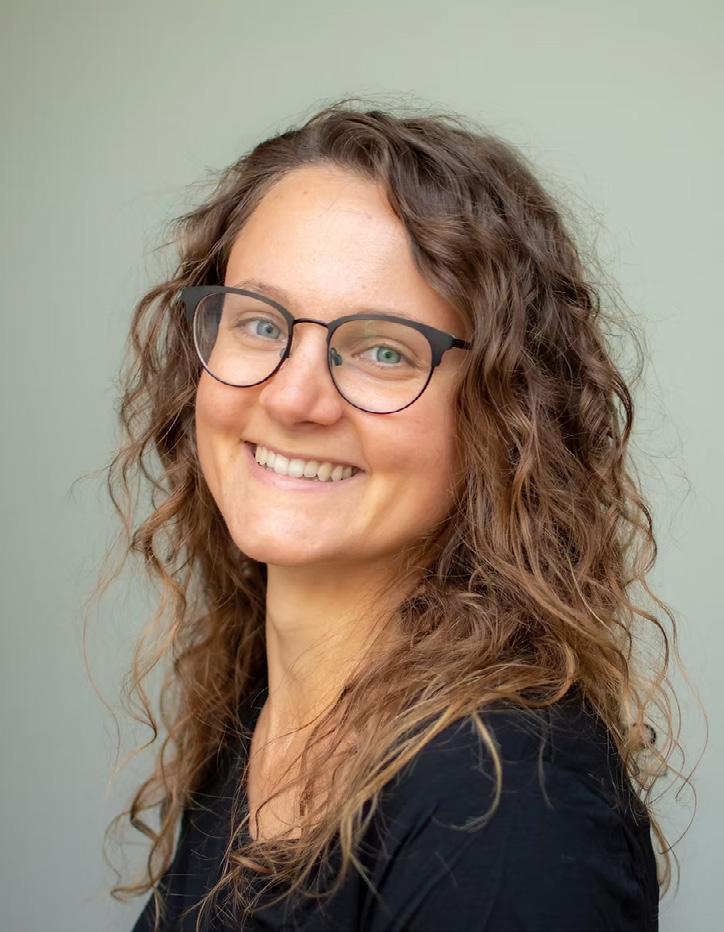
Rebecca Dzombak is a science journalist, writing for outlets such as The New York Times and National Geographic. Her journey to this role began at Michigan with a joint Bachelor’s degree in communications and geology, followed by a PhD from EARTH.
undergraduate years, so when graduation rolled around, she wasn’t finished learning about the Earth. After a gap year spent working in Nathan Sheldon’s lab, Becca joined as a PhD student.
Julia Cole’s science communication course renewed her interest in writing during her third year, and she began writing on her own. Remote writing positions, first with GSA and AGU, which turned into a full-time position with AGU. In spring 2025, she was selected for a three-month reporting position with The New York Times climate desk. Now, she is a full-time freelancer whose work appears widely.
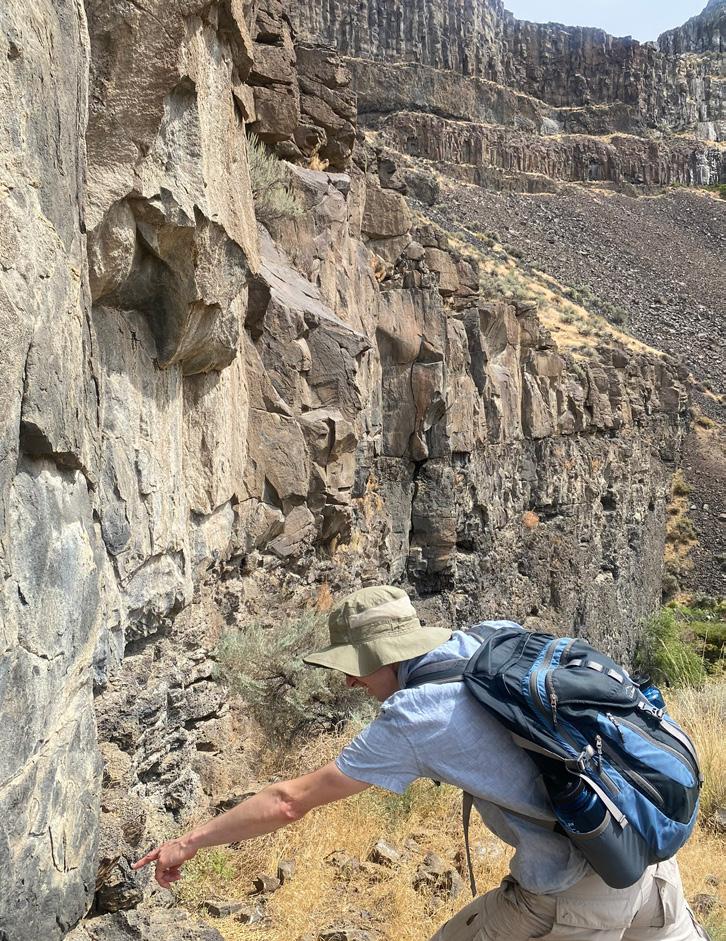
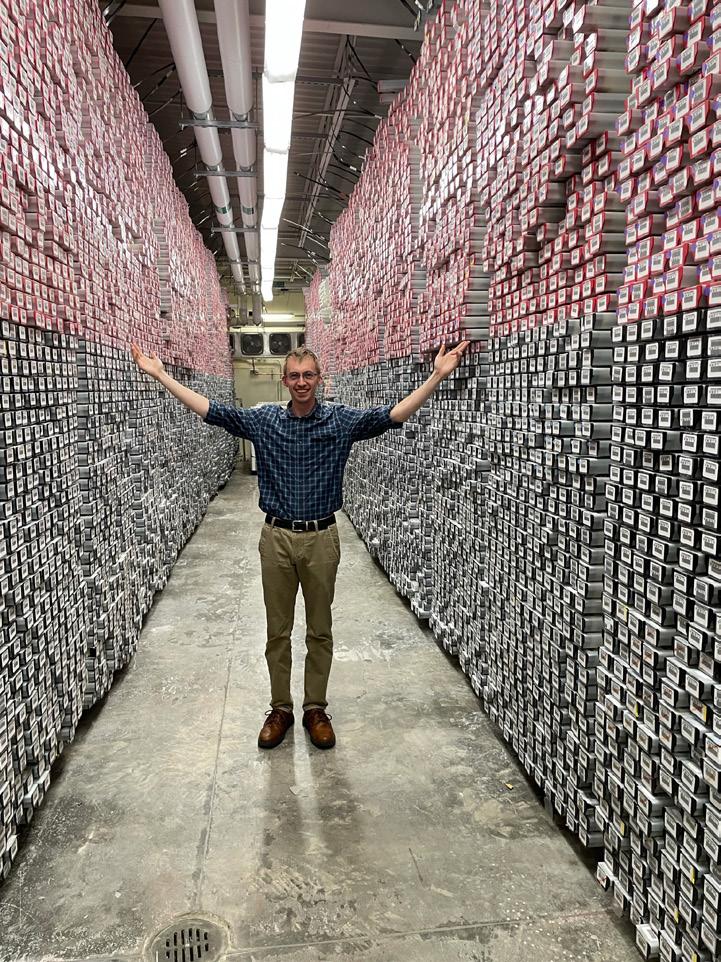
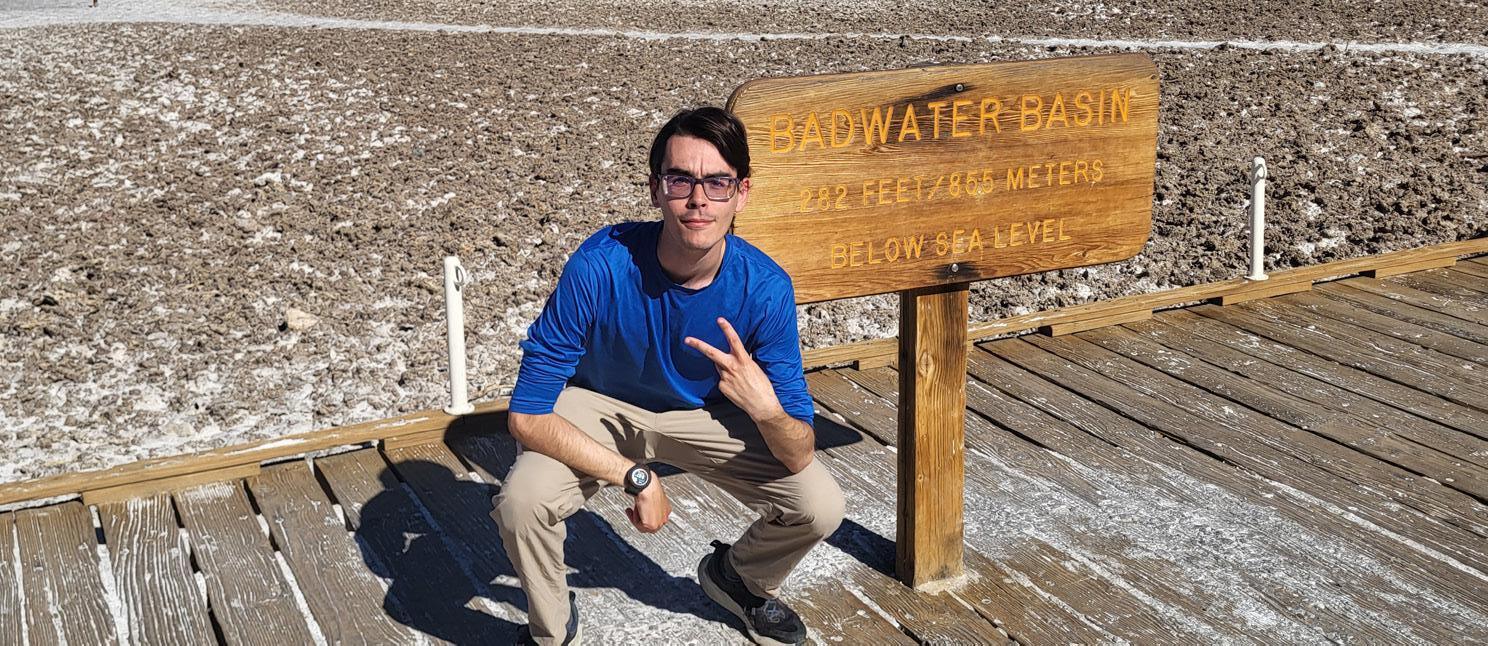
Above: 1 - Matthew Jones. 2 - Matthew during a USGS site visit in southwestern Iceland where CO2 is being injected for mineral-based storage in basalts through a process called CO2 mineralization. 3 - Matthew examining the Columbia River Basalt Group for geologic CO2 sequestration potential in 2024 as part of his role with the USGS. 4 - Matthew at the Gulf Coast Repository in College Station, TX, which stores 50 years worth of sediment cores recovered from scientific ocean drilling. Opposite page: 1 - Rebecca doing fieldwork in Wyoming. 2 - Rebecca Dzombak. 3 - Matthew at Badwater Basin in Death Valley, CA. 4 - Matthew getting a closer look in the field.
While working toward the communications degree, she took an environmental geology course and was hooked. She came to geology midway through her
“Growing up, I always wanted to be a writer,” Dzombak said. “So now as someone who writes about science, joining both my research background and my passion for writing, things have come full circle.”
Matthew Salinas is a first-year PhD student at University of Southern California, studying the paleoseismology of southern California. But as a newly-minted undergraduate in EARTH, he started in a different paleo-field: climate.
For two years, he worked with Naomi Levin and then-postdoc Julia Kelson studying Holocene and older paleoclimates. An interest in seismology crept in through his coursework, and in his junior year, he pivoted to a focus on geophysics. He spent his junior and senior years working with Yihe Huang.
“The department felt very open and free in terms of being able to explore different fields and discover what I really wanted to research,” Salinas said. “The professors were
ALT for Becca: Becca is a writer and recovering academic who spent one full decade shuffling around NUB in Birkenstocks and socks, a style also favored by Kacey Lohmann. She has two cats and one paper from her dissertation she still has to finish.
very supportive of exploration and encouraged me to switch to geophysics.”
Pursuing a PhD felt like “the natural next step” after undergrad, he said. Attending field camp at Camp Davis solidified an interest in having a field component to his work, so now Salinas is working in the trenches around Los Angeles — paleoseismic trenches, that is.
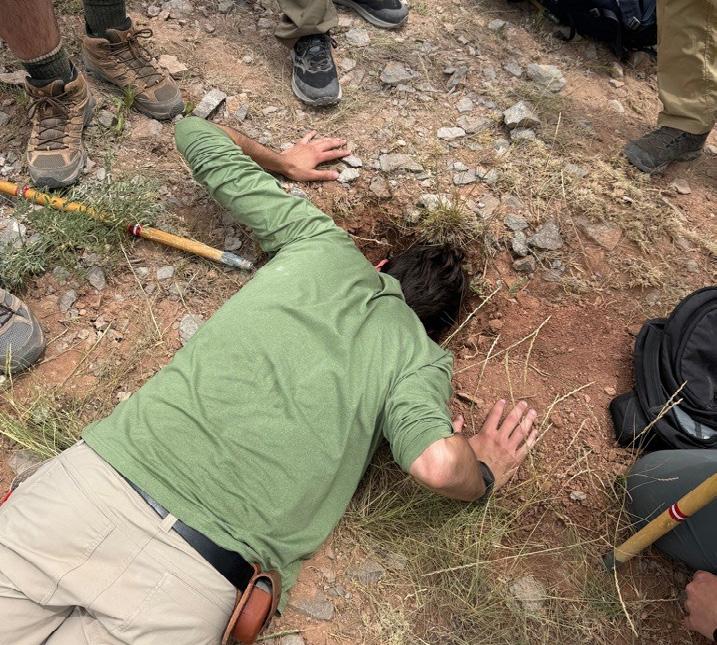
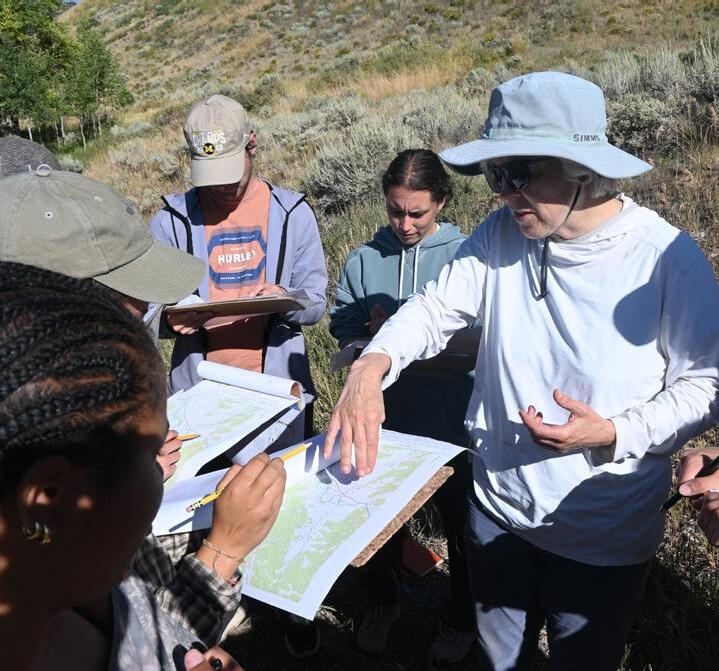
Another summer at Camp Davis is in the books! The weather was wonderful for most of the summer, with warm days and even a few cool dewy mornings, and wildfire smoke had a minimal impact on our air quality and activities. Students visited our regular sites, including Yellowstone National Park, Craters of the Moon National Monument and Preserve, City of Rocks National Reserve, and of course Grand Teton National Park.
This year’s Camp courses explored some new projects, supported in part by the incredible generosity of our alumni through Giving Blue Day last spring, where we raised over $15k for new environmental instrumentation in field teaching. Students put these instruments to use measuring water temperature, salinity, pH, and chemistry in both Earth 202 and Earth 450, and they learned to relate water quality and chemistry to bedrock geology, fisheries health, and wildfire
impacts on hydrologic catchments. Earth 440 students hosted the owner of Brunton, Inc. for a day, and were subsequently loaned a dozen Brunton Axis Geological Compasses to use for mapping projects this summer. Earth 440 also revisited GIS field mapping using iPads, taking advantage of new geologic-specific software packages for field work.
The breadth of field geophysics applications also expanded, with the use of ERT (electrical resistivity tomography) to map
our groundwater tables and subsurface hydrology in and around Camp Davis. We are grateful to all of the Camp faculty who are introducing new and exciting teaching methods, and to our alumni who are supporting these opportunities. Thank you to all our past students who stopped by this summer to say hello - it’s always nice to see familiar faces around Camp!
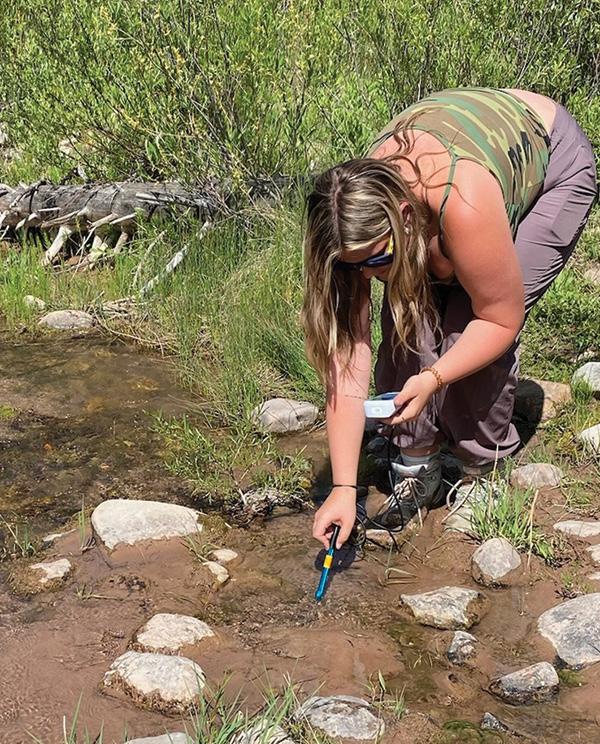
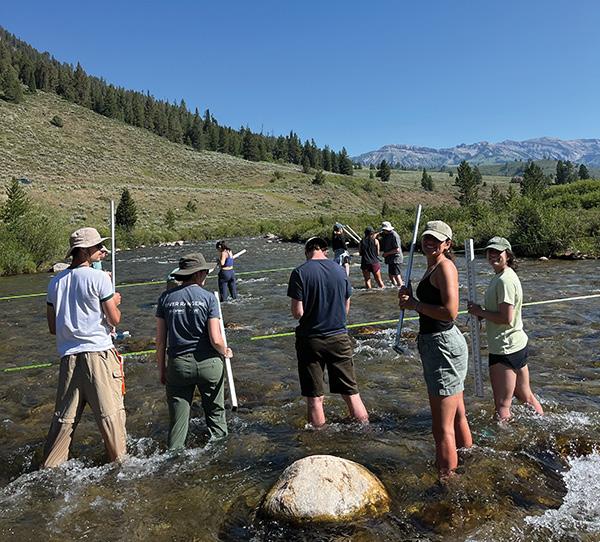
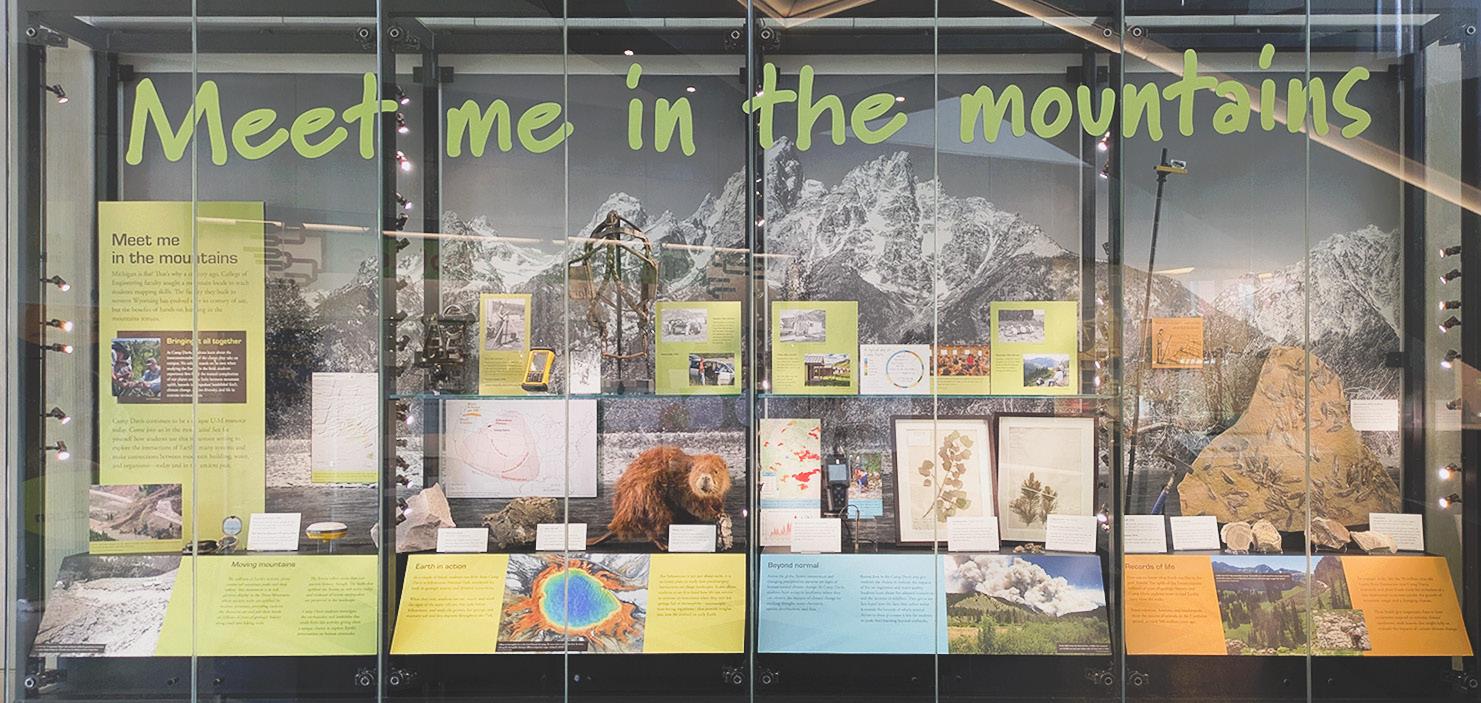
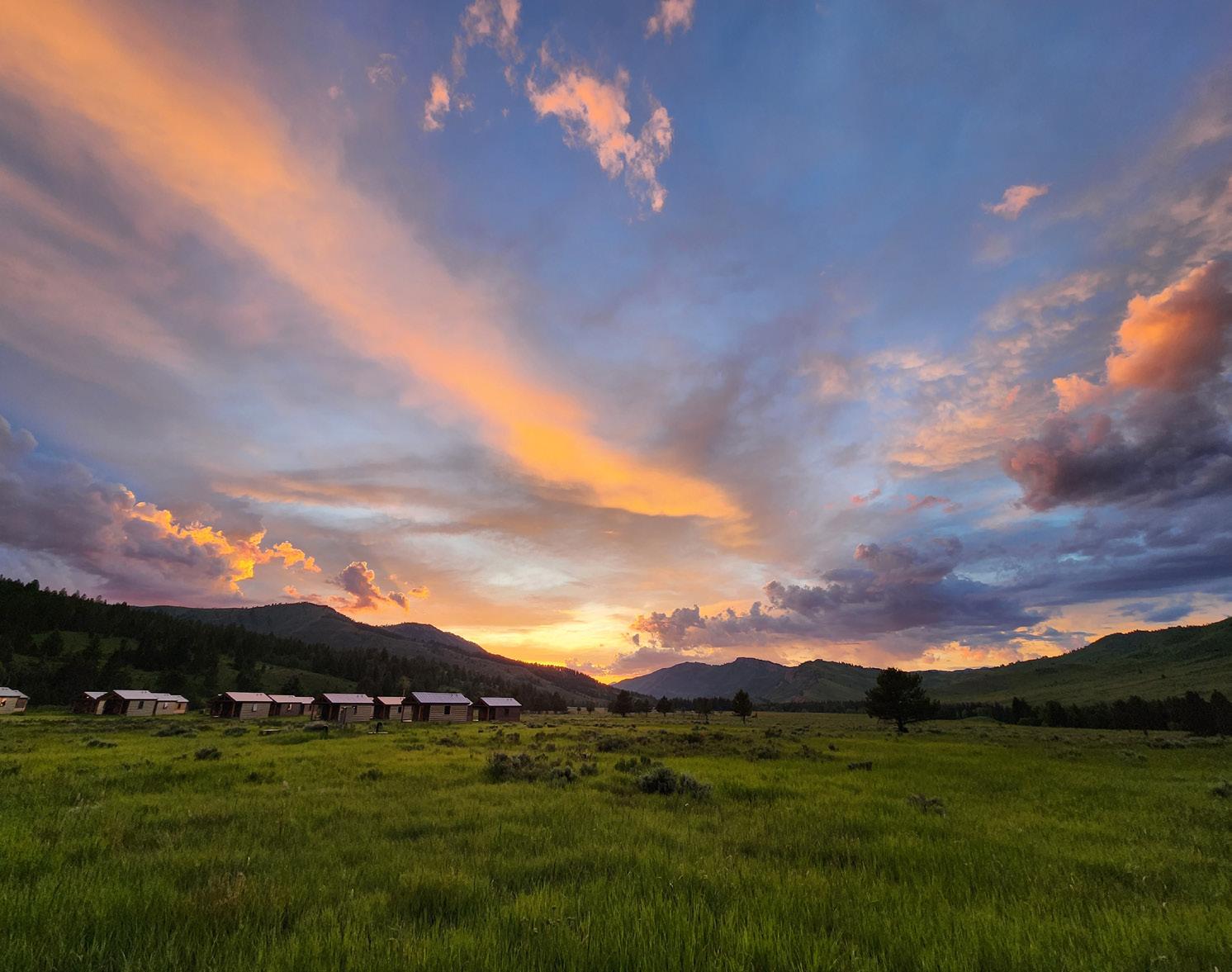
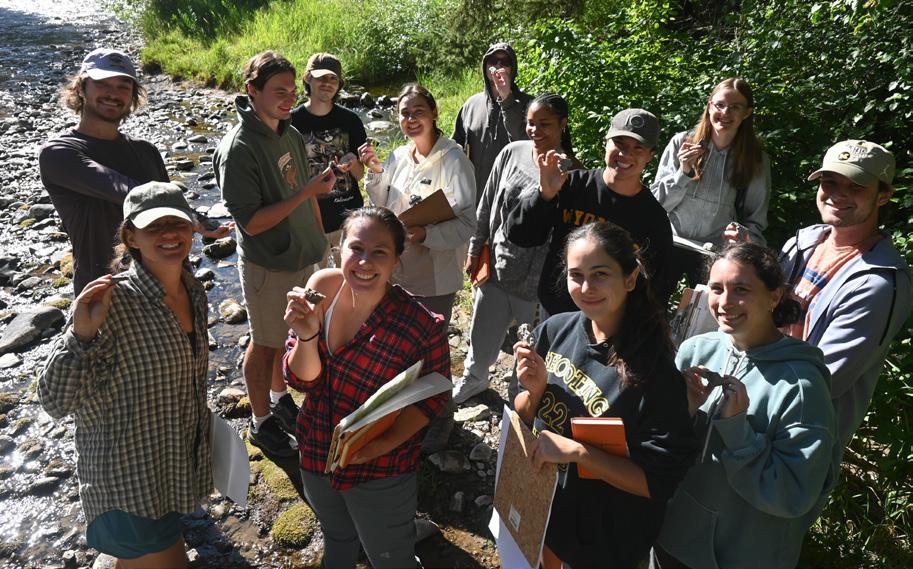
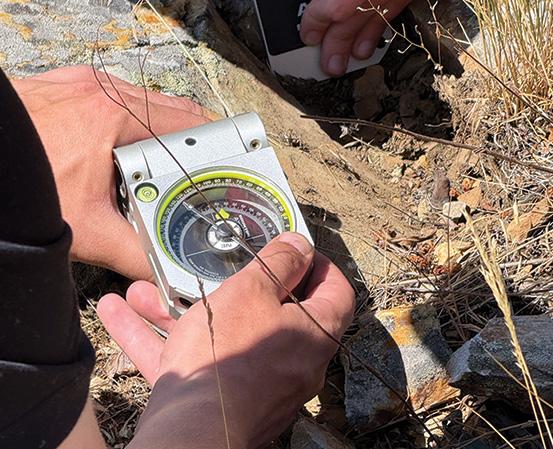
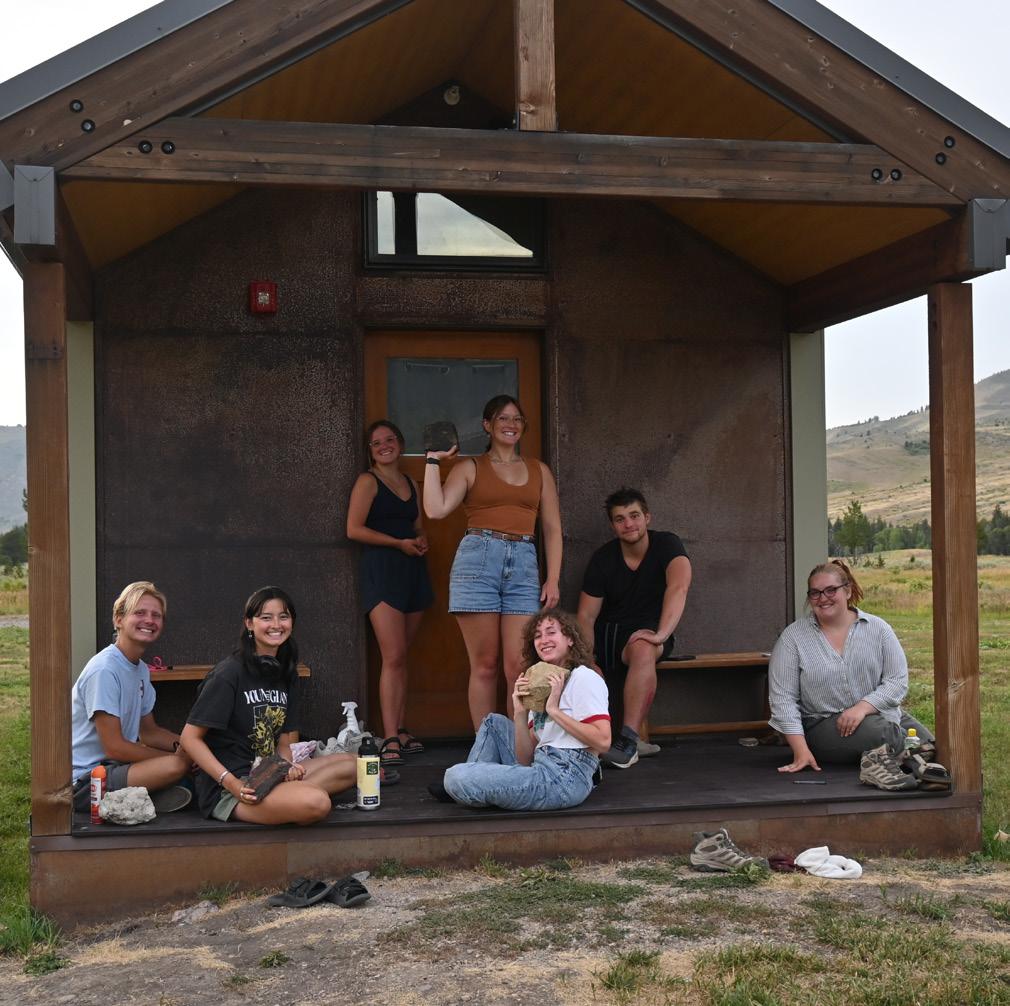
the owner of Brunton, Inc. Lauren brought a dozen state-of-the-art Brunton Axis geological transits to Camp Davis, taught the students how to use them, and let our students keep them for the duration of the course. Opposite page: 1 - Earth 450 students mapping the Camp Davis outcrop along Highway 191 with professor Becky Lange. 2 - Earth 202 students spent time in the field exploring water chemistry in the streams and lakes around Camp Davis as part of a project to understand the relationship between water chemistry and quality and catchment geology. The Apera water meters were purchased with alumni support through our Giving Tuesday drive. 3 - Students enjoying a night off from homework. 4 - Earth 450 students using flow meters and YSI water probes (purchased with alumni Giving Tuesday support!) to analyze stream flow and water chemistry along the Hoback River, from its headwaters to its junction with the Snake River. Water chemistry is impacted by bedrock geology, wildfire history, and sediment supply.
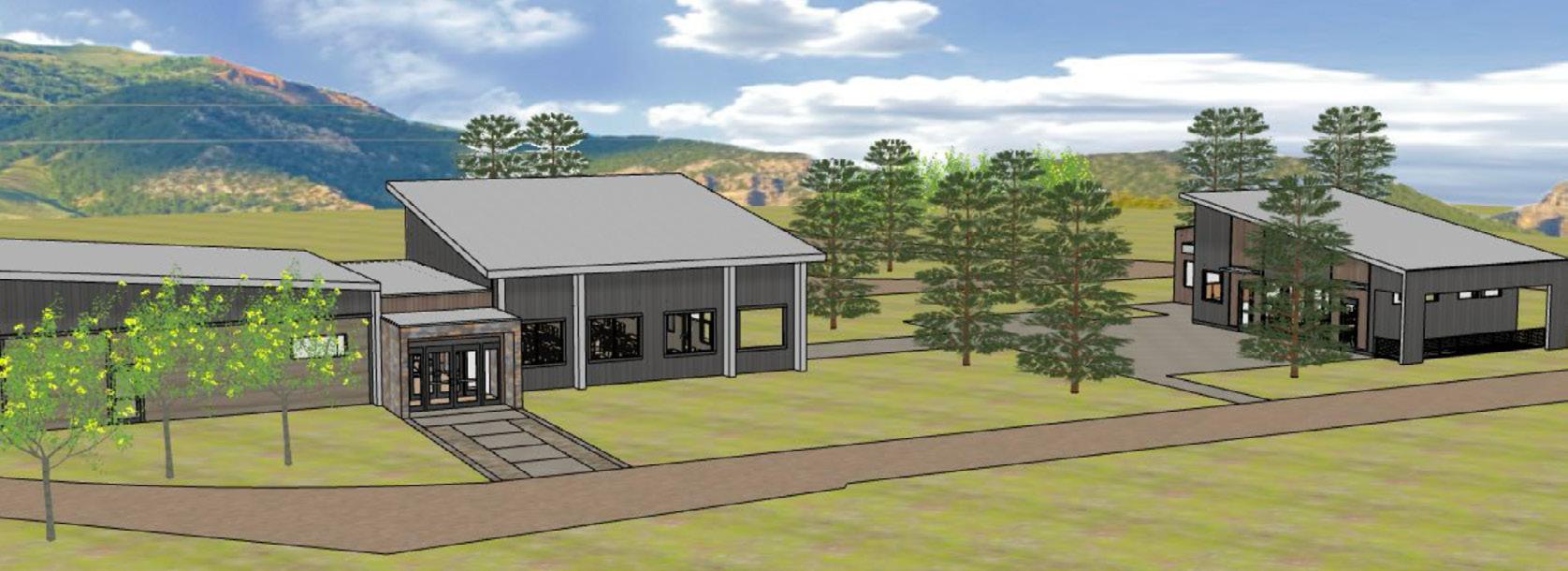
We are thrilled to announce that we have embarked on a new phase of the Camp Davis revitalization program to replace the aging mess hall and add a laboratory classroom to enhance environmental training. This project represents the third phase of a major revitalization of Camp and the culmination of years of meticulous planning and design, led by Nathan Niemi. These upgrades support our program at the forefront of field education in Earth and environmental sciences for the next century of Camp Davis.
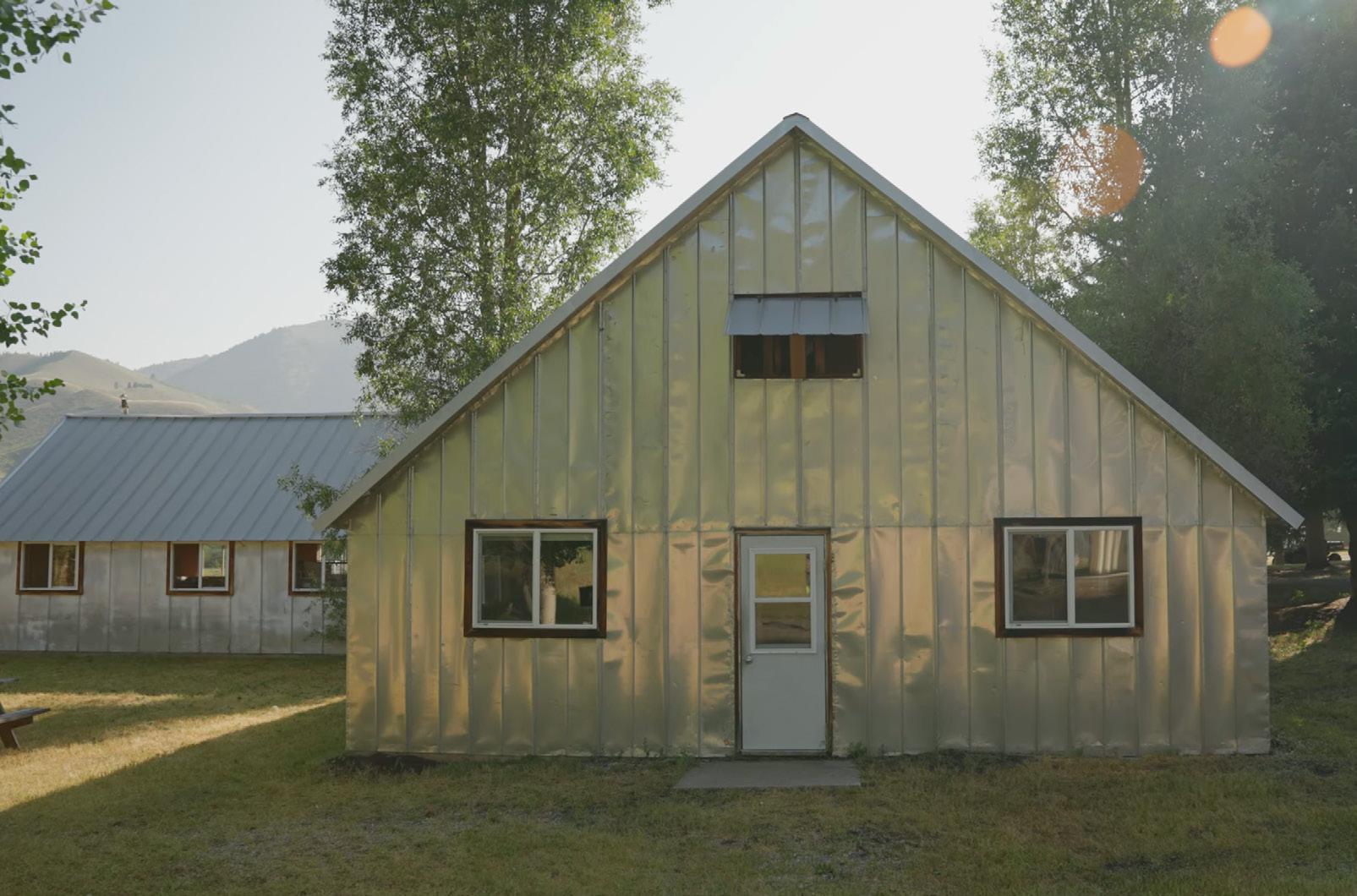
The original Camp infrastructure was built nearly a century ago by UM students, faculty, and staff. With a common bath house, metal siding, and potbellied stoves, the old cabins may have provided a sense of camaraderie through shared hardship, but over the years these “charms” wore thin. In partnership with the College of LSA and generous alumni, we replaced the cabins that house faculty and students in 2005 and 2019, respectively, and rebuilt the rec hall to replace the old building destroyed by a fallen tree.
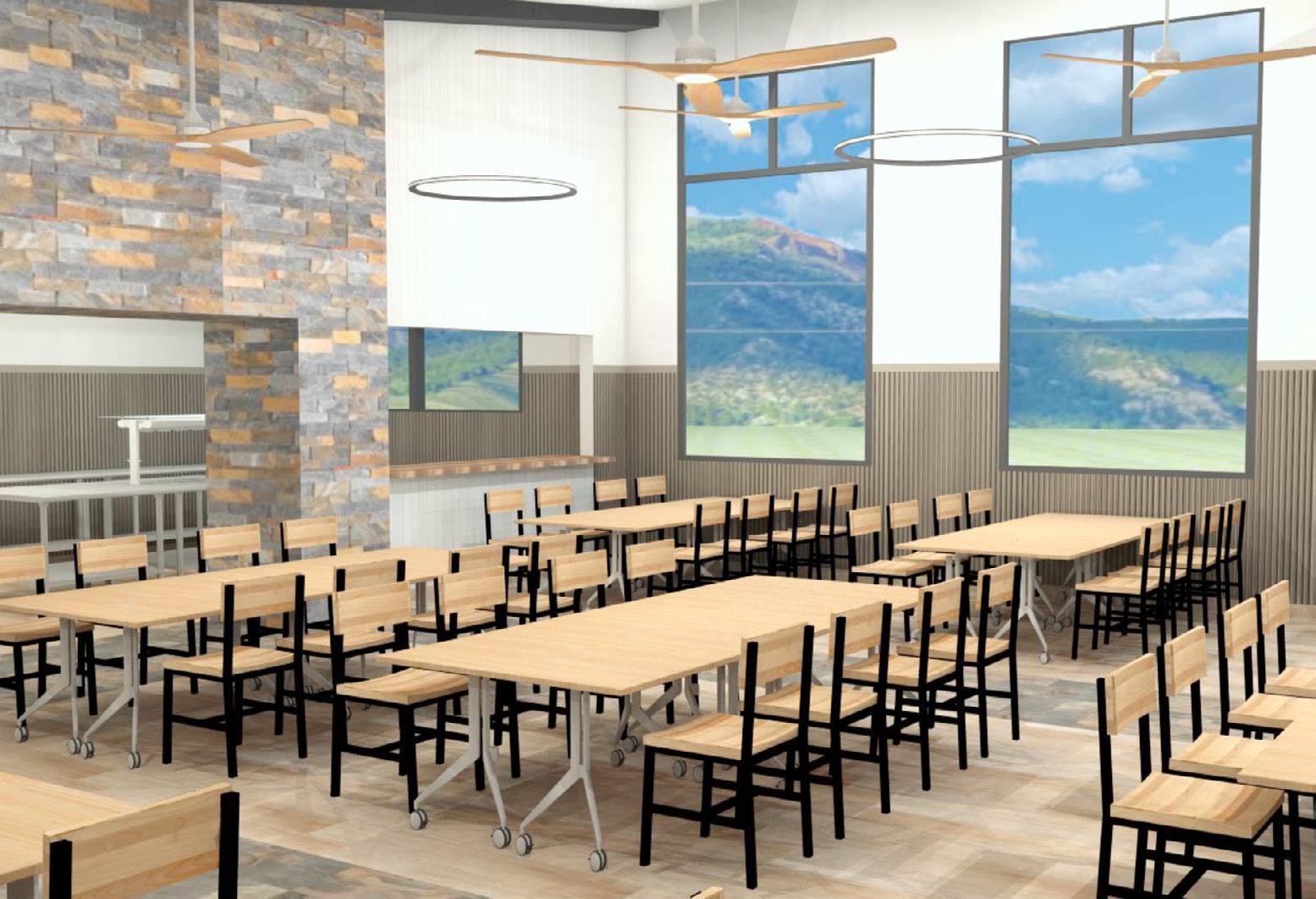
The mess hall has always been the heart of Camp, but the building itself became increasingly decrepit. Thoughtful design of a new mess hall includes an efficient commercial kitchen, retaining workable equipment, and a dining area that includes open views and outdoor seating. The building will combine modular construction of the kitchen space (for cost savings) with framed construction that allows taller ceilings in the dining area for comfortable ventilation and stunning views.
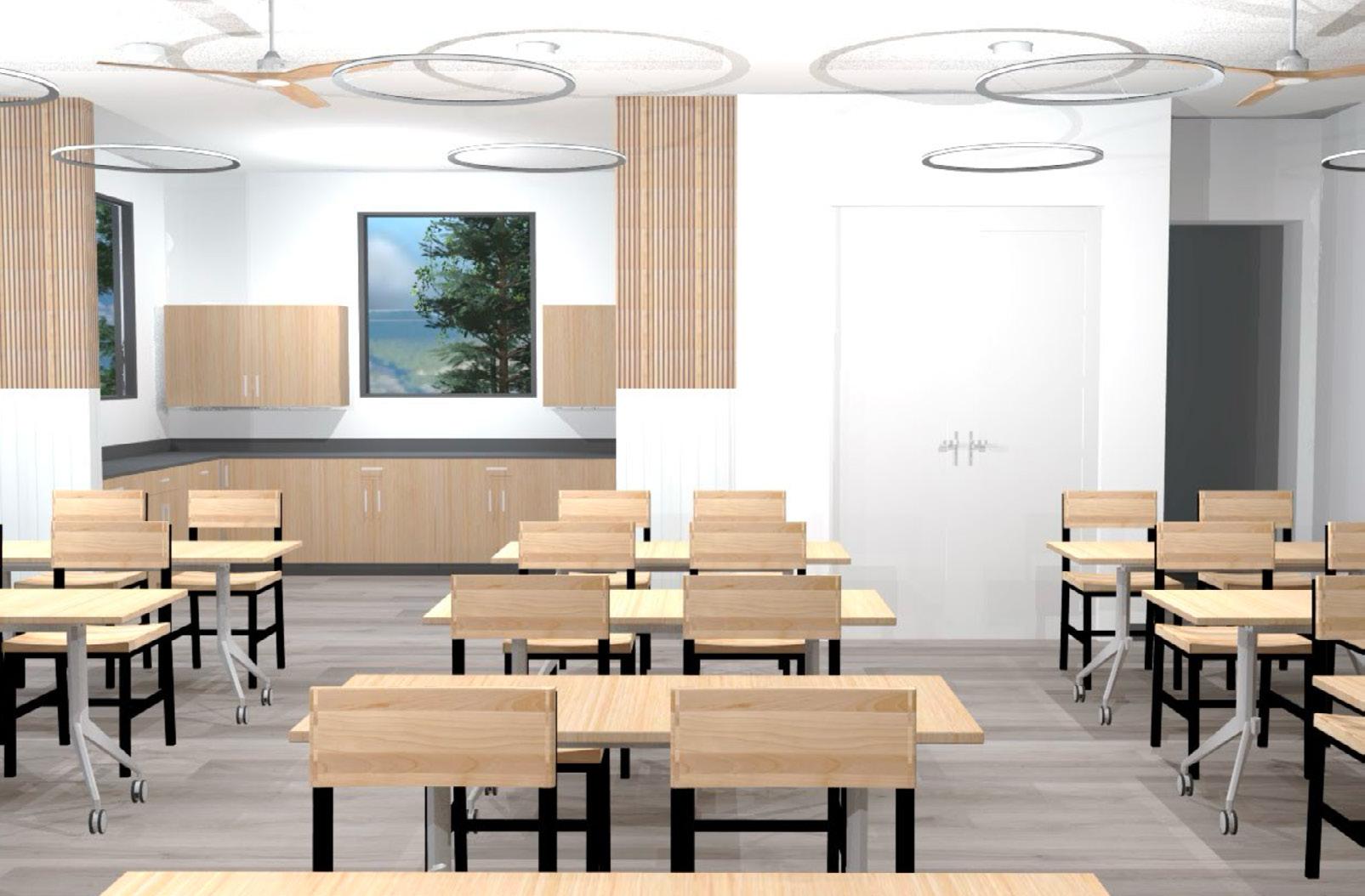
The project also adds a laboratory classroom that will support important enhancements to our environmental and ecosystem instruction. A wet lab space will give students hands-on experience in water quality and geobiological analyses. This building will also house administrative offices and storage areas. The two new buildings will flank an open courtyard that provides an inviting shaded space for instruction, group work, and social gatherings. As part of this transformation, the water and electrical utilities will
also be upgraded to meet code and use demands.
By the time you read this, onsite demolition will have begun. The modular construction of the various components will begin in Salt Lake City before the end of the year. We expect the full project to be complete by May 2027, in time to use Camp again in summer 2027. Instructors are gearing up for a very different experience in summer 2026, based at University of Montana Western in Dillon, MT. Classes will still visit the glorious
Yellowstone environment, and dedicated faculty are developing new instructional programs in and around Dillon.
Camp Davis has inspired generations of students with its unmatched combination of spectacular environmental setting, dedicated faculty, and rigorous yet accessible instruction. We are unique in offering a residential program of field instruction in Earth and environmental sciences at levels from introductory to advanced. Our upgrades to Camp
are part of a larger priority to ensure that students from all backgrounds and experiences can fully enjoy Camp Davis. We also host a gear library and provide financial aid to promote broad access to the transformational education that Camp provides.
Earth and environmental sciences are at the core of critical issues that the world now faces – climate change, resources, water, energy, biodiversity, land use, and more. We engage and prepare our students to meet the challenges of our time with experiential education that is second to none. We need your support to continue at the forefront of field training in Earth, environmental, and sustainability sciences. Please consider supporting Camp Davis revitalization; more information on how to do so can be found by scanning the QR code below or visiting https://myumi.ch/dge94
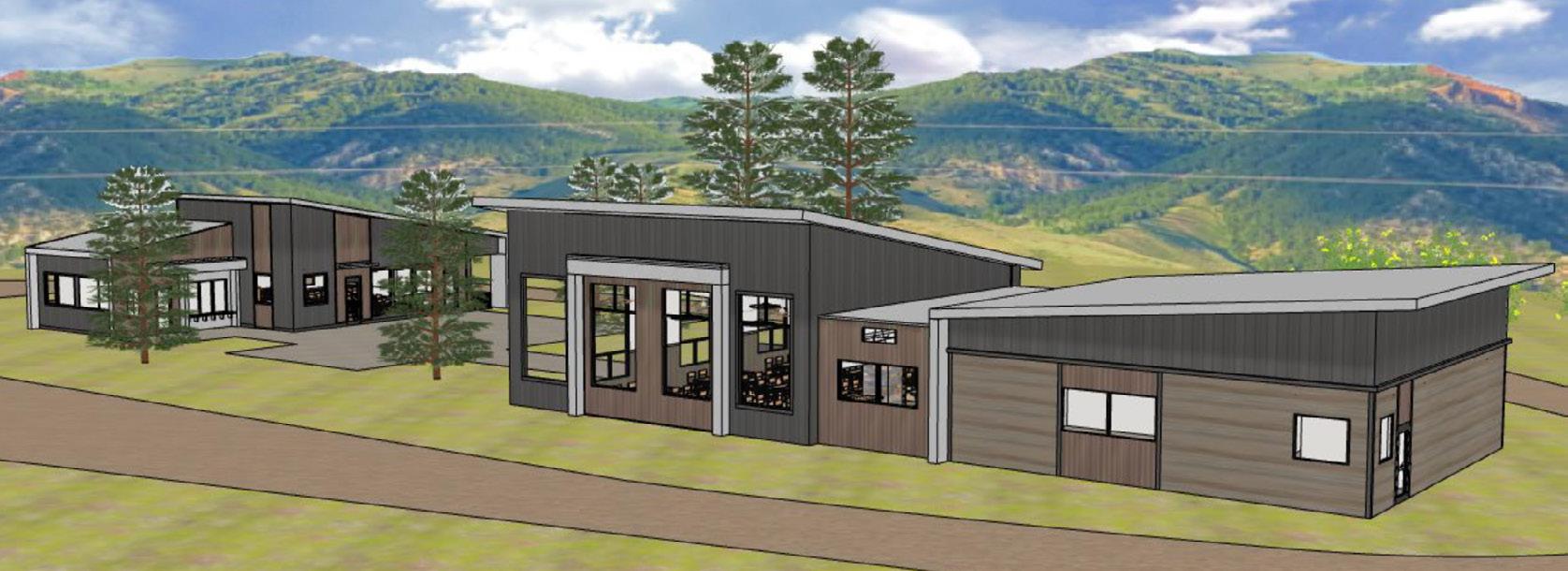
From top: 1 - Proposed rendering of the Camp Davis mess hall from inside looking west. 2 - Proposed rendering of the new Camp Davis classroom (left) and mess hall (right), looking south. 3 - Proposed rendering of the new Camp Davis mess hall (left) and classroom (right), looking north, towards Cream Puff. Opposite page: 1 - The 98-year-old Camp Davis mess hall in 2024. 2 - Proposed rendering of the new Camp Davis classroom interior. All renderings created by Linda Mason.
UM EARTH researchers are widely recognized for their scientific achievements, but for many faculty, putting their science to work in the real world is just as rewarding. Here, we profile several faculty who are collaborating beyond campus to make a difference in real world problems, from water resources to hazard prediction and response to scientific capacity building.
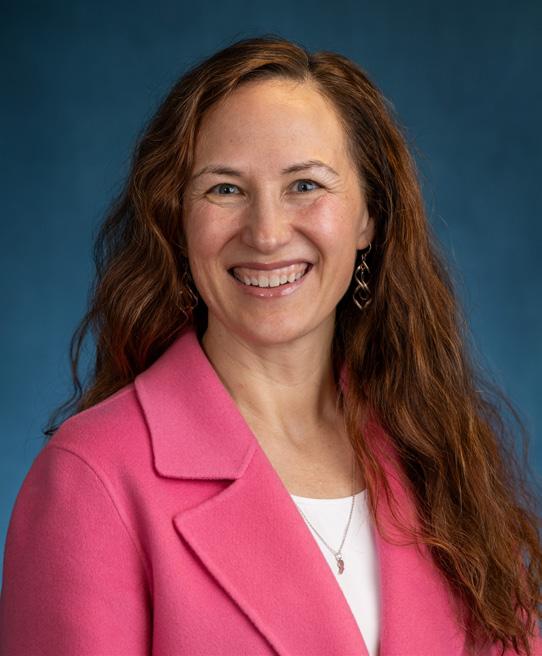
In July 2025, a magnitude 8.8 earthquake ripped offshore of Kamchatka, Russia, prompting tsunami warnings around the world and reminding the world of the hazards posed by extreme earthquakes. But predicting earthquakes is currently impossible. UM professor Yihe Huang are working to understand why they happen when and where they do.
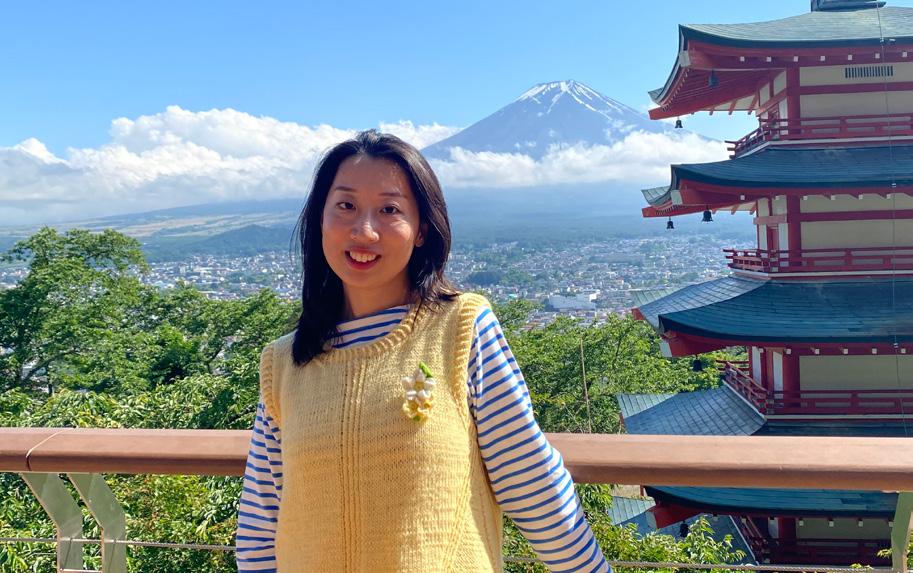
Japan, situated atop an active subduction zone, is a natural lab for seismology. Ten to 20 percent of the world’s biggest earthquakes happen there. Because the densely populated country has a long history of quakes, its lands and surrounding seafloor are heavily instrumented. Japanese scientists have collected decades of rich, detailed seismic data.
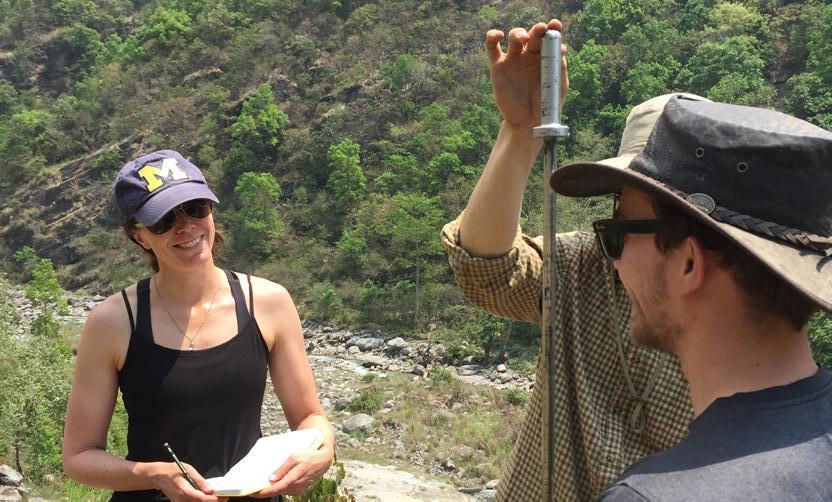
“This is the best dataset to understand one of the most seismically active regions in the world,” Huang said. She is exploring why Japan experiences so many earthquakes, both large and small, and why earthquakes behave differently along different sections of the plate boundary.
Using the Japanese data, she has found a number of unusual fault structures along the boundary. Those results were published in Science Advances in February 2025, and she’s now following up on that work to see if, and how, the structures could explain different earthquake behaviors.
The work highlighted the value of good instrumentation for understanding earthquake behavior and risk, Huang said.
A disaster like an earthquake doesn’t strike in isolation. Quakes,
modeling with an emphasis on this concept of connectivity.
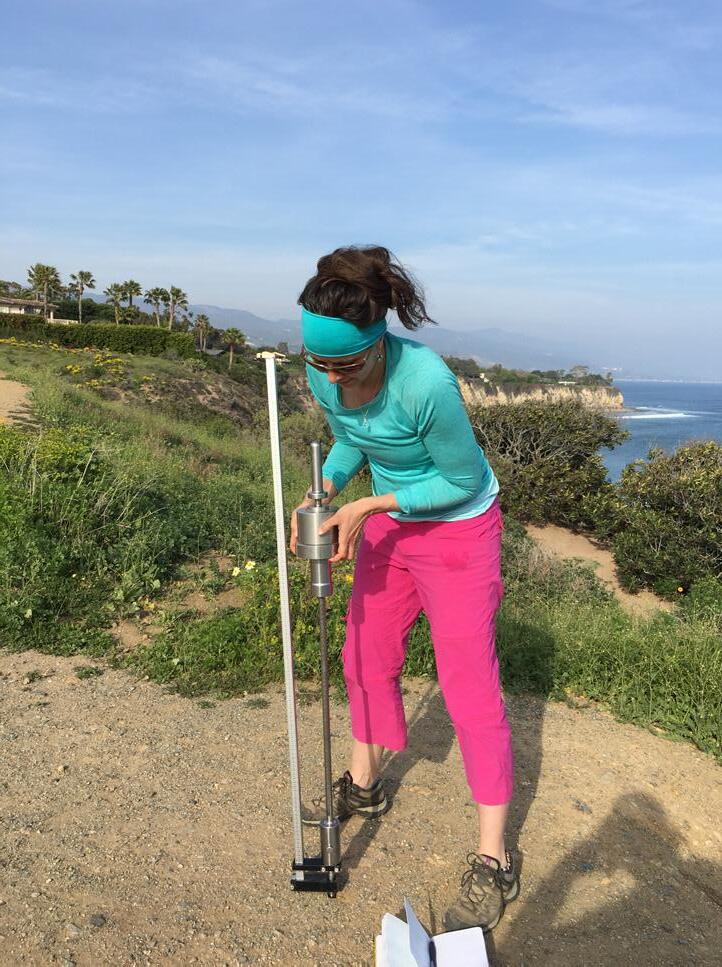
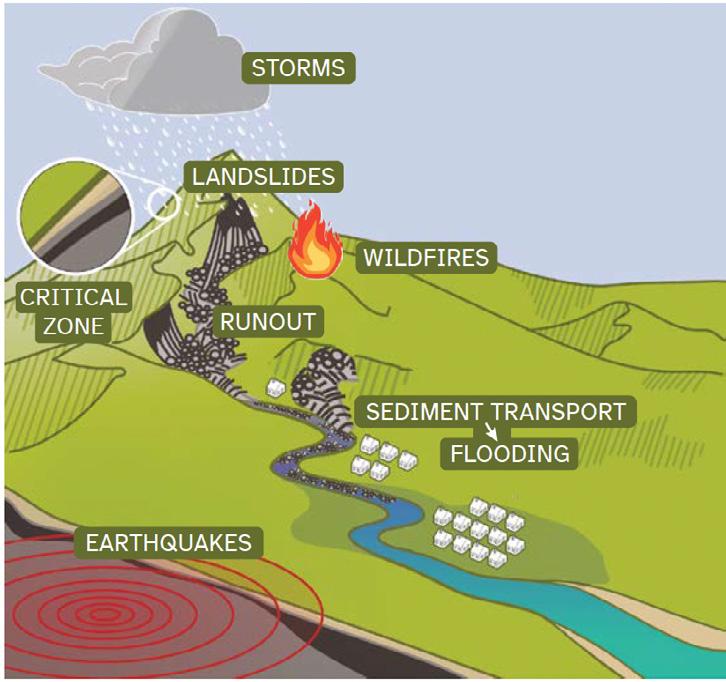
volcanoes, storms, and wildfires often lead to other issues, like pollution, flooding, and landslides. But right now, each successive disaster is treated more or less as its own entity rather than as part of a cascading, connected system, said professor Marin Clark.
“Hazards, geology, climate, and human factors like land use are all interconnected,” Clark said. “Take for instance a wildfire. After a fire, the land surface changes, the conditions change. What are you most vulnerable to next? A debris flow, a flood? We want to be able to predict the whole cascade of hazards, and we’re really just at the beginning of being able to do that.”
Clark leads a multi-university collaboration that recently received a $15 million, 5-year grant from the National Science Foundation to open a new Center for Land Surface Hazards (CLaSH) dedicated to improving hazard
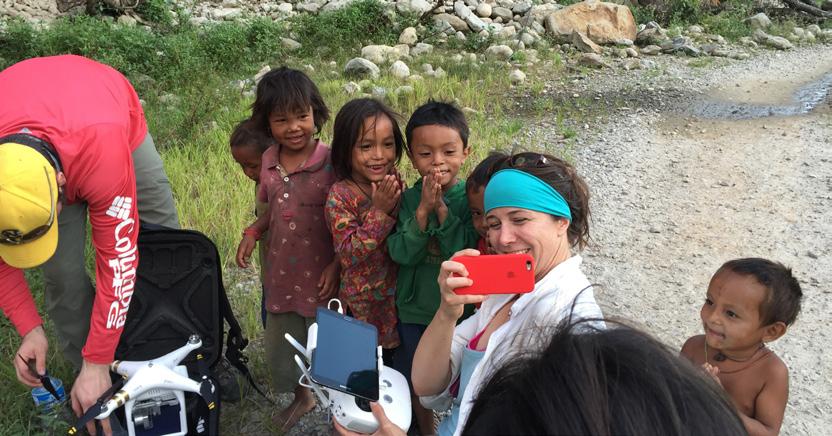
Clark has been thinking about this problem for a decade. It was largely sparked by the 2015 earthquake in Gorkha, Nepal, which killed nearly 9,000 people and triggered more than 25,000 landslides.
“I watched one hazard follow another, and another, and the hazards persist to this day,” she said. She realized that geomorphology knowledge and methods, which are typically applied on millionyear timescales, had not been translated to characterize modern hazards. It was, to her, a clear opportunity.
Now with CLaSH spinning up, the group’s first projects are focusing on Hurricane Helene in 2024 and the Los Angeles fires of 2025.
Land-surface hazards like debris flows and smaller-scale flooding may not make international headlines like a major quake or eruption, Clark said, “but they’re much more frequent and hazardous. People don’t realize that.”
Professor Greg Dick is focused on another kind of hazard from a surprising source: air pollution from lake water.
His lab has been researching harmful algal blooms in Lake Erie for well over a decade. Most
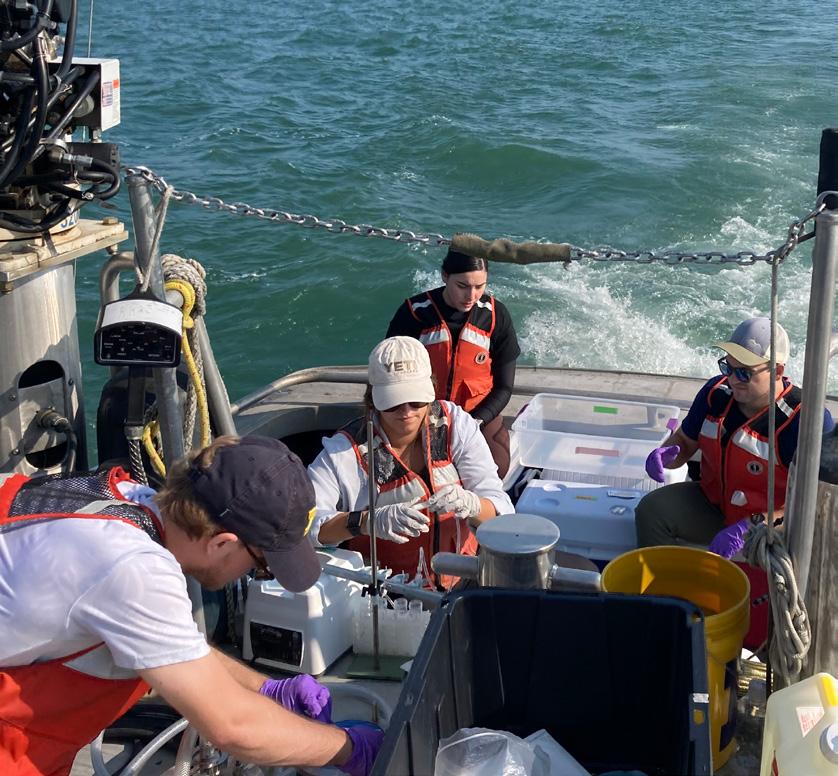
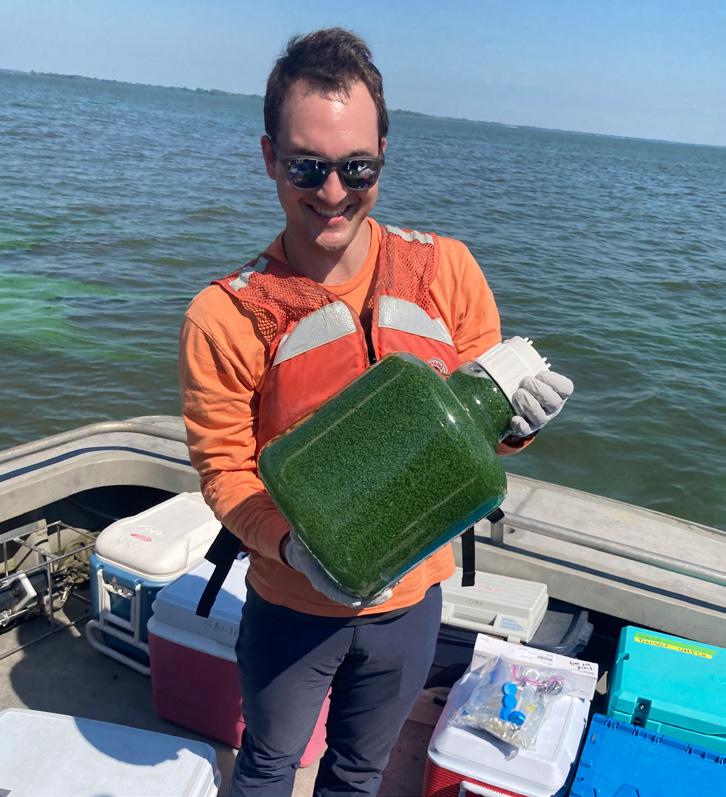
recently, they are studying how toxins in the blooms can become airborne, drifting away from the water to people’s porches and lawns, where they can be inhaled.
“It’s a new frontier for freshwater harmful algal bloom research,” Dick said. “What happens in the lake doesn’t stay in the lake.”
The research is jointly funded by NSF and the National Institutes of Health. It’s a collaboration that brings together environmental and biomedical scientists, with a core of community engagement. Inhalation is a more toxic pathway than drinking contaminated water or direct skin contact, so an important focus is on assessing human health effects. The team is also researching mixtures of toxins in different blooms and how the toxins are dispersed.
“Harmful algal blooms are one of the biggest threats to water quality for the Great Lakes, and not only Lake Erie,” Dick said. “And now, we’re learning a new way they threaten public health.”
Professor Naomi Levin is studying a surprising parallel between Lake Erie and Mono Lake, which sits at the eastern base of the Sierra
Mountains in California. Mono Lake is a closed evaporative basin, whereas Lake Erie is hydrologically open, but both lose significant volumes of water through evaporation.
Mono Lake has long been one of the primary water sources for millions of people in the Los Angeles area. Diversions beginning in the 1940s dropped the lake level 45 feet, resulting in a loss of half the lake’s water volume. Although in the 1970s and ‘80s conservation helped water levels rise, they never reached the statemandated “sustainable” level, let alone the lake’s pre-diversion levels.
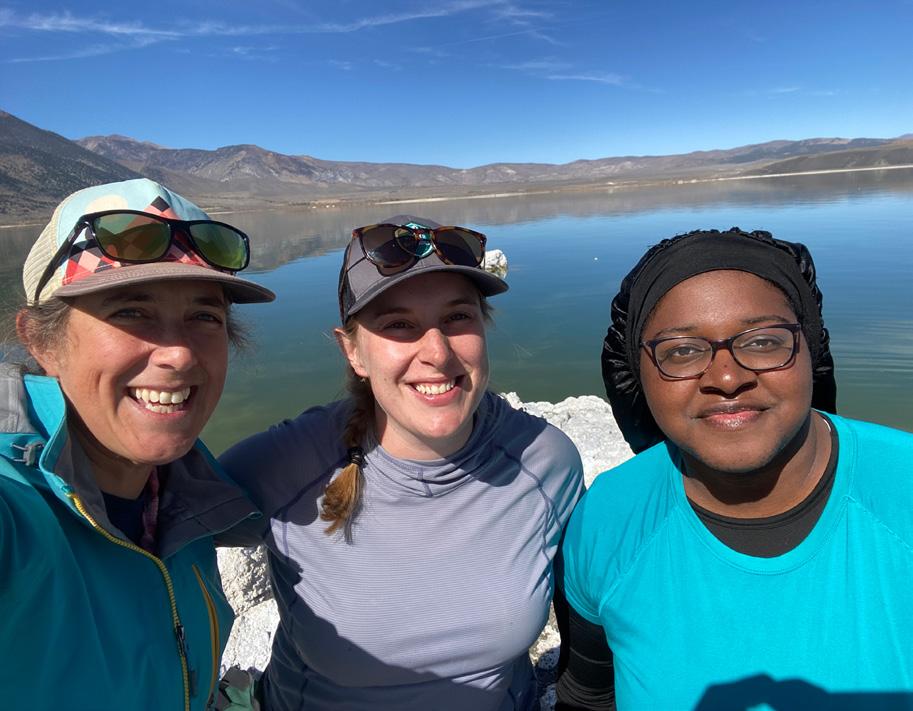
3 - Members of Greg Dick’s Geomicrobiology Laboratory collect harmful cyanobacterial bloom samples from western Lake Erie. Opposite page: 1 - Marin Clark with students Billy Medwedeff and Logan Knopper measuring soil properties at landslide prone sites in central Nepal. 2 - Marin Clark measuring soil stiffness at landslide prone sites along southern California’s coastline. 3 - Marin Clark sharing drone flight images with a group of interested young children in central Nepal, where flooding and landslide hazards are a yearly occurrence. 4 - Yihe Huang in Japan in 2023.
Levin, working with PhD candidate Jada Langston, postdoc Anne Fetrow, and professor Andrew Gronewald (SEAS/EARTH), is using isotopes to quantify just how much water in each is lost to evaporation, which remains one of the most poorly constrained parts of the lakes’ hydrologies.
“We need to figure out evaporation to make the water balance work,” Levin said. “But evaporation is a flux, constantly changing, and it is very hard to capture.”
Langston and Fetrow have collected isotopic data from the two lakes over recent years, and those data feed Gronewald’s new hydrologic models. Ultimately, they aim to understand how Mono Lake, with its critical water supply, is responding to climate change, and then apply the lessons learned to Lake Erie.
“The lake needs to be at a high enough level to comply with California’s Public Trust doctrine, which requires that navigable water bodies are for the use and benefit for all people,” Levin said. “We need better hydrological
models to evaluate lake level projections with the combined impacts of climate change and human diversions.”
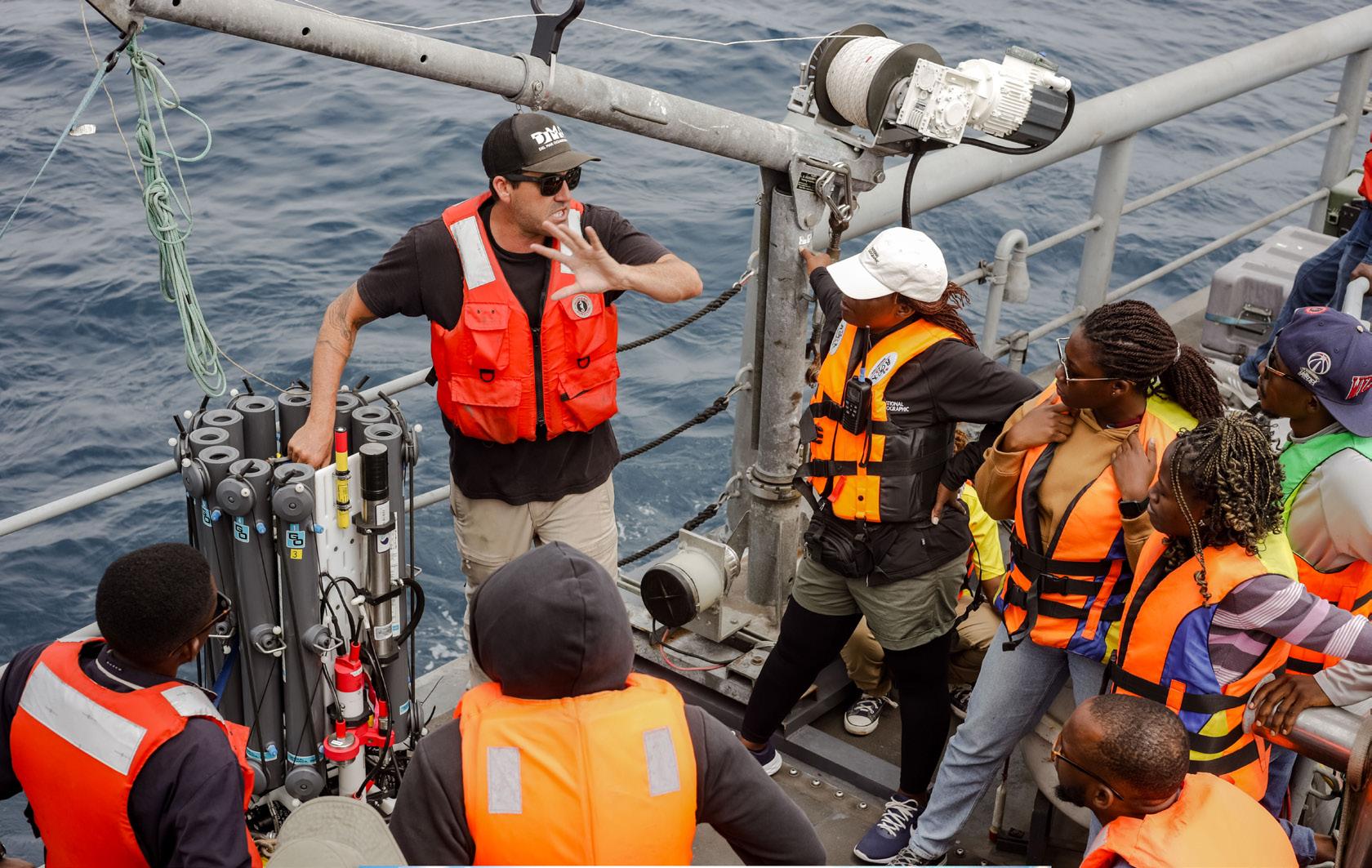
Brian Arbic, through his ten years launching and running The Coastal Ocean Environment Summer School In Nigeria and Ghana (COESSING), has helped more than 1,000 scientists from around the world learn about climate and the oceans, develop key skills like modeling, and connect with an international network of peers and mentors.
The program, which he co-founded in 2015, is now embedded within a $9 million, five-year grant from Schmidt Ocean Sciences, securing the next phase of growth and providing sustained resources to research the ocean dynamics of the region.
COESSING has grown far beyond anything Arbic initially imagined, in terms of size, scope and logistics. That growth, he stresses, was driven by requests from attendees and local collaborators helping run the program.
At first the focus was on physical oceanography. But chemistry students showed up and wanted a chemistry angle. From there, requests came in for coding and modeling. Now, the program is focused on a week-long project within a participant’s area of interest, often with a coding component.
“It’s totally spiraled, in a positive way,” Arbic said. “Every year, it gets bigger and broader. More and more people want to attend and want to get involved.”
Arbic is quick to elevate his collaborators in Nigeria, Ghana and, new in 2025, eastern Africa. “I’m excited there are now multiple schools as part of this program,” he said. “These folks are basically running the schools themselves. We inspired it, but at this point, I’m just cheering them on.”
Funding is the one area Arbic will grant himself accolades. Similar programs have cropped up over the years, he said, but most fizzle out as funding for a sustained program over years fails to come through. He’s garnered growth over multiple grant cycles and now, with the Schmidt grant, the program will be big enough to help support Ph.D. students around the world.
“There are not many things like this in the world,” Arbic said. “I want to keep bringing this to even more people.”
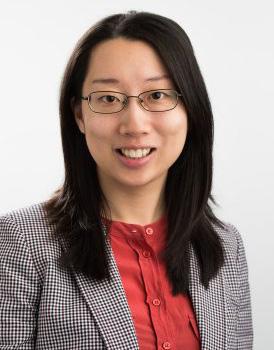
Dear EARTH Community,
Both our graduate and undergraduate programs continued to thrive in the 2024-2025 academic year. With nearly 178 majors and 85 minors, plus 74 graduate students, the Department continues to expand our offerings to accommodate these students and provide them with top-notch academic and experiential opportunities.
On the graduate program front, we are continuing to build a supportive environment for our students
to not only deepen their understanding of the cutting-edge and multi-disciplinary research they do, but also transfer their skills and knowledge into real-life applications and challenges. The first-year graduate seminar is being reimagined to include new components that will empower our students with the skills they need to communicate their research and build their own networks. We’re also envisioning new ways to feature the big and small milestones of our students and provide a variety of resources for them to grow and succeed. Please stay tuned for the amazing work done by our graduate students!
In the ecosystem of our undergraduate curriculum, our lecturers are leading major efforts to modernize course content and broaden interest in Earth and environmental science. For example, Dr. Michela Arnaboldi and Jenna Munson, lecturers in EARTH, collectively brought in more than $25K in grants to transform teaching in their courses in 2024-2025. Dr. Arnaboldi’s LSA Teaching Transformed Grant helped her develop a new course titled Geology of Michigan and the Great Lakes, which focuses on the geologic history of the Great Lakes of North America with an emphasis on the state of Michigan. Dr. Arnaboldi used her teaching award funds to develop course content that enables students to use ArcGIS StoryMaps, 3D printing, and GenAI for projects in this course.
EARTH teaches between 5000 and 6000 undergraduates per year in mini-courses, abbreviated classes that are like TED Talks for undergraduate students with catchy titles such as Dinosaurs and Other Failures. The Department teaches the largest number of mini-courses and enrolls the most students in this kind of course compared to any LSA unit. In turn, these popular courses serve as critical gateways to our major and minor degrees. This past year, assistant professor Jenan Kharbush had more than 500 students enrolled in her The Great Lakes mini-course in winter 2025!
In the 2024-2025 academic year, we had a record number of 17 undergraduate students complete honors theses, nearly twice the annual average number! These students completed research across all departmental areas from paleoclimate to geophysics to water quality.
Please join us in applauding the excellent work of our EARTH students!
Sincerely,
Rose Cory, Associate Chair for Curriculum, and Yihe Huang, Associate Chair for Graduate Studies
the tenth anniversary convening of COESSING.
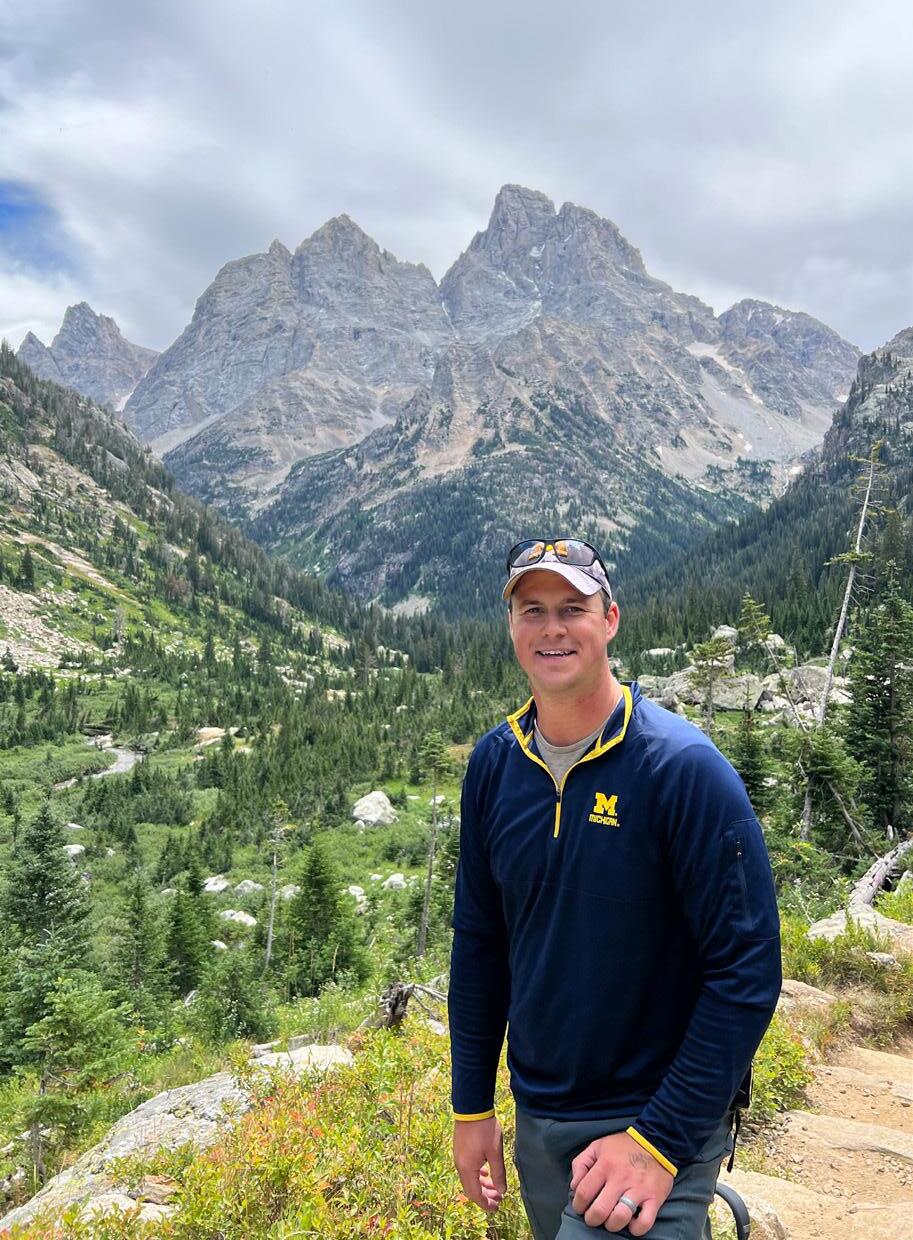
Ethan Davis, a first-gen college student, entered his college career thinking that he would be a high school science teacher. At his small-town high school, he was told that’s what was within the realm of possibility. “Getting a degree in geology or going to grad school wasn’t something I
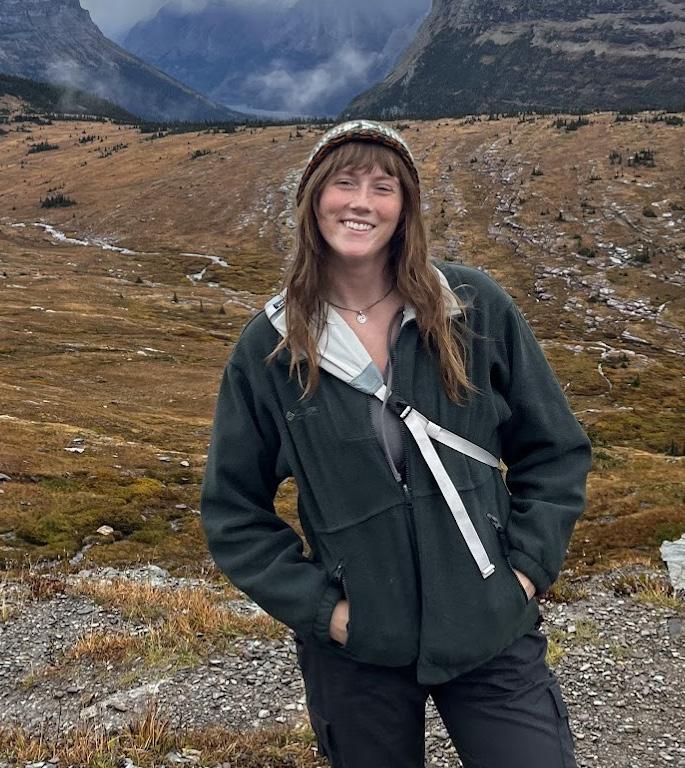
Growing up in a college town with parents who were both academics sparked an early love of learning for senior Bea Kaskie. But it was lots of time spent playing outdoors and attending Night at the Museum events on the campus where her parents worked that really put her on the environmental science track.
“My grandparents are farmers, so given the fact that I already had an interest in science, and combining that with seeing firsthand the impacts of climate change on the livelihood of my family members, I decided in high school that I wanted to go into environmental policy and urban planning,” says Bea.
The existence of two top-notch Earth science programs at Michigan
even knew existed when I was in high school,” he says.
However, in taking the EARTH courses required for the high school science teacher track at Michigan, Ethan found himself thinking, “Oh wait, this is really cool. I really wish I could just do this.”
Eventually, the obvious response became not just “Why can’t I?” but “Why wouldn’t I take advantage of having the opportunity to study Earth science in one of the best departments in the country?”
Now in his junior year, majoring in Earth and Environmental Sciences and minoring in Paleontology, Ethan is sure he made the right choice. When asked about any standout moments in his college career thus far, he says, “Camp
Davis kind of blew my mind. I looked forward to going to class. I even kind of looked forward to doing homework - it wasn’t a chore but something I wanted to do.”
Ethan brings that same enthusiasm to classes on campus, too. According to professor Matt Friedman, “Ethan is an outstanding contributor to our 400-level analytical paleobiology course, where he shows real excitement and curiosity in learning how to analyze the sorts of data we get from the fossil record.”
Says Ethan, “Of course I loved dinosaurs as a kid, but getting to study them and make a career out of something that might have once seemed like a pipe dream is now a real-life dream. This is it for me.”
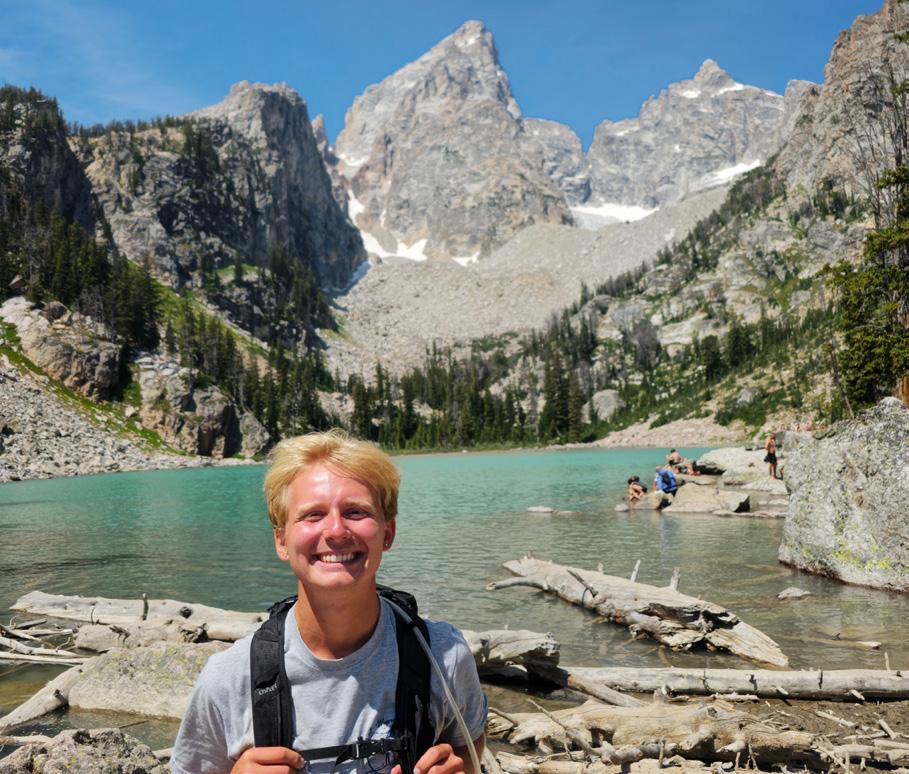
A well-timed geology course that “sparked a passion for Earth science” during his time as an undergrad is what lured Mack Taylor away from his longtime plan to become a high school biology teacher, although teaching is still on the agenda.
By the time he landed in EARTH at Michigan, Mack had already taught at nine higher education institutions. But this fast-paced, piecemeal employment strategy didn’t enable him to engage in community life at any of the institutions in the way that he wanted. Now, three years into his PhD under professor Becky Lange, Mack feels he has found a place that embodies the community spirit he was missing.
Of EARTH he says, “Our Department specifically feels like a community, for two reasons. First, everybody in the Department is
great and wants to be together, not just to collaborate on academic work but also just to be together and support each other in life. Happiness for each of the members is something we all want. Second, we are fortunate to have alumni that support us financially, which enables us to continue to foster that remarkable community within the Department.”
As Mack gets deeper into writing his dissertation on how different variables impact the composition of high-silicon rhyolite, particularly within what he has termed a “failed supervolcano” in the Spirit Mountain granite of southern Nevada, he continues to develop and value relationships with his classmates and colleagues in the way that has become the norm in the Department. “I hope to land somewhere with a vibrant Earth science department where I can focus on student mentorship
and community life. As much as I really do love the science, that community building is what it’s all about for me.”
– EARTH and the Program in the Environment (PitE) – was immediately appealing to Bea when choosing a university. As soon as she learned about Camp Davis, she knew she would come to UM. Bea remarked, “For me it’s really about the opportunity to get a great environmental policy education through PitE, while also being immersed in EARTH where I
get to see groundbreaking research happen and then get out there in the field and learn those practical skills at Camp Davis.”
All of this is preparing Bea for a future in urban planning where she hopes to move the needle on environmental policy and how our government makes decisions related to the Earth, which, she says, is “not something that should be politicized as much as it is.” Rather, she remarks, “These are services that need to be provided for society to function, like checking the water quality and maintaining infrastructure. There are so many things that, on both sides of the aisle, we agree on, fundamentally, without all the layers of buzzwords, and that’s what I’m interested in.”
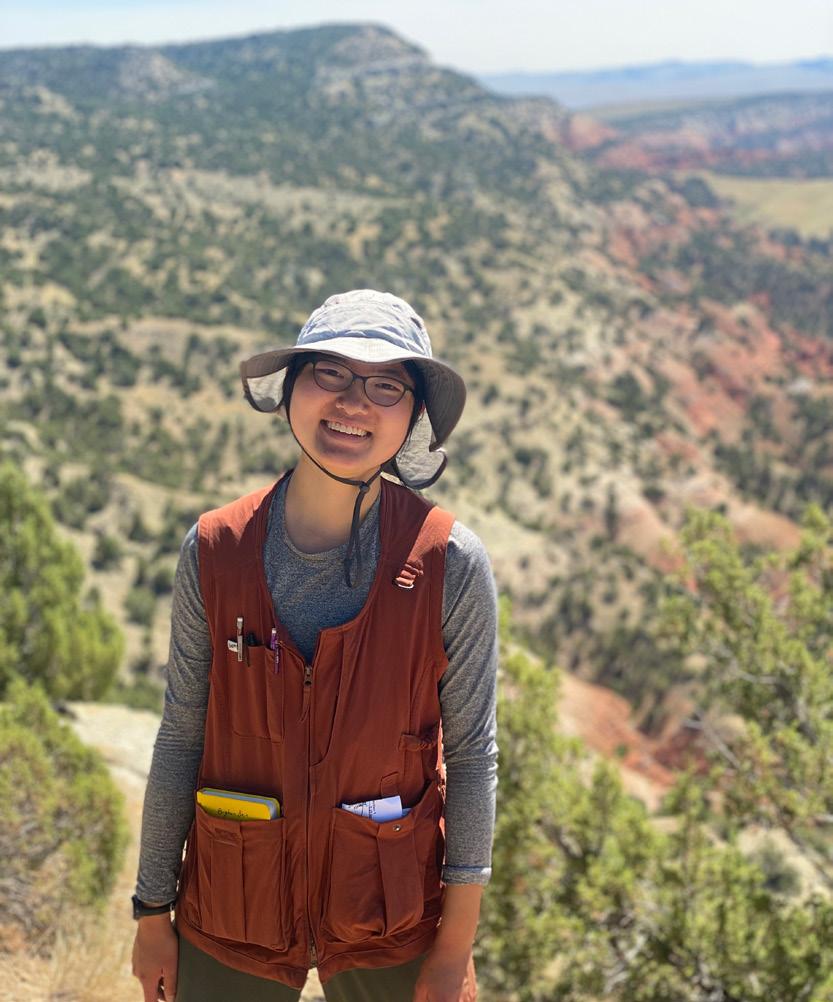
Third-year PhD candidate Elena Lee enjoys her research under Professor Naomi Levin, but is also
completely enamored by the bigger picture. She says, “Learning how everything on the Earth works and how everything fits together is so fascinating that I just want to run around telling people that this is the coolest field.”
It was a one-off mineralogy course during her undergraduate career that lured her away from plans to study astrophysics and set her on a course towards a paleoclimate and geology PhD. Experience in the field during stratigraphy and soil courses in her first year of the program reinforced that this was the right path for Elena. “Being able to do fieldwork and be outside is one of the best parts of studying in EARTH,” she says.
When asked what her favorite experience in EARTH has been so far, Elena, unsurprisingly, says that Camp Davis is the real standout. In particular, Elena mentions a hike up Creampuff with Professor Jamie Gleason and a group of undergrads that turned into quite a memorable experience. “It started hailing when we were about halfway down the mountain, which then turned to rain, meaning a lot of the return hike was just us slipping down the trail in the mud,” she laughs. “It was one of those moments that becomes an adventure you’ll always remember. Camp Davis is a good place for adventures.”
By Emma Allen, EARTH Senior
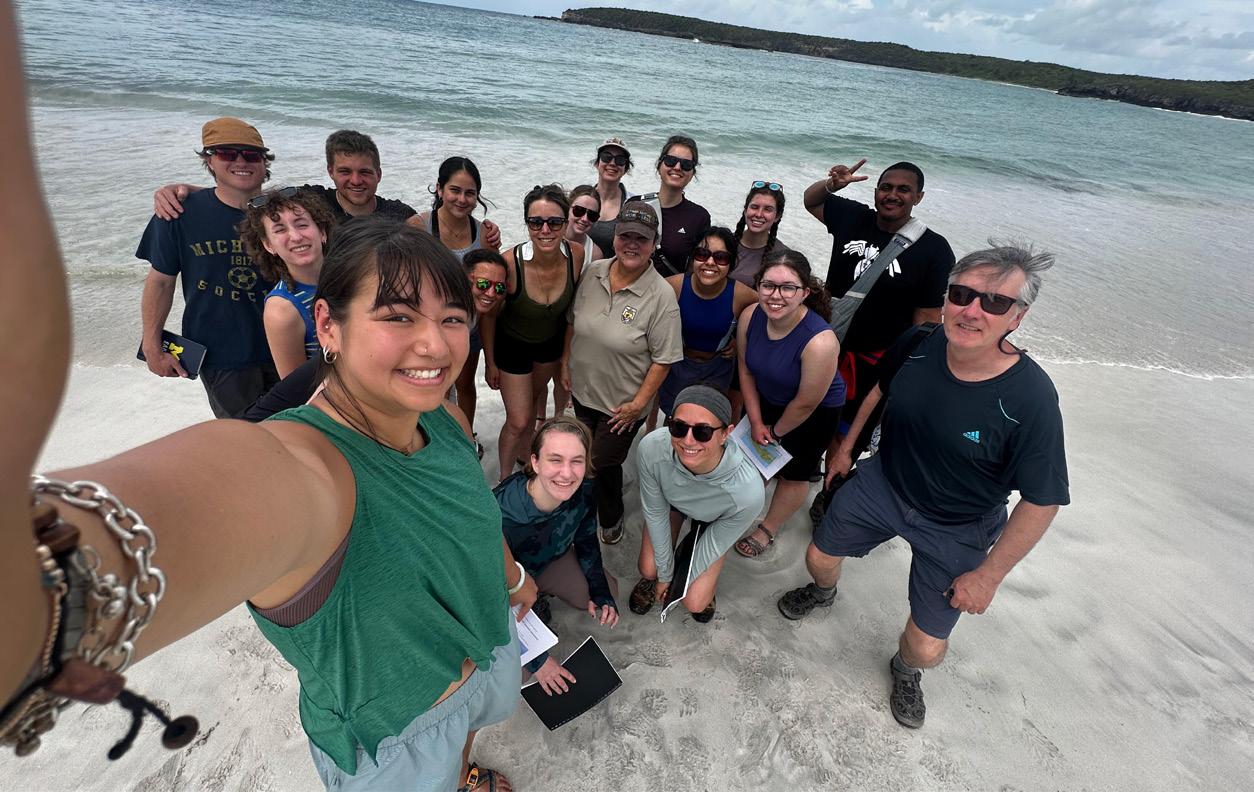
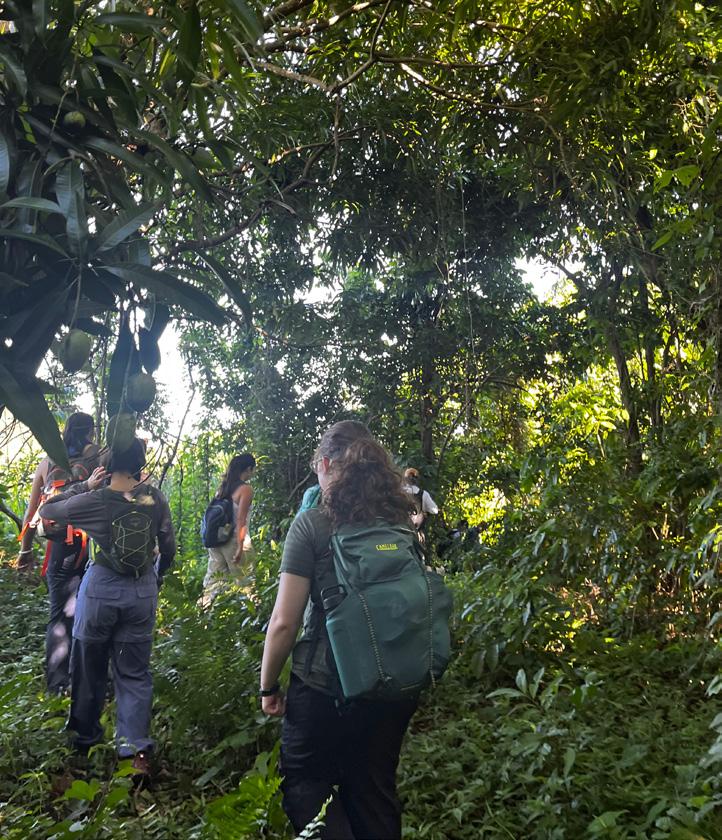
In May 2025, I was lucky enough to join my classmates on an environmental science field trip to Puerto Rico. The trip gave us a chance to learn about an area that has very different ecosystems and geology from what is found here in Michigan, as well as showing us the effects of natural hazards on people and the environment. It was a perfect mix of educational and recreational; I learned so much about the local environment and took part in things that I never thought I would be able to do.
The academic side of the trip was broad and yet rigorous. We talked to several researchers from University of Puerto Rico at Mayagüez, who were very passionate about their work and enthusiastic to help us understand Puerto Rico’s complex environments. Many other local experts, including a park ranger at the Vieques National Wildlife Refuge and staff at the Puerto Rico Seismic Network, also offered their perspectives and expertise about the island’s environment. We learned about the tropical rainforest ecology of the island and the conservation efforts to protect the fragile ecosystems of
the area. Puerto Rico experiences nearly every natural hazard, so we often discussed the impacts of these disasters, in particular frequent landslides, Hurricane Maria, and the magnitude 6.4 earthquake in 2020.
Adventuring around the island allowed me to check off several things on my bucket list during the trip, mostly outdoor excursions that I had daydreamed about for years. At one point we snorkeled over a coral reef populated by hundreds of colorful fish and even a sea turtle, which I had never seen in the wild before. Another highlight was the bioluminescent bay at the island of Vieques—the brightest in the world!—which was truly a once in a lifetime experience. There was also plenty of beautiful hiking through El
Yunque National Forest, including a few swims in the waterfalls we came across. The last few days were spent in Old San Juan, which was full of interesting historical sites to visit and delicious food.
I am extremely grateful to have had the opportunity to go on a trip like this. It was a really unforgettable experience that made me realize Earth science is the perfect field for me. I would also like to thank the donors whose generosity helped make this trip affordable for students like me, who might not have otherwise been able to attend. It was very valuable for me to have the chance to take a trip like this with my peers and instructors, and I hope to participate in more activities like it in the future!
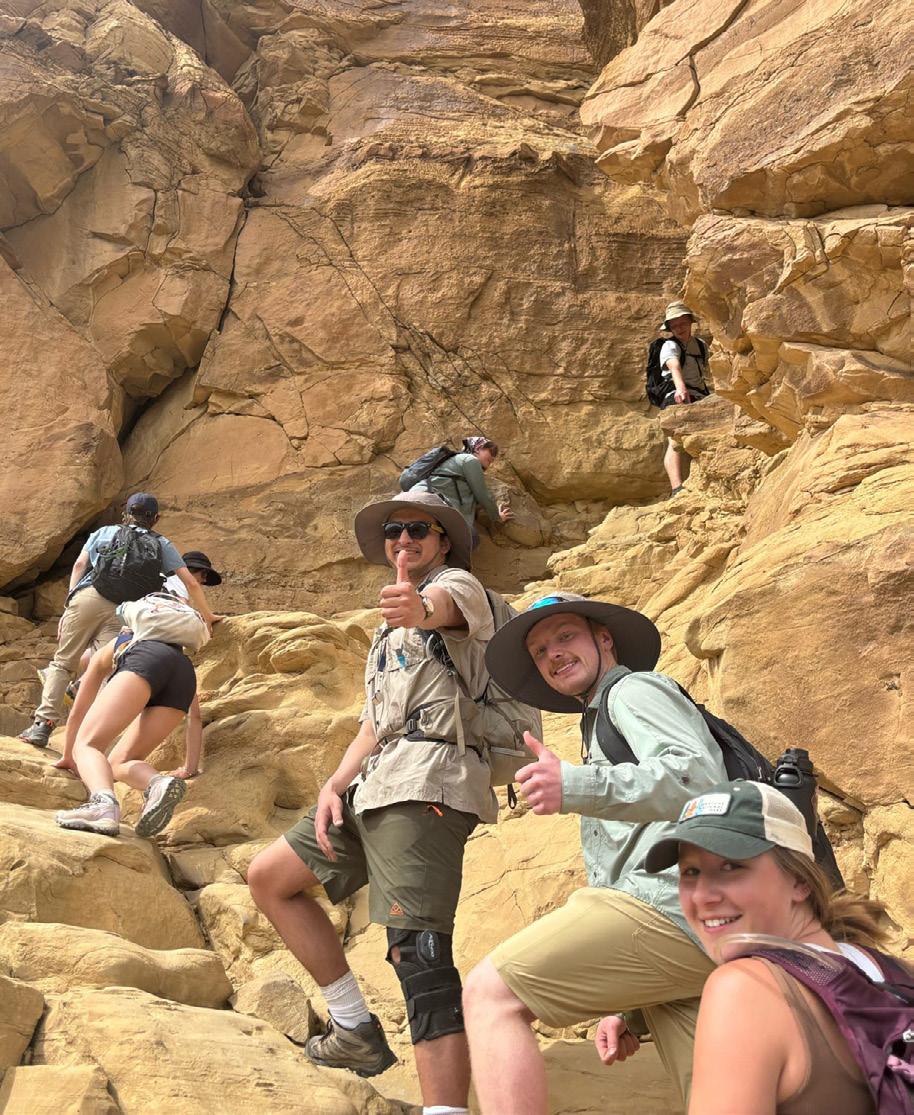
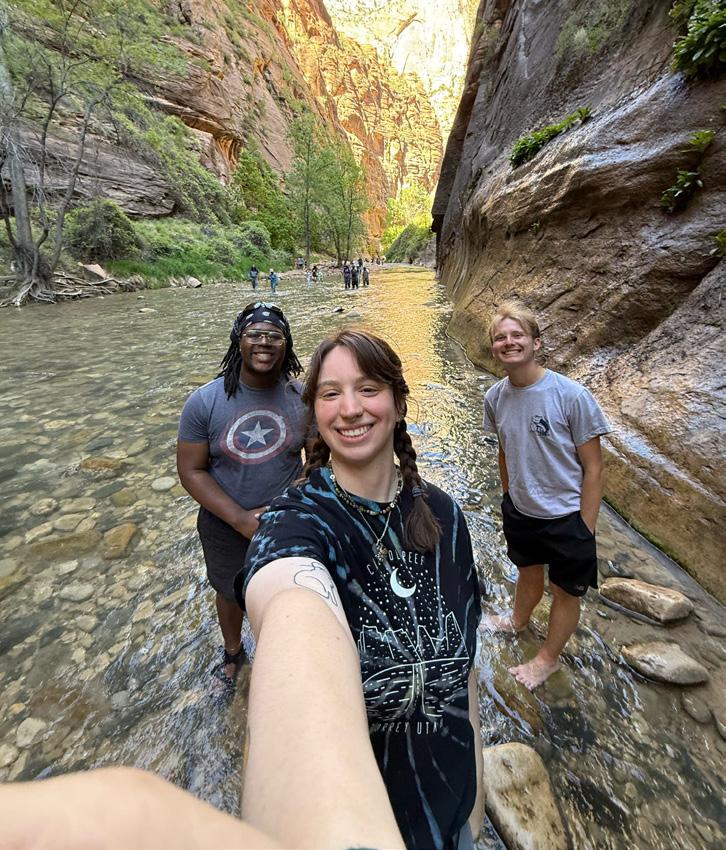
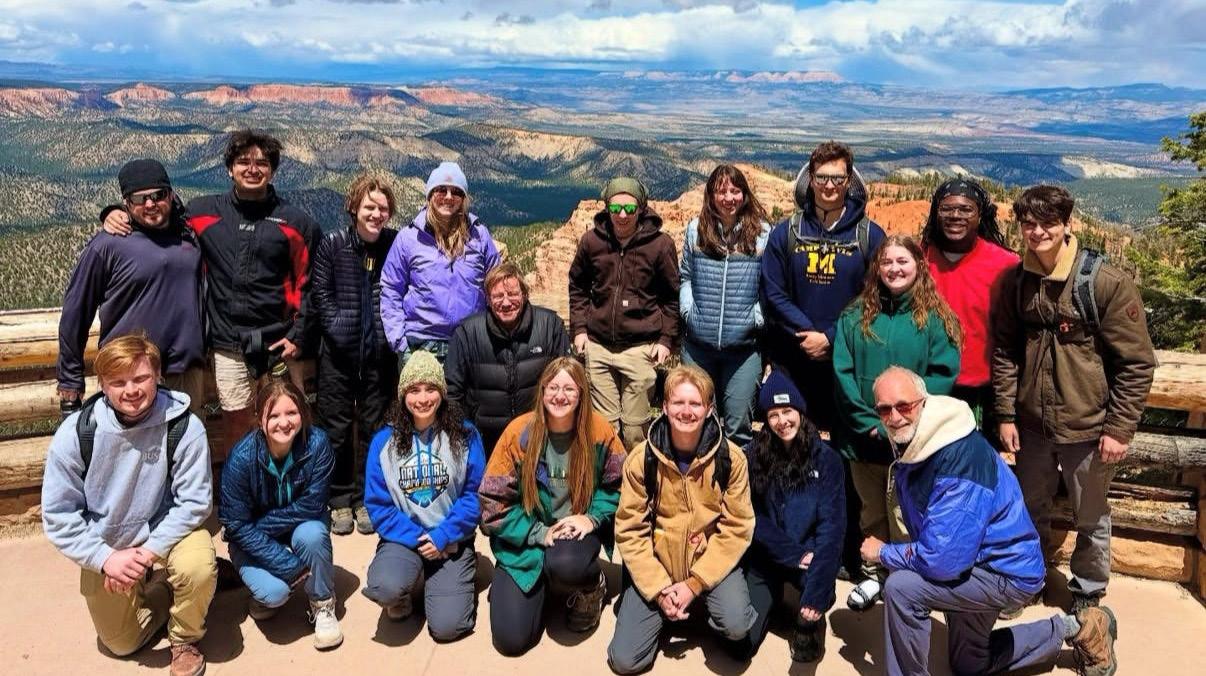
If we’re being honest, the Grand Canyon field trip, which has been offered regularly since 1982, is really more of an American Southwest trip. Granted, the Grand Canyon is the first stop on the agenda, but it’s followed by stops at other destinations in Arizona, as well as New Mexico, Utah, and Nevada. Usually, the fan favorite stops are the Grand Canyon and Zion National Park, although this year some students were drawn to more under-the-radar locations.
“Chaco Culture Canyon was definitely my favorite stop,” says senior Robert C. Davis. “The mix of seeing one of the oldest Native American communities in the country alongside the geology of the area was so interesting. We did a hike up some sandstone to the top of the formation where we got an awesome view of the entire canyon, including the other Native American sites there were within the park. It was incredible.”
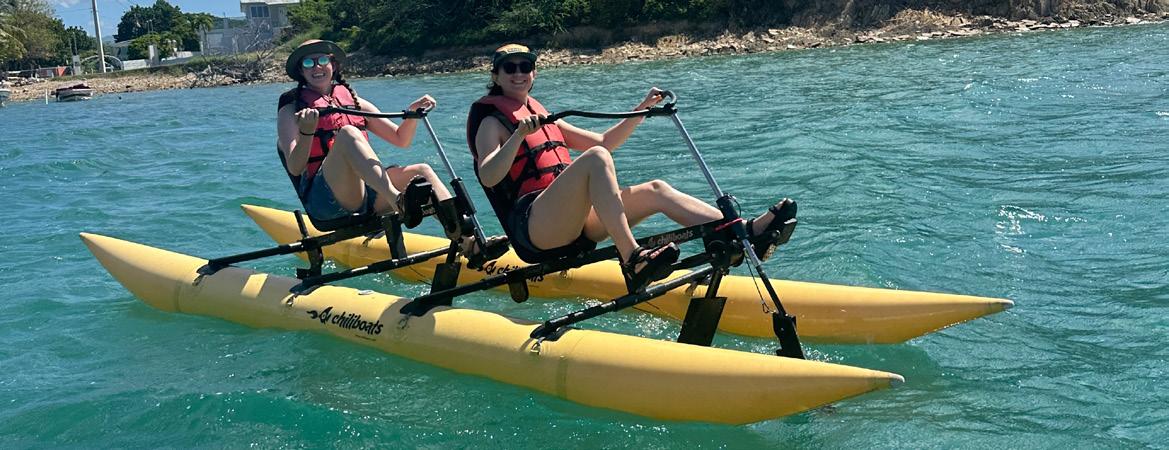
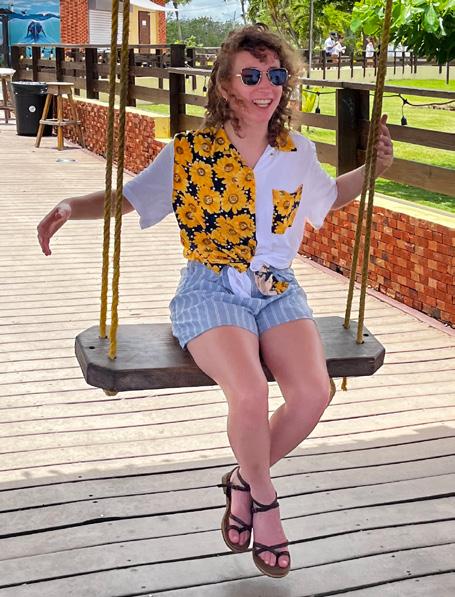
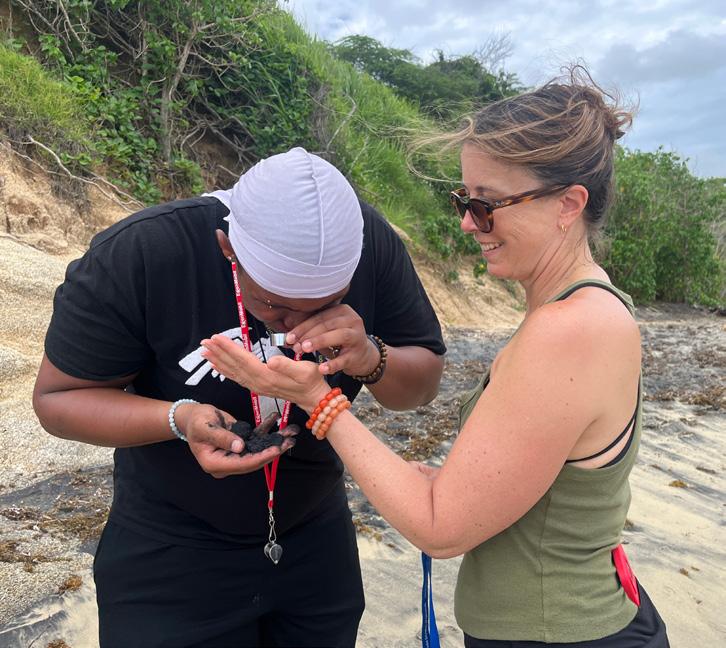
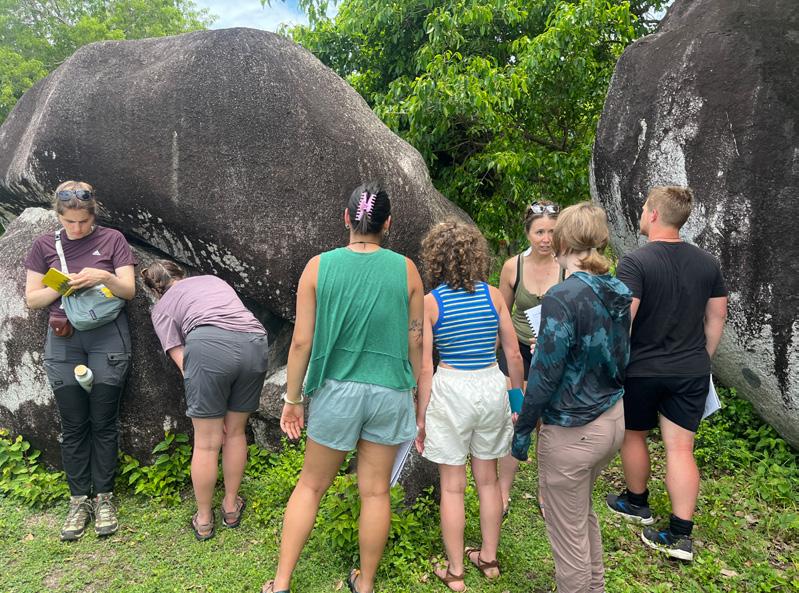
From top: 1 - Marley Gonzales, Cam Strader, and Kailey Koshorek climbing sandstones in Chaco Culture Canyon in New Mexico. 2 - Robert C. Davis, Athena Vohs, and Ethan Davis cooling their feet in the Virgin River in Zion National Park. 3 - Group photo of the Grand Canyon trip students and faculty in Bryce Canyon National Park in Utah. Opposite page: 1 - Group photo of the Puerto Rico trip students and faculty with a park ranger on the beach at Vieques National Wildlife Refuge. 2Madison Huising and Chloe Marks on a tandem hydrobike. 3 - Senior Emma Allen taking a break on a boardwalk swing. 4Students looking for petroglyphs on a hike during class. 5 - The sand at Playa Negra is comprised of volcanic material that washes down from Monte Pirata. Here, GSI Ben Colding studies the black magnetite sand through a loup with professor Marin Clark. 6 - Students hiking in El Yunque National Forest.
In addition to exploring these significant and remarkably wellpreserved cultural sites, students learn about everything from sedimentary structures and igneous rocks to tectonics, stratigraphic dating, and different types of preservation. They see examples of hoodoos, plant and invertebrate fossils, incised rivers, petrified wood, slickensides, and aeolian dune cross bedding.
Professor Kacey Lohmann is the original architect of the trip, which is offered to students every three years. This year, he led it for the fifteenth time. “Overall,” he says, “the purpose of the trip is to examine individual localities to observe sedimentary features and interpret the depositional environments. Throughout the trip students learn to integrate these observations into an overview of the regional sedimentary and tectonic history on both small and larger scales. These are baseline skills in our field—observe, document, interpret, and scale—and that’s what we’re teaching students how to do, in beautiful and geographically exciting locations.”
GeoClub has been busy as ever this past year, offering numerous professional development, academic, and social opportunities for students to engage with the department.
More than ever, GeoClub made sure to provide opportunities for students to prepare for their future careers. In the fall, we offered professional development workshops and hosted a networking event featuring our Alumni Advisory Board (AAB). In the spring, we implemented one of our most ambitious endeavors to date: Careers Week. It included a career competencies workshop, a virtual career panel highlighting recent undergraduate alumni, a career certifications info session (e.g., ASBOG), and more AAB networking.
GeoClub also continued with its usual community-building social events. Students participated in monthly meetings, featuring a variety of content, such as mini-presentations about members’ experiences with research, fieldwork, or internships, geologythemed bingo, trivia, and much more. We also maintained the traditions of EARTH Festivus, our winter-themed celebration with hot cider and ugly sweaters, and International Students’ week, which highlighted studentmade potluck dishes from their home countries. We held our usual grad student retreat to Sleeping Bear Dunes and an undergrad camping trip to Pictured Rocks. Finally, we capped the year with the annual staple Spring Banquet featuring delicious food and drinks, live music, skits, and even faculty trading cards, which all made for a wonderful night of revelry.
We are incredibly grateful to the department and our wonderful alumni for their support and are looking forward to continuing (and improving) our events from years prior!
Cheers, Adriana Brown and Alex Quizon
GeoClub Co-Presidents
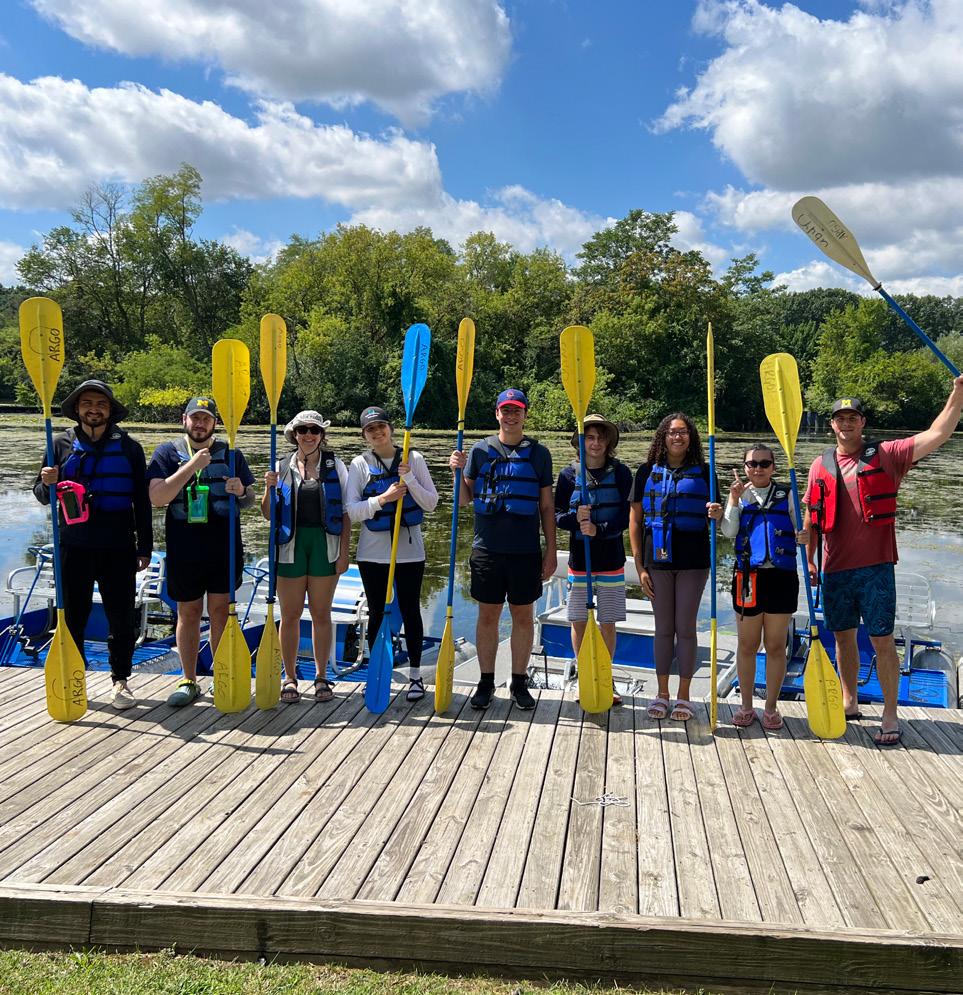
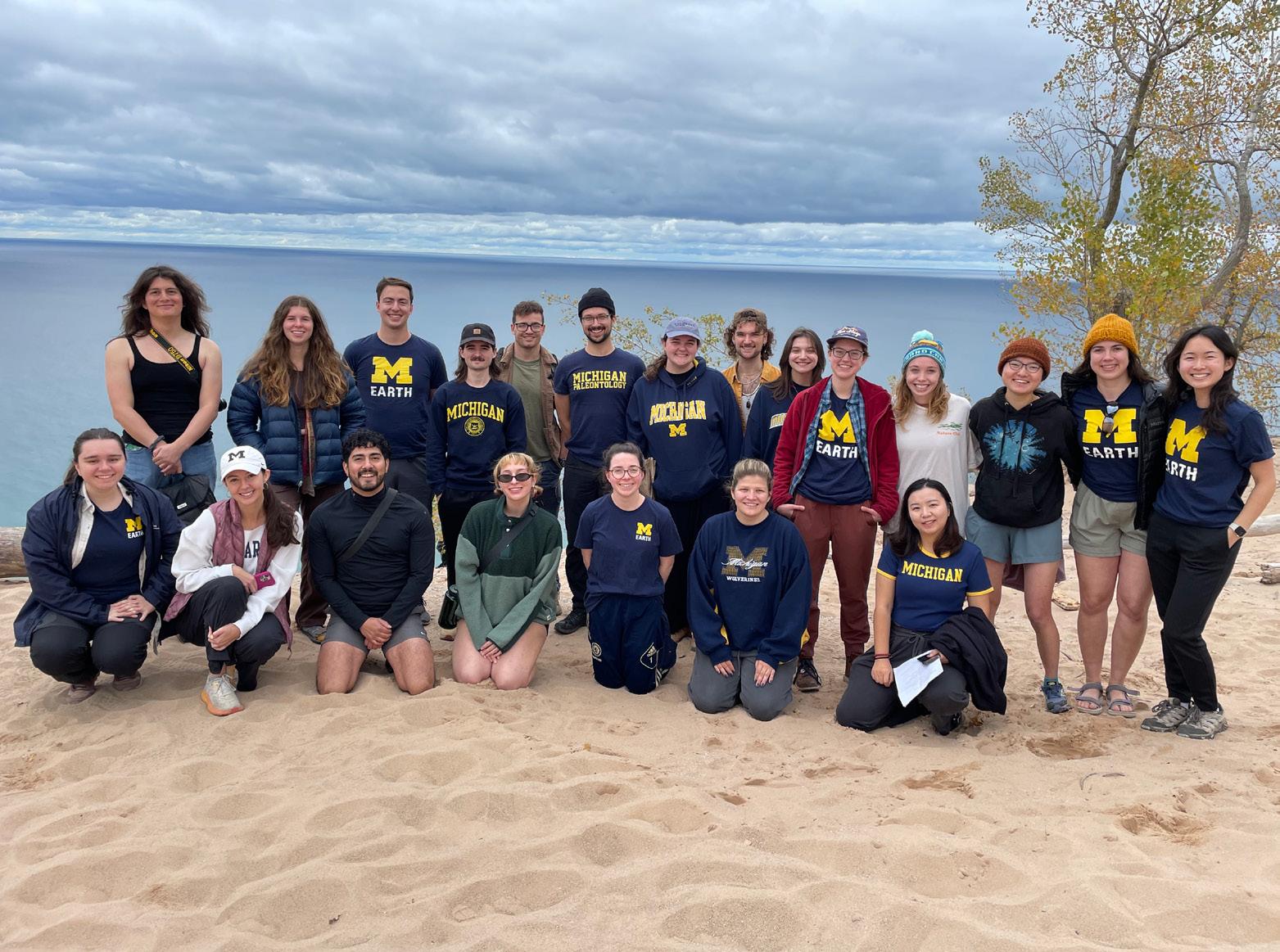
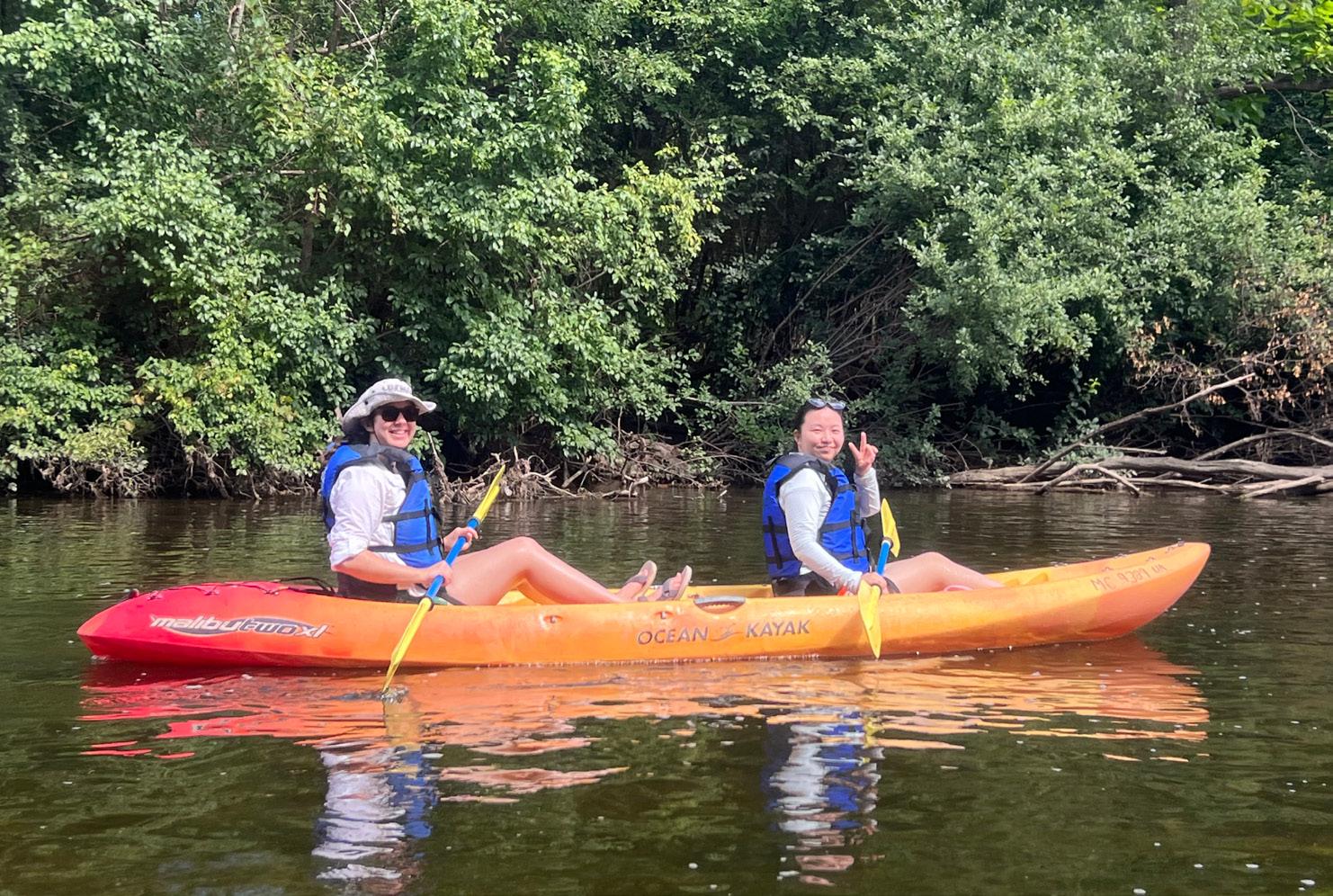
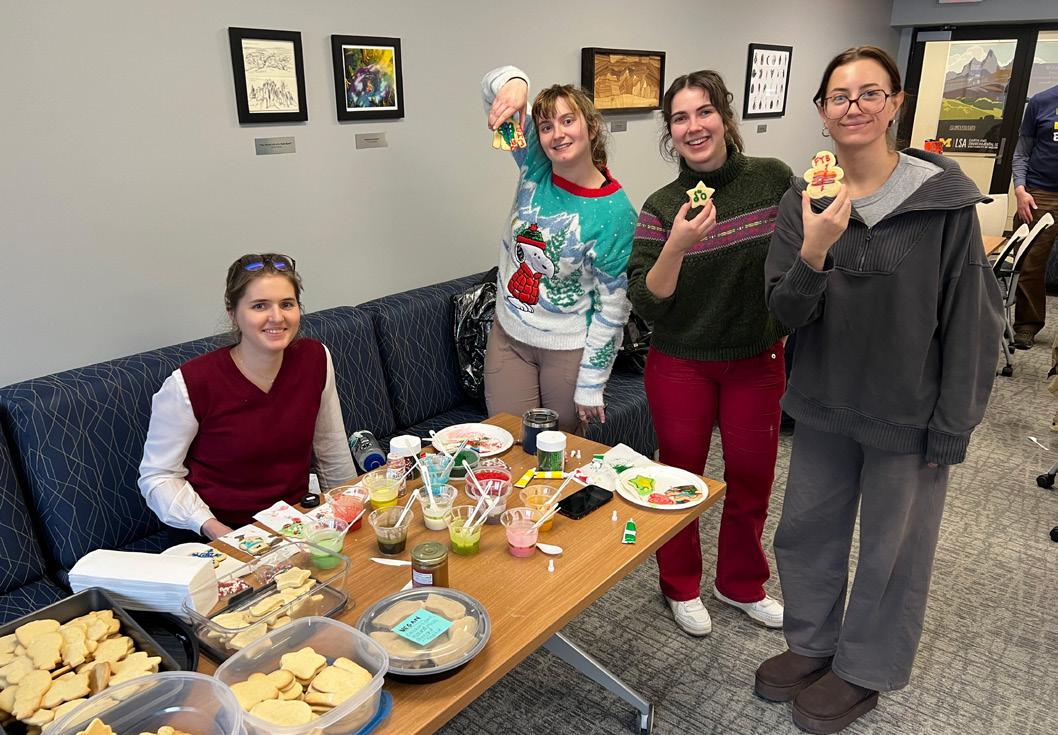
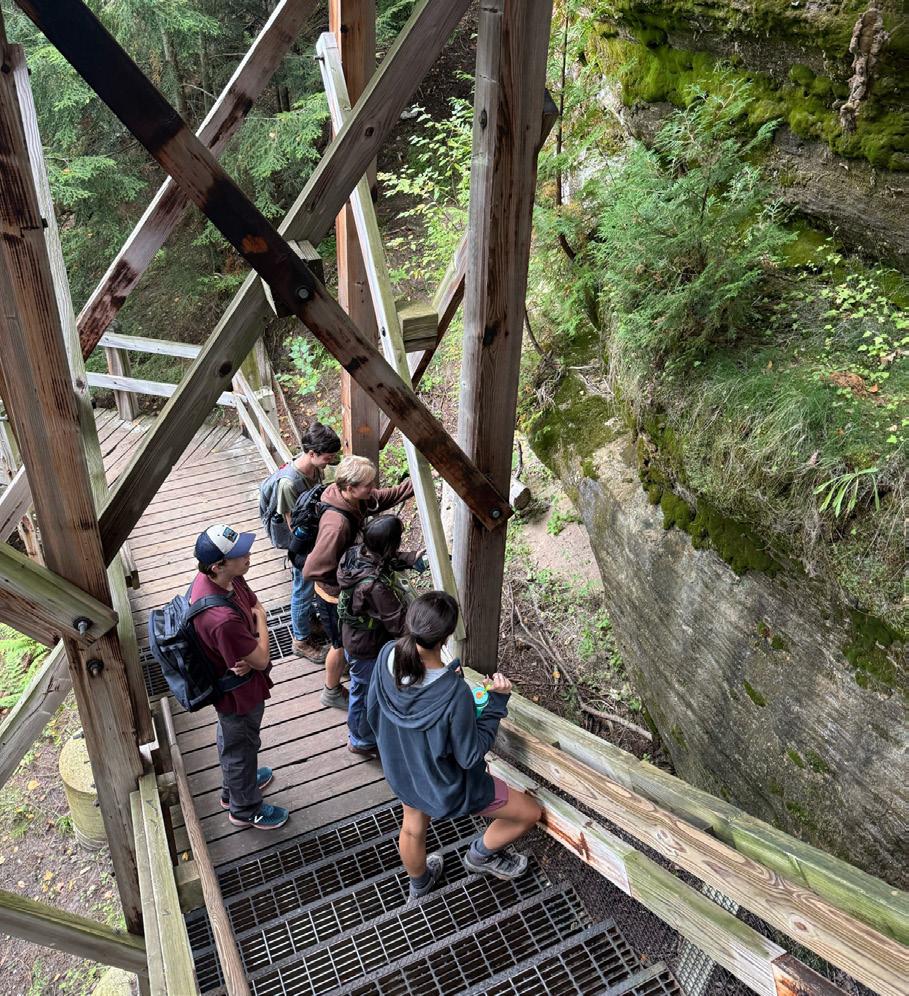
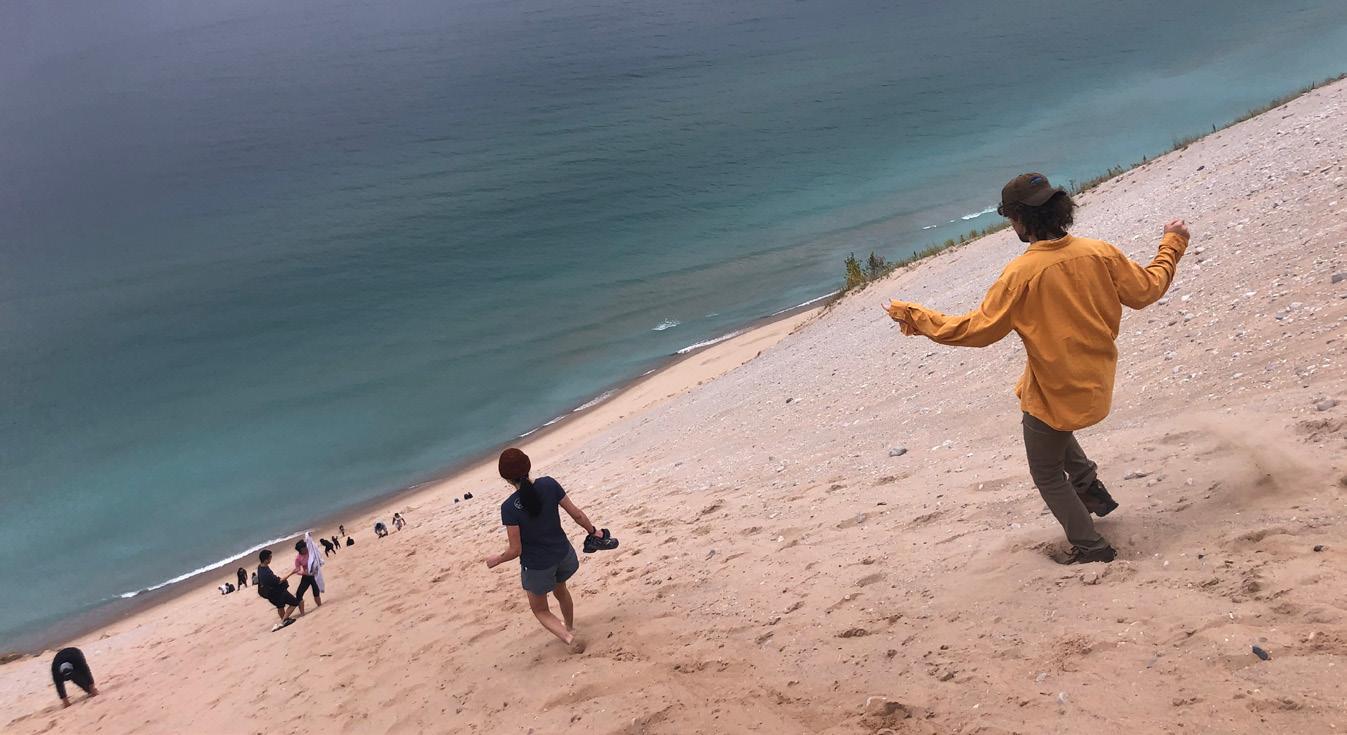
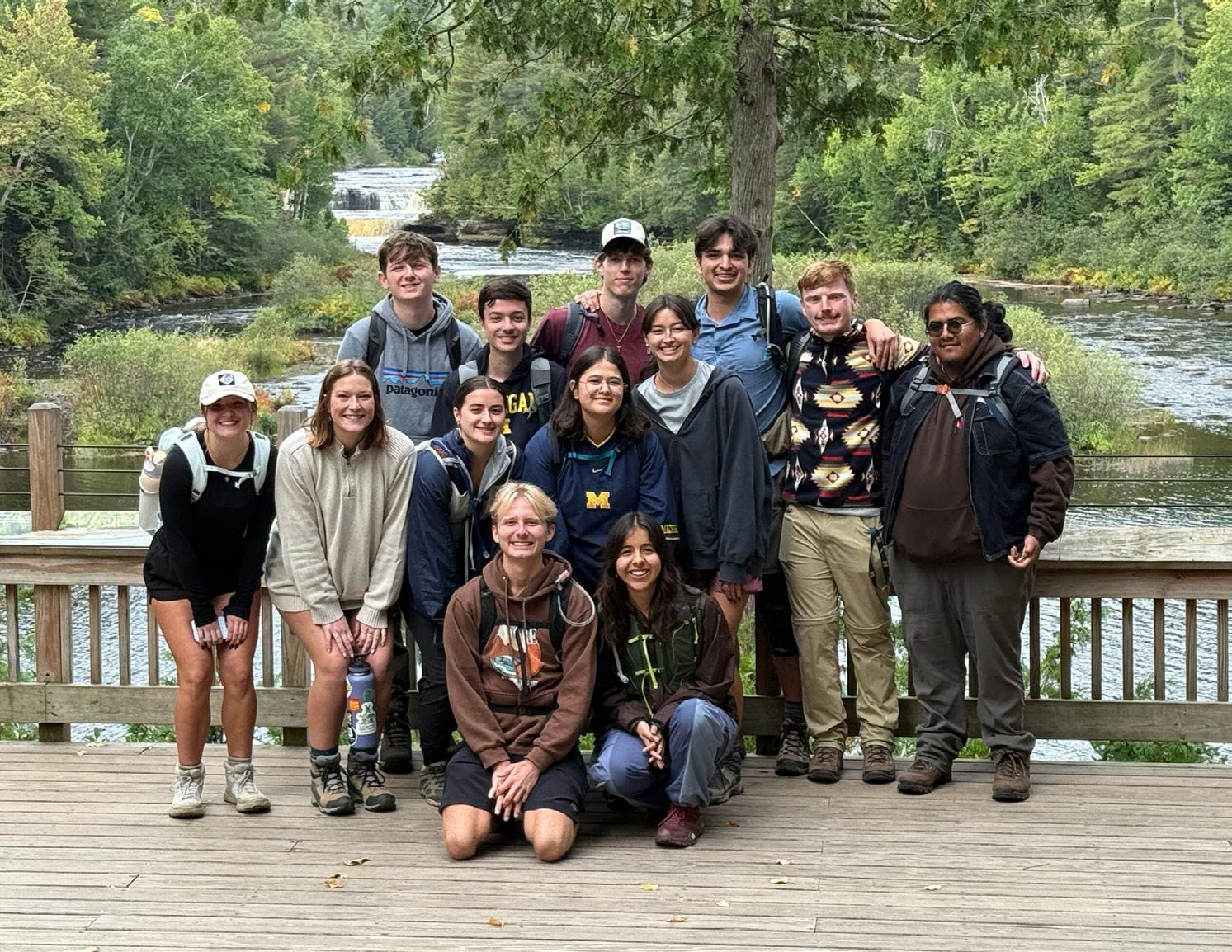
From top: 1 - Adriana Brown and Yanbing Ji kayaking in the Huron River in August 2025. 2 - EARTH students looking at crossbedding during the Undergraduate Retreat in September 2025. 3 - Anae Lemaire, Tara Lonsdorf, Adriana Brown, and Chloe Marks with the cookies they decorated at the Festivus celebration in December 2024. 4 - Running down to Lake Michigan at Sleeping Bear Dunes during the Graduate Retreat in October 2025 (yes, they swam when they got to the bottom!). 5 - GeoClub members on the Undergraduate Retreat to Tahquamenon Falls in October 2025. Opposite page: 1 - GeoClub members ready to kayak in Gallup Park in August 2024. 2 - A group photo of those who attended the GeoClub graduate retreat to Sleeping Bear Dunes in October 2025.
Whether you are a recent alum or a longtime supporter, there are so many ways for you to get involved with the EARTH community. Outlined below are a few of the opportunities we provide, and we invite you to reach out to us if you have ideas about other ways to engage. Our faculty and staff can be reached at michigan-earth@ umich.edu. We hope to hear from you soon!
Getting involved with students through mentorship is a deeply rewarding way to engage with the Department. Our students do amazing work and are always looking for opportunities to expand their knowledge and professional skills. Alumni can contribute by participating in career events for students, which we offer regularly during the school year. Make sure you are on our email list to be notified of these opportunities or contact us directly. You can help by assisting with class selection based on a student’s specific career goals, performing mock interviews, providing resume guidance, giving advice on internship and job opportunities, and more. If you want to work with a student in a one-on-one setting, reach out to us and we will connect you with a student whose interests and goals align with your expertise. If we don’t find an immediate match, we will add you to a list that allows us to pair you with the right student when they express interest.
In 2024, the Department launched a LinkedIn group exclusively for EARTH alumni. The platform is a fantastic resource for networking with other alumni, as well as current students and faculty. There are also opportunities to share experiences and foster professional connections with other in the EARTH community. Join the “University of Michigan EARTH-Geoscience Alumni” group today and become part of this growing network!
EARTH’s University Career Alumni Network (UCAN) is a platform that helps facilitate connections between current UM students and alumni. UCAN focuses specifically on career guidance, such as informational interviews, and networking. It enables students to identify and contact alumni who can provide insights on career preparation, job and internship search processes and various post-graduation paths. Your guidance gives students an “on the ground” perspective on their career interests and potential job prospects.
Throughout the year, the Department hosts events in various cities around the country, which are excellent opportunities to connect with others in the EARTH community and show your support for the department. Typically, events take place alongside
conferences, such as GSA, AGU and others, but the Department is happy to fund and help facilitate gatherings of alumni wherever there is interest. If you want to learn more or would like to take the lead on putting together an event for alumni in your area, don’t hesitate to reach out to us!
Contact us to join our Departmental mailing list to ensure you never miss communications from us. In addition to this annual newsletter, we also send quarterly e-newsletters and periodic invitations to events specifically geared towards our alumni and supporters.
One of the most impactful ways you can engage with us is by making a tax-deductible gift to EARTH. By donating, you have a direct and profound impact on our students: you provide world-class learning opportunities in unique and academically stimulating locations, you enrich our curriculum, you facilitate community-wide events and activities that help build and strengthen relationships between students, faculty, and alumni, and more. In short, you empower future scientists to tackle the challenges of our time. You can give any time via our website at lsa.umich.edu/earth.
Thank you for your continued support of and engagement with the Department! We look forward to connecting with you soon!
James Vincent Andrews
Evolutionary Insights into Early Acanthomorphs: Fossils, Phylogenetics, and Morphological Patterns in Berycimorph Fishes (Acanthomorpha: Trachichthyiformes, Beryciformes, and Holocentriformes)
Daniel Robert Blakemore
Applications of Laser Ablation Inductively Coupled Plasma Mass Spectrometry to Problems in Mineral Resource Geology
Allison Nicole Curley
Applications of Carbonate Clumped Isotopes in Paleoclimate and Paleophysiology: Demystifying Biologically Driven Isotopic Fractionations in Class Bivalvia
Nicholas Michael Ellis
Insights Into Early Eocene Global Biological Productivity and Mammal Ecology Using Novel Methods to Analyze Triple Oxygen Isotopes in Phosphatic Tooth Enamel
Christopher Robert Emproto
Isotope Geochemistry and Mineralogy Applied to Energy-Critical Mineral Deposit Geology
Sydney Gable
Exploring the Variability of Seismic b-Values Using a Relative Amplitude Method for Earthquake Magnitude Reassessment
Cecilia Howard
Unraveling Records of Time and Environment in Microbial Ecosystems from the Archean to Today
Sarah A. Katz
Andean Interglacial Climate and Hydrology over the Last 650,000 Years
Yang Li
Advancing Urban Seismic Imaging and Monitoring Using Distributed Acoustic Sensing
Meichen Liu
Insights on Earthquakes and Thermochemical Heterogeneity in Earth’s Deep Interior: Generation and Propagation of Seismic Waves
Yaolin Miao
Utilizing Distributed Acoustic Sensing for Applications in Observational Seismology
Zachary Jake Quirk
Investigating Leaf Adaptation and Evolution in Living and Fossil Non-woody Monocot Flowering Plants
Laura Reitz
Genomic Insights into Cyanotoxins and Microbial Interaction in Cyanobacterial Harmful Algal Blooms
Emma Claire Rieb
Wavelength-Dependent Controls on the Coupled Photochemical and Microbial Degradation of Dissolved Organic Matter in Arctic Surface Waters
Rafael A. Rivero Vega
From Living Fossils to Adaptive Radiations: Examining Phenotypic Evolution in Lobe-Finned Fishes
Ethan Andrew Shirley
Deciphering Mammoth Life Histories to Test Causes of Mammoth Extinction and Advance Elephant Conservation
Xue Su
Lunar Stories Unfolded by Volatile Elements: From Water in the Lunar Mantle to Volcanic Eruptions on the Lunar Surface
Eric Szymanski
Novel Methods for Analyzing Problematic Geodetic Data: Applications to Coseismic Slip Modeling and Surface Deformation Mapping
Rodrigo Tinoco Figueroa
Hidden Patterns of Ray-Finned Fish Evolution: Bridging Paleontology and Neuroanatomy
Kevin Velez
New Paleontological Records Provide Insights Into the Early Evolution and Biogeography of Gavialoids
Alice Zhou
Interwoven Elements: The Influence of Dissolved Silica, Persistent Dissolved Iron, and Oxidative Mechanism on the Genesis of Banded Iron Formations
Theresa Juanita-Marie Casselman
The Effects of Microbial Iron Reduction and Silica on Green Rust in Banded Iron Formations
Brielle Ann Delos Santos Canares
Evidence of Fire and Associated Phytolith Assemblage in Neotropical Fluvial Environments of the Paleocene, Lower Bogotá Formation (Colombia)
Evan C. Hirsh
Tin and Zinc Stable Isotope Fractionation in the Bolivian Tin Belt Supports Fluid Boiling, Oxidation, and Meteoric Water Influx as Primary Mineralization Mechanisms
Nathan LaFramboise
Controls on the Photochemical Production of Hydrogen Peroxide in Arctic Surface Waters
Jiaqi Lu
High-Pressure Melting Behavior of Potassium Carbonate (K2CO3): Implications for Origin of LowVelocity Zone
Julisan D. Street
Low-Pressure Granulite Metamorphism in the Ivanpah and Southern McCullough Mountains: A Case Study on Partial Melting Drivers
Paul Den Uyl
Genetic Characterization of Saxitoxin-Producing
Cyanobacteria Associated with Western Lake Erie Harmful Algal Blooms
Miriam Bartleson
Comparative Analysis of Urban Green Space
Distribution Across Multiple United States Metropolitan Statistical Areas from 2013 to 2022
Eliza Doss
Oxygenation of the Southern Ocean in the Early Cenozoic: Investigation of the Campbell Plateau of IDOP Site U1553
Siyuan He
Constraints on Liquid Density from the Fusion Curve of Anhydrous K2CO3 to 10 GPa from High-Pressure Experiments and Thermodynamic Modeling
Sean Henry
Assessing the Degree of Lake Sediment Organic Matter Degradation Under Different Sediment Column Oxygenation Levels
Ryann Jibson
Nitrogen Form as a Driver of Intracellular Metabolite Production in Microcystis aeruginosa
Natalie Keating
• Haley Ake
• Payton Anderson
• Miriam Aper
• Jesse Arreola
• Alyssa Bartleson
• Jacob Beaudoin
• Alejandro Beaudrie
• Wyatt Bishop
• Jeana Bosse
• Solar Briggs
• Lexi Brouwer
• Tianyi Cappaert
• Madeleine Cataldo
• Marlayna Cherner
• Grace Covarrubias
• Caroline Cunningham
• Rylie Dash
• Natalie De Coster
• Dawson Deegan
• Daniel Doss
• Doni Doss
• Melissa Friedenstab
• Natalia Fritch
• Susmita Fuller
• John Gray
• Molly Harpenau
• Anita He
• Rachel He
• Kaya Henry
• Maya Hullman
• Kohler Illescas
• Paige Ingram
• Eliza Jibson
• Ella Jibson
• Alena Keating
• Pamela Keating
• Katherine Keenan
• Siyuan Kempf
• Siyuan Kennedy
• Madison Kohn
• Ryann Kupper
• Ryann Larsen
• Hailey Lewis
• Abigail Li
• Kellen Li
• Leah Lindsey
• Sarah Loveall
• Zachary Lynch
• Olivia MacKay
• Camelin May
• Olivia May
• Treye McKay
• Evan Meadows
• Ava Micallef
• Muhammad Haleef Adam Mikkelson
• Kennedy Millunchick
• Abigail Minor
• Cecilie Mintz
• Jonathan Mohd Haniff
• Jonathan Morris
• Matthew Park
• Matthew Paul
• Ava Peck
• Chao Phillips
• Harry Plotzke
• Brandon Portinga
• Zane Portinga
• Linnea Rao
• Madelyn Salinas
• Timothy Salinas
• Abigail Scharlach
• Abigail Simmons
• Eric Smith
• Eric Southard V
• Katelyn Tackabury
• Antonio Tang
• Danielle Taylor
• Justine Topping III
• Lucas Trotman
• Sean Vang
• Patrick Vankosky
• Natalie Verhey-Henke
• Natalie Wacnik
• Gabrielle Walker
• Justin Waller
• Mai Waller
• Brianna Waters
• Cory Waters
• Cecil Watkins
• Lydia White
• Paris Wilson
• Olivia Zimmerman
Nitrogen Form and Temperature Impacts Limnospira fusiformis Metabolite Composition
Abigail Kohn
New Fossil Wood Samples Contribute to Understanding Late Cretaceous Biodiversity and Paleoclimate of the Antarctic Peninsula
Gabrielle Kupper
Ecological Consequences of Phosphorus Fertilization for Monarch Butterflies and Milkweed: Developmental Tradeoffs, Survival, and Disease Risk
Ela Kusmierz
Investigating the Impacts of Growth Rate on Nitrogen Isotope Values in E. coli
Zachary Loveall
Modeling the Biogeochemistry of Lacustrine Microbial Mats During the Early Eocene Climatic Optimum
Ryan Lynch
Seasonal-Scale Paleoclimate Reconstruction of the Mid-Pliocene Warm Period Using High-Resolution Stable Isotope, Trace Element, and Clumped-Isotope Analysis of Fossil Molluscan Carbonate from the Yorktown Formation, Virginia
Olivia May
Impact of Temperature on the Growth Rate and Morphology of Microcystis Aeruginosa, LE18-22.4
Camelin McKay
Ammonium Upwelling and Alternative Nitrogenase
Enzymes as Drivers of Isotopically Depleted δ15N Signatures During OAE 3 in the Western Interior Seaway
Caroline Peck
Nitrogen Substrate Impacts Microcystis aeruginosa Exometabolome Composition
Cecilie Phillips
Temperature Dependent Growth Shutoffs in the Bivalve Mercenaria as Determined by δ18O of Interglacial Aged Shells
Jonathan Portinga
Scallops as High-Resolution Recorders of Pleistocene Climate
Matthew Salinas
EGS Induced Seismicity Through the Lens of Spatiotemporal b-values
Catherine Tang
No Massive Production of Water from Lunar Regolith
Harry Topping III
Investigating Foliar δ15N Variation in Palms Across Temporal and Spatial Gradients
Hadley VandeVusse
Tracking Microcystis N and C Uptake from Urea in Whole Lake Water
Abigail Waller
A New Multituberculate Skull from the Late Jurassic Morrison Formation of Utah Suggests the Genus Glirodon is a Junior Synonym of Ctenacodon
Eric Waters
Gradualism in the Face of Extinction: a Test Case in the Bivalve Chione sp. in Plio-Pleistocene Florida
As experts in their respective fields, our Department members are often sought out by the media for insights on topics related to Earth and environmental science. While we don’t have the space to include each piece that featured EARTH faculty and students, we’re including a few here for you to peruse. We encourage you to seek out the full articles online.
In June, professor Marin Clark and collaborators published a new study in Science on the how the cascading nature of land hazards impacts human safety and infrastructure preservation.
According to the editor of Science, Jesse Smith, “Natural hazards such as earthquakes, fires, and floods can dramatically affect human life and infrastructure. These events do not always occur alone, however, because one often cascades into another. [This paper] reviews how surface processes can create a complex sequence of events that heightens hazard susceptibility and poses additional risks to people and property. Understanding these issues will make it easier to build
a holistic, multihazard framework for predicting the consequences of extreme events across Earth’s surface.”
Following the publication of this paper, Marin’s Center for Land Surface Hazards (CLaSH) was awarded a $15 million NSF
EARTH graduate student Rodrigo Tinoco Figueroa discovered fossils in Brazil of remarkably well-preserved brains and soft tissues from Paleozoic ray-fish, giving insight into the evolution of these fish. A scarcity in the fossil record has previously prevented researchers from learning more. However, this discovery provides
grant to further investigate the challenges that cascading hazards research is facing and develop new frameworks and modeling tools to forecast and mitigate these hazards.
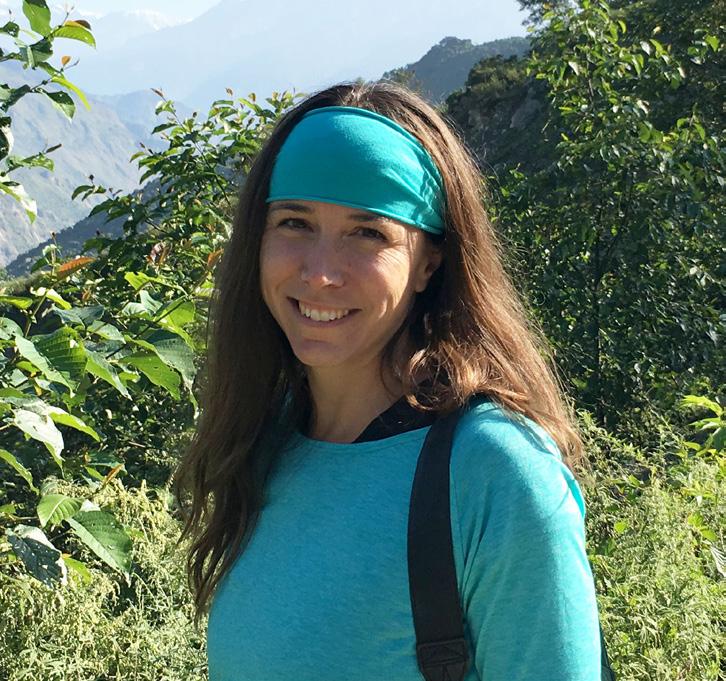
In the spring 2025 issue of LSA Magazine, author Katie Vloet asked the question “Will Michigan Be a Climate Haven?” Professors Sierra Petersen (top) and Julie Cole (below) both weighed in on the debate, not answering the question straightforwardly, but providing context for how to think about the framework for living in a climate haven and gently alluding to the fact that the idea of a climate haven might be unrealistic. After all, said Julie, “Michigan is hardly immune to the effects of climate change,” and, generally speaking, “A warmer world is a sicker world,” no matter where you live.
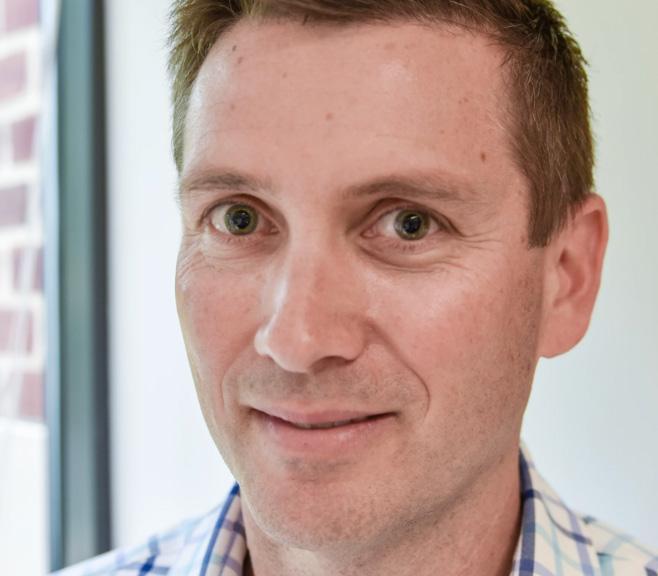
The article offers action items that individuals can take to help mitigate the effects of climate change and to avoid becoming complacent, as Sierra mentions, saying, “If [people] think, ‘I live in Michigan, and climate change isn’t really that big of an issue; maybe I don’t really need to do anything,’ that’s not great. We don’t want people to be unmotivated to mitigate the effects of climate change.” As the article notes, collective action, particularly government and industry changes, are powerful and necessary.
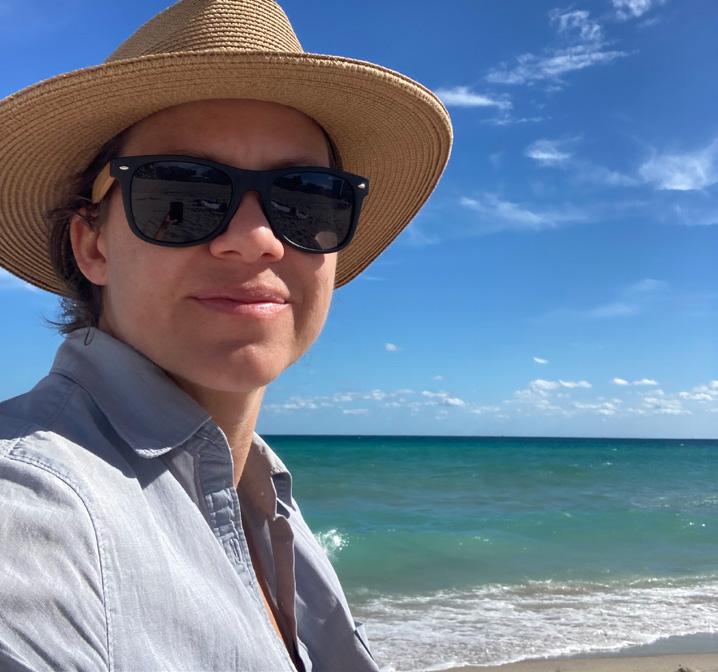
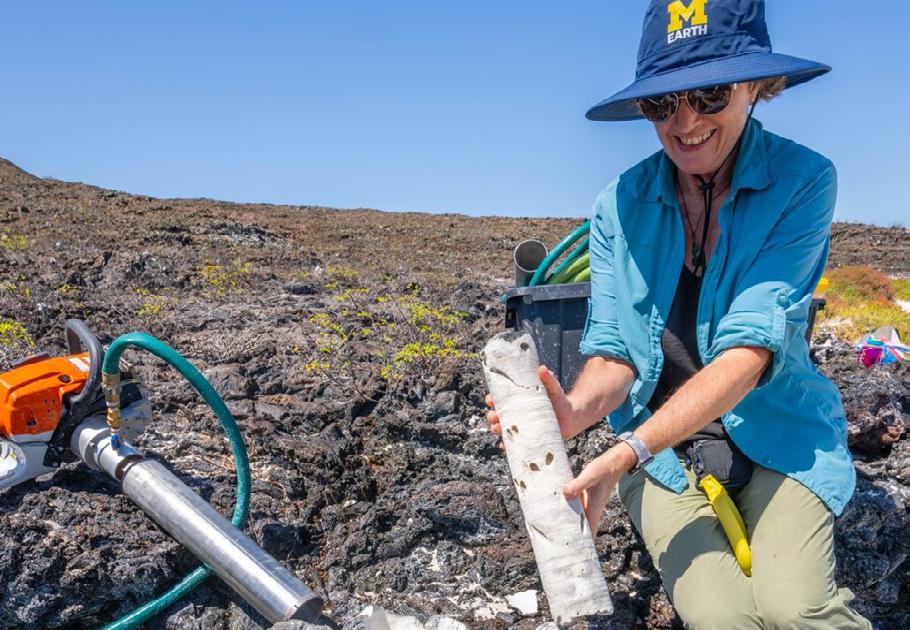
Professor Greg Dick, who leads the Cooperative Institute for Great Lakes Research (CIGLR), participated in a Q&A about the trend of lengthening toxic algae blooms in Lake Erie in The Conversation. In his responses, he discusses the causes of harmful
the opportunity to obtain threedimensional data that can used to “bring paleontology closer to biology and vice versa,” according to Rodrigo.
This groundbreaking discovery was reported by Michigan News in June 2024 before being picked up by several other outlets.
In a new paper published in Nature Communications & Earth Environment, professors Luke Weaver and Mónica Carvalho proposed that when dinosaurs went extinct, the impact was felt across the landscape and preserved in the geologic record. As large animals that trample and graze vegetation, dinosaurs maintained an open landscape
across which rivers could freely meander, and forest growth was inhibited. Following their demise, the growth of dense forests changed the patterns of river channelization and altered how sediments accumulated over time.
algae blooms and their timelines, explains how the research he and his team are doing is informing ways to combat the problem, the impacts of these blooms on humans, and what can be done to reduce the likelihood of these blooms moving forward.
• Aaron and Cinthia Covey
• Adrianna Trusiak
• Adrienne and Wayne Domeier
• Alexander Tye
• Alice Van Wambeke
• Anita and John Cotton
• Ann and Thomas Benjey
• Anne and Steve Sanford
• Annie Kersting and Gregory Murphy
• Barbara and Kevin Nilsen
• Barney and Michelle Kaminsky
• Barr Engineering Co.
• Beth Meany and William Zempolich
• Bjorn van der Voo
• C. Gary Sydow
• Carli Balogh
• Cary and Dianna Mrozowski
• Chevron Corporation
• Collin Ward
• ConocoPhillips Company
• Darius and Valerie Dixon
• David and Anne Morley Fund
• David DeWitt
• David Fountain and Stella Lam
• David and Anne Morley
• David Mogk and Gwendy Stuart
• David and Susan Woodmansee
• Dawn Zhou
• Denzel Cline
• Donald and Elizabeth Medwedeff
• Donald Sprague and Donna Wisnyi
• Donna Wisnyi and Donald L. Sprague Fund
• Donna and Thomas McClish
• Edward Stoever
• Emma Ensign
• Erich and Nancy Petersen
• Gary and Alice Burin
• Gregory Dick and Jenna Munson
• Haig and Carol Kasabach
• Hing Kim
• James and Amanda Hnat
• Jason Smerdon
• Jeff Mauk
• Jerome and LaMoyne Ebner
• Jessica Bleha
• Jill P. McMahon
• John and Terry Pfefferle
• John and Dianna Greene
• John and Sally DeYoung
• John and Marybeth Bowman
• Joseph Grzech
• Judy and Stephen Kesler
• Julia Cole and Jonathan Overpeck
• Karee Rhoades
• Karen and Bruce Clark
• Karen Boven
• Karr McCurdy
• Kate Keller
• Kay Hutchinson
• Kelsey Dyez
• Kenneth Yuan
• Kim Jones
• Kim and Ross Winchell
• Kimberly McCraw and Jeffrey Wojcik
• Laura Kaminski and Kyger Lohmann
• Lawrence and Ronna Davis
• Leslie Hartig and James Salter
• Lin Cargo
• Maodu Yan and Li Li
• Margaret Veitch
• Mark and Melanie Pearlstein
• Mary and Robert Blair
• Mary Hoyt Clayton
• Matthew Cabell
• Matthew and Naomi Wasson
• Michael and Nancy Smith
• Michael and Sylvia Cooper
• Michela Arnaboldi and Udo Becker
• Lydia Sandefur and Tim Nowak
• Myra and Ted Harper
• Paula and Robert Hotaling
• Chester and Susan Langway
• Jeffrey and Monica Wilson
• Ronald Daignault and Teresa Maloney
• Rose Cory
• Royal Dutch Shell PLC
• Russell and Loretta Perigo
• Samson Kupferberg
• Shell Oil Company (US)
• Shell Oil Company Foundation
• Stephanie Golden
• Steven Ownby and Anna Sakolosky-Ownby
• Steven Henry and Krystyna Swirydczuk
• Steven and Gail Peterson
• Tamatha Meek
• Tatiana van der Voo
• Thomas Schooley
• Thomas Flynn
• Thomas Brocher and Jean Bahr
• Thomas and Kay Hutchinson
• Tina and Christopher Nielsen
• Ting Gan and Youxue Zhang
• Weiming Zhou and Yiqing Chi
• Will Bender
• Yihe Huang and Peng Mo
• Zhou Family Fund
To our donors, past and present: Your generosity enables this Department to provide world-class educational and field opportunities to our students. It gives us the to continue the tradition of a world-class education in Earth and environmental sciences, to continually innovate in response to global challenges and student needs, and to build a welcoming and supportive community that values curiosity, integrity, and strong relationships. We hear over and over again from our students and faculty how special this community is. Thank you for being part of that community, and for the ways in which you help us maintain it, financially and otherwise. We appreciate you.
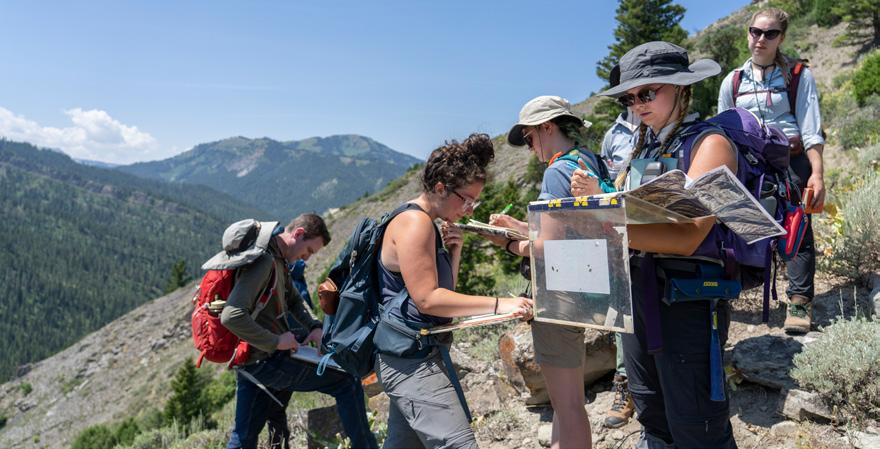
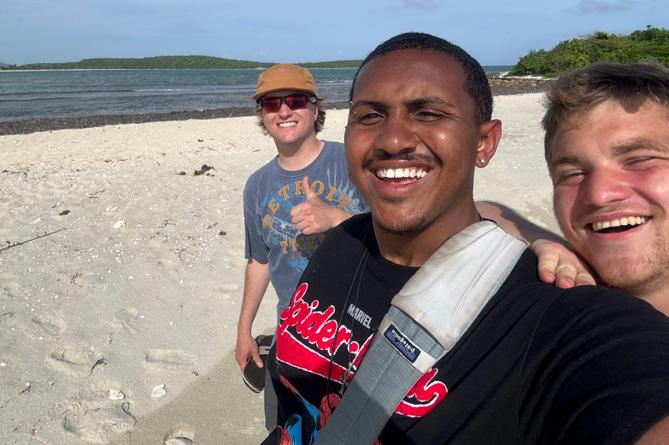
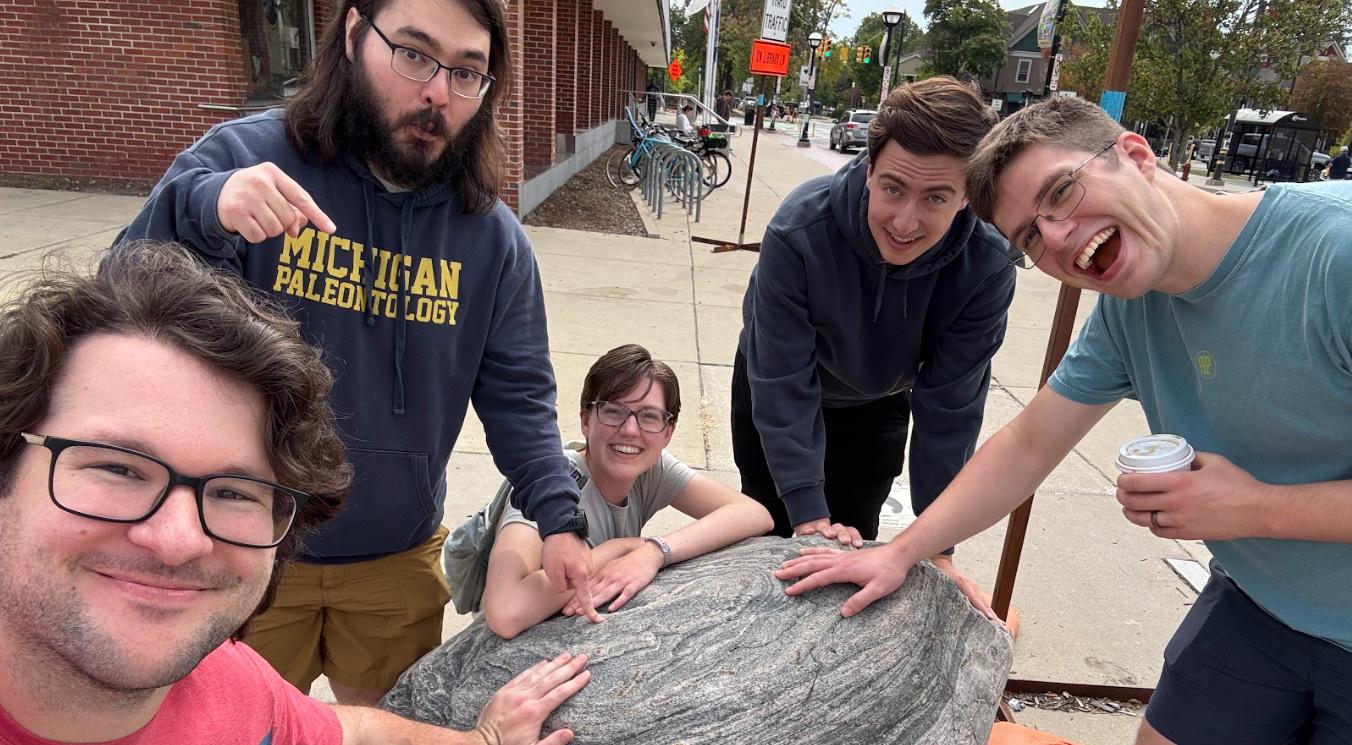
Above: 1 - Students at Camp Davis. 2 - Students enjoying the carbonate sedimentary fringes of the island of Puerto Rico. 3 - Students on the 2025 Grand Canyon field trip with professor Jamie Gleasson. 4 - Graduate students attending the 2025 Dorr Dinner awards in March. 5 - Members of GeoClub participating in a week-long scavenger hunt competition around Ann Arbor. 6 - Students hiking up a path behind Camp Davis to get a bird’s-eye view of Camp and the surrounding area. 7 - GeoClub members enjoying the spring banquet.
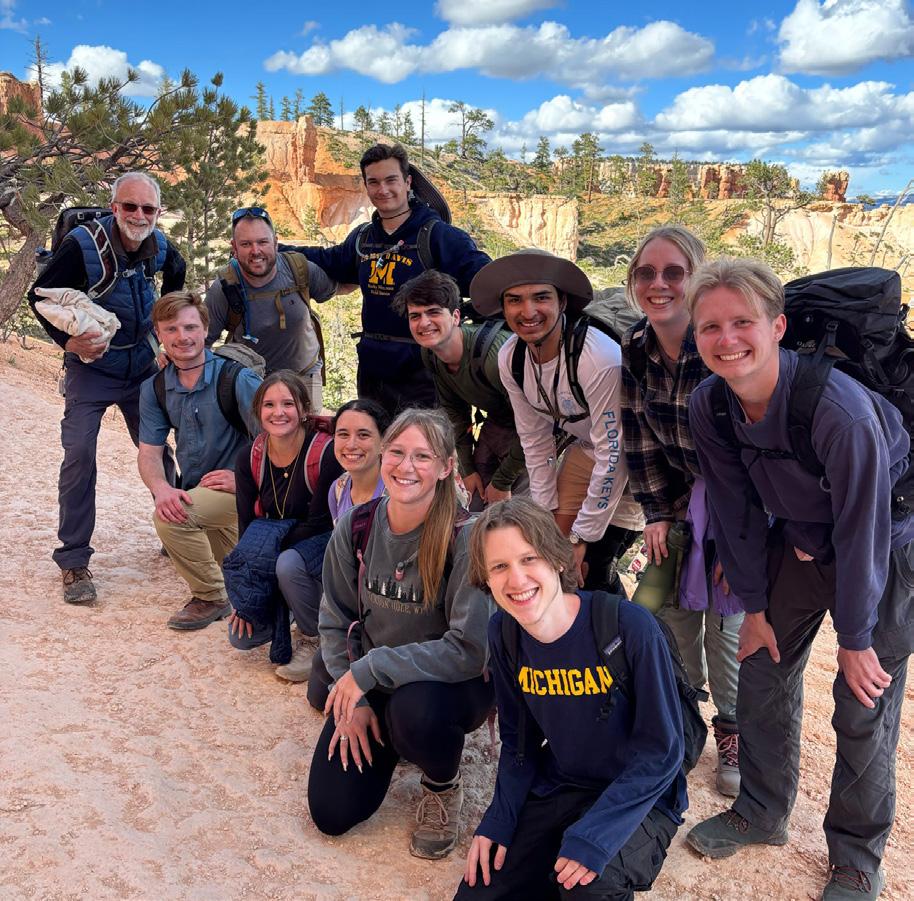
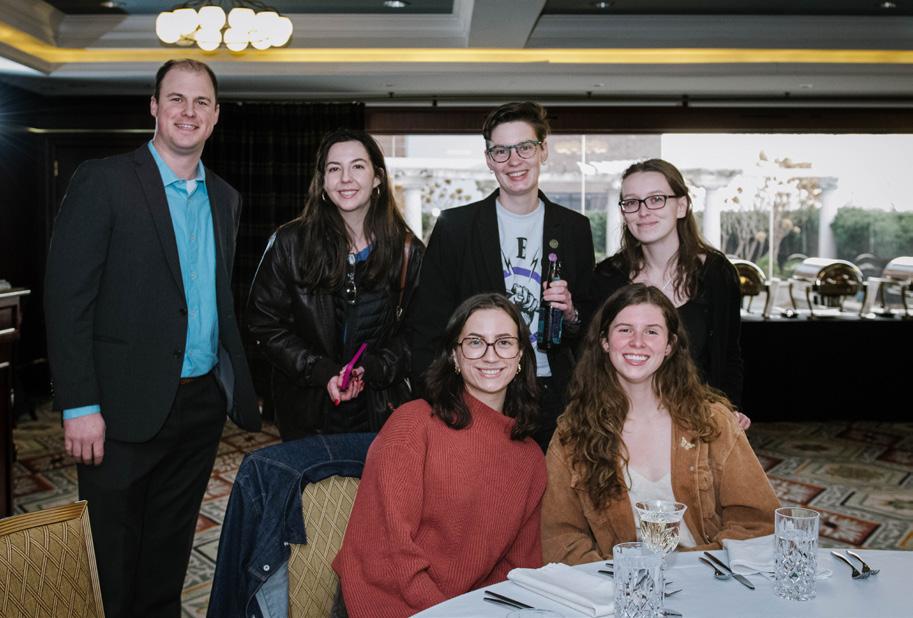
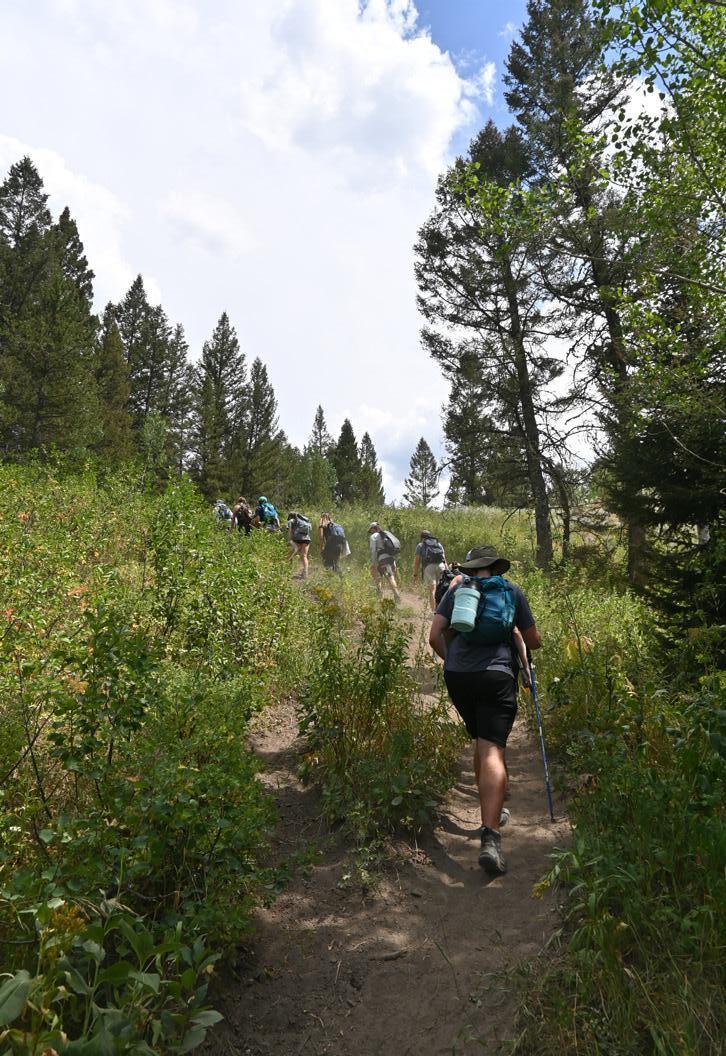
Department