PORTFOLIO

Education
// Master in Advanced Architecture (MAA)
- Institute of Advanced Architecture of Catalunya (IAAC) Barcelona
// Complementary course Revit + 3DS max
// Bachelor in Architecture
- Westhill University in Mexico City
Experience
Roth Architecture
- In charge of the design area / concepts / 3D modeling / rendering / post production
// NEOM competitions
- Creative designer / 3D modeling / rendering / postroduction
// Azulik residences
- 3D modeling
// Nizuc
- Creative designer / 3D modeling
Diseñare 22
- In charge of the design area / concepts / 2D-3D modeling / Renders
// Volkswagen Mexico
- Design of detailed plans according to corporate specifications for the assigned buildings
// Apartment remodeling - San José Insurgentes, Mexico City
- Architectural design / 3D modeling / rendering
// Albatroces proposal - Las Aguilas, Mexico City
- Architectural design and 3D modeling
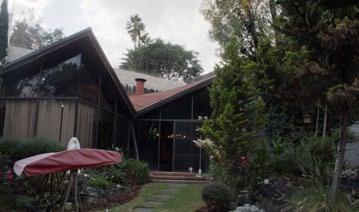
// Pedregal House - Jardines del Pedregal, Mexico City
- Interior / exterior remodeling design
Freelance
// Sai Yuen turistic center - Cheung Chau, Hong Kong. China
- Collaboration in development of the project
// Retirement and rehabilitation house - Jardines del Pedregal, Mexico City
- Extecutive project
// Study house - Calle San Miguel Xicalco, Mexico City
- Executive project
// Dalinde hospital - Roma Sur, Mexico City
- Design proposal for the interior lobby
// Apartment remodeling - Insurgentes Mixcoac, Mexico City
- Interior design
Competitions
// Marine research institute - Vigo, Spain
- Collaboration with ON-a, competition
// Science technologies and innovation center - Medellin, Colombia
- Academic competition
Skills
// Softwares
- Rhino / grasshopper / revit / autocad / phyton / sketchup / houdini FX / lumion / 3ds max / adobe / office
// Fabrication
- Laser cutting / 3D printer / CNC milling / Robotics (Kuka)
// Languages
- Spanish (native) / English (advanced) / Russian (beginner)
Interests
// Work
- Concept design / 3D modelling / fabrication
Table of contents
//
//
From bay to mountain
Marine research institute
Type: Competition
Function: Public
Location: Vigo, Spain
Year: 2022
Office: ON-a
Author´s: Osmin Avalos, Byron Cadena, Kevin Guerrero, Michel L´Eglise
Main roles:
- Excecute work of conceptual ideas, 3D modelling, radiation/ wind analysis, post-production of images.
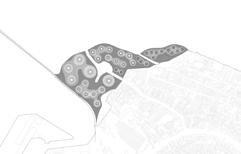
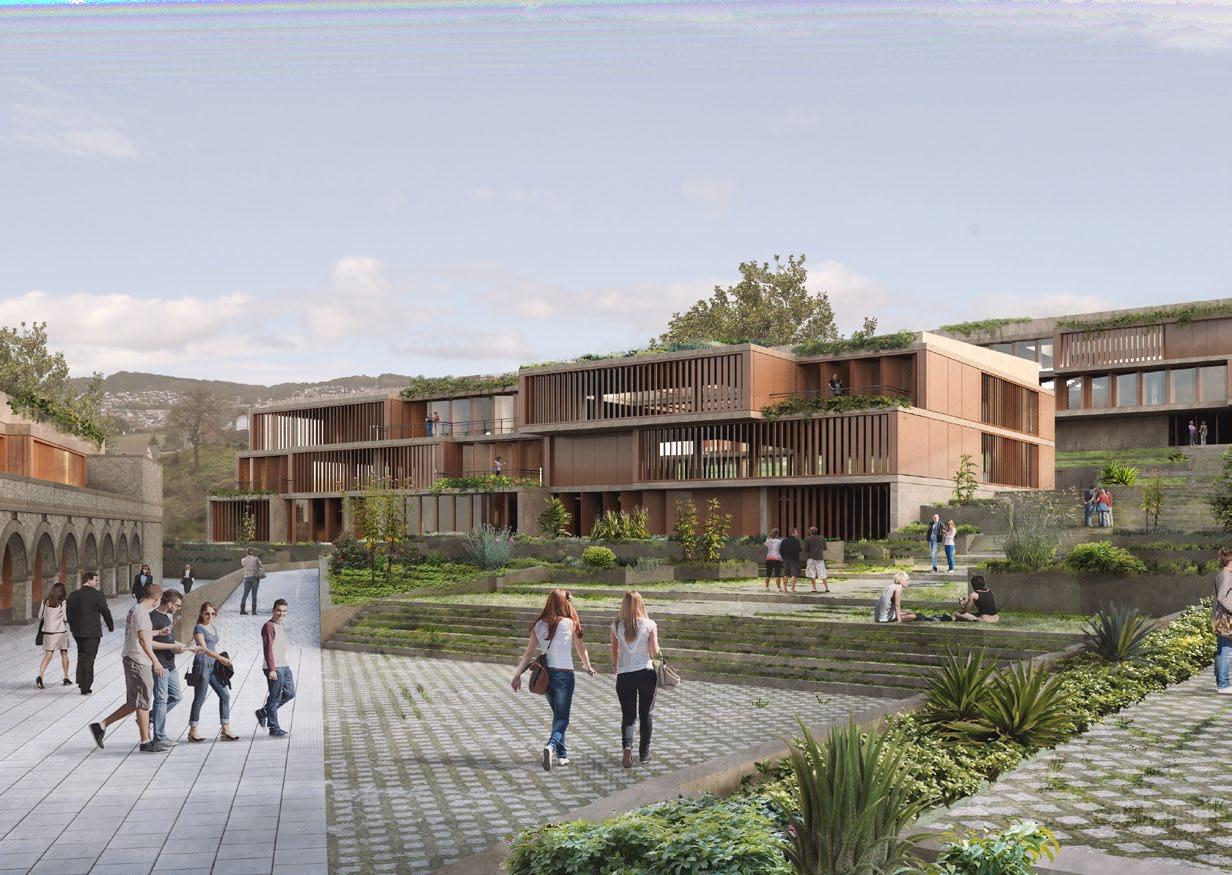
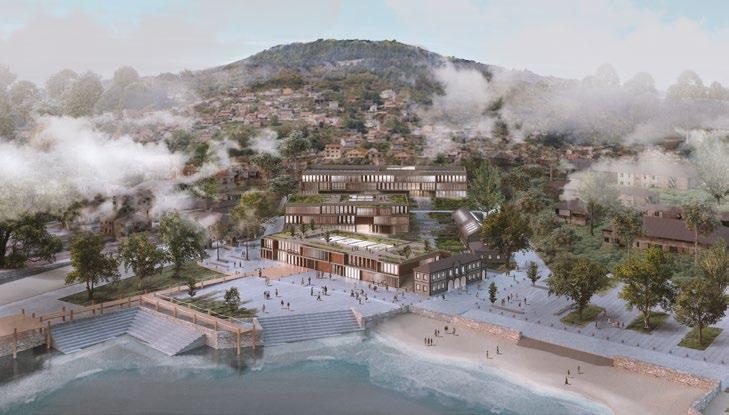
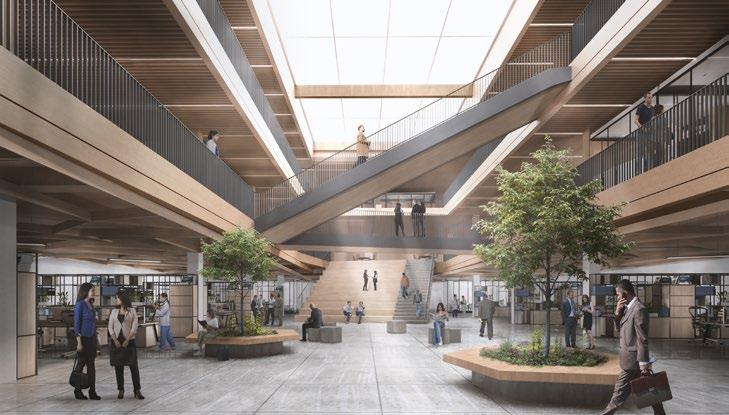
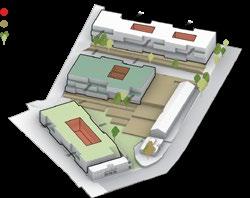
The project, located on the banks of the Vigo estuary, arranges its volumes along the property and in the direction of the mountains. The buildings are placed on the mountain by means of layers that, like layers of sediment, are integrated into the mountain as if they were a portion of it that has always been there. As the volumes move away from the sea, their shape decomposes, generating more voids oriented by the technical needs of the spaces of the architectural program. In this way, the heterogeneous voids of the composition allow a glimpse of the mountain and integrate the new buildings into the continuity of the existing landscape. As a result, the building merges with the landscape, while visually connecting the two most important natural elements of Teis: the estuary and the mountain.
Design stages
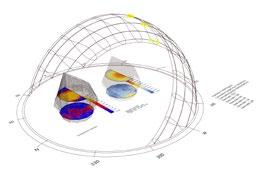
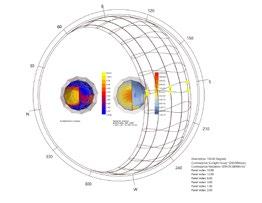
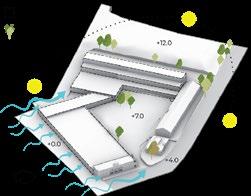
Sun path
To be demolish
Trees to be preserve

Current status
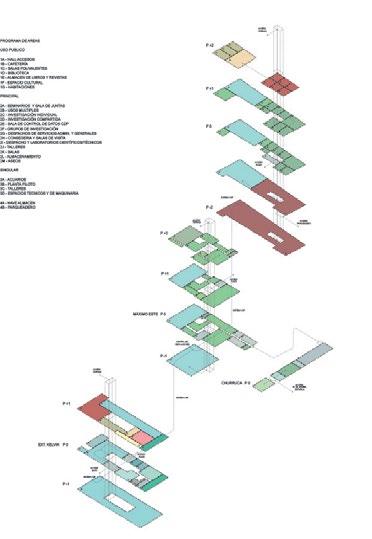
Program areas
Circulation
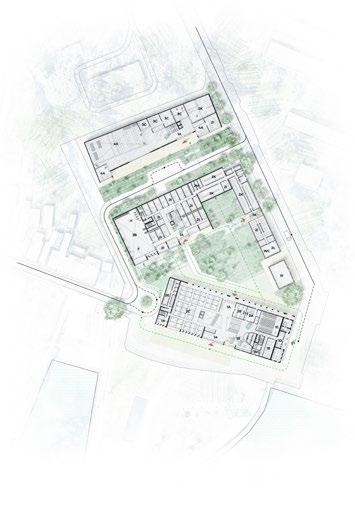
Overall floor plan Architecture and lanscape
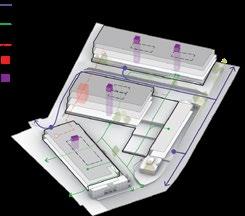
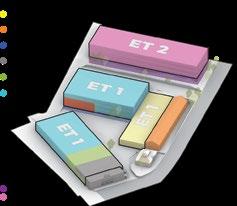
Program diagram
Digital Valley
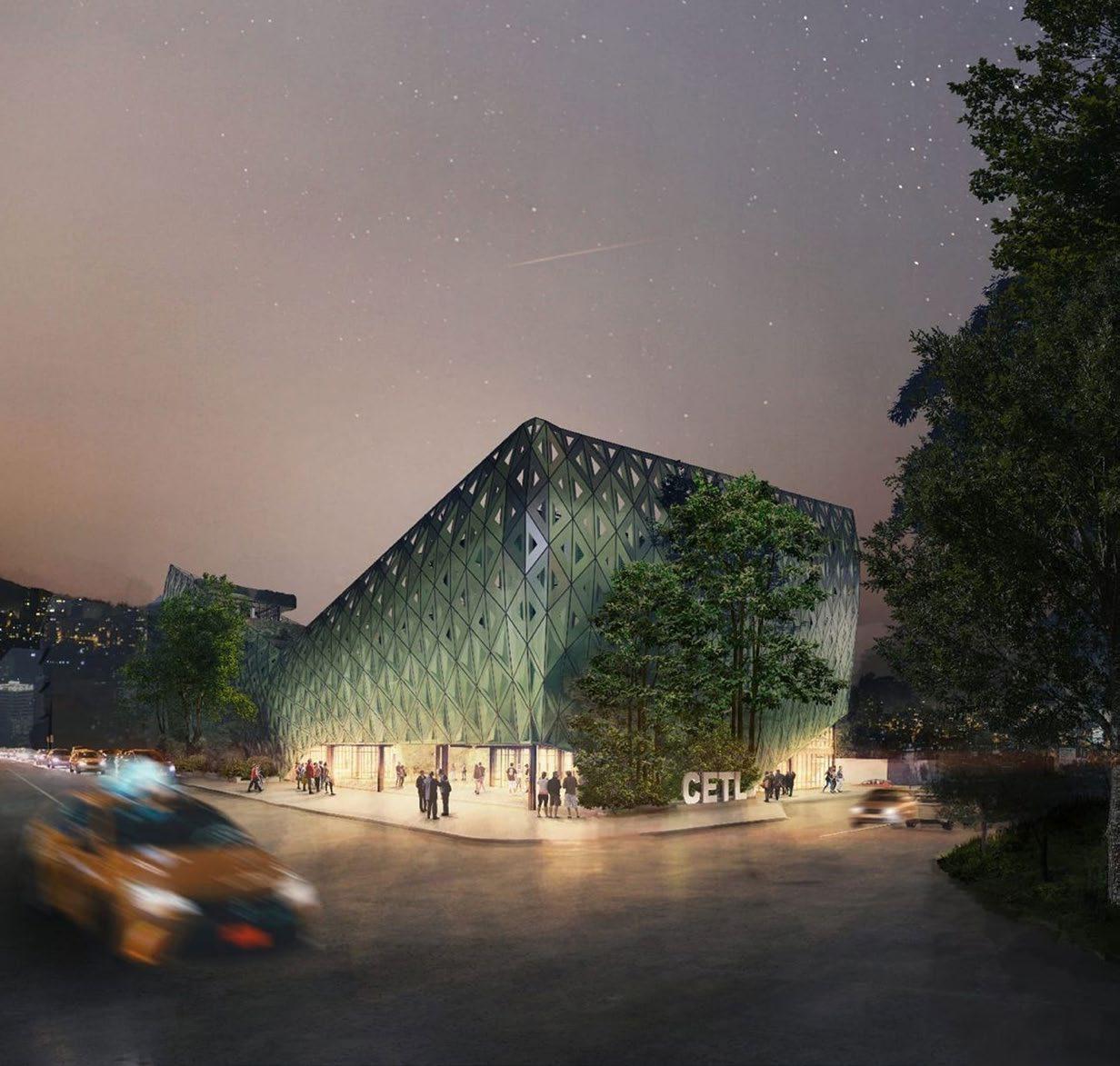
Science technologies and innovation center
Type: Competition
Function: Public
Location: Medellin, Colombia
Year: 2022
Author´s: Osmin Avalos, Byron Cadena, Kevin Guerrero, Michel L´Eglise
Main roles:
- Excecute work of conceptual ideas, 3D modelling, radiation/ wind analysis, post-production of images.
The Software Valley will be a space created to work, to innovate, to develop new ways of living and relating, where the vital elements will be renewed; where the cutting-edge technological products created will be healthy for people and animals; where talent and innovation will be created and the generation of talent will lead to greater efficiency and allow the world of agriculture and livestock to help improve people’s lives.
4.0 technology and people related to agriculture and livestock will create mobile applications where land workers will be able to improve their productions or farmers will be able to control the life of their animals and know their natural diet, vaccinations, births, etc. As well as, the storage of land and water data that allow a better management, production and knowledge of the land.
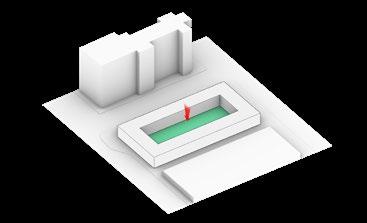
Concept and geometry
Urban diagram
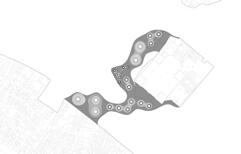
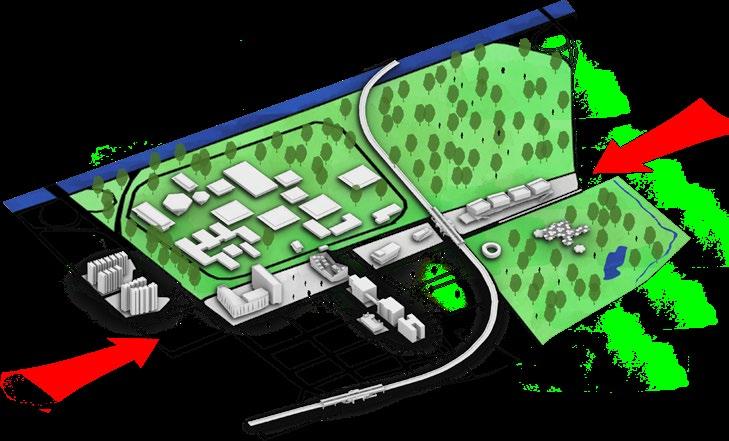
This project reinforces the technological and academic activity of the innovation corridor on Avenida del Ferrocarril, starting from the Runta N Building, the University of Antioquia, Parque E, Parque E, Parque de los Deseos, Parque Explora, Jardín Botánico and Parque Norte Medellín.
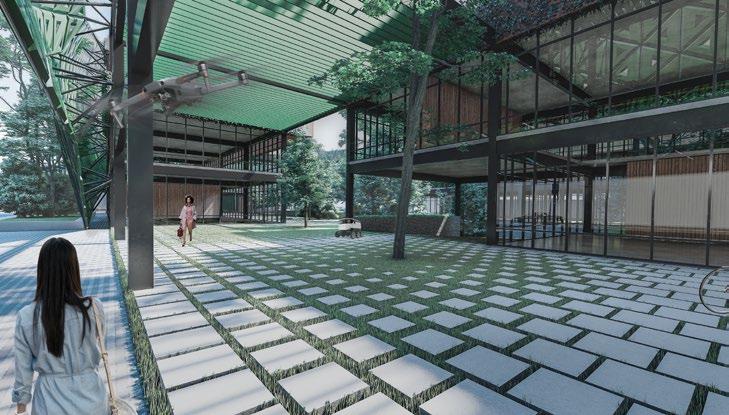
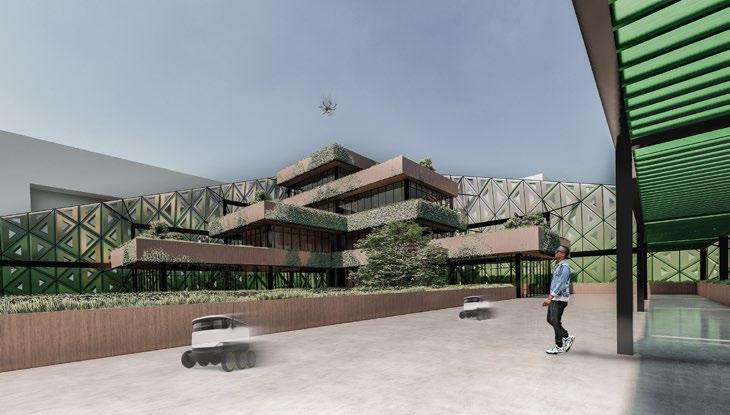
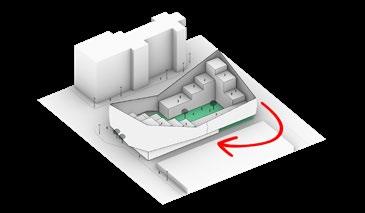
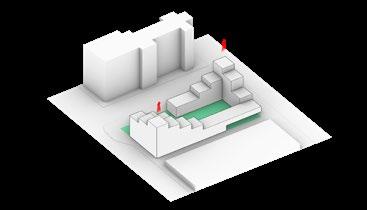
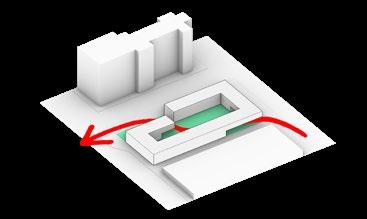
Iinitial volume and interior square
Pedestrian integration
Stepped terraces
Perimeter envelope
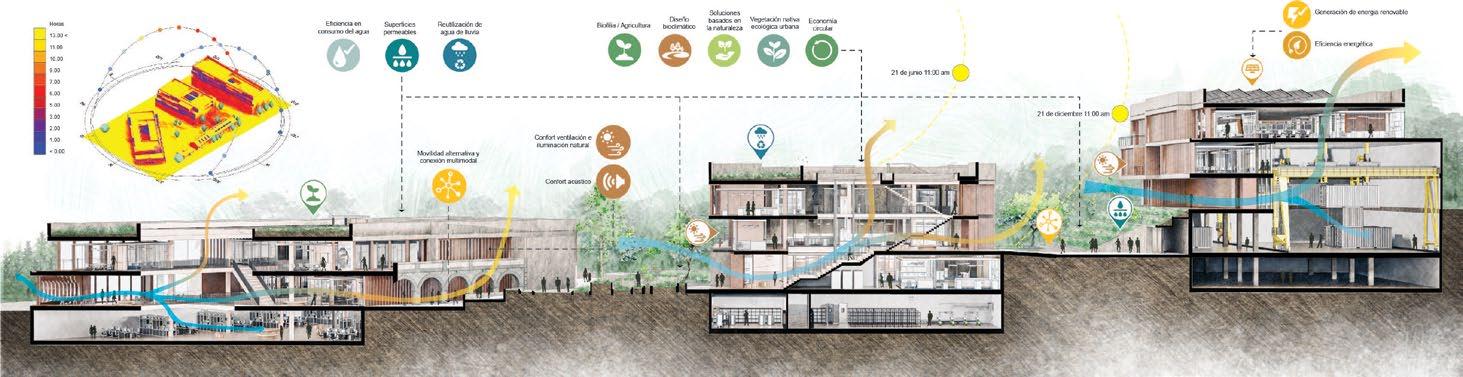
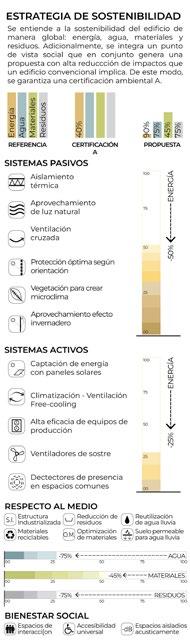
Sustainability strategies
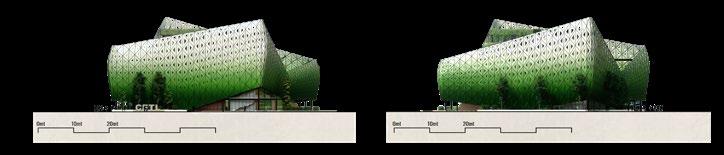
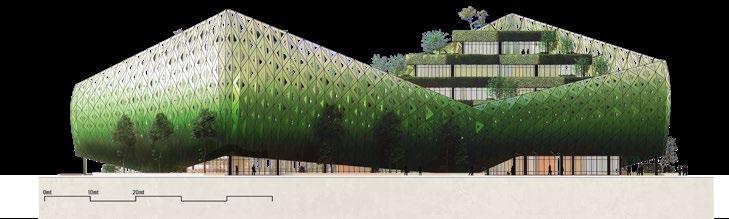
West elevation, ferrocaril av.
East
North elevation, 70th street
Analysis of stepped terraces
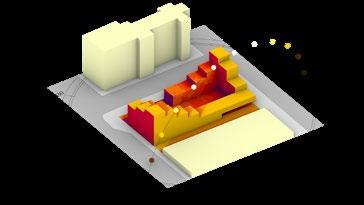
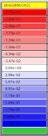
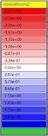
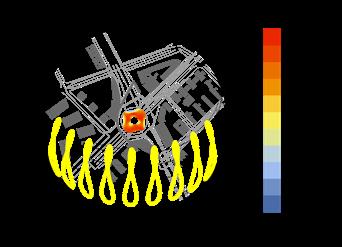
As shown in the graphs, the staggered architectural massing helps to reduce the hours of sunlight received on the project’s internal plaza as well as on the glazed facades facing it.
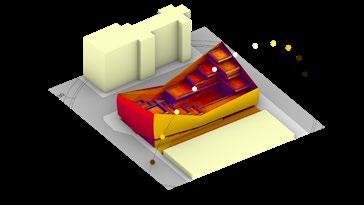
Cantilevers and envelope analysis
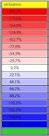
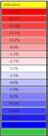
The integration of cantilevers on the project’s terraces and the addition of an architectural envelope significantly reduces the daily solar hours received on the project’s facades. More cool zones are now perceived inside the project.
Windflow analysis
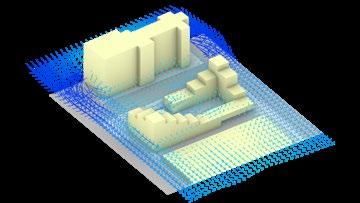
The wind analysis indicates that the predominant direction is north. The leeward effect generated by the building in front of the project is taken advantage of and redirected by the geometry of this proposal for the correct circulation of air towards the interior of the proposal.
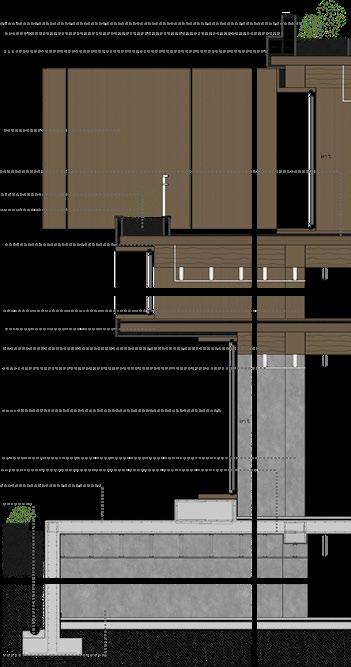
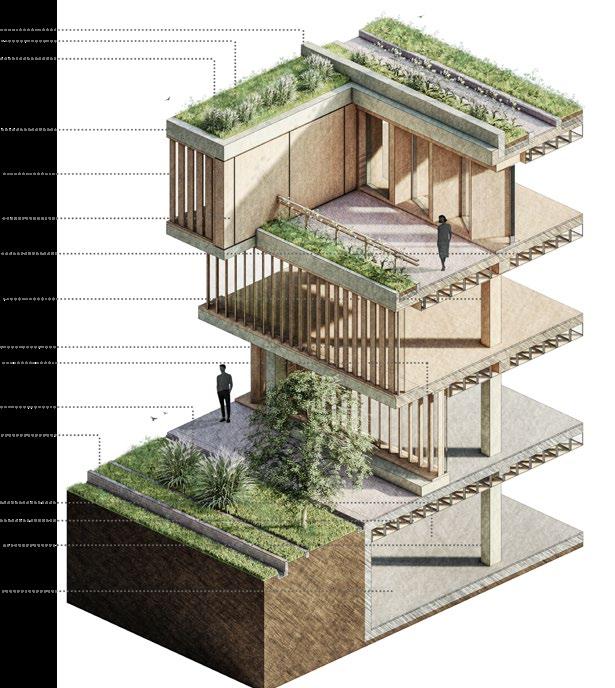
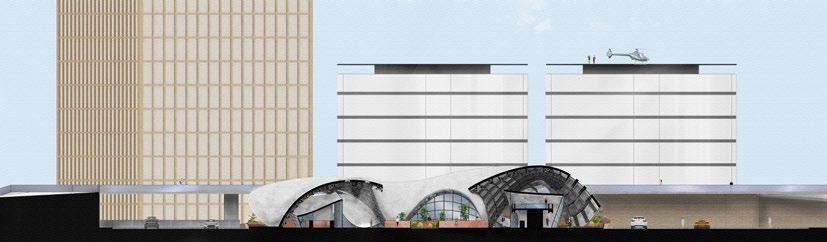
1) Manned Drone Heliport.
2) Perimeter railing/gardening on the terrace.
3) Drones and Small Scale Vehicles Test Area, Flight Terrace.
4) Terrace / Orchard.
5) Enclosures, Windows and aluminum structure.
6) Solar Panels as modules inserted in the envelope, architectural skin.
7) First floor of commercial character.
8) Vehicular entrance/entrance on Av. del Ferrocarril.
9) Double height and integration of vegetation.
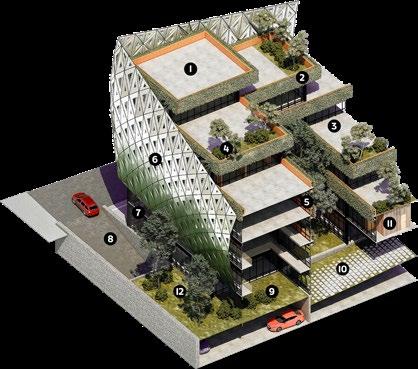
10) Permeable soil based on modules.
11) Internal divisions based on natural and recycled materials.
12) Perimeter green areas as acoustic insulation.
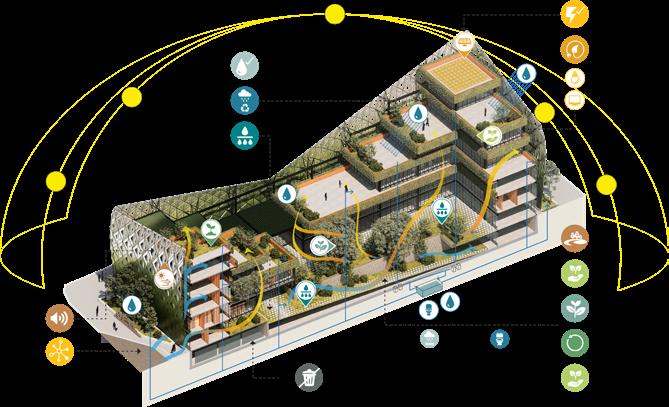
Active systems
Bio-parametric architecture for the next decades
Type: Master thesis
Function: Public
Location: Barcelona, Spain
Year: 2021
Mentors: Marcos Cruz, Kunalhjit Singh
Author: Michel L´Eglise
Blogpost: https://drive.google.com/drive/ folders/1SyVsoWnm-n1Jx-GrzJI6u9EUL1O8gqa4
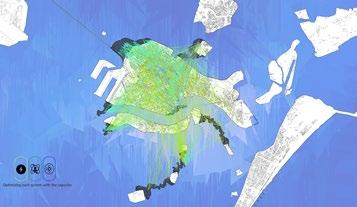
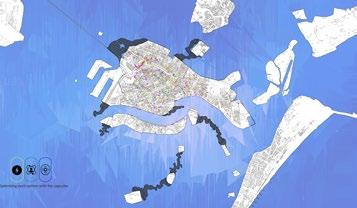
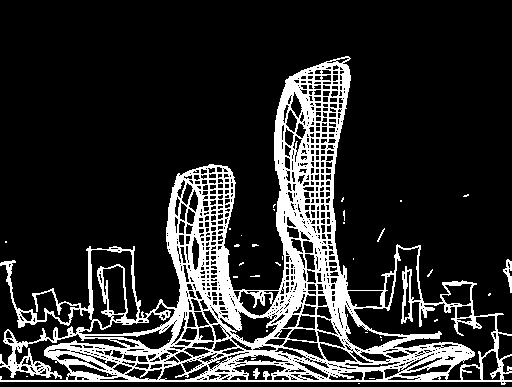
The main aim of this project is to develop an urban system that mitigates the pollutants from cities that daily life and vehicles produce.
The project was developed due to a problem that most of the cities are facing in the present, our lifestyle (mobility and fast consumer necessities) is the reason for high levels of harmful particles that coexist in our urban environments, these it can be a result of low productivity. Also, this is the cause of high mortality rate in the world.
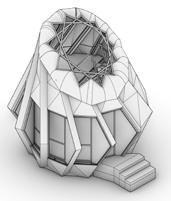
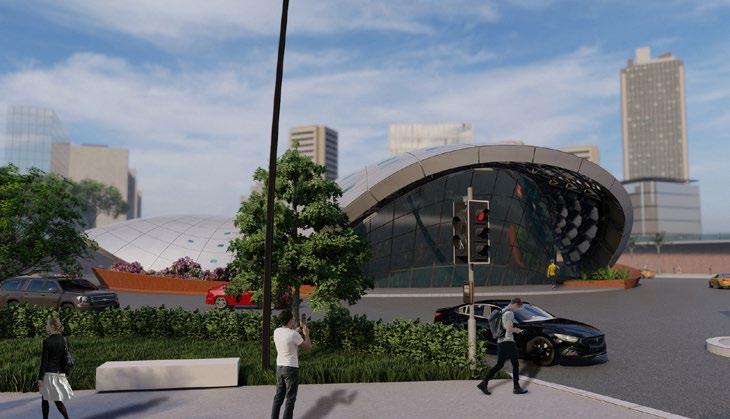
The idea is to cover different architectural elements (buildings, bridges, public spaces) with a special type of design, to build an outer layer or a complete new project that would contain specific air-purifying components, throwing as a result a better environment for the health of humanity.
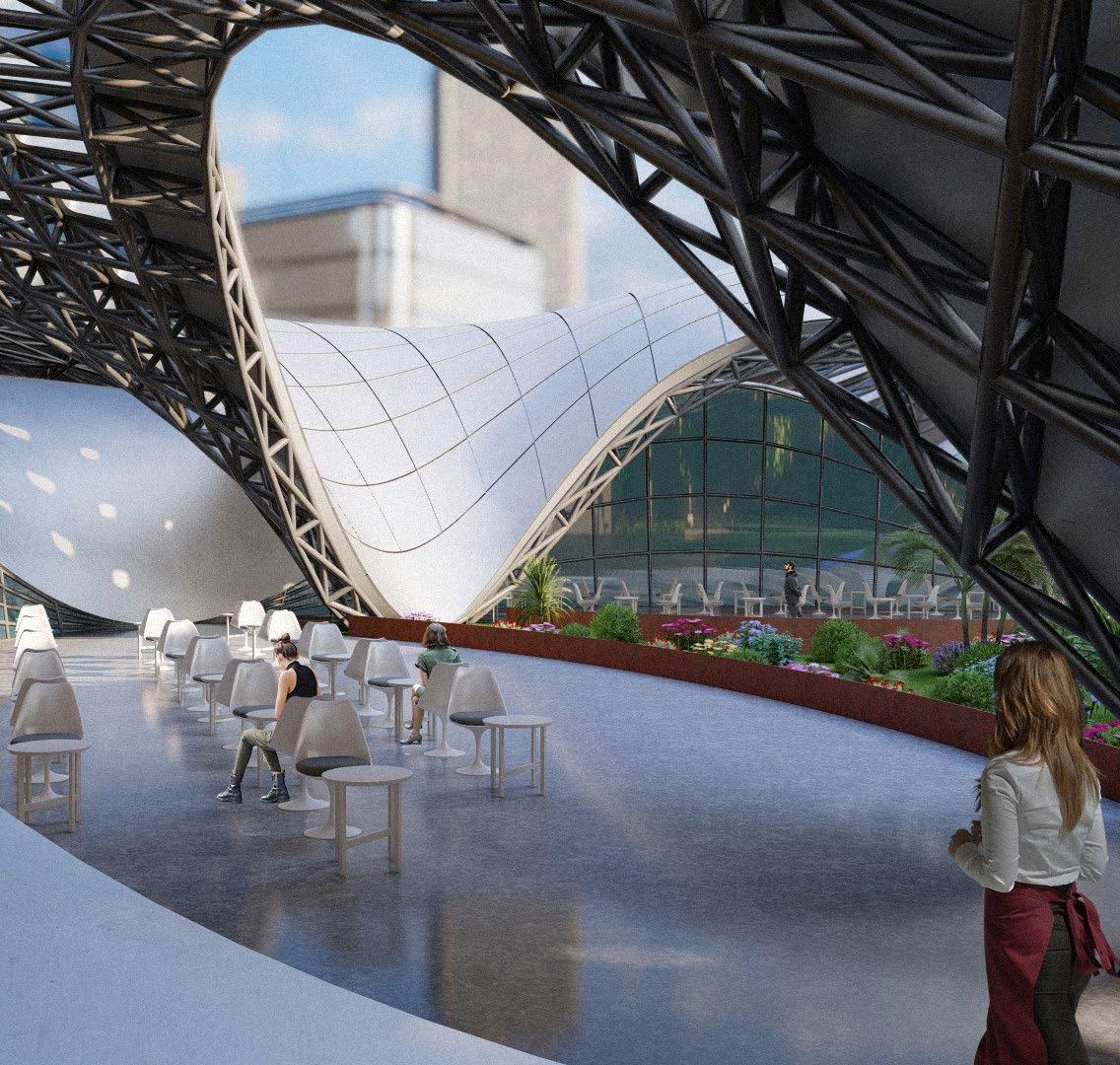
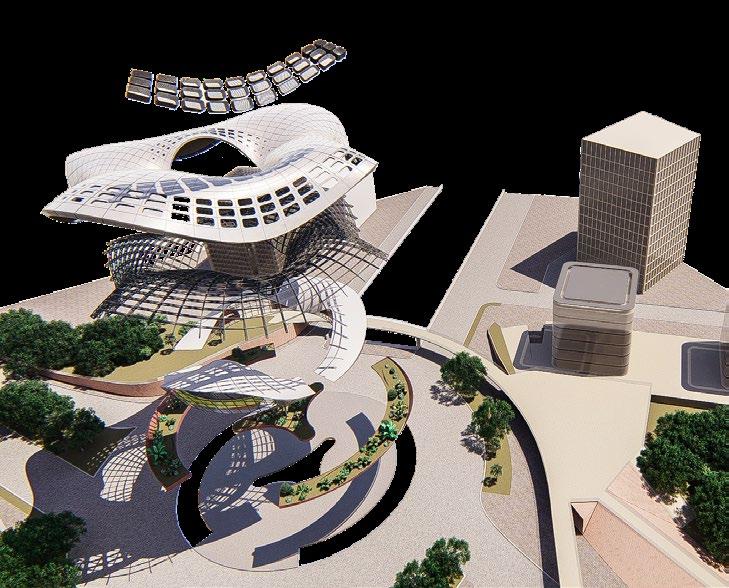
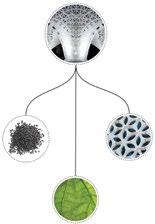
The building acts as a purifying system that contains three different elements (titanium dioxide, activated carbon and plants) that will allow the mitigation of pollutants. Creating a complete cycle from the adsorption and filtration of harmful particles to the end as renewable energy for green elements

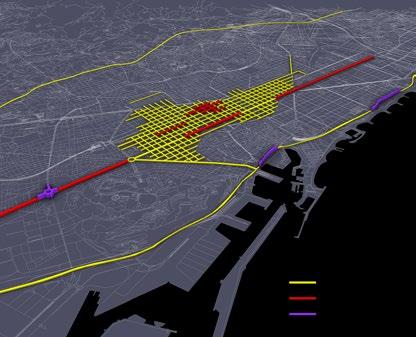
In 2020 Barcelona was at the peak of the environmental pollution (particularly suspended particulate matter PM10 and nitrogen dioxide NO2) exceeding the levels that WHO had described. Between 68% and 98% of the population respectively, may be exposed to levels pm 10 and NO2 above those recommended.
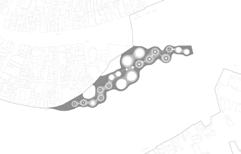
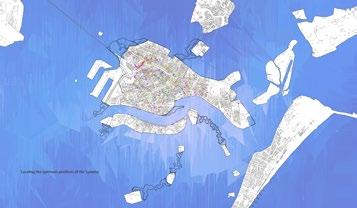
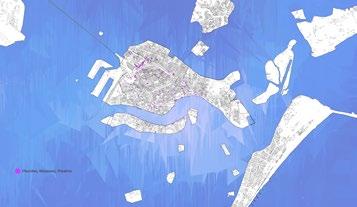
By a methodological analysis of the environment and a selection of sites based on the data maps of pollution in Barcelona, an improvement of the air quality can be recovered significantly.
1) Activated carbon filters oriented towards the direction of the prevailing winds
2) Glass fiber reinforced concrete with photocatalytic painting
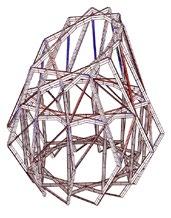
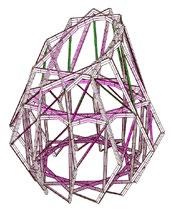
3) Metalic structure
4) Amenities
5) Green areas that fulfill the function of completing the mitigation cycle.
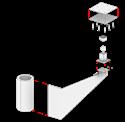
Activated carbon filters increase their effectiveness of adsorption at higher pressures and lower temperatures. A second computational analysis shows the optimum direction where the filters need to be placed. Each filter will contain 25 kg. A total of 750 kg of activated carbon that will adsorb 235 kg of carbon dioxide equivalent to 12,400 vehicles.
Detail, activated carbon filters
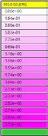
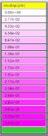
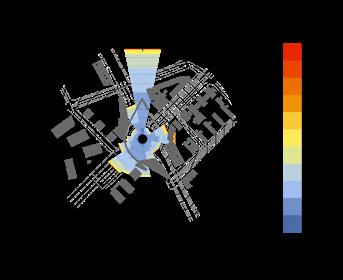
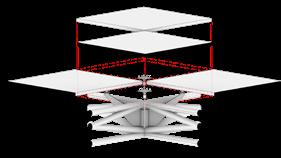
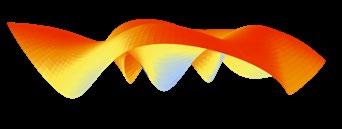
Unearthing the geometry by radiation analysis will allow the maximum surface in contact with direct sunlight for higher effectiveness in the activation of photocatalytic reaction on titanium dioxide to purify the environment. A total of 3,215 m2 of surface will receive a total radiation of 3.6411e+6 kw/h per m2 that will mitigate 22 kg of Nox per hour in optimum conditions.
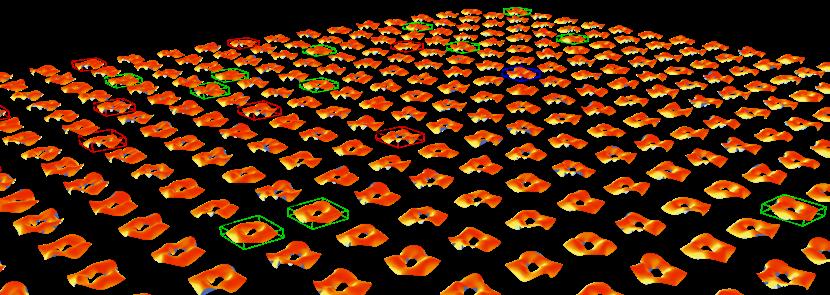
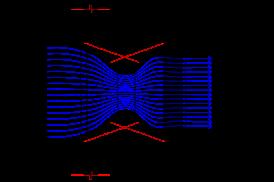
The geometry has a second condition in his parameters that will allow the rainflow to go directly into the green elements in the ground of the project.
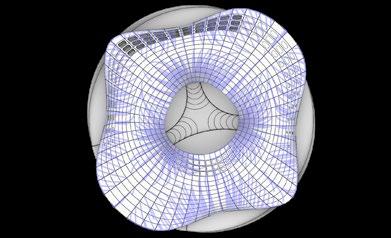
Structure

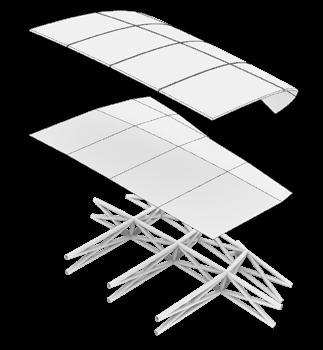
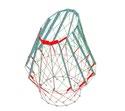
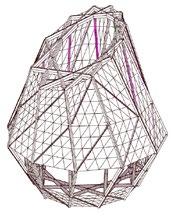
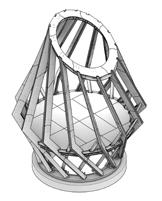
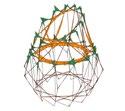
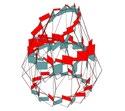
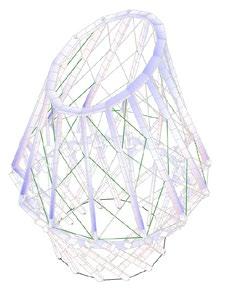
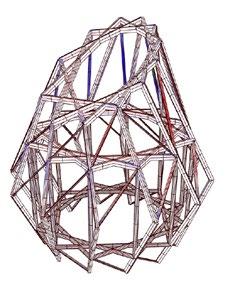
From the surface the structure will merge by a grid calculated by a possible range that can support the panels made by fiberglass + concrete panels.
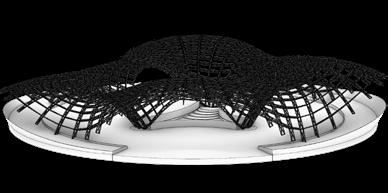
Two layers will cover the truss, one will be a cover of fiberglass membrane that will act as a waterproofing layer, Fiberglass has the necessary requirements in terms of flexibility, structural strength and weight, the second layer are prefabricated panels that will be made by a mixture of fiberglass and polyester resin sprayed in a mesh of metal wires that will create the shape of the panel and increase the structural capacity.