PORTFOLIO Michail Mexis
IT University & Library
The Hague, NL
Year: Type: 2021-22, MSc - Graduation project, TU Delft Reuse, Education, Culture, Offices, Residential
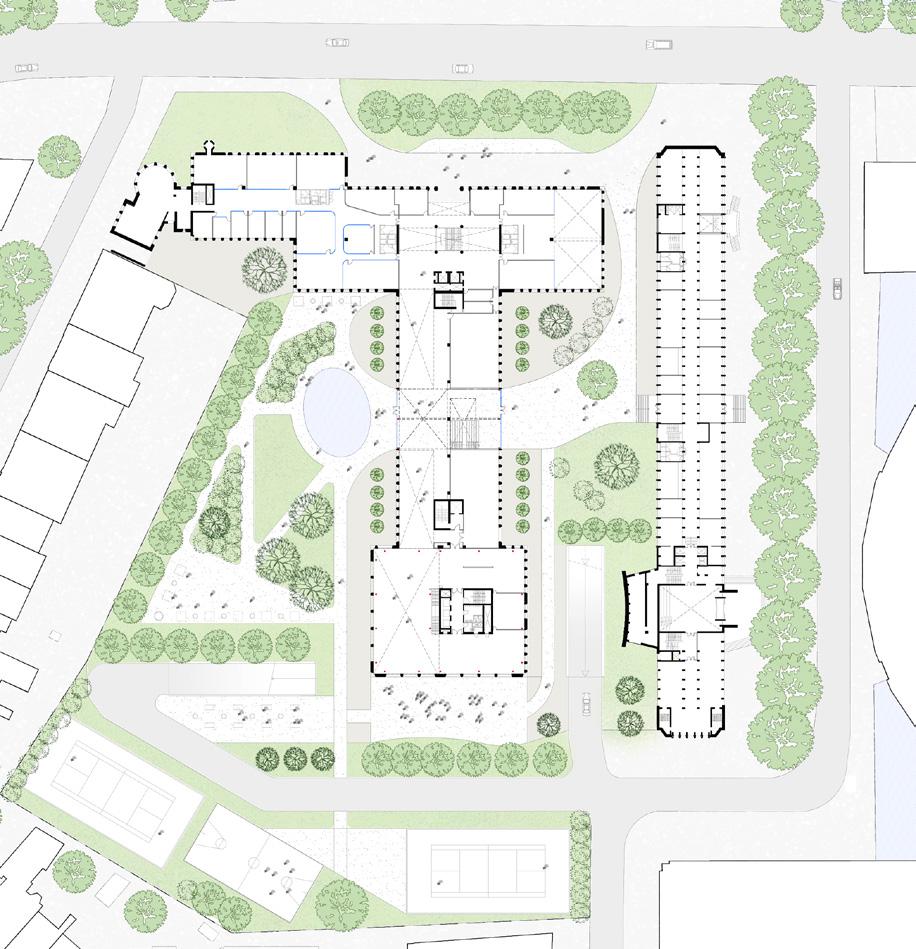
By 2024, the police headquarters in the Hague, will become vacant. The future of the 50.000m2 building remains unknown, while the only proposal suggests the demolition of a large portion of the building, which features a robust structure. To that end, the project focuses on finding an appropriate solution, that can utilize the existing, prevent unnecessary demolition, and make use of the police-identity of the station for the new program.
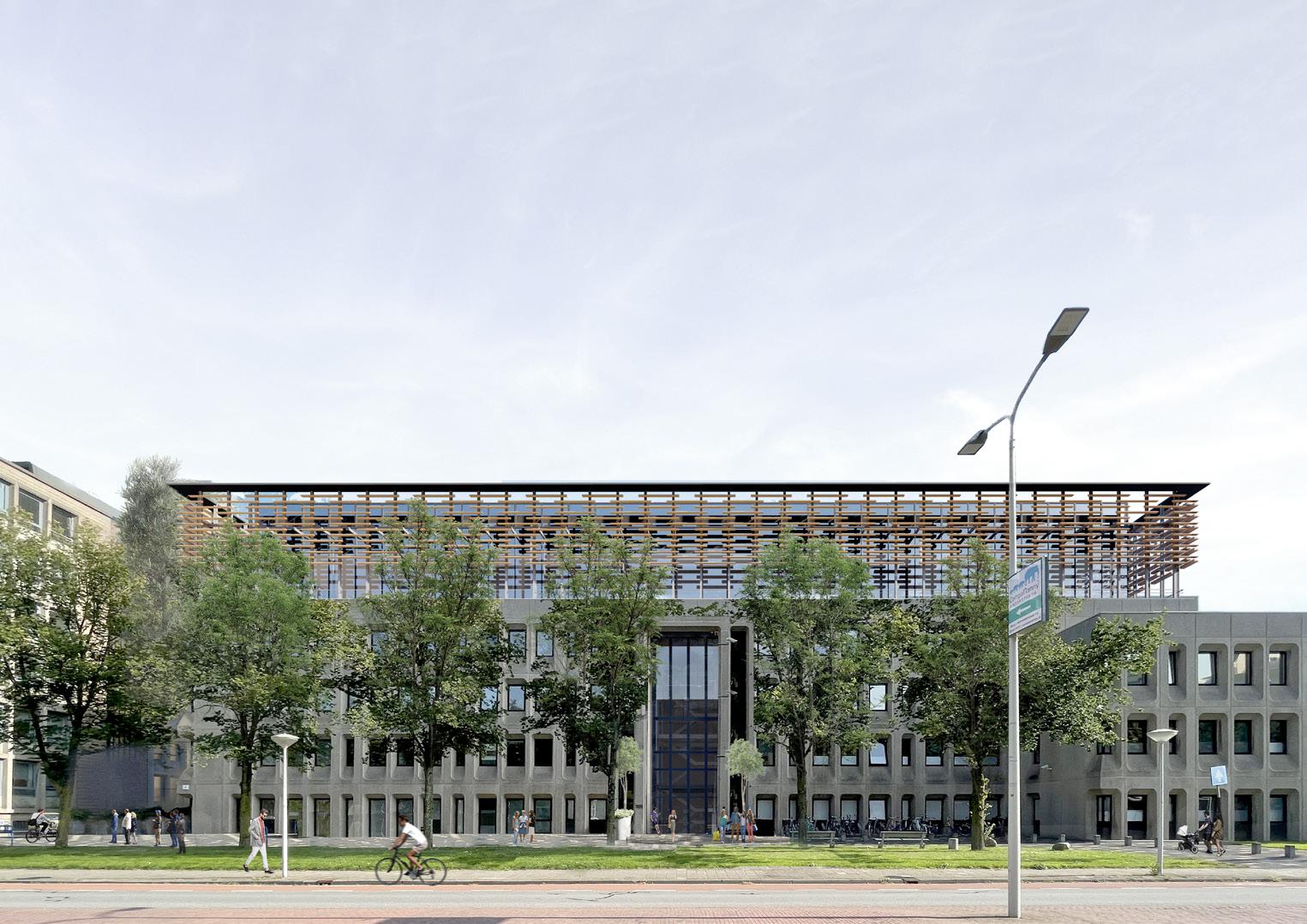
The program responds to the Hague’s need of expanding its educational facilities, and proposes the conversion of the station, into a public complex, by forming innovative knowledge clusters across the Hague’s community, inviting students, locals and daily visitors.
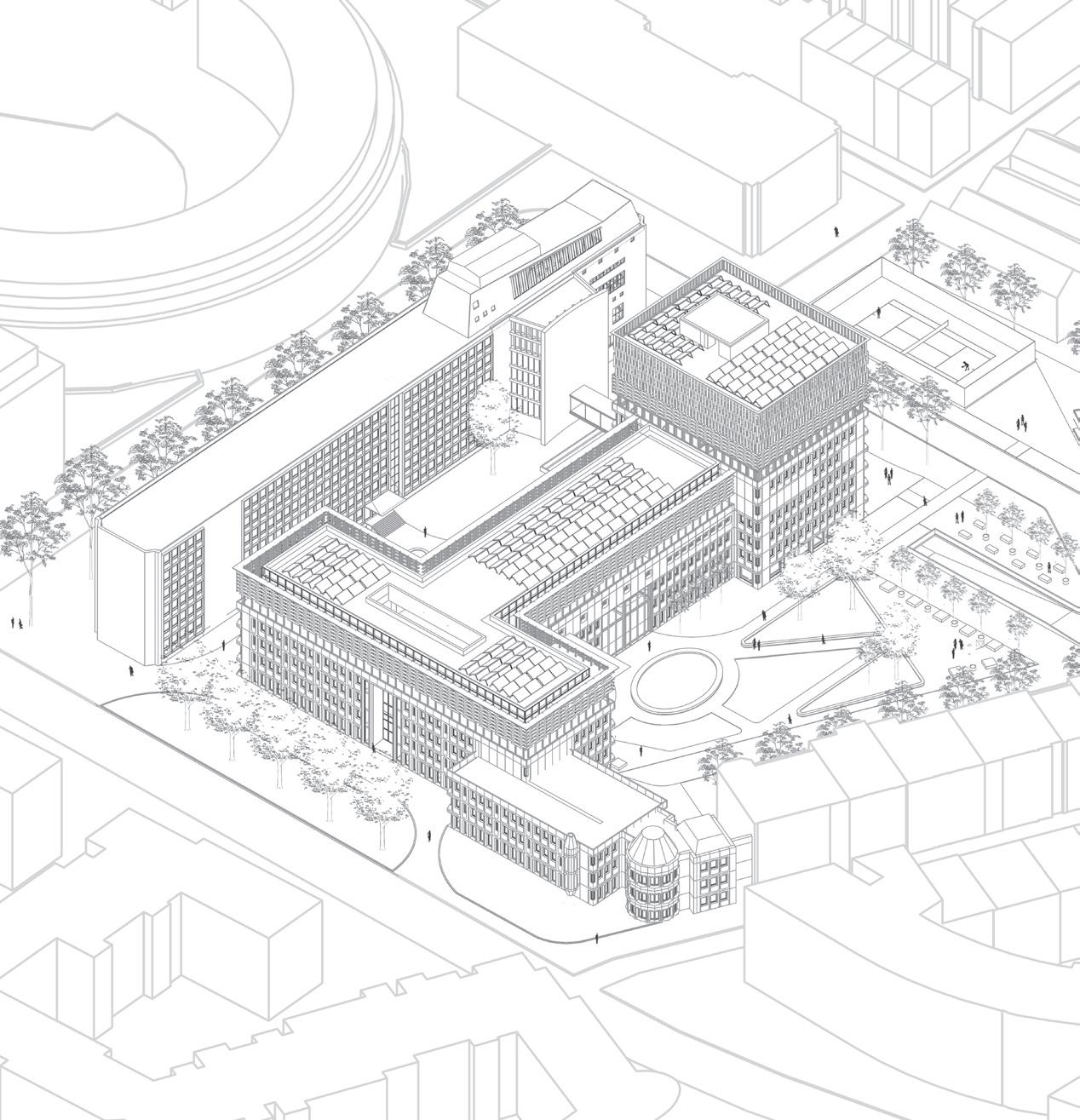
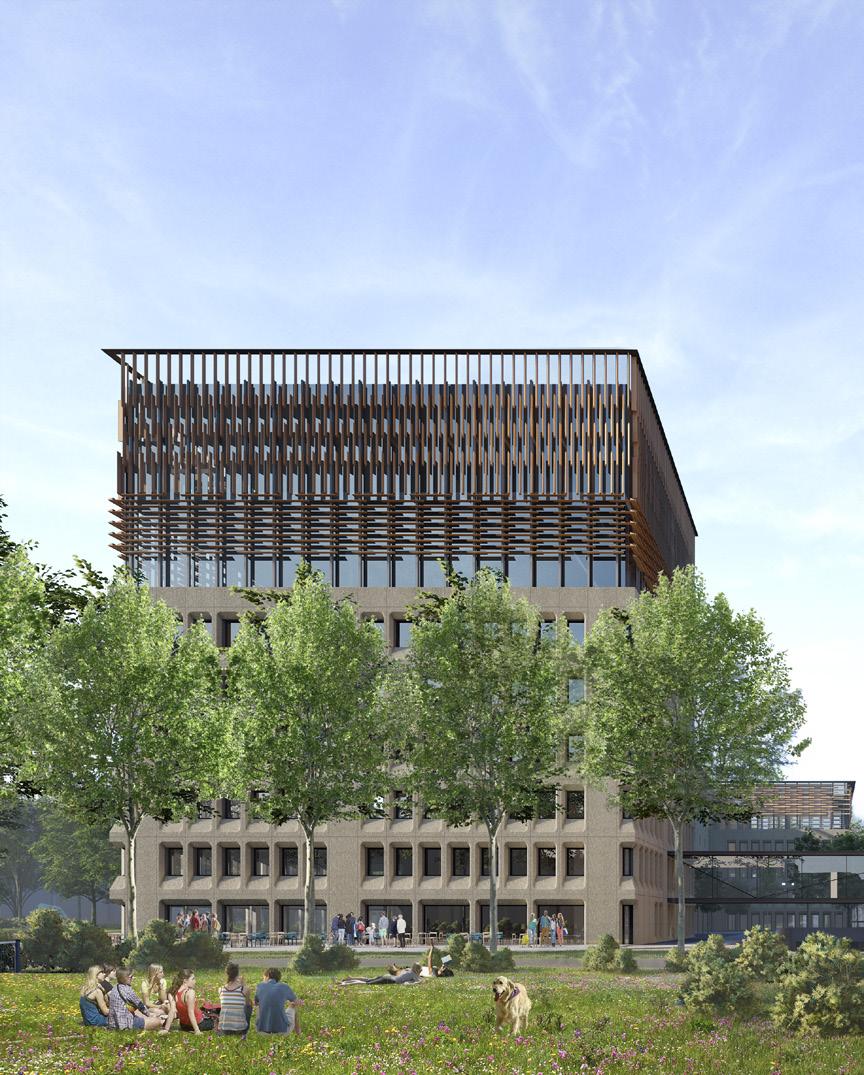
The cyber security university takes advantage of the architectural representation of the police and corporate identity, which is reflected on the building and a transparent layer is added on top of the existing, resembling the new public function of the former police station. Driven by the architectural potential of the existing structure, the new design aims to showcase an approach that improves the spatial qualities and the adaptability of the existing prefabricated concrete structure.
Changes in the spatial qualities of the interior were also necessary. Increasing the daylight levels, and organizing the spatial connections in a logical order, was a crucial part of the design. As for the ultimate goal, that has been the re-introduction of the private and secure building to its surroundings, by establishing a new relationship with the broader context.
2
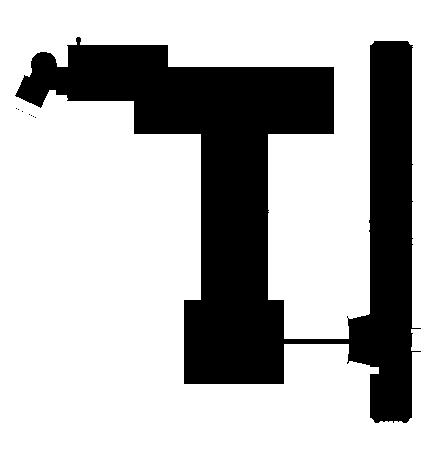
Demolition of the surrounding buildings
Site connection: Introducing a horizontal & vertical axis
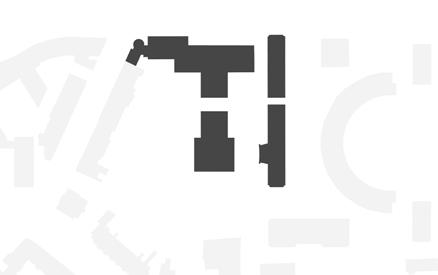
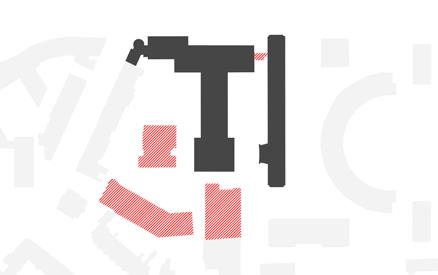
Permeable building: Integrating the building into its context
3
Lecture
Offices/ staff
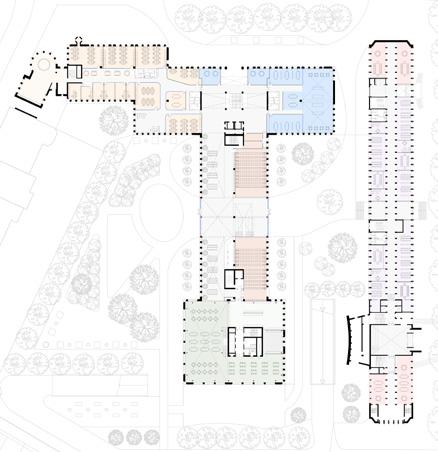
Community Canteen
Teaching
Library Residences
Support space
4 Ground floor 4th level
South-West elevation
North-East elevation
North-West elevation 4th level

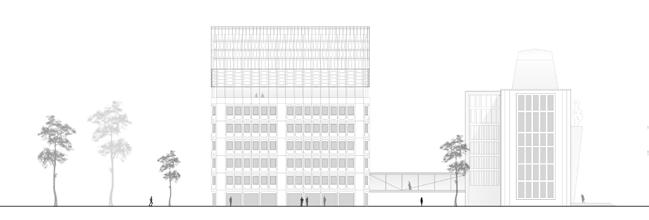
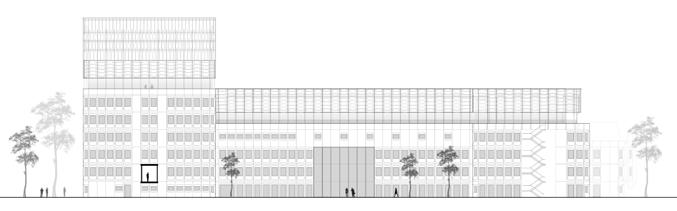
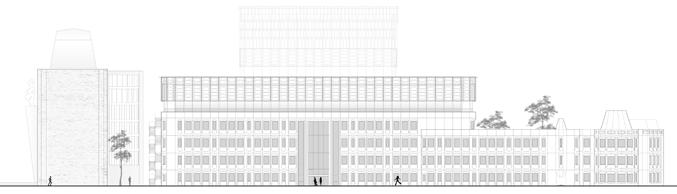
5
The conversion of the typical stacked section of the office building, with the introduction of voids, was a crucial design decision for the new purpose of the program.
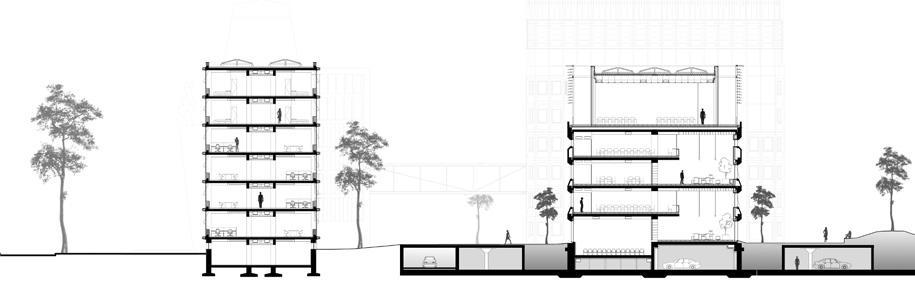
The former blind corridors become social zones, that encourage interaction among the various users, and increase the daylight level and quality of these spaces.
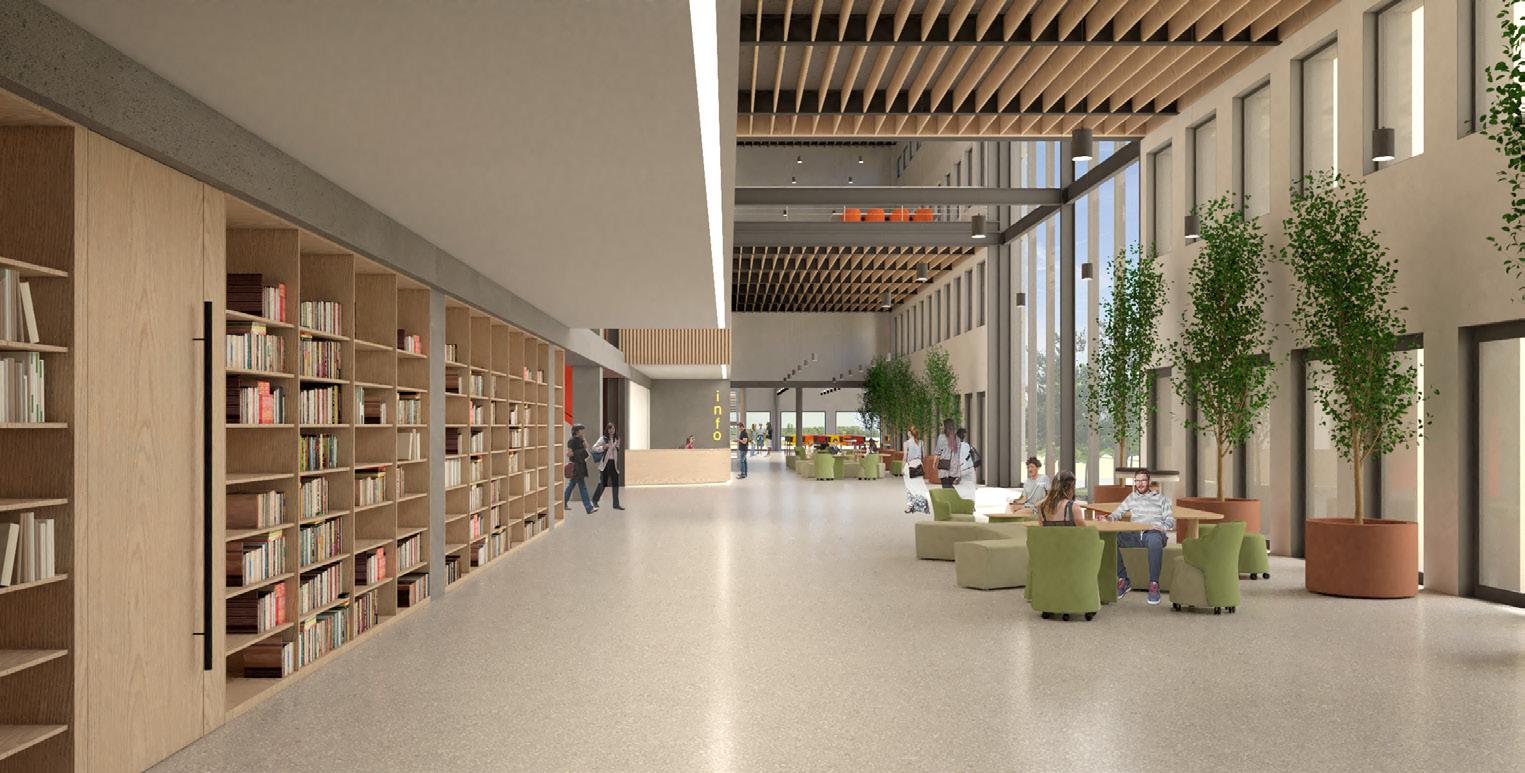
Given the public nature of the program, it was important to design a clear circulation system, where a first-time visitor can navigate through the building, without guidance.
6
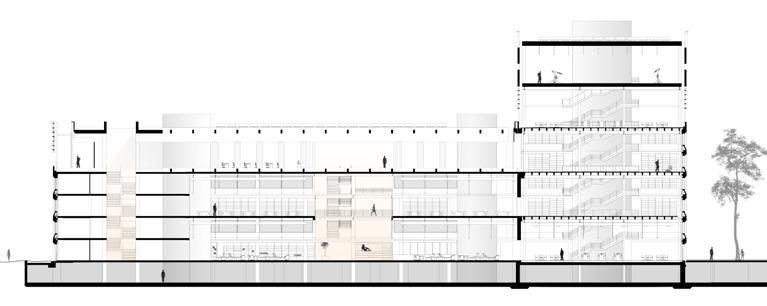
The various building blocks that compose the ensemble, determine the different functions inside the building.
The ground floor is open to public, and aims for a seamless transition between the street level and the interior spaces. To that end, one is drawn from the main entrance to the tallest building volume at the back, dedicated to public use.
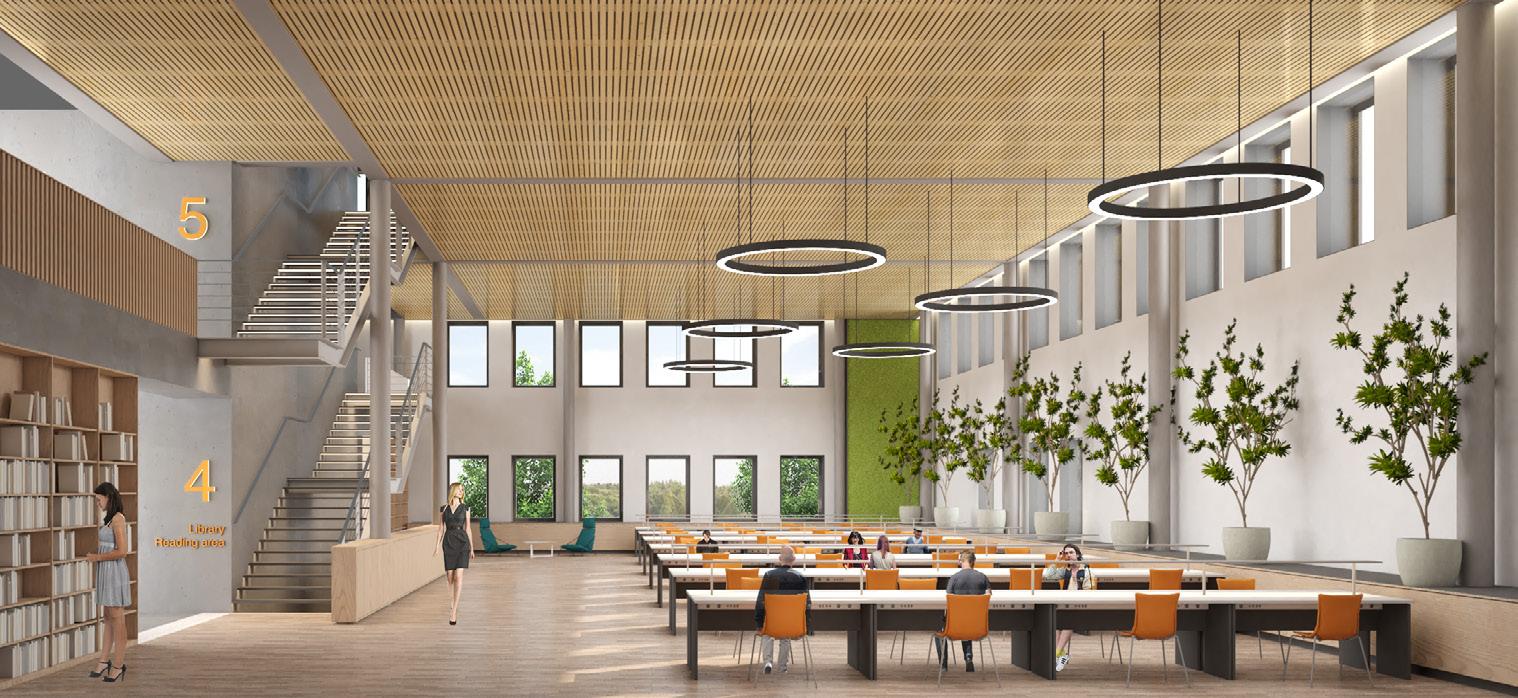
In the middle of the building, there is a new 12-meter hall, that acts as the new heart of the program, as it provides spatial connections among the levels that host education spaces.
7
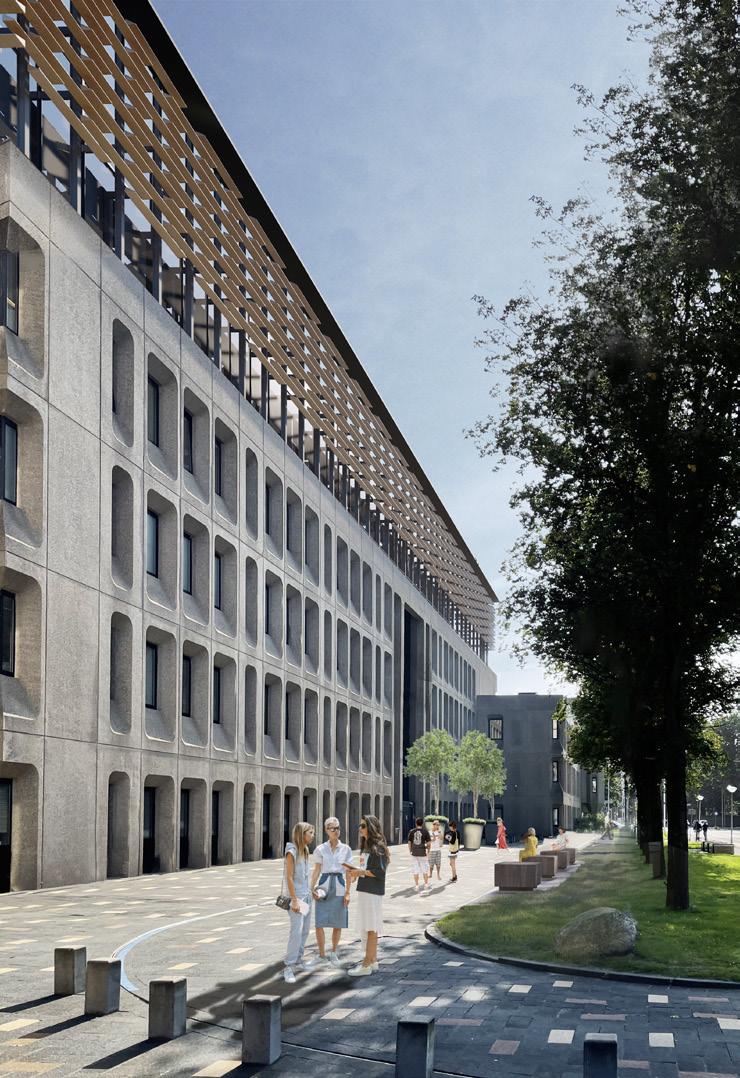
The timber louvre is influenced by the proportions of the existing, and establishes a link between them, by using the design principle of prefabrication.

8
Centre of Arts & Science Maarsen, NL
Year: Type: 2021, MSc - Semester 2, TU Delft Reuse, Culture, Hopsitality & Leisure, Community
The priory Emmaus in Maarsen, like most religious buildings, has lost its function and the current proposal introduces the idea of converting the former monastery into a dynamic place, for art, science and reflection.
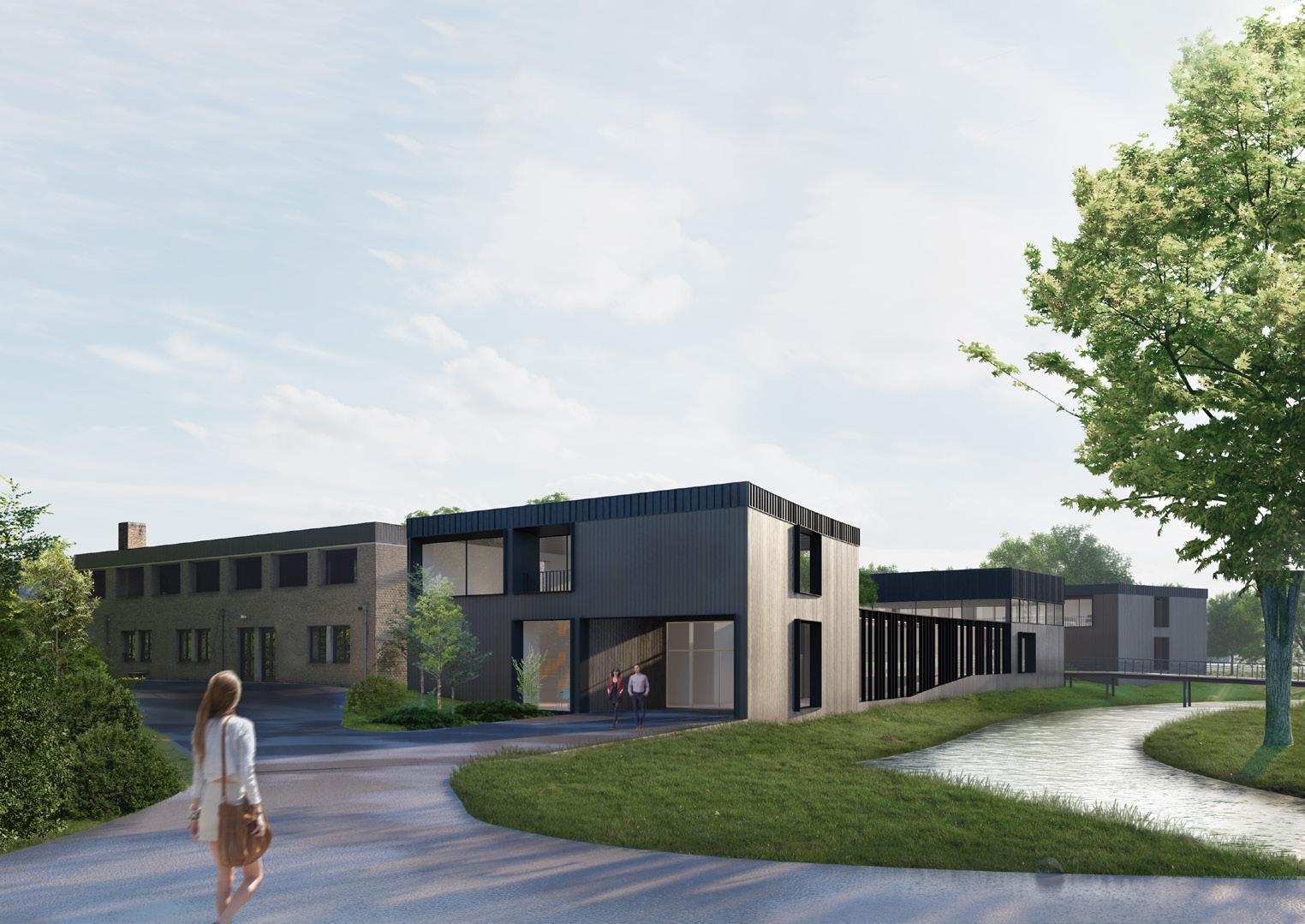
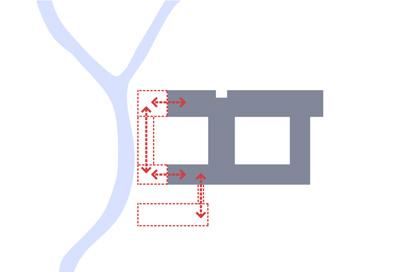
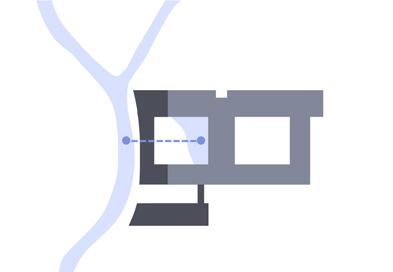
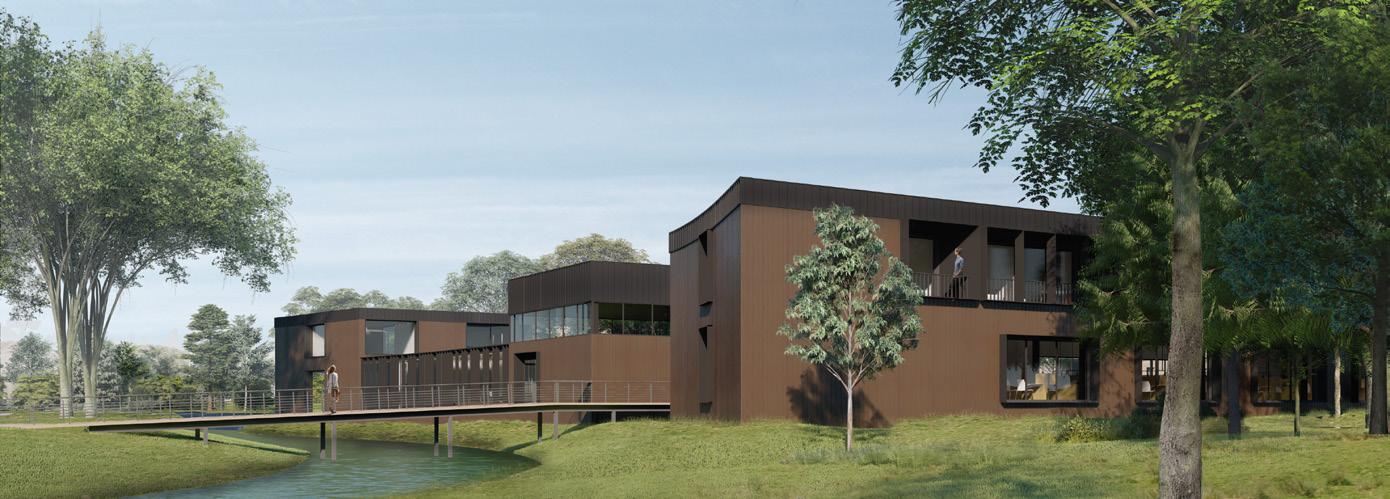
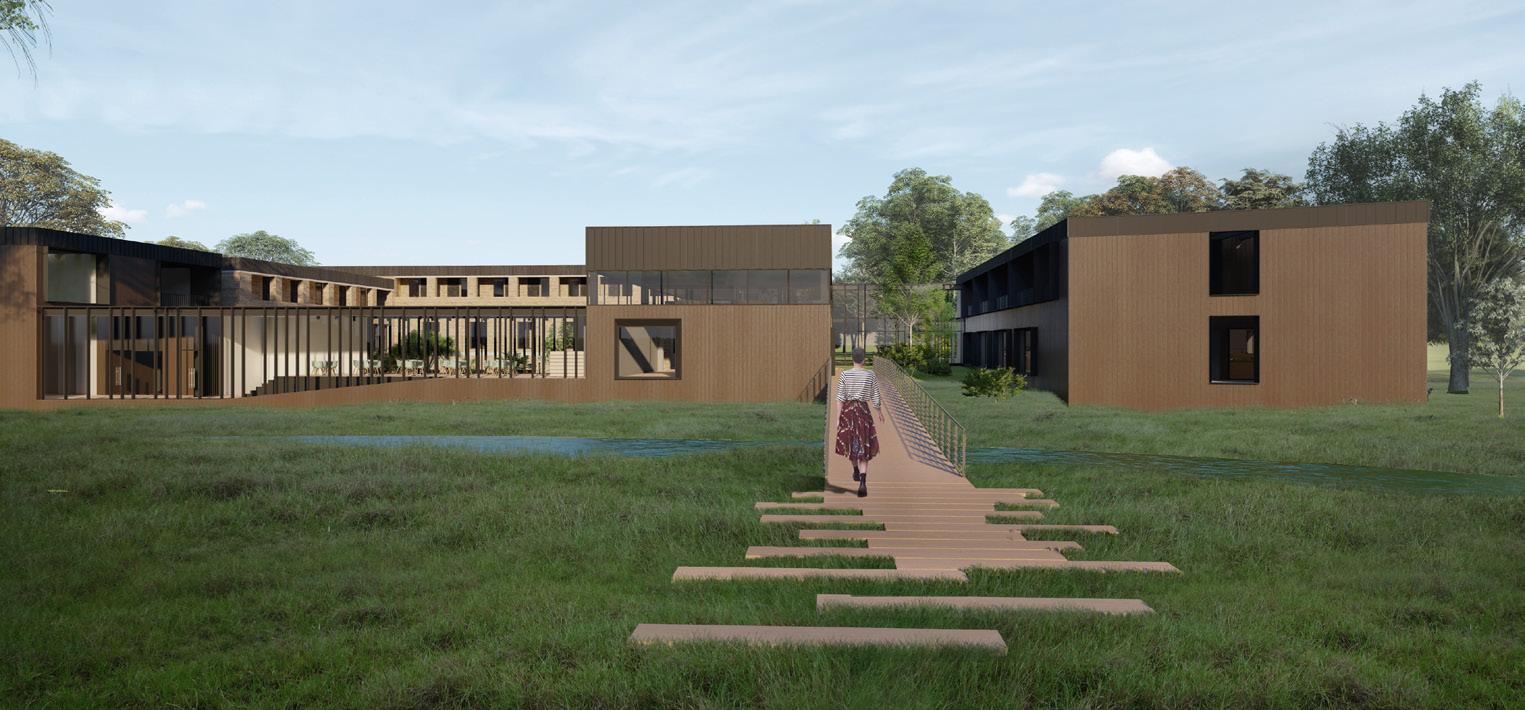
Being a priory, the building is characterised as introvert, composed of different volumes and featuring a closed courtyard and a forecourt with views of the landscape. The new extension proposes a more transparent and inviting approach, and acts as a gesture to the visitor. Topographical features, such as the existing walkways and the river, played a key role in the positioning of the extension and the location of the new public entrance.
The priory’s facade composition, which is based on a strict proportional system, is reflected in the addition geometrically and aims for the creation of a harmonious link between the two. Linking the two buildings, was also achieved through the use of materiality.
For the extension’s facade copper was chosen, relating in terms of colour to the existing, as well as the depth of the existing openings is accentuated through the extension.
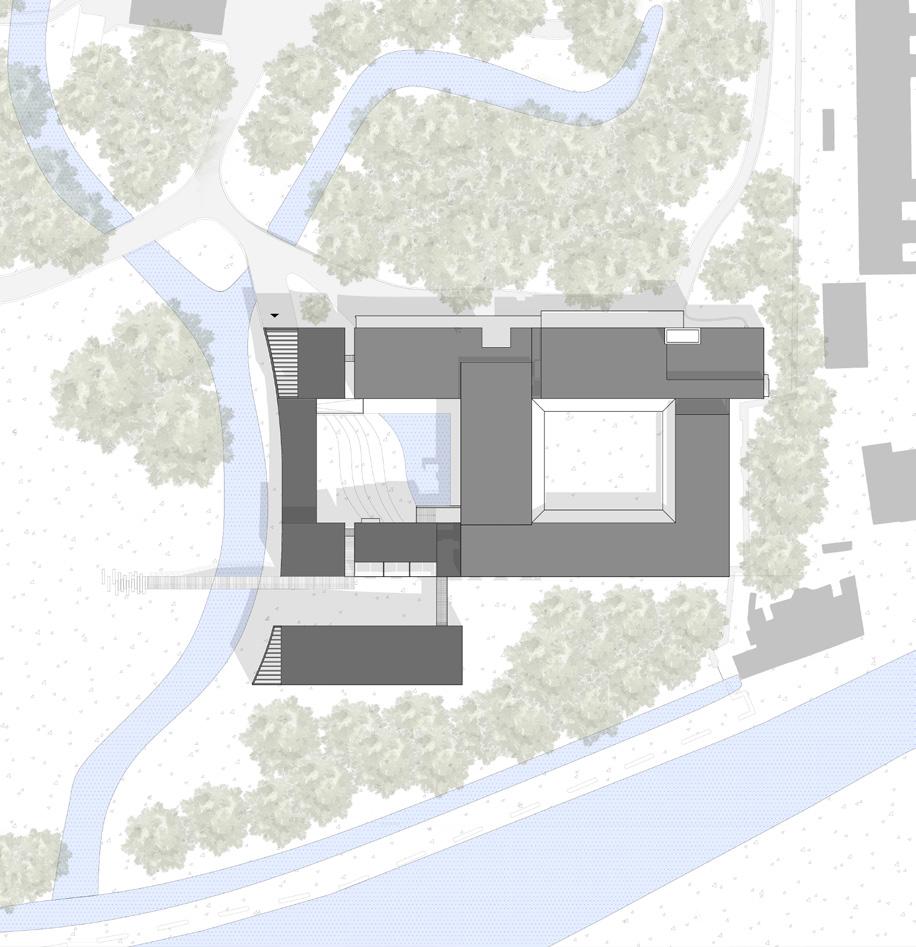
Also, by adjusting the geometry to the river, a strong connection with the site would be created. Furthermore, an additional informal connection with the surroundings is made, owing to the footbridges that crosses the river.
9
Existing condition
Volume extrusion

Geometry adjustment based on the river & water connection
10
11
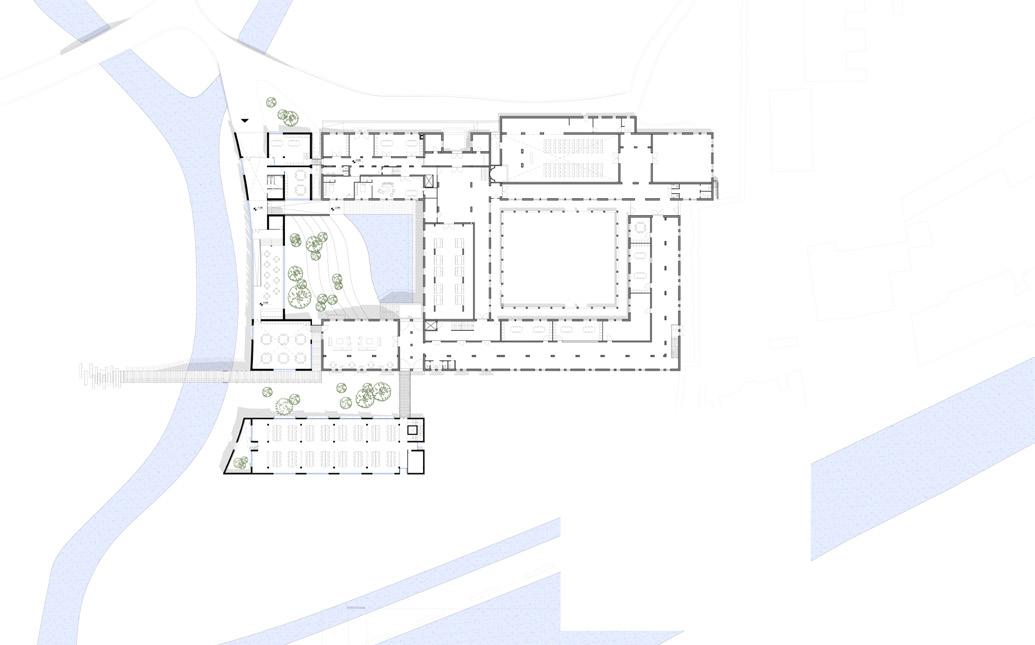
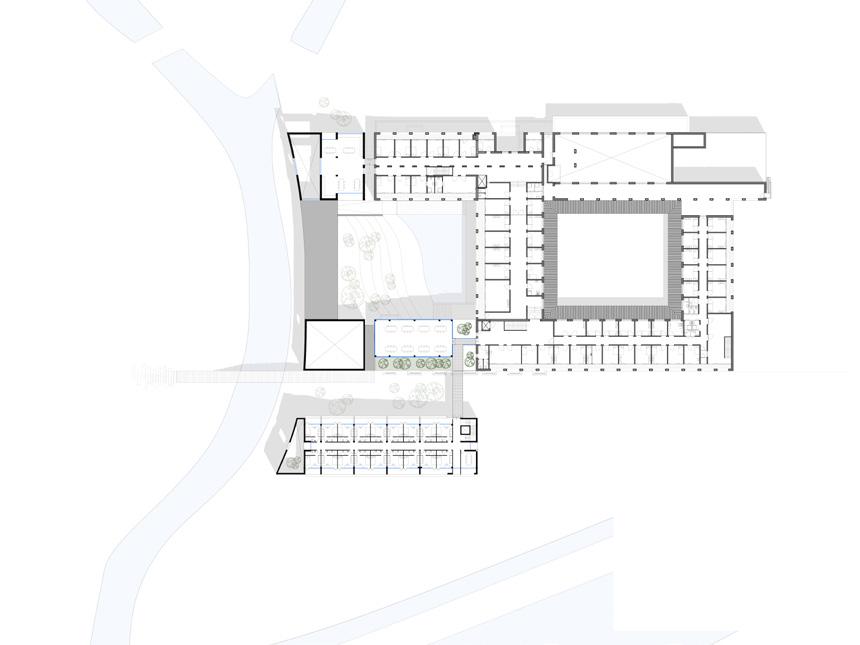
Ground floor First floor
In-residences In retraite
Cafe Dining Exhibition/ Meditation Courtyard Kitchen
New courtyard - pond
12
Multifunctional In - residences
In - residences
Housekeeper - Staff Recreation Study / Ateliers Forecourt

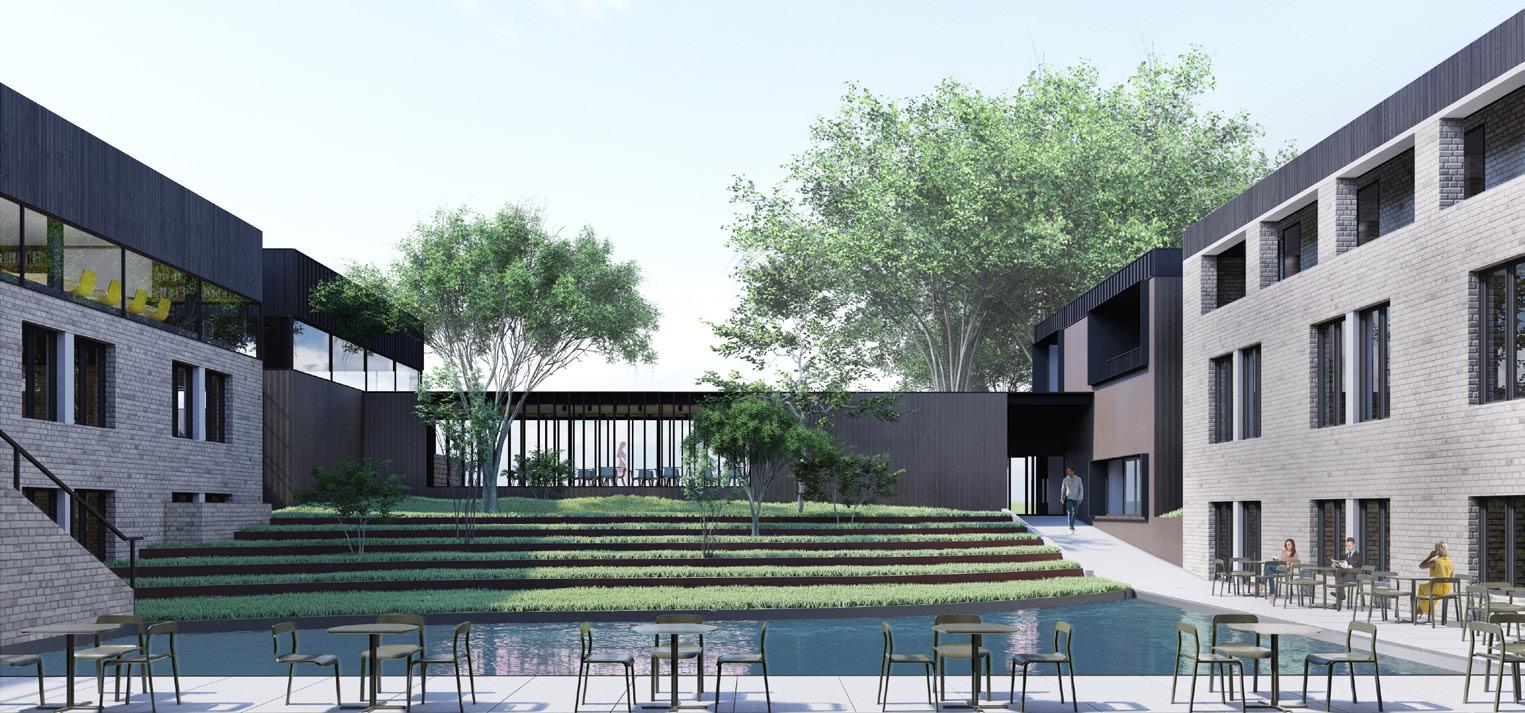
The existing forecourt is transformed into a second courtyard, where public functions such as a restaurant are added.
The enclosure makes a peaceful environment, while in the centre of the courtyard, a pond is added, relating to the river that runs parallel to the extension.
The low scale of the ensemble allows for plenty of sunlight being received in the outdoor spaces, while the central focus, allows for visual connections between inside and outside.
New courtyard - pond
Restaurant - Storage Storage
13
Museum for Design-Architecture-Interior
Amersfoort, NL
Year: Type: 2021, MSc - Semester 1,TU Delft Reuse, Museum, Exhibition, Community
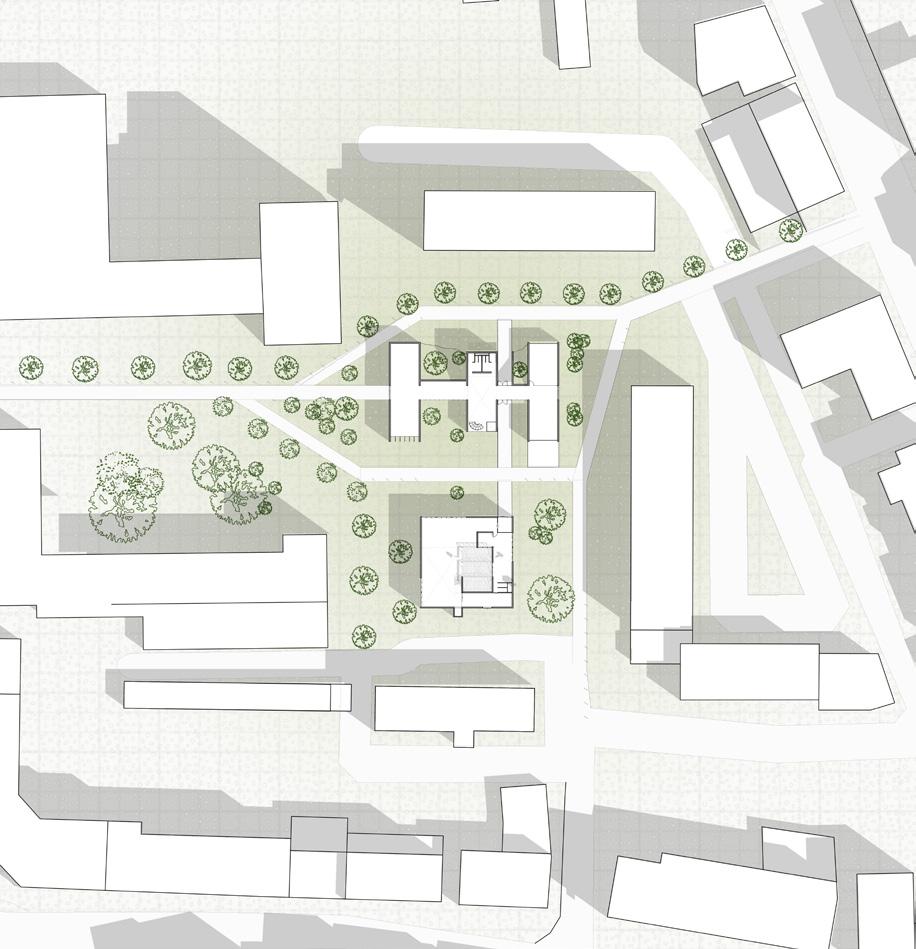
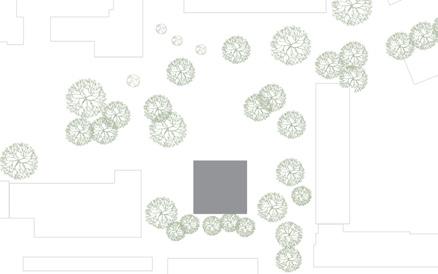
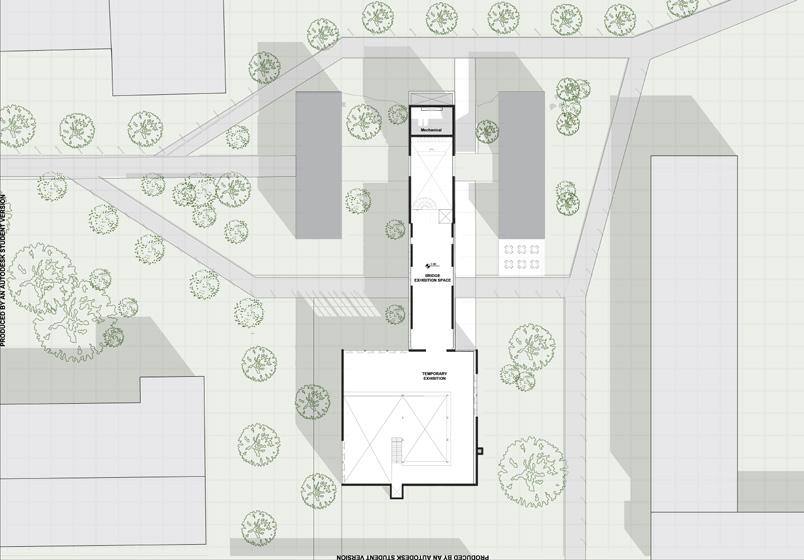
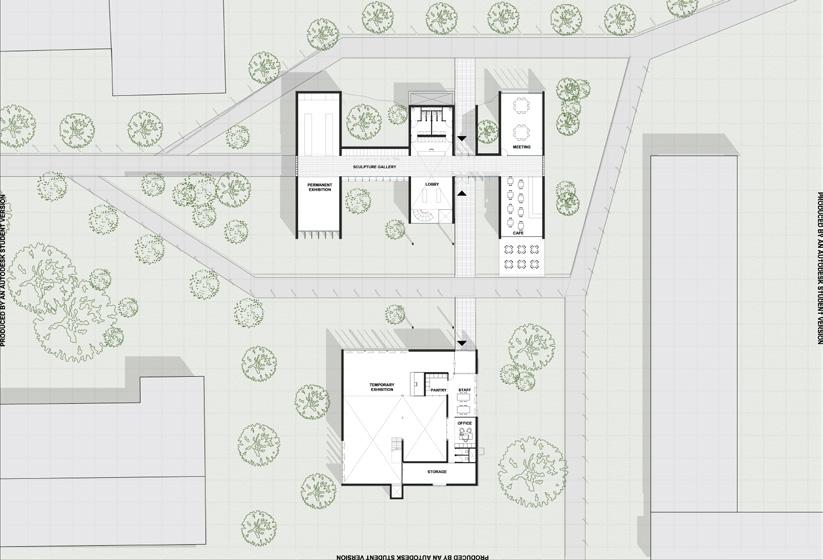
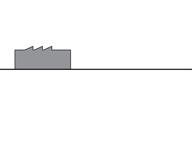
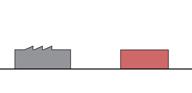
Rietveld’s ‘De Zonnehof’ art gallery was designed in 1957. The new extension, establishes a direct and strong dialogue with the existing, and adds a new wing, accommodating the increasing needs of the current program, by doubling the footprint of the original building.
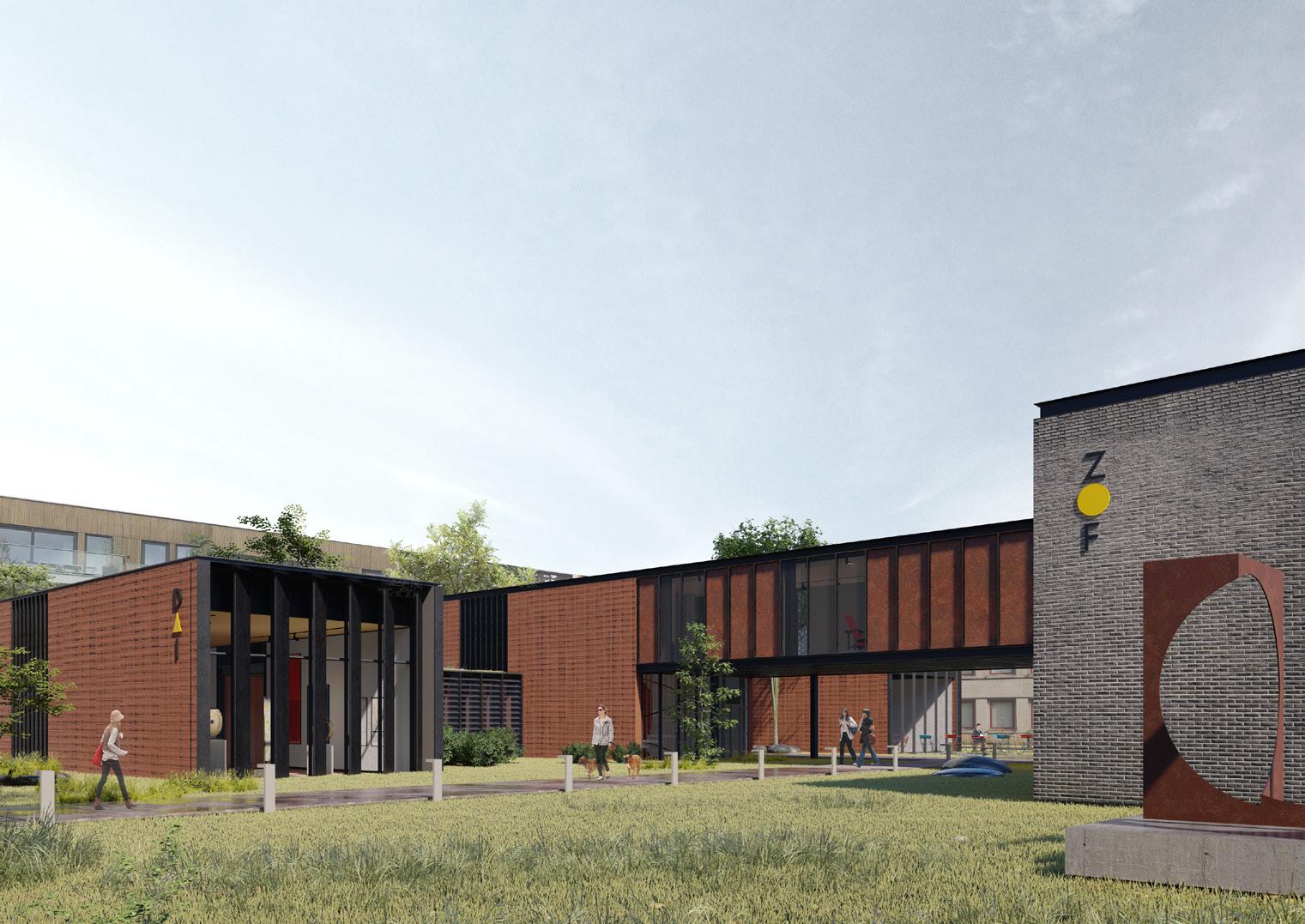
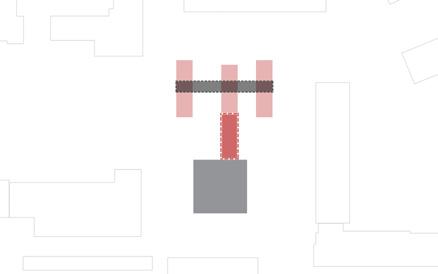
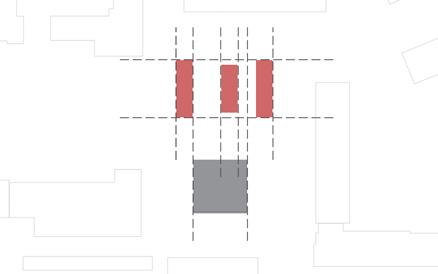
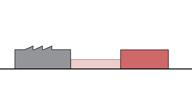
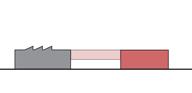
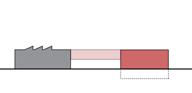
The proposal draws inspiration from the proportional system and the refined detailing of the historic gallery, which in the end is represented as an ensemble of free-standing objects, connected with the monument. On the ground plane, three vertical volumes are connected through a horizontal one, which forms an enfilade and is aligned to the exterior walkways.
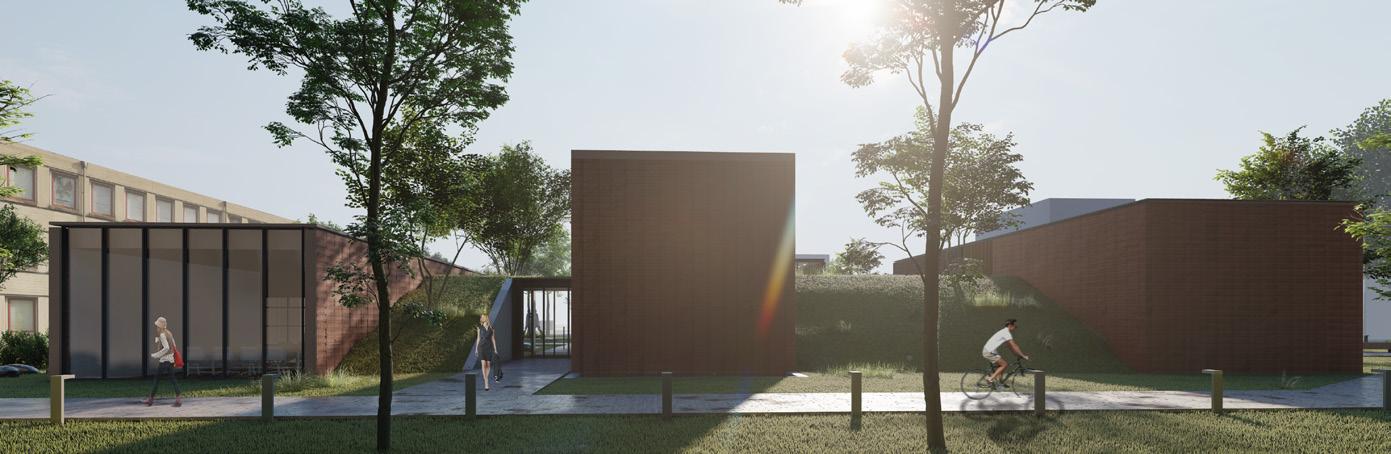
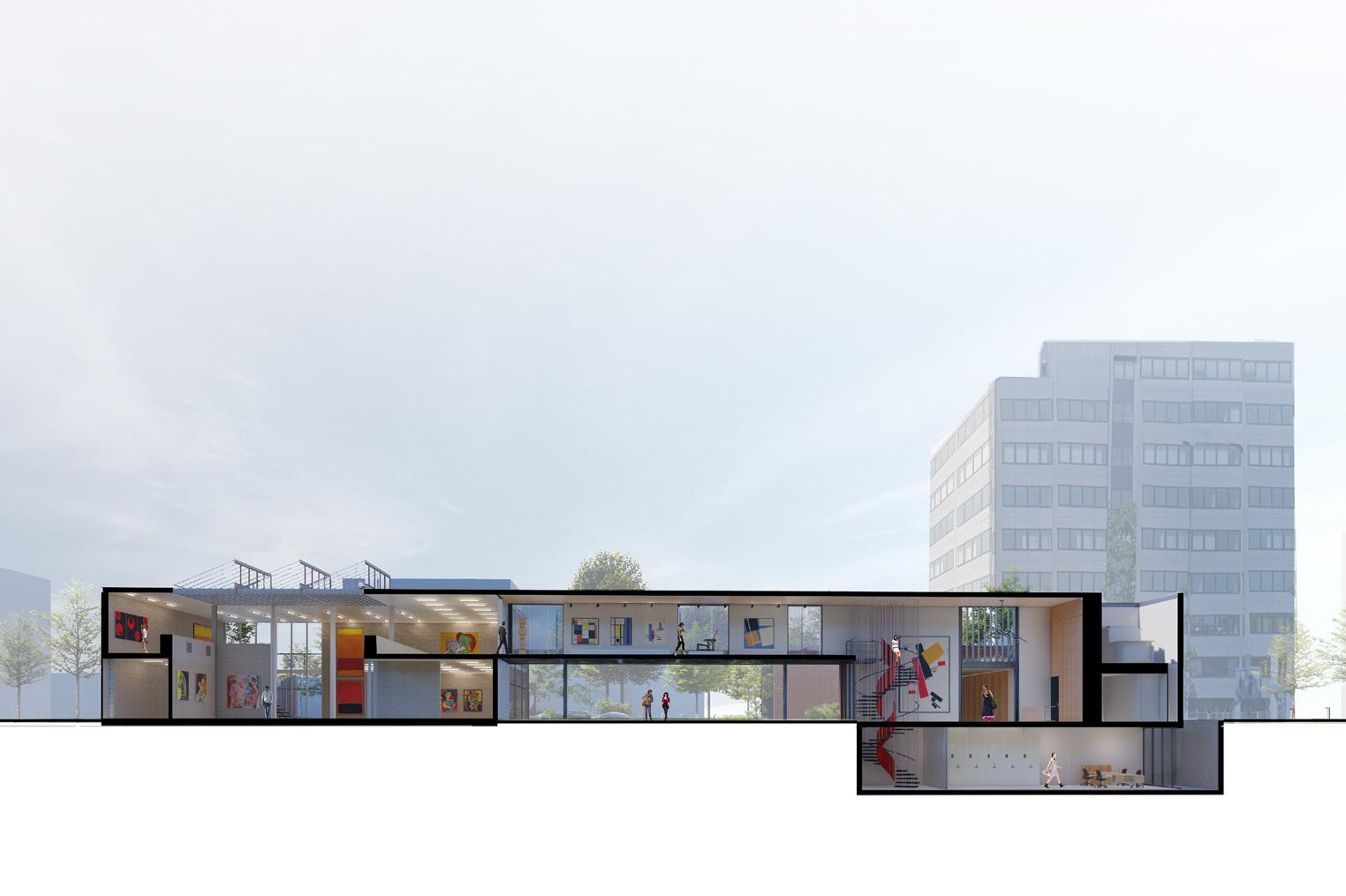
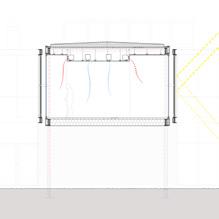
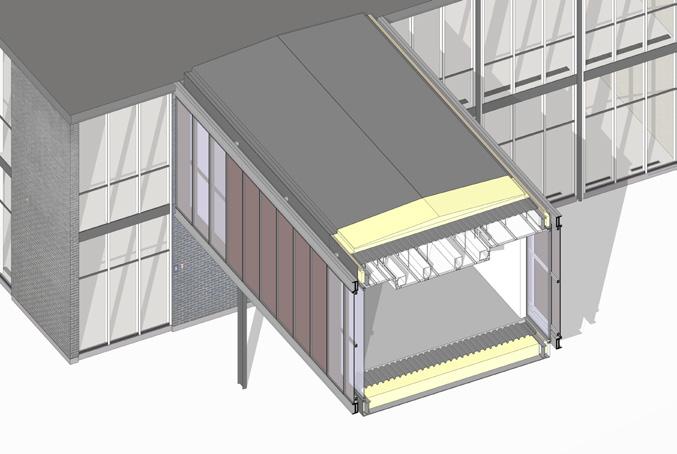
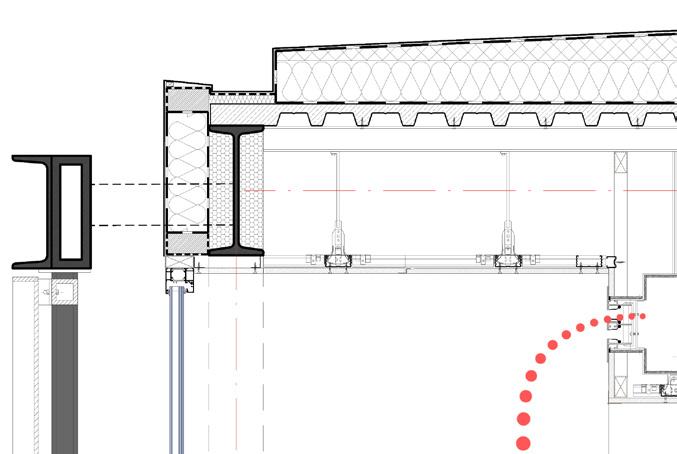
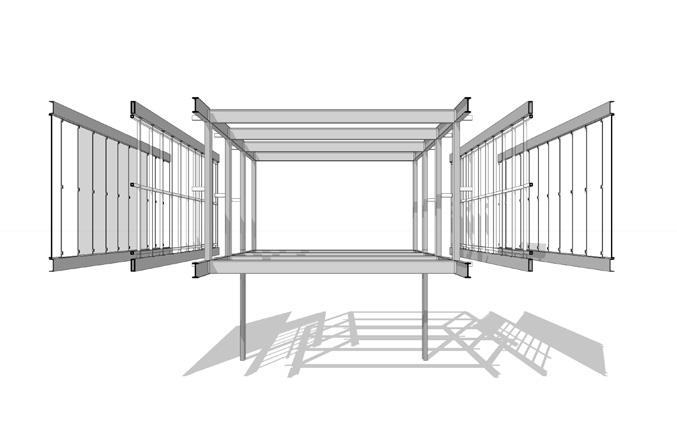
Through a central elevated volume, made out of steel, a direct connection is created with the existing, physically bridging the gap between the two. The articulation of this volumes, is influenced by the geometric proportions of the existing and the volumes of the new wing, follow the design principles of Rietveld’s gallery. The sides of the volumes are mostly closed, while the elevations that face the monument, are fully glazed, instigating a dialogue between the two.
The low scale of the art gallery is maintained as a design principle, achieving a volumetric balance between the old and the new. The materiality, although different, is another common denominator, as it uses small elements, composed together to express the vertical planes.
The intention of the project was the stimulation of art & cultural interest in the broader context, and to improve the public space around the pavilion, creating a public space that does not require a museum ticket to enter. The openings of the volumes, partially reveal what is displayed in the interior, and invite in that way, the passer-by to enter.
14
15 Connection Form division & alignment Existing condition
16
Ground floor First floor
17
Existing pavilion Extension
Ground level connection Elevated volume Seamless flow
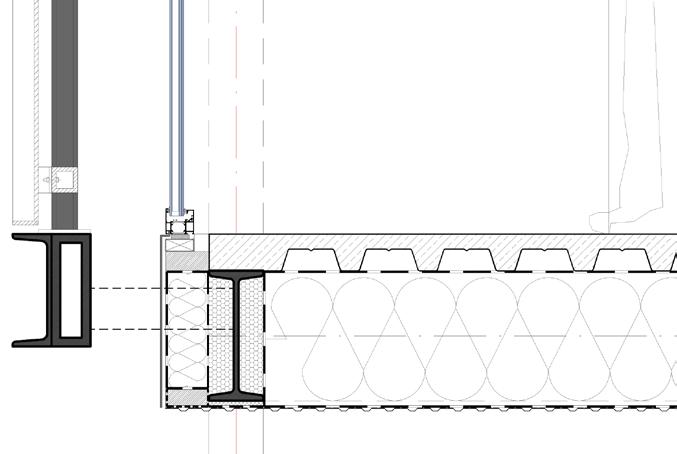
Detail 1:10
18 Structure &
materialization
Exploded structural Axonometric - Using a lightweight steel construction for the transitional volume
One World Workshop
Chatham Historic Dockyard, UK
Year: Type: 2018, BA (Hons) - Graduation project, University of Kent
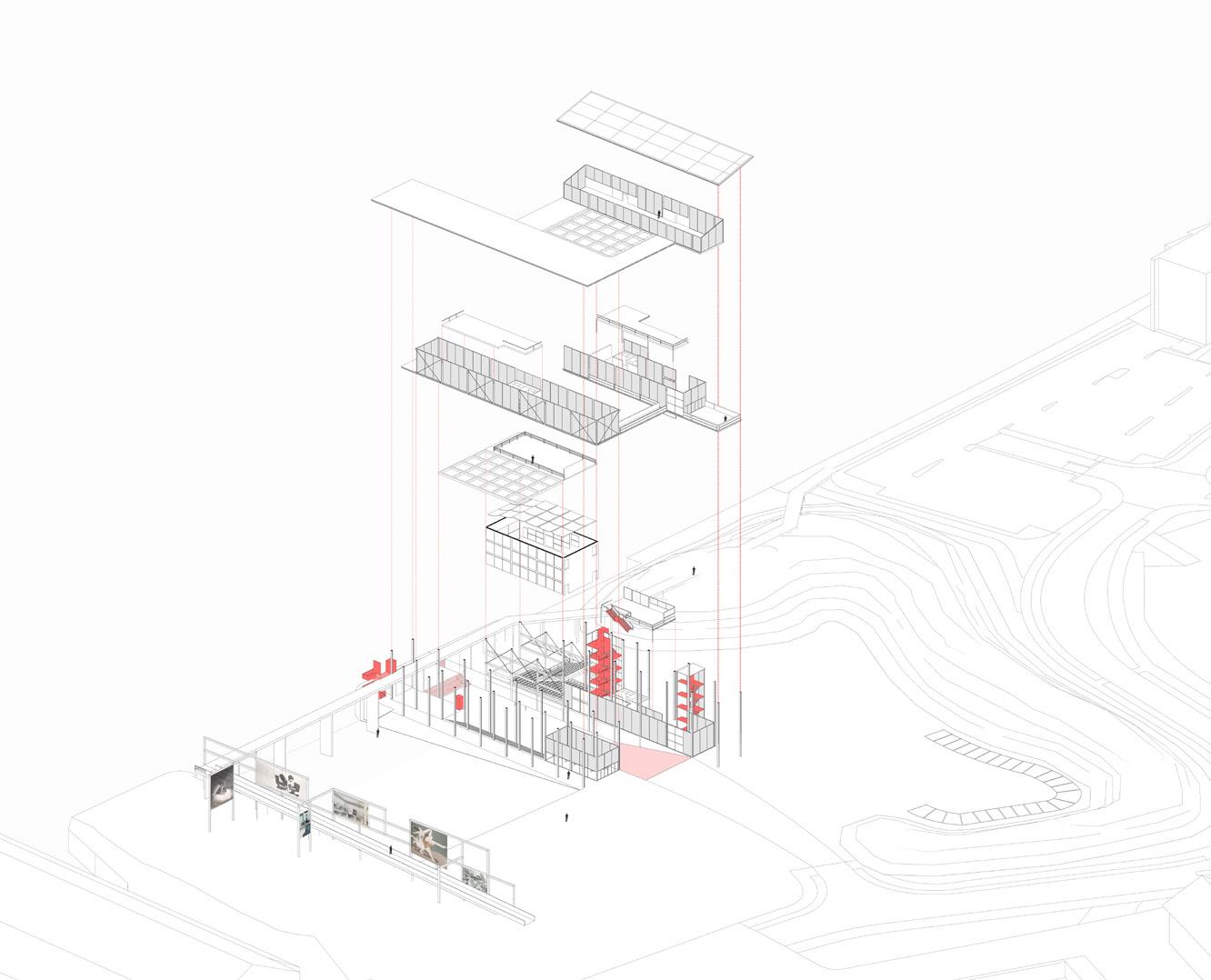
Mixed use redevelopment
The project intends to serve students, graduates and lecturers from the diverse range of professional courses at the University of Kent Medway, which is located southern of the dockyard, alongside creative Small Medium Enterprise tenants, and conference attendees, instigating a dynamic fusion of business and research-related activity.
The project is designed to form a fragment of the journey along the riverside landscape of Medway, and connect the existing riverside walkway to the present Northern part of the Historic Dockyard. The identified problem, that the project aims to tackle, is the fact that the flow of movement is limited to the area of the commercial Centre of Chatham Maritime Marina. Therefore, utilizing every aspect of the wider context would allow the buildings to have a greater impact on the broader environment.
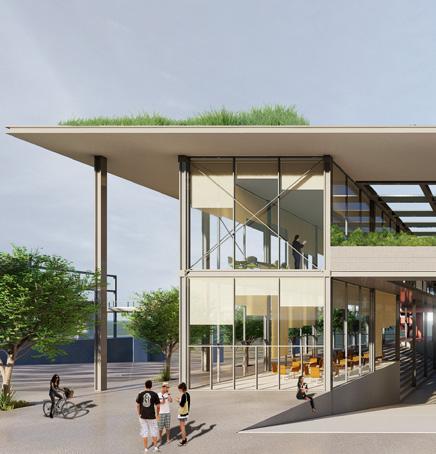
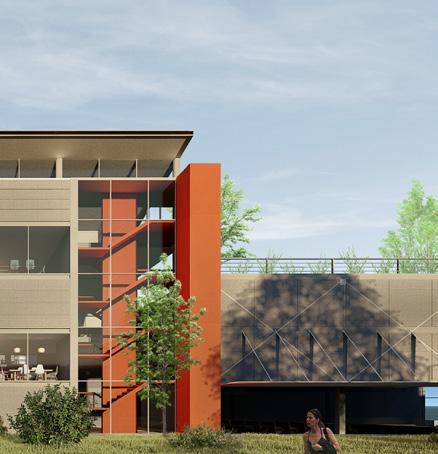
Physical characteristics of the site, such as the large flat plot and the element of water, were of high influence from the concept phase, and provided input regarding the positioning of the building and its height, so that it can be recognizable from a distance. Also, the large building is made out of lightweight materials, relating to the architecture of the existing building of the dockyard.
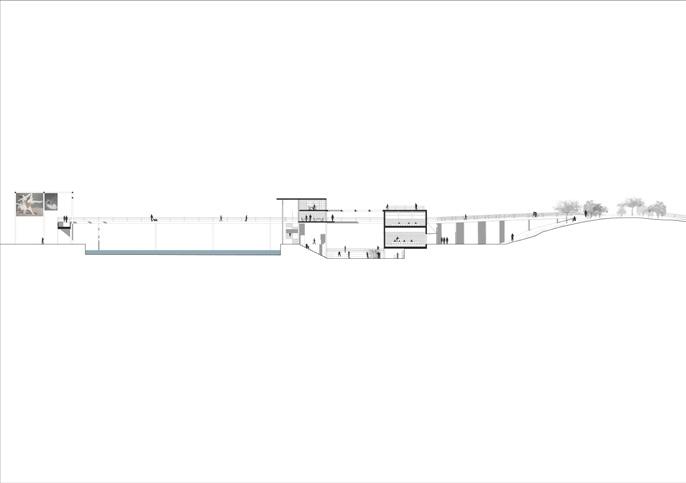
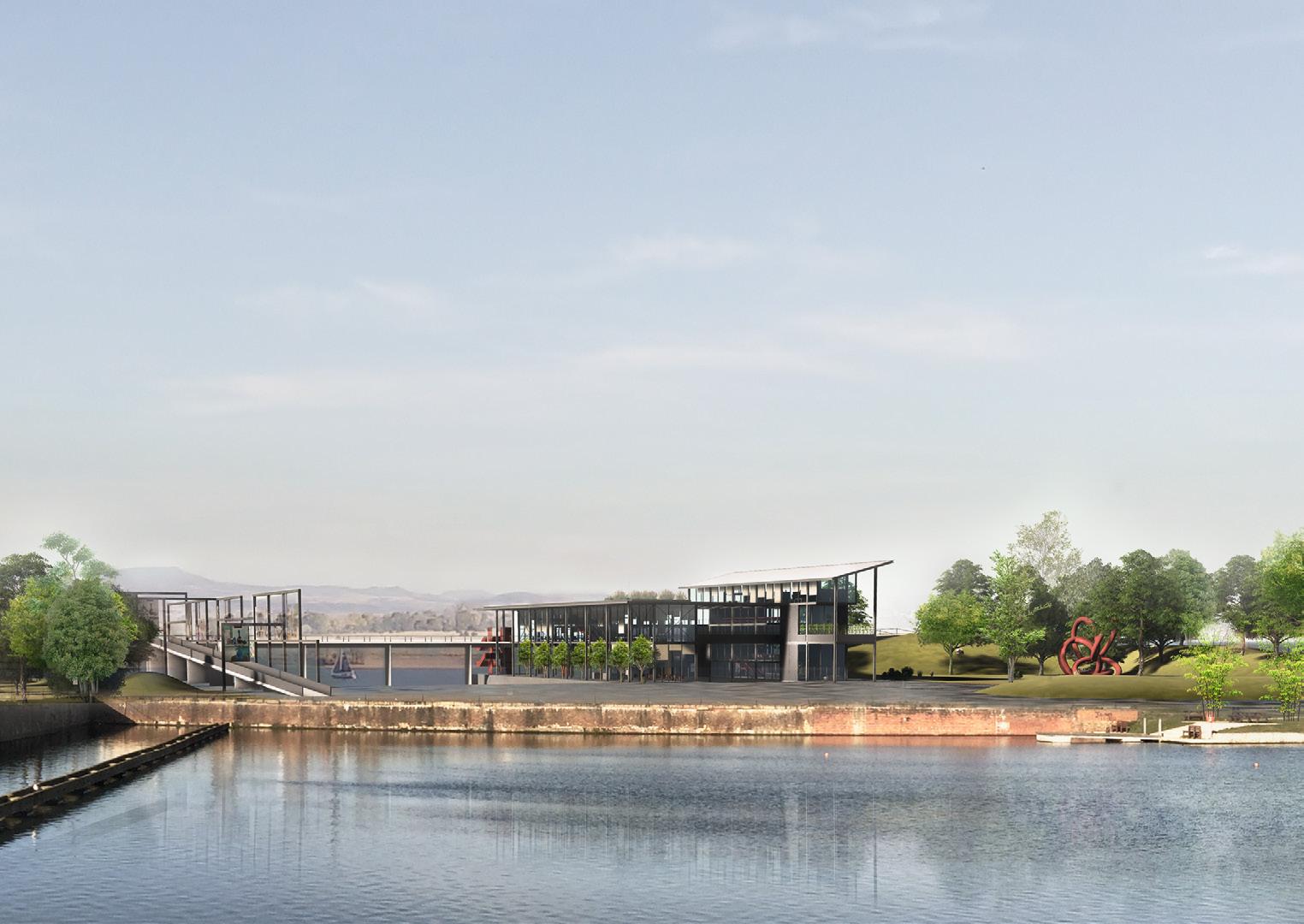
The decision of avoiding a single monolithic building, but create an ensemble of different volumes linked by bridges, is justified due to the architectural promenade of the project. The idea was that the building would be extroverted, and it would not require someone to pass through its interior, but the activities taking place inside, would be visible from the outside too.
Finally, the separation of the two main volumes creates an in-between covered event space, that allows through its flexibility a variety of potential for temporary events that can engage the different users of the program.
19
20
Evangelismos Hospital Athens, GR
Year: Type: Link:
2018, Professional project - K.Kyriakides & Associates Healthcare, extension https://www.ds-architects.com/general-hospital-evaggelismos/
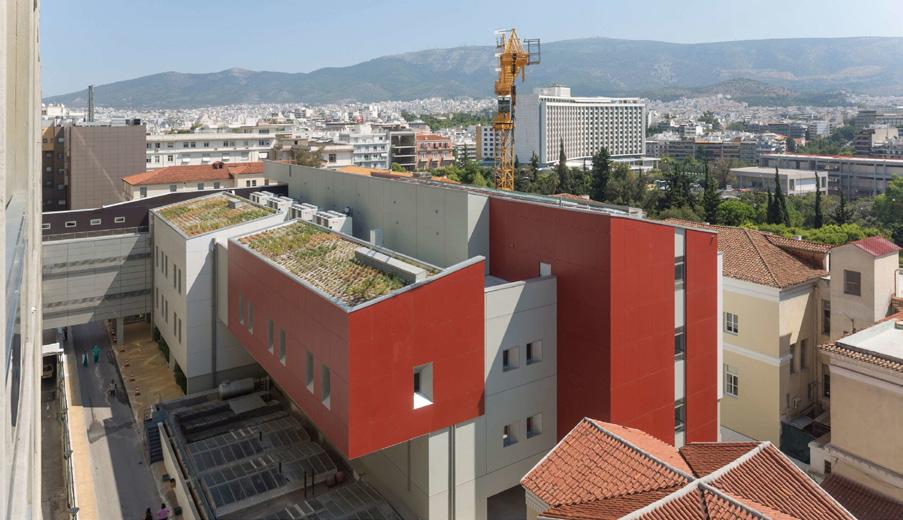
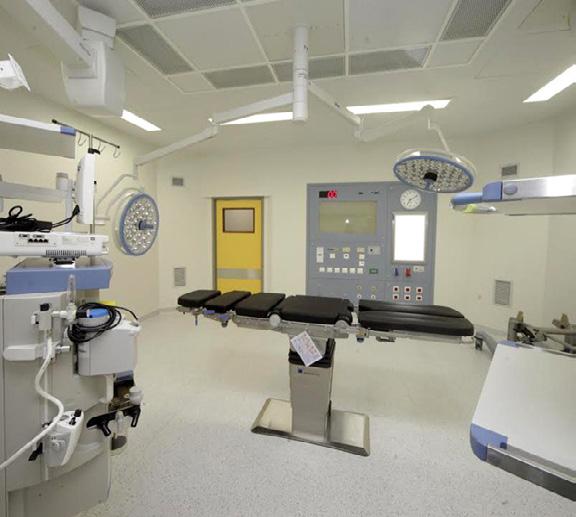
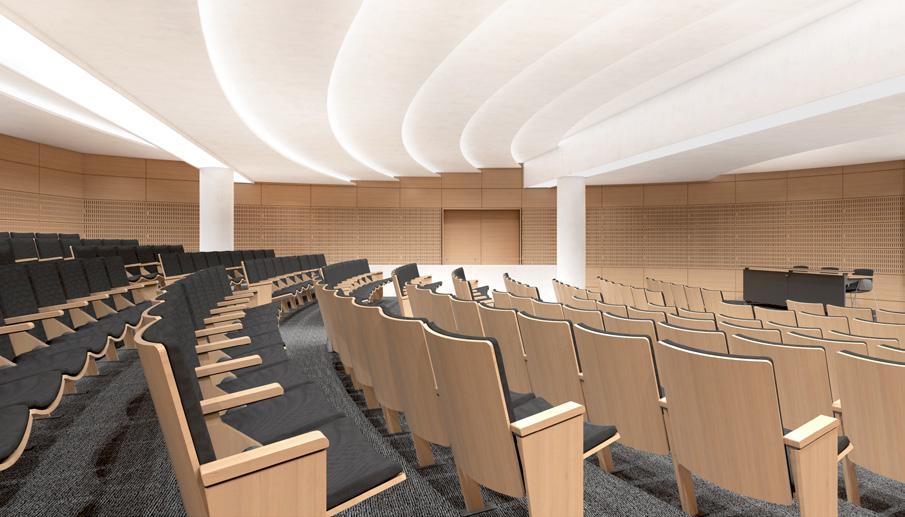
The extension of the central Athenian hospital was divided into two phases, and it included the design of high-end hospital spaces, such as operation rooms, as well as leisure spaces (amphitheatre, library), which were located in the new pilotis. The routing and the strict separation between private and public, were two driving forces that guided the design.
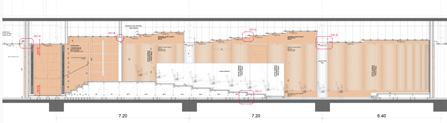
I was involved both in the design process and the execution of the large-scale hospital, by visiting the site regularly, observing the construction process and resolving design solutions.
21
Housing Complex in Thrakomakedones
Attica, GR
Year: Type: Link:
2020, Professional project - DS Architects Residential https://www.ds-architects.com/houses-in-thrakomakedones/
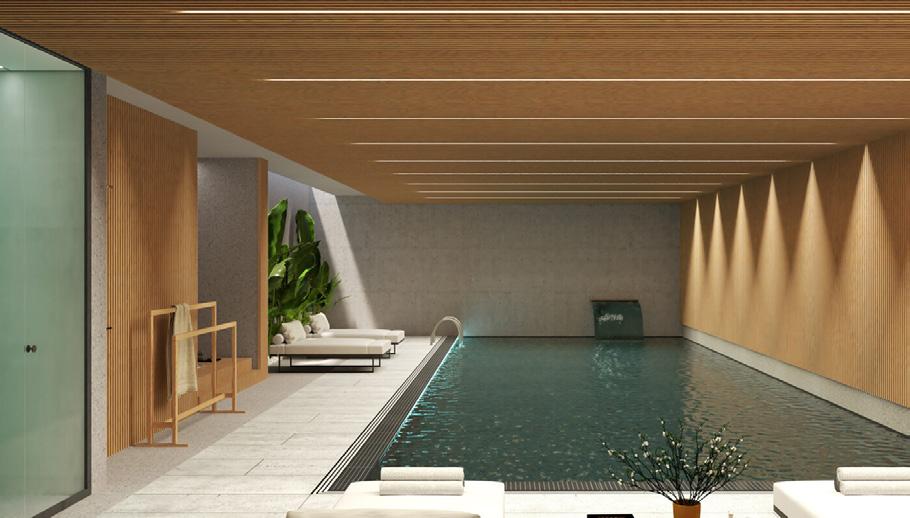
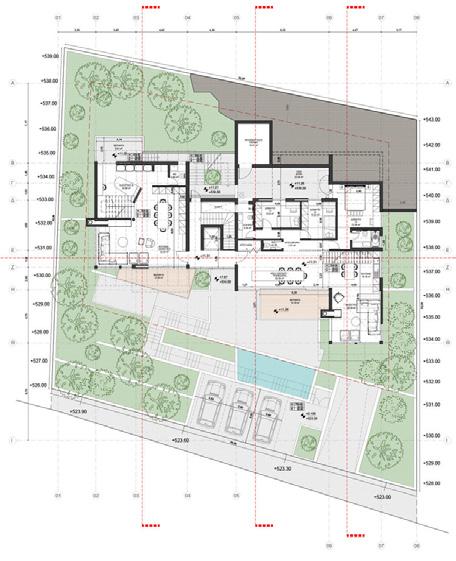
Located in a tree-covered area and a site featuring a slope of more than 60o , the housing complex is organized into two separate and autonomous houses, with shared spaces for leisure.
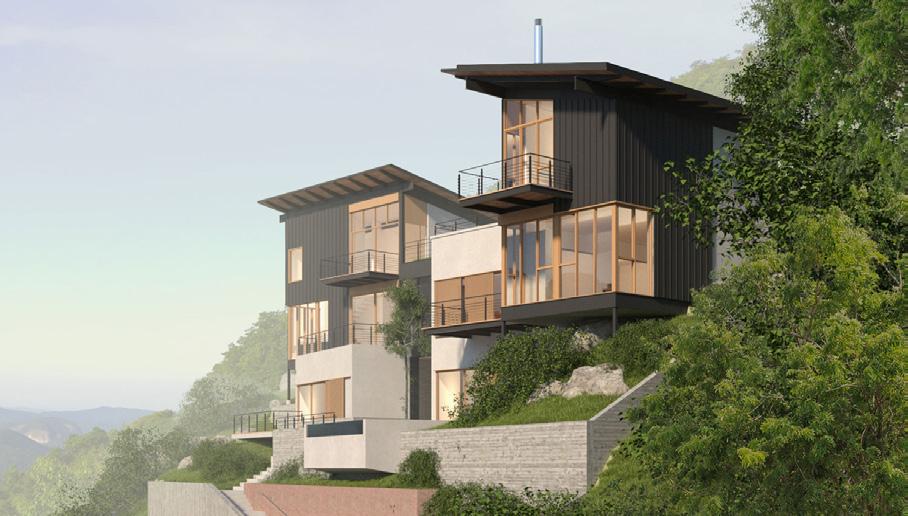
The steep inclination determined the functional separation of the program, as well as the tectonics of the structure, the orientation and the openings with panoramic views of the city.
During the design of this project, I was involved from the start, by proposing alternative solutions according to the client’s needs, in addition to the production of drawings, 3D models and illustrations.
22
Archaeological Museum of Athens
Athens, GR
Year: Type: 2022, Professional project - DS Architects Competition
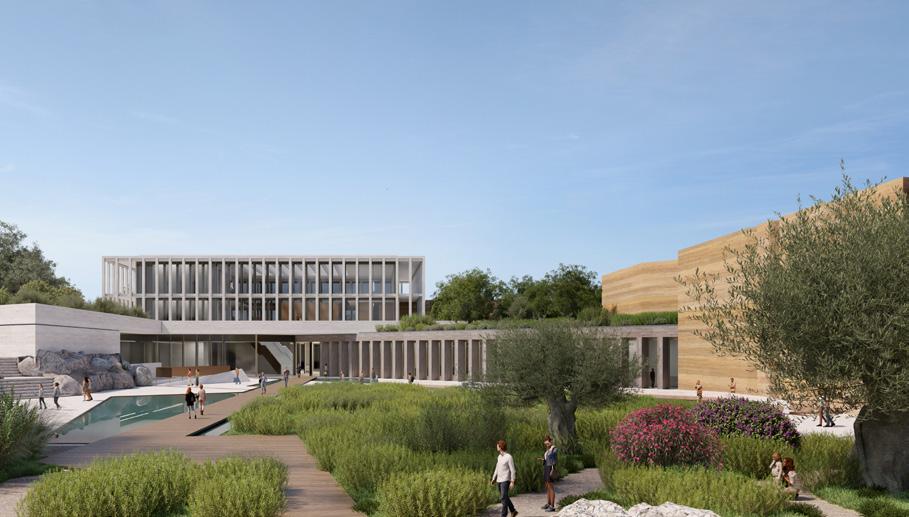
The proposal aims at reinstating the narrative of the history of the city of Athens and to become a new cultural landmark that will highlight the role of the city as a timeless metropolitan centre. The museum will function as a contemporary exhibition space and a fully functional, living organism for cultural activities, education and reinvigoration of the soul and mind.
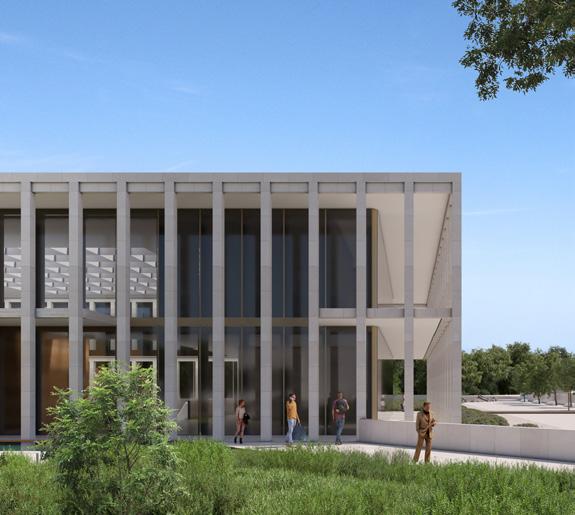
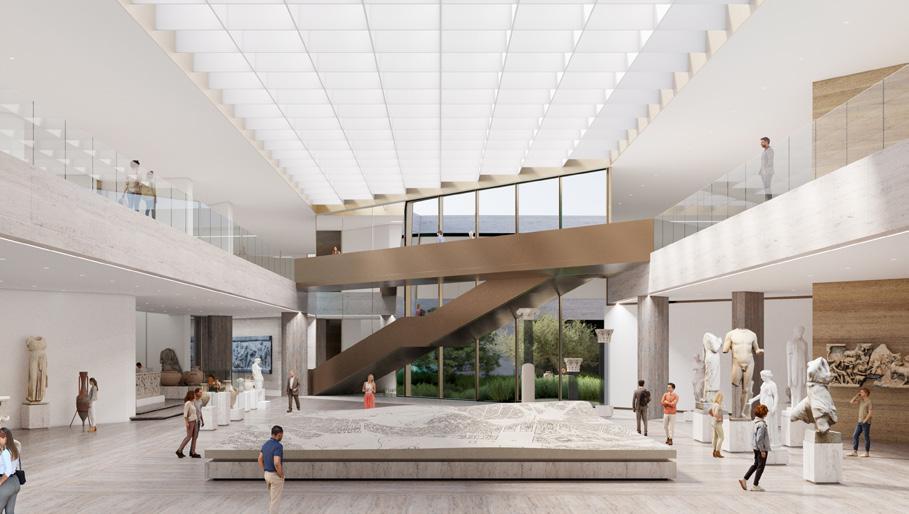
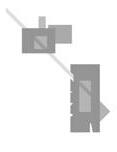
Two detached perpendicular volumes compose the synthesis, linked by a diagonal axis that determines a bold gesture which affects the movement within the space.
I was part of all the stages of the competition, from the generation of the concept, till the production of the final 3D models of interior and exterior spaces, as well the final presentation drawings.
23