I am a fourth year BSc (Hons) Architecture student at The University of Bath, pursuing my Part II education and professional experience. With strong interest in theory-driven design and sustainable architecture.
2021-2025 - University of Bath 2016-2021 - Uppingham School
Languages
English - Cantonese - Mandarin
Epineion
Pages: 1-10
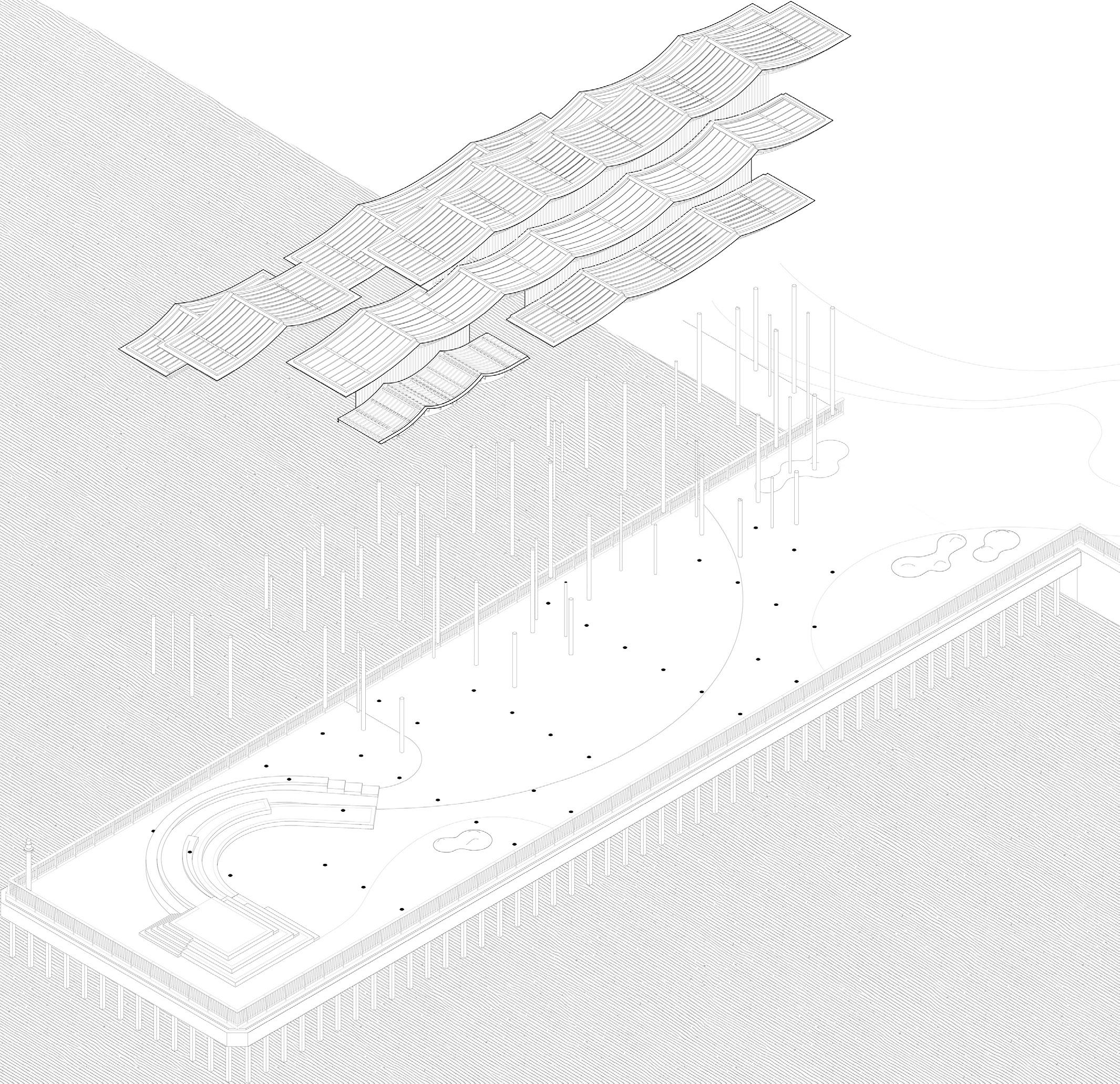
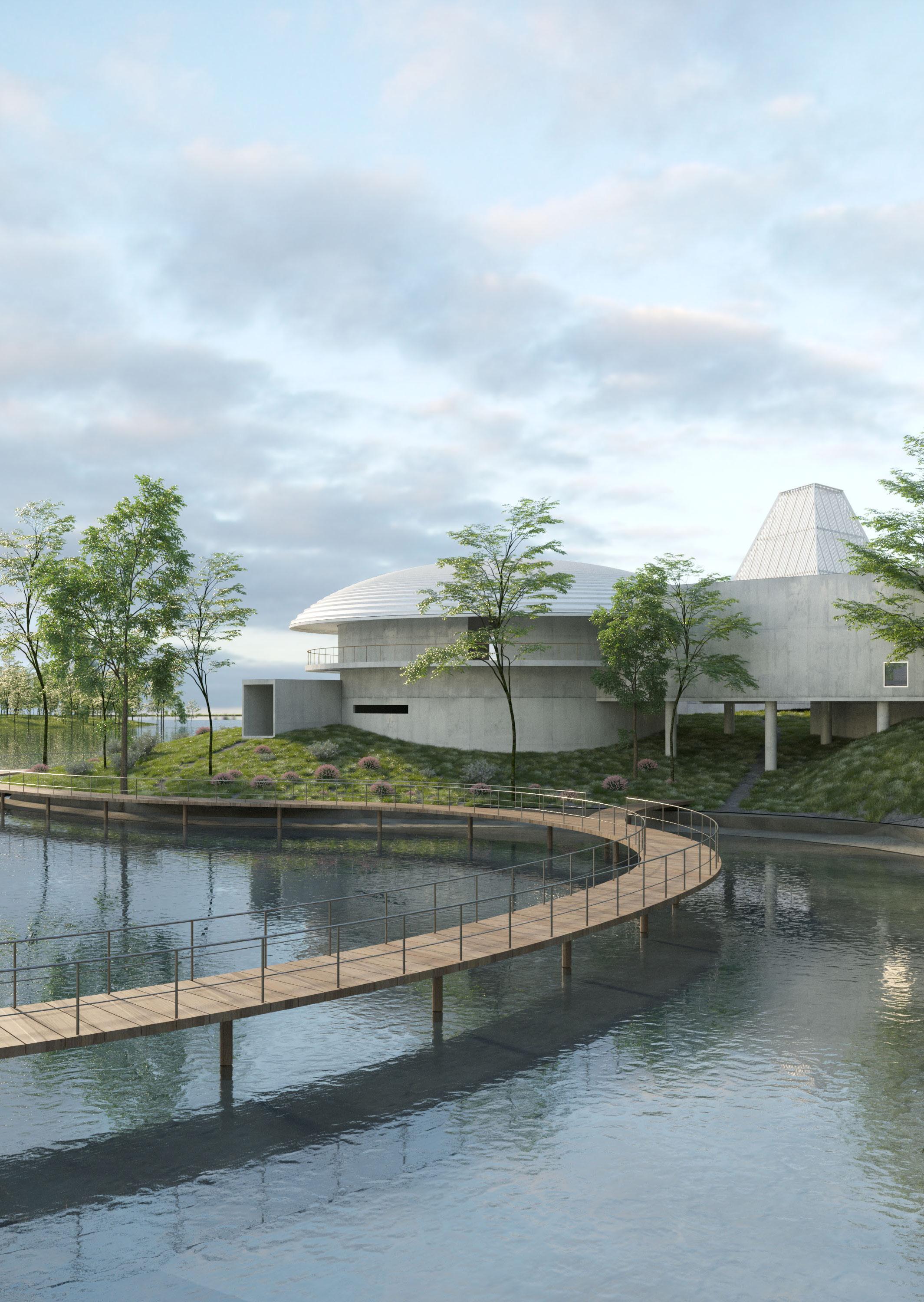
Through the development of a floating offshore wind farm in the Celtic Sea. This project embodies the cyclical nature of development within the renewable energy sector by showcasing a transformative exhibition space
The Open House
Pages: 11-16
Calling for a temporary House of Commons, and associated support spaces while the Restoration and Renewal of the Palace oif Westminster occurs, located in Bristol.
Walk in the Field
Pages: 17-22
An architectural competition for the design of an Art Exhibition Centre, Sound Museum, and a Footbridge within a rural development in Western China.
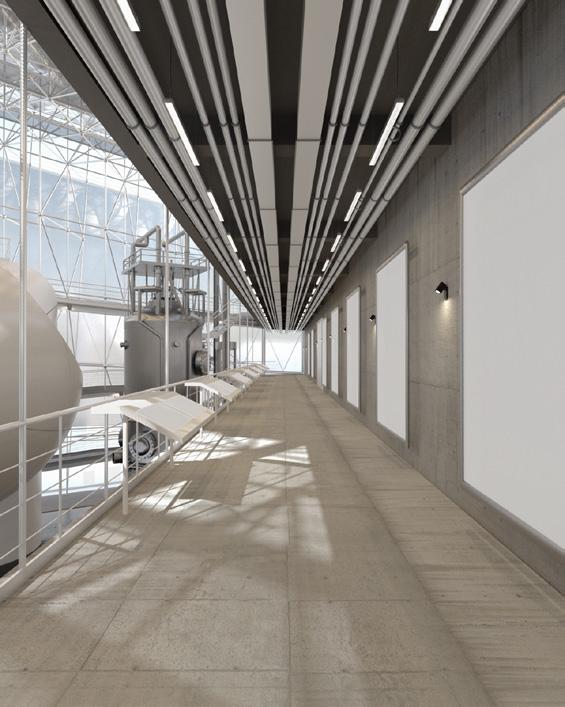
In response to the development of a floating offshore wind farm in the Celtic Sea. This project embodies the cyclical nature of development within the renewable energy sector by showcasing a transformative exhibition space that highlights the latest technological and infrastructural advancements, doubling up as an investors hub, raising capital for the largest sustainable energy project in Britain.
Response
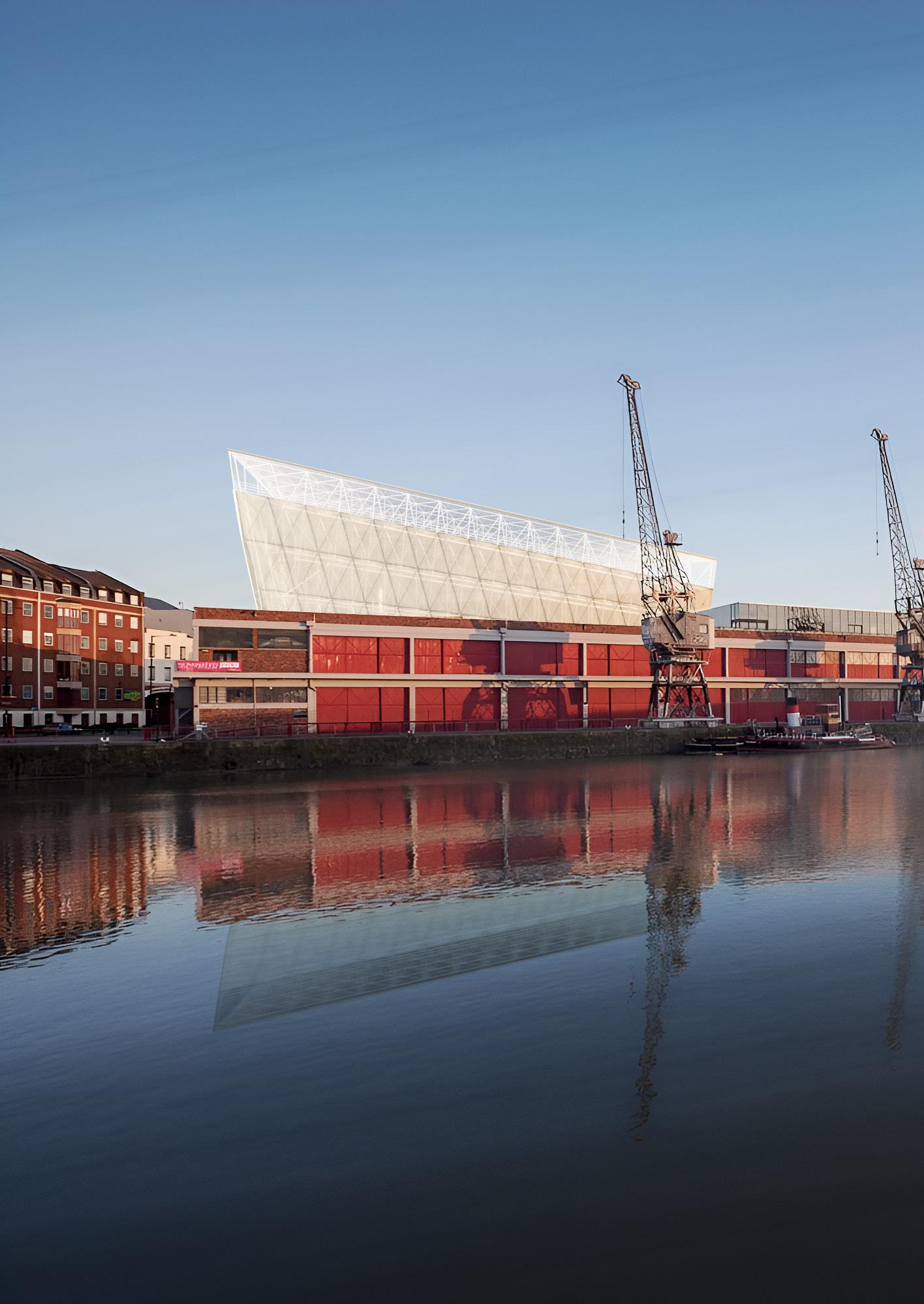
The project brings Bristol’s industrial hub from Avonmouth, back into the historic Floating Harbour. The central theme of the project explores the relationship between the contained and the container.
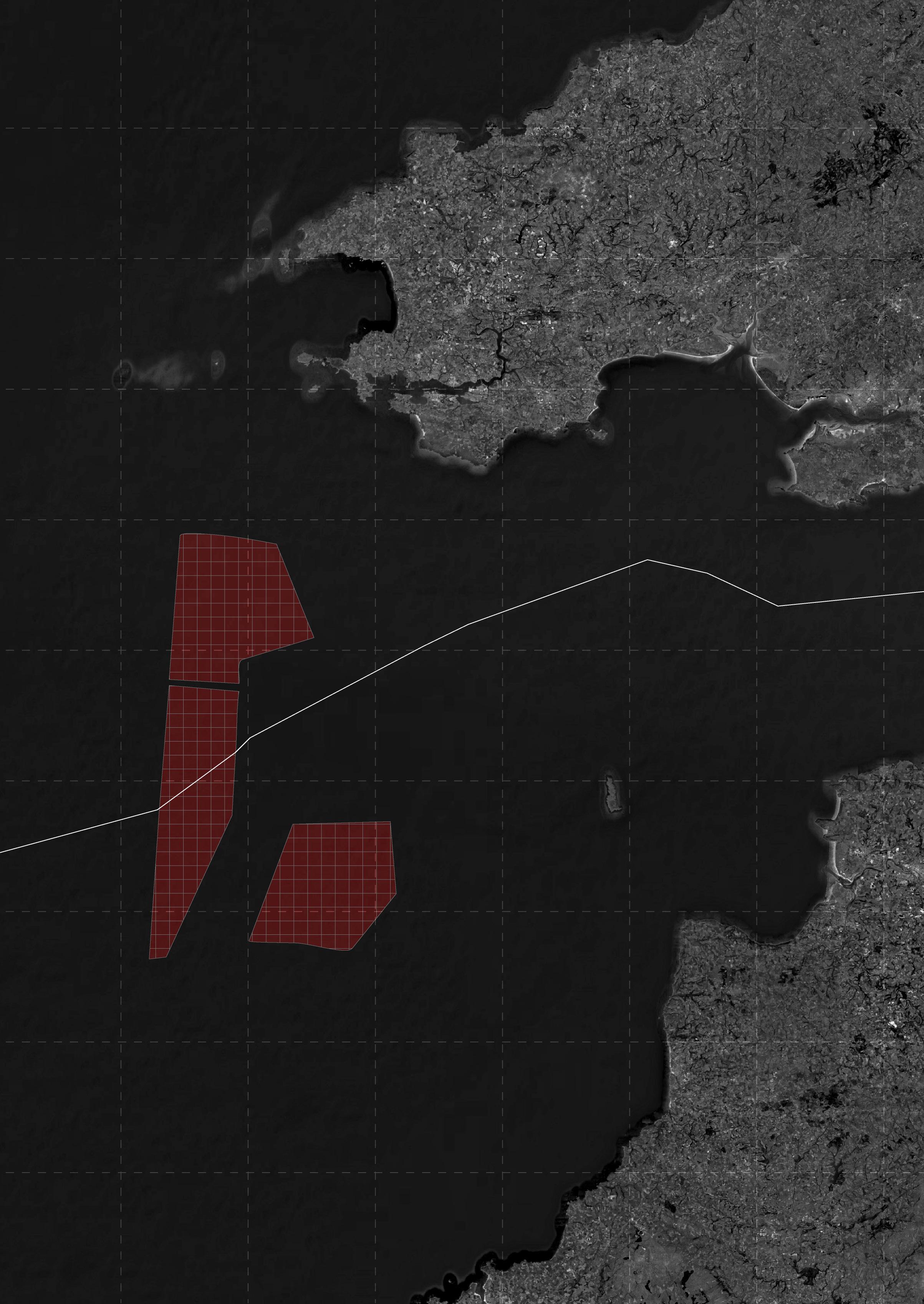
Point of Interest: Celtic Sea Floating Offshore Wind
The Round 5 Celtic Sea Crown Estate Project Development Areas (PDA) is set to be completed and operational by 2050. These 3 PDA zones had been determined through refined area search within the Renewal Energy Zone Limit and the UK Continental Shelf (Crown Estate, 2024). It is expected to be the first phase of commercial development in the Celtic Sea.
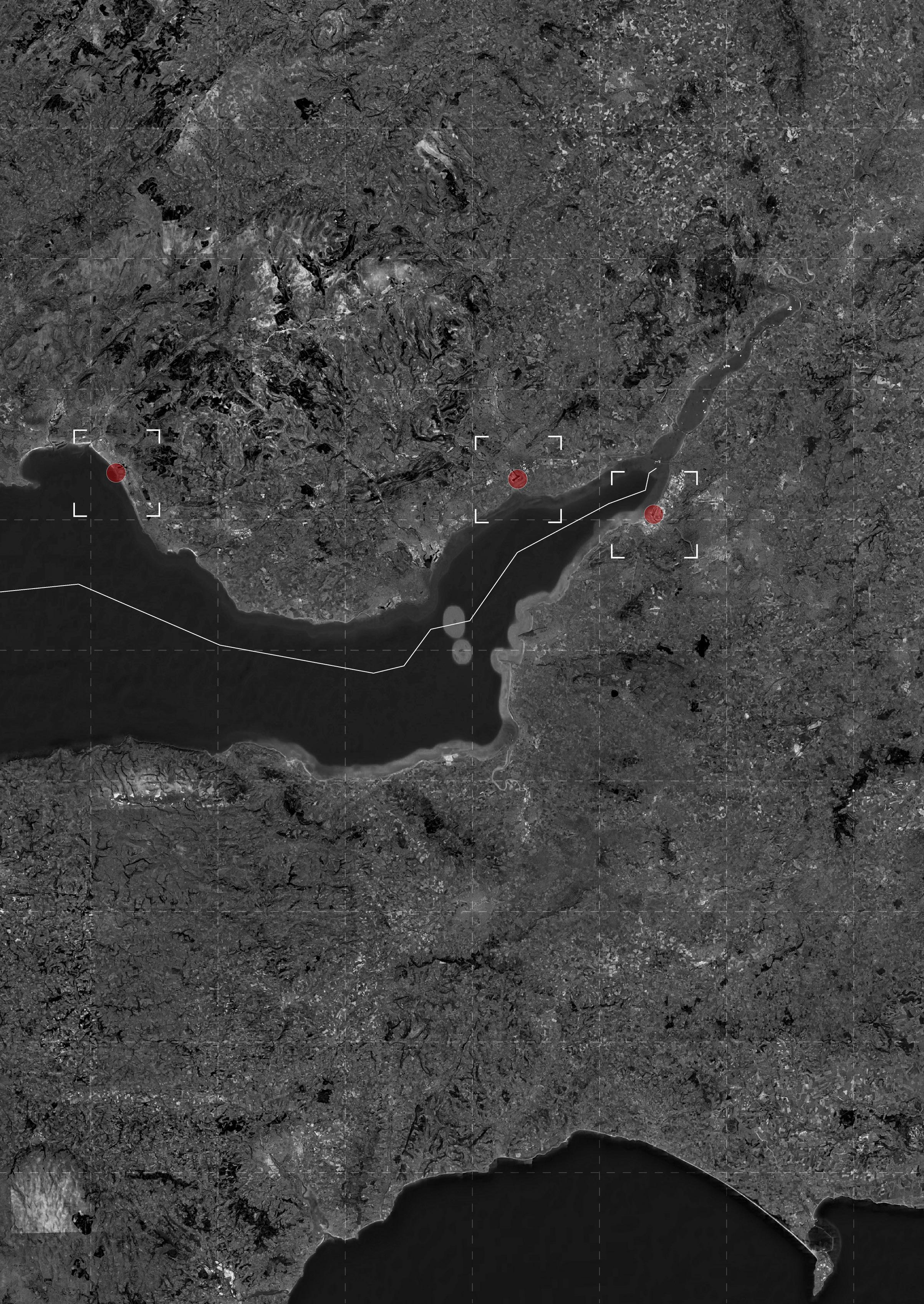
Point of Interest:
Point of Interest:
Point of Interest:
This Blueprint shows that delivery of a Celtic Sea 4.5GW programme will deliver into the UK £1.4 bn GVA and an average of 5,300 jobs through the development of necessary port infrastructure and the supply of critical components and vessel needs over the next five years (Smith et al, 2024).
There are two key factors to grow port capacity in the SW region. First is to increase the existing infrastructure in place. Second is to maximise the port utilisation. There needs to be a large sum of capital raised for this project in order to sustain the development of the current PDA, infrastructure development of the Bristol Port, and for future project developments in the Celtic Sea Wind Farm (CSWF).
Talbot Port
Newport Port
Bristol Port
The Infrastructural Scale
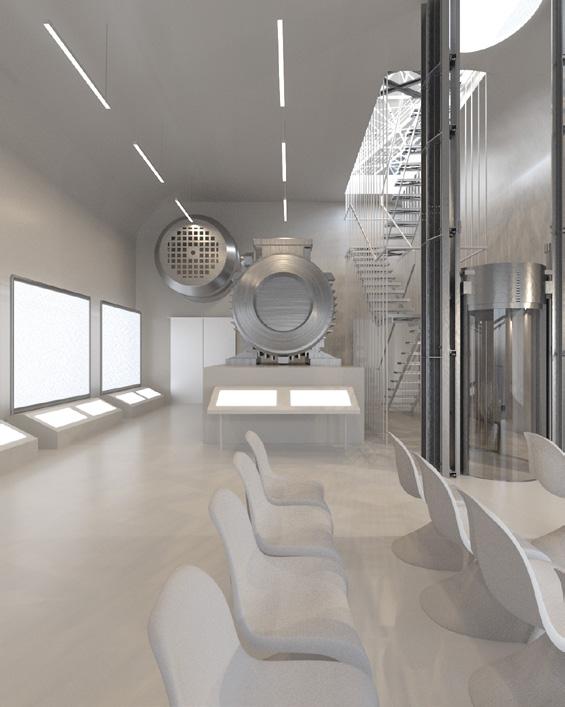
With the primary programme of the scheme being an exhibition space, a scaled understanding of the the wind turbines and nuclear reactor would inform the footprint and form of the proposal.
Industrial Taxonomy
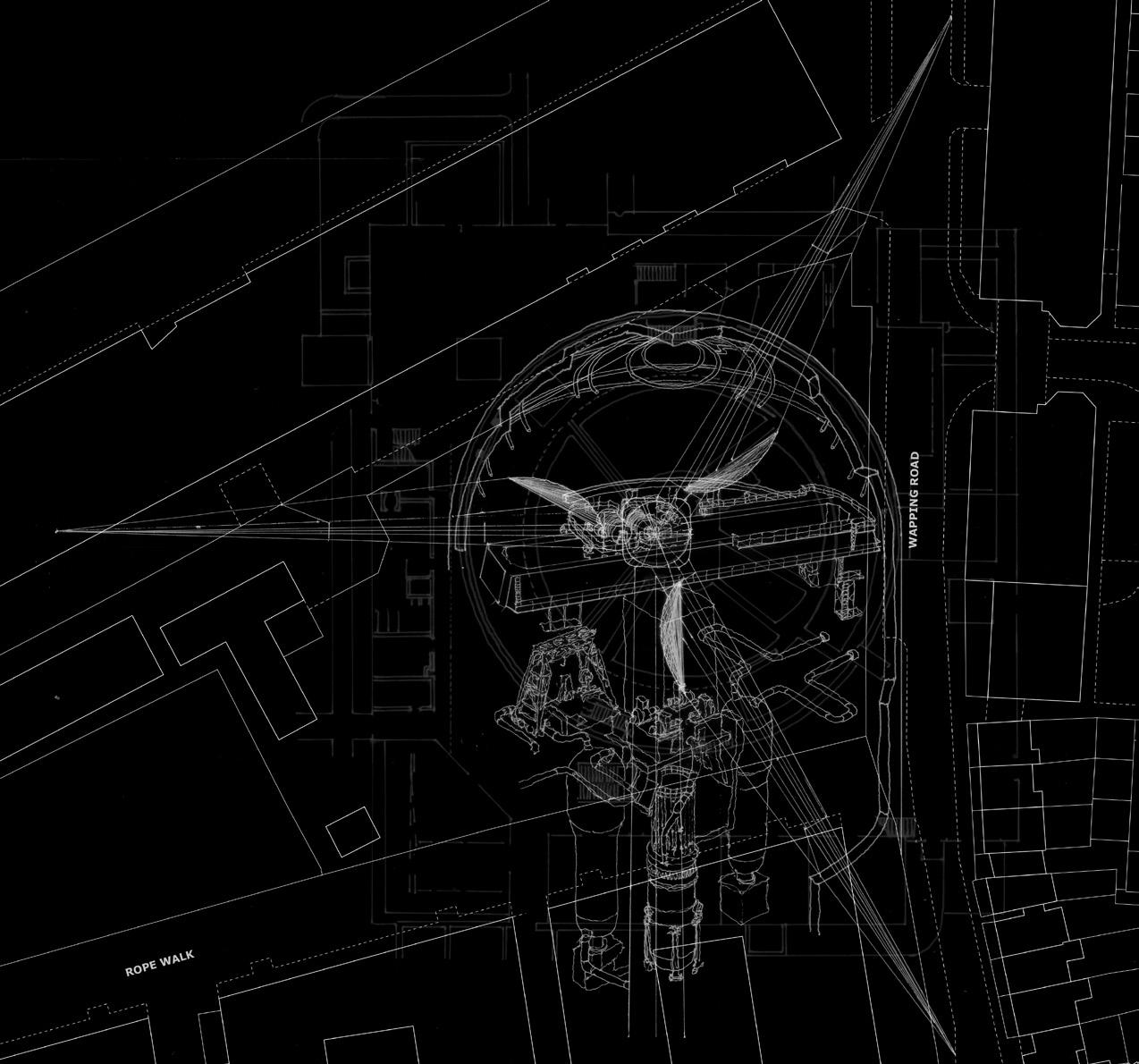
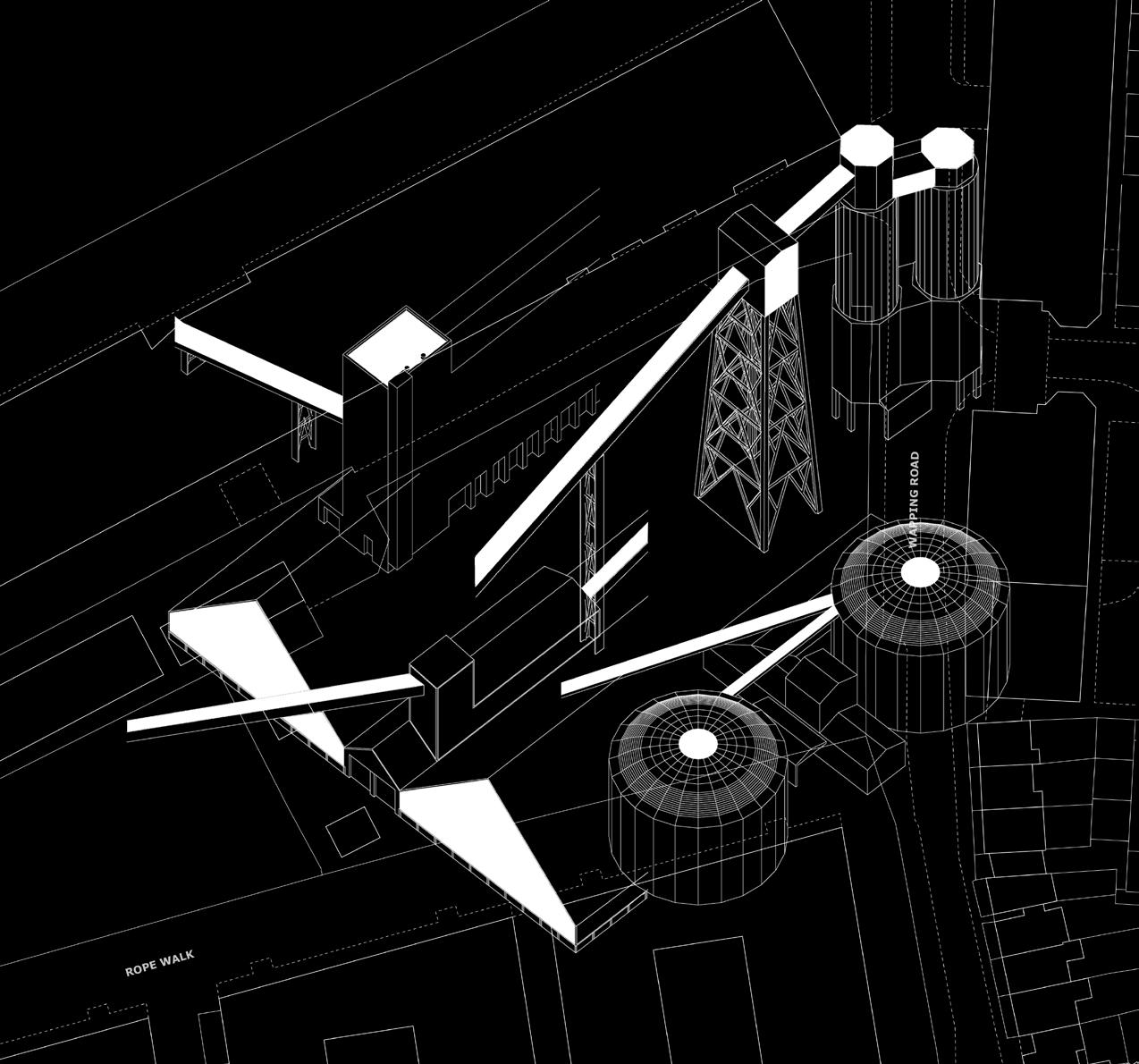
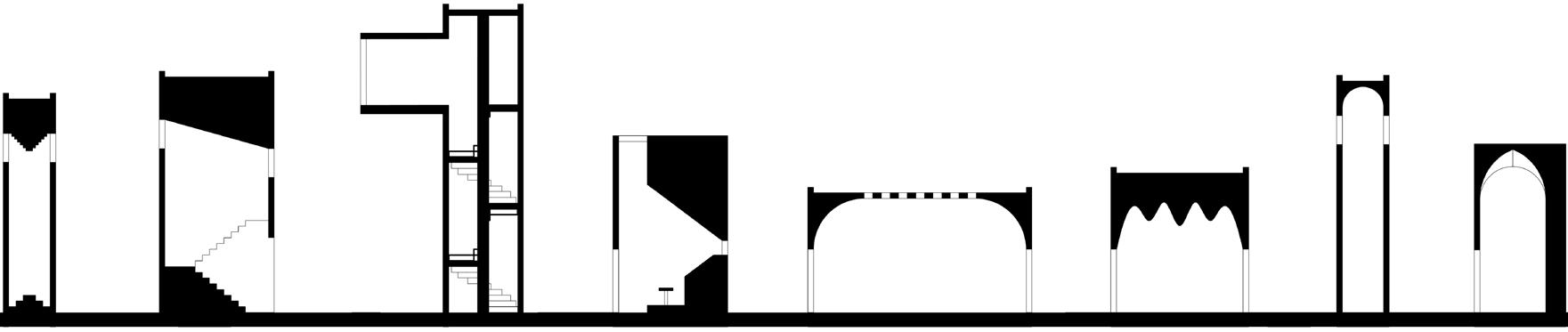
The geometry of the raw industry situated within the Avonmouth port are extracted and relocated back into the building site. The silhouettes of Coal Conveyers, Storage Silos, Grain Buildings, Bulk Storage and Flour Mills reconfigure themselves into the design proposal.
Plan Parti
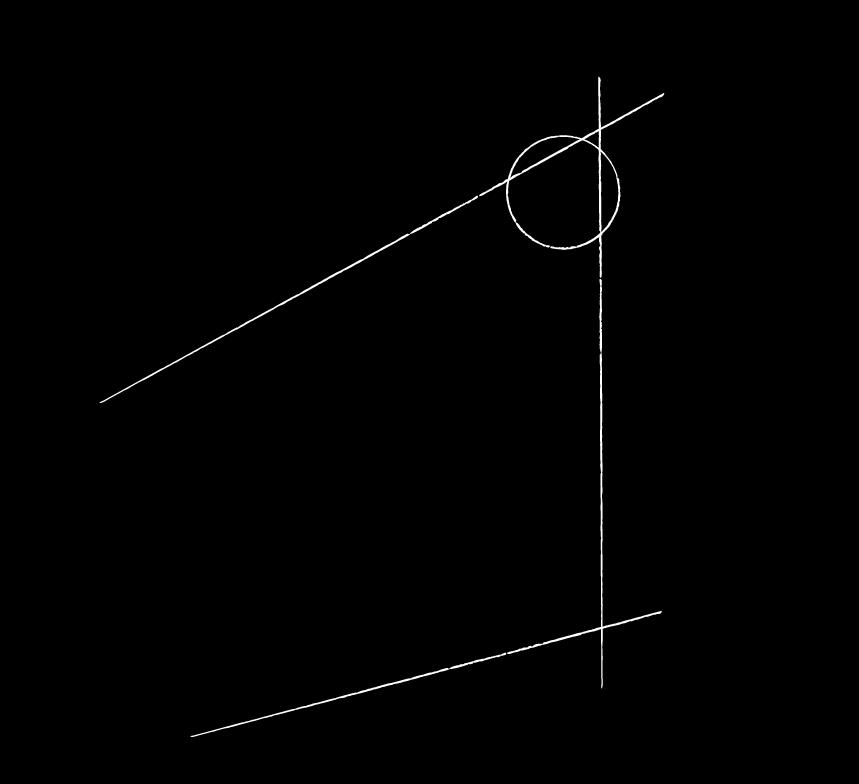
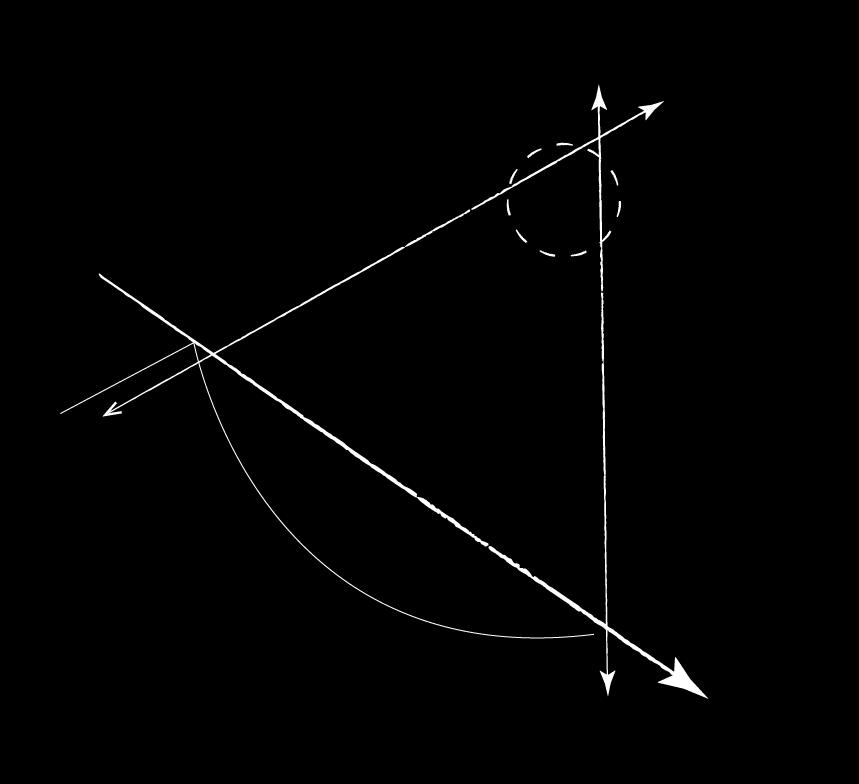
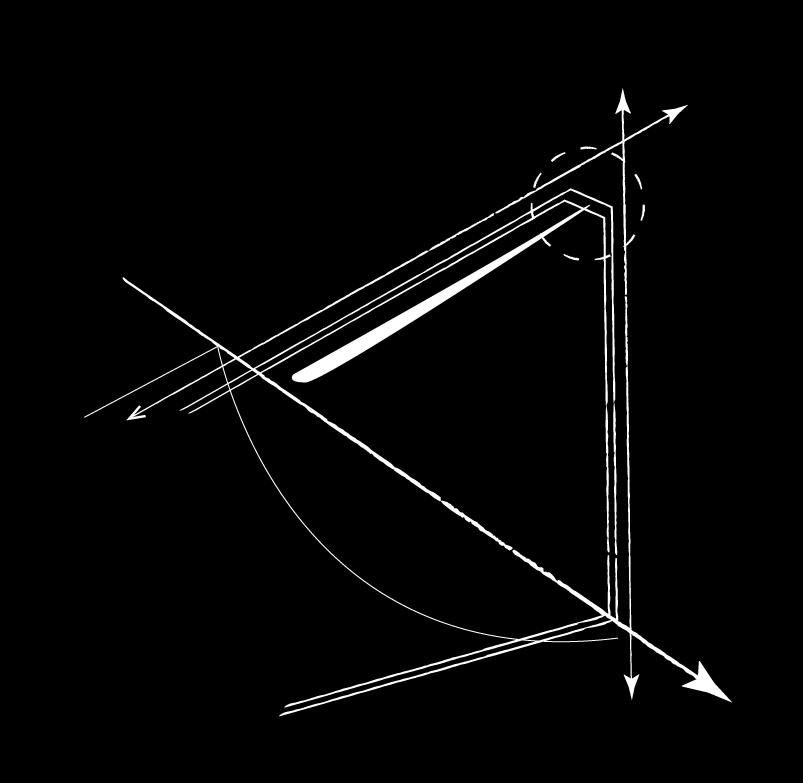
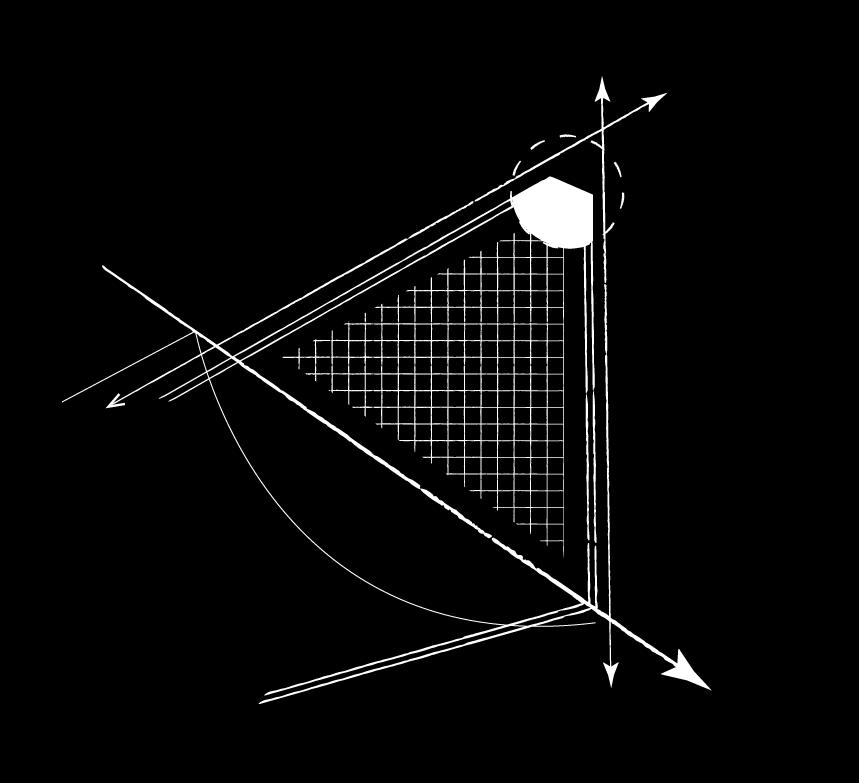
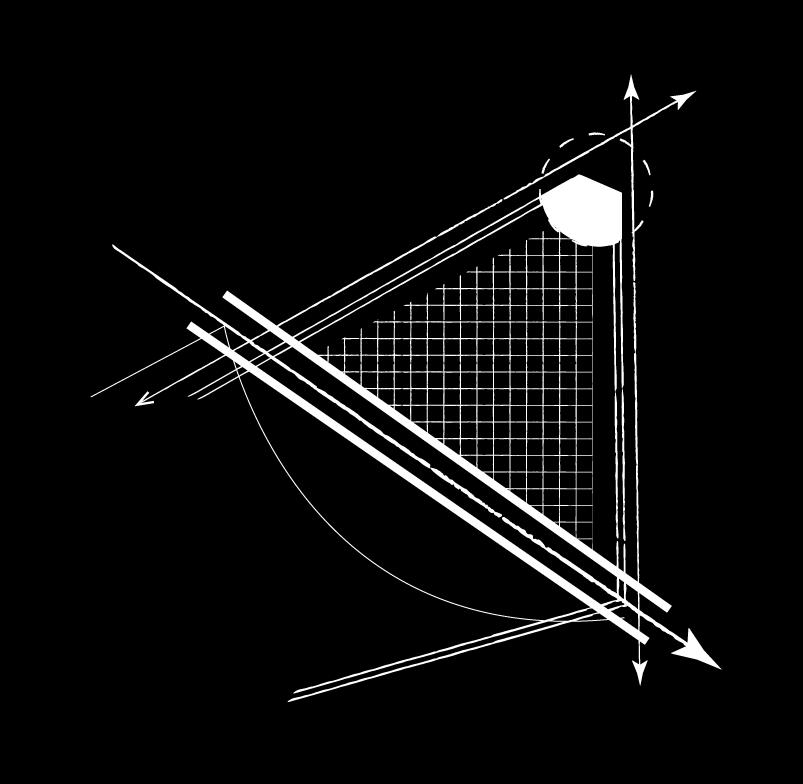
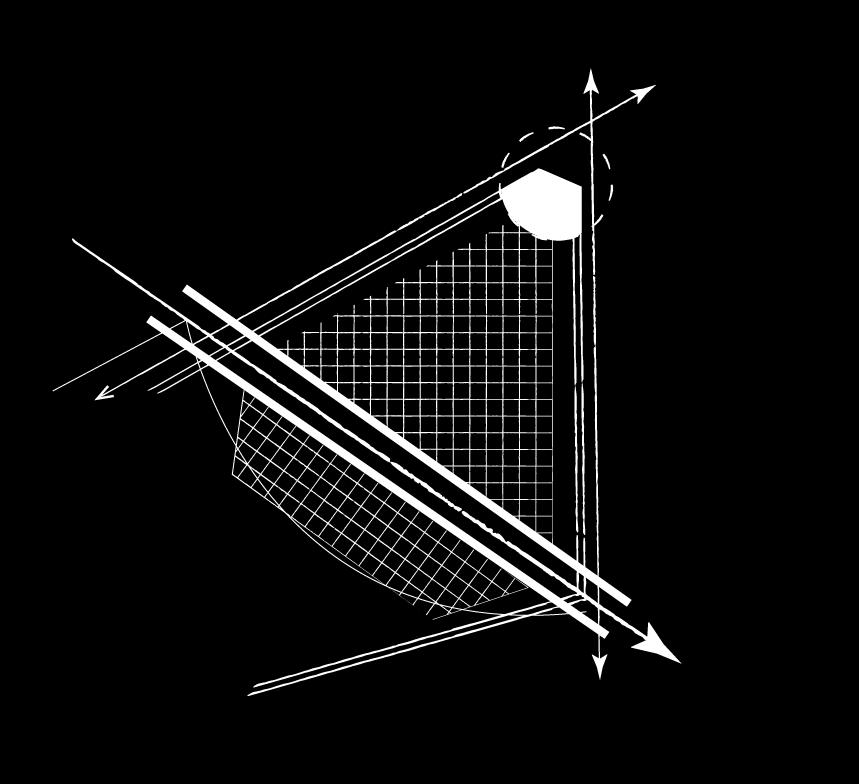
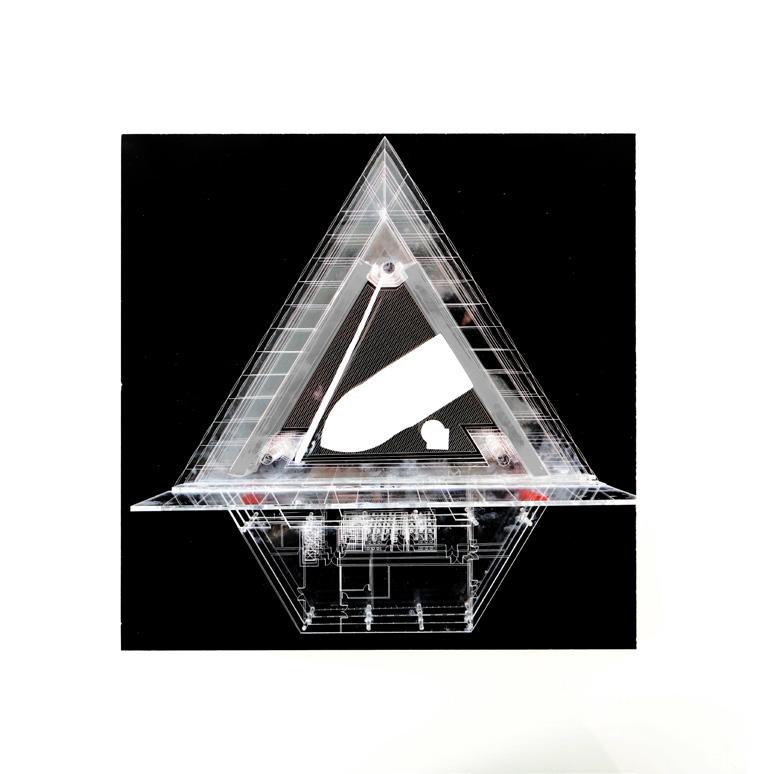
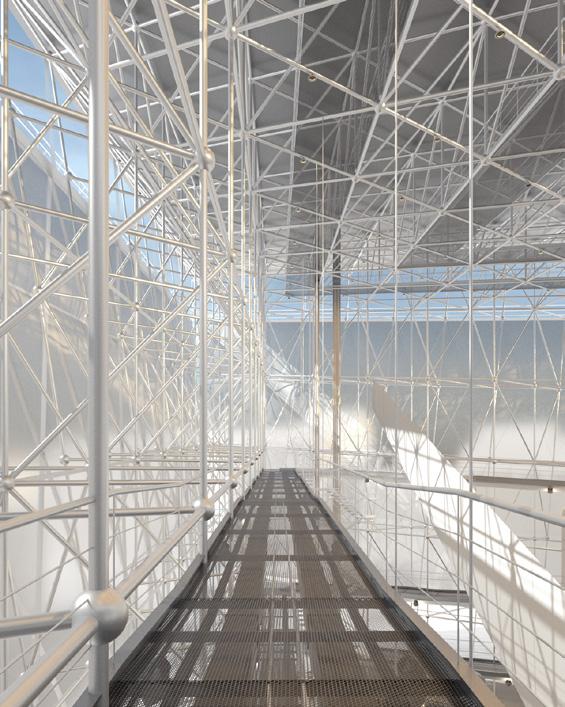
The key forces of the site informed the orthogonal site outline. Along with key axial forces, it suggested a strong geometric form for the building. The idea of the triangular space frame came to fruition, creating a column free exhibition space to house ‘The Contained’.
1. Site Forces
3. The Exhibit Scale
4. Introducing the Infrastructure
6. Secondary Support Structure
2. Axial Propagation
Intensifying the Infrastructure
Schematic Model
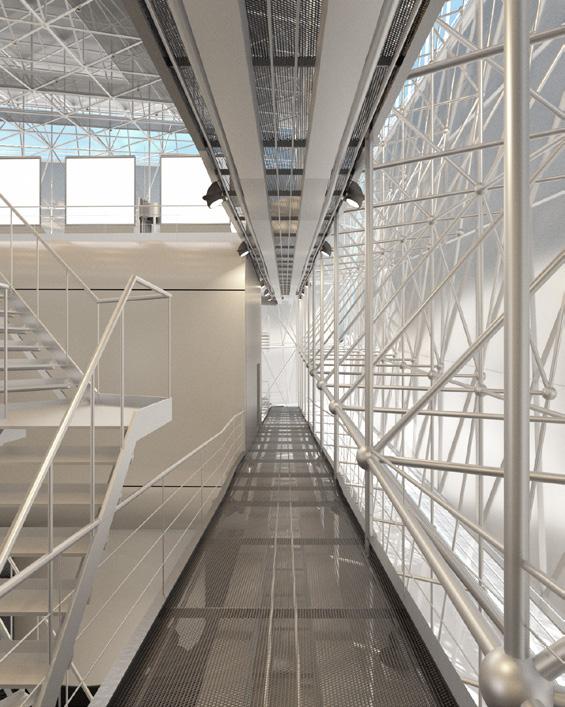
The latticed booms of the four cargo cranes in front of MShed act as an introduction to the monopitched space frame structure of the building. The sheave and hooks of the cranes are reflected within the building through the hung ramp and exhibit system.
Unfolded Exhibit Circulation
Visitors are encouraged to follow the curated journey for the most narrated experience. The exhibit starts off with the Celtic Sea Wind Farm chapter on 3/F as the introduction, and ends after the Local Industrial Decarbonisation Plan chapter on G/F.However, the freedom of exploration and self curated journey is also encouraged through the vertical circulation stairwell system.
Steel Space Frame Structure and ETFE Facade
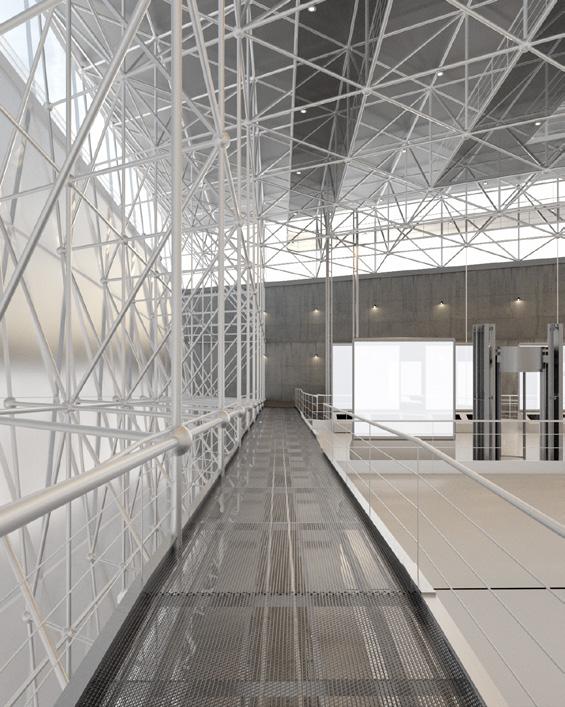
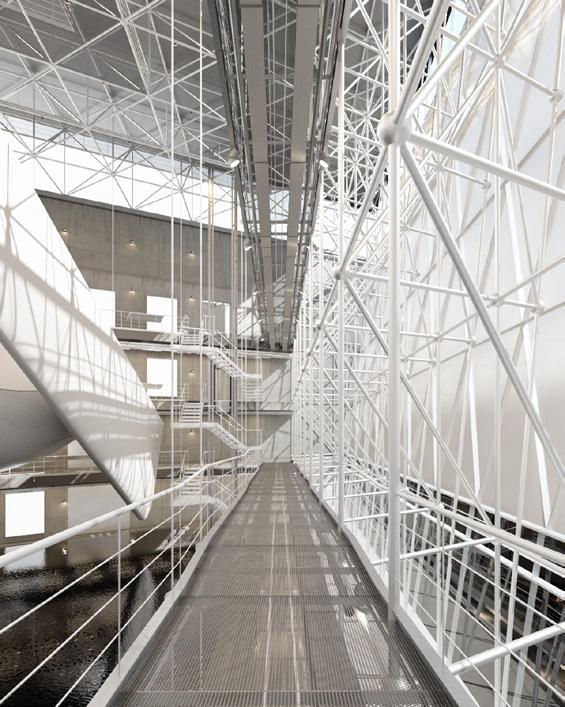
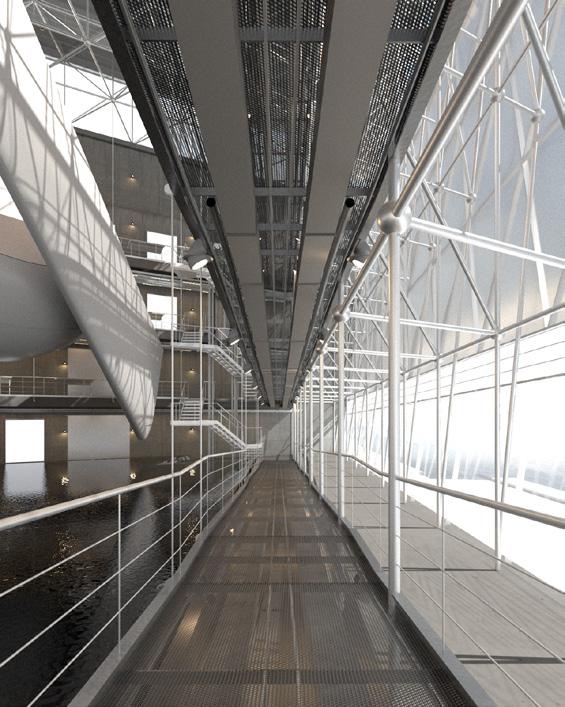
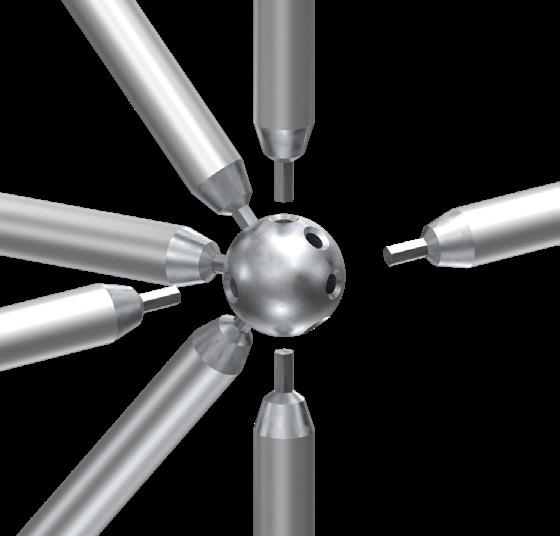
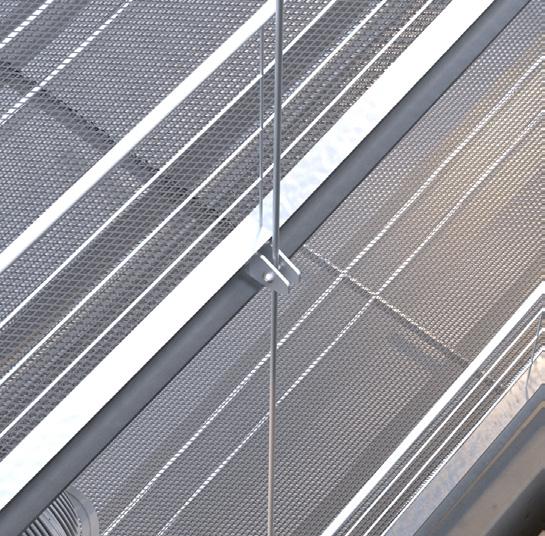
The three dimensional space frame system utilises a double layered support system, with adjoining nodes connected through a ball joint system. The circulation ramps and tertiary exhibits are housed within the structural lattice of ‘The Container’, allowing the impermanent exhibits to be swapped.
Steel Ball Joint Framework
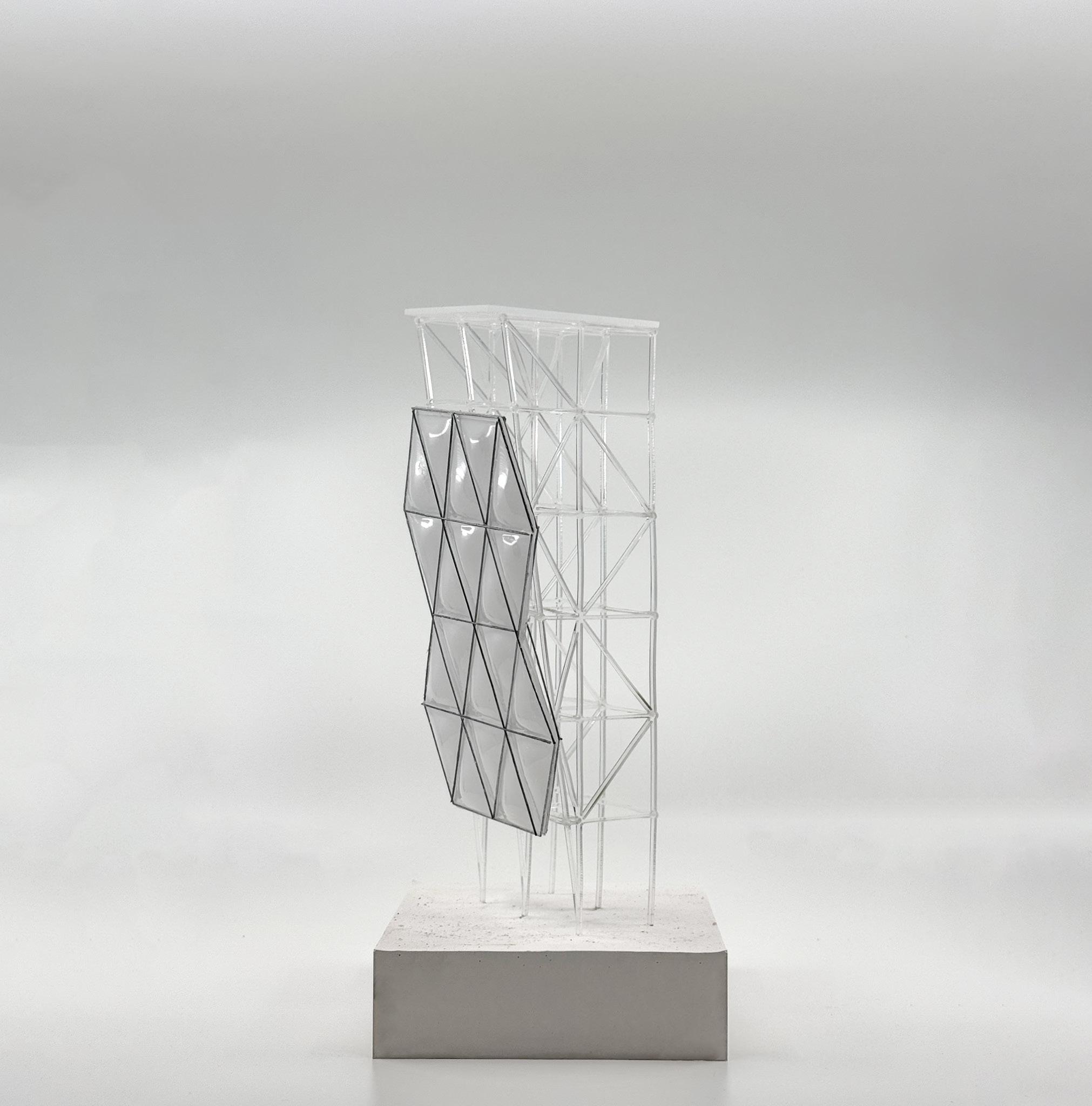
Tectonic Facade Model @ 1:100
Steel Hung Cable System
Low-E double glazed windows with a lower visisble light transmittance of 40-50% to mitigate as much solar gain as possible
The opening of the smart louvres causes the stacked ventilation effect, allowing efficient cooling of the exhibition space without heavy energy expense
The triple-layered ETFE reduces solar gain, and the need for cooling. It also incorporates fritted polarising patterns that reduces solar gain drastically. The air-pumps allow for a dynamic thermal regulation through air pressure difference.
The triangular OnyxSolar PV roof panels mitigates direct solar glare and gain. The visible light transmittance can be varied, lowering the need for artificial lighting
Natural Ventilation through an integrated smart louvre system; measuring temperature, humidity, CO2 levels.
Low-E double glazed windows with a higher visisble light transmittance of 80-90% to allow as much interaction with the streetscape
New technology for
The service floor is supported by the top layer of the space frame. It accommodates the exhibit lighting and control panel, PV roof, and smart louvre control systems.
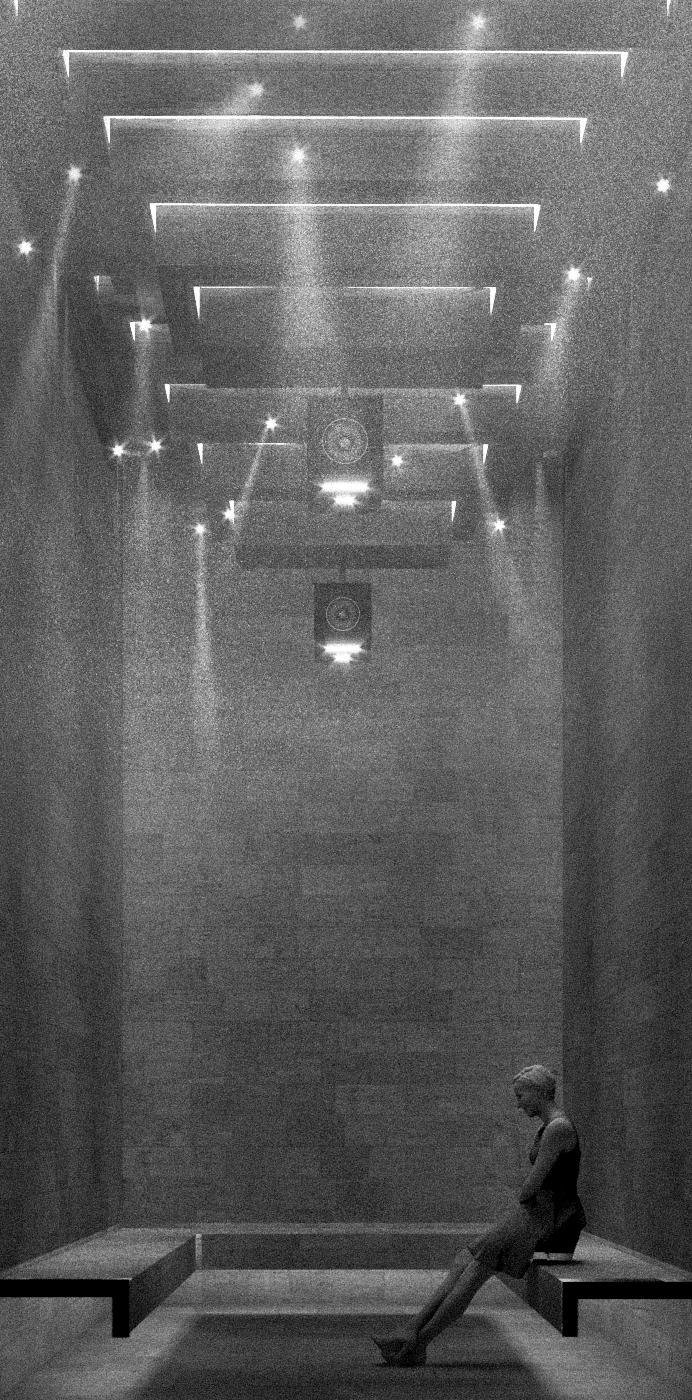
The main lighting modules are used for the main exhibits of the Blade, Nacelle, and the Reactor. These continue to shine at night, causing these exhibits to glow through the buildings ETFE skin.
The diagonally hung 100m-long wind turbine blade is positioned to allow for visitors to interact with it during different stages of their experience.
The ramps and the nacelle are the only two spaces within the exhibit space that utilises a heating system. The lowest temperature of the exhibit should not reach below 12°C for optimum thermal comfort
An accessible intray allows for CDM to the numerous mechanical services below the ramps
The pool acts as an acoustic dampener. It generates white noise to mask the live sound, and also reduces the echoes, reverberations of the space
The evapourative cooling from the pool offers a natural cooling effect to the overall space. However, humidity control will need to be considered to mitigate condensation
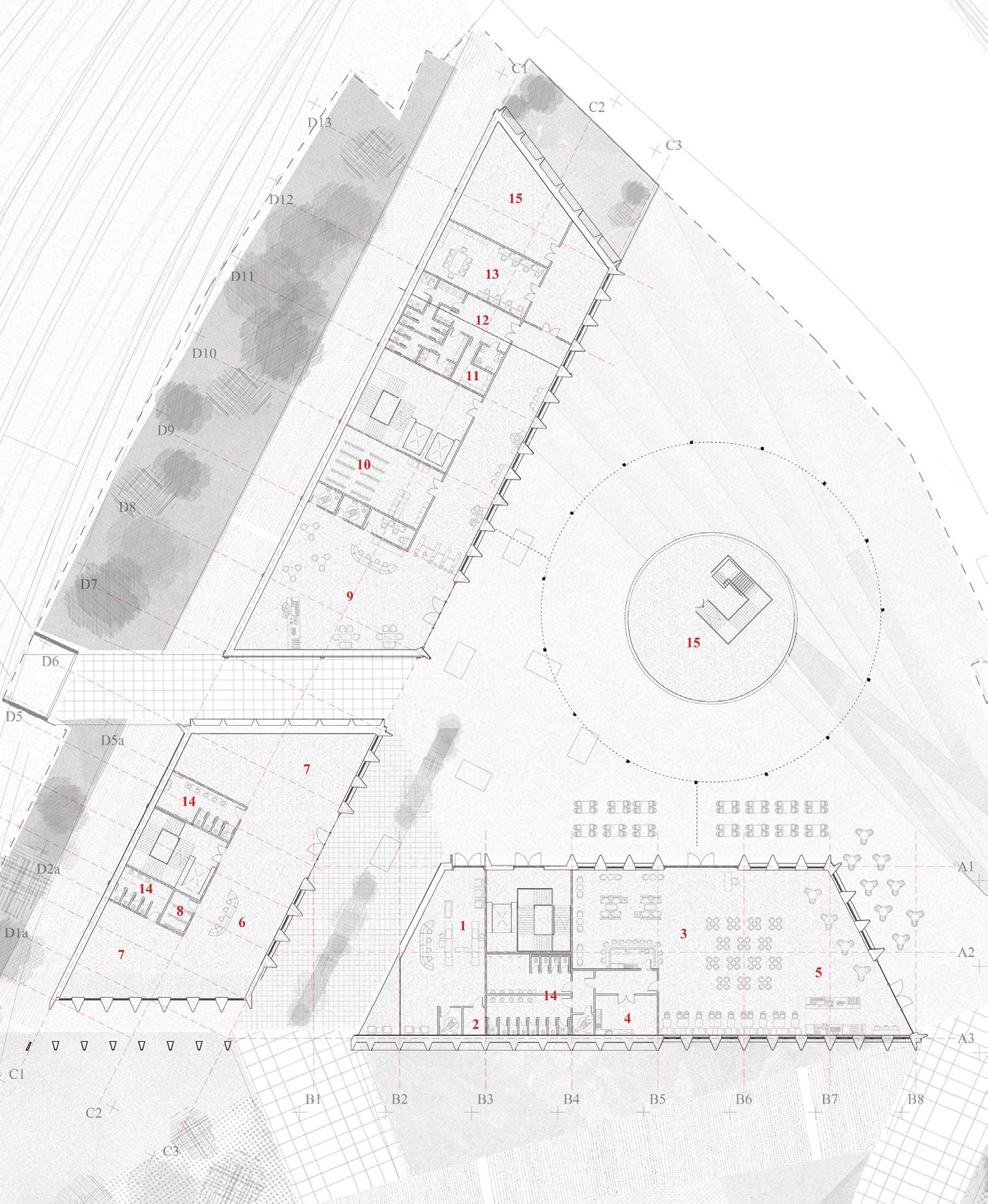
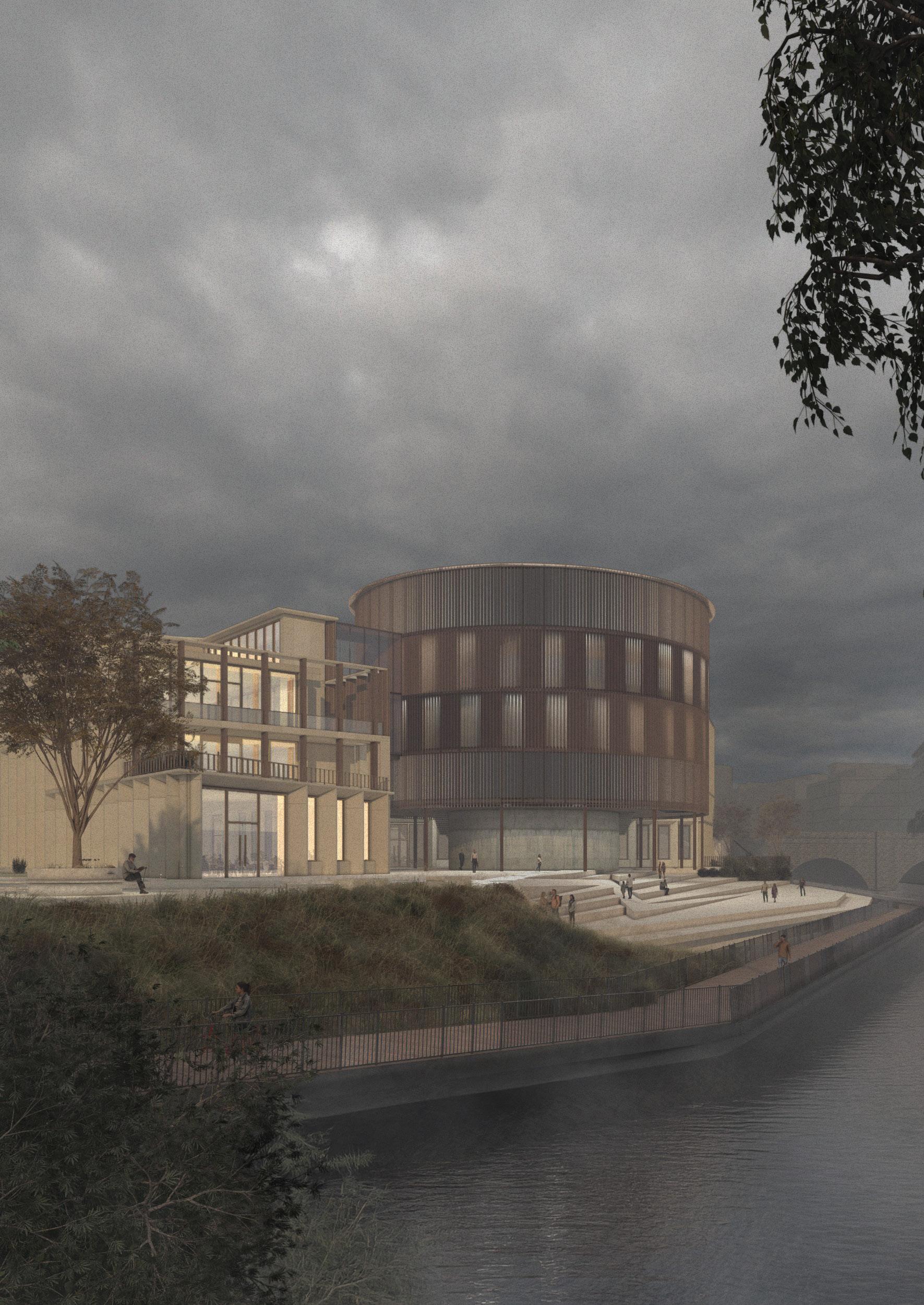
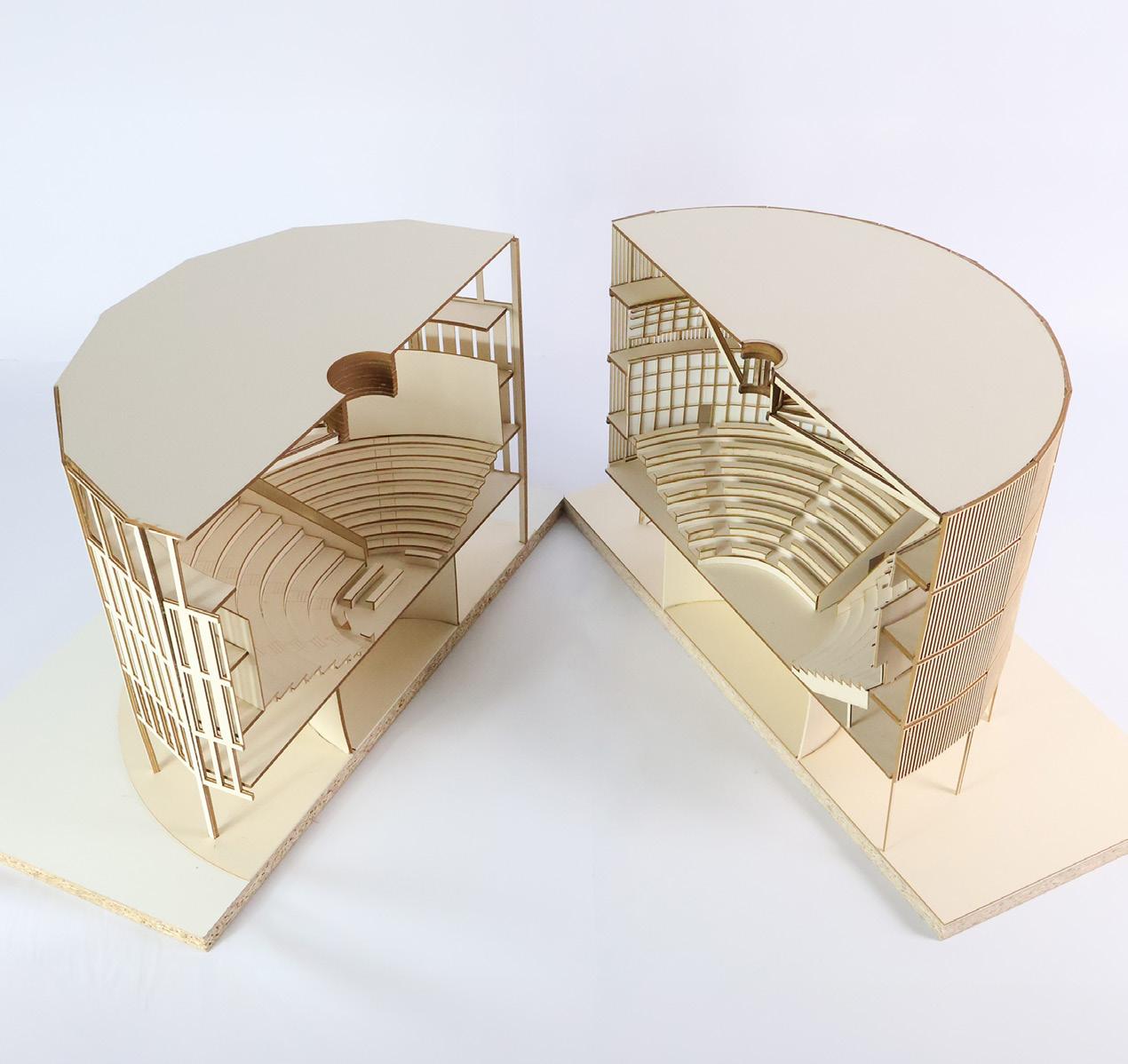
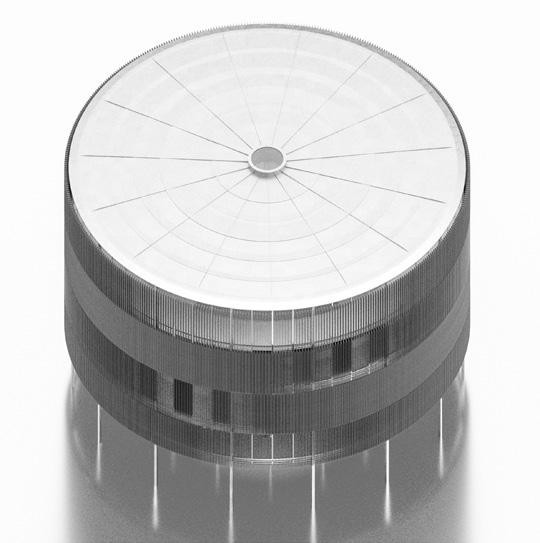
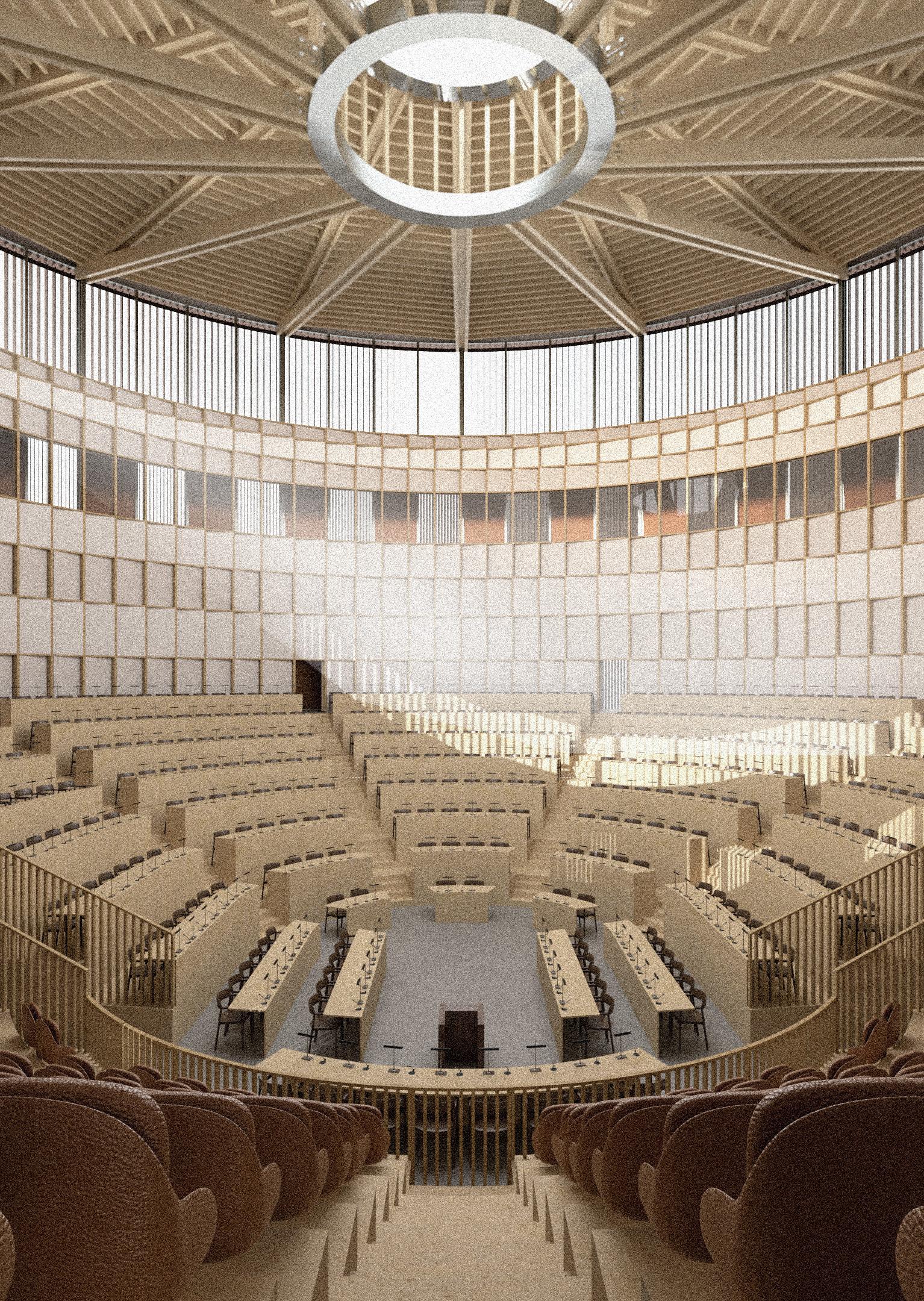
Calling for a temporary House of Commons situated in the heart of Bristol. The idea of a modern ‘temporary’ parliamentary instituition should be accounted when considering the building’s organisational logic.
Response
Inspired by Bristol’s industrial heritage and urban context, the scheme Transformes Westminster’s ceremonial axis into a functional transport axis, the design links the new Bristol Temple Meads entrance with the Floating Harbour Bridge and future developments.
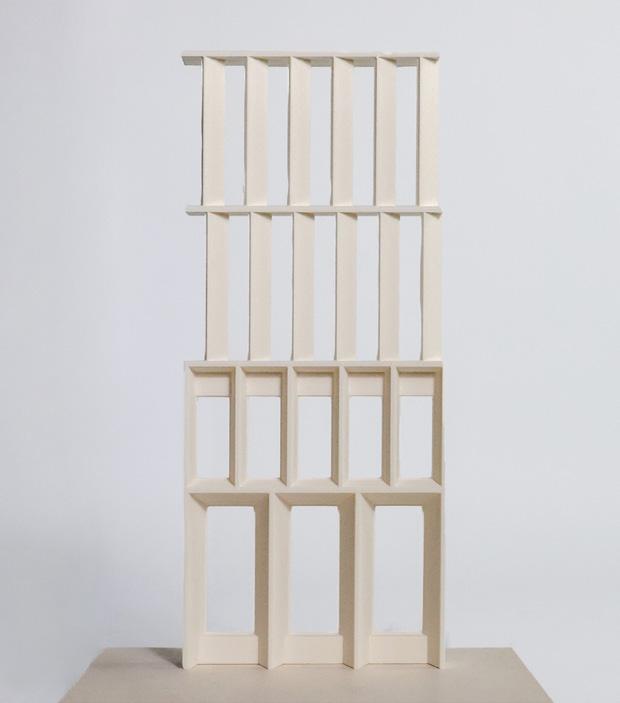
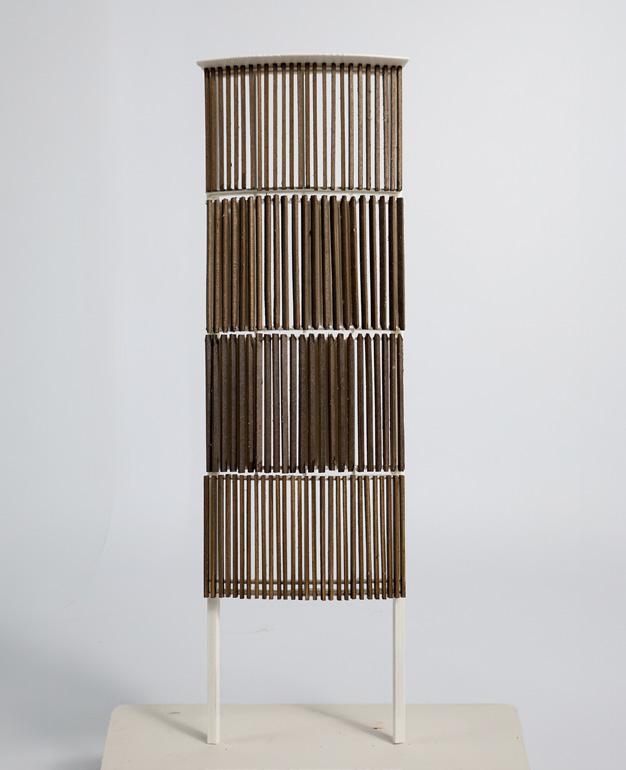
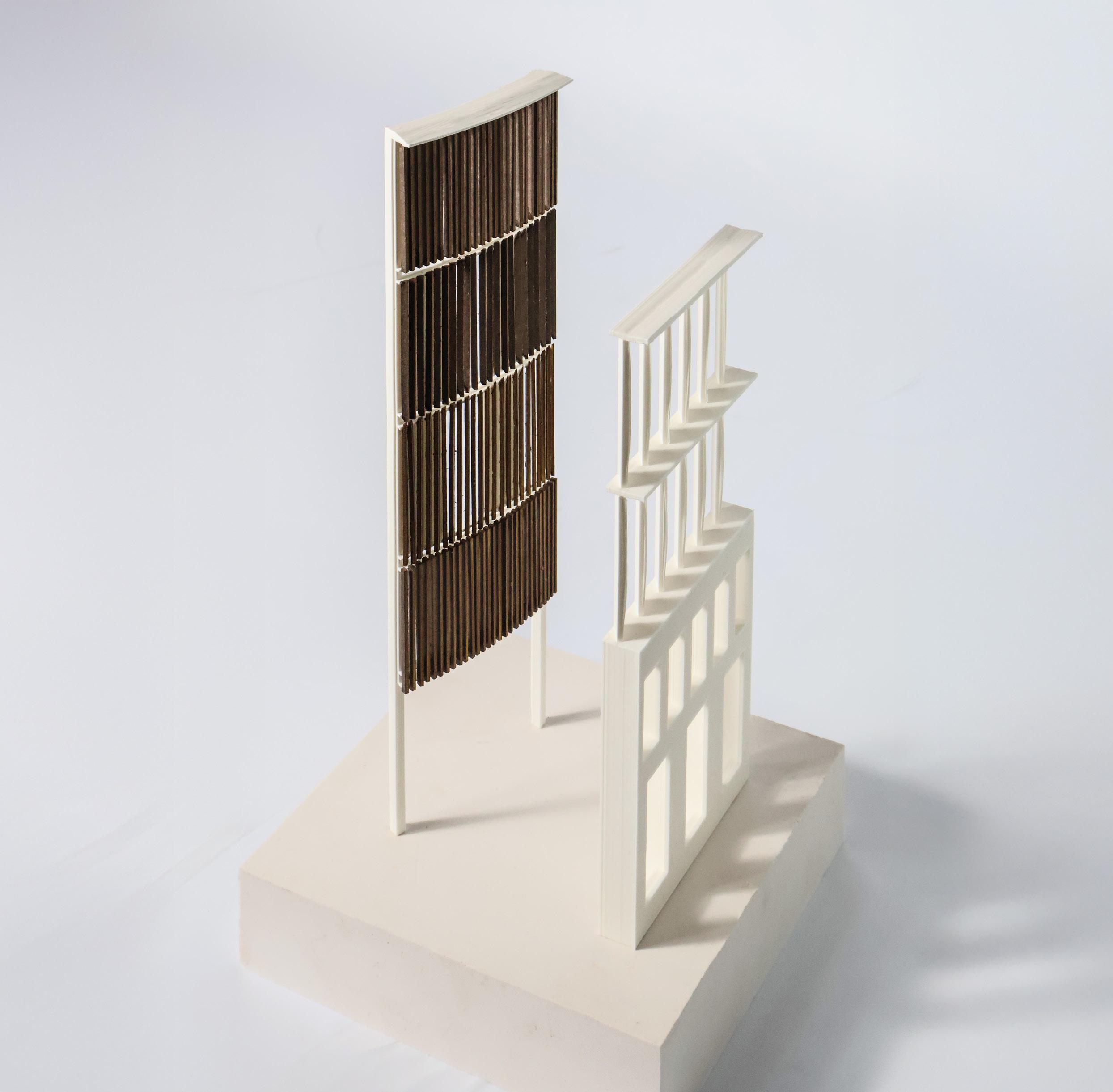
Facade Development
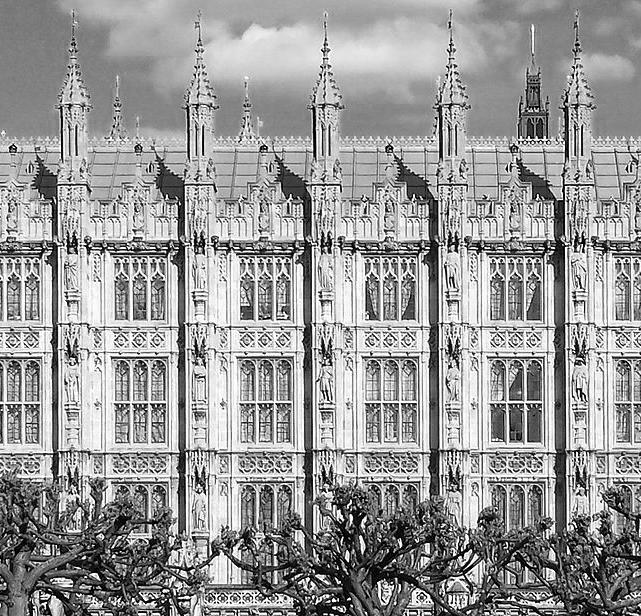
The verticality present in the Palace of Westminster’s facade is accentuated through its gothic pointed arches.
Our proposal breaks the verticality found in the Westminster Palace down into modules of 9x12m bays, corresponding to the classical proportion of 3:4.
The chamber facade offers a contrast in density and materiality, but continues the expressed datum lines and fefacade proportions.
Palace of Westminster Facade
Exaggerated Vertical Expression
1:100 Building Facade Model
Proposed Facade Articulation
1:100 Chamber Facade Model
Morphology of Gasworks and Chamber
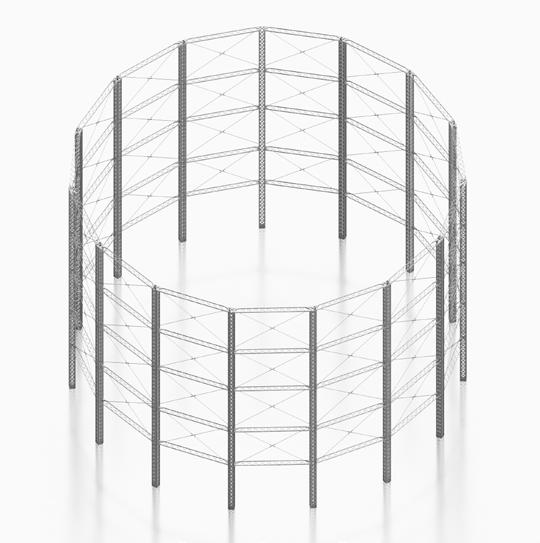
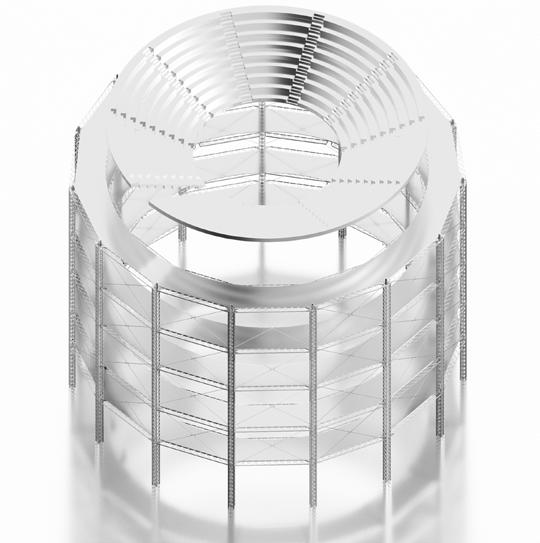
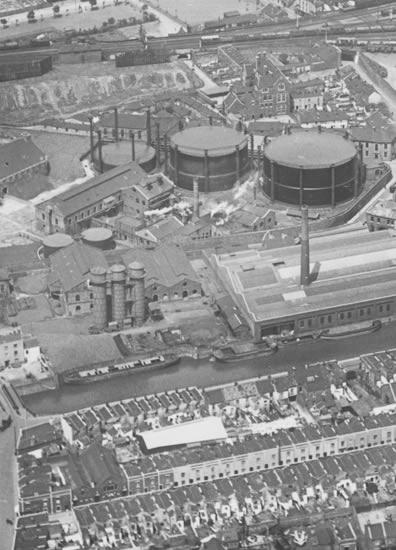
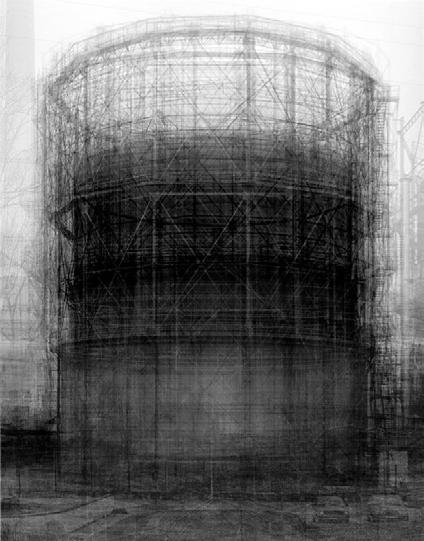
The cylindrical form of the chamber pays homage to the historical gas holders north of the building site. The industrial past of the South-West cities are often overlooked in the vital role they played supporting the expansion of other local industries. The vertical columns and laterial ties provided strong and efficient structural benefits whilst retaining a light structure. This works in tandem with our chosen circular chamber form.
1. Aerial Perspective of the site 1920-1930s
2. ‘Homage to Bernd Becher‘ by Idris Khan
Traditional Gaswork Structure
Re-housing the Gasholder for the Chamber
Chamber proposal with articulated facade
Chamber Sectional Models @ 1:100
WALK IN THE FIELD
Themes: Competition, Cultural, Masterplan, Rural Development
July 2023
Group Architecture Competition Duration: 4 weeks
Team Members:
Paul Tse
Hwan Seo Lee
Yuki Xu
Brief
Calling for the design of 3 sites within the masterplan of a rural development in Western China. The first site will host an “Art Exhibition Centre”, the second a “Sound Museum”, and the third is a footbridge that connects the first two sites together.
Response
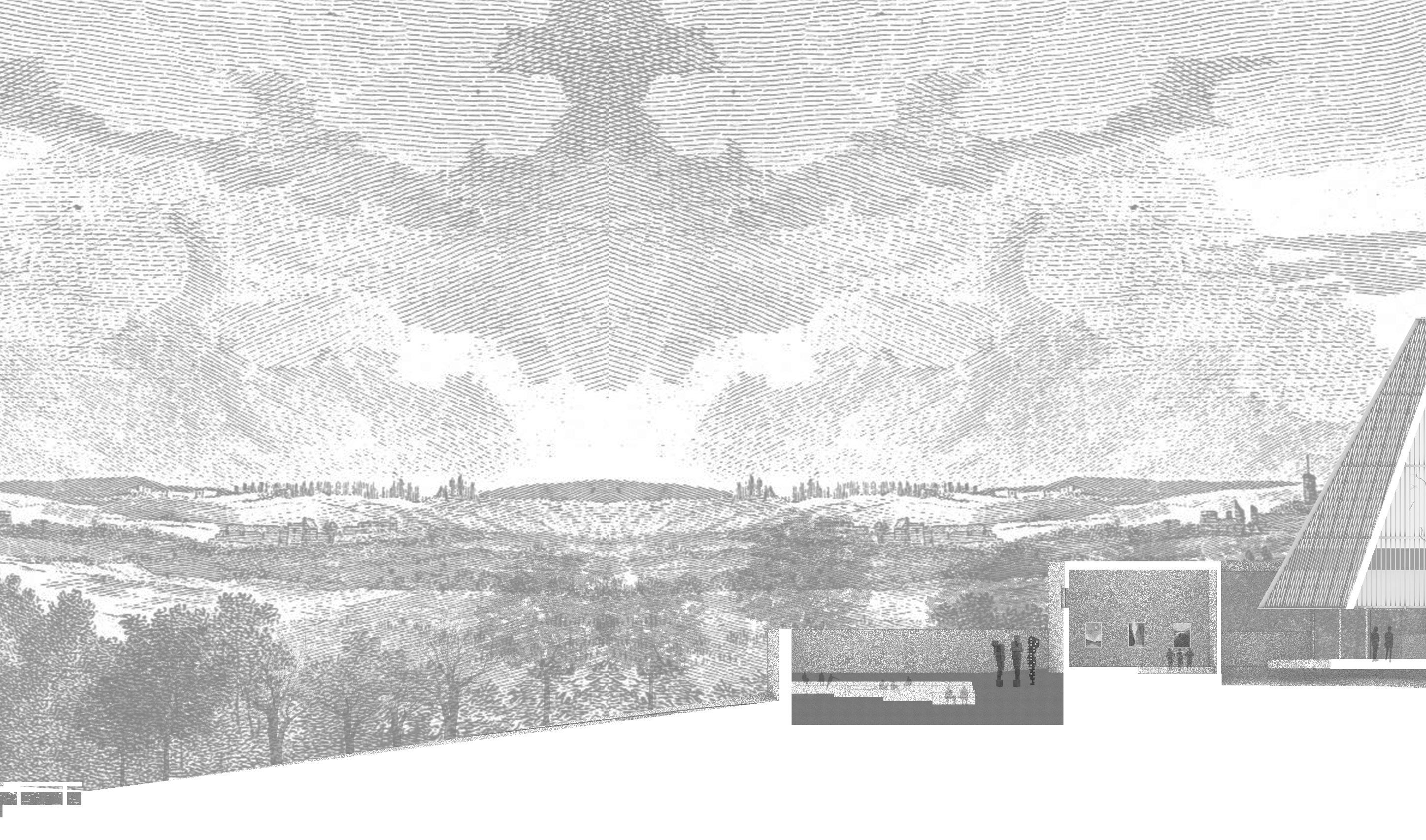
The first site of the Art Exhibition Center should reflect local Ya’an elements as well as culture. The second site of the Sound Museum should focus heavily on creating a unique user experience, allowing time and space for them to reflect.
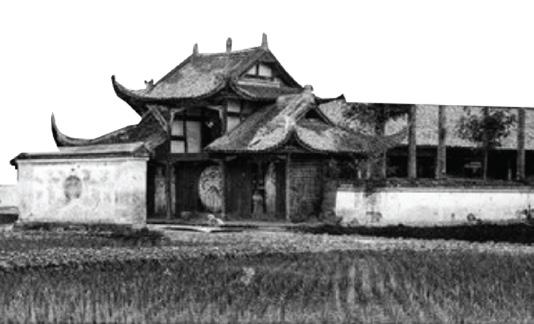
Located in Western Sichuan, the site has a unique natural environment of vast plains and wetlands. The local Linpan culture is famous for its farming, tea-harvesting and natural landscapes.
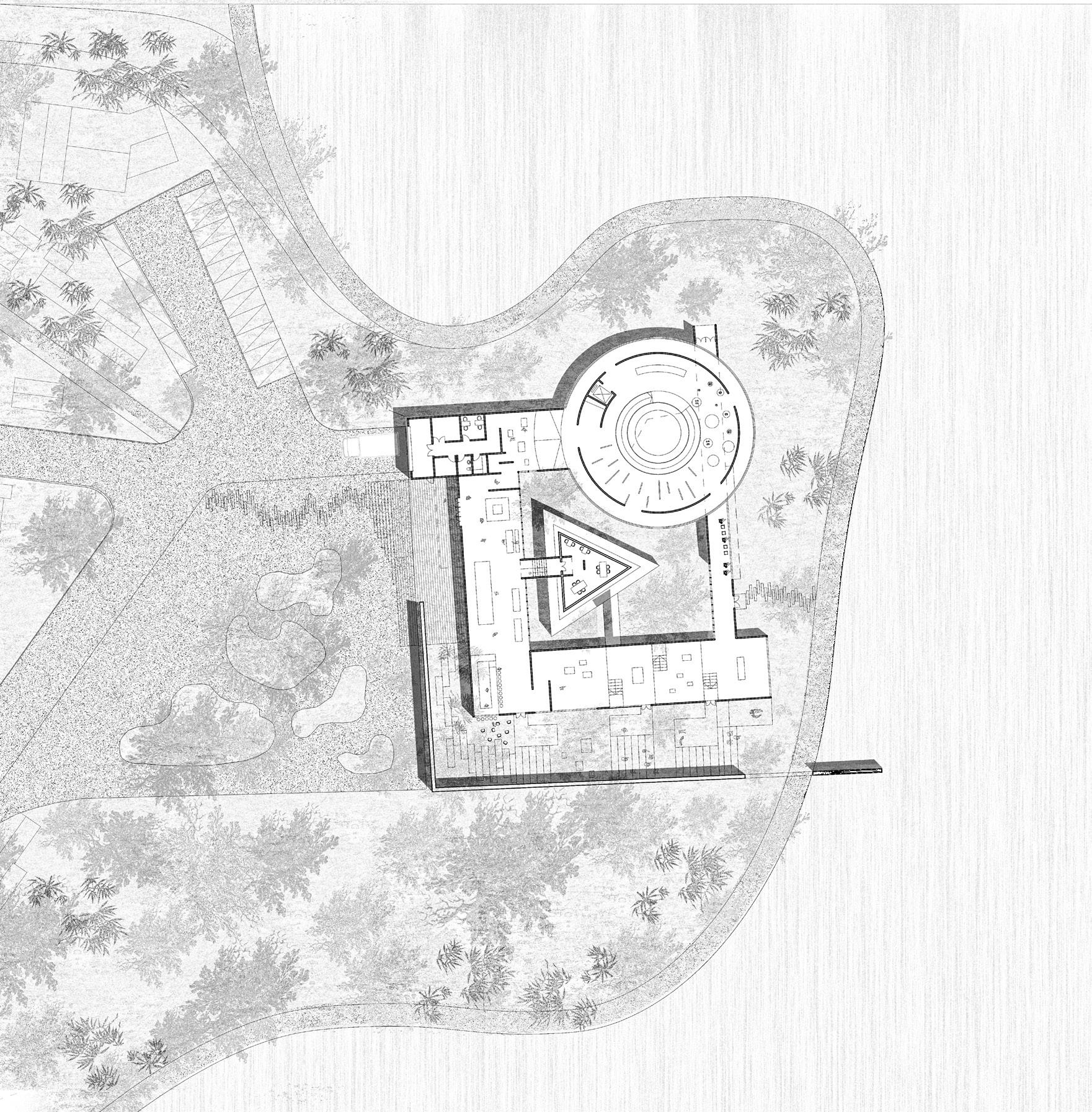
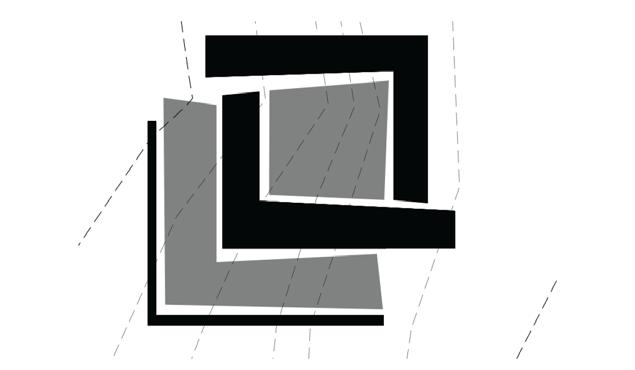
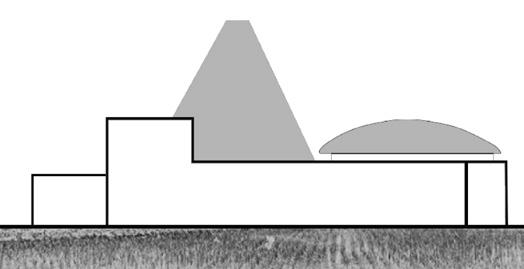
The design is inspired by the local Linpan dwelling formations. The building design mirrors two L-shaped components, forming a tea room atrium in the middle.
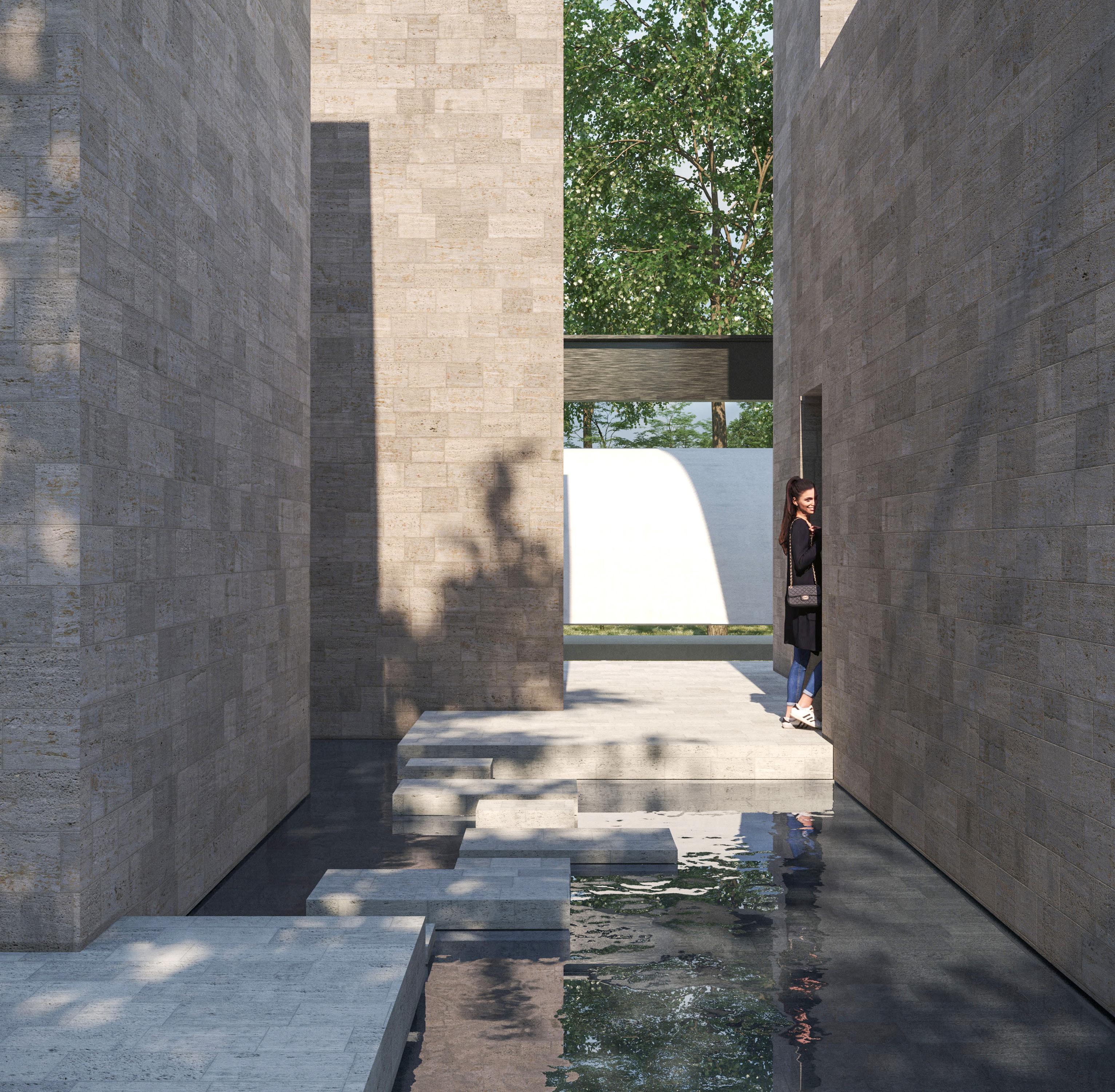
Reflective Courtyard spaces
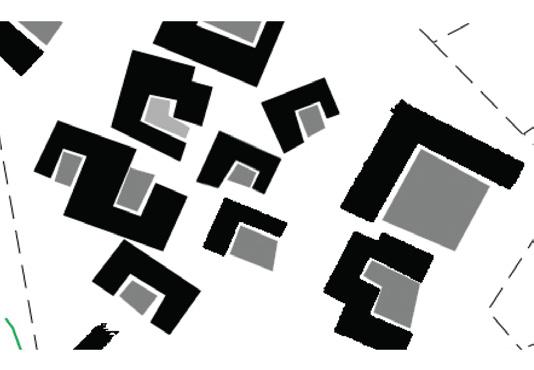
Traditional Linpan Dwelling Formation
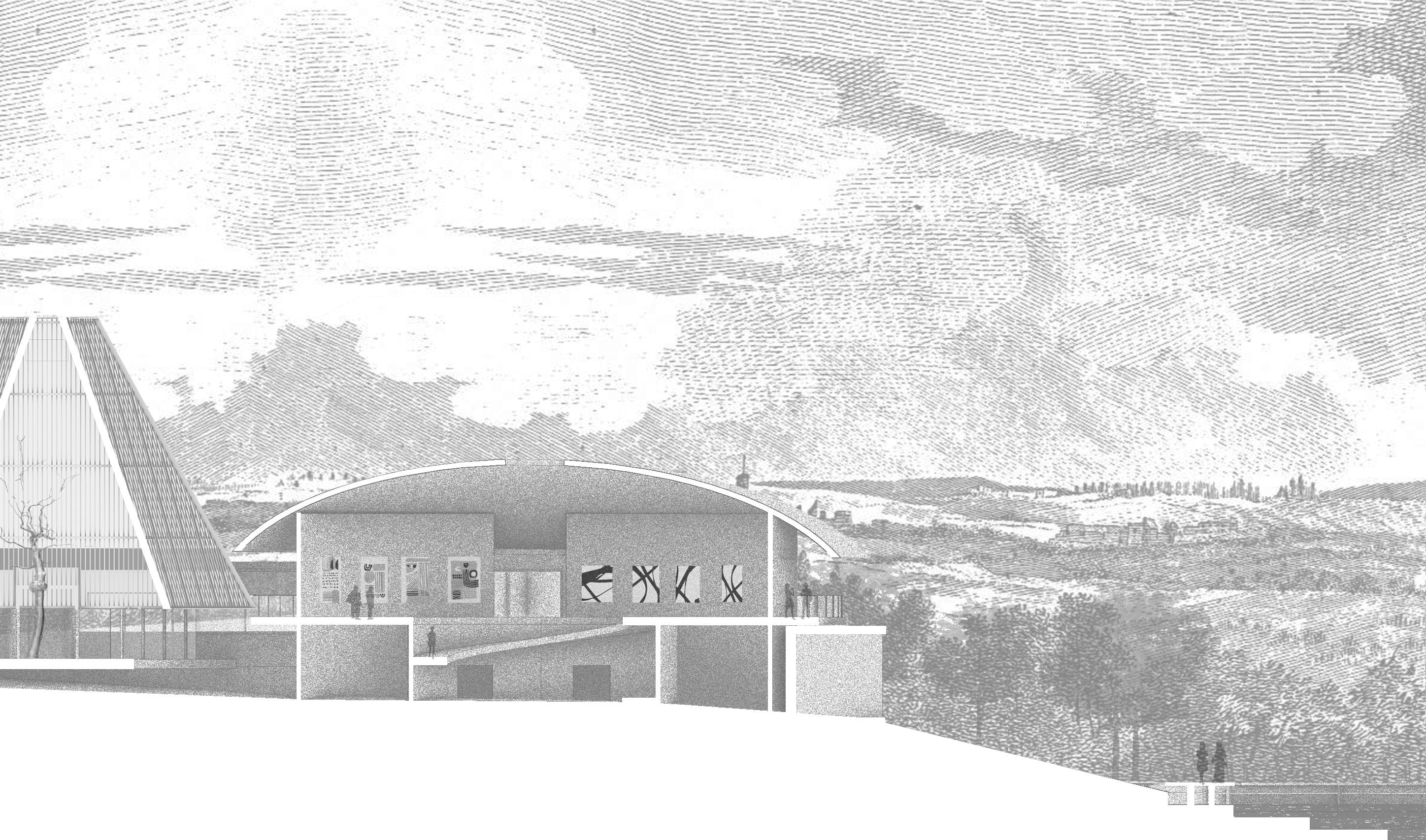
The main Fine Arts Exhibition lobby is sheltered by a dome structure, reflective of the local plains in the region. By juxtaposing the artificial and natural landscapes, it creates a smooth transition between interior and exterior.
The collage of decentralised structure pays homage to the agricultural heritage and the local way of life in Linpan.
Famous Linpan Cluster Formation
Reflective Elevation
Sound Museum
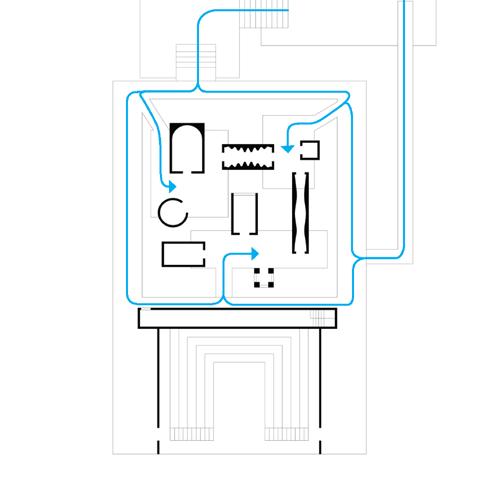
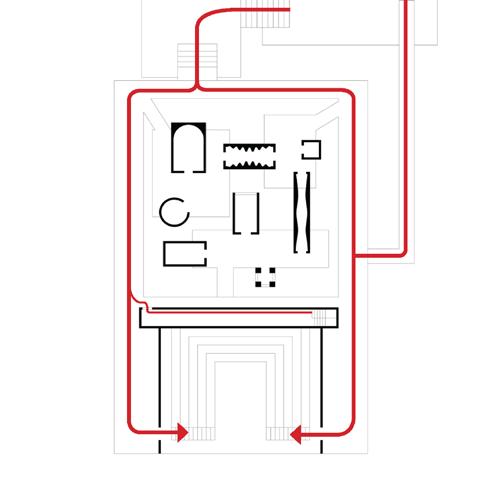
Composed of different zones, the museum takes the users through an auditory experience, reflecting the sound of ones self, nature, and others.
As the users enter the central atrium pool, they are met with an archipelago of sound rooms, each offering their own self-auditory experience through variation of scale, light and ambience.
A 975,000m2 masterplan project situated in South Korea. The site sits in the centre of a large transport intersection, with high speed railway and subway lines running adjacent to the plot
Role:
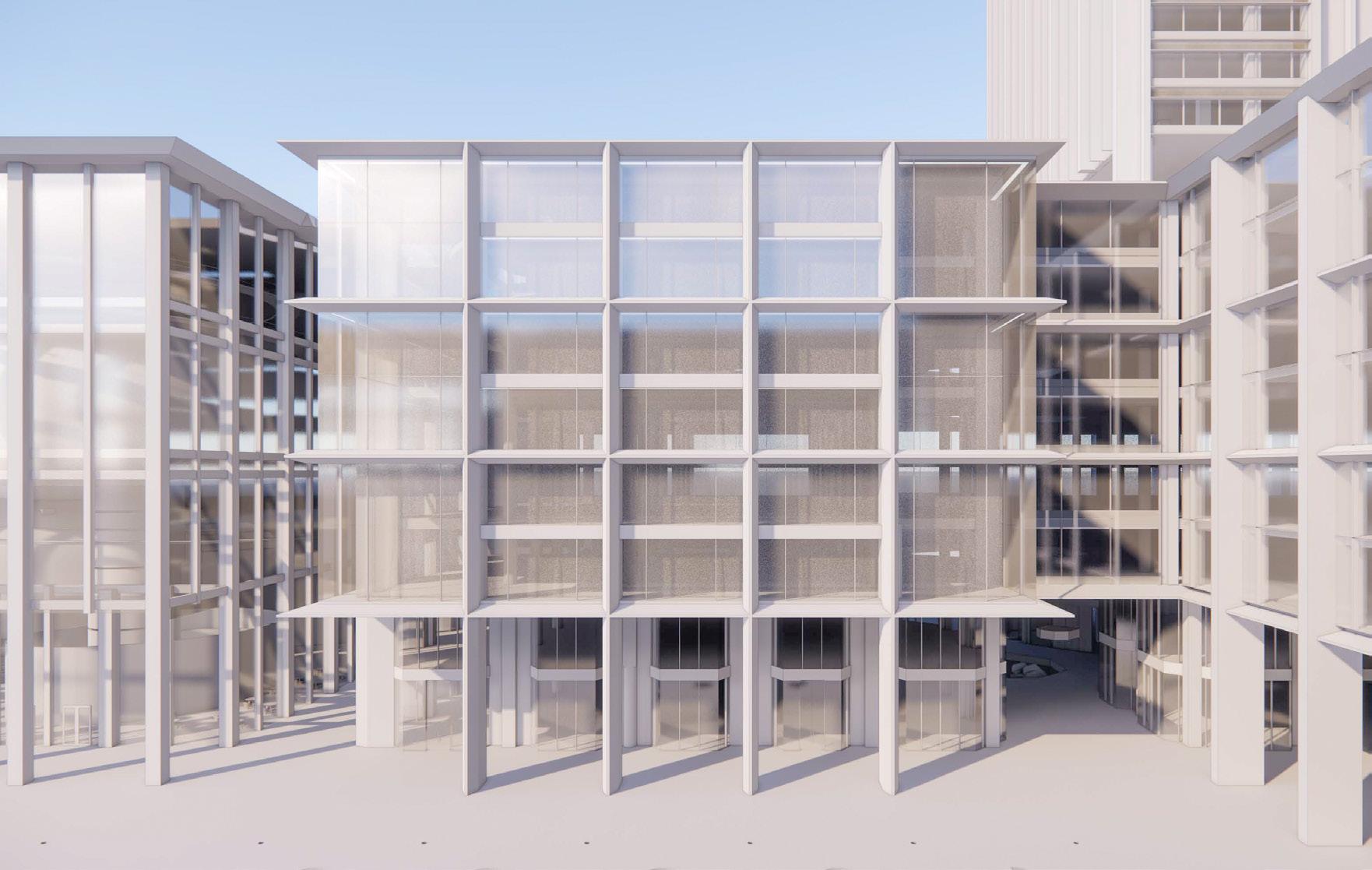
I was placed in the Green Team which lead the retail and masterplanning aspect of the project. My tasks included producing design studies, plans and sections, modelling both physically and digitally for render production. I worked independently on facade design options for the 90,000m2 department store. Aiding the coordination of facade designs between the 5 different mixed-use buildings within the masterplan.
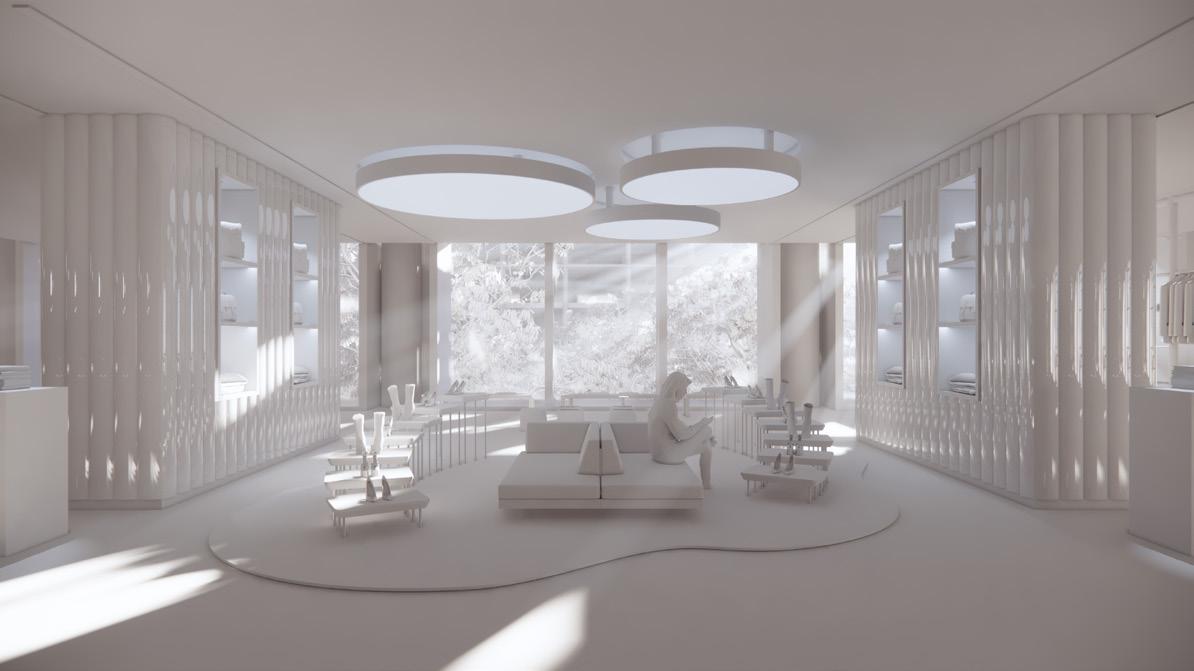
Individually tasked with designing and developing department store interiors. Completed 5 concept designs throughout the scheme and worked closely with visualisers.
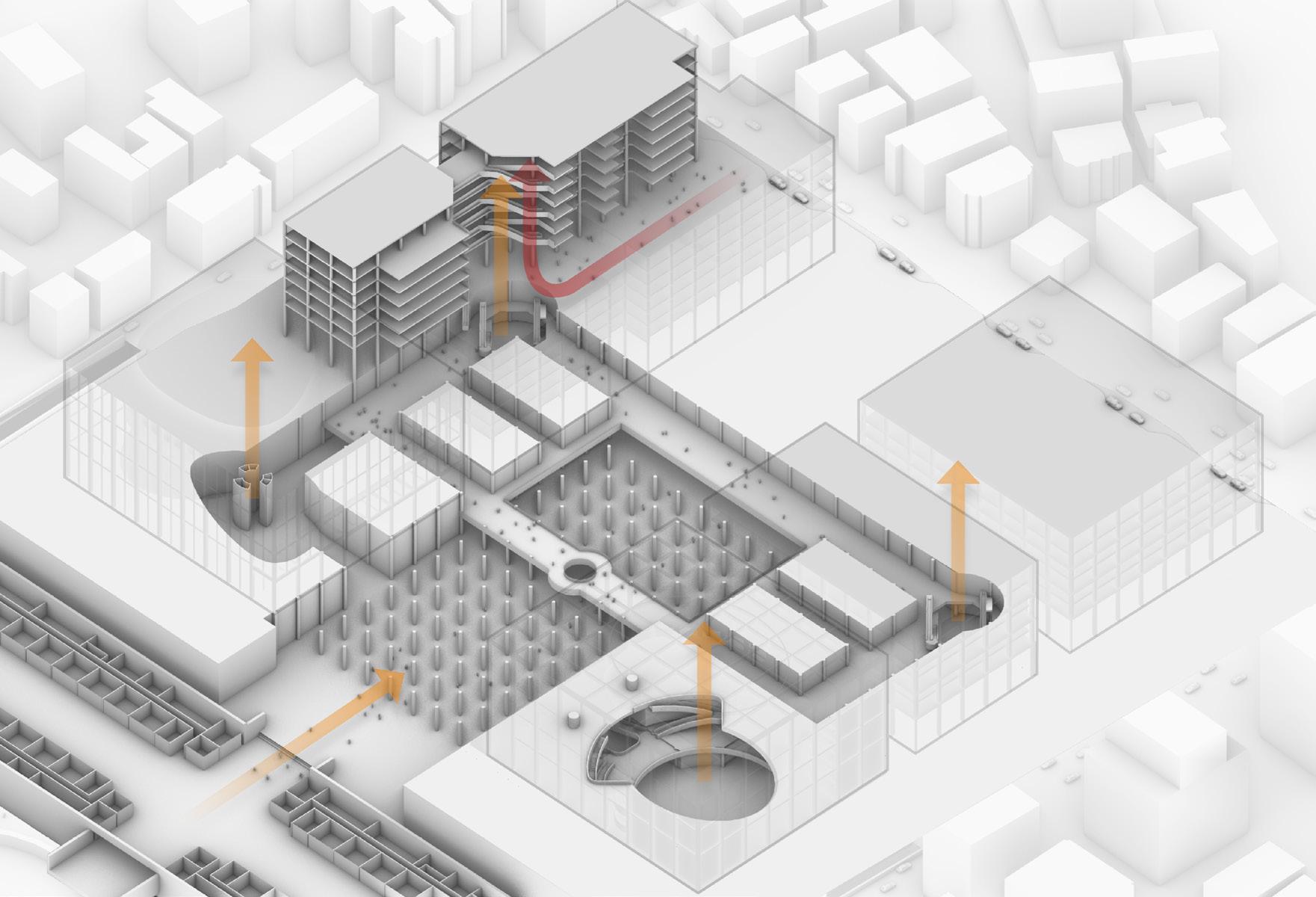
Conducted a retail-focused circulation study to investigate the basement retail’s relationship with the department store.
1. Initial Concept Model @ 1:350
2. Department Store Facade Study
3. Concept Interior Visulisation of Department Store
4. Retail circulation diagram
4.
3.
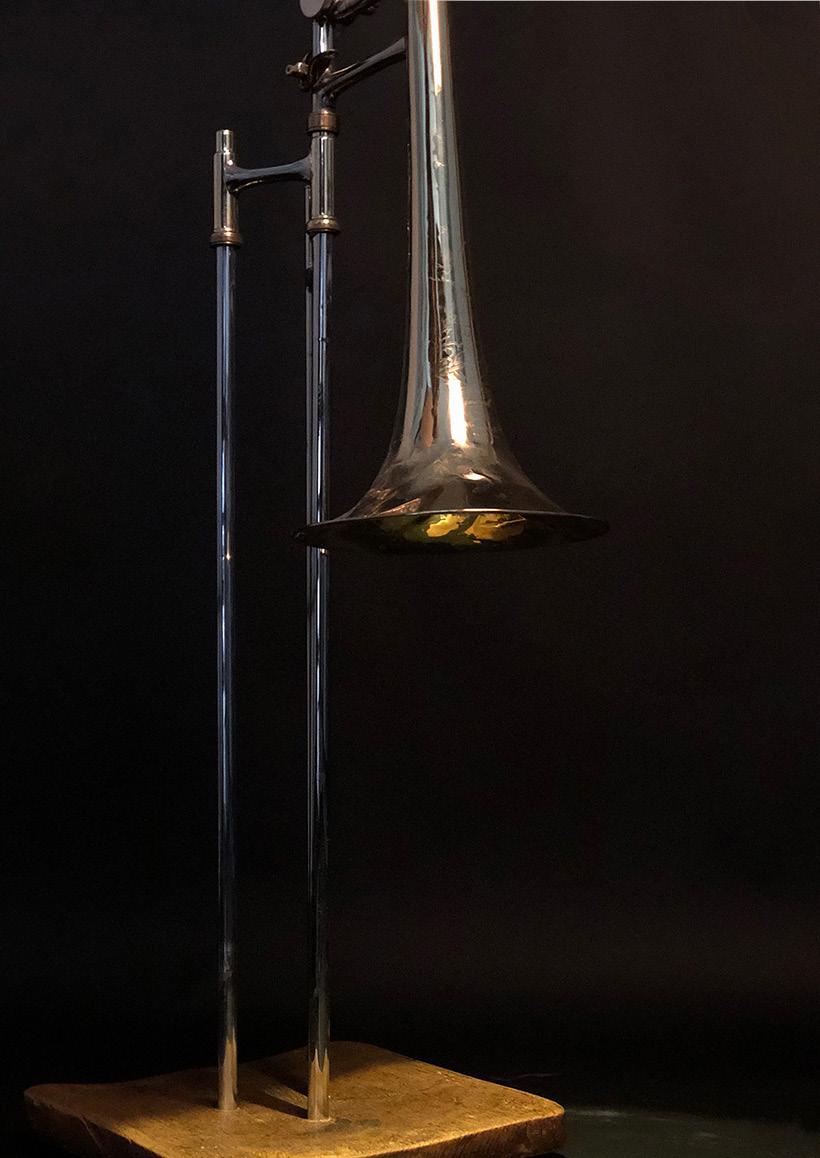
BRASS LUMINESCENCE
Themes: Re-use, Upcycling, Furniture
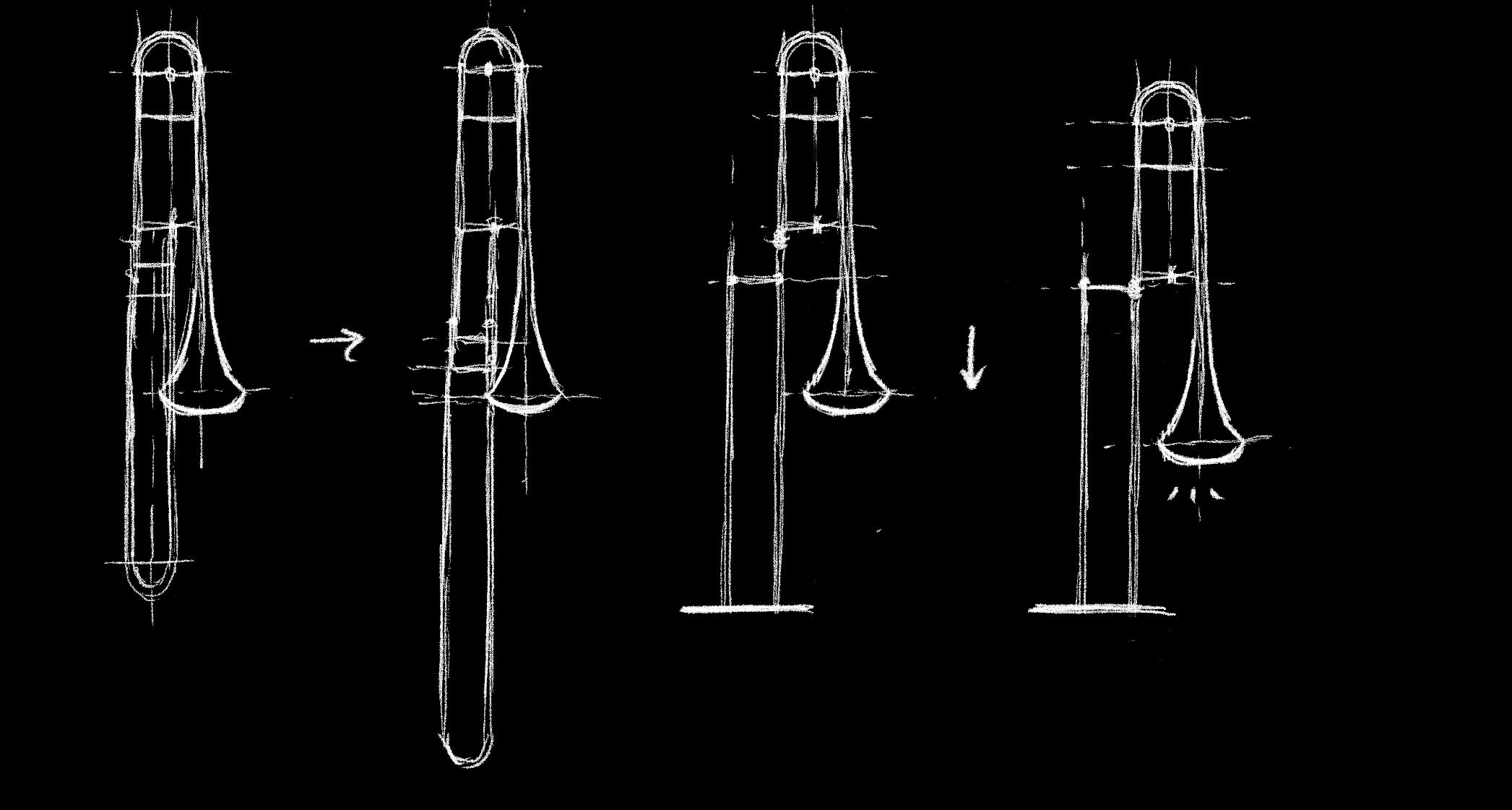
An upcycled Lamp from an old trombone and a high-stool seat. The LED bulb housed within the bell has its wiring through the turning slide and down into the slide tubes. The slide receiver houses a magnetic reed switch that allows the lamp to be turned on and off through height alteration.