Design Portfolio

MICHAEL ORTIZ
ADDRESS: 974 WHEATON DR CORONA CA 92878
PHONE: (951)-833-6064
EMAIL: MIKE_O_17@YAHOO.COM
OBJECTIVE
Dedicated and responsible worker that will provide outstanding work ethic. I can learn new responsibilities fast and accurately. I will represent a professional and friendly demeanor at all times. I am self-motivated and always strive for excellence. Works well in teams as well as individually.
SKILLS
AutoCAD
Rhino 3D
Adobe Creative Suite
Microsoft Office Suite
EXPERIENCE
CASHIER • WABA GRILL • 2018 – 2020
My responsibilities included; cleaning, providing excellent customer service, cooking, and money management.
CUSTOMER SALES ASSOCIATE • LOWES • 2020 – PRESENT
My responsibilities included; providing excellent customer service, making paint, inventory management, and sales.
BIOLOGICAL SCIENCE AID • SANTA MONICA MOUNTAIN FUNDS • JUNE, 2023 – AUGUST, 2023
My responsibilities included; trails and facilities work, habitat restoration work, and nursery work. Working in a team-oriented setting. Worked often with California native flora.
EDUCATION
DIPLOMA • 2017 • NORCO HIGH SCHOOL
BACHELOR OF SCIENCE, LANDSCAPE ARCHITECTURE (BSLA) •
2019-2023 • CALIFORNIA POLYTECHNIC STATE UNIVERSITY, POMONA
Minor in Regenerative Studies
AWARDS
CALIFORNIA POLYTECHNIC STATE UNIVERSITY, POMONA
2019-2023 Deans Honor List
2023 Graduated with Cum Laude
1. Cultural Catalyst
2. Venice Bay Ecological Reserve
3. All For Entertainment
4. Silver Links
5. Learning From The Lake
6. Personal Works
About
Enthusiastic landscape architecture graduate committed to fostering vibrant communities through sustainable and ecologically responsible design. Passionate about enhancing the urban and natural environments by creating harmonious spaces that prioritize community engagement, promote resource conservation, and celebrate the intrinsic beauty of landscapes. Eager to apply my creative skills, technical expertise, and dedication to contribute meaningfully to projects that positively impact people and the planet.
Content

Why a Cultural Catalyst is needed?
Creative Sector Economic Value
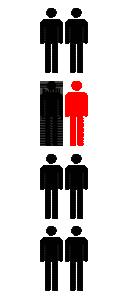
1 in 8 people are employed by creative sector in both counties
Over the last year LA County has made more money in the creative/cultural sector compared to Orange County
$115 billion TO $14 billion IN SALES
48% of LA visitors participate in a cultural event
20% of LA visitors are cultural toursits
This data is provided by the OTIS College showing the economic value of building creative and cultural sectors in the two counties.
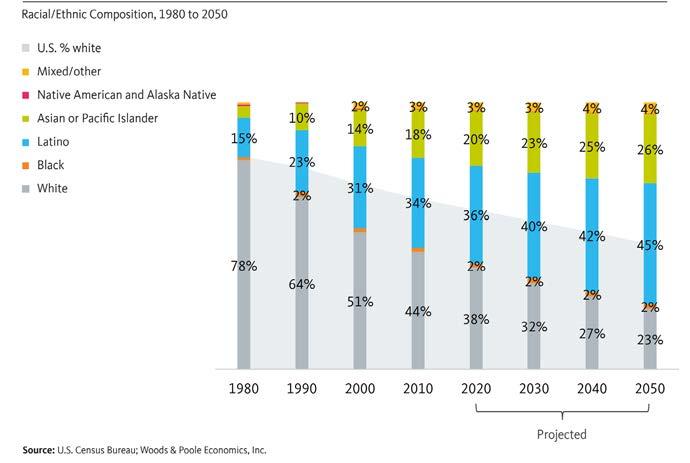
OC Ammenities Anaheim Santa Ana Santa Ana Huntington Beach IrvineIrvine Legend Cultural Attractions Site Highways Capistano Capistano San Juan San Juan San Clemente 5 5 91 405 Knott’s Berry Farm Fullerton Museum Center Muzeo Honda Center Hilbert Museum Bowers Museum Segrestrom Center for the Arts OC Great Park Disneyland Angel Stadium South Coast Plaza Irvine Spectrum Fashion Island Laguna Arts Museum Mission San Juan Capistrano Casa Romantica OC Demographic
1.
Projections
1.
1.
Venice Bay Ecological Reserve
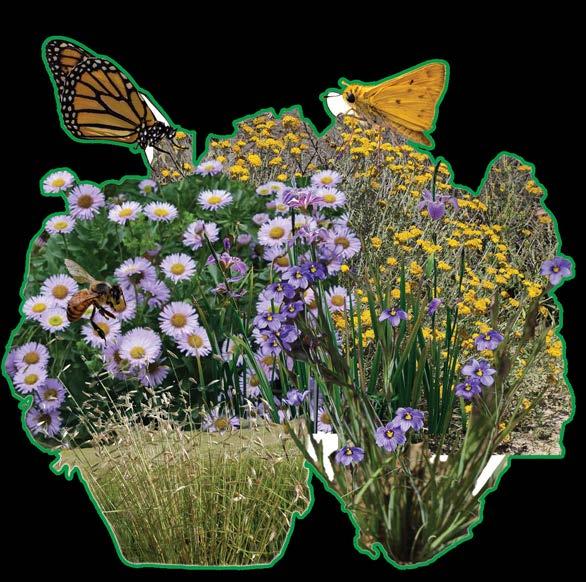
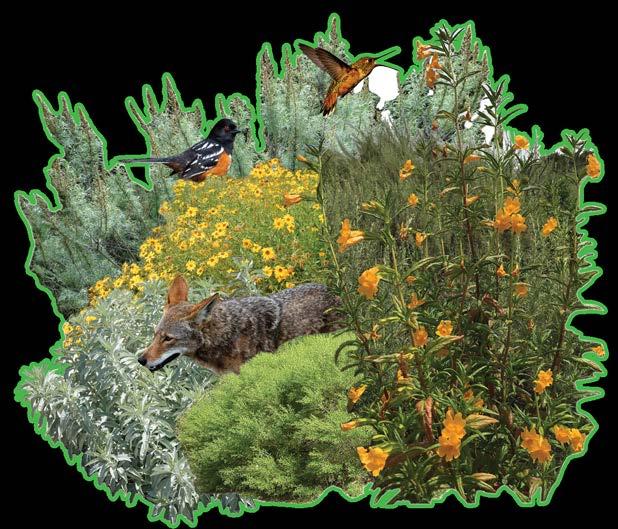
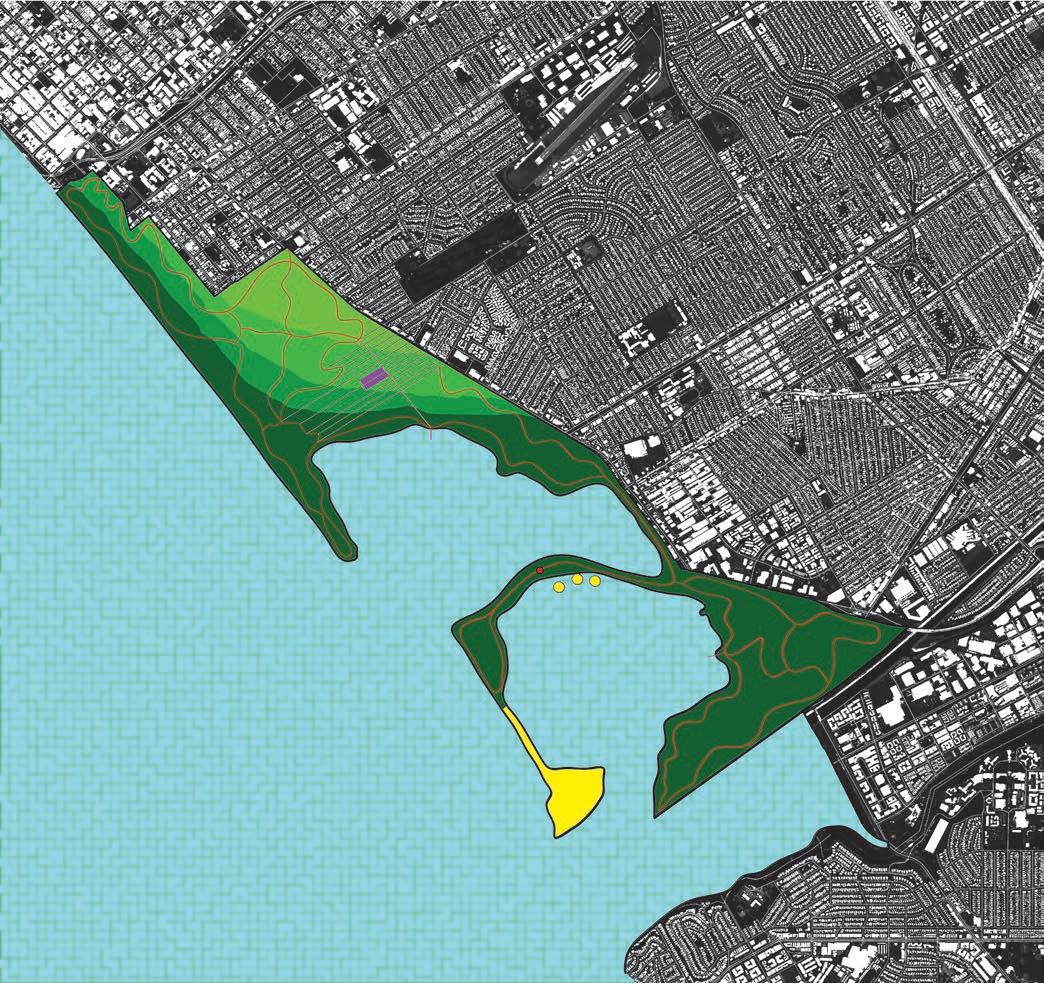
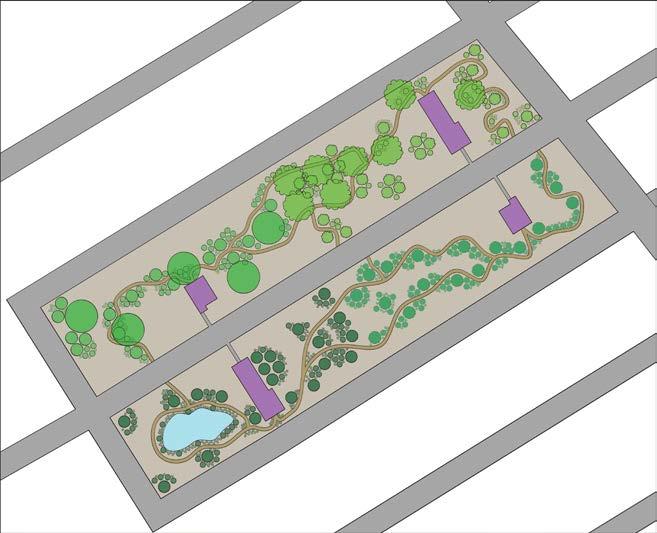
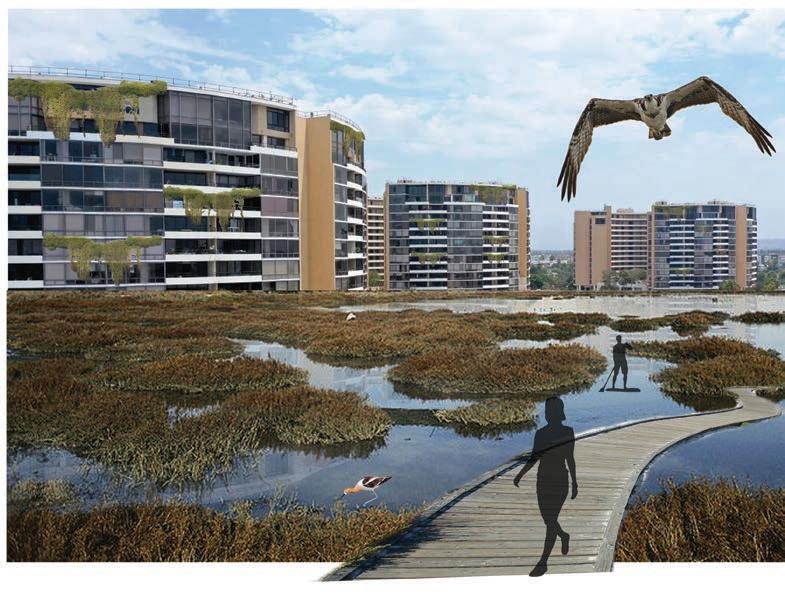
This takes place in the year 2100 where sea level rise has taken a toll on California shorelines, especially the Venice area. This project reimagines what the Venice area would look like with ten feet of sea level rise. In place of all the infrastructure that has been removed is an ecological reserve that creates an open space for humans as well as local wildlife.
10’ of Sea Level Rise
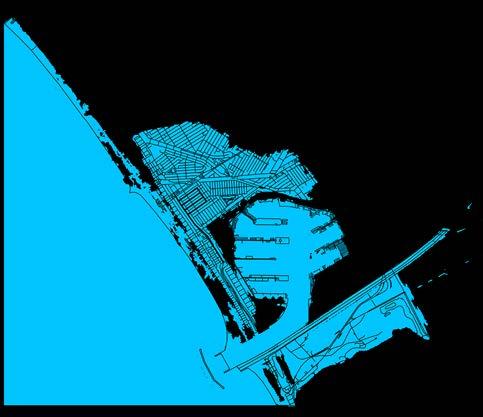

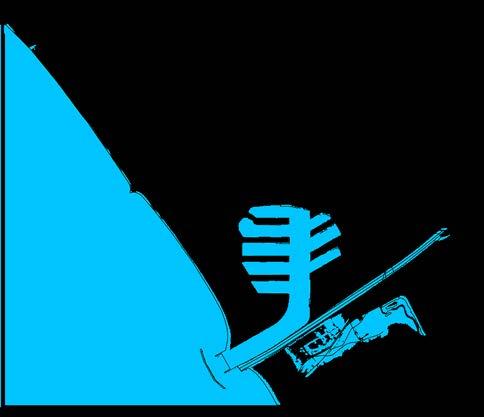




19 MILES OF NEW TRAILS
 1,684 ACRES OF GREEN SPACE
NEW BAYS FOR WATER ACTIVITIES
1,684 ACRES OF GREEN SPACE
NEW BAYS FOR WATER ACTIVITIES
0’ S L R 3’ S L R 8’ S L R 10’ S L R
2.
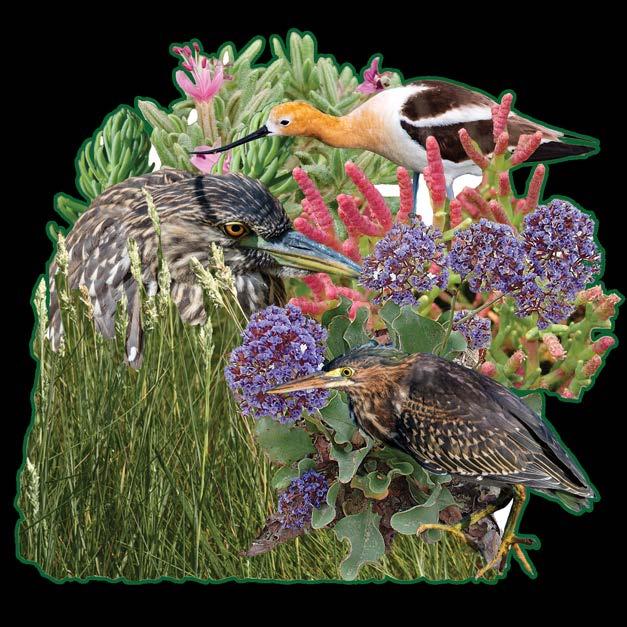
California Salt Marsh
California Coastal Prairie
Coastal Sage Scrub
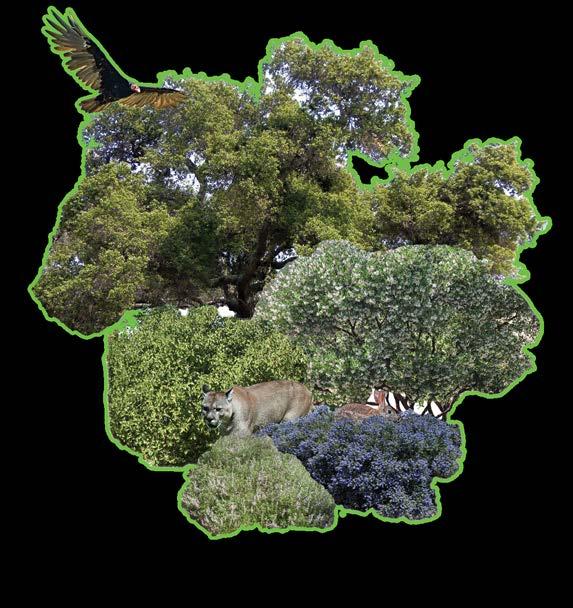
California Chaparral
Legend
California Chaparral
Coastal Sage Scrub
California Coastal Prairie
California Chaparral
Water
Nesting Area
Demonstration Garden
New Trails
Existing Roads
Piers
View 1
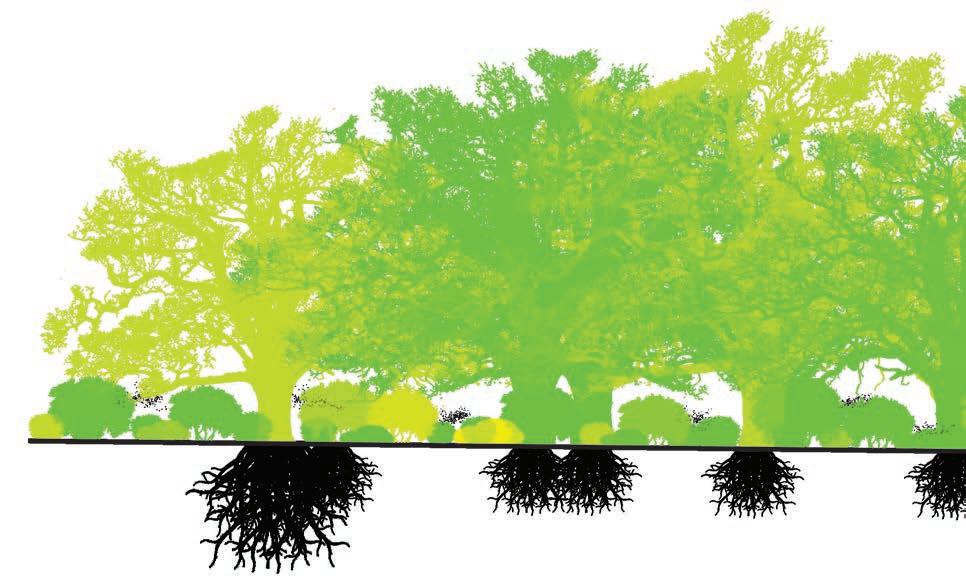
Section AA
Demonstration Garden
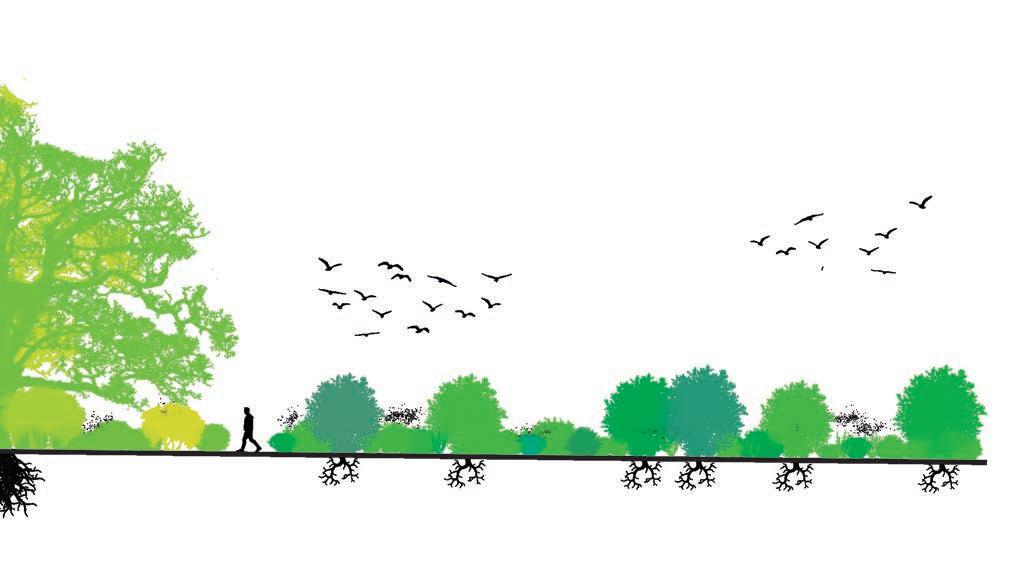
California Chaparral
Coastal Sage Scrub
California Coastal Prairie
California Chaparral
Water
2.
Demonstration Garden Legend VIEW 1
All For Entertainment
Team Members:
Gerlie Rodriguez
DonnoVan Vo
Darius Kennedy
Brandon Mateo
Daniel Echeverria
Project Description:
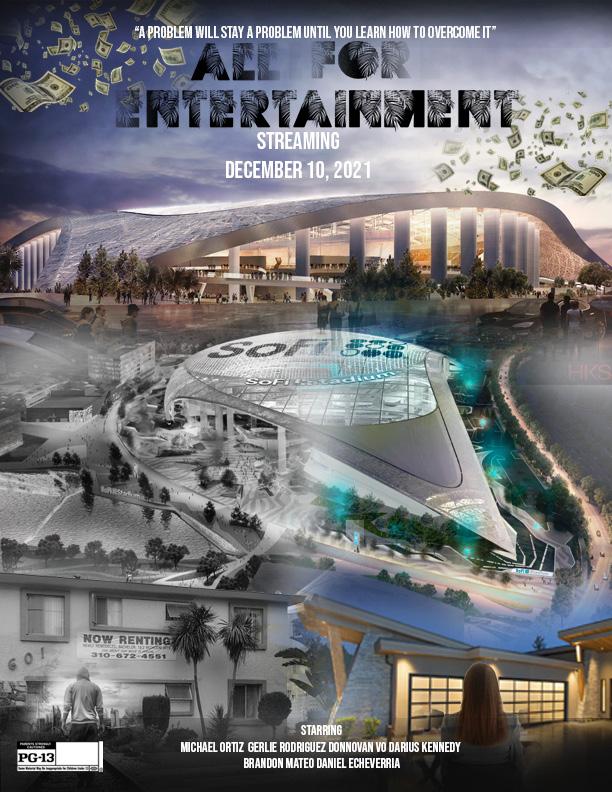
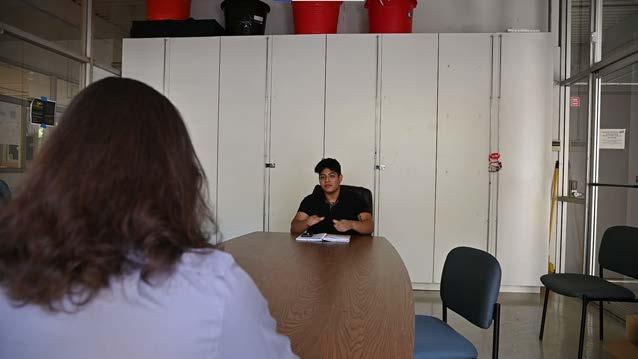
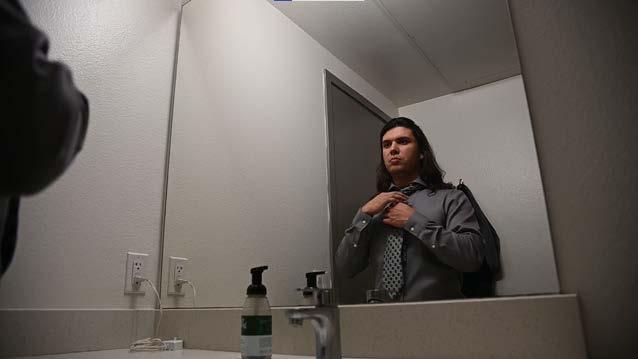
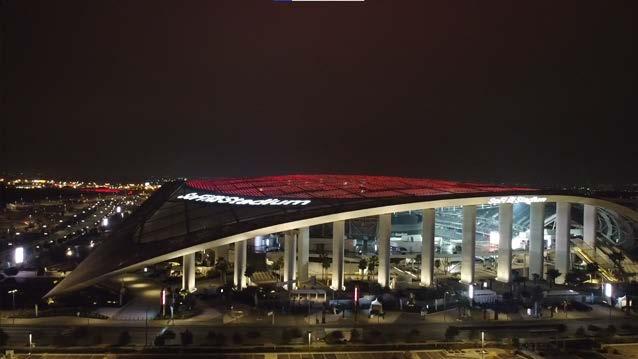
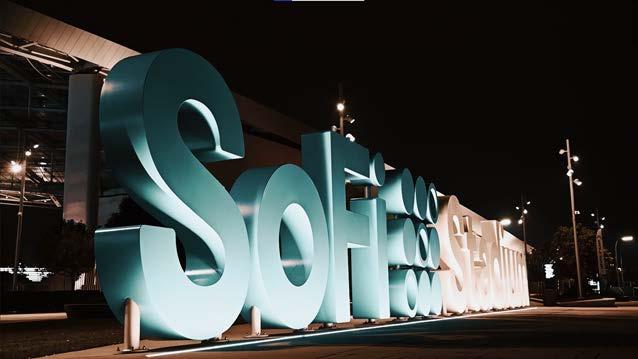
This is a story of Sofi Stadium and its effects on the community of Inglewood shown through a short film written, shot, and directed by students. The narrative was crafted through research via news articles, interviews, and media sources. The film is a dichotomy focusing on two characters that highlight both the opportunities and problems that the stadium has contributed to. The film guides the viewers to make the decision if the stadium was worth building or if the space could have been used to make more of an impactful change for the residents of Inglewood.

3.
Workflow
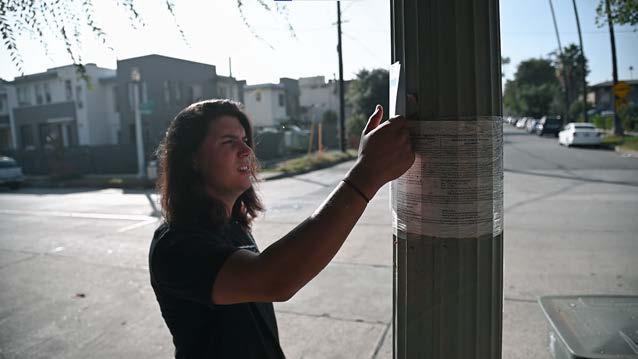
We put a lot of planning into each shot of the movie. First we would sketch out what the scene would look like and sketch how the scene would be shot. We then made a list of everything we needed for the shot. Using this workflow allowed us to work efficiently when recording to allow us to not waste any time.
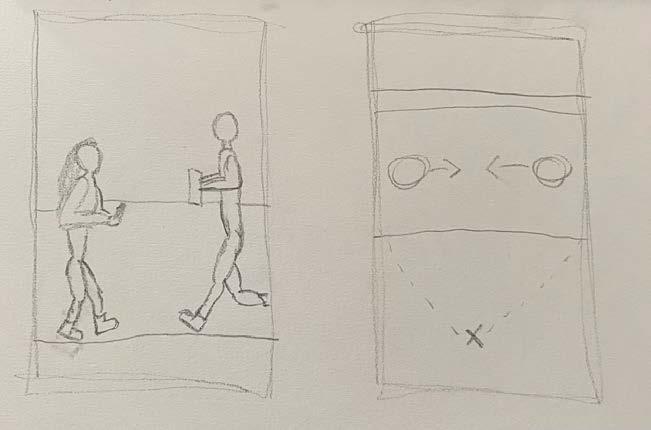
Scene #1 Shot #3
Camera + Stabilization + Movement
Lighting + Lighting Movement
Location
Lens Type
Actors
DSLR + Tripod
Ambientt Bar Mailbox
50mm < x < 35mm Andy
Scene #3 Shot #5

Camera + Stabilization + Movement
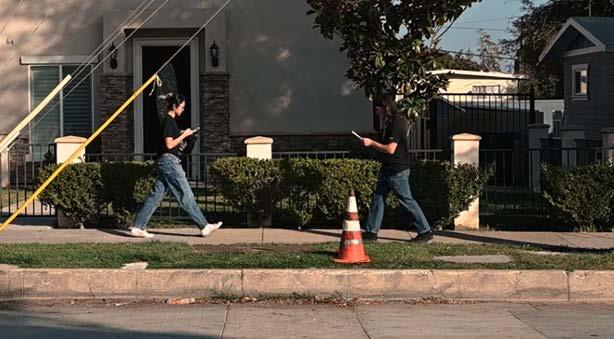
Lighting + Lighting Movement

Location

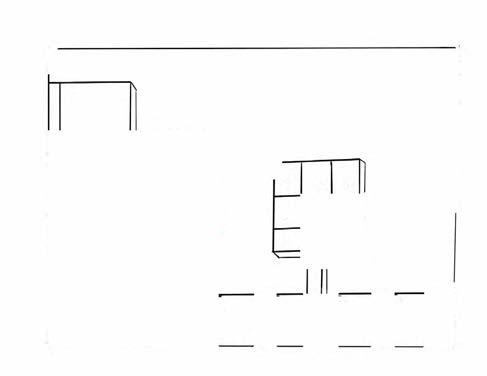
Lens Type


Actors
DSLR + Tripod Ambientt Local Street
50mm < x < 35mm
Gessica & Mo
0 0 0 0 I
Still Shots
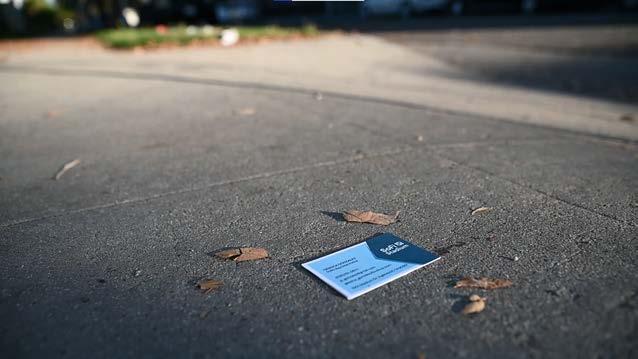
3.
Silver Links
Scale
 Michael Ortiz, Juan Vergara,
Narrative
+ Darius Kennedy
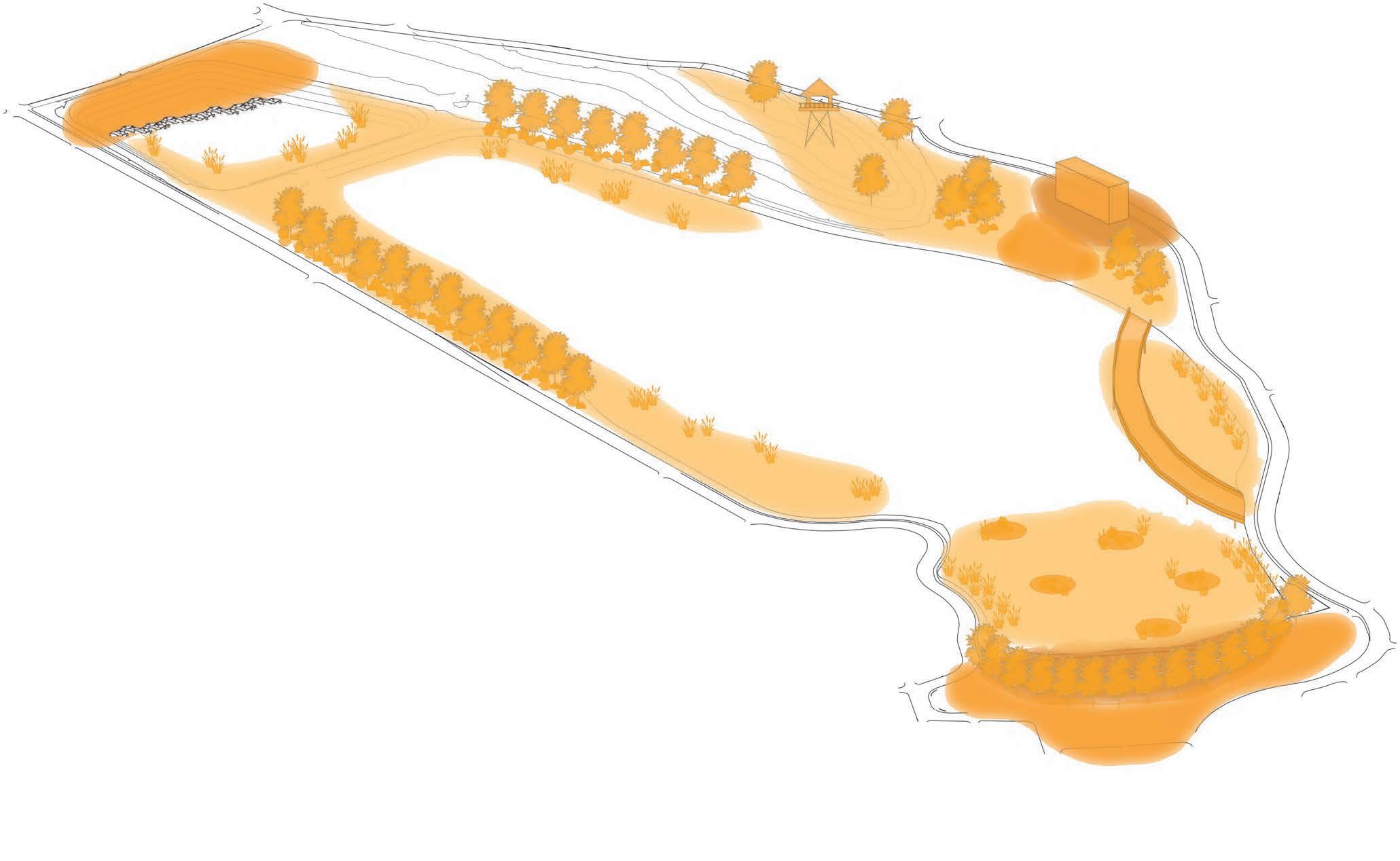
Our vision for the reservoir is to give the community as much access as possible. We did this by taking down all the fencing and allowing many entry points from the street to the different amenities. Also, we wanted to give the community the ability to interact with the water by giving them spaces of engagement with the water such as the rocky beach. The people that lived in the community wanted the reservoir to be an ecological paradise for the local wildlife. To create their vision we naturalized most of the concrete embankments. We are also establishing various native ecosystem habitats that will promote wildlife diversity to provide many species a home
Goals Ecology
At the reservoir we focused on ecology in two different ways. The first way was naturalizing different parts of the resevoir’s banks to allow for wetlands and riparian zones. The second way was to provide diverse habitats for wildlife through a bird sanctuary, floating islands, a native grove, and woodland chaparral.
Recreation
We wanted to create different areas for people to congregate and interact with the water. To interact with the water we made a rocky beach and a small lawn area that people can view and engage with water.
Education
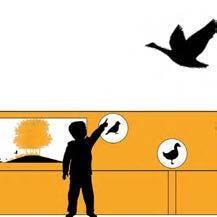
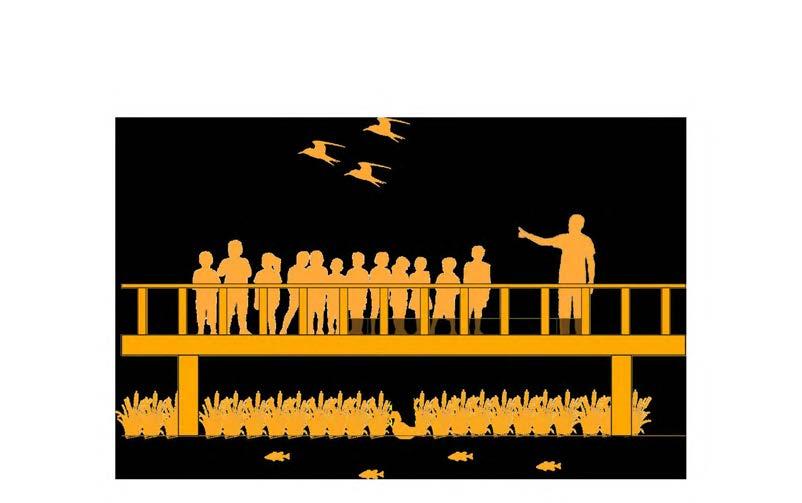
Different plaques will be placed throughout the reservoir showing the restoration process of our design and the new native plants and wildlife that will start to live at the reservoir. Also, we made a viewing bridge that allows users to look over a portion of the wetland habitat to see how it functions.
Native Grove
Scale: 1”=4’
Site
Hill Rocky Beach Wetlands
Native Grove
Bird Sanctuary
Recreational Center
Chaparral Woodland
Lounging Lawn
Open Water
Wetlands
Overlook Bridge
Wetlands
Overlook Bridge
Amphitheater
Playground
Dog Park
Scale: 1”=4’
Legend
Communal Space
Public Space Ecology
Scale: 1”=100’

Lookout Tower
4.
Silver Links
Michael Ortiz, Juan Vergara, + Darius Kennedy City Scale
Narrative
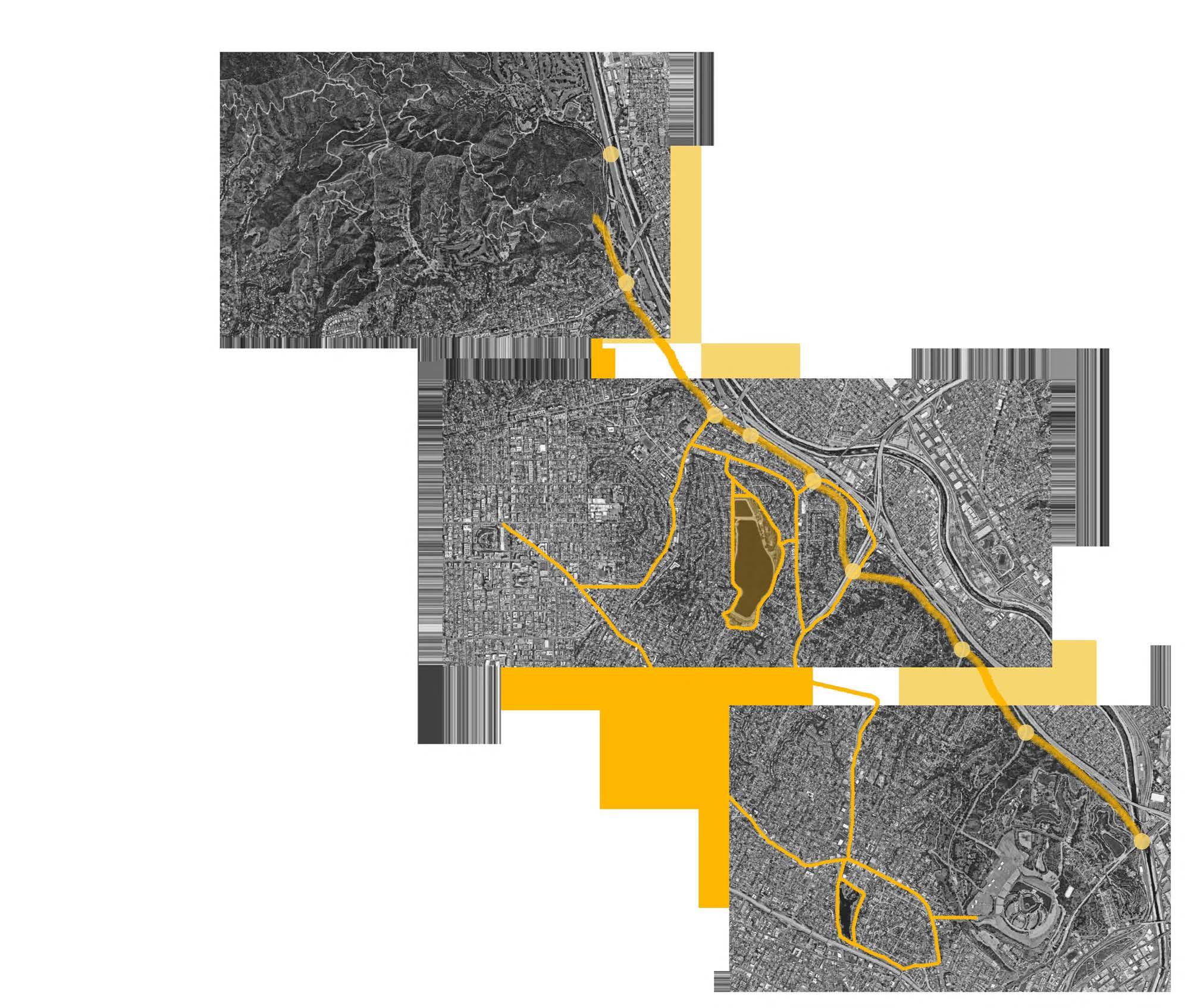
Green corridors were created to connect six significant parks in a three mile radius around the Silver Lake Reservoir. The streets selected for redesign were high usage streets that connect to each other to provide a network to get to all of the parks efficiently. For the corridors we established active transportation by making walkways and bikeways safer by establishing vegetative barriers. Also, these barriers help combat some climate change issues in the area by establishing large street trees that provide shade and increase air quality. Furthermore, the vegetation will provide a habitat that can lead to ecosystem development along the streets for insects, birds, and small mammals. We would like to propose a potential ecological corridor that could connect current trails and empty greenspaces together to provide a safe route for local wildlife to travel.
Goals
Ecology

The green corridors planted will be native vegetation that provides both the benefits of shade and improvement of air quality. In addition, establishing an ecosystem for native wildlife to thrive and travel between the different parks.
Transportation
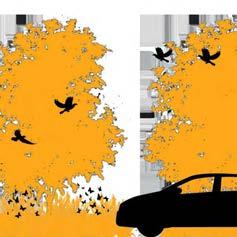
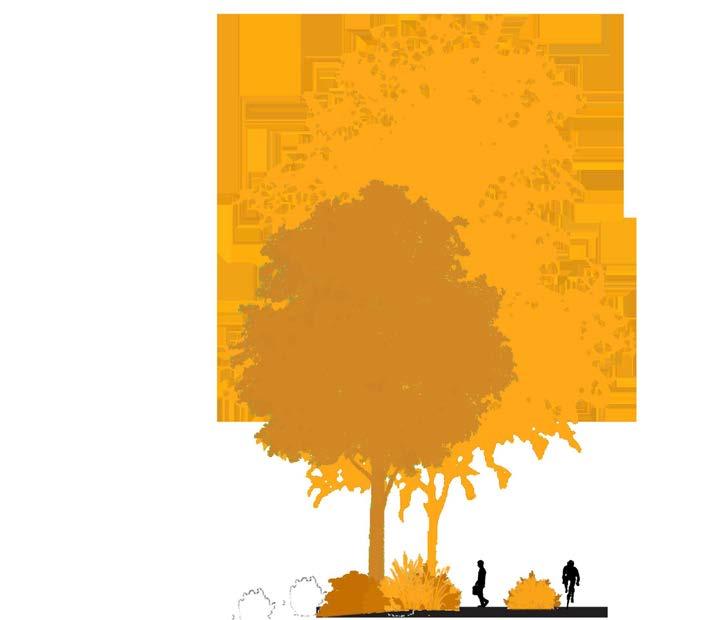
To encourage active transportation we remodel streets to provide safety from traffic through greenway buffers. Also, we filled greenways as much as possible with trees to provide shading while using the sidewalk.
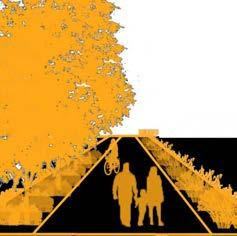
Communal Space
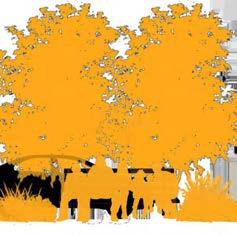
For the larger streets such as Glendale and Sunset Blvd., we eliminated a driving lane to extend the sidewalk and greenways. In these extensions there will be areas provided for seating so users can take a break and enjoy the surrounding plants. Also, the street median that runs across Glendale Blvd. has been remodeled to provide another walking path.
Legend
Scale: 1”=300’
Silverlake Blvd.
Scale: 1”=16’

Scale: 1”=8’
 Ecology Connection Points Ecology Corridor Green Corridor
Durane St.
Scale: 1”=16’
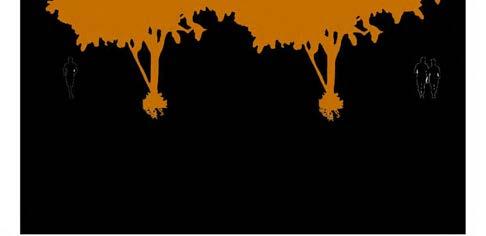
Scale: 1”=8’
4.
Learning From the Lake
By: Michael Ortiz
There is and fauna the habitat The goal ecosystem within it fauna. On animal migration California.
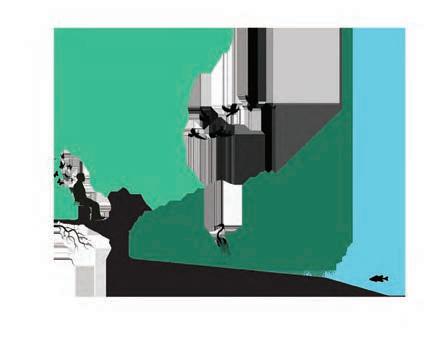
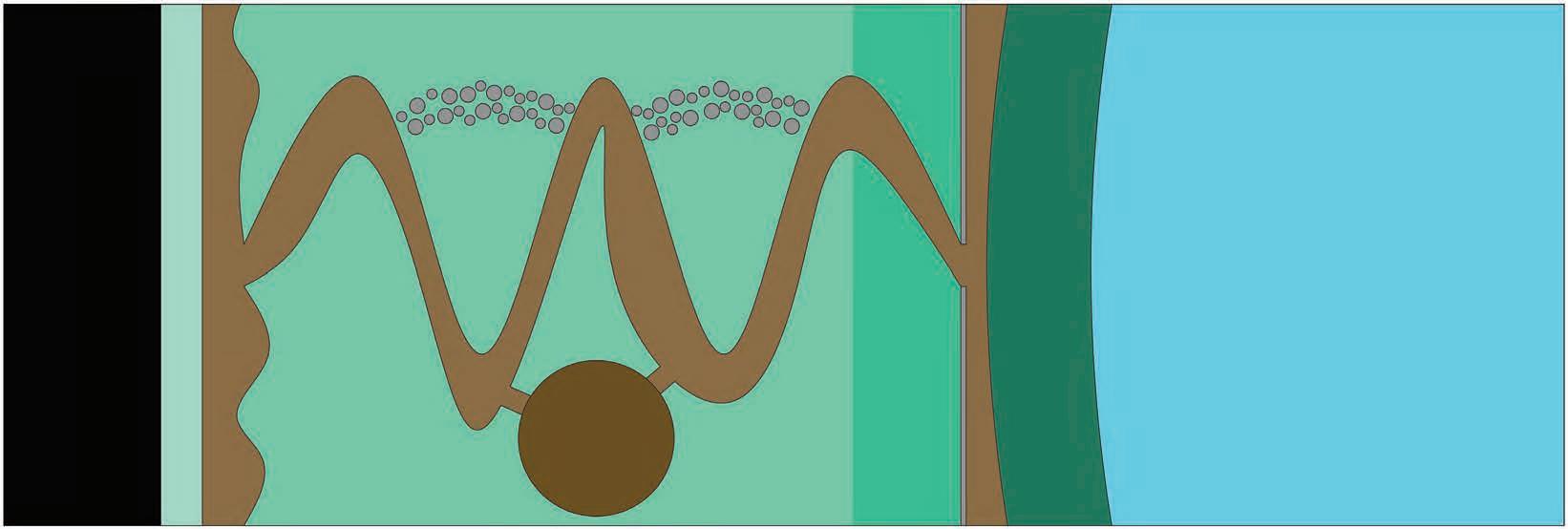
Planting Transition Planting
Planting
Upland
Wetland
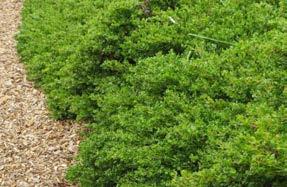
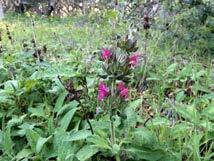
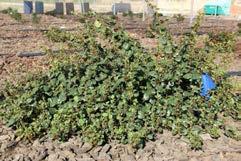
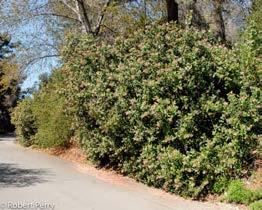
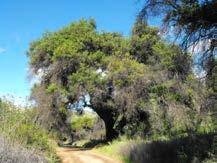
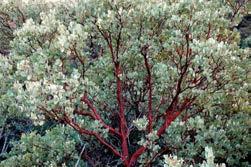
Arctostaphylos glauca- Big Berry Mazanita
Arctostaphylos glauca- Big Berry Mazanita
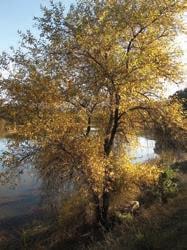
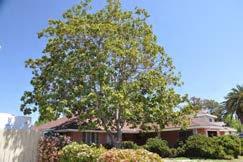
Platanus racemosa- Western Sycamore Salvia spathacea- Hummingbird Sage
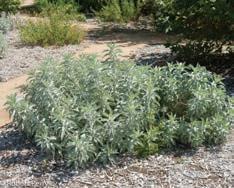
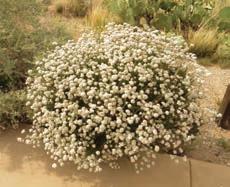
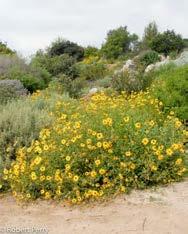
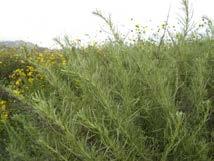
Baccharis pilularis- Coyote Brush Encelia californica- California Brittlebush Eriogonum fasciculatum- California Buckwheat Salix laevigata- Red Willow Salvia apiana- White Sage
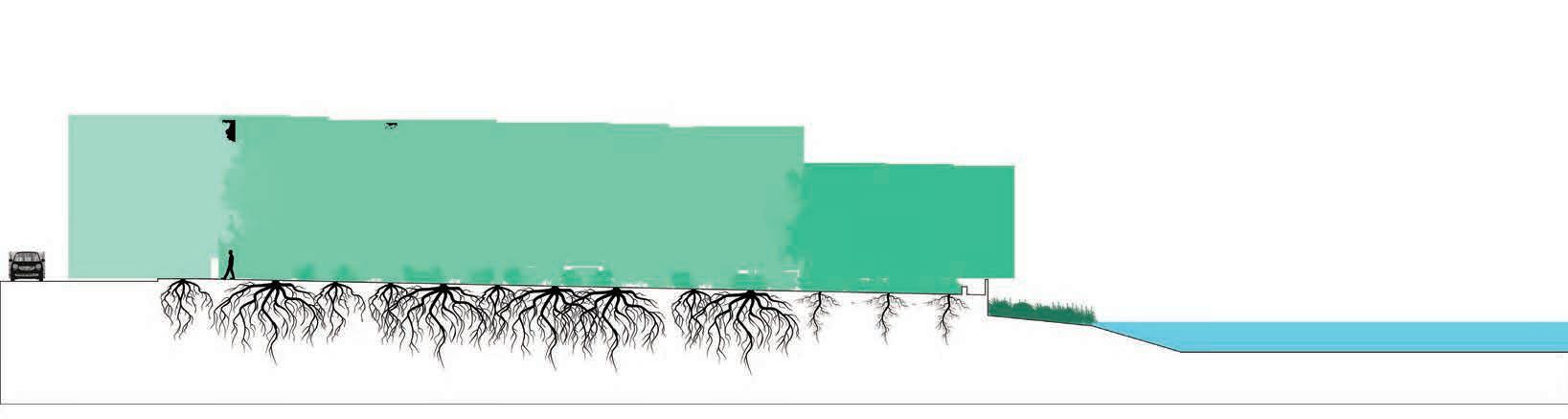
Street Upland Planting Transition Wetland
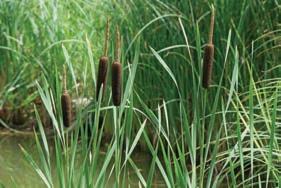
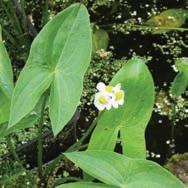
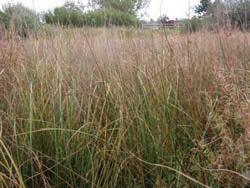
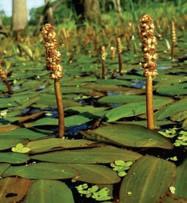
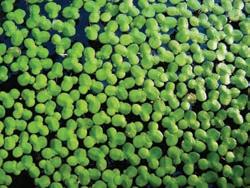
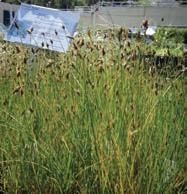
Juncus balticus- Baltic Rush Lemna minor- Duck Weed Potamogeton nodosus- Pond Weed Sagittaria latifolia- Broadleaf Arrowhead Typha latifolia- Cattail
is currently an abundance of flora fauna at the Silver Lake Reservoir but habitat conditions are not optimal. goal is to create a riparian ecosystem along with all of the zones to provide habitat for the local On a large scale this can help migration throughout Southern California.
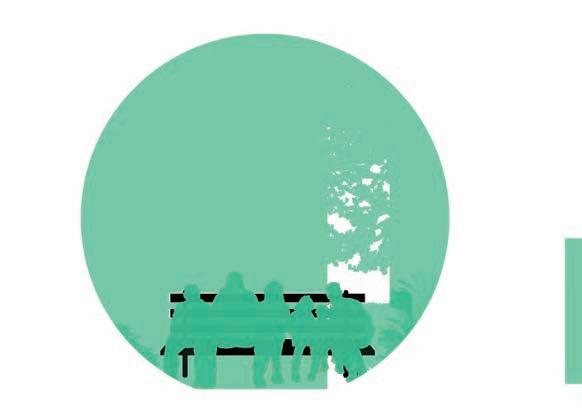
The current Silver Lake Reservoir is a harsh place gather in providing no shade and minimal seating. The goal was to fix both of those problems providing comfort-able gathering places that will encourage the user to travel closer to the water’s edge. The removal of the fence around the reservoir allows for more site permeability and access.
The goal was to create a space that allowed users to get away from the busy city and get immersed into the landscape. As the user meanders through the site, they get to see how the environment changes from an upland chaparral habitat to a wetland habitat in the water. Preserving and maintaining the ecological aspects of the site was a main focus in this design. Currently there is a lot of fauna that use the site in its current state, but it is not optimal and can be improved upon. Another main focus was education which can help teach the community about the local ecology at work. Signage throughout the area will help teach the community about the ecology while they see it happen in real time. The last focus was social gathering. Throughout the site there are gathering places that allow the user to take a break from walking through the experience.
Elevation: 460’
Proposed Water Level: 457’
Current Water Level: 455’

By educating the community you now have a community that is informed about the ecology of the area which will encour-age them to preserve it as well. This can also be a huge learning point for the youth of the area which will retain the knowledge they learn and apply it to their future as well.

Proposed Base Level: 454’
5.
Learning From the Lake By:
Michael Ortiz
Choosing the materials used in the restoration was based on helping reduce storm water runo throughout the site as much as possible. Decomposed granite was already present on the site in the form of the sidewalks, so it made sense to have to flow into the site from the sidewalk all the way to the waters edge. When it comes to approaching the issues with the existing street widening the parkways and adding permeable paving to the area where the cars can park, can help with permeability of water through the site. Precast concrete pavers are used in a small portion of the site that serve as an alternative route. Concrete is kept to a minimum and is only used for the seat wall as well as the retaining wall for the new adjusted elevation. The entire site has a slight slope towards the reservoir so if there is any excess runo it would feet right into the reservoir. 2 SCALE:
3
1” = 1/4’ 1 SCALE: 1” = 1/4’


3
1” = 1/4’ 5 SCALE: 1” = 1’
1” = 8’ 0’4’ 8’ 16’ 5.
SCALE:
SCALE:
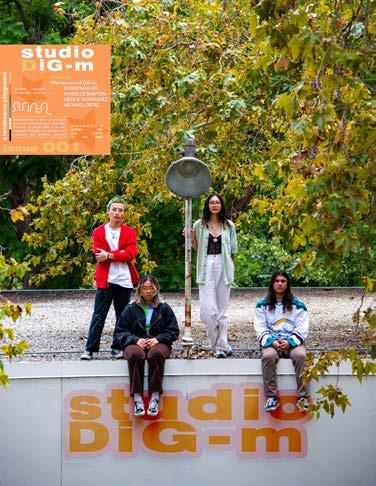
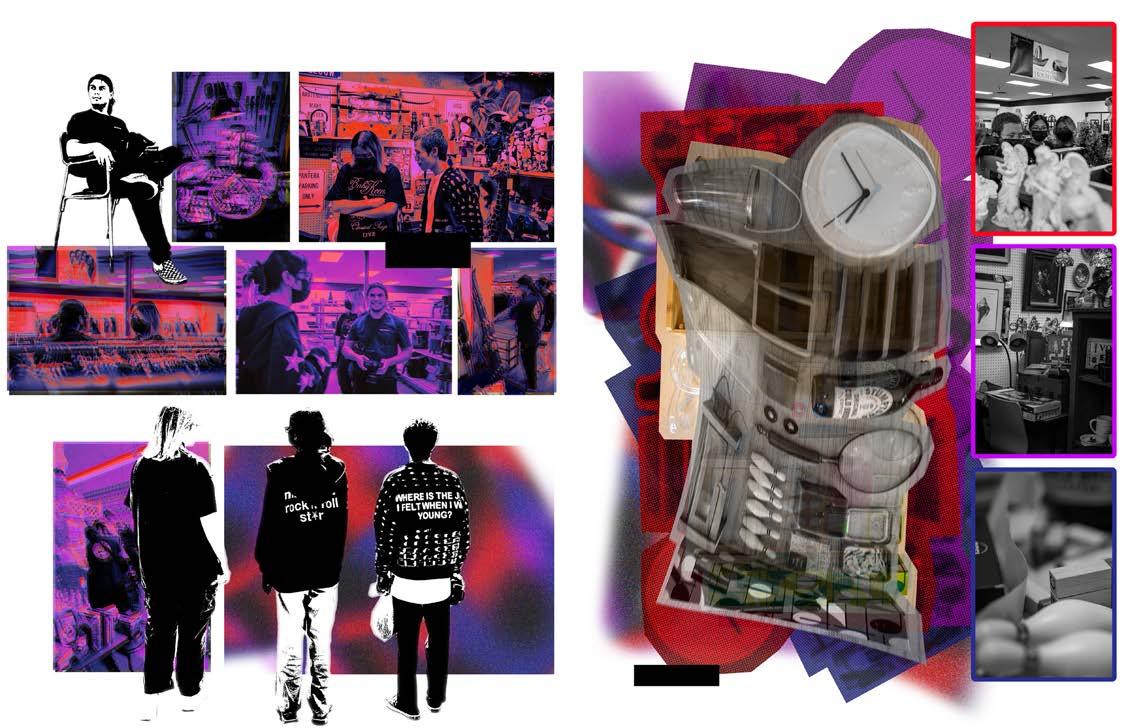
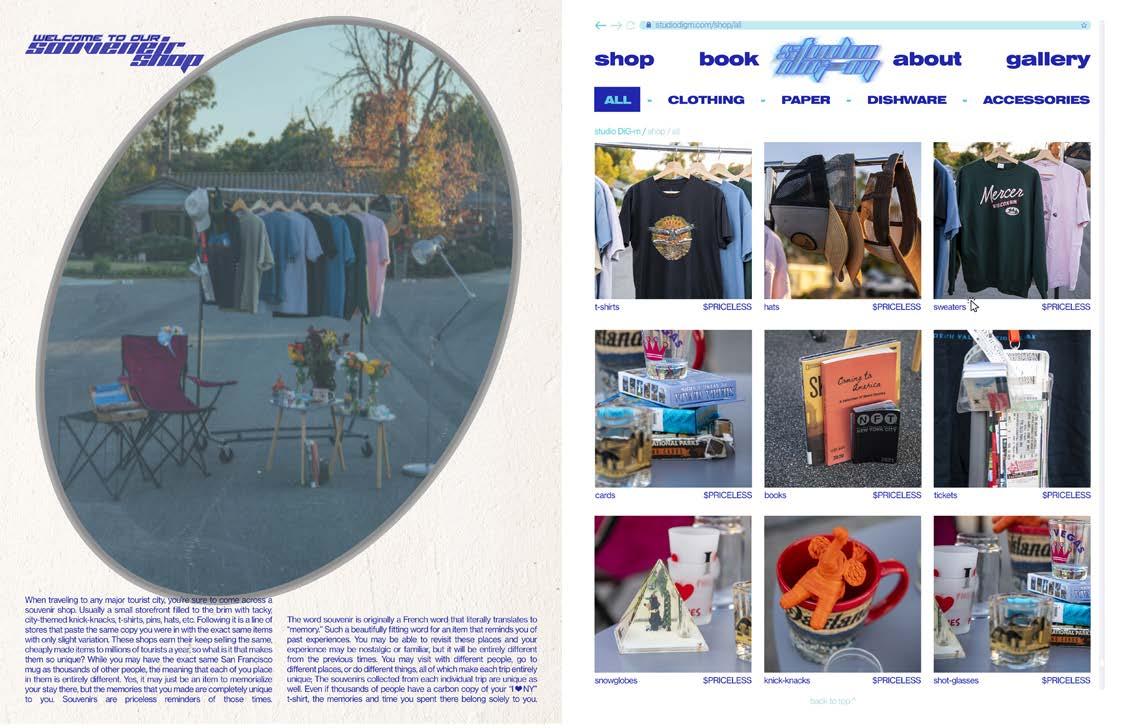
Studio DiG-m
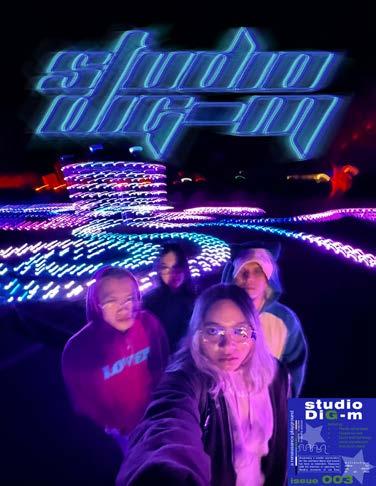


Collaborators: Gerlie Rodriguez, DonnoVan Vo, and Isabelle Nguyen

6.
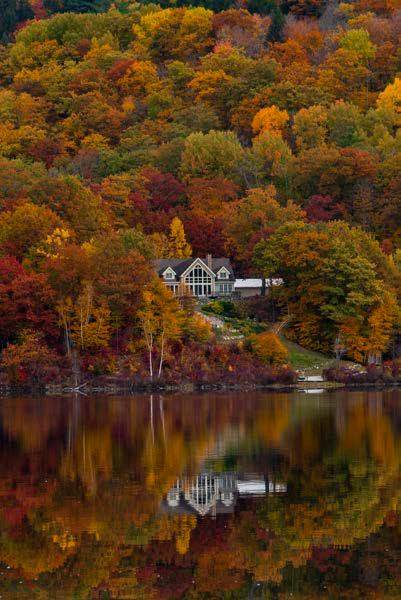
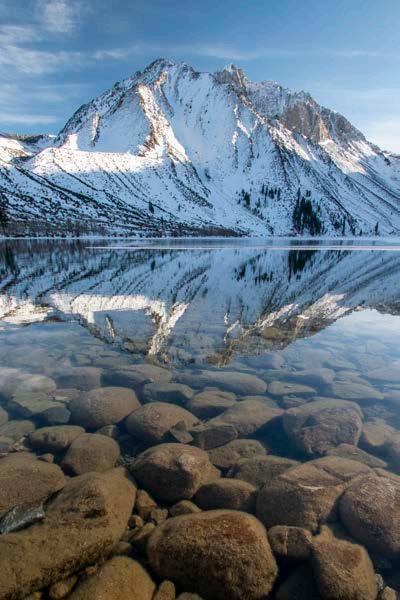
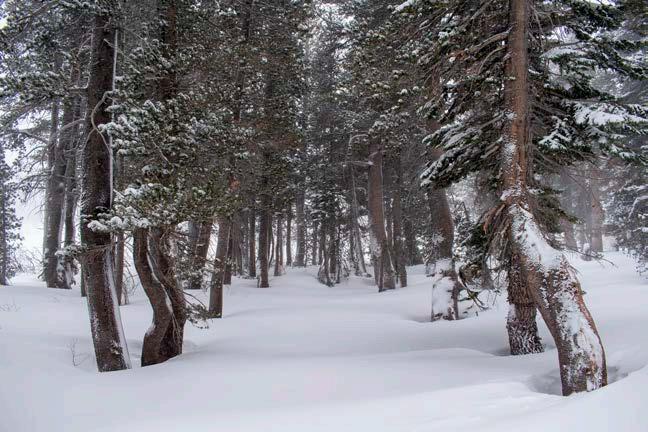
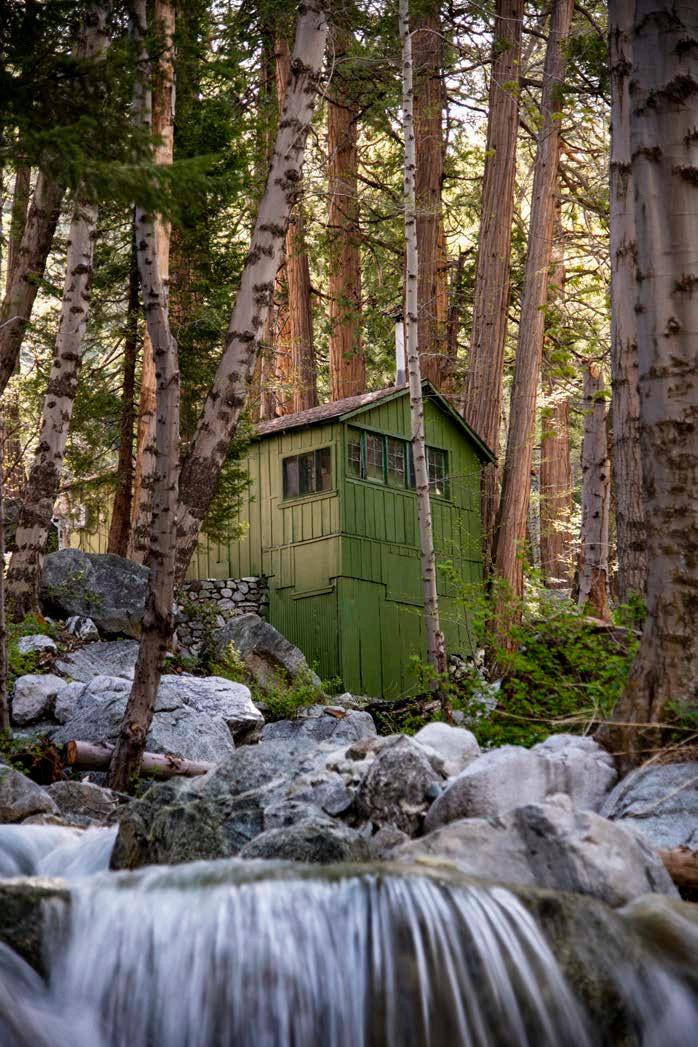
Photography
6.
6.
Thank You