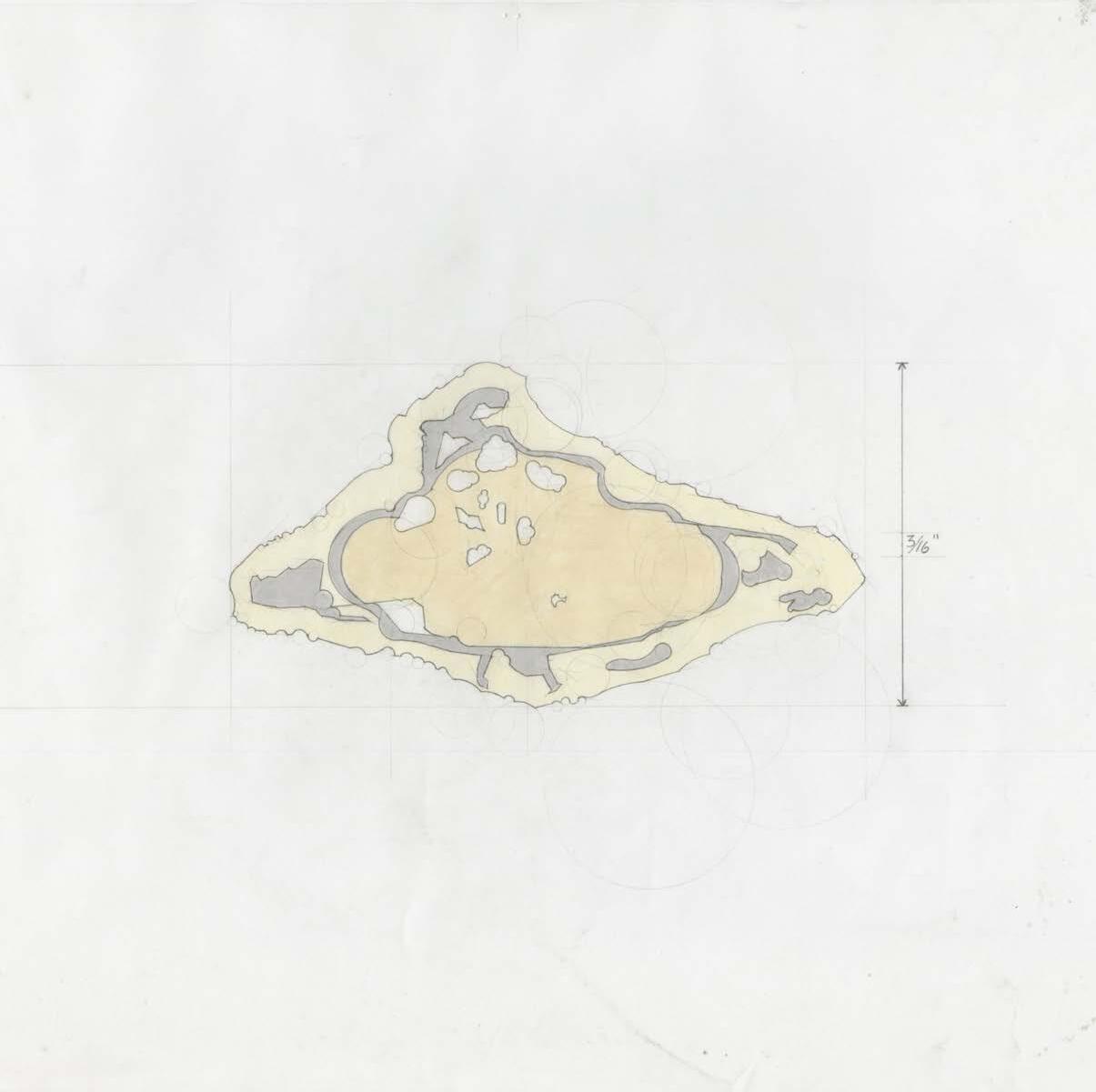
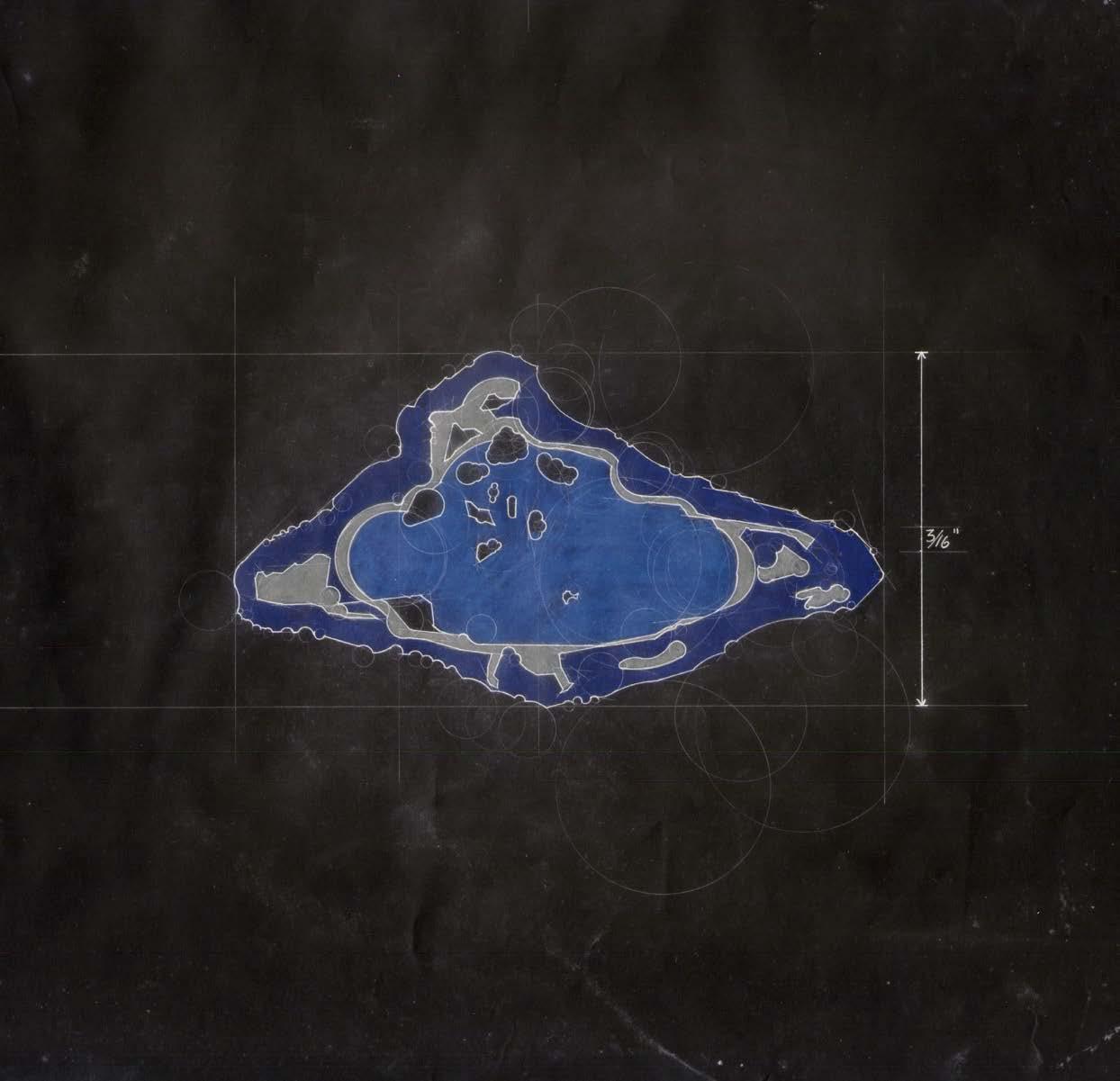
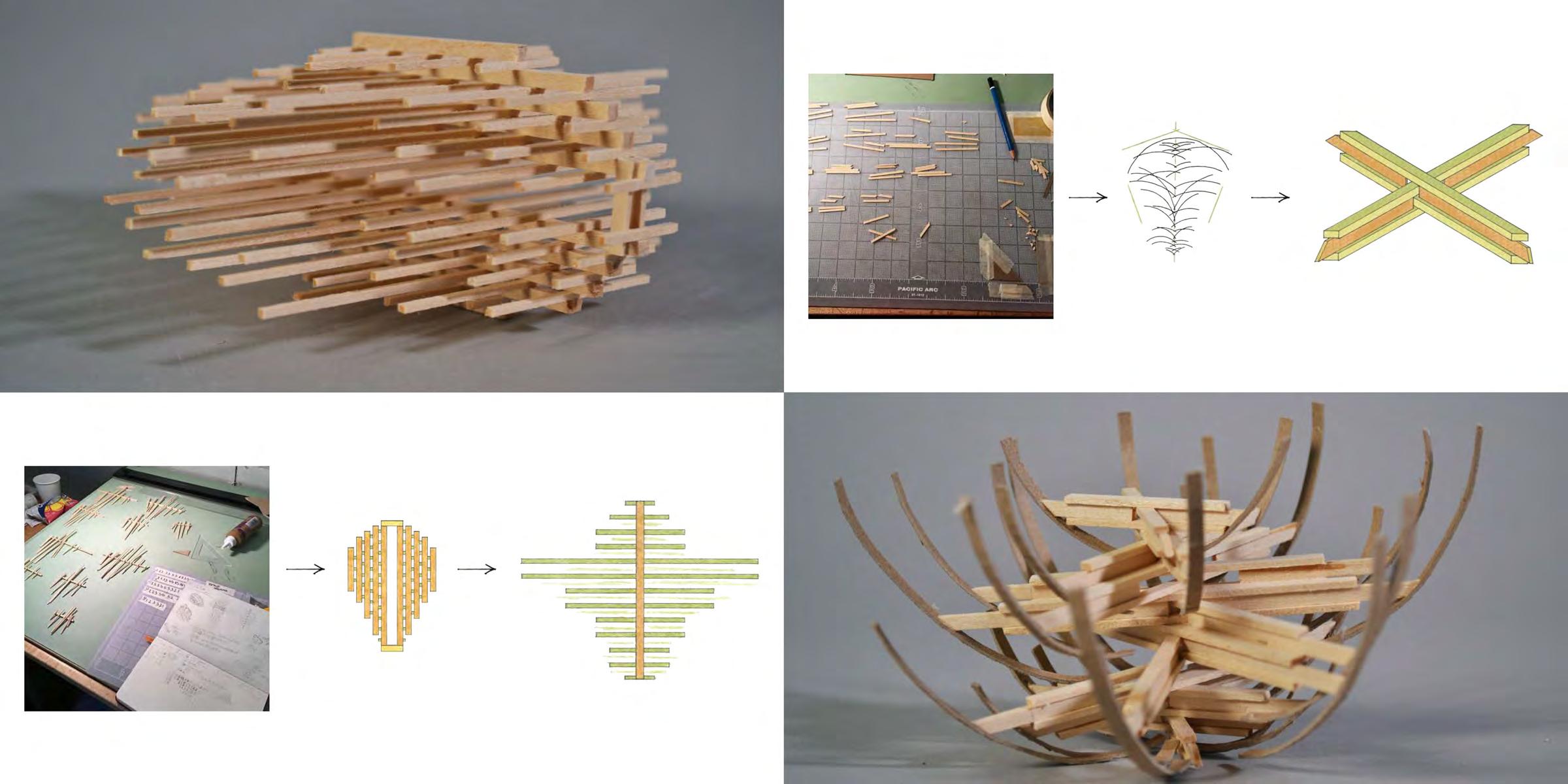
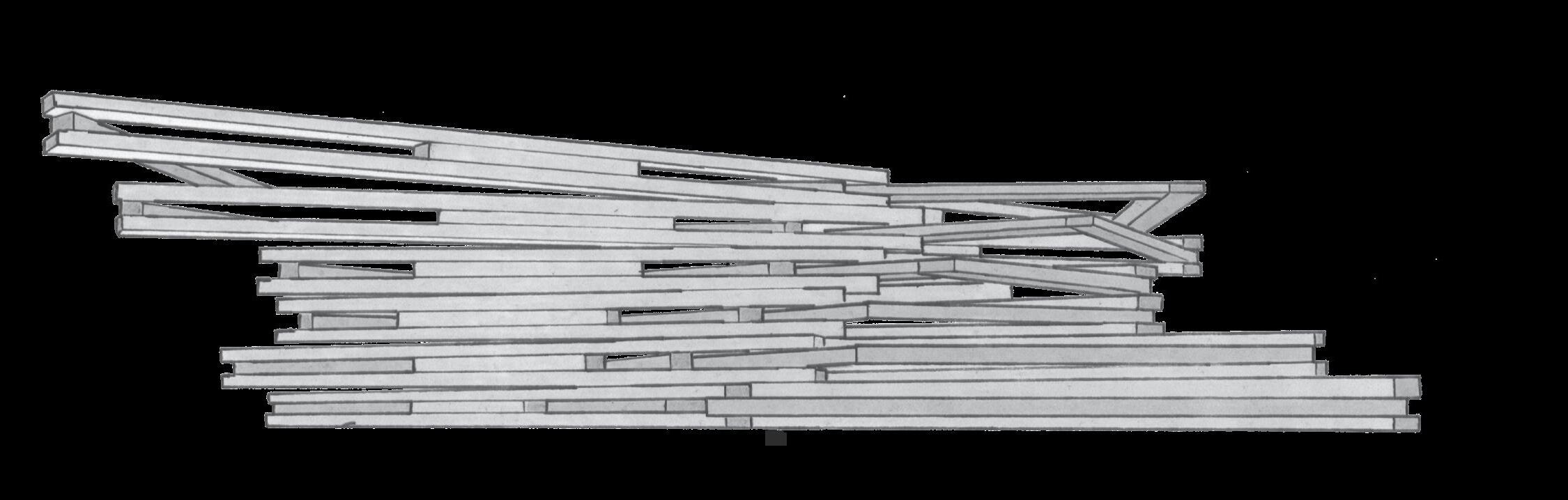
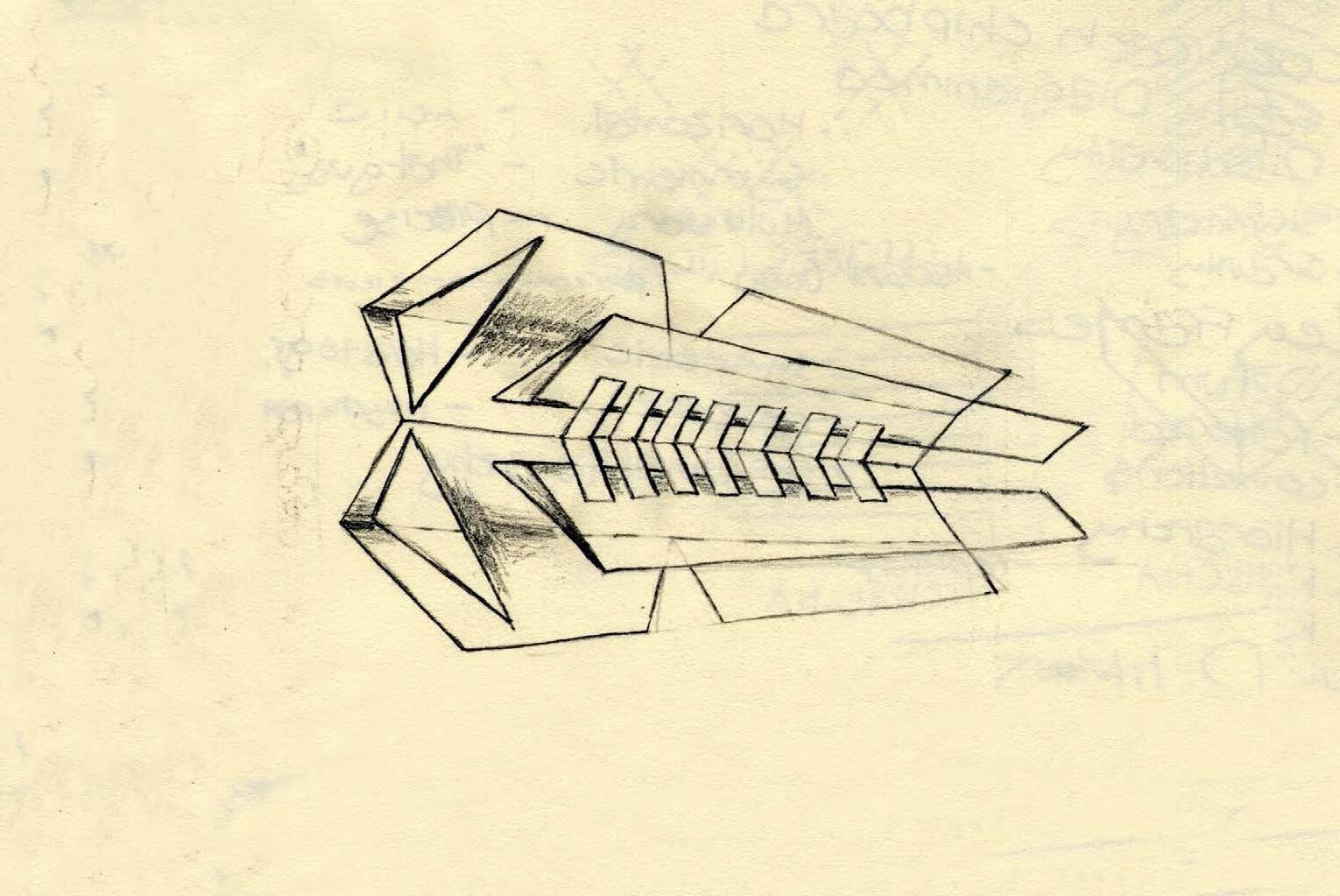
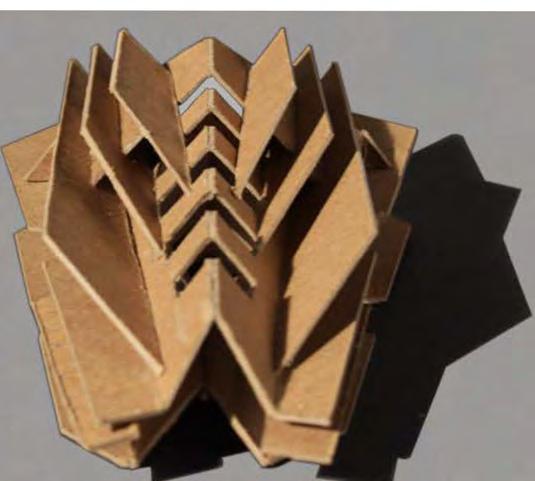
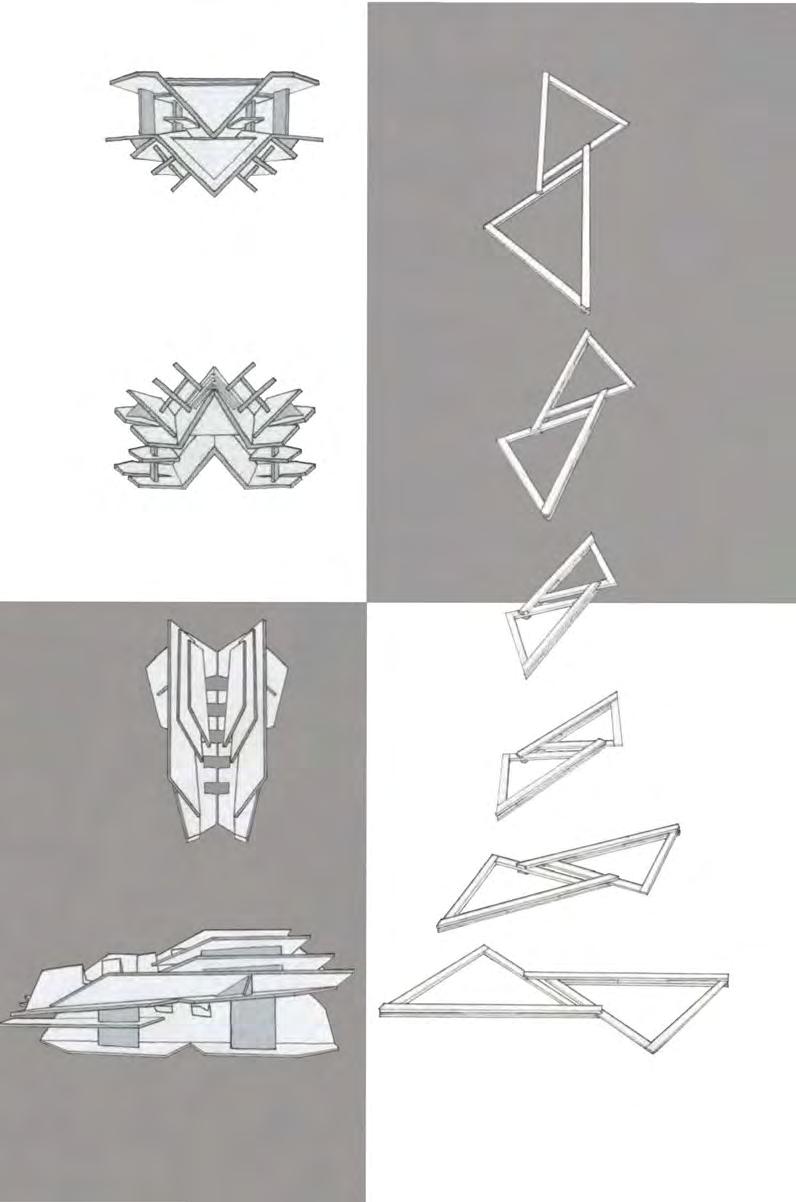
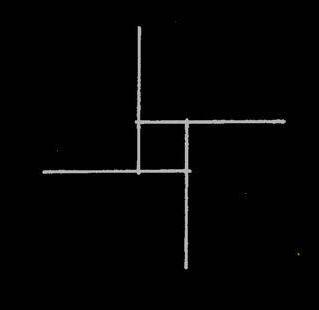
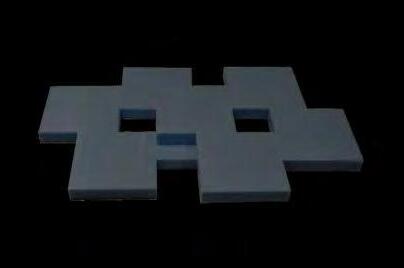
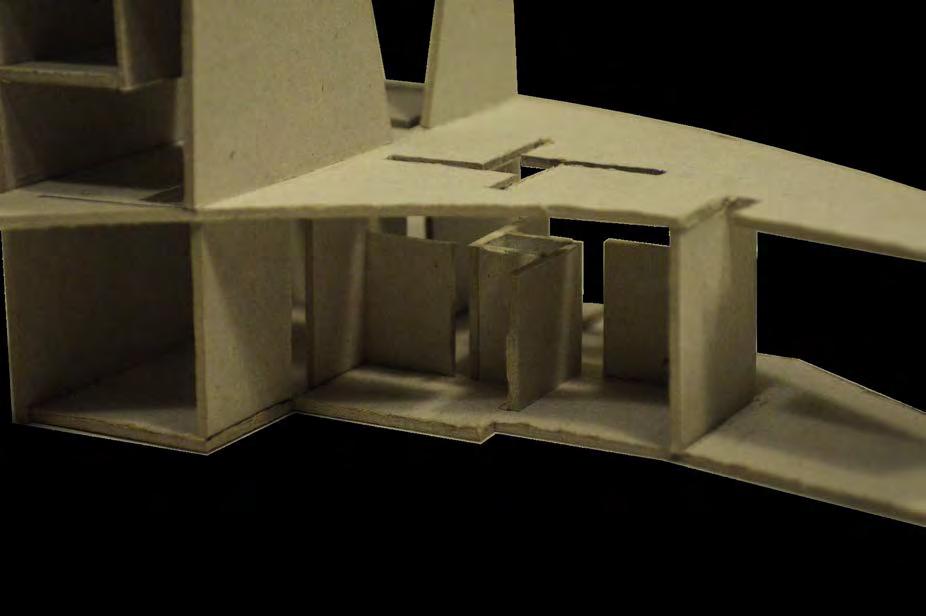
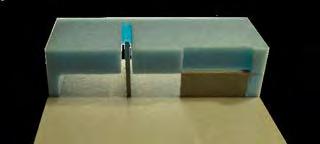
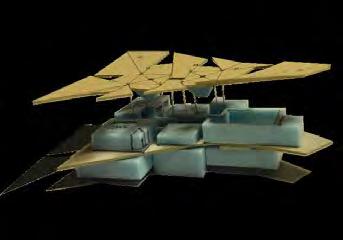
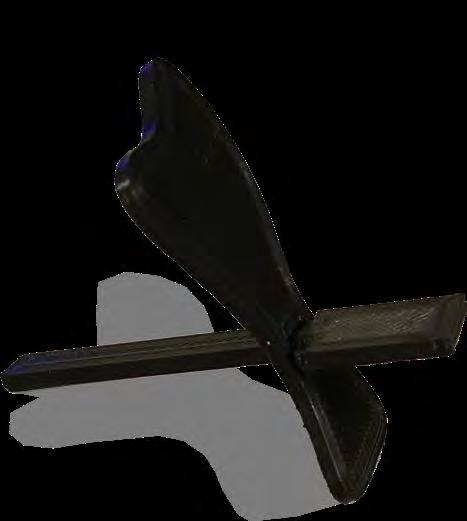
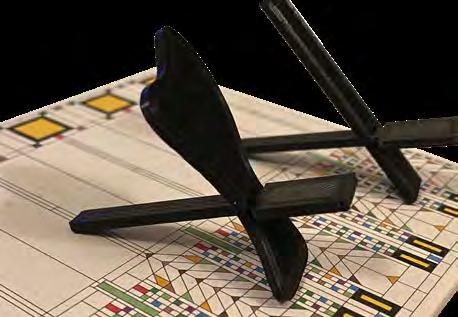
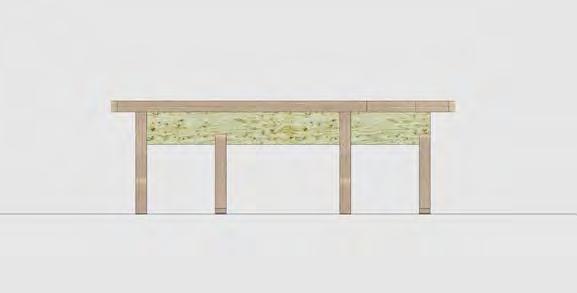
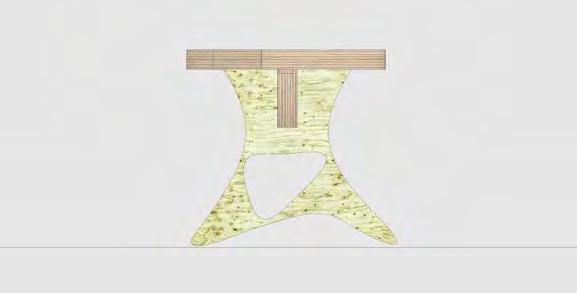
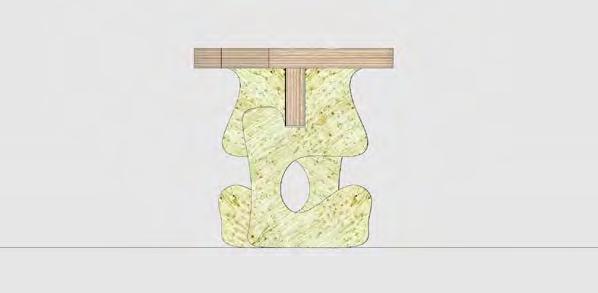
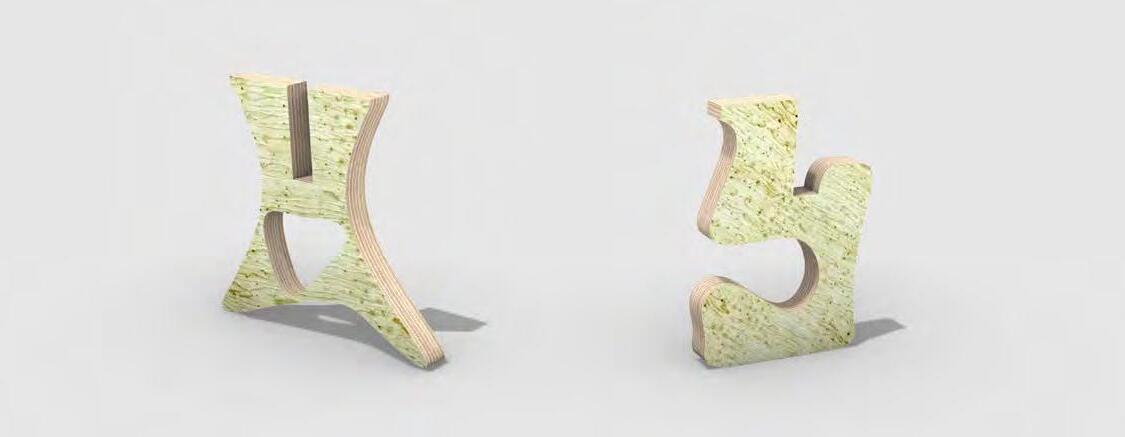
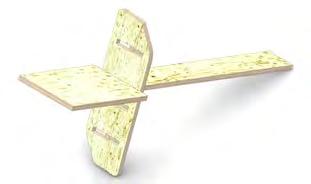
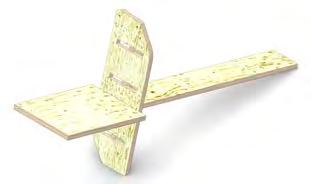
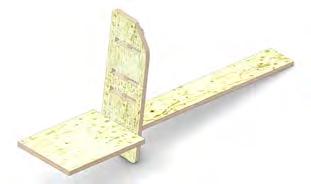
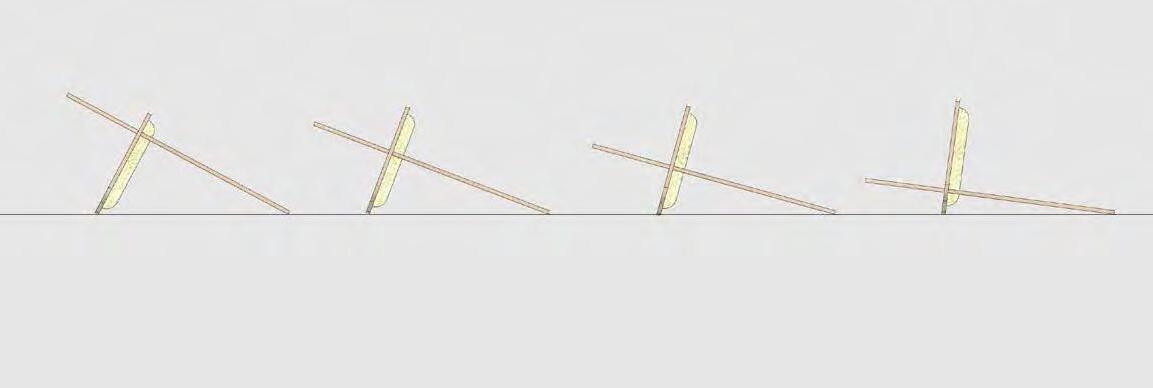
Organic Growth and Form abstracts the interdependent relationship of kernel and skin in a sunflower seed. Contextualizing its growth and form, created a mass with concep tually interconnected internal and external pieces. As part of the whole flower, a seed’s communal growth constructs the Fibonacci sequence. My models invert the informative roles of growth and natural phenomena. Tec tonic interdependencies repeat in vertical arrangements as respective kernel pieces join with horizontal lines of skin. Abstract ing the intimate, yet universal story of a sun flower seed reveals the metaphoric quality of each model’s form as interdependent of its conceptual display of organic processes.
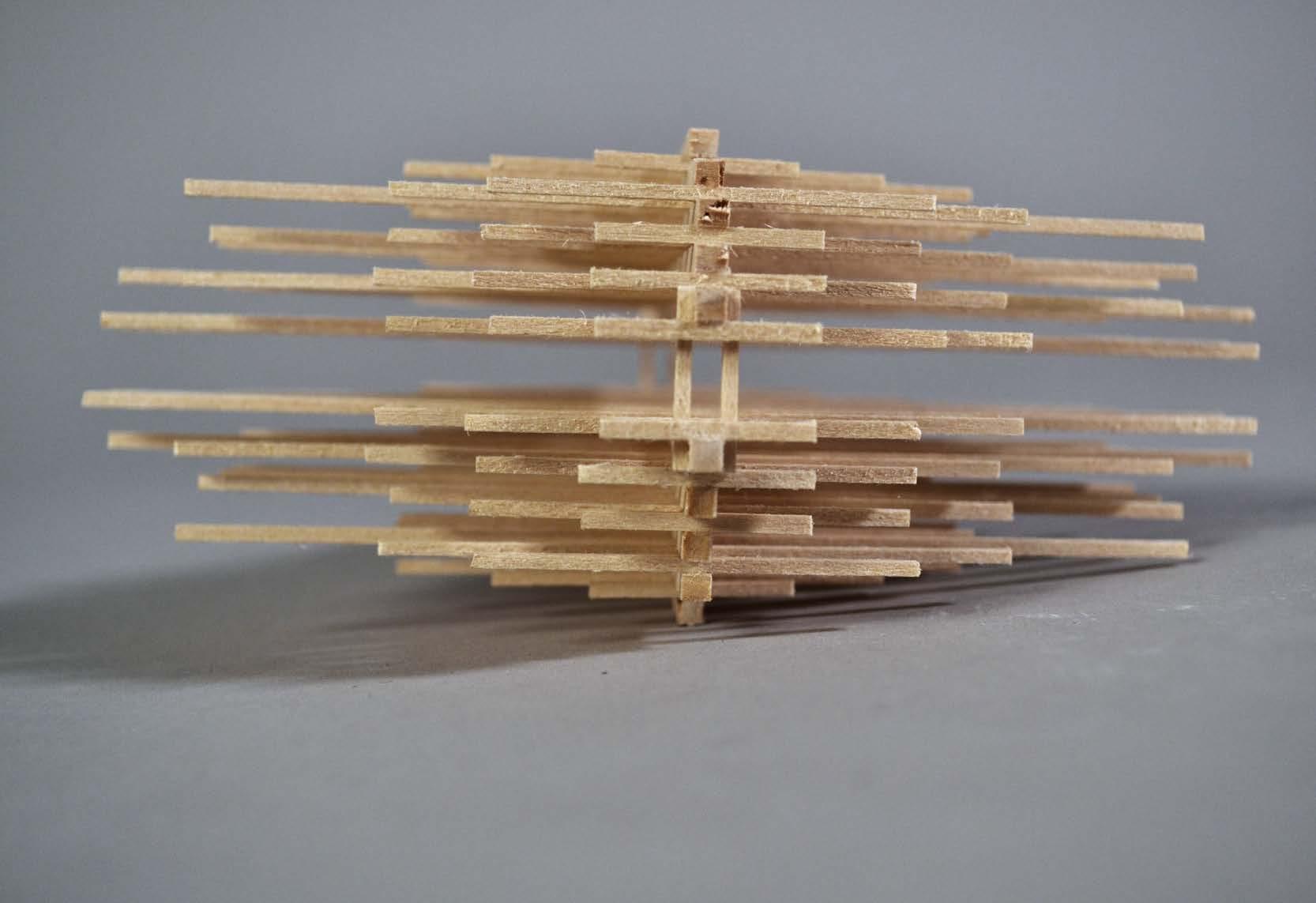
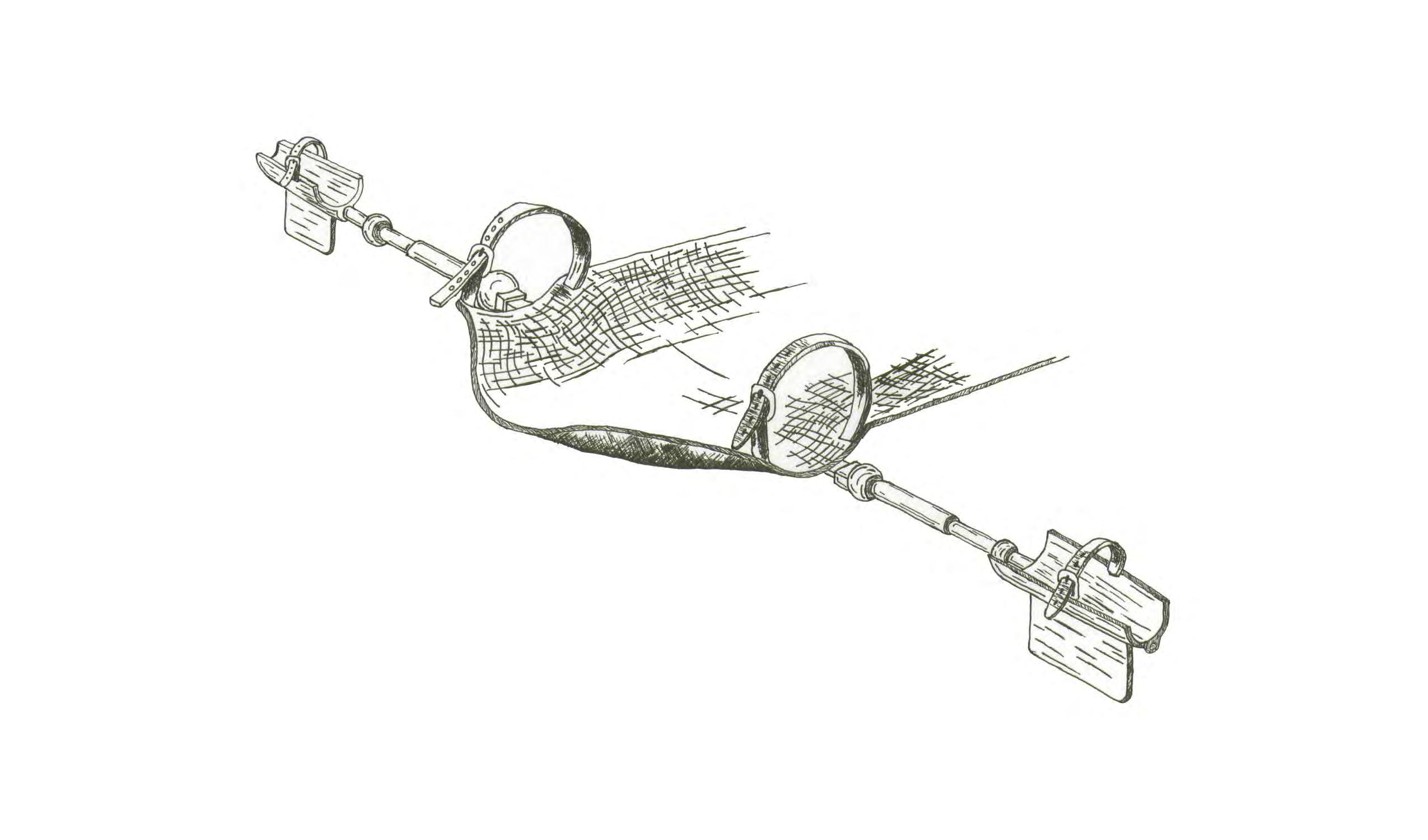
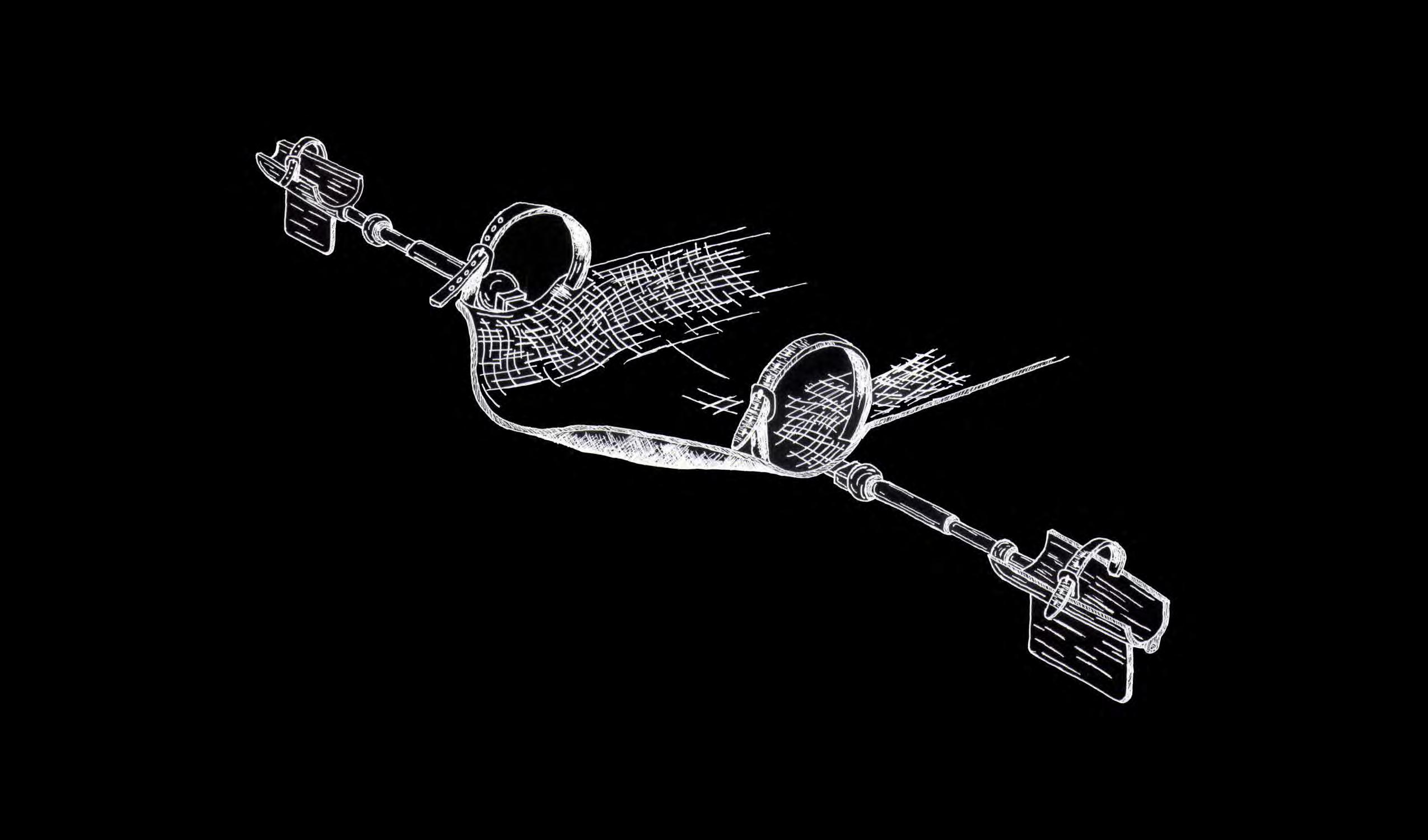
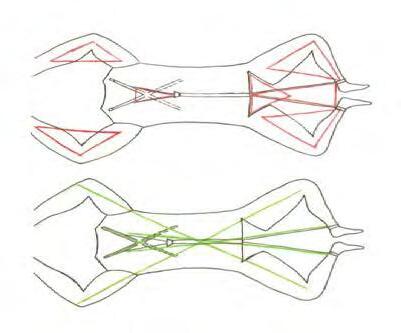
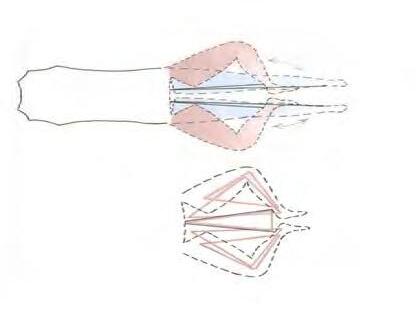
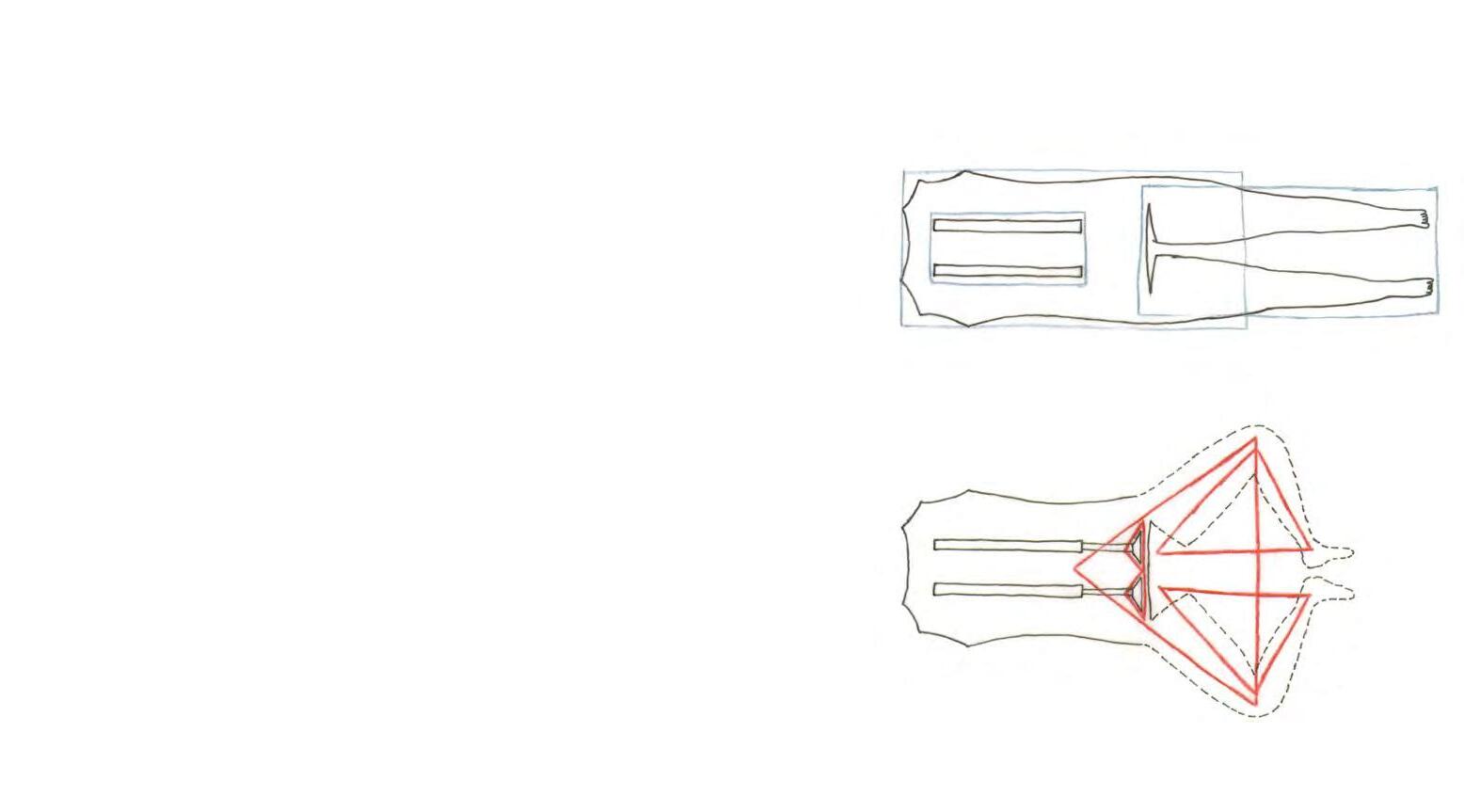
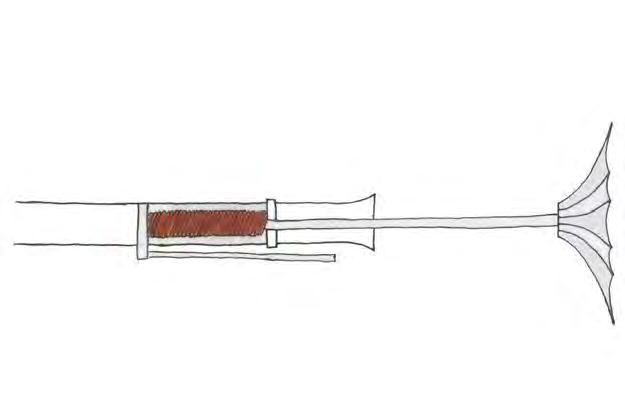
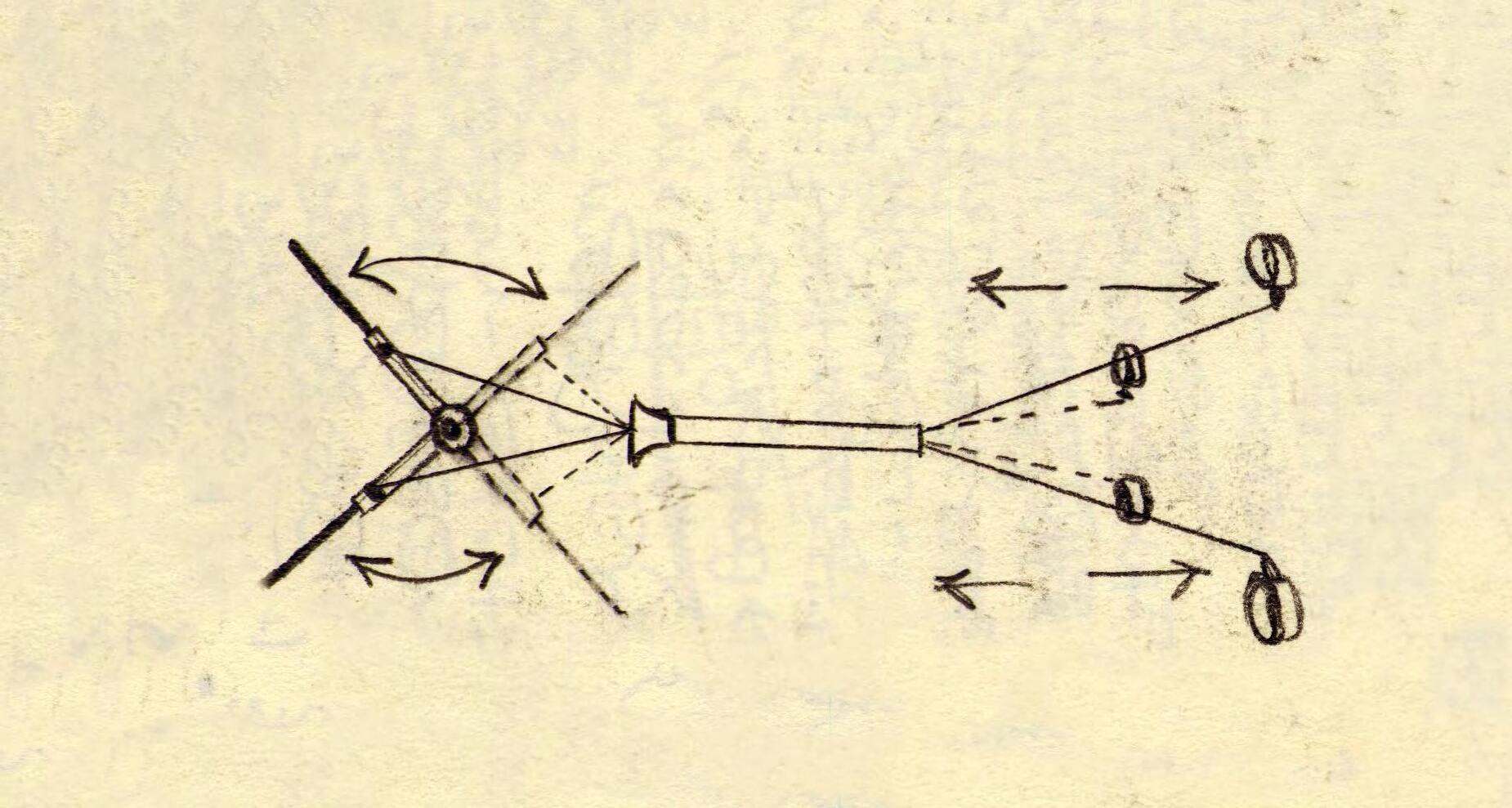
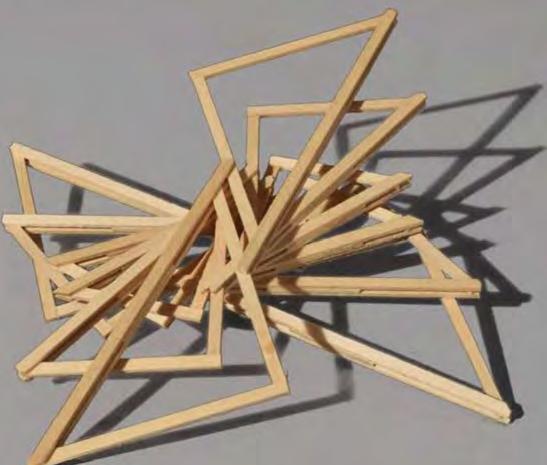
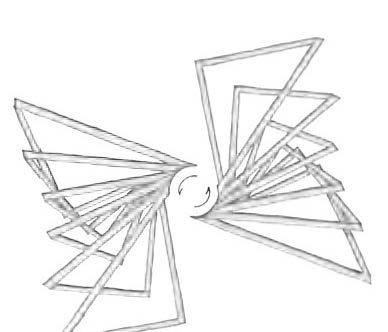
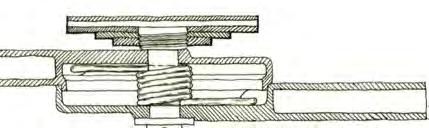
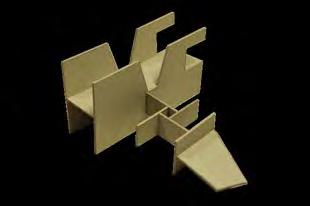
Using patents from 1920, Helical Energy & Kinetic Tension investigates critical moments between a human and swimming apparatus. Each model is informed by the acting members of force generation: the springs and legs. Triangular geometries of moving legs are stacked, abstracting the pulses of kinetic energy generated by a helical spring.
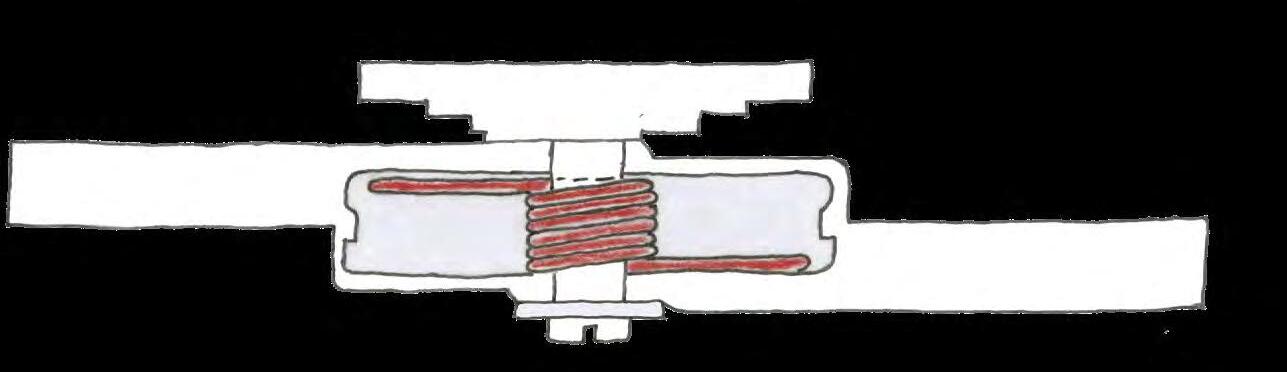
Interactions with the linear mechanics of a second spring advise moments of elastic potential and kinetic energies.
Angel of History
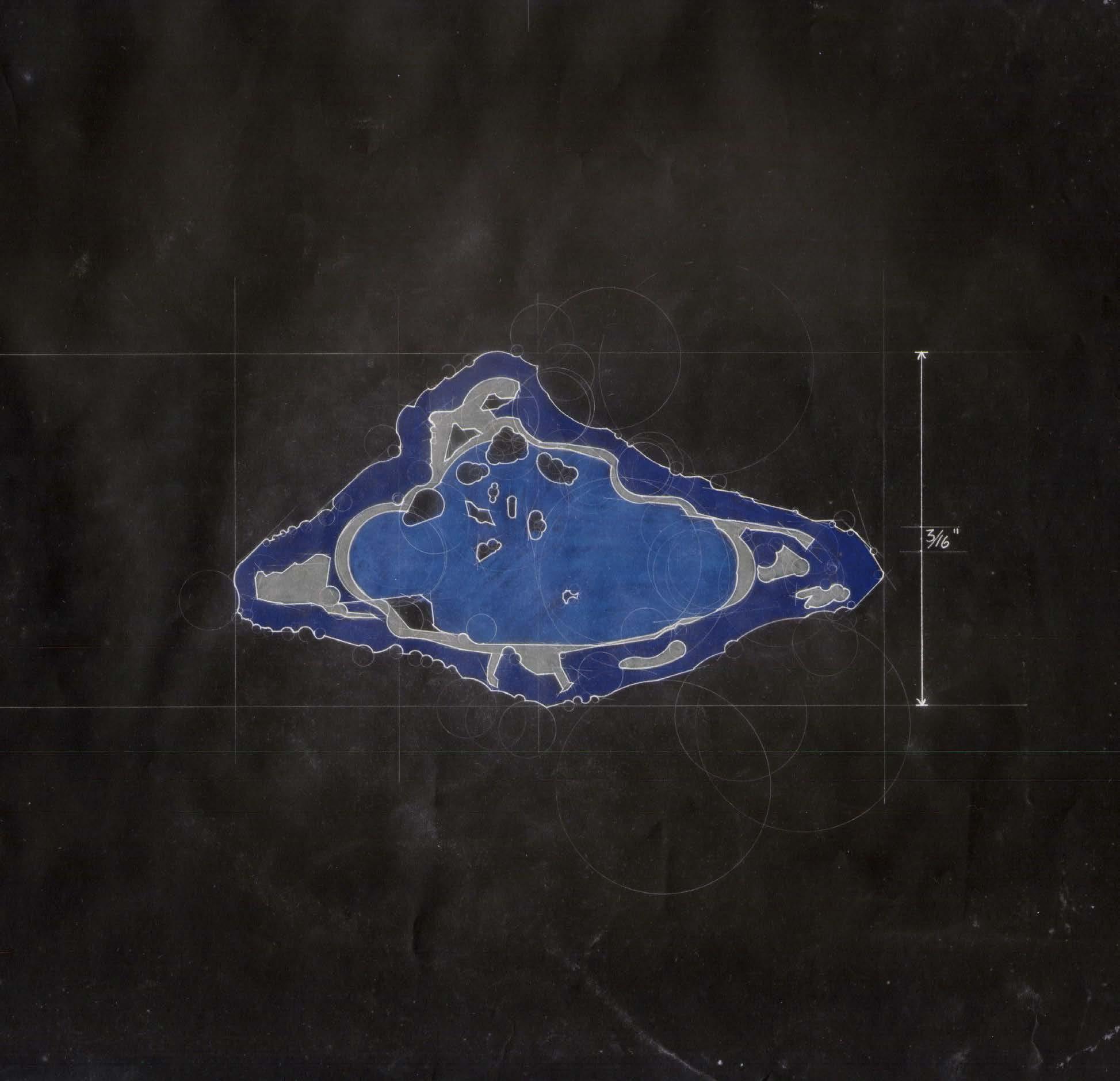
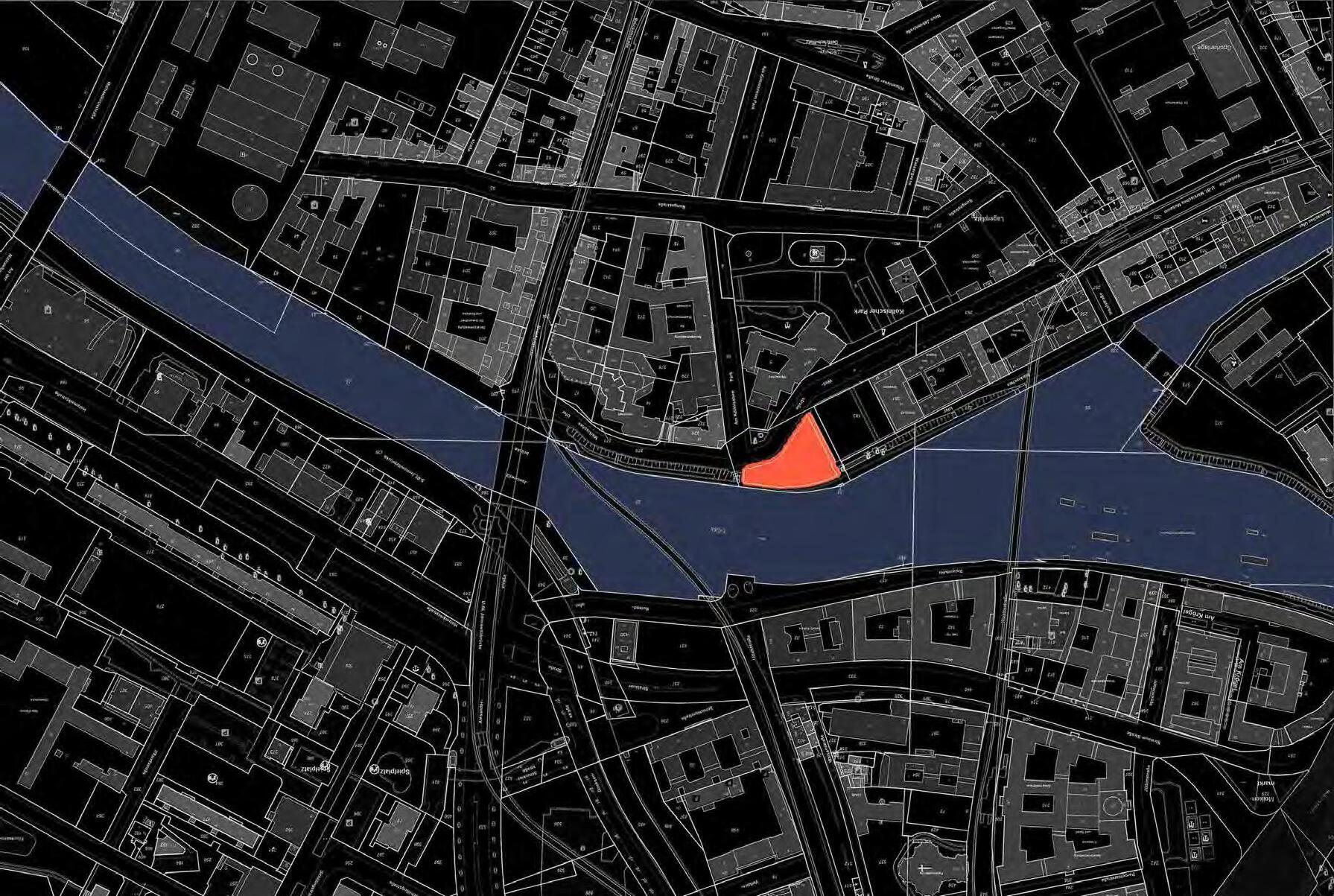
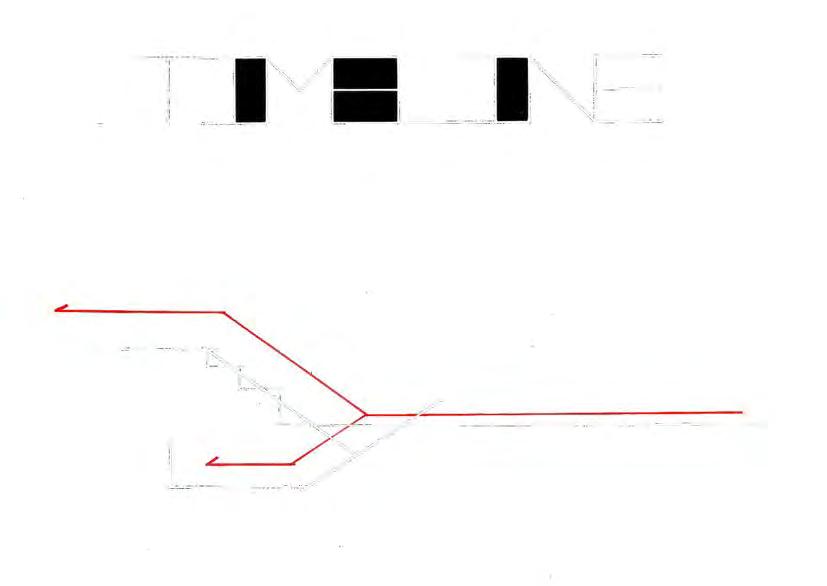
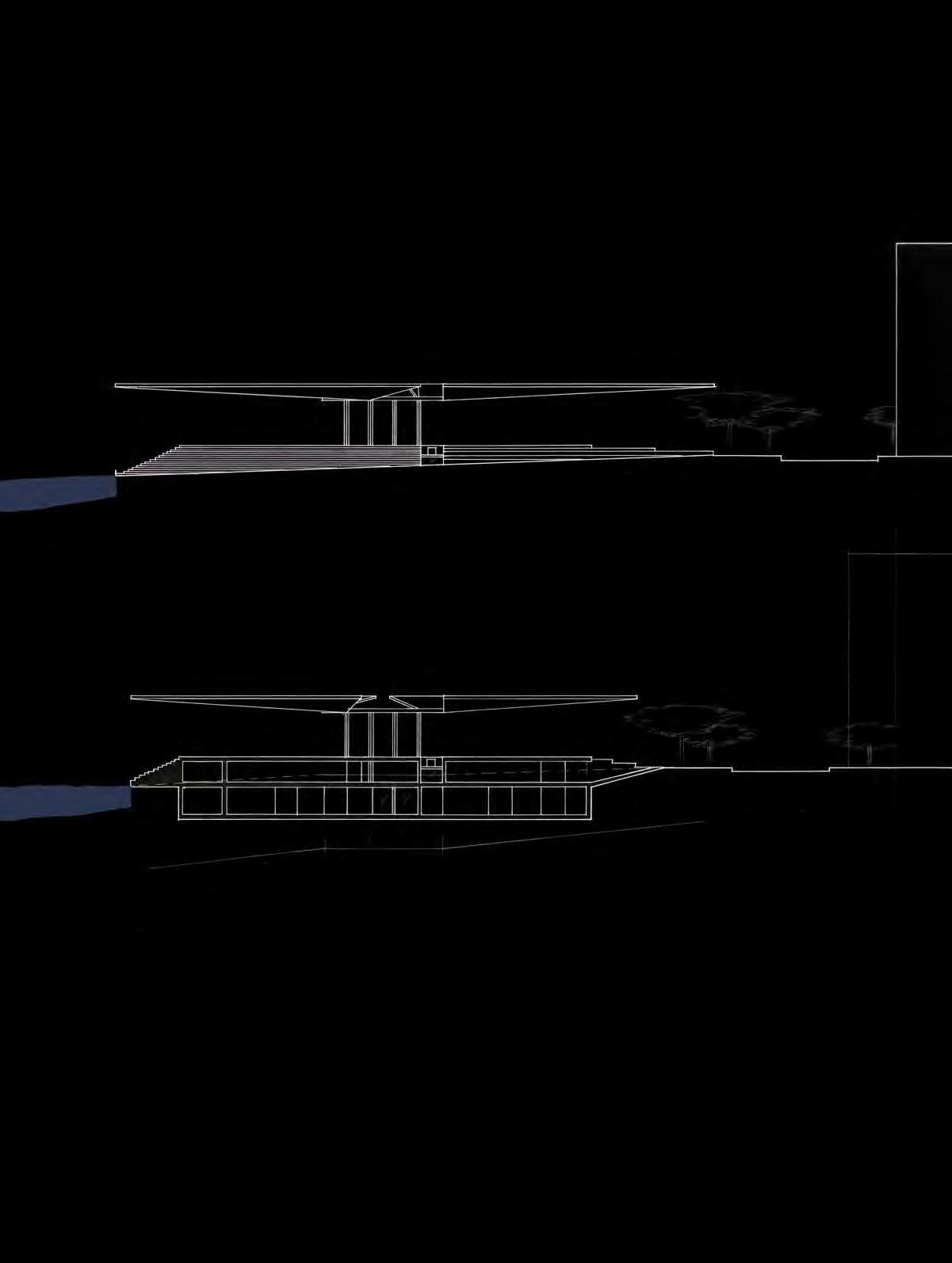
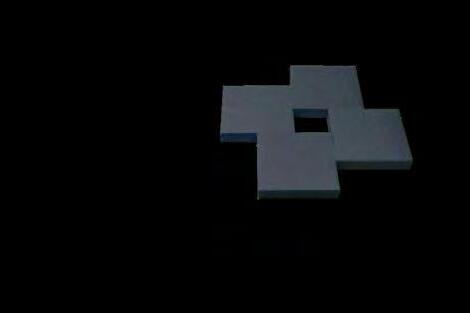
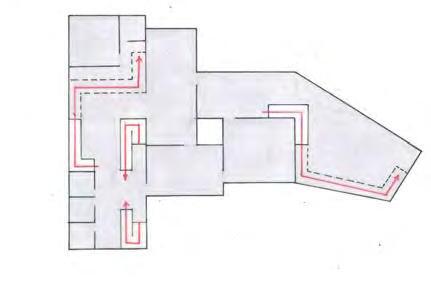
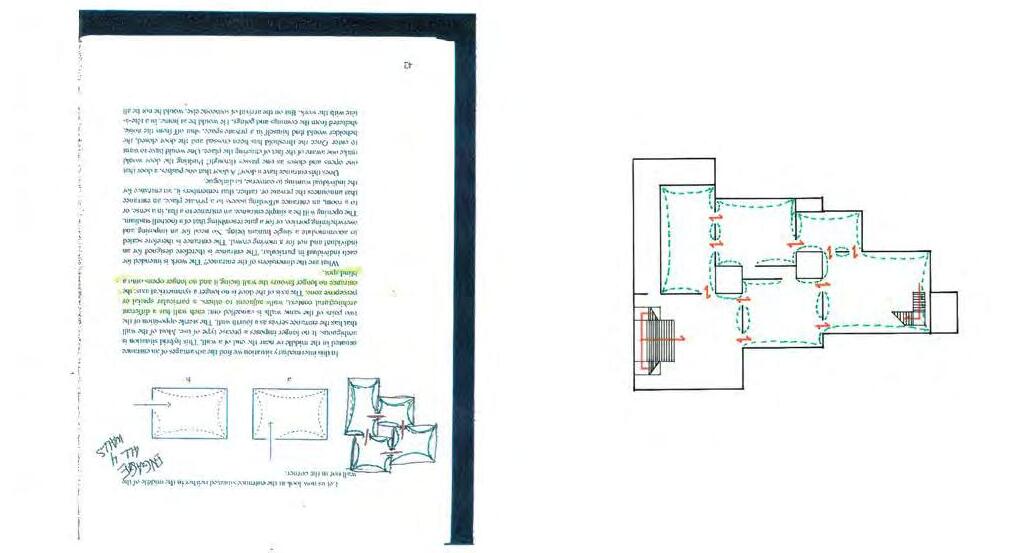
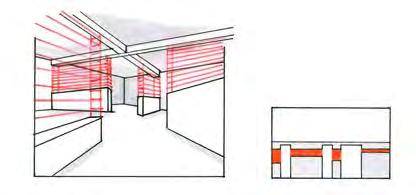
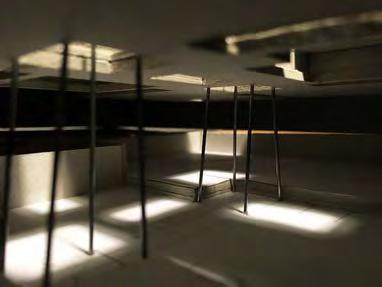
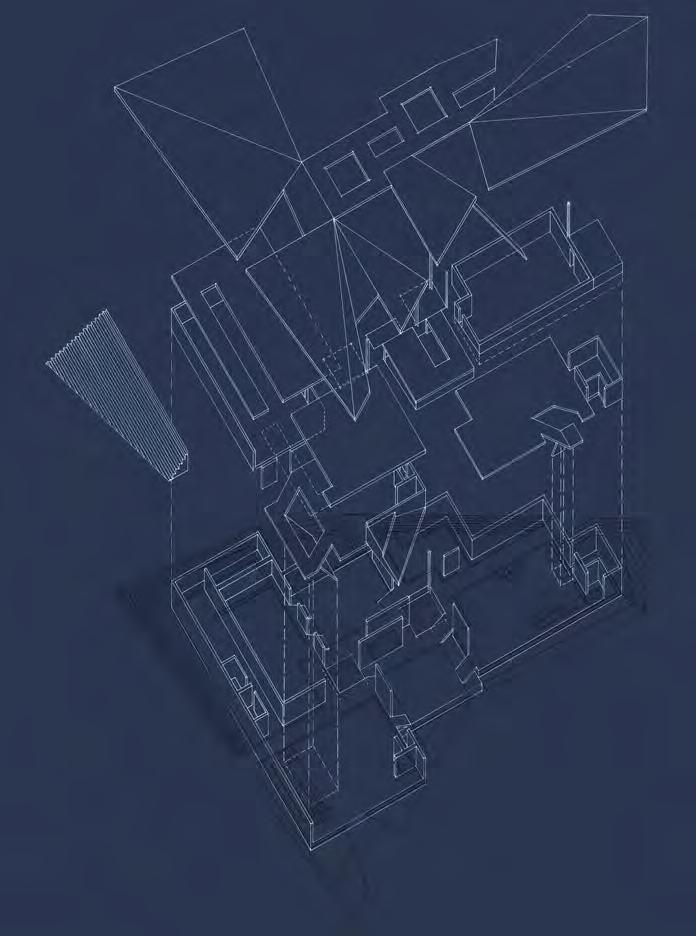
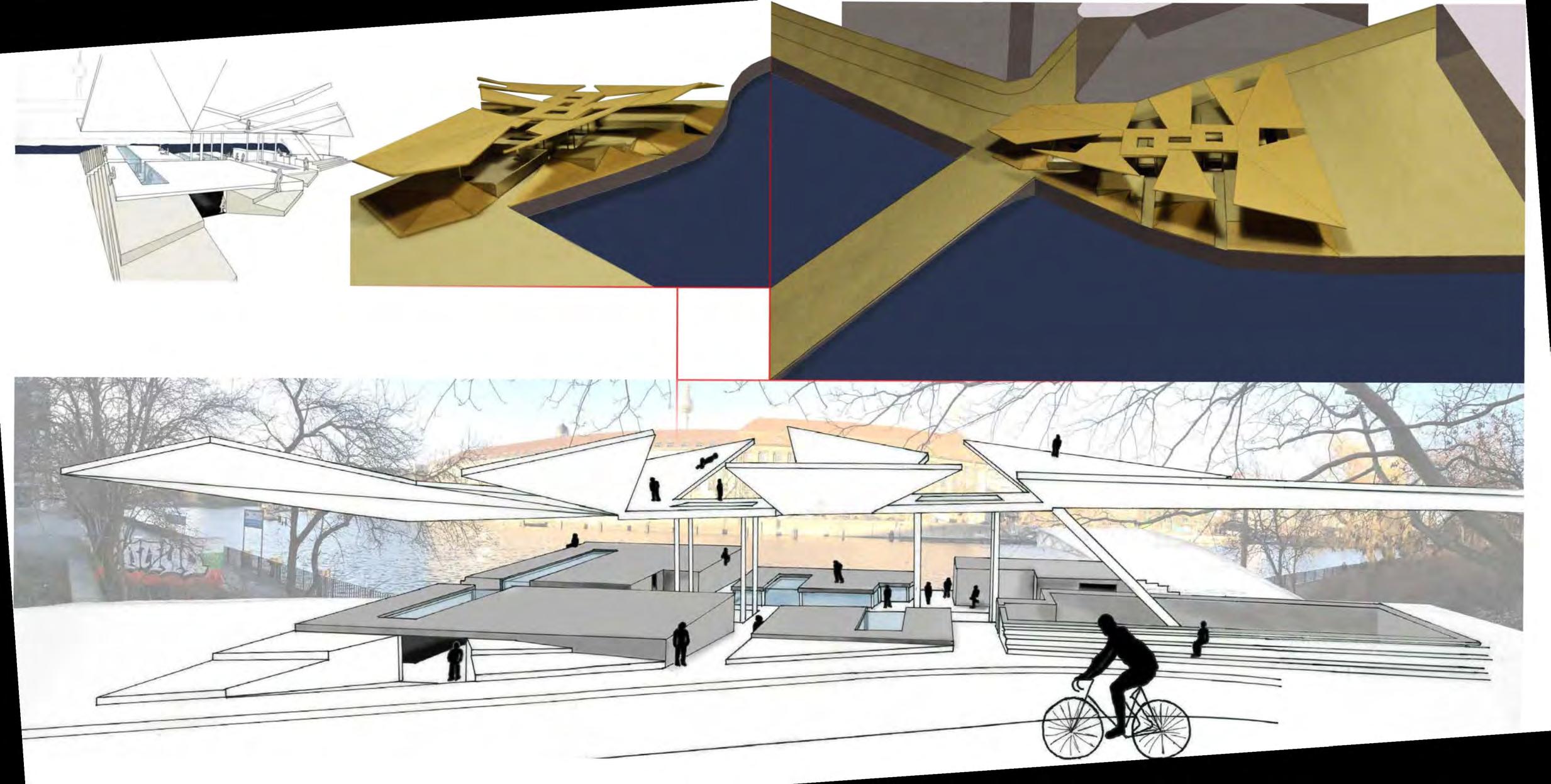
Der Engel der Geschichte justifies diagrammatic interpretations of time and ideal form as crucial to the successful reoccupation of the site. In section, a broken timeline parti links prior neglect of the site to Berlin’s cataclysmic past while the upshot of the parti links Berlin’s trajectories of urban renewal to the resurrection of site. In plan, a parti derived from Remy Zaug’s description of ideal exhibition spaces is manipulated to create pinwheeling clusters of cubes. Skylights pivot off lines from both partis to cast beams of light that guide occupants through entries that engage each gallery space in its entirety.
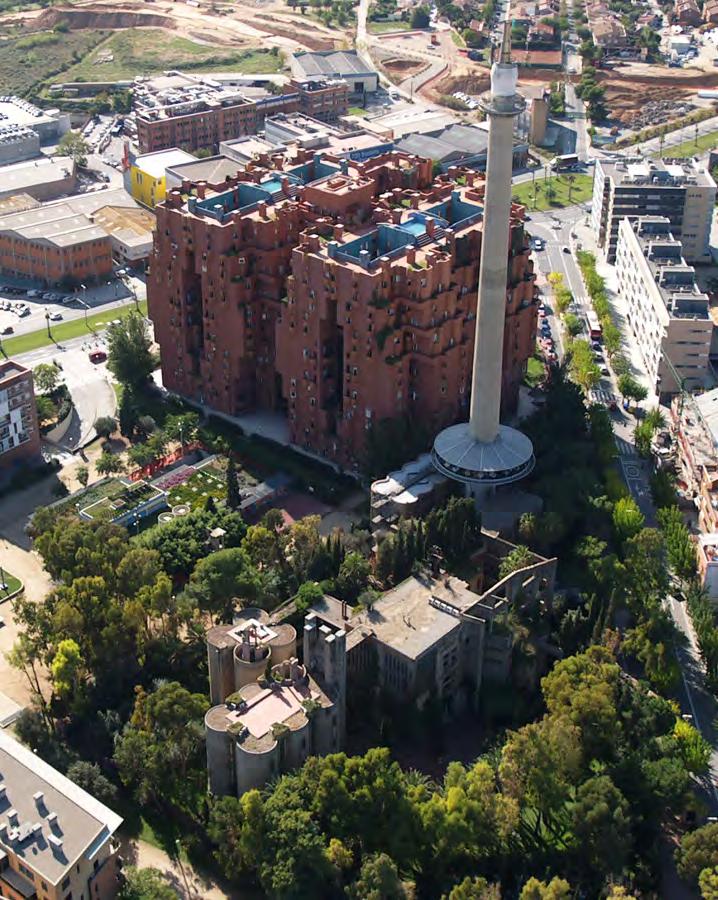
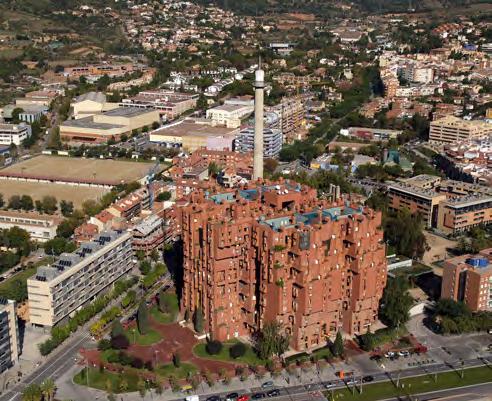
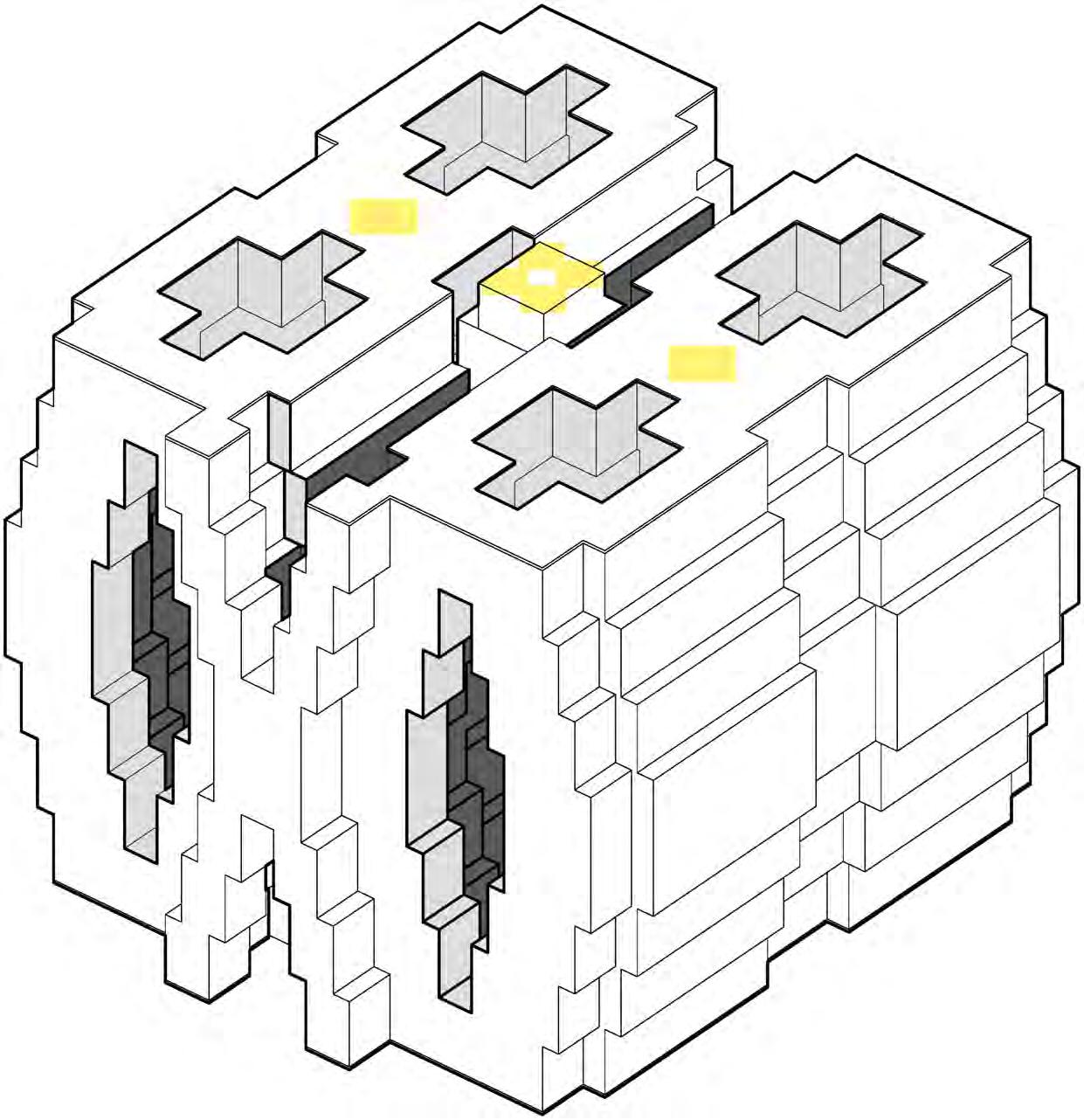
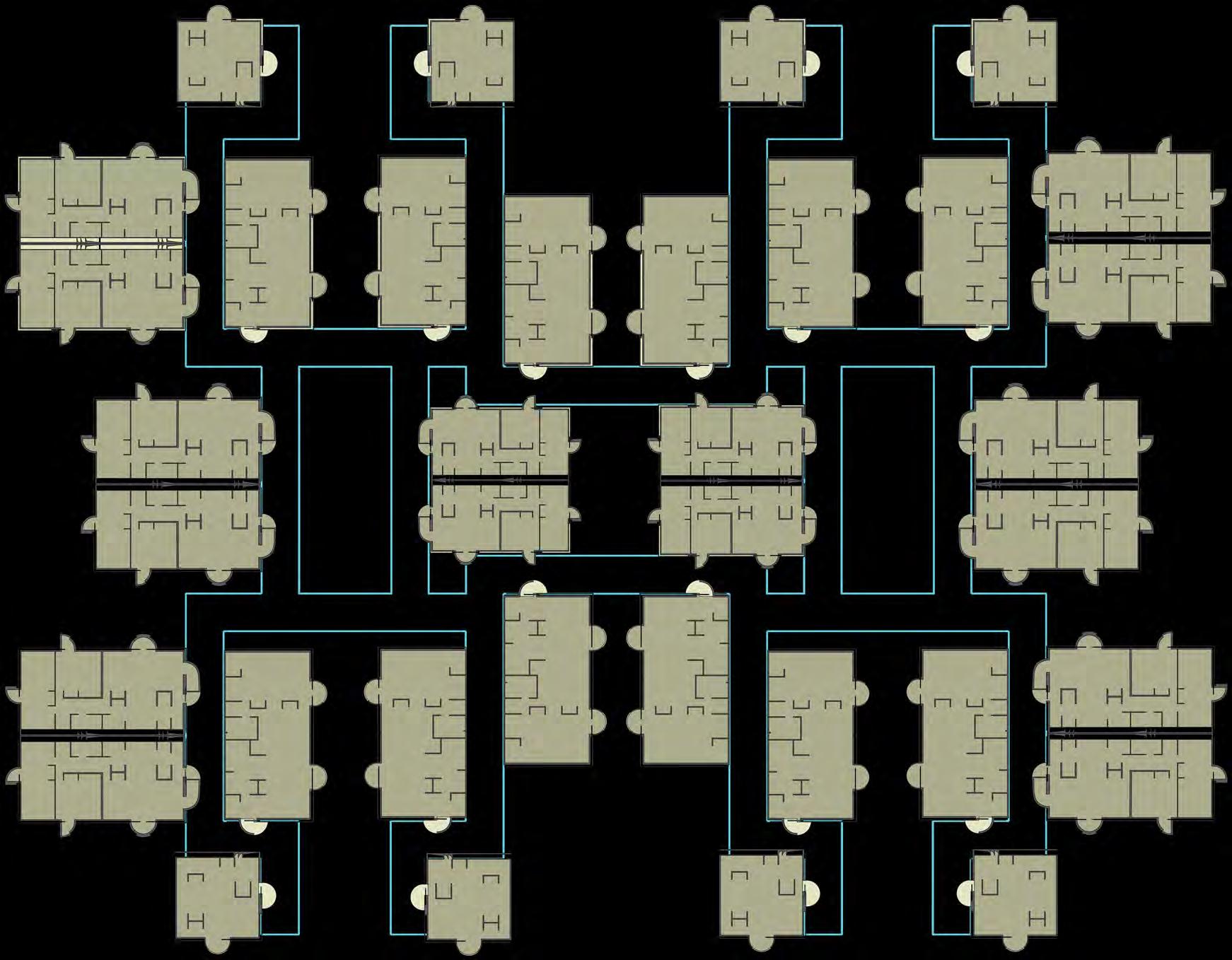
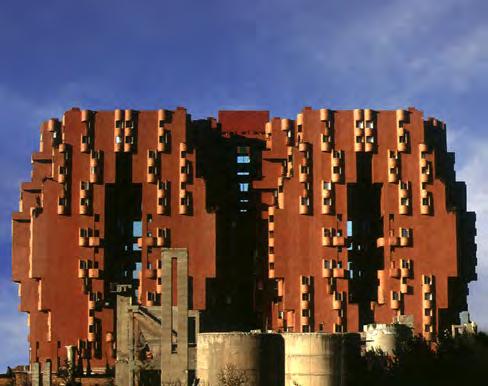
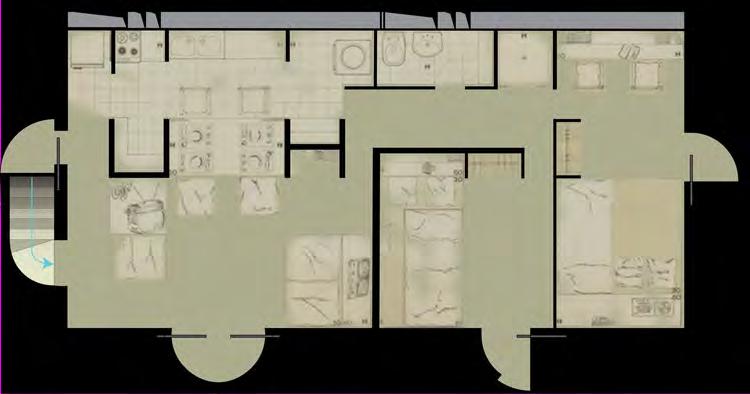
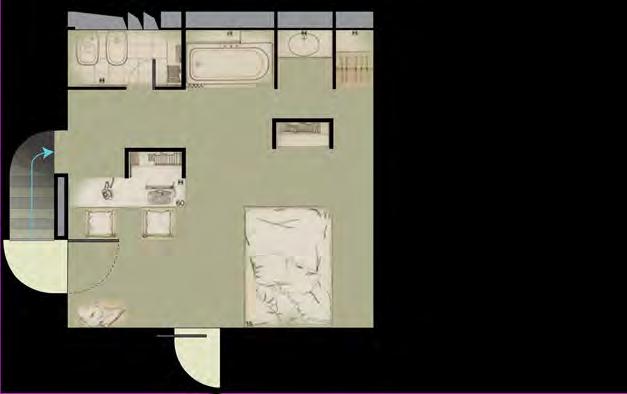
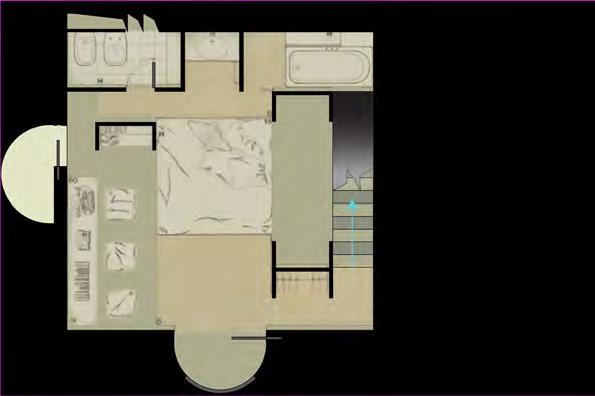
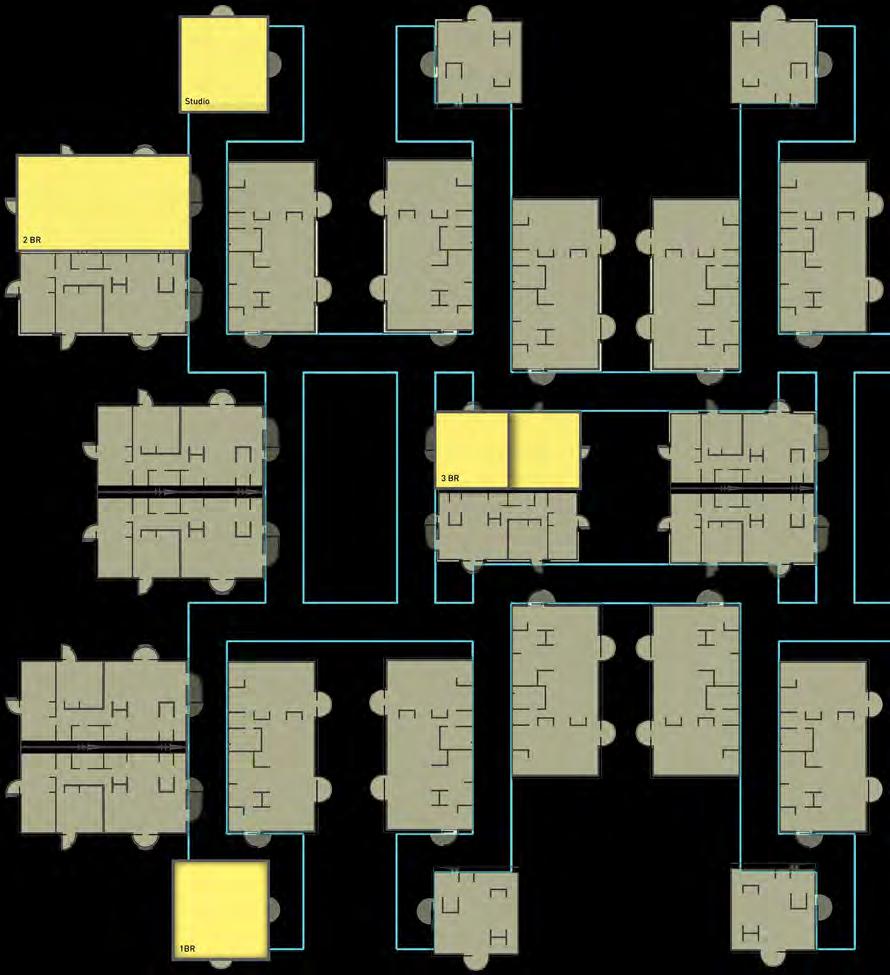
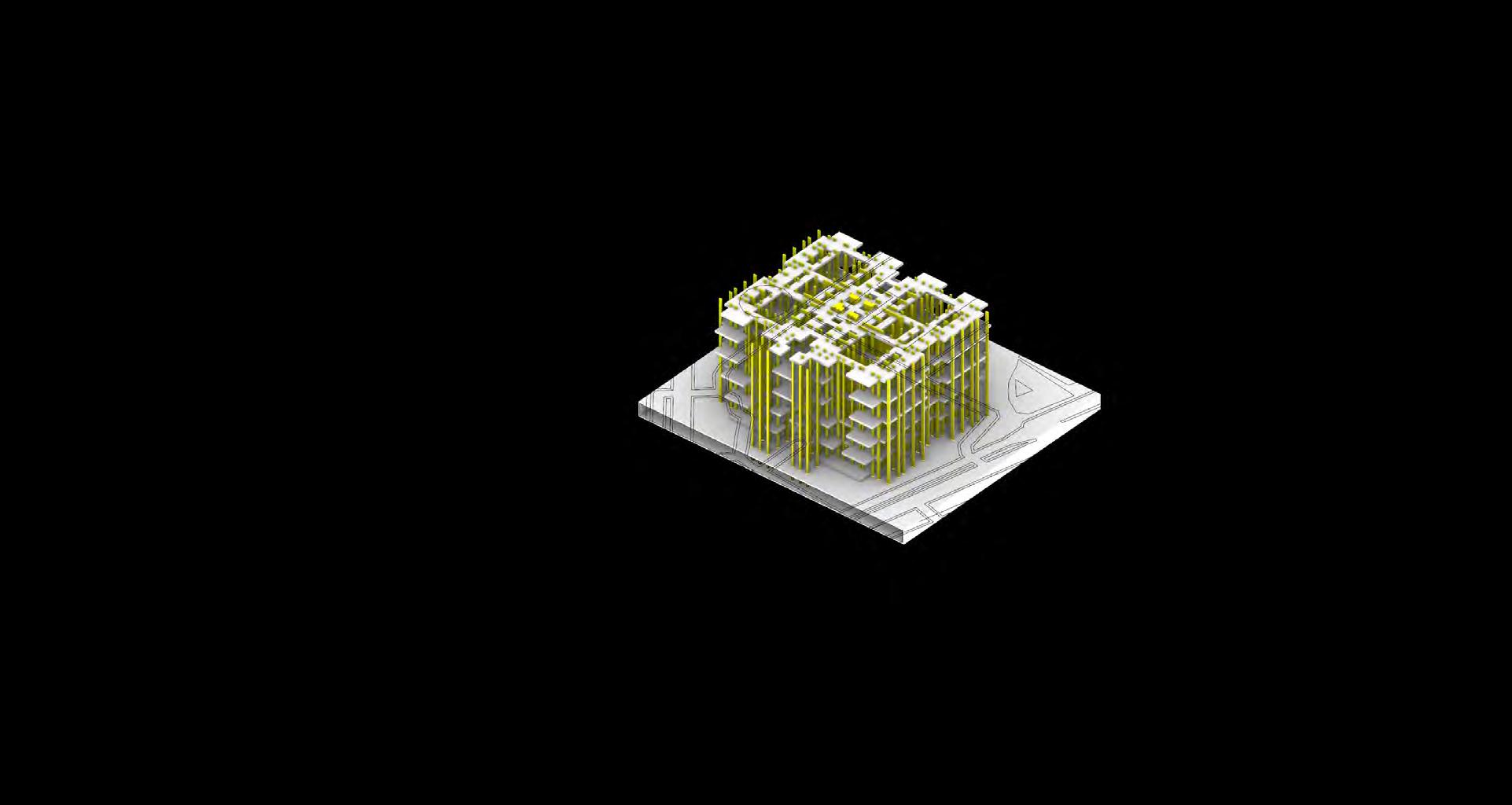
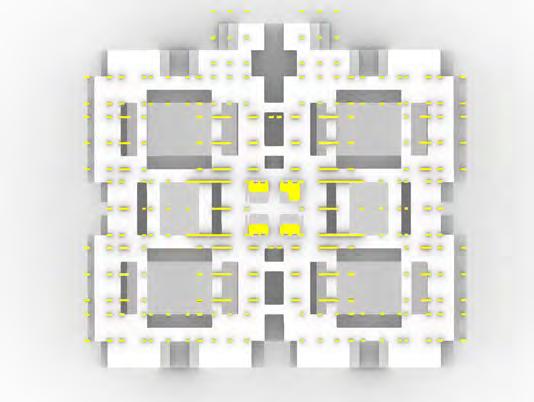
WALDEN 7
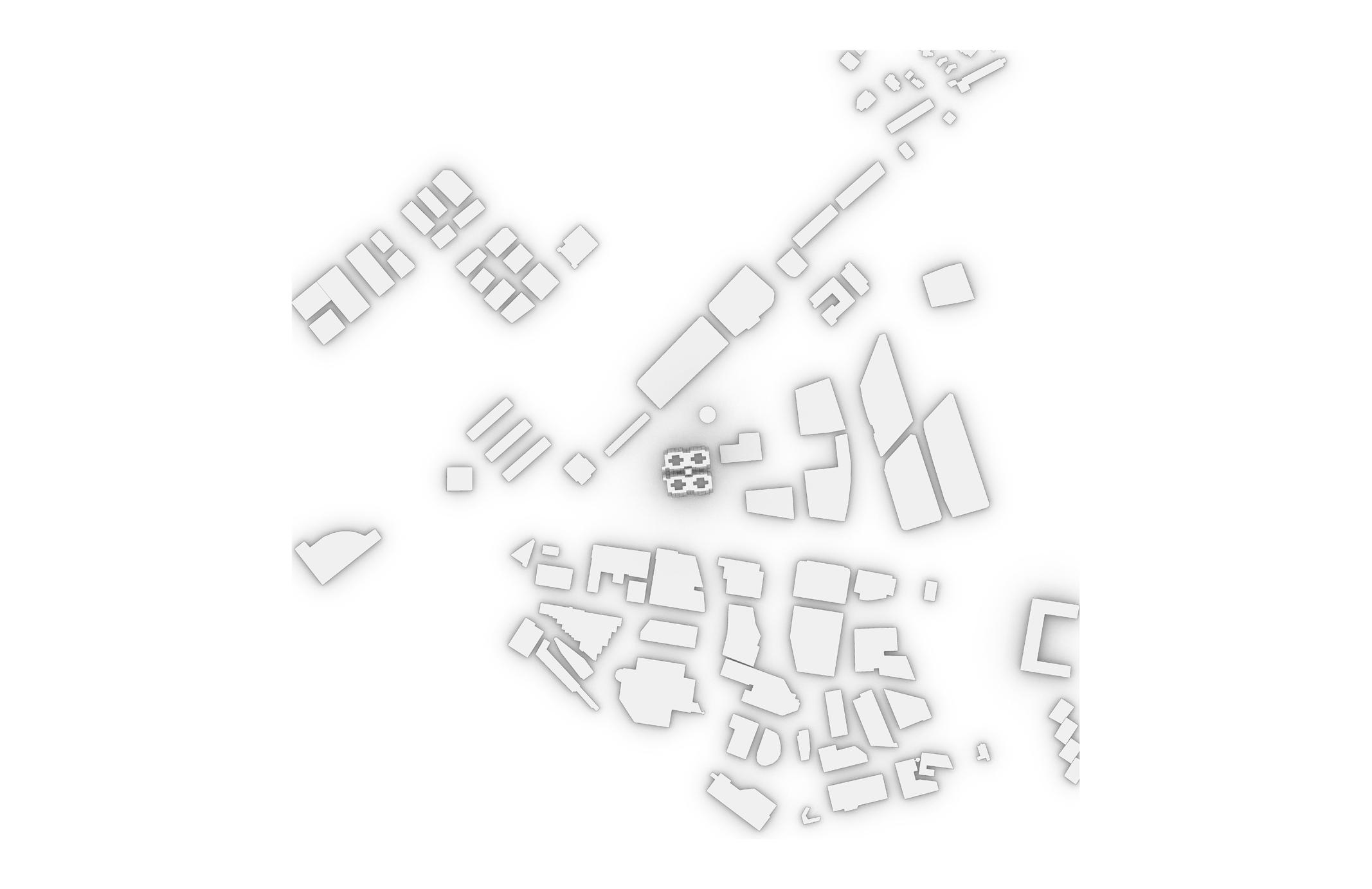
SITE PLAN SCALE: 1/32” = 1’-0”
Ricardo Bofill
Barcelona, Spain, 1975
SITE: ORGANIZATION
Building Type
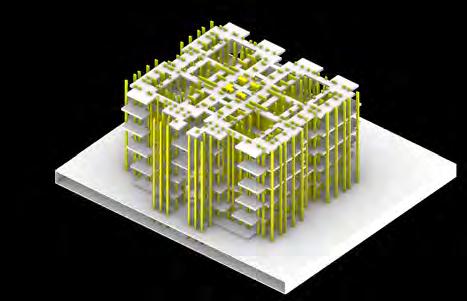
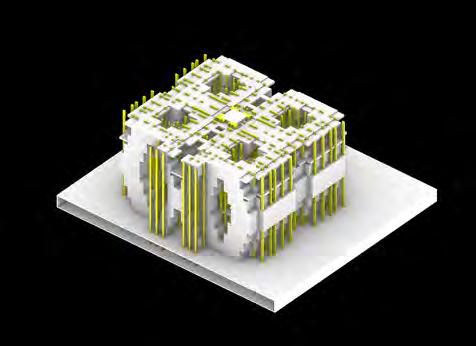
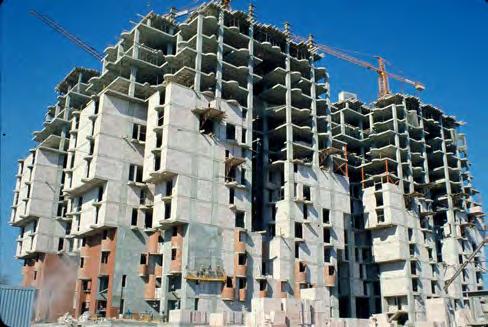
Apartment Complex with 446 residences in 18 towers across 14 floors.
Total Site Area
Lot Coverage Percentage
Building Depth
Building Height
Greenspace Percentage
Total Greenspace Area
Parking Type
Number of Parking Spaces
Drawings prepared by: Michael DiBenedetto
Ricardo Bofill
Barcelona, Spain, 1975
DRAWING TITLE
Drawings prepared by: Michael DiBenedetto
WALDEN 7
DRAWING TITLE
SCALE: 1/32” = 1’-0”
Ricardo Bofill
Barcelona, Spain, 1975
SITE: CIRCULATION / EGRESS
Access and Egress Typology i.e. double loaded corridor, 2 means of egress
Key Dimensions
Egress Stair width
Egress Door width
Max. Path of Egress travel (on typical residential floor)
Construction Type
Sprinklered
Building Circulation
Drawings prepared by: Michael DiBenedetto
Combustible/ Non-Combustible Type III-B
2 Stair wells in each side, 1 central elevator core
2.Four Story Residential on Podium, a.Cold-Formed Steel Construction
b.Floors: 3” Decking with 4” Concrete fill
c.Stair Shafts: CMU as Sheer walls
Drawings prepared by: Student name(s)
DRAWING TITLE
SCALE: 1/32” = 1’-0”
Computational Design Portfolio | Michael DiBenedetto | Fall 2024
Master of Architecture_ Research, Fabrication, Prototyping
PROCESS & PLAY IN ELMWOOD PARK
ARCH 552 Institutions Studio: Long Overdue
Christian Unverzagt
Michael DiBenedetto
“Mies grid” carried over and placed on site
Positioned in between ambiguous ownership conditions in the park
Goal: Public and Open, not Private and Enclosed
Imaging and Framing
Mention of Hunter’s Point Library & Steven Holl Sketches
view network diagram (like stourhead drawing)
Image manipulation
visual disruptions in landscape
Framed moments experienced while looking through the structure
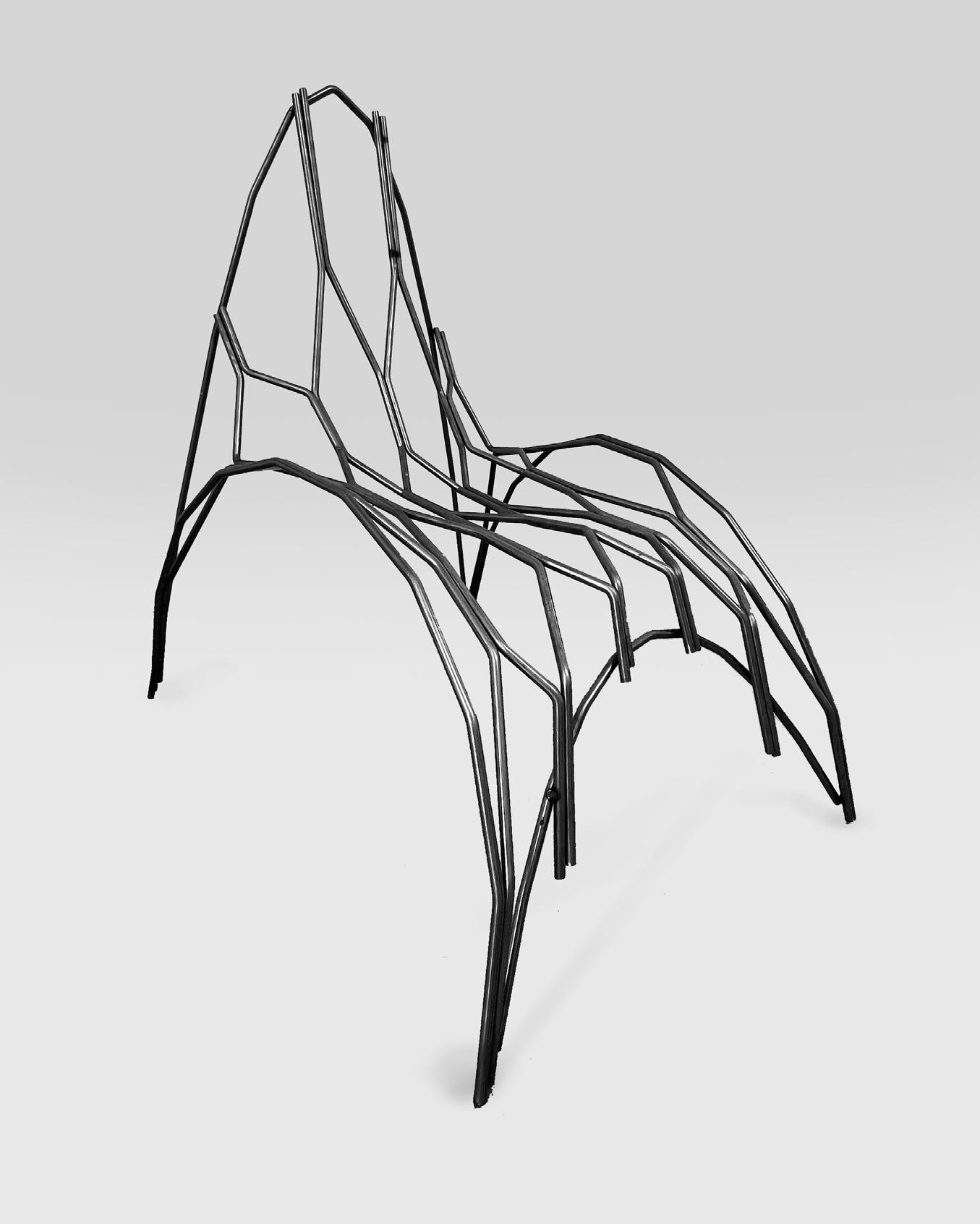
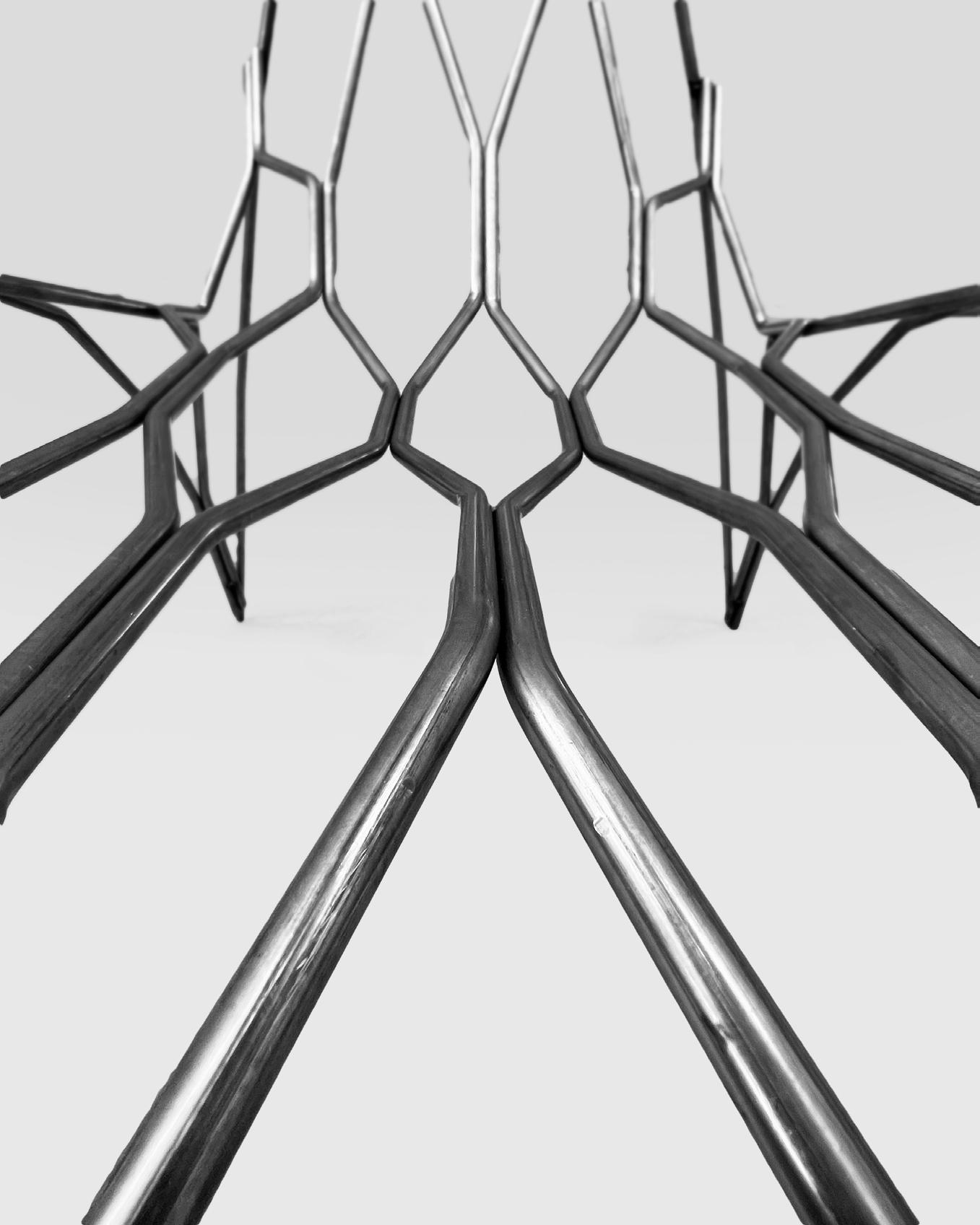
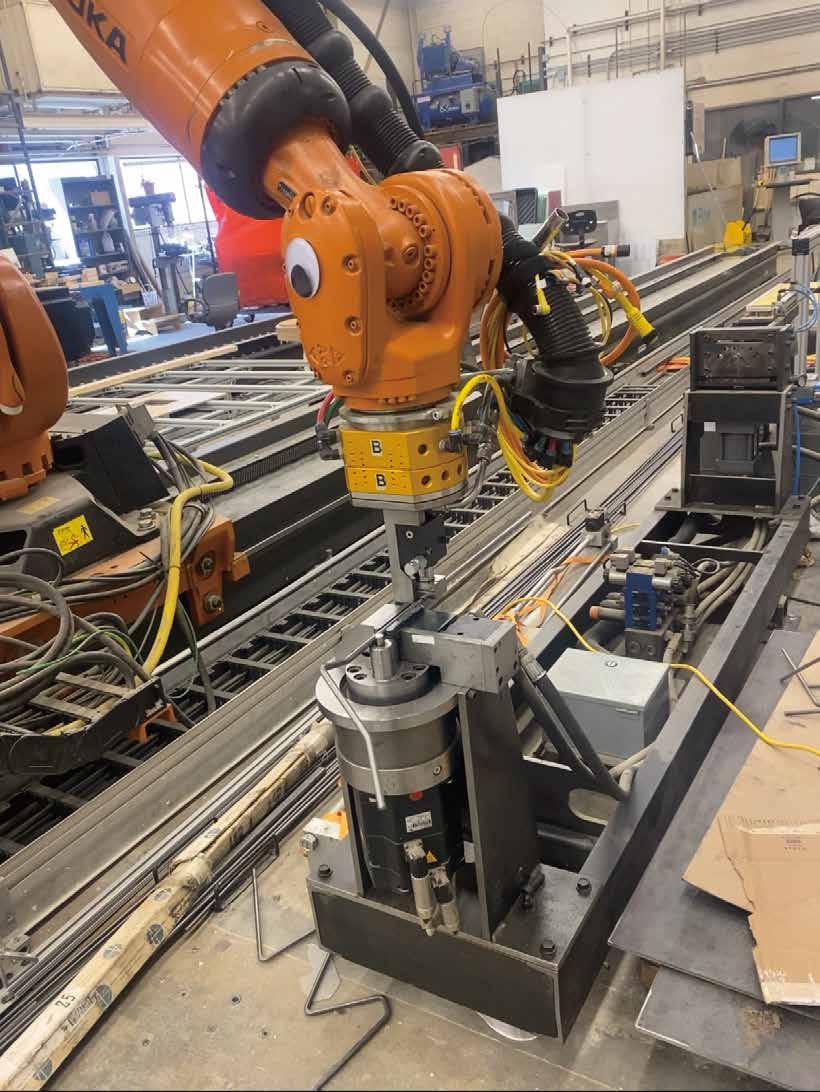
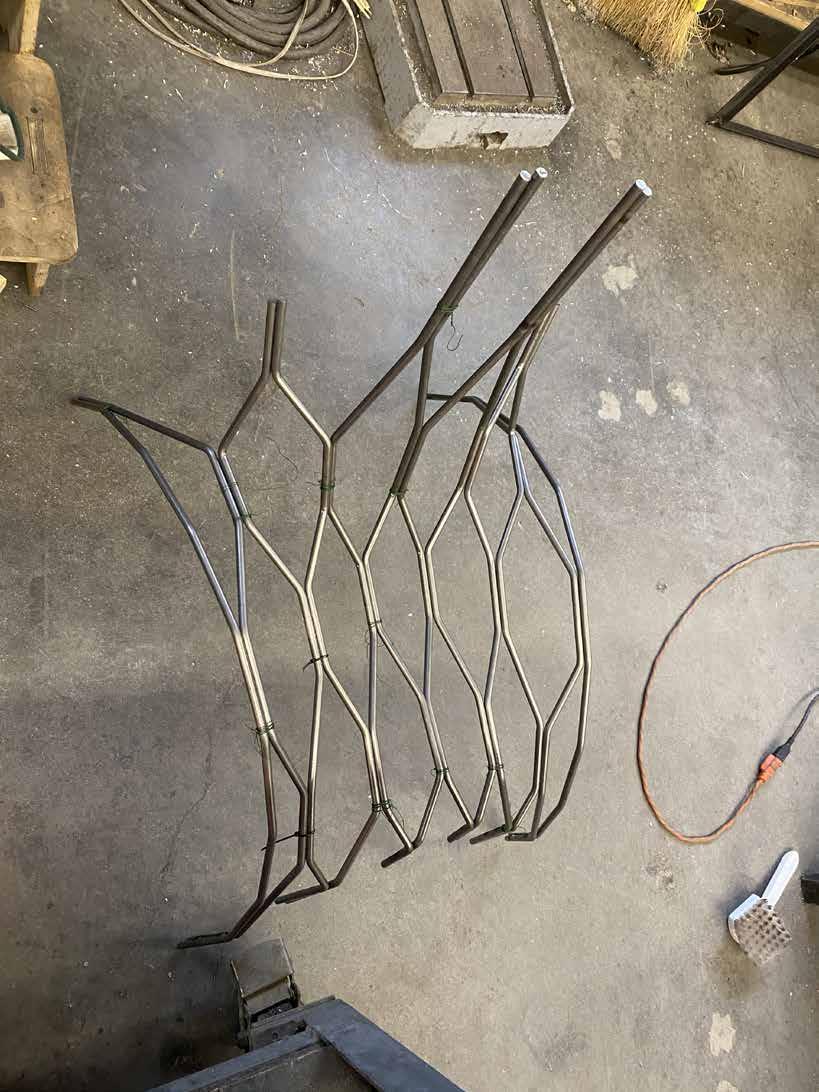
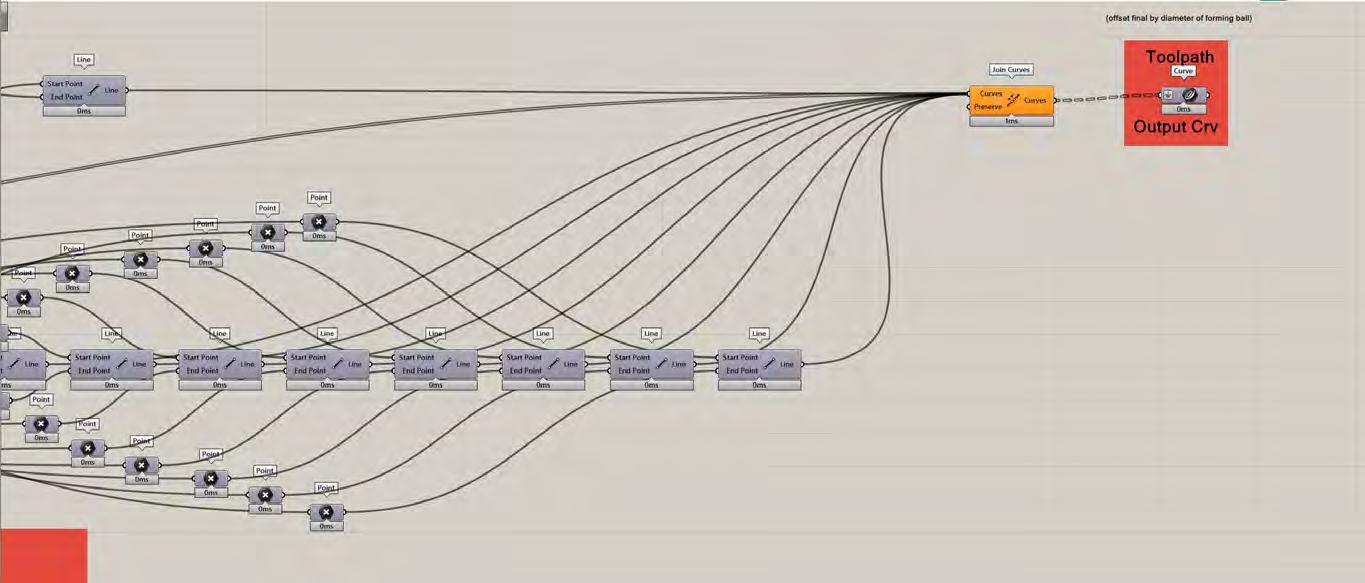
R OBOTIC ROD-BENDING COMPLEX SURFACES
DIGITAL FABRICATION METHODS USING GRASSHOPPER AND SUPERMATTERTOOLS
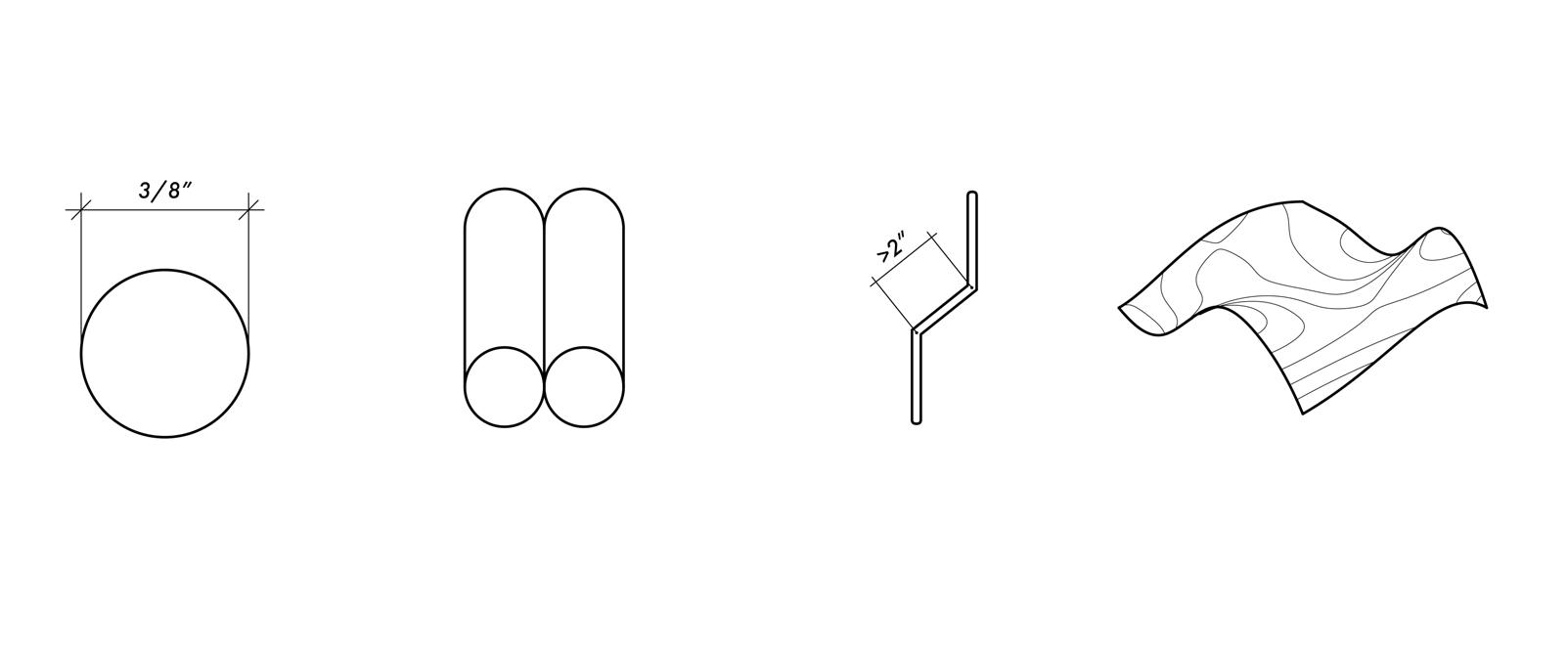
PARAMETERS
3/8 IN. DIAMETER ROD
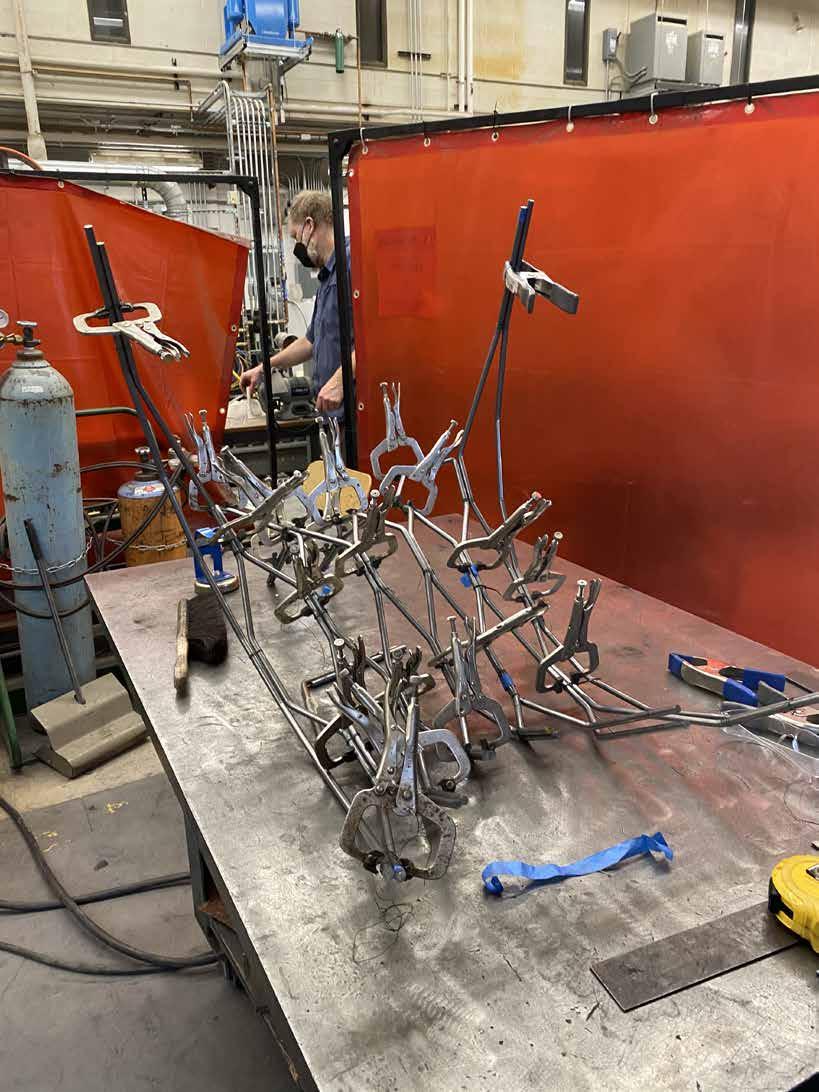
WELDED CONNECTIONS
>2 IN. DISTANCE BETWEEN BENDS
GEOMETR ic COMPLEXIT Y
INPUT
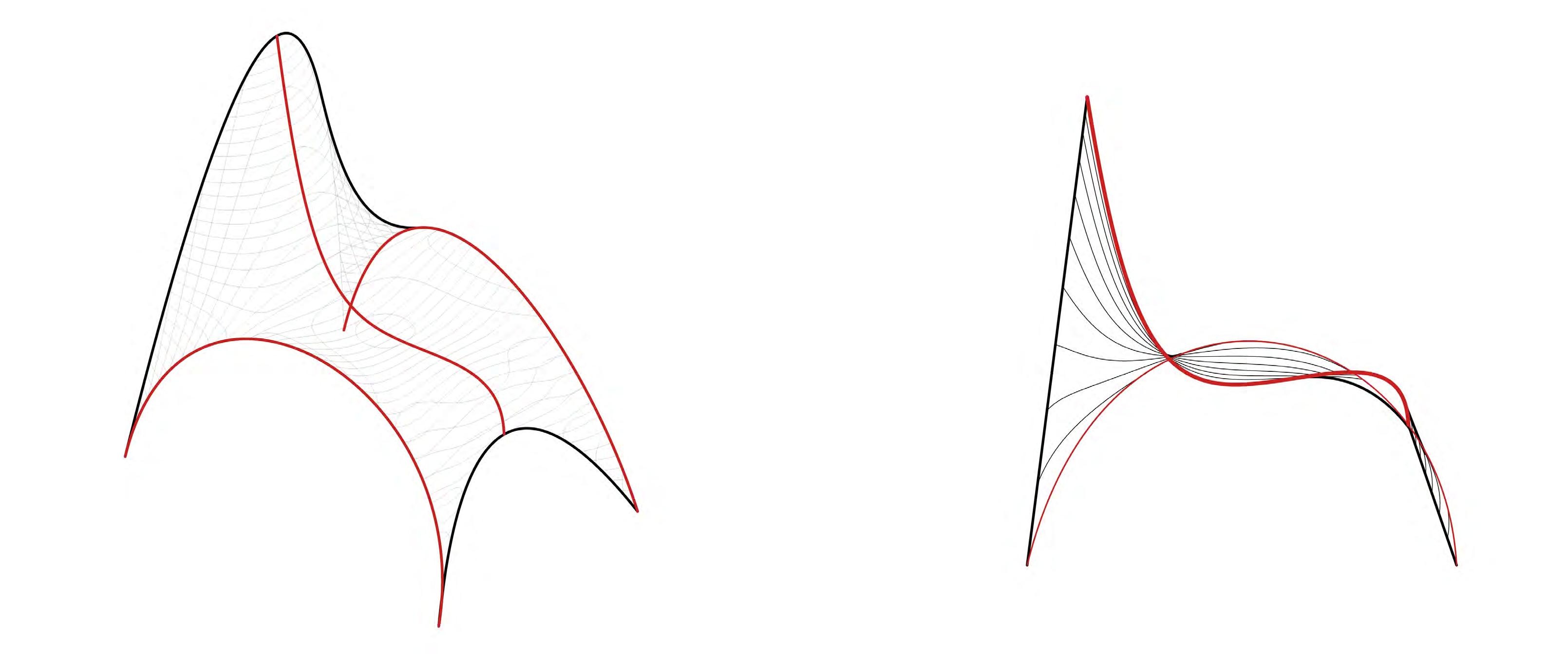
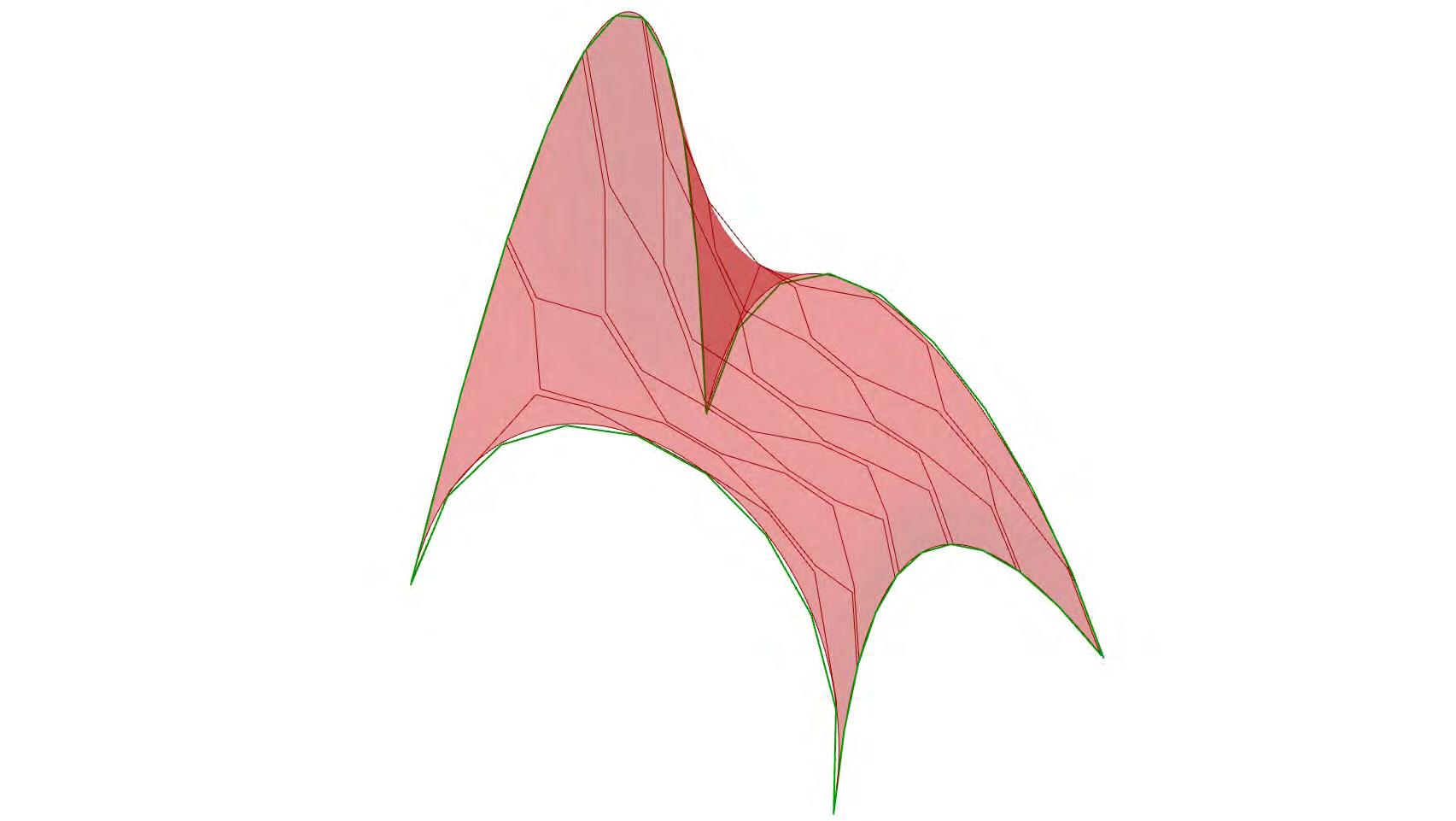
PROJECT SEEKS TO MAKE ANY SURFACE
GEOMETRY ROD-BENDABLE. IN THIS CASE THE SURFACE IS LOFTED PROFILE
CURVES THAT CREATE A FUNCTIONAL CHAIR.
ALGORITHM
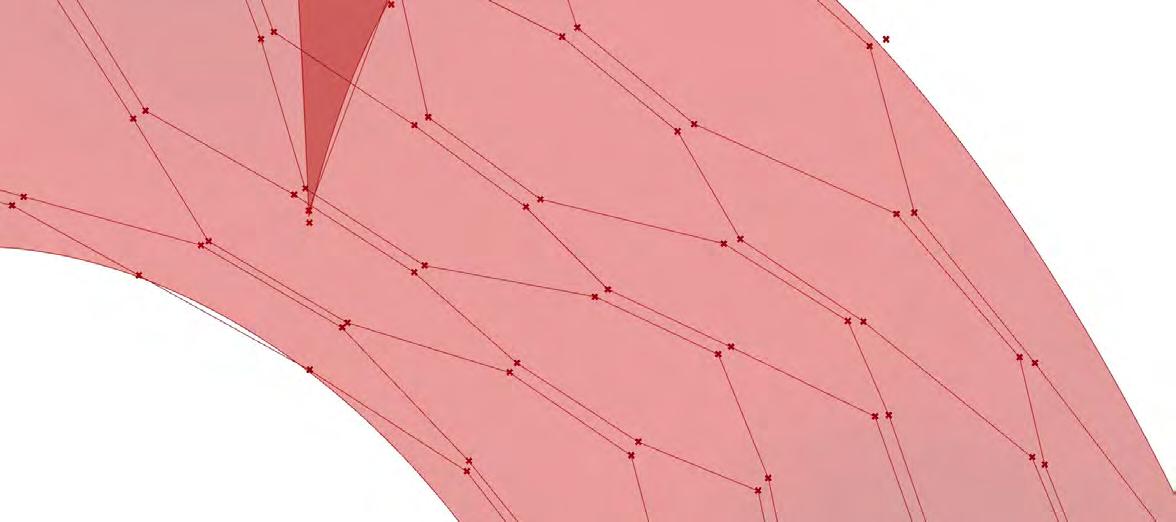
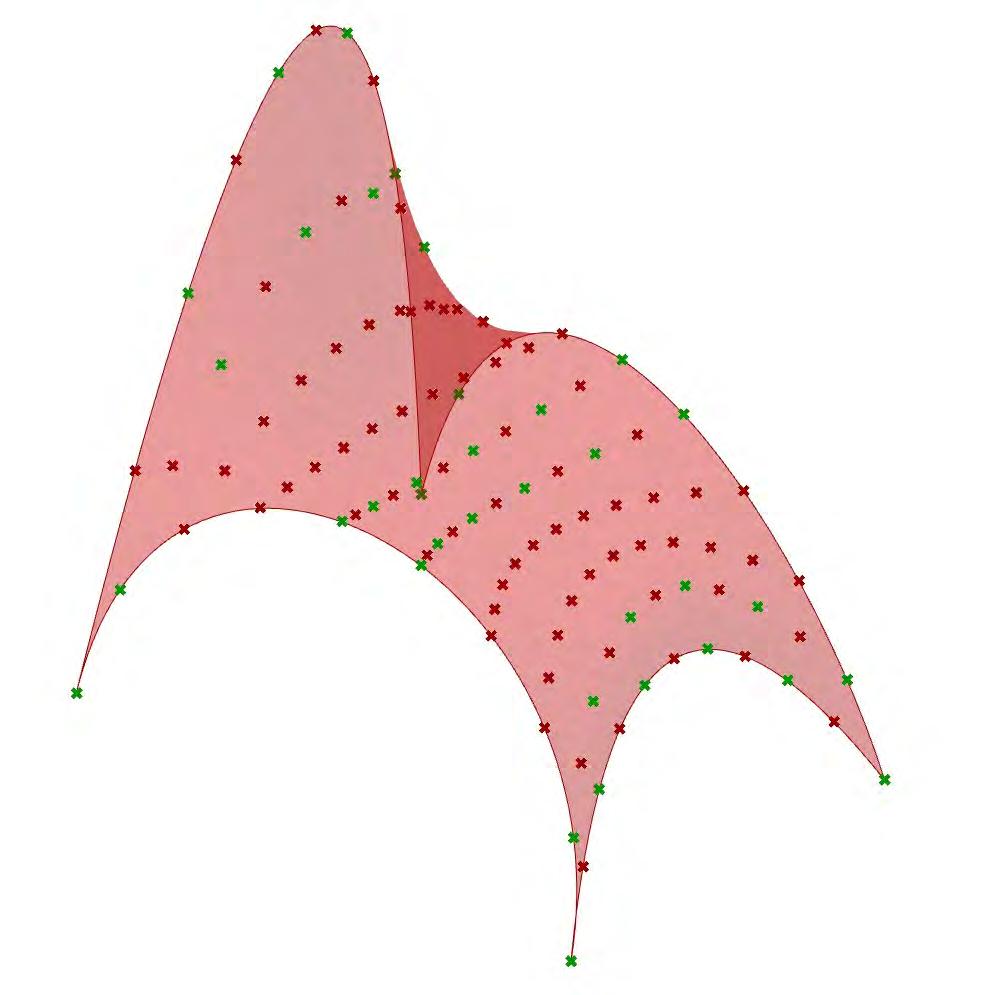
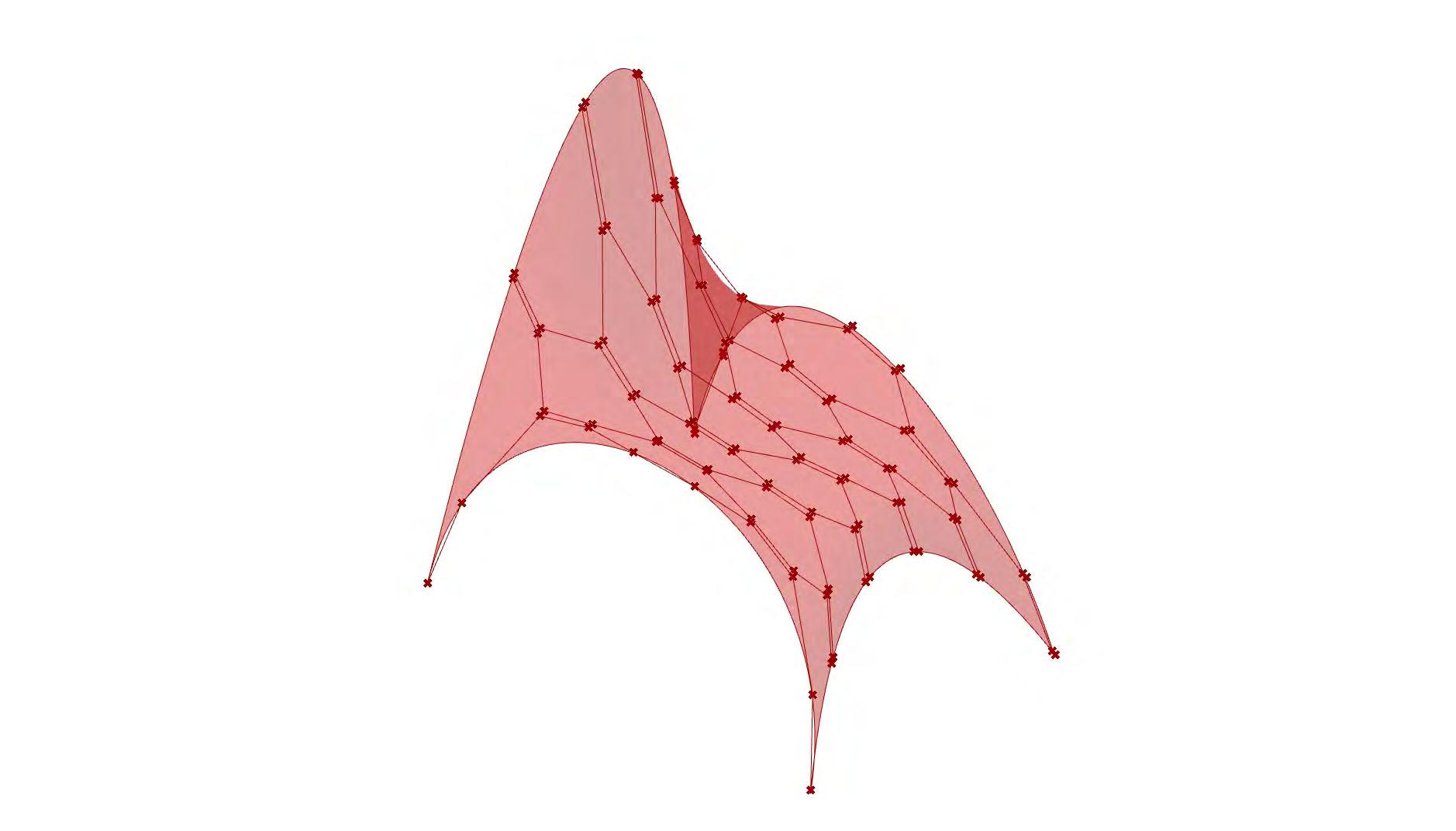
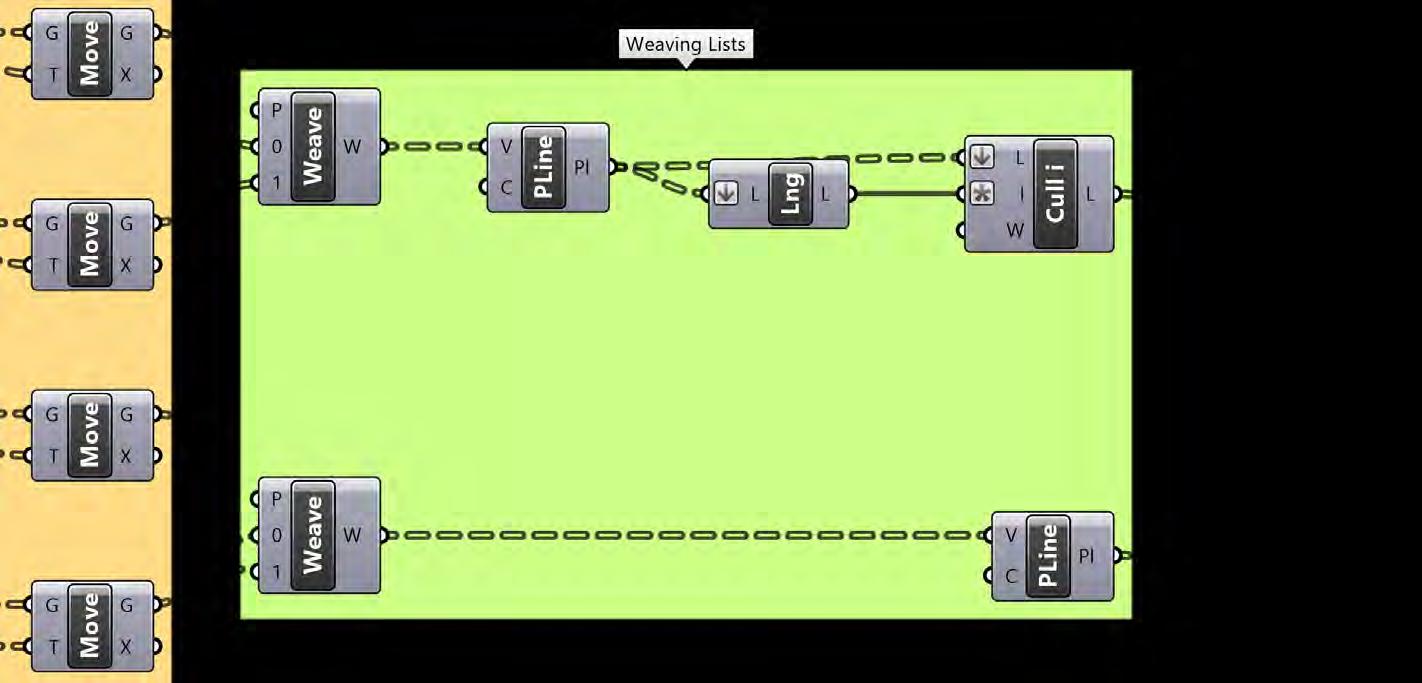
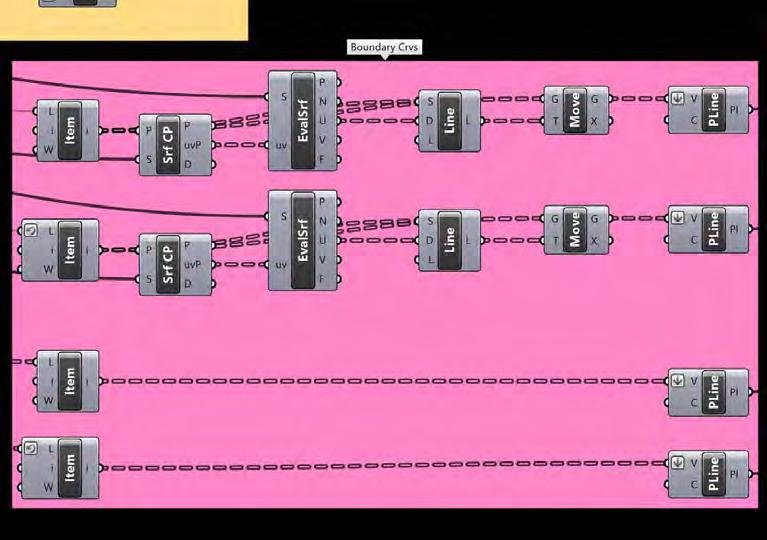
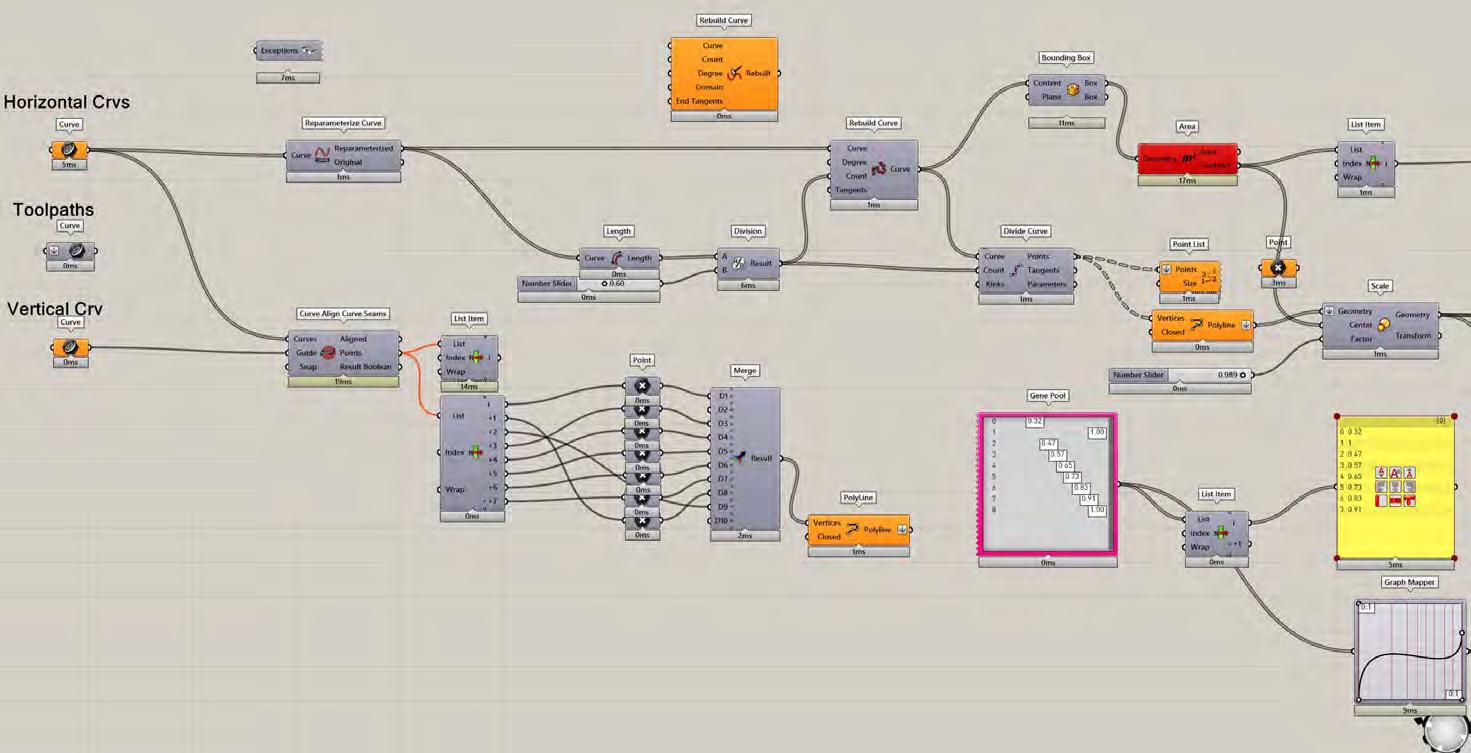
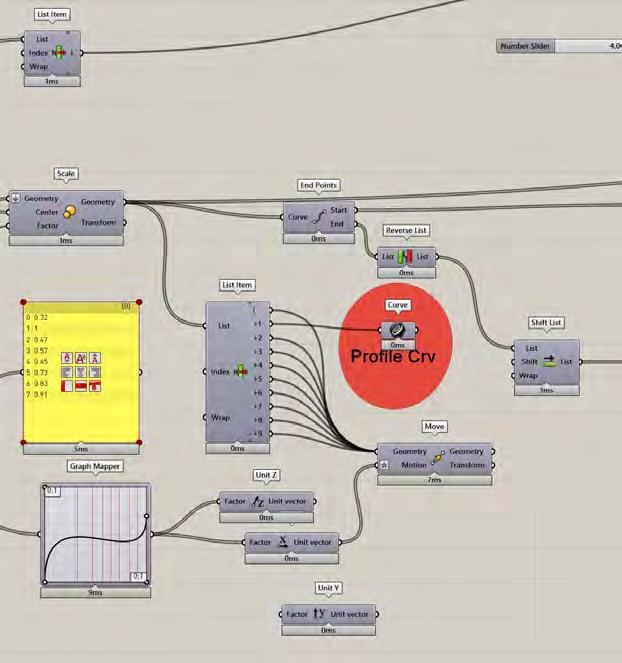
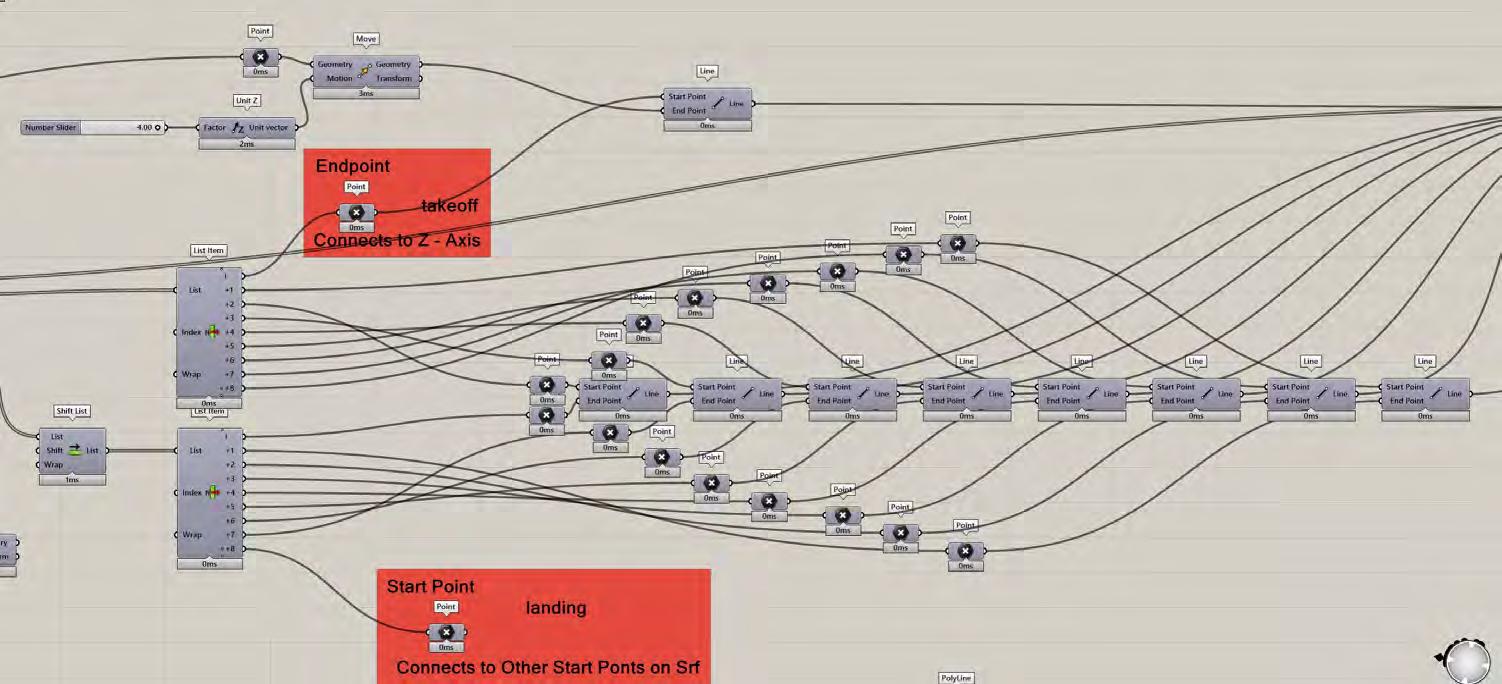
THE ALGORITHM TAKES THE INPUT SURFACE AND INTERPOLATES IT WITH THE STEEL ROD PARAMETERS IN MIND. IT CREATES WEAVING CURVES IN STRAIGHT SEGMENTS ALONG THE SURFACE. THE PURPOSE OF THIS WEAVING IS TO CREATE CONNECTION POINTS FOR WELDING. THE RODS MEETING IN PARALLEL FASHION CREATES AN IDEAL WELDING SCENARIO. THE SCRIPT ALSO ACCOUNTS FOR THE DIAMETER OF THE ROD, OFFSETTING THE CURVES SO THEY DON’T INTERSECT. THE SCRIPT ALSO OUTPUTS A PANEL THAT DISPLAYS EACH SEGMENT LENGTH SORTED FROM SHORTEST TO LONGEST. THIS IS TO ENSURE THAT EACH BEND IS AT LEAST 2 INCHES. SURFACE DIVISIONS ARE ABLE TO BE MANIPULATED UNTIL THE 2 INCH REQUIREMENT IS MET. THE CURVES THAT ARE OUTPUT FROM THE SCRIPT ARE ABLE TO BE INPUT DIRECTLY INTO SUPER MATTER TOOLS FOR ROD BENDING. PIPED GEOMETRY CAN ALSO BE BAKED TO VISUALIZE A FINAL PRODUCT.
ALGORITHM
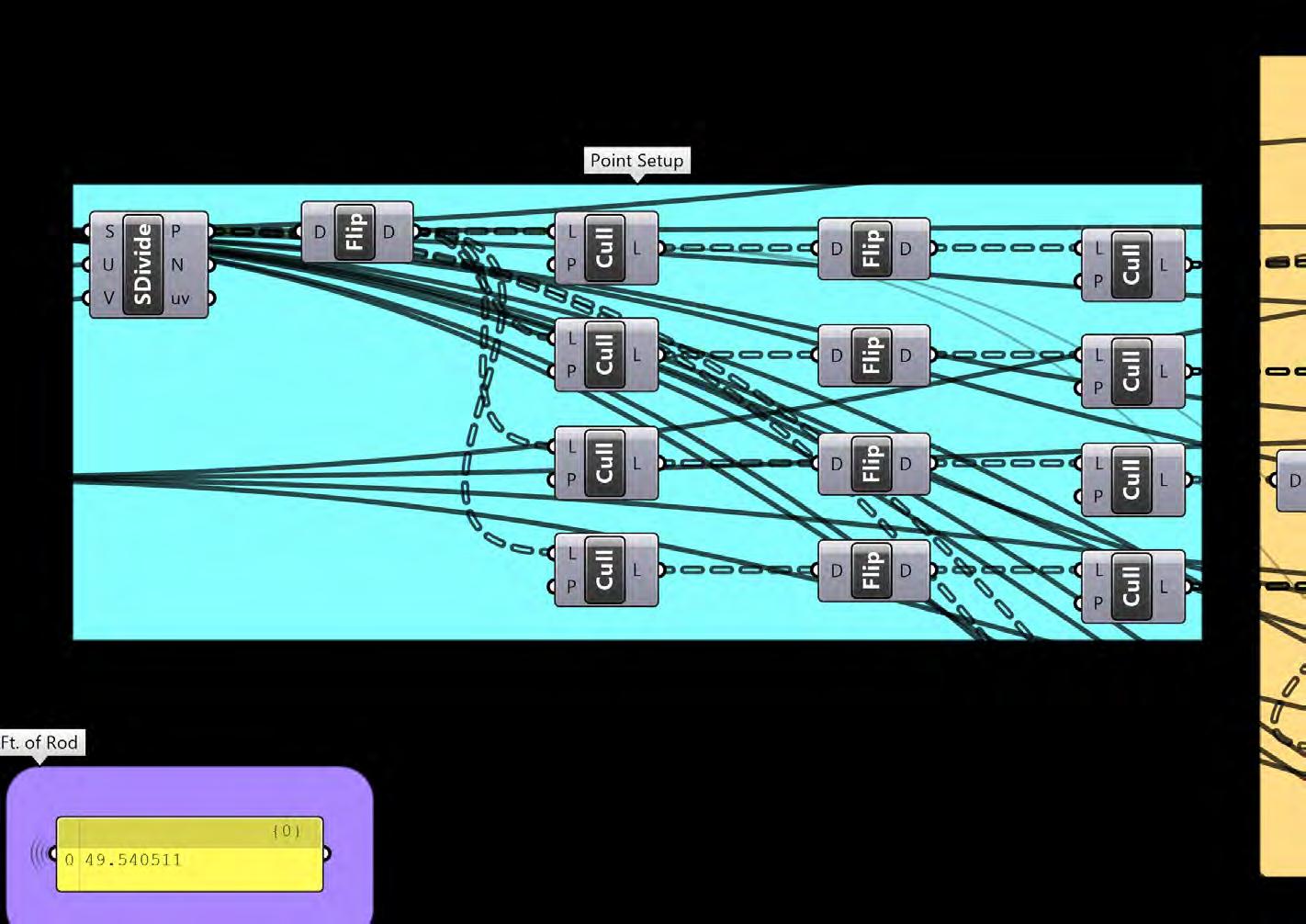
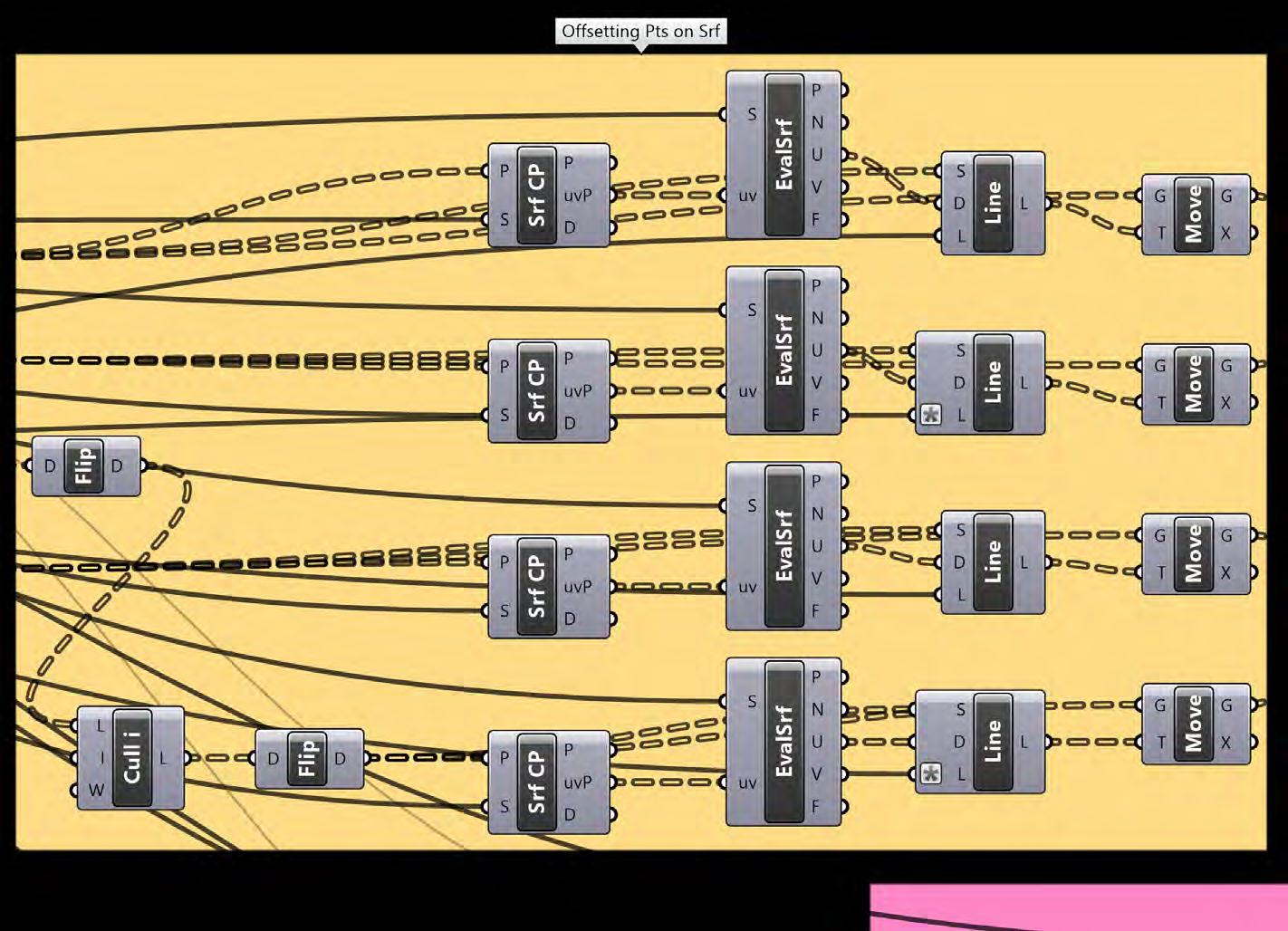
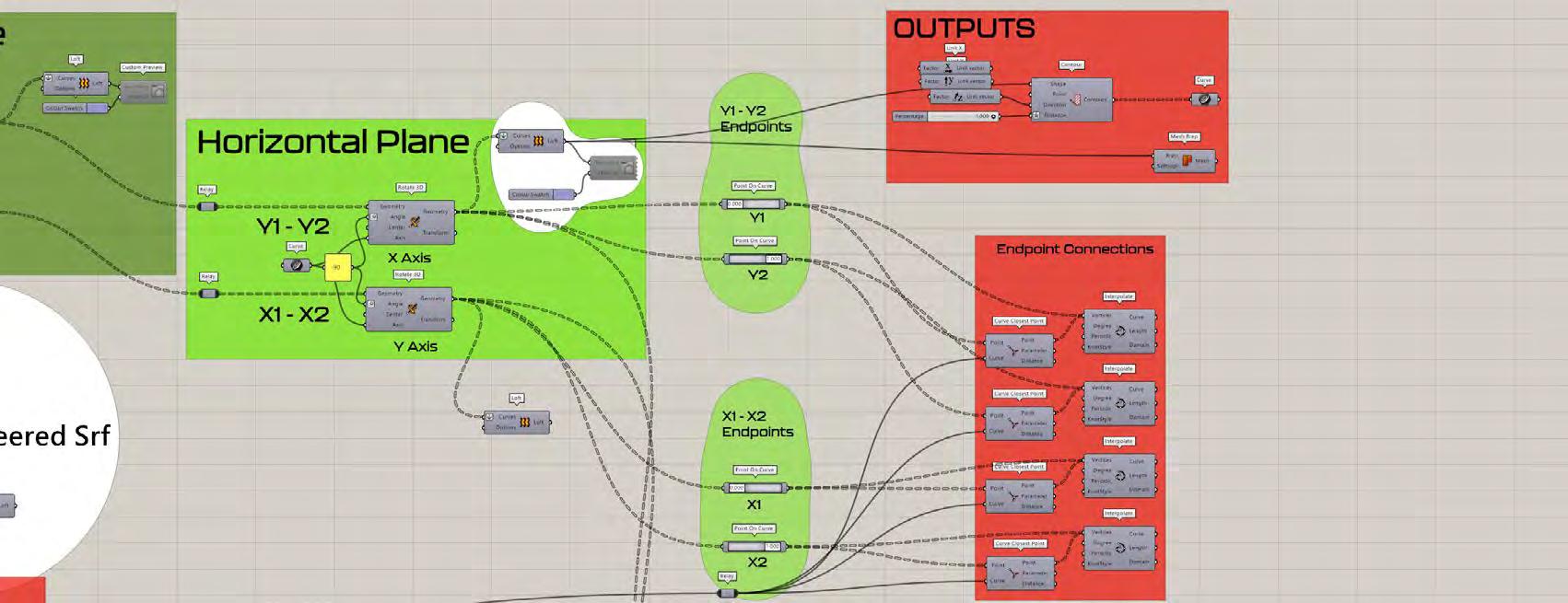
THE BEGINNING OF THE SCRIPT USES CULL PAT TERNS TO SET UP THE WEAVING OF THE POLYLINES. OFFSET TING THE POINTS SO THAT THE RODS COME TOGETHER CLEANLY IS A VERY IMPORTANT PART OF THE ALGORITHM.
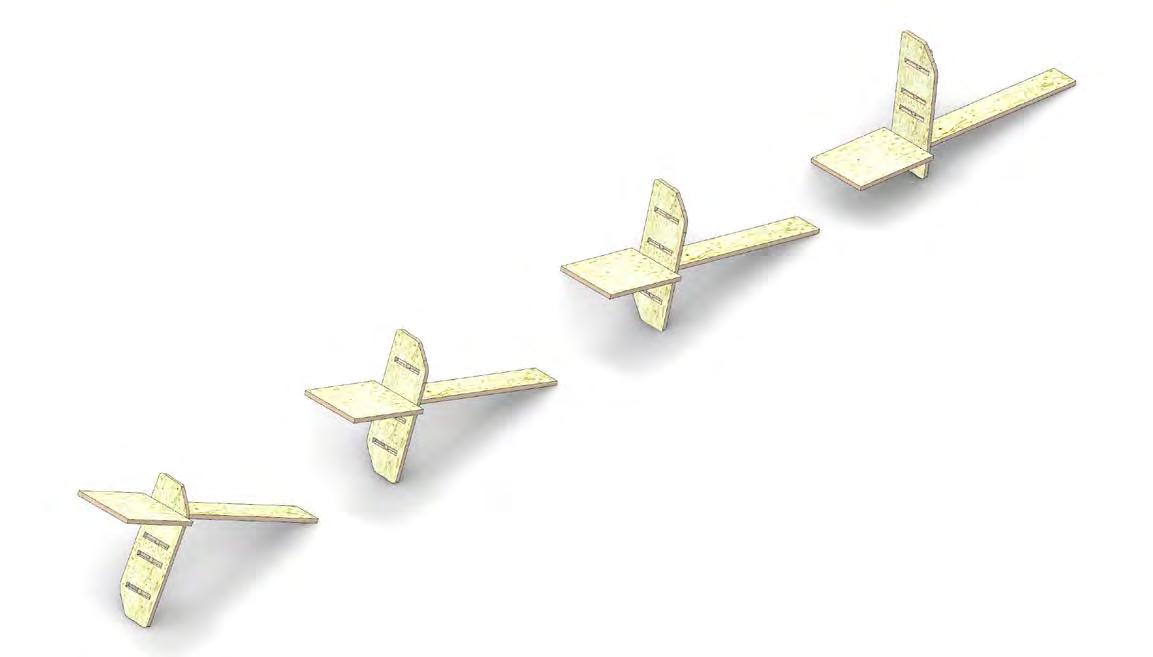
Conceptual Design Development
Study Models
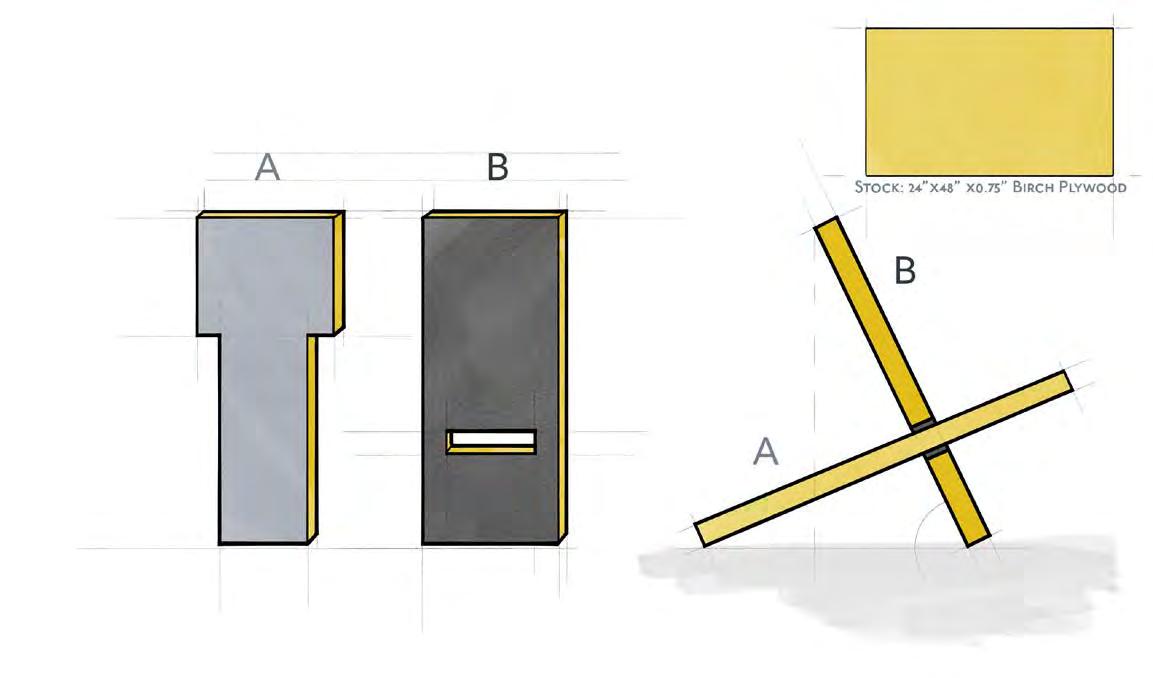
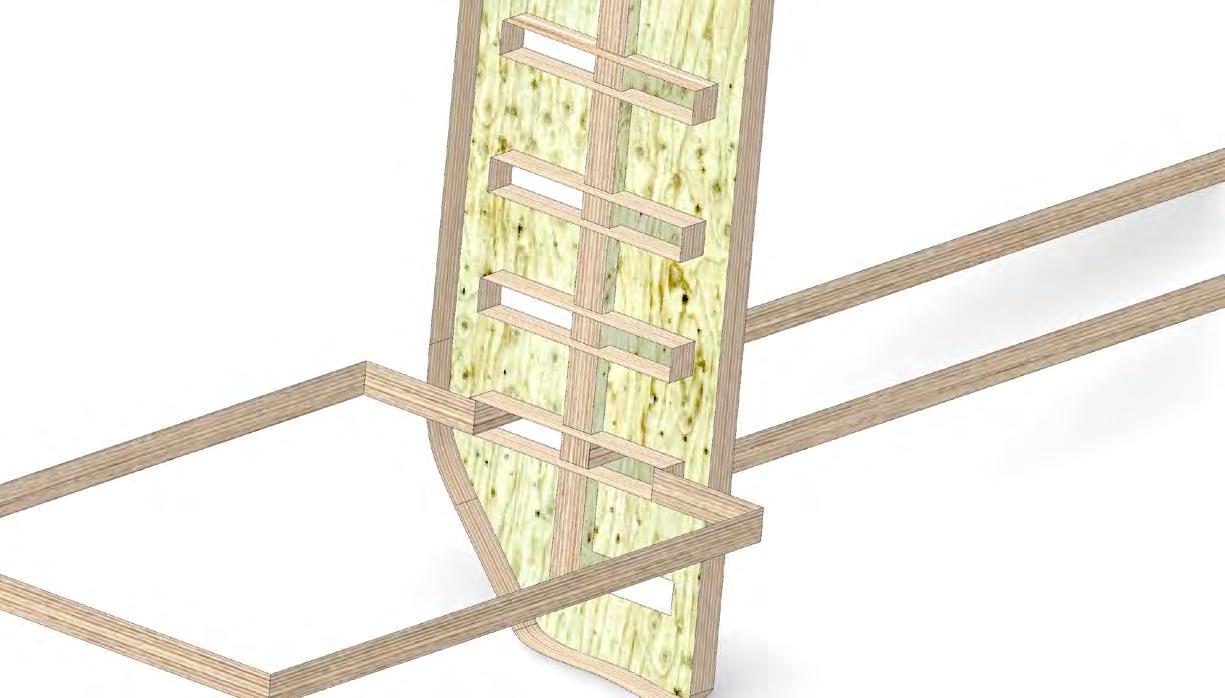
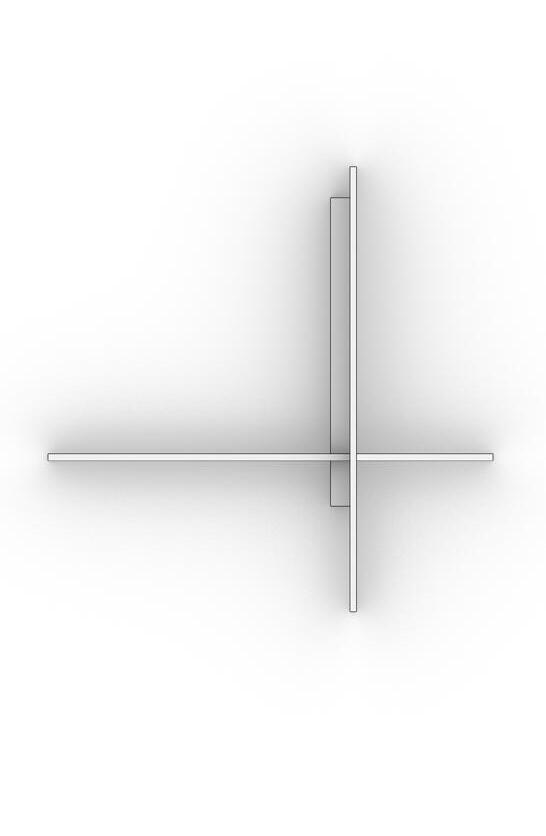
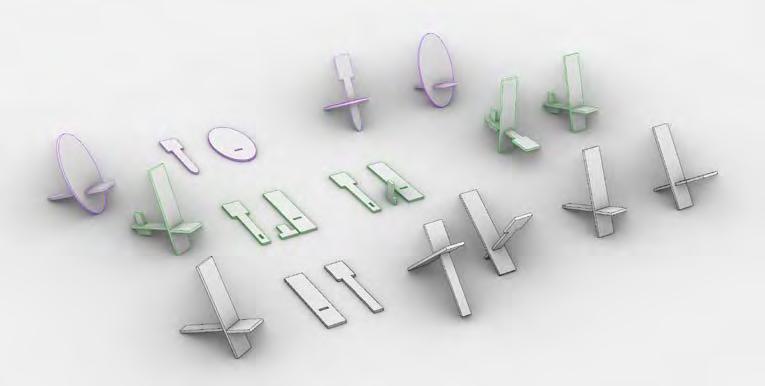
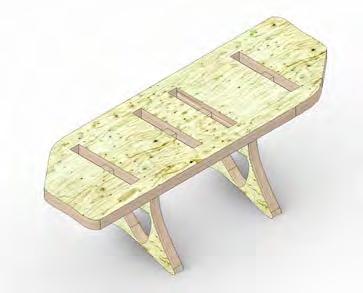
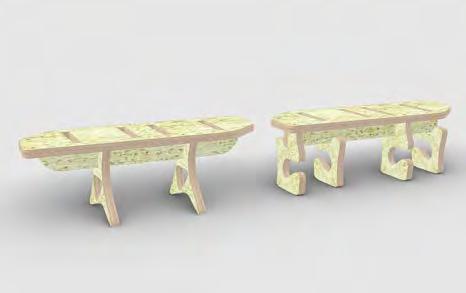
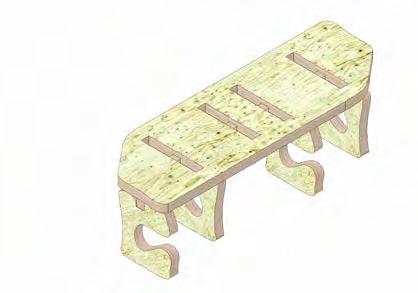
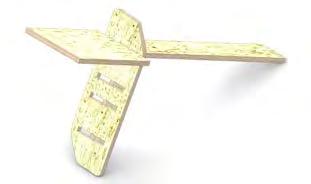
ARCH 571 _ Advanced Digital Fabrication: Stools + Chairs with Glenn Wilcox
Michael DiBenedetto
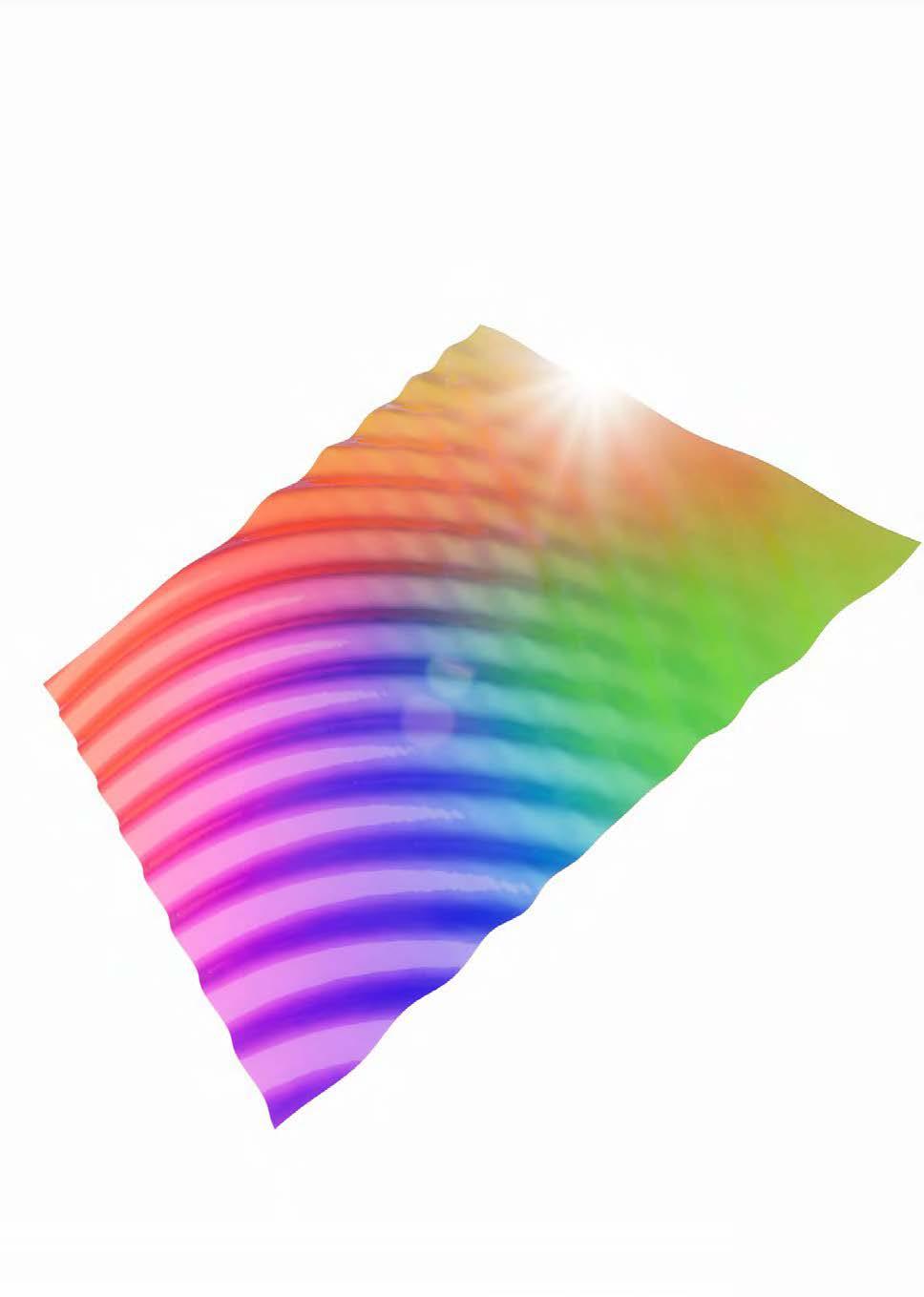
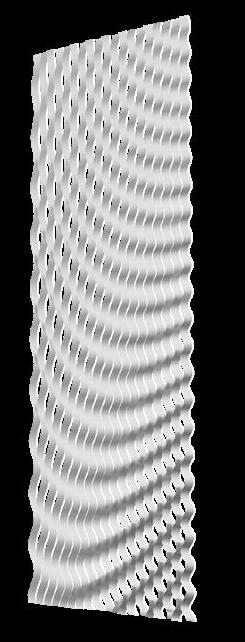
radial rainbow ripple realness 2.0
ricardo guisse
michael dibenedetto
richard hua
THICKER
SKIN
university of michigan taubman college of architecture + urban planning
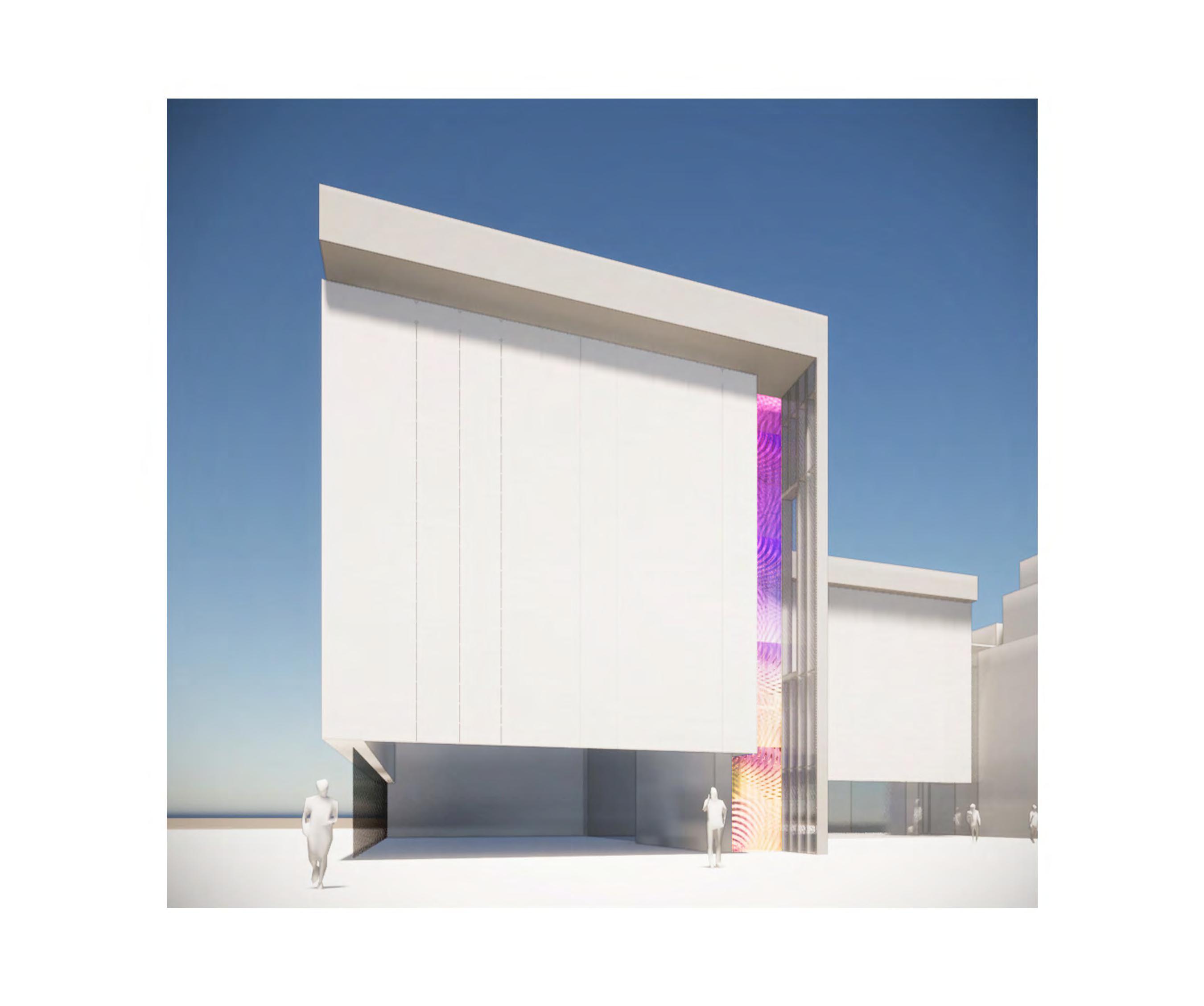
CHRIS HUMPHREY WINTER 2022
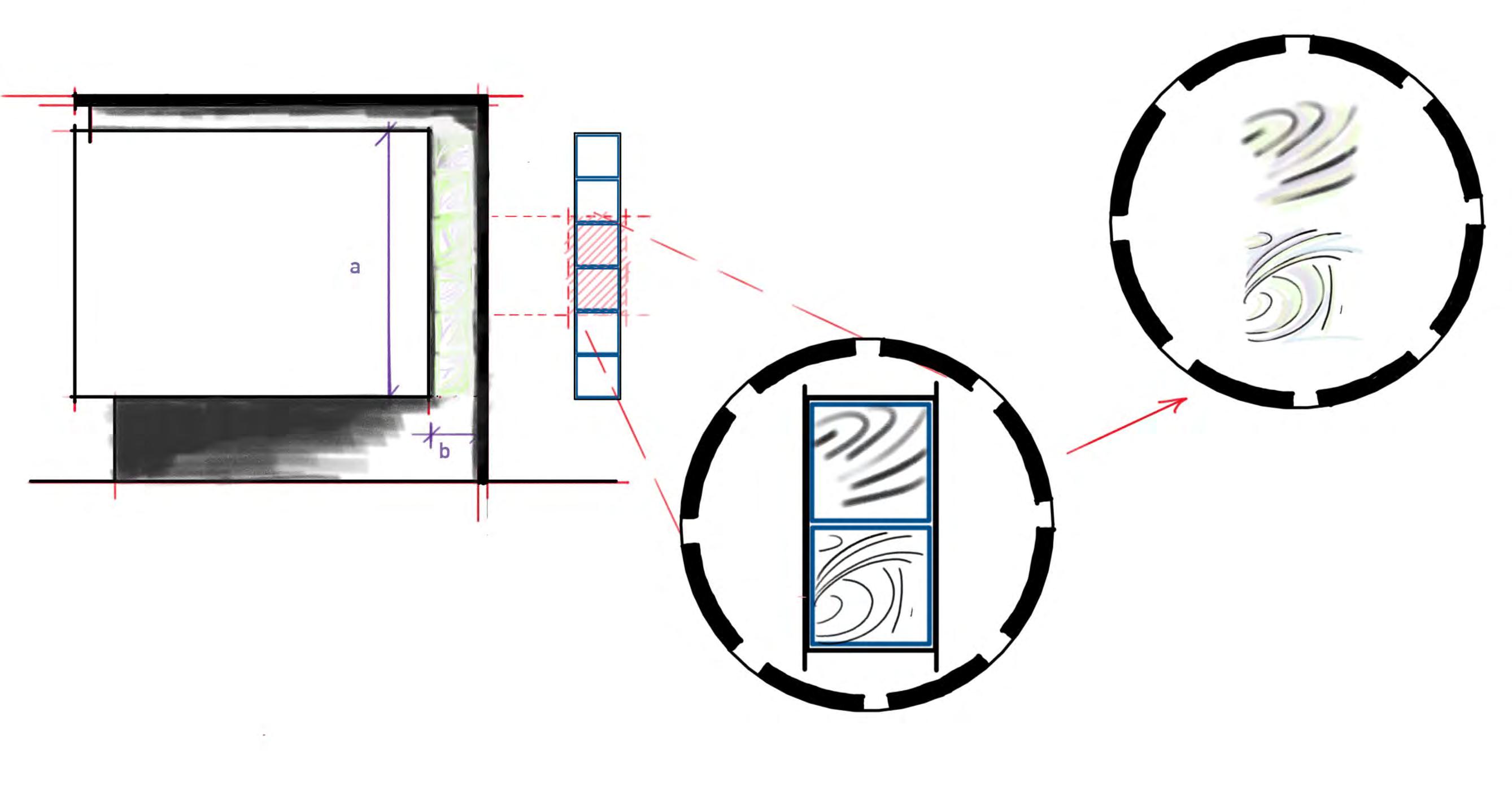
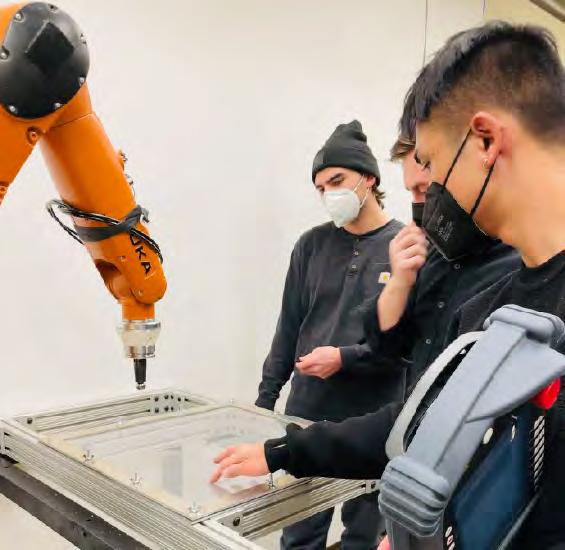
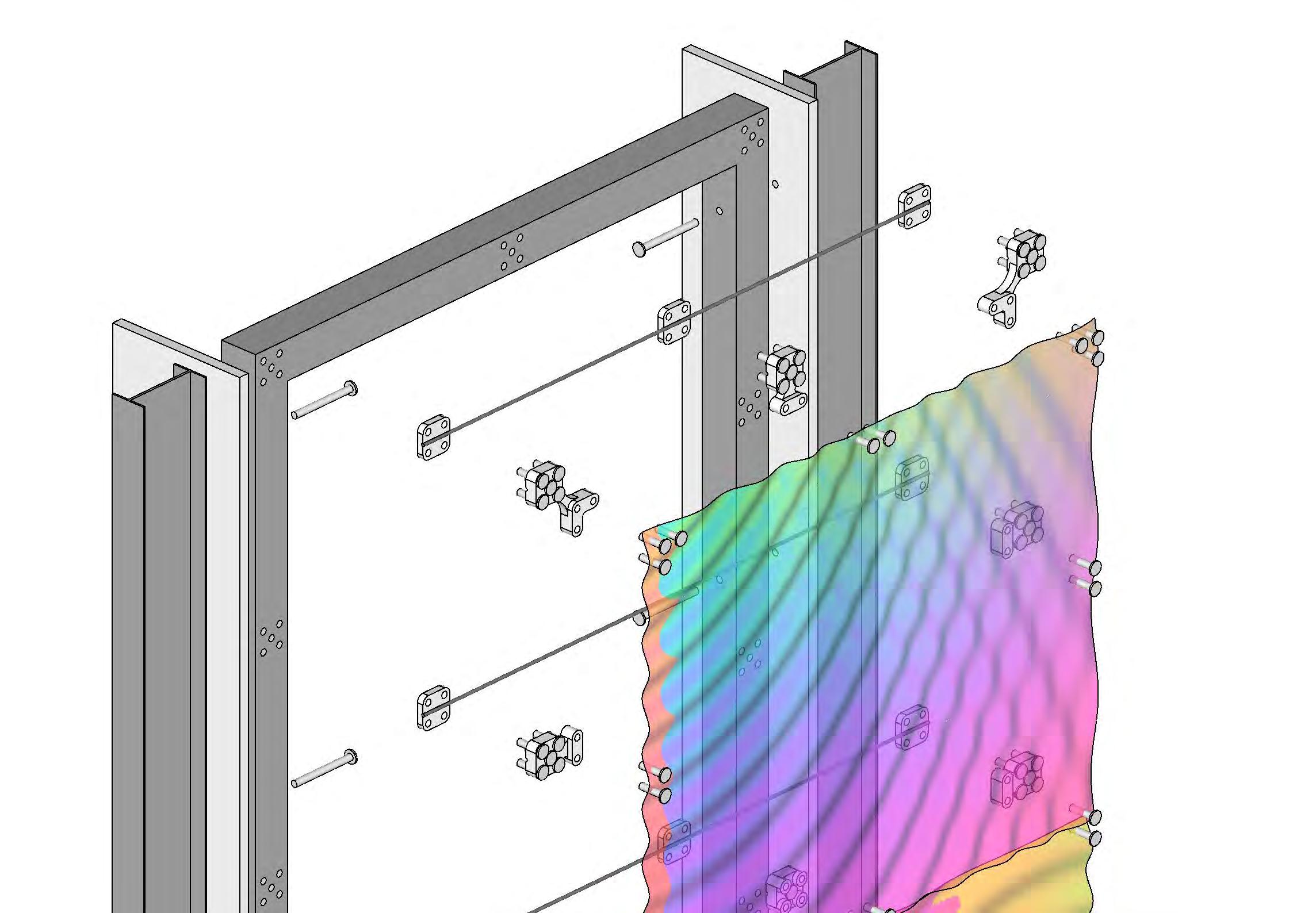
FORMING & MOCKUP
4”x4” ANODIZED ALUMINUM FRAME w/ pre-drilled holes for clip attachment
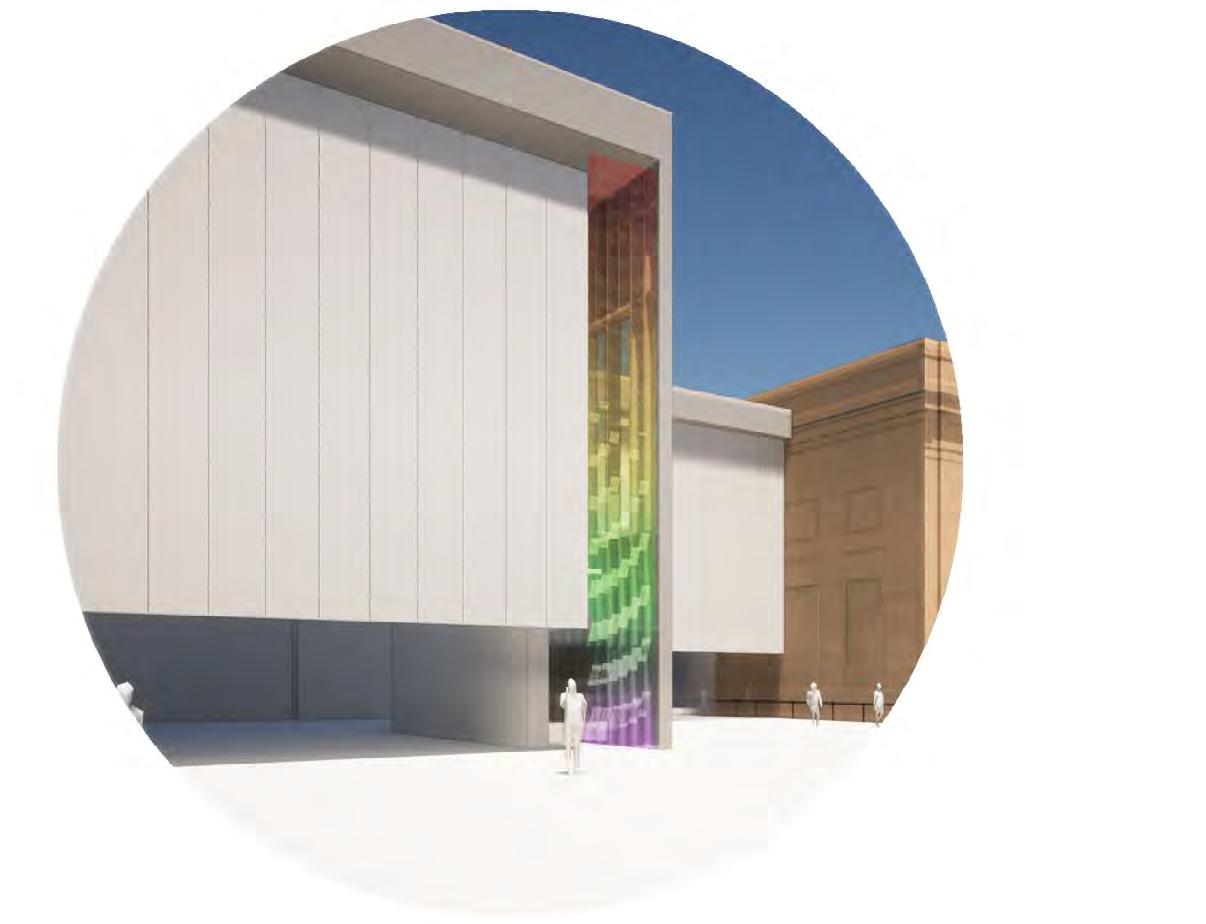
EXTERIOR FINISH applied to structural steel column
STRUCTURAL STEEL COLUMN part of structural system
1/2” TENSION CABLE to be adjusted at length of aluminum frame
1” BOLT at frame, attached/ welded into column, through exterior finish`
PREFABRICATED 3D PRINTED BASE CLIP allow for tension cable and fastener holes.
PREFABRICATED 3D PRINTED FASTEN CLIP allow for tension cable and fastener holes. Extentions to allow panel insert
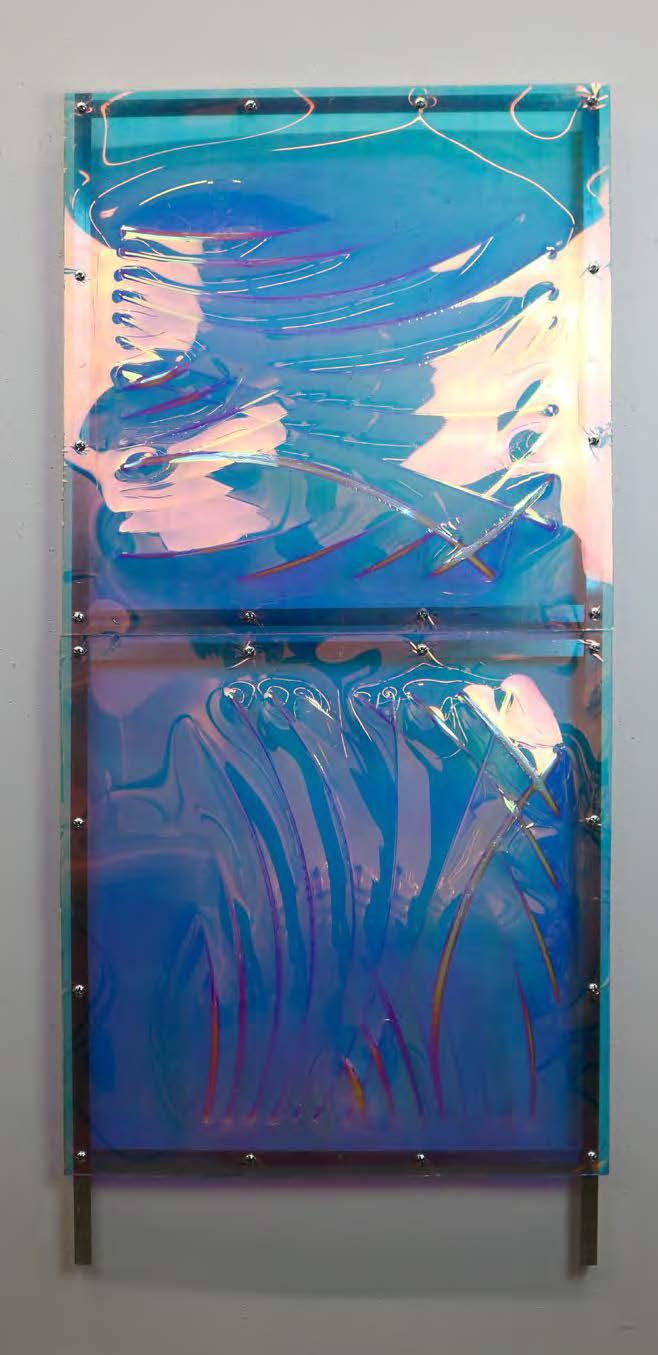
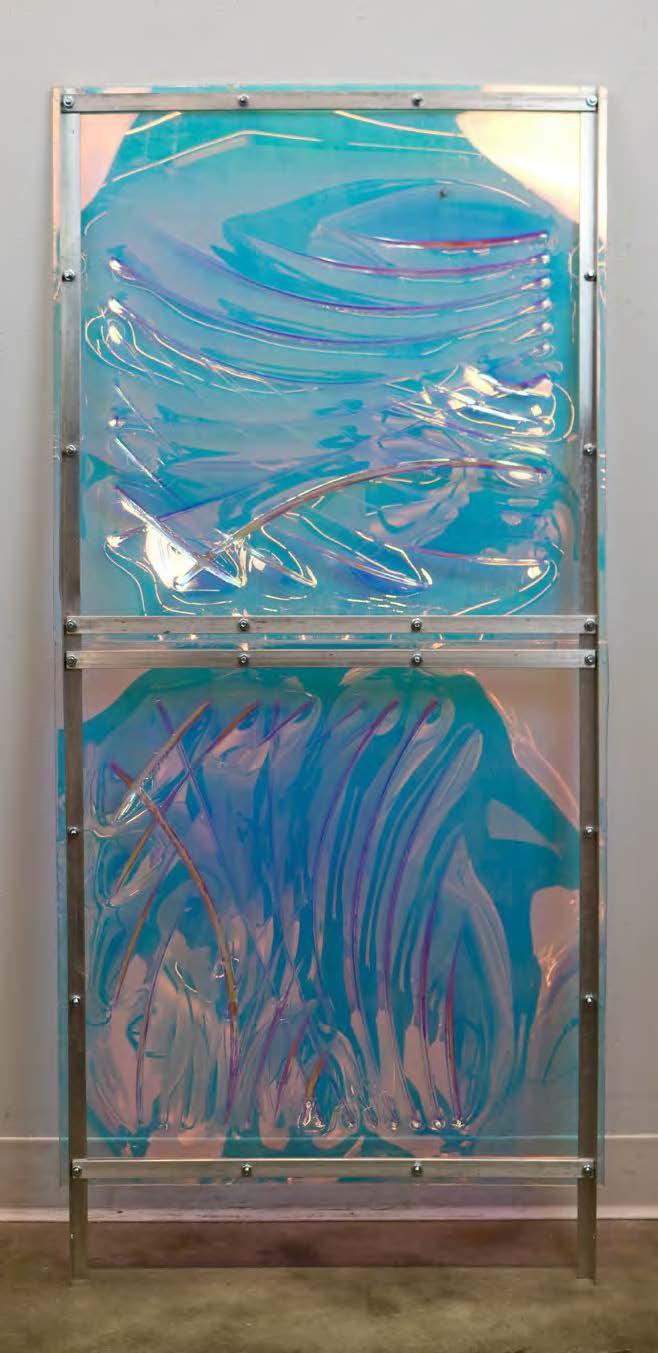
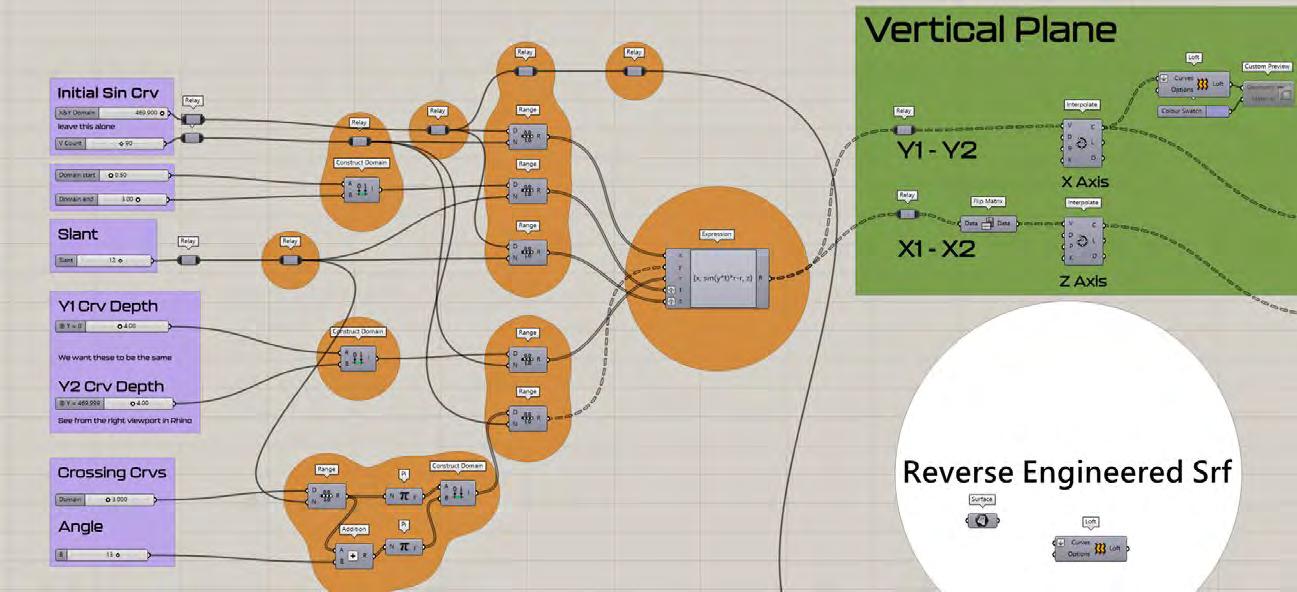
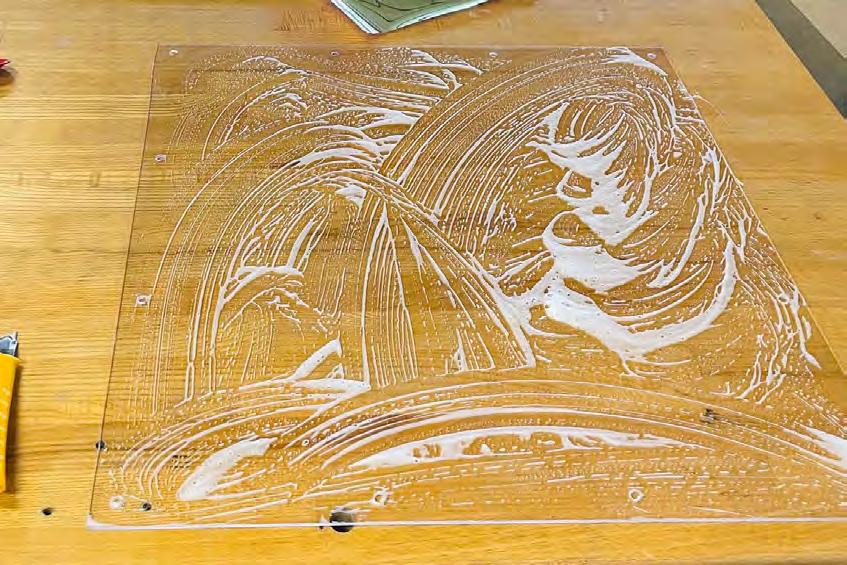
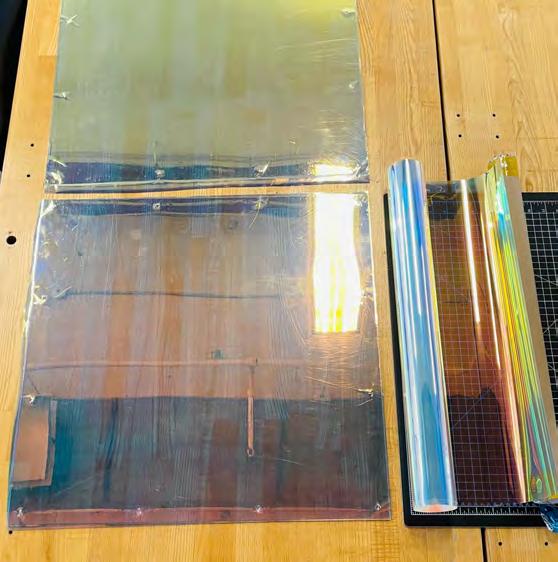
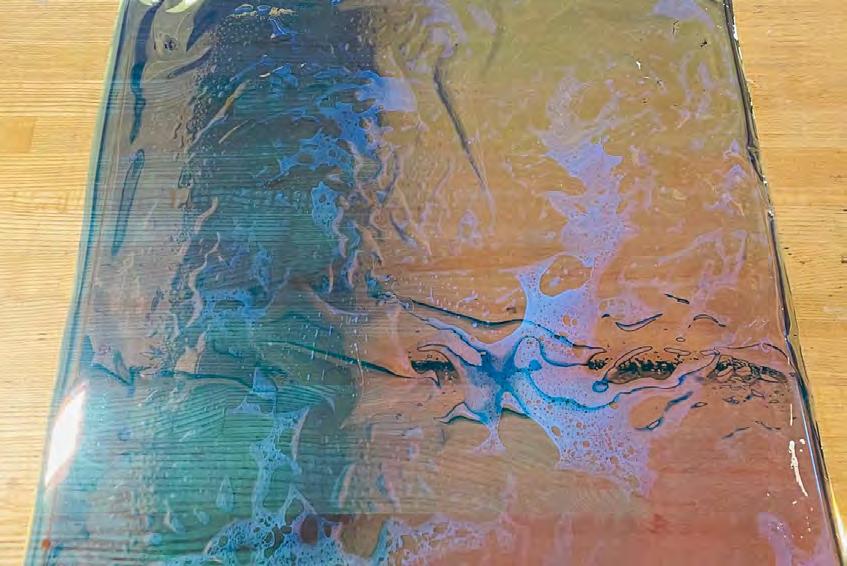
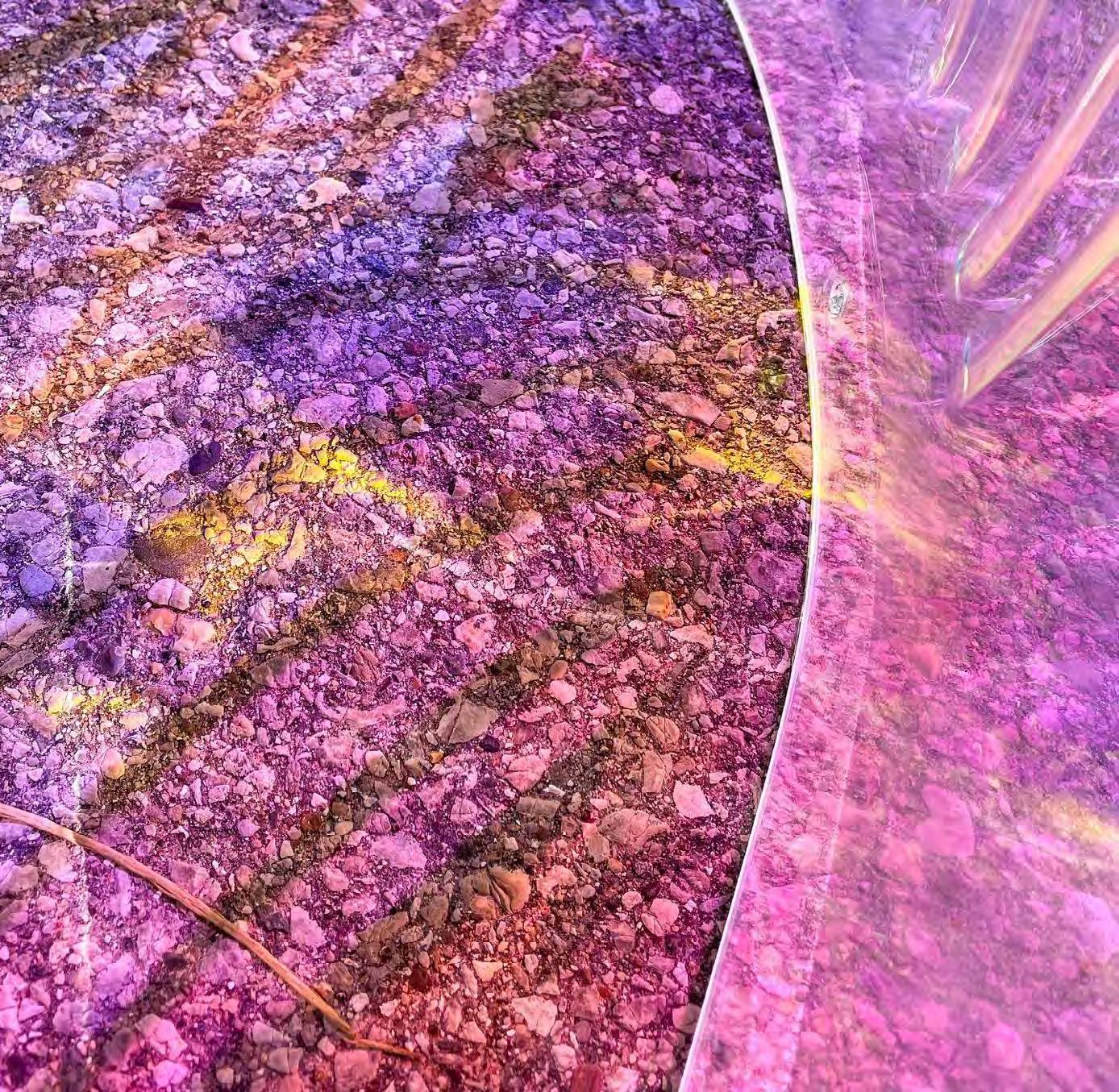
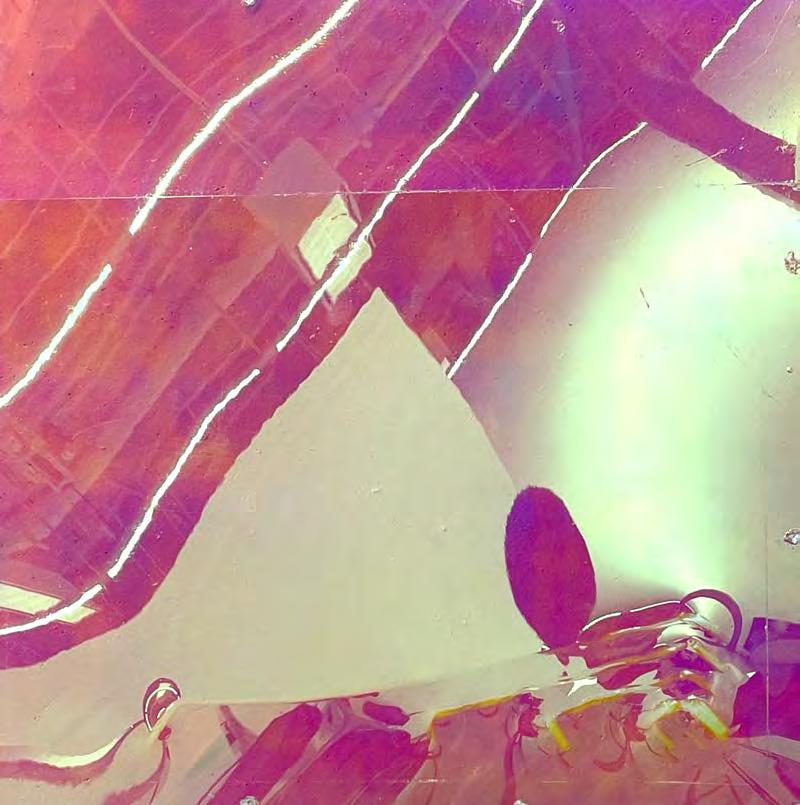
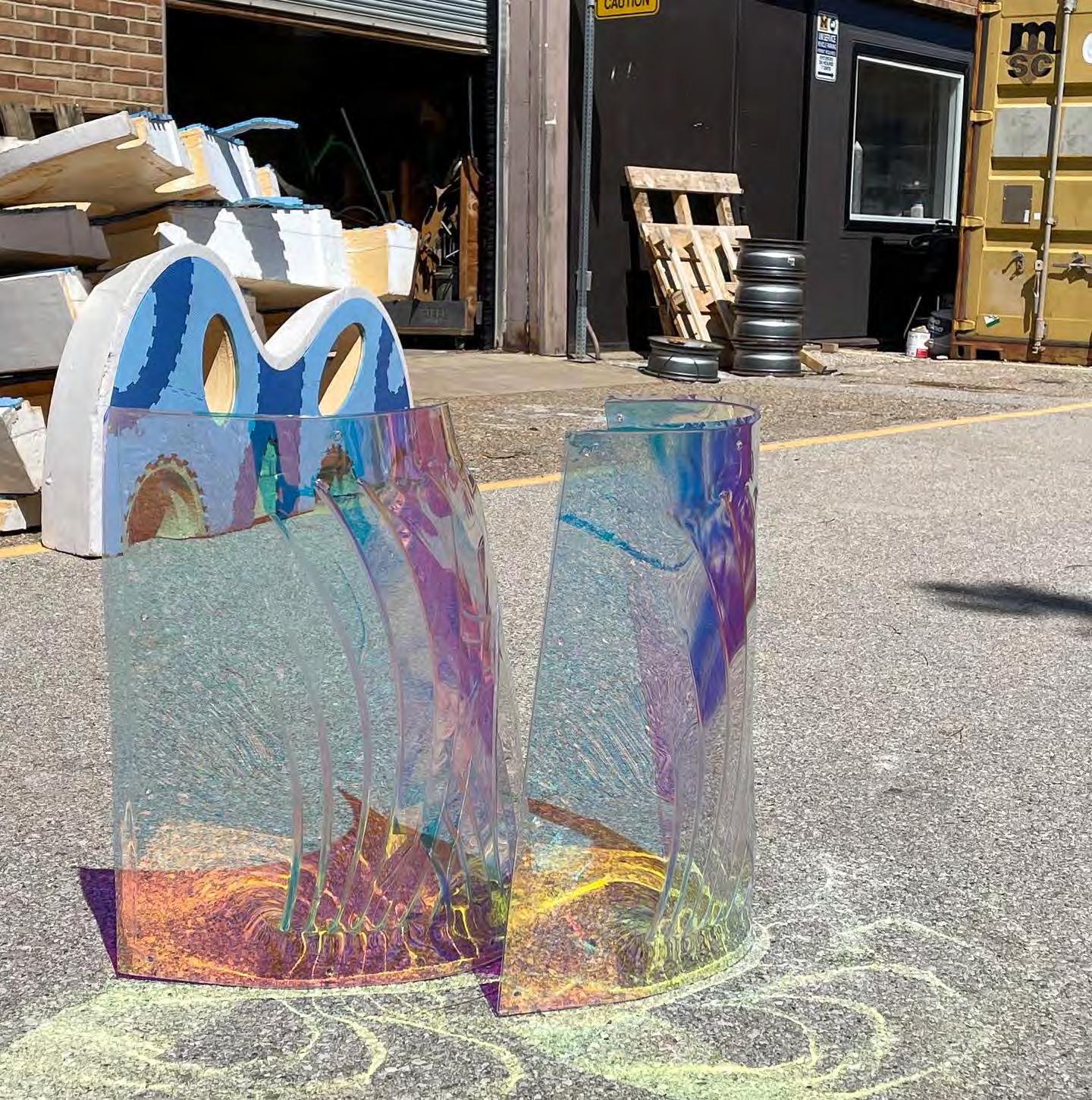
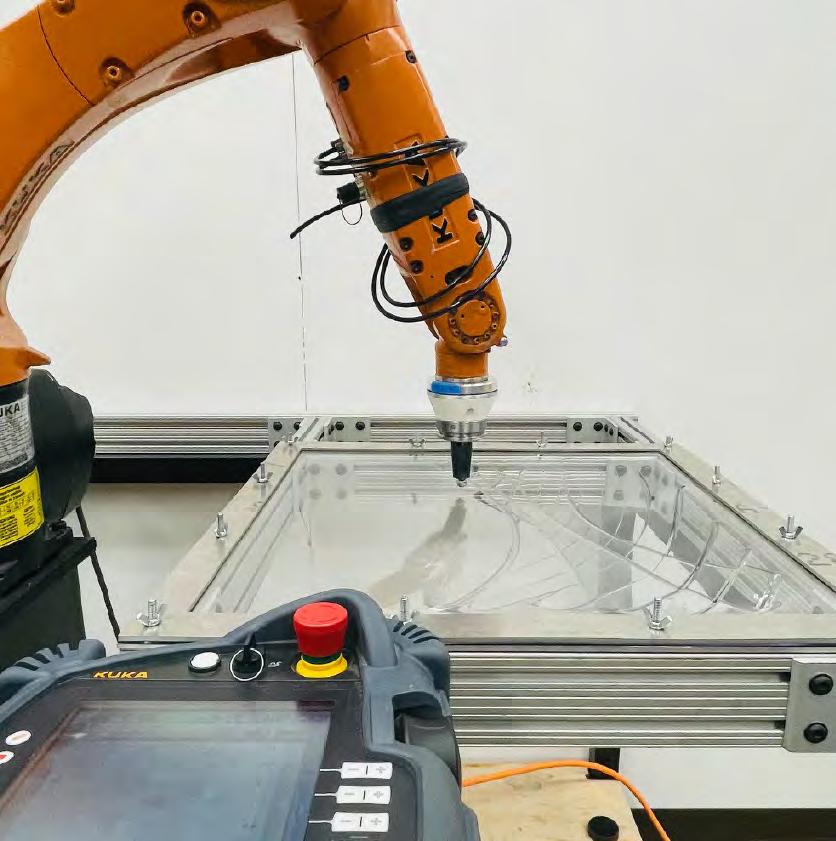
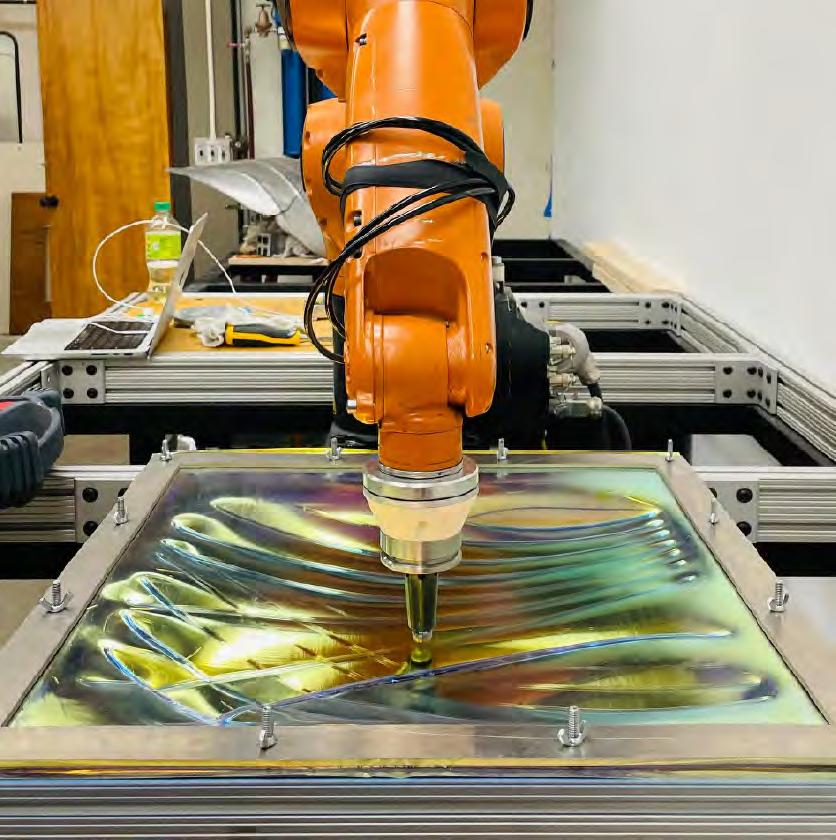
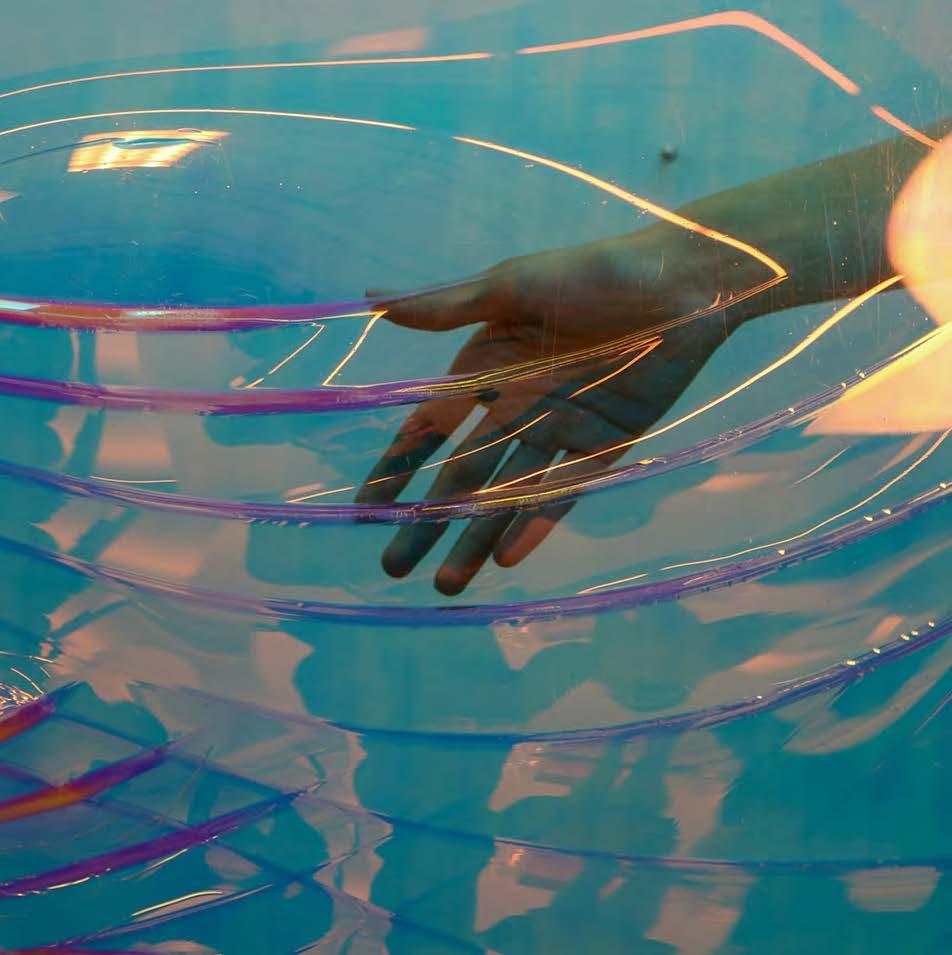
ROBOTICALLY FORMED PETG PANEL W/ DICHROIC FILM w/ pre-drilled holes for fastening
Incremental forming of film application.
Initial prototype
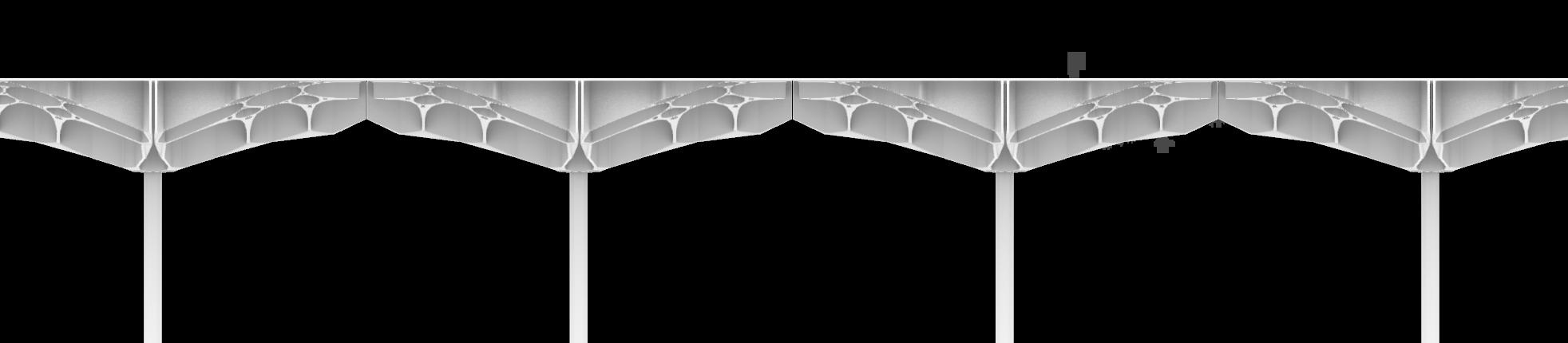
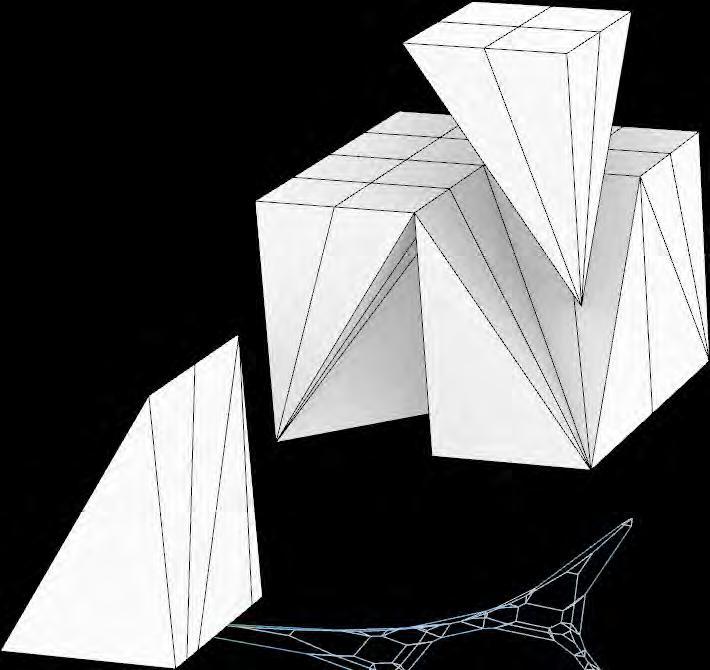
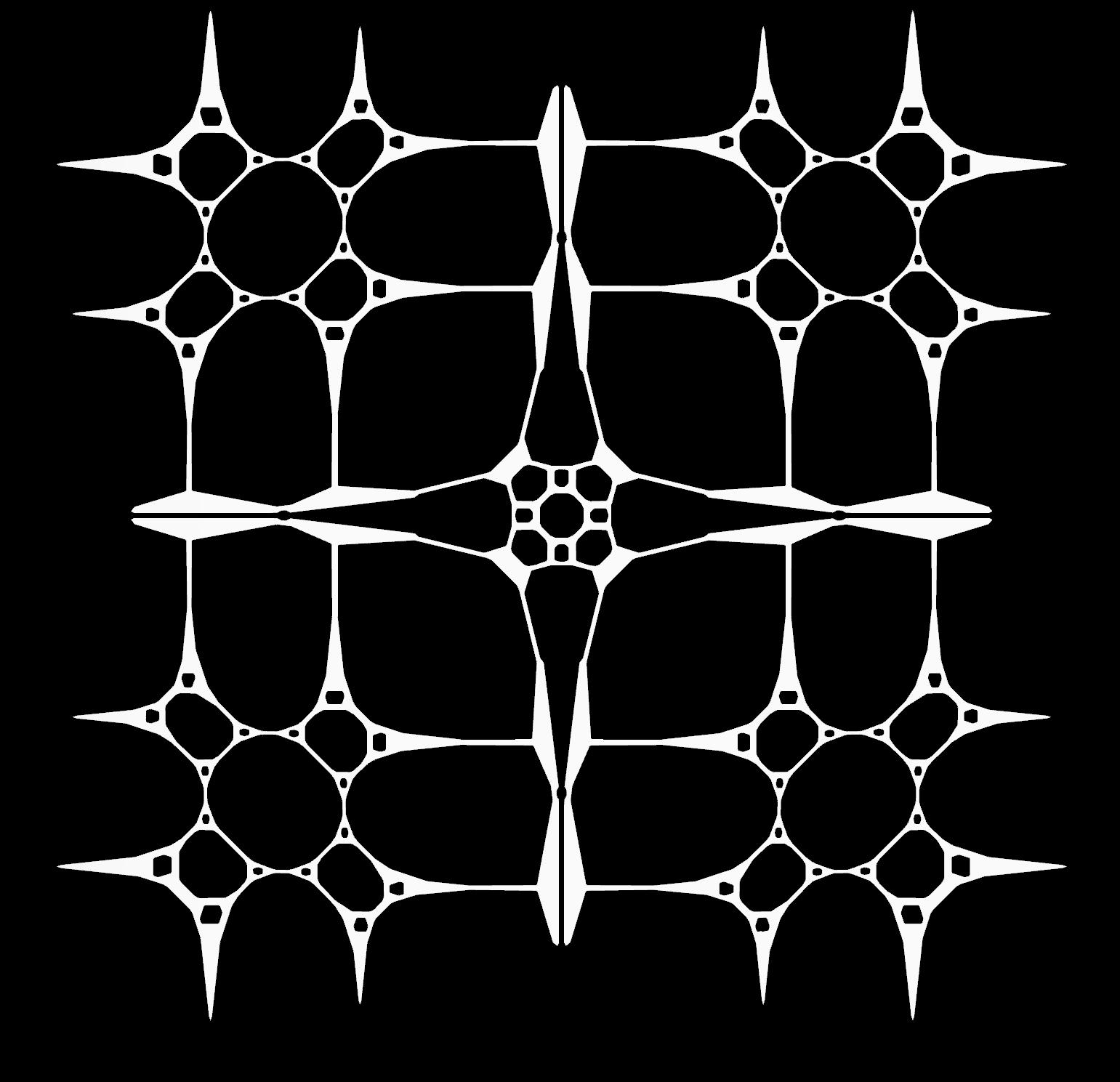
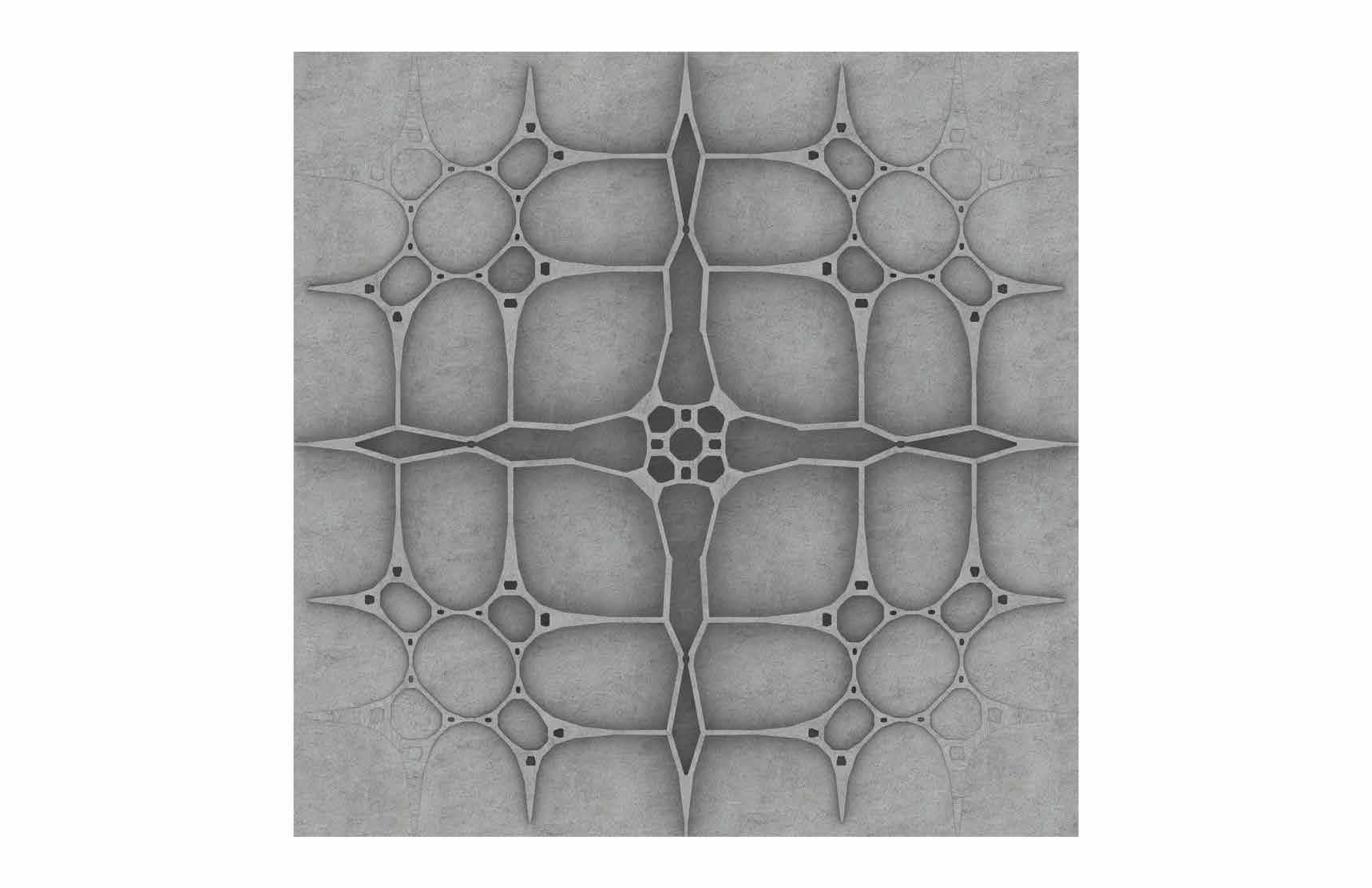
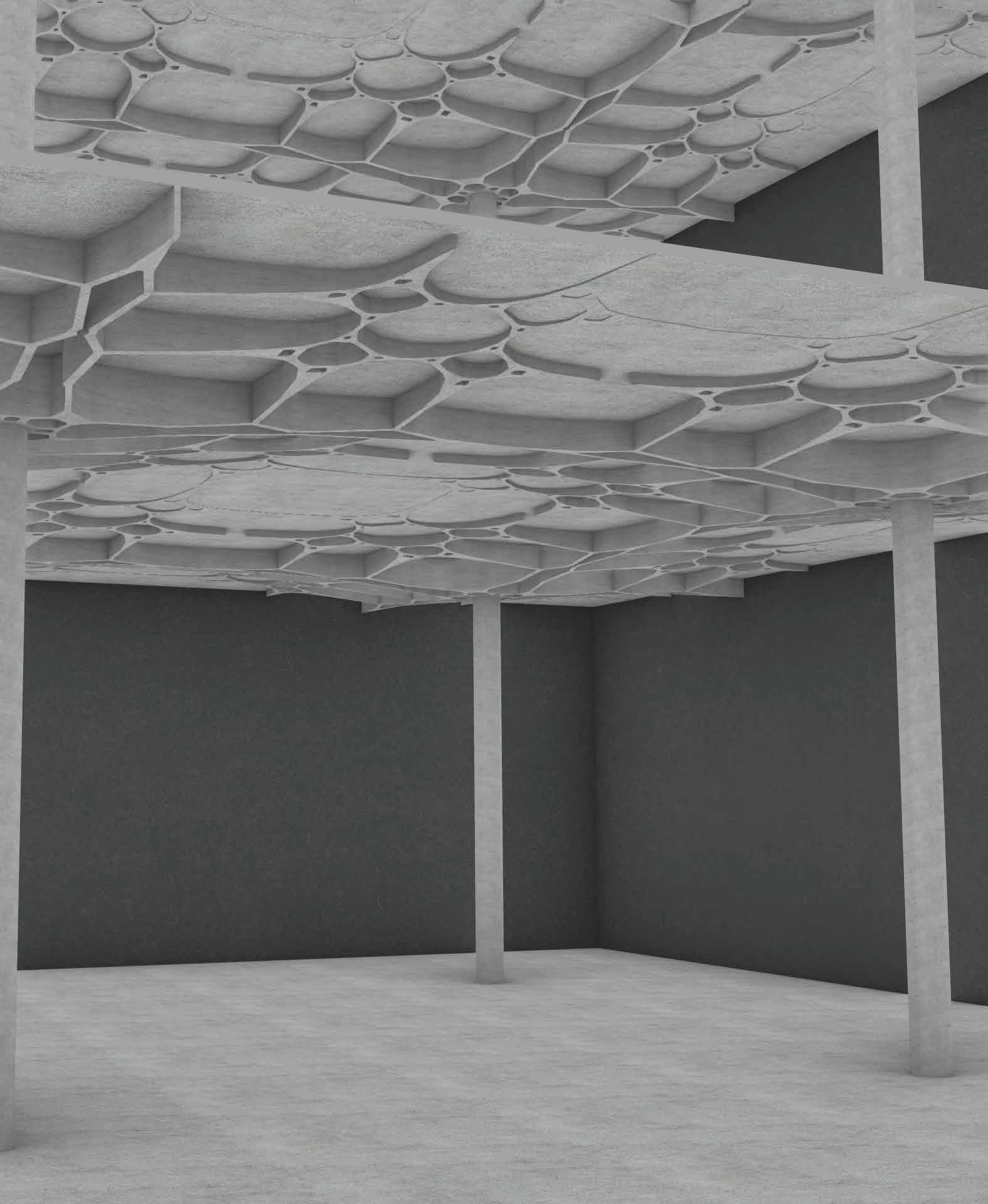
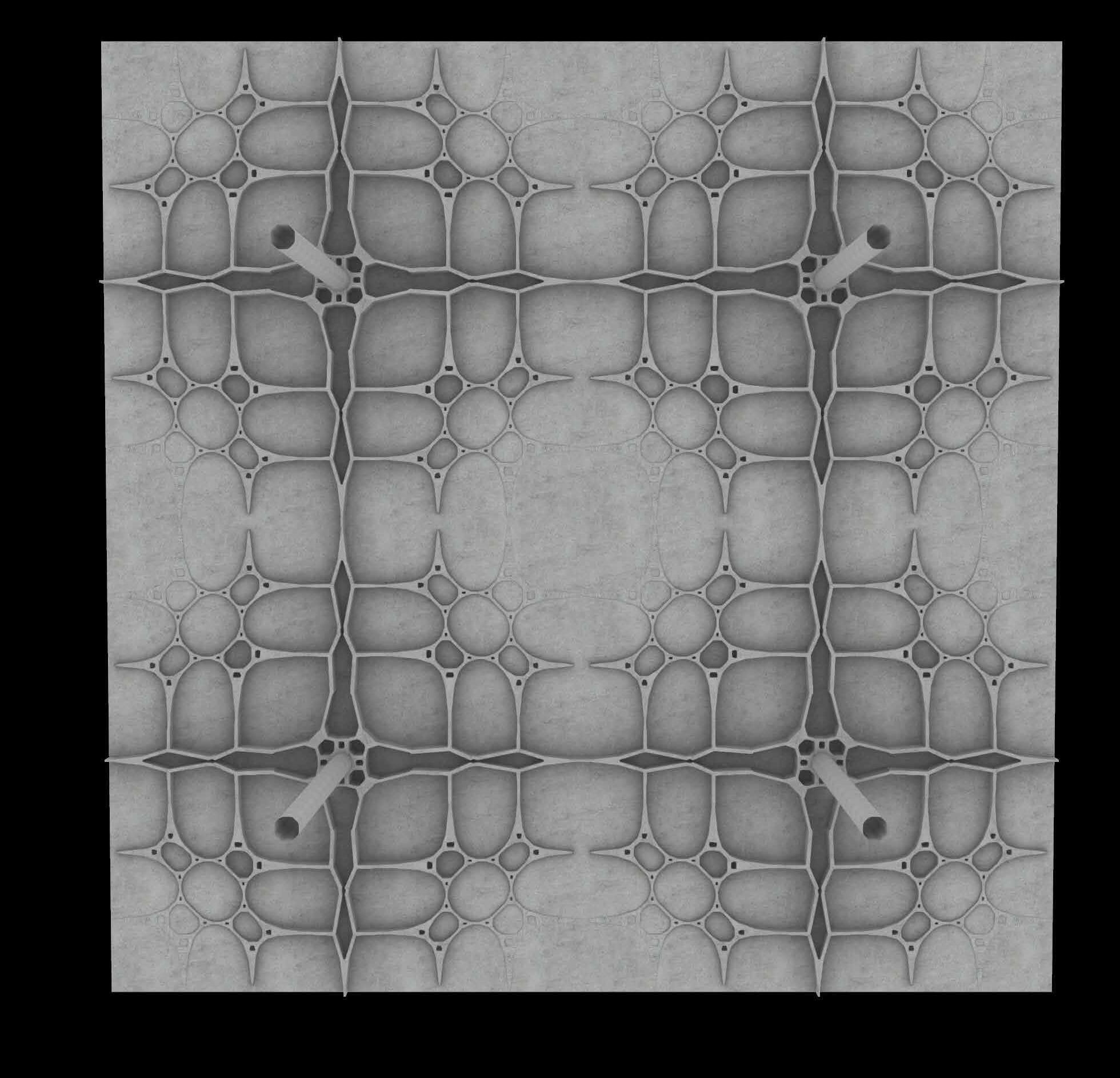
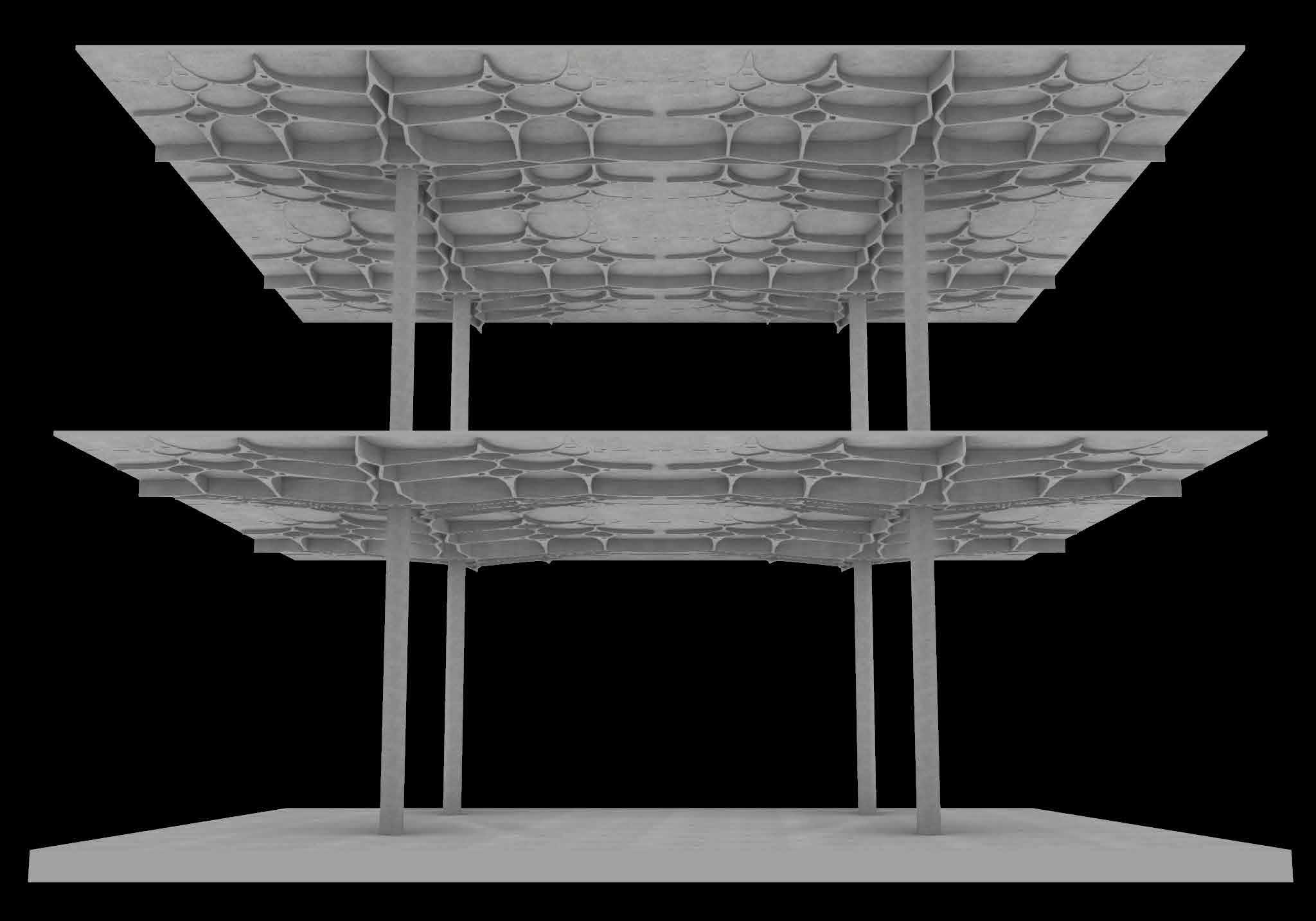
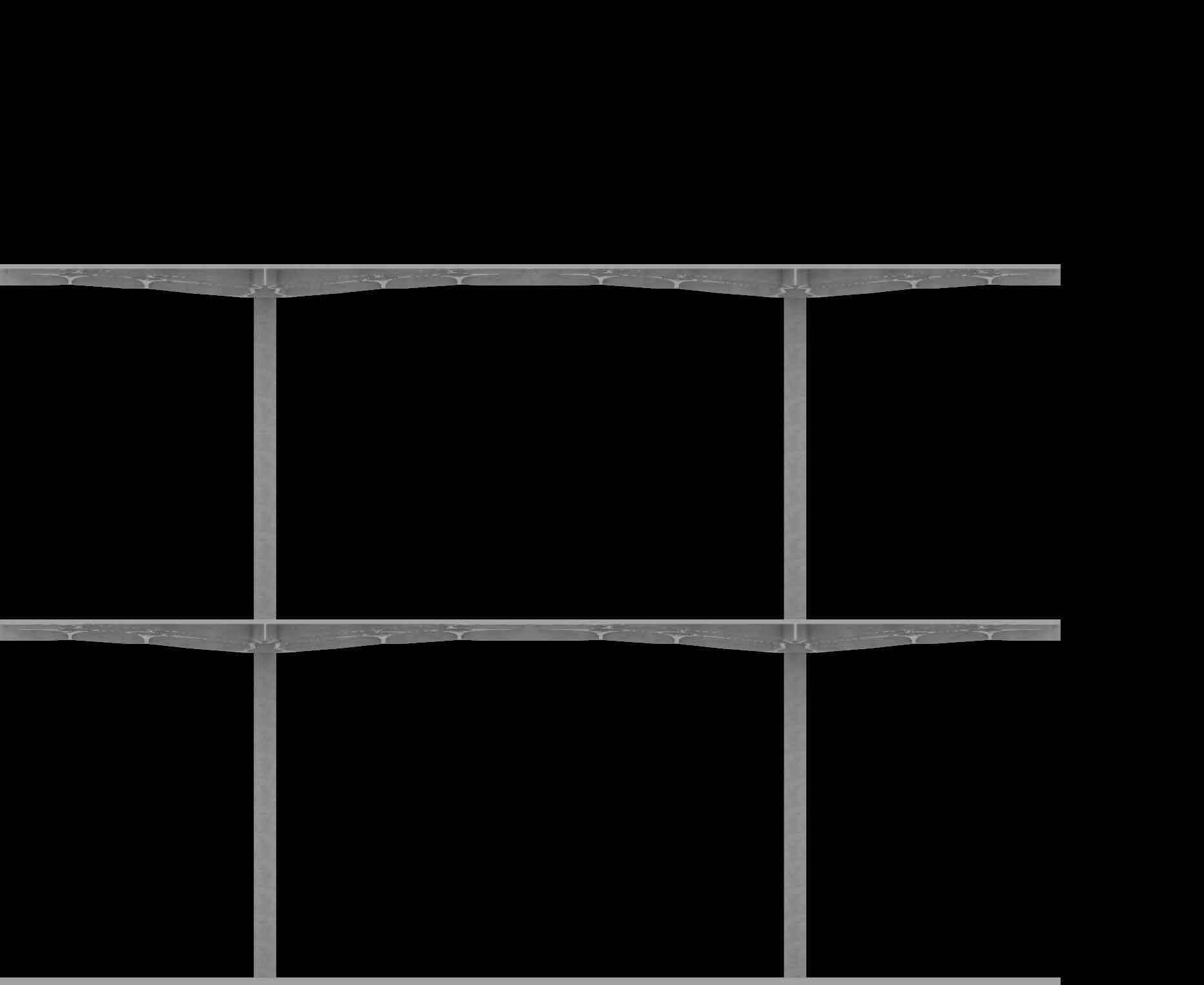
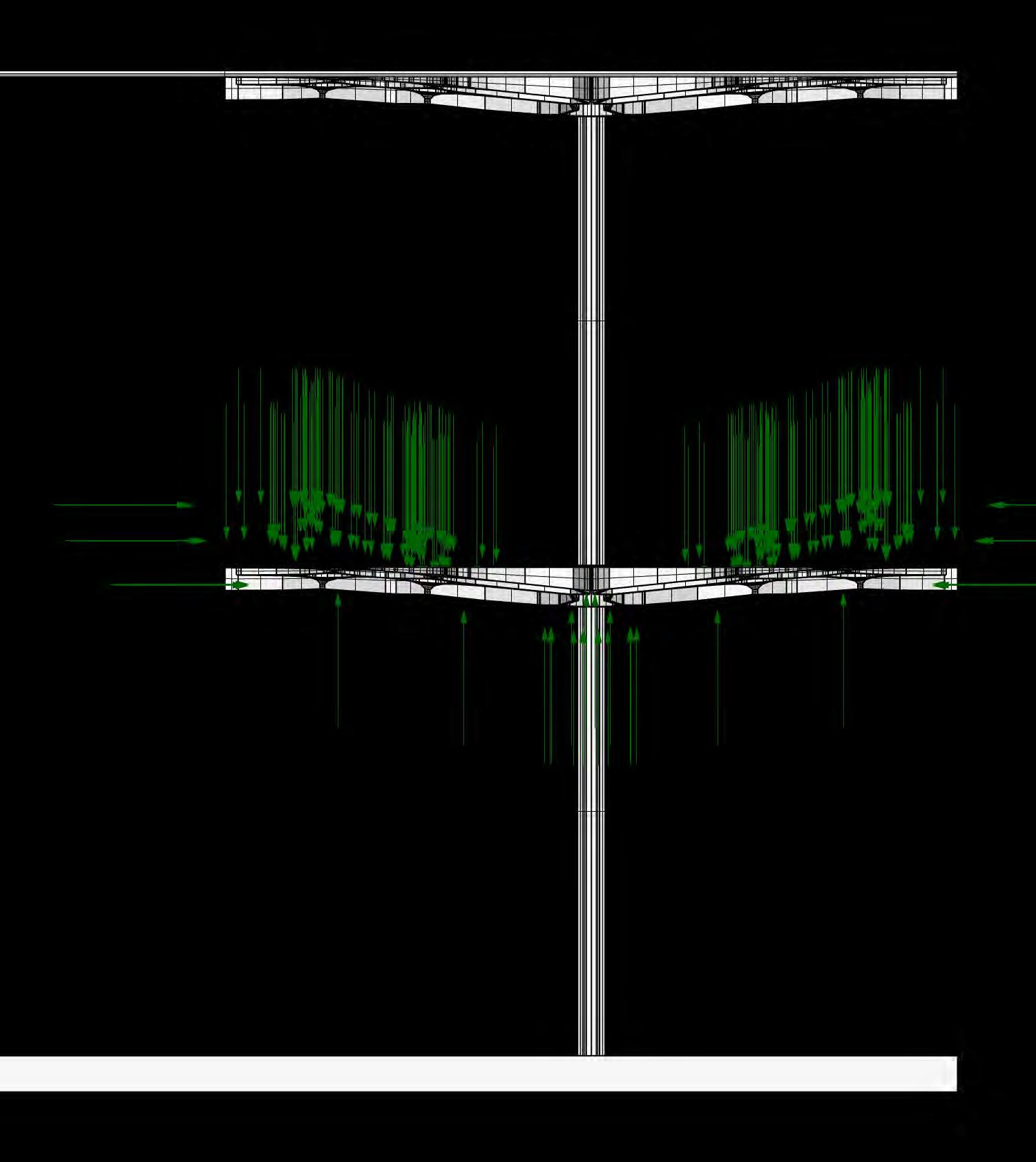
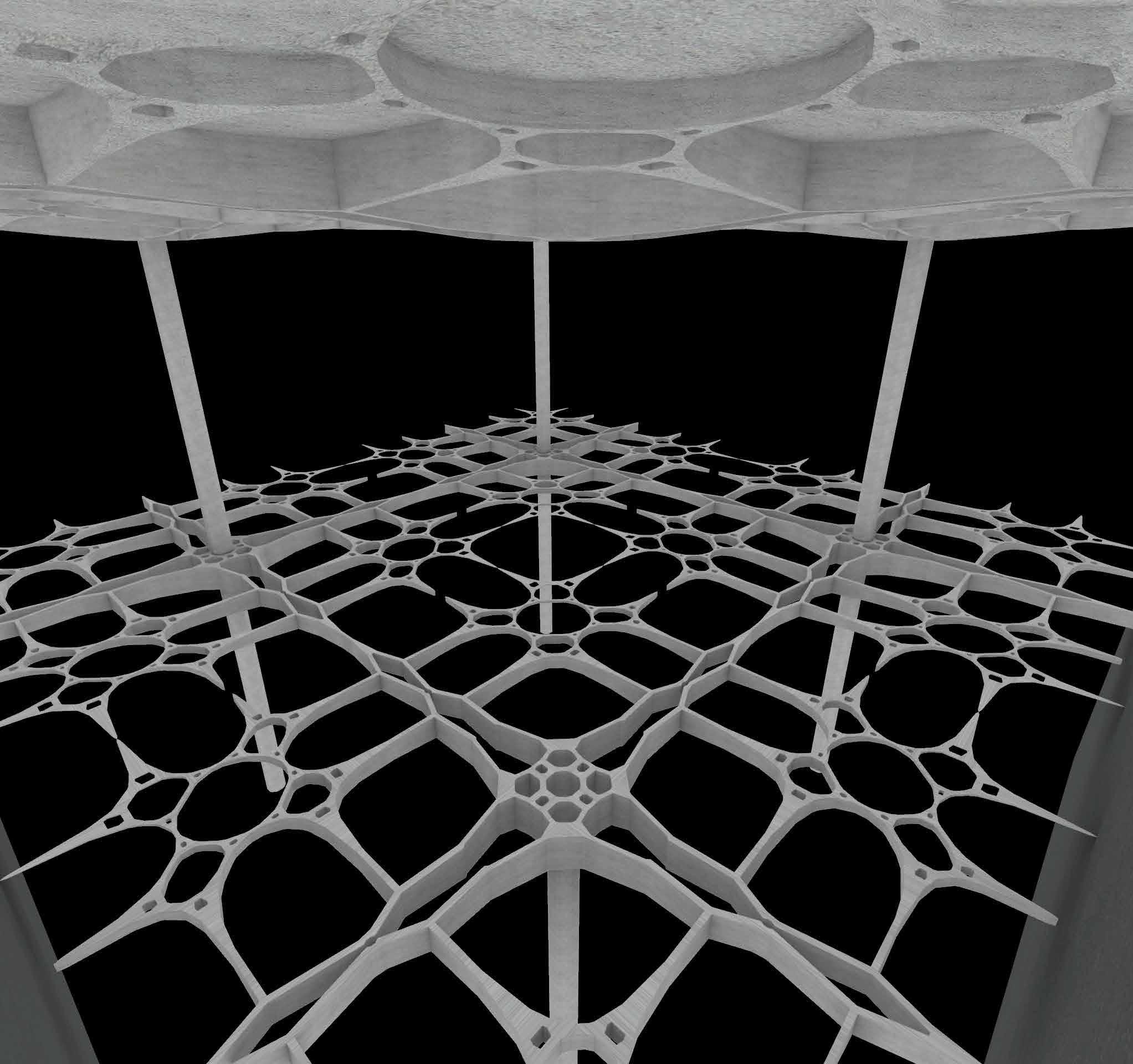
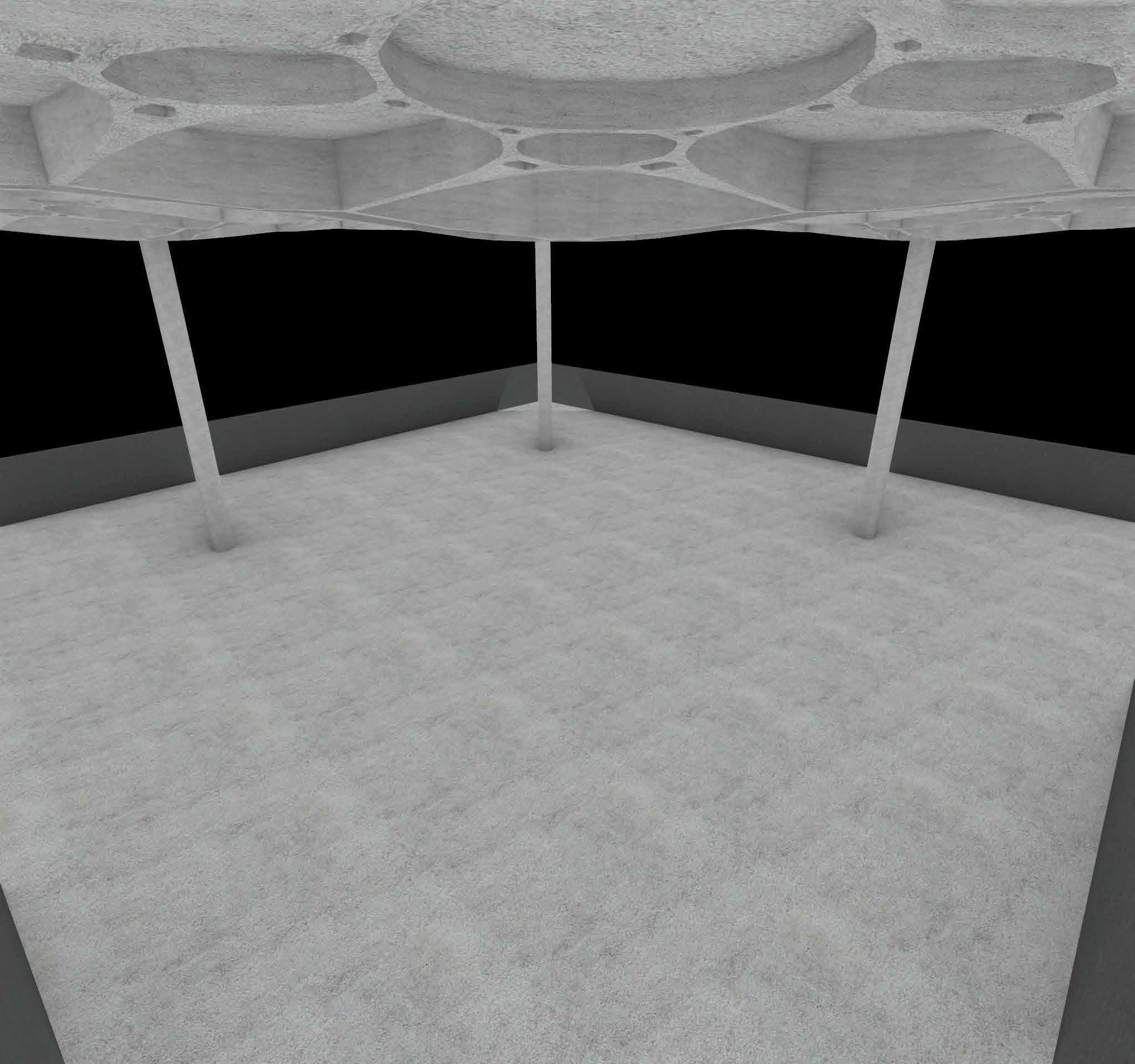
Generating a compressive slab geometry using graphic statics in Grasshopper. These diagrams translate the forces exerted onto a floor slab into geometric shapes. By illustrating force vectors within the slab, we were able to identify patterns in the loading of the slab. Using a Rhino+Grasshopper plug-in, PolyFrame, we were able to strategically subdivide faces of the initial geometry to optimize the distribution of forces in a floor system. Green arrows here, display vertical and horizontal resultants of complex forces throughout and inform where material support is needed. Most importantly, this helped us understand a relationship between computational design and real-world physics.
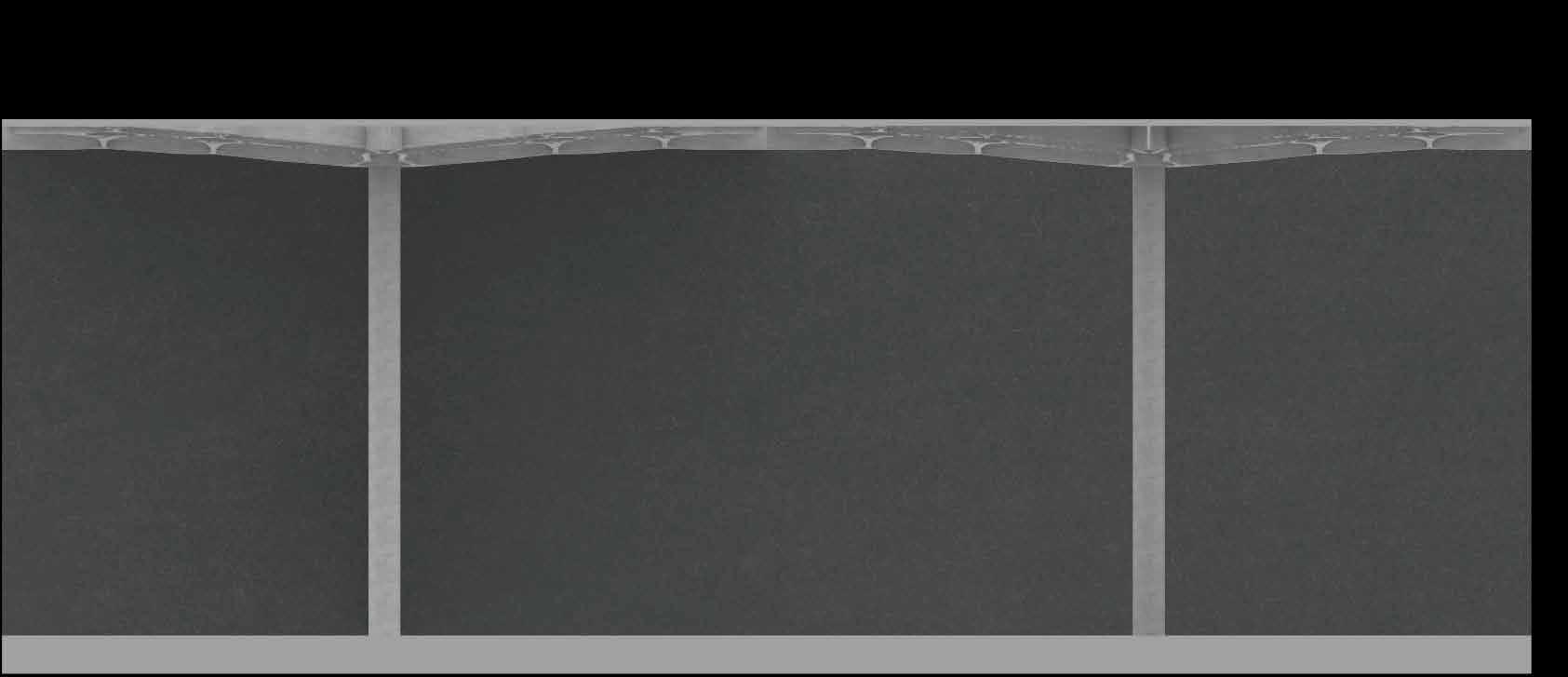
The goal of this exercise is to reduce the amount of material used in typical concrete floor slab seen contemporary construction practice. Using graphic statics as a form-finding method, we were able to simulate how different parameters would affect the stability of the floor slab. Above, is the resulting simulation of the slab's internal forces based on our subdivision technique. Highlighted here is the influence of computation as an effective design tool.
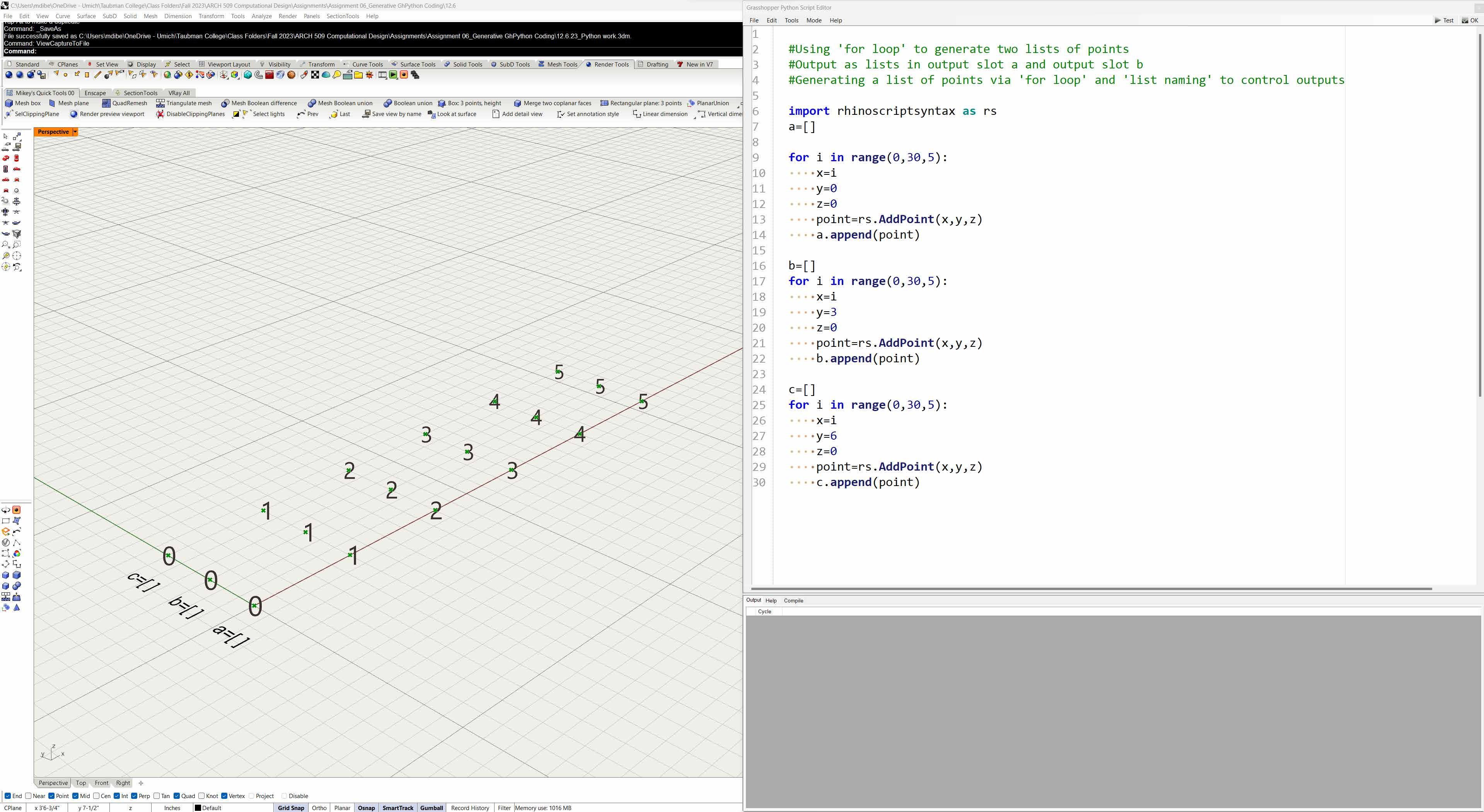
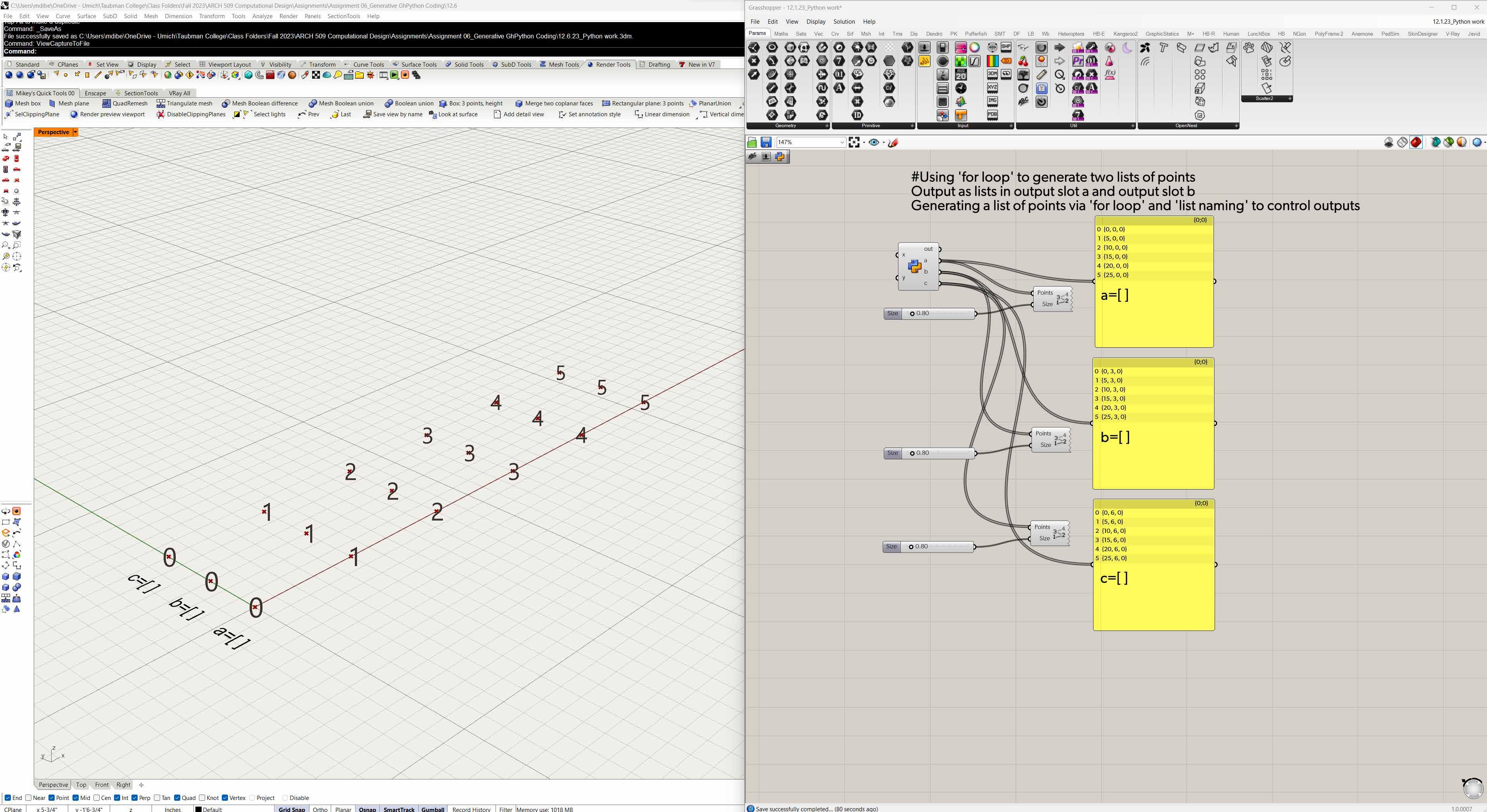
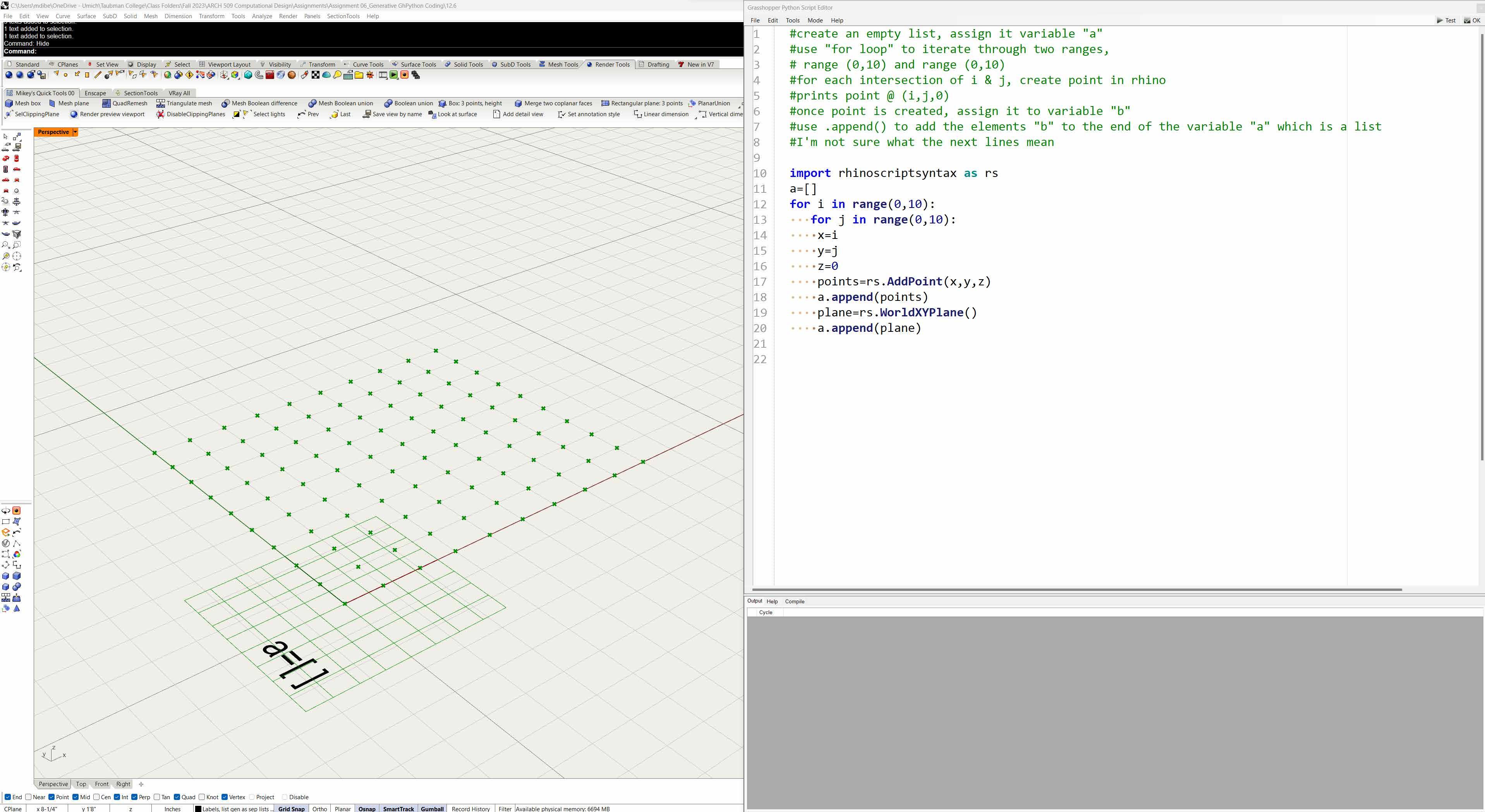
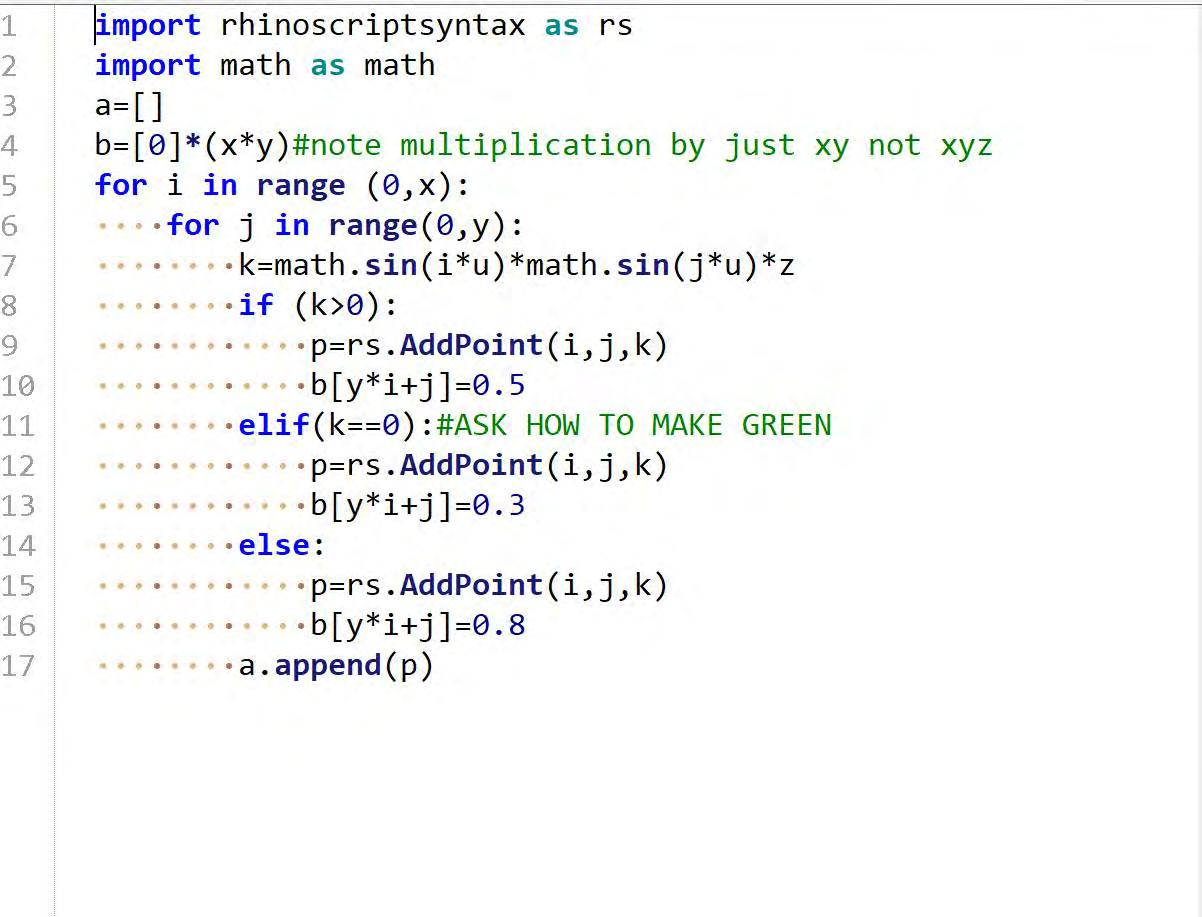
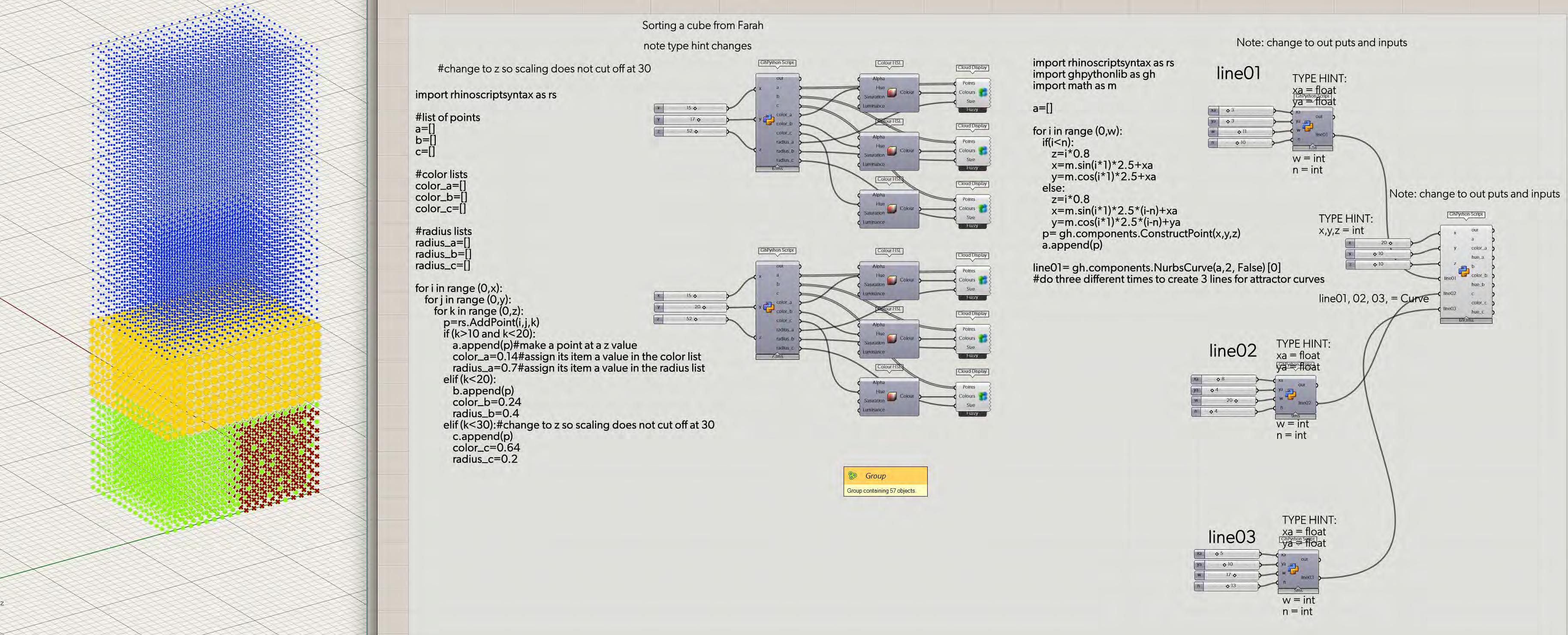
#create an empty list, assign it variable "a"
#use "for loop" to iterate through two ranges,
# range (0,10) and range (0,10)
#for each intersection of & j, create point in rhino
#prints point @ (i,j,0)
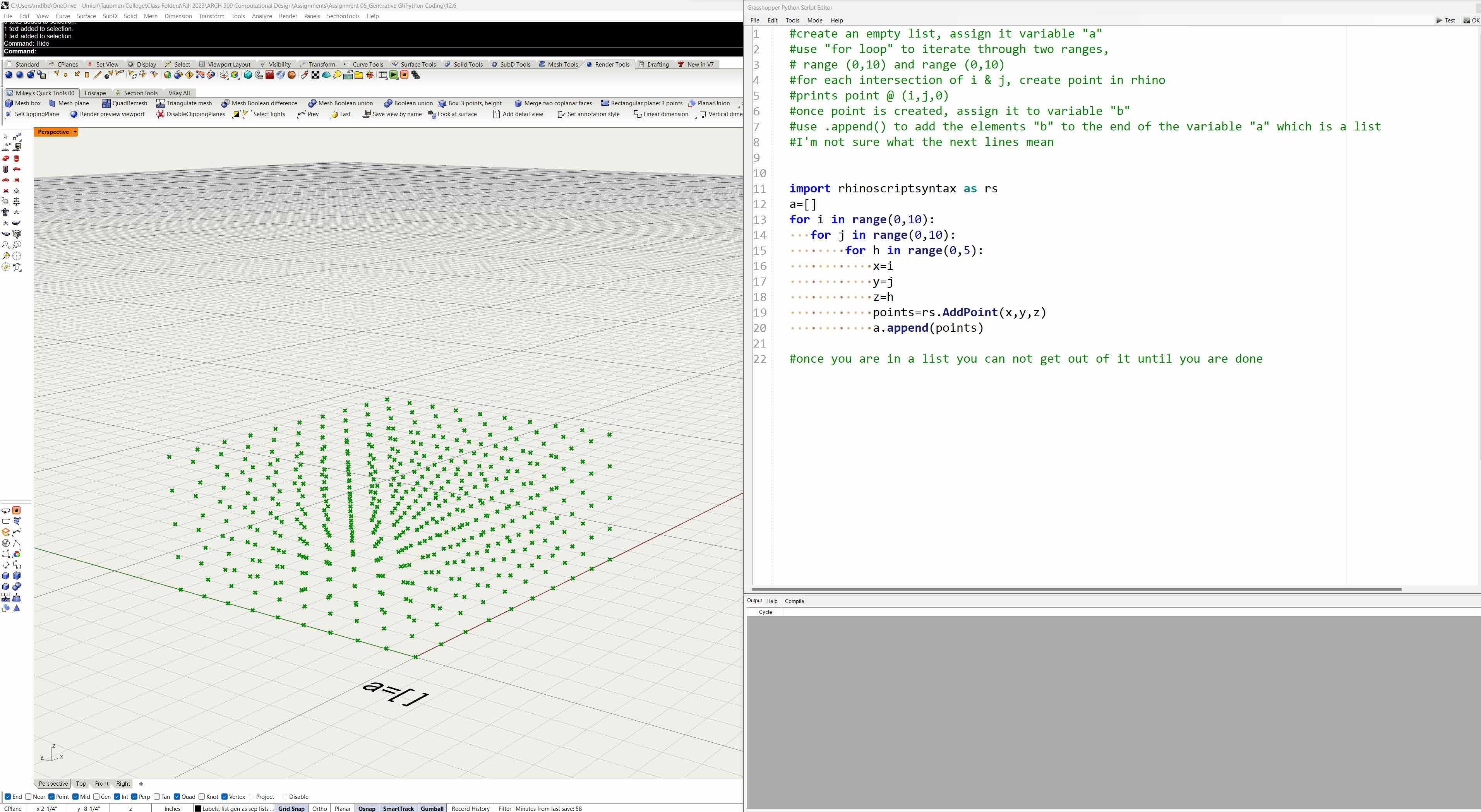
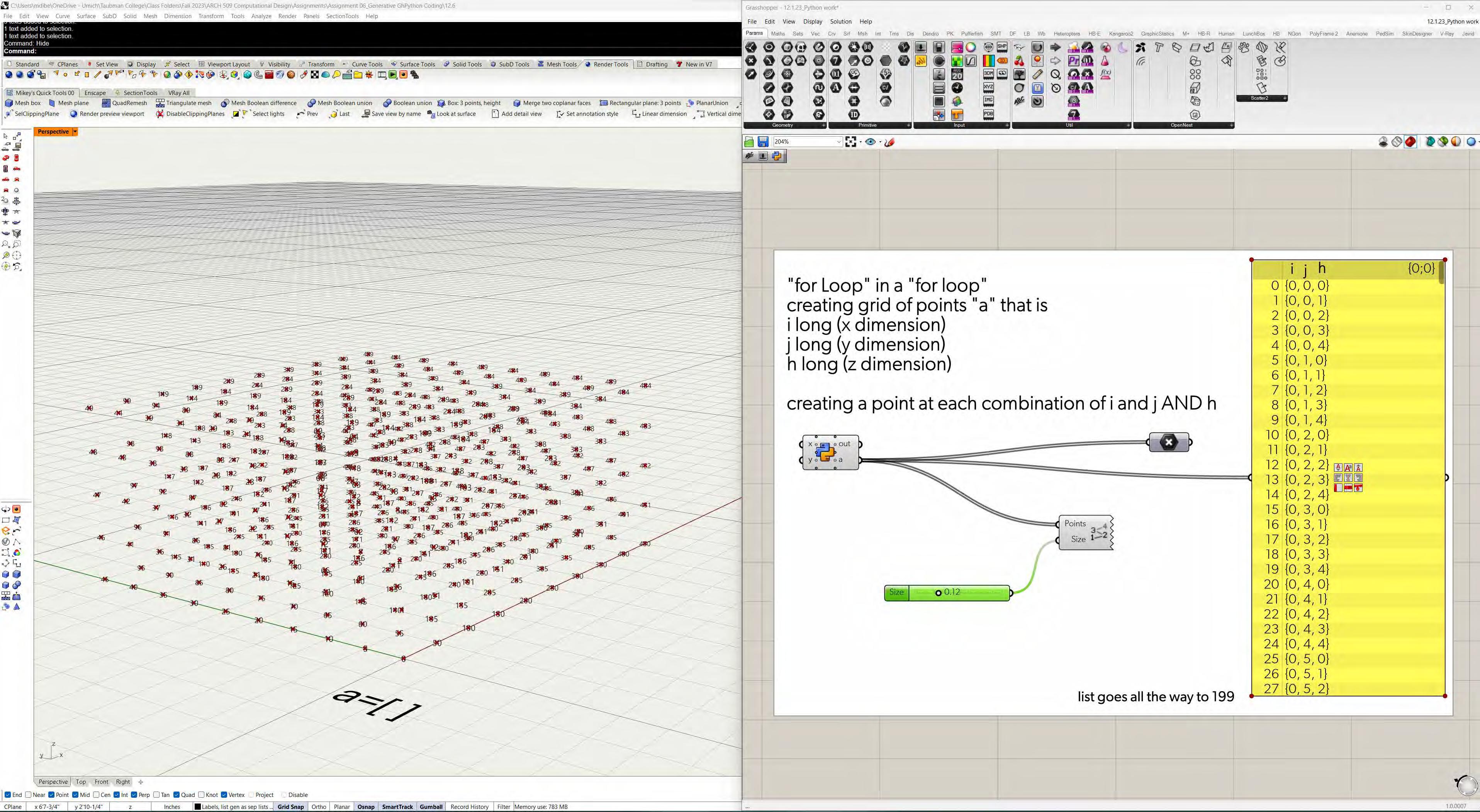
#create an empty list, assign it variable "a"
#use "for loop" to iterate through two ranges,
# range (0,10) and range (0,10) AND range (0,5)
#for each intersection of (i, j, h) create point in rhino
#prints matrix of points @ (i, j, h) as list
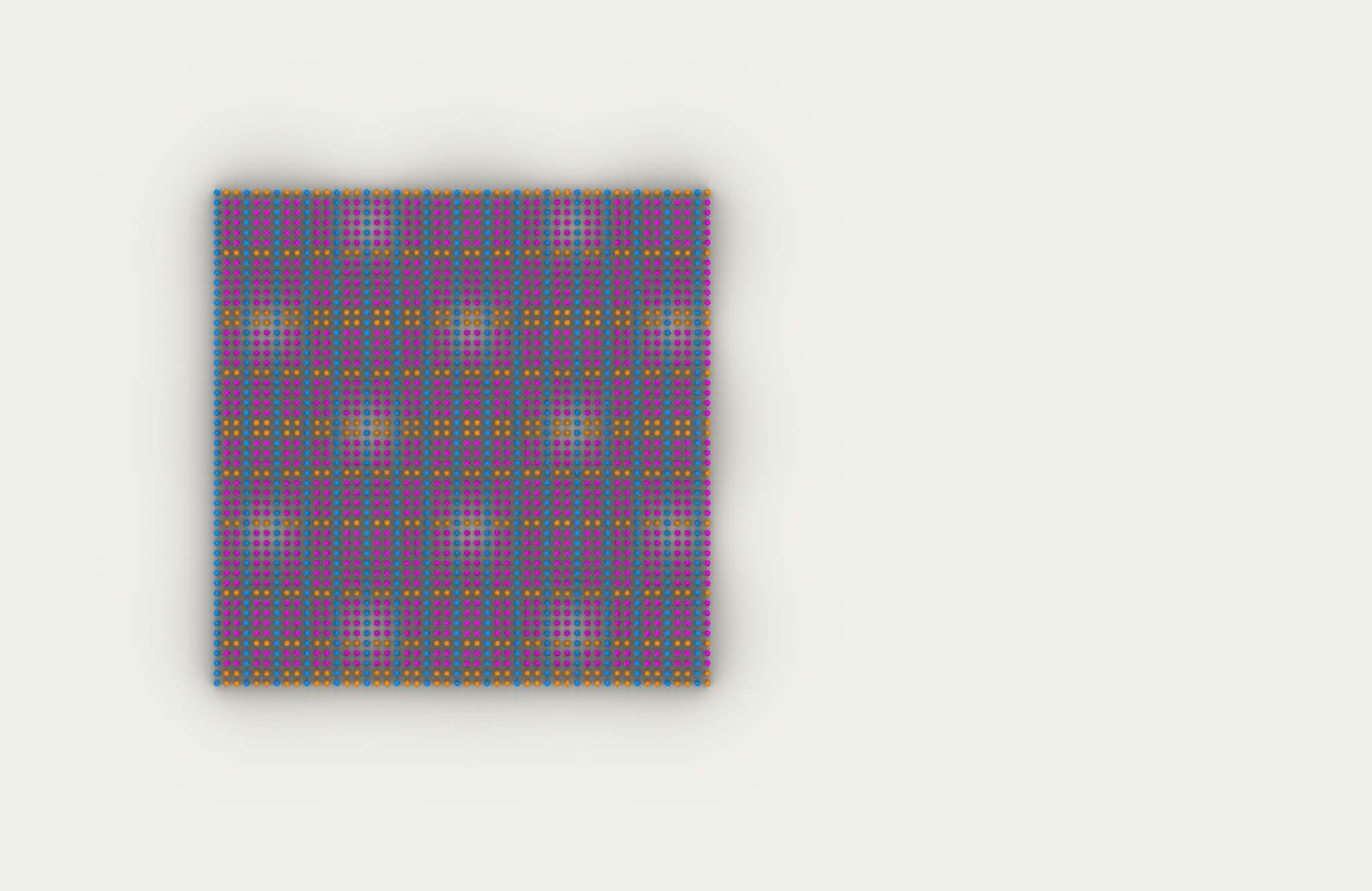
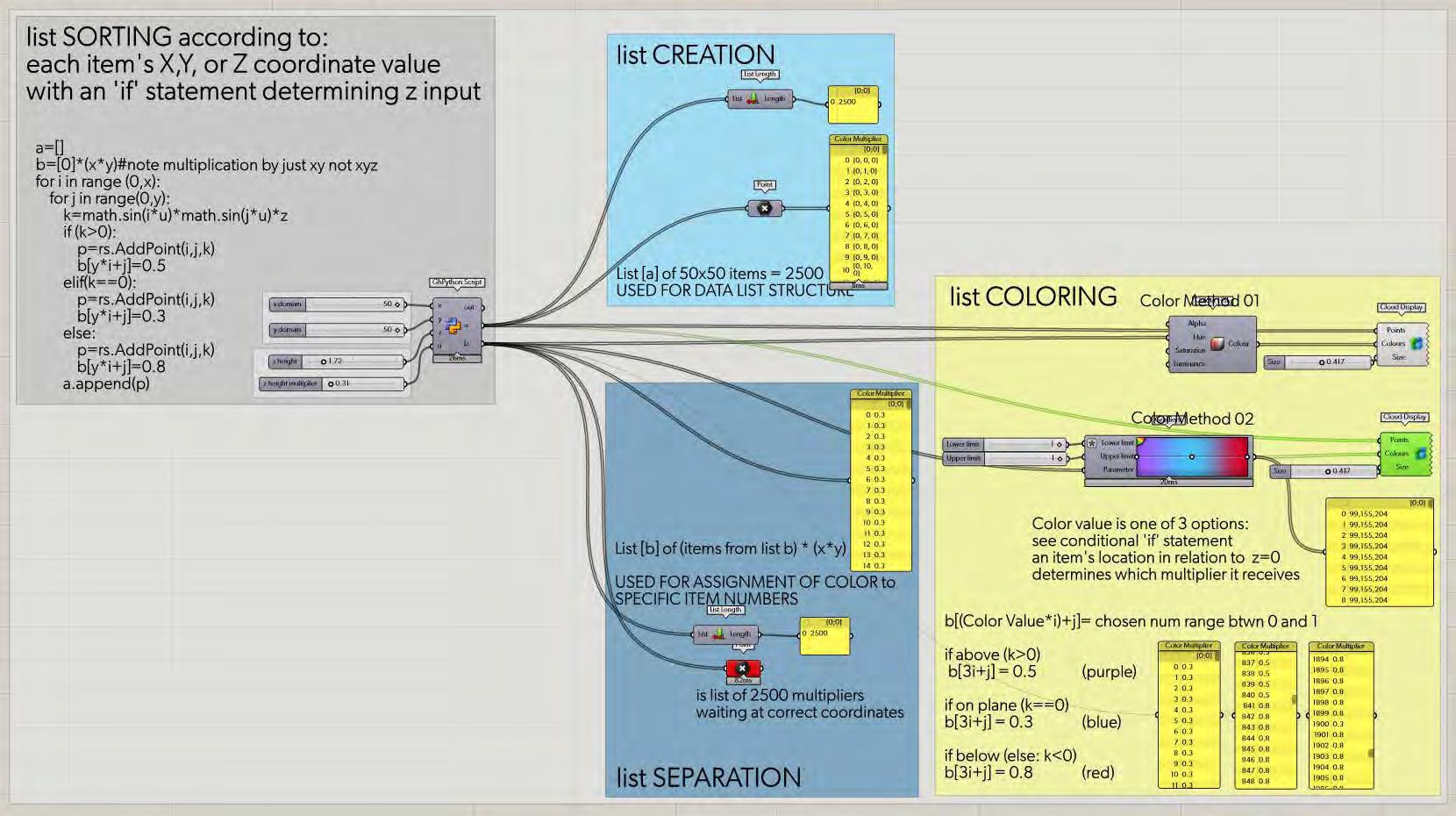
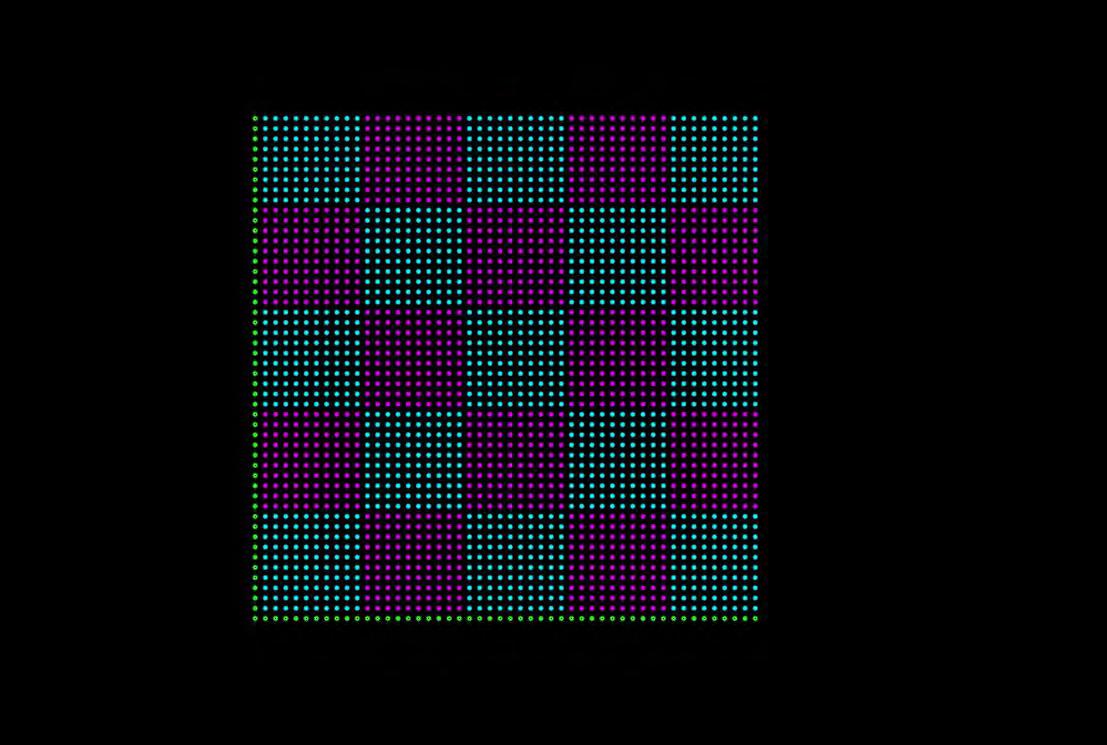
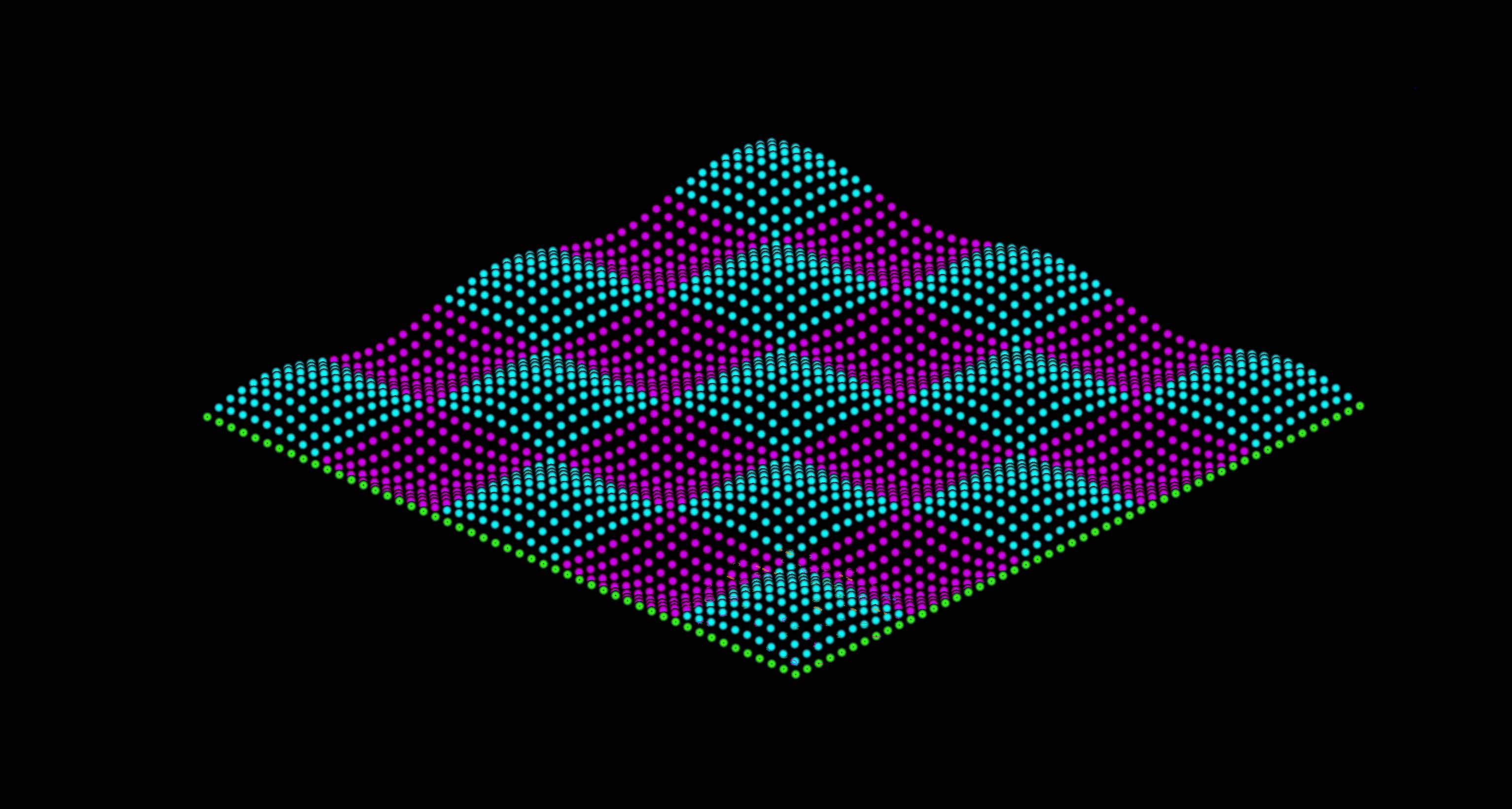
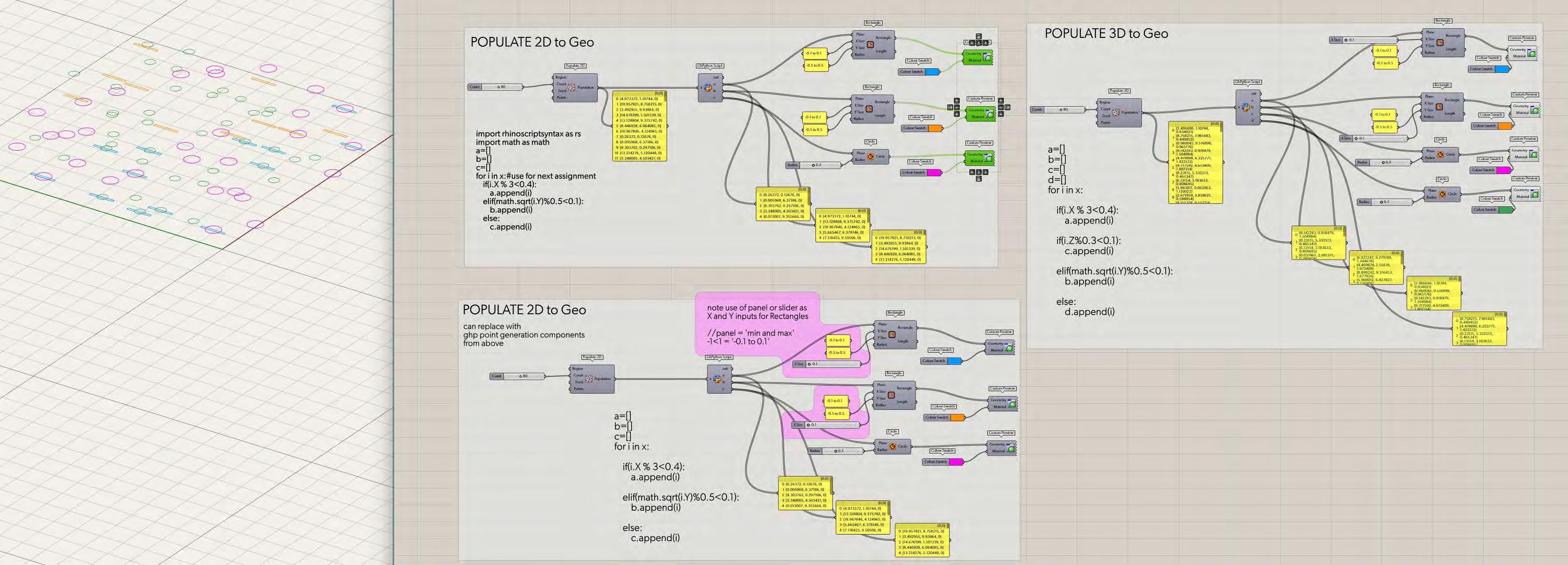
ASSIGNMENT_05 | List Sorting | Michael
DiBenedetto
709_ADVANCED COMPUTATIONAL DESIGN | Mania
Meibodi
Taubman College of Architecture and Urban Planning, University of Michigan
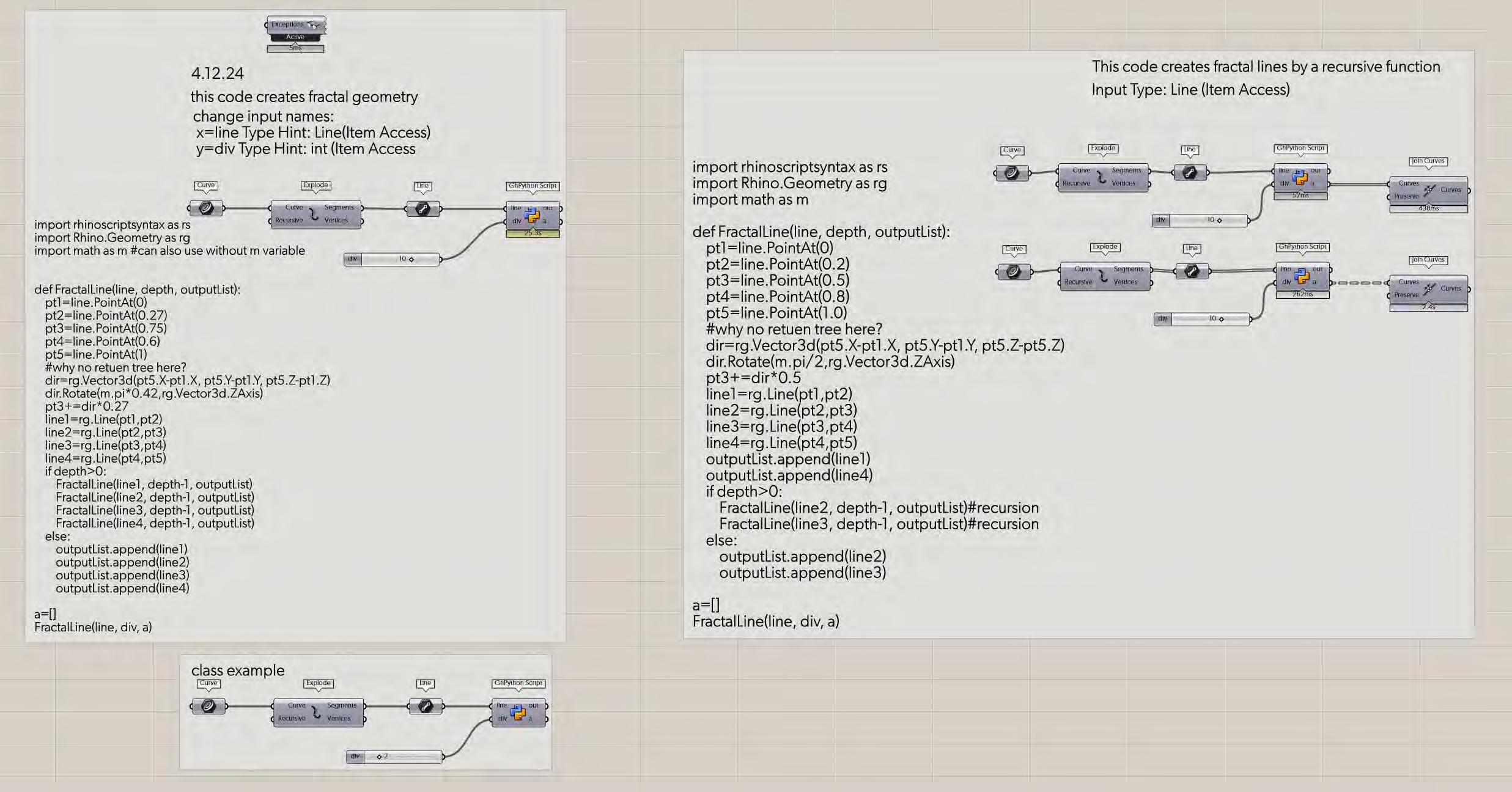
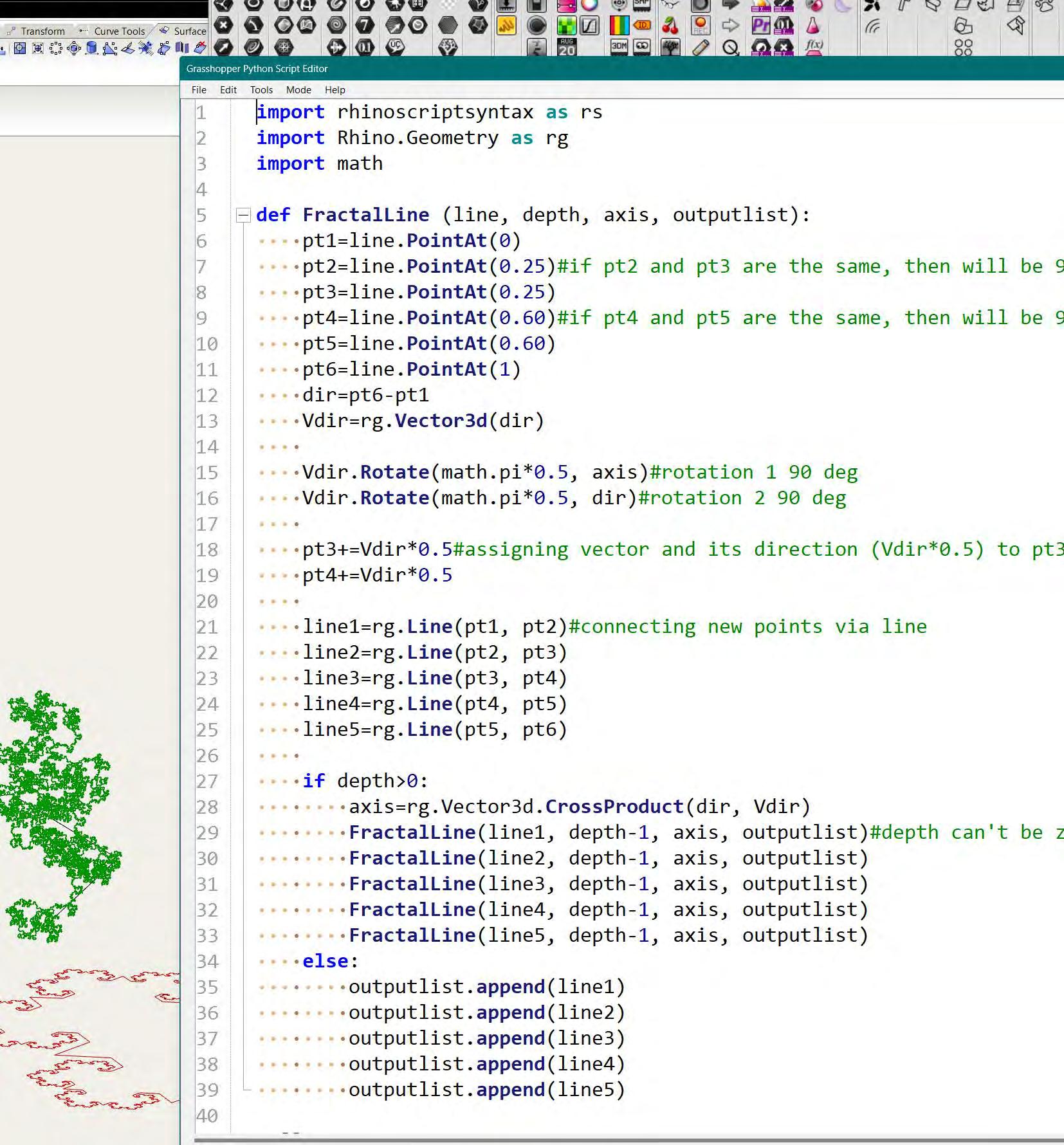
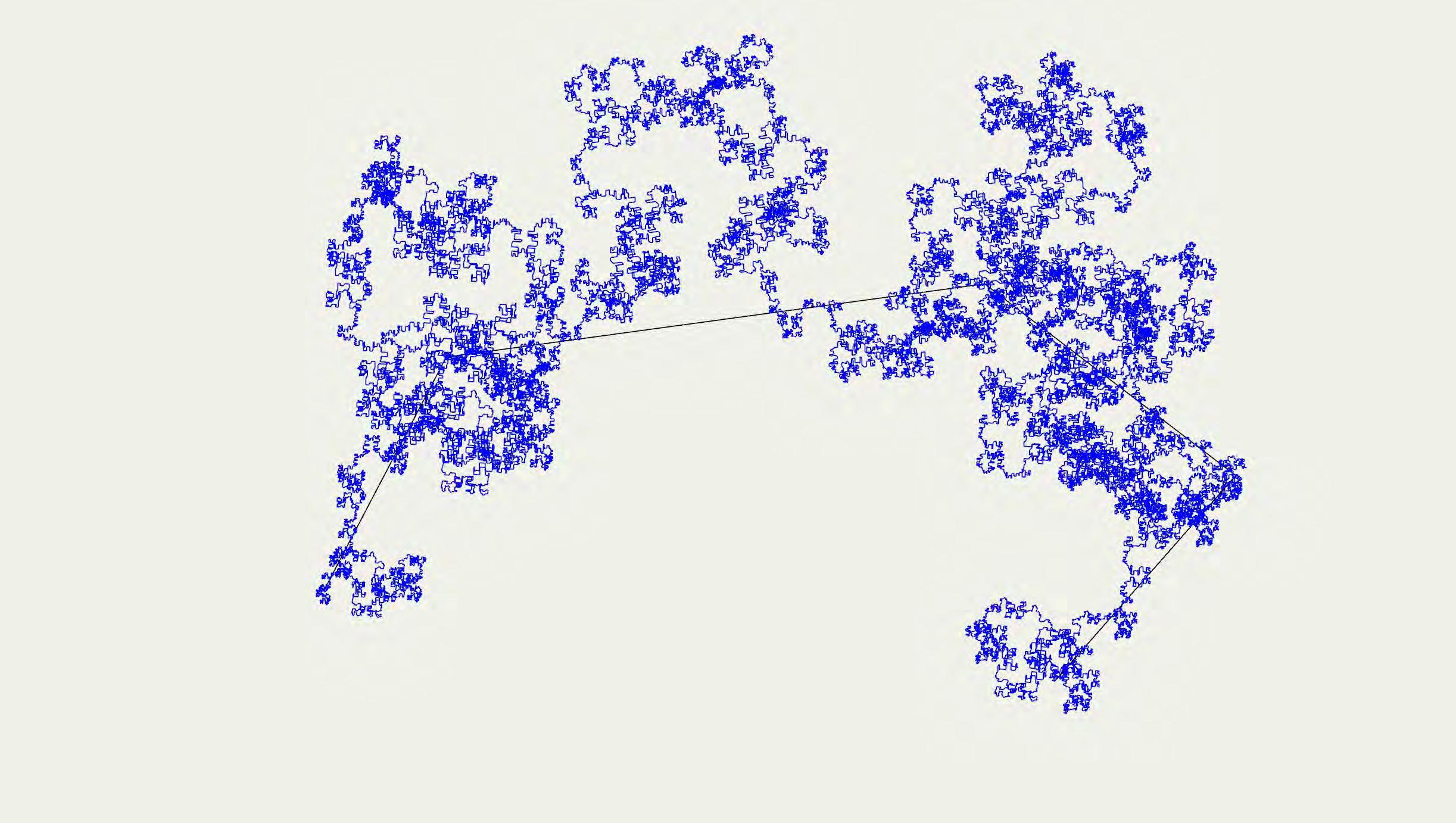
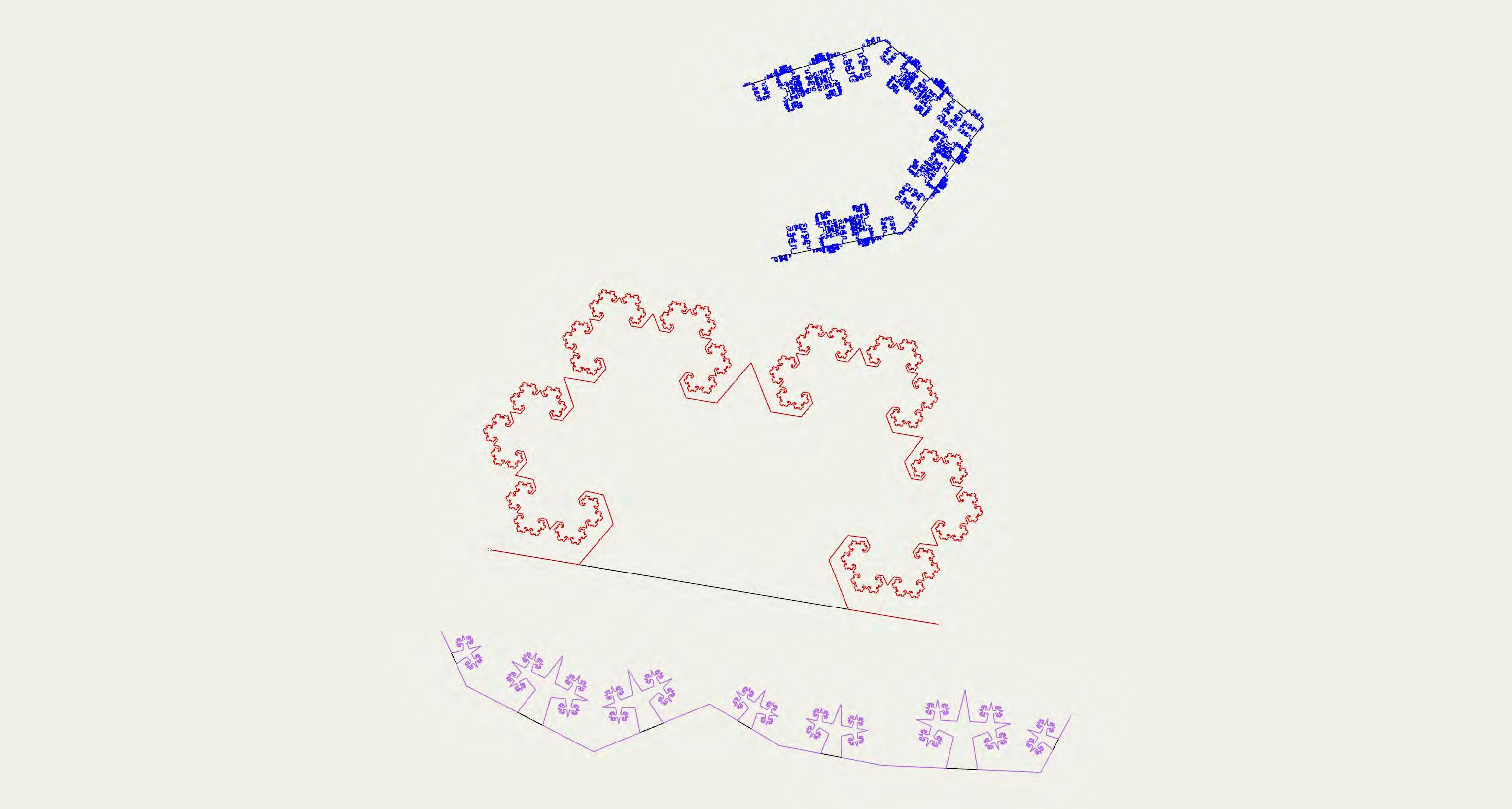
ASSIGNMENT_13 | Fractals | Michael
DiBenedetto
ARCH 709_ADVANCED COMPUTATIONAL DESIGN |
Mania Meibodi
Taubman College of Architecture and Urban Planning, University of Michigan