Tracing the Role of the Digital Black Spaces in Contrast of Real-World Public Space Policing


1 2 3 4
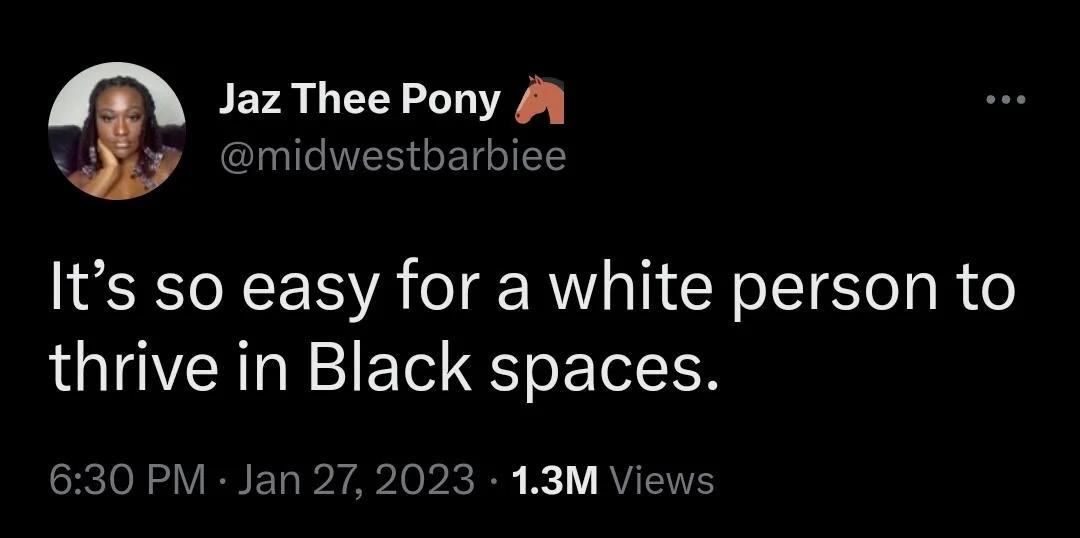
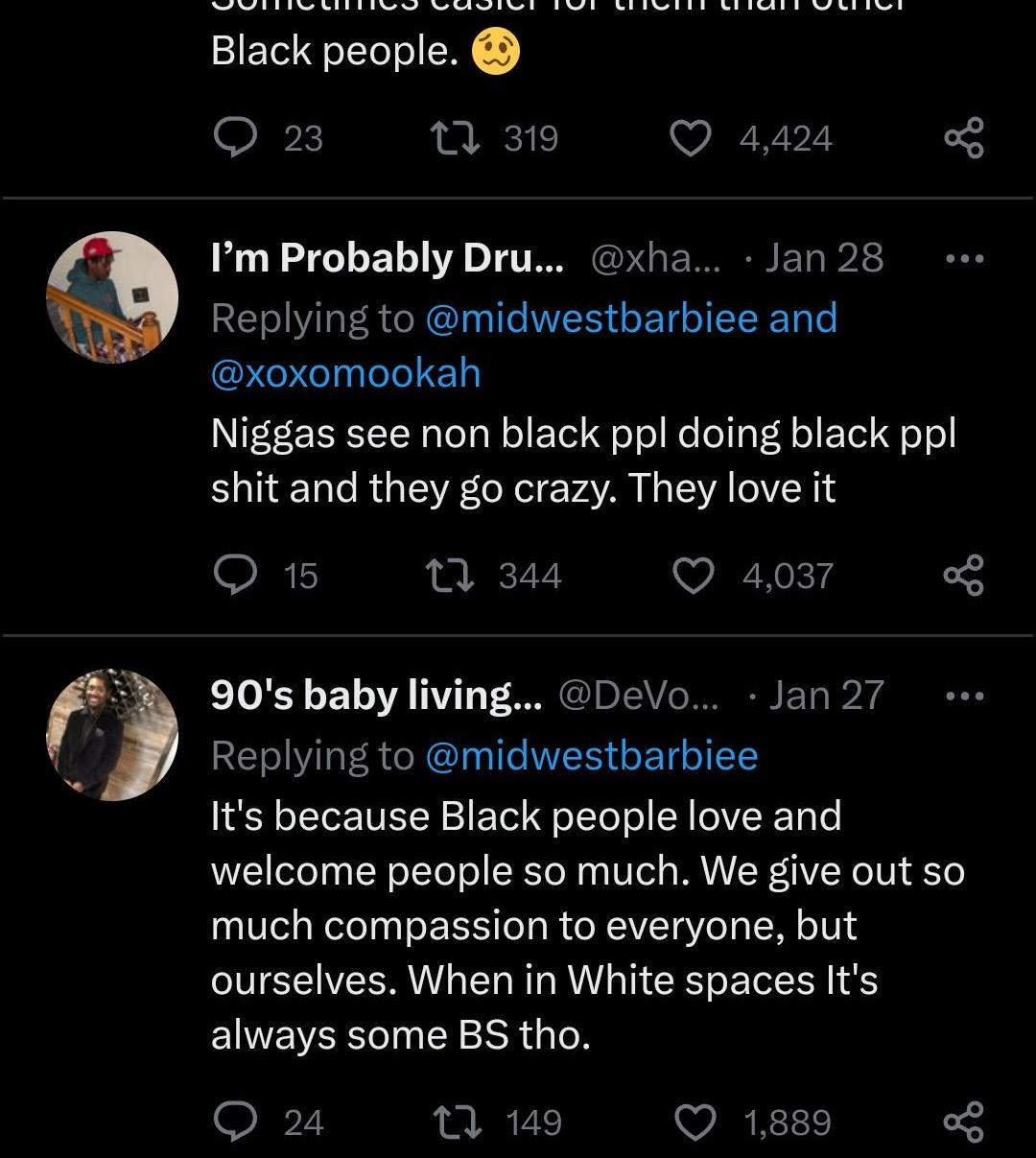
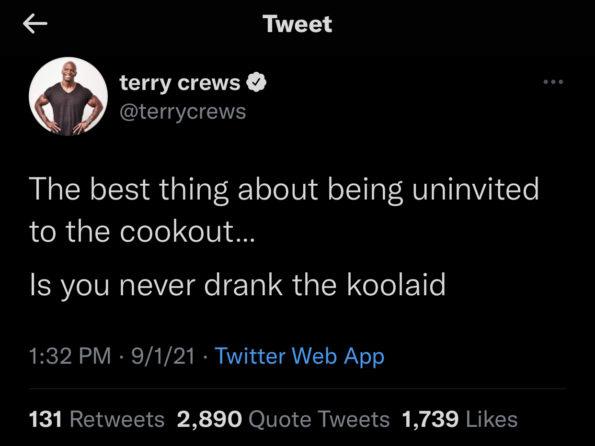
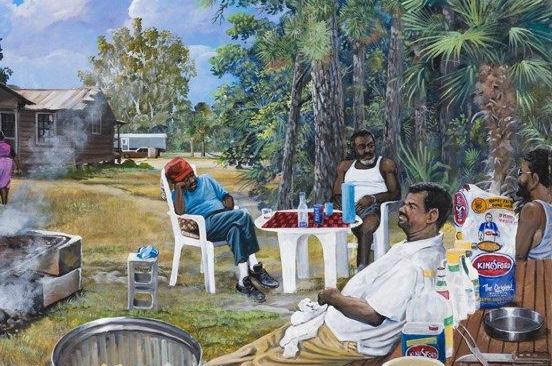
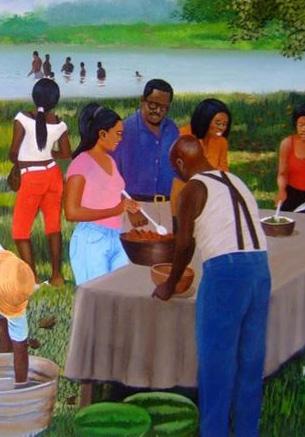
Within the vibrant pages of our digital zine, we embark on a dynamic exploration of "The Cookout"—a digital haven where Black social media users find solace, community, and cultural affirmation. This edition is not just a collection of pages; it's a living, breathing manifestation of Black digital culture, offering a sanctuary from the overpoliced realities of physical public spaces. Through a blend of vivid visuals, compelling narratives, and interactive links, we aim to capture the essence and significance of this unique online gathering space.
"The Cookout" serves as a digital counterpoint to real-world limitations, where the communal joy of gathering is often overshadowed by societal scrutiny. Within this zine, each section is meticulously designed to weave together stories, memes, music, and insights, celebrating the resilience, creativity, and solidarity of the Black community online. It's a space that not only entertains but empowers, making visible the invisible threads that connect us all.
Moreover, this digital zine underscores the critical importance of "The Cookout" as a site of resistance and cultural preservation. Here, the digital realm becomes a stage for the expression of Black identity, free from the constraints imposed by physical spaces. It highlights how these virtual platforms can offer a powerful means of contesting narratives, reclaiming agency, and fostering a sense of belonging among its users.
Diving into this digital zine, readers are invited to journey through the interconnected themes that define "The Cookout." Through an immersive blend of text, imagery, and direct links to social media posts and referenced literature, this zine not only documents the vibrant culture of this digital space but celebrates it. It stands as a beacon of community, culture, and freedom—a testament to the power of digital spaces to create, connect, and uplift.

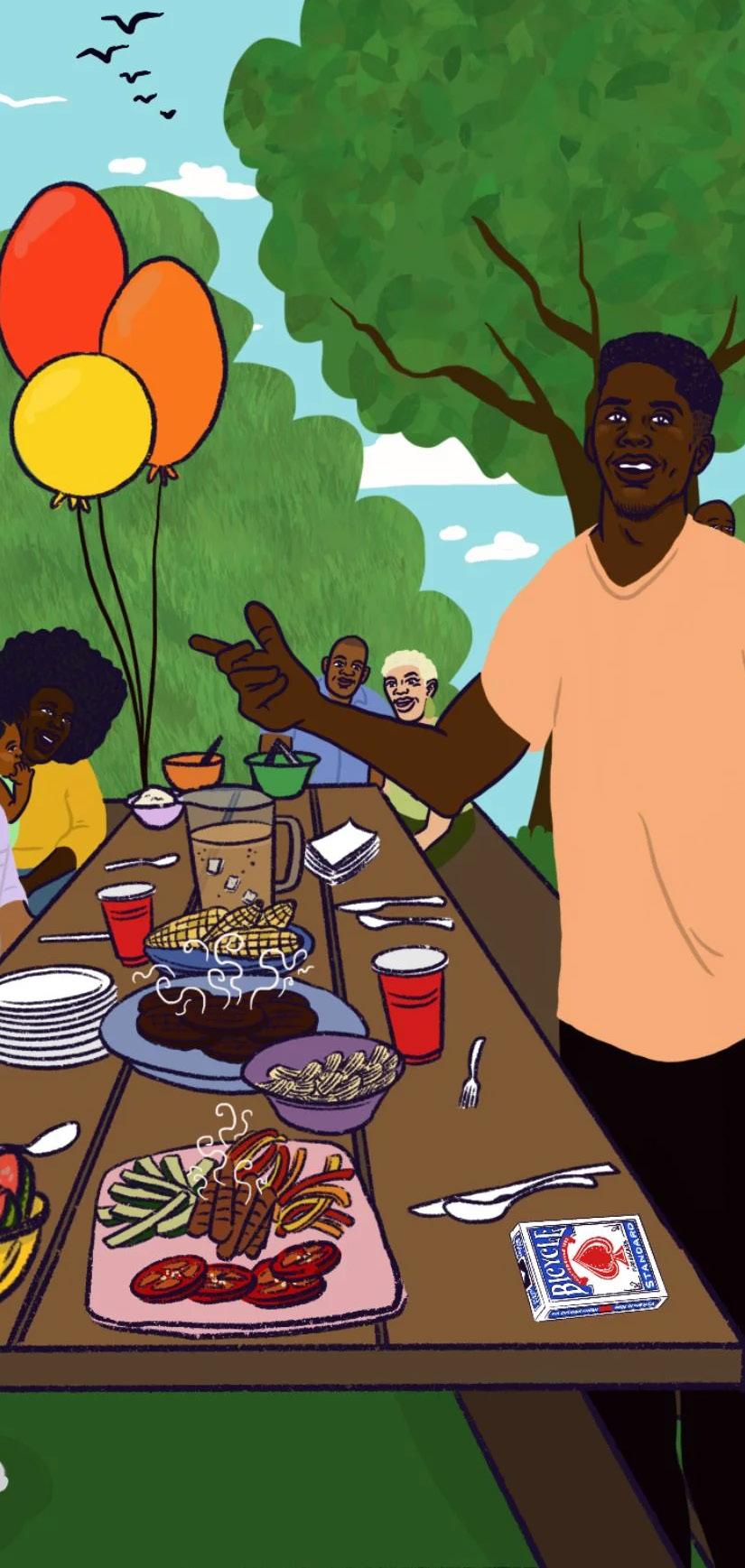
The theoretical framework of this digital zine is rooted in the concepts of digital sociology and cultural studies, focusing on the nuanced interactions between Black communities and digital spaces. It leverages theories of the public sphere, identity construction, and community practices to analyze how digital platforms, specifically “The Cookout” and Black Twitter, serve as contemporary agoras for Black voices, fostering spaces for dialogue, resistance, and communal solidarity. This framework is informed by the following fundamental theories and concepts:
1 Cultural Production and Resistance: Drawing upon the work of Stuart Hall and other cultural theorists, this zine examines digital spaces as sites of cultural production and resistance. It explores how Black communities use these platforms to navigate and contest dominant narratives, creating alternative discourses that reflect their experiences, histories, and identities.
2 Digital Commons and Collective Identity: The concept of the commons, as discussed by theorists like Yochai Benkler and Elinor Ostrom, is adapted to understand the digital environments where Black users share resources, knowledge, and cultural artifacts. This framework views “The Corner” and similar spaces as digital commons, where the collective identity is shaped and reinforced through shared practices and the exchange of cultural capital.
3 Public Sphere and Counterpublics: Habermas’s idea of the public sphere is recontextualized to fit the digital age, considering how Black digital spaces function as counterpublics. These spaces offer marginalized communities a platform to voice their concerns, challenge societal norms, and engage in discourses outside the mainstream public sphere, as scholars like Nancy Fraser and Catherine Squires detailed.


4 Networked Individualism and Community Networks: Barry Wellman’s concept of networked individualism provides a lens to examine the personal and communal dynamics within digital spaces. This perspective acknowledges how Black individuals navigate online networks, balancing personal expression with collective cultural engagement, creating a unique form of interconnected and individually tailored community.
5 Digital Activism and Participatory Culture:
The zine incorporates theories of digital activism and participatory culture from Henry Jenkins and Manuel Castells, highlighting how Black digital spaces empower users to participate actively in cultural production, social movements, and community-building efforts. This approach underscores the transformative potential of digital platforms in mobilizing for social change and fostering participatory engagement.
In the evolving landscape of digital culture, the dynamics of Black digital spaces, particularly “The Cookout” and Black Twitter, serve as pivotal sites for cultural expression, solidarity, and safety. This literature review synthesizes insights from critical sources, providing a theoretical framework for understanding these platforms’ significance against racial injustices.
McCoy (2023) discusses the migration of Black social media users to new platforms in response to Twitter’s changing policies under new ownership. This transition highlights the resilience of digital spaces as community hubs for cultural and community engagement (McCoy, 2023). This phenomenon reflects a broader historical continuum where Black-owned media have adapted to preserve and amplify Black voices amidst technological and societal shifts (Allen, 2023).
Clark (2020) analyzes “cancel culture” within these digital communities, examining the public accountability mechanisms and social critique forms prevalent in online Black communities. This exploration into “cancel culture” reveals the complex governance and solidarity modalities characterizing these spaces, shedding light on digital activism and its contentious nature
within public discourse (Clark, 2020).
Steele and Hardy (2023) delve into the Black Digital Commons, exploring “The Corner” as a metaphorical space for online Black communal and cultural interaction. Their work emphasizes the role of digital platforms in fostering collective memory, artistic production, and resistance. This insight underscores the importance of digital spaces in offering alternative narratives and spaces for Black identity expression, challenging traditional narratives, and showcasing the interconnectedness of digital and physical communities (Steele & Hardy, 2023).
Together, these works illustrate the multifaceted nature of Black digital spaces as sites of cultural expression, community building, and activism. They underscore the continuity of Black media’s role in challenging racial injustices, highlighting the importance of digital platforms in Black communities’ cultural and social dynamics. This theoretical framework emphasizes the interconnectedness of digital and physical realms, offering insights into the ways Black communities navigate, resist, and reimagine their social realities in the digital age.
Allen, J. (2023). One Big Cookout: From the “Negro Press” to Black Twitter. *The Nation*. [https:// www.thenation.com/article/society/blackowned-media-newspapers-twitter/](https:// www.thenation.com/article/society/black-ownedmedia-newspapers-twitter/)
Clark, M. D. (2020). DRAG THEM: A brief etymology of so-called “cancel culture.” *Communication and the Public*, 5(3-4), 88-92.
McCoy, K. (2023). ‘Black Twitter was the cookout’: Marketers hope to find new communities of color on Twitter alternatives. *Harro*. [https://harro. com/2023/05/03/black-twitter-was-the-cookout-marketers-hope-to-find-new-communitiesof-color-on-twitter-alternatives/](https://harro. com/2023/05/03/black-twitter-was-the-cookoutmarketers-hope-to-find-new-communities-of-color-on-twitter-alternatives/)
Steele, C. K., & Hardy, A. (2023). “I Wish I Could Give You This Feeling”: Black Digital Commons and the Rhetoric of “The Corner.” *Rhetoric Society Quarterly*, 53(3), 316327. DOI: 10.1080/02773945.2023.2200704
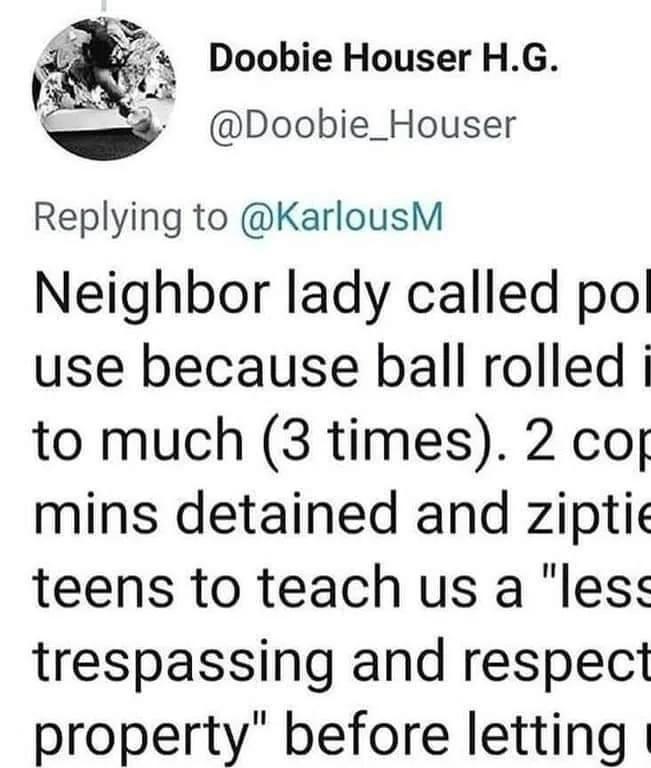
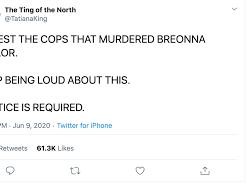
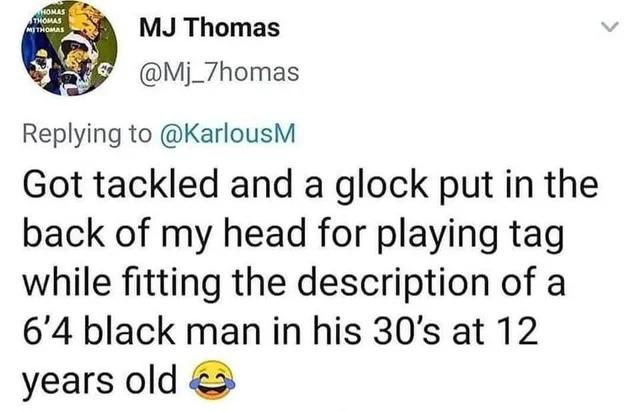
The emergence of digital Black sanctuaries such as “The Cookout” and Black Twitter can be seen as a direct response to the pervasive policing and surveillance of Black bodies in physical public spaces. This phenomenon is not merely coincidental but deeply rooted in historical and systemic patterns of racial discrimination that extend into the digital age. By examining the theoretical underpinnings of digital Black spaces within real-world policing, we can better understand these online sanctuaries’ vital role in offering respite, resistance, and reclamation of identity for Black communities.
The policing of Black public spaces has long been a manifestation of systemic racism, where activities of Black individuals are disproportionately scrutinized and criminalized. This overpolicing extends beyond mere physical surveillance, affecting the psychological well-being of Black communities and instilling a constant sense of vulnerability and disenfranchisement. In contrast, digital Black sanctuaries offer an alternative realm where Black individuals can express themselves freely, engage in cultural exchange, and mobilize around social justice issues without the looming threat of racial profiling and physical harm.
The theoretical framework outlined in the digital zine—spanning cultural production and resistance, digital commons, counter publics, networked individualism, and digital activism—sheds light on how these digital spaces function as sites of empowerment and collective identity formation. They serve as counterpublics that challenge

Digital Black sanctuaries act as critical spaces for cultural expression, solidarity, and safety, reflecting a broader historical
Furthermore, the concept of networked individualism within these sanctuaries highlights the personalized yet interconnected nature of online Black communities. These networks facilitate a unique blend of personal agency and collective solidarity, enabling individuals to navigate the complexities of identity and community in ways that transcend the constraints of physical spaces. Digital activism and participatory culture within these spaces also underscore the transformative potential of digital platforms in advocating for social change, illustrating how digital and physical realms are intertwined in the ongoing struggle for racial justice.
They offer not only a refuge from the systemic policing of Black bodies in physical spaces but also a platform for reimagining and reasserting Black identity and community in the face of such adversities. As these online spaces continue to evolve, they feed back into the broader discourse on racial equality, highlighting the indispensable role of digital realms in the fight against systemic racism and in the nurturing of resilient, empowered Black communities.

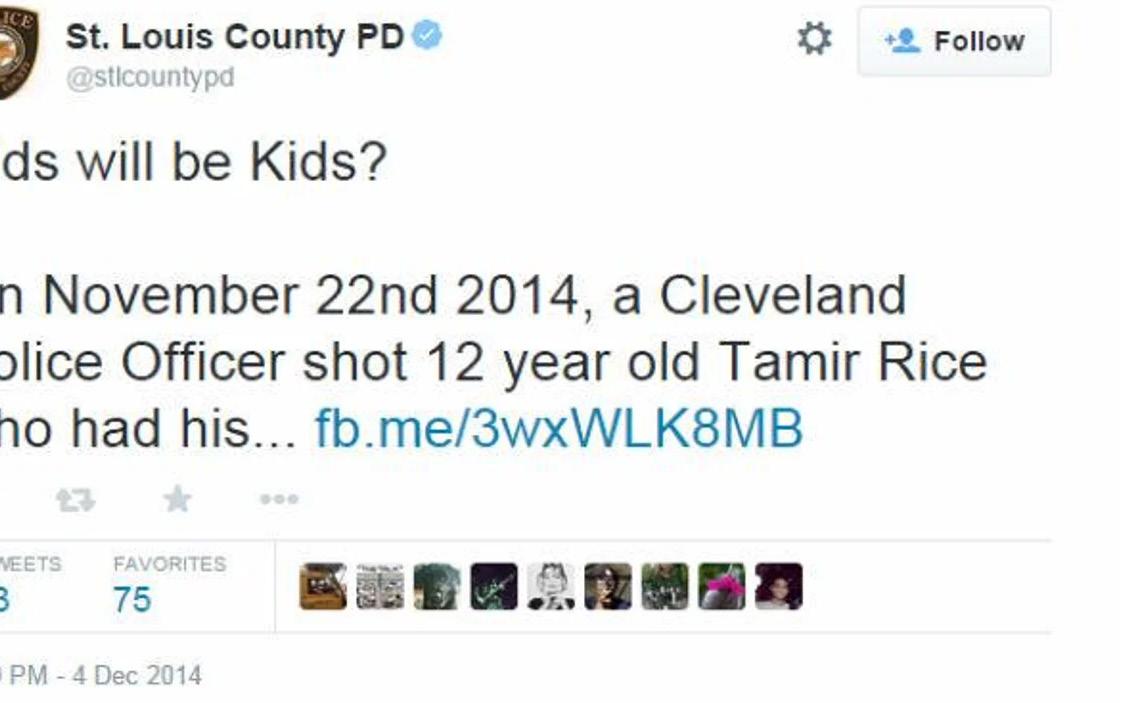
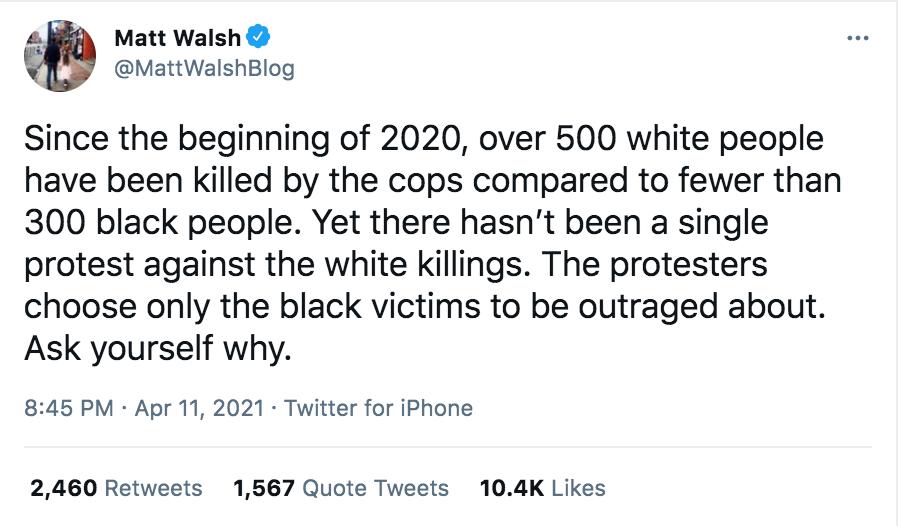
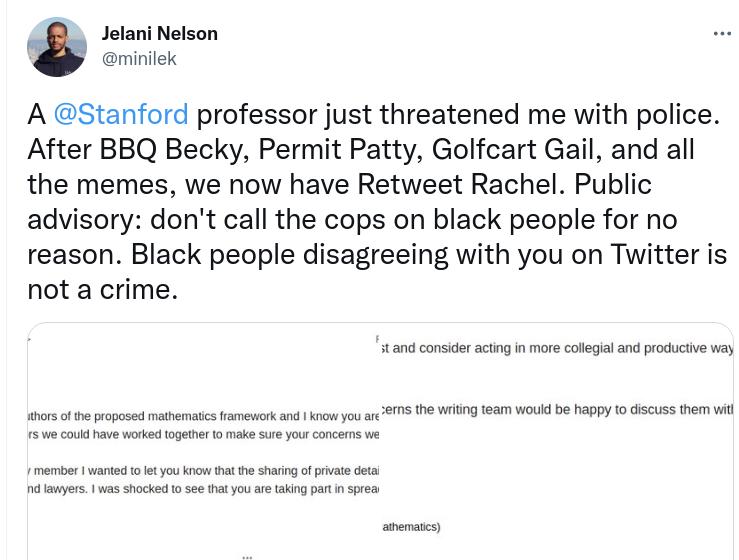
TIhe chronology of digital Black sanctuaries, particularly the metaphorical and literal significance of “The Cookout,” traces the evolution of a critical cultural and social phenomenon within Black digital communities. This section explores the key milestones and shifts in the landscape of Black social media, emphasizing the phrase “invited to the cookout” as a cultural marker that saw significant spikes in interest according to Google Trends, notably around 2016 and again in 2023.
Before 2016, Black digital spaces were already forming, with platforms like BlackPlanet and forums within other social media sites acting as precursors to the more centralized communities we see today. These early digital spaces laid the groundwork for the development of community norms, dialogue, and the establishment of a digital culture reflective of Black lived experiences.
The year 2016 marked a significant moment in the visibility of “The Cookout” within digital Black communities and the mainstream. Amidst a turbulent social and political climate, with increased public awareness of police brutality and the Black Lives Matter movement gaining momentum, the phrase “invited to the cookout” gained popularity. It was used both within and outside the Black community to signify allyship or acceptance into Black cultural discourse, reflecting a broader engagement with Black culture and social issues.
Between 2016 and 2023, Black digital spaces continued to grow and evolve. Platforms like Twitter and Instagram became hotbeds for Black cultural exchange, activism, and community building. The concept of “The Cookout” expanded beyond a mere phrase, embedding itself into the lexicon of digital Black culture as a symbol of inclusivity, solidarity, and community. This period also saw the rise of hashtags, viral movements, and online activism as central to the digital Black experience, highlighting the power of these spaces in shaping discourse and fostering community.
n 2023, the phrase “invited to the cookout” experienced a notable resurgence, as indicated by Google Trends. This spike can be attributed to several factors, including the continued relevance of digital Black spaces in cultural and political activism, as well as a broader societal reflection on race relations, allyship, and the dynamics of inclusion and exclusion. The increased interest also reflects the ongoing evolution of Black digital culture, adapting to new challenges and opportunities in the digital landscape.