portfolio
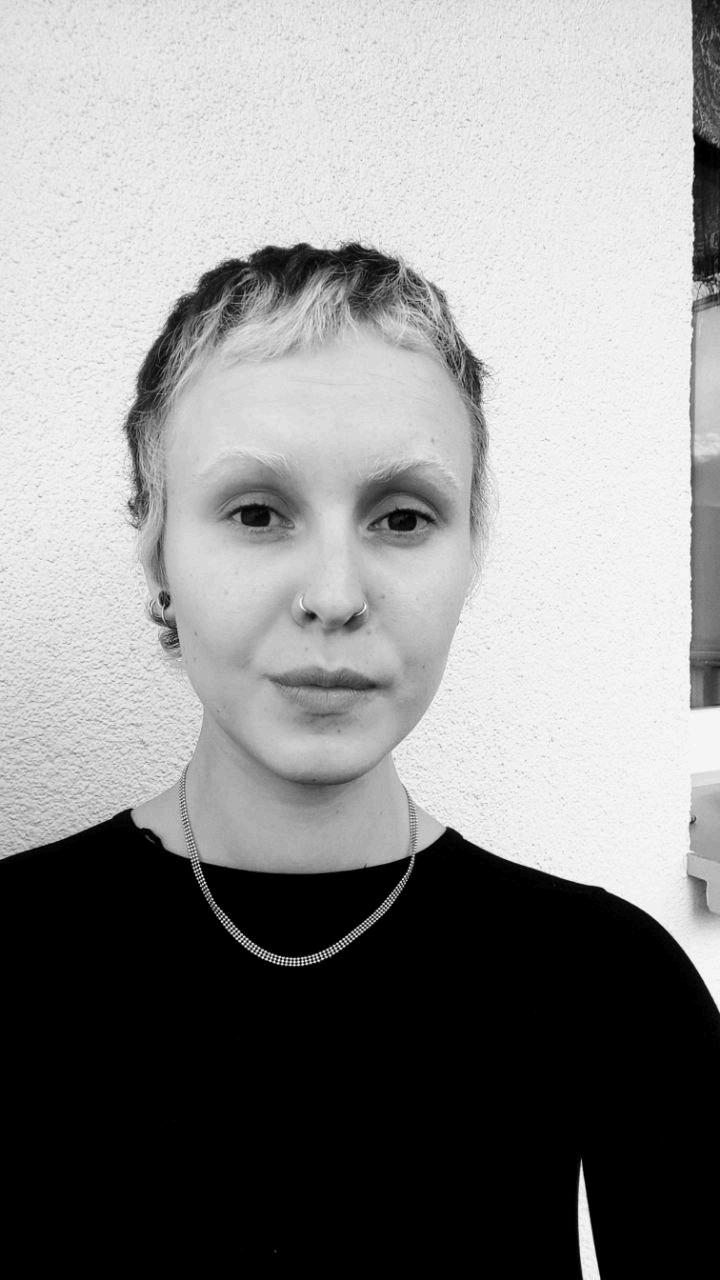
michelle-sophie nilges
selected works
20l9 - 2022

michelle-sophie nilges
selected works
20l9 - 2022
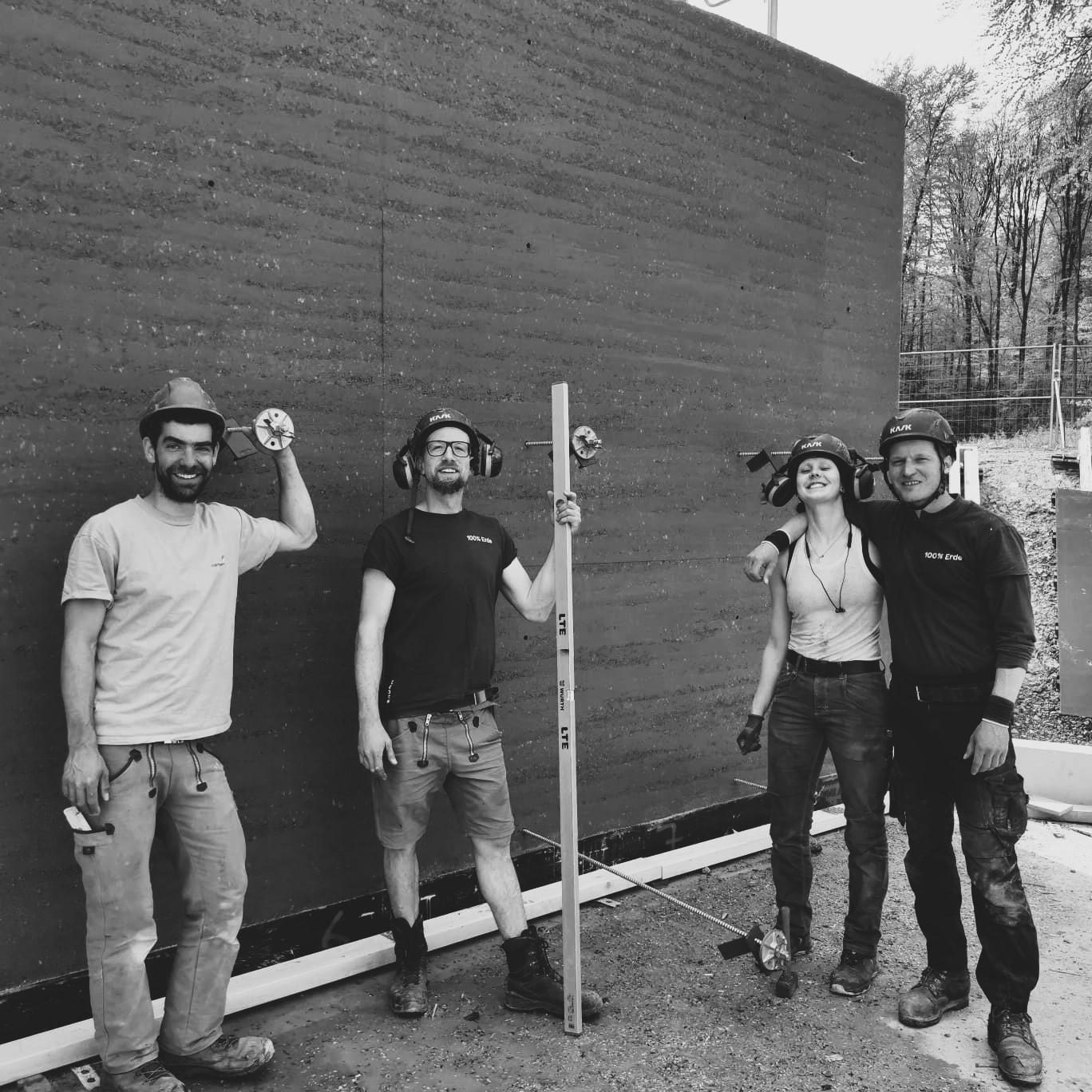
born at the l7. september l995 in north-rhein-westphalia, the most populated area of germany. raised in a family of craftspeople and ingeneures, there was always room to get projects started, to get involved in processes and to get in touch witch the materials. at school, art and science became a field of interest. after graduation, a three-month stay in alicante provided basic knowledge of spanish. six years of bachelor studies at hochschule bochum brought a focus on costruction with natural material and alternativ design concepts in an urban context. six month of work in two architecture offices each gave isghts into planning of existing buildings and approval plans.the advanced bachelor of science degree then led to work as a craftswomen. so the on-year employment at ‘lehm ton erde’ ws the first step in the search for a deeper understandig of construction. with the current skills of archicad, lumion, photoshop,indesign and scia there is a huge interesst to get more into design and shaping with human needs and natural materials in focus.
pictures collection
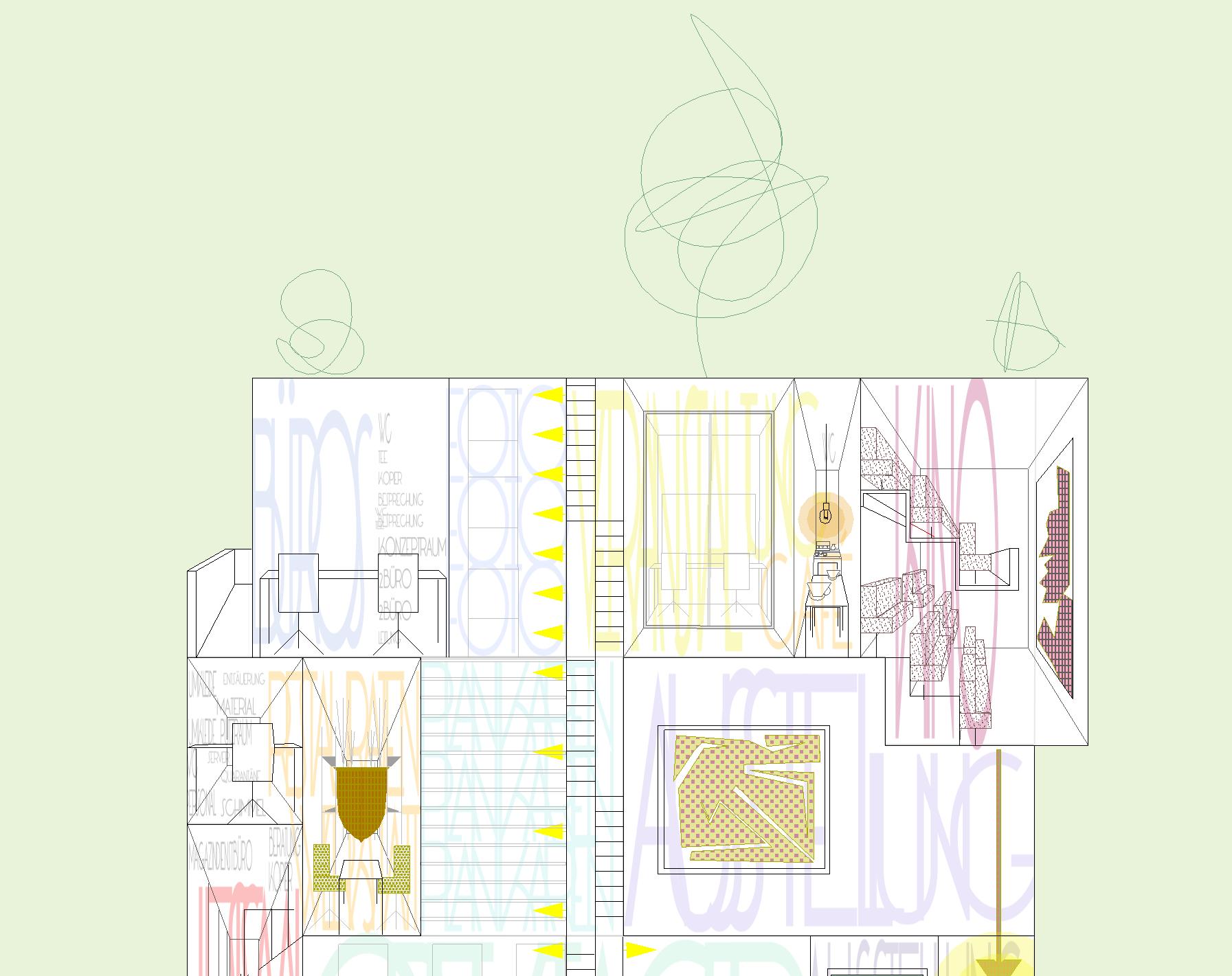
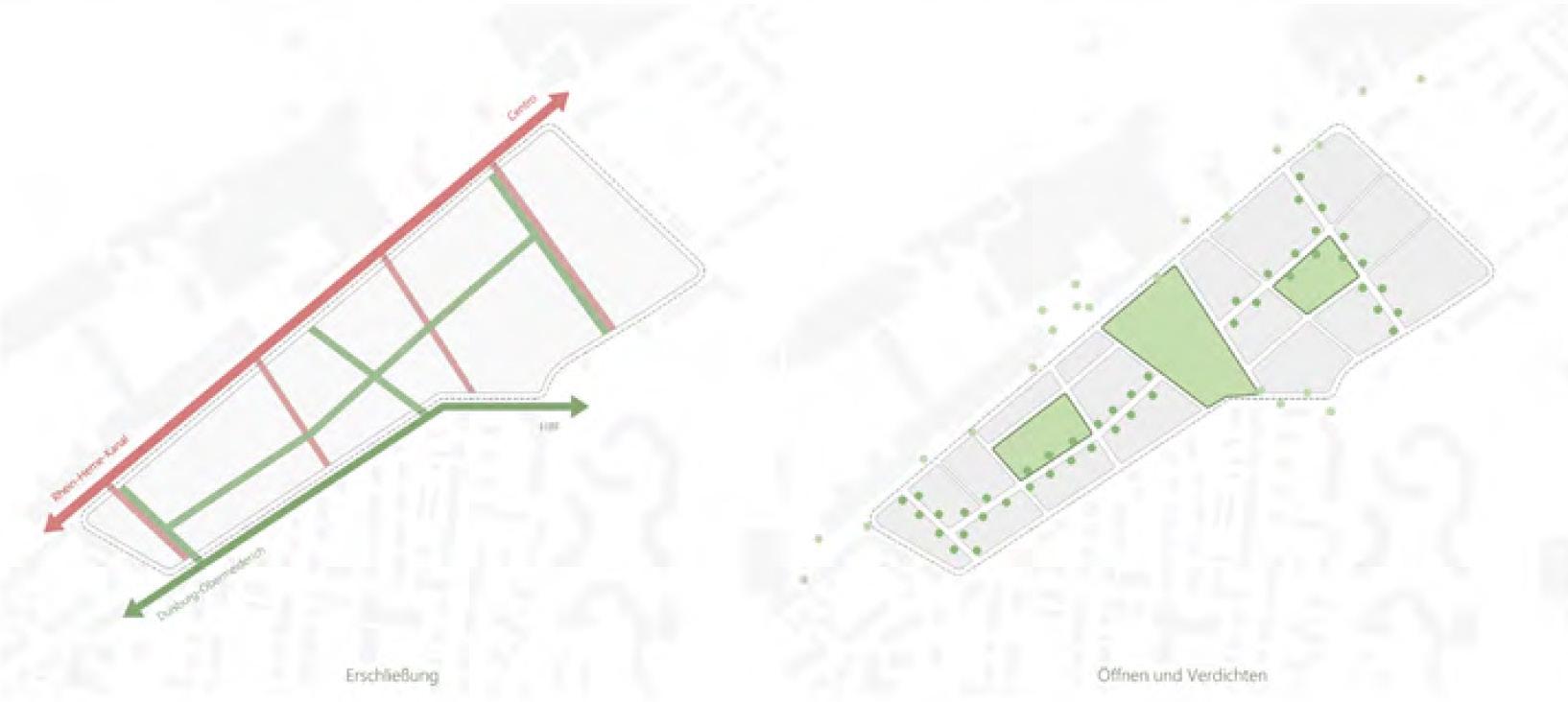
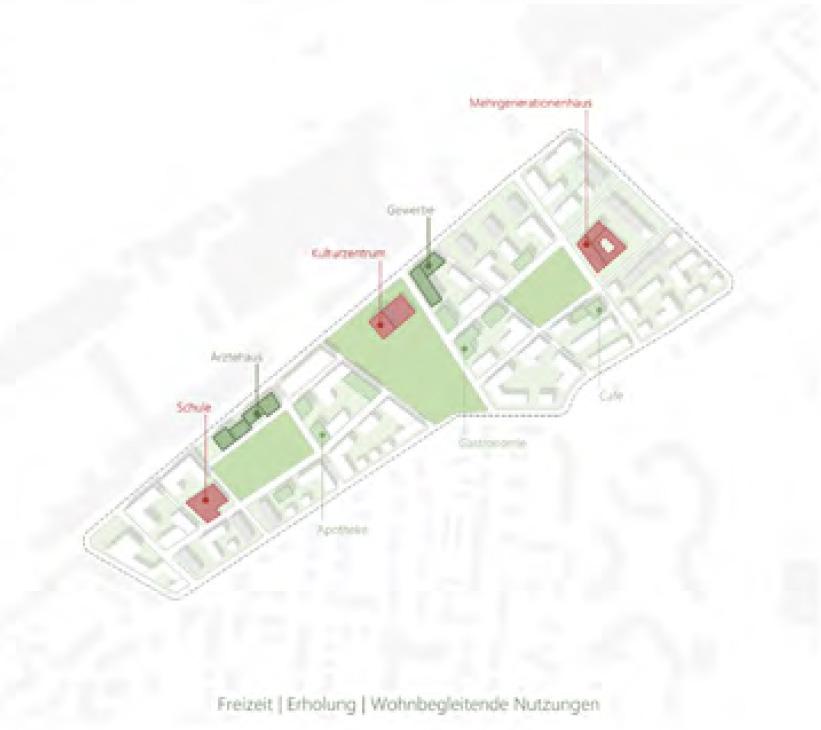
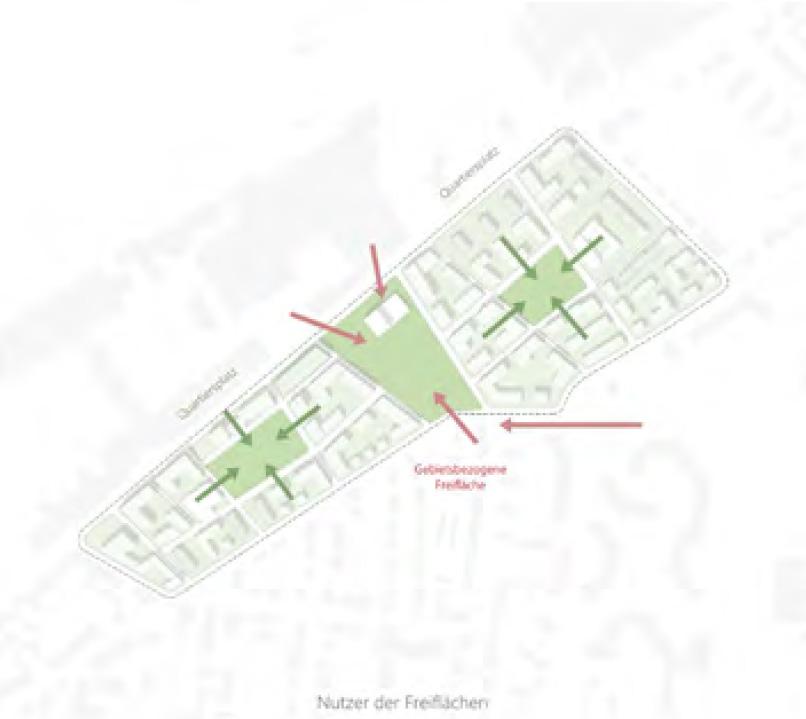
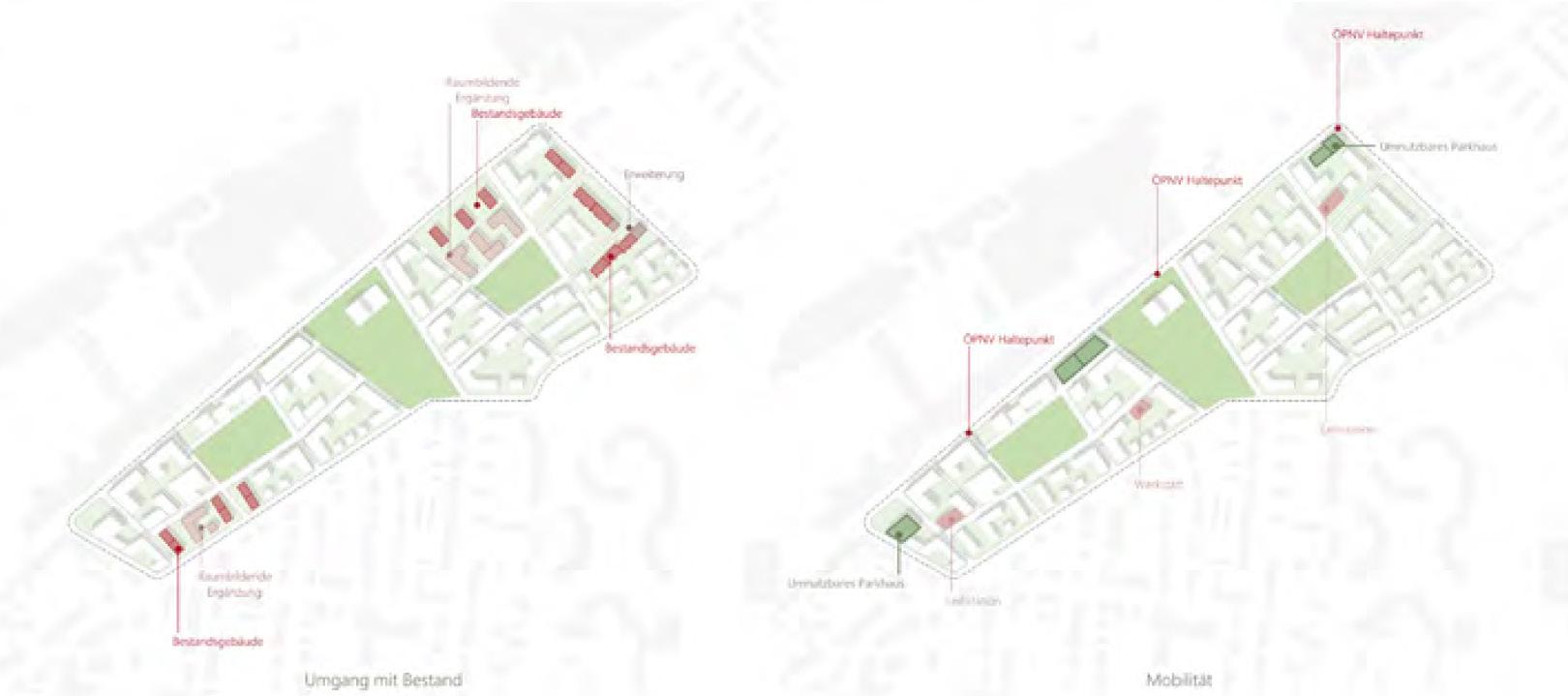
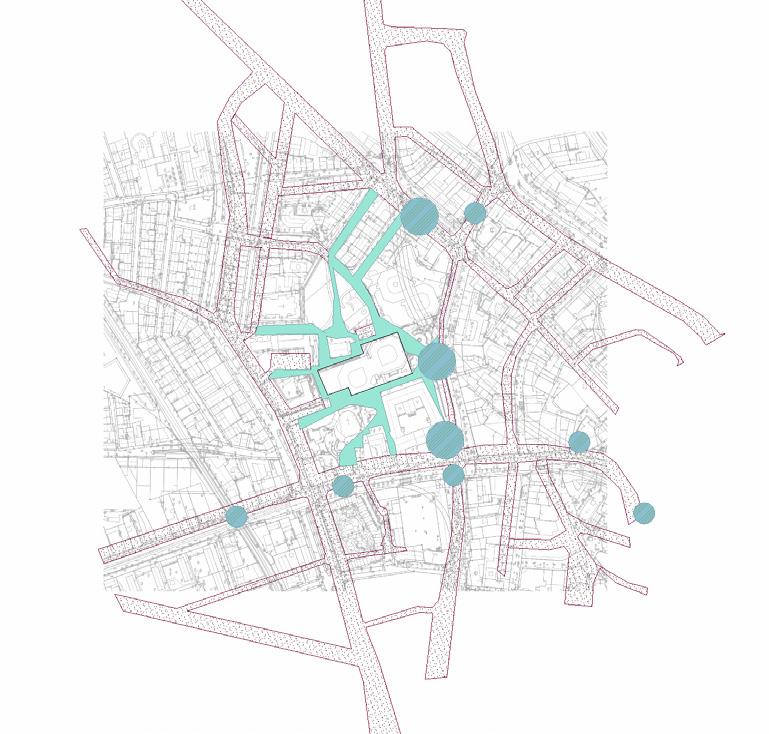
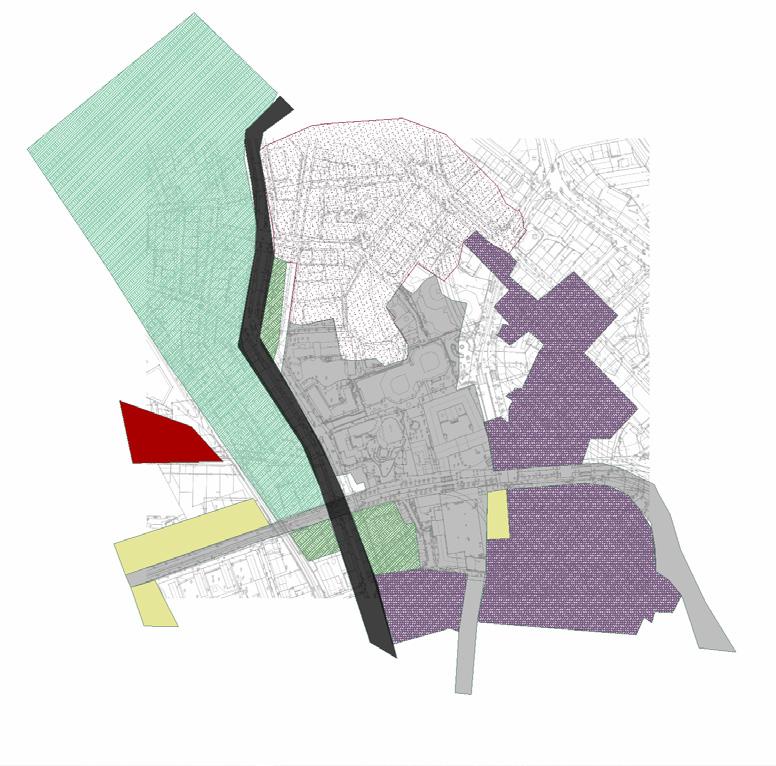
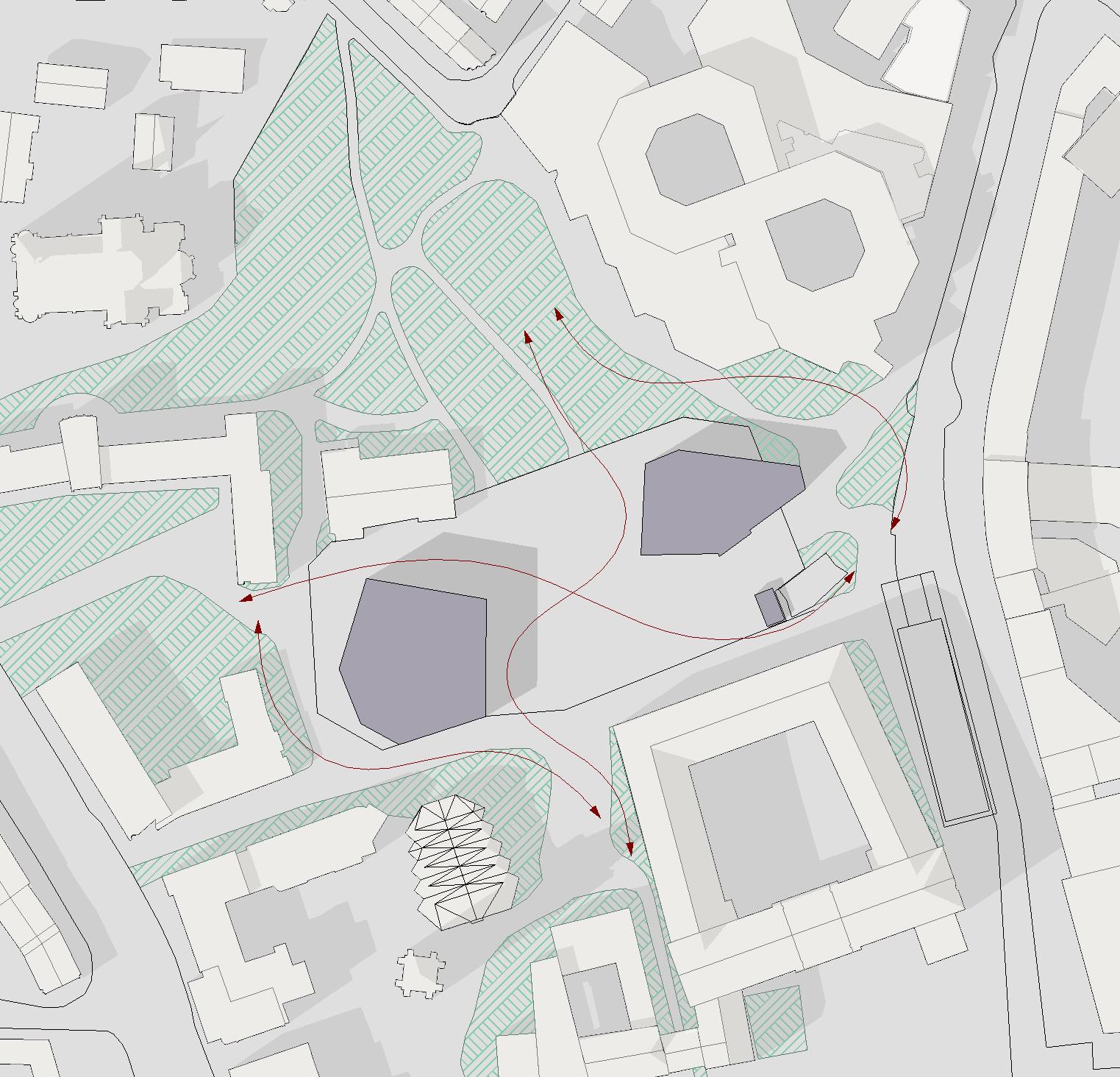
urban design reanimation of a connecting quarter to the city centere of oberhausen (ger)
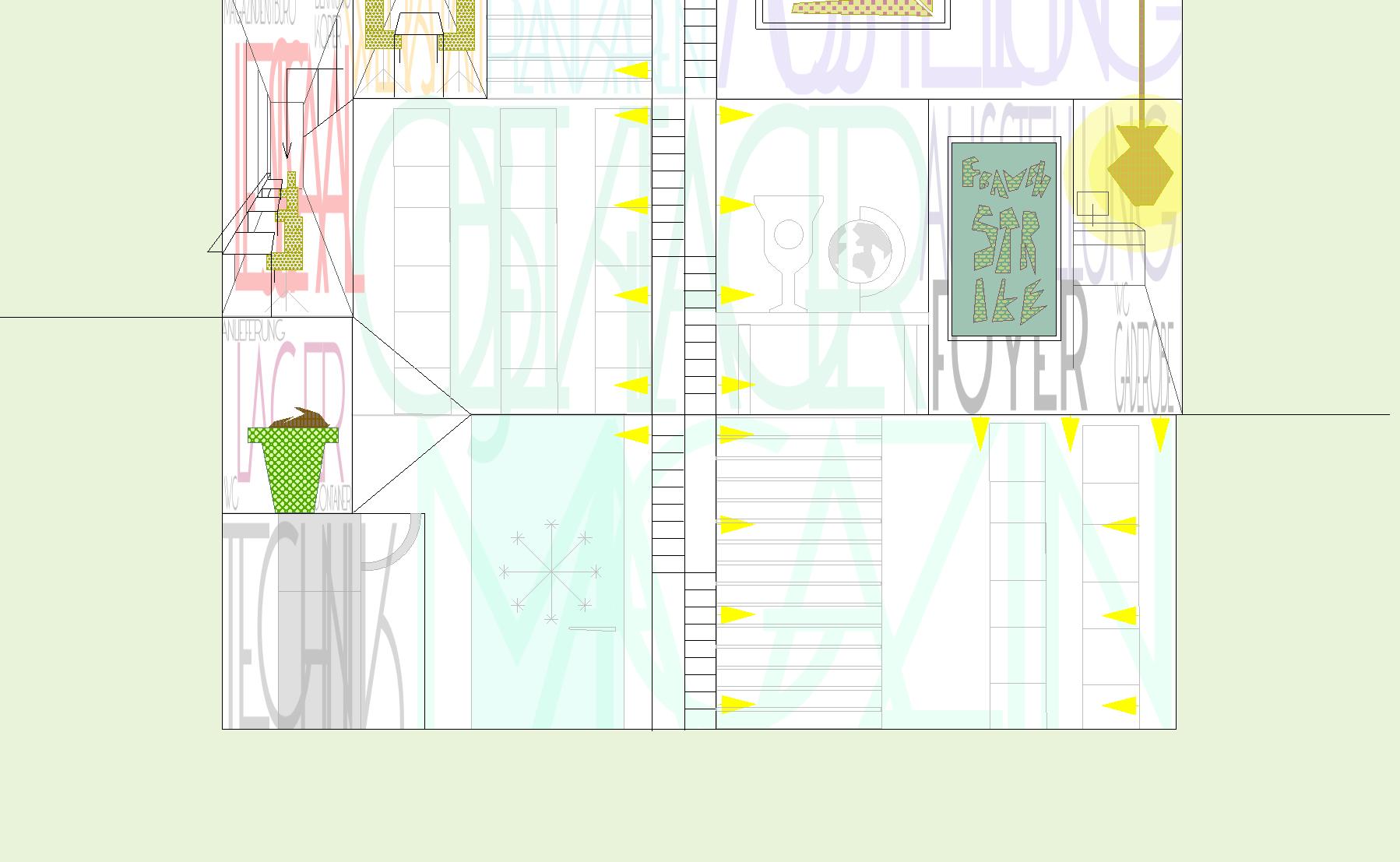
design city archive at the centre of bochum (ger)
constiction sustainable multifunctional addition to hs-bochum campues (ger)
design reanimation congress centre bad gastein (at)
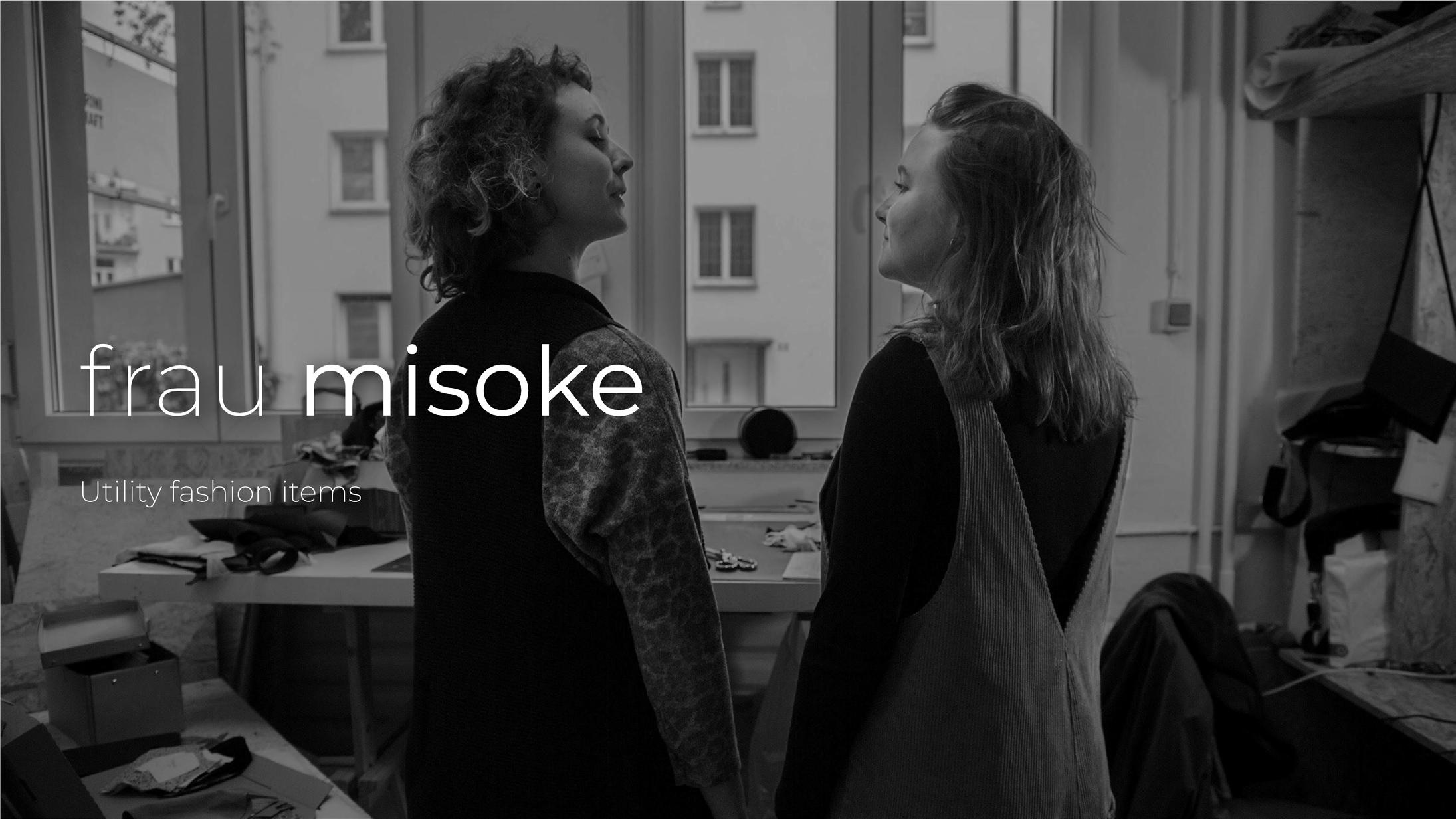
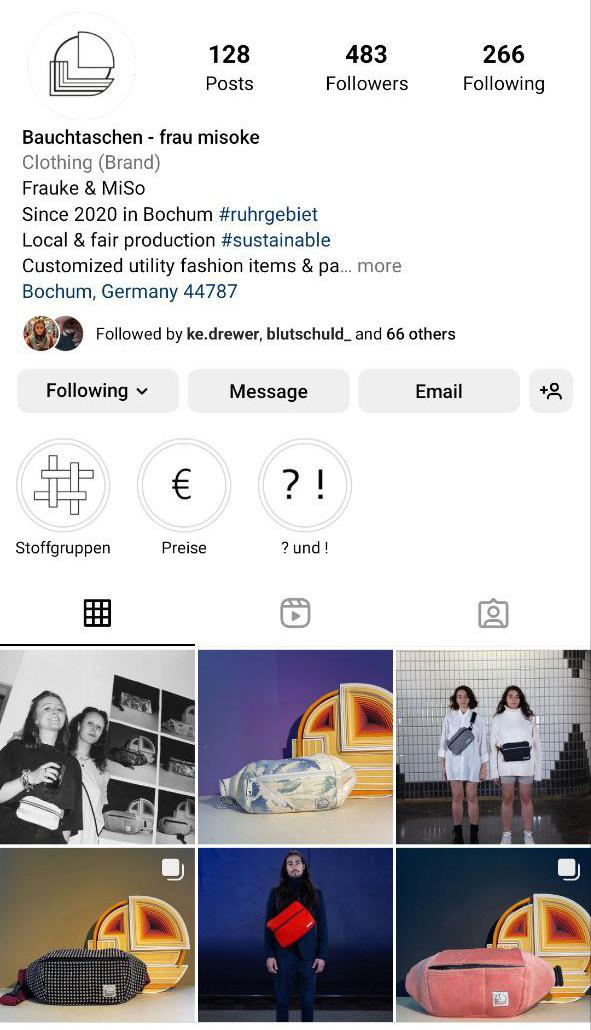
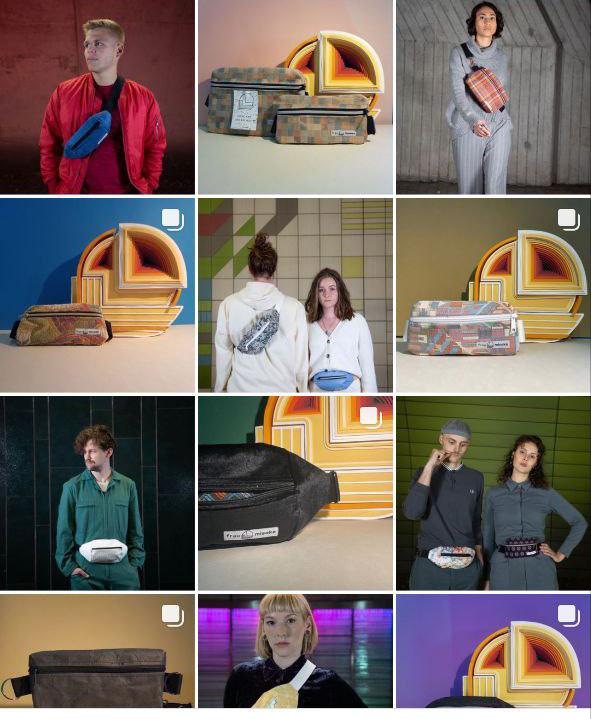
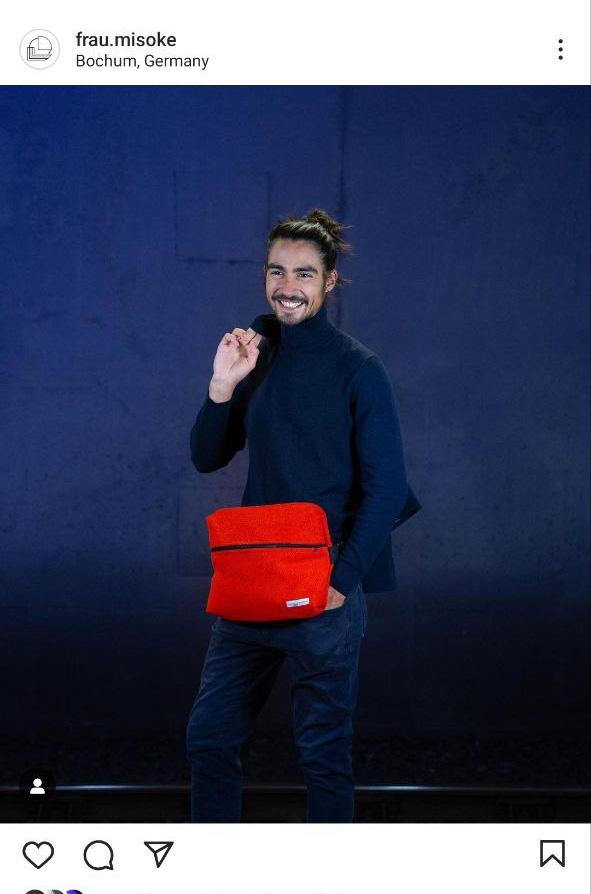
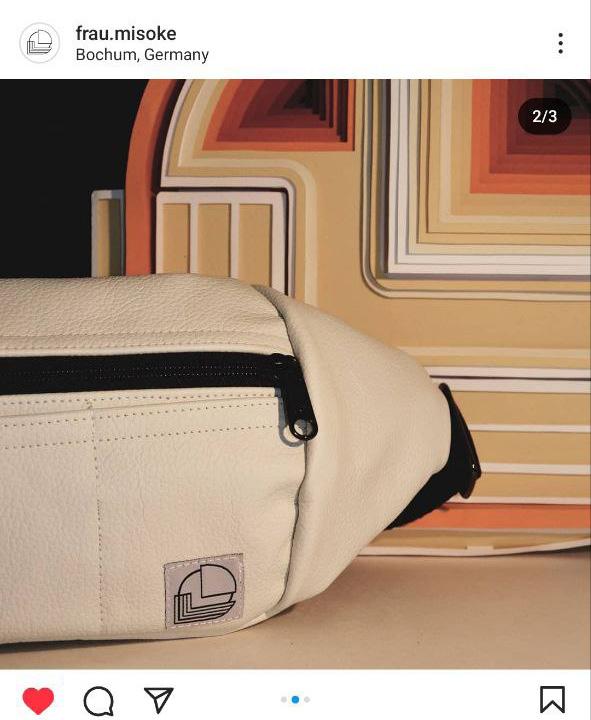
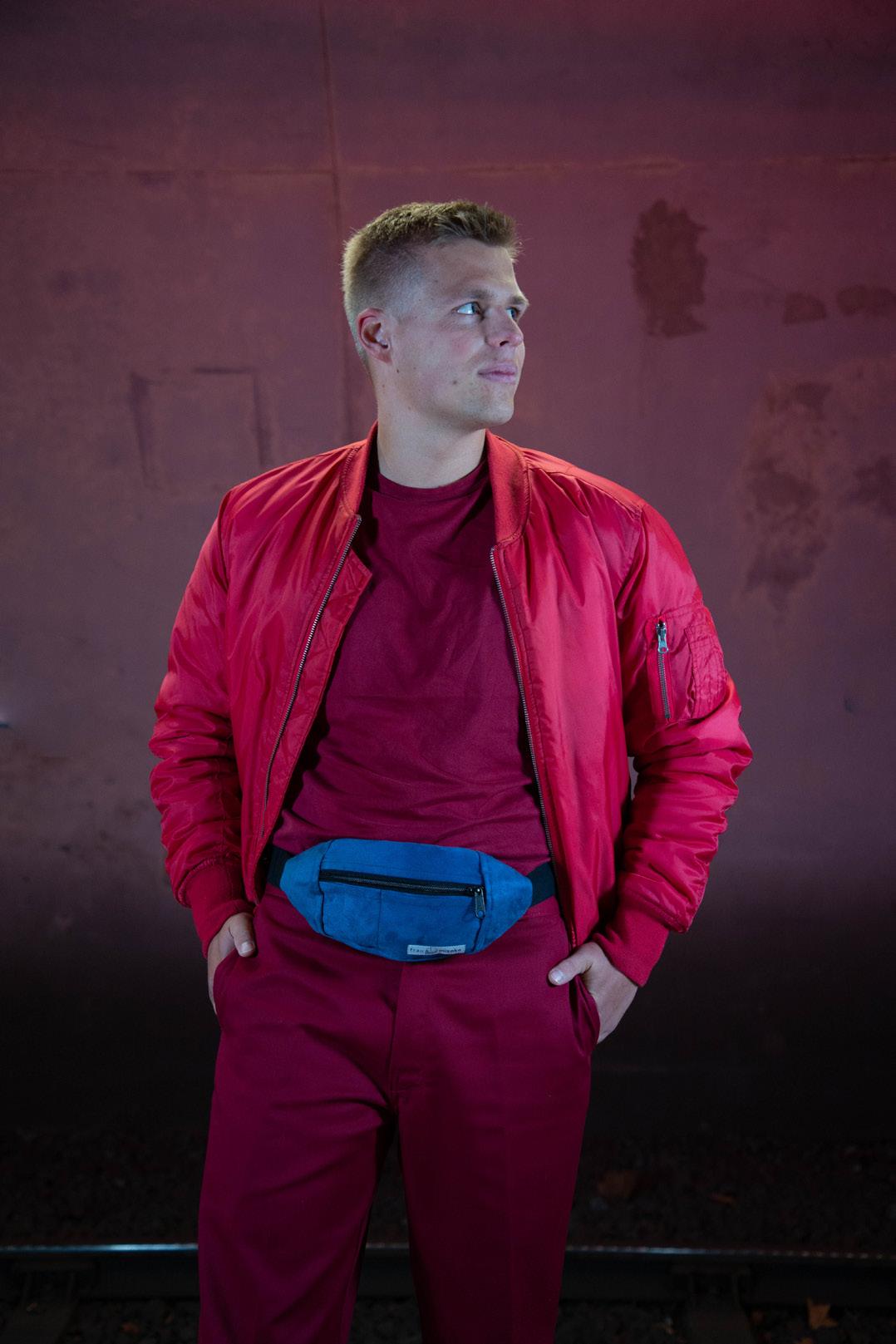
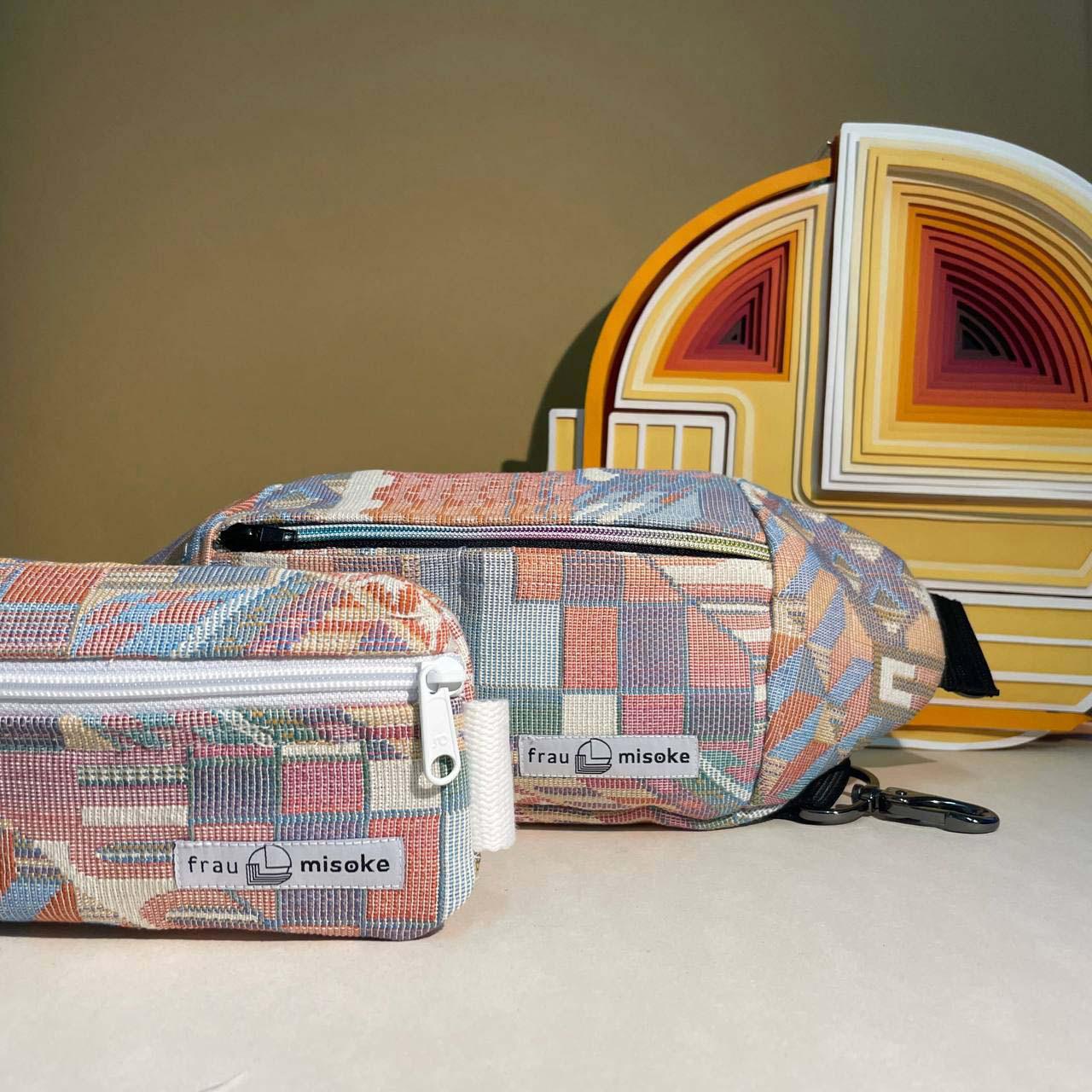
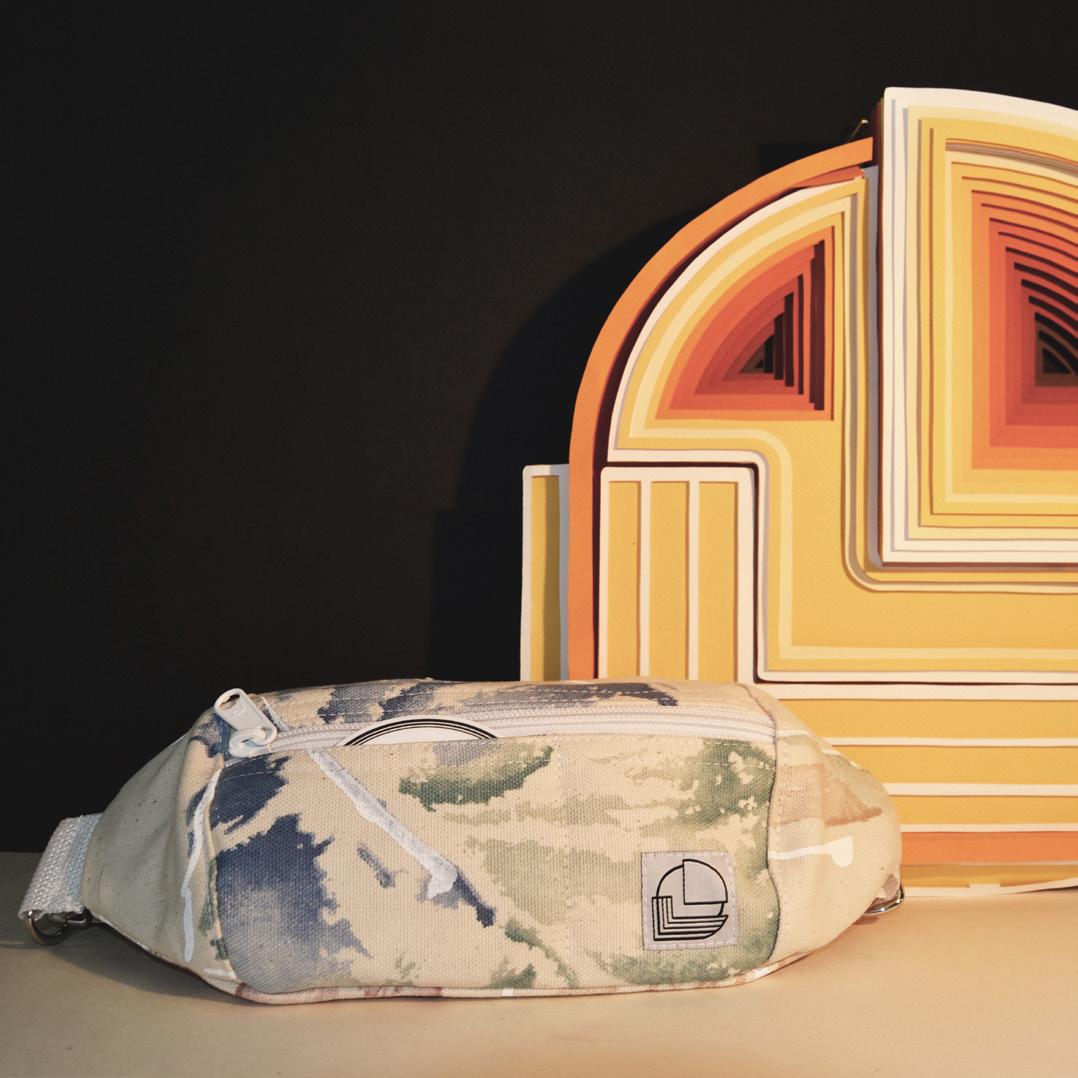
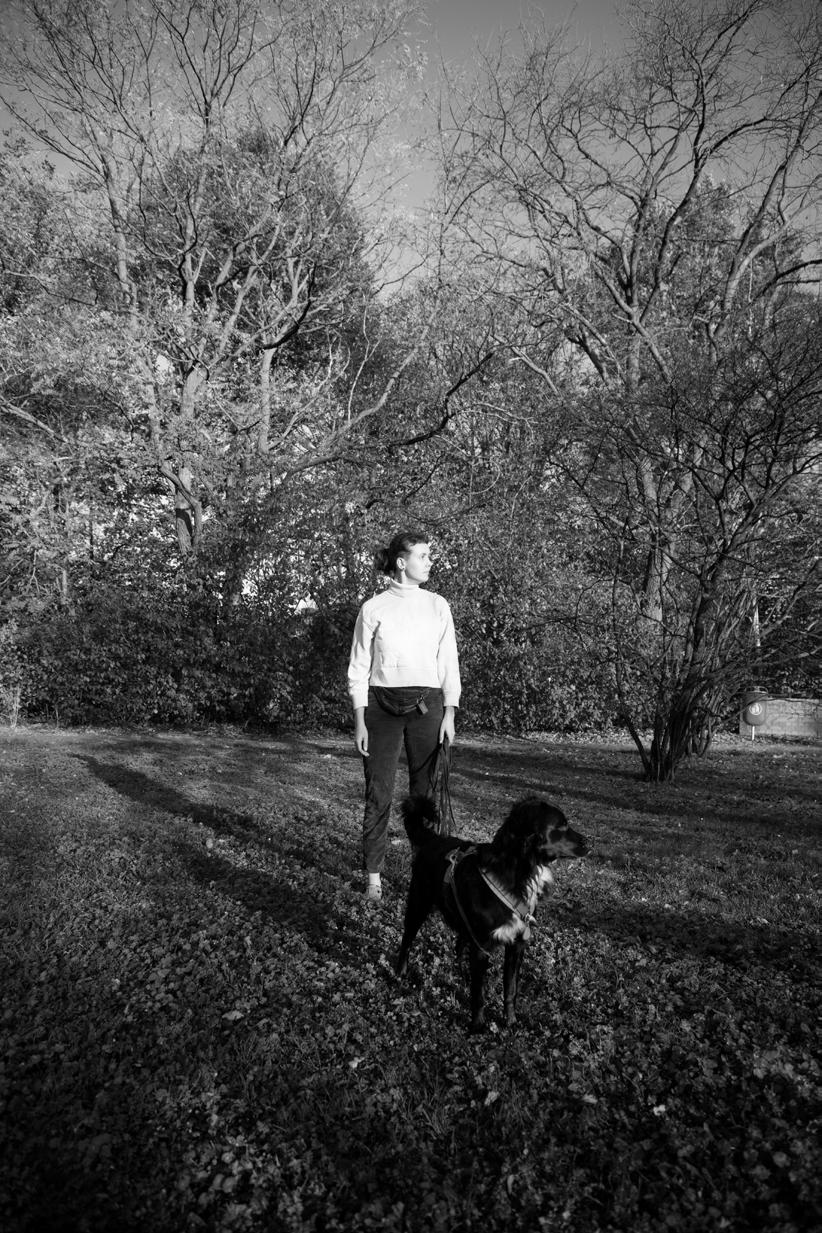
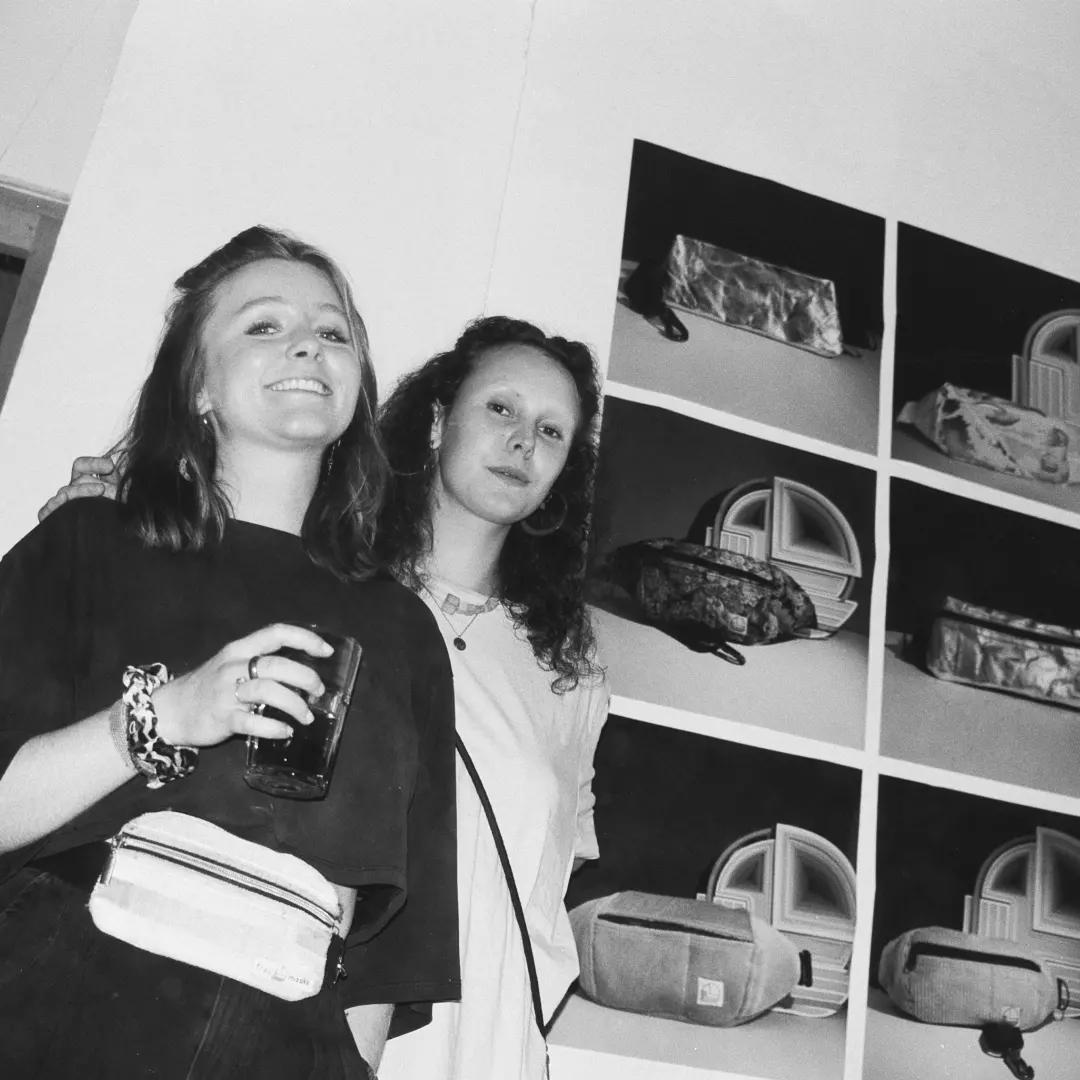
fashion brand frau misoke sustanable fanny packs
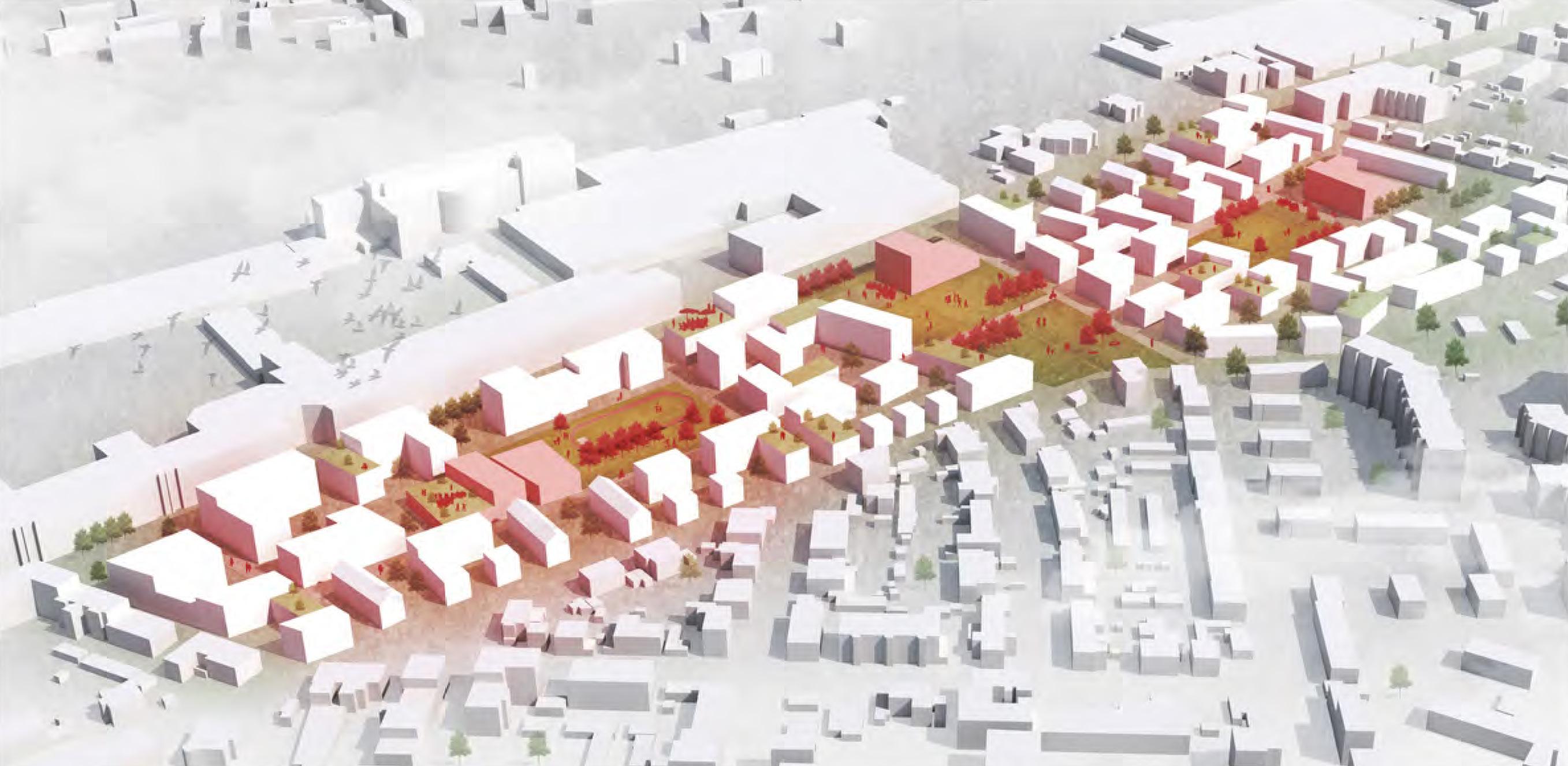
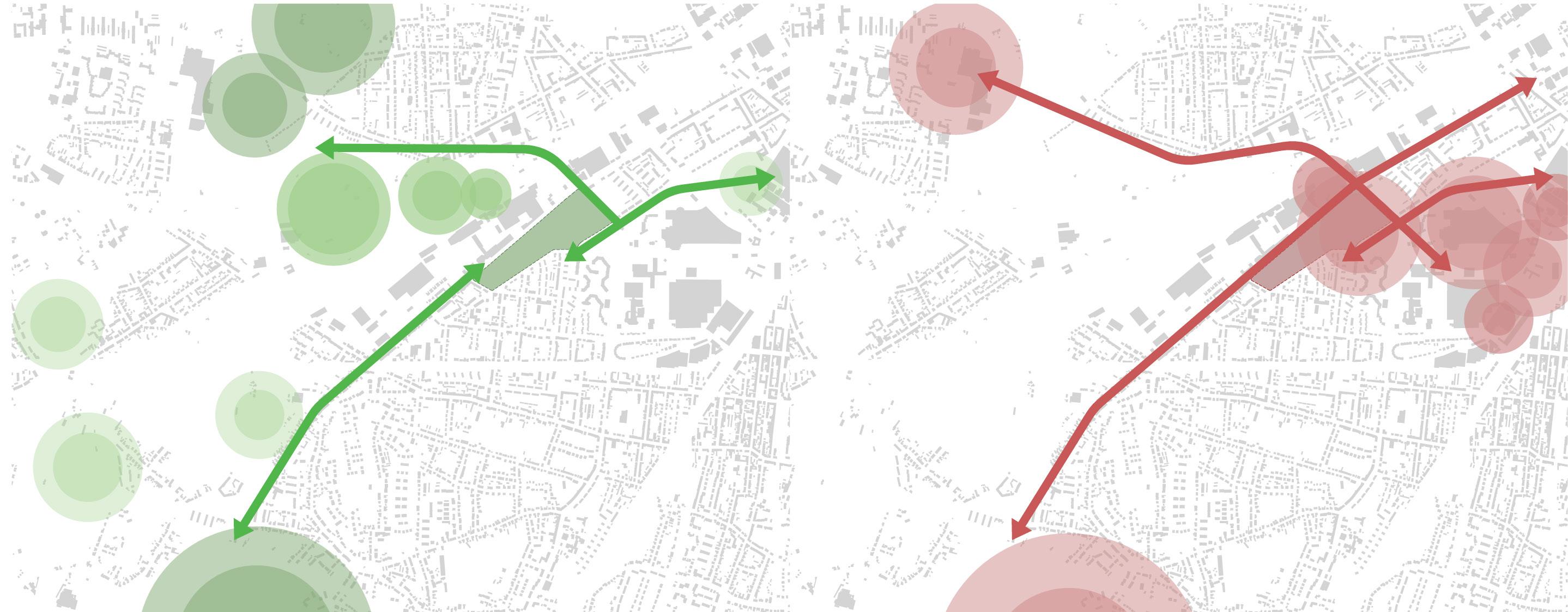
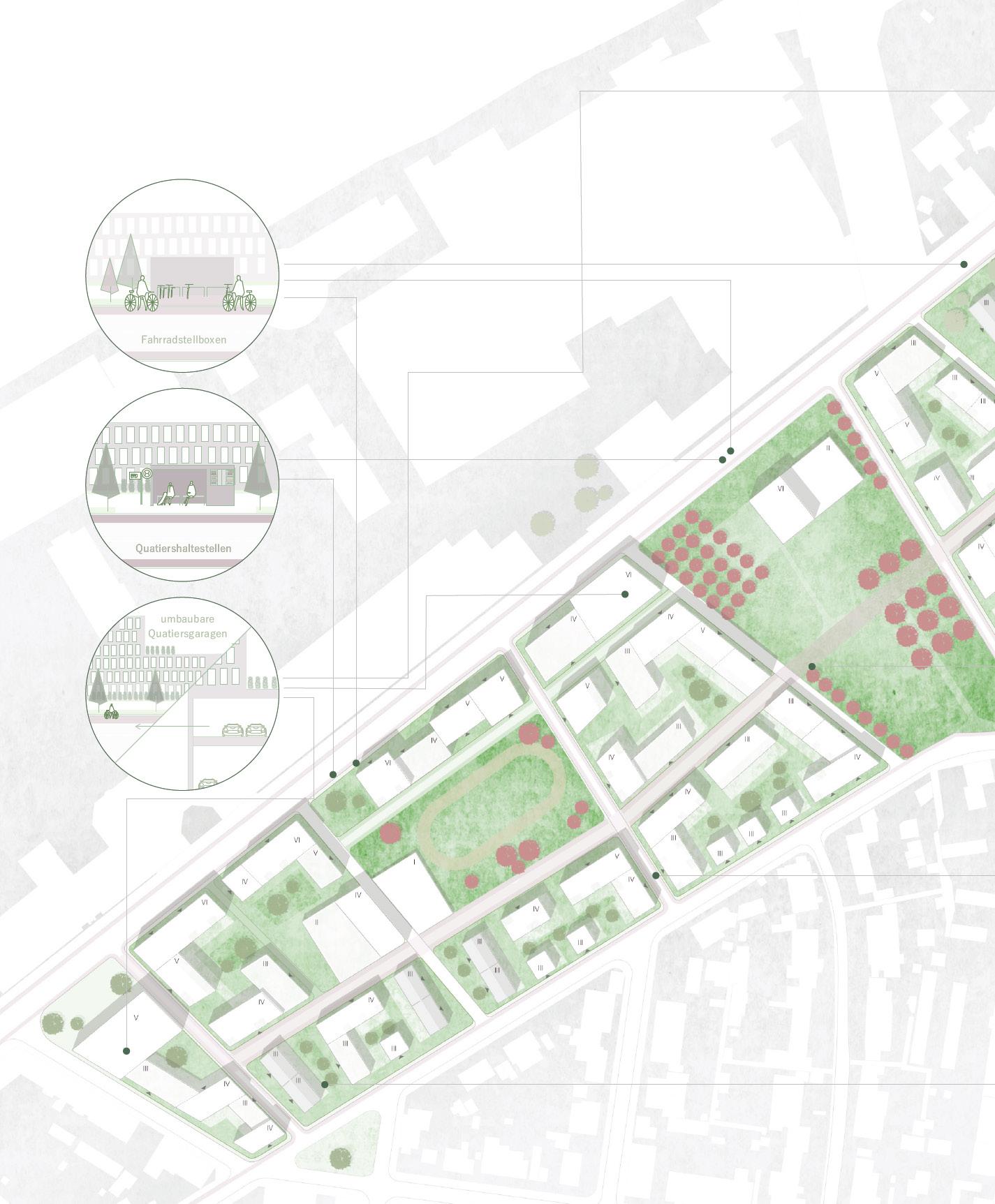
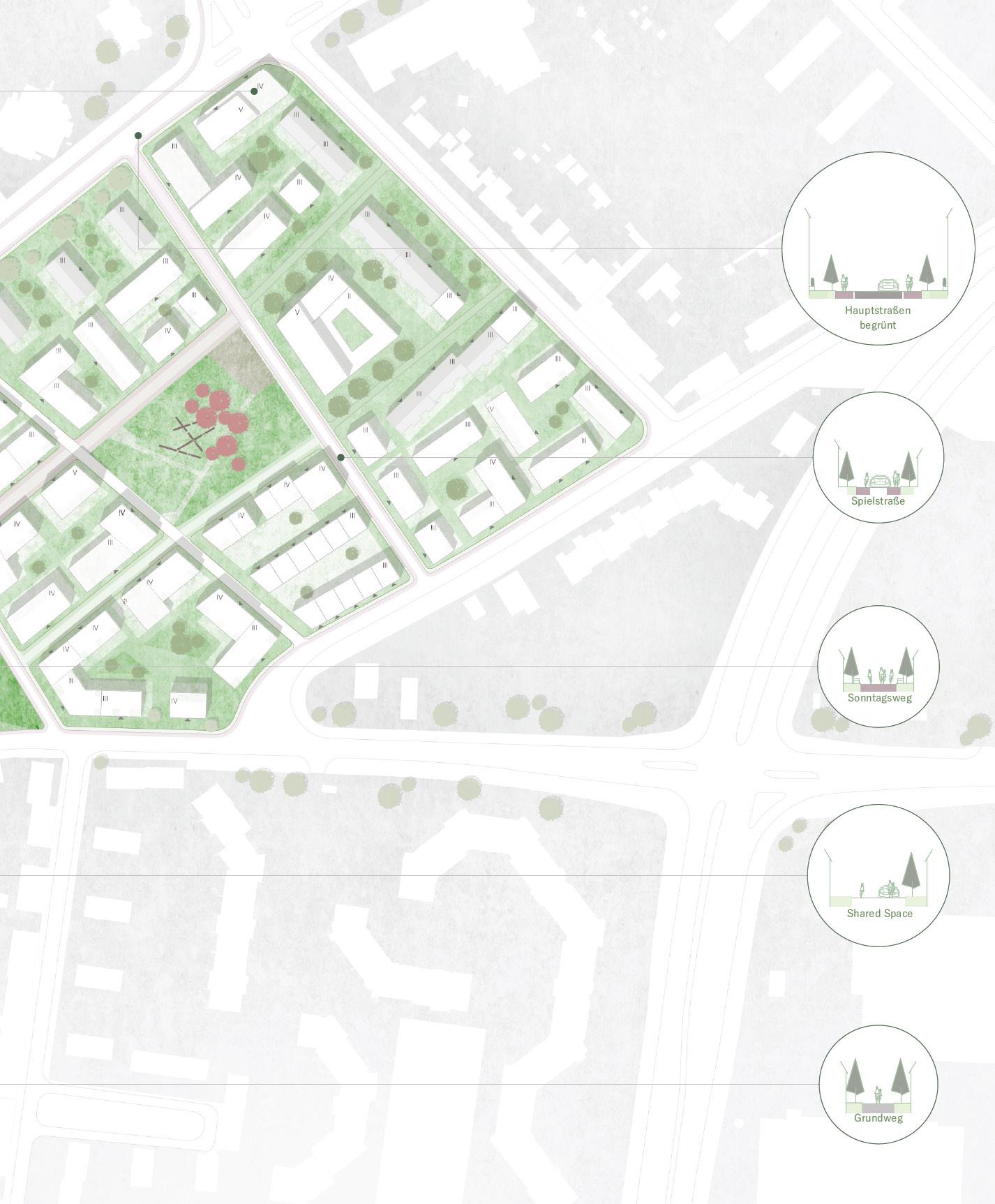
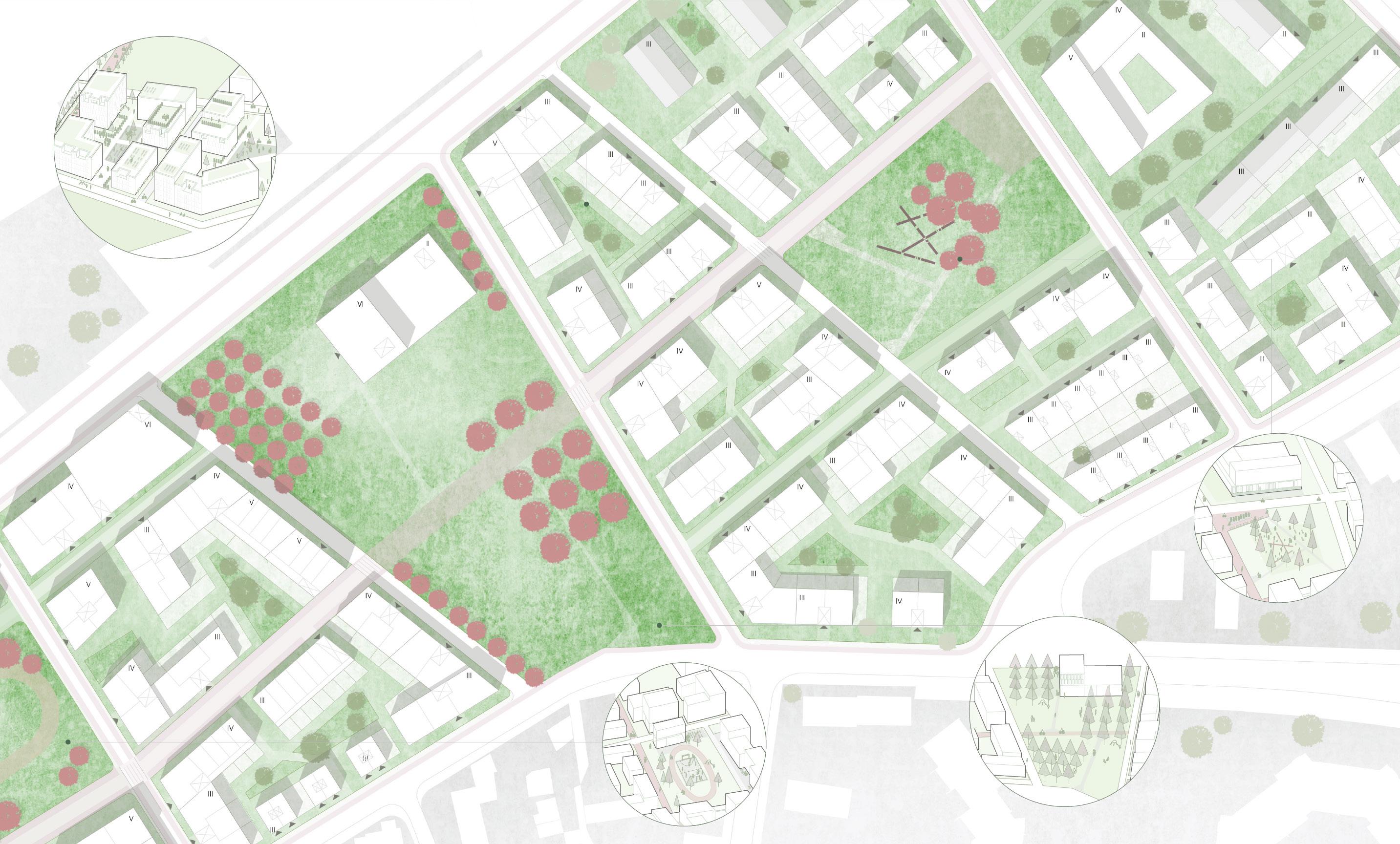
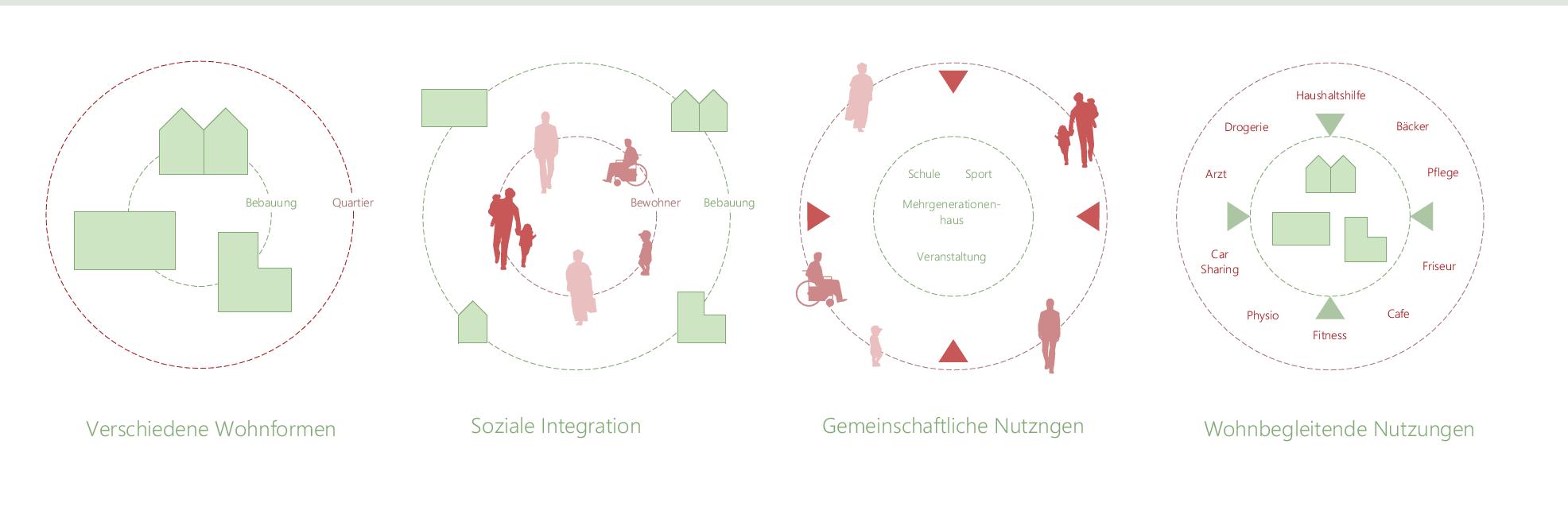
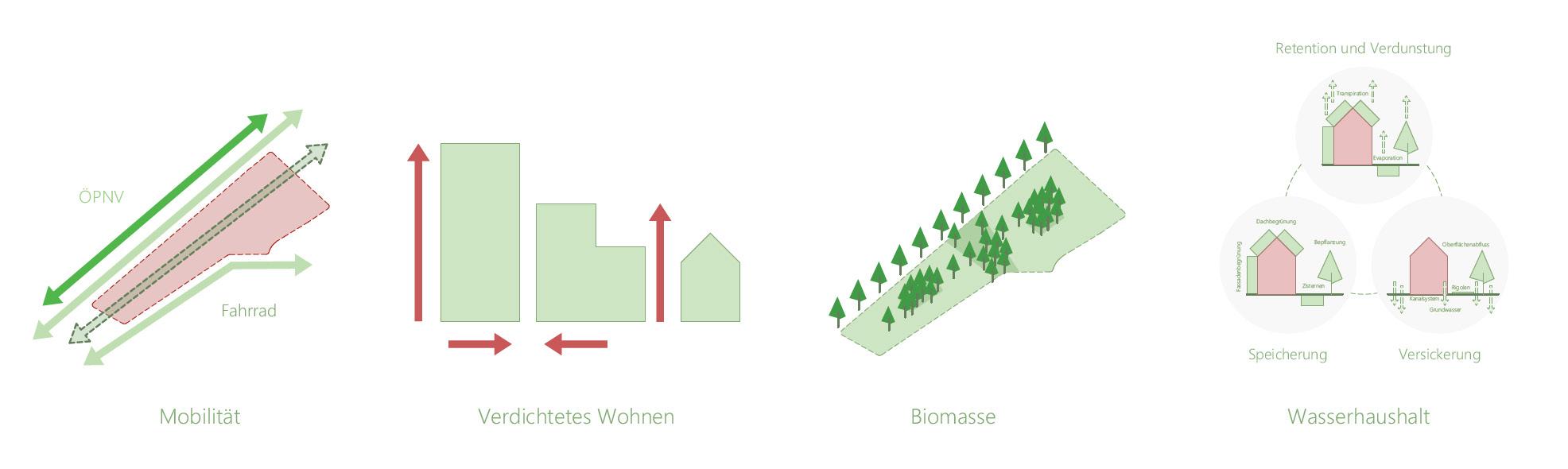
the design is based on the question of how existing urban structures can be used to exploit potential for future-oriented neighborhood development in the area of housing construction and open space networking. here, current issues of sustainability (social, ecological and economic) are combined by linking the need for socially mixed living space to the conditions of a green-connected neighborhood and developing a unity from this. we see the city as a combination of spheres of activity that consist of high-quality living and working space and, in their interplay, offer a home worth living in for everyone. at the heart of this is a combination of dense living space, surrounded by public and private open space and bound by a long-term functional and ecologically valuable development concept.
a work with olga paul and timo weltersbach

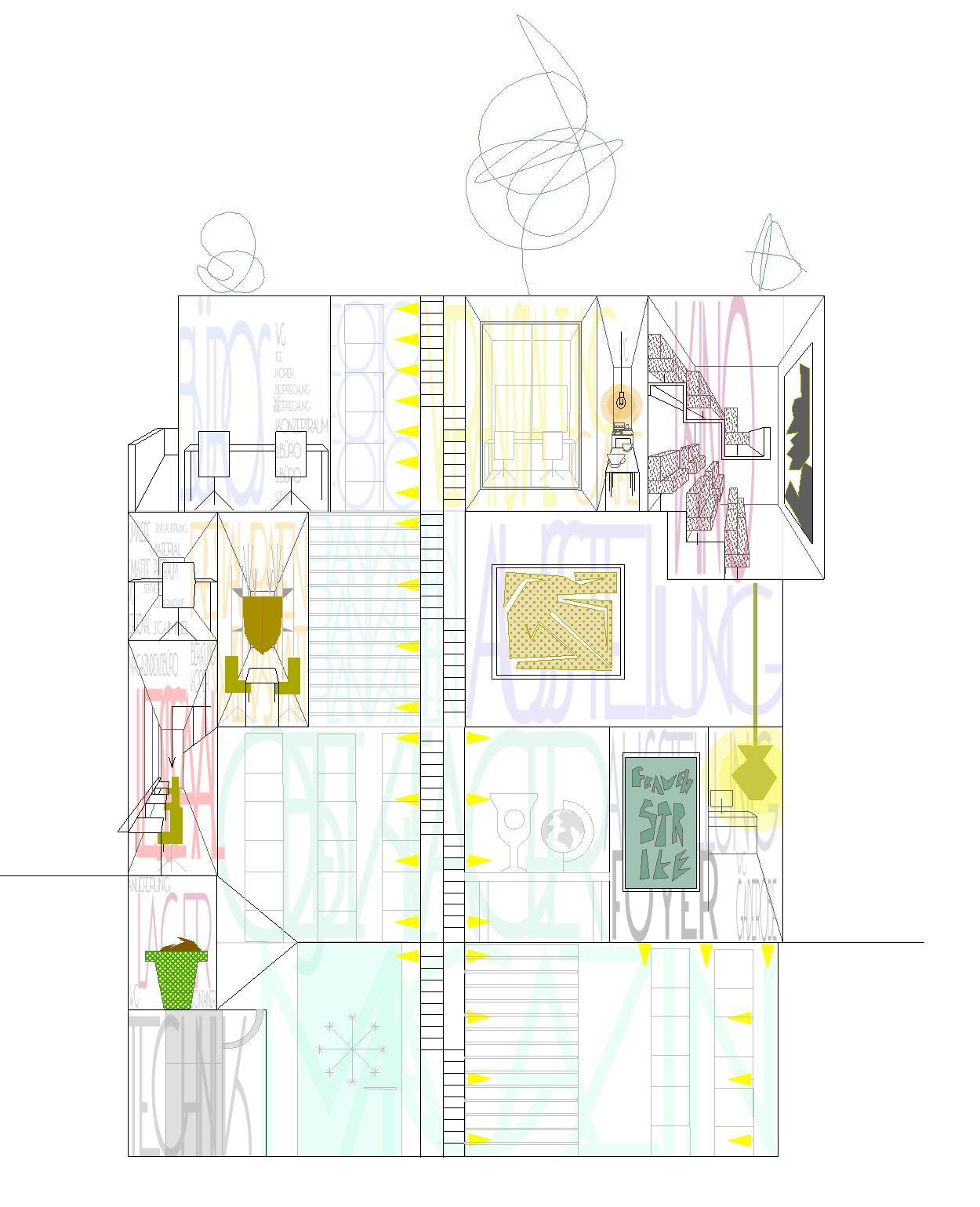
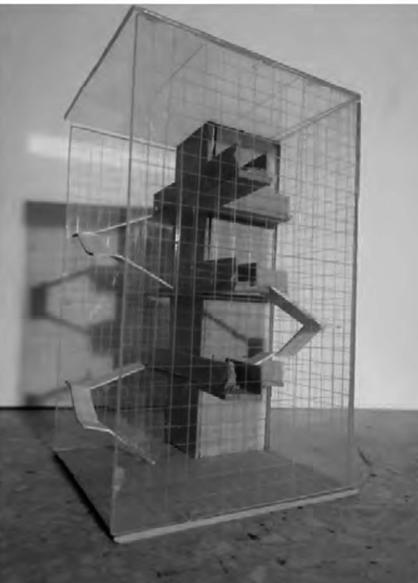
bochum’s new archive building creates space and thus expands the city center. the slightly elevated platform with a view of the archive invites you to linger and at the same time connects the town hall park and the music school to the city center. the archiev in the underground adapts ideally to the static conditions and avoids the problem of load transfer. the cubes placed on top allow ideal visual relationships and flowing circulation. the two main staircases made of glass blocks bring the elements into a relationship, uniting the complex into one building.

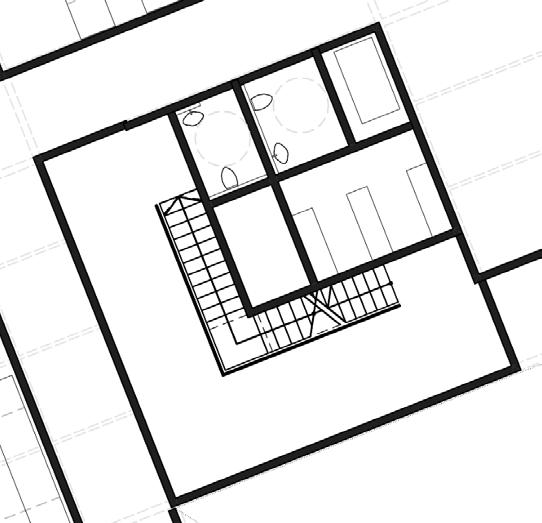
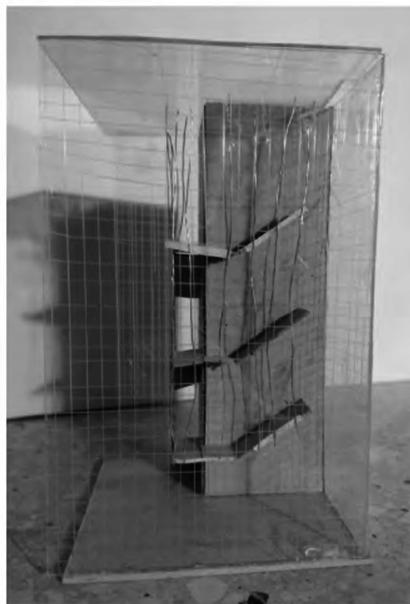
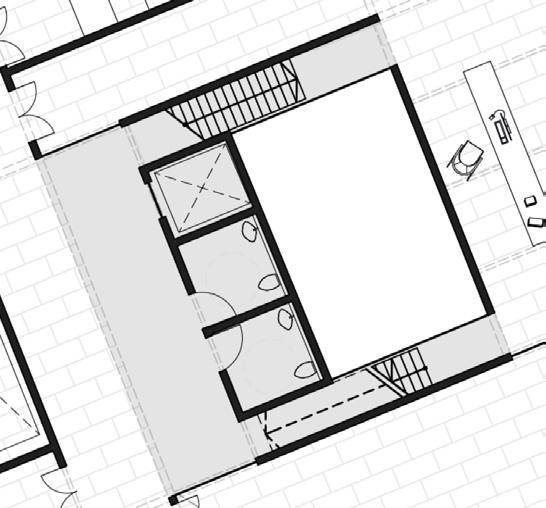
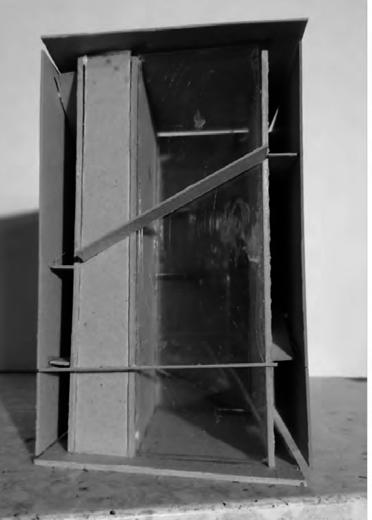
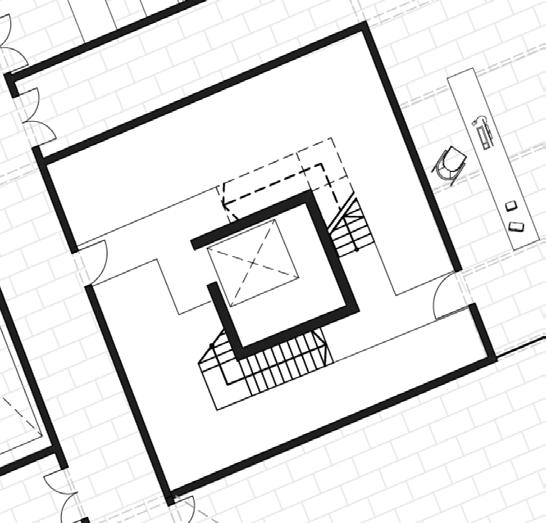
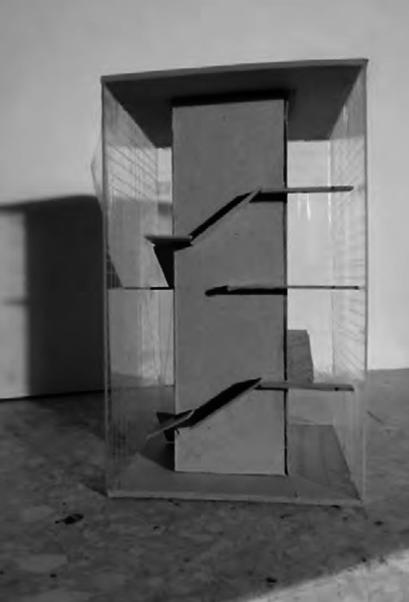
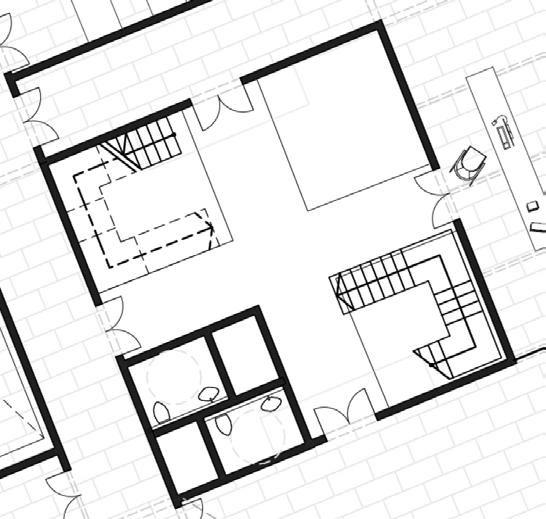
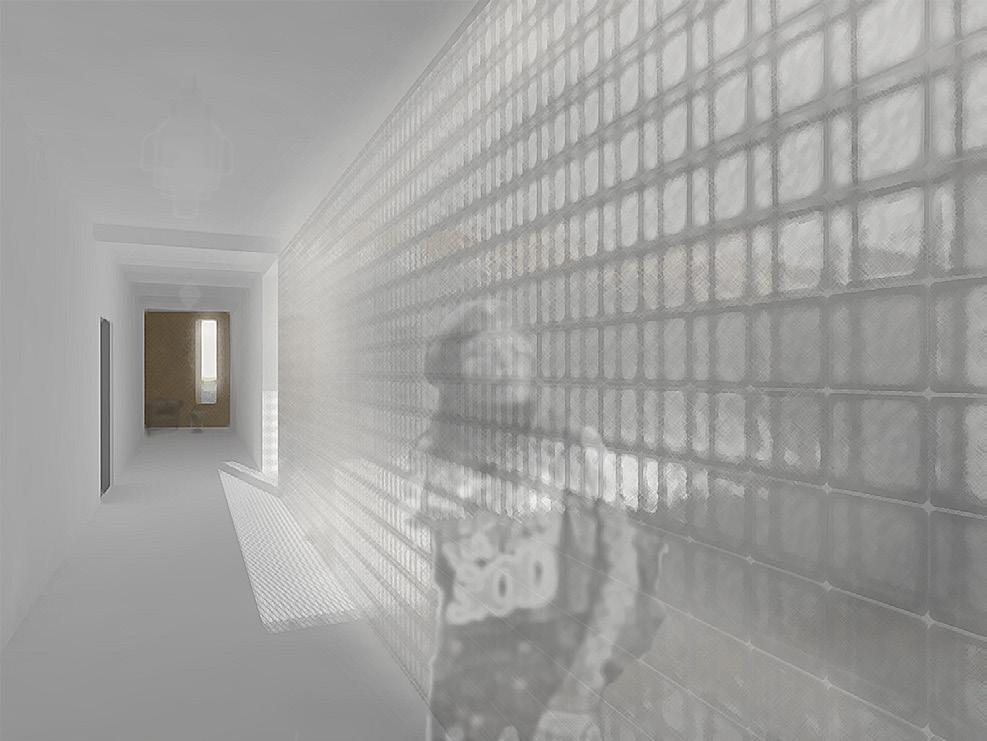
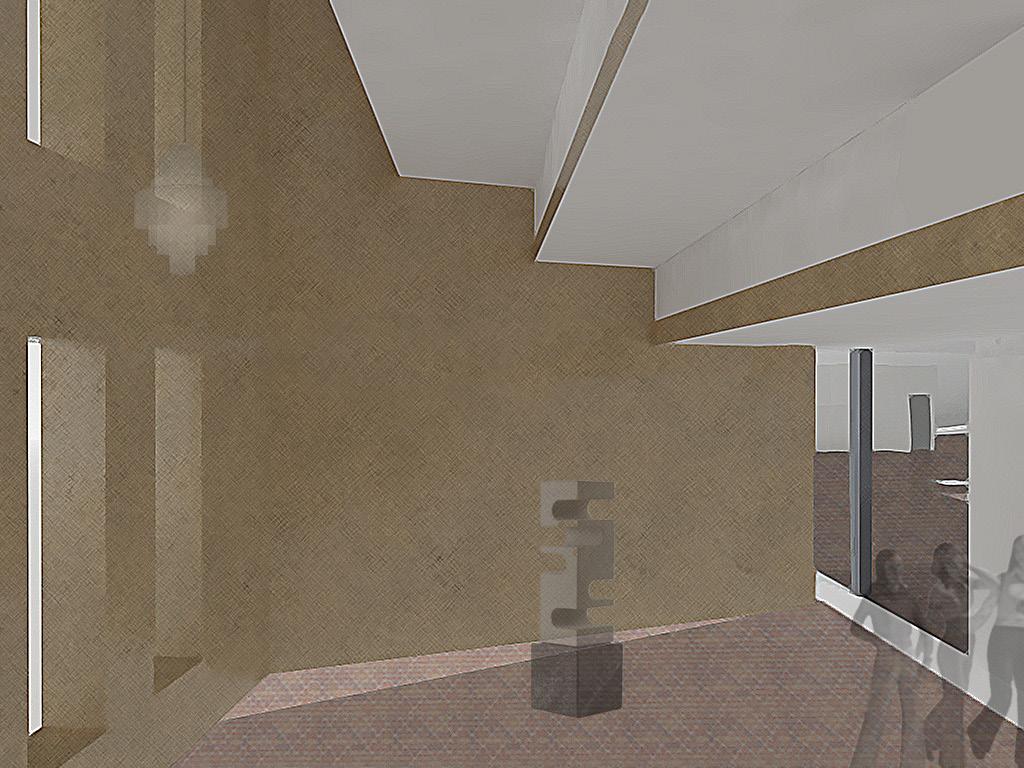
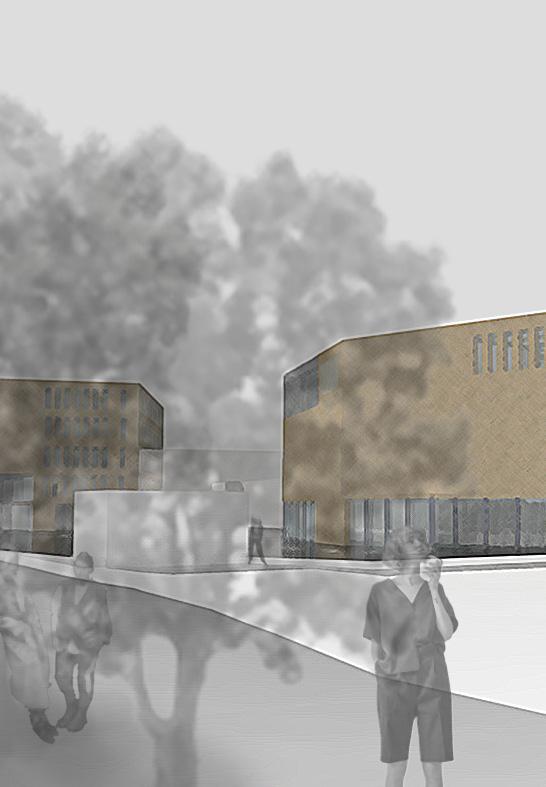

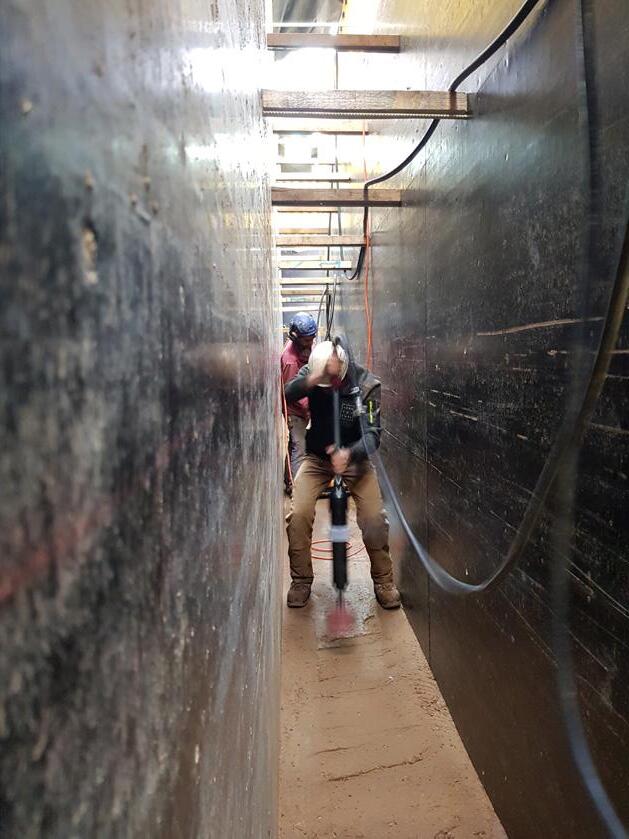
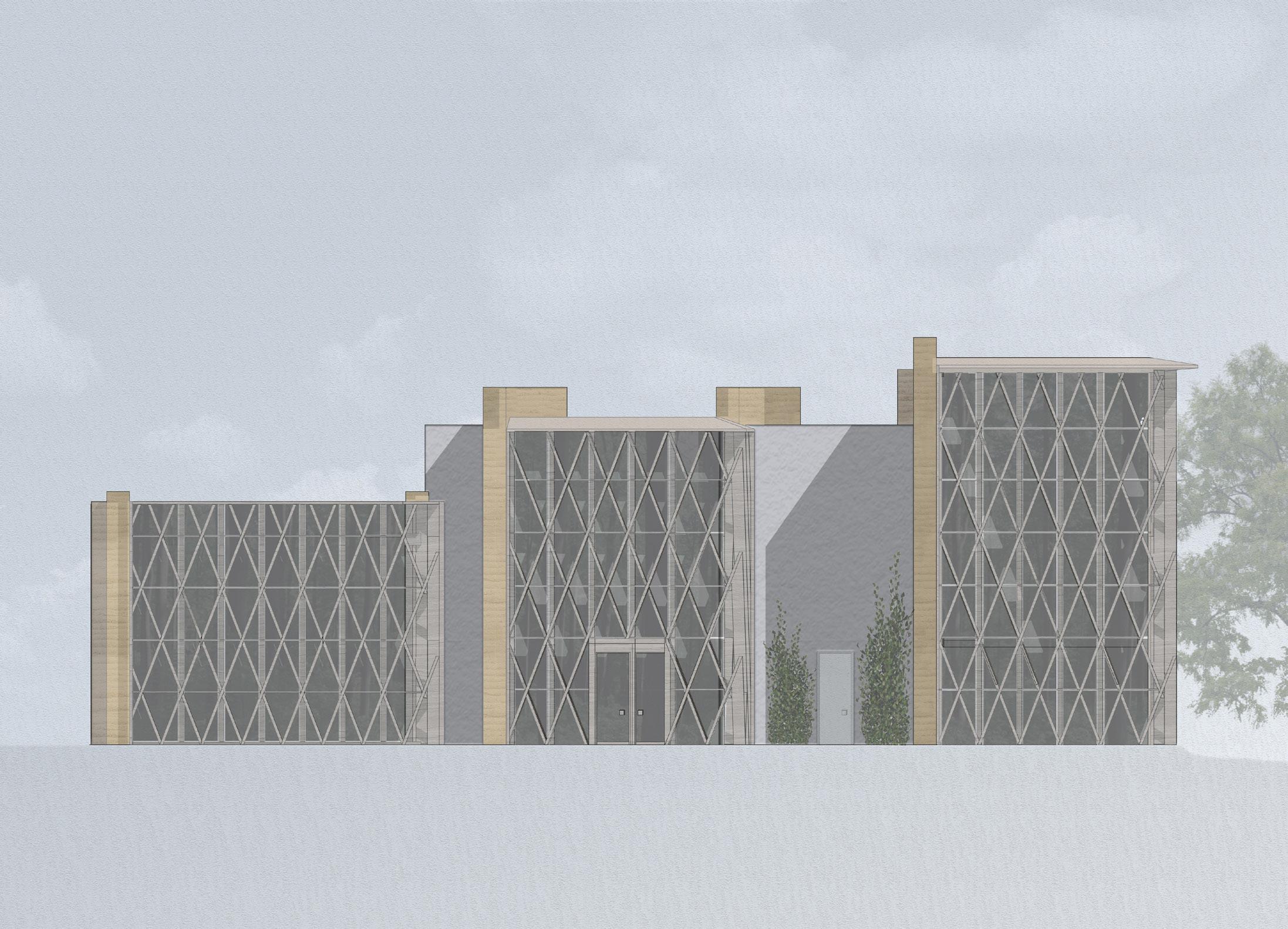
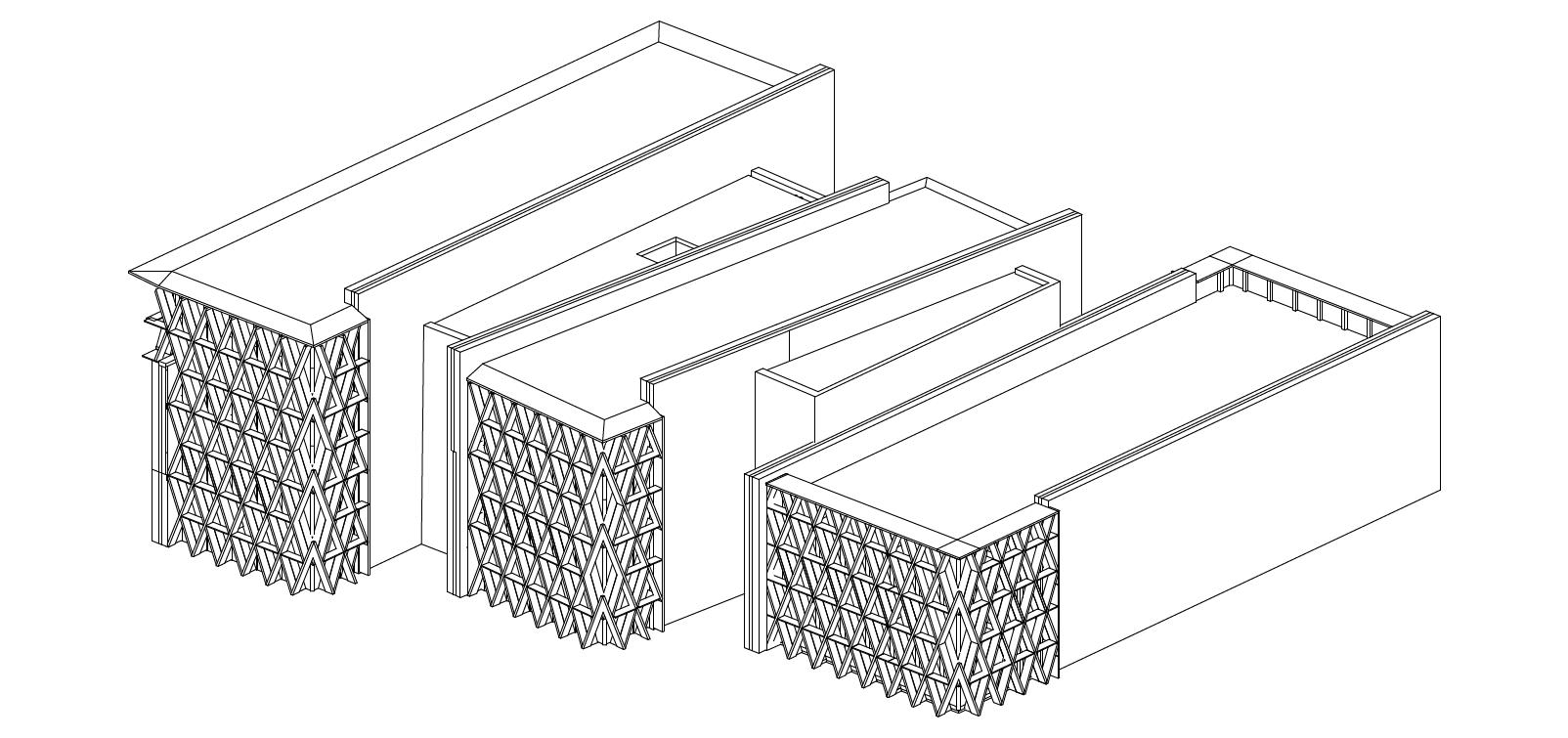
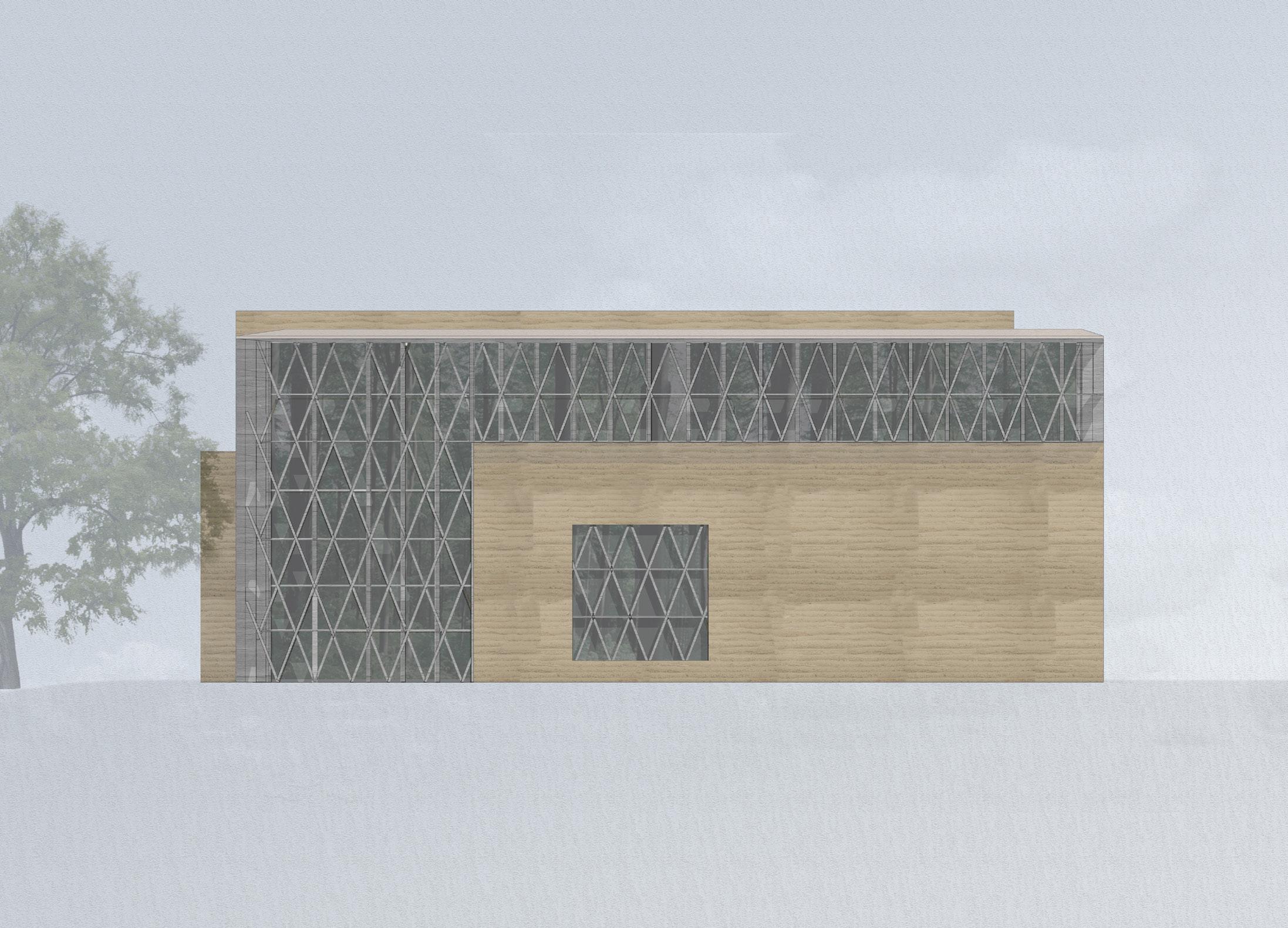
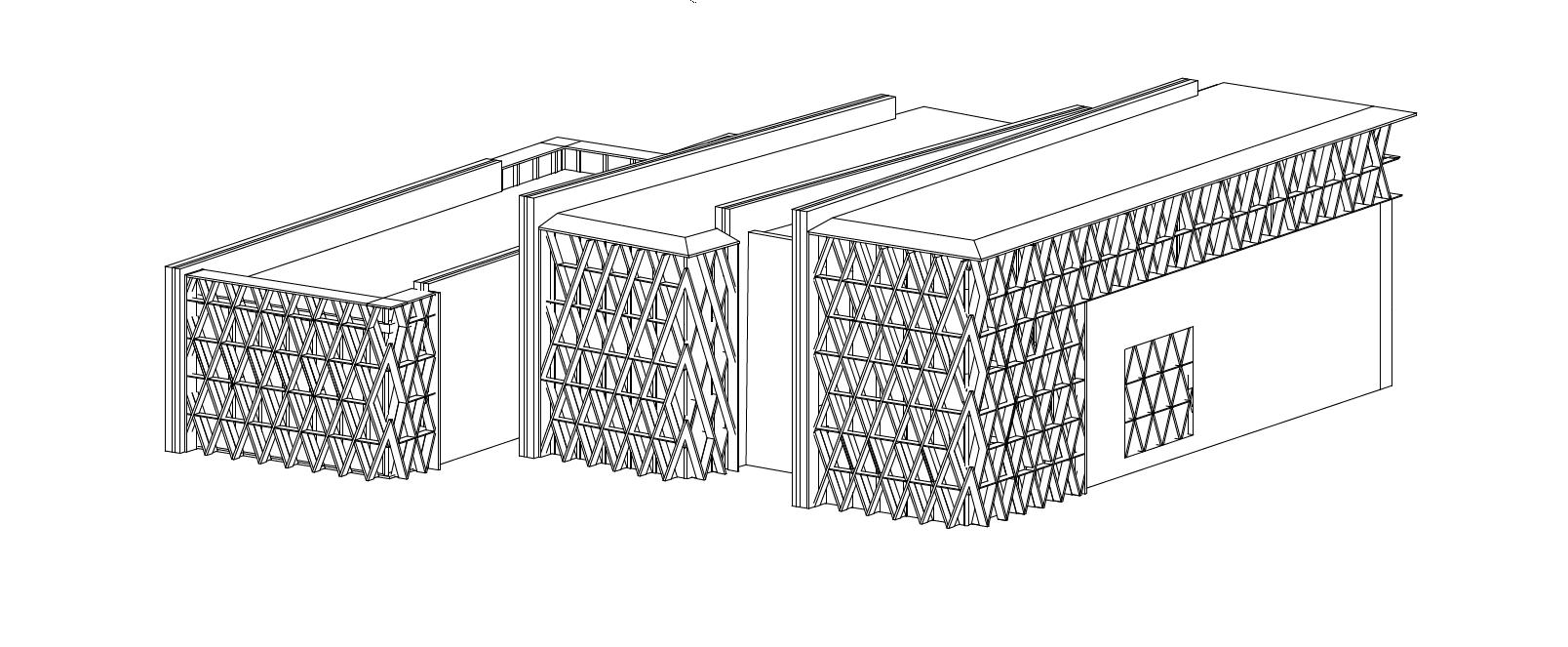
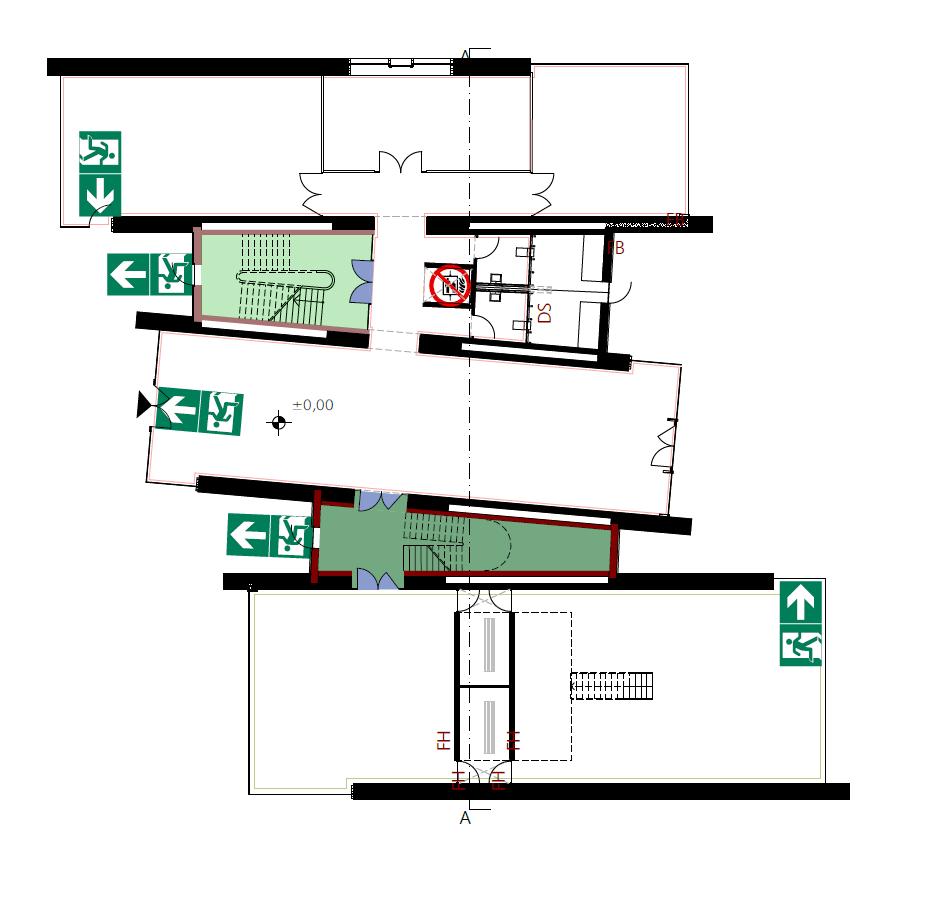
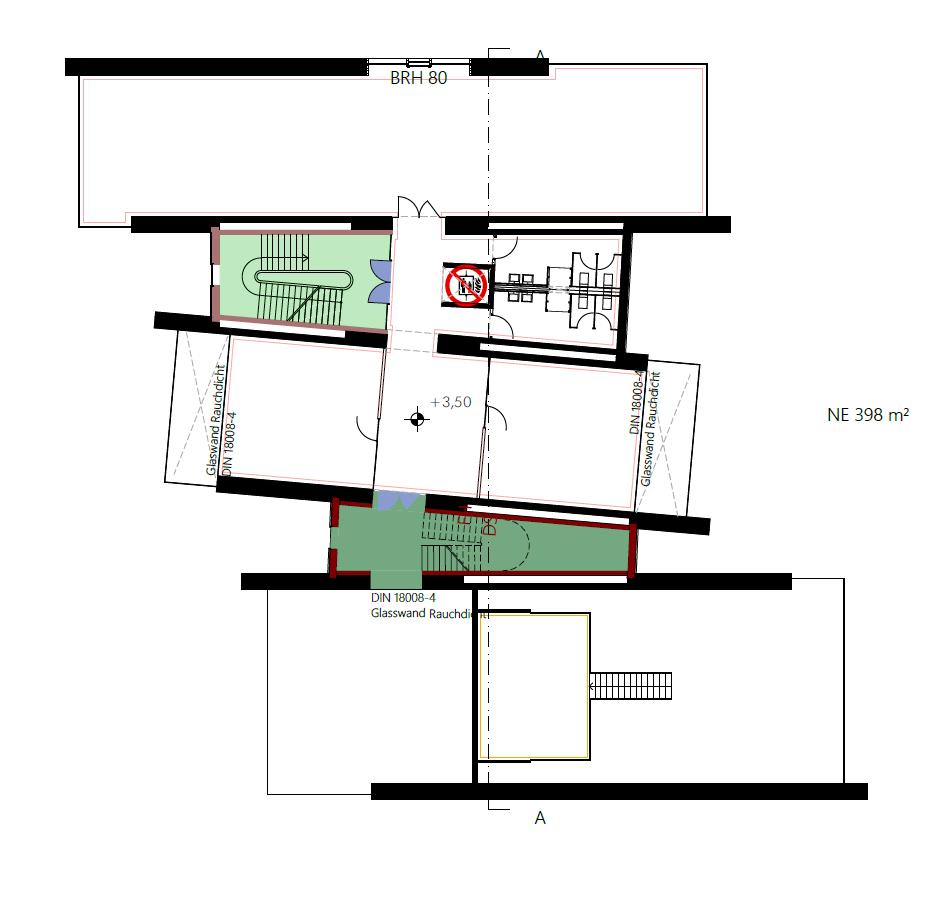
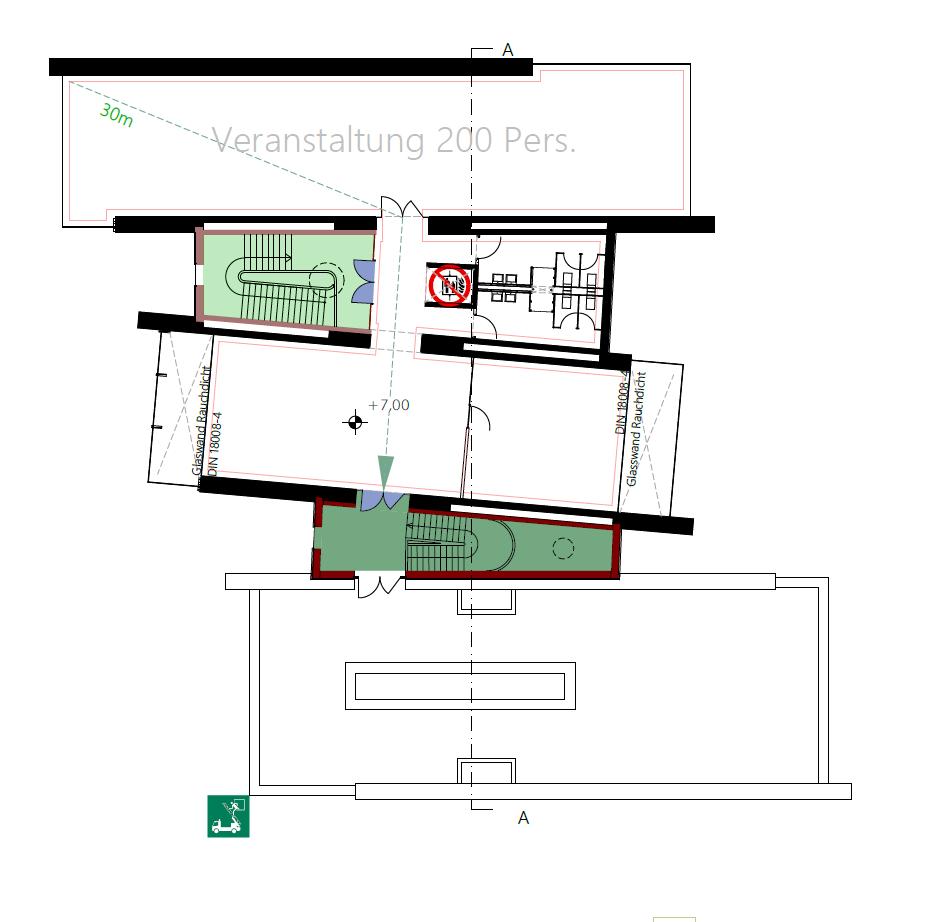
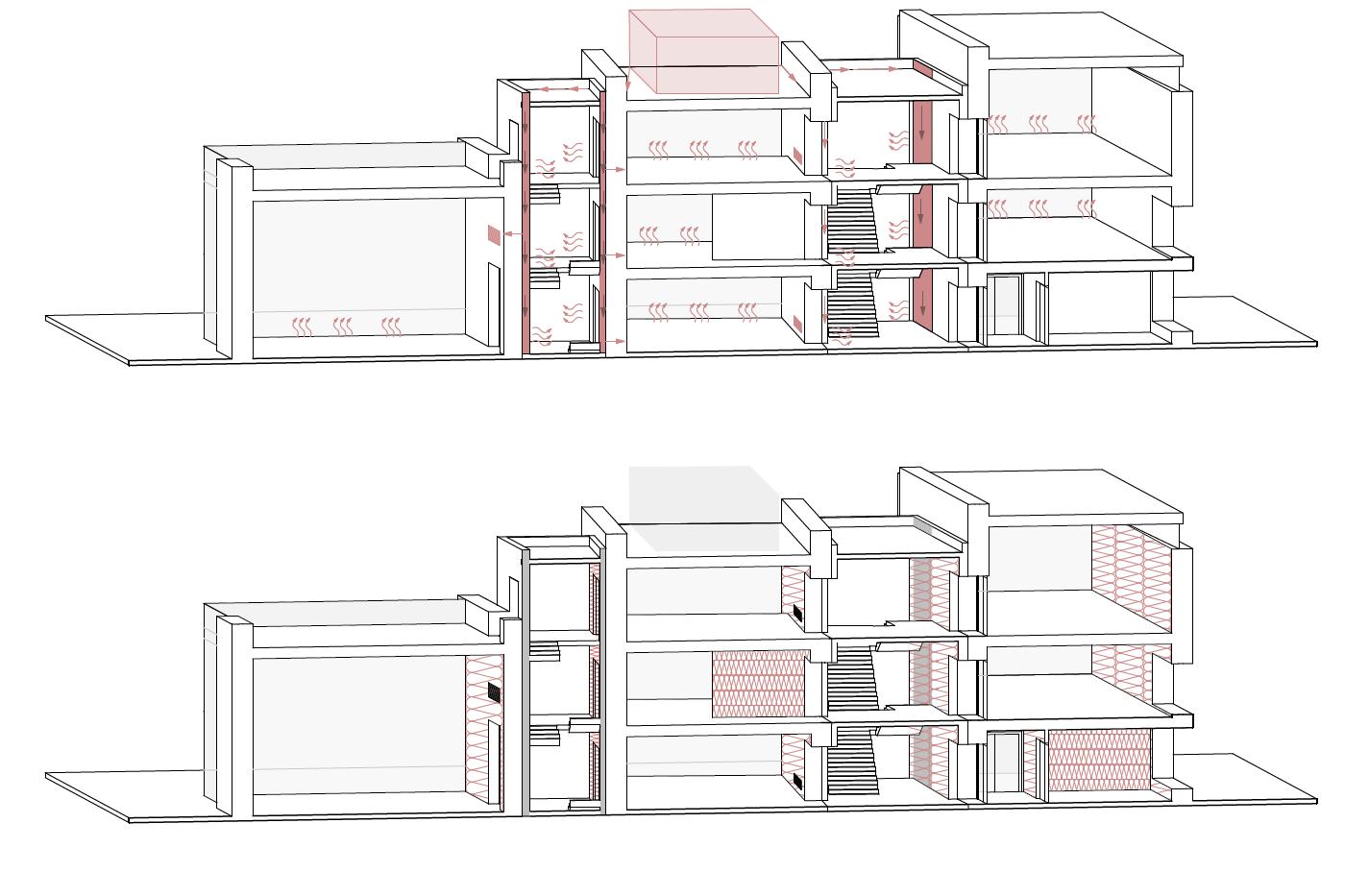
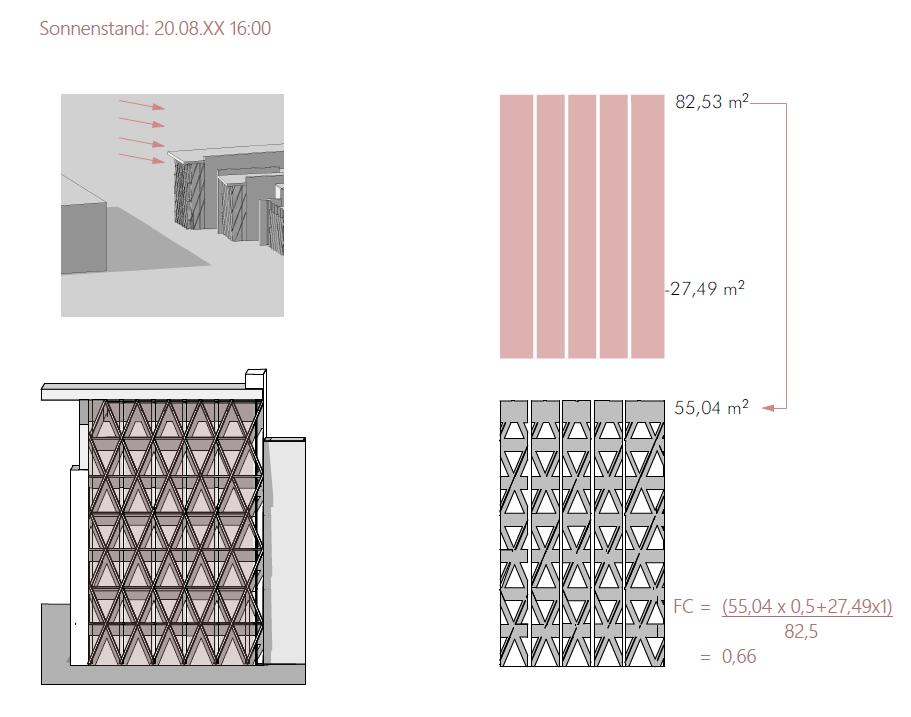
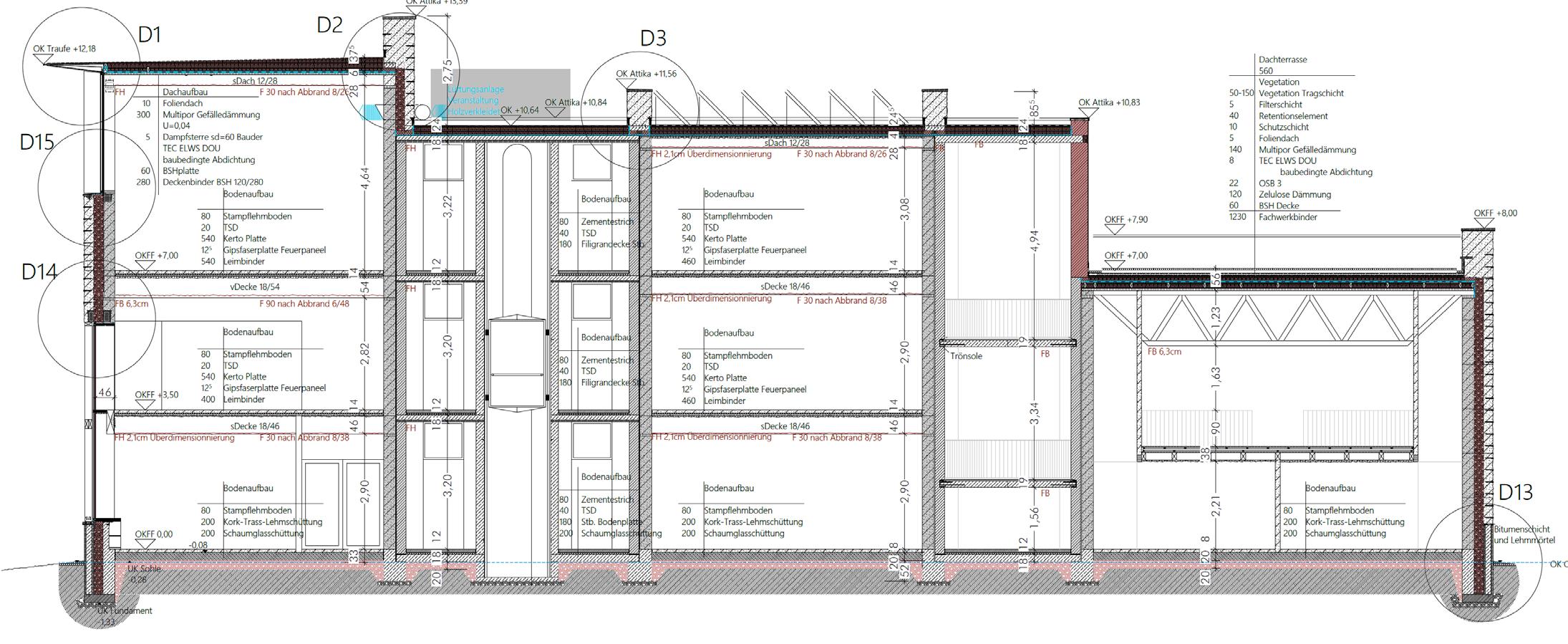
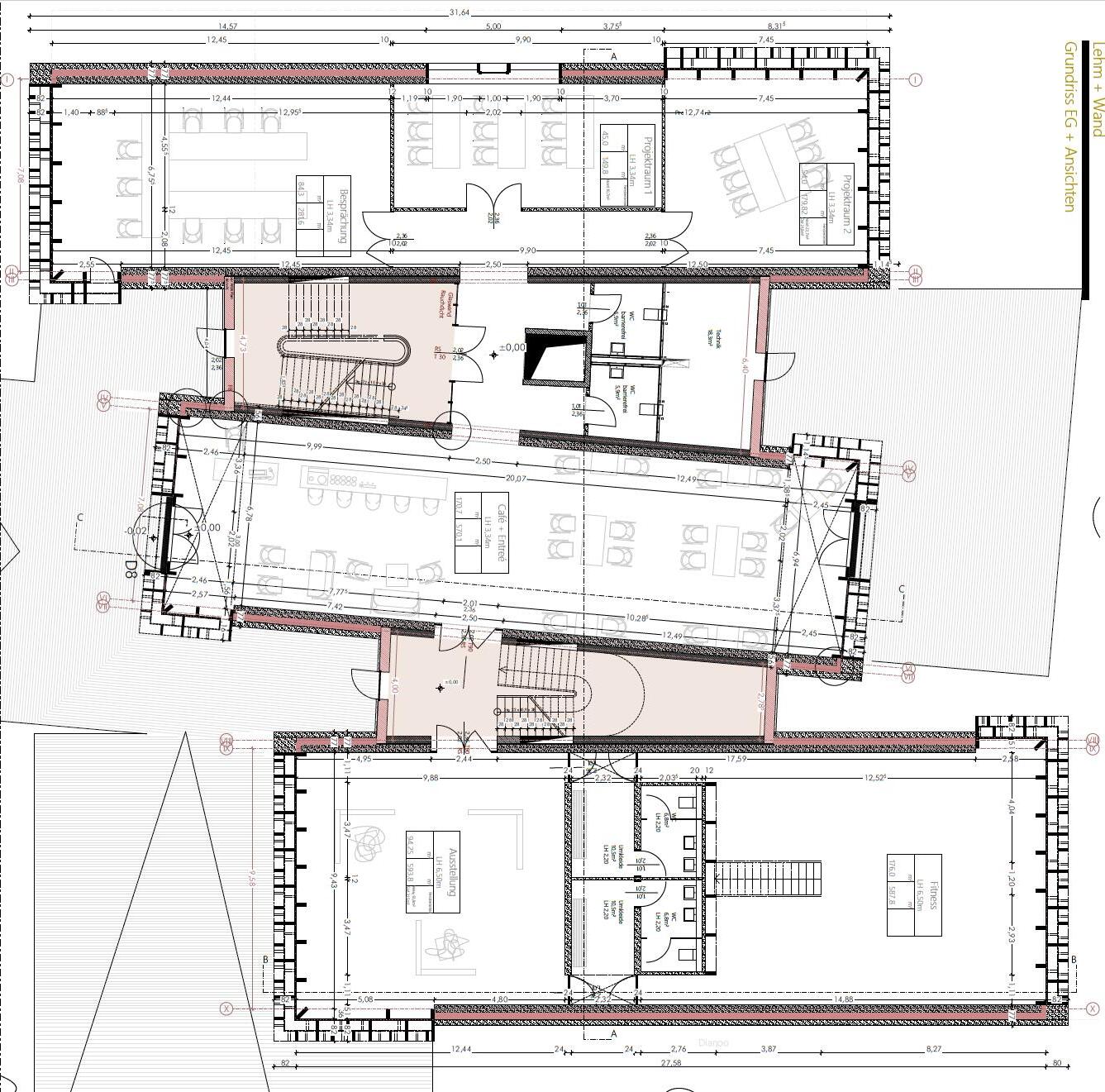
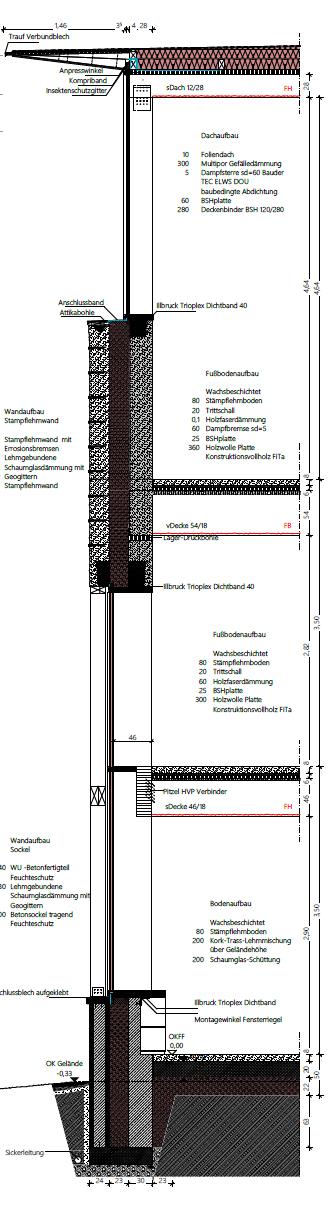
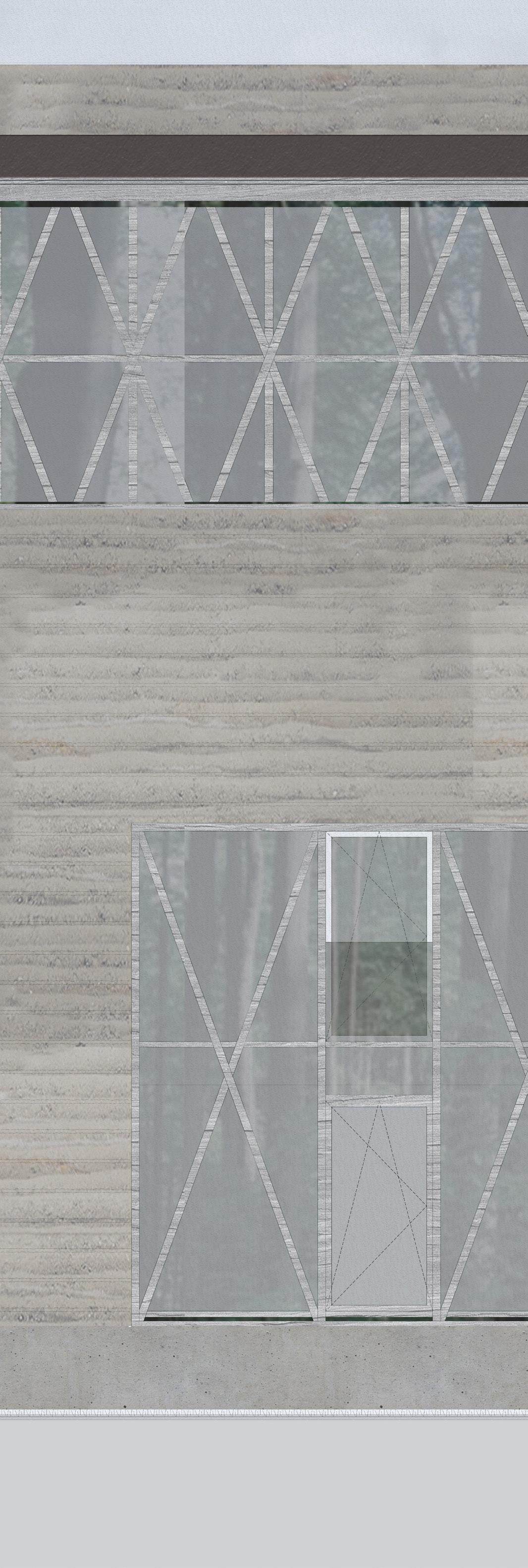
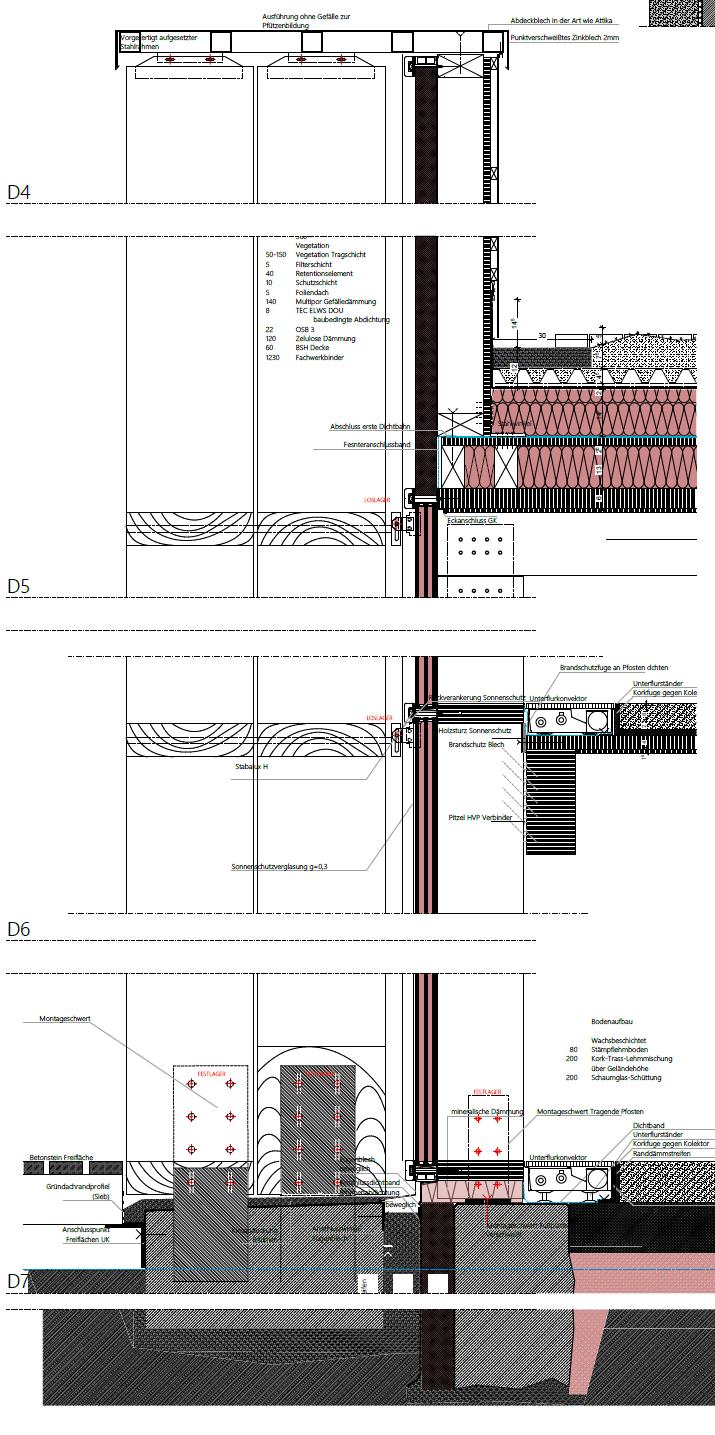
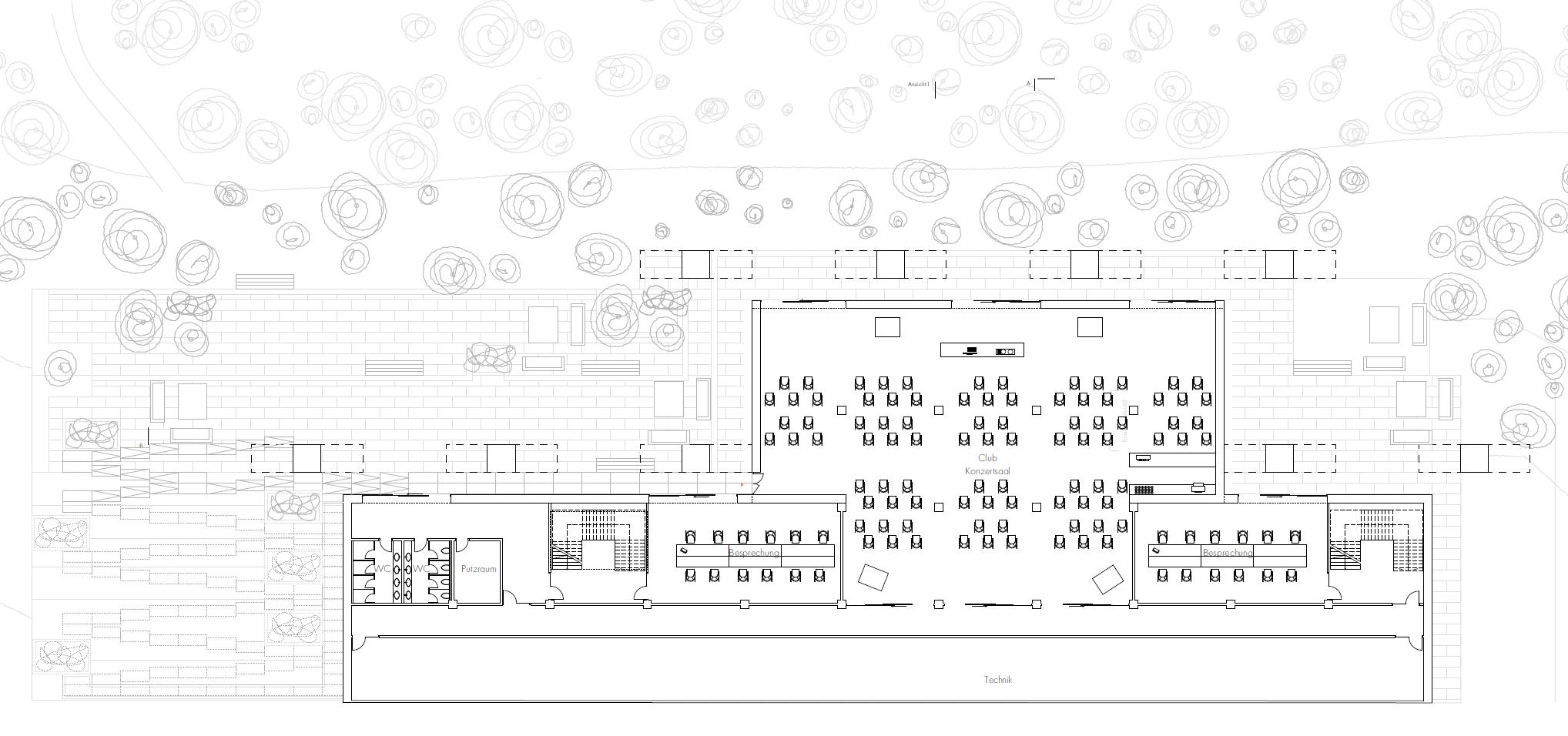
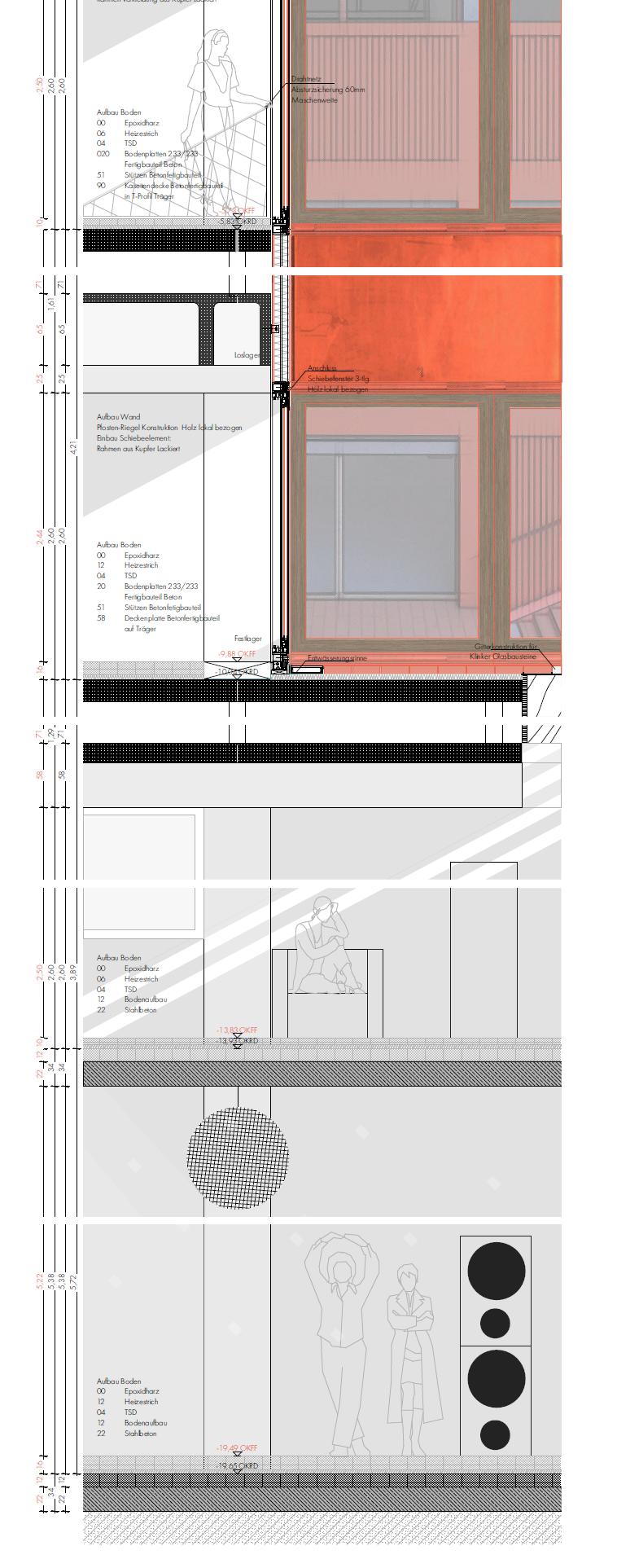
at the end of the course, the structural project brings together the disciplines of design, construction, statics, building technology and building physics. the selected materials clay and wood are intended to show new ways of building. the rammed earth bulkheads, which are braced by wooden beam ceilings with laminated veneer lumber, provide the form. the sun protection incorporated into the design in front of the glass facades serves to optimize energy consumption. two safety stairwells guarantee fire-safe escape routes from the event hall.
a work with christian aguilar
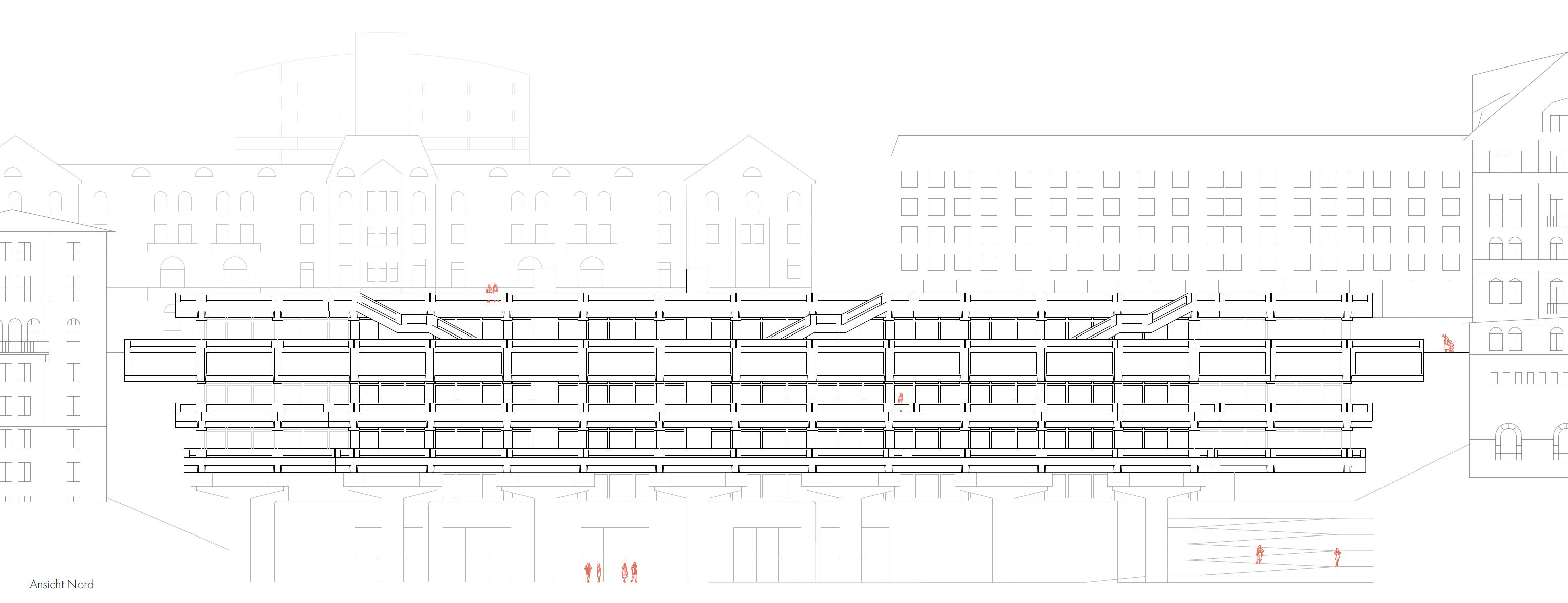
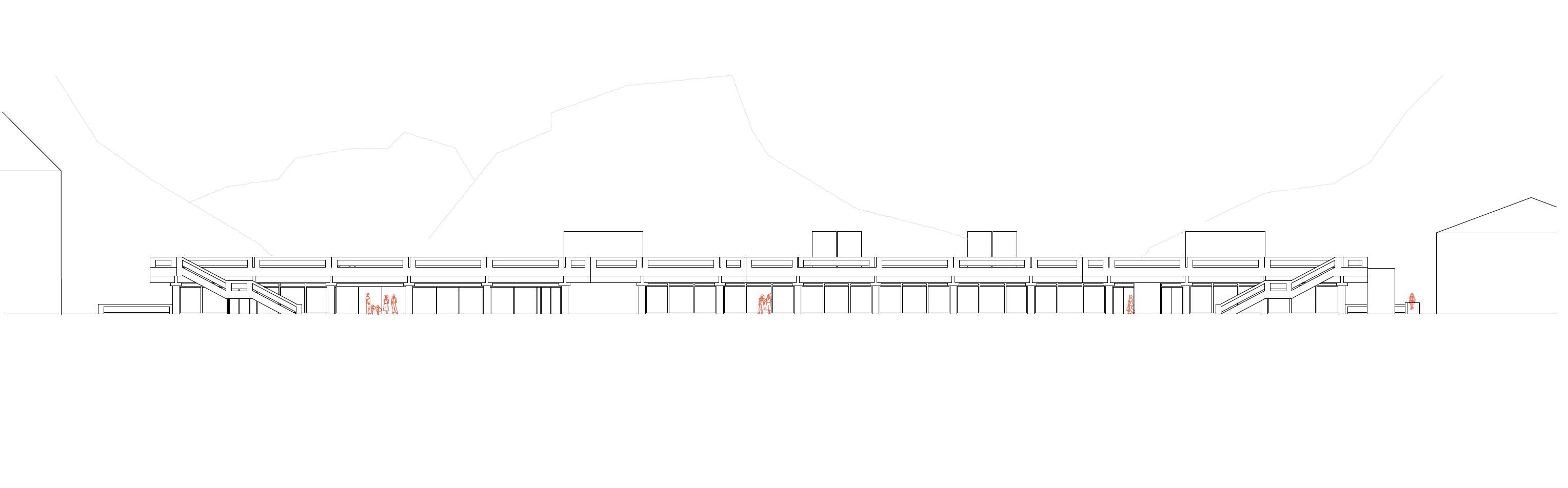
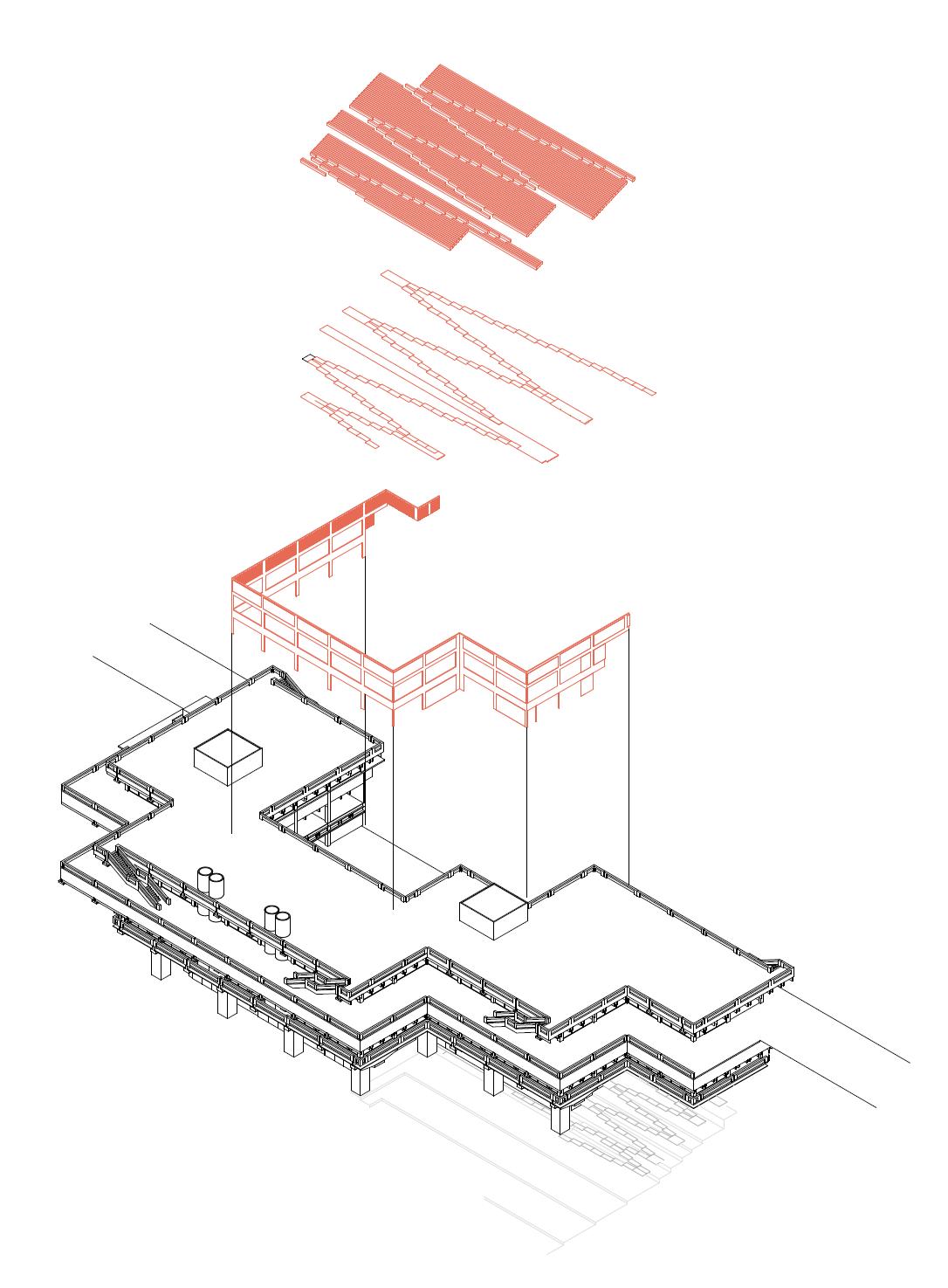
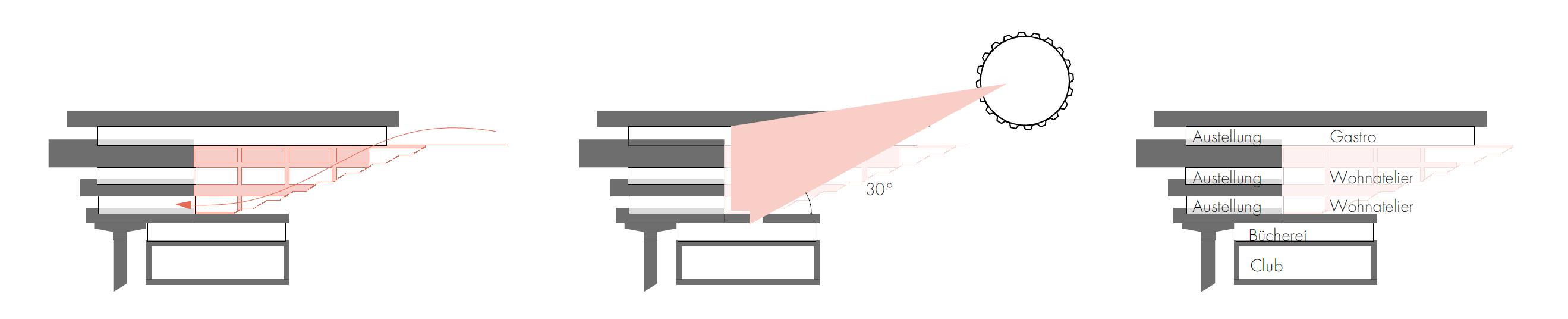
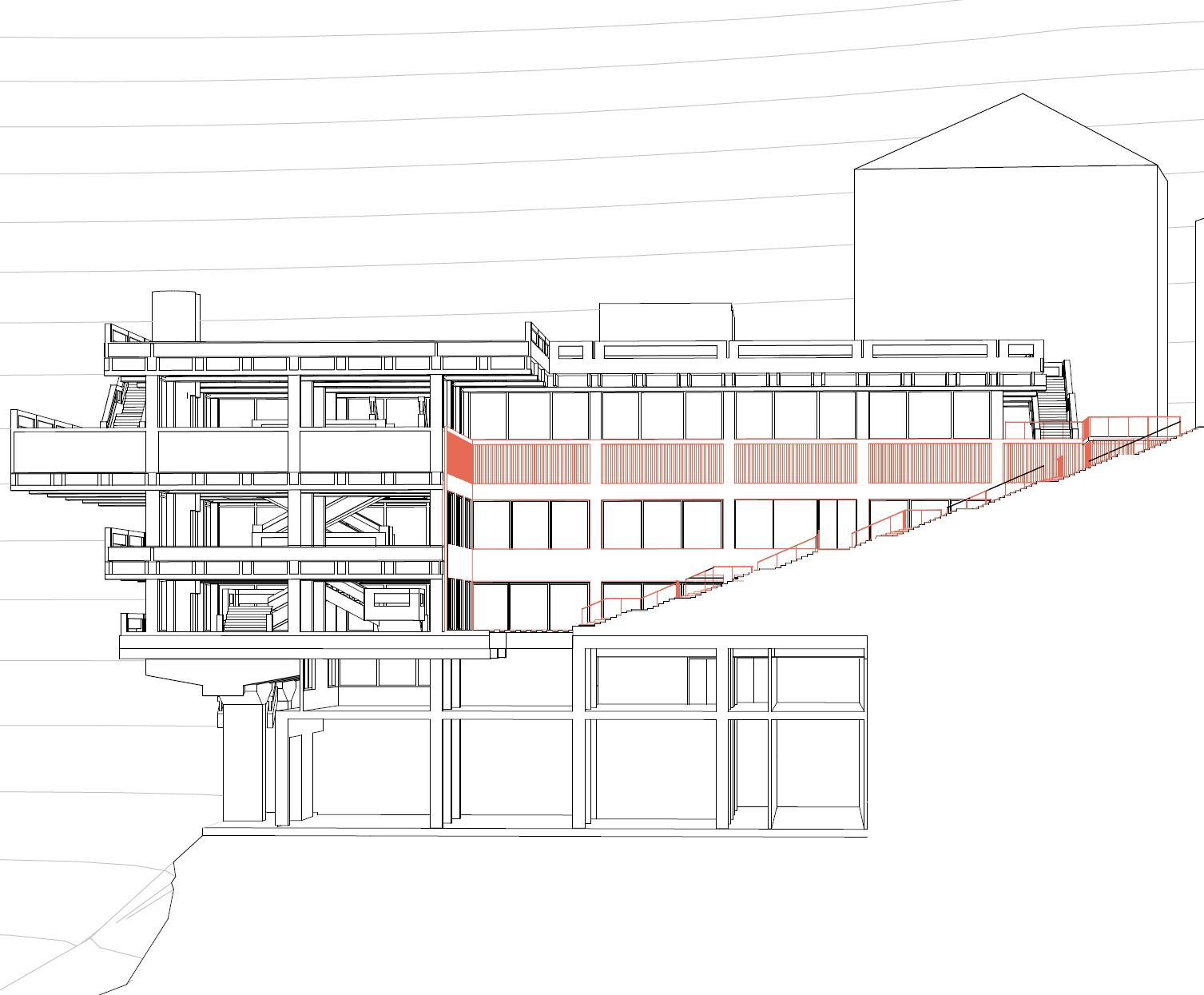
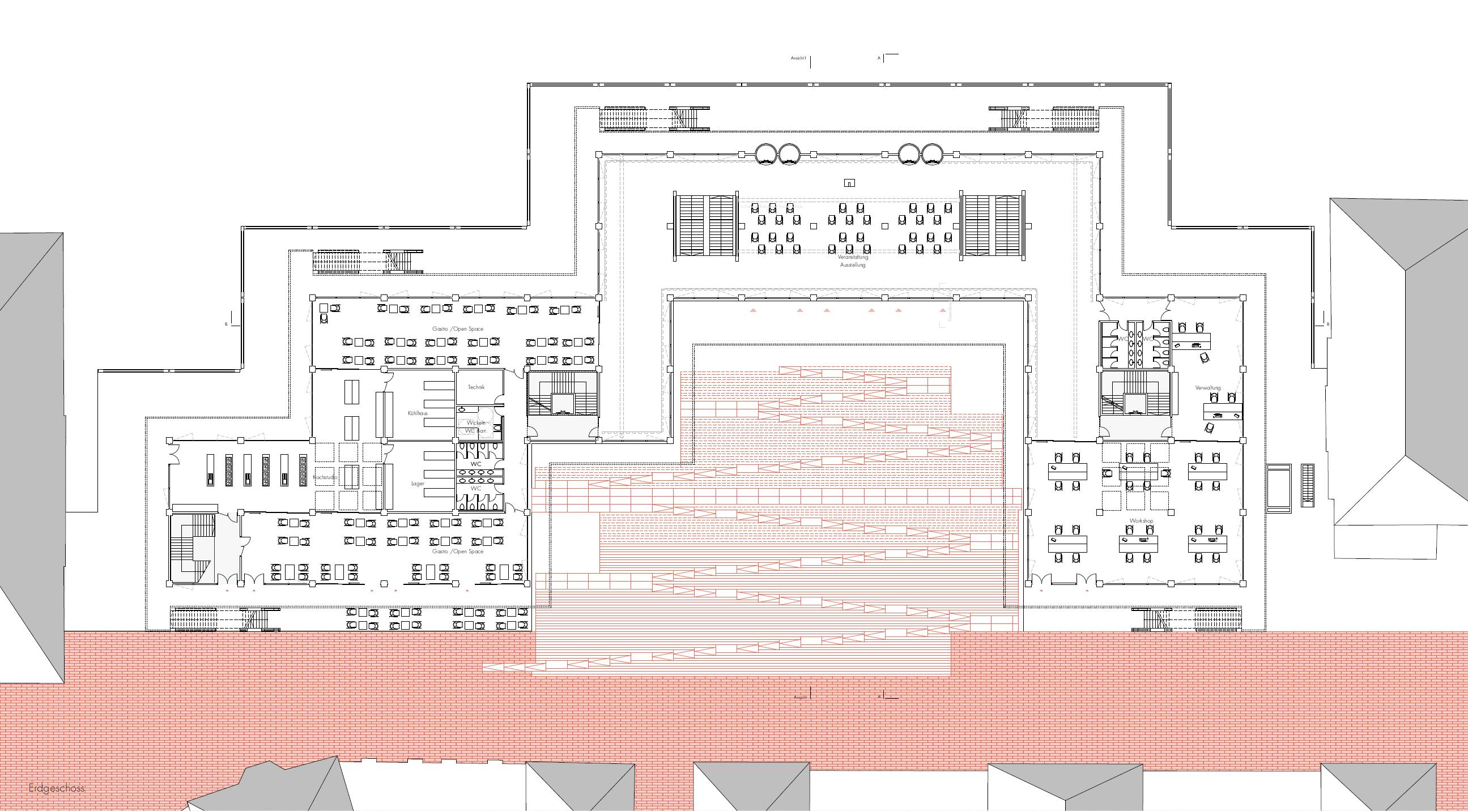
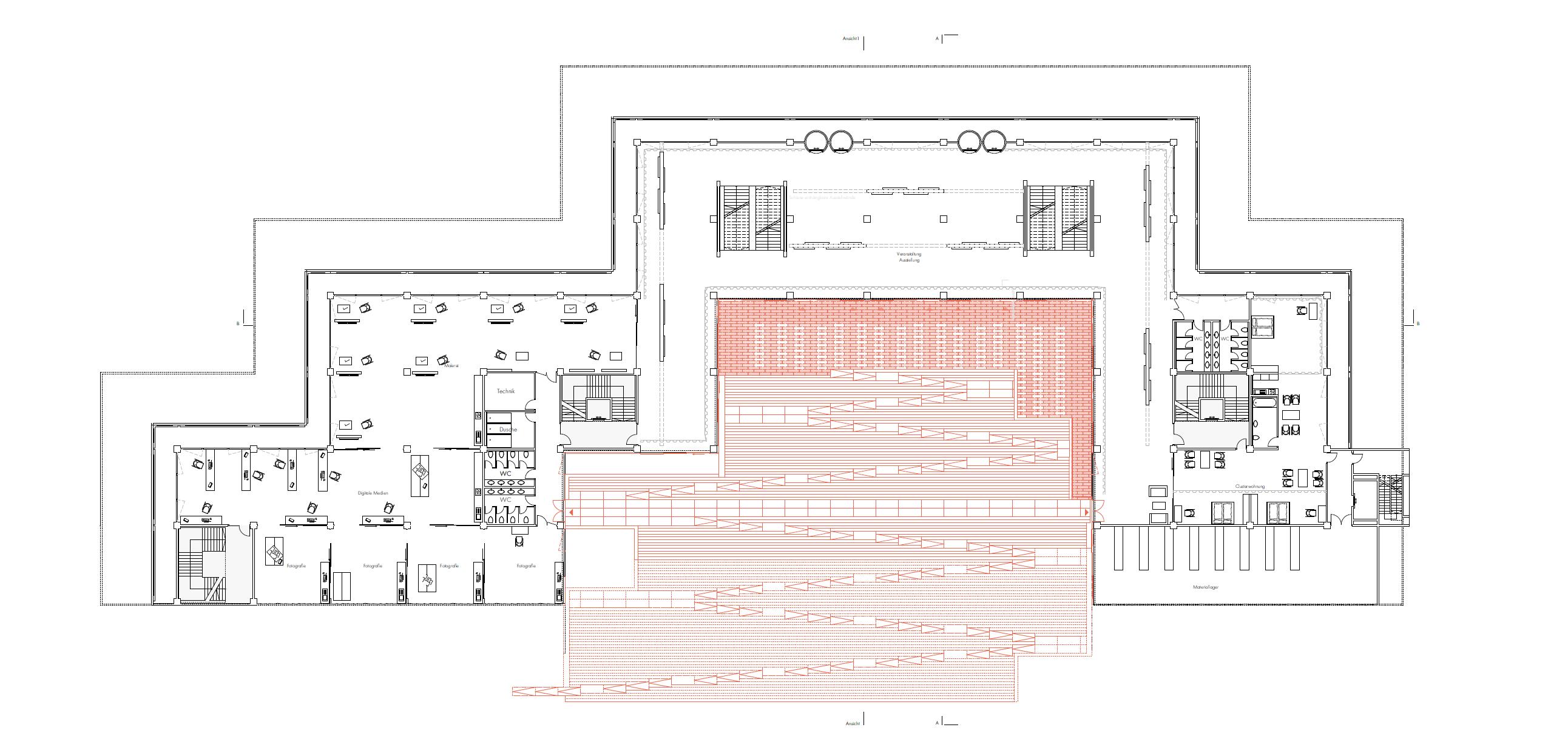
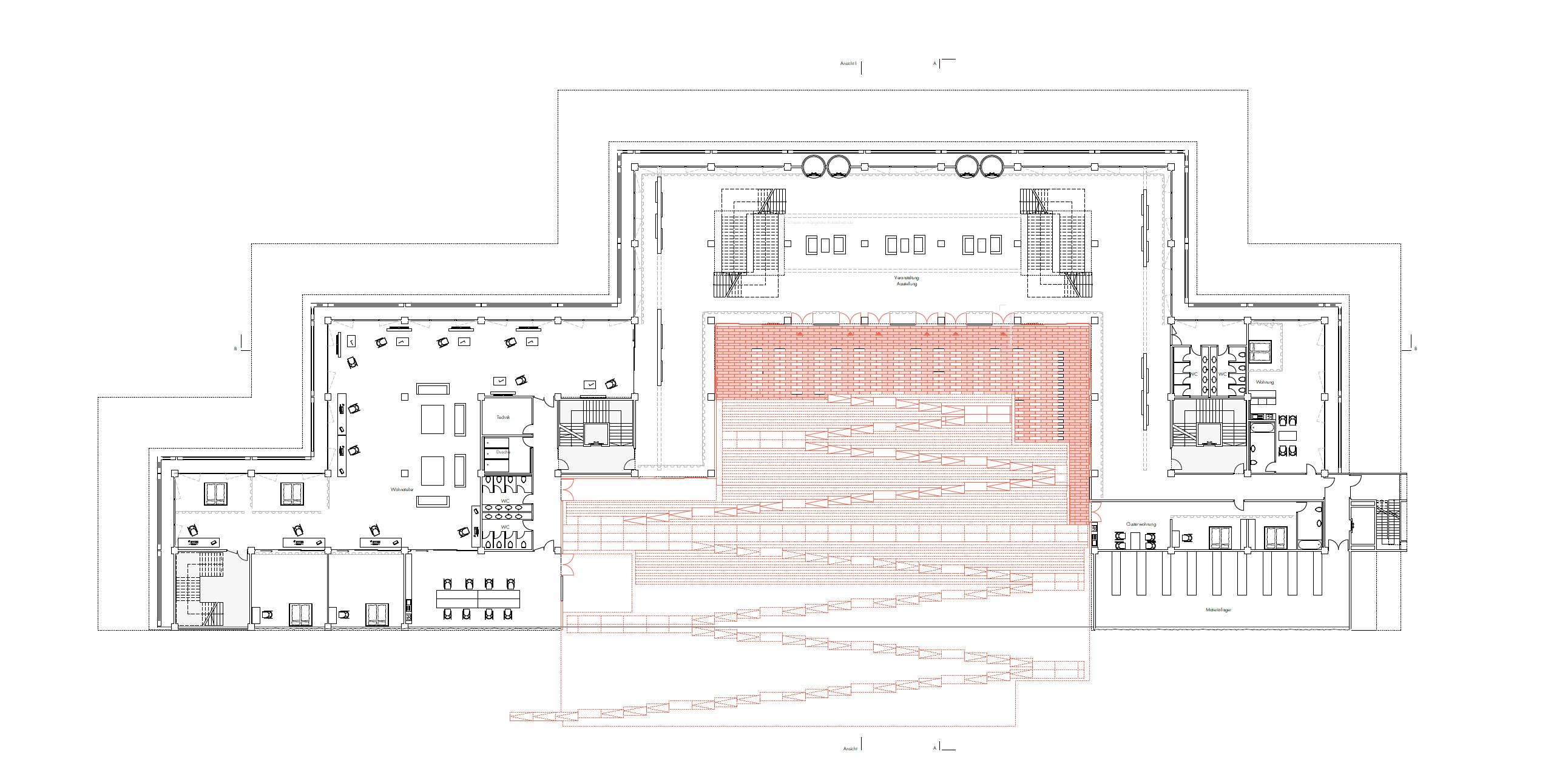
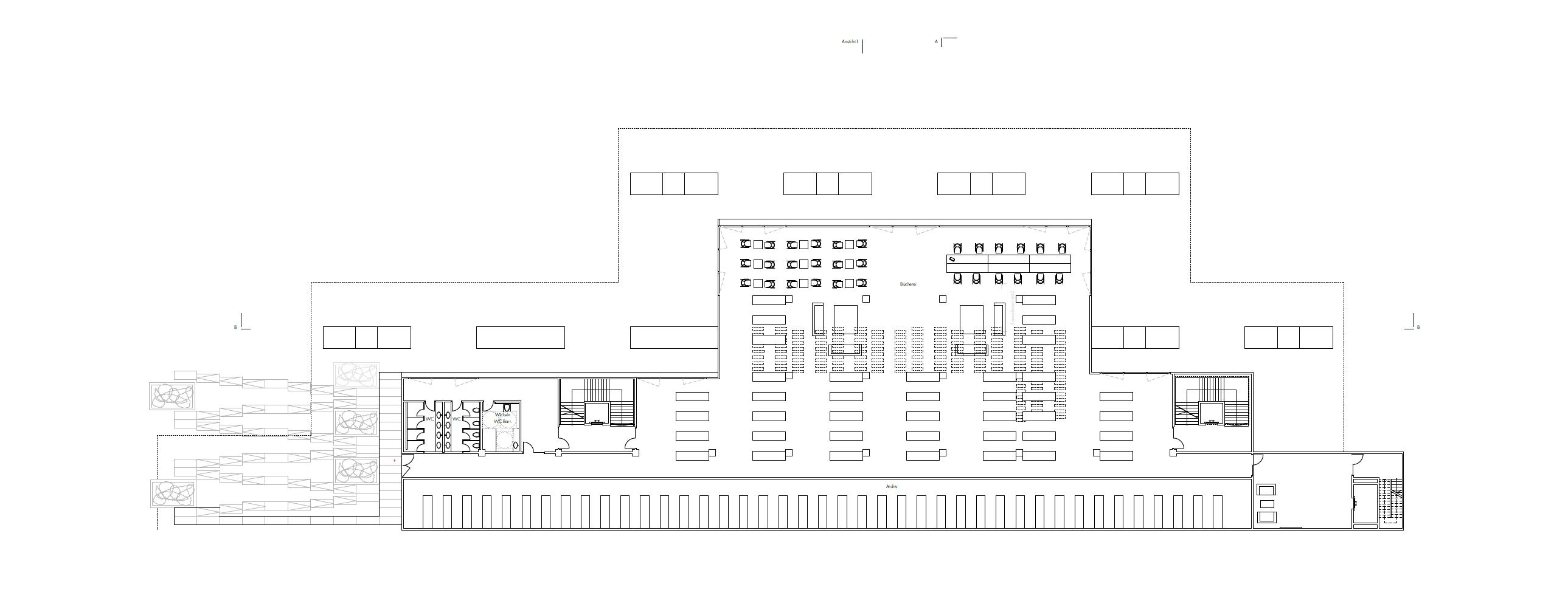
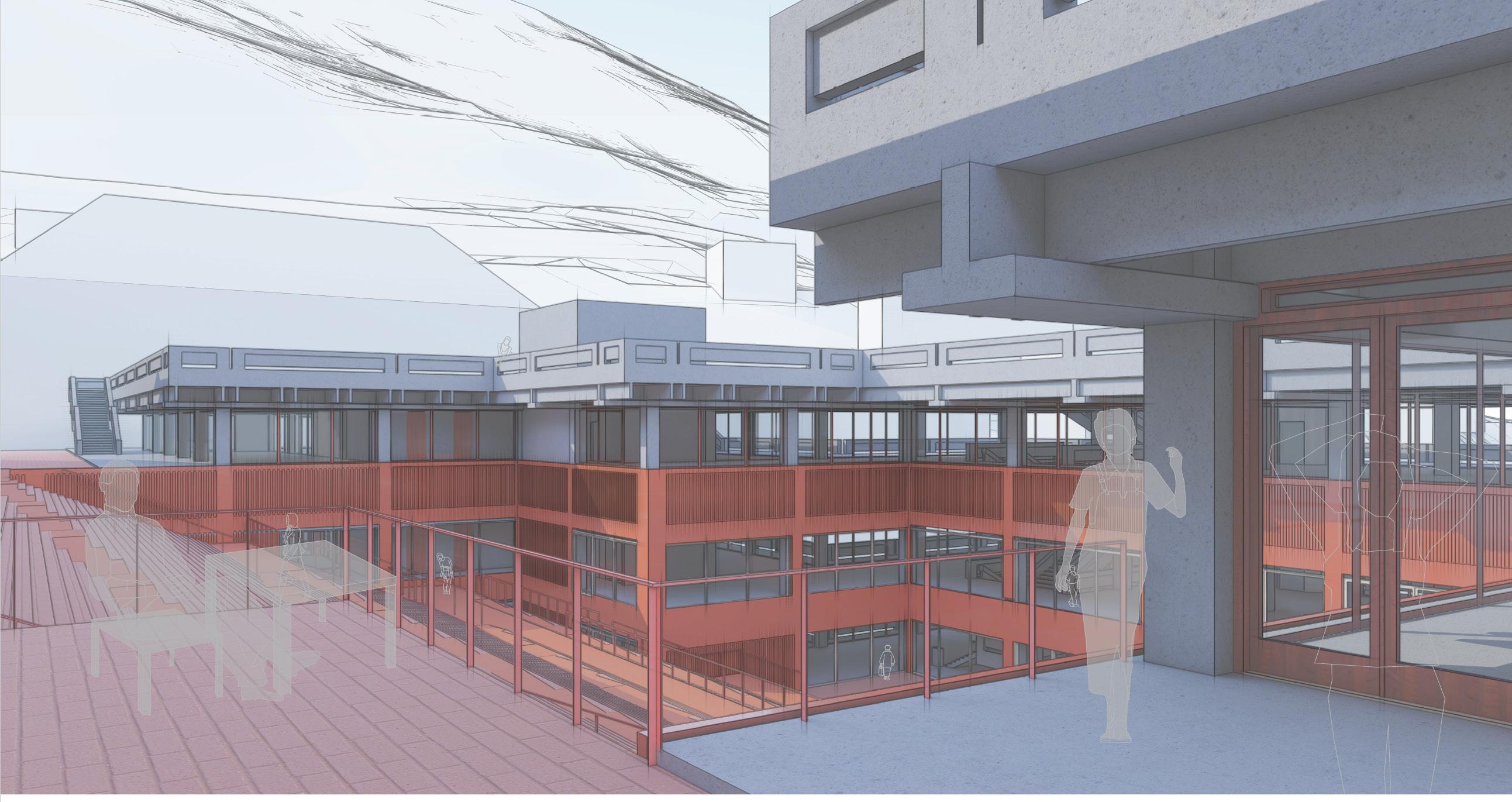
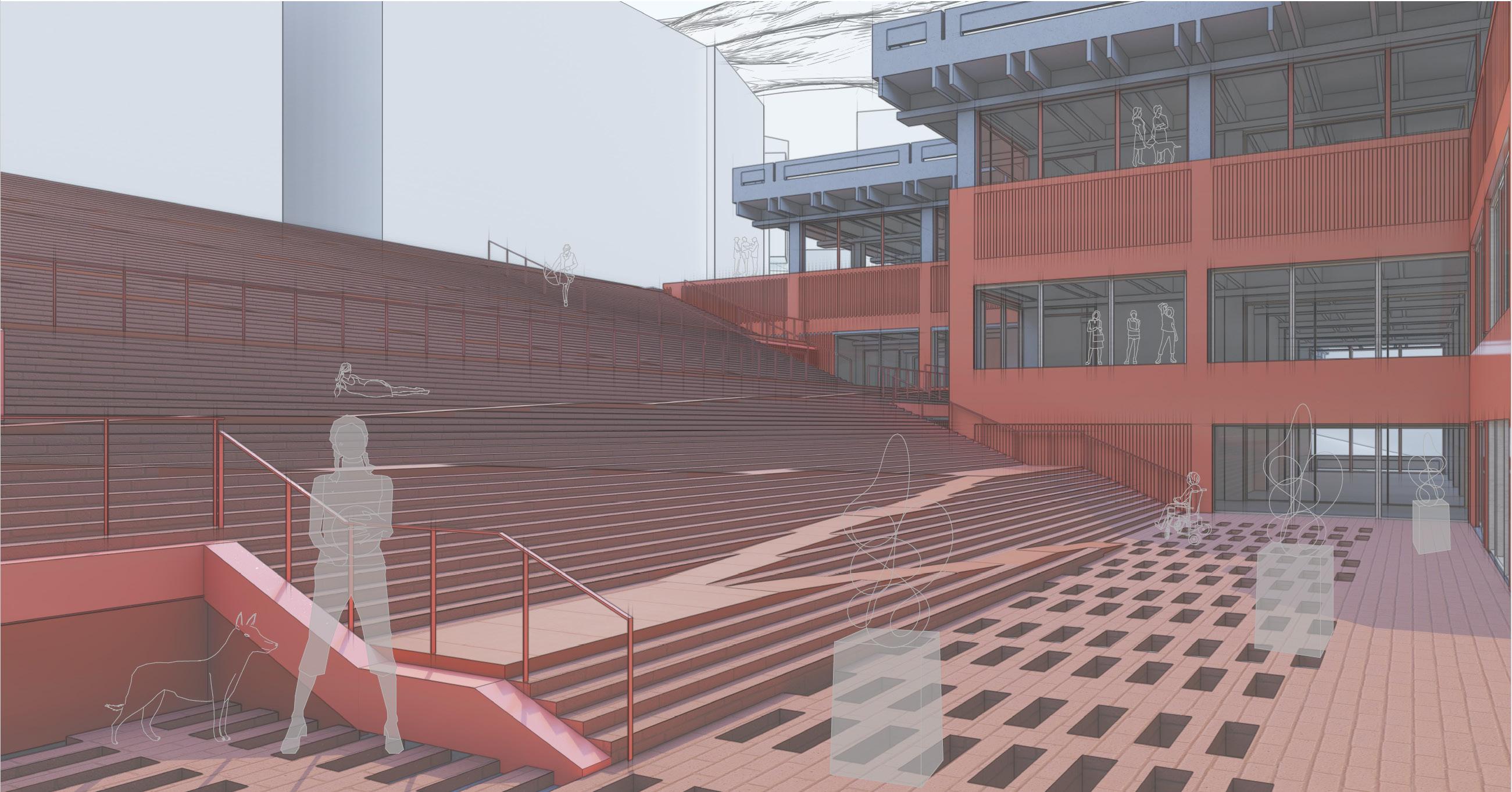
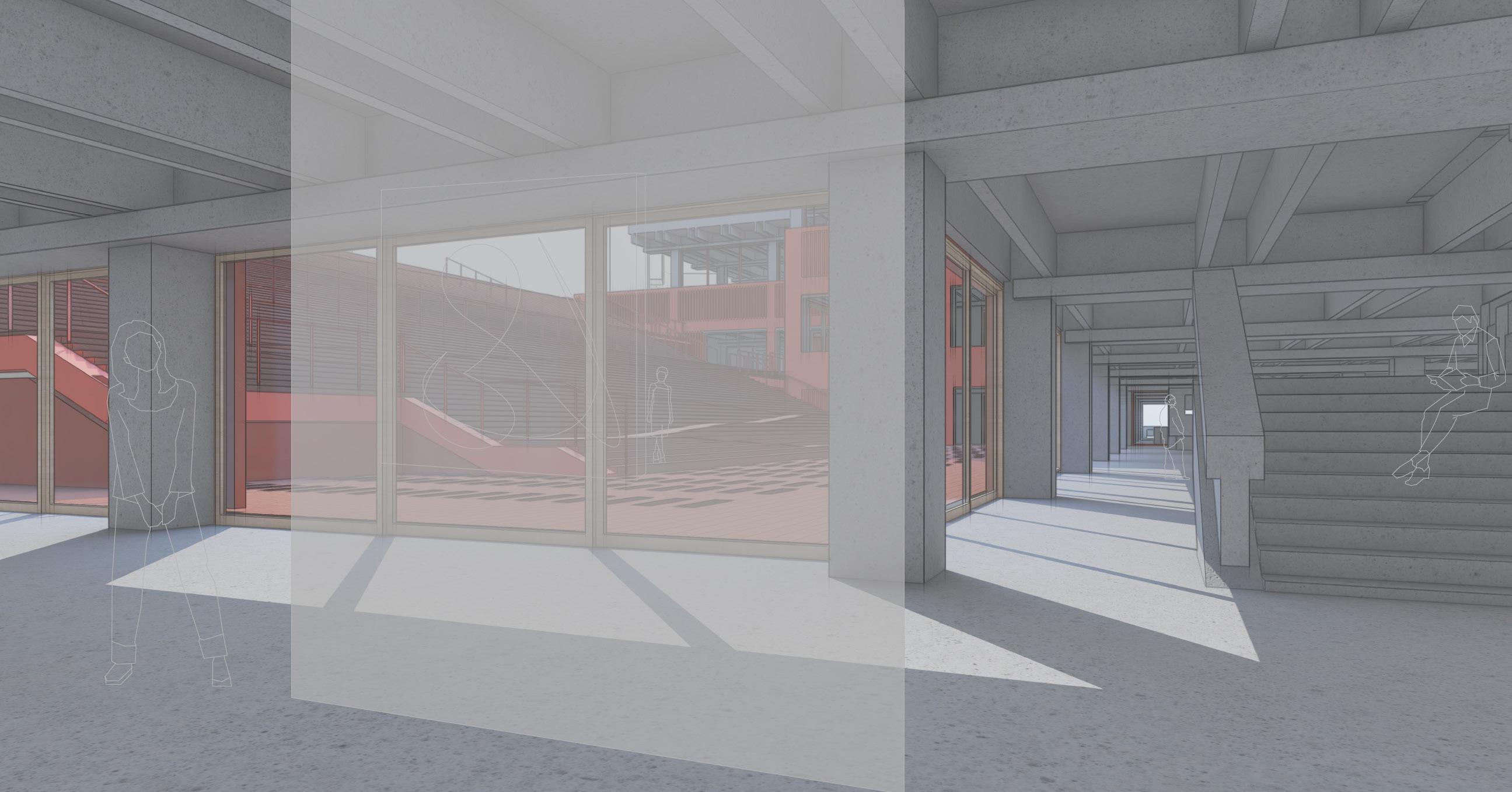
The brutalist congress center in Bad Gastein is known as a lost place. By opening the building on the slope side in a southerly direction, the quality of the historic building is intended to be visible to the public. The large barrier-free staircase offers a special view of the existing building, offers unique situations with small inner courtyards and separate entrances and creates a public outdoor area with a panoramic view. Due to the strong contrast caused by the material, the intervention stands out clearly from the existing structure and thus does not distort the history. The new concept for the building includes a use for residential artists but also the public. Large studio rooms, residential units and exhibition rooms can be flexibly connected and separated in order to be able to react to the individual needs of the artists. while the public areas are arranged to be easily accessible, revitalizing the building and at the same time providing a retreat for the artists.


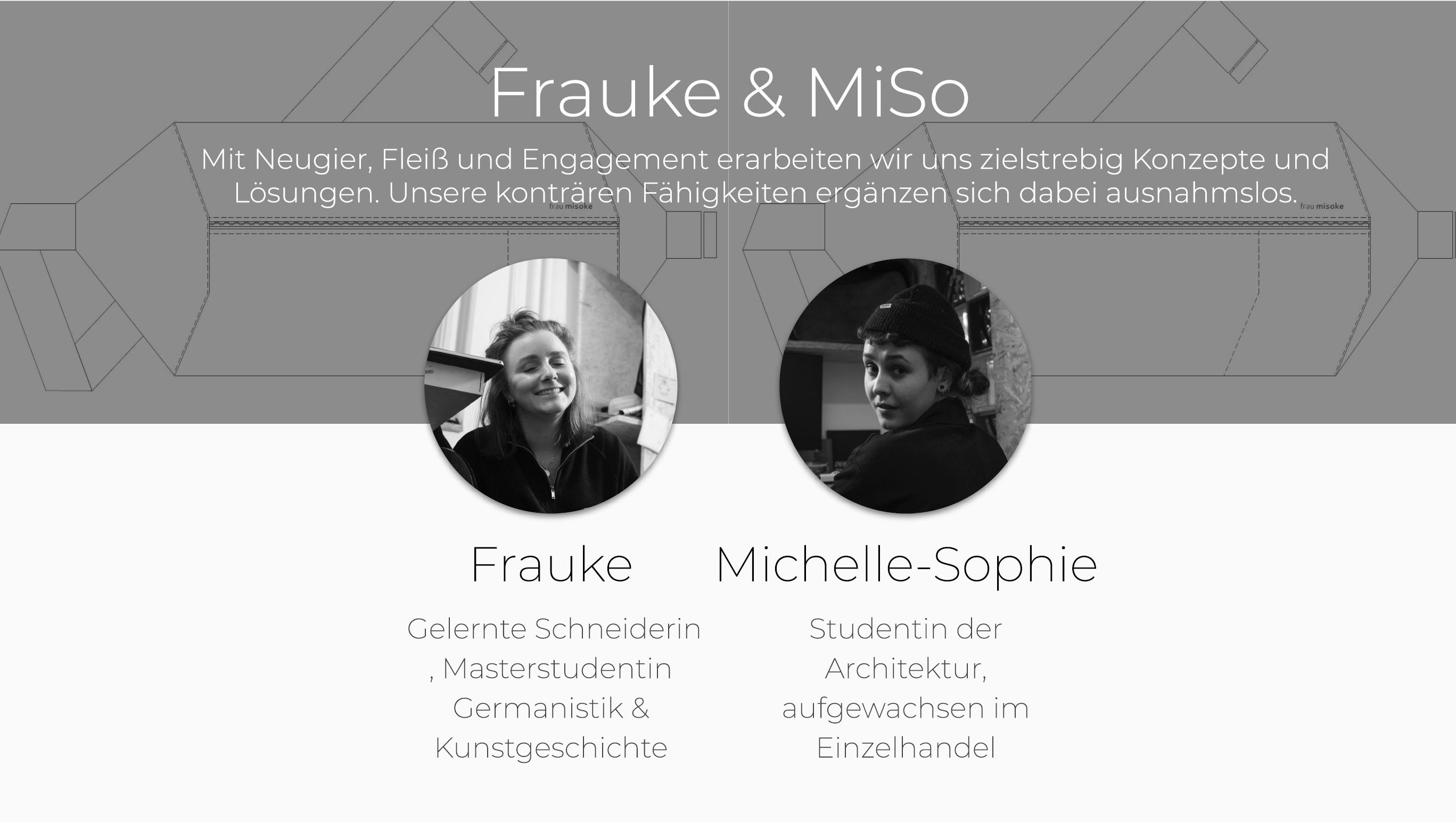
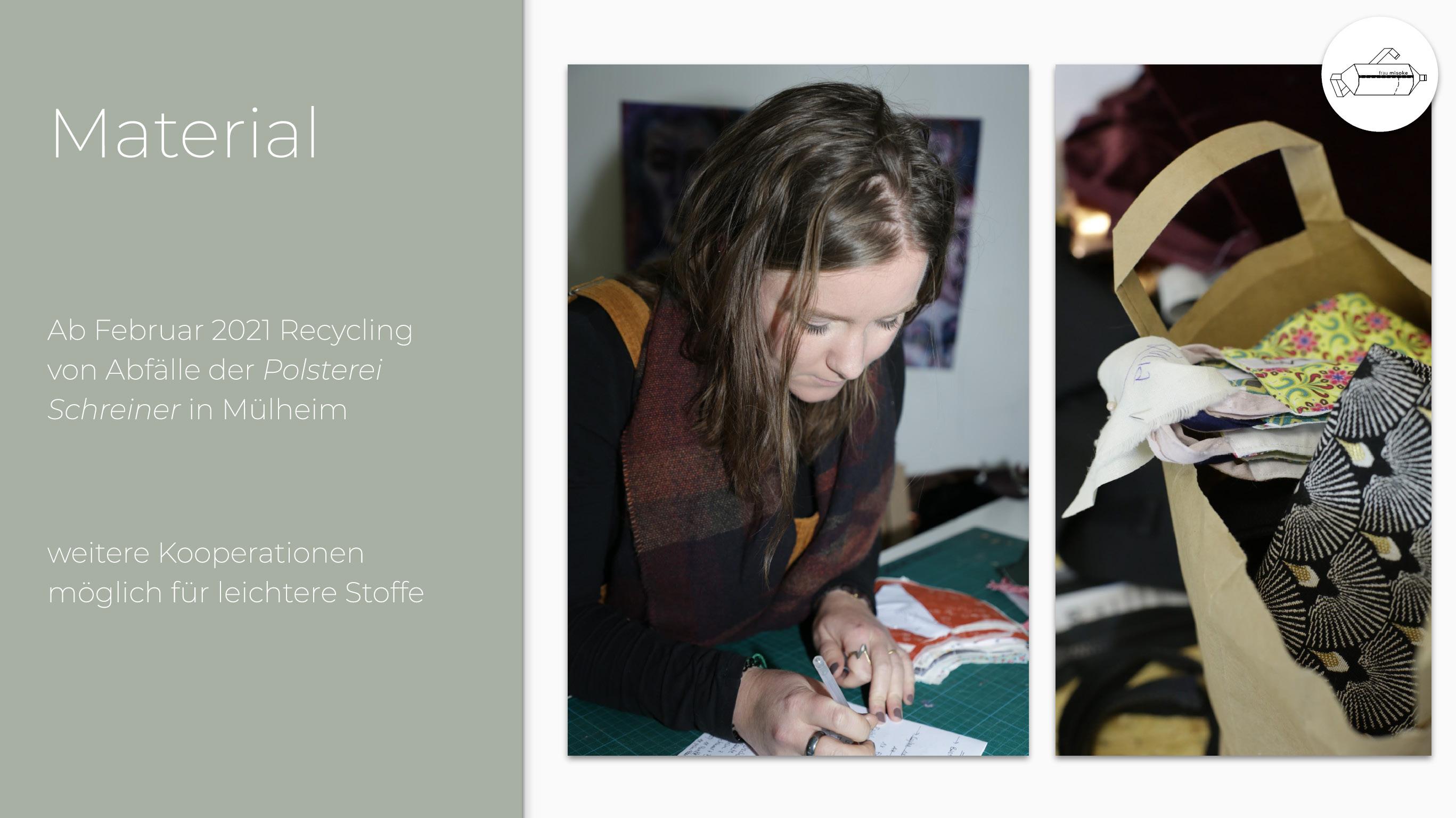
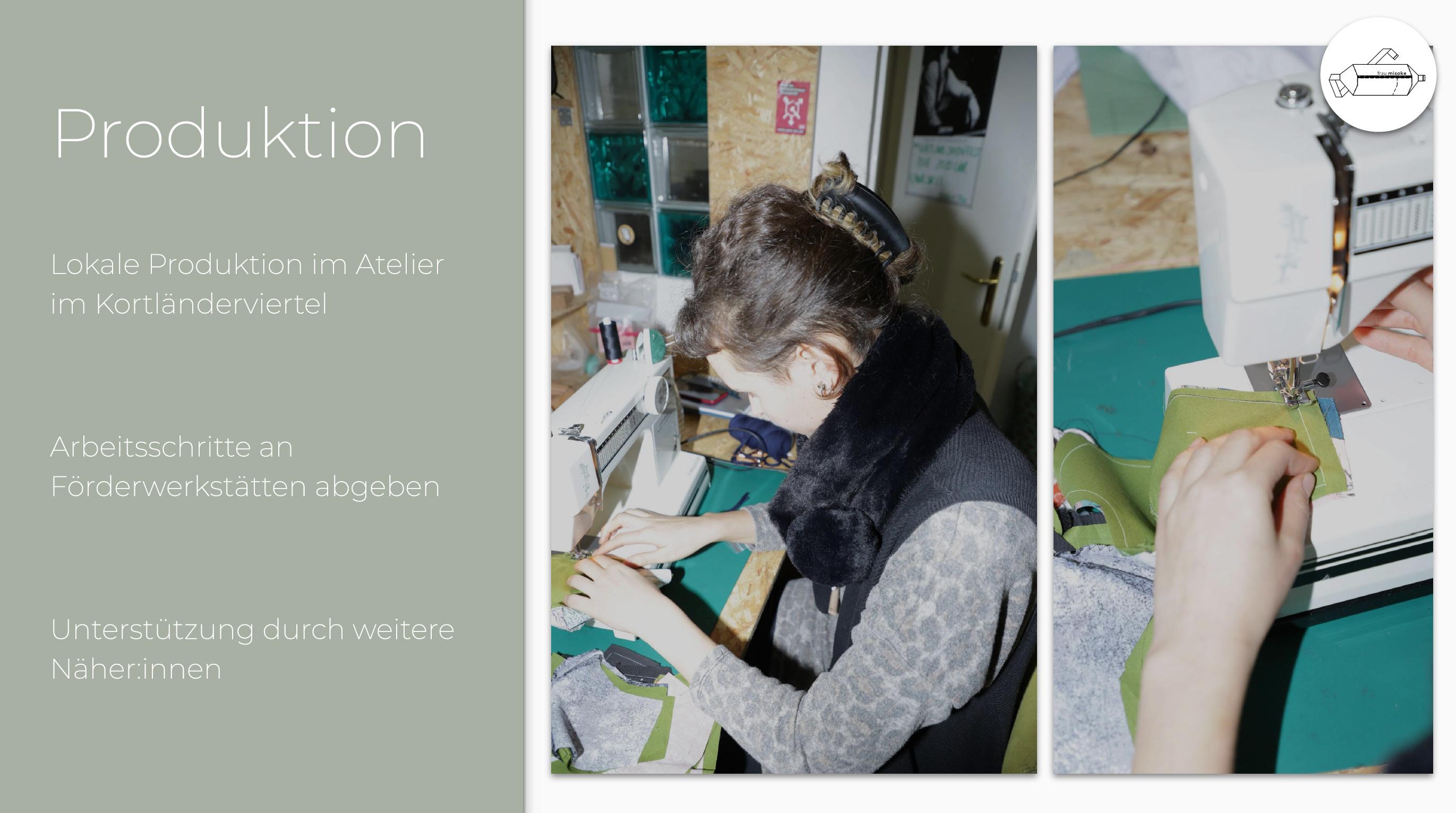
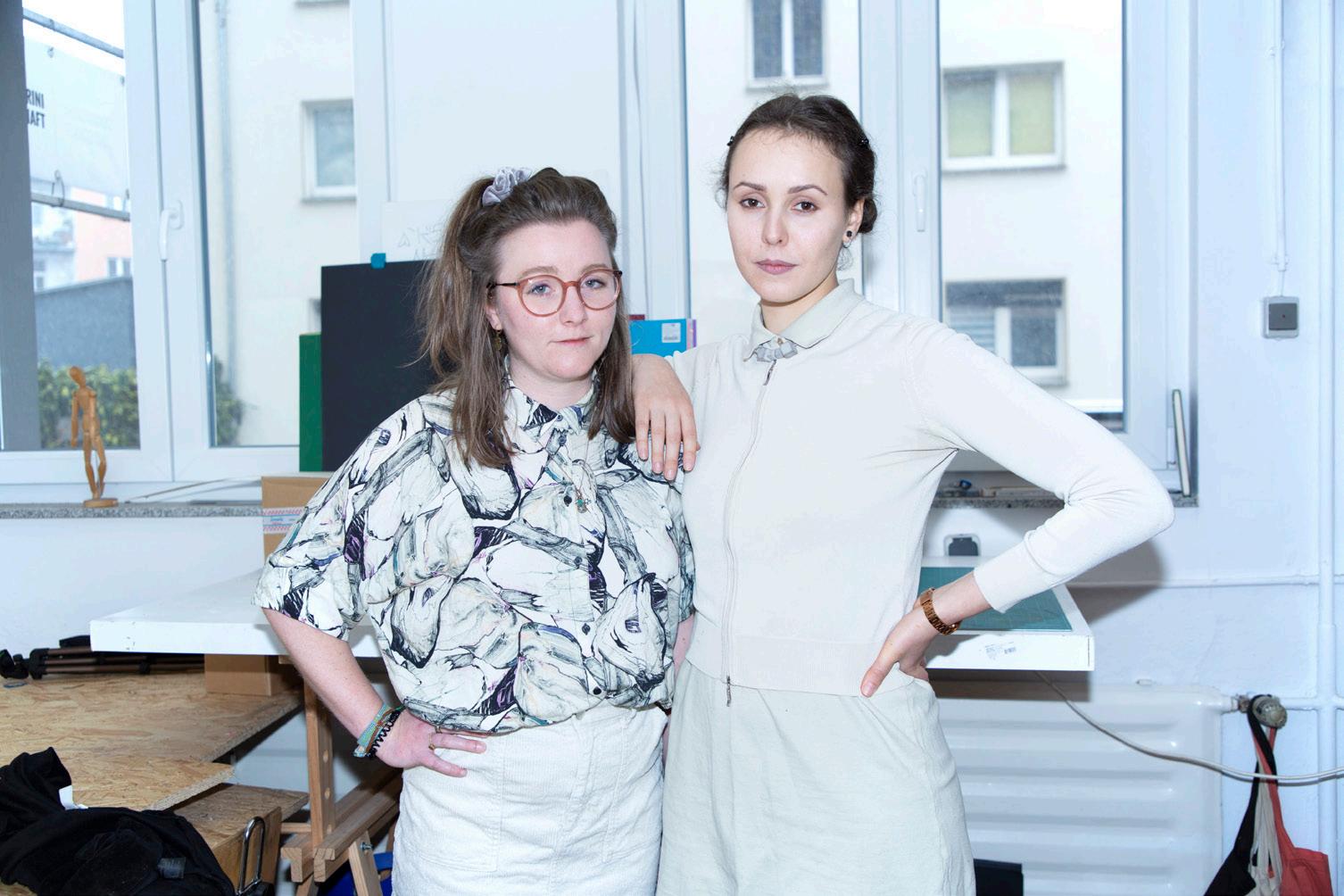
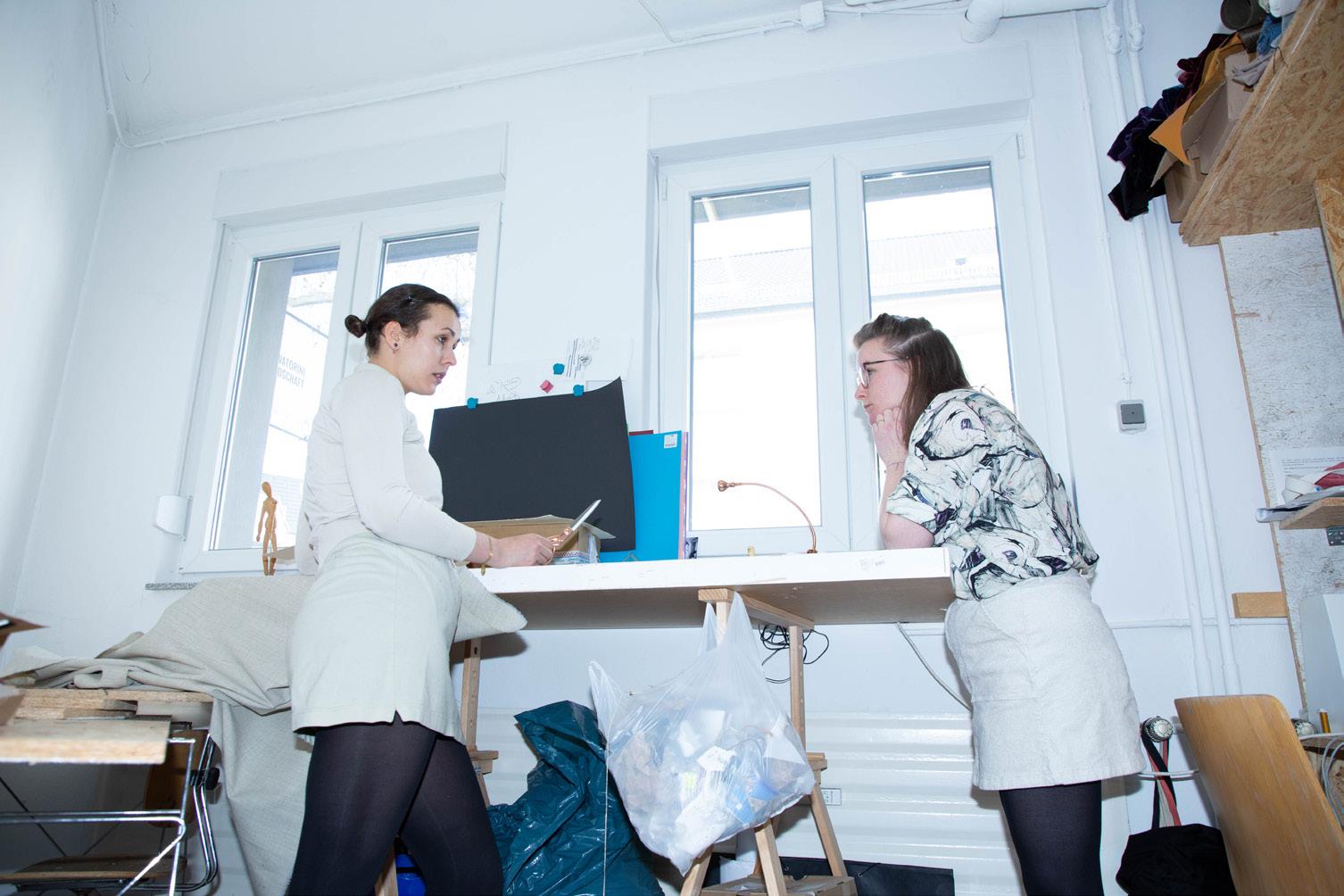
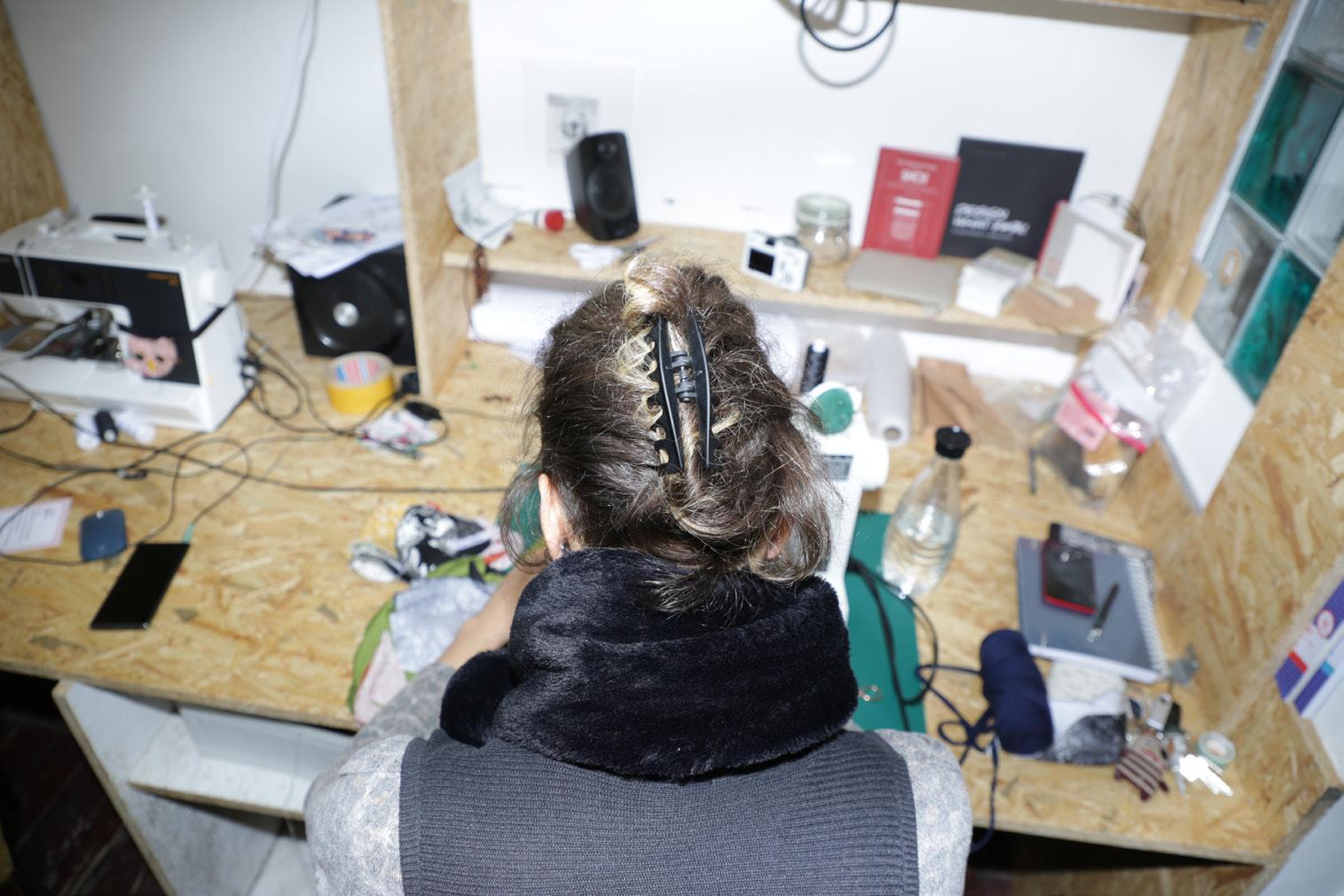
during our studies, frauke drewer and I developed the concept for “ frau misoke . we received the nrw start-up grant for the pitch deck. the idea was to design individual fanny packs locally, using recycled upholstery fabrics. we integrated well-known artists for patterns, logo and photoshoots into a holistic approach.