
Belmont Shores Mobile Estates

SERVICES
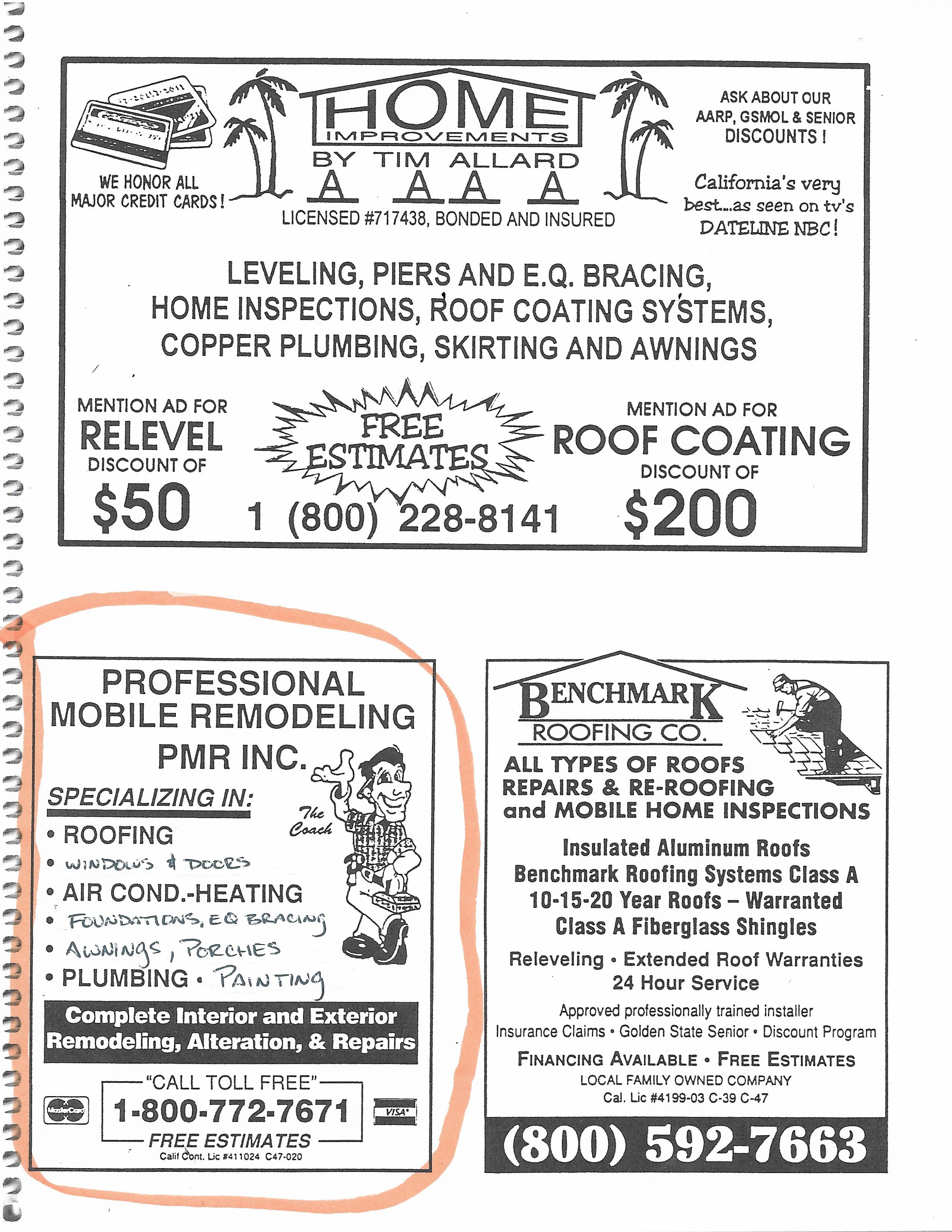
- Duct Cleaning / Refreshing
- Leveling & Foundation Repair
- Permanent Foundation (433a)
- Plumbing Repairs & Re-Pipes
- Flooring, Paneling & Trim
- Doors & Windows
- Painting
- Roofs & Skylights
- Heating, A/C & Swamp Coolers
- Kitchen & Bathroom Remodels
- Decks & Steps
- Awnings & Patio Enclosures
- Siding, Skirting & Subfloor Repairs 855.906.6077



(recreation/resources)
562-570-3500
LONG BEACH POLICE (non-emergency)
562-591-7631
HOUSING DEPT. (HCD)
800-952-8356
LONG BEACH ANIMAL CTRL
562-570-7387
“Youdon’ tstoplaughingwhen yougrowold,yougrowold whenyoustoplaughing.”
BSE LIVING

Belmont Shores Estates • Aug 2026
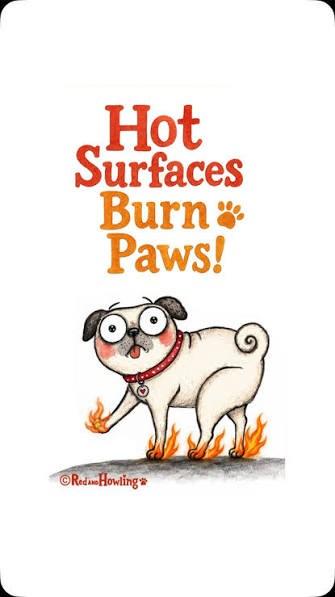
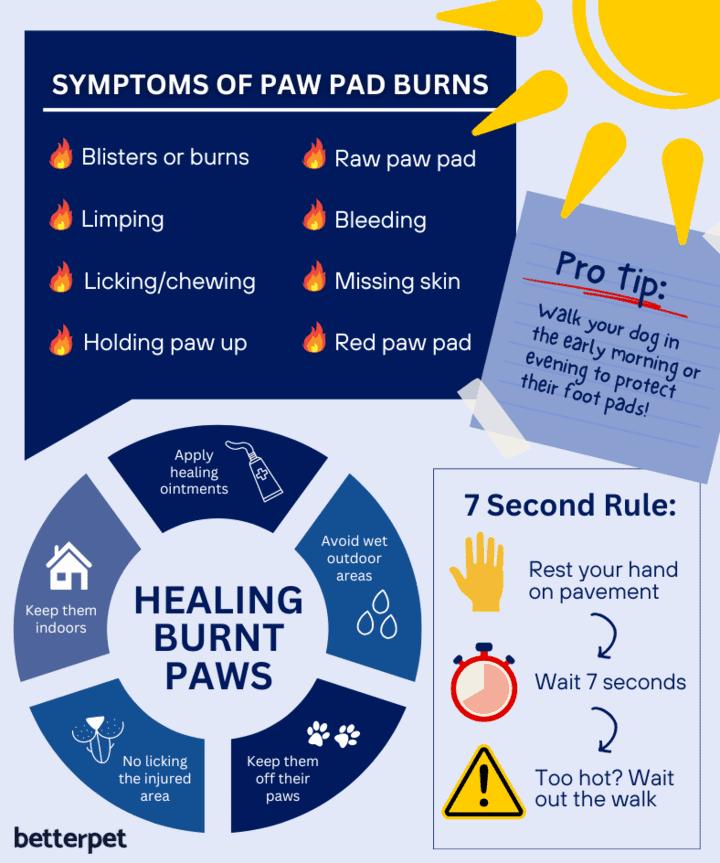
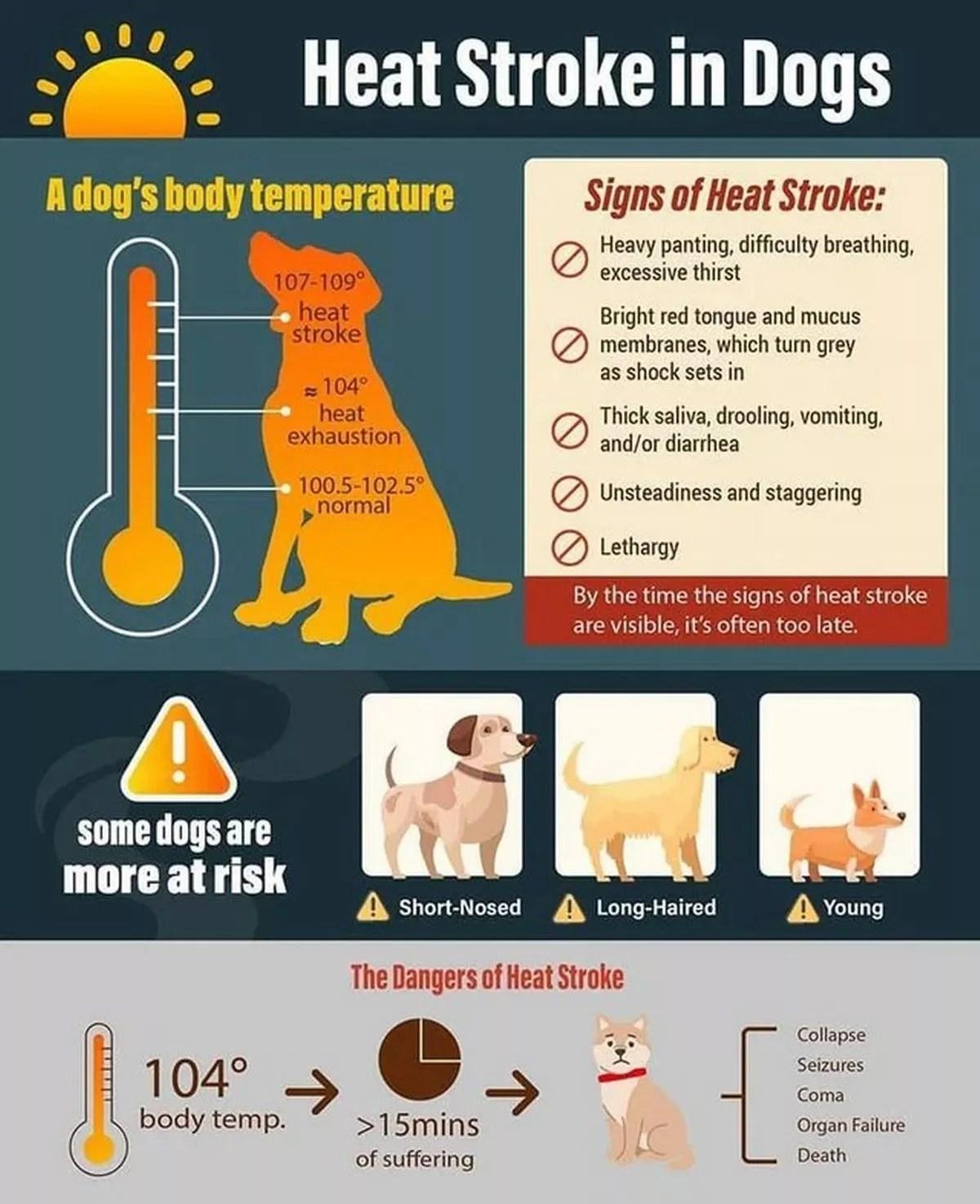
Burning Paws!
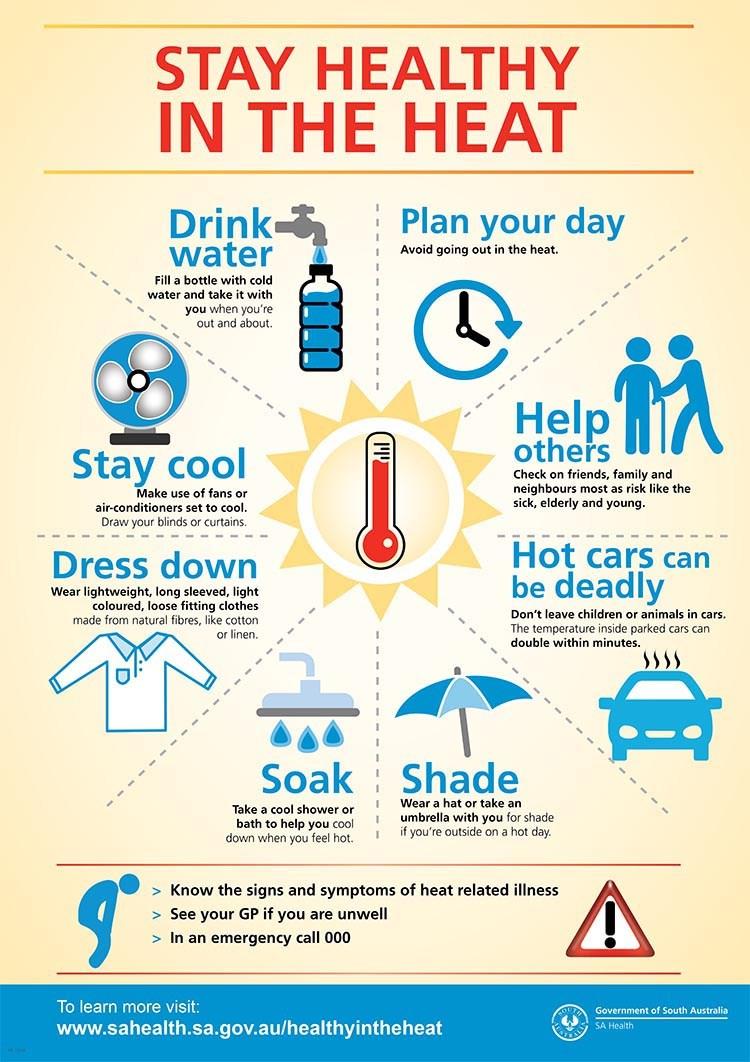
With months heating up we need to remember we’re not the only ones who feel the heat. Our furry friends walk on hot pavement and can burn their paws! See within for tips on how to care for and prevent future injuries.
• Peppermint Oil: Put 4–5 drops of 100% pure peppermint oil around doorways, windowsills and pipe/cable entry points. Pests hate the smell!
• Put screens up wherever there are holes to prevent animal entry. They only need an opening the size of a dime or quarter for access.
Rodent Activity in the Park
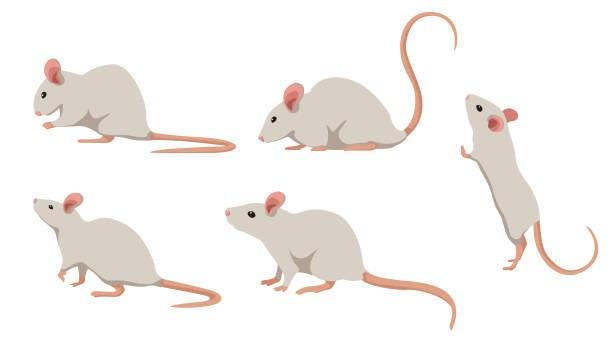
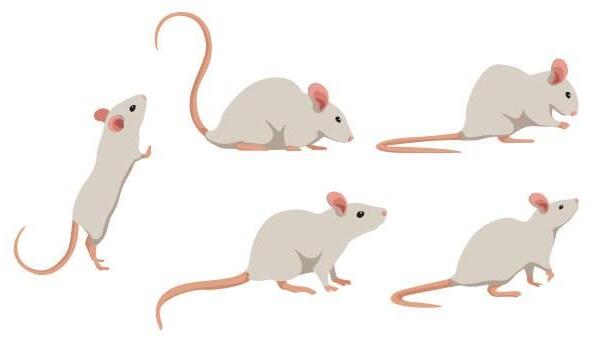
We’ve received reports of increased rodent activity in the park. This may be due to displacement caused by the construction on Studebaker, as the rodents search for new places to nest. To help prevent their presence from becoming a permanent addition to the park, please review the following helpful tips:
• Walk the exterior of your home once a week and look for access holes and dug up dirt.
• Keep a few traps out all year long. It's a good idea to have three (3) traps; one under the house and one or two outside. Check if anything is caught when you do your regular walk around your home weekly.
• Light it Up: Rodents love the dark and avoid bright areas. Sticking a few inexpensive, solar-powered garden lights along the edge of your home skirting naturally discourages them from walking near your walls at night.
• Hire a professional to inspect under your home.
Eliminate Food and Water Sources. Do not leave pet food or water bowls outside. Birdseed especially easily attracts rodents, do not scatter on the ground. Buy a birdfeeder with rodent deterrents or install them.
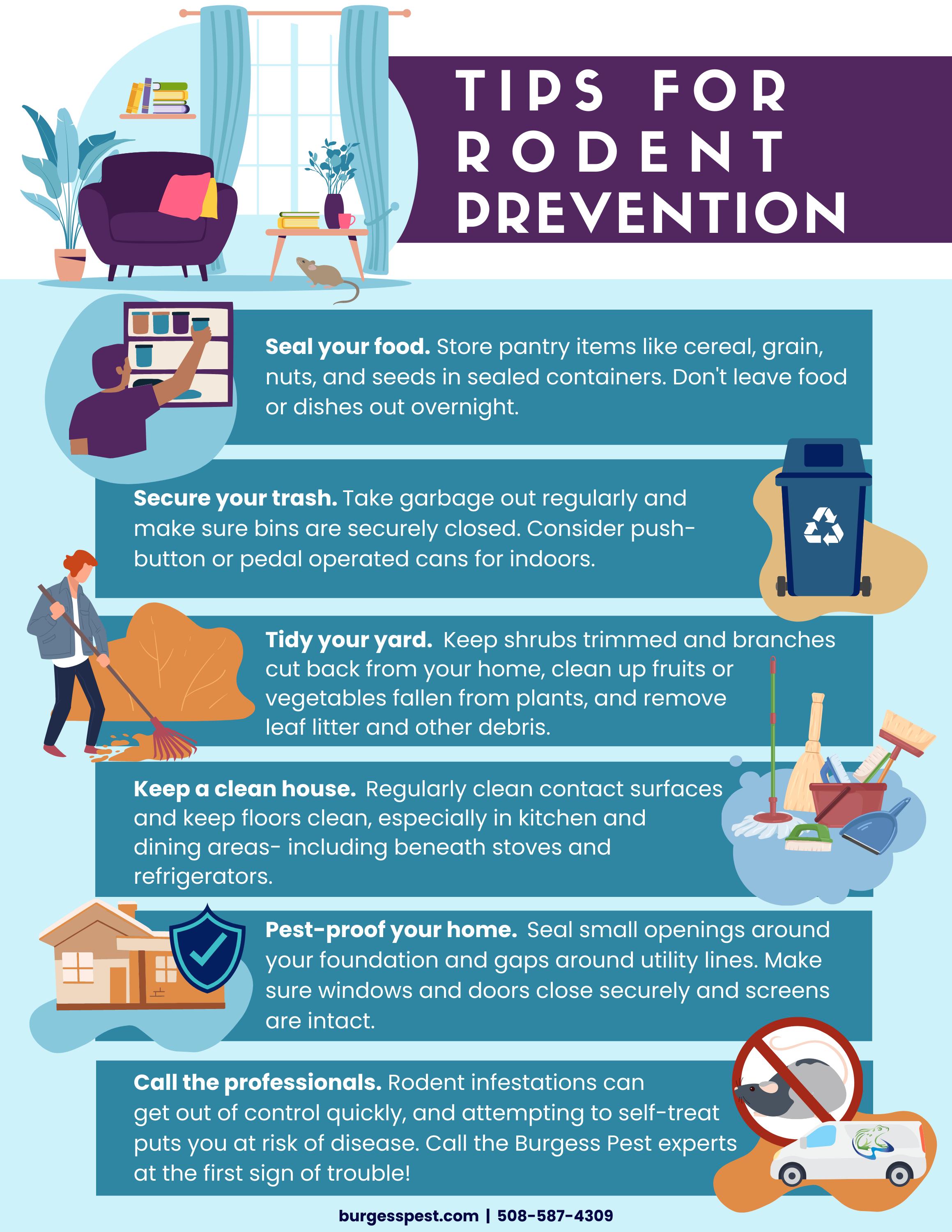
Clean Up Debris: Remove piles of wood, old furniture, leaf piles, and clutter.
Fix Leaks: Repair leaky faucets and hoses. Rodents are constantly looking for a water supply.
Check with your preferred professional for help if needed.
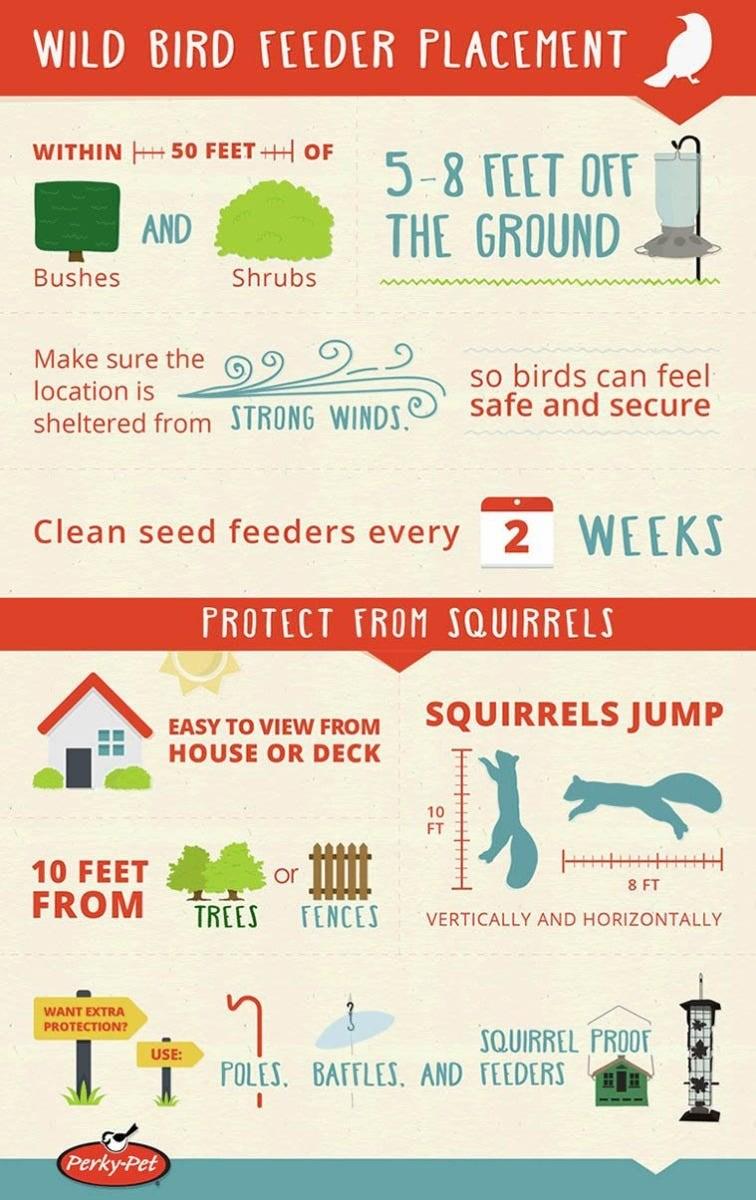
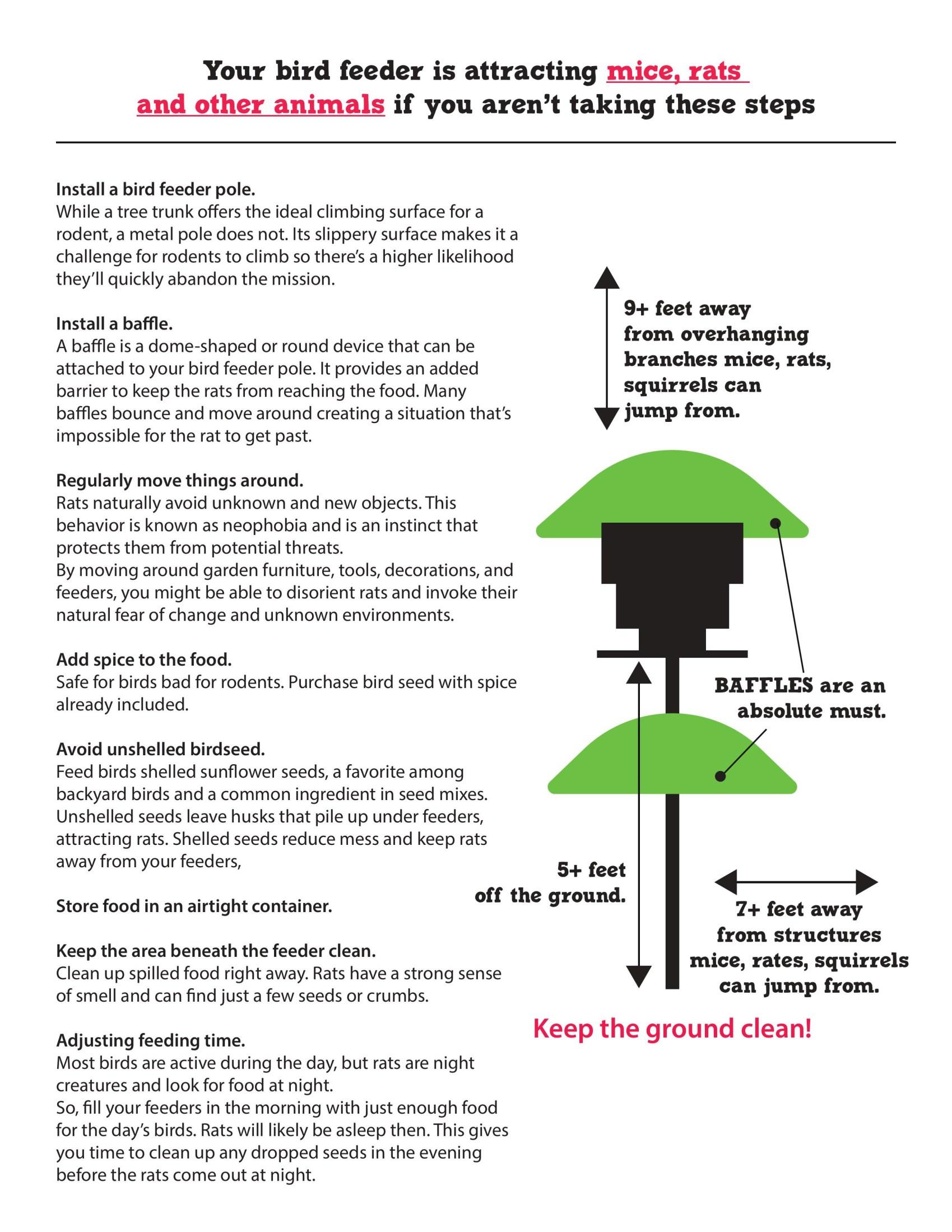
Install a bird feeder pole
Tree trunks offer ideal climbing surfaces for rodents, metal poles do not. Its slippery surface makes it a challenge so there’s a higher likelihood rodents will quickly abandon the mission.
Install a baffle
A baffle is a dome-shaped or round device that can be attached to your bird feeder pole. It provides an added barrier from food. Many baffles bounce and move around wrecking havoc for rodent maneuverability.
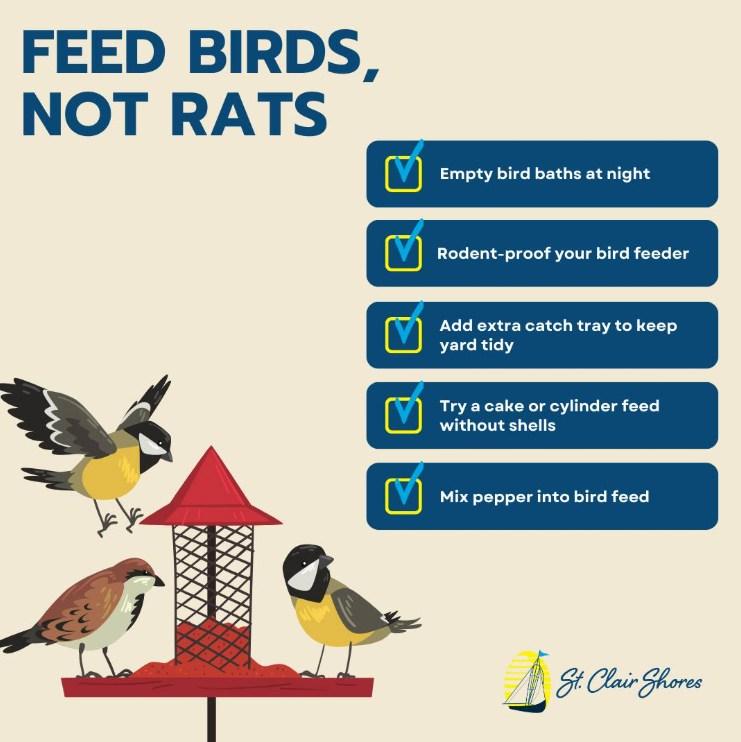
Regularly move things around
Rats naturally avoid unknown and new objects. By moving around garden furniture, tools, decor, and feeders, you may disorient rodents and invoke their natural fear of change and unknown environments.
Add spice to the food
Safe for birds, bad for rodents. Purchase bird seed with spice already included or add pepper.
Avoid unshelled birdseed
Use shelled sunflower seeds, a common ingredient in seed mixes. They reduce mess and keep rodents away from your feeders.
Keep the area beneath the feeder clean
Clean up spilled food right away. Rodents have a strong sense of smell and can find just a few seeds or crumbs.
Adjusting feeding time
Most birds are active during the day, but rodents are nocturnal and look for food at night. Fill your feeders in the morning with just enough food for the day’s birds. Rats will likely be asleep then. This gives you time to clean up any dropped seeds in the evening before the rats come out at night.
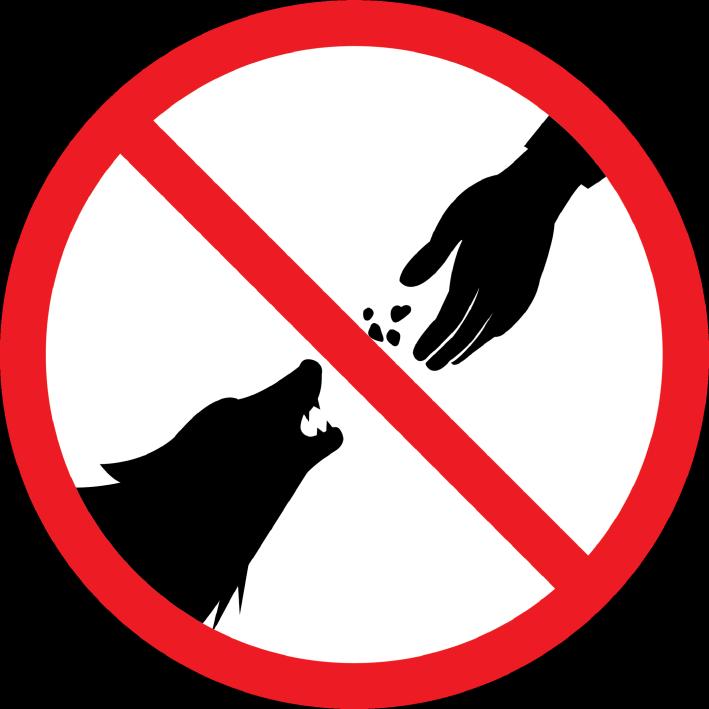
The food you put out for stray domestic animals also attracts wild animals, like coyotes, rats, raccoons, opossums, and skunks. Sometimes larger predators are also attracted to the smaller animals being fed such as hawks, falcons and coyotes.

Help keep our community safe by not leaving food out for dogs or cats. Though you may think you’re doing them a kindness, you might actually be placing them as well as your neighbors pets in danger from larger predators.
the Good Deed is to Not Feed
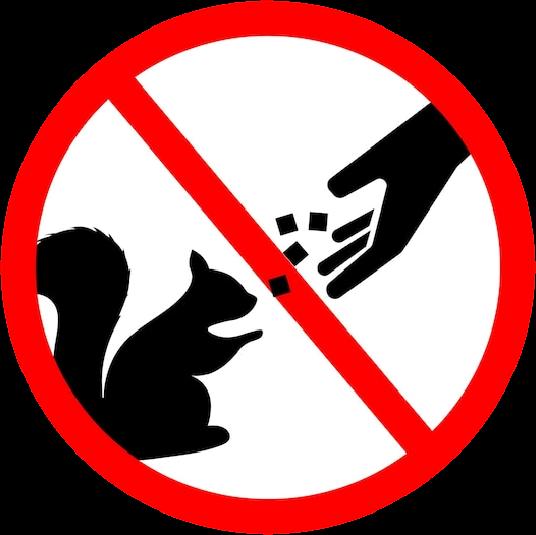
10 Reasons You Shouldn’t Feed Wild and Stray Animals
1. Wild animals don’t need your help. Wild animals may show up looking for a handout, but they don’t really need help from humans to find food. Their natural diet is healthiest for them, and ‘human food’ can even make them sick.
2. Strays don’t have homes. Stray animals don’t have a safe, comfortable life. Stray animals don’t have veterinary care when they get sick, a warm place to sleep when it’s cold, or protection from people and animals that might want to harm them. Feeding stray domestic animals outside established TNR (trap-neuter-release) programs allows their population to grow but doesn’t solve the real problem - they still don’t have homes.
3. Wild animals can become aggressive. Wild animals that begin to associate people with food may become aggressive toward humans, putting both their and our safety at risk.
4. Feeding can result in disease / injury. Wild and stray animals often congregate in large numbers around feeding areas, leading to increased disease transmission as well as injuries from fighting.
5. Wild / stray animals often have parasites. Both wild and stray animals have a variety of parasites on and inside their bodies, like ticks, mites, fleas, and worms. Some of these parasites can also infest people and pets. Example: fleas can transmit serious diseases like murine typhus and plague.
6. Raccoons can carry roundworm. Raccoon feces contain the eggs of a deadly parasite called raccoon roundworm. These eggs contaminate the soil and can survive for years. Both people and pets can be infected with raccoon roundworm, and there is no treatment or cure.
7. Animals can carry diseases. Even animals that look perfectly healthy can still be infected diseases that can infect humans or pets, such as rabies and distemper.
8. You can’t choose what/who you feed. The food you put out for stray domestic animals also attracts wild animals, like rats, raccoons, opossums, and skunks. Sometimes larger predators are also attracted to the smaller animals being fed. Before long, a few cats visiting your porch can turn into many animals congregating on your property.
9. Feeding wild / stray animals is illegal. The California Fish and Game Code prohibits feeding wild animals. You can be issued a citation and fined for feeding wildlife. Many cities also have ordinances that prohibit feeding stray animals.
10. Feeding wild / stray animals can cause conflict with neighbors. Encouraging wild / stray animals around your home can cause problems for you and your neighbors. Animals may damage property, threaten the safety of children and pets, or create noises or odors.



compliance with Park Rules and Regulations



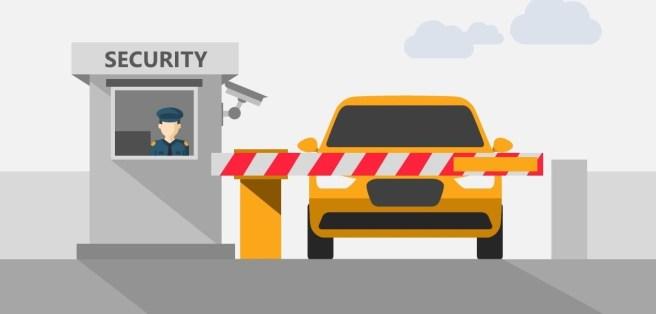
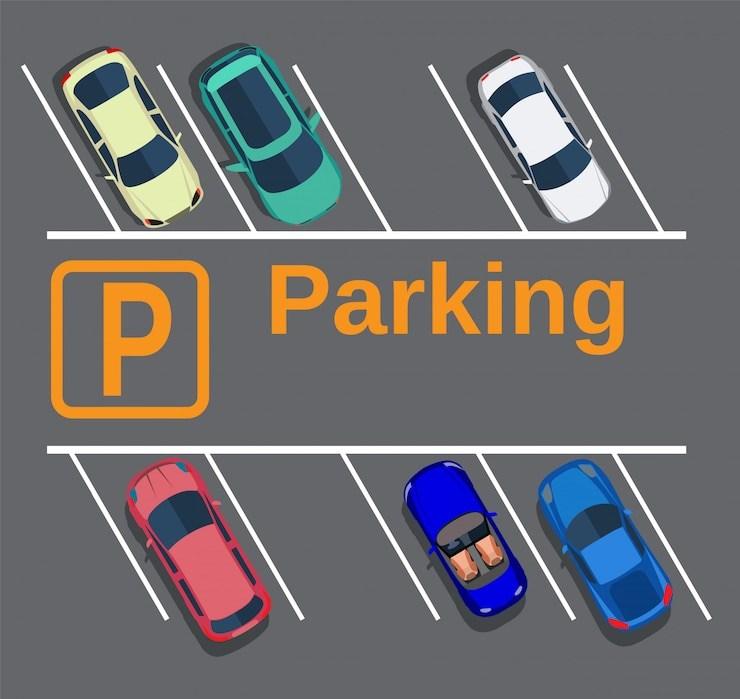
Street parking is prohibited at all times except for short periods (10 minutes) for active loading and unloading. Parking of trucks larger than a pickup truck (motor homes, travel trailers, boats or campers) is not allowed in the Park. Any vehicle parked as to impede the passage of an emergency vehicle may be removed from the Park by





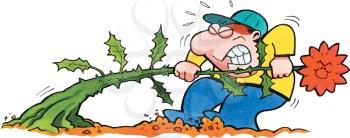
Weeds! Weeds! Weeds!
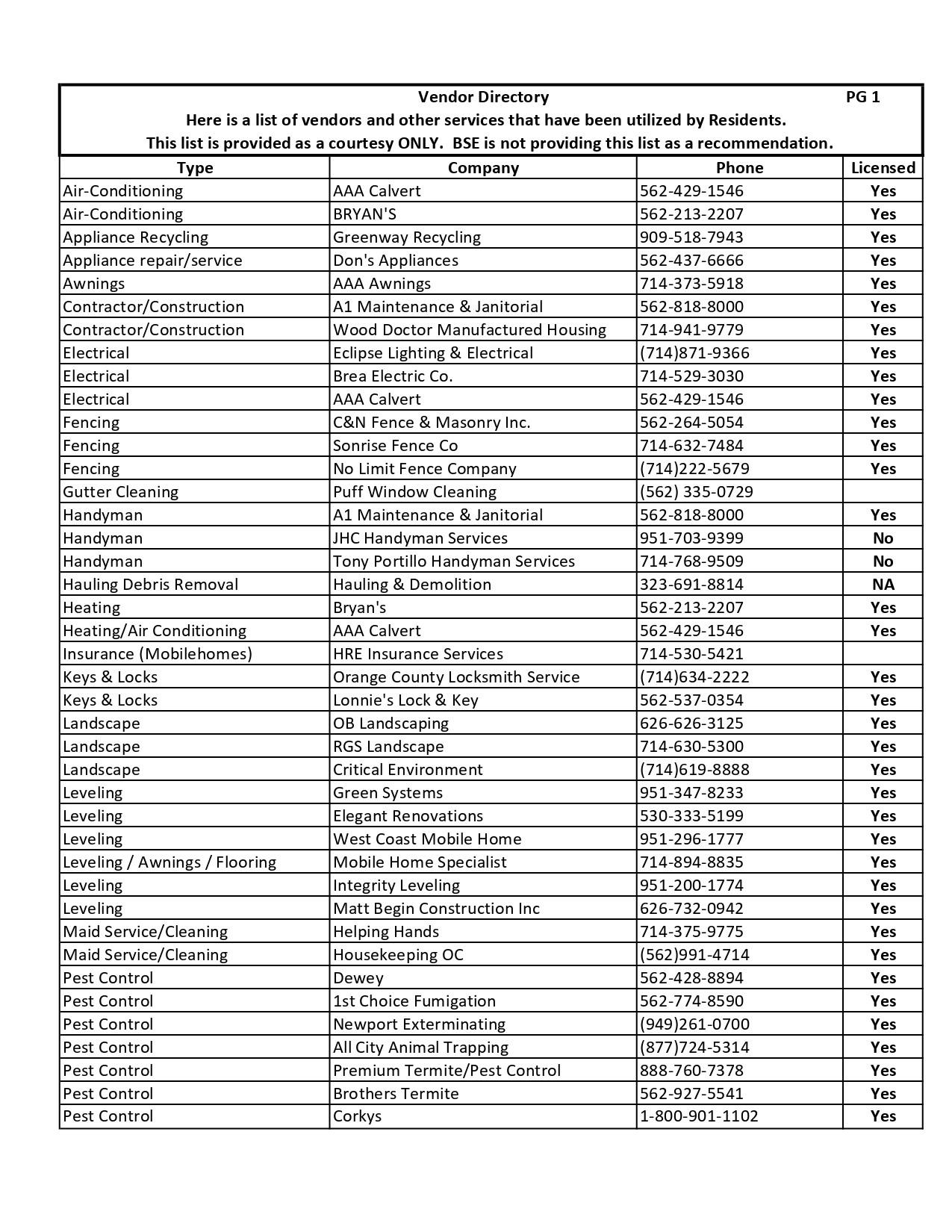
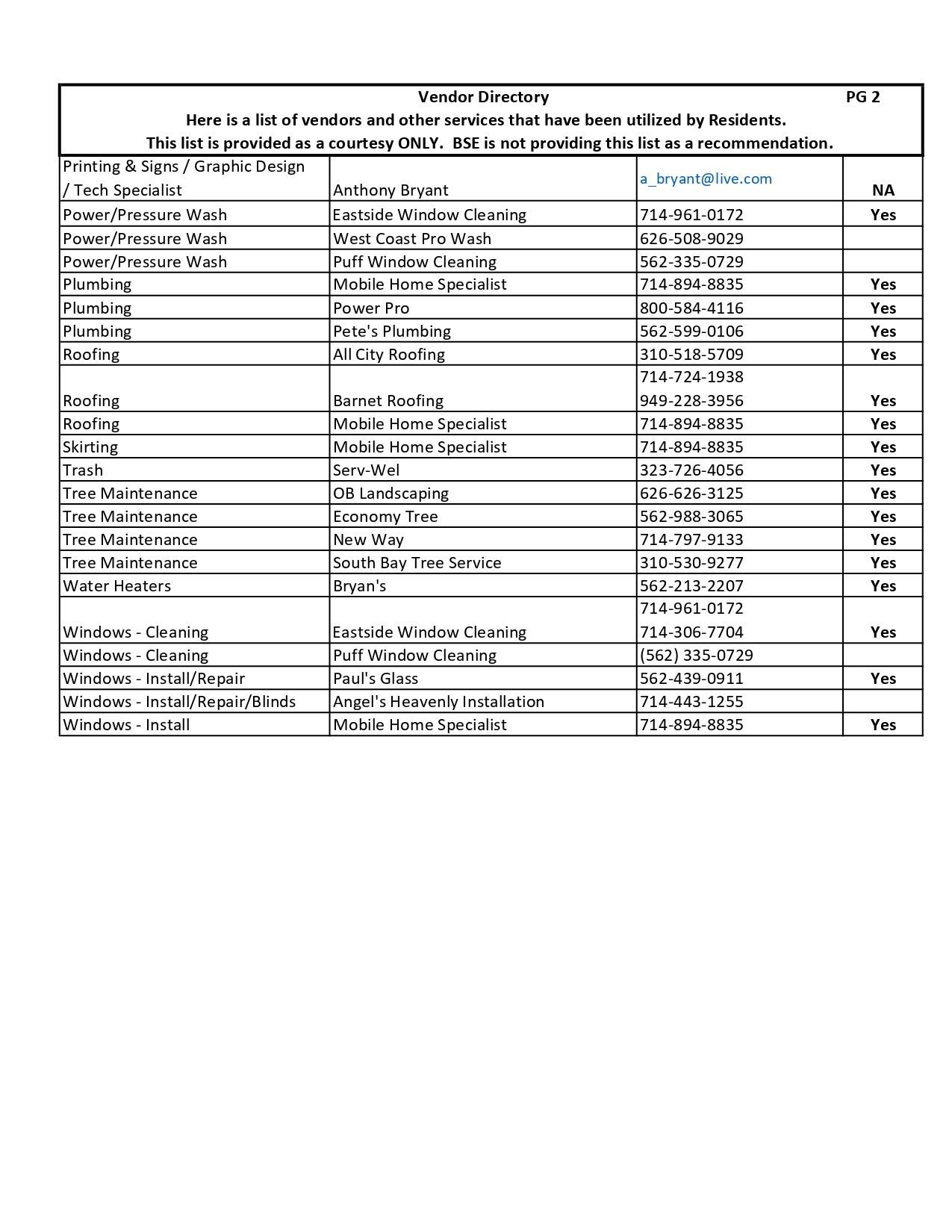
Be sure to check your lawns, backyards, driveways and gutters for weeds. Don’t neglect your space, you may receive a notice and finally be billed for work done by the park management. Check out the vendors within this newsletter or contact the office for a list of vendors that have worked in the park before.



alteration, installations or construction on your home to make sure you are within compliance.
www.hcd.ca.gov
Residents may add additional occupants to their home with prior park approval. Please contact the office for our Additional Occupant Application form. Approved Additional Occupants, though allowed to live within our community, have no rights of tenancy.



BSME Resident Led Park Activities
be sure to exchange contact info with members of each activity in case of rescheduling
TOPS
Every Thursday in The Clubhouse
9:15—10:15 am
Having a difficult time shaving off those pesky extra pounds? Don’t go it alone!

"Take Off Pounds Sensibly” is a support group for individuals who desire sensible weight loss and a healthy lifestyle.
Tai Chi
Every Monday & Friday by park benches along walk path on Marina View
10:00 am

Tai Chi is held every Monday and Friday at 10 am in the Clubhouse on colder days or along the walk path on Marina View Dr. (second set of park benches away from the office). Everyone is welcome to join this informal gathering as we help each other improve strength, flexibility, mobility and balance.
Game Night
Every 3rd Wednesday in The Lounge
6:00 pm

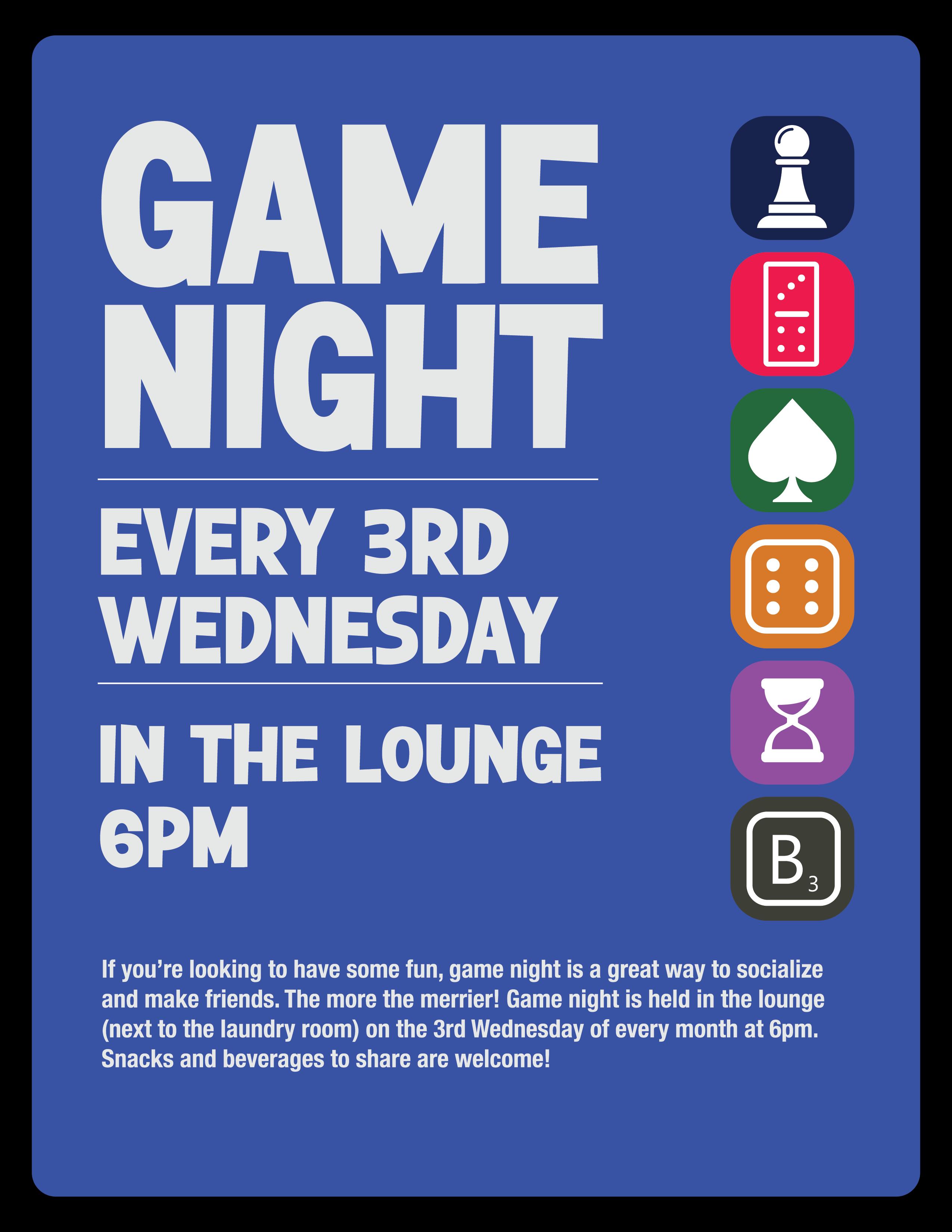
If you’re looking to have some fun, game night is a great way to socialize and make friends. The more the merrier! Game night is held in the Lounge (next to the laundry room) on the 3rd Wednesday of every month at 6:00 pm. Snacks and beverages to share are welcome!
Bunko!
Every 4th Wednesday in The Clubhouse
6:30 pm

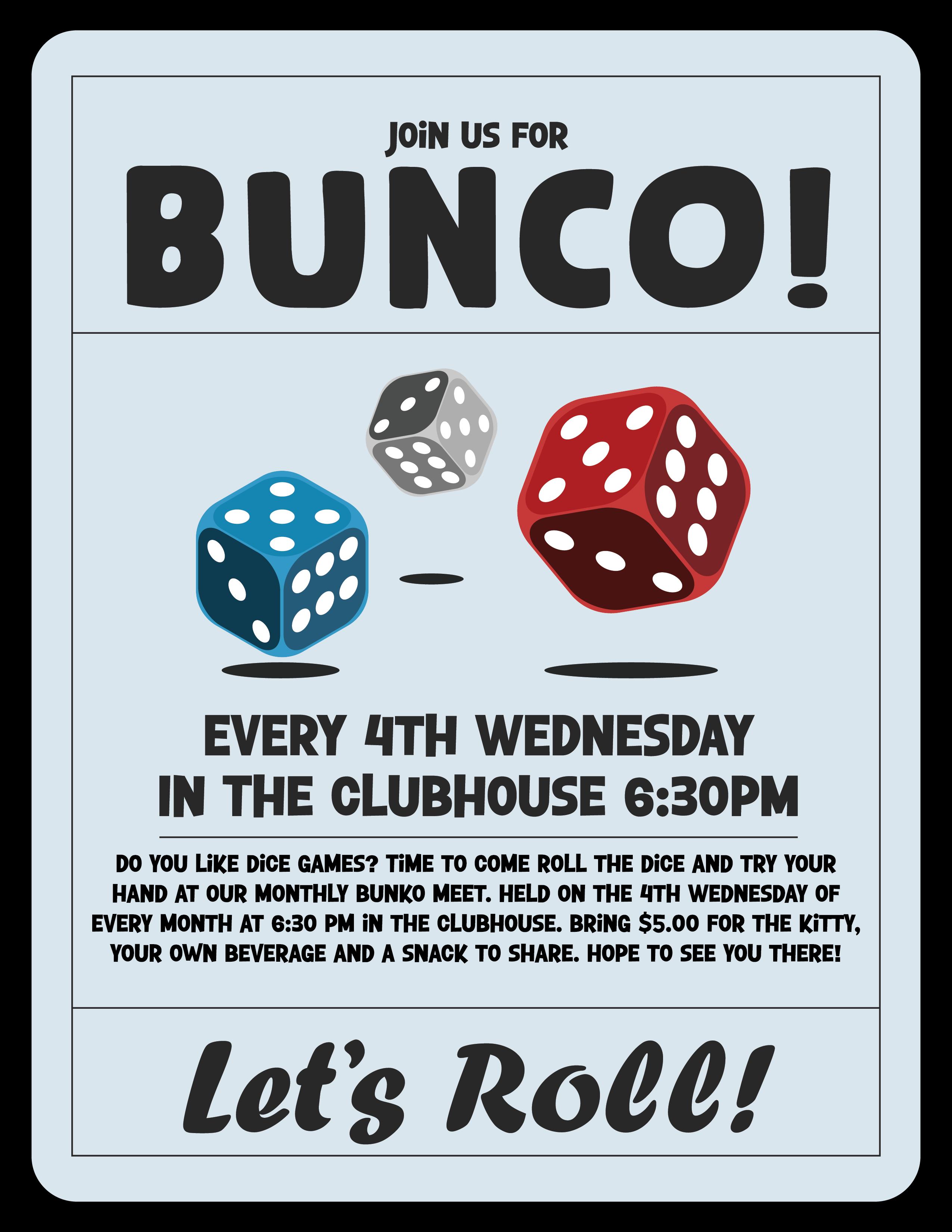
Do you like dice games? Time to come roll the dice and try your hand at our monthly Bunko meet. Held on the 4th Wednesday of every month at 6:30 pm in the clubhouse. Bring $5.00 for the kitty, your own beverage and a snack to share. Hope to see you there!
The Social Committee 2.0
The Social Committee 2.0 is always on the lookout for volunteers and support! Help us bring more activities and events to our community!

Keep a lookout for our upcoming events or email us at dwsocialbsme@gmail.com
Pool & Spa
Daily (guests are strongly encouraged to be accompanied by resident)
Adult Hours: 8 am—10 pm
Children Hours: 9 am—1 pm
Our outdoor pool and spa is the perfect place for relaxing, exercise and socializing with friends and neighbors. Please remember, no alcoholic beverages, glass of any kind, and leave your furry friends at home as they are not permitted within the enclosed pool area (does not apply to assistance animals).

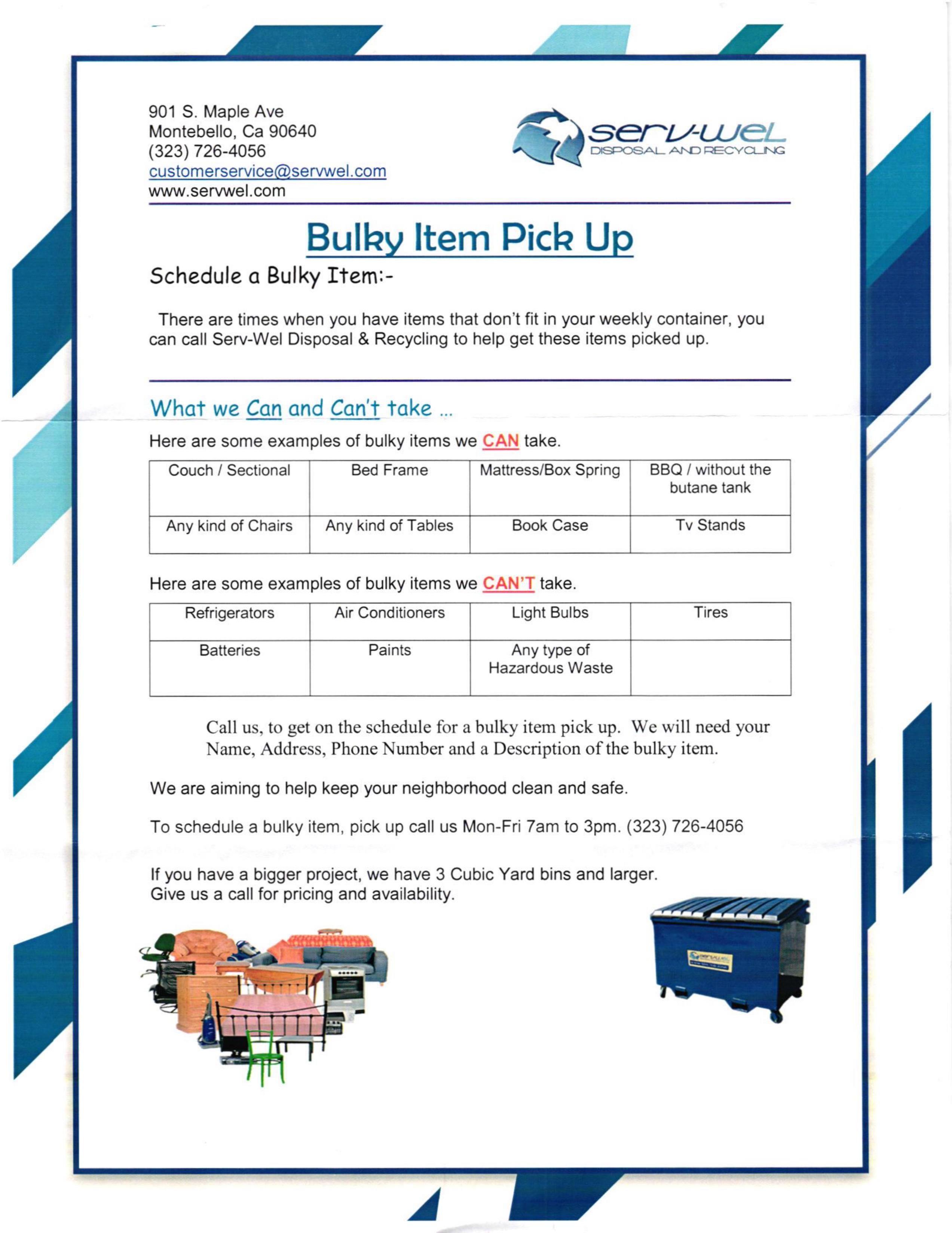
Bins must be approved by Park Management
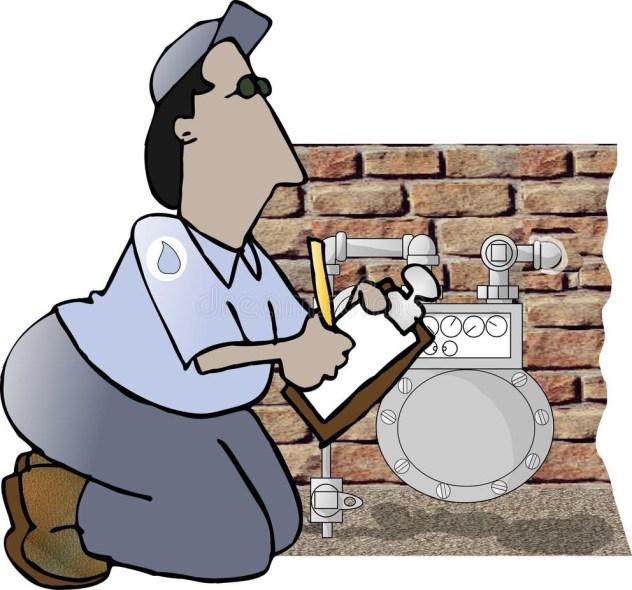
Meters and Readers
Your meter charges on your bill are based on your usage. In order to have accurate readings, a meter reader visits the park between the 6th-11th of the month and will visit each home to check their meter. Your reads are always a month behind.
REMINDER
Per the Rules and Regulations Rule No. 7(G): No structures may be installed and no shrubbery may be planted which would obstruct the utility pedestals impeding the reading of the utility meter.
If you receive your bill and it states “NO READING” please contact the office for a revised bill. Just because it says “no reading” this month, does not mean you will no be billed for those reads. It will be added to your next months bill which will cause your charges to be higher.
Submit a Complaint about your Meter Online
If you have a concern about your meter reads and believe your meter may be malfunctioning, please visit the link below and fill out the form online. All complaints are investigated by the Los Angeles County Agricultural Commissioner Weights and Measures Department: Phone: 562-622-0402
https://acwm.lacounty.gov/scale-meter-label-complaint/

AUGUST 9



August 12


mike@mobilehomeboard.com www.mobilehomeparkmagazines.com 1240-C Mtn. View/Alviso Rd. • Sunnyvale, CA 94089 (408) 744-1011 or (800) 828-8242