



.Carson Meyer .architect fourth year

.Carson Meyer .architect fourth year










.contents

ST. XAVIER HIGH SCHOOL
2016 - 2020
UNIVERSITY OF KENTUCKY 2020-2024
Bachelors of Architecture
Historic Preservation Certificate
-
architecture | studio
Completed seven total studio’s covering various architectural topics and practices during my time at the University of Kentucky.
senior studio | church redesign
At the start of the Fall 2023 semester a group project was devised through the Nehemiah Project to help renovate and redesign local churches in western Kentucky. A partnership was formed between the Guthrie Mount Zion CME Church and my group. We surveyed the church and it’s surrounding to understand what we as architects could provide to them. Throughout the two month project timeline, we extensively spoke to the church’s patrons to understand their goals and objectives for a three phase renovation. The plans and drawings were then submitted to the Nehemiah Project for aproval and funding.
.autocad .3ds max .rhino .sketchup .vray
.twinmotion .photoshop .illustrator
.revit
.threejs
.english primary language
.german intermediate level
.3d modelling .residential design .interiors and space optimization .research .historic preservation .resilient design




.client .year
.concept Imagined
2023
The thesis for the project was to design either a resilient or modular home for rural eastern Kentucky to withstand the influx of flooding.
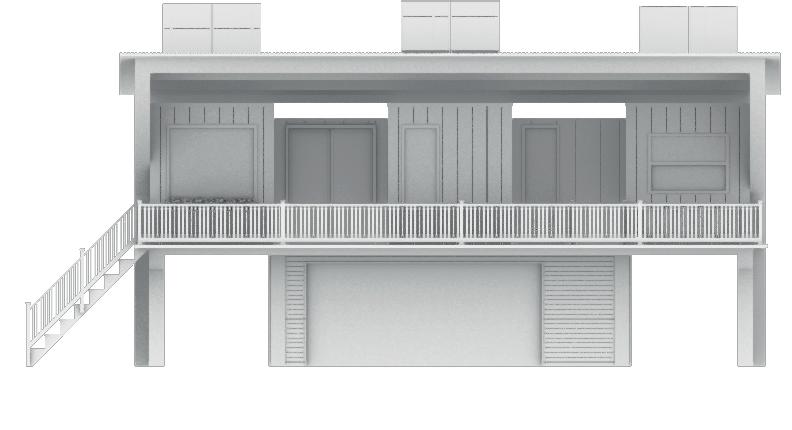
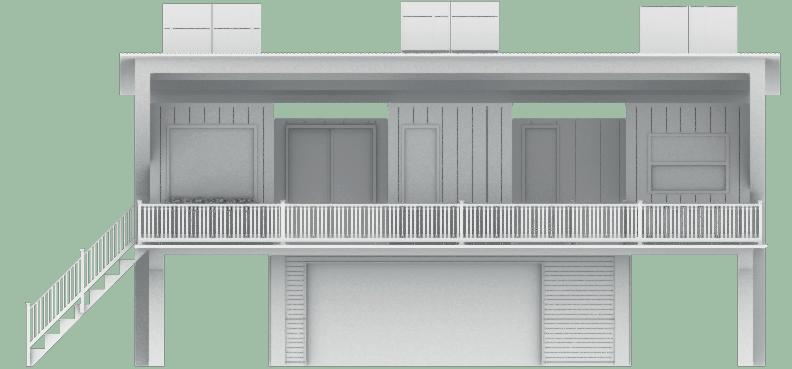
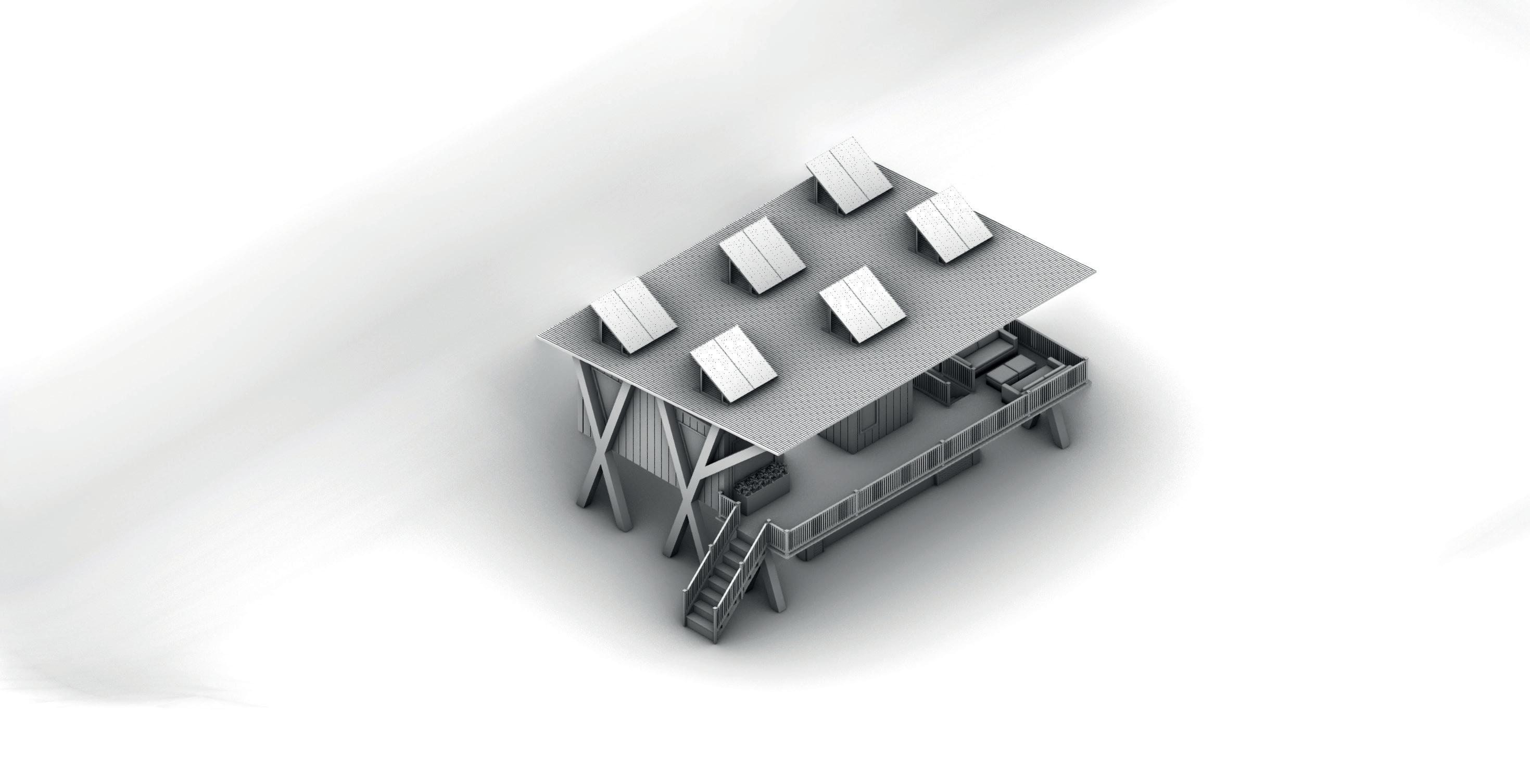
The imagined design of the modular resilient container home is a self-sufficient and compact amalgamation of two different-sized shipping containers. The home utilizes three 20x8 containers and one 10x8 container split in two. The resiliency of the home comes from various aspects integrated into the design. On top of the corrugated roof sits six 4kW photovoltaic solar panels that can provide the house with its electric needs. The corrugated roof funnels rainwater off the main structure while collecting the water to be reused. The unit is elevated above the ground to allow for minimal damage in flooding, which has recently become an issue in eastern Kentucky. The modular aspect concerns the manufacturing of the shipping containers. The containers are designed with cladding, insulation, and interior finishings that can be done off-site and shipped on flatbread to the desired location.
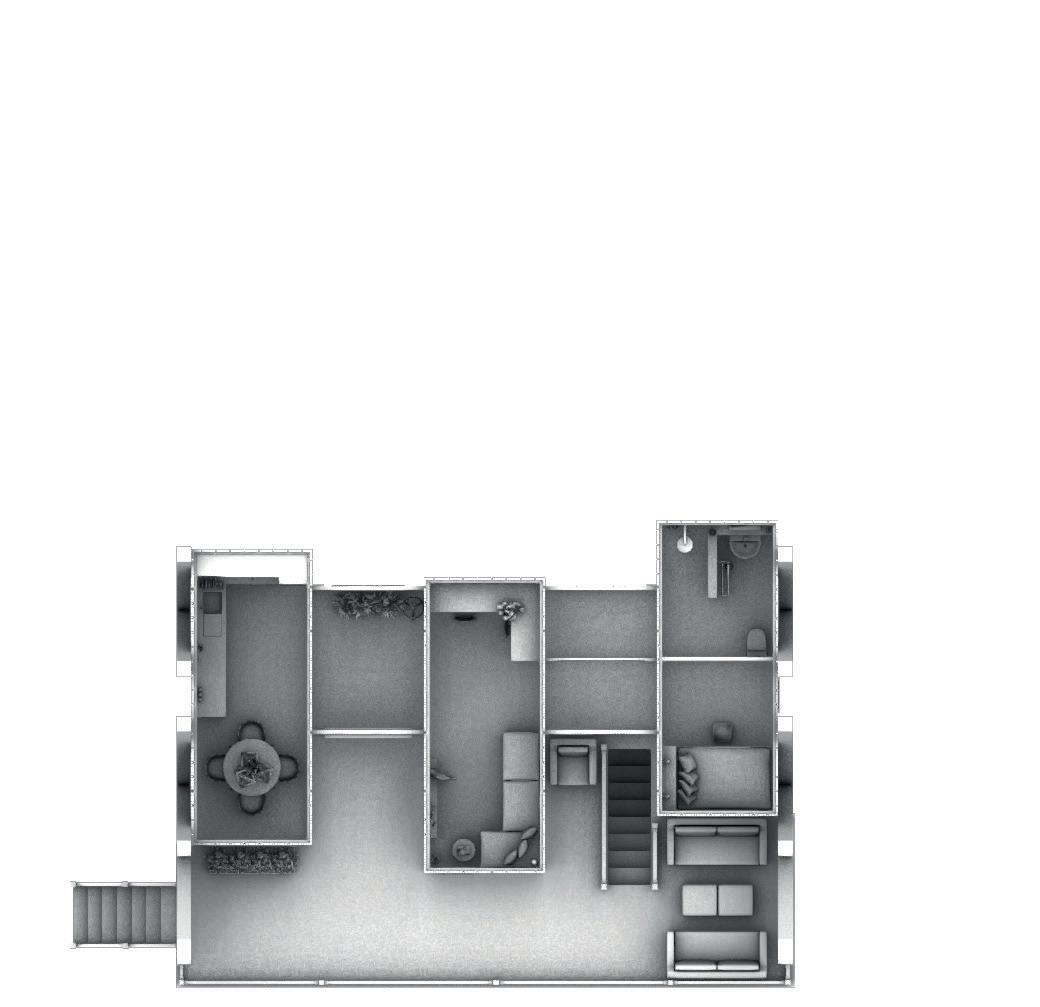
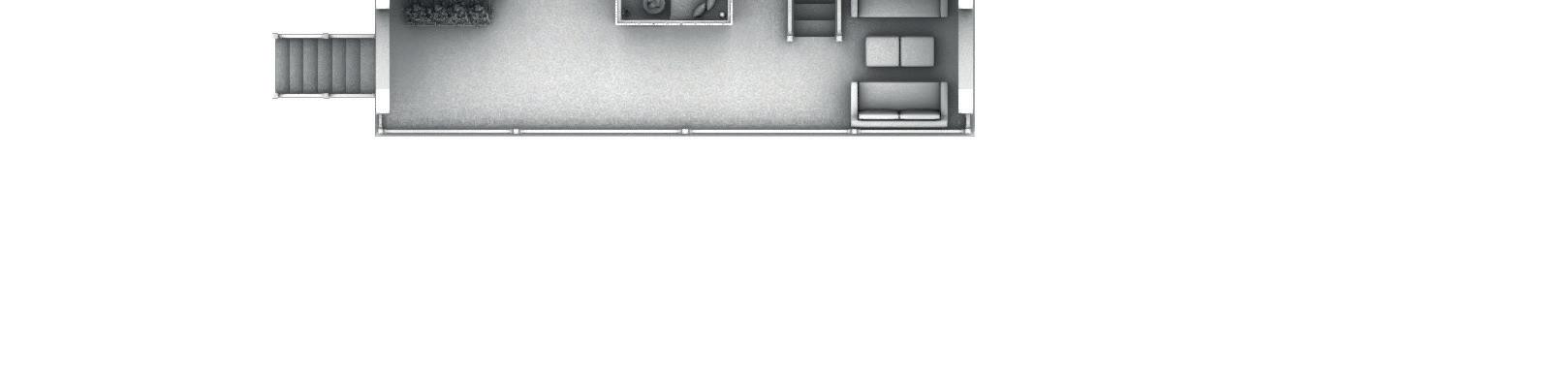
[MAIN FLOOR]
KITCHEN N ENTRANCE SPACE LIVING ROOM HALLWAY/CLOSET
BEDROOM BATHROOM DECK
[LOWER FLOOR] GARAGE
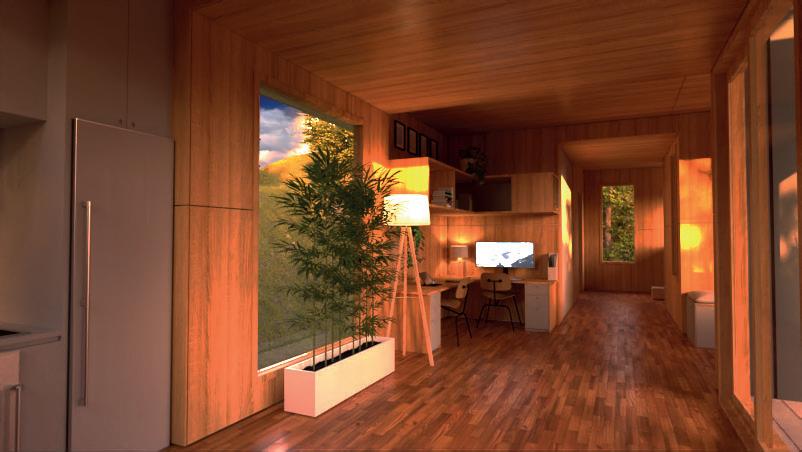
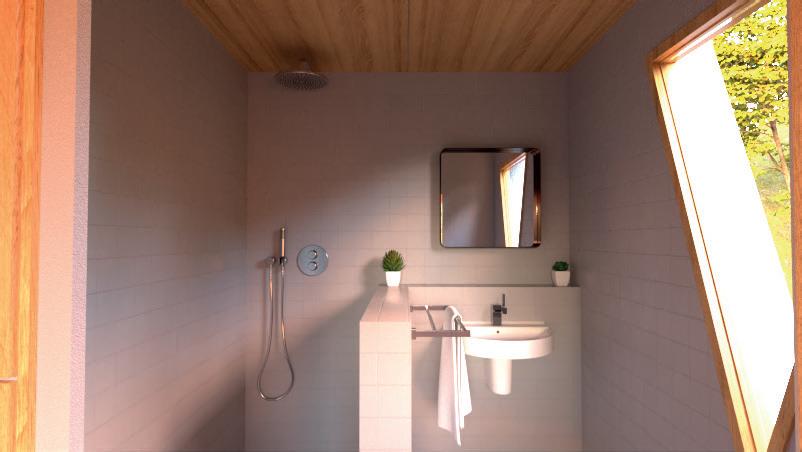
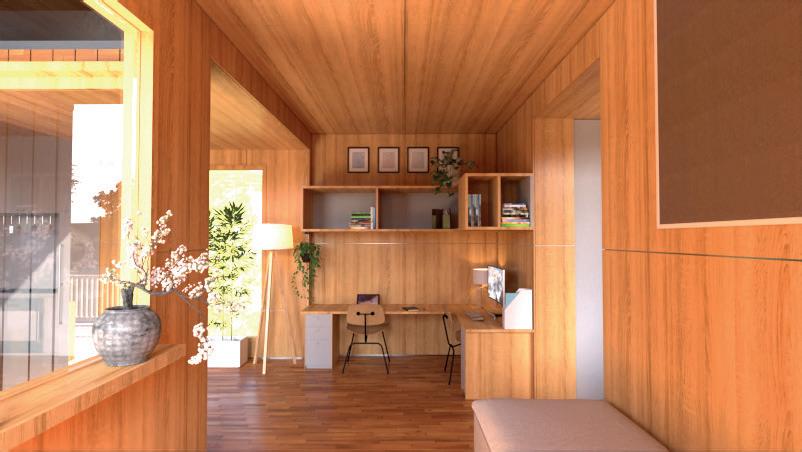
Experimental renders to show what the inside of the container home might look like. Includes images for the living space, desk/office space, and bathroom.


















































[INTERIOR WALL PANELS]
Wood rectilinear furnishing panels. These panels sit very close to one another and add a decorative furnishing element to the interior. The wall panels rest on the gypsum board.
[EXTERIOR CLADDING]
Metalic rectilinear cladding. This cladding is added to give the housing an appealing visual language while also allowing space for insulation and utilities.
[ROOF]
Corrugated metal roof with photovoltaic solar panels. The roof is angled slighly to allow for water fall o and collection. Roof is held up by the intersecting support columns that include beams perpendicular to corrugated roof.
Metallic rectilinear ceiling panels that sit on top of the pre-exsisting shipping container roofs. These panels add room for insulation and align with the visual language of the exterior cladding
[INTERIOR CEILING PANELS]
Wood rectilinear furnishing panels. These panels sit very close to one another and add a decorative furnishing element to the interior.
[INTERSECTING SUPPORT COLUMNS]
[SHIPPING CONTAINER]
Standard shipping container wall. The wall is insulated with close cell foam insulation.
Steel intersecting X like support columns. These columns are bolted to the bottom of the containers lift points and help support the roof and prevent lateral movement. The columns use a caisson foundation to be structured to and in the ground.
.resilient + modular container home
[HOUSING MODEL]SHIPPING CONTAINER W/ CLOSE CELL FOAM INSULATION
UTILITY/INSULATION SPACE
GYPSUM BOARD
WALL WOOD PANELING
WOOD FLOORING
FOUNDATION STEEL SUPPORT COLUMNS STEEL ROOF SHIPPING CONTAINER W/ CLOSE CELL FOAM ISULATION
CEILING WOOD PANELING
CONTAINER W/INSULATION
CAISSON.client .year
.concept
JasonZavala (studio professor)
2023
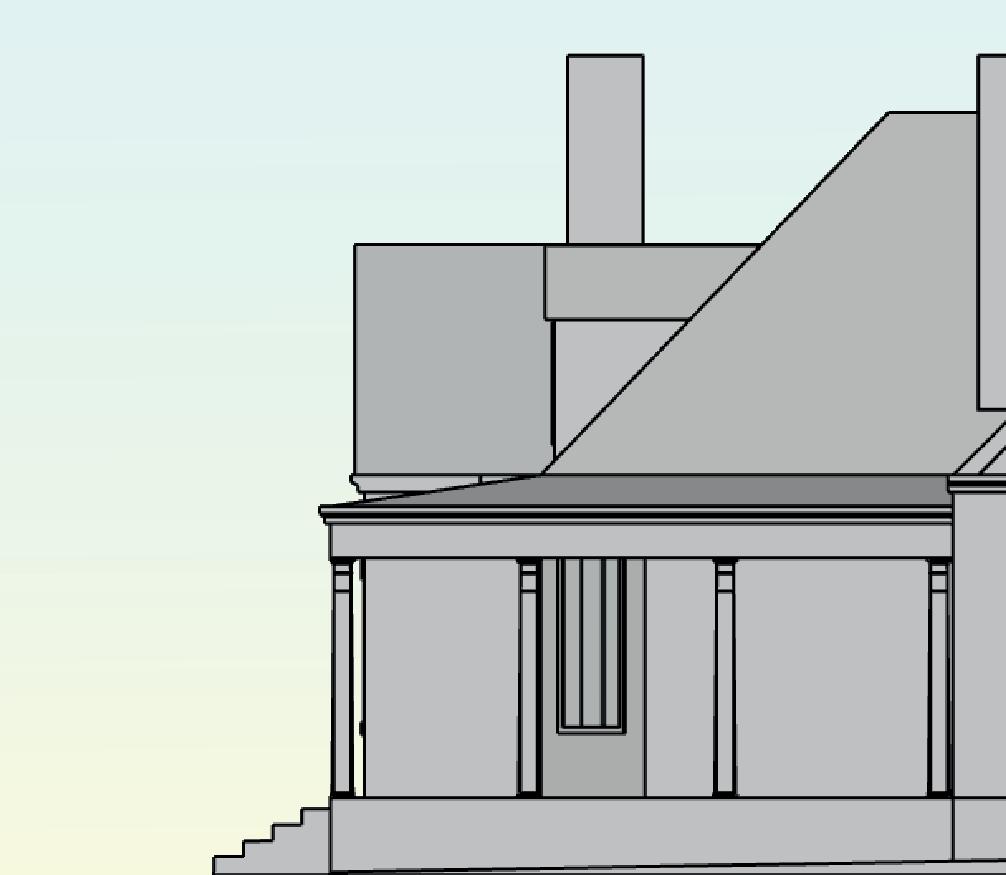
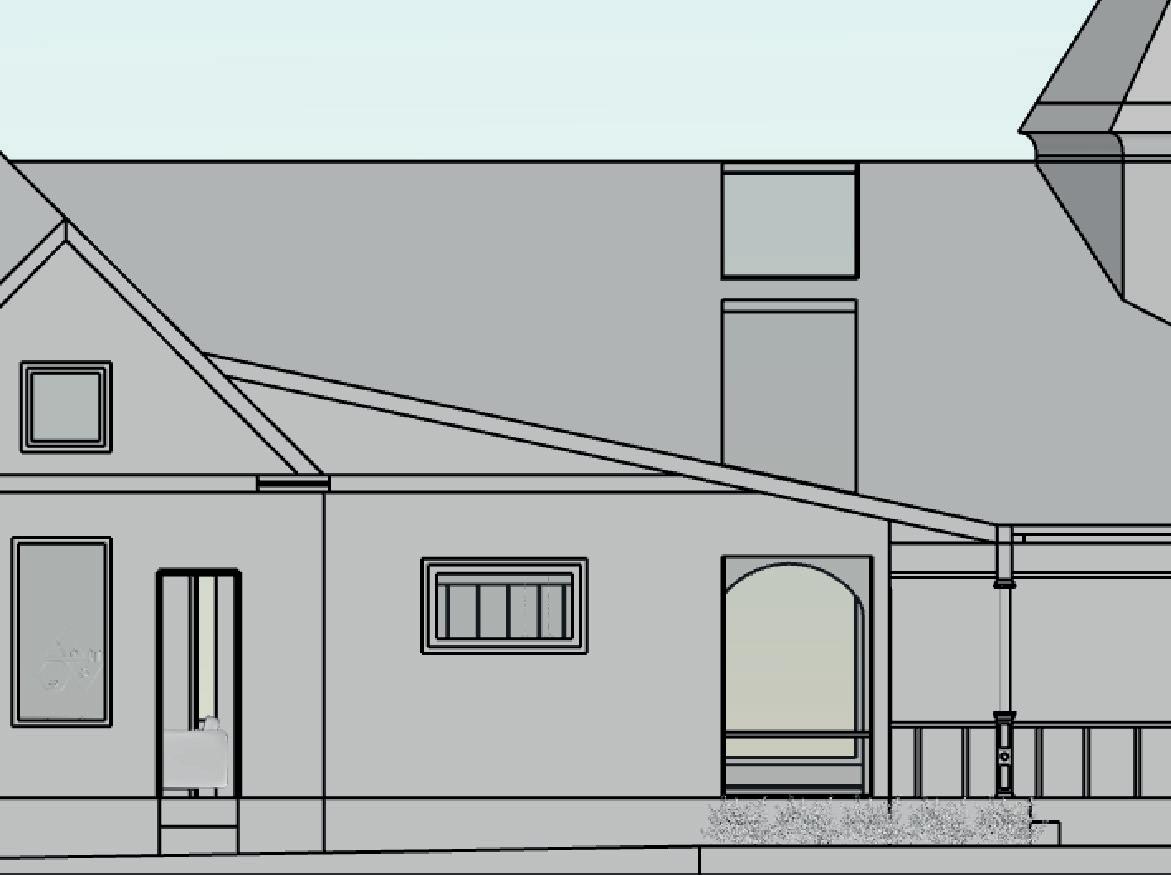
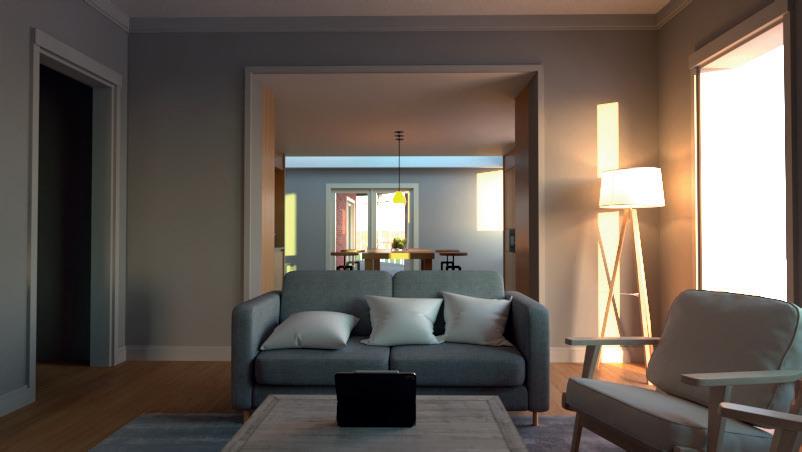
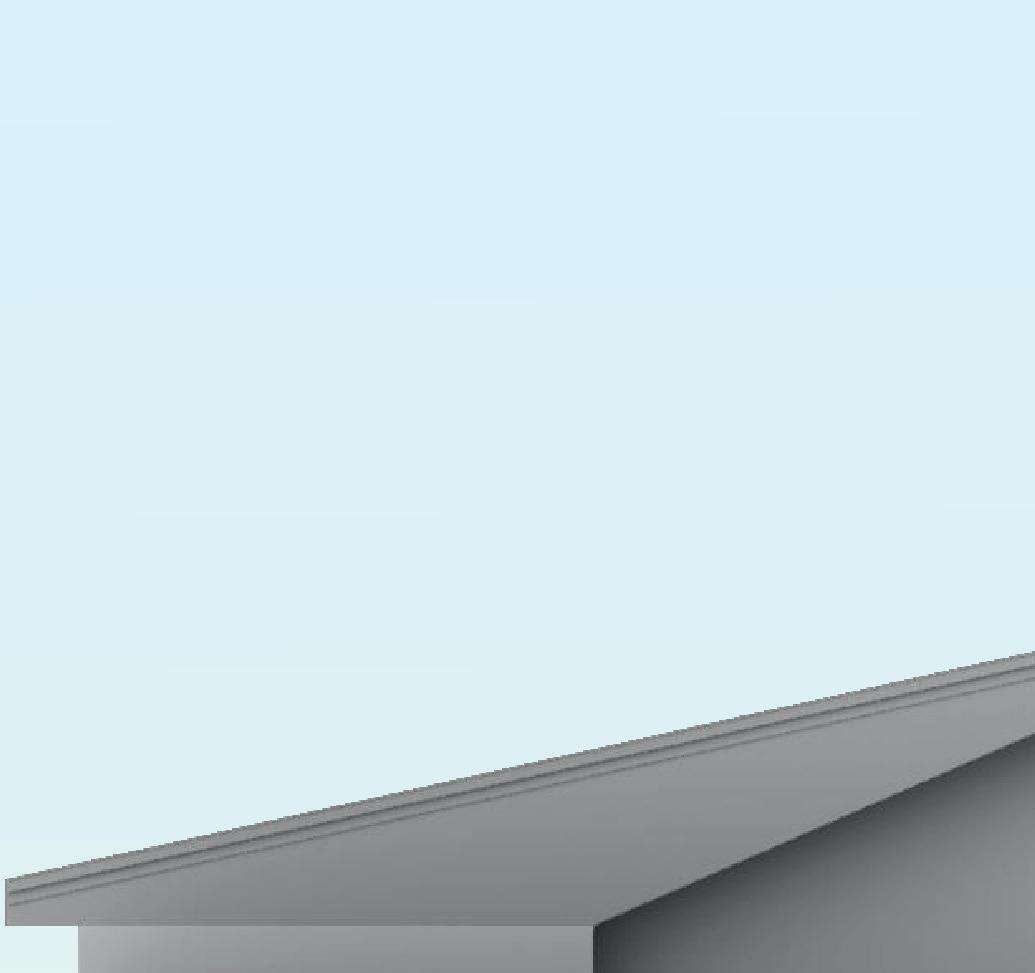
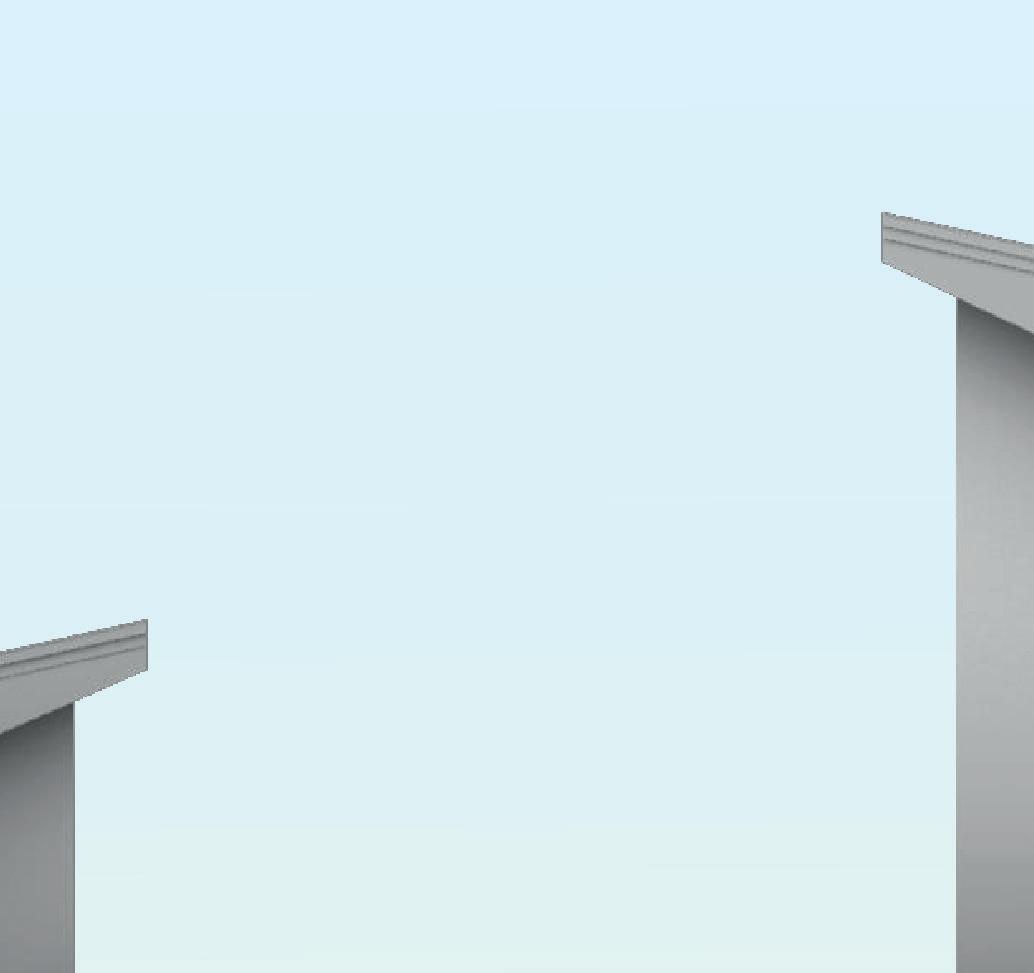
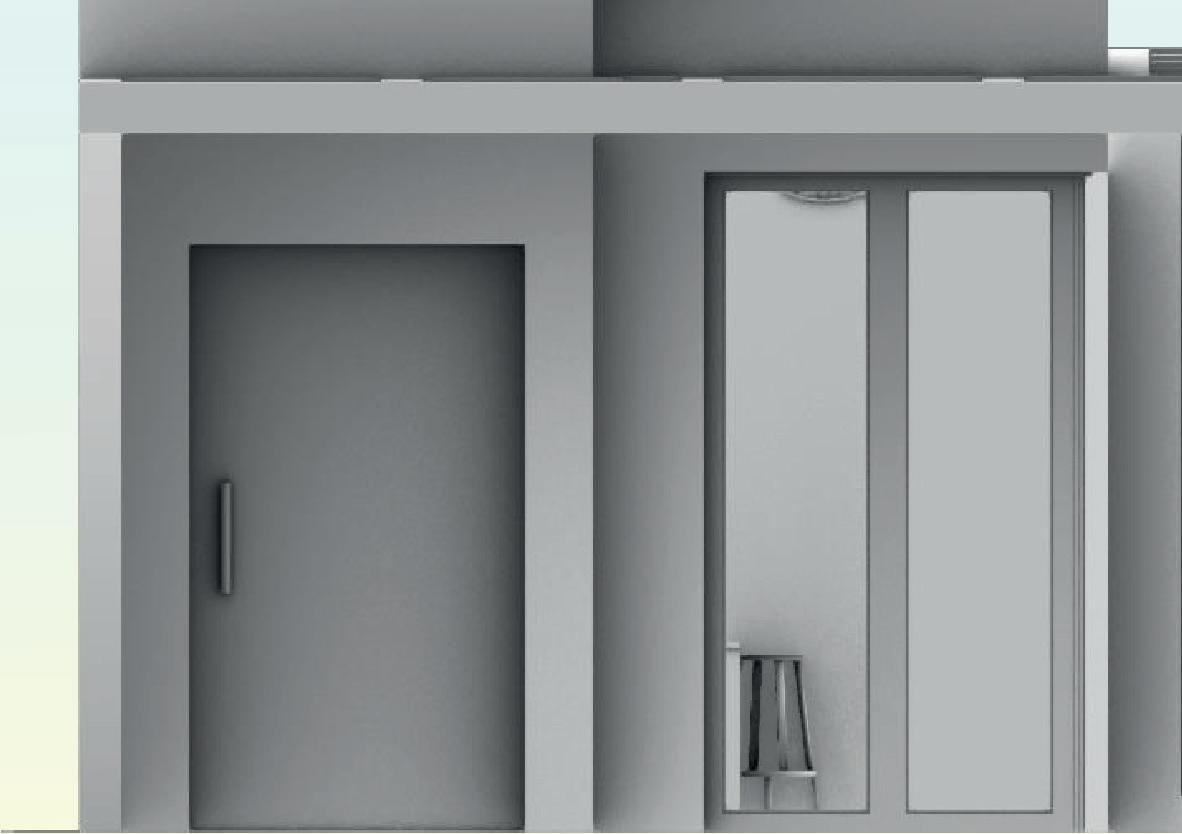
The thesis for this project was to renovate and design an addition to a pre-existing Queen Anne residence in Lexington, KY. The design was based on principles received via a character strength test survey.
The character strength test identified the top 3 values that resembled the person taking the survey. The values used in the survey were curiosity, appreciation of beauty, and kindness.
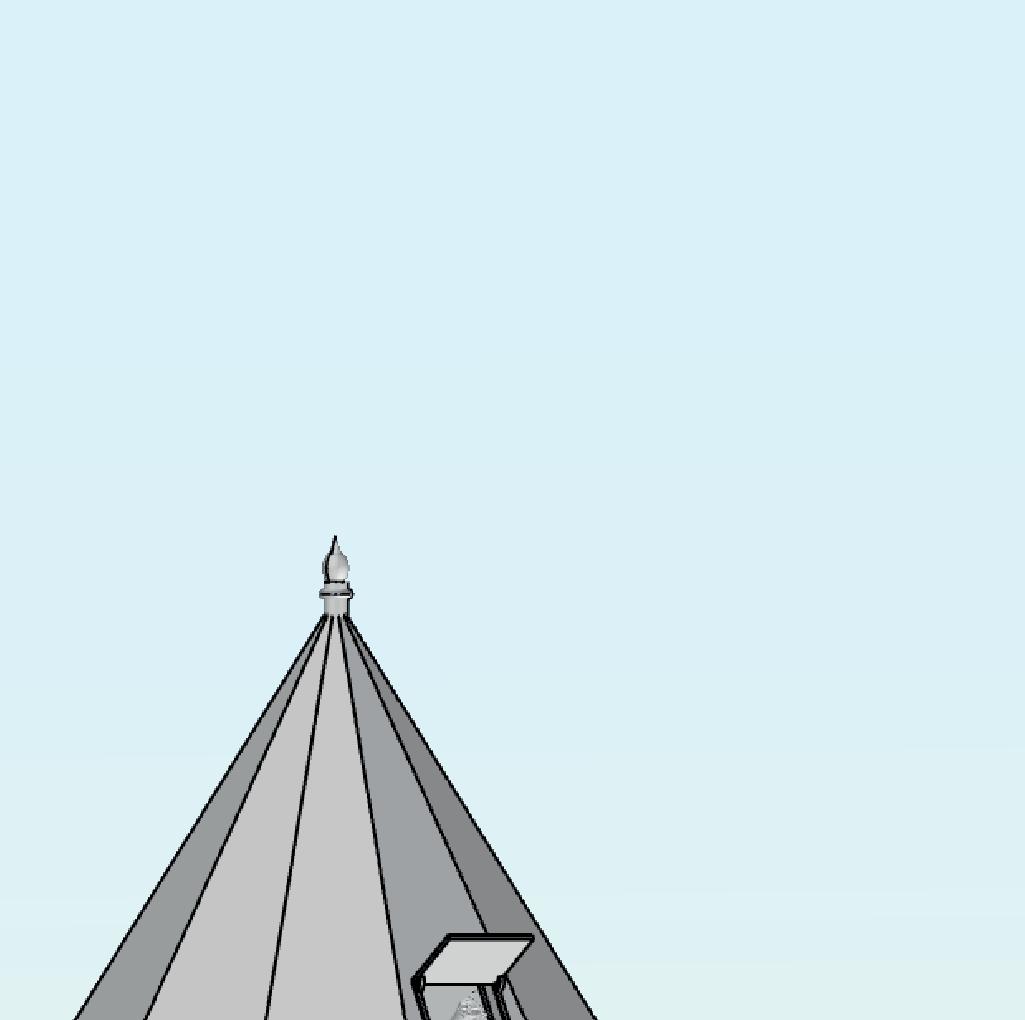
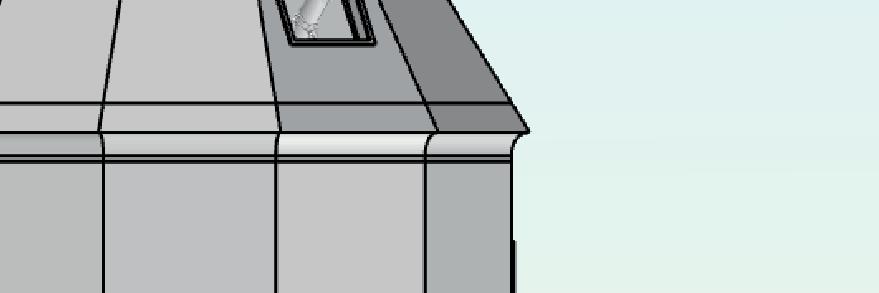
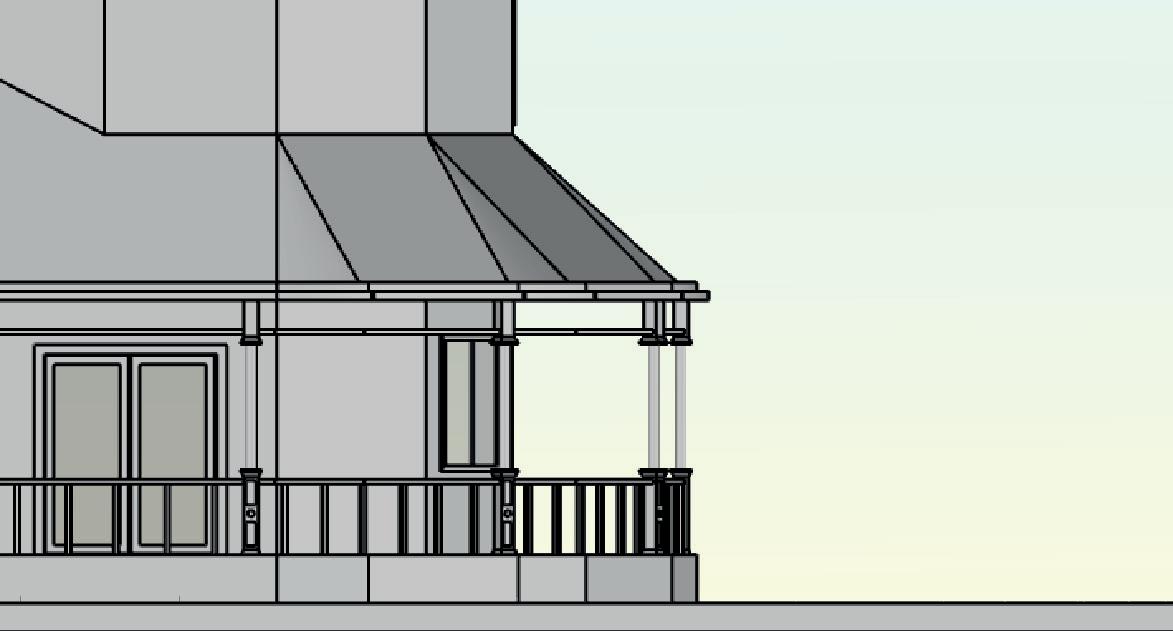
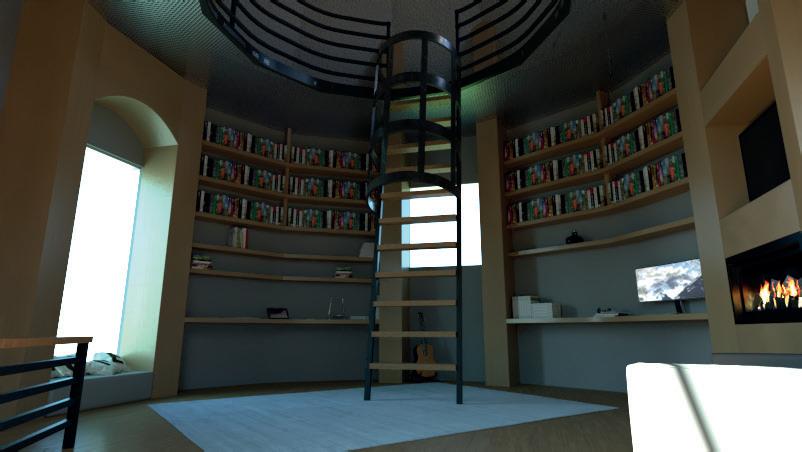
The thought process behind the curiosity and appreciation of beauty values came from the Mars Curiosity Rover. This idea was expanded on through the design of the observatory and the idea of how expansive and bizarre space is while being able to appreciate its beauty and vastness. The value of kindness is related to being truthful to the home’s original design. Because of this relationship, the building addition remained in the style of the original home design (Queen Anne) and was done by adding a turret with a spire to the back portion of the residence.
The project also included a climate design strategy to ensure the home had ample heating.




















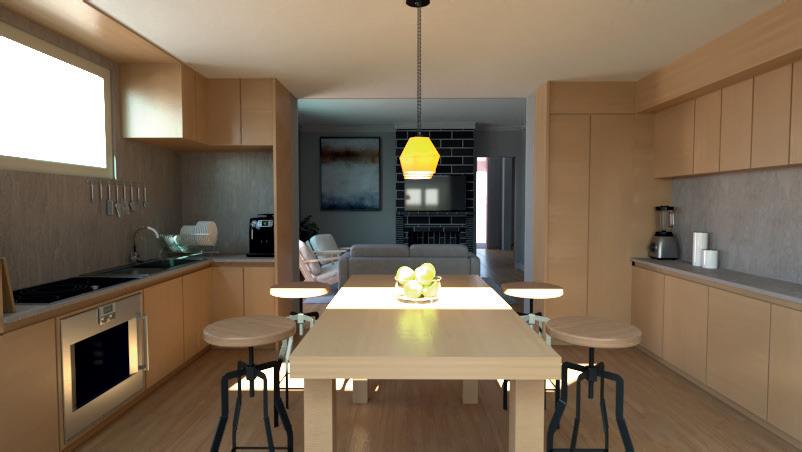
Experimental render to show what the renovated kitchen might look like.
Experimental render to show what the renovated living room might look like.
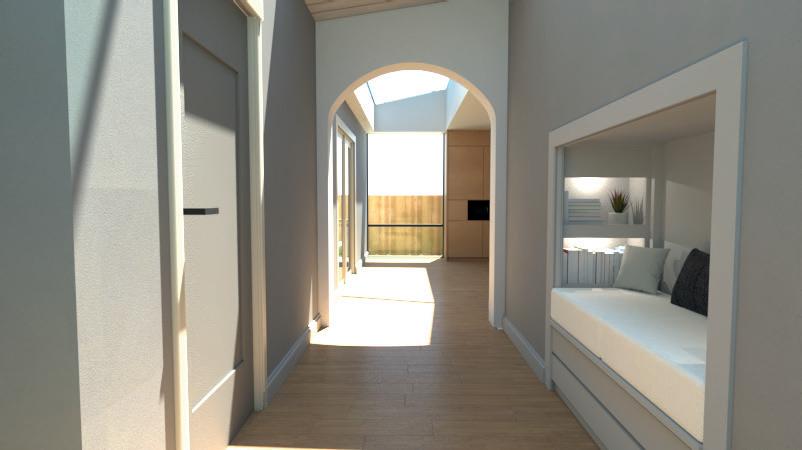
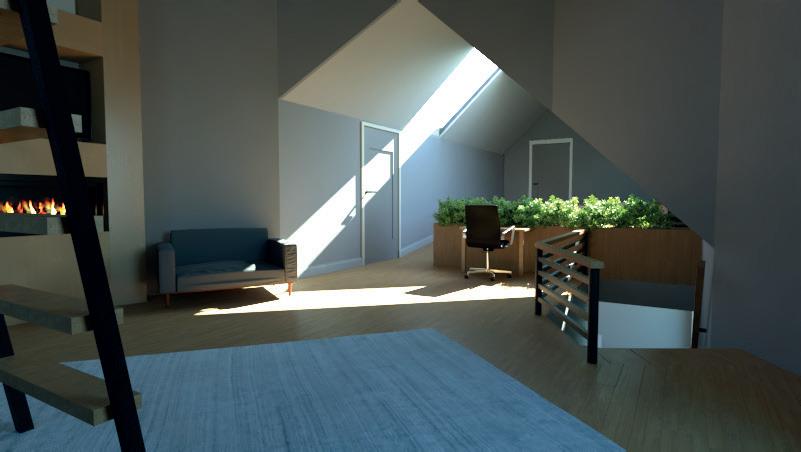
Experimental render to show what the additional hall might look like.
[1] LOFT, [2] OBSERVATORY, [3] CLOSET, [4] EXTRA SPACE
= UNINHABITABLE SPACE
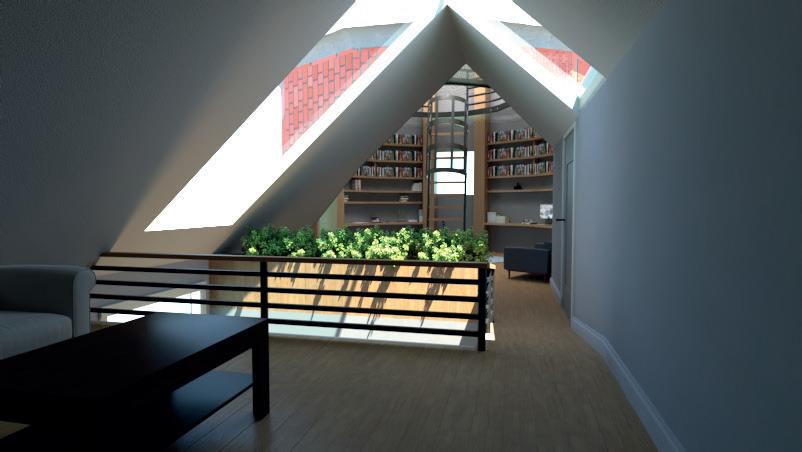
Experimental render to show what the loft might look like.
Experimental render to show what the observatory might look like.
Experimental render to show what the loft view from the observatory might look like.

.client
.year
.concept
Jason Zavala (studio professor)
2023
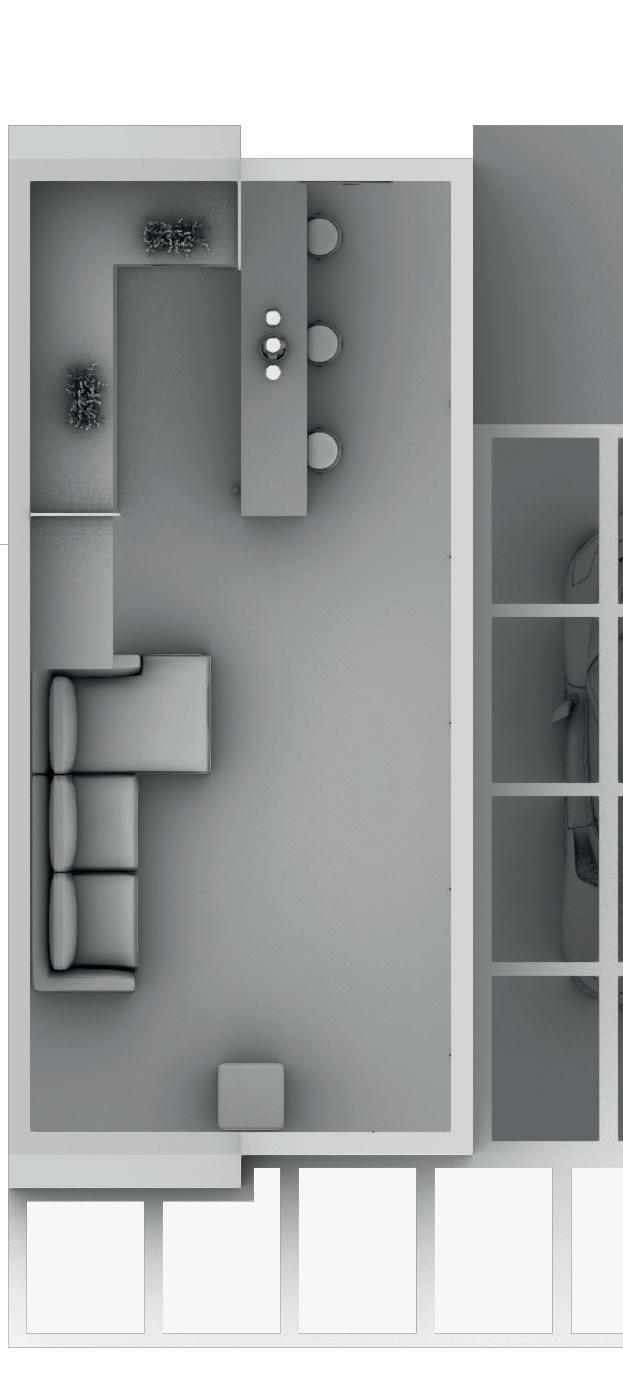
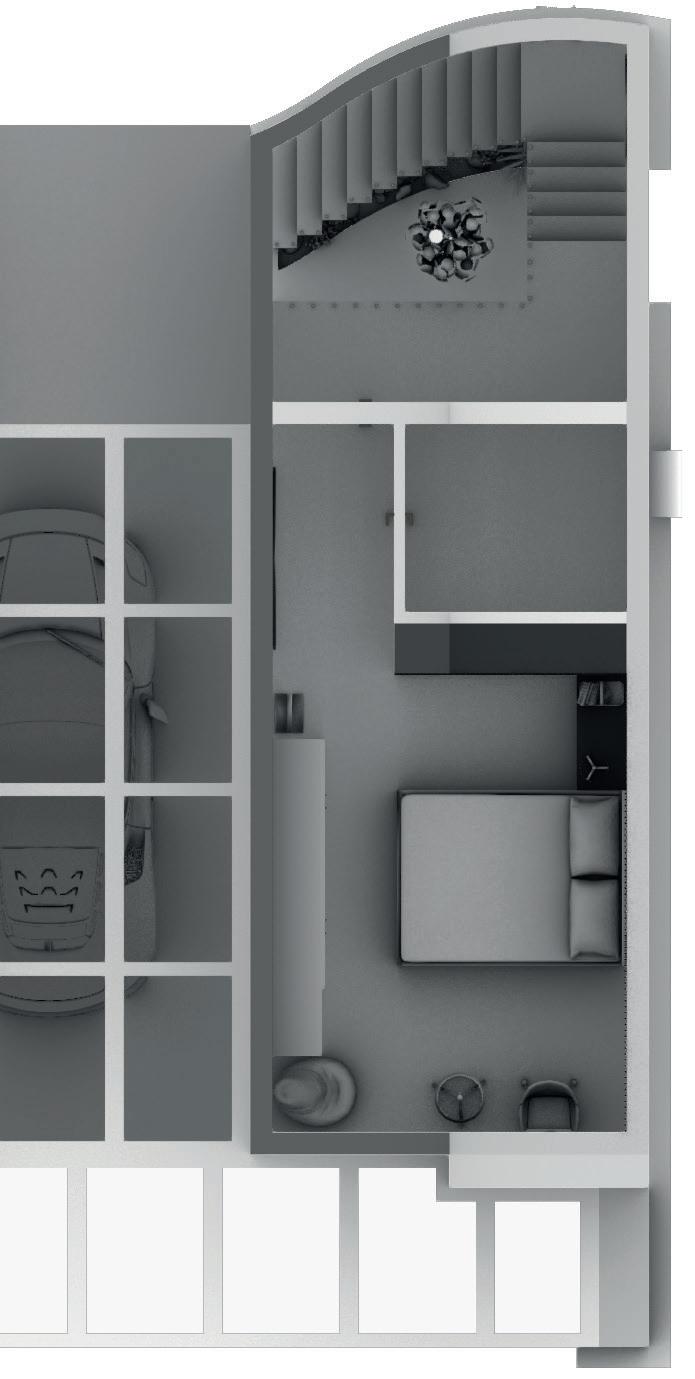
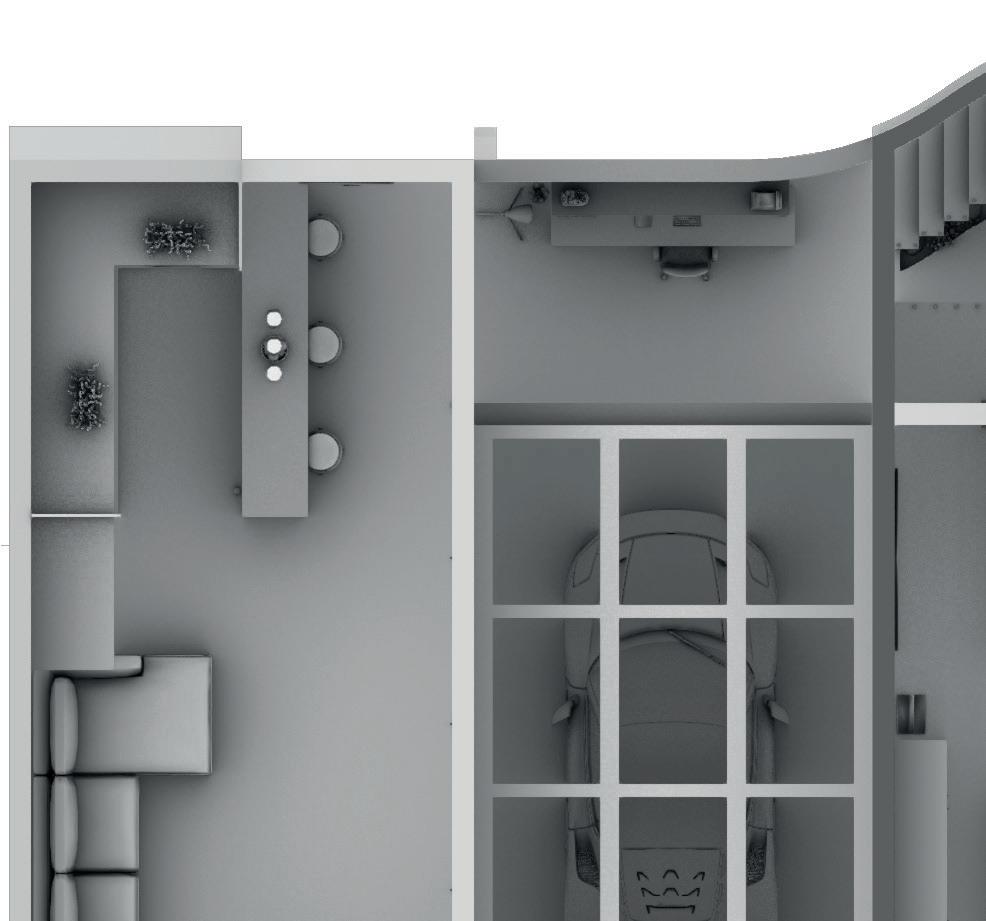
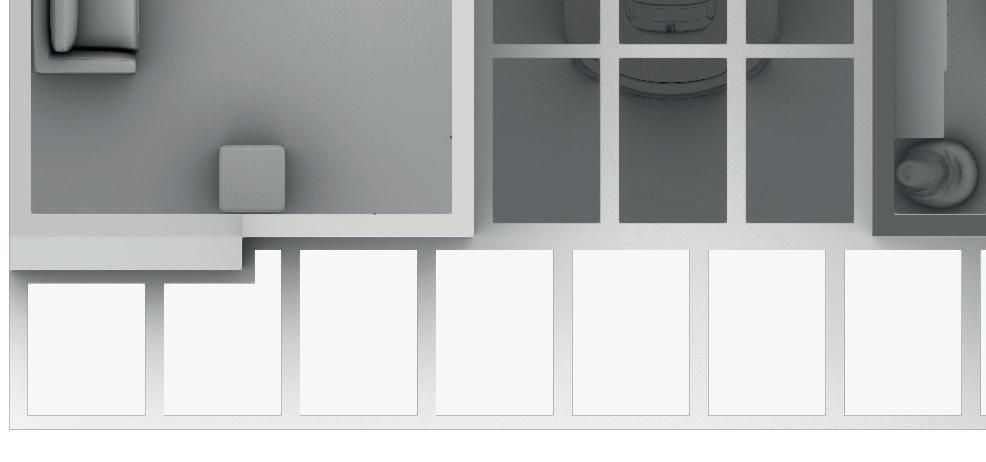
The thesis for this project builds off of the residence renovation and addition. The second portion of the project consisted of a client-led scenario where a classmate developed a scenario about how they wanted the ADU to be designed.
My client decided that the ADU design for single occupancy would be for a graduate student at The University of Kentucky with a deep love for cars.
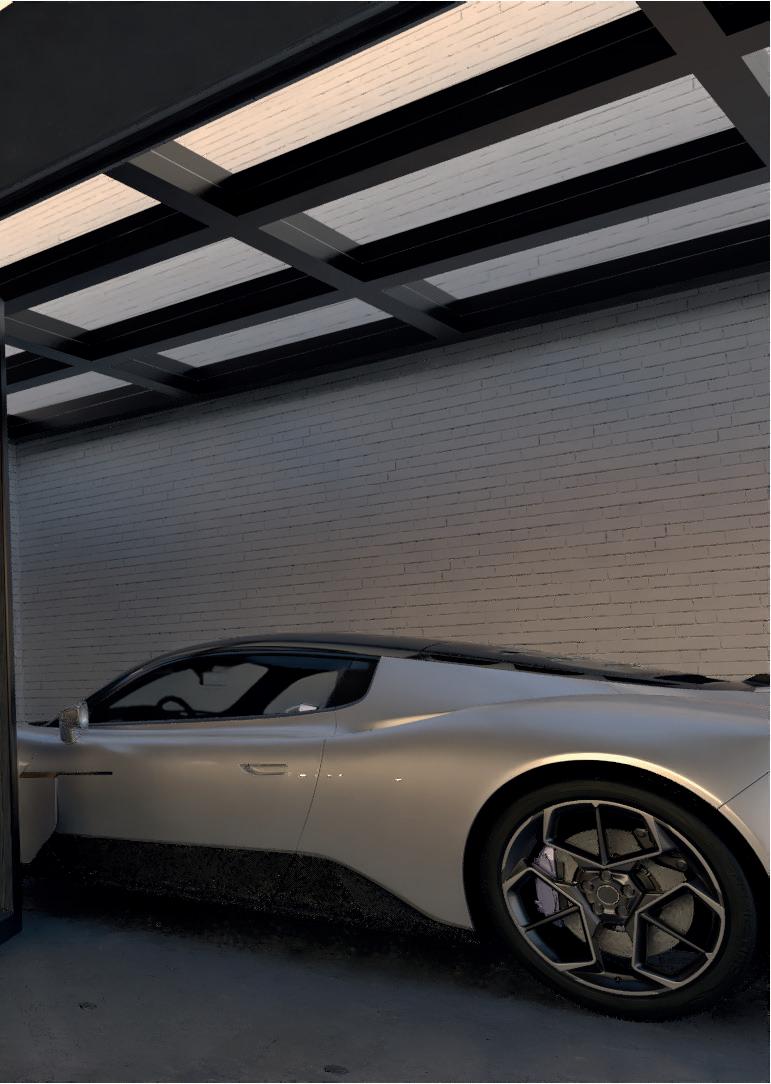
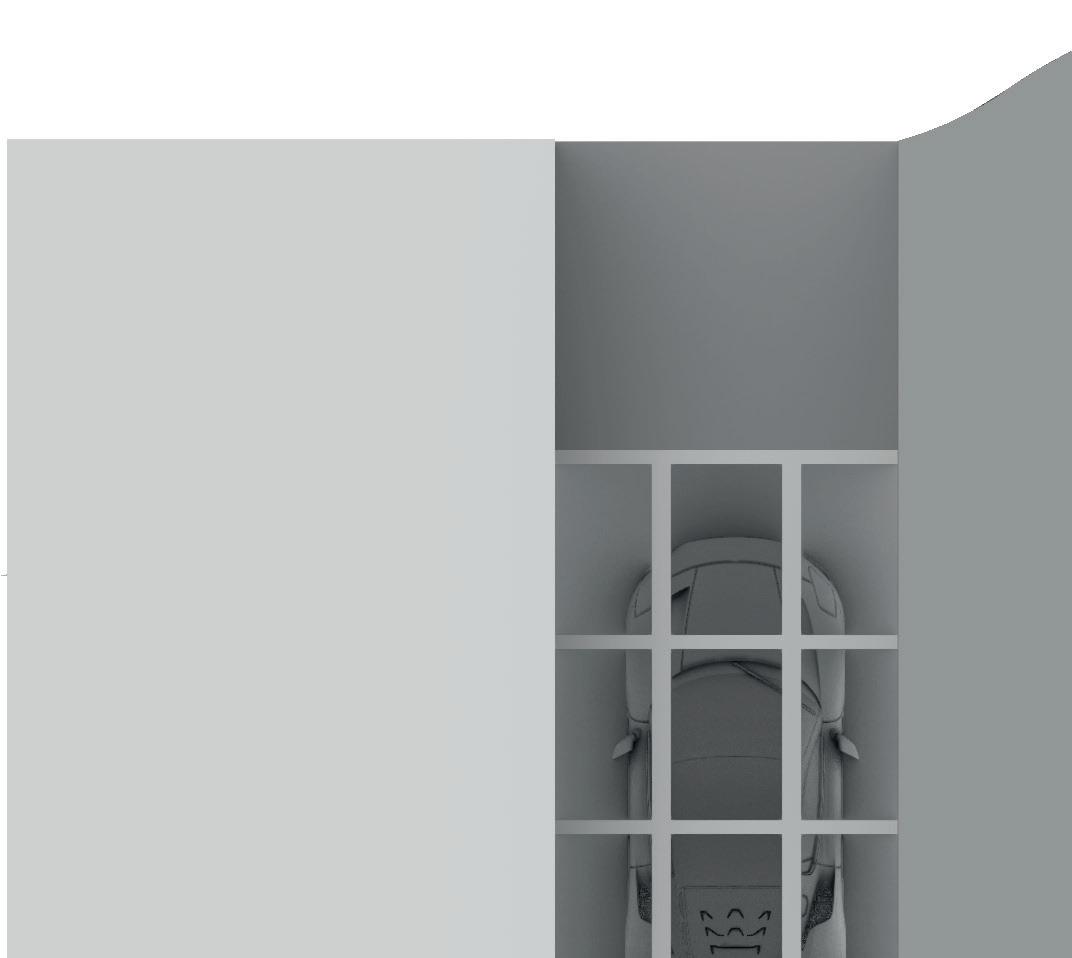
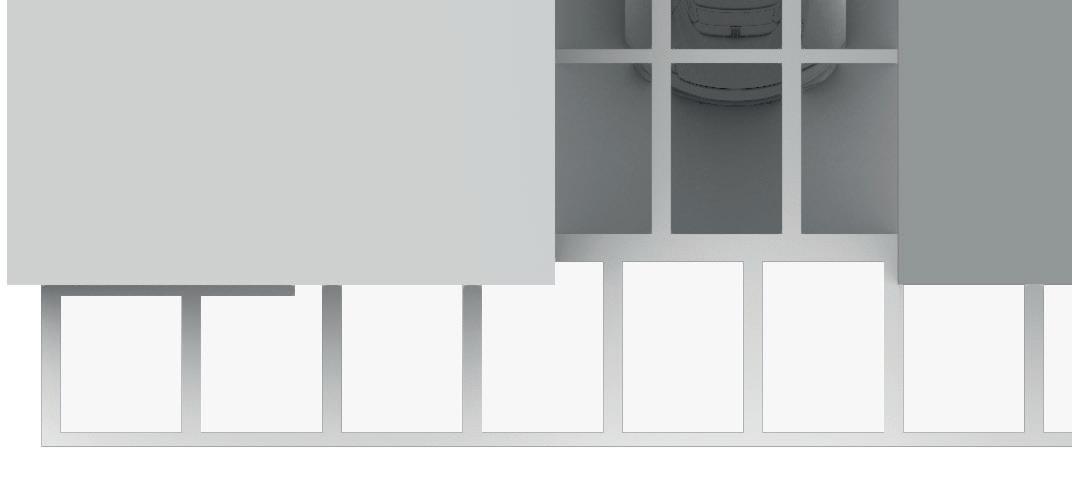
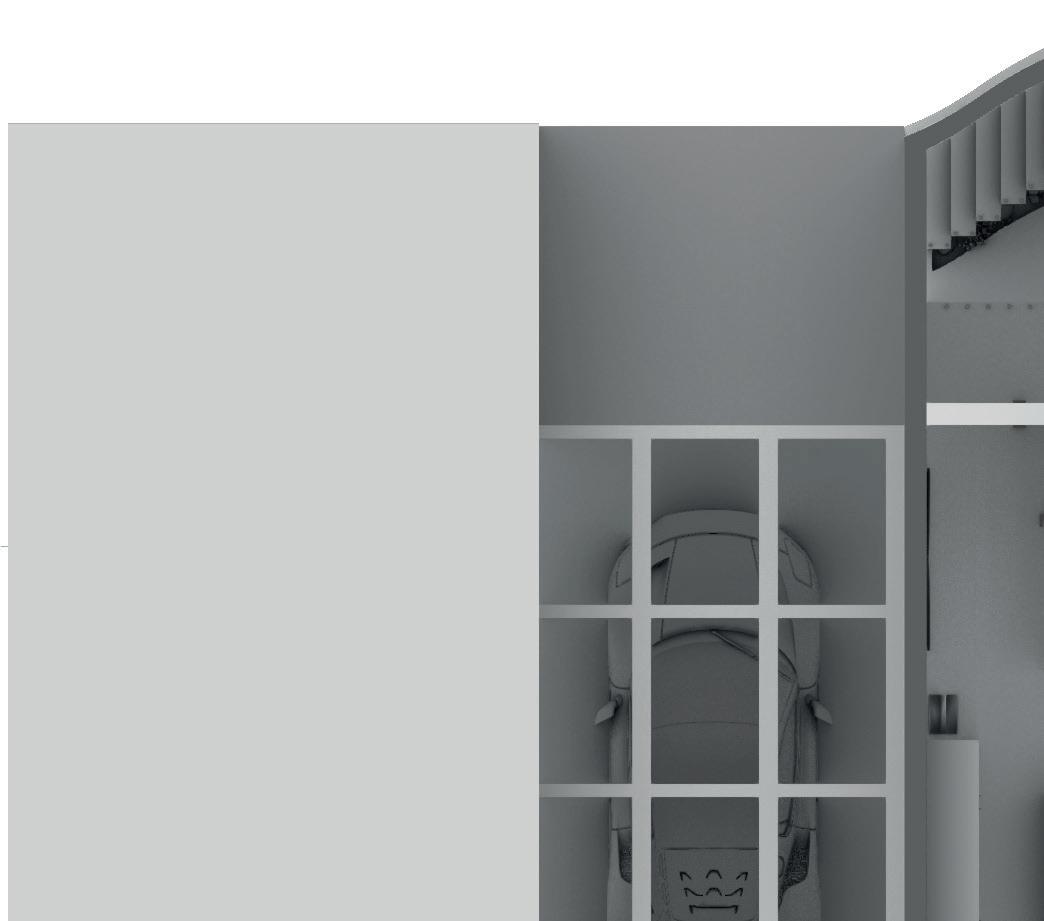
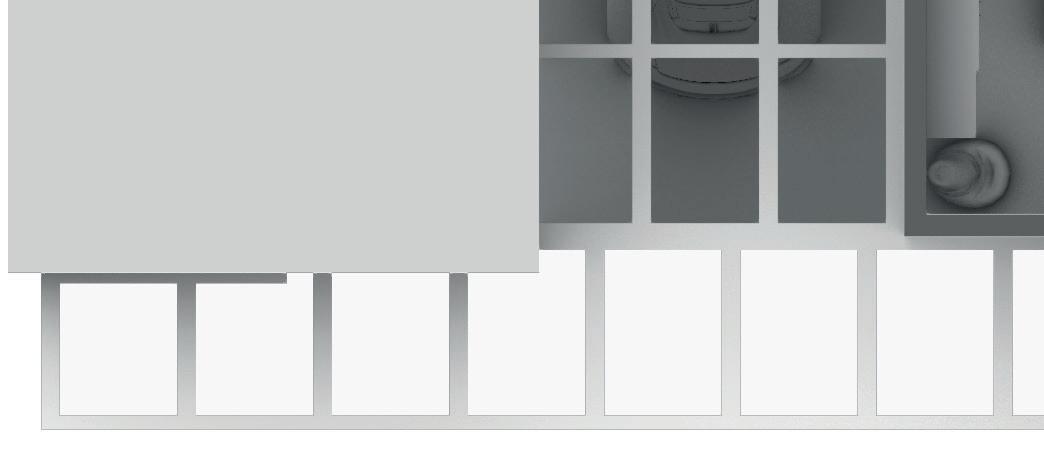
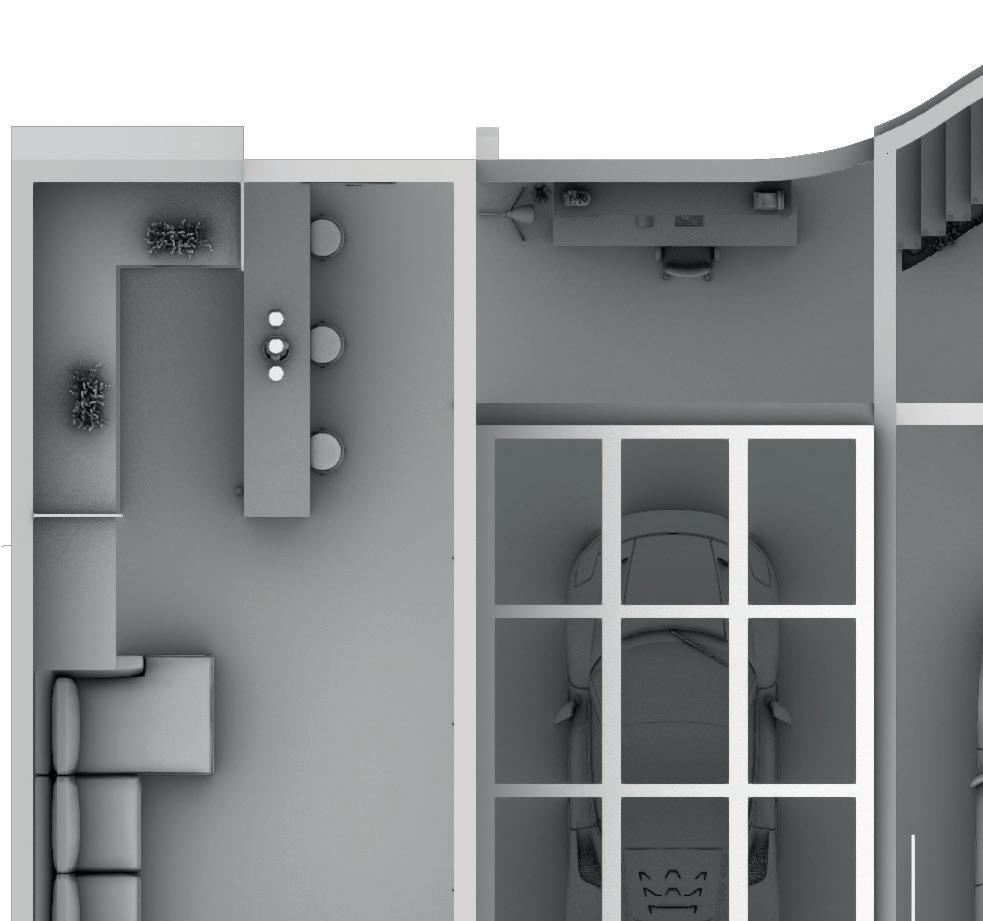
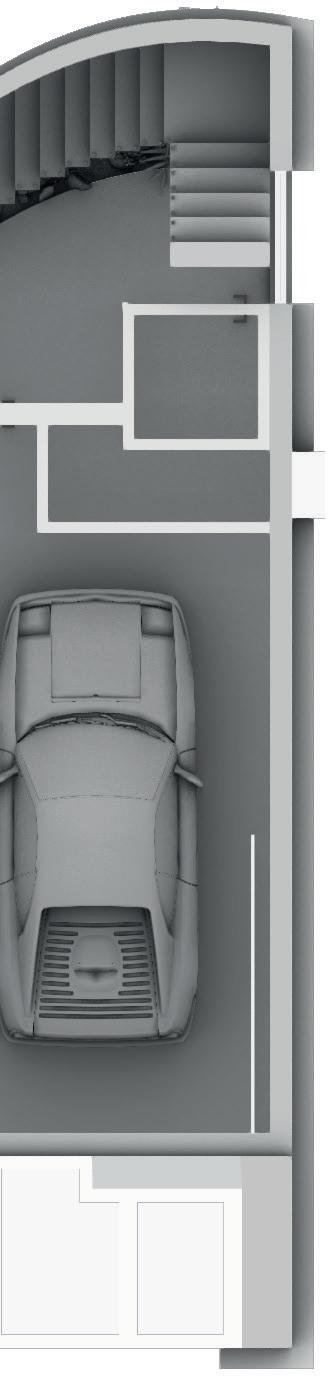
The design philosophy was to be able to include cars in the building, making them a stand-alone sculpture or art piece. This philosophy was executed by using a NanaWall for the living room. Doing this allows the occupant to open the entirety of the right living room wall, enough to drive and park the car in the desired space, leaving the vehicle as the room’s focal point.
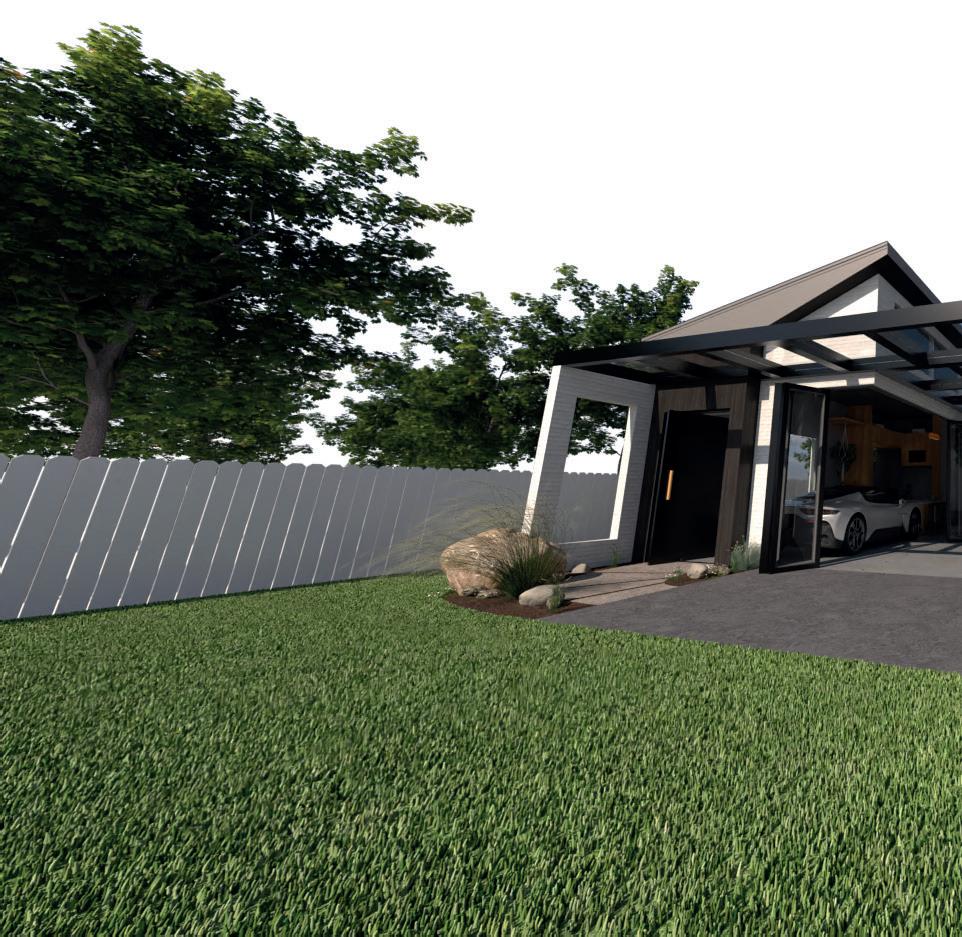
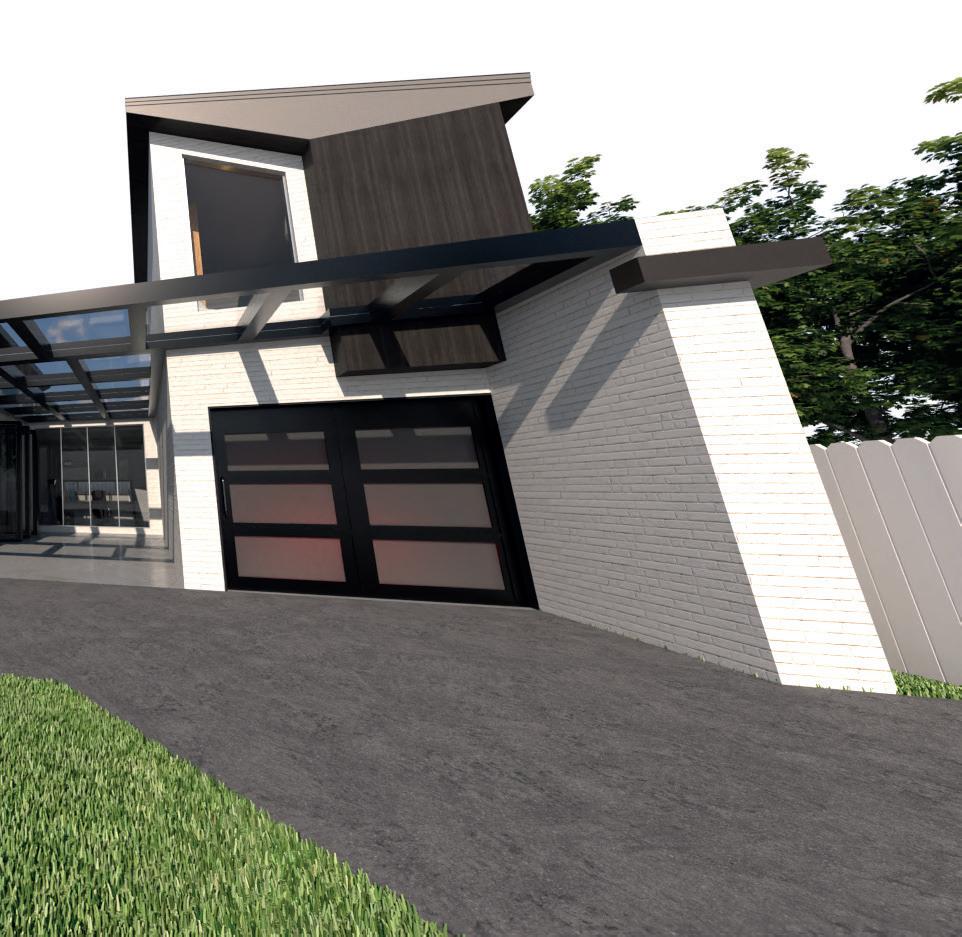
Experimental render to show what the living room and NanaWall might look like.
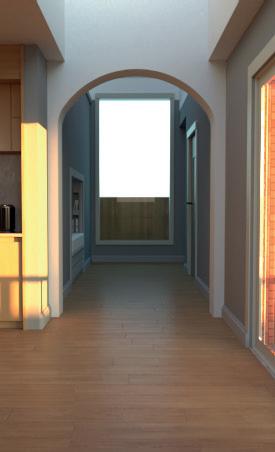
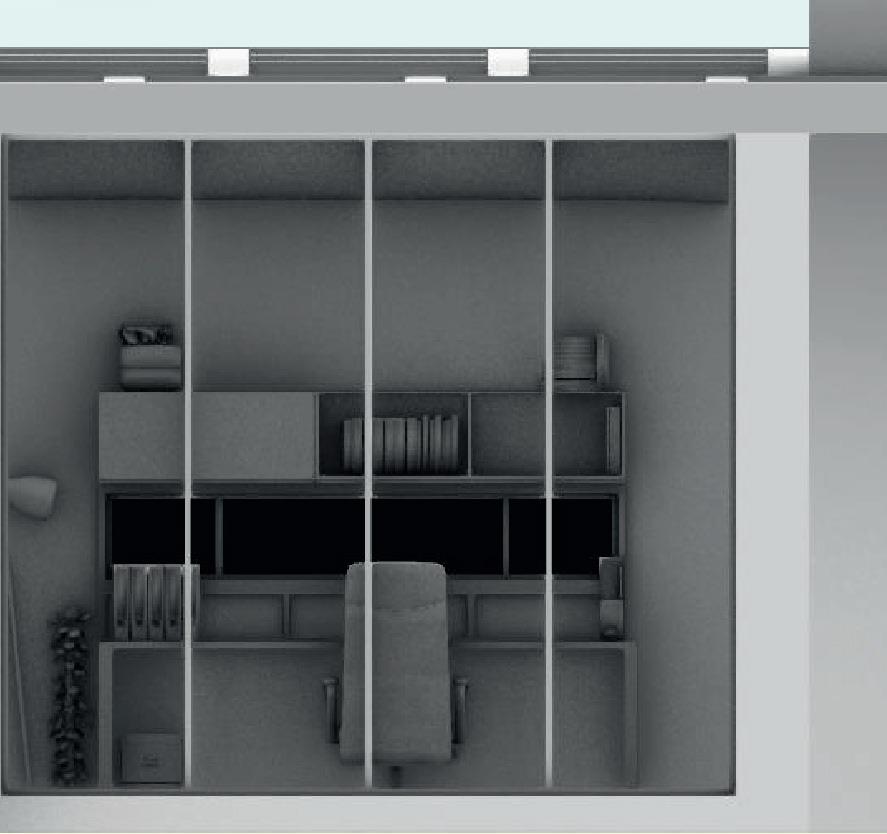
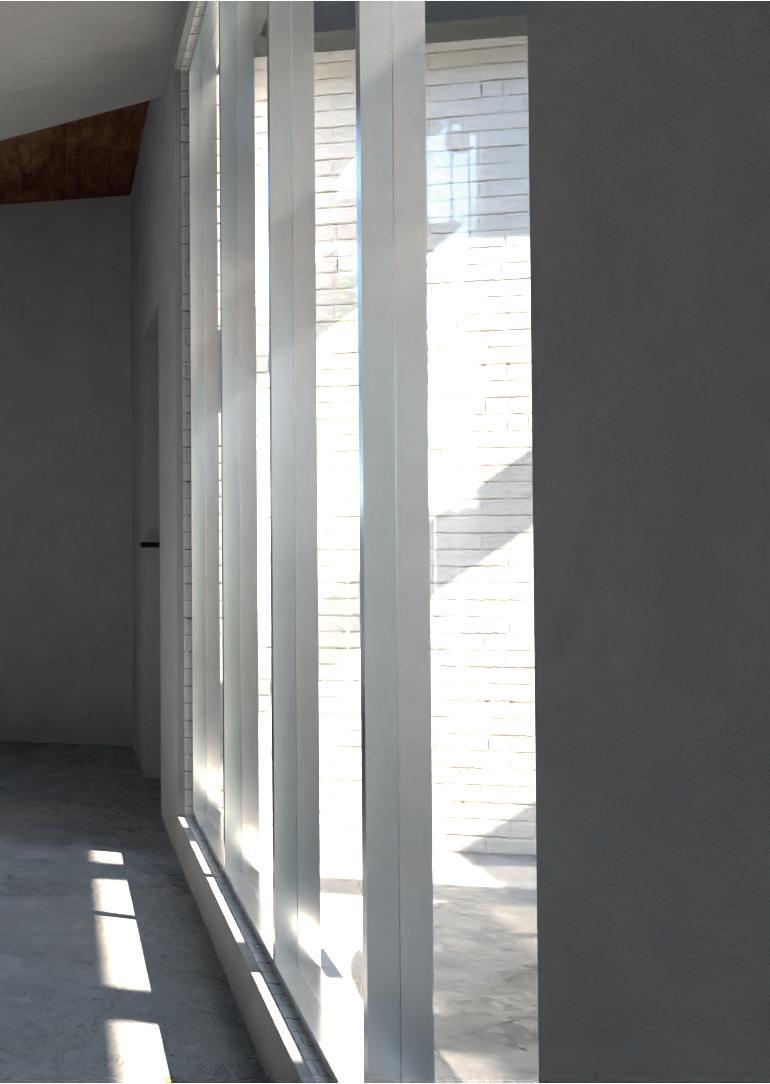
Experimental render to show what the hallway/o ce space might look like.
Experimental render to show what the hallway/o ce space might look like.
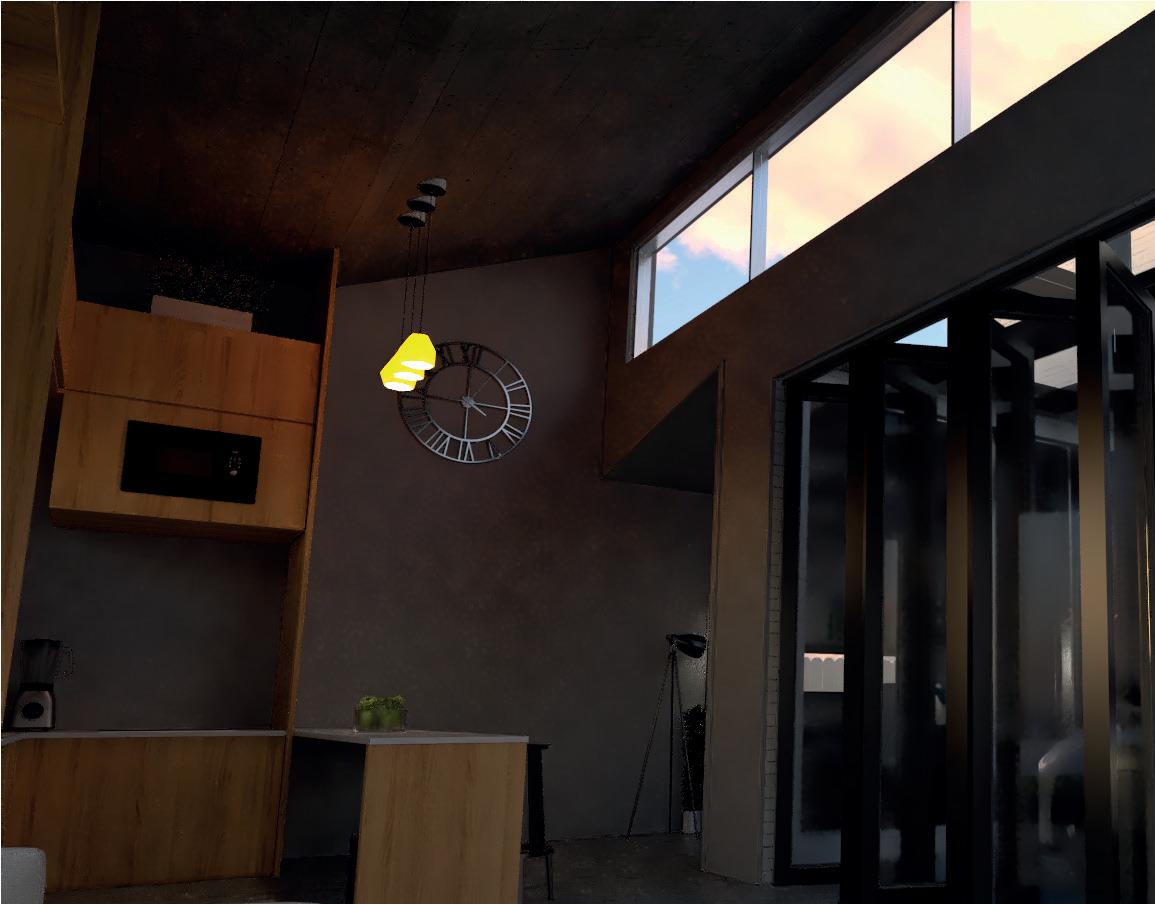

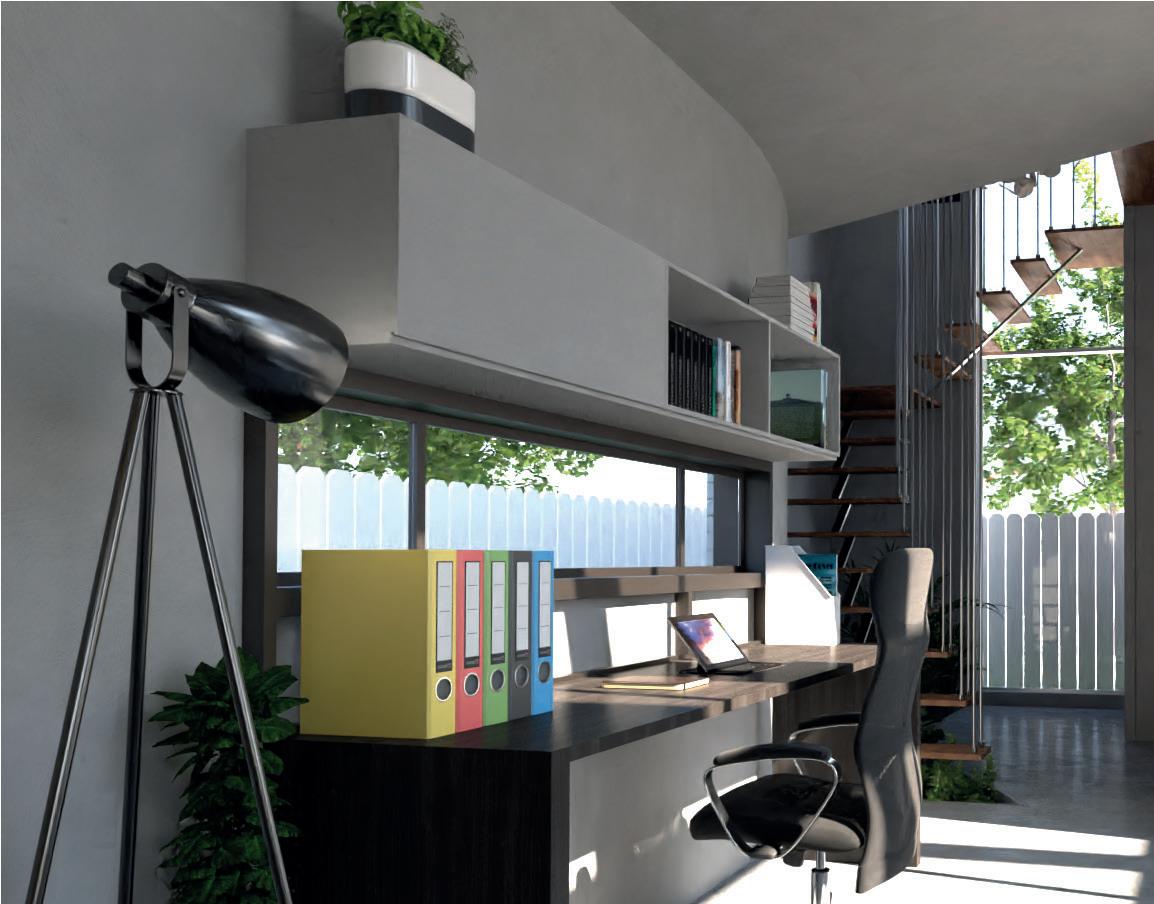

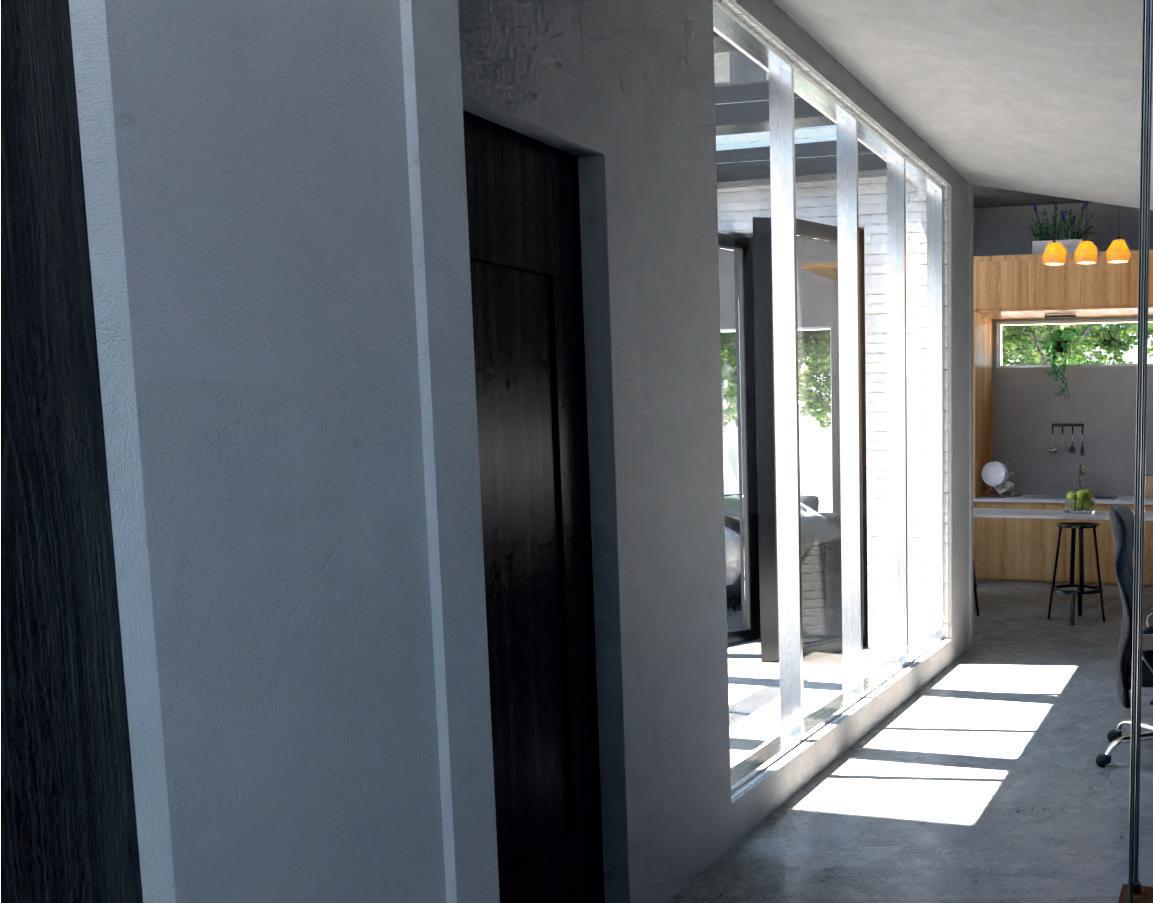

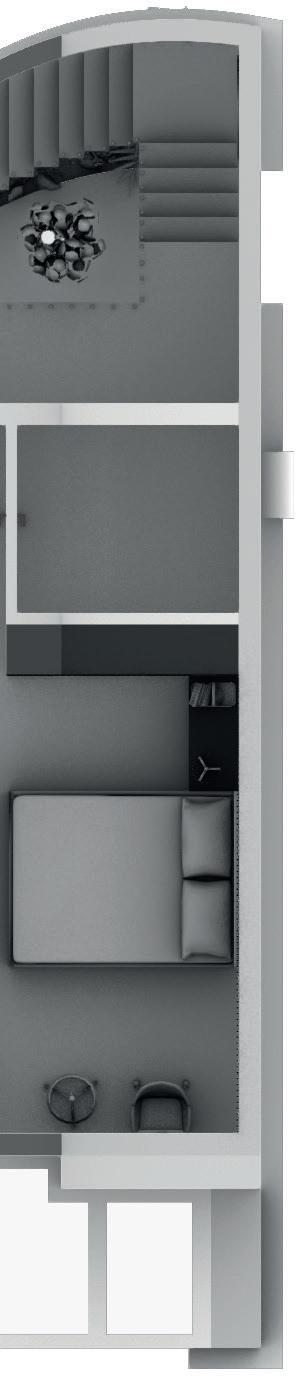
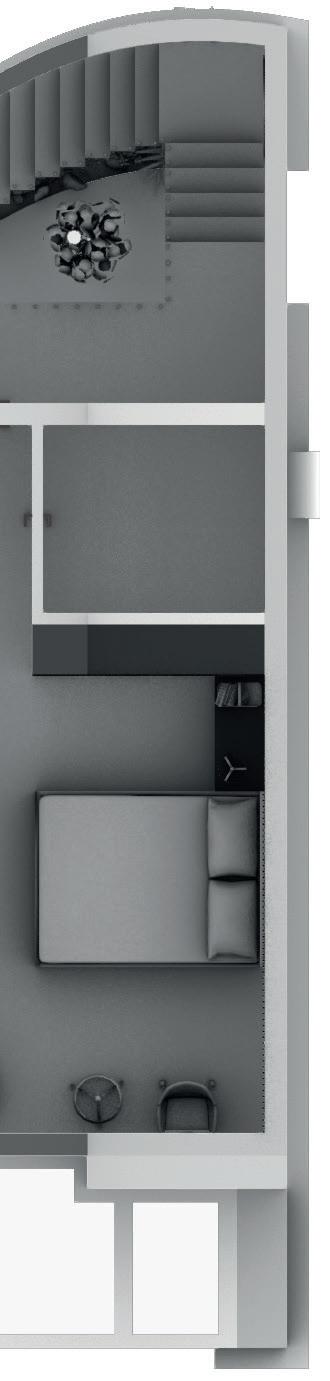
[SECOND FLOOR]
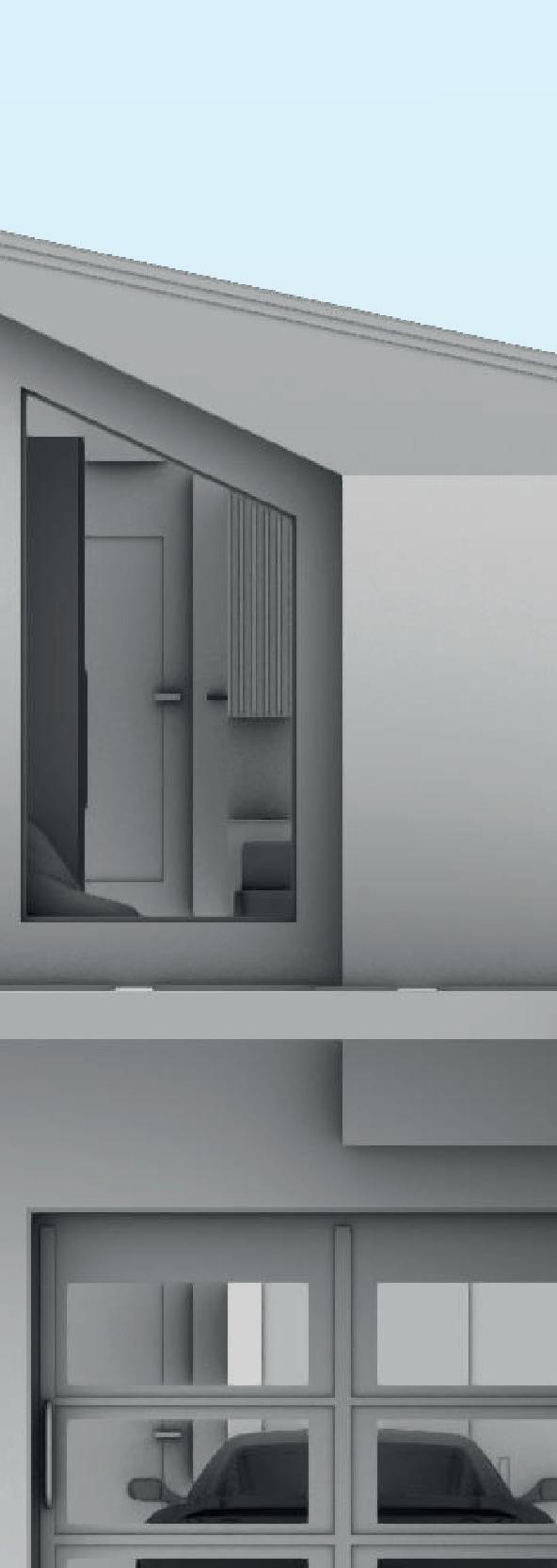
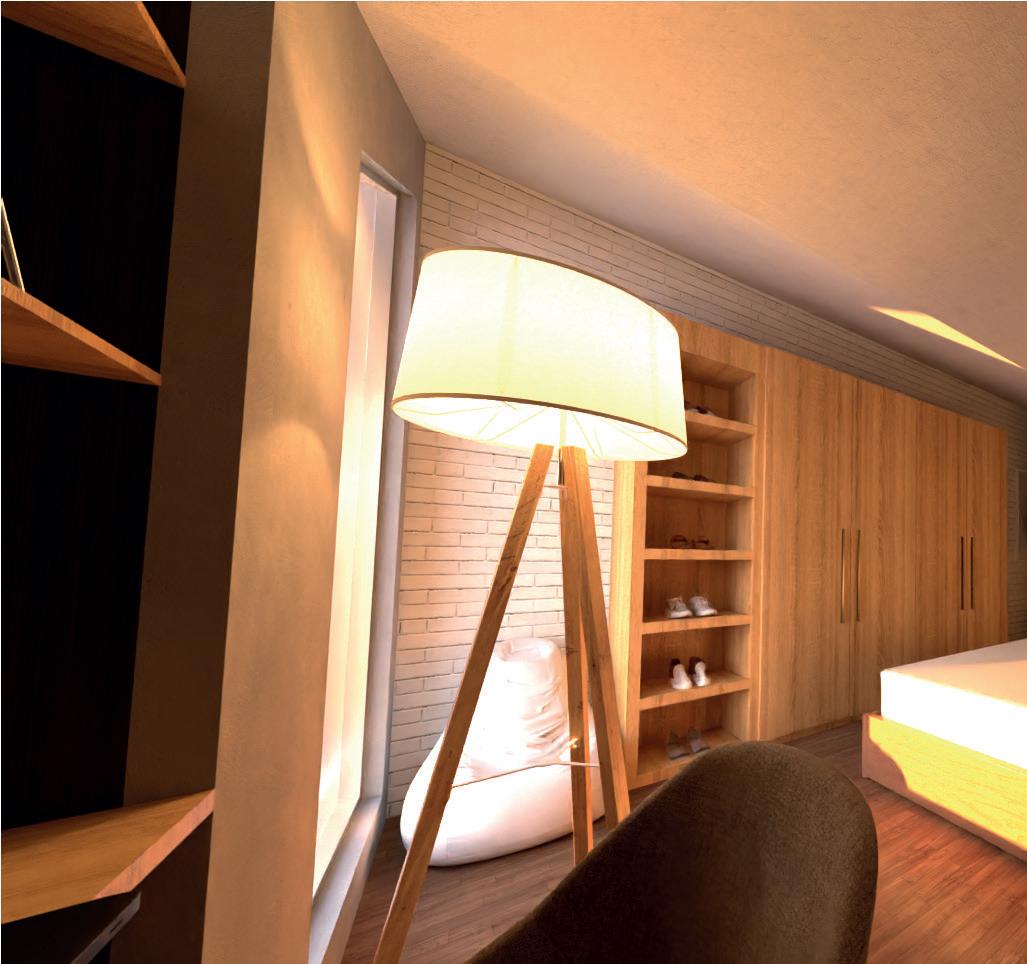
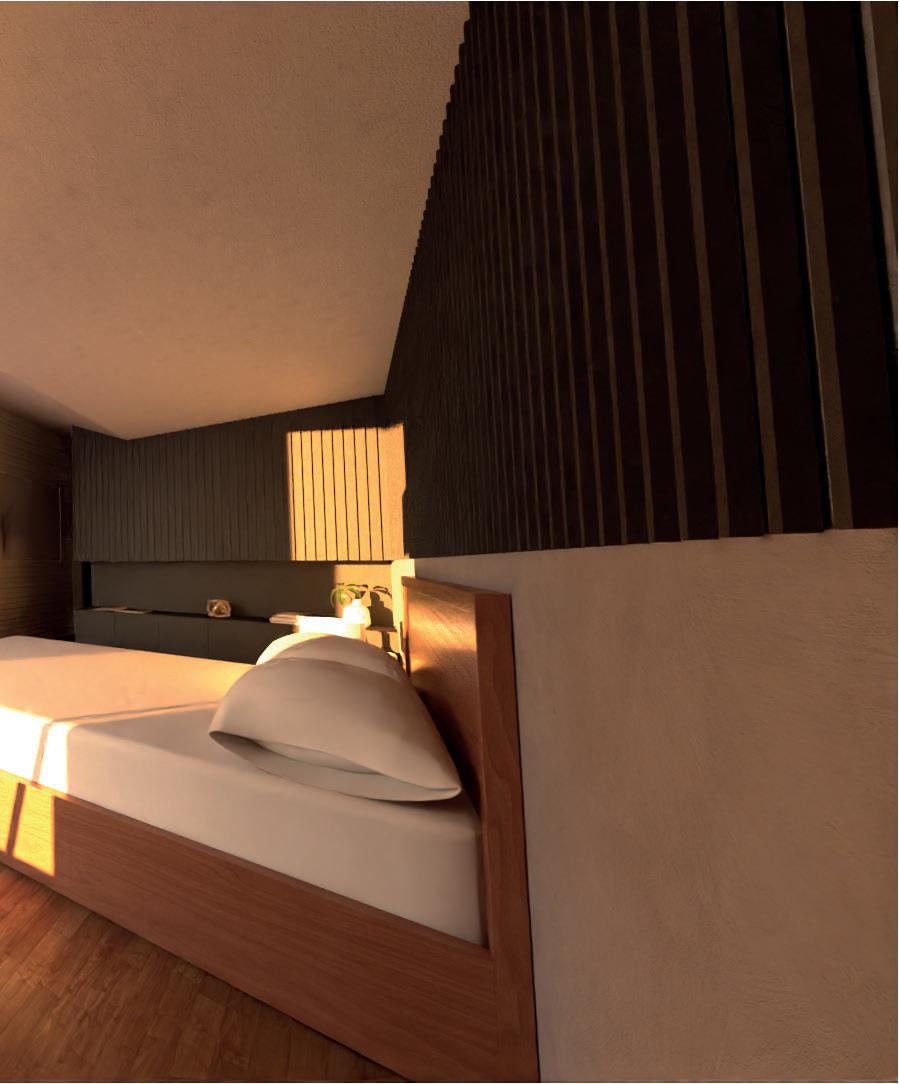
Experimental render to show what the bedroom might look like.
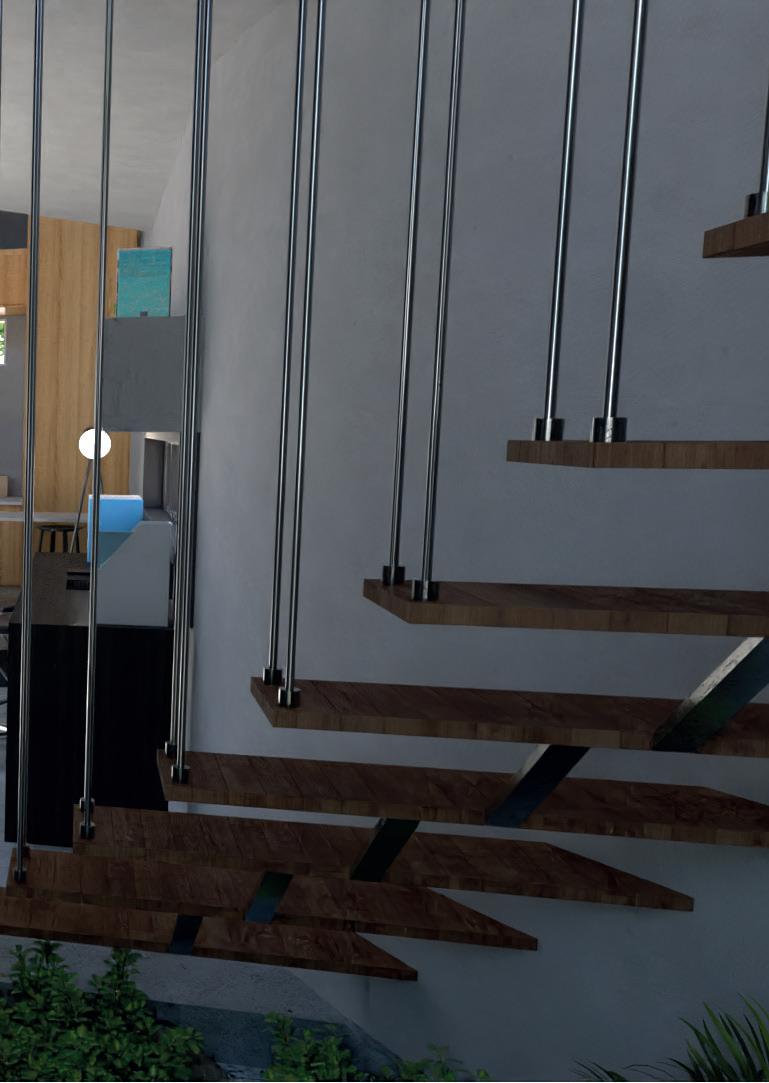
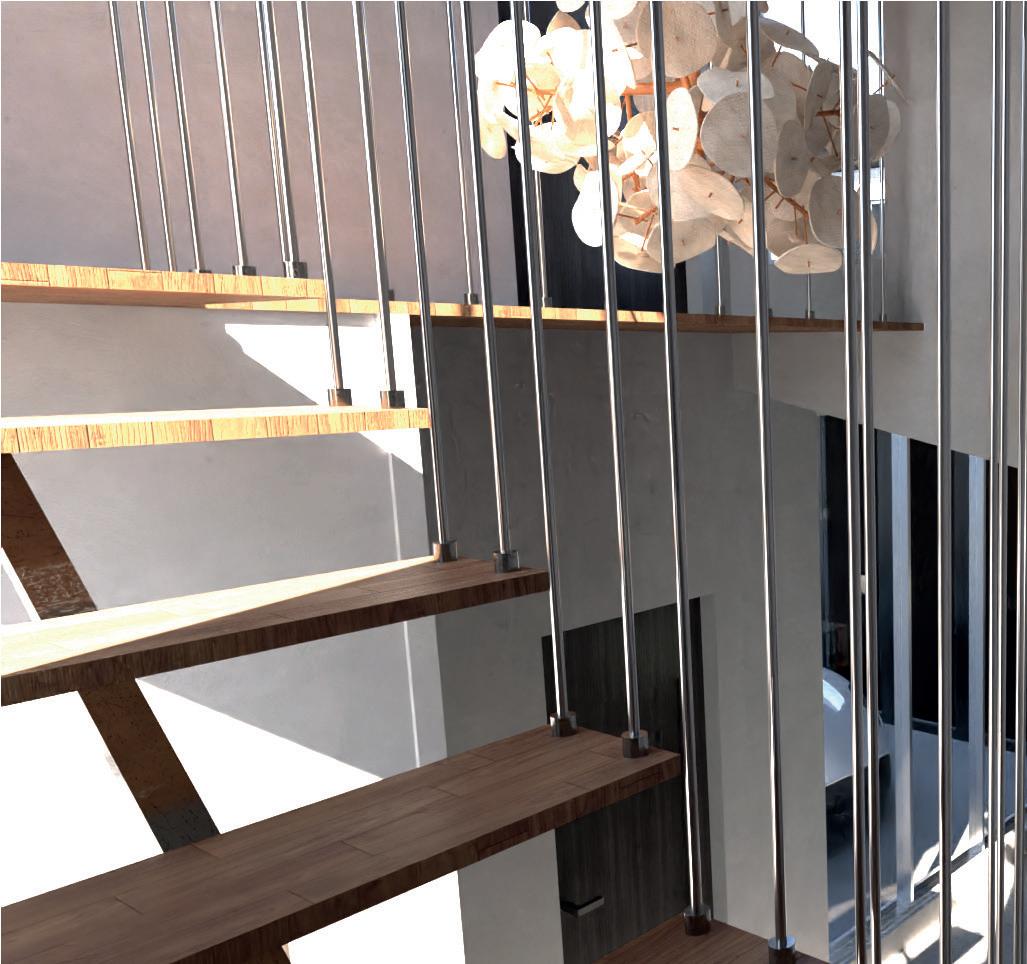
Experimental render to show what the stairwell might look like.
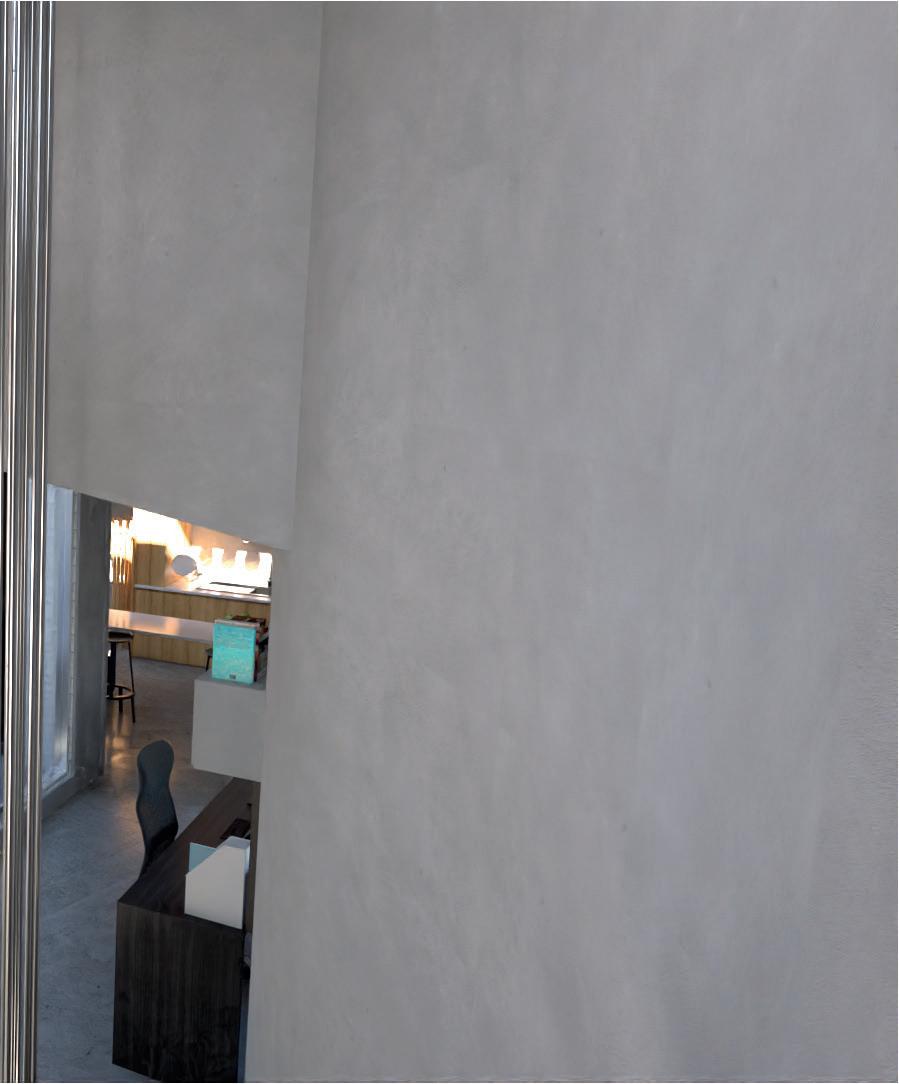

.client .year
.concept None 2022
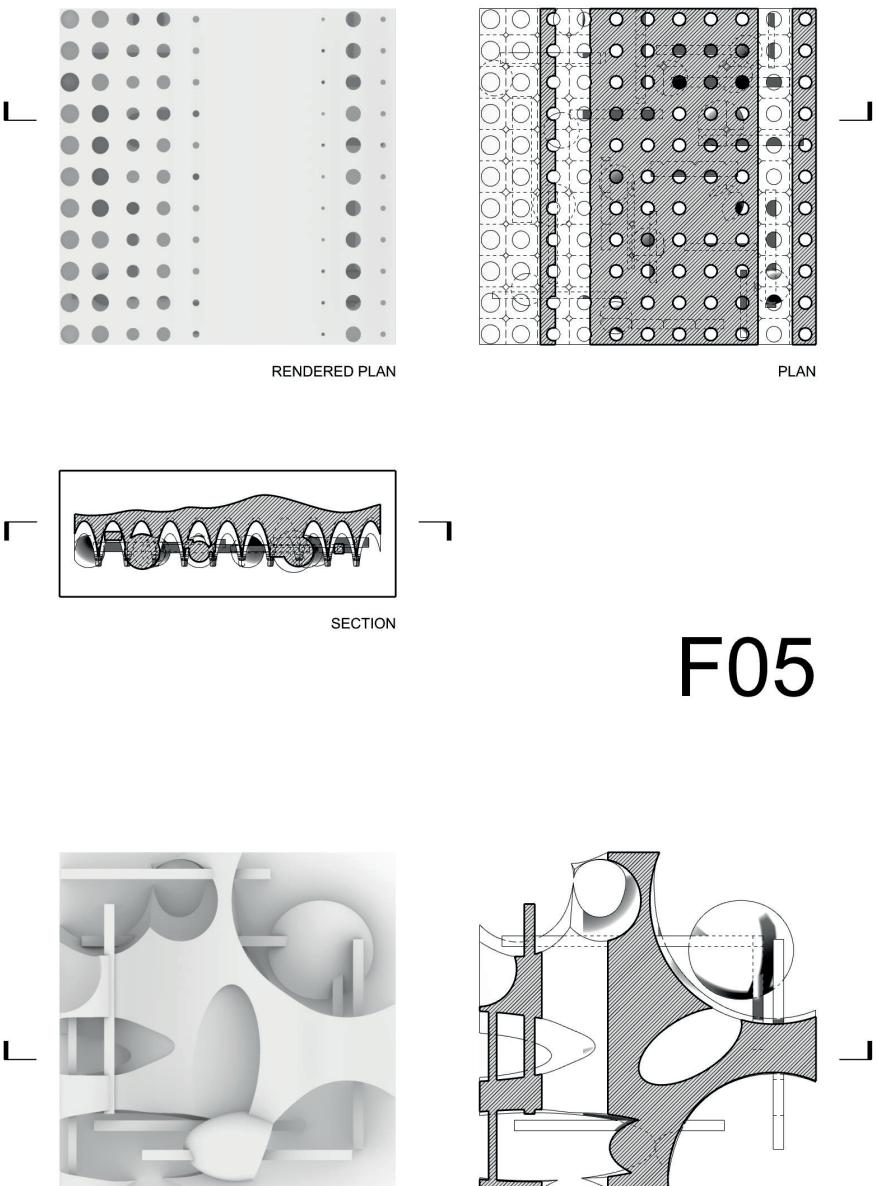
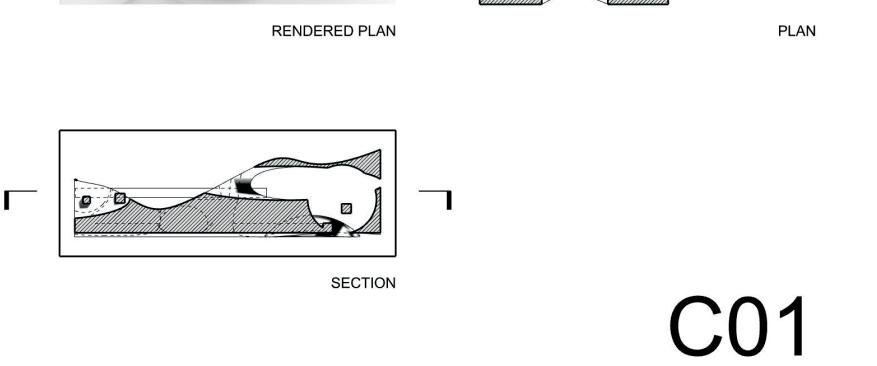
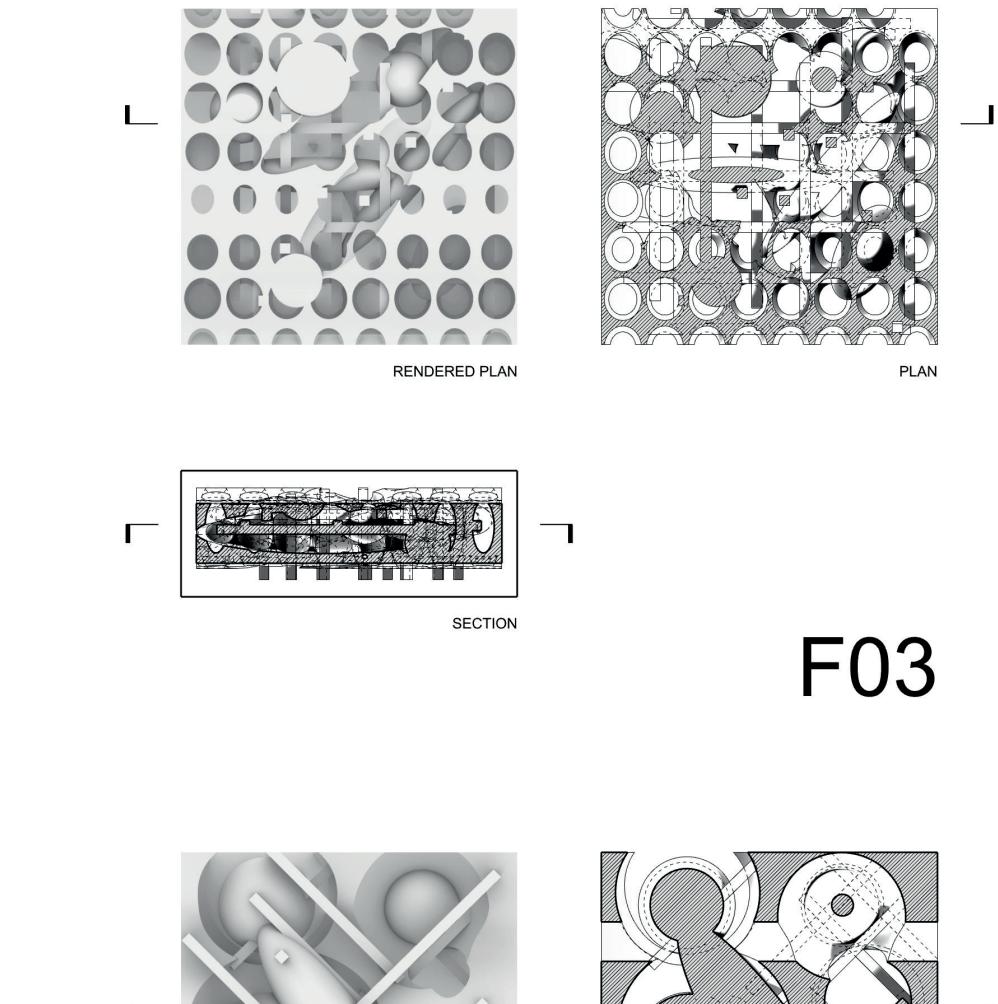
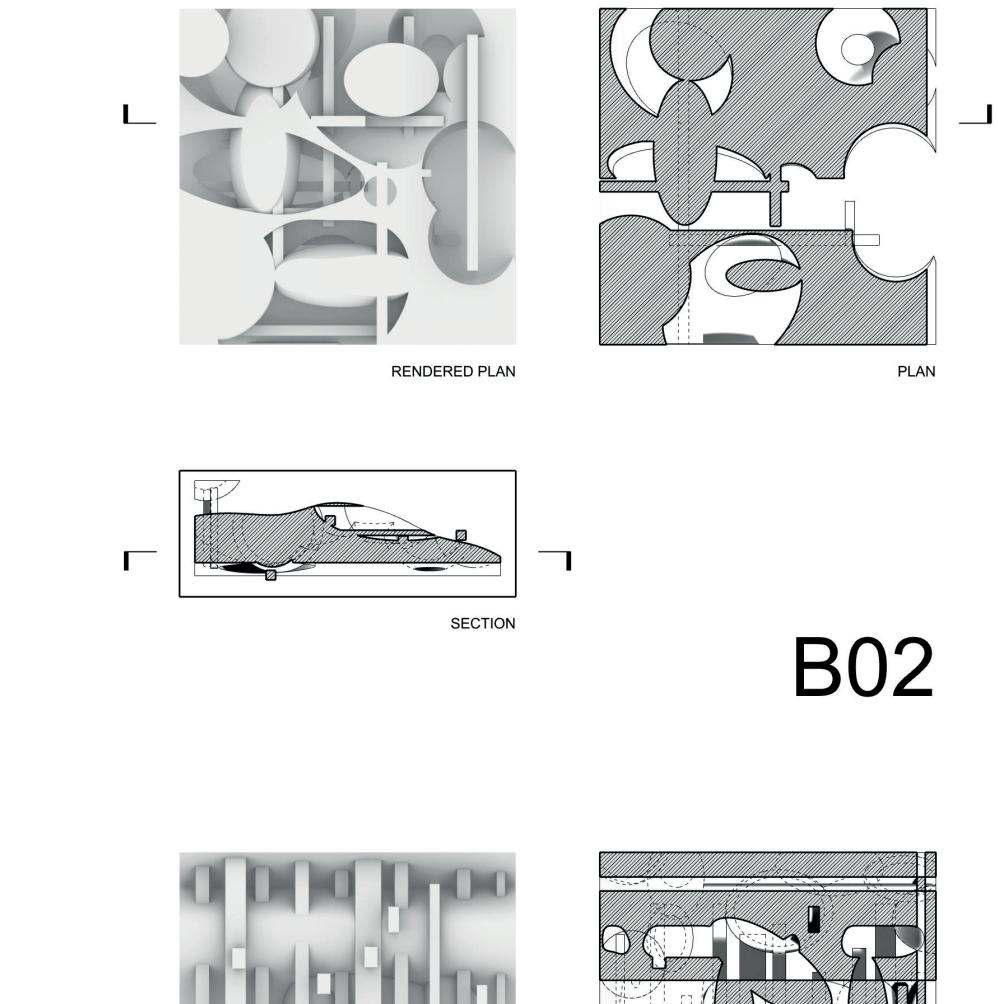
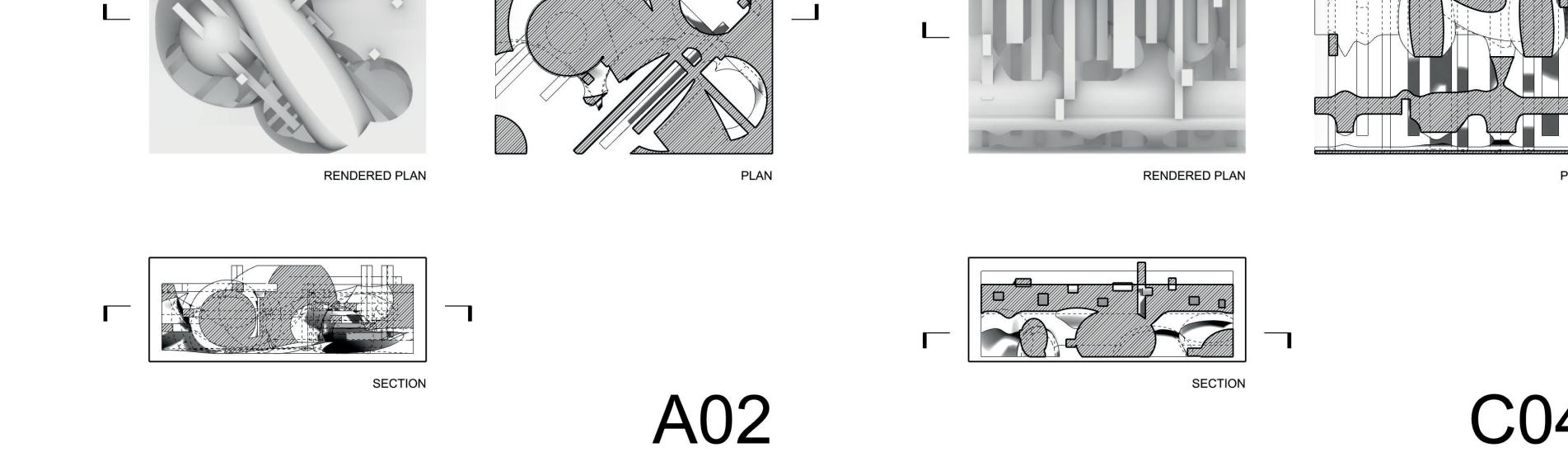
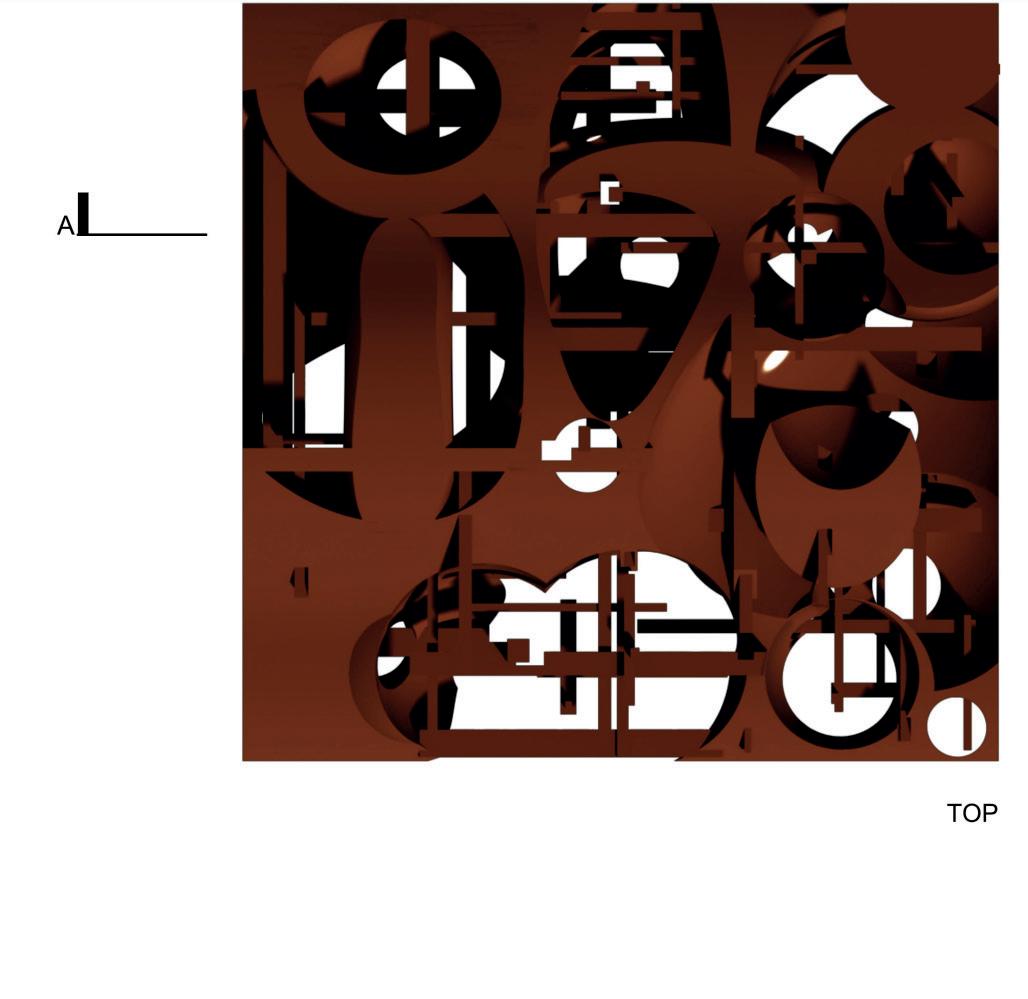
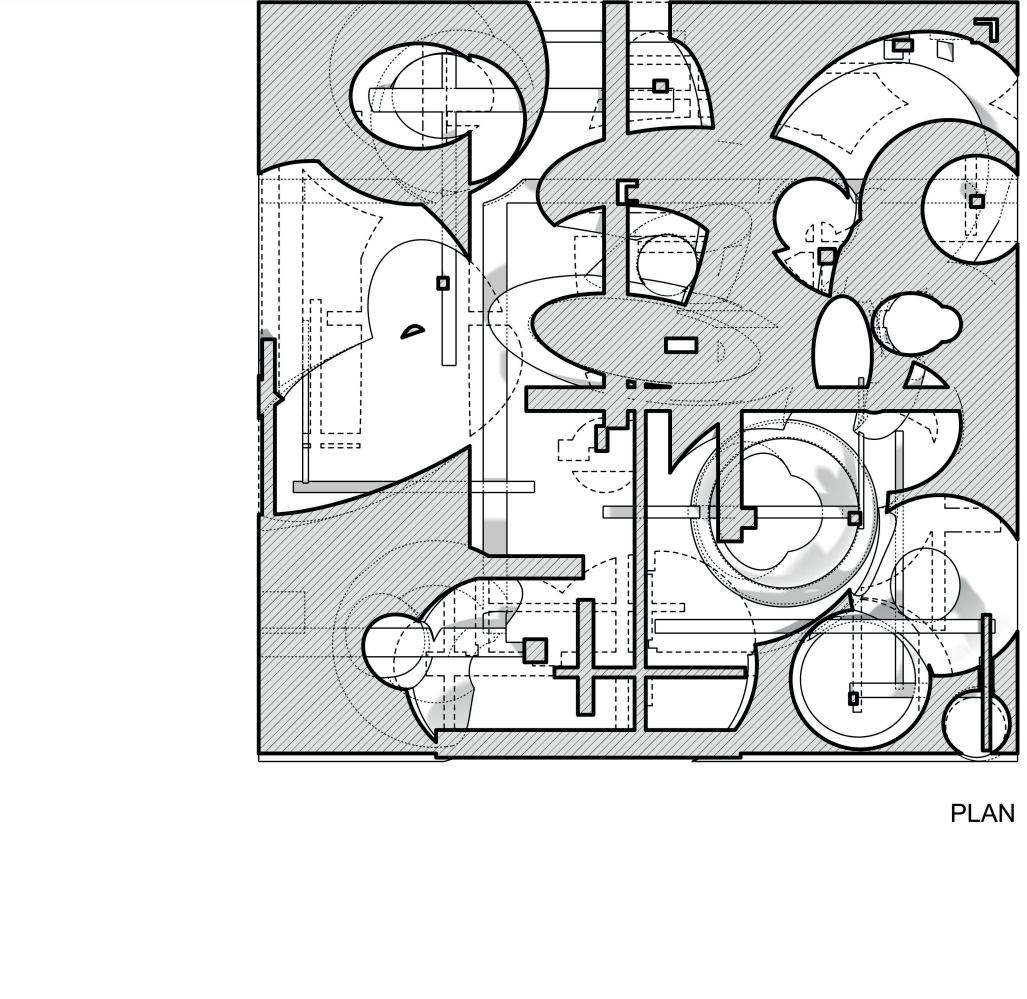
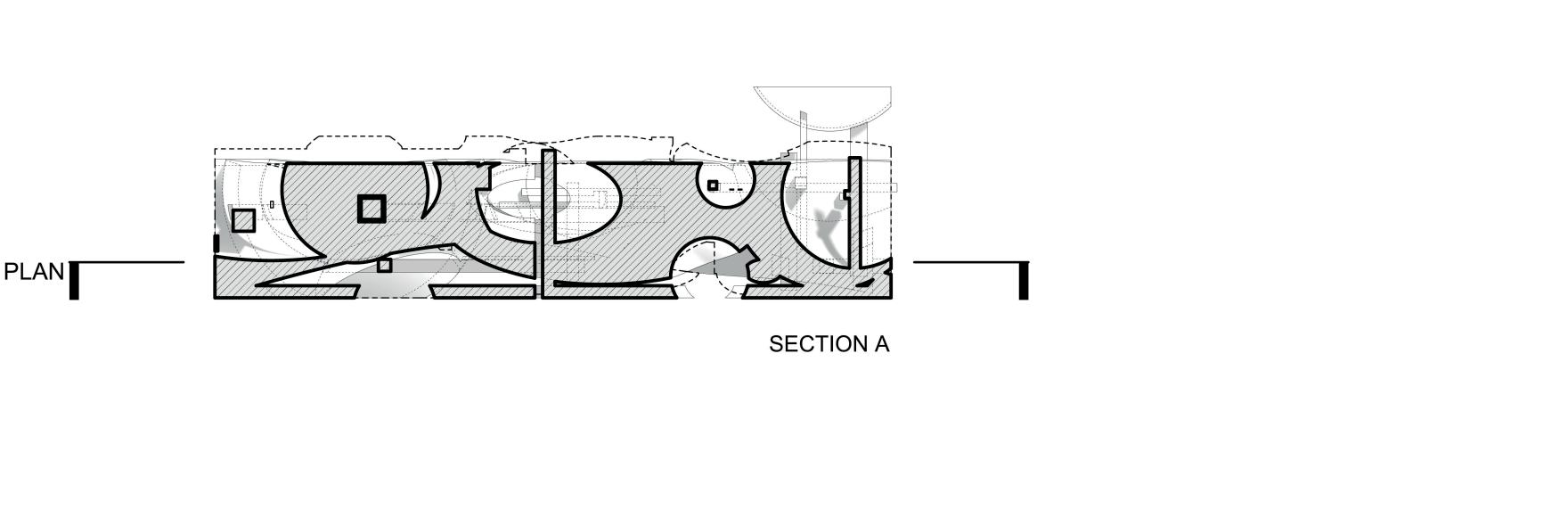
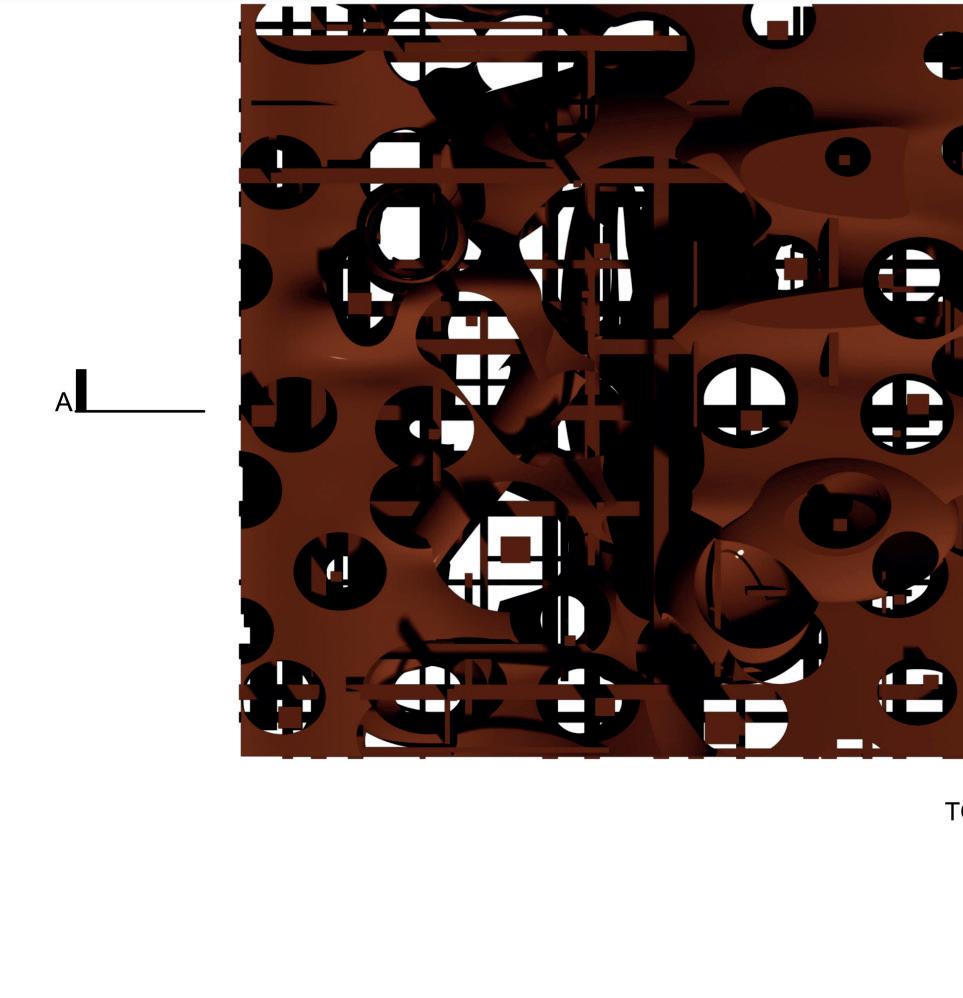
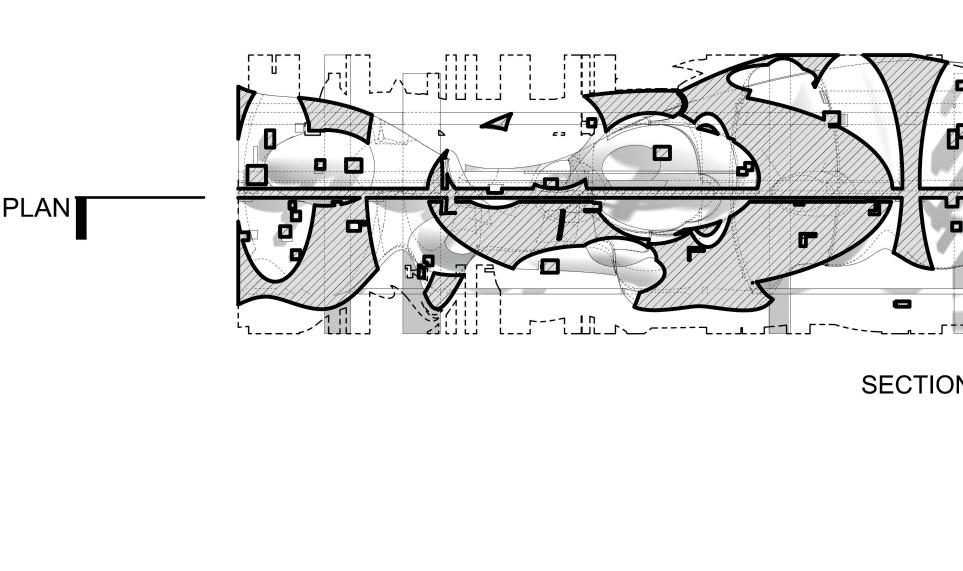
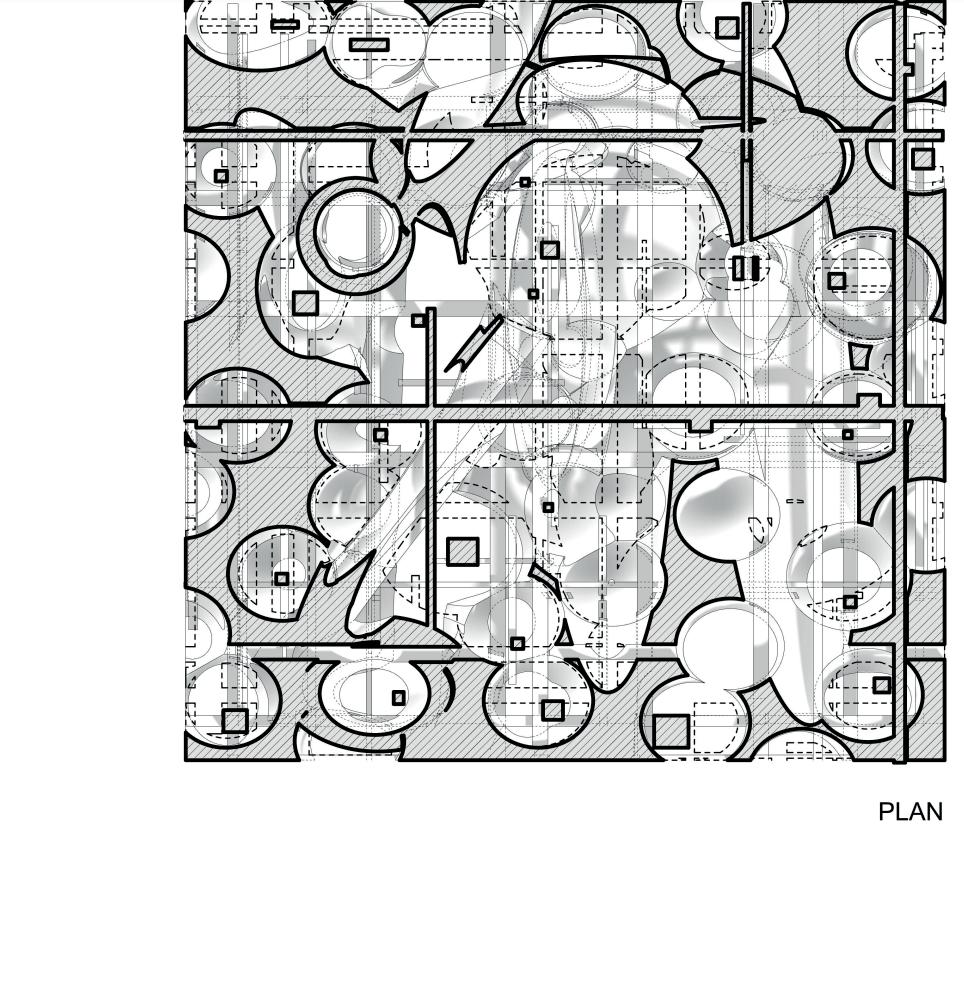
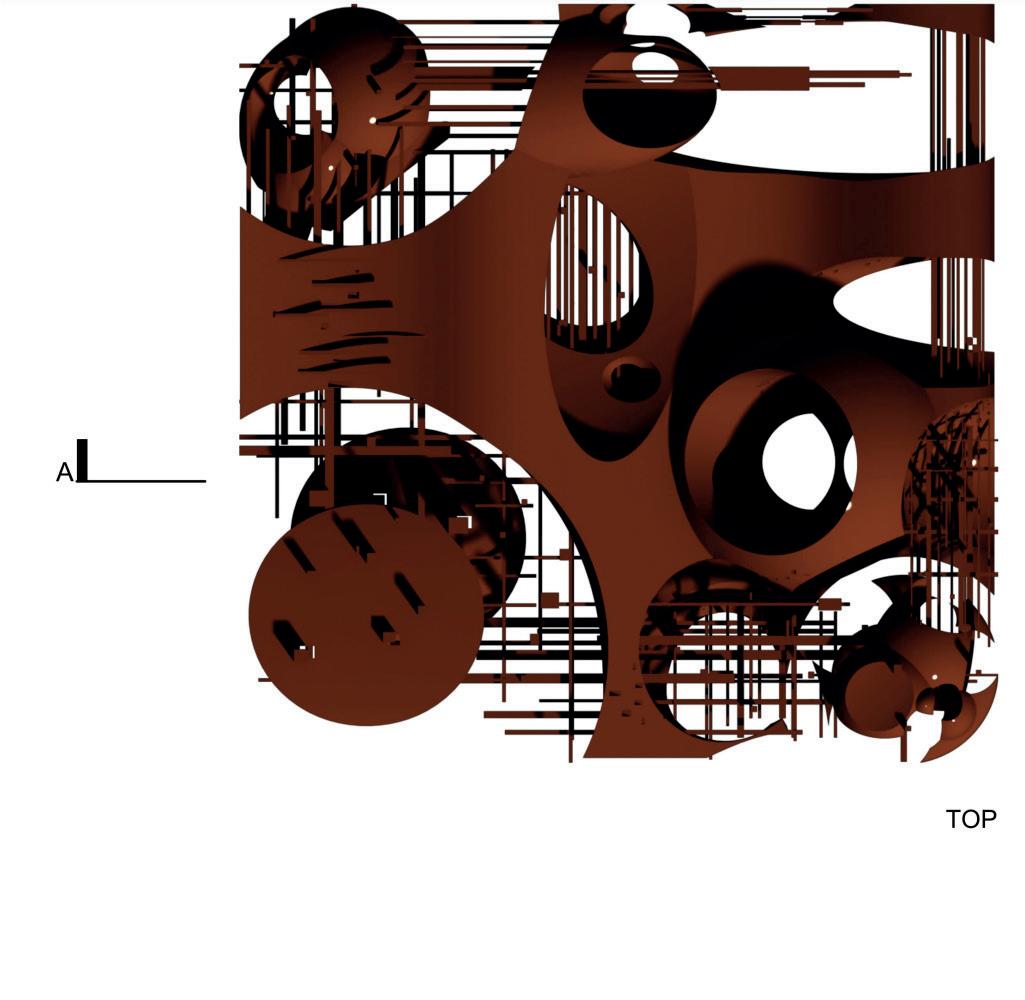
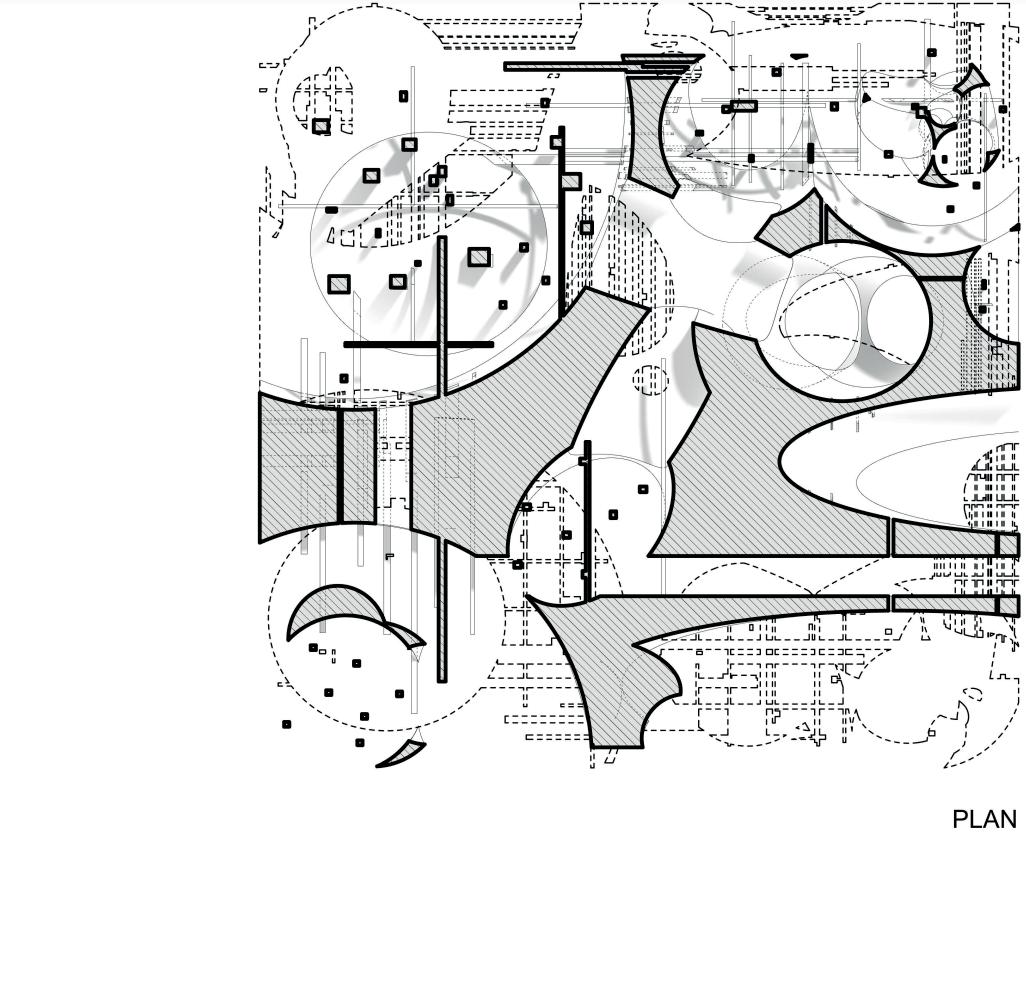
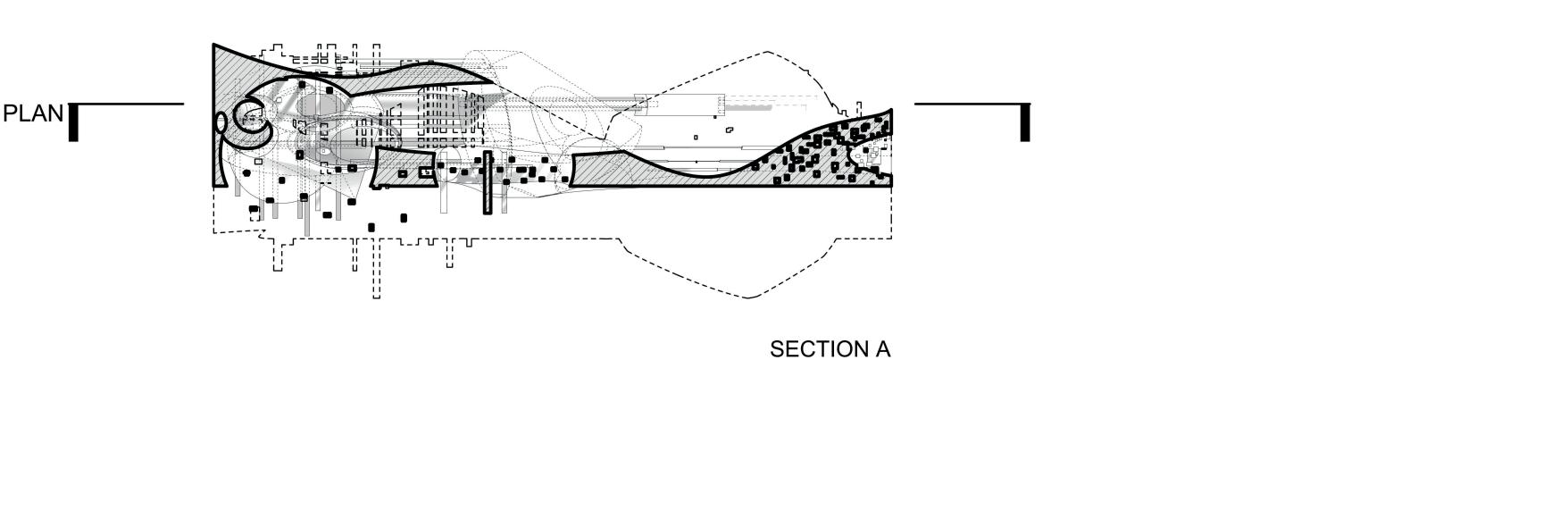
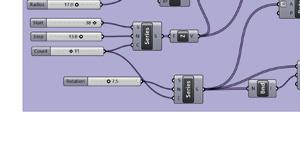
The thesis for this project was to explore how surface, object, and vector can interact. This was achieved by learning and utilizing scripts of code in Grasshopper to manipulate a 50x50x25-sized cube. Plans and sections of the various intricate cubes were then taken to understand the relationship between the three variables further.
The project was later expanded by further developing three more robust exquisite corpse cubes.


.client
.year
.concept
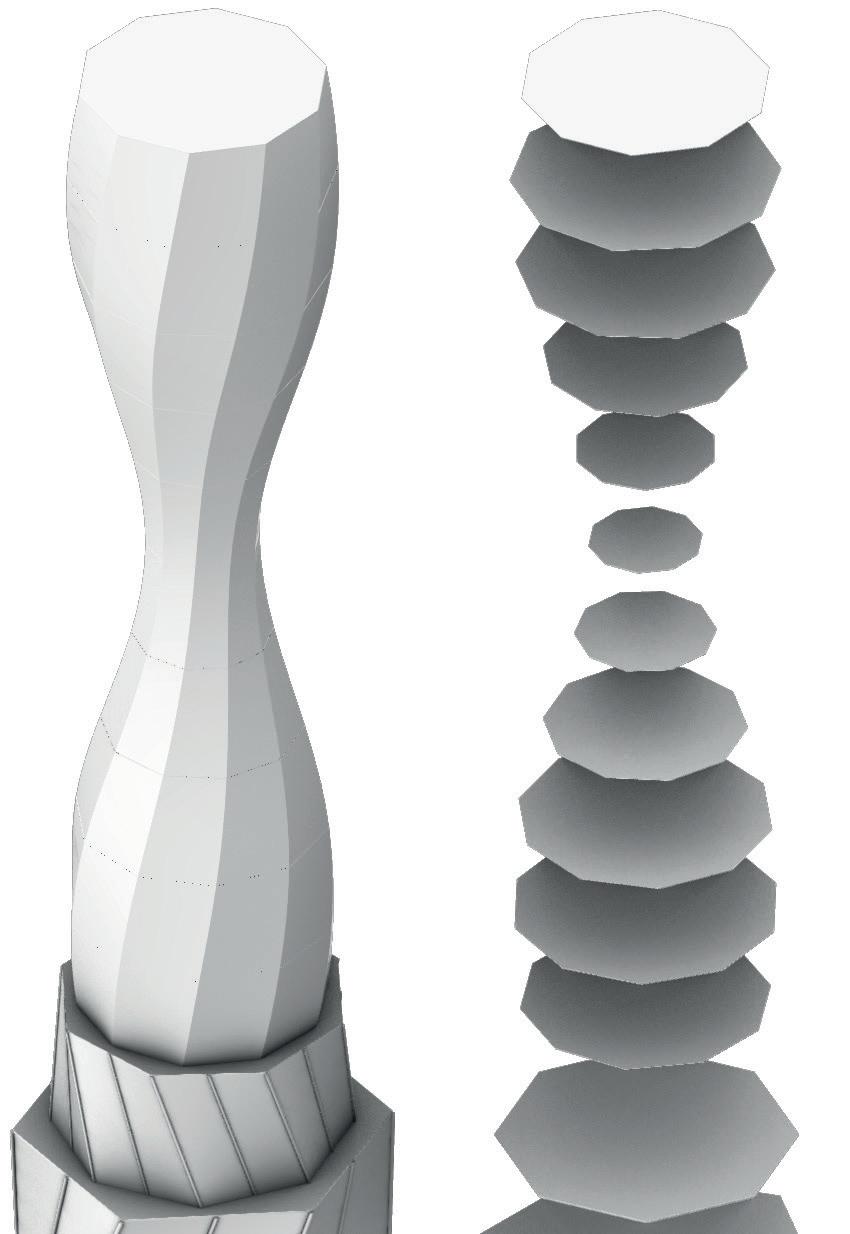
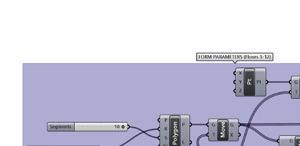
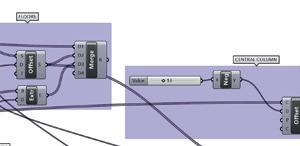
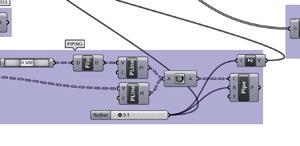
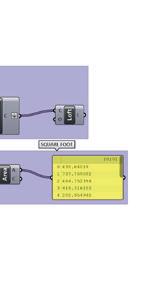
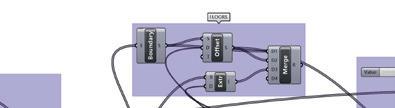
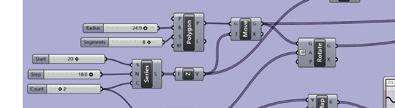
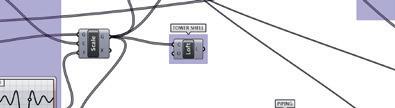
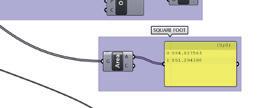
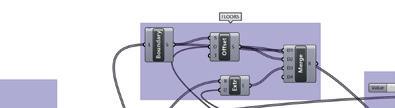
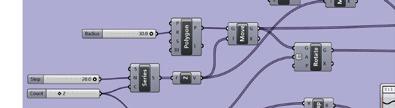
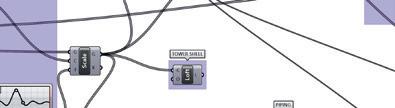
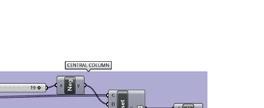
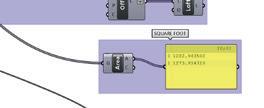
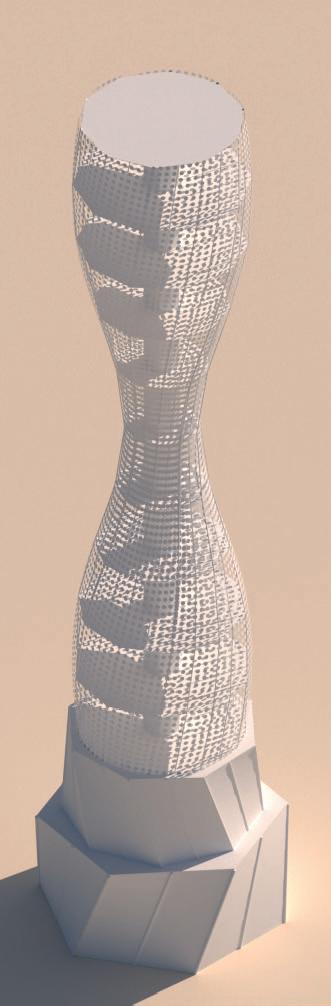
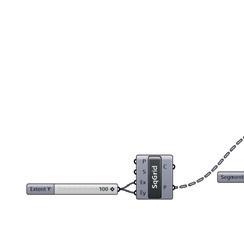
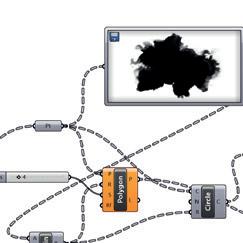
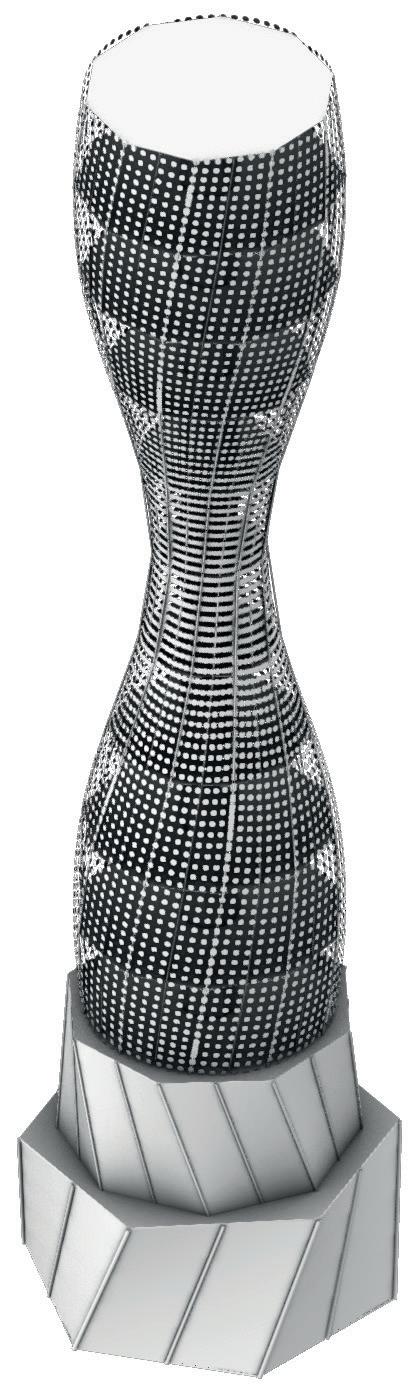
The thesis for this project was to design a tower-like structure with a minimum of twelve stories. This was achieved through Grasshopper’s plugin for Rhino.
The tower is split into three segments with each segment using a different string of Grasshopper code to influence the design.
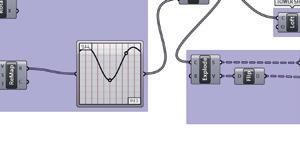
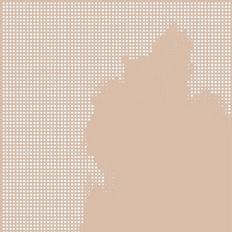
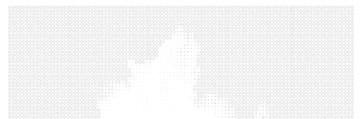
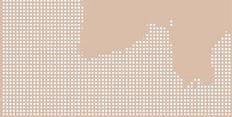
A separate code was then developed to transform an ink blotch image into a box morph, and then to a bitmap. That bitmap was then applied to the “skin” of the tower to simulate the design of a real building’s facade.






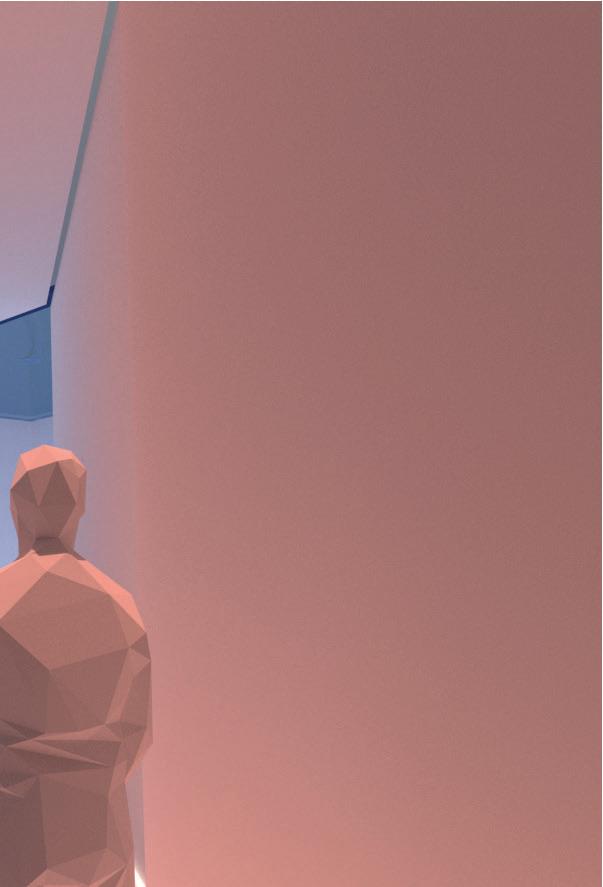
01_DRAWING EXERCISE SPRING 2021 [RHINOSCEROUS, ADOBE ILLUSTRATOR]
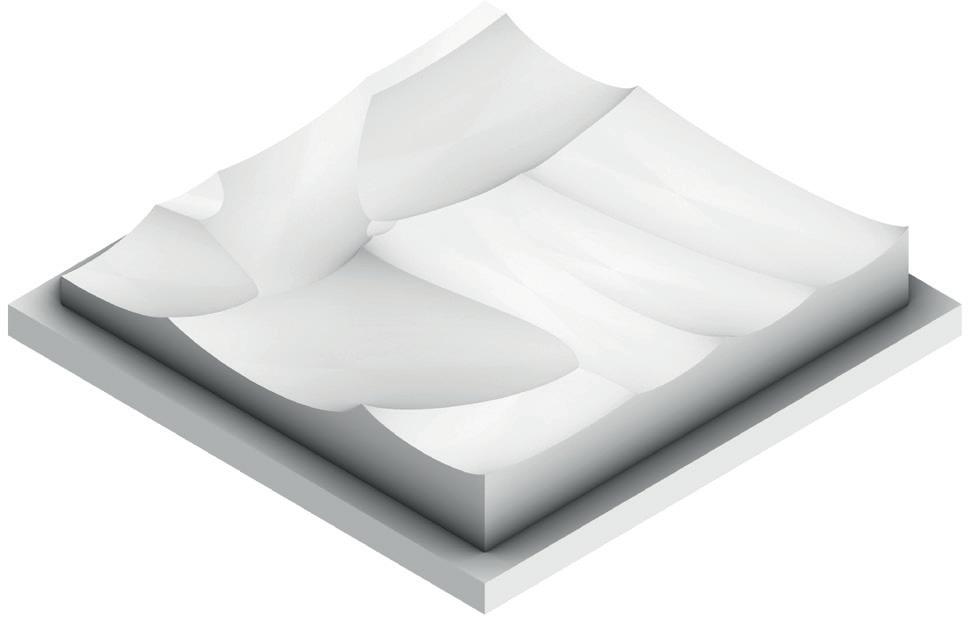
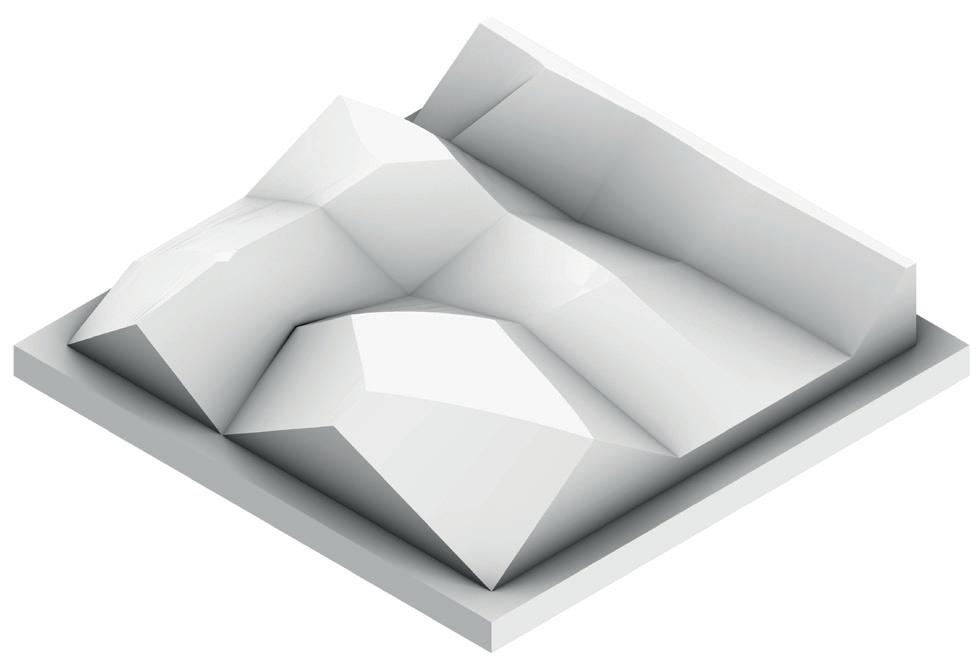
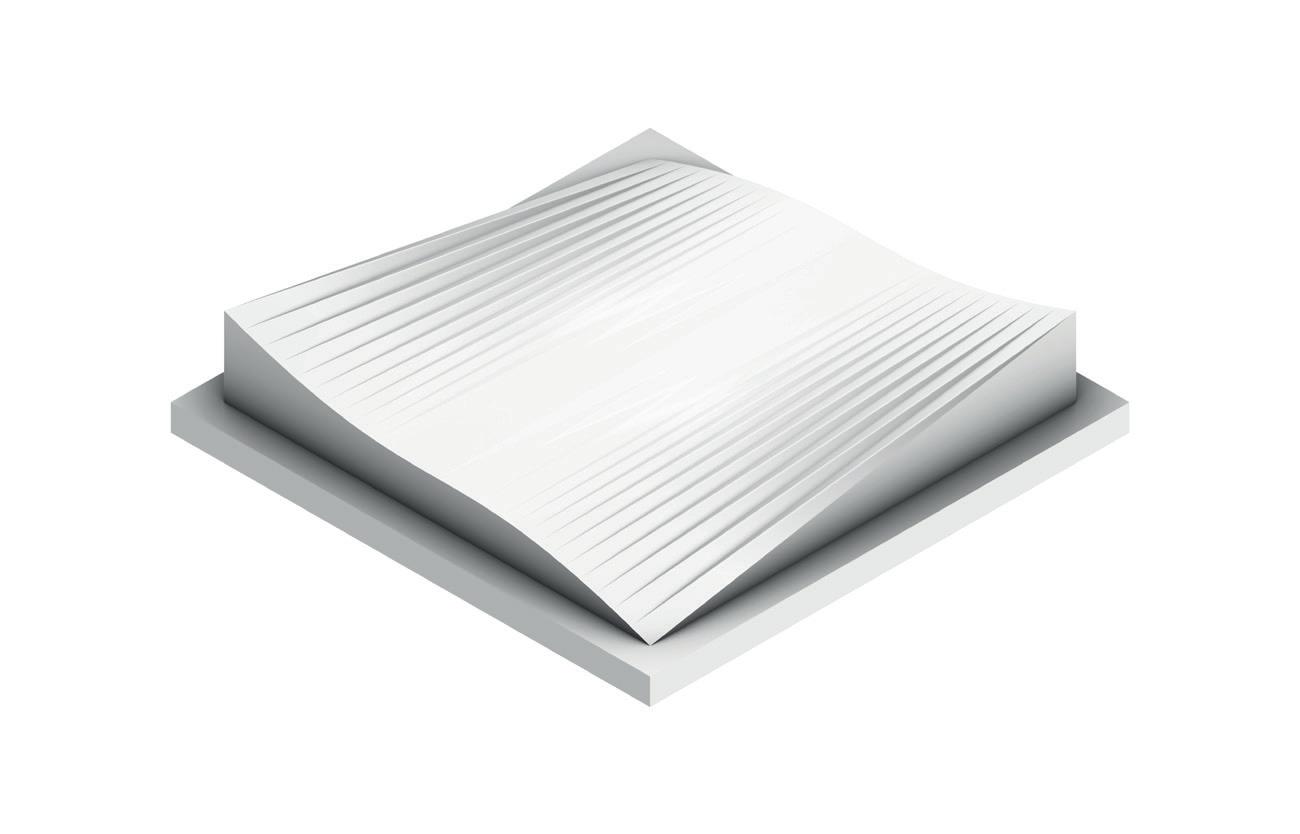
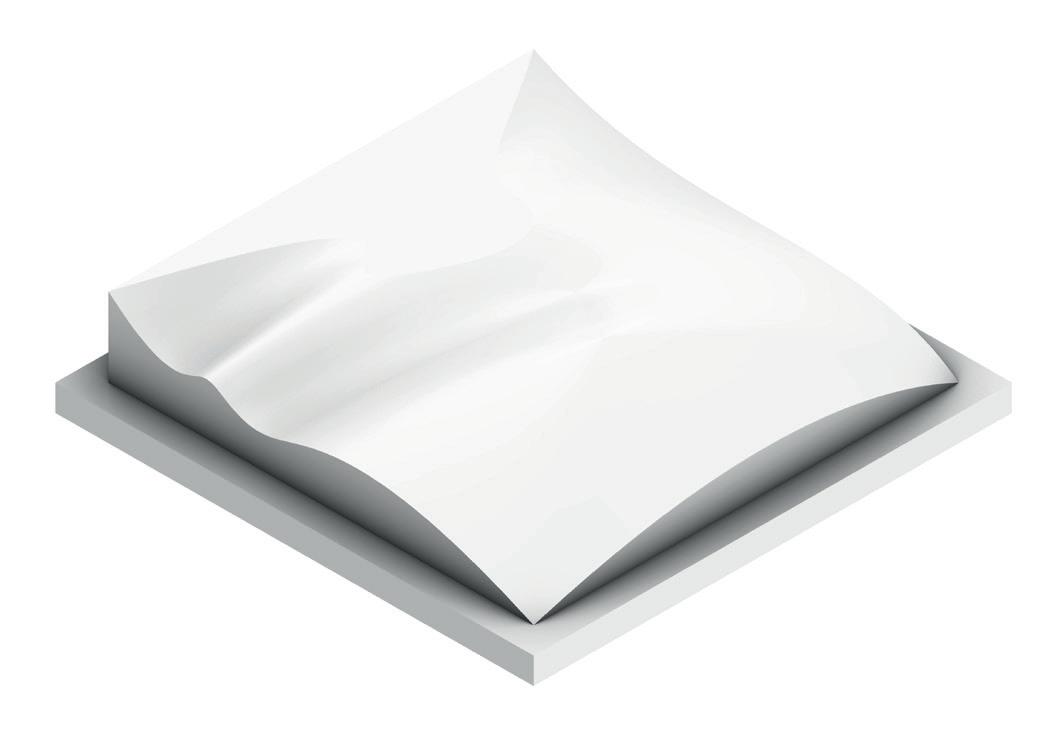
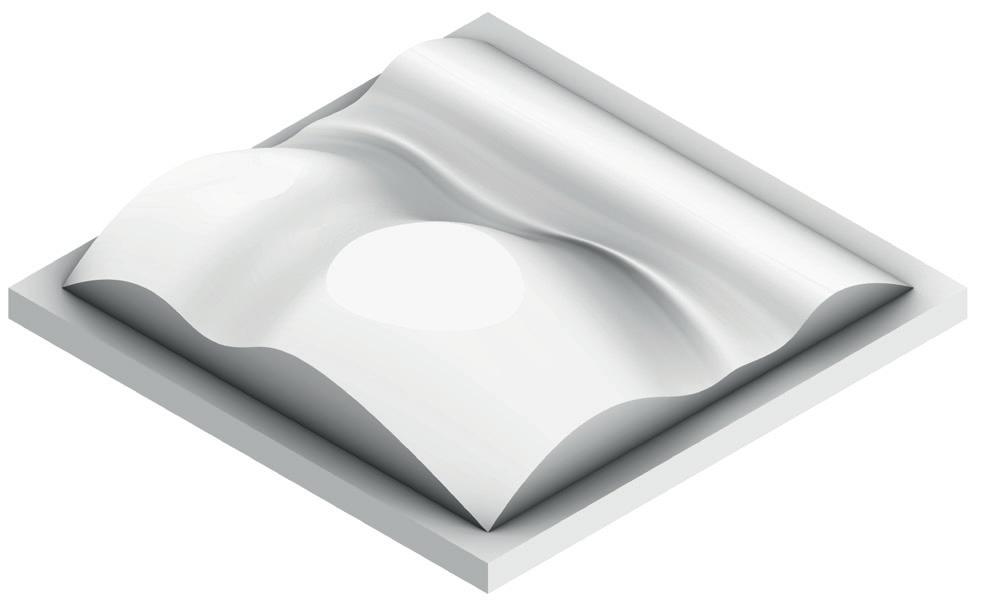
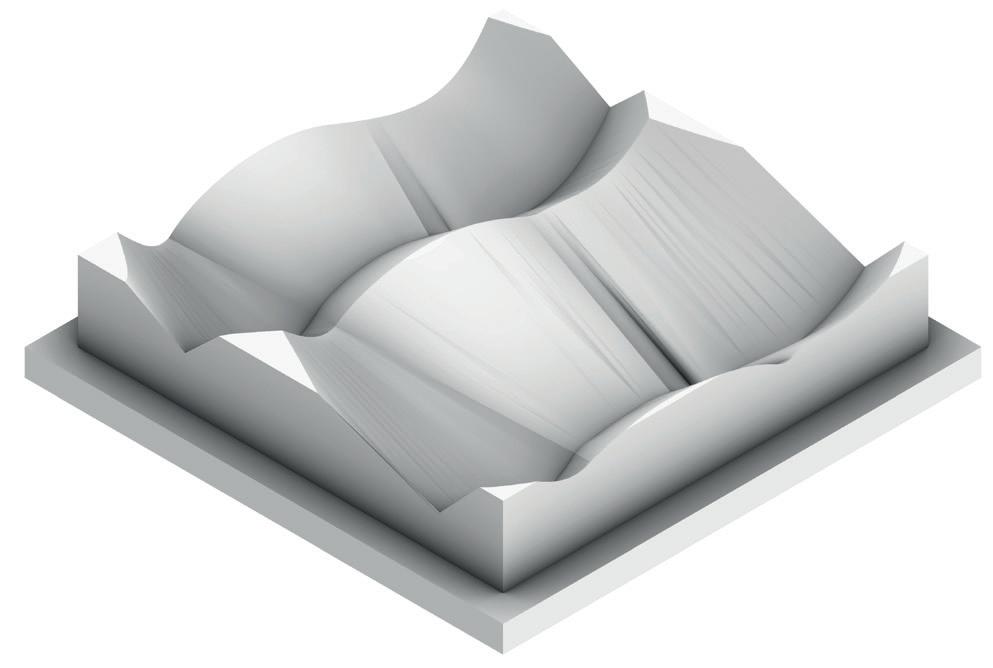
02_SURFACE INVESTIGATION FALL 2021 [RHINOSCEROUS, MAYA, ADOBE ILLUSTRATOR]
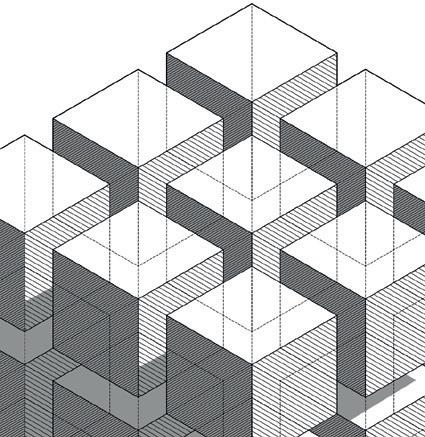
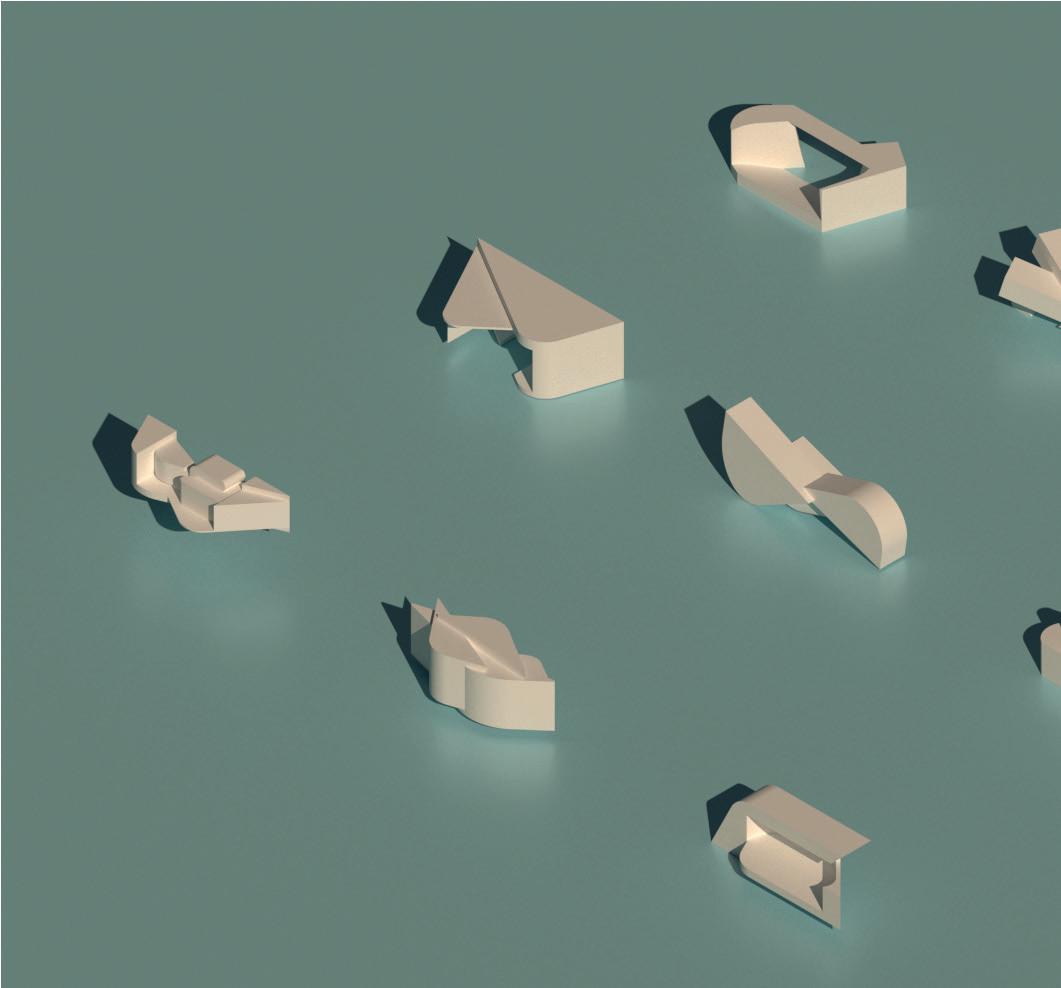
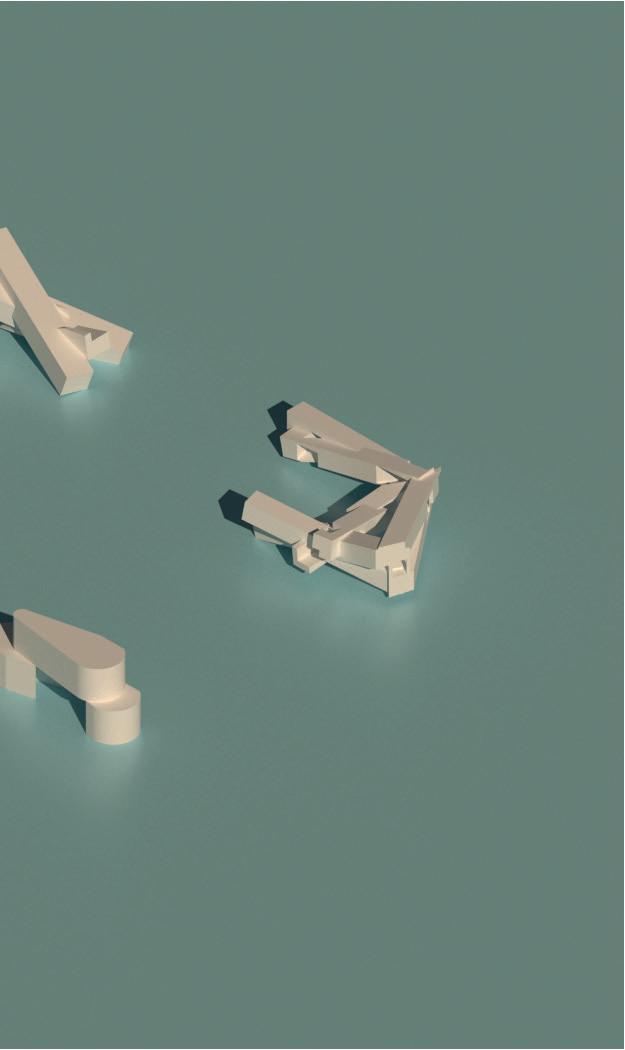
03_MASSING STUDY SPRING 2021 [RHINOSCEROUS VRAY]
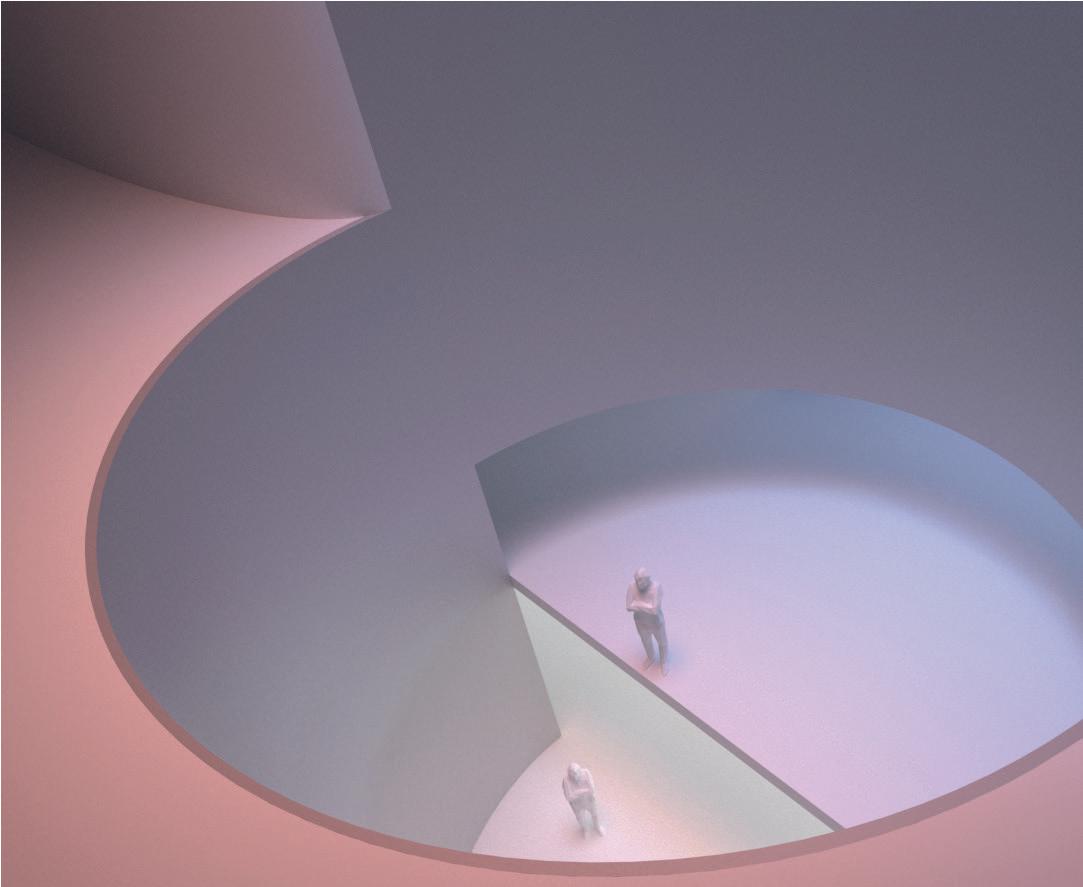
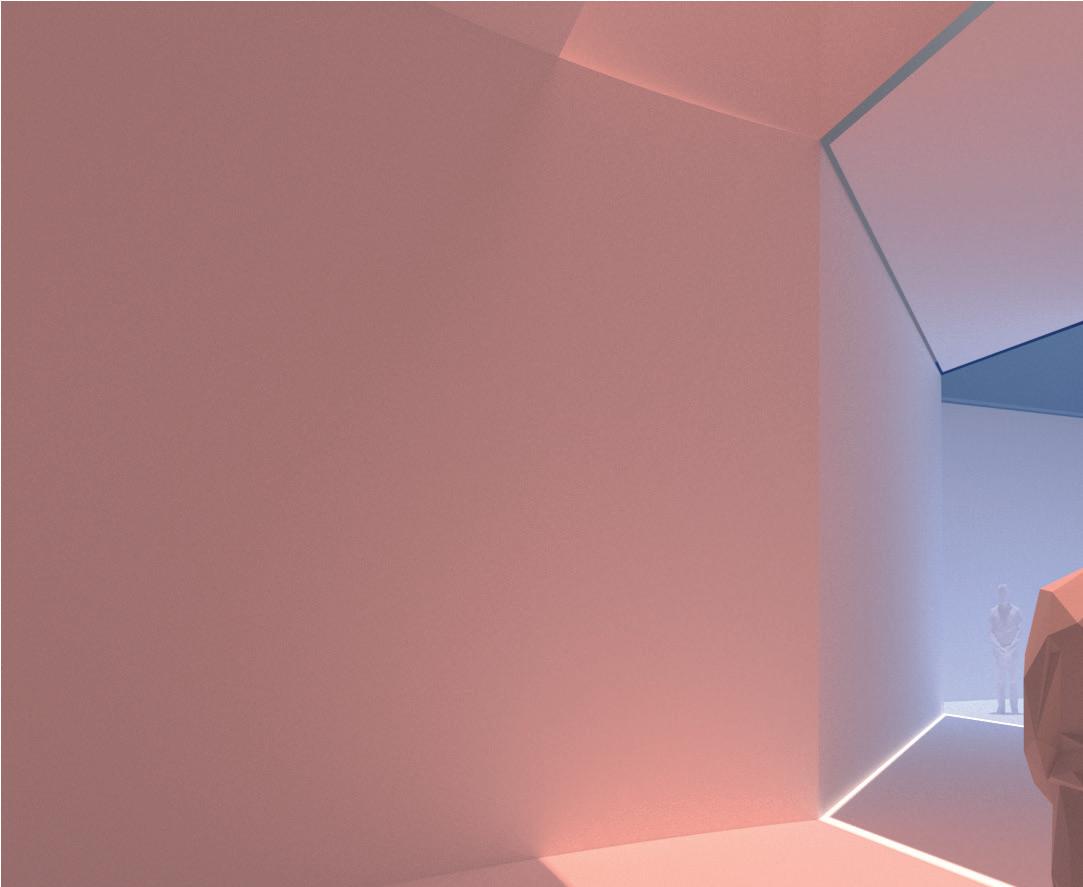
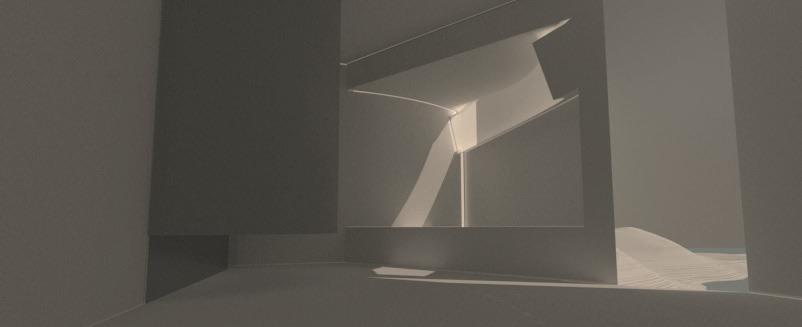
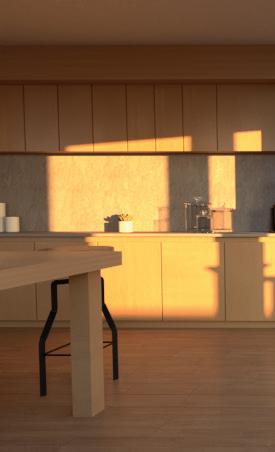
04_LIGHT STUDY SPRING 2022 [RHINOSCEROUS, VRAY]
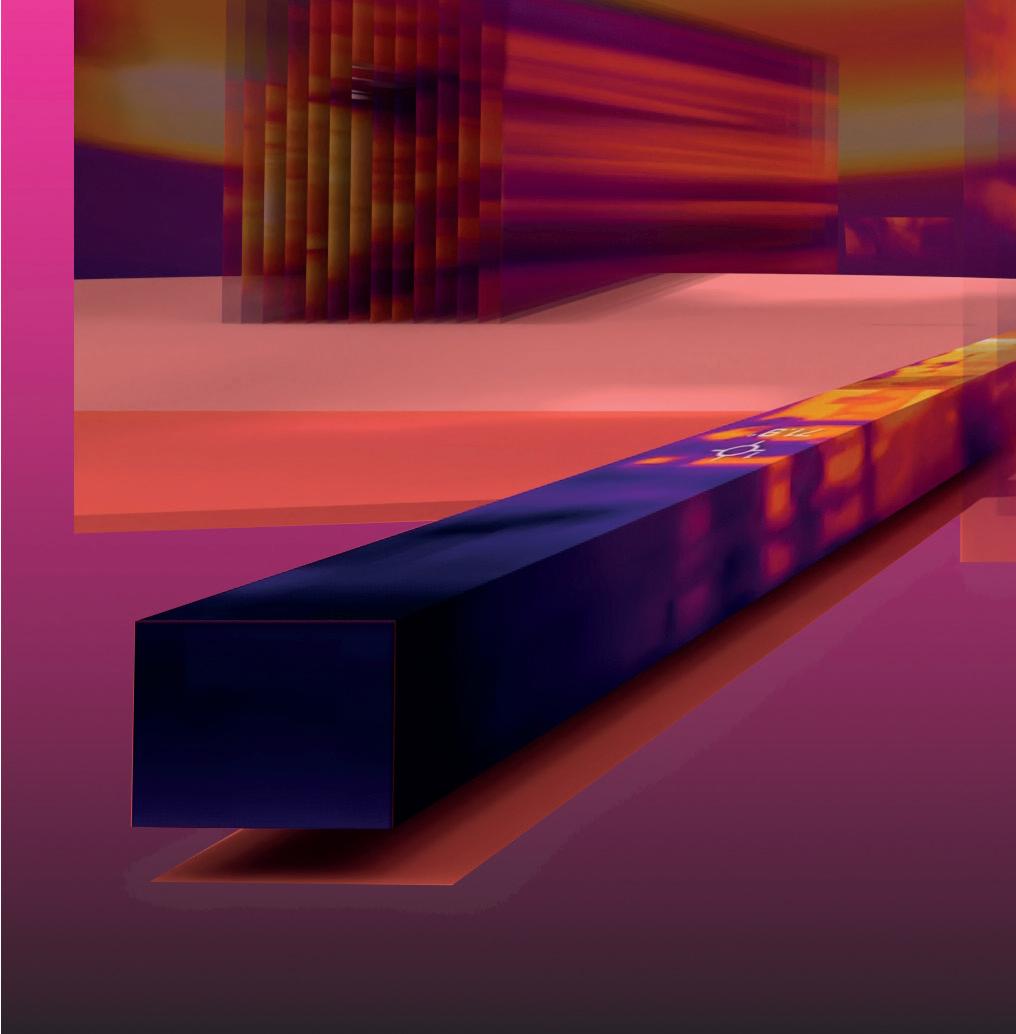
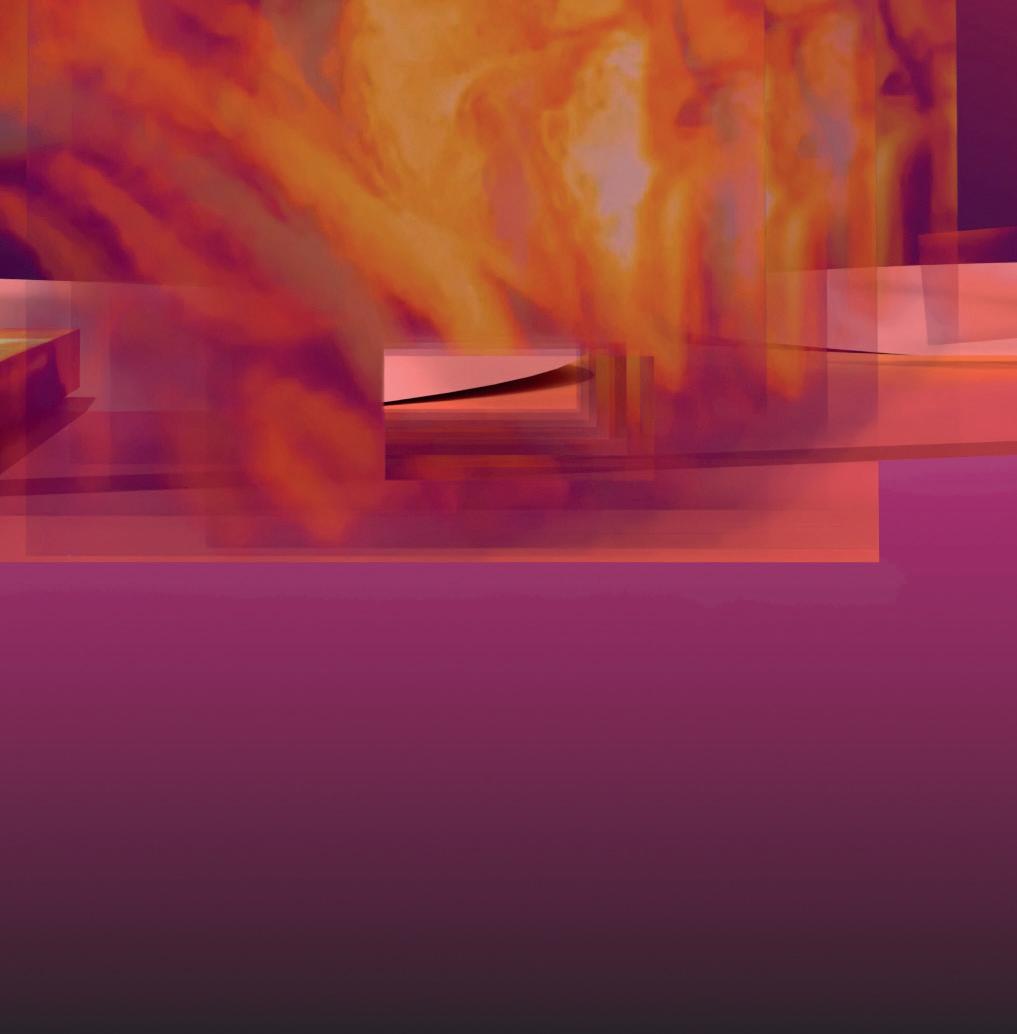
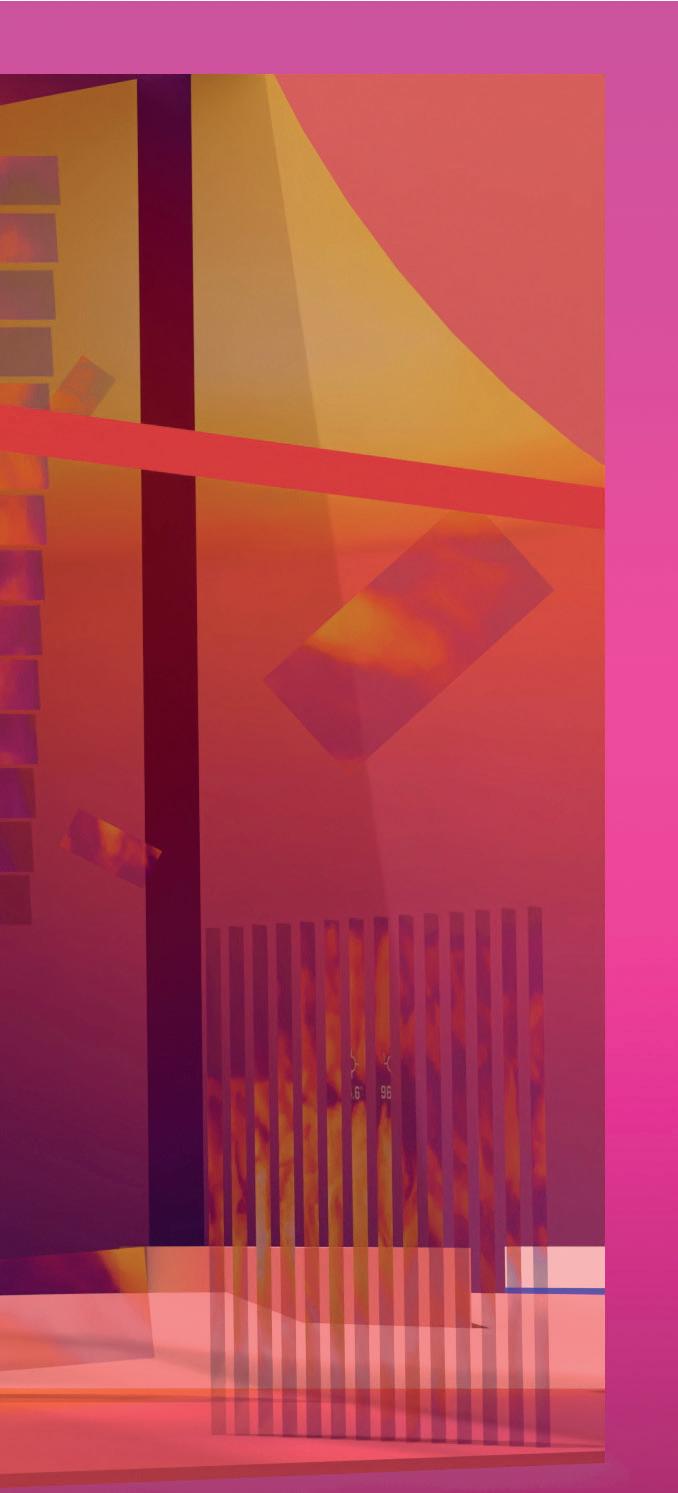
05_THERMAL IMAGING SPRING 2024 [RHINOSCEROUS, VRAY, GRASSHOPPER, THERMAL CAMERA]