If 2016 provided the fireworks of recovery for the mining sector, then 2017 has been something of a damp squib.
The sky is still lit up – the prices of metals including gold, silver and copper all rose during the first half of the year – but not as brightly as many hoped. Many mining companies are relieved simply to be making a profit again but this is thanks more to the cost-cutting that was implemented during the downturn than to the value of their wares. The road back to the sunny days of 2011, when gold was trading above US$1,800/oz, seems like a long one. But the sector is well-placed for strong long-term performance. Silver production is falling while demand is underpinned by the solar energy industry, EVs and other electronic applications. Gold is still seen as an attractive safe haven from stock market volatility and base metals including copper, lithium and nickel are essential components in battery manufacturing. As a leading player in the global mining industry, this is good news for Mexico but the country faces challenges. After a 24-year absence, an Undersecretariat for Mining has finally been reestablished at the Ministry of Economy. The new department must drive further investment into the industry, propel the sector into the modern age by welcoming and encouraging new technology and act as a mediator in the squabbling over tax policy that is dominating public-private relations. With presidential elections looming in 2018, the new administration must also remember that mining companies – and investors – value regulatory clarity and consistency above all else.
Mexico Mining Review 2018 offers insight, opinion and analysis from the individuals and institutions shaping the mining industry in Mexico today. With over 200 interviews, technology and project spotlights, interactive maps and information-packed infographics, it provides a complete overview of the most powerful trends and pressing challenges facing the sector and connects the entire value chain – operator, investor, explorer and service provider – in one book.
The publisher has made all reasonable efforts to provide accurate information, and the information contained in this publication is derived from sources believed to be true and accurate. However, the information in this publication should not be considered to be complete or definitive, and may contain inaccuracies or typographical errors. The publisher accepts no responsibility regarding the accuracy of information and use of such information is at your own risk. The publisher will not be liable to any party for any direct, indirect, special or other consequential damages arising out of any use of information in this publication. The publisher provides no representations or warranties, express or implied, including any implied warranties of fitness for a particular purpose, merchantability or otherwise in relation to any information provided by the publisher in this publication.
ISBN: 978-0-9993108-1-6
STATE OF THE INDUSTRY
1The mining industry has reached a crossroads. Although metal prices are rising again, they have not performed as well as many expected. As a result, global spending on exploration decreased for a fourth consecutive year in 2016 as mining executives remained cautious. But the cost-cutting that companies were forced into during the downturn is boosting corporate balance sheets and widening profit margins, and the avenues toward high-risk exploration activity are opening up once again. In Mexico, the creation of the Undersecretariat for Mining in December 2016 was lauded by the industry as a step in the right direction but disagreements between private and public bodies on a variety of tax issues continue to bubble under the surface and thwart progress.
This chapter provides an overview of the mining sector, covering all the key trends and issues that are shaping the industry today. Policymakers share their perspectives on the current state of affairs and lay out their plans for the future, international commentators offer their opinion of the sector in Mexico and leading figures from the country’s top mining companies explain what they feel needs to be done for the country to fulfill its potential and play a leading role in the national economy for years to come.
CHAPTER 1: STATE OF THE INDUSTRY
8 ANALYSIS: The Year in Review
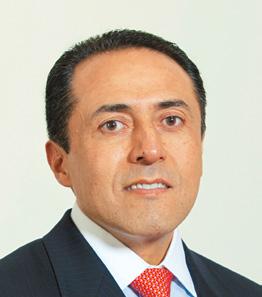
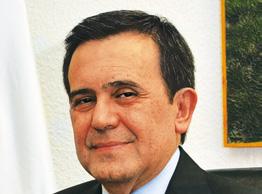
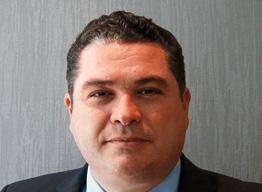
11 VIEW FROM THE TOP: Ildefonso Guajardo Villarreal, Minister of Economy
12 INFOGRAPHIC: A Volatile But Promising Year
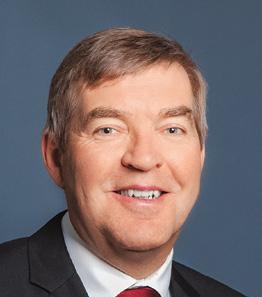
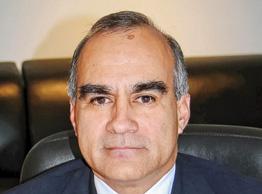
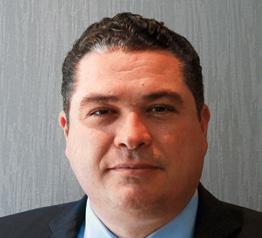
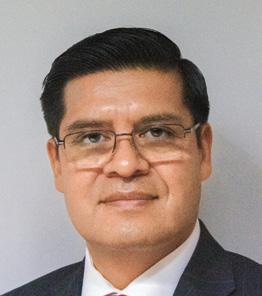
14 VIEW FROM THE TOP: Mario Alfonso Cantú, Ministry of Economy
16 VIEW FROM THE TOP: Susana Corella, Federal Government of Mexico
17
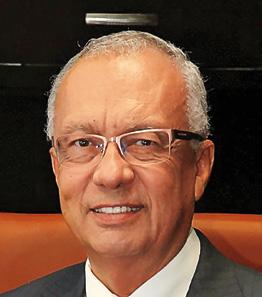
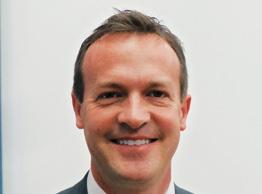
VIEW FROM THE TOP: James Gordon Carr, Canadian Ministry of Natural Resources
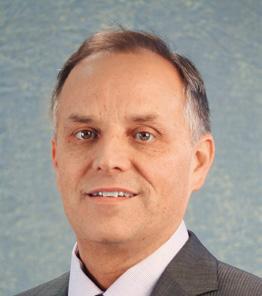
18 VIEW FROM THE TOP: Jaime Lomelín, CLUSMIN
19 INFOGRAPHIC: Mexico’s Mining Clusters
20 VIEW FROM THE TOP: Alfredo Phillips, Guerrero Mining Cluster
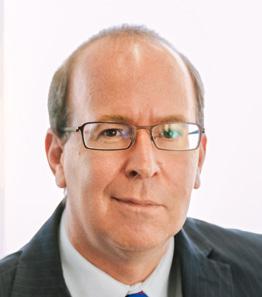
22 VIEW FROM THE TOP: Orlee Wertheim, Toronto Stock Exchange and TSX Venture Exchange
23 VIEW FROM THE TOP: José-Oriol Bosch, BMV Group
24 VIEW FROM THE TOP: Octavio Alvídrez, Fresnillo
25 VIEW FROM THE TOP: Marco Bernal, AIMMGM
26 VIEW FROM THE TOP: Sergio Almazán, CAMIMEX
28 INSIGHT: Alfredo Álvarez, EY
29 VIEW FROM THE TOP: Euridice González, McEwen Mining and WIM México
30 ROUNDTABLE: What Challenges Do You Face As a Female Executive in The Mining Industry?
THE YEAR IN REVIEW
For the mining industry, 2016 was a year of two halves. A recovery in metals prices motivated the industry to believe an upswing was finally on the way. But even with global geopolitics causing a strain, miners believe they have reason to celebrate
For the global mining industry, 2016 was a year of two halves. A recovery in metals prices motivated the industry to believe an upswing was finally on the way. But even with global geopolitical events causing a strain, many miners believe they have reason to celebrate
Metal prices recovered strongly during the first six months after a painful, four-year downturn. In June, gold rose to US$1,361/oz, its highest price since 2013. But the latter part of the year was dominated by the political shockwaves of Brexit and the US presidential election result; gold fell by 15 percent and silver by 19 percent during 2H16 as investors sat back, scratched their heads, and wondered “What next?” But prices rebounded during the first half of 2017, a result of improved economic performance in China and a depreciation of the US dollar. The industry may have finally turned the corner.
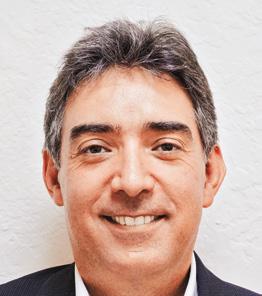
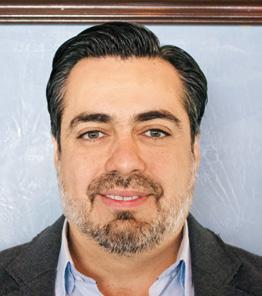
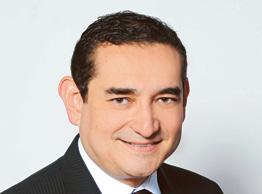
In Mexico, the creation of the Undersecretariat of Mining at the Ministry of Economy was announced in December 2016 in what felt like a seminal moment for the industry. Despite its geological potential, total investment in the Mexican mining sector fell 20.9 percent in 2016. The challenge facing the new Undersecretary for Mining, Mario Alfonso Cantú, is to rejuvenate a traditional sector still struggling to fulfill its potential in the modern age.
“The Undersecretariat was created as an acknowledgement of the importance of mining as a strategic activity,” says Cantú. “It was a response to the industry’s expansion and the need for regulation, promotion and development.”
MINING IN MEXICO
In the context of Mexico’s sluggish growth in 2016 – an expansion of just 2.3 percent compared to the global average of 3.1 percent – there were encouraging signs of recovery for the local mining sector. After FDI crashed in 2015 to just US$370 million – a byproduct of controversial fiscal reforms implemented the previous year – foreign investment bounced back in 2016 to US$718 million, a jump of 94 percent. This is still some way off the US$2.1 billion that foreign investors poured into the sector in 2014 but a positive sign of returning confidence nonetheless.
billion, 9 percent more than the MX$213.3 billion output the previous year. Once again, gold made the largest contribution to the total value with 37.4 percent, followed by copper (19 percent) and silver (18 percent). According to IMSS, the sector generated 9,790 new jobs in 2016, more than twice the number of new jobs in 2015. The industry now employs over 354,000 people in Mexico.
GOLD – BOUNCING BACK
Like many commodities, gold suffered a volatile 2016 as unprecedented political shifts took their toll. After a strong start to the year, rising 25 percent to US$1,361/oz by June 27, bullion prices began to fall off in July and continued to falter in the build up to, and aftermath of, the US presidential election that put Donald Trump in the White House. Between Oct. 24 and Dec. 25, the price of an ounce of gold fell 13 percent to US$1,133/oz from US$1,304/oz. The “Trump Bump” was more of a “Trump Slump” for precious metal investors. But the commodity rebounded in 1H17, rising steadily to reach a sixmonth high of US$1,293/oz in July as uncertainty continued to roil international marketplaces.
Annual gold production for the year fell by 0.2 percent to 99.7 million ounces worldwide. For the second year running, Mexico placed eighth on the global list of gold output, second in Latin America behind Peru, with a total of 4.26 million ounces. On the corporate side, Fresnillo overtook Goldcorp as the country’s top gold producer after churning out over 935,000 ounces of bullion, a 22 percent YOY improvement. Goldcorp’s fall into second place was a result of its commitment to stripping its portfolio of noncore assets, a strategy that resulted in the sales of the Los Filos, Camino Rojo and San Nicolas projects during 1H17.
Fresnillo’s La Herradura asset was the most productive gold mine in the country, ahead of Goldcorp’s Peñasquito, with 520,400 ounces. Then, in 2017, Fresnillo outlined a new US$110 million investment plan for La Herradura.
SILVER – MEXICO THE TOP DOG
After falling for five consecutive years from 2011, the silver price finally turned a corner in 2016 and continued the upward curve in 2017, never dropping below the US$15/ oz mark during the first half of the year. With strong demand from solar energy and electronics, the price was underpinned by falling supply. According to figures compiled by The Silver Institute, global mine production of silver fell by 0.6 percent to 885.8 million ounces in 2016, the first yearly drop since 2002, while scrap supply also fell for the fourth consecutive year. ANALYSIS
The green shoots of recovery were also present on the production side. Mexico’s total value of metal and mineral production in 2016 surged to a record high of MX$234.3
Mexico comfortably retained its place at the top of the silver production tree, producing 173.9 million ounces and contributing 21 percent to global output, according to INEGI. Peru was second with 16.7 percent, followed by China (12.7 percent) and Chile (5.4 percent). Fresnillo was once again the top producer in Mexico (and the world), with 45.7 million ounces, followed by Goldcorp and Industrias Peñoles. With 21 million ounces of silver produced, Fresnillo’s Saucito was the most productive silver mine in Mexico, followed by Peñasquito and the Fresnillo mine.
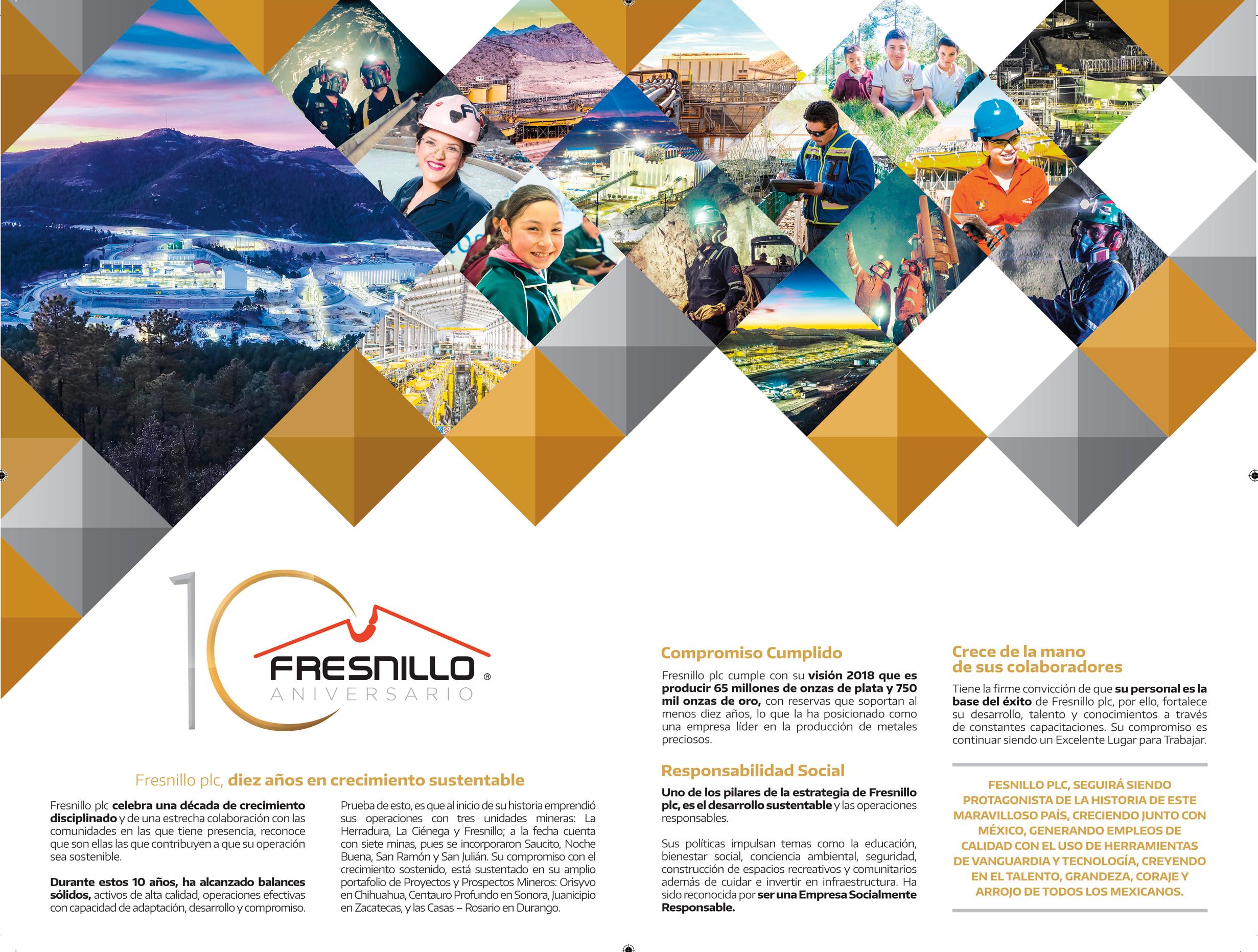
Fresnillo’s strong performance continued into 2017, reporting 1H17 silver production of 28 million ounces, up 11.2 percent against 2H16. The company is aiming for 65 million oz/y silver output by 2018. With its entire producing portfolio in Mexico, the fundamentals for the national silver industry look strong.
COPPER – LONG-AWAITED GROWTH
After reaching a low of US$4,310/t in January 2016, many believed the outlook was bleak for copper. But prices shot up in October and finished the year on the London Metals
Exchange (LME) trading at US$5,500/t. Then, thanks to a more solid forecast in Chinese economic growth and a possible scrap metal ban in the country, in July 2017 copper reached US$6,292/t, its highest level in two years. According to Reuters, China accounts for 45 percent of global demand for the brown metal.
Mexico remained in 10th position on the list of global copper producers, contributing 766,000 tons – or 3.2 percent – to the total copper output, which amounted to 19.4 million tons. But this hides a spectacular YOY rise of 28.9 percent in national production by year-end 2016, buoyed mainly by the significant expansion at Grupo México’s Buenavista del Cobre mine, which produced 316,000 tons.
EXPLORATION COMES BACK TO LIFE
As the lifeblood of mining, spending on exploration is always an important indicator of the current state of the industry. According to S&P Global Market Intelligence, world investment in exploration fell YOY by 28 percent to US$6.9 billion, the fourth consecutive yearly fall, suggesting that investors are yet to be entirely convinced of the longevity of the price recovery.
The situation in Mexico is complex. Following the 2015 fiscal reforms, companies are no longer able to deduct exploration expenses after a project’s first year; they now must wait 10 years to be reimbursed. The ruling provides a significant financial obstacle for cash-short junior exploration companies. But after falling to seventh place on the list of recipients for global exploration expenditures in 2015, Mexico climbed up one place to sixth in 2016 after attracting US$400.9 million in total. Canada is still first on the list, ahead of Australia, the US, Chile and Peru.
The positive trend is also reflected in the number of new exploration projects in Mexico. In 2016, mining companies started work on a total of 55 new projects, with a total value of US$130 million. This is compared to 44 projects with a total value of US$103 million in 2015. Buoyed by the improved price environment, a number of exciting development projects, including Timmins Gold’s Ana Paula, Fresnillo’s Juanicipio, and Industrias Peñoles’ Rey de Plata, have advanced well and should be coming online during 2018, underpinning Mexico’s future production profile.
TAXING TIMES
Despite the signs pointing to a bright future, the mining sector in Mexico still faces several challenges. Most pressing is the ongoing standoff between the public and private sector on a number of tax-related issues. In early 2017, the Federal Chief of Governmental Audit released a report claiming that 59 mining companies had not met their
obligations to the Mining Trust Fund -- allegations
TIMELINE 2016-2017
March 2016 Torex Gold announces commercial production at the El Limón-Guajes mine in Guerrero
June 2016 Gold rises to US$1,361/oz, its highest since 2013; silver rises to highest point since 2014
July 2016 Alamos Gold completes a US$1.5 billion merger with Aurico Gold
July 2016 Japanese machinery giant Komatsu announces a US$3.7 billion deal to buy Joy Global
August 2016 Fresnillo begins commercial production at its San Julian silver-gold mine following a US$515 million investment
October 2016 Premier Gold completes the US$122.5 million deal to buy Yamana Gold’s Mercedes mine in Sonora
October 2016 Goldcorp’s Peñasquito mine is forced into a temporary shutdown after a blockade by a trucking contractor
November 2016 Both gold and silver crash by 10 percent as the US presidential election result shocks the world
December 2016 The Zacatecas State Government announces controversial new Ecological Taxes. Mining companies including Fresnillo and Peñoles contest the legislation
December 2016 Gold is made available to the Islamic investor community following landmark deal between the World Gold Council and the Accounting and Auditing Organization for the Islamic Financial Institutions (AAO-iFI)
December 2016 Mario Alfonso Cantú is sworn in as Mexico’s first Undersecretary for Mining in 23 years
January 2017 Goldcorp confirms deal to sell the Los Filos mine to Leagold in a deal worth US$350 million
February 2017 Canada’s Minister for Natural Resources and Undersecretary for Mining Mario Alfonso Cantú sign a Memorandum of Understanding (MoU) in Mexico City
March 2017 The Guerrero Mining Cluster and Sudbury mining technology cluster (SAMSSA) sign a historic MoU during the Mexico Mining Day at PDAC
March 2017 Sonora Governor Claudia Pavlovich announces a plan to contest the ruling on exploration expense deductibility in Congress
April 2017 Premier Gold’s San Dimas mine reopens following eight-week stoppage of unionized employees
April 2017 President Enrique Peña Nieto opens Industrias Peñoles’ 200MW wind farm in Coahuila
June 2017 Goldcorp continues asset divestiture with Camino Rojo and San Nicolas sales
June 2017 Reuters reports that Canadian mining companies working in Mexico are owed a total of US$360 million in back taxes
June 2017 Gold finishes 1H17 up 7 percent; silver closes 2 percent up from the beginning of the year
July 2017 Copper rises to US$6,400/t, a 2-year high, on stronger economic data from China
the companies deny. In June, Reuters reported that the federal tax agency SAT owes Canadian miners a total of US$360 million in back taxes.
Then there are the infamous “Ecological Taxes” announced by the State Government of Zacatecas, a proposal that infuriated and alienated companies working in the region. The issue is being considered by the Supreme Court of the Nation (SCJN); if the tax is deemed constitutional and implemented, it would set a dangerous precedent for other states. Against this backdrop, the 8 percent tax slapped onto precious metal production in 2014 continues to rile operators. If the corporations and the government cannot resolve their differences, the sector is certainly in danger.
There are other issues. Mining companies regularly run into conflict with local communities and ejidos over land use. More could still be made of the opportunities afforded by the digital revolution. And the industry at large is still struggling to correct its image as a reckless exploiter of natural resources.
INDUSTRY OUTLOOK
The global mining sector is moving forward. Mining companies are not immune to the insecurity and inconsistency affecting global financial markets but metal prices nevertheless rose steadily during 2016 and 1H17. Considering the strong demand fundamentals provided by the blossoming electric car, solar energy and electronics industries, coupled with the ever-improving technology making mining operations more productive and cost-efficient, this trend can be expected to continue. With many of the world’s largest mines running out of steam and resources, mining companies must now renew the industry’s faith by investing more in exploration to prepare the global production pipeline for the demands of a digital, environmentally responsible world.
The priorities for Mexico are clear. The country has enormous mineral potential, a fact reflected in the increased exploration activity in 2016, but it is not the only country in Latin America to be blessed with abundant natural resources. To woo international investors, the government – and particularly the Undersecretariat of Mining – must provide the basic regulatory and financial framework to make the mining sector attractive. With presidential elections on the agenda in 2018, the incoming administration must also remember that miners appreciate operational stability and consistency above all else.
But co-operation is a two-way street; mining companies working in Mexico have to show willingness to work alongside the public sector and, if necessary, challenge new legislation according to legal protocol. If the entire mining community can use its respective strengths as a collective, the sector can expect to thrive.
UNDERSECRETARIAT OF MINING REFLECTS SECTOR’S IMPORTANCE
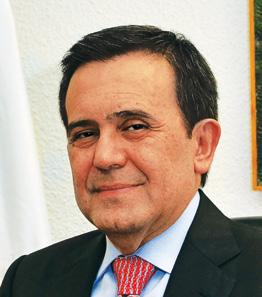
ILDEFONSO GUAJARDO VILLARREAL Minister of Economy
Q: How will the newly created Undersecretariat of Mining benefit the mining sector in Mexico?
A: The Undersecretariat of Mining was created in December 2016, acknowledging the importance of mining as a strategic activity for boosting the country’s productivity and to address the need for regulation, promotion and development of the sector.
The Undersecretariat has a number of priority targets. It will aim to strengthen human resources, digitalize the concession process and cartography to decrease the number of days required to provide a concession title, reengage the Mexican Geological Survey (SGM) resources toward exploration activities and reinforce the InterInstitutional Mining Group, made up of federal government agencies involved in regulating the sector.
Q: What is the strategy to consolidate Mexico’s position in the face of competition from Peru, Colombia and Chile?
A: The Ministry of Economy’s agenda to boost mining competitiveness includes the promotion of local and foreign investment and the allocation of funds to the sector; the development of small and medium-scale mining, including social mining; and the digitalization of the procedures related to mining concessions. The federal government is acting on the structural challenges affecting mine production, such as insecurity and financing. To address insecurity, the armed police and the federal police are making substantial efforts to strengthen surveillance at mining operations throughout the country.
In terms of financing, the Mining Development Trust Fund (FIFOMI) has provided loans to mineral producers, outsourced services companies and primary mineral processors. To improve the provision of information on mineral resources (rare earths and base industrial metals), geological-mining mapping and exploration activities, SGM has established collaboration agreements with internationally recognized institutions, namely the Geological Surveys of Canada and China.
Q: What is the federal government’s view of the taxes imposed by the State of Zacatecas?
A: The Fiscal Law of the State of Zacatecas - effective as of Jan. 1, 2017 - created the “Ecological Taxes” despite the state’s lack of competency to legislate environmental taxes because the General Constitution does not expressly allow it. Similarly, the General Law of Ecological Equilibrium and Environmental Protection (LGEEPA) did not grant this attribution. The federal government submitted a challenge to the Supreme Court of Justice of the Nation to determine the constitutionality of the actions of the State of Zacatecas. If the Supreme Court concludes that the legislator and the governor of Zacatecas issued a general provision, exercising powers that are under the jurisdiction of the federation, the contested provision could be declared invalid and without effect.
Q: What strategies are you following to ensure that Mexico remains a competitive destination for FDI?
A: Mexico is one of the most open economies to international trade and investment. The set of structural reforms carried out by President Peña Nieto’s administration have paved the way to attract domestic and foreign investments in strategic sectors, namely energy and telecommunications.
Specifically, the Ministry of Economy has implemented several actions to ease doing business in Mexico. It has reduced regulations to facilitate investment in sectors where FDI was previously restricted, such as telecommunications and energy. It has increased accessibility and transparency of the Public Registry of Commerce and Property. With Congress’ support, it has created a new corporate figure called Simplified Joint Stock Company, which allows an individual to open a business online, at no cost, and at any time when its annual income remains below MX$5 million. Finally, it has encouraged the use of electronic platforms to ease processes concerning FDI registry, allowing access to the required national standardization procedures and applicable standards or technical regulations.
The Ministry of Economy is responsible for creating and overseeing policies related to industry, foreign trade, the interior, supply and prices in Mexico to promote the generation of quality jobs and economic growth
A VOLATILE BUT PROMISING YEAR
Metals prices are rising. Everyone in the industry is feeling bullish, especially in light of the geopolitical uncertainty of past months that traditionally has investors running to gold for safe haven. The future of the industry looks bright
Volatility was the driver for the mining industry in 2016. A slower production due to a reduced appetite from China was only just compensated by price recovery in some metals and geopolitical uncertainty.
To counteract this lower demand, mining companies had to reduce debt and trim production. For the fourth
consecutive year, an investment drop prevailed worldwide. “Mexico has become one of the most expensive countries to invest in mining,” Daniel Chávez, President of the Mexican Mining Chamber (CAMIMEX) warns. Despite the vast potential of the Mexican mining industry, new taxes, excessive increases in existing taxes and lack of legal certainty are dissuading investments. But this year, hope came in the form of the new Undersecretariat dedicated to mining, leaving many to speculate that the federal government is finally beginning to pay the sector the attention it deserves.
UNDERSECRETARIAT OF MINING
Twenty-three years since it closed, in December 2016 the Mining Undersecretariat was reopened. Mario Alfonso Cantú was appointed as Undersecretary, and his duties are:
• To increase mining’s presence nationally and internationally, at all government levels
• To enable the right implementation of public mining policies, and evaluate their results
• To adhere to the Article 27 of the Constitution (“all natural resources belong to the nation”)
LESS EXPLORATION
Investments reduced to US$401 million, US$90 million less than 2015
US$7.7 billion
1.7% growth from last year
19.6% more than 2015
MEXICAN MINING-METAL PRODUCTION (MX$ billion) AND DOMESTIC INVESTMENT (US$ billion)
Production Domestic investment
THE INVESTMENT AGENDA (US$
SILVER MARKET SHARE
Since 2010, Mexico has outperformed Peru as the main silver producer in the world. Among several mining products, Mexico is:
Fluorite 22.00% Celestite 6.86% Bismuth
4.10% Sodium Sulfate
9.57% Wollastonite
5.97% Zinc
5.42% Molybdenum
5.19% Lead
5.43% Cadmium
4.2% Magnesium Sulfate
1.83% Graphite
EXPORTS VS IMPORTS VARIATION 2015-2016 (percent)
Metal minerals
Precious metals
Industrial metals
MINING-METAL PRODUCTION WORTH (2015-2016)
Nonmetal minerals
MINING-METAL PRODUCTION WORTH (MX$ million)
MX$1.7 billion were collected in 2016 and Sonora contributed the biggest share
MINING FUND CONTRIBUTION (MX$ million)
579.6 Sonora
340.9 Zacatecas
232.1 Chihuahua
148.9 Durango
433.8 Others
2015
2016
UNDERSECRETARY SETTLES INTO NEW ROLE
MARIO ALFONSO CANTÚ
Undersecretary of Mining at the Ministry of Economy
Q: To what extent does the creation of the Undersecretariat of Mining reflect the growing importance of mining?
A: The Undersecretariat was created by the Ministry of Economy as an acknowledgment of the importance of mining as a strategic activity and a response to the industry’s expansion and the need for regulation, promotion and development. Investment in Mexican mining was US$19.8 billion in 2011 and 2012, and in the next four years, from 2013 to 2016, amid falling metal prices, it reached US$19.9 billion. The mining industry’s share of total GDP increased from 0.86 percent in the period between 2009 and 2012 to 0.96 percent in the 2013-2016 period. Employment in the mining-metallurgical sector as of December 2012 was 328,555 workers, while in December 2016 it registered a total of 354,702 workers. Finally, exports reached a similar level, with a US$17.8 billion annual average in 2009-2012 and US$16.4 billion in 2013-2016. This demonstrates that, despite falling metal prices from 2013 to 2016, investment levels, GDP and employment in the mining industry registered better performance than in previous years.
Another reason for the creation of the Undersecretariat was the need to reach a better level of communication and conversation both at a national and international level. Internally, the General Coordination of Mining lacked communication with areas of the federal government that are directly related to mining, such as the Ministries of Environment, Labor, Energy and Finance. It was therefore proposed that the General Coordination should be elevated to a higher level to boost this relationship, since its counterparts have always worked at the level of Undersecretaries.
Internationally, Mexico is a member of various trade organizations. As part of the Pacific Alliance (AP), along with Chile, Colombia and Peru, the AP Mining Group has been formed. Our country is also a member of APEC, in which there is the group called the Mining Task Force. Finally, in bilateral relations, Mexico also belongs to instruments such as the Mexico-China High Level Working Group and the Mexico-Canada High Level Working Group. The existence of the Undersecretariat will facilitate
communication and bring attention to mining issues in these and similar instances.
Q: How will the Undersecretariat operate differently from the General Coordination of Mining?
A: The growing investment in the mining sector is demanding that we increase our institutional capacity to provide better and easier ways for local and foreign investors in their projects. The Undersecretariat is carrying out five key priorities. Firstly, we are strengthening human resources to fulfill institutional functions and objectives. Secondly, we are modernizing our technological platform and digitalizing the concession process and cartography to accelerate the process for allocating a concession title. Thirdly, we have prioritized re-engagement of Mexican Geological Survey (SGM) resources in exploration activities to provide more projects with more information focused on rare earths and base industrial metals. Along the same vein, we are also promoting the generation of geological-mining, geochemical and geophysical mapping of the national territory on a scale of 1:50,000, prioritizing the areas of greatest interest and susceptibility to contain new potential mineral deposits. Finally, we are strengthening the InterInstitutional Mining Group, made up of federal government agencies involved in regulating the sector.
Q: What is your opinion of the decision to implement the Ecological Taxes by the Zacatecas government?
A: According to a mining sector specialist, the state of Zacatecas does not have jurisdiction to legislate on environmental taxes, as the General Constitution does not expressly establish it. Equally, the General Law of Ecological Equilibrium and Environmental Protection (LGEEPA) does not grant the authority this power. Both the federal and state governments have the power to design, develop and apply economic instruments that encourage the fulfilment of environmental policy objectives but this is limited to setting fiscal incentives and it cannot be used for tax purposes.
On Feb. 14, 2017, the federal government therefore submitted, through its General Counsel, a constitutional
conflict claim to the Supreme Court of Justice of the Nation (SCJN). The court will now determine the constitutionality of the actions of the state of Zacatecas. If the SCJN concludes that the legislator and the Governor of Zacatecas issued a general provision exercising powers that fall within the jurisdiction of the federation, the contested provision could be declared invalid and without effect.
Q: What does Mexico need to do to compete with other jurisdictions to attract more greenfield investment?
A: The public policy of the Mexican government regarding the mining sector is included in the Mining Development Program 2013-2018, which defines the objectives, strategies and lines of action to boost mining activity within a framework of sustainable development. One of the purposes of the Mining Development Program is to promote higher levels of investment and competitiveness in the mining sector. The Undersecretariat of Mining carries out investment promotion policies through participation in the main national and international mining events.
The most important conventions that we attend, among others, include the annual Prospectors and Developers Association of Canada (PDAC) Conference in Toronto and the China Mining Conference. At PDAC, the Mexican delegation implemented actions aimed at disseminating the advantages of national mining as an investment destination, services and policies to support the sector,
as well as government policies targeting the rational and sustainable use of mineral resources. China Mining, the most important mining event in that country, was attended by a Mexican delegation that included mining project holders, who held business meetings with Chinese entrepreneurs.
Another one of the policies implemented by the current federal administration is to increase the quality of information for mining projects, thereby developing detailed geology, geophysics and geochemistry activities plus direct exploration through diamond drilling. This provides the means to continue exploration, according to the results derived from mining operations.
To attract more greenfield investment, SGM allocates most of its human resources and budget to developing Mexican mining potential through continuous mapping the country on a 1:50,000 scale. This is an essential requirement to identify mining exploration targets. The accumulated goal set for 2017 is 837,717km2 with a coverage of around 60 percent of the national territory with mining potential.
The Undersecretariat of Mining was created as a specialized division of the federal Ministry of Economy in 2016 in response to the growing importance of the mining sector. Mario Alfonso Cantú was appointed to serve as Undersecretary
MINING COMMISSION ENSURES LEGISLATIVE CLARITY
SUSANA CORELLA
Federal Deputy for Sonora and Head of the Special Mining Commission for the Federal Government of Mexico
Q: What do you think of the current development of the Mexican mining industry?
A: I see an industry with capacity and potential. However, it is necessary to create conditions that provide investments with greater certainty, including federal and state-level miningrelated legislation. In this sense, I am pleased that President Peña Nieto has already created the Mining Undersecretariat, which should oversee guidelines, procedures and a general policy that directly relates to Mexican mining. The development of this industry empowers us to occupy a competitive position on the international stage. In addition, it is necessary to take advantage of the competitive advantages given to Mexico by its trade agreements with the countries of the Pacific and Europe.
We must analyze the challenges from multiple perspectives, among investors, operators, workers, mining communities and government players. We should all accept the challenge to develop of the Mexican mining industry, firstly to increase the country’s efficiency and secondly, so that this efficiency is translated into the country’s development and benefits for our citizens. Today, we know that it is necessary to create better conditions for mining exploration, hence our commitment to an initiative to reinstate the deductibility of preoperative exploration expenses. We continue to lobby for the inclusion of this policy to be considered within the 2018 revenue package.
Q: What is the state’s responsibility to promote the Mexican mining sector, both nationally and internationally?
A: I am certain of one thing: the sector is too important to jeopardize. It generates jobs in remote regions, it attracts foreign exchange, it contributes to the GDP and today in Mexico it also makes direct contributions to the development of our people and communities through the Mining Fund.
The Special Mining Commission was created within the federal Chamber of Deputies in response to the importance of the industry in Mexico. Headed by Susana Corella, the Commission has representatives of the most important mining states
Certainly, the sector is not going through the best time but it is likely that it will regain strength due to the status of commodities as an investor refuge from uncertainty. Gold prices rose almost 8 percent in 2016 due to the fall in crude oil prices and losses on the stock markets, factors that support the demand for assets considered as safe haven.
The responsibility of my state as a leader in production, projects, concessioned land and investment attraction lies not only in the data but also in the way other states behave. Governor Claudia Pavlovich has made it clear that we must take great responsibility for our rich minerals and projects. I am greatly motivated to ensure the transparency of the Mining Fund, since to date Sonora is also the leader in attracting those resources with more than MX$2 billion. The communities give life to the industry and that translates into optimization and strong operation of projects. My work is not limited to governmental responsibilities but I have also been working as a liaison between companies and towns. For this reason the responsibility of a state like Sonora lies in the example we can provide.
Q: Why was the Mining Commission created and what are its short and long-term objectives?
A: The importance of mining activity cannot be denied, given its significance to Mexico’s economic, social and environmental life so it is necessary to dedicate the appropriate resources to the industry. The mining sector in Mexico has been and is crucial for the development of our country. Mexico is a world leader in silver production and is among the top 10 producers of 19 minerals. For this reason, in recent years, legislative analysis on the subject of mining in Mexico has generated intense debates and as a result, the Mining Commission was created.
As for the short and long-term goals, we are in the penultimate year of the administration so we are making plans to standardize the commission, which will allow us to make more long-term plans. Another objective is to strengthen the links between state authorities, investors and executives in the sector to boost mining and standardize criteria. We want mining as a theme to be incorporated into the agenda.
CANADA AND MEXICO: PARTNERS FOR THE LONG TERM
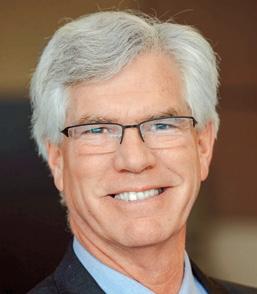
JAMES GORDON CARR Canadian Minister of Natural Resources
Q: How does the Canadian government and ministry support companies that want to enter Mexico?
A: Mexico is an important partner for Canada, with more than $40 billion in trade between us in 2016. That trade was dominated by the minerals and metals sector and Mexico is a leading destination for Canadian mining assets abroad. Our government is supporting this strong partnership in a number of ways. Canada’s Trade Commissioner Service, the Canadian Embassy in Mexico and Export Development Canada provide Canadian companies with market intelligence and key contacts in Mexico. We are also promoting Canadian services, equipment, and technologies. We are fostering opportunities for more trade and investment through government-to-government engagement.
This engagement is carried out primarily through bilateral agreements, and in February 2017, I had the pleasure of visiting Mexico and signing the Memorandum of Understanding on Collaboration in Sustainable Mineral Development between Natural Resources Canada and Mexico’s Ministry of Economy. That visit showcased Canadian expertise and opened the door to new business opportunities between our two countries.
Q: How can some of Canada’s best practices be adapted to the Mexican context?
A: One of the best ways to share expertise is through initiatives such as the Canada-Mexico Partnership. Through that partnership, we have collaborated with the Mexican government to hold seminars on consultation and engagement with indigenous communities – something that our exploration and mining industry has had great success with. We have also shared best practices in tailings and wastewater management as well as green mining technologies. Looking ahead, case studies in both countries will provide information on environmental innovation and the use of renewable energy.
Our government expects Canadian companies to respect all laws and follow the highest international standards of corporate social responsibility and environmental stewardship, whether they are operating at home or abroad.
I am proud to say that Canadian companies have made it a priority to engage early and respectfully throughout the lifecycle of their Mexican projects.
Q: To what extent can mining truly respect the environment and what can be done to minimize its impact?
A: Canadians believe that it is not only possible to minimize the impact of mining on the environment, it is essential. That begins with strong legislation and, in Canada, mining activities are governed by two main statutes. The first is the Canadian Environmental Assessment Act, 2012, which covers federal environmental assessments. These assessments are required for mining, energy, hydroelectric, nuclear, infrastructure and other projects and aim to minimize environmental impacts. The provincial and territorial governments have similar legislation for assessing projects under their jurisdiction. The second is the Canadian Environmental Protection Act, which governs areas of federal jurisdiction such as the regulation of toxic substances, cross-border air and water pollution and waste disposal into oceans.
In addition to these general statutes, we have industryspecific regulations. For example, under the Fisheries Act, there are Metal Mining Effluent Regulations, which set standards for the quality of all effluent discharged into Canada’s waterways. As well as establishing environmental laws, it is also critical to invest in new, clean technologies that minimize the environmental impact of mining. Canadian mining companies are making significant investments in green mining practices – investments that have produced impressive results in managing water use, minimizing waste and reducing their environmental footprint. By focusing our efforts on developing innovative technologies and providing regulatory certainty, Canada is leading the way in developing environmentally responsible mining practices.
The Canadian Ministry of Natural Resources is part of the Canadian Federal Government and oversees all matters related to management of natural resources. In mining matters, it is working toward sustainable development
BRINGING INDUSTRY, ACADEMIA AND GOVERNMENT CLOSER
JAIME LOMELÍN President of CLUSMIN
Q: What are CLUSMIN's primary objectives?
A: The goal of the mining cluster is not to promote the sector – the government, the long history of mineral extraction in Mexico and the country’s extensive resources act as a natural basis for investment promotion. We are aiming to support the economic development of Zacatecas state through the mining sector. We quickly realized that the main goal should be to play to our strengths and maximize the productivity of the industry in Zacatecas. To achieve this objective, the entire value chain that participates in mining activities in the state needs to take part in and support the cluster.
The cluster is split into four committees. The supplier committee, which is charged with attracting new businesses to Zacatecas; the human capital committee, which focuses on attracting and developing human capital; the science and technology committee that ensures the continued technological development of the industry; and finally, the well-being committee, which works to protect the environment and to improve worker safety and health.
Q: What role does the government play in the cluster?
A: Although the cluster operates entirely separately from the state government, the public sector has an extremely important role. Firstly, the government must facilitate the creation of new businesses, which includes reducing waiting times for permits and other qualifications. Secondly, it must create industrial parks, where businesses can work together and share knowledge and experience. Thirdly, it has a vital duty to attract new financial institutions to the state that can help SMEs access the capital required to grow and contribute to the local economy.
Q: What training does the cluster provide to the new generation of workers in the mining industry?
The Zacatecas Mining Cluster
is a nonprofit civil association formed by industry representatives and academia to strengthen the mining industry through the development of its human capital, as well as the attraction of suppliers to the state
A: We are acutely aware of the need to educate the next generation. To this end, the National Science and Technology Council (CONACYT) funded a study to determine the precise number of workers required to support the industrialization of the state until 2025. The study will be completed during 2H17 and will provide data on the number of metallurgists, geologists, maintenance engineers and technicians needed by the sector for the next 18 years. The state polytechnic university has recently created a course on metallurgical engineering. The course will focus initially on mathematical and scientific theory but second and third-year students will spend at least one week out of every four in the field, at a metallurgical processing plant.
The cluster is focused on the future. The state government has built a science and technology park, which is helping to finance new projects and innovative start-up companies. Minera Frisco set up the Laboratory for Mining Investigation, Development and Training in this park, with an investment of over MX$50 million. The University of Arizona is also working on an international research center for compatible mining that will focus on sustainable tailings facilities, remediation, forestation and biodiversity.
Q: How does the cluster contribute to the creation of new jobs in Zacatecas?
A: The mining cluster began by creating a supplier committee, whose role is to attract new businesses to the state and create jobs for local workers. We are also working toward bridging the gap between the suppliers and the client, which can reduce costs, improve the level of service and therefore boost productivity.
We are under pressure from the trade unions to create more sources of employment because mining is becoming increasingly digital and mechanized. This is changing the nature of the mining job market, which now requires highly trained but fewer workers, and the industry as a whole has a responsibility to react and continue providing jobs. One of the cluster’s main objectives is to attract new companies to Zacatecas that can train the large number of manual workers in the state to use modern industrial equipment.
(CLUSMIN)
MEXICO’S MINING CLUSTERS
Since the creation of Mexico’s mining clusters, the states they belong to have experienced a greater level of communication with the government and academia, as well as a more streamlined supply chain
The Mexican industrial policy established within the Ministry of Economy’s National Development Plan and the Mining Development Program 2013-2018 emphasizes the promotion of mining clusters as a key component. Their main objective is to coordinate an agenda among governmental agencies, companies and academia. By
137 associates 18 mining units
Sonora
Founded in 2014
President: Xavier Garcia de Quevedo
• 106 service providers
• 5 labor associations
• 7 education institutions
• Main products: gold, silver, aluminum copper iron molybdenum and selenium
Source: www.clusterminerosonora.com.mx
Zacatecas
Founded in 2012
President: Jaime Lomelín
Source: www.clusmin.org
13 associates 14 mining units
• 7 mining groups
• 2 government bodies,
• 2 academic institutions
• 3 providing companies
• 63 companies (all based in Zacatecas)
• 35% of the state GDP comes from mining
7 companies
Guerrero
Founded in 2016
President: Alfredo Phillips
Source: Guerrero Mining Cluster
gathering private companies, universities, associations, trade chambers and public institutions, the mining value chain can increase competitiveness and align itself more efficiently with environmental regulation. Clusters have the added focus of promoting R&D, training and human resources development. Mexico currently has five mining clusters in Guerrero, Sonora, Chihuahua, Coahuila and Zacatecas. But with the mining industry present in 25 of Mexico’s 32 states, there is a great deal of opportunity for the creation of further clusters.
78 associates 46 companies
• 11 education institutions
• 3 Research Centers
• 17 municipal authorities
Founded in 2014
President: Rogelio Montemayor
• Coahuila state government
• Only one foreign company is associated with the cluster
Source: www.clustercoahuila.org.mx
Founded in 2012
President: Jesús González
Source: www.clumin.org
130 associates
• Gathers Mexican, Canadian and US companies
• Incentivizes interaction between the providers of the region
• 96% of the state based companies are there
• Teloloapan, Arcelia, Cocula and Eduardo Neri are the main mining municipalities
• Potential investment of over US$2 billion in the next six years
• Tecnopolo, in Iguala, will be the headquarters taking advantage of logistics in the region
• Guerrero’s Gold Belt attracted Canadian firms
• An agreement was signed with Sudbury Area Mining Supply and Service Association: mining cluster from Canada considered the biggest in the world
Coahuila
Chihuahua
GUERRERO COULD BECOME TOP GOLD PRODUCER
ALFREDO PHILLIPS
President of the Guerrero Mining Cluster and Corporate Affairs Director of Torex Gold
Q: What unique role does the cluster play in developing the mining industry in Guerrero?
A: To create a conducive environment for developing the mining sector in the state of Guerrero it was vital to create critical mass from a business perspective. This would provide resources to our company Torex Gold, as the largest investor in Guerrero, and other companies to push projects forward. For the development of the state, we felt all players must have a stake in the development of the sector and we wanted to optimize operations for the benefit of not only ourselves but also the surrounding communities and the regional economic development of the northern part of Guerrero, known also as Tierra Caliente.
In doing this, we focused on helping the government understand the benefits of mining and promoting a sector that, in many parts of the world, has been a national lever for sustainable development. We identified the benefits of creating the cluster to promote regional development and to incorporate all local stakeholders into the value chain to ensure those benefits are distributed to all involved.
There is also a significant business role for the cluster. This involves sharing best practices among like companies, guaranteeing the safety of our personnel and our communities and creating political capital to protect our interests from political outliers that may pose a threat. We ensure we are positioned in such a way that we can lead the economic and social development of our communities with our investment.
Currently I am working with the Greater Sudbury Development Corporation, the city of Sudbury, Ontario, Canada and Sudbury Association of Manufacturers and Suppliers (SAMSA) to establish a collaboration with the Guerrero cluster. Sudbury is a world-leading cluster with 300 companies that excel in providing equipment and services to mining companies such as ours. The letter of intent was signed at PDAC 2017 and will be supported by development of a regional industrial park that will serve as a landing space in Iguala to bring to Mexico companies from Sudbury and other parts of the world that are attracted to
the great potential the state offers. With the help of the government, we can foster the entry of equipment suppliers into Mexico and hopefully convert Iguala into a technical mining hub.
Q: How will the cluster finance itself and its operations?
A: In 2015, the member companies of the cluster represented a US$900 million-US$1 billion investment, US$800 million coming from Torex’s Limón Guajes project. For the next four years, the projected capital investments for the members of the cluster adds up to around US$1.2 billion. If Torex’s second project, Media Luna, moves ahead uninterrupted, the company will invest close to another US$600 million by 2020.
Other projects such as Los Filos, which was being acquired by Leagold, are considering additional CAPEX investments to optimize underground mining and other operations adding close to US$250 million. Timmins Gold will also start construction this year at Ana Paula and Industrias Peñoles is planning to start up its Rey de Plata project, which equates to a further US$250 million each. This only takes into account the investment that is already being considered as part of the short-term planning process so regardless of whether there is further investment in the industry in 2017, the state will receive a significant cash boost.
The Guerrero cluster is modeled after the Zacatecas cluster (CLUSMIN), although given our local needs, we decided to structure our committees differently. We have three committees: one dedicated to economic development and our value chain, one to human capital and training and the third to corporate social responsibility and communication since we find this to be a fundamental element to change the perception of our sector. We also have an informal working group that deals with security because it is so complex and can be greatly misunderstood so we decided it would be best to work on it but not to formalize it.
Regarding the cluster, financing its operations is not difficult. I currently dedicate a reasonable part of my time to getting the cluster up and running and whenever we need
additional resources for events or meetings, either Torex or the other members provide the necessary resources.
Q: Why do you believe Guerrero can become the biggest gold producer in Mexico and what do companies need to do to reach this goal?
A: If companies begin taking advantage of Guerrero’s potential, it could easily reach this position. Recent data from SGM suggests the state’s potential as a gold producer to be the best in the country. For example, companies such as Agnico Eagle that have a new property next to those of Torex and Los Filos, are now looking closely at carrying out bigger exploration programs given the region’s recent results.
The problem with the drop in gold production of 21 percent in the last four years is that there was only one producer, Los Filos, and its production levels dropped. El LimónGuajes (ELG) produced 280,000 ounces in 2016, which increased production significantly for the state, making it the fourth gold producer in the country. It will ramp up to close to 380,000 gold ounces in 2017.
The largest gold producer in the country is Goldcorp’s Peñasquito, followed by Fresnillo’s Herradura, both in Zacatecas, but Guerrero now hosts the number three and four mines in the country. In 2016, ELG and Los Filos ranked third and fourth, respectively, in gold production in Mexico. Once we get Media Luna online in 2020, it is targeted to produce close to 320,000 gold equivalent ounces with about 180,000 ounces of gold so Guerrero can easily take a topthree spot nationwide in terms of gold production in the short term. In the next five to 10 years in fact, it could easily become one of the richest gold regions in Latin America.
Q: To what extent is the cluster trying to change Guerrero’s image as an unsafe mining jurisdiction?
A: Security was not formalized as a committee because it is such a difficult, delicate and sometimes confidential area of business. We have a permanent working group on security and a permanent hotline to share information. The security personnel of each company communicate with each other regularly because we think it is important to keep open communication channels and to collaborate. In addition, we have close relationships with state and federal authorities.
We understand that security is a big problem for the state and it has a deep-rooted structural origin. However, we are also well aware that the current state and federal governments are doing everything they can to resolve the issues and we are trying to help in that process. The first thing we have to do is to ensure the members of the cluster are confident that Guerrero is a safe area in which to work and that they are actually secure. After that point, we need to transmit this mentality
to our contractors. This kind of chain of communication is useful for dispelling myths and exaggerations that surround the safety issues in the state given the media hype. Of course, there are issues but as a representative of a company with operations in the area, I can confirm that Guerrero is a place where business is possible as long as security issues are closely monitored and adequate protocols are followed.
We have been working diligently with the government to help it through sharing best practices and creating information exchanges. We coordinate activities with our neighbors and we fundamentally focus on keeping our communities and people safe. Once we start organizing these issues, they are much easier to resolve in collaboration with all interested parties.
The projected capital investments by the cluster add up to around US$1.2 billion over the next four years
Q: What is the main goal for the cluster over the next five years?
A: Once the cluster starts gaining traction, our goal for the next one to two years is to successfully develop a collaboration with other external groups that can help us incorporate Guerrero-based companies into the value chain. This will require collaboration with governments at federal and state levels because many of these companies have limitations and require support to meet the strict requirements the industry maintains. As an example, the chairman of COPARMEX in Chilpancingo who has a construction company told us in a meeting that working for Torex helped improve his company. For him to provide services to our ELG project, he had to perfect the service his company offered and he is thankful for that. In two years, I hope to have large number of similar success stories from companies across the value chain, which in the end should help develop a regional mining hub.
I would also like to see an increase in exploration activities and new companies entering Guerrero, to the point where mining is able to grow by 100 percent in the next five to 10 years. As a cluster, we hope that our presence in Guerrero creates benefits for all and develops a new paradigm for responsible mining.
The Guerrero Mining Cluster was inaugurated in 2016, becoming the fifth mining cluster in Mexico alongside Zacatecas, Sonora, Coahuila and Chihuahua. It serves as a tool to strengthen the state's supply chain
JUMP IN TSXV GOOD OMEN FOR MINING JUNIORS
ORLEE WERTHEIM
Head, Business Development – Global Mining at Toronto Stock Exchange and TSX Venture Exchange
Q: To what extent have you seen confidence return to the global mining sector as prices have risen during 2017?
A: In early 2016 we began to see more investor interest in precious metals, particularly gold and silver, as well as battery metals such as lithium. There was a 38 percent increase in the amount of capital raised by mining companies listed on Toronto Stock Exchange (TSX) and TSX Venture Exchange (TSXV), along with an increase of 134 percent in money raised on TSXV, where the vast majority of junior companies are listed. This shows that there has been a substantial increase in the amount of money flowing into exploration. During the downturn, everyone suffered from a lack of access to capital but that issue was more acute for the juniors. But exploration companies are now going to market more frequently – at least a couple of times a year – and that is an encouraging sign. There is still some way to reach the peak of a few years ago but there is no doubt the industry is moving forward.
Q: What does Toronto Stock Exchange do to help junior companies get access to capital?
A: We are constantly looking at how we can ensure that investors have confidence in the companies listed on our market and to do that we need to make sure there is a strong set of rules and regulations designed to make investors feel comfortable. TSX and TSXV each have different sets of regulations because we recognize that companies at varying stages of development need to be governed differently. We are always making small changes to these regulations depending on the market’s evolution. We also need to make sure that our issuers can access capital without having to navigate complex regulations while maintaining a clear and efficient rulebook. Wherever possible, we try to simplify our processes to enable companies to save time and money and reinvest capital into their projects.
Toronto Stock Exchange (TSX) is the ninth-largest exchange in the world in market capitalization. TSX represents a variety of companies, both Canadian and international. Toronto Venture Exchange (TSXV) is an electronic stock exchange in Canada.
We set up the TSX Venture 50 program to recognize the 50 top performing companies listed on the exchange divided by industry. Every year, the top 10 mining companies are selected as part of the program and we organize a large campaign to tell the market about each company and the reason behind its success. We help each company prepare a video, which we show on our website and a variety of different platforms, as well as connecting the companies to investors and other sources of capital.
Q: What benefits could a dual-listing on both TSX and BMV offer to mining companies operating in Mexico?
A: I always feel that a dual listing could prove beneficial under the right circumstances. For example, a mining company that is headquartered in Canada might consider a listing in Mexico to allow the local investor community to participate. It can also help boost government relations. The issue is that the threshold to list on the BMV is set at a much higher level than either TSXV or TSX. For one, to list on the BMV a company has to have revenue and thus be a producer, which rules out a large chunk of the market. We see more dual-listings in jurisdictions such as Chile and Peru, which have a similar support system for junior exploration companies.
I believe that the larger Mexican mining companies could stand to gain by listing on TSX. They are already wellcapitalized but there is a solid investor base in Canada. It would also open up avenues for M&A deals and further exposure. We have over 200 analysts that cover the mining sector, so there is a wealth of opportunities here.
We have a strong relationship with the BMV. We are in frequent communication, travelling to Mexico fregularly, and we are always discussing ways to collaborate and share information. In Latin America, there are many small enterprises participating in the mining sector and they do not appreciate the value of a listing on the stock exchange. During our visits, we try to educate the local community about the benefits of going public and I believe we are seeing a fundamental shift in the new generation where more and more private companies are considering an IPO.
PROMOTING MINING SME PARTICIPATION ON BMV
JOSÉ-ORIOL BOSCH Director General of BMV Group
Q: Why are there only a few mining companies listed on the Mexico Stock Exchange (BMV)?
A: It is one of the industries with most room for growth in Mexico. Mining represents almost 5 percent of the country’s GDP but the BMV only has four Mexican companies listed from the industry. These companies represent almost 6 percent of the daily traded volume of the stock exchange and 8 percent of the total market cap of the companies in the BMV. Their market cap is higher than their daily traded volume because these four companies have high dividends for investors. Mining stocks are a long-term investment as commodities can fluctuate with currency exchange rates.
About 200 Canadian companies are investing in Mexico but they tend to do so in small amounts and mostly directed toward exploration. Canada is home to an active stock exchange that is welcoming to companies within the industry. Canada is also popular because it has the advantage of having the Venture Exchange (TSXV), a specific mining regulatory framework and an important pool of investors that understand these type of risks and investments. It is a viable option for smaller companies and ventures that use investor capital to invest in small and greenfield projects in Mexico since the BMV currently does not cater to this market.
Q: What are the main challenges you face when it comes to promoting the participation of companies in the BMV?
A: The biggest challenge is creating a financial culture in Mexico that is open to investing in the stock exchange. The country has 5 million registered companies and only 350 are using the BMV as a form of finance, of which 150 participate in the capital markets. Only 400,000 companies use other methods such as credit as the rest use capital from partners, clients and suppliers.
Another issue is that over 90 percent of the 350 companies on the BMV are divided among only four states in Mexico: Mexico City, Nuevo Leon, Jalisco and the State of Mexico. There are 32 states in the country and 12 of these, such as Zacatecas, Durango and Guerrero, do not have any companies listed on the Mexican Stock Exchange in either capital or debt markets, regardless of the industry.
But the root of the problem goes beyond the number of companies listed. If 200 companies were to list on the BMV tomorrow, there would not be a market big enough to buy these shares. To create a healthy trading market, a balance of both companies and investors is needed. Banks and brokerage firms can change this context by offering more financial education as trading activity has little penetration in the country.
Q: How can the stock exchange be more accessible to smaller companies?
A: We are trying to encourage smaller companies to participate but the lack of financial culture is a challenge. Our team is traveling to different states to teach companies about the benefits the BMV can offer. We found that in many of these states businessmen have no idea how the stock exchange works. First of all, many of these companies think they are too small for the stock exchange while regulation allows them to participate with 20 million units of direct investment (UDI) in paid in capital, which is as little as MX$120 million pesos. Of the 5 million companies that are registered in the country, thousands would qualify for listing on the BMV when it comes to capital. Sushiito is an excellent example of a family company that just recently listed debt for only MX$150 million.
Q: How is the creation of a second stock exchange, BIVA, impacting the BMV?
A: We are hoping the impact will be positive. We recognize that issues in Mexico’s financial culture cannot be automatically fixed through the creation of a second stock exchange. The regulation in Mexico had to be changed to allow more than one stock exchange to participate. The BMV strives to make sure the additional costs of having a second stock exchange will not result in inefficiency or fragmentation.
The BMV Group operates a stock exchange, the central securities depository in Mexico a securities clearinghouse and a derivative chamber, as well as a pricing and risk management services
PRODUCTION GROWS, ACCIDENTS DOWN
OCTAVIO ALVÍDREZ CEO of Fresnillo
Q: What were the main contributors to Fresnillo's strong performance in 2016?
A: Like all miners, we were helped by external factors such as the devaluation of the peso that enabled us to improve the internal cost structure. But we also managed to lower operational costs at several of our mines, which generated savings of US$25 million across our portfolio. Moreover, we were boosted by the increase in production at our mines, particularly at La Herradura, Nochebuena and Saucito, while we also brought the first phase of commercial production
Fresnillo is the world’s leading silver producer and Mexico’s largest gold producer. It is a subsidiary of Grupo BAL and operator Industrias Peñoles. The company is listed on the London Stock Exchange’s FTSE 100
at San Julian online. All told, 2016 was the second-best year for Fresnillo since the company made its listing on the London Stock Exchange nine years ago.
Q: What actions are you taking to reduce fatality rates at your mines?
A: This is the most important challenge Fresnillo is facing and we are disappointed that we have not reached our objective of zero fatalities, which is the company’s primary goal. We are trialing a new, in-depth safety system in the Saucito mine that we hope will help us achieve our zero-fatality goal. We already have safety protocols and equipment of the highest standard but we need to focus on educating our staff and contractors. We are determined to increase awareness and risk identification throughout the company. If we succeed, this system will be implemented across all of our mines.
AIMMGM STRENGTHENING TIES TO PUBLIC SECTOR
MARCO BERNAL President of the Mexican Association of Mining Engineers, Metallurgists and Geologists (AIMMGM)
Q: How has the sector in Mexico reacted to the volatile geopolitical environment in the region and the world?
A: The prevailing sentiment is that factors such as the new presidential administration in the US and the Chinese economic rebound should have a positive effect on the mining industry. The aggressive and unpredictable foreign policy of President Trump in particular is generating economic instability on a global scale and this will encourage investors to look for less risky assets like precious metals and other commodities. The mining sector will always be volatile and difficult to predict but in terms of metal prices, 2017 is shaping up to be a strong year and we have already seen companies being more active in the sector.
Q: What have been your biggest achievements since you started your role in July 2016?
A: One of the main focuses has been to renovate and restructure the internal processes of the organization. This helps us offer a better service to our members. We also managed to secure more funding, much of which will be spent on the convention in Guadalajara in October 2017. Following the creation of the Undersecretariat of Mining, a decision we had been anticipating for more than 20 years, we will be doubling our efforts to increase our cooperation with the federal authorities and to strengthen this relationship. We have had several meetings with the Mining Commission, which gave us the opportunity to raise certain issues that we believe need to be tackled. We feel that our concerns are being heard by the authorities and we hope that we can work together to create a more sustainable and profitable industry going forward.
Q: Why did you decide to file an amparo against the Zacatecas Ecological Tax?
A: There are several reasons why we filed our amparo Our first responsibility is to protect our members. Mining contributes 30 percent to the GDP of Zacatecas and mining companies already fulfill extensive obligations regarding environmental protection. But the tax will make mining in the state economically unfeasible. There are many communities in the state that continue to suffer from poverty and yet we are not convinced that the resources generated by the tax
will be used either to fund environmental protection or socioeconomic development. The tax simply encourages mining companies to look elsewhere for their next investment so that is why we, along with a number of institutions working in the state filed for an amparo. We are still waiting for the decision from the Supreme Court of Justice of the Nation (SCJN) but we are hopeful of a positive outcome.
Q: How satisfied have you been with the application of funds generated by the Mining Trust Fund?
A: The money is taking too long to be spent and we know of municipalities across the country that are still waiting to receive funds for projects that have been approved. There needs to be more transparency because at this point we are still waiting to see the results we were promised. At the moment, the mining companies are still showing patience, despite the fact that the program has already been in place for three years. But their patience will run out eventually. The mining companies are capable of supporting local communities with their own resources but these expenses are not tax deductible. It is now up to the government to apply the resources from the Mining Trust Fund but it is not fulfilling this duty. The communities blame the companies for not doing enough, despite the fact that the companies no longer have the power to help. Another factor is that NGOs see this social unrest as an opportunity to pressure the mining industry. If left unresolved, this issue could create a very difficult situation.
The constant alteration and modification of regulations has meant that Mexico has lost its competitive edge. Foreign investors are not interested in investing their money in countries that chop and change regulation constantly and that is the primary factor behind the drop in investment in Mexico. We have to work hard to reverse this trend because the mineral potential in Mexico is unquestioned.
AIMMGM is the premier association for mining professionals in Mexico. The group works toward the technological and economic development of the mining sector and counts the country's top operators and suppliers among its members
UNDERSECRETARIAT THE FIRST STEP TO A LONG-TERM MINING POLICY
SERGIO ALMAZÁN Director General of CAMIMEX
Q: How have global political events changed Mexico’s mining industry outlook and what does the country need to do to weather further storms?
A: Conditions are changing in a significant way and without doubt, all sectors are facing a new context and new hurdles. Mining is no exception. In Mexico, we need to re-evaluate our mining policy. One of the main points CAMIMEX is fighting for is the implementation of a long-term state mining policy. This policy should be developed jointly with federal and municipal authorities and obviously with those that know the sector, such as operators, geologists and academics.
In our opinion, there is no stable mining policy. The last few administrations have only implemented mining programs that stipulate the plan that will be developed for that particular term. What we need is a policy that lays out the investment, the promotion and the objectives over the course of 10, 20 or 50 years. The mining industry is one that requires long periods for an investment to mature and pay off. In the best-case scenario, exploration takes around seven years, at which point construction begins and the mine can continue to produce. But in other cases, it can take 20 years just to explore the property. This is why a long-term mining vision is essential for the industry’s survival.
Q: How has the government proven its commitment to the sector with the creation of the mining Undersecretariat?
A: Fortunately, this year the mining Undersecretary was appointed after 24 years without such a position. Without a doubt, this is good news for the sector. CAMIMEX believes that this will give a boost to the industry because there will be more weight behind the promotion and development of mining activities. The Undersecretary now holds the same level of power as his peers in other ministries. It is a very good indicator and may allow us to continue pushing for the long-term mining policy we want.
CAMIMEX is the Mexican Mining Chamber, the activities of which include research and promotion of mining activities as well as communicating with the industry and the government to attract investment and help shape government policies
Q: How will the 2018 presidential elections affect the continuity of mining policy?
A: This is exactly what worries us. It is important to have continuity. We will have to wait and see what the results will be but whatever the outcome, we are dedicated to working with the government for the promotion of the sector, regardless of ideologies. The most important task is being able to communicate the importance of mining for our country because many people do not recognize its value. Essentially, Mexico is a mining country, not because miners decided it should be that way but because of its rich mineralization and resources. In fact, Mexico is often ranked as one of the most promising mining countries in the world because of the reserves it holds. Often, when people think of mining, they imagine the mines of the past when rudimentary methods were employed. On the contrary, Mexico has a mature and modern industry that is socially and environmentally conscious.
Q: Given that the mining taxes have been in force now for three years, how do you evaluate the reaction of the industry?
A: Unfortunately, the taxes were conceived at a time when metals prices were at their peak, in 2011-2012. But when they were enforced in 2014, the prices had already been suffering for a few years and the new taxes jeopardized the industry’s competitivity. In 2011, Mexico placed 11th on a global level as an attractive investment destination on the Fraser Institute’s survey but in 2016, Mexico was in 50th place. This shows us that something is definitely wrong. The situation illustrates that it is necessary to revise the country’s fiscal framework in terms of mining, and this is what we are fighting for.
Our global position in exploration has also dropped. In 2011, Mexico was in fourth place and ranked higher than our closest competitors, Peru and Chile. Now we are in sixth place and those two countries have surpassed us. Another piece of evidence that demonstrates Mexico’s declining attractiveness is that more than 169 projects have been deferred or suspended. These international studies show that the new taxes, the lack of juridical
certainty and the lack of security have become very dissuasive factors for investment in Mexico.
Q: How do you evaluate the Ecological Tax imposed by the Zacatecas state government and how will this situation unfold?
A: We reject these types of taxes for a variety of reasons but primarily because we feel they are unconstitutional. We understand that two amparos have been received on behalf of two companies and that they have a valid argument against the tax. But one only needs to look at the figures on how much competitivity we have lost as a result of the federal taxes to realize that an additional state-level tax would be catastrophic.
Q: What is the likelihood the Sonora governor’s proposal to eliminate nondeducibility of exploration expenses will come to pass?
A: We are optimistic. Ultimately, we will be able to convince the government of the importance of the previous structure whereby pre-operative exploration expenses could be deducted in the same fiscal year they were made. We greatly welcome the support we are receiving from the governors of states like Sonora and Durango. Part of our mission is to approach various governors to explain the benefits of mining and what it means for the country and communities.
Q: How important is Mexico’s relationship with Canada and how can mining help to strengthen it?
A: Canadian companies, to a large extent, tend to be the ones that carry out most exploration activity in Mexico.
Canada has developed a great deal within the mining industry on a global scale, advancing technology, creating new financing options and prioritizing traditional ones. The TSX and the TSXV are useful tools to finance exploration activity in Mexico. In Mexico, Canadian companies have consistently demonstrated that they are demanding in terms of compliance with rules and regulations.
Q: What do you predict for the industry in terms of prices, taxes and exploration activities?
A: Judging by the current situation, I think mining companies will continue to be cautious. I do not foresee any issues with the companies that are already wellconsolidated in the country but I think their focus will be on continuing to make their operations more efficient and increasing production. I think all companies will be cautious and will prefer to invest in existing projects rather than initiating greenfield activity. In terms of prices, production and exploration investment, I believe that in 2017 and 2018 we will continue to see similar behavior to that in 2016.
We are continuing to face challenges and we will continue to work toward exploration expenses being deductible in the same year they are made. It is also important to revise the current fiscal framework and schemes. For companies that already invest independently in the environment and social issues, it would be welcome if this were taken into account when calculating the taxes, which would allow us to return to our position as one of the world leaders in mining. We want the government to see mining as a strategic sector with a bright future.
STATES WITH THE LARGEST NUMBER OF MINING CONCESSIONS
Source: CAMIMEX
MEXICO NEEDS TO REVAMP INVESTMENT STRUCTURE
ALFREDO ÁLVAREZ
Energy Segment Leader, Latin America North of EY
The end of the commodity price slump is near and Mexico has the ability to attract its fair share of investment that is flowing into the industry, provided it implements the right structure. But punitive environmental taxes could threaten to derail this progress, warns Alfredo Álvarez, Energy Segment Leader, Latin America North at EY, if they are not implemented responsibly.
“The main issue is that Mexico does not focus enough on rebuilding its offering to the mining industry,” he says. “Countries like Chile and Peru prioritize the mining sector and strive to adopt the best legislation. On the other hand, Mexico both fortunately and unfortunately, has a diverse source of wealth and prosperity that drive it to have a different focus.”
“Legislation should not be used to fix an imbalance created by the lack of proper governmental administration”
While not opposed to the implementation of taxes, Álvarez argues that punitive expenses can inflict long-term damage on an industry, which is especially risky due to mining’s recent recovery. “Taxes such as the one in Zacatecas scare off investment,” he continues. “Legislation should not be used to fix an imbalance created by the lack of proper governmental administration.”
Although entrepreneurs will never applaud the creation of taxes, a different attitude could arise from a more transparent and concise distribution of funds such as the mining royalties, he says. The government cannot expect companies to welcome royalties and Álvarez believes that the implementation of a royalty fund is not out of place as many other countries have a similar structure. But he adds that the structure should be revised to assure companies that their money is being used efficiently.
In return, authorities should recognize the industry’s interest in being environmentally safe and in investing in surrounding communities, says Álvarez. As the country aspires to produce at least one-third of its energy from clean sources, a coordinated effort from both private companies and the public sector is required. Actions from authorities need to align with these efforts and new taxes such as the environmental levy in Zacatecas do not promote clean energy nor environmental practices despite their name, says Álvarez. Legislative barriers consume the time and energy of companies as legal battles can take up to three years to resolve, which implies a period of uncertainty that impacts financial statements. “The mining sector does more to protect the environment than other industrial sectors in Mexico,” he says.
The Energy Reform also has the ability to further impact the mining industry and mining companies are starting to understand their role in the process as up to 40 percent of their costs comes from electricity consumption. This new mindset can be seen through Industrias Peñoles’ new Eolica de Coahuila wind farm in the north of Mexico, which can be used to power energy-intensive mining activities. But not enough time has passed to make a judgement on its progress and not enough companies have adopted this mindset. “The mining industry needs time to adopt the use of clean energy because it requires a significant investment but can really pay off in the longterm,” says Álvarez. “The market is just starting to adapt to the new energy context.”
To be a qualified user and supplier, companies have certain benchmarks and megawatt capacity that they need to meet. “Few companies meet this threshold but some mining companies have managed to fit in these parameters,” says Álvarez, citing Peñoles and Grupo México as good examples. “Mining players that are willing to participate directly have the freedom to do so.” The transition is not easy but companies will reap many benefits. Álvarez predicts the market will become more stable with the entrance of new players and the price of energy will fluctuate less.
PROMOTING GENDER PARITY AND CHANGING ATTITUDES
EURIDICE GONZÁLEZ
Mexico Country Manager of McEwen Mining and President of Mujeres WIM México
Q: Why was it necessary to adopt the WIM program in Mexico and what are the main issues the organization deals with?
A: The organization promotes gender parity within the mining industry by promoting the participation and the quality of working life of women in Mexico. This organization was created as a result of an invitation from WIM International and developed with the support of professional women that were committed to mining in Mexico. We are the only organization in the country supported by the Women in Mining International organization through its President Barbara Dischingler and the Latin American Director Gladys Smith. This gives us great pride and generates a greater commitment and enthusiasm to promote the efforts of our colleagues in the industry and strengthen an organization worthy of the mining women of Mexico.
Q: What are the benefits of gender diversity in mining and how can companies achieve greater balance?
A: It is important to recognize the ability of the female gender in daily life. The high level of responsibility women undertake and their execution capacity contribute to efficient processes and resources and therefore better results. Mujeres WIM México also seeks to act as a bridge for communication between Mexican companies and women. We are integrating a job board that companies can consult to find candidates for their vacancies. Our goal is to encourage greater opportunities for women, according to nonquota capacities, and encourage more women to apply for this industry when there is a vacancy. That way we will continue to advance.
Q: What kind of progress have you seen in recent years in terms of the number of women in mining and their positions?
A: Although it has moved at a slow pace, there has been greater participation of women in recent years in both mining operations and administrative areas. In Mexico, in the last federal government administration, the General Coordinator of Mining - the highest authority in the field of mining regulation at the time - was María Jimena Valverde, a historical fact that, as women, fills us with pride. Meanwhile, in mining operations, more and more women are filling administrative, technical and operational positions and becoming geologists, mining engineers, machine operators, topographers, planners,
metallurgists, biologists, ecologists, lawyers, administrators and accountants, among a host of other professions.
Q: What is your opinion of the attitudes in mining toward women and what needs to improve?
A: The mining community is increasingly open to the concept of an inclusive mining sector; few people still resist the concept of inclusion. An example of this maturity is the support we have received from Mexico’s various mining associations, notably AIMMGM and the Mexican Mining Chamber (CAMIMEX). We have received a great deal of attention and demonstrations of support from the main mining players in the country and for that we are very grateful. Having said that, we now need to work on improving the percentage of female participation in mining positions, since we represent only 10 percent of the industry.
Women constitute only 10 percent of the mining industry in Mexico
Q: To what extent do you work with universities to promote training of women for mining roles?
A: Although we are in the early stages, we have already begun communicating with students and universities. Currently, in conjunction with AIMMGM, we have formed close ties with UNAM’s Faculty of Mining and Metallurgy, with which we are in talks to promote good gender equality and inclusion practices. We hope to complete this project in 2017 and we have many others in the pipeline. We work directly with students associated with Mujeres WIM México, who have shown great enthusiasm and initiatives because, as students, the culture of inclusion, equity and respect is reinforced.
Mujeres WIM México is a nongovernmental organization with the purpose of promoting gender equity in the mining sector, women’s participation in more roles and greater female responsibility in the sector
WHAT CHALLENGES DO YOU FACE AS A FEMALE EXECUTIVE IN THE MINING INDUSTRY?
SUSANA CORELLA
Federal Deputy for Sonora and Head of the Special Mining Commission
IRMA POTES
Subdirector of Community Development at Grupo México
ALICIA BARNETCHE President of Kepler
According to a 2015 review carried out by PwC, women take up only 7.9 percent of board seats in the top 500 global mining companies and 94 percent of all board positions held by women in the top 100 listed mining companies were in non-executive roles. Despite this reality, women’s inclusion in mining is improving, and the same report even found that, of the top 500 mining companies, those with mixed-gender boards significantly outperformed those companies with all-male boards in terms of dividend yields. As the mining industry begins to awaken to the potential of women, Mexico Mining Review asked the female leaders within the industry in Mexico about the main challenges they face.
There is nothing better than generating policies and making decisions with a view to parity. I hope this can be done by a woman so she can speak from her own experience and attitude. Women have talent to manage and we have a great challenge, which is to break the wall of prejudices. Regarding gender parity in the mining industry, I consider it beneficial because it can add experience, skills and knowledge. Women have a lot to contribute but I am happy to know that we have left behind the idea that only men work in mining. It is time for us to overcome quotas and achieve parity, so that decision-making positions and executive levels include more women. Companies can contribute by having strategies and policies in favor of gender parity, opening positions in management, trusting women and eradicating labels, stigmas and prejudices.
A company is enriched and learns from a diversity of approaches, experiences, skills and sensibilities, particularly if that diversity involves well-prepared women who know how to work together, who are courageous in taking challenges and creative in solving problems. The will exists but some do not know how to follow through. Fortunately, there are associations such as Women in Mining that help integration succeed by supporting the use of effective systems in companies, training women, promoting academia to plurality, among other initiatives. We have seen many advances in this integration in the mining industry, especially in the areas of laboratories, environment, security, communication and community development.
There is no difference between one sector and the others; ours is a basic infrastructure industry. The challenges for women executives are the same in any business sector: financial, political or industrial, though it might seem much harder in this last one. I do not believe in “fighting for equality” of genders because that implies starting from “no equality.” The beginning of equality is in the mind. My conviction is in growth, in increased capability, in “do as you say and say as you do,” in integrity and respect. This gives you the place and respect you deserve. It was not easy at the beginning. Every day we see more and more women participating in this tough industry. Women are increasingly more educated and prepared for top-level executive posts.
One of the things that makes me happy about being part of this industry is that mining companies are on the cutting edge in so many aspects. We strive to ensure the best safety, community relations, health and environmental practices and equity and inclusion are not the exception. At Agnico Eagle Mexico, our entire team is concerned with holding the industry to the highest gender equity standards. I am proud to say that the company has received various awards, such as The Gender Equity Model granted by the National Institute for Women. This is only an example of how an industry that for years has been managed by men welcomes and values the female gender. I would like to encourage our mining colleagues to use women’s strength for the benefit of their companies and the mining industry. Although there is still some way to go, we are heading in the right direction.
I began my career as a legal intern for a great lawyer, Juan Manuel González Olguien, who at that time was already recognized as a mining lawyer. I grew step by step and with effort and dedication, I have reached the position I have now. I do not perceive that the mining industry is particularly closed to the participation of women. On the contrary, it is an inclusive industry in which a great number of specialists converge, with a high sense of belonging, which makes us a great family. Women play an important role in this industry and as a woman it is enough to want to belong to the Mexican mining industry, to work every day with respect and a commitment to achieve personal goals and thus make a small contribution to boosting the industry as one of the best in the country and the world. It is a privilege for me to be a mining lawyer.
For any person in business it is important to maintain a productive, positive mindset and to embrace the differences of others with professionalism and an open mind to the benefits of diversity. As a woman, this is especially true as the numbers show we are only just entering most workplaces. Females are vastly outnumbered. But whether it is change in the workplace or globalization of economies putting pressure on culture, it will take some time. I look to the young people in Mexico to inspire me and I am encouraged that this issue will disappear. Rather than hiring based on quotas, I prefer the idea of mentoring for all regardless of sex with the focus being more on skillset and natural talent. The fact is that women and especially young women need to continue what they are doing in entering their chosen careers and setting examples for others while we all continue to work toward self-improvement.
CINDY COLLINS Founder of Mining Technology Partners
The first challenge is to make one’s skills, aptitudes and professional qualities stand out beyond being a man or a woman. That is achieved with time and of course results. But it takes character, perseverance and a lot of commitment. More and more companies are seeking to attract women to decision-making positions because they can bring other characteristics like negotiating skills and sensitivity. At Goldcorp, the Creating Opportunities and Growing Opportunities program has been created to focus on preparing women who work in the company so they can feel confident and empowered in an industry where only 11 percent is female. This is a great initiative that opens the possibility for industries such as mining to be increasingly attractive not only in economic terms but also because of the professional challenge it means.
KAREN FLORES
Corporate and Government Affairs Manager at Agnico Eagle Mexico
LAURA DÍAZ Partner at DBR Abogados
DORIS VEGA Communications and Public Relations Manager at Goldcorp
Peñasquito Mine, Zacatecas, Goldcorp
FINANCE, INVESTMENT & REGULATION 2
The regulatory landscape in Mexico has been dominated by one central theme in the past 12 months: taxes. According to reports, the government tax authority SAT owes Canadian mining companies a total of US$360 million in back taxes. Companies working in Zacatecas and federal government officials alike are aggrieved at the Ecological Tax proposals, while junior explorers are shackled by the ruling on exploration expense deductibility. On the other hand, the government claims certain mining companies are not meeting their tax obligations to the Mining Trust Fund. All the while, the country is trying to attract investment into the sector – which fell by 20.9 percent in 2016 – and to provide financial support to small and medium-sized mining companies.
Against this backdrop, this chapter explores the most pressing financial and regulatory challenges facing the local mining sector. Both government representatives and corporate executives offer their versions of the complex tax debates, while legal professionals weigh in with their view of the situation and suggest ways to improve the operational framework.
CHAPTER 2: FINANCE, INVESTMENT & REGULATION
36 ANALYSIS: New Zacatecas Ecological Tax Alienates Operators
38 VIEW FROM THE TOP: Armando Pérez, FIFOMI
40 VIEW FROM THE TOP: Jorge Vidal, Minister of Economy for Sonora
41 VIEW FROM THE TOP: Ricardo López, SEDATU
42 VIEW FROM THE TOP: Juan Torres-Landa, Hogan Lovells BSTL Brenda Rogel, Hogan Lovells BSTL
44 VIEW FROM THE TOP: Bradford Cooke, Endeavour Silver
45 VIEW FROM THE TOP: Enrique Rodríguez del Bosque, RB Abogados
46 ANALYSIS: Mining Mega Deals Suggest Return to Form
48 VIEW FROM THE TOP: Carlos Espinosa, SoftLanding Group Mexico
49 VIEW FROM THE TOP: Joel González, ALN Abogados
50 INSIGHT: Javier Reyes, Credipresto
51 INSIGHT: Ryan Matthiesen, Haywood Securities William O’Hara, Haywood Securities
52 EXPERT OPINION: Antonio Nieto, MineralsTech
53 VIEW FROM THE TOP: Laura Díaz, DBR Abogados
54 VIEW FROM THE TOP: Alfonso Rodríguez, Legalmex
55 VIEW FROM THE TOP: Carlos Pavón, SNMM
56 ROUNDTABLE: How Can Juniors Overcome Regulatory, Financial Challenges?
NEW ZACATECAS ECOLOGICAL TAX ALIENATES OPERATORS
Following the controversial fiscal reform for the mining sector in 2014, the state government of Zacatecas announced in December 2016 new Ecological Taxes for industries with highly contaminating activities. The industry’s reaction was swift
The proposal for the new Ecological Tax made by the Zacatecas government, which came into effect in January 2017, was put forward by state Governor Alejandro Tello and approved by the state Congress. Its conception was largely due to the state’s deficit of over MX$1.5 billion and it will apply a charge to extractive companies installed in the state, considering them highly polluting companies.
This, explained the state Minister of Finance Jorge Miranda, is the first tax of its kind in the country. The measure was designed to raise MX$1.2 billion by imposing charges related to contamination levels. Víctor Armas, Zacatecas’ Minister of Water and the Environment explained that the tax will be broken down into four sections.
The first tax will apply to minerals like gravel and stone quarry, for which companies will be charged per m 3 Secondly, companies must pay MX$250/t of carbon and methane emitted to the atmosphere by their operations. Thirdly, companies will be charged per m2 of contaminated soil and per m3 of contaminated water found to be caused by their operations. Finally, companies will be charged for storage of waste with high compositions of chromium, lead and cyanide.
CONDITIONS OF THE ZACATECAS ECOLOGICAL TAX
Tax Consideration
Environmental remediation Tax for each cubic meter of material extracted during mineral processing
Results Charge of MX$25 for each square meter impacted by dangerous substances
Carbon dioxide Charge of MX$25 for each ton of carbon dioxide released into the atmosphere
Storage Charge of MX$100 for each ton of waste stored in public or private landfills
Source: CAMIMEX
ZACATECAS’ MINING COMPETITIVENESS
Mexico is number one in the world for silver production and the infamous “Silver Belt” crosses straight through Zacatecas’ territory. In 2015, two mines in Zacatecas –Fresnillo and Saucito – both belonging to one of the world’s largest silver producers Fresnillo made it into third place and fifth place respectively in The Silver Institute’s list of the top producing
mines in the world. These two mines alone brought in 37.6 million ounces and the state contributed 19 percent to mining production in 2015, according to figures from the Ministry of Economy. Carlos Pavón, Secretary General of mining union SNMM, notes that Fresnillo currently pays MX$100 million under the current mining tax regulations established in 2014. With the Ecological Tax, the company will be required to pay MX$250 million more.
Fernando Alanís, Director General of Fresnillo’s sister company Industrias Peñoles says he is “saddened” by the imposition of the taxes. “It suggests that the Zacatecas state government does not recognize the value that mining adds to the region. The industry represents 30 percent of the state GDP and accounts for 13,000 jobs, and many of the companies operating in Zacatecas – including Peñoles – are certified as clean enterprises by PROFEPA.”
INDUSTRY RESPONSE
Pan American Silver’s La Colorada underground mine is located in the state and, although Mexico Country Manager Christopher Warwick admits the tax will not affect the underground operation as much as it would an open-pit, he is concerned about the precedent it sets for other states. “With the latest introduction of the Ecological Tax by the state of Zacatecas in a traditional mining state within Mexico, at very short notice and without prior discussion and the unclear reasons for its imposition, it sends out a very mixed message to the investors in the Mexico mining industry,” he says.
The Mexican Mining Chamber (CAMIMEX) also condemned the new taxes. In a statement, the Chamber stated that “on behalf of its affiliated companies, CAMIMEX expresses its deep discontent and rejection of the tax measures.” It reminded the government that companies already manage social and environmental responsibility programs and have done so for some time, without government intervention.
The Chamber also points out that the government is already benefiting a great deal from mining company operations in Zacatecas. “In addition to ordinary taxes, the mining industry pays the special, extraordinary and additional duties established two years ago, 80 percent of which are allocated directly to the Fund for the Sustainable Regional Development of States and Mining Municipalities,” the statement says. “This represents more than MX$850 million for the State of Zacatecas: MX$414 million for the year 2014 and MX$444 million for the year 2015. This fund is twice the payroll tax collected by the entity per year.”
Even Julio César Nava, Zacatecas’ SEMARNAT delegate voiced his opposition to the taxes. “The whole point of issuing certifications is because (mining companies) fully comply with all federal regulations,” he says. “Mining companies must report everything to SEMARNAT in terms of permits, use of water, loss of plant cover and generation of toxic substances, and that is overseen by the annual operating certificate.” He also added that both CONAGUA and PROFEPA are authorized to carry out random inspections and that if any mining company is found in breach of regulations, it is liable for a fine or even mine closure.
MINERS FIGHTING BACK
The implications of the Ecological Tax could be extensive and a number of companies are considering legal action or even removal of activities from the Mexican market. Bradford Cooke, CEO of Endeavour Silver, which has the El Compas development project in Zacatecas, told Mexico Mining Forum in February 2017 that the company’s Board of Directors was displeased with the tax. “The board told me to find some projects outside of Mexico. So there is a reality here that we have to deal with,” he said.
Alanís and Octavio Alvídrez, CEO of Fresnillo describe the tax as “excessive” and are leading the charge to legally challenge its constitutionality. The tax came into force on Jan. 1, 2017 but by Feb. 8, Peñoles had already submitted an amparo against it. On Feb. 20, President Enrique Peña Nieto threw his support behind the mining industry by ordering the Legal Department of the Federal Executive Branch to file an order of constitutional conflict with the Supreme Court of Justice of the Nation (SCJN). Right now, the tax is on hold due to its constitutionality being considered by the SCJN. A decision is expected in September.
ACTING OUTSIDE JURISDICTION?
The federal government argues that the taxes implemented at state level by the Zacatecas authorities overstep state authority and fall under federal jurisdiction. According to the Minister of Economy, Ildefonso Guajardo Villarreal, “if the SCJN concludes that the legislator and the Governor of Zacatecas issued a general provision, exercising powers that are under the jurisdiction of the Federation, the contested provision could be declared invalid and without effect.” He argues that Mexico’s General Law of Ecological Equilibrium and Environmental Protection (LGEEPA) does not allow this kind of legislation to be implemented on a state level.
This is a sentiment echoed by industry insiders. CAMIMEX claims that the creation of the new taxes violates the Federal Pact and the rule of law due to the fact that, as a concessioned activity, mining is exclusively subject to the scrutiny of the federal government. It also states that mining companies adhere to standards and regulations, as
they must comply with environmental law in order to obtain the relevant permission to operate.
Similarly, Warwick says that miners have always worked under this federal framework, and changing requirements retrospectively and on a state level would be counterproductive. “Our perception is that our work has the approval of the federal authorities to proceed and continue, because we have always worked within the regulations given by the government agencies appointed to approve such matters,” he says. “I have no problem with tightening up environmental laws in Mexico but it is so important that this is done correctly and then fairly administered.”
Alanís is confident that the SCJN will rule in favor of the miners. “The mining law is federal, so the measure is unconstitutional. We are delighted that the federal government has already sent the issue to the SCJN,” he says. “We are confident of a positive outcome from the hearing but because we have already been granted an amparo, we will not pay an extra peso as a result of this tax.”
CLEARING THE DEFICIT
Zacatecas places seventh in the country in terms of debt per capita at MX$5,160.8, according to the state's Ministry of Finance. Zacatecas Minister of Finance Jorge Miranda warned that if the taxes are not approved by the SCJN, there is a real risk that Zacatecas will be unable to pay its teachers, nurses and civil servants. The current state government inherited MX$7.3 billion in debt from its predecessor and Miranda says the conditions of these loans are “unsustainable” since interest and commissions ran to MX$2.6 billion up to March 2017. He says the MX$500 million budget given to Zacatecas by the federal government is not nearly enough to cover debt repayment. Miranda says there are three options for reducing the debt: raising the government’s income, reducing expenses or applying for a new line of credit. The third option, he says, is out of the question since the state’s debt increase has triggered the debt alert scheme, which means the state of Zacatecas is no longer eligible to apply for more credit.
Until March 2017, he says the tax had raised over MX$1.8 billion, with some notable mining companies having already contributed. He calls for “solidarity with the Zacatecan people” and blames the “shortsighted” financial approach of the previous state government for the implementation of “painful measures”. He stresses that the state government is in communication with the affected companies, to provide support for the new tax. “We are not enemies of mining or large corporations,” he says. “We simply recognize that in times of adverse economic crisis there are big winners and big losers. We respectfully request that (the big winners) share this benefit to give Zacatecas financial viability."
FENDING OFF COMPETITION FOR INVESTMENT
ARMANDO PÉREZ
Former Director General of the Mining Development Trust Fund (FIFOMI)
Q: What were FIFOMI’s main achievements in 2016?
A: In 2015, the authorities made changes to the regulatory framework for financial institutions in Mexico to ensure that both commercial and development banks are held to the same requirements. FIFOMI acts as a development bank for the mining sector so we are now regulated like any other credit institution in the country. The focus in 2016 was on adapting to these changes and restructuring and streamlining the internal loan processes. We now focus on supporting the core businesses within the sector, which are production and processing of minerals. Without a strong, well-developed mineral processing industry in Mexico, all the extracted metals and minerals will be processed elsewhere. This means that Mexico will become dependent on other countries and therefore far more susceptible to volatility in the global economy. It is vital that we industrialize and promote the consumption of metals in the domestic market.
The majority of loans granted by FIFOMI range between US$5-10 million
By acting as a development bank for the mining industry, we have to focus on providing support for projects and areas that private banks do not finance and the most urgent of these is mineral processing. We are working alongside other federal government banks to finance a company in Zacatecas that manufactures ceramic tiles, which is struggling to compete with companies from Spain and Italy.
Other financial institutions, such as equity funds and investment banks, are not well-informed regarding the financing of mining projects. That is where we can provide added value, by bringing our experience of the mining sector to the table. We have been operating for 82 years, so we believe we have unrivalled knowledge of the sector.
Q: What is FIFOMI doing to promote the sector on a global scale?
A: Strong mining jurisdictions in Latin America like Peru and Chile are all fighting for investment from Asia, North America, Australia and Europe. Like its neighbors to the south, Mexico has a capital deficit and needs foreign investment so we need to ensure that our processes and practices to attract foreign capital are superior to the competition. We are present in the main international mining conferences around the world to spread the word about the potential of the mining sector and mineral resources in the country. Fortunately, not only do we have exceptional natural resources but we also have welldeveloped infrastructure compared to other countries in Latin America. It is our job, as a public banking institution, to promote the mining sector and ensure that everyone knows about the opportunities in Mexico. Of course, Mexico has challenges, just like all jurisdictions, but mining is ultimately about geology and few countries have stronger mineral potential than Mexico. We must take advantage of this.
Q: Why are private-sector financial institutions so unwilling to participate in the mining industry in Mexico?
A: There is asymmetric information regarding mining projects. For example, every commercial bank on Main Street has a home loan department because they all have experience with this sector and therefore know how to assess and manage the different risks associated with this activity. The banking sector does not have this kind of experience with mining projects, so executives are reluctant to hand out loans to the industry because they do not have the tools or data to evaluate the risks inherent to this activity. One of the main reasons is that many mines are located in remote regions of the country and so only a fraction of the country’s population is exposed to this activity.
In contrast, people in Canada understand mining – one could ask someone on the street in Toronto what is the price of an ounce of gold and that person would be able give the correct answer. This explains why so many mining
companies are listed on the Toronto Stock Exchange, despite the fact that their projects are in Mexico.
FIFOMI works with other banks to share knowledge and create a culture of financing mining projects. We have a number of co-financing agreements and act as a stepping stone for commercial and development banks to enter the sector. It is a gradual process but an important one if we want the mining sector in Mexico to continue to progress and fulfill its potential.
Q: Why did you decide to put a US$25 million limit on loans and how has this program helped SMEs?
A: We do not want to finance just two or three enormous companies because they have other options for financing available. We believe our primary role is to finance SMEs that are exploring or already processing minerals. Many of these are family-owned enterprises lacking revenue so we can help them build up liquidity and advise them on how to expand capacity. The majority of our loans range between US$510 million. We are financing several infrastructure projects for junior companies, as well as offering training and other technical assistance. We make sure that small miners comply with all the national and international standards when it comes to sustainability, taxation and information disclosure, which is vital for the success of any project. FIFOMI is the only institution in Mexico to offer this kind of service to small and medium-sized miners.
Our primary objective is to encourage medium-sized mining companies in Mexico to obtain funds from capital markets. We are already in discussions with the Mexican Stock Exchange (BMV) to see how we can facilitate the entry of mining companies onto the BMV to take advantage of this valuable tool and raise capital. It is the most efficient form of achieving sustainable, long-term growth.
Q: What are the most important challenges that Mexico has to overcome if it is to fulfil its potential?
A: The biggest challenge is the lack of knowledge at the international level regarding Mexico’s mineral reserves. We have deep, well-established investment relationships with both the US and Canada and it is vital to keep fostering those relationships. But we need to do more business with other major global economies, with a specific focus on China and Australia. China is the largest consumer of commodities on the planet, while Australia is similar to Canada in that its economy is geared toward support of the mining sector.
We need to attract investment from these countries. Although the distance between Mexico and these two countries represents a barrier to bilateral investment, globalization is gathering pace and distance is an increasingly minor problem. We have started to build ties –there are already a number of Chinese companies working in the Mexican mining sector - and we are coming closer every year.
But there is a lot of competition. If Mexico wants to strengthen its position within the context of global mining, the entire mining community needs to work toward the common goal and I am delighted to say that it is already happening. We have close working relationships with the Mexican Mining Chamber (CAMIMEX), the Canadian Chamber and similar associations, and I have witnessed a tremendous effort from all sides to promote the country. I am sure that our sector will continue to grow rapidly over the next five years.
FIFOMI is a state-owned development bank designed to promote and monetize the mining industry in Mexico through loans and other forms of financial support. It promotes the sector abroad by attending international conferences
GOVERNMENT INVOLVEMENT CREATES FAVORABLE INDUSTRY
JORGE VIDAL Minister of Economy for Sonora
Q: What are the most important highlights of 2016 for the mining sector in Sonora?
A: The most important developments concern the large investments that were made by companies like Grupo México, which invested over US$4 billion. This extra capital inflow will lead to a significant increase in production. The growth is happening step by step because it also brings about challenges such as the short-term need to create smelting facilities. These investments need to be created to take full advantage of the material that is being extracted.
Exploration slowed down last year due to the federal government’s fiscal policy changes. In Sonora, 23 percent of the total territory, or 430,000km 2, is dedicated to exploration. The state has a dozen companies that are focusing on exploration and possibly four mines that will to start operating in the coming year. Among these is Alamos Gold’s La Yaqui, which will enter production in 2017, and GoGold’s Santa Gertrudis. The mining industry is an important part of the state economy. It represents 17 percent of the state GDP and offers 18,000 direct jobs. The number grows even bigger when considering that for every direct job, five more are created indirectly.
Q: How would you describe the progress and contribution of mining clusters?
A: Sonora’s mining cluster is in a constant state of growth to provide support for the industry. As the government of Sonora continues to incorporate itself into the value chain of the mining world, the sector will keep playing a significant role in the state’s economy. The mining cluster works closely with the Ministry of Economy because we share similar objectives. We both seek to boost the number of local suppliers and manufacturers in the state. When Minera Autlan entered Sonora and opened a mine near Magdalena, it required an investment of US$70 million.
The Ministry of Economy of Sonora has a General Mining Directorate, with the purpose of promoting mining activity, by providing technical support and credit to small and mediumsized miners. Mining provides 17 percent of Sonora’s GDP
We approached the owners of the company to make an inventory of its needs, from uniforms and food to more complex requirements such as explosives. We then showed the list to the municipal authorities of Magdalena and used it to bring together companies that could meet the needs of the mine. Through this exercise, we were able to promote a large amount of business transactions that benefited bot the community in Magdalena and the mine.
Q: What role could lithium play in the future of the mining industry in Sonora?
A: We are conscious of the fact that battery-powered automobiles from companies like Tesla are making lithium increasingly attractive. There are currently two main projects in the state. One is Sonora Lithium, which is the property of Bacanora Minerals and is worth US$542 million. It is currently in the exploration phase with metallurgical samples being taken. The project still has a long way to go but it already has a purchase agreement with Tesla.
Sonora also encompasses the initial stage Electra Project, which is owned by Alix Resources and Lithium Australia. There is high interest from Australian and Canadian companies to enter the lithium market. Other states like San Luis Potosi and Zacatecas also have lithium deposits but they have not been as successful commercially as Sonora. These projects will position Sonora as the state that produces the most lithium in the country. Lithium will ultimately open an alliance between the automotive and mining industries in Mexico.
Q: What role does copper play in Sonora?
A: Grupo México is advancing with its own projects and it recently discovered a zinc deposit that will require new installations in the coming years. Now, the goal is to become more involved in processing the ore because sending it in its raw form means companies cannot fully take advantage of its commercialization. Smelting facilities will make exporting raw materials a smoother process. Grupo Bal is leading the appetite for minerals in Sonora with La Herradura mine, In total, companies are investing approximately US$410 million in Sonora’s mining sector.
MINING FUND: RESULTS ARE ON THE WAY
RICARDO LÓPEZ Director General of the Mining Trust Fund at SEDATU
Q: What have been the main achievements of the Mining Trust Fund since 2014?
A: As part of the fiscal reforms introduced in 2014, three new taxes were created for participants in the mining sector. The Mining Trust Fund was then set up to collect the revenues from the new taxes and use them to fund infrastructure projects in targeted regions where there is mineral extraction. The idea was to ensure that the extra funds collected by SAT would be used to the benefit of communities living in mining regions. It grants these remote towns and villages, which are often left out of large-scale, city-focused public-sector initiatives, access to new services. Mining can bring new jobs, businesses and other benefits to far-flung regions but it is a finite industry. It is our job to ensure that communities do not become dependent on support from the extraction activities going on around them and to give them the tools to thrive once the mining projects have closed down.
The fund is an innovative public initiative, in which all three levels of government play a role. Of our total funding, 77.5 percent is constituted of the funds collected by the new taxes. From that total, the municipal government, which is closest to the communities, is in charge of distributing 62.5 percent, while the state government distributes 37.5 percent. The rest of the tax collection is distributed directly by the federal government. In each state where there is mining activity, a special five-person committee has been set up to decide how to invest the resources. One representative from a local mining company, one from an ejido or similar agrarian community, and three members of the public sector, a municipal governor from the region, a member of the state government and a SEDATU deputy. The five members of each committee discuss all the ideas for infrastructure projects and vote to decide on where to allocate the funds.
In 2014, over MX$2 billion was distributed in 25 different states, according to the percentage each state contributes to the country’s overall mineral production. This information is collected by INEGI and cross-referenced with the results mining companies provide the Ministry of Economy. In 2015,
the figure rose to MX$2.1 billion and we expect to see this trend continue in the years to come.
Q: How do you respond to the mining companies that say that the Fund is ineffective in supporting communities?
A: The relationship between mining companies and the communities is well-established and the Mining Trust Fund should not do anything to negate that. They work with and live alongside each other on a daily basis and have done so for decades in some cases, so it is essential that this relationship continues to grow. Our job is to make sure that the funds received from the new taxes are reinvested into infrastructure projects. It is the government’s responsibility to improve public services, not the private sector’s, and that is what we are doing. I understand that the mining companies want to see results but I can assure them that results are on the way. A total of 812 projects have been started and more than 250 of those have been completed. We expect this number to increase year on year.
Q: What are the main goals for distribution of the Mining Trust Fund in 2017?
A: We are going to continue investing the funds we have collected over the past three years, focusing on regional development. We have compiled a social development plan for each region where there is mineral extraction and we will ensure that each project we authorize is in line with the plan for that community. During the first year, we focused primarily on community infrastructure projects, such as schools and hospitals but in the next couple of years we will be switching our attention toward regional projects that impact a larger number of people. We have already started work on a new highway in Sonora. This project will require an investment of MX$130 million but it will affect a number of communities in the state. This is an example of the kinds of projects we are going to focus on in the coming years.
The Mining Trust Fund was set up in 2014 to raise the quality of life of the inhabitants in areas of mining activity. The Fund is responsible for 80 percent of the collection of the payments from the Special, Additional and Extraordinary taxes
COMMUNICATION KEY TO SUCCESSFUL MINING PROJECTS
Q: How would you describe the main challenges the mining industry in Mexico faces?
JT: The global mining industry sees Mexico as a favorable country for operations but taxes and security challenges definitely have a negative impact nowadays. Our clients consider these two factors to be the main obstacles for the industry. Companies also worry about environmental and labor issues. The mining royalty scheme is a burden that affects the number of projects that enter the country. Peru and Chile provide strong competition when it comes to mining. Consequently, they are attracting operators that are not pleased with the royalty taxes in Mexico. The taxes have had a negative impact on the overall position of the country on a global scale. The special royalty taxes have forged a complicated scenario for mining companies and the metal prices have created a dent in operations. But operators must understand that it is now part of the cost of doing business in Mexico.
Mine sites have the ability to become an important source of resources for surrounding communities but the isolation of these areas often creates risks such as insecurity. We have clients that struggle with the transportation of the final product. Some companies are forced to even fly the product out of mine sites due to security risks, an expensive transportation method.
Mining reserved areas are also potential obstacles. When the government labels an area as a reserve, it has the authority to approve the purpose it will hold, even if it has a mineral deposit. Therefore, companies must be careful and make sure that the area they wish to develop is free for mining before applying for a concession. Geological and seismic analysis are more complicated than simply looking at a map. They are in fact extremely necessary. Communication with geologists, prospectors and engineers is required to develop a map before choosing an area to apply for a concession to make sure it is not a reserved area or owned by someone else. This is one of the most difficult parts of the process, but following the correct steps makes it easier for mining companies to be successful in securing concessions.
Q: How has the Energy Reform changed the mining industry in Mexico?
JT: Mining lends itself to cooperation with the energy sector. The players in the sector know how to interact with communities and map out the geological potential of areas. Companies used to have issues with the cold methane bed gas that was naturally developed as part of the mining process as the law did not allow operators to use it. The resource was being completely wasted but the Energy Reform allows for more flexibility. This is actually an activity that is complementary to operations. Obviously, if gas or energy become the central focus of operations, then the company would no longer work in the mining sector, it would enter a different industry.
Carbon in particular creates a type of methane gas that can naturally be a form of revenue for mining companies. Many mines also have hydrocarbon deposits in areas where plants are being built. When hydrocarbon prices become more favorable, we might see more collaboration between mining and oil and gas companies.
Q: How effective do you think mining regulation is in Mexico?
BR: From an environmental point of view, SEMARNAT has several guidelines for all projects that could potentially impact the environment. The agency is making a strong effort to offer additional information and support because global companies consider the quality of the governmental processes within the country highly important. The first stage of projects is usually the least regulated but more advanced phases, like exploration and exportation, are more stringent. If a company does not start following norms in the beginning, it can experience considerable problems later on in the process. As long as companies have more effective procedures with governmental issues, they can ensure more effective projects.
Q: What are the largest areas of opportunity within social and environmental compliance?
JT: In the past, outdated or obsolete methods were commonly used. Operators thought that working in isolated
Brenda Rogel Partner at Hogan Lovells BSTL
Juan Torres-Landa Partner at Hogan Lovells BSTL
communities gave them the freedom to do as they please without suffering any consequences. This mentality left a legacy in the mining industry that is still present today. Despite the beliefs of many companies, it is not enough to secure governmental authorizations. Problems are more likely to arise in the future without the approval of communities or indigenous groups. San Pedro in San Luis Potosi was one example of this trend, as it generated years of conflict and chaos. All sectors should be prioritizing community consultation, in particular hydrocarbons. Communities need to see clear signs of concern and cooperation.
Q: How has the industry’s attitude toward environmental impact changed?
JT: The accident in Rio Sonora in 2014 helped raise environmental awareness in mine sites. It pushed companies to start prioritizing environmental compliance. Now, the entire life cycle of mine sites is being evaluated for environmental compliance, not just the initial phase. Mining operators are starting to see environmental compliance as a duty when they actually used to commonly leave mine sites open and in ecological devastation.
BR: The percentage of noncompliance was massive and the challenge was brought to light by PROFEPA, our federal environment prosecutor. The institution completed more or less 1,000 inspections within mining companies throughout 2015. The results were released in January 2016 and only 35 percent of the visits revealed mine sites that were compliant with norms. We were not surprised by this outcome considering the situation in Sonora. Mining companies need to take the concept of corporate social responsibility to a whole new level.
For the oil and gas industry, the National Human Rights Commission released recommendations for environmental compliance in August 2016 that now include community consultations and are based on international norms. However, these same specifications were not established for other industries, so many mining companies struggle with the lack of clearly established regulations in terms of community consultation. Environmental issues are complex as they need to include a human rights perspective and international recommendations. These norms push projects to respect the rights of people in surrounding communities and indigenous groups.
Q: What is the most efficient method to include social and environmental projects within a business strategy?
BR: Operators can incorporate more preventive and proactive approaches by identifying, within economically viable projects, a map of advantages, areas of opportunities and allies. Taking the time to develop a strategy often
helps align the objectives of a project with the needs of surrounding communities and ensures success. But, as many of these projects are performed far from cities, it is difficult to have an effective form of communication.
Only 35 percent of mine sites were compliant with PROFEPA norms in 2015
JT: We find it effective for operators to use a combination of outside and internal consultants to manage environmental and social issues. Independent and external advisory services are recommended as the initial work requires a detailed amount of heavy analysis. A large team is needed to map out the complex necessities of the project and the community to create a strong foundation. The idea is to highlight the risks of the project and create strategies that can resolve them.
But operators need to remember that community development projects should always be created through dialogues. For instance, we heard of an operator that was building a soccer field in a community as an attempt to create rapport. But the company quickly realized that the project was greatly opposed as it was in an area that mostly plays basketball. It proves that each community is different and companies cannot just assume the needs of the area.
JT: It may not be easy but many projects prove that proactive approaches can create a greater end result both from an economic perspective as well as a social and environmental status. Companies should rightfully benefit from implementing well established business decisions that also create positive effects on social and environmental factors. These types of actions are commonly supported by shareholders.
A common problem in mining operations is that locals are not involved in overseeing the projects. Having a team that cannot even speak the language or understand the culture of the area is obviously bound to cause issues. Locals should always be considered and included in mining projects.
Hogan Lovells is an international law firm that recently merged with BSTL, a firm with profound knowledge of the Mexican market. Together, they specialize in various industries including energy and natural resources, infrastructure and transportation
REGULATORY KINKS MUST BE IRONED OUT
BRADFORD COOKE CEO of Endeavour Silver
Q: What strategies does the company use to ensure healthy levels of cash flow?
A: To survive the last five-year bear market in metal prices, Endeavour Silver had to incorporate several strategies to reduce our cash operating and all-in sustaining costs. We reduced our workforce and retrained our remaining employees to use newer and more efficient mining equipment and methods. We also reduced our exploration and capital budgets. Last year, when metal prices started to increase, we raised some equity capital to invest in growth. In 2017, we plan to raise some debt financing as well to build one of our new mines. Our healthy cash flows are now helping us become one of the fastest-growing silver mining companies in the world.
Q: How much of a challenge is the new Ecological Tax in Zacatecas for miners?
A: We think the state government is in financial difficulty and this was the solution. However, we and most other mining companies in Zacatecas think the state has no
Endeavour Silver is a mid-tier silver mining company focused on the growth of its silver production, reserves and resources in Mexico. Since start-up in 2004, it has grown silver equivalent ounce production to 9.7 million ounces in 2016
right to tax us for the environment so we have all filed constitutional challenges in court to block the new taxes. Even the federal government is challenging the new state taxes in court. Our hope is that these taxes are defeated in court because this legislation was poorly thought out.
Q: What challenges are you experiencing at Terronera?
A: We ran into several issues with state governmental authorities when it came to issuing permits. They do not have the experience or expertise in approving mine permits so they were moving very slowly. We requested some assistance from the federal authorities and now our permit applications are moving more smoothly.
Q: How do you expect your investments in Mexico to progress?
A: When it comes to investing, our board is becoming nervous about investing in Mexico, which is why we are active in Chile. We told the Undersecretary for Mining that we need more positive action from the Mexican administration before we can approve more investments. Mexico is an ideal location for Canadian investment but the country needs to implement deferred exploration expenditures, amend its mining duties, improve its VAT refunds and permit timelines to attract new investment in exploration.
BMV AN UNTAPPED RESOURCE FOR MEXICAN MINERS
ENRIQUE RODRÍGUEZ DEL BOSQUE
Founding Partner at RB Abogados
Q: What is your current perception of the Mexican mining legislation in comparison to the global market?
A: The legislation covers most of the issues the mining industry faces on a daily basis. Mexico used to be a leader in Latin American on mining law and countries used to mimic it. But other systems are starting to advance at a faster pace when it comes to covering new elements in the sector. We consider the legislation and norms to be fair but there are gray areas that need to be addressed. The Energy Reform, for instance, may have opened up a new market to mining companies but the division of land use is not clear. It reduced the amount of land that can be released by mining authorities and the rights of way have not been defined between these two industries.
Q: What needs to happen to promote mining investment on the Mexican Stock Exchange (BMV)?
A: There are a few mining companies listed on the BMV like Industrias Peñoles, Grupo México, Minera Frisco and First Majestic Silver but in general the BMV is an area of opportunity that is not being fully taken advantage of. Mexico relies on foreign capital and Mexicans are not keen to invest in the mining industry, unlike investors in other countries like Canada. Mutual funds need to invest in these large players to create a balance in their portfolio but individuals that have a few thousand pesos in their pockets tend to invest in other markets like Toronto. Mexico needs to start promoting the BMV as a viable alternative.
The problem is that investing in stock exchanges is not a feasible option for the general public. Most of the country is busy living day-to-day and saving to pay for their children’s school tuition and medical care. People do not have sufficient additional revenue to invest in the stock market. In Canada, a recent college graduate with US$500 in savings will most likely invest in the stock exchange, but in Mexico everyday costs can be more expensive as a proportion of salary.
Another option is a dual listing, which can bring many benefits to companies. On the BMV, companies can expand their market to mutual funds if they adequately
promote their business. Companies should focus on promoting themselves to mutual funds over individuals and in exchange mutual funds need to direct their market to individuals. Mutual funds in Mexico are strong as they include retirement funds and connect to other funds around the world. The BMV’s legislation is similar to that found in the NYSE, and indeed many Mexican companies are also listed in New York. But listing in Mexico is expensive.
Q: What can authorities do to promote the growth of exploration?
A: Our clients have the difficulty with the non-immediate deduction of exploration costs and VAT refunds process. The deduction of exploration costs needs to be more immediate. Companies are not willing to wait 10 years to get their investment back. Mines are ageing without a generation of new projects to replace them and some of our clients are starting to look at alternative countries in which to direct their exploration capital. The authorities need to realize that mining companies work for shareholders and they have a responsibility to take care of their capital. Mexico may have a long mining history with an abundance of natural resources and skilled people, but its rules are discouraging companies from entering the country. Investors direct billions of dollars into the industry, at times without ever seeing the mine in person.
Q: What is RB Abogados priorities in the long-term?
A: Our goal is not to become a large law firm but to remain as the strongest and fastest reactive law firm for the industry. We are unusually selective when it comes to choosing clients and cases. Our goal is to represent the mining industry and be seen as the best option for mining transactions, mining project finance, mining agreements, corporate structures, joint ventures and M&A.
RB Abogados is a law firm founded in 1993 by Enrique Rodríguez del Bosque. It has become one of the leading companies in Mexican mining law, M&A and project finance transactions
MINING MEGA DEALS SUGGEST RETURN TO FORM
Global M&A activity in the mining sector rose by 33 percent in 2016. A rush of high-profile M&A deals during 1H17 is encouraging market participants that the industry could be set for its most active year since 2012
The year began with a bang in January when Goldcorp agreed to sell its Los Filos asset in Guerrero to Leagold Mining, in a deal worth US$350 million, funds it then used to acquire Exeter Resource Corporation for CA$247 million. This was followed in April by Barrick Gold’s decision to sell 50 percent of its giant Veladero mine in Argentina to stateowned Chinese investor Shandong Gold for US$960 million.
Considering the encouraging performance of precious metals in 1H17, industry analysts believe the green shoots of recovery for the mining M&A market could flourish as the year progresses. “With the prices on an upward curve again, we have seen more market re-evaluation of companies within the sector and investors are now looking at the sector in a more positive light,” said Philip Hopwood, Global Mining Leader at consultancy Deloitte. “Many mining companies have started to outperform the stock markets so there is value in the sector and returns to be made.”
The flurry of activity is an encouraging sign that confidence is beginning to return to a sector that was badly hurt by a downturn in commodity prices that lasted from 2012-2016. In 2007, global M&A value peaked at over US$210 billion, according to accountancy firm EY. In 2016, the figure stood at just US$44.3 billion, the lowest levels since 2004 and 9 percent lower than the previous year. That said, the number of deals in 2016 rose YOY by 33 percent to 477, an early sign that the sector was ready to turn a corner.
MEXICO DEALS LEAD OPERATOR DIVESTITURES
In Mexico, the first signs of recovery emerged in 2H16, with the acquisition of the Yamana Gold’s Mercedes mine by Premier Gold Mines for US$122 million, the standout deal in the latter part of the year. Goldcorp, the world’s fourth-largest bullion producer, then sold its noncore Los Filos mine to little-known outfit Leagold and then swiftly entered into an agreement to acquire Chile-focused junior explorer Exeter Resource.
“We sold the Filos Mine to Leagold as part of our strategy to concentrate on assets of a certain size and quality,” says Michael Harvey, Director for Corporate Affairs and Security at Goldcorp Latin America. “Filos is a fine asset but was too small for our strategy.” Goldcorp also sold its 21 percent stake in the San Nicolas property in Zacatecas to Teck Resources for US$50 million, before parting with its
Camino Rojo asset in a deal with Orla Mining that provided Goldcorp 19.9 percent of Orla’s outstanding common shares.
JUNIORS TURN TO M&A FOR GROWTH
A reactivated sector provides opportunity throughout the mining value chain, and a number of smaller deals confirms the bullishness of the world’s junior producers.
In February, McEwen Mining said it would be acquiring Lexam VG Gold in a friendly takeover, while in April, Gold Mining announced an agreement to acquire all outstanding common shares of Colombia-focused Bellhaven. Junior silver producer Excellon Resources publicly stated that it will be actively pursuing M&A deals in 2017 as a means to complement its exploration activities and generate shareholder value.
“Apart from targeting organic growth through exploration, we are looking to add to our production profile and increase cashflow through M&A transactions,” said Ben Pullinger, the company’s Vice President for Geology. “We have an experienced management team and would like to leverage their expertise to grow the company further.”
ACTIVITY SET TO CONTINUE
Any sustained rise in mining M&A deals is dependent on commodity price but market conditions point to a strong year for metals. The new presidential administration in the US is still finding its feet but a planned infrastructure push should drive demand for copper, iron ore and other industrial minerals upward. Meanwhile, any uncertainty regarding US fiscal and foreign policy would send investors rushing to the safe haven provided by precious metals.
On the production side, falling grades and exhausted deposits will also squeeze supply. According to Harvey, production levels and reserves have declined greatly over the past five years, while real and nominal interest rates remain low, encouraging investors to buy gold and silver. “Future supply will be tighter,” he said.
Of course, there is still some way to go before M&A in the sector reaches the heights of 2007. But for Gutierrez, all the fundamentals are there for the uptake in activity to continue into the second half of the year. “As a rule, M&A activity should pick up as prices increase and with the mine closures and labor conflicts going on in jurisdictions around the world, this should create a supply constraint that will push prices upward,” he said. “This could lead to more deals.”
MAIN AGREEMENTS, MERGERS AND ACQUISITIONS IN 2016
Date
Original Company Project Mineral State Acquiring Company
January N/A Cerro Cascarón Au, Ag Chihuahua Evrim Resources
January Teck Resources Los Verdes Cu, Mo Sonora Sandstorm Gold
January Aurcana Corp La Negra Au, Ag Queretaro Orion Mine Finance
February Alianza Minerals
Yago Au, Ag Nayarit
Mezquites Au, Ag Nayarit
San Pedro Au, Ag Jalisco
Almadex Minerals
February N/A Ariel Cu-Au Sonora Riverside Resources
March N/A Magistral del Oro Au, Ag Durango Firma Holdings
March N/A La Cobota Cu Sonora Era Resources
April Northair Silver
Promontorio Ag Sonora Kootenay Silver La Negra Ag Sonora
La Cigarra Au, Ag, Pb, Zn Chihuahua
May Argonaut Gold La Fortuna Au, Ag Durango Minera Alamos
May Oro Silver Resources El Compás Au Zacatecas Endeavour Silver
May Electrum Global Holdings Cerro Las Minitas Au, Ag, Pb, Zn, Cu Durango Southern Silver Exploration
May Auxico Resources Canada Zamora Au, Ag Sinaloa Telfersoot Resources
May Mexus Gold Julio/Santa Elena Au Sonora MarMar Holdings
May Almadex Minerals El Encuentro Au, Ag Sinaloa McEwen Mining
May Alix Resources Electra (25%) Li
June Private Sellers
Sonora Lithium Australia
Lechuguilla Expandida Au, Ag Durango Primero Mining
June Sunshine Silver Mining Los Gatos (30%) Ag, Zn, Pb
July Timmins Gold Caballo Blanco Au
July N/A Caliguay
La Donacella
La Colorada
La Salada
Santa Clara
Saldivar
Chapala
Chihuahua Dowa Metals and Mining
Veracruz Candelaria Mining
Li, K, B
Zacatecas Alset Energy (Grupo Minero Alset)
July Maverix Metals Taviche Au, Ag Oaxaca Aura Silver
September Globe Trotters Resource Group
La Caridad Este Cu, Mo
Sonora San Marcos Resources Aqua Zarca Au, Ag
La Pitahaya N/A
Sonora
Sonora
September Mexus Gold San Marco Au, Ag Sonora MarMar Holdings
September First Mining Finance
La Frazada Ag, Pb, Zn Nayarit Silver One Resources
Peñasco Quemada Au, Ag Sonora Plutón Au, Ag Durango
September Aurico Gold San Diego Au
October Yamana Gold Mercedes Au, Ag
Sonora Kootenay Silver
Sonora Premier Gold Mines
October Gracepoint Mining Relaves Magistral del Oro (50%) Au, Ag Durango MX Gold Corp
November Hawkeye Gold and Diamond Cobriza Groupings Au, Ag Durango Firma Holdings
El Parral Ag
La Palmilla Ag
November Silver Standard
December Sonoro Metals
Source: CAMIMEX
San Patricio Ag
Veta Colorada Ag
Chipriona Au
Chihuahua Endeavour Silver
Sonora Agnico Eagle
ENTRY BARRIERS SLOWLY RECEDING
CARLOS ESPINOSA Partner at SoftLanding Group Mexico
Q: How do you perceive the positioning of the Mexican mining industry in comparison to other global markets?
A: I see Mexico as a highly competitive culture for mining but for the last five years, there have been various issues that need to be addressed, including royalties, security and social license. Mexico is not considered a safe jurisdiction for mining like Canada, the US, Australia, New Zealand and Western Europe. Regardless, Mexico is one of the best options, if not the best option in Latin America. Although Chile and Peru offer strong competition, Mexico certainly has much to offer in terms of experience, location and personnel. Foreign investors familiar with Mexico know that in the country there are areas that can be highly complicated in terms of security and social issues, but most of the country is friendly toward mining.
On the other hand, those investors that have not previously done business in Mexico tend to generalize
SoftLanding Group Mexico is an international trade and development group that facilitates the entry of Canadian mining companies into Mexico. Carlos Espinosa previously served as Head of Business Development, Global Mining at the TSX
about security issues across the entire country. One of the key tasks to attract investment to Mexico is providing education about the true nature of mining in the country to foreign players that may not be well-informed on the issue. There is no doubt that the mineral potential is there.
Q: What can be done to minimize entry barriers new companies face when entering the Mexican mining sector?
A: Firstly, we need to divide the mining industry into two groups: larger companies and juniors. It is important to make this distinction because larger companies have greater resources so they can recruit consultants and they can afford to make mistakes.
On the other hand, the juniors have a much smaller budget so have much less room for error. Right now, to minimize the risk, junior companies are beginning to look to middlemen of sorts, which are companies like SoftLanding Group, Export Development Canada or the Canadian Institute of Mining to seek advice that will soften the cultural blow. These companies learn from local knowledge and prepare Canadian companies for entry into Mexico. This applies especially now because in 2011 even junior companies could afford to make mistakes, whereas now cash flows are restricted and every penny counts.
TAX REFORMS NEED CLARITY
JOEL GONZÁLEZ Managing Partner of ALN Abogados
Q: How do you feel the fiscal reforms affected Mexico's attractiveness as a destination for mineral exploration?
A: Exploration is a crucial area for us and we work with numerous Canadian junior exploration companies with projects in the Durango-Sonora-Chihuahua gold-silver belt. We have been working with Agnico Eagle for the last five years as general counsel for all the company’s projects in Mexico. We started working with Agnico Eagle on a tax rebate case and we subsequently began an audit on all its land tenure and concessions. From then on, we became like a full-service firm for Agnico Eagle.
The reform had a well-documented negative impact on exploration companies because it delayed the deduction of expenses, which was the biggest issue. For mine operators that have been paying the royalty, the rules have not been clearly defined and applied. We still have some amparos pending against the royalty so we have not yet seen clearly how this will evolve after the supreme court issues its resolution. The point is that companies are challenging whether the tax reform is constitutional or not. The mining fund involves a committee made up of the three levels of government, the community and the company so the viability of bringing the funds to the municipalities with mining projects is not yet clear.
Q: To what extent have you seen an improvement in the mechanisms used to enforce the regulatory changes?
A: Unfortunately, I have seen no improvement in this area. Since the industry is lacking these mechanisms, mining companies have no guarantee that court rulings will be upheld and enforced. The government should work with the private sector to develop mechanisms that allow greater certainty in the mining environment and reduce the risk mining operators assume working in Mexico. In land tenure, we work very closely with the community from the beginning of the project and we try to involve the mining companies with these consultations so all parties are clear about the needs of the mining communities. Afterward, we take time to explain to each party how the agreement will work and what benefits they can expect. The agreement is then taken to court, not to file a claim but to create a precedent that reinforces the judicial recognition we require from the agreement. It is
uncommon for companies to want to do so but it provides an additional layer of certainty.
Q: How would you assess the efficiency of the SGM and its handling of the mining concessions?
A: SGM has a lot of information and it has worked a great deal in the last few years to provide more data. It has a new database of projects and it has invested a great deal of money in technology and infrastructure. This is extremely helpful for companies coming from abroad to see the mining potential of Mexico. In terms of the technical part of SGM, there are no problems. The mining regulation bureau is the one involved with mining applications related to regulatory compliance for mining concessions. That is where the difficulties lie because of the lack of infrastructure and human resources. Most likely, budgetary restraints mean the process to approve applications can be slow.
Q: What are the firm’s expectations for 2017?
A: We want to develop our business in other states. We are particularly strong in Sonora, Durango and Chihuahua but we see a lot of potential for other states in the south such as Jalisco and Nayarit. These are states with a great deal of small mining operations and there is a lot of exploration projects springing up right now. There is a lot of mining potential in states such as Michoacan, Oaxaca and Guerrero but social problems are constant so the industry is still not viewed in a positive light. In the northern states, we have been blessed with communities that are far easier to negotiate with than those in the south.
The structure of the communities in the south is far more complex. Oaxaca, for example, is not the largest state but it has around 570 municipalities. This means a lot of work for mining companies, since a mine concession can require several agreements over land use, making things complicated.
ALN Abogados is a Chihuahua-based law firm with a focus on mining. It has over 35 years of experience in a variety of disciplines, including environmental, contractual and mining regulation
BOOST FINANCING OPTIONS FOR JUNIOR MINERS
JAVIER REYES
Director General of Credipresto
The Toronto Stock Exchange (TSX) and TSX Venture Exchange (TSXV) are the two leading global exchanges for mining. In 2016, mining companies listed on the TSX senior market raised CA$6.8 billion, and the TSXV, which attracts many mining juniors, saw its listings jump 150 percent from 2015 to raise CA$2.5 billion. By comparison, the Mexican Stock Exchange (BMV) is home to only six mining companies: First Majestic Silver, Minera Autlan, Fresnillo, Grupo México, Minera Frisco and Industrias Peñoles, none of which are juniors.
According to Javier Reyes, Director of mining finance company Credipresto, junior mining exploration and development companies have to seek funding in locations like Canada because in countries that understand mining finance and risk culture more, there are many more tools and many more players willing to fund these projects. “In Mexico, I think there is a lack of understanding of very high-risk investors and there is no way to transfer money from investors to these projects,” he says. “In Canada, the main function of the TSXV is to transfer money to high-risk assets, such as very early-stage exploration projects. There is no similar mechanism in Mexico.”
Credipresto is a finance company that is diversified in its products and lines of credit with FIFOMI and Nafinsa. It offers turnkey advisory services for clients and its advisors take an active role in ensuring the investment is used in the right way. “As a Mexican company, we understand the culture and, instead of just lending the money, we want to work with the company through the project financing stage,” Reyes explains. It also works with the communities and municipal governments to ensure there is no political factor that may prevent the mine from reaching production.
In most cases, Credipresto enters at the development stage providing interest rates of between 10 and 15 percent. In many cases, depending on the company it works with, it obtains a warranty component so that it has an upside on the equity if the stock goes up. Credipresto lends independently up to US$5 million and for any amount greater than this it can co-lend. “There are many investors
interested in Mexico because it is one of the most favorable mining jurisdictions in the world,” says Reyes. “Mostly, we work with foreign lenders from the US and the UK. There is a niche where specialized mining funds exist that focus on projects requiring US$50-100 million of investment.”
The problem with the BMV, he says, is that listed companies do not need the funding the exchange offers because they are major corporations. Around 30 percent of the companies listed represent 95 percent of the Mexican volume daily, so this equates to around 25-30 companies that represent almost all of the daily volume. “Around 50 years ago, there were probably around 20 times more companies listed in Mexico than there are today, so this says something about the exchange,” he says. “Mexican mining companies were also listed much more in foreign exchanges so the state of the market has changed considerably.”
Mining finance needs to be long-term, Reyes says, and for many mining companies, investment from financial institutions is not an option due to the level of risk involved. “In general, the financial institutions in Mexico do not lend money to anyone,” he says. “Most of the revenues generated by commercial banks in Mexico come from fee collection and interest collection in retail banking. There is no incentive for them to take on the risk of lending.”
If midsize Mexican mining is to be developed, Reyes stresses, sources of financing must be developed. “FIFOMI’s line of credit extends to MX$3 billion but these amounts are a drop in the ocean compared to the type of money mining companies deal with,” he says. “Other development banks like Bancomext and NAFINSA have much deeper pockets. I think these options should be explored.” Most importantly, he believes the BMV should promote the type of risk found in mining more and follow the model of the TSXV in providing incentives to those companies that need the financing to seek the resources of the BMV. And this may just be in the works. “The creation of a new stock exchange in Mexico is in the pipeline” he says. “This should incentivize new kinds of investment and remove the monopoly of the BMV in Mexico, creating a healthier, more competitive market.”
STRIKING GOLD WITH UNDERVALUED ASSETS
“ Junior Mining companies are a priority for us because they have viable projects that are often ignored by the market in their early stages”
Ryan Matthiesen, Managing Director of Investment Banking at Haywood Securities
The junior exploration market in Mexico is one of the investment industry’s best-kept secrets. It has a wide array of highly underrated projects in the shadows waiting to be found and acquired at low prices. The trick is to remain one step ahead of the crowd and catch these hidden jewels before word gets out to maximize profitability and stock value.
“Junior Mining companies are a priority for us because they have viable projects that are often ignored by the market in their early stages,” says Ryan Matthiesen, Managing Director of Corporate Finance at Haywood Securities, Canada’s largest boutique investment bank with a mining specialty.
“This is an area of opportunity that we take advantage of by having a team of mining analysts that travel the world in search of inexpensive projects that can be acquired and sold at a much higher value.” The firm provides advice to mining issuers that are active in several global mining regions including Mexico, predominantly those exploring for precious metals like gold and silver.
RAISING CAPITAL
Haywood Securities mitigates risk by having a diversified portfolio. Half of its business is mergers and acquisitions while the remainder is capital raising. “During the last five years, the equity market in the mining industry was raising a small amount of money, which caused an increase in the prevalence of mergers and acquisitions,” says William O'Hara, Haywood's Managing Director of Institutional Sales (Toronto). “The challenge for many was having enough money to take advantage of these cheap properties.”
The investment bank places Mexico at the top of its list in terms of activity through client issuers. It is a geologically endowed area that offers favorable benefits in comparison to countries such as Russia and Turkey. Mexico is also better positioned than its Latin American neighbors like Chile that
are struggling to strike a balance between the industry and environmental organizations and NGOs.
Despite its ability to compete globally, Mexico struggles to prove investment stability, according to the Haywood directors. It can be challenging to attract capital in the country when political or security issues arise because these influence the investment perception of the entire region. “Mexico just needs to have more jurisdictional stability,” says O’Hara.
As a result, Haywood Securities is selective when it comes to choosing its projects. Its team of analysts prioritizes administrators with a strong track record of discoveries and interaction with surrounding communities. The firm mostly works with companies from Africa and Latin America, regions that have a higher number of companies listed on the TSX.
“ D uring the last five years, the equity market in the mining industry was raising a small amount of money, which caused an increase in the prevalence of mergers and acquisitions ”
William O’Hara, Managing Director of Institutional Sales (Toronto) at Haywood Securities
In Mexico, the firm collaborates with Kootenay Silver and Minera Alamos in its La Fortuna project, among other prospects in the country. La Fortuna is an open-pit gold project that Minera Alamos acquired from Argonaut Gold in early 2016. It is expected to be a high-margin, latedevelopment stage project with manageable capital requirements. The project has successfully completed the surface rights agreement stage and is scheduled to receive technical reports and enter into the construction phase by the end of the year.
This is an exemplary project for Haywood, say the directors. “It is a good example of an extremely undervalued project that is releasing positive economic studies and has an experienced management team orchestrating the process,” says Matthiessen.
UNDERSTANDING RISK: THE KEY TO PROMOTING INVESTMENT
ANTONIO NIETO Founding Director of MineralsTech
Traditionally, Mexico has been known as an important mining country. It is globally ranked among the top 10 producers of 20 mineral commodities including silver, copper, gold, lead, zinc, iron, manganese and molybdenum. The mining sector, including aggregates, represents close to 5 percent of Mexico’s GDP. Mexico is also, despite recent revised tax reforms, ranked as one of the most appealing jurisdictions for mining investment, attracting US$5.2 billion and US$4.7 billion in 2015 and 2016 respectively.
However, there is still potential to increase mining investment in Mexico. Besides hosting a handful of large operations, the country’s mining industry mainly consists of relatively small-scale operations when compared to other countries with strong mining economies. According to data from CAMIMEX, of the roughly 150 mining operations active in Mexico, about 10 could be considered large-scale operations with ore processing capacities higher than 4 million t/y. This proportion means that the top 10 largest mines in Mexico contribute to about 65 percent of Mexico’s total mineral production capacity. These numbers also indicate that Mexico has tremendous potential to increase its mining capacity if the sector is incentivized with economic mechanisms designed to promote investment.
The top 10 largest mines in Mexico represent about 65 percent of Mexico’s total mineral production capacity
Indeed, having just five Mexican mining companies trading on the Mexican Stock Exchange (BMV) may be an indicator of the need for the Mexican banking and financial sector to promote new financial mechanisms. The five listed companies typically do not rely on external funding when opening new projects, exercising new exploration campaigns or considering increasing production capacity.
One possible reason for the gap to promote access to finance in Mexico may be attributed to the lack of
understanding by the country’s banking and financial sector of the unique technical aspects involved in the mining business, specifically how to manage risk to accurately verify the economic value of the mining prospect. Other mining countries such as Canada and Australia, which have a strong financing culture in the minerals industry, know that the economic uncertainty of determining the economic value of a mining project and the associated risk can be managed with healthy rates of return. Both countries understand the importance of clearly reporting risk when negotiating a new mining initiative for potential financing.
In Mexico, however, the uncertainty and risk-reporting process is often outsourced to professionals based in Canada and the US where banking and financial institutions are familiar with the NI 43-101 and JORC reporting protocols. Mexico’s banking and financial sector considers the mining business as a high-risk endeavor that requires massive amounts of resources, mostly capital and time, which makes potential investment hard to justify. Adding to the pessimistic perception about mining by the financial sector in Mexico, mining is indeed an atypical business when considering that the return of investment is based on the value of a mineral product that is “concealed” underground, making the valuation process complex if compared to other, more typical, business initiatives. Thus, it is imperative to make sure that the financing partner clearly understands how uncertainty is managed by geologists and mining experts to verify the value of the mineral resource and to confirm the economic feasibility of extraction.
A possible path to reducing the gap of access to finance for mining businesses may lie in the development of a clear and comprehensive National Reporting Code for Exploration Results, Mineral Resources and Ore Reserves, including an Economic Valuation Code for mineral prospects designed specifically for the banking and finance sector in Mexico. Understanding uncertainty and how risk can be managed in the minerals industry is key to promoting access to finance in Mexico. Having a clear reporting code for minerals initiatives in Mexico will help demystify mining risk before the eyes of bankers and capital investors.
LAW FIRM GUIDES MINERS THROUGH INVESTMENT LANDSCAPE
LAURA DÍAZ Partner at DBR Abogados
Q: What is the status of DBR Abogados’ challenge to the constitutionality of the mining tax?
A: The firm is only representing McEwen Mining in these matters. We attempted to file amparos for Aranzazú Holding and a Chinese company but were unsuccessful. The case is still under review with the Supreme Court of Justice of the Nation (SCJN) and we do not know for sure when this will be resolved. The petition was lodged in October 2015. When the law was introduced, we believe a technical mistake was made and we must wait to see if the SCJN agrees with us. This is a favorable situation because until we have the resolution of the amparo, the company is not obligated to pay the mining royalty, giving McEwen some room to breathe while developing its project. As far as I know, this is the only company in the mining industry that does not pay the mining tax. We are convinced that we will win this case. We are aware that other companies have filed amparos but we are not sure under which basis they are arguing the case. We hope to have a resolution as soon as possible because this would be positive for the entire industry.
Q: What other projects are you working on with mining companies?
A: We are working on the Ana Paula project with Timmins Gold that is being put into production, which is a huge challenge. Many factors must be considered, such as land rights and community relations, and several parties must be consulted, including SEMARNAT and CONAGUA. All the concessions must be in good standing and permits like that for explosives must be obtained. Helping clients take a project into production is how law firms really prove their expertise in mining.
Another challenge is when a project is sold to another company and another law firm is reviewing all the actions taken. This is a very good test of the caliber of any law firm. Last year, we carried out a few interesting projects, including overseeing Timmins’ sale of the Caballo Blanco concession to Candelaria Mining. We were also involved in the acquisition of Paramount Gold by Coeur Mining. Other tasks included project-financing assistance. A market with which we worked in Zacatecas and we believe will grow is
lithium. I predict many companies related to lithium will be attracted to Mexico in the near future.
Q: How has the election of Donald Trump affected your clients and the work you do?
A: We have not seen any effect so far because although much of the investment in mining in Mexico comes from North America, the vast majority is Canadian. I do not predict any negative effects at all from the presidency because mining is a global industry and it does not depend on the US as much as other sectors like automotive. It is such a diversified global industry and this is positive in that no one player can really cause too much of an effect. I would even go so far as to say that Trump’s presidency could create a positive effect due to the rate of the dollar against the peso. Because salaries and often operating costs of Mexican mines are in pesos, this offers dollardenominated companies an added advantage financially.
Q: What is DBR doing to prepare itself for 2017 and what will be the biggest trends?
A: We expect more investment in Mexico in 2017 because metal prices are going up, which gives us more opportunities, especially in exploration. We are hoping the government will modify the rules slightly to attract more investment.
For the last few decades, the mining sector has been incorporated into the Ministry of Economy under the General Coordination of Mines, which attributes less importance to the sector. At the end of last year, mining was assigned its own Undersecretary under Mario Alfonso Cantú, emphasizing the increasing importance the federal government is ascribing the industry. This helped the government elevate mining in accordance with its contribution to the country’s GDP.
Díaz, Bouchot and Raya (DBR) Abogados is a firm specialized in providing comprehensive solutions for its clients. DBR provides personalized legal services that adhere to the highest standards of ethics and responsibility
DELICATE, PRECARIOUS TIMES FOR EMPLOYEES
ALFONSO RODRÍGUEZ Director General of Legalmex
Q: How would you evaluate the working environment in Mexico?
A: This is a delicate time, where salaries do not adequately compensate the work performed. There is a precariousness in general regarding employment and this results in employees who are discontented and discouraged. According to the authorities, employment rates have increased on the basis of incomes of new IMSS registrations but this fails to take into account working conditions, such as the number of work-related casualties. Nor does it take into account the average wages of the insured parties, which are ridiculously low in comparison with any other OECD country.
Trade unions have lost much of their strength and changes to the law have contributed to this. Their freedom to pressure companies and the government itself has been more strictly regulated so they will now have to demonstrate that they effectively represent workers’ rights and will be obligated to make the union’s finances transparent to its members.
Q: What challenges do companies face with the implementation of the latest labor reform?
A: The mining industry was seriously affected by the changes of the law in 2012 in terms of occupational health and safety. Regardless, it is necessary to recognize the enormous effort of employers within the mining sector, as well as some unions - especially SNMM - in accident prevention. Effectively, they have managed to reduce the incidence of accidents and fatalities.
The latest constitutional labor reform is scheduled to be implemented by Feb. 24, 2018 and mainly deals with the disappearance of the Conciliation and Arbitration Boards, which will now be incorporated into the judiciary through labor courts or tribunals. This was done in an effort to try
Legalmex is a law firm specializing in labor issues, offering solutions tailored to the particular needs of each client, helping throughout the legal process from the hiring of personnel to the liquidation of the company
to make justice more effective, efficient and honest and replace the currently flawed process.
Another major change is the creation of a new independent, autonomous body with its own assets, which will be in charge of regulating the registration of trade unions, the expedition of payment, changes in statutes and directives, registration of new collective agreements and revisions to existing ones, accreditation of representativeness in both cases, supervision of and compliance with transparency obligations, among other duties. This has worried many of the unions, which are considering challenging the constitutionality of this measure through an amparo.
Q: What impact will the implementation of the reform have on unions?
A: If the law is fully implemented according to its explanatory memorandum, the vast majority of trade union, will be significantly affected. This also applies to trade unions in the mining industry, with few exceptions. Since important unions like SNMM are not employer-led, nor do they employ protection contracts, in theory they should not be impacted or worried about the change. But other unions that have served as allies of employers and that have collective bargaining agreements (which only exist on paper since they are not legally binding) may find that the amendment creates conflict within their corporate and financial management structures.
Q: What additional changes have to be made to labor legislation?
A: At present the labor issue has been overseen by the Public Prosecutor. Few entrepreneurs are fully informed about the implementation of the CFDI payroll system, and most relevant the filling of the complementary CFDI payroll V1.2. This is important since with these documents, which are mandatory as of Jan. 1, 2017, the tax and labor authorities, IMSS, Infonavit, local treasuries, the Ministry of Labor and Arbitration and Conciliation Boards are able to immediately detect failure to adhere to the law. This includes subcontracting, improper or incomplete payment of employer taxes and other issues.
UNION WORKS WITH EMPLOYEES, EXECUTIVES TO BUILD TRUST, REACH GOALS
CARLOS PAVÓN Secretary General of the National Miners Union (SNMM)
Q: What was the reasoning behind the creation of the National Miners Union (SNMM)?
A: We began operations in 2009 with the goal of creating a trustworthy, respected union for miners throughout Mexico. There were three main objectives, which remain the same today. First is security. As miners, we understand that security is not only the responsibility of the corporations but also of the union, the authorities and the workers themselves because they are the ones who know the conditions better than anyone. Second, we represent miners’ rights and we work to ensure that we receive what we deserve. Finally, we want to ensure that the mining sector continues to create jobs for people throughout the country. Mexico needs as many sources of work as possible because the sad truth is that many people in this country simply do not have any opportunities to work. As a union, our goal is to preserve these sources of employment and create new ones.
Q: How does the union work alongside mining companies?
A: The relationship between the union and the mining companies is extremely close, and that is essential. We work not only with the workers, providing them support on a daily basis, but also with executives to bring about change in the long-term. The path to change is far more straightforward when there is a strong relationship between both parties and we recognize the need to be flexible during our discussions with a company’s decision-makers. It is exceptionally rare for us to call a strike because we prefer to hold discussions and sign agreements. Nobody wins when a mine shuts down.
Q: How is the union working to improve mine safety?
A: We work primarily with the employees because we want them to know that they have the support of the union. The workers are the main point of contact we have with the mining companies. We provide training courses on the subject of security and we a hold a conference every year where miners can get together to discuss issues and conditions in the workplace, both good and bad. We recognize the importance of worker safety and we believe that the workers themselves must take responsibility.
We are attempting to change the entire culture and mindset of the industry and as always there are some members of the community who are opposed to change and react badly to it. However, step by step we are getting the message across and that brings us great satisfaction. Technological advances are also helping on the safety front but we find that only the largest mining companies have the newest technologies. There are still many junior operators that use old and potentially faulty equipment and this is a big danger for workers. As a union, we enter the mines with which we work and check every vehicle that enters the site to be sure that the brakes are working correctly, the hydraulic system is up to standards, as well as other technical checks. Our primary objective is to have zero fatal accidents in mines and I am confident that we can reach this goal. I have seen a big improvement in the past six years, especially concerning the number of fatalities.
Q: What does SNMM think about salary levels for miners in Mexico and how important an issue is this for the union?
A: We still believe that wages for miners in Mexico are too low and we are working to improve them but there are certain things one must take into account. Firstly, wages do not include bonuses, which are a big part of the take-home pay for miners. The bonuses are dependent on productivity and production levels and can increase the daily wage for workers by up to 150 percent. Secondly, if metal prices are strong and the mine is profitable during the year, 10 percent of profit is shared among the workers as an extra bonus. During the boom years, around 2010-2011, the bonus that the workers received at the end of the year was far greater than their annual wages, so our fingers are crossed that the recovery of the metal prices will continue in 2017. Thirdly, Mexican miners benefit from the fact that the companies pay 100 percent of their social security. This is not the case in other mining countries around the world.
The National Union of Miners and Metallurgists (SNMM) is one of the only mining unions in Mexico that is not employer-led. It has 16 chapters representing miners and works with major operators to negotiate better working conditions in mines
HOW CAN JUNIORS OVERCOME
REGULATORY, FINANCIAL CHALLENGES?
ARMANDO
PÉREZ
Former Director General of the Mining Development Trust Fund (FIFOMI)
CARLOS ESPINOSA Partner at SoftLanding Group Mexico
JAVIER REYES
Director General of Credipresto
Life is not easy for today’s junior mining companies Acquiring permits for land usage can be a painfully slow process; the routes open to accessing capital are increasingly few and far between as volatility continues to plague financial markets and the lottery system for mining concessions favors the major companies and their monopoly over the most promising projects. But the industry needs junior companies to be able to grow, not only to provide healthy competition to the majors but also to encourage new players to enter the market. Mexico Mining Review asked leading public and private sector executives about how the community can provide the necessary support to this vital segment of the industry.
Our primary role is to finance SMEs, who are exploring or already processing minerals. Many of these family-owned enterprises lack revenue so we can help them build up their liquidity and advise them on how to expand capacity. The majority of our loans range between US$5-10 million. We make sure that small miners comply with all the national and international standards when it comes to sustainability, taxation and information disclosure. FIFOMI is the only institution in Mexico to offer this kind of service to small and medium-sized miners. Our long-term goal is to encourage medium-sized mining companies in Mexico to obtain funds from the capital markets. We are already in discussions with the BMV to see how we can facilitate the entry of mining companies onto the stock exchange to raise capital - it is the most efficient form of achieving sustainable growth.
Larger companies have much more resources so they can recruit consultants and they can afford to make mistakes. On the other hand, the juniors have a much smaller budget so have much less room for error. Right now, to minimize the risk, junior companies are beginning to look to middle-man companies like SoftLanding Group, Export Development Canada or the Canadian Institute of Mining to seek advice that will soften the cultural blow. These companies learn from local knowledge and prepare Canadian companies for entry into Mexico. This applies especially now because in 2011, even junior companies could afford to make mistakes, whereas now cash flows are restricted and every penny counts.
Specialized mining funds exist that focus on projects requiring US$50-100 million of investment. FIFOMI’s line of credit extends to MX$3 billion but these amounts are a drop in the ocean compared to the type of money mining companies deal with. Other development banks like Bancomext and Nafinsa have much deeper pockets and are capable of lending much more, and I think these options should be explored for the Mexican mining industry. The creation of a new stock exchange in Mexico is currently in the pipeline and it should be opened in the near future. In an ideal scenario, this would incentivize new kinds of investment and remove the monopoly of the BMV in Mexico, creating a healthier, more competitive market.
In Mexico, exploration is controlled by the large companies with scalable budgets and mostly they reap the rewards. But Mexico is a huge jurisdiction and even the big three Mexican mining companies cannot cover all the opportunities by themselves, which is why there has been such a strong influx of Canadian companies into the market in the past 10 years. In my opinion, the Mexican institutional and retail investor community deserves to have exposure to local mining projects. The Mexican government has already done a good job in providing a working regulatory framework to promote and develop mining projects. Providing an efficient public capital raising framework seems like the logical next step.
When we are looking to acquire new concessions, we are running into significant problems with the process of application, granting and cancellation of mining concessions by the government. The delays related to the land concessions may mean Mexico could miss out on opportunities to generate wealth for the country and it could result in several years without investment. Out of 2,000 showings, only one becomes a mine. This means there are huge swathes of the country that are not being tested or utilized and because claim applications are not being granted, the government is missing out on taxes. This has a huge trickle-down impact because without access to this land, no new discoveries can be made and no new mines can come into production. This impacts not only the mining sector but the economy as a whole due to the industry’s role as an employment creator.
JAMES MCDONALD President and CEO of
Sometimes it can be challenging to do business for companies other than the big Mexican operators, and issues such as land ownership can become complicated and drawn-out. We have a number of projects that we would like to develop but we cannot get a ruling on land ownership. But this is a very minor criticism. Mexico is more modernized than other jurisdictions like Peru so for North American companies it is easier to do business and I believe that Mexico is in the top five mining jurisdictions in the world. We have not had any security issues, and we have always had strong support from the local authorities. We are happy with Mexico as a jurisdiction and we want to grow our business.
CEO
Many small and medium-sized mining companies in Mexico often lack access to the products that can improve the efficiency of their operations. In some cases, these are family-run operations, and EDC can assist them to pinpoint where their operations can be improved and then put them in touch with the suppliers that can make a real difference to efficiency and profit margins. We want to connect Mexican miners with Canadian suppliers, so our efforts are focused on first establishing financial relationships with Mexican miners. On the basis of that relationship, we learn about the investment plans of each particular project and then connect them with the right Canadian supplier that can add value to the mining operation.
DARREN BLASUTTI
of Americas Silver Corp
MARIO GUTIÉRREZ Managing Partner at Tauro Capital Partners
SEAN EMMOND
Regional Manager for Mexico at Export Development Canada (EDC)
Kootenay Silver
Gold Pouring
Although still considered a safe haven for those seeking to de-risk investment portfolios, gold is not entirely immune to market volatility and the past 18 months have been turbulent for the yellow metal. A sharp rise in 1H16 precluded a dramatic crash in November in the build-up to, and aftermath of, the US presidential election. In 2017, gold has recovered steadily, peaking at US$1,293/ oz in June, but a return to the carefree days of 2011, when gold was trading at close to US$1,900/oz, still seems a long way off. Mexico continues to play a leading role in world gold production, contributing 4.26 million ounces, or 4 percent, to global output. While Sonora is still the primary area for national bullion production, an ever-growing list of projects means that Guerrero is now making a significant contribution. On the corporate side, Fresnillo took over from Goldcorp as the country’s leading gold producer in 2016.
This chapter provides an insight into the current state of play in the Mexican gold industry. Executives from both foreign and national enterprises outline the projects that are leading their production pipeline, as well as those exploration and development-stage assets that will take up the mantle in years to come. They also detail the challenges and advantages of working in the Mexican gold sector today.
CHAPTER 3: GOLD
62 ANALYSIS: New Projects, Expansions Put Mexico On Track to Climb Rankings
64 INFOGRAPHIC: Mexico's Gold Production: Rising to Demand
66 VIEW FROM THE TOP: Joseph Conway, Primero Mining
68 VIEW FROM THE TOP: Fred Stanford, Torex Gold
69 VIEW FROM THE TOP: Arturo Bonillas, Timmins Gold
70 MAP: Mexico's Main Gold Mines
74 ANALYSIS: Sharia-Compliant Gold Opens Door for Islamic Investors
75 INSIGHT: Michael Harvey, Goldcorp
77 VIEW FROM THE TOP: Robert Eadie, Starcore International Mines
78 MINE SPOTLIGHT: Los Filos
81 INSIGHT: Ewan Downie, Premier Gold Mines
82 MINE SPOTLIGHT: La Herradura
84 EXPERT OPINION: Jason Reid, Gold Resource Corporation
86 INSIGHT: Darrell Rader, Minaurum Gold David Jones, Minaurum Gold
87 INSIGHT: Randy Reifel, Chesapeake Gold
88 MINE SPOTLIGHT: El Limón-Guajes
90 INSIGHT: John McCluskey, Alamos Gold
91 INSIGHT: Ramon Pérez, Candelaria Mining
92 ROUNDTABLE: Which Projects Will Help Mexico Grow As a Force in The Global Gold Market?
NEW PROJECTS, EXPANSIONS PUT MEXICO ON TRACK TO CLIMB RANKINGS
With global financial markets still plagued by uncertainty in 2017, investors are increasingly bullish on gold’s long-term prospects. An exciting pipeline of new projects means Mexico is well-placed to benefit from surging demand
While Mexico is rightly recognized for its dominance in the global silver market, once again topping the global production charts in 2016, the country is also a significant contributor to the world’s gold production. According to Mexico's national statistics agency INEGI, bullion output totaled 4.26 million ounces in 2016, placing Mexico eighth on the list of most productive jurisdictions and second in Latin America behind Peru. Although Mexico’s output was down 1.7 percent on the total the country registered in 2015, the country's mineral wealth, a series of new projects and ambitious brownfield expansion plans suggest that the country could soon establish itself as a powerhouse in the global gold market.
GOLD PRODUCERS COMMIT TO MEXICO
The world’s fourth-largest gold miner by production, Goldcorp, sent shockwaves through the industry when it announced the sale of its Los Filos asset in Guerrero in January 2017 as well as its Camino Rojo exploration project the following June. But the Vancouver-based company has since reaffirmed its full commitment to Mexico and is planning an ambitious exploration program to expand the mine life of its flagship asset, Peñasquito. Meanwhile, after increasing year-on-year gold production by 22 percent in 2016, silver giant Fresnillo confirmed it will invest US$110 million to expand its primary gold asset, La Herradura. The mine produced 520,500 ounces of gold in 2016, usurping Peñasquito as the country’s most productive gold project.
Mexico was the world's eighth largest gold producer in 2016 with 125 million tons of gold output
“When we listed on the London Stock Exchange in 2008, our growth plan was to double gold production to 250,000 ounces by 2018,” says Fresnillo CEO Octavio Alvidrez. “We are now aiming to produce 1 million ounces of gold in 2018 – 300 percent more than we had initially
targeted – so that reflects the vital role that this commodity has to play for the company.”
The smaller miners are also contributing. Alio Gold, formerly Timmins Gold, will start production at its Ana Paula project in 2018 and Torex Gold, which brought El Limón-Guajes (ELG) online in 2016, is already planning construction at the neighboring Media Luna deposit. Alfredo Phillips, Torex Gold and President of the Guerrero Cluster, believes the state will be crucial in converting Mexico into one of the top jurisdictions for gold mining.
“The company will invest close to another US$600 million by 2020,” says Phillips. “In the next five to 10 years, Guerrero could easily become one of the richest gold regions in Latin America.”
THE COMEBACK KID
Like many commodities, gold suffered a volatile 2016 as political shifts took their toll. After a strong start to the year – rising 25 percent on the year to US$1,361/oz on June 27 – bullion prices began to fall off in July before a dramatic crash in the build up to, and aftermath of, the US presidential election. Between October 24 and December 25, the price of an ounce of gold fell 13 percent to US$1,133/oz from US$1,304/oz. The “Trump Bump” was more of a “Trump Slump” for precious metal investors.
But in 2017, the story changed. Controversial decisions from President Trump, like the firing of FBI Director James Comey and the decision to pull out of the Paris Agreement on climate change, continued to put pressure on the US dollar, and demand for gold surged. Thanks to extra help from a vital ruling enabling Islamic investors to access the market for the first time, at the end of May gold rose to US$1,267/oz after registering its sixth straight month of growth – its best run since 2010.
GIANT MINES CONTINUE GROWTH
With Mexico’s two most productive gold mines ready for long-term production, gold’s return to form is good news for the country. Fresnillo’s La Herradura mine produced 520,366 ounces of gold in 2016, making it the highest producer in the country, and this will only increase with the new investment.
Goldcorp’s Peñasquito fell to second place on the list of gold producers in Mexico with 465,000 ounces output but company Director of Corporate Affairs and Security
Michael Harvey says that it will focus on improving its prized asset through an extensive exploration plan and pyrite leach project, which could boost production by 140,000 ounces by 2018. “The exploration work will allow us to extend the life of the mine,” says Harvey.
Mexico’s midsized and junior miners are also getting in on the act. Toronto-based Alamos Gold already has two producing assets in Mexico, at Mulatos and El Chanate, but it plans to at least double that number in the next few years. Production at the La Yaqui development project is expected to start in 3Q17, with construction already under way. The mine will only deliver about 10,000 ounces of gold in the first year, but this number should jump when the neighboring La Yaqui Grande deposit, with its 523,000 measured and indicated resources, moves into production. The company also plans to bring the Cerro Pelon project, a potential 100,000oz/y asset, into production in the next few years.
“We have a further five exploration projects in the district that we will be exploring over the next several years and ultimately looking to develop,” says John McCluskey, President and CEO of Alamos Gold. “Our growth pipeline for Mexico over the next few years is very strong.”
Vancouver-based Alio Gold, which changed its name from Timmins Gold in early 2017, runs the profitable San Francisco mine in Sonora that produced over 100,000 ounces in 2016. But San Francisco is winding down and the company’s main hopes are pinned to the Ana Paula development project in Guerrero. The asset already has proven and probable reserves totaling 13.4 million tons and Alio Gold released a positive Pre-Feasibility study (PFS) in May 2017. The company hopes to start construction in early 2018. “The project is moving along very smoothly,” confirms Arturo Bonillas, former President of Timmins Gold.
Torex Gold’s plans are also fixed on Guerrero. After production began at its flagship ELG asset, the company plans to spend US$5 million on exploration to identify further resources in 2017. Meanwhile construction permit applications for the tunnel at Media Luna have been submitted. The project is still in the early stages but it could produce “far more ounces than El Limon for a longer period of time,” according to Philips.
Guerrero is also home to the Los Filos operation, sold by Goldcorp to Leagold Mining for US$271 million cash and a further US$71 million in common shares. Although seen as a noncore asset by Goldcorp, its new owners will use the project as its platform for growth and will build a new underground operation at the Bermejal deposit.
OPERATIONAL CHALLENGES PUT ASIDE
Despite the strong growth pipeline for gold projects in Mexico, the sector has its challenges. Miners are still coming to terms with the 2014 fiscal reform, which placed a 7.5 percent royalty on all precious metal production, while investors are growing weary of security concerns. In Zacatecas, a controversial Ecological Tax announced by the state government in late 2016 threatened to slash profit margins of mining operations and was slammed by business leaders. The issue is under review by the Supreme Court of the Nation (SCJN).
But these concerns are not enough to dissuade companies to continue ramping up gold targets in Mexico. With the yellow metal set for a strong year in 2017, Mexico’s gold sector could soon rival silver.
“Mining is a highly strategic industry for Mexico that is not as vulnerable as other industries to external political factors,” says Harvey. “Mexico absolutely has what it takes to get back to the level of attractiveness it had just a few years ago.”
PARTICIPACIÓN EN LA PRODUCCIÓN MINERA DE ORO EN MÉXICO POR ESTADO EN 2016
GOLD PRODUCTION BY STATE 2016
4.26 million ounces
35.8% Sonora
35.8% Sonora
11.5% Guerrero
17.8% Zacatecas
17.8% Zacatecas
9.3% Durango
13.6% Chihuahua
13.6% Chihuahua
12.0% Otros
12.0% Others
PRODUCCIÓN MINERA DE ORO EN MÉXICO POR COMPAÑIA EN 2016
GOLD PRODUCTION BY COMPANY 2016
11.5% Guerrero
9.3% Durango
Source: INEGI
4.26 million ounces
32.6% Otros
22% Fresnillo
22% Fresnillo pcl
16.3% Goldcorp
16.3% Goldcorp
9.0% Minera Frisco
9.0% Minera Frisco
Source: CAMIMEX
8.3% Agnico Eagle
Mines
6.6% Torex Gold
8.3% Agnico Eagle
6.6% Torex Gold
32.6% Others
Source: Peñoles, Informes Públicos de las empresas,
MEXICO'S GOLD PRODUCTION: RISING TO DEMAND
As a vital component in modern medicine, engineering and electronics, the world's long-standing fixation with gold shows no sign of abating. Gold miners in Mexico are quickly responding
Gold has always played a special role in modern civilization. Ancient cultures used it to decorate temples and tombs, and as financial systems evolved, it became a medium of exchange and the basis for the modern concept of money. Today, despite the rise of digital banking, it remains an essential reserve asset for central banks around the world. According to the London Bullion Association, around 7,500 tons are
currently held by the Bank of England in vaults underneath the City of London. It is also a central component in modern technology, including cell phones, memory chips and television screens. Mexico's annual gold output has risen by over 650 percent, enough to see the country rise to eighth place on the list of global gold producers. Although annual production dipped by 1.7 percent in 2016 to 4.26 million tons, a number of projects -- particularly in Guerrero and Sonora -- should help that figure rise over the coming years. The infographic below explains where Mexico's gold comes from and shows the leading role the country plays in the global gold market.
Source: CAMIMEX
GOLD ACCORDING TO THE 2015 US$ VALUE
Source: CAMIMEX
AMONG NATIONS (Tons)
INVESTMENT
Annual volume of gold bought by investors increased by at least 235% over the last three decades.
CENTRAL BANKS
Central Banks sold 7,853 tonnes of gold between 1987 and 2009; between 2010 and 2016 they bought 3,297 tonnes.
TECHNOLOGY
Gold has long been central to innovations in electronics. Today its unique properties and the advent of 'nanotechnology' are driving new uses in medicine, engineering and environmental management.
In 2016, China was the top world producer, but America is the driver with 5 countries among the top 10 producers.
Source: Metals Focus (WGO).
In June 2002, gold was trading at US$312/oz. Fifteen years later in June 2017, the price has risen to US$1,254/oz, an increase of over 300 percent
463.7
TAXES WEIGH HEAVY ON OPERATOR
JOSEPH CONWAY
Interim President and CEO of Primero Mining
Q: 2016 was a challenging year for Primero Mining. Why did the company encounter so many operational and financial stumbling blocks?
A: The majority of the financial issues were driven by the decision taken by SAT to change its position with respect to our advanced tax ruling. We sell a large portion of our silver production to Wheaton Precious Metals at a fixed price of approximately US$4.20, and we reached a deal with the previous federal government for an advanced tax ruling with respect to this arrangement. Unfortunately, the current administration is trying to retroactively change this agreement, so we are in ongoing discussions with the Mexican tax authorities. Coupled with the fact that we are currently owed US$42 million in VAT and income taxes receivable, the issue has weighed down our balance sheet during the past year. That said, we have a strong relationship with the Mexican government – we have been working here for a number of years – so I am sure the issue will soon be resolved.
On the operational side, we carried out a significant amount of expansion at the San Dimas mine over the past six years. In 2016 we planned expansion to 3,000t/d, and we calculated that we would make a return on that investment
within two years. This was very attractive to us and so we went full steam ahead with the construction, but in hindsight we did not build out our infrastructure surrounding the mine sufficiently to cope with the extra strain. When we got behind on the infrastructure, the problems began to mount from an operational point of view. On the plus side, we have learned from this experience and will not be making the same mistake again.
Q: How are you rethinking your strategy at San Dimas following events in 2016?
A: We are going to downsize the operation significantly, reducing the number of veins we are mining from around 30 to just five or six core targets, and daily production will decline to below 2,500t/d. We will also be changing the mining method, which will lead to a far more efficient operation. Unfortunately, this will require fewer workers. We currently have a workforce that is much larger than we require, and this provided the catalyst for the strike at the mine in February 2017. The two main issues are the size of the workforce and the bonus structure. We will need to cut the workforce by around 25 percent. It is an uncomfortable position but unfortunately this is the reality that we face. I am
San Dimas mine, Durango, Primero Mining
not happy to let go of so many workers but these adjustments are necessary to stay financially viable and to secure the long-term future of the project and the company, so we are prepared to accept a lengthy shutdown of operations if necessary to reach our objective.
Regarding the bonus structure, the existing structure almost guarantees a monthly bonus for each worker, which is not what we believe a bonus structure should be based on. So we need to revise this system, not to take anything away from our employees, but to ensure that only quality work is rewarded.
Q: Despite the issues, San Dimas is still a high-quality deposit. What is the long-term vision for the mine?
A: The mine has been operating for over 200 years and the mineral potential on the property is still very strong. Due to the issues we experienced in 2016, we were unable to do much exploration or drilling work on site but in the past, we have replenished our reserves on a yearly basis, so it has a great track record and anyone that visits the property from a technical or geological point of view leaves with a very positive impression. We are confident and once we have settled into the new mine plan, we will begin exploring the property again and hopefully we can make new discoveries and increase our workforce. However, in the short term our focus is on streamlining the operation to maximize the potential of our core mineral targets that drive the most profitability.
Q: The Cerro de Gallo Project was not included in the list of priorities for 2017. What is the latest on that asset?
A: Cerro de Gallo is a project that is only economically viable when the gold price is at US$1,400 or higher. It is a large asset, and the feasibility study is completed so in theory it is
ready for permitting and construction. It is currently being kept on standby, but if the gold price comes back we will be keen to develop that project.
Q: What will be your main objectives as interim CEO and where will Mexico fit into your overall strategy?
A: Mexico is a critical jurisdiction for us, and will continue to be. San Dimas is the company’s flagship asset, so we need make that mine profitable for us again as soon as possible. In the past, the company has been focused on growth but now we will be focused on profitability and consolidation of our assets. At the start of 2017 we secured a binding term sheet for a US$75 million loan. This was an important development that will ensure the future of the company for the next three years or so while we work back toward profitability. The majority of the proceeds from the loan will go toward repaying our revolving credit facility that is due in May 2017.
Q: How well-placed do you feel the global mining sector is for strong performance in 2017?
A: Given the uncertainty surrounding US interest rates and the strength of the dollar, I expect the gold price in particular to be fairly flat in 2017. That said, it should be remembered that current prices are still good, and operators can be very profitable under these conditions. There is a lot more confidence in the sector, and companies are showing willingness to spend more on exploration and other investments, so 2017 could be an encouraging year with a lot more activity than we have seen in recent times.
Primero Mining is a Canadian-based precious metals producer that owns the San Dimas mine and the Cerro del Gallo development project in Mexico, as well as the Black Fox mine in Ontario, Canada
EXPANDING GUERRERO’S MINING FOOTPRINT
FRED STANFORD President and CEO of Torex Gold
Q: How do you assess the regulatory and social environment for foreign mining companies working in Mexico?
A: For the most part, regulations in Mexico are clearly established and if a company adheres to all the requirements there should be no issues. For a mining operation, an efficient rule of law is essential because otherwise the asset simply becomes too risky, so we truly value the cooperation we enjoy with the Guerrero State Government and from the governor.
The social side of operating in Mexico is more complex. We are working in Guerrero, which does not have a history of industrial activity, so we have to educate the local workforce about the benefits of the industry and how it works. Mining is entirely different to sustenance farming, which has traditionally dominated the area, and this lack of industrial experience can be challenging. The local communities are open to mining and see the long-term advantages of the activity but there is a lack of expertise. For example, we recently suffered a blockade because certain members of the community wanted to be employed, but we cannot employ all 7,000 people in the local area. Given that we have made a US$1 billion investment into the state, this is disappointing but it is a reality that we are dealing with.
Q: What were the highlights during the first year of commercial production at El Limon-Guajes?
A: There is an endless series of bottlenecks that need to be negotiated when moving a project from the development phase into construction and production. We first needed to ensure that the grinding circuit was functioning efficiently, then we needed to test the leach circuit and figure out how to deal with the large quantity of copper in the deposit. We are now working on the final major obstacle, the tailings filtration circuit. We have installed the biggest tailings filtration circuit in the world at the plant and the system not only enables us to recycle all the water we use but also
Torex Gold is an emerging intermediate gold producer based in Canada and engaged in the exploration, development and exploitation of its 100 percent-owned Morelos gold property, an area of 29,000 hectares in the Guerrero Gold Belt
eliminates the risk of any tailings spilling into the Balsas River. But it is a complex mechanism so we have been working through a number of details to ensure that the operation works to its full capacity. We are also constructing a new SART plant, which is due for completion by the end of 2017. This facility will not help throughput directly but it will reduce AISC by around US$100/oz once it is operational.
While we were building El Limon-Guajes, exploration fell down our list of priorities but this is set to change now that the mine is in production. We have had some encouraging high-grade intercepts from recent borehole drilling, including some 300g/t hits. This is 10 times higher than anything we have ever seen before on the property, so it gives us great encouragement. We plan to spend at least US$5 million developing the resource this year.
Q: What are the latest plans for Media Luna and what impact could this asset have on your portfolio?
A: Media Luna has the potential to turn the area into a district that mines for generations. Permit applications for the exploration tunnel are in their final stages and will soon be submitted, so we expect to start drifting during 4Q17. From that point we can start the process of upgrading the current resources and continue plans for engineering and construction. Fortunately, we now have a constant revenue stream from El Limon so we know that financing the project will not be an issue. Eventually we expect Media Luna to produce far more gold ounces than El Limon for a longer period of time.
Q: What do you think Mexico should be doing to attract further investment into the sector?
A: The government needs to find a way to reduce the mining royalty tax or expedite the return of those funds to the communities. Mining is an industry that brings employment and other opportunities to parts of the country where no other industry is present, but the tax is making it difficult for companies to continue doing that. Three years have now passed since the introduction of the reform, which is enough time to make an impact but we have yet to see any results.
ANA PAULA HEADING FOR PRODUCTION IN 2018
ARTURO BONILLAS President and Director of Timmins Gold
Q: To what do you attribute your impressive YTD performance on the TSX and NYSE?
A: The main driver is of course the rise of the gold price, which has helped boost the stocks of the majority of gold miners around the world. However, we also made some internal changes that have helped drive the company forward. We altered our short-term production outlook and lowered costs across the board, enabling us to become a much leaner organization and, crucially, allowing us to pay off our debt. The San Francisco mine now has a tremendously strong projected cash flow, while the Ana Paula development project offers high margins and low CAPEX. Indeed, at Ana Paula we are now moving rapidly toward a full economic feasibility study and have already begun the process for applying for permits.
Q: What are the company’s expectations for the Ana Paula project in 2017?
A: Alongside a number of engineering firms we are completing a full feasibility study and we anticipate it will be ready before the end of 2017. The project is moving along very smoothly and we have found the state of Guerrero to be extremely favorable toward mining projects. There are metallurgical and geotechnical testing work being carried out in Canada and we hope to begin construction of the mine in 4Q17 or 1Q18 with operations to commence during 2018. The project should benefit from the proximity of Torex Gold’s El Limon-Guajes mine because many of the suppliers that we will need to deliver cyanide and diesel are already operating in the area. We also have an independent water aquifer and power commission infrastructure, so the project should not run into many hurdles when it comes to planning and construction.
Q: How much of a boost is the extension of the San Francisco mine’s life to 23 years?
A: The mine plan we have devised for the next few years is still conservative, based on a gold price of US$1,100-1,250/ oz. Our production target for 2016 is 90,000-100,000 gold ounces, although this will drop in 2017. We were originally planning to shut the mine down in September 2016 and the new mine plan delayed the stripping, which is a crucial
step in extracting ore. Now we have extended the lifespan of the mine but we will still need to catch up on several operations that were either slowed down or halted entirely in preparation for the closure. It is fantastic news that we will be able to keep the mine open for the foreseeable future. We are carrying out extensive exploration work and although we do not yet have the numbers, we are optimistic that results at San Francisco in 2017 will be better than our markedly conservative projection.
Q: Why did you hire Grupo PEAL, an independent contractor, to handle the mine’s day-to-day operations?
A: When we were doing the pre-feasibility study on the San Francisco mine in 2009 we crunched the numbers and we decided that it would be far more cost-effective to hire a subcontractor instead of operating the mine ourselves. I strongly believe that gold producers should hire independent companies to handle certain aspects of their operations, especially on short-term mine projects like ours at San Francisco. Timmins Gold focuses on producing gold, whereas Grupo PEAL is a specialized contractor with extensive experience of managing open-pit operations.
Q: What was the strategic thinking behind the US$17.5 million sale of the Caballo Blanco project?
A: The main reason is that we had guaranteed debt that needed to be paid at the end of 2015 and so, despite the strong performance at San Francisco, we really had no choice but to sell Caballo Blanco. We were delighted to find a buyer in Candelaria Mining. It is a project with great potential in the state of Veracruz but at the time we decided to prioritize our two main projects – the San Francisco mine and the Ana Paula development project. The Caballo Blanco sale enabled us to pay all our guaranteed debt and in many ways laid the foundations for the strong performance the company has enjoyed in the last 12 months.
Timmins Gold is a Canadian gold mining company engaged in exploration, development and production in Mexico. Its assets include the producing San Francisco mine in Sonora and the development stage Ana Paula project in Guerrero
MAIN GOLD MINES
Leagold's Los Filos Mine, Guerrero
SHARIA-COMPLIANT GOLD OPENS DOOR FOR ISLAMIC INVESTORS
Financial institutions scurry to develop new products and gold prices jump as investing in the yellow metal is approved by Accounting and Auditing Organization for Islamic Financial Institutions (AAOIFI)
In December 2016, global bullion markets received a welcome boost when it was announced the yellow metal can now be used as a commodity to back Sharia-based financial products. For the first time, participants in the Islamic finance industry, which is valued at US$1.88 trillion, can refer to specific regulations for gold trading after the World Gold Council and AAOIFI announced the issuance of Sharia Standard Number 57.
The news opened up investment opportunities in goldbased financial products to the 1.6 billion Muslims around the world. As the eighth-highest gold producer in the world, Mexico’s mining sector stands to benefit greatly from a sustained increase in demand and bullion price recovery.
Fresnillo CEO Octavio Alvidrez says that the new regulation is an important factor in his company’s growing interest in the yellow metal. “Every time we see a new investment tool, such as the Exchange Traded Funds (ETFs) a few years ago, we expect to see a pickup in investment demand,” he says. “We view (the AAOIFI initiative) as a positive development and we believe the demand for gold as an investment will grow as this new market begins to make its presence felt.”
INVESTING IN GOLD
All economic activity in Islamic finance must be compliant with Sharia law, which has stringent rules to prevent unjust transactions. In Islamic texts, gold is qualified as one of six ribawi, items so important to daily life that they must be sold on weight and measure. To keep them in circulation and prevent artificial shortages, ribawi cannot be used as a speculative trading or investment tool. Until December the use of gold under Sharia law was complex and unclear, preventing Islamic investors from buying mining shares or bullion bars.
The new guidelines provide a set rulebook. Muslims are now free to invest in and trade gold, as long as the transaction is backed up by physical gold. “There is a lot of pentup demand to bring gold-backed Sharia instruments to market,” Natalie Dempster, Managing Director for Central Banks and Public Policy at the World Gold Council told Reuters. “Muslim consumers and investors can now benefit from exposure to gold, including its portfolio diversification properties, its status as a safe-haven asset, and its role as a long-term preserver of wealth.”
THE MARKET REACTS
In the first months following the plan’s announcement, banks, stock exchanges, fund managers and metals traders began rolling out new products to offer the Islamic community. In December 2016, the Singapore Stock Exchange (SGX) confirmed its gold futures contracts were Sharia-compliant, while Turkey’s Borsa Istanbul signed a Memorandum of Understanding with the Dubai Multi Commodities Center (DMCC) to launch a universal, Sharia-compliant gold exchange for Islamic markets. Malaysian company HelloGold took matters one step further by launching an online application for bullion trading specifically catering to the Islamic investor pool.
In January 2017, Canadian fintech company Goldmoney certified its gold-based products as Sharia-compliant. The company, which has more than 1.3 million users and administers US$1.7 billion in assets, has developed products that are fully-backed by reserved gold to adhere to AAOIFI guidelines. Toronto-based metal trader Bullion Management Group (BMG) took similar steps to ensure its doors are open to Islamic investors when it developed a Sharia-compliant fund in January 2017, while Irish trader GoldCore launched a Sharia gold trading platform during 1Q17.
A LONG-TERM BOOST
Any sustained boost to demand is dependent on the instruments financial institutions make available to gold’s new investor base. The news is still fresh and financial institutions around the world will need time to develop the complex tools required for Islamic investors to make their mark on global gold demand. Moreover, Islamic investors have always had access to the gold market in the form of coins and jewelry, which were allowed to be traded under the former conditions.
But these investors now have a whole range of diverse options available to them, from Exchange Traded Funds (ETFs) and futures contracts to physical gold bars and mining stocks. GoldCore research shows that if Islamic Finance institutions were to allocate just 1 percent of their assets into new gold products, demand could rise by 500-1,000t/y.
“Islamic finance will have a greater say in the setting of the gold price,” Mark O’Byrne, Executive Director at GoldCore, wrote on the company website. “Longer term this new source of investment demand for vaulted gold bullion will almost certainly contribute to higher gold prices.”
GOLDCORP REAFFIRMS COMMITMENT AFTER FILOS SALE
MICHAEL HARVEY Director of Corporate Affairs and Security for Goldcorp
In January 2017, Goldcorp announced that it would sell its Los Filos asset to the little-known Leagold Group, a move that shocked the market in Mexico. With over 272,000 ounces of gold produced in 2015, Los Filos was the third-most prolific bullion producer in the country and apparently, the perfect sidekick to the company’s superstar, Peñasquito. The sale, completed in April for a total of US$279 million in cash and a further US$71 million in common shares, led many to question Goldcorp’s commitment to Mexico. According to Michael Harvey, the company’s Director for Corporate Affairs and Security, such questions are wide of the mark.
“We sold the Filos Mine to Leagold as part of our strategy to concentrate on assets of a certain size and quality. Filos is a fine asset but was too small for our strategy,” he says. “Peñasquito in Zacatecas is one of our main camps, and we are in the process of delivering US$50-60 million to the mine in efficiencies.”
This commitment to further brownfield exploration in Mexico will have been greeted with a huge sigh of relief in the Undersecretariat of Mining at the Ministry of Economy. Goldcorp, the world’s fourth-largest bullion producer, operates one of the country’s largest gold mines at Peñasquito and is a vital contributor to the local mining sector.
But the Vancouver-based corporation is not blind to the challenges brought about by working in Mexico. Harvey describes the tax environment as “uncompetitive,” while urging authorities to confront the “legal uncertainty” that weighs down the appeal for investors. The Ecological Taxes imposed by the Zacatecas state government in December 2016 were another blot on the copybook. Harvey admits that this was “an unfortunate mistake” that was inspired by “revenue generation, not environmental protection,” but not enough to damage his faith in a jurisdiction in which the company has been working for so long.
¨I know that the governor understands mining is absolutely essential to the viability of Zacatecas and we will get past this hiccup,” he says.
While profit margins at Peñasquito were threatened by the taxes in Zacatecas, the Los Filos mine is situated in the heart of Guerrero, a state that has a damaging reputation as one of the most violent in Mexico. But Harvey refuses to be discouraged, insisting that security concerns had nothing to do with the sale to Leagold. In fact, he is optimistic that Guerrero can continue to grow as a mining state and that the industry can play an active role in erasing some of the violence that has generated the negative headlines in recent years.
“Mining provides legitimate employment opportunities and strengthens social cohesion,“ he says. “There is tremendous potential in Guerrero and the governor has shown that he understands just how much benefit this can bring to the people. We want to see Guerrero do well.”
Although the Los Filos sale means that Goldcorp’s direct involvement in Guerrero has ended, the company still has a financial interest in the state through the 30 percent interest in Leagold, received upon completion of the sale. The company also has a stake in Timmins Gold, which will bring its Guerrero-based Ana Paula project into construction in 2018.
For now, though, Goldcorp appears to be firmly focused on continuing to develop and improve its prized asset at Peñasquito. The mine is currently in a significant stripping phase, which will reduce gold production from 449,000 ounces in 2016 to approximately 410,000 ounces in 2017. But this will rebound once the pyrite leach project is completed in 2018, an upgrade that will add 100,000-140,000 ounces of gold annual production and 4-6 million ounces of silver. The strategic role Mexico plays in Goldcorp’s international portfolio does not appear to be shifting anytime soon.
“The exploration work will allow us to extend the life of the mine,” says Harvey. “Mining is a highly strategic industry for Mexico that is not as vulnerable as other industries to external political factors. Mexico absolutely has what it takes to get back to the level of attractiveness it had just a few years ago.”
ALTIPLANO PLANT TO RAMP UP PRODUCTION
ROBERT EADIE President and CEO of Starcore International Mines
Q: What strategies helped Starcore International’s stock price jump by over 100 percent during 2016?
A: First and foremost, precious metals prices were on the rise, which rapidly adds to our profitability. We were also careful to keep costs for development, drilling and production stable. For us, 2016 was a building year. We installed a carbon-in-leach (CIL) plant at San Martin, allowing us to treat carbonaceous ore, which required a substantial amount of work, as well as an investment of US$1.6 million.
Then in March 2016 we opened and commissioned the Altiplano processing facility at Matehaula, two hours north of San Luis Potosi, which was also capital intensive. This plant is designed to process 48t/d, although our initial target is 25t/d. The facility still has not been tested to its full capacity but the target is around 30,000oz/y. This will double total production for the company so in time it will become a significant boost to our bottom line and our balance sheet.
Q: What was behind the 16 percent year-on-year slide in production at San Martin during 3Q16?
A: We reached carbonaceous ore that we were unable to treat until we installed the CIL plant. Now that the plant is installed and fully operational, we predict production will rise and we are aiming for 18,000 equivalent gold ounces in 2017.
Another reason for the fall in production is that we are beginning to focus on exploration at the mine again. We completed 14,000m of drilling in 2016 and our target for 2017 is 18,000m, which should add considerably to our reserves. We have not uncovered any significant veins but it is important to remember that San Martin is a complicated mine. It is heavily fault controlled, making the veins distinctly unpredictable and hard to track. That said, the factors that attracted us to the mine when we purchased it from Goldcorp in 2007 remain. The concession is almost 13,000 hectares and is an epithermal deposit, which means it has potential to grow into a huge mine. Grupo México’s Cananea project
started life as a small gold mine and emerged as one of the biggest copper mines in the world.
Q: What inspired the company to move away from contractors and operate the mine almost singlehandedly?
A: Put simply, we do not feel that contractors add any value to the company. We feel that our full-time employees have more of a vested interest in doing the best possible job than part-time contractors. If we ever need a particularly specialized service, we would bring in a contractor. For example, we recently hired a company to help us with renovation work and electrical fitting on a building but anything related to mining is done internally. This gives us complete control over the operational side of the project.
Thanks to the added cash flow from the Altiplano project, we will have enough liquidity to finance exploration projects internally, which will save both time and money. We financed the recent drilling program in Nevada ourselves and this will be the business model for the company going forward.
Q: What is the issue that is holding up progress at El Creston and what are your plans for that property?
A: Two members of the local ejido signed a deal with the previous owners of the project that was illegal. We are trying to nullify that agreement and then renegotiate with the ejido. There is already a positive PEA on the project but we do not intend to put it into production and for that reason it is available for sale. Moreover, it is a molybdenum deposit so we are waiting for the price of that particular commodity to increase. We expect that by the end of 2017 or early 2018 the price will have risen sufficiently for it to make economic sense for a buyer. One of the advantages of the project is location and low strip ratio. In addition to this, the Creston Main deposit is located within a 5.5km trend of mineralization that ultimately provides exploration upside.
Starcore International is a growth-oriented producing mining company focused on continued mineral production and development at its San Martin mine in Mexico and the precious metals processing business at the Altiplano facility
LOS FILOS
On Jan. 12, 2017, one of Mexico’s largest precious metal mines changed hands. Leagold Mining, a newly incorporated company based in Vancouver, reached an agreement to acquire the Los Filos gold asset in the Guerrero gold belt from fellow Canadian Goldcorp in a deal worth US$350 million. The mine, which started commercial production in 2008 and was Mexico’s fifth-highest gold producer in 2016, formally became Leagold’s first project when the purchase was completed in April for US$279 million in cash and a further US$71 million issued in common shares.
Although new to Mexico, Leagold has considerable operating experience. CEO Neil Woodyer played a vital role in converting Endeavour Mining into a leading, midtier gold producer in West Africa. The group plans to do the same with Leagold and Los Filos will provide the foundation for a Latin America-centric vision with a clear focus on assets that offer existing or near-term cash flow.
“Today marks a strong beginning for Leagold with the Los Filos mine becoming our platform for growth,” said Woodyer in a statement when the deal was confirmed. “We will immediately focus on optimizing the mine and progressing the drilling programs.”
There is certainly work to be done to convert the mine into a long-term cash producer. In 2016, gold production at Los Filos fell by over 15 percent to 231,000 ounces from 272,900 ounces the previous year and the current life-ofmine plan suggests that the two heap-leach open-pits will cease production in 2024. According to Michael Harvey, Director of Corporate Affairs and Security at Goldcorp, the decision to sell was part of the company’s strategy to focus on “assets of a certain size and quality.” Despite boasting measured and indicated mineral reserves of 422.5 million tons at 0.85 g/t grade, the world’s fourth-largest gold producer clearly saw no long-term future at Los Filos.
But Leagold has a different view of Los Filos. The company has outlined plans to spend a total of US$47 million in capital expenditures to develop the Bermejal undergound mine, also located on the Los Filos property. Initial results from a US$7.7 million, 56,000m drilling program were encouraging and Leagold is now aiming to build a second underground mine at Bermejal that could start operations as early as 2019. The company hopes the new mine will add 200,000oz/y to its production until 2025 at least, while the Guadalupe and San Pablo brownfield exploration targets could extend that further. There may be life in Los Filos yet.
PREMIER BOLSTERS PORTFOLIO WITH MERCEDES MINE
EWAN DOWNIE
President and CEO of Premier Gold Mines
The Mercedes mine lies in the arid Sonora desert, framed by hilly scrubland and a scattering of green and goldleafed trees. It is a 2,000t/d relatively low-cost, high-grade producing asset with a five-year mine life that Yamana Gold took into production before selling in late July 2016. Although this deal marked the exit of Yamana Gold from Mexico, it also heralded the entry of Premier Gold Mines, a small miner with two projects in Nevada – one operated by Barrick Gold – that is hoping to become a mid-sized miner by 2020. And its US$150 million investment means Mercedes plays a key role in that strategy.
“We have had around six months working as a producer,” says Ewan Downie, Premier’s President and CEO. “Until 2016 we had one operation in production so we were actively looking for additional mining operations to make sure we had a longer-term production pipeline.” Downie’s team had previous experience in Mexico on the Santa Teresa JV located in the historic El Alamo mining district in Baja California. The Mercedes project, he says, was an opportunity to acquire a producing asset surrounded by a great deal of favorable deposits. “We see this as a launching pad for expanding our operations across the Americas.''
Part of what made the Mercedes mine so attractive was the fact that it was already highly de-risked at the point of acquisition. “It was already built, it had experienced staff and is a very safe mine,” says Downie. “There has been no LTI in over one year – contractor or employee.” The property also has significant potential outside of the existing mine and the Premier team has not abandoned its exploration roots, which is evident with the US$10 million exploration budget it allocated to Mercedes. This program is designed to constantly extend the mine life of the deposit and the way to do this, according to Downie, is through external exploration. Premier has installed the infrastructure necessary for this program and in early March 2017 was drilling a known deposit when it hit new mineralized vein zones.
Because the asset was noncore to Yamana’s activities, the operator carried out little near-mine exploration when it
owned the property. Downie, however, sees a great deal of potential in finding new veins. “Historically, the mine drifted on known veins and Yamana traced it up dip and down dip but failed to look in the surrounding areas in search of parallel veins,” he says. Since Premier acquired the property, it has already discovered three new vein systems very close to the existing discovery by using this technique.
“We will drill several new target areas this year and hopefully they will become future resources that we can move into reserves,” says Downie. Premier’s goal for the year is to continue drilling and finding new resources that will allow it to replenish reserves year on year. “I would like to believe we can extend this mine’s life to around 10 years through systematic annual exploration,” he says.
“We see this as a launching pad for expanding our operations across the Americas''
Premier also expects to build its first mine – McCoy-Cove – from the ground up later in 2017 in Nevada. With initial development planned for late in 2017, Downie expects this to enter full production by 2020. He anticipates that this will be financed by existing cash flow without the need to borrow more money or dilute shares, so Premier share prices should stay strong. This cash flow will also be used to finance part of the work required to create an underground mine at the South Arturo JV with Barrick Gold, given that the current pit will run out of ore at the end of 2017.
Until then, the Mercedes project will underpin the company’s growth while it makes the necessary preparations for development and expansion of its other assets. “The areas surrounding Mercedes hold a great deal of opportunities and since we already have the mill, we will be actively seeking new deposits in that area,” Downie says.
LA HERRADURA
Fresnillo appears to be going from strength to strength. The Industrias Peñoles subsidiary is firmly established as the world’s primary silver producer – targeting 70 million oz/y by 2019 – but in 2016 it overtook Goldcorp as Mexico’s largest gold producer after recording 935,000 ounces output. This is in large part thanks to the company’s primary gold asset, La Herradura, now the biggest gold mine by production in Mexico after recording 520,900 ounces output in 2016, up 30.5 percent from the previous year.
Drilling first began at La Herradura - an 18,211 hectare asset in the heart of Sonora's gold belt - in 1991. The project, which is 125 km northwest of the nearest town Caboroa, was soon turned into a conventional open-pit, heap leach gold mine, achieving commercial production in 1998 with an original life span of 10 years. During 1H17, it produced 224,000 ounces of gold at a cash cost of US$483.9/oz, a slight decrease from the 248,600 ounces output during 1H16 due to falling grade, which the company expects will turn around during the second half of the year. Silver production also fell during the first half of the year to 222,000 ounces from 304,000 ounces in 1H16.
Despite the slip in production levels, La Herradura was Fresnillo’s most profitable asset during 1H17, contributing 29.2 percent to the company’s total gross profit of US$460 million. It is by far and away Fresnillo’s most valuable gold asset, accounting for 51.7 percent of goldadjusted revenues during 1H17, and is central to reaching the company’s 2017 gold production target of 870,000900,000oz.
While the current performance of La Herradura is a shining light in Fresnillo’s portfolio, the future looks even brighter. As of December 2016, the deposit holds 5.2 million ounces of gold in reserves and 10.8 million ounces in resources, while the company has invested US$110 million in the construction of a new on-site dynamic leaching plant, to be commissioned in 2018. This facility will extend the life of mine to 12 years and will help secure average annual gold production of 390,000oz.
Illustrating the importance of this asset to Fresnillo’s growth strategy, the company is in the midst of an intensive exploration program at the site. During 1H17, Fresnillo spent US$8.4 million on exploration activities at La Herradura, mainly focused on developing the Centauro vein. This was Fresnillo’s biggest outlay on exploration across its portfolio.
GOVERNMENT CAUSE AND EFFECT ON THE OAXACA MINER
JASON REID President, CEO and Director of Gold Resource Corporation
While the mining industry is not for the faint of heart due to the numerous challenges confronting companies that participate, governments and mining-friendly jurisdictions are the primary focus of future company capital allocation. It is unfortunate that Mexico recently has and continues to slip as one of the premier mining-friendly jurisdictions and in doing so it has caused Gold Resource Corporation to look outside the jurisdiction as it allocates additional capital toward future mining units.
While Gold Resource was exploring, developing and putting its Aguila project into production, Mexico was consistently ranked among the top mining-friendly jurisdictions in the world. This is changing. In the global 2016 Fraser Institute Survey on Mining Companies’ Investment Attractiveness Index, Mexico dropped from 37 in 2015 to 50 in 2016. Mexico was ranked 25th globally in 2012, showing the degradation of its Investment Attractiveness Index ranking over the last five years. The 2014 implementation of the 7.5 percent mining duty along with another 0.5 percent fee on precious-metal producers contributed significantly to Mexico losing ground in the world rankings of mining investment attractiveness.
OAXACA: A CHALLENGING STATE FOR OPERATORS
Oaxaca is a notoriously difficult state in which to carry out mining operations. In the north, the historic mining states of Sonora, Chihuahua, Durango and Zacatecas have communities that are welcoming to the industry. According to operators, obtaining mining concessions is one of the most challenging aspects of operating in Oaxaca since even small land packages can belong to a multitude of different ejidos and each one must be negotiated with individually. As a result, the number of mining concessions dropped 6.4 percent to 341 in 2016 from 319 in 2013. The total land under concession plunged 52 percent to 469,434ha compared to 714,931ha in the same period.
While Mexico in general has lost ground in global rankings, the state of Oaxaca presents additional challenges for mining companies. Gold Resource has been working on an electrical power-grid program over the course of several years. While there is an existing power line that supplies its Aguila project, it has very limited electrical capacity so the company has sought to increase the power grid infrastructure to create additional power. This would not only help the company operate but would also aid numerous local communities along the new proposed power line route, from the nearest substation to the Aguila project.
One would think the government of Oaxaca would enthusiastically agree to have a third party pay for the necessary electrical-power infrastructure, as Gold Resource has offered to do, and to facilitate and expedite this project due to its positive effect on many local communities. But the fact this project remains in the evaluation stage after many years underscores the challenges companies may face while operating in Oaxaca and Mexico in general. Whether it is the high turnover rate of employees at the CFE or the lack of interest or initiative, the net effect is that this problem is but one more challenge that discourages additional allocation of capital being deployed into Mexico.
In addition to the federal and state government challenges, the labor unions push for yearly pay increases irrespective of market forces, world events or company financial health. There appears to be no effort by the government to help manage these unreasonable expectations as labor unions continue to drive local operations in Mexico. Historically in the US, excessive union demands have caused many businesses to fail and ultimately destroyed those companies and the unions in the process. Mexico, with the government’s tacit union support, seems determined to follow in the same footsteps of the US union workers focused on the shortterm gain leading to long-term pain for all.
The royalty tax imposed on a federal level has not only hit miners in their pockets but confidence in the government
has also taken a hit. The miners are expected to pay taxes without receiving the appropriate support or returns. If Mexico had not imposed its 8 percent mining tax or if it had imposed a more reasonable percentage, it is highly plausible that Gold Resource’s second mining unit would have also been located in the country. The aforementioned additional challenges from the local government and continuous union demands added to that outcome.
A new mining unit implies tens of millions of dollars invested, new jobs created, ancillary business growth, opportunities and the additional millions of tax dollars for the government, which has tremendous value. History demonstrates money flows where it is most appreciated. When national and local governments create significant tax burdens on businesses and fail to support or help facilitate projects and infrastructure, the allocation of capital for that nation or government eventually ends up elsewhere. Likewise, government sanctioning of excessive demands and overreaching by labor unions will cause the allocation of capital to go elsewhere.
While Gold Resource is content to continue operating its Oaxaca mining unit and plans to do so for a long time, our decision to allocate new capital into Nevada demonstrates what happens when investment into Mexico is not appreciated. Governments, both national and local,
Mexico dropped from 37 in 2015 to 50 in 2016 on the
Mining Investment Attractiveness Index
can either attract business or become a deterrent for business investment. There is a direct cause and effect to governmental and union actions that is often ignored until it is too late. My hope for Mexico is that it takes the necessary steps to return to its previous levels of investment attractiveness on a global scale and reassumes its previous position as a premier mining-friendly jurisdiction. Mexico will need to act for that to happen as the current trajectory of the country as a mining-friendly jurisdiction is not favorable.
Once Gold Resource gets its Nevada mining unit into production, it will be looking for a third mining project in another mining-friendly jurisdiction. Oaxaca is a special and beautiful place, with terrific, hardworking people and vast geologic potential. We remain hopeful that Mexico’s federal government, state governments and unions will once again appreciate business investment enough to encourage the additional capital allocation for our third mining unit. Only time will tell.
Rader President and CEO of Minaurum Gold
David Jones Director at Minaurum Gold
When metals prices took a dip in 2012, the first casualty was exploration. With no budget, mining companies in Mexico focused on improving processes at existing mines instead of seeking new greenfield projects for expansion. Now, with prices starting to move upward, a group of top geologists is banking on its collective experience for a standalone discovery that could offer shareholders a “Spinco” windfall.
Minaurum Gold saw the opportunity to gather some of the most experienced geologists in the industry to form an exploration company that would target Mexico, having a team with extensive experience in the country. Minaurum is focused on three key areas in Mexico – southern Sonora, the Guerrero gold belt and the Oaxaca-Chiapas region. “We have a considerable amount of deal flow in those areas due to David Jones, Peter Megaw and myself having carried out extensive work there over the course of our careers,” says the company’s President and CEO Darrell Rader. According to Jones, one of the company’s directors, the team hopes to make a standalone discovery that will justify creating a “Spinco” pure play. “This only happens when a concession has a tangible value and this will hopefully happen in the next year or two,” he says.
The “Spinco” model dictates that if a sizeable discovery is made, the company will spin it off into a new company, allowing shareholders a direct interest and greater leverage over the project. For instance, if Minaurum makes a large find at its Alamos silver project in Sonora, it could spin this off into Minaurum Silver and shareholders would own both companies. “The second company would have its own listing and trade on the TSX,” explains Rader. “This model adds extra value for shareholders as they can start off with one company and end up with multiple.”
The project in question – Alamos - is located in the historically rich Alamos silver district and accounts for about 80 percent of its silver production, according to Rader. For many years, it was not drilled or explored due to ownership issues until a family from Hermosillo was able to consolidate the property, permit the project through to construction and sell it on to Minaurum. “Since making the
EXPLORER BANKS ON GUERRERO, SONORA, OAXACA
acquisition, we have been carrying out a lot of mapping and discovering new veins and targets,” says Rader. The explorer is now at the point where it plans to drill 5,000m starting in 2Q17 and Rader is hopeful of finding a deposit that was missed by the 19th century miners.
Minaurum Gold’s management team and Board of Directors is composed of a high caliber of technical expertise. Megaw is responsible for the discovery of La Platosa, now in Excellon’s portfolio and the 200 million-ounce Juanicipio mine, which is now a JV between Fresnillo and MAG Silver. Jones discovered an 8-million-ounce deposit in Guerrero that went on to become Los Filos, later sold to Goldcorp and the 2-million-ounce Buckhorn gold deposit in Washington State, now owned by Kinross.
In Guerrero, Minaurum is also looking at the promising Vuelcos del Destino project. For Jones, “All the large gold deposits in the Guerrero gold belt are associated with an intrusive complex. This includes Los Filos, Timmins Gold’s Ana Paula concession and Torex Gold’s Media Luna.” Many years ago, he acquired the mineral rights to what is now Vuelcos del Destino, which has never before been explored or drilled. “I see the same indicators in the new project as I did in Los Filos,” he says. A third project – Santa Marta – is located in southern Oaxaca, an area that is not traditionally familiar with mining, which opens the opportunity for significant exploration potential.
Another issue the young company has run into is the Mexican mining authorities’ slow pace in freeing up old claims, especially those lost with the metals downturn in 2012. “Legislature dictates that these claims should be released after six to 10 months but five years later we are still waiting for many to be staked in title lotteries,” says Rader.
Despite these challenges, Minaurum has not lost its appetite for investing in Mexico. “We are here for the long-term and the idea is to chase these big discoveries,” says Rader. “We believe in real results, developing our expertise and moving onto bigger and better projects.”
Darrell
GIANT GOLD DEPOSIT PRIMED FOR DEVELOPMENT
RANDY REIFEL President of Chesapeake Gold
Hidden away in the heart of the state of Durango lies Metates, the world’s largest undeveloped gold deposit and the flagship project for its owner, Chesapeake Gold. Randy Reifel, the company’s President and CEO, is in no doubt as to the mineral potential of the deposit. “One day, Metates will be the largest gold and silver mine in Mexico,” he says.
According to a 2016 Pre-Feasibility Study (PFS), the Metates deposit in Durango holds 18.5 million ounces of gold, 526 million ounces of silver and 4.2 billion pounds of zinc in proven and probable reserves. The study lays out a plan for a scalable, viable development option at the site that would start small and grow into something much bigger. “The PFS demonstrated that a smaller mine at an initial throughput rate of 30,000t/d can ramp up to 90,000t/d largely funded by cash flow,” says Reifel. “The capital cost would be about US$2 billion as opposed to a US$3-4 billion investment. The CAPEX for undeveloped world class deposits of a similar scale are typically over US$5 billion.”
Chesapeake, the 100 percent owner of the property, started drilling at Metates in 2007 and has been patient in developing the deposit. The updated PFS de-risked the property for a potential suitor in terms of metallurgy, flow sheet, recoveries, tailings management, water and power. Local communities have been kept in the loop regarding the project’s development and are now largely supportive of the operation, which could produce over 600,000oz/y gold and 12 million oz/y silver for some 30 years.
With all the critical boxes checked, Chesapeake is now focusing on exploration work around the site while it waits for a suitable offer from a major mine operator. From its regional reconnaissance work, the company has identified four highly prospective projects that have district-scale potential, and follow-up systematic exploration has advanced several targets to the drill stage, including the 70,000ha Yarely concession package. Handily located just 15km off a main paved highway and just 25km from the proposed Metates process site, Yarely will become Chesapeake’s first grassroots drill program in over a decade. “Yarely is an area of extensive alteration hosting
several mineralized hydrothermal systems,” says Reifel. “A grassroots discovery would significantly change the dynamics and long-term opportunity at Metates.”
According to Reifel, institutional interest has returned to the mining sector following the downturn and junior explorers no longer need to focus on weathering the bear cycle with little liquidity or access to capital markets. Drilling and exploration funding is now available to juniors, providing a significant boost to Chesapeake’s greenfield efforts.
Metates could produce over 600,000oz/y gold and 12 million oz/y silver for 30 years
“We are not a producer and normally we do not see the volatility in our trade from rising metal prices on a daily basis but we do benefit from the market viewing gold as an attractive, long-term investment,” he says. “Higher metal prices increase the project economics of Metates and investors know this.”
With new funding avenues opening up, Chesapeake will have greater flexibility to start looking at concessions in other jurisdictions. But the company has been associated with Mexico since 1992 – making the groundbreaking El Sauzal discovery four years later – and is familiar with the regulatory framework in the country. Reifel admits he sees no reason to turn his back on a country that has brought him so much success over the years.
“I have worked in several Latin American countries and enjoyed similar exploration success,” he says. “I prefer Mexico as a mining jurisdiction. The overall permitting process is more streamlined, and all the key civil inputs, infrastructure and skilled labor is there. For seeking the next discovery, the country is vast and still largely unexplored.”
EL LIMÓN-GUAJES
Roughly 80km southwest of the historic mining town of Taxco, Guerrero, lies Torex Gold’s El Limón-Guajes (ELG) mine. The project is part of a growing list of impressive gold projects in the southwestern Mexican state, alongside Leagold Mining’s Los Filos mine and Alio Gold’s Ana Paula development project, that has the potential to transform Guerrero into one of the most prolific gold districts in Latin America.
ELG achieved commercial production in March 2016. It produced a total of 279,937 ounces at AISC of US$733/oz in 2016, and is targeting 350,000-380,000 ounces in 2017. In June 2017, the first 260 tons of ore were delivered from the sub-sill underground deposit; a random sample returned an average grade of 98g/t. Once fully up and running, the company expects costs to drop to US$616/oz and production to average 370,000oz/y. This would make ELG one of the highest-producing gold assets in the country.
ELG consists of a rich, open-pit skarn deposit with measured and indicated resources of 4.16 million ounces of gold at 2.65g/t. A further 360,000 ounces lie at 1.86g/t, and a recent technical report revealed the possibility of a fully operational Life of Mine (LOM) lasting 13 years, with a high probability of further discoveries. According to President and CEO Fred Stanford, Torex plans to spend US$5 million on exploration and development of the resource in 2017.
Construction of a new SART plant, which should deliver cost savings of US$100/oz, is already underway. The company has installed the world’s largest tailings filtration circuit at the plant. “The system not only enables us to recycle all the water we use but also eliminates the risk of any tailings spilling into the Balsas River and increases the efficiency of our land use,” says Stanford.
Boosted by production revenue from ELG, Torex Gold is rapidly developing its next project. Lying just 2km away on the south side of the river, the Media Luna deposit is a magnetic anomaly with 7.4 million inferred gold equivalent ounces. A 2015 Preliminary Economic Assessment (PEA) revealed a plan for an underground operation with annual production of 313,000 ounces at an AISC of US$636/oz. The deposit will also produce 1.6 million oz/y silver and 46 million lb/y copper once the mine is fully operational. The company has already applied for a permit to start construction of the ramp and is targeting commercial production by 2020. Total CAPEX is estimated at US$481.8 million, pushing Torex’ total investment in Guerrero past the US$1 billion mark. Stanford is confident of the potential impact Media Luna will have on both the company and the state.
PRODUCER POISED TO PROP UP PIPELINE
JOHN MCCLUSKEY President and CEO of
Alamos Gold
With 222,000 ounces of gold produced from two mines deep in Sonora’s Sierra Madre gold country in 2016, Alamos Gold is already an established name in Mexico’s bullion industry. When the company’s extensive list of exploration and developmentstage projects and debt-free balance sheet are factored into the equation, Alamos Gold’s role in the national mining sector looks set to become increasingly pivotal.
“We permitted Phase 1 of the La Yaqui project, located in the Mulatos district, in 4Q16 and started construction almost immediately,” says John McCluskey, the company’s President and CEO. “We expect initial production from La Yaqui in 3Q17, delivering approximately 10,000 ounces of gold in the first six months before ramping it up to about 20,000 ounces in 2018.”
Within the next few years, the company expects to start developing the neighboring La Yaqui Grande deposit, which holds 600,000 ounces of gold at 1.4g/t and could become a 100,000oz/y producer, as well as bringing the Cerro Pelón project, where 220,000 ounces of reserves and resources have already been delineated, into production. “We have a further five exploration projects in the district that we will be exploring over the next several years and ultimately looking to develop,” says McCluskey. “Our growth pipeline for Mexico over the next few years is very strong.”
The timing is perfect. The company posted record overall production figures for the year with 392,000 ounces of gold, while generating US$35 million free cash flow. But Alamos’ third producing asset, El Chanate, is beginning to wind down and the company expects the mine to transition into residual leaching by 2020. Considering it has produced over 147,000 ounces of gold over the past two years, closure at El Chanate will leave a significant hole in annual production figures. Projects like La Yaqui and Cerro Pelón are vital to ensure the continued growth of the company.
But a strong project pipeline means nothing if the finances required to develop the assets are not available. To address this issue, in February 2017 Alamos Gold completed a US$250 million capital-raising effort. According to McCluskey, these funds will enable the company to develop a more open
and dynamic business strategy. “The capital raising has strengthened our balance sheet and allowed us to become debt free,” he says. “This will allow Alamos to be more flexible and nimble when it comes to developing our growth pipeline.”
The results are already showing. On top of the Mexico-based projects, Alamos completed two positive feasibility studies for the Aği Daği and Kirazli ventures and a preliminary economic assessment at Camyurt, all in Turkey. Kirazli should be in production by 2019 and Aği Daği two years later. Depending on the outcome of another feasibility study scheduled for 3Q17, the Lynn Lake project in northern Manitoba could join them. “Combined, these three projects will add around 400,000 ounces of annual production to our portfolio,” says McCluskey.
But McCluskey is not blind to the unique set of challenges Mexico throws up. He is skeptical of the work carried out by the Mining Trust Fund, describing the system as “very inefficient” due to lengthy bureaucratic processes. Most importantly, he wants to see a change to the law that prohibits mining companies from writing off exploration costs for 10 years. “It is an extremely regressive policy,” he says. “Exploration is a necessary cost to keep the industry alive but instead of being treated as an expense it is being treated as an investment. This needs to be corrected if the federal government wants to see further investment in exploration in Mexico.”
But for McCluskey, there are encouraging signs that the policy and regulatory situation could be about to improve. Sonora Governor Claudia Pavlovich, in office since 2015, has stated that one of her administration’s main objectives is to protect and promote the local mining sector. This goodwill gesture is enough to convince Alamos to continue developing its assets in the state, for the time being at least.
“I am hopeful that the new administration will bring positive changes,” says McCluskey. “I have tremendous faith in the public officials in Mexico, and it is one of the reasons why we continue to invest in the country. Despite the challenges, we believe Mexico has a very bright future and we want to be a part of that success.”
HEADING EAST WITH MINING INVESTMENT
RAMON PÉREZ
President and Director of Candelaria Mining
Mexico’s traditional mining states are clustered in the northwest of the country. The country’s mineral belts sweep down from the north, laying side by side from the disseminated porphyry copper-molybdenum-gold deposits down the west coast to the zinc-silver-lead mantos, stacks and veins down the country’s center. The country is undoubtedly mineral-rich but the east coast has traditionally been oil and gas territory, its commodities found in the deepwaters of the Gulf of Mexico.
Candelaria Mining believes the east has potential beyond oil and gas. The company acquired the development-stage Caballo Blanco property in Veracruz in July 2016. “Although there are not yet many mining projects in Veracruz and certainly no large-scale precious metals mines, we are now starting to see the state open up more to mining,” says Ramon Pérez, the company’s president. Although Veracruz has faced some high-profile political difficulties over the last few years, he says the government has been welcoming and Candelaria’s mine can help them provide much-needed jobs to the communities. “Caballo Blanco can be a way for the state to surmount its previous problems,” he says.
This return of industry has been welcome for Veracruz, given the slowdown in oil and gas activity. “Because the oil and gas sector has slowed down in recent years, there have been few opportunities for employment in the state,” he says. Along with Almadex Minerals, a mining company exploring in Veracruz, Candelaria is looking to develop its projects and bring the benefits of a healthy mining sector to the state. “I believe there is a lot of potential in the state and there are still a lot of areas to be explored,” says Pérez.
Because the government is so eager to attract investment in light of oil-price stagnation, Pérez says Candelaria has not experienced the pushback that mining companies can encounter when entering states like Oaxaca or Chiapas. “The government of Veracruz walked through the levels of investment with us when initiating the Caballo Blanco project. It also acts as a liaison between the operators and the local communities and NGOs so the latter parties can understand the role of a mining company,”
he says. “Social and environmental factors are the most important components of any mining investment, so having government support goes a long way.”
Another benefit of the traditional oil and gas sector in Veracruz is that there is already a great deal of infrastructure in place to boost the development of Caballo Blanco. “Veracruz is already a very industrial state,” explains Pérez. “Fortunately, there is a highway that passes less than 1km from our project and we have electricity that runs through the project. Veracruz obviously has some important ports too. For the mining sector, the infrastructure is excellent.”
This allows Candelaria to focus its attention and resources on the development of the project itself. The concession has been explored in one area, La Paila, where the outcropping mineralization was first discovered. La Paila contains close to 1 million ounces of gold as per the compliant resource from 2012. “We are looking to have the permits approved for the mine soon, at which point we will explore further and increase the resource through an exploration program that will be implemented in 2017,” Pérez says. “We plan to invest around US$12 million more into the mine and from there, we will likely begin a prefeasibility study, which could be released by late 2018.” Construction will likely commence in 2019 and production is planned for late 2019, with the goal of producing over 100,000oz/y of gold.
Having entered the country in 2016, reaching production within three years is no mean feat and requires a hefty investment. Surprisingly, Candelaria has no large corporations backing it but its shareholder base, around 70 percent of which is Mexican. “We are trying to follow the Peruvian and Chilean model and get more domestic investors involved in the local mining sector,” says Pérez. “The Mexican majors – Grupo México, Industrias Peñoles, Fresnillo and Minera Frisco – control the majority of the local mining sector so we would like to bring Mexican investors back in.” Pérez expects to have completed an IPO for Candelaria Mining on the BMV by the end of 2017.
WHICH PROJECTS WILL HELP MEXICO GROW AS A FORCE IN THE GLOBAL GOLD MARKET?
OCTAVIO ALVÍDREZ CEO of Fresnillo
In 2016, Mexico produced a total of 4.26 million ounces of gold, according to the national statistics agency INEGI. Although this placed the country eighth on the global list of bullion producers, the figure was 1.7 percent down on the total gold output recorded in 2015, suggesting that Mexico’s gold miners need to fill their respective production pipelines with strong assets – and revamp existing mines – to ensure the country’s place in the top 10 in the long run. Below, a handful of Mexico’s leading gold executives highlight their plans to ramp up production levels and outline which exploration and development-phase projects could make a lasting contribution to national gold output.
Fresnillo’s La Herradura mine was the most productive gold asset in the country with 520,400 ounces of output in 2016, helping to make Fresnillo the largest gold producer in Mexico last year. Gold has always held an important position in our portfolio and we have bullish views about this commodity’s future. When we listed on the London Stock Exchange in 2008, our growth plan was to double silver production to 65 million ounces and double gold production to 250,000 ounces of gold by 2018. We are now aiming to produce 1 million ounces of gold in 2018 – 300 percent more than we had initially targeted – so that reflects the vital role that this commodity has to play for the company.
JOSEPH CONWAY Interim President and CEO of Primero Mining
The San Dimas mine has been operating for over 200 years and the mineral potential on the property is still very strong. Due to the issues we experienced in 2016, we were unable to do much exploration or drilling work onsite but in the past, we have replenished our reserves on a yearly basis, so it has a great track record and anyone that visits the property from a technical or geological point of view leaves with a very positive impression. We are confident and once we have settled into the new mine plan, we will begin exploring the property again and hopefully we can make new discoveries and increase our workforce. However, in the short-term our focus is on streamlining the operation to maximize the potential of our core mineral targets that drive the most profitability.
ARTURO BONILLAS President and Director of Timmins Gold
We have devised a new mine plan for the San Francisco project that will extend mine life to 23 years. This is still conservative, based on a gold price of US$1,100-1,250/oz. Our production target for 2016 is 90,000-100,000 gold ounces, although this will drop in 2017. We were originally planning to shut the mine down in September 2016 and the new mine plan delayed the stripping, which is a crucial step in extracting ore. We will still need to catch up on several operations that were either slowed down or halted entirely in preparation for the closure but it is fantastic news that we will be able to keep the mine open for the foreseeable future. We are carrying out extensive exploration work and although we do not yet have the numbers, we are optimistic that results at San Francisco in 2017 will be better than our markedly conservative projection.
We will drill several new target areas this year at Mercedes and hopefully they will become future resources that we can move into reserves. I would like to believe we can extend this mine’s life to around 10 years through systematic annual exploration. The areas surrounding Mercedes hold a great deal of opportunities and since we already have the mill, we will be actively seeking new deposits in that area. It is a very safe mine - there has been no LTI in over one year, either contractor or employee. We see this as a launching pad for expanding our operations across the Americas.
EWAN DOWNIE President and CEO of Premier
If companies begin taking advantage of Guerrero’s potential, it could easily become the biggest gold producing state in Mexico. Recent data from the Mexican Geological Survey (SGM) suggests the state’s potential as a gold producer to be the best in the country. For example, companies such as Agnico Eagle that have a new property next to Torex’s and Los Filos, are now looking closely at carrying out bigger exploration programs given the region’s recent results. By 2020, once Torex Gold’s Media Luna is online, it is targeted to produce close to 320,000 gold equivalent ounces with about 180,000 ounces of gold so Guerrero can easily take a top-three place nationwide in terms of gold production in the short-term. In the next five to 10 years, it could easily become one of the richest gold regions in Latin America.
ALFREDO
PHILLIPS
President of the Guerrero Mining Cluster and Corporate Affairs Director of Torex Gold
One day, Metates will be the largest gold and silver mine in Mexico. The PFS demonstrated that a smaller mine at an initial throughput rate of 30,000t/d can ramp up to 90,000t/d largely funded by cash flow. The capital cost would be about US$2 billion as opposed to a US$3-4 billion investment to fund a 90,000-120,000t/d initial startup mine. The CAPEX for undeveloped world class deposits of a similar scale are typically over US$5 billion. Higher metal prices increase the project economics of Metates and investors recognize the value and optionality given the limited number of undeveloped world-class deposits. For seeking the next discovery, Mexico is vast and still largely unexplored.
RANDY REIFEL President of Chesapeake Gold
Currently, the Caballo Blanco concession has been explored in one area, La Paila, where the first outcropping mineralization was discovered. La Paila contains close to 1 million ounces of gold as per the compliant resource from 2012. We are looking to have the permits approved for the mine soon, at which point we will explore further and increase the resource through an exploration program that will be implemented in 2017. We plan to invest around US$12 million more into the mine and from there, we will likely begin a pre-feasibility study, which will could be released by late 2018. Construction will likely commence in 2019 and production is planned for late 2019. Our goal is to produce over 100,000 ounces of gold annually.
RAMON PÉREZ President and Director of Candelaria Mining
Gold Mines
Silver ore sample
SILVER
The great silver recovery predicted by many industry insiders has not quite materialized. Since rising to above US$20/oz in July 2016, the grey metal has struggled to maintain consistent growth and closed 1H17 at US$16.63/oz, rising just 2 percent since the start of the year. But production fell for the first time since 2002 in 2016 and with strong demand coming from solar applications, electronics and the automotive industry, the long-term outlook for silver prices is positive.
For the seventh successive year, Mexico was the world’s largest silver producer in 2016 with 21 percent of the global share. But national annual output fell by 9.2 percent to 173.9 million ounces, highlighting the need for Mexico’s silver producers to ramp up production rates and invest in exploration to replace ageing projects.
This chapter highlights the primary trends in Mexico’s silver industry, focusing on the development of the country’s main projects at all stages of the mine cycle. Corporate decision-makers detail growth pipelines and public figures explain what strategies are in place to ensure that Mexico plays its part in meeting the world’s increasing demand for silver.
CHAPTER 4: SILVER
98 ANALYSIS: Silver Producers Enjoying Sunny Solar Revolution
100 VIEW FROM THE TOP: Octavio Alvídrez, Fresnillo
102 MAP: Mexico's Main Silver Mines
104 VIEW FROM THE TOP: Mitchell Krebs, Coeur Mining
105 VIEW FROM THE TOP: Christopher Warwick, Pan American Silver
106 VIEW FROM THE TOP: Bradford Cooke, Endeavour Silver Godfrey Walton, Endeavour Silver
108 VIEW FROM THE TOP: James McDonald, Kootenay Silver
112 VIEW FROM THE TOP: Robert Archer, Great Panther Silver
113 INSIGHT: Frederick Davidson, IMPACT Silver
114 ROUNDTABLE: What Does Mexico Need to Ensure Its Position As The World’s Leading Silver Producer?
116 VIEW FROM THE TOP: Eric Fier, SilverCrest Metals
118 INSIGHT: Greg Crowe, Silver One Resources
119 INSIGHT: Carlos Rodríguez, Avino Silver and Gold Mines
120 MINE SPOTLIGHT: Palmarejo
123 INSIGHT: Bruce Winfield, Defiance Silver
124 VIEW FROM THE TOP: Michael DiRienzo, The Silver Institute
125 VIEW FROM THE TOP: Randy Smallwood, Wheaton Precious Metals
126 MINE SPOTLIGHT: San Julián
SILVER PRODUCERS ENJOYING SUNNY SOLAR REVOLUTION
The cure for what ailed silver appears to be in the sky as the rise of solar energy spurred demand for the grey metal, a key component in solar panels, and helped to spark a price rebound in 2016/17
After falling for five consecutive years from 2011, the silver price finally turned a corner in 2016 and continued the upward curve in 2017, never dropping below the US$15/oz mark during the first half of the year. Thanks to the seemingly unstoppable global march away from fossil fuels and toward renewable energy, added to silver’s vital use as a conductor for solar panels, industrial demand is well-placed to rise in the coming years and underpin the grey metal. As the world’s largest silver producer, this is good news for Mexico.
“Silver is an intimate part of solar technology, and solar panels can operate for around 20 years,” says Peter Megaw, Chief Exploration Officer at MAG Silver and the man behind the Juanicipio discovery in Zacatecas, one of the most significant silver development projects in the world. “This means that the turnover is not too high and we will not see oversupply. It is clear that many countries around the world are starting to look more seriously at solar power.”
As both corporations and governments come under increasing pressure to clean up their energy usage, solar is taking on a vital role in global electricity generation. In 2016, total global installed solar power capacity rose by 50 percent on the previous year to reach 305GW, according to data from SolarPower Europe. That is up from just 50GW in 2010. By 2020, Bloomberg New Energy Finance expects this figure to increase to 605GW.
PARTICIPACIÓN EN LA PRODUCCIÓN MINERA DE PLATA EN MÉXICO POR ESTADO EN 2016
PARTICIPATION IN SILVER PRODUCTION IN MEXICO BY STATE 2016
173.9 million ounces
40.8% Zacatecas
40.8% Zacatecas
14.0% Durango
While China and the US are leading the charge, Mexico’s contribution is growing. According to Mexico’s National Electricity System Development Plan (PRODESEN), the country’s installed solar capacity rose to 145MW in 2016 from just 56MW the previous year, a jump of 157 percent. Solar energy generated 160MWh electricity last year, up 104 percent from 78MWh in 2015.
“Silver demand for photovoltaic applications rose 34 percent last year, the strongest increase since 2010,” says Michael DiRienzo, Executive Director of The Silver Institute, a nonprofit institution that aims to increase public awareness of silver use. “Silver is the metal of choice for most solar panel manufacturers, so it is a win-win situation.”
PRODUCCIÓN MINERA DE PLATA EN MÉXICO POR COMPAÑIA EN 2016
MEXICAN SILVER PRODUCTION BY COMPANY 2016
173.9 million ounces
42.9% Otros
26.3% Fresnillo
10.3% Goldcorp
26.3% Fresnillo pcl 10.3% Goldcorp
7.1% Industrias Peñoles
7.1% Peñoles
Source: CAMIMEX
6.8% First Majestic
6.6% Pan American Silver
PRICE BOOST
6.8% First Majestic Silver
6.6% Pan American Silver
42.9% Other
Source: Peñoles, Informes Públicos de las empresas, Inegi y Estimaciones propias
Further improving the outlook, silver supply is declining. According to figures compiled by The Silver Institute, global mine production of silver fell by 0.6 percent to 885.8 million ounces in 2016, the first yearly drop since 2002, while scrap supply also fell for the fourth consecutive year. Many of the big silver deposits are old and nearing the point of exhaustion, and with the downturn in the silver price between 2012-2016, exploration was not at the top of the agenda.
14.0% Durango 13.9% Chihuahua 7.9% Sonora
13.9% Chihuahua
18.8% Otros
Source: CAMIMEX
7.9% Sonora
4.6% Oaxaca
“There are very few pure silver mines that exist in the world and supplies are not quite as robust as they once were,” says Greg Crowe, President, CEO and Director of Silver One Resources, a junior exploration company. With supply waning and demand on the rise, the markets are
responding. In 2016, the annual average silver price grew by 10 percent to US$17.14/oz, the first rise since 2011. The price was more volatile in 2017 but crucially the metal never dropped below the important US$15/oz benchmark.
Silver miners in Mexico are responding to demand with plans to boost output in 2017. In May, the world’s largest silver miner Fresnillo announced plans to spend US$160 million on exploration in 2017. The company, whose seven mines are all in Mexico, produced 50.3 million ounces in 2016 and is targeting 65 million oz/y by 2018. This will be helped by the beginning of Phase 1 of San Julian, which is currently ramping up, with Phase 2 slated to begin production in 2018, as well as construction at Juanicipio, a giant silver deposit in Zacatecas that Fresnillo is operating as part of a JV with MAG Silver. The mine should be processing 4,000t/d by 2019.
US outfit Coeur Mining has remodeled its flagship Palmarejo asset in Chihuahua into a fully underground operation in a bid to increase production by 50 percent in 2017. The company is also conducting a new drilling program at the La Preciosa development project in Durango, with a view to carrying out a new Preliminary Economic Assessment (PEA) and mine plan.
Canadian Endeavour Silver plans to double its portfolio of three mines in Mexico within three years, to increase production by 50 percent. Bradford Cooke, the company’s President and CEO, is planning to add further value to the group’s silver production by tapping into the solar market.
“We have historically used the power grid but, now that Mexico has opened up the energy sector to mining companies, the company plans to install solar and wind panels in mine sites, initially at Terronera,” he says. “If it proves to be economically viable, we plan to install more alternative energy solutions.”
As the world’s top silver producer, the world’s thirst for solar power is great news for Mexico. The grey metal has exceptionally high electrical and thermal conductivity, making it ideal for any electronic device. But it is also extremely reflective – communities in China have been using it in mirrors for centuries – making it ideal for photovoltaic panel construction. The metal is turned into a paste and used as a conductor on the front and back side of crystalline solar cells. Taking into account all the other uses for silver, including X-ray technology, food packaging and jewelry, demand for the grey metal is only expected to rise.
Top Energy's solar panels, Aguascalientes city center
SAN JULIAN, JUANICIPIO BOOST PRODUCTION PIPELINE
OCTAVIO ALVÍDREZ CEO of Fresnillo
Q: World silver production fell by 0.6 percent to 885.6 million ounces in 2016, the first drop since 2002. What was Fresnillo’s reaction?
A: From 2011 until 2016, metal prices dropped on a yearly basis and the global mining industry was faced with real challenges. During this extended downturn, many mining companies were cutting exploration budgets and pausing ongoing projects. This trend impacted global output and caused it to fall for the first time in 15 years in 2016. In many ways, Fresnillo bucked the trend. While many mining companies were focusing on strengthening their balance sheet and cutting debt, we have always targeted a positive net cash flow. Adhering to a long-term strategy, during the slow years we continued with our balanced approach to growth based on investment in exploration and project development, and that helped us to continue growing and to increase our output to a record 50.3 million ounces of silver in 2016. In the past nine years, we have doubled our silver resources to 2 billion ounces and more than tripled our gold resources from 9 million ounces to over 34 million ounces. This is now reaping rewards because the silver price turned a corner in 2016 and has continued on the same trajectory in 2017. Every year, we reinvest approximately 50 percent of our net profit into the company and its projects. The remaining 50 percent is paid out in dividends to our shareholders. This is a strategy that has brought success over the years and we will not be diverging from this approach.
Fresnillo is on track to produce 65 million oz/y silver and 1 million oz/y gold by 2018
Q: How pleased has the company been with initial operations at San Julian and what impact will Phase 2 have on the project?
A: San Julian has been a challenging project from the outset. It is the largest investment in the group, with US$515 million, and it is located in an extremely isolated area. We initiated Phase 1 during 2016 and Phase 2 during 2H17. Combined, the two phases will add 10 million oz/y of silver
to our production level for the next few years but we will also be heavily exploring the district because we estimate that only 30 percent of the area has been explored. There is a lot of potential to increase resources and we feel that this project will become one of our flagship assets in the coming years.
Q: How is the Juanicipio JV with MAG Silver progressing and what role does it have in Fresnillo’s long-term growth pipeline?
A: Juanicipio is a very exciting project, with a resource base of approximately 240 million ounces of silver. Although it is smaller than some of the other assets in our portfolio, it is in a terrific silver district with an exceptionally high-grade ore body. We are applying for the final permits and will soon be submitting our plans to the board for approval, with construction set to begin during 4Q17. If all goes to plan, operations will begin during 1H19.
This is one of our key assets in our project pipeline but we are planning to develop a number of early stage projects in the coming years. Historically, roughly 90-95 percent of our growth has been organic and we continue to invest in exploration. In 2017, we will invest US$160 million on exploration. These resources will be split evenly between our current operations, our development-phase projects and on greenfield exploration. Around 5-7 percent of this figure is invested in Peru, where we have been exploring for the past eight years and have a project with 50 million ounces of silver. We are also considering some activity in Chile and Argentina but the vast majority of the funds will be invested in Mexico.
Q: How is the turnaround at the Fresnillo mine progressing and what long-term aspirations does the company have for this historic asset?
A: The Fresnillo district has been mined continuously since the 1500s and it remains an outstanding ore deposit and mine. We have identified close to 800 million ounces of silver in resources at the deposit, which equates to a mine life of at least 25 years. In the past couple of years, we had some issues at the mine, falling short of our development targets. We have
now increased our development rate to regain operational flexibility and last year we were able stabilize production. Our aim is to increase silver output by 7-10 percent in 2017. It is now a very efficient and productive operation and given that there is still strong exploration potential in the area, we believe that the Fresnillo mine will continue to provide the base for growth for several decades to come. It has always been a flagship project and this will not change.
Q: Mexico’s silver production fell 3 percent in 2016 but it still holds the top spot globally. What must Mexico do to ensure its place as a leading silver producer?
A: In terms of geological potential, Mexico is in an extremely privileged position, and in most of the country there are also strong links to water, energy and other vital resources for mining operations. The country needs to combine this strong infrastructure and geology with policies that encourage mining and mining investment. Unfortunately, during the past few years a number of new taxes have been introduced that have taken away the competitive advantage that Mexico enjoys over other countries. We need to see policies that promote and encourage exploration, which are in place in other jurisdictions. If this happens, Mexico will start to meet its mining potential and we will see the industry playing a more significant role in national economic development. I am confident that the public sector will provide the necessary regulatory support.
Q: Fresnillo is one of Mexico’s leading gold producers, with the company’s production rising 22 percent to 935,500 ounces in 2016. What role does gold play in the company’s overall growth plan?
A: Fresnillo was the largest gold producer in Mexico in 2016 and gold has always held an important position in our portfolio. When we listed on the London Stock Exchange in 2008, our growth plan was to double silver production to 65 million ounces and double gold production to 250,000
ounces of gold by 2018. We are now aiming to produce 1 million ounces of gold in 2018 – 300 percent more than we had initially targeted – so that reflects the vital role that this commodity has to play for the company. We expect our silver production to grow at a much greater speed than gold but we are certainly bullish on this commodity. This confidence is driven by a number of factors, including the announcement in 2016 to make gold available as an investment to the Islamic investor community for the first time. Every time we see a new investment tool, such as the Exchange Traded Funds (ETFs) a few years ago, we expect to see a pickup in investment demand. We view this issue as a positive development and we believe the demand for gold as an investment will grow as this new market begins to make its presence felt. In a world in which there is more and more uncertainty, precious metals play the role of safe haven and this helps to support prices.
Q: What are the primary long-term objectives that will drive the company’s strategy going forward?
A: We are on track to achieve our goal of reaching annual production of 65 million ounces silver and 1 million ounces of gold by 2018. We are now in the process of defining what comes beyond 2018. Given our rate of growth over the past 10 years, it will certainly be a challenge to maintain the same level of expansion but I am confident that Fresnillo will continue to grow efficiently and productively by adding exceptional projects to the portfolio. One of the key objectives is to avoid diluting the quality of our asset base, so we will only bring online projects that will drive long-term growth.
Fresnillo is the world’s leading silver producer and Mexico’s largest gold producer. It is a subsidiary of Grupo BAL and operator Industrias Peñoles. The company is listed on the London Stock Exchange’s FTSE 100
Fresnillo Mine, Zacatecas
GIANT MINE FINDS SECOND WIND
MITCHELL KREBS President and CEO of Coeur Mining
Q: Given the recovery of precious metals prices in 2016 and early 2017, to what extent is optimism returning to the mining community?
A: The industry is certainly becoming more optimistic. Many companies had been focusing on survival, hoping for an upturn in prices for several years, so when that upturn finally came in 2016, there was a collective sigh of relief.
While Coeur has enjoyed these tailwinds as well, our team is consciously maintaining its focus on cost and operational discipline. This translates into continued discipline around growth. Before we decide to pursue an opportunity, it must meet rigid criteria anchored to a healthy rate of return. I believe this is true across the industry. While the increased optimism is noticeable, so is the persistent conservatism and tempered risk appetite.
Q: What were the financial highlights for the company in the last year and how were you able to generate such a strong growth rate?
A: Our stock performance over the last 12 months reflects the confluence of a number of things. Firstly, our team has made tremendous progress in repositioning our asset portfolio over the last four years. Our costs used to be among the highest in the industry but since 2013, we have reduced our costs by approximately 30 percent on an all-in sustaining basis. While we benefited from several external factors such as a more favorable peso exchange rate and lower diesel prices, most of these cost reductions were internally generated through operational efficiencies, higher recovery rates and rationalization of outside services. This makes the magnitude of our cost reductions even more remarkable and, importantly, sustainable over the long-run.
Secondly, our balance sheet was dominated by debt 12 months ago. While we needed this capital to invest in and
Coeur Mining is a diversified precious metals producer with five mines in the Americas: Palmarejo in Chihuahua, Mexico, Rochester in Nevada, Kensington in Alaska, Wharf in South Dakota, and San Bartolomé in Bolivia
reposition our asset portfolio over the last four years, it became a sticking point for investors. In the last 15 months we have repaid roughly US$350 million in debt and our cash flow has more than doubled.
Q: What is the latest update from the Palmarejo mine?
A: In 2014 most looked at Palmarejo and thought it was coming to the end of its production cycle. But we renegotiated an expensive royalty into a more favorable gold stream expected to significantly increase free cash flow and developed the Guadalupe underground deposit. We also acquired Paramount Gold and Silver, the owner of the San Miguel project adjacent to Palmarejo, allowing us to develop the Independencia deposit, which began production in 2016 and is expected to ramp up significantly during 2017.
Palmarejo is now 100 percent underground. Production is expected to increase over 50 percent in 2017 and based on reserves, it now has a seven-year expected mine life. Importantly, grade and recovery rates have also improved and overall costs continue to trend lower. Once again, we view Palmarejo as a long-term cash-flow generator for the company.
Q: What else can investors and shareholders expect to see from Coeur Mining in 2017?
A: We will be focusing on completing a couple of new growth projects. The first is the Kensington gold mine in Alaska, where we are developing the Juneau deposit, which is expected to begin production in late 2017. The second is at the Rochester mine in Nevada, where we are constructing a leach pad expansion, which is expected to be commissioned in 3Q17.
In the last few years we have been focused on our strategic repositioning but now that we have seen successful results from those efforts, we can focus on growth again. To complement our transition to underground operations at Palmarejo and expansions at Rochester and Kensington, our drilling and exploration budget has been increased for 2017 to target a strong pipeline of projects in key jurisdictions.
SILVER PRODUCER WARY OF ECOLOGICAL TAX
CHRISTOPHER WARWICK
Mexico Country Manager of Pan American Silver
Q: Considering Pan American Silver’s operations throughout Latin America, what are the pros and cons of mining in Mexico?
A: The attractiveness of future investment in Mexico’s mining sector should be the industry’s number one priority. There were some problems with the introduction of the royalty tax a few years ago that certainly impacted negatively on mining investment, admittedly at a time of falling metal prices. Now, the latest introduction of an Ecological Tax imposed by the state of Zacatecas sends a very mixed message to investors in the Mexico mining industry. Zacatecas is a traditional mining state within Mexico and there was very little notice and no prior discussion regarding the implementation of the tax, and the reasons for its imposition remain unclear.
Certainly, this tax affects one of our mines, La Colorada, in Zacatecas but the effect is not as devastating to an underground operation in the same way it would be to an open-pit mine due to the waste movement and management that is required of the waste dumps. It is of minimal impact but fear remains of the possibility of such a tax being rolled out nationwide. Pan American is uncomfortable with the potential for this to happen so our actions in the next few months will be aligned with those of other companies operating in the state that are challenging the implementation of the tax. This is especially daunting when our operations have been carefully vetted by the relevant government agencies who authorize our work with diligence and with emphasis on the overall environmental considerations. Our operations may have an impact before we even start mining and these authorities are very diligent in following up on the operation to ensure the guidelines given at the time of issuance are followed and in sanctioning any deviation from any norm at the time of inspection.
Q: Do you think the outrage at the tax will cause it to be revoked?
A: There is a great deal of both external and internal pressure. However, I have been working in Mexico long enough to realize that outrage tends not to have much of
an impact. The law may be re-examined and repackaged but I doubt that it will be repealed. When a mining company carries out the initial stages of assessing a potential project, SEMARNAT comes in to ensure that all regulations and guidelines are followed. After the mine is established, there are then regular visits and audits to check compliance and mines work to continue abiding by the norms within that framework. Our perception is that the work at the operation has the approval of the federal authorities to proceed and continue because we have always worked within the parameters outlined by the government organizations appointed to approve such work. I have no problem with tightening up environmental laws in Mexico but it is so important that this is done correctly and then fairly administered.
Q: How did Pan American Silver decrease its AISC 32 percent from 2015 to 2016?
A: This was achieved through project expansion. Four years ago, when metal prices dropped, we made the decision to really optimize our production at our existing operations, which would mean that any kind of upward movement later in metal prices would bring the benefits of those expansions to our shareholders. Our prime resource is silver, which has moved from US$13 to US$17 in recent months and now we are directly starting to benefit from that due to our prior investment decision.
This was the most important action the company has taken in recent years. Our deliberate strategy and foresight a few years ago will pay the return expected and attract the anticipated investment in the company, which in turn will reward shareholders the returns they deserve. Historically Mexico is a business-friendly environment and it would be a shame if this were to change as a result of the introduction of the regulatory changes.
Pan American Silver is the world’s second-largest primary silver producer with three producing assets in Mexico: Alamo Dorado in Sonora, La Colorada in Zacatecas and Dolores in Chihuahua, as well as the La Bolsa exploration project in Sonora
VIEW FROM THE TOP
Bradford Cooke CEO of Endeavour Silver
Godfrey Walton President and COO of Endeavour Silver
Q: What role does the Mexican mining sector play within Endeavour Silver’s global business strategy?
BC: Mexico is our key jurisdiction for the discovery, development and operation of our silver and gold mines. Thanks to the rise of metal prices in 2017, we are now transitioning our focus from reducing costs to growing production. Endeavour Silver is planning to develop three new mines in the coming three years to increase our production by 50 percent.
Q: What have been the main highlights and challenges of Endeavour Silver’s three operating mines in Mexico?
BC: Our only disappointment last year was the Guanaceví mine, which fell behind its planned production. It encountered some operating issues underground, including breaking into an area of hot water and we did not have sufficient pumping, ventilation and electrical capacity to cope. We started a recovery plan last year to expand those capacities and the work should be completed in 2017 so that the mine will be back on track by year-end. We remain confident in the long-term potential at Guanaceví.
Our second mine, Bolañitos, was last year and has for many years been our most profitable mine. The gold we produce at Bolañitos typically exceeds the total cost to run the mine so the production of silver is effectively free. We are concerned about its short mine life and we are working on exploration and land acquisitions to identify further reserves and resources.
El Cubo, our third operating mine, was originally bought at the top of the metals market in 2012 as an operational turnaround candidate and a synergistic fit with Bolañitos. It was a high-cost mine that was unwanted by its previous owner. We invested a substantial amount of capital
ENDEAVOUR EYES 50 PERCENT PRODUCTION BOOST
Endeavour Silver is a midtier silver mining company focused on the growth of its silver production, reserves and resources in Mexico. Since start-up in 2004, it has grown silver equivalent ounce production to 9.7 million ounces in 2016
to discover new orebodies, expand the reserves and resources, redevelop the property and rebuild the plant and surface infrastructure. After being forced to accept some operating losses during the turnaround phase, El Cubo broke through last year and generated healthy positive cash flow.
Q: What strategy does the company follow when selecting new areas for acquisition and development?
GW: We look for brownfield opportunities where we can make a difference. Our geological expertise helps us to decide where to go and what needs to be done to discover new orebodies. Investing in drill holes to test virgin targets is a must. One example of success is Guanaceví. It was producing 100t/d of old tailings when we bought the mine and now it is producing up to 1,200t/d of high-grade ores. Bolañitos is another example; it was producing 50t/d of old Spanish mine fill when we bought it and now it is producing up to 1,600t/d of highgrade ores.
BC: We have several exciting development projects in our portfolio. El Compas is a small but high-grade mine that should be in production by the end of 2017. We bought El Compas because even though the resources are small, the exploration and production potential are much larger, the mine is mostly permitted and the plant was already built and available on a 10-year lease.
Endeavour has several prospective properties in our exploration portfolio, including the large Guadalupe y Calvo district in Chihuahua. The district was famous many years ago for its high-grade ores and is located only 25km from Fresnillo’s newest large silver-gold mine at San Julian. We are testing new targets at Guadalupe y Calvo to augment the historic high-grade resources and we believe the opportunities here are promising, especially given the area's historic potential.
Terronera in Jalisco was acquired because it is an entire district of silver-gold veins that had never been properly explored in modern times. It has the potential to be the
biggest and second-most profitable of our mines by the end of 2018. Our first discovery is shallower, thicker and richer than the orebodies at our operating mines, so it has a high probability of having better economics. It will initially produce at 1,000t/d, then expand to 2,000t/d in year two, to eventually produce over 5 million ounces of silver equivalent. Finally, our Parral project was acquired because it has a 32-million-ounce historic resource and there are multiple untested exploration targets to expand the resources. Parral is a possible production startup by the end of 2019.
GW: We also have an exploration office in Chile and have staked two large and highly prospective mineralized zones in northern Chile. One is a silver-lead-zinc manto target and the other is a porphyry copper-molybdenum prospect. The company plans to advance both projects to drill stage, then either drill or bring in partners in to drill on our behalf, given the large scope and higher cost and risk of such targets.
Q: How would you describe the company’s approach to sustainability?
BC: Endeavour Silver was only the seventh mining company in Canada to report sustainability initiatives under the Global Reporting Initiative (GRI). This global reporting institute is a way to promote sustainable mining by measuring the impact of business sectors against certain metrics including climate change, human rights and corruption. Now we publish an annual sustainability report that includes our entire impact on society and the environment, the amount of water we use, carbon emissions and many other factors. We share all our activities related to sustainability including corporate governance, health and safety, training and education, environmental remediation, economic investment and community engagement. As an example, we plant more
Endeavour Silver is planning to increase silver production by 50 percent in the next three years
trees than every logging company in Mexico, which equated to 34,000 plantings in 2016.
We invest in surrounding communities by training people to work on our mine projects and by giving them a chance to start a new career in the industry. They should have the opportunity to become miners if they choose so we offer them diplomas and certifications. Teaching people skills is more valuable than handing them money because we are offering them abilities that they can use for the rest of their lives. It is an opportunity to be part of a high-paying sector and can offer a long-term way to sustain communities that can otherwise be extremely isolated and where typically employment opportunities are scarce.
Mexico’s Energy Reform also presents an interesting opportunity to lower the company’s environmental footprint. We have historically used the power grid but now that Mexico has opened up the energy sector to mining companies, the company plans to install solar and wind panels in mines sites, initially at Terronera. The idea is to use the alternative energy for internal consumption and to share it with the surrounding communities as well. If it proves to be economically viable for the company, we plan to install more alternative-energy solutions.
PERMITTING HEADACHES STALL MEXICO PROJECTS
JAMES MCDONALD President and CEO of Kootenay Silver
Q: What differentiates Kootenay most from other exploration-stage companies?
A: The expertise of our team on the ground is one of our strongest assets and there are few companies that have this kind of experience. We have assembled one of the largest silver-asset banks in Mexico held by a junior that provides our shareholders with exceptional leverage to the silver market. At a corporate and board level, we have broad knowledge that covers the whole mining spectrum from grassroots discovery to mine construction, finance and operations.
I was personally involved in the Mulatos project in Sonora in 2000 where we carried out exactly the same thing we are attempting with La Cigarra. The Mulatos deposit was more advanced than La Cigarra and it was gold but it was not an economic deposit so it was extremely undervalued. We bought it for US$12 million and brought in a financing partner in John McCluskey. Now the asset belongs to Alamos Gold and is an established midtier producing gold mine. We believe our La Cigarra asset can become something similar. We are differentiated by the willingness to take that kind of educated risk and our experience greatly helps us identify those kinds of opportunities.
Q: With companies beginning to expand their portfolios again with acquisitions and exploration, how is Kootenay responding?
A: One year ago, we acquired Northair Silver for 100 percent of the La Cigarra asset as a response to our positioning in the silver market at that time. Essentially, we bought silver assets at a fraction of the cost for an operator to discover these same assets, so we made moves that pre-empted this new market confidence. By taking advantage of the opportunity for a buy-low, sell-
Kootenay Silver is a Canadian and Mexican-based silver exploration company engaged in the development of three major silver projects in Mexico, including La Cigarra in Chihuahua, and Promontorio and La Negra in Sonora
high strategy, we were able to add an advanced silver asset to our portfolio and push our NI 43-101 silver asset base to over 140 million ounces of silver. When we were closing that agreement, the first real signs of a market turnaround emerged so we were in a favorable position to take advantage of that. There are some exciting early stage projects we are evaluating at the moment that we believe could provide us with some new discoveries and significant mineral potential. Our goal is to pursue projects of around 100 million ounces of silver.
Q: What progress is being made on La Cigarra?
A: It had a strong start last year and has recently pulled back slightly, which is natural. We are now responding by advancing the La Cigarra asset because we believe we acquired something that can be turned into a mine and expanded significantly. It is a strong asset in a historic Mexican silver district and just south of our project there are significant production levels. We now want to start exploring that asset, testing our targets, expanding resources, making some discoveries and ultimately to take it to a feasibility stage where we can make a production decision. The near future will hold a lot of geological work, drilling and metallurgical studies for potential future extraction.
We are evaluating whether we can improve the current resource model on La Cigarra. The better the grade, the higher the profits and we believe there is an opportunity to refine our model, resulting in a better grade and making the mine ultimately more profitable. Also, a deeper level of understanding over the geological aspects of the silver will greatly enhance our ability to further expand our current resources. The major part of this work will be completed by the end of March 2017 and we can then refine our development plan going forward.
Q: What other projects are you working on in Mexico apart from La Cigarra?
A: We also have the very promising Promontorio-La Negra asset in Sonora that we optioned one year ago to Pan American Silver. This is one of the biggest silver-
mining companies in the world and is now overseeing the exploration of that mine with a carried to production interest. Through this agreement, Pan American has four years to earn 75 percent and must invest US$8 million and pay us another US$8 million. After four years, Pan American must supply all the money for any further expenditures incurred on the property but is allowed to recover these expenditures from 75 percent of our share of production if it is successful in building a mine. This is good for us because it mitigates the financial and technical risk faced by Kootenay. Pan American recently began its second phase of drilling on the La Negra project following a phase one program that was highly successful in returning a series of high-grade silver intercepts at depth, confirming results from previous drilling.
Q: What are the main challenges you have faced working in Mexico?
A: When we are looking to acquire new concessions, we are running into significant problems with the process of application, granting and cancellation of mining concessions by the government. Some of this is a result of the new energy law, which placed a priority on hydrocarbons in Mexico over all other assets. This has created a barrier to mining in large areas across Mexico and, unfortunately, a mechanism has not yet been created to address this issue.
Unfortunately, this obstacle comes at the most inopportune time because, with the market’s upturn, companies are beginning to display an appetite to explore again. The delays related to the land concessions may mean Mexico could miss out on opportunities to generate wealth for the country and it could result in several years where no investment is made in the country’s resource to advance it. This means there are huge swathes of the country that are not being tested
On Promontorio-La Negra, Pan American has four years to earn 75 percent, must invest US$8 million and pay Kootenay another US$8 million. After four years, Pan American must cover all further expenditures
or utilized and because claim applications are not being granted, the government is missing out on taxes for these concessions. This is unfortunate and the amount of money involved can go a long way toward the GDP and the country's economic health.
Out of 2,000 showings, only one becomes a mine so drilling and testing is absolutely essential to advance the creation of mines. This has a huge trickle-down impact because without access to this land, no exploration can be carried out, no new discoveries can be made and ultimately, no new mines can come into production. This impacts not only the mining sector but the economy as a whole due to the industry’s role as an employment creator, revenue generator and huge contributor to the country’s GDP.
We recently completed a deal on a project for which we have been waiting for approvals for over three years. This project would not require a great deal of investment to take it to the drilling stage, which is extremely rare. This is because the target is so clear and we have already carried out sampling and determined that the grade is sufficient. We are concerned about this and we want to start discussing the problems with officials at different levels to gauge how it is affecting the company and the country.
SILVER: MEXICO'S FAVORITE METAL
After recovering in 2016, the silver price hit more stumbling blocks as it flatlined through 1H17. But with over 20 percent of global production, Mexico's love affair with the grey metal shows no sign of waning
Silver and Mexico have always gone hand in hand. Less than one year after the arrival of Hernan Cortes in 1521, the rich silver deposits of colonial city Taxco were plundered and the city became renowned for its highgrade silver. But in a straight line due northwest from
Taxco runs the country’s silver belt, crossing through Zacatecas, Durango and Chihuahua all the way up to the US border. Over the years, it is Zacatecas that has become the jewel in Mexico’s silver crown, thanks to the discovery of world class deposits like Peñasquito, Saucito, Fresnillo and Juanicipio. These last three deposits have contributed to transforming Mexican operator Fresnillo into a household name and the world’s premier silver producer.
886 million ounces is the production share of the world
• Latin America is the main producer (53%), Asia is second place (22%).
• Biggest increases in: Mongolia, Papua New Guinea, Indonesia and Kazakhstan
• Biggest drops in: Australia, Argentina, Bolivia, Chile, Mexico and India.
570 thousand tons of total global silver reserves
Production share
Reserves
5 MINES BY PRODUCTION 2016
PRODUCTION BY STATE 2016
91.92 million ounces produced by top 10 mines
4.6% Oaxaca
7.9% Sonora
18.8% rest of the country
ZACATECAS: A SILVER STATE Zacatecas remained Mexico's leading producer in 2016 with the country's top 3 silver mines
173.9 million ounces total 2016 production
13.9% Chihuahua
US$545.4 million total investment
14.0% Durango
40.8% Zacatecas
SAUCITO: THE SILVER JEWEL
With 13% of national production, Saucito is the biggest silver mine in Mexico.
Ownership: 100% Fresnillo
Location: Zacatecas, 8km SW of the Fresnillo mine
Commodity: Silver, Gold
Operational since: 2011
Facilities: Underground mine with flotation plants
Workforce: 773 employees, 1,337 contractors
Milling Capacity: 7,800t/d 2,600,000t/y
Average ore grade in reserves: 245g/t Silver, 1.72g/t Gold
Mine Life: 5.9 years (at 7,800t/d capacity) 2015: 5.2 years at 7,500t/d capacity
Industrias Peñoles and Grupo México are leading primary refined silver producers, with an estimated volume of 73 million ounces in 2016. Peñoles is second place worldwide behind Korea Zinc. TOP NEW PROJECTS
REFINED SILVER
Peñasquito
Saucito
Fresnillo
PIONEERING GUANAJUATO MINING ACTIVITIES
ROBERT ARCHER
Former President and CEO of Great Panther Silver
Q: To what does the company attribute its success, given its over 400 percent increase in operating earnings from mining?
A: Great Panther was extremely disciplined during the downturn. We managed to avoid significant staff redundancies and emerged from this cycle in an extremely strong position. One of the biggest contributing factors was the exchange rate. The fact that the peso is weaker relative to the dollar means our costs have gone down substantially relative to our revenues, which are dollar-denominated. We have also made some operational efficiencies at the mines. AISC declined by 20 percent, which can be attributed to a reduction in cash costs, in part because of the exchange rate but also because of the impact grade has on unit costs. We produced a record amount of gold last year and this is our main byproduct. Higher gold prices and significant gold production made a huge contribution to decreased cash costs and decreased AISC. We also reduced CAPEX. One of the strongest features of our company right now is our balance sheet. We have US$57 million in cash, US$67 million in working capital and no debt. This puts us in a very good position to invest in new projects or to make a strategic acquisition.
Great Panther has US$57 million in cash, US$67 million in working capital and no debt, putting it in a very good position to invest in new projects or to make a strategic acquisition
Q: What are your plans for the Guanajuato mine?
A: This mine equates to more than 75 percent of our production so it is very much our flagship project. The
Great Panther Silver is a primary silver mining and exploration company listed on the TSX and on the NYSE MKT. Great Panther’s current activities are focused on the mining of precious metals from its two wholly-owned operating mines in Mexico
complex is made up of two mines: the main Guanajuato mine and the San Ignacio mine, which is a satellite operation located 22km outside the city. Right now, we are expanding the resource base at the San Ignacio mine and this is where we are seeing most of our expansion and benefiting from higher gold grades and higher levels of production.
Q: What progress is being made on the Topia mine given the fact that processing activities were halted in 2016?
A: We shut the plant down to conduct some upgrades at the processing plant and to change over the processing circuits from what used to be wet tailings to dry stack tailings. Environmentally, this is a more favorable option and the topography in the region means dry stack tailings is a better option for this project. It was a planned shutdown and will last for around three to four months until the project is completed. We continued operating the mines during this period and stockpiled the ore, meaning that when the plant comes back online, we can process the stockpiled ore to catch up on our yearly production guidance. This means that, although we lost production in December 2016, this will be added to 2017 totals, giving us 13 months of ore production this year.
Q: For 2018, what is the company’s main priority?
A: Aside from expanding into Peru, we want to expand the resource base we currently have and get Topia back up and running after its renovations. Right now, we are at the point where AISC and cash costs are close to the lowest they can get so now we need to make sure we can keep them at a similar level. AISC will increase slightly because we are investing US$3-4 million in the Topia tailing sfacility, undertaking more drilling activity and investing in operations to ensure continuity. In terms of regions we find attractive, we have evaluated projects throughout Mexico, mainly in central and northern Mexico, in states like Sonora, Chihuahua, Durango and Zacatecas. In the next five years, we would like to make another acquisition to inorganically continue to grow the company in Mexico. If we are able to expand the resource base at Guanajuato and San Ignacio, it is possible we will be able to consider expansion of the processing plant in Guanajuato.
CONSERVATIVE FINANCING STRATEGY PAYING DIVIDENDS
FREDERICK DAVIDSON
President and CEO of IMPACT Silver
Precious metals prices are subject to fluctuations as a result of geopolitical uncertainty, exchange-rate volatility and supply-and-demand. Several notable operators have made attempts to insure their companies by using mechanisms like stock shorting and hedging. But Frederick Davidson, President and CEO of IMPACT Silver, does not believe in using artificial methods to buoy the company.
“At IMPACT Silver we try simply to keep our costs as low as possible and let the investor predict the potential foreign exchange fluctuations,” he says. “That way, when they buy our stock, they know they are getting a pure silver deal that has not been affected by our own commodity price speculation. This is where we differentiate ourselves from a lot of silver producers.” Upside on IMPACT stock per share, he says, is much better than buying ounces of silver.
Given the company’s strong financial performance in 2016 and its subsequent incorporation into the list of top 100 performers on the TSXV, this strategy seems to be paying off. Davidson believes IMPACT can maintain its momentum since the market is getting stronger for silver and investing in commodities and that combination will help over the next few years.
The company was able to demonstrate impressive growth, at one stage in 2016 even increasing its earnings by 1,000 percent. “The mining industry last year was so underappreciated that when the market started to recover, investors began to seek quality stocks first and foremost,” says Davidson. “Our stock was able to recover a great deal because we are a company that has been in mining production for 10 years, starting at 130t/d and now we are at 600t/d. This has been financed primarily out of profits.”
As a result of its unique financing model, IMPACT was able to increase silver and gold production, increase revenue per ton sold and reduce direct costs per produced ton over the course of one year from 2015 to 2016. The operator has three producing assets: Mirasol, San Ramon and CucharaOscar located in the Royal Mines of Zacaulpan district on the border of the State of Mexico and Guerrero. The Capire
mine in Guerrero is under care and maintenance and Veta Grande in Zacatecas was sold to Endeavour Silver in 2017. Both San Ramon and Cuchara-Oscar are undergoing further exploration, a strategy that has already paid off with the discovery of San Ramon Deeps below the existing mine.
“The interesting thing about San Ramon is that we were mining it for 10 years and it contributed around 20 percent to the mill feed,” says Davidson. When it looked like the grade was dropping on the concession in early 2015, IMPACT began condemnation drilling and discovered San Ramon Deeps, which is a deposit that is substantially larger than San Ramon but has never been explored. “This deposit looks like a different stope with grades that are comparable to those of San Ramon,” he explains. “This tells us there are additional mines in the area that are yet to be discovered.” With the incorporation of San Ramon Deeps into IMPACT’s portfolio, Davidson believes this success can be replicated elsewhere with the potential in this area to produce up to 4 million ounces.
Traditionally in this area of Guerrero, there have been silverlead-zinc deposits whose grade tails off when drilling to depths of 250-300m, and IMPACT has found an underlying gold-copper zone on three separate occasions. “It could be that this is a completely separate district, which is interesting because the former deposits have been mined for 500 years while the gold-copper deposits have not been exploited,” he says. “This makes it a very interesting property.” In several silver-lead-zinc projects that have been mined, such as Guadalupe and Nochebuena, there have been indications of potential additional gold-copper deposits.
Davidson does not rule out the possibility of adding a new asset to the IMPACT portfolio given the right opportunity.
In 2016, IMPACT acquired about US$7 million in financing and is producing positive cash flows. “We have solid indications from some funds that they will support us if we choose to make an acquisition and we are talking to a few companies we could acquire,” he says. “There are several targets, including some in Mexico, but it will be a question of identifying the right deal financed in the right way.”
WHAT DOES MEXICO NEED TO ENSURE
ITS POSITION AS THE WORLD’S LEADING SILVER PRODUCER?
ILDEFONSO GUAJARDO VILLARREAL Minister of Economy
MITCHELL KREBS President and CEO of Coeur Mining
Mexico is a silver miner’s paradise, with enviable silver mineralization down its central belt, which is why it consistently ranks among the top silver producers globally. For Mexico to maintain its top spot, it is being put under more pressure to guarantee jurisdictional stability. Mexico may currently hold the crown as the world’s leading silver producer, followed by Peru and China, but the country has a way to go to maintain its position in the coming years amid the global race to attract FDI. Mexico Mining Review asked mining leaders and governmental authorities about their main concerns regarding Mexico’s silver production and the strategies they are using to face these obstacles.
The Ministry of Economy has implemented several actions to ease doing business in Mexico. It has reduced regulations to facilitate investment in sectors where FDI was previously restricted, such as telecommunications and energy. It has increased accessibility and transparency of the Public Registry of Commerce and Property. With Congress’ support, it has created a new corporate figure called Simplified Joint Stock Company, which allows an individual to open a business online, at no cost, and at any time when its annual income remains below MX$5 million. Finally, it has encouraged the use of electronic platforms to ease processes concerning FDI registry, allowing access to the required national standardization procedures and applicable standards or technical regulations.
The first thing that the public sector needs to look at is reversing the change to the deductibility on exploration expenses. That is a simple modification that would spark further exploration activity in the country, which is of course the lifeblood of the industry. We also struggle with land right issues because of discrepancies between the mining and agrarian laws, so there needs to be greater clarity and consistency on that front.
We are happy with the level of support we have received from the state governments in Durango and Chihuahua, but the federal government is a different story. For example, VAT refunds are processed at a painfully slow rate by the Mexican Tax Authority (SAT).
MICHAEL DIRIENZO Executive Director and Secretary of The Silver Institute
Mexico is a leader in silver mining and has been for many years and projects like Fresnillo’s Juanicipio are set to keep levels high in the next few years. Mexico, North America’s largest producer and accounting for 79 percent of the regional total, had lower output last year but was still the world’s largest producer. The nation reported a 3 percent or 5.8-million-ounce year-on-year contraction, compared to modest gains in the US and Canada, respectively higher by 0.3 million ounces (10 tons) and 0.8 million ounces (25 tons). The fall in Mexico, the first since 2003, brings an end to 12 years of uninterrupted growth which delivered a remarkable Compound Annual Growth Rate (CAGR) of 8 percent. That said, many analysts still believe that Mexico will continue to be the leading producing country.
The attractiveness of future investment in Mexico’s mining sector should be the industry’s number one priority. There were some problems with the introduction of the royalty tax a few years ago that certainly impacted negatively on mining investment, admittedly at a time of falling metal prices. Now, with the latest introduction of an Ecological Tax imposed by the state of Zacatecas it sends a very mixed message to investors in the Mexico mining industry. Zacatecas is a traditional mining state within Mexico and there was very little notice and no prior discussion regarding the implementation of the tax, and the reasons for its imposition remain unclear.
Mexico Country Manager of Pan American Silver
For companies in the silver industry, there is no more favorable location in Latin America. Mexico is more modernized than other jurisdictions like Peru and one of the top five mining jurisdictions in the world. However, it is not perfect. Sometimes it can be challenging to do business for companies other than the big Mexican operators, and issues such as land ownership can become complicated and drawnout. We have a number of projects that we would like to develop but we cannot get a ruling on land ownership. But this is a very minor criticism. We have not had any security issues, and we have always had strong support from the local authorities. Americas Silver Corporation is happy with Mexico as a jurisdiction and wants to grow its business in the area.
DARREN BLASUTTI CEO of Americas
Silver Corporation
The biggest challenge is the lack of knowledge at an international level regarding Mexico’s mineral reserves. We have deep, well-established investment relationships with both the US and Canada and it is vital to keep fostering those relationships. But we need to do more business with other major global economies, with a specific focus on China and Australia. China is the largest consumer of commodities on the planet, while Australia is very similar to Canada in that its economy is geared toward support of the mining sector. We need to attract investment from both of these countries. We have started to build ties – there are already a number of Chinese companies working in the Mexican mining sector - and we are coming closer every year. It is our job, as a government banking institution, to promote the mining sector and ensure that everyone knows about the opportunities in Mexico.
ARMANDO PÉREZ
Former Director General of the Mining Development Trust Fund (FIFOMI)
Mining accounts for just over 4 percent of GDP, contributes to foreign collaboration, generates a significant number of direct and indirect jobs and brings economic prosperity to remote areas. Mining in Mexico has been and is crucial for the development of our country. Mexico is a world leader in silver production and is among the top 10 producers of 19 minerals. For this reason, in recent years, legislative analysis on the subject of mining in Mexico has generated intense debates and as a result, the Mining Commission was created. As for the short and long-term goals, we are in the penultimate year of the administration so we are making plans to standardize the commission, which will allow us to make more long-term plans. Another objective is to strengthen the links between state authorities, investors and executives in the sector in order to boost mining, standardize criteria and seek to prioritize the mining sector.
Federal Deputy for Sonora and Head of the Special Mining Commission for the Federal Government of Mexico
CHRISTOPHER WARWICK
SUSANA CORELLA
WORLD-CLASS GRADES AT LAS CHISPAS PROPERTY
ERIC FIER
President and CEO of SilverCrest Metals
Q: How has the decision for First Majestic to acquire SilverCrest Mines and create SilverCrest Metals turned out?
A: In 2015, we had US$30 million of free cash flow in the bank and a deal with First Majestic was appealing for a number of reasons. The deal was essentially a swap; we sold the Santa Elena mine and in return SilverCrest shareholders received about 25 percent of First Majestic’s shares. SilverCrest Metals was created as a spinoff vehicle, taking on five properties from SilverCrest Mines, one from First Majestic and around US$5 million in cash. We wanted to make sure that Santa Elena was being placed in the right hands, while First Majestic shares were trading low and it needed a mine that would generate free cash. The deal was successful for both sides. First Majestic shares jumped from CA$4 to CA$24 in the space of just nine months, bringing returns for us as large shareholders. For First Majestic, Santa Elena has become the company’s showcase mine and its biggest cash generator.
Q: Why did the company begin trading over-the-counter stocks on the OTCQX in May 2017?
A NEW MODEL OF EXPLORATION COMPANY
In October 2015, First Majestic Silver completed the acquisition of SilverCrest Mines. Under the terms of the agreement, First Majestic acquired all issued and outstanding shares and SilverCrest Mines shareholders received 0.2769 First Majestic shares and CA$0.0001 for each share of SilverCrest held. These shareholders were also entitled to 0.1667 shares in the newlyformed SilverCrest Metals. SilverCrest Mines turned over its Cruz de Mayo, Las Chispas, Angel de Plata, Huasabas and Estacion Llano exploration properties located in northern Mexico, as well as CA$5.25 million in cash and certain other assets to SilverCrest Metals. First Majestic transferred its Guadalupe exploration property located in Durango to SilverCrest Metals, and took ownership of approximately 9.9 percent of SilverCrest Metals’ shares.
A: The largest pool of silver bulls in the world is in the US. If a company is working in the silver space it is important to be listed on a US stock exchange. Historically, all the midsized Canadian miners working in Mexico, like Great Panther Silver and First Majestic Silver, have gradually increased their exposure to the US, which has resulted in more liquidity and a noticeable bump in share prices. This is a model that has demonstrated clear success and one we are looking to follow. Previously, we were listed on the pink sheets but we moved that listing up to the OTCQX because we wanted more exposure to the US silver investment community. We now have an improved platform to better promote the company and its projects in the US and drive long-term value.
Q: Why is the company focused on Mexico and what advantages and challenges does working in the country add?
A: I have worked in over 30 countries, and I believe Mexico is the best mining jurisdiction in the world. I have been working in the country for over 20 years, so I understand the culture, the ejidos and the local communities. Over that time, I have built several strong relationships, I trust the people and I have few concerns from a safety standpoint. One of the most positive aspects of working in Mexico is that it is a mining-friendly jurisdiction and therefore projects can move forward quickly. The royalty tax that was introduced in 2013 was higher than I was expecting but I have already seen the funds being put to use in mining communities around Sonora in various infrastructure projects. Within Mexico, I believe Sonora is the best state in which to operate. There are very few mining districts in the world where a project can move from discovery to production within four years but Sonora is on that list.
Q: What inspired you to focus on developing the Las Chispas property?
A: The Las Chispas property is only 25km from the Santa Elena mine and is easily accessible by road so we already had extensive working knowledge of the region’s geology, communities and government agencies. The property has a long, colorful history dating back to the 1640s
SILVERCREST:
when it was initially discovered by a Spanish General. After passing through several hands, it was eventually turned into a small but profitable mine by a Swiss family in the late 1800s. Historically, approximately 100 million ounces of silver and 200,000 ounces of gold has been produced in the district, but the grade is particularly impressive at an estimated 15g/t gold and 1.7kg/t silver. When we started drilling, we found similar grades and this is why the project is so interesting. On the back of the Las Chispas discovery, the company share price shot up from CA$0.15 to CA$4 in 2016, revealing the strong reception that the project has received from the mining investor community. Within five years, we hope that Las Chispas becomes a strong, profitable mine in the same way Santa Elena has.
Q: How significant was the recent discovery of the Giovanni vein and what does this mean for the project going forward?
A: It gives us a better understanding of the deposit. We are planning to follow the same path as we did for Santa Elena, where we were constructing the mine just four years after making the initial discovery. At Santa Elena, we had initial resources of around 30 million ounces of silver equivalent when we went ahead with the construction and this is our initial target number at Las Chispas. We do not have any official numbers yet –we hope to release an initial resource estimate before
On the back of the Las Chispas discovery, the company share price shot up from CA$0.15 to CA$4 in 2016
the end of 2017 and Giovanni is a good start. A 12,000m drill program is ongoing and we are looking for more high-grade mineralization in the region of 400-500g/t silver equivalent.
Once we have reached our target of critical mass, we will make a decision on the next steps whether that be producing ourselves, possible toll milling or seeking a buyer like we did with Santa Elena. We will choose the path that works best for the company, the shareholders and the local communities. The proximity of Santa Elena and Premier Gold’s Mercedes mine adds value to the project because there is local access to a processing plant, which might enable SilverCrest to kickstart production when the time is right.
SilverCrest Metals is a Canadian precious metals explorer focused on developing and de-risking mineral properties in Mexico. The company’s flagship asset is the Las Chispas property in Sonora
PERFECT TIMING FOR NEW SILVER EXPLORER
GREG CROWE President, CEO and Director of Silver One Resources
In the good times, miners can afford to sit on a vast, diversified portfolio of assets, safe in the knowledge that the noncore projects can be siphoned off at a good price if necessary. But with volatility continuing to plague international commodity markets in 2017, companies of all sizes are forced to prioritize, resulting in a swathe of promising concessions popping up on the market. For companies like Silver One Resources, a newly formed explorer eager to make its name in the Mexican silver sector, this is a dream scenario.
“The assets that went into the company were acquired through First Mining Finance, which had switched its focus to target interesting gold assets in eastern Canada,” says Greg Crowe, President, CEO and Director of Silver One Resources. “That left some strong nonproducing assets and Silver One was created to start working on these projects. Firstly, we will advance our current projects organically and secondly, we will look at new acquisition opportunities.”
Founded in mid-2016, Silver One Resources owns a 100 percent interest in three significant, but largely undeveloped, silver assets in Mexico. It operates independently of First Mining Finance - although the mining bank is the largest shareholder with a 7.3 percent stake - and wasted no time before filing an Independent Public Offering (IPO) on the Toronto Venture Exchange (TSX.V). It quickly raised US$2.5 million from the mining-friendly investor community in Canada and has set its sights on becoming the latest in a long line of junior explorers to make the most of Mexico’s estimated 37 billion tons of silver reserves.
Simple supply-and-demand economics suggest that market conditions are perfect for launching an early-stage silver developer. According to The Silver Institute, supply of the grey metal dropped by 0.6 percent in 2016 to 885 million ounces from 890 million ounces in 2015, the first decline in over 10 years. Mexico, the world’s largest producer, produced 186.2 million ounces, 6 million ounces less than the previous year as grades continue to fall and exploration rebounds slowly from the downturn. In contrast, the growing hunger for solar panels and electronics provides silver with strong demand fundamentals.
For Crowe, the gold-silver ratio has been unbalanced by the big banks short-selling the grey metal. This provides further strength to the argument that the silver price will continue to rise. “The gold-silver ratio for the last several decades has hovered around 1:40 or 1:50, and now this ratio is out of sync at 1:70 or 1:80,” he says. “Considering global economics and the manipulation of the silver markets, there has to be a correction and I expect that silver will end up outperforming gold.”
Of Silver One’s Mexican properties, the Peñasco Quemado project in Sonora is the most noteworthy. A 2006 drilling program outlined a historical measured and indicated resource of 2.57 million tons at a grade of 117g/t for a silver resource of 9.63 million ounces, with notable manganese, lead and zinc anomalies. But this was at a shallow strike length of 450m, and Crowe and his team have seen mineralization that hints at further deposits at greater depth. Drilling will soon commence to determine how far the resource can be expanded.
“Recently completed soil surveys we carried out suggest that the mineralization has a strike length of up to 3km,” says Crowe. “There is also an entirely different soil anomaly over the west side of the property that is 3x2km and has never been explored. We suspect there is a silver-zinc-lead deposit at depth.”
To complement its Mexican properties, Silver One recently acquired a 100 percent interest in the Candelaria project in Nevada from Silver Standard Resources. But despite its foray into the US, the company’s main hopes seem to hinge on Peñasco Quemado and its other properties in Mexico. Crowe has extensive experience working in mining jurisdictions throughout Central and South America, and describes Mexico as “extremely favorable” to mining activity. Combine that with its world-renowned resources and Crowe sees no reason to look elsewhere.
“Overall the authorities in Mexico have been extremely helpful,” he says. “I find Mexico to be very favorable in comparison to any in Central America, and the only other country in Latin America that is comparable is Peru.”
DRILLING OLD VEINS TO FIND NEW PROFITS
CARLOS RODRÍGUEZ
COO of Avino Silver and Gold Mines
As an exploration company looking for the next project, revisiting past-producing assets is a tried and tested tactic to identify new resources and drill targets that will drive corporate value. In 1968, Avino Silver and Gold Mines was founded with the specific goal of reactivating and regenerating the historic Avino silver property in Durango.
The mine, with a history that dates back to the 1500s, was once described by Spanish conquistadores as a “mountain of silver” and was officially re-opened by Avino in 1974. After 27 years’ production, the mine was closed in 2001 because of plummeting silver prices but again rose from the ashes to begin producing in 2016. Despite extensive on-and-off extraction activities for over 500 years, the executive team at Avino is convinced the property holds more undiscovered resources. The company drilled 14 diamond holes in 2016 and will continue to explore the property in 2017.
“We secured a US$10 million bought deal financing in November 2016, and a significant portion of the proceeds will be put toward a drilling program in 2017,” says Carlos Rodriguez, COO of Avino Silver and Gold Mines. “We hope to drill at least 5,000m in 2017, mainly on the Avino vein but also at San Gonzalo.”
Drilling is expensive but Avino moved from development mining into commercial production in 2H16, which has significant ramifications for the company’s balance sheet. During the development phase, proceeds from the sale of concentrate are classified as a recovery of exploration and evaluation expenses rather than revenue, Rodriguez says. With the mine now in commercial production, top-line revenue is soaring. Despite total production levels falling due to lower grades, the company registered US$8.1 million in total revenue during 1Q17, an improvement of 306 percent year-on-year. Avino’s cash holdings also jumped during the quarter by 65 percent to US$7.6 million from US$4.6 million in 1Q16.
According to Rodriguez, alongside the drill program the company will also be expanding the mill to 2,500t/d by the end of 2017, adding to the overall throughput capacity, while a positive Pre-Feasibility Study (PFS) for an oxide tailings
project will provide a further boost to the asset’s profitability. “Our production target for 2017 is 2.7 million silver equivalent ounces,” says Rodriguez. “But once Circuit 4 is completed, this figure should increase by at least 30 percent.”
While things are going well on the operational side, the company has run into an issue that affects many miners in Mexico: community relations. Rodriguez describes negotiations over land usage as “the biggest challenge” of working in Mexico, a task that is more challenging by the underwhelming impact of the royalty taxes slammed onto precious metal producers in 2013. “The population is not entirely sold on the benefits of mining, so when we announce new plans, we encounter opposition from local groups,” he says. “The fact is that the royalty tax that miners in Mexico pay on precious metal production has had little to no effect on local communities, so I can understand why they are frustrated – the companies are too.”
The Mining Trust Fund, administered by SEDATU to approve and fund new projects in mining-heavy regions, has been slow to allocate resources and Rodriguez’s tolerance is being tested. “We are told to be patient to see the results of the new taxes but the changes were made in 2013 and I believe that four years is enough time.”
The wider impact of this standoff is already being felt. The Fraser Institute Annual Survey of Mining Companies, which ranks jurisdictions on attractiveness based on a combination of geology and mining policy, placed Mexico at number 50 in 2016. In 2012, the year before the taxes were introduced, the country placed number 25.
For now, Avino is committed to follow through on its “aggressive” exploration program at its flagship property, and despite plans to re-open another past-producing asset in British Columbia, Canada, the company will continue to build its business around Avino. But Rodriguez insists the government must do more to promote the sector if it plans to attract further investors and re-emerge as a world-class destination for mining investment. This includes finding a resolution to community disenchantment.
PALMAREJO
Coeur Mining’s flagship underground Palmarejo mine is located 15km from the Temoris municipality in Chihuahua. The company owns and operates six producing mines: Kensington, Rochester and Wharf in the US, Palmarejo in Mexico, San Bartolomé in Bolivia and Endeavor in Australia. Of these mines, Palmarejo remains the most productive asset in Coeur’s portfolio, having produced 4.4 million ounces of silver at a grade of 3.52oz/t and 73,913 ounces of gold at 0.048oz/t in 2016. In 2017, Coeur expects to double production from 2016 levels, processing 6.8 million ounces of silver and 115,000 ounces of gold at a rate of 3,800t/d. Palmarejo has already produced almost 3 million silver ounces and over 66,000 gold ounces in 1H17.
The Palmarejo complex consists of 79 wholly owned mining concessions, covering approximately 45,535ha of land. The complex is located on the western flank of the eastern Sierra Madre, a mountain range that runs down the central spine of Mexico. The gold and silver deposits at the Palmarejo complex, typical of many of the other silver and gold deposits in Sierra Madre, are classified as epithermal deposits and hosted in multiple veins, breccias and fractures.
The most important of the complex's mineralized zones to date is the Palmarejo zone in the north, which covers the old Palmarejo gold-silver mine formed at the intersection of the northwest-southeast trending La Prieta and La Blanca goldand-silver bearing structures. In addition to the Palmarejo zone, other mineralized vein and alteration systems in the district area have been identified. The most significant of these additional targets are Guadalupe, located about 8km southeast of the Palmarejo mine, Independencia, located 800m northeast of Guadalupe, and La Patria vein system in the southern part of the property. At the end of 2016, Palmarejo transitioned to a fully underground mine with a focus on the Guadalupe and Independencia deposits.
As of 2017, the property contains proven and probable reserves of 40.8 million ounces of silver and 592,000 ounces of gold. Its measures and indicated resources amount to 17.3 million silver ounces and 237,000 gold ounces, while inferred resources equate to 20.5 million silver ounces and 258,000 gold ounces. At the end of 2016, Coeur announced plans to allocate the largest chunk of its exploration budget to the Chihuahua property. For 2017, Coeur expects 40-45 percent of its gold from Palmarejo to be sold to Franco Nevada, a company that owns a royalty stream on the project, at a price of US$800/oz compared to the US$416/ oz it paid on a previous stream.
SILVER EXPLORER READY FOR UPTURN
BRUCE WINFIELD
President and CEO of Defiance Silver
It is 2011. The price of an ounce of silver is at a record US$35 and investors are queuing up to pour their money into greymetal deposits. A group of mining professionals forms Defiance Silver and immediately acquires the advancedstage San Acacio project in the heart of the historic Zacatecas silver mining district. Just 2km to the west is Capstone Mining’s Cozamin project and 60km to the north is the giant Fresnillo silver mine. All the conditions needed for San Acacio’s rapid development seem to have come together. But the good times did not last.
“In 2012, uncertainty seemed to grip the market and metal prices collapsed,” says Bruce Winfield, President and CEO of Defiance Silver. “As a result, people were not interested in investing and they were selling their shares.”
This was the beginning of a painful, four-year downward spiral that saw the silver price sink to a low of US$14/oz in December 2015. Despite sitting on a resource with inferred resources of 18 million ounces of silver equivalent, with no other assets on its books Defiance Silver was forced to sit tight and wait for the tide to turn. This happened in January 2016 when prices began a turnaround. The price has been on an upward curve ever since, a few short blips notwithstanding. Now Winfield is understandably buoyant and is looking forward to ramping up San Acacio’s development.
“We had two lots of warrants exercised that contributed over US$1 million to the treasury and we are currently considering other financing options in order to start drilling again,” he says. “We have received a permit from SEMARNAT to drill up to 60,000m for 4.5 years. Given the interest and excitement in the industry, it is a very positive environment in which to be working.”
His optimism is understandable. The San Acacio deposit has historically produced around 100 million ounces of silver but has only been exploited to around 200m, giving the Defiance team confidence that the resource can be expanded with deeper drilling. Despite difficulties, the company was active during the downturn, unofficially
adding 8 million ounces to the 18 million ounces that are fully NI 43-101 compliant. Winfield is hoping to reach an estimated 50 million ounces during the current drilling program, an important figure that would allow the company to start considering a feasibility study and force the major players to start taking note.
But it is not all smooth sailing. The project benefits from its location in mining-friendly Zacatecas, which Winfield admits makes “a world of difference,” but in late 2016 the state government introduced a controversial Ecological Tax on mining waste. Given that Defiance is not yet in the production stage, this does not affect the company directly but the junior is sensitive to anything that detracts from investor interest in the region.
Local operators, including Fresnillo and Industrias Peñoles, openly opposed the reform when it was announced, arguing that mining does as much if not more to protect the environment than other industries. Winfield agrees, and acknowledges the support the mining community has received from the “forward-thinking” local communities. “Unlike other states, Zacatecas has moved on from the idea of mining as an exploitative industry,” he says. “In the past, miners released mercury tailings into the environment without thinking but that is not acceptable anymore and there is no reason for a modern tailings operation to contaminate the ecosystem. The locals understand that.”
Much like many junior explorers, Defiance Silver’s longterm vision is to be acquired by a larger company. Thanks to strong infrastructure and proven mineralization, Winfield insists that San Acacio will be a “low-cost, high-margin” asset when in production. If this does not materialize, however, the company has a team of proven mine-builders in its ranks with plenty of experience in Mexico and would not hesitate to put the mine into production itself. For now, Winfield seems to be happy sitting on a proven, silver-rich resource. Given the industrial applications for silver, including in electronics and solar power, he is looking forward to watching the market develop over the next few years.
OLD ELEMENT STILL RELEVANT TODAY
MICHAEL DIRIENZO Executive Director and Secretary of The Silver Institute
Q: What value can silver offer investors looking to diversify their portfolio?
A: Silver has been considered a precious element for 6,000 years. It was first used as a currency in 700BC and has had a role as a trading metal in nearly every ancient and modern culture. From the drachma of the ancient Greeks, which contained an eighth of an ounce of silver to the Roman denarius and the British pound sterling, which designated a specific weight amount of the element, silver has long held a special place as a store of value. Today, its intrinsic value persists. It is considered a secure and affordable investment and has earned a place in the portfolios of many different types of investors for that reason. For example, Individual Retirement Account (IRA) participants may choose to include silver bullion coins and bars in their portfolio, provided that they are of a fineness of at least 99.9 percent silver. Relatively insulated from the volatility of the markets, silver’s value has been proven as a precious metal and time-tested commodity.
But there are regulatory issues that are facing the industry.
The London Bullion Market Association (LBMA) Silver Price, an important benchmark, is going through change with new administrators bidding to offer the services. Beyond that, the global economy is still sluggish, and we are hopeful that it starts to pick-up steam.
Q: In what ways does The Silver Institute work alongside its members to develop the global silver market?
A: The Silver Institute is a nonprofit international association that draws its membership from across the breadth of the silver industry. Established in 1971, the Institute serves as the industry’s voice in increasing public understanding of the many uses and values of silver. The goals of the institute are to encourage the development and uses of silver and silver products, help develop markets for silver, foster research and development related to the present and prospective
The Silver Institute is a nonprofit international organization that draws membership from across the breadth of the silver industry. The Institute serves as the industry's voice in increasing public understanding of the many uses of silver
uses of silver, and to spread knowledge and understanding of the uses of silver. We also collect and publish statistics and other information about production, distribution and consumption of silver, aiming to develop methods for improving the welfare of the silver industry.
Q: What role does Mexico have within the context of the global silver industry?
A: Mexico is a leader in silver mining and has been for many years and projects like Fresnillo’s Juanicipio are set to keep levels high in the next few years. Mexico, North America’s largest producer and accounting for 79 percent of the regional total, had lower output last year but was still the world’s largest producer. The nation reported a 3 percent or 5.8 milllion ounce year-on-year contraction, compared to modest gains in the US and Canada, respectively higher by 0.3 million ounces (10 tons) and 0.8 million ounces (25 tons). The fall in Mexico, the first since 2003, brings an end to 12 years of uninterrupted growth which delivered a remarkable Compound Annual Growth Rate (CAGR) of 8 percent. That said, many analysts still believe that Mexico will continue to be the leading producing country.
Q: Given the ever-increasing demand for silver, what can the industry do to avoid creating a global deficit?
A: In 2016, there was a deficit of 147.5 million ounces of silver. The physical balance recorded a deficit for the fourth successive year, albeit a markedly smaller one of 20.7 million ounces (643 tons). Arguably the key reason for the smaller deficit was the softer offtake from retail investors of coins and bars after the record level of 2015.
Solar will remain strong and is important to silver demand. Photovoltaic (PV) demand for silver totaled 76.6 million ounces in 2016, a 34 percent surge from the previous year. This marks the second consecutive year of increases in this sector, and was driven by a 49 percent increase in global solar panel installations. Investment should pick up and if the global economy improves, so too will industrial demand. Following a 4 percent fall in 2015, industrial fabricators consumed 561.9 million ounces (17,478 tons) of silver last year, a drop of just over 1 percent or 7.7 million ounces.
SILVER STREAMER INTENSIFIES LATIN AMERICAN PERFORMANCE
RANDY SMALLWOOD
President and CEO of Wheaton Precious Metals (formerly Silver Wheaton)
Q: Given your company’s unique position as a preciousmetal streaming company, how encouraged are you about the price of silver in 1Q17?
A: Given the strength of the US dollar, having gold and silver performing as well as they have is unprecedented. Since the last election in the US, there has been some strength and growth in the US dollar. Holding the value positions us very well because at some point there will be a break and the US dollar’s performance will slacken. When that happens, precious metals is where investors will look. Prices have not yet rallied much and yet the sense of optimism is much greater than what we saw a year ago. I think this is because precious metals have been able to hold its value against the US dollar. But the dollar strength cannot last forever - this is purely an emotional response - and we are preparing ourselves for a good year.
Q: How do you feel Mexico compares to other mining jurisdictions?
A: Of all the countries I have visited, mining does not receive the same level of respect as it does in Mexico. The government and the people understand that there is value in the industry and as long as it is done efficiently, it can only benefit the country. One of the main challenges we see in mining is that it is not always done in a responsible manner and we should continue striving to do better and better. It is one of the reasons why we initiated the partner CSR Program where we, even as a streaming company, supply capital to our partners to help fund community initiatives. We have funded a recreational initiative mainly focused on the youth in the town of Tayoltita, near the San Dimas mine and an educational initiative in the community of Mazapil, near the Peñasquito mine. We are the first streaming and royalty company to do so.
Q: What led to Silver Wheaton’ record quarterly production of 109,000 ounces in 3Q16?
A: We made a few really strong acquisitions but we also saw some expansion. Some projects also came onstream. The Constancia mine in Peru and Salobo in Brazil reached their full production capacity in 2016 so we continue to see
the benefits of these projects ramping up. We also acquired the Antamina stream at the end of 2015 so we got the full benefit of one year’s production at the facility. We added another 25 percent of the gold production from Salobo in August 2016 so all of that added up to very strong growth. The strong performance at those mines also offset some weaker performances at Peñasquito and San Dimas. At the latter, Primero is facing some challenges and we are working with the company to try and resolve the issues. With Peñasquito, an investment is now being made into the asset to expand it so we expect stronger performance from these assets in the future.
Q: How do you plan to reinvest the additional cash flow you have generated?
A: We have a revolving credit facility that we can use for capacity and I feel it is more favorable to stay on the debt side. If our profits do not go into new opportunities in the ground, they will go back to shareholders in the form of dividends as our strategy does not involve building up large cash reserves. We are comfortably generating around US$600 million of free cash flow per year, the allocation of which will be reinvestment in mining assets. Mexico has always been a very active space for us although we have not seen a great deal of new developments recently. But it is a country we would be happy to further invest in.
Over the last five years we have spent US$5.5 billion in upfront payments for new streams. Our company has a strong reputation for technical due diligence. This reputation has extended to the point where our partners are now proud to have “the Silver Wheaton stamp of approval.” Our portfolio of high-margin assets that continue to deliver strong results demonstrates the attention we pay to these details.
Wheaton Precious Metals is the world’s largest precious metals streaming company. With a strong growth profile, Silver Wheaton offers investors cost predictability, direct leverage to increasing silver and gold prices and a high-quality asset base
SAN JULIÁN
In August 2016, San Julián became the seventh mining operation in commercial production of the world’s largest primary silver producer, Fresnillo. The group spent a total of US$515 million to develop the silver-gold project, and CEO Octavio Alvidrez describes it as a “cornerstone” for Fresnillo’s 2018 production goals. “We feel that San Julián will become one of our flagship assets in the coming years,” he says.
Straddling the Chihuahua-Durango border, San Julián is in an extremely isolated part of the country, something Alvidrez admits has been challenging from a logistical standpoint. But the company clearly feels the potential rewards outweigh the drawbacks. After Phase I began its ramp-up during 2H16, silver production reached 2.1 million ounces before the end of the year, and gold output was 31,400oz.
In the first half of 2017, these figures increased to 2.9 million ounces and 41,000 ounces respectively, helped along by the completion of an on-site flotation plant. San Julián was the primary catalyst behind Fresnillo’s 11.2 percent rise in silver production to 28 million ounces during 1H17, which in turn helped to net the company an 87 percent YOY increase in profit for the first half of the year to over US$310 million.
But there is much more to come from San Julián. Commercial production of Phase II was achieved in July 2017, on time and on budget, and by 2018 the mine should achieve throughput of 6,000t/d and produce 10.3 million oz/y silver and 63,700oz/y gold for a period of 12 years, with anticipated cash costs of US$4.9/oz silver. This would put San Julián straight into the top five largest silver mines in the country by production and help solidify Fresnillo’s – and Mexico’s – role as the world’s largest silver producer.
There is additional ongoing exploration work in and around the mine. Alvídrez estimates that only 30 percent of the district has been explored and, with plans for a heavy exploration program during 2018 and beyond, it seems likely that the 12-year life of mine plan will be extended. “There is a lot of potential to increase resources,” he says. Alongside the advanced-stage exploration projects at Orisyvo, Juanicipio, Las Casas Rosario and Cluster Cebollitas and Centauro Deep, San Julián is primed to play a leading role in Fresnillo’s production pipeline for decades to come.
COPPER, BASE METALS & INDUSTRIAL MINERALS 5
The past year has been a tale of steady improvement for base metals. After flatlining for much of 2016, copper shot up in October and finished the year on the LME trading at US$5,500/t. Then, thanks to a more solid forecast in Chinese economic growth, in July 2017 copper reached US$6,292/t, its highest level in two years. Zinc, which finished 2016 as the best-performing commodity on the LME after rising 60 percent to US$2,550/t, also benefited from China’s recovery and continued its rise by improving a further 7.8 percent during 1H17. Lead, meanwhile, jumped 13 percent during the first half of 2017. Mexico continues to play an important role in base metal production and is in the top 10 for global output of copper, zinc, lead and molybdenum. Thanks to the US$4 billion expansion of Grupo México’s Buenavista del Cobre mine, and a number of promising exploration projects, Mexico’s base metal production pipeline is in a strong place.
This chapter includes insights from Mexico’s leading base-metal producers and explorers, offering an insider’s perspective into the opportunities and challenges facing the sector today. Within the chapter, mine spotlights and detailed maps offer an in-depth view of the base metals arena in Mexico as well as its pipeline.
CHAPTER 5: COPPER, BASE METALS & INDUSTRIAL MINERALS
Base metals are on widely different trajectories. Lithium is rising thanks to growing interest in EVs, while zinc did not benefit as expected from a possible supply deficit. Copper may have hit a home run thanks to economic shifts in China
Behavior in base metals does not manifest itself in the same way as gold, which is largely bolstered by its status as a safe haven in the midst of geopolitical uncertainty. Metals like copper and zinc, on the other hand, rise and fall with the vagaries of supply and demand economics. As the global economy - and manufacturing - gathered steam toward the end of 2016 and into 2017, base metals prices followed suit.
Copper is a good example. The vast majority of global demand for the brown metal – 45 percent – comes from China. It is no surprise then that as China goes, so does copper. As 2016 rolled into view, investors fretted over weak growth in the world’s second-largest economy, whose rapid growth had underpinned the metal for a decade. But the behemoth was slowing, and in January copper hit its lowest mark in more than six years. While the metal rollercoastered for much of the year, it kept above that low and by year’s end was tracking strongly higher, buoyed by Chinese government stimulus plans and in the US, hopes that President Donald Trump would follow through with a campaign pledge to build more infrastructure.
The brown metal reached its highest level in two years in July 2017 thanks to a more positive forecast in Chinese economic growth and a possible scrap metal import ban. In the first half of 2017 alone, China imported 1.85 million
tons of copper scrap in comparison to refined copper imports of 1.54 million tons as shown by customs data.
The IMF in June 2017 also raised its GDP growth expectations for China to 6.7 percent for the year from 6.6 percent. Copper prices on the London Metal Exchange (LME) spiked to US$6,148/t after the announcement, a jump closer to the metal’s mid-May 2015 high of US$6,445/t. In just five days, between July 20-25, prices increased 4 percent to US$6,148 from US$5,929.
Another factor underpinning copper is a possible deficit in supply. The metal is a staple in sectors such as electronics, infrastructure, industrial machinery and transportation. According to the International Copper Study Group (ICSG), 6.2 million tons of copper was produced globally between January and April 2017, a 3 percent drop from the 6.4 million produced in the same period in 2016. Raul Jacob, Vice President of Finance, Treasurer and CFO of Southern Copper Corporation (SCCO), stated in the company’s 1Q17 earnings call that “after five years of copper price reductions, we see supply underperforming market needs in 2017.” He estimates a deficit of about 100,000 tons for the year.
ZINC MOVEMENT LIMITED BY INVENTORIES
MEXICO'S COPPER PRODUCTION BY COMPANY 2016
766,129 Tons
Source:
2.4%
1.9%
PARTICIPACIÓN NACIONAL DE COBRE POR COMPAÑÍA EN 2016 Source: CAMIMEX
The supply deficit helping copper has not done the same for zinc, where the deficit has not been as severe as expected. In 2016, zinc was the strongest performing metal on the London Metals Exchange (LME) thanks to the closures of major mines. This sparked a 60 percent rally to US$2,906/t from US$1,548/t at the beginning of 2016. Prices skyrocketed as the closures were projected to create a favorable imbalance in supply and demand. According to the International Lead and Zinc Study Group (ILZSG), global demand for refined zinc was expected to be greater than supply in 2017. But Claire Hassall of consultancy CHR Limited said at the 2017 International Zinc Conference in London that the optimism may have been misplaced.
Despite the major mining closures, world zinc output still climbed 7.3 percent in the first four months of 2017 in comparison to 2016, attributed to a rise in mine production to 4.27 million tons from 3.98 million tons, according to ILZSG. Robin Bhar, head of metals research at Societe Generale, forecasts that prices in 4Q17 will average US$2,520/t. “There is always a danger that the market will be capped by producer selling and that hidden inventories will seep out. That is a perennial problem,” he says.
In the first half of 2017, prices peaked in February at US$2,970/t and have gradually been decreasing. In June, the price reached a low for the year of US$2,434/t.
LITHIUM SHINES BRIGHT
Heading in the other direction is lithium, boosted by the unwavering trend toward sustainable production. “The growing demand for renewable-energy solutions will reflect well on metal prices,” says Phil Hopwood, Global Mining Leader at Deloitte. “Lithium, cobalt, nickel and graphite are all key components of batteries, which are emerging as a popular alternative to diesel fuel.” The growing use of electric vehicles (EVs) is marking the beginning of a “white petroleum” era. According to Fortune, given that pure EVs account for less than 1 percent of all vehicles on the world’s roads, “the potential growth in demand for lithium is dizzying.” A 2016 Goldman Sachs report suggests that demand could triple within 10 years to 570,000t/y.
According to Joe Lowry, President of Global Lithium, a company that provides advisory and consulting services to lithium producers, lithium sales could even reach the US$5 billion mark before 2025. But, it is not all good news. “Despite the high level of interest and clear upside in demand for lithium chemicals over the next decade and beyond, lithium is still by any standard a very small global market,” adds Lowry. “Supply growth beyond 2017 is still a question mark.” Elon Musk, EV leader Tesla’s Co-Founder and CEO, said at the opening of the company’s lithium Gigafactory in Reno, Nevada in March 2016 that, for Tesla to meet its target of 500,000 cars a year, “we would basically need to absorb the entire world’s lithium-ion production.”
The commodity landscape is not in a strong position and many mining companies lack the capital to fund innovative projects such as the extraction of lithium. As a result, few are choosing to plunge into the market. Technology companies in the US and Asia are particularly concerned about a possible shortage in battery supply and are creating strategic alliances and joint ventures with exploration companies to ensure a stable source. As a traditional mining country, Mexico is unlikely to miss out on lithium opportunities.
According to Bacanora Minerals, one of the state’s only lithium operators, “Sonora holds one of the world’s largest lithium resources and benefits from being both high grade and scalable.” The state has an indicated mineral resource estimate of 4.5 million tons of lithium carbonate equivalent and an inferred mineral resource of 2.7 million tons of lithium carbonate equivalent. Jorge Vidal, Minister of the Economy for Sonora, says there is a consciousness of the fact that battery-powered automobiles from companies like Tesla are making lithium increasingly attractive. Apart from Bacanora’s Sonora Lithium project, Sonora is also
home to the Electra project owned by Lithium Australia and Alix Resources. Sonora Lithium still has a long way to go before it reaches commercial production but it already has a purchase agreement with Tesla. According to Vidal, “lithium will ultimately open an alliance between the automotive and mining industries in Mexico.”
WHAT DOES THIS MEAN FOR MEXICO?
Copper is likely to continue its rise as the Chinese ban on scrap metal and economic reforms continue to boost demand for the metal. Mexico produced 766,000 tons of copper in 2016, a 28.9 percent increase in comparison with the 593,000 tons that was produced in 2015, thanks mainly to the consolidation of two Grupo México plants. Globally, Mexico was the 10th largest producer of copper.
Zinc prices will remain stable or drop further as output minimizes the possibility of a supply deficit. Overall, world production of zinc totaled 13.2 million tons in 2016. Mexico sits only behind China, Peru, Australia and the US in global zinc production. The country registered a 16 percent drop in zinc production in 2016 compared with 2015 at 661,000 tons, according to CAMIMEX. Industrias Peñoles is the largest producer in Mexico thanks to its Velardeña mine, followed by Goldcorp with Peñasquito. The four major national producers of the metal are Industrias Peñoles, Grupo México, Minera Frisco and Fresnillo, which cover 65 percent of national zinc production.
Despite the market outlook, national companies continue to bet on zinc production. “Once Rey de Plata is operational, we will have a surplus of zinc concentrate and we will then become one of the few companies in the world to own both a zinc mine and a zinc refinery,” states Fernando Alanís, Director General of Industrias Peñoles. These projects only represent the tip of the iceberg in terms of Mexico’s zinc reserves. “There is a significant amount of unexplored lead and zinc in the sea basins of central Mexico’s Mesozoic region,” says Raúl Cruz, Director General of the Mexican Geological Survey (SGM).
Green trends and technological advances will further increase demand for lithium but it is expected to remain a niche market in the medium term as exploration costs and risks are high. In 2016, worldwide lithium production increased 12 percent in response to the rise in demand for battery applications. In 2016, global lithium consumption reached 212,719 tons of lithium carbonate equivalent, a 9.6 percent rise from the 194,000 tons consumed in 2015.
Going forward, the road ahead will likely prove to be a winding one. According to Metal Bulletin Research: “The path that lies ahead for the base metals is full of uncertainties, risks and opportunities, the likes of which have rarely been seen in previous cycles.”
MEXICAN INSTITUTION SETS SIGHTS ON ZINC
OSCAR GONZÁLEZ Executive President of Americas Mining Corporation
Q: How do you assess the impact of regulatory reforms for the mining industry in Mexico and what changes have ensued?
A: We have been paying a significant amount of tax since the mining royalties were introduced in Mexico in 2014, including MX$1.8 billion toward miners’ rights. From our experience, the local governments in Cananea and Nacozari – the municipalities where our Buenavista del Cobre and La Caridad mines are located respectively – are investing the resources generated from the Mining Trust Fund into projects that will have a lasting beneficial impact on local populations. We are fully supportive of the fund and we plan to continue allocating more resources for many years to come. An important part of our investment strategy is to spend US$25 million on exploration, so we were delighted to see Sonora’s governor recommend to Congress a reduction in exploration costs in the state. This would be a positive development that would boost the mining sector not only in Sonora but throughout the country.
We are also optimistic about the long-term effect that the Energy Reform will have on Mexico’s mining sector. We are already using our gas and wind-based energy generators to cover our in-house needs, as well as making a profit on the surplus. This is a strategy that is bringing great rewards for the company and we are committed to continuing our work in the local energy sector.
Q: How is your investment strategy evolving in light of volatile international commodity markets?
A: Copper remains the most important commodity in our portfolio, representing 80 percent of sales in 2016. Naturally, the fall in price of the brown metal has had a damaging effect on the business. This effect has been mitigated to an extent by our investment plan, which is designed to raise overall production levels across our
Americas Mining Corporation is Grupo México’s mining subsidiary, overseeing Mexican operations, as well as those belonging to ASARCO and Southern Copper in the US, Peru and Chile
assets. For example, in 4Q16, copper production rose by 16 percent compared with the same period in 2015, helped by a rise of 57 percent in production at Buenavista del Cobre.
We have also begun to focus more on the base-metal sphere, particularly zinc. We acquired and reopened the Aznalcollar zinc mine in southern Spain in 2015, and we have great hopes for this project because we are confident that zinc is heading for a sustained period of strong price performance. Zinc production rose by 20 percent in 4Q16, while we also reduced AISC across the board. Despite the lower price environment for copper, our high production levels and low costs enabled the company to perform very well in 2016.
Q: Considering your extensive list of projects in the development and exploration phase across Latin America, where will you be focusing your efforts in 2018?
A: We are planning to move forward with a number of projects in the next few years, and Mexico is a priority for our investment plan, holding a vital place in our portfolio. In 2016, a total of 65 percent of metal and mineral production came from Mexico.
The primary focus is the San Martin deposit in Zacatecas, which has enormous potential but has been in limbo for the past 10 years due to a senseless strike that has been detrimental to workers, the state and the company alike. We are also preparing to move forward with the El Pilar, Pilares and Buenavista Zinc projects in Sonora, before turning our focus onto the Angangueo and El Arco assets.
On the financial side, we are waiting for the macroeconomic climate to improve in order to proceed with our plans to apply for an IPO for Americas Mining Corporation. Southern Copper has a dual-listing in Lima, Peru and New York, while Grupo México is listed on the BMV in Mexico City. We are convinced that an IPO will have a positive effect on the Americas Mining Corporation investment profile, although we are still evaluating where would be the best location for the company.
MINING CAN FOLLOW AUTOMOTIVE EXAMPLE
FERNANDO ALANÍS Director General of Industrias Peñoles
Q: What must Mexico do to become a more attractive jurisdiction to the global investment community?
A: Mexico has enormous potential. It is estimated that at least 70 percent of the territory has not yet been explored. States including Guerrero and Oaxaca have strong geology but very little mining activity because there is no efficient policy in place to promote and support the sector. A few years ago the country had a dream of becoming a global automotive hub. The administration worked toward that goal and now Mexico is the seventh most prolific car manufacturer in the world. We have to acknowledge the geological potential, the skilled workforce, the access to industry-leading technologies present in the country to create the framework to capitalize on this opportunity.
Q: Peñoles recently announced an investment plan of US$1.1 billion for the coming years. How will these funds be allocated?
A: The Rey de Plata polymetallic mine in Guerrero is currently under construction and should achieve commercial production by the end of 2018. The investment will total US$387 million and it should be a very profitable asset that produces gold, silver, zinc, lead and copper.
We will also be investing a total of US$330 million to expand the capacity of our zinc refinery in Torreon by 50 percent to 360,000t/y from 240,000t/y. When completed, this will make Peñoles the sixth-largest zinc producer in the world. Zinc is tremendously important for steel and therefore the construction and automotive sectors but global inventories are going down both in terms of concentrate and finished products. Unlike precious metals, the zinc price is essentially determined by fundamental economics so given the strong demand and supply shortage, I am very bullish on this commodity’s performance in the next few years. Once Rey de Plata is operational, we will have a surplus of zinc concentrate and we will then become one of the few companies in the world to own both a zinc mine and a zinc refinery. Coupled with the fact that we are next to the US, which is a huge market with a substantial zinc deficit, this will be an important asset for the company’s portfolio going forward.
Q: How much of a boost was the Energy Reform for Peñoles and how are you taking advantage of this opportunity?
A: In 1999, we became concerned about the availability and cost of energy in Mexico and given that energy represented around 40 percent of our expenses, we started to look for ways to lower costs. Industrias Peñoles made a strategic decision to integrate our energy supply and start generating our own electricity. In 2016, a total of 81 percent of the energy we consumed was generated in-house. Most of this comes from the petcoke thermal plant in San Luis Potosi, which generates 230MW, and the two wind plants in Oaxaca that generate over 40MW. We also have natural gas turbines in Laguna del Rey, Coahuila and a steam generator in Torreon.
In April 2017, we will also be initiating a new wind project with the Portuguese energy company, Energias de Portugal Renovables, in Coahuila. The facility has an install capacity of 200MW, which will cover our energy needs for the zinc refinery expansion in Torreon. There is a new energy law in Mexico that will require companies to procure at least 30 percent of their energy from sustainable sources by 2025. Peñoles has already reached that landmark because we are convinced of the need for sustainable development.
Q: What strategies does Peñoles have in place to cement its leadership role within the Mexican mining sector?
A: The future of our company is based on three key strategic areas. The first is sustainable development, which incorporates the economic, social and environmental spheres. The second is human capital; we will continue to invest substantially to recruit, develop and retain the most talented people in Mexico. The third is technology. We have an internal R&D group made up of 35 full-time researchers working at a specialized center in Torreon, and we are always looking for innovative methods that can improve our practices.
Industrias Peñoles is a 100 percent owned subsidiary of Grupo BAL. The group is the largest gold and lead producer in Latin America and through its subsidiary Fresnillo, the largest silver producer in the world
BOOST EFFICIENCY TO COMBAT CHINESE OVERCAPACITY
MANOLO ESPINOZA Mine Director of ArcelorMittal
Q: As the largest steel producer in the Americas, how much of an unexpected boost was the 2016 iron ore rally?
A: Although iron ore prices have shown strength this year, the consensus view seems to be against a steep rally in prices. But Chinese steel production continues to rise, boosting iron ore prices. 2016 was a difficult year for the metals and mining sector in general and iron ore in particular. Although there were small recoveries in Europe, Japan and the US, slowing demand from China and continued difficulties among emerging countries, the industry ended up oversupplying most mined commodities and suffered falling prices as a consequence. We understand that China met reduced capacity, at a net level, by 65 million tons in 2016 but we must remember that China addressing its overcapacity is a long-term issue. There is still vast overcapacity in the Chinese market, and until it is effectively addressed, the risk of volatility remains. This is why we continue to call for a comprehensive solution to unfair trade practices.
The complex scenario we encountered in 2015 and 2016 due to market conditions and trends in worldwide steel demand has undermined our ability to compete in a market where importers are selling at subsidized prices below average production costs. In light of this, our company has implemented emergency measures to reduce costs and increase operational efficiency. These initiatives have included plans to improve management and productivity, labor mobility and savings. In this regard, on February 5, our President Lakshmi Mittal presented the strategy known as Action 2020, which is a compilation of actions for the next five years, resulting from a detailed analysis of our growth and improvement potential.
Q: What impact does geopolitical volatility have on the steel and iron ore segments?
ArcelorMittal is the world’s leading steel and mining company.
Guided by a philosophy to produce safe, sustainable steel, it is present in 60 countries as the leading supplier of quality steel products in all major markets
A: The mining sector has always been a global industry and one of the most important aspects of maintaining its ability to operate is remaining closely abreast of the constantly changing geopolitical landscape. Variations in the prices of iron ore may affect the mining industry, as China’s overproduction continues to complicate the placement of products in different markets around the word.
Cost reduction in our mining business will also continue, although given the fact we reduced iron ore unit cash costs by 20 percent in 2015 and a further 10 percent last year, it will be tough to materially improve costs further, and we are not setting an annual cost reduction target for this year.
Q: Where does Mexico stand in the context of ArcelorMittal’s business strategy in Latin America and globally?
A: In Mexico, ArcelorMittal operates six facilities in three ports and maintains a corporate and sales office in Mexico City. With a steel production capacity of more than 6.5 million t/y and employing more than 8,000 individuals, ArcelorMittal Mexico is the largest employer in Michoacan state and the Lazaro Cardenas municipality, where its largest facilities are located. In 2015, ArcelorMittal Mexico produced more than 4 million tons of steel and invested over US$800,000 in these communities. In 2016 ArcelorMittal Mexico produced 3.11 million tons of steel. Mexico has faced significant challenges in sustainable development in recent years, in being a trusted user of air, land and water, finding more ways to use energy efficiently, and ensuring we have the skills to continue to innovate with the next generation.
Production from our El Volcan mine in Mexico was unfortunately suspended in October 2015 because of the low price of iron ore. But we expect shipments to increase in 2017 as we have now re-started production, which increases our capacity by 2 million tons. In comparison, production in the Ukraine decreased to reflect a revised mine plan following a delay in accessing new land for tailing facilities but these issues have now been resolved. Another factor that impacted our production level was declining volumes at the existing Tokadeh mine in Liberia as it is approaching
the end of its life. We are transitioning to the nearby and higher grade Gangra deposit which could potentially support an operation of 5 million t/y for five years.
Q: Why reopen the Volcan mine after a year of activity and what impact will this have on production levels in Mexico?
A: It is important to remember that since mid-2015 and in order to face the complicated economic scenario facing the national and international steel industry, the company implemented initiatives for cost reduction, increased productivity and operational efficiency, with the clear objective of adjusting ourselves to the market and conditions that prevail today. As a result of these actions, and by continually monitoring alternatives to keep us current in the market while promoting employment and economic activity in the country, a decision was made to resume operations in the state of Sonora. With this, the company reaffirms its long-term commitment to the country.
The reactivation brought along the recovery of more than 500 direct jobs, 3,000 indirect ones, as well as of about 15,000 sources of employment related to the mining value chains in the state. According to company estimates, the mine is expected to produce 2 million tons of iron ore concentrate, which is equivalent to more than 150 daily trips from the El Volcán mine to the concentrator plant in Ciudad Obregon.
Q: Why was competition from China and Brazil labeled “unfair” by ArcelorMittal’s Director General Victor Cairo and what specific impact did this have on the domestic market?
A: Historically, the global steel industry has been affected by both global and regional production overcapacity, as well as by fluctuations in imports and exports of steel and iron ore. This excess production is amplified in periods of economic weakness due to a lower demand for these inputs.
Currently, these factors are directly related to the slowdown of the economy in China, the collapse of Brazil’s economic bubble and the continued devaluation of the Russian ruble. China is transforming its economy, reducing the weight of the manufacture of products and expanding the supply of services and consumption. This has meant that the prices of most raw materials, including steel, fall to drastic lows.
The high inventory resulting from increased growth and oversupply have caused this producer country to sell the metal at the lowest possible price to avoid further losses, which is seriously affecting the global steel industry. China’s economic strategy has motivated the implementation of trade safeguards throughout the global steel industry. In Mexico, these measures were first implemented in October 2015, expanded in April and October 2016, and reaffirmed once again in April 2017.
At ArcelorMittal, we strongly believe that by maintaining these efforts, together with other companies in the sector and with the representation of the National Chamber of the Iron and Steel Industry (CANACERO), we will be able to improve the prospects of our industry throughout 2017.
Steel has evolved significantly in the last 70 years. In steel manufacturing, there is a trend toward lighter weight, higher flexibility and greater strength. Installing lighter materials on machinery in mines means lower fuel consumption, less energy waste, less vibration and over the lifetime of the equipment it will require less maintenance. And all steel-makers around the world are making concerted efforts to produce higher quality steel in more environmentally friendly ways.
Renato Aguilera, General Manager of Aceros Fercom, explains that his company is doing all it can to tick all these boxes, while also providing a crucial differentiating factor. Rather than targeting mass distribution, Aceros Fercom prefers to focus on market niches. “More than selling kilos of steel, we try to sell our service and this gives us a better marginal contribution in our product sales,” says Aguilera. Often, clients are not consistent in their steel needs. “We can meet changing requirements because what we look for is client loyalty to our company,” he says.
Aceros Fercom is present in the mining sector with anti-wear steel. “There is an evolutionary culture toward the adoption of this product, which is specifically designed for this sector,” says Aguilera. Previously in Mexico, more conventional materials were used but companies began to realize that, although the initial outlay was lower, the cost over the long term was far greater. “Our products require a greater initial investment but over the long term, it is a much more economical product,” he says. “And we are constantly trying to increase our participation within the mining sector.”
Q: How did the company generate positive net earnings at its three mines?
A: In an agile response to the challenging copper price environment, Capstone took action to reduce costs, including reorganizations at our operations in 2015. In January 2016, we decreased corporate head office positions and recurring general and administrative expenses by 20 percent. We were successful in beating our budget for consolidated all-in cost per pound of payable copper for the year by US$0.07 at US$1.88, resulting from our site operating teams executing on key decisions to deliver more efficient operations.
Q: What strategies is the company incorporating to achieve its production guidance in 2017?
A: Our 2017 operating plan and five-year outlook takes a conservative stance on metal prices while focusing on ongoing cost-efficiencies at our existing operations. We are looking forward to advancing new opportunities this year, including building on the operating success at Pinto
Capstone Mining is a Canadian base-metals mining company, focused on copper. Its three producing mines are in Arizona, US, the Cozamin polymetallic mine in Zacatecas State, Mexico and the Minto copper mine in Yukon, Canada
Valley and looking at the potential to extend the mine life at Minto. At Cozamin, we are looking forward to add more zinc production as well as increasing zinc reserves during this period of higher zinc prices.
We expect to mill fewer tons in 2017 than in 2016 but with higher grade, with 80 percent of ore coming from the narrow vein Mala Noche Footwall Zone. All-in cost guidance of US$1.90-2.00 includes the development costs reflective of the move from the main zone to the footwall zone as well as evaluating the potential to bring the existing zinc resource into the mine plan. The 2017 exploration program at Cozamin includes over 30,000m of primarily underground infill drilling aimed at increasing reserves in the Mala Noche Footwall Zone and the San Rafael zinc zone.
Q: What has been the key to your success at Cozamin?
A: The Cozamin mine commissioned operations in 2006 with throughput of 1,000t/d and a three-year mine life. We were very successful in expanding the operation with the expansion of the initial Mala Noche zone and discovery of the Mala Noche footwall zone. At the end of 2016, following 10 years of mining, we are operating at 3,000t/d with another four years still ahead of us and further exploration targets.
SURPRISE DISCOVERY ERASES CUSI MINE DOUBTS
MIKE MCALLISTER VP Corporate Development at Sierra Metals
Q: How are Sierra Metals’ Mexico mines performing?
A: We recently discovered that our Cusi mine in Chihuahua is more than just an epithermal deposit with narrow veins of approximately 200g/t silver. We were doubting its viability but then we found that the veins are larger at depth than we thought and that they have increased lead and zinc at depth. We have already started to ship some lead along with our silver production.
Following discussions with Sunshine Silver Mines, we made an exciting discovery that has plenty of room for expansion. Sunshine Silver has a project named Los Gatos just south of ours that is developing a facility to process 3,500t/d. We reviewed the technical reports and we advised it to investigate at greater depth. After studying the reports and our own drill logs, we saw that between a space of 400m and 700m there were eight drill holes with 350g/t silver with better quality veins that have an average width of 5-6m. Our drilling programs continue to display positive results and we expect to develop a large silver deposit along a 1km strike length that is 500m deep in our property. The area is particularly interesting as we still have 12km of potential strike length to work.
Q: Which financial tools does the company use to mitigate the risks associated with exploration?
A: An efficient management of costs and capital is the most effective way to mitigate risks. Companies should not spend unnecessarily. With this strategy, our three properties remained cash-flow positive, even during the downturn. We took on some debt but only a reasonable amount that can be paid back quickly in more financially stable times or a better metal-price environment. Typically, we use credit facilities such as FIFOMI to help finance our projects but our cash flow funds most of our exploration work. This strategy is feasible considering that metal prices have improved and we are increasing our production and value per ton in our mills. We find governmental loans to be quite helpful as the rates are reasonable. It is an attractive feature that retains foreign investment and projects. We also increased our drilling programs at a quite manageable pace and in a way that allowed us to make quick discoveries.
Our methodology is part of an overall industrial trend that is pushing companies to be more selective about capital expenditure. Operators are learning to save money during bull periods to be better prepared during bear markets. Mines can achieve the same amount of growth and results with fewer drill holes only through careful planning. It makes the industry more competitive.
Q: Why prioritize brownfield projects over greenfields, considering the amount of mineral resources that are left to explore in Mexico?
A: The country has many opportunities to offer when it comes to greenfield exploration, even more than brownfield. But we are focused on brownfield because there is a lot of untapped potential close to the existing mines. Prior to the current management team joining the company, it had not spent much on exploration or looked much at hosted environments. We benefit more from brownfield exploration close to mine heads as these projects can generate mines in less than a year. Bolivar has three exploration areas that are within 1km of a mine, which allows Sierra Metals to invest a small amount while delivering significant amounts of additional resources. The company focuses on both discovering and producing projects, and our discoveries are made with the intention of incorporating them into our pipeline within one year to boost our portfolio.
Q: What are your main priorities in Mexico for the next five years?
A: Thanks to its established mining code, we are happy to do business in Mexico. The country has the benefit of having an easy permitting process and although we find that dealing with ejidos and land acquisition issues can be problematic, the environment remains very workable. Local and federal authorities need to be more synchronized.
Sierra Metals is a midtier base and precious metal producer operating in Latin America. The company has three operating mines: the 100 percent owned Bolivar and Cusi mines in Mexico and 82 percent of Yauricocha in Peru
LA CARIDAD
The dry, arid hills of Sonora are home to arguably the most mineral-rich region in northern Mexico. Four of the top 10 gold-producing mines in Mexico in 2016 are found in the state, including Fresnillo’s La Herradura, which sits at the top of the list. But while its precious metal deposits are strong, over the years Sonora has become famous for its copper production. Grupo México’s Buenavista del Cobre, 40km south of the Arizona border, recently completed a US$4 billion expansion plan and is comfortably the most productive copper mine in the country, and the fifthlargest in the world by capacity. But every star needs a sidekick, and for Grupo México, that role is played quietly but effectively by the nearby La Caridad mine.
Situated to the northeast of the town of Nacozari, La Caridad was discovered in 1968 and started operations as a conventional, open-pit mine in 1979. It is consistently ranked as Mexico’s second-most prolific copper producer and production of the brown metal has been steadily rising, from 101,100 tons in 2014 to 103,900 tons in 2015 and 104,900 tons last year. According to the company’s 2015 annual report, the concentrator has a capacity of 94,500t/d ore and the deposit holds just shy of 9 million tons of copper in reserves. There is also an on-site refinery, smelter and rod plant.
Alongside copper, the La Caridad deposit also holds gold, silver and molybdenum and the site has steadily expanded to diversify the production portfolio. A molybdenum plant was constructed in 1982 and La Caridad is now Grupo México’s top molybdenum producer with 9.9 million tons of output in 2016, 45 percent of the company’s total. The precious metals plant started operations in 1999, with a production capacity of 43,836oz/d silver and 247oz/d gold. There is ongoing exploration work at the site, with a 15km drilling program planned to develop the Bella Union mineral belt in 2017.
On top of its strong reserves, a number of favorable geological and logistical factors have helped the La Caridad mine to continue to grow since its discovery 49 years ago. The deposit sits at the top of a mountain, facilitating waste drainage and tailings handling, while the mine is connected to the Guaymas international port by rail, making it easier for the company to transport its produce around the country and overseas. There is also a paved highway from the mine to the state capital, Hermosillo, and a landing strip less than 1km from the copper refinery.
SILVER PRODUCER TURNS TO BASE METALS
DARREN BLASUTTI President and CEO of Americas Silver Corporation
Q: How optimistic are you that the rally in commodity prices will continue throughout 2017?
A: Our two main commodities are silver and zinc and we believe both are well-positioned to perform strongly over the next few years. The base metal component is perhaps easier to predict and understand because it is a simple supply and demand story, and thanks to our work with Glencore I know that most industry insiders are bullish about the long-term prospects for zinc and lead over the next three years. Silver is more difficult to predict but for the last four to five years we have seen more demand than supply despite low silver prices. Silver is often a byproduct of a base metal or gold operation, and so if demand continues to increase, it is more difficult for supply to respond. I am confident that the precious metal prices will come back strong, based on the macroeconomic climate but it is hard to predict when this will happen.
As a CEO of a public commodity company, my job is to make money whatever the metals prices. Over the past five years, we have been focusing on reducing costs and have managed to drop All-In Sustaining Costs (AISC) of the two companies we acquired by 70 percent across the board. For example, we bought Scorpio Mining in 2014, and have dropped its AISC from US$24/oz to US$9/oz in 2016. Next year, once the San Rafael project is fully online and operational, we expect this figure to drop to US$3/oz. This progress will allow us to be ready for the run in silver prices when it comes.
Q: Why list Americas Silver Corporation on the NYSE and what impact will this have on the company going forward?
A: When we did our research in 2014, there were 13 producing silver companies based in the US or Canada, 10 of which are listed on the NYSE as well as the TSX. Prior
Americas Silver Corporation is a Canada-based junior silver producer, with assets in the Americas. The company has two established producing mines, a third in construction and an advanced stage exploration project
to the listing, we traded around 82 percent of our shares in Canada and the remaining 18 percent were traded in the US through our over-the-counter listing. When we looked at those 10 other companies on the NYSE, we realized they generate over 80 percent of their trading in the US, despite the fact that most of them are Canadian companies with Mexican operations. Moreover, when we assessed the empirical data, including price to cash flow and price per ounce, the companies with dual listings were performing better than us across practically all metrics. It became clear that the US institutional investor community was a huge market that we were not tapping into and we knew that we had to file for a listing in New York.
Although we made this decision in 2014, as a company we were fixing the assets and still losing money, so we decided to wait until January 2017 when we had a more compelling story to tell. Our costs will soon be some of the lowest in the industry, our project pipeline is strong and we are the only Canadian company of the 13 with a US asset in the Idaho silver valley, so we should have strong appeal to US retail investors. We decided to list now to allow momentum to build over the course of 2017 and into 2018. Our goal by the end of 2017 is to trade equally on both exchanges as we build our brand in the US.
Q: With commercial production to start at San Rafael during 3Q17, what makes this project so exciting?
A: The company holds two primary types of ore bodies: a high-grade silver with a lower-grade base-metal component, and a lower-grade silver with a high-grade base-metal component. Our total reserves and resources across all categories are approximately 120 million ounces of silver, 1 billion pounds of lead and around 700 million pounds of zinc. San Rafael is exciting because it has high-grade zinc and lead, and considering prices for these commodities are at close to historic highs, it balances our portfolio perfectly. This project will take our Mexican annual zinc production up to approximately 50 million ounces of zinc and 20 million pounds of lead by 2018, for an investment of just US$18 million. This will bring additional annual revenue from Mexico of US$50 million, meaning that in effect we
will have negative AISC on our 1 million plus ounces of silver production. Depending on the results of exploration work – we will be spending at least US$2 million on exploration in 2017 – we believe San Rafael will fill our existing mill for at least the next 10 years. It represents a drastic change in our earnings power and cost reduction and we expect this project to drive the share price north as the project is delivered over the next six months.
Of course, given our strong silver reserves, we have the flexibility and ability to quickly switch our focus toward silver production if the price starts to shoot up. Our priority is, however, to produce more base metal ounces simply because in the current environment they are more profitable. They can build cash on our balance sheet to develop and produce our higher-grade silver ounces when the silver price is higher.
Q: What inspired the decision to acquire the San Felipe project from Santacruz Silver for US$15 million, and what are your plans for that project?
A: We have always liked the project and ever since we bought Scorpio Mining we have enjoyed a great relationship with Santacruz Silver. When the Veta Grande project became the main focus for Santacruz, the opportunity finally came to buy San Felipe. A lot of work has been done on the project, and we see similarities to San Rafael when we bought it in 2014. Interestingly, the vein structure at San Felipe runs into Industrias Peñoles’ territory, and so we will be looking into acquiring the surrounding ground or forming some kind of
mutually beneficial partnership to develop the resource. There still needs to be some geotechnical work completed to evaluate how to extract the ore most profitably but we are confident that San Felipe could turn into a real moneymaker for the company in the long run. We hope to start drilling later in the year and hopefully start production by 2020 at the latest.
Q: How optimistic are you regarding the ongoing growth and competitiveness of the Mexican mining sector?
A: For companies in the silver industry, there is no more favorable location in Latin America. Mexico is more modernized than other jurisdictions like Peru so for North American companies it is easier to do business and I believe that Mexico is in the top five mining jurisdictions in the world. However, it is not perfect. Sometimes it can be challenging to do business for companies other than the big Mexican operators, and issues such as land ownership can become complicated and drawn-out. We have a number of projects that we would like to develop but we cannot get a ruling on land ownership.
But this is a very minor criticism. We have not had any security issues, and we have always had strong support from the local authorities. We are very happy with Mexico as a jurisdiction and we want to grow our business. Over time, we want to become more precious metal orientated – we are not averse to developing gold deposits in the future –and eventually place ourselves on the radar for the majors. Mexico is central to this vision.
Development of the San Rafael ramp, Cosala, Sinaloa
NAICA
Just 100km south of Mexico’s iconic Parral mining district in Chihuahua lies the world-class Naica mine. The project, also known as Maple, operated for 64 years. It was first acquired by Fresnillo in 1951 and in 1964 changed hands to become an official part of sister company Industrias Peñoles’ portfolio. With its own concentration plant, the mine was the country’s second-largest lead mine. In its final year of production – 2014 – its output equated to 21kg of gold, 57,585kg of silver, 19,694 tons of lead and 15,399 tons of zinc. In 2015, with declining production and a drop in base-metal demand, Industrias Peñoles decided to suspend operations at the Naica mine indefinitely.
But beyond the precious metals and base minerals held within Naica, there are less typical reserves. In the year 2000, the Cueva de los Cristales, or Cave of Crystals was discovered by two Peñoles miners 290m below surface level, within the mine’s limestone host rock. The cave is home to selenite crystals that are five times larger than any ever discovered, measuring up to 13m and weighing more than 55 tons. Discovered more recently and closer to the surface, at a depth of approximately 120m is the Cueva de las Espadas, or Cave of Swords. The crystals held within this chamber are much smaller, at around 1m long due to the fact that they are much younger than those contained in the Cave of Swords.
The recorded temperature in the Cave of Crystals is 45°C, with humidity levels of 80 percent, which makes it impossible to breathe and increases the risk of losing consciousness in less than 10 minutes. Researchers must wear oxygenated suits in order to be able to withstand 30 minutes of continued investigation. In fact, the cave is closed to the public for this reason. According to National Geographic, “the crystals are searing hot to touch; razor sharp but also soft like human fingernails.”
The crystals require two conditions to grow: water immersion and heat in excess of 48°C, so scientists believe that conditions underwater must have been stable for hundreds of thousands of years. With the cessation of mining activities within the mountain, the water would be returned to the cave to once again stimulate growth. In March 2017, NASA scientists discovered microbes that had been dormant in the mine for between 10,000-50,000 years, which they believe demonstrates the ability of lifeforms to adapt to more hostile environments. This, they say, is a step forward in humans finding another habitable home within the solar system.
JUNIOR EXPLORER BANKING ON BASE METALS GEM
WILL DIX Managing Director of Consolidated Zinc
For a junior explorer, the quality of the asset is everything. With no revenue stream to fall back on, these companies have to make sure their project has all the ingredients to sell itself to external investors. Strong geology is a prerequisite but for a project to attract sufficient financing it needs to be in a safe, reputable jurisdiction. For Consolidated Zinc, a young base-metal focused outfit from Australia, the Plomosas project in Chihuahua ticked all the boxes.
“We were looking for a new asset to take on board and after talking to a number of corporate finance institutions, we were alerted to the Plomosas project,” says Will Dix, the company’s Managing Director. “I jumped on a plane to Mexico and the first time I went underground I was blown away by the mineralization. When I found out that the property had never been drilled, I was convinced of the potential scalability of the project.”
Dix immediately returned to Australia and completed a deal for 51 percent ownership of Plomosas in April 2015. In December 2016 the company completed a Stage 1 mineral resource, which came in at just under 600,000 tons of 17 percent combined zinc/lead. The company had dozens of projects on the table for consideration, but the sheer quality of the deposit at Plomosas proved the decisive factor for Dix. “It is one of the highest-grade base metal projects I have ever seen,” he says. “We have opened up more areas of the mine and uncovered further mineralization, so there is no doubt the resource will grow. Eventually we hope to reach 2 million tons.”
Despite the strong geology, one potential sticking point for the deal was Consolidated Zinc’s lack of experience working in Mexico. The country has well-documented issues with security in particular but Dix believes the concerns are exaggerated by external media sources and hearsay. He describes the jurisdiction as “tremendously safe and transparent” and Chihuahua itself as a “thriving, modern city.”
The company’s entry into Mexico was also helped by some insider experience. The remaining 49 percent of the Plomosas project is owned by a family in Chihuahua, which has been associated with the project since the early 1970s.
It has an inside-out knowledge of the local regulations, tax environment and supply chain, something that proved vital during the early days in particular. “Land access is always a challenging aspect of working in Mexico, but the family has been so helpful,” says Dix. “When a company enters a country cold, without knowing anyone, there is always a minimum two-year learning curve. The family are a huge asset to us and the project, helping us to improve our connectivity to suppliers.”
Another asset for the company, as it is for every junior, is the turnaround in commodity prices. A high-grade deposit like Plomosas has the benefit of operational flexibility – it can be profitable even if the commodity price falls off. But when zinc outperformed all other metals on the London Metal Exchange in 2016, the project became all the more viable. According to Dix, this perfect timing was not down to luck.
“When we were looking for projects, we liked the base metal space,” he says. “I looked at some of the large Australian zinc projects, and saw that they were getting old and tired and would soon close. I felt that this would trigger a strong zinc run.”
He was right. Helped by a series of mine closures in Australia, Ireland and Peru, zinc rose 60 percent during the year to US$2,550/t from US$1,548/t. Buoyed by the lofty prices, Consolidated Zinc decided to commission a scoping study in February 2017 to fast-track the project into production. The company aims to be mining and producing concentrate by 1Q18 at the latest, using the cash-flow to continue expanding the resource. This would avoid the need to dilute shareholders by issuing more capital and help generate long-term interest in the company.
“We would love to be self-sufficient and use the revenue we generate from mining to fund exploration work,” says Dix. “Even a low-scale operation of 75,000t/y would provide us with sufficient cash flow to continue exploring. We want to grow the resource to the extent that we can justify building a brand new standalone processing plant. That would enable us to operate at between 250,000-300,000t/y.”
BEARINGS MANUFACTURER SPOTS M&A OPPORTUNITIES
GERARDO
ANGULO Director General of Timken Mexico
When markets are down and business slow, companies across the value chain have to be creative. No longer able to rely on their traditional sources of revenue, executives are forced out of their comfort zone in search of alternative methods for generating sustained growth. Some choose to achieve this organically through internal restructuring and streamlining operations. Companies with greater liquidity and spending power can drive returns for investors inorganically by entering the potentially lucrative M&A market.
During the mining industry downturn of 2012-2016, Timken, a bearings and chain manufacturer with more than 15,000 employees worldwide, decided to use its global presence to diversify its portfolio through a series of strategic acquisitions. Gerardo Angulo, Director General of Timken Mexico, explains that the idea was to convert the company into a one-stop shop for industrial parts and machinery.
“A broader portfolio will help us improve our customer service and support,” he says. “We want to reach a point where our clients can procure everything they need for their processes directly through us without the need to talk to third parties.”
Timken’s purchases during the past decade include the power transmission belt manufacturer Carlisle, gear-drive systems provider Philadelphia Gear and lubrication delivery systems manufacturer Interlube. These followed the acquisition of needle roller bearings specialist Torrington, for US$840 million in 2003.
In September 2015, the company continued its acquisitions with the purchase of UK-based split roller bearings manufacturer Revolvo, which has designed a product ideally suited to the mining industry, according to Angulo.
“Revolvo’s key technology is a split-housed unit, which enables the user to dissemble the housed unit instead of the whole machine during the changeover of heavily loaded applications,” he says. “The operator no longer needs to access the shaft ends, meaning that a process that would usually take up to 24 hours is now completed in 20 minutes.”
These split-to-the-shaft roller bearings certainly seem to be popular in Mexico. Grupo México, Industrias Peñoles and Minera Frisco are just three of the operators currently using the product in Mexico to save time and boost productivity in their mineral processing and power transmission projects.
Mexican mine operators are known to have their eyes on the best deal, and that could cause challenges for a company like Timken whose products are not the cheapest option on the market. To convince potential buyers, Angulo explains that the company highlights the technical and operational benefits of its products, which will ultimately pay dividends.
“We always make sure to talk to the mechanics who have experience using the machines and can therefore see the advantages of our designs,” he says. “The mechanics can then discuss with the decision-makers and convince them of the long-term economic benefits of our products.”
Timken has several causes for optimism regarding the continued growth of its business in Mexico. Two of the company’s traditionally strong sectors – rail infrastructure and automotive – are booming in Mexico, while the Energy Reform of 2014 should bring a swathe of new opportunities in oil and gas, renewables and mining once the changes are fully implemented.
“It is still too early to feel the benefits of the Energy Reform,” says Angulo. “When private companies start to take advantage of the new opportunities and begin to seek more advanced technology, we expect to see more projects for power transmission companies such as ourselves.”
To prepare for those changes, Timken is continuing with its portfolio diversification policy in a bid to serve distributors and clients more comprehensively. The company acquired Lovejoy in a US$66 million deal in June 2016, adding the joint manufacturer’s renowned flexible couplings to its portfolio. Then, in November Timken added stainless steel ball bearings specialist EDT Corp, and Angulo is confident that this diversification drive will stand the company in good stead for a strong year in 2017.
WHAT DOES MEXICO OFFER BASE METAL
EXPLORERS AND PRODUCERS?
In 2016, Mexico ranked 10th on the list of copper producers, fifth for zinc, sixth for lead and 13th for steel. Following Grupo México’s US$4.5 billion expansion of Buenavista del Cobre, the asset is now the fourth-largest copper mine in the world by capacity, with a lifespan of around 80 years. Grupo México’s portfolio also includes the El Arco property in Baja California, which holds an estimated US$55.7 billion in copper reserves. Mexico Mining Review asked a selection of leading base metal producers and explorers what role Mexico plays in their portfolio and where the potential for growth lies in this core segment.
MANOLO ESPINOZA
Mine
Director
of ArcelorMittal
ArcelorMittal operates six facilities in three ports in Mexico. With a steel production capacity of more than 6.5 million t/y and employing more than 8,000 individuals, we are the largest employer in Michoacan state and the Lazaro Cardenas municipality. In 2016 ArcelorMittal Mexico produced 3.11 million tons of steel. Mexico has faced significant challenges in sustainable development in recent years, in being a trusted user of air, land and water, finding more ways to use energy efficiently, and ensuring we have the skills to continue to innovate with the next generation. Production from our Volcan mine in Mexico was unfortunately suspended in October 2015 because of the low iron ore price environment. But we expect shipments to increase in 2017 as we have now restarted production, which increases our capacity by 2 million tons.
FERNANDO ALANÍS Director General of Industrias Peñoles
Mexico has enormous potential. It is estimated that at least 70 percent of the territory has not yet been explored. States including Guerrero and Oaxaca have strong geology but very little mining activity because there is no efficient policy in place to promote and support the sector. Mining has the potential to be one of the most important economic activities in Mexico but the regulation needs to be established before that can happen. A few years ago, the country had a dream of becoming a global automotive hub. The administration worked toward that goal and now Mexico is the seventh most prolific car manufacturer in the world. We have to acknowledge the geological potential, the skilled workforce, and the access to industry-leading technologies present in the country, and then create the framework to capitalize on this opportunity.
MIKE MCALLISTER Vice President of Corporate Development at Sierra Metals
The country has many greenfield opportunities to offer but we are focused on brownfield because there is a lot of untapped potential close to the existing mines. We realized that there is a large amount of untapped potential within the shadow of the headframe and that the best dollars spent would be on organic growth. Thanks to its established mining code, we are happy to do business in Mexico. The country has the benefit of having an easy permitting process and although we find that dealing with ejidos and land acquisition issues can be problematic, the environment remains very workable. Local and federal authorities need to be more synchronized. At Bolivar, we foresee a potential for dramatic growth. We want to increase our production on a long-term basis depending on the results of our exploration program. The idea is to lower our AISC at the Bolivar mine to US$1.75/t of copper.
We are planning to move forward with a number of projects in the next few years, and Mexico is a priority for our investment plan, holding a vital place in our portfolio. In 2016, a total of 65 percent of metal and mineral production came from Mexico.
The primary focus is the San Martin deposit in Zacatecas, which has enormous potential but has been in limbo for the past 10 years due to a senseless strike that has been detrimental to workers, the state and the company alike. We are also preparing to move forward with the El Pilar, Pilares and Buenavista Zinc projects in Sonora, before turning our focus onto the Angangueo and El Arco assets.
OSCAR GONZÁLEZ President and CEO of Americas Mining Corporation (AMC)
Due to our lack of experience of working in Mexico, we knew that there would be a steep learning curve. The country has well-documented issues with security but I believe the concerns are exaggerated by external media sources. Mexico is a tremendously safe and transparent jurisdiction in which to work, and Chihuahua is a thriving, modern city. Our Plomosas property is one of the highest-grade base metal projects I have ever seen. Our stage 1 mineral resource came in at just under 600,000 tons and we have opened up more areas of the mine and uncovered further mineralization, so there is no doubt the resource will grow. Eventually we hope to reach 2 million tons.
WILL DIX Managing Director of Consolidated Zinc
We are also constantly reviewing potential exploration and development opportunities in Mexico. The Cozamin mine commissioned operations in 2006 with throughput of 1,000t/d and a three-year mine life. We were very successful in expanding the operation with the expansion of the initial Mala Noche Zone and discovery of the Mala Noche Footwall Zone. At the end of 2016, following 10 years of mining, we are operating at 3,000t/d with another four years still ahead of us and further exploration targets. The 2017 exploration program at Cozamin includes over 30,000m of primarily underground infill drilling aimed at increasing reserves in the Mala Noche Footwall Zone and the San Rafael zinc zone.
DARREN PYLOT President and CEO of Capstone Mining
At the El Alacran site, we have been tremendously successful, having found two substantial deposits. Firstly, we discovered the Mesa de Plata silver deposit, which holds an estimated 26 million ounces of high-grade silver at surface. This deposit is easily treatable and we expect to have the Pre-Feasibility Study (PFS) completed during 1Q17. We recently discovered the Loma Bonita gold deposit, which lies just 300m from Mesa de Plata and outcrops. Grupo México’s Cananea copper mine is visible from the site just 12km to the north but although copper exploration has dominated the region in recent years, we have also found two significant precious metal deposits, which speaks volumes for the potential for mineral exploration in Mexico. Following these discoveries, the market capitalization of the company rose from around US$10 million to US$60 million between September 2015 and 2016.
TONY ROVIRA Managing Director of Azure Minerals
INDUSTRIAL MINERALS
Mexico is typically a silver country but with increasing industrial demand for metals, there is greater opportunity for the country’s base metals producers. Mexico plays a small role in global base metal production but this could all change
The prices of copper and industrial metals are wholly dependent on the construction and infrastructure industries. Although copper prices have been stagnant for the last few years, a situation caused by dropping Chinese demand, new legislation passed by the country’s government in mid-2017 that bans imports of scrap metal could be the start of a new copper bull run. To fill the gap in the market caused by
COPPER SHARE PER STATE
copper, zinc has eagerly stepped up to the plate. After a poor performance at the end of 2015, zinc rallied to levels unseen in 2016, bolstered by the supply deficit created by the low prices. Several mining companies have spotted this opportunity, including powerhouses Industrias Peñoles and Grupo México, and production plans going forward put zinc in the spotlight. Other alternative metals are also growing in importance with new technological developments, like the lithium used in cell phones and the cobalt needed to manufacture electric vehicles. Only time will tell how these metals will perform in the long term.
766,129
3.2%
Solid increase due to the expansion of Buenavista del Cobre
Consolidation is expected in El Boleo mine (Kores-Camrova Resources)
MAIN NEW PROJECTS
Nine countries are above Mexico; Chile is by far the top world copper producer
Zinc Copper Lead Molybdenum
SONORA IS TURNING TO LITHIUM
Lithiumion battery market is expected to soar from US$17.5 billion to US$70 billion by 2020; boosted by Tesla, the increasing demand of lithium is good news for Sonora
SONORA LITHIUM PROJECT
• Bacanora Minerals and Rare Earth Minerals will supply lithium hydroxide
• Imported batteries from Asia to be replaced by new Sonora production
• Production facility with a lifespan of over 20 years
SONORA
• Regarded as one of the world’s larger known clay lithium deposits
• Mineral resource estimate of 4.5 million tons of lithium carbonate
TESLA’S GIGAFACTORY
• US$5 billion project in Nevada by Tesla Motors and Panasonic
• Will be the biggest lithium-ion battery factory in the world
• By 2020 will produce more cells in one year than global production in 2014
Miners working in a Grupo México mine
According to S&P Global Market Intelligence, world investment in exploration fell YOY by 28 percent to US$6.9 billion in 2016, the fourth-consecutive yearly fall. Following the 2015 fiscal reforms, companies are no longer able to deduct exploration expenses after a project’s first year; they now must wait 10 years to be reimbursed. The ruling provides a significant financial obstacle for cashshort junior exploration companies. But after falling to seventh place on the list of recipients for global exploration expenditures in 2015, Mexico climbed up one place to sixth in 2016 after attracting US$400.9 million in total. Buoyed by the improving price environment, the number of new exploration projects in Mexico increased to 55 last year, with a total value of US$130 million. This is compared to 44 new projects with a total value of US$103 million in 2015.
This chapter highlights the issues facing exploration companies operating in Mexico today, but also, by showcasing the leading projects, sheds light on the wealth of geological potential in the country. Junior explorers provide an insight into the regulatory and financial hurdles of operating in Mexico, while governmental agencies including the Mexican Geological Survey (SGM) underline the strategies in place to facilitate the long-term growth of this integral segment.
Out of some 1,000 prospects, on average only one will become a mine, according to CAMIMEX. Considering the risks and capital involved, mining jurisdictions are competing for investors and companies to guarantee the future of the industry
The future of the mining industry is largely regarded as exploration. But a collection of factors in recent years have combined to create the perfect storm and Mexico is no longer regarded as the attractive destination for investment it once was. CAMIMEX reports that, by the end of 2016, there were 25,652 active mining concessions in Mexico, representing a total of 22.1 million ha, compared to the 26,002 active concessions in 2013, equaling 29.8 million hectares.
This reduction in allocations can be explained by a number of factors. Firstly, the 2014 fiscal reforms introduced a clause whereby pre-operative exploration expenses are no longer deductible in the same year they are made; instead operators must wait 10 years before they can reclaim these expenses. Another contributory factor that coincided with the reforms was the fall in metals prices. Exploration budgets were the first expenses to be slashed.
Between 2001 and 2015, out of 33,791 concessions that were registered since the year 1900, 8,462 were canceled
But one of the industry’s biggest complaints is about the delay in obtaining the mining concessions required to carry out exploration work. As metals prices slowly work their way upward, appetite for investment is returning, but with the significant delays involved in obtaining the property rights, many explorers are beginning to set their sights abroad.
According to Sergio Almazán, Director General of Mexican mining chamber CAMIMEX, with a lack of exploration, “there will be less investment in the country, which will mean there are fewer mining operations that begin production. This in turn will mean fewer jobs and less money in taxes. There will be a cycle whereby the negative impacts will continue worsening.”
APPLICATION DELAYS
Gregory Beischer, President and CEO of Millrock Resources, believes that the mining concession process in Mexico can be incredibly long and complicated and that it is greatly slowing down the development of exploration. “The country needs a more organized system,” he says. “If land claims were more accessible and transparent, there would be many points of interests toward which Millrock Resources would gladly direct exploration capital.”
James McDonald, CEO of Kootenay Silver, adds that the company is running into significant problems with the process of application and granting of mining concessions by the government. He attributes this in part to the Energy Reform, which has also drawn stark comparisons between the importance placed on the hydrocarbons and mining industries, despite the latter’s 3.9 percent contribution to national GDP. “The new energy law placed a priority on hydrocarbons in Mexico over all other assets,” McDonald says. “This has created a barrier to mining in large areas across Mexico and significant parts of the country that are not being tested or utilized and because claim applications are not being granted, the government is missing out on taxes for these concessions.”
Mining concession holders have three main duties: pay fees, royalties and taxes accordingly, produce and file periodic reports and perform certain works on the mining concessions. Otherwise, the mining concession are at risk of cancelation. When this happens, according to Alain Charest, Exploration Vice President of Evrim Resources, the concessions effectively default and become tangled in a long bureaucratic process, remaining dormant until the respective authorities free them and offer them to the public.
“Today, there are thousands of canceled mineral concessions that have accumulated over the past 25 years or so, an outrageous amount of mineral property that has not been made available for acquisition by the public,” says Charest. “Many of our exploration target areas are discarded or put on hold because of the non-availability of mineral concessions.” Federal Auditor ASF states that between 2001 and 2015, out of 33,791 concessions that were registered since the year 1900, 8,462 were canceled.
The hurdles companies face in Mexico are making companies like Riverside Resources consider diversifying
into other jurisdictions, such as Brazil. “We are driven by passion but sometimes the challenges feel insurmountable,” says John Mark Staude, President and CEO of exploration company Riverside Resources. He says the lack of liberation of claims caused an outflow of foreign capital from Mexico, which led Riverside to lose two-thirds of its partners, US$11 million in potential alliance money and over US$200 million in potential JV money in the last four years. “We had the money lined up and the commitment in place but the pace of permitting, granting titles and liberations meant that, as the market decelerated, the money went elsewhere,” says Staude.
STRIDES TOWARD SIMPLIFICATION
The government is well aware of the unrest related to mining concession delays, and operators even admit that the General Coordination of Mining was overwhelmed and understaffed for too long. But many hope that with the creation of the new mining Undersecretariat in December 2016, the sector is finally receiving the resources it desperately needs to keep abreast of the concessioning process.
The Undersecretary himself, Mario Alfonso Cantú, acknowledges the shortcomings of the system and has announced he will prioritize allocation of mining concessions in the remaining year of the administration. “In accordance with one of the primary objectives of the Mining Development Program, we have been working to implement technological tools to reduce costs, streamline service procedures and provide a more efficient service to users,” he says. “We are working on modernizing our technological platform and digitalizing all the concession process and cartography, meaning we will be able to reduce the number of days taken to issue a concession title.” The Digital Government Integrated Platform will allow the government to accelerate procedures through faster digital reception of requests.
Ildefonso Guajardo Villarreal, Mexico's Minister of Economy, adds that the Undersecretariat is equally prioritizing key areas to promote the acceleration of concessions. These include the strengthening of human resources within his department, the re-engagement of Mexican Geological Survey ( SGM) resources toward exploration activities and the reinforcement of the Inter-Institutional Mining Group, made up of federal government agencies involved in regulating the sector to modernize the country’s industry.
SOLIDIFYING OBJECTIVES
Mining jurisdictions around the world, and in Latin America especially, are actively competing to attract global capital. The mining cycle is finally beginning to
take a turn for the better, and if Mexico is to remain competitive and take advantage of the upturn, companies must be able to replenish their mining portfolios with new exploration projects in Mexico through the acquisition of mining concessions. The context is particularly urgent considering the global deficit in mining projects and the growing demand of a projected global population of 9 billion by 2050.
Despite the situation, companies like Millrock Resources consider Mexico to have many areas of opportunities in terms of exploration and are eager to see the results of their investments. “Early stage exploration may have the highest risk but it also has the highest potential,” states Beischer. And Mexico in particular holds great promise for several explorers. According to Ben Whiting, Vice President of Exploration at Orex Minerals, “Mexico is in the top 10 in the world when it comes to the competitiveness of its mining sector.”
Mexico’s exploration investment dropped significantly to US$401 million in 2016, down US$90 million from 2015 and US$831 million less than in 2012. Now, it seems that the government is taking steps to solve policy issues that are seen contributing to the country’s reduced attractiveness. “The mining law in Mexico is good, albeit a little outdated, but the most important thing is that we have committed, experienced public officials who are passionate about the industry,” says Alberto Vazquez, Senior Partner at VHG Abogados.
RICH GEOLOGICAL HISTORY CREATES BRIGHT MINING FUTURE
RAÚL CRUZ Director General of the Mexican Geological Survey (SGM)
Mexico is located in the central-northern part of the American continent, a block that evolved 250 million years ago, detached from the super continent called Pangea.
The geological history of this emerging part of the planet has been changing, although always following a line of evolution that gave rise to multiple landscapes and geo-forms. The associated resources are derived from the earliest phases of continental drift. Most of these resources are related to magmatic processes - that is, those produced by the interaction between the oceanic and continental tectonic plates.
From the Mexican Republic to Patagonia at the southmost point of the continent, along the west coast of South America, over the last 180 million years, the phenomenon called subduction prevails. The oceanic tectonic plates of the Pacific collide and slide below those of North America, Central America and South America, which gives the region surprising but dangerous mobility, characterized by seismic zones, which is why millions of people living on the coastline and within the continent are permanently at risk.
The settlement and historical evolution gave Mexico and the countries of Central America and South Americaespecially Ecuador, Colombia, Peru, Bolivia, Chile, Brazil and Argentina, to mention only a few - a privileged position in terms of precious, basic and non-metallic mineral deposits. Comparatively, Mexico, Peru and Chile compete amicably for the sustainable production of raw minerals, which is essential for supporting the industry. The three countries have an important historical, economic and social component associated with mining activities, even predating the sixteenth century Spanish invasion.
As a result, each country is responsible for promoting mining activities. Mexico covers almost 2 million km2; Peru 1.2 billion km2 and Chile 756,000km2. Among the three countries, 41.2 percent of the world’s silver, 43.6 percent of copper and 9 percent of gold is produced, so it can be said that mining is one of the main catalysts for the country’s economic development. The activity is carried out with care for the environment, and respect for the preservation and
restoration of nature in those communities and regions in which mineral deposits are explored and exploited.
The history of mining in Mexico and Latin America has been more legendary than lucrative, at least in the early epoch, up until industrial modernization and the evolution of technology, which occurred well into the twentieth century. From Atacama and the Tarapaca and Antofagasta mountain ranges, passing through Cusco-Tarija and arriving at TaxcoPachuca-Zacatecas, the Spanish colonizers found that the natives knew how to work gold, silver and copper, which encouraged them to continue with colonization.
Chile, Mexico, and Peru suffered more pain than glory throughout their mining histories, providing cheap labor to develop the industry, with almost zero social benefits throughout the time the colony prevailed. The evolution through the nineteenth century was equally slow, but the sector grew and expanded from the twentieth century onward, with communities demanding yields, and governments encourage producers to seek a tangible socio-economic benefit.
Consequently, in real terms, it is important to promote the relationship between countries that share not only a thousand-year tradition, but a geological evolution that left behind a legacy of resources that are and will continue to be useful for the survival of humanity.
Minerals do not exist as a by-product. There is always a reason, a process or a circumstance that allows us to associate them with a geological event. Geological sciences have developed since the sixteenth century - when the De Re Metallica treatise was written by the German Georgius Agricola. This was drafted in such a way that not only allows us to know more about the structure of the thin solid crust upon which mankind lives but also about non-renewable resources such as minerals, petroleum, uranium, coal and geothermal deposits.
The knowledge of geological evolution is exciting and important because within this environment it is possible
to coexist and marvel at the perfection of nature which, through an almost miraculous balance, has provided all the raw materials that the human race has used since it appeared on the face of the earth.
The concept of exploration has also appeared since time immemorial, and of course the practice has been perfected over time. All countries, governments and societies are concerned with continuing to provide the materials required to maintain the standard of living of today’s society. None of the habits or activities of man and woman would be possible if not for raw materials to build the everyday tools of modernity. There is high demand, and that is why it is essential to continue supplying those materials.
The different countries of the world are aware of the responsibility of responding to internal and external demand, and have taken advantage of globalization by fostering business opportunities for themselves and for foreign actors. Each offers, first and foremost, a variety of geological contexts conducive to rich mineral deposits, as well as expectations for the location of more minerals that will be discovered thanks to the application of increasingly sophisticated exploration techniques.
The Mexican Geological Survey (SGM) is the institution that has committed to disseminate and propagate the geological knowledge of Mexico to encourage investment and contribute to the development of the nation. SGM is responsible for generating geological maps throughout the territory, surveyed to a scale of 1:250,000 and 1:50,000, the latter with sufficient detail to visualize zones and mineralized areas. SGM supplements this data with information on the major and local structures that control mineralization, as well as on stratigraphy, with
the support of satellite images that have a surprisingly powerful resolution.
As if this were not enough, to maintain our hard-fought position as the guiding institution in world-renowned geosciences, SGM adds regional aerial geophysics maps that cover 100 percent of the country, including into international waters. It also offers high-resolution geophysical techniques combined with radiometric information on uranium, thorium and potassium channels, as well as aerial electromagnetic time-domain (TEM) methodology, useful for detecting underground sulphide concentrations to determine the geo-hydrological potential of basins in arid and semi-arid zones.
To round off the country’s intrinsic geological appeal, SGM operates two research centers in which mineral contents are characterized and assayed, and metallurgical tests are run to support mineral exploration and benefit decision making. Our technology is capable of identifying 38 elements in active stream sediment samples that are collected during geological surveys, and later are mapped in geochemical maps. This constitute an additional tool that helps the integral exploration of a region or of a district.
Mexico’s landscape is varied, resulting from the geological evolution that gave rise to the formation of extensive mountain ranges of volcanic or sedimentary origin, desert and semi-desert plains, mountain ranges with active volcanoes, rock complexes and reliefs in the south and calcareous platforms in the southeast of the country. The Gulf of Mexico’s coastal zones are wide, and their Pacific counterparts relatively narrow, which can be seen in the case of the Sierra Madre Occidental, the province of the world’s largest gold and silver epithermal deposits.
SGM offers a wide diversity of exploration services and advisory for the world’s mining companies. It welcomes interested parties to visit its offices, which are distributed across the country, or consult its website, where its pioneering GeoInfoMex platform can be found.
This platform provides a wealth of geographical data for Mexico, divided into various categories such as mineral deposits, geochemistry, geology and natural protected areas. GeoInfoMex allows users to access extensive geoscientific information about Mexico’s terrain and make fast decisions, saving both time and money, and contributing to the efficiency and promotion of mining activity.
The platform contains more than 80 layers of information, generated by more than seven decades of mining exploration in Mexico, as well as information derived from inter-institutional agreements. This pioneering platform is the first of its type to map Mexico’s mining concessions and offer the public reliable, up-to-date and quality information on a massive scale. The data can be sorted by category, identifying world-class deposits and important mining districts. This platform facilitates planning for the mining industry, allowing an agile interpretation of the information, presenting information in a comprehensive way and contributing to the most informed decision-making process.
PROVIDES GEOLOGICAL MAPPING WITH GEOINFOMEX
SGM
Mexico Guyana Salta Chile
Source: CAMIMEX
Source: ProMéxico Negocios
Gold-Silver-Copper
Copper-Molybdenum-Gold
Zinc-Lead-Silver-Copper
Massive Sulphides
Iron
Coal
Strontium
Flourite
Manganese
Phosphates
67% of projects funded with FDI in Mexico are in exploration
US$1.5 billion was received in LATAM for exploration investment
Source:
CAMIMEX
‘OUTRAGEOUS’
NUMBER OF MINERAL PROPERTIES REMAIN UNAVAILABLE
ALAIN CHAREST
Exploration Vice President, Mexico of Evrim Resources
Q: How does Mexico stand out from other mining countries?
A: Mexico is an amazing country and differs greatly from other mining jurisdictions thanks to its long mining tradition dating back to the 1500s. Other countries such as neighboring Guatemala have similar geological potential but no long-standing mining tradition, which makes it much more difficult to carry out mineral exploration and mining.
Evrim Resources spends more than 60 percent of its resources in Mexico. We have four active projects located in Sonora and Chihuahua. On the project-generation side, Evrim focuses its exploration activities in northwestern Mexico, mainly in the Sierra Madre Occidental’s volcanic belt where many high-potential mineral prospects can be found, explored and developed. The company is based on the project-generator model, which involves the participation of a team of highly experienced exploration geologists in both Canada and Mexico.
Q: What would you consider to be the main challenges that exploration companies face in Mexico?
A: My biggest concern in doing exploration work is related to the availability of mining concessions. Today, there are thousands of canceled mineral concessions that have accumulated over the past 25 years or so, an outrageous amount of mineral property that has not been made available for acquisition by the public. These mineral concessions are tangled in a faulty, deficient bureaucratic process and remain dormant until the respective authorities free them and offer them to the public.
Another impediment to exploration work is that a considerable portion of prospective mineral concessions are owned and controlled by large companies, many of which remain stagnant exploration-wise for many years. These major mining companies would benefit if they
Evrim Resources is a Canadian exploration company listed on the TSX and working in Mexico. It has four projects in Mexico: Ermitaño and Cumobabi in Sonora, Llano del Nogal in Sonora and Cerro Cascaron in Chihuahua
would be more open to working in partnership with the smaller exploration companies. Sadly, we often find out that half or more of our selected target area is covered by canceled “untouchable” claims. Once the canceled mineral concessions are freed and released for public tendering it is still difficult for a junior mining company. The tendered mineral claims are granted through a lottery system where the more tickets bought, the better the chance of a win, giving a solid edge to the cash-rich, larger companies.
Q: What strategies help ensure success and potential discoveries?
A: On the exploration side, it helps to have a broad network of contacts in the industry, including government officials, concession owners, surveyors and local prospectors from mine communities. Once a promising target has been selected and the legal status of the mineral concessions has been cleared, Evrim will conduct a field evaluation program including rock sampling and mapping. If the results are positive, Evrim then starts a process of negotiation with the claim owners to reach reasonable terms on a contract that includes the permission to explore the mineral concessions and an option to buy the respective mineral rights.
In late 2015, Evrim acquired the Cerro Cascaron project near Morelos in Chihuahua through such a process. As of today, the company has spent more than US$250,000 evaluating the project. Cerro Cascaron is now at a stage where it can be offered as a JV to larger mining companies that are looking for potential new mineral projects to develop.
Q: How can the Mexican mining industry boost its production levels?
A: Mexico should try to learn from the largest producer of gold in the world today, China, which has only a few million-ounce-plus gold deposits; most of the country’s producing gold mines have only 200,000–300,000 ounces of reserves. Mexico has many million-ounce gold mines in production, and many more 200,000-300,000-ounce gold deposits that are not being exploited. Mexico could become the global leader in gold production if it can find a way to take advantage of this abundance of smaller gold deposits.
MINING HEALTH THREATENED BY REGULATORY INEFFICIENCY
JOHN-MARK STAUDE President and CEO of Riverside Resources
Since its inception in 2007 with its acquisition of the Chapalota property in Sinaloa, Riverside Resources has been a company dedicated to mineral exploration in Mexico and its President and CEO John-Mark Staude is vocal about his love of the country. “My father is Mexican and I feel a real responsibility to the Mexican people – I want to make a difference for us,” he says.
Riverside’s business model is relatively simple: it generates alliances where majors contribute the money and Riverside offers the technical expertise. The company differentiates itself from other prospect generators in that it has been able to produce a profit from its JVs, alliances and sales of its projects, meaning over the last decade it has kept a tight share structure with only 44 million shares and US$5 million in cash.
But according to Staude, the number of hurdles companies face in Mexico now is threatening the future of the sector. So much so that Riverside itself – a company that sees Mexico as its base in the Americas – is seriously considering diversifying to other jurisdictions like Brazil and has already expanded to the US and Canada. “We are driven by passion but sometimes the challenges feel insurmountable,” he says. “Ejidos and security are two serious issues and tax regimes make it difficult for mines to develop or operating mines to continue to produce.”
For Staude, the main problem is the lack of liberation of claims and the sheer amount of time taken for the government to do so. He feels there has been an outflow of foreign capital from Mexico and, as a result, Riverside has lost two-thirds of its partners and over US$20 million in potential JV money in the last four years. “Without the titles, exploration is simply impossible,” he says. “We had the money lined up and the commitment in place but the pace of permitting, granting titles and making liberations meant that, as the market decelerated, the money went elsewhere, namely to Canada.”
Staude cites Newmont Mining as an example. In 2014, Newmont cashed out of Mexico by selling its 44 percent
stake in its Penmont JV, which included the Herradura, Soledad-Dipolos and Noche Buena properties, to Fresnillo for US$450 million. On March 8, 2017, Newmont confirmed a US$39.5 million deal for an earn-in agreement at the Plateau property in the Yukon in Canada.
“Mexico is losing and the money is going to Serbia, Colombia, Finland and Ecuador,” says Staude. “We have the expertise but it has been very difficult to attract partners. We cannot compete if the money is going to more favorable jurisdictions.”
Although he admits that the government is understaffed and overwhelmed by the mammoth task of liberating the concessions, he is adamant this must be prioritized to ensure the future health of the sector. “The potential taxes on these properties would be millions of dollars,” he says. “With the US$20 million that Riverside could have brought in alone, a lot of civil servants could have been recruited.”
The first thing that needs to be done, says Staude, is to accelerate all cancellations and liberations of claims. “To do this, the government does not even need the staff, it can be outsourced to experienced contractors,” he suggests. “Or a governmental decree could be made to officially cancel dormant claims.” He compares the system to Quebec, where the claim release date is scheduled and on that date at 00:01 it becomes liberated and companies can stake the claim. Some explorers in Canada own 5,000 claim properties and make rapid deals, which is impossible under the current Mexican system.
Without any sign of new claims freeing up in 2017, Riverside’s attention will be focused on its priority Glor project with JV partner Centerra Gold. It also plans to advance with the early exploration of Cecilia and hopefully find a partner.
“We are still very interested in acquiring new properties in Mexico because the company has focused for many years on the country, particularly in Sonora,” says Staude. “But if the process continues to be drawn out, we have to explore options of moving to other jurisdictions.”
SGS DURANGO CHEMICAL ANALYSIS FACILITY: TRUSTED EXPERTISE
Few international companies offer laboratory testing services within Mexico, preferring instead to send samples to laboratories located in Houston or Toronto. But SGS’s Durango laboratory offers clients a speedy turnaround and eliminates the customs burdens of shipping exploration cores to other countries.
The SGS Minerals Services facility is located in the heart of Mexico’s mining hub to the north and offers a wide range of comprehensive sample preparation, analytical and metallurgical-testing services. It also acts as a gateway to SGS’s global network of analytical and metallurgical facilities. The lab is fully accredited under the international ISO/IEC 17025 standard, which reduces the need to ship samples out of the country and thus allows companies to have input into their projects while minimizing turnaround times.
Analytical capabilities on-site include fire assay with atomic absorption spectrometry (AAS) and gravimetric analysis for gold and silver, aqua regia and cyanide BLEG leach analyses for gold (DIBK-AAS finish), ICP-AES multi-element packages, aqua regia, strong acid digestion and peroxide and borate fusions and classil methods for high-grade copper, lead and zinc concentrates
In addition to these analyses, the Durango lab offers an increasing series of metallurgical-testing capabilities, including specific gravity or bulk density testing, granulometric analysis, gravimetric concentration (using Knelson and Wilfley concentrators), floatation, leaching testing and mill bond or SPI testing.
Many companies choose to outsource their analytical requirements for exploration or production laboratory services to SGS since it applies the same principles, procedures and quality standards to its outsourced laboratories as it does to its commercial laboratories.
Companies that allow SGS to design, staff and operate their laboratories will be guaranteed to have at their disposal a full scope of capabilities for the fast turnaround of accurate, reliable data needed to run and optimize their plant operations and confirm the value produced by their operations. SGS is now operating on-site laboratories for customers with mining operations in Guerrero, Sonora and Guanajuato states.
MAKING THE JUMP FROM EXPLORATION TO PRODUCTION
JOSÉ ANTONIO BERLANGA CEO of Telson Resources
Q: How has the exploration segment of the mining sector in Mexico developed since the 2014 fiscal reforms?
A: The fiscal reforms certainly had an impact on exploration in the country, especially the clause that established exploration expenses were not a cost and therefore were not tax deductible. Foreign companies in particular no longer view exploration as an investment but rather as an expense, with no guarantee of returns.
Without overlooking its importance and good intention, the implementation of the Mining Fund also affected the country’s exploration sector, since investment was made less competitive and attractive. Initially this fund was created to support the specific communities where the mines were situated but unfortunately it was decided that these funds would be assigned to the federation, state and municipalities. This means that only a small percentage or none of these resources arrive in the communities with mining activities. These communities may be even more affected since SEDATU, which is in charge of assigning the funds, has requested a percentage of the money for its operation.
However, mining companies continue to invest in the country and strongly support the communities in which we operate, independent of the obligations imposed on us. We recognize their importance and we have faith that the authorities will act to minimize the aforementioned implications for the communities.
Q: What are the challenges you face as a Canadian junior mining company working in Mexico?
A: The main challenge is in the excessive regulation, which is becoming ever stricter, driving up prices and making exploration and development slower and slower. This is only exacerbated by the negative perception of the
Telson Resources is a Canadian junior mining company working in Durango. Its primary project, Tahuehueto, is at an advanced stage of development and is expected to enter commercial production by year-end 2017
mining sector perpetuated by the media and by the lack of certainty in mining legislation. Although it has improved greatly, we still have significant infrastructure, service and safety deficiencies, which requires higher investment, costs and time to develop a project.
Q: What impact will the CA$10.5 million credit line have on the Tahuehueto project?
A: Financing is a challenge for mining companies. Despite having a solid project, it is difficult to attract investment to the country. Locally, it is extremely difficult to get a bank to offer financing for exploration or development of a mining project. We secured a significant line of credit from our investors, which will allow us to continue with the development of Tahuehueto and bring it into production in 2017. The first resources from this credit line were used to carry out a prefeasibility study (PFS) with an independent company in accordance with the Canadian norm 43-101. We expect this study to be ready at the end of November. We were also able to carry out an industrial test on 3,500 tons of mineral. We are about to conclude this stage with excellent results in terms of the ore quality, the sales of which we expect to make us self-sustainable. We are in a position to approve the construction of Tahuehueto and take it into production.
Q: How will you ensure the project continues to receive enough financing to bring it into production?
A: We are working with service and machinery providers, opening lines of credit to obtain equipment, work camps, and all other components we will require. We are also about to close an agreement with an energy company, which will install and operate a generation plant for the project and will provide us with energy at a competitive price.
We are fortunate enough to have a very high-quality project and an experienced team to develop and operate it, which has instilled our investors with confidence and has facilitated our financing. We are optimistic that Tahuehueto will be in operation at the end of 2017, and we aim to produce 150,000 tons of mineral and more than 40,000 gold equivalent ounces per year.
GEOLOGY CREATES OPPORTUNITY FOR COOPERATION
FLOYD GRAY
Research
Geologist
at the US Geological Survey (USGS)
Q: What interest does USGS have in the Mexican mining sector?
A: We have a long-term interest in the Mexican mining sector because it provides significant material input into the hemisphere’s regional commodity flow, and particularly in Sonora because it is very much a geological extension of what we work on in southern Arizona. We study the Laramide porphyry copper belt, for example, and much of the adjacent epithermal systems in Mexico as well as in the US. I participated in a mapping and isotopic age-dating program to better define the age range of geologic units potentially relevant to mineralization episodes in northern Mexico. We were working jointly with Mexican scientists from SGM, the Geological Institute at UNAM and UNISON through an entity called the University of Arizona-USGSMining Industry Mexico Consortium. This initiative was established in 1991 and supported by companies like Minera Kennecott and Cypress.
These efforts help us define the corresponding mineral belt on the US side, plus we can see different data and different exposures. Some of the land in the US might be privately owned or park land, meaning it could be difficult to obtain access, so it can be easier to come to Mexico to work on the same geological province. We have worked extensively over 60 years with SGM and we have carried out several joint projects defining areas of interest.
Q: What projects are you working on and what practical applications result from these ?
A: The most recent project we worked on was the mineral resources assessment of Mexico, which was a joint study with UNISON, UNAM and SGM. We had several joint exercises and we were given 36,000 analyses before they were released to the public. We obtained the digital map and carried out a three-part quantitative probabilistic assessment in Mexico, where I led the portion looking at Laramide-age mineralization processes and their contained deposits and deposit potential.
We also work with mining companies that are starting up to help with the environmental characterization. USGS was
customarily called upon to review this part of the permitting process after completion but now we are trying to get involved from the beginning of the characterization process to act as advisors in developing basic scientific information needed to make workable engineering decisions and systems that minimize environmental impacts. For example, we are planning on working closely with Resolution Mining, whose project will be 7,000 feet below ground.
Q: How is this information used by mining companies?
A: As a federal entity, our assessments are available to the public. We publish a worldwide estimate of mineral resources as a tool that juniors as well as major mining companies compile internally. They potentially could base their planning and activities including prospecting, targeting, and mineral concessions acquisitions on this estimate. We have developed our own version of it to use as a public document for city planners, managers and perhaps junior exploration companies.
Q: How likely is the USGS to fund any Mexico-based research projects in the near future?
A: The USGS funds binational studies that involve developing or interpreting data from the Mexico side. We are trying to develop studies on a project that may involve the San Pedro River in Mexico to examine the spill effects caused by unexpectedly intense monsoon storms. Specifically, we are examining the contaminant reservoir and remobilization potential. This proposed study would be in cooperation with local public and private entities. I am currently examining a spill area in Arizona and comparing its mineralogical aspects with an area in Colorado and we would like to include a part of the Sonora and San Pedro Rivers to compare the effects on the soil. Such a study would be carried out in conjunction with the Mexican Civil Protection Agency.
USGS is a US government agency that provides data about the natural hazards that threaten lives and livelihoods; water, energy, minerals and other natural resources; the health of ecosystems and the impacts of climate and land-use change
DRILLING COMPANY OFFERS INDUSTRY-LEADING TECHNOLOGY
MARC KIELER President of Globexplore
Q: How has the market in Mexico reacted to this addition to your Core Logging Web Service, which uses Hyperspectral Imaging and XRF X ray fluorescence analysis?
A: The overwhelming majority of our clients have embraced the fact that this is the path of the future. However, we launched this during a severe economic down turn with slashed budgets which has slowed the momentum of clients making the shift from old habits to new technologies. It is certain that this service will generate consistencies with more accurate, nondestructive Geochemical and Mineralogical analysis with the cost savings of less delay and misinterpretation of human error.
Q: How does this product solve problems for your clients, and how does it differ from other data analysis software solutions on the market?
A: In 2016, Globexplore teamed up with Terracore and Intellicore to create our Geosite Service, which provides
on-site Mineralogy and Geochemistry analysis using Hyperspectral and XRF technologies for real time sharing of accurate consistency of core logging. Our partner Terracore is respected as a worldwide industry leader, and its platform has been relied on by innovative companies including Anglo Gold, Barrick Gold and The Swedish Geological Survey from the first core ever drilled to the last core drilled in their country. The Intellicore software platform is easy to use and focuses on a wide or narrow search engine of spectral images, detected minerals and alterations organized by depth and interpolating additional values like geochemistry.
Clients have chosen Terracore for many reasons, but I will share a few examples. The Intellicore software platform is really easy to use with the ability to focus on a wide or narrow search functionality of viewing spectral images, detected minerals and alterations organized by borehole, box, depth and integrating additional data such as geochemistry. This powerful platform manages all the
features required for any core logging and with precision generates a comprehensive set of data products for the ease of sharing with corporate offices and third-party software platforms such as Leap Frog, Vulca, MicroMine and similar programs.
In addition, our system can scan a complete core box in one pass whereas our competitors can only scan a 10cm wide surface of one core sample at a time. This gives our clients approximately 75 percent more data, 10 times faster and at a significantly lower cost. Also, only our system can scan RC chip samples. We are offering this technology on site next to the drill or at the core shack as part of our Geosite services which in effect provides a mobile lab. We believe we are only drilling company offering the service that allows geologists to take quick decisions to maximize their budgets and speed of exploration evaluation. This is a huge advantage when compared to the traditional months or at best weeks of time to receive analytical information from a lab.
Q: Could you provides a success story that demonstrates the impact Core Logging service has on a client’s drilling operations?
A: There are many success stories. For example, an exploration company made a greenfield discovery using traditional prospecting techniques. At the beginning of the exploration process, the company identified certain minerals and alterations and then used this information
as its pathfinder. The geologists were first skeptical to try hyperspectral technology. After several months of frustration with traditional exploration analysis, they analyzed a number of core boxes with Terracore as a test and discovered a crucial misinterpretation of mineral and alterations. With this correction, they were able to reset new pathfinders that made the correlation with the mineral values toward a very significant discovery that was not previously evident.
Q: How are technological advancements in drilling helping to make exploration projects more viable?
A: We ensure our drill fleet is up-to-date by replacing each rig every five years, giving us the most modern fleet in Mexico. We purchase our rigs from the highest quality rig builders in Canada who specialize in the latest safety technology rather than attempt to build our own rigs - as some of our competitors do - to save money. For example, our Man Portable Drilling eliminates the environmental impact and permits required for road and drill pad construction. We are working with one of our rig builders to develop a high performance, single engine Man Portable Rig that is significantly more compact than any other rig available on the market. Having a single engine, rather than the typical three or four, decreases the drill pad size and reduces the risk of accident during transportation. This reduces fuel consumption, maintenance costs and mechanical downtime. We can now move faster and safer yet maintain the power to
reach 400m in HQ, 750m in NQ and 1,000m in BQ.
Another innovation we are working on with our partners is a Man Portable RC rig that can reach depths of 200m. Both of these rigs do not have a single component that weighs more than 420lbs.
Q: How is automation impacting the drilling segment and to what extent is Globexplore developing unmanned, automated solutions for its clients?
A: The industry is not quite ready for unmanned drilling in the exploration area. Unmanned drilling is working for some large and repetitive types of drilling campaigns like the level plains in Australia. While Artificial Intelligence will eventually help the industry, current exploration needs flexibility to quickly react to a variety of ground conditions, which requires the experience of a well-trained driller at the controls. Globexplore has automated every function possible to remove the chances of human error. Our Globexplore Management System (GMS) is a custom software system we developed ourselves with experts in this field. It was a substantial investment but the increase to our overall efficiency and productivity levels has been incredible. The GMS gives us a highly detailed, real-time experience starting from the drill hole to procedures that automatically generate drill logs, invoices, productivity data and preventive maintenance for all drills and support equipment. The GMS, for example, automatically reorders and maintains our inventory levels in the field and alerts us when a driver exceeds the speed limit or drives outside set boundaries. It generates numerous productivity reports and gathers important information that helps us take our performance to a higher level that cannot be reached without such an automated, real-time monitoring system.
Globexplore is an exploration drilling company offering traditional diamond core, man portable, underground and reverse circulation drilling services as well as on-site mineralogy and geochemical analysis with core logging. The company is based in Hermosillo
MAINTAINING FRUGALITY A PRUDENT COURSE
KENNETH MACLEOD President and CEO of Sonoro Metals
Mining companies are now looking to the markets with optimism after the US Fed’s interest rate hike in March 2017 caused the dollar to falter and opened the door for gold and silver as traditional safe havens. However, Kenneth MacLeod, President and CEO of gold explorer Sonoro Metals, says his company is taking a different approach. While he admits that he would like gold prices to reach 2012 levels, he remains relatively conservative in his expectations.
“Many people have predicted gold prices will go much further than 2012 levels, even up to US$3,000,” he says. “Our company aims to make money at a gold price of US$1,200, meaning that anything above this amount would be a bonus.” He says that companies have worked hard in the last seven to eight years to downscale, keep expenditures low and reduce overheads, so it would be counterproductive for the industry to abandon this newfound frugality in the case of a prolonged upturn.
“The best place to find a mine is close to where miners in the 1800s already discovered one”
As a junior company, Sonoro did not see the benefits in the uptick in 1H16 to the extent that majors did. After a flat 2H16, 2017 started off strong, with gold rallying to US$1,256.90 on Feb. 24 up from US$1,128.30 on Dec. 22. After sinking to US$1,200.80 on Mar. 9, gold once again picked up the pace to reach US$1,244.50 on Mar. 21.
This gave a welcome jolt to the majors’ share prices and trading volumes. Although there has been no such reaction in the juniors’ share prices, MacLeod explains that an equally positive trend is emerging instead. “We are now seeing deals of US$5-15 million being financed and this was unheard of a few years ago,” he says. “The financial sector is beginning to once again take a longer-term view of the mining sector and this is reflected in the levels of exploration investment the juniors are attracting.”
In December 2016, Sonoro itself sold its Chipriona concession in Sonora to Agnico Eagle and, on top of the US$4 million offer, was able to retain a 1 percent smelter royalty on the project. Due to Chipriona’s strategic position in the middle of Agnico’s 63,000ha in Mulatos, MacLeod is confident the Canadian major will exercise its option to buy the royalty for US$1.5 million. Sonoro decided to divest the asset due to its relatively small size and the fact that it needed more exploration work. Its position between the La India open-pit and Tarachi deposit made its acquisition an easy decision for exploration giant Agnico.
As a result of the divestiture, Sonoro is able to focus its new cash flow on the exploration and development of its core San Marcial deposit, also located in Sonora. Having spent a few years carrying out soil sampling, MacLeod is confident that based on the majority of the target areas, the property has the makings of a large-scale disseminated deposit with a length of 5km and a width of 1.5km. “We must bear in mind that the deposit has never been drilled to depth so it remains to be seen how the mineralization will occur,” he says. This year, he expects Sonoro’s drilling permit to be approved, at which point the explorer will carry out some shallow RC drilling to a depth of 200m to get a feel for the underlying geology.
Another promising sign is that the property boasts two old mines – Soledad on the southern end and San Marcial on the northern end. “The best place to find a mine is close to where miners in the 1800s already discovered one,” says MacLeod. In between these old mines is a 5km stretch of mineralized zones running in a southeast-northwest direction and he says its characteristics are very similar to the megashear. “We will continue to explore these zones where the soil sampling indicates a greater grade,” he says.
Even Sonoro’s name – a combination of “Sonora” and “oro,” the Spanish word for gold – demonstrates the company’s dedication to the north of Mexico. “Mexico is a mining friendly jurisdiction,” MacLeod says. “Recent changes to the tax code have complicated things for foreign companies but the country is so mineral rich it simply cannot be ignored.”
NEGOTIATING MINING CONCESSION DIFFICULTIES
Moya Chief Geologist at Kootenay Silver
Exploration companies are more efficient and cautious than ever as a result of the recent mining slump. Drilling is the most expensive part of the process and many are becoming more selective in its application. “We used to have drill programs of 10,000m or more and now we have programs to 3,000m,” states Gustavo Gallego, Geosciences Engineer at Kootenay Silver. “The company cannot afford to waste even 1m due to the costs that are involved.”
To reduce risks, the company relies on a prospect generator model based on fieldwork and using geologists and prospectors with experience and advanced knowledge of what to look for, sampling and mapping. According to Luis Moya, Chief Geologist at the company, the crew can cover and interpret the terrain in half the time normally taken thanks to its strategic division of work between prospectors and geologists. “Many companies have dropped traditional methods for new discoveries, using modern methods that are not always more efficient,” says Moya. “We try to simplify the process and stick to what works. Sometimes this implies more conventional methods that were developed throughout the industry’s 500-year history.” A successful example of this was the prospecting discovery of the La Negra silver breccia where there is not any previous evidence of exploration.
Another defining factor in Kootenay’s strategy is its clear and open communication channels with property owners. “Mining concessions require negotiations with the owners and it is important to be consistent with the flow of the information from the outset,” adds Moya. “Sometimes the owners or community members will say they understand the project, when the reality is very different.”
The company has successfully established a healthy relationship between the community and mining for projects like La Cigarra, Promontorio and La Negra. “At Cigarra, Kootenay managed to establish a 20-year contract with the ejido that permits production,” says the Geosciences engineer. “The company also owns 1,000ha in the area and part of it will be used for the development of the future mine.”
La Cigarra is one of Kootenay’s current projects in Chihuahua with favorable drilling results. “The last seven holes all showed silver presence,” says Moya. “Although the grades were not significantly high, we see it as a sign of potential and we are now working on restructuring the geology model to improve viability.” Companies are already starting to visit the prospect, according to Gallego.
Apart from ejido issues causing delays, Gallego says that companies can struggle to acquire concessions as access can be sporadic and the process can take up to five years. “Factors such as the Energy Reform and convoluted processes make it harder to obtain mining concessions,” says Gallego. “In certain areas, a company has to wait until PEMEX liberates the area to acquire mining rights.”
Kootenay has been engaged in negotiations with a concessionaire for the granting of the application, a process that is now entering its third year. This is an especially pronounced problem for the company, which often generates projects from scratch and advances them until there is enough information to sell them or attract joint ventures. “Large players normally opt for buying 100 percent of the prospects but if they are unsure they can buy a smaller share to test the waters,” says Gallego. “Then they can continue to buy the entire project or sell their share.”
The process is eased by the fact that companies that are interested in purchasing prospects can choose from various financial options. “We adapt to the needs of the company, having sold projects to companies of the caliber of Pan American Silver,” says Moya. Kootenay offered Pan American Silver 75 percent ownership of Promontorio-La Negra while Kootenay retained the remaining 25 percent, carried to production interest. The deal consists of annual payments and a commitment from Pan American Silver to invest a minimum amount of capital in exploration.
“The mining sector is a little stagnant as investment dropped in the last few years but it is starting to take a favorable turn,” says Gallego. “It will continue to grow as long as the government does not change the laws again.”
Gustavo Gallego Geosciences Engineer at Kootenay Silver
Luis
WHAT ARE THE MAIN CHALLENGES FACED BY THE EXPLORATION INDUSTRY IN MEXICO?
JAMES MCDONALD President and CEO of Kootenay Silver
ALAIN CHAREST Exploration VP, Mexico at Evrim Resources
ARTURO BONILLAS President and Director of Timmins Gold
The mining slump caused many operators to prioritize cost reduction over exploration. Operators now find themselves with exclusive portfolios of mines nearing the end of their lifecycle and a lack of new projects to replace them. According to KPMG, CEOs from some of Canada’s largest companies stated that their main concern for 2016 is their ability to access and replace reserves. On top of this, Mexican mining companies struggle to stay afloat under Mexico’s changing legislation and its labyrinthine process to acquire mining concessions. Mexico Mining Review asked leading executives about the main challenges they are facing and the new strategies they are adopting.
Delays with the government releasing concessions mean there are huge swathes of the country that are not being tested or utilized and because claim applications are not being granted, the government is missing out on taxes for these concessions. Out of 2,000 showings, only one becomes a mine so drilling and testing is absolutely essential to advance the creation of mines. This has a huge trickle-down impact because without access to this land, no exploration can be carried out, no new discoveries can be made and ultimately, no new mines can come into production. This impacts not only the mining sector but the economy as a whole due to the industry’s role as an employment creator, revenue generator and huge contributor to the country’s GDP.
Mexico should try to learn from the largest producer of gold in the world today: China, a country that has been very successful in exploiting its territory’s mineral potential. China has only a few million-ounce-plus gold deposits. Most of the country’s producing gold mines have only 200,000–300,000 ounces of reserves. Mexico, on the other hand, has many million-ounce gold mines in production, and many more 200,000-300,000-ounce gold deposits that are not being exploited. Mexico could eventually become the global leader in gold production if it can find a way to take advantage of this abundance of smaller gold deposits.
The management of the mining registry in Mexico has made substantial improvements and is now very efficient. Although foreign mining exploration investment in Mexico dropped slightly in 2015, that can be explained by the low gold prices and the royalty tax, which was imposed at the worst possible time. I support the additional taxes, as long as the funds go back into the communities as intended. Investment is returning and 2016 figures for exploration investment should be much higher than the previous year. A lot of the credit for this must go to SGM, which does a fantastic job when it comes to prospecting, mapping and target identification. This undoubtedly helps attract foreign companies to the country, and this has a positive knock-on effect on the entire industry.
If we look at the production profile of a lot of companies over the next few years, especially given the fact a lot of companies over-leveraged themselves in the past decade, there is a real deficit in terms of production from 2019 beyond. That is most pronounced in the gold industry. When looking at countries like Mexico that have recent successes in exploration and in terms of projects that have been discovered from greenfields and brought through to production, it is clear there is a lot of mining entrepreneurship. The country is becoming an interesting place in which to operate and this period marks a turning point in Mexican exploration because it is becoming more innovative and advanced. Juanicipio is a great example of the kind of success that can be generated by digging a little further and applying sound geological theory in a geologically challenging environment.
BEN PULLINGER VP Geology at Excellon Resources
The challenge is finding the time to assess all the potential projects that are available in Mexico. It is also vital to select the right execution partners. If we do not have the right geologists or drilling team working for us, we cannot be sure that our capital is protected. One way we protect our investments and ensure the accuracy and credibility of our data is by demanding that every study comes accompanied with an NI-43101 report. Without this certification, any geological or technical study to be used for institutional funding purposes is useless. On the financial side, the correct structures must be in place to allow capital to flow to the project. Irrespective of whether we own the mining concession or not, if the capital is not available to fund its exploration nobody wins so it is vital to establish a transparent, fair and efficient structure that works for all parties involved.
MARIO GUTIÉRREZ, Managing Partner at Tauro Capital Partners
Mining operations are becoming more and more expensive in Mexico because of the weakness of the peso against the US dollar and the added tax pressure is negatively impacting the budget of local mining companies. This is affecting the entire value chain but especially companies working in exploration; junior exploration companies practically stopped operating in Mexico in the past couple of years. This is concerning because exploration is the future of the industry so it must be nurtured. Despite this trend, we are still seeing a number of new projects and developments springing up, which is a very encouraging sign. Several of the major miners in Mexico picked up the slack left by juniors and have begun aggressive exploration projects. The situation is not as bad as many make it out to be and we have to make the most of the available opportunities.
Minerals Business ManagerMexico of SGS
When the government labels an area as a reserve, it has the authority to approve the purpose it will hold, even if it has a mineral deposit. Therefore, companies must be careful and make sure that the area they wish to develop is free for mining before applying for a concession. Geological and seismic analysis are more complicated than simply looking at a map. They are in fact extremely necessary. Communication with geologists, prospectors and engineers is required to develop a map before choosing an area to apply for a concession to make sure it is not a reserved area or owned by someone else. This is one of the most difficult parts of the process, but following the correct steps makes it easier for mining companies to be successful in securing concessions.
TORRES-LANDA Partner at Hogan Lovells BSTL
MARCO BARRAGÁN
JUAN
VIEW FROM THE TOP
EXPLOITING THE VACUUM IN EARLY STAGE EXPLORATION
Mario Gutiérrez Managing Partner at Tauro Capital Partners
Javier Gutiérrez Managing Director at Tauro Capital Partners
Q: What was the strategic thinking behind the creation of Tauro Capital Partners in 2013?
JG: Tauro Capital Partners operates in a selective niche segment of the industry, which is funding early stage private exploration opportunities. We believe there are important mining projects waiting to be developed. After the financial crisis of 2008, the industry went through a period of transition and in Mexico, we saw a significant retreat of capital raised through the TSX and the TSX.V for exploration-stage mining projects. Large mining funds that owned several concessions were forced to selectively streamline their portfolio, while many juniors went out of business altogether. This highly volatile environment created a vacuum of early stage exploration projects that are now being exploited by dedicated, specialized funds like Tauro Capital Partners.
Q: What have been the highlights since the company’s inception?
MG: We have made a significant investment in a potentially substantial exploration-stage base metal project in Mexico. It is too early to release more information but we are very excited about its prospects and there should be more information available by 2018. It is important to remember that in this business, for every 10 projects, only one will probably yield a significant risk adjusted return so we must be selective. Before we commit capital, we are careful to complete all the technical due diligence requirements, which typically includes geochemistry, induced polarization and target core drilling. In addition to early stage exploration projects, we also operate a growing mining services division. We have a large crushing and conveying operation in Coahuila.
When we decided to set up a business focused on allocating private capital into early-stage exploration, we
Tauro Capital Partners is a private investment firm that creates, develops and invests in companies with high-value creation projects in Mexico. Its areas of interest include mining, chemicals and infrastructure
knew we were entering at the highest risk-reward stage of the industry. When investing in early stage exploration, projects are not based or analyzed on a per-period cash-flow generation basis and so the business model is different from most private equity investments. We use private capital to build a portfolio of diversified proven and probable reserves with a view to monetizing them at some point down the road. Our expertise lies in sourcing and funding exploration projects with high potential and an acceptable risk profile. We know that not every investment will be a success – that is the nature of the segment we are in – but one profitable project that defines strong mineral reserves has the potential to deliver fantastic value to shareholders by itself.
Q: To what extent have you seen the M&A market in the mining sector recovering alongside the commodity prices?
MG: The mining industry overall is undergoing an inflection point. The sector only accounts for around 2 percent of total corporate M&A activity, which is minimal considering the size of the global mining industry, and this is because current conditions are not ideal for deals.
Typically, there are two main reasons for M&A activity in the mining sector. There are strategic divestitures prompted by a need for liquidity to reduce balance-sheet leverage or to rebalance portfolio exposure. Otherwise, a company might simply receive an offer above perceived fair value of the asset. Either way, deals tend to get done when either the sector is reaching the top of a cycle or during a down cycle consolidation play. There is not a great deal of M&A activity now and that suggests investors want to keep their projects because they are bullish on prices. From a valuation perspective, cash flow and reserves per ton typically doubles between mid-to-peak cycle but timing it right, as always, is the key. As a rule, M&A activity should pick up as metals supply scarcity perception increases, which tends to increase prices. In addition, declining ore grades, environmental factors and labor conflicts going on in jurisdictions around the world are becoming supply constraints that will continue to support an upward price trend. This could lead to more deals.
Q: To what extent does the regulatory environment in Mexico facilitate M&A deals in the mining sector?
MG: Overall, the regulatory framework is very accommodating to investors. The recent increase in a specific mining cash flow targeted tax became a temporary investment restrain but I do not believe it will be a longterm overhang. It is important to take these changes in the context of what Mexico is currently going through as a country. Mexico only collects around 13-15 percent of GDP in taxes, which is well below the global average. The Energy Reform will be good for Mexico in the long run but with declining oil production and prices it has meant that the government is receiving around US$40-50 billion less in revenue per year. The mining sector was one of the targeted sectors within a broader tax diversification strategy implemented by the current administration.
On the positive side, additional spending by the government on infrastructure will continue to benefit the Mexican people, the economy and the mining sector as a supplier of metals, services and jobs.
Q: Do you think the Mexican Stock Exchange (BMV) should do more to help junior explorers operating in Mexico?
MG: Of course I would rather see capital raised for Mexican exploration by Mexican companies in Mexican pesos than to see the transactions taking place in Toronto. Currently, Canadian markets offer conditions that are not available in
Mexico. Canada has always had a very pro-mining financial community, and its investors know and welcome the risk involved in mining ventures. In Mexico, exploration is controlled by the large companies with scalable budgets and mostly they reap the rewards.
But Mexico is a huge jurisdiction and even the big three Mexican mining companies cannot cover all the opportunities by themselves, which is why there has been such a strong influx of Canadian companies into the market in the past 10 years. In my opinion, the Mexican institutional and retail investor community deserves to have exposure to local mining projects. The Mexican government has already done a good job in providing a working regulatory framework to promote and develop mining projects.
Providing an efficient public capital raising framework seems like the logical next step.
Q: What are the main goals for the company in the next two to three years?
JG: We want to continue developing a diversified portfolio of proven and probable reserves in gold, copper and other polymetallic ventures. We are also very interested in expanding our mining services division where we have over 35 years of experience. We want to represent a viable alternative to outsource crushing and conveying needs, which will enable mining companies to focus their capital on exploration and metal reserves discovery and growth.
27 mining
concessions make up Telson Rosources' Tahuehueto project in the eastern Sierra Madre
TAHUEHUETO
The eastern Sierra Madre is home to some of the most prolific mines in the country. The mountain range dissects the country down the Sonora-Chihuahua border and continues through Sinaloa and Durango. Durango is home to three world-class deposits – La Ciénega, Guanaceví and San Dimas – and Telson Resources’ Tahuehueto project is nestled in the heart of this prestigious district. The Sierra Madre mineral belt, which hosts most of Mexico’s producing mines and active exploration and development projects, has geological similarities to epithermal deposits being exploited in nearby mining districts.
Consisting of 27 mining concessions grouped into five noncontiguous blocks that total approximately 7,492ha, the Tahuehueto project is in an advanced stage of development with mine construction planned during 2017 and commercial production scheduled for 1Q18. Telson Resources owns 100 percent of the project through a 99.9 percent share in its Mexican subsidiary company, Real de la Bufa S.A de C.V.
The 2017 PFS at 500t/d showed promising results. Tahuehueto is expected to make an EBITDA of US$16.7 million. With a 36 percent IRR, the payback period is set at just three years, while total mine life is estimated at 21 years. According to the PFS, the average cost per ton will be US$191.26, while the average cost per ounce of gold equivalent will be US$494.95. Telson opted for a 12-year mine life with the increased tonnage throughput at 1,000t/d based on the recent acqusition of mill equipment.
There is significant exploration upside both on the existing reserve/resource explored structures along strike and down dip of the known mineralization, which is open in all directions, as well as within numerous other mineralized but unexplored structures known to occur within the core 700ha concession area. Further exploration potential exists outside the core area where Telson controls approximately an additional 6,700ha of concessions. Telson’s concessions cover about 80 percent of the mineralized Tahuehueto district and there is a significant amount of prospective ground within its boundaries.
Telson’s plan is to move the mine into production with the reserves outlined in the core 500ha area and continue to expand the reserves on structures where there are defined reserves and resources. As part of its expansion plan, Telson acquired the Campo Morado mine in the Guerrero gold belt in June 2017. The mine is made up of 12,495 ha and the plan is to initiate operations at 2000t/d in October 2017.
READY TO TAKE THE LEAP INTO OPERATION
TONY ROVIRA Managing Director of Azure Minerals
Q: What are the latest developments on the El Alacrán project?
A: We have been exploring the El Alacrán project since January 2015, spending a total US$5 million in that time. We have also met our initial milestone commitment to the owner of the project, Teck Resources, which means that we have 100 percent ownership of the project. Of course, Teck still has the option of buying back into the project if it believes we have found a viable or attractive deposit.
The Mesa de Plata silver deposit holds an estimated 26 million silver ounces
In the two years we have been exploring the site, we have been tremendously successful, having found two substantial deposits. Firstly, we discovered the Mesa de Plata silver deposit, which holds an estimated 26 million ounces of high-grade silver at surface. This deposit is easily treatable and we expect to have the Pre-Feasibility Study (PFS) completed during 1Q17. We recently discovered the Loma Bonita gold deposit, which lies just 300m from Mesa de Plata and outcrops.
What is really exciting about these two deposits is that they are both high grade and they are found at surface on top of a hill. Moreover, Grupo México’s Cananea copper mine is visible from the site just 12km to the north. Although copper exploration has dominated the region in recent years, we have found two significant precious metal deposits, which speaks volumes for the potential for mineral exploration in Mexico.
Azure Minerals is Australia's leading mineral exploration company in Mexico. It has two projects in progress: El Alacrán, which it is developing alongside Teck Resources, and Promontorio
When we acquired the El Alacrán property from Teck Resources, it was subject to a buy-back clause wherein Teck had the right to re-acquire a 51 percent interest in the property by sole funding US$10 million in expenditures over the next four years and making cash payments of US$500,000 to Azure. In December 2016, we were advised by Teck that it planned to exercise this right and, as of July 2017, Teck has a 5,500m drill plan scheduled. Teck Resources will complete follow-up drilling at Loma Bonita, Cerro San Simon, Cerro Enmedio, La Morita and Palo Seco prospects, subject to securing the permits from the authorities.
Q: Assuming the PFS reveals that the construction of a mine is a viable option, will Azure then start looking for a buyer?
A: We are looking to take this project right through to production to become a mining operator ourselves. The members of the company’s executive board all have substantial experience not only in exploration but also in developing, building and operating mines, so we feel confident that we can transform Azure Minerals from being a junior explorer into a producing company. If everything goes according to plan, we anticipate that the mine could be up and running before the end of 2018.
The Loma Bonita discovery was the final confirmation we needed that we were exploring an area of high potential. On its own, Mesa de Plata is an attractive, modest-sized, high-grade and potentially lucrative mining operation that would have a mine life of three to five years. However, the discovery of the Loma Bonita gold deposit changed the scope of the overall project entirely, doubling the tonnage and extending the life to up to 10 years. With the exploration potential in the area, there is nothing to say that more deposits will not be discovered in the future.
Q: Will the proximity of the Buenavista del Cobre mine be a bonus to the project in terms of infrastructure?
A: Very much so because the Cananea district is one of the busiest mining districts in Mexico. Not only is there a lot of mining and exploration in the area but there is a big
push on infrastructure projects, with new highways, power lines and water supplies constantly being installed. It is hard to think of a place better-suited to mine construction in Mexico. The town of Cananea has a population of over 30,000 and the community is supportive of mining given the long history of operations in the area. This provides us with a ready-made workforce. We hope that once the mine is in operation it will be mutually beneficial for both Azure Minerals and the municipality of Cananea.
Q: How have the discoveries of Mesa de Plata and Loma Bonita affected the company’s stock price?
A: The market capitalization of the company rose from around US$10 million to US$60 million between September 2015 and September 2016. We have also distributed a fair number of shares to fund our activities, and that explains why the share price on the ASX has only gone up fourfold. We have raised more than US$15 million from Australia, North America and Europe, which shows how much interest our projects are attracting around the world. In fact, 25 percent of our shares are now owned in North America and we are investigating the possibility of making a listing on the TSX. This would make us a duallisted company and allow us to attract even more interest from North America. We plan to use the extra funds to complete the feasibility study and develop the mine.
Q: What are the latest developments on the JV with Rio Tinto at Promontorio?
A: As part of the deal we agreed with Rio Tinto, it has to spend US$45 million to earn an 80 percent interest in the project. In the first year, the focus was on geophysical and geochemical studies, while the second year the main goal was to complete drilling. We completed nine holes totaling 9,000m and we successfully identified a large, strong, porphyry body that contains copper mineralization.
This is exciting because the two main deposits that we have already discovered – La Cascada and Promontorio – are modest-sized deposits that would not attract a company the size of Rio Tinto. However, with the new copper porphyry body, coupled with some of the other targets we have identified in the area, we expect that a large mining company could see enough mineral potential to build a sizeable mine. Rio Tinto, with its long history of copper production, could be that company.
Q: How valuable has the experience of Rio Tinto been to the project?
A: Rio Tinto is an impressive exploration organization, with highly qualified and knowledgeable geochemists and geophysicists who bring to the table state-of-theart analysis techniques and practices. We have learned a tremendous amount from them and we hope to replicate their modus operandi on our other projects. On the financial side, Rio Tinto has also been vital. A junior company like Azure Minerals does not always have the cash to fund extensive drilling and exploration work, especially when prices are depressed as they were in the past few years, so having a large JV partner with more liquidity like Rio Tinto is a real boost for the project.
Q: What are the main challenges you have encountered as an Australian exploration company operating in Mexico?
A: The main challenge on the corporate side is explaining to the Australian investment community the benefits of working in Mexico and the country’s vast mineral potential. We have just discovered a good silver deposit but Australia does not have a big history in silver so we have had to educate the market about the grey metal’s many advantages. This is one of the reasons why we want to transfer the company to Toronto with a dual listing, because the Canadian investment community is vastly more experienced in both Mexican operations and silver extraction.
La Platosa, Durango, Excellon Resources
OPERATOR GAINS CONFIDENCE OF EQUITY MARKETS
BEN PULLINGER VP Geology at Excellon Resources
Q: How would you assess the prospects for the global mining industry and where does Mexico fit into that?
A: If we look at the production profile of a lot of companies over the next few years, especially given the fact a lot of companies over-leveraged themselves in the past decade, there is a real deficit in terms of production from 2019 and beyond. That is most pronounced in the gold industry. When looking at countries like Mexico that have had recent successes in exploration and in terms of projects that have been discovered from greenfields and brought through to production, it is clear there is a lot of mining entrepreneurship. The country is becoming an interesting place in which to operate and this period marks a turning point in Mexican exploration because it is becoming more innovative and advanced.
Q: What strategies helped to drive the share price up by more than 500 percent in 1H16?
A: Firstly, the company has been evolving constantly since 2012 and before that there was a lot of turnover in management, making it tough for the company to stay well-funded. A new CEO, Brendan Cahill, took over in 2012. Since then, the company has developed a strategy to significantly turn around operations that would see a doubling of production and more than halving of costs in 2H17. We were able to take advantage of improved equity markets and raise US$25 million in a nine-month period, which attracted our largest holder, Eric Sprott, who now owns 19 percent of the company.
More importantly, this capital allowed us to recommence exploration for near-term mineable resources and to follow up on previous discoveries of skarn mineralization on the project. We have already had early success in the program. We are probably about 6,000m through that program and in 4Q16 we announced results in which we intersected significant mineralization. One of those was an underground hole in which we intersected 13m of 1,800g/t silver equivalent. This also brought forward production and gave us an extra 25m of mineralization. The mineralization that we are exploiting on the permit to date is indicative of a larger system that we will continue to explore.
Q: What strategies does Excellon use to raise funds?
A: We see a live interest in the retail silver market and some US ETFs. The silver space is quite small but quite well-monitored and, in terms of being able to raise that capital, we go to investors with detailed plans that show what we can do with the funds. We are at the point where we have raised more capital to see us through the slump. In the context of the Platosa ore body, every 10x10m block of mineralization contains approximately US$1 million worth of metal due to the density and the grade. Therefore, for every drill hole on the project that defines additional mineralization, the return on exploration investment is significant.
Q: How are you planning to double production and halve costs this year?
A: This philosophy is actually quite simple. The biggest constraint on our production historically has been that there is a lot of water in the mine. This does not impede mining but we use a lot more grouting and the process is a lot more manual and time consuming. In 2015, we developed a simple engineering solution to more efficiently dewater the mine and we are in the final stages of implementing this optimization plan. With us being able to more effectively manage this water, we can develop five times faster, we can cut our maintenance costs and become a lot more efficient in terms of electricity use.
We are mining around 150t/d and we think that doubling this to 300t/d is just the first milestone. We think in 2018 there will be more room for optimizing that and at that point the only bottleneck would be our mill, which we can upgrade to a capacity of 500t/d. All the numbers and figures we have used are on the conservative end of the scale. So we believe that a goal of 300t/d is very achievable.
Excellon Resources is a precious metals producer based in Toronto. Its 100 percent-owned Platosa mine in Durango has been Mexico’s highest-grade silver mine since production commenced in 2005
REDEFINING DRILL CORE DATA
ANALYSIS
Many geologists are familiar with the process of waiting weeks or months for structural data collected in the field. The situation worsens when there are doubts about the integrity of the data being relied upon for significant mine planning and modeling decisions.
Currently, collecting structural measurements on drill core is a time-consuming, manual task, where errors can easily occur. The laborious process of collecting data in the field for many has not yet caught up with the available digital processes that now make this process simple and that mitigate all those challenges and risks that sow doubt about the data’s validity.
The processing and plotting of the data is a separate, backoffice process, which is also manual and time-consuming and may occur weeks or even months after the readings are collected. But what if this now became a real-time instant process that could save time and money?
REFLEX identified this need and developed an end-to-end solution for structural logging and the REFLEX IQ-LOGGER is an important component of this solution. The IQ-LOGGER fundamentally changes the approach to drill-core analysis. This new device has had an overwhelmingly positive market response as trial units were rolled-out across the globe.
The goal of the new technology is to change ingrained habits of how geologists collect structural readings. Facilitating what was once a timely and onerous task, the IQ-LOGGER’s laser protractor allows the user to collect structural readings from diamond drill core without it having to leave the core tray. In essence, the new IQ-LOGGER negates the excessive time required for logging, while the digital transfer of logging data provides a reliable digital audit train. The real-time QA capability via immediate Stereonet projection, ensures readings are accurate and reliable.
The tremendous market response to the IG-LOGGER has spurred the creator behind REFLEX’s products, Imdex, to fast-track development of the prototype product. With this technology, Michelle Carey, Global Manager of Integrated Solutions for REFLEX, is expecting geologists to start asking more questions about the quality of critical orientation data. She has already run a webinar on “The Future of Structural Data Collection and Interpretation” and expects demand for the seminar to grow.
REPUTATION PRECEDES JUNIOR MINER
DAVID DUNCAN VP Exploration at Oceanus Resources
In mining exploration, reputation is key. Having worked in the Arctic and in the US and Canada, David Duncan and his team at Oceanus Resources have a great deal of expertise in exploration. While in West Africa, the team discovered and built four major mines in four different countries. “When it came time to enter Mexico, people knew who we were,” he says.
Traditionally, his homeland of Halifax, Nova Scotia is not well-known as a mining center but many exploration greats originate from there. Notably, Brad Langille and his team at GoGold Resources have a number of discoveries under their belt, including Minera Frisco’s Ocampo mine and Mulatos operated by Alamos Gold. GoGold has also just built its first mine in Chihuahua’s legendary Parral district. Today, says Duncan, the company’s Vice President Exploration, most investors look at the people involved and not just the projects. “Upon entering Mexico, we were a tiny little company but we had over 100 years of experience in discovery and building mines,” he says.
“At the beginning of next year, we will start thinking about construction of the mine”
From all his time spent working across different continents and in the north of Mexico, Duncan maintains that Sonora is his favorite place to work. “Sonora is particularly favorable due to its exceptional mineral deposits, friendly mining environment and breadth of experienced technical staff across the industry,” he says.
Mexico is characterized as a predominantly silver country but Duncan shares that when the outskirts of those silver mines is examined, there is a great deal of gold potential and still a lot to be explored. Soon after arriving in the country, Oceanus stumbled across a company called El Tigre Silver that owned a 120-year-old silver concession
with these similar characteristics. In 2015, the companies announced the closing of a deal in which Oceanus would acquire the company and the property.
“The property was investigated for its silver potential but when we analyzed the deposit, we thought it could be like Pinos Altos, which hides a lot more gold than silver,” he says. “For the last year or so we have been working on the project with the goal of developing 1 million ounces of gold as a starting benchmark for an open-pit.”
Because El Tigre Silver already obtained all the concessions in the eight years it owned the mine, Oceanus’ project is quickly advancing and Duncan warns that progress will be made rapidly. “Over the next year, we will make some big announcements,” he says. “Right now, we are working toward producing a prefeasibility study and this is expected to be ready in 2017. El Tigre’s first resource documents will then be ready by 3Q17 and a feasibility study is anticipated for 1Q18. This speed is unusual in the area surrounding the Sierra Madre mountains due to the topography and the high costs normally involved with these kinds of areas. The key, says Duncan, is to remain focused. “The environment requires a clear plan for finding a viable investment asset,” he says. “While there is a variety of components that can pull an explorer off-course, most of these would never have the potential to become a mine.”
As a result of this philosophy, Oceanus abandoned its first target of Durango. “Although there were very high potential gold projects, it would be very complex to try to build a mine out in the mountains,” explains Duncan. “When the money supply starts contracting, the more expensive locations unfortunately become less attractive to investors.”
But Duncan is confident that El Tigre holds the potential to attract investors to spend the required hundreds of millions of dollars to build the mine when the time comes. And this could be just around the corner. “At the beginning of next year, we will be at a serious tipping point where we will need larger investment and we will start thinking about construction of the mine,” he says.
FINDING THE HEART OF THE DEPOSIT
BEN WHITING VP of Exploration at Orex Minerals
The success of any exploration project boils down to one factor: the quality of the deposit. When Orex Minerals, a Canadian junior with one foot firmly in Mexico, entered into an option agreement with Canasil Resources to develop the Sandra Escobar project in Durango, it was the familiar geological trends that intrigued the company’s management team.
“I see Sandra Escobar as an analog of Silver Standard’s La Pitarrilla, which is a giant deposit lying 75km to the east,” says Ben Whiting, Vice President of Exploration at Orex Minerals. “The goal is to find the heart of the deposit. Once we locate the sulphide deposit, we will know how significant a resource Sandra Escobar can become.”
Spurred on by the geological potential, in September 2015 Orex took up the option of spending US$2 million in fieldwork and paying Canasil US$500,000 cash in return for 55 percent of the project. This milestone has been reached and in 2017 a formal JV is being formed, leaving Orex to continue running the technical side and obliging Canasil to finance 45 percent of the project. The two enterprises will work in unison to find the all-important mineral epicenter at Sandra Escobar, at which point it will be offered to an established production level company.
“Typically, a major company is looking for a deposit in the range of 2 million gold ounces or 100 million silver ounces,” says Whiting. “Once you reach about half that number, the big names start circling.”
It may sound simple but in reality, exploration companies like Orex are all faced by the same challenge in that they have no consistent stream of revenue. Regardless of the strength of the deposit, the board’s hands are tied if there is no cash to fund pricy drilling programs and geological tests. Investment in exploration is by nature a risky business, and raising funds becomes even more challenging as metals prices stagnate. In the midst of the downturn in 2015, global exploration investment fell by 19.3 percent to US$9.2 billion. Thanks to a controversial change to exploration tax regulation – expenses are now only tax-deductible after 10
years, having previously been available after one – Mexico suffered more than most. In 2015 the jurisdiction fell from fourth to seventh place on the global list of exploration destinations, overtaken by China, Peru and Chile.
Despite this trend, Whiting refuses to focus on the negatives. At Sandra Escobar, Orex recently made a silver discovery called the Boleras Deposit and commissioned a resource estimate,. The inferred resource currently stands at 9.8 million tons, grading 106 g/t silver, for a total of 33.3 million ounces of silver.
Ensuring that all its Mexican eggs do not fall into the Sandra Escobar basket, Orex also owns a 45 percent share in the Coneto silver-gold project. Also located in Durango, Coneto is a traditional intermediate sulfidation vein system where at least 50 veins have already been discovered. Fresnillo, the world’s largest primary silver producer and Mexico´s largest gold producer in 2016, is currently the operator and is carrying out a drilling program.
The management team at Orex is part of the Belcarra Group, which has recently set up an entirely new corporation, Silver Viper Minerals, designed to expand its Mexican portfolio.
Silver Viper’s first project will be the Clemente project in Sonora, on which it has an option with Riverside Resources.
“We will be launching an IPO for Silver Viper in March and we have already seen strong interest,” says Whiting. “We hope to raise around US$10 million, enough to continue taking on new projects in Mexico.”
When stripped down to the bare bones, Orex’s business strategy is remarkably simple: it creates shareholder value by making discoveries, and sells the projects to large miners in return for a mixture of cash, warrants and shares in the buying party. Given that all key employees have stock options, each new discovery represents a mutually beneficial situation for all involved.
“Our raison d’étre is exploration. We want to find the next deposit, so we are constantly drilling,” says Whiting. “There is no better place to look than Mexico.”
WHOLESALE CHANGES OVER HALF A CENTURY
JOE WILKINS
Independent Exploration Consultant
For someone who has been involved in minerals exploration since the 1960s, the last five decades have brought about breathtaking changes in the sector. Since 1967, I have worked as an exploration consultant both inside and out of Mexico and I have seen a complete restructuring. Previously, there were a great number of small organizations with almost no Mexican companies. Now, Mexico has finally opened itself up to outside influence and is much more welcoming to international companies. Mexican companies now see the value of hiring expertise and no longer confine themselves to insular groups.
The most interesting case I worked on was the El Humo project in Sonora, mapping the entire mountain range for a US company called Magma, which was later taken over by BHP Billiton. During this project, I laid out eight holes for
eight targets, the last three of which formed the discovery holes for what is now a Peñoles mine. This was all done prior to the existence of mineral-belt patterns. Until five years ago, in fact, nobody had taken the time to really map these deposits. When academics began to study the Mojave-Sonora shear, a boundary was drawn and patterns emerged of significant copper and gold deposits.
It can be difficult to find steady employment in exploration due to the constant market consolidation caused by the cyclical nature of mining. I believe geologists should enter the job with this reality in mind, equipped with flexibility and the right preparation to survive the environment. To work in this industry, a geologist should be upbeat, patient and optimistic that someone will eventually see the value in his or her discovery.
MEXICO MUST FOLLOW CANADIAN MODEL
THOMAS ATKINS President and CEO of Mammoth Resources
Q: What do you think the government and private sector can do to make Mexico more attractive for exploration investment?
A: The heart and soul of mining is exploration and there is a lot of entrepreneurship in this subsector. I think the government needs to recognize the cyclical nature of the industry and the challenges faced by these early stage companies. Because of the cycles, returns on investment are not linear, yet the taxes and expenses rise on a linear basis so I think there should be some recognition of the stages where the exploration sector needs help. In Mexico, it is possible to apply for a three-year relief period on the capital commitments and, had it not been for this provision, we would not still own our property. I understand that taxes are important but I think the cyclical versus linear periods should be taken into account to show that the government really values the mining industry. Anything that can be done to assist the exploration companies during cyclically challenging periods through reduced taxes, prompt VAT refunds and a continuation, even a brief extension to the project expenditure requirement, would help the exploration companies considerably.
Canada has a scheme designed to foster the development of its mineral resources, which renders investment in exploration by a company deductible against income and taxes on income. As many exploration companies do not produce any revenue nor income, the Canadian government has allowed this deduction against income to pass through to investors in that company. I think Mexico could distinguish itself from other mining jurisdictions if it were to offer a similar incentive. This would also have the potential to develop Mexico’s capital markets for mining where such tax deductibility on exploration expenditures would flow through to Mexican investors in exploration and enhance the amount of money spent on exploring mineral properties in Mexico. Perhaps with NAFTA, this tax incentive could even be structured into some sort of reciprocal tax scheme between the countries.
Q: What issues have you experienced with the Mexican Tax Authority (SAT) and the times taken for VAT refunds?
A: Relative to Canada, it seems like the whole process is like a game. In Canada, there is an annual deadline, taxes are filed by that deadline and a return is made promptly. In Mexico, we are required to make expenditure on the property and the eligible expenditures are only those that are recognized with VAT. We want to hire Mexican contractors and support the local economy but this means that we do not receive credit for these expenditures because these local purchases and commitments do not attach VAT. We have now gone four years without a VAT refund from the government.
The refund system is so onerous that any third party that takes on the responsibility of filing for the refund requires 25 percent of the amount that might be recovered, this being someone separate from our regular Mexican accountant. This means that companies are offering us services without VAT because they know we will not receive a refund on this expense. This is so unfortunate because it should be a mechanical process and it taints everyone’s perspective of doing business in the country.
Q: How does Mammoth plan to allocate the US$226,000 private placement it raised recently?
A: There are some property taxes to pay and then we hope to advance a program that will segue into drilling on the Tenoriba project. With this recent financing, we will build road access to the drill sites, excavate and sample some trenches which we hope will support and lead into our drilling program, in which we plan to drill approximately 15 holes for a total of 2,500m. We have not yet drilled on this project but we have mapped, sampled and performed a ground geophysics survey over half the property. We have expanded what we believe is the potential attractive mineralized areas of the project three times larger than what had been understood at the time of the predecessor’s drill program.
Mammoth Resources is a junior exploration company that is focused on acquiring and defining precious metal resources in Mexico. It has 100 percent ownership of the early-stage Tenoriba project in Chihuahua
REDUCING EXPOSURE IN MINING EXPLORATION
GREGORY BEISCHER President and CEO of Millrock Resources
The exploration segment is largely over-exposed to risk and highly underdeveloped. It is one of the most important phases of any mining project, where geologists have the opportunity to make a world-class discovery, but the high costs involved are often prohibitive without solid financial backing. Millrock Resources differentiates itself from other exploration companies by using a unique financial scheme that strategically mitigates risk for the company, partners and shareholders in both favorable and not so favorable markets.
“Exploration is similar to a roulette game,” says Gregory Beischer, President and CEO of Millrock Resources. “Geologists, upon identifying drilling potential, take a gamble and hope for the best. Between maintaining a wide portfolio of projects across Canada and the US and Millrock’s recent acquisition of 12 properties with its purchase of Pembrook Mexico Holdings, the company increases its probability of successful discovery.” The company considers drilling holes to be risky but always an opportunity to make new mineral deposit discoveries that can significantly increase share prices. It also has the advantage of requiring less time than production projects.
Millrock Resources was named by The OTC Markets Group as a top performing company last year. It ranked top 10 with a 2016 total return of 118 percent. “Our company plans on continuing to grow its shareholder value and will continue to do so even if a discovery is not achieved as planned,” Beischer says. “Investors trust the company and its track record. Improved results are expected on the trade market for 2017.” Millrock also takes care of shareholder investments by only using capital provided by partners to fund the most expensive phases of a drilling project and shareholder equity in less risky exploration assessment.
Millrock was able to stay afloat during turbulent times with successful financial management. During the slump, its focus revolved around acquiring properties and reducing expenses. Now that the market is turning around, the company is preparing to execute more exploration and expects to have a discovery in the coming year and
acquire more partners. “Early stage exploration may have the highest risk but it also has the highest potential. We are optimistic about the years to come as we await the rewards for the risks we took by acquiring property in a new country,” he says. Millrock also refuses to enter exploration without a partner as a way to mitigate risk in the most expensive part of the phase and directs shareholder money towards less delicate areas of the prospect model.
Its effective team and well-established projects in areas with strong rule of law have been key factors in attaining a stable base of shareholders and investors. Equipped with a strong financial structure, Millrock has successfully created its reputation of delivering results as pure exploration and early stage discovery specialists.
Beischer considers Mexico to be a favorable jurisdiction in which to invest as the country has a strong rule of law and a community that is used to the mining sector in states like Sonora. However, he considers the country to have some areas of opportunity when it comes to land claims and concessions. “It can be an incredibly long and complicated process that is greatly slowing down the development of exploration,” he says. “The country needs to have a more organized system. If land claims were more accessible and transparent, there are many points of interests that Millrock Resources would gladly direct exploration capital towards.”
Centerra Gold is Millrock’s first partner in Mexico on the Los Cuarentas and Los Chinos copper projects located in Sonora. Of these, the former is the one with the most potential, Beischer shares. “Unfortunately, results for Los Chinos were not as positive as expected and we are in the process of reconsidering its continuation,” he says.
Entering Mexico may have been a gamble but it is betting that results will be found among its wide project portfolio. The company is also grateful for the great team that it gained upon purchasing Pembroke Mexico Holdings. Millrock Resources is in the process of acquiring more partners, including Mexican companies like Fresnillo.
AIRBORNE AND MOBILE LASER TECHNOLOGIES FOR MINING PROJECTS
KRASSIMIR IANKOV Director General of Sistemas Avanzados y Proyectos (SAP)
Q: What significant projects has SAP completed and what is the company currently working on?
A: A few years ago, we were part of a large project of over 200km2 in the Oaxaca state for an important Canadian company with a subsidiary in Miami. That has been our most significant mining project thus far. Today, we are engaged mostly in a number of projects with less extension area for mining companies around the country, including Industrias Peñoles in Chihuahua. Fortunately, our technology is applicable to a wide range of markets so we do not operate exclusively in the mining sector. We have also worked with well-known transnational companies from Canada, the US, Spain, Italy and Brazil for large-scale projects, including pipelines, power lines, highways and roads. Summarizing, our company has completed work on over more than 30,000km of large-scale corridor projects, and more than 500,000km2 of different scales for polygon projects.
Q: How is SAP incorporating new technologies into its portfolio?
A: Our current hardware and software installation includes integration of first-class laser and image sensors from different manufacturers to inertial systems (GPS/IMU) installed over a single engine Cessna aircraft (Applanix and SPAN Inertial Systems to RIEGL laser sensors and largeformat geosystem pushbroom sensors); small, accurate systems integrated for UAV such as Velodyne and STIMIGM-S1; state-of-the-art dual mobile laser system LMX-1HA integrated with Applanix; and the LadyBug 360° image sensor with five cameras. These integrations include the most upgraded software, such as TopoFlight, POSPac, Inertial Explorer and Terrasolid, as well as our own software to coordinate transformation of the points cloud from UTM to a local survey system.
We have also incorporated infrared cameras and LiDAR advanced photogrammetry technology into our designs, which offer highly accurate georeferenced images, but we will add hyperspectral and thermal imaging technologies to our portfolio as soon as possible. These techniques will help us consolidate our position as leaders in digital elevation model generation, and will also help our customers measure the
surface temperature of a given area to detect a gas leak. Other relevant services we provide are karstic maps, sustainability appraisal, land-use maps and archaeological prospection. All these give us an important edge over competitors using less sophisticated technology. Simple drones used in mining projects are equipped with commercial image sensors from providers such as Nikon and Sony. Although quality cameras, these are not photogrammetric and lack the same level of precision we offer. The most important factor for companies working in the mapping and modeling segment is accuracy, and SAP offers very accurate final products.
Q: In which ways do you work with public institutions like SGM to improve geological mapping tools and databases?
A: The service provided by SGM is slightly different. While we offer LiDAR technology for high-density modeling, SGM is using small-scale maps and DTM/DEM from the local Public Geographic Institute. We would be delighted to work with SGM to help boost mapping facilities in Mexico, but we have not seen any published bid from this government agency for which our deliverables would be appropriate.
Q: How can your products and services help companies to reduce operating costs throughout the mining lifecycle?
A: As far as I know there is no other company in the region that can offer the same accuracy (RMS 2.5-3cm) with airborne technology. Our goal – one aerial pass, complete survey work plus additional studies – are extremely costeffective and accurate. We offer different services for open sky areas, as well as mobile systems for underground and tunnels. Since the Energy Reform in 2014, several Mexican mining companies have been exploring the possibility of entering the energy sector through electricity generation and building their own power lines. SAP can help them make this move. We are offering quick mobilization and a short delivery time for projects around the world.
Sistemas Avanzados y Proyectos (SAP) is a pioneer in the use of digital photogrammetry and LiDAR airborne technology, with broad applications in civil engineering, mining, architecture and urban development
THE MANY BENEFITS OF LIDAR TECHNOLOGY
Topographical surveying. Environmental impact studies. Archaeological prospecting. Monitoring of electrical installations for oil or gas pipelines. These are generally slow, expensive and inaccurate procedures that require humans to go into areas that are difficult to access or that lack infrastructure. Some providers offer these procedures through photogrammetric drones, which are often equipped with simple commercial-level image sensors. This is always counterproductive because these low-quality devices offer less precision in position and height, as well as serious errors in calculation volumes. Light Detection and Ranging (LiDAR) technology determines the distance from a transmitter to an object or surface through laser-beam pulsations. This is determined by measuring the delay time between the transmitter of the pulse and the detection of its reflected signal, which allows the collection of a cluster of points on the terrain. Usually this is done through an airborne laser scanner. By combining the data provided by the LiDAR device with those of GPS devices and inertial navigation systems (INS), information is obtained which, once processed, is of great value for the analysis of varying magnitudes of terrain.
Highly accurate topography can be obtained with special studies such as karstic maps, biomass calculations and vegetation status, fragmentation analysis, land-use maps and archaeological prospecting. Different aircraft, including unmanned aerial vehicles (UAVs), may be used depending on the extent of the terrain and the types of studies required, provided they have inertial navigation systems, LiDAR devices and high-quality image sensors. Just as important is that the information emitted from this high-precision equipment is processed by experienced and highly trained personnel for its capture and subsequent processing. Thus, a single flight allows the collection of between 60-70 percent of the information necessary for a complete feasibility study, as well as the additional studies mentioned, in a much faster way, without sending ground personnel and with precision margins of 1-2cm.
In exploration projects, periodic flights can be carried out to help provide better control of the work, dramatically increasing the accuracy of the records. LiDAR can also detect the presence of slopes and predict landslides, improving the safety of personnel and civil protection. Other uses are the extraction of data that allow the development of geometric projects remotely and without additional field movements for land routes, pipelines and electric power lines.
Drilling jumbo
DRILLING & PROSPECTION
As the first stage of geological analysis, prospection plays an essential role in the mining industry. With the arrival of the digital revolution, geologists and prospectors have access to far more detailed geophysical information and analytical data than ever before, and companies can now predict the mineralization of an ore body with a greater degree of accuracy. Thanks to improved prospecting techniques, the financial risk associated with drilling programs is greatly reduced. But drill manufacturers still face challenges, particularly given the increasing pressure – both from within and outside the industry - to reduce environmental impact of their machines.
This chapter introduces the service providers of the mining industry. Technology companies showcase the 3D modeling techniques and core sample analysis machines helping to improve geological prospecting processes, while drillrig designers discuss their approach to the challenge of making drilling – by definition an activity that affects the environment – more sustainable.
CHAPTER 7: DRILLING & PROSPECTION
200 ANALYSIS: Drillers Going Dry to Address Water Usage
201 VIEW FROM THE TOP: Jesús Herrera, Detector Exploraciones
203 VIEW FROM THE TOP: Rob Ferguson, Leapfrog
204 VIEW FROM THE TOP: Jorge Gastelum, Globexplore
Armando Lucero, Globexplore
Víctor Díaz, Globexplore
Marc Kieler, Globexplore
206 INSIGHT: Frederick Davidson, Energold Drilling
207 VIEW FROM THE TOP: Daniel Nofrietta, Tecmin
208 INSIGHT: Luc Paquet, Fordia
209 INSIGHT: Dino Lombardi, G4 Drilling
210 VIEW FROM THE TOP: María Fernández, RNP
212 TECHNOLOGY SPOTLIGHT: The Industry’s First In-Line Knife Gate Valve
214 INSIGHT: Rafael Gutiérrez, Itzcoatl Drilling
215 INSIGHT: Jorge Cirett, Gambusino Prospector
216 MINE SPOTLIGHT: La Preciosa
218 ROUNDTABLE: How Are Modern Drilling and Modeling Techniques Helping Make New Projects More Viable?
220 VIEW FROM THE TOP: Paul Linton, Terracore
221 VIEW FROM THE TOP: Paul St. Onge, REFLEX
222 INSIGHT: Chris Drielsma, DGI Geoscience
Riaz Tejani, DGI Geoscience
223 INSIGHT: Marcelo Mott, PANalytical
DRILLERS GOING DRY TO ADDRESS WATER USAGE
The mining community is under more pressure than ever to make its activities more sustainable throughout the project lifecycle, with drilling coming under a particularly harsh spotlight due to their use of water
An integral part of any mining project, drilling is by nature a process that interferes with the landscape to some degree. It is also one of the greediest activities on a mine site when it comes to water usage. Drill manufacturers are therefore charged with coming up with designs that are more sustainable, without compromising results. “Not only does new drilling equipment have to be accurate and reliable but it also has to be environmentally friendly,” says Luc Paquet, President of Fordia, a Canadian diamond drilling company. “For an activity that by definition alters the world’s landscape, this is no easy task.”
Water consumption is a particularly urgent issue in Mexico. According to the National Water Program, 13 of Mexico’s 32 states lack access to basic water services. Among the worst affected is Guerrero, a concern given that the state plays host to a number of exciting gold projects, including Timmins Gold’s Ana Paula and Torex Gold’s Media Luna, that will be launching commercial production in the next few years. To sustainably meet the national demand for water, the Water Commission estimates that infrastructure projects require in the region of MX$306 billion in investment by 2030.
While many urban areas in Mexico suffer from lack of access to water, it is primarily the rural communities that bear the brunt of this shortfall. According to the Mexican Center for Environmental Rights (CEMDA), of the 9 million people living without access to potable water in Mexico, 5 million are in rural areas. With mining projects almost always situated in remote corners of the country, the extraction sector, and particularly drilling, is putting an extra strain on water provision that rural communities could do without.
DRIER DRILLING
But the industry is aware of this challenge and is responding. Traditional drilling techniques are so waterintensive because water must constantly run through the rig to ensure the drill bit remains cool and lubricated. Tecmin, a Zacatecas-based drill manufacturer and contractor, is prioritizing its R&D efforts on making its rigs more water-efficient through more compact designs that require less cooling. According to company Director General Daniel Nofrietta, lighter drill rigs also help to ease the stress on the land.
“We are striving to make drills that use less and less water through better cooling systems that are smaller and lighter, because water scarcity is a big issue especially in some of the remote locations in which we work,” says Nofrietta. “We move machines using skid mounts but one thing I have been advocating is to focus on using tracks to mitigate the impact on the land. This is hopefully something we will achieve by the end of 2017.”
While Tecmin is focused on improving conventional drilling methods, Fordia has developed an innovative new water-treatment system (WTS) that minimizes usage by separating and cleaning the water in sludge and feeding it back into the application. By recycling the cuttings, the quantity of waste is greatly reduced, generating a positive impact on both surrounding communities and ecosystems. The WTS is more lightweight than traditional solutions, making it easier to transport and operate, and it can be applied to both underground and surface mining projects. All of this translates to savings for the user.
“The residue needs to be disposed of because it can be harmful to the environment and the responsibility rests on the shoulders of drilling companies,” says Paquet. “Our system minimizes the consumption of water during diamond drilling. It is an innovative solution to environmental problems that is easy to use.”
CHANGING PERSPECTIVE
By developing more efficient techniques, the drilling community is not only helping to protect the environment; it is also doing itself a favor. Energy expenses typically account for anything between 30-45 percent of the total costs of running a mine in Mexico, and so operators welcome any new technology that saves on fuel, water or electricity consumption.
Moreover, greener drilling practices will help to appease communities in Mexico’s mining regions, many of whom remain ambivalent to mineral extraction. According to Frederick Davidson, President and CEO of Energold Drilling, having the support of local residents is vital to the success - or otherwise - of drilling projects and so it is vital that the companies do what they can to get communities on side.
“It is important to leave a lasting benefit in the communities,” he says. “Even something as small as a hand pump to provide water to communities can make a significant impact and pave the road for future exploration companies in the country.”
UNDERSECRETARY OFFERS RANGE OF OPPORTUNITIES FOR SERVICE PROVIDERS
JESÚS HERRERA Director General of Detector Exploraciones
Q: How have changes in commodity prices in 2016 and the early part of 2017 impacted service suppliers like Detector Exploraciones?
A: For service providers like ourselves, the rise in prices has been a great boost because operators and explorers alike are starting to ramp up drilling programs to increase reserves. We are seeing a lot more contracts on the table and more jobs on offer for workers across the value chain. For the past three years we have been working mainly with operators such as McEwen Mining at the El Gallo complex in Sinaloa.
Major mining companies will not consider developing a deposit smaller than 1 million gold ounces and they must constantly work to increase the reserves and mine life of their operations. Our technology can provide accurate 3D models and other geological data that mine operators use to explore around a producing asset so we have been delighted to see confidence return to the sector.
Between 2015 and 2016, the company managed to increase the total meters drilled by 30 percent. With more and more exploration projects being launched on a consistent basis, we hope to further increase this number by 20 percent to 200,000m in 2017.
Q: What changes do you expect to see following the creation of the Undersecretariat of Mining?
A: The change was made with the best interests of the Mexican mining sector at heart. The new Undersecretary for Mining should open a whole range of opportunities to service providers but the whole community has a duty to work together to resolve the issues that affect us all. The public sector of course influences the industry and plays an important role in attracting investment and facilitating the operational business environment but the responsibility for solving the problems of mining companies is on the shoulders of the companies themselves. It is fantastic that the federal government is placing more importance on the mining sector but it does not mean that all of the industry’s issues will disappear overnight.
Q: Given the wide range of services that Detector Exploraciones provides, which does your Mexican client base demand most?
A: We have particular expertise in exploration. The company makes considerable investments in drone technology as well as training for geologists, engineers and mechanics. Our drone technology was used by Goldcorp at the Peñasquito mine in Zacatecas. We managed to complete an exploration program, which would usually take one year, in just four months. We completed a 70km flight, scanning all the local terrain, borders and infrastructure, in just three days. This enabled the client to gain accurate georeferential information about the surrounding area and to make the necessary payment arrangements immediately.
We are also proud of the extensive training we offer our workers to ensure that we are using state-of-the-art technology. Otherwise we will not be able to compete with other mining jurisdictions.
Q: As a service provider, what are the most pertinent challenges facing your business at the moment?
A: Aside from security, which is a huge issue for the entire country, the most pertinent challenge we face is the delay in receiving drilling permits in certain parts of the country. There have been many cases where we have identified a strong deposit, we have the equipment and the contract to commence work but it can take months or sometimes years to obtain all the necessary legal and environmental permits required to start operating. Then, once the permits have been obtained, often the external circumstances have changed and the project is no longer viable. Another area that can be improved is land ownership. Since the Energy Reform, electricity companies and other power generators have clear guidelines on how to use land and work with ejidos but the mining sector is still stuck in the past.
Detector Exploraciones is a Mexican company, founded in 1997, providing geology, geomatics and other exploration services to both mining companies and the public sector throughout the country
MEDICAL TECHNOLOGY ADAPTED TO MINING
ROB FERGUSON Director of Production Strategy at Leapfrog
Q: What was the gap in the market that you saw that inspired you to launch Leapfrog in 2003?
A: We wanted to change geological modeling from a very manual and intensive process to something that was more automated and customizable. It was about redefining the workflow of building boundaries around any type of geological data. Since the group was launched, we have gone in a short period of time from an unknown company to becoming one of the mainstream, standard reference companies in the industry. Our biggest milestone has been the acceptance of our technology in the industry. We now have a presence in Brazil, Chile and Peru and Mexico.
The perception of data is changing. Tools now allow geoscientists to visualize in 3D. We have been told many times that our software helps geologists see features that were not visible before. The tool is made for geologists and requires a deep understanding of the science to be used. It is not meant to replace geologists.
Q: Where does Mexico fit into your global strategy and what are your plans for the country?
A: Industrias Peñoles was one of our early clients and it began using the software in 2006. Together with Fresnillo, it has reached over 130 mining users. Recently we decided to enter Mexico aggressively with a full team of people and with an office in Hermosillo, Sonora. Around 70 percent of mining companies working in Mexico are Canadian so we have a liaison working with the Canadian companies while a counterpart works on the ground in Mexico to foster relationships with the Mexican majors. We now work with the majority of the mining operators in Mexico including Peñoles, Fresnillo, First Majestic Silver, Primero Mining, Coeur Mining and Alamos Gold.
Q: What technology does Leapfrog use and how is it different from other options on the market at the moment?
A: Some mathematicians at the University of Canterbury in Christchurch, New Zealand, developed a radio basis function (RBF) algorithm to create 3D objects from point data. The first application was in scans for the medical industry, wherein wounds were scanned and 3D shapes
could be created from this. In the case of an amputee that needed a prosthesis, the shape of the limb would have to be scanned to create a proper bond for the prosthesis. A geologist then came across the technology and adapted it for geological modeling. Our main differentiator is this algorithm and the speed at which our technology works.
Initially, the technology was more focused on explorers because it helped map and discover the structure of the deposit. In the last few years, we have integrated more functionality in the software and it has become more applicable to operators so we are having more success at the operational level.
Q: How can you measure the impact of your technology on the sector?
A: We receive a great deal of feedback about our software. Normally we are approached when geologists become frustrated at the amount of time it takes to build and update geological models. After our software is installed and the team is trained on how to use it, this time frame can be reduced to weeks. The way the system is set up is dynamic so there is a link between the model and the drill holes, meaning any change in drill holes is reflected automatically. Leapfrog uses implicit modeling, which creates a model directly from the data and eliminates the need to explicitly draw the lines. The software eliminates unecessary work and allows the operator to see deposits in a new way, which allows users to better follow the geology of the deposit, try different scenarios and evaluate the effectiveness of each scenario.
We are starting to look at cloud technologies to examine the future of geological modeling. The company is already developing a cloud version of Leapfrog Central, a project management tool.
Leapfrog is the leading 3D geological modeling software for the mining, exploration, civil engineering, groundwater contamination and geothermal energy industries. It focuses on geological modeling, model management and visualization
DRILLER DIVERSIFYING TO MEET CLIENT NEEDS
Q: To what extent have you seen demand for your services pick up in 2016 and 2017 as commodity prices have turned a corner?
A: While the market still appears to be at the bottom end of the curve, during the first half of 2017 the majority of drillers received up to 50 percent more bid requests compared to the previous year. The average amount of the total rigs on contract in Mexico has moved up from its lowest point of 25 percent during the downturn to its current level of around 45 percent. We are pleased that at our lowest point during this lengthy downturn, which was 2014, Globexplore still had 75 percent of our rigs on contract. In 2015 we had 83 percent, in 2016 we reached 86 percent and we are now at 95 percent of our fleet on contract. This high rate of rig utilization is remarkable considering we increased the size of our fleet by 30 percent from mid-2015 to the beginning of 2017 to meet our clients’ demand for additional man portable and deep hole core rigs. The current political and economic environment makes it challenging to predict what lies ahead but we feel optimistic about the future and our prospects for expansion when the market finally recovers.
Q: What are the largest greenfield and brownfield exploration projects the company is working on in Mexico?
A: Over the last 24 months we have won three separate 100,000m contracts. One is already completed and the
two others are more than 50 percent complete. We are in discussions for two more 100,000m contracts with multiple clients. These are very large contracts; one is in complicated ground conditions with large caverns and open voids. The majority of holes are deeper than 1,000m with many to 1,400m. We are now expanding the program to 2,000m depths. This project is in a location that suffers from security issues so we operate with a low-profile camp-to-rig set-up. We have completed over 180,000m at this project with zero accidents and completed every hole on target, comfortably ahead of schedule.
The second large contract is in a remote area where we are operating a wide variety of specialized drilling types simultaneously. We are running standard surface core drilling along with a large campaign of man portable rigs, RC drilling and underground core drilling. This contract is at the halfway point, ahead of schedule and with zero accidents. We also have several smaller, 1,000m contracts with junior exploration companies and larger producers doing both greenfield and brownfield exploration. It is important to always give the same respect and quality to any size of contract. The larger contracts always start with the first drill hole and many of our larger contracts were won because of our performance on that first, small program.
Q: What are the biggest trends impacting the drilling industry in 2017 and how does Globexplore fit into that context?
A: The first major trend is that successful exploration companies are measuring pricing with performance and this is having a direct impact on drill program results. There are two types of clients in our industry; one that simply selects the lowest priced contractor and another that takes the professional responsibility of verifying the reputation and track record of a potential contractor. The client that selects the lowest price more often than not ends up paying more to complete their drill campaign due to various delays, missed targets and poor sample recovery. The client will often need to replace this failed contractor and restart the campaign entirely. The more experienced client calculates the true cost of the price per meter at the end of the program with all variables as an accurate comparison to other contractors in the past. These companies recognize that taking the time to analyze historical performance makes a huge difference in their true cost per meter. Drilling is no different than other services in that reliable quality results often cost more.
The second trend is that exploration and mining companies need a contractor that can provide a full spectrum of
options. We are currently on contracts with a wide range of specialized drilling techniques from large diameter PQ diamond core to deep holes exceeding 2,000m, Man Portable, Underground and RC. Our clients trust us because they know we have the proven track record and reputation for excellence in each of the four types of drilling we provide. They know that we have invested in experienced human capital along with the latest technologies and modern drill fleets that give our clients the flexibility to hit their targets with the best option of their choice.
Q: How does the company plan to position itself to retain is reputation as a leader in drilling innovation and client service?
A: While we are very proud of our reputation as a leader in the high-quality performance of the four types of specialty drilling we provide to our clients, we have a strong corporate value of constant improvement. Every member of our team operates with this mentality and as managers we encourage, motivate and reward new ideas and solutions. We have a consistent model of successfully completing every contract we commit to with our clients, and we complete every hole on schedule. We have never left a contract early without seeing it through to the requirements of our clients, and every single company that has hired us would do so again and recommend our performance.
Q: How does Globexplore differentiate itself from the numerous other drilling companies around the country?
A: While our Headquarters is in Hermosillo we currently have five satellite facilities that include full logistical support with maintenance shops, administrative offices and extensive inventory warehouses throughout Mexico. Our clients often comment that they choose Globexplore because they consider us experts in the four different types of drilling services we provide. We are experts in all the important drilling techniques, including Traditional Core, Man Portable Core, Underground Core and Reverse Circulation. Our clients like the fact that as their drill program progresses they can rely on
one contractor who can quickly adapt from an initial reverse circulation reconnaissance drill program to a deep hole core rig or remote man portable exploration rig. We have earned over 35 letters of recommendation and testimonials to prove that we are exceeding our clients’ expectations in each of these four specialty drilling types. We never offer a service unless we are certain that we will be the best at it.
Our Diamond Drill fleet offers traditional core rigs mounted on tracks, skids, trucks and deep hole core rigs that reach targets beyond 2,000m along with the most modern Man Portable Drill rig fleet operating in Mexico. Our RC drill rigs are close to 50 percent more compact than what is commonly found in the industry with remote compressors that can be run up to 150m away from the rig, giving our clients flexibility and generating savings on drill pad size and construction.
Q: How is the company planning to expand its business throughout Mexico and on an international scale?
A: We are currently in the final stages of researching the markets of South and North America. We have clients in Mexico that have asked us to provide services in both Peru and the US, so these markets are the natural next destinations. We hope to make significant progress on this goal during 2018 and 2019. We have been responsible and patient about this next step until we are certain that we can provide the same high level of quality before we enter a new market. We have earned a strong reputation in Mexico and will only move when we know we can continue that in the next country. We have our systems, policies, corporate culture and most importantly the management in place. With our client partnerships getting stronger every year, it is an exciting time for Globexplore.
Globexplore is an exploration drilling company offering traditional diamond core, man portable, underground and reverse circulation drilling services as well as on-site mineralogy and geochemical analysis with core logging. The company is based in Hermosillo
Jorge Gastelum, CFO; Armando Lucero, Director of Operations; Víctor Díaz, Director; Marc Kieler, President of Globexplore
ENGAGE COMMUNITIES, REDUCE ENVIRONMENTAL IMPACTS
FREDERICK DAVIDSON President and CEO of Energold Drilling
Though necessary, drilling is not traditionally seen as an environmentally friendly sector of the mining industry. Among the companies working to change this perception and ensure community engagement is Energold, which has partnered with the Canadian Development Corporation on a range of studies in Latin America to document social impact programs the drilling company implements in the region.
Although Energold drills in Africa with NGOs such as the World Bank and Oxfam, company President and CEO Frederick Davidson admits this kind of collaboration in Mexico has been somewhat limited. “It is difficult in Mexico because the government has financial issues, so its priorities are based on balancing budgets and building social infrastructure like hospitals,” he says. “Sadly, this means that drilling water wells in rural communities falls to the bottom of the agenda.” As a result, requests to work with the government on these kinds of heavily discounted drilling programs are often overlooked.
The philosophy of the company to minimize environmental impact also extends to its equipment. Davidson explains that the majority of Energold’s rigs are designed to be easily disassembled and reassembled onsite, with the heaviest component weighing only 185kg. “We can transport the pieces of equipment in a variety of innovative ways to the mine sites, including using manpower, mules, barges, helicopters, or small trucks,” he says. “Normally this eliminates the need to build roads so the disturbance to the environment is minimal.” While a traditional drill would require a 5-10km road for transportation, Energold rigs only require a 20m x 20m space for the drill pad.
The company also heavily incorporates local communities into its drilling programs, with the majority of employees being Mexican. “Ninety percent of exploration is unsuccessful so a company may only be in a community for one year before it leaves,” Davidson explains. “This is why we feel it is important to leave a lasting benefit. Even something as small as a hand pump to provide water to communities can make a significant impact and pave the road for future exploration companies in the country.”
However, one of the problems Davidson has encountered while working in communities is related to the Mining Trust Fund and metals prices that are recovering, but still relatively depressed compared to 2011 levels. Expectations, he says, are often very high and the low prices over the last few years are not always taken into consideration. “The revenues paid in tax go to the federal government and are not really repaid to local communities,” he says. “We try to contribute something but it is a tough situation because the industry has been losing money for years.”
The service industry was one of the worst hit when commodity prices dropped in 2012 because drilling is seen as an elective expenditure and is often the first to be cut from the budget. Davidson was happy when confidence in commodities, especially in minerals, was bolstered by the geopolitical instability of 2016.
This year, Davidson says, the company has experienced a partial recovery and in February 2017, five rigs were under contract. “The market seems to have bought into the idea that energy and commodities are starting to improve, which is only good news for us,” he says. Energold's 30 West Africa rigs are also drilling again and Davidson anticipates a market recovery, coming just in time to alleviate the stress service companies have been put under the last few years.
As a country that generates 40 percent of all Energold revenues – amounting to around US$25 million in 2016 – the company sees the promise in Mexico and wants to expand and diversify. “We are looking to take advantage of the opportunities brought about by the Energy Reform,” he says. “We know Mexico very well from the minerals side and we have the technical capabilities of a North American company so we are poised to enter the oil sector.”
This expansion will require an increased investment and Energold has completed a debt refinancing with New York-based investment advisory firm Extract Advisors. The US$20 million provided by the investor will be used to pay off a convertible debenture that is coming due and to clear out some debt, reducing borrowing costs by 3 percent.
STANDARDIZED COMPONENTS FOR GREATER AVAILABILITY
DANIEL NOFRIETTA Director General of Tecmin
Q: How did the industry’s downturn impact Tecmin’s overall strategy?
A: Four years ago, the sector went through a rough patch and this marked the first year we did not experience any growth in terms of meters drilled. That in a sense enabled us to begin to think ahead, increase our areas of influence and optimize our services. We diversified from being a purely diamond-drilling company to one that could provide services like cabling and hauling for underground mines. This worked very well for us as it opened up a new market with existing clients.
We have clients that are well-positioned in the market, meaning the downturn did not affect them as much as other companies. But in a sense the downturn was a way for us to put into motion diversification plans that we had been developing for a long time. Our competition also began looking to these new markets so we had to stay ahead of the curve and become more competitive.
We also used this opportunity to incorporate into our team some experienced professionals who had been left without employment due to the downturn. Now we have geologists, engineers and topographers and we can offer geological services. We started by offering complementary services to what we already did like core sampling and we have developed to incorporate cutting-edge geological technology like drones into our portfolio. This is a profitable market in that it will lead to us getting more diamonddrilling contracts.
Q: What are the biggest projects you are working on at the moment?
A: Our long-term clients include the Grupo BAL companies Industrias Peñoles and Fresnillo. We also have a relationship with Grupo México and we have started working with Minera Frisco. Our goal is to service the big, stable companies but even though we have been in the market for over 20 years, there are a lot of people that are unfamiliar with our brand. With that in mind, we are trying to increase or market presence. We have continuous growth thanks to the strength of our current clients but now we are looking to
diversify to service the many other mining companies with a presence in Mexico.
Q: How do your designs help users bring down costs and make projects more sustainable?
A: In our first year in business, one of the things that concerned us was the downtime created by the market’s conventional drills. Our competitors would use wellknown brands but the parts would typically be difficult to access and there could be days of downtime spent waiting for an engineer to come from another country to fix a problem. As a result, we began to explore the option of making our own drills using easily accessible parts and we were able to achieve this with the TEC series of drills. It uses standardized components - 80 percent of the components required by our drills can be found in any midsized city.
Another benefit of standardizing these components is that it helps with stock availability. We can always have a great number of components in stock to increase availability because many of the drills use similar components. This means that as soon as a machine breaks down, we can immediately replace it and either repair the faulty component in our workshop or buy a new piece.
Even though our drills are not overly automated, they still outperform any other drill. For example, at the Fresnillo concession on which we are working there is a neighboring concession using a high-tech drill from a major drilling supplier. But we are able to produce 10-15 percent more than that company, which speaks to the value of the simplicity of our drills. The person who designs and builds our drills was our best driller for a number of years so he knows the intricacies involved with the process and the requirements from an insider’s perspective.
Tecmin offers services in diamond drilling with surface core recovery and mine interior, service boreholes, construction and sale of drilling machines, rental of drilling equipment, and sale of spare parts and consumables for drilling
MEETING THE CHALLENGES OF A RISING POPULATION
LUC PAQUET President of Fordia
Like all industries, mining is dictated by supply and demand. The more the global population needs metals and minerals, the more it will have to pay for them as reserves become stretched. For Luc Paquet, President of diamond drilling company Fordia, the combination of global population growth and economic development in consumer markets like India and China points to skyrocketing demand for both precious and base metals for decades to come.
“By 2050, the planet will hold 9 billion people and an equally inflated middle class ready to consume,” he says. “We are expecting the next 500 million people to be removed from poverty in the next 10 years, and these numbers imply a large need for minerals and metals to build houses, cars and electrical devices. In 24 years, we will need to double the amount of copper that is produced now.”
According to a 2013 report published by consultancy firm EY, by 2030 a total of 50 percent of the world’s population will be in the middle class (earning between US$10US$100/d). The report suggests that no less than 1 billion of that figure will be Chinese. India, whose economy the World Bank predicts to grow at 7.2 percent in 2018, will account for 200 million.
But while the largest developing economies of China and India will be the driving forces of global consumption, Mexico will also be an important contributor. A 2016 study released by PwC notes that Mexico’s middle class grew by 12 percent between 1995-2010, the third fastest rate in Latin America, and estimates that the country’s working population (ages 15-59) will increase by 20 percent by 2050. This will help drive 10 percent year-on-year increase in household consumption until 2020. The vast majority of these consumers will need a mobile phone, and many will require laptops, tablets, cars and houses. This places a huge responsibility on the global mining sector to provide the raw materials needed for these devices.
“In the end, civilization is based on metals, because most objects are either metallic or transformed by these minerals,” says Paquet. “To meet the demand, the industry needs to open between two and three major mines every
year, but there is a deficit in mines that will be put into production due to the lack of exploration. The industry is not currently prepared to satisfy the needs of the increasing global population.”
But with existing mines reaching the point of exhaustion and grades falling around the world, locating major new deposits is becoming increasingly challenging. Drilling is a vital part of any greenfield exploration project, and so companies like Fordia have to consistently seek new technologies to enable geologists and mine engineers to discover and build the mines of the future. With the issue of sustainability an increasingly dominant topic of conversation for mining companies, not only does new drilling equipment have to be accurate and reliable, but it also has to be environmentally friendly.
For an activity that by definition alters the world’s landscape, this is no easy task. But Fordia has developed an innovative system that helps significantly reduce companies’ environmental footprint during the drilling phase. Its technology can efficiently manage the sludge that comes out of drill holes, separating the clean water and recycling it. In Mexico, where many mines are operating in deserts or similarly arid conditions, any economization of water usage has a positive impact on both the surrounding ecosystems and company balance sheets.
“The residue needs to be disposed of as it can be harmful to the environment, and the responsibility rests upon the shoulders of drilling companies,” says Paquet. “Our system minimizes the consumption of water during diamond drilling, which requires large quantities to cool the bit. It is an innovative solution to environmental problems that is easy to use.”
The mining sector could in fact benefit from the sustainability turn that global industry is taking, according to Paquet. The increasing demand for electric cars, for example, will have a positive impact on demand for lithium, cobalt, nickel and copper, while silver is a vital component in the photovoltaic panels used in the solar energy industry.
CANADIAN EXPERIENCE BROUGHT TO MEXICO
DINO LOMBARDI
Vice President of Development for
G4 Drilling
The mining downturn had a global impact but according to Dino Lombardi, Vice President of Development at G4 Drilling, the tough years affected operations in Mexico much more than Canada. “A few years ago, Mexico represented almost 80 percent of our revenues but in the last few years we have made a much greater push toward Canadian clients,” he says.
In terms of exploration investment, Mexico dropped to seventh place globally in 2015 with US$491 million, ranking behind Canada, Australia, the US, Chile, Peru and China. G4 Drilling’s market share in Mexico subsequently waned in 2016 to just 30-35 percent. Now that the industry is showing signs of recovery, Lombardi wants to increase that to 50 percent.
He says that diversification is key to surviving in a cyclical industry like mining. And the company has not only diversified in terms of location, but also in terms of its technology as it sets its sights on rolling out a drilling and blasting division for open-pit operations in Mexico. “In Canada, we already have 25 percussion machines and an engineering department taking care of drilling and blasting in mainly lithium and iron ore mines,” says Lombardi. “We want to diversify from exclusively exploration activities and move more toward mine operations.” The general rule in mining is, when prices drop, the first expense to be cut is drilling and exploration, so diversification demonstrates G4 Drilling’s long-term view of a cyclical market.
The company also has a wide range of services, offering everything from diamond drilling for exploration and subsurface diamond drilling. Although for the last few years the highest demand was seen in portable machines, conventional diamond drilling has made a comeback in the last year, which is a sure sign the exploration sector is picking up speed. “In fact, portable machines only account for 5 percent of our machines in the field in Mexico right now,” says Lombardi.
The uptick is forcing drilling companies to differentiate themselves so that they can win the all-important contracts
that are becoming available. But Lombardi believes the expertise G4 Drilling has accumulated in Canada will stand the company in good stead. “We have a great deal of experience in Canada in deep drilling and in difficult ground so we have developed quite a knowledge base,” he says. These are the kinds of projects in which the company can specialize in Mexico, working on technically challenging sectors in difficult terrain and high-risk areas.
Alongside these isolated areas in which G4 Drilling can bring unique experience is the challenge of access to water. Drilling is naturally water intensive since every diamond drill must run water through the system to ensure the drill bit remains cool and lubricated. According to the Commission for Environmental Cooperation (CEC), 30 percent of the rural population in Mexico does not even have access to drinking water, so accessing the precious resource for drilling can be challenging.
In response, G4 Drilling has developed systems whereby it recycles a large percentage of the water it uses for drilling, which not only benefits the environment but also reduces costs and the need for manual labor. “Along with the positive environmental impact comes segregation of the drill cutting so it can be managed better onsite or offsite,” Lombardi says. There is also less of a need for water to be trucked in, therefore cutting CO2 emissions from fuel consumption on projects.
But there is one challenge Lombardi has seen in Canadian operations that has not yet reached Mexico. He warns that, depending on the sector’s growth, human capital could soon become an issue. “In Canada, we have difficulty in sourcing sufficiently qualified manpower,” he says. “Because there was such a long slump, the workforce we require is no longer available.”
As a consequence, inexperienced staff is employed, meaning higher costs and less production. These costs are inevitably passed on to exploration companies. “If the upward trend continues in Mexico, the industry could face the same problem unless it is proactively addressed,” says Lombardi.
MOVING FROM PNEUMATIC TO HYDRAULIC
MARÍA FERNÁNDEZ Director General of Refacciones Neumaticas La Paz (RNP)
Q: How has RNP’s business progressed in the last 12 months and what have been the highlights for the Mexico office?
A: In the national market, we have consolidated the commercial relationship with all of our customers, which is reflected in the sales of drilling equipment to the main mining groups across the country. Unfortunately, the national operation is still being affected by insecurity and tax policies.
The limitations we have had with the national industry are the social problems such as ongoing strikes. We keep expanding our list of customers abroad, as they represent our growing source. We are conscious that national mine production is being affected by several factors but the market has enormous potential to grow. In the international market, our growth trajectory remains on track as foreign markets are extending working hours and using more drills and spare parts as a consequence.
The use of hydraulic drills represents some advantages, such as lower production costs , because they are more efficient and safer for employees
Unfortunately, growth in the national market has been restricted by damaging political, economic and monetary policies. With next year’s election approaching, uncertainty is causing foreign investors to look to other countries that have more stability. Tax policies are also affecting mining companies as new taxes are being applied and some activities, such as pre-operative exploration expenses, have become nontax deductible, causing mines to be less profitable. Fortunately, our activities are diversified across
many markets, some of which are receiving investment from major mining companies on a global scale.
Q: How do RNP’s Computer Numeric Control (CNC) machines help drive productivity and efficiency for mine operators?
A: For mine operators, it is very important to have reliable equipment, not only to achieve productivity but to avoid accidents inside the mine. With CNC machines manufacturing all the metal components we sell, we can assure customers the parts they are buying are consistent in terms of quality, providing them the confidence they need to keep their production working in the most efficient manner. Preventing downtime increases operational efficiency. Right now, CNC machines are the best alternative to guarantee a high standard across the whole production value chain.
Q: How does RNP’s approach to pneumatic and hydraulic drill manufacturing differ from other companies in the segment?
A: Our manufacturing perspective is based on having a diversity of products to offer to our customers. While our competitors are only manufacturing their own designs, we always have some other options because we manufacture different models of both pneumatic and hydraulic rockdrills and spare parts. With the black market being one big issue for miners, customers look for different models to avoid this problem. By offering clients a diverse product portfolio we are motivating them to continue working with us.
Q: How does the company work to provide stronger aftersales support to its Mexican clients?
A: After installing a drill, our technical service department carries out continuous monitoring so we can keep track of the most imwportant parameters and provide information to the customer about the performance of the drill and its spare parts. This information is also important for programming maintenance to ensure the drill is always in proper working order. If the technician detects a need to train personnel, we arrange this service with the
customer at no extra cost. The training can be onsite or at our facilities.
Q: How do you expect the pneumatic drill space to evolve in the next few years and what role will RNP play in that?
A: In the last few years, the number of pneumatic drills in operation is decreasing greatly, so eventually they will be scarce in the mining industry. The trend is toward automatization, which means the use of hydraulic drills instead of pneumatic drills. With this in mind, we do not see a great deal of improvement or much R&D focus on pneumatic drills. The use of hydraulic drills represents some advantages, such as lower production costs, because they are more efficient and safer for employees. But we will continue manufacturing pneumatic drills as long as it is profitable, at which point we will follow the trend toward hydraulics.
Q: How are plans progressing to build new offices in the US, Canada and South America?
A: Right now, we are focusing on working in the Latin American market because it is growing and represents strong sales for the company. We have strengthened our relationship with our customers abroad and we continue attracting new clients. Our offices in South America are doing a good job at increasing our market share and positioning our brand with our customers.
Our next office, including a warehouse and a repair shop, will be opened in Antofagasta, Chile, to support the main office we have in Santiago. All our efforts are focused on developing the office in Chile, which is a highly demanding market in terms of quality and service. It is a market in which automatization has taken a strong foothold so there is little room for any flaws. It is a very big market, representing 35 percent of global copper production and 28 percent of copper reserves. There is huge potential for growth.
Q: What do you hope to achieve in the next five years?
A: We are working to consolidate our business across the Americas as the best option in drilling equipment. At the same time, we will continue to take care of our customers from around the world. We will increase our global presence through the mining shows we attend in different countries, providing potential clients with the information they require and competitive prices for those markets.
RNP is an expert in hydraulic and pneumatic drill and component manufacturing. The company headquarters is in San Luis Potosi, Mexico, with satellite offices in Bolivia, Peru and Chile
THE INDUSTRY’S FIRST IN-LINE KNIFE GATE VALVE
Even as metals prices rebound, operators are still focusing on four main points for process optimization: safety, productivity, inventory and capital. Victaulic has developed the Series 795 Knife Gate Valve (KGV), which can address all these concerns. This Series 795 is the industry’s first KGV that does not need to be removed from the piping system for servicing. All the wear parts are contained in a single cartridge kit and can be replaced in-line in just minutes.
The benefits are fourfold. Firstly, in terms of safety, there are no more chains, pulleys or ropes during maintenance for this valve and reduced rigging during maintenance protects crew from hazards. Only simple hand tools are needed to get the job done. Secondly, this valve can be maintained up to 95 percent faster when compared to competitor gate valves, saving hours of labor by eliminating the need to secure and tear out the entire valve from the pipeline.
Thirdly, this valve will not burden the operator’s boneyard because it never needs to be removed from the pipeline. The only wear parts on this valve are enclosed in a single cartridge kit and after scheduled maintenance shutdowns, all that is sent away is the old kit. That equates to a fraction of the shelf space and dead weight when compared to the whole valve that would normally be dragged around. Finally, and perhaps most importantly, there is no need to send capital straight to the boneyard. The fact that only the seat cartridge kit rather than the whole valve needs to be replaced during shutdown saves at least 60 percent in annual maintenance costs.
Another key feature is the valve’s one-piece replacement cartridge, which eliminates the need for a second maintenance valve while reducing inventory costs. The valve’s bolt pad to bolt pad assembly valve is installationready with no loose parts. The positioning bolts provide a full 360° rotation and Victaulic's grooved ends design does not require flanges or welding to install.
Using the example of a facility operating with 80 valves, Victaulic’s Series 795 KGVs would require just a fraction of the downtime and manpower of replaced flange valves. At an hourly rate of US$80, downtime and labor costs would equate to just US$32 compared to US$1,344 using replaced flange valves. Considering the maintenance costs per valve, the total yearly maintenance costs would drop by over 60 percent, to US$122,560 from US$307,520. Total annual downtime costs are slashed, to US$2.16 million from US$43.2 million.
CONTINUOUS STRATEGY DEVELOPMENT ENSURES SUCCESS
RAFAEL GUTIÉRREZ
General Manager of Itzcoatl Drilling
When precious metals prices drop, exploration is inevitably one of the first expenses to be cut from company budgets. The search for new reserves lies at the heart of all mining projects but it is also one of the most expensive and riskiest parts of the process.
For Itzcoatl Drilling, a family-owned company that specializes in the provision of exploration-drilling equipment, downturns such as the one the mining industry experienced from 2012 to 2016 present a host of challenges. To keep winning contracts and maintain the cash inflow required to generate growth, management must diversify its portfolio and adapt to the changing needs of its clients, says Rafael Gutiérrez, Itzcoatl Drilling’s General Manager, explaining how the company’s business strategy evolved during the lean years.
“During the last two years of the downturn, as exploration budgets continued to shrink, demand from the mining sector was alarmingly slow,” he says. “We therefore assessed the market conditions, considered how we felt exploration would develop over the next two years and tweaked our drill-rig portfolio accordingly.”
As Itzcoatl does not design or manufacture its drills from scratch, it has an in-house engineering team that modifies the rigs to adapt them to specific projects. Recently the focus has been on providing remote-controlled, compact track-set drill solutions to clients seeking greater versatility and improved safety in the face of increasingly stringent environmental regulations.
The compact, remote-controlled Drill Rig Zinex A5 is one such solution. The rig, which can drill up to 1,350m when fitted with an NQ tube, is entirely unmanned when it is being transported between drill pads and rough terrains, granting the user supreme maneuverability on complicated access roads and increased safety for the operating team. Compact drills also have a more muted impact on the environment, helping mining companies scale regulatory hurdles.
“Our drills can be operated on all roads, pads and infrastructure,” says Gutiérrez. “They can be shrunk to
function on 5x5m drilling pads, whereas many exploration drills available on the market can only fit on 10x15m pads. This versatility helps mining companies acquire the necessary environmental permits for new projects.”
The strategy certainly seems to be paying off. At the start of 2015 Itzcoatl had around 50 percent of its equipment out in the field. By the end of the year that figure was up to 100 percent. Boosted by the rise in gold and silver prices, the demand for drill rigs continued in 2016 and Itzcoatl Drilling was contracted by Agnico Eagle to develop exploration targets at the Pinos Altos and La India mines and by Grupo México to complete a project in Baja California. The company also worked with Fresnillo on a 60,000m drilling operation and recently fended off stiff competition to win a contract for further exploration of the site.
For Gutiérrez, a key factor to this success is the attention Itzcoatl Drilling pays to client service and continuous strategy development. Rather than focusing on fast growth with regard to equipment and assets, the company focuses on developing a strong organizational structure and long-term relationship with its clients, a philosophy that Gutiérrez believes will pay dividends for years to come.
“As a drilling company, we work on short-term contracts so it is essential to build a good relationship with the exploration company or mine operator to be considered for the next project,” he says. “This means not only catering to the client’s needs during the project, but also following up with them to ensure that they are satisfied with the long-term results. Communication and flexibility are vital assets.”
To provide an exceptional client service, a specific internal culture must be bred throughout the organization. While its machines were all in operation throughout most of 2015 and 2016, Itzcoatl Drilling focused on developing its corporate structure and training staff on its working philosophy known as Value Added Drilling (VAD).
TARGETING PROGRAM GIVES EXPLORER AN EDGE
JORGE CIRETT Director of Gambusino Prospector
One of the biggest challenges for exploration companies is access to funding. Many find a solution in listing publicly on a stock exchange to raise capital – whether the TSX or BMV. Gambusino Prospector prefers to enter into mutually beneficial JV deals. The company offers the expertise, targeting and exploration work while its partner supplies the financial backing.
“Right now, we are only carrying out friendly, small-scale JV projects with some friends of ours,” says Jorge Cirett, the company’s Director. “We are identifying the best openground targets in Sonora.”
This type of targeting is what characterizes the company and as a result it has compiled one of the most comprehensive exploration databases in Mexico. The Gambusino database is unique in that it has been created by exploration geologists for exploration geologists. “The majority of our database comes from free public information but the government does not tend to lay it out in a way that is easily interpreted by geologists,” Cirett says. “The databases available are designed by engineers rather than geologists, which means there is an over-saturation of information.”
Gambusino takes this public information, converts it into a favorable layout and adds any relevant details based on its extensive field experience. “There are a lot of things I would like to add but we lack the resources and time to process that information,” Cirett says.
The biggest challenge in exploration, he says, is having the time to carry out the required field checking of identified targets. In fact the downturn has proven to be favorable for Gambusino, since the company has had much more time to focus on reinforcing the database and identifying targets. Cirett now plans to commercialize these results. “With this database, we have carried out robust targeting exercises for Sonora and Sinaloa and we are now working in Durango and will follow up with Chihuahua,” he says. “We intend to attract partners to fund the grassroots exploration on already defined targets with the explicit goal of making discoveries.”
On one hand, says Cirett, Mexico is an extremely favorable environment for exploration since there is a rich history in mining, a great mineral resource potential and a wide breadth of information freely available for public consumption. However, one drawback of working in Mexico is that it is lagging far behind in managing mining concessions. “Once a concession has been canceled or dropped, it can take decades before it becomes available again for no apparent reason,” he says.
Another issue he identifies is the increasing mining regulations, especially in jurisdictions like Zacatecas. “That is a sure-fire way to kill industries,” he says. “Politicians do not seem to grasp the significance of the policies they implement and the impact they will have on the longevity of the industry and the wellbeing of the Mexican people.”
Mexico is becoming an increasingly complex market but with over 30 years of experience in the industry, Cirett believes Gambusino is uniquely positioned to capitalize on opportunities due to its in-depth knowledge of the geology and mineral deposits present in the domestic market. “We have worked both for major companies and more recently with juniors,” he says. “We have learned to negotiate the nuances of the industry and we have found that one way to reduce costs is to be selective about the projects we take on.”
Cirett also stresses the importance of treating each project like a fingerprint: no two are the same. “The same work is never carried out on any two projects,” he says. “The highest cost in exploration is drilling, so care must be taken in regards to which projects to drill. Once the targets have been established, the asset must be defined and precision is essential in the location of each hole.”
In spite of the challenges, Cirett sees a great deal of opportunity and concedes that the environment is slowly improving. “I see a lot of similarities between this year and 2002,” he says. “During the last cycle, this is when activity started picking up and the environment began to improve. But it was not until 2004 that the industry really picked up speed.”
LA PRECIOSA
In early 2013, Coeur Mining acquired Orko Silver, which was then incorporated into the US company to become Coeur La Preciosa Silver. With this acquisition came the La Preciosa silver-gold exploration project located approximately 60km northeast of the city of Durango in the Panuco municipality. The mine now belongs 100 percent to Coeur Mining. The project is at prefeasibility stage, with measured and indicated resources of 115.4 million ounces of silver and 197,000 of gold. The property has a further 3.2 million inferred silver ounces and 5,000 inferred gold ounces.
The veins at the La Preciosa project have been classified as low to-intermediate sulfidation type. Two major vein and vein breccia systems are exposed on hills and ridges on either side of an approximately 800m wide valley, including the Martha, Abundancia, Gloria, Pica, Luz Elena, Sur, and Nueva veins. In 2016, the company produced a new geological model and subsequently completed 603m of conversion drilling. Drilling began again in January 2017 and the company expects to complete US$3.8 million of exploration, primarily for conversion drilling in 2017.
Once the economic feasibility studies are concluded for the La Preciosa project, Coeur expects to be able to justify starting an operation similar to that of the company’s alreadyproducing Palmarejo silver mine in Chihuahua. An estimated investment of more than US$300 million is planned and 1,600 jobs should be created during the construction phase. During the life of the mine, Coeur estimates it will provide 400 well-paid and fixed direct-employment contracts, as well as a greater number of indirect positions stemming from the supply chain. As well as paying the municipal, state and federal taxes related to the Mining Fund, which will be invested in Panuco and in the state of Durango, the company wants to reinvest the profits from La Preciosa in the development of other Mexico-based projects.
Coeur’s President and CEO Mitchell Krebs explained in February 2017 that the company had re-evaluated its approach to La Preciosa over the preceding 18 months. “We have re-assayed and resampled the old drill core and have come up with an entirely different geological interpretation for the deposit. We plan to spend over US$3 million on drilling to validate this new interpretation, with a view to completing a new Preliminary Economic Assessment (PEA) of our new mine plan at prices even lower than they are today. While we still have a good amount of work and analysis to do, I am encouraged by the new possibilities that we are exploring,” he said.
HOW ARE MODERN DRILLING AND MODELING
TECHNIQUES HELPING MAKE NEW PROJECTS MORE VIABLE?
ROB FERGUSON Director of Product Strategy at Leapfrog
PAUL LINTON Chief Business Development Officer at Terracore
DANIEL NOFRIETTA Director General of Tecmin
With a history dating back over 500 years, mining is one of the oldest industrial activities in Mexico. Many of the country’s largest mineral deposits have already been discovered and exploited, making the challenge of finding the next mine more challenging with every passing year. Thankfully, technological developments in drilling techniques, geological mapping and core analysis are helping to give Mexico’s community of exploration geologists an edge over their predecessors. Mexico Mining Review spoke to leading executives to find out which specific techniques are being used in Mexico to help both greenfield and brownfield exploration projects get off the ground.
Some mathematicians at the University of Canterbury in Christchurch, New Zealand, developed a radio basis function (RBF) algorithm to create 3D objects from point data. The first application was in scans for the medical industry, wherein wounds were scanned and 3D shapes could be created. A geologist then came across the technology and adapted it for geological modeling. The main differentiator is this algorithm and the speed at which our technology works. Initially, the technology was more focused on explorers because it helped map and discover the structure of the deposit. In the last few years, we have integrated more functionality in the software and it has become more applicable to operators so we are having more success at the operational level. We now work with the majority of the mining operators in Mexico including Industrias Peñoles, Fresnillo, First Majestic Silver, Primero Mining, Coeur Mining and Alamos Gold.
A new science called geometallurgy, or resource engineering, is helping operators determine how a rock will react to extraction and blasts. It is no longer enough to simply discover resources and companies need to be more strategic about the costs of extraction and processing. We have found cases where processing an area with 1g/t was more viable than another with 3g/t due to the location and extraction costs. Making assumptions about the costs of a project without an accurate financial model can be dangerous to a company’s budget. The industry cannot afford to make these kinds of guesses. Eventually, these systems will become normalized in the industry and we will be able to shift away from physical sampling and more toward creating databases and analyses to help mining companies grow. We hope that the segment continues to expand with more companies offering these services.
In our first year in business, one of the things that concerned us was the downtime created by the market’s conventional drills. Our competitors would use well-known brands but the parts would typically be difficult to access and there could be days of downtime spent waiting for an engineer to come from another country to fix a problem with a drill. We began to explore the option of making our own drills using easily accessible parts and we were able to achieve this with the TEC series of drills. It uses standardized components which helps with stock availability; as soon as a machine breaks down, we can immediately replace it. At the Fresnillo concession on which we are working there is a neighboring concession using a high-tech drill from a major drilling supplier. But we are able to produce 10-15 percent more than that company, which speaks to the value of the simplicity of our drills.
Our drone technology was used by Goldcorp at the Peñasquito mine in Zacatecas. We managed to complete an exploration program, which would usually take one year, in just four months. We completed a 70km flight, scanning all the local terrain, borders and infrastructure, in just three days. This enabled the client to gain accurate georeferential information about the surrounding area and to make the necessary payment arrangements immediately. The initial investment required to acquire the technology is more expensive than conventional options but the time savings more than compensate. Major mining companies will not consider developing a deposit smaller than 1 million gold ounces and they must constantly work to increase the reserves and mine life of their operations. We can help in this because our technology can provide accurate 3D models and other geological data that mine operators use to explore around a producing asset.
JESÚS
HERRERA
Director General of Detector Exploraciones
The minerals edition of Aeris is PANalytical’s X-ray diffractometer (XRD) for everyone in the mining industry. The heart of the Aeris design is its simplicity - its user-friendly interface makes it accessible to everyone from experienced geologists to budding life-sciences students. It has a built-in touch screen that displays sample results quickly through a series of graphs and charts, providing accurate mineral monitoring for hydrometallurgical models. The user can then transfer the data to anywhere on the network, obtain a clear picture of the deposit and asses the economic viability of further exploratory work. The four available models – metals, cement, research and minerals – make the Aeris applicable to various industrial production control systems but it can add particular value to mineral exploration programs.
MARCELO MOTT
Regional Manager for Latin America at PANalytical
Currently, our range of downhole instruments are gaining a lot of traction. The REFLEX EZ-TRAC is the most popular device due to its ease of use, accuracy and reliability. The geologists use the information provided to correlate the direction of the bore hole with the core samples that are extracted. One of the additional advantages is that it saves time and money by re-engineering the workflow so an on-site technician for drillhole surveying is not required. We believe the future of mining is about automation, collaboration and real-time information. Our vision is to be the leading provider of real-time subsurface intelligence solutions to the global mining industry.
Mexico Manager of REFLEX
The compact, remote-controlled Drill Rig Zinex A5 provides remote-controlled, compact track-set drill solutions to clients seeking greater versatility in the face of increasingly stringent environmental regulations. The rig, which can drill up to 1,350m when fitted with an NQ tube, is entirely unmanned when it is being transported between drill pads and rough terrains, granting the user supreme maneuverability on complicated access roads and increased safety for the operating team. Compact drills also have a more muted impact on the environment, helping mining companies scale regulatory hurdles. The drills can be shrunk to function on 5x5m drilling pads, whereas many exploration drills available on the market can only fit on 10x15m pads. This versatility helps mining companies acquire the necessary environmental permits for new projects.
RAFAEL GUTIÉRREZ
General Manager of Itzcoatl Drilling
PAUL ST. ONGE
LESS SAMPLING, MORE DATA FOR COMPANY GROWTH
PAUL LINTON Chief Business Development Officer at Terracore
Q: How will geospectral technology and databases impact the future of the industry?
A: There is a significant amount of historical core-drilling information that is scattered and not being used properly. By unifying the data into a single system, companies can get a better idea of the distribution of the world’s resources. We were part of a Swedish project, where we got the opportunity to analyze the first core samples on the planet. The company has been fortunate enough to image and incorporate core samples that are over 70 years old into our database. All this data is valuable information that is widely underused.
Q: What is the product or service that companies demand the most from you?
A: Exploration is in strong demand but we feel that the information and models we provide about rock properties will continue to see growth. A new science called geometallurgy, or resource engineering, is helping operators determine how a rock will react to extraction and blasts. It is no longer enough to simply discover resources and companies need to be more strategic about the costs of extraction and processing. We have found cases where processing an area with 1g/t was more viable than another with 3g/t due to the location and extraction costs. Making assumptions about the costs of a project without an accurate financial model can be dangerous to a company’s budget. The industry cannot afford to make these kinds of guesses.
At the moment, we have a team that goes into the field to carry out the sampling and analysis. But our company only plans to offer these services temporarily while more and more operators get used to handling this type of technology. Eventually, these systems will become normalized in the industry.
Terracore comprises a world-class group of geologists, mathematicians, software developers and image processors. The international Terracore team develops and applies captured hyperspectral image data and processing solutions
In the future, we will be able to shift away from physical sampling and more toward creating databases and analyses to help mining companies grow. There are only two main companies in the market that offer these type of products: Corescan and ourselves, along with a small number of additional initiatives.
Q: Have you experienced any resistance to new technologies?
A: The country is no different than any other market in the world. Geologists in general tend to resist new technology but we are entering the Big Data era so change is inevitable. Mining engineers tend to be the most progressive and geologists are the slowest to pick up these new trends. We are trying to digitalize information and bring it closer to the geological community.
It can be difficult to prove the value proposition of our technology to company managers. The US is our most difficult market and the most resistant to change. These companies need to understand that they could be even more successful with new technology. It is not easy to prove how a new set of information can fit into existing work models and impact efficiency. We try not to be a service company but as the understanding of geospectral imaging is minimal, we have to sit down and map out a company’s needs. We recently sat down with Fresnillo to identify its exact needs and to make sure that we can produce what it requires.
Q: Where would you like to be positioned in Mexico?
A: The company hopes to continue analyzing the relationship between rock properties and information to strengthen geometallurgy as a science. We realize that few companies have the knowledge to develop these areas but our team can help close these gaps. We are strengthening the foundation of our business by spreading our technology and software. Analysis of drilled holes that used to take several weeks now only take 48 hours. Our delivery services are progressing quickly and companies cannot afford to waste time and they need instant information. The idea is to help exploration companies make better use of their budget and targets.
REAL-TIME DATA DRIVING IMPROVED CORE-LOGGING
PAUL ST. ONGE Mexico Manager of REFLEX
Q: What role does the Mexican mining sector play within your global business strategy?
A: Mexico is one of the leaders in precious metal resources and a significant market for Imdex, our parent company, which strives to provide services and technology to this ever-changing and growing market. The country is mining friendly and always looking to improve operations with the latest technology. We are positioned well to meet these demands within Mexico.
Our company provides end-to-end solutions across the complete mining cycle including exploration, development and mining. We are an established global business operating in all of the key mining regions of the world and our technologies help clients achieve operational efficiencies. Imdex would like to meet the needs of the market and expand its presence as the country grows.
Q: What is the next product to be released and what impact will it have on the local mining sector?
A: Our most popular product is our range of downhole instruments. The REFLEX EZ-TRAC is the most popular device due to its ease of use, accuracy and reliability. The geologists use the information provided to correlate the direction of the bore hole with the core samples that are extracted. One of the additional advantages is that it saves time and money by re-engineering the workflow so an on-site technician for drillhole surveying is not required.
We have an exciting pipeline of new technologies that are focused on enhancing the efficiency of our clients’ operations. We have had an overwhelmingly positive market response to the introduction of the REFLEX IQ-LOGGER, which fundamentally changes approaches to drill-core analysis. The release of the IQ-LOGGER prototypes into the market in 2017 brought a swift reaction from geologists who applied the new system to vital drill-core structural and orientation readings. One client from Terralogic Exploration said it allowed them to collect 10 times the structural data over traditional measurement systems and at a much higher quality.
Q: How does REFLEX’s cloud-based system differ from others in the market?
A: All of our key solutions, including Downhole Navigation, Structural Geology, Infield Geo-analysis, Driller Operable Geophysics and Drilling Optimization, have the awardwinning cloud-based IMDEXHUB-IQ at the heart of the solution offering real-time secure data access to field data. Clients benefits from an enhanced chain of custody, quality data, timeliness of information and streamlined processes. We have not seen anyone offering this connectivity between devices across such an array of markets.
“The future of mining is about automation, collaboration and real-time information”
Q: Where do you see the future of mining technology heading?
A: The future of mining is about automation, collaboration and real-time information. Imdex continued to invest in its technology development throughout the downturns and this helped it retain its front-runner advantage. We have moved from the past of being focused on providing equipment and fluids to offering end-to-end solutions. This will continue to play a key part in the future of mining operations in areas of exploration through to mine processing operations. Our vision is to be the leading provider of real-time subsurface intelligence solutions to the global mining industry including the Mexican industry. We will continue to focus on enhancing our end-to-end solutions for drilling optimization, down-hole navigation, structural geology, in-field re-analysis and drilleroperable geophysics.
REFLEX is a global supplier of advanced subsurface intelligence solutions and analytical software for geological modeling. It forms part of IMDEX Limited, a leading miningtechnology company
Chris Drielsma CEO of DGI Geoscience
Riaz Tejani Director of Sales & Business Development at DGI Geoscience
The mining industry is moving swiftly toward the digitalization of its processes, including drilling and prospecting, thanks to the efficiency of new technologies and their impact on cost reduction. An example of this is combining Reverse Circulation (RC) drilling with Optical Televiewer (OTV) borehole surveying, which significantly increases the speed of drilling while reducing the cost. As an added benefit the results are oriented, meaning they reveal true strike and dip of contact, veins and foliation, among other characteristics that are not available from core.
Geologists often struggle with not having core on every hole but this does not need to be the case. An infill, delineation or exploration program consisting of RC, OTV along with XRF can deliver superior results while saving costs, adding drill holes in less time with the same budget. Core drilling and assays can be done on a minority of drill holes or on separate drill campaigns.
“Clients in Central and South America are opting for RC over diamond drilling because it costs approximately half the price and is four times as fast,” says Riaz Tejani, Director of Sales and Business Development of DGI Geoscience Inc (DGI). “In-situ surveying produces a ‘virtual core,’ which is a high-definition continuous-oriented 360° image of the borehole wall. Using software, geologists can see downhole features of importance, connect and interact with these features and have a comprehensive model with true strike and dip during the drilling program. Furthermore, it is easy to share with colleagues or consultants in other locations.”
Due to growing pressure from investors, management is evaluating processes that can save money or time while delivering more value. Digitalization of everything is on the table for review and discussion. Data analytics companies that specialize in the collection of mining data and transform it into useful information are beginning to arise more frequently in the market. While some may fall short when it comes to creating useful and practical business intelligence with its data, DGI stands out from the crowd with its analytical capabilities.
ASSURING SUCCESS IN CORE DRILLING THROUGH DIGITALIZATION
“The mining industry has a lot of data but does not maximize the value. DGI employs Big Data techniques to rapidly find areas of interest from geochemistry or geophysics. We have assisted many clients to discover new zones or drill targets based on their already existing data,” says Chris Drielsma, the company’s CEO. Tejani continues: “As an example, we increased the value of the OTV by combining it with geology, alteration and geophysics that our clients have already to assist with higher grade mining or ore body discoveries. Other providers tend to just collect data and stop their work there. The strength of DGI results from our data analytics team working closely with our field services team and the client to understand the goals.”
Whether the company’s field services team is collecting borehole geophysics, structural or geotechnical data, its data analytics team is constantly looking at methods to extract useful information and convey it in a simple manner to mining or exploration geologists and engineers.
DGI is one of the largest borehole surveyors in the Americas for collecting geological, structural and geotechnical data from boreholes. It services operating open-pit and underground mines that are looking to increase the accuracy of geological and geotechnical models and mineral resource estimates. DGI also services exploration juniors, municipalities, geotechnical engineering departments and environmental assessment consultancies. Where and when possible, DGI’s analytics team works with clients to extract further value from multiple datasets such as geochemistry, geological, geophysical, geometallurgical, geotechnical and hydrogeological data for mining, exploration, infrastructure and environmental applications. It connects these datasets to provide a clearer big-picture view of the overall project.
Mexico is an important part of DGI’s growth strategy for 2017 because it has many successful operating mines and investorsupported exploration programs. DGI has long been active in Mexico, primarily for international miners operating here. In 2016, DGI focused on educating Mexican mining companies, exploration departments, engineering firms and third-party suppliers on the value of its field and analytical services.
WORLD’S FIRST FULLY AUTOMATED BENCHTOP XRD
MARCELO MOTT
Regional Manager for Latin America at PANalytical
According to the Mexican Mining Chamber (CAMIMEX), around 70 percent of Mexico is yet to be geologically explored at depth, suggesting that there are numerous mineral deposits waiting to be discovered. But for prospectors and explorers to locate and understand the mineralogy of a resource, they need access to efficient, reliable and highly sophisticated sample-analysis equipment.
PANalytical, a Dutch scientific instrumentation and software supplier, manufactures X-ray diffraction solutions specifically designed to help geologists analyze elemental structures during the initial stages of exploration projects. The company’s portfolio boasts an expansive range of sample preparation instruments and X-ray software that can be applied to several industries but it recently launched a new product – the Aeris – that it hopes will help expand its business in the mining sector.
“The minerals edition of Aeris is PANalytical’s X-ray diffractometer (XRD) for everyone in the mining industry,” says Marcelo Mott, the company’s Regional Manager for Latin America. “It can make mining projects more viable because it provides supremely accurate geological data and it is more robust and precise than other designs available on the market.”
The heart of the Aeris design is its simplicity. It incorporates many high-end technologies that are already in operation on existing PANalytical XRDs, including superior resolution and short measurement times but its user-friendly interface makes it accessible to everyone from experienced geologists to budding life-sciences students. It has a builtin touch screen that displays sample results quickly through a series of graphs and charts, providing accurate mineral monitoring for hydrometallurgical models. The user can then transfer the data to anywhere on the network, obtain a clear picture of the deposit and asseses the economic viability of further exploratory work.
The four available models – metals, cement, research and minerals – make the Aeris applicable to various industrial production control systems but it can add particular value
to mineral exploration programs. The unique set-up of the product means that it is also the world’s first fully automated benchtop XRD instrument.
“We are very optimistic that this technology will increase our business by 15-20 percent in 2017 because it is ideally suited to the mining sector,” Mott explains. “It can complement other analytical techniques, it is easy to install and guarantees low running costs.”
Since its launch in late 2016, a number of Aeris units have been sold in Brazil and the first model arrived in Mexico in June 2017. It will be installed at the company’s in-house laboratory for the purpose of demonstrations. The company will also offer technical advisory and support to both existing and potential customers. Although PANalytical’s Mexican head office is in Monterrey, Mott and his team will be focusing their marketing efforts on the mining districts in Zacatecas. The historic mining region is still the secondhighest producer of metals and minerals in the country, and new discoveries – like MAG Silver’s Juanicipio project – are made all the time. Following a sharp increase in interest from Zacatecas-based mining groups in 2016, PANalytical organized a seminar in the city in May 2017. In a bid to tap into this substantial market, mining companies from around the country, as well as students, were invited to learn about the Aeris and its benefits from in-house specialists.
But Mott harbors concerns about the way that Aeris might be received in Mexico. Despite his belief in the design and the impact it could have on Mexican mining operations, he believes the country is still lagging behind other jurisdictions, including his native Brazil, in terms of adapting to and welcoming disruptive automated technology. “We know Brazil is in one of the worst economic crises of its history but the numbers show that automation can be a solution even in times of crisis. It helps increase productivity and decrease costs,” he says. “The market for industrial automation and robotics has huge potential in Mexico, especially in mining. Local industry leaders must recognize the benefits of automating some stages of the process and see the long-term results.”
A Goldcorp truck working in Peñasquito, Zacatecas
PLANNING & CONSTRUCTION 8
Once an ore body has been identified, drilling results have proven sufficient resources and reserves, and a feasibility study has ensured the viability of building a mine, operators must begin the process of planning and construction. This phase includes acquiring all the legal and environmental permits, the design of the mine itself and finally the build. The capital expenditure required during this phase of the mine cycle typically runs into the hundreds of millions of dollars, and the timespan can be several years, and so operators are always looking for any new technology or approach from their network of service providers that can save time and money.
This chapter covers all the latest innovation that is helping operators in Mexico boost the efficiency of mine planning and construction. From automated heavy machinery to groundbreaking volumetric technology, leading engineers and software designers from around the world explain precisely how their solutions are changing the industry in Mexico. Distributors and contractors, meanwhile, detail the unique value they can add to mining operations.
CHAPTER 8: PLANNING & CONSTRUCTION
228 ANALYSIS: Going Underground: The Evolution of Mining
229 VIEW FROM THE TOP: Peter Megaw, MAG Silver
230 VIEW FROM THE TOP: Gary Nash, Yokohama Tire Mexico José García, Yokohama Tire Mexico
231 VIEW FROM THE TOP: Juan Manuel Grimaldi, Grimaldi
232 TECHNOLOGY SPOTLIGHT: Optimizing Production Through Geosynthetics
234 VIEW FROM THE TOP: Thomas Gramling, Takraf USA And Takraf Mexico
235 VIEW FROM THE TOP: Alicia Barnetche, Kepler
237 INSIGHT: Antonio Longoria, Skysset Guillermo Sauza, Skysset
238 ROUNDTABLE: How Can Planning and Construction in The Mining Industry Be Optimized?
239 INSIGHT: Gunther Barajas, Dassault Systèmes
240 VIEW FROM THE TOP: Luis Estrada, Maple
241 VIEW FROM THE TOP: Ludwig Fasching, Doka Mexico
242 VIEW FROM THE TOP: Julio Díaz, TDM
243 VIEW FROM THE TOP: Jorge González, DSI Underground Mexico
Open-pit mines may require much lower construction expenditure than underground mines but the latter may become the future of the industry due to the need to avoid environmental damage
In Mexico, open-pit mines dominate the industry because they are simpler to develop and require lower initial investment than underground mines. David Noort, an underground contract-mining specialist and Manager of Pybar Mining Services Business Development and Operations, told Australian Mining that “open-pit mines have been economically the most viable, due to relatively near surface expressions.”
But the balance is slowly shifting since most higher-grade surface ore bodies have already been discovered, leaving companies to search deeper for ore. Instead of launching new greenfield exploration programs, operators are looking closer to home for their next discovery. “The best place to find a mine is close to where other miners already discovered one,” says Kenneth MacLeod, President and CEO of Sonoro Metals. But they do not need to look far. As IMPACT Silver proved with its San Ramon Deeps discovery, an operator’s next big find could be right under the existing property.
DIGGING DEEPER
Underground mine construction is often questioned because the processes involved are more complex, expensive and dangerous than open-pit mining. But, as underground mining involves a lower social and environmental impact and access to higher grade deposits, it is starting to catch the attention of operators. In fact, Rio Tinto forecasted in a 2010 seminar that by 2025 underground operations will account for 40 percent of global copper production.
Those that have taken the plunge are reaping benefits from their underground expansions. In Chihuahua, the Palmarejo mine transitioned into a completely underground operation at the end of 2016, focusing on the promising Guadalupe and Independencia deposits. “Production is expected to increase over 50 percent in 2017 and based on reserves, it now has a seven-year expected mine life,” says Mitchell Krebs, President and CEO of Coeur Mining. “Importantly, grade and recovery rates have also improved and overall costs continue to trend lower.”
Similarly, after 10 years of mining, IMPACT Silver’s San Ramon mine was experiencing a drop in its grade in early 2015. “We began condemnation drilling and discovered what we call san Ramon Deeps, a deposit that is substantially
larger than San Ramon but has never been explored,” says Frederick Davidson, President and CEO of IMPACT Silver. San Ramon Deeps houses high-grade silver zones of over 200g/t and has been the main source of IMPACT’s increase in average overall mined silver grade ever since.
HIGHER GRADE, LOWER IMPACT
Underground mines can even go as far as saving environmental and social headaches for operators. In early 2017, Philippine Environment Minister Roy Cimatu placed a ban on open-pit mines as part of an anti-pollution crackdown and other countries could well follow suit. Open-pit mining is increasingly falling out of favor in Europe thanks to environmental considerations and the scarring of surface structures, according to Christopher Warwick, Mexico Country Manager of Pan American Silver. “Most open-pits lend themselves to going underground if feasible,” he says. Pan American’s Dolores mine in Chihuahua commenced development on an underground extension and the operation, slated to reach production in 2018, will run alongside its open-pit counterpart.
Yet, some operators are reluctant to turn to underground mining due to safety hazards such as collapses and floods. Not only are underground mines more prone to accidents but they are also vulnerable to operating issues that may be far more complex to repair as a result of limited access.
In 2016, Endeavour Silver’s Guanaceví mine in Durango broke into an area of hot water and did not have sufficient pumping, ventilation and electrical capacity to handle the hot water. “We started a recovery plan last year to expand our pumping, ventilation and electrical capacities and it should be complete this year so that the mine can return to plan by year-end,” says Bradford Cooke, Endeavour’s CEO. Although Endeavour remains confident in the long-term potential at Guanaceví, the incident caused the project to fall significantly behind on production.
A NEW ERA
There is no denying the impacts of the drawbacks in terms of safety and access issues in underground mining. But mining new deposits under an existing mine is understandably attractive for operators. No new property has to be purchased, there is no need for new negotiations with landowners and the probability of striking a deposit is increased tenfold. Moreover, underground grades tend to be higher and operators can mine underground while simultaneously operating their open-pit, more than doubling profits and production levels.
JUANICIPIO GEARS UP FOR HIGH-GRADE PRODUCTION
PETER MEGAW Chief Exploration Officer of MAG Silver
Q: Why was production at Juanicipio pushed back from 2018 to 2019?
A: The delay in production was for all the right reasons. Our JV partner on the project, Fresnillo, is conservative and wants to be sure to meet the guidelines that are set out.
We delayed because we will no longer be building the mine at 2,650t/d throughput as originally planned, but rather it will be built at 4,000t/d. That is almost a 50 percent increase in throughput, so inevitably this requires changes to the construction and mine design but thankfully it will not require a substantial increase in capital expenditure given that the mill is already in place.
Another reason for the delay is because we recognized that the deeper part of the vein is volumetrically and compositionally very significant. When we were drilling in 2015 we thought we had reached the bottom of the “bonanza zone” but we discovered that the vein increased in width from 7m to 25m and the grade increased. To reach this deeper deposit, we are planning to build a mine beneath the one we had originally planned. This means that we have to be careful not to underbuild the first operation.
Q: How will the partnership with Fresnillo evolve once the mine moves into construction and operation?
A: Given the history of the JV to date, I do not anticipate exploration slowing down once the mine is producing. The JV property extends for 20km to the south and 8km to the west and there seem to be several structures parallel to the one we are currently developing and that Fresnillo is exploring on their side of the boundary. Geologically it is highly unlikely that some of these veins do not continue into the JV property, and so the upside for ongoing discovery is high.
The Fresnillo district is rapidly emerging as the world’s biggest silver epithermal vein camp. A total of 850 million ounces of silver has been added since 2010 with the discovery of Juanicipio and the Valdecañas vein, on top of the deposits that were already being mined and the 1 billion ounces that has been produced historically. The district now has combined production and reserves of 3.2 billion ounces, which is larger than any other silver district in the world.
It leaves the Cerro Rico de Potosi district in Bolivia in the dust. We hope to continue exploring the district for many years to come.
Q: How do you plan to invest the added cash flow from the Juanicipio project once it goes into production?
A: Some of it will go back into the ground to explore further exploration targets, and depending on the success of those efforts we might be building more mining units. We are constantly looking for new projects around the world, as long as the deposit is high grade and big enough to survive at least one market cycle.
We will also consider paying dividends, but we only want to go down that route when the company is in a strong enough financial position to do so. We have always tried to be financially disciplined, only raising money through equity and at opportune times for our shareholders. We have set aside US$140 million to build the mine at 2,650t/d, but now that we will be increasing that to 4,000t/d we may require a little more capital expenditure.
Q: What can the market expect to see from MAG Silver in the next few years?
A: The focus for the next two years will be to continue advancing the Juanicipio project. During 2017 we will be issuing a new technical report, a new resource and a production go-ahead decision. And we will continue to pursue an aggressive exploration program on the property. We are in the silver business, and 25 percent of all the silver mined in history has come from Mexico. There are 15 deposits worldwide that have produced in excess of 1 billion ounces of silver, eight of which are in Mexico and four of those eight are in the Fresnillo Silver Trend. It is the most sought-after real estate in the silver business, so it is clear that we will be focusing our efforts in Zacatecas.
MAG Silver is focused on advancing and exploring highgrade silver projects in Mexico’s Fresnillo district. The muchanticipated Juanicipio JV with Fresnillo is under construction and is expected to start production in 2019
Gary Nash President of Yokohama Tire Mexico
José García National OTR Sales Manager of Yokohama Tire Mexico
Q: How does Yokohama contribute to the long-term strategies of companies?
JG: The mining industry likes to plan ahead with yearly quotes and contracts. With the downturn the market has gone through over the past years, a huge number of operations and projects have slowed down or even stopped altogether, particularly in open-pit mines that require bigger tires. Coal, for example, is almost nonexistent in Mexico now. The prices of minerals dictate production levels in Mexican mines. Mining companies are always looking to lower their expenses and increase their production rates.
DURABLE TIRES FOR LONG-TERM STRATEGIES
GN: There are always challenges when entering a country. We overcome this issue by offering mining companies packages that are paired with engineering services. We are out to sell small numbers that are high in quality to ensure that customers return time and time again. We want to build a network of trusting customers so that when the prices drop they continue to buy our products because they know that we can help them lower their tire expenses. This is a strategy that we believe will pay off in the longterm. We only sell tires to customers that can benefit from the solutions we can offer them. We also have a channel of distributors in Mexico that we hand pick to make sure they represent our brand well.
Yokohama has introduced three new radial tire sizes for underground mines in Mexico during the
past 12 months
We continue to excel in underground mines and ports, where our products perform particularly well, and these segments are currently the main focus for the group in Mexico. We have introduced three new radial tire sizes for these markets in Mexico during the past 12 months. Considering the tough landscape, companies cannot afford to be left without products and are keen to find the best price. Mining companies like long-term strategies. We have an engineering team that supports the sale of the product and we are conscious of how our tires perform. Our main focus, above increasing sales, is to make sure our customers are aware of proper tire management and accessories. They can tell the difference with a better-managed tire because it lowers tire expenses.
Q: How does Yokohama overcome the fact that Mexican companies tend to choose cheaper services and products?
Yokohama Tire Mexico, launched in 2013, is a fully incorporated subsidiary of the Japanese tire-manufacturing giant Yokohama Rubber Company. The company offers a wide variety of premium brand tires
We continue to perceive Mexico as having huge potential for us as it is an important part of the global mining industry. The prices of metals are improving and mining companies are continuing to upgrade their production levels. In Mexico, we are focused on growing at a cautious pace as the quality and performance of our products are essential. Our tires have proven to be a high-quality product. We want to be very careful to introduce products that will be functional and long-lasting by taking careful steps in the market. It can be frustrating to operate at such a slow pace but we have to be careful considering the tough spot the industry is now emerging from.
Q: What are the company accomplishments in the last 12 months?
GN: Over the past 12 months we have been helping customers improve their production rates per hour. We also introduced new products for underground operations, with three new sizes for underground mine tires. We plan to introduce underground radial mining tires that can bear larger loads and withstand longer distances but this product is not in the Mexican market yet. We believe that there is a customer for every type of tire. We like to focus on targeted niches and penetrate markets that require the specific tires we offer. We have had great success with our bias tires in the past, and we still produce top-quality bias tires but we are now placing more of our focus on radial tires because we believe therein lies the greater demand.
COMBINING PREMIUM AND BASIC FOR BETTER SERVICE
JUAN MANUEL GRIMALDI Director General of Grimaldi
Q: Why should companies prioritize tire maintenance and repair in their projects?
A: Tires can represent a large chunk of a project’s budget. For example, in transportation, tires are the fourth largest element in the budget after equipment, oil and salaries. In mining, tires also represent a similar portion of the budget, representing one of the top five expenses of the total value of the operation. It makes sense considering that this industry runs 24 hours a day all year long. This makes maintenance an essential part of the sector that can help mines save a great deal of money and time. Massive tire service can take a few hours and it is beneficial for mines to carefully plan tire maintenance to avoid any accidents that could affect the mine’s productivity. Operators can take advantage of our services since we collaborate with the mines to improve their driving habits and help them optimize their equipment’s loading, which is one of the key factors in material handling. We work hard to maintain our position in the market by staying ahead of the pack and investing in innovation and development.
Q: What added value does Grimaldi provide to the market?
A: The market has many tire and accessory distributors but we stand out by offering a total package service. Our goal is not to merely supply companies with our products but also to achieve maximum efficiency for an operator by meeting additional needs such as tire care and maintenance. Our success lies in our ability to combine high-quality and basic products with an efficient provision of services. We used to only offer premium tires but we realized that not all industries prioritize quality over cost. Grimaldi found that the right number of additional services can make both premium and basic products equally effective. We adapted to the needs of the industry by expanding our portfolio and offering low-cost bias ply tires in addition to Michelin products. The key is knowing when and how to use premium and basic products. The price of the tire can also vary greatly among sectors. In infrastructure, the market is still dominated by lower cost products over quality while mining is quite specialized and is willing to pay more for a product that can provide a fair balance between cost, quality, performance and safety.
Q: What role does the mining industry play in your business strategy?
A: We offer a specialized set of services to the mining industry because it is quite a rough segment with long hours. Grimaldi guarantees durability throughout the year. Considering that operations run without stopping, we cannot just install a tire and check it in 15 days. It takes constant supervision and maintenance to ensure safety and efficiency. We serve both open-pit and underground mines. Open pit mines require bigger and heavier tires as loaders and trucks are extremely large. Some tires even weigh 3 tons or more. On the other hand, underground mines are lighter and range up to 900kg. No matter what kind of mine we serve, our priority is always the operator’s safety. We find that the mining industry tends to prefer long term alliances with trustworthy providers to ensure high quality service for these companies. We prove to operators that they can trust us by providing positive results at a fair cost with more productivity. We have relationships with operators such as Goldcorp, Coeur Mining, Don David Gold, Nukay, Nyrstar and Aranzazú Holding.
Q: How is the company adapting to the Internet of Things (IoT) and digitalization?
A: Digitalization and IoT are creating important waves in the Mexican market. Software allows clients to manage and register information about the efficiency of the tires and their lifecycle, helping companies make smarter decisions, optimize and reduce costs. Gathering information about tires and their performance allows us to measure and improve our services as well. We work hard to always be up to date with technology and look for the best in the market. For example, TIRE SENS technology allows us to place sensors inside tires and constantly track their pressure and temperature, whereas ESTUDIOS DE VBOX software provides us with reliable information, enabling mines to use tires efficiently.
Grimaldi has 32 years of experience as a supplier of highquality tires. It is specialized in the service of administration and maintenance of the vehicles to contribute to the safety and increase the productivity of the equipment
OPTIMIZING PRODUCTION THROUGH GEOSYNTHETICS
The typical mining operation moves thousands of tons of material every day of the year on a 24-hour basis until the end of its lifecycle. Considering the amount of material and capital at risk in these sites, operators are prioritizing the maintenance and optimization of every detail including haul roads and leaching pads. This is where the technology and services that TDM Mexico offers come most into play. The company strives to optimize production and efficiency through technology based around geosynthetics including geomembranes and geogrids.
Geosynthetic products can be used to install waterproof systems within leaching pits and tailings dams. More specifically, geomembranes use geotechnical material to control fluids within projects and structures. The main benefits of the material are its resistance to water, erosion, UV rays and bacteria. When it comes to installation, TDM Mexico starts by laying out the geomembrane in strategic areas, followed by the use of an anchoring system to ensure durability. The company uses various tests to control the quality of the installation process, including air pressure tests, vacuum tests, a trial for extrusion wielding and tests for electric sparks.
Mining projects also face a vulnerability to rockfalls and landslides. Vegetation is critical for long-term grounderosion control and for stabilizing the surrounding areas during mining closures, which can be achieved through hydroseeding. The technology works by spraying a mixture of seeds, mulches, soil stabilizers, fertilizers and other elements onto the soil. It combats erosion on slopes and surfaces with its biodegradable material, composed of 100 percent recycled wood. When it is sprayed on the ground, it works as a protective cover, creating a porous and absorbent layer, improving germination and plant growth.
TDM also offers solutions for haul roads through geogrid technology, a reinforcement for soft soil. The technology is characterized by its rigidity, thanks to its high resistance to deformations in the ground and its open geometry based on strong joints that laterally confine the material used to fill haul roads. Geogrids can be used to reinforce haul roads and platforms where loads in mine sites are transferred. TDM follows strict codes and guidelines laid out by international benchmarks such as the Canadian Standard Association (CSA) and its technology helps companies save money as it minimizes the amount of materials like asphalt required in the roads and increases durability.
MEXICO THRIVING OFF POLITICAL STABILITY AND RICH GEOLOGY
THOMAS GRAMLING President of TAKRAF USA and TAKRAF Mexico
Q: What role does the Mexican mining industry play in your business strategy?
A: We started to focus on the mining industry in Latin America in the 1990s when traditional markets in Eastern Europe broke down due to economic shifts. The company realized that Latin America had the fastest-growing copper markets, particularly in Mexico. Today, we have a presence in all the major mining countries around the world, including Mexico, Chile, Peru, Canada and the US.
In comparison to other mining economies, Mexico has substantial advantages. Countries like Australia have depleting resources while others such as Indonesia have political problems. Mexico on the other hand, has an abundance of resources yet to be explored and the potential to be a mining powerhouse. Mexico is a major player today in the global mining industry, with 1,172 opportunities identified across all commodities and in all stages of development. We are interested in 717 that are in early stages of development.
We have completed many successful projects in Mexico including a high-capacity conveying system installed in Buenavista del Cobre for Grupo México, and a shiploader for limestone in Quintana Roo. We continuously strive to be at the forefront of new technology so that we can best serve our clients in Mexico and elsewhere in their pursuit of delivering ore and concentrates at competitive prices.
Q: What role do mergers and acquisitions play within your business strategy and ability to innovate?
A: We search for companies that are well respected in the industry and have excellent long-term relationships with their clients, but that also possess the ambition for developing technology that can impact the industry. TAKRAF recently acquired FMC Technologies’ material-handling business (Material Handling Systems) based in Pennsylvania. With a
Tenova Takraf is a German industrial company that supplies equipment for open-pit mining and bulk material handling. The company is based in Leipzig and has operations around the world
product portfolio complementary to TAKRAF’s, the group can now provide a wider range of equipment specialized to smaller capacity volumes and integrated in-plant conveyor solutions.
Q: What are the biggest challenges you face when it comes to entering the Mexican market with innovative technology?
A: One of the biggest issues we face is acceptance of new technology, although we have succeeded in introducing state of the art equipment on some recent projects in Mexico. I am encouraged that our clients in Mexico trust that our equipment can help them overcome challenging situations. Mexico is an ideal candidate for introducing products such as our overland conveyors, spreaders and mobile stackers and availing of TAKRAF’s wide range of services from conceptual studies. Considering the complexity and sophistication of the equipment, TAKRAF provides installation support as well as emergency calls. TAKRAF specialists can get to any site in Mexico within a day.
Q: What kind of logistical challenges do you face in Mexico when it comes to shipping and processing?
A: As in many places around the world, Mexico has challenges when it comes to safe and efficient transportation of goods. The country is improving the situation by further developing its bridges and roads to facilitate transportation to its industrial sites. The two-lane highway to Cananea, Sonora from Arizona is still quite dangerous even after improvements that have taken over three years to complete. Improving the efficiency of logistics will require continued investment in its transportation infrastructure, but this is vital in Mexico because moving goods and equipment safely and effectively remains an issue for our clients in the country.
Q: What plans do you have to further establish the company’s brands in Mexico?
A: TAKRAF will continue to invest in its offices in Santa Fe, Mexico City and Cananea, increasing resources as needed to advance the TAKRAF, DELKOR and TAT brands. We predict that mineral prices will be at high levels again by 2020 and Mexico will be one of the main beneficiaries. So it is essential that we continue to improve our presence in the country, maintain our client relationships and find new partners.
EXCELLENCE IN REPLICATING SUCCESS
ALICIA BARNETCHE President of Kepler
Q: How does Kepler differentiate itself among an increasingly competitive and international market in Mexico?
A: Due to our specialized work, over the course of our 42 years we have always had international clients. The final clients might be a federal institution, such as PEMEX or CFE, but we participate a great deal directly with the private sector. We are internationally known in the steel, power generation, mining and petrochemical industries. Our clients may change but our policies and ethics remain the same.
Q: What unique value does Kepler offer the Mexican market?
A: We are a basic-infrastructure, heavy construction company that responds to market requirements; that is to say, we are a services construction company. Kepler was born in the steel industry, at a time when the main area of opportunity was in the northern part of Mexico, specifically in the states of Coahuila and Nuevo Leon. Later, it played an important part in the other big steel pillar that developed in Lazaro Cardenas. As the demands of the energy-generation sector began to grow, so did Kepler’s participation in it. One of our main added values as a Mexican construction company lies in the wide spectrum of services we offer. From the very start of a project, we provide civil works, mechanical, erection and electrical services, as well as oversight and the most highly qualified labor. We can contribute to a project all the way to its startup phase. Another added value is the level of quality and safety we offer to our clients and workers. Since 2002, Kepler’s entire range of operations has been certified at the ISO 9001-2015 standard. We also hold ASME certifications and we work according to international standards in safety and environmental impact. The fact that national and international clients return for repeat projects is proof of a job well done.
Q: How do you guarantee that projects are completed on time, on budget and of high quality?
A: There is a saying: “We are what we repeatedly do.” If this is true, excellence does not happen by chance but
due to broad experience and a great deal of practice. This is part of Kepler business strategy and staff training. We want to do things right from the outset, which is the basis for completing a project on time, on budget and with the highest quality possible. Another important principle for us is teamwork. These are values that, when repeatedly practiced, save money, satisfy the client and create prestige.
Since 2002, Kepler’s entire range of operations has been certified at the ISO 9001:2015 standard
Q: How important is the mining industry for Kepler?
A: Mining is within the scope of our core business. Mexico has enormous potential in mining resources all across the country and the industry has significantly grown in the last 15-20 years. There are many international mining operators and clients, as well as national clients, with whom we have collaborated both in Mexico and abroad. The many different processes needed in a mining development require highquality skills like those found in the electricity, steel and petrochemical industries. Due to the complexity and extent of mining projects, the construction alone may take several years to complete. One of the challenges in these industries is working in remote areas, often in extreme climates, where everything has to be provided, from electricity, water and communications systems to human resources and procurement. We negotiate with and support surrounding communities and help operators negotiate with them. We may be on site for a few years but our clients will remain there for much longer. At the moment, we are working in the state of Colima and in the central part of Mexico in the important mining state of Zacatecas.
Kepler is a 100 percent Mexican company that began in the steel industry, developing national projects. Over time, Kepler has demonstrated its ability in other areas, including corporate construction, hotels, shopping malls and self-service stores
A Skysset drone flight over Grupo Emmont de México and GEMSA, Nuevo Leon
STARTUP COVERS NICHE AREA WITH INNOVATIVE SOFTWARE, DRONES
According to a 2010 study carried out in Queensland, Australia, skill-based human error was found to be the most common unsafe act carried out in mines, costing operators dearly in terms of time, money and safety. Mining companies are increasingly seeing more value in automation to reduce these errors but now innovative startups are emerging to bridge niche markets that major service providers often overlook. For example, integrated systems are being created to minimize downtime during production but afterward, the lack of solutions to document inventory means this task is often performed manually.
Companies like Skysset and its Groundhog volumetric technology are helping address these needs. The company uses drones and a process called photogrammetry, which overlaps a series of 2D images and converts them into a 3D map, to offer greater precision when recording inventory levels for mining operators. “All this 3D data then has to be processed and converted into relevant information so we created software called Zephyrus that can identify a stockpile, filter excess data, run it through a floor estimation algorithm and extract accurate volumetric estimates,” says Antonio Longoria, CTO and Co-Founder of the young company.
Skysset then measures the volumes of the same stock belt from one month to the next, giving it the comparative data that operators need to record the flow of stock more quickly and accurately. By measuring production performance in monthly increments, the company can detect unexpected anomalies. Skysset then compiles a report for every stockpile that includes its volume, location on the map and density of its contents.
“These operations are complex, ongoing and hard to keep track of,” says Longoria. “When the process is carried out manually, it is easy for employees to overlook a measurement and going back to find accurate records can be tough.” For increased accuracy, all of Skysset’s 3D data is geolocated, meaning that not only volumes but positioning can be compared so in the event of a discrepancy it is easier to identify the root cause.
One challenge in working with mining companies is that often locations are remote, so it is not conducive to send engineers to each worksite. “Initially, we would visit the site, make the drone flight, process all the images and make the reports,” says Guillermo Sauza, the company’s COO and CoFounder. “We needed to find a way to make the operation more scalable, so we began outsourcing the flights using commercial drones.”
This allowed Skysset to focus on increasing the services it could offer to its clients. The startup has developed its Honeybee app for iOS so that the flights can be completely automated. “We give the drone and app to the operator, a button is pressed on the app and the drone flight is automated,” says Sauza. “We are then sent the photos and we can process the images and present the results in a much faster turnaround time.”
“When the process is carried out manually, it is easy for employees to overlook a measurement”
Antonio Longoria, CTO and Co-Founder of Skysset
The company says the technology has far-reaching benefits. “This technology is transformational because providing measurements for all factors across such complex operations helps companies optimize,” says Longoria. “Once inventories can be accurately measured, diesel consumption for trucks and energy consumption for conveyor belts can be optimized.”
The industry is waking up to the technology. “When we first started out, there was a sense of disbelief that this could be done,” says Sauza. Now that companies know this technology exists – and is used by world-class companies – they are becoming more willing to try it. “If we can only penetrate the market with this new technology, the possibilities over the next few years will be limitless,” Sauza says.
Guillermo Sauza Co-Founder of Skysset
Antonio Longoria CTO and Co-Founder of Skysset
HOW CAN PLANNING AND CONSTRUCTION IN THE MINING INDUSTRY BE OPTIMIZED?
FRED STANFORD President and CEO of Torex Gold
Planning and construction is one of the most important parts of a mine’s lifecycle. A well-planned project ensures healthy relationships with authorities and the surrounding community as well as facilitates the operational process and production. As many companies are barely starting to bounce back from the price slump of 2012, operators are on the hunt for the best solutions in the market that can both optimize production levels and reduce costs. Mexico Mining Review asked leading technology providers, solution providers and operators about the strategies they are using to optimize and innovate the planning and construction of a mine and the challenges behind this phase.
There is an endless series of bottlenecks that need to be negotiated when moving a project from the development phase into construction and production. To reach commercial production at El Limon-Guajes, we first needed to ensure that the grinding circuit was functioning efficiently, which we managed without too much difficulty. Then we needed to test the leach circuit and figure out how to deal with the large quantity of copper in the deposit. We are now working on the final major obstacle, which is the tailings filtration circuit. We have installed the biggest tailings filtration circuit in the world at the plant and the system not only enables us to recycle all the water we use but also eliminates the risk of any tailings spilling into the Balsas River and increases the efficiency of our land usage. But it is a complex mechanism so we have been working through a number of details to ensure that the operation works to its full capacity.
ALICIA BARNETCHE President of Kepler
Due to the complexity and extent of mining projects, the construction alone may take several years to complete. One of the challenges in these industries is working in remote areas, often in extreme climates, where everything has to be provided, from electricity, water and communications systems to human resources and procurement. We negotiate with and support surrounding communities and help operators negotiate with them. We may be on site for a few years but our clients will remain there for much longer. One of our main added values as a Mexican construction company lies in the wide spectrum of services we offer. From the very start of a project, we provide civil works, mechanical, construction and electrical services, as well as the most highly-qualified labor and oversight. The fact that national and international clients return for repeat projects is proof of a job well done.
JOSÉ ANTONIO BERLANGA CEO of Telson Resources
Financing is a significant challenge for mining companies. Despite having a solid project, it is difficult to attract investment to the country. Locally, it is extremely difficult to get a bank to offer financing for exploration or development of a mining project. We had the opportunity to obtain a significant line of credit from our investors, which has been guaranteed by our assets and will allow us to continue with the development of Tahuehueto and bring it into production in 2017. The first resources from this credit line were used to carry out a prefeasibility study (PFS). We were also able to carry out an industrial test on 3,500 tons of mineral. With the results of this test and the PFS, we will be in a position to approve the construction of Tahuehueto and to obtain additional resources to take it into production in 2017.
VIRTUAL MINE MANAGEMENT: NO MORE AIR MILES
GUNTHER BARAJAS
Vice President Mexico of Dassault Systèmes
Senior mining companies are all faced with one common challenge: how to keep a close eye on an ever-expanding portfolio of global operations at once.
From exploration strategy and mine design to mineral processing and project closure, mine operations require a mind-boggling amount of planning and monitoring. The decisions facing project managers multiply when overseeing a number of operations in varying jurisdictions. In previous years, the job required endless trips to remote mine sites around the world. But thanks to digitalization, those hours spent on airplanes and helicopters to reach far-flung projects in the Mexican desert or Canadian tundra could soon be a thing of the past.
“One of our clients has 15 mines throughout Latin America, including Mexico, and the company is expanding,” says Gunther Barajas, Vice President for Mexico at software designer Dassault Systèmes. “The challenge it faces is managing this rapid expansion across several jurisdictions and ensuring that each asset is operating to its maximum potential. Thanks to our platform, the manager can now monitor all his assets from one centralized program.”
Founded in France in 1981, Dassault Systèmes has grown into a multinational corporation manufacturing virtual project lifecycle management tools for companies in sectors as diverse as finance, construction and transportation. Its flagship platform for the mining industry, known as the 3D Experience, embraces the digital revolution with open arms to provide intelligence, analysis and simulation that maximize efficiency and increase profit margins.
The premise is simple. The technology aims to provide a user-friendly interface that site managers and other decisionmakers can use to keep track of all their operations in real time, and centralize the data via an online cloud. The company takes the lessons learnt from experiences working in a variety of sectors to design solutions applicable to mining projects.
“The automotive sector is adept at maximizing finite resources, such as machinery and staff,” explains Barajas.
“But the aerospace industry is a leader in the use of simulation technology to minimize risk. We know the impact digitalization and virtual software can have on industrial operations, and we are bringing this technology into the mining sector.”
The technology has been particularly popular for senior miners with projects around the world. According to Barajas, large companies are attracted to the 3D Experience because it allows project managers to keep an eye on global operations when they cannot be physically present on-site.
One of Dassault’s main clients in Mexico is the Canadian gold giant Agnico Eagle, for whom it created a virtual mine map to help site managers prevent accidents and downtime and combat falling profits in its mines in Mexico, Canada and Finland.
Unlike many competitive solutions, Dassault's simulation technology can be used throughout the mineral extraction process, from exploration strategy and sample analysis right through to mine operations and shutdown. The program can be used to design processing plants, storage facilities and tunneling systems. It can also assess environmental factors, helping companies to devise sustainable mine closure plans that restore and protect the local ecosystem.
For Dassault Systèmes, Mexico is a vital strategic market. The group works alongside the Mexican Geological Survey (SGM) to develop systems and ensure that mining companies have access to state-of-the-art technology to guide their decision-making. The goal is to contribute to a profitable, safe and environmentally responsible mining sector. Helped by external factors including the weak peso and strong US dollar, Mexico registered the secondhighest growth rate for the company in 2016 and Barajas is confident for the future.
“Mexico is becoming a very attractive jurisdiction in which to work,” he says. “Operating costs are falling, profit margins are widening and the country represents a great opportunity for foreign investment.”
15,000 CONTINUOUS FUNCTIONING HOURS TO REDUCE DOWNTIME
LUIS ESTRADA Director General of Maple
Q: How are improved metal prices benefiting the company?
A: Maple is a family-owned company that expanded quickly in the mining industry. We began our work in 2007 with only four people and we now have a staff of 400. We were growing strongly until 2013, when the metals prices dropped, which impacted the demand for our machines and the number of projects we were participating in. The market is turning around thanks to the uncertainty caused by the recent US election. Many operators that were waiting for prices to rise again are more open to investing in mining projects. Essentially, we benefited from the US electoral results.
Q: How do your machines differ from those provided by your competitors?
A: We are on the cutting edge of one of the biggest trends of the industry: digitalization. Maple updated all its machines to include technology that others lack, such as alarms and air conditioners, making the equipment much safer. All of our equipment is based on the Internet of Things (IoT) and the
Maple is a company that seeks the satisfaction of its customers through an integral service, offering not only equipment rental of the newest models but also highly qualified personnel for operation, supervision and maintenance
machines are capable of transferring data to computers. Our equipment can function for up to 15,000 continuous hours. Large companies such as Komatsu and Caterpillar choose Maple as a representative for their machines because of the excellent services we can offer to customers. We ensure our clients receive the services and maintenance they need to avoid downtime during operations and all our satisfied clients are proof of the quality we provide. We have clients such as Pan American Silver and Grupo México. When it comes to our business strategy, 95 percent of it is dedicated to being a mining contractor. We cover the entire mining lifecycle.
Q: What are your main interests and goals in the short to medium term?
A: We are planning to expand our branches in Hermosillo in the short term as well as our fleet across the country. We already have presence in areas like Cananea and Ensenada. We are interested in expanding the number of projects we participate in and consolidating the company in Panama and Colombia. We have a growing and qualified team of experts but we make sure that our growth does not inhibit our ability to offer excellent customer service. Maple has a team of engineers and supervisors that can help a wide variety of mining projects be more productive and efficient. Customers appreciate the attention to detail we offer.
BRINGING STABILITY TO MINE CONSTRUCTION
LUDWIG FASCHING Director General of Doka Mexico
Q: What challenges do companies face when building a mine and how do you solve these problems for clients?
A: When building a mine, there is a huge material requirement for a short time period, especially during construction. Due to Doka’s international-standard logistics systems, we can provide a great deal of materials within a short time. Our engineering solutions adhere to the highest level of safety requirements and follow European and US standards. Our products are tested for the loads required and the customer can have full confidence that the safest product is available at the worksite.
Q: How do your mining solutions differ from those of your competition?
A: First, we have the most advanced equipment that is tested at a global level and supported by an engineering department that evaluates, develops and is present from the beginning of the project. In terms of wall frameworks, we can provide Framax products, which are galvanized metal frames that can be lifted by crane and are ideal for quality finishes and supporting a great deal of pressure from concrete. The Xlife dashboard is resistant and can be used more than 200 times. This makes the difference in comparison to the plywood solutions our competitors use that must be changed after 40 uses. Our Staxo 100 slab solutions are load-bearing towers that are incomparable globally in terms of safety certifications and these provide the perfect load-bearing solution for very heavy slabs with a width of 2m that are common in major mining projects.
Q: How has the mining sector reacted to automated solutions like MyDoka and Concremote?
A: We want to launch Concremote this year but bringing it into the market is not easy. A certain level of maturity is required. It provides real-time monitoring of the strength of the concrete at any given time so an informed estimate of the renewal time can be made and construction periods can be accurately planned. Inside the formworks, it is possible to perfectly monitor the progress, meaning there will be fewer cracks when using Doka’s technology. The lifetime of the concrete is also extended and this monitoring obviously provides a great deal of safety benefits in terms
of accident prevention. Right now, this kind of measuring relies heavily on guesswork and there are certain variables that can influence the outcome such as varying climates.
Construction in the middle of the desert in Dubai differs greatly from building in the rainforest in Brazil. All these influences can be taken into account by Doka’s technology.
Concremote was designed by a company in the Netherlands and, after a few years working in collaboration, we acquired this company on Jan. 1, 2017. The equipment requires synergy across all sections of the construction process, which is where the difficulties sometimes lie. But for projects with significant amounts of concrete like shopping centers, we want to promote this solution. Doka is also founding a consulting company that will focus exclusively on providing advice across the entire project, from concrete quality and handling to planning and organizing the jobsite.
Q: What are your plans for Mexico in the next two to three years?
A: We want to further promote our technology. Right now, Doka is building two of the biggest water power plants in Canada and the Concremote solution is being used at one of these plants. But leaders in Mexico have been taken by surprise by these advancements because, although there are similar measuring tools in the industry, Doka’s solution is unique. There is a tangible impact on construction times as we can reduce this by 20-25 percent and for these players, time is money. It also optimizes the concrete quality, the strengthening period and the forming period, which are added advantages. We need to clearly show the operators how this works and ensure they follow our guidance so that the system can be used in the most effective way possible. The technology still has not been used in a mining operation in Latin America, but I can guarantee that when it is adopted it will provide huge benefits in terms of time, quality and costs.
Doka is the world leader in the development, manufacture and distribution of formwork systems for all sectors of construction. With more than 160 sales and logistics centers in more than 70 countries, the Doka Group has a powerful distribution network
USING SOUTH AMERICAN EXPERIENCE FOR OPTIMAL MEXICAN GROWTH
JULIO DÍAZ
Mexico Mining Manager of TDM
Q: How would you compare the attractiveness of Mexico as a mining jurisdiction to others you have worked in?
A: Our growth as a company has been sustained by the mining industry in South America – primarily Peru and Chile. We have been involved in projects in Chile with Grupo México and in Peru with Hudbay Minerals, Cerro Verde, Newmont Mining and major companies like Barrick Gold, Sierra Gorda and Lumina Copper. Our business is in geomembranes that are used for leaching pads and tailings dams. We also stock a geo grid, which we use to reinforce the roads for the heavy machinery they have to bear. This provides road improvement and less need for maintenance, which equates to a cost saving.
Q: What do you predict for metals prices in the next few years and how do you plan to take advantage of these opportunities?
A: The improvement in the metals prices is interesting for us. Obviously, the rise in the prices of gold, silver and copper in Mexico benefits us as part of the supply chain and gives us greater opportunities with clients. Our product is not one that is dependent on commodity prices because it is used for mine expansions and projects that are starting up. It is not subject so much to fluctuations in commodity prices but the prices remain important. We are working on an expansion project for Industrias Peñoles and metals prices do factor into the negotiations because high metals prices will allow operators more feasibility when choosing whether to expand their operations.
Q: What challenges has TDM faced on its entry into Mexico and how have you overcome these?
A: During our time initiating our mining activities in Mexico, we have had a great opportunity to get to know different companies. We are a strong company in South America, with 25 years’ experience, but in Mexico we are still a young
The TDM Group is a leader in Latin America in engineering solutions, supply and installation of construction products for infrastructure, mining, energy and hydrocarbon projects, sanitation and agriculture
company. We certainly have competitors that have been positioned in Mexico for many years so they have this competitive advantage. But our product is of the highest quality, we have global certifications, we have certified laboratories and we have some of the most modern and sophisticated plants in Latin America. Our background in South America indicates that we will experience optimal growth in Mexico. We manufacture our own products so we do not have the input of a third party in our design and production process. That means we can guarantee the quality and reduce costs. As a young company, there is a certain expectation about what our new technologies are able to do.
In South America we have worked with extremely important mining companies like Grupo México in Peru, giving us a strategic alliance with the company here in Mexico. We have participated in projects like Yanacocha in Peru, which at one point was one of the biggest gold mines in the world. We were one of the exclusive suppliers for the company so we have a great deal of expertise in the market. This year alone, we expect to be present in one or two significant mining operations in Mexico. We are already initiating operations with Goldcorp in a possible mine expansion and we are participating with Grupo México. We have strong relationships with Industrias Peñoles and Minera Autlan, among other companies.
Q: What other services do you offer the mining industry?
A: We can take care of the engineering across the lifecycle of leaching pits and tailings dams. We also use our technology to reinforce roads and we can carry out slope stabilization to minimize the chance of a landslide. All of our engineers have background that qualify them specifically for the projects on which they work, along with my 29-year experience in the industry.
We are most involved with projects at expansion stages or mine closures but we want to be more involved from the early stages of projects. There is a new open-pit gold project in Durango that is in its early stages and we are entering into negotiations with this operator to install its tailings facility and leaching pit.
INTERNATIONAL INFLUENCE IMPROVES SAFETY
JORGE GONZÁLEZ
General
Manager
of DSI Underground Mexico
Conformity to international safety standards is something that has only recently crept into the Mexican mining industry. Rockwalls – the technology used to secure underground mines and prevent rockfalls – is not a requirement in Mexican legislation. Until a few years ago, this measure was only taken in the event of a fatal rockfall as a reactive measure to secure that part of the mine. Jorge González, General Manager of ground support company DSI Underground, says that now, operators in Mexico take safety much more seriously.
“There used to be only 15 mines operating in Mexico and these belonged to the major Mexican companies,” he says. “Now with the entry of Canadian mining companies and higher safety standards, most mines adhere to international standards.” Although it is not required by law in Mexico, operators like Grupo México and Industrias Peñoles now refuse to excavate more than 1m ahead without securing the entire structure.
These international standards are becoming increasingly important for mining companies and this is where González believes DSI’s main competitive advantage lies. “Suppliers in Mexico are typically not aware of international standards or steel properties,” he says. “This means they look competitive in terms of pricing but in reality, the quality is not as high as what we provide.”
With no Mexican legislation overseeing this segment, DSI purchases its raw materials and manufactures in accordance with standards laid out by the American Standards and Testing Methods (ASTM).
As a result of this competitive advantage, DSI forged a strong presence globally, with the only lagging market being its US division. Within this market, competitor Jennmar was the number one supplier in US coal mines, with 70 percent of the market share in the country. González explains that DSI’s market share in the US was small but globally DSI’s market share dwarfed that of Jennmar. In February 2016, both companies reached a mutually beneficial agreement whereby DSI acquired Jennmar’s mining business outside the US and DSI’s US mining business was sold to Jennmar. “Jennmar had three or four strong mining clients in Mexico
and as a result of the deal, we have expanded our mining business by 30 percent in the country,” González says.
With this deal, DSI was able to cement an almost 15-year cycle of solid growth. Dywidag Systems – DSI Underground’s parent company – was established in 1865 in Germany and has been broadening its expertise and international presence ever since. The DSI Underground division was incorporated into Dywidag Systems in 2000 and González says that, with the exception of 2013, the company has experienced significant year-on-year growth due to increasing safety standards. “One large mine used to purchase 5,000 bolts per month. This has risen to 30,000 per month,” he says.
Of course, with the higher demand has come more competition, both locally and internationally. In the late 1990s, international suppliers began entering Mexico and many more local companies began to emerge, located strategically close to companies in Zacatecas and Chihuahua. This is where they have the advantage, according to González, because although DSI has a storage facility in Chihuahua, its plant is located in Guadalajara, which is not a traditional mining city.
This has not prevented the company from supplying some of the largest mining companies in the country. Among its clients, DSI counts Coeur Mining at its Palmarejo property and Agnico Eagle’s Pinos Altos project – both in Chihuahua – Primero Mining’s San Dimas mine in Durango and Premier Gold’s Mercedes property in Sonora, previously owned by Yamana Gold. According to González, until this point, there has been more than enough market share to go around, which is evidenced by DSI’s growth.
González also has his eyes on industries outside of mining in Mexico. “We see potential in all sectors with tunneling, like the Mexico City sewage system and trains such as the Toluca-Mexico City interurban train,” he says. DSI Underground already has a presence in the new highway from Guadalajara to Puerto Vallarta, and in various tunnel projects in Acapulco. “Mining represents almost all our business but we believe now is the time for us to diversify into different sectors.”
TAKRAF SPREADER BOOSTS SAFETY, EFFICIENCY
This spreader designed and supplied by Tenova TAKRAF at a waste-rock facility in Mexico forms part of a larger system, comprising overland conveyors and a mobile tripper car, which was constructed and commissioned entirely by TAKRAF. This is a world-class system, able to handle 12,000t/h of material – the equivalent of one 200-ton haul truck every minute. This system substitutes dozens of mining trucks that would otherwise be hauling material for several miles, burning diesel and emitting greenhouse gases 24 hours a day, seven days a week. From a maintenance point of view, the savings are significant since a conveyor system is more reliable than a trucking operation and the vast majority of servicing is conducted during pre-scheduled shutdowns. As a result, there is little impact on the mine’s planned production.
The outreach of the spreader’s slewing and luffing discharge boom is 50m, which not only confirms the operation runs efficiently at a large block size but, more importantly, that it runs safely. The superstructure of the machine has been laid out in the typical TAKRAF compact design, having a center of gravity suitably low for seismic conditions. With a ground pressure of only 125kPa, the forces impacting the pile are very low, contributing further to the safety of the system. With such low pressures combined with the large distance between equipment and the crest of the pile, caving or the sliding of material does not occur. This double-designed protection favors production but, more importantly, the safety of the operators and equipment.
Only one operator is required to operate this system. As the material is fed through the conveyors, the spreader receives material by means of a crawler-mounted tripper car to which it is directly connected. The operator controls the movement of the spreader as well as the direction in which the boom is pointed. The stopping sequence of the equipment is such that even in the event of a power failure, no overflow of the chutes will occur.
The spreader has been in operation for the past four years and has demonstrated both exceptional reliability and efficiency; in fact, the system is so flexible that it has even catered to slight changes in operation in comparison to the original design of the dump site. The client has been able to improve its bottom line, from significant savings – diesel fuel, maintenance and operation of mine trucks, shovels, and push dozers – to increased production and efficiency. This has all been achieved with increased levels of safety.
Skysset drone view of furnace scrap transportation
MINE OPERATIONS
The mine is now fully operational but this brings with it a host of new challenges, none more pressing than safety. Technological improvements have reduced the number of Lost Time Incidents (LTIs) and fatalities dramatically for both openpit and underground mines, but the practice remains fraught with danger. Heavy machinery manufacturers are developing autonomous and more fuel-efficient dozers, shovels and loaders that protect both the workforce and the surrounding environment. Underground mining equipment is becoming increasingly mechanized and man-free, and simulation technology is helping to improve operator skills from the outset. All the while, mining companies must be careful to continue creating attractive jobs to appeal to the next generation of talent.
This chapter showcases all of the latest designs that are boosting the efficiency, safety and profitability of modern mines in Mexico. Global heavyweights compare technical approaches, machinery distributors explain the value of their services, and modular building designers reveal the contribution they are making to mine sustainability.
CHAPTER 9: MINE OPERATIONS
250 ANALYSIS: Tech Advances Help to Make Mining in Mexico Safer
251 VIEW FROM THE TOP: Carlos Caicedo, Atlas Copco
252 INSIGHT: René Valle, Maclean Engineering
253 VIEW FROM THE TOP: Gregorio Castruita, Resemin Mexico
254 VIEW FROM THE TOP: Alejandro Medellín, Caterpillar
255 VIEW FROM THE TOP: Héctor Torres, Sitsa
256 INSIGHT: Independent Contractor Offers Alternative for Mine Operators
258 INSIGHT: Harmen Van Kamp, GACW
259 INSIGHT: Pedro Pacheco, Kal Tire
260 VIEW FROM THE TOP: José Luis Durón, Immersive Technologies
261 INSIGHT: Ryan Siggelkow, Hard-Line
262 VIEW FROM THE TOP: Javier Prados, Normet Mexico
263 INSIGHT: Mike Kasaba, Artisan Vehicle Systems
265 INSIGHT: Álvaro Madero, ALCHISA
266 VIEW FROM THE TOP: Héctor Quezada, Victaulic
267 VIEW FROM THE TOP: William Delano, Chesterton Mexicana Arturo Meléndez, Chesterton Mexicana
268 VIEW FROM THE TOP: Miguel Guerrero, Proesmma
269 VIEW FROM THE TOP: Alejandro Olivas, Rorisa
270 INSIGHT: Eduardo Zarza, Espaciomovil
271 VIEW FROM THE TOP: Jerzy Sasiada, Williams Scotsman
273 INSIGHT: Greg Lanz, Modular Mining Systems
274 ROUNTABLE: How Do You Generate Consistent Growth in a Volatile Economic Climate?
TECH ADVANCES HELP TO MAKE MINING IN MEXICO SAFER
Mining is by nature a dangerous activity, and companies in the past have been guilty of prioritizing production levels over safety protocols. But technological advances and a shift in corporate culture are helping to improve conditions in Mexican mines
Life in an underground mine is fraught with danger. At any point during a shift a worker might be exposed to an electrical fire, poisonous gas leak, collapsed tunnel, power outage and countless other threats. But although accidents are inevitable over the course of a mine life, technological advances enable mine managers to minimize risks and stricter corporate practices are helping to make mining in Mexico far safer than in previous years.
“The industry is moving in the right direction,” says Gregorio Castruita, General Manager of Resemin Mexico, a manufacturer of underground-drilling equipment. “It took many years of hard work but we have finally reached a situation in Mexico where, for the majority of enterprises, worker safety is equally as important as productivity and ore extraction levels. It is a priority for everyone.”
The strategy is clearly bearing fruit. According to the Mexican Mining Chamber (CAMIMEX), there were a total of 73 fatal accidents in Mexican mines in 2012; that number has dropped every year since, falling to 35 in 2015. The CAMIMEX “Incident Level” report ranks industry safety standards according to statistics from the Social Security Institute (IMSS) on a scale of 0-5, where the lower the number, the fewer the incidents recorded. According to the 2016 Incident Level report, the mining sector incident rate dropped to 2.1 from 2.3 in 2015 and below the average rate of 2.17. This is enough to make the extraction industry the fifth-safest industrial activity in Mexico.
MOVING AWAY FROM DIESEL
The use of diesel in underground mines has long been a source of controversy in the industry. In an enclosed space like a tunnel, toxic fumes emitted by diesel consumption can do irreparable damage to lungs and eyes. Several equipment manufacturers, therefore, are focusing their efforts on making alternatives like batterypowered vehicles more viable. As a result, diesel-powered vehicles underground could soon be a thing of the past.
“We will look back in 10 years’ time and be amazed that a poisonous element such as diesel was ever used in underground mines,” says Mike Kasaba, CEO of Artisan Vehicle Systems, a US designer of electric motors and battery packs for the underground mining industry.
Among those leading the push toward dieselfree mines is Swedish heavy-machinery giant Atlas Copco, whose new SmartRoc CL drill rig was designed specifically to lower fuel consumption. The design is fitted with a clutch system that disengages the compressor when air is not required, drastically reducing energy usage. “This system, coupled with exceptionally fuel-efficient hydraulic and control-system design, enables the SmartRoc CL to use up to 45 percent less fuel than competitive technologies,” says Carlos Caicedo, the company’s former Mexico Managing Director.
The design is also fully automated, which has added benefits by enabling workers to remain at the surface and operate the machine from a remote, safe location.
“We hope to carry out testing on our electrical, batterypowered loaders for underground mines soon,” says Caicedo. “Our goal is to have a full line of automated equipment by 2020.”
AUTOMATION VS MECHANIZATION
But while Atlas Copco and others are placing their faith in automation and the concept of man-free mines, Resemin is following a different path toward safety improvement. The Peruvian drill rig manufacturer is actively seeking to simplify its new models through mechanization, which eases the physical human input, rather than complicate them through automation, which removes human judgement altogether. While Castruita accepts that the industry “owes a lot” to automation and robotic machinery, he is yet to be convinced that the long-term reliability of the new technology is superior to simpler, mechanical designs that put performance, rather than untested technology involving complicated electronic systems, first.
“In an underground mine, machinery is subjected to extreme conditions including temperature, dust, water and harmful gas leaks and the more electronic networks are in use, the higher the chance of a short circuit or failure,” says Castruita. “We focus on designing relatively simple but highly productive machinery that has a minimal chance of costing the user through downtime.”
This policy has brought great rewards. In 1H17, Resemin sold 20 new machines in Mexico and added preciousmetals giant Fresnillo to its growing client network. “We see little cause to change our policy at this stage,” says Castruita.
AUTOMATION GAINS TRACTION IN MEXICO
CARLOS CAICEDO
General Manager, Mining of Atlas Copco Brazil (Former Managing Director of Atlas Copco Mexico)
Q: What benefits does the new drill rig SmartRoc CL offer your clients?
A: One of the key design features of the SmartRoc was to substantially lower fuel consumption, so we designed a clutch system to disengage the compressor when air is not required. This system, coupled with exceptionally fuel-efficient hydraulic and control-system design, enables the SmartRoc CL to use up to 45 percent less fuel than competing technologies. The SmartROC CL is efficient, productive and an outstanding solution for quarrying and surface mining. It is a drill rig that combines the high penetration rates of tophammer drilling with the superior hole quality of down-the-hole drilling.
The most important aspect of the SmartRoc CL is that it continues our drive toward automation, which has been steadily gathering pace. All of our machines were designed with the same control system, which can be updated to handle automatic operations. One of the largest operators in Mexico has already purchased and installed a number of our retrofit kits for semi-automatic and remote operation, and we hope that the next step will be to move into fully automated machines like the PV 275 CA, which is the first fully autonomous and cabless Pit Viper blasthole drill.
Q: How do underground mines differ from open-pit operations when it comes to automated machinery design?
A: Designing solutions for open-pit projects is slightly easier than underground, where wireless networks are not only difficult to install but also require much more advanced software to function efficiently. In an open-pit mine everything is visible and there are fewer communication difficulties.
Mexico is relatively advanced in terms of autonomous technology. It is one of the biggest consumers of our remote-control systems, the first step toward automation. In the future, mines will be several kilometers underground, conditions for workers will be more challenging and so automation is inevitable. We already have several underground drills working with different levels of automation and we have developed prototypes for fully automated underground loaders and shovels
being tested. Our goal is to have a full line of automated equipment by 2020.
Q: How much of an impact has the new facility in Zacatecas had on Atlas Copco’s business in Mexico?
A: We decided to build the plant because we recognized that much of the fleet in the market was coming to the first overhaul and the former plant did not have the enough capacity to handle the increasing number of overhauls. The new facilities started operations in September 2015 and it has been a vital addition to our Mexican operations, enabling us to improve our client support throughout the country and especially in the Zacatecas region. This facility has been particularly useful in improving our delivery time through a state-of-the-art system that receives and ships parts and consumables efficiently. The training center is being developed to increase the competences of customers, students and our personnel by using simulators that are a replica of the real operating cab of different rigs.
Q: What are the company’s primary objectives for Mexico in 2017?
A: Our focus will be to stay at the forefront of technological development. We believe our remote-monitoring systems, which can measure all the working parameters of each machine and track performance to the finest detail, will be particularly valuable to our customers going forward. These devices are easily installed, require only a reliable wireless network to function and dramatically reduce machine downtime.
We hope to carry out testing on our electrical, batterypowered loaders for underground mines, which will not only bring environmental benefits but also safety advantages. We already have developed a 7-ton loader; our next step is to go to a higher capacity rig.
Atlas Copco is a Swedish industryial company that manufactures and designs heavy machinery. It provides compressors, air treatment systems, construction equipment and other services to the mining industry
ADAPTING TO BREAK INTO NEW MARKETS
RENÉ VALLE
General Manager, Mexico and Central America of MacLean Engineering
Canadian companies control 70 percent of gold production in Mexico and many more are present in other metals - not to mention the supply chain - due to Mexico’s proximity and favorable conditions. But the Mexican way of doing business is unique and these Canadian companies must have a deep understanding of the country and its culture to ensure success when entering this market. The idea is to adapt and respect the needs of the region to better anticipate and introduce new products, says Rene Valle, General Manager in Mexico and Central America of Canadian heavy machinery supplier MacLean Engineering.
“ We are preparing products for the future of diesel-free mines”
The best way to introduce new products to Mexico, Valle says, is to constantly exhibit the machines in demonstrations and trade shows across the country.
“The key to breaking resistance is allowing end users to become familiar with the machines,” he says. “Companies only purchase equipment that they feel comfortable with and that can bring benefits to their mining process.”
Mexico is known for being a stubborn market that does not adapt to change easily. But the mining industry in the country is starting to crank its gears again after a less than favorable year in 2015. It is a good time to restart mining projects in Mexico and companies are beginning to buy more equipment, an area of opportunity for MacLean.
“One of the main issues with this approach is that Mexican operators do not often attend international shows,” says Valle. “In effect, they are kept in bubbles, away from new technological trends and best practices that can improve efficiency and productivity. Another problem is that few engineers in the mining industry speak English.” MacLean strives to build its existing relationships with large Mexican companies and to provide more solutions for them. “We
want to keep strengthening our existing relationships with Canadian mining companies that are in Mexico because our value proposition of hard-rock equipment performance, reliability and innovation is already known to them,” says Valle. For MacLean, Canadian operators have become attractive clients because there are fewer barriers to overcome.
Valle also sees a meeting of minds when it comes to sustainable practices, even if the Mexican side is more hesitant to accept change. The industry is starting to move away from diesel-powered engines, for example, and into more green technologies that use battery-powered engines. “We are preparing products for the future of diesel-free mines,” he says. “Mexico is slowly embracing this mindset and I predict the trend will quickly grow in the country. But transforming its rigid mentality will be a challenge. Canada has already shown itself to be in favor of this technology.”
To promote use of more high-tech equipment and strengthen the industry’s supply chain, Valle believes the government and the Mexican Tax Authority (SAT) could be supporting the industry more efficiently by implementing policies that do not dramatically impact company budgets. “The extra mining royalties and taxes in the country were adopted at one of the worst times,” he says. “Relaxing these fiscal obligations would allow companies more cash flow to invest in optimization and high-tech methods, providing greater cash flow for the country.”
Despite this context, Maclean saw surprisingly high sales in 2016 that far surpassed the company’s expectations thanks to the improved landscape for metal prices. “Our company has already sold approximately 100 machines in our time in Mexico,” says Valle. “In 2016 alone, we sold approximately 20 machines to companies like Fresnillo.” Valle emphasizes the need to differentiate to guarantee this kind of success. MacLean stands out by offering its clients heavy-duty machines that have between oneyear and seven-year guarantees, is a unique offer in the market.
UNDERGROUND MINING: KEEP IT SIMPLE
GREGORIO CASTRUITA General Manager of Resemin Mexico
Q: How is Resemin working to incorporate new technologies into its portfolio?
A: Unlike many mining equipment manufacturers, we are not focused on designing automated solutions. It is not that we do not believe in the benefits of automated or robotic machinery – the mining industry owes a lot to this type of innovation – but this misses the primary function of our machines, which is to ensure long-term reliability. In an underground mine, machinery is subjected to extreme conditions including temperature, dust, water and harmful gas leaks, and the more electronic networks are in use the higher the chance of a short circuit or failure. We focus on designing relatively simple but highly-productive machinery that has a minimal chance of costing the user through downtime. This policy toward technology has been popular and successful in Mexico.
Q: To what extent has the rise in metal prices had a beneficial impact on Resemin’s business?
A: During 1H17, we sold a total of 20 machines to various clients, including four new customers, so we have been delighted to see the recovery of the sector and the impact it has had on our business. Word of mouth is still an important method of communication in Mexico so the fact that we are attracting new clients is an encouraging sign because it suggests the technology is selling itself through the quality of its performance. In 2016, we launched the Muki FF and Muki LHP products that are designed to work in narrow veins, which has performed very well and has helped attract new business. Two of the new clients are contractors working with Fresnillo. This is a significant development for the company because Fresnillo is the biggest primary silver producer in the world, and we are delighted to have our machines operating in their mines.
Q: What needs to be done to bring down the number of worker fatalities in Mexico’s underground mines?
A: The policies that have been implemented by both foreign and national companies in Mexico show that the industry is moving in the right direction. It took many years of hard work but we have finally reached a situation in Mexico where, for the majority of enterprises, worker safety is just
as important as productivity and ore extraction levels. It is a priority for everyone and it is imperative that this continues to be the case.
Q: What new products is the company releasing in 2017?
A: We have released two products to complement the launch of the Mini Jumbo in 2017. The first was the Suri Scissor Lift, a heavy-duty utility vehicle with various functions including tube and ventilator fitting and fortification works. The most recent is the Scalemin scaling rig, a hydraulic diesel tunnel scaler used to mechanically remove rocks following a controlled explosion. Previously, this dangerous work was carried out manually but we now offer a mechanical solution. This is different to automation as no electronics are involved; we prefer the term mechanization.
Before the end of 2018, we will also begin manufacturing scoop tramps for the first time. We have always been focused on drilling equipment but our clients have made it clear to us that there is a need for underground loaders. This is the next important project for Resemin and our first scoop tramps should be available during 2018. This will enable us to provide equipment for the entire life span of the mine, from bore-hole drilling to material movement.
Q: How satisfied has the company been since its formal entry into Mexico four years ago?
A: We are pleased but we recognize that there is still work to be done. The market in Mexico is large and therwe are significant areas to cover but we know that patience and a long-term vision is crucial in mining. We are confident that we will continue to attract new clients in Mexico. The company aims to be working with all the major mining companies in the country on their largest underground projects. Our goal is to ensure that Resemin becomes known around the world for the quality of its personnel.
Resemin designs and manufactures bolters, jumbos, tunnel scalers and other underground drilling equipment. Headquartered in Peru, the company’s Mexico base is in Zacatecas
CONNECTIVITY, TECHNOLOGY AND INNOVATION
ALEJANDRO MEDELLÍN
Resource Industries Aftermarket Solutions Territory Manager for Mexico, Panama, Dominican Republic and Ecuador at Caterpillar
Q: Why was the Global Aftermarket Solutions Division (GASD) created at Caterpillar?
A: GASD was formed in early 2016 to better serve our customers around the world. By bringing together all our aftermarket experts and regional teams into one organization, we can provide a more complete service to our customers and better understand and respond to their needs. We are represented by three dealers in Mexico: MATCO, with headquarters in Sonora; MADISA in Monterrey; and TRACSA in Guadalajara. My role is to promote sales and help deliver value to Caterpillar customers in Mexico, Panama, Dominican Republic and Ecuador. We provide unparalleled support to our customers through our dealer network, which was built on worldwide standards of excellence and has been in place and growing for over 100 years. Our beliefs and behaviors are guided by a common set of core values: to bring our customers the right products, with the best level of service; to build longstanding relationships; and customer success. Our dealer network is our primary strength and no competitor can offer the same level of service to the Mexican market.
Q: How is Caterpillar incorporating new technology into its designs?
A: Technology has always been a key point of focus for Caterpillar and is a vital component of this new age of equipment operation. All of our aftermarket support team, including dealers and Caterpillar technicians, is equipped with the latest digital tools to help provide the best service to our customer right at the mine site. We are also incorporating automation technology and Equipment Management Solutions (EMS) into our machinery. Through our connectivity solutions, the machines are connected to the dealers’ remote systems via antenna and we can monitor the performance of their fleet on a constant basis. This allows us to service their fleet more proactively and
Caterpillar is the world’s largest manufacturer of construction machinery, diesel and natural gas engines, industrial turbines and diesel-electric locomotives. It is also the leading provider of financial services through Caterpillar Financial Services
prepare for service events before the customer may even be aware there is an issue. We put a lot of effort into researching ways to improve performance, durability and the safety components of our designs.
Q: Which of your designs are leading the way in terms of innovation in the mining industry?
A: Caterpillar is delivering the first 794AC Trucks in Mexico, a 320 ton-capacity electric off-highway truck. This incorporates safety, serviceability and performance, with state-of-the-art High Voltage Insulated Gate Bipolar Transistors (HV-IGBT) for maximum AC efficiency, among other technical benefits. We also have the new Hydraulic Mining Shovel 6090. This is known as the Ultra Class of hydraulic mining shovels and is the world’s largest shovel in this category. It offers a standard bucket of 52m3, available in diesel or electric drive.
Q: What is Caterpillar’s approach to sustainability?
A: Sustainable development for Caterpillar means leveraging technology and innovation to increase efficiency and productivity with less impact on the environment and helping our customers do the same. By providing products, services and solutions that use resources more efficiently, we enable our customers to become more productive and efficient. We begin with our own operations and continue all the way to our products operating in the field, to bring sustainable solutions to our customers. Our new generation engines impose limits on the quantity of diesel used and we are constantly seeking out new ways to limit the CO2 output of our designs by replacing diesel-powered trucks with electric trucks, for example.
We also support community programs and reforestation plans because we believe it is vital to close the gap between the mining companies and local communities. We offer extensive training programs to the operators and we support dealers and mining customers to develop and recruit local community members if possible. Through educating communities, we hope to change the global image of mining as an exploitative industry and I believe that major companies like Caterpillar can have a big part to play in this process.
WIDER PRODUCT RANGE FOR EFFECTIVE DISTRIBUTION
HÉCTOR TORRES Director of Sitsa
Q: What has been the key to the company’s success over the past 10 years?
A: When Sitsa was formed in 2007, the global economy crashed so persistence and long-term commitment has been the key to our success. Although the mining industry enjoyed prolonged success until 2012, our portfolio at that time was not geared toward the sector and only 15 percent of our revenue was generated by the extraction industries. Thankfully, we realized from day one that diversification would be crucial for our success and to hedge our bets we have always worked in a number of industries, including oil and gas, infrastructure and agriculture. This has allowed us to continue growing despite the turbulence in various sectors.
Given the current global economic picture, we are now doubling our efforts to expand our portfolio and gear it more toward the mining sector. According to most predictions, the cycle of the metals and minerals industries is now on an upward curve again with gold, iron ore and silver prices rising. We see a lot of opportunities to grow our business in the sector, whereas other sectors in Mexico like infrastructure are stagnant. We have a long-standing relationship with a number of the major mining companies in Mexico, in particular Minera Frisco, for whom we provide tires and a range of technical support. We hope to increase our participation in the coming months and years.
Q: How do you plan to expand your client base in the mining sector?
A: As a distributor, the way to expand is to offer a wider range of products. In 2017, we signed a contract to start representing Afex, which is a US-based manufacturer with 45 years of experience in fire-suppression systems for installation on loaders, bulldozers and excavators. The technology works by detecting any abnormal rise in temperature on the vehicle and automatically activates an extinguishing mechanism. It is highly regulated and wellrespected throughout the industry and is a vital safety component for modern mines. This is the newest contract we have secured and it will complement our existing tire distribution network perfectly.
During 2H17, we will also be constructing an office – our eighth in total – in Hermosillo, specifically to reach out to the mining sector. We believe that this sector represents the best opportunity for the growth of our company in the short to-medium term, and to effectively tap into this market we decided we had to have a base in Hermosillo. We already have offices in both Durango and Chihuahua but the new location will serve clients in Sonora, Sinaloa and Baja California, where there are a lot of new mining projects starting up.
Q: What are the main products you provide for the mining sector and what value do you add for your clients?
A: Our primary products are Grove and National cranes, Schwing Bioset piston pumps and tires from a variety of brands including Yokohama, Michelin and Pirelli. We do not provide any heavy machinery. The main reason why these international corporations choose to outsource their distribution to Sitsa is our knowledge of the market and our expertise in doing business in Mexico. Our first client was Metso and we managed to secure that contract because we convinced the company we would represent the Metso brand across Mexico in a professional and passionate manner. We continue to work with this company 10 years later.
Q: What do you look for when deciding to represent a new brand?
A: First and foremost, we have to be sure that we will be able to form a strong, mutually beneficial partnership. Both parties must show commitment to the product and to the objective and be willing to compromise to achieve success. We are the first point of contact with the clients and we cannot provide the level of service required if we do not have the complete support and trust of our partners. After that, of course the quality of the product is paramount.
Sitsa is a Mexican heavy machinery distributor in the construction, mining and agricultural industries. Founded in 1974, it offers sale and rental of new and used machinery. The company will open its eighth branch in Hermosillo in 2017
INDEPENDENT CONTRACTOR OFFERS ALTERNATIVE
FOR MINE OPERATORS
As the global mining industry endured one of its most painful downturns from 2012-2016, businesses throughout the value chain turned their backs on investment and innovation in favor of short-term, cost-efficient alternatives. In a bid to keep balance sheets in check and eke out a profit, however slim, operators around the world reassessed every detail of each project and pounced on any opportunity to bring expenses down.
This trend certainly did not benefit the entire community, but one particular type of enterprise thrived in this environment: the mining contractors. PEAL, a Spanish group with over 50 years’ experience in the industry, is an independent contractor that offers a cost-efficient alternative to the world’s mine operators, whatever the size of the project. By overseeing the day-to-day running of the operation – from negotiations with suppliers and labor recruitment to mine planning and restoration –PEAL enables its clients to focus on developing of other projects and assets, in the knowledge that the mine itself is in safe hands.
From its origins in northwestern Spain’s coal region, the family-owned company has grown into a multinational
corporation and counts mining operations in Colombia, Sierra Leone and Mexico among its extensive portfolio. To complement its expertise in both underground and open-pit mining, PEAL has added a number of civil works projects to its portfolio. This includes motorway works in Poland and Portugal as well as a series of airport, seaport and other logistics infrastructure projects throughout the Spanish territory.
Inevitably such projects require a heavy use of natural resources, and at the heart of PEAL’s business philosophy is responsible environmental practice. Before commencing work on any new contract, the company draws up an Environmental Management Plan (EMP). As well as placing responsible waste management and preservation of natural resources at the forefront of the project, the EMP ensures any local environmental protection and legal standards are met from the first day until the last.
The success of PEAL’s business model in Mexico is reflected in its history of working on some of the country’s most prestigious mining projects. Handling everything from its office in Hermosillo, PEAL worked as an operator
for Cobre del Mayo's Piedras Verdes copper project in Sonora and for Goldcorp on its Peñasquito gold-silver project in Zacatecas.
Today the group works on three mining operations in the country; Timmins Gold’s San Francisco mine in Sonora (a project it has managed since 2005), Marlin Gold’s Trinidad mine in Sinaloa and Pan American Silver’s Dolores project in Chihuahua.
More than capable of managing a mine by themselves, the world’s largest mine operators require an incentive to make them delegate the everyday running of their projects to an independent contractor. PEAL’s value proposition is enhanced by the fact it has a technical office in Spain, which offers mine feasibility studies, cartography, geological analysis, metallurgical testing and environmental impact studies to complement its expertise in local project management.
The experience and relationships built over the course of half a century working in the industry mean that few are better equipped than PEAL to hash out a deal with a supplier or local government authority. This not only results in lower operating costs for the mine owner, but usually greater productivity to boot as PEAL can acquire state-of-the-art technology as soon as it is released onto the market.
The success of PEAL’s business model is reflected in its history of working on some of the country’s most prestigious, and vital mining projects
Of course, companies such as PEAL do not offer a clearcut path to success. Despite the numerous potential benefits of outsourcing via independent contractors, many mine owners will always prefer to keep full control of all aspects of their mine. However, as the sector looks set to continue its steady recovery in 2017, junior companies with still-limited access to capital should see contractors like PEAL as an attractive, economicallyviable method of fast-tracking projects into operation and meeting production targets in a timely and efficient manner. Meanwhile, larger operators should continue to be attracted to independent contractors like PEAL that can streamline costs and remove many of the headaches that running a full-scale mine can bring.
REINVENTING THE WHEEL
HARMEN VAN KAMP
Global Sales Director at Global Air Cylinder Wheels (GACW)
The mining industry is in a constant state of evolution. From fleet management systems and digitalized datahandling tools to unmanned drill rigs and automated heavy machinery, technological developments have developed at breakneck speed, allowing miners to maximize profitability at every corner of the mine site. But according to Harmen van Kamp, Global Sales Director at Global Air Cylinder Wheels (GACW), one area has made limited progress over the years: tires. Spotting a gap in the market, GACW has developed a groundbreaking design that could revolutionize the way mining companies approach their tire usage.
“We remove conventional tires, replacing them with a steel frame and 12 air cylinders that have the inner rim suspended within the outer drum,” he says. “The concept is so simple but it is going to disrupt the market.”
The Air Suspension Wheel (ASW) is the brainchild of Zoltan Kemeny, a Hungarian inventor and harmonic structural dynamics engineer with over 260 patents on his resumé. Kemeny was approached by an engineering firm, reporting that its clients often complained about low reliability and performance of the tires installed on heavy vehicles. He realized that the majority of tire problems were related to the air component; rubber can easily get overheated and overstretched, leading to dangerous and costly blowouts. He swapped the perishable rubber for a stronger steel frame, surrounded it with bolt-on hard polyurethane treads and installed air cylinders to give suspension.
The design offers a number of benefits. From a safety perspective, the ASW’s air-compression system removes the risk of pressure losses and therefore dramatically reduces the number of Lost Time Incidents (LTIs) on mine sites.
Thanks to the metal component, the outer polyurethane tracks and inner steel rim are much less susceptible to wear and tear. While a traditional rubber tire lasts around 1,500 work hours (four months) on a traditional underground mining operation, according to van Kamp the ASW lasts up to 10 years. Given that one hour of downtime for a truck can cost US$25,000 on a large operation, with each tire change typically taking at least four hours, the savings
for the user quickly rise into the millions. “Although the initial investment is between two to four times greater than rubber tires, within a year the system will have paid for itself,” he says. “It is also environmentally friendly because there is no waste – the design is 100 percent recyclable.”
While rubber tires lose air through miniscule perforations with every rotation, the cylinders installed on the ASW compress and decompress as the wheel is running, ensuring marginal energy is wasted. “When the operator brakes, the energy is stored back in the wheel,” says van Kamp. “This has generated calculated theoretical diesel savings of up to 15 percent, which is huge for mining organizations.”
The ASW has only been on the market since July 2016 but GACW has wasted no time in spreading the word. Van Kamp is based in Mexico but there are representative offices in the US, Canada and Argentina, as well as a network of collaborators throughout Africa. But although the product has been fully tested on a mine, with strong results, the company is still waiting for its first client. According to van Kamp, one of the main sticking points is the sheer size of the initial investment – to convert just one large truck from rubber to ASW would cost US$1 million – but he explains a key difference in the way it operates financially to a conventional rubber tire.
“A rubber tire is a consumable and it is eventually disposed of after purchase,” he says. “Our wheel is equipment, so it is classified as a capital asset on the balance sheet. An expense is converted into a capital asset, so the company value is instantaneously increased. With our air suspension lifetime wheels, that US$1 million investment results in US$20 million savings during the maximum 20-year lifetime of that truck. Waste-to-asset conversion doubles value.”
So why the delay in contracts? According to van Kamp, internal bureaucracy in the major organizations is the culprit. But this is a hurdle GACW is confident of overcoming. “We are very close to closing our first client,” he says. “There are a handful of big mines seriously interested in the project, so it is just a matter of time.”
FLEXIBLE FINANCING PROVIDES ACCESS TO QUALITY
PEDRO PACHECO
Vice President of Latin America Operations at Kal Tire
Retreading is incredibly valuable for mine operators. A standard heavy-duty, underground mine tire will have 100mm of rubber when it is sent to the site but even if the tire is properly maintained and the casing is protected with high-quality equipment, it will eventually wear down.
Retread the tire and a company can not only save money but also limit the use of natural resources and energy, says Pedro Pacheco, Vice President of Latin America Operations at Kal Tire.
“Instead of scrapping the tire when it is down to 20mm, we can retread it by adding a further 80mm of rubber,” Pacheco says. “The client then has what is effectively a brand-new tire, without having to purchase a new product.”
Mining companies around the world are looking for productivity and efficiency but in Mexico price is a particularly big factor in decision-making. Pacheco says this has been challenging for Kal Tire because there are cheaper products on the market. “We have had to be innovative with our business model to secure new business,” he says.
“In Mexico, there are a large number of small and mediumsized mining companies, which is unlike other countries such as Chile that are dominated by a small number of large companies. While these smaller companies represent an exciting market for us, their spending power tends to be more limited than that of our clients in other countries so we have adapted to the conditions in a variety of ways.”
Providing a range of financing options is among the company’s responses to Mexico’s peculiar market environment. A standard tire life with Kal Tire services is around 10 months, Pacheco says, and usually the client will have to pay the full fee in 30 or 60 days. This is appropriate for larger companies but it can be challenging for smaller enterprises that have limited liquidity.
“Smaller companies generally choose the cheaper option, despite the fact that they knew it would be up to 50 percent less productive, simply because they did not have the cash to pay the full amount upfront,” says Pacheco. To help them out, Kal Tire offers installments over a 10-12-month period.
“This relieves some of the pressure on the client’s balance sheet in the short-term and generates significant savings over the long-term,” he says. “We have found such flexibility has been vital to our success in Mexico.”
In 2014 Kal Tire completed a deal to have Multillantas Grimaldi be its distributor in Mexico. As a result it now stands as the biggest tire-service company within the mining industry in the country. “In the last six years, our presence in Mexico has more than doubled and we can now provide a wider range of products and services to our clients than we could previously,” says Pacheco. At this point Kal Tire does not have a retread manufacturing facility in Mexico but expects to build its sixth plant in Mexico to serve its mining clients near Cananea, Sonora, which should be completed during 2017.
“In the last six years, our presence in Mexico has more than doubled”
According to Pacheco, this was a strategic location for Kal Tire’s new plant. “Cananea is the biggest mine in Mexico and one of the biggest copper mines in the world, so we see plenty of business opportunities with the project operator, Grupo México,” he says. “Moreover, it is perfectly located to sell tires not only to the US market but also to the Mexican mining heartlands in Durango, Chihuahua and Zacatecas.”
The retread plant began construction in the final quarter of 2016. When completed, it will be a modern, world-class facility with new equipment that will help bring prices down and increase productivity for Kal Tire’s clients, Pacheco says. Much of the equipment is medium-sized, between 90 and 120-ton haul trucks, because Mexico is the largest market for medium-sized equipment in Latin America. “The plant will allow us to provide our complete range of services in Mexico,” says Pacheco. It will begin by manufacturing 49-51in tires but he hopes to start providing 797 retread tires for big trucks within three to four years.
BRIDGING THE TRAINING GAP WITH SIMULATION
JOSÉ LUIS DURÓN
Regional Manager for Mexico, Central America and the Caribbean at Immersive Technologies
Q: What were the main achievements for Immersive Technologies’ business in Mexico in 2016?
A: The company grew by 50 percent and we are continuing to expand particularly in the underground sphere. In Mexico, we have traditionally focused on openpit operations due to our exclusive alliance with OEMs, including Komatsu, Hitachi and Caterpillar, but given the number of underground mines in Mexico we have launched more products designed for these projects.
We can now cover far-flung corners of the region with our larger simulator deployment capacity and we are constantly hiring more staff to provide a more complete service to our growing client base. Fortunately, our business is well-positioned because training services can benefit our clients in terms of productivity and efficiency regardless of commodity prices so the risk is mitigated.
Immersive Technologies grew by 50 percent in Mexico in 2016
Q: Has the company launched any new products recently?
A: During MINExpo in Las Vegas, we unveiled two new simulators: the PRO4 and the LX3. The LX3 combines the training capabilities of the original lite simulator with a new, modernized and more ergonomic design. Its layout and upgraded screens provide enhanced realism and expanded field of view. Its smaller footprint is ideal for machine and site familiarization, emergency response training and greater use of existing simulator modules at an affordable price. The PRO4 is the most advanced simulator on the market. It has been optimized for surface
Immersive Technologies works in equipment simulators and learning systems. It has deployed solutions in 40 countries and works to solve industry problems in areas of safety, productivity, reactive maintenance and the availability of skilled personnel
mining, with full HD resolution and a large, integrated, rear screen that provides the most realism on the market.
Q: What role do higher education facilities like universities have in preparing the next generation of mining professionals for the digital world?
A: We are working on a couple of projects that will be run jointly by the private sector and universities and this could be a vital step for the development of the sector in Mexico because a lot of experienced operators lack the skills required to operate heavy machinery in a safe and efficient manner. There is still no school that is focused on training new mine operators on safety protocol but tools like our simulators can help companies monitor operator performance and work toward correcting bad habits that affect efficiency.
Q: What is behind Immersive Technologies’ success in Mexico?
A: Mexico is a unique marketplace for Immersive Technologies. The company has been in operation for 23 years now but in many jurisdictions like Canada, the US and even Chile, our technology is well-established. In that sense, Mexico is not yet a mature market and so there is a lot of scope for growth because we offer something completely new. Many mining companies in Mexico are not fully aware of the benefits that our simulators can offer, so we have a very large potential client base to work with. We have always had strong relationships with Tier 1 companies and we are now expanding our reach to contractors and junior outfits.
The challenge we have is convincing new customers of the advantages of our technology. To overcome this issue, when we start working with a company we measure the performance of a mine site over a specific period of time and design a training program based on the results. We then take another performance measurement after the training program has been in place for a few months and in that way, we can measure our own impact. We are optimistic that our level of growth can be sustained and if everything goes well, we could reach 100 percent growth in Mexico by the end of 2018.
REMOTE TECH BOOSTS SAFETY, LOWERS COSTS
RYAN SIGGELKOW
Senior Vice President of Operations for Hard-Line
Safety has become one of the magic words in mining. Along with cost-savings, efficiency, accuracy and adaptability. safety drives development as companies race to meet industry demands. “As a result of market needs, our product development transitioned to surface and distant operation so technicians are no longer exposed to precarious underground environments,” says Ryan Siggelkow, Senior Vice President of Operations for Hard-Line, referencing the emphasis miners now place on safety and security.
The remote-control systems provider specializes in underground hard-rock mining and Siggelkow says that product development is at the heart of its business plan. “Underground mines are hazardous environments and any device that removes the need for human entry into a mine is attractive,” he says. “The driver for our products is safety.” Addressing a gap in the industry, Hard-Line launched operations by offering turnkey services. “When we started as a company, we realized that the market lacked a total solutions provider for remote-control systems,” he says. “There were products on the market but we strived to bring prices down and make the solutions more robust and available to everyone.”
Hard-Line’s first radio remote-control system for underground LHD machines, the Hard-Line Radio Remote Control (RRC), was released in 1997 and it has become the company’s most popular product. “It is adaptable to any type of heavy machinery,” says Siggelkow. “It can be installed on all dozers, rock breakers, drills, excavators, loaders, or any other device. This adaptability is unlike the majority of competitive systems on the market, many of which are brand or machine specific.”
The company’s Tele-Op system removes the need to halt operations for two to three hours during shift changes or in the case of blasts that take several hours to complete. The system allows continuous operation in underground and open-pit mines from the comfort of an office. “With the current market situation, in which operators’ margins are narrowing, an extra four to six hours of production time per day makes a massive difference,” he says. The
Tele-Op system is essentially an extension of the safety mechanisms the Hard-Line RRC can provide. “The HardLine RRC is a hand-held joystick unit that is put on the technician’s shoulder or mounted on a remote stand, and is used to remotely enter blast-zones that are too dangerous for miners,” explains Siggelkow. However, this system still requires a worker to be underground or in line of sight of the machine, albeit with an extended line of sight with HardLine’s Farsight Video System.
The Tele-Op allows the operation of heavy machinery from a distant and safe location, such as on surface, and does not require operator line of sight. “This means the operator can manage the machine for as long as necessary, saving huge amounts of time in shift changes and other variables,” he says. “Moreover, the operator does not need to be highly skilled and trained in underground mine environments.” Siggelkow says that this is Hard-Line’s flagship product and the biggest driver of the company’s automation business, although it has seen relatively slow adoption in Mexico despite the enormous savings it can offer mining companies. Productivity is the main focus for the entire industry and Siggelkow says Hard-Line machines can reduce downtime. According to Siggelkow, client feedback suggests that if Hard-Line’s system is running for a week, they make a full return on their investment.
Going further, the company has just released a new product called Tele-Op Auto, which is the automatic upgrade to Hard-Line’s Teleop System and allows the driving functions of the machine to operate autonomously. “This allows vehicles to move faster and avoids human driving errors that can damage the equipment,” says Siggelkow. “The design lasts longer and requires less maintenance. It will be the company's first fully autonomous vehicle.”
Hard-Line is now working on a further upgrade to Teleop called AutoX. “This will be essentially the holy grail of remote systems that will clear the path for a human-free mine,” says Siggelkow. “We are already developing the technology to make this a possibility but mine operators will have to be willing to make complete changes to their operations.”
EQUIPMENT SUPPLIER TAKES ROOT IN ZACATECAS
JAVIER PRADOS Managing Director of Normet Mexico
Q: What have been the major recent developments for Normet’s Mexico business?
A: We have only had a formal presence in Mexico since 2012, so it took a few years to develop our contact base and for the domestic market to get to know us. Previously, we had been working in Mexico via a network of dealers but we were encouraged by the size of the market and decided to set up a formal base to reach more customers. We are pleased to be based in Zacatecas, not only because we are in the middle of the country, allowing us to reach our growing client base in the north but also because it is an incredibly rich silver district with a lot of underground mining activity planned for decades to come. We believe we are well-positioned to take advantage of this.
In the past few years we have diversified our product offering. Our flagship product is the Alpha 20 concrete sprayer, which is used to sustain underground tunnels at mines and is the leading spraying technology in Mexico. But to complement our expertise in this area and diversify our portfolio, in 2014 we decided to start locally producing chemicals used in concrete manufacturing, including plasticizers, retarders, water reducers and accelerators. We do not produce the concrete but we produce the admixtures needed for making concrete and we offer technical advice to support our clients in the handling, transportation and spraying process.
Q: What challenges does the underground mining sector in Mexico bring for service providers like Normet?
A: The needs of the Latin American market differ greatly from those in Europe, where the company originally grew and where the majority of the manufacturing takes place, and so we are in the process of defining precisely how to provide the best machines and service possible to our clients in this part of the world.
Normet provides tunnel construction services for the underground mining community. With over 11,000 built-forpurpose underground machines in over 28 countries, Normet has become one of the market leaders in its product segments
If we arrive onsite with a complex design fitted with too many automated controls and electronic devices, it will not be well-received in Mexico because it is difficult to operate and maintain and the operators simply do not have the required skills to do the job. So we focus on designing simple machines that are easy to monitor, while at the same time training operators in Mexico to handle the more complicated equipment. The Alpha 20 is available at a reasonable price, it is easy to operate and maintain and it is a relatively simple design compared to other machines, so this explains why it has appealed so much to the market in Latin America.
Q: What efforts are you making to remove the safety risk associated with diesel emissions in underground mines?
A: We have a complete portfolio of machines in operation around the world, some of which are diesel-powered, some battery-powered and some dual. Our R&D efforts at the moment are focused on designing machines that comply with Tier 4 emission standards, as well as installing more on-board power packs to ensure that the vehicles can run for longer periods of time diesel-free. Mining companies need to become more sustainable and offering productive, diesel-free machines is a way for us to help our clients in this process.
Q: What is your strategy for continuing to expand your business in Mexico?
A: At first it was tough to establish the brand locally and although we are now well-known throughout the country, there is still more work to do. We arrived in Mexico in the middle of the industry downturn, so the first few years were slow but now the sector is rebounding and we need to take advantage of the increase in spending on behalf of the operators. This means several trips to mine sites to speak to managers and demonstrate our wide portfolio of scalers, chargers, sprayers, lifters, underground logistics products and concrete admixtures. We have a large service team in the country now and this means that we now offer the full range of services. Our mission is to offer continuous improvement to our underground mining and tunneling partners.
GREATER SAFETY, LOWER COST, LESS SPACE
“We will look back in 10 years’ time and be amazed that a poisonous element such as diesel was ever used in underground mines”
Mike Kasaba, CEO of Artisan Vehicle Systems
According to many, mine operators have three main objectives at the moment. The first is analyzing the ore they can process per year and finding strategies to increase the quality. The second is reducing costs and the third is the pressure to boost production. These are compounded by the fact that the creation of a safe working environment can distance companies from their objectives because it can mean further costs and slower production speed. Batteries can provide a solution, says Mike Kasaba, CEO of Artisan Vehicle Systems.
The manufacturer produces an electric battery system that creates a safer and healthier work environment because there are no poisonous diesel fumes. This technology, Kasaba says, can also have an impact on the operators’ wallets. “Without the battery pack, Artisan’s machines cost about the same as a comparable diesel unit. When spreading the cost of the battery pack over time, it compares favorably to the operational expense of diesel fuel. Our ultimate goal is to come close to the cost of a diesel machine and we are not far off,” he says.
With Artisan technology, new developments require fewer ventilation shafts because battery-powered machines do not release diesel fumes. “Ventilation can raise operating costs by millions of dollars,” he says. “Deep mines are also hot and require cooling plants on the surface. Studies show that the cost of cooling plants, the installation of which alone can reach millions of dollars, can be reduced by as much as 40 percent when using battery-powered machines.”
Kasaba maintains that Artisan machines are designed for maximum efficiency and the savings go right into the pocket of the mining companies. He uses the example of a project Artisan carried out with Kirkland Lake Gold, which needed to reach a mineral reserve that was adjacent to its ore body.
“To get to it, it would have had to sink additional ventilation shafts at an expense of around US$100 million,” says Kasaba. “Although our battery systems are still expensive, they came nowhere close to the capital expenditure of the offset ventilation expenditures.” Today, Kirkland Lake Gold’s operations rely on battery power.
It is extremely rare for new technology to arrive that can make mines safer while radically impacting the core metrics of a company in a positive manner and in this way Kasaba believes Artisan’s technology is truly transformative. “We will look back in 10 years’ time and be amazed that a poisonous element such as diesel was ever used in underground mines,” he says. Artisan primarily works in Canada but now has a mine that is using its equipment in the US and Kasaba hopes the Central and South America markets will receive the equipment just as favorably.
It would be difficult for companies in Mexico to overlook the benefits. Compared to diesel machines, Artisan equipment has three times the power in the same size class due to the density of the powertrain system. An electric motor is relatively small and is able to power the entire machine while a diesel motor must be significantly larger to reach a similar capacity. “The machine is 2m shorter than a similar diesel machine, which is important given that these machines operate in narrow vein operations,” says Kasaba. “Not only does the machine have more horsepower but it also has greater torque. Diesel machines are less maneuverable in small spaces while our machine has a much tighter turning radius for better handling in tight spaces.”
Kasaba says that several benefits offered by Artisan equipment are often overlooked by competitors. “Many of Artisan’s competitors include a torque convertor in their designs, which was necessary for diesel engines, but is not for electric motors,” he says. “Torque converters make a powertrain about 30 percent less efficient and waste valuable battery power.”
Battery packs are costly and he says it is important to efficiently use every kilowatt-hour in the battery pack and to minimize heat creation. “We also have noticed that some competing machines use lower voltage,” he continues. “The lower the voltage, the higher the current needed to reach the necessary power. This creates electrical inefficiency and substantially reduces overall performance.” According to Kasaba, companies need machines with low current and high voltage to achieve high power and the best performance.
CHIHUAHUA STAYS ON TOP IN DIFFICULT MARKET
ÁLVARO MADERO CEO of ALCHISA
Following the federal government’s fiscal reforms in 2014, metal and mineral exploration expenses in Mexico were made tax deductible only after a period of at least 10 years. Previously, companies had received the deduction after the first year of the project. This added pressure took some of the shine off Mexico’s viability as an exploration destination. In 2015 Mexico dropped from fourth to seventh on the global list for exploration investment, falling behind China as well as regional rivals Chile and Peru.
“The fact that exploration activities are nontax deductible after the first year explains why the local mining sector did not have the exceptional year that many predicted in 2016,” says Alvaro Madero, CEO of ALCHISA, the exclusive distributor for ExxonMobil oil lubricant in the state of Chihuahua. “We know that there is interest in exploration from Mexican, Canadian and even Chinese companies but they are put off by the new tax regulations.”
Despite investment on a national level being shackled by the change, the historic mining region of Chihuahua has strong fundamentals that have ensured the continued success of the sector locally. The state ranks in the top three in Mexico in terms of gold, silver, lead and zinc production, and its strong all-round economy helps attract foreign and Mexican companies in equal measure. ALCHISA counts Industrias Peñoles, Minera Frisco and Coeur Mining among its clients in Chihuahua, while it also has a special arrangement to supply Goldcorp’s Peñasquito operation in Zacatecas. As a key part of the local supply chain, Madero sees the potential within Chihuahua and is encouraged by the strong role the state continues to play for the Mexican mining sector.
“Chihuahua is an exporting state and the local manufacturing businesses are helped greatly by the peso weakening against the dollar,” says Madero. “The highly developed infrastructure gives us confidence that new mining investment will continue to flow into the state.”
ALCHISA’s business model goes far beyond the simple distribution of ExxonMobil oil lubricants to clients throughout the state. The company works closely with
operators in Chihuahua to ensure each mine receives the right product for its particular processing system. To this end, ALCHISA works in close quarters with technicians at ExxonMobil’s Center for Technological Investigation in Kansas, while it has also set up a series of laboratories within the mines themselves. “We use these facilities to collect oil samples, analyze performance and give recommendations to the operators,” says Madero. “We invest alongside our clients to guarantee that they receive the best quality lubricant at the most competitive price.”
But the private sector alone cannot guarantee the long-term prosperity of the state. The Chihuahua state government has a responsibility to boost economic development, create jobs and promote sustainable practices. The mining fund, which was set up in 2014 to support local communities in mining regions, can play a big part in this. Although the initial results were less than spectacular, Madero is confident that the recent change in administration could yield dividends. “I believe that we will soon see money from the mining fund make a difference in Chihuahua, at least on a local level,” he says. “The funds should be used to generate employment, rather than to provide cash for largescale public-sector projects that have little impact on the daily lives of people in mining communities.”
Given that ExxonMobil works through a network of distributors in Mexico, each with clearly defined areas in which to work, ALCHISA’s expansion plan is focused on strengthening its position in Chihuahua and continuing to improve the state’s appeal for investment. The company is conscious of the fact that its business has a direct impact on the surrounding environment and local population. The ALCHISA Verde program was set up to foster a culture of social awareness internally while the company organizes events such as city cleaning days and educational programs in an effort to do what it can to help.
“We have a long-standing agreement with the National School of Professional Technical Education (CONALEP) in Mazapil, Zacatecas,” says Madero. “Through this initiative, we invite students to practice their skills in our laboratory at Peñasquito.”
PIPING SUPPLIER ADVISES CAUTION IN AN UNPREDICTABLE ENVIRONMENT
HÉCTOR QUEZADA Director, Mexico of Victaulic
Q: What kind of transformation is the Mexican mining industry experiencing?
A: The mining industry is seeing a spike in prices that is promoting investment in new projects. Projects might even double in number in 2017 thanks to high expectations for metals prices. We remain cautious about the year ahead because the economy is unpredictable at the moment so we cannot predict whether there will be growth or a contraction in the mining industry.
The trends in other industries in Mexico could also impact the mining sector. The construction industry will hopefully continue to grow but it is being dragged down by reductions in governmental investment in infrastructure. As Victaulic participates in every industry from oil and gas to mining, we believe the country is going through a deep transformation thanks to the reforms. For this reason, we do not foresee a dramatic change in business anytime soon because the landscape needs to be more concrete.
Q: What products does Victaulic offer to improve safety of operations?
A: We have products that are designed to save the lives of people in mines, such as our line of fire-protection systems that can be applied in different parts of an operation. New products like Vortex, a water-based solution, is revolutionizing the industry by not only making the product safer but also easier to operate. When it comes to our product line, we have an advantage as far as design and productivity. Our company ensures innovation by investing a large amount of capital in R&D.
We release new products every year, the most recent being the knife gate valve. Like most new products in Mexico, it was introduced into a hesitant market. We worked hard to prove its value and worth to the industry because it
Victaulic works across more than 140 countries providing mechanical pipe-joining solutions and grooved pipe-joining systems. Its client base extends into the construction, commercial, industrial and mining industries
requires a significant initial outlay. Through continual demonstrations of the product, clients were assured of the benefits. We are working toward promoting products that are cheaper and simpler. Automated technology can improve the productivity and efficiency of most mines as normal tasks will require fewer hands. But autonomous mines are still far from becoming a reality and will become a more realistic concept perhaps 30 years from now.
Q: How does Victaulic incorporate and promote R&D in its business?
A: We make sure to request yearly feedback from our customer base to continue perfecting the services and products we offer. Victaulic also hosts regular roundtables with key players that form part of the company’s R&D. Next year, we are planning to host six to seven roundtables among the different industries with a combination of engineers and end users to discuss the main challenges they each face. The idea is to find more innovative ways to support their work. The main feedback we receive is related to productivity and framing the labor force. There is a lot of rotation in mining that in effect creates a continual need for training. Some companies struggle with finding people who are prepared to fill the vacancy and its requirements. We provide training to companies as a way to close this breach but it is definitely a challenge.
Q: What are your short-term and long-term goals in Mexico?
A: We have experience working with all mining companies of every size in Mexico. Our clients come in the form of small, medium and large companies, such as Grupo México and Industrias Peñoles. But in the short term, our main focus is to continue growing. To do so, we have to overcome the challenge of dealing with hesitant clients by continuing to prove the quality and cost-effectiveness of our products, moving away from initial costs and focusing more on total costs. We are working toward creating a shift in paradigms in Mexico and motivating people to use new and more efficient systems. We also plan to expand the company’s commercial team. We are now a team of 12 and we are planning to hire two more staff members by 2018.
PROVIDING STRENGTH, RELIABILITY AND LIFE EXTENSION
William Delano General Manager of Chesterton Mexicana
Manager,
Q: How has the company performed in 2017 as metal prices started to improve?
WD: There has certainly been growth, although it has been relatively slow because there is still some resistance to change. Operators have more cash flow now that prices are rebounding but they continue to be preoccupied with prices and so we are trying to offer our customers a complete solution. Instead of focusing on the initial investment, we encourage prospective buyers to see us as a knowledge provider that can offer creative solutions that bring longterm savings at the end of the year.
We recently completed a successful project focused on equipment reliability with an important mining group that allowed us to offer an integrated solution through our broad product portfolio. During this project, we participated directly at the mine site and worked with the client at the corporate, executive level. It is crucial to speak to the decision-makers because they truly understand long-term investing and can see the value Chesterton offers. Although we entered the local mining sector late, this strategy is beginning to bear fruit and we are now working with a number of the biggest mining companies in the country.
Q: How is the mindset of operators changing as the market evolves?
WD: There is a clear difference in the way the purchasing department tends to approach new technology compared to the way the maintenance area sees things. The purchasing teams are still hunting for the cheapest solution but maintenance teams do not want to spend too much on repairs and so are generally more receptive to new technology, which invariably requires a larger initial investment. The individuals at the executive level understand the value of investing in innovative solutions that will generate savings at the end of the year. Their challenge is to communicate this strategy across the various business lines within their company.
Q: What new products has the company released that will have a big impact on local industry?
WD: The market in Mexico has responded positively to the Chesterton Superset, which is a total sealing solution designed to improve pump efficiency at processing plants. The Superset’s value has been boosted by the release of the 2211 DualPac, because the two complement each other perfectly. The DualPac was designed in the US and is a mechanical packing solution made up of a soft and hard side yarn that does not damage the pump sleeve, giving the operation a far longer life. Mining companies are always looking for solutions that will lessen downtime and maintenance costs while increasing meantime between failures, which is the focus of all the in-house research and development efforts. Like the Superset seals, the DualPac can operate in extremely harsh and demanding applications and our engineers have designed this product to be perfectly suited to mining conditions in Mexico.
AM: We are also excited about the ARC Efficiency Coatings available. Our ARC products have been designed with state-of-the-art engineering and are applicable to all highdemand applications, like storage tanks, containment areas, flotation cells and other processes where erosion, abrasion or chemical corrosion are common issues in mining operations. A number of logistical and safety challenges arise when handling fragile and complex chemicals but the ARC coating range allows our customers to invest in a longterm solution to help users manage these hard chemicals or abrasive materials over a much longer period of time than is available via competitive solutions.
This solution has been finalized following a long period of testing. It is now installed at various mine sites around the country and we are on the verge of closing a big contract with a well-known miner in Sonora. Given that it is a specialized product, we are always careful to ensure that the product is the right fit for each customer.
Chesterton Mexicana was established in 1953 as a subsidiary of Chesterton, a sealings solution specialist based in Massachusetts. The company works in the energy, processing, manufacturing and resources sectors
Arturo Meléndez Sales
Central America and the Caribbean of Chesterton Mexicana
SUPPLIER REAPS REWARDS OF LONG-TERM VISION
MIGUEL GUERRERO Director General of Proesmma
Q: What changes have you felt in the industry and what impact has this had on Proesmma?
A: We know that the mining industry is extremely volatile so we designed the business to be flexible enough to adapt to ever-changing market conditions. There was undoubtedly an increase in confidence within the community in 2016, which boosts every player, including suppliers. As a company, we made a conscious decision to participate in the market when prices were at their lowest, understanding that at the time there was a need to do more with less. Essentially, we were betting on the recovery of the mining industry, while many of our competitors chose to hold back and wait until the prices improved. Our strategy has paid off because as operators begin to invest more in equipment, they remember that we were with them during the downturn. Companies trust us because we had the strength and the capacity to support them through tough times. In such a close-knit community such as mining, loyalty is a vital asset, the importance of which cannot be underestimated.
Proesmma now works with a total of 52 mining groups across Mexico and is expanding into South America
We now work with a total of 52 mining groups across the country and we are expanding into Central and South America as well as the US. We have also been investing heavily toward expanding the capacity of our production plants in Mexico, increasing our presence in the domestic market and focusing on exports.
Q: How do you see the renegotiation of NAFTA impacting the Mexican mining market?
Proesmma is a manufacturer of cast and forged steel balls and high value components for the mining, oil and gas, automotive and aerospace industries. The company is based in Chihuahua with a presence throughout the Americas
A: It is something that we have to prepare for and the federal government should be ready to negotiate but it is important to remember that NAFTA works three ways. There are some clauses that benefit the US and not Mexico or Canada, and vice versa, and so we have to remember what our strengths in Mexico are. Not only are production costs in Mexico low, something that has been helped by the depreciation of the peso against the dollar, but there is a tremendous amount of high-quality labor available in the country, which is not easy to find. This is especially true in the state of Chihuahua, which has been a mining state ever since the colonial days. As the mining sector recovers, we need to take advantage of the fantastic infrastructure and human capital we have and be prepared to invest more to create more high-quality well-paid jobs. We want to convert Chihuahua into a one-stop shop where foreign companies can come with the knowledge that there is a wealth of opportunities for them. As a country, we need to stop depending on external markets, which is challenging because many of the extracted minerals are commercialized abroad.
Q: How do you make sure you remain competitive against overseas suppliers?
A: One thing that is a big help is the willingness we have seen from both foreign and Mexican mining companies to support the local supply chain where possible. Of course, this is easier to do in mining states like Chihuahua and Sonora but we have seen that even in states where mining is not such an established sector, like Oaxaca and Jalisco, foreign companies actively try to develop the local industry. This is very encouraging because it provides a welcome boost to the national economy in the long-term, which in turn helps the country become more self-sufficient. In Chihuahua, there are large mining corporations whose supply chain is 60 percent Mexican, which is unheard of in other mining countries. These companies have thrived because they recognized and tapped into the potential in Mexico. Proesmma has been the recipient of much of this support and we are truly grateful for the belief our customers have shown in us over the years.
FAMILY-OWNED DISTRIBUTOR TO EXPAND OPERATIONS
ALEJANDRO OLIVAS Operations Manager of Rorisa
Q: What was the gap in the market that inspired the creation of Rorisa?
A: The company was formed more than 30 years ago with the aim of meeting the power transmission needs of local industries in Chihuahua. My father created Rorisa with a number of outside partners but the company has now become a fully family-owned business, now in its second generation. We have managed to continue growing on a yearly basis and now work in several industries including manufacturing, cement, automotive, aerospace and ceramics. In 2005, we recruited someone with extensive experience in the mining sector and this decision, combined with the construction of a branch in Parral, Chihuahua, enabled us to start expanding our presence in the mining industry. Given the boom that this sector has experienced in the past 10 years, it is rapidly becoming a key contributor to our business representing 40 percent of our sales.
Hopefully the change in presidency in Mexico in 2018 will not affect the upward trajectory the local mining sector has been enjoying recently. Traditionally, when a new president takes office in Mexico there are many changes to regulation and policy. This creates uncertainty and discourages foreigners from investing in the country, putting a strain on local businesses. It is vital that the new presidential administration provides the stability that will allow and encourage businesses to grow.
Q: To what extent have you seen the global upturn in metal prices reflected in interest in your business?
A: The past 12 months have been quite volatile. Although we lost one of our most important contracts in 2012 when the Ocampo mine was sold by AuRico Gold, we have started working with the new owner, Minera Frisco, and this has helped cushion the blow. Our sales figures are rising again. The company and its products have been growing and gaining recognition within the mining sector but the biggest challenge we face is financial. Many of our clients have slow cash flow and this has a damaging knockon effect on our business. We are forced to finance our operations independently while we await payments, which is an unsustainable way to run a business.
Q: What are the main strengths of Rorisa’s extensive product portfolio?
A: We have always been strong on the power transmission side and we represent world-famous brands in this segment, including SKF and Gates. This market is relatively saturated with competition from large, international enterprises, so we have started branching out and offering a greater variety of products and services. Our entry into the mining sector has been a great help in this regard because a mine is essentially a miniature city that needs everything from valves and ball-bearings to sprockets, bolts and cables. We still do not provide any large products because we focus primarily on smaller equipment but we have learned the importance of diversification and flexibility. We listen to our clients’ needs, and try to offer them everything they require to make their mining operations more efficient and productive. This strategy of putting the client first has served us well over the years and has enabled us to differentiate ourselves from our competition.
Q: How do you plan to continue improving and generating growth for the company?
A: We want to keep expanding our portfolio of products and improving the service we provide our clients. We do not get involved in the innovation or design element of the process but rather we strive to be the best partners for the manufacturers and engineers and provide a platform for them to launch their new products. We will also be building more satellite offices to add to the four we have in Chihuahua, Parral, Queretaro and Ciudad Juarez. We have found a location in Cuauhtemoc and hired a new team for our fifth branch. The Mennonite community in Cuauhtemoc has a thriving metal-mechanic and manufacturing industry at the moment and we want to tap into that market. Looking further down the line, we want to expand into Sonora because we see a lot of potential clients in that state.
Rorisa is an equipment supplier with offices in Chihuahua and Queretaro that distributes products from major brands like SKF bearings and housings, Gates industrial bands and Martin sprockets and gears
INNOVATIVE, ADAPTABLE AND ENVIRONMENTALLY-FRIENDLY
SOLUTIONS
EDUARDO ZARZA Mining Manager of Espaciomovil
As mining companies become increasingly conscious of environmental impacts, this spirit extends not only to operations within the mine but also to temporary facilities installed for office space and workers’ quarters. These buildings must be easy and fast to install in remote locations and, importantly, leave little trace after they have been removed. This is where modular buildings are seeing a surge in popularity.
“Our modular units allow more people to fit inside even though they take up less space”
According to Eduardo Zarza, Mining Manager of modular solutions provider Espaciomovil, usable space often comes at a premium on mine sites but one of the biggest advantages of his products is that they are easily adapted to fit any location. “We recognize the need to build a deep knowledge of the area and its geology before starting a project and work together with the client to develop a solution that will meet his or her particular needs,” he says. Speed is also a crucial aspect of Espaciomovil’s
business and something that is of utmost importance for customers.
One of the reasons Espaciomovil Movil can offer this level of service is because it is a company that puts innovation first. The company created a patented development unit that allowed the replacement of components onsite, and developed a mechanism whereby it was easy to replace the components such as doors and windows. “There is a great deal of options that we offer that a traditional unit may not,” explains Zarza. “Our modular units allow more people to fit inside even though it takes up less space simply as a result of the design of the furniture, which is customized to the particular unit.”
With its patented and innovative technology, Espaciomovil has managed to emerge from the downturn relatively unscathed and Zarza is now beginning to see the benefits of a recovery in prices. He says that the last 12 months have been a marked improvement after four years of difficulty. Mining still represents around 15-20 percent of the company’s business since other sectors grew more in the last few years. But with the higher metals prices, Zarza is confident that contracts will flow in and, by next year, Espaciomovil’s market share in mining should grow exponentially.
ANTICIPATE, THEN MEET, CUSTOMER REQUIREMENTS
JERZY SASIADA
Mexico Area Manager and Managing Director of Williams Scotsman
Q: Where does Mexico and the mining sector fit into Williams Scotsman’s global business strategy?
A: Algeco Scotsman is aware of the importance of the Mexican market and around 15 years ago the company decided to establish one of its firms in the country. For us, the mining sector has been a priority from the outset because we are conscious of the difficulties that our customers experience in sites near to mines. We know that the sector is in a period of recovery, which has been a long and slow process, but that has not stopped our customers and our company. In Zacatecas, we provide high-quality space solutions with great designs.
Q: To what extent have you noticed more business given the uptick in mining activity?
A: We have started talking to our customers that have a real interest in mining, to offer them a complete overview of our products, benefits, advantages and safety procedures. We have been learning from customers who are eager to participate with us and we offer an insight into their projects and future plans. Williams Scotsman México embodies high quality, speed, service and innovation and we are committed to anticipating and meeting our customer requirements. We believe that the mining sector has a bright future and we are ready to start working in alliance with our customers.
Q: What solutions are most popular in the mining sector?
A: In our portfolio, we have a full range of products including mobile offices, containers, modular buildings in one floor (Rediplex) and modular buildings that can have more than one floor (ASFlex). The popularity of our space solutions is entirely dependent on the stage of the mining project. Mining is an especially good example of how our products can be used by our customers because normally these projects are long-term and in remote locations. When the exploration phase ends, the mine will then go into development and then production and the lifespan of a mine can last for several decades.
We design based on specific requirements, including the land, the location and the number of workers that need
to be housed. Two years ago, we introduced ASFlex, which has had a warm reception in México because it is completely adaptable onsite – panels and windows can be added and removed at will, it can have up to three floors and can be used for dining rooms, dorm rooms, administrative offices, training rooms, conference rooms and bathrooms.
Williams Scotsman designs based on specific requirements, including the land, the location and the number of workers that need to be housed
Q: How do you develop the solution with clients?
A: Williams Scotsman México is not only a space provider but a solutions provider. Often our customers have a clear idea of what they need and we help them prepare a design with the specifications they request. We have a conversation about the general details of the project, including headcount and special requirements, so we can design the right space that meet all the needs for housing, working space, entertainment spaces, storage facilities, locker rooms and bathrooms. .
Q: What are your long-term goals for your Mexico business?
A: Loyalty the best long-term strategy - it not only boosts order numbers but also enhances word of mouth, which can give us the opportunity to work with other possible loyal customers. We want to increase the business in Mexico but we want it to grow sustainably. We are not looking for lucrative one-off deals; we want to gain partners and establish ourselves as a trusted solutions provider.
Algeco Scotsman provides mobile and modular space solutions for the mining, construction, education and oil and gas sectors globally. In North America, it operates as Williams Scotsman
Mining team at Grupo México's Charcas mine, San Luis Potosí
DISPATCH: A FLEET MANAGEMENT REVOLUTION
GREG LANZ General Manager, North America of Modular Mining Systems
A visit to a modern mine site is not complete without a visit to the control room. From these bastions, all the vital day-to-day operational decisions are taken: which loading trucks need refueling, which crushing systems need oiling and which drill rigs need replacing. But this was not always the case. Just 35 years ago, mine site decisions were taken on an individual basis, judged according to the performance of each vehicle and operator at that particular moment. The result was an incomplete, ineffective and unreliable operating system that cost millions of dollars and countless hours over the course of a 20-year mine life.
Modular Mining Systems, a mine management solutions provider based in Tuscon, Arizona, can take the credit for transforming the industry’s approach to mine operations. Its DISPATCH fleet management system, released in 1980, was the first mine-specific automated product to gather hard data from a site and turn it into useful information.
“We truly believe that this product changed the industry,” says Greg Lanz, the company’s General Manager for North America. “Prior to DISPATCH, mines were not operating at their full potential. Although computer technology was available and in use on mine sites as a means of communication, it was not used as a tool to make decisions for fleet management.”
Thanks to this innovative, practical use of data, the original DISPATCH model could monitor performance and automate the optimization of truck assignment from loading to dumping, enabling mine managers to make real-time decisions based on hard facts. This may seem like common sense to the modern day, tech-savvy observer drowning in mobile apps to simplify life’s daily decisions but at the time DISPATCH was a revolutionary idea. Miners using the system immediately noticed improvements in haulage fleet productivity and efficiency. They have not looked back since. “New mining operations are designed with a fleet management system factored into the cost model – it is unthinkable for medium to large-sized producers to open a new mine without one,” says Lanz.
Today, 18 of the 20 largest mine sites in the world run DISPATCH and the company now employs over 650 workers in 10 offices around the world. Determined to stay at the forefront of technology, Modular Mining Systems recently released its sixth-generational model – DISPATCH 6 – which gives the user access to a new integrated platform and updated database.
Like all good ideas, there have been attempts to replicate Modular’s design, and there are now a host of fleet management solutions on the market, with variations on user interface and database management. But Lanz insists that the DISPATCH is still the best option. It is scalable, meaning that it can be used on mine operations of all sizes, and has the benefit of decades of experience. “What really sets the DISPATCH model apart from the competition is the unrivalled optimization algorithm,” he says. “We have been managing fleet, crew and materials for 35 years, and we have the largest customer base that drives our product roadmaps.”
Not content to sit back and reap the rewards of DISPATCH, the company has designed a number of complementary products that diversify its portfolio and help offer a more complete fleet management service to its clients. One is MineAlert, a unique collision awareness system that only informs the operator when there is a real, imminent danger that requires action. “The other solutions on the market send warnings whenever anything happens, which creates a lot of distractions,” says Lanz.
Although Modular Mining Systems does not have an office in Mexico, it has access to the largest mines in the country through its headquarters in Tucson, Arizona and deployed its first DISPATCH model in the country in 1989. While there are no concrete plans to build a satellite office in Mexico in the short-term, this could change if the momentum in the local mining sector continues to build. “We are committed to the Mexico market because we see a lot of potential, activity and foreign investment in the country,” says Lanz. “Mexico is a big focus for our growth strategy and we see many long-term opportunities.”
HOW DO YOU GENERATE CONSISTENT GROWTH IN A VOLATILE ECONOMIC CLIMATE?
FERNANDO ALANÍS Director General of Industrias Peñoles
MITCHELL KREBS President and CEO of Coeur Mining
BEN PULLINGER VP Geology of Excellon Resources
Although the five-year downturn in commodity prices finally came to an end in 2015, the performance of metals and minerals on the global markets continues to be volatile as economic and political uncertainty wreak havoc with investment strategy. Against this challenging backdrop, mine operators must continue to drive shareholder value, explorers must prioritize their key projects and manufacturers must continue to invest in the innovation that will drive the sector forward in the long-run. Mexico Mining Review spoke to leading executives from across the value chain to see how they have adapted business plans to maintain performance levels in such unpredictable times.
In 1999, we became concerned about the availability and cost of energy in Mexico and given that energy represents around 40 percent of our expenses, we started to look at how we could lower costs. We made a strategic decision to integrate our energy supply and start generating our own electricity. In 2016, a total of 81 percent of the energy we consumed was generated in-house. Most of this comes from the petcoke thermal plant in San Luis Potosi, which generates 230MW, and the two wind plants in Oaxaca that generate over 40MW. We also have natural gas turbines in Laguna del Rey, Coahuila and a steam generator in Torreon. There is a new energy law in Mexico that will require companies to procure at least 30 percent of their energy from sustainable sources by 2025. Peñoles has already reached that landmark, because we are convinced of the need for sustainable development.
Before we decide to pursue an opportunity, it must meet rigid criteria anchored to a healthy rate of return. I believe this is true across the industry. While the increased optimism is noticeable, so is the persistent conservatism and tempered risk appetite. Our costs used to be among the highest in the industry but since 2013, we have reduced our costs by approximately 30 percent on an all-in sustaining basis. While we benefited from several external factors such as a more favorable peso exchange rate and lower diesel prices, most of these cost reductions were internally generated through operational efficiencies, higher recovery rates and rationalization of outside services. This makes our cost reductions sustainable over the long-run.
The biggest constraint on our production historically has been that there is a lot of water in the mine. This does not impede mining but we use a lot more grouting and the process is a lot more manual and time consuming. In 2015, we developed a simple engineering solution to more efficiently dewater the mine and are in the final stages of implementing this optimization plan. With us being able to more effectively manage this water, we can develop five times faster, cut our maintenance costs and become a lot more efficient in terms of electricity use. As the water level drops we will dry out two additional mantos: one that contains 1,800g/t silver equivalent and another with 1,600g/t silver equivalent. This would double the availability of working phases on our mine.
Over the last 15 years FLSmidth has been acquiring many companies with specific products that add value to our portfolio. Depending on the product it may be more beneficial to buy another company and integrate that into the FLSmidth Group product flow sheet than to develop an existing product design in-house. We constantly have to evaluate our needs and decide what will bring results to our clients and returns for our investors. In September 2016, we announced a JV with the state-owned Chinese heavy machinery manufacturer Northern Heavy Industries Group (NHI). The new JV will operate under the name NHI-Fuller and will be launched in 1Q17, providing the mining industry with mid-market crushing equipment. China will be the initial focus for the venture, but in time it will incorporate other markets including Mexico.
RICHARDT FANGEL Director General of FLSmidth Mexico
Evrim has survived the last five years by being more selective with the projects it evaluates. A funny thing is that market slumps are also important opportunities to acquire mineral projects at low prices but few junior companies took advantage of this. Investment expenditures in mineral exploration in Mexico have dropped more than 70 percent over the last five years, the worst slump I have ever witnessed in my career. But I remain confident that in the next five to 10 years, the industry will recover. Since early 2016, we have begun to see a growing interest in the exploration segment. It is a favorable time for junior companies to pick up new mineral projects and bring them to an exploration stage where they can be of interest to the major mining companies.
ALAIN CHAREST VP Exploration Mexico at Evrim Resources
To survive the last five-year bear market in metal prices, Endeavour Silver had to incorporate several strategies to reduce our cash operating and all-in sustaining costs. We reduced our work force and retrained our remaining employees to use newer and more efficient mining equipment and methods. We also reduced our exploration and capital budgets. The falling peso was another important factor that contributed to lower costs. Last year, when metal prices started to increase, we raised some equity capital to invest in growth. In 2017 we plan to raise some debt financing as well as to build one of our new mines. Our healthy cash flows are now helping us become one of the fastest-growing silver mining companies in the world. The company is planning to develop three new mines in the coming three years to increase our production by 50 percent.
COOKE CEO of Endeavour Silver
There is still vast overcapacity in the Chinese market, and until it is effectively addressed, the risk of volatility remains. The complex scenario we encountered in 2015 and 2016 due to market conditions and trends in worldwide steel demand has undermined our ability to compete in a market where importers are selling at subsidized prices below average production costs. In light of this, our company has implemented emergency measures to reduce costs and increase operational efficiency. These initiatives have included plans to improve management and productivity, labor mobility and savings. Our President Lakshmi Mittal presented the strategy known as Action 2020, which is a compilation of actions for the next five years, resulting from a detailed analysis of our growth and improvement potential.
BRADFORD
MANOLO ESPINOZA Mine Director of ArcelorMittal
Grinding mill at Peñasquito
MINERAL PROCESSING
Once the ore has been extracted, operators face the challenge of processing the mineral and converting it into a product that can be sold on the market. The chemicals used in this process, including sodium cyanide, are extremely toxic and can have devastating effects on the surrounding environment if handled incorrectly. As a result, new techniques like biomining are slowly but surely appearing as viable alternatives. Both operators and service providers are constantly striving to improve safety protocols during this phase of the mine life, while also finding time to trial new approaches in a bid to boost productivity, profit margins and ore recovery levels.
In this chapter, the spotlight falls on leading engineering firms that are pioneering innovative ore processing and mineral handling solutions and revolutionizing the sector in Mexico. From novel sizing and crushing techniques to groundbreaking fluid control and separation methods, mine operators in Mexico have never had such a wide choice of world-class processing technology available to them.
CHAPTER 10: MINERAL PROCESSING
280 ANALYSIS: The Hunt for Safer Processing Solutions
281 VIEW FROM THE TOP: Carlos Flores, Cyanco Leonardo Martínez, Cyanco
282 VIEW FROM THE TOP: Guillermo Álvarez, Aplicaciones Científicas del Norte
283 VIEW FROM THE TOP: Luis Rebollar, The Chemours Company
285 VIEW FROM THE TOP: Andrés Ceballos, Lagsom Química
286 INSIGHT: Javier Schmal, Martin Engineering
287 VIEW FROM THE TOP: Richard Booth, MMD
288 INSIGHT: Leif Lindholm, Metso
289 VIEW FROM THE TOP: Enrique Maldonado, Grupo Calidra
291 VIEW FROM THE TOP: Richardt Fangel, FLSmidth Mexico
292 INSIGHT: Greg Rasmussen, Gekko Systems
293 INSIGHT: Ben Hiltl, Fluid Systems
294 VIEW FROM THE TOP: Joel Ramírez, Cribas y Productos Metálicos
296 VIEW FROM THE TOP: Juan Carlos Morena, Flowserve
297 INSIGHT: Valentin Kaufmann, Depreux, COBRA Group
298 VIEW FROM THE TOP: Martín Subiria, Weir Minerals
299 INSIGHT: Thomas Riedel, Grupo ASM
300 ROUNDTABLE: What Does The Future Hold for Sodium Cyanide?
301 VIEW FROM THE TOP: Jason Reiner, Des-Case
THE HUNT FOR SAFER PROCESSING SOLUTIONS
Once ore has been successfully extracted from the deposit, operators are faced with one of the most technically challenging aspects of the mining process: transporting the material. Here, the key concept is safety
The entire mining process is fraught with hazards but ore processing is particularly precarious. Powerful crushers use razor-sharp teeth to size the rocks, conveyor belts must transport the material overland without spillage and fragile chemicals like sodium cyanide are mixed into the solution to produce the final product. If any of the machinery used in these processes fails, it could have disastrous consequences for both workers onsite and the surrounding environment. It is no surprise, then, that service providers in this segment do everything to ensure the safety performance of new designs above all else.
“Our number one priority is the safety of our clients,” says Valentin Kaufmann, Sales Manager for Mexico and Central America at COBRA Group, a specialist in conveyor belt manufacturing for mineral transportation industries. “Conveyor belts are particularly vulnerable to fire-starting so we always have to ensure that our belts exceed the standards required by the different safety norms.”
CAUTION: HARMFUL CHEMICALS
The use of dangerous substances in mining has been a thorn in the side of mining companies for centuries. Sodium cyanide became famous for all the wrong reasons when used as a lethal weapon in Nazi Germany. The substance is so toxic that it can be fatal at the consumption of just 5 percent of a teaspoon, according to research from US chemical manufacturer Sigma-Aldrich. But its unique composition makes it essential in the processing, separation and purification of gold.
Scientists have been seeking an alternative to the substance for decades. In recent years, significant developments have emerged in trials for biomining, a technique that uses micro-organisms during separation instead of cyanide, but the technology is still in its infancy and is not yet an economically viable option for large-scale operations. With the short-term future of the business secure, the challenge for sodium cyanide manufacturers is to make the handling of the substance as risk-free as possible. To achieve this, companies must not only stay abreast of new handling solutions and trends but they must also ensure that the end-user has sufficiently trained its personnel on how to receive, unload and use the substance.
“As the manufacturer, we feel that it is our responsibility to take the lead and contribute to developing safer and more robust standards to transport and deliver our products to customers,” says Luis Rebollar, Global Business and Strategy Director of The Chemours Company, the world’s largest producer of solid sodium cyanide. “We carry out regular mine audits to reduce the risk of accidents.”
While sodium cyanide can place workers in jeopardy, heavy metals such as lead or arsenic, often extracted as a byproduct of precious metal mining, can cause great damage to the environment. If mishandled, these elements can release toxic residue that contaminates water or soil. To counter this threat, calcium-rich substances like lime can be used to refine, rebalance and condition metal ores. Enrique Maldonado, Regional Director in North America of Grupo Calidra, a Mexican supplier of lime and lime byproducts, recognizes the vital role his company plays in minimizing environmental risk during ore processing.
“Our company has a strong commitment to the environment,” he says. “Hazardous materials are combined with calcium oxide to create a harmless substance, which reduces the environmental impact by preventing the toxic metal reaching underground water sources.”
SAFE CRUSHING
While mineral processing will always have a substantial risk profile, technology is advancing all the time to reduce this threat. Manufacturers of mineral-sizing equipment, for example, must find a safe way to successfully crush large quantities of hard rock. The technology is supremely powerful and dynamic and operators, often working at heights in remote areas with limited first-aid support, must be sure to follow all safety recommendations. Any fault could mean precious time lost during maintenance and repair work, or worse, an injury to one or several workers.
Metso, a global industrial equipment provider that has a wide range of crushers on its portfolio, has developed an intelligent cone crusher that can save users up to 20 percent in productivity gains by minimizing the risk of system failure. “The Symon cone crusher has a remote setting feature that facilitates adjustments and diminishes maintenance time during bowl removal and installation,” says Leif Lindholm, the company’s Vice President for Mexico, Central America and the Caribbean. “Crusher upgrades have the ability to breathe new life into operations by making them more productive, cost efficient and safer.”
LOWER GRADES CREATE MARKET OPPORTUNITY
Carlos Flores Vice President, Latin America of Cyanco
Leonardo Martínez Business Development Manager of Cyanco
Q: With prices on an upward curve in 2016, how has that affected the demand for your products?
CF: The NAFTA region has continued to experience steady sodium cyanide demand growth and remains a significant net importer, despite the drop in mining activity. Over the last several years, Asian suppliers have increasingly supplemented supplies from NAFTA producers to meet growing regional demand. Sales volume is growing despite there being fewer operating mines in existence. In the future, as the gold price improves and mining companies become more efficient, the Americas region will continue to expand even more rapidly.
Q: What role does Mexico play in the global demand for sodium cyanide?
LM: Mexico is the second-largest consumer of cyanide in the world. According to the Ministry of Economy’s website, Mexico transitioned from importing 83,000 tons five years ago, to an annualized rate of almost 135,000 tons in 2016. In a short amount of time, demand for sodium cyanide has steadily increased while gold production has only grown slightly over the same period. Even though there are fewer producing mines in the world, Mexico’s need for sodium cyanide has bridged the gap in demand. If tomorrow the gold price returned to 2011 highs and mines starting reopening and new projects were developed, I would not be surprised to see cyanide shortages in the market.
CF: There are a few factors that have helped our company remain a global leader in a changing market. For instance, lower grade ores; for a company to continue producing the same amount of gold with lower grade ore, it needs to increase its ore processing and cyanide intensity. Our company focuses on bringing the cyanide supplyreplenishment point closer to the customer and we are willing to invest in active mining districts to accomplish this goal. We started in Winnemucca, Nevada, where we built a world-class manufacturing facility near the heart of the Carlin Trend, shortening transit time and reducing transportation costs. In this area, we deliver a 30 percent sodium cyanide solution that is ready to use and requires no human contact for processing/dissolving by the mining
company. We manage customer tank levels via telemetry and make continuous shipments 24/7/365.
Q: How can your products and services benefit mining companies?
CF: Many large mines that consume large amounts of sodium cyanide, upwards of 3,000t/y, have been using sodium cyanide packed in a box that holds only 1 ton of material. This requires extensive handling of material and hazardous waste-box disposal. It is also time consuming for mining personnel. We have designed stainless steel containers that can hold up to 18 tons and can be offloaded safely and more efficiently.
LM: This alternative may require a slightly higher capital investment but it saves the user the need to dedicate human resources and assets to dissolving 1 ton of sodium cyanide briquettes at a time. It completely eliminates the generation of hazardous waste containing sodium cyanide.
CF: We want to help our clients use cyanide more efficiently and safely, even if that means they buy less product from us. This is the goal of our applied technology group: to maximize the efficacy of the cyanide used and to reduce cyanide waste. The first step was to introduce product (solution) and packaging (ISO containers) that were both more efficient and safer than the current offering in Mexico. The second step in our expansion strategy is to bring our clients the Sodium Cyanide Control System (CCS). The system will give our users better control of cyanide dosing by taking real-time samples and continuously adjusting up or down automatically as needed. This reduces underdosing, which results in loss of gold recovery or overdosing, which results in wasted cyanide and possibly leaching unwanted metals. We want to help our customers use the right amount of cyanide.
Cyanco is the world’s largest producer of sodium cyanide. Founded in 1988 in Winnemucca, Nevada, the company offers innovative cyanide solutions to increase safety and reduce costs in mines
INNOVATIVE CHEMICAL PROCESSES FOR HIGHER EXTRACTION RATES
GUILLERMO ÁLVAREZ
Director General of Aplicaciones Científicas del Norte
Q: What was the strategic thinking behind the creation of Aplicaciones Cientificas del Norte in 2002?
A: We are based in the industrial heartland of Nuevo Leon and the company was born out of a desire to provide chemical products to the numerous industrial enterprises operating in the area. We were originally focused locally but over the years we have expanded and now have a strong presence throughout Mexico. We specialize in chemical research and investigation and we began looking closely at the mining sector in 2010 because of the wide range of uses for chemical products in the mineral extraction industry. It has become a vital sector for our business, now representing about 60 percent of total sales.
Although we provide our clients with a host of chemical products, including lead acetate and copper sulfate, the main substance we offer the mining industry is sodium cyanide. We have a deal with the Chinese producer Hebei Chengxin, the world’s second-largest sodium cyanide manufacturer, to import its produce and distribute it to medium-sized mines around Mexico. A small portion of our portfolio, including silver sulfate, is also produced in-house for the pharmaceutical industry.
Q: In what ways do your products help users extract and produce minerals with greater efficiency?
A: The chemical products help companies to extract more ore in less time. We are always careful to choose the highest quality products to add to our portfolio but it is the quality of our customer service that makes us stand out from the competition. If the client so requires, we can carry out chemical analysis, testing and certification, which are services that other chemical distribution companies do not offer.
Q: Given its environmental and health risks, to what extent is the market moving away from the use of sodium cyanide?
Aplicaciones Científicas del Norte is a research company based in Monterrey. It imports specific or rare chemicals from all over the world, operating in the chemical, mining, pharmaceutical, food and clinical research industries
A: The mining industry is coming under increasing pressure to reduce its impact on the environment and ecosystem and for that reason there are a number of alternative technologies that are being developed to replace sodium cyanide. In Mexico, the Canadian companies are the most open to trying new solutions. For example, Sandioss is an alternative to sodium cyanide that is environmentally friendly and we are in the process of analyzing this product to assess how efficient it can be in comparison to sodium cyanide. With the help of nanotechnology, biomining is also becoming more and more viable and, in a few years, it could have a great effect on the mining sector by making it far more sustainable. However, these technologies are relatively new in Mexico and it will take some time before they are ready to enter the market.
For now, as a sodium cyanide distributor we have a responsibility to handle our produce in a responsible manner that reduces the risk factor as much as possible. We use recyclable containers where possible and we try to avoid associating ourselves with any project that does not place environmental protection at the top of its list of priorities. Our investigation strategy is focused on solving specific problems for our clients. If a mining company has issues with the level of grease produced by its processes, for example, we can come in and design a solution to solve that issue. We also work with ITESM’s Entrepreneur Hub to certify the safety standards of new projects and initiatives.
Q: What have been the main challenges the company has had to overcome during its 15 years of operation?
A: It can be tough to find and retain talent. There is only a limited amount of human capital in Mexico with the necessary skills to work in the industrial chemicals business and often the most qualified individuals are offered more money to join larger, international companies so it is sometimes challenging to attract the people we need to build the business. On the sales side, it can be tricky to access the decision-makers in mining companies so we always try to be present at conventions and other events where we know we can make important contacts.
SODIUM CYANIDE EXPERT BUILDING MEXICO BUSINESS
LUIS REBOLLAR Global Business and Strategy Director of Chemical Solutions Business of The Chemours Company
Q: What was the strategic thinking behind the branding change to mining solutions?
A: The mining solutions division has become a strategic business unit for The Chemours Company and as such we wanted to expand its scope. We went from being a leading sodium cyanide producer to an industry leader with a broader scope to serve the variety of needs in the mining industry. One of our core values is to be a customer-oriented company. We will always ensure we are the safest and most reliable supplier of sodium cyanide but we will also aim to find new solutions for some of the most relevant environmental and safety challenges mining companies face. We focus on distributing sodium cyanide in the safest and most reliable way but we want to add more value for our customers.
Q: What role does Mexico play within your global portfolio?
A: We have more than 90 years’ experience doing business in Mexico. The country is important to us and critical to our growth and long-term success. When it comes to mining solutions, we have been selling sodium cyanide in Mexico for more than 30 years and we are the market leaders in the country. Given the strength of this market, we are in the process of building a new plant in Mexico to meet the growing demand, requiring an investment of around US$150 million. Currently we import everything from our plant in Memphis, Tennessee, so the new Mexican facility will help us improve our customer service in Mexico and in the Latin American region. We are confident the Mexican mining market will continue to grow in the next few years.
The sodium cyanide market in Latin America is unique because demand is higher than the installed capacity so many companies are importing the chemical from Asia. We want to distinguish ourselves by operating and manufacturing locally.
Q: How do you help your clients reduce their environmental footprint and reduce the risks associated with sodium cyanide handling?
A: Our planned sodium cyanide operation in Mexico will generate a lot of energy-related value, mostly in the form of steam. The new plant in Mexico will use the steam and
convert it into green energy that could then be distributed to surrounding communities.
Safety is a big issue for sodium cyanide users. We ensure that all our employees and clients are well-trained in how to handle the solution in a safe and responsible manner to reduce the risk of accidents. As the manufacturer, we feel that it is our responsibility to take the lead and contribute to developing safer and more robust standards for transporting and delivering our products to customers. We carry out regular mine audits, which involve sending our staff to the site and monitoring how the delivery trucks are being received, unloaded, cleaned and returned.
The new plant in Mexico will require an investment of
US$150 million
Q: How will new trends such as biomining affect the company’s business going forward?
A: If a new method of extracting gold without sodium cyanide were to become technically and economically viable, this would of course have an adverse effect on our business as it is today. We have invested substantial time and resources internally to try and find an alternative to current practices and technology, and mining companies have been making similar efforts as well. So far, all efforts have been unsuccessful simply because sodium cyanide is a unique product and I do not anticipate a drastic change in the short term. Several new companies and young engineers are testing innovative methods and we support those efforts entirely and join them when possible. The reality, though, is that new technologies in this industry take a long time to develop. It will be a long-term project, with a lot of trial and error.
The Chemours Company has over 200 years' experience providing titanium technologies, fluoro products and chemical solutions. It is the world’s largest producer of solid sodium cyanide (NaCN)
PROPER CYANIDE HANDLING ELIMINATES DANGER
ANDRÉS CEBALLOS
Sole Administrator at Lagsom Química
Q: What have been the group’s highlights during its 35 years of operation?
A: One of the most important recent achievements is that we were certified under the cyanide safety conduct for the handling, storage and transportation of sodium cyanide. In Mexico, the handling of sodium cyanide is heavily regulated and any company that distributes the substance needs to comply with strict norms, with a particular focus on environmental protection. It is important for us to have completed all the requirements from the government because there are few sodium cyanide distributors that have the same qualifications and it helps us to attract new business. We started distributing sodium cyanide around six years ago when various small mining organizations in the stage of Hidalgo started to ask if we distributed the chemical alongside the other solutions we provide.
The company started to import it from China, Korea, Australia and Germany. Given that we are now certified, we are not allowed to buy from any manufacturer that is not certified. That simplifies the decision regarding which brands to represent. Over time the business has grown and sodium cyanide is now roughly 60 percent of our total revenue. We have clients throughout the north of the country and also in Oaxaca, Guerrero and Hidalgo and the State of Mexico. We are also building our international portfolio, exporting substances such as sodium silicate to Cuba, Costa Rica and Venezuela.
Q: How do you see the new biomining technology affecting long-term demand for sodium cyanide?
A: I have attended a number of seminars on best practices for the extraction and processing of ore and the fact is that leaching is still the most effective method. There have been several trials for bacterial floatation but this remains a costly process and as far as I know the only country to have adopted it on a grand scale is Australia. I do not see biomining becoming a viable, cost-effective replacement for leaching in Mexico in the near term so demand for sodium cyanide should remain strong. The issue that sodium cyanide has is its reputation as a dangerous substance that damages
the environment. But the fact is that, when handled correctly, it is not dangerous. The mining community in Mexico has always been conscious of the need to protect the environment
Q: How does the company differentiate itself from the other sodium cyanide distributors in Mexico?
A: There is a lot of competition so we stand out from the crowd by offering an unrivalled service. As a distributor, we have a duty to ensure that our clients know how to handle the substance in the safest way possible. We provide training courses to our clients, in cooperation with local hospitals, to educate the mining companies and their employees about the risks of handling sodium cyanide and other delicate chemical substances.
This service has become even more important given the way the mining market fluctuates. We have 35 years’ experience in the industry and we know that it is never easy to predict how commodity prices will move. This experience has taught us that as a service provider we have to create strong relationships with our clients to ensure their trust during the downturn. The better the service offering, the more quotes will be received.
Q: What plans do you have to expand your portfolio of products and services to further consolidate your position in the market?
A: Our philosophy is based on meeting the clients’ needs so how we develop will depend to a certain extent on what services our clients require. For example, we are in advanced discussions with a Chinese firm, from which we already buy sodium cyanide, to start exporting minerals to China. This is a new path for us but we are excited by the project and we expect to begin this process by the end of 2017.
Lagsom Química started operations in 1982 with the goal of distributing, importnat and exporting chemical products for the pharmaceutical, mining, cosmetics and food industires. The comapny is based in the State of Mexico
AUTONOMOUS PROCESSING SOLUTIONS DRIVING HUMAN DEVELOPMENT
JAVIER SCHMAL
Director General of Latin America at Martin Engineering
When it comes to mineral handling, safety is the primary concern for mine operators. To process the extracted ore and convert it into material ready for market, miners need to use complex substances like sodium cyanide that, if handled incorrectly, can cause great damage to workers and surrounding ecosystems. But thanks to technological advances, physical contact between worker and chemical is becoming rarer, leading not only to fewer lost time incidents (LTIs) but also increased productivity and lower costs.
“Mining companies are focusing on reducing human interface,” says Javier Schmal, Martin Engineering’s Director General of Latin America. “We try to identify and approach areas of the plant that can be monitored or maintained through the Internet with a phone or via a computer.”
“Mining companies are focusing on reducing human interface”
The US engineering firm with a presence in 19 countries around the world provides wide-ranging solutions to a number of industries, including oil and gas, cement and agriculture, but its forte is designing and manufacturing cutting-edge technology for the mining and metals sector. Among its specialty areas is conveyor belts, the mechanisms used to transport ore throughout the mine site. Conveyor belts are energy intensive, so any design modification that can improve energy efficiency and reduce material loss translates into substantial savings for the mine operator.
In late 2016, Martin Engineering came across the Clean Scrape system, an innovative and versatile belt-cleaning solution designed by a German company. The Clean Scrape is installed at an angle across the discharge pulley, requiring minimal space for installation, and the cleaner is equipped with tungsten carbide tips that can be used on mechanical splices, meaning maintenance costs are reduced to a minimum. Seeing the value, Martin Engineering immediately
acquired the company and set about marketing the product to its worldwide customer base.
“Clean Scrape is an alternative way of cleaning conveyor belts,” says Schmal. “Companies can easily install and adjust it to their machines and its product life is more than double average cleaners in the market. It is much more expensive that the traditional system but with massive benefits and savings that justify the investment.”
One benefit of the Clean Scrape system, and all autonomous solutions, is that there is less scope for human error or injury. But this has its consequences because modern mine operations require human capital with an entirely new set of skills. Workers trained in traditional methods but with no experience of modern practices are no longer attractive to recruiters. This pool of unskilled labor could pose a real conundrum for companies like Martin Engineering but Schmal sees the situation as an opportunity rather than a problem. “The fewer people that are working in mines, the safer the operation becomes,” he says. “Martin Engineering specifically focuses on developing human capital to improve productivity and competitivity with the use of technology, sensors and remote monitoring.”
Martin Engineering’s main markets are in the US, Europe and Australia but given the well-established mining tradition and wealth of talented mine engineers in the country, Mexico is rapidly becoming a priority. In less than three years, the company has doubled the size of its team and business in Mexico, and forward-thinking technologies such as Clean Scrape have already helped draw the attention of leading miners across the country; Grupo México, Industrias Peñoles, Goldcorp, Agnico Eagle and Minera Frisco are all beneficiaries of Martin Engineering’s technical expertise and focus on community development.
“Mexican companies face significant issues when it comes to efficiency and environmental control,” says Schmal. “They face a large amount of pressure from communities, which tend to be against the development of new mining projects. That is where our solutions can help.”
SAVING ENERGY, FUEL AND COSTS
RICHARD BOOTH Managing Director of North and South America for MMD
Q: What position does the Mexican mining sector hold within MMD’s global portfolio?
A: Currently, Mexico does not play a significant role within our global portfolio, accounting for around 7-8 percent, but it is certainly a market that we want to support and invest in. We mainly manufacture two pieces of equipment in Mexico – the MMD SIZER and MMD Heavy Duty Apron Plate Feeder – with sales of around US$8-10 million per year. However, we are growing to offer mobile rental equipment and it is encouraging to be attracting a great number of new customers. We are expanding our operations, bringing in new salespeople and a new general manager to strengthen our Mexico operations.
In the last couple of years, we have seen huge growth in lime and aggregate production and customers particularly in the cement industry are starting to see the benefits of our equipment. Traditional approaches and equipment thankfully seem to be under review by mine operators. This gives us significant confidence to grow our presence and supply to the Mexican market.
Q: To what extent have you found the Mexican market resistant to the adoption of new technologies?
A: Times are changing. As far as I know, Mexican companies began adopting new technologies a few years ago but did not see much success. Thankfully, we are now seeing more openness and the return of mines auditing their existing equipment and looking for more cost-effective methods. MMD technology has been in the market for close to 40 years and has been thoroughly tried and tested, with over 3,000 machines worldwide – so we know it works.
The reach of the technology has also evolved: our patented Sizer can now sit at the heart of complete, fully mobile turnkey In-Pit Sizing & Conveying (IPSC) system. Furthermore, all our equipment undergoes finer element analysis (FEA). We sometimes build equipment here in Mexico to demonstrate to potential customers and allow them to try it before making a commitment to buy. Five out of six customers to recently receive equipment have already placed orders.
Q: Apart from mobile structures, what other strategies do you use to keep costs low?
A: We have a great deal of new equipment and it is all based on our greener mining ethos – eliminating or reducing the number of emissions-heavy and fuel-thirsty trucks in a mine. In cases where there is no reduction in trucks, we can assist customers with ways to improve the availability of the shovel through system design. This widely used piece of equipment typically only operates to around 30-40 percent availability and our equipment helps to increase that figure to over 90 percent.
Q: How are you working to make the company more sustainable?
A: Over the last five years, we have been developing and working with the latest high-torque drive motor technology, and we are now installing it in most of our sizers. Offering a continuous saving in running costs of around 30-40 percent, the new motors also typically deliver a 4:1 saving in electrical infrastructure expenditure in new setups. With high-torque motors, electrical demand spikes are virtually eliminated and a continuous higher production and constant torque performance is available over a greater speed range. From a standing start, instant maximum performance can be achieved. When no material or smaller load processing occurs, power consumption drops again, to levels lower than those of a traditional motor, delivering further savings.
Q: What are your main priorities for 2017?
A: We are looking to develop our Mexican client base and relationships, and we have a vision of expanding into South America, with a focus on Colombia and Venezuela. My role will be to oversee both the North and South American markets, which include the US, Mexico, Brazil and Chile. The Mexican market is one that people are investing in as it continues to grow and it is perfectly suited to MMD’s solutions.
Mining Machinery Developments (MMD) is a world leader in the design, manufacture and supply of mineral processing solutions and associated machinery, serving the mining, quarrying and recycling industries
THE INTRINSIC VALUE OF AUTOMATION
LEIF LINDHOLM
Vice President Mexico, Central America and the Caribbean of Metso
The mining industry finds itself in the process of healing the wounds that remain after a wave of low-priced metals. Consequently, many companies are pressured to continue to seek methods and technology that can help reduce costs and improve efficiency as a way to boost success.
The adoption of international best practices is key for players that want to survive a storm that fortunately is thought to be clearing. “It has been a tough market but we are starting to feel more optimistic about prices,” says Leif Lindholm, Vice President Mexico, Central America and the Caribbean of Metso. “The landscape is starting to move in the right direction.”
Metso considers mining to be its largest area of business, followed by the construction industry. It seeks regions that have strong markets to offer its products and services. The diversification of its markets helps balance out jurisdictions like the US that are undergoing a rough period when it comes to mining.
The company works in mines including Buenavista del Cobre, where Lindholm says a second plant has been installed that mostly uses equipment from Metso. “We also installed equipment in Media Luna and for Goldcorp,” he says.
The company constantly strives to create equipment that breaks industrial benchmarks and improves efficiency. “The idea is to create a mix of services while removing unnecessary costs to multiply profitability,” says Lindholm. Its global presence means Metso can also offer the mining industry a wealth of spare parts, expert services and solutions.
Mexican mining companies demand a great number of crushers from Metso, a leader in the development of crusher mills. “Crusher upgrades have the ability to breathe new life into operations by making them more productive, cost-efficient and safer,” says Lindholm. For instance, the Symon cone crusher upgrades can generate productivity gains of up to 20 percent. It has a remotesetting feature that facilitates adjustments and diminishes maintenance time during bowl removal and installation.
Automation is a global trend and an important part of Metso’s business, allowing companies to have better control of mine operations. According to Lindholm, remote-control systems are not new to the international global industry but Mexico is still in the process of adopting these technologies. “In two or three years, it will become a standard in the country,” he says.
“The idea is to create a mix of services while removing unnecessary costs to multiply profitability ”
But it is not easy to convince the Mexican mining industry of the advantages automated systems offer. Metso works hard to prove and showcase the number of benefits it can bring to mine sites. “Automated systems can greatly diminish the number of people that need to be present in mines,” says Lindholm. “As a result, they lower the chance of accidents and fatalities, while simultaneously improving production rates.”
The company stands out among competition with a strong service-based organization, Lindholm says. It has also received recognition for its environmental and innovative endeavors. In 2016, the company boasted an A- ranking in CDP’s Climate Change evaluation at the Leadership level. That year, CDP monitored a total of 5,800 companies around the world. The global ranking reached an average of C, highlighting the significance of Metso’s strong results.
Overall, Mexico represents approximately 80 percent of the company’s business, which makes it an important market. But Lindholm says the company’s next big project will be in Panama, providing services for an Australian company. “This project will be worth US$6.2 billion so it will slightly modify the amount of focus we place in Mexico,” he says.
MEXICO A STRONG BASE FOR LATIN AMERICAN MARKETS
ENRIQUE MALDONADO
Regional Director in North Mexico of Grupo Calidra
Q: How did the 2016 rise in metal prices benefit Grupo Calidra’s business?
A: In 2016, our sales grew considerably thanks to the increase in gold and copper projects as a result of the favorable average metal prices and market demand. Due to a reluctance to launch greenfield projects, operators are focusing on maximizing production in existing mines even though the ore grade is declining. We benefit from both high demand of metals and low-grade ore because they require more lime in the processing phase. Our main customers are Grupo México, Industrias Peñoles, Minera Frisco and Goldcorp.
Lime is a versatile natural chemical because it can be used by all industries as a process aid. We supply almost all mines in Mexico, mainly gold, silver and copper extraction, so our company has a strong relationship with the mining industry. In this sector lime helps to adjust the pH in processes at levels that are more efficient and less hazardous. Our goal is to consolidate the Latin American market by 2020 and to develop our position as one of the most competitive lime producers in the world.
Q: What differentiates Grupo Calidra’s new plant in San Luis Potosi?
A: The state-of-the-art sustainable hydration plant we completed in November 2016 recovers and reuses all the water used in our process. The process is completely air sealed so there is no dust emission or steam. We already have hydration plants in Mexico but none are as efficient as this new one, which incorporates completely new technology. Emissions are reduced not only by the process itself but through a reduction in the number of trucks moving into the city of San Luis Potosi, since the plant is much closer to the quick lime kilns. This specific plant incorporates equipment and methods that are new to the country, such as transportation, discharge, dust collection and hydration technology. The process is part of our initiative on innovation and was endorsed by ITESM’s technical and feasibility studies.
All our projects and plants are financed through a wide variety of partnerships and sources. The US$8.5 million
required to finance the plant in San Luis Potosi was mainly contributed by the World Bank. It only supports projects that are sustainable and environmentally friendly and we receive funds because of our ecologically friendliness. We continuously strive to find the best technology in the world to improve the quality of our processes. Our company is always willing to experiment with innovative ideas and machines to keep one step ahead of our competitors.
Q: How does Grupo Calidra promote sustainability and social responsibility?
A: Our company has a strong commitment to the environment. Lime can be used in areas with toxic residue because it stabilizes heavy metals that can contaminate water or soil. Heavy metals such as lead or arsenic and hazardous materials are combined with calcium oxide to create a harmless substance, which reduces the environmental impact by preventing the toxic metal reaching underground water sources.
To minimize our carbon footprint, we make sure the energy per ton we burn is the minimum necessary to convert calcium carbonate to calcium oxide. We also use alternative sources of renewable fuels. In Mexico, 70 percent of our energy is produced through wind power. In Argentina, we are also looking for alternative sources of heat to minimize our impact.
When it comes to our relationship with surrounding communities, we do not believe that it is a good idea to offer money. Instead, Grupo Calidra provides well-paid employment and social security to our local hires. We also pursue reforestation projects. The company collaborates with the public sector as well, providing funds or expertise to the government for sustainability projects in the community.
Grupo Calidra was established in 1908 in Mexico as a supplier of lime and lime byproducts. The company supplies various industries including mining, construction and food and beverage
MANUFACTURER REAPS BENEFITS OF MARKET RECOVERY
RICHARDT FANGEL Director General of FLSmidth Mexico
Q: What makes Mexico attractive to a global engineering firm such as FLSmidth?
A: Mexico offers solid opportunities for world-class equipment manufacturers. Indeed, we believe it is one of the most attractive destinations in the world from a manufacturing point of view. Its logistics infrastructure for both imports and exports is well developed and the devaluation of the peso against the dollar during 2016 has provided a further boost to foreign manufacturers by making local prices more competitive. In fact, it is now more expensive to manufacture in some parts of China than it is in Mexico, which was unthinkable five years ago. When adding these competitive prices to the free trade agreements Mexico has with over 40 countries, it has become a vital manufacturing hub that offers great value to both Mexican and foreign companies.
Q: How has the market in Mexico reacted to the rise in precious metals prices in 2016?
A: During the recent downturn producers were focused almost exclusively on cutting costs and streamlining operations but as prices have risen they have turned their attention to increasing production levels in a bid to increase output. This has led to more plant upgrade projects starting up throughout the country as operators want to extract as much as possible to benefit from slightly higher prices. This has, of course, been of great benefit to the whole supply chain because mining companies need to buy more equipment and modify the existing equipment.
This trend can particularly benefit companies like FLSmidth. Our highlights for 2016 include the installation of a stacking conveyer system for Grupo México at Buenavista del Cobre and the extensive work we did on the Peña Colorada expansion project that will go onstream in early 2017.
Q: What role does M&A and JV activity play in FLSmidth’s strategy?
A: Over the last 15 years, FLSmidth has been acquiring many companies with specific products that add value to our portfolio. Depending on the product it will from time to time be more beneficial to buy another company and
integrate that into The FLSmidth Group product flowsheet than to develop an existing product design in-house. We constantly have to evaluate our needs and decide what will bring results to our clients and returns for our investors. That said, it is undeniable that there has been a growing trend in the company in recent years to focus on in-house development. We have a talented team of engineers and we see synergies from plant operating experience back to our design engineers.
In September 2016, we also announced a JV with the stateowned Chinese heavy-machinery manufacturer Northern Heavy Industries Group (NHI). The new JV operates under the name NHI-Fuller and provides the mining industry with mid-market crushing equipment. Fuller was an independent US-based equipment manufacturer specializing in cement and minerals until acquired by FLSmidth in 1989. China will be the initial focus for the venture but in time it will incorporate other markets, including Mexico.
Q: What are the most innovative solutions FLSmidth offers the industry?
A: One of our newest designs is the nextSTEP. This rotor/ stator can be applied to existing flotation cells to generate substantial energy savings as well as increased recovery. The product was launched in early 2016 and the pilot tests have confirmed our expectations for increased productivity.
Elsewhere, our research and development team is constantly working in the lab to update and improve existing products and processes. In Mexico, we are constantly working to improve our aftersales service. To this end and when the needed state fiscal legislation is ready, we will expand our service center in Zacatecas to convert it into an inbound park, which will allow us to move more spare parts and cater to our clients’ needs more efficiently.
FLSmidth is a global engineering company based in Denmark, providing the cement and mineral industries with mineralhandling solutions like crushing, flotation, screening and filtration
GRAVITY KEY TO EFFICIENT SEPARATION
GREG RASMUSSEN Vice President, Sales and Operations, North America of Gekko Systems
Accurately identifying a viable ore body buried kilometers underground is a formidable task in itself but for metal explorers it is just the first step on the long road toward production. A key junction arrives when the extracted metal must be separated from the rock, a complex process that can make or break a mining project. Gekko Systems, an Australian family-owned outfit, made its name in the industry after releasing its gravity jig separation design, which separates mineral particles from the ore body based on their relative density. Founded in 1996, the company has dedicated the last 20 years to improving separation technology and thinks it has found the answer with its Python Plant design.
“The Python is an environmentally conscious modular oreconcentration plant solution for the mining sector,” says Vice President for Sales and Operations, North America Greg Rasmussen. “It was initially designed for underground crushing, comminution and handling of concentrate through the use of gravity. Gravity alone recovers 95 percent of the ore, meaning that the operator requires little energy to recover the remaining mineral.”
The Python specializes in utilizing energy-efficient floatation processes to reduce ore to a coarse size, which lowers the downstream processing energy costs. It was primarily intended for use on underground, rather than surface, operations. When installed underground, the tailings remain below the surface so there is no need for a surface tailings facility. This greatly reduces the operator’s environmental footprint. The Python Plant has already been installed above ground in mines in Australia, South Africa, Argentina and Canada. Given the large amount of coarse gold and silver in the country, Rasmussen hopes Mexico will be next.
“Our portfolio in Mexico is still relatively small, although we hope for it to expand during 2017,” he says. “To help us crack the Mexican market, we began working with FIMSA, a Torreon-based company with far more local experience. We have done a lot with FIMSA in the past, and it will soon become our formal distribution agent in Mexico.”
To date another of Gekko’s technologies, the InLine Leach Reactor (ILR), has proven more popular in Mexico. The ILR enables mine operators to leach precious metals out of floatation concentrate and produce doré bars onsite, as opposed to sending the extract to an off-site processing location, which Rasmussen says helps mining companies generate gold and silver sales immediately with better payment terms. In July 2016, Gekko completed the installation of its biggest ILR as part of Alamos Gold’s Mulatos mine expansion, a cooperation that began in 2011, while it has also worked with Fresnillo on its La Herradura, La Ciénega and San Julián projects.
“We have a gravity circuit installed at Mulatos. There is a high-grade deposit but a lot of ore was being lost in the heap-leaching system, so Alamos Gold contacted us and we installed a gravity leach plant,” says Rasmussen. “We look after its pre-concentration and crushing processes.”
Although the Python Plant and the ILR are two examples of Gekko’s modular designs, the company takes a subjective approach and tries to develop tailored solutions to fit the differing ore bodies found in Canada, Australia, Mexico and elsewhere. “We look at the nature of the deposit, analyze it and then carry out all the required testing,” says Rasmussen. “By taking charge of everything from testing and planning through to construction, the client does not have to contract several different companies to carry out each process.”
Despite its work with Fresnillo and Alamos Gold, Gekko Systems is still relatively new to Mexico and the company is focusing on increasing awareness of its ILR and Python Plant solutions throughout the country in 2017. The experience gathered through its success in Canada and Australia is sure to help but Rasmussen accepts the company will need time to fully adjust to the particularities of the Mexican market.
“We understand that the mindset is a little different to the rest of North America in that business relationships are built over a longer period of time,” he says. “We truly believe in the country’s potential to become a mining hub of the future. It is a big part of our growth strategy.”
The oil and gas industry’s demand for exceptionally fine screening made Fluid Systems’ decision to start out in this sector an easy one. With the development of new technology, namely linear motion technology 20 years ago, the company saw an opportunity to diversify. “This technology was extremely successful and a crucial factor in growing the business in the early days,” says Ben Hiltl, the company’s President and CEO. “Over the years, it became more and more prevalent in mining and that led to our interest in the mining sector.”
Fluid Systems designs and manufactures screening solutions for the processing phase of mining, specializing in liquid/solid separation. In mining, gold processing is a unique process to iron ore or phosphate production, so the design depends on the individual processing needs of the project and Hiltl says the company tailors its solution to each individual client. Typically, Fluid Systems’ machines are compact, powerful, and applicable to the whole range of mineral processing, including gold, silver, zinc and phosphate.
The Texas-based company’s relationship with Mexico first blossomed around 15 years ago. ArcelorMittal, one of the investors in the Peña Colorada iron-ore mine in Manzanillo, contacted Fluid Systems to request that it design some machines for the project. “The pilot testing produced positive results and we have been working with the company ever since,” says Hiltl. “We initially installed 10 machines and following the recent expansion at the mine we now have 72 machines operating on that project alone.”
That contract required a large aftersale support service and when Fluid Systems then sealed an equally significant deal in the oil and gas sector, it made the jump to set up a formal presence in Mexico. This led to the creation of SIPSA, which is based in Villahermosa and operates as its official distributor. Now, Hiltl says that with the downturn in the local oil and gas industry, mining has recently emerged as the company’s main focus in Mexico, equating to around 50 percent of its business.
At Peña Colorada, Fluid Systems installed a new product –the 3642 DFL MultiG screener – which is an extremely highfrequency solution, and it has already provided benefits for the operator. “It has been in operation since the start of 2016 and is around two to three times more efficient than the previous technology,” says Hiltl. The design is based on resonance technology and increases the frequency and forces on the machine substantially, as well as the separation efficiency and volume-handling capacity.
“Most screening solutions on the market work in ranges of 5-8g of acceleration, after which point the structure struggles to handle the level of vibration,” says Hiltl. “Our technology absorbs the extra power and feeds it back into the machine, allowing the screener to operate at over 50g of acceleration on the panel. The customer can reach the same level of performance and output with half the machines.”
When ore grade lowers in quality, which inevitably happens as a mine reaches the latter stages of its lifespan, screening and separation processes become vital to the operators’ productivity, which is where Fluid Systems’ technology can really help. The MultiG represents a huge jump in performance and is entirely different to the company’s previous technologies and those of its competitors, according to Hiltl. It is attractive from a cost standpoint because the customer now has to spend significantly less money to reach the same level of output. “We anticipate that this product will have a significant impact on the mining industry, not just in Mexico but around the world,” he says.
This technology was developed alongside Virto Group, an Italian-based outfit with which Fluid Systems has now set up a joint venture. It focuses on circular, dry screening applications whereas Fluid Systems is more specialized in the rectangular models for wet screening. The reason for this, Hiltl says, is simple. “Around 95 percent of all screening in both open-pit and underground mining uses water as the primary liquid medium in the ore separation process, so the rectangular solutions in particular are tremendously effective,” he says.
FIFTY YEARS OF SCREENING SOLUTIONS FOCUSED ON CUSTOMER NEEDS
JOEL RAMÍREZ President and Founder of Cribas y Productos Metálicos
Q: What factors spurred you to start the company and what challenges did you face?
A: There was a lack of quality screens at the time and those that were available often came lose, openings were not consistent and they wore out rapidly. I began as a customer, working in the steel furnace, where initially there was no issue with constant screen changes. But as we started increasing our consumption, it became a real challenge. I spoke with the owner of the company supplying us the screens at the time, asking him to improve his quality and was discouraged by his lack of proactivity. I realized that our suppliers were not going to change and something needed to be done.
We started importing our screens from Germany with the belief that screens should be made to suit the customer’s needs and the customer must always be satisfied. I had over 20 years of experience using screens at the time, meaning I could use my first-hand knowledge of what worked and what did not in order to provide the best solution for the client.
The company started small, manufacturing screens that were initially difficult to sell. Companies did not want to pay a higher price for our screens until we could prove that they were losing more money by continuing to use poor-quality screens than if they bought our screens. We were able to show them they were losing millions but our screens were able to decrease these losses by about 20 to 30 times.
Q: As Cribas has expanded, what have been the challenges associated with this and what are the highlights for the company?
A: Our greatest challenge has been maintaining reliable coverage of our markets as the company has expanded, as
Cribas y Productos Metalicos is a family-owned company specializing in manufacturing screen media for mineral processing. Founded in Monclova, and based in Monterrey, the group is represented throughout Latin America
we refuse to compromise on quality or service standards. Excellence in customer service has always been the goal for Cribas. Our motto is to treat our customers as I would have liked to be treated as a client many years ago.
One of the highlights for the company over the last five years has been the full integration of all our product lines. We can now offer all types of screening media for any and every application, screening machines, accessories, technical support for screening issues and installation. We have become a one-stop shop to solve all screening issues. Our greatest strength is the people that make up the company.
Q: To what do you attribute the success Cribas has enjoyed?
A: First, it was a market that lacked a product, so we trained ourselves to become screening specialists, both in manufacturing them and in their application. We started using different materials for different types of screens and applications. One of our first steps was to make perforated plate screens. From there we branched out to all other types.
When I started, I used the catalog from a German company as my guide. This company was a pioneer in screen media manufacturing and I believed that to be successful, we had to replicate the quality found in the best screens in the world. I did not know how much time this was going to take us but we knew the direction in which we were headed and we have been heading steadily toward that goal.
We became experts in what we do. Our goal has always been to manufacture screens of the best quality and at competitive prices. Ultimately, companies will spend more in labor and wasted time because of a poorly made screen. The last five years have involved the full integration of all our product lines. We can now offer screening media for every application, including screening machines, accessories, technical support for screening issues and installation. We have become a one-stop shop for solving screening issues.
One of the most important components of our success has been that the people working with me have adopted the company’s spirit that we must do things correctly, carry out quality work and produce quality products. Importantly, we do not compromise on quality or service standards. We started as a small company selling to other small companies. Throughout our growth and the growth of Mexico’s mining industry, we have challenged ourselves every day to maintain the same standards we incorporated from the outset.
The company is growing at a steady pace. We have been filling the gaps that we had as a small company and making steady improvements. Even though we are still not a large company, we are not small anymore. This growth has allowed us to provide screening solutions to different industries in Mexico, while staying focused on our core, which is mining. We are highly invested in Mexico’s mining sector and this industry moves with the price of metals. When prices are high, mining companies are willing to invest and this keeps us active.
Q: Following the company’s high-carbon wire, rubber and polyurethane screens, what comes next in terms of research and innovation?
A: Our focus has always been to produce screens at a competitive price and with the best materials. This goal has already been met so it is now up to the newer generations to set goals for the years to come. We have always stayed ahead of the industry in material technologies because we try to follow the example of the best in the industry.
We have been focusing on the virtualization of our processes, as well as plant and screen-performance simulations. This gives us the ability to understand the issues the customer is facing in the field and to be able to customize a solution for the client’s exact needs.
This year Cribas launched its polyurethane screen line, which has helped customers obtain better solutions for specific screening problems
This year we launched our polyurethane screen line, which has helped customers obtain better solutions for some of their specific problems. No single screen media can solve all problems, which is why polyurethane gives us one more option to offer our customers.
Q: What strategies are you following to break into other markets and where do you see the most opportunities?
A: We have analyzed the petrochemical, recycling and power-generation sectors and find they are closely linked to the screening we do in mining but they are all very different industries. We have reached out to PEMEX and have installed some screens for ethanol production. We have also proven ourselves in the recycling industry with our screens being used to recycle car batteries.
Cribas should be among the top 10 screening companies worldwide within the next 10 years. Screen fabrication is not an industry where our competitors experience a lot of growth because for most of them, this is not their main product. We have had big competitors that have stopped manufacturing screens to focus on other more profitable products. We are dedicated to this business and will continue to be.
FLUID OPERATIONS WITH LONGER-LASTING SEALS
JUAN CARLOS MORENA Director, End User Sales for Latin America at Flowserve
Q: What role does the Mexican mining sector have to play within the company’s portfolio?
A: The Mexican market represents 25-30 percent of our business in Latin America and of our four manufacturing plants in the country, three serve our worldwide customer base. We have an engineering pump plant in Mexico City that has been in operation for over 60 years and, taking advantage of the competitive labor and operational costs, Flowserve’s largest mechanical seal plant in the world was built in Tlaxcala in the late 1990s. We interact with our clients in Mexico both through our network of distributors and directly through our sales and engineering force. The mining sector is particularly strong in Latin America. Traditionally we have always been stronger in the oil and gas sector but in the past 10 years we have begun to develop our mining business and Mexico and Chile are now the most important mining markets for the company in Latin America.
Q: What is your strategy for increasing your market share in the local mining industry?
A: We are constantly working on product development. Using our resources in Mexico, we are in the process of finalizing plans on a specialist pump for the mining industry that will be launched first in Latin America and then in North America and the rest of the world. It will be a regeneration of one of our current slurry pumps but it will be lighter, cheaper, and smaller in order to reach the mills as a response to current market expectations. It will be particularly attractive for copper producers and we hope it will help us cement our position in the slurry pump segment of the sector.
Q: What is the current focus of your research and development efforts?
A: The biggest challenges that mining companies are facing are in water usage and wear and tear. Mining operations
Flowserve manufactures and services fluid motion control solutions, including valves, pumps and seals, for the oil and gas, power, and mining industries. The company has operations in 55 countries
tend to place a lot of pressure on the applications in use and so engineers are constantly striving to develop solutions that can withstand this abrasion.
While in other markets like oil and gas we try to incorporate digital technology, in the mining sector we are particularly focused on designing mechanical hardware that serve specific applications. We are constantly seeking out new chemical and abrasive solutions, such as super duplex or different alloy materials, to provide longer lasting seals, slurry pumps and valves and to help our clients make their fluid motion-control processes more efficient and reliable. For example, the majority of mechanical packing for slurry applications uses large amounts of water but we have developed a mechanical seal that does not use water. The SLC seal device lasts for over a year, which is twice the time as most competitive solutions and this product has been extremely successful in Mexico with Grupo México, Industrias Peñoles and Minera Frisco all using the system.
It is always a challenge to convince our customers that this solution is the best – packing solutions are more common on the market. We have found that in the mining sector, good news travels fast and so if one operator has strong results from a new product, the other operators will soon hear about it and begin to make enquiries.
Q: What strategies are in place to generate organic growth?
A: Our main focus is to expand our presence in the mining market, particularly in Latin America. Although we are still strong in the oil and gas and petrochemical spheres, these markets are experiencing a downturn and so we have diversified our focus to the mining sector, which we believe is set for an extended period of solid growth. With its stable environment, ideal geographic location and strong resources, Mexico will play a big part in that process. The country remains one of our favorite destinations for investment and we have ambitious expansion plans for our Mexican plants. We also want to grow our distributor business in Latin America. Within five years, we are aiming to double the size of our Latin American business.
PRIORITY ON CLIENT SAFETY DRIVES SUCCESS
VALENTIN KAUFMANN
Sales
Manager
for Mexico and Central America of Depreux, COBRA Group
For as long as underground mining has existed it has been fraught with danger. For centuries miners took caged canaries down the tunnel as an early warning system; when toxic gases such as carbon monoxide and methane inevitably began to seep out of the excavated rocks, the bird would begin to choke and in doing so inform the workers that conditions were unsafe. Thankfully standards have improved drastically since then but underground mining still represents a real threat to worker safety. Fires and gas leaks are not uncommon at modern mine sites and faulty or inadequate conveyor belts are among the main causes.
“Our number one priority is the safety of our clients,” says Valentin Kaufmann, Sales Manager for Mexico and Central America of Depreux, COBRA Group. “Conveyor belts are particularly vulnerable to fire-starting, so we always ensure that our belts exceed the standards required,” he says. “We offer our customers on-site training, analysis and evaluation services to ensure that they are installing the correct conveyor belt for each project or operation.”
As a member of the REMA TIP TOP Group, Depreux is part of one of the world’s leading companies in the field of conveyor belts, services and accessories. Depreux’s underground belts are manufactured with national and international safety standards in mind, adopted according to the country in which they are installed. For the majority, these safety requirements encompass fire resistance, drum friction, antistatic tests and for some countries, hygiene tests for fume emissions.
COBRA Group’s client base has always been centered around underground mine operators and the company is one of the largest underground conveyor-belt manufacturers for the industry globally. Given its extensive network of underground silver mines, Mexico offers vast business opportunities and COBRA Group formally entered the country in 2012. So far, the decision has paid off and the company is considering expanding its presence.
“We intend to continue developing our production, storage and service capacities in Northern and Latin America,”
says Kaufmann. “Mexico has been welcoming to COBRA’s Depreux belts and we are deep in negotiations with a number of operators to install belts in their mines.”
The success of COBRA’s Depreux belts can be attributed to its fully integrated production. Depreux is recognized worldwide for its weaving facilities that manufacture the textile carcass of the conveyor belts. The process allows the company to maintain control over quality and costs. Depreux has the flexibility and innovation capacities to develop premium belts that are specially designed for underground mining applications and that provides users great resistance, security and productivity. For instance, the COBRA Group was recognized for developing the most resistant 1-ply straight-wrap belt in the marker for a copper mine. The group still holds that world record with their 1-ply aramid carcass of 3150 N/mm.
“Our carcasses make the conveyor belts more durable and this is the main reason why we have such a strong position in the underground mining market,” says Kaufmann. “To survive in the hostile underground conditions, over the years we have developed a solid woven carcass with excellent cut and impact resistance and the ability to trough at 45° and flex around drive, head, tail, loop and snub drums. The carcass design is fundamental for the final strength of mechanical fastened belts and vulcanized joints.”
To continue the company’s legacy of having a strong R&D culture that offers specialty carcasses to the mining market, Cobra’s Depreux foments partnerships with OEMs companies to strengthen its ability to offer customized belts to meet customer requests.
The investor community has also taken notice. German company REMA TIP TOP recently acquired majority shares in the company but Kaufmann insists that COBRA Group will remain true to its principles. “COBRA Group will continue to work as an independent company, with our own production, R&D and sales organization all over the world,” he says. “Our new investors will bring us financial back-up, R&D support and we will benefit from their technical knowledge.”
INNOVATIVE THINKING TO STAY AHEAD OF THE PACK
MARTÍN SUBIRIA
Director General, Mexico and Central America of Weir Minerals
Q: What strategies fueled the company’s solid growth in 2016 and what part did Mexico play?
A: We were resilient because our strategy was based on being closer to our customers, working with them to guarantee savings and showing them our commitment to working together. Mexico is important because it is a traditional mining market. We serve all the primary operators and the all the biggest mines in the region. Being recognized here as a top supplier is an excellent achievement and our minerals division is the strongest in the group, partly because of our close relationship with our customers, who trust in us. We are always looking for new ways to save them money. In some countries in Central America, attitudes toward mining are still relatively unfavorable. But Mexico is a country with a strong mining history, with talented human capital and a well-formed supply chain. Mexico is also important due to its geographical position. Nevertheless, Mexico is not fully using its geographical advantage to become more
Weir Minerals is an engineering firm that delivers products including slurry pumps, conveyors and feeders to the mining industry. The company is a subsidiary of The Weir Group and its Mexico base is in Monterrey
attractive. The industry in Mexico compared to Chile or Peru is smaller and incentives for new investors are fewer.
Q: As a company with such a wide variety of products, what is your best seller?
A: Our slurry pumps are the most in demand right now but we can cover the entire mining process with our products and solutions. We are always working on new pump designs to increase efficiency and reduce wear rates inside the mines. Our expertise as a mining equipment manufacturer allows us to continuously improve performance. Right now, as an example, we are testing different materials like metal alloys to test how to improve wear life. By improving the wear life of our components, we can reduce maintenance and costly downtimes, resulting in tangible cost-savings for operators. We want to maintain our reputation as number one worldwide by staying ahead of the pack and innovating to integrate new designs and new materials. We are constantly improving our technology.
Q: What is the company’s main goal for this year?
A: Central America has a lot of aggregates and this is what we will focus on. In Mexico, we have plans to work with our main customers as partners and solutions providers rather than just suppliers.
COMPACT FILTRATION SYSTEM BOOSTS PROFITABILITY
THOMAS RIEDEL Director General of Grupo ASM
Times change, and that is usually accompanied by changes in attitude. The business world’s view leans toward sustainability now and that shift is leading directly to savings and growth, says Thomas Riedel, Director General of Grupo ASM, which exclusively distributes Danish company CC Jensen’s filter systems in Mexico.
Grupo ASM has worked with such companies as Grupo México, which has many CC Jensen filters installed on the Buenavista del Cobre mine in Cananea. Over the last 10 years in partnership with these operators, Riedel has seen the growth of a culture of corporate responsibility regarding oil usage in Mexico that was not present previously. “People now understand the importance of oil cleaning and many companies train their staff to appreciate the savings that can be generated through responsible oil usage,” he says. “This cultural shift has undoubtedly helped the company grow over the years.”
When the company was created in 1999, its main aim was manufacturing specified machinery, including manipulators and tightening systems for the automotive sector, but it was through the CC Jensen deal in 2006 that Grupo ASM entered the mining sector. The filter insert is compact – just 27x27cm – but each one can absorb at least 4kg of particles. “CC Jensen offers an offline filtration system. It is unique from other systems in that it can absorb an exceptionally high number of contaminating particles,” Riedel says. “While most other filter systems operate on the surface, the absorption technique CC Jensen filters employ means that we can filter ultrafine particles other systems are unable to detect. In one pass, our systems remove a minimum of 98.7 percent of all particles in the system, whereas the majority of systems only filter out around 50 percent.”
This translates into increased productivity for the operator because clean oil produces far less waste than dirty oil, but the filter also provides tremendous time savings. When the system is applied on a standard cone crusher, the investment is paid back within one month of operation. The technique is also more efficient when it comes to use of energy. “Less contamination means less friction, which in turn results
in lower energy usage,” says Riedel. “Our filter systems drastically increase the expected lifespan of a gearbox, which uses far less energy if the oil is cleaned on a consistent basis.” Any reduction in oil usage also has benefits for the environment and CC Jensen systems enable operators to consume just one-fifth of their regular quantity of oil.
The group works in other areas to provide a broad range of solutions. “To complement our range of filter systems, we offer aluminum profile systems. We have a separate automation business,” says Riedel. The business is split more or less equally between the three product lines, and today the company’s biggest markets are power generation, hydraulic systems, the marine sector and the mining industry.
Although the company has enjoyed its share of growth over the years, there have been several hurdles along the way. The sheer size of Mexico can be an issue, for example. “The nature of the service we provide means that time is vital, because any extended period of downtime can mean dramatic losses for our clients,” says Riedel. “To overcome this challenge, in 2016 we set up an office in Hermosillo to cater to the needs of Grupo México and our other clients in Sonora, because it is difficult to respond in a timely and efficient manner from our headquarters in Puebla.” Grupo ASM plans to establish a new facility in either Chihuahua or Monterrey in 2017 because it has extensive client bases in both of those regions. “By expanding our bases across the country, we hope to be able to improve the client relationships that we have already created in Mexico and establish new ones,” he says.
After over 15 years of working in Mexico, one of the lessons Riedel has learned is that it is vital to contact the right people within the mining companies. “When we started to distribute for CC Jensen, business was initially slow because people did not understand the need for our products,” he says. “As this changed over the last 10 years, we have established ourselves in the market and despite the slight improvement in metals prices during 2016, owners are still looking for cost benefits.”
WHAT DOES THE FUTURE HOLD FOR SODIUM CYANIDE?
Sodium cyanide has been used to separate gold from ore for generations, but the chemical compound is highly toxic and, under increasing pressure to make the industry more environmentally friendly, the mining community is working on more sustainable and safer alternatives. One solution is biomining, which replaces sodium cyanide with microorganisms. However, alternative techniques are still in the early phase of development and for the majority of mining projects, sodium cyanide remains the most economically viable solution – for now at least. Mexico Mining Review spoke to leading sodium cyanide producers and distributors to find out what the future holds for this controversial substance.
LUIS REBOLLAR Global Business and Strategy Director of Chemical Solutions Business of The Chemours Company
CARLOS FLORES Vice President, Latin America of Cyanco
If a new method of extracting gold without sodium cyanide were to become technically and economically viable, this will of course have an adverse effect on our business as it is today. We have invested substantial time and resources internally to try and find an alternative to current practices and technology, and mining companies have been making similar efforts as well. So far, all efforts have been unsuccessful, simply because sodium cyanide is a unique product, and I do not anticipate a drastic change in the short term. Several new companies and young engineers are trying innovative methods and we support those efforts entirely and join them when possible. The reality, though, is that new technologies in this industry take a long time to develop. It will be a long-term project, with a lot of trial and error.
We want to help our clients use cyanide more efficiently and safely, even if that means they buy less product from us. This is the goal of our Applied Technology group, to maximize the efficacy of the cyanide used and to reduce waste of cyanide. The first step was to bring product (solution) and packaging (ISO containers) that were both more efficient and safer than the current product offering in Mexico. The second step is to bring our clients onto the Sodium Cyanide Control System (CCS). The system would help our users to have better control on the cyanide dosing by taking real time samples and continuously adjusting up or down automatically as needed. This reduces under dosing, which results in loss of gold recovery or over dosing, which in turn results in wasted cyanide and possibly leaching unwanted metals. We want to help our customers use cyanide in the correct way and in the right quantity.
GUILLERMO ÁLVAREZ Director General of Aplicaciones Cientificas del Norte
There are a number of alternative technologies that are currently being developed to replace sodium cyanide. In Mexico, the Canadian companies are the most open to trying the new solutions. For example, Sandioss is an alternative to sodium cyanide that is environmentally friendly, and we are currently in the process of analyzing this product to assess how efficient it can be in comparison to sodium cyanide. With the help of nanotechnology, biomining is also becoming more and more viable and, in a few years, it could have a great effect on the mining sector by making it far more sustainable. However, these technologies are relatively new in Mexico and it will take some time before they are ready to enter the market. For now, as a sodium cyanide distributor we have a responsibility to handle our produce in a responsible manner that reduces the risk factor as much as possible.
BREATHER PRODUCTION ON THE RISE
JASON REINER Director of Business Development, Latin America of Des-Case
Q: In July 2016, the company was sold by Pfingsten Partners to International Growth Partners. How has the sale affected Des-Case’s business?
A: Des-Case started in 1982 as the pioneer in desiccant breathers. Right now, we are in the transitional phase between being a mom-and-pop company and turning that into a major organization. Pfingsten’s growth strategy was to own Des-Case for four to five years and subsequently sell the company. With that came a lot of growth opportunity and we were able to acquire several well-established companies, including AMS Filtration and ESCO. This made us more attractive and Pfingsten did a wonderful job of turning us into a medium-sized enterprise.
At this point the best partner for us was International Growth Partners, which is a private equity firm that operates with companies on a different level than Pfingsten. International Growth Partners’ strategy will likely be very similar but it will be done in a different way because it deals with companies with a longer track record that are more attractive. Our growth will be achieved inorganically by further acquisitions and a great deal of investment in human resources and other factors.
Q: How did the introduction of the desiccant breather change the market when it was produced?
A: The desiccant breather did not provide a sudden change in the market initially but that began to happen around 10 years later. Our product has not saturated the market, and even in the US, we are present in 20 percent of the potential applications that could use this technology. In Latin America, we are in around 5-10 percent depending on the country.
In all equipment that uses lubricant, there is a correlation between the cleanliness of the lubricant and the life expectancy of that piece of machinery. If the lubricant is not exposed to extreme temperatures and is operating under the proper specifications, it should never fail. That is the goal but we know that equipment fails and can do so at the worst times, incurring huge expenses. Instead of focusing on cleaning the lubricant, our product focuses on
preventing the lubricant from getting dirty in the first place. The standard breather from the manufacturer typically only offers protection from particles of 40 microns. Often, it fails to offer any protection from water caused by humidity, which can be more damaging than dirt particles. Our desiccate can keep out particles of 3 microns or more, which not only extends the life of the lubricant but also extends the life of the equipment.
Q: What new products are you going to launch onto the market in the near future?
A: We have a few new releases, one of which is our visual oil analysis line. In many pieces of equipment one of the challenges is keeping track of oil levels because this equipment is often in severe mine environments. Our Visual Oil Analysis Adaptors are installed on the equipment and when passing the equipment, it is immediately clear if the oil is at the correct level, if water is present or if there is any discoloration. This can prevent a great deal of downtime failures. One of our clients had 50 gearboxes located 6m overhead on a production line. An employee would take 24 hours over three shifts to determine the oil levels of those gearboxes. With the installation of our Bullseye Visual Oil Analysis, this time was cut down to one six-hour shift.
Q: What would you like to achieve in Mexico?
A: Our sales strategy is an area we will be focusing on tremendously. I envision an increase in key account managers in Latin America and inside sales support specific to Latin America. Of the three regions in which we want to set up key account managers, Mexico would be our first choice because it is one of our strongest business partners in terms of product sales. It represents the area that would offer us the quickest ROI. In an upcycle, operators can afford to have equipment running at all costs and in a downturn, our equipment mitigates expense.
Des-case is a US company, founded in 1983, that designs desiccant breather systems for lubricant protection. The company also offers fluid handling systems and visual oil analysis
AUTOMATION & DIGITALIZATION
Mining has undergone countless transformations over the years. The industrial revolution introduced explosives and power tools for the first time and electronics then opened the road to automated processes and robotics. Each wave of technological development has helped to make mines safer, more productive and more profitable. Now, the digital revolution has finally arrived in the industry and is fundamentally changing the way modern mines operate. Centralized fleet-management systems and data analytics allow site managers to make informed decisions from remote locations in real time. Underground Wi-Fi and radio technology keeps workers around the world connected at all times. Digital Twins and the Internet of Things help optimize operating costs and energy use. Automated vehicles are gradually leading the industry away from dangerous, outdated underground human labor.
Put simply, no modern mine can operate without digital technology. This chapter explores the technology that is leading the “Fourth Industrial Revolution” in Mexico, and the impact this movement is having on the mining industry. Among other issues, leading engineers and technicians ponder how far Mexico is from achieving a fully autonomous mine.
CHAPTER 11: AUTOMATION & DIGITALIZATION
306 ANALYSIS: Digitalization: A Brave New World
307 VIEW FROM THE TOP: Vernon Murray, Emerson
309 VIEW FROM THE TOP: Felipe Rivera, Schneider Electric Systems Mexico
310 INSIGHT: Javier Barella, OSI Soft
311 VIEW FROM THE TOP: Gerardo Gardea, Delta Solutions
312 VIEW FROM THE TOP: Roberto Pérez, Siemens Mesoamerica
314 VIEW FROM THE TOP: Scott Phillips, GE Mining
315 INSIGHT: Sagar Chandra, Rajant Corporation
316 INSIGHT: José Luis Vázquez, JL Vázquez Distribuidor
317 VIEW FROM THE TOP: Jesús Flores, Lasec
318 VIEW FROM THE TOP: John Winterbottom, AssayNet
319 EXPERT OPINION: Álvaro Rendón, ECN Scientific
320 VIEW FROM THE TOP: Alejandro Tafoya, ABControl
321 INSIGHT: Heidi Levitt, NLT
322 ROUNDTABLE: What Impact is the Internet of Things and Other Big Data Tech Having on the Mining Industry?
DIGITALIZATION: A BRAVE NEW WORLD
Industry 4.0. The Fourth Industrial Revolution. The Internet of Things. Whatever you want to call it, digitalization is changing the face of mining, challenging conventional methods and catapulting the sector into the modern era
Boosted by recovering metal prices, companies now have more time and resources to put into research and development and revolutionary techniques are popping up across the mining value chain. 3D mapping and drone technology guide prospectors toward previously undetectable deposits, advanced radiocommunication techniques keep workers safer than ever and innovative concepts like biomining offer a novel approach to mineral processing. All the while, mine managers can keep track of every aspect of the mining process to minute detail using Big Data management systems and automated vehicles.
“With digitalization, plant managers can reduce the time and money they spend on maintenance and operations by up to 80 percent,” says Roberto Pérez, Head of Solutions at Siemens Mesoamerica. “All the data is already available, but the problem is that it is spread out over all the assets on a mine. Digitalization allows managers to access all the data in one place and make a decision on the spot.”
IF IT AIN’T BROKE DON’T FIX IT
But it has not always been this way. During the downturn, operators were forced to put expensive research programs to one side and focus on short-term cost optimization. As a result, the industry garnered a reputation for adopting a conservative, “if it ain’t broke don’t fix it” approach to technology. Now, with demand for metals and minerals rebounding, operators are jumping on the opportunity afforded by wider profit margins to invest in new solutions that can have long-term benefits. “The world is changing, and companies must adapt parallel to the technology that is available,” says Pérez. “Operators have to switch their focus away from plant maintenance and toward plant optimization.”
The exploration segment is leading the way. Geological modelling software generates detailed 3D images, allowing geologists to visualize mineral deposits and removing the need for laborious manual digitalization. Companies can now dramatically reduce the risk factor attached to expensive and uninformed drilling programs. At first, geologists were skeptical – concerned by an apparent threat to the value of the skills – but the community has now come around to these solutions. “We have got past a tipping point where people have learned to trust this technology,” says Rob Ferguson, Director of Product Strategy at Leapfrog, a 3D modelling platform installed in mines throughout
Mexico. “Younger technicians are coming into the laboratories eager to learn and adopt new technologies. Understanding of the data is changing.”
SAFETY ADVANCES
In 1978, a total of 242 miners died from work-related incidents in the US, according to the Mine Safety and Health Administration (MSHA), a product of inadequate and widely adopted safety practices. Now, radiocommunication and WiFi technology enable site managers to keep tabs on workers spread out across the labyrinth of tunnels and shafts. In 2016, the MSHA reported a total of 28 fatalities, a record low.
“Unified communications have brought radiocommunication back to the forefront of mine operations,” says Gerardo Gardea, Director General of Delta Solutions, a Monterreybased provider of radio and GPS solutions for the mining industry. “Each unit is fitted with an alarm system that sounds every time the radio is horizontal for more than 30 seconds, to warn of a worker accident or fall.”
BIG DATA, BIG IMPROVEMENTS
Complementing improvements on the technical side, Big Data technology is becoming increasingly applicable to the mining sector. Fleet management systems and inter-operable analysis have advanced to the extent that managers receive information on the real-time performance of every aspect of the mine operation, from vehicle fuel consumption and oil temperature to minute-by-minute ore extraction figures. The data is collected automatically and presented via a centralized user-friendly interface. This technology is now being developed to work between mines internationally, generating huge savings for multinational mining corporations managing assets in several jurisdictions.
But just as the world’s largest mining companies must adapt to ever-evolving technologies, so too must the labor market respond to the changes. Workers must now learn to control automated vehicles remotely and expertise in information technology is trumping traditional mining skills. This requires a change in approach throughout the value-chain, from the scientific institutions and research centers to universities, to ensure that the next generation of professionals is equipped to take the sector forward. For Schneider Electric´s Felipe Rivera, rather than fearing the consequences of digitalization, the mining community must embrace it. “The human factor will always remain a necessary part of the market and there will be a constant need for talent,” he says. “Transformation is inevitable but it does not necessarily imply a massive loss of jobs.”
WIRELESS SOLUTION FOR SAFE LIXIVIATION
VERNON MURRAY
Vice President and General Manager Mexico and North Latin America of Emerson
Q: What opportunities does Emerson see in the Mexican mining sector?
A: Mining in Mexico offers an important growth opportunity for Emerson. Reliability, safety and environmental stewardship are extremely important for the company and in the mining industry automation plays a key role in all those parameters. Mines are harsh environments and the capabilities of automation and data acquisition today are allowing miners to monitor information and to act on it more quickly and smoothly than in the past.
Emerson recently created a mining center in Chile where Ph.D candidates and specialists work with local industry and universities to develop mining applications for Mexico and the world. For instance, one of our advancements uses wireless measurements in the lixiviation processes. Lixiviation is difficult from a safety standpoint because employees must go into the field to take measurements from a pool the size of a soccer field. It is a tough environment and is located far from the operations center. Emerson partnered with local experts to monitor the lixiviation process remotely with its measurement equipment. Creating a wireless infrastructure by using each of those pieces of equipment as a self-replicating network guarantees the reliability and continuity of the signals.
Mexican miners are some of the most innovative in the world. When we launch new products, Mexican mining companies are among the first adapters. Emerson’s mobile worker concept is a tablet carried by an engineer in the field to ensure essential assets are operating properly. One of the first installations of a mobile worker in the world was done in the Mexican mining industry.
Q: What special needs do miners have and how can Emerson help them solve those needs?
A: Miners handle expensive raw materials. Having a minute of downtime in a mine costs a lot of money so the first and most important application for miners is the use of Distributed Control Systems (DCS) to ensure uptime. Water management is another important piece of Emerson’s portfolio, particularly for flow and water quality. Finally,
we do vibration monitoring of essential assets and critical equipment. Vibration is an enemy of the mining industry, so vibration monitoring is critical for miners to ensure reliability and production uptime.
As for security, miners face exactly the same risks as companies in oil and gas. The quality and proprietary nature of the data on mines, including everything from the production rate of gold mines to the quality and quantity of water that is being used, means it is extremely important to manage it in a professional and secure matter.
The mining industry in the past had to spend money on automation and monitoring to reduce costs. Now that prices are recovering we are happy to see that that trend is not disappearing but continuing. Despite the higher prices, we do not see the trend of investing in automation fading away, mainly because companies have seen and understood the advantages of becoming top-quartile by finishing projects on budget and on time.
Q: How has the Energy Reform changed the Mexican market?
A: The Energy Reform has been rewarding. Both national and international players are entering the market, diversifying it and opening it to new opportunities as well as investing more capital. These companies are making significant investments and have an expectation of returns but first and foremost they have expectations for quality, safety and reliability standards.
In terms of reliability, our portfolio for key equipment monitoring is the market leader and in measurement systems our portfolio is one of the strongest in the market with Coriolis flow meters and pressure, temperature and level measurements.
Emerson is a global industrial automation company that serves industries including oil and gas and automotive. Founded in 1890 in the US, it helps mining companies improve the effiicency of their energy usage and mineral handling operations
ENERGY REFORM OPENING DOORS IN MINING
FELIPE RIVERA Industry Business/Process Automation Hub Leader Mexico and Central America of Schneider Electric Systems Mexico
Q: How does the mining sector fit into Schneider’s global strategy?
A: Mining is an industry that uses an intensive amount of energy and we focus on providing technology, programs and services that help maximize elements like water consumption. Our solutions involve a series of products and services that work toward satisfying the requirements of each mining unit. Silver mining operations in the north of Mexico will obviously differ greatly from a copper one in the south so we adapt our services to the varying needs of the industry. The mining industry is one of the oldest in the world and it is undergoing a significant change. We develop technology that adapts to the new and different needs of mining markets around the world. We aim to allow operators access to information easily and instantaneously.
Q: What kinds of services do mining companies in Mexico request from Schneider?
A: Mining companies are constantly in search of technology that can optimize their processes, resources and human talent. To support this demand, we provide technology that can train operators in rural areas as a way of ensuring employees have the knowledge that is needed to use expensive equipment.
We do not offer direct training courses to companies. The mining industry tends to have high rates of employee turnover, and it would be expensive for companies to constantly seek outside sources for training. We find it more efficient to provide clients with software that can digitally simulate important aspects of the operation. The programs can adapt to the dynamic needs of mining units and this allows operators to provide training as needed, even on a daily basis. It helps create an overall safer environment in mine sites.
Q: To what extent should the industry be worried about job losses in the face of technological advances?
A: No matter the technology, the human factor will always remain a necessary part of the market. The types of jobs required will obviously change but there will be a constant
need for human talent. Automation is an essential part of the mining industry’s advancement and people should not fear its consequences.
The way we operate mines today is obviously vastly different from the way they were operated 20 years ago, and it will continue to change in the years to come. Transformation is inevitable but it does not necessary imply a massive loss of jobs. It simply means that the way people work in mines will change. It is similar to the entrance of cell phones and computers in the workplace, which increased production rates and changed the dynamic of the labor force.
Q: What changes will the Energy Reform bring to the mining industry and how is your company helping miners adapt?
A: The Energy Reform now allows mining companies to optimize the way they generate energy. The possibilities are limitless when it comes to finding strategies that optimize energy generation. Integrating information from existing mine infrastructure through sensors and hardware offers a more accurate measure of mine processes and ensures compliance. Through this technology mining operators have online access to information on the status of activities hundreds of meters underground.
Over the last five years, Mexico experienced some heavy legislative changes and the transformation not only impacted the energy sector but also the finance, labor and telecommunications sector. Many of these reforms are bound to affect the mining industry. The Telecommunications Reform will help the mining industry become better connected to the Internet and the Internet of Things (IoT). This is especially important considering that the mining industry tends to work in isolated areas.
Schneider Electric is a global leader in electricity management, helping clients optimize energy levels and resource consumption to create an overall more efficient and sustainable level of production
INNOVATIVE SOFTWARE SOLUTION ATTRACTS INDUSTRY HEAVYWEIGHTS
JAVIER BARELLA
Regional Director North Latin America of OSI Soft
As an industry, mining is not known for its readiness to adopt new technology that challenges established methods. But the emergence of IoT and Industry 4.0 are making it increasingly hard for executives to resist transition. OSI Soft designs open enterprise infrastructure to help industrial companies optimize their processes via operational intelligence. Its flagship PI System, which generates real-time infrastructure data to be transferred onto different platforms for immediate analysis, can be adapted to sectors varying from oil and gas and energy to pharmaceutical and transportation. A total of 65 percent of Fortune 500 industrial companies currently use the system, and it has proved a massive hit in the mining sector with heavyweights Barrick Gold and Anglo American both on the company’s client list. “This technology can be used
by any company with operations large enough to need it, regardless of the sector in which it operates,” says Javier Barella, the company’s regional sales manager for Mexico and Central America. “Nine out of the 10 largest metals and mining companies in the world use our system.”
With automation technology increasing the importance of computers in mineral extraction and production processes, mine operators can find themselves having to analyze a myriad of different networks simultaneously. From remote-controlled vehicle tracking devices to innovative filter management systems, platforms like the PI System enable operators to keep track of several networks via one centralized base. The data generated allows the user to assess the systems’ performance quickly and accurately.
REGULATION STRUGGLES TO KEEP PACE WITH TECHNOLOGY
GERARDO GARDEA Director General of Delta Solutions
Q: What does Delta Solutions expect from its mining division?
A: Delta Solutions will celebrate 30 years in the market in 2018 and although we work in a variety of sectors we see great opportunity in mining. As the sector recovered in 2016 and 2017, we made a conscious decision to expand our mining division and are now devoting more time and resources to the mineral extraction industry. We have been working with Industrias Peñoles for 28 years. Delta Solutions is strengthening its client relationships and with the help of constantly evolving technology, working with them to solve specific issues. We recently signed a deal with Minera Media Luna, a subsidiary of Torex Gold, and we also work extensively with Goldcorp. Mining now represents at least 20 percent of our total sales, up 2 percent from the previous year.
Q: What are the main technological trends dominating the communications industry?
A: We are focused on improving on-site means of communication for mining companies, to the extent that it becomes a key contributor to productivity and, most importantly, security. It is also vital to make sure new designs are adaptable and scalable. Our clients are under pressure to become more sustainable and therefore they cannot be seen throwing away their old models each time a new design becomes available. We therefore always ensure the upgrades complement existing units, rather than replace them, which has economic benefits for our customers.
The biggest breakthrough in radiocommunication technology is a concept called unified communications. Previously, radiocommunication was used exclusively for sending messages between specific operating teams but now these messages can be transmitted across various mediums including mobile phones, tablets and any other device that has access to Wi-Fi. The user simply has to download an app, which is widely accessible, and then connect to the other members of the team. This means that workers in any mine in the world can communicate with each other via radio. Around 10 years ago, many observers thought the radiocommunication industry was on the verge
of collapse but unified communications have brought it back to the forefront of mine operations. This technology also represents a step forward in terms of mine security because every worker can be located using an indoor GPS system. Each unit is fitted with an alarm system that sounds every time the radio is horizontal for more than 30 seconds to warn of a worker accident or fall.
Q: How open is Mexico to this new technology?
A: I believe there is tremendous progress being made. The people making decisions in mines in Mexico are well versed in technology and innovation and the benefits it can bring.
The issue today is not technology or finances, but regulation. The authorities need to catch up. Radio frequencies in Mexico are heavily regulated and unfortunately this means that it can be difficult to obtain the permits to apply the unified communication technology. The laws have not been adapted to reflect technological developments, and this is limiting the sector in Mexico. However, a new law was recently passed that requires all individuals working in a mine to be in constant communication with each other for security reasons. This is not possible if we cannot access the radio frequencies so I am optimistic that we will soon see an improvement in this area.
Q: Which strategies does the company have in place to continue growing and expanding its client base in Mexico?
A: The radiocommunication industry is becoming reliant on Wi-Fi technology, and this is dependent on networks so we need to streamline all our innovation efforts to strengthen this area of the business. Happily, the company is growing on a yearly basis. To celebrate our 30th birthday, we will be opening a new office in Monterrey and our workforce will be increasing to over 80 employees.
Delta Solutions is a Mexican company that distributes radiocommunication solutions for the mining industry. The company represents world famous businesses including Motorola and Kenwood, and is celebrating 30 years of operation in 2018
MINERS WAKING UP TO ENERGY REFORM
ROBERTO PÉREZ Head of Solutions for Siemens Mesoamerica
Q: Where does the mining sector fall into Siemens’ overall business strategy?
A: Mining is one of the most important vertical markets for Siemens worldwide. The mining market is one of the largest consumers of our motors so it is a vital component of our core business. We supply to the market through OEMs, distributors and via direct sales. In fact, we are making a concerted effort to increase our portion of direct sales to the sector because we believe technology companies can add tremendous value to a new mine.
We find that distributors and OEMs tend to focus more on the financial side of the investment, whereas we want to speak directly to the operators and demonstrate the long-term value of the concept and design. Cost reduction is always positive but in mining it is essential to look at the costs over a minimum 10 years and not simply make a decision based on the initial price.
Q: What strategies do you employ to increase your direct sales and who are the primary targets for expanding Siemens’ client base?
A: We have to change the mindset of the mining companies, so we present an electrical and/or automation concept that makes sense for the customer in the long term. We emphasize the improvements to the safety, reliability, efficiency and productivity of operations over a 20-year period. We are fortunate that our main clients in Mexico are Goldcorp, Grupo México and Industrias Peñoles, all of which have substantial experience in mining and therefore share our vision. We work with these companies to improve reliability through equipment upgrades and maintenance in existing plants.
We are also making a concerted effort to do business with smaller companies that are entering the market in
Siemens is a German manufacturing and electronics conglomerate founded in 1847. The company provides drivecontrol, energy efficiency and a range of digital solutions to the mining industry
Mexico because we see far greater potential in juniors than with large companies that already have well-established processes. We can approach small and midsize mining companies and discuss an entire concept, including total plant digitalization and cost of ownership.
Q: How did the Energy Reform change the mining sector in Mexico and what impact did it have on Siemens’ business?
A: The Energy Reform is an important milestone for the development of the country because it is a big step toward the reduction of CO2 gas emissions in the country. It is one of the most advanced reforms to have been implemented globally and is attracting vast amounts of new business to Mexico. Electricity costs for industrial sectors, including mining, have already dropped and they will continue to do so as the country adjusts to the new regulations.
I feel the most important change will be for solar and wind energy. Today, 20 percent of energy production is clean energy, while wind and solar represent 3.3 percent of total production. The Energy Reform will increase cleanenergy production by around 35 percent over the next 10 years. The reliability and storage of renewable energy is also improving and this will help encourage industrial companies to make investments and reduce consumption of fossil fuels.
The mining community is now starting to make the most of the opportunities presented by the Energy Reform and Siemens, as an experienced drive-control manufacturer, is obviously well-placed to benefit from the new environment. One of the first to make its move was Grupo México. The company already has two power plants generating 516MW, and both were built by Siemens. There is a great willingness from companies to invest in energy and a number of specialist law firms and consultancy groups have been set up to help guide mining companies through the changes. It is going to have a great impact on Mexico.
Q: What does Industry 4.0 mean for the mining sector and how is it affecting the industry?
A: The world is changing and therefore companies must adapt parallel to the technology that is available. In some sectors, including mining, there is a certain inertia and this is what needs to change. Operators have to switch their focus away from plant maintenance and operation toward plant optimization. With digitalization, plant managers can reduce the time and money spent on both maintenance and operations. All the data is already available but the problem is that it is spread out over all the mine’s assets, from heavy vehicles to drill rigs and processing plants. To make a decision, a manager must invite 20 people for a call or meeting and decide together on the best route to take. Digitalization removes the need for this drawn-out process, allowing managers to access all the data from one common platform and make a decision on the spot.
Due to the nature of mining operations around the world, it is difficult to develop a standardized digitalized system for the sector. We are working on an automated platform that can be linked to different mines worldwide, aligning our customers’ global operations.
Q: How does Siemens’ approach to digitalization differ from competitive solutions available on the market?
A: We are trying to create the most complete, safe and profitable product that can be applied across the lifecycle of a mine. Clearly, we have a duty to develop new systems and products that can benefit our customers but the
The Energy Reform will increase clean-energy production by around 35 percent over the next 10 years
buyers also have a duty to take a chance on new ideas and believe in our work.
Our main focus in the short term is to simplify digitalization and make it more appealing to mining companies. We can then begin to change the mindset of the mine owners to focus the company efforts on optimization and not just maintenance. We are looking for the right partner who shares our vision of a fully digitalized mine in Mexico.
Technology is causing us to move forward, increasing productivity and generating additional resources that end up creating more jobs and exploration opportunities. While many are wary of the implications of increased technology in terms of job losses, this is certainly not the case. Rather than replacing human capital, it generates new information and more knowledge. But while Mexico is making strides in adopting new technological advances, the country still needs more structured data that will help companies make efficient decisions in the future, and this is what we are striving for.
LEADING THE WAY FOR INDUSTRY 4.0
SCOTT PHILLIPS Vice President and CEO of GE Mining
Q: What are the main areas of opportunity for your business in the mining industry?
A: The mining industry faces strong headwinds and must drive productivity and improve operational savings. Mining companies continue to experience volatile commodity prices and challenging economic fundamentals as global demand slows. Following an extended period of massive capital investment, the mining industry is now firmly focused on improving productivity and sustainable cost management. Miners face declining ore quality, operations dig deeper underground or in remote locations to find ore, and a macroeconomic context that changes frequently with commodity prices. This makes it increasingly challenging for companies to access capital. It can also be difficult to find workers with adequate skills, capabilities and qualifications. We believe in using technology to close this talent gap.
The industry acknowledges that digital technology and the use of information is an effective way to understand and analyze ore bodies, drilling blast cycles and excavation procedures. The idea is to use technology to acquire information and insert it into a platform to analyze it. It is a way to provide mining customers data in real time so they can adjust quickly. We have an opportunity to help solve these challenges in the mining sector. Our idea is to connect the entire industrial ecosystem and unlock productivity potential. Influencing productivity by at least 1-3 percent implies thousands of dollars for our customers. The idea is to become more productive and cost-efficient.
Q: What advances has GE mining made on digital twin technology?
A: Digital twins are dynamic digital representations that enable companies to understand and predict the performance of their machines and their business. Digital twins are a persistent digital model of the structure,
GE Mining was launched in 2012 as General Electrics global mining business unit. The solutions it offers include water treatment systems, drill guidance technology and electric drive systems
behavior and context of a physical industrial asset – all made possible by Predix. It is a key piece of technology for the mining sector. It can create a digital model of an entire process for customers to understand the analytics in real time and predict possible failures. Real-time equipment data is compared to the Digital Twin’s predicted behavior, uncovering potential issues and preventing failures.
Q: How do you evaluate the mining sector in Mexico and what importance does it hold for GE?
A: Mexico is an important market for us. We have a great relationship with prestigious operators such as Grupo México and Fresnillo, to whom we offer electrification and water solutions. We enjoy spending time with our Mexican customers. By clearly explaining the positive outcomes of implementing information technology, we can illustrate the amount of productivity they can unlock with our solutions. Companies can see the benefit of larger initial investments. We put ourselves in their shoes, and take ownership of the outcome.
Q: What will be the importance of industry 4.0 to the mining sector and how will this revolutionize the way operators do business?
A: Bringing Industry 4.0 to the mining industry enables us to solve the real problem of productivity. The question for all miners right now is how to produce more from less. Digital Mine connects all mining assets, providing operators with information in real-time on a tablet or screen. Operators can identify inconsistencies before they become issues, thereby reducing unplanned downtime, optimizing operations and enabling proactive processes.
GE has led the way in transforming into a digital industrial company, adding value from its extensive network of assets through the industrial Internet and driving productivity across its business through the Digital Thread. GE Mining marries technology and deep industry expertise. Customer processes are mapped and studied to identify bottlenecks. Solutions are identified to match sensor technology with process KPIs to learn how adjustments can be made realtime to optimize processes and increase productivity.
CHANDRA Vice President, Business Development, Latin America at Rajant Corporation
When New York’s Twin Towers came crashing down on Sept. 11, 2001, so too did the communications system across the city, making the jobs of the paramedics and firefighters even more challenging than they already were. Without a fully functional wireless network, the response teams struggled to coordinate their efforts and their performance suffered as a result.
But out of crisis comes opportunity. Rajant Corporation was founded in October 2001 with the precise goal of providing a wireless network system that could be deployed in a disaster zone. Sagar Chandra, the company’s Vice President for Business Development, Latin America, explains that speed of installation was at the heart of the initial technological design process. “We wanted to create a standards-based solution that would be applicable to a range of situations and projects, and could be installed in short order,” says Chandra. “Initially, we created the product for first responders and we have successfully deployed our private wireless networks in many other markets including military, mining, transportation and oil and gas.”
Given the harsh, remote nature of the projects, the company soon turned its attention to the mining industry. Since 2008, the company has installed its Kinetic Mesh Network in over 100 mines around the world, and mining has become one of Rajant’s most important markets. The Kinetic Mesh Network system is essentially a web of interconnected wireless mesh nodes that each house up to four radios, set to different frequencies to avoid a single point of failure. The nodes are deployed at strategic locations throughout the mine site, connecting the entire operation 24/7. “This gives the customer full wireless coverage throughout the operations,” Chandra explains. “Once coverage is established, the nodes are installed on all moving assets in the mine, connecting them to each other as well as the fixed assets.”
Wireless coverage at mine sites is not a new phenomenon but Rajant’s solution offers something different from its competitors. The nodes, colorfully called BreadCrumbs because of their ability to retrace steps in a Hansel and Gretel-like manner, are fully autonomous, self-reliant
and independent nodes. “One of the key factors of the technology is that there is no central controller,” says Chandra. “With other network systems on the market, if the central node goes down, the entire system collapses. Our design reduces the risk of failure dramatically.”
“With other network systems on the market, if the central node goes down, the entire system collapses. Our design reduces the risk of failure dramatically”
Rajant serves a worldwide customer base but Peru and Mexico are leading the group’s expansion into Latin America. In 2011, the Kinetic Mesh Network system was installed on the Caterpillar vehicle network at Fresnillo’s La Herradura gold mine just south of the Arizona border. In early 2016, Rajant expanded its global distribution reach by adding Alliance Corporation to its existing channel partnerships. “By having a distribution channel in Latin America, we believe we are in a better position to readily support and serve the growing demands of the mining sector in all of Latin America,” says Chandra. “We have eight active channel partners in Mexico, that represent resellers, system integrators and wireless integrators.”
Given the fact that fleet management and vehicle-health monitoring is such a crucial part of surface mining in particular, there has traditionally been a stronger need for a high-capacity mesh network on open-pit mines. This segment is still where the majority of Rajant’s demand comes from but Chandra explains that the company is receiving more and more enquiries from underground operators. “As businesses invest more in applications to improve efficiency, the connectivity requirements in mining continue to increase as a result,” he says. “That is where Rajant can help.”
TECH PROMOTES ZERO-ACCIDENT MINES
“Our company guarantees a return on investment within a few years and our clients can use a percentage of this capital to pay for our services and keep the equipment”
José Luis Vázquez, General Manager of JL Vázquez Distribuidor
When jumping on the automation bandwagon, the most significant barrier operators can face is lack of investment capital as the technology tends to incur a high initial investment. Automation technology is also a continuous investment as mines that expand have to adapt the system to their growing needs with extra components and cooling systems.
JL Vázquez Distribuidor differentiates itself from other suppliers by offering a unique payment program to solve this problem. “We let our clients pay us with the difference in energy savings our ventilation system provides while we finance the installation of the products,” says José Luis Vázquez, the company’s General Manager. “Our company guarantees a return of investment within a few years and our clients can use a percentage of this capital to pay for our services and keep the equipment.” This opens doors for companies that might not be able to afford the equipment otherwise.
The company’s main product supplier is PBE Group and JL Vázquez works as a distributor of its systems. With representatives in states such as Chihuahua, Vázquez is looking to expand to other mining-rich jurisdictions such as Sonora, Sinaloa and some southern states. “JL Vázquez depends on representatives for the sole purpose of distribution and sales because we prefer to carry out the installation ourselves due to our expertise,” Vázquez explains. With business in mines such as Tayahua, San Francisco, Hercules, Saucito and Madero, the company is working on expanding its business with Canadian companies like Goldcorp and expanding its services to open-pit mines. “Our biggest project is Saucito,” says Vázquez. “We are in charge of everything from quality control to cameras and leaky feeders.”
With the metals price downturn, automation and the development of new telecommunication systems in mine
sites became a particularly attractive segment of the industry to drive down costs. Now, according to Vázquez, the mining industry finds itself in a unique position as geopolitical instability is helping the price of metals spike and creating many areas of opportunities for growth. Companies like JL Vázquez can continue to help operators be more efficient, safe and compliant by distributing tracking systems, gas detectors that automatically turn on exhaust fans as needed and other telecommunication services, now with higher margins.
Vázquez also stresses the impact of safety on costs. JL Vazquez promotes the development of zero-accident mines through the role that technology plays in operations and provides collision avoidance systems that detect the proximity of surrounding objects or people. “Safety technology is no longer optional as the Ministry of Labor issued norm 023 in 2012, which requires operators to keep a tracking system of people that are working in mine sites, preferably in real time,” he says. A tracking system can also prevent fatal mistakes due to the massive blind spots of certain machines. The system emits visual and audible preventive alarms when the proximity is dangerous. When it reaches 5m the machine automatically turns off and prevents fatal mistakes and collisions.
Another problem JL Vázquez’s tracking systems can resolve is the danger associated with proximity to blasts, which is exacerbated by faulty tracking of employees and poor communication. The company provides products that manage long-distance control of blasts to ensure the wellbeing of operational and resource management. “Many mines have a simple whiteboard where employees place a form of identification to indicate that they are inside of the mine site,” Vázquez explains. “But they often forget to remove their card upon exiting. This can create problems as blasts cannot be executed if there is a possibility of someone being inside the mine.” These types of mistakes cost millions of pesos as scheduled blasts that are delayed or canceled still have to be paid for whether or not they actually go ahead.
JL Vázquez’s tracking system can prevent costly errors by installing access points in all entrances and exits. This limits the possibility of human error and provides live data on the status of mine employees. It can additionally be modified to signal whenever a resource like water is low, which can be dangerous during a blast. “In the past, miners used to manually set off explosions and run but now systems can carry out the process automatically and in a safer way,” says Vázquez.
MINING AUTOMATION ATTRACTS COMPUTER EXPERT
JESÚS FLORES
Director General of Lasec
Q: How did a computer company become a fixture in the mining industry?
A: When Lasec was founded, we were initially focused on identifying computer problems. After a few years, we started to look at the local mining industry and we realized that the majority of communication service providers were foreign enterprises. We saw a gap in the market for a Mexican designer so we decided to start working on a leaky feeder system to be installed in underground mines in Mexico to help workers communicate via radio. We are now one of the leading providers of leaky feeder, Wi-Fi and fiber-optic system radios, not only in Mexico but on a global scale. The mining industry represents at least 95 percent of our business.
Q: What led to the acquisition of the company by Becker Mining Systems in 2014?
A: We had been working with Becker Mining Systems for many years on a number of products and this strong relationship inspired the German company’s decision to buy out a part of Lasec. From our side, we were delighted to welcome Becker into the business because it is a name recognized around the world and it had technology in its portfolio that perfectly complemented our product line. We were looking for opportunities to diversify and Becker, with its decades of global experience and wide range of solutions, was the perfect partner. Around 80 percent of Becker’s business was dedicated to soft rock, mainly coal mines, while Lasec has always been a specialist in precious metal, hard-rock mines. The deal provided Becker with an opportunity to penetrate the hard-rock market by creating a formal partnership with Lasec.
Q: How has this partnership changed Lasec’s business model?
A: In Coahuila there is a sizeable collection of coal mines, which are not present in the rest of the country, and a direct offshoot of the cooperation between Lasec and Becker has been our ability to enter this market. Becker has a variety of automated solutions for underground soft-rock mines, including conveyor-belt controllers, monitors and energy distributors. We are now distributing these products to
mines in Coahuila. We have also started to produce these products locally in Zacatecas, which saves time and money on shipping.
Q: What is the primary objective of the company’s R&D efforts?
A: Safety continues to be the main challenge for underground mines. In 2016, we completed work on a product that could become a leader in protecting the safety of underground mine workers in Mexico. The product, called Smart Flow, allows mine managers to keep track of each worker in real time and is a great tool for helping companies comply with the Norm 023 regulation, which dictates that mine operators must know exactly where all the workers are at all times. The Smart Flow technology allows users to carry out a full evacuation in the case of emergency much faster than competitive solutions. The basic technology has been used in places like Australia and Canada for many years but it is entirely new in Mexico. We installed this product at Industrias Peñoles’ Tizapa project in the State of Mexico. This is the only mine in the country in which all workers are tracked on a constant basis throughout the entire operation.
The long-term objective is to design an intelligent, centralized solution that automates the entire operational flow within an underground mine. This means enabling the operator to have real-time knowledge of where each worker and vehicle is at any given moment, how each unit is performing and what might be needed to maximize mine performance. For the most part, we are helped and encouraged in our efforts by our customers. There are still some mine managers in Mexico that think exclusively about how to extract greater quantities of ore, and therefore do not take the time to analyze the benefits of communication technologies, but I would say that these people only represent around 30 percent of the community now in Mexico.
Lasec offers consulting, engineering, implementation, information technology, telecommunications systems, power distribution, electric power quality and roof supports to underground mines. The company is based in Zacatecas
INTEGRATED DATABASE SYSTEMS FORESEE PROBLEMS, TRENDS
JOHN WINTERBOTTOM Technical Manager of AssayNet
Q: How do you perceive the quality of Mexican mine labs and how does Mexico differ from other countries?
A: We find that there are absolutely no differences in quality between mine laboratories in Mexico, the US and Canada. But in comparison to other countries, Mexican mines have laboratories that are more labor intensive due to the country’s lower labor costs. Laboratories in the country can afford to employ a larger number of highly qualified personnel while other countries have to pay employees much more. Companies often find that robots are most cost-effective in other areas of the world. We just installed a program for a large iron-ore mine laboratory in Australia that is almost completely operated by robots.
Q: What are the advantages of the data management system AssayNet offers?
A: We find that integrated database systems are new in Mexico as the programs that are used by the different divisions within mine sites are quite isolated. We help integrate systems by communicating with vendors that supply the existing databases of a mine. They are usually quite happy to share with us the data we need as it is a mutually beneficial arrangement. The suppliers, the operators and our team all receive a more complete spectrum of data to offer better solutions.
AssayNet is a software company that offers laboratory information management systems (LIMS) as its main product. The company targets mine laboratories, and commercial and governmental laboratories that are complementary to mines in the country. We originate from Canada and we already manage mines such as Peñasquito for companies such as Goldcorp. In Mexico, we serve various Canadian companies that are familiar with our services but Grupo México is the only Mexican company we serve. We hope to work more with local companies.
Assaynet develops state-of-the-art laboratory information management systems (LIMS) that can integrate the different databases of a company’s division into a safe and accessible program
We differ from existing companies in Mexico by offering services that go beyond mining laboratories. Mine sites are usually divided into different areas that have separate systems and our program collects information from all these departments to integrate it into a single database. It creates a much more complete panorama of the mine that can be used to foresee patterns, trends and areas of opportunity.
LIMS is a way of managing, collecting, storing, validating and distributing the analytical results. Different departments are usually simultaneously sending samples to mining laboratories, which can be tricky to manage without a proper program. Throughout the processing plant, the ore needs to be continuously analyzed to make sure that it is under control and continuing as planned throughout the production chain. The idea of LIMS is to avoid human errors. It speeds up the process and promotes traceability for audits.
Q: In what ways does your program help mitigate accidents in mine sites?
A: Our system may not be able to prevent large accidents like Grupo México’s incident in its Buenavista del Cobre mine but it can help with more minor incidents that often do not get the attention of the media, such as small seepages of cyanide solution. These leaks are usually so tiny that companies do not notice them. Our system can help find them by mapping trends. For instance, a PH that randomly varies from 7.8 to 8.1 is not usually a concern but our system can warn operators when it finds that the balance is slowly increasing over time from 7.5 to 8.3.
Q: What future do you see for mine laboratories within the industry as a whole?
A: Our vision is to expand within mining laboratories by building mobile applications that facilitate the real-time view of the data we offer. Traditionally, companies receive data though phone calls. This is dangerous because it allows room for misinterpretation and errors. We inform clients through monitors that can instantly show results on the screen and send alerts if something goes wrong, which is faster, more accurate and efficient.
INDUSTRY 4.0: CREATING INTELLIGENT MINES
ÁLVARO RENDÓN Director of ECN Scientific
The connected industry, or Industry 4.0, is the standard title that defines the technological impact of cloud computing and the Internet of Things (IoT) in the operation, maintenance and supply chain groups of industrial operations.
The IoT is comprised of cloud servers that collect information from field devices through the IoT Hub, which is the gateway to the cloud and in charge of achieving a secure connection of our data. This IoT Hub can also be connected directly to the DCS of a plant or servers with existing plant databases.
These connected services will generate new business models and a new generation of expert consultants based on the prediction models that can be programmed into existing Machine Learning servers on the cloud. New DNA is being developed, which will be a combination between process engineers and computer engineers. This will program live-stream data, which after being filtered, validated or discarded, will build predictive models that will be dynamically adjusted and can be used in real time through web services. With these, we can integrate our process monitoring to use as information in our decisionmaking.
Imagine a scenario where all suppliers are able to define, in real time, the adjustments or improvements they must make to their product to send to the customer. For example, the firmness of each section of a mill’s internal linings can be adjusted, based on the different waste generated by each section, so that the new batch will achieve a more uniform wear. Furthermore, a connected service from this supplier could alert the mechanical or process area that some equipment is operating outside its specifications, thus registering events where coatings could suffer greater wear, as in the cases of loading and unloading mill cycles.
The Mexican mining sector must, as soon as possible, promote the creation of an Innovation Center for Mining 4.0, as has already been done in other countries. Efforts should be focused on research centers, academia and
private companies dedicated to the development of solutions for mining process optimization, so that the new professionals who will use this new intelligent mining can be prepared. Mining companies that install the first systems must allow universities and research centers to use these early systems as training centers for new engineers.
All mining companies should start a process of digital transformation to remain competitive. This trend will attract metallurgy and process control professionals to the companies that invest the most in the digital transformation, meaning companies will have difficulties retaining qualified labor if they do not adapt to the new landscape. In the same way, companies that supply and service mining companies will have to transform and adopt this technological trend, or they will be replaced by new companies that can provide a connected service.
Professional positions at the operational and logistics monitoring centers will be among the new jobs generated by miners. These jobs were traditionally something that were created exclusively by large multinational mining corporations. On the contrary, the scale of the mining operation will not hinder these efforts because the necessary infrastructure does not have to be acquired as an asset but as a cloud service, which will be incrementally invested in and will follow a critical optimization path.
In short, we have to create the intelligent miner ourselves. In the future, the devices or systems connected using IoT will generate large structured databases (Big Data), which can generate statistical prediction models (Machine Learning). These models can be fed back to the process control systems, so that they use the parameters in their control loops and thus achieve the optimization of processes.
New business models will emerge that, like Optimization as a Service (OaaS), will give rise to a new generation of consultants who will be able to use the remote-monitoring platforms for industrial plants, matching what has been done for years in the oil and gas industry.
INTELLIGENT TECH MAKES MINES EFFICIENT, POWERFUL, SAFE
ALEJANDRO TAFOYA Director General of ABControl
Q: How have ABControl’s strategic priorities within the mining industry evolved?
A: The Mexican mining sector has been changing very quickly in recent years and the companies that provide technology and services have been forced to do so too. The mining sector has stopped looking at production as its only goal. Today, it wants to be not only productive and efficient, but sustainable and responsible in a social context. ABControl’s priorities have developed throughout 12 years of operations. We have turned from being a company that offered only automation solutions for the mining sector to a company that now provides turnkey projects in high and low-voltage systems and processes automation and electrical substations for the mining, energy and construction sections. The mining sector demands that companies provide solutions and services of a greater presence, quality and impact. Besides this, they must offer a rapid response and solution when supporting maintenance issues, especially from those companies that provide hightech solutions, such as ours.
Q: What new technology are you bringing to the mining market and how do they offer value?
A: Our Mine Intelligent Network (MINE) technology was developed in our work plant in Coahuila and has since been installed in Fresnillo’s plants. It has exceeded initial expectations. MINE integrates the equipment and machines inside the mine through a communication channel that uses high and low-voltage electricity lines, breaking the old-fashioned paradigm that expensive fiber-optic installations or coaxial cables were required for a wellconnected underground mine. This is not the case with our MINE platform due to an easy installation of its three essential components, which can then be relocated when required. Along with our high-value solutions for safety and efficiency we will continue to generate strategic alliances
ABControl, founded in Torreon in 2005, offers automation and control needs for the energy, mining and construction industries. Its flagship product is the Mine Intelligent Network (MINE) integrated communication system
with fundamental providers who will become part of our MINE platform.
Q: In what way is ABControl a technologically innovative business?
A: The MINCOM1 communication system is a pioneer in incorporating broadband power line (BPL) technology in subterranean mines. It also maximizes the cost-benefit of these projects, since it does not require optic fiber or special cables to communicate. MINCOM1 uses the same high and low-voltage infrastructure already installed in the mine and serves as the medium whereby all MINE-enabled gadgets communicate among themselves.
MINE incorporates open communication equipment in such a way that it is not limited to connecting with ABControl’s Smart P devices. Rather, any type of equipment is compatible, provided it communicates in standard industrial protocols using serial port or RJ-45. All these conditions mean MINE is the ideal architecture for any critical mine equipment in terms of cost-benefit, facility of integration with the Smart P and other components and simple and fast network movement.
Q: How does ABControl adapt its abilities and ambitions to face operational and technical challenges?
A: With the continuous improvement of the processes in the mining industry, it is crucial to have equipment that analyzes the user’s needs to guarantee their continued relevance. As a company dedicated to automation processes, we have identified a huge area of opportunity in the design and commercialization of high- and low-tech systems for the specific needs of the mining industry.
The proven proficiency of ABControl in the energy segment is striking. We already have an installed control and protection base in more than 100 substations throughout the country and the majority of our projects are approved by the Laboratory of Equipment and Material Testing (LAPEM). This proficiency is being channeled toward developing further mining solutions with the aim of making the industry more efficient, powerful and safe.
QUALITY OVER QUANTITY FOR COMMUNICATIONS COMPANY
“Even though Mexico is a highly underprivileged market, it really embraces quality. The country seems to be willing to spend money on technology if the quality is worth the investment”
Heidi Levitt, President and CEO of NLT
Despite the availability of lower-priced and often lowerquality products, Mexican consumers appear to put a priority on quality and are willing to pay for it. A McKinsey and Co. study in 2012 found that, after the financial downturn, only 4 percent switched to less expensive alternatives. Heidi Levitt, President and CEO of Northern Light Technologies, says this trait bodes well for companies like NLT.
“Even though Mexico is a highly underprivileged market, it really embraces quality,” she says. “The country seems to be willing to spend money on technology if the quality is worth the investment.” This, she says, serves the company well given the increased competition caused by the lower-quality products that are flooding in from Asian countries.
Northern Light, which develops and deploys technologies to make mines safer and more efficient, is focusing on getting its digital communication products into Mexico to enable communication underground and on surface mines. The technology allows companies to track people and equipment, optimizes safety and operational costs and automates mines. Northern Light recently introduced equipment into a mine in Durango belonging to Grupo Bacis, which Levitt says will be the company’s market test; end users, after all, are usually unwilling to play the role of guinea pig.
“Mexico is an important market sector for us because it has a tremendous amount of mining and exploration potential,” says Levitt. The company also has a strong relationship with its Mexican distributor, which gives the company invaluable experience from a local context, as well as a great number of connections in the mining market. As a result, Northern
Light has penetrated the cap-lamp business and is now looking to expand its offering.
This expansion comes at an opportune time as Mexican companies are becoming more concerned about safety and measuring air quality to avoid compromising employee health and safety. “In certain cases, companies may opt for buying a cheaper system and end up recognizing that they need a full solutions system,” says Levitt. “They then come to us in search of a more professional system. Mexico is becoming more receptive to the digital mine concept.”
Companies normally start with voice systems, Levitt says, because it is an easy way to transition into increased automation and has a tangible value from the outset. “All companies want to communicate faster. This system allows staff outside the mine to talk to specialists in the mine through an underground phone system,” she says. The old leaky feeder technology using UHF or VHF radios only allows internal users to communicate, with a dispatcher facilitating the call. But with voice over IP (VoIP), the connection works just like an extension and colleagues outside the mine can also be contacted.
These kinds of automated systems are the first step toward increasing productivity. Northern Light, which was the first company to introduce Wi-Fi networks to underground coal mines, can create Wi-Fi ecosystems in mines that enable people to move faster, which saves the company money as it optimizes productivity and strengthens safety in operations. Solutions such as health metrics are important as data is collected from mining machines that operators can use to measure when they need to change a piece of equipment in real time and other significant details.
“Our Wi-Fi infrastructure is easy to use and can be managed by users that do not have highly technical expertise,” says Levitt. “We have slick software that maps out mines in the same way that Google Maps works. Companies can use it to zoom in and out and updated maps can also be installed into the software quickly to make sure the map does not remain static.” Users can even use these systems to check their email accounts underground.
This adaptability has allowed Northern Light the opportunity to work with Bacis and soon Levitt hopes to establish relationships with other major operators. With the right demand, the company is even willing to set up manufacturing facilities in the country, meaning it will be here for the long haul.
WHAT IMPACT IS THE INTERNET OF THINGS AND OTHER BIG DATA TECH HAVING ON THE MINING INDUSTRY?
PAUL ST. ONGE Mexico Manager of REFLEX
Mining technology has come a long way since the days when canaries were sent down the shaft to warn workers of carbon monoxide leaks. A few years ago, concepts like Big Data and Industry 4.0 were seen by miners as gimmicky, expensive and impractical. But today the digital revolution is sweeping through the industry, paving a way toward greater efficiency throughout mining operations and forcing executives to rethink their technological strategies. Mexico Mining Review asked a range of industry players for their opinion on how digitalization is shaping the mining sector both locally and on a global scale.
All of our key solutions, including Downhole Navigation, Structural Geology, Infield Geo-analysis, Driller Operable Geophysics and Drilling Optimization, have the awardwinning cloud-based IMDEXHUB-IQ at the heart of the solution, offering real-time secure data access to field data. Clients benefit from an enhanced chain of custody, quality data, timeliness of information and streamlined processes.
We believe the future of mining is about automation, collaboration and real-time information. We see this continuing to play a key part in the future of mining operations in areas of exploration through to mineral processing operations.
FELIPE RIVERA Industry Business/Process Automation Hub Leader Mexico and Central America of Schneider Electric Systems Mexico
SCOTT PHILLIPS Vice President and CEO of GE Mining
The Telecommunications Reform will help the mining industry become better connected to the Internet and the Internet of Things (IoT). This is especially important considering that the mining industry tends to work in isolated areas. We develop technology that enables the industry to be less centralized in terms of information accessibility through the IoT and helps operators make better on-the-spot decisions.
The way we operate mines today is vastly different from the way they were operated 20 years ago, and it will continue to change. Transformation is inevitable but it does not necessary imply a massive loss of jobs; it simply means that the way people work in mines will change. It is similar to the entrance of computers in the workplace, which increased production rates and changed the dynamic of the labor force.
The industry acknowledges that digital technology and the use of information is an effective way to understand and analyze ore bodies, drilling blast cycles and excavation procedures. This technology can determine the quality of an ore body, and can also facilitate adjusting the quantity of energy and water needed in an operation.
The idea is to use technology to acquire information and insert it into a platform to analyze it. It is a way to provide mining customers data in real time so they can adjust quickly. We have an opportunity to help solve these challenges in the mining sector. We want to connect the entire industrial ecosystem and unlock productivity potential. Influencing productivity by at least 1-3 percent implies thousands of dollars for our customers. The idea is to become more productive and cost-efficient.
Companies need to always keep in mind the reduction of operative costs, which is one of the few things they have complete control over and promotes a higher return on investment. Given that there are not enough resources to increase exploration investment, companies find themselves with even less capital to invest in technology. This information can be a great area of opportunity for companies that want to get ahead of the pack.
Any company that dares to defy the current benchmark and prioritize digitalization can acquire a considerable jump start by starting to incorporate digitalized equipment. Each phase of a mine cycle has different needs but one of the best ways to optimize costs is to digitalize the mineral handling processes.
EDUARDO SALGADO Head of Mining Industry for KPMG Mexico
The Internet of Things can mean several things, and if you ask 100 people for a definition you will receive 100 different responses. Essentially, the Internet of Things is a great connector. It connects assets, personal resources and companies.
The idea is to create a unified network to enable companies to monitor all resources in one place. The IoT enables us to gather larger quantities of data, and when this happens, the user has so many more opportunities for improvement. The user stops working on ideas and premonitions, but hard facts. In the mining sector, operators now have several opportunities to make their operations more efficient.
JAVIER BARELLA
Regional Sales Manager at OSI Soft
Around 10 years ago, many observers thought the radiocommunication industry was on the verge of collapse but unified communications have brought it back to the forefront of mine operations. Previously, radiocommunication was used exclusively for sending messages between specific operating teams but now these messages can be transmitted across various mediums including mobile phones, tablets and any other device that has access to Wi-Fi. The user simply has to download an app, which is widely accessible, and then connect to the other members of the team. This means that workers in any mine in the world can communicate with each other via radio, which generates huge savings in terms of time for the user. This technology also represents a step forward in terms of mine security because every worker can be located using an indoor GPS system.
GERARDO GARDEA Director General of Delta Solutions
Imagine a scenario where all suppliers are able to define, in real time, the adjustments or improvements they must make to their product to send to the customer. The firmness of each section of a mill’s internal linings, for example, can be adjusted based on the different waste generated by each section, so that the new batch will achieve a more uniform wear. Furthermore, a connected service from this supplier could alert the mechanical or process area that some equipment is operating outside its specifications, registering events where coatings could suffer greater wear.
With a connected service, miners would move from a reactive relationship where explanation for a malfunction is found in previous experience to a preventive relationship where the product lifecycle in the equipment can be predicted.
ÁLVARO RENDÓN Director of ECN Scientific
Capstone Mining's shipment of Cozamin concentrate to port
LOGISTICS & TRADE
Once the ore has been processed and is ready for commercialization, mining companies face the task of bringing their product to market. But the final profit is heavily dependent on the trade links and connectivity in the country in which they operate. Mexico has free trade agreements with 45 countries, according to promotion agency ProMéxico, but its relationship with the US is complicated by Donald Trump’s “America First” foreign policy; the US president has already pulled out of the Trans-Pacific Trade Partnership (TPP) and is threatening to do the same with NAFTA. Against this backdrop, Mexico is turning its attention to Canada, the country responsible for 65 percent of foreign capital in the local mining sector. The two governments signed an MoU on sustainable mining development in February 2017.
In this chapter, public sector representatives from both Canada and Mexico weigh in on the importance of the bilateral relationship, and the role mining plays therein. Trading companies also discuss the state of the global metals trading markets and offer advice for improving commercialization processes. Finally, logistics and rail companies explain their approaches to overcoming the challenges brought about by the transportation of metals and minerals to the global marketplace.
CHAPTER 12: LOGISTICS & TRADE
328 ANALYSIS: Mexico and Canada: Great Mines Think Alike
330 VIEW FROM THE TOP: Mario Alfonso Cantú, Ministry of Economy
331 VIEW FROM THE TOP: Marco Barragán, SGS
332 VIEW FROM THE TOP: Sean Emmond, EDC
333 VIEW FROM THE TOP: Tomás Cabanillas, EDC
334 VIEW FROM THE TOP: Jean-Dominique Ieraci, The Canadian Trade Commissioner
336 ROUNDTABLE: How is Geopolitical Instability Impacting Trade in the Mining Industry?
338 SERVICE SPOTLIGHT: SGS Trade Services: Because Trade is Built on Trust
340 VIEW FROM THE TOP: Uriel García, Mercuria
341 INSIGHT: José Zozaya, KCSM
342 MAP: National Railroad System
344 VIEW FROM THE TOP: Hugo Meave, Compañia Isdamar
345 INSIGHT: Ricardo Díaz de León, ProMéxico
MEXICO AND CANADA: GREAT MINES THINK ALIKE
As the global mining community prepares for what many predict to be the sector’s best year since 2011, Canada is busy cementing its long-held role as the leading foreign influence on Mexico’s extraction industry
Canada and Mexico have always enjoyed a close-knit mining relationship. A quick look at the figures reveals the hunger Canadian miners have for Mexican minerals. In 2015, a total of 75 percent of all foreign capital in the sector came from Canada, either via FDI or indirectly through the Toronto Stock Exchange. According to the Mexican Mining Chamber (CAMIMEX), 173 out of the 267 foreign companies operating in the sector, or about 65 percent, are Canadian. The US, the second best-represented nation, has just 44 companies.
“Canadian mining investment represents more than just monetary resources coming to Mexico,” says Pierre Alarie, Canada’s Ambassador to Mexico. “It is about creating jobs and prosperity at the regional level in areas where no other economic activity is available.”
One company that typifies this dynamic is Timmins Gold. The company, listed on both the New York and the Toronto Stock Exchanges, has corporate offices in both Canada and Mexico but focuses on gold exploration and project development in Mexico exclusively. Its one producing mine, the San Francisco project in Sonora, was planned for closure in 2016 but had its life extended to 2023 following the rally in gold prices. The company is hoping the Ana Paula development project will soon join San Francisco as a fully-fledged mining operation.
“We are currently completing a full feasibility study at Ana Paula, and we anticipate that it will be ready before the end of 2017,” says Timmins Gold President Arturo Bonillas. “There are metallurgical and geotechnical testing works being carried out in Canada, and we hope to begin construction of the mine in 4Q17 or 1Q18 with operations to commence during 2018.”
Timmins is not alone as a mining company with allegiances split between Canada and Mexico. First Majestic Silver, Argonaut Gold, Pan American Silver and Alamos Gold are all on the long list of Canadian metal producers with operations either predominantly or exclusively in Mexico. Despite added tax pressures placed on the mining sector in Mexico in 2014, there are no signs of this trend slowing. In September 2016, Ontario-based Premier Gold completed a US$122.5 million cash deal for Yamana Gold’s Mercedes mine. The mine produced over 34,000 silver ounces in its first month alone.
GEOLOGICAL POTENTIAL
It is not hard to understand why Canadian mining enterprises constantly seem to have one eye on Mexico. The wealth of unexplored geological potential in the country is welldocumented, and despite over 500 years of constant mining activity, Mexico’s mineral and metal reserves remain among the world’s strongest.
But given the vast array of metal and mineral deposits throughout Latin America and the world, Mexico’s reserves alone are not enough to explain this trend. Geographic proximity means that it is easier to move key talent from corporate offices in Toronto to support the mines on specific projects in Mexico, and since the signing of the North Atlantic Free Trade Agreement (NAFTA) in 1994, foreign companies have been able to invest in the sector without limitations. This can generate fantastic returns given the low operating and labor costs in the country.
Working in Mexico has also been made easier by the efforts of federal government institutions to encourage foreign investment. Bonillas points to improvements made by the Mexican Geological Survey (SGM), the body in charge of prospecting and mapping Mexican territory, to explain why Canadian mining companies continue to flock into Mexico.
“The management of the mining registry in Mexico is now very efficient, and this undoubtedly helps attract foreign companies to the country,” he says. “A lot of the credit for this must go to the SGM, which does a fantastic job when it comes to target identification.”
INFLUENCE THROUGHOUT THE VALUE CHAIN
Canadian stakeholders are not the only ones to benefit from this unique relationship. Despite boasting strong mining skills honed over more than half a millennia, Mexican mining companies often lack the financial backing and latest technology required to efficiently exploit mineral deposits and convert them into profitable mines. This is where Canadian companies can offer a helping hand.
“Canada’s solid financial and legal system make our country the ideal place to raise capital for the high-risk exploration that ensures the future of the industry,” says Michael Harvey, Chairman of the Canadian Chamber of Commerce Mining Task Force. “We play a very complementary role to the large Mexican-based companies that are the core of the industry.”
Canadian money is not just useful for boosting the finances of fully-fledged mine operators in Mexico. It also influences junior exploration companies that need investment to advance early-stage projects. Telson Resources, with shares trading in Toronto but executives residing in Mexico City, is an example of the impact that Canadian money has throughout the mining value chain. In June 2016, the company secured a credit line of CA$10.5 million, funds that provided a vital lifeline to its Tahuehueto gold-silver project in Durango.
“We have a lot of connections with top executives in the mining industry, and fortunately they were attracted to our project and decided to invest,” says José Antonio Berlanga, President and CEO. “One of these investors forms part of a fund that had expressed a desire to enter the mining sector in Mexico, and it was through this fund that we managed to secure the credit line.”
Shackled by low precious metals prices, the Tahuehueto project had been inactive for the best part of five years. With this cash boost, Telson has commissioned a prefeasibility study and Berlanga has bullish predictions for the future.
“Assuming the study reveals the viability of a mine, we will begin construction immediately,” he says. “We are still making a few adjustments to the mine design, but this should not delay us too much and we hope to be in production before the end of 2017.”
AN UNCERTAIN FUTURE
Following the US presidential election, the political and economic spheres in North America are set for a period of uncertainty. President Trump has withdrawn from the Trans-Pacific Partnership and is threatening to do the same with NAFTA. This could go two ways for the Mexico-Canada mining love affair; on the one hand, Mexico could find itself robbed of many of the international trade partnerships that make it so attractive to foreign investors. On the other hand, further integration between Mexico and Canada might provide the perfect foil for US isolationism.
However this pans out, uncertainty in global markets usually results in a rally in precious metal prices. Against this hazy backdrop the deep-rooted, mutually-beneficial cooperation that Mexican and Canadian miners enjoy could play a vital role in the economy of both countries. Ambassador Alarie has confirmed the Canadian government’s commitment to working with their Mexican counterparts to ensure “an open and transparent business environment and responsible resource development.” Meanwhile, projects such as Telson’s Tahuehueto and Timmins’ Ana Paula demonstrate the commitment to the fostering this relationship.
“We are always looking for alternative sources of financing,” says Berlanga. “We already have a series of meetings lined up with Canadian investors who want access to the Mexican mining industry.”
This article was written by Mexico Mining Review and originally appeared in Negocios magazine
2
Source: CAMIMEX
STRENGTHENING RELATIONSHIPS WITH EXISTING TRADE PARTNERS
MARIO ALFONSO CANTÚ
Undersecretary of Mining at the Ministry of Economy
Q: Besides Canada and the US, which countries rank among the most important trade partners for Mexico?
A: Mexico is a major recipient of mining investment worldwide. According to the latest S&P Global figures on investment in nonferrous mineral exploration, our country ranked as the sixth most important destination globally with 5.8 percent of the total. We have a significant presence of Canadian and US mining companies but those from China, Japan, Australia, UK, South Korea, India and other countries also work in our territory. Our policy is to support existing investments and achieve greater diversification.
China and Australia are two key markets in the mining industry in terms of the value of their production, where there is a large mining capacity.
Q: How well-developed is Mexico’s mining relationship with China?
A: In 2013, China and Mexico relaunched their partnership, strengthening it with the signing of a mining agreement. Since then, the two countries have reached a higher level of friendship, trust and cooperation.
As a result, the contact we had with China in recent years has been fruitful in many ways. Not only have we consolidated a close relationship with the authorities of that country but we have formalized it through several instruments. During the visit we made in September 2016, the renewal of the Memorandum of Understanding (MoU) on Mining was signed and agreements have also been established between the geological services of both countries.
As Mexico is China’s largest trading partner in Latin America, today the mining sector has huge potential to become a crucial activity. As of the end of 2013, nine Chinese companies were operating in our country and at the end of 2016 we had
The Undersecretariat of Mining was created as a specialized division of the federal Ministry of Economy in December 2016 in response to the growing importance of the mining sector in Mexico
13. Even though the number is still limited, the work that has been done has helped to arouse a greater interest among Chinese companies to invest in Mexican mining.
Q: How crucial is Mexico’s relationship with Canada and what role does mining play?
A: The Mexico-Canada relationship is strategic and deep. Canada is our third-largest trading partner and fourthlargest investor in our territory. Mexico’s relations with Canada are, for geographical, economic and demographic reasons, one of the priorities in our international work. From 1994 onward, NAFTA stimulated bilateral relations, governmental interlocution and cultural ties in both the business environment and academia.
In 2004 the Canada-Mexico Partnership (CMP) was created by the leaders of both nations as part of a bilateral initiative to promote public and private cooperation between the two countries. In November 2016, the Mining Group was created within the CMP, with the objective of strengthening cooperation on issues such as financing of the mining sector, indigenous consultation, sustainable development, clean energy, exploration and technological development.
Q: What progress has been made by the Mining Group?
A: One of the first significant results generated by the Mining Group is the formalization of a MoU on cooperation for the sustainable development of mineral resources. The MOU was signed by the Mexican Minister of Economy and the Canadian Minister of Natural Resources, James Carr, on Feb. 1, 2017.
Mining is a particularly important industry in terms of economic and trade links between Canada and Mexico. At the end of 2016, 275 mining companies with foreign capital participation were operating in Mexican territory, and 176 of them - around 64 percent - are Canadian. These Canadian companies operate more than 600 mining projects in different regions of Mexico. We are committed to stimulating investment and promoting trade to consolidate the mining sector as a fundamental part of the growth of our economy and the development of the population.
IN-COUNTRY MINERAL TESTING SAVES CRUCIAL TIME
MARCO BARRAGÁN Mineral Business Manager - Mexico of SGS
Q: How do you view the landscape of the Mexican mining industry at the moment?
A: Mining operations are becoming more and more expensive in Mexico because of the weakness of the peso against the US dollar and the added tax pressure is negatively impacting the budget of local mining companies. This is affecting the entire value chain but especially companies working in exploration. Junior exploration companies practically stopped operating in Mexico in the past couple of years. This is concerning because exploration is the future of the industry so it must be nurtured.
Despite this trend, we are still seeing a number of new projects and developments springing up, which is an encouraging sign. Several of the major miners in Mexico picked up the slack left by juniors and have begun aggressive exploration projects. It is impossible to predict how the market will perform in the future, because Indian gold demand and Chinese iron-ore demand are extremely volatile. But we have to make the most of the available opportunities.
Q: What role does the mining industry play in terms of SGS’s overall strategy in Mexico?
A: The minerals sector has always been a vital component of our operations in Mexico and it is becoming more important every year. It is now as big as the oil and gas and automotive business for us. We are working on important operations in Guerrero and Guanajuato and have some important opportunities in northwestern Mexico in onsite labs.
On the commercial geochemical analysis side, we are proud to be the primary laboratory for some of the most important mining exploration companies active in the country. We can provide a whole range of services, from certification to planning and construction but our expertise in geochemical analysis and metallurgical services is the most popular. We operate onsite laboratories and provide a full range of analytical services as well as metallurgical testing. In fact, we operate the country’s biggest and most complete commercial laboratory in Durango. We test locally, which
differentiates us considering that most other commercial laboratories have their samples sent abroad to Canada or the US for final analysis.
We also work with the most important nonferrous, ferrous, coal and coke and other commodities trading companies, as we have well-established operations in Mexico’s biggest ports like Manzanillo, Guaymas and Lazaro Cardenas. We carry out inspections, supervisions on sampling, indirect analysis via XRF, radioactivity testing and other physical determinations to help mining companies prepare for the commercialization of their products.
SGS operates the country’s biggest and most complete commercial laboratory in Durango
Q: What are the main challenges that operators in Mexico face when commercializing their product?
A: The determining factor is, and always will be, the metal prices. Any commercial transaction is based on international commodity prices so that will have a huge impact on the profitability of a mining or trading company’s business. Of course, SGS has no control over the international markets but there are other aspects, such as logistics and quality, that we can help our clients to improve. We check the weight, quality and quantity of mineral for producers prior to the product leaving the port, enabling them to acquire warranties and so improving and streamlining the trading side of their business.
SGS, established in 1878, is the world’s leading inspection, verification, testing and certification company. With more than 90,000 employees, SGS operates a network of more than 2,000 offices and laboratories around the world
BRIDGING THE GAP BETWEEN CANADA AND MEXICO
SEAN EMMOND
Regional
Manager
for Mexico at Export Development Canada (EDC)
Q: In 2015, Mexico was the fifth-largest recipient of Canadian capital in the world. How did it perform in 2016?
A: Mexico still remains among the top destinations for Canadian capital in the mining sector, and the position is strengthening. The mineral resources in the country are so strong that the jurisdiction will always be on the radar for mineral explorers and developers.
Our role is to help facilitate business between the two countries, and mining is an important sector. On the one hand, EDC can offer loans in the same way that commercial banks do. On the other hand, we also have a range of insurance products, which include risk mitigation solutions for companies looking to make investments in foreign jurisdictions. For example, if a Canadian supplier sells a product to a Mexican company, it will often look to insure the receivables generated by that sale. We can provide that.
Q: What is EDC’s main focus within the mining sector?
A: We want to connect Mexican miners with Canadian suppliers, so our efforts are focused on first establishing financial relationships with Mexican miners. On the basis of that relationship, we learn about the investment plans of each particular project and then connect them with the right Canadian supplier that can add value to the mining operation. We are constantly striving to identify innovative and cost-efficient technology coming out of Canada that can improve the efficiency of Mexican mining projects. Many small and medium-sized mining companies in Mexico often lack access to the products that can improve the efficiency of their operations. In some cases, these are family-run operations, and EDC can assist them to pinpoint where their operations can be improved and then put them in touch with the suppliers that can make a real difference to efficiency and profit margins.
Export Development Canada is Canada’s self-financing export credit agency that aims to develop that country’s export trade by helping Canadian companies respond to international business opportunities
Q: How are Canadian businesses with investments in Mexico affected by geopolitical instability?
A: For Canadian companies either already in Mexico or looking to invest in the country, it is business as usual. We believe that Canada and Mexico have a mutually beneficial trade relationship, and that will continue regardless of external factors.
The initial boom started around 10 years ago when a swathe of Canadian junior mining companies started developing projects in Mexico. Every year there is a better understanding in Mexico of Canada, and vice versa, both at the government and commercial levels. We aim to deepen that relationship by providing a platform for B2B discussions between Mexico and Canada.
Q: How do you assess the working environment for greenfield exploration in Mexico?
A: The sector has reached an interesting crossroads, and the next few years will be interesting. Commodity prices are on the rise again, and there is consequently a renewed interest in Mexico and investing in exploration projects in the country. The Energy Reform also represents a significant opportunity to lower overall power costs of mining operations. Endeavour Silver is looking at the possibility of powering one of its mines using only solar energy, and we are excited about this prospect and would be willing to help finance similar initiatives. If the weakening of the peso against the US dollar is added into the equation, it is a good time to be a mineral explorer in the country.
Q: What are the main plans EDC Mexico has set out for the mining sector in the next five years?
A: If the recovery in metals prices is sustained and consistent, we expect to see significant new investment in the sector in Mexico, and we would like to play a role in financing those investments. We want to increase the number of projects that we work on and the level of financing that we provide, but any project that we finance has to have Canadian flavor, either in the form of Canadian capital or a critical mass of Canadian supply.
INCORPORATING CANADA INTO MEXICO’S SUPPLY CHAIN
TOMÁS CABANILLAS
Sector Adviser, Mining of Export Development Canada (EDC)
Q: What more can Mexico to do to attract Canadian companies to invest in mining?
A: Collaboration agreements between Mexican states and Canada are an effective tool to promote trade between the countries. Recently, Guerrero in Mexico and SAMSSA, an association based in the city of Sudbury in Canada, signed one such agreement. Sudbury is home to one of Canada’s key mining clusters and is well-known for underground mining. As a result, companies in the cluster have developed a global-leading expertise in this field and currently suppliers within the Sudbury cluster are looking to grow their businesses by pursuing international opportunities. For states in Mexico that are rich in mineral reserves, these agreements are useful because they allow the states a platform where they can share the challenges they are facing and leverage Canadian expertise to develop reserves in a sustainable way. Any country that has a predictable rule of law with clear and consistent regulatory framework is extremely attractive for Canadian mining companies. They see transparency as a valuable asset.
EDC does not play a role in the creation of inter-cluster agreements but we do support Canadian suppliers that want to pursue opportunities in Mexico. We leverage these agreements as tools to help mining companies find markets of interest within the country.
Q: What can the Canadian supply chain offer to Mexican mining companies?
A: Our main value proposition is related to modernizing the mining industry. We help mining operations in Mexico become more technically up to date, safer and cleaner.
Canada can assist the Mexican mining sector with the Internet of Things (IoT), applied to a mining operation. Through sensors and Internet connectivity, conveyor belts, grinders, crushers and other automation systems can be monitored to ensure proper functioning of the equipment. This results in higher levels of safety, efficiency and optimization of resources. Canada’s leading position in the ICT Sector along with its strength and expertise in
natural resources has positioned it on the cutting edge of technology-driven practices of exploration, development and operations of metals, minerals and other resources.
Q: In what ways do you implement Canada's environmental standards in Mexico?
A: We have high standards in terms of social and environmental issues. We are aligned with the Canadian government and will not compromise its position regardless of the jurisdiction. For the financing of project, we require a project to meet the environmental and social performance criteria laid out in the International Finance Corporation (IFC) Performance Standards as per our commitment to our internal environmental and social policies and to the Equator Principles.
Collaboration agreements between Mexican states and Canada are an effective tool to promote trade
If a project does not meet our benchmark, we either investigate what actions the company is taking to rectify that situation or we can go as far as declining our support in that transaction. We are trying to do business in a lot of emerging markets in Latin America and Africa and many companies within these markets are working to improve their standards.
Q: What strategies do Canadian companies use to break into the Mexican market?
A: The easiest way to initially enter the Mexican market for Canadian companies is to target Canadian operators in the country, especially if there is an established relationship in Canada. In terms of Mexican-owned operations, they should initially target those that are inclined to incorporate the Canadian supply chain. For example, Fresnillo has a reputation for working with innovative Canadian companies and we know Canadian companies that have done business with Fresnillo in the past.
STRUCTURAL REFORMS NEEDED TO ATTRACT INVESTMENT
JEAN-DOMINIQUE IERACI
Deputy Head of Mission and Minister-Counsellor (Trade) at the Canadian Embassy in Mexico City
Q: What kind of benefits does Mexico offer diplomats?
A: Despite its geographic proximity, Mexico does not feature in the minds of Canadian people enough; sadly, it is known either for its beaches or for its issues with crime. The relationship between the two countries is very rich but it has not reached anywhere near its full potential. As a diplomat and trade commissioner, it is important to realize that there is both a strong existing base of clientele and room for improvement. In Mexico, there are challenges but I believe that they can be overcome, so for me Mexico ticked all the boxes on the professional side.
Q: What would the potential renegotiation of NAFTA mean for the relationship between Canada and Mexico?
A: The “America First” policy adopted by US President Donald Trump has certainly helped bring Canada and Mexico closer together and has created an appetite for both countries to investigate further opportunities for cooperation. The relationship is by no means reliant on NAFTA but all the discussion and fear generated by the US rhetoric has exposed a certain weakness in the Canada-Mexico relationship. For example, in the early 1990s influential CEOs from both countries used to meet twice a year to discuss business opportunities and how to improve the bilateral relationship. This forum no longer exists and the Mexican community in Canada is much less visible than those of other Latin American countries like Chile. With the new presidential administration in the US, we are seeing more Mexican students coming to Canada to study and, with the lifting of the visa requirement, more tourists are arriving. It is vital that this trend continues because it is crucial to foster these interpersonal relationships.
Moreover, with the exception of Grupo Bimbo’s acquisition of Canada Bread in 2014 and a few other smaller deals, Mexican companies are not invested in Canada. The
The Trade Commissioner’s mandate is to promote Canada’s trade and economic interests in Mexico, supporting the efforts of Canadian companies that have selected Mexico as a target market for their products, services or technologies
business-to-business relationship is heavily dependent on Canadian investments in Mexico. This is something that we are trying to fix because the opportunities are there for Mexican companies.
Q: Roughly 65 percent of foreign investment in Mexico’s mining sector is headquartered in Canada. What role does this industry have to play in bilateral trade between the two countries?
A: There are two recent initiatives that demonstrate the importance the extractive sector plays in the relationship. Firstly, a Mining Work Group has been created within the Canada-Mexico Partnership (CMP), which is designed to improve communication and knowledge sharing within the mining communities of the two countries. Secondly, Canada’s Minister for Natural Resources James Carr signed an MoU with Mexico’s Economy Minister Ildefonso Guajardo during his visit to Mexico City in February 2017. While both are in the early stage, these initiatives are designed to give more structure to the role mining can play in strengthening the bilateral relationship. Once all the statistics and data have been agreed from both sides, I expect a series of seminars to begin, designed to discuss important issues such as environmental mitigation measures and relations with indigenous communities. From the Canadian government’s perspective, we want to support Canadian industry and ensure that we can disseminate our experience of mining in Mexico.
Mexico is not the only country in Latin America with an abundance of natural resources but the jurisdiction has traditionally had a strong operational framework that has attracted Canadians over the years. This has eroded in the past few years, to the extent that many of the Canadian companies operating in Mexico today would not have made the same decision had they known how the sector would develop.
Q: How can the embassy contribute to increasing Canadian investment in the Mexican mining sector?
A: There is a structural issue that needs to be dealt with. We spend a large portion of our time and efforts on helping
Canadian companies deal with security issues, which unfortunately have been on the rise in recent months, but also a considerable number of our clients are owed backpayments in VAT. We estimate that Canadian companies throughout the industries are owed close to US$300 million in VAT back taxes. These are long-term outstanding claims that affect both cash flow and share prices. Since Canada represents 65 percent of foreign investment in the Mexican mining industry, we would like to see the Mexican government really tackle this issue because it is hurting the entire country.
Mexico needs to embrace the fact that it is a mining country. In other jurisdictions like Chile and Canada, the governments will defend the mining industry when there is an issue but this is not the case in Mexico. We think the public sector can do a lot more to protect and promote the industry, and to recognize the contribution it makes to the national economy. We are happy to help in this process because the reputation of a Canadian mine in Mexico has an impact on the image of Canada. The creation of the position of Undersecretary of Mining within the Ministry of Economy was a good start but we would like to see a more centralized management of the sector in Mexico City because companies cannot afford to lose time running between different ministries and agencies at the local, state and federal levels. We were also encouraged to see the federal government step in to deal with the Zacatecas Ecological Tax, which could have had a disastrous effect on mining in that region and we want to see further developments of that ilk.
Security is another concern. When there is an illegal blockade, we expect the government to step in and lift it but this does not always happen in Mexico. We need the government to protect our investments from criminal forces. We know that it is a challenging situation but we do not get the sense that the Mexican federal government does all it needs to do to enforce the law on a local level.
Q: What are the embassy’s main objectives with respect to trade in Mexico?
A: The issue of NAFTA looms large on my desk. NAFTA has been tremendously beneficial for all three countries and now is the time to modernize the treaty and improve it. Although the officials that negotiated the original treaty in the 1990s did an exceptional job, the world has moved on since then and new technologies such as e-commerce could and should play a more influential role in NAFTA going forward. We want to see greater protection for our investments, with more clarity and stability in the region in general.
We also want to see more Mexican investment in Canada because we feel that many Mexican CEOs do not fully
appreciate the opportunities for their businesses in Canada. Given the resources in Canada, there is no reason why Mexican miners should not be looking north of the border for investment opportunities, which could come either in the form of mergers and acquisitions or less formal strategic ventures.
The majority of the money in the mining sector raised from capital markets comes from the Toronto Stock Exchange and if the large Mexican miners have ambitions to become serious players on a global scale, they need to tap into the mining infrastructure in Toronto in one way or another. There is also scope for investment in the auto parts manufacturing sector, and many more. We see Mexico as the window for further cooperation with Latin America, and regional trade initiatives like the Pacific Alliance and the Trans-Pacific Partnership could provide the framework for us to achieve this.
Mexican FDI in Canada
CA$1.4
billion in 2015
Mexico is Canada’s 3rd largest trade partner
Canadian FDI in Mexico
CA$14.8
billion in 2015
Canada is Mexico’s 4th largest trade partner
Since 1993, trade between Mexico and Canada has increased sevenfold, from US$2 billion to US$20 billion in 2016
Between 1993 and 2016 exports from Mexico to Canada grew 667%. In the same period Mexican imports from Canada grew 819%. In 2016, Canada was Mexico’s 6th largest supplier
In 2015 Mexico was ranked second in terms of the amount of assets owned by Canadian mining companies in a foreign country. There are currently 205 companies with Canadian capital established in Mexico.
In 2016 Canada was the 2nd largest buyer of Mexican products globally.
From 1993 to 2016 Mexican imports from Canada grew 819% In 2016, Canada was Mexico’s 6th largest supplier in the world
From 1999 to 2016, Canada invested US$27.48 billion in Mexico. Canada accounts for 5.9% of total FDI in Mexico in that period.
Source: Canadian Department of Natural Resources, EDC
HOW IS GEOPOLITICAL INSTABILITY IMPACTING TRADE IN THE MINING INDUSTRY?
SCOTT PHILLIPS Vice President and CEO of GE Mining
SERGIO ALMAZÁN Director General of CAMIMEX
Investment and instability are typically not the best pairing but the mining industry has proven to be a unique exception. When geopolitical instability arises, investors often view precious metals as a safer bet for their capital. Recent events such as Brexit and the US presidential elections created havoc for industries like automotive but have simultaneously brought fortune for mining companies through an increase in metal prices.
Mexico Mining Review asked industry leaders about the impact of global instability on mining trade and the strategies they are using to mitigate risks.
The mining industry faces strong headwinds and must drive productivity and improve operational savings. Mining companies continue to experience volatile commodity prices and challenging economic fundamentals as global demand slows. Following an extended period of massive capital investment, the mining industry is now firmly focused on improving productivity and on sustainable cost management. Miners face declining ore quality, operations deeper underground or in remote locations to find ore and a macroeconomic context that changes frequently with commodity prices. This makes it increasingly challenging for companies to access capital. We believe in using technology to close this talent gap.
We are worried about the 2018 presidential elections in Mexico affecting mining policy continuity. We will have to wait and see what the results will be but whatever the outcome, we are dedicated to working with the government for the promotion of the sector, regardless of ideologies. The most important task is being able to communicate the importance of mining for our country because many people do not recognize its value. Essentially, Mexico is a mining country, not because miners decided it should be that way but because of its rich mineralization and resources. In fact, Mexico is often ranked as one of the most promising mining countries in the world because of the reserves it holds.
MARCO BARRAGÁN Mineral Business Manager - Mexico of SGS
The determining factor is, and always will be, the metal prices. Any commercial transaction is based on international commodity prices so that will have a huge impact on the profitability of a mining or trading company’s business. Of course, SGS has no control over the international markets but there are other aspects, such as logistics and quality, that we can help our clients to improve. We check the weight, quality and quantity of mineral for producers prior to the product leaving the port, enabling the acquisition of warranties and so improving and streamlining the trading side of their business. We see a lot of room for growth in this particular segment.
For Canadian companies either already in Mexico or looking to invest in the country, it is business as usual. We believe that Canada and Mexico have a mutually beneficial trade relationship, and that relationship will continue regardless of external factors. The initial boom started around 10 years ago when a swathe of Canadian junior mining companies started developing projects in Mexico. Over that time, the relationship has come a long way. Every year there is a better understanding in Mexico of Canada, and vice versa, both at the government and commercial levels. We aim to deepen that relationship through the work we do providing a platform for B2B discussions between Mexico and Canada.
Regional Manager for Mexico at Export Development Canada (EDC)
We notice that the western world and China have different ways of reacting to the geopolitical context and its impact in the mining industry. China is quickly taking advantage of the market by creating a strategic alliance between the government and the private sector. Companies often give the Chinese government an almost unlimited amount of funds to advance their interests in areas such as Africa. It is a quite incredible method of resource imperialism where China has managed to take over large swathes of the world.
PAUL LINTON Chief Business Development Officer at Terracore
The prevailing sentiment is that factors such as the new presidential administration in the US and the Chinese economic rebound should have a positive effect on the mining industry. The aggressive and unpredictable foreign policy of President Trump in particular is generating economic instability on a global scale and this will encourage investors to look for less risky assets like precious metals and other commodities. The mining sector will always be volatile and difficult to predict but in terms of metal prices 2017 is shaping up to be a strong year and we have already seen companies being more active in the sector.
MARCO BERNAL
President of the Mexican Association of Mining Metallurgists, Engineers, and Geologists (AIMMGM)
The NAFTA renegotiation is something that we have to prepare for and the federal government should be ready to negotiate but it is important to remember that NAFTA works three ways. There are some clauses that benefit the US and not Mexico or Canada, and vice versa, and so we have to remember Mexico's strengths. Not only are production costs in Mexico low, but there is a tremendous amount of high-quality labor available in the country, which is not easy to find. This is especially true in the state of Chihuahua.
GUERRERO Director General of Proesmma
SEAN EMMOND
MIGUEL
SGS TRADE SERVICES: BECAUSE TRADE IS BUILT ON TRUST
Whether considering the weighing, sampling and analysis of metals in their various forms or the movement of mineral commodities in bulk, either of these stages of metals transport can introduce significant commercial risk to all parties involved in the trade chain. Quantitative and qualitative parameters must be verified throughout the transaction and transport process. Often specialized services and expertise are needed.
SGS is the world’s leading training, testing, inspection, certification and verification company, with experience, expertise and a global reach. Whether clients are selling, buying or transporting commodities, SGS is ready to independently verify the shipment weight and quality parameters for them.
SGS offers a full spectrum of trade support services focused on risk management for all mineral commodities including base metal concentrates, precious metals, secondary and scrap, automotive and refining catalysts, fertilizers, coal and coke, wood pellets, iron ore and industrial minerals. With offices in the most important ports in Mexico - Manzanillo, Lazaro Cardenas and Guaymas – the company has served metals traders since its inception.
For both trading parties to feel satisfied with their side of the deal, the key component is trust. SGS is the neutral and independent provider of all the information that helps build trust between trade partners. The company can certify that products are in compliance with laws, regulations, rules, standards, import/export requirements, safety regulations, chemical composition, durability and environmental impact parameters.
SGS inspects, tests and verifies to provide the independent control and assurance that allows banks and the finance world to provide loans and letters of credit to those who trade, by independently assessing and assuring that the traded goods are indeed what the parties expect them to be.
SGS also helps countries that are ramping up their institutional infrastructure to deal with import and export control and compliance inspections at the point of departure or destination. It can also provide valuation services that help countries maintain a smooth flow of imports and exports as well as providing independent information for tax purposes. By doing this SGS can help ensure that global trade flows continue to function as efficiently and fairly as possible.
TRADER EXPECTS 2017 RECOVERY FOR ZINC, COPPER
URIEL GARCÍA
Former Director General for Mexico at Mercuria
Q: How did the fluctuations in metals prices in 2016 impact the Mexican mining sector?
A: 2016 was an interesting and challenging year for the entire mining sector. In Mexico, the base-metal and precious-metal markets are separate, although the local mineralogy dictates that concentrates are mixed between the two more often than not. For example, Mexico is the number one producer of silver in the world but until recently silver was expensive to process and countries such as China did not see the economic benefits of extracting the silver that comes from primarily copper concentrates in Mexico. This is now changing, and people are actively seeking out silver concentrates, so this is boosting local producers in Mexico.
Regarding prices, 2016 was a mixed year but Mexican operators have an advantage over the rest of the world to mitigate the impact of international metal prices. While they sell their product in dollars, their expenses for energy and labor are paid in pesos. So although an ounce of silver is being sold for US$15, if the Mexican peso is trading at US$20 there is still a strong profit margin. As a trading company, this does not have a direct impact on our business because our buy and sell rates depend on the international markets. We cannot buy an ounce of silver for US$15 and sell it for US$40, for example. That said, we always prefer higher prices because our clients are making larger profits.
Q: Which metals do you expect to perform well in 2017?
A: Zinc should perform well because it is a vital ingredient for many processes in the construction industry. Major Mexican players are planning to double zinc production in the coming years. In the past 24 months, there have been several closures of large-scale mines around the world, which has helped the price of the metal rise to its highest level since 2007. Copper is another commodity in which we
Mercuria is one of world's largest energy and commodity trading group with over 1,000 employees and operating bases in more than 50 countries. Founded in 2004, its turnover in 2015 was US$56 billion
have a lot of faith; we believe that it will be trading around US$6,000/t during 2017 and 2018.
Q: How can Mercuria attract new clients in Mexico?
A: The metals trading business has changed and become much more professional in the past 10 years. Now there is far more competition and the processes are more complex. We see a lot of potential in the small mining companies in Mexico because although the quantity of their produce is generally quite small, the quality and grade is much higher. The most important factor to ensure the long-term future of a business is relationships. All large mining companies start out as small miners, so we seek to forge an understanding with small miners now that we believe will pay off in the future. Mining companies sometimes have problems with cash flow, so we are flexible with our payment plans to ensure that even in tough times they can get their produce to market. If we can help small companies become midsize miners by offering credit lines, everyone will benefit.
Q: What role does the public sector play in facilitating the commercialization of Mexican metals and minerals?
A: Unfortunately, the sector is suffering at the moment because the government does not fully understand how the mining industry works. For example, the Tax Administration Service (SAT) is making things difficult for traders in particular. We buy goods in Mexico and sell them overseas and so we have to file a claim to be reimbursed for the 16 percent VAT we pay on purchase. However, the process takes a long time because SAT does not understand our business and does not recognize our right to reimbursement. This lowers the incentive for new players to enter the market.
Q: What are the principal advantages and disadvantages offered by the Mexican market?
A: Unlike other countries in Latin America such as Peru, Mexico is not dependent on mining but it is a mining country and has incredible potential to grow. Moreover, the total capacity of refineries is relatively low, meaning that operators in the country have to sell their product to be processed overseas. This is a bonus for trading companies.
MEXICO’S RAIL NETWORK: BUILDING BRIDGES
JOSÉ ZOZAYA President of Kansas City Southern de México (KCSM)
As the head of one of Mexico’s largest rail companies, and the only one that operates in both Mexico and the US directly, José Zozaya, President of Kansas City Southern de México (KCSM) has a deep knowledge of how international borders function. KCSM, a fully owned subsidiary of Kansas City Southern, transports everything from agricultural goods and automotive parts to metals and minerals between Mexico and the US using its extensive international rail network. “International crossings are designed to facilitate legal international trade, not to hinder it,” he says. Zozaya is convinced that, for the benefit of all involved, the two countries have to work together to redesign the border crossings and renegotiate bilateral trade agreements.
“The North Atlantic Free Trade Agreement (NAFTA) helps the large number of exports from the US into Mexico, as well as the other way around,” he says. “It needs to modernize –the world has changed exponentially since 1994.”
Zozaya forms part of a group of leading CEOs from both sides of the border that meets twice a year to discuss trade developments and what needs to be done to improve international commerce. The dialogue is facilitated by the US Chamber of Commerce and the general consensus, says Zozaya, is that NAFTA has been “tremendously beneficial” to both sides and is a vital facet of the bilateral relationship. KCSM recognizes the role that improved border infrastructure and regulation can play in further strengthening this relationship, and its doing its part to lobby the public sector and drive change.
“We are working with the authorities from both countries to achieve a unified customs process instead of separate facilities in the US and Mexico,” he says. “This will create a more agile crossing that will be much easier to navigate.”
With many of Mexico’s largest mines straddling the US frontier, executives at mining companies operating south of the border would welcome a more open customs process. Transporting ore extracted from the mine to the processing plant, and then onto the international marketplace, can be a lengthy and time-consuming
process. Any improvement to the efficiency of this process should translate into wider profit margins.
One area that could contribute to this process is further development of Mexico’s rail network. Giant copper producer Grupo México under its Ferromex subsidiary and KCSM represent 72 percent of the rail market share.
A large chunk of the US$160 million KCSM plans to invest in the country in 2017 will be spent on developing the route from KCSM’s Patio Sanchez base in Nuevo Laredo, a key international border crossing that has been creaking under the weight of increasing trade levels.
But according to Zozaya, the market is not ready for more players. “If we want further competition in Mexico, more railways need to be built,” he says. “Given the current infrastructure, it would be counterproductive to have more rail companies because there simply is not enough space.”
KCSM plans to invest US$160 million in Mexico in 2017
But Zozaya insists that the rail network is not the most urgent issue. To provide mining companies with the support necessary for the sector to continue growing, Mexico needs to focus on developing other areas of transport infrastructure, as well as tackling security issues that continue to place seeds of doubt in investor’s minds. “There needs to be an improvement on road, airport and seaport infrastructure but more importantly the legal infrastructure in the country needs to evolve,” he says. “For the mining industry to continue growing and attracting investment, Mexico needs to re-establish the rule of law. It is imperative.”
Despite the challenges, the willingness Zozaya sees from business communities on both sides of the border convinces him that the international rail network between the US and Mexico can play a vital role in promoting bilateral trade and cooperation for years to come. “We are very optimistic about the future,” he says. “The cooperative relationship for Mexico and the US is bright.”
HOW TO USE RAILWAY SERVICES IN FERROMEX
1 Request Tariff
2 Request the Type and Number of Rail Cars Required
3 Load the Product
4 Document the Rail Car(s)
5 Unload the Product
6 Release the RaIl Car
MINING MATERIALS MOVED BY RAIL
Copper, Zinc and Lead Concentrates
Sand and Clay
Steel and Pellets
Lime
Main routes in the national highway system
National railway system
KCSM's cross-border connections
Grupo México's cross-border connections
KCSM'S access to ports
Grupo México's access to ports
Source: SCT, KCSM, Grupo México
Grupo México
9,952km Grupo México's railroad network
GRUPO MÉXICO
RAILROAD NETWORK
Subsidiaries: Ferromex and Ferrosur
Connections to the US through 5 border crossing points
Ferromex has a network of 8,130km with access to 6 ports
Ferrosur has a network of 1,822km and access to 2 ports
10,622km KCS's railroad network
KCS RAILROAD NETWORK
The KCS coordinated rail network includes KCSR, KCSM and Tex-Mex between the US and Mexico
Connected to major seaports: TampicoAltamira, Veracruz and Matamoros
Exclusive access to Lazaro Cardenas Port
Crosses through international bridges in Nuevo Laredo and Matamoros
CONTRACTOR TO DIVERSIFY INTO OPERATIONS
HUGO MEAVE President of Compañia Isdamar
Q: How important is the mining sector to the company’s overall business strategy?
A: The company started in the mining world and eventually expanded into the construction sector. We decided to fully re-enter the mining industry in 2003 when it experienced a significant boom. We support the sector by offering a complete set of services for mines throughout the entire life cycle. We are a mid-level company, meaning we have the capacity to move 50,000-60,000 tons of dirt daily. We can adapt to both underground and open-pit mines and our biggest client is Minera Frisco, with whom we are involved in two projects; Concheño and San Felipe.
Our company was one of the few to offer drilling and blasting services in the mining industry during the 1980s. Our experience is broad and backed up by additional knowledge acquired in the construction industry, where blasting is also required to build projects like highways. We use this knowledge to assure the quality of the services we provide to the mining industry.
Q: How will Isdamar expand operations in the mining industry to take advantage of a potential bull market?
A: Isdamar is in the process of diversifying and becoming a mine operator. Our goal is to cover a market that involves medium-sized projects, which are highly overlooked. We are working out the details and evaluating the viability of a possible prospect in Sonora. These types of midsize projects would probably not be chosen by large companies but for a company like ours, they are the ideal size. We also have the equipment and the ability to expand in this direction. Isdamar is planning to have a copper project in its portfolio by the end of the year.
We consider copper to be the most viable commodity for Isdamar because gold and silver projects are often
Compañia Isdamar was founded in 1996 and works as a contractor across various industries including mining, construction and infrastructure. Based in Hermosillo, Isdamar specializes in drilling and earth moving equipment
not the size we are looking for. It is easy to find people willing to buy copper and most mines can acquire 20-year contracts even before production. Apart from precious metals and minerals, the company is quite advanced in terms of nonmetallic minerals and is negotiating to export several resources to the US, including aggregates such as limestone.
Q: What services do mining companies request the most from you?
A: Companies today prefer contractors that can offer a complete set of services. We specialize in production mining, which involves drilling, blasting, loading and hauling. If the client so requires, we can work with fellow companies to provide the metallurgical process needed to obtain the final product. We have worked with a wide range of mines and operators such as Goldcorp in Los Filos and Peñasquito.
Q: How are geopolitical conditions affecting the mining industry and Isdamar ?
A: The US will require large quantities of minerals, especially considering the amount of construction that is being planned by the Trump administration. Geopolitical instability is also providing many opportunities for Mexico to act as a main supplier. It is promoting commerce toward Mexico as the most important companies in Europe are starting to target us. The country has much to offer the world, such as its rich mineral and natural resources.
Q: Where are the biggest areas of opportunity within the sector?
A: Operators need to stop focusing solely on large 100-year-long projects because they are difficult to find and there are smaller projects waiting to be discovered throughout the country. Mexico has strayed away from medium-sized projects but the mentality is starting to change as Canadian companies, who are experts in this sphere, have entered the market.
The mining industry was overlooked for a long time but people are starting to realize its importance; without mines we would not have many of our everyday products.
FUNNELING LOCAL EXPERTISE TO THE GLOBAL MINING MARKET
RICARDO DÍAZ DE LEÓN Infrastructure, Mining, Logistics and Tourism Coordinator for ProMéxico
Mexican mining companies with an international presence such as Grupo México have years of experience crafting and developing their own drilling machines, drones and geological-analysis equipment, among other tools to increase the efficiency of their mines. But few are aware of the areas of opportunity they have when it comes to exportation and offering an added value to the international market, according to ProMéxico, the government arm responsible for promoting international trade and investment.
“Most suppliers of machinery and equipment in Mexico are not taking advantage of the specialized machines they are developing,” says Ricardo Díaz de León, Infrastructure, Mining, Logistics and Tourism Coordinator for ProMéxico. “Our job is to help them see their ability to expand their services to other countries through exportation and collaboration opportunities with international companies.”
Through research and data collection, ProMéxico collaborates with the Undersecretary of Mining at the Ministry of Economy, Mario Cantú, as well as with the the Mexican Mining Chamber, and the industry’s clusters, to identify the added value that Mexican mining companies can offer to the international market. To boost its position, the country needs to invest more in the production of technology. “Mexico still has to import many products from other countries to extract and explore. To make sure that companies see us as more than just a mere exportation destination, we need to improve our ability to develop technology,” Díaz de León says. “For instance, Mexico should increase the production of important products for the sector, such as milling steel balls, a tool that allows mining companies to produce more at a smaller cost during the extraction process, instead of having to import them.”
The clusters could help fill in the missing elements in the Mexican supply chain, says Díaz de León. For instance, Guerrero, the most recently created cluster has the potential to become a hub for mining technology in the region. By strengthening the country’s ability to create added value,
companies will be more encouraged to see Mexico as a country they can collaborate with to develop technology for the mining market.
To further address the needs of companies, ProMéxico organizes meetings between the private and public sectors to create channels of communication. Companies have several requirements they need to meet to be able to produce in Mexico and these meetings guide them through the process. Through talks with the deputy minister of mining, foreign companies can understand the legal and industrial context in Mexico at a deeper level. In an interview with ProMéxico, mining minister Cantú stated that “cooperation between the public and private sectors is essential to the development of the mining sector because the resulting synergies serve to multiply the impact of strategies implemented by individual players in the industry.” Mining entities are also welcome to access ProMéxico and its 29 offices around the country to propose strategies that can strengthen the development of the industry.
“Cooperation between the public and private sectors is essential to the development of the industry because the resulting synergies serve to multiply the impact of strategies implemented by individual players”
Promexico seeks to not only promote the mining industry but to connect the supply chain throughout the lifecycle of a mine. “We are developing intelligence and strategies for the mining industry,” says Díaz de León. “It is a chance to maximize the areas of opportunities in the industry and multiply investment along with the models we offer to help companies create alliances throughout the supply chain.”
Great Panther Silver's reforestation program in Guanajuato
ENERGY & SUSTAINABILITY 13
Maintaining a close relationship with surrounding communities is one of the toughest obstacles mining operators face. Otherwise, projects can risk blockades or delays that cost thousands of dollars a day and the public image of a company. Fortunately, operators can rely on international benchmarks laid out by institutions such as the International Finance Corporation to guarantee socially and environmentally sustainable projects. These guidelines, if followed, also facilitate access to certifications and funds, as investors and banks are increasingly using them to evaluate risks within projects.
The Energy Reform is also beginning to take root and, as the majors begin to take advantage of their ability to generate energy, countless new opportunities are opening up for them to become qualified suppliers. With energy constituting 40 percent of the costs in a mine, this business could be potentially lucrative.
This chapter emphasizes the best practices used by influential operators, consultancies and lawyers and success cases in the Mexican mining industry. It also includes technology companies and suppliers that are providing innovative solutions in energy generation and supply.
CHAPTER 13: ENERGY & SUSTAINABILITY
350 ANALYSIS: The Mining Trust Fund: A Long Road to Change
352 VIEW FROM THE TOP: Guillermo Haro, PROFEPA
354 VIEW FROM THE TOP: Galo Galeana, SEMARNAT
355 VIEW FROM THE TOP: Héctor Herrera, Haynes and Boone
356 EXPERT OPINION: Irma Potes, Grupo México
358 VIEW FROM THE TOP: Armando Ortega, New Gold
359 CASE STUDY: New Gold's Closure Plan and CSR Policies for Cerro San Pedro
360 INSIGHT: Rubén Castillo, Mejora
361 VIEW FROM THE TOP: Jaime Martínez, ERM Renato Urresta, ERM
362 PROJECT SPOTLIGHT: Investing in Social Good
364 VIEW FROM THE TOP: Gabino Fraga, Grupo GAP
365 INSIGHT: Adrián Juárez, CTA
366 INSIGHT: Guillermo Hinojos, ASES
367 INSIGHT: Brian Weihs, Kroll
368 ROUNDTABLE: How Can The Mining Industry Establish Healthy Relationships With Surrounding Communities?
371 INSIGHT: Bernardo Salcido, Técnica Salgar
372 VIEW FROM THE TOP: Pedro Berriel, Power Electronics
373 INSIGHT: Murilo Dalla, Danfoss
THE MINING TRUST FUND: A LONG ROAD TO CHANGE
Three years ago, the creation of the Mining Trust Fund sent shockwaves throughout the industry. The majority of mining companies are still to be convinced of its merits but its supporters believe a long-term perspective is needed
In 2014, the newly elected center-right Institutional Revolutionary Party (PRI) government implemented sweeping reforms in a bid to raise taxes and boost public finances. Among the changes was a 7.5 percent royalty on metal and mineral production, plus an added 0.5 percent duty on gold, silver and platinum extraction. The Mining Trust Fund was set up to make use of the added cash inflow, with a specific goal to fund social infrastructure projects in mining regions.
Mexico’s metal producers felt persecuted. Already creaking under the pressure of plummeting commodity prices, the new taxes cut profit margins further and pushed many operators to the breaking point. Three years on, the Mining Trust Fund continues to divide opinion. Detractors argue the tax is unconstitutional and that a large chunk of the proceeds are lost in the public-sector ether. But some corners of the community believe that in the long-term, the ground-breaking program has the potential to bring real change to isolated communities with precious few sources of income.
The Mining Trust Fund has no precedent in Mexico. Under the guidance of the Ministry of Agrarian, Territorial and Urban Development ( SEDATU), it is designed to finance social projects in targeted regions where mineral extraction is present. Municipalities and states receive a portion of the resources, depending on their respective contribution to Mexico’s mineral output. It is then up to
a specially created committee, composed of a mix of public, private and social sector representatives, to allocate the funds to specific projects.
“Each committee is made up of five members and chaired by a SEDATU representative,” says Ricardo Lopez, Director General of the Mining Trust Fund at SEDATU. “Mining is a finite industry, so our job is to ensure that communities do not become dependent on support from the extraction activities going on around them.”
A total of MX$1.74 billion (US$98 million) was collected and redistributed in 2016. By February 2017, 812 projects had been started, of which more than 250 were completed. As the country’s most productive mining state, Sonora receives the highest proportion of the funds – over MX$579 million in 2016 - followed by Zacatecas, Chihuahua and Durango.
Local municipal governments are in charge of distributing 50 percent of the funds, with the state and federal government presiding over 30 percent and 20 percent, respectively. The added income can make a dramatic impact to public-sector spending power on a local level, especially in municipalities with large metal outputs.
“The creation of the Mining Trust Fund opens a space for a fair distribution of capital among the communities that surround mineral extraction sites,” says Jorge Vidal, Minister of Economy for Sonora. “Without the fund, municipalities like Cananea would only have a budget of MX$8 million per year but now they will have an extra MX$122 million annually.”
CORPORATE RESISTANCE
Mining companies have been open about their opposition to the reform, with many pointing to the questionable timing of the changes. In October 2014, the gold price stood at US$1,143/oz, 50 percent lower than the same point two years previously. Arturo Bonillas, President and Director of Timmins Gold, says the government could have waited for the wounds to heal before striking another blow. “The tax was imposed at the worst possible time,” he says.
Although prices have subsequently recovered, the doubters remain. Many organizations have been operating mines for several decades and during this time have built up a strong, mutually beneficial relationship with the
local community. They feel the changes threaten this relationship and place responsibility on public authorities lacking in local knowledge.
“I have always stood against the reforms and continue to do so,” says Robert Eadie, President and CEO of Starcore International, which has been operating the San Martin mine in Durango since 2008. “We feared the government would not do an efficient job in distributing the resources collected into the Mining Trust Fund and this is exactly what has happened.”
For the mining companies, the results of the program have been slow and underwhelming. They are happy to support economic development in local communities through their own corporate programs, and feel that the Mining Trust Fund creates an unnecessary middleman between themselves and the people. Eadie claims the reform is “unconstitutional” and that it has not changed the way his company interacts with the community. “We do not wait around for the government to show up,” he says.
GOVERNMENT RESPONSE
Those at the Mining Trust Fund understand the concerns. Lopez acknowledges that the fund should do nothing to negate the “well-established” relationship between company and community, but stresses that the fund finances projects that fall outside of the private sphere.
“Our job is to make sure that the funds received from the new taxes are reinvested into infrastructure projects,” he says. “Mining companies are not responsible for improving public services.”
During the first two years, the focus was on small-scale infrastructure works on a local level. The majority were road maintenance, paving and construction projects in extremely remote areas of the country. A local road repair project may not have the dramatic effect of a suspension bridge or new hospital, says Lopez, but the real weight is often greater.
“Rather than speaking about specific projects, I prefer to focus on the overall social impact of our work,” he says. “For isolated communities, an improvement to the local road network significantly boosts quality of life.”
LONG-TERM BENEFITS
Given the fact that the Mining Trust Fund is an entirely untested public initiative, it should come as no surprise that the cracks are still being ironed out. According to Lopez, in the next two years the focus will switch to funding regional, rather than local, development that impacts larger and more urbanized communities. This
could produce the kind of results the companies are waiting for. While Lopez admits that his team is still trying to find the “most effective” way of investing the funds, he insists that this will process will not be rushed to appease the doubters.
“Many companies expect to see change happen overnight but that cannot be the case,” he says. “It would be easy to hand out the money to districts without taking care to ensure that local authorities are using it correctly but we believe that the quality of the construction outweighs the importance of speed.”
For Mexico’s miners, the recovery in metal prices during 2016 and the first part of 2017 eased the pressure applied by the added taxes and the focus switched away from complaint to strategy for increasing production.
Nevertheless, it is clear that the issue is still a touchy subject for companies with years of experience in Mexico. Regardless of how well the sector is performing, they want to see results sooner rather than later.
“I support the royalty taxes and I do not doubt the good intention,” says Bonillas, before adding, “as long as the funds go back into the communities.”
MINING COMPLIANCE REMAINS ON AN EVEN KEEL
GUILLERMO HARO Federal Attorney of PROFEPA
Q: How have authorities boosted their capacity to monitor the mining industry?
A: Like most economic activities, mining impacts the environment. Environmental legislation establishes various instruments to prevent or mitigate these environmental factors arising from the use of natural resources, including mining resources. The main instruments are the environmental impact studies and authorization of change of land use. In both cases, SEMARNAT establishes several conditions for carrying out mining activities, and compliance with these conditions are monitored by PROFEPA. In case of noncompliance, companies are sanctioned with closures and fines that are set depending on the severity of the noncompliance and the impact on the environment.
From January 2013 to April 2017, PROFEPA increased its surveillance effort by carrying out 1,313 inspection and verification visits to 1,187 mining facilities to verify compliance with the terms and conditions established in the environmental impact authorizations given by SEMARNAT. In this period, 91 mining companies - one in five - showed irregularities in their environmental compliance to the extent that merited mine closure as a security measure, resulting in economic sanctions totaling MX$94.36 million. The rate of mining facilities that fully comply with their environmental obligations year-on-year has remained relatively constant in the last four years, with an average of one in three visited.
Q: What are the main challenges PROFEPA faces when overseeing environmental compliance in the mining industry?
A: PROFEPA faces a great challenge in terms of inspection because our capacity is limited, so we have established a strategy of inspection and surveillance priorities, which
The Federal Environmental Protection Agency (PROFEPA) is a decentralized administrative body of the Ministry of the Environment and Natural Resources (SEMARNAT). PROFEPA’s task is to increase compliance with environmental regulations
includes the companies that are reported as non-compliant, those that have a history of non-compliance, those that have not yet been inspected, and those that present some urgent environmental risk.
One of the main challenges PROFEPA faces is locating and accessing remote areas in which mining activity is carried out. Access roads are difficult to travel and are often unsafe. In addition, clandestine operations are often dispersed over remote locations and are quickly dismantled. To verify compliance with environmental regulations, we rely on the armed security forces on the federal, state and municipal levels.
Q: How have mines improved their commitment to compliance in 2017?
A: As part of the inspection and surveillance activities carried out by PROFEPA between 2007 and 2016, 676 inspection visits were carried out to formally established mining facilities, mainly in the states of Coahuila, Colima, Durango, Zacatecas and Puebla. Due to these visits, closures were imposed in just over 6 percent of cases, which means that the vast majority of mining facilities did not present irregularities that merit such security measures. A similar percentage of closures were imposed between 2013 and 2015. In 2017, five of the 61 facilities that have been inspected have been closed, equating to 8 percent of the installations, which implies that the level of compliance of the mining companies has remained relatively constant. Closure is a safety measure imposed when non-compliance with environmental obligations can cause, or is causing, serious damage to the environment. However, any breach is punishable by fines.
Q: What tools can PROFEPA offer mining companies that can help guide them toward compliance?
A: One of the guiding principles of federal environmental policy is an emphasis on prevention. In this sense PROFEPA has a strategy to promote the best environmental performance of the productive sector through development tools, regulation, self-regulation programs and volunteers. These voluntary programs
are aimed at companies that, because of their location, size, characteristics and scope, can cause significant negative effects on the environment when they breach the applicable environmental protection provisions.
The environmental audit established in the National Environmental Audit Program is a clear example of a tool that some mining companies are already using to improve compliance and we are convinced that many more mining companies can follow these examples. Another PROFEPA program aimed at improving the environmental performance of industrial facilities is the Environmental Leadership for Competitiveness Program (PLAC), which involves strengthening value chains in reducing atmospheric emissions, wastewater discharges and waste generation of all kinds, while improving the cash flow of the companies involved.
The 34 mining companies that participated in PLAC generated annual savings of MX$72 million with the ecoefficiency projects they developed last year. The companies managed to save 120,000m3 of water (which is equivalent to supplying 475,000 people), reduce solid waste production by 619 tons and prevent CO2 emissions at a rate of 16,000 tons per year.
Q: What financial benefits can mine operations gain from satisfying these criteria?
A: In itself, compliance with environmental obligations generates economic benefits since there is no risk of fines, suspension of activities by closures or compliance with actions to repair environmental and social damage. In addition, mining companies that decide to participate in PROFEPA’s voluntary programs can obtain additional economic benefits, both environmental and social. For example, in the National Environmental Audit Program, currently 48 mining companies have a Clean Industry
Certificate and have obtained significant benefits; 69 other companies are in the process of obtaining it.
In terms of economic benefits, each company saved on average almost MX$5 million in 2015. These economic savings are mainly due to an improvement in environmental performance that allowed them to save, for example, MX$13.7 million of water, which is equivalent to supplying 137,000 people in a year. In terms of combatting climate change, these companies prevented the emission of almost 600,000 tons of CO2 in one year, equivalent to the annual emissions of over 116,000 compact cars.
Q: What are PROFEPA’s main priorities in the mining sector in the short to long term and how will it achieve these?
A: The purpose of the Attorney General’s office is to enforce federal environmental legislation. In this sense, PROFEPA will continue to inspect companies in the mining sector and all those that are considered priority for the country, in such a way that, through compliance with the law, Mexico’s environment and natural resources will be protected. Citizen participation is fundamental because with reports of events that may constitute a violation of the law, the public helps the Attorney General to efficiently carry out this work.
The relationship between mining authorities and companies is important not only to promote voluntary programs but also to increase the degree of compliance with environmental obligations and reduce the impacts generated.
Compliance with the law generates fair competition as a company that invests in improving the environment is not at risk of punitive measures. In the end, companies that do not comply end up paying more because not only must they pay the economic sanctions imposed but there is a social cost in informing society about its behavior.
TRIGGERING POSITIVE CHANGE FOR MINING
GALO GALEANA
Head of the General Direction of Energy and Extractive Activities at SEMARNAT
Q: What are the biggest challenges SEMARNAT faces with the mining industry and how does the institution overcome these?
A: One of the biggest challenges has to do with the cultural change among mining companies to include the idea of productivity and sustainability within their operations. Sustainability and environmental protection have often been perceived as opposing concepts. Great work has been done to change this point of view, especially in the enhancement of communication networks. For example, we have worked alongside the mining sector to reinforce the official standards that apply to the industry and make miners realize that productivity and process efficiency implies less environmental harm.
Q: How does SEMARNAT enforce environmental and social compliance in the mining sector?
A: Once again, communication and teamwork is the key. Even the most perfect enforcement system in the world would not work at all without commitment. PROFEPA’s work is key in this process with two of its programs (environmental inspection and environmental auditing) aimed toward promoting outstanding environmental performance on a voluntary basis. Along with PROFEPA’s work, consultation forums with communities are essential, and this process has been continuously enhanced. A project should not be carried out without social awareness, which implies community enrollment and respect for different ways of life. There is no better thermometer of the success of a project than an informed community.
Q: What actions is Mexico adopting to meet international benchmarks for environmental and social legislation?
A: We are not isolated in the world, so we have always been aware of the growing trend toward globalization. We are
SEMARNAT is the federal environment ministry and works in four priority areas: the sustainable use of ecosystems, the prevention and control of pollution, the integral management of water resources and the fight against climate change
part of a global community and our rules must be aligned with the worldwide context to maintain the competitiveness of our mining sector. We always seek to evaluate what other countries are doing and benchmark our performance. It would be irresponsible not to do so.
Q: How effective have laws such as LGEEPA been in promoting environmental sustainability in the Mexican mining industry?
A: The current regulatory system is quite effective in promoting environmental sustainability. As a matter of fact, the environmental impact assessment is a tool that combines not only the point of view of how a mining company wants to perform a project, but how the authority considers it must be performed in an environmentally conscious way. One of the things that should be done to strength our legislation is related to the mine closure plan presentation, and that is what we are now working on. Although there is a process for mine closure in the current system, there is a lack of formal planning within legislation.
Communication between the social, private and public sectors needs to be worked on constantly because collaboration among the three parties is a key contributory factor to reaching better levels of commitment and implementation. International laws adopted by the Mexican government already obligate miners to take social approval into account in order to implement sustainable projects. Permanent communication will allow us to design environmental criteria that satisfies all parties.
Q: In what ways does SEMARNAT collaborate with international organizations to promote environmental and social projects in the mining industry?
A: SEMARNAT is working along with several international organizations. For instance, right now we are working with the World Bank on two projects related to the mining sector. We have also received technical assistance from the Canadian Embassy on themes related to tailing dams. We are continually updating our official standards so they can cope with new challenges and imposing new sustainability goals on the sector.
LAW FIRM SEES IMPROVEMENTS IN REGULATIONS
HÉCTOR
HERRERA Partner at Haynes and Boone
Q: What are the main challenges mining companies face when negotiating with ejidos and how can Haynes and Boone help?
A: The social aspects have become the most relevant legal issue for the success of a mining project in Mexico, especially if not handled properly. For many years, business in Mexico was carried out differently, with a lack of respect for communities and even public opinion. Now, the balance has shifted in the opposite direction and based on international treaties, we must follow a certain set of procedures and carry out indigenous consultations prior to establishing mining projects. Therefore, the mining community in Mexico has become more cautious. Even negotiating with ejidos is not an easy task and we have expert teams to help our clients in this process. Based on the treaty and Mexican law, the negotiations are supposed to be carried out between the government and the Mexican people. In practice, the mining company is invited as a “government adviser” but normally ends up negotiating on the government’s behalf.
There is also a lack of legislation, which is causing problems. For instance, the ILO 169 ruling clearly states that prior to any project that may affect the rights of indigenous people, there must be a consultation. That treaty also stipulates that the government should create the corresponding authorities and procedures to carry out these consultations. This was done correctly in Mexico with respect to the hydrocarbons sector and it works well. But this is the only economic sector in the country that has this authority and procedure outlined clearly. Our clients are therefore pushing for the Mexican government to legislate on this issue.
Q: What part does Haynes and Boone play in negotiating this issue?
A: First, we have to determine whether there are indigenous communities or not. There is an unfortunate practice carried out by SEMARNAT in regards to this treaty. During a mining company’s Environmental Impact Assessment, an indigenous consultation is mandatory, which can cause problems when there is no indigenous community in the assessment’s jurisdiction. We have a mining project for which we obtained the Environmental Impact Authorization and
informed SEMARNAT that our studies indicate no indigenous communities in the area. The agency agreed with our findings but maintained that, as a condition of the authorization, we must carry out an indigenous consultation in coordination with the Ministry of Economy. In this particular case, since we have clear evidence of no indigenous communities in the area, we challenged the resolution and we are about to receive a favorable judgement from the court.
Q: To what extent has understaffing problems at CONAGUA and PROFEPA improved in the last year?
A: Every six years with each change of federal government administration, environmental legislation is strengthened and this has been no exception. The mining sector has been improving its environmental compliance but there are still many minor environmental issues in the sector. When comparing the results of inspections by PROFEPA and CONAGUA 20 years ago to those carried out today, it is clear there is a tremendous improvement in compliance. I have seen an improvement in design and prevention and the results of inspections. The main environmental problem in mining is caused by lack of planning. Right now, most of our business from mining companies comes from correcting irregularities after the authorizations have been granted.
Q: Have you seen an improvement in sustainability in terms of general practices?
A: Mining companies are becoming much more sustainable and even generate power in a much more efficient way than CFE. They are using water in a more effective manner by recycling. Other byproducts are also being recycled because it saves money and is more sustainable. Mining companies can be a solid example of large companies doing business the right way in Mexico. Large companies tend to spend a lot of money, carry out due diligence and have sizeable legal departments with technicians tasked with ensuring compliance.
Haynes and Boone is among American Lawyer’s top 100 law firms, with more than 575 lawyers in 15 offices and 40 major legal practices. Haynes and Boone has been serving clients in Mexico and the US for 20 years
WHEN COMMUNITIES ASK ‘WHAT ABOUT US?’ DESPITE COMPANY EFFORTS
IRMA POTES
Subdirector of Community Development at Grupo México
Managing expectations is one of the most complex and interesting facets of human relationships.
Thanks to my experience of working at Grupo México, I am in constant contact with mining communities and I have witnessed the tremendous impact social projects can have on economic development and the local job market. That said, the companies hope that communities are grateful and receive the investments as an opportunity to grow together.
On the other hand, people living in rural communities do not always know how to improve their social and/or economic wellbeing. Whether consciously or not, they often transfer this responsibility onto the mining companies. The problem is that corporate expectations and objectives often differ from those of the community.
The true impact of mining projects and the social development that goes with them is often best appreciated from afar. A study conducted in 2015 in a country in Latin America revealed that 73 percent of the general population views oil & gas and mining projects favorably, compared to just 59 percent of the population in the communities directly affected by the projects.
For those on the investment side, it is relatively simple to explain that mining is capital intensive, and therefore the supply chain is highly specialized. Taxes are regulated by the federal government and then redistributed to the communities. The majority of development projects are focused on social infrastructure, including road paving, drainage systems and sustainable water treatment solutions. But these programs do not have a direct impact on the thickness of people’s wallets – they do not become richer.
On the other hand, any community member can be directly impacted by mining activity, whether through noise pollution or physical change of landscape. Often, the benefits that the people are waiting for are not felt in their homes. They feel that the mining operation, and the impact it has on the community, does not allow them to work on their own development.
It is easy to conclude that the distribution of tax resources generated by the extractive industry is inefficient. It does not help communities that lack basic healthcare, education and other public services. Therefore, we should not be surprised to hear individuals in these remote locations asking themselves “What about me?” while the mining company wonders “Now what?”
Perhaps the devil is in the details. For any mining operation or investment to be a success in the long-term, it needs to have the complete support of the neighboring communities. Investors need to be sure that social order will be preserved, and mining companies are well aware of this condition. But we cannot simply stop there. People expect to receive direct benefits, and this is where mining companies can really get creative with their community development programs. Mining companies are now doubling their efforts to ensure that social development is directed more at local populations and is no longer generalized.
Some common practices are training and specialized scholarships, local service provider training and adaptation to local supply regulation, support for non-industrial, productive projects and support or donations for family economies, including school equipment, sport clothes and provisions.
Aside from practices, Grupo México has been implementing a successful and creative tool that fosters the development of local institutions and empowers locals to become the architects of their own destiny. These are competitions arranged by local committees.
These mechanisms are effective because they encourage active involvement and show the desire of the company to become valuable neighbors. It creates a mature bond and allows the company to really help develop the community. It is no longer handing out resources without thinking about where or how they will be deployed. They are programs from the community, for the community and controlled by the community.
A famous Mayan text sums it up perfectly: “You know something, and I know something. But you do not know everything, and neither do I. So we should speak, and in doing so we can leave behind our ignorance and fear.”
If the devil is in the details, what are the details made of? I will share some of Grupo México’s initiatives, with pleasure. We provide the finances to encourage the community to actively participate in social development via infrastructure projects. We aim to generate real change on education, sports and environmental issues.
The Community Committee is a social participation tool that decides how the money will be spent. Company representatives, social leaders and volunteers all participate in the committee on a rotation basis, to ensure
that all corners of the community are actively involved. The proposals are submitted and openly processed by the committee to decide which ones will be approved. It operates as an impartial intermediary to bring mutual benefits to the company and the community.
Pablo Andrade, a member of the Grupo México Community in Cananea, Sonora, tells us: “It is something that I had not seen before. The programs are innovative and really revealed the impact of the mine on the community. Kids and young adults were excited, and it showed that nothing is impossible for a community when there is a common will. Social transformation can happen when people feel that their concerns are being heard and taken into consideration. Everyone knows the responsibility they have to contribute.”
Grupo México's community engagement program
PREPARING COMMUNITIES FOR MINE CLOSURE
ARMANDO ORTEGA
Vice President Latin America of New Gold
Q: What are the targets for Cerro San Pedro in 2017?
A: We closed the pit entirely in mid-2016 and since that point we have been in a phase of residual leaching. It is hard to predict how long this process will last because it is heavily dependent both on the minerals recoveries and the gold price. We will continue for as long as it is economically feasible and we have set guidance at 35,000-43,000 gold ounces at Cerro San Pedro for 2017. Cerro San Pedro is an historical asset that was discovered in the year 1590 so quite simply the reserves have been exhausted. We have made significant efforts to continue exploiting the deposit as long as possible and in a sustainable manner but the asset is depleted. Across our producing assets around the world, our goal is 380,000-430,000 ounces throughout the year.
Q: What have been the main challenges in designing the mine closure plan?
A: It is paramount to execute a successful mine closure, one that leaves a positive and long-lasting legacy at our hosting community. The main obstacle is to ensure that in the long-run our sound mining operation and community work prevails over a negative and ill-founded narrative originally crafted by the opponents of our project when it was approved for commercial operation in 2007. We must have a mine closure plan that not only meets best international practices but also caters to the future core needs of the local communities in San Luis Potosi. The real issue behind the original opposition to the project was that the site is extremely close to a colonial town and to the city of San Luis Potosi so there was strong resistance to building a new open-pit mine so close to urban areas.
The closure plan is vital for us to maintain the hard-earned good reputation that we have achieved through many years of a sustainable operation. The biophysical side is heavily regulated in Mexico, and supervised and audited
New Gold is an intermediate gold miner with three producing assets in Australia, Canada and the US. Its Cerro San Pedro project in Mexico transitioned to redisual leaching in 2016 after a decade of production
by external qualified persons. We have completed the first stage, which is reforestation. Despite some unforeseen and unpreventable setbacks, we have successfully reforested a total of 393.3ha, which represents 100 percent of our commitment. We are now moving onto the second stage, which is to maintain the healthy survival of the newlyplanted trees. This is a long-term commitment that will last for several years.
Q: What strategies do you have in place to ensure that the Cerro San Pedro community can continue to thrive?
A: During the operation’s golden age, from 2010-2013, Minera San Xavier had an average of 900 workers, employees and contractors. With the closure of the pit, the team has been stripped down to around 140, so close to 70 percent of the workforce has already moved on. To approach this challenge in the right way and ensure that our workers are best equipped to move on from Minera San Xavier, we have set up a number of initiatives. Instead of deciding for ourselves what our staff would foresee as a feasible future, we conducted a comprehensive consultation with our employees enquiring in which areas they would most like to receive training. Where possible, we then provided the corresponding training courses. This included electricity and plumbing courses, training for the automotive sector that is strong in San Luis Potosi, hair stylist courses, mechanics, and even training on handling television cameras with TV Azteca. We also helped dozens of our truck operators to get an official certification for their mining skills, to enable them to look for jobs on mining projects elsewhere. We have contacted peer mining companies to recommend our former workers.
Finally, we have also created and funded a formal foundation, called Todos Por Cerro San Pedro , which is designed to operate on a standalone basis once Minera San Xavier has totally shut down. The idea is to prepare the locals to run the foundation themselves, both from an administrative and financial standpoint so that they can continue to develop the local economy and ongoing projects independently. We want to ensure that we leave a positive corporate footprint behind us.
NEW GOLD'S CLOSURE PLAN AND CSR POLICIES FOR CERRO SAN PEDRO
A comprehensive closure plan includes both social and environmental aspects and assurance of the economic development of surrounding communities and the future of collaborators.
SOCIAL ASPECTS
New Gold made sure that its collaborators had the necessary tools to continue their professional development in either the mining industry or in the execution of their own business.
Training: Strengthen the abilities and capacities of our collaborators to potentialize their employability
Local Economy: Contribute towards the development of a local economy by strengthening and diversifying activities to create new opportunities.
Entrepreneurship:
Implement a program with an aim to develop abilities that permit collaborators and the surrounding communities to contribute more to the productive sector and services in the locality.
ENVIRONMENTAL ASPECTS
The restoration plan of the mine is divided into phases that last several years. It aligns itself closely to the approved regulation laid out by environmental authorities such as PROFEPA and SEMARNAT.
• Administrative offices, the plant and water basin will be dismantled to restore the natural structure of the area.
• The pit will be physically stabilized in its circulating perimeter and walls.
• Its leaching pads will be contoured and smoothened to stabilize the basins and renovated through a washing process before initiating its revegetation process with a cover.
• The soil will go through an ecological regeneration process with the inclusion of native plants
WORKING WITH OPERATORS ON SUSTAINABLE CLOSURE
RUBÉN CASTILLO Director General of Mejora
When a mine prepares for closure, the operator is faced with a number of challenges. A full remediation and reforestation plan must be drawn up to meet all environmental requirements, a strong project pipeline must be ready to replace the fall in production levels and revenue and the land must be returned to the original owner according to local protocol.
But there is one issue that could have particularly damaging effects if not handled correctly: how to ensure that thousands of workers, most of whom inevitably lose their jobs as a project winds down, are prepared for a future without the mine. While most operators do their best to offer their staff support via training schemes, workshops and recommendations, the sheer size of the redundant workforce means that the employer requires help to ensure that everyone receives the backing he or she needs.
Mejor is a San Luis Potosi-based nonprofit civil association that administers annual savings funds for workers across a variety of industries, is geared toward fostering a culture of saving and future planning in Mexico. For many years it has managed an annual savings fund – a collective savings account that is renewed every year – for workers at Minera San Xavier, which runs the Cerro San Pedro mine near the city of San Luis Potosi. The mine, owned by Canadian miner New Gold, is now in a final leaching program, with full closure expected to arrive in 2019 at the latest. Mejora is helping the workers take the next step in their careers.
“Many of the workers have shown interest in starting their own business,” says Ruben Castillo, Director General of Mejora. “We help to connect them to the right people and our support will not stop, despite the fact that the annual savings fund is coming to an end.”
As well as supporting workers faced with redundancy, Mejora, which has been in operation since 2004 and now has over 45,000 members, tries to encourage workers to save by offering a unique investment platform. The annual savings fund allows workers from any company to invest a portion of their wages into a collective account over a
period of 10 months. The account is opened in January and the savings are then shared out between the members the following November, although funds can be withdrawn at any point during the year. Workers can then hand out taxfree loans to each other at far more competitive rates than would be on offer on the market at conventional microfinance institutions. “This gives the client more flexibility, which is important for workers in Mexico who often need cash at short notice,” says Castillo. “It makes it much easier and more attractive to save and take out loans.”
This short-term model was designed by Mejora specifically for the Mexican market. Castillo accepts that microfinance is a “fantastic tool” for developing economies like Mexico but insists that the lack of financial awareness in the country makes this method of lending risky for the local working population. “If there is no basic financial education microfinance can cause socioeconomic problems because people do not understand the small print when taking out loans and so the interest can snowball out of control,” he says. “Taking the money directly from the salary removes the danger of failure to pay the installments on time, which is a problem we continue to see in Mexico.”
Although Mejora does not gear itself toward any particular industry, the annual saving fund platform is particularly attractive to miners, whose wages are higher on average than other sectors in Mexico. From its base in San Luis Potosi, the company is growing at a considerable rate and already has operations in Tabasco, Guanajuato and Jalisco. Mejora now works with over 70 companies, including Dräxlmaier, General Motors and Faurecia, to encourage its workforce to start saving. By doing so, says Castillo, the company hopes to see workers in Mexico better prepared for the uncertainties of the future.
“Our business model revolves around encouraging people to save and to do this we work with companies to teach personal finance, investment and future planning,” he says. “There is a significant lack of financial awareness and education in Mexico and we are trying to fill that gap.”
PROMOTING A LONG-TERM VISION AND COOPERATION
Jaime Martínez Business Development Director of ERM
ERM
Q: How can environmental and social regulation in Mexico improve?
JM: Regulation is overly emphasized. Many countries spend a large chunk of their time creating paperwork and complex legal processes that will never be executed. Trust and cooperation should be prioritized. International standards are being brought to Mexico by foreign companies and many of those are of a higher benchmark than those our public institutions adhere to due to their cost-reduction strategies and corporate responsibility obligations. Policymakers can benefit from knowledge in the industry.
Q: In what way does your company help overcome social and environmental challenges?
RU: We help our clients understand and manage social and environmental risks and challenges so they can operate successfully. When it comes to foreign companies, one of their main challenges is understanding Mexico’s local context and legal requirements. Our international and national experts help facilitate understanding and dialogue among large companies and surrounding communities. We strive to promote transparency among these players.
Along with our clients, we prepare Fit for Purpose Strategies that range from engagement, to land acquisition and resettlement processes to environmental impact studies and mine closure plans. Our scope is to help our clients and communities transform challenges into development opportunities. Conflict prevention and resolution is one of our main services. When our clients require support and guidance to improve their stakeholder engagement, we provide support to ramp up sustainable solutions. We work on site, side by side with the communities and client teams.
Q: What are the financial benefits to adopting sustainble practices?
RU: Responsible mining operations comprise transparent and participatory measures. International development organizations such as the World Bank and the International Finance Corporation provide funds for projects. To gain access to finance, a company must comply with standards that have been developed particularly to protect the environment
and the communities, and overall the investments. We collaborate with our clients to develop projects according to these standards, so they successfully comply with audits. We also collaborate with financial institutions to perform audits on projects to make sure they are complying with the requirements. Many private financial institutions have become more demanding when it comes to project development and corporate responsibility as a way to protect their capital. Banks often include social aspects in their applications.
Q: What do you foresee for the mining industry regarding social and environmental management and how will ERM participate in this context?
RU: Mining legislation in Mexico and Latin America still has room for improvement, particularly when dealing with foreign investment and protection of the interests of social spheres. International standards and best practices are helpful in these matters because they can serve as guides for project development. It is important to consider the vision of the different stakeholders to generate long-term plans that include different views and interests and to better distribute the benefits of the projects.
Successful projects require the public and private sector to work hand in hand every step of the way and require well-planned strategies followed up with a proper implementation process.
With regards to the mining sector in Mexico, ERM is working on a resettlement process in the state of Sonora, under World Bank and IFC international standards. We have been involved with this initiative for the last three years. We are also developing a strategic planning project for the opening of another mining project in the state of Morelos and working in Guerrero to create a livelihood restoration project and will evaluate how it directly impacts the surrounding community.
Environmental Resources Management (ERM) is a global provider of environmental, health, safety, risk and social consulting services. With more than 160 offices in over 40 countries and territories, ERM employs over 4,500 people
Renato Urresta Principal Consultant at
INVESTING IN SOCIAL GOOD
The management team of Starcore International Mines is committed to driving and developing its company toward its growth and valuation objectives while maintaining an unwavering commitment to social and environmental stewardship.
Its largest involvement flows directly through its biggest asset in Mexico, the San Martin gold mine in the state of Queretaro. The mine has approximately 320 employees with families that live in the nearby town of San Martin. Starcore’s participation in youth education includes ongoing donations to improve kindergarten and elementary programs, purchasing of school supplies, annual summer camps and maintenance of the grounds and entrances of the school areas. It recognizes its responsibility in providing the best tools for the children of the community to succeed and be prepared for the future. On the public health front, Starcore provides its employees with annual medical checkups free of charge, including prostrate antigens exams, audiometry exams, physical exams, glucose, triglycerides and cholesterol exams and thorax x-rays.
“Investing in social good as a core value of the company is one of the main reasons we have been successful in Mexico,” says Robert Eadie, President and CEO of the company.
Starcore has adopted the technology of dry stacked tailings at a considerable added cost to its operations. It is one of the only companies in Mexico to apply this method. The dry stack tailings method provides many benefits to the surrounding environment, including the ability to recycle more of its process solutions within the plant, reducing water consumption by as much as 80 percent, decreasing land usage, creating a more stable impoundment geotechnically and also helping to revegetate the surrounding area. As part of the revegetation process, Starcore provides a nursery for plants in the region and an estimated 7,500 plants per year.
Through friendly engagement of the community, the children from the San Martin primary and secondary schools submitted ideas based on the perceived needs of the community for an unused piece of land. The ideas were submitted to a panel that consisted of mine staff and community members and the best idea that focused most on a sustainable and an equitable solution would win. The submissions reflected an incredible amount of passion and vision, clearly demonstrating that the desire to create a park for the generations to come was instinctive to the children.
TRANSPARENCY NEEDED TO APPEASE ANTI-MINING COMMUNITIES
GABINO FRAGA
Managing Partner at Grupo GAP
Q: To what extent do you feel confidence is returning to the sector following the price downturn?
A: The depreciation of the peso against the US dollar has been a big boost for Mexico’s ability to compete in the international sphere because production and other operational expenses are coming down. After the royalty taxes were introduced in 2014, we saw many companies pulling out their investments from Mexico and putting them into other Latin American jurisdictions because mining in the country was becoming too expensive. Now, with strong reserves in Mexico and recovering prices, the international investor community and major mining companies are once again looking at Mexico as a viable destination. This is great to see but the country still has some improvements to make, particularly on the issue of security.
Grupo GAP offers legal and social advice for mining, energy and oil projects in Mexico. It specializes in resolving conflicts related to land access and usage and agrarian issues, in particular communication with ejido communities
Q: What services do you provide your clients in the mining sector?
A: We have been working on issues surrounding land ownership legislation for more than 25 years, and we specialize entirely on the subject of land access. Torex Gold bought a project in the Cocula municipality in Guerrero in 2008, an area with a very complicated social structure. The previous owner of the concession was Kennecott, and was unable to develop the project for 12 years despite having all the equipment on the property ready to work. We were hired and immediately carried out an in-depth social and land due diligence to clearly establish the social, technical and legal situation. We needed to find out who were the local community leaders, and what they wanted to know and receive in return for approving the project. Following the inquiry, we realized that all the issues that had been impeding the project’s progress could be easily resolved. We reached resettlement agreements with a total of 190 families, and by 2010 Torex was able to start working. The mine entered into production in 2016 and is now a multimillion-dollar asset. We did a similar job for Alamos
Gold on its Mulatos project in Sonora and for Agnico Eagle at its Pinos Altos project in Chihuahua.
Q: How do you approach communities that fundamentally oppose mining projects?
A: Mexico has been a mining country for 500 years, and many of those who oppose mining today come from mining families. States like Guerrero and Oaxaca prospered on the back of mining, but this has changed as the political and social environment have become more complicated. Mining companies have a duty to explain to these communities, as openly and transparently as possible, what the plan for the project is, and what impact this will have on the nearby communities. The companies, with our help, need to carry out their due diligence to understand exactly how each individual community functions, who its leaders are, and what is important in the region. If the homework is not
done, the project cannot be successful. This is where Grupo GAP can add value.
Q: What do you hope to achieve over the next few years?
A: For the past 28 years, we have been working to ensure that the mining sector brings jobs, investment and development to the country and that objective has not changed. We believe we have an important role to play as the bridge between mining companies and communities and we want to continue working to improve this complex relationship step by step. I want to see the mining sector fulfill its potential and contribute more to the national economy. Mining pays higher salaries than most other industrial sectors and provides jobs in remote regions where there are no other options for employment, so it is vital that the public and private sector work together to support the ongoing development of the industry.
SOCIAL CONSCIOUSNESS TO ATTRACT FUNDING
“Banks require that the projects they finance are viable and profitable but they also need high environmental and social stewardship”
Adrián Juárez, Director of CTA
Mining projects are investment-heavy and many companies reach the startup stage and find they require extensive investment to carry on. The operator can reach out to consortiums of banks, such as the World Bank’s private funding arm IFC, for a loan. But because banks want to ensure the viability of their investments, they impose strict terms on the funds, including conditions related to the social and environmental practices of the operators.
Adrián Juarez, Director of the environmental and social consultancy company CTA says that operators are expected to comply with strict regulations for the duration of the loan or risk forfeiting further funds. “Banks require projects to be viable and profitable but they also need to have high levels of environmental and social stewardship,” he says. “This prevents the risk of toxic spills, protests, strikes or litigation, which in turn protects the bank’s investment.” Banks, he says, must be
extremely demanding because if problems arise, the fingers immediately point to the financing source as the problem.
CTA works with clients to provide guidance on how to comply with these loan terms. The difficulty in adopting these best practices depends on the point at which an operator requests funding, according to Juarez. “Some mines start up without a loan, having already acquired the permits,” he says. “Problems arise when they are asked to carry out additional social and environmental work as a condition of the funding. They have already made production commitments and at this point must make readjustments, which can be problematic for them.”
Although many of Mexico’s mining regulations are comprehensive, others are outdated and no longer relevant. “The regulations that were put in place years ago should now be the tip of the iceberg in terms of responsibility," Juárez says. Twenty-five years ago, when the legislation was drafted, less was known about the significance of concentrations of metals like arsenic in water in soil. As a result, Mexican laboratories now adhere to standards that dictate that arsenic levels must be less than one part per million (ppm). But now, as more knowledge is gathered, scientists agree that more than 0.1ppm of arsenic can be toxic. “This specific legislation limits the scope of laboratory analysis because it mandates how it should be carried out with no leeway,” says Juarez. “Now many companies need to send samples to laboratories outside Mexico for accurate analysis.”
CHANGING THE IMAGE OF THE MINING INDUSTRY
GUILLERMO HINOJOS CEO of ASES
Mining has a particularly toxic reputation for pollution and neglect of land use and environmental impact regulations.
Guillermo Hinojos, Director General of environmental consultancy ASES, says this reputation is extremely outdated. “The biggest challenge miners face is in convincing the community that a modern mine is far removed from what the industry looked like 30 years ago.” On the contrary, the industry is now unfairly demonized and many other industries – mainly informal ones – do not have to adhere to the same rigorous standards as mines and therefore end up having a worse impact on the environment, he says.
“There is a great deal of regulation in mining and very little oversight,” he says. “And most importantly, there is an overwhelming willingness from mining companies to comply with standards.” The challenge, Hinojos says, is in convincing communities of how rigorously mining companies must adhere to standards related to waste management, land restoration, compensation programs and environmental impact, among other factors, or risk their operations being shut down. In fact, as a result of tightening regulations, mining now has some of the strictest regulatory standards of any industry in Mexico.
This message can only be transmitted to communities through a concerted communication effort, he explains. “Communities often demand immediate results because of poor communication. We must make the effort to explain that changes occur over the mid to long term, as well as making them aware of the benefits that will be available to them over the course of a mining operation.” Unfortunately, mining is often overlooked as one of the most important industries in the world, supplying the raw materials for everything from steel used to build skyscrapers to silver used in cell phones and car manufacturing.
In one success case in which ASES participated, two staff members worked in the Tepalcatepec municipality in Michoacan. The area had experienced uprisings and tension was rife for reasons unrelated to the mining industry in the area, causing the community to resort to blockades that prevented supplies reaching the mine for which ASES was
consulting. “Our people gathered some of the community leaders involved in the mining project and through these negotiations the project was able to continue,” says Hinojos. “The community went from being so shut off to the idea of mining to really embracing the industry and when the mine was eventually closed, there was a lot of sadness from the same people who had initially put up so much resistance.”
This is an example of how ASES is able to help mining companies in Mexico. Having originally begun as a small company focused on environmental consultation, step by step it was able to convert into a multidisciplinary firm specializing in ecology and sustainable development. After widening its panorama to access bigger and bigger companies, ASES is now the biggest environmental consulting firm in northern Mexico, with 50 people working across 22 different disciplines.
In its 15 years in the industry, the company has made big strides and its most notable mining clients now include giants Agnico Eagle, Pan American Silver and Minera Frisco. Hinojos says that Agnico’s internal environmental department is a little more established now so activities with this operator are more low-key. But ASES recently completed an extensive program to train workers from Pan American Silver on the identification and handling of poisonous snakes. “We provide training to identify the type of animal, what risk it poses and how to avoid danger while protecting the species,” says Hinojos. “Many of the species in these regions are endangered and we want workers to be able to remain safe while inflicting minimal disruption to the ecosystem.”
This is also why Hinojos says it is important to take reforestation campaigns seriously. Often, these programs are too complex for just one company to oversee. “It is very easy to plant trees but we cannot simply reforest with the same type and size of tree throughout the complex; this is not a forest, it is a park,” he explains. “There is a delicate ecosystem to consider and each location has varying requirements for different species of a variety of animals. We cannot just reinstate the structure of the forest but also its functions.”
LOCATION, LOCATION, LOCATION
BRIAN WEIHS
Mexico Office Head at Kroll
“Location, location, location” may be a commonly adopted mantra among real estate agents but it is also one of the biggest concerns that mining companies have upon entering Mexico. Mining operators often have to battle security issues that arise from organized crime near mine sites or surrounding communities that prevent the development and continuation of projects. “To more efficiently manage the risks, operators should conduct a security analysis of any area where they wish to acquire a mine site, particularly in the case of a greenfield project,” says Brian Weihs, Mexico Office Head at Kroll. This could prove to be a key step that could save companies thousands, perhaps millions of dollars.
The seriousness and type of security issues greatly varies between states and surrounding communities. “The northern Mexican states tend to have many years of experience with the mining industry and are generally accustomed to these activities,” says Weihs. “But issues are more likely to arise in areas south of Mexico City.” These communities, he says, are less accustomed to mining and are therefore less aware of the benefits the sector can provide.
When it comes to the mining sector, Kroll, as an international advisory firm that helps clients with all forms of security threats, mostly focused on investigating and solving issues that companies have with local communities, loss of products and other types of threats that operators face. “We analyze the security risks that operators face throughout the stages of their project and, with this information, we develop risk-management programs for our clients,” says Weihs. The company focuses on issues from northern Mexico, Chihuahua and Sonora but it also works with some companies from Guerrero and Michoacan, which also endure theft and major security problems.
Theft, according to Weihs, can be especially damaging during a downturn. “Operators need to be particularly careful when production is lower than normal and they need to be as cost-efficient as possible,” he says. “A theft at this time can considerably exacerbate financial strain.”
The company finds that exploration companies generally face the most challenges because they tend to be smaller and less well-known among indigenous communities. Kroll helps minimize the risk by collecting reliable data from key players in the area to find the root of the issue. “Even though mining companies often have their own methods of gathering information, it helps for us to gather our own as the companies’ data could be biased,” says Weihs.
The key is to find sources of information who would not under normal circumstances be likely to talk to mining companies. This offers a more complete picture of the area that would otherwise be quite limited. “When it comes to more specific issues such as suspicion of theft, a more detailed process should be undertaken,” says Weihs.
Another challenge that the industry often battles with is the resolution of land issues and community members who are angry about incoming projects. “Even though we are not directly involved with these resolutions, we understand that they can be quite complicated,” says Weihs. “The public sector should facilitate these processes.”
Improving transparency is a strong priority for all sectors and the federal government is under pressure to improve its processes. Weihs believes that the National Anti-Corruption System that was created by constitutional reform in the summer of 2016 might be the push the country needs to take a new direction. “Hopefully, it will lead to the appointment of an independent anti-corruption prosecutor,” he says. “The prosecutor and investigators will be at liberty to investigate any governmental area that receives capital from the federal government at a local, state and federal level, as well as private companies.” This new position is expected to be established in 2017.
But Weihs strongly believes the government is making great strides in improving transparency. “It is improving processes like single-window transactions and implementing Internet portals to minimize opportunities for unauthorized activities,” he says, with the conviction that, if more transparency is achieved, Mexico’s investment climate will greatly improve.
HOW CAN THE MINING INDUSTRY
ESTABLISH HEALTHY RELATIONSHIPS WITH SURROUNDING COMMUNITIES?
ROBERT ARCHER President and CEO of Great Panther Silver
FRED STANFORD President and CEO of Torex Gold
MANOLO ESPINOZA Mine Director of ArcelorMittal
Costly blockades that halt mining activities can cost companies millions of dollars a day and tend to be rooted in a lack of satisfaction and dialogue between the surrounding communities and the mining industry. Companies eagerly seek new ways to communicate with social spheres to avoid the costly blockades and negative media coverage. Some opt for international certifications while others incorporate sustainable habits to reduce their environmental and social impact. Mexico Mining Review asked industry leaders about the main obstacles to creating a healthy relationship with these communities and what best practices they use.
In 2016, we were given an award in recognition of our sustainability programs from CEMEFI, which marks the sixth consecutive year we have received this honor. At Guanajuato, the mine is in the middle of the city so we really have to work very closely with the local communities. The most important aspect a company must consider when working in close proximity to a city is ensuring it is a good corporate citizen. This includes the way it treats employees, respect for the environment and integration with the community. At the San Ignacio mine right outside the city, the communities are more rural and some do not even have access to drinking water. We are working with them to provide access to these facilities and we are implementing education programs based on recycling, hygiene and other relevant topics.
In truth, we have excellent relations with local communities, but unfortunately it only takes 10 people to execute a blockade that can be very damaging to the operation. Given that we are new to the area, understanding what we do is vital so we arrange a bus to pick up community members and take them through the plant every Thursday, which has been a tremendously popular initiative. We also support local fishermen by providing equipment and stocking facilities. It is important to maintain a constant presence and dialogue so that we are no longer viewed as an outsider, but rather as an important contributor to regional development.
ArcelorMittal Mexico is a Socially Responsible Company. Besides being the main generator of employment in Michoacan, we are also committed to transforming the industry and building a better future for the generations to come. We are aware of the impacts of our interventions in the region and measure the effectiveness of our strategies according to the level of transformation achieved in the communities where we operate, and the shared value that they generate.
We believe that establishing early and close relationships with communities is fundamental to our business, with the aim of jointly addressing and managing the negative impacts that may arise in the field, both for our mining and our steel production operations.
Our company’s Environment, Health, Safety and Sustainability (EHSS) policy is our commitment to sustainable performance. It is the basis for our decisions related to environmental, health and safety and social performance. We use the Mining Association of Canada’s Towards Sustainable Mining protocols for tailings management, energy management, health and safety, and stakeholder engagement as best practice in these areas. The Cozamin mine has been recognized by several organizations for our commitment to sustainable performance, including the distinctive ESR Socially Responsible Company (Mexican Centre for Philanthropy - CEMEFI), Clean Industry Certification (PROFEPA) and the Family-Responsible Company Accolade (Ministry of Labour and Social Welfare). In 2015, the mine was ranked number 16 in the top 100 Great Places to Work in Mexico for companies of 500–5,000 employees.
DARREN PYLOT President and CEO of Capstone
Exploration or mining companies need to use their own people, as senior as possible, to establish from the very beginning the relationships with the mineral project’s surrounding communities. Companies often use foreign or independent consultants to do this social work, but it never beats using the company’s own people. Upon starting an exploration project, it is important to get to know the local folks, to listen to them and to start earning their trust. In general, locals truly respect that and it builds a solid trust base to build upon when a major mining operation is planned for the future. In my opinion, problems with the ejidos only become an issue out of negligence.
Responsible mining operations comprise transparent and participatory measures. International development organizations such as the World Bank and the International Finance Corporation provide funds for projects. A company, in order to gain access to finance, has to comply with standards that have been developed particularly to protect the environment and the communities, and to protect overall investment. We collaborate with our clients to develop projects under these standards so they successfully comply with audits. We also work with financial institutions to audit projects to make sure they are complying with the requirements. Many private financial institutions have become more demanding when it comes to project development and corporate responsibility as a way to protect their capital. Banks often include social aspects in their applications.
The largest obstacle in environmental and social compliance is the community consultation process as it requires a complex understanding of cultural norms. For the oil and gas industry, the National Human Rights Commission released recommendations for environmental compliance in August 2016 that now include community consultations and are based on international norms. However, these same specifications were not established for other industries, so many mining companies struggle with the lack of a clearly established regulations in terms of community consultation. Operators can incorporate more preventive and proactive approaches by identifying, within economically viable projects, a map of advantages, areas of opportunities and allies. Taking the time to develop a strategy often helps align the objectives of a project with the needs of surrounding communities and ensures success.
RENATO URRESTA Principal Consultant at Environmental Resources Management (ERM)
BERNARDO SALCIDO Director General of Técnica Salgar
Energy accounts for 40 percent of the operational expendidures in mines and, with the arrival of the Energy Reform, the rules of the game have changed for the industry. Previously mines integrated energy-efficiency tools to lower their production costs but now they are obligated to make changes to their processes and, according to Bernardo Salcido, Director General of energy systems company Técnica Salgar, this has been more difficult than expected.
“There are many players within the industry that do not completely understand the new norms that came from the Energy Reform,” he says. “Whenever a mine requires something related to energy, it must go through CENACE. Operators now require various expensive studies that start at US$100,000 and it does not matter if they have their own power generation plants.” However, he concedes that this new norm gives companies three years to align their processes to the new standards and Salcido sees this as a window of opportunity.
Técnica Salgar is a 40-year-old Mexican company that specializes in engineering, equipment manufacturing, consultancy, maintenance, testing and operation of these energy-generation systems. The company is taking interest in products that will help companies that want to cogenerate power and then supply it to CFE’s grid. “Before transferring power, companies must convert it into short-circuit power,” says Salcido “We believe this will become a huge trend in the future and we are the only company that can supply miners with the high-current reactors needed to connect to the national network.”
With the Energy Reform, mining companies were given the power to generate their own energy supply and sell the surplus to CFE. While the largest Mexican miners, Grupo México and Industrias Peñoles, have seized the opportunity, Salcido warns that renewable energy is not as simple as it seems.
“The renewable energy trend is difficult to keep up with because for instance, solar power is extremely difficult
to store and is not as “environmentally friendly” as we think,” he says. “To store solar power, large batteries that resemble those of a car are required. These batteries take years to degrade, their lifespan is short - between two to five years - and they are extremely harmful to the environment.” Another problem is that they create direct current which must be transformed using electric and transformers into AC electricity in the network. This electric transformation creates many power disruptions within a network, which is why there have been many problems with wind energy, where transformers have exploded and systems have been shut down.
Técnica Salgar is working with one of these energy generators - Fresnillo - on its newly operating San Julian mine in the Durango-Chihuahua mountains, having supplied its first batch of filters. Due to the success of the Fresnillo project, the company has begun working with Industrias Peñoles on its new Rey de Plata project in Guerrero. With Grupo México arduously working on the expansion at Cananea, Salcido sees a great deal of opportunity for Técnica Salgar’s services in the near future. “The rules of the game for energy usage have changed, creating new opportunities for us as an energy-efficiency company,” he says.
The processes have become more intricate and mines must now carry out more complex processes. But if the machinery works the way it is supposed to and processes are strictly controlled, energy usage is dramatically reduced which leads to greater profit margins, says Salcido. “The market is small and there are few competitors,” he says. “The biggest companies like Alstom and ABB dominate the market, but due to the increase in products coming from Asia, smaller companies are starting to participate.” Although more competition is starting to arise, there are few companies innovating in the types of products or services they can offer to the mines. Técnica Salgar sets itself apart by constantly competing with itself to ensure it is providing the optimal solutions to clients and continuously improving processes.
ENERGY PROVIDER ADDRESSES POWER FACTOR
PEDRO BERRIEL
Director General Mexico of Power Electronics
Q: What impact has the Energy Reform had on the mining sector?
A: The Energy Reform is an immense advantage for operators to exploit additional resources, such as gas, that arise naturally from the exploitation of minerals. It has brought a new wave of opportunities for the mining industry in the country. The Energy Reform was wellwritten thanks to the fact that it adopted international best practices. It applies lessons learned from mistakes made in countries like Spain, where the renewable-energy sector is relatively unsuccessful compared to the country’s total energy demand. The mining sector’s reaction to the reform could be more aggressive.
The minority that is properly taking advantage of the open doors tend to be large operators that have enough resources to expand into other sectors. For instance, Grupo México and Industrias Peñoles are creating additional companies that are not related to mining to enter the oil and gas industry. Valmex, an energy subsidiary of Industrias Peñoles, was created in the beginning of 2016 and is already starting to invest in new projects. Other companies like Grupo México are starting to invest in wind farms. Industrias Peñoles is one of our main clients.
We hope to grow in the Mexican market similarly to the way we did in the UK, which was our main market for many years. In the last two years, we managed to sell around 3.5GW in the UK alone. We own 40 -45 percent of the market.
Q: How do you perceive the mining industry at the moment?
A: The mining industry is going through a transformation that requires the development of new products. There is a particular need for automated products considering market
Power Electronics is a power services provider for industries including mining, oil and gas and construction. With headquarters in Spain, the company’s portfolio includes ignitors, inverters and solar stations
conditions. However, there are new Canadian companies entering Mexico without properly understanding the nuances. The Canadian government offers a significant amount of support to companies that want to enter Mexico so operators that feel comfortable with this safety net are less likely to take the necessary precautions. Companies such as Grupo México, Peñoles and Goldcorp have lowered investment in the sector.
Q: In what ways can your products and services help the mining industry?
A: We can help the Mexican mining sector by providing products that generate the additional energy that is required in mine sites. The power factor can be an issue in mines when an area does not have enough energy to meet the demands of the operation. Transmission lines can be damaged and machines tend to overheat. Our products create a better flow of energy. The greatest advantage we offer is that our products can work continuously day and night without requiring sunlight. The extra generation of energy can improve the efficiency and productivity of mines. It also helps reduce the likelihood of fines for noncompliance with environmental guidelines. Our products inject reactive power in motors to close the power factor gap in mines.
Q: What products or services are you promoting to the mining sector
A: We not only sell products but also solutions that help move mines into automated processes. In Chile, automated conveyor belts are our specialty. We adapt to underground and open-pit mines. The company can also support the extraction process by providing products that extract the naturally occurring water.
Our main product is the medium voltage drive and most of our work revolves around controlling the motors of a mine. The product is particularly important as motors need to be able to support the load of the material that is on the conveyor belts. Our motors are not made to only offer speed but also durability. When we design our products, we take into consideration the speed and weight of the material that needs to be processed.
PUTTING THE BRAKES ON ENERGY WASTE
MURILO DALLA
Business Development Manager at Danfoss
With mining companies often located in remote areas away from CFE’s power grid, a substantial portion of their energy is generated by electric motors, which are relatively compact and can adapt to rough terrain. But approximately 60 percent of the energy consumed around the planet is used by industrial companies and 40 percent of this powers electric motors. According to Murilo Dalla, Business Development Manager of Danfoss, this implies a vast number of opportunities to promote efficiency and reduce energy consumption.
“Electric motors are a blessing for mining operations but they were created to only work at full speed,” he says. “Some companies try to control the speed through a fan or pump but these only manage the flow of the air. This method is similar to pressing a gas pedal on a car and attempting to manage the speed with the brakes.” He says these sorts of tools should only be used as a last resort because it is better to manage the source of the speed and that is how a drive can help save energy.
Danfoss, which first developed the expansion valve for refrigeration and air conditioning systems in 1933, is present across a variety of industries. It is divided into various segments such as drives, cooling, heating and power solutions. Danfoss Drives is a segment with a particular focus in the Mexican mining industry. As a drive specialist, it helps customers comply with harmonic mitigation issues that are important for electrical systems and production.
“Drives offer a way to manage speeds, eliminate unnecessary energy consumption and provide heat management,” says Dalla. “Our drives excel under mining conditions as these operations require large amounts of power and energy.”
Danfoss can provide products that can make between a 1-2 percent cost improvement compared to what is offered by competitors. And in a business like mining, just 1 percent on a 300-horsepower drive that runs 24 hours a day quickly adds up to thousands of dollars per year.
Drives are equally important in renewable energy because each photovoltaic cell requires a drive to convert it into usable energy. Danfoss has a huge line of solar drives
and already participates in a solar plant for Fresnillo. “We collaborate with companies such as Jorgensen that provide solar power for mines to continue finding ways to use energy more efficiently,” he says. Additionally, Danfoss’ product can intelligently separate heat in the cabinet room, which further provides savings and energy efficiency by minimizing or eliminating the need for air conditioners.
But, he warns that energy efficiency is not simply a onestop solution. “We want to emphasize that energy efficiency requires more than just applying a drive,” he says. “It is not magic and should be applied with the expertise of a specialist to take full advantage of its benefits.”
Although Danfoss does not directly work with mining operators, it develops products that are used under different brands in the mining sector for projects managed by operators such as Industrias Peñoles, Agnico Eagle and Cobre de Mayo. “The problem is that the sector does not recognize our efforts in the mining world because our name is not attached to these products,” says Dalla. “We are focused on positioning our brand and making our work in the mining industry more recognized.”
Dalla says, however, that the company’s positioning in the sector is getting a boost from current metal prices. “When prices are too high, companies are wasteful and inefficient and when they are too low, people are hesitant to invest in new projects,” he says. “The prices per ounce at the moment are at a healthy balance and companies are quite interested in continuing to maximize efficiency.”
Danfoss is constantly striving for higher and higher efficiency through the innovation and R&D the company is renowned for. Danfoss develops projects, including an app that can take a photo of a component and use a code to calculate how to optimize its efficiency, and provides databases that include information about the drive such as the length of the warranty to facilitate use. “Danfoss is changing the idea that our customers have of drives and proving the product’s ability to make mines more efficient,” says Dalla. “This eliminates the fear that many have of applying new tools to their systems.”
Buenavista del Cobre, Sonora, Grupo México
INDUSTRY OUTLOOK
With a 500-year history dating back to the Spanish conquistadores, the mining industry is one of the oldest and most traditional in Mexico. But the appearance of strict regulations, exponential changes in technology and the drawbacks related to the sector’s cyclical prices are forcing operators to take a second look at their structures and business models for opportunities to optimize and maximize. If the trend continues and operators adapt accordingly, the industry is on its way toward a more productive, efficient and environmentally-friendly future. Thanks to the interest of tech companies in the industry, mine sites will soon replace people with robots to conduct the sector’s most hazardous tasks, reducing the possibility of human error. Projects will also be discovered faster than ever before, closing the gap between demand and the lack of new sites. But for all of these predictions to become a reality, companies must overcome paradigms and a resistance to change.
In this chapter, leading experts give their opinions and forecasts on the needs and advances of the industry. The public and private sector discuss ways to keep the industry flourishing and what Mexico must do to stay ahead of the curve and remain one of the world’s top mining destinations.
CHAPTER 14: INDUSTRY OUTLOOK
378 ANALYSIS: Sowing Seeds for The Future
380 VIEW FROM THE TOP: Mario Alfonso Cantú, Ministry of Economy
382 VIEW FROM THE TOP: José Jabalera, Ministry of Economy of Chihuahua
383 EXPERT OPINION: Federico Santoyo, Ministry of Economy of Sonora
384 VIEW FROM THE TOP: Carlos Espinosa, SoftLanding Group Mexico
385 VIEW FROM THE TOP: Philip Hopwood, Deloitte
386 EVENT SPOTLIGHT: Strengthening Ties Between Industry and Academia
388 INSIGHT: Fernando López del Bosque, Zacatecas State Council for Economic Development
389 INSIGHT: Andrés Robles, AIMMGM
389 BOX: Marbella Centell, Women’s Committee Mexico City District
391 VIEW FROM THE TOP: Alberto Vázquez, VHG Abogados
392 ROUNDTABLE: What Challenges Will the Mining Industry Face Over the Next Few Years?
394 VIEW FROM THE TOP: Peter Bryant, Clareo
395 VIEW FROM THE TOP: Jorge Sánchez, Haynes and Boone
396 INSIGHT: Héctor García, PwC
397 VIEW FROM THE TOP: Eduardo Salgado, KPMG Mexico
398 INSIGHT: Henk van Muijen, IHC Mining
SOWING SEEDS FOR THE FUTURE
The mining industry is one of Mexico’s most conventional sectors. But sticking to the status quo means it is struggling to keep up with the world’s brand-driven economy. To meet the growing needs of the 21st century, the industry must embrace the future
In 2017, KPMG released an insight about the top risks to the future of the mining industry, as perceived by mining executives in Canada. At the head of the list lies the ability to access and replace reserves, which is understandable given the fact that exploration activity all but halted in recent years due to a prolonged commodity price downturn. There is now a lack of pipeline projects and operators are examining ways to get the most out of brownfield assets. Sierra Metals has strengths in greenfield exploration but its current strategy is aligned more with development close to its existing properties.
“We are focused on brownfield because we have a lot of untapped potential close to the existing mines,” says Mike McAllister, the company’s Vice President of Corporate Development. “We benefit more from brownfield exploration that is close to mine heads as these projects can generate mines in less than a year.”
But with a desperate need for new mining projects, authorities are now concerned about promoting Mexico on a cut-throat international playing field. “Strong mining jurisdictions in Latin America like Peru and Chile are all fighting for investment from Asia, North America, Australia and Europe,” says Armando Perez, Director General of the Mining Development Trust Fund ( FIFOMI). “Like its neighbors to the south, Mexico has a capital deficit and needs foreign investment so we need to ensure that our processes and practices to attract foreign capital are superior to the competition.”
Even though the mining industry is now held to some of the highest environmental and sustainability standards, the public continues to hold a stereotypical image of a miner covered in dirt holding a pickaxe and a lantern. “The global mining industry is going through an identity crisis,” says Andres Robles, President of the Mexico City Chapter of AIMMGM. “A hundred years ago the media created a particular image of the industry and that image has stuck in people’s minds.” To guarantee the future of the industry, miners now know that a project pipeline is needed. And with such stiff competition for all-important exploration investment, the Mexican industry realizes it must clean up its image and seek new methods that ensure longevity and continued investment inflows. In today’s society, perception is everything, and mining is no exception.
MAKING AN IMPRESSION
An increasing amount of the world’s metal demand now comes from tech companies developing the latest smartphones or electric vehicles. But these industry giants can afford to be picky about supply-chain standards. In 2016, Amnesty International and media outlets such as the Washington Post and Sky News began releasing controversial reports about the origin of cobalt, a mineral used for lithium-ion batteries in products developed by big tech companies like Apple and Sony, in the Democratic Republic of Congo (DRC). The reports found strong connections between the mineral, child labor and dangerous working conditions. Consequently, Apple, HP, Samsung SDI and Sony joined the Responsible Cobalt Initiative led by a Chinese business group as a pledge to follow OECD guidelines for mining supply chains. Apple even announced that it has stopped buying cobalt from these mines in the DRC until they are able to guarantee adequate worker protection and a ban on child labor.
Companies like Industrias Peñoles are leading the pack by basing the future of the company on sustainable development, human capital and technology. “We have an internal R&D group made up of 35 full-time researchers working at a specialized center in Torreon, and we are always looking for innovative methods that can improve our practices,” says Fernando Alanis, Director General of Industrias Peñoles. “We are fully aware of what is going on in the industry on a global scale and we will never hesitate to invest funds into new technology that can move the mining sector forward.”
Operators in Mexico that align themselves to sustainability and environmental standards are reaping clear benefits. Capstone Mining was ranked number 16 in the top 100 Great Places to Work in Mexico for companies with 500-5,000 employees. It is also the first mine in Mexico to receive a certificate from the National Council for Standardization and Certification of Occupational Competencies. These kinds of actions are important strides toward changing the perception of the industry.
Paying attention to its brand, as noted by PwC, is an efficient way to demonstrate that an industry is deserving of self-regulation and to guarantee demand. The 2016 Label Insight Transparency ROI Study surveyed more than 2,000 consumers about the impact transparency has on their trust and loyalty to brands. According to 56 percent of those surveyed, additional product information inspires more trust in a given brand and 73 percent are willing to
pay more for a product that promises total transparency. This is added pressure for the mining industry to clean up its game and share more information with the end user about its processes.
TURNING THE PAGE
Considering the need to take advantage of rising metals prices by mining and selling as much ore as possible, Phillip Hopwood, Global Mining Leader at Deloitte, considers the adequate use of resources to be one of the biggest issues that mining companies face. “Once companies have negotiated with suppliers and cut spending to a minimum, it is crucial for them to focus on innovation,” he says.
This is when branding and public image come most into play, as tech companies and talented youth will always choose to collaborate with industries that are aligned with their core values and goals. “If the sector wants to attract young talent, it has to actively promote sustainability, renewable energy and innovation,” adds Hopwood. “Mining brings jobs to remote communities that have very few employment options but as a sector it has been ineffective at getting the message out into
the marketplace in a transparent manner. This needs to change.”
And projects and actions that are being financed through The Mining Fund could go a long way to creating a positive impact when it comes to the perception of the industry. “The Mining Fund’s investments have contributed to improving the image of mining both among the communities where it is carried out and between local governments, which have identified a lower incidence of conflicts,” says Mario Alfonso Cantú, Undersecretary of Mining at the Ministry of Economy.
To survive the waves of uncertainty being created by technological advances and economical and social shifts, a culture of transparency and brand awareness is necessary. The path will not be easy nor quick. But, as Glenn Ives, Americas Mining Leader Deloitte Canada, asks in Tracking the Trends, “Will the next two years be wasted time, where companies fail to learn from the mistakes of the past? Or will these be the years where miners seize the opportunity to transform themselves and create a sustainable industry?”
In 2015, a total of 75 percent of all FDI in the mining sector came from Canada. This means that the concerns of Canadian executives are particularly pertinent to the longevity of the Mexican industry. According to the 2016 KPMG Report Insights into Mining, the top risks identified by CEOs from leading mining companies in Canada show their main concern is the ability to replace reserves with new projects. In comparison, CEOs from around the world share worries about emerging technologies, their brand and their reputation. While it seems that mining companies have wildly differing concerns to those from other industries, the survey found that CEOs around the world are implementing a variety of strategic initiatives for the next three years to meet the needs of the sector. These represent solutions for the industry’s primary concerns as companies that are focusing on becoming more data-driven in the short term could simultaneously help the mining industry control capital costs. Another example is an overall focus on strengthening marketing, brand and communication that was mentioned by Mexican CEOs in the KPMG report. This could be used to improve the all-important issue of community relations in mining projects. Through strategic alliances with companies from the automotive and tech industries, for example, mining companies might be a step closer to closing important operational gaps and mitigating risk.
PROBLEMS STRATEGIC INITIATIVES
Identified by CEOs in Leading Mining Companies from Canada*
Ability to Access and Replace Reserves Including Access to New Projects
Community Relations-Social License
Controlling Capital Costs
Identified by CEOs Around the World** Emerging Technology Reputation/Brand
From CEOs Around the World**
Fostering Innovation
Implementing Disruptive Technologies
From CEOs in Mexico**
Strengthen Marketing, Brand and Communication
Gain Public Trust
Becoming More Data Driven
UNDERSECRETARIAT TO PRIORITIZE ACCELERATION OF CONCESSIONING PROCESS
MARIO ALFONSO CANTÚ
Undersecretary of Mining at the Ministry of Economy
Q: How do you assess the performance of SEDATU and the Mining Committees regarding the allocation of the funds from the Mining Trust Fund?
A: The Regional Committees for the Development of Mining Zones are the bodies that are responsible for defining the application of resources, seeking to benefit mining locations and regions where mining takes place according to Article 275 of the Federal Law of Rights.
Each Regional Development Committee is composed of a representative of the Federal Public Administration. In this case, it is the head of SEDATU, a representative of the state government and a representative of the municipality or municipalities where mining activities are located. In cases where they are carried out in indigenous or agrarian communities, a representative of these communities, as well as a representative of the relevant mining companies with activities in the municipality round out the committee.
The fund’s resources during 2015 amounted to around US$131.2 million. The committees that were installed in the same year have already worked on the identification of community projects to which the funds will be allocated, including the construction and refurbishment of schools, road infrastructure, public lighting, water treatment, waste landfills, urban mobility initiatives and the protection of natural areas. The projects approved represent US$93.7 million, according to SEDATU.
Between 2015 and 2017, the fiscal authorities raised more than US$508 million through the special, additional and extraordinary rights, of which about US$408 million are being allocated to the Fund for the Sustainable Regional Development of States and Mining Municipalities.
The Undersecretariat of Mining was created as a specialized division of the Ministry of Economy in 2016. Mario Alfonso Cantú was appointed the first Undersecretary having previously held the position of General Coordinator of Mining at the ministry
The Mining Fund’s investments have contributed to improving the image of mining both among the communities where it is carried out and between local governments, which have identified a lower incidence of conflicts.
Q: What role can mining clusters like the one formed in Guerrero play in bringing more talent and capital to the sector in the long term?
A: Promotion of clusters is a key component within the Ministry of Economy’s National Development Plan and innovative Mining Development Program 2013-2018. This program seeks to strengthen and enhance the capacity of the mining sector to contribute to national development. The formation of mining clusters is one way to accomplish this goal.
Mexico has five mining clusters: in the states of Zacatecas, created in 2012; Chihuahua, created in 2013; Coahuila and Sonora created in 2014 and the most recent was created in the state of Guerrero in 2016.
One of the fundamental characteristics of these clusters is the inclusion of educational and research institutions as part of their structure. This allows the generation of collaborative activities in the training and integration of human resources in relation to the specific requirements of the industry in the regions where the cluster operates, as well as in the development of research and technological solutions to improve operations and processes. This is how clusters develop and attract human talent to the activities of the mining sector.
The integration of local and regional suppliers in the cluster is fundamental because this allows greater efficiency in the costs of inputs and services provided by these companies, as well as savings in transportation. This creates synergies that stimulate the productivity and competitiveness of the members of the cluster, improving the business environment and the conditions for the profitability of investments. In this way clusters stimulate the flow of capital to the sector.
Q: What is being done to rectify the issues and delays faced by the concession system in Mexico?
A: In accordance with one of the primary objectives of the Mining Development Program, we are implementing technological tools to reduce costs, streamline service procedures and provide a more efficient service to users. We have clearly identified the areas of opportunity that we can develop with technological infrastructure to have better control. We are working on modernizing our technological platform and digitalizing all the concession process and cartography, meaning we will be able to reduce the number of days taken to issue a concession title. This Digital Government Integrated Platform will also allow us to accelerate procedures through faster digital reception of requests. The training and strengthening of our staff will also play an important role in this transition.
Q: What are the main goals and objectives for the Undersecretariat of Mining in 2017 and beyond?
A: The federal government, through the Ministry of Economy, is committed to supporting the growth and expansion of mining activity, even more so in a complicated and more competitive international context. This will be carried out through specific public policies that address the greater needs of the industry to consolidate its strategic importance. Public policies for the promotion of mining recognize the current conditions of mining operations and our strategies guide the work of federal government bodies to strengthen the sector as a catalyst for development.
These policies are reflected in the Mining Development Program 2013-2018, which includes public policies that are already applied as well as the goals and work agenda of the current administration. We want to help the sector meet the challenges of the current situation and consolidate its
Between 2015 and 2017, the fiscal authorities raised more than US$508 million through the special, additional and extraordinary rights
contribution to the economic and social development of the country, its regions and localities.
The Mining Development Program 2013-2018 defines four main objectives: to promote greater levels of investment and competitiveness in the mining sector, to seek increased funding in the mining sector and its value chain, to promote the development of small and medium-sized mining and social mining and to modernize the institutional regulations for the sector and improve processes for dealing with mining concessions.
We will continue working to achieve the goals we set for 2017 and 2018 and encourage the re-engineering of the Undersecretariat of Mining to be able to meet the expansion and development needs of the sector.
We have four immediate priorities. Firstly, the development of 1:50,000 cartography will continue since it is fundamental to encouraging investment that favors the development of projects and sources of employment. Secondly, we will support and promote the technological and process improvement to favor the productivity of the sector and its competitiveness. Thirdly, we will work toward allowing the immediate deductibility of pre-operating expenses. And finally, we will continue with the systematization of the procedures under the remit of the Undersecretariat of Mining through the Directorate General of Mines.
MAG Silver and Fresnillo's Juanicipio JV development project, Zacatecas
CHIHUAHUA SEEKING REBOUND IN EXPLORATION SPENDING
JOSÉ JABALERA
Director of Mining at the Ministry of Economy of Chihuahua
Q: What is the state of the mining industry in Chihuahua?
A: Most of the mines are in the southern part of the state, in the Sierra Madre mountainous region. Mining companies in the region are often responsible for their operations and for mining closures. For instance, El Sauzal recently closed and Goldcorp is doing an excellent job re-establishing the ecosystem with continued monitoring of results to make sure the closure and re-adaptation is advancing as planned.
Chihuahua has a primary focus on silver and gold but the epicenter of the state also offers base metals such as lead, zinc and copper while the east side produces iron. It is difficult to produce base metals because the country does not have the infrastructure to process or refine these resources.
Regarding projects in development, the state experienced a drop in exploration investment after metals prices fell in 2012. The first phase of Fresnillo’s San Julian project is about to ramp up to full production and there are several other mining companies evaluating opportunities for exploration. As a state, we seek to attract exploration companies not only from the US and Canada but also from other regions such as Australia, Europe and South America. We had a meeting with the South African ambassador and we are planning to visit companies in that country to promote the state. Chihuahua strives to promote the state internationally to attract more investment. At the moment, junior companies are starting to reinitiate drilling and prefeasibility studies.
Q: How would you describe the main areas of opportunities in Chihuahua?
A: Mining companies often struggle with land permits and relationships with surrounding communities. We are
The Ministry of Economy of Chihuahua has the goal of promoting and implementing public policy with the aim of generating further employment and attracting more business to Chihuahua
trying to facilitate mining in the state by helping them find new ways to deal with those communities and to fill gaps in the state’s mining supply chain. The agency is helping suppliers find areas of opportunity in the supply chain by identifying the industry’s main needs. Approximately 25-30 percent of the suppliers are local and we want to increase this number by processing more resources locally. We want local companies to collaborate with foreign companies in developing products that can meet supplychain requirements. This contributes economically to the development of the region.
60 percent of employees on mine sites are hired locally
Q: In what ways are the authorities collaborating with the private sector?
A: Our main objective is to promote the mining industry and to facilitate access to information, such as geological survey data, to attract investors. In this regard, a safety protocol was agreed upon between the authorities and the private sector to make sure companies know the steps they have to take to guarantee safety within their operations and exploration activities. This helps them mitigate problems with suppliers, surrounding communities and organized crime to ensure the continuity of their investments.
We are attending international events such as PDAC to better position Chihuahua in the mining industry. The state is looking for other events to share information and attract investors. We are starting a campaign for medium-sized miners to help them create growth strategies through planning and technology.
The private sector also collaborates with its public counterpart by growing trees in greenhouses. They are planted not only at mine sites but throughout the entire
state as needed. An agreement is being signed between mines and forest agencies to make sure there are enough trees in the state.
Q: How does the mining cluster in Chihuahua support the industry and the state?
A: The work of the mining cluster is divided between operating and developing mines and the supply chain. Its main focus is to create more local suppliers for mines and to strengthen security in the region. Most of Chihuahua’s mines belong to the cluster. The committee strives to identify their main needs and instill socially and environmentally responsible habits that support the
economic development of mining towns. Fortunately, 60 percent of the employees in mine sites are hired locally.
Q: How is the state taking advantage of the Mining Fund?
A: We are designating the funds from 2016 for projects such as tourism development to help surrounding communities diversify their sources of income. This way communities are less at risk when mines reach the end of their life cycle and can continue working in nonmining-related vocations. The funds are being used for more than just paved roads and lights. We are also encouraging young people to create new businesses and develop solutions that address issues within their communities.
A CHALLENGING 2017 FOR MINING
FEDERICO SANTOYO Director of Mining at the Ministry of Economy of Sonora
We closed 2016 with an improvement in average metal prices compared to the previous year and with a rise expected. But for Mexican miners, 2017 began with fuel increases and the absurd implementation of an “environmental responsibility tax” for mining activity in the state of Zacatecas, which was essentially a tax-collecting effort by Governor Alejandro Tello.
But most of all, without a doubt, the strongest emotional blow was the arrival of Donald Trump as the new president of the US. All signs seem to indicate that he does not view his neighbors to the south in a favorable light.
We could say the issues with mining are the same as ever but the indicators tell us that Mexico is losing its attractiveness as a destination for mining investment, as indicated in the 2016 annual Fraser Institute survey. The study places Mexico in 50th place, down 13 points from its placement in 2015. It is important to note that in 2012 Mexico ranked 25th. The same thing could happen in exploration investment, for which Mexico is now in 6th place.
Mexican miners are hopeful that lawmakers will approve a proposal to return to the previous scheme, which allowed the deduction of exploration expenses immediately instead of being pro-rated in 10 years as it is presently. This mechanism has caused a vertiginous drop in exploration projects in Mexico.
Thus, the mining agenda is a constant push and pull, with new issues that affect the healthy performance of this noble sector. It is necessary to add to this collection the insecurity in some mining regions and the general complaint regarding the slowness in the liberation of mining concessions.
This whole adverse panorama shapes the set of challenges that will be faced by mining investors, federal and state authorities and all those who somehow depend on this activity. So hopes are pinned on the new Mining Undersecretary at the Ministry of Economy.
A historic petition of the Mexican mining guild was addressed by the Federal Government with the granting of an official overseer of the mining sector in the department instead of the General Coordination that existed until last year.
The main reason for its creation was to give it adequate economic weight that is representative of the mining industry’s contribution to the country. With this, the sector will be given a greater say in the shaping of mining policy, with the possibility of being able to solve the problems of the sector more quickly. At least this is how it is seen by so many of the main players in the Mexican mining industry, who are also hoping that the expected results will happen sooner rather than later. Mexico needs it.
JUNIOR FUNDING INCREASES BY 150 PERCENT
CARLOS ESPINOSA Partner at SoftLanding Group Mexico
Q: How can Mexican governmental agencies help foreign companies to enter the country?
A: They are already helping a great deal and this tends to be one of the first ports of call for foreign companies. Canadian companies normally approach the Mexican trade commission first when contemplating entry into the country. This agency can provide information and guidance and through the trade commission, meetings can be set up with the right people in the community, such as the Ministry of Economy or FIFOMI. The trade commission can provide a list of potential partners but it is the foreign company that is responsible for carrying out due diligence on these companies. The state and federal governments are extremely pro-investment in mining because this equates to more jobs, more investment and a better economic outlook for the region and the country.
Last year mining companies listed on TSX raised CA$6.8 billion, compared to CA$5.7 billion in 2015, an increase of 20 percent
One of the big concerns is the royalty tax and the new tax in the state of Zacatecas. Another concern is the time taken to return VAT payments to mining companies, which can extend to six months or even more. On top of this, the permitting could be faster and the information coming from SGM could be more accurate. Mexico is well ahead of other jurisdictions but still improvements can always be made.
Q: What opportunities do you see in the Mexico exploration segment?
A: I see a great deal of opportunity. When examining the numbers recently, I was pleasantly surprised to see
SoftLanding Group Mexico is an international trade and development group that facilitates the entry of Canadian mining companies into Mexico. Carlos Espinosa previously served as Head of Business Development, Global Mining at the TSX
the change in equity raised in 2016 compared to 2015. The Toronto Stock Exchange and TSX Venture Exchange (TSX.V) are the two leading exchanges globally for mining. Last year mining companies listed on TSX raised CA$6.8 billion, compared to CA$5.7 billion in 2015, an increase of 20 percent. The TSX.V, where junior companies are listed, raised CA$1 billion in 2015, which jumped to a whopping CA$2.5 billion in 2016. This is a great indicator of how the industry is rebounding and how junior companies are accessing equity for their exploration projects again. We will see many junior companies investing in exploration activities in Mexico in the coming years.
Q: How can junior miners raise enough money to continue in exploration projects?
A: Especially in Mexico, junior companies must become more professionalized. To be listed on the TSX or TSX.V, any company must have the N.I. 43-4010. This report has become an international standard. One of the ways Mexican companies can have access to equity is to prepare to go public. This process includes proper corporate governance, professional management and technical reports, among other requirements.
Q: What would be your advice for companies that want to transition from the BMV to TSX/TSX.V or want to dual list?
A: The BMV consists of a relatively small group of companies, around eight of which are mining companies. The Canadian market offers wide access to institutional investors with a great deal of resources. The TSX and TSX.V have a much wider portfolio across all markets, so for a Mexican company that wants access to a high liquidity market, Canada is a great option.
Another thing to consider is that around 40 percent of the daily trading in Canada originates overseas, from markets like New York, Hong Kong and London. Listing on the TSX does not just offer access to the Canadian market but to a wide international market. The number of analysts in Canada covering mining companies globally is much higher in Toronto than in any other part of the world. That is why many companies are investing in mining companies here.
SUSTAINABILITY KEY TO ATTRACTING NEW TALENT
PHILIP HOPWOOD
Global Mining Leader at Deloitte
Q: To what do you attribute the rally in commodity prices in 2016 and the early part of 2017?
A: It is never easy to explain the fluctuations of gold and silver prices because sometimes investors make emotional decisions that are hard to predict. Most observers expected the gold price to shoot up amid the uncertainty caused by the election result in the US but in fact it went the other way. Ore body grades are declining throughout the world and many of the largest gold, silver and copper mines are more than 50 years old. The mining companies have not been replacing the deposits simply because during the downturn the capital was not available and so supply is becoming stretched. This should have a positive impact on prices in the long term.
I also believe the growing demand for renewable energy solutions will reflect well on metal prices. Lithium, cobalt, nickel and graphite are all key components of batteries, which are emerging as a popular alternative to diesel fuel. Silver is obviously a vital ingredient in solar panels so I believe the long-term outlook for many metals and industrial mineral producers is bright.
Q: Now that the sector is on the rise, how should companies be using the extra time and resources at their disposal?
A: This is the big issue now facing mining companies. Traditionally, gold miners stop spending the moment prices start to fall but this strategy is only effective in the short term because producers have to replenish their resources. Once companies have negotiated with suppliers and cut spending to a minimum, it is crucial for them to focus on innovation. The scientific institutions, research centers and mining associations need to work together to develop more sustainable and efficient mining techniques, which should involve looking at what can be learned from other industries.
Unfortunately, the mining sector has a poor reputation in many countries as an exploitative industry. This is not true everywhere – Canada and particularly Australia are tremendously supportive of the extractive sector. Mining brings jobs to remote communities that have very few employment options but as a sector it has been ineffective
Q: What role does Mexico play in the strategy for Deloitte’s global mining division?
385 at getting that message out into the marketplace in a transparent manner. This needs to change.
A: With its high-quality, long-term assets, Mexico is a vital jurisdiction. However, it faces strong competition for investment because many other countries in Latin America have strong assets and reserves. Crucially for investors, Mexico is a relatively stable country in which to work and the government supports the mining sector. Canada is by far the most important foreign participant in the Mexican mining sector and these investments play a vital role in the strong bilateral relationship between the two countries.
Mexico needs to make sure that stability remains for the long term. Any new mine plan constitutes a project life of at least 20-30 years and investors need to know that the environment will be more or less the same for the duration of the project. In the past, Latin America struggled to attract its fair share of investment due to volatile jurisdictions and frequent policy changes but conditions are improving now. Mexico, as well as Argentina, Colombia, Peru, Chile and even Ecuador all have strong assets and friendly business environments and this is a boost for the whole region.
Q: What are the biggest challenges facing the sector?
A: Mining companies have to ramp up exploration because the industry needs new large-scale assets. Grades are continuing to fall at an alarming rate and some of the world’s biggest mines are reaching the end of their lifecycle so we need to start developing the next major assets to meet global demand for metals and minerals. Digitalization is also a significant challenge. Companies need to be more willing to accept new technologies and integrate them into their operations as this can translate into dramatic long-term savings.
Deloitte is a UK-incorporated multinational professional services firm, providing various services including audit, consulting and financial advisory for companies in various industrial sectors
STRENGTHENING TIES BETWEEN INDUSTRY AND ACADEMIA
In 2008, Jackie Stephens and 14 other former employees of Rio Tinto’s Borax and Kennecott mines in the US saw a glaring social opportunity in Mexico. The premise was simple: work with the mining industry to raise money for universities offering courses in geosciences like geology, metallurgy and mining engineering. “Although social subjects play a certain importance in our education, the majority of time students must focus on hard skills such as mathematics, chemistry, physics, mining, geology and metallurgy because this is what the mining industry needs,” says Stephens.
He says that there is an added benefit in that, when companies donate money, they want to know where it is going. “In this way, attention is drawn to geoscience students and their opportunities for postgraduate employment is greatly strengthened,” says the Roundup’s President.
There is also a benefit for mining companies, says Stephens. “Through the Mexican Roundup, mining companies are more likely to interact with potential future employees,” he says. “We also encourage operators to be more involved with the communities in which they work, instead of focusing only on the commercialization of minerals.”
The main aim of the event, according to Stephens, is to allow companies to bring some social perspective into mining. “Accountants have little mercy, environmentally or socially,” he says. “They want to make a profit and the main thing that matters is their bottom line. Events such as ours hopefully encourage the mining industry to be more involved in the community in which they are operating.”
Raising around US$7,000-9,000 per year, Stephens concedes the event is hardly lucrative. But he believes strongly in the social benefits the Mexican Roundup can bring to the country’s mining sector. “I believe wholeheartedly in capitalism but there also has to be some community involvement to benefit the demographic that may not be able to access the same opportunities as others,” he says.
When queried about the future of the event, Stephens is less certain. However, he admits that, just like the mining industry itself, the Mexican Roundup could be more resilient than expected. “We keep saying it will be the last year for the Roundup, and yet we are entering the event’s fourth year," he says. "We never know what the future will hold but we are again thinking optimistically.”
ZACATECAS STATE COUNCIL LENDS HAND TO LOCAL MINERS
FERNANDO LÓPEZ DEL BOSQUE
Director General of the Zacatecas State Council for Economic Development
Mining has a long, rich history in the state of Zacatecas, having contributed almost 22 percent of the country’s total mining GDP in 2015 at an impressive MX$32.2 billion. Zacatecas has hosted mining activities for over 500 years and contains within its border the iconic Fresnillo district, home to the operator of the same name that is the world’s top silver producer. It is undeniable that Zacatecas is a mining hub, but some feel the new Ecological Tax implemented at state level is endangering its image as a mining-friendly jurisdiction.
Fernando Lopez del Bosque, Director General of the Zacatecas State Council for Economic Development, disagrees. He does not believe the tax has been implemented unfairly, nor that it was intended to cause damage to the industry. The main role of the council, in fact, is to promote projects to the relevant government agencies that are in the best interest of state development. It is a decentralized public organization so although it is part of the government with a government budget, it has total autonomy in making decisions. The council regularly convenes with the Zacatecas state governor, government ministers, academia rectors and leading businessman to propose new projects and follows up on previous projects that reflect the values of the state’s development plan.
“Mining is the primary economic sector of the state and the council prioritized it as a strategic economic sector along with tourism, automotive and metal-mechanics,” Lopez del Bosque says. He highlights the far-reaching impact of the sector, which directly contributes around 30 percent of the state GDP. “The majority of the state is affected by mining in some way so in terms of taxes, employment and supply chain development, it is extremely important.”
This is aided in part by the presence of CLUSMIN, the Zacatecas mining cluster that was developed by Jaime Lomelín, who has a long history in mining after having worked in Fresnillo, Industrias Peñoles and finally their holding company Grupo BAL. “We requested the collaboration of Jaime Lomelín to set up the cluster and we have already achieved a great deal,” says Lopez del Bosque. The cluster, he says is a global success story – the first and the most
important mining cluster in Mexico. “The presence of the cluster has opened the doors of Zacatecas as the best investment destination for the mining industry,” he says.
CLUSMIN is structured in such a way that everyone has an equal voice, from the smallest service provider to the largest operator. “There have been some impressive success stories because of the cluster since best practices are shared,” says Lopez del Bosque. “Tiny companies have multiplied in size over just a few years because of support from their peers.”
The open dialogue promoted within the state’s mining sector is why Lopez del Bosque believes the tax has been implemented in the fairest way possible. “A lot of our council members are part of the mining industry, as well as from the automotive and ceramics industry and are requested to pay this tax,” he says. “As a result, we have welcomed open dialogue with companies and academia. Among all parties we are trying to find the ideal solution for Zacatecas and the mining industry. We cannot allow such an important part of our economy to feel mistreated; we need to have open dialogue and find a solution that works for everyone.”
He stresses that the tax is not exclusive to the mining sector and that any industry that contributes a certain level of contamination to the environment is liable to pay. “It is also important to bear in mind that this type of tax has also been implemented in many other countries,” he adds. Right now, the tax is on hold due to the filing of an amparo against its constitutionality. The matter is with the Supreme Court of Justice of the Nation (SCJN).
Despite these setbacks, Zacatecas continues to invest its energies in optimizing the value chain and attracting new companies to the state. “We want to continue making Zacatecas an attractive location for mining companies and this is certainly one of our priority sectors,” says Lopez del Bosque. “Zacatecas is so rich in manpower, minerals and low-cost materials. The last thing we want is for mining companies to feel they are being unfairly treated so we are doing our best to provide support.”
AIMMGM: EDUCATING THE NEXT GENERATION
ANDRÉS ROBLES
President
of
the Mexico City Chapter of AIMMGM
The mining sector, like many other industrial activities, is in the middle of a digital transition. In the search for greater efficiency, operators around the world are implementing autonomous vehicle systems, remote-controlled devices and Big Data technology into their mines.
But this creates a dilemma. There is no use in having the shiniest equipment and digital technology if there is no one trained to operate it. To continue thriving in the longterm, mining jurisdictions need to produce new generations of professionals with the skills necessary to maximize the potential of the latest designs and to work on updates. The Association of Mining Engineers, Metallurgists and Geologists (AIMMGM) is doing its part to ensure the future of the industry.
“We need to increase the depth of knowledge within the mining industry,” says Andrés Robles, Mexico City President of AIMMGM. “We are constantly working to hold seminars, exhibitions and other events across the country to ensure students are exposed to what is happening in the sector.”
AIMMGM, which provides a platform for Mexico’s mining professionals to meet, share knowledge and discuss the latest trends, runs a number of innovative programs to support students of earth sciences in Mexico. A yearly membership, which costs MX$500 for students (MX$1,000 for everyone else), grants access to the Edumine online education system. Edumine provides a series of courses, live webcasts, and other vocational tools in both Spanish and English to help students expand their knowledge and skillset. Meanwhile, AIMMGM’s Comité de Damas (Women’s Committee) offers scholarships to students who struggle to afford tuition fees.
“The best way for the next generation to prepare itself to enter the industry is to gain first-hand experience of the theories and processes they learn in the classroom,” says Robles. “We are making the final preparations to send students from the National Autonomous University of Mexico (UNAM) and the National Polytechnic Institute (IPN) on a trip to a mine just outside of Mexico City. They will visit a metallurgical plant, hear from the experts about exploration strategy and listen to technological pioneers about the latest designs.”
Robles is also particularly concerned with changing the popular image of mining as an exploitative, environmentally damaging industry. AIMMGM works alongside the Mexican Mining Chamber (CAMIMEX), the newly-created department that oversees mining at the Ministry of Economy and other public-sector bodies to promote a better image for the industry and attack the “lack of knowledge” that represents the root of the problem.
“The global mining industry is going through an identity crisis,” he explains. “A hundred years ago the media created a particular image of the industry, and that image has stuck in people’s minds. As an association of engineers, we are doing what we can to change this.”
AIMMGM: THE WOMEN’S COMMITTEE
The vital role of AIMMGM's Women’s Committee is to distribute university scholarships to help the next generation of Mexican miners. “We provide scholarships on both a national and local level,” says Marbella Centell, President of the Women’s Committee Mexico City District. “In Mexico City, we have awarded a total of 37 scholarships worth MX$1,800 each to students at the National Autonomous University of Mexico (UNAM) and the National Polytechnic Institute. Primarily, we focus on providing help to students who come from workingclass families, who need to travel large distances to the universities’ campuses and who excel in their studies. They must have completed at least three semesters of their degree.”
The committee also aims to promote integration and development within mining communities that are often remote and lacking in financial resources. The committee is split into several districts. Alongside the Mexico City District, which has a total of 38 members, the strongest are Chihuahua and Sonora.
ADDED-VALUE SERVICES ATTRACT OPERATORS
“The early adopters of our products will be happy with the end results”
Sigifredo
Dávila, Director General of Digsa
Because of its cyclical nature, mining operators are known to always be on the lookout for a balance between the lowest price and highest quality to mitigate financial risk. This in turn makes the supply chain highly competitive and challenging for companies wanting to stand out from the crowd. As a result, companies are now looking to generate added-value services – customer service, aftersales support and maintenance services – that can mean the difference between winning a contract and losing out to a competitor.
In response to the demands of the industry, equipment distributor Digsa raises the benchmark by bringing innovation to the industry and analyzing brands that may be less well-known but can offer better quality and prices. It also strives to ensure constant availability and added value.
“We only provide these products in certain cases. Industrias Peñoles, for example, prefers products from brands it is accustomed to because this is how it mitigates risk,” says Sigifredo Dávila, Director General of Digsa. “But the early adopters of these products will be happy with the end results. We guarantee satisfaction and quality.”
Ensuring quality at an affordable price is especially important considering that KPMG recently found in its report Global Metals and Mining Outlook 2016: Making the Best of a Challenging Environment that mining companies
are expected to increase their hunger for cost reductions while metal companies will continue to search for new growth opportunities. In the report, Richard Sharman, KPMG international’s Global Head of Commodity Trading, says the mining industry strives to carefully organize its capital and investments to prepare itself for the coming upcycle. “Miners need to improve the way they allocate capital to prioritize cash flow and earnings,” he says.
To provide a solution to this challenge, Digsa has incorporated a meticulous selection process when it comes to the products that are in its catalog, ensuring it always offers the highest of standards at a competitive price point. “We work with operators like Industrias Peñoles and Grupo México,” says Dávila. “Due to their might in the industry and the strength of their operations, these operators do not settle for substandard products or services.” In this context, Digsa must submit to the highest standards with zero leeway for errors.
The mining industry in Mexico is the core of Digsa’s business as the sector has many areas of opportunity for growth. Dávila joined the company six years ago and in this short time the company jumped from having 10 mining projects to over 30. No project is too big or small for Digsa, according to Dávila. “We treat all our clients with equal levels of respect and priority,” he says. “It is important for us to have a strong network of contacts that believe in our services.”
Digsa is optimistic about the rising metals prices and is benefiting immensely from the industrial turnaround. Dávila considers the company’s next step to be manufacturing. “We plan on eventually patenting our own products but it will require a considerable investment,” he says.
FAIR MINING DUTIES FOR MUTUALLY BENEFICIAL RELATIONSHIP
ALBERTO VÁZQUEZ Senior Partner at VHG Abogados
Q: What role do you think mining can play in the national economy going forward?
A: Everything is in place for the mining sector to play a leading role in the national economy. We have so much geological potential, a strong group of experienced mining experts, fantastic interest from the foreign investor community and we have a good mining law. The mining industry can create jobs in isolated, rural areas that have limited options for employment, and as a country, we should focus on giving our talented workers reasons to stay in Mexico rather than look for better options abroad. The mining industry pays higher salaries than most of its competitors, and so it can be crucial in helping to develop Mexico’s poorest areas. It has the potential to overtake the oil and gas industry because there is no state-owned company monopolizing the market like PEMEX does in oil and gas. I believe the government should place it higher on its list of priorities. The largest mining companies are all transparent and they pay their taxes, which will have a huge impact on public finances going forward. We can only hope that these funds, that are generated from the hard work of thousands of Mexicans, are used in the correct manner to benefit the people.
Q: What do you make of the lottery system used to allocate concessions in Mexico?
A: It is almost impossible to find the perfect solution to the system for allocating mining concessions, because there will always be a divide between large and small companies. I am in favor of the lottery system because it does not allow the bigger companies to bribe the individuals in charge of processing the applications. It is a transparent process that gives a small miner a chance to compete against the large players, and with a bit of luck, win the allocation. Of course, the large companies have more spending power and can therefore buy more tickets to have a stronger chance of winning, and this is completely understandable and normal, but the lottery system at least evens the playing field slightly.
Q: What do you make of the claims that SGM does not make enough concessions available for allocation?
A: I believe that we are living in the worst administration of general mining regulation in Mexico. There are thousands of concessions that are in the process of cancellation. Every day we browse the public sources of information looking for publications of freedom of land, and to my knowledge there has been no publications in more than two years. This means that investors who are interested in risking their capital in Mexico do not have any new land available for investment. The government is losing money because canceled concessions are entirely redundant until they are made available again so I cannot understand why it takes so long for these concessions to be put back on the market. The only explanation I can think of is negligence.
Q: What would you like to see the public sector change in terms of the handling of mining concessions in Mexico?
A: I want to see transparent officers that fully understand the mining law and regulations and who have experience in applying it. The mining law in Mexico is good, although it could be updated but the most important thing is to have committed, experienced public officials who are passionate about the industry. Under the current administration, the process of responding to requests for concessions is extremely delayed, and for the first time in many years lawyers are being forced to initiate court procedures to get resolutions to disputes that should be easily avoided. It is incredible that we have to go to court just to get an answer from the authorities. We are hopeful that the creation of the Undersecretariat of Mining will help speed up these processes.
The mining industry only wishes that the government bear in mind its duty to treat mining concessionaires in good faith, as established in the Federal Law of Administrative Procedure. The mining industry is not the enemy.
VHG is a law firm founded with a commitment to develop a relationship of service, trust, friendship and professionalism, always with the intention of maintaining a long-term relationship with all its clients
WHAT CHALLENGES WILL THE MINING INDUSTRY FACE OVER THE NEXT FEW YEARS?
ORLEE WERTHEIM Head of Business Development
– Global Mining at Toronto Stock Exchange and TSX Venture Exchange
FELIPE
Industry Business/Process
Automation Hub Leader Mexico and Central America at Schneider Electric Systems Mexico
PHILIP HOPWOOD Global Mining Leader at Deloitte
By 2050, the UN estimates that the world population will reach 9.8 billion and 11.2 billion by 2100. The Brookings Institution also forecasts that the worldwide middle class could grow from 1.8 billion in 2013 to 4.9 billion in 2030. Considering this ongoing expansion, the mining industry, as the main supplier of raw materials needed for everything from cell phones to cars and solar panels, must act quickly to overcome the challenges of depleting ores and tightening regulations. Mexico Mining Review asked industry leaders what their main concerns are for the future and how are they preparing themselves for what lies ahead.
There is a lot of geopolitical uncertainty around the world at the moment and that could have varying effects on the industry. We cannot influence the commodity price so we must focus on controlling the factors that we can. One of the positive outcomes of the downturn is that mining companies have now become more streamlined and more disciplined in terms of their capital spending.
Innovation is of course a major issue because I believe the mining sector lags behind other industries in that regard and it is essential for the sector to strive to develop new technologies.
The industry must continuously find ways to compete more aggressively and efficiently in the global market. The only companies that will survive in these new political landscapes will be those that adapt best to the situation. Players need to stop seeking short term benefits in order gain better long-term advantages.
Mexico is preparing itself for important levels of growth in the next 10-15 years through its regulatory changes. In the short term, it may be causing problems in terms of adjustment but it is opening doors for the country’s strong long-term growth. We are going through a difficult time but I doubt the rough transition will last much longer. The country should be able to adapt fully to the new regulatory landscape in a year or so. It obviously takes time to get used to the new laws.
Ore body grades are declining around the world and many of the largest gold, silver and copper mines are more than 50 years old. Mining companies have to ramp up exploration because the industry needs new large-scale assets. Grades are continuing to fall at an alarming rate and some of the world’s biggest mines are reaching the end of their lifecycle so we need to start developing the next major assets to meet global demand for metals and minerals. Digitalization is also a significant challenge. Companies need to be more willing to accept new technologies and integrate them into their operations because this can translate into dramatic long-term savings.
RIVERA
Everything is in place for the mining sector to play a leading role in the national economy. We have so much geological potential, a strong group of experienced mining experts, fantastic interest from the foreign investor community and we have a strong mining law. The mining industry pays higher salaries than most of its competitors so it can be crucial in helping to develop Mexico’s most underdeveloped areas. It has the potential to overtake the oil and gas industry because there is no state-owned mining company that monopolizes the market like PEMEX. I believe the government should place it higher on its list of priorities. We can only hope that these funds, which are generated from the hard work of thousands of Mexicans, are used in the correct manner to benefit people.
Senior Partner
Everyone is talking about the return of the mining industry but prices in 2017 will remain similar to those of 2016 as the world continues to undergo high levels of volatility. The geopolitical context will continue to create waves like it did last year. As low metal prices continue to be present in the market, companies are decreasing their exploration investment, which is putting the future of the mining industry at risk. By 2050, analysts estimate that the consumption of metal is going to grow drastically and the current commodity price market is not stimulating enough growth to satisfy these demands. A mine takes many years to develop - even decades. The market needs to improve quickly to help promote growth in the exploration market and ensure future demand is met.
EDUARDO SALGADO Head of Mining Industry for KPMG Mexico
The main challenge is in the excessive regulation to which the mining sector is subject, which is becoming ever stricter, driving up prices and making exploration and development slower and slower. This is only exacerbated by the negative perception of the mining sector perpetuated by the media and by the lack of certainty in mining legislation.
Although it has improved greatly, we still have significant infrastructure, service and safety deficiencies, which requires higher investment, costs and time to develop a project. A common problem, particularly with Canadian and foreign companies, is that many of the directors in charge of the projects and operations are not familiar with the country and have no experience working in Mexico.
JOSÉ
ANTONIO BERLANGA Director General of Telson Resources
Operators need to begin articulating strategies that invest in transformation but this does not necessarily have to involve millions of dollars to be efficient. The process can be done through collaboration. The first step toward innovation and sustainability is to recognize the importance of securing capital returns and community engagement. Companies have to understand that they cannot simply sit and wait for innovation to come around. We actually find that junior companies have an advantage, as most are in an entrepreneurial phase that is more open to innovation.
Managing Partner of Clareo
ALBERTO VAZQUEZ
at VHG Abogados
PETER BRYANT
AUTONOMOUS MINES FAST APPROACHING
PETER BRYANT Managing Partner of Clareo
Q: What gap does Clareo fill in the market?
A: We are a strategic consultancy that focuses on accelerating innovation and transformation in companies. In the mining industry, we noticed that companies were caught in a vortex of incrementalism and a fast-follower paradigm, so there was minimal adoption of new technologies. Mining tends to resist transformation more than other industries when it comes to technology and sustainability.
Our approach is based around principles that engage companies in an alternative manner, particularly the mining industry. Mine closures strongly impact surrounding communities. We strive to teach stakeholders how to be more proactive partners in places such as Mexico, Latin America and Africa. To transform the industry, a highly engaged and inclusive program is necessary. Many companies have already adopted similar principles. We stay away from being too restrictive as each mine, country, region and jurisdiction has specific issues that cannot be resolved in a general manner. Our approach is flexible and adapts to the needs of each player.
Q: What would you consider to be the main consequences of the metal-price downturn and what role does Clareo play in this context?
A: When prices dropped, CEOs began to sharpen their focus on poor financial performance and productivity in operations. Processes became incredibly more effective and sustainable after companies re-evaluated their performance. Four years ago, we kicked off an initiative to measure how companies engaged with communities, the government and other stakeholders to promote better outcomes in the industry. I co-chaired a three-year initiative with Mark Cutifani, the CEO of Anglo American, which involved most of the major CEOs in the mining industry, NGOs and indigenous communities. Out of that effort came the formation of the
Clareo is a consultant focusing on improving practices within mining companies. Its methods promote the evaluation of how resources are used and the legacy that is left behind by mine closures
development partner approach in 2014, as well as the faithbased dialogues with The Vatican and Church of England.
Q: Why does the mining industry underinvest in technology and innovation?
A: The main factor centers around the massive cash flow that was previously injected into the sector. It pushed companies into a comfort zone. Mining operators were completely blind to cost reduction thanks to their financial reserves, driven by super-high prices. The industry was awash with money and innovation was low before the supercycle. Operators need to articulate strategies that invest in transformation and it does not necessarily have to involve millions of dollars to be efficient. The process can be done through collaboration. The first step toward innovation and sustainability is to recognize the importance of securing capital returns and community engagement. We work with companies like Goldcorp, which is responding positively to our approach. The strength of the innovative push ultimately depends on the budget and commitment of the company.
Q: What role does the public sphere have to play in the development of the sector?
A: Innovation ultimately depends on the country and the amount of commitment it shows. The government’s role is to collaborate with the industry to promote sustainability and transformation while facilitating development. But the collaborative muscle should be strengthened and the public sector has to be careful not to smother the industry with too much prescriptive regulation. Successful countries are characterized by an engaged government that injects money into innovation and does not suffocate the private sector.
Mexico has to be more systematic and deliberate about the development of its resources. The country has many advantages, and it has not reached its full potential. It is ultimately closer to being a developed country than a developing country when compared to mining jurisdictions in other countries. The sophistication of its law is comparable to countries like Chile and Australia.
LACK OF TRANSPARENCY HAMPERS STOCK LISTINGS
JORGE SÁNCHEZ Partner at Haynes and Boone
Q: How is the M&A market developing in the country’s mining sector?
A: We are starting to see many junior Canadian companies investing and developing greenfield projects and merging or creating JVs with larger operators. We are working on some zinc and silver projects in the State of Coahuila between Canadian companies that are publicly traded on the NYSE. These companies are trying to attract the right type of partner and are waiting for zinc and silver prices to pick up. Zinc has already seen some increased activity. There are some instances of Canadian companies trying to expand silver production and buying assets in Zacatecas and Sonora. Although we are not yet involved with these transactions, we hope to participate in the future. Overall, there has been much more predictability and enthusiasm this year in the sector.
Q: What can the mining community in Mexico do to support SMEs and mining juniors?
A: FIFOMI has an ambitious plan designed to finance SMEs, while there is another sector being financed by large trading houses like Trafigura, Glencore and Louis Dreyfus. We also have banks like Scotiabank, which is very active in Mexico financing Canadian-listed companies. I predict we will see more financing coming from FIFOMI and from trading houses. There is appetite for SMEs to be listed on the TSX or LSE but the problem is that these companies tend to be family-owned, closely held and very averse to disclosing financial information in the way that is required for publicly traded companies. On one hand, they are in great need of financial resources that can be offered by an IPO but on the other, they tend to be unwilling to open up to the regulators.
Q: Where does this culture of an aversion to disclosed information come from?
A: At times, these companies do not have the best corporate practices or institutionalized corporate governance or have significant environmental issues that may not comply with securities regulations. These factors can all prevent companies from accessing sources of finance. An IPO is certainly the cheapest way to grow but companies may prefer to knock on the doors of FIFOMI and NAFIN because
Q: This year, to what extent have you seen a return in foreign investor confidence after a drop in FDI in 2016?
395 these financing sources are becoming more readily available and because the latter institutions are very much aware of the difficulties SMEs face in the mining sector in Mexico.
A: Most of our clients are investing heavily because they have more confidence in the performance of metals on the international markets. They have become accustomed to the mining royalty, which has ultimately proved not to have affected their margins as much as originally thought. I predict that next year we will see much more investment coming to Mexico. The mining community has adjusted to the new tax pressures but there are still expectations that the Ministry of Finance will ease some of these tax considerations. Recently, a letter was sent by the mining task force from the Canadian Chamber of Commerce requesting a meeting with President Peña Nieto to discuss a reduction in the requirements of the mining royalty and a restructuring of fiscal obligations.
Q: As an advisory firm, to what extent would you like to see some of the taxes removed or modified?
A: We would like to see certain deductions authorized, in particular regarding exploration activities and investment, as this would create a more fair and reasonable environment for the market in comparison to other jurisdictions in Latin America. For example, the taxes surrounding exploration costs are especially punitive and this can go a long way to explaining the drop in exploration activity in recent years. There is also a lot of pressure to have surface rights overseen and indemnified in the same way that occurs in the energy sector, which would increase clarity and certainty within the mining sector. In mining, often the companies are subject to open negotiations with the ejido communities, whereas the energy sector has clear indemnities for each situation.
Haynes and Boone is one of the American Lawyer top 100 law firms, with more than 575 lawyers in 15 offices. It is among the largest firms based in the US and has been serving clients in both Mexico and the US for 20 years
THREE STEPS TO BOOSTING FDI
HÉCTOR GARCÍA Mining Tax Partner at PwC
Every year, Vancouver-based research organization the Fraser Institute releases an annual report to rate the conditions for mining investment in countries around the world, based on geological conditions and policy attractiveness. In 2012, the Annual Survey of Mining Companies placed Mexico at number 25 out of 96 jurisdictions. Fast-forward to 2016, however, and Mexico has fallen to number 50. During the same period, fellow mineral-rich Latin American country Peru has risen from number 39 to number 28. Mexico is losing ground and Hector Garcia, Mining Tax Partner at PwC, says this trend will not be easy to reverse. “The Mexican mining sector is becoming less attractive to foreign investors,” he says. “The government has a considerable challenge to turn this around and make Mexico more appealing again.”
The Fraser Institute’s rankings are supported by economic data. In 2014, Mexico was on its own in the coveted fourth spot in the list of global spending on exploration, behind powerhouses Canada, Australia and the US. By 2016, Mexico was still in fourth place but shared this spot with Chile, Peru, Colombia and China, according to an S&P Global Market Intelligence report. During the same period, foreign direct investment in the sector in Mexico dropped from US$4.9 billion to US$4.7 billion, although this can in part be explained by the global downturn in metal and mineral prices.
For Garcia, the situation needs attention but is not irreversible. He highlights three specific areas on which not only the government but also the corporations must focus if Mexico is to attract more investment going forward. The first is security. The Fraser Institute survey ranked Mexico as the ninth most dangerous jurisdiction for mining investment, down from 15th the year before, and Garcia believes that the issue is having a damaging effect on the country’s investment profile across the board, not only in mining. “It is a very delicate subject and there is no magic formula,” he says. “But investors and the government have to find the right approach.”
The second area of opportunity is mining tax and regulation. Companies throughout Mexico complain of back tax payments worth millions of dollars that have been outstanding for years, says Garcia, while the royalties on
precious metal production, which came into effect in 2014, coincided with the reduction of investment flow into the Mexican mining sector. Then, in late 2016 the Zacatecas state government introduced a controversial set of tariffs on waste generated by industrial activities, known as the Ecological Taxes. Mining companies, which contribute over 30 percent of the Zacatecas state GDP, were heavily affected by the taxes and many filed for an amparo. The issue is now being analyzed by the Supreme Court of Justice of the Nation, with a verdict expected by 2018 at the latest. Regardless of the outcome, Garcia says that these incidents must stop if the foreign investor community is to once again look at Mexico as an attractive destination.
“What concerns me is that if the taxes are not repealed, this would set a precedent,” he says. “We would like to see more flexibility to allow more tax deductions to lessen the overall impact of the mining royalties and create a situation where the tax environment is not a hindrance to investment.”
The final area of focus is land ownership and use. The complex agrarian structure in Mexico is a turn-off for potential investors who do not understand how to negotiate or even with which groups they should be negotiating, Garcia says. The lack of communication between mining companies and local communities is also giving the industry on the whole a negative image and more clarity is urgently needed, he says. “It is crucial that clear guidelines are developed on how to negotiate with ejidos and other social groups to define a clear model to identify a reasonable range of fees to be paid to landholders for the use of land in mining activities,” he stresses.
Given the firm’s global experience, Garcia believes PwC is in a great position to help its mining clients in Mexico through these issues, particularly on the taxation side, as best it can. In July 2016, the company’s Mexico office merged with the US offices to allow greater proximity to its clients and create a more integrated, streamlined operation in North America. “There are different sets of skills and expertise in our US and Mexico offices, and by combining the two together we can offer greater value.”
ECONOMIC VOLATILITY SUGGESTS FLAT METAL PRICES
EDUARDO SALGADO Head of Mining Industry for KPMG Mexico
Q: What can the mining industry expect when it comes to metal prices?
A: KPMG released a study in 2017 that analyzed the top 10 risks that are on the minds of CEOs at Canada’s top mining companies for 2016. We found that metal prices are one of their biggest concerns as they determine the growth a company can expect. But in comparison to 2015, this commodity price risk placed second and now CEOs are more worried about their ability to access and replace reserves with new projects and acquisitions.
As low metal prices continue to be present in the market, companies are decreasing their exploration investment, which is putting the future of the mining industry at risk. By 2050, analysts estimate that the consumption of metal is going to grow drastically and the current commodity price market is not stimulating enough growth to satisfy these demands. A mine takes many years to develop, even decades. The market needs to improve quickly to help promote growth in the exploration market and ensure future demand is met. KPMG can help companies mitigate risks by analyzing patterns in metal prices and creating strategies that adapt to reality.
Q: How is the digital era influencing mining companies?
A: In the KPMG report, automation and digitalization ranked low as a priority among major companies. This is due to the cost that these involve and the industry’s renewed ability to improve operative costs. Reducing operative costs through technology is no longer an absolute necessity. Operators do not have enough motivation to implement these tools in their systems.
But companies need to always keep in mind the reduction of operative costs, which is one of the few things they have complete control over and promotes a higher return on investment. Given that there are not enough resources to increase exploration investment, companies find themselves with even less capital to invest in technology. This can be a great area of opportunity for companies that want to get ahead of the pack. Any company that dares to defy the benchmark at the moment and prioritize digitalization can
gain an advantage by incorporating digitalized equipment. Each phase of a mine cycle has different needs but one of the best ways to optimize costs is to digitalize the mineral handling processes.
Q: How is regulation influencing the attractiveness of operations in Mexico?
A: The industry is looking to facilitate growth and additional taxes such as the Ecological Tax in Zacatecas do the opposite. This tax requires mining companies to give up 1 percent of their profits, a large chunk of their budget. The millions of pesos that would be collected through the taxes is money that could have been directed toward exploration and the opening of new mines. But a state does not have the right to emit taxes that are of federal character, so it will not remain in legislation for much longer. Representatives from the government have publicly stated their dedication to the mining industry but clear objectives or forms of actions have not been clarified.
Q: What can be done to promote the growth of the exploration sector?
A: Mining concessions are hard to obtain and this inhibits the growth of the exploration sector. The process takes too long to develop and is no longer feasible if the market goes through drastic changes. The National Plan for Mining Development considers increasing FIFOMI's ability to support junior mining companies. But these companies often complain about the number of filters that need to be negotiated before having access to financial support from the public sector. Unfortunately, mining needs significant investment that can take up to 30 years to recover. FIFOMI increased the amount of capital that it directs toward junior companies but despite this the number of exploration projects in the country remains too small.
KPMG is one of the “Big Four” professional services firms, providing audit, tax and financial advisory to clients around the world. In Mexico the firm consists of 190 partners and more than 3,000 professionals in 18 offices around the country
DEEP-SEA MINING: THE ANSWER TO RESOURCE SCARCITY?
HENK VAN MUIJEN Managing Director of IHC Mining
With over 70 percent of the earth’s surface area underwater, scientists have been working on deep-sea mining techniques for decades. But in the face of fierce opposition from environmental protection groups and unsatisfactory technology, the concept has been more of a pipe dream than a viable method for replacing onshore resources. That could be changing.
Thanks to a dramatic improvement in underwater extraction techniques and continually shrinking surface reserves, the world’s first deep-sea mine is set to begin production off the coast of Papua New Guinea in 2019 at the latest. According to Henk van Muijen, Managing Director of wet mining technology specialist IHC Mining, the industry is about to take off.
“I am convinced that deep-sea mining will become a vital alternative to traditional mining methods and a solution to resource scarcity in the future,” he says. “Deep sea deposits have, on average, much larger grades than those commonly found onshore and with commodity prices recovering, it is becoming more attractive by the day.”
Wind turbines , electric/ hybrid cars and photovoltaic cells demand rare metals like tellurium found on the seabed
READYING THE TECHNOLOGY
On the technology side, IHC Mining has played an important role in the emergence of deep-sea mining as a viable solution. Drawing on its experience in the offshore oil and gas and dredging industries, the company launched its first subsea crawler in 2000 and has remote-harvesting technology that can operate at depths of up to 1,500m ready for testing. The crawlers, equipped with massive rock-crushing teeth,
are designed to scoop up polymetallic nodules lying on the seabed and pump the recovered material via a magnet motor powered vertical transport system to the surface mining vessel. A processing plant is installed on the vessel to begin the first dewatering and storage process, before the ore is transferred to an onshore facility.
There is still a way to go. The mining vessels have limited ore and slurry storage capacity, placing strains on the economic viability of the activity, while many offshore deposits are found at depths deeper than 1,500m. But the basic technique has been defined. “There is a concerted effort to improve the maximum operating depth of the subsea crawlers to at least 2km,” says Van Muijen. “The vertical transport system needs to be sufficiently powerful and efficient to drag the ore to the surface.”
Another factor is the damage deep-sea mining would do to surrounding ecosystems, which is still somewhat unknown. Among a number of promising offshore discoveries was Exploraciones Oceánicas’ Don Diego phosphate project off the coast of Baja California Sur. But in the summer of 2016, Don Diego was blocked by a combination of local communities and Mexico’s state environmental protection agency SEMARNAT, on the basis that the risk deep-sea mining poses to marine life is too great. In response, IHC Mining is working on an EUfunded project, Blue Nodules, a collaborative effort from 14 different industry and research organizations focused on refining the techniques for mining manganese nodules on the seafloor. Recognizing the need to provide answers to environmental protection groups, the Blue Nodules project contains a large sustainability program.
“If we are going to dig into the seabed, we are inevitably going to influence the ecosystem to a certain degree so we are working alongside various knowledge and research centers to minimize this impact,” says Van Muijen. “We are conducting a number of offshore tests to measure the environmental impact of this new technology, including the noise and plumes created by the crawlers, the CO2 footprint and seabed alteration.”
MOVING INTO PRODUCTION
But the world’s underwater mineral resources are administered and regulated by the International Seabed Authority (ISA), which has so far only awarded exploration licenses to contractors; exploitation and production permits are still not widely available.
A select few governments, including Papua New Guinea, New Zealand and Namibia, are exempt from this legislation and there are already crawlers operating on diamond mining projects at depths of 150-200m off the coast of Namibia. But a much more advanced project in Papua New Guinea, Nautilus Minerals’ Solwara 1 operation, carries the hopes of the deep-sea mining industry. “It is a seafloor massive sulphide deposit (SMS) that contains highgrade copper, gold, aluminum and silver,” says Van Muijen. “We have been involved from the start as a possible technology provider and we follow it with great interest because it will be the first project that could move into commercial production.”
3 types of deposits found on the seabed: polymetallic nodules, rocks and seafloor massive sulfides
In April 2017, the seafloor production tools arrived in Papua New Guinea ahead of submerged trials, and Nautilus is on track to start production in 2019. If successful, Van Muijen believes Solwara 1 will give the concept of deep-sea mining the green light, generating more interest in the technology from the international investor community and encouraging governments to provide backing to future projects from both a regulatory and financial perspective. But if not, he warns, “it would represent a setback that would take some time from which to recover.”
While the industry waits to see the results of Solwara 1, IHC Mining will continue to fine-tune its deep-sea mining technology. The Blue Nodules project should be completed by 2019, providing key answers to environmental questions, before going ahead with deepwater testing for the subsea crawlers. “The next step will be to install a pilot unit on the seabed that will be ready for commercial test operations in compliance with ISA regulations,” says Van Muijen. “We hope to achieve this by 2022 at the latest.”
• Located between the two largest oceans on the globe
• 17 federal laws and eight federal regulations govern coastal zones
• More than 11,000km of shoreline (across 17 states)
• Six recognized coral reef regions (expanding 1,780km2)
exploration contracts awarded by UN International Seabed Authority (ISA) by the end of 2016, but no exploitation contracts so far
MEXICO’S LANDSCAPE
Sources: IHC Mining, National Ocean Service, ISA, The Pew Charitable Trusts. NBC