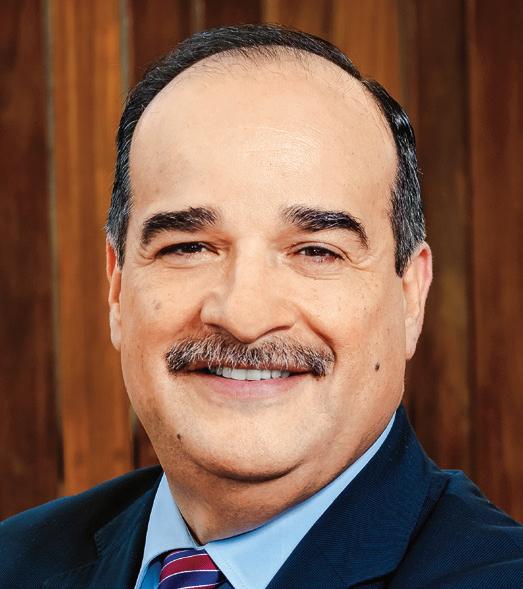
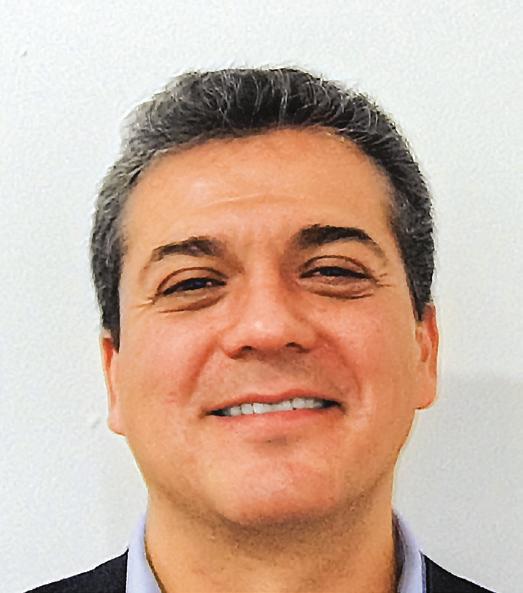
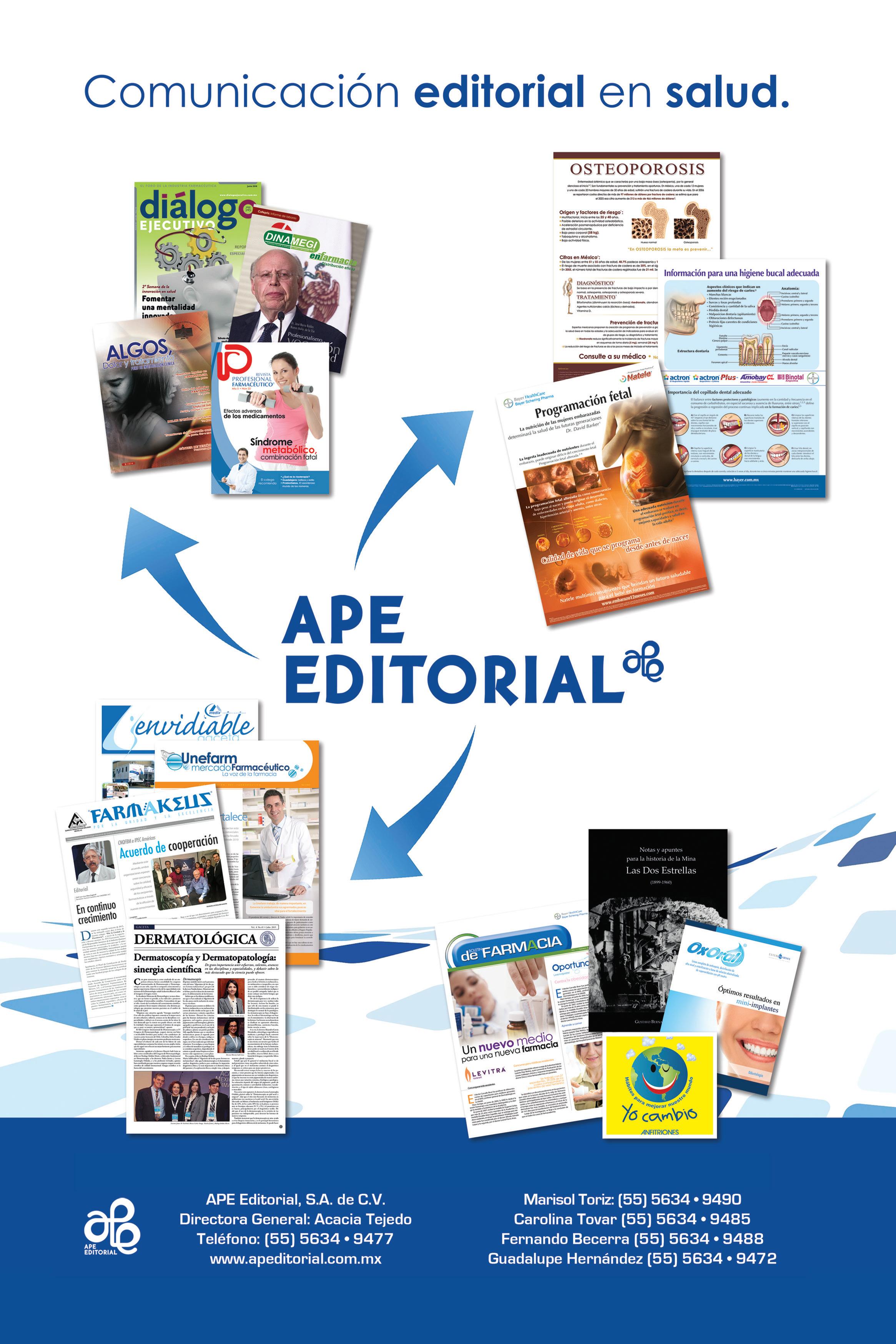
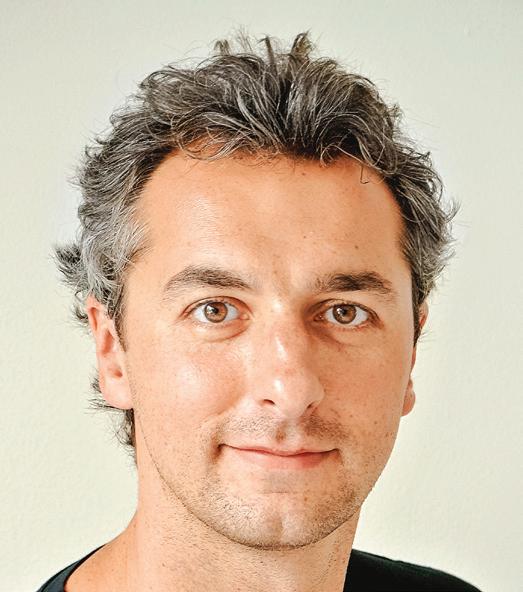
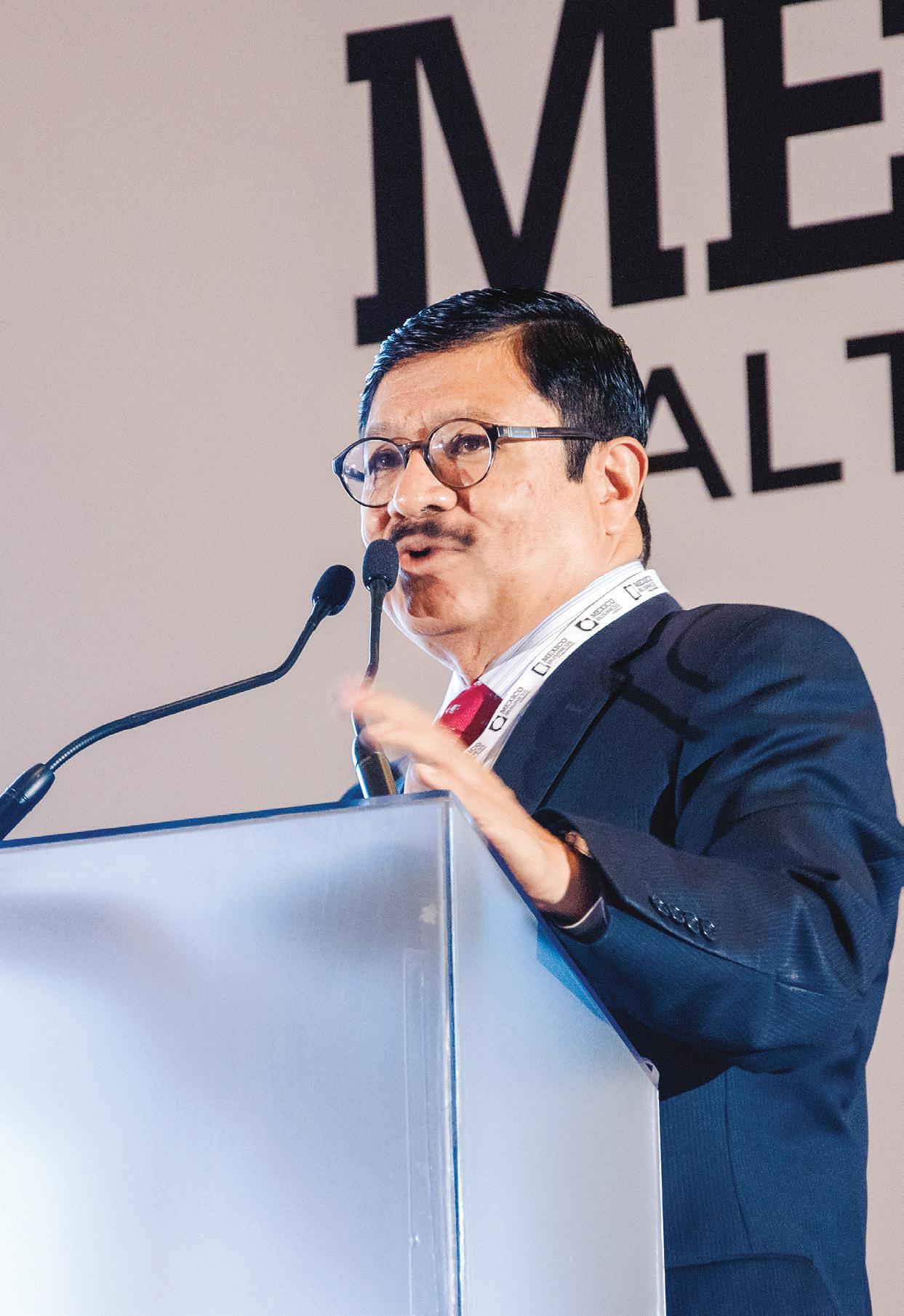
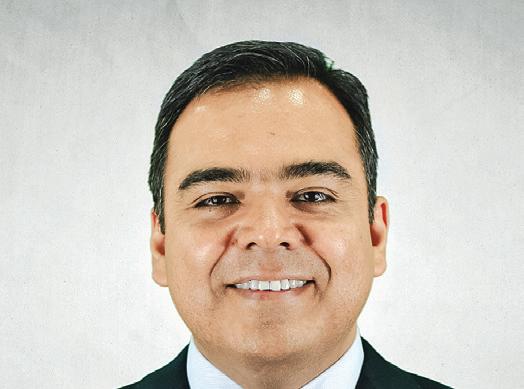
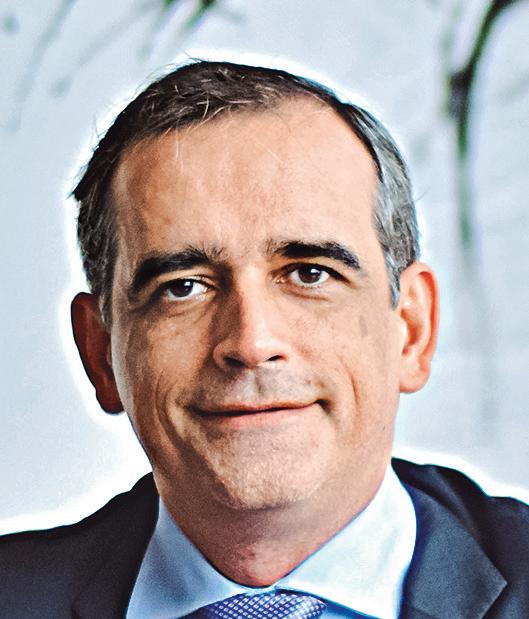
Prevention is the name of the game. We have to bet on that and cultivate it from a young age.
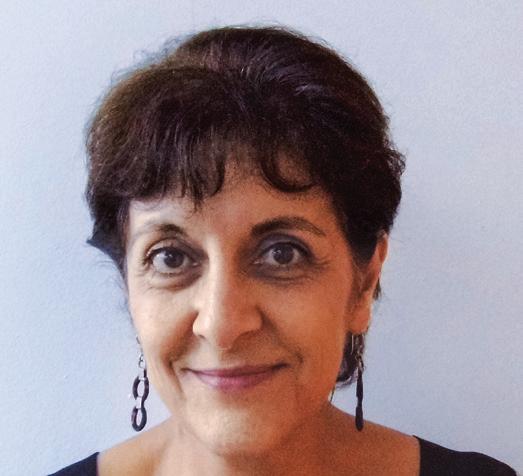
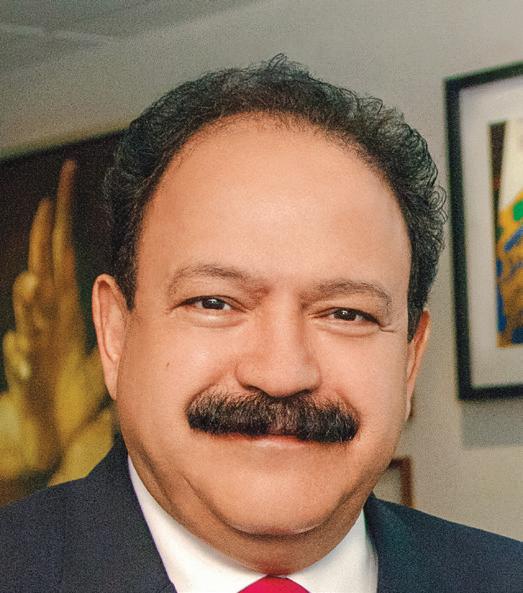
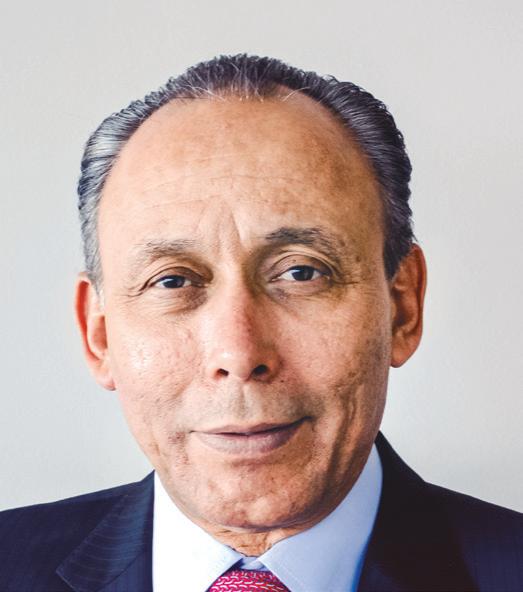
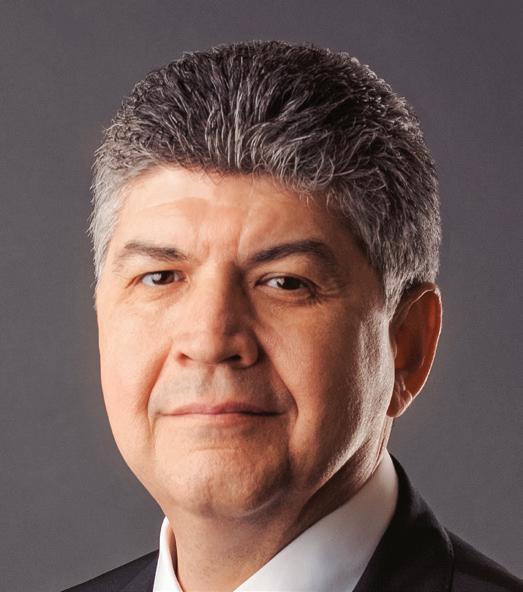
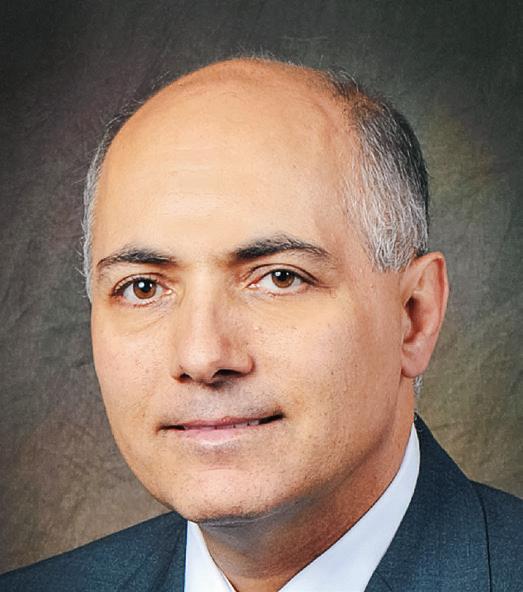
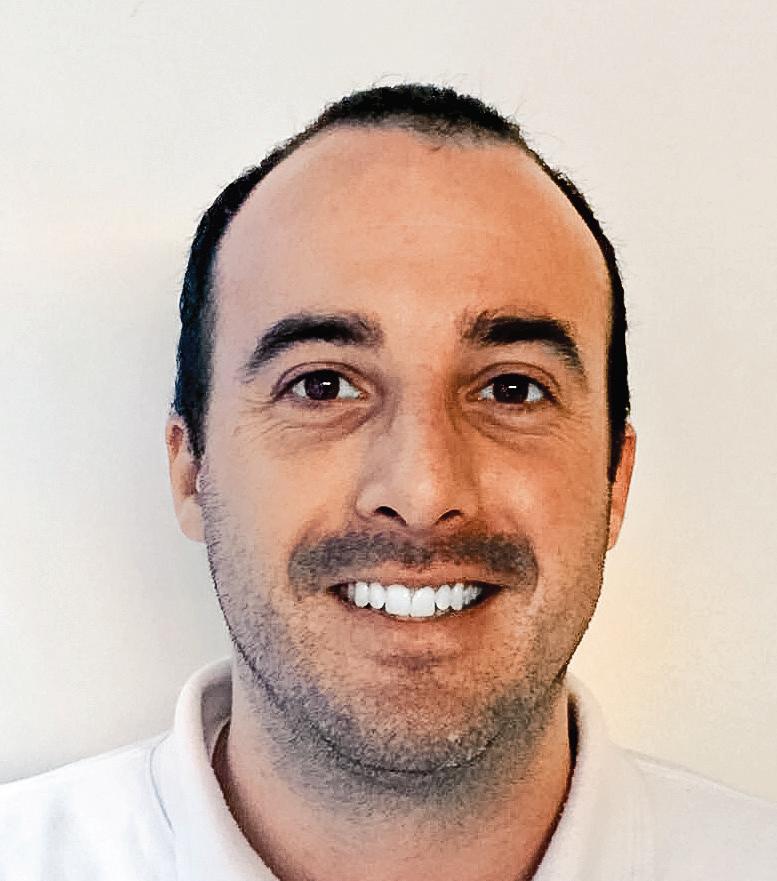
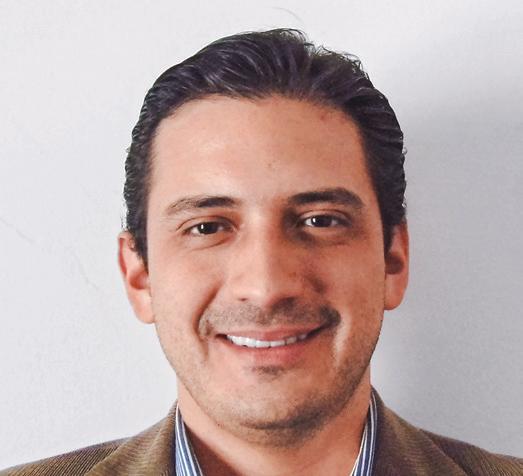
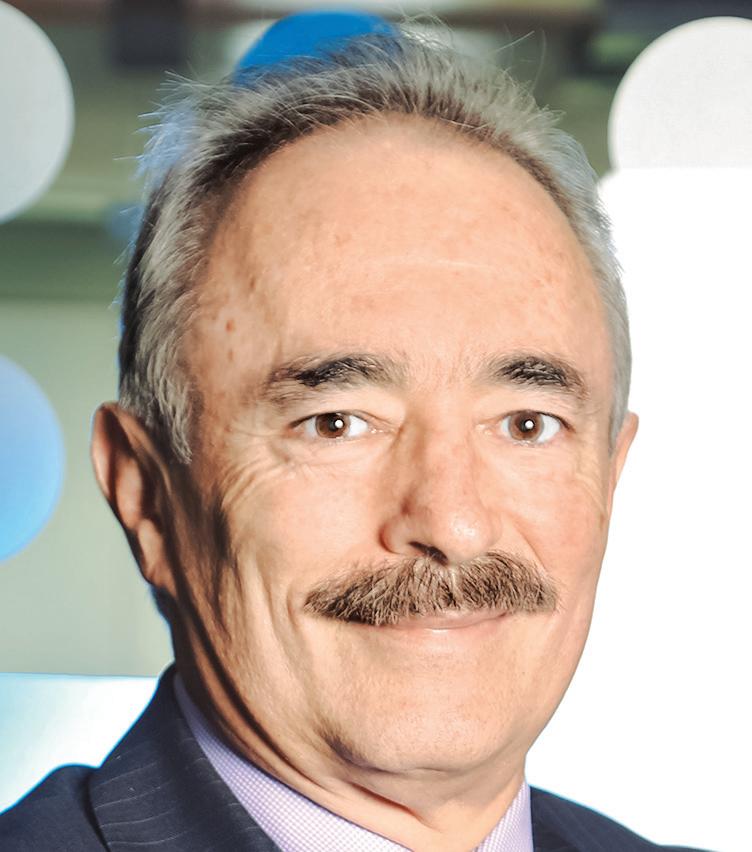
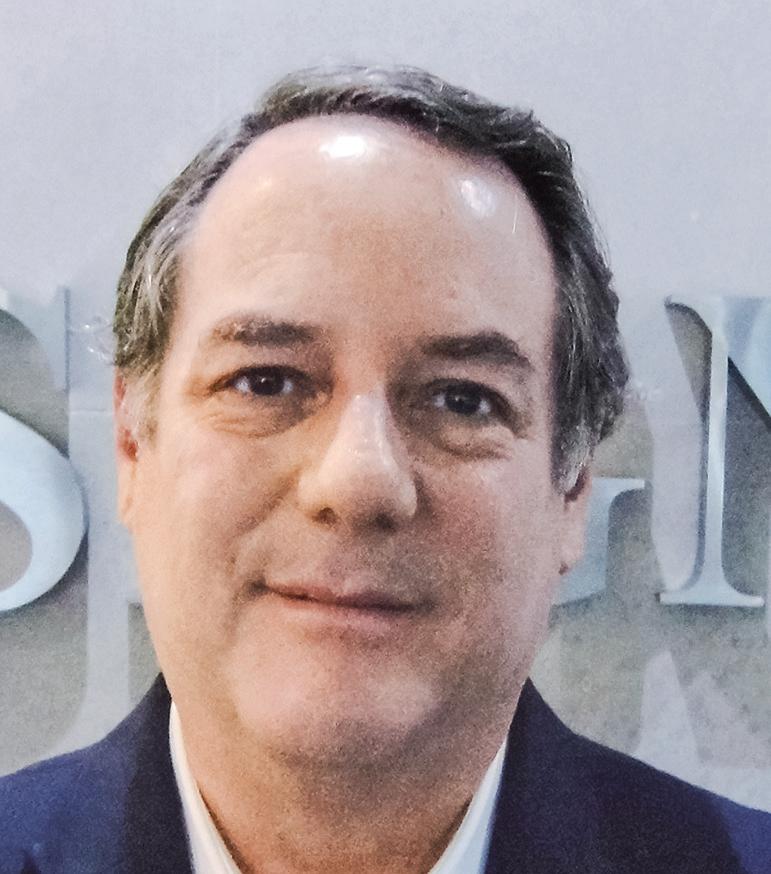
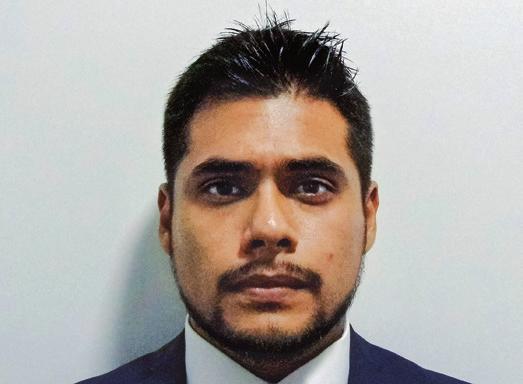
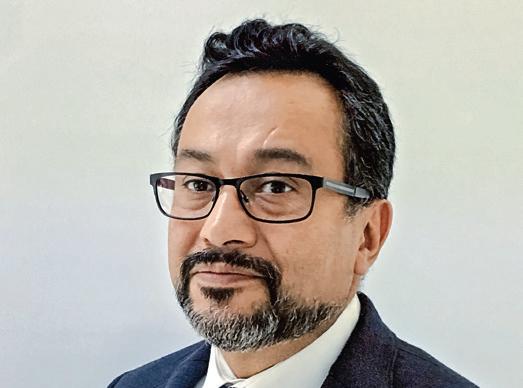
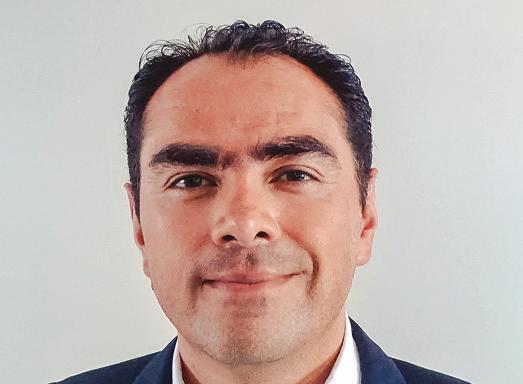
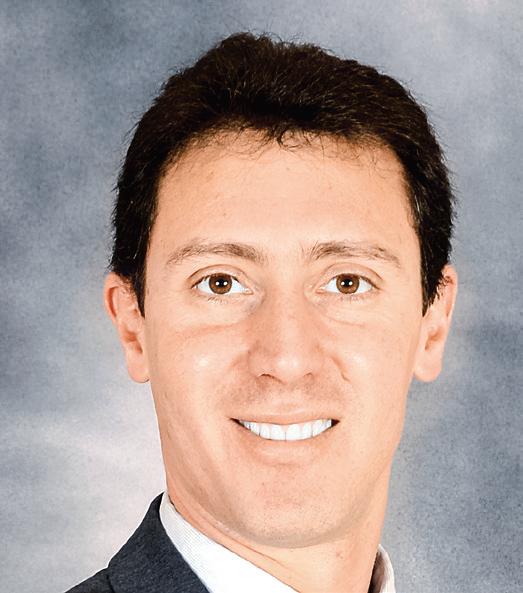
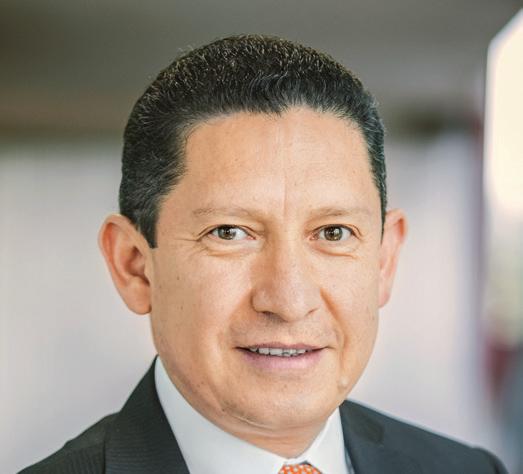
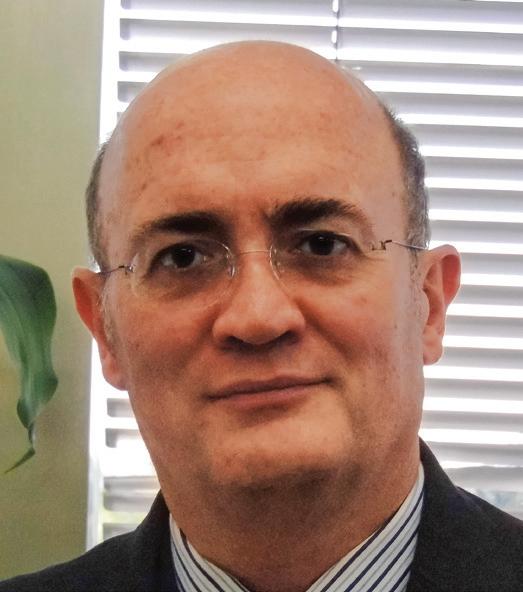
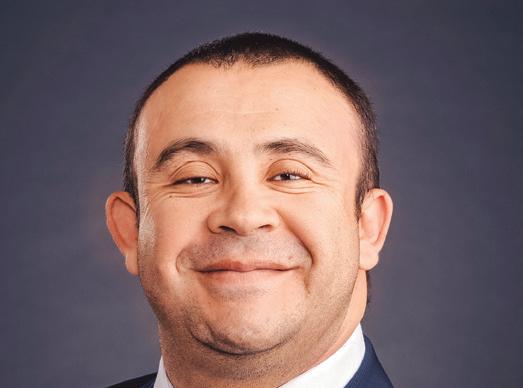
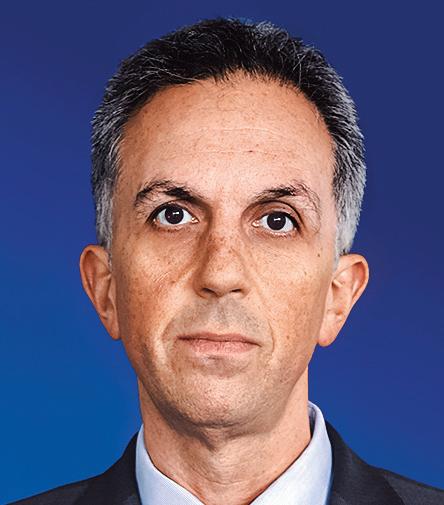
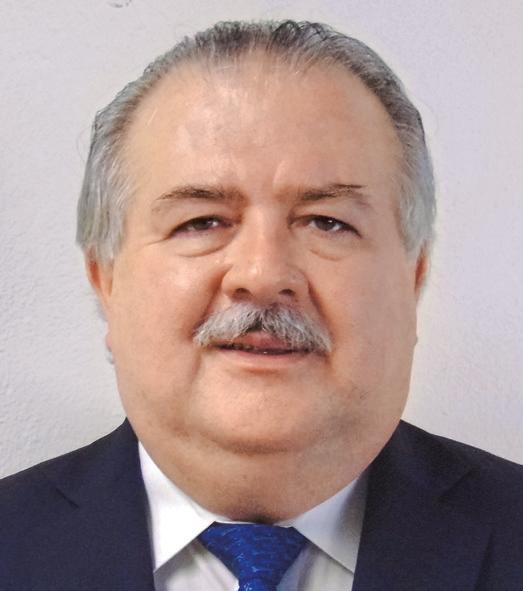
José Narro, Minister of Health of Mexico
2017
As 2016 turned the corner into a new year, macroeconomic uncertainty kept the world – and the global business community – on tenterhooks. The Mexican health industry cast a wary eye on events north of the border that were impacting the local exchange rate while also focusing treatment efforts on obesity and diabetes, which continued to top the country’s major health concerns. Considered as epidemics by the government, steps are being taken to eradicate these diseases in the country, especially through prevention. However, universal access to health, a key to promoting prevention in an increasingly aging population that is not accustomed to continuous medical checkups, remains an illusive ideal in the face of a fractured Mexican health system and the large number of people who continue to work informally, which complicates their access to a system marked by budget cuts. In this context, collaboration between the public and private sectors is vital for improving quality of life.
In the private sector, global economic uncertainty, and the election of US President Donald Trump, led large pharmaceutical companies to begin 2017 with some misgivings about peso volatility versus the two major currencies: the dollar and the euro, although initial fears faded as stability returned to the domestic currency. In fact, most continue to report growth and show a commitment to the development of health in Mexico through investments in areas such as clinical research, an area in which the country aspires to become a referent.
The health sector, which represents around 6 percent of the country’s GDP, continues to be a strategic industry for Mexico, a country blessed by an ideal geographical location, neighbor to the US and gateway to Latin America for many companies, and a diverse population. Mexico Health Review 2017 offers key insight into the challenges and the opportunities the industry continues to face, providing top-shelf interviews, analyses, insights and infographics. Mexico Health Review 2017 is essential to understanding the state of the health industry in Mexico today and for the path ahead.
The publisher has made all reasonable efforts to provide accurate information, and the information contained in this publication is derived from sources believed to be true and accurate. However, the information in this publication should not be considered to be complete or definitive, and may contain inaccuracies or typographical errors. The publisher accepts no responsibility regarding the accuracy of information and use of such information is at your own risk. The publisher will not be liable to any party for any direct, indirect, special or other consequential damages arising out of any use of information in this publication. The publisher provides no representations or warranties, express or implied, including any implied warranties of fitness for a particular purpose, merchantability or otherwise in relation to any information provided by the publisher in this publication.
ISBN: 978-0-9993108-0-9
Downtown, Mexico City, Mexico Tourism Board
YEAR IN REVIEW
1As public institutions face shrinking budgets, they are struggling to cover a larger number of patients who are increasingly suffering from preventable disorders such as type 2 diabetes (T2D), obesity and conditions such as cardiac insufficiency that ensue. These have also worsened due to poor lifestyle habits such as a lack of exercise, smoking and alcohol consumption. External factors are also worrying. The Mexican peso has dropped against many currencies, pushing up the cost of importing goods and parts. This has hit the bottom line of companies in all sectors of the industry. Many are so far reluctant to pass on those added expenses to consumers, but for how long? An uncertain security environment in Mexico and the persistent problem of access to healthcare for many add to the question marks surrounding the sector.
This chapter will provide an overall review of the healthcare industry, featuring insights from the most prominent and important figures in the sector. It includes interviews from pertinent health and industry associations, government institutions and health-related agencies while discussing the state of the Mexican health system, the changes in regulation that occurred over the year, the progress made and the challenges to come.
CHAPTER 1: YEAR IN REVIEW
8 ANALYSIS : Despite Headwinds, Optimism Reigns
12 VIEW FROM THE TOP: José Narro, Ministry of Health
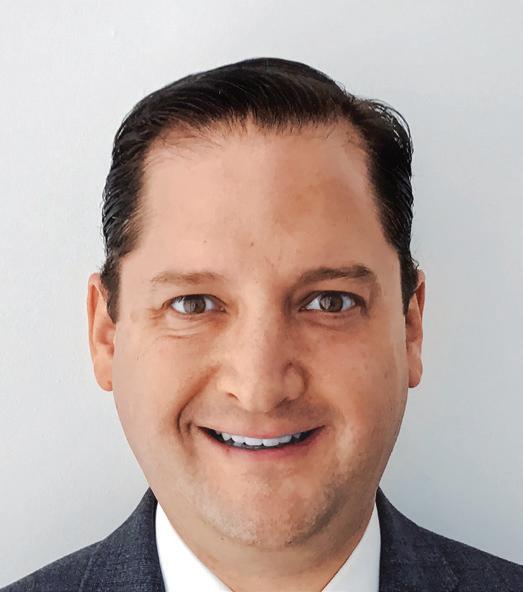
14 VIEW FROM THE TOP: Julio Sánchez y Tépoz, COFEPRIS
16 VIEW FROM THE TOP: Rafael Gual, CANIFARMA
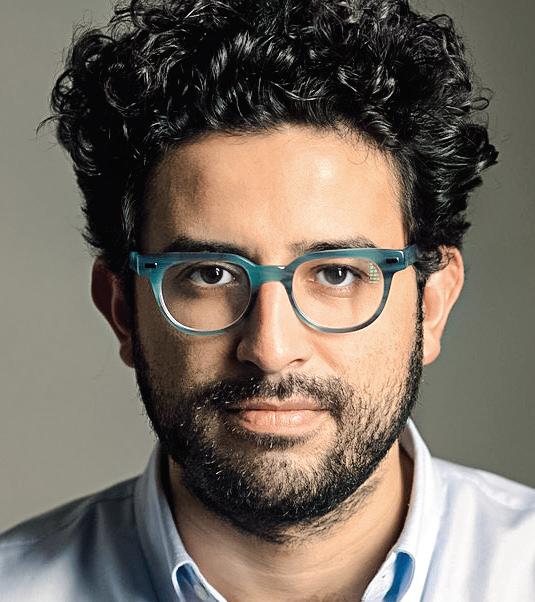
18 VIEW FROM THE TOP: Cristóbal Thompson, AMIIF
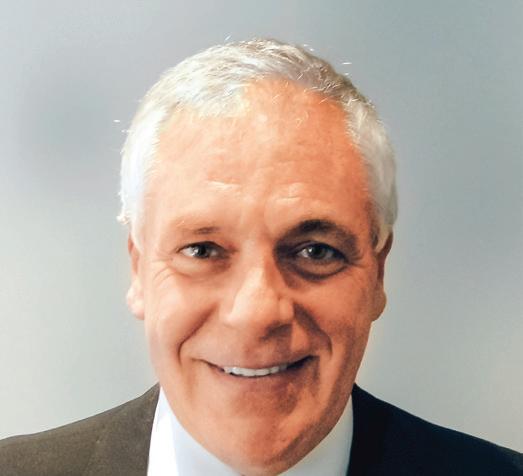
20 VIEW FROM THE TOP: Edgar Romero, AMID
22 VIEW FROM THE TOP: José Campillo, FUNSALUD
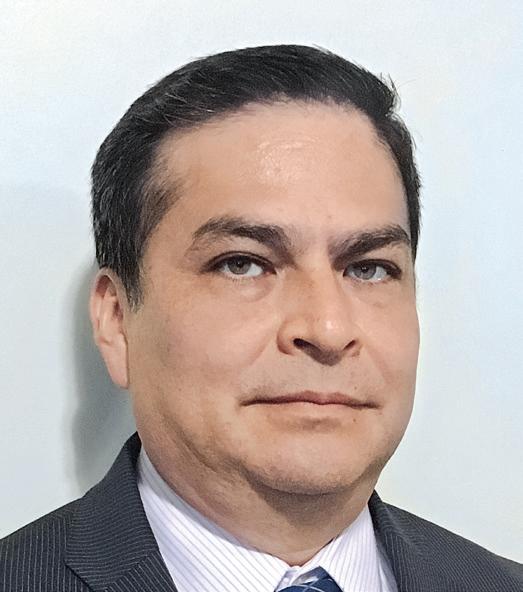
24 INSIGHT: Patricia Uribe, CENSIDA
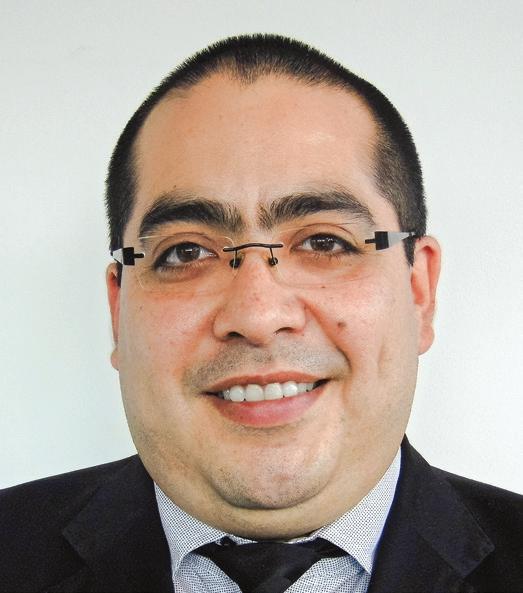
Carlos Magis, CENSIDA
26 INFOGRAPHIC: COFEPRIS Breaks Down Barriers
27 VIEW FROM THE TOP: Ana Güezmes, UN Women
28 VIEW FROM THE TOP: Pressia Arifin-Cabo, UNICEF
30 ANALYSIS: Air Pollution World’s Fourth-Biggest Killer
DESPITE HEADWINDS, OPTIMISM REIGNS
Despite geopolitical and economic pressures both at home and abroad, Mexico’s health industry is pulling together to improve access, raise awareness of the need for prevention and taking steps to position itself as global hub for clinical research
Global economic and geopolitical uncertainty marked the latter part of 2016 and the first half of 2017 and sparked concern for many companies worried that currency fluctuations would negatively impact their bottom line. The peso yo-yoed in line with US polling predictions in the run-up to the November 2016 US elections and further depreciated against the US dollar post-elections as newly elected President Donald Trump maintained his nationalistic rhetoric, much of it directed against Mexico. The dollar appreciated against many other currencies, including the euro, against which the peso faltered, negatively impacting many European-based health companies. As 2017 rolled out, the Mexican peso stabilized and saw its best quarter in decades. The health sector plans for the long-term and most companies reported growth and plans to continue investing in Mexico, despite their initial fears. “Teva has drawn up a list of countries with growth markets and Mexico is among those,” says Guillermo Ibarra, Director General of Teva Mexico, a unit of the world’s largest generics company, which produces 120 billion tablets and capsules per year. “One of my jobs has been to internally sell Mexico to our global headquarters. It is a country that has industrialized greatly and is not reliant on commodities; it has steady economic growth of around 2-2.5 percent per year, which in the long term makes Global want to continue investing in the country. We have invested many millions of dollars in improving, updating and raising the bar for our plants.”
Aside from the economic headwinds that buffeted the sector before tailing off, two diseases loomed over the health industry: obesity and diabetes, both of which were declared
epidemics, the first noncontagious diseases to be considered as such. Although many private and public-sector initiatives are afoot to combat the diseases and related complications, to make true progress personal habits need change, says José Narro, the Minister of Health of Mexico. “The population is not fully conscious about the dimension of the problem. Secondly, although there has been a deceleration of the death rate, there is no decline. The number of deaths due to diabetes multiplied by about seven times between 1980 and 2015, from around 14,600 in 1980 to 98,500 in 2015. In the 21st century so far, there have been 1.1 million Mexican deaths directly due to diabetes. This is a grave problem. We must ensure that the measures that appear to be effective are maintained. We also must act to protect young children and teenagers. For this reason, in May 2017 we began the Salud en tu Escuela (Health in your School) program, which will send doctors to over 1,700 primary and middle schools to talk about key health topics,” Narro says.
The government’s measures include raising awareness through various publicity campaigns but it remains hampered by access issues with the public health system and a shrinking government budget. With less money to spend, government institutions have placed a priority on generics, pressuring Big Pharma companies. On the other side of the ledger, both the public and private spheres have penciled in clinical research as a strategic segment that could provide a windfall to companies, government institutions and ultimately, patients.
A FRACTURED SYSTEM
The theme of access to health remained a significant topic in 2016/2017. The many Mexicans working in the informal sector are denied access to the main public healthcare institutions and are obliged to pay out-of-pocket for
EXCHANGE RATES ON THE FIRST WORKING DAY OF THE MONTH
MEXICAN PESO EXCHANGE RATES AT THE BEGINNING OF THE MONTH 3Q16 TO 4Q17
treatment or use Seguro Popular. This encourages the population to delay seeking diagnosis and treatment, as many prefer to live in blissful ignorance of a condition than to have it formally diagnosed. Not beginning treatment causes diseases to worsen and the effects cost dearly.
“In most countries, pharmaceuticals represent only 10 percent of the total cost of diabetes. If people can invest that first 10 percent or even a little more to get access to better products, a big part of the other 90 percent of costs can hopefully be avoided. In Mexico, this is critical, because the system is now treating the complications of people that began suffering from diabetes 15 years ago. Since then, the diabetic population has more than doubled,” says Yiannis Mallis, Vice President and General Manager of Novo Nordisk Mexico, the market leader for diabetes pharmaceuticals.
Faced with shrinking budgets, public institutions are struggling to cover a larger number of patients who are increasingly suffering from preventable illnesses such as type 2 diabetes (T2D), obesity and the ensuing conditions from these diseases such as cardiac insufficiency. These are worsened by poor lifestyle habits such as a lack of exercise, smoking and alcohol consumption. Dealing with the complications is keeping the hospital sector busy. While public institutions are bursting, private hospitals have capacity to spare. The two are working on a more efficient way of collaborating to alleviate the public sector burden and improve access. Several PPPs were announced during the year for the construction of hospitals, most of which will be operated by ISSSTE. However, many argue that increasing the number of hospitals is not the key to improving the health of Mexicans. “Health is a process, not a state. Health ranges from the complete state of physical and mental wellbeing as defined by the WHO, to a second before death, when health is basically lost. In between there are many states, some better than others. If people see health this way, prevention can be put in place. We want to promote education so that more people can take control of their health. We must begin to build processes for healthy aging,” says Narro.
This is vital with any disease but it is especially important for diabetes and cancer given their impact, related ailments and high number of sufferers, which big and small companies have recognized. Janssen, part of giant Johnson & Johnson, for example, is working on early diagnosis methods for prostate cancer while young Mexican startup Higia Technologies is developing early detection methods for breast cancer. Rogelio Villarreal, Director General of Centro de Oftalmología Monterrey and Ojos Para México Foundation, says the problem runs across many afflictions. “Although the prevalence of glaucoma is 5 percent at 40, at 70 it is 18 percent and above that it rises to 30-
MEXICO’S PHARMACEUTICAL MARKET
MEXICO'S PHARMACEUTICAL MARKET (US$ billion)
3.3 Generics
11.2
Total value
Sources: BMI Research, Seale & Associates
35 percent. Like glaucoma, macular degeneration must be detected early because the impact is irreversible. Diabetic retinopathy is common due to the big diabetes problem in Mexico and occurs in both T1D and T2D. It also requires early diagnosis to stop the progression of problems in the retina,” he says. However, the theme of access remains. To carry out checkups and catch conditions and diseases early, the population must have access to healthcare services.
Amid belt-tightening, public-sector institutions are stretching budgets to cover more people. The Seguro Popular, for instance, has started eliminating duplicate registrations with other institutions. “We have cleaned up our database and no longer have 9 million duplicate registrations. We will continue to work on this in 2017 and we expect to reflect this in a higher quality service for patients because there will be more resources per policyholder. Seguro Popular has been sharing information with other health systems since 2016, a year in which we lowered the number of policyholders by 3 million,” says Gabriel O’Shea, National Commissioner for Social Protection in Health of Seguro Popular.
PRIVATE SECTOR UNDER PRESSURE
Companies are also feeling the pressure to make their products available to a larger proportion of the population. Big Pharma companies are often the only producers of a certain treatment and therefore have a responsibility to ensure it is as widespread as possible. In recent years, as the government tender process has consolidated and amplified, budget requirements often mean generics are favored over patented brands and some brands have even been liberated in Mexico so that generics companies can create less expensive versions of the products. This has pushed some Big Pharma companies out, and some have created their own generics lines to remain competitive. “In 2016, the Mexican health industry saw one of its toughest years, achieving single-digit growth in terms of value due to the introduction of new products and price increases,” says Raúl Camarena, General Manager of Aspen Labs Mexico. Despite a difficult year, the Mexican pharmaceutical market remains the second largest in
NUMBER
ELDERLY ADULTS IN MEXICO (per
children and youths)
AVERAGE AGE IN MEXICO (years)
Source: INEGI
Latin America and among the top 15 worldwide, according to KPMG. BMI Research reports that the Mexican pharmaceutical market as a whole was worth US$11.2 billion in 2015, of which Seale & Associates estimate US$3.3 billion was attributable to generics. Generics producers are keen to make sure their more affordable alternatives are available in as many points of sale as possible. Releasing packets of innovative medicines so that generics companies can create options and increase access has been one of the greatest weapons in the government’s plan to offer increased access. However, price pressures have begun impacting companies that are unwilling or unable to go as low as requested. “We hardly sell to the government because it has adopted an aggressive price-reduction policy. This policy erodes income at companies like pharmaceuticals, which need to earn money to continue reinvesting in research. For companies like us, selling to the government is not viable. We have decided to only sell particular products to state hospitals, so 95 percent of our sales are to the private market,” says Felipe Espinosa, CEO of Mexican pharmaceutical Laboratorios Collins.
As a result, many companies have begun turning to the private sector for growth, looking for other streams of revenue such as manufacturing for private labels, the
branded generic products available from large pharmacy chains and retailers. The world’s largest company in this sector, Perrigo, is confident in the Mexican market. “Our business in Mexico is extremely important to Perrigo’s global operations. Not only do we share a very similar business model with the US branch of Perrigo but we service many of the same strategic customers that have presence on both sides of the border. We have identified Mexico as the country in Latin America with the greatest potential for growth as the economic and demographic conditions are very promising for our industry. We believe that each day there will be more opportunities to develop significant supply-chain partnerships between our countries due to NAFTA,” says Ricardo Ganem, Vice President and General Manager of Perrigo Mexico. “Each retailer is different, with distinct formats and specific strategies. Our job is to work with them in developing products and brands that best fit each of their strategies. Even smaller pharmacies have varying strategies. Some sell from behind a counter like traditional pharmacies, whereas others are more like minisupermarkets where you could even buy groceries and other convenience items. This is a model more often seen in the US but it is a growing trend in Mexico,” he adds.
Medical device manufacturers face some of the same issues as Big Pharma companies, as some devices have high price points and suffer if budgets remain too low to invest in new equipment. In addition, specialized devices are facing tough competition from more generic, cheaper and older models. “The prices are also low, so they are not sustainable in the long term. We can offer those prices for one year, but not several years running, especially with the depreciation of the Mexican peso against other currencies. This is not sustainable and endangers quality,” said Martín Ferrari, Director General of Dräger Mexico.
One method that can be used to find ways to improve healthcare is Big Data. Although the collection of Big Data in healthcare has been slow in the past due to the lack of digitalization, with the penetration of smartphones and the increased number of startups it is taking off in 2017 with giants such as Grupo PLM, Google and even Facebook. “Many healthcare organizations use incredibly sophisticated technology in diagnostics and treatment but substantial parts of their workforce use only rudimentary or no technology. Less than 20 percent of payments to healthcare providers and their suppliers are done digitally, for example,” states a 2016 McKinsey article in Harvard Business Review. These gaps are huge opportunities to digitalize and implement Big Data tools in Mexico, as with the right push the country could leapfrog.
TESTING … TESTING
The first half of 2017 also saw a push for clinical research as the authorities stepped in to help make Mexico the clinical
research hub many have been predicting for years. “In January 2017, we signed an agreement to promote clinical research that simplifies processes and integrates them. To meet all requirements and obtain all permits used to take 365 days but we are reducing this to 45 days. Our goal is to triple the investment in clinical research in Mexico and we hope to see US$600 million over the next two years, up from under US$200 million. An agreement has been reached with IMSS and ISSSTE will soon join the program. We are working on another agreement with the national health institutions and with UNAM. This will no doubt happen by the end of 2017,” says Julio Sánchez y Tépoz, Commissioner of COFEPRIS. Medicines that are released by companies cannot be sold immediately in the Mexican market, as regulation stipulates that they must undergo testing by COFEPRIS, in addition to the clinical trials they underwent either in Mexico or elsewhere, to first ensure their safety and efficiency. The backlog COFEPRIS saw in this area led the regulatory agency to create the authorized third-party figure which can perform testing on its behalf. “Speeding up processes through authorized third parties helped make the regulatory procedures more efficient and thus increased the attractiveness of Mexico as an investment destination for health,” says Geraldine Rangel, Director General of Healthlinks, a Mexican firm that provides market analysis to companies wishing to enter Mexico.
SECURING PRODUCTS
The flip side of improving access is maintaining security, a challenge logistics companies are up to. The distribution of essential medicines in Mexico is complicated by the tough geographical terrain and the uncertain security environment. Many employ distinct methods to prevent vehicle theft, such as using dual GPS to circumvent jammers, employing electromagnetic locks and distinct route planning. “One of the greatest challenges we face is Mexico’s size, so we must ensure the provision ofan effective, efficient and continuous service. Security
is a hot topic that requires care. We are a low-margin industry, so all additional costs immediately impact our profitability. We need to be prudent about how we manage additional expenses, which, ideally, we should not have. The health industry in Mexico is also a complex and fragmented one that requires different skillsets. I truly believe that Mexico is one of the most complex healthcare markets,” says José Alberto Peña, Director General of Grupo Marzam, one of the country’s big four wholesalers/distributors of the health sector.
Then there is the black market and the issue of counterfeit medicine. To render faking medicine less appealing, pharmaceuticals are enhancing security at their warehousing facilities, as well as working to provide security features on their packaging. Holograms, braille and QR codes are just some of the methods used to prove authenticity. The medical devices sector suffers less from counterfeiting but more from the illegal importation and sale of devices that are not stored in adequate conditions to ensure patient safety. Herbal products have also faced shake-ups recently, with many being removed from sale after COFEPRIS inspection. Ensuring the authenticity of claims on packaging has been a main goal for this sector. However, IMSS has been looking into including herbal medicine, a Mexican tradition, as the public institution is in desperate need of safe, cost-effective alternatives.
LOOKING FORWARD
Although challenges remain in the Mexican healthcare system, there are also opportunities for companies to bridge gaps, the most notable of which is set to remain access to healthcare as both sectors seek to increase treatment options for a growing number of people, at a price that does not break the bank. Companies will need to balance this with providing innovative solutions, as well as ensuring they can be amplified to suit the needs of Mexico’s 121 million inhabitants.
A 121 MILLION PEOPLE CHALLENGE
JOSÉ NARRO Minister of Health of Mexico
Q: In 2016, you declared diabetes and obesity a crisis. However, FUNSALUD’s José Campillo has said that rates are leveling off. Is this a success?
A: I cannot yet say that we have had success because the population is not fully conscious about the dimension of the problem. Secondly, although there has been a deceleration of the death rate, there is no decline. The number of deaths due to diabetes multiplied by about seven times between 1980 and 2015, from around 14,600 in 1980 to 98,500 in 2015. In the 21st century so far, there have been 1.1 million Mexican deaths directly due to diabetes. This is a grave problem. We must ensure that the measures that appear to be effective are maintained. We also must act to protect young children and teenagers. For this reason, in May 2017 we began the Salud en tu Escuela (Health in your School) program, which will send doctors to over 1,700 primary and middle schools to talk about key health topics.
Q: How do you control the various media campaigns aimed at children and what is the key to promoting healthier habits?
A: There is increased control over advertising campaigns that target children, such as for candy, food and drinks. I agree with President Peña Nieto that health begins at home. It begins with topics such as hygiene, nutrition and lifestyle. We need to work with parents because they must understand that a child of four should not have food portions equal to that of the father. School is the secondmost important place where children develop good or bad health habits. The Ministry of Health and the Ministry of Public Education have an excellent relationship and the Education Reform will enable us to further improve this.
Q: How effective have public information campaigns been?
A: There is an important link between public campaigns and health but we have to keep pushing. There have been great marketing campaigns to raise social awareness in this country. Going back several decades, there were intelligent, wonderful campaigns that were strong for their time concerning reproductive health, family planning and nutrition. We are continuing this tradition and in 2017 our focus is on diabetes.
Young people are generally healthy, although they must look after themselves. The elderly are another issue altogether: the idea of being ill frightens them. They prefer not to go for check-ups for fear some condition will be discovered, but prevention is the name of the game. We have to bet on prevention and this has to be cultivated from a young age. We used to think that a chubby child was happy and healthy but they must have a healthy weight. We must all act.
Q: Life expectancy is increasing. What challenges are arising for healthcare as a result?
A: Mexico’s population, like many around the world, is going through a demographic transition. Population pyramids have changed from 20 years ago when there was a strong base of young people. Now, the number of old people is increasing. Forty-five years ago, the median age was 17.8. Now, it is 27, so we can say that the population is maturing. Children and the elderly are dependents and there are just over five million people aged over 70 but that figure will increase to over 17 million in 2050. Today, a regular infection can be cured while chronic, nontransmissible, nonparasitic infections can be controlled. Health is a process, not a state. Health ranges from the complete state of physical and mental wellbeing as defined by the WHO, to a second before death, when health is basically lost. In between there are many states, some better than others. If people see health this way, prevention can be put in place. We want to promote education so that more people can take control of their health. We must begin to build processes for healthy aging.
Q: Pollution is an ongoing issue in Mexico that directly impacts health. What is the Ministry of Health doing in this regard?
A: We have serious problems in Mexico City, but both local and federal governments are taking action. We now have much better ways of measuring pollution levels and better instruments to measure the impact that polluting particles have. Some actions taken include the restriction of vehicles and industrial activity, which limit mobility. The Environmental Commission of the Metropolis (CAMe) is a
coordinating mechanism that includes local, state and federal levels of government. President Peña Nieto requested that the commission includes the Ministry of Health.
Q: What challenges arise in ensuring the continuity of projects after the 2018 presidential elections?
A: There has been much done in terms of health over the past few years. Under the current government, maternal mortality has fallen by over 18 percent, infant mortality has decreased by 6 percent, mortality due to accidents has also dropped and the frequency of dengue fever has been reduced by two-thirds. In addition, there have been many new medicines incorporated into the healthcare system. Since 1948, the change has been phenomenal. Infant mortality has decreased by over 90 percent. Back then, 132 of every 1,000 children died before their first birthday. Now, the rate is 12 of every 1,000. This country has been lucky with public policy in several programs, otherwise we would not have been able to achieve what we have. A clear example is vaccination. For over 40 years we have been dedicated to vaccinating the population. There is no rubella or congenital rubella in Mexico, we have controlled diphtheria and tetanus and neonatal tetanus has been eliminated.
Since 1974, there has been a program for family planning and now for reproductive health. Thanks to these programs, Mexico has 121 million inhabitants instead of over 150 million. There has been an extremely successful campaign running since the 1980s to protect children against diseases caused by dehydration. I trust that even with political changes, current health policies will be maintained.
Q: What is the Ministry of Health doing to spread its message on reproductive health to all of Mexico, including rural areas?
A: We have to make the problems visible or they will not be solved. We are providing information and education and we must also provide services. In the rural environment, we have two mechanisms to spread health awareness, the first being state governments. Programs are defined nationally but implemented by the states.
We must also ensure the service is available. IMSSProspera, for example, has services for teenagers in rural and indigenous environments. We must guarantee that services to provide condoms, pills and other anticontraceptive methods such as salpingo-ophorectomy or a vasectomy can be offered. Some are more adequate for young people than others, but for someone that has already had many children, one of these methods may be more appropriate. We must guarantee access to information and to these services for all so that people can make their own, informed decisions.
Q: To what extent will the Ministry of Health be working on reforming medical degrees for young doctors?
A: We are working on a revision at the moment and in early May we attended the ANFEM assembly. The number of schools, programs and students has increased greatly. The number of specialists, however, has not increased greatly, because there is neither need nor space for a greater number to train as specialists. We have not valued the role of the general practitioner. If there are no positions for general doctors, how can they be hired? There are organizational aspects of health that must be reviewed, so we must be clear. The reality of rural Mexico, where we need doctors, is not attractive to them. We are speaking only of doctors but there are many other professions in healthcare. The topic of human resources is obviously central and so we are working on this.
Q: What are your priorities for 2017?
A: Diabetes is one of our highest priorities, but it is difficult to tell which is the most important because there are many, such as cancer and heart disease. When speaking of priorities, I often speak of diabetes because it generates the most deaths as a single cause. Cardiovascular disease may cause more deaths when grouped together, but the causes are many and can be split into three main groups: heart attacks, hypertension and others.
Another great issue is pregnancy in girls and teenagers. Children of 10-14 years old are having babies. There were 400,000 births in 2015 and almost one in every five births is to a teenage mother. The government has implemented a national strategy aimed at preventing teenage pregnancies, which are often unwanted and unplanned. The consequences are many: families are ruptured, studies are abandoned, the young girl often has to work and often the father of the baby disappears and leaves her with the child or children. We have been working with different structures since January 2015 on this strategy, which is being coordinated by the National Council of Population (CONAPO). Prevention and education are fundamental.
Regarding cancer, the Chamber of Deputies and the Chamber of Senators in the Mexican Congress has approved the establishment of the National Register of Cancer, which will be a powerful tool for delineating public policies on how to allocate resources and where the focus should be. Cancer is the third highest cause of death in Mexico.
Dr. José Narro is a surgeon from the Faculty of Medicine at UNAM, with a master's in communitarian medicine from the University of Birmingham, England. Narro was head of UNAM from 2007 to 2015 and in 2016 was named Minister of Health
DYNAMIC CHANGES PROPEL MEXICO TO WORLD STAGE
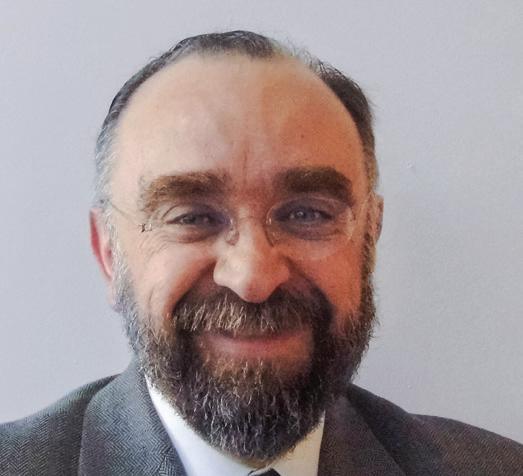
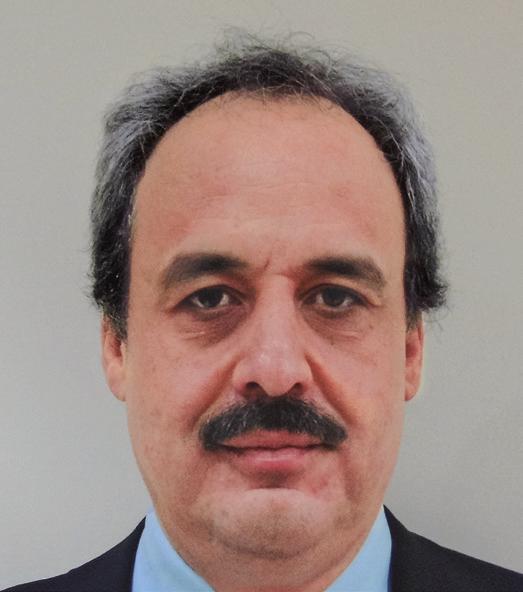
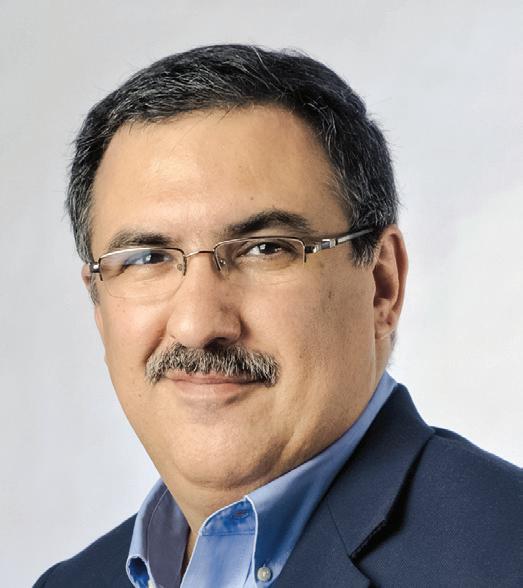
JULIO SÁNCHEZ Y TÉPOZ Commissioner of COFEPRIS
Q: What are the most important advances COFEPRIS has made in the past year?
A: We have made great strides on ethics and transparency, we have become an institution that is much closer to citizens and we have put 10 catalogues of open data at their disposal. These are registers of licenses, permissions and other types of information that was previously requested of us. We have also installed a telephone service that receives 16,000 calls per month.
COFEPRIS regularly removes patents from groups of medicines to allow for the production of generics. In 2016, we released Group #14 because in February 2016 there was an issue with influenza and the active substance to treat it, oseltamivir, was only produced by one laboratory and manufactured in Switzerland. In May 2016, we liberated Group #14 and there are now three generics available for oseltamivir. In total, 37 active substances have been liberated through our generics strategy, producing 491 generics, which represent MX$25 billion (US$1.4 billion) in savings while an extra two million people can be treated thanks to these savings. In 2017, we will continue with this strategy and more than 40 new molecule authorizations will be announced. Last year, Mexico was named Vice President of the International Coalition of Medicines Regulatory Authorities (ICMRA), an international association that unites the 14 most important regulatory agencies, for two years. We are a leader due to our generics strategy, innovation, reduced processing times for protocols and special pathways for administrative forms, which can now be obtained in 15 days instead of two years as it was five years ago.
Q: How is COFEPRIS working on bringing more knowledge to Mexico?
A: One of the most important themes internationally is the creation of the COFEPRIS Center of Excellence. We began
The Federal Commission for the Protection against Sanitary Risks (COFEPRIS) is a regulating authority responsible for 44 cents of every peso spent by Mexican households, 9.8 percent of GDP and 10.9 percent of foreign trade
working on this idea around two years ago with the aim of closing the knowledge gap because knowledge is not shared in the pharmaceutical sector. Those that have money, like large companies with the capacities to invest in R&D, do so in specific areas. But there is a gigantic difference between the amount of R&D that goes on in developed countries compared to less developed economies. A first gap is created here. A second gap occurs because of the difference in technical knowledge. They want to protect knowledge and for this reason it is not transmitted. Secondly, knowledge only reaches those countries that collaborate and that offer assurances.
As an example, it is doubtful that Brazilian research centers share their knowledge quickly, efficiently and transparently with Nigeria because standards are asymmetrical. We need to improve the flow so that every country can benefit quickly and efficiently from knowledge. We aim to contribute to reducing these gaps as much as possible through a center of excellence. This was an idea of the WHO and APEC and they should compile information and generate joint public and private actions so that knowledge can be shared. Our center has several research and training projects underway in areas in which it is difficult to find an expert. There are few other centers but those that exist are linked. Japan, the US and Brazil each have one.
Q: According to ProMéxico, Mexico carries out only 1 percent of global clinical trials. How will you boost this number?
A: In January 2017, we signed an agreement to promote clinical research that simplifies processes and integrates them. To meet all requirements and obtain all permits used to take 365 days but we are reducing this to 45 days. Our goal is to triple the investment in clinical research in Mexico and we hope to see US$600 million over the next two years, up from under US$200 million. An agreement has been reached with IMSS and ISSSTE will soon join the program. We are working on another agreement with the national health institutions and with UNAM. This will no doubt happen by the end of 2017.
Q: How do you evaluate which areas should be the main focus for sanitary authorities?
A: We evaluate which conditions have the greatest prevalence in Mexico through reports such as ENSANUT, which was released in late 2016 and covers NCDs. We use these results to assign resources and generate biotechnology to solve the most prevalent health problems in Mexico. We were the first country in the world to authorize the dengue vaccine and we are in the process of establishing a protocol for its application.
Q: What results have you seen and what do you expect from the new pharmacovigilance NOM?
A: NOM-220, which was published in March 2017, represents a paradigm shift. It implies that many more players are responsible for pharmacovigilance: the patient, the doctor, the laboratory, the pharmacy and the distributor. This change generates more reports that help COFEPRIS to provide a more punctual and strategic follow-up on the effects and quality of these medicines. With few reports, all we can do is check manufacturing plants but with pharmacovigilance we have more information and this propels change.
Q: What process does the commission use to identify areas of overregulation and resolve them?
A: We will be working on the third phase of deregulation of medical devices and we are considering removing regulation from 10 percent of the devices currently on the market, perhaps more. This has been presented in international forums where we have been identified as innovators.
We base our decision on analyses of sanitary risks. Scientific advances in medical devices means that the sanitary risks are lowered or eliminated as faster and more effective solutions are discovered. The sanitary risk of technology in medical treatment and medical devices changes depending on technological advances and the same happens with medicine. There are combinations that do not generate increased secondary side-effects.
Another element is that we realize that there are delayed administrative processes. We are digitalizing processes to avoid unnecessary costs in transport, paperwork and time. This is part of COFEPRIS Digital, implemented in December 2016, which has taken 99 forms and administrative processes online. With the extra 50 that we are adding, we will save 600 tons of paper in a year. All these simplified processes will help bring us closer to citizens and to provide a much more agile service. In addition to being based on reviews, we also perform an audit biyearly, one of which is focused on our internal quality-management system.
Q: What is the single most important area COFEPRIS will be focusing on in 2017?
A: My mandate is to protect public health. If I had one dream for 2017 it would be for the population to be closer to us, to consult us, to give us a chance and to call us. It would be wonderful if before citizens took a decision of any kind, they first looked after themselves and consulted us. To ensure this message reaches all of Mexico, we have an amazing program called Seis Pasos de la Salud (Six Steps of Health) that is translated into 17 indigenous languages. It will see a new component with the Ministry of Public Education through which we will soon reach schools.
COFEPRIS REGULATES
COFEPRIS RESULTS (2012-2016)
44¢ of every peso spent in Mexican households
152.4 million vaccines approved and analyzed to ensure their quality in the National System of Vaccination
+250 innovators
9.8% of gross domestic product
10.9% of Mexican trade
74% cheaper than in the US 21 therapeutic areas covered
2,242 deregulated devices +6,300 medical devices +500 generics
Q: How has the pharmaceutical industry evolved in the past two years?
A: I think it has evolved well and regulation has continued to advance. The structure of registration has been simplified so that time targets set out in the law are met for any process involving the sanitary authorities. This is an important advance that has allowed the pharmaceutical industry to be more competitive in Mexico and in international markets. Being recognized as a regulatory agency has allowed COFEPRIS to be much more agile in registering products in Central and South America.
In terms of R&D, we have authorized a series of third parties to be much faster in clinical authorizations, which will allow Mexico to become a center of clinical research. In economic terms, the market has maintained 3-4 percent yearly growth over the past decade, a rate that will probably not increase as the market is mature and grows in line with the population. The export market has grown in double digits and will continue to do so thanks to COFEPRIS, which has been recognized as a national regulatory reference agency in Central and South America. Companies have this advantage in addition to GMPs. Thanks to economies of scale, the Mexican economy is more competitive and can export to these other regions.
Q: How has the new pharmacovigilance NOM affected companies and how easy or difficult is it for companies to adapt to it?
A: The new norm offers patients security and provides faster product registration. If a drug does not have any reports of major adverse effects caused by the pharmacovigilance NOM, then registration can be renewed quickly. The NOM also commits other parties such as doctors and patients to reporting adverse effects. It is no longer the sole responsibility of the industry. It will cost the industry more but we think we will reach an agreement with the authorities on what is necessary and what is desirable.
Q: How is CANIFARMA helping the industry homogenize its regulation with the FDA and EMA?
A: They are already homogenized. There is not much difference between the regulation that exists in Mexico and
those countries. Existing regulations and laws in Mexico are not insufficient; all that is lacking is evidence that they are being followed. Having them written is one thing, ensuring compliance is another. The recognition from the WHO and PAHO of Mexico in terms of vaccines provides certainty that the role is being fulfilled. COFEPRIS has to report evidence of verifications and certainty of reports. Tracking may be different in the US and Europe, but we are still missing an agreement with the FDA and the EMA on a bi-dimensional code that can be applied worldwide.
Q: What advantages does Mexico present for clinical research, other than its large population?
A: In Mexico, most R&D is carried out in private centers. The main issue is researchers being paid to carry out the studies. There is a promising environment in IMSS to incentivize clinical research in Mexico, sponsored by the industry as there were issues with IP. This has been changed. Previously, if IMSS found a second use then the IP belonged to the agency. But an agreement has been reached so that the IP does indeed belong to the industry sponsoring the research. The advantage is that there are 50 million patients in IMSS with varying stages of disease because in Mexico there is no culture of prevention, which means diseases are available for study at advanced stages that may be hard to find in other countries.
Q: What other steps are being taken to boost clinical research in Mexico?
A: IMSS, COFEPRIS and CANIFARMA are on the verge of signing a contract to facilitate the path to clinical research. During our CANIFARMA Awards 2016 we announced that a research fair would be held during which companies will be able to have direct contact with the companies that won the awards in 2016 and 2015, to allow the research to be taken to market. Julio Sánchez, Commissioner of COFEPRIS, has announced he will support this with a certificate and the research will be followed by COFEPRIS from the beginning. This will contribute to further improving the relationship with the industry. Brazil and Argentina are Mexico’s biggest competitors in clinical research in the region. The fact
that we have a large number of patients to register in a clinical trial aids our competitiveness worldwide. Mexico can increase patient numbers greatly if we make the most of IMSS. Brazil and Argentina are more agile.
Q: What are the biggest challenges in the human pharma industry?
A: We need to become an important center for clinical research because its potential is underused and we have to consolidate COFEPRIS’ recognition to open new markets for the industry. There is great quality in the products manufactured in Mexico and they are competitive. In addition, we need to continue consolidating regulations. I would add access, which is one of the main issues in the country, including new technologies which, despite having a greater cost, can bring increased benefits to the population. We need to facilitate this access in IMSS, ISSSTE, CSG and the National Formulary and I personally believe that opening clinical research in IMSS will facilitate the inclusion of new technologies, because having done the trials will shed light on the benefits they can provide in comparison to current medicine.
Q: What are the biggest challenges in the veterinary pharmaceutical industry?
A: They are extremely different. First, because there is no animal social-security system and there is no worry of incorporating new technologies. Challenges are more related to competitivity and access to international markets, as the market has been conservative in worrying only about the Mexican market. There are many multinationals here that are growing. The main issue is the topic of pure salts in food mixes. If a farmer administers pure salts instead of the correct medication it will cause problems. There are also issues with antibiotic resistance due to residue in food. There is no pure clenbuterol medicine for example, only medicine that contains traces of it. Sadly, we do not have the muscle in Mexico to create a regulation around this.
Q: What role do you play in investigations such as that of COFECE?
A: We give COFECE the information it requests but we do not have a proactive role. We clarify the panorama of the pharma industry. There are topics such as prices that are forbidden for discussion during any of the chamber’s meetings. In every act it says that it is forbidden to exchange commercial information. This legally binds the chamber and its members to avoid these issues, so we provide requested information. We are asked for example why all expired patented products do not have generic alternatives. It may not be commercially viable, it may be a difficult product to create or the ingredient source may be unique, and this is a worldwide condition. If the patented product is interesting enough for a generic to exist, it will.
Q: What area will you focus on in the future?
A: Previously, a product had to be registered every five years. We are working on a scheme that will allow changes in a product to be recorded before its five years are up, as the current process created bottlenecks at the end of five years. Many products are modified slightly and this will allow companies to reregister it as soon as it happens.
CANIFARMA ACHEIVEMENTS
Two new NOMs established: NOM - 059 for GMPs for medicinal products and NOM - 164 for GMPs for pharmaceutical products
Changed regulation on advertising
Established an institutional relationship with COFECE 2013-2018 development program for the pharmaceutical industry - results so far
Created the CANIFARMA Award to encourage research on the most significant causes of mortality
MX$200 billion is the current value market of the Mexican pharmaceutical industry
NOM - 241 on GMPs was revised for medical devices
JOBS CREATED BY COMPANIES AFFILIATED TO CANIFARMA ( thousands)
50% of CANIFARMA employees have higher education degrees
Processing times shortened 79,000
The market has maintained 3 to 4 percent yearly growth over the past decade
Sources: COFEPRIS, CANIFARMA
The National Chamber of the Pharmaceutical Industry (CANIFARMA) works toward developing the industry in Mexico with three main objectives: sanitary regulation, research and innovation and economic development and industry policies
COLLABORATE TO INNOVATE
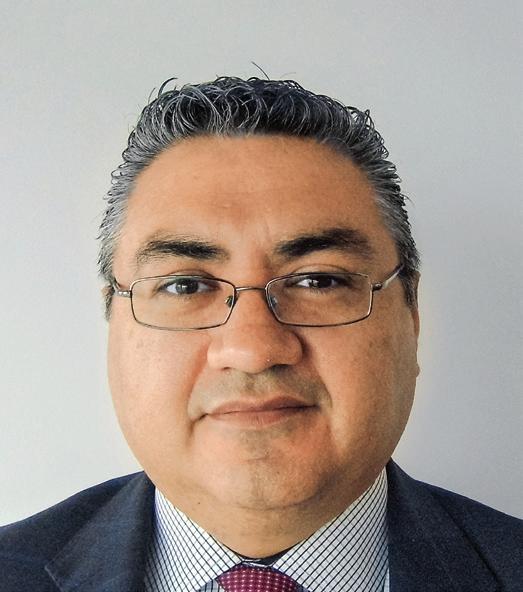
CRISTÓBAL THOMPSON Executive Director of AMIIF
Q: Research, development and innovation are AMIIF’s top three core values. Which is the most important for 2017?
A: Innovation is always at the top of the agenda. It is the reason why we exist and we have been working on this. The goal of AMIIF’s 2024 vision, its midterm plan for innovation, is to contribute to improving Mexico’s productivity and competitiveness through pharmaceutical innovation. That is our key goal. As President Peña Nieto has said, we are experiencing a renaissance for innovation. For example, hepatitis C products, which have a 95 percent rate of cure, have just been approved for inclusion in the public health system, which is an incredible breakthrough. There are new treatments in HIV and patients are living almost as long as nonpatients and with minimum side-effects. There are also new innovations in cancer treatments.
The objective of the agreement is to increase annual investment in clinical research from around
US$250 million
to
above US$600 million
One issue for pharmaceutical innovation is how to finance it. We sat down with IMSS and now we have three teams working with the institution to establish innovative access models based on patient health outcomes. The project began between February and March 2017. Our first group is working on the analysis of the cost to the system and the
The Mexican Association of Pharmaceutical Research Industries (AMIIF) encompasses over 40 of the leading pharmaceutical and biotechnological research companies in Mexico and aims to promote innovation in the health sector
epidemiological impact of the main therapeutic areas to be prioritized in this project (potentially: diabetes, cancer and cardio-vascular diseases). The objective of the second group is to analyze new performance indicators and criteria to align patients and institutional needs in said therapeutic areas. The third group is a legal team discussing how and when the government could be able to implement innovative access models, aligned with the proper legal framework. Financial and legal experts and doctors also attend these meetings.
We are also looking at how we can bring in more resources via clinical research. In January 2017, there was an agreement made between all parties with President Peña Nieto present. Its objective is to increase investment in the sector from around US$250 million to above US$600 million. A meeting in early May 2017 brought together COFEPRIS, IMSS, ISSSTE, the decentralized institutions, ProMéxico, the Ministry of Economy, SAT, Customs and the industry. We will have monthly meetings to provide updates on each area, understanding that by the end of 2017 we should have a better process for getting protocols approved to bolster the amount of funds coming into Mexico.
A pillar of increasing access to innovation is to make understood its potential impact on productivity and competitiveness. Last year, we presented a study with the automotive industry in Guanajuato, which tried to show the impact of lost productivity on a sector. In the case of the auto industry, the impact of lost value was around 7.3 percent of the industry’s value, of which 1.3 percent was absenteeism and 6 percent was due to presenteeism. We are close to the big employers such as the Business Coordinating Council (CCE), COPARMEX and CONCAMIN to make sure that everyone has a voice in making sure our health system, social security and Seguro Popular deliver a better job.
Q: How much awareness remains to be raised among governors?
A: At the beginning of May 2017, Dr. Narro, Minister of Health, attended our board meeting for the first time. He said that health and education are the two highest social equalizers. At the federal level, we have done a great job and awareness is
higher than it was three years ago. Having said this, budgets were cut last year, showing that although there is awareness, this does not correspond to action yet.
At the governor’s level, we have to improve awareness. Investment must be holistic: people must be healthy and with a good level of education. They must have infrastructure and public services, but there must be a good health system too. We have been asked by the Ministry of Economy to undertake another study like the one we did in Guanajuato, a state that is growing at 6-7 percent per year. If employment continues to grow but the health system does not keep pace, there will be a bottleneck, a problem of too much success too quickly but with a gap in these kinds of public services for workers and their families. Again, investment usually goes to places with good infrastructure. If this is not addressed, there will be limitations in economic development.
In May 2017, Mikel Arriola, Director General of the IMSS, announced tests in Nuevo Leon in which IMSS would follow up on company employees to see who was at high risk and to begin taking preventive measures early on. The more information we can give the government, the better.
Access to innovation is low, as only 10 percent of innovative medicines approved by COFEPRIS are in the public health institutions. Early diagnosis and secondary prevention is much less expensive than waiting five years for patients to get out of control. Then, by the time you give them innovation, the cost will still be too high. In Guanajuato, we asked companies what they were given from the government: land and tax incentives. They did not think to ask about health. Getting the big employers onboard is a big part of the agenda and this will resonate when we hold events. Investment will come but states have to look at how to maximize that investment.
Q: A renegotiation of NAFTA is likely. What will AMIIF’s top priorities be?
A: We hear a different version every day, from modernization of NAFTA, which is something we want and that the government is clear about in its position, to removing it completely. Although we do not know what will happen, we are prepared for various scenarios. The chairman of GE was here in May 2017. He made it clear that NAFTA was very good and he said that the big employers need to start speaking up. I think they will start coming out and saying that yes there are areas for improvement but overall commerce is highly integrated. How can it be disintegrated? Impossible. The companies here have been present for many years and they will not go back. It the treaty collapses, we will not see major issues, unless a tax is imposed on imported products, but we do not think that will happen. Overall, NAFTA has been beneficial for all three countries and I am sure renegotiation will center on optimization and on areas that did not exist when it began, such as e-commerce.
Q: How does the Accelerated Access initiative decided in the WEF in Davos this year complement AMIIF’s 2024 vision?
A: This is a huge initiative. Top pharmaceutical companies are joining together to develop a common framework that will help patients and countries battling NCDs in low and middle income countries. The industry is talking about looking for a full, holistic approach to the health system, trying to find ways to make overall improvements and enabling medicines to patients. For example, 300 billion units of medicine are donated every year to Africa, but it lacks distribution infrastructure. What we are implementing in Mexico is already a step ahead of what my colleagues in other countries tell me.
Q: What will AMIIF focus on in 2017?
A: Our main focus is how we can grant greater access to more patients. We will be finalizing steps to attract more investment to clinical research, to keep working with COFEPRIS to continue improving timings and processes for approvals of new molecules and finally to maintain the current standards of IP protection.
Hemophilia research
PROMOTING THE MEDICAL DEVICES SECTOR
EDGAR ROMERO President of AMID
Q: AMID was created to eliminate “regulatory challenges” in the industry. What are the biggest problems?
A: AMID was indeed created for regulatory reasons to bring products to Mexico. COFEPRIS was the main focus of our efforts for around eight years. Our agenda is now broader and our main focus is access: how to collaborate with authorities to gain advances for patients and be a more productive country based on investment in health. We also have an ethics and compliance committee because we must ensure these practices are the best they could possibly be in Mexico while trying to establish the same rules as in Europe and the US. We are also working against the black market. We want products to be controlled and traced from the point they leave the manufacturing site to the point they are implanted in a patient. Finally, we are working on being known as a reference in healthcare in the same way as the pharma industry.
Medical devices account for 70-80 percent of sanitary registrations in Mexico
Q: How have medical device trends evolved since 2015?
A: Products now have a shorter innovation cycle than 1520 years ago. There is an increasing number of players with new technological processes, including Big Data. Consequently, the government faces the challenge of how to evaluate them and ensure that the most innovative medical devices reach patients. Now, from releasing a product to releasing its next generation, there are only
The Mexican Association of Innovative Industries of Medical Devices (AMID) aims to promote efficient and transparent regulatory and procurement processes and to ensure safety, quality and effectiveness of solutions in healthcare services
two or three years and the evaluation system for new products is not used to working with such short time frames. Medical devices account for 70-80 percent of sanitary registrations in Mexico. How to evaluate them and the cost/benefit over time is a new challenge for any government, including Germany and the US. The main challenge is bringing these devices to the country.
Q: What is the impact of the black market, which is usually associated with pharmaceuticals, on medical devices companies?
A: The impact of the black market may not be as large in medical devices as in pharma but there are medical devices that cross borders illegally without the proper temperature controls and distribution procedures. Appropriate techno-vigilance needs to be implemented. It is not that devices are copied like in other industries; for example, many are bought abroad and brought across the border without the correct quality protocol and temperature control, or a hospital may throw away devices and they are fished out from the trash.
We have an agreement with COFEPRIS: if we find out about the sale of illegal products, they act immediately to remove them from the market.
Q: How are AMID members impacted by COFEPRIS’ deregulation of medical devices?
A: We have always had good channels of communication with COFEPRIS, but in 2016 and 2017 AMID planned a full schedule with them. They are working on the third package of deregulated medical devices. The first came through in 2011 and the second in 2014. This deregulation is simply recognizing that certain products used in medical practice are not medical devices and as such should not be regulated by COFEPRIS. There are some companies that are part of AMID that commercialize these products, but they are merely components of medical devices per se . This causes a problem as the number of devices in the market is multiplied by the number of side products that are produced. COFEPRIS was saturated by regulating these products they never needed to. These deregulation
packages are a list we share with the authorities of these accessories that can be deregulated. We are responsible for 80 percent of COFEPRIS’ sanitary registers and as innovation cycles decrease, their workload increases. Deregulating these items is good because COFEPRIS can use its time to check true technological innovations instead of regulating these other products. This will increase investment in innovation because less time needs to be spent on other things.
Q: What regulatory points are you lobbying for to improve access?
A: The toughest part of gaining access is going through the CSG. We are asking them to make their processes simpler and to implement the most adequate rules possible for medical devices as the current rules were designed for pharma. If we followed pharma’s rules, we would have to innovate at the same rhythm as that industry, which is much slower. We have been working with the CSG since 2016 and we have just begun our first efforts with the IMSS on a process level. They have the ability to define whether or not a product will reach a patient through public hospitals. We are looking at how we can help make this process faster.
Of the three stages of approval (COFEPRIS, CSG and the institution), CSG is always the hardest for us. The process can take up to four years, while an ideal process takes two to three years. We want to implement this time frame for everyone, regardless of their product, and we want to make the approval process predictable so that everyone follows the same steps. This is an additional challenge. If the innovation cycle shortens but approval still takes the same amount of time, it becomes unprofitable to create new products; by the time a product is approved a second generation is already available, so we have to try and gain general approval. In summary, innovation is
designed before the corresponding regulation. At this moment, the challenge is how to evaluate innovation faster. We are behind when compared to similar countries such as Colombia, Chile, Brazil and Argentina.
Q: How are global economic conditions impacting imports and exports of medical devices?
A: Since the Mexican peso depreciated against the dollar, it has been an industrywide worry but companies plan on a long-term basis. The peso appreciated against the dollar in the first three months of 2017, strengthening from MX$22 to the dollar to MX$19. There has been an impact on profitability but we need to think long-term and see this trend through. No company has shown genuine concern or considered leaving the country.
AMID associates are projecting growth above 9 percent in sales during 2017 and expectations for 2018 remain in a good health. In addition, AMID is ensuring its presence in free-trade negotiations such as NAFTA. We are being present as an industry to ensure the continuation of adequate conditions. We generate US$8 billion in medical devices exports but we export 92 percent of that to the US. The medical-devices sector is considered an emerging economic area for Mexico, along with IT and pharmaceuticals.
Q: What will be AMID’s main focus for 2017?
A: During the second half of my presidency, we will focus on finishing our work with the CSG to improve patient access to medical devices for better diagnostics, treatment, prognosis and the patient’s quality of life. AMID will also continue promoting ethics and compliance in the healthcare industry. We grew from 23 to 30 companies last year thanks to a broader agenda and we now run several agenda items in parallel, which enables us to get more done.
DIABETES AND OBESITY: HEALTHCARE PRIORITIES
JOSÉ CAMPILLO
Executive President of FUNSALUD
Q: In 2016, FUNSALUD established diabetes, breast cancer, obesity and mental illnesses as priorities. Have these changed in 2017?
A: Our priorities remain the same because these conditions have a high incidence and involve a great cost to society and the country’s finances. At the end of 2016, Minister of Health José Narro declared diabetes a health emergency. It was an atypical statement because there was intention to take drastic action but only to emphasize that diabetes is a serious national public health problem. At the end of 2016, the ENSANUT survey was released. It measures obesity, overweight and diabetes prevalence among the Mexican population. In some segments, which vary between urban and rural communities, rates begin to stagnate rather than continue shooting upward. However, there is another hypothesis: we are reaching saturation levels where things cannot get any worse. In 2017, emphasis should be placed on the prevention of diabetes and its complications. Data from this survey show there has been a 175 percent increase in diabetic foot amputations.
Q: Are citizens more aware now than before of this type of complication?
A: I do not think the population has that information and if it does, it has not resulted in a lifestyle change. This is the main challenge of a problem that is multifactorial and that depends not only on food but on life habits. A change in the population’s mentality is required.
Q: The IMSS estimates that in the next 35 years the number of patients with diabetes in the country will double. Do you agree?
A: There are many possibilities. In addition to the 6.5 million diabetics diagnosed it is thought there is almost the same number undiagnosed, so the logical thing is for
The Mexican Foundation for Health (FUNSALUD) is a private institution that aims to contribute to the improvement of health in Mexico by being a reference point for the discussion of the health agenda
prevalence to increase. FUNSALUD has corroborated this number with its own studies. In 2013, we estimated that the cost of diabetes would be MX$362 billion (US$20.1 billion) per year or 2.3 percent of national GDP. This figure will continue to grow and there may come a time when the public sector does not have the economic, technical and human resources capacity to deal with this tsunami.
Q: Which countries can Mexico look to for a way to attack this epidemic?
A: Chile and Costa Rica are seeing good results, although the comparison in terms of population is different. European countries like the UK also have good models. However, we are seeing the problem in all countries, which is due to urbanization, lifestyle changes and consumption habits. I think Mexico, the country with the highest obesity rate after the US, could be the place to experiment with immediate action. One action should be to increase clinical research, especially for economic reasons. It is a gigantic global market in which Mexico does not even reach 0.1 percent and needs to be improved. Mikel Arriola, Director of IMSS, is convinced of this. The industry is also ready and COFEPRIS is at the best moment in its history, with great international recognition. Mexico can be an important crucible to start doing scientific research on diabetes that provides us a favorable cost/benefit ratio. In 2017, it would be desirable for the Ministry of Health to take the lead to carry out a concerted policy with the Ministry of Economy and the Presidency of the Republic. Ties with the industry exist thanks to the great work carried out by COFEPRIS.
Q: What has changed in the last 12 months in relation to conditions such as breast cancer or mental illness?
A: The capacity of care for these diseases has increased. However, budgetary or political considerations have meant that these are no longer priorities for the federal government. In terms of breast cancer, much progress has been made in perception and detection. The pharmaceutical industry is shielded from any political aggression by the current president of the US and the Ministry of Health is at the core of the solution. By
improving the health of the working population, great savings will be made.
Q: Universal access to health is a goal of FUNSALUD. How is the Ministry of Health working toward that goal?
A: Universality is not a utopia but an obligation. Family wealth should not be affected by healthcare. It is an inalienable universal right that cannot be postponed. The conditions of the country in 2017, and perhaps for the next five years, are going to be very adverse, so we have to rethink proposals to reinterpret the reality and be precise in our aspirations. The most important part is to ensure prevention and first-level care. One of the main problems is that the model we followed was seen from the perspective of the disease and not from health; we have been curing and not conserving health. We need a policy of prevention.
Q: How will budget cuts affect the goal of achieving universal access to health?
A: Recently, an agreement for the protection of the family economy was signed and four strategies were proposed but the health sector, which should be the beginning of
everything, appears in none of them. It is an element that is systematically forgotten but without a healthy population there can be no healthy economy. The priority for 2017 should be to place health at the heart of any strategy, which is not easy.
Q: To what extent are doctor’s consultancies in pharmacies a solution or an externalization of the problem of health access?
A: Their existence tells us many things. It is a phenomenon that appeared spontaneously to solve problems that should have been resolved by the government. However, waiting times are shorter and care is personalized, inexpensive and close. They are a tool that depends on us to make them favorable or harmful. There are about 15,000 offices and they must be taken into account. Now, ethical principles have to be established as well as a register of patients and greater communication, among other elements. FUNSALUD wants to make a substantive proposal in this regard in 2017 in which we will try to bring together government, academia and industry to conclude a document in 2018. Emphasis should be placed on the first level of care.
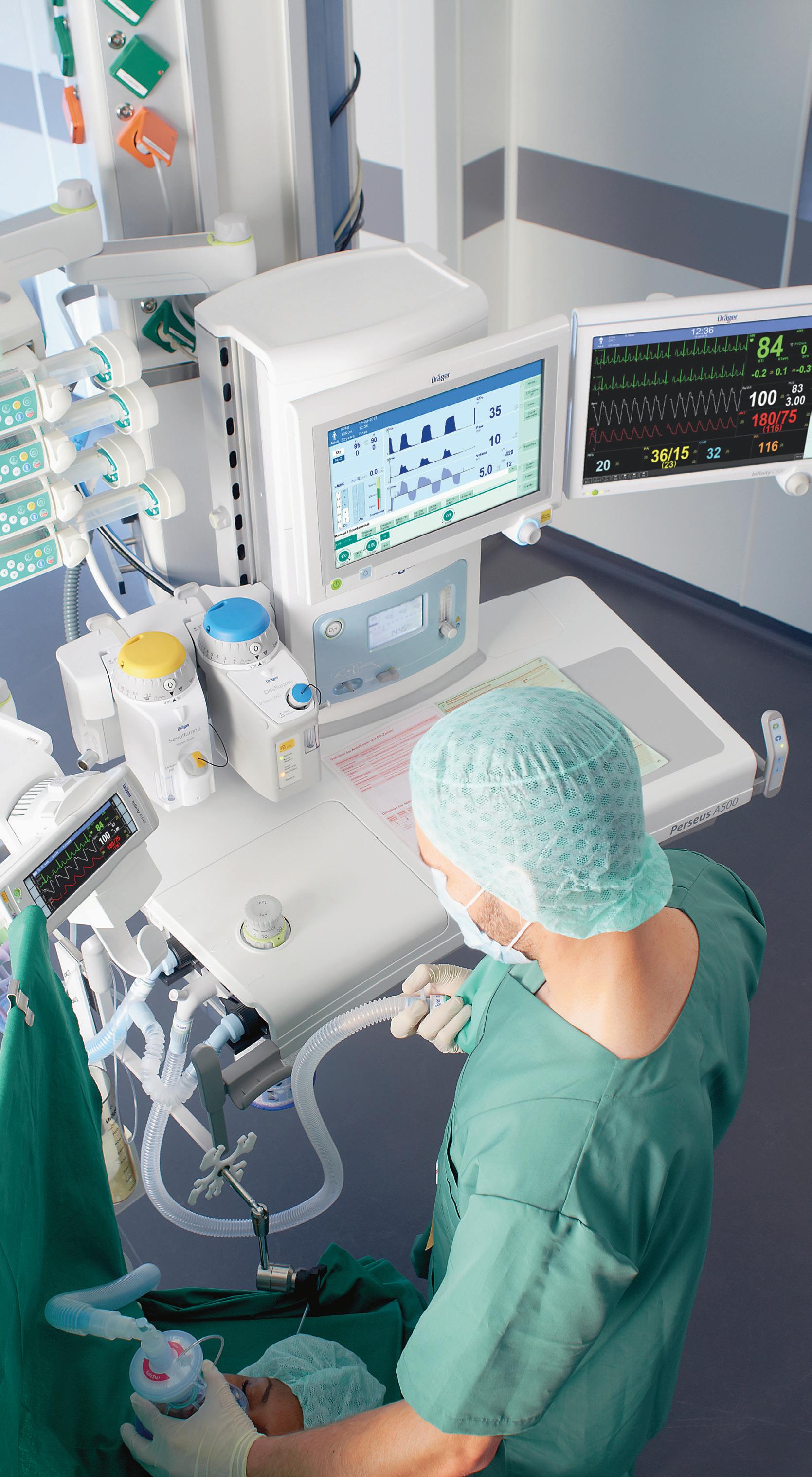
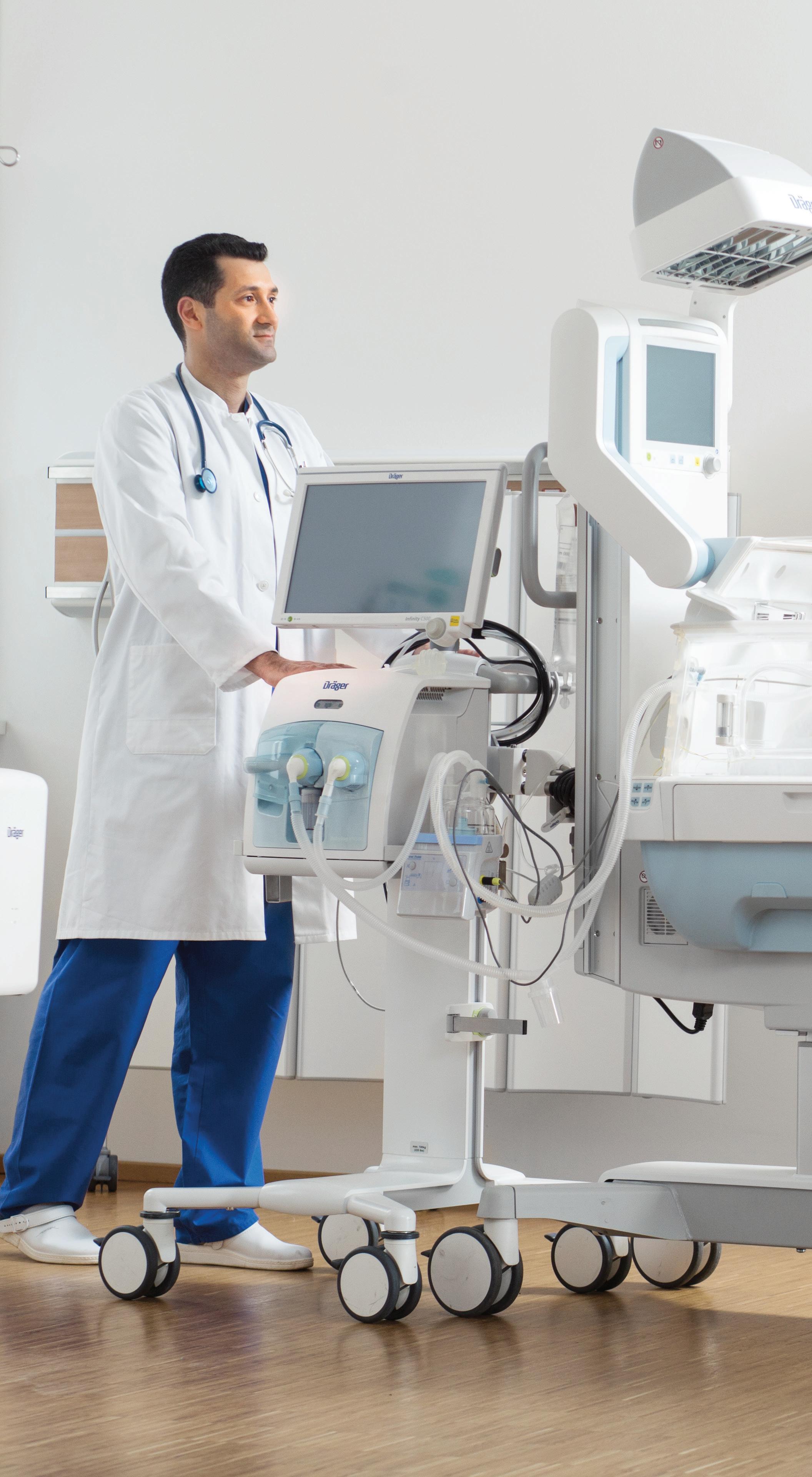
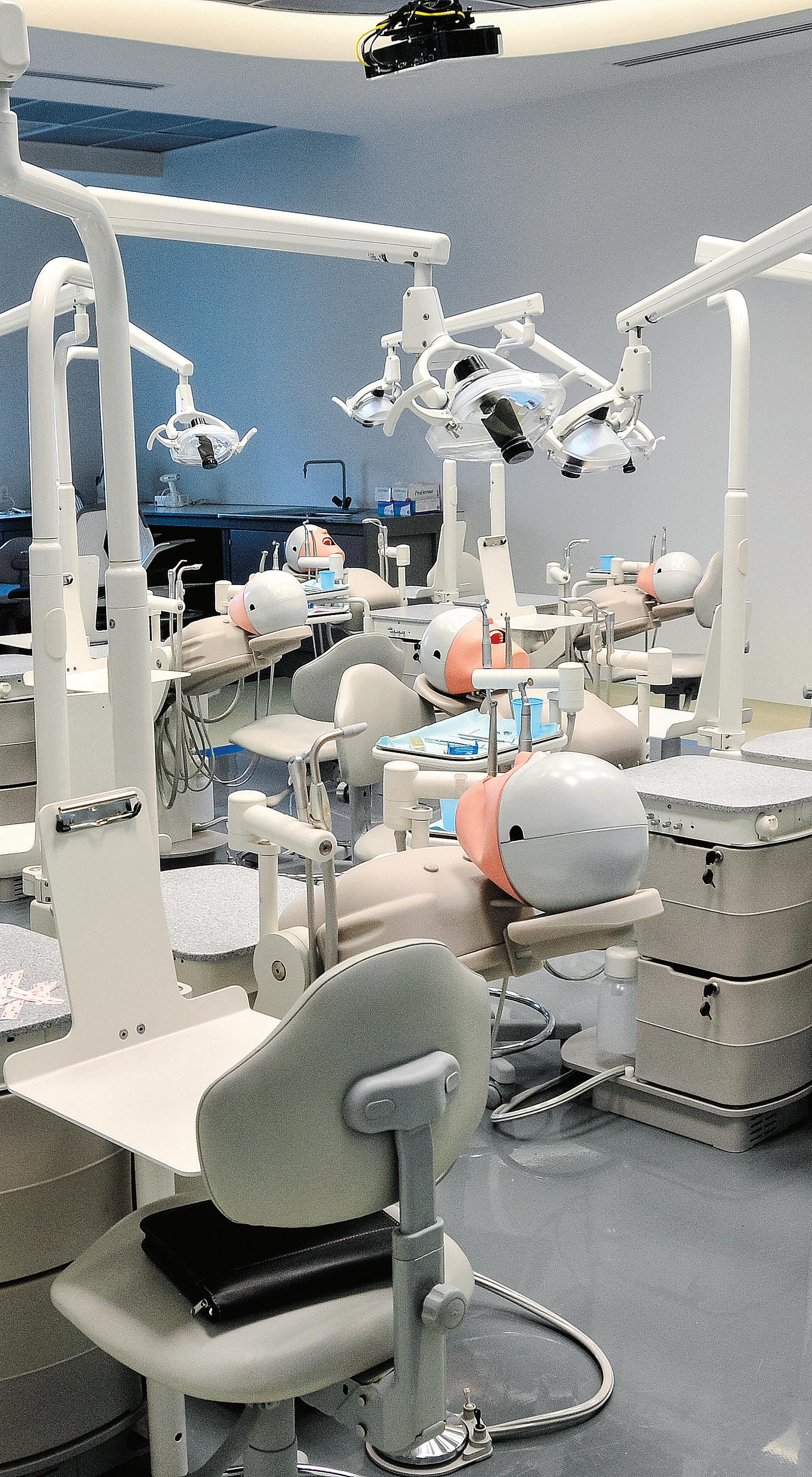
The Pulmovista 500, an electrical impedance tomography system performing respiratory monitoring
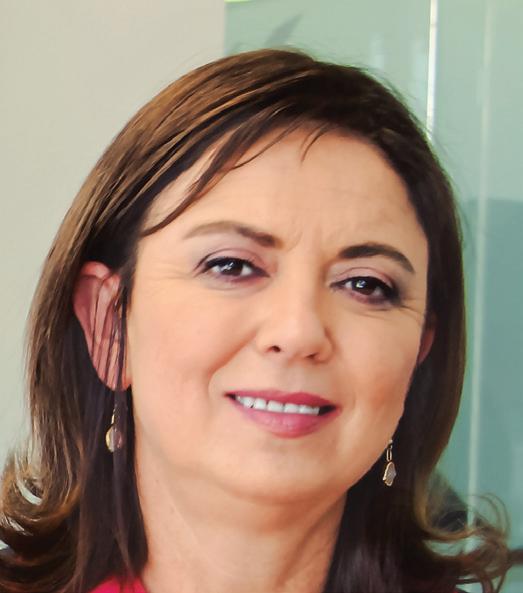
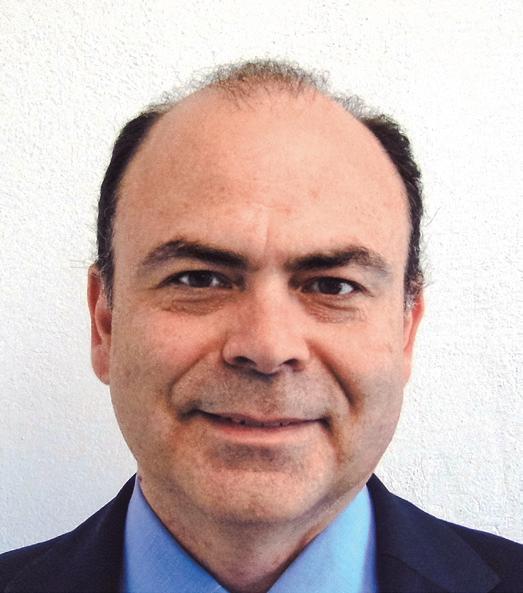
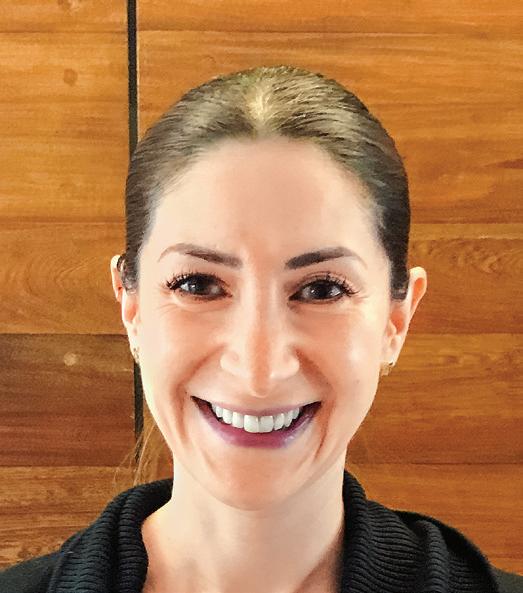
Patricia Uribe Director General of CENSIDA
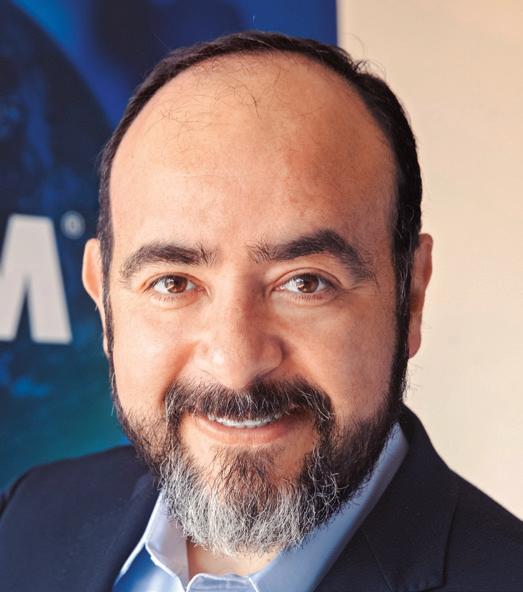
Carlos Magis
Integral Care Director of CENSIDA
The concentrated nature of the HIV epidemic in Mexico creates unique challenges for the agency tasked with eradicating the disease, the National Center for Prevention and Control of HIV and AIDS (CENSIDA). While the country continues to mark milestones in control and treatment, the disease's 'very diversity hinders progress.
“The infection has different dynamics depending on every state’s heterogeneity and social habits,” says Carlos Magis, Integral Care Director of CENSIDA. This diversity is a wakeup call for health institutions because even though it seems to be generally in control, there are concerns in specific areas.
CENSIDA has three main objectives: eradicate perinatal HIV, control HIV via sexual transmission and reduce new infections through intravenous drug use. The institution has implemented plans for each type of transmission. The center is the main governing body for the management of the epidemic in Mexico and is in charge of providing treatment to patients. According to the institution, in Mexico HIV blood transmission is eradicated and perinatal transmission is almost eliminated. Health institutions have also reached 63 percent detection, a reduction in new infections and they are close to achieving UNAids’ treatment goal of 90 percent by 2020.
There are 138 Prevention and Attention Clinics for AIDS and Sexually Transmitted Infections (CAPASITS) across the country
Patricia Uribe, Director General of CENSIDA, says Mexico has a concentrated incidence among certain social groups: gay men and other men who have sex with men (SMS), transgender people, sex workers and their clients, prisoners, migrants and people who inject themselves with drugs.
FIGHTING HIV EPIDEMIC MEANS FIGHTING DIVERSITY
“There is a challenge for Mexico and other Latin American countries that have concentrated epidemics,” she says. “We must develop different approaches for each group and control all of them at the same time. It is easier to fight generalized epidemics because we can offer a blanket service to the entire population.”
According to CENSIDA statistics, one out of every 1,500 women lives with HIV. Other affected groups include 0.07 percent of pregnant women, 15 percent of men who have sex with men, 18 percent of transgender people and 6 percent of people who inject themselves with drugs. Two years ago, CENSIDA started developing a National Detection Campaign in alliance with civil organizations with the objective of reducing the number of people infected with HIV. “We are one of the areas of the Ministry of Health that works the most with civil society, as well as working with hospitals and managing the treatment of the majority of the patients in the country,” says Magis.
The institution is in charge of purchasing and distributing drugs for 66 percent of patients with HIV and it receives MX$3 billion (US$166 million) every year from the Fund for Prevention of Catastrophic Expenses (FPGC) to buy medication. There are 138 Prevention and Attention Clinics for AIDS and Sexually Transmitted Infections (CAPASITS) across the country that provide treatment to 85,000 patients who are living with HIV but who do not have social security. CENSIDA finances the social projects awarded in the tenders, which cost around MX$100 million (US$5.6 million) per year to improve HIV detection and prevention among key populations. In an effort to eliminate the HIV epidemic, UNAids declared a 90-90-90 treatment target by 2020: 90 percent diagnosis, 90 percent treatment and 90 percent viral suppression.
Regarding perinatal transmission, healthcare institutions began offering the HIV test to every pregnant woman, which has helped reduce newborn transmissions to 46 percent. In 2015 there were only 71 cases but the aspiration is to follow in Cuba’s footsteps as the only country in Latin America that has successfully eradicated perinatal transmission. The
challenge is in targeting states with more women. “It is an issue in states that are demographically more female such as Chiapas, Guerrero or Veracruz, while in Morelos eradication was accomplished in 2011,” says Magis.
In terms of sexual transmission, Uribe says this is one of the biggest challenges as many people do not use or have access to effective prevention methods and comprehensive harm-reduction services. CENSIDA has created campaigns against sexual transmission with different focuses depending on the social group. “Our most critical are teenagers because they are becoming sexually active and they do not have all the information they need,” she says. For this campaign, the main message is usually to avoid unprotected sexual relationships but that is not always effective because strategies for women and vulnerable populations are different, explains Uribe. “There are women who are infected by having sex with their partner so targeting for the test demands us to consider genderinequality issues and to address social determinants such as access to health services, education, employment and gender violence.”
In the case of transmission through intravenous drug use, CENSIDA has designed specific projects for this demographic. However, as Uribe explains, it is a challenge to provide these patients with safety measures because it may be mistaken for promotion of drug use. “This type of transmission is not an issue across the country, it is focused in the north, in cities like Tijuana and Juarez City, and it has started to spread to Guadalajara,” says Magis.
The efficacy of these programs and CENSIDA’s access, coverage and treatment-quality care can be measured by mortality rates. There are peaks in certain parts of the country such as south of Veracruz, Tabasco and Campeche. These states have 10 deaths per 100,000 infections, while in the center of the country there are four per 100,000.
Magis says that many AIDS deaths occur because of late treatment. “This infection has a lot to do with addictions and sexual diversity, which is directly related to a discrimination stigma, so many people are reluctant to ask for help,” he says. The results from the most recent national discrimination survey held by CENSIDA in 2010 showed the biggest discrimination in Mexico is against those with HIV and AIDS and members of the LGBT community. “It is particularly important to eliminate discrimination and gender inequality because this prevents us from achieving the impact we need,” says Uribe.
The CENSIDA Director General acknowledges that HIV and AIDS have forced healthcare institutions to innovate their approach to health issues. “We have to deal with topics that
CENSIDA
MEXICO'S PROGRESS ON MEETING THE UNAIDS 2020 GOAL ( thousands)
in treatment diagnosed estimated total of people with HIV by 2015
viral supression
2015 UNaids Goal 90%
Source: CENSIDA
were not covered before, like sexual diversity, sex work and intravenous drug use,” she says. “Society sees us as an open window to promote other aspects besides HIV.”
The specialized Clinica Condesa in Mexico City is a clinic for transgender patients that not only treats HIV but it also helps in the process of undergoing sexual reassignment. CONASIDA was also established to discuss HIV and AIDSrelated topics with representatives of civil society who provide ideas to deal with problems.
Paradoxically, keeping up with all these improvements becomes a threat as patients’ life expectancy increases at the same rate as treatment prices. According to CENSIDA, in 1985 survival was one year but today a patient diagnosed with HIV and who begins treatment can survive for approximately 44 years. Right now, 91 percent of HIV treatments are ambulatory and patients frequently receive vaccines and odonatological, nutritional and psychological care, which has improved their life quality.
“Every year, our detection rates increase, meaning we have more patients and the MX$3 billion (US$166 million) budget rises by MX$500 million (US$27.7 million) every year,” says Magis. He says HIV is one of the most expensive diseases covered by the FPGC because it has no cure, which means patients require lifetime treatment. The high cost of HIV is also due to the antiretroviral patent scheme. There is no control over drug prices in Mexico, explains Uribe, due to the Mexican acquisition law that protects patents. “The pharmaceutical price for the most used drug for HIV in Mexico is four times higher than the manufacturing price, at MX$2,500 (US$138) per month for every patient,” he continues. “In Africa, the drugs are sourced from generics labs and the cost is MX$200 (US$11) per month. We have to create a dialogue between COFEPRIS and the authorities that negotiate the treaties.”
COFEPRIS BREAKS DOWN BARRIERS
Since being recognized as a regulatory agency by the WHO, over the past five years several Central and South American countries have followed suit, increasing Mexico’s attractiveness as a Latin American base of operations
One of the reasons Mexico is such an attractive destination for foreign companies, other than the size of its population and its growing economy, is the fact that its main sanitary
regulatory agency, COFEPRIS, is recognized by the WHO and by other Central and South American countries. A product that has successfully obtained registration in Mexico is much easier to launch in Costa Rica, Colombia, Ecuador, El Salvador, Chile, Panama, Belize and Peru. This makes Mexico an ideal springboard from which to begin a Latin American expansion for big multinationals.
MILLIONS OF INHABITANTS
0.4
REGULATORY AGENCY
Caribbean Public Health Agency (CARPHA) Belize
El Salvador
6.1
121 million
Home regulatory agency: Federal Commission for the Protection Against Sanitary Risks (COFEPRIS)
General Administration of Medicines, Consumables and Drugs Peru MEXICO Part of the Pacific Alliance
Sources: World Bank and BMI Research
National Administration of Pharmacies and Drugs (DNFD)
Ecuador
16.1
National Agency of Regulation, Control and Sanitary Vigilance (ARCSA)
Colombia
48.3
Chile
National Institute of Vigilance of Medicines and Food (INVIMA)
18 Institute of Public Health
31.4
THE COMPLICATED ROAD TO EQUALITY
ANA GÜEZMES
Mexico Representative of UN Women
Q: What are the main priorities for UN Women Mexico?
A: We have three priority areas. The first is the participation of women in government and in leadership roles. Mexico is one of only eight countries worldwide with electoral parity; in fact, 42 percent of parliamentarians are women. However, there is only one female governor and in the private sector the percentage of female CEOs is only 5 percent.
The second area of priority is economic empowerment. According to INEGI, in 2016 only 43 percent of women in Mexico participated in the workforce, compared with 78 percent of men, so we need to increase the number of employed women, promote formal jobs and end the wage gap. UN Women projects that it will take around 80 years for women to achieve workforce equality.
Our third priority is to increase women’s autonomy regarding health by providing universal access to sexual and reproductive care and by ending gender violence.
Q: What are the main health concerns for women in Mexico?
A: PAHO and UN Women's health division are mainly worried about three situations. The first is teenage pregnancy. We are working on a campaign with 12 UN agencies called De la A a la Z (From A to Z), from Aguascalientes to Zacatecas. The campaign promotes awareness of freedom of choice regarding marriage, because in Mexico one in every five women marries before the age of 18. Another priority in terms of public health is the lack of access to healthcare and pension funds for women who work in the informal sector. This is also the situation for all those women who have to stay at home to take care of family members. In Mexico, more and more people are living longer while suffering from chronic diseases and women are usually responsible for their care. According to the census, in Mexico around 30 million people need permanent care, 3.5 million have a chronic disease, 1.2 million have a disability and a large percentage of the 10 million adults aged over 75 require special care. Our third health concern regarding women is gender violence, which is the clearest expression of inequality.
Q: What has the campaign HeForShe achieved in Mexico?
A: HeForShe is a platform that seeks the commitment of men in the struggle for equality and already has more than 110,000 individual memberships in Mexico. In addition, many universities have integrated the platform. For example, UNAM has committed to imbue their health faculties with a stronger gender perspective on public and individual health. IMSS has also proposed more in-depth training for their health professionals to closely monitor compliance to NOM-046, a regulation that obligates health services to detect and prevent violence against women and to offer safe and legal abortions for victims of sexual violence.
Q: #noesdehombre (#notamanthing) was the first campaign directed at men to raise awareness of sexual violence. How effective was it?
A: It was a campaign in collaboration with Mexico City that focused on preventing violence on public transport. The elaboration of the campaign was based on a study done by the Mexican college that showed that most men who perform violent actions in public spaces do not consider it violence.
Q: What needs to be done achieve more impact of the awareness against gender violence?
A: When we talk about gender sexual violence, something very perverse happens, which is to say that women are blamed for it and sometimes rape is justified because of the way the woman was dressed or because she was alone. We worked with the government to create a public program that ends impunity. There is a feeling that violence is not an issue because not many cases become public. However, we are working with the Ministry of Interior to get more answers from the media. Most of the attention on the topic comes from campaigns on social networks.
UN Women was created by the United Nations to promote gender equality and the empowerment of women. In Mexico it focuses on the promotion of women's access to healthcare, participation in government and eradication of violence
CAMPAIGNS, BETTER HABITS NEEDED TO FIGHT CHILD OBESITY
PRESSIA ARIFIN-CABO Deputy Representative of UNICEF in Mexico
Q: What is UNICEF’s approach to combating child obesity?
A: Figures demonstrate that 95 percent of obesity cases are attributed to poor nutritional patterns, therefore, the main priority to fight childhood overweight and obesity lies in campaigning and advocating good habits, but also in promoting breastfeeding, water consumption and physical activity.
In Mexico, 60 percent of adolescents do not do any physical activity and although it is a compulsory subject in schools, it is not enough to compensate for their calorie intake. We are developing strategies to promote physical activity. For example, a new social media project will strengthen the importance of physical activity alongside good nutritional habits among adolescents. We are also working on another initiative that advocates water consumption and accessibility. Several bad nutritional habits can be traced to the sugary drinks consumed by many children just because their schools do not have potable water.
Besides diabetes and cardiovascular problems, there are also many psychosocial effects associated with obesity. The way obesity is perceived in Mexico can incite bullying, which can also lead to children losing motivation, eating more or suffering other nutritional diseases such as anorexia or bulimia.
Q: How effective have measures such as the sugar tax or the ban on salt-shakers on restaurants tables been?
A: The sugar tax has contributed to fighting obesity but it is still low (about MX$1 or US$0.05). More investment is needed to change children’s behavior and even more so that of their parents. Working with children as agents of change could be promising because they can inform their parents and prevent them from buying food that is not permitted in their schools. In Yucatan, for example, children
UNICEF is the UN agency in charge of promoting children’s rights and wellbeing. Its local agency works with the Mexican government, NGOs and private companies to combat issues that harm children’s quality of life
are only allowed to bring to school the foods that appear in a healthy food chart, which has obliged parents to make healthier choices.
Q: How can UNICEF fight dietary misinformation in Mexico?
A: There are several myths regarding breastfeeding. For example, some women start feeding their child with formula when they cannot pump milk because they believe they have an issue. The truth is that they do not know how to breastfeed.
Good nutrition starts in the womb so providing timely and accurate information to pregnant and lactating mothers is vital. Although one of UNICEF’s main priorities is the prevention of teenage pregnancy, we also work to make sure adolescent mothers get the right information to provide their babies with the best nutrition and the best beginning to life.
Q: What has changed regarding low breastfeeding rates in Mexico and the impact on child obesity?
A: Tackling obesity is a priority for UNICEF and breastfeeding is vital in combating obesity. Women are getting more and more information about the positive impacts of breastfeeding; however, awareness is only slightly increasing and there is still much work to do. UNICEF works closely with strategic partners such as governments, academia, NGOs and the private sector to support public health and advocacy campaigns. We participate in high-profile events like breastfeeding day, while also working locally with partners such as IMSS and the Ministry of Health.
It is not only about encouraging breastfeeding per se , it is also about making sure breastfeeding is a crosscutting and integrated element of other programs. The main issue with breastfeeding lies not only in how people perceive it, also in how people experience it. For example, working mothers lack adequate breastfeeding spaces in their workplaces and must leave their child at home under a relative’s care. If a teenage mother does not receive the right information on how to take good
care of her child, which has a lot to do with lack of sex education in schools, then it is easier for her to believe in myths. Nutritional education for adolescents is crucial, particularly for adolescent girls because they might become mothers one day. If these girls receive adequate and timely information, they could influence whether the next generation will be obese or not.
Q: What are UNICEF’s plans for indigenous communities in terms of nutrition?
A: The main challenges associated with reaching indigenous communities are poverty, remote locations, lack of access to market choices and the media. Due to poverty, they buy high-calorie food with low nutritional value just to get through the day. In addition, we cannot lose sight of the chronic malnutrition that today continues to affect 1.5 million children, especially in rural and indigenous communities. The rural health centers have benefited from interventions via text messages with information on topics like breastfeeding, Early Childhood Development (ECD), water and sanitation in schools and good nutritional practices.
Q: How can UNICEF make these programs sustainable?
A: UNICEF and other UN agencies work closely with national and local governments and other partners to support their efforts. Program sustainability is tied to the government’s empowerment to launch and continue these programs, while funding them with sufficient resources. In middle-income countries, UNICEF’s work is focused on supporting the government on upstream work. All of these initiatives are pilots and part of the process to generate evidence to show the success a program may have: the costs and the benefits.
For example, part of UNICEF’s work is to encourage public investment in ECD, which includes good nutritional
practices and combating childhood overweight and obesity. It is not just about working at the policy level but also at the budget level. This is a worthwhile investment because what is invested in early childhood will pay off in the next 20 years. Investing in combating overweight and obesity will save the government MX$64 billion (US$3.5 billion) yearly, the amount that public health spends on treating diseases associated with overweight and obesity.
“In Mexico, 60 percent of adolescents do not do any physical activity”
Q: How can you demonstrate to the government what works and what does not?
A: We gather data and look at different ECD indicators such as health and nutrition as well as government spending. We place a monetary value on each investment to know the rate at which prevention expenditure reduces correction expenditure.
Q: What will be the main priorities for UNICEF in Mexico in the next two years?
A: In 2019, we will embark on a new six-year country program in which obesity will continue to be a main priority. We will increase our efforts to keep doing research and gather evidence to support health systems to prevent overweight and obesity from an early age. UNICEF will also work with adolescents to champion physical activity through innovation. We will tailor interventions to reach children and provide basic public services that will help combat overweight and obesity, including access to safe and potable water. We have been firefighting the symptoms and consequences but we really need to work together on the causes.
AIR POLLUTION WORLD’S FOURTHBIGGEST KILLER
Low-quality air covers many of the world’s biggest cities and Mexico is no exception. This creates a variety of health problems but initiatives are beginning to emerge to improve or solve the problem
Ninety-two percent of the world’s population lives in areas that do not meet World Health Organization (WHO) safety guidelines, according to a WHO study from September 2016. Mexico City is one of the most polluted cities in the world, and according to government data, saw only 78 days of clean air in 2016 according to WHO guidelines.
“Today, climate change and pollution are realities,” says José Narro, Mexico’s Minister of Health. “We have serious problems in Mexico City but both local and federal governments are taking action. We now have much better ways of measuring pollution levels and better instruments to measure the impact that polluting particles have. Mexico City is in a valley and pollutants do not disperse. Some actions taken include the restriction of vehicles and industrial activity, which limit mobility. The Environmental Commission of the Metropolis (CAMe) is a coordinating mechanism that includes local, state and federal levels of government. President Peña Nieto requested that the commission include the Ministry of Health. We all have to realize that we have to do things for our own health. There are several dimensions to health, one of which is individual and another is collective.”
Poor air quality accounted for one in nine deaths in 2012, according to the report. This translates to 3 million deaths globally for 2012 related to outdoor air pollution and 4.3 million related to indoor pollution. Of the total deaths, 93,000 occurred in low-middle income countries in the Americas. Around 87 percent of the deaths linked to outdoor air pollution occurred in low-middle income countries, where 82 percent of the world’s population live. According to the World Allergy Organization (WAO), common outdoor pollutants composed of particulate matter include vehicular traffic and fuels such as coal and gas for heating and industry. Indoor sources include wood and coal used for heating and cooking and tobacco smoke. Air pollution was responsible for 10 percent of deaths, the fourth biggest killer behind metabolic risks, dietary factors and tobacco smoke, according to a 2013 World Bank infographic.
Causes of death linked to air pollution include acute lower respiratory infections in children under five, chronic
obstructive pulmonary disease (COPD), ischemic heart disease (IHD) and stroke and lung cancers in adults. Other associated health effects include adverse birth outcomes, childhood respiratory disease, diabetes, atherosclerosis and neurodevelopment and cognitive function, according to the WHO. A study published in 2016 in the National Academy of Sciences examined patients in the UK and Mexico and showed links between air pollution and Alzheimer’s disease. The exact link between pollution and allergies is yet to be established but the WAO forecasts that as air pollution and the ambient temperature increases, so will problems related to allergies.
The organization measures air pollution in PM 10 and PM2.5, which is particulate matter of less than 10 and 2.5 micrometers. The measures are an average taken between 2010 and 2015, unless the latest available data precedes this. It recommends no more than an annual mean of 20µg/ m3 for PM10 and 10µg/m3 for PM2.5. With the annual mean in Mexico varying between 11-35 PM2.5 µg/m3, it sits well above the recommended guideline.
In addition, pollution plays a role in other diseases and conditions, such as depression and cardiovascular health. “Urbanization and depression go hand in hand. As an economy develops, the population is weighed down with heavier workloads, we spend more time in traffic and produce more pollution, all of which are stress factors that can lead to depression,” explains Oscar Parra, Managing Director of Mexico, Central America and the Andes of Lundbeck.
Pollution in Mexico has long been a known-issue and its capital, Mexico City, was one of the first cities in the world to implement measures such as the license-plate-based restrictions Hoy No Circula (No-Drive Day) in 1989. The restrictions have evolved over the years and now prohibit drivers with cars that are not granted a 00 or 0 hologram (linked to car age and MOT results) and registered to Mexico City from driving on one of the weekdays. Since 2008, the measure has been extended to Saturdays. Cars with a 1 hologram are forbidden to be used on two Saturdays per month, and 2 holograms and cars not registered to the megalopolis are prohibited every Saturday. There is an additional contingency, initiated when pollution in Mexico City reaches 150 IMECA points, a measurement based on six types of pollutants. However, despite the extra Saturday measure, a paper published
in Nature by Lucas Davis, Faculty Director of the Energy Institute at Haas, finds it has had “virtually no discernable effect on air quality.” The main reason attributed to this is that the expected increase in public transportation did not occur.
Still, the Global Alliance on Health and Pollution ranks Mexico among the top 10 countries worldwide turning the corner on toxic pollution in 2014, due to its efforts in turning a contaminated oil refinery in Mexico City into an urban park with over a million visitors per year. Two other Latin American countries, Peru and Uruguay, were also among the top 10.
On March 1, 2017, the Ministry of the Environment and Natural Resources launched a new National Strategy of Air Quality (ENCA). ENCA aims to “control, mitigate and prevent the emission and concentration of pollutants in the atmosphere in rural and urban areas by 2030” through five main lines, 21 strategies and 69 lines of action. The five main lines are: integral management to improve air quality, efficient and result-focused institutions, companies committed to air quality, atmospheric policies based on scientific bases and a responsible and participative society. Action in the responsible and participative society line has already begun as photos of children who cannot play outside due to dirty air
are posted across the city and throughout the media, encouraging workers to cycle or take public transport and urging bosses to allow employees to work from home.
In high-income countries, 56 percent of cities with over 100,000 inhabitants do not meet WHO air-quality guidelines, nor do 98 percent in low-middle income countries. This prevalence of pollution costs the global economy dearly. The World Bank estimates premature deaths due to air pollution to have cost US$225 billion in 2013 in forgone labor income, up from US$162 billion in 1990. “The respiratory health of children is at higher risk since they inhale a higher volume of air per body weight than adults and their immune defense mechanisms are still developing,” says the WAO.
With pollution so deadly, many are creating alliances to help clean up the air. The World Bank partners with the Climate and Clean Air Coalition (CCAC) and the Global Alliance on Health and Pollution and the WHO has established a campaign with the CCAC and the government of Norway called BreatheLife, which has identified a number of ways to clear the air, including sustainable transportation, industrial emissions reduction, solid-waste management, renewable power and energy-efficient homes. For true change to occur however, a push for clean air needs to come not only from concerned NGOs but also from an involved population.
Anesthetic machine Perseus A500 with IACS monitoring, mounted on a Movita arm with infusion pumps
HEALTHCARE SYSTEMS 2
The greatest challenge of 2016/2017 for the healthcare system is granting access to improved services to a larger percentage of the population. That task falls on the shoulders of the related public institutions, such as the Mexican Social Security Institute (IMSS) and the Seguro Popular. Less than half of the Mexican population has access to public healthcare and facilities, with 62.5 percent of the national workforce informally employed according to El Economista in an October 2016 report. INEGI figures show that only 62.2 million people, or about 48 percent of the population, had access to IMSS services as of July 2016. Despite government efforts, this figure represents only a 33.3 percent increase since 2006.
This chapter will offer an overview of the country’s healthcare systems both public and private. Alongside the main social institutions and hospitals in Mexico, it will feature interviews from regional health ministries and it will cover the system’s advantages and flaws, as well as the obstacles to overcome. This section will also review how the public and private sectors can work hand in hand to improve access to healthcare, notably through public-private partnerships. Investment in the Mexican healthcare system and its promotion abroad, including infrastructure projects such as new, innovative health facilities, will also be in focus.
CHAPTER 2: HEALTHCARE SYSTEMS
36 ANALYSIS : Access to Healthcare: An Ongoing Mission
37 INFOGRAPHIC: Mexico's Healthcare System
38 VIEW FROM THE TOP: Armando Ahued, Ministry of Health
40 VIEW FROM THE TOP: Gabriel O’Shea, Seguro Popular
42 VIEW FROM THE TOP: Marco Navarrete-Prida, PEMEX
44 VIEW FROM THE TOP: José Reyes, ISSSTE
45 VIEW FROM THE TOP: Roberto Bonilla, Hospitales San Ángel Inn
47 VIEW FROM THE TOP: Alejandro Alfonso, ABC Medical Center
48 VIEW FROM THE TOP: Misael Uribe, Médica Sur
49 VIEW FROM THE TOP: Juan Galindo, Christus Muguerza Sistema de Salud
50 INSIGHT: Rafael Espino, Amerimed
51 VIEW FROM THE TOP: Miguel Castillo, Hospital Sedna
52 INFOGRAPHIC: National Health System Under the Spotlight
54 INSIGHT: Francisco Villarreal, Swiss Hospital
55 INSIGHT: Ricardo Bojalil, AsMed
56 VIEW FROM THE TOP: Jaime Cervantes, Grupo Vitalmex
57 VIEW FROM THE TOP: Ángela Spatharou, McKinsey & Company
58 VIEW FROM THE TOP: Lucas Olmedo, Fligoo
ACCESS TO HEALTHCARE: AN ONGOING MISSION
The Mexican healthcare system is fragmented, although the government is striving to improve access, its foremost challenge. That task falls mostly on the shoulders of public institutions, such as the IMSS and the Seguro Popular
Less than half of the Mexican population has access to IMSS, the largest public healthcare institution, and its facilities, with 62.5 percent of the national workforce informally employed, according to an El Economista report published in October 2016. INEGI figures show that only 62.2 million people, about 48 percent of the national population, had access to IMSS services as of July 2016. Despite government efforts, this figure represents a 33.3 percent increase since 2006.
Institutions have made an effort to stretch budgets and cover more people. The Seguro Popular, for instance, has started eliminating duplicate registrations with other institutions. “We have cleaned up our database and no longer have 9 million duplicate registrations. We will continue to work on this in 2017 and we expect to reflect this in a higher quality service for patients because there will be more resources per policyholder. The Seguro Popular has been sharing information with the other health systems since 2016, a year in which we lowered the number of policyholders by 3 million,” says Gabriel O’Shea, National Commissioner for Social Protection in Health of the Seguro Popular.
However, the Mexican population pays a significant amount of their healthcare expenditure out-of-pocket, even in proportion to other countries. According to OECD figures, only 5.8 percent of GDP in 2015 in Mexico was spent on healthcare, almost half of which was out-of-pocket. Canada, for example, spent 10.1 percent of GDP on healthcare in 2015, only 30 percent of which was out-of-pocket. In a country with a minimum wage of MX$80.04 (US$4.4) per day, paying for medical treatment out-of-pocket is simply unaffordable for many. In addition, when medicine is out of stock in the public sector, it forces workers that should be covered to fork over money for their treatments. To make medicine more affordable, COFEPRIS has been encouraging the production of generics by liberating patents. “In total, 37 active substances have been liberated in our generics strategy, forming 491 generics. This represents MX$25 billion (US$1.4 billion) in savings and 2 million extra people can be treated thanks to these savings. In 2017, we will continue with this strategy and in that of innovative medicine. Over 40 new molecule authorizations will be
announced during 2017,” says Julio Sánchez y Tépoz, Commissioner of COFEPRIS.
According to the OECD, in 2015 privately financed health expenditure represented 48.5 percent of total sector expenses in Mexico. In addition, few have private insurance to fall back on. Analysts peg the number at under 10 percent of the population. In 2016, Moses Dodo, General Manager of Bupa Global Latin America, explained that corporate clients are driving the medical insurance market in Mexico and many young startups are targeting the corporate insurance market. Others are spotting opportunities to create innovative business models, targeting the middle class.
A final challenge is the demographic transition Mexico is facing amid a declining fertility rate and as the population ages. According to the OECD, the country’s fertility rate has dropped from 5.9 children per woman in 1975 to 2.2 in 2015. “Mexico’s population, like many around the world, is going through a demographic transition,” says Mexico Minister of Health José Narro. “Population pyramids have changed from 20 years ago, when there was a strong base of young people. Now, the number of old people is increasing. Forty-five years ago, the median age was 17.8. Now, it is 27, so we can say that the population is maturing. Children and the elderly are dependents and there are just over five million people aged over 70, but that figure will increase to over 17 million in 2050 thanks in part to medical advances. Today, a regular infection can be cured while chronic, nontransmissible, nonparasitic infections can be controlled. Health is a process, not a state. Health ranges from the complete state of physical and mental wellbeing as defined by the WHO, to a second before death, when health is basically lost. In between, there are many states, some better than others. If people see health this way, prevention can be put in place. We want to promote education so that more people can take control of their health. We must begin to build processes for healthy aging.”
Although the system faces a great deal of challenges, globally it does not fare so badly and has been mentioned as a model that, with some tweaks, could inspire others. The Bloomberg Healthcare Efficiency Index 2016 places Mexico 17th out of 55 countries, weighing up factors such as life expectancy (60 percent of the grade) and relative and absolute health expenditure (30 percent and 10 percent respectively). Mexico’s life expectancy has increased in recent years despite high levels of obesity and diabetes, which certainly boosted its ranking.
For everyone who is formally employed and is not covered by another public institution
MEXICO'S HEALTHCARE SYSTEM
For those who work at the oil and gas company
Institutions of state governments, for those who belong to the state in question
For state workers
IMSS-Prospera
For those who belong to the military
INSTITUTIONS OF HEALTH AND SOCIAL SECURITY
For those who do not have social security and live in rural or marginalized urban zones in extreme poverty
The Ministry of Health
PUBLIC HEALTH INSTITUTIONS
SNDIF
National System for the Integral Development of Families. Social assistance for Mexican families providing family planning, childcare and fighting drug absuse
Private health institutions that offer subrogated services public sector workers
PRIVATE INSTITUTIONS
Private health institutions open to the general public
Others, such as private doctor’s consultancies in pharmacies
Medical units that belong to a charitable organization and offer services to general public, such as the Red Cross
Source: INEGI
Others, such as police medical services
For those who belong to the navy
Seguro Popular
A type of public insurance for Mexican residents not covered through another institution
OTHER TYPES OF INSTITUTIONS AND PROGRAMS IN PUBLIC HEALTH OR SOCIAL SECURITY
Others Such as university medical services
Insurers that offer medical protection services
Banks that offer health services to their employees
INSURERS, BANKS & OTHER INSTITUTIONS OF PREPAID MEDICAL SERVICES
Other prepaid services such as NGOs or not-for-profit organizations
HEALTH CHALLENGES IN ONE OF THE WORLD’S BIGGEST CITIES
ARMANDO AHUED Minister of Health of Mexico City
Q: What steps is the Ministry of Health taking to quash disinformation and spread knowledge on health issues?
A: Mexico City has spearheaded the promotion of health information. We have launched campaigns on every topic imaginable and we have also printed 1.4 million copies of a book on health for distribution to children in elementary schools. It covers such topics as dental health, nutrition and general hygiene. We have a second book on sexual health with over a million copies in print. It touches on all related topics. A third book covers addictions: alcohol, tobacco, drugs, myths and truths.
In winter of 2016-2017, Mexico City saw 23.6
percent fewer cases of pneumonia and
bronchopneumonia than in 2015/2016
We must incorporate health as a subject in schools. I am convinced that the only way to make people co-responsible for looking after their health is to empower them through knowledge and understanding. If the information is provided to children, they will have it when they in turn become parents. For example, children do not brush their teeth properly because their parents cannot show them how. This is why nine out of 10 children in primary school have cavities and in secondary school they all have cavities. On average, adults loose seven to nine teeth after the age of 60; they cannot chew or bite, they begin to have gastrointestinal problems and become malnourished, so they get osteoporosis and they fall and break a bone. This is why it is so important to teach dental hygiene and the same goes for sexual health.
Armando Ahued is a surgeon from the UAM. He became the capital’s Minister of Health in 2007 and is known for successful programs such as Médico en tu Casa (Doctor in your House)
Q: Why has health education not been integrated into school curriculums?
A: It is a political decision that has not been made. What could be more important than children learning how their body works, the risks they face and what needs to be done to preserve their health and life? This needs to be done today, but it may take years. Still, the seeds need to be sown or in years to come we will continue to face the same issues. Our children can lose 10 years of life due to overweight and obesity. At home, children are given portions to eat that are the same size as those the parents eat. We need to change the consciousness of parents. We also need to seek help from teachers.
When I was studying medicine, I was taught to cure sick people, not to keep people healthy. This is good but doctors should also know how to look after people and point them in the right direction to staying healthy. The healthcare system cannot handle the number of sick people who did not look after themselves and did not go for regular checkups. In addition, care becomes extremely expensive. Stents cost MX$25,000 (US$1,389) and some people may require three or four. Dialysis costs MX$2,000 (US$111) per session and sufferers may need three sessions per week for the rest of their life. There is no wallet or public budget that can withstand this.
Q: How has the Ministry of Health promoted a preventive health culture and what is its view on vaccinations?
A: In the swine flu pandemic that took place in Mexico City in 2009 I had to make a historic decision: to close the city to protect residents. This taught us that we were vulnerable. When the vaccine arrived, there was much confusion and fear of the vaccine because the Minister of Health of another state had commented that it caused Guillain-Barré Syndrome. We refuted this, but the fear was terrible. Even health personnel did not want to get vaccinated.
To set an example and prove the vaccine was safe, I was the first to be vaccinated. Thankfully, former Minister of Health José Ángel Córdova negotiated with Sanofi and distributed stocks of the vaccine to all the states of the country. One
day, he called me and told me that, despite the Ministry of Health’s investment, people refused to be vaccinated. He asked me to find a way to get it done. I had the idea to place the vaccination stands in the city’s metro, which sees foot traffic of around five and a half million people per day. We put stands in the biggest stations and offered free vaccinations. As a result, people were lining up. I took Minister Córdova to visit the stands along with the press and word got out that the people of Mexico City were getting the vaccination. This created a domino effect. Vaccination stands were placed in public areas throughout the country. This was the start of a culture of care and prevention.
From 2009 to the present, we have been vaccinating without a problem. In winter of 2016-2017, Mexico City saw 23.6 percent fewer cases of pneumonia and bronchopneumonia than in 2015/2016, the number of acute respiratory infections remained stable while there were 56.6 percent fewer cases of influenza. There were only 10 deaths this winter, compared with eight last winter in a city of millions of people. The virus we expected to be most prevalent was H3N2 but it was actually H1N1.
From 2016, two oseltamivir generics have been available but people continue to associate the active ingredient oseltmavir with the brand Tamiflu and refuse to buy generic versions. Now, we have enough oseltamivir in stock to cover both this winter and the next. One issue is that when a family member gets influenza, everyone in the family takes some of the medicine as if it were preventive, which it is not. There is also the issue of rapid testing, which results in false positives or false negatives 50 percent of the time. My recommendation is to seek out a clinical diagnosis only.
In addition, it is pointless getting vaccinated in February or March, as the influenza season ends in March and the vaccine takes 45 days to reach the maximum level
2,447,344 is the Mexico City vaccination goal
vaccinations not completed
of protection. The best time to get vaccinated is in September or October. The aim of the Ministry of Health was to vaccinate 2,447,344 people in Mexico City, 1,003,426 of which belong to my ministry. Mexico City met 98.8 percent of that goal.
In addition to influenza, we have vaccinated against rotavirus and pneumococcus. Everyone in a risk group should get vaccinated including pregnant women, children, elderly, diabetes sufferers and those who suffer from chronic respiratory illnesses.
Q: What will the Ministry’s priorities be in 2017? How will it distribute resources to achieve them?
A: The greatest priorities will be to consolidate the infrastructure that we already have, to improve the equipment, to prepare and train our professionals and to launch a campaign on dignified treatment. In addition, we will continue to promote health and prevention and early diagnosis. Without a doubt, the Médico en tu Casa (Doctor in your House) program, which has sent doctors and nurses to knock on doors to seek out sick people, has been a successful experience and we will consolidate the strategy by making free health services a reality.
people ho haven been vaccinated Vaccinations in cdmx VaccinationsINFLUENZA VACCINATIONS IN
Source: Mexico City Ministry of Health
CARING FOR HALF OF MEXICANS
GABRIEL O’SHEA
National Commissioner for Social Protection in Health of the Seguro Popular
Q: The Seguro Popular registered over 8,000 migrants returning to Mexico in early 2017. How is it reaching these people?
A: This has become quite a theme since President Trump announced he would repatriate 3 million Mexicans. We have created 50 booths in the 50 consulates in the US managed by the Ministry of Health from where we distribute information to our citizens about what the Seguro Popular is. We tell them that it is free, what it covers and what it does not, so that when they return to Mexico they can sign up. In addition, we placed 24 sign-up centers in the five Mexican border states solely aimed at reaching those being repatriated. However, we have not seen an increase in deportations and the number of people registered in the first three months of 2017 was the same as the first three months of 2016.
Q: The Seguro Popular expects millions of people to renew their policies this year. How do you cope with such volume?
A: As of March 2017, there were 54.9 million Mexicans affiliated with the Seguro Popular. The policies of 17 million Mexicans will expire in 2017, although there is a tendency to leave things to the last minute, and so on the last day we see huge queues of people. Therefore, we expect only 50 percent of those 17 million to re-affiliate. We had 57 million policyholders last time we spoke with Mexico Health Review in 2016. We have since cleaned up our database and no longer have 9 million duplicate registrations. The Seguro Popular has been sharing information with the other health systems since 2016, a year in which we lowered the number of policyholders by three million.
Q: How have public-sector budget cuts impacted the Seguro Popular? How is it ensuring patients are not negatively affected?
A: The Seguro Popular has suffered from budget cuts to programs such as catastrophic expenses or Médico
The Seguro Popular is a public-sector institution of health and social security that operates through medical facilities belonging to the Ministry of Health. It covers almost half the Mexican population
Siglo XXI , which is aimed at children. To face these cuts, we have lowered duplicate registrations and we have cut some programs. We have also reduced trips to other states to check on how things are going and employees no longer have company cellphones. A program I would have liked to implement but have not been able to is the milk bank in hospitals to encourage exclusive breastfeeding for the first six months.
Q: Of all the Seguro Popular’s programs, which is your favorite?
A: My favorite program is probably the cataract one because I am an ophthalmologist. However, the program that has had the most impact is that which cares for children with cancer. In 15 years we have managed to reduce by 11 points the out-of-pocket expenditure of Mexicans, although we still remain the country in the OECD with the highest rate of out-of-pocket expenditure. I am certain that with the modifications to the law we have made we will achieve a reduction of 15 points within the next few years. We expect that from 2017 onwards this will help state health services carry larger stocks of medicine, which is what is most hitting the wallets of Mexicans.
Q: The Seguro Popular now has bariatric surgery among its services. What has been the result of that?
A: This is happening in Mexico City mostly, but it is hard to implement in other states because there may not be as many bariatric surgeons. It is aimed at cases of obesity in which the patient is incapacitated in his or her daily activities. I believe everything should be tried before resorting to surgery: dieting and exercise or even taking medicine. Unless we Mexicans change our diet and exercise, it will be difficult to justify resorting to bariatric surgery because we have done nothing to try and fight the root cause. It is all well and good for the public sector to instill healthy habits in schools, but what good is it if parents undo this work once the child gets home? This is a complex theme that requires engagement from all sides: municipalities and mayors, but the largest commitment is that of parents. We have made great strides through the Prospera program in teaching people to eat well, which does not cost a lot of money.
Q: You are an ophthalmologist. What trends in Mexican ocular health are most concerning?
A: Cataract is the first reversible cause of eyesight loss in the world and in Mexico the first cause of non-reversible sight loss is glaucoma. The main problems I see when giving consultations and operating are diabetes and obesity. They are our nightmare. If I could, I would focus resources on fighting these two conditions, which would have a huge ripple effect on other health costs.
In consolidated purchasing, we have saved MX$11 billion (US$611 million) over the past three years. We want health centers to be on the lookout for these things and be testing for them. In addition, it angers me if centers are lacking tests because I send the states money to buy test strips for them. Now, instead of sending money, I buy material and send that to them. The same thing happens with condoms. Twenty percent of pregnancies in Mexico are in girls under the age of 19, so now we buy condoms directly and ship them to the states.
Q: In which areas has the Seguro Popular seen the largest increase and decrease in costs in 2016?
A: The largest increase has been in NCDs, mostly cardiopathologies and diabetes mellitus, and treatment of ensuing complications like hemodialysis, amputations, laser surgery for diabetic retinopathy and implanting an Ahmed valve. All of this is extremely expensive for
a healthcare system and we see this increase every day. There are 12 million diabetics in Mexico, of which only 38 percent have their condition under control. The others are suffering from side-effects.
We have seen a decrease in the costs of cancer patients due to generic medicine. Today, a patient with breast cancer costs less than three years ago and we have seen the same effect with HIV patients. The Seguro Popular monitors 81,000 HIV patients, each costing MX$37,600 (US$2,089) per year. This is a great burden for healthcare systems because they now live longer. HIV is not a death sentence as it was in the 1980s.
Q: How will the Seguro Popular continue to face the diabetes and obesity epidemic in 2017?
A: It is no longer about building large hospitals. We have to continue what we have started: the interchange of services. The theme of universality we all dreamed of is surely not so. It has steps, each of which can take years. We began interchanging during this six-year presidential term, meaning patients can be treated where there is room, even if the facilities belong to another health system. We need to make the most of infrastructure that is already in place. There are 35 private medical providers that offer services to the Seguro Popular. We need to increase this number and we should reach 50 by the end of the year.
Emergency ventilator Oxylog 300 plus and patient relocation with the Infinity M540 monitor
Oxylog 300 plus
SIMULTANEOUS TARGETS, POSITIVE RESULTS
MARCO NAVARRETE-PRIDA
Deputy Director of Health Services for PEMEX
Q: What are PEMEX’s health priorities for its beneficiaries in 2017?
A: As a healthcare provider, we have to focus on simultaneous targets. However, we began as a medical services company, so labor health is our main concern. We have doctors at every work site to deliver preventive care and promote health, hygiene, risk detection and to evaluate the compatibility of employees with the jobs they do. For example, some employees work 35-60 meters above a platform or land. They cannot suffer from vertigo, have the flu or a high BMI because that would be risking their life. At PEMEX Health Services we are further ahead in health services than other industries such as automotive, pharmaceutical and aerospace. Our priority is to have our workers operating under the best conditions possible. Instead of building more hospitals, we want to focus our efforts on promoting preventive care. In fact, PEMEX has 41 health centers, including 10 first-class clinics, 24 hospitals and 168 preventive centers of labor health. Our hospitals are operating on average at 70 percent capacity.
Q: What are the main health concerns of PEMEX’s beneficiaries?
A: They are similar to Mexico’s main health issues: diabetes, cardiovascular diseases, obesity and systemic arterial disease. Our rates of diseases are low and the most common are usually hearing problems. We are a high-risk company, but we experience less than 0.2 accidents per million hours worked. There are many myths about PEMEX but we have one of the lowest sick leave rates among companies. Our workers take less than four sick days per year thanks to our preventive initiatives, our efficiency in setting appointments and the workers own commitment. The life expectancy of petroleum workers is 80 years, higher than Mexico’s average, which is 78. This is because they have increased access to health services. Therefore,
Petroleros Méxicanos (PEMEX) is a state-created oil and gas company and is the largest company in Mexico. It runs its own healthcare system for its workers, which is also one of the largest in the country
we have many elderly patients; 56 percent of PEMEX’s beneficiaries are over 65 years old.
Q: What challenges does PEMEX face in retaining workers when faced with many new market entrants?
A: We need to offer the best benefits to our workers so they do not need to look for other employers. This year, we are also negotiating our collective bargaining agreement. We work closely with the union and it is committed to our focus on prevention and health promotion. We want both employer and employee to take responsibility for employee health. The paternalistic scheme in which the state or PEMEX provides everything to a passive beneficiary does not work. There should be a commitment from the employees, too. To this end, we have integrated a health bonus, which is given to workers with a BMI of less than 25 or for those who lose 10 kilos in a year. Their cholesterol and lipoproteins also must be in normal ranges and if they are already diabetic their glycohemoglobin must be under seven. If they comply they get the bonus.
Q: What relationship do you have with other public healthcare institutions?
A: President Peña Nieto and Minister Narro are working on the universalization of health services, which means that each institution has to be open to providing and receiving support from other institutions. We have an agreement with all the National Institutes of Health and we hire subrogated services in some other locations. We have partnerships with health institutions in Sonora, Aguascalientes, Tamaulipas and Veracruz. In cases of industrial emergencies, we receive a lot of support from IMSS. In 2016, when there was an emergency at our plant at Pajaritos, Veracruz, we received patients from IMSS because we had the largest coverage in the area. We also share successful experiences among institutions. In fact, every year we do a course on treating burn patients and we invite professionals from IMSS, SEDENA and SEMAR to take part because we are all part of the same ecosystem. We also have an agreement with the Ministry of Health to fumigate work areas to prevent vector-borne diseases and we provide them with fuel for their trucks.
Q: How did you manage the delegation of part of your services to a private insurance company?
A: There are smaller locations in which we have fewer than 120 workers but we are still obligated to provide health services. It would be very expensive for us to build a PEMEX hospital in those locations. From the beginning, we have hired private services to support those PEMEX locations that lack a health facility but which have active workers, or a total 104,000 beneficiaries. Two years ago, PEMEX’s supply department designed a strategy to have one health administrator instead of 95 providers. Unfortunately, the results were disappointing and we are now in the process of returning to our previous system.
Q: What opportunities do you offer students who want to do medical residencies in PEMEX hospitals? Which specialties are available to them?
A: Through PEMEX Health Services’s resident program we have trained high-quality and specialized professionals. We have schools at Hospital Central Sur de Alta Especialidad and Hospital Central Norte in Azcapotzalco, Mexico City; Hospital Regional Ciudad Madero, Tamaulipas and Hospital Regional de Salamanca, Guanajuato. There are 18 specialty and five subspecialty programs available for 388 students in the country. We are focused on the specialties we treat the most and for 10 years we have integrated successful students into the positions we need to fill.
Q: What are PEMEX’s main current health campaigns?
A: We have permanent programs to promote health, focused on child obesity, cervical and breast cancer for women and prenatal care. We also perform chronic degenerative diseases screenings, even in the workplace. We run a constant campaign on HIV and we treat around 700 cases, some of whom are active workers not on sick leave. We also run campaigns aligned with the Ministry
of Health’s priorities on prevention of vector-borne diseases and teenage pregnancy. In addition, we have vaccinated almost 100 percent of 1-year olds. During pregnancy, we perform syphilis and HIV screenings as well as promoting contraceptive methods. We are also conducting an analysis of patients with hepatitis C to offer them new treatments.
Q: What are the benefits of digitalizing patient information?
A: We hold universal electronic records for direct and subrogated systems. The software was created by PEMEX 10 years ago for direct services and won the Innova award. Three years ago, we integrated it to the subrogated health services. When a doctor receives a patient, he has a password to access the patient’s data. The software is also linked to the labor health department and to a diabetes website on which doctors can create an alert when they recognize a diabetic patient. All this clinical information and laboratory data is also gathered to elaborate Big Data, which can be analyzed and presented in graphics to identify which patients, in which areas and in which positions have which diseases and find correlations.
Q: What is PEMEX’s contribution to Mexico’s growing clinical research industry?
A: We perform clinical trials to see which type of drugs and medical devices are best. In fact, two years ago we launched our molecular biology laboratory at the Hospital Central Sur de Alta Especialidad in Mexico City, where we are carrying out bacterial studies and soon will start a genetic study of the PEMEX population. We have an agreement with INMEGEN to know which diseases our beneficiaries are prone to and to identify the best drugs to treat them. In addition, we have a medical journal in which PEMEX health professionals publish articles and research papers. It is all part of our effort in preventive medicine.
CAMPAIGNING FOR BETTER HEALTH
JOSÉ REYES Director General of ISSSTE
Q: In addition to health services, ISSSTE works on prevention through public awareness campaigns. Which areas are key targets?
A: We have a number of ongoing campaigns. One such campaign relates to addiction prevention, particularly smoking, and targets young people through courses, conferences, personnel training, graphic information and social media. We are also drafting several campaigns against overweight and obesity and their related conditions, which have a profound effect on quality of life and on the federal budget. Twenty percent of ISSSTE’s health-allocated funds were used to raise awareness of diabetes, overweight and obesity, hypertension and cervicouterine, breast, prostate and colon cancer. ISSSTE’s annual budget amounts to MX$45 billion (US$2.5 billion) and we are spending MX$10 billion (US$555 million) or more just on these diseases.
Among specific programs, the Salud en tu Escuela (Health in your School) campaign is focused on young people and on the children of beneficiaries who suffer from overweight and obesity. This is a joint effort between players in the public health and educational spheres, such as the Ministry of Public Education (SEP) and the National Education Workers’ Union (SNTE). Integrating teachers as health promoters and developing permanent awareness and physical exercise campaigns are key objectives that will enable ISSSTE to evaluate the results at each school in the program. The effort will include physicians, nurses and some students from ISSSTE’s School of Nutrition and Dietetics. The ISSSTE en tu Dependencia (ISSSTE in your District) program is focused on monitoring the health of employees. ISSSTE has identified about 570,000 diabetics among its beneficiaries. Another campaign targets breast cancer across public health institutions. We integrated 25 new mammography machines into our facilities and we are finishing a new diagnosis center in one of our hospitals. Between 2016 and 2018, ISSSTE’s goal
The Institute of Safety and Social Services for State Workers (ISSSTE) is the second largest of Mexico's public health institutions, providing health and social services to almost 13 million government workers
is to triple the number of mammographies from between 110,000 and 115,000 to 350,000. ISSSTE is raising awareness among women between 25 and 69 years old. Although we have reduced the prevalence of cervicouterine cancer and the related mortality rate, the same cannot be said for breast cancer. We named February Men’s Health Month because men are less likely to visit a physician than women: 63 percent of first-time doctor’s appointments are women.
Q: On the business side, what are the advantages of building hospitals through PPP schemes?
A: ISSSTE has an infrastructure program and fiscal resources but, due to budget adjustments, we have had to vary our financing to continue building and expanding hospitals and clinics. We needed to migrate to a new scheme involving the private sector. ISSSTE invested over MX$4 billion (US$222 million) last year in building and expanding a number of clinics and hospitals. We have analyzed several new hospital projects in Tampico, Acapulco, Oaxaca and Mexico City and there are also some requests for new hospitals in San Luis Potosi and Sonora. There is a PPP hospital being built in Merida and three others to be tendered: Mexico City-Tlahuac, Villahermosa and Tepic. We estimate that in this federal government administration’s remaining time, investments from PPP schemes could total about MX$14 billion (US$777 million).
Q: What criteria helps ISSSTE to decide where a new hospital or clinic will be built?
A: The location of beneficiaries and public health infrastructure are the key criteria. The Ministry of Health, ISSSTE and IMSS have developed a strategy that prevents duplication, so if there is an IMSS hospital in a community with an ISSSTE clinic and someone at the latter needs surgery, hemodynamics or cardiovascular services, these will be subrogated to the IMSS hospital. Services will also be subrogated from IMSS to ISSSTE, which does not mean implementing a universalization program but exchanging services and prioritizing cities and states according to the demand for health services and the existing public infrastructure. All public-sector agencies need to maintain a close relationship. We also have collaboration and serviceexchange schemes between both public and private entities.
GOOD INFRASTRUCTURE, QUALITY CARE, LOWER PRICES
ROBERTO BONILLA Director General of Hospitales San Ángel Inn
Q: What makes San Ángel Inn different from its competitors?
A: Our management model, which allows us to provide patients with less costly services while delivering a longterm return on investment. We offer good infrastructure with quality care at substantially lower prices than our competitors. That is why we are the preferred hospital for closed-network patients and companies that manage their own healthcare benefits. Other hospitals target individual patients while we want to attract businesses that will direct their employees to our hospitals.
Q: How does the hospital group keep up-to-date with technological advancements?
A: San Ángel Inn makes an effort to be up-to-date but our strategy does not require having the latest technologies. We make sure we have the modern and functional technology to resolve 97 percent of the cases we encounter, so having state-of-the-art technology does not make sense with our business model. The only treatments we cannot perform because of technological limitations are radiotherapy, PET/ CT and some oncological treatments. We have a capable medical team, enough technology and good infrastructure.
Q: What challenges do you encounter when hiring and retaining nursing staff?
A: The issue is not in retention but in recruitment. The nurses working at San Ángel Inn must have at least an undergraduate degree. Our competition regarding human talent are not private hospitals but public, because nurses in the public sector work only five days a week and receive better benefits than we can offer. We attempt to create a pleasant, patientoriented work atmosphere where nurses can grow. Within this model, a nurse’s satisfaction does not derive from the benefits the hospital provides but from gratified patients. When a patient has a good experience, the whole team is pleased.
Q: What plans does San Ángel Inn have to expand?
A: We will finish consolidating our presence in Mexico City. We have a new hospital in Patriotismo and we are about to open a new short-stay and ambulatory clinic in Mier y Pesado. This project is an opportunity to enter a new niche
with a new business model backed up by other hospitals if complex treatments are needed. We opened this clinic because our customers asked us for a location where minor surgery could be performed.
Q: What are the main challenges and concerns for San Ángel Inn?
A: Our main concern for the next four or five years is the patient’s access to healthcare, which mutual health insurance coverage could solve. In Mexico, people have access to diverse health services through IMSS, ISSSTE, PEMEX and other public entities, while private coverage is scarce, with only about 7 percent of the population under such plans. This percentage has not grown in the last 10 years despite an expanding middle class. Moreover, our main institutional clients are changing. Banks do not want to continue using reverse quota schemes and prefer to pay for social security while some insurance companies are considering dropping high medical-expense insurance on which they lose money. We need to learn to collaborate with other industry players to improve access to health. Our main challenge is in understanding how to increase access to private and public medical insurance.
Q: What impact do you expect to see from the model of chronic disease insurance?
A: It could improve the access to health services. Diabetes, cardiovascular diseases and cancer are the main causes of death in Mexico. A person who has corresponding coverage has a 30 percent chance of access to a good hospital in case something serious happens. San Ángel Inn is creating a product specifically for cardio-metabolic and cardiovascular disease. This low-cost premium scheme is far more accessible. However, there is no insurance or prevention culture in Mexico. Hospitals do not focus their marketing on creating awareness about the need for health coverage because the existing demand for their services is enough for most to perform relatively well.
Hospitales San Ángel Inn is a hospital chain with four installations in Mexico City. It offers a wide variety of treatments and specialties, specializing in gynecology and obstetrics and cardiology and hemodynamics
PUBLIC-PRIVATE COLLABORATIONS BOOST SECTOR
The Mexican healthcare system is fragmented and many industry experts believe that increased collaboration between the public and private sector and within the industry could increase costefficiency and lower waiting times at busy institutions
The public sector has made great advances in recent years in dealing with the country’s large volume of patients and in improving quality of care, but there is still room to improve. According to the OECD, 5.3 percent of the Mexican population spent at least one night in hospital in 2014, equivalent to around 6.4 million people. In addition, it reports that in the same year, an average of 2.6 doctor consultations were carried out per capita, equaling 312 million visits. Outsourcing services, used in the right way, may benefit both institutions and patients, hospital operators say.
Seguro Popular, one of the country’s main social security institutions, does not own any hospitals itself. It outsources to public and private hospitals the services needed by its insured patients. The agency has a catalogue of required services that private hospitals can address according to their capabilities and for which they can seek accreditation. Once a hospital is certified, Seguro Popular can begin referring patients.
“[The relationship] is important because of the volume of patients the government brings but also as a contribution to balancing the health offering in different segments of the population,” says Miguel Castillo, Director General of Hospital Sedna, which offers oncology services to Seguro Popular to treat breast, colon and prostate cancer. Due to the high incidence of those cancers in Mexico, these services are in high demand. According to the WHO, in 2014 there were 20,444 cases of breast cancer, 14,016 cases of prostate cancer and 8,651 cases of colorectal cancer in Mexico. The relationship with Seguro Popular is so fruitful that the hospital hopes to expand the number of services it offers to the government, looking to add general surgery and highrisk pregnancies to its list. Castillo hopes that these further accreditations will increase the number of patients seeking treatment at the hospital.
Despite the many benefits for the health system, there are still some kinks to be worked out. “Our relationship (with the Seguro Popular) is strong but there are certain rules that keep us from offering it more products and services,” says Alejandro Alfonso, CEO of ABC Medical Center.
“For every MX$1 it pays us, we have to give MX$0.19 to the government. Seguro Popular does not pay VAT but as a private hospital we are not exempt. Another issue
is the difficulty of selling services to Seguro Popular. Hospitals have to undergo several time-consuming registration processes so the patient stream is initially slow.”
Alfonso additionally explains that unlike IMSS patients, Seguro Popular patients can expect treatment in any participating hospital, which results in many patients traveling in from city outskirts or from more rural or less developed states to the big cities. “Seguro Popular was created with the theory that ‘money will follow the patient,’ so the belief is that wherever he or she goes there is a budget to pay for the service. The actual situation is that the federal government gives each entity a budget targeted as money for Seguro Popular, but a given entity may not necessarily be equipped with the services specific patients need. Therefore, there is a large migration of patients to Mexico City, where large hospitals, specialized clinics and good services can be found. When those patients arrive at hospitals in the city, the center’s administrator must find a way of covering each patient’s costs because the state to which the patient belongs will not pay,” he says.
IMSS does have hospital infrastructure but it is often overwhelmed with demand because it is responsible for the health of over 70 million Mexicans. In this case, the construction of hospitals and clinics in conjunction with the private sector may be a better option.
“What IMSS has done is take advantage of new legislation to facilitate the construction of new infrastructure, clearly without medical care being in the hands of the private sector at any point, which is a legal impossibility,” says Mikel Arriola, Director General of IMSS. “We are having facilities built at a faster pace, more efficiently and without the hurdles associated with direct public investment. We have had bidding processes for four hospitals. We are looking to be more efficient. We want to build more hospitals with less money. We have MX$20 billion (US$1.1 billion) to build 12 hospitals and four of those will be through PPPs.”
The relationship between public and private entities will continue and even expand for the foreseeable future. Obesity, for example, is one treatment area that will benefit from the relationship. The OECD reports that more than one in three people in Mexico are obese. To help alleviate the issue, in 2016, Seguro Popular announced that due to the high obesity rates bariatric surgery would be offered through the public sector.
DISPARITY A CHALLENGE IN PUBLIC-PRIVATE COOPERATION
ALEJANDRO ALFONSO CEO of ABC Medical Center
Q: How is ABC Medical Center cooperating with the public sector?
A: The healthcare situation in Mexico demands private hospitals work together with the government because it is not economically viable for the government to meet healthcare service demands by itself. The key is to find the right way to make this happen to avoid the perverse incentives in the private and public sectors that pollute association. ABC Medical Center has been working with public healthcare through Seguro Popular and by offering occasional services to other government institutions. As a not-for-profit organization, we can afford to treat patients below cost and this is important because helping those who do not have enough resources is a part of our founder’s legacy. The challenge is to determine the price the government can pay for these services and how economically and clinically efficient we can be as a private hospital when providing this aid. If there are no clear rules about quality and affordability, we may find ourselves in a situation wherein we can no longer help the population.
I am concerned about the decision to create general hospitals without a structured business plan. The word “general” by itself might be counterproductive because it suggests the hospital can treat any manner of illness and it does not highlight the public’s true needs. A general hospital is not built based on a study of the population and popular diseases. For its construction, rent is paid to a private company, which fulfils its construction and installation contract, at which point the government takes operational control of that hospital. The little money this general hospital receives is spent paying the private company and there is not enough left to treat patients, which indebts the government. Instead, to improve existing services there should be an inventory of the country’s hospital capacity and an analysis of how they could be better used. There are empty surgical theaters at certain times of the day in private hospitals that could be used by the lines of people in public hospitals.
Q: What is the thrust of ABC Medical’s relationship with Seguro Popular?
A: Our relationship is strong but there are certain rules that keep us from offering it more products and services. For
every MX$1 it pays us, we have to give MX$0.19 to the government. Seguro Popular does not pay VAT but as a private hospital we are not exempt.
Another issue is the difficulty of selling services to Seguro Popular. Hospitals have to undergo several timeconsuming registration processes so the patient stream is initially slow. Seguro Popular was created with the theory that “money will follow the patient,” so everywhere he or she goes there will be a budget to pay for the service. The actual situation is that the federal government gives each entity a budget targeted as money for Seguro Popular but a given entity may not necessarily be equipped with the services specific patients need. Therefore, there is a large migration of patients to Mexico City, where large hospitals, specialized clinics and good service can be found. When those patients arrive at the hospitals in the city, the center’s administrator must find a way of covering patient costs because the state to which the patient belongs will not pay.
The truth is that money does not follow the patient because security systems for patient care in Mexico are sectored. With IMSS coverage, a patient can only go to IMSS facilities. Mexico operates a vertical system, so there are many patients for whom there is no budget. We see teenagers with high-risk pregnancies camping outside hospitals, waiting for care without a place to sleep, and most of these are helped by civil organizations.
Q: What approach could help solve the health system’s current situation?
A: The solution is not easy and is not short term. First, we have to discuss which healthcare model we want to follow with the participation of many social agents. Once the model is established, we can decide our course of action.
ABC Medical Center is a private institution in Mexico City that offers treatment in the fields of oncology, neurology, transplants, OB-GYN, pediatrics, traumatology, preventive medicine and nutrition
CREATING ACCESS TO TOP-FLIGHT SERVICES
MISAEL URIBE President of Médica Sur
Q: What is Médica Sur’s strategy to ensure growth?
A: Médica Sur’s growth stems from two points. First, we seek internal growth through the optimization of our processes. This growth must be guided by a code of ethics to ensure that we can provide quality service. Belonging to the JCI and Mayo Clinic Care Network provides us a standard; however, that is not enough because in healthcare we experience changes every day. One major change is the increase in ambulatory procedures in hospitals, which opens up new opportunities and leads us to the second priority for Médica Sur: implementing external growth through a larger investment in diagnosis. Unfortunately, in Mexico there is a lack of confidence in diagnoses and unethical practices are common. There are many opportunities in this area. We will be able to provide tools that will lead professionals to the right diagnoses and in doing so, open access to a top-flight service that is now privatized.
Q: Which values guide Médica Sur in an increasingly competitive environment?
A: We have to work in a very competitive environment, but we will never sacrifice the safety of a patient to economic profitability. In our facilities, the average stay is two days, while in public hospitals it is approximately 10 days. We are also the only hospital in Mexico that publicly reports deaths that occur in our facilities as well as infections and accidents.
Q: How are you delivering this message to the industry?
A: We created the Médica Sur Network to share our ideal of making things better in Mexico. So far, we have seven members and we have allies in Los Cabos, Queretaro, San Miguel de Allende and Merida. They pay a membership fee and we share our knowledge with them. This network allows us to build a common front, nurture better relationships with insurance companies, consolidate purchases and share expenses.
Médica Sur is a private hospital complex. With 31 laboratories in Mexico City, one women’s clinic and two hospitals, it is a member of the JCI and the Mayo Clinic Care Network. Médica Sur also has a Pharmacovigilance Center
Q: What is your added value proposition regarding medical tourism?
A: Many people come to Mexico for plastic surgery but we want to provide even more services. We performed a liver transplant for a 7-month-old girl who weighed 8kg using 200 grams of her aunt’s liver. She is alive and she will recover. This is the kind of news we want other countries to hear to attract patients. More than medical tourism, what we offer is an efficient use of resources that leads to affordable prices. A knee or hip transplant might cost US$100,000 in the US. Here it is US$40,000. We must follow the example of India, which has already become a medical tourism destination for Americans. The cultural difference and the actual distance between India and the US are bigger than with Mexico, but India has talent and it is open to promoting it.
Q: What are Mexico’s main requirements in terms of talent?
A: We need higher academic standards. Our future generations will compete with future generations from South Korea, India and Japan, where the pressure for excellence is part of everyday life. Mexican students should demand more rigorous programs from their academic institutions to compete with the rest of the world. At Médica Sur, the requirements to get into our program are very high, so our residents are increasingly better. Only students with a GPA above 9.5 can apply and we choose only 20 percent of those. We have around 120 residents and interns and every year we admit between 30 to 40 students. We also believe that the learning experience and academic results are better when physicians work with a small group of students.
Q: What role does Médica Sur want to play in the Mexican health industry?
A: We do not want to fit into a role; we want to become an example of good processes in the national and international health industry. We want to show the industry that a health service focused on the patient is the most profitable model and that a sense of humanity and responsibility are the main drivers of return. We will also continue moving forward with technology and social developments. We are an institution, not a business.
WHEN GENEROSITY, GROWTH GO HAND-IN-HAND
JUAN GALINDO Medical Director of Christus Muguerza Sistema de Salud
Q: How does Grupo Christus Muguerza differ from other hospital groups?
A: We are the only healthcare system to operate in Mexico as a nonprofit organization, although fiscally we still pay taxes because we are a large group. However, no partner takes any of the profit for themselves and profit is entirely reinvested in infrastructure and community service.
Reaching those most in need is fundamental in our day-today. Christus Muguerza works with Operation Smile and has already operated on around 500 children with cleft lips free of charge. In 2016, Hospital Alta Especialidad operated on 12 children with congenital heart disease. These patients reach our hospital through the charity Cardio Chavitos. A NorthAmerican pediatric cardiology hospital helps us with the equipment and teams are mixed Mexican-American.
Hospital Conchita in Monterrey is about to start a program in laparoscopic gynecology surgery for women with gynecological problems. There will be four groups of around 16 patients. This program does not only help people in need, it also enables the head gynecologist to teach others how to operate laparoscopically. Also, Hospital Del Parque, in Chihuahua, has five years of experience providing free spinal surgery for children with scoliosis or deformities.
Q: How has the hospital’s nursing program developed?
A: Christus Muguerza is involved in two nursing programs: one with UDEM and one with the University of Chihuahua as part of its community service program. The nursing school has grown in recent years and now has around 600 students, whereas in previous years it saw averages of 120140. UDEM contributes to the program with its academic value. It has long been a partner of ours as it used to own the Clínica Conchita before we acquired it. We also send bachelor’s and master’s students to train in the US. We understand that not all the students will return to work at one of Christus Muguerza’s hospitals but that does not matter. Nursing is rewarded unfairly in Mexico because a company has to take charge of hiring, taxes and insurance, and is thus not able to offer the same benefits as the public sector. IMSS, however, offers nurses three months’ holiday
per year and a two-month salary bonus at the end of the year. This creates unequal working conditions. Some choose to stay at Christus Muguerza because of our work ethic.
There are also 158 postgraduate residents studying a specialty in our hospitals. This costs the group MX$50 million (US$2.7 million) annually and it bears the full cost. Although the government pays for medical residencies throughout the country, private hospitals receive no subsidiary.
Q: What steps is Grupo Christus Muguerza taking to expand its reach and what are its priority areas?
A: Surgical centers are moving away from hospitals, often due to costs. We have acquired an ambulatory center in San Luis Potosi and there is a center being remodeled in Irapuato that will begin operating as a Christus Muguerza surgical ambulatory center in August 2017. One of the largest primary-care centers in Monterrey will also become a surgical ambulatory center and will most likely open in 2018.
In September 2017, we will begin constructing a fifth hospital in Monterrey, It will be the first hospital in Mexico to follow a lean design, built with Perkins & Will. We created an initial design and the firm is now drawing up architectural plans based on our needs. I want it to be the first sustainable hospital, with a water treatment plant, energy sourced from solar panels and we are evaluating whether to integrate oxygen processing, a common practice in France and Canada.
In the next six months, we will begin performing complete transplants in Hospital Alta Especialidad, the largest hospital in our system. We will begin transplanting pancreases, for which so far in Mexico there have only been isolated efforts. This will be in partnership with the Northwestern University Hospital in the US.
Christus Muguerza Sistema de Salud is a hospital group that operates in Mexico and the south of the US. The group opened its first hospital in Monterrey in 1934, and now manages nine hospitals and 18 medical centers across the country
INTERNATIONALIZATION ESSENTIAL FOR MEXICAN HOSPITALS
RAFAEL ESPINO Director General of Amerimed
A boost in federal government support would bolster and expand Mexico’s medical tourism, creating jobs and helping to keep doctors from leaving for greener pastures, says Rafael Espino, Director General of Amerimed, a hospital network focused on treating tourists. “We need a coherent medical tourism policy. The Ministry of Health and the Ministry of Tourism should work together to promote the country’s advantages through federal funding, better financing and business promotion.”
The lack of a cohesive policy is keeping the hospital on the fringes of the medical tourism industry despite the low prices and top-notch doctors and nurses that make Mexico an attractive destination to receive medical care. “The country has access to state-of-the-art equipment from the US or Europe at a good price, because Mexico has trade agreements with most western countries,” says Espino. “We are more focused on emergencies or consultancies. Medical tourism, which consists of programmed surgeries or treatment, represents only 3 or 4 percent of our activities,” he says.
Espino says better policies could increase employment and keep doctors in the country, giving Mexican cities an aggregated value. He also cites changes in US healthcare policies such as the current US administration’s rebuttal of the Affordable Care Act, that could increase the number of US tourists traveling abroad for medical care. That number, according to Patients Without Borders, reached 1.4 million in 2016. “If healthcare prices do not drop with the suspension of the Affordable Care Act (Obamacare), Mexico will be the first option for Americans due to proximity, the number of facilities near the border and low prices further favored by the peso’s depreciation.”
The exchange rate, however, might favor his business. “Mexico could become cheaper for foreigners, therefore more tourists will be attracted to the country and the demand for hospital services will increase.”
Amerimed has branches in two of Mexico’s main tourist destinations: Cancun and Cozumel. Most of its patients are vacationers who have been in an accident or have gotten
sick. “With more than 20 years of experience, our network has received the majority of foreign patients in the country,” says Espino. The hospital, which is focused on providing quality services in strategic locations, has a patient profile that breaks down to 70 percent Mexican tourists and 30 percent foreign.
According to Espino, Amerimed services are mainly delivered to the private sector but as one of the few well-equipped hospitals in its chosen locations, it frequently supports IMSS and ISSSTE with X-rays, CT scans, MRIs and laboratory services. The hospital network also participates every year in government tenders.
To ensure its growth ambitions, Amerimed is working to improve quality and the number of specialties available at its hospitals. It is also obtaining JCI certification for both facilities in Cozumel and in Cancun. “The JCI has good recognition abroad and it is important for us as an international health service provider to be certified by the most important international agencies,” Espino says. Amerimed already is certified by the General Health Council in Mexico and the Canadian Accreditation Council. “We are the only hospital in Cozumel that is internationally certified. This is important since the island is a frequent destination for the main world cruise lines, which like to have quality medical facilities available on land,” says Espino.
Amerimed is also looking forward to branching into other tourism locations. The company is building a boutique hospital in Playa del Carmen, which will have a variety of medical specialties, an intensive care area and two surgery rooms. There also are plans to open a small hospital in Acapulco. “This will be a new direction for the business model because 97 percent of the tourists in Acapulco are Mexicans, so the business will be focused on national patients instead of international ones,” Espino says.
To execute this growth, Amerimed has partnered with a private equity fund in the US and is looking for additional funding to increase its infrastructure and services. “We are open to working with other private equity funds that want to invest in the Mexican healthcare sector,” Espino says.
VARIETY OF SPECIALTIES SPURS GENERAL HOSPITAL AMBITION
MIGUEL CASTILLO Director General of Hospital Sedna
Q: In which areas have you been investing?
A: We have been working on updating our diagnostic imaging equipment. We use German machines in this area and next year we want to renew our surgical equipment and to invest in an advanced laparoscopic surgical theater so we can offer this service. The hospital is 10 years old already and in the health industry you have to be constantly updating. Equipment becomes obsolete and there are constantly new inventions to help diagnose and care for patients. We want to offer the best service to our patients and stay up to date.
Q: To what capacity does the hospital operate and what are your expansion plans?
A: We are operating at around 60 percent of our capacity. The hospital has been expanding significantly since we changed our focus from women to become a general hospital. From 2015-2016, we grew 50 percent and we are looking at growth of 30-40 percent for 2016-2017. We have achieved this goal through our various client segments, our quality of service and by seeking out doctors and insurance companies that do business with us because we offer much transparency. We also see doctors as clients and we want them to enjoy their time here. They are treated with a super-personalized service and we want them to know that there are many people available to help them with anything they need.
Q: How do you attract patients and what are the advertising rules surrounding hospitals?
A: Customer service is one of our main values and safety is our top priority, followed by service. We mostly attract patients with our service. We firmly believe that by providing a service that is humane and friendly, patients will come back to us time and time again and will recommend us. There is also the patient’s family, doctors and insurers, for whom we have different lines of appeal. COFEPRIS’ advertising regulations cover the entire health industry. Within that, there are rules that cover the advertising of services. As a hospital, we can advertise; it is not very restrictive. More than a legal restriction, we have a moral obligation to tell the truth so that the business can be sustainable.
Q: How do you work with the public sector?
A: We do work with the government and tend to many patients through the Seguro Popular, mostly with breast cancer. Our partner’s oncological center is also accredited to tend to rectal, colon and prostate cancer. We are the first hospital in El Bajio to be accredited to offer recto-colon cancer treatment. When working with the Seguro Popular, a hospital must be accredited in certain specialties from the institution’s catalogue of services. Once accredited, the hospital tells the institution what space it has available and based on that, patients are sent to the hospital. We provide the same service when working through the government as we do with private patients.
Q: What is the strategy behind offering high-risk pregnancy services over normal pregnancy services?
A: High-risk pregnancies are in the Seguro Popular catalogue. There are many institutions that offer services for general pregnancies but very few offer a high-risk specialty. Given our history in gynecology, we have the experience and the expertise, so we are confident we can offer this service. We do not want to open specialties in which we cannot offer the required service.
Q: What are the hospital’s short-term plans?
A: We would like to continue building on our vision of humane treatment. This begins with our people and so in 2017 we will be investing greatly in them. We also have areas ready for growth and we could increase our capacity by 40 percent. We have the space to grow and we have 140 doctor’s offices that could also grow by 20 percent. We want to focus on obesity and bariatric surgery, one of the country’s main challenges — epidemiological alerts have been issued for diabetes and overweight in the country. We are building an obesity clinic at the hospital for the integral treatment of this condition and metabolic disorders.
Hospital Sedna is a private hospital located in Mexico City that originally focused on female health but has expanded to offer over 30 specialties and aims to become a general hospital offering integral services
NATIONAL HEALTH SYSTEM UNDER THE SPOTLIGHT
Born in the early 20th century, Mexico’s National Health System has evolved through the years. Besides the widely popular IMSS, the system now includes state oil giant PEMEX and military facilities
As the system has grown, so too have the challenges it faces. OECD recommendations to strengthen the Mexican health system include expanding coordination between institutions, aligning the standardization of processes,
121 million Mexicans
• 150 million: 2050 projection
2.2 children per woman
• 2,353,596 births were recorded in Mexico in 2015
• 51 percent of Mexicans are women and 49 percent are men
• 1 percent: The annual growth rate of the population
Population aged over 65 will grow, impacting health services
• Implies making sure people have access to health services without affecting their finances
• Upholds quality and effectiveness in promoting healthcare, as well as prevention, diagnosis, treatment, physical therapy and palliative care
boosting competition among providers and promoting the effectiveness of hospitals.
KPMG agrees with this needed coordination and goes even further. According to the financial services company, “a population’s health is an indispensable value for economic development and social welfare.” This is why better coordination between financial services firms, suppliers, associations and institutions is required.
74,032,437
1905 Founding of Mexico's Hospital General
1917 Founding of the General Health Council (CSG) and the Public Health Department
6% of Mexico's GDP is attributed to the health sector
Chihuahua Colima Coahuila Baja California South Baja California Aguascalientes
Campeche
Mexico City Jalisco Durango
Quintana Roo Queretaro Nuevo Leon
Sonora Sinaloa
PERCENTAGE OF POPULATION THAT WORKED IN THE INFORMAL SECTOR PER STATE IN Q416 57.2% National average
1922 Founding of the Public Health School of Mexico
1931 Rural hygiene program. Vaccination, school hygiene and mother-child services
Increase in health spending
San Luis Potosi Puebla Oaxaca Nayarit Morelos Michoacan
State of Mexico Hidalgo Guerrero Guanajuato Chiapas
Tamaulipas
Zacatecas Yucatan Veracruz Tlaxcala Tabasco
0 20 40 60 80 100
US$500 per capita in 2016
US$570 per capita in 2020
1937 Founding of the Ministry of Public Assistance after the merger of the Department of Child Social Assistance and the Board of Public Welfare
1943 Founding of the Ministry of Salubrity and Assistance (today the Ministry of Health), after a merger between the Department of Public Salubrity and the Ministry of Public Assistance
1944 IMSS started providing services in Mexico City. In 1952, construction began on Hospital La Raza; today, the first IMSS Hospital Center is among the most important of the country
1960 Founding of ISSSTE
1987 Founding of the National Institute of Public Health
2003 Founding of the Seguro Popular
CHALLENGES TO FACE
The Mexican Health System has many challenges. Chief among them is a lack of infrastructure.
For every 1,000 patients who need magnetic resonance imaging, there are: In Mexico 2.5 medics 1.6 hospital beds
OECD average 3.3 medics 4.8 hospital beds
*Cardiovascular disease, cancer and diabetes are the most frequent
Sources: IMSS, KPMG, INEGI, OECD, WEF, Economist Intelligence Unit
FOCUSED GROWTH TAKING MONTERREY FORWARD
FRANCISCO VILLARREAL Medical Director of Swiss Hospital
With declining fertility rates and increased life expectancy, Mexico’s population is slowly but surely aging. With a more advanced age comes a host of health issues not experienced in younger years, including dementia, a degeneration in ocular health and a weaker heart, all of which require care.
The increased need for heart care has not escaped the notice of surgical hospital Swiss Hospital in Monterrey, run by Medical Director Francisco Villarreal. Villarreal noted an increase in the number of elderly patients in their emergency and intensive care units toward the end of 2016 and the beginning of 2017. “Over recent months, we have been asked to offer hemodynamics. There have been so many patients that we have had to channel them to other hospitals. We are now working on a business plan with investors to offer these services,” says Villarreal.
or implant valves. In addition, patient recuperation after hemodynamics is immediate as there is no surgical opening and no need to stay in intensive care,” explains Villarreal, adding that he hopes the hospital will soon be approved to perform these surgeries.
Transplantations are also high on the hospital’s list. “After hemodynamics, we would like to begin offering organ and tissue transplants, mainly kidneys as they are most in demand in Mexico and are not overly complicated,” says Villarreal. In addition to offering this further specialty, Villarreal says that by 2018-2019 Swiss Hospital would become a teaching hospital, having already reached an agreement with Del Valle University in the State of Mexico.
101,600
people are admitted to hospital yearly for congestive heart failure in Mexico
The advance of the technology has led to a reduction of open heart surgeries thanks to techniques such as heart valves or through hemodynamics. The Hemodynamics Society defines the science as “an important part of cardiovascular physiology dealing with the forces the pump (the heart) has to develop to circulate blood through the cardiovascular system. Adequate blood circulation (blood flow) is a necessary condition for adequate supply of oxygen to all tissues.” Two of the main issues in hemodynamics are hypertension and congestive heart failure and, according to ENSANUT 2016, 25.5 percent or 32 million Mexican adults are hypertensive. The OECD estimates that 101,600 people are admitted to hospital yearly for congestive heart failure in Mexico.
Despite the number of hemodynamic issues, treatment has simplified greatly over the past 30 years. “By inserting a catheter and injecting a substance a blockage is cleared and the patient goes home. The process is simple and easy but bears a high cost. The number of heart surgeries has been drastically reduced, as many use hemodynamics
“The number of places available in the National Medicine Exam versus the number of students is a problem, mostly of planning. We cannot create so many medical faculties if there is nowhere to train the students. Around 40,000 students graduate annually, yet there are only 7,000-8,000 places. Those 32,000 students that do not make it go to pharmacies and open a consultancy, earning MX$50 (US$2.8) per appointment after studying medicine because there are not enough hospitals,” says Villarreal, adding that private hospitals opening up to teaching may be a type of salvation that allows more doctors to specialize. In addition, he explains that while some areas are high in demand, others are forgotten. “Everyone wants to be a general surgeon, a pediatrician, oncologist or anesthetist heart surgeon. No one wants to be a pathologist or a geneticist, for example. Students want the adventurous specialties like birthing. They want to see blood,” he adds.
Ultimately, the problem lies with the high number of students accepted to study medicine and the few residencies available in hospitals. “We need to reduce the number of students accepted to study medicine. Why produce more doctors than the country needs?”
QUICK TURNAROUND FOR SIMPLE SURGERIES
RICARDO BOJALIL Director General of AsMed
The conundrum of receiving medical care in Mexico is this: the public sector has long wait times but the private sector is expensive. Mexico City clinic AsMed believes the answer lies in its business model of providing ambulatory and short-stay care.
AsMed’s model relies on alliances with doctors, explains Ricardo Bojalil, Director General of AsMed. When these doctors recommend a minor surgery to a patient, they both go to AsMed’s clinic to perform the procedure in a high-tech environment and in a short amount of time. For the patient, the procedure is offered at a lower price than in most hospitals, which is also an attractive model for insurance companies because they would then have fewer costs to reimburse.
“We are continually trying to make our operations more efficient, so we can lower our prices even further, while maintaining quality, processes and certification,” says Bojalil, adding that although the clinic’s target is not the public sector, indirectly it is involved in that sphere because it works with the third party that performs hemodialysis for IMSS. “We take care of part of its contract, performing hemodialysis here in the clinic and taking care of vascular access,” says Bojalil.
This is a market with great potential. According to 2014 INEGI figures, the value of ambulatory care services represents almost 21 percent of paid health services in Mexico, which means a monetary value of MX$190.6 billion (US$10.6 billion), 0.9 percent of GDP. This is only slightly less than the value of hospital services, representing 28 percent of paid health services, MX$254.2 billion (US$14.1 billion) or 1.2 percent of GDP. Patients can be assured they are receiving top-of-the-range care, says Bojalil. AsMed continuously works to maintain its accreditations; the clinic will need to renew its CGS certification at the end of 2017 but Bojalil says no extra effort will be needed because the clinic strives to maintain high standards year in and year out, regardless of whether the hospital is under audit. It is also looking to receive international validation, having recently decided to aim for JCI
ambulatory accreditation. “It is a daily commitment to patient safety and security measures. We are making some changes to the plans of the building but processes are continually improved upon.”
In addition, the clinic maintains low costs for medical devices, buying only the equipment needed to perform the services it offers and looking for machines that have several functions. “In this way, the same machine or laparoscopic instrument can be used to perform different surgeries, especially since those we offer are not very complicated,” Bojalil says. “We offer the best technology at affordable prices.”
There
are 340 doctors registered with AsMed in Mexico City
Although still small, the company is already giving back to the community. Since 2016, it has participated in Cinépolis’ ophthalmological charity program Del Amor Nace la Vista (Sight is Born from Love), performing around 15-20 monthly surgeries for the beneficiaries of the program. “We dedicate one or two days per month to performing these procedures for Del Amor Nace la Vista,” Bojalil specifies.
The company is validating its business model and then hopes to scale across Mexico. “We have made some adjustments from the first model, moving from a fully ambulatory model to short-stay surgeries.” In 2016, AsMed saw around 30 percent growth. This is much lower than the growth rate of 100 percent seen in past years. Bojalil explains that the clinic focused on making adjustments and maintaining quality rather than expanding. Currently operating at 60 percent capacity, its target is to reach 80 percent by the end of 2017. It will also expand: Bojalil says the clinic will open two new operating rooms in 2017.
MEXICAN COST-REDUCING TECHNIQUES TO HIT EUROPE
JAIME CERVANTES CEO of Grupo Vitalmex
Q: Which of your products differentiate you from your competition?
A: The first product we offer to public institutions are personalized solutions based on specific health needs and challenges. This product has worked well in Mexico because it offers flexibility for public healthcare providers. We are working with three imaging clinics in the north and south regions of Mexico, where we are looking to improve access to diagnoses for local communities. The second product we offer is integrated services, a pay-per-procedure strategy for elective surgeries and procedures. The hospital or clinic pays us for completed procedures, which means the customer does not need to invest in fixed assets and inventories to offer health services. It is a win-win situation because we profit through the correct management of economies of scale in the procurement of medical devices, high logistics efficiency and high productivity with our latest-generation equipment. Our third product is inventory management. We are experts in transporting medical items and devices. Because of the volume that we manage in 210 hospitals in the public sector, we offer this service to private hospitals as well with significant reductions in variable costs and permanent availability of materials. Our fourth product is the management of health centers and hospitals. Our vision focuses on three segments: infrastructure development for the public health system, working with insurance companies to reduce the cost of premiums and satisfying the needs of patients at the bottom of the socioeconomic pyramid through micro-credits.
Q: What are your expansion plans over the next several years?
A: Our plans detail three strategic lines of development and growth from two main sources. The first line is to maintain business with our public sector clients. The main products we offer to public institutions are personalized solutions designed to address the national health coverage challenge.
Vitalmex is a consultant that helps clients improve their business model. It has three main lines of business: imaging diagnostics, surgery and the treatment of chronic diseases. Originally established in Mexico, it has now set its sights abroad
In parallel, we are extending our capabilities to the private market through focused investments.
Another growth strategy we are analyzing is the development of our own clinics and hospitals with a focus on the treatment of noncommunicable diseases and minimally invasive surgery. The primary causes of death worldwide are cardiovascular diseases, followed by cancer. Vitalmex is an expert in treating these ailments and that is where our development plans also focus. This is a high-growth area in healthcare and we are carrying out market research to analyze possibilities in that segment.
Finally, we believe there are opportunities to export our business model. We are successful in Mexico and the healthcare challenges that we face and the given services are similar in many countries.
Q: Why expand to Europe when many exalt the opportunities to be found in Mexico?
A: I believe that our business model is replicable in many countries because healthcare challenges and trends are similar to those in Mexico. We already have a great deal of knowledge of integrated services and believe there are many opportunities to create efficiencies for existing hospitals in other countries. What we offer is a proven model to help them reduce their capital investment costs, increase their productivity, optimize their installed capacity and improve quality indicators, as well as treatment techniques.
Mexico is a market with a great deal of potential. However, there are also many opportunities abroad, in both emerging and mature markets. In places like Germany, Switzerland, the UK, France, the US and Austria, the cost of medical devices and disposables is increasingly high. In those countries, hospitals and insurance companies are looking to reduce costs and we believe that our integrated solutions are an attractive and proven way to do so. For example, the owner of 12 hospitals in Switzerland invited us to evaluate their operations. It turned out that we could reduce their costs by around 15 percent through integrated services.
LITTLE, BUT PROMISING, CHANGE
ÁNGELA SPATHAROU Partner at McKinsey & Company
Q: Last year, you told MHR that companies were not making drastic changes in the face of global economic challenges. What is your view now?
A: In both the public and private sectors, we have seen more significant efforts to reduce costs, which have taken different forms. Organizations are delivering more consistently against programs they have developed in previous years and are looking forward to a tangible impact by 2018.
In the private health provider and insurance sectors, many organizations are looking more drastically to leverage digital and advanced analytics tools. In some cases, this is generated by the local market environment and led locally; in others, this may be an area of focus led by headquarters that are abroad. There is definitely a step-change, meaning it is not just business as usual but quite often a part of a comprehensive effort to revolutionize core processes and improve customer experience and retention. This is where digital has diverse functionality, supporting cost reduction, growth and customer experience improvements.
Q: To what extent are digital advances penetrating hospitals?
A: It differs between the public and private sectors. In the public sector, there seems to be an issue of “bottlenecking” in many organizations in how much can be done to improve information-management systems or to introduce analytics and digital platforms on a national scale. There are often small, grass-roots innovative initiatives in individual hospitals or regions, but these can only be scaled up through the center. There are still problems around digitalization, with frequent delays in core programs that go back a few years. In the private sector, the situation is a little different. Particularly, the problems of health insurance businesses in Mexico within international firms that are faced locally have often been addressed in other geographies and solutions can be deployed at speed.
Q: What are the most prominent issues you have noticed?
A: There is still a general issue of access through the systems, both in terms of specialized care, where there are many delays, and in basic access to primary care. What we have seen is consumers finding other avenues to secure access to
basic care. For example, access to primary care in doctors’ offices located in pharmacies out-of-pocket. The theme of effective and timely access is vital for Mexico.
Quality remains another priority issue. Different systems in Mexico recognize there is a lot of internal variation and even more variation across systems. If this is not addressed within the next few years, it should become a clear priority for any next administration. This is one of the important topics people will put on the table. Leaving quality aside, there has been progress in cost reductions and efficiency efforts. Many initiatives have been in the media like the consolidated purchases but there is still ground to cover.
Innovation is emerging, often through interesting startups, but there has been much less investment in Mexico to-date than in other geographies. Start-ups at different levels of maturity need to undergo different rounds of financing and access to funds for innovation in Mexico remains an issue. While there is more access to funding now than before, it is still not enough to sustain a robust market. The startup market is particularly difficult on the retail side. If a model relies on consumers signing up and paying a small amount each month, investors often find between two and three years down the line that the numbers may not materialize. The quickest avenue to market is still through an institutional buyer. Recently, we were talking to a start-up that offers micro-insurance to individual consumers for healthcare services but it is now morphing into a company providing care management products to institutional buyers interested in capping their employee or insured risk – a B2B model. Speaking broadly, there is a large amount of insecurity in the Mexican labor force. Consumers with poor job security may not want to commit to regular installments. The percentage of people in the private health insurance market is still relatively small; typically the largest part is sponsored through employer coverage.
McKinsey & Company is a global management consulting firm that serves leading businesses, governments, NGOs and not-forprofits. It is the largest and longest-established managementconsulting firm in Mexico, working in every major sector
REAL DATA ANALYSIS IMPACTS RESULTS
LUCAS OLMEDO CEO of Fligoo
Q: What makes Fligoo different from its competitors in terms of added value?
A: We compete directly with IBM Watson Health. We have close relations with the company in San Francisco as we share an office. However, it did not create the algorithms or technology it uses. IBM Watson Health’s focus is mostly consulting, so they implement a solution and then sell another and another. It will cost millions and take years. Fligoo delivers a much faster impact and identifies a client’s exact needs. Finally, we built all the technology in-house. All our employees are engineers with a strong background in data and a lot of experience.
Q: What are the first steps to be taken in a hospital that does not have electronic medical records?
A: The first step is data collection. This can be challenging in places with no digital records or prescriptions, so we must analyze where the information should be taken from. Most times it is a mess, so we must recognize and identify the information that is available and make it digital. The second step is to identify what will help a client or the industry from the information available. Many companies try to begin analyzing data as soon as possible but first we must understand the company’s vision and which elements will help them get there, as well as identify patterns and key factors in the data. The third step is to develop the solution, the algorithm or technology that can process millions of pieces of data and extract the most important information to come to conclusions must faster. Many companies say they do data analysis and that they are innovative but we truly impact a company’s results; we try to decrease their costs, increase revenue and profits, accelerate processes and save employee claim costs.
Q: What are the main challenges you have encountered in implementing solutions? How have you overcome them?
Fligoo is a US-based company that provides data solutions. It aims to solve complex problems and provide extraordinary results, and has the mission of democratizing world opportunities through technology and innovation
A: We often go to a warehouse and find boxes of paper, which is not organized; it is hard to find a person’s file. Fligoo strives to show impact and results in one quarter, to show clients that, although they may have nothing today, in one quarter they will have some data and some analysis. We have scanned millions of sheets and forms.
It is true that companies see challenges in digitalizing. They struggle to think about data when they do not even have digital processes. We explain we can do it all for them and structure the data. We explain it is not a huge investment and does not take a lot of time. Thinking of Big Data, ArtificiaI Inteligence (AI) and analytics can seem complicated for those who do not have a tech background but we can implement it easily.
Q: How adaptable are your solutions to clients?
A: That is our main focus when we create a product. We know that our solutions have to be easy to integrate and without taking a long time to implement. A client does not want to spend a year implementing a piece of software, paying for engineers and hoping it will work. Our solutions are therefore very tweakable, ad-hoc for each client. We ask them what they want to accomplish, what is most important for them and then adjust the algorithm accordingly to make it work for that client. Technology must be able to adapt to clients that have had a system in place for 10-15 years and are reluctant to change. We must make it as easy as possible for them.
Q: What is your strategy to grow the company?
A: We have plans to open an office in Mexico City, another in Barcelona and in 2018 we would like to go to Asia, perhaps to Singapore, Hong Kong or Tokyo. We will be investing a lot in expansion in 2017-2018 and trying to show how good we are and how we can solve problems globally. We work in other sectors too, such as finance and banking, although healthcare represents 60-70 percent of our business. Expanding across countries and sectors simultaneously is a big challenge. We have also just confirmed we will be opening new business units for education.
IMPROVING ELECTRONIC HEALTH/MEDICAL RECORDS
USABILITY THROUGH SEARCH AND DICTIONARY SYNONYM DATABASES
CHALLENGE
The client needed to improve the search component for all its products since it would not deliver an accurate result unless the user typed the exact name, which was unusual, especially for non-technicians. A mistake in a record can have an impact on a patient’s life. The health system has a large and complex vocabulary. The name of conditions, medications, immunizations and diagnoses are difficult to learn and even more to spell for most people. The search engine would not understand typos, partial words, words in a different order or synonyms. The probability of not finding the desired result was high.
OUTCOME
In three weeks we were able to predict what the user was looking for with 99 percent accuracy with three letters.
The company was able to improve the usability of all its products through search speed, and reduced the number of mistakes in health records in less time than expected. We adapted our search engine to its platforms in a way that is optimized for health vocabulary, we built a database that relates the synonyms that each name has across all health dictionaries and we applied machine learning based on the specific user and the population to provide the most accurate results.
SOLUTION
Fligoo has a proprietary search engine that combines phonetic, spelling and machine-learning algorithms that understand typos, words that have a similar phonetic composition and it is optimized to search for partial words or sentences. The expected time for development was two months, with under 80 percent accuracy, but we delivered it in three weeks with 99 percent accuracy at 34 percent of the cost expected.
REDUCING REVENUE CYCLE MANAGEMENT COSTS WITH MACHINE LEARNING
CHALLENGE
The client needed to significantly reduce costs and improve its complex and expensive health revenue cycle that employs multiple channels to collect from all payers regardless of the case. The management platform works with the cycle of claims submission, medical coding, charge capturing, payment posting, denial management services and account receivables. Even though it is a core initiative, people from other projects cannot be relocated and building a new internal team is too expensive and would delay the process for months of useless billing costs.
OUTCOME
The solution catalogued cases into categories using data on treatments, insurance, bill amounts and credit scores, among others, identified the optimum channels and timing for communication and determined the maximum investment that should be made per case. Conversion rates
improved progressively as the machine learned about cases and the company saved millions in useless billing costs.
SOLUTION
A mixed in-house and nearshore Fligoo team composed of eight senior engineers worked on this project, applying their expertise in the industry and with Big Data. The project kicked off on-site in the client’s office for four weeks and was continued remotely from San Francisco and Argentina, with the leaders traveling to the company’s site every four weeks to keep the project going almost as if on-site while being efficient on budget as well.
We mined the company’s complete history of cases with machine learning to identify patterns among customers, cases and response behavior in the past to each stage of the cycle (answered, partially paid, completely paid, appealed, etc.). We were able to understand the different kinds of cases the company usually dealt with and built a model that analyzed every situation in real time to define the optimum collection procedure.
The manufacturing of prolonged liberation capsules
BIG PHARMA
Besides better services, patients also require access to new innovative medicines, which in Mexico can take years. Due to increasingly constrained public sector budgets, the pace of purchasing expensive, innovative or new medicines is gradually slowing. As a result, Big Pharma companies have been turning ever more to the private sector for sales and growth. However, many Big Pharma companies have also been impacted by world events such as the election of US President Donald Trump, the peso’s depreciation and worldwide economic and political uncertainty. Caution has become the rule of thumb for many companies.
This chapter will provide an overview of the largest pharmaceutical companies in Mexico, focusing on the economic challenges they face and how to overcome them, how they are ensuring patients have access to their products, their recently released drugs and the medicines they have in the pipeline. Interviews held with the CEOs and Director Generals of the sector’s biggest players reveal how important Mexico is to their Latin American and global strategy. Insightful Q&As, informative articles and original analyses bring this key segment into focus.
CHAPTER 3: BIG PHARMA
64 ANALYSIS: Uncertainty for the Present, Hope for the Future
66 VIEW FROM THE TOP: Pedro Galvis, Merck
68 VIEW FROM THE TOP: Félix Scott, Sanofi
69 VIEW FROM THE TOP: Raúl Camarena, Aspen Labs
70 VIEW FROM THE TOP: Rodrigo Puga, Pfizer
71 INSIGHT: Mario Sturion, Janssen
72 VIEW FROM THE TOP: Karel Fucikovsky, Pierre Fabre Médicament
75 ROUNDTABLE: What are the Greatest Challenges Pharmaceutical Companies Face?
76 VIEW FROM THE TOP: Alexis Serlin, Novartis
77 ANALYSIS: Pharmaceutical Deals Completed in 3Q16 Through 2Q17 over US$1 Billion
78 VIEW FROM THE TOP: Oscar Parra, Lundbeck
80 VIEW FROM THE TOP: Vincenzo D’Elia, Alfa Wassermann
81 INSIGHT: David López, BioMarin
UNCERTAINTY FOR THE PRESENT, HOPE FOR THE FUTURE
A tough regulatory environment and the impact of a weaker peso are among the hurdles Big Pharma companies face in Mexico but the general landscape provides optimism and suggests strong growth ahead
Big Pharma knows there is a growing market in Mexico
– 20 of the world’s 25 top pharmaceutical companies are already here, according to ProMéxico – and they are hungry to improve market share, introduce innovative products and expand the country’s blossoming generics markets. But they remain hampered by strict regulations while dealing with a weakened Mexican currency that is driving up prices.
“We are a heavily regulated industry and even more so due to our internal compliance with government policies. In Mexico and Latin America, our time-to-market for drugs is getting slower,” says Karel Fucikovsky, Director General of Pierre Fabre Médicament LATAM. He points to the registration process for new products as among the hardest hurdles with which to comply, even with recent moves to simplify processes and time frames. “Unfortunately, we have examples of novel drugs that have been in the registration process for almost six years and there is still no answer as to when market authorization will be granted. This obviously generates financial and business forecasting issues for us, plus big questions from our partners in Europe trying to understand the situation.”
The companies understand the necessity for strict oversight but point to the need to improve access to innovative medicines in a country that is aging and hence, seeing greater prevalence of chronic diseases. Further hampering their efforts is a government that has tightened its purse strings and curbed the purchase of these drugs and treatments. At the same time, more substances have been liberated, helping spur growth in the generics segment. “Thirty-seven active substances have been liberated through our generic strategy, which represent MX$25 billion (US$1.4 billion) in savings while an extra two million people can be treated thanks to these savings,” says Julio Sánchez y Tépoz, Commissioner of COFEPRIS.
EXTERNAL IMPEDIMENTS
Outside factors are also pressuring the sector. US President Donald Trump, elected in November 2016, has publicly called for lower drug prices and also targeted companies doing business in Mexico, leading directly to the weakening of the Mexican peso.
“In 2016, the Mexican health industry saw one of its toughest years, achieving singledigit growth in terms of value due to the introduction of new products and price increases,” says Raúl Camarena, General Manager of Aspen Labs Mexico.
This situation has led some companies with interests in Mexico to take precautions, according to Vincenzo D’Elia, Director General of Alfa Wassermann. “We have seen significant currency devaluation, which has lifted the cost to import products and increased our operational costs. There are many services we have to cover in foreign currencies. In some cases, we have to take the loss, but we must also reduce and relocate resources. For example, if we had three projects planned for next year, we would only go ahead with two.”
Despite the headwinds, the industry overall remains optimistic, partly because of the diversity of investment in the country. Speaking to El Universal in February 2017, Cristóbal Thompson, Executive Director of AMIIF, downplayed Trump’s impact on the pharmaceutical over the long run. “Trump has talked about repatriating plants but in the case of the pharmaceutical industry it does not apply because [our industry does] clinical research. In addition, we attract investment from Japanese, European or Latin American companies,” he said.
THE BRIGHT SIDE
There is good reason to be hopeful. According to the report The Mexican Pharmaceutical Industry, News, published by KPMG, Mexico’s pharmaceutical market is in a good position. KPMG says the segment is among the top 15 in the world and second in Latin America, impacting 161 national economic sectors and providing 74,000 direct jobs and more than 300,000 indirect jobs. In addition, Mexico accounts for 1 percent of the global Big Pharma market, with an impact on the country’s GDP of about 6 percent.
Transnational companies are banking on Mexico’s industry potential and working together with public institutions to empower growth in the sector. Novartis established a five-year plan in agreement with the Ministry of Health to increase clinical research. Also, the company is confident enough about Mexico´s leadership in the industry that it is building the Novartis Center of Operations for Latin America in Mexico. “This project is a great opportunity
for Mexico. Once completed, the team will grow by 1,000 associates and in two years we will reach the 500 mark,” says Novartis Director General, Alexis Serlin.
On the regulatory side, there is also room for optimism, despite complaints of a snail-like pace, because companies do see progress being made in many areas.
COFEPRIS, the national regulatory agency, has positioned itself in recent years as one of the most influential in the world and its international relevance is becoming more noticeable. Its processes, essential for the development of drugs such as generics, are slower than in other Latin American countries but there is one distinct advantage: the lack of price controls.
“One of the main differences is getting products into the government healthcare system. New technology is more easily accepted into the National Formulary in other countries. However, Mexico enjoys price freedom. This is a positive benefit for us because price controls and caps in other countries have been a challenge,” says D’Elia.
Many factors come into play before launching a product, such as initial investment, research and paperwork to achieve the patent. According to KPMG, of every 10,000 investigated substances, only one is produced. Given this situation COFEPRIS is working to speed up its processes.
“ COFEPRIS has done a fantastic job accelerating processes and reducing bureaucracy,” says Oscar Parra, Managing Director of Mexico, Central America and Andes of Lundbeck.
INCENTIVES FOR RESEARCH
Another major challenge Mexico is facing – but which is an opportunity for Big Pharma – is that Mexicans are living longer. A longer life expectancy gives way to the chronic diseases that have become national health antagonists. Part of the blame for this sits with the country’s population, which mostly shuns prevention and refuses to undergo periodic checkups.
Big Pharma companies, such as Janssen, have identified this problem and are already working on solutions. “Our vision is to have a world without disease, including cancer,” says Mario Sturion, Director General of Janssen. “With that mindset, we created an area for disease interception. This looks at how we can intervene in the pathway of the disease before it even becomes a disease.”
To this end, research and development has become a key target area for many top pharmaceutical companies that see Mexico has having the right mix of demographics and economic incentive. But, again, regulations are a barrier to what many believe should be a prosperous area.
“With 121 million inhabitants, excellent professionals and a decent level of infrastructure, there should be much more clinical research in Mexico,” says Rodrigo Puga, President and Country Manager of Pfizer Mexico. “This does not happen because administrative processes and institutions delay procedures more than they should. The company has over 400 research centers in Mexico, although it is still an incipient process. According to AMIIF, Mexico could be looking at a US$500 million investment in clinical research in the near future. Pfizer will invest US$16 million in Mexico in research in 2017.” US-based Pfizer is one of the world’s leading biopharmaceutical businesses.
Mexico’s public health sector is also extremely cognizant of the urgent need to encourage people to see doctors earlier in the disease cycle. Its approach is to conduct clinical research, speed up bureaucratic processes, improve transparency in the public procurement of medicines and to promote prevention programs. However, according to Sturion, there is still much work to be done. “For Mexican healthcare, prevention is still a hope but it is a challenging area to move in. The actions, resources, programs and initiatives are still limited across the country,” he says.
According to KPMG, Mexico has 2.5 doctors per 1,000 inhabitants, close to the average of the OECD member countries, while the projections presented by the firm on the consumption of pharmaceutical products in Mexico are encouraging. By 2020, total spending will be slightly above US$24 billion, compared to just over US$16 billion spent in 2016. Although the industry is weathering a tough period now, the future looks bright.
Fuente: INEGI
WITHSTANDING THE TEST OF TIME
PEDRO GALVIS General Manager of Merck Mexico
Q: What role will personalized medicine play in biopharma?
A: This is critical. We have been working on personalized medicine for some years and we were one of the first to do so in oncological treatments. For example, Erbitux is a product approved for treating metastatic colorectal cancer and locally advanced and recurrent metastatic head and neck cancer. We were among the first to implement and generate know-how of genomic testing in colorectal cancer. Depending on the mutational status of specific genes in a patient’s DNA, a doctor can decide on the best treatment for that individual. It has been interesting yet challenging because it entails much research, education and work with physicians and specialists.
Now, personalized medicine is part of our daily life. Many of the products in our pipeline will also be related to personalized medicine. Avelumab, recently approved in the US for an aggressive form of skin cancer, will be launched in the field of immuno-oncology.
Q: Merck is working with the Seguro Popular. To what extent is personalized medicine widely available?
A: It is starting to be increasingly available. Metastatic colorectal cancer was included in the Seguro Popular’s catalogue three years ago. It has taken some time for hospitals to get accreditation but now there are around 13-14 hospitals in Mexico that are accredited to provide this treatment on behalf of the Seguro Popular. We expect that very soon other catastrophic diseases like multiple sclerosis and Turner syndrome will also be included in the Seguro Popular catalogue to cover those patients in need.
Q: Merck operates in many areas, some highly competitive. What is its strategy to stand out in each?
Merck is the oldest pharmaceutical and chemical company in the world, founded in 1668 in Germany. It works in biopharma, OTCs, allergen immunotherapy, high-tech chemicals and life sciences. Merck has been present in Mexico since 1930
A: The structure we have implemented allows us to focus on each business sector and especially on our patients’ needs and those of our customers. This latter point is key to differentiating our products and services offer. We continuously adapt our strategy to the local environment and work closely with our team to take advantage of existing opportunities. We have high-quality, innovative products and a truly motivated and engaged team.
Q: How up-to-speed is regulation of personalized medicine in Mexico?
A: There are not many challenges in the area of regulation. It has not been a critical issue. The authorities have been open to discussing this and to integrating personalized medicine into treatments. It is also in the guidelines for most specialists.
Q: If regulation is not an issue, what are the main challenges that need to be overcome?
A: The biggest challenge we face as an industry is market access, as our innovative products must be available to the patients who need them. Unfortunately, this situation is not good enough at the moment and is definitely below the international standards set for a country with the size and population of Mexico. When compared to other OECD countries and those in the region, Mexico has one of the lowest access indexes, so we are working on this through AMIIF. First we collaborated with COFEPRIS to try to speed up the regulatory process for registration and approval. Then, we worked with the CSG and together we managed to improve processes. Finally, our next step will be to work with IMSS and ISSSTE. There is limited access to innovative products. There have been several budget cuts, the institutions were not financially viable and they were really struggling, but this is improving. While we understand the issues, the country needs to push for health to improve productivity.
Mexico’s economic situation is not that different to that of other countries, as budget constraints are an issue all over the world. We have been looking at alternative contracting models and risk-sharing options, among others ideas, to increase access to innovation.
Q: Generics have faced resistance in Mexico but are gaining ground. What are the advantages and disadvantages of selling a branded OTC?
A: In Mexico, generics are a large part of the Mexican pharmaceutical market. Merck had a generics division that was divested due to strategic reasons, but we understand it is an option to guarantee access to some products. However, the big issue continues to be the quality of these products. We believe in the value of our brands. Our growth hormone is one of several options in the market. Ours is differentiated through the quality of the product and because of the devices we use, such as our electronic auto-injector that keeps track of patient adherence and of past doses by recording the size and time of injections. Doctors can later use this device to know whether the patient is actually using the prescribed dose and how often.
Q: What is the company’s strategic advantage over other companies?
A: One of our board members once said: “We do not think in quarters, we think in generations.” That says a lot about the long-term approach this company takes in each of its businesses. Compared to other companies that are more focused on quarterly results for shareholders, for Merck, which is mostly a family company, this has been key. We are in each business for the long run and decisions are not made based on immediate results but for the long term. We say Merck is 350 years new, because 350 years
may be a lot but we continuously innovate and every year we bring out new products and technologies. Innovation is at Merck’s core.
Q: What role do your chemicals play in healthcare?
A: What used to be the chemical division is now the life-sciences division. Most pharmaceutical research companies and academia use our portfolio of over 300,000 products, reagents, lab equipment and devices to solve the most difficult problems in the industry. We also supply raw materials, water systems, biopharmaceutical manufacturing systems and regulatory advice to our most important customers. The acquisition of Sigma Aldrich in 2015 significantly extended our portfolio and our e-commerce platform.
Q: What will your priorities be for 2017 and for the Mexican market?
A: We have achieved aggressive growth over the past four years, growing at double-digit rates, which is around three times that of the market. The challenge after four years is to continue this growth; we are having a positive year so far and so we hope to deliver on this expectation. We are doing this through our core products, but we will also launch new products in general medicine and cardiometabolic care. In 2017, it is vital to prepare for new strategic launches in specialty care, such as Avelumab in immuno-oncology and Cladribine, a new product for multiple sclerosis.
The size of Mexico's economy represents a potentially attractive market to pharmaceutical companies, but selling to the public institutions, some of the largest purchasers, is increasingly difficult due to budget restrictions and drug prices. With 121 million inhabitants, Mexico is the second-biggest market in Latin America. For pharmaceuticals, however, capturing that potential business is not always simple, especially in the public sector. Pharmaceutical regulations are renowned for being strict in the country and to sell a drug to the public sector it must pass three stages. First, it must be tested and approved by the regulatory body COFEPRIS; secondly, it must be approved by the CSG, which adds it to the National Formulary; and finally, it must be accepted onto a list of medicines by a public institution. After the third step is accomplished, the medicine can then be sold to that particular institution. However, institutions face shrinking budgets and an increasingly fat, sicker population, meaning they spend less on innovative or new medicines. “In the last 18 months, Seguro Popular cut around MX$10 billion (US$555 million) from its catastrophic fund, which is the budget for rare diseases and other expensive diseases such as cancer, and at the same time IMSS has not been accepting any new molecules for rare diseases in the last five years,” says David López, Country Manager Mexico of niche pharmaceutical company BioMarin. Pharmaceutical companies are finding other ways to do business by focusing on preventive solutions, selling to a different segment, creating generic versions of their products or by creating solutions so niche there are no generic or cheaper alternatives available. “Pfizer has launched its first biosimilar, a product for rheumatoid arthritis that IMSS is providing, and we are developing biosimilar versions of its five most-sold biotech medicines to be launched over the next four or five years,” says Rodrigo Puga, President & Country Manager of Pfizer Mexico.
BUDGET CUTS FORCE BIG PHARMA TO GET CREATIVE
INNOVATION A KEY TO PATIENT-CENTRIC CARE
FÉLIX SCOTT Director General and Country Chair of Sanofi
Q: How does Sanofi approach patient-centric care in terms of products and therapies?
A: We are convinced that products by themselves are not enough. A holistic approach that includes pathology and solutions is required. It is essential to always take into account that beyond every product there is a patient. This is very important in healthcare, especially with therapies for chronic diseases. Sanofi has a broad portfolio and we are Mexico’s number one pharmaceutical company in number of drugs. Chronic diseases are a social concern that are related to lifestyle, which is why we are redefining treatment.
Q: How much of Sanofi’s R&D is conducted in Mexico?
A: We have a clinical research unit here that does research for Mexico and for some countries in the Latin American region. Mexico plays an important role in the implementation of Sanofi’s clinical studies and is top-of-mind when it comes to allocating those studies. The country is among Sanofi’s top five emerging economies and the Mexico branch ranks 10th among all global subsidiaries. Today, there are more than 35 active phase III and IV studies in Mexico. The country is one of Sanofi’s most important clinical research units for emerging countries. We also have a program with the Aspen Institute and UNAM that is focused on native research, in which we sponsor research by local professionals who are venturing into projects focused on local needs.
Q: What pharma-economic solutions can you offer the market to provide more access to innovative therapies?
A: We developed a monoclonal antibody to treat cholesterol. This innovative therapy is more efficient than statins, which are the usual treatment provided by public institutions. Patients treated with statins are still prone to heart attacks, which in the end will be more expensive than any therapy. We are seeing this purchasing behavior start to change and we hope that decisions begin to target innovation. We can
Sanofi is a pharmaceutical group founded in 2004 after the merger of Sanofi-Sythelabó and Aventis. It is the world’s third-largest pharmaceutical group and a leader in research in Mexico with over 35 active studies
provide patients with a solution that can return them to an active lifestyle, especially those with conditions like multiple sclerosis. An oral therapy might be cheaper than our solution but it causes more hospitalizations and is more expensive over the course of a lifetime, while an innovative solution will result in expenditures for only three years. We have patients who were treated with our therapies 20 years ago and have not needed further treatments, although we continue to follow their progress and symptoms. There is an opening in the healthcare system to include more innovative drugs but we must accelerate the process for chronic diseases. Many of our products are already included in the public system but we need to provide access to high-tech products and treatments.
Q: How does Sanofi provide healthcare professionals with access to innovation and how does that talent benefit the company?
A: We offer a continuous education platform (PAEC) that is the result of a cooperation agreement between Sanofi and the Ministry of Health. Many Ministry of Health doctors are certified in the programs offered through this platform. For example, we offer certification for treating diabetes. We do not promote any of our brands through this platform because our main objective is to increase the number of trained doctors. We have certified around 16,000 doctors through PAEC in just three years. There are about 14,500 family doctors actively participating in the platform. We want to continue developing talent in Mexico and we want to increase our team’s diversity. We are interested in nurturing talent in indigenous communities and we have developed a scholarship that helps train that talent. We also want to export talent from Mexico to Sanofi’s global subsidiaries.
Q: What are Sanofi’s priorities in Mexico?
A: We want to continue redefining health for Mexican patients, which means making the most of all the opportunities we have to promote significant change in patient health through the private or public sectors with innovation in drugs, training, support for doctors and through scientific research. For us it is important to bring Sanofi’s global innovation to Mexico.
CAST-OFFS PROVIDE OPPORTUNITY, BENEFIT
RAÚL CAMARENA General Manager of Aspen Labs Mexico
Q: What makes Aspen Labs stand out from other companies in the industry in Mexico? What is its main added-value?
A: Our business model is different from that of a typical Big Pharma company. Big Pharma companies carry out R&D, through which they offer innovative products for certain pathologies. In Aspen’s pharma business we do not carry out R&D. What we do is buy products or brands that other companies no longer want to invest in. In this way, we can keep costs at an accessible level for patients because we do not experience pressure to reinvest in these areas. Of course, we are a public company listed on the Johannesburg Stock Exchange and release our financial results.
For example, the Infacare formula was developed in South Africa and we transferred that technology to our facilities in Vallejo, Mexico City. As that plant produces for Mexico, Latin America and we are beginning to produce for Australia and the US, the additional volume added to that plant helps us reduce our costs. This means we can offer high quality products to Mexican patients.
Q: What growth have you seen in 2016 and what internal and external factors are the drivers of this?
A: In 2016, the Mexican health industry saw one of its toughest years. In that year it achieved single digit growth in terms of value due to the introduction of new products and price increases. At Aspen, we are seeing growth at twice the audited market growth.
Our pharma business is witnessing healthy organic growth in both private and public sectors. This is driven by our lines in thrombosis, hormones and cytokines for women’s health and men’s health.
In addition, we have a line of products that are traditionally used in the public sector and that were not taken privately in the past, such as our low weight molecular heparin. Since the end of 2015, we have been taking this product to the private sector, where it has been well received. We have also launched Fondaparinux, a product used in the ER when a patient has a heart attack and needs products like this one immediately to avoid complications. Other mature brands
Aspen has bought from other labs have allowed us to revive products well known by doctors.
Q: What were the reasons for which 2016 was a difficult year for the industry?
A: There was a lack of innovation in 2016. Innovation in the industry often causes products for high specialty needs to become increasingly expensive, but we have not seen important advances in the health sector in accessibility.
In the private sector, access has been effective in lowering the cost and prices for patients. At the same time, it has shifted market dominance from manufacturers and the main providers of the sector to commercialization and sale points. We are seeing changes in the way clients are approached, client convenience and of course access at better prices. This means the industry that did not adapt to this new model has run into problems. In Mexico, there are no instruments to evaluate with certainty the value of the public market. We have information from some of the big institutions, but not an overall picture.
Q: To what extent do you plan on further expanding from your two existing plants? What other ambitions do you have for Mexico?
A: Over the next three or five years, we plan on further expanding our manufacturing capacity in Mexico in the pharmaceutical segment. In 2017, we will transfer products to be manufactured in our Vallejo plant and we will export them globally.
Commercially, we are launching several products that will satisfy market opportunities we have detected, more specifically in pharmaceutical combinations. In the nutrition segment we will continue to innovate with new formulas and we will launch a new product.
Aspen Labs is a South African pharmaceutical company, the largest listed on the Johannesburg Stock Exchange. Present in over 150 countries, it specializes in OTCs, infant nutrition, male and female health and cardiology
DIVERSE PORTFOLIO ENSURES GROWTH
RODRIGO PUGA President and Country Manager of Pfizer Mexico
Q: Generic medicines are becoming more popular in Mexico and innovator patents are expiring. What is Pfizer’s strategy to deal with this?
A: Access to health services is an important challenge. Mexico spends 6 percent of its GDP on health, the lowest expenditure of all OECD member countries, as others spend an average of 9 percent on health. Pfizer has launched its first biosimilar, a product for rheumatoid arthritis that IMSS is providing, and we are developing biosimilar versions of its five most-sold biotech medicines to be launched over the next four or five years. Pfizer’s strategy is to participate in attractive segments and to target growth above the market rate. To achieve that goal, we must compete in innovation. The company has 90 projects globally and over US$7 billion invested in R&D. It also has a business base of patent-expired drugs that are still successful due to our quality prestige. We are successful in emerging markets because, although regulations have improved, physicians and patients do not trust all generics. However, we have also launched a generics line, a segment in which Pfizer enjoys an average growth of 35 to 40 percent annually.
Q: On what pathologies is your pipeline going to focus?
A: The five main areas in which Pfizer is working are oncology, central nervous system, cardiovascular, rare diseases and biosimilar drugs. It is hard to say where the best results will be, because out of every 100 projects that start in the clinical phase, only one will reach the market. We invest about US$7-8 billion per year and launch one or two new products per year.
Q: What is Pfizer’s strategy to sell innovative drugs to the Mexican public sector?
A: The arthritis biotech product Pfizer introduced to IMSS already existed and we developed the biosimilar version. In innovators, the challenge is showing public health institutions the cost/effectiveness ratio of products, starting with the CSG,
Pfizer is a US-based global pharmaceutical company present in over 180 countries with a strong research focus. It works in a variety of therapeutic areas including oncology, cardiovascular health, vaccines, ophthalmology and infectious diseases
IMSS, ISSSTE and decentralized agencies. A new drug has a patent with 15 years of exclusivity from when the molecule is discovered. It takes eight to 10 years to gain approval and introduce the drug into a market and in Mexico four to five years for the product to be available to the public sector.
Q: What is Pfizer’s approach to personalized medicine?
A: Pfizer already has some personalized products in the market; for example, our therapy for patients with ALKpositive non-small cell lung cancer. In immunotherapy, especially oncology, the objective is to strengthen the immune system to combat cancer. Most cancer treatments use biological and chemical compounds but this Pfizer treatment could help the immune system target tumor cells directly. In oncology, it is difficult to decide when to launch a product because it does not follow the same cycle as other products. Pfizer’s acquisition of Medivation will enable us to strengthen our clinical research into prostate, breast and blood cancer.
Q: What are Pfizer Mexico’s priorities for the rest of 2017 and 2018?
A: Along with Brazil, Pfizer Mexico is a priority subsidiary. Pfizer Mexico’s commercial objective is growing above the market growth of 5 percent. The company will continue launching innovative medicines, biosimilars and high-quality generics. We want to continue working closely with AMIIF to demonstrate that investing in health is one of the best investments in terms of economic impact. We also want to work on innovative access strategies.
Pfizer Mexico will also continue innovating in clinical research. With 121 million inhabitants, excellent professionals and a decent level of infrastructure, there should be much more clinical research in Mexico. This does not happen because administrative processes and institutions delay procedures more than they should. The company has over 400 research centers in Mexico, although it is still an incipient process. According to AMIIF, Mexico could be looking at a US$500 million investment in clinical research in the near future. Pfizer will invest US$16 million in Mexico in research in 2017.
GAME CHANGER: STOP DISEASE IN ITS TRACKS
MARIO STURION
Director General of Janssen Mexico
Mexico has a clear and impactful chronic disease problem caused, among other reasons, by the lack of prevention at primary-level care. Many are afraid to go for check-ups in case a problem is discovered, thus worsening conditions. There are also those that refuse to believe they are ill, shown clearly in the results of the 2016 ENSANUT survey. Better prevention and early detection is key to changing this panorama, something Janssen, the pharmaceutical division of US behemoth Johnson & Johnson, is working on.
The company is also focusing on innovation to stop diseases in their tracks and prevent patients from reaching critical stages. “Our vision is to have a world without disease, including cancer. With that mindset, we created an area for disease interception. This looks at how we can intervene in the pathway of the disease before it even becomes a disease,” says Mario Sturion, Director General of Janssen. “There are many studies that show that the best investment is in prevention. However, preventive solutions are still in phases that include nutrition, sports and moving around but there are no solutions developed to test populations at risk of developing diabetes during pregnancy. If detected and treated in a timely manner, this problem will never develop. It is too early to estimate the full impact, but it will be huge. It will be a game changer.”
Prostate cancer, one of the areas Janssen is working on, is the most common cancer diagnosed in men in Mexico, accounting for 6,152 deaths in 2014, 13.8 percent of all male cancer deaths in Mexico, according to the WHO. That supports the importance of early diagnosis for this disease: when diagnosed in local and regional stages, the survival rate is almost 100 percent, which plummets to 28 percent when detected in distant stages, according to data from the American Cancer Association.
“In prostate cancer, there is also a new treatment that will be launched in one to two years. We believe it should be prioritized at the same level as breast cancer, because prostate is the second cause of death among adult males,” says Sturion. “Genomics and immuno-oncology
drugs will play a role in this, leading cancer to become more of a chronic disease.”
To work on prevention, Janssen collects statistics through its website from volunteer patients. “For Mexican healthcare, prevention is still a hope but it is a challenging area to move in. The actions, resources, programs and initiatives are still limited across the country,” he says. In this sense, the company is also working on a solution for treatment-resistant depression, the stage of the disease when people begin to have suicidal thoughts.
Prostate cancer killed 6,152 men in 2014 in Mexico, 13.8 percent of all male cancer deaths
In Mexico alone, there are more than 6,400 suicides each year, according to INEGI 2015 figures, many of which result from untreated or poorly treated major depression. “There is a critical need for drugs that can interrupt the thought processes that can lead to suicide in patients with severe depression, particularly as most current antidepressants can take weeks to have an effect. This drug blocks the neuro-transmissions and the effects are unbelievable,” says Sturion. The WHO estimates that depression affects 322 million people globally as of 2017. It is the first cause of disability and is a factor in suicide.
In addition, Janssen is making strides in HIV treatment. “We produce an inhibitor called EVIPLERA for HIV patients and we have developed a booster, PREZCOBIX, to optimize results in patients. It will be launched in 2017,” says Sturion, adding that “the company is also working on the development of an HIV vaccine that has shown promising results in primates in phase I trials, potentially ready in a six to seven-year time frame.”
CHALLENGES IN THE FACE OF A CHANGING MARKET
KAREL FUCIKOVSKY
Director General of Pierre Fabre Médicament LATAM
Q: What challenges do transnational companies face in the Mexican market?
A: Overall, market access poses challenges and question marks for all players. We are a heavily regulated industry and even more so due to our internal compliance with government policies. In Mexico and Latin America, our time to market for drugs is getting slower and our capability as a transnational company versus local players at times cannot be compared.
Registration for market authorization for new products is one of the hardest hurdles to comply with for many companies, especially for innovative drugs and therapies, even considering that the authorities have simplified processes and timeframes.
Unfortunately, we have examples of novel drugs that have been in the registration process for almost six years and there is still no answer as to when market authorization will be granted. This obviously generates financial and business forecasting issues for us, plus big questions from our partners in Europe trying to understand the situation.
Q: How are your sales divided between the government and private sector?
A: Of our overall business, 45 percent relies on government sales, consolidated purchases from the main health institutions and some decentralized organizations that are also within our business scope. This 45 percent is divided between two branches: oncological drugs for lung and breast cancer and Fabroven®, indicated for patients with venous insufficiency.
The retail market drives 55 percent of our business, with our franchise products in women’s health. Navelbine Oral and Fabroven® are our top-selling and most prescribed products in the Mexican market. They will continue to grow in the institutional segments as well as in the retail market because they have strong active promotion, investment and medical and scientific fundamentals.
Q: How have public sector budget cuts affected your business over the past year?
A: The pharmaceutical industry in Mexico has been impacted in different ways from the budget cuts and constraints in the public health sector. In our case, the impact has lacked strength because our marketed products, such as Navelbine Oral, are targeted at patients with lung cancer and breast cancer, both considered top national health concerns regarding treatment priorities in Mexico.
We are fully aware that the operational and financial strategy of the authorities should be to lower the fixed costs of institutions, which is the reason there is a strong movement in Mexico to substitute innovative drugs with generic forms.
Fortunately, our generic exposure is still limited in our various therapeutic segments. We agree absolutely on the need of generics in the market to make medicine more accessible to the whole population because we fully understand that a healthy population creates a more productive country. But there should be an examination of whether transnational and national companies are competing on a level playing field, because that is not the case in some locations.
Q: What new products has Pierre Fabre launched in the past year?
A: Through a joint venture effort with Ferring Pharmaceuticals, we obtained a license agreement and distribution rights for Lysteda, a prescription product indicated for patients with excessive menstrual bleeding conditions. Lysteda is a key product that strongly contributes to enhancing our women’s health portfolio.
Lysteda has been on the market for over a year and a half and has seen great acceptance among our medical community and patients. This development represents an interesting approach for us because we are marketing it as a training product for physicians and use the same traditional sales channels as wholesalers do.
We also produce an orphan drug called Busilvex, used to support bone marrow transplants. This is a one-of-a-kind
product in Mexico, as it is the only drug available in IV form. Busilvex has been on the market for five and a half years and even though it does not represent large volumes for our business it does makes a big difference in the way procedures are managed by professionals, especially when considering that patients need an exact quantity of product present in their bodies to be prepared for a procedure.
Busilvex is not at the core of our business strategy, but surely represents an opportunity to support our oncology franchise development. I do not think the company will migrate to an orphan drugs business model. It will be much more oriented toward oncology, women’s health and dermatology.
Q: What difficulties have you faced getting an orphan drug registered in Mexico?
A: Orphan drugs have different registration processes and “go to market” possibilities than conventional medicines. Perhaps the registration pathway for orphan drugs could provide faster market entry but the medication must still meet all regulatory requirements.
Q: What challenges do transnational companies face in the Mexican market?
A: Overall, market access poses challenges and question marks for all players, be they national or transnational companies, public or private. The pharmaceutical sector is a heavily regulated industry, and even more so due to internal compliance policies, which differ on a company to company basis. In Mexico and Latin America, our time to market for drugs is slowing and our ability to compete as a transnational company versus local players at times cannot be compared.
Registration for market authorization for new products is one of the hardest regulatory hurdles to comply with for many companies, especially in regards to innovative drugs and therapies, even considering that there have been huge improvements from our authorities and that we are on the right path to simplifying proccesses and time frames.
Unfortunately, we have novel drugs that have been in the registration process for almost six years and still have no definite answer as to when the marketing authorization will be granted. This obviously generates financial and business forecasting issues for us, plus big questions from our partners in Europe trying to understand our authorities’ processes and timeframes as we have invested a lot of money in those products.
Q: How can your company sustain growth while relying only on mature products?
A: Worldwide, mature products are our bread and butter. They allow us to continue investing in R&D globally and to power ourselves in joint ventures locally.
As an example of this, Pierre Fabre has signed a worldwide agreement with Array Pharma, a big pharmaceutical company, for the co-investment and development of two molecules for melanoma and colon cancer.
Q: What are your expectations for the next five years?
A: We will continue to focus on our portfolio management strategy, based on specific therapeutic areas: stay strong in oncology, be a fundamental player in the women's health market and grow in dermatology and oral care.
Mature products allow us to continue investing in R&D globally and to power ourselves in joint ventures locally
We will continue to enhance partnerships worldwide and as an example of this, five months ago, we signed a licensing and distribution deal with Grupo Biotoscana, a strong and respected pharmaceutical company in Latin America, for Navelbine Oral and our full oncology portfolio.
In our five-year strategic plan, we will focus on portfolio management and a solid arm of our development will be looking for strategic alliances. We have seen in Mexico, Argentina and Brazil that many transnational companies are suffering due to divestment strategies on their mature portfolios. They have focused on highend technology and biotechnology products without considering access barriers and the low rates of payers. Now, some of these big companies are realizing they are losing out but lack the resources to revive their mature products that still have strong brand equity. We have grasped these opportunities and started partnering with some companies. We have been working with Janssen for the past three years on part of its gynecology line, with positive results for both companies.
Pierre Fabre is the third largest French pharmaceutical laboratory. It has two main lines of business: Pierre Fabre Médicament, which focuses on the pharmaceutical sector, and Pierre Fabre DermoCosmetics, related to dermatology and cosmetology
In addition to the general challenges companies have faced last year, such as fluctuating exchange rates and insecurity, Big Pharma has seen revenues dip as both consumers and top national and international politicians assail the industry’s pricing methods and as patented products come under attack from a growing generics market. Mexico Health Review asked several relevant players what, in their opinion, have been the greatest challenges for the pharmaceutical industry between 2016 and 2017.
WHAT ARE THE GREATEST CHALLENGES PHARMACEUTICAL COMPANIES FACE?
Overall, market access poses challenges and question marks for all players. We are a heavily regulated industry and even more so due to our internal compliance with government policies. In Mexico and Latin America, our time to market for drugs is getting slower and our capability as a transnational company versus local players at times cannot be compared. Registration for market authorization for new products is one of the hardest hurdles to comply with for many companies, especially for innovative drugs and therapies, even considering that the authorities have simplified processes and time frames. Unfortunately, we have examples of novel drugs that have been in the registration process for almost six years and there is still no answer as to when market authorization will be granted. This obviously generates financial and business forecasting issues for us, plus big questions from our partners in Europe trying to understand the situation.
KAREL FUCIKOVSKY
Director General of Pierre Fabre Médicament LATAM
We have seen significant currency devaluation, so the cost to import products and our operational costs have increased. There are many services we have to cover in foreign currencies. In some cases, we have to take the loss, but we must also reduce and relocate resources. For example, if for next year we had three projects planned, we should only go ahead with two. I remember reading a report from a financial expert saying the value of the dollar would reach 30 pesos per dollar. The international environment is not friendly right now and it presents many challenges. Companies like ours have to be selective when investing and focus on finding returns. There is a tremendous opportunity for local companies that can be more aggressive and gain market share.
VINCENZO D’ELIA
Director General of Alfa Wassermann
The biggest challenge we face as an industry is market access, as our innovative products must be available to the patients who need them. Unfortunately, this situation is not good enough at the moment and is below international standards set for a country with the size and population of Mexico. When compared to other OECD countries and those in the region, Mexico has one of the lowest access indexes, so we are working on this through AMIIF. There have also been several budget cuts, the institutions were not financially viable and they were really struggling, but this is improving. While we understand the issues, the country needs to push for health to improve productivity. Mexico’s economic situation is not that different to that of other countries, as budget constraints are an issue all over the world. We have been looking at alternative contracting models and risk-sharing options among others ideas to increase access to innovation.
PEDRO GALVIS
General Manager of Merck Mexico
WORKING TOGETHER TO IMPROVE PATIENT HEALTH
ALEXIS SERLIN Director General of Novartis
Q: Novartis has implemented a patient-centric focus. What impact has this had on access to healthcare?
A: This strategy has had a great impact. We are focusing more on improving our patients’ outcomes by helping institutions measure results and apply effective solutions, which gives us a competitive advantage. AMIIF and IMSS are also launching a project to prioritize a group of critical diseases in which they create rules so that the different companies offer shared-risk models that can provide access to innovations.
Q: Novartis has a 2015-2020 investment plan for Mexico. So far, how has it been allocated?
A: This plan was established in agreement with the Ministry of Health and the Ministry of Economy and it has five pillars to accomplish over five years. One is a US$50 million investment in clinical research in five years. Another pillar is the creation of a Novartis Center of Operations for Latin America here in Mexico to support all the companies from the group and their divisions. This project is a great opportunity for Mexico. Once completed, the team will grow by 1,000 associates.
Q: What are Novartis Pharma’s main therapeutic areas and how is the company targeting them?
A: We have six priority areas. The first is oncology, for which we recently submitted to COFEPRIS a product for monastic breast cancer that will produce disruptive results for the management of this disease. Second, is the cardiovascular and metabolic health segment. In 2016, we launched a product for cardiac failure that has shown a significant reduction in mortality and hospitalization due to this condition, which is the main cause for hospitalization in IMSS for adults over the age of 65. Next is immune dermatology and also in 2016 we launched products for psoriasis rheumatology, psoriatic
Novartis is a global pharmaceutical and biotechnological company with a history that spans over 200 years. The company’s three main divisions are Novartis Pharma, for innovative medicine, Novartis Oncology and Novartis Eye Care
arthritis and ankylosing spondylitis. We also have an area for respiratory conditions focused on chronic obstructive pulmonary disease, for which we have developed a product with a new action mechanism that has been recognized as new paradigm in the treatment of this disease. Our fifth priority area is neuroscience. We are focused on multiple sclerosis but we also have treatments for Alzheimer’s, epilepsy and Parkinson’s. Finally, we have a portfolio for problems related to both the back and front of the eye.
We always aim to match our portfolio to the main Mexican health concerns. Diabetes is among the diseases that IMSS is currently prioritizing and we have a product to manage diabetes that is supported by the largest study done among Mexican patients. We also develop solutions for diabetic macular edema and diabetic retinopathies and we have the market’s most integral portfolio for transplants.
Q: What is the strategic balance between providing the government with access to innovative medicine and developing generics?
A: Novartis is one of the top three global companies for innovative and generic medicine. In terms of generics, we believe we must respect patents, but once a patent expires we have quality generics that open new possibilities and reduce expenditure and that could be used by the system to create new innovations. It is very important that the population has access to all new products. However, the challenge in Mexico is that the investment in health is low: it is 6 percent, while the average government investment in health among OECD countries is 9 percent. Poor investment limits the capacity to acquire new technology but we recognize that we are at a moment in history where the development of drugs has advanced. Therefore, in an environment of budget constraints, we have a responsibility to help institutions gain access to these products. We do this by introducing pharma economic models. The role of the pharmaceutical industry should transform from being just a seller to becoming a partner of the health system.
PHARMACEUTICAL DEALS COMPLETED IN 3Q16 THROUGH
2Q17 OVER US$1 BILLION
M&A activity in the pharmaceutical sector has continued over the past year, despite global fears of a slowdown due to US elections. The combined value of deals over US$1 billion in 3Q16-2Q17 topped that of the previous year
Global M&A activity in the pharmaceuticals sector has been slow in the first months of 2017 and the second half of 2016, according to FiercePharma. Although many experts predicted a pick-up in M&A activity in 2017, FiercePharma reports that this is yet to materialize. Only 12 deals surpassed the US$1 billion mark in the year from 3Q16 through 2Q17, compared with 16 in the same period a year earlier. But the combined value totaled US$138.7 billion, surpassing the US$120.3 value of the deals negotiated in 3Q15 through 2Q16.
There were two large deals completed that together account for just over 50 percent of the value of all deals over US$1 billion, the largest of which went through in August 2016 when Teva Pharmaceuticals acquired Actavis. “Through our acquisition of Actavis Generics, we are creating a new Teva with a strong foundation, significantly enhanced financial profile and more diversified revenue sources and profit streams backed by strong product development engines. This is a platform that is expected to generate multi-year top-line and bottom-line growth as well as significant cash flow,” said Erez Vigodman, President and CEO of Teva in a press release.
A second deal also hit the US$30 billion mark when Johnson & Johnson completed the acquisition of Actelion in June 2017. In a company press release, J&J announced that it expected the deal to provide value to Actelion shareholders, extend the geographical and commercial reach of its products while also enhancing value for Johnson & Johnson shareholders. It will be spun off into an R&D unit based in Switzerland that “will have a broad portfolio of drug candidates in clinical development across four focused therapeutic franchises: specialty cardiovascular disorders, central nervous system disorders, immunological disorders and orphan diseases,” the company said in its release.
KPMG reports that oncology is a particular area of interest for companies within the biotech sector and it expects three of the top five selling drugs in 2017 to belong to the sector. EvaluatePharma reports that oncology was the top-grossing therapeutic area in 2016 with global sales of US$93.7 billion.
In addition to the big names and deals, investment in younger companies in life sciences continued, with the top 10 venture capital rounds in 2016 reaching a combined value of US$1.9 billion. One of the most notable is BlueRock Therapeutics’ Series A Round, which raised US$225 million in December 2016 from investors Bayer and Versant Ventures, a biotechnology investment firm. BlueRock Therapeutics will initially focus on pluripotent stem-cell treatments.
PHARMACEUTICAL DEALS COMPLETED OVER US$1 BILLION (US$ billions)
Takeda/ARRIAD Pharmaceuticals
Sanofi/Boehringer Ingelheim
Johnson & Johnson/Actelion
Pfizer/Medivation
Allergan/LifeCell Corporatain
Teva/Actavis Generics
Mylan/Meda
Quintiles/IMS Health
New Huadu Industrial Group/Yunnan Baiyao Holding
Allergan/Tobira Therapuetics
Galenica/Relypsa
Fresenius Helios/Quironsalud in 3Q15 through 2Q16 in 3Q16 through 2Q17
Managing Director of Mexico, Central America and Andes of Lundbeck
Q: How prevalent is depression in Mexico and to what extent is it on the rise?
A: The prevalence of depression and other mental diseases should be very similar in Mexico as in the rest of the world. I do not think the number of cases has increased. The question is whether more cases have been detected. There is a large number of people who will get some sort of mental disorder at some point in their life and the concern is whether or not doctors are diagnosing them.
The world is becoming more aware of mental health and within 10 years depression will be the most debilitating disease, more than diabetes or heart conditions. One reason is that depression strongly impacts productivity, firstly due to absenteeism from work but also because of a new concept called presentism whereby people go to work but do not perform. They sit at their desk, unable to make decisions or perform their work effectively.
Additionally, in the case of mental diseases, the economy not only loses the person who is mentally impaired but also the family member who leaves their job to take care of this person. The annual cost of mental illness in Europe is pegged at €798 billion. In Mexico awareness is improving and for the first time there is a working group in the legislative body looking at mental diseases.
Q: In 2016, the Table of Work-Related Diseases was updated to include stress and other mental afflictions. How does this impact awareness?
A: There is more and more information available on mental diseases and the government, health authorities and companies are realizing this is a big issue. We are hearing about it more now than a few years ago because it is something we cannot hide. Recently during a visit to Mexico by the Danish Minister of Health, data was presented
Lundbeck is a Denmark-based Big Pharma focused on researching and developing solutions for neurological and psychiatric conditions that affect people of all ages, such as depression, schizophrenia and dementia
regarding patients with depression. The results showed that patients were first treated for depression 10 years after they first showed symptoms. Those treated earlier were able to recover more easily while for others the disease became more complex. The Danish and Mexican authorities have agreed to work together and exchange perspectives on mental health issues. The Danish government is promoting grants for Danish researchers to conduct research in Mexico, generally in collaboration with Mexican researchers.
There are more people that at some point in their life suffer an episode of depression than any other mental disease. However, in Mexico there are many patients with Alzheimer’s, Parkinson’s and schizophrenia, which is a very difficult disease and patients are rarely understood.
Q: How does the demography of these diseases in Mexico compare to that of other Latin American countries?
A: Latin America is moving in the same direction. We are shifting from infectious disease to chronic diseases. Before, bacteria caused illnesses but now diabetes, cancer, depression and coronary diseases are more prevalent. Mexico is a young country and the main driver for growth is its large population. Therefore, it is important that all decision-makers in this country realize that the young population needs to be healthy to be productive.
Q: How can companies work with the public sector to prevent the young population becoming unhealthy?
A: First, we need to understand the issue before we fix it. For example, diabetes has been quite well researched and now the authorities are doing something about it. We have fallen behind in other areas and we need to calculate the impact of mental disease. I think getting data on how many people are absent from work due to depression would be quite interesting and would help to understand the magnitude of the impact these diseases have on the economy.
Q: What are the main risk factors for mental disease? How much do environmental factors influence this?
A: Urbanization and depression go hand in hand. As an economy develops, the population is weighed down
with heavier workloads, we spend more time in traffic and we produce more pollution, all of which are stress factors that can lead to depression. There is a correlation between economic development and the development of depression. There are other risk factors for specific diseases.
Q: What percentage of sufferers are diagnosed and what percentage of those receive treatment?
A: In general, you see more diagnoses in places like Europe, the US and Canada, and less in Asia, Latin America and Africa. In Mexico, the likelihood of being diagnosed when going to a psychiatrist is extremely high and almost 100 percent of the patients that are diagnosed by a psychiatrist are treated, but few people go to a psychiatrist. The majority go to a general physician (GP) and so the process for diagnosis and treatment could be lengthier.
Visiting a psychiatrist is a big step for many people because mental disease sufferers are more prone to stigmatization. For example, schizophrenia is a difficult condition to talk about because it falls out of the common and many people think of depression as a weakness. Many do not recognize depression and tell sufferers to stay calm and go to work, but this is not the right way to deal with it. In the first two weeks, depression is just a feeling but after two or three weeks it becomes a biological problem. The neurotransmitters in the brain start working differently because the body is adapting to a condition.
Q: Which demographic suffers the most from depression?
A: There is a high prevalence of depression in older people but it is also common in the younger population aged late 20s to 50s. It is becoming more frequent in teenagers and this is troubling because young people should not be depressed yet suicide in the younger population is on the rise.
Q: What programs are in place in Mexico to help with this?
A: There are some support programs for specific population segments with high suicide rates such as HIV patients, alcoholics and drug addicts. One of the main issues with depression is that a large number of the people who suffer from it commit suicide. If you think mental illness does not kill, it does.
Q: Which state of the art products has Lundbeck recently launched?
A: We launched an anti-depressant last year that is creating a completely new way to treat the disease. It is called Brintellix and it not only targets the feeling of depression but also the way we think when we are depressed. Depression not only affects a patient’s mood but also their cognitive abilities, which prevents them from being as productive as they could be.
Also, next year we will launch a product called Nuvigil for excessive sleepiness. It helps patients stay awake during the day and when it wears off they can go to sleep. It also works for people who want to regulate sleep patterns, such as shift workers. This new product will have a broader range of efficiency so patients will not only be awake but more alert. In 2018, we will market a product for schizophrenia. These will be our new products for the next three years. Lundbeck Mexico will be the central hub for Central America and the Andes so we are excited about the opportunities our industry has here.
Q: How do COFEPRIS’ regulations differ to those of the FDA or EMA?
A: COFEPRIS has done a fantastic job accelerating the processes and reducing bureaucracy. There are many differences from the other organizations. For instance in Europe you do not need to do local releases by repeating clinical testing.
WAITING FOR NEW OPPORTUNITIES
VINCENZO D’ELIA Director General of Alfa Wassermann
Q: Alfa Wassermann had plans to expand its gastroenterology portfolio. How far along are you?
A: We have invested in product registration in this field but we are a little behind schedule. COFEPRIS processes are taking longer than we expected. In our opinion, in some cases it is requesting more information than described in norms. Perhaps it is trying to show a stricter profile than the FDA. Nonetheless, we are continuing with our plan to launch three products for gastroenterology in 2017.
Q: In the wake of the Teva-Rimsa deal, what is the appetite for M&A in Mexico?
A: It has become a little more difficult to find M&A opportunities due to prices. After the price Teva paid to acquire RIMSA, many now have lofty price aspirations. But we will keep looking for other business opportunities.
Worldwide, Alfa Wassermann is expected to expand its presence through smart and focused geographic investments. There is no question the pharmaceutical sector continues to face multiple challenges on many fronts. Despite this short-term uncertainty, I believe Mexico’s economy in the medium and long term will do fine.
Q: Has peso depreciation affected your operations?
A: We have seen significant currency devaluation so the cost to import products and our operational costs have increased. There are many services we have to cover in foreign currencies. In some cases we have to take the loss, but we must also reduce and relocate resources. For example, if for next year we had three projects planned, we should only go ahead with two.
I remember reading a report from a financial expert saying the value of the dollar would reach MX$30 per dollar. The international environment is not friendly right now and it
Alfa Wassermann is an Italian Big Pharma company focused on R&D for a population that is living longer thanks to medical advances. The company’s strategy is based on three guidelines: research, technology and internationalization
presents many challenges. Companies like ours have to be selective when investing and focus on finding returns. There is a tremendous opportunity for local companies that can be more aggressive and gain market share.
Q: How do government tender processes affect an international company?
A: We do not sell to the government. It has been a challenge for international companies to enter the National Formulary and being accepted by IMSS and ISSSTE is a long process. People that come to Mexico have to plan for the long haul if they want to be in that business. It is difficult to have access and frankly for the next two years we do not foresee a positive environment because of the budget cuts in healthcare. Evidently, the government has no funds to get new technology. It is going to be a challenge to get access to the government without a generics division.
Q: How does the Mexican market differ from other Latin American markets?
A: One of the main differences is getting products into the government healthcare system. New technology is more easily accepted into the National Formulary in others countries than in Mexico. Also, the generics market in other countries is more stable. Here it is too young and is still growing. However, Mexico enjoys price freedom. This is a positive benefit for us because price controls and caps in other countries have been a challenge. Here, we are also experiencing new models like those of Farmacias Similares and Genoma Lab, which I have not seen in other countries.
Q: What are your short-term ambitions for Mexico?
A: Our goal is to consolidate our presence here and ensure we become a well-positionned company. We will continue in gastroenterology, in deep venous diseases and in new therapeutic areas. We bought a company in Italy that has a large cardio metabolic portfolio, which we will assess after the merger is completed. I continue to see Mexico as a longterm opportunity. We must stay open-minded and keep an eye open for new chances.
ORPHAN DRUGS FACE TOUGH ENVIRONMENT
DAVID LÓPEZ
Country Manager of BioMarin Mexico
Rare diseases are often difficult to treat because developing medications for them is costly for manufacturers, which can make them prohibitively expensive for patients and insurers. To address this problem, COFEPRIS is supporting drug manufacturers, such as BioMarin, with simpler administrative processes.
Rare diseases affect less than five in 10,000 individuals, but with thousands of rare diseases, millions are affected. In Mexico, 8 million individuals are estimated to have one, according to the Mexican Federation for Rare Diseases (FEMEXER). Medications used to treat rare diseases are called orphan drugs and their development can be costly due to the nature of the diseases themselves. BioMarin, a California-based pharmaceutical company specializing in orphan drugs for achondroplasia, hemophilia and several types of Mucopolysacharidosis (MPS), says there are several factors that complicate their production and distribution.
“Gaining access to treatment is becoming more and more complex, mainly due to three reasons: cost, availability of government resources allocated to rare disease care and lack of knowledge of the authorities and doctors,” says David López, Country Manager of BioMarin in Mexico. The correct diagnosis of a rare disease can be hindered by a physicians’ unfamiliarity with it, complicating the generation of a patient population for clinical trials. López says that frequently it is only after a successful treatment is developed that doctors increase their awareness and know what to look for in patients. All medications must be tested on sufferers of the condition they treat, yet for rare diseases these patients can be scattered over countries and continents. For this reason, clinical trials are multinational with a handful of patients in each country, complicating logistics and raising costs.
Providing treatment for these diseases in Mexico runs into additional difficulties since the drugs, produced at high cost and in fewer quantities, tend to be more expensive, leaving a large percentage of sufferers depending on the social security system for their treatment. López estimates that 40 percent of sufferers depend on IMSS for their rare-
disease treatments, while another 40 percent rely on the Seguro Popular. However, public institutions are sometimes reluctant to spend a large portion of their ever-shrinking budgets on drugs that will treat very few patients. “In the last 18 months, Seguro Popular cut around MX$10 billion (US$555 million) from its catastrophic fund, which is the budget for rare diseases and other expensive afflictions such as cancer. At the same time, IMSS has not accepted any new molecule for rare diseases in the last five years,” says López. Patients at private institutions may not have an easier time finding relief. Most private insurers do not cover rare diseases, which are considered pre-existing conditions.
There are three steps for a drug to become available in Mexico. The first is registration, which usually takes four to six months, but the second and third steps are more complicated. The second is to register the drug with the National Health Council (CSG), which then adds it to the National Formulary. Finally, a purchaser, such as IMSS, ISSSTE, Seguro Popular or PEMEX, must accept the product.
Considering all the challenges to introduce orphan drugs into the Mexican healthcare sector, regulators are trying to simplify the process. “COFEPRIS understands very well how orphan drugs are developed. It never asks for a long and complex clinical trial because it knows a 50-100 patient trial requires the same, or frequently more effort and investment to develop and it is really open to approving these drugs,” López says. Due to those small numbers, orphan drugs do not need to be retested in Mexico because the country accepts FDA or EMA certification.
The result is a faster introduction of orphan drugs into the country, benefitting many patients. “There are about 500 patients receiving lysosomal treatment for six different diseases and the compliance rate or adherence to treatment is just under 80-90 percent. This is very good when compared with that of chronic diseases,” López says. This will also benefit orphan drug manufacturers, which are studiously working on the development of more medicines to treat those patients. According to López, the future of the market depends on continued innovation.
Production line at the Jadcherla facility
GENERICS & BIOSIMILARS 4
After overcoming initial mistrust from the public, generics are making inroads in the Mexican drug market, including private institutions, as a cost-effective alternative. A change in law requiring doctors to write the generic name of a medicine on a prescription has greatly boosted consumer awareness of prices and the efficacy of generics. Many companies focus on sales to the government, which needs to stretch budgets to cover an increasing number of patients, thus choosing generic medicines over brands where possible. In recent years however, public sector institutions have begun a consolidated purchasing process to increase efficiency and savings, which has driven prices so low companies are beginning to turn away from the single largest purchaser of generics looking for alternative business opportunities.
This chapter will present an overview of the companies that produce nonpatented medicine in Mexico, be it chemical or biotech, branded or non-branded generics and OTCs. It will explore the challenges generics have yet to overcome and the future that the men and women at the helm of the companies have in mind for these medicines, especially in light of the wave of patent expirations during 2015-2020.
CHAPTER 4: GENERICS & BIOSIMILARS
86 ANALYSIS: Price Pressures Pushing Generics to Private Sector
88 VIEW FROM THE TOP: Efrén Ocampo, Grupo Neolpharma
90 VIEW FROM THE TOP: Alfredo Rimoch, Liomont Laboratories
91 VIEW FROM THE TOP: Juan Aguirre, Grupo Bruluart
92 INSIGHT: Aristides Torres, Vanquish
93 VIEW FROM THE TOP: Felipe Espinosa, Laboratorios Collins
94 VIEW FROM THE TOP: Américo García, Apotex
96 VIEW FROM THE TOP: Guillermo Ibarra, Teva
97 INSIGHT: Alexis Espinoza, AMSA
98 INSIGHT: Gurulinga Konanur, Hetero
99 VIEW FROM THE TOP: MS Nagendra, Zydus Pharmaceuticals
100 VIEW FROM THE TOP: Francisco Hernández, Wockhardt
PRICE PRESSURES PUSHING GENERICS TO PRIVATE SECTOR
Generics, a cheaper alternative to patented medications, are a key government strategy to provide healthcare for an increasingly sick population. However, pushing down prices is pushing some companies to seek business elsewhere
The government’s decision to initiate consolidated purchasing schemes to buy generics as an access strategy has made it one of the largest single generics customers in the world. That purchasing power has been a double-edged sword, however, with prices dropping to such a point that many generics companies have stopped seeing sales to the government as a priority.
“We hardly sell to the government because it has adopted an aggressive price-reduction policy. This policy erodes income at companies like pharmaceuticals, which need to earn money to continue reinvesting in research. For companies like us, selling to the government is not viable. We have decided to only sell particular products to state hospitals, so 95 percent of our sales are to the private market,” says Felipe Espinosa, CEO of Mexican pharmaceutical company Laboratorios Collins.
generic company wants to increase in size and importance, it must have a presence in the larger markets and Mexico is the 11 th largest pharmaceutical market in the world,” says MS Nagendra, Director General of Indian pharmaceutical company Zydus Pharmaceuticals.
According to Seale & Associates, the Mexican generics market as a whole was worth US$3.3 billion in 2015 and according to the latest available data from statistica.com, generics sold to the public sector represented 59 percent of units in 2014 but only 15.2 percent of value. Retail brands or private labels represent 8 percent of units and 20.2 percent of value.
In the past, generics were seen as unreliable alternatives due to cultural stigma but this has changed over the last decade, mostly due to government purchasing preferences and increasingly strict regulation. NOM220 – SSA1 – 2015 is the updated law that regulates pharmacovigilance, a final version of which was published in the Federal Official Journal in July 2017. Such regulation helps guarantee the validity of medicines and stops unreliable drugs from tarnishing the sector's reputation.
Out-of-pocket expenditure dropped from 41.8% to 40.8% between 2012 and 2014
In the 2016-2017 consolidated purchases, MX$41.9 billion (US$2.3 billion) was spent and MX$3.4 billion (US$188 million) was saved. Sixty-three percent of the total amount spent, or MX$23.4 billion (US$1.3 billion), was spent on generics, according to IMSS. Generics companies, those either intent on entering the Mexican market or already established here, are adopting alternative strategies to boost sales and to detect new opportunities for growth. The market, many say, is just too big to ignore. “Zydus is a new operator in Mexico and we are interested in expanding our operations. There are various options to do so and to become relevant to the market. We entered Mexico in 2013 and we want to grow both organically and inorganically. There are few trillion-dollar economies in the world, so Mexico is a huge opportunity. If any global
Additionally, to improve access to treatment, COFEPRIS has begun liberating the patents of groups or packets of drugs so that more affordable, generic versions can be produced and commercialized. These actions from the regulatory body have resulted in 491 new medicines that cover 71 percent of causes of death in Mexico. “In total, 37 active substances have been liberated through our generics strategy, producing 491 generics, which represent MX$25 billion (US$1.4 billion) in savings while an extra 2 million people can be treated thanks to these savings. In 2017, we will continue with this strategy and more than 40 new molecule authorizations will be announced,” says Julio Sánchez y Tépoz, Commissioner of COFEPRIS.
One alternative for those that already have manufacturing plants in Mexico is to focus on private sector sales, as the margins are typically higher. “At Wockhardt we are focused on the private and semi-private sectors. Tenders might give the perception that the government is the biggest market but we need to realize that most of the money is in the private sector. Most of us will never go to an IMSS hospital. We prefer to go to a private hospital, which means that private insurance policies are increasing and are becoming a benefit that some companies offer their employees in Mexico,” says Francisco Hernández,
Vice President Latin America of Wockhardt, a generics company. “We want to reach the private market because there we can promote the new model of doctor’s offices in pharmacies that many prefer because it is cheap, fast and closer to the point of sales,” he says. “In 2013, when I started operations in Mexico, the government market was 70 percent of our sales and private market sales were 30 percent. This number has changed over the years and in 2016, 60 percent was private and 40 percent government.”
Another option generics companies are exploring is to manufacture private labels for others, such as pharmaceutical chains or retailers that market their own-brand. “The fastest-growing sector in Mexico is the private-label business, of which the largest manufacturer worldwide is Perrigo. That, combined with the trend of having doctors’ consultancies in pharmacies, socalled “doc-in-a-box” programs, is the factor boosting the private-label sector,” says Paul Doulton, Founder & Managing Partner of Oriundo, a consultancy composed of former CEOs that helps new entrants to Latin American pharmaceutical markets.
Those without a production plant can do the exact opposite: to look for a company to manufacture for them. “One of the alternatives we are looking at while waiting to gain critical mass is to associate with national laboratories that can manufacture for us here in Mexico,” says José Díaz, Executive Director of Indian generics company Micro Pharmaceuticals Mexico.
Other strategies being looked at by companies include making the most of COFEPRIS’ agreements and Mexico’s central position in the Americas to export to Central and South America and licensing products to well-established companies in the Mexican market. “Mexican requirements cover many of the demands other countries make, so if we comply with COFEPRIS we are covering other countries’ rules too. There is also fast-track with other authorities like INVIMA in Colombia, which makes it easier for us to export to other countries,” says William Escobar, Director General of Swiss-Guatemalan generics company Grupo Unipharm.
Those that are committed to selling to the public sector plan to win on volume instead of on price by building or buying a manufacturing plant in Mexico, thus gaining access to an increased number of tenders. “Mexican law states that only Mexico-produced products can participate in the largest tenders. This is why we want to construct a manufacturing plant,” Díaz says. “This is what we are doing: supplying products that are out of stock elsewhere. At the moment, we can only aim for the crumbs of the cake, while companies that produce in Mexico take large slices.”
GENERICS IN MEXICO
Between 20122016 the price of generics in Mexico dropped 61%
37 active substances have been liberated in 14 packets
Resulting in 491 new medicines
That address 71% of total disease-related deaths
Lower prices have enabled the treatment of an additional 1,998,202 patients
And represent savings of MX$24.6 billion (US$1.4 billion)
THOSE RESPONSIBLE FOR PHARMACOVIGILENCE UNDER NOM-220-SSA1-2015
Registration holder
Sanitary authorities Health professionals Patients
Pharmacies Distributors
US$3.3 billion value of the Mexican generics market
Clinical research centers Warehouses Doctors
KEY DIFFERENCES BETWEEN BIOSIMILARS AND GENERICS
Generics Biosimilars
Similar but not identical to reference product
20-30% discount over reference product
US$100M – US$200M in development costs
8 – 10 year development timeline
No interchangeability or automatic substitution
Sources: COFEPRIS, Deloitte, Seale & Associates
Bioequivalent and identical to reference product
80 – 90% discount over reference product
US$1M – US$5M in development costs
3 – 5 year development timeline
Interchangeable with reference product
PRIZE STIMULATES R&D INNOVATION IN BIOTECH, NANOTECH
EFRÉN OCAMPO
President and Executive Director of Grupo Neolpharma
Q: What areas has Grupo Neolpharma targeted in the last 12 months?
A: We have just completed construction of the plant area in which we will be producing nanotechnology. We are moving our production capacity for pilot batches of biotechnology products there and we are also increasing investment so that all pilot production is carried out under GMP conditions.
Q: What is Grupo Neolpharma and CINVESTAV’s prize for innovation in bio-nanotechnology?
A: Biotechnology and nanotechnology are two lines in which we are interested in stimulating research. The prize was linked to pharmacology but it is now more open as it has enabled the creation of new materials. The invitation to participate is open to all the institutions and professionals working in those disciplines and the prize is MX$300,000 (US$16,666). Half of the award is to reward the researcher and the other half is to fund the continuity of the winning project. The purpose of the prize is to create new talent, provide exposure and increase the diffusion of these kinds of scientific proposals. We are approaching 2016’s winning researcher to ask for his help capsulating some drugs we want to deliver to the limbic part of the brain. He could
provide us with a smaller mechanism that would let us break through this barrier. By allying with CONACYT and using its methods of diffusion, if something could be useful for other laboratories they can come to an agreement with the council. This also enables us to approach others directly. It is much more concrete and there are fewer risks when approaching someone.
Q: What new heights would nanotechnology enable the pharmaceutical industry to reach?
A: Nanotechnology is a technique that can be used to produce medicine. If a medicine that causes unwanted side-effects is made using nanotechnology, those effects can be reduced instead of damaging the stomach or liver. Therefore, it is most useful for eliminating the side-effects of already approved medicines, such as in oncology. Basically, nano-capsules can reach cells and they enable the use of smaller doses. Our innovation in this area is focused on oncology and diabetes.
Q: What solutions is the group providing to the Mexican health industry?
A: We must first develop medicines and provide it to the greatest number of patients possible. In our case, this
implies a national cost, which determines the price. We have done this with our product Transkrip, the patented version of which costs six times more. Our body is constantly defending itself against attacks and when certain cells get infected, they no longer work as well. Transkrip activates our cells to better absorb the medicine and in some cases it also reactivates the immune system. TransKrip is a drug based in epigenetic therapy that increases the progressfree period of patients with advanced cervical cancer. Currently it is used for cutaneous lymphoma of T-cells and myelodysplastic syndromes. We are completing a project on the application of this technology for lymphoma in D cells. In some cases it has 100 percent efficacy and there is a fast therapeutic benefit.
Q: Where is most of your R&D being carried out?
A: I am looking to mix research by stages, to do some in Mexico and some in the US. There is an innovation and development research center called Cediprof in Puerto Rico, a site that allows some of our research to be conducted in an FDA environment. This is a strategy we want to extend to other Mexican companies that are working on innovative projects, so they can develop the early research phases in Mexico and then conclude their research in Puerto Rico without a major investment. This will create fiscal benefits and empower research.
Q: What opportunities will IMSS opening to clinical research bring for Grupo Neolpharma?
A: That is extraordinary because it is where the most patients are. For example, the application of the D-cells treatment is valid only for a small number of sick patients with those characteristics. IMSS is where most of them are. In the INCan, the process of incorporating the number of required patients was long. However, with IMSS we can more quickly identify people with a certain condition and deliver the product.
Q: Where do you rank Mexican talent globally? Is it prepared for the rapid changes occurring in companies?
A: There are no problems with talent for making biotechnological medicine in Mexico. We should look at Denmark and Sweden, where they have recognized through studies that biosimilars do not have more adverse effects than innovative products and that they have the same therapeutic benefits. We must focus on the resulting benefits in terms of cost once the patents expire.
Q: How is the group’s growth oriented?
A: By 2020 we want to reach 100 percent growth in comparison to where we are now. We have already achieved a respectable size in Mexico and other strategic foreign markets so we are confident we will be able to meet this new expectation. Toward the achievement of this goal we have increased our presence in the oncology and metabolic areas with our biosimilar offer. In the future we want to grow in therapeutic areas and begin producing patented and high-efficiency treatments, while increasing our sales force.
Q: What is Grupo Neolpharma’s message to the industry?
A: Grupo Neolpharma wants to coordinate the efforts of the research institutions, the laboratories and the government to lead the Mexican pharmaceutical industry to an international level. The industry has to keep in mind Mexican epidemiology and which technologies could lead us to the best medicines for the Mexican population. However, this will only be possible with a confident attitude that overcomes the financial challenges we might encounter in the process.
Grupo Neolpharma is a Mexican group that comprises several pharmaceutical companies: Alpharma, Neolpharma and Psicofarma. It specializes in R&D, manufacturing, commercialization and distribution
BIOTECHNOLOGY, THE SCIENCE OF THE PRESENT
ALFREDO RIMOCH Director General of Liomont Laboratories
Q: What are Liomont’s most important contributions to the Mexican pharmaceutical industry?
A: Liomont has about 2.7 percent market share and has brought products to a broader range of the population. We have created a number of alliances with academic institutions such as the Institute of Biotechnology of UNAM and the National Genomics Laboratory for Biodiversity (LANGEBIO) of CINVESTAV. Liomont is an active participant in associations such as ANAFAM, CANIFARMA and the Mexican Pharmaceutical Council (CFM). We have entered the field of biotechnology with the first recombinant influenza vaccine and we are working on the development of an anti-zika vaccine in collaboration within an international consortium that includes companies from Argentina, Brazil, Japan, the US and Mexico.
Q: At what stage of development is the zika vaccine and what testing does Liomont do in Mexico?
A: Clinical trials for the zika vaccine will start soon through a program with a partner company called Protein Sciences. Liomont has started an important clinical trial of its influenza vaccine in Mexico with children between six months and 18 years. We are developing two biosimilar products together with the company Oncobiologics. The phase I clinical trials for those products have already concluded. We have also developed another monoclonal antibody in collaboration with the Institute of Biotechnology of UNAM.
Q: What sector presents the greatest opportunity for Liomont?
A: Liomont is mainly present in pain, respiratory, gastrointestinal, antivirals and antibiotics. In terms of economic sectors, Liomont is mainly focused on the private market. Even though 40 percent of Liomont’s products are destined for the public sector, sales in this sector only
Liomont is a Mexican pharmaceutical company with high quality products in the prescription and OTC segments, currently occupying the 8th position in the national pharmaceutical market in units
amount to 6 percent of the company’s income. In terms of regulations, clinical trials have become more complex and expensive. We need transparency and support in terms of intellectual property and regulations.
Q: What are the challenges associated with introducing biotech medicines to Mexico?
A: It is an expensive process that we have approached through two different routes. The first is by allying with foreign companies such as Oncobiologics and another one in Spain. We are also preparing some of the test designs, while some of the protocols are being approved by COFEPRIS. The second approach is through alliances with local universities. Liomont creates projects with scientists from academic institutions. The government has limited funds but it is the main buyer of biotech and high-specialty drugs in Mexico. Liomont must achieve accessible prices to supply the demand for these products in the public sector.
Q: How does Liomont compete in the generic business with pharmacy chains that develop their own brands?
A: Physicians know Liomont’s products, they trust our brands and prescribe them. However, pharmacists often substitute the prescribed product for a generic house brand.
A change in the Regulation of Health Inputs requires doctors to prescribe an active ingredient, as well as a brand, which has boosted consumer awareness of prices. Nevertheless, Article 79 of the same regulation states that if there is a substitution, this must be authorized by the physician who wrote the prescription. If not, the product supplied must be the brand as prescribed. Our main strategy to prevent generic substitution is based on the doctors associating our products with quality and trust, so that their prescriptions are supplied as they are issued, and not substituted.
Q: What are your development plans in the short term?
A: Liomont will continue marketing the trivalent version of its biotech influenza vaccine while filing with COFEPRIS for the tetravalent version that will be sold in 2018. Liomont is building a manufacturing and distribution site in the State of Mexico. In the area of generics, Liomont will be launching around six new brands in Mexico each year.
PUSHING PATENTED MEDICINES INTO THE IMPULSE CHAIN
JUAN AGUIRRE
Commercial Director of Grupo Bruluart
Q: How is Grupo Bruluart working to make patented medicines more widely available?
A: One of our biggest projects has been pushing lines of patented medicines into the impulse chain. Besides the old big distributors, there are several pharmacies, clinics and other retailers where patented drugs are sold. It was thought the most economically challenged social group would not buy patented medicines because of the high price but some prefer to acquire medicines at their local pharmacy.
Q: What were the advantages of being ready six months in advance before the change in NOM – 059 in 2016?
A: It helped us get ahead and minimize the effort needed to comply with the standards. Since we were ready, the number of topics we had to cover once the norm was approved was small so we did not have to dedicate many resources to it to comply. We also founded the Instituto de Farmanegocio, through which we provide an integral advisory service, guiding our clients step-by-step to meet COFEPRIS, SAT and other regulatory requirements. Some of our customers are taxed according to the small contributor regime. As a result, the taxes of those companies are sometimes in disarray and they fail to meet regulations. We have convinced and advised several customers to fix their fiscal situation so they can access various benefits and minimize the risk of not meeting fiscal and health regulations.
Q: To what extent do your products target specific niches?
A: We started selling generic drugs that target the general population, such as painkillers, multivitamins and antibiotics. Now we are specializing in the hormone niche, especially in contraception and hormonal care, because there is less competition and only a few can develop injectable contraceptives and hormone drugs. There is a learning curve with hormonal medicine so we have been focusing on these areas for around two years. It is difficult to come up with a market percentage but we manage three of the top 10 products in the public sector.
Q: COFEPRIS is liberating several packages of innovative medicines. How is that affecting Grupo Bruluart?
A: We are working on these liberated molecules. COFEPRIS has developed a useful strategy based on risk assessment and this patent liberation makes the register of new and generic products more efficient. We can now get generic drugs to market much faster and even expect to release between six and eight products this year from the packages of 2016 and 2017 in hormonal treatments, some in painkillers and anti-inflammatories.
These areas were chosen because we have noticed that painkillers and anti-inflammatories have undergone a similar process to that of antibiotics in the past. People have become accustomed to consuming them without a prescription, developing a higher tolerance to painkillers, so we expect the new molecules to have a more efficient effect.
Q: What are your ambitions and plans for 2017?
A: We have already expanded production at our plant, partly due to COFEPRIS’ regulations. We are complying with all these regulations and are ready to continue our growth in the manufacturing business through development of more products. We are looking for new international ventures for products we sell in large volumes, such as paracetamol or diclofenac, which in Mexico are largely sold as commodities and have a better margin elsewhere.
On the commercial side, Farmacias GI has a new image and an aggressive expansion plan that includes the launching of a new media campaign. In the distribution business, our goal is to train independent pharmacies. Many of these are important to rural communities and underdeveloped parts of the country. We are also expanding our business by visiting convenience stores and large national chain pharmacies to address a renewed interest in our products in sectors that traditionally were not attracted to generics but now cannot get enough of them.
Grupo Bruluart includes the importer and manufacturer IM Bruluart, Laboratory Bruluagasa, generics company Brudifarma and pharmacy chain Farmacias GI. Its goal is to make highquality medicine accessible to all
SPECIALIZED APPROACH TO ACCESS THE PRIVATE SECTOR
ARISTIDES TORRES Director General of Vanquish
In Mexico, the main health concerns are a national public issue demanding attention from all players in the industry. As a result, national pharmaceutical companies such as Vanquish are shaping their business units to assist the Mexican needs.
“Our institutional portfolio deals with cardiovascular diseases, CNS, some endocrine issues and antiretroviral drugs for HIV. Our private line is specialized in women’s health and abnormal conditions like Huntington's, Parkinson’s, and Alzheimer’s,” says Aristides Torres, Director General of Vanquish.
The company’s current product distribution is 90 percent generics and 10 percent innovative. However, it expects to grow its patented medicine area. “Our initial intention was to have a 50/50 split between the public and private market. Probably the private is harder to reach but we expect at least a proportion of 60-65 percent against the rest of the market,” says Torres. Its strategies for private-sector players include boosting its portfolio options, targeting neurology and women’s health. Vanquish’s business objective is to achieve growth between MX$1.5 billion (US$83 million) and MX$2 billion (US$111 million) in revenues by 2019.
Vanquish is the first pharmaceutical company to bring a patch therapy system for Alzheimer’s to Mexico. According to the
National Institute of Geriatrics, around 800,000 people in Mexico are suffering from Alzheimer’s The company is also commercializing a drug for Huntington disease, a progressive brain disorder. “We have the only orphan drug in the country: a product approved by the FDA to treat Huntington and similar diseases that guarantees 85 percent efficacy,” Torres says. According to the National Institute of Neurology and Neuroscience, in Mexico there are around 8,000 people suffering from Huntington's and other similar diseases.
Expiring patents offer the manufacturer another avenue to expand its base of therapeutic alternatives. “We have recently started a portfolio of all generics whose patents are about to expire and we are working with a combination of products that today are generics and could have therapeutic benefits for the diseases we are focused on,” says Torres. Vanquish is pursuing the patent for Tenofovir, which is a component of Atripla, the most important product in treating HIV. “It is the main therapy used by CENSIDA. It has the biggest demand in the country.” According to Torres, no company in Mexico has a complete antiretroviral portfolio. “We want to manufacture and commercialize it, so we can offer a complete service to institutions and create greater access at reduced prices.” The goal is to provide a generic line that could work well with the government’s tighter budget.
CAUGHT BETWEEN DEVELOPMENT AND REGULATION
FELIPE ESPINOSA CEO of Laboratorios Collins
Q: What hurdles do Mexican generics companies face when trying to supply the government?
A: We hardly sell to the government because it has adopted an aggressive price-reduction policy. This policy erodes companies like pharmaceuticals, which need to earn money to continue reinvesting in research. For companies like us, selling to the government is not viable. We have decided to only sell particular products to state hospitals, so 95 percent of our sales are to the private market. Any business on which we do not make a 20 percent margin is not viable for us.
Q: Collins has said it is targeting 1 percent market share of generics in Mexico in five years. What are your next steps?
A: In this changing market, five years is a long time. Beyond that time frame is unpredictable but we plan to penetrate the market to 1 percent and then change the type of business we manage. We work in pharmachemical generics but in five years we would like to enter the biosimilars market. We also would like to enter the oncological sector because it is more profitable and sells in greater volume. Biosimilars already exist in Europe but many problems with sanitary regulations remain, which has impeded biosimilars from developing worldwide. These problems appear close to being resolved and once they are, biosimilars will develop quickly because many companies in Europe and the US are moving rapidly. Here in Mexico, some companies like ProBioMed, Cryopharma and Silanes have undertaken extensive research but have not advanced further due to uncertainty with regulations. There is still no fixed date for this to conclude because so far COFEPRIS has mainly focused on revising technical aspects.
Q: What results are you expecting from your joint venture with FEMSA?
A: FEMSA wants to enter the Mexican market with 1,000 pharmacies and began acquiring units three years ago. It established strong relationships with commercial partners and we were lucky enough to be selected. The relationship is just beginning but is going well and we are working on becoming one of their main laboratories. Our goal with all our partners is to bring our experience and knowledge to the table. Sometimes we can suggest a product they do not have in their portfolio and generally our laboratories and
expertise can refine their offering and make their businesses more profitable. We want to make health products more affordable for the general population so people have options. We also expect this to help us reach the objective of 1 percent market share.
Q: To which Central American countries are you planning to export to and what criteria do you use?
A: COFEPRIS has done a great job becoming an international regulatory agency, which has allowed us to open borders. The first criterion is to select those countries that recognize our sanitary regulations with no extra paperwork needed. Many of our products are already available in Chile, for example. The second criterion is the size of the market, leading us to be interested in Colombia and Costa Rica.
Argentina and Brazil are not priorities as the latter is protectionist and the former has economic issues. Colombia is the second most important market after Brazil to which we already export a little but we paused this because the Mexican market demands our entire production; it has grown significantly so we are 100 percent concentrated on it. Once we have expanded industrially, we will continue to export, which may merit us building an annex to our plant in Guadalajara. Next to the plant there is a land plot that we are clearing and preparing for expansion. We hope to begin building in the first quarter of 2017.
Q: What other short-term plans do you have for Laboratorios Collins?
A: Within the group there is another subsidiary called Salud Natural that has a naturist focus and markets herbal products. We hope to obtain the GMP for Salud Natural’s plant. It would be the first natural product plant in Mexico to obtain a GMP and would allow us to export products to the US, which is another objective for 2017.
Laboratorios Collins is a Mexican pharmaceutical group with 47 years in the market focused on the manufacturing of high quality medicine at affordable prices. Its main areas of operation are generics and veterinary care
GENERICS FIGHT BRAND BIAS
AMÉRICO GARCÍA
Director General Latin America of Apotex
Q: What is Apotex’s strategy for launching its products in Mexico?
A: Over the past 12 months we have been first to market for mometasone, a nasal spray for rhinitis and allergies; diosmin-hesperidin, for chronic venous insufficiency; leflunomide, on the side of rheumatoid arthritis and we are now launching tramadol-paracetamol, a painkiller for moderate to severe pain. We are reshaping our strategy to be more active and efficient in product launches. The company is targeting different opportunities in the generics segment and launching a broad portfolio in CNS products, which comprises antipsychotics and antidepressants, among others. We will launch over 25 products in three years through a full portfolio with a different strategy targeting physicians, which is unusual for Apotex. The company will also introduce some branded products rather than simply generics to complement our product lines. The use of generics in Latin America is different to North America and Europe. It is still generally a branded market. Bioequivalent products are not available in every Latin American country for example. Patients associate brands with quality so, despite the quality of bioequivalents, there is still a preference for brands. We are catering to the demands of the market.
Q: Why do generics generate this level of resistance?
A: Generics have come a long way. Initially regulation was not so strict, so in those days there were products that did not comply with international quality standards. This bias still exists but regulation is now stricter. COFEPRIS is overwhelmed with the work of auditing all manufacturers and ensuring the stricter requirements are properly covered. This is an issue and some will be left behind because they cannot keep up with rising standards. They would have to invest a lot of money to catch up.
Q: What problems do you see with the bidding process established by the government?
A: It changes constantly. At the moment it is talking about packages, which we are still trying to understand. Packaging is more complex because it is not possible to have every product. There are some requirements that are impossible for us to meet so we need to use distributors. I think the
bidding process will make some distributors stronger than they already are and that concerns me. For example, a hospital far away in Hermosillo may request a product within 24 hours. For this, we need to work with a distribution company that has its own center because Mexico is five times the size of France and we cannot deliver any given product anywhere in the country within 24 hours. To become more efficient, healthcare providers are ditching their warehouses and we are becoming their warehouse. We also must have different logistics partners because some prefer to work in certain therapeutic areas or in specific regions. Ahead of a tender, they want a letter of endorsement that says we will supply them with a certain product if they win. We sign with the minimum volume and price and if they win the tender, we sell the product to them. Some tenders are national, international or mixed. It is not that they actually want to bring in someone from the outside but it happens that no local company can meet the requirements. We participate as a national company if the product is manufactured in Mexico and international if it is manufactured in Canada or India. Products made in India are more problematic because the tender process generally does not accept these, perhaps because the government is not confident about the quality.
Q: How is the authorized third-party system working?
A: It works well. It costs money because we have to pay for the service but we get faster approvals. It is beneficial to us and to patients, who get new products sooner, and puts lower-cost generics on the market faster. Some Big Pharma companies are trying to extend IP protection, looking for opportunities in the legal framework. As patients and consumers, we should not allow this. At Apotex Mexico we respect patents, of course, but they should not be extended for reasons that do not represent real invention.
Q: How much R&D is done in Mexico and how important is that to the development of your business?
A: Most of the R&D is performed in Canada but our Mexican research complements our efforts in R&D and is more focused on local needs. Canada focuses on the big markets like itself and the US, while in Mexico we look at Latin American opportunities to complement them. We have developed 55
products in our local facilities and many more in Canada. In Mexico, we invest 6 percent of sales revenue in R&D and 4-6 percent more in renewing equipment to improve our technology. Canada invests a much higher percentage.
Q: What types of drugs are researched in your Mexican facility?
A: I have been working on getting back to basics, reshaping the organization’s main activities, and then working a little on the strategic view of where we are going. Over the past few years we have been focusing on doing things better rather than on specific therapeutic areas, except for the CNS line. What we are doing now is aligned with the opportunities we see to penetrate segments in which we do not yet have a presence.
Q: Has the peso depreciation affected your operations? How do you mitigate currency risk?
A: It has affected us, of course. We try to not transfer the full impact to our customers. The company is absorbing some of it by developing efficiencies. Some we are tackling now, improving efficiencies and productivity. We are also trying to develop the export segment because we export in a hard currency. When reviewing market figures, it is possible to see that Apotex is not raising prices as quickly as inflation or in line with the currency’s depreciation. My view is that we will be depreciated, but with the fundamentals under control it will be strategy more than a consequence. We export a good number of our Mexican manufactured products to South America. We negotiate most of those sales in dollars, which mitigates the effect to a certain extent.
Q: What expansion plans do you have for the coming years?
A: We manage the LATAM region from Mexico. Now we have three affiliates in Panama, Nicaragua and Costa Rica and we already have partners in Guatemala, Dominican
Republic, Chile, Argentina and we are about to close a deal for Colombia. The generics segment will remain one of the main sources of growth for Mexico. We will continue to expand to new therapeutic areas, such as prescription. We will start with CNS over the next three years. It will take us that time to gain the relevance we want to have in that area and then I will jump to another therapeutic area. Apotex has been a leader in Mexico since it entered the country. We are celebrating 20 years here and 41 years in Canada. We are one of the few vertically integrated companies, with two API manufacturing sites in Mexico. For 60 percent of our products manufactured in Canada, the APIs come from our Mexican sites. We are committed to this country like no other company.
Q: How does the legal environment protect generics companies from litigation in Mexico?
A: We still have to work on this. We need to get together and be more visible to the authorities to make sure we are being treated fairly. Being close to the US in general helps because we want to be recognized as a highly regulated country that can manufacture products that can be sold everywhere. As we deliver on that, it becomes easier to build trust.
Q: How has the wave of patent expirations benefited Apotex?
A: The products I mentioned for which we will be first to market have expiring patents and we are using the opportunity as soon as we can. This is happening across therapeutic areas. For the CNS line, it will be branded so we do not need to launch the product as soon as the patent expires. For generics however, it is vital to be first.
Apotex is the largest Canadian-owned pharmaceutical company, with over 10,000 people employed worldwide in its research, development, manufacturing and distribution facilities. The company produces around 300 generic pharmaceuticals
View of a blister packing and conditioning assembly line
BRINGING INNOVATION TO THE ENTIRE POPULATION
GUILLERMO IBARRA Director General of Teva Mexico
Q: What are the challenges associated with operating in so many different therapeutic areas?
A: The biggest challenge Teva faces is to follow people through all the stages of their life. We are present in several areas, including CNS, women’s health, pain, multiplesclerosis and oncology; our goal is to give patients access to innovative pharmaceutical solutions at an accessible price across the countries we work in. We want to contribute to generating greater access to healthcare worldwide.
Q: How does Teva operate in both the public and private sectors and how does it choose which areas to focus on?
A: In Mexico, we take part in the public sector by selling products to the government and health institutions by participating in government tenders. In the private sector we participate through chain pharmacies, self-service retailers, distributors and local and regional wholesalers. Finally, a company must choose its therapeutic areas based on its R&D capabilities. Companies must deliver products that provide value for the payer, the institution, the patient and the doctor.
Q: How much R&D does Teva do in Mexico?
A: Globally, we have 26 R&D centers. In Mexico, our products undergo bioequivalence testing with patients through authorized third parties. In addition, we have participated in phase III and phase IV studies here in Mexico.
Q: How do you choose which products to bring to Mexico?
A: There is a selection committee in which medical, commercial and business development perspectives are taken into account. The country faces chronicdegenerative challenges and there is a change underway in the population pyramid. Twenty years ago, the common problems patients faced were mainly infections; today, we face chronic and chronic-degenerative diseases. We try
Teva is the world’s largest generics company, producing 120 billion tablets and capsules per year. The Israeli pharmaceutical offers specialty medicines, generics, OTCs and APIs in CNS, respiratory, oncology and women’s health
to balance the products we bring from Teva Global with the needs we see in the country.
Q: Quite a bit of your pipeline is in pain and respiratory. What market need does this respond to?
A: Pain is the number one cause of medical consultations in the world, including Mexico. Patients go to doctors because of symptoms and one of the primary symptoms is pain. Because of this, pain is something that we at Teva take very seriously. We want to offer patients choices that include innovative combinations to make them feel better.
Q: Eritropoyetina theta was recently brought to Mexico. What are Teva’s expectations for this product?
A: An area in which Teva is innovating is in its oncology supportive care portfolio. So far, we have brought two innovative molecules to Mexico. Eritropoyetina theta, which helps patients undergoing chemotherapy treatments improve their levels of red cells by treating secondary anemia that results from chemotherapy. The second molecule is Lipegfilgrastim, which treats febrile neutropenia (fever and low white blood cells). Both products are extremely important for patients undergoing chemotherapy because they allow them to continue with their treatment without having to suspend due to negative effects. Some state institutions have already begun using these products, which suggests that we are on the right track. We want to have these products included in the National Formulary in the future.
Q: How many of Teva’s products are included in the National Formulary?
A: We participate every year in the public tenders held by the government through IMSS, ISSSTE and other institutions. Regulation has resulted in many benefits for both patients and the government. We can compete because we have the necessary scale to offer competitive prices, a network of pharmaceutical plants throughout the world and we are also one of the world’s main API manufacturers. This gives us significant power to offer quality products at reasonable prices in government tender processes.
Q: What are the advantages of manufacturing APIs instead of buying them?
A: We do buy APIs from others but we manufacture a large percentage of our consumption. We have three pharmaceutical plants in Mexico: one in the State of Mexico, another in Mexico City and the largest in Jalisco, in addition to an API plant, also in the State of Mexico. Most of what we produce is for Mexican consumption but we also export to South America.
Q: How beneficial is having a Mexican office and having COFEPRIS approval for operations in other LATAM countries?
A: Exporting is not easy. We export to Brazil, for example, a country with strict regulations. We are glad to see that COFEPRIS is taking the necessary steps to become an internationally recognized agency.and has made the decision to become a recognized and renowned agency.
Q: What is Mexico’s role in Teva’s global operations?
A: Teva has drawn up a list of countries with growth markets and Mexico is among them. One of my jobs has been to internally sell Mexico to our global headquarters. It is a country that has industrialized greatly and is not reliant on commodities; it has steady economic growth of around 2-2.5 percent per year, which in the long term makes Teva Global want to continue investing in the country. We have invested many millions of dollars in
improving, updating and raising the bar for our plants. An economist said that even if we do not want it to happen, Mexico will be the seventh-biggest economy in the world by 2027. There is an opportunity for us to partner with the government, institutions, payers and doctors to provide accessible and innovative medicinal solutions that benefit patients and their families.
Q: What benefits have resulted from the company’s acquisition of RIMSA?
A: It brought us a portfolio of products in the primary care segment in which Teva did not previously have a significant presence. These products will be relaunched after being reformulated. They are products that have a strong reputation and differentiation in areas such as pain.
Q: What are your ambitions in Mexico over the next five years?
A: We have a defined 10-year plan. We want to continue beefing up our portfolio from our pipeline and to continue our organic growth, introducing the best talent we can to the company while being socially responsible. We have a portfolio of innovative products that touch lives, which is a privilege for us because our activities transcend commercial objectives. Our growth will be organic moving forward. We have a generous pipeline of new products that are being evaluated, reformulated or undergoing COFEPRIS submission.
GENERICS STILL FACE RESISTANCE FROM DOCTORS
ALEXIS ESPINOZA Managing Director of AMSA
Laboratorios AMSA is the generics arm of Laboratorios PiSA, one of the largest Mexican pharmaceutical companies. Its main therapeutic areas are hydration, dermatology, diabetes, cardiovascular, obesity and weight control, pain, fever and inflammation. A particular area of success the company has found is in its antibiotics line.
“AMSA probably has the third-largest sales volume of antibiotics in the country. However, today we have many products for cardiology. These two types of products have something in common: they are generics. This is AMSA’s most important business,” says Alexis Espinoza, Managing Director of AMSA Laboratories.
The company aims to provide affordable medicines to Mexican patients through retailers, distributors and a range of pharmacies.
Espinoza says that although patients have begun to recognize the quality of generic medicines, challenges remain. “One challenge is the resistance to change by prescribing doctors. They cling to patented medicines as a means of identification and forget the patient’s budget, which is what determines their decision to find more affordable medicines,” he says. Present nationwide, the company’s goal is to increase its sales volume and to continue a steady pace of organic growth.
MANUFACTURE LOCALLY TO CREATE AFFORDABLE PRICES
GURULINGA KONANUR Director General of Hetero Mexico
Generics provide a cost-effective alternative to branded products, allowing for more accessible healthcare. This is important as the general population is more financially able to purchase the treatment it needs and the public sector health institutions are able to purchase a larger quantity of drugs. Despite initial reservations, the generics market in Mexico is growing, mostly due to government consolidated purchasing preferences for generics as it allows the treatment of more patients on a shrinking budget.
Hetero Group, an Indian generics company, is one of the main manufacturers of antiretroviral therapy drugs (ARVs) worldwide with a third of the world’s market share. “For every three patients, one is taking a Hetero product either directly or indirectly as we supply APIs to other suppliers,” says Gurulinga Konanur, Director General of Hetero Mexico. “We want to bring all these high-tech, high-specialty products to Mexico, manufactured locally at an affordable price,” he says, adding that the company expects Mexico to be among its best growth performers in Latin America. “The generics market in Mexico is growing over 20 percent per year and even branded generics are growing when compared to innovative products.”
The general population is also increasing its generic purchases as many must pay out of pocket in one of the most privatized healthcare systems in the world. The OECD reports that only 5.8 percent of GDP in 2015 in Mexico was spent on healthcare, almost half of which was out of pocket. Indeed, access to healthcare is one of the greatest challenges facing the Mexican healthcare system. INEGI figures show that only 62.2 million people had access to IMSS services as of July 2016 and despite government efforts, this figure represents only a 33.3 percent increase in the 10 years since 2006.
The prevalence and availability of generics is important for pandemics such as HIV/AIDS because drugs for these diseases can be expensive and are needed by many. HIV/AIDS treatment in Mexico is free for all, whether registered with a health institution or not. It is therefore important for drugs to be cost-effective. In 2015, the
National Center for the Prevention and Control of HIV/ AIDS ( CENSIDA) reported around 200,000 people living with HIV in Mexico and an estimated 100,000 new infections. UNAIDS estimates there were 4,000 AIDSlinked deaths in Mexico that year.
Although generics are growing at a faster rate and allow for better access, the population continues to demonstrate a brand bias, showing a preference for branded generics.
“I think over 70 percent of the Mexican population would look for a good branded generic,” says Konanur. He adds that although it took some time for branded generics to be accepted, doctors are now comfortable prescribing them. “Pharmacists also encourage generics. They receive many kinds of incentives to promote the generics of the pharmacies they belong to,” Konanur says. This is most likely aided by the fact that many pharmacies stock their own-brand generics and are looking to boost sales, he says.
Another main issue with access to medicine is the growing counterfeit or black market. Many companies are taking precautions to ensure they are not inadvertently participating in this by ensuring both their medicine and packaging does not fall into the wrong hands, says Konanur. He explains that the generics sector is seemingly less affected because the products are cheaper and more widely available, adding that it is often the larger names that are subject to counterfeit, just as in other sectors. “I have not seen as many issues with counterfeits in generics as in innovative products. The sales margins are smaller in generics so they are not affected so much,” says Konanur, adding that his company employs many innovative packaging techniques that make the boxes difficult to imitate. “We have one of the most innovative packaging departments in the world.”
To further expand its Mexican presence, the company has acquired land near Toluca and expects to be manufacturing products from a custom-built factory there by the second quarter of 2018. “We are in the planning stages and by January 2017 we will be kick-starting construction,” Konanur says, adding that foreign investment has aided the process.
MEXICO PROVIDES ROOM TO GROW
MS NAGENDRA Director General of Zydus Pharmaceuticals
Q: Zydus works in generics but is looking at biosimilars and vaccines. Which strategic therapeutic areas interest you most?
A: Zydus started as a generics company but its unique distinction from other Indian pharmaceuticals is that it is the first company to register a new chemical entity (NCE). Saroglitazar, used to treat diabetic hyperlipidemia, was launched in 2013 and we are looking to commercialize it globally under the name Lipaglyn, starting with a handful of countries including Mexico. The second area we are considering entering is biosimilars and vaccines. We started working on this as few companies will provide a portfolio to the extent of over 20 biosimilars and around 20 vaccines. Some of these products have already been launched in India and they will be taken to other emerging markets.
Q: What is the company’s strategy to carve out a bigger slice of the Mexican market?
A: Zydus is a new entrant in Mexico and we are keen to scale up our operations. There are various options to do so and to become relevant to the market. We entered Mexico in 2013 and we want to grow both organically and inorganically. There are few trillion-dollar economies in the world and so Mexico is a huge opportunity. If any global generic company wants to increase in size and importance, it must have a presence in the larger markets and Mexico is the 11th largest pharmaceutical market in the world.
Q: What strategy did introducing the CNS portfolio to Mexico correspond to?
A: We initially explored various areas as CNS is not one of our major business lines. Overall, we have strong lines in gynecology, respiratory, cardiology and diabology, but not CNS. However, CNS is in the top five chronic diseases and the area is growing. Looking at health indicators, depression is classed among the top five, which is rare for an emerging market such as Mexico. We found that CNS could be important for us and our decision was the right one, so we are confident we will continue to see growth.
Q: Zydus aims to be a research-based company by 2020. What roles will CNS and Mexico play in this?
A: The vision established by our chairman is to make Zydus a quality, global research-based company. Regulation surrounding biotechnology and biosimilars is not yet extensive. We took some time to fully understand this and we are now efficient at handling small molecules. Officials worldwide face big challenges in laying down the pathways and putting systems in place for biotech. COFEPRIS is dynamic and understands the importance of biosimilars due to the exorbitant cost of innovators. Over the past 10 years, the importance of biological products in terms of usage and market share has increased, which is a clear indicator of the future of the pharmaceutical industry. Few are capable of producing them, which gives Zydus an advantage in tending to this need.
Q: What will be Zydus’ priorities for next five years in Mexico?
A: We want to consolidate our CNS business in the next five years. We will look at how to leverage our strengths for R&D capabilities, to look for opportunities for inorganic growth and to fulfill our aspiration to access the tender market. We will try to carry out some global clinical trials here to make it easier and faster to get COFEPRIS approval. The regulatory environment is extremely dynamic and COFEPRIS does not depend on others to approve its decisions. It is self-sufficient and it knows the countries’ needs.
Q: Do you have plans to build a plant in Mexico to bolster your chances of selling generics to the government?
A: To be successful in Mexico there is no one particular segment or style of operation. The government tender market is worth around US$2-2.5 billion. We have the capability to supply to it but we do not have local facilities. However, there are ways to circumvent this: one is to manufacture indirectly. It would be a key move from an investor point of view.
Zydus Pharmaceuticals is an Indian generics laboratory, part of Cadila Group. In Mexico, it offers solutions mostly in the CNS area and hopes to soon commercialize biosimilars and vaccines, becoming a research-based company by 2020
BUILD GENERICALLY FIRST THEN ESTABLISH BRANDS
FRANCISCO HERNÁNDEZ
Vice President Latin America of Wockhardt
Q: What is Wockhardt’s main area of focus for new products?
A: Wockhardt Latin America and especially our branch in Mexico is focused on three big areas: diabetes, CNS and antibiotics. Last year we launched two drugs for diabetes: human recombinant insulin and oral anti-diabetics. For CNS, we developed a product for epilepsy, which in Mexico is increasing by 12-14 percent each year, and released a product for depression. The third area is antibiotics. Wockhardt performs clinical R&D of new chemical entities and we have at least nine of these developed at our sites in India, Europe and the US, where we have at least two products in phase III. The others are in phase I and II but with a really good performance, so they will probably be released in 2020 or 2022. We are now launching three generic antibiotics. We want to first build our base with generics and then establish our own products in the market.
Q: Is there still resistance to generics in Mexico or are they now accepted by consumers?
A: The market penetration for generics is increasing as more people make their own purchasing decisions. Pharmacists can let customers choose between a brand and a generic. People are selecting the generic because of the price but in the generic market there are three differentiation points: price, quality and efficacy. These are fulfilled in the Mexican market, which gives people the perception generics are as good as branded medicine.
Q: To what extent do you participate in government tenders?
A: For many national companies, especially those focused on generics, the tender market is where most of the opportunities are but at Wockhardt we are focused on the private and semiprivate sectors. Tenders might give the perception that the government is the biggest market but we need to realize that most of the money is in the private sector. Most of us will never go to an IMSS hospital. We prefer to go to a private hospital,
Wockhardt is a pharmaceutical and biotechnology company headquarted in Mumbai, India, providing high quality medicines. It has relevance in the fields of pharmaceuticals and biotechnology
which means that private insurance policies are increasing and are becoming a benefit some companies provide to their employees in Mexico. In fact, IMSS is looking to apply an integral model wherein private clinics participate because it is spending too much on diabetes, cancer, CNS and other chronic diseases.
This is the next step for the healthcare system, to look at privatization or semi-privatization for the most concerning diseases. Patients who need dialysis and hemodialysis consume 45 percent of IMSS resources and they are a very small population. Two million to three million require dialysis, whereas the remaining 45 million IMSS beneficiaries require other services. We want to reach the private market because there we can promote the new model of doctor’s offices in pharmacies that many prefer because it is cheap, fast and closer to the pharmacy.
Q: In 2015 the private market accounted for 40 percent of Wockhardt’s business. How did this evolve during 2016?
A: Now it is more. In 2013, when I started operations in Mexico, the government market was 70 percent of our sales and private market sales were 30 percent. This number has changed over the years and in 2016, 60 percent was private and 40 percent government. We made this change because the government has an issue with payments, so for us it was better to secure our income through these sales.
Q: What security measures do you use to protect the chain of custody?
A: In the pharmaceutical industry, we must be as vigilant as banks. It is important to assure that those who buy products get originals, so we take protective measures with tablet packaging. We put the batch number and expiration date on a special foil. Also, we apply a hologram in the middle and we want to put a QR code on the boxes so when the patients scan it with their phone, the doctor’s name and dose should appear. These tools are important because without them there is a risk of medicine ending up on the black market. The authorities do nothing about it. This personal approach is important in areas like diabetes because you need to handle insulin carefully. A bigger dose can put the patient in a coma and a smaller
dose can cause a diabetic shock. We are trying to move to personalized service and sell to patients directly.
Q: How can you sell directly to the customer?
A: To do that, it is necessary to create a relationship between specialized centers and the patient, and to use an app that can provide client information. If government tenders become a system where patients are referred to associations or clinics, it is possible to provide a personalized service through a database.
Q: What time frame are you considering for this innovation?
A: This is going to take three or four years to develop. An example of this is the Mexican antidiabetic center in Guadalajara, which is the government’s first attempt at a semi-private service. The government referred at least 30,000 patients to the center for integral diabetes treatment. Patients consult with a physician, nutritionist and physiologist and the medicines are paid for by Seguro Popular. This is a model the government wants to scale up across other states early next year.
Q: What expansion plans are in Wockhardt’s future?
A: Wockhardt’s expansion in Latin America started in 2014. Today, besides Mexico, we have an office in Brazil and are looking to open one in 2017 in Colombia. These will be our three LATAM offices, because those are three big countries in the pharmaceutical industry. From Colombia we can handle
the Andes region, Ecuador, Peru and Venezuela; from Brazil we reach Uruguay, Argentina, Paraguay and Chile and from here we control Mexico and Central America. We have many customers and partnerships in these countries, all focused on diabetes, CNS and antibiotics.
Q: How does having a COFEPRIS authorization for your plant help you expand?
A: Definitely. Having authorizations in big countries like Brazil, Mexico and Colombia helps because COFEPRIS, the National Agency of Sanitary Vigilance (ANVISA) and the National Institute of Medicine and Food Vigilance (INVIMA) are ministerial authorities, which the rest of the region is looking for best practices.
Q: What new products do you have in the pipeline?
A: This year we are launching a generic insulin drug, glargine, to treat diabetes. It is long-acting and gives the patient better control of the treatment because it provides them a 24-hour insulin dose in one shot, eliminating the need for two or three shots per day. We are trying to improve the performance of the drugs and control of the disease.
The company will introduce another four generic antibiotics and is looking forward to developing a clinical trial for two new chemical entities at a nutrition institution and an IMSS hospital. As for CNS, we will try to register more drugs in the epilepsy and depression segments.
AGGRESSIVE GROWTH FOR INDIAN PHARMA
SANDEEP BANE Director General of Accord Farma
Q: Accord Farma promotes itself as a fast-growing generics company. What is your growth rate and how will you sustain it?
A: We work in specialty medicines, oncology mostly. We grew by 40 percent in 2016 in Mexico and we intend to grow by a similar margin next year through our biotechnology facility in Toluca, which will begin operating in July-August 2017. We are adding new molecules, which will ensure our continued growth and we expect biotechnological products to boost this further, with a 30-40 percent year-on-year increase expected in that segment. The biotechnological facility will produce mostly oncological products. Around 15 percent of our revenue comes from biotechnological products.
We are among the top three companies for oncological products in Mexico in the private generics segment. We sell seven or eight molecules to the government and oncology is our core business here. We are not actively seeking to increase government sales — we want 33 percent of our business to go to the government and we are maintaining this percentage. The advantage of this strategy is that as government business is acquired year by year, even if we lose a tender we will not suffer that much.
Q: What is the strategy behind manufacturing solely your oncological line in Mexico?
A: We import around 80 percent of our products but we know that the future also lies in manufacturing locally. We chose to produce oncological products because those require a smaller manufacturing facility with high potency, while other products are sold in high volumes, requiring a large plant, which involves high costs. Therefore, we are choosing niche products to manufacture locally and we can go down the contract-manufacturing (CM) route for others. We already manufacture four oral generics this way and we
Accord Farma is an Indian-based generics company that entered Mexico in 2006. It has three lines: Onco Care, Farma Care and Cliniq Care. Oncological treatments are its primary focus in Mexico
will launch four patented products next year that we will manufacture in Toluca.
Q: Accord Farma is present in over 70 countries. How important is Mexico for its global sales?
A: Mexico contributes around 1-1.5 percent to Accord’s US$2 billion global sales. There are plans to increase this, which is why we have invested in the biotechnology plant here. In the next three years, we will add around 80 products to our portfolio, from 62 now, and we expect the Mexican branch to be a MX$1 billion (US$55 million) company by 2021. These new products will be across generics, oncology and our hospital line. The latter already includes 10 products and we will be adding 20-30 products. The hospital products include our anesthesia line and we have just launched two new anesthetics, with three more coming by June 2017. Although our hospital line does include some niche products, we will be focusing on high-volume products because they will boost our presence and help us grow rapidly. In oncology, we focus on oral therapy and hematological injectable products because there is less competition in this market.
Q: What are the company’s plans to enter other Latin American markets?
A: We have already selected a portfolio of around 15 products to be sold in Latin America. In the near future, Accord Farma will be exporting to most Latin American countries. We will increase our plant’s capacity in the first half of 2017 by 30-40 percent and by 2018 at least 10 molecules will be exported to at least two to three countries. By the time this is completed, stability studies will have been carried out and we will be fully ready to export. We will rely more on CM but if after 2018 we require more plants then we will build them. A plant can be built in a year.
Q: What have you learned from other generics markets and how is that applied to Mexico?
A: Actually, many of the strategies we implemented in Mexico were copied elsewhere. Globally, the company is known for CNS drugs, which we did not implement here. We chose oncology, which other countries are now copying and globally there is now a large pipeline of oncological products.
ALLIANCES CREATE A PATH TO GROWTH
ARÍSTIDES SALAZAR
General Manager of Mexico, Central America & the Caribbean Region for Emcure Pharmaceuticals
Generic medicines are on the way up in Mexico, forcing changes on Big Pharma that are reshaping the market, says Arístides Salazar, General Manager of Mexico, Central America & the Caribbean Region for Emcure Pharmaceuticals, a company that works in R&D and manufactures for leading companies such as Roche.
“The golden years of Big Pharma are over and the entrance of generics has changed the game,” Salazar says, adding that “the future of the industry besides genomic medicine is in biosimilar drugs and generics.”
According to Deloitte’s 2016 Global Life Sciences Outlook, generics were expected to reach 36 percent of health spending by 2017. “In Mexico, around 80 percent of medicines in terms of units are generics,” says Salazar, which he attributes to the high volume purchased by the public sector in tenders and due to their low-price points. “The problem with Big Pharma companies is that the process of decision-making does not take place locally, which means decisions must be taken at higher levels of the corporate ladder, thus delaying negotiations. Emcure’s ideal is to have a flexible business without ruling big companies out.” Its flexible approach allows the company, which manufactures chiral molecules, generics, biosimilars and novel drugdelivery systems, to adapt to the markets it enters. “The top priority is to consolidate the Mexican subsidiary by taking advantage of the opportunities we have here,” he says.
The company has no manufacturing plant in Mexico. With no FTA between Mexico and India, it is licensing out the production of its medicines to other companies. “There are several companies with unused capacity that are looking to manufacture for other companies,” Salazar says. Emcure considers entering alliances with those companies, although it may invest in building or acquiring a manufacturing plant once it has reached sufficient critical mass in sales. “Then, we could harness distribution to the US and the rest of Latin America and the Caribbean,” he adds.
Emcure aims to introduce revolutionary products to the Mexican market, to start taking part in public tenders and
to sell its products locally under its own brand name. “If we can support Mexican health with accessible and highquality products, we must do it,” says Salazar.
Alliances are key to the company’s market penetration in Mexico because they allow the company to insert its products into the portfolios of its partners. For example, Emcure has licensed out its gastrointestinal product Gamo (Levopantoprazol) to Sanfer, one of the largest Mexican generics players. “Our company has at least four other partnerships under development,” said Salazar.
“In Mexico, around 80 percent of medicine units are generics”
In Mexico, the most important segments for Emcure are gastrointestinal and cardiovascular. However, it works a series of therapeutic sectors at the global level with distinct production lines focused on each target country’s needs. Emcure’s global portfolio includes HIV, oncology, biosimilar drugs, diabetes, gastrointestinal, cardiovascular and painkillers, among other areas. “Diversification enables Emcure to adapt to the needs of the market and customers and to the portfolios of our partners,” Salazar says.
The company looks forward to eventually participating in the diabetes segment with an integral portfolio of related products, as therapeutics for diabetics mkae up one of the biggest sectors in the global pharmaceutical market, especially in Mexico. Its portfolio includes modified molecules and innovative combinations that reduce cholesterol levels and thus the chance of cardiovascular arrest in diabetic patients. Emcure expects to start selling its products under the Emcure brand in three to four years. Building a manufacturing plant is a possibility in five to 10 years but its short-term priority is to consolidate partnerships and to start the registration process for its products.
Production line at Aspen Labs' Vallejo plant
INNOVATING WITH HIGH-QUALITY GENERICS
RICARDO GANEM Vice President and General Manager of Perrigo
Q: What does innovation entail for a company focused on generics?
A: For us, innovation has to do with effectively developing high-quality and affordable generic versions of drugs whose patent has or will expire. To achieve this, we must develop the products our customers require, file for approval from local health authorities and do our best to be first to market. Another source of innovation comes from our business model, as we develop strategic partnerships with our customers to launch their private labels. Retailers do not have manufacturing and we are manufacturers without stores.
Q: Perrigo now owns NiQuitin. How popular are these tobacco-replacement products in Mexico?
A: NiQuitin is a great brand and a very effective treatment. Unfortunately, we found that NiQuitin had been somewhat neglected in the Mexican market and there were many out-of-stocks resulting in many consumers not being able to continue their treatment. However, we are correcting those supply issues and customers are now able to stock the products. There is a global trend to stop smoking and Mexico is not the exception. Recent legislation is making it harder to be a smoker and there is a growing trend toward wellness that has made people more likely to drop the habit.
Q: How are your products distributed between the public and the private sectors?
A: The public sector represents around 15 percent of our sales and we sell only through distributors and only specific products. In the private sector, we are partners with large and small retailers in Mexico in the development of their store brands. Some laboratories focus more on their own brands and others sell almost exclusively to the government. We operate opposite to that because most of our business, capacity and efforts are focused on manufacturing for our retail customers.
Q: How does Perrigo develop its strategy for each retailer?
A: Each retailer is different, with distinct formats and specific strategies. Our job is to work with them in
developing products and brands that best fit each of their strategies. Even smaller pharmacies have varying strategies. Some sell from behind a counter like traditional pharmacies, whereas others are more like mini-supermarkets where you could even buy groceries and other convenience items. This is a model more often seen in the US but it is a growing trend in Mexico.
Q: How much more receptive are Mexican consumers and authorities to products from a US-based company than from other countries?
A: Perrigo has a significant footprint in Mexico with four state-of-the-art manufacturing sites. The vast majority of our products are manufactured locally and all have marketing authorizations from COFEPRIS. I am not sure that consumers make any distinction between local and imported products but both retailers and consumers have confidence in our quality and service. The big change in recent years has come from the growing confidence in generics by Mexican consumers. Every day, more and more people prefer to buy generics vs brands, with full confidence that the quality and therapeutic effect will be the same but at a much more affordable price.
Q: How important is Mexico for Perrigo globally?
A: Our business in Mexico is extremely important to Perrigo's global operations. Not only do we share a very similar business model with the US branch of Perrigo, but we service many of the same strategic customers that have presence on both sides of the border. We have identified Mexico as the country in Latin America with the greatest potential for growth as the economic and demographic conditions are very promising for our industry. We believe that each day there will be more opportunities to develop significant supply chain partnerships between our countries due to NAFTA.
Perrigo is one of the world’s largest manufacturers of private label goods for retailers, leading the OTC sector. Founded in 1887 in the US, it has been present in the Mexican market since 1954
STRICT RULES FAVOR LOCAL PRODUCTION
In Mexico, the largest single purchaser of generic medicine is the public sector. It is no wonder then that increasing sales to this sector is widely seen as a solid growth strategy. In 2017, IMSS alone spent MX$41.9 billion (US$2.3 billion) on the consolidated purchases, acquiring 1,371 types of products, 63 percent of which were generics. However, the tender system favors companies that have manufacturing plants in Mexico, seemingly leaving those that do not out in the cold. That is enough incentive to build and produce locally, says José Díaz, Executive Director of Indian pharma company Micro Pharmaceuticals.
“Mexican law states that only Mexico-produced products can participate in the largest tenders. This is why we want to construct a manufacturing plant.” There is a profitable loophole, however: companies that do not produce in Mexico can sell to the government when larger companies cannot meet the tenders. “This is what we are doing: supplying products that are out of stock elsewhere. At the moment, we can only aim for the crumbs of the cake, while companies that produce in Mexico take large slices,” Díaz says.
The consolidated purchasing system often means enormous savings for the public institutions that participate, representing MX$3.4 billion (US$188 million) in 2017. However, Díaz points out that this often obliges companies to operate at a loss and is not necessarily better for everyone. “Sometimes the health sector sets costs extremely low and it seems impossible that the product could be sold at a price so low it is below the production cost,” Díaz says.
Micro Pharmaceuticals Mexico is not closed to working with the public sector and once its manufacturing plant is up and running, it looks forward to finding new opportunities, Díaz says.
The Mexican generics market as a whole was worth US$3.33 billion in 2015, according to Seale & Associates. Although Micro Pharmaceuticals has almost 500 products available to purchase in India, only 12 are on Mexican shelves due to slow regulatory approval.
“We do not know how long it will take to get approval for the other products,” says Díaz. This means that Micro Pharmaceuticals Mexico cannot rely on its large portfolio for sales and growth. Instead, it has created
“ One of the alternatives we are looking at while waiting to gain critical mass is to associate with national laboratories that can manufacture for us here in Mexico”
José Díaz, Executive Director of Micro Pharmaceuticals Mexico
alliances with pharmacies and national pharmaceutical laboratories. “One of the alternatives we are looking at while waiting to gain critical mass is to associate with national laboratories that can manufacture for us here in Mexico,” says Díaz.
Micro Pharmaceuticals Mexico is also looking at pharmacies for allies because they have a great volume of own-branded products. The company is keen to enter this segments with the large pharmacy chains, including those in supermarkets.
An expansion from Mexico to Central America is also in the works. “We are on the verge of closing a deal with a Guatemalan distributor and we are participating in a US$12.5 million tender in Guatemala. We will continue to look for similar opportunities across Central America,” says Díaz. The products it takes to Central America will not be those available in Mexico, as the company adapts each portfolio to the country’s needs. “What sells in India will not necessarily sell in Mexico,” he explains.
These countries are easier to enter for foreign companies because regulation is not as strict as in Mexico. “Whereas in Mexico we cannot sell a product that does not have Mexican registration, in Central America a product need only be registered once, anywhere, to be available for sale,” Díaz says. In addition, COFEPRIS is becoming increasingly recognized globally as a regulatory agency that demands high standards. Díaz believes the company can compete against the multitude of products available in less-strictly regulated countries with its high-quality products produced in FDA-certified manufacturing plants.
RENEWING COMMERCIAL VISION IN A COMPETITIVE MARKET
WILLIAM ESCOBAR Director General of Grupo Unipharm
For generic companies, the rules of the public purchasing system have become clearer since the establishment of the consolidated purchase. However, the low prices paid by the government in the process have led them to seek more opportunities in the private sector, says William Escobar, General Director of Grupo Unipharm, an international generics company that is expanding to the commercialization of branded generics in its Mexican division.
“We want to go out with a new sales projection in the Mexican market. Our corporate structure here is still at a low level compared to our businesses in the Andes and Central America. Our vision is for Mexico to represent 75 percent of our operations and make the country our largest market,” Escobar says.
The company’s main objective with this commercial change is to go from “quality product at a very low price, to highquality product at a fair price,” Escobar says. To achieve this goal, the pharmaceutical company, founded in Switzerland and based in Guatemala, is working to restructure its brand in the Mexican market, where the company’s operations grew 186 percent over the past year and with growth expected to reach 300 percent in 2017-2018.
Grupo Unipharm has been in the Mexican market for 20 years and its portfolio is composed of a primary care line, antitussives, antibiotics, products for women’s health, minerals and vitamins. In this context, the company is
DISTRIBUTION OF MEXICAN BRAND VS GENERIC DRUG MARKET AS OF 2014 BY VALUE
planning a new aperture to the market with a line of branded generics to expand private purchases and thus balance its sales in the public and private sectors, which now represent 76 and 24 percent, respectively. “The essence of Grupo Unipharm is to be a branded generic laboratory. Now we have both lines, pure generics for the government and branded for private companies,” says Escobar. Given the race to the bottom in terms of prices in the generics industry, Unipharm’s new line is aimed at chronic diseases, providing solutions for patients with recurrent cardiometabolic conditions such as hypertension, diabetes and obesity. There are also products for CNS, depression and for neuropathic pain. According to Escobar, this line will help the company migrate to a position halfway between the generic and the innovative brand. “With the quality and prices we will bring to the market we want to create more loyalty with patients and show the medical community that we are cost-effective.”
Besides increasing its portfolio from 36 to 54 products by 2018, Grupo Unipharm’s strategy also focuses on getting closer to health professionals by sending sales representatives to visit them face to face. Just like other medium-sized companies, Grupo Unipharm is pressured by market demand to be more efficient, faster and better. To meet this demand, the company is developing plans for the construction of a new plant in the State of Mexico that will manufacture solid, liquid, semi-solids and sterilized drugs. The plant will pursue international certifications to be more functional and dynamic for the grup's operations in the region.
OF MEXICAN BRAND VS GENERIC DRUG MARKET AS OF 2014 BY UNIT
DISTRIBUTION
Babyleo equipment for neonatal care
MEDICAL DEVICES
Mexico has great potential for medical device manufacturing. Baja California has become a cluster for many international brands attracted to the quality human capital and low operating costs in a strategic location. According to Global Health Intelligence, more than 4,000 people are employed in this manufacturing hub. Technological development is driven by the aging population and the widespread prevalence of age-related conditions such as hearing problems, mobility issues, cardiovascular and CNS conditions. Another driver is the burden of chronic diseases that suggest the development of devices that aid people with cancer, diabetes and lung diseases. Innovation has mostly focused on facilitating treatment and early diagnosis, which is key to improving quality of life and the rate of successful outcomes.
Medical devices come in all shapes and sizes and this chapter will provide an overview of devices big and small. From the production of MRI machines to surgical equipment, from wound care to pregnancy tests and heart valves to knee replacements, all will be discussed in this section. It will showcase interviews from the companies that make these devices and will focus on their role in the Mexican healthcare system and the regulatory challenges they face.
CHAPTER 5: MEDICAL DEVICES
112 ANALYSIS: Good Manufacturing Picture Helps Overcome Economic Challenges
114 VIEW FROM THE TOP: Mauricio Valero, Linet Group SE
116 VIEW FROM THE TOP: Javier Giraud, Fujifilm
117 VIEW FROM THE TOP: Juan Pablo Solís, Becton Dickinson
119 VIEW FROM THE TOP: Francisco Morales, 3M
120 VIEW FROM THE TOP: Martín Ferrari, Dräger
121 VIEW FROM THE TOP: Alejandro Paolini, Siemens Healthineers
122 VIEW FROM THE TOP: Nelson Valenzuela, Arthrex
123 SPOTLIGHT: SynergyRF System with ApolloRF Probes and SynergyUHD4 System
124 INSIGHT: Germán García, Smith & Nephew
125 VIEW FROM THE TOP: Fernando Oliveros, Medtronic
126 INFOGRAPHIC: The Medical Devices Segment in Mexico
128 VIEW FROM THE TOP: Carlos Jiménez, B. Braun Aesculap
130 INSIGHT: Ulises Bacilio, Grupo PTM
131 VIEW FROM THE TOP: Zaid Badwan, MediPrint
GOOD MANUFACTURING PICTURE HELPS OVERCOME ECONOMIC CHALLENGES
Over the last year, the medical devices industry has faced challenges from currency depreciation to budget cuts that have forced it to make the most of the Mexican manufacturing industry’s capabilities
In November 2016, the Mexican peso became a victim of the US elections. Before voters went to the polls, the already-weakened currency was at MX$18.5 per dollar. By the time the votes were counted, the peso had sunk to MX$20.74, a historic low against the US currency that pushed up prices of imported goods. Coupled with lower oil prices that forced government budget cuts, medical devices companies have increasingly turned to the private sphere to support their bottom lines.
“We gained market share and we grew above the market but it was difficult because of the peso’s devaluation against the US dollar and cuts to public budgets due to the drop in oil prices. However, our growth was stable thanks to the private market, which continued to invest despite the fact that the public market contracted,” says Alejandro Paolini, General Manager of Siemens Healthineers Mesoamerica.
Mexico generates US$8 billion in medical device exports and 92 percent of those go to the US
As the government trimmed its budget, it also offered lower prices for products. In 2016, the Ministry of Finances and Public Credit rolled out a series of cuts, slashing its budget in February by MX$132 billion (US$7.3 billion), in April by MS$175 billion (US$9,7 billion) and in September by another MX$239 billion (US$13.2 billion). Among the top targets were health and education, which had a direct impact on the purchasing capacities of health institutions. The consolidated purchase system has helped the government to continue purchasing supplies and drugs while saving money. Since 2013, IMSS has saved MX$14 billion (US$777 million) through the scheme, said IMSS Director General Mikel Arriola in 2016. Companies have few qualms about the system, believing it a good government initiative; however, they say the purchases should be oriented toward integral acquisitions by therapeutic areas instead of individual products that, sold at low prices, are not profitable.
“The prices are also low so they are not sustainable in the long term. We can offer those prices for one year but not several years running, especially with the depreciation of the Mexican peso against other currencies. This is not sustainable and endangers quality,” said Martín Ferrari, Director General of Dräger Mexico. Ferrari says the first step should be for the government to understand the value of complete solutions and then change the model to purchasing based on specific therapeutic needs. He believes that government purchases of equipment from different brands for a surgical room will then require different maintenance teams, different guarantees and different providers. If it buys integral solutions, there will be more guarantees, he believes.
OUTSOURCED MANUFACTURING
Despite the economic difficulties, foreign companies are tapping into Mexico’s strong potential as a base for outsourced manufacturing of both medical devices types classified by CANIFARMA: Supportive Products for Health (PAPs) and Reactive and Diagnosis systems (RSD). According to CANIFARMA, PAPs are widely produced in Baja California and, based on ProMéxico data, the northern state has become a cluster for many international brands, mostly from the US and Europe, attracted by low operating costs in a strategic location and quality human capital for manufacturing. In fact, the US provides 70 percent of the firms based in Tijuana and Tecate and 86 percent of the top investors, according to ProMéxico.
Mexico generates US$8 billion in medical devices exports and 92 percent of those exports go to the US, says Edgar Romero, President of AMID. Broken down by product, Mexico is the third global exporter of tubular suture needles and the fourth for instruments and devices for medicine, surgery, dental and veterinary health, based on ProMéxico data.
According to INEGI Mexico is home to approximately 400 exporting companies, most of them focused in the manufacturing industry. INEGI data also shows there are more than 2,500 economic units specialized in medical devices in Baja California, Tamaulipas, Sonora, Nuevo Leon, Mexico City, Jalisco, State of Mexico and Coahuila. In addition, ProMéxico predicts that by 2020 the production of medical devices in Mexico will reach US$25 billion.
Categories of medical devices
Medical equipment: apparatus, accessories and instruments that have a specific use and are intended for surgical or exploratory procedures, diagnosis, treatments, rehabilitation or for biomedical research activities.
Prosthetic, orthosis and functional aids: devices intended to replace or complement a function, an organ or tissue.
Diagnosis agents: all supplies, including antigens, calibrating antibodies, controls, reactive, reactive equipment, crop and contrast tools and any others used as aids for other clinical or preclinical procedures.
Supplies for dental health: all tools and substances used for dental health.
Surgical and healing materials: devices and materials that with or without antiseptics and germicides that are used in surgical practice or in treatments of continued use.
Hygienic products: materials and substances that are applied to the skin or cavities that have pharmacological or preventive purposes.
Source: COFEPRIS
Adding to Mexico’s attractiveness is the pool of human resources available to companies looking to establish manufacturing sites in Mexico. According to Global Health Intelligence, more than 4,000 people are employed in the Baja California manufacturing hub. US-based health technology company Becton Dickinson, which focused on IV devices for drug administration, is among those taking advantage of the country’s talent. “Of BD’s 45,000 global associates, 9,500 are Mexican, or nearly 20 percent. They are distributed throughout our operations in Mexico City, San Luis Potosi, Sonora and Baja California. We export products made in Mexico to the US, Asia, Europe and the rest of Latin America,” says Juan Pablo Solís, Vice President and General Manager of Becton Dickinson Mexico, Central America and the Caribbean.
Mexico’s strategic location, with access to the Latin American markets as well as the US and Canada, is attractive for European companies, such as global supplier of hospital beds Linet Group SE. “To ship beds from the Czech Republic to Chile takes two and a half months. The entire Pacific coast is far from Europe, so a Tijuana plant (which Linet plans to build) would benefit these countries, especially Peru and to some extent Ecuador,” says Mauricio Valero, the company’s Managing Director in Mexico.
The process for approval of medical devices has also improved after COFEPRIS decided to deregulate certain accessories. AMID is responsible for 80 percent of COFEPRIS’ sanitary registers and the association’s President believes the decision to deregulate some items ultimately will lead to more investment. “Deregulating these items is good because COFEPRIS can use its time to check true technological innovations instead of regulating these other products. This
Classification of medical devices according
to the risk implied by their
use
• Class I supplies for which security and efficacy is approved and that are not introduced inside the body.
• Class II might have variations in concentration of the material they are made from, usually they are introduced inside the body for less than 30 days.
• Class III supplies recently approved for medical practice that are introduced inside the body and stay in for more than 30 days.
will increase investment in innovation because less time needs to be spent on other things,” says Romero.
In addition to local incentives for the medical devices industry, Mexico still has room to boost its position in the outsourced manufacturing sector. ProMéxico's Sector Diagnosis study for the medical devices industry suggests the main obstacles to development are a fragmented and bureaucratic healthcare system, a low expenditure in health per capita and a lack of trained staff in health institutions to use the technology. “The medical devices market in Mexico is underdeveloped, which means there are many opportunities to grow,” says Germán García, Director General of Smith & Nephew, a UK company specialized in wound management and orthopedics.
According to the study Medical Devices Outsourcing Market 2016-2020, the global outsourced manufacturing industry is growing at a compound annual rate of 11 percent. A study developed by Technavio showed that the major reasons for outsourcing are “gaining specialized expertise, harnessing a high supply chain, avoiding issues such as high manufacturing costs and overcoming capacity constraints.”
AMID’s Romero says the government faces the challenge of how to evaluate the new devices and ensure that the most innovative medical devices reach patients. “Now, from releasing a product to releasing its next generation, there are only two or three years and the evaluation system for new products is not used to working with such short time frames. Medical devices account for 70-80 percent of sanitary registrations in Mexico. How to evaluate them and the cost/benefit over time is a new challenge for any government, including Germany and the US. The main challenge is bringing these devices to the country.”
HIGH-TECH BEDS SECRET TO GOOD HOSPITALS
MAURICIO VALERO Managing Director of Linet Group SE in Mexico
Q: How is your business divided between the public and private sector?
A: The public sector’s contribution in terms of medical devices is much more important. As of 2016, the public sector accounted for around 60-65 percent. Our business model does not include direct sales; we work only with distributors and we reach most of the public sector. This is part of our strategy to serve the market in the best way possible. Distributors are much better at navigating the public market. Hospital chains, the main contributors to the private market, know that they would not receive a high degree of added value from local distributors so they prefer to do business directly with a company if it is located within the country. Private sales do happen and it is an area of business we are looking to further develop in the future. Our range of products is the same for both sectors and globally. There is no difference between developing countries or mature markets. If people need a solution then it must be offered to them, even if it costs a little more.
Q: What is the company’s strategy in the face of public sector budget cuts?
A: Fortunately, our products suffer less from budget cuts. Cuts tend to affect the entire construction of a hospital rather than our business, which comes mostly from new hospitals. Because information pertaining to new hospitals is widely available, we can begin working in advance to position our products. The past two years have not been easy for the medical devices industry in general but they have been fantastic for us. This is our third year of operations here as a subsidiary and Mexico is our most important market in north Latin America. In our first year, we sold a little under €2 million B2B, €4 million the following year and an estited €8 million in 2016. This is exponential growth and we hope it continues.
Q: What is behind the company’s strong growth?
A: One factor is the product itself. It is of high quality and produced in the Czech Republic, which in terms of manufacturing costs has many similarities with Mexico and both have a high-quality labor force. Manufacturing in the
Czech Republic has been recognized for many years for its excellence in cars, trucks and heavy equipment. Beds are no exception. There are two manufacturing centers, one in Germany and one in the Czech Republic. The quality control we gain by manufacturing the product under one roof and our competitive pricing also contribute to the product’s success. In addition, we sell in Mexican pesos, not in a hard currency. This is an important part of our financial work here, which improves our profitability. There are two major global companies selling these products, both from the US, and they are comfortable in their positioning. Linet Group SE is surely the third biggest producer globally. Our solid marketing, our strategy and the experience of our employees helped us make the right decisions when establishing our model. Picking the “lowhanging fruit,” as the Americans say, has helped us grow quickly. We do not have national coverage and we do not have a presence in the most remote areas. There are many areas yet to be explored, such as our German beds for geriatric or chronic care. This is a market that is opening as there are many retirement homes opening, especially for those with greater economic resources.
Q: What is the potential in Mexico to explore this new market opportunity?
A: The retirement-home market will grow greatly, amid an increase in the elderly population and in chronic-care patients and as the number of children to look after their parents decreases. We need general guidelines for this area and companies like ours must create the appropriate models. The National Institute of Geriatrics (ING) is starting to operate public centers for this type of care, but the states are not sure what infrastructure they should offer. The private side is developing again, although it is a little disorganized. Some homes have high standards and are very expensive while others only offer shared rooms with no professional care, furniture or fittings. A multidisciplinary team with nutritionists, a geriatrician, nurses and the adequate equipment are required. We are focusing on geographical areas that are agreeable to retirees, especially areas that have a large economic capacity such as popular tourists spots like San Miguel de Allende or Baja California.
Q: How is innovation shaping Linet’s offering?
A: Our intensive therapy beds are extremely important medical devices for a patient’s hospital stay. The first challenge is making people understand that this is not a piece of furniture. It is a medical device that can cost up to MX$1 million (US$55,000). That is a lot of money and technology but the goal is for a patient to have the best quality of life possible. One of our most important innovations with this bed is the possibility to offer automatic lateralization therapy because its construction allows it to move laterally and to incline. In this way, a serious disease called ventilator-associated pneumonia can be avoided. This disease occurs in intensive-care patients who are immobile. It is much simpler to avoid this disease, which is costly and prolongs the patient’s care, increasing the burden on the public sector.
We also have a line of active mattresses built around plastic cells filled with air. The part in contact with the patient’s body inflates and deflates, preventing the patient from developing pressure ulcers. These are serious wounds that are caused by immobility and are expensive to treat. There are protocols in place to avoid these pressure ulcers but there may be cases in which the nurses cannot move the patient because they are too heavy, for example.
Q: How can this technology help address the scarcity of beds in Mexico?
A: The idea is to reduce as much as possible the length of a patient’s stay in more complex and expensive areas such as intensive care. There are not enough beds in Mexico, which has a deficit of at least 20,000-30,000 beds. If we can free up beds in complex areas through technology, more patients can be treated and moved to less complex areas of hospitalization. Another trend that could arise is an increase in home care.
Although there is much to be done, the situation is improving. We differentiate ourselves through aftersales services. Beds are medical devices, not furniture, and they require maintenance. As far as I know, we are the only company with a clear aftersales service strategy. We also have personnel specialized in clinical applications. We provide thorough training to all that will be in contact with the beds. Services such as how to clean and dry the beds seem simple, but the useful life of a bed can shrink due to something simple being ignored.
Q: How will the acquisition of Borcard impact Linet’s Mexican operations?
A: We were previously collaborating with the company because it complemented our product line and now we have decided to acquire it. It is much simpler for us to offer
clients a larger range of products. Borcard specializes in birthing beds, which is in line with our vision to provide quality care for women in labor. I believe this is an intelligent and logical acquisition.
Q: What are the company’s plans going forward?
A: Our growth in Mexico, Latin America in general and in the US is good. Linet Americas sold almost US$50 million of beds. This is the market where the world number one and two of the sector are from so it shows promise. The beds are shipped from the Czech Republic so we have a disadvantage on delivery times compared to the competition. It was decided that we will need to find somewhere to put another factory when the time and the sales volumes are right. At the end of 2015 we went on a commercial and diplomatic mission to Tijuana where there is an important cluster and a number of companies producing medical devices. There is a well-developed logistics chain there and the possibility to have three ports for exportation: two to Mexico and one to the US. There are advantages that are not found elsewhere in the Americas and so it is practically decided that Linet Group SE will build a factory in Tijuana. Global political uncertainties combined with the Mexican election campaign can delay projects. We will most probably see a few years that are not so dynamic. Although this sector is a little more immune to these factors, it will surely be affected to some extent.
Q: What other countries in Latin America does Linet want to expand to?
A: To ship beds from the Czech Republic to Chile takes two and a half months. The entire Pacific coast is far from Europe, so a Tijuana plant would benefit these countries, especially Peru and to some extent Ecuador.
We also hope to increase our number of technicians and clinical specialists. Because our beds are made in the Czech Republic, they are designed with the strictest security standards in the world. In 2012, the previous security standard of 1998 was updated and our competitors in the US have not yet adopted this stricter standard. It means the beds support a little more weight, are a little taller and are less likely to collapse. Measures have been put in place to ensure that a patient’s extremities cannot be trapped by the bed. The number of accidents that occurred in beds was high, which is why this standard was adopted. Our competitors have bought factories in Europe to sell to that market, instead of updating their own factories.
Linet Group, based in the Netherlands, is a supplier of high-tech hospital and nursing beds for over 100 countries worldwide. The Linet range also includes accessories such as anti-pressure ulcer mattresses, mobile equipment and healthcare furniture
INNOVATING IN PREVENTIVE MEDICINE: IMAGENOLOGY, SOFTWARE
JAVIER GIRAUD Medical Systems Manager at Fujifilm Mexico
Q: What solutions do you offer in Mexico? Who are your key customers?
A: There are five great subdivisions in which we are working but imagenology is the most important for us. In this division, we sell the only 50-micron mammography machine on the market able to perform tomosynthesis and enhanced-contrast mammographies. Over 400 hospitals and clinics are fully integrated through our medical IT division, either through the cloud or individual clouds. To this end, Fujifilm just released its newest product globally: Vendor Neutral Archive (VNA) software, which fully interconnects hospitals and their departments. Our endoscopy division participates in tenders for both IMSS and ISSSTE, because these institutions perform many more endoscopies than the private sector. The fifth division is ultrasound, an area in which we are highly specialized and which produces Sonosite, our key product.
Q: What value does VNA software offer the health industry?
A: VNA interconnects hospitals within a system to produce the complete medical profile of a patient, including the results of medical tests, and provides it to the physician. It would be complicated for a single software supplier to provide all required solutions in this category to IMSS, the second-biggest health institution worldwide. I think the best choice is not a single unified system for every physician but rather there should be an appropriate system for each physician and the chance for that system to be interconnected with the rest. Telecommunication companies will be Fujifilm’s allies during the entrance process of VNA and therefore we work hand-in-hand with them. We have signed a commercial alliance with Telmex. We have the know-how, but they are aware of the market.
Q: How will Fujifilm manage the Big Data obtained through VNA?
Fujifilm Mexico is the local subsidiary of Japanese giant Fujifilm Holdings Corporation. Its medical systems division comprises the areas of imagenology, endoscopy, ultrasounds, dry chemistry and related support services
A: In medicine, there is a smaller amount of Big Data than in other industries, so we manage it differently. While there is a high quantity of small data in other sectors useful for creating statistics, in medical IT we have fewer files, but they occupy much more digital memory. For example, a mammography machine is used to produce a final image of around 40MB, although our latest mammography machine can produce a final image of over 200MB. If this mammography includes tomosynthesis, the file is 10 times larger. Finally, the resulting mammography will be a single file of one gigabyte. Thus, Big Data must be managed differently.
Digital technology enables the making of thousands of photographs to produce more precise diagnoses and our imagenology system can produce four or five thousand images per test. New technology is needed to process and manage these images at the rate the physician needs to visualize them. To meet this need, Fujifilm developed a visualizing platform called Picture Archiving and Communications Systems (PACS). This software administers the images and uses a new platform called DICOMweb. This technology interprets all the archives it receives and provides better test results in less time. Mexico invests the least in health in the OECD, with public spending at US$541 per capita yearly and US$1,052 including both private and public spending per capita per year as of 2015. About 30 percent of this money will be used for medicine and the portion left for medical equipment is low. I think this has been changing lately and we are becoming less corrective and more preventive. To prevent breast cancer, Mexico needs to invest in early detection equipment, which in the long-term will save more money.
Q: Fujifilm invested in cellular regeneration company Regcell. What are the advantages of such investments?
A: Fujifilm’s value is its innovation and the company does not want to fall behind. As part of that the company has been investing in cellular regeneration through companies such as Regcell. Today, it is possible to send a DNA sample and receive a piece of skin for healing burns. The goal of the technology is to develop a cellular 3D printer capable of printing different kinds of tissue. Tissue and organ regeneration is where the industry is heading.
THE ANSWER TO TOP HEALTH CONCERNS: TECHNOLOGY
JUAN PABLO SOLÍS
Vice President and General Manager of Becton Dickinson Mexico, Central America and the Caribbean
Q: How important is Mexico to Becton Dickinson’s global position?
A: Mexico has long been a successful market for the company. The country is the second-largest market in Latin America after Brazil. Over the years we have gone from being a syringe company to taking up a leading position in clinical diagnosis, molecular chemistry and flow cytometry markets. Of Becton Dickinson's (BD) 45,000 global associates, 9,500 are Mexican, nearly 20 percent. They are distributed throughout our operations in Mexico City, San Luis Potosi, Sonora and Baja California. We export products made in Mexico to the US, Asia, Europe and the rest of Latin America. Our success in Mexico can be explained through our commercial and manufacturing history of over 60 years.
Q: How has Becton Dickinson permeated the Mexican market to ensure continued growth?
A: 2016 was an important year for BD. Globally, it was the first year we operated with the integration of Carefusion, acquired in 2015. Carefusion has a strong portfolio of innovative products and with this alliance, the company widened its footprint around the world. In Mexico, BD consolidated its market leadership, focusing on providing solutions for the country’s main health issues. We are relevant in key fields such as women’s health and cancer — we produce the best technology for the early and accurate integrated diagnosis of cervical cancer. We continue to be an important player in healthcare worker safety, providing a wide range of products that make clinical and medical practices safer for Mexican professionals, and we are becoming more relevant in diabetes management, with a large percentage of patients using our specialized syringes and pen needles for their daily care.
Q: How can BD technology help to improve the effectiveness and productivity of the Mexican public healthcare system?
A: Many innovative medical device companies, including BD, offer a set of products that in the short-term may appear to be more expensive than traditional devices. However, the new features, such as safety for healthcare workers and for patients, bring benefits in the long-run for the healthcare system. If a patient can be treated with state-
of-the-art medical devices, it is more likely he or she leaves the hospital sooner.
Q: What business models help keep high technology affordable for the public and private sectors?
A: We work on different axes, first generating local clinical evidence about the benefits of our innovative products to the healthcare system, then early adopters among public and private institutions embed the new technologies. Once a product is proven to work, the system tends to adopt it en masse. At Becton Dickinson, we have a wide range of products that are affordable depending on the need, which is why we play at different levels of the healthcare system, following our purpose to advance the world of health.
Q: What is Becton Dickinson doing to support the digitalization of the Mexican healthcare system?
A: We have several technologies that support healthcaresystem digitalization. Through our solutions for lab automation, for example, we can connect different instruments to link clinical results to a lab and a hospital database. Our value proposition in medication-management systems can help with drug/patient traceability that is so badly needed in our country to avoid medication errors.
Q: What type of technology have you developed for the protection of healthcare professionals?
A: We have developments designed to prevent accidental punctures. A traditional syringe has a barrel and a needle, so when nurses give an injection, they are vulnerable to punctures. With our system, once the injection is made, there is a mechanism activated by a spring that covers the needle. These security products have seen great acceptance in the private sector and we want to show the benefits of this line to public institutions. Our clinical evidence shows that using these products greatly benefits the entire healthcare system.
Becton Dickinson is a US-based international health technology company focused on IV devices for drug administration, cancer diagnosis, diabetes treatment and cellular research
INNOVATION SAVES LIVES, LONG-TERM COSTS
FRANCISCO MORALES
Director of the Healthcare Divison of 3M
Q: 3M manages a large variety of brands. Which are the most important in Mexico and what is your added value?
A: We divide our business into five groups, each of which is responsible for driving brand awareness locally. We want the same image to be projected in Mexico, China and the US. I am in charge of healthcare. In this sector, Littmann is one of our most recognized brands and is synonymous with quality. Another strategic brand is Tegaderm, which has been growing globally and is the most important brand in Mexico in terms of sales. Both Tegaderm and Littmann will receive strategic investments in 2017. 3M provides addedvalue because although a product may be more expensive, its positive outcome will reduce total healthcare expenditure.
Q: What are the greatest challenges 3M faces in Mexico?
A: The country’s improving life expectancy and increase in chronic diseases present an opportunity. The more costefficient solutions we can offer, the better the system will work. One 3M solution helps to prevent infections in operating rooms, creating savings for patients and hospitals. An example is a patient’s temperature. The longer patients are in surgery, the lower their temperature drops, which puts them at a higher risk of infection and cardiac arrest. A blood transfusion also increases risk and thus the cost. By maintaining a patient’s temperature throughout the surgery, risk and costs are lowered. We estimate that less than 5 percent of surgeries in Mexico happen with a temperaturemanagement system. This is an opportunity for us.
Q: What strategy do you employ to enter your products onto the National Formulary?
A: We need to show a positive clinical outcome, the expected cost and the potential savings. If we add innovation just for the sake of it, the authorities will not be interested because it will increase cost without improving clinical outcomes. If the clinical outcome is positive but does not generate savings, it will not be accepted. We offer all these requirements through health-related economic and data analysis tools that allow us to show an infected patient’s hospital stay would be longer, increasing overall costs. In addition, this person is not going to work, impacting family life. These are direct savings.
Q: What system is in place to track the user’s experience of 3M products?
A: We have well-established metrics. In hospitals, for example, we can measure infection rates and their reduction. This is hard data that can corroborate our progress. The same goes for hand hygiene. If people comply, infections are reduced. The same applies to food safety because we can prove there are no pathogens or food viruses on instruments.
Q: What are the results of 3M’s work with the Fundación Carlos Slim?
A: We signed an agreement with the foundation to participate and collaborate in education through the healthcare academy, which is an umbrella for any kind of educational activity. We worked on this with the foundation and with IBM. Students are eager to learn about new practices and new technologies and we struck an alliance with Del Valle University to provide these. Part of the university’s responsibility is to show students not only the history of their field but also what they will encounter on a daily basis in their practice. If students graduate knowing the latest technology, they can jump into the workforce right away with the necessary skills.
Q: Which are your main objectives for 2017?
A: In healthcare, we are investing heavily in coverage, adding more resources to broaden our reach, covering more hospitals, dentists and areas in food safety. We look forward to greater growth, considering that the market is expanding due to chronic diseases. We are focusing on adding more technicians, providing more education to the market and more sales reps to reach more people. We look forward to identifying key opportunities to offer solutions that improve lives every day through science and innovation. This is our ultimate and main goal as a company.
3M is one of the world’s largest manufacturers of science and innovation products. An American company, it is focused on health, automobile, energy, communications, security, manufacturing and transportation
BENEFITS OF DIGITAL ERA ALREADY ON DISPLAY
MARTÍN FERRARI Director General of Dräger Mexico
Q: What have Dräger’s main achievements been in digitalization since last year? What are you pursuing through digitalization in healthcare?
A: We had a lot of success with the INCan and we have integrated five data digitalization systems with electronic records for critical care areas and the surgical rooms that use our equipment. At a government level, we still have the same flows and issues in the compliance process. However, we have seen the benefits in the institutions we are already working with. Now, nurses have more time to focus on patients instead of collecting data on paper. The doctors can make better and more precise decisions with the new tools.
Q: What are the obstacles to integrating these solutions in more hospitals?
A: There is a budget for equipment purchases but the problem is the way the government buys and plans investment in the mid to long term. The purchase is focused on solving immediate problems, so we are missing better evaluations and long-term planning to invest in solutions that impact problems and processes. IMSS has changed its purchasing process greatly and we hope this filters through to other federal institutions.
Q: What other priorities does Dräger have within Mexican healthcare?
A: We want to change our business model and go directly to market, without intermediaries. We have been working on this for a long time and many doors have opened as a result of the government’s new purchasing systems.
Q: What benefits have you had from the new purchasing schemes?
A: We saw a great result with the IMSS’ scheme and we were successful in the consolidated purchasing of ventilators and
Dräger is a German company established in 1889 that operates across sectors including mining, oil and gas and health, where it specializes in medical devices for hospitals in the surgical, intensive and neonatal care and monitoring sectors
monitoring equipment. This is a good initiative from the government, but it should focus on purchasing solutions that could be integrated and become part of a system in the future to provide a better service instead of purchasing individual pieces of equipment. The prices are also low so they are not sustainable in the long term. We can offer those prices for one year but not several years running, especially with the depreciation of the Mexican peso against other currencies. This is not sustainable and endangers quality. The first step should be to understand the value of complete solutions and then change the model to purchasing based on specific therapeutic needs. If the government purchases equipment from different brands for a surgical room, they will have different maintenance teams, different guarantees and different providers.
Q: How are Dräger’s commercial interests split?
A: Our business operations are split 50/50 between government and the private sector. We want to increase our business with the private sector and achieve a split more like 40 percent government and 60 percent private. Due to its business model, the private sector is more dynamic in its purchasing and we can process our sales directly with clinics. The sector is on its way to establishing integrated solutions that we can support with our portfolio. We are seeing some success with Dalinde and Hospitales Star Médica. We created an alliance with Christus Muguerza for building surgical rooms with B.Braun and Diphsa that could bring many benefits for private institutions.
Q: In what areas does Dräger focus its innovation activity and what new products are in the pipeline?
A: We are focused on intensive care, ventilation, anesthesia and neonatal care. In the specific case of neonatal care, this year we are launching a new incubator called BabyLeo, a crib with thermoregulation. It provides many benefits when working with newborns, such as efficiency, a quiet environment for the baby at 40 dB(A) and ease of caregiving for clinicians and parents. It is also possible to perform surgical procedures inside the incubator while maintaining humidity, temperature and oxygen control.
CHANGE IN FOCUS FOR MEDICAL DEVICES GIANT
ALEJANDRO PAOLINI General Manager of Siemens Healthineers Mesoamerica
Q: There is a trend toward deregulation of medical devices in Mexico. How does this impact your operations?
A: This trend is good for us as long as it is done intelligently and efficiently. Regulation is a difficult topic because our industry is highly regulated in all parts of the world and it has to be protecting the population. However, it must also be efficient and not be an obstacle for the population to have access to the latest technology. A balance must be struck between protection and access and I believe COFEPRIS is working on this in an intelligent way. What is important is that COFEPRIS has maintained an open dialogue with the industry and we need to talk with them through our associations such as AMID and CANIFARMA. Serious companies want a regulated industry but regulation that is efficient enough to avoid being an obstacle.
Q: What growth has Siemens Healthineers seen in 2016? What were the main drivers of this?
A: In 2016, Siemens Healthineers Mexico had a good year considering the context. We had double-digit growth, so we can say that it was a good period in terms of revenue, as we had many orders pending from 2014/2015. In terms of new orders, we continued to grow but this slowed down and we ended 2016 with high-single digit growth. We gained market share and we grew above the market, but it was difficult because of the peso devaluation against the US dollar and public budgets being cut due to a drop in oil prices. However, it was stable thanks to the private market as it continued to invest despite the fact that the public market contracted.
Q: How has rebranding as Siemens Healthineers boosted Siemens’ image and operations? What benefits is it bringing to your operations and clients?
A: The new brand is just the final stage of a bigger process that began with the separation of the healthcare business into an independently managed business. The second step was the implementation of the new strategy. Then, a new structure, new business principles and corporate values and the introduction of the new brand came. The main benefit is that we have gained speed to react to client and market needs. Siemens is huge and diversified. Total revenue for health is €15 billion compared to over €80 billion for
Siemens as a whole. In addition, there are many synergies and similarities between the other parts of the business, although not for healthcare. We can now take strategic decisions faster. If we want to make an M&A decision, take a new strategy or create new products we no longer need to refer back to Siemens. The brand name is to give us a specific identity. Not everyone understands the meaning at first but Healthineers expresses our engineering and pioneering background applied to the healthcare industry.
Q: In 2016 you reached agreements with hospitals in Turkey. To what extent is Siemens interested in agreements with hospitals in Mexico?
A: We absolutely are. At the same time as continuing investment in new products and R&D, we want to expand our business into new services related to our products. That is the final goal: to be the enabler or facilitator of healthcare providers, enabling them to perform better with higher output and lower costs. We are not looking for any specific types of hospitals but it would have to be at least a midsized hospital as this is not the type of project that could be implemented with a small hospital.
Q: In February 2017 Siemens announced a US$200 million investment for the next 10 years in Mexico. How much of this is going to healthcare?
A: A small part of it will go to health. There are factories and development centers related to the other businesses but it would be difficult to have local production for health. The typical example is magnetic resonance, as the annual Mexican market is probably for around 20-25 systems. This is not mass production, these are high technology products and manufacturing is concentrated in one or two places across the world. This is why healthcare will only receive a small part of the US$200 million because most of it will go to plants.
Siemens Healthineers is the healthcare branch of the German electronics giant. It is mostly known for its medical devices, which cover a wide range of therapeutic areas, with a focus on diagnostics, imaging and IT
ARTICULATE GROWTH FOR MEXICO
NELSON VALENZUELA LATAM and Caribbean Director of Arthrex
Q: What is your view on selling through public tenders in Mexico?
A: Due to the market niche we work in, we are obligated to deal with huge distributors that offer integral services, which is complicated. They consolidate several brands and sell a complete service to the hospitals of IMSS and ISSSTE, although PEMEX, SEDENA and SEMAR have remained outside this model. Both IMSS and ISSSTE classify Arthrex’s technology as minimally invasive (MI) and 90 percent of these MI procedures are abdominal, while 10 percent is for joints. This turns into a fight every year as the volume reduces. Being only 10 percent of the contract, distributors do not place the same emphasis on arthroscopy. The ideal scenario for us would be for integral services to end or include arthroscopy in orthopedic tenders. Ideally, we would provide services directly to government institutions but they never have the budget to buy everything.
Q: What is Arthrex’s strategy to expand its reach in the private market and to stand out against its competitors?
A: We have learned we need to analyze more factors before making the decision to launch a new product, to focus on more profound marketing studies using a sniper technique. Globally, Arthrex has 12,000 products, of which 2,600 are available in Mexico, which is the right number of SKUs based on the Mexican market’s need. This has enabled us to see growth rates of 17-18 percent in the country. Another key point is service: when we sell an anchor, we are also selling the accompanying equipment and a technician to help. For MX$25,000 (US$1,389) worth of sales, we have to move MX$600,000 (US$33,000) of equipment, products and personnel. We have to define our service standards and stick to them. We go with a full set of equipment, the instruments are in perfect condition, the technician will be well-trained and we will be there for anything needed. This reinforces our credibility with doctors.
Arthrex is a medical devices company and a leader in new product development and medical education in orthopedics. The US-based company is a pioneer in orthobiologics, arthroplasty and in the surgical treatment of arthritis
Q: Which products are you bringing to Mexico?
A: We do not want to deprive Mexico of innovation, so we work on a diversified portfolio for A and B markets as physicians move between distinct hospitals and different reimbursement scenarios. In Mexico, the most common surgeries would be shoulder instability, rotator cuff tears, anterior cruciate ligaments rupture, meniscus reparation, syndesmosis, Achilles tendon repair and internal braces for ankle stability. These seven surgeries all have an A and B portfolio available in Mexico.
Q: Arthrex has an educational center in Florida. To what extent does the education you offer in Mexico help doctors improve their skills?
A: In addition to the Florida Center we have one in Mexico and one in Brazil because we have the obligation to correctly train doctors to use our products. The courses are open to everyone, even those who do not use our products. Some courses are available online through Arthrex’s webpage, which puts over 4,000 videos online, and through our Surgeon’s Virtual App, which enables doctors to first practice digitally before moving onto dry labs. In our labs we use imported cadaveric pieces from the US. Unfortunately, in Mexico the culture of organ donation is poor and if we have chance to use a Mexican cadaver, the law is clear, demanding use of the full body. Can you imagine putting a full body on a table just to practice on the knee?
Q: What is the most important product you will be launching in Mexico in 2017?
A: Apollo, a bipolar radiofrequency for arthroscopy. It will be brought to Mexico in July 2017. Arthrex has the fastest processing times of all medical device companies in Mexico and our products are approved within an average of 60 days. In our 2015-2016 financial year, we registered 102 products. The priorities for this year will be to maintain operational excellence and for our sales team to begin identifying new opportunities and to relaunch technologies that did not have the initial impact we had hoped for. The second priority will be human capital management. The third point will be to continue our great work in compliance, not as an obligation but as a way of business.
SYNERGYRF SYSTEM WITH APOLLORF PROBES AND SYNERGYUHD4 SYSTEM
The First Biopolar RF System to integrate with an Arthroscopic Imaging System.
The SynergyRF System with ApolloRF Probes completes the Arthrex® Synergy arthroscopy platform with an easy-to-read “heads-up display” of operational settings on the Synergy 4K monitor.
The Apollo MP90 Probe with multiple suction ports is designed for efficient ablation and coagulation, and has an ideal working length for shoulder, knee and hip arthroscopy.
MP90 Probe
XL90 Probe
Hook Probe
FLEXING MUSCLE IN MIDTIER KNEE REPLACEMENT
GERMÁN GARCÍA Director General of Smith & Nephew
Midtier knee replacements designed with affordability and quality in mind offer a solution for shrinking health budgets in emerging countries like Mexico. Prosthesis and medical devices manufacturer Smith & Nephew believes the key clues to reducing costs can be found in the specifics of the population.
Knee replacement, a form of arthroscopy, is a common procedure performed daily worldwide. It is most often done on patients over 50 years-old, with over 90 percent experiencing dramatic pain relief after the surgery, according to the American Academy of Orthopaedic Surgeons.
ANTHEM, Smith & Nephew’s artificial knee, was developed in emerging countries worldwide, where the population is typically shorter than Americans and Europeans. The company has also simplified the replacement process, as it requires only three trays of surgical tools rather than the seven previously required, which also reduces the overall cost.
“This product is the combination of two innovations: it is specifically designed for Latin American and Asian markets due to the size of the population and we have simplified the number of pieces required for the procedures,” says Germán García, Smith & Nephew’s Director General for Mexico. “During the research phase, we began by identifying bone characteristics of patients and then we identified the best fit for those bones, combining the skills of researchers, physicians and marketing personnel to also reduce the number of pieces.”
Smith & Nephew works in both medical devices and arthroscopy, the latter of which represents around a third of its yearly sales and between 30 to 45 percent of the Mexican market, thanks to a focus on cost efficiency and innovation. The global arthroscopy market was valued at US$4.0 billion in 2015, according to Grand View Research.
“We know that in developing countries in Latin America, Africa and Asia the public sector budget is constrained, so we try to develop products that are affordable for that sector while maintaining quality. We implement innovation
to reduce the price,” García says. The company, which specializes in advanced wound management, sports medicine, orthopedic reconstruction and trauma, works with both the public and private sector. In Mexico, around 90 percent of its medical devices go to the public sector, its largest single purchaser in the country.
“Innovation can drive costs down for the system. Sometimes an innovative product is less expensive, more efficient and carries many benefits for patients,” García adds.
Speaking to general market trends in medical devices, García says that “the trend is to make smaller products and less invasive procedures for the faster recovery of the patient.” The materials used are also relevant. Smith & Nephew has developed highly resistant plastics that are lighter and less expensive than metal and can be used safely for instruments and specific parts of prosthetics. A knee prosthetic with these plastics can last for over 20 years. The company also develops tools to perform arthroscopy, such as TWINFIX, used for repairing joints. “This device is friendly for physicians and the fixation products we use are high quality,” says García.
Despite the government being a large client, doing business with it is not so easy. “We have to develop a tender for our new products, it does not come automatically,” García says. “We must first present the product then talk to doctors and institutions so they can develop the tender and then we can participate.”
Registering a new device can also be time-consuming, taking as much as two years. García calls for simplification of the registration process because the medical devices industry evolves rapidly. He also hopes for improved access to medical devices in Mexico. “Half the population has Seguro Popular, which is limited because it covers only catastrophic diseases. They do not have access to advanced medical products,” he says. But he is optimistic about growth in the country. “The medical devices market in Mexico is underdeveloped, which means there are many opportunities to grow.”
OPENING THE ROAD TO A NEW HEALTHCARE SYSTEM
FERNANDO OLIVEROS Vice President of Medtronic
Q: Medtronic has said the government needs to place more importance on the healthcare sector. What progress has been made?
A: Over the last two years, we have reached out to the authorities, private companies, regulators, patients and insurance companies to create an alliance to communicate a common message: there is a need for a health reform in Mexico that should focus on two areas. The first is to separate financing from service provisioning and establish a payment system that provides finance for any medical service. The second change should be to open access to the healthcare system, meaning that they should be able to choose where to be treated.
Q: What strategy could lead the system to a better use of healthcare resources?
A: We are one of the leading companies open to the creation of a new health financing system in which the risks are shared between providers and clients. As providers, we are looking to work with the client to share risk by establishing strategies such as performance-based payments. Under such schemes, the customer will only pay if the product achieves the desired performance or results.
Q: What has been the government’s response to these alternative strategies?
A: It has been very good, but it is a challenge to make it a reality because private companies are changing from being providers to becoming partners. We are finding many barriers. The regulatory bodies are very price-based and they are close-minded to ideas like payment for performance. Inertia has ruled the system for a long time and it is very hard to change that. Lack of transparency is also a major problem that prevents us from moving forward.
Q: What is Medtronic’s value proposition to ensure the productivity and effectiveness that health institutions require?
A: In terms of portfolio, Medtronic is the largest medical devices company in the world. We provide integral solutions for Mexico’s main health concerns. We are the unique provider in Mexico of insulin bombs for T1D
patients. There are approximately 200,000 people with this condition and only 1,300 insulin pumps users. Medtronic is also open to sharing its global experience to quantify and identify uncover needs inside the institutions. We are working to develop information that will provide real data on the costs of diseases because providers cannot offer solutions without having total knowledge about the cost of a problem. Finally, we can offer expertise in production and manufacturing processes to institutions like IMSS or ISSSTE thanks to our five manufacturing plants and the 13,000 employees we have in Mexico.
Q: Does the system have access to the technology it needs to improve?
A: Patients in Mexico do have access to great technology. There are patients who can get an artificial pancreas at a clinic with integral services, but the majority of the population has no access or very limited access to basic health services. The responsibility for companies like Medtronic is also to make technology available for everyone. Lagging behind on technology implies a higher cost for the system and for patients. As an example, we have remote monitoring of heart rates that could allow 80 percent of patients to stay at home instead of going to a hospital. However, the level of knowledge of doctors and patients to use the equipment and the service model are not connected.
Q: What actions is Medtronic taking to open access to healthcare?
A: For us, access has four definitions: education and training of human resources, doctors and nurses; available and useful infrastructure; promote financing and establish efficient service models. In education, we are working on projects to better introduce technology to doctors, especially in cardiovascular health, diabetes and obesity.
Medtronic is a global technology company. It is a leader in the development of medical devices focused on solutions for diabetes, cardiovascular health and obesity. It has been in Mexico for more than 40 years and it is present in more than 140 countries
THE MEDICAL DEVICES SEGMENT IN
MEXICO
Medical-device manufacturers have reason to be positive. A higher life expectancy, patients with critical illness, an aging population and increasing home-based assistance will boost new products and services
It took only 12 years for Mexico to become a major cluster in medical devices manufacturering, achieving solid participation in the global industry and a solid growth perspective.
A growing list of international companies have invested US$1.94 billion (from 2005 to 2015) to take advantage of the country’s human capital, low operating costs and strategic location.
Medical devices come in all shapes, sizes and levels of sophistication. The growth of the sector shows no sign of slowing down.
156,831 Jobs $1.94 FDI (2005-2015) AT A GLANCE (US$ billions)
$8.41 Exports
$3.96 Imports
Over 30 Production plants Over 75 Medical specialties Over 7,100 Sanitary registrations Over 1,400 Products released (2013-2018)
DRIVEN BY TIJUANA
TOP INVESTORS
86% US 6% Italy 5% Germany
COMPETITIVE ADVANTAGES
• Top exporter in LATAM
• Eighth exporter worldwide
• Low production costs
• Qualified talent
• Export platform
• Special federal programs
• Next to the world’s top producer
70% of firms based in Tijuana/ Tecate are from the US
Sources: ProMéxico, El Economista
Number of companies
Only 30km away from San Diego, Tijuana’s medical devices hub impacts both Baja California's GDP and the US market (the biggest with a global 38% market share).
Mexico’s relevance for the US industry: Over $US7.7 billion per year in sales from Mexico
Exports Imports Trade balance
Export Import 4th
suture needles
Instruments and devices for medicine, surgery, dental and veterinary / furniture for medicine, surgery, dental and veterinary / syringes, catheters, cannula and similar products
AMID’S AGENDA
AMID is the sector’s top association of companies; it has 30 Mexican and global firms as members.
• For the health sector: simplify access to innovative technologies.
• For tax authorities: encourage investment and improve transparency in acquisitions.
• For economic promotion: build public policies to boost competitiveness and exports.
PROJECTED GLOBAL GROWTH
US$663 billion in 2015
US$894 billion expected for 2020
COMMITTED TO THE FUTURE OF HEALTH
CARLOS JIMÉNEZ
Director General of B.
Braun Aesculap
Q: What were B. Braun’s growth numbers in 2016 and what challenges did it overcome?
A: We grew 25 percent in 2016 between the two divisions, while Aesculap alone grew by over 30 percent. This growth was achieved despite the government’s budget cuts and new purchasing habits. We participate in few categories in the public tenders as the National Formulary is increasingly targeting generalized products, which hurts us. Sometimes, products with current technology and quality compete against products with old technology that are cheaper to produce, which limits our chance of successful participation in certain areas. Of the 600 or so categories in medical devices, we participate in only seven. It is not that all our products are state-of-the-art, but a 10-15 year-old product is also at a disadvantage because the required specifications for the product may be 30-40 years old. I do not believe this will change anytime soon because the public sector is working on a reduced budget.
There are between 80,000 and 100,000 people in Mexico that are undergoing peritoneal dialysis
Q: What impact do you expect hemodiafiltration will have in Mexico? How does it differ in performance from hemodialysis?
A: Hemodiafiltration – a technology that combines hemodialysis and hemofiltration – was launched here at the end of 2016. Compared with hemodialysis, the machine purifies the blood of urinary toxins and also filters out
B. Braun is 178-year-old German medical devices giant. It operates in four main areas: hospital care, out-patient, aesculap and atvium, which are concentrated in two divisions in Mexico. Medical encompasses the first two, Aesculap the latter two
smaller particles. The speed of flow can be modified to better respond to patient needs. This is an easier therapy for patients than hemodialysis and the results are better. This technique could help around 65,000 people in Mexico that are being treated with hemodialysis. However, there are between 80,000 and 100,000 more people that are undergoing peritoneal dialysis.
Although the associated costs are higher because more advanced equipment is required, at the moment neither insurers nor the public sector recognize a distinction between hemodialysis and hemodiafiltration, so hospitals are bearing the extra costs themselves and to provide better care to patients. It is covered separately for patients in private care because the supplies are billed separately. Six clinics are now using hemodiafiltration equipment. We do not sell the equipment but loan it as the machine is much more expensive than hemodialysis technology.
Q: What are the main surgical trends permeating Mexico’s operating rooms?
A: There is a strong focus on integral services and on costreduction in public centers. Previously, criteria stated that to offer integral services, one had to provide equipment of a certain technological level and age but these specifications have been removed to reduce costs. Now, devices can be reused but the regulation does not specify how to reprocess certain pieces, such as disposable devices. We are still waiting on standards: how to wash them, for how long, with which substance and which chemicals and how to perform functionality controls. This has led to uncertainty regarding cost. For example, if a service costs MX$100 million (US$5.5 million) one year and MX$80 million (US$4.4 million) the next, ostensibly that means MX$20 million (US$1.1 million) in savings. But if products are reprocessed, the internal costs generated to do so should be taken into account. We do not know what the true savings are.
As for the private sector, insurers are putting pressure on hospitals to not pay high increases in the cost of medical care. Hospitals are allowing for increases of 3-4 percent due to inflation but most products are imported
in US dollars or in euros. The increase in prices hospitals negotiated with insurers was a maximum 8 percent, so we are reaching a point where they cannot absorb these costs. Possible solutions might be found by having more efficient processes and through innovations, products and patient treatments.
Q: Innovation has always been at the forefront of B. Braun’s operations. What is next for the company?
A: We have many product lines to launch, including a prosthetic that helps maintain bone structure. It will be available in 2017 and will enter the National Formulary so that public patients can have access. We will also launch products intended for intensive care. Our technology of continual therapy is connected to a patient for a few days to slowly clean the blood and requires little effort from the patient. This was a key theme in the World Nephrology Conference, held in Mexico City in April 2017. We are also building an auditorium for the Aesculp Academy and B. Braun will participate in over 40 congresses in 2017, demonstrating our commitment to the industry.
Q: How do solutions such as B. Braun Knowledge Center and the Academy help you manage a more successful business?
A: The Aesculap Academy is a foundation that was created 20 years ago and is independent of B. Braun. The concept is to bring health professionals, specialized education and knowledge to execute patient treatment in a safer manner and to achieve better patient outcomes. B. Braun supports the Academy through donations. The Academy has a grant system and offers paying courses, which helps it maintain its autonomy. B. Braun started the Academy but now it has other partners such as the Mexican Academy of Surgery, which has developed programs with the Aesculap Academy.
The Knowledge Center responds to a need to better train our staff members in understanding processes, knowing products and learning about authorization processes. This is the basic platform for teaching B. Braun employees how to work well in the company.
Q: To what extent are you impacted by COFEPRIS deregulation of medical devices?
A: It is vital that deregulation happens, because it makes no sense that a medical spatula used to hold down a tongue has such high registration requisites. Technically, it is not dangerous in use nor complicated to manufacture. Deregulation is needed for these types of products. However, B. Braun would see no benefit from such deregulation because our product portfolio is much more precise and more impactful on patients. We do not manufacture a single product on COFEPRIS’ huge list of deregulated products.
MEXICAN HEALTHCARE INCHES INTO THE DIGITAL FUTURE
ULISES BACILIO CEO of Grupo PTM
Digitalization is making its way across every sector of the health industry. In addition to being environmentally friendly, these solutions save costs and are practical, says Ulises Bacilio, CEO of Grupo PTM adding the biggest obstacle is not patients. “Doctors are the greatest resistance we face,” he says.
Working in conjunction with global medical imaging giant Phillips, Grupo PTM, a leader in technology solutions for hospitals, provides interpretations of radiographs that are delivered digitally in a matter of days. That compares with the months it previously took to get an interpretation to a patient, especially those in remote areas. The company also provides cloud storage for the interpreted radiographs.
The X-card, its key product, allows patients to have their medical history and images on hand at any point in time, no matter where they are in the world.
PTM technology has diagnosed over 100,000 mammograms and 7,000 cancers
The patented invention consists of a credit card-sized plastic card that bears a unique code. The patient can scan this code or enter it into the Grupo PTM website to instantly access their medical images and share them with their specialist of choice. In addition to being environmentally friendly, these solutions save costs and are practical. “A patient can load all his studies onto the card and it can be read with a simple QR scanner on a cellphone,” says Ulises Bacilio, CEO of Grupo PTM. If a patient loses the card, he only needs to inform the company, which cancels the code and reissues a new card and code. Despite the many benefits, implementing digital solutions is not always easy.
“Patients rapidly accept innovations such as the X-card. They find it amazing,” says Bacilio, explaining that doctors
are afraid they will not be able to see the image in as much detail. “They are a dogmatic profession; they are not used to changing their ways. This is true worldwide, not only in Mexico.” The X-card is in use in four hospitals in Mexico: two in Toluca, one in Puebla and one in Cuautla. “Millions of radiographic sheets are still used every year in Mexico. ISSSTE alone spends MX$30 million (US$1.7 million) per year on these sheets,” Bacilio says, adding that eliminating the radiographic sheet has been the company’s motto and mission from the beginning.
The company has also digitalized its internal processes, shortening its operating cycle by asking for immediate payment and resolving cash flow issues. This has allowed PTM to further invest in its technology and to provide its customers and ultimately patients with newer, better products and services. PwC predicts the global value of connected health to reach US$61 billion by 2020.
Another product on offer is the Invox, a voice recorder designed especially for medical professionals that speak Mexican Spanish. It uses linguistic analysis to automatically register keywords and categorize the recording, allowing users to easily search through voice albums at a later date and retrieve data. “We provide updates to the software almost every month, constantly improving the product,” says Bacilio, who believes that digitalization will also allow companies and public-sector institutions to begin collecting data on the services they offer and that they will be able to analyze it and put it to good use, to better serve patient needs.
Grupo PTM works with over 400 clients in every Mexican state, ranging from small clinics to large hospitals. As of December 2016, over 100,000 mammograms and 7,000 cancers had been diagnosed through PTM’s technology. The volume of clients it works with has allowed the company to begin compiling statistics. “The data we collect could be useful for clinical research. For example, there are many gastrointestinal cancers, in particular in Hidalgo,” says Bacilio. “We also realized that Tuesday is the busiest day of the week for medical appointments in Mexico.”
CASTING A 3-D APPROACH
ZAID BADWAN Director General of MediPrint
Q: What are the benefits of creating new products in Mexico and how open is the country to innovation?
A: Mexico is an interesting market. It is a country with a large population with different problems, so there are plenty of fields in which we can innovate. The creation of innovative products should be aligned with national needs. But it is important to understand that the distribution chain for the healthcare sector is different in Mexico than in other countries. The government, the private sector, integrators and distributors interact based on different interests. Also, there is a strong regulatory environment here and if you are a startup, raising resources for a product you are not yet selling can be complicated because it needs to be certified. One of the advantages in starting with innovative products is the possibility of being recognized in other ways, such as through published papers or giving keynote speeches in hospitals and medical congresses. Entrepreneurs can be recognized through competitions. We have won some in Mexico and Europe and that was our main source of funding in the beginning. We also received some government aid and now we are closing our first round of investment. Most of our money goes to R&D and the government helped us through programs offered by the National Institute of Entrepreneurship (INADEM).
Q: How much is 3D printing used in healthcare and what are the technology’s main advantages?
A: In Mexico not very much. Aside from MediPrint, I have only seen some instances in which disabled people are given or sold prosthetics that have no regulatory approval. That is illegal but there is a need that has to be satisfied, which wasn’t happening at an adequate market price point. Besides that, 3D printing is not something broadly used yet. This technology is available and used around the world but not as much as it should be. 3D printing has been around for 30 years but many patents held by big companies expired just a few years ago.
Q: What are the potential healthcare uses of this technology?
A: McKinsey says the 3D printing market will reach around €500 billion by 2020. Deloitte has said that 60 percent of
that market will be in healthcare. This makes sense to me because although there are applications for the automotive and aerospace sectors, they usually work B2B. None of them are B2C. Health is probably the only market that requires printing to be B2C, which is why it will grow a lot. Also, we have made many improvements. We can print hydroxyapatite, the material that makes up between 50 and 60 percent of human bones. If we print this material and implant it into a person using stem cells, the body will react to its foreign shape as if it were made of bone cells and real bone will form around it. This is something that could be possible in the next few years. The problem is that certification for something of this kind is extremely complicated. It requires a cleanroom that costs millions of pesos. It is complicated for startups to fund elements such as cleanrooms and big companies do not do it yet because they are not sure about entering this B2C 3D printing market. It is complicated but I think it will happen.
Q: How is the 3D printing industry regulated in Mexico?
A: There is no effective regulation for 3D printing around the world. The FDA has just started thinking about regulating it differently from other devices but technology will always advance faster than regulation. 3D printing can make almost anything but you need to regulate every product that comes out of the printer. If the product is sufficiently different from another, there must be another piece of regulation. That is why people are only producing one product and why regulating institutions such as the FDA are thinking of implementing a special scheme. It is complicated though. How will you know that someone printing casts but who also wants to do brackets will do them correctly? That is why I think regulation is there for a reason, to protect people. So far in Mexico we do not have a specific regulation or norm for 3D printing and we have to comply with the general norms regulating casts.
Mediprint is a Mexican start-up dedicated to the research, development and creation of personalized medical solutions using 3-D scanning, modelling and printing technology. Their product ambitiously aims to replace the traditional plaster cast
BIG DATA & HEALTH APPS 6
Technology is developed with the objective of making lives easier and better lived. This has specific potential in healthcare, in which technology has become an opportunity to save lives and optimize patient comfort. The need to become more efficient in patient care and to manage the large amount of data generated has made the adoption of technology necessary to automate processes and highly standardized and repetitive tasks. Recording patient data has become a priority in itself to guarantee the existence of a broad database to offer the best treatment and follow-up for patients, but this also represents a security challenge. The digital world has been rocked by several high-profile international breaches and healthcare institutions and companies must ensure the confidentiality and protection of the data they collect to earn patient trust. The effectiveness of Big Data is a result of its veracity, velocity, variety and volume. This information will help guide doctors and policymakers on the efficiency of medicine and research, among other trends.
This chapter will give an overview of the companies that deal in Big Data and digital applications for smartphones that have a health focus. In addition, those designing wearable health technology will shed light on the impact they have had on the Mexican market and mindset.
CHAPTER 6: BIG DATA & HEALTH APPS
136 ANALYSIS: Digitalization Advances But Pace Remains Uneven
138 VIEW FROM THE TOP: Xavier Valdez, QuintilesIMS
139 INSIGHT: Antonio Carrasco, Grupo PLM
140 VIEW FROM THE TOP: Guillermo Ferrari, Eseotres
142 VIEW FROM THE TOP: Guillaume Corpart, GHI
143 VIEW FROM THE TOP: Enrique Martínez, IIIFAC José Ferreyra, IIIFAC
144 VIEW FROM THE TOP: Alejandro de la Parra, Astrum Salud
146 VIEW FROM THE TOP: Santiago Ocejo, Salud Cercana
148 VIEW FROM THE TOP: Mario Amadio, GE Healthcare
149 INSIGHT: Maciek Drejak, Northcube
150 VIEW FROM THE TOP: Benjamín Villaseñor, Uhma Salud Roberto González, Uhma Salud
151 VIEW FROM THE TOP: Melanie Chase, Fitbit
152 INSIGHT: Javier Cardona, 1DOC3
153 VIEW FROM THE TOP: Federico Casas-Alatriste, T-Systems
154 INSIGHT: Julián Ríos, Higia Technologies
155 VIEW FROM THE TOP: Xavier Ordoñez , Deloitte Horacio Peña, Deloitte
DIGITALIZATION ADVANCES BUT PACE REMAINS UNEVEN
Digitalization is key to ensuring access to healthcare. Industry players and public organisms must overcome technological barriers to make the most of the possibilities offered by Big Data for better management of institutions and patient health
Well-designed and effectively used information infrastructure has the potential to become the lynchpin of quality for successful healthcare systems globally, according to the OECD. However, the industry lags other sectors in adopting the tools that could elevate its management and delivery of care. In Mexico, where budget cuts to the public health system have hampered spending, it is critical that Big Data and high-tech solutions begin playing a greater role in the sector.
The OECD report, Mexico’s Health System Review 2016, highlights some of the core uses of well-managed health data: evaluation, monitoring, personalization of care, ensuring of continuity, support provision, purchase and prediction of care needs. Consulting firm Deloitte says connected health or technology-enabled care (TEC), which refers to the merging of health technology, digital media and mobile devices, is capable of providing costeffective alternatives at a time of increasing demand in health and social care.
Unfortunately, the health industry is behind other sectors in terms of digitalization, not just in Mexico but internationally. Research from the McKinsey Global Institute (MGI) looked at digitalization in different economic sectors in the US. The results showed the workforce of companies in leading sectors are 13 times more digital than the rest of the economy. An article written by McKinsey partners and published in the Harvard Business Review in 2016 pointed to the disparity between the sophisticated use of high-tech in specialized health areas and the lack of digital fluency in others: “Many healthcare organizations use incredibly sophisticated technology in diagnostics and treatment but substantial parts of their workforce use only rudimentary or no technology. Fewer than 20 percent of payments to healthcare providers and their suppliers are done digitally, for example.”
In the case of Mexico, it has been almost 15 years since the implementation of NOM - 024, which requested the application of electronic medical record systems in health services providers. A decade and a half later, the pace of digitalization at healthcare institutions remains uneven. The OECD discovered that data is generated only at various points in the Mexican system, creating a fragmented
approach. According to Guillermo Ferrari, General Manager of Eseotres, which provides digital-imaging solutions, IMSS carries out between 19 and 20 million image studies every year, using 1.5 million square meters of Eseotres’ analog film. “The vast majority of imaging studies done by public health institutions is archived in boxes. Through digitalization, the studies’ archives can be easily retrieved and shared and become a source of Big Data to develop useful information for the creation of health policies, efficient resource allocation and productivity measurement,” says Ferrari.
EMPOWER PEOPLE
Gathering the data is only the first step and making it available and shared is among the top challenges Mexico’s public healthcare institutions have faced. Technology companies recognize this and are creating solutions. Five years ago, IMSS would have more than two medical records for patients who had visited different institutions. This increased the out-of-pocket expenditure whenever a patient had to re-take a test or analysis. Businesses like GE Healthcare have worked to develop common systems of shared information. For example, GE Health Cloud is a product designed by GE Healthcare to integrate clinical workflows while managing the volume, velocity and variety of healthcare data. According to Mario Amadio, President and CEO of GE Healthcare Mexico, “the cloud will be capable of connecting to more than 500,000 GE medical imaging machines and more than 1.5 million imaging machines worldwide, linking to millions of other healthcare devices, including patient monitoring, diagnostics, anesthesia delivery, ultrasound, mammography and various data sources. The future is not about having an application in a machine, it is about getting the information produced by the machine in a cloud and working with it.”
The public sector is also making progress. In October 2016, Mikel Arriola, Director General of IMSS, and Ángel Gurria, the Secretary General of the OECD, signed a cooperation agreement to apply a digitalization and simplification program for the institution´s procedures. Early in 2017, Mikel Arriola announced during a press conference that IMSS has saved MX$5.5 billion (US$305 million) through the digitalization of 78 percent of its procedures. Processes that before took 40 days, now take three.
Patients themselves have a role to play by adopting the solutions digitalization offers, such as apps, to take control of their health. IMSS’ success is in part thanks to the design
of a mobile and web application available to patients, but awareness and knowledge are essential – and unfortunately, lacking. The Health Future Index developed by the global technology company Philips evaluates how well companies and governments are overcoming health challenges through connective technologies. The study discovered there is a clear need to empower the population so they can play an active role in the management of their health. It was conducted through interviews and surveys with healthcare professionals, insurers and members of the public to evaluate how connectivity is oriented toward access to healthcare, integration of health systems and adoption of orientedcare technology. The data collected by Philips shows that 24 percent of the population feels no ownership at all over their medical records and 23 percent of the users of connected health technology do not know how to interpret the results delivered by the technology.
STARTUP OPPORTUNITIES
According to Deloitte, mobile technology can empower patients by giving them more control over their health and making them less dependent on HCPs for health information. Deloitte’s data show that the number of health apps for iOS and Android in the world has doubled in the last two years to almost 100,000. The opportunities in the sector have empowered startup companies attracted by the possibilities of technology in changing health management for a population of 121 million. “The startup healthcare sector is very active for innovation in biotechnology, strategies for healthcare access and home monitoring,” says Vincent Speranza, Managing Director of Endeavor Mexico.
Given these trends, many entrepreneurs have focused on the development of apps that promote preventive care and empower healthy lifestyles through fitness control, fertility follow-up and sleep tracking. That is the case of Salud Cercana, a Mexican digital service providing a platform focused on the management of patients with chronic diseases to reduce costs. “Ninety percent of the population has access to public health but 50 percent of expenditure in Mexico is out-of-pocket. […] Our long-term goal is to achieve an integrated healthcare sector and we want to be the platform from which we can manage patient health and integrate services around them,” says Santiago Ocejo, Director General of Salud Cercana.
SUPPORT FROM AI
Many entrepreneurs and medical devices companies also have jumped on the artificial intelligence (AI) bandwagon, which through the gathering of Big Data can assist professionals and patients with decision-making. One example is 1DOC3, an online platform that provides answers to health-related inquiries for users. According to Javier Cardona, Co-Founder and Director General of 1DOC3, through a series of algorithms, inquiries are processed in fractions of seconds. Typed questions are compared by the AI with previous inquiries. If a match is found, the user is directed toward that answer. “Ninetynine percent of inquiries match previous answers,” says Cardona. Another is Higia Technologies, an AI startup, created a high-tech bra that helps detect cancer through bio-patches that capture temperature data that is sent to a mobile app, which keeps a record of the information received.
DIGITAL INNOVATIONS TO ACHIEVE MORE FOR LESS IN HEALTHCARE
3D-printed devices To create highly customized, low-cost medical technology products that can be tailored to suit the physiological needs of individual patients.
Leveraging social media to improve patient experience
Biosensors and trackers
Telehealth
Virtual reality can engage patients in low-risk, artificially generated sensory experiences that could accelerate behavior change in a way that is safer, more convenient, and more accessible to the consumer.
Social media offers health care organizations a potentially rich source of data to efficiently track consumer experiences and population health trends in real time, much more efficiently than current approaches. Organizations have the ability to track consumer experience and population health trends in real time.
Biosensors included in rapidly shrinking wearables and medical devices allow consumers and clinicians to monitor and track more aspects of patients’ health, enabling earlier intervention— and even prevention—in a way that is much less intrusive to patients’ lives.
Telehealth offers a more convenient way for consumers to access care while potentially reducing office visits and travel time. This convenient care model has the potential to increase self-care and prevent complications and ER visits.
Artificial intelligence (AI)
AI, the ability of computers to think like humans, is anticipated to transform health care by completing tasks currently performed by humans with greater speed and accuracy, and using fewer resources.
Virtual reality (VR)
EASING ACCESS TO INFORMATION
XAVIER VALDEZ Director General of QuintilesIMS
Q: Last year, IMS Health merged with Quintiles to become QuintilesIMS. What are the resulting benefits and what new services have been integrated into your portfolio?
A: We inherited clinical research services from Quintiles and today we can offer its clinical studies portfolio for phases II and III and our own for phase IV on observational studies. Thanks to the merger, we have a stronger capacity to offer follow-up services when launching a product. Of course, we are still in the process of completing the merger.
Q: What role does Mexico play in QuintilesIMS’ global strategy?
A: The country has the potential to become a pioneer for clinical research and for launching new products. The world invests around US$162 billion, Latin America captures US$6-8 billion in clinical research and Mexico could attract a bigger slice of that pie. The goal is to make this innovation available to the medical community by integrating it into institutional purchasing.
Q: Which of your areas of operation attract the most focus: information, technology or consulting?
A: Before QuintilesIMS, IMS Health participated in the information segment and later it developed additional businesses, with a consultancy department, technology and design. With all the recent possibilities in information management, the next step is to take advantage of the technology tools that allow us to do analysis and answer more questions about the effectiveness of treatments, disease management and the efficiency of sales force resources.
Q: How does QuintilesIMS approach its solutions to offer added value for its clients?
A: Almost all our projects are tailor-made. We analyze the efficacy and efficiency of the products each laboratory
QuintilesIMS is an American multinational company offering intelligence solutions for clinical research and commercialization services to help companies reach the market in a faster and more cost-effective way
manufactures and the benefit and cost to the customer. We also analyze the product portfolio strategy to understand where the laboratory should filter its resources to achieve a better market result. In addition, we customize research to understand why doctors prescribe a specific drug.
Q: What new product launches is the company planning for 2017?
A: We are launching the Prescription Based Service (PBS), a database of over 45 million prescriptions built by pharmacy chains, our commercial partners. With this system, our laboratory clients can see how they are positioned with doctors, based on the prescriptions those doctors write. They can also see what a doctor prescribes and what each doctor uses for certain diseases. We are also interested in developing a platform to provide doctors with information and we want to do observational studies to see what happens with patients after drugs go to market.
IMS Health also bought a company that provides certifications for clinical and patient services in hospitals. The company uses a series of indicators to evaluate the different services a hospital offers and the institution receives feedback showing where it must improve. We are planning to extend the operations of this new company to Mexico and offer the certification. It will help patients rate hospitals, allow insurance companies to be aware of who they are working with and give hospitals information on areas for improvement. We are also working with COFEPRIS to develop a platform where doctors can receive embargoed news releases.
Q: Digital health trends include digital interventions, data integration and analytics and behavioral health. What are the key innovations in Mexico?
A: In Mexico, we are talking a lot about Big Data. However, we are still in the early stages because to make Big Data work we need solid information, visualization and capture systems. In Mexico, some hospitals should have a system to manage information on chronic diseases that can feed indicators that track the evolution of these conditions. It is important to establish the foundation that will keep the system fed. If we do not have that ready, we could fall behind other countries.
SPECIFIC INFORMATION UNVEILS GENERAL TRENDS
ANTONIO CARRASCO CEO of Grupo PLM
No one can predict the future but Big Data provides professionals with the kind of specific information needed to make fairly accurate projections. In the healthcare sector, Big Data can help detect dangerous trends and provide the necessary knowledge to allow for decisive action that could save lives. How effective it is relies on the velocity, volume, variety and veracity of the information collected.
“Big Data is mobile, analytics, cloud computing and social networks,” says Antonio Carrasco, CEO of Grupo PLM, which specializes in Big Data for the healthcare sector in 13 Latin American countries.
The company, which started 75 years ago as an editorial house for the medical segment, collects medicinal information from manufacturers and publishes the data on its website, which visitors can search. In 2016, over 100 million health professionals clicked on Grupo PLM’s Mexico website, Carrasco says. The site can handle over 2,500 searches per second and receives a variety of information over its 35 digital channels.
“When talking about Big Data, it is necessary to include most users in the sector, which is what PLM does. We have over 200,000 physicians working with our information on a daily basis,” says Carrasco. The sheer number of doctors searching the site’s resources gives the company ample data to analyze and detect trends. “We are like a small Google because people search for very specific medical information through us.”
PLM is also working with artificial intelligence or semantic analytics. “We teach IBM’s Watson to understand what is written on paper. This is semantic analytics. Artificial Intelligence (AI) can begin reading a page and give you the remaining information,” says Carrasco. Among its applications, AI can recommend a dosage, inform a doctor if the prescribed drugs will interact with each other or if there is a certain type of food or environmental element the medicines will react to.
By detecting trends, Big Data can be used to improve healthcare. Carrasco points to the 2017 flu H1N1 season as an example. During the 2016 flu season, Grupo PLM noticed a
hike of 1,113 percent in searches for Tamiflu in February 2016 in comparison with the previous month. “We knew there was an epidemic because general doctors were desperately looking for Tamiflu. Normally, this trend should be relatively steady but the spike in searches was due to thousands and thousands of patients coming down with the flu,” says Carrasco, adding that in 2016, there was a scarcity of Tamiflu. “It was sold out in all drug stores in Mexico because they were not expecting an epidemic. The increase in searches for the drug was atypical.” Carrasco adds that H1N1 was responsible for over 6,000 deaths in Mexico in early 2016. Sharing such data could improve the detection of trends and ultimately improve healthcare for patients. It would also enable companies to improve treatment and their cost-efficiency.
Grupo PLM noticed a hike of 1,113 percent in searches for Tamiflu in
February 2016 compared to January
Big Data helped identify the epidemic and action was taken, Carrasco says. The patent for Tamiflu was expired by COFEPRIS in March 2016, leaving the way open for other companies to use the medicine’s active substance, oseltamivir phosphate, to create generic versions of the drug. In addition, the Mexican Ministry of Health ran preventive campaigns throughout the country in winter 2016 to remind people to get their flu shot.
The flu is not the only trend Big Data can reveal. Carrasco says PLM’s data has uncovered a number of surprising results. One example illustrates his point: the majority of specialists searching for erectile dysfunction drugs are gynecologists. “Erectile dysfunction is a couple problem, not a man problem,” Carrasco says. “That is the advantage of Big Data: discovering something you never would have thought of.”
DIGITALIZING THE FUTURE
GUILLERMO FERRARI General Manager of Eseotres
Q: What process does a clinic undergo once it hires your digitalization services?
A: The success of these kinds of solutions relies on how well they are designed according to each customer’s specifications. There are many variables to take into account that will define the optimum design: the existing medicalimaging equipment, its operating status, a hospital’s infrastructure, human resources, current volume of studies per type and its growth projection. We begin by sending an engineer to do a survey of the situation and assess what growth may look like for the following one to two years in terms of demand, new equipment, specialties and new health units. This will determine the type of hardware, its capacity, infrastructure adjustments, software and tools that will better suit today’s needs and those in the medium term. Part of our added-value is the ability of our engineers to design a custom-made solution ready to scale up to the client’s future plans. Another differentiation factor we offer is service. We train all a customer’s staff that will operate or interact with the solution. We continue to provide training over the term of the contract to compensate for employee rotation and natural knowledge loss and we focus on preventive maintenance to anticipate system failures, new needs and to avoid operating downtimes. This is also empowered by our expertise, which is our biggest strength.
Q: What can digitalization mean for a company in terms of savings?
A: When technicians take an image with analog film, they check the image’s clarity with a radiologist and decide if the image should be retaken. Twenty-five percent of analog studies have to be repeated, which means that patients have to be irradiated twice, 25 percent of films are wasted and the x-ray tube is used 25 percent more. Appointment deferrals for image studies are another big problem of analog technology because in some cases these deferrals
Eseotres is an engineering company that provides diagnostics solutions. It is a former x-ray film provider now focused on providing services for the digitalization of x-rays in medical institutions
can be of two months or more; digitalization can reduce that. This allows other savings, such as with fees related to incapacitations, which can be lowered as a result of having a patient diagnosed more quickly. A timely diagnosis can save lives. Doctors can see more details on digital images, zoom in, analoguely track changes, change contrast, brightness and carry out a faster and more precise diagnosis. If needed, a doctor can ask for a second opinion from a colleague who can access the image remotely, avoiding the need to transfer patients between hospitals.
Q: What is the next step to expand healthcare digitalization in Mexico and what role does Eseotres want to play in this process?
A: Image digitalization opportunities are infinite and we have seen this on our mobile devices. Soon, our medical history will be on the cloud. What will change is the selection criteria of patients because we will prefer institutions that can upload our clinical information to a shared platform. For these solutions to be as effective as possible, these platforms should be cross-institutional, private or public, and cross-manufacturers. Eseotres wants to be the platform where these changes happen. We want to develop a cloud without institutional, brand or manufacturer barriers. The vast majority of imaging studies done by public health institutions is archived in boxes. Through digitalization, the studies’ archives can be easily retrieved and shared and become a source of Big Data to develop useful information for the creation of health policies, efficient resource allocation and productivity measurement. Public health institutions are doing what they can but it is important that we as business do our part to facilitate the adoption of these solutions. It is unreal to think that one company can satisfy the entire public demand alone and the same goes for other public health institutions; this is why the technical standardization of these solutions is a priority. We need to make sure that any solution that we install anywhere in Mexico can connect to any other solution in the market.
Q: You are a former Walt Disney Home Entertainment executive. How do you apply that expertise to healthcare?
A: The shift from home entertainment media to medical imaging was drastic. However, sometimes there are similarities within seemingly very different industries. When I started working at Disney, movies were sold in VHS and DVD before digital arrived. Video on demand, digital download, streaming and other forms of digital distribution generated changes within the company and at an industry level; new and different partners, business models, different pricing, marketing, operations as well as a different meaning of product ownership to the retail and to the end customer. Something similar happens in the medical imaging industry. We went from selling X-ray films to offering digitalimaging services, from selling a consumable to selling an intangible digital image. Therefore, this similarity with the industry I come from helps me understand how important this change is for the industry, how deeply it affects the different stakeholders and what can we do to be prepared to embrace and take advantage of that change.
Q: How has the adoption of digitalization in the health sector evolved in Mexico?
A: IMSS carries out between 19 and 20 million image studies every year. We are still its providers of analog films and they still buy around 1.5 million square meters. We believe that only between 25-30 percent of its imaging studies are digitalized, so there still is an important opportunity to broach. However, it has to standardize their process. There are around four or five companies offering solutions similar to ours. The most digitalized countries are looking for, or have already adopted, a digitalization solution where the images can be shared among different institutions. IMSS is the biggest health institution in Latin America and it will be a great advantage if at some point it could have the information of all its patients in the same platform available for all its clinics, and moreover, such a platform should also be shared across health institutions. The High Specialty Medical Units (UMAES) are already digitalized; they have
their own budget and government. We have applied our solutions in 19 hospitals in San Luis Potosi and 29 in State of Mexico, where we want to finish the digitalization of the units that still use analog film processing. The results in these clinics have been great, they have radically increased their productivity as a consequence of the technology itself and the reduction of service downtimes, and there is an impact on the diagnosis quality as well.
Q: What are the challenges of digitalization in Mexico?
A: The first challenge is to achieve a cultural acceptance of change, to break the barrier of resistance to install solutions whose end product is digital and not tangible. Our clients have been working 15 to 20 years in the same way so it is not easy to make them embrace change. Working with public institutions presents other challenges. Budgets need to be reassigned, to adjust to service contracts. Tenders often do not have a proper budget to contract the needed digitalization services. Some budget items, such as those assigned to the maintenance of old filmdeveloping processors, should be assigned to the digital imaging services. In addition, the process of tenders is complicated as there is a lack of standardization and technical specifications often do not match the real customer’s needs, they also require the presentation of past contracts with public institutions to demonstrate the company’s expertise; this is a bit contradictory when we consider the few contracts for this kind of service that the public institutions have signed.
This is why we received with great anticipation the IMSS Innovation Olympics, an event that IMSS launched in March 2017 for the first time. We see this competition as a key aspect that was missing for IMSS to properly adopt innovation; a space where the public and private sectors can transparently team up to develop innovative solutions that are tailor-made to fit the reality and needs of the institution.
PROPRIETARY IT SHINES LIGHT ON HOSPITAL DEMOGRAPHICS
GUILLAUME CORPART Founder and Managing Director of GHI
Q: How are GHI’s sales divided between intelligence and consulting services? Which services are most in demand?
A: GHI has three business lines: its hospital demographics database, which is the world’s largest hospital database focused on Latin America and covers 14 countries and over 15,000 hospitals regionwide; assessing market size and share for medical devices and equipment in Mexico, Colombia, Brazil, Argentina, Chile and Peru, among others; and customized consulting assignments, the design and execution of consulting research specific to the needs of any client, including strategy definition, competitive intelligence, customer profiling and interviews with key opinion leaders. In 2017, the business was well-balanced between these three service lines and we expect this to continue in years to come.
Q: How does GHI handle the big data it gathers to develop market analyses and databases? How does it ensure data protection?
A: We have invested in creating proprietary IT systems and platforms to meet our unique data-gathering needs, which enables us to validate previously collected information as well as collecting new data points. Our systems also enable us to scale horizontally to other countries and regions, as well as expand vertically into other fields of application, such as laboratories and diagnostic centers. So far, we have not heard of any other company in Latin America with such robust, time-tested tools.
Q: How are hospitals adopting information technology infrastructure and what specifically is of interest?
A: Generally, hospital IT is a hot topic. Hospitals are increasingly interested in electronic medical records, system integration and the move toward digital equipment. Hospital adoption of such technology is growing from a small base, starting in the private sector. In the public sector, efforts are being made to standardize systems across the multiple
Global Health Intelligence (GHI) is a US-based business intelligence firm focused on healthcare analysis in Latin America and Asia. GHI developed the world’s largest hospital demographics database focused on Latin America
institutions. Laboratories and diagnostic centers are also evolving. INEGI indicates there are over 13,000 laboratories and diagnostic centers, with Chopo and Laboratorio Médico Polanco being the largest.
Q: How can various levels of the healthcare sector help combat chronic disease in Mexico and Latin America?
A: We are no longer in the era of large infrastructure ownership. Contemporary economic models such as Uber, Airbnb, Instacart and Rappi demonstrate that specialization, sharing and collaboration are valued and sought by customers. The first step in generating efficiencies lies in the ability to measure actions in a standardized manner across systems. This means, for example, measuring the number of procedures conducted by hospitals with the same codes, preferably ICD-9 or -10. Only once this is accomplished will the various healthcare systems be able to communicate effectively and efficiently among themselves.
Q: What steps have been taken to prepare for the future burden of senior citizens in Mexico and Latin America?
A: Private institutions are the most active and dynamic in seizing such opportunities. Furthermore, medical device and equipment manufacturers continue to develop homecare solutions, giving the elderly the opportunity to receive care in their home and from their loved ones. Payers should soon recognize that such solutions help reduce the financial burden of care and present viable alternatives to improving their margins.
Q: Last year you said that investing in hospitals is not a solution to the burden of an aging population. What are the alternatives?
A: As it pertains to the aging population, we will see two major trends play out: expansion of private care facilities that focuses on enabling an aging population to maintain an active lifestyle and live with dignity. There is a growing interest in homecare solutions that enable the aging population to receive care within the comfort of their home surroundings. A third and underlying element will be the organic growth and expansion of laboratories and diagnostic centers.
NEW TOOLS TO ACCESS THE PUBLIC MARKET
Enrique Martínez Director General of IIIFAC
Q: What have been IIIFAC’s biggest challenges and opportunities over the last year?
JF: We worked to create a database of Big Data on purchasing behaviors in the public pharmaceutical market and we developed a multiplatform business-intelligence system covering over 70 million unitary registries. The database contains information about each drug available in the market, such as the contract value, the consumption and inventories, as well as the number of prescriptions, in more than 100 public-sector institutions. Today, more than 45 pharmaceutical companies in the country are using it.
Q: In what areas is innovation more prevalent in the Mexican pharmaceutical industry?
JF: We believe that our business intelligence system enables our clients to predict market movements. For example, we saw last year that ISSSTE requested approximately 237,000 units of duloxetine but we saw in our business intelligence that months before, ISSSTE had decreased the authorized consumption of duloxetine to practically zero. We are committed to working with our clients to resolve these inquiries. We also launched market research on the consolidated tender results published in June 2017 in which we were able to recognize which product categories IMSS is over-purchasing and predict which of these categories will not reach 100 percent consumption over the year.
Q: What advantages can this system provide regarding the provision of healthcare in Mexico?
JF: The access to this information will raise awareness about the current model of health administration. For example, we all know the advantages of early insulinization; however, IMSS continues to treat patients with Metformin because it is cheaper and reaches a wider range of the population, although its continued use causes pancreatic insufficiency. The institutions have to choose between purchasing expensive drugs that delay the progression of a disease or cheap medicine that can only help send patients home. Article Four of the Mexican Constitution says that citizens have the right to medical care but does not state that their life is above an assigned budget.
President of
Q: IIIFAC offers a certification in access to public health institutions. What training needs have you recognized?
JF: There is a dramatic need for specialization. Pharmaceutical companies have recognized that there is not much growth with private clients and one representative in the government can be as rentable as 17 in the private sector. Therefore, most of our students are representatives of the pharmaceutical companies who we are helping shift from the concept of medicine based on experience to medicine based on existence. Government physicians do not have freedom of prescription but they are subject to the authorized basic chart of what is available at the time of prescription. Therefore, executives should be able to sit down with the directors of the public institutions and talk about costs and benefits.
Q: What are the main objectives for your institution in 2017?
EM: Increase our client base and continue our certification program to strengthen our presence as a research institution in the healthcare sector. We expect that in five years the public sector will represent 60 or 70 percent of the units in the market in Mexico and that, at that point, there will be a health reform that insists on the regulation of data, which is very important to health economics models.
Q: What are the industry’s expectations for current pharmacoeconomic strategies?
EM: The industry is focused on the consolidated purchase. This is an interesting initiative because it allows better prices and fewer processes to acquire medicines. However, there are some issues. Consolidated purchasing does not mean access to drugs for the population. The purchases only represent between 50 and 60 percent of the market and the main institutions, such as IMSS and ISSSTE, do not reach 70 percent. In the end, the consolidated purchase is focused only on saving money and not better service because the prices demanded of the laboratories are not sustainable for them.
The Institution for Pharmaceutical Research and Innovation (IIIFAC) offers information and educational services for the pharmaceutical industry in the public Mexican healthcare system through in-person courses and digital applications
José Ferreyra
the Pharmaceutical Research of IIIFAC
MODERNIZING HEALTH TECHNOLOGY
ALEJANDRO DE LA PARRA Director General of Astrum Salud
Q: How is Astrum Salud positioned to take advantage of advancements in global connectivity?
A: We have formed solid commercial and academic alliances with various organizations across the globe to offer better solutions to our users in health, education and communication services. This has further improved our overall service quality by giving it a globally competitive edge. We have recently allied with CloudVisit, a prominent New York-based IT development company with vast telemedicine experience, to create a reliable and integrated videoconferencing CMS implementation, exponentially empowering our secure IT development with pristine tropicalized services at competitive prices.
Our alliance with the New York-based organization Life Extension Advocacy Foundation has developed new and better ways of providing educational and informative content in Spanish, closing the gap for Spanish-speaking communities and enabling them to learn, engage and support other prominent organizations in the life sciences industry. We emphasize that education is a prime concern in improving healthcare in the modern world and it must be addressed correspondingly to be offered in an accessible and effective manner. This is the reason we have focused on malleable digital implementations for education, allowing us to adjust accordingly to technological advances.
Q: What are the goals of your latest project Astrum Educación?
A: We have established a coalition with the World Academy of Medical Sciences, an inspiring institution based in the Netherlands, that allows us to provide online services in Spanish for continued medical education and to cooperate on congresses and seminars. We can also offer our videoconferencing platform to the academy’s medical members. This will extend access to novel treatments to Latin America, allowing the region to move forward in clinical science as e-learning consolidates and knowledge spreads. Astrum Salud has also formed relationships with cutting-edge biotechnology entities such as RegenerAge Clinic in Mexico City and Bioquar in Philadelphia. The goal is to expand the reach of revolutionary regenerative
medicinal treatments in Mexico through the use of our telemedicine solutions.
Q: To what extent will the courses be adapted to other Latin American countries?
A: The courses themselves are to be presented in Spanish and include localized mentions of technologies used in the region for professional opportunities. As we connect education and labor, we trigger the pragmatic learning path and refocus on action. We combine our efforts with other institutional organizations and take several factors into consideration, including connectivity, local access to the technologies mentioned in each course and the rate at which these technologies are prospering locally to create an effective impact on local communities.
We firmly believe that to incite foreign investment in Latin America it is our responsibility to fully engage in the development and expansion of our own infrastructure, culture and society. We face a challenge to mitigate the current brain drain situation as well as the flight of capital and it is entirely in our hands to assemble a proper Latin American industry to advance. We are able to accomplish this as the local education level rises with a globalized vision in various industries with the use of technology but we need to pay attention to the rate at which these and other efforts echo across communities and see to their implementation.
Q: What methods are you implementing to maintain high follow-through rates and what tools will you use to encourage people not to give up?
A: As we learn from our development, we come to understand that e-learning deals not only with the quality and variety of the educational content provided but also with how education itself is made available to the users. Having access to on-demand online education is not a choice but a necessity in our current lifestyle because it allows students to have a malleable management of time while being able to move forward with their academic enrichment. As education shifts to a more personalized experience, we are inclined toward versatility for
knowledge acquisition which, in turn, means we enjoy better follow-through and retention rates as students have a chance to complete studies at their own pace. This approach involves simplifying how each student is able to enroll in a course, interact, acquire knowledge and how the student gets certified. The process is being structured to allow automated operations for a fluid and convenient way to benefit from online education. As we also focus on basic education, our content is provided with a gamified spirit, allowing younger audiences to be introduced to medical science in a fun and energetic manner.
Q: How are people receiving new online-education platforms and how are they adapting to e-learning?
A: The efficacy of online education is a proven fact as it encompasses a more immersive and interactive experience. It has been restructuring society for over a decade now. Online education has been disruptive and repercussions are seen worldwide in formal e-learning and also with non-formal, concomitant knowledge acquired from mixing modern entertainment content with access to global information. As larger segments of society organically adopt these new information channels, we believe that this is the perfect time for LATAM to invest and harness the power of a broadened and more pragmatic approach to resolving our needs with the use of both formal and nonformal online education. The technologies we use have been in use in the e-learning community for decades, but we are always looking to combine new and more effective alternatives with our current development.
Not only does the student need to adapt to e-learning but so does the instructor. In our experience, instructors have had a harder time embracing these new ways of providing access to knowledge; they are increasing their own adeptness at the same time as the student. This is the reason we invite LATAM academics to dive deeper into globally available online education. As the intercontinental mission to better educate society is rapidly being redefined, providing the lens through which each community interprets information requires even more direction and objectivity. We are always excited to strategically address these issues in conjunction with other entities and open our doors to innovative education initiatives around the world.
Q: The largest education and healthcare provider is the government. Do you have plans to work with it?
A: Indeed, the government sector has a categorical role in both education and healthcare. Combined efforts with the private industry have helped to build the foundation of our government infrastructure. On that account, we are and will continue to be active in undertaking collaborative initiatives with governmental bodies to plan and act for
the future. Our dedication and focus will teach us the best way to coincide with the government for the sake of our communities.
Q: Astrum Social has been live since June 2016. What results have you seen so far?
A: Astrum Social is a social network platform that involves the sharing of knowledge, emotions and experiences that reflect the current Latin American view of health and wellness around the world while also directing the vision of where it is going in the future. The platform allows users to interact with content provided by other users and to communicate with each other with the ability to create personal profiles, groups, dedicated pages, and also be able to play games, listen to music and watch videos, all focusing on promoting a healthy lifestyle between its users. All users see the Astrum feed on their home page, which offers diverse, educational and informative content related to health and medicine to stay updated while interacting with other users. Users can create bonds and meet in person while being collaboratively proactive about their health.
After we launched phase one of the platform, we received productive feedback from our limited user database and have redesigned certain features, fixed minor bugs and reconditioned our news feed according to comments. Additionally, we have implemented an enhanced music store that allows users to purchase content from different artists and therapists focused on mindfulness, music therapy and meditation. As we expand these features and include products and services from our other branches, such as Astrum Educación and Astrum Móvil, we aim to deliver an integrated social ecosystem that encompasses both the social and commercial value that digital infrastructures often provide. We are in production release, as we say in the IT development sector, but we are always fine-tuning to focus our global vision on how to provide access to better health, better education and to push social development forward.
Q: What are the main projects you will be focusing on this year?
A: In healthtech, we will be acclimatizing our telemedicine services for particular conditions and diseases to be able to extend the benefits of our platform. We are proud to serve an all-encompassing digital solution for diabetes patients as well as a program for obesity, both of which we will be launching during 2017.
Astrum Salud is a Mexico-based company specialized in digital solutions for the Latin American community in communication, measurement and health. It has designed and runs dozens of health-related apps, bringing services to the wider community
MANAGING HEALTH THROUGH DIGITAL AIDS
SANTIAGO OCEJO Director General of
Salud Cercana
Q: What is Salud Cercana’s role in the Mexican healthcare system?
A: Salud Cercana is a digital platform that integrates health services. We are a patient-management system especially focused on patients with chronic diseases that enables middle and low-income patients to find doctors who are certified by Salud Cercana and who belong to our network. In addition, our patients can interact with nutritionists, psychologists and a special figure we call a care coordinator, a wellness authority and supportive mentor who motivates individuals to cultivate positive health choices. The lack of care coordination is one of the biggest issues in the Mexican healthcare system and there is a large amount of money wasted on the public system and out-of-pocket expenditure due to bad coordination.
Q: Salud Cercana is the first prepaid healthcare system in Mexico. What is the protocol when a client acquires the service?
A: Once patients download the app and accept our terms and conditions, they can go to any convenience store in our network or any payment center and prepay the service. After verifying the payment, the care coordinator connects with the patient and explains how the platform works and the benefits of the acquired service. The coordinator also schedules the first interview with a doctor in our network to create a clinical record. The first appointment is covered by the initial payment and after that the care coordinator will schedule a phonecall with a nutritionist and a psychologist to design a personalized plan that will then be monitored by the coordination team. Additionally, the care coordinator will be in charge of tracking all customer contacts, clinical records, doctor appointments and prescriptions, as well as laboratories and required prescriptions. Our platform has an embedded chat that patients use to ask questions, participate in forums, read relevant content and follow up on notifications with their nutritionist, psychologist and care coordinator.
Q: Who are the specific beneficiaries of Salud Cercana?
How many people are already using it?
A: Right now, most of our users belong to C and D socioeconomic strata because they cannot afford this type
of service. In addition, we give them a lower cost so that they can access the same platform. We have attended over 3,000 walk-in patients in our physical office and around 200 have acquired the program for the management of a chronic disease. We are also working with two companies through our B2B model, one with 6,000 clients.
Q: What is the added value Salud Cercana brings to the Mexican healthcare system?
A: In dealing with chronic diseases, patients need behavioral changes, so we help those patients find the right professional to treat their condition. We are managers of chronic diseases. This is our priority and we would like to work with the public sector on managing its population with chronic diseases. We also want to reduce out-of-pocket expenditure on medication and coverage of chronic disease complications. Ninety percent of the
The purpose of the PCS offered in the application is to help patients adopt healthy habits. Through these programs, users have access to a community of hospitals and pharmacies that help them save money and to certified specialists, providing all the tools to optimize health and save on expenditures. The platform offers five PCS:
Basic for people with specific health goals who wish to improve their success with the support of a coordinator.
Nutrition for people who wish to change their eating habits to reach their ideal weight, maintain it, increase their satisfaction and welfare and reduce the chances of developing a chronic disease.
Mind for those who seek better emotional health and need support to control stress, effectively overcome grief, reduce anxiety, overcome a chronic disease or episodes of depression.
Equilibrium for those who want to change their lifestyle with the help of a nutrition expert, a psychologist and a physician.
Medichat for people who do not require an urgent diagnosis or treatment but who wish to receive advice from certified professionals.
SALUD CERCANA'S COORDINATED HEALTH PROGRAMS (PCS)
Source: Salud Cercana
MEXICO - FREIGHT MODE BREAKDOWN 2017 (%)
DISTRIBUTION OF PATIENTS WITH A PREVIOUS DIAGNOSIS OF DIABETES, HYPERTENSION, AND DYSLIPIDEMIA IN MEXICO’S HEALTH SERVICES
2,529 PATIENTS SURVEYED BY ENSANUT 2016
33% IMSS
32.7% State health services
26% Private
Source: ENSANUT 2016
5.6% ISSSTE
2.7% Other public services (PEMEX, SEDENA, SEMAR, etc.)
population has access to public health, but 50 percent of expenditure in Mexico is out-of-pocket. Lastly, our main long-term goal is to achieve an integrated healthcare sector and we want to be the platform from which we can manage all patients health and integrate services around them.
Q: What business models are you using for your operations?
A: Salud Cercana has a B2C and a B2B channel in which it works directly with companies. Both have the same goal: to manage patient health. In the B2C model, single users pay for coordination, nutritional and psychological support and patients can have access to doctors at discounted prices. They pay MX$900 (US$50) for our basic plan for a three-month process, MX$1,700 (US$94) for psychology and nutritional support and MX$2,300 (US$128) for the complete service. The price is around MX$150 (US$8) and MX$250 (US$14) a month for receiving all these services. In the B2B channel, the price varies depending on what type of coverage the company wants to offer to its workers; it might vary from MX$75 (US$4) to MX$150 (US$8) a month.
Our business models adapt to every type of company, but our main source of revenue is the care coordination program (PCS), which is the added-value we bring to the market. In the future, we want to work with insurance companies and government institutions through this service.
Q: How do you recruit talent to Salud Cercana and how do you establish the relationship with doctors?
A: We have used traditional recruiting platforms and located doctors through word-of-mouth. We have also attracted talent by networking with doctors in the private and public sector and with nutritionists and physiologists. We have to be careful in this selection process because we need to train the talent we attract on how to use our platform and how to deliver quality through the service we offer.
Source: ENSANUT 2016
Q: How is Salud Cercana’s initiative contributing to the shift to preventive medicine?
A: We are focused on secondary prevention, which means we help patients who are already diagnosed with a chronic disease to access care more quickly and avoid complications. However, our platform is focused on preventive care. We also know that companies suffer when their employees get ill so we are developing preventive strategies with our B2B clients.
Q: What regulations do you follow?
A: Dealing with health data requires following regulations closely. We are careful with our terms and conditions and we have invested heavily in protecting information. COFEPRIS has also set specific guidelines for primary doctors to provide consults, so we help our doctors comply with the requirements of having a physical office, an exploratory area and gathering patient information. As a healthcare company, we are aware of legal requirements and we know how to monitor them.
Q: What are your growth expectations for 2017?
A: First, our target is to expand our network of doctors and our geographical coverage. Secondly, we want to reach 10,000 app users with PCS. Third, we will grow our network of other providers such as laboratories and pharmacies, integrating our services with theirs. We are working on agreements with labs so when our patients go to them, the labs send us the results. In the end, that follow-up is the value we provide. Our goal is to work with at least 10 companies by the end of 2017, managing both clients and patients.
Salud Cercana is a Mexican company founded in 2015 that provides a healthcare app for people with chronic diseases. It is focused on simplifying access to health services from the cell phone
MEXICO READY TO SHIFT TO DIGITAL
MARIO AMADIO President and CEO of GE Healthcare Mexico
Q: Mexico must shift to preventive medicine, which is GE’s main focus. What are you doing to guarantee patients access to it?
A: Prevention is fundamental to us and the public sector should be spending on this. Expenditure will never be enough but this only requires us to be more effective and find a way to optimize the value of our offer. Our portfolio is focused on diagnosis and includes different modalities: magnetic resonance, computed tomography, ultrasound, mammography, x-ray, life-care solutions, life sciences and the information systems that support this. Our strategy is focused on diagnosis and there are three pillars for us: first, we aim to provide accessible costs and quality by creating products affordable for each country to reach coverage; second, we work on the client-provider relationship, we never work alone and we always need the support and confidence of our partners and third, we support PPPs, which will help us reach more patients.
Q: Last year you mentioned that projects for GE will be focused on the digital realm. What advances have been made in the shift to digital?
A: The main leaders of the company and business areas are committed to transforming GE into a digital industrial company. GE Store is our name for the company’s competitive advantage. There is no other company that has the ability to transfer intellect and technology across industries and around the world as GE can; from advanced technology, materials, software and analytics, to commercialization, process, and business model best practices. We also have our own operative system for the industrial internet, Predix, that is transversal for all GE businesses, including healthcare. The platform enables us to manage the information we gather over the years and make it available to our clients. By connecting industrial equipment, analyzing data and delivering real-time insights, Predix-based apps are unleashing new levels of
GE Healthcare is the pharmaceutical and medical devices division of the US-based company General Electric. It is a world-leader in services in medical imaging and information technology for diagnostics
performance. We are in an era of change and GE is planning on leading that change. We used to talk about IT, now we talk about operation technology, a step further than IT because it is the way to understand how to manage information for a determined operation.
Q: What benefits could GE digitalization bring to the healthcare system?
A: We try to bring more efficiency and productivity to our portfolio through our new platform. The value of our digital proposition is focused on service provision and control and maintenance of our clients’ assets. For example, GE Health Cloud is a product designed to integrate clinical workflows while managing the volume, velocity and variety of healthcare data. It will be capable of connecting to more than 500,000 GE medical imaging machines and more than 1.5 million imaging machines worldwide, linking to millions of other healthcare devices including patient monitoring, diagnostics, anesthesia delivery, ultrasound, mammography and various data sources. The future is not about having an application in a machine, it is about getting the information produced by the machine in a cloud and working with it. We have launched the application of Predix internationally, while in Mexico and Latin America we are taking the first steps in healthcare. GE’s main engineering IQ research center is in Queretaro with a multidisciplinary team for healthcare development. The platform has been developed under standards that address GE policies and each country’s regulations.
Q: What are your main objectives in Mexico for the coming years?
A: There are three main targets for the next three years. First, we want to be acting and delivering as a digital healthcare company. Then, we want to ensure profitability for our shareholders through healthy growth. Next, we want to make GE Healthcare Mexico an opportunity for talent. We want the best people for a better understanding and performance. These three objectives meet because if we are profitable, we can focus on innovation and think about developing talent. Talent leads to a better development, which leads to possibility for innovation. There is a lot of talent in Mexico and we need to attract it to our company.
SLEEP RIGHT: IMPROVING HEALTH WITH APPS
MACIEK DREJAK CEO of Northcube and Founder of Sleep Cycle
A decade ago, the arrival of smartphones also introduced the world to the app. Today, millions of apps permeate mobile platforms and among the most popular are those related to health. Maciek Drejak, CEO of Northcube and Founder of Sleep Cycle, an app that wakes users during their lightest phases of sleep, says the increased use of technology and the advances of Big Data can help improve a variety of conditions, including those related to sleep.
“[Health apps] help users quantify their sleep data. They give users all the information they need to find ways to improve their sleep and follow up on progress,” says Drejak.
Sleep tracking has become a world trend and with millions of users worldwide, Sleep Cycle, developed by Swedish company Northcube, is among the most popular. Sleep Cycle alarm clock has been available for download since 2009 and is used to track sleep patterns. Users can add sleep notes such as “drank coffee” or “worked out,” to figure out what habits improve their sleep quality and which ones are detrimental.
“Sleep Cycle alarm clock iOS features a patented stateof-the-art sound analysis technology that records sleep patterns. During sleep, our movements vary with each sleep phase. Sleep Cycle alarm clock uses the phone’s
EXAMPLES
microphone to identify sleep phases by tracking movements in bed,” Drejak says. The app then analyzes sleep, records its findings and wakes up users during their lightest sleep phase, using a predefined 30-minute alarm window.
In the modern on-the-go world, getting the right amount of adequate sleep can be difficult. A study carried out by UNAM shows that 35 to 40 percent of Mexicans have sleep problems that have been linked to further health problems such as overweight and obesity.
In addition to looking for the specific sound-fingerprint of bed sheets moving, several other filters are deployed in the app. It detects and filters rhythmic, reoccurring sounds such as breathing and snoring, in addition to certain specific sounds that are problematic for the fingerprinting system like those of Continuous Positive Airway Pressure (CPAP) machines, a breathing apparatus used by those who suffer from sleep apnea.
Sleep Cycle can help detect differences in the population’s sleeping habits due to its bank of sleep notes and due to the feeling of happiness users input upon waking. “Men sleep less but wake up happier and have higher sleep quality. Women sleep more but wake up in a worse mood,” says Drejak.
EXAMPLES OF SLEEP GRAPHS GENERATED BY SLEEPCYCLE ALARM CLOCK (time of day)
00:00 01:00 02:00 03:00 04:00 05:00 06:00
https://www.sleepcycle.com/how-it-works/
Benjamín Villaseñor CEO of Uhma Salud
Roberto González CFO of Uhma Salud
Q: Uhma Salud’s goal is to change life habits, a major challenge. How do you achieve this target?
BV: We look to hack habits, for which there are three steps. The first is imitation. We think that every decision we make is based on an analysis of all the data we have available, but many decisions are imitations of what is happening around us. What we do at Uhma is institute policies such as not allowing sugary drinks. We also promote the use of stairs instead of elevators and we replace biscuits in meeting rooms with vegetable snacks. Although Mexicans drink many sugary drinks, by putting water coolers in the office and handing out bottles of water we generate behaviors that workers start imitating. Second is the theme of coresponsibility. We build dynamics in which we ask people to generate changes with the help of their co-workers. When planning to run a marathon, the first step is not to buy running shoes but to sign up and tell all your friends so that you cannot back out. This engagement is known to be effective in acquiring healthy habits. The third part is gamification. During the first biometric assessment, we give individuals an objective. People who achieve these goals receive a prize, such as an extra paid day off work or they get to leave work early or arrive later. Of all the methods, that linked to punishment saw the greatest results and, although at first participants were the least happy, after three months they were the most satisfied with their wellbeing program.
RG: On average, they lost 1.5kgs per person in three months, which multiplied by the number of participants is a huge amount of burned fat. The theme of work culture is clear and this will generate much value in the future. The demographic bonus in Mexico is about to explode. This will impact companies as talent will become scarce and more expensive. Not everyone will choose jobs based solely on salary. These intangible benefits will attract talent to companies and will help with retention rates. A company with happy, healthy
CREATING INCENTIVES TO IMPROVE WELLBEING
Uhma Salud develops wellbeing programs for the individual employees of a client company. It measures their current health status and potential risks to offer personalized wellbeing plans
employees is a better place to work and will attract the very best talent, which will directly impact its results. We have seen people’s perspective changing greatly. Previously, certain directors saw our services as a cost. Not anymore. They see them as an investment because they can check certain metrics that generate a return. Once this is measured, they notice the savings, including in recruitment costs. Retaining talent will become a key and these programs will be a must-have for companies.
Q: There are several startups that offer a similar service to Uhma. What puts Uhma above the rest?
BV: We have invested greatly in technological development. Our online platform, which enables us to perform a thorough biometric assessment in five to 10 minutes, is the result of eight years of work. There are other companies that offer similar services but having invested in technology allows us to operate more inexpensively and swiftly. Our competitors operate manually, rather than having an automated process like ours and their nurses take blood pressure, for example and hand out the results written on a paper, which participants then enter into a health-risk assessment manually. Their participation rates are lower and the costs are higher. Fortunately, our market is growing greatly. There are lists showing that all the Fortune 500 companies have a wellness program. Especially those in the top 10 or 20 take great care of employee wellness and they attribute the success they see to these types of programs.
Q: Of your three solutions, which has witnessed the most effective results in improving employee healthcare?
BV: The portal enables us to follow an employee’s progress remotely. It enables us to reach a large, geographically dispersed population. Each person that enters the portal has access to two telephone sessions per month with the professional of their choice. Annual access to this service costs MX$95 (US$5.20) per employee. The biometric evaluations are what reveal the most information about the individual. In 2016, we performed 30,000 evaluations, all standardized. By automating the process, we eliminate the risk of human error. As a company we have performed more evaluations than even the government through its ENSANUT survey.
CONNECTIVITY INSPIRES FITNESS
MELANIE CHASE Director of International Product Marketing at Fitbit
Q: How does Fitbit create user engagement? What makes the company a fitness social network?
A: Fitbit has one of the largest online communities in the world and the Fitbit app helps users find and engage with family, friends and coworkers, creating positive network effects that reinforce user engagement and increase retention. As of the end of 2015, we had 16.9 million active users worldwide, up 152 percent year on year. Our growing user base has increased activity, taking 50 percent more steps YoY in 3Q16. Over the past year, there has been a 98 percent increase in the number of users who have at least one friend on the Fitbit platform and, on average, Fitbit users have more than six friends, a 23 percent increase from 2015.
We are continually looking for new ways to encourage our community to engage with Fitbit and each other. At CES Las Vegas we introduced Community, a new section in the Fitbit app that offers more ways for users to connect with others to build on and inspire them on their path to better health. Within Community, users will have access to Feed, Friends and Groups, all with the goal of providing a more appealing social experience. Feed is a new feature that provides an engaging way to connect with friends, family and groups of like-minded individuals so users can find added support and inspiration to reach their health and fitness goals. Friends easily connects users to others across the globe where they can stay encouraged to climb the leaderboard, as well as cheer, taunt and direct message friends and family as they compete to get the most steps. Groups lets users discover and join communities of likeminded people to help support and inspire them on their journey. They can choose from over 20 groups related to fitness, nutrition, wellness and weight loss. Community will be available later this year to all Fitbit users.
Q: How important is technology in creating a state of health consciousness?
A: It is undeniable that technology helps us to be connected, which is why Fitbit is introducing new tools that deliver inspiration, personalization and smarter guidance to help drive behavior change and maximize positive health outcomes. To provide a complete picture of how a user’s daily activity adds
up, our devices are designed for all-day wear to show how the small steps users take each day can have a big impact on their health. We also know social connections help provide the motivation and support that is fundamental to a user’s health and fitness journey. For example, we have found that Fitbit users with one or more friend connections move more, taking on average 700 more steps than users without friends.
Based on aggregated and anonymous data from over 1 million Fitbit users, we found that, on average, some users can be sedentary for up to 90 minutes at a time throughout the day, which is a significant amount of time for the typical 9-to-5 office worker. Getting up to move for even just two minutes every hour can help chip away at those sedentary periods and we have made it a point to encourage that with our Reminders to Move feature. We know that every user has a unique set of needs that requires different forms of guidance. With Fitstar by Fitbit and Personal Goal Setting we are delivering a more personalized experience with unique insights and guidance to empower users to achieve their goals.
Q: Fitbit has partnered with Qualcomm and UnitedHealthcare (UHC). What projects will these alliances develop?
A: We are thrilled with these new partnerships. In the US we partnered with UHC to offer the top-selling Fitbit Charge 2 to members of UHC’s Motion program, an employersponsored wearable device wellness program that rewards participants with up to US$1,500 in reimbursements for achieving specific health goals. This is the first time Fitbit has designed a custom feature on a device and Qualcomm played a role in providing technological capabilities and horsepower. In the future, our two companies will focus on new UHC health programs and services that incorporate the latest generation of wearables, medical devices and home diagnostic tests that utilize Qualcomm Life’s 2net™ Platform for medical-grade connectivity.
Fitbit is a US-based company that has been a pioneer and leader in the connected health and fitness category for nearly 10 years, helping millions of people across the globe reach their health and fitness goals
AI PROVIDES DIGITAL ANSWERS TO TECH-SAVVY GENERATION
JAVIER CARDONA Co-Founder and Director General of 1DOC3
Despite the efforts of the main health institutions, some Mexicans are still falling through the cracks of the universal healthcare system. E-health services, such as 1DOC3, are helping to fill the gap as an easy alternative to face-to-face doctors’ appointments, fueled in part by improved artificial Intelligence (AI) and the rise of a tech-savvy generation.
Services such as Colombian start-up 1DOC3 deliver answers to simple medical inquiries for free, providing basic, specialized, medical information. “We have become a family doctor to whom young people ask questions from their phones,” says Javier Cardona, Co-Founder and CEO of 1DOC3. The e-health company entered Mexico about three years ago and provides tens of thousands of users with free medical information daily.
Mexico comprises 1.5 percent of the global e-health revenue and 4.4 percent of the regional
“1DOC3 has grown incredibly. The potential of the health industry is large in terms of efficiency and savings and increasing people’s access to services over the internet,” says Cardona. According to Statista, revenue in the e-health market worldwide amounts to US$9.8 billion in 2017, of which only North America accounts for US$3.3 billion and Mexico US$147 million. Thus, Mexico comprises 1.5 percent of the global e-health revenue and 4.4 percent of the regional. Statista forecasts that by 2020 the Mexican e-health market volume will increase to US$265 million.
Mexico has the highest rate of adolescent mothers in the OECD, with a teenage fertility rate of 65.7 births per 1,000 women in 2014, according to the National Population Commission (CONAPO), while the National Center for Prevention and Control of HIV & AIDS (CENSIDA) reported 706 new registered cases of AIDS in 2016, so it is not surprising that sexual and reproductive health are the most requested topics. Diabetes, the second-most common cause of death in Mexico, at 98,521 in 2016, according to INEGI, is the second topic on which Mexicans inquire. The inquiries made on 1DOC3
fit the Mexican demographic and epidemiological profile. The app allows low-income people aged between 17 and 27, the main users of this service, to solve some health inquiries.
The success of 1DOC3 is a consequence of a solid investment in developing AI, which has helped the app’s user platform triple between 2016 and 2017, up to a million users a month. Through a series of algorithms, inquiries are processed in fractions of seconds. Typed questions are compared by the AI with previous inquiries. If a match is found, the user is directed toward that answer. “Ninety-nine percent of inquiries match previous answers,” says Cardona. If no matches are found in the database of solved inquiries, the user sends the question and waits between 40 and 90 minutes for the answer from a professional physician.
Questions presented by Mexican users are answered directly by one of the 10 Mexican physicians employed by the company, a strategy that aims to provide the best possible answers to users of each nationality and to provide a better user experience. Answers follow what Cardona calls the ABC Protocol: confirming and clarifying the user’s problem, providing medical grounds for the answer physicians provide and concluding what recommendation is most suitable for the user. 1DOC3 does not provide diagnoses but rather, gives basic recommendations and insights on common diseases.
The company also offers a series of services that include publishing articles related to the most consulted topics in each country, providing insurance companies with statistics on different diseases and developing ondemand awareness campaigns for UN agencies, public health institutions, laboratories and NGOs. 1DOC3’s main strategy is to strengthen its technological development as AI enables the most efficient allocation of resources. The company expects to strengthen relations with all clients, continue growing its user platform and make new alliances with insurance companies and public health institutions. It is also working on providing users with quicker answers in case of an emergency. “The opportunity to impact the health industry through new technologies and digital channels is increasingly greater,” says Cardona.
DIGITALIZATION UNDERWAY BUT ACCELERATION NEEDED
FEDERICO CASAS-ALATRISTE Managing Director of T-Systems Mexico
Q: What role does Mexico play in your global strategy?
A: We have been in the Mexican market for over 20 years. When we first started in the country, we operated under the name Gedas, providing services to the automotive industry. Our focus is now on providing services to the premium segment of companies and public-sector entities.
Mexico has contributed heavily to our global growth. In 2015 and 2016, we grew in revenue on average 30 percent annually in the country. Repeating this growth in coming years will be complicated but we expect to continue growing at an accelerated rate. We have a strong presence in the industrial sector and we have an important but selective presence in the public sector. In the health and financial sectors we have a very small presence. However, we expect to increase this in both and thus continue growing.
Q: How has digitalization been received in Mexico?
A: Companies are already undergoing the transformation of the digital revolution but it is a change that needs to be accelerated in the country. At first, it was hard for the Mexican business community to understand certain concepts such as the cloud. However, the cloud is like the entry ticket to digital transformation. It is impossible to conceive this transformation without a model such as the cloud.
Up until a few years ago, companies in Mexico thought that having control or exclusivity of their technological resources was of extreme importance since it belonged to their core business. Today, few companies have their own data center, since it makes no sense for them to have one. From a cost perspective for IT, instead of being a fixed-cost model as it used to be, it has now become a variable cost, which has viability repercussions, particularly for investment projects.
One of the most common concerns for the business community regarding the use of the cloud was security. The truth is that the level of information security companies can have when using our services versus the security level they can have in an in-house data center with limited conditions cannot be compared.
Healthcare is a strategic industry for T-Systems, with a very important market penetration in Europe but with a low participation in the Mexican market because the digitalization of the Mexican health sector is slow. However, we have high growth expectations for it. We are investing heavily in the sector.
To push and accelerate a change in the digitalization of the Mexican healthcare system there are two verticals: one comes from the government through the National Digital Strategy and the other from the industry itself. The digitalization of health services is a race against time. Digitalization is something that is not being questioned, it either happens or companies will not have a chance of survival. Regardless of what politicians may say, the world is already digitally connected. It is imminent and it needs to be done now, we cannot think of doing it in the coming years.
Q: In terms of human capital, is the country’s workforce prepared to face the challenges the digital era will bring?
A: Human capital is a critical issue that deserves to be a top priority. Mexican technicians are extraordinarily good and competitive worldwide. The fact that we provide services from Mexico to more than 30 countries means that our human capital can perform world-class services. Universities are producing professionals and technicians with competitive levels. While the technical skills of graduates are at a good level, an element to improve is the students’ English level. Especially in the telecoms industry, people must be able to at least read in English and interact with clients in English. However, besides this and given the transformation dynamic of the industry, companies must invest a lot of money in training, which is understandable given the characteristics of our business. We invest heavily in training and certifications. It is a matter of creating a processes culture, which requires time and effort.
T-Systems is a global IT Services and Consulting company. It specializes in providing cloud services, M2M solutions and communication services, among others, helping companies construct a digital platform
APPROACHING EARLY CANCER DIAGNOSIS WITH AI
JULIÁN RÍOS
Director General of Higia Technologies
Breast cancer mortality is on the rise in Mexico and early detection can be a strong tool to combat the disease. Selfexamination has traditionally been the first line of defense but it is far from ideal. After watching his mother survive two battles with the cancer, 17-year old entrepreneur Julián Ríos thought artificial intelligence could provide a better approach and the result of his work is attracting serious attention both in the public and private spheres.
Ríos’ company, Higia Technologies, produces Eva, a bra Ríos says can detect breast cancer through the use of bio-sensory patches. He believes the detection methods currently available are more for diagnosis, mammography and biopsy, while there are few effective early detection processes. Ríos hopes to meet this need with Eva.
The high-tech bra’s bio-patches capture temperature data that is sent to a mobile app, which keeps a record of the information received. “Cancer increases blood flow due to the abnormal production of cells that could produce a tumor. This leads to an uncommon temperature in the affected area.” The app’s algorithms analyze the collected temperature data to produce a thermal conductivity curve that is compared with a database of 2,000-3,000 curves of data from women from different parts of the world who have been diagnosed with cancer. “Different tumors have different thermic fluids. If there is a curve similar to a case from the file, the probabilities of having breast cancer are between 93 and 94 percent,” says Ríos.
Eva will be available early in 2018 in Mexico and Latin America through online platforms and convenience stores. The project is awaiting approval from COFEPRIS and the team recently signed an agreement with IMSS to carry out trials.
According to the Ministry of Health, in 2015, 6,252 women died in Mexico due to breast cancer, almost 5 percent more than the previous year, figures that Ríos wants to reduce. According to Ríos, a women with cancer in phase III costs IMSS MX$5 million (US$277,000) every year and MX$250,000 (US$13,888) if she is in phase I. That is a
high expenditure for the government and a main concern given the lack of an effective early diagnosis test. “The government will be one of our main buyers because this product will help rural clinics, associations, universities, insurance companies and hospitals reduce costs.” Eva will initially sell for MX$2,000 (US$111) without government support, but Ríos says its business model will enable the company to reduce the price.
Higia Technologies works with a team of 10 people made up of engineers and oncologists and the company has received an invitation to work at investor Y Combinator in Silicon Valley. “It will help us formalize the business part. It receives 7 percent of the company for a very small investment. However, the real value of this opportunity is to be part of an ecosystem in which we can gather important contacts that could lead us to higher investment,” says Ríos.
Ríos began researching breast cancer when he was 13 and locked onto the idea that changes in temperature could lead to a correct diagnosis. He then gathered his high-school friends to create Higia Technologies with an investment of less than US$250. By 2017, the company had raised US$75,000 from awards and donations, US$33,000 from investors and it is about to close a round for US$300,000 from an investment fund. Ríos believes the Mexican entrepreneurial ecosystem is talented but lacks support. “Many projects are changing the world but not in Mexico. The industry of risk analysis is very small, which restricts investment.” He also thinks many entrepreneurs in the country have good ideas but poor execution. “We have often seen how in Mexico ideas are adjudicated without evaluating whether they can be executed,” he says.
Higia Technologies is in the process of developing new products, including a device to detect testicular cancer through men’s underwear. Ríos says information is the key component of his company. “Higia Techonologies is moving from a company that develops medical devices to an information company. Our value is in the amount of information we have.”
THE CASE FOR STRONGER DIGITAL SUPPORT
Ordoñez Partner in Strategy and Operations Consulting at Deloitte
Q: What challenges in digitalization is the healthcare system faced with?
A: By pushing digitalization you often lose a physical interaction, which in Mexico and other Latin American countries makes a huge difference. The visual contact and dialogue with a physician makes the commercial process more effective. There was a moment when companies tried to become more digital, using tools such as iPads as a mechanism for communicating with the physician, but in many cases the physician refused to see them. Mexico is a country where interaction is still important and that presents a challenge to companies that want to be more innovative. Many laboratories have reduced the number and size of their sales teams, which is a trend seen in Big Pharma over the past 10 years. National laboratories still have larger sales teams but there are fewer companies with these numbers.
Perhaps, the most important challenge we have in Latin cultures is making the digital become more human. Making use of it with the purpose of increasing the quality and content of our interactions instead of reducing or eliminating them.
Ten years ago, laboratories enjoyed double-digit growth rates. Many top labs had a large portfolio for general practitioners and general medicine and a smaller portfolio for highly specialized drugs. Over time it has become impossible to maintain the same growth rates in the primary care sector, where many national companies are competing and where generic products are gaining important market share. Many Big Pharma laboratories are not willing to go into generics with the same resources. Instead, they venture into highly specialized areas, where you need to educate physicians and provide consulting and advice. Training is now undertaken in many ways not possible before. There are webcasts and online events in which people interact across the world, physicians want to have access to more digital information rather than mountains of paperwork and commercial representatives are also asking for this. Laboratories are implementing digital ways of reaching them while keeping human interaction alive. For example, speaking tours that used to be only in-person experiences
are now web events that become physical when the expert reaches the participant’s city.
Technology has developed greatly and has decreased direct sales to producers but they have strengthened innovative tools that allow for better follow-up with an increased chance of achieving a drug’s purpose.
Q: What are the main challenges regarding cybersecurity in healthcare?
A: Deloitte has a department specialized in cybersecurity although this branch has not yet developed much at an industrial level in Mexico. Cybersecurity allows the verification of information veracity and a better follow-up on patient health and on a drug’s effectiveness. Companies have not yet reached the point where they feel they need cybersecurity for health-related issues. They focus more on financial issues and economic risks, where there is tangible and confidential information management. Health companies in Mexico have not placed as much importance on cybersecurity concerning drugs or services as they have on information management and patient communication.
Q: How can you use data analytics to track and eliminate epidemic viruses in Mexico?
A: There are technological support tools available during epidemic periods but they are uncommon because the difficult epidemics are usually centered in low-income communities, which have less access to technology.
For segments of our population with access to electronic media, advanced analytics that are available today would allow a web search and would become a predictor of possible diseases depending on the nature of the questions and information searched. This constitutes a great opportunity in prevention, an area in which we have a long way to go.
Deloitte is one of the world’s leading audit, consulting, tax, financial advisory and risk advisory brands, with about 245,000 people at member firms in 150 countries and territories
Horacio Peña Senior Manager in Strategy and Operations Consulting at Deloitte
Xavier
CLINICAL RESEARCH & TESTING
For years, many have spoken of Mexico’s clinical research industry as a boom waiting to happen. The country has an ideal geography, ethnical diversity and the sanitary installations, but it still only accounts for an insignificant proportion of the number of clinical trials carried out worldwide, at just over 1 percent, according to clinicaltrials.gov. Its northern neighbor has a hefty 42 percent of global trials, despite the US being more costly. According to ProMéxico, conducting clinical trials in Mexico is 46.2 percent cheaper than in the US. Most of the testing performed here is retesting, as required by local sanitary regulations. Authorized third parties have helped enormously in this area, speeding up processes and efficiency. According to a COFEPRIS 2014 press release, authorized third parties had reduced authorization wait times from an average of two years to 20 business days.
Clinical research is vital worldwide for drug companies, regulatory bodies and consumers alike. Mexico has all the attributes to become a hub for research in the Americas. This chapter will present interviews with the labs and contract research organizations that undertake the research and will examine the obstacles and opportunities for Mexico to attract more investment in this area.
Mexico Business Events organizes high-level conferences where business and political leaders meet to discuss the key topics that are defining Mexico’s economic future. By connecting each industry’s key stakeholders, our events are accelerating the exchange of vital industry information that is crucial to capitalize on Mexico’s economic potential, and create new business opportunities in an unparalleled networking environment.
CHAPTER 7: CLINICAL RESEARCH & TESTING
160 ANALYSIS: Demographics Among Keys to Clinical Research Success
162 VIEW FROM THE TOP: Arturo Rodríguez, Infinite Clinical Research and ACROM
164 INSIGHT: Israel Vega, PRA Health Sciences
165 VIEW FROM THE TOP: Ciro García, Accelerium Clinical Research
166 VIEW FROM THE TOP: Cecilia Moreno, PPD José Viramontes, PPD
167 INSIGHT: Annette Ortiz, Epic CRO
168 VIEW FROM THE TOP: Melissa Rosales, RM Pharma
169 VIEW FROM THE TOP: Karen Hahn, ICON
170 VIEW FROM THE TOP: Héctor Ávila, Cecyc Pharma Mezly Rodríguez, Cecyc Pharma Diego Ávila, Cecyc Pharma
172 VIEW FROM THE TOP: Abel Hernández, ANCE Yoloxóchitl Macías, ANCE
173 VIEW FROM THE TOP: Carlos Pérez, NYCE
174 VIEW FROM THE TOP: Sonia Pérez, UDIBI
175 VIEW FROM THE TOP: Andrés Ferrara, Analitek
176 ANALYSIS: Authorized Third Parties Ease Registration Backlog
177 ROUNDTABLE: What Must Mexico do to Become a Clinical Research Hub?
DEMOGRAPHICS AMONG KEYS TO CLINICAL RESEARCH SUCCESS
With its diverse demographic profile, a vast pool of potential volunteers and widely recognized regulatory arm that is bent on speeding up processes, Mexico has all the ingredients to become a hub for global clinical research and drug testing. Despite its numerous advantages, the country remains on the outside looking in. It carries out just 1 percent of global clinical trials, about 2,850, according to clinicaltrials.gov.
To move Mexico up the ladder, the government is working with regulators and industry associations to promote improved protocols, speed up processes and boost recognition of the country’s strong attributes, including a skilled but economical labor pool, to attract investment and help establish itself among the sector’s elite hubs. While there remains a long way to go, the establishment of a framework agreement in 2017 to promote clinical research and the clear emergence of authorized third parties, established in 2014 and now coming into their own, has created an air of optimism.
“The creation of the authorized third-party system was a great decision. The fact that the government accepted that its internal structure could not deal with the volume of demand was a good move,” says Carlos Pérez, Director General of NYCE, an authorized third party that works across sectors.
Mexico already has a foothold, standing with the leaders in health sector R&D among the countries participating in KPMG’s Competitiveness Alternative 2016 Study. In clinical research, it is strongest on T2D, landing the top spot on the KMR Group Index and among the top three for arthritis.
According to a report by Zion Market Research, the CRO market was worth US$34 billion in 2014 and is expected to be valued at US$59 billion in 2020. Pharmaceutical manufacturing companies in emerging countries in AsiaPacific, Latin America and Eastern Europe are responsible for most of the outsourcing activities due to the large population of treatment-naive patients, low labor and manufacturing costs and a skilled medical workforce, the report states.
PATIENT RECRUITMENT OPPORTUNITIES
Mexico has a diverse population of 121 million inhabitants and has more than 10 cities with over 10 million inhabitants, providing a large pool for recruitment. “The big international pharma companies have demonstrated their interest in the available patient pool, which offers a substantial opportunity to accelerate their research,” says Francisco Corpi, Latin North Regional Director of Elsevier.
To take advantage of this favorable demographic, President Peña Nieto signed a collaboration agreement in January 2017 with COFEPRIS, SAT, CANIFARMA, IMSS, ANAFAM and AMIIF to promote the development of protocols for health research, opening the door to new opportunities for the industry. According to the Ministry of Health, this agreement will make the most of the potential available of more than 83,000 doctors, 459 researches, 155 nurses, 1,786 medical units and about 62 million IMSS members and 487,000 registered with ISSSTE.
Source: KPMG
According to Corpi, the possibility of finding volunteers in Mexico has been considered a key factor for bringing clinical research to the country, although, he believes there is a concern from regulatory agencies and policymakers regarding the safety of patients. “While both Big Pharma corporations and policymakers here in Mexico are still figuring out the most adequate formula for success, we see many clinical trial opportunities lost to other countries in the region. The challenge is not just the bureaucracy of policy but it is even at the infrastructure, personnel and information level,” Corpi adds.
EASING APPROVAL TIMES
In May 2017, Julio Sanchez y Tépoz said during a forum with AMIIF that COFEPRIS is working very closely with the industry to create incentives for investment. New research protocols allow product approvals within 45 days, making the sector more competitive. José Viramontes, Director of Remote Site Management and Monitoring of PPD, said 2016 was an excellent year for Mexico in terms of clinical research since regulation became more consistent with the company’s internal processes. “The year closed with a meeting between the authorities and associations during which a few changes to the law were proposed. For example, Mexican law requires the involvement of three committees: ethics, research and biosafety. One proposal seeks to include only one committee, which is an approach comparable to the rest of the world. Another consideration is to run processes in parallel rather than sequentially, which can help shorten approval times.” He added that the purpose of these changes was to support industry efforts to bend both costs and the time required for drug development.
Authorized third parties, companies certified by COFEPRIS to support authorities with sanitary control and vigilance, have also played a significant role in speeding up approval times. There are 122 authorized testing laboratories, 62 units of interchangeability and bio-comparability and 26 verification units. “We have authorized a series of third parties to be much faster in clinical authorizations, which will allow Mexico to become a center of clinical research,” said Rafael Gual, Director General of CANIFARMA.
STRATEGIC LOCATION
It helps to have the world leader in clinical research as a next-door neighbor. The US conducts about 103,000 studies, says data from clinicaltrials.gov. According to ProMéxico, the Mexican population suffers chronic conditions similar to those of Americans, which helps conduct studies.
For these reasons, among others, Mexico could become a reference for the evaluation of biosimilars worldwide due to its geographical location and the fact that many countries are seeking to access other markets, says Sonia Pérez, Executive Director of UDIBI. “The knowledge we gather when we perform a detailed evaluation might be useful in developing innovative molecules. Mexico has great potential but our innovation system is not articulated,” says Pérez. Similarly, Ciro García, Director General of Accelerium Clinical Research, believes conducting early phase clinical research could result in significant opportunities for Mexico, although there are constrains that are impeding the arrival of these types of
studies. “There are not many international phase I studies brought to Mexico, in part because the research process requires higher quality standards and a higher degree of sophistication and organization,” García says.
INDUSTRY TRENDS
While overcoming obstacles, the country must also keep up with prevailing trends such as biotechnology, an area that has captured the attention of many industry players. According to ProMéxico, there are 406 companies in Mexico that develop or use modern biotechnology and 33 percent of those operate in the health industry. “It used to be that only 20 percent of diseases were healed with biotechnology, but now pharmaceutical companies want to treat other diseases like diabetes and cardiovascular with these types of drugs,” says Annette Ortíz, Director General of Epic CRO. The main benefits of this technology are personalized treatments, reduction of adverse effects and higher control of the disease for both patient and physician, she adds. Nevertheless, companies are concerned that although the new pharmacovigilance standard developed by COFEPRIS controls the chemical medicine, it does not respond to the need for biotechnology.
The global contract research organization market is expected to reach a value of US$59 billion by 2020
Another industry trend is the need for e-services to manage information that can be used for preventive medicine or the development of biotechnological drugs. As mentioned by Carlos Oviedo, Director General of Grupo Diagnóstico Aries (GDA), Big Data applications should translate into timely disease prevention. “In this area, we would like to cooperate with local governments and companies by sharing all the information we gather to increase prevention. The Ministry of Health is the appropriate entity to use this information for the benefit of Mexican citizens,” he says.
Mexico’s attributes demonstrate it has great potential to develop research. Some companies, such as Sanofi have already taken advantage of the local opportunities. The leading pharmaceutical company has 35 active studies in Mexico, making it the second-most important clinical research unit after India for Sanofi’s emerging economies markets.
LEADING THE CLINICAL RESEARCH CHARGE
ARTURO RODRÍGUEZ
Director General of ICR and President of ACROM
Q: How is Infinite Clinical Research (ICR) fulfilling its mission to be an outsourcing leader in the pharmaceutical industry?
A: To meet an objective it is necessary to understand the main requirements of the industry, including regulation. We are continually attentive to possible changes or lines that could be worked on to achieve these updates and improvements. We do this by participating in all the regulatory events held by COFEPRIS and the National Commission of Bioethics and International Commerce in combination with our dayto-day experience in working with the authorities. Any alert is immediately communicated to our clients and we implement it in our processes. Through a corrective and preventive action plan we remodel our activities and strive to always be at the vanguard of what is happening. With the advantage of working hand in hand with ACROM, which participates directly in the revision and elaboration of process guides, we are ready when new laws come into force.
Q: What particular regulation is ICR lobbying to establish or change?
A: It is not that we want to change a point but we want to homogenize regulation and see what processes can be carried out simultaneously. When a research center or country is chosen, companies look at the time elapsed between sending in the first documents and recruiting the first patient. This is what has left Mexico out of the market because we have time frames of over 300 days. Sometimes this is due to the authorities, sometimes ethics committees while other times it could be due to internal processes. The internal processes element is what we need to optimize because we realized that many days are added to processing times due to internal delays. Running things simultaneously will allow us to reduce this.
We are also working with the Ministry of Foreign Affairs to achieve greater flexibility for products brought in and out of the country. At the moment, medicine is brought in on exceptions but it then becomes a struggle to import any supplementary products. We are asking to be able to bring everything in together through the approval service rather than taking out licenses for each one. Samples taken for analysis are another issue because they cannot be brought
back into the country because that amounts to importing tissue. Covering all these elements under one umbrella would increase security, productivity and reduce response times.
Q: Regarding pediatric care, in which main therapeutic areas are you concentrating research?
A: In pediatrics, our studies are mostly in vaccines and developmental or growth conditions that require growth hormones. The challenges we face are that the researcher’s profile must be much more focused on the therapeutic area involved, while patients are seen in more specialized institutions and finally there is not much availability of these medicines. Also, children are under the protection of their parents and, because babies and children are fragile, parents do not allow them to participate in research protocols. Our main strategy to convince parents is to explain the benefits of the medicine for the patient. The most important point is to be clear and open, explain that trials are not black and white and highlight the possible downsides in addition to the opportunities. This can make a difference in a patient participating or not.
Q: What are the advantages of performing clinical research in Mexico over other Latin American countries?
A: Mexico has long wait times but not as long as other Latin American countries. In Mexico, in line with FDA rules, if an efficient rescue medicine is available, trials can be held with groups taking placebos. This is not the case in some Latin American countries. The Helsinki Declaration states that a placebo should not be given to patients but that a drug should always be compared to what is available on the market. The downside of this is that researchers will not know the base state of the patient or the efficacy of the product. Researchers will know the percentage of how efficient it is compared to the available treatment but that treatment itself is not 100 percent effective, therefore you may be getting a false positive: believing the product works well but in reality, providing a lesser level of efficacy than that needed by the population. There are cases such as CNS, cancer or high-risk diseases in which it is not possible to give placebos because the patient’s treatment would be unbalanced and their lives would be put in danger.
Source: www.clinicaltrials.gov
Another advantage is that doctors here are closer to the information available in the US and are more up to date on what is needed. They are also better informed about new medicines and can thus achieve better results. Central and South America often receive more medicine from Europe, which is closer in terms of flying hours. The work methodology in Europe is different. They work with less time pressure than in the US, which gives them the ability to work with Central and South America’s processing times.
Mexico’s main obstacle was that it did not have access to public hospitals, whereas in 2016 and 2017 an agreement was reached with IMSS and COFEPRIS to open the doors to clinical research. The same will happen with ISSSTE and other public institutions. This dramatically increases our chances of recruiting patients. In 2016, 80 percent of trials were carried out in private institutions. We hope to attract more trials to Mexico, maintaining the amount carried out in the private sector but increasing the amount in the public sector to achieve a 50/50 balance.
Q: COFEPRIS Comissioner Julio Sánchez y Tépoz told MHR he hopes to triple investment in clinical research in Mexico in two years. Is that possible?
A: I agree with his actions. We are working hand in hand with COFEPRIS. One of the problems seen in Mexico was the lack of certitude. For example, when Mexico first implemented certifications, operations and processing times were forgotten and they multiplied, which caused clinical research to move away from Mexico. Before this, the number of trials entering Mexico was extremely high. The commissioner’s vision is progressive because he is looking at facilitating the arrival of trials and not at implementing obstacles, which gives us a great opportunity to support him.
In addition, the links between Mexico City and the other states allow fluid communication. To get to Monterrey takes the same amount of time as getting to the south of Mexico City. By going to other states, clinical research is spread throughout Mexico and capacity is increased although
around 60 percent of research takes place in the capital. The following two states are Nuevo Leon and Jalisco and others such as Durango and Chihuahua are beginning to develop their centers and facilities. Mexico has several types of climate: forest, dessert and tropical, which enables the research of tropical and rare diseases, further boosted by our large population and our urban/rural split.
Q: ACROM is still a young association. What have been its greatest challenges and how has it approached its relationship with the authorities?
A: The first challenge was to create ACROM as it involved bringing together companies that were competitors. Finally, the alliance was created and we worked on creating respect between the partners as what benefits one will benefit the other. The hardest challenge has been credibility, having both the industry and the authorities believe in us. We are trying to work with CETIFARMA to certify companies as ethically responsible, which complements the credibility of the association in front of the authorities and the industry. We are interested in them seeing we have no issues in covering ethical issues.
Q: What will your priorities for 2017 be in ICR and in ACROM?
A: ICR has been working hard on developing pharmacovigilance and risk management. One of the points of new norms, a global movement, is the need to create risk management plans. We require much more specialized people than other CROs, this is an opportunity to develop.
The vision of ACROM is to promote that Mexico has credibility, opportunity and could move from being an emerging zone to a country of primary decisions.
Infinite Clinical Research (ICR) is a Mexican CRO that has 15 years of experience in clinical trials in Mexico and in Latin America. ACROM is the Mexican association of CROs, which promotes quality in clinical R&D in Mexico
PROCESSING TIMES SLOWING MEXICO DOWN
ISRAEL VEGA
Clinical Operational Manager of PRA Health Sciences
The paradigm is set: Mexico has the correct infrastructure in place, an ideal mix of ethnicities and research talent and a privileged location close to the US and relatively easy to reach from Europe, but despite the hopes expressed by industry insiders in previous Mexico Health Review editions, the percentage of global clinical trials carried out in Mexico is decreasing rather than increasing, according to clinicaltrials.gov.
However, the sentiment in the industry remains optimistic and Israel Vega, Clinical Operational Manager of PRA Health Sciences, believes that the trend will pick up. “We should have more than 1 percent of trials. We are close to the US, so we could act as a hub for processes that are currently being done in Panama,” he says.
PRA Health Sciences is a US-based CRO with 41 years of expertise in clinical research, phase I-IIa, phase II-III, post-approval, safety and risk management, biosimilars, rare diseases and oncology. It operates in over 80 countries and is one of the largest CROs in the world.
trial, due to the health system working differently it is possible to enroll 100 subjects in just one day. “That’s something we cannot compete against.”
The Mexican government is stepping up its efforts to attract further clinical trials. In addition to speeding up processing times to become more attractive against other countries. In December 2016 the IMSS modified its terms and conditions for conducting clinical trials, which has sparked widespread interest among the private sector as the IMSS’ large population of beneficiaries is an ideal patient base for carrying out sponsored clinical trials. IMSS, the country’s largest health institute, reports that as of May 31, 2017, it had 19.04 million affiliated workers. “Over the past year the agreements we have with public institutions have changed: we are now able to work with IMSS,” Vega says.
1.1% the proportion of global clinical trials Mexico performs
According to clinicaltrials.gov, Mexico performs only 1 percent of global clinical trials, whereas the US carries out 42 percent and Brazil 2 percent. Asia performs 15.4 percent compared to 5.5 percent in Central and South America and the Caribbean.
“Mexico usually does very little phase I testing, that is done elsewhere. We concentrate on phase II and phase III,” says Vega. He explains that despite faster timelines in Mexico over the past few years, there is yet work to be done.
“Although timelines have been improved, it still takes us six to seven months from receiving the protocol to begin enrolling subjects in the first site. In the US, this can be done in two to three weeks. In Guatemala or Panama, it can be started in three to four months,” Vega says.
It is not just the timelines, Vega adds, it is the system. Brazil, for example, remains an attractive destination because although it takes 11 to 13 months to set up a
He explains that the CRO will work through the department of research at IMSS, contacting researchers centrally. Researchers will not be able to carry out more than two active studies at a time.
IMSS clinical trials will mostly focus on treating the conditions that weigh down a large proportion of the population and thus the institute, such as diabetes, cardiovascular diseases and cancer. “They also have the potential to conduct rare disease trials,” Vega adds. “I think that starting to work with IMSS in 2017 will be a big boost to the sector. We will get a lot of patients and quick results. If we focus on not losing quality, then it could be the first step toward opening up the market.”
He adds that the industry has seen increased interest in Mexico from Big Pharma and that negotiations have already begun to conduct clinical trials with ISSSTE.
Vega also does not believe that the general economic fluctuations of 2016/2017 will keep the industry down. “Peso depreciation will probably not impact the attractiveness of Mexico as a destination for clinical trials because most budgets are still negotiated in US dollars,” says Vega.
MOVING BEYOND THE BASICS OF CLINICAL RESEARCH
CIRO GARCÍA Director General of Accelerium Clinical Research
Q: Given the speed of innovation across sectors, what is the state of clinical research today?
A: There is a new trend in biotech drugs and personalized medicine. Biotechnology has made it possible to create therapies focused on specific mutations or biomarkers. In addition, it is also now common to evaluate participant genotypes in clinical trials because drugs have different interactions depending on genetics. A drug dosage that works well for the Asian population might have different results for Latin Americans. The trend is to understand the effect of a drug among different groups.
Q: What is Accelerium Clinical Research doing in line with this trend?
A: As we increase our work in more complex clinical trials, we are able to assume the level of sophistication demanded by the industry. The international requirements for conducting clinical trials are becoming increasingly stringent. Consequently, we have had to enhance our own infrastructure and organization to stay in line with these trends. Previously, clinical research could have been easily performed in a small doctor’s office with basic equipment. To keep up with quality and safety, regulators now require more complex infrastructure and controls. The new generation of drugs is inherently more complex, warranting more thorough studies and increasingly stringent procedures.
Q: To what extent is it possible to start developing phase I research in Mexico instead of focusing on solely phases II and IV?
A: Early phase clinical research is another important area of opportunity in Mexico. There are not many international phase I studies brought to Mexico, in part because the research process requires higher quality standards and a higher degree of sophistication and organization. The strategic and tactical work done in phase I has a greater impact on downstream phase II and phase III costs than any other factor, and has the greatest impact on drug development success. This is a critical point in the research process. Drugs that should go forward need to move ahead quickly and drugs that should be abandoned should be
jettisoned even faster. Any failure of this process may represent potential losses for pharmaceutical sponsors. We are trying to attract early phase studies to our state-ofthe-art phase I unit and show that Mexico is now capable of delivering results comparable in quality with the other phase I units in the world. In fact, we are pioneers in conducting international phase I trials in complex therapeutic areas such as oncology. We are one of the few centers in Mexico that has the infrastructure and organization to hold phase I or first-in-human studies sponsored by the international industry. One of our strategies is to bring more phase I trials to Mexico. We have been moving forward and we are now working with multinational CROs to create enough confidence to bring this process to the country.
Q: What system do you use to protect patient information?
A: We have designated restricted areas with high-security digital access controls to protect physical records and any patient-related information. Each system requires a validation to store the patient data. We comply with the Code of Federal Regulations Title 21 for electronic information, which requires us to use a validated system that meets those regulations. We must understand that research is not something random. It requires attention and consideration of local and international regulations.
Q: What results did you see in 2016 and what are your plans for 2017?
A: 2016 was an important year for Accelerium. We saw significant growth in the number of projects we worked on across therapeutic areas. We recently started operating our second phase II – IV research center south of the state of Nuevo Leon. We plan to focus on leveraging technology to enhance the productivity and efficiency of our operations, while overall helping the industry increase access to larger patient populations.
Accelerium is a Monterrey-based research center dedicated to the pharmaceutical and biotechnological industries. It operates trials from phase II to phase IV and aims to contribute to scientific research and development in Mexico
VIEW FROM THE TOP
Cecilia Moreno Associate Director of Clinical Management of PPD
José Viramontes Director of Remote Site Management & Monitoring of PPD
Q: In 2016, you told MHR you had plans to open more centers in Mexico. To what extent have you fulfilled these plans?
CM: We are opening an increasing number of centers in Mexico to work with the private and public sectors and in new therapeutic areas, such as vaccines. Additionally, IMSS is modifying its internal processes to allow more interaction with pharmaceutical companies and has changed its contract template to better support the industry. We already have started working with the agency in oncology, allowing patients with less prevalent diseases to be enrolled in clinical trials. We are also working with IMSS on vaccines for infectious diseases.
Q: What are the specific challenges in working with vaccines?
CM: One of the main challenges of working with vaccines is the number of patients who have to be recruited. Studies can include hundreds or thousands of patients, so centers have to have the necessary infrastructure and personnel to support those needs. Also, vaccines are often for endemic diseases, many of which are tropical like zika and dengue and occur in Mexico, so there is an area of opportunity for these studies.
JV: Another challenge is finding healthy volunteers and conducting the follow-up to ensure the vaccine is effective. The informed consent applied to healthy volunteers is different than that used to invite patients who are conscious of their disease. An additional factor to be considered is that in many cases vaccine clinical trials include children.
Q: What impact has NOM-220 had on your Mexican operations and what changes do you expect from future modifications?
CM: We have not seen much impact but we are waiting to see what new follow-up activities result from the vigilance plans. The reporting of adverse events in clinical trials
EXPANDING TO REACH PUBLIC AND PRIVATE ENTITIES
PPD is a US-based contract research organization present in 47 countries and working in early development, clinical development, post-approval studies and consulting, among other areas. It has been present in Mexico since 1998
is still very similar to what it was before. Also, we will probably participate in more risk-management studies or observational studies going forward.
JV: Although the section of the NOM that deals with the reporting of adverse events in clinical trials has seen a few slight modifications, it has not had a substantial impact. It has more of an impact on the spontaneous adverse events for medicine already commercially available. Most of the industry is working on how to implement these changes in their internal processes. There is a Mexican association of pharmacovigilance that holds regular meetings in which the details of the new NOM are discussed. They are in contact with the authorities.
Q: Looking to the future, what are PPD’s goals for Mexico?
CM: Our goal is to continue growing. National regulation has been beneficial to our industry and over the past few years we have seen an improvement in approval times and greater willingness to strengthen and improve regulatory processes, which has made Mexico more competitive when compared to the rest of the world. COFEPRIS continues to improve its processing time frames and research sites continue to operate at increasingly higher standards, which improves overall recruitment times.
JV: 2016 was an excellent year for Mexico in many ways. The regulatory authorities have brought much greater consistency to their internal processes and they have greatly expanded their interactions with companies. The year closed with a meeting between the authorities and associations, during which a few changes to the law were proposed. For example, Mexican law requires the involvement of three committees: ethics, research and biosafety. One proposal seeks to include only one committee, which is an approach comparable to the rest of the world. Another consideration is to run processes in parallel rather than sequentially, which can help shorten approval times. The purpose of these changes is to support the industry’s ongoing efforts to curb the cost and time curve of drug development.
The development of a biotechnology drug industry is setting up a panorama of innovation in the country that could provide personalized treatments and better disease management. However, without strict data collection and regulation, patient health could be endangered.
“It is not easy,” says Annette Ortiz, Director General of Epic CRO. Companies like Epic CRO are offering clinical research solutions to anticipate the changing terrain. The company, which works in pharmaceuticals, nutrition and medical devices is also highly interested in the biotech industry and in acquiring clients that want to start clinical trials for drugs with a biological basis.
Epic CRO has 10 years of experience conducting clinical trials in Latin America, providing integral and tailored services to local and foreign clients looking for clinical development to take their products to market.
“It used to be that 20 percent of diseases were healed with special chemistry, known as biotechnology, but now pharmaceutical companies want to treat other diseases like diabetes and cardiovascular with these types of drugs,” Ortiz says. The main benefits of this technology are personalized treatments, reduction of adverse effects and higher control of the disease for both patient and physician.
Epic CRO clinical research focuses on vaccines, diabetes, respiratory and gastric disease medication. The company has developed trials for influenza and hepatitis C vaccines, in addition to a formula for chromate testing to detect lymphatic cancer. However, Ortiz recognizes this traditional clinical research process completely changes when dealing with biotechnological drugs. “Data collection becomes a new challenge when we need to consider more factors because any patient behavior can vary the molecule’s effects. During regular clinical trials we have two patient groups to observe, now we have to control every patient separately,” she says.
Given the complexity of the trials and their cost, pharmacovigilance and techno-vigilance become a main
concern for clients. As a solution, Epic CRO has a twoserver protection system.
A large obstacle for this industry is the lack of regulation. Ortiz says that COFEPRIS was expected to prepare regulation on this subject for 2016. However, “companies that were supposed to start clinical research realized COFEPRIS was not yet ready to answer many of the questions they had.” She says that there is a big difference between traditional pharmacy and biotechnology, which requires an understanding and new technology that is not common in the Mexican pharmaceutical context.
Ortiz believes it will take at least one more year to complete the regulation. Meanwhile, the company’s plan is to gain as much knowledge as they can from each of their biotechnology trials and get a full understanding of how each molecule works to sharpen each protocol, so when the time comes they will be prepared to explain to patients the benefits of this new technology.
Epic CRO's priority is to push the industry to do clinical research. “The challenge I find is that Mexican companies want to bring products onto the market as fast as they can so they try to take shortcuts to get approvals,” she says. CROs could help prevent this issue by analyzing the studies before they are performed and suggest potential modifications in case a more complete trial is required.
This could be an issue for local companies. Epic CRO has done clinical development for companies from Spain and the US that want to enter Mexico and are taking the right steps to perform trials for their products here. “Mexico is one of the countries in Latin America that is trying to speed the authorization process without cutting steps and reviews” although international companies are more open to these requirements.
“Biotechnology represents a strong commitment for us. What we are doing in research right now will show results in 10 years and all the data you are accumulating will probably save lives,” Ortiz concludes.
SUCCESSFUL RECRUITMENT FOR MORE SPECIALIZED STUDIES
MELISSA ROSALES Director General of RM Pharma
Q: What advances has RM Pharma made in its operations over the past year?
A: Our main achievement over the last year was the establishment of an alliance with Bio Clinica, an American company, which enabled us to be part of a global network of research sites focused on making clinical trials a success and to diversify our activities in different therapeutic areas.
This year, we will launch a protocol for dyslipidemia that could help prevent heart attacks, based on a new model to reach a large number of participating patients. We are also starting to work with children for a local allergic rhinitis study and with an international study on pediatric psoriasis.
Q: How has the new pharmacovigilance NOM impacted RM Pharma?
A: We are focused on pharmacovigilance follow-ups and we report side-effects and serious adverse events and submit real-time reports. We provide training to our doctoral staff on the norm’s updates so they can be aware of patient progress and report any changes to COFEPRIS.
However, we will need at least another year to completely integrate the norm, because we have to invest more in educating patients so they know there is a line they can call if they have an unusual reaction and we need to train first-contact doctors and laboratory staff to register all the important data when patients call.
Q: What strategy does RM Pharma employ to recruit volunteers and how difficult is it to find the ideal patient for studies?
A: Our database grows mainly through references from existing patients. To keep them engaged we provide free check-ups. A specialist evaluates them and creates a patient profile, so when we start a new protocol we check
RM Pharma is a Mexico City based CRO that performs clinical research in the fields of rheumatology, cardiology, nutrition, pediatrics, endocrinology, otorhinolaryngology and ophthalmology
the profiles to see who has the best potential for the study and we call them. We also advertise in newspapers and we hold talks with first-contact doctors to provide them with information on new molecules and to see if they are interested in participating or in referring patients. For pediatric studies, most of the recruitment is achieved by referral from specialists so we distribute brochures among pediatric associations, explaining the type of conditions we are looking for. It is hard to find the ideal patient for every study, which is why we have to work every day to expand our database.
Today, inclusion criteria is increasingly complicated, so when we need samples of 10 patients with certain characteristics, we need to contact at least 300 patients from our database because there will be criteria most of them do not meet. However, we always keep those patients in the database and continue to perform followups because we know that at some point they may be the patients we need for a study.
Q: What added value does RM Pharma bring to the health industry over other companies?
A: Based on our client feedback, one of our values is the high quality of data we provide to the industry, rapid recruitment and our high rates of patient retention in studies, which is around 93 percent. Some of our studies have lasted four years and the patients are still participating. This is achieved through the quality of the medical service we provide and the experience of our doctors.
Q: What are your goals for 2017 and how will you reach them?
A: Our goal is to start providing more CRO services, such as monitoring of clinical studies, capturing electronic databases and protocol reporting. We will start reaching out to national labs that require more local studies, especially with the new pharmacovigilance norm. We have plans to open operations in Queretaro next year, a region that is growing rapidly due to the automotive and aerospace industries and we know there will be a need for more studies because national and international hospitals are settling there.
EXPOSURE NEEDED TO MAKE MEXICO A RESEARCH HUB
KAREN HAHN Director of Clinical Trial Management for ICON
Q: What has shaped ICON’s evolution over the past year?
A: It has been a successful year for the company. We received recognition for the second time as the Best CRO at the Vaccine Industry Excellence Awards. Last year, we invested a lot in recruiting the best professionals and in having a bigger footprint for our private and public customers through our Vaccine Center of Excellence. Through this center, we lead research on vaccines for infectious diseases and global pandemics. We also received the Outstanding Partner Award from Amgen for a Functional Service Provider partnership we established a year ago for global project management.
Q: What is Mexico’s role in ICON’s global operations?
A: In Mexico, which is ICON’s biggest office in Latin America, followed by Brazil and Argentina, we employ 211 people and have high growth expectations. However, while Mexico and Latin America have a lot to offer, they lack exposure. The region represents just 6 percent of the global clinical research market, as attention is usually given to the US, Europe and Asia, but we are investing in strategies and working with associations such as ACROM, AMIIF and the Association of Clinical Research Professionals (APEIC) to make us more visible to the rest of the world. Fortunately, the new administration in COFEPRIS is maintaining continuity, bringing in new and good ideas and they are studying models from other countries’ regulatory organisms to see what could be useful for Mexico.
Q: What is Mexico’s value proposition as a potential clinical research hub for international companies?
A: The IMSS now allows clinical studies, which will provide great opportunities for the sector. The institution has a huge patient population and is also a good source of patients with rare diseases that are hard to find in other institutions. In addition, Mexico has a lot of potential in pediatric clinical studies due to the large population of children and the good relationship between doctors and parents we have identified in previous recruitments. Therefore, ICON has already developed expertise in pediatric studies.
Q: What techniques can be applied to increase patient recruitment and take advantage of the possibilities offered by the Mexican population?
A: We have a close relationship with patient-recruitment sites and provide quality training to professionals so they can understand their target population. We perform a close followup and we ensure we choose the right sites through a site selection system. There are many recruitment opportunities across the country, so we are expanding to reach a population we could work with and which is not receiving treatment.
Q: Many people do not know the benefits of receiving treatment through a clinical study. How are you taking this message to more patients?
A: We are designing a campaign with ACROM to explain the benefits of clinical research to patients. A few years ago, we did this for doctors who were not aware of the benefits of working in clinical research. ACROM also approaches many patient associations to inform them about the research we want to conduct. The effort to recruit patients is shared among all players in the sector.
Q: Where is technology development oriented at ICON?
A: ICON is committed to developing technology for monitoring based on risk. Our goal is to reach real-time analysis of what is going on in each site, so we do not have to wait till the end of the study to discover there were problems in measurements. Thanks to real-time analysis, we can assess trends and determine which resources each site needs.
Q: Which are the main therapeutic areas in Mexico that are driving the efforts of CROs?
A: There is a global focus on research in oncology and cardiometabolic areas. However, we are investing to gain terrain in late-phase studies through ICON’s new Commercialization and Outcome hub in Mexico.
ICON is an international clinical research company founded in Ireland in 1990 and present in 37 countries. It operates as an outsourced developer for the pharmaceutical, medical devices and biotechnological industries
AUTHORIZED THIRD PARTIES PROMOTING MEXICO’S RESEARCH POTENTIAL
Héctor Ávila Director General of Cecyc Pharma
Mezly Rodríguez Operations and Strategy Director of Cecyc Pharma
Q: What mix of drugs does Cecyc Pharma test?
DA: As an authorized third party for COFEPRIS we are focused on generics but we also test new combinations of drugs, which is becoming more common in the industry. We offer the pharmaceutical industry registry renewal and elaborate new registers with the development of bioavailability studies.
Q: What are the main regulatory issues companies registering generics face and how are those overcome?
MR: COFEPRIS has fixed the processes for each type of drug. We are a third party authorized by COFEPRIS and we are its experts on clinical research. The biggest challenge is when COFEPRIS regulation does not specify which study should be undertaken for a certain drug. That is where we intervene and propose which study should be undertaken to obtain registration. We mostly deal with generics but as a research center we offer advice on other types of drugs like new registrations or combinations, anything that goes in a category that COFEPRIS has not yet determined.
HA: In 1998, the Mexican government launched a program to create interchangeable generics. There was a great need in the healthcare sector for affordable and high-quality drugs so the federal government started a drug evaluation program and created NOM - 177 for bioequivalence tests. In 2005, an agreement was reached to re-register all drugs in Mexico. This forced laboratories to guarantee good practices and quality providers. Also, registered drugs that were not a reference product or an innovative drug had to comply with a bioequivalence test. From 2005 there were also changes in the manufacturing practices: NOM - 059 made producers comply with new regulations,
Diego Ávila Commercial Director of Cecyc Pharma
NOM - 220 demanded pharmacovigilance and NOM - 177 regulated bioequivalence. All three had a regulatory impact on manufacturing and commercializing drugs in Mexico. Cecyc Pharma is in the medical research area, in which we evaluate the efficiency of drugs. Laboratories may not have much clarity on the steps they have to follow or the type of studies they must undertake, especially now when there is a larger variety of studies available, so our mission is to help them run the right study.
Q: Do laboratories need more regulation or more clarity?
HA: The regulatory aspect is more than covered. When COFEPRIS was born, regulation became a headache for many companies in the industry. However, because of it, companies became better and Mexican laboratories gained the option to export because they complied with international regulations. Laboratories should make a greater effort to adapt to the rules. Sometimes, it can be complicated, but at Cecyc Pharma we keep in close contact with COFEPRIS to always propose the right study for each case. As an authorized third party, we help companies when they need regulatory advice, we become their channel to register new drugs. We do the clinical research that companies need to show COFEPRIS their products are safe and efficient. We are also in charge of dissolution profiles, clinical phases, protocol creation and analytical methodology. We specialized in this to offer our clients an efficient solution.
Q: Previously, a generic could rely on the safety and efficiency results of the innovative drug. Is this still the case?
MR: When a company develops an innovative drug, the drug must pass through the phases of medical research to prove safety and efficiency. What the Mexican authority asks of generics is that they prove their bioequivalence with the innovative drug. COFEPRIS asks the manufacturer for studies done on humans to see if the medicine is absorbed and eliminated by the body in the same manner as the innovative drug. There is no need to do all the
Cecyc Pharma is an authorized third party located in Mexico City. Its goal is to provide integral outsourcing solutions and services to the pharmaceutical industry in the clinical, analytical and regulatory areas
phase studies. What has changed is that there are new combinations between drugs that are not innovative and drugs that already exist. We prove safety and efficiency for drugs that already exist or we prove they do not interact between them.
Q: How do you determine that two drugs are bioequivalent?
HA: It would be absurd for a national or international laboratory to repeat the preclinical test that the laboratory that approved the molecule already did. There is an efficient international scale to prove that a drug is as efficient as the original. If I get the same profiles from a manufacturer, I assume it will have the same effect. Bioequivalence proof takes between five and eight months. All we do is reduce it to a graphic. The graphic shows the relationship between the time and quantity of absorption of the drug. With all those who participate we show a drug was absorbed in a certain quantity in a certain amount of time. The product we are evaluating should behave similarly and within the parameters of 125-80. This is an internationally used number that determines if drugs work equally or not.
Q: How do you recruit volunteers for testing, especially given advertising restrictions?
MR: We have a recruitment department in charge of attracting people to participate in our studies and once they get involved, we follow their progress. All our trials must be done on healthy volunteers because we need to start with a group of people who present similar characteristics but who have no illnesses that would influence the result. Internally we have many filters to ensure they are healthy. When testing physiotoxic drugs, those that are dangerous or affect health, volunteers should be patients suffering from the illness the drug is designed to treat. We have developed a database of volunteers who are constantly participating. We perform lab tests on them, compile
a clinical history and perform a checkup. If they have a condition like high cholesterol, we offer them treatment and a follow-up. By testing our volunteers we can also take a look at the population in general.
Q: Is it difficult to find healthy volunteers given the burden of chronic diseases in Mexico?
HA: Yes, regularly many people come without antecedents but when tested we discover they sometimes have high cholesterol or conditions of this type. In those cases, we recommend a diet and ask them to come back at a future date. For our studies, we interview around 2,5003,000 people and every year we can see by their studies how the population’s health has changed. The products we tested 10 years ago, now have a different impact on the population because people have also changed. It is important to consider that the Mexican population has particular characteristics given the local diet. That is why COFEPRIS asks for tests for imported products to be performed on the Mexican population.
Q: What are your objectives for the next five years?
DA: It is important to keep expanding our services. We are always looking to give more to the industry and become a unique company in the sector. We have authorizations from COFEPRIS and the Institute of Public Health in Chile. They are for dissolution profiles, clinical units and clinical analysis. We also provide APIs for the industry, pharmaceutical development and advisory, and we are working with biotechnological companies. We have clients in Chile, Colombia, Puerto Rico and the Dominican Republic. However, we want to work with more foreign companies that will soon arrive in Mexico because this is an interesting market for them. Also, we want to gain more certifications because it would allow us to reach more countries so our clients would be able to sell to more countries with a single study.
VIEW FROM THE TOP
Abel Hernández Director General of ANCE
TECH ADVANCES MAKE HEALTH INDUSTRY HIGHLY
ATTRACTIVE
Yoloxóchitl Macías Chief of Health Area of ANCE
Q: What percentage of ANCE’s activities is in the health sector? Which segment offers the greatest potential?
AH: We are mainly focused on security and risk management but our key operations are in electro-technology, which accounts for about 60 percent of our activities, while a bit over 35 percent is in rational use of environmental resources and 2.73 percent is in the food and the health sectors. We entered the health industry with expertise on intelligent regulation. The state must regulate the liberties of economic players – the possibilities for producers and the needs of consumers – in order to improve the quality of life of its citizens. Mexico is a big consumer of health products like medical devices and drugs. ANCE is betting on medicines because the growth of the health industry is highly attractive in terms of technological development. Moreover, Mexico’s quality of life is improving and the country is among the most attractive regarding its economic and social growth potential.
Q: Of the services ANCE offers, which attract the most demand?
YM: ANCE is an authorized third-party. Medical devices represent the largest segment of our health market, about 80 percent of applications we receive. The most in-demand service is sanitary registration of innovative technologies.
Q: What benefits can ANCE offer its clients that other authorized third-parties cannot?
AH: We focus on differentiating ourselves from our competitors through high-multidisciplinary expertise, as multidisciplinary analyses can reduce response times while increasing service effectiveness. Our value proposition is reliability, IT and institutional strength. ANCE also implements best practices regarding testing, inspection and certification from its experience with international compliance-evaluation systems.
ANCE is an association founded in 1992 that provides support by certifying industry standards and compliance with regulations in industries such as automobile, energy, health and construction
Q: How much does ANCE’s technology innovation center in Nuevo Leon contributes to the health sector?
YM: We have experience in test laboratories and look forward to applying this experience to the health sector. ANCE is defining which products will be the first to be tested in our labs, because we expect significant growth in validations, inspections and tests in Mexico and globally. By the end of 2017 ANCE will be performing lab tests for the food and health sectors.
Q: What will be the focus for health innovations in the coming years?
AH: Innovation for hospitals is directed toward intelligent, interconnected medical devices that monitor vital signs, administer medicine or perform medical interventions. This is in line with a global trend called assisted life environment.
YM: Biotechnological products are going to be the medicine of the future. Pharmacogenetics will prevent diseases by addressing genetic deficiencies that predispose people to certain diseases. Nanotechnologies will also be an important area. Small robots will target tumorous cells and administer antitumor medicine directly instead of administering it in general and damaging both the tumor and healthy cells as some oncologic medicines do.
Q: What is ANCE’s contribution to Mexico’s health industry?
AH: We attract attention to the required regulations. Health is a dynamic sector with expected growth of 50 percent between 2015 and 2020 in the pharma segment. If COFEPRIS is saturated with requests for sanitary registrations as of 2017, it will be overwhelmed by 2020. We are in an era of disruptive innovation and new technologies and developments will require a flexible legal framework. ANCE is part of several regulation and standardization associations such as the National Commission on Normalization (CNN) and the Normalization Commission of the Industry Chambers Confederation (CONCAMIN). We try to make private initiatives more pro-active regarding the development of regulations. The private sector will be required to propose solutions and options as COFEPRIS becomes inundated.
DIVERSIFICATION KEY TO GROWTH
CARLOS PÉREZ Director General of NYCE
Q: What aggregated value does NYCE offer that gives it a competitive advantage?
A: Third party organizations create standards for the industry. NYCE has an 18-year-old quality system that relies on the constant improvement of our activities. In our healthcare division, we have three elements to achieve this. First, our management system must control and define metrics to improve our efficiency. Second, we have an internal program called Unifying Hands and Efforts through which collaborators suggest initiatives. Our third element is the satisfaction surveys we send to our clients, where we measure market perception and receive feedback. These three improvement tools have helped us achieve an average of 97 percent customer satisfaction.
All 330 of our staff members have been trained in client service. In fact, we trained COFEPRIS staff on the same subject because it is one of our strengths. Our last COFEPRIS audit was excellent, which motivated us to participate in the National Quality Price. Those are elements that give us a competitive advantage against other companies.
Q: How can you improve processing efficiency for your clients?
A: In January, we launched an online system to assist clients. We have already implemented electronic tools for many of the other industries we work with. In oil and gas, electronics and communications we have a secure online depository to protect information. If an industry accepts our security measures, a confidentiality agreement and responsibility for information management, companies will not have to be present physically for every procedure they need. They will save time and money with us. We are an organism that certifies information security through ISO 2700. We are certifiers of personal data security, giving us another competitive advantage.
Q: What type of healthcare companies are you focused on certifying?
A: When we first started our activities in healthcare, we noticed a large need for medical devices. We focused on that but then we realized that the existing number of authorized third parties fully covered the devices sector,
while medicines were ignored. In 2015, we did not reach our pharma goals. Therefore, in 2016 we changed our strategy and focused on medicine rather than medical devices. It was a challenging decision because drugs require much more responsibility and capacity than the other business line. We are working with Pfizer and more organizations are considering our services, mainly because we provide additional benefits. This has given us the opportunity to register several specialized operating cells during 2016.
Q: What does NYCE need from COFEPRIS to improve its operations?
A: The creation of the authorized third party system was a great decision. The government’s acceptance that its internal structure could not deal with the volume of demand was a good move. We have 22 years of experience as a standardization organism, 21 as certification institution and 20 as a verification unit. However, we recognize some third parties are facing operational constraints. The new NOM057 regulates the pharmaceutical industry but authorized third parties are not allowed to provide certificates under this standard. NYCE is allowed to verify food content labels for the alimentary industry but is not authorized to verify nutritional information, despite the fact that we operate in the health industry. If we want integral solutions for the market, we should be able to offer both services.
Q: What are NYCE’s plans for the near future?
A: We want to grow our market access by regionalizing our services. We can help organizations export their products to other countries of the Pacific Alliance. Hypothetically speaking, if COFEPRIS closes an agreement with the regulatory authorities of the Pacific Alliance countries, authorized third parties would be able to provide services to the whole region. It is an idea that may help many players in the system.
Normalización y Certificación Electrónica (NYCE) is an authorized third party that certifies electronics, medical devices, medicines, information security and food labels. It is looking to further expand its operations
CHALLENGES, OPPORTUNITIES EMERGING IN BIOTECH
SONIA PÉREZ Executive Director of UDIBI
Q: What challenges in implementing the pharmacovigilance NOM in biotech is UDIBI helping overcome?
A: The law in Mexico is not designed to provide security for biotechnological drugs because it does not consider relevant aspects related to their nature. The regulations demand reports of adverse events but they do not control the postmarketing phase to prevent them from occurring. In biotech, it is necessary to know what happens when the drug reaches the open population because patients might present therapeutic failure or develop antibodies against the drug, which is not reversible. Once the organism has produced antidrug antibodies, the patient cannot take the drug or another related drug because the antibodies would neutralize its effect. There should be active vigilance in testing patients taking biotech drugs, which would help pharmaceutical companies gauge when to intervene or when to stop administrating the drug. This is a totally different concept to pharmacovigilance. Therefore, we must make recommendations to COFEPRIS and other health institutions about the pharmacovigilance of proteins because it is conceptually different.
Q: What more can regulators and companies do?
A: Regulatory institutions and manufacturing companies should take greater responsibility. In other countries, regulatory agencies also monitor the market. They do not solely rely on the information provided by manufacturers. They have fixed verification measures, which is lacking in Mexico because there is not enough infrastructure to handle the demand. Mexico also needs a more consolidated pharmacovigilance culture. From the beginning of a drug’s life onward we should be checking the patient’s reaction to the drug.
Q: How can Mexico overcome its biotech development limitations?
A: Our regulatory system is rigid, pyramidal and based on the political constitution, the general health law, the ISOs,
The Unit for the Research and Development of Bioprocesses (UDIBI) is a part of the National School of Biological Sciences of the National Polytechnial Institute (IPN) and is an authorized third party
NOMs and pharma regulation. To modify something, we have to work from basic issues. Unfortunately, in Mexico science moves faster than law. Everything has to go through a legal process in which the different chambers have to approve it and by the time this happens, science has already moved on.
A few years ago, the concept of biotechnology did not even exist in the law. It took us two years to establish NOM-177, which is already obsolete. Trying to change it will take us two more years and by then it will be outdated. We have a real issue with this regulatory path because we cannot produce guidelines easily. There is a group of researchers like me who are trying to speed up the process for updating guidelines. Usually, we follow what is already published by international agencies such as the FDA and EMA, but sooner or later our normativity must change because we operate differently from other countries. The WHO is also asking for it and COFEPRIS is becoming a more concrete regulatory agency with a strong group of experts but we lack the dynamism to improve it. Without clear guidance, we will have to check every case individually. If we do not have an established metric for evaluation, the process becomes complex.
Q: What are your expectations for the future of biotech in Mexico?
A: If we become more competitive, Mexico could be a reference for evaluation of biosimilars worldwide due to its geographic location and because many countries are looking to access other markets. Furthermore, laboratories like UDIBI could continue supporting the authorities since they do not have the infrastructure required to evaluate new molecules. The knowledge we gather when we perform a detailed evaluation might be useful in developing innovative molecules. Mexico has great potential, but our innovation system is not articulated. In other countries, the academy and the industry have been working hand in hand for years, while in Mexico the science and technology law was implemented just last year. This will advance technology but laboratories like ours that already know the path of elemental testing must provide an opening to innovative Mexican drugs. We will also start attending technology summits in the US because we are now working with US companies that have reached out to us due to our high-quality service at lower costs.
FINE-TUNING HEALTHCARE
ANDRÉS FERRARA Director General of Analitek
Q: Analitek has a national presence. What is the company’s strategy to maintain, or even accelerate growth?
A: Internal growth occurred because our markets and territory were becoming saturated. We looked for new areas to work in such as life sciences, which is a much larger market. In the biomedical field, we want to be a company that medical service providers can rely on, knowing that their equipment functions properly and precisely. We connect international manufacturers to national customers and we offer services to ensure the products, equipment and instruments always provide the correct results. In this way, our clients can ensure their patients they are receiving medical services that will improve their health.
All equipment requires a continuous maintenance program. This should happen several times per year, depending on the piece of equipment. Through use and time, all analytical, electronic, mechanical and medical equipment may lose their accuracy and calibration, which makes well-designed maintenance programs a must.
Q: To what extent do you have to convince clients that your products represent an investment rather than a cost?
A: That is the challenge we face. I believe the authorities ensure that all clinics and hospitals are providing services correctly. Our challenge is to help our clients appreciate that calibration and correct functioning is elemental in healthcare. In many cases, this makes the difference between a patient being cured or not. Foreign companies develop the technology and the innovations, new products, devices and treatments, but we ensure that in Mexico all these devices work at peak performance 100 percent of the time.
Q: Which norms regulate the calibration and maintenance of devices in Mexico?
A: We are working with the authorities to elaborate such norms. Stricter regulations and control in this field would ensure better treatment for patients. We are participating in forums and working with EMA and COFEPRIS regarding the shaping of these norms. We are also working with the Mexican Society for Biomedical Engineering (SOMIB) to
create awareness about the creation of new calibration and accreditation laboratories.
Q: What ratio of sales in your biomedical business is destined for the public sector?
A: We have only recently entered the biomedical business in Mexico and we mostly cater to the private market. In the future, we will venture into the public sector to ensure growth because the public sector is the main client for these products. In our analytical business, our sales are split 50/50, which is where we will probably end up in the biomedical market.
Q: What new areas will you look to expand to and what will be your focus in 2017?
A: There is still a long way to go in Mexico in health and in the medical segment, so focusing new investment in health and life sciences research makes good sense. It fits with our mission to change and improve the world through the work of our clients. When they reach their goals, we have contributed to future generations having better care and quality of life. Perhaps we will expand our horizons to the north and to the south of Mexico, as we have done for analytics. In the medical area, I think we will first expand to the north of Mexico and then go nationwide. We are also opening an office in Texas for analytics and offer services in Central America.
Q: What is the impact of the security environment on your logistics operations?
A: Our logistics are specific, not massive, so we are little affected by insecurity. What may impact us is the coverage of our clients in certain territories where we need to be more careful. What we need to look after most is not the products that we move, because those are unlikely to be impacted by insecurity, but ensuring that our people can come and go in safety. This impacts us a little, but it is not a major issue.
Analitek, founded in 1994 in Monterrey, supplies analytics solutions for a variety of industries including academia, life sciences, pharmaceuticals, research and development and chemistry. It is further expanding into biomedics
AUTHORIZED THIRD PARTIES EASE REGISTRATION BACKLOG
All drugs sold in Mexico must be tested by COFEPRIS, which led to a backlog that has since been solved by the creation of authorized third parties. This has helped the regulatory authority speed up processes and clear the bottleneck for new products
Only a few years ago, it could take up to two years for a company to register a new drug product in Mexico. Today, that wait time has been reduced to 20 business days. Behind this turnaround is a decision by COFEPRIS to allow private parties to do the leg work and put products on a fast track to approval. These private parties, known as authorized third parties (ATPs), perform testing and grant acceptance of a certain category of product, although the regulatory agency does reserve the right to reverse any decision an ATP makes.
“As an authorized third party, we help companies when they need regulatory advice; we become their channel to register new drugs. We do the clinical research that companies need to show COFEPRIS their products are safe and efficient and we are also in charge of dissolution profiles, clinical phases, protocol creation and analytical methodology,” says Héctor Ávila, Director General of Cecyc Pharma, an authorized third-party in Mexico City that specializes in bioequivalence testing.
There are 122 authorized testing laboratories , 62 units of interchangeability and biocomparability and 26 verification units
The appearance of ATPs has helped to clear the backlog of pending authorizations. Products are now registered much faster, albeit with the same level of security and testing before being allowed onto the market. The system has been widely praised by industry insiders. “Speeding up processes through authorized third parties helped make the regulatory procedures more efficient and thus increased the attractiveness of Mexico as an investment destination for health,” says Geraldine Rangel, Director General of Healthlinks, a Mexican firm that provides market analysis to companies wishing to enter Mexico.
Between 2005 and 2014, US$1.7 billion was invested in Mexico in the medical devices sector, mostly in Guadalajara,
Tijuana, Nuevo Laredo and Matamoros, according to ProMéxico. Investment in the pharmaceutical sector in the same period almost doubled that at US$3.2 billion, according to government figures, and in January 2017, COFEPRIS signed an agreement with industry players hoping to boost investment in clinical research from under US$200 million to US$600 million per year in the next two years.
According to a COFEPRIS 2014 press release, ATPs had reduced authorization wait times from an average of two years to 20 business days. “The creation of the authorized third-party system was a great decision. The fact that the government accepted that its internal structure could not deal with the volume of demand was a good move,” says Carlos Pérez, Director General of NYCE, an authorized third party that works across sectors.
To become an ATP, there must be no conflict of interest, the lab must have the technical, human, financial and infrastructure capacity to carry out its function and comply with the respective norms of the three classifications of ATPs: testing laboratories (NMX-EC-17025-IMNC-2006), units of interchangeability and bio-comparability (NOM177-SSA1-1998), and verification units (NMX-EC-17020IMNC-2000). As of May 2017, there are 122 authorized testing laboratories, 62 units of interchangeability and biocomparability and 26 verification units. Each authorization is valid for a period of two years and must then be renewed, ensuring standards are kept. In the first five months of 2017, four ATPs lost their status, which can be regained once conditions are met again.
But challenges remain. As science and medicine advance, regulation sometimes struggles to keep up. “The biggest challenge is when COFEPRIS regulation does not specify which study should be undertaken for a certain drug. That is where we intervene and propose which study should be undertaken to obtain registration,” says Mezly Rodríguez, Operations and Strategy Director at Cecyc Pharma.
The next step, many hope, is for other countries to recognize Mexico’s authorized third parties to improve exporting conditions to Central and South America. “Hypothetically speaking, if COFEPRIS closes an agreement with the regulatory authorities of the Pacific Alliance countries, authorized third parties would be able to provide services to the whole region,” says NYCE’s Pérez.
Mexico has a strategic geographical location, a large and diverse population and competitive operational costs — all the essential elements to become a global hub for clinical research. In addition, in early 2017, President Peña Nieto signed a collaboration agreement with IMSS, COFEPRIS, CANIFARMA, SAT, ANAFAM and AMIIF to promote the development of health research protocols. A greater appreciation of these tools could increase national investment in research and attract international companies. Mexico Health Review spoke with three CROs about the best strategies that can help Mexico become an international hub for clinical research.
WHAT MUST MEXICO DO TO BECOME A CLINICAL RESEARCH HUB?
Mexico has strong potential to become a clinical research leader worldwide. We have all the elements, such as population, disease profile, ensemble of trained investigators and the local representation of the international bio-pharmaceutical and CRO industries, as well as the support of COFEPRIS and the most recognized agencies worldwide. However, we need to assimilate all the elements together in the most synergistic manner to significantly elevate the total number of the active trials in the coming years. Research sites should orient their activities to quality and performance to attract more research projects. Mexico accounts for less than 1 percent of all clinical research worldwide, a very low rate compared to other countries.
CIRO GARCÍA Director General of Accelerium Clinical Research
IMSS now allows clinical studies, which will provide great opportunities for the sector. The institution has a huge population of patients and is also a good source of patients with rare diseases that are hard to find in other institutions. In addition, Mexico has a lot of potential in pediatric clinical studies due to the large population of children and the good relationship between doctors and parents we have identified in previous recruitments. Therefore, ICON has already developed expertise in pediatric studies.We have a close relationship with patientrecruitment sites and provide quality training to professionals at each institution so they can understand their target population. We perform a close follow-up and we ensure we choose the right sites through a site selection system.
KAREN HAHN Director
of Clinical Trial
Management
of ICON
Mexico has long wait times, but not as long as other Latin American countries. In Mexico, in line with FDA rules, if an efficient rescue medicine is available, trials can be held with groups taking placebos. Mexico’s main obstacle was that it did not have access to public hospitals, whereas in 2016 and 2017 an agreement was reached with IMSS and COFEPRIS to open the doors to clinical research. The same will happen with ISSSTE and other public institutions. This dramatically increases our chances of recruiting patients. In 2016, 80 percent of trials were carried out in private institutions. We hope to attract more trials to Mexico, maintaining the amount carried out in the private sector but increasing the amount in the public sector to achieve a 50/50 balance.
ARTURO RODRÍGUEZ
Director General of Infinite Clinical Research and President of ACROM
The Genium X3, developed for sporting activities
BIOELECTRONICS & BIOTECH 8
Imagine that after losing a limb, a patient is fitted with a prosthetic that can be moved at will. This is the magic that bioelectronics are bringing to the world.
The future of health is now and the main challenge these companies will face is making their advanced technology available to the wider public. These advanced prosthetics will perform wonders but will be proportionally expensive and it is unlikely that public institutions will provide them to patients, especially in light of budget cuts. As new disease trends emerge, new vaccines also are needed.
A dengue fever vaccine was released in Mexico in September 2016 and many companies are working on zika vaccines.
Another area explored in this chapter is stem cell procedures. Although they are still subject to case-by-case approval in Mexico, research is ongoing and is led by private companies who extract and store the cells for patients as a way of funding their R&D. Mexico is considered a regional hub for stem cell research as it is subject to less stricter regulations than its northern neighbor.
This chapter will feature interviews from these cutting-edge companies and will feature technology spotlights that highlight their state-of-the-art innovations.
CHAPTER 8: BIOELECTRONICS & BIOTECH
182 ANALYSIS: Medicine, Devices of the Future
184 VIEW FROM THE TOP: José Benziger, Ottobock Group
186 VIEW FROM THE TOP: Luis Bravo, Probionics
188 VIEW FROM THE TOP: Francisco Soberón, INMEGEN
189 ROUNDTABLE: What are the Most Relevant Applications for Stem Cells in Mexico?
190 VIEW FROM THE TOP: Jeimy Pedraza, Instituto Ingenes
191 VIEW FROM THE TOP: Martha Luna, RMA Mexico
192 EXPERT OPINION: Rosa María Del Ángel, CINVESTAV Enrique Villegas, ABC Medical Center
194 VIEW FROM THE TOP: Francisco Kuri, Landsteiner Scientific
195 VIEW FROM THE TOP: Félix Scott, Sanofi
196 ANALYSIS: The Black Hole of Black Market Medicine
197 VIEW FROM THE TOP: Maarten Pouw, DSM Sinochem Pharmaceuticals
198 VIEW FROM THE TOP: Abraham Franklin, Grupo Franklin
199 VIEW FROM THE TOP: Jesús Esparragoza, Biostem Technologies
200 VIEW FROM THE TOP: Victor Saadia, Bioeden
201 ANALYSIS: The Rise of the Superbug
MEDICINE, DEVICES OF THE FUTURE
Biotech and bioelectronics are at the forefront of medical innovation. Ranging from vaccines and stem cell research, to robotic limbs connected to the central nervous system, this is the medicine of the future
Biotechnology, from the development of vaccines to the use of stem cells, has opened a range of possibilities for medicine and health, including the use of genomics to pinpoint the appropriate medicine for a particular disease and improving fertility or ensuring a baby does not suffer from a genetic condition. But strict regulations, high costs and even personal viewpoints stand in the way.
Despite recent debate over the use of vaccinations, they remain among the most significant advances in preventive medicine of the past century and a half. As new disease trends emerge, new vaccines are required. Inovio began trials for its second zika vaccine in June 2017, while Sanofi Pasteur with the US Army; Fiocruz, Takeda and Moderna with Barda; and GSK with the NIH are working on their own vaccines for the virus. A dengue fever vaccine was released in Mexico in September 2016, although it is only available privately in Mexico.
"Mexico was the first country to register the dengue vaccine. We are leaders in emerging economies because we work to meet the specific needs of patients in those countries. Mexico played a key role in the investigation of the dengue vaccine because, among the 15 countries included in the research program, it was one of only two countries, along with the Philippines, that participated in the phase I clinical studies.
That is why Mexico became the first country to obtain the sanitary registry: it was a collaborative approach with the country’s health institutions that allowed us to establish the necessary processes to comply with the many strict requirements of the authorities and to provide them with solid local data. It was not an easy process but it was also the first time that COFEPRIS had certified a new vaccine before agencies such as the FDA and the EMA," says Félix Scott, Director General and Country Chair of Sanofi. "We are developing research within our global operations for other vaccines, including one for zika. We have a collaboration agreement with the US Army to conduct research into this type of infection and we believe we are in the best position to achieve a fast and efficient solution for zika after our experience with the dengue vaccine. We must apply this know-how to achieve answers as soon as possible."
Unfortunately, these medicines take years to develop. In an attempt to pre-empt the lag between the emergence of an epidemic and the development of a vaccine, the Coalition for Epidemic Preparedness Innovations (CEPI) has selected
three diseases from the WHO 2017 priority list it considers could be the next epidemics: Lassa fever, Middle East respiratory syndrome (MERS) and the Nipah virus. According to clinicaltrials. gov, as of July 2017 there were two ongoing Lassa fever trials, 10 for MERS and one for the Nipah virus.
Stem cells are another promising area but here too, the segment is embroiled in controversy. Private companies that extract and store stem cells for patients as a way of funding their R&D are leading the way in research; however, procedures are still subject to case-by-case approval in Mexico. Easier regulations than in the US have made the country a regional hub for this research for applications as varied as preventing wrinkles and curing cancer. But here too, outdated laws and lack of awareness despite an abundance of information are keeping the sector from reaching 100 percent potential. “Processes are limited by laws that are 10-15 years old and policymakers are slow to react to innovation. Mexico is a pioneer in this area so there are fewer countries to copy from and thus more fear, which is normal. This can be solved by reading scientific information, which is available for all, and there are many aspects that have already been tried and tested. It is a waste of time and money to repeat those tests here, since that money could be used for further research. Regulation of dental stem cells in particular is scarce and mesenchymal cell regulation is tied to that of hematopoietic cells. COFEPRIS is conscious of these things and is moving forward. We are not completely blocked by legislation,” says Victor Saadia, CEO and Founder of Bioeden Mexico and LATAM and CCO Bioeden USA, a company dedicated to stem cell research.
Like stem cells, fertility procedures are the subject of debate: for some, these procedures go against God’s will or interfere with nature, while for others they represent hope, either to conceive or to do so without passing on a genetic condition. Mexico offers state-of-the-art technology in this field, with some clinics such as RMA Mexico working closely with the US. Research and Markets puts infertility and obesity as the main factors driving demand globally.
In addition, genomic or precision medicine was pegged as a global medical technology trend for 2017 by the World Economic Forum. Markets and Markets estimated the value of the global genomics market at US$12.5 billion in 2015 and expects it to hit US$20 billion by 2020. Mexico’s public institute dedicated to genomics, INMEGEN, is collaborating with international institutions to advance science and with government-owned oil giant PEMEX, that provides health services to its workers, to begin implementing precision
medicine. Private companies are also working in this area such as Mexican company Landsteiner Scientific. “We have recently opened a new platform in genomic medicine focused on oncology. Landsteiner is starting with colon cancer, a common disease among men in Mexico and the US,” says its Vice President, Francisco Kuri. “The genetic information of a population is used to identify genetic traits that can help either control or cure the prevalent diseases. Our industry evolved into personalized medicine but now the discourse has evolved into precision medicine. We know that some drugs do not work equally well in different populations. Genomic medicine could show what medicines work best according to common Mexican genetic traits.”
Imagine that after losing a limb, a patient is fitted with a prosthetic that can be moved at will. This is the technology that bioelectronics wants bring to the world. Probionics, the first Mexican company to build prosthetics, is seeking approval for its upper artificial limbs that use myoelectric technology to detect a pulse through the chest muscles to control movement. Össur, an Icelandic company, is working on developing upper and lower limb prosthetics that connect to nerve endings and thus the brain. “Bionic products are intelligent pieces with microprocessors. In the case of knees, the microprocessors communicate with ankles and feet, so if the patient trips, the knee locks, preventing the patient from falling. This is automatic once a sudden movement is detected. Our most advanced hands are the Michelangelo hands. They have sensors so that when grabbing a cup, the hand grasps with the correct amount of strength not to break it and not spill the contents. If the cup is made of glass, the hand will not shatter it, if the cup is made of plastic, the hand will not squeeze it so hard that it distorts and the contents spill down the sides. It also has a rotating wrist like a real hand,” says José Benzinger, Director General of German market-leader Ottobock. Analysts at Future Market Insights pegged the value of the global orthopedic prosthetics market at US$1.6 billion in 2015, 56 percent of which is lowerextremity prosthetics. Amputations caused by diabetes in Mexico are also increasing the need for prosthetics. “In 2017, emphasis should be placed on the prevention of diabetes and its complications. Data from [ENSANUT 2016] show there has been a 175 percent increase in diabetic foot amputations,” says José Campillo, Executive President of FUNSALUD, a private foundation dedicated to improving community health.
The future of health is now and the main challenge these companies will face is making their advanced technology available to the wider public, as Benzinger notes. “As we are a cost-sensitive market, price is an issue for bionics in Mexico. Most private insurance companies may cover these types of products if specified but the majority of patients pay outof-pocket. Their cost means they are only available to some segments of the population.”
WHO 2017 PRIORITY PATHOGENS LIST FOR R&D OF NEW ANTIBIOTICS
• Filoviral diseases (including Ebola and Marburg)
• Middle East respiratory syndrome coronavirus (MERS-CoV)
Source: WHO
Intro Chapeter 8
• Other highly pathogenic coronaviral diseases (such as severe acute respiratory syndrome (SARS)
• Nipah and related henipaviral diseases
• Rift Valley fever (RVF)
• Severe fever with thrombocytopenia syndrome (SFTS)
• Zika
THE GLOBAL BIOPHARMACEUTICAL MARKET (percent)
37.32 Monoclonal antibodies
21.37 Synthetic immunomodulators
20.06 Vaccines
0.59 Recombinant growth factors
Source: Mordor Intelligence 2015
2.39 Recombinant enzymes
2.32 Purified proteins
0.48 Recombinant proteins
0.12 Others
PROCEDURE, NOT BRAND, THE ISSUE FOR PROSTHETICS
JOSÉ BENZIGER
Commercial Director for Mexico and the Caribbean of Ottobock Group
Q: What is the current size of the Mexican prosthetics market and what is Ottobock’s share?
A: Our prosthetics division is our core business worldwide and also has the most sales in Mexico. Eighty percent of our sales are basic products. Diabetes is prominent in Mexico and as a result, lower limbs are the most common amputations. According to the Mexican Diabetes Association, about 75,000 amputations are performed each year because of this condition. Of those, 90 percent are lower limbs, so foot, below the knee and above the knee prosthetics are the most commonly required.
It is difficult to approximate our market share but based on the number of tenders we have won and our B2B, we estimate it to be 45-50 percent. Of the total number of amputees in Mexico, we estimate that 7-10 percent receive a prosthetic. Of those, only three quarters will continue to use the prosthetic. The other quarter stops because the prosthetic is badly made and causes the patient pain.
Q: What is Ottobock Group’s relationship with the public and private sectors?
A: We participate in both tenders and direct purchases with the government. In addition, we support our customers that participate in tenders. We do not sell directly to patients in the private sector. The company has a B2B segment through which we sell to orthotic and prosthetic stores that in turn sell to patients. We also sell to private insurance companies and thus patients. Generally, 90 percent of our business is B2B. When we win a tender, we provide education to the institutions and ensure continuous visits to revise the process. Twice a year, and we hold an event with staff and experts from Germany, the US and Brazil to teach new techniques and revise current techniques. We visit most of our customers at least twice a year.
Q: What hurdles do your products face in the Mexican market and how can that be overcome?
A: The public market is price sensitive and our competitors from South Korea and China have lower manufacturing costs and quality. Although some purchasers from public tenders can relate to quality, most relate to price. This is
our main concern because there is no established regulation for importing and selling. COFEPRIS regulations for our medical devices are not excessively complex; we need only give notice of import and commercialization. We do not need to do any further studies or background checks and it is relatively easy to import both high-quality and lowquality products.
Our customers have established statu quo operations, but they are also facing other competitors arriving from China that say they can implant at a lower cost. This threatens the credibility of the procedure, not the brand. Many patients say they do not want a prosthetic because they think it hurts, or because they think they will not be able to use them or walk. This reputation emerged due to the bad experiences some have had with low-quality products.
Q: What are Ottobock group’s protocols for rehabiliation?
A: The protocol we are trying to build handles three rehabilitation schemes: preprosthetic, postprosthetic and using the limb with the prosthetic. None of these happen in reality. When a patient requires an amputation, the patient is taught to bandage the remains and it is important for the limb to gain form and then start the prosthetic process. After amputation, the greatest challenge a patient will face is the size of the remaining limb as it swells and then reduces but once the rehabilitation process begins it will swell again and then reduce to its final size.
We first work on the socket. We create a test socket, which is what the patient will use while they get their limb. After 30 to 60 days the socket is resized because the limb changes and an oversized socket will cause injury. The socket needs to be checked every year. The patient should go to rehabilitation but usually they do five to 10 sessions and then are left to their own devices.
High-tech bionic prosthetics need yearly maintenance and checkups because they have microprocessors and software that need upgrading to function fully. Depending on the type of prosthetic, necessary maintenance can vary. The basic mechanical leg is the most common in Mexico. These
are low maintenance, with a lifespan of five to 10 years. Maintenance is required only every two to three years because they are sturdy.
Q: What advantages do bionics have and what are your top products in this area?
A: Bionic products are intelligent pieces with microprocessors. In the case of knees, the microprocessors communicate with ankles and feet, so if the patient trips, the knee locks, preventing the patient from falling. This is automatic once a sudden movement is detected. Our most advanced hands are the Michelangelo hands. They have sensors so that when grabbing a cup, the hand grasps with the correct amount of strength not to break it and not spill the contents. If the cup is made of glass, the hand will not shatter it, if the cup is made of plastic, the hand will not squeeze it so hard that it distorts and the contents spill down the sides. It also has a rotating wrist like a real hand. The Michelangelo hand and the X3 knee are the most technologically advanced pieces. The X3 knee was developed alongside US Navy Seals and it is the knee they use to return to active duty after injury.
As we are a cost-sensitive market, price is an issue for bionics in Mexico. Most private insurance companies may cover these types of products if specified but the majority of patients pay out of pocket. Their cost means they are only available to some segments of the population.
Q: What is your growth strategy for Mexico?
A: We decided on a basic approach. We need to create protocols that get patients to institutions and help them receive a prosthetic limb. There is a lack of awareness on the part of patients about how to get a prosthetic. A diabetic patient, for example, is handled by a doctor or an endocrinologist. A lower limb complication should be treated
by an orthopedist, an endocrinologist, a vascular surgeon and a psychologist, which is what usually happens in other parts of the world. In Mexico, the approach is separate. A knowledgeable patient may go to the orthopedist or the vascular surgeon by themselves but they are not sent there. Our growth would be based on getting these physicians to agree on a protocol for patients facing amputation.
The actual amputation is usually performed by a surgeon or an orthopedist. Afterward, nothing happens. In the US, the following day a prosthetics team is sent to evaluate the patient. It may not result in an immediate prosthetic but psychologically the patient experiences a 180-degree turnaround in mindset, instead of having them wake up every morning with only half a limb.
Q: What other challenges does Ottobock face here?
A: Budget is the greatest challenge because institutions have limited funds for prosthetics. Those that offer them are social security, Integral Family Development (DIF), the military hospital and PEMEX in some cases. Many people go to the National Institute of Rehabilitation (INR), which also operates on a limited budget. The foremost solution is for the public health system to realize that diabetes is a public health issue in Mexico, so complications of that issue are going to arise in the near and not-so-distant future. If they ignore this, it will bite back later. If those 75,000 yearly diabetes amputees are to have a productive return to working life, the system will have to invest in their treatments.
The Ottobock group consists of four units, including Otto Bock HealthCare (medical technology). The prosthetics division is the largest business unit of Otto Bock HealthCare GmbH, which has distribution and service companies in 50 countries
The Genium X3 being used in water
MYOELECTRIC TECHNOLOGY:
THE NEXT STEP FOR PROSTHETICS
LUIS BRAVO Director General of Probionics
Q: Which of your products represent the biggest opportunity for Probionics?
A: We founded the company in 2006 with a core R&D business in prosthetics for amputees. We began by developing technology for a prosthetic hand, then a wrist, a forearm and then an elbow and a shoulder. We have modified the electronic base of the device and we work with myoelectric technology, an electronic principle that registers the electric flow of the skin when the patient contracts a muscle. This electric signal goes into an electronic chip, on which we perform a procedure to digitalize it, making the muscle the control tool for the patient. We also make rechargeable batteries with a biological shape that powers the whole system. We now have a mature technology that we are working to commercialize. However, our products are medical devices that require COFEPRIS certification, which is proving to be complicated because there is no Mexican law regulating this type of device. We are the first Mexican company doing it and are seeking classification for these products.
Q: What are you doing to help COFEPRIS establish a regulation and reach the next step?
A: We submitted a petition for classification, requesting that COFEPRIS inform us which classification for medical devices is right for our products because medical devices worldwide are usually classified into three categories based on the risk they represent for health. Class 1 is a device that is worn outside the body; class 2 is for mechanisms that penetrate the body for a short period, like a catheter, and class 3 are devices that penetrate the body long term, like a hip prosthetic. Our devices are class 1 because the prosthetics are external and the patient can remove them at will.
We are cooperating with COFEPRIS by providing a detailed description of the materials that make up the product, the way the materials are handled when transformed from raw material to prosthetic and on how the prosthetic is activated. One of our main obstacles is that our prosthetics work with a battery and an electron that registers the body’s pulse and COFEPRIS does not regulate this directly. The electric and electronic part of the prosthetic arm is already certified by NYCE. We have presented the
information to COFEPRIS and now it has to work on it and request more information from us if needed.
Q: When do you think you will have this certification?
A: We need to have a facility with certain characteristics. The entire production line must be certified by a NOM or an ISO and we need an operations manual. Therefore, once the plant is ready, the auditors will evaluate it and then it takes from eight to 12 months to get the certification. During this time, we need to prove to them that we can produce without selling, so it is our responsibility to assume the cost of salaries, services and manufacturing for a year with no income. It is incomprehensible that COFEPRIS would evaluate our production without allowing us to sell.
Q: What are you doing to raise money?
A: We have been to different forums and our project has garnered acclaim for its technological and social impact. However, investors do not know the market and they would rather invest in cheap, crude products. Our investors will not help us until we are certified by COFEPRIS because they are afraid of the risks this business might imply. We appeared on Shark Tank Mexico in March 2016 and our project raised US$1 million, the most money of the season. Nonetheless, the money will be handed over upon meeting the conditions for COFEPRIS certification.
Q: What are the biggest technological challenges you face when designing and manufacturing prosthetics?
A: Patients have different degrees of injury. There are patients who have had a wrist amputation while others are at the middle of the forearm or at the shoulder. Therefore, the key was designing flexible technology that could adapt by units like Lego pieces to give each patient the module he or she requires. It took us four to five years to understand this because we started working on a fixed model and had to adapt to each patient. We had to do a complete redesign and we came up with a modular prosthetic model. Thanks to this technology, we will go to market with 34 products, 17 modules for the right arm and 17 for the left. Additionally, we are working on developing prosthetics for children using the same technology and modules on a smaller scale.
In 2015 we began developing fingers. We believe it will be easier getting this product to market because globally, fingers are the most frequently amputated limbs. At Probionics, the amputations we more frequently see are the arms or hands of employees who have suffered work-related accidents or people who were in car accidents. However, finger amputations are the most common because they do not only happen to workers but are also caused by domestic accidents.
Q: How and who do you plan to sell and distribute your products to?
A: Patients come to us and we manufacture the prosthetic. We work with an orthopedist who creates the mold from the patient so we can provide personalized prosthetics. We manufacture the device and train the patient on how to use it but when we get into the market we will focus on R&D and will have a division that manufactures the products and delivers them to our clients. We will reach the public sector by competing in government tenders and the private through partnerships with select orthopedic houses.
We have six patents: two in Europe, two in the US, one in Mexico and one in South America. This is very important because it is a negotiation tool we have with the investors. We have 20 years of exclusivity and commercial exploitation. We obtained our first patent in 2011 so we still have time. However, there are countries that take longer than others. The US issued a patent within four years and, although we simultaneously asked for the same patent in Brazil, we are still waiting. However, it is important for us to enter the Brazilian market because it has one of the highest industry indexes among South American countries. There is a direct correlation between industry and working accidents. Producing prosthetics is not just about being a design engineer, we have to look at patents, read about state-ofthe-art technology, raise capital and comply with regulations.
Q: What are your expansion plans?
A: We have offers from orthopedic houses in South America, the US and Germany. I think we will start with South America because COFEPRIS approval is valid in those markets. However, to enter the US we need an equivalency with the FDA and for European markets we need one with the European Commission.
Q: What will your strategy be to compete with international companies?
A: We are going to compete with a good product that meets the quality expectations of an amputee. Also, we will compete on price. American and European prosthetics are very expensive. An upper-elbow prosthetic in the US costs US$150,000 and very few people have that amount of money. There are Syrian refugees entering Europe with missing arms and legs. They represent a large market but
they do not have the money to pay for European prosthetics. Besides innovating in technology, we will innovate in a business model that will allow us to sell prosthetics with deferred payments. The prosthesis will be programmed to power down if the monthly payment is not received. This will help us give clients easier access to prosthetics.
NUMBER OF ORTHOPEDIC TECHNOLOGY CLINICS AND WORKSHOPS PER STATE
NUMBER OF ORTHOPEDIC TECHNOLOGY CLINICS/WORKSHOPS
Aguascalientes
Baja California
Baja California South
Campeche
Coahuila
Colima
Chiapas
Chihuahua
Durango
Hidalgo Guerrero Guanajuato
Jalisco
Mexico City
Morelos Michoacan
Nuevo Leon Nayarit
Oaxaca
Puebla
Queretaro
Quintana Roo
San Luis Potosi
Sinaloa
Sonora
State of Mexico
Tabasco
Tamaulipas
Tlaxcala
Veracruz
Yucatan
Zacatecas
02 46 810
3.5 million people in Mexico have mobility issues
Source: US Aid 2015
2,000 the approximate number of prosthetics/orthotic clinicians in Mexico
Probionics is a Mexican startup founded in 2006 that designs, produces and commercializes prosthetics. Originally starting with hands, it has moved up the upper limb to the shoulder and uses myoelectric technology
MEXICO, WORLD LEADER IN GENOMICS
FRANCISCO SOBERÓN
Director General of INMEGEN
Q: How effective would a 4P (prevention, prediction, personalization and participation) approach be in Mexico, where prevention is so low?
A: Prevention should be analyzed not only through old paradigms but by thinking through new ones. Prediction, the second of the 4Ps, is weaker when based on general recommendations rather than personalized predictions generated from genetic traits, the third P. The fourth of the 4Ps is participation. It is also necessary to consider the role of insurance companies. Imagine them inserting themselves into personalized medicine and prevention, managing differentiated premium costs and even complete health-service provision systems not based on the scheme of a hospital for sick people but based on health-promotion systems entailing some elements of precision medicine. Detection and analysis methods of personalized medicine will be decreasingly invasive and increasingly automatic. This transition will be a matter of lustrums, not even decades.
Q: What obstacles stand in front of this transformation?
A: There is a technological barrier. Technologies and knowledge must mature and be applied. The lag is not often in technological advancement, but in the application of molecular diagnoses. There is a regulatory barrier too. The FDA now will no longer approve the use of drugs for cancer exclusively in the original organ but in any cancerous organ with the same gene as an impeller, which is a complete change because now the basis for cancer treatment is not the organ but a biomarker indicative of several cancers. In Mexico, where physicians prescribe more freely, physicians use molecular diagnosis to prescribe for a cancer in another organ. There is also a cultural barrier because health professionals have not yet assimilated genomic medicine and medical faculties still follow study programs that lack a genomic medicine component. With cancer, it is impossible for an oncologist to ignore genomic issues. In pharmacogenomics, precision
The National Institute of Genomic Medicine (INMEGEN) is a institute belonging to the Ministry of Health. It is in charge of developing projects of genomic medicine for the Mexican population based on its genome
medicine will increase drug effectiveness and reduce adverse effects. Soon, when a novel or unusual drug is prescribed or a person is born, a pharmacogenetics test will be performed and a patient’s genetic profile will last forever.
Q: Can INMEGEN train medical professionals in genomic medicine?
A: The researchers of INMEGEN are both generating knowledge and involved in educational programs. We offer between four and five courses each semester for both graduate studies and as continuous education. INMEGEN is also putting the final touches on plans for an integral course in genomic medicine and a series of specialized modules on the applications of genomic medicine and is involved in some undergraduate courses with the School of Medicine at UNAM, but they are insufficient. An obstacle we face is that specialists cannot do their main residence in genomic medicine. Physicians must conclude their main residence before moving on to study an advanced course in genomic medicine at INMEGEN. Since INMEGEN cannot offer scholarships at that level, students who take that course are usually specialized physicians with a solid income.
Q: What are INMEGEN’s priorities for the next two years?
A: Continuing and finishing the characterization of Mexican genetic diversity, applying this knowledge to the most advanced areas of genomic medicine and finding more correlations between genes and diseases, especially chronic diseases. INMEGEN has a joint project with PEMEX’s health services to develop a series of precision-medicine services and to study rare, psychiatric and metabolic diseases. INMEGEN will correlate genetic parameters with these diseases in the areas of pharmacogenomics and predisposition diagnoses to create prevention programs. INMEGEN’s Genomic Diagnosis Laboratory will continue offering a series of genetic tests, including an advanced version of genomic molecular cancer tests. There will be an incursion in the area of infectious disease through research and data collection of common diseases constituting public health issues. INMEGEN expects to provide specific services in the most mature areas of genomic medicine: cancer, pharmacogenomics and infectious disease.
Hailed by some as a wonder-cure, shunned by others due to ethical concerns, stem cells and their research applications are subject to great debate across the globe. In Mexico, practical applications for stem cells are still granted on a case-by-case basis by the authorities. During the wait for regulation to change, companies are researching potential applications that could be commercialized at a later date. Mexico Health Review asked industry players to explain which potential applications they are researching and foresee for the Mexican market.
WHAT ARE THE MOST RELEVANT APPLICATIONS FOR STEM CELLS IN MEXICO?
The potential applications are still being researched, but in Mexico they have mostly been used for orthopedics, lesions in articulations such as the knee, hip and shoulder or for diabetes. We are running an interesting protocol on autism and stem cells also can be used for neuro-degenerative diseases such as Parkinson’s. There are also intravenous applications to help regenerate tissues and cells, as stem cells have anti-aging properties that are popular with athletes. Stem cells help our cells regenerate. The next five years will be very interesting. Legislation has to change and if the authorities understand that Mexico could become one of the most innovative and leading countries in the area we could make rapid advances. Regulation would need to be more flexible to allow R&D, because in other countries much of the R&D is financed through bursaries and the academic world. We are limited in this regard in Mexico.
VICTOR SAADIA
CEO and Founder of Bioeden Mexico and LATAM and CCO of Bioeden USA
Some studies on spine lesions have provided positive results on the implantation of stem cells in comparison to cases where none were applied. Thus, patients prefer to use these products with the expectation that they may work. This treatment can also be used to treat T1D, which involves an inflammatory process that damages the pancreas. The application of stem cells in this situation can help partially revert the damage to the pancreas and reduce the amount of insulin that a patient will require. These cells are injected in the pancreatic artery to slow down the inflammatory processes. It is theorized that applying them even earlier would even have a better result. However, there are no indications that this treatment is useful for T2D as this is not an inflammatory process but a degenerative one. T2D must be handled through a multidisciplinary approach that involves the government, health systems, schools and families.
JESÚS ESPARRAGOZA
Director of Biostem Technologies Mexico
We are developing cardiac cells for regenerative medicine and working with 3-D printing to replace foot bones. We can print skin for burns and produce cells for laboratory tests, thus avoiding animal testing. Additionally, our experts are developing beta pancreatic cells that produce insulin, taking steps toward treating T1D. Also, we are trying to help people who suffer from macular edema and retinitis pigmentosa by producing cells found in the eye’s rods and cones. From MSC, we can fabricate fibroblast to produce a serum that helps reduce wrinkles and our partners in Spain have already treated 20 patients, 18 of which saw positive results. MSC also have immunomodulating properties, meaning the cells can reduce inflammation and rejection rates. We injected MSC into eight paralyzed rats and after six weeks four started walking again. Parkinson’s and Alzheimer’s are other diseases we want to treat.
ABRAHAM FRANKLIN Director General of Grupo
Franklin
ACCESS TO FERTILITY SOLUTIONS
JEIMY PEDRAZA
Laboratory Director of Instituto Ingenes
Q: What are the main fertility issues in Mexico?
A: Approximately, 15 percent of the Mexican population has fertility issues. Among the infertile population, we include couples who have tried for one year to conceive a baby through sexual relations without success. Fifty percent of the causes of infertility among couples are due to the woman, 30 percent are related to the man and 20 percent are a result of combined factors between the two. Among women, polycistic ovary syndrome (PCOS) is the leading cause, which is common in Mexican women due to genetic or environmental factors. It expressed with irregular cycles, propensity to overweight and obesity and it is associated to diabetes and cardiovascular diseases. The second most common cause is endometriosis and the third is infertility caused by age. Other women look for our solutions because they have previously undergone a tube ligation surgery and wish to have children afterwards. As for men, the main causes of infertility are genetic conditions such as Klinefelter syndrome, testicular cancer and environmental factors such as tobacco, drug and alcohol use or high exposure to radiation or chemicals.
Q: What is Ingenes’ added value compared to other clinics?
A: Any laboratory can buy technology, but without adequate experience investment means nothing. Through the correct education of our staff, we will be able to acquire the technology and provide professional expertise. We are always looking to participate in international-learning opportunities and every year we are seek to be audit by international entities, one of the experts that audit us is Dr. Juergen Liberman, director of the Fertility Center of Illinois. We invest a lot in infrastructure, technology and training to prepare the best specialists in assisted reproduction, to provide the best services in all of our branches and we follow strict security measures regarding the protection of the identity of the gametes and embryos for our patients.
Instituto
providing services in assisted reproduction in Mexico through in vitro fertilization, gametes preservation and egg and sperm donation bank. It has clinics in Mexico City, Guadalajara, Mérida and Monterrey
Q: What is your client profile and which services do they require the most?
A: Most of our patients are infertile women with a history of failed treatments in other centers and older patients that seek for our services not only due to their difficulty to conceive, but because they want to avoid the risk of having a baby with a genetic disease. We also help couples who are not sterile but who want their baby to be of a certain gender to create a gender balance in their family. Instituto Ingenes also provides solutions for people who want to preserve their fertility and choose to store their eggs or sperm. Currently, Ingenes develops around 4,000 treatments in its plant of Santa Fe, in Mexico City; however, we also offer integral solutions in our sites of Guadalajara, Monterrey and Merida. Our goal is to establish more offices, so we can reach the entire the Mexican population.
Q: Fertility solutions are luxury procedures. What can be done to make them available for more people?
A: There is not much public health investment in fertility and what is available is not very complex. The technology in the public sector does not compare to that offered by a private institution. Fertility treatments might seem expensive but you have to put in perspective all the investment in infrastructure, technology and human capital behind these types of services. At Ingenes, we offer a variety of financial options to patients. One is BEC Facil, in which the patient first pay only part of the program, while we prepare the embryos to avoid any further problems associated to the maternal age during that time. When the patient has the economic resources to pay for the rest of the program we proceed to transfer the embryos that were previously saved. We also have a category of product called BEC Plus, insured programs that were to guarantee that if the couple or patient is not able to get pregnant, we return the investment.
Q: What would be the right preventive approach?
A: Delayed maternity is among the most important factors affecting the fertility of women due to the deterioration of eggs caused by age. Therefore, we must raise awareness and inform women about the existence of technologies that help them prevent the aging of their gametes.
Ingenes is a fertility center
BRINGING HOPE TO THE FIGHT AGAINST GENETIC DISEASES
MARTHA LUNA Co-Director of RMA Mexico
Q: What are the main trends you see in Mexico in infertility?
A: During the past couple of decades, there has been a clear increase in the mean age of patients who undergo fertility treatments worldwide and Mexico is no exception. Age is one of the most important variables associated with prognosis and outcome. As women age, there is a significant decline in the number and in the quality of the oocytes or eggs found within the ovary. We need to keep in mind that women are born with an established number of oocytes and that there is a constant loss and programmed cell death of these eggs that begins before birth and continues until the end of the reproductive lifespan. Around 40 percent of the patients we treat have a significant diminution of their ovarian reserve. However, other factors such as endometriosis, multiple ovarian surgeries, autoimmune disorders, chemotherapy and genetic mutations have been associated with premature ovarian insufficiency.
Q: To what extent do environmental factors impact fertility?
A: Environmental factors are often accounted for as contributing causes of unexplained infertility. However, there has been no clear data regarding environmental factors affecting fertility backed up by medical evidence. This causal relationship between such factors and the infertility of a couple are seldom well-established. We are told someone with a healthy lifestyle will most likely have less difficulty getting pregnant but no scientific data proves that. In that respect, it is important to point out that nutrition can definitely impact fertility prognosis as clear evidence demonstrates that being overweight and having metabolic disorders can affect fertility potential and obstetrical outcome.
Q: What percentage of your clients has a genetic disease they hope to avoid passing on to a child? How can RMA Mexico help them?
A: When we talk about genetics, we have to categorize. There are chromosomal abnormalities that are associated with oocyte age. Nature is wise so abnormal embryos will not usually implant in the womb, a common phenomenon seen as all women age. There is a second part to genetics, which are genetic diseases. These are not associated with age and represent a possibility of carrying and passing
a mutation onto their offspring. Being a silent carrier for these mutations means that the given disease will never develop; however, this person can pass on the mutation to the next generation. If it turns out that the partner is also a carrier for the same mutation, then the couple will have a 25 percent chance of having an affected child if the offspring inherits both mutations. This same couple will have a 50 percent chance of having carrier offspring and a 25 percent chance having a mutation-free child.
We use a genetics laboratory in Mount Sinai Medical Center in New York, capable of detecting 281 autosomal recessive mutations. We do not obligate our patients to undergo this testing, although we recommend it, especially if they are planning to undergo In Vitro Fertilization (IVF) because through pre-implementation genetic diagnosis (PGD) we can analyze the embryos and identify those that are not affected by the analyzed disease.
Around 70 percent of our patients decide to get tested; around 50-60 percent of patients are carriers of at least one mutation and approximately 1 percent of couples tested find out they are carriers of the same mutation. We have had many patients who seek our services to request PGD because their naturally conceived child was born with an autosomal recessive disease. One current patient, whose baby was born with spinal muscular atrophy, found out they were both carriers and now are undergoing an IVF cycle with PGD, precisely to ensure the embryos we transfer are either noncarriers or only carriers but crucially not affected by the same mutation. Some of the most common in the Mexican population are cystic fibrosis, thalassemia, spinal muscular atrophy and among the Jewish population we see familial mediterranean fever. However, there is no overriding trend as we often see patients test positive for a variety of extremely rare mutations.
Reproductive Medicine Associates Mexico (RMA Mexico) is widely recognized as a national and international leader in state-of-the-art reproductive medicine, led by an integrated team of doctors and scientists
Rosa María Del Ángel Chief at the Department of Infectology and Molecular Pathogenesis of CINVESTAV
Enrique Villegas Resident in Traumatology and Orthopedics at ABC Medical Center
Viruses are responsible for a number of diseases that constitute significant public health problems in Mexico and in the world. It is easy to pinpoint these infections as responsible for creating the most harm to humankind throughout history. Such is the case of smallpox, which until 1980, the year in which it was eradicated, was one of the deadliest and most feared viral diseases, according to the article The Rediscovery of Smallpox. However, there are a number of other viral diseases, such as poliomyelitis, that generated thousands of deaths and led to paralysis in children, or influenza, a viral disease responsible for the 1918 European pandemic that caused a significant decrease in the continent’s population. More recently, AIDS, which prior to its identification caused the deaths of thousands of young people in several parts of the world.
In the past couple of years, new viral infections have captured the attention of different national and international health organizations. Such is the case of the ebola outbreak in three different countries in Africa, the Middle East respiratory syndrome coronavirus (MERS) and the chikungunya and zika viruses in the Americas. Without going too far, the zika virus generated a global health alert, according to the WHO, due to its association with microcephaly in newborns and with Guillan-Barré syndrome in adults.
It is important to note that the wide geographic spread of high pathogenic types of viruses that infect birds, such as the H5N1 and H7N9 influenza viruses, represent a constant threat to global public health. In addition, the possibility of facing new zoonotic events increases due to the accelerated growth of the world’s population and its expansion. Climate change, environmental changes and the destruction of the habitat of several species generate new opportunities for disease transmission. The prior has led to the creation of the One Health Concept, in which direct connections are made between people’s health and the wellbeing of animals and the environment.
There are a number of viral infections that usually present themselves in human beings, such as measles, chickenpox, rubella and papilloma, among others. It is the duty of all
VACCINES AGAINST VIRAL DISEASES: MYTHS AND REALITIES
countries to guarantee public health through prevention measures, as well as the proper and timely diagnosis and treatment of patients, epidemiological monitoring for detection and control of epidemics caused by viruses.
The strategies for the control of viral infections are initiated with the development of diagnosis methods, design and preparation of vaccines. Should the virus have an animal reservoir or be transmitted by vectors, a strategy designed for vector control is required. All control strategies should be based on the knowledge of the virus’ structure, the nature of its genetic material, mechanisms to enter the organism and replicate within the target cells and the pathogenesis mechanisms.
For those viral infections that have been present among the human population for a longer time, such as rubella, mumps, measles and chickenpox, health systems have developed not only efficient monitoring systems but also vaccines to prevent the disease. Vaccination against some viruses such as polio have been so efficient that the last poliomyelitis case in the Americas was recorded in 1991.
Vaccines are no more than a biological mix containing virus' proteins or a virus’ genetic material that allows the generation of acquired immunity (protection) against a disease. The first vaccine generated was against smallpox and used the cowpox virus, a smallpox variant that generated a slight infection in humans but that could induce protection against the lethal human smallpox. The experience of the vaccine against smallpox led to the generation of other vaccines against diseases such as rabies, yellow fever, polio, measles, mumps, rubella, chickenpox, papilloma, hepatitis A, hepatitis B and influenza. Countries like Mexico entered the 21st century with a national vaccination scheme of wide coverage that includes hepatitis A, hepatitis B, poliomyelitis, rotavirus, measles, rubella, mumps, papilloma and influenza viruses. Unfortunately, not every country guarantees vaccination compulsion nor offers them free of charge. This has led to the continued appearance of a number of preventable diseases in the population.
Another aspect that has contributed heavily in the last years to the appearance of vaccine-preventable infections has been the misinformation surrounding vaccines as a leading cause of autism. Even though the report that once related vaccination with autism has been totally refuted, as mentioned in the article Safety of Vaccines used for Routine Immunization of US Children, a significant number of parents have decided that it is more natural to permit their children to immunize through the infection. These decisions have resulted in significant consequences, such as the presence of measles and mumps among college students in the US or in children visiting Disney parks.
Misinformation regarding vaccination can have important global consequences. If a population is protected with a vaccine, the virus will not multiply in that specific population and vaccinated individuals can travel to any part of the world without the risk of getting sick. Nevertheless, if some members of the population choose to not vaccinate, there will be individuals susceptible to the disease, which will allow the virus to incubate in certain locations. Hence the importance of not straying from the efforts that have been made to overcome these diseases.
Vaccines can be of several types. Attenuated vaccines are made up of live viruses that will not generate serious infections in human beings but which can help the body to produce antibodies that will prevent the infection from occurring. For instance, an attenuated vaccine is the oral vaccine against polio or yellow fever. A second type of vaccines is made of deactivated viruses, in which viruses are treated with chemical compounds that destroy the virus but not its proteins, allowing for the creation of antibodies that protect against the virus but that do not cause the disease. These vaccines are very safe, such as the Salk vaccine against polio. A third vaccination type is made
of recombinant proteins, which only use certain proteins from a virus to generate immunity. The organism generates antibodies against the virus’ proteins and is thus protected against them. These vaccinations are fairly safe because they do not generate the disease in order to protect the body from it. An example of this sort of vaccination is that used against human papillomavirus. DNA vaccines are the fourth type, in which organisms are immunized through a DNA sequence that can replicate the virus’ proteins. When the DNA sequence enters the body, it introduces itself within certain cells that will generate the viral proteins against which antibodies will be created. Though this type of vaccinations is still in an experimental phase, results have been promising.
Unfortunately, there are a number of viral diseases for which there are no vaccines. This is due to the fact that viruses have a high mutation rate, which means that whenever a vaccine is ready for a certain virus, a new variant of the virus appears and the antibodies created are unable to avoid the infection of the mutant virus. This has been, among others, one of the reasons why we still do not have a vaccine against the AIDS virus, though it has been in the works for the last three decades.
Although Mexico has done a good job in terms of public health to battle virus-generated infections, the country still faces millions of annual cases of respiratory infections different from influenza, calicivirus gastroenteritis or dengue epidemics. Even now, the country faces viral infections such as chikungunya and zika for which no vaccine has been developed. That is the reason why, within public health budgets, the mortality and morbidity rates associated with viral infections, continue to be considerable. We should not let our guard down regarding the prevention of those diseases that have an available vaccine. Misinformation can contribute to misguided decisions and hurt the population most susceptible to being affected by a serious disease, such as children.
Quality analysis of ovules obtained by ovarian puncture to determine which will be implanted via IVF
INTRODUCING NEW OPPORTUNITIES THROUGH GENOMIC MEDICINE
FRANCISCO KURI Vice President of Landsteiner Scientific
Q: What are Landsteiner Scientific’s key product lines?
A: Our pipeline includes biotechnological drugs, genomic medicine, injectables and oral solids. We have several research lines but the most advanced is related to obesity. We started phase I clinical trials for this line in Spain, although phase III will eventually take place in Mexico. We have recently opened a new platform in genomic medicine focused on oncology. Landsteiner is starting with colon cancer, a common disease among men in Mexico and the US. The company currently has a line of semi-solids such as creams, a line of injectables and a line of immunosuppressants, high-specialty drugs whose production must be separated from others.
Q: What opportunities does Landsteiner Scientific see in genomic medicine?
A: Besides Landsteiner, there is no research being done by Mexican companies in genomic medicine. If we continue on this path, we could be one of the first to launch a drug obtained from genomic medicine. There are many diagnoses and studies in genomic medicine but no medicines yet. As an example, 23andMe, a genetics lab, genotypes its clients’ DNA samples and informs them of any genetic predispositions. For a while, the FDA had banned the company from doing that because people did not know what to do with this information.
Q: How can genomic medicine help improve the health of Mexicans?
A: The genetic information of a population is used to identify genetic traits that can help either control or cure the prevalent diseases. Our industry evolved into personalized medicine but now the discourse has evolved into precision medicine. We know that some drugs do not work equally well in different populations. Genomic medicine could show what medicines work best according to common Mexican genetic traits.
Landsteiner Scientific is a Mexican pharmaceutical company. It is focused on the manufacturing, distribution and commercialization of biotechnological, genomic medicine, injectables and oral solids. It recently open a plant in Toluca
Q: What support does Landsteiner Scientific receive from academic institutions?
A: We have received support from the Metropolitan Autonomous University (UAM), the National Institute of Genomic Medicine ( INMEGEN) and UNAM through the Institute of Biomedical Research. There are only a few countries where this kind of research is being done, including Mexico, Spain and the US. Landsteiner’s Spanish subsidiary GENMED is focused on projects in genomic medicine in several therapeutic lines.
Q: What kind of medicines are you developing against colon cancer?
A: When colon cancer develops, there is a metabolic component that makes colon cells go rogue. Landsteiner aims to interrupt the signal that orders cells to continue reproducing, which is possible through genomic medicine. Once the factors that enable cancer to appear are discovered, our researchers look for the best place and moment to stop the cancer from growing. There are two alternatives: one is a medicine that interrupts the uncontrolled cell-reproduction; the other creates memory in the human body so that cancerous cells can be recognized and eliminated regardless of where they are or whether there is metastasis.
Q: How are your sales distributed among the public and private sectors?
A: 90 percent of Landsteiner’s sales used to go to the government, but we started changing that in 2016 by strengthening our private sales division. Our target is a 70-30 sales ratio.
Q: What is Landsteiner doing to reduce the cost of medicine and improve access?
A: To achieve this, the company works with generic and biosimilar medicines. However, to reduce prices and make access to drugs easier it is necessary to make drug registration simpler. COFEPRIS has done a great job, yet these normative changes are difficult to apply and the industry is struggling. We restructured our medical division because we set the goal of submitting 15 new medicines for registration per year to keep our pipeline from becoming obsolete and unprofitable.
BIOTECHNOLOGY DESIGNED TO MEET LOCAL NEEDS
FÉLIX SCOTT
Director General and Country Chair of Sanofi
Q: How is Sanofi and its biotechnology addressing Mexico’s main health concerns?
A: We are redefining treatment for cardiovascular diseases. Sanofi was the first company in Mexico to launch a monoclonal antibody for controlling LDLC, a solution that revolutionized the industry. The monoclonal antibody inhibits a protein called PCSK9, which hinders the receptor that clears cholesterol from blood. In Mexico, cholesterol is a critical topic. The burden of cholesterol as a cardiovascular risk is due to ethnic features and unhealthy lifestyles. Usually, diabetic patients have problems with their lipid levels. Previously, patients were treated with statins, but eventually they reach a point where the statin becomes ineffective. This new therapy provides patients with an alternative.
Q: What role did Mexico play in the development of the dengue vaccine?
A: Mexico was the first country to register the dengue vaccine. We are leaders in emerging economies because we work to meet the specific needs of patients in those countries. Mexico played a key role in the investigation of the dengue vaccine because, among the 15 countries included in the research program, it was one of only two countries, along with the Philippines, that participated in the phase I clinical studies. That is why Mexico became the first country to obtain the sanitary registration: it was a collaborative approach with the country’s health institutions that enabled us to establish the necessary processes to comply with the many strict requirements of the authorities and to provide them with solid local data. It was not an easy process but it was also the first time that COFEPRIS had certified a new vaccine before agencies such as the FDA and the EMA.
Q: What other vaccines is Sanofi developing?
A: Our global operations are developing research for a zika vaccine, among others. We have a collaboration agreement with the US Army to conduct research into this type of infection and we believe we are in the best position to achieve a fast and efficient solution for zika after our experience with the dengue vaccine.
Q: As a leader in insulin supply, what innovative solutions are you developing for diabetes?
A: Sanofi was the first pharmaceutical company to create glargine insulin, the first analogue insulin that improved a patient’s quality of life. Recently we launched a new generation of insulin to redefine control of the disease. It is a safer insulin because the patient now has a range of up to 36 hours between doses, instead of 24 hours. The solution is complemented with a platform that provides support to patients in terms of nutrition, exercise and everything related to changing habits.
In a wider context, diabetes and obesity might also lead to other complications that can result in the need for further treatment, such as knee replacements. For these cases, we developed an injection that helps delay the need for a knee replacement. The treatment restores the cartilage, providing pain relief in the knee and allowing the patient to continue walking. The cost of knee replacement surgery is very high and this product, which is already available through public institutions, helps reduce costs.
Q: What makes Sanofi unique in Mexico?
A: We are a company focused on people, the development of talent, inclusion, diversity and gender equality. What makes us different is the human dimension in everything we do, whether working with patient associations, authorities, doctors or our own employees. This includes, for example, helping our employees and their families. Children in Mexico do not have school on the last Friday of every month, which can be an issue for parents. We established Kids Office Day, an initiative in which all our employees can bring their children to work on that Friday. We organize activities for the children and in so doing, we help our employees comply with their parenting responsibilities. So far, we have received a great response from our employees and their children.
Sanofi is a pharmaceutical group founded in 2004 after the merger of Sanofi-Sythelabó and Aventis. It is the world’s third-largest pharmaceutical group and a leader in research in Mexico with over 35 active studies
THE BLACK HOLE OF BLACK MARKET MEDICINE
In some industries, counterfeit products can lead to financial losses. In the medical sector, it can lead to death. Fake medicines can be destructive and even devastating but the lack of global coordination is impeding the fight against these illicit drugs despite local efforts to curb their use. In Mexico, trade on the black market is on the rise.
“Counterfeit, altered or contaminated drugs are an issue several clients of ours have faced recently and the prevalence of this occurrence is growing in Mexico. There are several reasons for this, including organized crime,” says Ernesto Algaba, Partner of the Life Sciences Practice at Hogan Lovells BSTL.
The issue is neither new, nor particular to Mexico. China’s state-controlled Shenzhen Evening News newspaper has reported that in 2001, 192,000 Chinese patients had died due to the use of fake drugs.
Globally in 2015, there were 3,002 incidences of counterfeit medicine involving 1,095 pharmaceutical products, according to the US-based Pharmaceutical Security Institute. The three categories of drugs most targeted by counterfeiters are genito-urinary, anti-infectives and CNS. Cardio-vascular medicines, an important category for the Mexican population, saw a 29 percent increase in the number of fakes from 2014 to 2015 and dermatologicals, a category few think to question, experienced a 57 percent rise in the same period.
Selling fake medicine is an opportunity for counterfeiters to make money, but the results for patients can be damaging or fatal. Mexico has cracked down on this problem in recent years but issues remain HIDDEN
PCBs, benzopyrenes, rat poison, boric acid, antifreeze
In Mexico, El Universal reports that between Jan. 1, 2007 and Dec. 31, 2015, the Attorney General’s Office seized 945,152 fake medicines, just under 942,000 of which were seized in Mexico City. Industry reports on how much medicine in Mexico is false varies wildly from as little as 4.5 percent of the total to 60 percent. Reasons for the discrepancy include insufficient controls and the expanse of the supply chain across borders, where one country’s health authorities cannot survey operations in the other.
Although some countries have anti-counterfeit measures in place and are actively seeking and destroying fakes, one of the main issues in the fight is the lack of global coordination against this international plague. Countries have yet to agree on a standardized term to be used and even Big Pharma companies have an opinion on what should be included within the definition of illegal medicine. They insist that counterfeits, which are defined as functioning copies of a patented drug, be included while NGOs protest that although violating intellectual property, they pose little or no health risk. Interpol has several ongoing operations in the pharmaceutical field, including Operation Pangea, which targets the online sale of illegal medicines. The European Council has drafted the MEDICRIME convention, “a binding international instrument in the criminal law field on counterfeiting of medical products and similar crimes involving threats to public health,” according to its website.
As for Mexico, Algaba says that “COFEPRIS is working on eliminating these health risks by increasing inspections and visits. It also has an open dialogue with companies to agree on proper measures for suspending and recalling a product and also in finding those responsible.”
Dextrose, dextrin, lactose, starch, saline, salt Impact
Carcinageric or toxic to CNS kidney, liver, skin, bones or teeth
Kidney damage, kidney failure, cancer and developmental defects
Vomiting, abdominal pain, dizziness, blurred vision, respiratory difficulty, nervous system disruption, coma, death
Difficulty breathing, muscle spams, muscle stiffness, high blood pressure, stroke
Harm or death
Source: safemedicines.org
GLOBAL LEADER IN ANTIBIOTICS PRIORITIZES RESPONSIBILITY
MAARTEN POUW CEO of DSM Sinochem Pharmaceuticals
Q: What solutions does DSM Sinochem Pharmaceuticals propose to the growing anti-microbial resistance (AMR) problem?
A: There is increasing evidence that API manufacturers that do not adequately treat waste products contribute to the problem. Releasing high concentrations of antibiotic active ingredients into the environment creates “reservoirs” of antibiotic resistant bacteria that can be easily propagated due to increased global travel. At DSM Sinochem Pharmaceuticals we strongly believe in producing APIs in the most responsible and sustainable way. Regulation concerning wastewater disposal is definitely needed but its implementation can take several years. In October 2014, we launched our sustainable antibiotics program, which initially targeted our in-house wastewater treatment. We have already implemented basic requirements for clean and sustainable antibiotics production at all our sites. These include the use of technology with the lowest environmental impact throughout our supply chain, dedicated wastewater treatment plants at every antibiotic manufacturing site and antimicrobial activity testing.
Q: How are private companies pushing forward on this issue? What dangers does AMR pose to global health?
A: DSM participated alongside 12 leading biopharma companies in the generation of the UN General Assembly’s Roadmap to Combat AMR. The AMR Industry Alliance was established in May 2017 to review progress on the commitments made by the Roadmap. This alliance is chaired by the International Federation of Pharmaceutical Manufacturers & Associations (IFPMA) and warns that 700,000 people worldwide die from resistant bacteria annually. Of those, 50,000 die in the US and Europe alone. Furthermore, 58,000 newborn babies die each year in India as a result of drug-resistant infections and almost every minute a child under five dies from pneumonia, for a total of 410,000, according to the NCDC India. In the US, two million people contract a serious antibioticresistant infection every year, of which 23,000 will die. By 2050, over 10 million people will die from resistant bacteria every year, costing the global economy US$100 trillion per year.
Q: What does Mexico represent for DSM Sinochem Pharmaceuticals within LATAM and globally?
A: In terms of size, Mexico is our second-largest market in Latin America after Brazil, followed by Colombia and Argentina. We truly believe in the strong potential of the Mexican pharmaceutical industry, as the country is the 11th market for pharmaceuticals in the world. In addition, it is important to mention that Mexico is considered a gateway to the rest of the countries in Latin America and the US due to its location.
Q: What are the main challenges DSM Sinochem Pharmaceuticals face in the Mexican health sector? How does it overcome them?
A: DSM Sinochem Pharmaceuticals is the only producer of antibiotics in Mexico so we are in the spotlight of Mexican regulators. The sense of urgency in Mexico is entirely different from that of countries with a larger antibiotics industry, such as India or China, but the commitment exists and there is significant debate nationally and regionally on the regulation of antibiotics. We actively communicate all information related to AMR to our public and private stakeholders in Latin America. We know it will be difficult to solve such a large challenge by ourselves so we are constantly communicating with the sector. I am proud to say that the response has been positive so far and we are glad to be leading such a process in the region because it ensures that DSM Sinochem Pharmaceuticals will be able to anticipate any regulatory change in this area.
Q: What products will be game-changers in the next year?
A: We have well-established products in our portfolio that have been commercialized for a long time. These products enjoy a stable and steady sales performance. As part of our corporate business development strategy, we also expect strong growth in cardiovascular and antifungal product sales.
DSM Sinochem Pharmaceuticals, founded in 1869, is one of the oldest fermentation companies in the world. It develops, produces and sells intermediates, active pharmaceutical ingredients and drug products
PROMISE OF MSC LIES IN FLEXIBILITY
ABRAHAM FRANKLIN Director General of Grupo Franklin
Q: What advantages do dental mesenchymal stem cells (MSC) have over those extracted from bone marrow or the umbilical cord?
A: Bone marrow contains a small portion of mesenchymal stem cells and extracting the cells is invasive. They also cannot be taken from cancer patients because they are already sick, although milk teeth have cells that can be used to treat direct family members. The umbilical cord contains hematopoietic cells, which can only produce blood and not tissue. Those are useful for certain blood diseases but they cannot be multiplied. Additionally, hematopoietic cells can only be used in children under 16 pounds because the procedure requires a certain number of cells per pound and more cannot be produced.
MSC can convert rapidly into any tissue. We are developing cardiac cells for regenerative medicine and working with 3-D printing to replace foot bones. In the US, scientists are 3-D printing human hearts and putting them in pigs. We can make and print skin for burns and we can produce cells for laboratory tests, thus avoiding animal testing. Additionally, our experts are developing beta pancreatic cells that produce insulin, taking steps toward treating T1D.
At the same time, we are trying to help people who suffer from macular edema and retinitis pigmentosa by producing cells found in the eye’s rods and cones. From MSC, we can fabricate fibroblast to produce a serum that helps reduce wrinkles and our partners in Spain have already treated 20 patients with this product, 18 of which saw positive results.
MSC also have immunomodulating properties, meaning the cells can reduce inflammation and rejection rates. We injected MSC into eight paralyzed rats and after six weeks, four started walking again, which means the neurotransmission is perfect. Parkinson’s and Alzheimer’s are other diseases we want to treat.
Grupo Franklin operates in diverse sectors, including health. It owns a chain of dental clinics, a stem cell bank and a research center, distributes medical equipment and runs a biohazard waste disposal company
Q: What process is used to extract the cells?
A: The ideal process is for children to go to the dentist when a tooth is loose but not out. If the child waits until the tooth falls naturally, the mature tooth behind the milk tooth may have eaten the entire root, from which the stem cells are extracted. The dentist will put the tooth in a fluid we provide that will preserve the tooth exactly as it is. We work with a network of dentists who have the necessary boxes to preserve the teeth, which can be preserved for up to four days, although we should receive it within 24 to 48 hours. We then freeze and expand the stem cells.
Q: How does current regulation govern the use of stem cells in Mexico?
A: We cannot use them openly right now because they are still in trials. We need to apply to COFEPRIS on a case by case basis, with a specific patient and a specific treatment in mind. The ethics committee assigned by the government will then decide if what we are doing is proper and whether there will be any harmful effects for the patient. Also, patients can only use their own stored cells for the treatment. If they want to do something else we need to repeat the process.
Q: How can regulations be improved to take advantage of this technology?
A: We know these cells can do a lot of good and regulatory bodies are trying to move faster regarding regulations. But this technology develops more quickly than the law, as evidenced by the fact the FDA is granting permission today for procedures invented in 1985. Everything in this field is new and people can be afraid, so we need the scientific basis to justify new techniques.
The government asks us for advice on how to handle new cases. It is remarkable that COFEPRIS is recognizing the need for support in areas it is unfamiliar with and that they are willing to integrate this support. Social security is also burdened because of the money required for longterm treatments. We want patients to have access to these opportunities as soon as possible.
EXPENSIVE PROCEDURES SPUR STEM CELL INNOVATION
JESÚS ESPARRAGOZA
Director of Biostem Technologies Mexico
Q: What led you to use stem cells to treat injuries?
A: We decided to research and develop stem cell treatments after performing a heart transplant 16 years ago in San Javier Hospital, Guadalajara. The process was extremely complex and expensive both for the doctor and for the patient, who ran out of money after a month in recovery. This motivated us to look for an alternative solution that could help patients with a certain level of heart failure avoid the need for a transplant. We researched the role of stem cells in cardiac failure and we allied ourselves with groups that were already investigating it. This research led us to develop a comprehensive approach to treating heart failure that involved the injection of stem cells and significant changes in the patient’s habits and diet. Afterward, we started researching the impact of stem cells in spinal, joint and muscular injuries.
Q: How do you extract the cells?
A: We extract the stem cells from the patient’s iliac crest bone marrow. These cells are purified and cultivated. They are then implanted in the damaged tissue or wherever there is a mobility problem. While umbilical cord cells can also be used for these purposes, COFEPRIS only authorizes us to use stem cells from a patient’s bone marrow. These are also much easier to obtain and equally good for our purposes as cells from the umbilical cord. Cells from teeth can also be used but they require more purification and cultivation because they are in shorter supply than bone marrow cells.
After cultivation, we isolate mononuclear stem cells, which are implanted in tissues including the heart, lungs and other damaged areas autologously. We are planning to store these cells to create a bank. We will also isolate mesenchyme cells, which can be implanted in any individual because they have no antigenic receptors. During the replication processes, it is necessary to closely monitor samples to ensure cells do not deteriorate or mutate, which could lead to tumors. We have been developing these projects for over eight years as the generation of research protocols entails a long process. Our goal is not just to store the cells but to study their applications and curative potential. There are many studies
due on the efficacy and applications of these therapies that could define which cases can use such applications.
Q: What are the short and long-term goals for Biostem Technologies?
A: We have a team comprised of certified researchers from Guadalajara studying how many changes can be performed before a cell is damaged and monitoring existing cultures for signs of damage. Our goal is to generate a cell bank, which will include adult autologous and mesenchyme cells for anyone who may need them. This bank is already in progress and now we are fulfilling the requirements for regulatory data so the bank can be approved by COFEPRIS.
To get the approval, all hospital and laboratory infrastructure has to be certified by the council. We have been developing these projects for over eight years because generating research protocols is a long process.
Our goal is not just to store the cells but to study their applications and potential to cure diseases. There are many studies to be made on the efficiency and applications of these treatments and that could indicate which specific patients could benefit. We have a research laboratory in Miami but our ultimate goal is to create one in Mexico.
Q: Which new products are you developing?
A: In 2017, we will branch into different areas. Our goal will be to generate wellness products including food supplements, which contain omega-3 and other nutrients and pure water. We are also developing nutraceuticals targeting patients who suffer from obesity and diabetes. We are looking at developing products that can neutralize the negative effects of inflammation, which could help patients with autoimmune diseases such as lupus and scleroderma. Mononuclear stem cells and mesenchyme cells can also be used as anti-inflammatory agents.
Biostem Technologies focuses on research and development of stem cell therapies for Mexico, a pharmaceutical line that provides high-quality products and a wellness line focused on anti-aging and rejuvenation products and services
STEM CELLS DO WHAT YOU NEED THEM TO DO
VICTOR SAADIA CEO and Founder of Bioeden Mexico and LATAM and CCO of Bioeden USA
Q: What are the advantages of using dental stem cells over those of the umbilical cord or bone marrow?
A: The cells from the umbilical are hematopoietic and they are mainly used to treat blood conditions such as lymphoma, leukemia and anemia. Dental stem cells are mesenchymal; they form tissue and can differentiate into bone, cartilage, heart, liver, etc. The other fundamental difference is that umbilical cord cells cannot be multiplied and often there are not enough cells for treatment. Mesenchymal cells can be used several times for different applications. Finally, there is only one opportunity to collect umbilical cord stem cells but there are many opportunities to obtain cells from teeth.
Bone marrow is a rich source of both mesenchymal and hematopoietic cells. Their collection is much more painful as a thick needle is inserted into the bone several times. It is invasive and hospitalization is required. In addition, the cell quality is not as good because they are prone to environmental damage. This is a good option for those who have not persevered cells in another form.
Q: T2D is affecting Mexico and consuming the public health budget. How can stem cell research help?
A: Many auto-immune diseases are inflammatory, so stem cells can help with their anti-inflammatory properties. In addition to becoming tissue, over the past five years it has been discovered that stem cells have additional properties: anti-bacterial, anti-inflammatory and regenerative. They also recruit other cells to help with repair and protect cells by stopping apoptotic processes, which is programmed cell death. Stem cells are also immune-regulating. These are environmentally responsive therapeutics. Applied intravenously, these cells will do what you need them to.
As for T2D, the immune regulating aspect helps because it is an auto-immune disease; the anti-inflammatory function
Bioeden, a US-based tooth stem cell bank, collects and stores dental stem cells using cryopreservation. It is present in 30 countries and has three laboratories: one in the US, one in the UK and another in Thailand
helps with the inflamed pancreas and the regenerative element helps to regenerate pancreatic function. For the best outcome when treating chronic diabetes, several sessions are advisable for the cells to work. In addition to pancreatic malfunctioning, T2D causes a great number of problems such as blurred vision, glaucoma, poor circulation in the extremities and liver, kidney and heart issues. There is a protocol in Monterrey under research that is aggressive but efficient, which involves submitting the patient to chemotherapy to destroy their immune system because it has been attacking itself. After it is killed off the patient is given a new immune system with stem cells. This is done with hematopoietic cells collected from bone marrow. This is also helping allogenic transplants achieve lower rejection rates.
Q: Although authorization is granted on a case by case basis, what are the main uses of stem cells in Mexico?
A: The potential applications are still being researched. In Mexico, they have mostly been used for orthopedics, lesions in articulations such as the knee, hip and shoulder or for diabetes. We are running an interesting protocol on autism and stem cells also can be used for neuro-degenerative diseases such as Parkinson’s disease. There are also intravenous applications to help regenerate tissues and cells. Stem cells have anti-aging properties that are popular with athletes.
Q: What regulations are stem cell clinics like Bioeden lobbying for in Mexico?
A: Processes are limited by the laws that are 10-15 years old and policymakers are slow to react to innovation. Mexico is a pioneer in this area so there are fewer countries to copy from and thus more fear, which is normal. This can be solved by reading scientific information which is available for all, and there are many aspects that have already been tried and tested. It is a waste of time and money to repeat those tests here, since that money could be used for further research. Regulation of dental stem cells in particular is scarce and mesenchymal cell regulation is tied to that of hematopoietic cells. COFEPRIS is conscious of these things and is moving forward. We are not completely blocked by legislation. I hope there will be greater openness in the next two years.
THE RISE OF THE SUPERBUG
Antibiotics have saved many lives over the past 70 years but the rise of the “superbug” threatens this. Bacteria is developing resistance to antibiotics, leaving experts scrambling for a new solution
Before antibiotics were accidentally discovered by Sir Alexander Flemming in 1945, an infection of a small cut could kill. For the past 70 years, the discovery of an increasing number of antibiotics has prevented millions of deaths but this is under threat. Resistance or immunity to antibiotics, known as antimicrobial resistance, is emerging and such resistant bacteria are known as “superbugs.”
How superbugs developed is simple to understand. In the words of CDC researcher and superbug expert Maryn McKenna: “Bacteria compete against each other for resources, for food, by manufacturing lethal compounds that they direct against each other. Other bacteria evolve defenses against that chemical attack. When we first made antibiotics, we took those compounds into the lab and made our own versions of them and bacteria responded to our attack the way they always had.”
The Review on Antimicrobial Resistance, funded by the British government, pegs the annual death toll caused by infections no drug can help at 700,000. It estimates that this number will rise to 10 million by 2050 if no action is taken. The WHO estimates that every year 480,000 people are infected with multi-drug resistant tuberculosis. Extensively drug-resistant tuberculosis had been detected in 117 countries by the end of 2015, including Mexico, and it kills 50-70 percent of those infected. The global health body also says that between 2000 and 2015, 49 million lives were saved due to diagnosis and treatment of tuberculosis, which consists of four antibiotics.
The use and prescription of antibiotics for humans is heavily regulated. In Mexico consumers cannot purchase antibiotics without a prescription, which is kept by the issuer. However, the CDC estimates that upto 50 percent of antibiotics prescribed for people and most of those used in animals are unnecessary or not as optimally effective as prescribed. Unfortunately, the CDC also estimates that “1 in 5 resistant infections are caused by germs in food or animals”. “ COFEPRIS tightly controls the human consumption of antibiotics but animal meat is the greatest source of antibiotics for humans,” says Felipe Espinosa, CEO of Laboratorios Collins.
In Mexico, tighter regulations that take their cue from other countries could help limit the impact from a contaminated food chain, says Ernesto Algaba, Partner of the Life Sciences
Practice at Hogan Lovells BSTL. “[…]Key provisions will need to be amended to provide guarantees products are safe for human consumption. I do not think we have the detailed provisions that may exist in other jurisdictions,” he says, adding that “the regulatory framework needs to take best practices from other jurisdictions into account. We know that in Europe and in the US there are more specific provisions and limitations. Fortunately, products are mainly coming from these jurisdictions into Mexico. Even though we have complex labeling requirements, this is an area that could potentially be improved.”
Daptomycin 2003
Source: Maryn McKenna TED 2015
By 2015, over half of the world’s countries did not have relevant antibiotic legislation. Ensuring food chain security is vital for human health. Over 60 percent of human pathogens are of animal origin and over 20 percent of animal losses are caused by disease. In addition, the OIE reports that five new human diseases are reported every year. For this reason, maintaining animal health is a vital public health issue.
“We also need a more developed legal framework regarding organic products or those free of antibiotics. We need to know if the animal consumed the legal amount of antibiotics or if it is completely drug-free. General regulations in food products need to be connected with organic food and animal antibiotic consumption requirements. Ensuring the quality of meat containing antibiotics and the effects of that meat on humans is vital,” says Cecilia Stahlhut, Senior Associate of the Life Sciences Practice at Hogan Lovells BSTL.
Because bacteria develop resistance so quickly, there is little incentive for pharmaceuticals to search for new antibiotics. McKenna says that a new generation of bacteria develops every 20 minutes, whereas drugs take years to develop. She calls for more incentives for pharmaceuticals to continue the fight.
Penicillin 1943
Vancomycin 1972 Imipenem 1985
NUTRITION & WELLNESS
Wellness is the key to prevention, which is vital for lowering the chronic disease burden in Mexico and improving the general health of the population. Improving healthy eating habits can make an enormous difference to health and to the amount spent on health matters. This is nowhere more relevant than Mexico, which holds one of the top spots worldwide for both adult and child overweight and obesity. With Mexican nutrition being largely insufficient, companies are capitalizing on this opportunity to provide vitamin supplements or complements to the market. With the trend of eating healthy comes the trend of avoiding chemical medicine, leading to a resurgence in natural remedies or herbal medicine. Although COFEPRIS has cracked down on these sectors in recent years to guarantee the safety of patients, it is now emerging as a viable alternative for public institutions with budgets bursting at the seams. People are also increasingly turning to dermatological and surgical solutions to meet their aesthetic needs.
This chapter will provide insight into the national wellness market and how it is looking to develop. It will feature companies devoted to improving nutrition, innovative skin care products and fitness alternatives that best meet Mexican needs.
CHAPTER 9: NUTRITION & WELLNESS
206 ANALYSIS: Change of Habit Required for Wellness
209 VIEW FROM THE TOP: Javier Luna, Nestlé
210 VIEW FROM THE TOP: Raúl Camarena, Aspen Labs
211 VIEW FROM THE TOP: Víctor Anaya, Merz Pharma
212 INSIGHT: Geraldine Waked, Sesderma
213 VIEW FROM THE TOP: Alejandro López, IM Natural
214 VIEW FROM THE TOP: Adriana Azuara, Agave Spa
215 VIEW FROM THE TOP: Ricardo Spínola, Farmapiel
216 VIEW FROM THE TOP: Cédric Ertlé, Expanscience
217 VIEW FROM THE TOP: Fabián Bifaretti, Sports World
218 VIEW FROM THE TOP: Miguel Marín, Industrias Sintoquim
220 INSIGHT: Ignacio Luna, Biofarma
221 ROUNDTABLE: What Factors Impede Skin Care and What are Some Protective Measures?
CHANGE OF HABIT REQUIRED FOR WELLNESS
Nutrition and exercise are key to fighting overweight and obesity, conditions prevalent in Mexico. However, most patients see this as an aesthetic issue, not a health problem, in the same way as they view skincare
Maintaining general wellness is the key to prevention, a vital issue for lowering the chronic disease burden in Mexico and improving the general health of the population. Accordingly, improving eating habits can make an enormous difference to health and to public expenditures. This is increasingly relevant than Mexico, which holds one of the top spots worldwide for both adult and child overweight and obesity.
“Overweight and obesity in children is more serious than these issues in the general population. However, children suffering from these problems almost certainly will continue to do so in adulthood. Childhood overweight and obesity are also more difficult to solve. They are still growing, so restricting nutrition is not as simple as in adults,” says Carlos López, Director General of Medix, a company dedicated to fighting overweight and obesity since 1940.
The 2016 ENSANUT report shows that Mexicans are not only overweight, they are unaware of it and do not know correct alimentation or exercise requirements. With Mexican nutrition being largely insufficient, companies are capitalizing on this opportunity to provide the market with vitamin supplements or complements. Those who
trend toward healthy eating also often avoid chemical medicines, leading to a resurgence of natural remedies and herbal products. Although COFEPRIS has cracked down on these sectors in recent years to guarantee the safety of patients, it is now emerging as a viable alternative for public institutions with budgets bursting at the seams.
The OECD reports that in 2012 over 71 percent of the Mexican population was either overweight or obese. It also reports that in 2013 Mexicans were consuming 3,072 kilocalories per capita per day. “Behavioral change is the key to reducing the disease burden of obesity and diabetes, the leading cause of disease and healthcare spending,” says Paul Doulton, Founder and Managing Partner of Oriundo, a consultancy composed of former CEOs that helps new entrants to Latin American pharmaceutical markets.
Obesity is a risk factor for T2D, which in turn is caused partly by poor nutrition. Maintaining healthy eating habits can make an enormous difference to health and to the amount of money spent on health matters.
“ENSAUT 2016 was representative of how people see themselves versus how they are. The health side is more complicated, as often people do not feel ill. By posing overweight and obesity solely as a health problem, people do not identify with this. We have therefore
ADULTS OVER 20 THAT CONSUME EACH FOOD GROUP DAILY IN MEXICO (percent)
taken a different approach, focusing on aesthetics and wellbeing. We ask patients if they would like to change their image,” says López.
Another area of health often associated with aesthetics is dermatology. A person’s skin condition is also greatly impacted by the food consumed and is an external show of wellbeing. With many Mexican cities plagued with high levels of pollution, protection from such external damage is vital. A 2015 MicroMarketMonitor report pegs Mexico as the fastest growing country in the North American dermatology devices market with a compound annual growth rate of 9.8 percent from 2014 to 2019.
“People need to protect their skin against pollution, even indoors where it can sometimes be more polluted because people are crowded into a room or working long hours under artificial lighting, among other factors. It is necessary to use anti-oxidants to protect the skin against this,” says Adriana Azuara, CEO of All4Spas and Agave Spa.
Another major wellness factor is physical fitness, vital for keeping obesity in check. “Gyms are able to link sedentary people with a more active life, not only through strength and cardio equipment but with a robust wellness orientation that includes group classes, meditation, yoga, Pilates, steam rooms, saunas, massage services, nutrition experts, facilities for kids (and) swimming pools,” says Fabián Bifaretti, CEO of Sports World.
El Financiero reports that there are 1.9 sports clubs in Mexico per 100,000 inhabitants, compared to 8.8 in Brazil and 12.4 in Argentina. However, experts argue that there is no access issue to physical fitness because, although top-end gyms are few and out of the average Mexican’s LIFE EXPECTANCY AT BIRTH (years)
price range, walking and running in the street is free. In addition, many state ministries of health have been implementing free outdoor gyms in cities, although their use is not recommended when pollution levels reach excessive heights.
Despite these issues, life expectancy in Mexico has increased steadily in recent years, reaching an average of 75 years in 2016, 72.3 years for men or 77.7 years for women.
DIFFERENT ISSUES REQUIRE DIFFERENT APPROACHES
JAVIER LUNA Senior Manager in Health Nutrition and Wellness at Nestlé Mexico
Q: What are the main nutritional issues in Mexico and how is Nestlé approaching these?
A: Our research has highlighted several issues in Mexico. We have conducted a series of studies we developed (Kids Nutrition and Health Study and Feeding Infants and Toddlers Study ) and we have performed R&D with our partners at Nestlé Research Center in North Carolina, and Nestlé Mexico has worked with different national research institutes, such as the Public Health Institute (INSP). The first study relates to hydration among children. They consume a large quantity of sugary drinks but lack regular water intake. Second, in Mexico around 17 percent of children and teenagers skip breakfast every day, which is very serious in nutritional terms. Many of those who do have this meal eat sugary bread in addition to sweetened beverages, while the intake of grains is very low. Finally, a third trend is a shortage of fruit and vegetables in infant diets.
To battle these issues, we have established different approaches. Nestlé has pledged to reduce ingredients such as sugar and salt in all its products globally. Locally, we have different action plans. Among these there is a program called Portion Guidance , which includes suggested portions in a product’s label. Another campaign related to our water lines promotes water consumption and we have also been improving our cereal brands (no artificial flavors, whole grains as a first ingredient and reduced sugar). Mexico Gerber has reformulated its infant cereals to eliminate added sugar. Gerber has also launched a new organic product of fruits and vegetables for babies and preschoolers that is presented in pouches. Regarding all the diabetes issues in the country, in 2017 we will launch a new line of products under the Boost brand called Boost Glucose Control. This product specializes in nutrition for diabetics.
Q: What new technology are you pursuing in children’s nutrition?
A: Infant nutrition is a constant topic for our research budget and we are now focused on low-protein infant formulas in response to excess protein intake around the
world, which is known to cause illness, especially in infants. Through our process called OPTIPRO, we are trying to make the milk we use for our infant formula as close as possible to breast milk, which will make it easier to digest.
Q: How are Nestlé’s programs encouraging healthy eating habits in Mexico?
A: Nestlé has reorganized its business vision to focus on three areas: the person and the family, the community and the planet. In the first category, the goal of our full portfolio is to provide better nutrition and nutritional options for consumers. Toward that goal, we also have three philanthropic programs: United for Healthier Kids, Healthy Kids and Start Healthy, Stay Healthy. These three programs promote nutritional orientation, the prevention of child obesity and healthy pregnancy and baby health. The second category includes: Cocoa Plan, Nescafé Plan and Dairy Commitment to ensure a stronger value chain and to help local agricultural entities become certified providers for Nestlé. Finally, for the planet, Nestlé has made a water-usage pledge and implemented a wastereduction initiative. In Mexico we even have one factory that operates with zero water.
Q: How important is Mexico to Nestlé’s global operations? How much of your manufacturing is done here?
A: Mexico is an important location. Within Nestlé’s global operations, in terms of sales, it is ranked seventh generally and number three worldwide for infant nutrition. Nestlé also has 17 factories in the country. In 2016, we opened our infant nutrition factory called Nantli with an investment of more than US$245 million. This factory will supply markets in Mexico, Latin America and Asia. In 2013, Nestlé Mexico exported more than 86 tons of locally manufactured products to 29 countries and imported more than 29 tons from 14 countries.
Nestlé is a leading nutrition, health and wellness company present in more than 197 markets with around 2,000 brands. Nestlé also executes local philanthropic and awareness campaigns in Mexico to battle the main nutrition problems in the country
BABY FORMULA: THE CASH COW OF NUTRITION
RAÚL CAMARENA
General Manager of Aspen Labs Mexico
Q: What products did Aspen Labs launch in 2016 to address the needs of the Mexican population?
A: In the nutrition segment, we launched our Infacare formula, which complies with all requirements established by the WHO. Our installed capacity at Aspen Labs’ Vallejo plant in Mexico City gives us the ability to offer this product at a competitive price compared to what is traditionally available in the Mexican market. Our product is superior in quality to the dominant market equivalent and costs 10 percent less than that of our competitors. For those that require an infant formula, it is a great advantage to have a product that is not only accessible but of the best quality and efficacy.
Labor law changes in 2016 allow mothers to take maternity leave from the day before giving birth and up to 90 days after
Q: Is this formula designed for both healthy babies and those with complications?
A: This product would be suitable for healthy babies who require formula because their mothers cannot breastfeed, for example. Infacare is part of a portfolio that we acquired in 2013. Infacare 1 is for babies aged 0-6 months, Infacare 2 for those aged 6-12 months and Infacare 3 for those over 12 months. We have another line for children who have a medical complication. However, we always emphasize the importance of breastfeeding as part of our core values and principles.
Aspen Labs is a South African pharmaceutical company, the largest listed on the Johannesburg Stock Exchange. Present in over 150 countries, it specializes in OTCs, infant nutrition, male and female health and cardiology
Mexico has made great advances in promoting maternal milk, which we support. A few years ago, for example, mothers had to take their maternity leave 45 days before the birth of the baby and return to work 45 days after. In 2016, the labor law was changed and now a mother can take her leave from the day before giving birth and up to 90 days after. This encourages mothers to breastfeed, to be closer to and spend more time with the baby. To give mothers even more time with their babies and to deal with any situation that might arise, Aspen Labs provides its employees an extra 30 days maternity leave.
Q: What are the main issues in infant nutrition in Mexico?
A: The main issue with babies is undernutrition or malnutrition, which becomes obesity later in childhood and which is a major problem. There are also allergy issues that present during the lactation period and as babies begin to consume solid food such as mash or juices. Mexican families quickly acclimatize babies to the family diet, which causes serious obesity problems. The health system ends up dealing with the fallout from that.
Q: To what extent do you carry out R&D in Mexico for specific formulas and conditions?
A: We launched a significant project in the second half of 2017 to develop a new formula that addresses the needs of Mexican babies and toddlers. The project is being developed with renowned players in the public and private sectors that are dedicated to this matter.
Q: What factors are driving growth in your infant nutrition sector and what are your expectations for 2017?
A: We saw significant growth in our nutritional segment due to the fact that, for the first time in many years, we won a public tender to provide nutrition for babies aged 0-6 months and 6-12 months. This broke paradigms because for 20 years the tender had been won exclusively by one firm.
Our milk sales are not growing in the private sector due to complicated market conditions, although we hope that the launch of the new versions of Infacare will help us resume growth in this sphere in 2017.
AESTHETICS TO OVERCOME ECONOMIC DOWNTURN
VÍCTOR ANAYA CEO of Merz Pharma
Q: Merz Pharma enjoyed 13.2 percent revenue growth in Latin America in 2015-2016. How important is Mexico to Merz’s regional strategy?
A: Mexico is Merz’s most important market in Latin America and the fourth most important worldwide. Latin America is a young region for us: our Argentinian subsidiary was opened in 2016 and our Colombian and Brazilian units just before that. Merz’s financial year runs from July to June, so the 13.2 percent growth is for the second half of 2015 and the first half of 2016. Our aesthetics division saw the most growth in this period. Globally, the company is focusing on the aesthetics and neurotoxins markets. The rest of our portfolio consists of what we call regional products.
Q: What is Merz Pharma’s strategy to expand its portfolio?
A: Merz Pharma invests part of its profit annually in R&D, mostly in aesthetic medicine but also in research on neurotoxins, an important element in the study of the nervous system. Merz is working to find new applications for this compound. The company is also expanding its portfolio through strategic acquisitions such as Ulthera, a medical devices company that develops applications for a therapeutic ultrasound platform technology, and Anteis, a manufacturer of biomedical products. In 2016, we closed the purchase of ON Light Sciences, a US company.
Q: What solutions does Merz Pharma offer in the area of personalized medicine?
A: Our personalized solutions involve neurotoxins and have specific medical uses, with applications in spasticity, dystonia and blepharospasm. We have also published the results of an important clinical study called Tower. These results show that Xeomeen, our toxin, can provide personalized options for patients, allowing doctors to adapt treatments to each specific patient, including higher doses and different intervals. The toxin is available on the National Formulary and through the private market.
Q: Which aesthetics products will be introduced to Mexico?
A: We have an extensive global line and we are analyzing options to see which can be adapted to the needs of the
Mexican market. We acquired a patch in 2016 that helps remove tattoos quickly and with fewer inconveniences for patients and doctors. The process for removing a tattoo is long, painful and requires many sessions but this patch reduces the time, pain and number of sessions. This is one of the areas we are entering.
Q: What possibilities are there for Mexican and Latin American companies to benefit from the Merz Corporate Venture Capital Initiative?
A: We are incentivized to look for new opportunities for development, not only globally but also locally. We are working with a local company that may become an opportunity for Mexico and, if it works, we will later make it a global opportunity. Our company invests through the venture capital fund and through other channels as the Merz family has different businesses.
Q: What is Merz’s strategy for growth in Mexico?
A: We believe we still have great organic growth potential. The aesthetics market in Mexico is just starting to develop. The country’s economic situation has slowed the aesthetic market down a little, but we believe that growth will resume.
We are interested in growing through new products and offering new options to patients. This represents a great opportunity as we have several product lines in aesthetics in the US and in Europe that are not yet available in Mexico and that would be attractive to the Mexican consumer.
Q: What are Merz Mexico’s plans for 2017?
A: The deceleration of the Mexican economy has created a greater challenge to continue growing at the same rate. During 2017 we want to continue bringing new options to doctors and patients and to see growth in the markets in which we already participate.
Merz Pharma is an international pharmaceutical company focused on aesthetic medicine and neurotoxin solutions. Its main therapeutic areas are medical dermatology, liver diseases, Parkinson’s and Alzheimer’s
BE AWARE: SKIN CARE NOT JUST FOR WOMEN
GERALDINE WAKED Director General of Sesderma
Skin diseases are varied and although skin-care advertising often targets women, men and particularly children are vulnerable groups that are often overlooked. “We need to learn to have healthy eating habits but also to keep our skin healthy. Skin cancer is not an adult disease,” says Geraldine Waked, Director General of Sesderma, a Spanish dermatology laboratory founded in 1989.
“We have to raise awareness among the population and among mothers that they should not send children to school without sun protection,” Waked says. She points out that 100 percent cloud coverage only blocks 20 percent of UV rays. Also, SPF only blocks UVB rays, responsible for sunburn, but not UVA rays, responsible for premature aging and cancer. In addition, these rays are stronger at higher elevations, a factor to be considered in mountainous Mexico that sits at a mean elevation of 1,111m. Add in pollution that is prevalent in cities like the country’s capital and there is a double threat to children’s health. “Children in cities like Mexico City often are not taught about pollution and even when an emergency contingency is in place, there is never talk of protection,” Waked adds. The WHO notes that children are more at risk of suffering from side-effects of air pollution due to the immaturity of their respiratory organs, and that those in middle-income countries are among those most impacted. A map the WHO released in
September 2016 shows the extent of air pollution globally: 92 percent of the world’s cities breathe polluted air, and so does much of Mexico with the worst rates seen in Monterrey, Toluca and Salamanca, according to a WHO 2016 report.
The male population is another segment that is often overlooked, Waked says. “Men are beginning to use solar protection more and more,” says Waked, explaining that men suffer from the same skin diseases and conditions as women, although skincare is mostly perceived as a female market. “Publicity is always focused on women, but really, the purchasing level is similar between men and women,” she says.
The Mexican Society of Oncology (SMeO) reports that the number of malignant melanomas doubles every decade and that 5-10 percent of skin-cancer patients have a family history of the disease. “Skin cancer is the worst skin affliction. It is becoming increasingly common, especially in Mexico,” says Waked. One of the main issues faced in Mexico is the lack of awareness around skin protection. Many people do not wear sun screen, even though Mexico City sees an average of 200-270 hours of sun per month. “The dermatology industry’s eyes are set on Mexico as the country with the most potential in Latin America,” says Waked.
SHIFTING MARKET DEMANDS ADAPTABILITY
ALEJANDRO LÓPEZ Founder and CEO of IM Natural
Q: What is IM Natural doing to accomplish its expectations for 11 percent growth in the cosmetics industry by 2019?
A: The company is changing its internal structures so it can procure the necessary merchandise to supply national demand. Competition is also growing daily, so we update all our resources constantly because the Mexican cosmetics market can be unpredictable. Although trends may vary on a daily, weekly and monthly basis, in general when the economy contracts it is reflected in lower demand but sometimes the market does the contrary and our main customers place bigger purchasing orders than usual. We must be wary of transnational companies noticing this bipolarity. L’Oréal, for example, whose products are meant for a wealthy, highincome market, may notice that our products, destined for the middle and lower-income segments, have higher demand strength in terms of volume and bulk, so it turns its focus to our market. Those companies retain their prestigious and high-end market while also producing products to compete with midlevel companies.
Q: What is your focus in terms of internal corporate changes?
A: The goal of these corporate changes is to enhance efficiencies in product delivery, quality, replenishing delivery reach and general operational effectiveness. This internal reengineering entails a commercial re-engineering.
IM Natural is a traditional company known for its mamey seed oil mascara. However, we sell a great variety of eye mascaras made of different ingredients, which provide different benefits and different presentations. We also have a wide range of face creams and lotions that will be affected by the re-engineering of our operations. We are changing the image of our face creams, creating new creams and formulating new lotions. IM Natural is known for using a variety of natural ingredients like chamomile, snail slime, argan and marrow in its cosmetics. This company was the first to use mamey seed oil, which enhances eyelash growth, and traditionally employs national ingredients. It is important for some of our customers that animal ingredients are not used in our products while other countries require that our mascaras contain no parabens. One of our policies is not to test any of our products on animals.
Q: What are your distribution channels?
A: We have two levels of self-service partners in Mexico: regional, such as Casa Ley in Sinaloa and Operadora Futurama in Chihuahua, and national, such as Walmart, Chedraui, Soriana, H-E-B, Farmacias Guadalajara and Farmacias Benavides. We started in naturist retailers and the market pulled us toward new distribution channels. IM Natural then started exporting, assembling for foreign companies, licensing its products and finally developing private labels for national companies such as ISSSTE-marts, Farmacias Benavides and Almacenes García.
Q: How would you describe IM Natural’s success in entering foreign markets?
A: We have had mixed results. IM Natural exports its products and also negotiates licensing representations and manufactures for foreign companies. The company has entered new foreign markets thanks to our distributors and the support of ProMéxico. We have exported our products to Europe and South America and recently we started selling our products in the US, performing especially well in states with a high concentration of Latinos, such as California, Texas and Illinois. IM Natural is negotiating with new distributors such as Walmart, CVS and Walgreen’s to enter other markets but these processes are lengthy.
The company has faced various levels of market openness in countries that recognize COFEPRIS. For example, we have already entered Colombia. Argentina is more difficult but easier than Chile, while Brazil is virtually impossible. In other markets such as Peru and Ecuador, IM Natural is deciding whether to export or produce for local companies. The company has received sanitary registrations in Bolivia to produce mascara. IM Natural produces for a Mexican-owned company in Australia and we are about to grow its cosmetics line with new creams and facial products.
IM Natural has been focused on the naturist segment and cosmetics industry since its foundation in 1989. This company uses natural colors and pigments and has never tested on animals. It promotes environmental protection
ANCESTRAL REMEDIES, EUROPEAN TECH, MEXICAN-MADE
ADRIANA AZUARA CEO of All4Spas and Agave Spa
Q: To what extent is the demand growing for the natural products Agave Spa produces?
A: Everyone wants natural and organic products but the consumer needs to be aware because nothing is completely organic or natural. Talking about natural ingredients means that we do not use chemicals that damage the skin or lifestyles. Many people now want natural products that produce tangible results, which is why we combine the ancient with the modern. We use ancestral remedies and the knowledge of the Mayans combined with European technology, dermatological tests and exact combinations to ensure it provides accurate results for the body and skin. We want to create rituals that are suited to a person’s lifestyle so that the effect of the treatment not only lasts for a moment but actually changes energy points. We choose 23 points on the body that energy flows through and these can be opened and closed. If those points hurt when pushed, they are blocked. We unblock these energy points and with obsidian stones we loosen the energy left in the body and then use massage oils containing tepezcohuite, a Native American plant, and other ancestral herbs.
Q: What factors are driving your growth?
A: When people come to Mexico, they want to try Mexican products and this company meets that need. In March 2017 we launched an unscented line that can be mixed with natural herbs and fruits, allowing spas to create their own scents like alchemists. There is also a new tepezcohuite line combined with blue agave for the face. This is what will make it a success: everyone wants to mix and play and create their own unique products.
Q: What are the main skin care needs you have detected in Mexico?
Q: How aware is the population of the need to protect skin against pollution?
A: People need to protect their skin against pollution, even indoors where it can sometimes be more polluted because people are crowded into a room or working long hours under artificial lighting, among other factors that produce free-radicals that damage and destroy skin. It is necessary to use anti-oxidants to protect the skin against this, and also wrinkles and acne.
We have discovered that the blue agave plant is full of active ingredients that are good for the skin and hair. It contains a powerful antioxidant, a moisturizer and stimulates the collagen in skin. The latest research shows that there is a fungus on blue agave leaves that has the same properties as hyaluronic acid. It is a powerful plant.
Q: What alliances allow you to source your ingredients?
A: Dryness and the resulting wrinkles are a common concern, as are hyper pigmentation and lifting. Due to pollution, the skin gets thinner due to pollution and people want face-lifts to appear younger. Our after-sun treatments are also popular because the sun can be extremely damaging and we need to not only protect ourselves at the beach but afterward as well.
Agave Spa is a luxury Mexican cosmetics range created with natural and traditional Mexican ingredients, the main one being agave. All4Spas is a retailer of every piece of equipment needed for spas
A: I work directly with agave farmers. We choose our agaves and then create our phyto-complex and other products from the agave leaves, plant, cooked plant, fermented plant and other parts. This is because each part of the blue agave has different properties for different things. We source coconut oil from Guerrero and we have recently launched a massage candle without paraffin. The clay bases were created by Mexican artisans, each handmade and dried in the sun. We work directly with Mexican farms for all ingredients, such as those that make up our four blends of essential oils. They contain San Juan herbs, passion-flower and hibiscus. These ingredients are unique and require cooperation with Mexican farmers.
We will soon launch videos on how we work with communities that have four generations of experience in what they do. Instead of growing our lines uncontrollably, we prefer our products to be exclusive and luxurious.
SUCCESS BREEDS NEED FOR CASH, TALENT
RICARDO SPÍNOLA Director General of Farmapiel
Q: How has Farmapiel’s expansion plan impacted its business operations and what is the end goal?
A: Since changing stockholders around three years ago, we have been expanding quickly and are engaging in an aggressive growth strategy to become a big dermatology player in Mexico. We have enjoyed triple digit annual growth over the past year. This is a good result but it also increases the need for cash, changes in business processes and new people. We are now building the organization for the future.
We launched 12 products in 2016, split between the Rx segment, dermo cosmetics and a new line of aesthetics and we have made advances on our manufacturing plant in San Juan del Rio, Queretaro, which we acquired from GSK two years ago. It has been remodeled and has received approvals from COFEPRIS. At that plant, we manufacture for local and international companies, which is the reason we undergo many audits. We are also working on getting FDA approval for next year. We have been reorganizing the company and we are close to seeing positive financial results. Measuring market share can be complicated so we use QuintilesIMS and ATV as yardsticks. Three years ago, we were ranked 84th for dermatology in Mexico. We are now 15th.
Q: How will the company use the extra income generated?
A: We will be paying off our debts first, since the management of the company and the complexity of rapid growth can be difficult. The demand for working capital is high with triple-digit growth, so we need to manage the cash cycle closely. A steep sales curve is nice to see but is costly. Products need to keep moving but distributors will not risk buying something that will not sell.
Q: What is the company’s best-selling product?
A: We have many best-selling products such as our prescription products for acne and whitening products for fighting dark spots on the skin, which can be caused by sun exposure. We also have products from Europe that treat hair loss, such as Bioscalin, a top-selling product in Italy and France, high-tech-enhanced shampoos and lotions and psoriasis products. All our solar protection products are hypoallergenic and contain no perfume or color while our
anti-aging products contain topical vitamins for the skin. These products are used at night after washing the face and neck and hydrate and replenish the skin with vitamins.
Q: To what extent is the Mexican population focusing on its dermatological needs?
A: The market has grown significantly and, as the economy grows, people take more care of themselves. For example, more people go to gyms and because they are exercising more, people are more aware of their image. Twenty years ago, teenagers with acne treated it by using soap. Now, they go to a physician and then a dermatologist, who also looks at the accompanying parent and might point out undiagnosed diseases such as rosacea, dark spots or adult acne. Innovations in dermatology mean treatments no longer irritate so much while the combination of ingredients provides better treatment. We have an acne product, for example, that combines an antibiotic and a retinoid. The latter helps the skin regenerate while the antibiotic fights the infection. The general derma market grows on average 5-7 percent per year. This covers OTCs, Rxs and cosmetic products.
Q: What is Farmapiel’s strategy for expansion?
A: We want to consolidate the company, export products and establish subsidiaries outside Mexico, in the Latin American region. Ideally, we will start with Central America and the Caribbean, due to proximity. We will then move to selected countries in South America. If we have confidence in Mexico, good things can happen. Our factory is generating employment opportunities, the economic benefits of our production chain trickle down and the company can grow with the right people, products and confidence. With backup and investment from the international private equity fund we work with, we have managed to grow exponentially. Hopefully many other Mexican companies will follow this rapid growth route.
Farmapiel is a Mexican pharma laboratory with 24 years of experience that is focused on dermatology. It has innovative and quality solutions in therapeutic derma areas such as acne, dermatitis, depigmentation and hair loss
R&D GOALS FOCUS ON HEALTHIER SKIN, ALLERGIES
CÉDRIC ERTLÉ CEO of Expanscience
Q: What are Expanscience’s main business lines in Mexico?
A: Our Mexican business leans on two pillars. First is the Mustela brand, which includes products for babies, children and new and expecting mothers. The second pillar is our osteoarthritis solutions portfolio, with medicines and medical devices for the elderly. We put the same effort and a similar investment into both business lines.
Q: What is the company’s R&D focus in Mexico?
A: Expanscience has three R&D goals for Mexico. First, we want to launch our Mustela products designed for specific skin types. It was previously believed that environment caused skin to become dry or atopic but we recently discovered that all babies are born with a certain skin type. We are in the process of bringing to the market specialized products for babies who have either dry or normal skin types, in addition to a product for babies who have a higher probability of developing allergies.
The second priority is to become stronger in the diapercream market and to introduce Mexican parents to this product, as many still use powder. The volume of this market is 9 million units per year, led by Bayer’s Bepanthen, which sells 3 million units per year. However, the market could be even bigger as 2.3 million babies are born annually in Mexico. Our diaper cream is designed to prevent, calm and repair rashes and it is registered as a medical device by COFEPRIS and recommended by the Mexican Organization of Dermo-Pediatrics. When we first entered Mexico in 2002, we sold around 250,000 units annually. Now we are focused on reaching 1 million units. Our third development area is skin care for mothers. Most pregnant women fear stretch marks, so we have developed a daily cream and oil that guarantee the reduction of stretch marks by 96 percent. Few women
Expanscience is a French pharmaceutical and dermo cosmetic laboratory focused on wellness solutions for newborns, teenagers and the elderly. Its main lines, Mustela and Piascledine 300, are present in almost 100 countries
are doing anything about their skin during pregnancy in Mexico, so we want to create this new market.
Q: How is Expanscience’s osteoarthritis portfolio addressing the new challenges brought about by Mexico’s aging population?
A: We have a drug called Piascledine 300, a solution designed to reduce pain and the progression of osteoarthritis. It is a leading treatment in the rheumatology pharmaceutical market and it was also developed to lower the use of nonsteroidal anti-inflammatory drugs, which usually have secondary effects. Our Euflexxa TA treatment can help prevent surgery in advanced cases. It consists of injecting hyaluronic acid into the damaged articulation for six months. This will create a buffer solution that replaces cartilage lost due to osteoarthritis. We expect to become leaders with this drug – so far it became the second best-selling product in Mexico. We are seeing significant growth from prescription drugs, representing 35 percent of our sales. We have included a collagen supplement called Orangel in our osteoarthritis portfolio, a product that produces a great effect with just 40mg of active ingredient. Although our competitors have similar products, those need 10g or 20g to produce the same effect. Also, we can offer capsules of this supplement while others offer dissolvable medicine, so we expect great success with this product.
Q: How important is the Mexican market for Expanscience’s global business?
A: Mexico is important for Expanscience because it is one of the company’s four strategic subsidiaries, along with Brazil, Russia and the US. In 2016, Expanscience saw 30 percent growth in Mexico, 56 percent of which was provided by the osteoarthritis business and 26 percent by the Mustela line. Mexico is also the manufacturing base for the Orangel OTC brand. The raw material comes from the US and the product is manufactured in Mexico with a partner company, Salutary. Euflexxa in Mexico is also a result of a partnership with Ferring, the pharmaceutical company in the US that holds the license for Euflexxa in every country except Mexico, where we have exclusivity.
ACTIVE AND EXPANDING
FABIÁN BIFARETTI CEO of Sports World
Q: How important is it for Mexican companies to work together, such as Sports World does with Grisi?
A: One of the major advantages is the direct contribution to the national economy via the increasing quality of goods and services that can be attained through joint efforts. These alliances also foster competition and consumers reap the benefits of a bigger and more balanced market.
Q: Membership also comes with access to Dentalia. What is the strategy behind this?
A: In line with our wellness strategy, we keep adding different services and products related to enhancing our customers’ health and wellbeing. Dentalia offers our customers two free-of-charge dental cleanings per year as well as significant discounts on all their services. Some of our additional health benefits are yearly blood tests, nutritional and 24-hour medical phone assistance, two ambulance services per year and special medical insurance discounts.
Q: To what extent has Sports World incorporated activities for children?
A: At Sports World we have an area of approximately 400m 2 named FitKidz that is designed exclusively for children. They can join more than 30 different activities such as SafeSplash, aerial dance, indoor climbing, tae-kwondo and baby gym, among others. The goal is to start the habit of exercising from a very early age and introduce children to a wellness lifestyle.
Q: How can gyms inspire more people to be active and help lower the chronic disease burden in Mexico?
A: Gyms are able to link sedentary people with a more active life, not only through strength and cardio equipment but with a robust wellness orientation that includes group classes, meditation, yoga, Pilates, steam rooms, saunas, massage services, nutrition experts, facilities for kids, swimming pools and a Feel Healthy Program (for people with T2D and hypertension), as well as many other special activities.
Q: As new gyms appear, how is Sports World prepared to rise above the competition?
A: New gyms and studios are constantly appearing and innovating with new forms of exercising. The competitive advantage we have is that we can easily adapt to new trends and offer those new activities within our facilities at a very low or zero cost. We have a comprehensive offer that we are constantly innovating and adapting to new trends in the market.
Q: How many new clubs do you expect to open in 2017 and how will you finance that expansion?
A: During 2017, we have opened four clubs and four more are under construction with the pre-sale of memberships ongoing, so we are in line with our expansion plans for the year. Most of these openings have been and will be financed with debt.
Q: Last year, Sports World mentioned wanting to expand outside of the capital. What growth and results has it seen from this?
A: We have 15 clubs outside of Mexico City and its metropolitan area. We have had a very good acceptance and positive results in the states we are present in and we plan to expand to other states. In 2017, three of our eight new clubs will be outside of Mexico City. In the coming years, most clubs will be opened outside of Mexico City but we will continue to look for opportunities in the capital.
Q: What are your overall revenue expectations for 2017 and are there any plans to expand internationally?
A: Our objective is to open eight clubs during 2017, achieving 19-21 percent growth in revenues and an EBITDA margin over revenues of more than 17 percent. In terms of international expansion, we do not have specific plans yet but we are open to opportunities that might come either through organic expansion or acquisitions.
Sports World is a chain of high-end gyms in Mexico that aims to promote a well-rounded healthy life, going beyond providing a space to exercise with classes, nutritional advice and other health services
VIRGIN MARKET A POTENTIALLY GREAT NICHE
MIGUEL MARÍN CEO of Industrias Sintoquim
Q: Sintoquim turns 40 this year. What are the company’s most important achievements in these four decades?
A: One of the biggest achievements has been consolidation and remaining a 100 percent Mexican company. We began with focused distribution for food, pharmaceuticals and cosmetics and afterward we entered manufacturing. We produced aluminum clorohydrate for over 20 years and during this period we started with the distribution of other raw materials. That is our current business model. We are venturing into nutritional supplements, particularly those that benefit skin, hair and nails.
Q: How will you ensure your supplements stand out from those already in the market?
A: Mexico is a virgin market for supplements and there is a lower culture of prevention here. We believe there is a great market niche and we are bringing specific ingredients that will add value. One of the most important elements of these supplements is organic and bioavailable silicon. Part of Sintoquim’s contribution is ensuring the product will be absorbed upon digestion. “In and out” is a trend we have seen in other countries and that we want to bring to Mexico: products taken orally and applied topically that will act in synergy to achieve more visible results in less time.
Q: In Mexico there is little culture of prevention. What is your strategy to achieve your sales goals in supplements?
A: Data show it is more expensive to treat an illness than to pay for prevention. It is better to convince people who may become diabetic to change their diet and to exercise. The government has realized this and is promoting prevention. Mexico tends to copy more advanced countries and what was launched around five years ago in Japan or the US is now trending in Mexico. There are many people that go to gyms, consumers have
Industrias Sintoquim is a Mexican family-owned company focused on the commercialization of prime materials and other specialties for the cosmetics industry. It operates in sun care, skincare, make-up, hair and color
begun wearing make-up from a younger age and adding sun protection.
Q: How aware is the Mexican population that it must care for its skin against the sun?
A: I think skincare is more a theme of vanity than health. As a result, skincare is much more about avoiding wrinkles, blemishes, pigmentation, cellulitis and stretch marks because these are the issues that people worry about. Sun care is not growing at the pace it should but it is improving. We need to get into the habit of doing this every day.
Q: What are the greatest challenges and opportunities you have seen in skincare and cosmetics?
A: There are two macro trends in the cosmetics industry. The first is multifunctionality. People prefer one product that does many things, which is where the success of BB creams stems from. The second main trend is personalization. Products are increasingly specialized and consumers want a cream adapted to their skin type. There are now devices that measure skin type, evaluating which type of make-up is best for that person. This technology enables such personalization. If companies can find a way to make these two trends complementary, they will achieve great success.
Q: What type of technology are you implementing in your products?
A: The cosmetics industry is one of the most dynamic because it follows fashions and the color of the year, the ingredient of the year, or the new claims that arise. Some concepts that were previously unheard of are now fundamental. Consumers are increasingly informed and aware of the ingredients in their products and the benefits. We are bringing new technology propositions to the Mexican market. We work with ingredients houses that are researching today what will be launched in five to 10 years. There are now many products that aim to energize mitochondria in cells, or prevent the accumulation of proteins, or promote collagen and elastin, for example. These products promote certain functions directly in skin cells.
Q: Where do you source your ingredients?
A: We use ingredients from different parts of the world, such as the US, Monaco, Germany, Brazil and Japan. We have just signed an agreement with an Indian company and we also work with Chinese sources. Our goal is to have a broad portfolio to offer complete solutions to the market so a client can buy everything they require from us without needing to look elsewhere. Much of our added value lies here.
Q: How have you achieved your current market presence? What strategy will you employ to boost it?
A: We are the strongest player in hair color and make-up color and we are also strong in skincare. Our main virtue is that we have suppliers and commercial partners that are classed among the top three players of their specialty. We have a good mix between global and local companies. We sell to L’Oréal, Avon, Unilever, Jafra, IM Natural, Grisi and Genomma Lab, in addition to catalogue sellers such as House of Fuller, Zermat and Arabela.
Q: What is the added value Sintoquim offers that retains customers?
A: We have a marketing division that researches trends from around the world. In addition, our applications laboratory generates complete proposals or formulas for
clients to use as a base. For larger companies, we can offer the product within the timeframe and in the quantity that they require. We are also able to offer a safety stock to cover any eventuality. The other two fundamental drivers are the quality of products and price. These elements make Sintoquim a market-leader and persuade clients to work with us instead of the competition. Should a client wish to develop any type of cosmetic, they can find almost every ingredient with us, except for the very simple ones, such as mineral oil, ethylic alcohol, etc. Clients do not have to waste time looking for 10-15 suppliers.
Q: What strategy will you implement to continue growing?
A: The main challenge is adapting to change. Companies that subsist and are successful are those that identify new niches and trends, advancing and changing faster than others. We are in the midst of many changes: replacing our operating system, obtaining ISO certification and redesigning our commercial model to be more efficient and more agile. The market is also demanding lower prices as big companies in particular are looking to improve cost-efficiencies. A final challenge will be to generate alternative markets. I am confident that supplements combined with topical products will be among the most important market niches in coming years.
An athlete from the swimming academy SAFESPLASH
REGULATORY CRACKDOWN CREATES HERBAL OPENING
IGNACIO LUNA CEO of Biofarma
The authorities charged with regulating health matters have launched a war on so-called “miracle” products. In 2015, COFEPRIS removed 5 million products from sale and a further 1.4 million in 2016. This extra vigor in regulating Mexico’s herbal medicine market has left few competitors standing — and created an opening for companies like Guadalajara-based Biofarma.
“In terms of herbal supplements, Mexico is much more advanced in regulation than the US,” says Ignacio Luna, the company’s CEO. He explains that in the US, companies are free to manufacture their products but need to selfregulate because a bad product will quickly be the subject of litigation. “Mexico has done an incredible job. It has very strong regulations,” he adds.
Due its strong regulations, COFEPRIS is recognized as a reliable sanitary authority in many Central and South American countries. The same agreements that enable pharmachemical medicine to be exported to those countries also apply to herbal products. “I believe Mexico’s regulation is increasing. The treaties we have with different countries include herbal medicines with GMPs and NOM-059-SSA1-2015. We receive the same treatment as a generic or any other kind of medication,” Luna says.
NOM-059-SSA1-2015 regulates the manufacturing and distribution of
The National Association of the Nutritional Supplements Industry (ANAISA) is working to further improve regulation surrounding nutritional supplements. The appellative for the products is one of the first objectives. “In Mexico our products are known as nutritional supplements but they do not supplement. They are more complements, as our diet is rich in vitamins and minerals. Our products fill the gaps in our diet,” Luna says.
He explains that the herbal medicine industry is experiencing a boom that would not have been thought possible 25 years ago, when the company was established. “It has grown significantly in monetary terms and in numbers,” he says. This does, however, bring its own set of problems because herbal medicine is copied and sold on the black market as much as pharmachemical medicine. “NOM-059 dictates that companies have to ensure packaging does not fall into the wrong hands,” says Luna, explaining how Biofarma helps reduce the opportunities for counterfeit medicine by ensuring its packaging remains safe and its products cannot be tampered with.
In addition to adherence to strict regulatory standards, certification from the FDA, the National Safety in Food (NSF), strict quality control and GMPs reinforce Biofarma’s strong position in the market. The company will continue to release new products including a herbal remedy for menopause, vitamin gummy bears and an anti-obesity product. “We have noted the same opportunity in the obesity market as the joint product market,” says Luna.
Biofarma operates four lines of business, namely OTCs, herbal medicine, remedies and supplements. Its bestselling product is glucosamine, which provides pain relief for joints with osteoarthritis, where it claims over 40 percent market share. While figures for that particular segment are hard to come by, Euromonitor estimated in September 2016 that the herbal and traditional products market in Mexico would be worth MX$9.5 billion (US$527 million) by 2021, not including vitamins and supplements which it pegs at a potential MX$23.2 billion (US$1.3 billion) for the same year.
With a presence in Mexico, the US, Peru, Guatemala, Colombia and Costa Rica, Biofarma has plans to expand to Panama, Brazil and Chile in 2017 — large markets that offer opportunities and consumer behavior similar to that of Mexico. “These consumers appreciate Mexican products and view us with respect, which is good for us,” says Luna.
Prevention is the key to good health but action usually derives from awareness. Today, a greater percentage of the population is cognizant of the dangers posed by headline-grabbing conditions such as cardiovascular, diabetes and obesity. There is much less mindfulness regarding the impact and subsequent consequences of environment on the skin from a daily onslaught of pollution, sun and dirt from the outside and poor nutritional habits from the inside. Mexico Health Review asked relevant players in the dermatology industry about the level of awareness of the general population of their dermatological care needs.
WHAT FACTORS IMPEDE SKIN CARE AND WHAT
ARE SOME PROTECTIVE MEASURES?
People need to protect their skin against pollution, even indoors, where it can sometimes be more polluted because people are crowded into a room or work long hours under artificial lighting. These are factors that produce free-radicals that damage and destroy the skin. It is necessary to use anti-oxidants to protect the skin against this, and also to protect against wrinkles and acne. We have discovered that the blue agave plant is replete with active ingredients that are good for the skin and hair. It contains a powerful antioxidant and a moisturizer and stimulates the collagen in skin. The latest research shows that there is a fungus on blue agave leaves that has the same properties as hyaluronic acid. It is a powerful plant.
ADRIANA AZUARA CEO of All4Spas and Agave Spa
The market has grown significantly and people are taking more care of themselves as the economy grows. Twenty years ago, teenagers with acne dealt with it by using soap. Now, they go to a physician and then a dermatologist, who also looks at the accompanying parent and might point out un-diagnosed diseases such as rosacea, dark spots or adult acne. Innovations in dermatology mean treatments no longer irritate so much while the combination of ingredients provides better treatment. We have an acne product, for example, that combines an antibiotic and a retinoid. The latter helps the skin regenerate while the antibiotic fights the infection. The general derma market grows on average 5-7 percent per year.
RICARDO SPÍNOLA Director General of Farmapiel
I think skincare is more a theme of vanity than health. People want to stay young. As a result, skincare is much more about avoiding wrinkles, blemishes, pigmentation, cellulitis and stretch marks because these are the issues that people worry about. Sun care is not growing at the pace it should but it is improving. People now use sun block but they still have the idea that this should be done only at the beach; we need to get into the habit of doing this every day. The cosmetics industry is one of the most dynamic because it follows fashions and the color of the year, the ingredient of the year, or the new claims that arise. Some concepts that were previously unheard of are now fundamental. Consumers are increasingly informed and aware of the ingredients in their products and the benefits.
MIGUEL MARÍN CEO of Industrias Sintoquim
A robotic arm sorts blister packages according to the number of blisters it contains
LOGISTICS & SUPPLY CHAIN
In a growing pharma and medical market such as Mexico, efficient logistics are vital for healthcare businesses. Companies are moving products and devices nationally and internationally while looking for the fastest and safest way to do it. In Mexico, the challenge of access to medicine is not only economical, it is also geographical. Some states are difficult to access due to rough terrain, long distances or security concerns. Many companies have also commented on the rise of the black market in Mexico, which makes guaranteeing the authenticity and chain of custody of a product all the more vital. The greatest challenge for Mexican logistics and components providers is thus ensuring the supply chain in this expansive and sometimes dangerous environment.
This chapter explores the strategies of logistics companies for dealing with and preventing these security problems, in addition to the high-tech innovations they have implemented in their fleets. While some are implementing apps and designing temperature controlled trucks, others are working on electromagnetic locks to prevent merchandise theft and putting systems in place to chase down thieves.
Mexico presents a great number of logistics challenges but just as many opportunities. Geography, gas prices and insecurity fall on the minus side of the ledger while increased demand for transportation and storage are on the plus side
Mexico can be a tough place to navigate. The country is the 14th territorially most expansive in the world, according to the CIA Factbook, with a mean elevation of 1,111m above sea level. It is no surprise then that transporting goods through rugged mountains, low coastal plains, high plateaus and deserts is no easy feat, especially when the goods are as sensitive to temperature as in the healthcare industry. The distances also represent a challenge: Mexico’s 1,943,945km2 of land extend from the US in the north, to Guatemala and Belize in the south.
KEEP COOL
To overcome such logistical hurdles, distributors travel by land, sea and air employing the latest technological advances. Temperature control has become a basic-must among Mexico’s varied climates, ranging from tropical to desert, so companies are innovating to provide the smallest thermal variation possible during transportation. In addition to maintaining huge cold chain infrastructure, creating strategic alliances is a key strategy.
"We own thousands of square meters of refrigerated space throughout the world and we have agreements with suppliers such as vaQtec and Envirotainer, which enable us to maintain the cold chain throughout the entire process. The most difficult products to transport are those that require a controlled temperature because they are shipped from the factory to conservation warehouses and then to our customers or final consumers," says Rafael Figueroa, Director General of air freight market-leader, Aeroméxico Cargo.
HIGHWAY ROBBERY
Other challenges include navigating the security environment, as the vast and sometimes remote expanses traversed by fleets increase risk. There were around 1,000 assaults on cargo vehicles on highways from January to November 2016, according to the National Public Security System (SNSP). “[Insecurity] has impacted us significantly, especially during times of strikes and demonstrations. During a period of countrywide protests in January 2017 (following a hike in gas prices), our deliveries were delayed, sometimes up to a week, because there was no way to get through,” says Mireya García, Director General of Distribuidora Alpilo.
To combat this, trucks are fitted with GPS, cameras, electromagnetic locks and many have an alarm system to quickly alert local authorities who can then track down the thieves. In certain cases, transports are sent with private security at the request of the client, often for high-value cargo.
In addition, in January 2017, the Mexican government eliminated gas subsidies from most Mexican states, which meant an increase in the costs of logistics providers and provoked protests throughout the country. However, companies are already working on strategies to counteract this. “2017 will be a challenge from an exchange-rate perspective,” says José Alberto Peña, Director General of Grupo Marzam. “For us, another key component is gasoline, which has a direct impact on our expenses. The exchange rate will have an impact on the industry as a whole because 90 percent of material used to produce medicines is imported. Before, perhaps businesses did not focus as much on driving efficiency in all areas but it is about the details now. For example, we have almost 500 vehicles and we have decided that whenever we change a vehicle, it should be at least diesel. We want to move to hybrid or electric in the future.”
HIT THE ROAD
Despite its challenges, Mexico still presents many opportunities for logistics and companies expect growth in the country. In June 2017, PwC forecast road freight to grow by 3.2 percent in Mexico in 2017, rail by 4.9 percent and air by 1.2 percent. Overall, the report states that road remains the most used mode of transport in Mexico, accounting for 80.8 percent of transportation.
“Five or six years ago, two-thirds of the global healthcare market was in the US and Europe. Now, those are mature markets and, although they are significant in size, emerging markets are growing at faster rates. The number one region for growth in healthcare is the Asia-Pacific Economic Cooperation (APEC) region, mostly driven by China and India and followed by Latin America,” says Ingrid Ritter, Healthcare Strategist Latin America of UPS.
Factors pushing growth in the logistics area are many, including the expansion the generics market has seen in recent years, mostly due to the government’s consolidated-purchasing schemes. “Information has also pushed growth because people are increasingly aware
and have access to more information. People now know that patented and generic medicines are the same. The difference is only in the cost to patients. As Mexico is an emerging economy, people need medicines and need to be able to obtain it. This theme of accessibility has boosted growth for us,” says Víctor Soto, Director General of Levic, a Mexican logistics provider.
Additionally, NOM-059-SSA1-2015, which regulates good practices for medicine manufacturing, came into effect in February 2016, impacting national and international logistics companies. “It stipulates that to transport pharma goods within Mexico, a company must use vehicles specifically for this purpose and cannot transport anything but pharma goods. As we are already dedicated to this and have a cold chain in place, this norm has benefited us,” says Mario García, Vice President of Operations at GNK Logística. “It is excellent because it eliminates foreign companies from providing transportation between states and also benefits the security and safety of goods because they could be contaminated by other goods and supplies in the cargo. I am sure that within two years, labs will be working only with logistics operators dedicated 100 percent to pharma.”
E-COMMERCE
Pharmacies are working to improve their position in the market, grouping together in associations such as ANAFARMEX or Grupo RFP. They share a desire to modernize their operations and venture into e-commerce with logistics companies. “We are hoping for aggressive growth, because we are still small. We need to more than double our revenue from home deliveries in 2018, reaching around 150 percent growth as we are starting from a small base. We expect to see growth of around 300-400 percent in our online services,” says Guillermo Martorell, Director General of Grupo RFP, which brings together small and medium pharmacies. In 2016, Milenio reported that although independent pharmacies were the greatest in number at 22,000 across Mexico, the 7,500 branches of pharmacy chains dominate the market with 65 percent of sales.
In addition to implementing e-commerce, several logistics companies have also highlighted the trend of increasing demand for storage and just-in-time services from hospitals and pharmacies. “I see this every day. Those wanting to work in this sector understand their main markets will be Brazil and Mexico and that they will need to establish a presence in these high-consumption areas. Mexico itself is a significant consumer market so there is significant need for our customers to find the right logistics provider,” says Ritter.
SECTORS THAT CONTRIBUTED TO MEXICO'S COMPETITIVENESS 2016-2017
Institutions
Innovation
Infrastructure
SCORE OF CATEGORIES THAT CONTRIBUTED FOR MEXICO COMPETITIVENESS 2016-2017 1 2 3 4 5 6 7
Market size
Business sophistication Technological readiness
Financial market development
36,139km of urban roads
158,180km of paved highways (federal, state and toll highways)
118,812km of rural (unpaved) roads
Labor market efficiency
Macroeconomic environment
Health and primary education
Higher education and training
Goods market efficiency
Score based on key indicators MEXICO - FREIGHT MODE BREAKDOWN 2017 (percent)
847 toll stations
39 ferry routes
3,476 bridges
178 tunnels
25,844 places linked
80.86% Road
19.12% Rail
0.02% Air
1,943,945km2
Size of Mexico
Source: PwC
MARKET FACTORS DRIVING GROWTH, WEB SALES IN FOCUS
VÍCTOR SOTO Director General of Levic
Q: What main changes did Levic’s operations undergo in 2016?
A: We amplified our portfolio, opened a new distribution center in Vallejo and worked to improve our service. We are a distributor of mostly generic medicines and we have greatly improved our just-in-time model. The company already has a strong portfolio in generics, herbal medicine and wound care, so we have mostly expanded in prescription drugs from transnational companies, which have a slightly higher cost. Our work with transnational labs has grown by 60 percent but in general Levic saw growth of 14.5 percent in 2016.
Q: What have been Levic’s main drivers of growth?
A: Market factors have driven our growth, while prices and accessibility have been fundamental over the past 10 years. Information has also pushed growth because people are increasingly aware and have access to more information. People now know that patented and generic medicines are the same. The difference is only in the cost to patients. As Mexico is an emerging economy, people need medicines and need to be able to obtain it. This theme of accessibility has boosted growth for us.
Q: To what extent does Levic work with the public sector?
A: Only around 2 percent of our sales go to the government, while the other 98 percent goes to the private sector. Previously, a cure for a general illness cost MX$500-1,000 (US$28 -56) out of pocket to pay for a doctor and medicine. Today, patients can receive medical care and medicine at many pharmacies for MX$150-250 (US$8-14). Because of this not everyone needs to use government services.
Although we have no plans to change our sales ratio, we will need to work more in other areas, including the government, to maintain growth rates.
Levic is a Mexican distributor based in the State of Mexico that is specialized in the pharmaceutical sector. It began operations in 2000 as a generics distributor and has expanded operations throughout Mexico
Q: How is technology impacting the logistics business and your operations?
A: We are investing in R&D to allow our customers to buy from us online. We have a web portal that clients can log into and browse our catalogue of products and costs, and any order placed will arrive within seven days. We have been working on this since the summer of 2016 and it is continually growing. In the first month, sales were laughable, but by March 2017 online sales represented 9 percent of our total. We are promoting this directly through our sales force and through our logistics. We have no fixed target for where we want to be by the end of the year. It depends on what the market demands because our objective is to cater to market needs.
Q: How will you achieve your 2017 goals?
A: In 2017, we will begin operations in Monterrey. We are also working with restocking technology, that is to say robots that stock quicker than humans and with 99.9 percent exactitude. We are only missing a pincer in our stocking technology. Our goal is to implement this in four of our eight centers, three in Mexico City and one in Michoacan. Levic is working on a project in Central America and in 2017 we will enter the Belizean market, where we have a project with the government to send Mexican medicines there.
Q: How do you prepare for uncertainties such as strikes and protests?
A: Protests do not affect us much. What does impact us greatly is the Hoy No Circula (No Drive Day). In 2016, 40 percent of our vehicles could not circulate on any given day. With one No Drive Day per week, 20 percent of our vehicles are idle but with the double measure, two of every five are out of action. Distributing medicine becomes much more difficult. There are also security issues and areas we cannot enter because drivers are asked to pay bribes. We do not enter areas where the driver will be at risk, or when the risk is larger than the reward. If we were to push this, then we would be putting the health of the driver and the good condition of the medicine at risk.
PHARMA TAKES TO THE SKIES FOR DELIVERIES
RAFAEL FIGUEROA Director General of Aeroméxico Cargo
Q: What are the greatest challenges in health for Aeroméxico Cargo? How do you overcome them?
A: Pharma is one of the top five products we transport. Due to quality and security concerns with land transportation services, the industry has increased the volume of pharma products transported by air. We have been offering specialized services for the domestic market for the last three years and our market penetration has grown over 100 percent each year. Today, we transport around 12,000 tons of pharma products every year, which represents 90 percent of the domestic air pharma market. Our biggest strength is Aeroméxico’s security processes, which make us the most secure airline to fly with. We have invested a lot of resources over the past three years to make sure that 100 percent of our cargo is screened and sterile, which makes us the preferred carrier for most agencies.
Q: What health products does Aeroméxico Cargo manage?
A: In addition to pharma, we also move biomedical products and vaccines. We own thousands of square meters of refrigerated space throughout the world and we have agreements with suppliers such as vaQtec and Envirotainer, which enable us to maintain the cold chain throughout the entire process. The most difficult products to transport are those that require a controlled temperature because they are shipped from the factory to conservation warehouses and then to our customers or final consumers.
Q: How does working in pharma impact your business strategy?
A: The challenge for us is to keep pace; entering the pharmaceutical sector has been our most important achievement so far. Four years ago, we had almost no business in this area and now we manage a large majority of the domestic pharma market. We have become an airline that is flexible, that cares for its clients’ products, employing the correct conditions and delivering the products undamaged. Previously, we moved 20-30 tons per month in pharma, whereas now we move over 600 tons per month.
Q: As you already manage so much domestic cargo, what is your objective for the rest of 2017?
A: The pharmaceutical market is much bigger than what is being moved via air freight today. We are a reliable option and we have a commercial strategy for the pharmaceutical market that is very aggressive. Our goal is to move more pharma and to continue as a leader in air freight. As an airline, we prefer to work with high-yield products. However, Aeroméxico’s network is so large that it operates many flights on which we can accommodate many types of medicine and cargo; for example, if something very urgent needs to go to Monterrey in the next two hours, we can do it. Aeroméxico moves one of every five kilos of the Mexican air cargo market and we want to keep growing at the same pace.
Q: What are your plans for pharma and health in Mexico?
A: Aeroméxico Cargo has an investment plan of several million pesos that will help further strengthen our position in the national pharmaceutical market. In addition, with the objective of increasing participation in the international market, in December 2016, we formally finished remodeling our facilities in the New Mexico City International Airport (NACIM), an investment of several million dollars that positions us as the company with the most modern facilities and with the highest standards of safety and quality.
Finally, in February 2017 we launched the Health Chain Service, which will first target the European, US and South American markets. It will have the capacity to offer our clients specialized active and passive solutions to achieve a cold chain that includes freezing, refrigeration and temperature maintenance during our cross-border flights thanks to strategic alliances with the most recognized and certified companies in the market such as Envirotainer, vaQtec and Cold Chain Technologies.
Aeroméxico Cargo is a leading air cargo carrier and part of the airline Grupo Aeroméxico. The company strives to meet the needs of the supply chain, including pharma, delivering to Mexico and the world
PUSHING EFFICIENCIES FOR 360° LOGISTICS
JOSÉ ALBERTO PEÑA Director General of Grupo Marzam
Q: Grupo Marzam deals with high volumes of medicines. What management systems are in place for this?
A: That is one of our key strengths as an organization. There is continuous opportunity to improve but we are a company that has been in the market for 83 years so experience has gradually made us increasingly effective and efficient. We have 10 distribution sectors in the country, nearly 3,000 employees and 500 vehicles. That allows us to cover almost 95 percent of the country. We also have a strong focus on technology because that is how we can drive more efficiencies. We are a large-volume company in a low-margin industry, so we need to be as efficient as possible.
Q: What state-of-the-art technology is implemented throughout the company’s operations?
A: Four of our distribution centers are automated, which drives efficiency throughout the organization. Grupo Marzam differentiates itself from its competitors in that all our salespeople work off apps on smartphones. All our technology is developed internally. While pharmaceutical companies usually have limited numbers of people in the IT department, Grupo Marzam’s is over 100 strong. This demonstrates how important technology is to us and that we keep it top of mind in everything that we do. We also have a strong focus on e-commerce. We are trying to see how we can interact continuously with our customers from a 360° perspective.
Q: How has Grupo Marzam’s adapted its operations to e-commerce over the past year?
A: Our app was not fully in use 12 months ago, but today 100 percent of our sales reps use it. It is also being used by about 500 reps in the pharmaceutical industry, who use it to collect orders that come directly to us. We have undergone a massive reorganization, changing 95 percent of our executives and ensuring that we bring in the right
Grupo Marzam is a Mexican company that started its operations 83 years ago distributing medicines to pharmacies in Mexico City. Now it distributes healthcare products across the country
people for the position. This is setting us apart, thinking of where we are now and where we anticipate going in the future. We will be bringing new technology to an area of the industry I believe has been static for decades.
Q: From where are you recruiting your talent? To what extent do you have to go to other sectors or abroad?
A: We have not gone abroad. Our HR director comes from outside the distribution and logistics market but has experience in many industries. Wherever possible, we would like to provide opportunities internally. I want to be in a situation where all future opportunities are filled through promotions. We are looking for the right people, not necessarily thinking about the right person for the position today but looking at this with a three to fiveyear perspective, bringing in those that will be able to complement our strategy going forward.
Q: To what extent do you have relationships with Mexican universities?
A: We do not have any at this moment but that is an area we are looking to develop. I want to bring in high-potential talent who could be our future leaders, bring them into our growth strategy areas to drive new models and then take them from the conceptual phase to implementation. We have planned for 2017 to bring in three high-potential MBA graduates who are ready to land in a position knowing they may not be quite ready but that we want to develop them. We are beginning to reach out to universities so we can develop this program.
Q: What are the most important skills that you will be looking for?
A: We will certainly be more focused on the commercial side. We will be looking for people with learning agility, flexibility and able to coordinate groups. I want this company to be different to others and I see it evolving into different areas, such as specialized segments, focusing more on customized models. This does not mean we are walking away from what we do today, it will be complementary. I am looking at many sectors, such as private hospitals and insurance. At the moment only 4 percent of Mexico’s population has private medical insurance. This is an opportunity.
Q: What drove the 2 percent growth Grupo Marzam enjoyed over the past year?
A: There are many factors involved. When Marzam was purchased 12 months ago, there were financial difficulties. We have been ensuring that, from a business perspective, we are driving as much efficiency and profit as possible to ensure we are paying our customers. We have gone from having a 65 percent fill rate 12 months ago, to a 97 percent fill rate at the end of 2016. That was driven mainly through pure product availability. We are probably unique in the interaction we have with the healthcare sector in general. There is much more confidence in what Marzam is today than there was one year ago. A massive change in the way we operate puts us in a much stronger position.
Q: How do you ensure that your trucks can reach their destination through times of unrest?
A: We have implemented more technology in that area. Our distribution network has GPS, trucks are tracked and they have other security aspects. Our vehicles are monitored centrally by a control center and we coordinate them with the corresponding authorities to ensure there is a rapid response from the police.
Q: What are the greatest challenges Grupo Marzam faces as a distributor?
A: One of the greatest challenges we face is Mexico’s size because it is an expansive country. We must ensure we provide an effective, efficient and continuous service. Security is a hot topic that requires care. We are a low-margin industry, so all additional costs immediately impact our profitability. We need to be prudent about how we manage additional expenses, which, ideally, we should not have. The health industry in Mexico is also a complex and fragmented industry that requires different skillsets. Having had experience with many markets around the world, I truly believe that Mexico is one of, if not, the most complex healthcare market.
Q: How has the global economic environment impacted you? How do you foresee its future impact?
A: 2017 will be a challenge from an exchange-rate perspective. For us, another key component is gasoline, which has a direct impact on our expenses. The exchange rate will have an impact on the industry as a whole because 90 percent of material used to produce medicines is imported. Before, perhaps businesses did not focus as much on driving efficiency in all areas but it is about the details now. For example, we have almost 500 vehicles and we have decided that whenever we change a vehicle, it should be diesel at the very minimum. We want to move to hybrid or electric in the future. We are already evaluating if this is economically viable on a four-year horizon, which is the life a vehicle for us. This drives us to think differently now. It is not necessarily bad but we were not ready for a 20 percent increase in gas prices.
Q: What are you short-term plans for Mexico?
A: For us, short term means three to five years. We want to become a holistic, logistics provider in the healthcare segment and we will not be moving away from that. Marzam was very much a pharmaceutical distributor but today we are in branded, patented and generic pharmaceuticals and we have moved into wound care, medical devices, medical equipment and specialized medicine. All these segments are growing.
From a customer perspective, we were focused on pharmacies. However, our focus expands now to private hospitals and clinics, healthcare insurance and the government sector, which is much more holistic. Our most important strength is the infrastructure we have. Why not get involved with a broader range of products and segments if we are already going past these places and our infrastructure can cope with it? We are also open to creating partnerships and alliances. I am a strong believer in alliances and complementing our infrastructure and expertise.
Warehouse tunnel
EVOLVING TO TAKE ON NEW SUPPLY-CHAIN CHALLENGES
DANIEL PARDO CEO of Medistik
Logistics services can be a challenge for the Mexican health industry’s supply chain. Companies have to maintain safety, ensure the chain of custody and comply with their customers’ requirements in times of high delinquency and peso depreciation. To mitigate these challenges, health companies like Medistik have developed strategic solutions, latching onto new opportunities in the process, says Daniel Pardo, the company's CEO.
The company, formerly Bomi Mexico, a business with 20 years of experience in the healthcare logistics sector in Mexico, is looking to reinvent itself and expand in the local market, which has limited integral logistics solutions. It wants to triple in size in the next five years through organic growth that includes improving its services and offering solutions to new health segments. To further underpin its evolution, Medistik has developed and implemented a training and repair center to which clients can bring their equipment and personnel, who receive full training on how to use it.
Insecurity in the country has also created the need for stringent security measures, especially in high-risk areas such as Mexico City or the State of Mexico, says Pardo. There were around 1,000 assaults on cargo vehicles on highways from January to November 2016, according to the National Public Security System (SNSP), although that number might be higher because many companies do not report the crimes, according to Mario Espinosa, President of the Mexican Association of Vehicle Tracking and Protection (ANERPV).
The company has taken several steps to maintain safety and ensure the chain of custody. “We started by establishing a security manager position. We then enhanced our recruitment process to ensure the trustworthiness of all our drivers,” Pardo says. A report from FreightWatch International, a security logistics agency, says that assailants usually operate in groups of six to eight people in three cars and use systems that block their target’s communications network. Pardo says this is why Medistik changed the GPS system on all its
trucks to have redundancy control. Now, they use a dual GPS system that can detect jammers and can send an alert to the monitoring center that works with authorities to recover stolen vehicles. Trucks have electromagnetic closures, so they can only be opened at the delivery point. When transporting certain products, Medistik also works with private-security agencies that offer escort services.
Besides insecurity, another challenge the logistics sector is trying to mitigate is the peso’s depreciation. The cost of equipment, rent and other elements are usually in dollars, which affects companies and customers. As Pardo explains, Medistik is working to become more efficient by proactively improving transportation and warehouse management. Part of its responsibility is ensuring companies gain control of their products through better inventory management. Pardo highlights that the main issue in this area is that large healthcare institutions like hospitals do not have total product visibility. The company looks to implement technological tools that will provide clarity on the location and quantity of every product, reducing inventory-related costs. “We are adapting, anticipating and inviting our clients to join us in this process,” says Pardo.
Ensuring full compliance with the supply chain and product requirements is among the most difficult tasks, specifically in Mexico, where the challenge in such an extensive territory is being able to get everywhere. “Any given company cannot cover the whole country. The service we provide should help our clients deliver further and reach the point of sale faster.”
Medistik hopes to offer the public sector some of the solutions already in place for the private sphere, which accounts for 100 percent of the company’s customers. “We do keep in mind that the government is the largest user. There are big opportunities to help it to be more actively efficient and to drive down the cost of healthcare,” says Pardo. He believes that Medistik’s evolution is not limited to updating its image but in also giving the broad vision of its service a makeover.
AFTER MEDICINE IS THROWN AWAY
JOSÉ AEDO Director General of SINGREM
While all households purchase medicine, few dispose of it properly. This leads to a variety of problems including counterfeit medicine and environmental pollution.
According to the General Law for the Prevention and the Integral Management of Residues, “large generators, producers, importers, exporters and distributors” of special handling products are responsible for “formulation and execution of management plans.” Yet, not all take responsibility for their generated residues.
SINGREM, a civil association, was created to tackle the problem, collecting unneeded and expired medicine from around the country to prevent it from being tossed into landfills. Over the past year, the association has expanded its reach, moving into Chiapas. “We entered Chiapas through an agreement with the state government. We delivered 40 containers, half of which were placed in government clinics and the other half in Farmacias del Ahorro,” says José Aedo, Director General of SINGREM.
One hurdle the association faces is the challenging security environment in some areas of Mexico. This is the case of Tamaulipas, in the northeast of the country, where according to Aedo it is not present because the risks are too great. Another example is Michoacan, a state it abandoned when the situation became unstable, although the association returned once it was safe to do so.
Today, SINGREM has almost extended its coverage across the country and is now only missing from Tabasco, Baja California Sur, Chihuahua, Sonora and Tamaulipas. It hopes to have collected around 520 tons of medicine or 15 million units by the end of 2016, which it estimates to represent around 1520 percent of medicine discarded. It has agreements with 103 laboratories to perform collections and the association managed 4,750 containers as of September 2016. “Most of these are in national pharmacy chains, 2,470 of them, such as Farmacias Guadalajara, Farmacias Benavides and Farmacias San Pablo,” Aedo says. To minimize security risks, the trucks that collect the meds from SINGREM containers bear no logo so as to avoid unwanted attention. While it may seem like a container full of expired medicine is the perfect source for
counterfeit medicine, Aedo says that in the three years he has headed SINGREM only two containers have ever been stolen.
Some states dispose of less medicine than others. Aedo says that the longer they have been present in a state, the more the program collects. “In the center of the country, Mexico City, Puebla, Jalisco and Veracruz, our program works well, but there are still many states that are lagging behind,” Aedo says. “The North only represents 6 percent of our collection and it is an area reasonably well covered.” He puts this down to the fact they only entered these states a year and a half ago and expects results to improve with time. “In Mexico City, we collected over 12 tons in September 2016. In the entire state of Nuevo Leon, we collected 0.2 tons,” Aedo says. To make greater advances, more government support is needed for companies to allocate funds to the collection of expired medicine. “Each state supports us differently. Hidalgo, for example, has its own collection projects and invited us to partake. Others are practically not interested in expired medicine. The support we receive in Guanajuato is incredible, as is that of Mexico City,” he says.
While it is obligatory for companies to participate in the disposal of the medicine they produce, many neglect their responsibilities, leaving SINGREM to clean up after them. From January to July 2016, only 57 percent of the medicine collected by SINGREM came from affiliated companies, while it received no contribution from the companies the produced the other 43 percent. In addition, many generics laboratories refuse to participate outright because of a lack of law enforcement. This is an issue for SINGREM because 52 percent of the medicine it collects is generic. Because these are expired meds sold two to three years previously, Aedo expects this rate to rise in line with the proportion of generics sold.
Despite the setbacks, SINGREM will continue its effort to cover all 32 states as soon as possible. Once this is achieved, it hopes to increase publicity nationwide and push people to dispose of their medicine adequately. By implementing 6,000 containers nationwide, it hopes to collect 1,000 tons of medicine per year.
INFORMATION IS POWER
MARIO GARCÍA Vice President of Operations at GNK Logística
Q: Why should companies contract GNK Logística for their logistics operations?
A: As a Mexican third-party logistics company (3PL), our core business is the design, development and implementation of integrated logistics solutions built to suit each client’s specific requirements for warehousing, control, distribution of goods and database management for the health and pharma industry. We are not dedicated to buying and selling goods, we leave that to our clients. We are dedicated to generating valuable information, to the traceability of goods and nationwide consolidated transportation.
We have more than 1,000m3 of cold rooms, all of which have temperature ranges of 2-80°C as recommended by COFEPRIS. Our parameters are from 4-70°C, meaning that when the temperature reaches those limits, automatically a visual and audio alarm activates to ensure the cold chain is not broken. We also have units with thermostats for transporting cold products.
because we have encountered situations in which it does not, or is not where thought. Once corroborated, we analyze all the data from the census and other variables to establish delivery frequencies. There have been times when we have had to hire small planes or boats to get to the correct place at the correct time because there was no road.
Q: What steps do you take to maintain security in the chain of custody?
A: We have security protocols and procedures as determined by our quality management system. Since we began working with the government, the goods we distribute are low cost or have no price value because they are free and destined to meet the population’s needs. We also are well known in the communities to which we deliver. At the beginning, we did face a certain amount of risk in some areas like Durango, where we had to establish certain routes and schedules that were secure. Our vehicles bear our logo, which is recognized, and they are all tracked via GPS, have interior cabin cameras and are constantly monitored. Our warehouse, fleet of trucks and the goods of our clients are all insured. We have also used and hired custodians in the past as requested by our client protocols.
Q: What are the biggest challenges and risks a logistics company faces?
NOM-059 stipulates that to transport pharma goods within Mexico, vehicles must be specifically for this purpose
Q: What logistical strategies are used to service locations that are difficult to access?
A: Before we start any operation or project, we always perform an initial census for which we focus on distant, rural or difficult to access communities, so we can make a note of its address, GPS localization, type of road encountered and all the information we need to design and establish the best cost-benefit route. We check that the address exists
A: The greatest risk is the loss or damage of the client’s assets. NOM-059, ratified in August 2016, is also important for us. It stipulates that to transport pharma goods within Mexico, a company must use vehicles specifically for this purpose and cannot transport anything but pharma goods. As we are already dedicated to this and have a cold chain in place, this norm has benefited us. Beginning a project is often the most difficult phase because companies do not have the full scope of the project.
Q: How does NOM–059 compare to international standards?
A: It is excellent because it eliminates foreign companies from providing transportation between states and also benefits the security and safety of goods because they could be contaminated by other goods and supplies
in the cargo. I am sure that within two years, labs will be working only with logistics operators dedicated 100 percent to pharma. Because we are solely dedicated to pharma, we are not looking to expand to other sectors or industries. We are totally convinced that we can be of great value to our clients because of all the specialization and investments we have made in this area.
Q: How important is tracking and how does it improve GNK Logística’s services?
A: Whoever has information has power and tracking has become an important tool for us and the service we provide. As an example of how tracking benefits us, we also offer reverse logistics to our clients, who often use it for returns, rejections or short expiry dates of goods. We once collected a lot that was subject to inspection by COFEPRIS and had to trace it to its final user. It helped that our tracking system gave us that information, otherwise we would have been in trouble.
Q: To what extent do you have a database of consumed goods?
A: We have developed in-house systems and also registered them at the National Institute of Author Rights (INDAUTOR), which can give us full traceability of each lot number and the expiry date of every good we have distributed. We collect inventory information at the place of delivery or through our systems and we generate the data to know what and when is consumed. We give this information and other reports about inventory levels and displacement of goods to our clients and they decide when to buy, at what price, from whom and in what quantities. All the information and reports needed by our clients are available 24/7 to help them improve and speed up decision-making.
Q: How are health practitioners embracing technology such as iPads and what are the challenges to adoption?
A: In rural communities, digital advances take longer to permeate. For example, it takes around 40 minutes for doctors to deal with the paperwork from a five-minute medical consultation. Implementing a system that relies on a certain device is not ideal because these quickly become obsolete. We have developed our systems to be compatible with tablets and while they can be used, it is necessary for hospitals and rural communities to have the right hardware and network in place, which is the main challenge we have encountered. Another challenge is to change the mindset of doctors from doing things manually to electronically. Tablets are extremely useful because they put the complete supply chain information in one’s hand.
Q: What does GNK do differently from other pharma logistics companies?
A: We differ greatly from our competitors, mainly because we treat our clients as business partners or allies. When we notice they are doing something wrong, we tell them about it. We also give them reliable, punctual and auditable information. We are flexible in our operations and we do not have hidden costs. Our solutions are tailor-made and we strive to offer the best cost-benefit solutions. Finally, our personnel is highly qualified and field-trained to offer outstanding customer service and a quality response.
Q: What are the main differences when working with the public and private sectors?
A: The private sector is more demanding due to their corporate governance and compliance structures and procedures. The tolerable margin of error is extremely narrow. Governments often do not have standardized procedures or high standards when dealing with pharma goods and their warehouses in most cases do not comply with any NOM rules or regulations, nor do their vehicles. We are the ones to suggest they improve to the standards required by private industry. If companies do not have reliable information, they do not have sales or consumption projections. Health services were created to preserve health, not to worry about logistics. This is the area that is usually contracted out but there are still states and private labs that do not contract their logistics operations.
Q: What is GNK Logística’s strategy to remain competitive over the next five years?
A: We look to strengthen the systems we have in a well-structured enterprise resource planning. We think any other Mexican or foreign company with plenty of economic resources can store and distribute pharma goods correctly and in accordance with legislation but we doubt they can better our learning curve and experience of almost 11 years. We are always researching new technology and systems that can help us be a cutting-edge company. Generally, we would like to have our systems working across the supply chain, from doctors that generate the demand of goods by typing the prescription into our system to the supply planning, control, warehousing and distribution of those goods. Prescriptions and requirement orders are still written by hand, so we are looking forward to digitalizing that information to shorten times. That will help our clients and us to have better control and timings throughout the supply chain.
GNK Logística is a Mexican logistics company with a division fully dedicated to the health industry. It focuses on the design and development of logistics systems that incorporate the latest technological advances
CUSTOMIZED SOLUTIONS FOR MEXICO’S LOGISTICS CHALLENGES
JOSÉ ERIC DELGADO Director General of Sicamsa
Q: How is Sicamsa dealing with the challenges of logistics in the pharma and health industries in Mexico?
A: The main problem is the lack of logistics regulations for the transportation of laboratory samples and other types of materials. Shippers are often unaware of the logistical complexities involved and delivery companies can be blamed for any problems. We are facing these problems through internal rules and by training our staff. The samples we transport can be essential to a patient’s health so our mission is to deliver it in the right way and as quickly as possible.
Q: How do you cover the whole country and reach your clients in 24 hours with so many logistical obstacles?
A: We have contingency plans prepared for every situation. In many cases, we incur expenses that are not accounted for in the client’s budget and we bear the cost ourselves. This kind of service, along with our rapid response to unexpected issues, has generated a significant client loyalty. We also have a hangar in Nuevo Laredo with four jets and two pistol-engine planes, one of which is a cargo plane, and we are introducing a seventon aircraft for a new project in which we guarantee our clients zero loss of products.
THE WILD, WILD NORTH
Q: How do Sicamsa’s solutions make its clients’ operations more cost-effective?
A: Our main line of business is the transport of laboratory samples in Mexico. We offer personalized solutions for 24hour delivery to IMSS and private companies and we also transport vaccines, corneal layers and tissue for transplant. Our main differentiators are our fast delivery times and the level of security we can offer. Sicamsa offers transportation of unlabeled drugs and hazardous material, which requires special documentation. We also transport veterinary material for small towns and municipalities.
Q: Given the range of services, to what extent do you incorporate client requests into your offering?
A: Due to our dedication to providing 24-hour delivery schedules, we must provide a custom-made operation for each client. This also means that if one of our clients cancels the order, we cannot charge the other more or decide not to go to this location at this time, as many other logistics companies that operate with consolidated purchases must do. We adapt our infrastructure to client needs but we need a commitment in return because a fleet of reserve vehicles can become expensive.
Mexico is an expansive country and distributing outside the capital city presents a unique set of challenges. In the face of insecurity and civil demonstrations, among other disruptive factors, companies have had to adapt strategies to keep products moving, says Mireya García, Director General of Distribuidora Alpilo, a Monterrey-based logistics company.
“[Insecurity] has impacted us significantly, especially during times of strikes and demonstrations. During a period of countrywide protests in January 2017 (following a hike in gas prices), our deliveries were delayed, sometimes up to a week, because there was no way to get through,” says García. In response, the company began forging alliances with other distributors to lend products to each other. “We now manage a larger stock and take larger orders so that our clients are better prepared for unforeseen circumstances,” García adds. The National Survey of Public Urban Security (ENSU), carried out in December 2016, found that 67.8 percent of the population aged over 18 considered that living in Nuevo Leon state was unsafe, up from 62.8 in September of the same year.
Being a small company, exchange-rate fluctuations also had an impact. “The appreciation of the dollar does impact us as our costs are sometimes in dollars and the products we distribute come from the US. We have to continually be checking costs and margins while also paying attention to the client because we cannot be increasing prices every three months,” García says.
SPECIALIZED SERVICES FOR SPECIALIZED PRODUCTS
INGRID RITTER
Healthcare Strategist Latin America of UPS
Q: UPS Temperature True options enable the transport of sensitive products. What products are you most often asked to handle?
A: UPS Temperature True is one of our most specialized solutions when it comes to the transportation of temperature-sensitive healthcare products. Pharmaceuticals, biologics, vaccines, blood products and medical devices are the types of products we are most asked to ship with UPS Temperature True. UPS has control towers that monitor all shipments, help protect against temperature excursions and can also activate contingency plans in the event there are unexpected shipment delays.
Q: What are the most common challenges faced when transporting health products across borders? How do you overcome them?
A: In Mexico, many products are transported over land and a challenge that is not often considered is the number of times a package can be exposed throughout the transportation cycle. Before picking up a UPS Temperature True shipment, UPS works with its customers to provide a comprehensive analysis of shipping options and procedures such as routing, type of transportation required, who will come into contact with the shipment, what types of carriers are acceptable for that type of shipment and set up of contingency shipment plans. Everything is defined beforehand, so when we do pick up a shipment we know exactly how it is going to move, from where to where and who needs to be notified.
Q: To what extent is the demand for storage services increasing in Mexico?
A: As Healthcare Strategist for UPS Latin America, I see this every day. Those wanting to work in this sector understand their main markets will be Brazil and Mexico and that they will need to establish a presence in these high-consumption areas. Mexico itself is a significant consumer market so there is significant need for our customers to find the right logistics provider. In 2014, we opened our newest healthcare distribution center in Mexico City. It measures over 7,000m2, is GMP compliant and has temperature-controlled storage capabilities.
Q: What makes Latin America attractive as a region?
A: Five or six years ago, two-thirds of the global healthcare market was in the US and Europe. Now, those are mature markets and, although they are significant in size, emerging markets are growing at faster rates. The number one region for growth in healthcare is the AsiaPacific Economic Cooperation (APEC) region, mostly driven by China and India and followed by Latin America. UPS has four strategic priority segments: healthcare, e-commerce, emerging markets and technology. In Latin America, we will continue to increase our footprint in emerging markets with continued investments, especially in the healthcare segment.
Q: What are your priorities for 2017?
A: Our latest investment in Latin America is a new healthcare storage and distribution facility in Bogota, Colombia. In addition, we also just added cold-chain capabilities to our distribution centers in Mexico and Brazil.
Companies that want to conduct business in the Latin American healthcare market need to understand the current and upcoming changes in regulations, as well as how channel strategies are evolving for customers. In 2017, for both Mexico and the region, we will focus on our ongoing commitment to continue investing in the sector. We have strong partnerships with our customers and, more than being a logistics provider, we want to be their strategic partner and ally that works hand-in-hand to understand their supply chain needs and ensure the success of their business. For example, our procurement of Marken, a specialty courier service, is a clear example of a new acquisition that is going to impact our ability to service the clinical trials logistics market in Mexico and in Latin America, allowing us to partner with companies much earlier in the supply chain.
United Parcel Service (UPS) is an American company and one of the world’s largest distributors. Working across over 220 countries and territories, it handles 101.5 million tracking requests per business day
NEW MARKET ENTRANTS COMPETE WITH GIANTS
ERICK JIMÉNEZ Director General of Majicarga
Q: How do changes in regulations in the health industry affect Majicarga?
A: COFEPRIS is one of the world’s strictest regulatory agencies. Majicarga transports pharmaceutical products, medical devices and even clinical tests but also groceries, equipment and other products that require sophisticated handling. COFEPRIS’ regulations, the policies of governmental agencies like the Ministry of Health and the ability of the health industry to respond to these changes affect us. NOM-059 regulates good practices regarding the manufacturing and distribution of drugs. We are in line with this regulation, but we have been informed there will be some updates so we are preparing for those. We are also preparing for ISO-9001-2015 certification, which deals with quality-management systems.
Q: What are the main challenges for Majicarga?
A: Cost-efficiency is the most pressing issue. We must make our routes more profitable because many new, bigger competitors are entering the business, including giant companies like UPS, FedEx and FEMSA Logistics. These new competitors are attracted to the segment because distribution in the pharmaceutical sector is one of the best remunerated. However, for a company like Majicarga it is difficult to compete against fleets of thousands of units and the entrance of these new competitors. The prices we must offer are much lower than three years ago. Mexico used to be a paradise for transportation companies, but regulations have increased in number and strengthened and have become more complex.
The main challenge for businesses is to find sustainable strategies that help growing companies maintain or even further develop so as not to be bought out or absorbed by larger ones. Additionally, there needs to be regulation to incentivize and boost Mexican companies.
Majicarga is a Mexican logistics and transportation company based in Mexico City and specialized in delicate cargo, with over 25 years of experience. In health, it deals with drugs, medical devices and clinical tests
Insecurity is another significant challenge. Although we have a sophisticated monitoring system, the existent technology is limited. No distributor or technology company in the security market can fully guarantee that a unit carrying a client’s product will not get lost or robbed. The most stolen products are drugs like anti-flu medicine, aspirin and cosmetics because OTCs are the easiest to sell on the black market. To combat this, all of our employees must have a reliable-worker accreditation. The company that provides this service visits with our staff and performs an obligatory socio-economic study, checks local and federal criminal records and performs psychological tests.
Q: What are the emerging trends in storage?
A: Pharmaceutical companies are closing their storehouses and centralizing storage and distribution within the metropolitan area, specifically in Cuautitlan Izcalli, Tlalnepantla and Naucalpan, in the State of Mexico. These storehouses are both storage and distribution centers and help reduce costs.
Q: What is your relationship with the public sector?
A: We have little direct contact with the government, but we would like to increase our business with the public sector because it is a good, well-remunerated market with attractive contracts. We have focused on marketing reliable solutions that provide security in the transportation of medicines for the private sector.
Q: What are your priorities for the next five years?
A: The most important priority is to find new customers, because sometimes companies become too confident with the clients they have. We want to implement new means for advertising through innovative channels and participation in expos, conferences and other industry gatherings. Investing in better security controls is preponderant: the number of robberies increased 60 percent between 2016 and June 2017. We also need to renew our fleet. In the midterm, e-commerce may impact us, but there are new ways of doing business in transportation, where people upload information about specific cargos and transportation players choose what they want to transport.
SUPPORT FOR PHARMACY CHAINS
SERGIO CHABOLLA Executive Director of ANADIM
Q: What strategies should pharmacies put in place to guarantee access to health?
A: There are many strategies. Farmacias del Ahorro, for example, provides loyalty cards, giving clients discounts or the opportunity to receive a free service. For our part, the number of generics purchases has increased greatly and we stock our own brands, which gives us the margin and opportunity to keep growing. The Ministry of Health and COFEPRIS want lower prices to help those with few economic resources buy medicine. By stocking generics we are responding to that need. Laboratories ask us to respect their prescriptions and not make any changes, which we try to do. Despite having our own brands, we also continue to buy the same number of generics from other laboratories. What clients want from us are good-quality products.
Q: To what extent does ANADIM enable members to participate in consolidated purchases?
A: We do not need consolidated purchasing because our members have enough purchasing power on their own. Independent entities have to do this because they do not have our levels of organization. Our members work together to make decisions and to support each other, so that everyone operates under the same conditions and with the same discounts. Otherwise, we would not work as an association.
Q: How does ANADIM function and what characteristics does it look for in member companies?
A: When there is a governmental issue that impacts all of us, we can help each other and this has strengthened us over our 73 years of existence. Companies that join the association must carry out distribution or run a strong chain of pharmacies. Our group includes the largest chains in Mexico, such as Grupo Benavides, Farmacias del Ahorro, Farmacias Guadalajara, Walmart and FEMSA. We meet every two months across the country, sometimes at the facilities of a member company. The association just inaugurated Analpharma’s facilities, which are incredible. We could invite companies from across the world and present the achievements of this 100 percent Mexican laboratory with pride.
Q: What must be done to ensure the Mexican pharmaceutical industry grows to its potential?
A: The innovation industry has grown greatly because there is a lot of competition between generics, interchangeable medicines and biosimilars. I think the industry of innovation should be better organized and implement prices wisely to be more competitive. This would improve access for everyone.
Q: What added value do companies receive as members?
A: There are several benefits. Firstly, as most of our members work in Mexico, they can use our facilities in Mexico City to conduct meetings whenever they like and we can help arrange any meeting with industry contacts they would like to see. We also offer support to help solve any regulatory issues they may face. This instills our members with confidence, knowing there is always a team that will support them with anything they need.
Q: What changes have you seen over your time with ANADIM? What are your expectations for the coming years?
A: There have been many ups and downs, moments in which we thought the association would not survive due to many issues, such as disloyal competition, price-fixing and leonine conditions. However, the environment has greatly improved in the past eight to nine years and we have grown significantly. We are on the right path and in five years I hope our members account for 80 percent of total distribution. Over the next three to five years, ANADIM will continue to play an important role in the distribution sector as some of our members, such as Tallis, are enjoying exceptional growth. We account for 65 percent of the distribution of medicine in the country. A few years ago, that figure sat at 35 percent. This growth is due to the expansion of pharmacy chains.
The National Association of Distributors of Medicines (ANADIM) comprises 18 Mexican companies that are engaged in the distribution and dispensation of pharmaceutical products for consumption in Mexico
DIGITAL COMPLIANCE TO IMPROVE HEALTH
ALBERTO WICKER CEO of Signufarma
Q: What significant trends are emerging in Mexico’s health industry and what role is technology playing?
A: There has been significant change related to patient centricity. Organizations in this sector need to look inward and develop a patient-oriented culture because patients look at the pharma industry as they would the tobacco industry: as if we were taking advantage of them. This is due to ethical issues related to clinical trials, the perception of abusive practices regarding medicinal costs and a general lack of services related to the provision of pills. However, there are opportunities beyond merely providing medical treatment. The development of collaborative models is a key step toward achieving patient centricity. Such models would help companies to improve their image and the level of health of the population while also achieving a reduction in costs.
To improve the industry’s image, several steps must be taken. First, we must ensure that patients know what is being done for them. They see a pill but not the effort in R&D and manufacturing behind it. Actively listening to them is another key step. That is something the industry is not used to doing, although it is aware of the necessity.
Involving the patient’s voice in the equation, going “beyond the pill” and making a holistic effort to offer integral solutions requires making changes within organizations. We should train our sales forces to move beyond the “science behind the drug” approach and educate physicians on the relationships they need to have with patients and how to offer more integral solutions. It is necessary to generate real-life and real-time information through technological platforms and to have this data corroborated by the patient.
IT enables patients to inform themselves about the pathologies they suffer and possible therapies, empowering
Signufarma is a Mexican company that provides compliance programs for chronic diseases to pharmaceutical customers through information technology and CRM programs, providing solutions to low patient adherence
them when physicians orient, monitor and help address their problems. Creating value in this model is possible through information technologies by, for example, using virtual reality to teach the patient the mechanics of both pathology and therapy.
Q: What benefits has Signufarma observed through the use of patient-oriented IT?
A: Signufarma’s hepatitis-C platform has been a positive achievement in terms of the information collected and patient monitoring. This protocol creates a treatment card that includes the complete treatment history: when it started, whether the patient followed a therapy beforehand and how the patient has evolved, all while maintaining the privacy of the patient’s personal information. The objective of these cards is to show how many patients have become permanently free of the hepatitis C viral load. In Mexico hepatitis C is not a well-identified health problem, so the program enables Signufarma and the National Institute of Medical Science and Nutrition Salvador Zubirán to measure the number of patients that start treatment and its success rate through monitoring and clinical tests. We expect to help more people by integrating more health-sector institutions into the program.
Q: What is your strategy for sales and what results have you seen?
A: Signufarma’s direct sales model enables us to do several things. First, deliver medicine of a guaranteed standard to the homes of chronic patients or to their doctor’s office, which enables us to keep a record of a patient’s intake. We deliver the exact prescribed product in the correct dosage, preventing the problem of prescription substitution. Second, monitoring the patient has increased our sales in certain chronicdegenerative areas between 20 and 25 percent. Patients provide feedback about their specific needs, particularly in oncologic and chronic-degenerative therapies. Third, Signufarma provides patients with commercial options such as deferred payments and discounts. We increased our sales because we take better care of patients.
SOLUTIONS IN A THIRD OF THE STANDARD TIME
ALONZO AUTREY Managing Director of DVA Mexicana
Q: What value is DVA Mexicana bringing to the healthcare sector?
A: EasyCoat, our own brand, includes the manufacturing of pharmaceutical film coatings for medicines. We are focused on understanding trends and the direction of the market so we can build strong relationships with our clients, offer an integral solution and launch it to market as quickly as possible. If a client wants to launch a medicine that has a soon-to-be expired patent, we look at how to get supply sources that could be validated by COFEPRIS to launch it in the shortest time possible. The diversity of our excipients and our film coating EasyCoat are key strengths for our pharma division. These allow us to develop solutions in short periods of time, about a third of the market standard.
Q: What is the profile of DVA Mexicana’s ideal client?
A: As most development does not occur in Mexico but in the US, some ingredients cannot be changed, so the majority of our clients are those companies that do carry out local development, often generics companies. Some are from the US but also from India and Israel, among others. For these types of companies, 50 percent of their sales go to the government through the public tenders. Generics have much future potential in Mexico. The generics market continues to grow expansively, at double digits.
Q: What benefits is DVA and its clients deriving from the changes in COFEPRIS regulations?
A: COFEPRIS decided that all manufacturers must have a GMP from an authorized source, such as the US, Brazil or Mexico. It also mandated the separation of high-risk and low-risk products, which means that low-risk products require a local GMP, whereas high-risk products have to be certified by another source. This makes the process more agile and opens more opportunities for manufacturers.
Q: What nutritional products does DVA Mexicana offer?
A: We are focused on dairy products, bakery, meat and beverages. We have a plant in Atitalaquia, Hidalgo, and a laboratory where we elaborate functional solutions such as Appenmix to optimize our clients’ product quality,
production cost and performance. For example, we reformulate products to prevent syneresis, which occurs when packaged products like beverages, ham and cheese start losing water and consumers find water accumulated when they open the package. We also provide the vegetable proteins raw burgers need to stay consistent when the consumer cooks them. For those clients that manufacture nutritional beverages and supplements, we create a functional mix that aims to make the product better. With this mix, the client can obtain the right amount of proteins, vitamins and flavor.
Q: What is your main focus: increasing the volume of production or entering new areas?
A: We are focusing on higher added-value activities for our customers. We do expect COFEPRIS to fully regulate the excipient business in the same way as others, which means having a plant with a GMP is an advantage and provides us with opportunities to export in the near future. Having a plant that is up to international standards is opening the door for us. Thankfully, all the transnationals that are in Mexico buy high-quality products from the US and so we can compete. We must also comply with the requirements of our foreign clients because many export to the US and so must follow FDA regulations. Today, the Mexican industry is facing a challenge: how to become more efficient in logistics and productivity when buying ingredients.
When we began to see the dollar appreciating against the peso, the pressure on clients of pharmaceutical products and food increased because everything is sold in pesos. The food sector has been challenging, but we have seen many opportunities. We have decided to invest in a functional blends manufacturing plant to continue to expand in the higher added-value solutions.
DVA is a pharmaceutical company focused on the elaboration of active ingredients and pill coatings such as Easycoat, which has been in the market for more than 10 years. It also manufactures industrial chemicals and nutritional products
HYGIENE ENGINEERING: INTEGRATING SOLUTIONS FOR INFECTION CONTOL
MANUEL SÁNCHEZ Director General of Diphsa
Q: What was behind Diphsa’s decision to offer hygiene engineering solutions?
A: Diphsa was founded 27 years ago as a local supplier of medical devices. Around 2000, public institutions centralized most of their purchases and the added value that local suppliers like Diphsa offered to the market began to disappear. We had to identify new opportunities in the health market and reformulate our business model.
Because we were working in infection control, we realized that in Mexico there was a lack of solutions for hospitals. The approach to the problem was the same as that which many vendors use in other hospital areas: machine, sell and service. But this was insufficient for solving the challenges associated with infection control.
Among healthcare stakeholders there also was, and still is, a misconception that technology can solve operational and procedural problems. To ensure safe processes we needed to focus on having the right human resources within the company, as well as training and infrastructure. With this in mind, we began to develop the concept of turnkey solutions for the Central Sterilization Service Department (CSSD), examining each step of the process: architectural and operational diagnosis, workflow analysis, conceptual and engineering re-design, construction, equipment, software, training and process implementation. This approach has been effective in more than 80 hospitals and we have expanded the model to other areas of infection control, such as hydrogen peroxide room-disinfection systems, by developing our own brand and manufacturing in France. Starting this year, we are implementing the model for the generation of medical oxygen in hospitals, for which we currently have a research and development project with CONACYT. We are about to start exporting this approach through two joint ventures, in China and Uruguay.
Diphsa is a Mexican hygiene engineering company with 25 years in the market supplying solutions for infection prevention. It elaborates integral solutions for sterilization, hygiene and medical oxygen solutions for private hospitals
Q: What process is the company following to provide these solutions?
A: We begin with a diagnosis in which we apply a method we developed for hospitals. We sit down and listen to our customers to understand their processes, their workflows and the problems they face in daily operations. After the diagnosis, we develop a proposal and establish a roadmap that can take from one to five years.
Q: What added value does Diphsa offer to the health sector’s supply chain?
A: We continuously work on state-of-the-art analyses regarding medical technology to stay up-to-date with the latest innovations in the health sector. We are not manufacturers, so we have the flexibility to identify and choose the best technology available regardless of brand. This has been key in identifying technological trends and innovations for all the different devices and technologies required for a complete CSSD proposal. Our supply chain is global, with a very strong orientation toward Europe and Asia and we are constantly adding new products to our portfolio. Our value is that we articulate a process rather than a product approach.
We have partnered with and made strategic alliances with global companies established in Mexico and specialized in surgical instruments and operating rooms. The goal is to provide a complete solution that guarantees patient safety throughout the entire surgical cycle, from instrument sterilization, to recovery after surgery.
Q: What is Diphsa’s relationship with the public sector?
A: We do not work with public institutions due to different factors. First, standard procurement for medical devices does not consider quality as a core value and most of the time price is the main factor in purchases. We would like to work with public institutions to include the best and most cost-efficient devices in the National Formulary.
The second reason we try to avoid public tenders is bribery and corruption. We do not believe in this practice as a business model and believe that value must be created in
terms of technology and knowledge. Most international health companies are public or based in countries that have very strong sanctions for corruption, so they have strict compliance standards that would not allow them to overestimate their sales to bribe bureaucrats, which is the rule in most of the public tenders. International companies that sell directly and have local offices represent a very small number of the tender winners, which means higher prices, less access to technology and a scattered responsibility of technovigilance. The public institutions are not open to the new arrangements for CSSD projects, such as public-private partnerships with long-term contracts, while many private hospitals have understood this can benefit the population because of the accessibility of state-of-the-art technology for patient care. This is the reason we have been working mainly with them. Although there are many economic incentives to invest our time in the public sector, it does not match our corporate values to improve our offer and guarantee the best for patients.
Q: What is the current situation of hospital-acquired infections in Mexico?
A: According to the Ministry of Health, in Mexico the number of hospital-acquired infections is only a third of those reported
by Germany or France. Considering the conditions of Mexican hospital infrastructure, this does not make sense. There should be a team in each hospital dedicated to epidemiological surveillance and the continuous systematic collection, analysis and interpretation of all the information related to health matters. This analysis helps identify the risks and the source of infections. In Mexico, we do not have the incentives to gather and analyze this information because public hospitals are very regulation-oriented and since the regulation is weak they actually can claim that they comply with the local norms. There is no reliable and public information that could help patients demand higher infection-control standards. In the US and Europe the insurance organizations took action against this so if a patient gets infected it is the hospital’s responsibility. Therefore, hospitals started implementing measures to ensure proper hygiene. However, this has not happened in Mexico yet. Training for nurses and doctors regarding infection control is also outdated. It is quite difficult for them to acknowledge this and to ask for internal training. We offer continuous education and training for everyone involved with the CSSD: training in the use of medical equipment, the best practices for washing surgical instruments, technical support for engineering departments, safety in the handling of sterile material and other important topics.
Q: What are the challenges of biowaste disposal and how do you overcome them?
A: Challenges in our line of business begin with regulations. Getting the permits for the waste-collection trucks can take seven to eight months, so if we want to serve a hospital or to participate in a tender, we have to register trucks we are not yet using. Also, we can only collect waste within a catchment area and we are limited to working in the center of the country. Opening a new plant to obtain clients further away would require a US$20 million investment, which is extremely risky without a signed contract in place.
Q: What process do you use to safely dispose of biohazard waste?
A: Refrigerated trucks pick up garbage from public and private hospitals and take it to our plant in special
ABRAHAM FRANKLIN Director General of
Grupo Franklin
containers. The waste must be refrigerated at all times because if gas escapes from one of the bags and is from contaminated blood, the effects could be disastrous. We need to transport our cargo at low temperatures to avoid evaporation and to ensure no syringes or needles break. At the plant, workers dressed in biohazard suits put the waste into a large container, which has an enormous tube that rotates every hour to change the waste’s position so that everything is burned evenly in our three chambers. The ashes obtained from that process are filtered through a fine fabric and taken to dumps. By the end of the process, all we emit is water. We also burn expired pharmaceuticals for hospitals, for which they receive a tax reduction. If they did not burn them, someone could take them from the trash. Our trucks also have to be zero-emission vehicles, because this is our company’s distinguishing characteristic.
SECURITY IS IN THE AIR
ÁNGEL DE VECCHI Director General of VECO
Q: How important is the health sector to VECO’s operations?
A: Traditionally, VECO has been more focused on pharma since we invest heavily in pollution control. Now, we are starting to focus on hospitals, because they should invest more in controlling the environment in both critical and noncritical areas. We have just installed eight QUIROVECO air-filtering units in Mexico City’s Hospital General. With this equipment, the operating room lamp is in the center and has a High Efficiency Particulate Air (HEPA) filter around it, ensuring the air is sterilized above and around the operating table. When it comes to innovation related to air purification, it is necessary to improve the validation processes and standardized operating procedures because air-filter technology has not changed much in the airborne particle-efficiency filtered. The application design, however, evolves along with our clients’ needs, which modify over time. There may be cases in which clients require us to design an entire air-filtration system for a special application and we validate the equipment’s quality.
Q: What steps are followed when a client requests a system?
A: It is a long process. First, the customer sets out the required system and the air efficiency to be achieved according to ISO standards. Then, each component of the system is designed in accordance with the process requested. One of the greatest issues for hospitals is nosocomial infections because hospitals are badly designed and the investment to correct this would be large. A hospital should be designed so that each consulting room has a system that brings in clean air from the corridor and safely removes contaminated air from the consulting room. However, to implement this change in the air system in existing large hospitals would require demolishing the building and starting over.
We are developing systems that mitigate this not only for hospitals but also for home applications. One of the main
VECO manufactures systems and equipment for the purification of air and gases. It provides services to industries including electronics, energy, nuclear engineering, aerospace, pharmaceuticals, biochemistry and oil chemistry
problems in Mexico, especially in cities such as Monterrey, Toluca, Leon, Silao, Mexico City and Guadalajara, are respiratory infections resulting from the terrible air quality.
Q: What benefits do hospitals receive from VECO systems?
A: An air-quality control system enables the reduction of nosocomial infections caused by air contamination, resulting in cost savings due the reduction of hospitalization time and the use of antibiotics. Our airfiltering technology, coupled with a highly trained staff, can reduce or eliminate the need for antibiotics.
Q: Previously, 60 percent of your business went to the public sector. In which areas is VECO working specifically?
A: The public sector is an important part of our business, especially in research and energy generation. Those working with hazardous substances understand the importance of ensuring they do not breath the virus. The same goes for the construction of laboratories. We also offer services to nuclear laboratories that work in cancer treatment. We manage the air-quality control of these centers, ensuring that radiation does not leak. Finally, VECO works with public-sector institutes that mix medicines.
Q: VECO sells its products worldwide. What is the added value it offers as a Mexican company?
A: Our price/quality ratio is very good and some of our products from 1970 are still in use today. In 2016, we began a process to redesign our equipment to prepare ourselves to go out and look for stronger distributors in the US, Canada and Europe, where investments of this type are most common.
Q: What role do you see VECO playing in health in Mexico? What solutions can improve access to health?
A: We should get more involved in regulatory affairs, bringing the knowledge we have acquired nationally and internationally to generate regulations that force institutions to use adequate air-pollution control systems. The CSG has begun certifying hospitals and has increasingly raised standards, which has enabled some to improve at a manageable pace. The main objective should be standardization at a high-level.
BETTER GAS MANAGEMENT, BETTER HEALTH SERVICES
EDGAR ARTEAGA Director of the Medical Division for Inframedica
Q: What are the main solutions Inframedica offers the healthcare sector?
A: Inframedica offers design, engineering and installation of supply networks for oxygen and medical gas through our wholesale and retail sales to hospitals and small clinics. We have good relationships with many medical groups, such as Ángeles, StarMédica, Hospital San José, Hospital ABC and Beneficiencia Española.
Q: What strategy do you implement to ensure these clients stay with you from the start to the end of a project?
A: Our solid infrastructure allows us to guarantee the maximum strength, efficacy, professionalism and responsibility that our customers deserve. With hospital projects, we have a complete team of specialists who are ready to collaborate on each part of the project. We collaborate with the main health institutions and physicians in respiratory care in Mexico. Such is the case of Seguro Popular, which uses our solutions to provide services in respiratory care to low-income populations.
Q: How do you manage your distribution?
A: We have the largest distribution network in the country, which guarantees the delivery of medicinal oxygen to hospitals, clinics, homes of patients and those patients with affiliated insurance companies or government institutions.
Q: How are you addressing sleep issues?
A: We have a high-tech sleep clinic for the diagnosis and treatment of obstructive sleep apnea. We treat more than 1,000 patients and we have more than 80 mobile clinics across the country offering this service.
Q: What innovation is possible in the gas distribution market?
A: The cooperation with our main partners, Air Products and Chemicals, allows us to modernize and use vanguard equipment for the supply of medicinal gases that contribute to long-term competitiveness.
Q: As a market leader, what is the added value Inframedica brings to the healthcare industry?
A: We are investing in large infrastructure to provide services to treat diseases with high mortality in Mexico, like Chronic Obstructive Pulmonary Disease, which in 2016 became the third cause of death in Mexico. We also develop alliances with the main health organizations and institutions that have allowed us to create solutions for the diagnosis, treatment and follow-up of patients.
Inframedica is part of Mexican company Grupo Infra and has almost 100 years of experience. It focuses on the development
SMALLER PHARMACIES FIGHTING BACK AGAINST BIG CHAINS
GUILLERMO MARTORELL Director General of Grupo RFP
Q: What are the greatest challenges that pharmacies are facing in the current market?
A: We face aggressive competition from national chains that are entering areas where regional chains had maintained an unchallenged presence for many years. Everyone can compete on price, but the main issue is service and a big pharmacy can offer all the medicines listed on a prescription. The national chains often have large inventories and if a regional pharmacy does not, it becomes less competitive. Medicines for chronic diseases are now in high demand and although people are cost-conscious, they also prefer to obtain all the items they need at one store. Service, stock, location and price are the top four challenges.
Q: To what extent would you consider creating your own brand?
A: More than an own-brand, we would be creating an exclusive brand because it would be sold through our pharmacies and would not bear the logo and branding of each individual pharmacy. We are in the process of creating such a brand that would be available throughout the group. Generics are enjoying the most growth, so combining generics with a private label should produce good results. To date the brand is designed and developed, we are simply awaiting regulatory approval. We hope to launch it in 4Q17.
Q: What plans do you have to put doctors in these pharmacies?
A: We have set up 100 consultancies so far from a base of zero and we continue to grow. Of those, 62 pharmacies are in operation and the others are still a work in progress. The doctors are not our employees and they have full liberty to decide which treatment to prescribe. We use a third party that is specialized in this area to find those doctors. In addition to general doctors, we hope to add specialized consultancies.
Grupo Regional de Farmacias Productivas (Grupo RFP) was founded in 2016, uniting pharmacies such as Farmacias San Francisco de Asís, Farmatodo, Farmacia Noscaro, Farmacias de Dios, SFG and Súper Farmacia Gems
Q: To what extent will specialists in pharmacies be linked to the specialized areas within stores?
A: They will be in two senses. First, salespeople will be specialized in what they are selling, usually linked to the provider, which trains those people to use the products. Secondly, we want to add specialized doctors such as dermatologists. We will first see how this progresses and then bring other areas online. We are even considering offering basic dental services. The company we are working with to provide doctors also collaborates with us to set up clinics in those small towns that suffer from access issues.
Q: What growth do you expect for home deliveries and online sales?
A: We are hoping for aggressive growth because we are still small. We need to more than double our revenue from home deliveries in 2018, reaching around 150 percent growth as we are starting from a small base. We expect to see growth of around 300-400 percent in our online services. The platform is already running in two chains. The back end of the platform will be the same for each chain, although the front end will reflect the individual chain.
Q: How is the platform organized and what impact is e-commerce having on pharmacies?
A: We sell through various channels, one of which is online, which is an emerging and growing area. By technological platform, we mean mostly two things. The first is information management at the point of sale. The second enables operations related to inventory control, to sales statistics, costs and putting costs online to allow customers to make quick decisions, promotions and discounts. In addition, we want to implement specialized software for personnel management, because there is a high level of rotation in the pharma-retail sector and constantly training people is expensive.
Q: Will independent pharmacies have a role with the group?
A: We are working on a program to invite independent pharmacies that we hope will be ready by the end of 2017. We hope to close 2017 operating around 600 pharmacies, not counting those that are independent.
PHARMACIES: SAFE ACCESS TO HEALTH
ANTONIO PASCUAL President of ANAFARMEX
Q: What main challenges in terms of administration are pharmacies facing right now?
A: There are 45,000 outlets, including pharmacies and convenience stores, that sell over-the-counter drugs and 30,000 pharmacies, including chains, self-service and SMEs.
ANAFARMEX is pushing for a new model that strengthens SME pharmacies or community pharmacies so that the network is composed mainly of this type of business, as it is in Europe. In Mexico, we follow the American model, which is vertical and employs a large inventory but with little rationality at the sales point. The pharmacy is a service that provides drugs to the population and the European model accomplishes this because in SME pharmacies, 80 percent of the inventory is pharmaceutical while the remaining 20 percent is of another variety. In the American model, 30 percent of the products at supermarket pharmacies are pharmaceutical, while the remaining 70 percent are not.
Q: What is ANAFARMEX’s main priority?
A: We want to claim the role of pharmacies in dispensation. The WHO has proposed that all countries achieve better product management. To that end, Mexican authorities are working to certify pharmacy operators. We provide performance ratings based on CONOCER’s Competency Standard 468, which addresses the dispensation of drugs and health-related products at pharmacies. Through an agreement with the Ministry of Public Education and the Ministry of Health, we provide pharmacy employees with training from the Integral System for Training on Dispensing (SICAD), COFEPRIS and CONOCER. In the future, we hope that when customers enter a pharmacy of any type, they will see a sanitary or operating license, which lets them know there is a certified operator on site. Right now, only 30 percent of operators are certified.
Q: Medical consultations and branded generics are now available at pharmacies. What challenges and opportunities does this represent?
A: Fifty percent of the country’s 30,000 pharmacy outlets now have Pharmacy Anexed Consultories (CAF), where there are around 10 million consultations per month, more than ISSSTE provides in the same period. However, it is
important that the doctors in these offices are trained. With generics, pharmacies need to be clear about what is said regarding these products. We must avoid the conflicts of interest that arise through prescription substitution.
Q: What can be done to promote local businesses over their larger counterparts?
A: The quality of service is fundamental. If there is no quality service or certified staff related to those investments, the projects will be small. A prescription must be treated as an official document and free access to drugs must be supported with advice from the operator. The price factor is also affecting SME pharmacies, so the challenge is to reduce that gap between supermarkets and chain pharmacies. COFECE has been researching noncompetitive business practices and hopefully in the future these will decrease.
Q: There are products that have been withdrawn from the foreign market but are still sold in Mexico. What can be done?
A: Mexican pharmacies were not submitting pharmacovigilance reports but after the WHO started demanding these reports, certified pharmacy operators became obligated to do them. We also need to reinforce the importance of the patient report. These new responsibilities brought by the new regulations will help authorities decide when to remove a drug.
Q: How does ANAFARMEX contribute to the eradication of illegal products in the pharmaceutical market?
A: The WHO says that 10 percent of everything commercialized in the market comes from illegal sources. Fortunately, in Mexico the figure is 1.5 percent. We recommend that when consumers purchase products, they verify that the provider is a reliable company that has the official document of recognition as a distributor issued by the Ministry of Public Education (SEP). ANAFARMEX has a permanent committee focused on the illicit market.
ANAFARMEX is an association that represents mainly small and medium pharmacies but also some pharmaceutical chains, making up a network of 30,000 sales points. The association has been providing members with services for over 31 years
HOW ARE YOU OVERCOMING THE LOGISTICS HURDLES IN MEXICO?
Mexico is the 14 th largest country in the world, making distribution and transportation a logistical challenge. Added to its vastness is its reputation for insecurity, an issue companies must overcome to successfully transport goods. These issues not only pose logistical hurdles but can also contribute to higher expenses. Mexico Health Review asked relevant players from the logistics industry how they are tackling these and other challenges while delivering services and products in health and pharma in Mexico.
JOSÉ ALBERTO PEÑA Director General of Grupo Marzam
One of the greatest challenges we face is Mexico’s size, so we must ensure we provide an effective, efficient and continuous service. Security is a hot topic that requires care. We are a low-margin industry, so all additional costs immediately impact our profitability. We need to be prudent about how we manage additional expenses, which, ideally, we should not have. The health industry in Mexico is also a complex and fragmented one that requires different skillsets. I truly believe that Mexico is one of the most complex healthcare markets. 2017 will be a challenge from an exchange-rate perspective. For us, another key component is gasoline, which has a direct impact on our expenses. The exchange rate will have an impact on the industry as a whole because 90 percent of material used to produce medicines is imported.
INGRID RITTER Healthcare Strategist Latin America of UPS
In Mexico, many products are transported over land but a challenge that is not usually considered is the number of times a package can be exposed along the transport cycle. Before picking up a UPS Temperature True shipment, UPS works with its customers to provide a comprehensive analysis of shipping options and procedures, such as routing, type of transportation required, who will come into contact with the shipment, what type of carriers are acceptable for that type of shipment and set up of contingency shipment plans. Everything is defined beforehand, so when we do pick up a shipment, we know exactly how it is going to move, from where to where and who needs to be notified.
MARIO GARCÍA Vice President of Operations at GNK Logística
The greatest risk is the loss or damage of the client’s assets. NOM-059, ratified in August 2016, is also important for us. It stipulates that to transport pharma goods within Mexico, a company must use vehicles specifically for this purpose and cannot transport anything but pharma goods. As we are already dedicated to this and have a cold chain in place, this norm has benefited us. Beginning a project is often the most difficult phase because companies do not have the full scope of the project. The private sector is more demanding due to their corporate governance and compliance structures and procedures. The tolerable margin of error is extremely narrow. Governments often do not have standardized procedures or high standards when dealing with pharma goods and their warehouses in most cases do not comply with any NOM rules or regulations, nor do their vehicles.
Protests do not affect us much. What does impact us greatly is the Hoy No Circula (No Drive Day). In 2016, 40 percent of our vehicles could not circulate on any given day. With one No Drive Day per week, 20 percent of our vehicles are idle but with the double measure, two of every five are out of action. Distributing medicine becomes much more difficult. There are also security issues and areas we cannot enter because drivers are asked to pay bribes. We do not enter areas where the driver will be at risk, or when the risk is larger than the reward. If we were to push this, then we would be putting the health of the driver and the good condition of the medicine at risk. We are investing in R&D to allow our customers to buy from us online. In the first month, sales were laughable, but by March 2017 online sales represented 9 percent of our total.
VÍCTOR
Director General of Levic
Cost-efficiency is the most pressing issue. We must make our routes more profitable because many new, bigger competitors are entering the business attracted to the segment because distribution in the pharmaceutical sector is one of the best remunerated. However, for a company like Majicarga it is difficult to compete against fleets of thousands of units and the entrance of these new competitors. The prices we must offer are much lower than three years ago. Businesses must find sustainable strategies that help growing companies maintain or even further develop so as not to be bought out or absorbed by larger ones. Insecurity is another significant challenge. Although we have a sophisticated monitoring system, the existent technology is limited. No distributor or technology company in the security market can fully guarantee that a unit carrying a client’s product will not get lost or robbed.
ERICK JIMÉNEZ
Director General of Majicarga
The main problem is the lack of logistics regulation for the transportation of laboratory samples and other types of materials. Those in charge of shipments are often unaware of the logistical intricacies involved and delivery companies can be blamed for any problems. We are addressing this by providing more training for our staff and we have established certain internal rules. For example, if the container provided by our client to transport a sample is inappropriate, we would reject the order or use one of our available containers. Even though a value cannot be placed on samples, an inappropriate protocol can translate to a loss of millions of dollars for clinical laboratories. The samples we transport can be essential to a patient’s health so our mission is to deliver it in the right way and as quickly as possible.
JOSÉ ERIC DELGADO
Director General of Sicamsa
Due to quality and security concerns with land transportation services, the industry has increased the volume of pharma products transported by air. We have been offering specialized services for the domestic market for the last three years and our market penetration has grown over 100 percent each year. Today, we transport around 12,000 tons of pharma products every year, which represents 90 percent of the domestic air pharma market. Our biggest strength is Aeroméxico’s security processes, which make us the most secure airline to fly with. We have invested a lot of resources over the past three years to make sure that 100 percent of our cargo is screened and sterile, which makes us the preferred carrier for most agencies.
Director General of Aeroméxico
SOTO
RAFAEL FIGUEROA
Cargo
Novo Nordisk cycling team
HEALTH CONCERNS
The increase of life expectancy due to the control of infectious diseases has given foot for new concerns such as chronic diseases, common in the elderly population and a group of young people prone to these conditions due to unhealthy lifestyles. Chronic diseases such as diabetes, obesity, cardiovascular conditions, cancer and renal deficiency are a priority for citizens and healthcare institutions. Also, issues such as teenage pregnancy, breast feeding, maternal mortality and geriatrics are demanding more attention and more resources.
Efforts from the public healthcare system are focused on providing care for these patients once they are diagnosed, which is sucking up most of the shrinking public budget without producing effective results. The new action plan is focused on prevention strategies that could help reduce the rising number of cases, together with the creation of awareness campaigns on the main health issues. The Mexican population lacks discipline in medical checkups, only visiting a doctor when feeling discomfort or pain, which leads to conditions being diagnosed in late stages when very little or nothing can be done to alleviate the condition. This also results in higher costs for health institutions. This chapter will cover the main health concerns in Mexico explaining what healthcare players in the sector are doing to solve them.
CHAPTER 11: HEALTH CONCERNS
254 ANALYSIS: Serious Diagnosis for the Mexican Population
256 VIEW FROM THE TOP: Yiannis Mallis, Novo Nordisk
258 VIEW FROM THE TOP: Irma Egoavil, Ferring Pharmaceuticals
260 VIEW FROM THE TOP: Erick Alexanderson, SMC
261 VIEW FROM THE TOP: Claudio Castro, Synthon
262 ANALYSIS: The Three Types of Diabetes
263 VIEW FROM THE TOP: Carlos Oviedo, GDA
264 VIEW FROM THE TOP: Julián González, Check-Up Center
265 VIEW FROM THE TOP: Sergio Brown, Beckman Coulter and Danaher
266 INFOGRAPHIC: Obesity: A Growing Problem
267 VIEW FROM THE TOP: Carlos López, Medix
268 VIEW FROM THE TOP: Juan Carlos Borgatta, Borgatta
269 VIEW FROM THE TOP: Rogelio Villarreal, Centro de Oftalmología Monterrey and Ojos Para México Foundation
270 ANALYSIS: Cancer a Top Killer Among Men and Women
272 EXPERT OPINION: Myriam Lingg, Swiss Tropical and Public Health Institute and the University of Basel
274 ANALYSIS: Success Of 90-90-90 Aids Program Requires 20/20 Vision
275 INSIGHT: Juan Tamayo, COMOP
276 EXPERT OPINION: Carlos Ortiz, ABC Medical Center Janet Pineda, ABC Medical Center
277 ANALYSIS: Maternal and Infant Health
278 VIEW FROM THE TOP: Felipe Espinosa, Laboratorios Collins
279 VIEW FROM THE TOP: Ignacio Castañón, Alcon Labs
280 ANALYSIS: Beware of Mosquitoes
SERIOUS DIAGNOSIS FOR THE MEXICAN POPULATION
Public health policies in Mexico have evolved to tackle the challenges of a population that is living longer. The emergence of chronic disease control as a priority is putting a strain on public finances and highlighting the need for preventive care
According to the Deloitte 2017 Global Healthcare Outlook, by 2020, 50 percent of global healthcare expenditure (around US$4 trillion) will be spent on three causes of death: cardiovascular diseases, cancer and respiratory diseases. Today, Mexico’s main health concerns pivot around endocrine disorders, cardiometabolic diseases and CNS conditions and finding cost-effective strategies to prevent, diagnose and treat these conditions. The main cause of death among the Mexican population in 2015, according to INEGI, were heart conditions, followed by diabetes mellitus and cancer.
Mexico’s top priorities can be categorized by age group. First, fight child obesity and teenage pregnancy to ensure the wellbeing of future generations. According to ENSANUT, the combined prevalence of obesity and overweight in children between the age of 5 and 11 is 33.2 percent. Second, address the increasing prevalence among an aging population of CNS diseases such as Alzheimer’s, diabetes and cardiovascular diseases. Third, educate the generation of young adults who are prone to diseases caused by unhealthy lifestyles. “We are shifting from infectious disease to chronic diseases,” says Oscar Parra, Managing Director of Mexico, Central America and Andes of Lundbeck. “Before, bacteria caused illnesses
but now diabetes, cancer, depression and coronary diseases are more frequent. Mexico is a young country and the main driver for growth is its large population. Therefore, it is important that all decision-makers in this country realize that the young population needs to be healthy to be productive.”
In 2016, diabetes was the second-leading cause of death in Mexico, accounting for 14 percent of all deaths nationwide, according to the WHO report for that year. According to ENSANUT, the incidence of obesity among the Mexican adult population is 71 percent although that varies across the country depending on a number of factors, a situation that subsequently demands different tactics, making a concerted policy approach difficult. “There are very clear regional differences based on the cultural traits and customs of the population. For example, the folklore of each state has an impact on eating habits and this can vary widely across the country, requiring a different approach in each location,” says Erik Alexánderson, President of the Mexican Society of Cardiology (SMC).
The Mexican government is addressing the problem by implementing a special tax on production and services (IEPS) related to sugary drinks. In addition, the country is considering the possible application of a tax on products with a high sugar or fat content. But taxation alone will not solve a problem that begins with the population’s lack of knowledge about the disease and its causal factors.
Source:
ENSANUT’s results showed that 76.3 percent of Mexicans do not know how many calories they should consume each day and only 14 percent of adults comply with the WHO’s suggestion of 150 minutes of exercise per week. Yet. the survey also revealed that 62.3 percent of the population considers they have healthy nutrition and 67.3 percent consider themselves physically active.
TEEN PREGNANCY
Another major concern, both at the health and social levels, is the high rate of adolescent pregnancies. According to the OECD report Society Glance 2016, Mexico ranks first among OECD countries in teenage pregnancy. Of every 1,000 babies born, 73.6 babies belong to teenage mothers between the age of 15 and 19, while the average for all OECD countries is 14 babies per 1,000.
BABIES BORN FROM TEENAGE MOTHERS IN OECD COUNTRIES ( per 1,000 births)
the costs of treatment, especially amid a rise in life expectancy. According to INEGI, life expectancy for Mexican men increased from 71 years in 2010 to 73 in 2016 and for Mexican women from 77 in 2010 to almost 78 in 2016. According to Deloitte’s Global Health Care Outlook 2017, life expectancy in Mexico is projected to increase by one year by 2020. The report estimates that by 2020, global health expenditure will climb to US$8.7 trillion, from US$7 trillion in 2015. Prevention and early diagnosis could help reduce this burden. “Mexico has done a great job in generating consciousness, due in part to the government’s sponsorship of a large number of campaigns, although there is still a great deal of work to do. Habits need to change, which is difficult,” says Carlos López, Director General of Mexican company Productos Medix, which is dedicated to fighting overweight and obesity.
ESTIMATED NUMBERS OF PEOPLE WITH DEMENTIA, MEXICO
In response, the government has adopted a national strategy for prevention of teenage pregnancy: ENAPEA, a program that was established to address this issue, targets zero pregnancies for ages 10 to 14 and a reduction by half for ages 15 to 19 by 2030.
FIGHTING CNS CONDITIONS
Regarding CNS conditions, the most recent National Survey of Psychiatric Epidemiology shows that 23 percent of the population suffers from a mental condition. According to the Mexican Health and Aging Study (ENASEM), which appeared in the World Alzheimer Report 2016, the prevalence of dementia was 6.1 percent in the population aged 60 and above. The study also found that diabetes and depression were a risk factor for this condition.
To face these health issues, the public healthcare systems are investing in prevention and early diagnoses to lower
Source: World Alzheimer's Report 2015
The private sector also has a significant role to play in the landscape of prevention and care and partnerships between private and public companies have become strategic. “We are focusing more on improving our patients’ outcomes by helping institutions measure results and apply effective solutions, which gives us a competitive advantage. AMIIF and IMSS are also launching a project to prioritize a group of critical diseases in which they create rules so that the different companies offer sharedrisk models that can provide access to innovations,” says Alexis Serlin, Director General of global pharmaceutical and biotechnological company Novartis.
These initiatives and joint efforts between the private and public sector will be key to addressing Mexico’s main health concerns. “Private companies are changing from being providers to becoming partners,” says Fernando Oliveros, Vice President of Medtronic.
BABIES BRON FROM TEENAGE MOTHERS FOR EVERY 1000 BIRTHS
TREAT NOW TO AVOID COMPLICATIONS LATER
YIANNIS MALLIS
Vice President and General Manager of Novo Nordisk Mexico
Q: COFEPRIS is known for its strict regulatory approach. How did this impact Novo Nordisk’s operations?
A: Mexico has implemented strict regulations that have impacted the entire value chain. These restrictions are well-founded and are a natural evolution of the Mexican industry. This is a positive tendency. There are some restrictions placed on operations, but overall the standard of production in the country is positive.
Q: With the increasing number of generics companies entering Mexico, what strategy are you employing to ensure Novo Nordisk products retain market share?
A: Mexico is a market in which generics are now dominant, mostly in oral treatments, but less so for insulin and injectables. Protein products cannot be copied exactly due to the many intricacies and stages of the production process and their impact on the resulting molecule. Novo Nordisk has a broad range of innovative insulin products and injectables, so the biosimilar/generics trend has not had a dramatic effect on our business.
In addition to the top products, we offer high quality previous generation products at even more affordable prices. We compete directly with biosimilars in the high volume/very low price segment, while our previousgeneration products compete in the medium price-range and our latest and most innovative products compete in the best-in-class tier.
Q: Last year, Novo Nordisk was the government’s top provider of human insulin and had the third-largest share of the overall diabetes segment. Can the company keep pace going forward?
A: Novo Nordisk is the largest insulin provider in the world, with over 50 percent of the global insulin market and 25-30 percent of the overall diabetes market. In Mexico, we are not the market leader yet and last year we had 8-10 percent of the market, depending on the segment, which is three times less than our global average. As the demand for better diabetes care and products in Mexico is growing, we are sure we will continue to grow strongly in coming years.
Q: Novo Nordisk is working on oral insulin. What would the impact be in Mexico, where diabetes rates are so high?
A: Oral insulin has been the Holy Grail of diabetes for many years, other than finding an outright cure. It would be significant in a market like Mexico, but it is not a silver bullet. In the midterm, it is more likely that oral glucagon-like peptide 1s (GLP1s) reach the market, which could offer an excellent level of glycemic control for patients, with minimal risk of lowering glucose below optimal or safe levels. The arrival of oral GLP1s will transform treatment across the globe. As a company, we are investing in both technologies, but we see oral GLP1s as a faster and better route into the oral market, which should occur in the next five to 10 years.
Q: What advantages does Novo Nordisk’s new drug semaglutide for obesity offer and why move into this segment?
A: We have been working in diabetes for more than 90 years. For us, obesity is an adjunct area that has always been very exciting, but has never been considered a disease by the community of physicians. We have developed two GLP1 molecules that work on both diabetes and obesity. One is commercially available in Mexico, called liraglutide, which is available in two formats: one to treat diabetes and a second for treating obesity. The other is semaglutide, the next generation of GLP1, which will also hopefully be used for diabetes and obesity. The current GLP1 has excellent data in terms of efficacy, safety and weight lowering effect and clinical trials with semaglutide have shown even greater promise. The good news for us is that we have made an entry into this market and we have other products in the pipeline for the next five to 10 years. We carry out many clinical trials in Mexico and the sites here are among the most efficient in the world.
Q: Just over 6,000 people suffer coagulation issues in Mexico. What is the advantage for Novo Nordisk to cater to such a small number of patients?
A: There is an unmet medical need for patients, so our products make a very real and significant difference. As a company, we only enter a therapeutic area if we can make a difference. With our strong history in molecular engineering, hemophilia is an attractive space in which
we can apply this principle of synthesizing, developing, creating and producing proteins. Apart from the gratification of improving the everyday lives of people with hemophilia, it is also an attractive commercial opportunity.
Q: What is the company’s market position in the hemophilia segment?
A: For patients with hemophilia who have developed inhibitors, we are leaders with recombinant factor VIIa (rFVIIa) in Mexico, offering treatment to almost threequarters of them. From the smaller inhibitors segment, we are now entering the broader hemophilia population. Turoctocog, our new recombinant factor VIII product, entered the market in 2017 and it has been successful so far.
Q: What is the added-value Novo Nordisk provides in the growth hormone segment over its competitors?
A: We offer a constant presence and dedication to the patient. When we enter a segment or a medical need, we are there to stay. People know they can depend on us, that we will continue focusing on that area and supporting the patients for as long as there is demand for our products. We have attractive devices for patients, such as a pen instead of a needle and syringe. In addition, we support patients and doctors with education and other services.
Q: As head of Novo Nordisk Mexico, how will you contribute to Mexican healthcare over the next two years?
A: Diabetes is a problem that is too big for one company or party to solve. The public sector, the medical community,
the industry and patients must all contribute in tandem. We will continue to offer attractive price points for our products to make sure that an increasing number of patients can receive better treatment. If they are using human insulin now, perhaps they could move onto modern insulin and then potentially to our best-in-class and most innovative insulin: insulin degludec.
We need to help and empower people with diabetes to take ownership of their disease, follow the regimen, do not cut corners and become really interested in achieving the best outcome, to see real progress in bending the diabetes complications curve. If patients follow this path, they may be able to avoid retinopathy, blindness or kidney disease and live a healthy life.
In most countries, pharmaceuticals represent only 10 percent of the total cost of diabetes. If people can invest that first 10 percent or even a little more to get access to better products, a big part of the other 90 percent of costs can hopefully be avoided. In Mexico, this is critical, because the system is now treating the complications of people that began suffering from diabetes 15 years ago. Since then, the diabetic population has more than doubled.
Novo Nordisk is a Danish pharmaceutical company that is a world-leader in diabetes, growth hormones, and hemophilia. With a global presence in over 180 countries, it has been operating in Mexico since 2004
Technological innovation at Médica Sur
DIVERSE NICHES PROVIDING GROWTH
IRMA EGOAVIL Director General of Ferring Pharmaceuticals Mexico
Q: Ferring operates in many areas, some quite specialized. Which are the most relevant for the Mexican market?
A: Our urology portfolio contains a product aimed at hormonal dependent prostatic cancer, an antagonist that enables fast and safe disease control without increasing cardiovascular risk, a relevant factor for the Mexican population. In addition, in August 2017 we will be launching a product for the treatment of patients with erectile dysfunction. Although it would be a first-line treatment, it will be particularly useful for patients with metabolic syndrome, obesity or cardiovascular disease because this segment is at risk if systemic treatment options are used.
Q: What is Ferring’s most interesting project at this time?
A: Ferring is not a Big Pharma nor an orphan drugs manufacturer but a specialized company attending niche pathologies. We are becoming a more technology-oriented company, which is due to the areas in which we work. For example, we manage a portfolio for patients with chronic intestinal disease, which is not so frequent, is difficult to diagnose and patients need a lot of follow-up during the treatment. We have been providing digital tools to provide such follow-ups for the past three years.
Q: How can technological innovations help patients?
A: The way they work varies according to therapeutic areas. For example, we have an app for patients with inflammatory bowel disease that provides information on the different stages of the disease and the reasons behind its progression. The main issue for these patients is that even though the disease may be controlled, there could be a specific event that pushes it to another stage. We provide support and teach them to identify symptoms. Another program helps patients with prostatic cancer track the disease properly, providing them with access to prostatic antigen testing. Ferring also runs a program called BB en
Ferring Pharmaceuticals is a Swiss company that has a wide portfolio of products spanning prostate cancer, birth, intestinal inflammation, assisted reproduction, bed wetting, cirrhosis bleeding and coagulation issues
casa (Baby at home) that helps patients with a fertility need who do not have the purchasing power to access treatment. The major problem in reproductive health is that all costs are paid for fully out-of-pocket, so not all patients are able to undergo treatment. As world leaders in reproductive care, through our Proteger (Protect) program we work with INCan and other associations to identify and support female patients who have cancer and could potentially have a future reproductive need. Our program enables them to protect their ovules and thus ensure future possibilities of getting pregnant. We work mostly with breast cancer patients because it is a disease that can be cured if detected early enough.
Q: What internal and external factors have contributed to the company’s growth?
A: Ferring has enjoyed success in the private and the public sectors due to our portfolio and because we are committed to helping people become parents and to keeping mothers and babies healthy, from conception to birth. Over one-third of our investment in R&D targets innovative treatments in reproductive and maternal health but we are also passionate about making a difference to people’s health and quality of life through our work. Something we are working on is diversification. We supply to 18 countries in the region, which has also helped us to grow and we have striven to differentiate ourselves and bring products here that could have an impact on the population.
Q: Which products will you bring to Mexico?
A: We will be launching three new products in the short to medium term. The first is the treatment for erectile dysfunction. The others are focused on fertility. One is a biotech product that is a recombinant treatment, different from what is on the market because it enables doctors to tailor doses to a patient’s specific needs. The other is a treatment that makes it easier for a fertilized egg to attach to the uterus at the beginning of pregnancy. This treatment has an innovative application and dissolution method that supports the proper absorption of the drug, which differentiates it from other intravaginal alternatives. This will be on the market in September 2017.
Q: What challenges do you face when bringing innovation to Mexico and how do you overcome those?
A: Sometimes, access to innovation in Mexico is not easy and can take a long time. Even if innovation can deliver added-value, it must be proven. Adoption of innovation can also be challenging as it sometimes means that the therapeutic conduct has to be changed. For example, our new erectile dysfunction product will meet an unmet need and for it to be effective we have to work with physicians and medical associations to ensure it is used in the right way and prescribed for the right patients. The testing and dosage adjustment for the recombinant personalized fertility treatment that we will be launching will be different from current alternatives in the market and will require us to support physicians as they adopt the product.
Q: Ferring entered a partnership with Metabogen to produce probiotics for pregnant women. What role do alliances play for the company?
A: Alliances are important. However, Ferring is a private company focused on innovation and clinical research and just like all companies we need to be selective in this area, allying with those that could help maximize our business. The investment required to put a product on the market is huge, sometimes over US$1 billion, and the likelihood of success is limited. Companies that are good at R&D in a specific area can benefit from these alliances.
Q: There is a lack of reliable, updated information on health in Mexico. Is there an opportunity to use your apps to provide a database?
A: That is not so easy. We can extract some epidemiological data but the aim of our digital tools is to support doctors with patient management and to understand diseases. Institutions are becoming more open to collaboration so perhaps there may be an opportunity to explore an alternative like this in the future. If we want to be successful as a country and society in changing Mexico’s healthcare indicators we have to find ways to make alliances with public and private players.
Q: What will your priorities be for 2017 other than launching those three new products?
A: We will have to maintain our leadership in the area of fertility. We closed 2016 with over 60 percent market share in Mexico’s fertility segment. We have to keep doing what has worked and also find new ways to support our business over the long term. There is an opportunity with our product for prostatic cancer to help more patients at an institutional level, so we need to work with public institutions to show the benefits this hormonal treatment could provide without increasing cardiovascular risk and to ensure it is fully reimbursed. We will also work to maximize our digital platforms to ensure that everyone who can benefit from them has access.
NATIONAL-LOCAL EFFORT NEEDED TO COMBAT HEART DISEASE
ERICK ALEXANDERSON President of the SMC
Q: What are the main problems the society faces in the different regions of the country?
A: There are very clear regional differences based on the cultural traits and customs of the population. For example, the folklore of each state has an impact on eating habits and this can vary widely across the country, requiring a different approach in each location. Some eating habits make people more prone to atherosclerosis, the accumulation of cholesterol in the arteries, because they eat too much fat and red meat. Also, working habits and stress levels to which each population is exposed have an impact. The northern states have a strong custom of achieving targets rapidly, so they work under a lot of stress. In higher income locations, work hours are longer, so people usually eat out and lack time to exercise, which puts people under more stress. With a lower income demographic, people have more time to move and walk. The weather and pollution also play an important role. Considering these factors, we cannot pretend that what we do in one place is applicable to others. We cannot look at Mexico as a unique concept because it is the result of a group of situations and environments. We cannot make public health solutions based on a standard citizen because there is no standard citizen.
Q: What is the association’s relationship with regional cardiology societies?
A: For the Mexican Society of Cardiology it is important to approach the organization’s regional branches. We believe there should be more cooperation between associations, so their projects can have a national health and educational impact and have access to the improvements developed in our central offices. That also creates a stronger sense of belonging. We have signed agreements with seven regional societies and we are working on more. These agreements will give them access to our expertise, databases and academic sessions. Cardiology is evolving at a high speed; what was
The Mexican Society of Cardiology (SMC) focuses on the study, research and execution of new knowledge in the field of cardiology for scientific and academic applications in Mexico. Based in Mexico City, it has branches throughout the country
an absolute truth 20 years ago is no longer useful. In half a century, cardiology has changed immensely and I cannot imagine what it will be like in 50 years.
Q: What cardiac problems most plague Mexicans?
A: Cardiac diseases are the main cause of death in the Mexican population, accounting for about 127,000 deaths every year. This mortality rate is higher than that of cancer, pulmonary diseases and even diabetes. In fact, most diabetic patients die due to heart failure. Ischemic heart disease and heart attack are the main cardiac problems causing these deaths. There are many risk factors for these conditions and our population has most of them. The major ones are tobacco use, hypertension, atherosclerosis, dyslipidemia and diabetes mellitus. Then there are secondary factors like overweight, obesity, sedentarism, stress and tension. What triggers the burden of cardiovascular problems is that 20 million Mexicans are hypertensive, only a third of them know it and just a portion of those are well-treated. Plus, about 60 to 70 percent of our population has altered lipids. But since these are problems that do not generate major discomfort for a long time, people only seek care when they are experiencing grave symptoms.
Q: What are the main challenges in addressing these issues?
A: The number of patients with cardiovascular disease is rising every day. We see young people dying of a sudden heart attack. There are patients 30 or 40 years of age with heart problems due to diabetes, hypertension or obesity at a young age, and many of them never did anything about it. This is due to the Latin culture of not going to the doctor until presenting pain. In Mexico, there is no preventive culture like in Europe, the US or Canada. Besides these young people dying of heart disease, we have a population niche that did not exist before: the elderly. With the control of infectious diseases, we have increased life expectancy and people now live to 76 on average, much more than 20 years ago. Today, we have many 80-year-old patients and their probability of suffering from cardiac disease is high as these are chronic diseases caused by age. Our challenge is to take care of these two population groups and achieve the WHO objective of reducing cardiac death by 25 percent by 2025.
RECONSIDERED MISSION BROADENS FOCUS FROM GENERICS
CLAUDIO CASTRO General Manager of Synthon
Q: What is the strategy behind Synthon’s shift from generics to CNS, oncology and MS?
A: We still produce generics in these therapeutic areas but the dream of Synthon’s founder was to develop high-quality molecules at affordable prices to reach unattended populations.
During its early stages, the company developed molecules for large consumer volumes. International market trends eroded the price of these molecules and in 2007 the company reconsidered its mission. Generics were growing because countries were seeking quality drugs at good prices and biotechnology provided the biological medicines to replace small molecule medicines. We wanted to reach patients in both areas so we created a division called Synthon Generics and another called Synthon Biopharmaceuticals. The latter develops new molecules such as antibody drug conjugates to fight cancer, especially breast and prostate cancer.
Q: What are your plans for the plant in Jalisco, soon to open and how will it impact your position here?
261 and in certain circumstances almost 50 percent. Our company is always betting on the future.
A: The plant required an investment of around US$20 million and will measure 8,000m2 with a capacity of 200 million tablets, 200 million capsules, 15 million blister packs and 1 million bottles. The plant is mainly focused on high-containment products such as oncological products, for which volumes are small. It will be certified by the EMA, as are all our sites, because we have plans to export in the future.
35% of total sales revenue is invested in R&D globally
Synthon focuses on CNS because the population is aging. If we had evaluated the market 50 years ago, we would have chosen to tackle tuberculosis or typhus because people died of these illnesses at a young age. A change in hygiene habits controlled those diseases but new ones developed as people grew old, such as Alzheimer’s, Parkinson’s and cancer. Now CNS is a big market because there is a large population that needs care.
Q: What areas of research do you manage in Mexico?
A: In Mexico we carry out the clinical studies that the authorities require of us and participate in the company’s global research projects. We are planning to start phase three of our SYD 985 project involving breast cancer monoclonal antibodies and Mexico is one of the study’s sites. We will look for patients needing treatment and register the protocol with CROs. We need patients with terminal breast cancer that bear specific technical traits, such as HER 2 positive tumors. Globally we invest around 35 percent of our total sales in research in a regular year
The main focus right now is to produce for Mexico but since COFEPRIS is recognized in certain Central American countries, some products manufactured in this plant will be sent to Central America. Given Mexico’s proximity to the US, in the future it could be an option to gain FDA approval to send our products north as well. There is no doubt the plant will make our company stronger. We did not build it to increase our production capacity because we have enough capacity globally to supply Mexico without a problem.
Q: What are Synthon’s plans and expectations in the coming years?
We want to become a quality reference in oncology and to be ranked within the top 15 laboratories worldwide treating CNS and MS. We have two chemotherapy products in the market and are launching products for multiple myeloma and lung cancer, and we are working on Imatinib, our first product for leukemia. We are the only lab in Mexico that has three aromatase inhibitors for breast cancer.
Synthon, founded in 1991, looks to become a recognized leader in specialty pharmaceuticals, focusing on autoimmune/ neurodegenerative diseases, particularly multiple sclerosis (MS) and oncology
THE THREE TYPES OF DIABETES
In recent decades, diabetes has crept into people’s lives to become a main cause of mortality in Mexico. A chronic disease, diabetes impacts the sufferer for life and has a variety of devastating side effects
It is no secret that diabetes is rampant in Mexico, linked to the poor lifestyle choices of its citizens and increase rates of obesity. Despite the efforts of health organizations and private companies around the country to prevent development and promote early diagnosis of the condition, prevalence rates are still high. By 2014, around 422 million people worldwide suffered from diabetes, which is one in every 11 people, a figure that has quadrupled since 1980. The latest WHO figures attribute 1.5 million deaths per year to diabetes, most of which occur in low and middle-income countries as the population lacks access to the medicine and technology needed.
“The number of deaths due to diabetes multiplied by about seven times between 1980 and 2015, from around 14,600 in 1980 to 98,500 in 2015. In the 21st century so far, there have been 1.1 million Mexican deaths directly due to diabetes. This is a grave problem,” says José Narro, Minister of Health of Mexico. According to a WHO report, in 2016 diabetes was responsible for 14 percent of deaths in Mexico, more than all cancers, which killed 12 percent of the population. In 1980, diabetes was responsible for only around 7 percent of deaths in Mexico and has consistently risen year on year. Being overweight, obese or physically inactive increases the risk of contracting diabetes. Mexico has an operational strategy for fighting diabetes, overweight and obesity and physical inactivity. It has implemented evidence-based national diabetes guidelines and standardized criteria for referral of patients from primary care to higher levels of care. It also maintains a diabetes registry. Furthermore, primary care facilities generally carry insulin, metformin, sulphonyl urea, blood glucose measurements, HbA1c tests and urine strips for glucose and ketone measurement.
Private companies are also capitalizing on this opportunity to provide services for the millions of Mexicans that suffer from the condition and need follow-up services. Some such as Uhma Salud, are providing diagnostics and online portals to change habits and prevent the conditions from developing in the first place. Others such as Salud Cercana are providing follow-up services for those already diagnosed with chronic conditions. However, despite the opportunities, investment fund Dalus Capital remarks that many young companies lack the knowledge, network and understanding of the ecosystem to create impactful companies.
TYPE 1 DIABETES (T1D)
T1D, previously known as insulin-dependent, juvenile or childhood-onset diabetes, is usually present from birth, childhood or adolescence and is characterized by a lack of insulin. Causes and risk factors remain unknown and prevention techniques are yet to be discovered, though it is thought to be the result of genes and environmental factors yet to be determined. A daily dose of insulin, the hormone that controls blood sugar levels, is needed to prevent death. Symptoms of T1D include frequent urination, thirst, constant hunger, weight loss, vision changes and fatigue.
TYPE 2 DIABETES (T2D)
T2D is known as acquired diabetes, as it is usually caused by risk factors such as obesity and by the body’s ineffective use of insulin. It is much more common than T1D and accounts for most diabetes-related deaths. T2D is preventable and global health organizations and governments recommend maintaining healthy eating habits, avoiding tobacco use and exercising adequately. Most recently, a high intake of sugary beverages has been linked to diabetes. This is an issue in Mexico, a country consistently ranked among the top five worldwide for consumption of sugary beverages. Poor disease management can trigger seizures, loss of consciousness and diabetic ketoacidosis (KDA), which leads to a diabetic coma in T1D and T2D. A hyperosmolar coma is a possible complication of T2D and it carries a mortality rate of 10-20 percent. Other major complications are blindness, heart attacks, stroke and lower limb amputation due to poor blood flow causing nerve damage and the development of foot ulcers, worsening to the point of amputation. Diabetes is also one of the main causes of kidney failure.
GESTATIONAL DIABETES (GD)
Gestational diabetes is the least well-known of the three types of diabetes, occurring during pregnancy. It is a form of hyperglycemia with blood sugar levels above normal but below those of T1D or T2D. This leaves women at an increased risk of pregnancy and delivery complications and also increases their risk and child’s risk of developing T2D in the future. It occurs as the body struggles to produce enough insulin to control the increased blood sugar levels during pregnancy and usually disappears after giving birth.
Although any woman can develop GD, certain factors place women more at risk including obesity, previously having given birth to a baby weighing over 4.5kg, previous experience of GD, having a parent or sibling with diabetes and being of South Asian, Chinese, African-Caribbean or Middle Eastern origin.
LAB ACQUISITIONS BOLSTER BRAND VALUE
CARLOS OVIEDO Director General of GDA
Q: Lab acquisitions have helped spur GDA’s growth. What is the strategy to integrate these labs?
A: Over the past two years GDA has acquired Olab Diagnósticos Médicos, Laboratorios Azteca and Laboratorio Clínico Jenner, which were the third, fourth and fifth most important players in Mexico City and its surrounding urban area and have made GDA the secondlargest player in the industry. GDA is now integrating the operations of these companies, retaining the best qualities and practices of each.
We are a multibrand group that will leverage operational and administrative synergies to enhance the value of each of our brands. Olab is recognized by many doctors and public and private-sector institutions for its expertise in imaging tests such as MRIs, tomographies, mammographies, x-rays and ultrasounds. Azteca is well-known for its leadership in clinical analysis, especially in forensic science and toxicology analysis, while Jenner and Swisslab are focused on disease prevention through clinical analysis. Although our brands have specializations, each has medical-imaging equipment.
We will concentrate our laboratory tests and analysis in a central location and our imaging diagnosis in a blue room, a model that will improve the quality and reduce time during the diagnosis process. The new 5,000m2 central laboratory will be robotized and will provide service to our brands, clients and other potential clients, both nationally and internationally.
We will continue to look for small to medium-size companies that complement the group’s portfolio and we will also resume inorganic growth during the second half of 2017 through the expansion of our brands in Mexico City.
Q: How are these alliances impacting your operations?
A: In 2017, GDA collaborated with Grupo Diagnóstico PROA and Laboratorio Médico Polanco to establish the Mexican Council of Medical Diagnosis Companies (COMED), which aims to unite all the diagnostic labs in Mexico to help lawmakers improve current regulations. We also want to put regulation in place to ensure healthy competition while also organizing congresses
and symposiums to spread knowledge and best practices in the industry. These efforts will translate into better diagnostic services in the country.
Q: How is GDA responding to Mexico’s need for quick and precise diagnostics?
A: The group is joining forces with international suppliers to implement the highest available technology that will improve diagnoses. Our blue room has the technology to conduct live sessions between the treating doctor and our radiologists. The platform also allows us to share images with experts around the globe to improve the diagnosis in difficult cases.
Q: What is your strategy to put Big Data to use?
A: In this industry, Big Data applications should translate into timely disease prevention. In this area, we would like to cooperate with local governments and companies by sharing all the information we gather to increase prevention. The Ministry of Health is the appropriate entity to use this information for the benefit of Mexican citizens. We believe COMED will accelerate the creation of such synergies and regulations to help the Mexican population without threatening the privacy of our clients.
Q: What are your growth expectations for the following five years?
A: The president of Empresas Aries drafted an aggressive growth plan comprising organic and inorganic growth. This is why we are building strong foundations such as our new central lab, which will be 10 times larger than the current lab and capable of meeting our growth needs. Our goal is to increase our market penetration in Mexico and expand our coverage in Latin America. To achieve this, we will open several branches across our brands, mostly in the same markets in which we are already present. We also have a few companies in sight that will increase our national and regional coverage.
GDA was founded in 2007 in Mexico as a private equity fund focused on real estate and later expanded to other sectors. The clinical diagnostics unit GDA has become a leading industry player through various acquisitions
REGULAR DIAGNOSTICS KEY TO GOOD HEALTH
JULIÁN GONZÁLEZ Director General of Check-Up Center
Q: Check-Up Center’s target clients are high-level executives. What is your strategy to reach this target?
A: In 2017, we will be opening a new center in the upscale Polanco neighborhood of Mexico City, although it has been delayed by the remodeling of our center in the Santa Fe business district. Check-Up Center has been in the market for 15 years and was the first in Mexico to merge a full-body scan through computerized tomography with a traditional check-up.
We renew most equipment every two to three years and tomography machines every five years. We renew with such frequency to also be at the height of innovation. In addition, all our studies are non-invasive. Take the example of rectal sigmoidoscopy, part of a colonoscopy. Only 5 percent of the population really needs this. We use our studies to determine whether a patient is a potential candidate for a full colonoscopy or not, limiting the invasiveness of the procedure.
Q: To what extent do you consider other clinics as your competitors?
A: We only consider the two largest hospital chains as our competitors due to target clients and the quality of their studies. Our doctors are experts in imagology and our labs are managed by Quest Diagnostics, the largest diagnostics lab company in the world. It has the highest quality in Mexico and no one else reaches its standards. The tests are carried out in only two hours and the results are returned within a week. We obtain much more medical information than standard check-ups.
Q: To what extent do you have partnerships with clinics to refer patients if they have an issue?
A: We only produce diagnostics, we do not recommend anyone and we do not perform any treatment. It is
Check-Up Center has been providing preventive diagnostics for 15 years in exclusive locations in Mexico City. It aims to provide a full check-up in two hours, using the most up-todate technology on the market
forbidden for us to write prescriptions or change prescriptions. Many doctors recommend us, but it is based on personal experience and merit.
Q: Mexicans are well-known for avoiding check-ups. How does this vary with high-level executives?
A: They are more conscious of the need for checkups and prevention. Around two-thirds of our clients are companies that send their top-level executives. Many of these are only meeting a requirement of their company and around 10-15 percent do not come back for their results, although digital results are kept permanently. Some companies are active in making sure their employees do get the result and ask for statistics. Cardiovascular diseases are the main trends. Some are already conscious that they have an issue, others not.
Q: What strategy is behind your remodeling the Santa Fe clinic?
A: We will be completely renewing the clinic, from the reception to the distribution of space, and we are introducing more tests, such as for high-performance athletes. The sports check-up will be 100 percent focused on cardiovascular issues and causes of sudden-death and we will bring in the new clients through marketing. Athletes are more aware of the importance of prevention and are concerned with their health. This will be introduced by July 2017.
Q: How do you ensure that your doctors have the latest knowledge?
A: Our medical director is active in making sure our doctors stay up-to-date and take courses. We also incentivize this; for example, our doctors have just taken a course on echo and heart ultrasounds. Although this is usually reserved for echo cardiographists, it is important for us because we will be including it in our check-ups for athletes.
Q: Why is now the ideal moment for your expansion?
A: The perspective of Mexicans has changed. It is true that Mexicans, especially the elderly, do not worry about prevention, but young people are increasingly looking after themselves. We expect to fill the new clinic within six months.
DIAGNOSING GROWTH OPPORTUNITIES
SERGIO BROWN Vice President LATAM of Beckman Coulter and Director of Danaher LATAM
Q: How has Beckman Coulter adapted its solutions portfolio to Mexico?
A: In Mexico, our solutions help health professionals to deliver earlier diagnosis and more precise treatments. We have solutions for immunology, clinical chemistry, hematology, microbiology and urinalysis. Our products simplify, automate and innovate complex biomedical testing. In the microbiology field we developed cultures to identify what type of microorganisms are affecting the patient and which is the best treatment to eliminate the infection. Overall, we have a complete portfolio for diagnosis and technology for medium-sized laboratories and we offer automatization for central laboratories that deal with high volume.
Mexico belongs to what we call high-growth markets and it is our main office in Latin America. We have been here for a long time so we adapted our proposal to the market’s needs. We have created a value proposition for both the public and the private sector and we have established strategic relations with other companies to reach our final clients. Our equipment and instruments have provided our clients with efficient results so they feel safe working with us. Also, this success was led by our highly qualified team in the commercial and engineering sectors, which is our main differentiator.
Q: What type of customers are driving Beckman Coulter’s growth in Mexico?
A: In Mexico, the market is segmented into the private and the public sector. A larger volume is sold to the public sector through IMSS, Seguro Popular, ISSSTE and the Ministry of Health. Our sales to the private sector are also growing through the establishment of reference laboratories. We are offering the private sector solutions that allow them to handle more test volume.
In the public sector, we work with our network of authorized distributors, with whom we decide which government tenders to participate in. We cannot always participate in all those we would like to, but the government is starting to consolidate and purchase larger
volumes to achieve more efficient clinical diagnosis. We lead the automation market for Mexican public and private laboratories. In fact, we are the medical devices manufacturer with the most automatized laboratory installations in the market. When a sample tube arrives to the lab, the process is automated from the beginning to when the final result is obtained. All this is possible through our working methodology, the Danaher Business System, which applies the Kaizen methodology or the continuous improvement ideal to make processes more efficient. Besides our quality products and solutions, we transfer this methodology to our clients to help them achieve their objectives.
Q: You recently bought the clinical microbiology business from Siemens Healthineers. How has this shaped your plans?
A: It has been an interesting opportunity that has enabled us to expand into an area in which we had minimal activity. Microbiology has become very important for us. In five years we have gone from having a strong business in hematology, immunoassays and clinical chemistry, to expanding to microbiology and urinalysis. All the acquisitions we have made are investments with the purpose of creating a bigger value proposition for our laboratory partners and our commercial partners.
Q: What new technologies and tests have you integrated?
A: We have two new tests: P2PSA for men and antimullerian hormone for women. The latter helps women identify where they are in their reproductive age. The time frames of human reproduction have changed greatly and this solution is helpful for women who postpone their maternal stage due to their professional life. The P2PSA evaluates prostate health according to the prostate health index, improving prostate cancer diagnosis.
Beckman Coulter is an American manufacturer of analytical and diagnostic solutions. It merged with US-based Danaher, which owns innovation companies focused on testing and measurement in several sectors, including life sciences and dental
OBESITY: A GROWING PROBLEM
There is no escaping the health problems being overweight or obese cause, especially as almost three of every four Mexicans fall into one of these two categories. Yet these conditions cannot be solved with a pill and require profound behavioral change
The statistics tell a convincing tale, even if the people disagree: despite high overweight and obesity rates and low rates of fruit and vegetable consumption, in a self-evaluation the Mexican population reports lower rates of excess bodyweight and higher rates of healthy eating, in addition to not understanding food labeling and
considers they have a healthy diet
dietary requirements. These statistics show that Mexicans do not know what their ideal weight range is, nor when they step over it, and demonstrates the state of confusion in which the Mexican population resides and the need for better diffusion of clearer information from the health authorities. In addition to unhealthy eating, the population suffers from a range of other influential factors such as lack of sleep or insomnia and long work hours which contribute to sedentarism and leave little time for exercise and healthy living.
28.4 percent
OF MEXICAN ADULTS OF MEXICAN ADULTS AGED OVER 20
considers themselves to be physically active regularly consumes vegetables regularly consumes fruit considers themselves capable of eating five or more portions of fruit or vegetables per day of the population suffers from abdominal obesity considers themselves overweight considers themselves obese
does not know how many calories one should consume in a day reports that nutritional labelling on food is little comprehensible or incomprehensible
Source: ENSANUT 2016
reported sleeping less than seven hours. Insomnia (classed as difficulty in sleeping at least three days per week) affects almost a fifth of the population, mostly women.
2/3 of Mexicans report watching TV in the hour before going to sleep.
OVERWEIGHT OR OBESE PER AGE RANGE IN MEXICO (percent)
COMPARISON OF
MEXICO'S ONGOING ISSUE
CARLOS LÓPEZ Director General of Medix
Q: Overweight and obesity was declared an epidemic in Mexico in late 2016. How has this impacted your operations?
A: We have been focused on this problem for many years, but having overweight and obesity declared an epidemic helps us with the diffusion of knowledge because it generates a higher consciousness that it is a problem, a chronic disease. When the company was first founded, obesity was not seen as an epidemic but as an aesthetic problem. We must still figure out how to face this and how to reduce prevalence rates. Mexico has done a great job in generating consciousness, due in part to the government’s sponsorship of a large number of campaigns, although there is still a great deal of work to do. Habits need to change, which is difficult. Education also plays an important role. Overweight and obesity in children is more serious than these issues in the general population, yet, children suffering from these problems almost certainly will continue to do so in adulthood. Childhood overweight and obesity is also more difficult to solve because they are still growing, so restricting nutrition is not as simple as in adults. Despite the declaration having awoken consciousness, the solution remains a puzzle.
Q: The ENSANUT 2016 results show overweight and obesity is considered a problem for other people. How is Medix addressing this?
A: ENSANUT 2016 was representative of how people see themselves versus how they are. There are two ways of convincing people they have a problem. The health side is more complicated, as often people do not feel ill. By posing overweight and obesity as a health problem, people do not identify with this. We have taken a different approach, focusing on aesthetics and wellbeing. We ask patients if they would like to change their image. If we ask what a person’s goal is, perhaps to play football with their children or go camping, but they are generally too tired to do so, this could be a target. Among people who are trying to lose weight, 70 percent are doing it for image and 30 percent for health. We help people reach their goals safely, which is vital. To drop a large amount of weight quickly is bad for one’s health and in the longterm, the body responds negatively to this.
Q: What are your priorities for 2017?
A: For both 2017 and 2018, we will be focusing on increasing sales. We grew by 7 percent in 2016 despite uncertain global conditions. Our target is 20 percent growth in sales in 2017 and we also want to maintain a profitable model that satisfies shareholders as well as employees. In addition, Medix will be working on the consolidation of its model and expanding sales channels. Database and knowledge integration will be improved to offer more options in the future, factoring in Big Data. Medix is working on a geographical expansion to have an important impact on the health of other countries. We are the biggest company offering obesity solutions in Mexico and we want to achieve this in Latin America too.
“Among people who are trying to lose weight, 70 percent are doing it for image and 30 percent for health”
Q: Does that expansion plan also include acquisitions?
A: We are pursuing businesses in Chile, Bolivia, Uruguay, Peru, Colombia and Europe. Our strategy is to build partnerships with major market players in each country, not only in the pharmaceutical sector but in logistics and distribution as well. We are always looking for opportunities to expand our product portfolios in the markets in which we are already present. In addition, Medix is working on an e-learning project with the objective of creating an overweight and obesity community across different countries, with specialists who can share experiences and knowledge in this field.
Medix has been dedicated to the fight against overweight and obesity since its inception in 1940, providing integral solutions in 11 countries with the goal of diminishing the impact of these conditions
INNOVATION, DIGITAL PUSHING DENTAL HEALTH
JUAN CARLOS BORGATTA Director General of Borgatta
Q: How does Borgatta’s app contribute to improving healthcare?
A: As with any medical specialization, orthodontics is influenced by technology and today diagnoses are largely supported by technological tools such as 3D images. Once the diagnoses are done, a treatment plan is developed and executed based on images and software. This eases the work of the physician and clearly shows the patient what the treatment will be and the results. The information can be illustrated with an interactive app. This is the future of orthodontics and 90 percent of what we do.
Q: What is Borgatta doing to raise awareness of the importance of dental health among patients?
A: As a company, we are not only a supplier of materials but we also focus on continuous education through courses, bringing scholars from different parts of Latin America, supporting local researchers and working with universities. We also advertise to patients to create awareness on how there is more to orthodontics than aesthetics. Borgatta wants to support both physicians and educational centers because this industry has the heaviest impact on most medical practices.
Q: What are the most signifianct dental trends?
A: The most common problems are related to poor dental hygiene and the subsequent problems. Issues related to prevention, which generally are mismanaged, especially in government programs, are also near the top of the list. The tendencies include diagnosing based on 3D images, shortening the treatments using latest generation tools and invisible dental correction. However, only a small percent of our business is based on prevention. In the pharma division for example, we develop fluorides that are used to make children’s dental enamel more resistant.
Borgatta is a Mexican company established in 1973 by founder Juan Carlos Borgatta with the aim of supporting dental professionals and preserving oral healthcare through high-technology products
Nemocast 3D is only one of several software applications developed by our partner NemoTec that we use, all deal with diagnoses and treatment planning. Nemotec software has helped develop this new business model and 35 percent of our platform is based on their technology.
Q: How important is innovation to the success of Borgatta’s business?
A: Companies that want to be profitable must stay upto-date or they will not remain in the market. Innovation must be in your DNA and focused on the customer’s needs. At Borgatta, we understand this and seek to develop simple and useful solutions for our clients.
Q: In the past you have stated that customers today have more information. How does this impact the industry?
A: It has both a good and an adverse impact. Good because they look for information and adverse because the information they obtain is not always correct. In this respect, the orthodontist plays an important role because he will be the first to provide the patient with professional advice.
Q: What role will Borgatta’s plant in Ixtapaluca play in the company’s growth plans?
A: We import all orthodontics products such as movement tools from different countries: the US, Japan, Korea and Brazil, among others. We produce radiography machines at international quality levels and export them. Recently, we received FDA approval to export to the US.
Q: What is the average time required to obtain a sanitary registration?
A: It depends on the class of the device. On average, a class II dental-device registration takes six months when all documents are on hand and a class III takes about nine months.
Q: What are the company’s priorities for 2017-2018?
A: We have an obligation to understand market tendencies and stay updated. We need to be able to offer our customers and the market whatever solutions are required to meet the latest trends.
A BRIGHT FUTURE FOR MEXICO
ROGELIO VILLARREAL
Director General of Centro de Oftalmología Monterrey and Ojos Para México Foundation
Q: What are the main trends in ocular health you have observed over the past year?
A: One of the main concerns in Mexico is cataract. When we provide cataract surgery, we are putting workers back into the economy. Mexico needs this. There is a significant problem in Mexico regarding ocular health because there are instances in which national health institutions cannot provide the services needed. This is an opportunity for organizations like Ojos Para México to collaborate with those institutions to bring the latest advances in ophthalmological technology to people in Mexico.
Q: How much of a priority is cataract surgery for the public sector?
A: It is a top priority, followed by glaucoma, because if it is not detected in time, it leads to problems that are irreversible. We are working with the University of Monterrey (UDEM) to develop a system for the early detection of glaucoma, so it can be treated and the ocular health of this segment of the population can be preserved. We have calculated the economic impact of primary open angle glaucoma in Mexico and the numbers are extremely high [potentially US$659 million per year, according to an article published by Villarreal et al in the Revista Mexicana de Oftalmología]. Through this detection system, we are trying to minimize the efforts and costs required at the federal level.
Q: What percentage of issues is genetic versus environmental? How does the diagnostics and treatment differ between them?
A: Through a protocol carried out at the University of Monterrey, we discovered that the prevalence of glaucoma in people aged over 40 in Mexico is 5 percent but 95 percent of that 5 percent was unaware of their condition, as it does not produce any pain. Once the patient notices sight loss, it is too late and the disease is in an advanced stage. In addition, 95 percent of those 5 percent did not suffer from high intraocular pressure. This means there is another key factor for the appearance of glaucoma but we are still trying to find out what it is. We also found that the best way to detect these cases was not pressure, so we conducted another test and we are concluding that we
need new technology to detect cases early. The results will be published in the Mexican Society Journal at the end of 2017 and it will provide useful information for the future.
Q: What differences do you see in patients based on age, socio-economic background and urban versus rural inhabitants?
A: The social distribution of ages is changing in Mexico. The population now lives longer and we are seeing diseases that present themselves later on in life, such as macular degeneration. Although the prevalence of glaucoma is 5 percent at 40, at 70 it is 18 percent and above that it rises to 30-35 percent. Like glaucoma, macular degeneration must be detected early because the impact is irreversible. Diabetic retinopathy is common due to the big diabetes problem in Mexico and occurs in both T1D and T2D. It also requires early diagnosis to stop the progression of problems in the retina.
Q: What are the most challenging conditions you have faced?
A: The most challenging cases are those that go to the foundation Ojos para México at late stages of a disease, as there is not much we can do for them. The eye is already taken by the disease and most cells cannot be replaced. However, we are working on a stem cell treatment to find a solution for these challenging cases. Perhaps we will be able to help them with stem cells in the future.
Q: What are your ambitions for 2017 and how do you aim to achieve them?
A: In 2017 we would like to see our own institute of ophthalmology to provide all services in one place, with research in the building. We will be able to take new advances right from the bench to the patient’s bedside. We will also be offering surgery in 2017 with the Barraquer Ophthalmology Center. Spanish doctors will be visiting us to participate in cataract surgeries and to share their experiences with us.
Centro de Oftalmología Monterrey is a leading ophthalmological clinic in Monterrey, Mexico. It treats a large number of patients from abroad with its cutting-edge techniques and performs research with stem cells
CANCER A TOP KILLER AMONG MEN AND WOMEN
Cancer rates have increased dramatically in past decades, first appearing in the top 10 causes of death in Mexico in the 1960s. Today, cancer, cardiovascular disease and diabetes are three of the biggest and most-feared killers worldwide
While genetic and environmental factors are known to be involved in cancer, science has not yet pegged a specific cause for specific cancers. According to the WHO, 30 percent of deaths caused by cancers can be traced back to five factors: high BMI, insufficient fruit and vegetable intake, lack of physical activity, alcohol consumption and tobacco use.
The top five killer cancers differ per gender and per country. For Mexican men, prostate, lung, liver & biliary passages, stomach and liver are the deadliest. For Mexican women, breast, uterus, liver & biliary passages, cervix uteri and liver are the main killers. Treatment is continually improving and, as a result, survival rates have and are continuing to improve. These are the main risk factors and survival rates of the cancers that most affect Mexicans.
BREAST CANCER
Breast cancer campaigns and news have taken over the health media in recent years. There are more and more drugs being released to treat the condition and survival rates are high. The five-year relative survival rate for those diagnosed with stage I breast cancer is almost 100 percent. Even at stage III, the survival rate is 72 percent, according to the American Cancer Association (ACA).
CERVIX UTERI CANCER
More commonly known as cervical cancer, this develops in the lower part of the uterus in the area where the cervix and the exocervix meet. Most of these cancers are squamous cell carcinomas, meaning they evolve from skin cells, according to the ACA. HPV is associated with this disease, so vaccination is highly recommended to avoid contracting it and subsequently later developing cervical cancer. Although rates have dropped in countries with high levels of vaccination, it perseveres in Mexico due to a cultural stigma of the vaccination, leading some parents to refuse vaccination of their children. This cancer is easily detectable through pap smears, although this requires adequate access to healthcare services, which remains a challenge in some parts of Mexico.
LIVER CANCER
Although there are several types of liver cancer, the most common type is hepatocellular carcinoma (HCC). The
American Cancer Society reports that symptoms often appear in later stages of the disease, meaning later diagnoses and lower survival rates. The most common risk factor for liver cancer is chronic hepatitis B or hepatitis C infection. Other risk factors include liver damage caused by alcoholism, obesity and T2D, according to the ACA.
LIVER AND BILIARY PASSAGES CANCER
In many countries biliary cancer is considered uncommon. It was the eighth most common cancer in US men in 2014, 11th in UK men in 2013, ninth in Argentinian men in 2014 and seventh in Brazilian men in the same year. It is usually found more commonly in South-East Asian countries; for example, it killed the second most number of men in Singapore in 2014 and the Philippines in 2011. There are three types of bile duct cancer: intrahepatic, perihilar and distal, the latter two of which are classed as extrahepatic.
Bile duct cancer is particularly nasty. According to the American Cancer Society, the five-year survival rate for localized or stage I extrahepatic bile duct cancer is 30 percent, 24 percent for regional (stage II and III) and a mere 2 percent for distant or stage IV extrahepatic bile duct cancer. For intrahepatic bile duct cancer, the five-year survival rates are even lower. There is only a 15 percent chance for stage I, 6 percent for stage II and III and again only 2 percent for stage IV, according to the ACA.
LUNG CANCER
Worldwide, lung is the second most common cancer behind prostate for men and breast for women. Lung cancer is split into three main types: nonsmall cell, small cell and lung carcinoid or lung neuroendocrine tumor. The ACA reports that about 85 percent are nonsmall cell, 1015 percent are small cell and less than 5 percent are lung carcinoid tumors.
The main risk factors for lung cancer are environmental: tobacco, radon, asbestos and diesel exhaust. Although tobacco use is the main risk factor, over 40,000 cases of lung cancer are diagnosed annually in nonsmokers. Black men and white women are the groups most at risk.
PROSTATE CANCER
Prostate cancer is one of the cancers that most affects men worldwide and is the most common cancer in men in Mexico. There are several types of prostate cancers though most are adenocarcinomas. Links between prostatic
intraepithelial neoplasia (PIN) and atypical small acinar proliferation (ASAP) with prostate cancer are under study.
The risk of prostate cancer is relatively high. The ACA explains that around one in seven men will contract prostate cancer in their lifetimes and around one in 39 will die from it. It mostly affects older men, with the average age of contraction at 66. The five-year survival rates are equally high, with a rate of almost 100 percent for men with prostate cancers in local and regional stages. This drops to 28 percent for distant stage cancers, once again highlighting the importance of early diagnosis.
STOMACH CANCER
Most stomach or gastric cancers are adenocarcinomas: cancers that start from the cells that line the stomach. The most associated risk factors are helicobacter pylori infection,
a diet rich in smoked and salted foods, tobacco use and obesity. People with type A blood also have a higher risk of developing stomach cancer for reasons yet unknown.
The five-year survival rate for stomach cancers detected in stage IA is 71 percent, according to the ACA, although this drops rapidly through the stages. The overall, relative survival rate of stomach cancer is 29 percent.
UTERUS CANCER
According to the Canadian Cancer Society, most uterine cancers are endometrial carcinomas, whereas only a small percentage are uterine sarcomas. It is the second most common cancer in women in Mexico, although it is most common in Caucasian and post-menopausal women. Other risk factors include being overweight, never having given birth, diabetes and endometrial hyperplasia.
MALE AND FEMALE CANCER DEATHS PER YEAR IN MEXICO (thousands)
Breast
Uterus
Liver & biliary passages
Cervix uteri
Liver
Stomach
Intestine
Colon, rectum and anus
Lung
Ovary
Pancreas
Colon
Leukaemia
Gallbladder
Non-Hodgkin lymphoma
Brain, central nervous system
Kidney
Lip, oral cavity, pharynx, larynx and oesophagus
Corpus uteri
Multiple myeloma
Thyroid
Rectum and anus
Lip, oral cavity and pharynx
Bladder
Melanoma of skin
Oesophagus
49,416 people were treated for breast cancer in IMSS in 2015
Source:
Hodgkin lymphoma
Larynx
Mesothelioma
Nasopharynx
Prostate
Lung
Liver & biliary passages
Stomach
Liver
Intestine
Colon, rectum and anus
Leukaemia
Lip, oral cavity, pharynx, larynx and oesophagus
Colon
Pancreas
Non-Hodgkin lymphoma
Kidney
Brain, central nervous system
Oesophagus
Lip, oral cavity and pharynx
Bladder
Larynx
Gallbladder
Rectum and anus
Multiple myeloma
Testis
Melanoma of skin
Hodgkin lymphoma
Thyroid
Mesothelioma
Nasopharynx
BLOOD, CNS, BONE
the 3 most common cancers in children
SURVIVAL RATES: AN OPPORTUNITY TO IMPROVE ORTHOPEDICS
MYRIAM LINGG
Ph.D. candidate at the Swiss Tropical and Public Health Institute and the University of Basel
Studies concerned with the epidemiology of hip and knee joint replacements show that the demand for primary joint replacements and revision surgery is growing (Patel et al ., 2015, CDCP, 2009). To control the financial impact of joint replacement, it is important to achieve good implant survival rates because the health expenditures of revision surgery are significantly higher than primary joint replacement (Kandala et al., 2015). Arthroplasty register data shows that the clinical performance of hip and knee implants in the long-term demonstrates a strong variation (Herberts and Malchau, 2000). Using poorly performing implants increases the revision risk. Yet, little is known about health policies encompassing strategies to decrease the use of poorly performing hip and knee implants. The objective of this study is to analyse the contribution of survival rate benchmarks as recommendations for decision-making and to discuss the health economic contribution of introducing survival rate benchmarks in Mexico.
ISSUES RELATED TO ORTHOPEDIC HIGH-RISK
MEDICAL DEVICES
Medical device regulation is challenged with the mismatch of the information validity needed for market approval and evidence from actual use of high-risk medical devices (HRMD) (Reynolds et al., 2014, Kramer et al., 2012, Tarricone et al., 2014, WHO, 2010). One reason for this is that premarket regulation is mainly based on conformity assessments and does not include findings from clinical long-term outcome studies (Tarricone et al., 2014, Ciani et al., 2015). HRMDs are implanted in the human body and are therefore recommended, subject to the highest level of premarket and post-market regulation (FDA, 2017).
Policymakers from other countries such as the UK, Germany, Switzerland and the Netherlands are frequently concerned by effectively ensuring standards of clinical safety, performance and efficacy of HRMD (Lauer et al., 2014, Sorenson and Drummond, 2014). Countries use different strategies to ensure or monitor safety and performance of medical devices such as strengthening post-market regulation (Duke-University, 2016, FDA,
2016); monitoring clinical treatment outcomes by introducing arthroplasty registers (Gliklich et al., 2014); assessing HRMD risk through post-market due diligence programmes (ODEP, 2015); classifying implant quality (Poolman et al., 2015) and establishing revision rate benchmarks to prevent the use of poorly performing implants (NICE, 2014). These strategies are frequently integrated into regulators’ work and help bridge the gap of evidence and uncertainty (Wilkinson and Crosbie, 2016, Randall, 1997).
EPIDEMIOLOGY OF JOINT REPLACEMENTS
Joint replacements in Mexico will increase and life expectancy may be an important indicator for the development of joint replacement demand. In Mexico, life expectancy has improved over the past 15 years (OECD, 2016a), the incidence of osteoarthritis increases rapidly in patients over 50 (Hooper et al., 2014) and in obese populations (Kulkarni et al., 2016), which is a serious health burden in Mexico (OECD, 2016b). Patients who have already received a joint replacement are exposed to revision surgery by the increase in years since primary surgery took place.
The clinical long-term performance of HRMD is an important input parameter for decision-making because it determines the future need of revision surgery. Many countries have access to high-quality data on joint replacements, which they use to evaluate medical outcomes (Gliklich et al., 2014, Herberts and Malchau, 2000, EAR, 2016). Using poorly performing medical devices is one of the reasons for high revision rates. For instance, increased incidence of post-operative problems resulting from the use of metal-on-metal hips led to higher hip revision rates (FDA, 2014). However, in Mexico medical device regulation does not include clinical longterm performance of HRMD in their quality agenda with exception of the federal techno-vigilance department and health technology assessments, the findings of which are used to include technologies on the National Formulary. Between 2014 and 2015, researchers from the Swiss Tropical and Public Health Institute, UNAM and the INSP
conducted studies in Mexico on the regulation, assessment and management of orthopaedic HRMD (Lingg et al., 2016a, Lingg et al., 2016b, Lingg et al., 2017a, Lingg et al., 2017b). These studies showed quality concerns related to post-market regulation and procurement of orthopaedic HRMD. In Mexico, several governmental offices as well as a number of non-governmental stakeholders are involved in the regulation, assessment and management of medical devices. Nevertheless, reviewing articles 83, 179 and 180 of the Medical Device Regulation of Mexico shows that there are no specific regulations for HRMD differentiating them from lower risk medical devices. Further, before 2016, HRMDs were included together with other medical devices in a general standard list (Standard List for Medical Care Products).
POLICY IMPLICATIONS
In health systems, decision-making takes place at different levels of healthcare delivery to allocate limited resources optimally (Schöffski and Graf v. d. Schulenburg, 2008). Health economic analysis significantly contributes to this and encompasses important perspectives to attribute cost and benefit to specific healthcare provisions. Economic costs for joint replacements are high (Hiligsmann et al., 2013) and are differentiated into direct costs (hospital admissions, medical examinations, drug therapy), indirect costs (losses in productivity resulting from absence from work) and intangible costs (Schöffski and Graf v. d. Schulenburg, 2008). The direct costs associated with joint replacements are high and driven by the cost of surgery, hospitalization and rehabilitation. Different methods are available to conduct health economic evaluations based on specific health economic principles that inform policy decisions, encompassing the efficiency and effectiveness of medical treatments (Breyer et al., 2004).
At the policy level, health economic analysis is globally increasingly taken into consideration. For instance, health technology assessments are a form of policy research that seeks to inform policy makers about the clinical and economic value of health technologies such as medical devices and includes findings derived from results of health economic analysis (Banta, 2009, WHO, 2011). Further, in orthopaedics health economic analysis increasingly receives more attention due to its financial impact (Haentjens and Annemans, 2003). It is an essential element in decisionmaking and HTAs at purchasing decision-level are increasingly discussed (McGregor and Brophy, 2005, Kidholm et al., 2009, Ehlers et al., 2006, Sampietro-Colom et al., 2012) and supported by policy-makers.
SURVIVAL RATE BENCHMARKS
A promising strategy to ensure quality is to implement guidance for survival rate benchmarks (Kandala et al.,
2015). For instance, these are used in the UK and they are important in the regulation of HRMD, used to improve outcomes. The National Institute for Health and Care Excellence (NICE) defines recommendations including benchmarks for the quality of hip prostheses for example, as “the new joint should work well in at least 95 percent of hip replacements over 10 years, instead of the current 90 percent” (NICE, 2014). This is an important contribution to decision-making processes because it suggests that decision makers should thoroughly review all available evidence.
Joint replacements in Mexico will increase and life expectancy may be an indicator for joint replacement demand
In Mexico, no data is available on national implant survival rates. However, policymakers in Mexico could introduce such benchmarks and request decision-makers consult survival rate data from countries with an arthroplasty register or consult the findings of risk assessment programmes as they are used in the Netherlands or the UK (Poolman et al., 2015, ODEP, 2015).
IMPACT OF BENCHMARKS
The use of survival rate benchmarks may have a positive impact on orthopedic revision rates and their financial burden. Introducing these survival rate benchmarks may improve the eligibility of medical devices, strengthen quality assurance and enhance organisational governance. The Mexican health system lacks high-quality data for orthopaedic surgeries. However, average survival rates from different arthroplasty registries could be used as reference instead. Economic analysis in orthopaedics provides a powerful tool for the evaluation of healthcare technologies and treatment strategies (Bozic et al., 2003).
More research analysing the potential financial impact of using survival rate benchmarks may provide important findings. In the case of Mexico, even though no highquality data is available, sufficient information of implants purchased in the past is publically available. It is stored at the electronic contracting system Compranet of Mexico. To apply economic analysis, the data from Compranet and average survival rates from different arthroplasty registries could be used.
SUCCESS OF 90-90-90 AIDS PROGRAM REQUIRES 20/20 VISION
Although human Immunodeficiency Virus (HIV) and Autoimmune Deficiency Syndrome (AIDS) may not seem commonplace, these two diseases remain a reality for millions around the world
The UN estimates that about 37 million people worldwide are living with HIV/AIDS, 1.8 million of which are children. Its analysts peg the number of people that have been affected by HIV worldwide since the beginning of the endemia in June 1981 to 2015 at 69.5 – 87.6 million and put the number of people that have died from AIDS-related illnesses at 29.640.8 million.
In 2015, there were around 2 million people living with HIV in Latin America, according to the UN. An estimated 100,000 new infections occurred during the year in the region, a number that has not varied between 2010 and 2015. It is probable that 2,100 of these newly infected are children under the age of 14. Just over half are thought to be receiving treatment, as 1.1 million of these are accessing antiretroviral therapy (ART). ART is not a cure but it can help manage the condition as it controls viral replication within a person’s body, allowing a person’s immune system to strengthen itself and fight off any infections that could otherwise be deadly.
HIV was responsible for 4,811 deaths in 2014 in Mexico, making it the 16th prevailing cause of death, according to INEGI. It was the 14th cause of death in men, responsible for 3,893 deaths, and 17th in women, linked to 918 deaths. UNAIDS estimates 4,000 deaths in Mexico related to AIDS for 2015. Worldwide, the main cause of death for people living with HIV is tuberculosis, which is also responsible for one in three deaths of AIDS sufferers in 2015, according to the UN.
On World AIDS Day 2014, 20 years after the original Paris Declaration in 1994, UNAIDS brought together city mayors from around the world to sign the 2014 Paris Declaration. The signature of this declaration was a commitment to putting their cities on a fast-track and achieving 90-90-90 by 2020, meaning 90 percent of people living with HIV will know they have the virus, 90 percent of whom will be on ART and 90 percent of those will achieve viral suppression, which will reduce the risk of transmission. Reaching this target is estimated to prevent almost 28 million new HIV infections and 21 million deaths by 2030.
Mexico City is among the cities that signed up the Fast-Track Cities initiative. In addition to the 90-90-90 objectives, the
Fast-Track Cities commit to eliminating the AIDS threat in their cities by 2030, rapidly reducing the number of HIV/AIDS related deaths.
The WHO recommends six types of prevention. The first is the consistent use of condoms, which have an 85 percent or greater chance of preventing infection. It is also wise to test for HIV, STIs and TB, as it is the leading cause of death for HIV sufferers. In addition, medical male circumcision reduces the risk of heterosexually acquired HIV infection in men by 60 percent. The WHO also recommends ART in uninfected people with a HIV-infected partner to reduce transmission, within 72 hours of exposure to HIV and ART for pregnant women to reduce mother to child transmission (MTCT). MTCT occurs in 15-45 percent of untreated pregnant women. In the case of ART through infectious stages, MTCT is almost eliminated, according to the WHO. UNAIDS estimated that 77 percent of pregnant women living with HIV received ART in 2015.
IN LATIN AMERICA IN 2016
2 million people were living with HIV
55% taking ARVs
100,000 new infections
50,000 AIDS related deaths 74% know their status
Source: UNAIDS
0.5% adult HIV prevelance
41% virtually suppressed the virus
START EARLY TO PREVENT OSTEOPOROSIS
JUAN TAMAYO CEO of COMOP
After 23 years supporting professionals in the Mexican healthcare system, COMOP continues to invest in research on osteoporosis that could lead to a change of model in the prevention and treatment of chronic diseases. “Our goal is to evolve the high-level training of health professionals. We do not just aim for a scientific proposal but also for an impact on daily life,” says Juan Tamayo, CEO of the Mexican Committee for the Prevention of Osteoporosis (COMOP).
According to the Mexican Association for Bone and Mineral Metabolism (AMMOM), 18 percent of Mexican women and 8 percent of men above the age of 50 suffer from osteoporosis. Data collected by the International Osteoporosis Foundation shows the probabilities of suffering a hip fracture after the age of 50 is one in every 12 women and one in every 20 men. Considering this panorama, COMOP has been working on the development of three lines of research.
The first is to research the results of an ongoing study of mothers and their children started 20 years ago by the National Public Health Institute and the Perinatology Institute. These children, Tamayo explains, were born after less than 38 weeks of gestation, weighed less than 3kg and with a height under 50cm. As such they were more likely to suffer from bad bone health and chronic diseases like diabetes and obesity. In Mexico, the purpose of looking at the results of this study is to gather information on the behavior of the skeletal health of these children as they grew and to determine how lifestyle can influence development. COMOP has allied with other institutions to analyze the data. “We are in contact with Mount Sinai Hospital in New York, the University of Michigan and the University of Toronto. Together, we will collaborate by taking our program to a more operative level to collect information from 100 multidisciplinary centers,” adds Tamayo.
A second line of research has followed 550 children for 15 years who were born with low stature and weak bones due to genetic conditions that make them prone to develop cardiovascular diseases and diabetes. “The purpose of this research is to prevent those children from growing at a low weight and with weak bones by encouraging healthy habits
and by providing nutritional supplements. When they reach the age of 20, we will see if this had an impact. If it does, this would be extraordinary because these are measures you can apply to all social sectors,” says Tamayo.
The third line of research focuses on the role of exercise in children born with weak bones and muscles to prevent the development of osteoporosis. Promoting a healthy lifestyle is a national priority since Mexico, according to the WHO, ranks first in childhood obesity, with a penetration of 35 percent in children and in teenagers. As Tamayo explains the bottom line of the three lines of research is to prove that despite the genetic predisposition with which some children are born with, an early intervention of adequate nutrition and exercise leads to strong, tall and healthy children.
Experts believe that osteoporosis originates in the first 1,000 days of life, Tamayo says. “Today, we can identify children who will have weak bones before age of two. ”The research will help COMOP develop a new model of care among health professionals that considers more factors during a child’s growth to create a Big Data-based platform that doctors can use. The objective of creating a program that collects all this data is to create a primary preventive measure for osteoporosis can be applied in the first 40 years of life, says Tamayo. A second prevention wave, he adds, can be carried out between 20 years and the first fracture and consists of applying a combined diagnostic technique of skeletal sonometry and densitometry offered by COMOP’s private brand for the diagnosis of osteoporosis, Oseograph. The third approach is to provide aid in case of a fracture.
COMOP also focuses on promoting research and preserving evidence to develop online training courses to inform and update physicians in new diagnoses and preventive trends.
“We need to have credibility, so that those who take courses with us recognize we are training them in something that will help them in practice and that will give them the tools and knowledge necessary to tackle the problem.”
Besides COMOP, Tamayo leads Accessalud, an institution dedicated to treating chronic diseases.
Janet Pineda
Resident in Pathological Anatomy at ABC Medical Center
One in 10 cancer-related deaths in Mexican women is caused by cervical cancer (CC), which kills 11 women every day, according to the Mexican Ministry of Health. While in 2006 breast cancer replaced CC as the first cause of death by cancer in Mexican women, according to INEGI, CC killed 4,009 women in 2015. The highest mortality rates belong to the states of Morelos, Oaxaca and Chiapas, validating the fact that CC is an inequality indicator since its mortality tends to concentrate in the least economically favored regions throughout our country.
The primary cause of CC is chronic infection with a highrisk type (16 and 18) of human papillomavirus (HPV), the most common infection acquired during sexual relations. In most women, these infections resolve spontaneously, but a minority persist and may progress to CC 10 to 20 years later. This gap offers an opportunity to detect and treat precursor lesions. The Pap smear is a well-established method for examining the cells collected from the cervix to determine whether they show signs of these lesions. It is a free and essential screening test that must be done annually. It can be done every two or three years if the patient has three consecutive normal tests.
The evolution of CC has been widely studied and its precursor lesions identified. In 1988 the Bethesda system (TBS) for reporting cervical cytologic diagnosis was first introduced and revised in 1991, 2001 and 2014. Its aim is to develop a uniform terminology for cervical cytology interpretation and upright communication between pathologists and clinicians. TBS reports have three basic components: a descriptive interpretation, a statement of specimen adequacy and, optionally, a general categorization of the interpretation. TBS defines the squamous intraepithelial lesions, as well as all the HPV associated noninvasive squamous cell abnormalities, and divides them between low-grade squamous intraepithelial lesions (LSIL) and highgrade squamous intraepithelial lesions (HSIL). Specimens with subtle changes can be classified as atypical squamous cells of undetermined significance (ASC-US). This division has a better inter-observer reproducibility than other reporting systems.
MULTIDISCIPLINARY
PROGRAM NEEDED TO REDUCE CC NUMBERS
The features of LSIL include nuclear enlargement with hyperchromasia or pyknosis and irregular nuclear contours along with a perinuclear cavity and peripheral thickening of the cytoplasm. Features that favor HSIL include increased numbers of abnormal cells, higher nucleus to cytoplasmic ratios, greater irregularities in the outline of the nuclear envelope and nuclear chromatin distribution. The appearance of the cytoplasm can help to distinguish LSIL from HSIL in borderline cases. LSIL involve mature, intermediate or superficial cytoplasm with polygonal borders, while cells of HSIL have an immature cytoplasm, either delicate or dense with rounded cell borders.
Based on the natural history of HPV infections, the majority of LSIL regresses within an average of two years. However, when LSIL or HSIL is detected by a Pap smear, a colposcopy is recommended within six weeks; if HSIL is detected, a biopsy should be performed and the patient must be treated with cryotherapy or loop electrosurgical excision procedure (LEEP). If HSIL is not detected, the cytology must be repeated at six to 12 months. The treatment of CC includes surgery, chemotherapy and radiotherapy.
A national program of CC screening has been in operation since the 1970s, and ENSANUT reports 45.5 percent of Mexican women of reproductive age had a Pap smear in 2012, with increasing numbers and a plan to reach at least 70 percent by 2018. Although screening with cervical cytology has diminished CC in our country we still have the highest mortality rates among OECD members. The Ministry of Health has almost 2,000 employees working in the national screening program, including colposcopists, pathologists and cytotechnologists, but they are not equally distributed or skilled, which hinders some women’s access to efficient screening. Our health system must focus on risk factors and low participation in screening programs that dismiss many women from timely detection of precursor lesions. Only a multidisciplinary program established by determined policymakers, managers and professionals in the health sector will meet the extent and quality indicators needed for a real solution for the current numbers of CC in Mexico.
Carlos Ortiz Chief of Surgical Pathology at ABC Medical Center
MATERNAL AND INFANT HEALTH
Indicators often used to measure the development of a country are maternal and infant mortality. Although Mexico has made great progress in these areas, work remains to be done. Also linked to these indicators is the issue of teenage pregnancy
When presented with the problem of Mexico’s greatest health concerns, many think not only of chronic disease such as diabetes and cancer but also of teenage pregnancies.
“Another great issue is pregnancy in girls and teenagers. Children of 10-14 years old are having babies. There were 400,000 births in 2015 and almost one in every five births is to a teenage mother. The government has implemented a national strategy aimed at preventing teenage pregnancies, which are often unwanted and unplanned.,” says José Narro, Mexico’s Minister of Health. Additionally, early childhood disease has been one of the top 10 causes of death in Mexico every decade since the 1950s. Globally, maternal mortality has plagued women for millennia and although most deaths are now preventable, they still occur, mostly in developing countries.
MATERNAL MORTALITY
According to the WHO, 99 percent of all maternal deaths occur in developing countries. Although Mexico has many policies in place to prevent maternal and infant deaths, many pregnant women, especially in rural areas, are unaware of official recommendations and policies. Many maternal and infant deaths can be prevented with the correct care. Unfortunately, not all women receive this care due to factors such as poverty, distance, lack of information, inadequate services and cultural practices. In Mexico, UNICEF has implemented RapidPro, a tool available through the government’s Prospera
ESTIMATED DISTRIBUTION OF CAUSES OF NEONATAL DEATHS
Source: WHO (2013,
Digital program, to bring information rapidly and effectively to underprivileged women through digital means.
TEENAGE PREGNANCY
According to the WHO, pregnancy and childbirth are the second-greatest cause of death in 15-19-year olds globally. Babies born to teenage mothers face a 50 percent higher risk of dying in the first few weeks or being stillborn than those born to mothers aged 20-29. Teenage pregnancy also has a lasting impact on education levels as over 90 percent of teenage mothers do not attend classes. The WHO reports that although adolescent births count for 11 percent of all births, they account for 23 percent of disease due to pregnancy and childbirth. In January 2015, President Peña Nieto launched the National Strategy for the Prevention of Teenage Pregnancy (ENAPEA), whose objectives are to reduce the rate of pregnancy in 15-19-year olds by 50 percent and eradicate pregnancy in under-14s by 2030.
INFANT MORTALITY AND HEALTH
Approximately 2.7 million newborn babies died in 2015 globally and an additional 2.6 million are stillborn, according to the WHO. According to OECD figures, infant mortality rates in Mexico in 2014 were 12.5 deaths per 1,000 live births, down from 17.6 in 2004. Infant mortality is defined as the death of a child under the age of one. A WHO report pegs the annual number of neonatal deaths in Mexico at 14,594 for the year 2013, the main causes of which are prematurity and congenital abnormalities. Chronic diseases are responsible for over half of infant or post-neonatal deaths (aged one month to 59 months).
ESTIMATED DISTRIBUTION OF CAUSES OF NEONATALS AND UNDER-FIVE DEATHS, 2013POST NEONATAL DEATHS (AGED 1-59 MONTHS)
ESTIMATED DISTRIBUTION OF CAUSES OF DEATH OF CHILDREN AGED 1-59 MONTHS
12% Other conditions
2% Meningitis/ encephalitis
AQUACULTURE THE NEXT FRONTIER
FELIPE ESPINOSA CEO of Laboratorios Collins
Q: What veterinary products top your portfolio here and where are the coming opportunities?
A: The most important products are premixes and injectables.
Premixed food contains antibiotics and is our number one market. Injectables for mastitis and other livestock infections are our second most important group of products in the veterinary division. We are venturing into the production of products for small species such as cats and dogs.
In the near future, we would like to enter the aquaculture market. There are many shrimp and trout farms in Mexico, so we are already developing a premix for shrimp that can be tipped into the water at shrimp farms, for example, and will not disintegrate. This protects the shrimp from infections. The aquaculture market in Mexico is growing greatly, especially in northern states such as Sinaloa and Chihuahua, where trout and shrimp farms have become endemic over the past three years. We see a business opportunity there for our veterinary sector.
consumption of antibiotics and animal meat is the greatest source of antibiotics for humans. We would like to participate in this development with COFEPRIS because we think it is an excellent initiative.
Q: What impact will this regulation have on your operations and on your products’ formulas?
A: At first, it would limit the sale of antibiotics but I think that in the long term this is a good area to begin regulating. It would be beneficial for us to participate, to transmit our experiences and in turn we can listen to COFEPRIS’ concerns. There is nothing better for a country than for the population and the authorities to work together to avoid the implementation of a unilateral vision. I do not think we are going to change the formulas of our products but the way in which they are prescribed. The formulas are correct but we would have to be much more careful of the way in which we administer these products to animals.
Q: What are your short-term plans for your veterinary operations?
ProMéxico 2014 says Mexico is the 4th global exporter of fresh Bluefin tuna, 2nd in frozen Bluefin tuna
Q: How does COFEPRIS interact with animal health regulators?
A: SAGARPA is the top regulatory agency but COFEPRIS will soon be involved with veterinary health because humans consume animals. COFEPRIS tightly controls the human
Laboratorios Collins is a Mexican pharmaceutical group with 47 years in the market focused on the manufacturing of high quality medicine at affordable prices. Its main areas of operation are generics and veterinary care
A: We would like to create an alliance with another player. We are already exporting a little to Central and South America and Africa. There are good opportunities in Central and South America because there are few manufacturing plants. Antibiotic-infused premixes for the prevention of infection in chickens and cows are our main product for this market. In Africa, some governments have processes to facilitate the entry of simple products, which helped us accelerate exportation to those countries.
We continue to develop products for smaller species and aquaculture and we are looking for a strategic alliance in another country to accelerate our development. In addition, we could export to other parts of the world where there is little competition and it would be faster to do that in cooperation with another party. We would like to enter Europe a little faster. In Mexico, we would like to complement our portfolio with products from abroad by importing vaccines for cattle. The market is practically virgin and with our industry knowledge and the prestige of our brand, it presents an unmissable opportunity.
AN EYE ON EXPANSION IN VISION CARE
IGNACIO CASTAÑÓN
Director General of Alcon Labs
Q: After 70 years in the eye-care sector, what are Alcon’s main opportunities?
A: We are leaders in the surgical and contact lenses market in Mexico and we believe our biggest opportunity is in market expansion. There are approximately 2.3 million Mexicans who need cataract surgery but only around 200,000 surgeries are performed annually in the country. Our mission is to expand this market, especially because around 17 percent of those who need this surgery are already blind and their condition is totally reversible with a 20-minute procedure. In Mexico, less than 1 percent of the population uses contact lenses compared to around 14 percent of people requiring visual correction in the US, so there is great opportunity here.
Q: How does Mexico compare to other countries in terms of surgeries performed?
A: The number of surgeries performed is the lowest per 100,000 citizens among OECD countries. Many people do not realize this is a curable disease, instead believing it is a normal consequence of age. The number of patients increases in Mexico because diabetes sufferers are more prone to having cataract and retina problems. Plus, considering the generational changes in the country and the growth of the elderly population, there will be more people needing this surgery and higher quality lenses. Previously, it was possible to give 68-year-old patients twoyear lenses in countries a with life expectancy of 70, but if life expectancy reaches 90 years, we would have to provide lenses that will last much longer.
Q: What innovations are you following to facilitate the treatment of visual diseases?
A: Innovation in intraocular surgery is advanced and we have made progress in the lenses portfolio. We launched a trifocal lens that enables patients to see from a long, medium and short distance. Before, we had monofocal and bifocal lenses but now people are asking for more, especially as trifocal lenses assist the eye when in front of a screen. Soon this trifocal lens will have toricity for people with astigmatism. We are also changing surgical technology. Normally, the machine makes an incision of less
than 3mm, destroys the crystalline and sucks it up. Then, the doctor inserts a lens in the incision that sets inside the eye. We are launching a 3D visualization system for retina surgery, for which the doctor will have 3D glasses. Using a 55-inch screen, he will be able to see the eye in three dimensions. Another product we are launching is called intraoperative aberrometer, a tool that helps calculate the lens a patient needs.
The number of surgeries performed is the lowest per 100,000 citizens among OECD countries
Q: What are the most recent developments for contact lenses?
A: We keep innovating to increase the comfort of contact lenses. We have two types of daily lenses: one that is lubricated when blinking, making the lens very comfortable, and a water gradient lens, which has an extremely high water composition.
Q: What is the business model you use to offer great quality and technology to the public and the private sector?
A: Our portfolio is divided between what we offer to the public and private sector. It is not realistic to offer the same to both because the prices for a cataract surgery vary according to the technology used. They can range from MX$25,000 (US$1,389) to MX$100,000 (US$5,555) depending on the patient’s budget and vision. For the public sector, we try to offer high-capacity products that can cover a lot of volume. Plus, we offer the public sector better prices when purchasing in bulk. Around 70 percent of sales go to the private sector and 30 percent to public institutions.
Alcon Labs is the ophthalmology division of Novartis. It was founded 70 years ago in Texas. The company is the global leader in contact lenses and eye surgery and manufactures surgical instruments and pharmaceuticals for vision care
BEWARE OF MOSQUITOES
Vector-borne diseases have made headlines across the world over the past year, particularly in developing countries. Five are a potential threat to Mexico: chikungunya, dengue fever, mayaro fever, yellow fever and zika
Mosquito-borne diseases have been the subject of panic in recent years. Here are the symptoms and effects of the five most well-known vector-borne viruses in Latin America, their effects and prevention recommendations from global health organizations, notably the WHO and the PAHO, followed by a map of areas at risk due to aedes and haemagogus mosquitoes in Mexico.
CHIKUNGUNYA
Chikungunya is a viral disease transmitted by infected mosquitos, most commonly the aedes aegypti and the aedes albopictus. It can be fatal in rare cases. The most common symptoms are a high fever, joint pain and swelling, a rash, headache, nausea and fatigue, although it can sometimes be misdiagnosed as dengue fever because of the similarity of the symptoms of each. Symptoms usually appear four to eight days after being bitten and usually last two to three days. The virus can remain in a human’s system for up to a week and it is possible for uninfected mosquitos to catch the disease by biting the infected and thus continuing the spread of the disease. There is no vaccine but recovery provides immunity. Autonomous transmission was detected for the first time in the Americas in 2013. In 2015 PAHO confirmed 37,480 cases and suspected 693,489 cases in the Americas.
DENGUE FEVER
and effective healthcare have lowered fatality rates from around 20 percent of infected to under 1 percent.
In September 2016, the first dengue vaccine, created by Sanofi Pasteur, was made available in Mexico. It was the first country in the world to receive the preventive treatment, after receiving COFEPRIS approval in late 2015. It is a tetravalent vaccine, efficient against all four dengue virus serotypes. The vaccine underwent 25 clinical studies in 15 countries involving 40,000 people. Before issuing approval, COFEPRIS researched the vaccine for two years in conjunction with international experts. It is available to those 9 to 45 year olds. In the 9-16 age group, it has shown to have prevented 90 percent of cases of severe dengue, also known as hemorrhagic fever, and prevented 80 percent of hospitalizations due to the disease. The vaccine is given in three doses on a 0/6/12-month schedule.
MAYARO FEVER
500,000
number of people per year affected with severe dengue and who require hospitalization, many of whom are children
Mayaro fever is a virus usually transmitted by the haemagogus mosquito but the aedes aegypti in South America has been found to mutate and now also carries the disease. It produces symptoms such as a fever, headache, muscle and articulation pain, nausea, pain behind the eyes, stomach pain and a rash. Symptoms take one to three days to manifest, during which time the infected may be bitten by more mosquitos, thus spreading the disease further. The last outbreak was reported in Venezuela in 2010, with 77 cases and 0 deaths, according to the PAHO.
Dengue fever is a tropical disease spread by the aedes aegypti and the aedes albopictus, mostly found in Latin America and Asia. According to the WHO, the global incidence of dengue has grown dramatically over past decades and half the world’s population is now at risk of the mosquito-borne disease in tropical and sub-tropical climates. It estimates 500,000 people per year are affected with severe dengue and require hospitalization, many of whom are children. The WHO also indicates that although numbers are under-reported, it is estimated 284 millon to 528 million people are affected, whether they present symptoms or not. Symptoms include a high fever, severe headache, pain behind the eyes, muscle and joint pain, nausea, vomiting and a rash. Early detection
Originally a South American disease, it is mostly present in forested areas such as those in Brazil, Venezuela, Peru, Bolivia and Colombia. In addition, the virus was detected in Haiti in September 2016. With globalization and the aedes aegypti mosquito present in a greater geographical area, it is feared the virus will continue to spread and reach Mexico, beginning in Yucatan, in the South. There is no vaccine against mayaro fever.
YELLOW FEVER
Yellow fever, or hemorrhagic fever with hepatitis, is an acute viral disease transmitted by mosquitos belonging to the aedes and haemagogus species. It has the name yellow because some patients develop jaundice as a result. Although many do not experience adverse effects, more common symptoms include fever, muscle pain, backache,
headache, loss of appetite, nausea and vomiting. For most sufferers, symptoms last three to four days but for a small proportion of people, the disease worsens and around half of these people die within seven to 10 days, according to the WHO.
The main areas of risk for yellow fever transmission are South America and West Africa as the virus is present in monkeys in those regions. Although the disease is not a current health risk for Mexico, as with mayaro fever it is worth being aware that the vector is present and thriving in the country. A pre-emptive vaccine is available and is recommended by health institutions around the world for those travelling to areas of known yellow fever. A single dose of the vaccine, produced by several global manufacturers, provides immunity within 30 days for at least 10 years and potentially for life. To prevent the risk of an endemic, the WHO recommends vaccination of at least 80 percent of a population, mosquito control and endemic preparedness and control.
ZIKA
The zika virus is transmitted mostly by mosquitoes of the aedes family. Symptoms include mild skin fever, a
AEDES AND HAEMAGOGUS MOSQUITOES IN MEXICO
rash, conjunctivitis, muscle and joint pain, malaise and headache and lasts two to seven days. Based on a review of evidence, the WHO have concluded that zika during pregnancy is a cause of microcephaly and Guillan-Barré syndrome, as vertical transmission occurs from mother to child. Sexual transmission is also confirmed and strands of the virus have been found to remain in the system for months, thus causing a prolonged need for caution. Active transmission of zika has now been reported in most of the Americas, from the Southern US to Argentina. Due to the number of microcephaly cases reported and the number of other neurological diseases caused by zika, the WHO declared a public health emergency on Feb. 1, 2016.
There is no vaccine for zika. National and international health agencies recommend protection against mosquito bites and practicing safe sex to avoid contracting the disease. Delaying pregnancy has been recommended to hopeful parents and genetically modified mosquitos have been released into the wild to mate and pass on a fatal gene to offspring, thus killing potential future disease carriers. Both have come under criticism. Meanwhile, the disease continues to spread.
Few recorded sightings of the haemagogus
Increased number of haemagogus sightings
Areas with an altitude of less than 2,000m, presence of the aedes mosquito
Areas with an altitude of more than 2,000m, little presence of the aedes mosquito
Source: CDC and EOL
12
Much of the Mexican population is employed informally and does not have access to public health services because they do not contribute to it. Instead, they are covered through public insurance provider Seguro Popular.
Private health insurance in Mexico is limited in what it covers and remains unaffordable for many. This is an opportunity that smaller private companies have recognized. They are implementing innovative models to serve those in the gap: rich enough to have access to public health services but too poor to afford a private health policy. Others have observed disease trends and spotted a chance to provide insurance for cancer, for example, which would pay out should the insured ever be diagnosed with the specified cancer, usually breast or prostate.
This chapter will highlight the efforts insurance companies and pension funds are making to provide better healthcare quality and retirement opportunities. It will also look into the prospects for financing from the vast pool of resources Mexican retirement funds hold and look into how the insurance business is facing the population’s main health concerns, their growth potential and plans of action.
GET THE INSIDE PERSPECTIVE ON MEXICO’S MAIN INDUSTRIES
Mexico Business Publishing supports business and political leaders in driving the development of Mexico’s main industries by offering first hand industry intelligence and analysis based on face to face interviews with carefully selected stakeholders. As the independent publisher of comprehensive, high-level annual reviews, our mission is to accelerate the exchange of vital industry information that enables Mexico and its business community to capitalize on emerging opportunities.
CHAPTER 12: INSURANCE
286 ANALYSIS: Innovation Needed to Bridge Insurance Gap
288 VIEW FROM THE TOP: Manuel Escobedo, AMIS
289 VIEW FROM THE TOP: Bruno Guarneros, Seguros Atlas
290 VIEW FROM THE TOP: Ricardo Casares, PartnerRe
292 VIEW FROM THE TOP: René Mieres, La Latino Seguros
293 VIEW FROM THE TOP: Paulino Decanini, SiSNova
294 VIEW FROM THE TOP: José María Ostos, McKinsey & Company
295 VIEW FROM THE TOP: Luk Vanderstede, Bupa Global
296 INFOGRAPHIC: The Main Causes of Death in Mexico
298 VIEW FROM THE TOP: Raúl Kuri, Seguros GNP
300 INFOGRAPHIC: Challenges Ahead for Health Insurance
302 VIEW FROM THE TOP: Javier Potes, Consorcio Mexicano de Hospitales
303 VIEW FROM THE TOP: Mario Carrillo, SCOR Global Life SE
304 VIEW FROM THE TOP: Cristina López, Murguía Consultores
305 VIEW FROM THE TOP: Omar Viveros, Willis Towers Watson Eduardo Hori, Willis Towers Watson
INNOVATION NEEDED TO BRIDGE INSURANCE GAP
Increasing
Providing universal access and coverage remains one of the greatest challenges of healthcare in Mexico. The public sector covers most formal employees through IMSS and the Seguro Popular, an institution dependent on the Ministry of Health, provides insurance for those working informally. Those who can afford it buy private insurance, although penetration rates are low in Mexico: 3.27 percent according to the Encuesta Intercensal 2015.
“The market in Mexico is small because to have private health insurance people must pay twice: once to social security and then to their private insurance. Other countries such as Chile and Colombia have reformed their systems and integrated the private and public sector. However, despite its small size, it remains an attractive market as there are 8 million people privately insured in Mexico,” says Ricardo Casares, Vice President of PartnerRe Health Latin America.
Some states see higher rates of overall coverage than others: San Luis Potosi, for example, an industrial hub with many manufacturing workers paying public contributions, has the highest rate of overall healthcare coverage in the
THE MEXICAN POPULATION (millions)
country with 89.53 percent of the population affiliated to a certain service. Similarly, Nuevo Leon and Campeche have rates of 87.88 and 87.84 percent, respectively, while the lowest rates of overall coverage are seen in Michoacan, with 74.03 percent, Mexico City with 78.49 percent and the State of Mexico, with 78.69 percent. Conversely, Mexico City appears among the top three states for penetration of private insurance along with Nuevo Leon and Baja California. The country’s capital has many informal workers with no access to healthcare but also hosts a large number of corporate headquarters that buy policies for their employees.
In states with oil rigs and workers, insurance coverage rates from institutions such as PEMEX, SEDENA and SEMAR are highest: Tabasco (5.22 percent), Campeche (3.96 percent) and Veracruz (3.68 percent).
Employers are increasingly recognizing that sick workers are not productive and that presenteeism is just as costly as absenteeism, creating a financial burden. The Chamber of Deputies reports that from January to September 2016, absenteeism cost the Mexican economy MX$1.65 billion (US$91 million). It estimates that presenteeism, though difficult to measure, causes losses 4.5 times greater. Due to the prevalence of chronic diseases in Mexico, it is thought that by 2030 economic losses due to poor worker health
will reach 6.3 percent of GDP. For this reason, companies are keen to take out insurance policies for their employees, also providing opportunity to incorporate innovative models.
“The most important trend in insurance is prevention. This concept is gaining momentum and companies are implementing several strategies to participate in this emerging area. There is a small percentage of the population that is sick and there is another small percentage that is healthy. In this demographic, there are sub-segments: people who are disposed to developing diabetes, for example, or those who engage in some kind of physical activity but not consistently. Although there is still a long way to go, we have noticed that a significant percentage of the population is aware of prevention. Companies are offering insurance to attract and retain employees and by implementing prevention and wellness, they are reducing their costs. By reducing stress levels, fewer people will need to use public health services due to illness. It is a win-win situation," says Omar Viveros, Director of Health & Benefits at Willis Towers Watson, a global insurance broker.
Although reinsurance is a market dependent on the insurance market, it also relies on the particular risk culture of that market. “Brazil has almost double Mexico’s population, so by simple numbers, this doubles the need for direct insurance. However, companies in Brazil prefer to retain much of their risk and what reinsurance does exist pertains to a system that was previously a monopoly. Mexico has roughly half the population of Brazil but we provide double the reinsurance volume, which makes Mexico the most important market for reinsurance in Latin America,” says Mario Carrillo, Regional Director of Mexico, Central America and the Caribbean for global reinsurer, SCOR Global Life SE.
In this context, small insurance companies are making their way to market, looking to provide coverage for those
completely uncovered or unhappy with public-sector insurance. “Our idea was to become the largest hospital network in Mexico even though our bed average is only around 34 per hospital. Instead of being the largest hospital network we want to become the first private healthcare system in Mexico. We wanted to save patients money and avoid out-of-pocket expenditure,” says Javier Potes, President of the Conscorcio Mexicano de Hospitales. However, there is still a bridge to gap as over 17 percent of the population, or some 20.3 million Mexicans, remains without any type of medical coverage, according to the Encuesta Intercensal 2015.
“In Mexico there is a weak culture of insurance, investing and risk management, which means people need to be educated. In addition, insurance companies need to ensure they have a product offering for the middle and low socioeconomic segments. Some insurance companies are strategizing to enter this market, perhaps by creating products that offer new types of coverage or by working with special providers. They need to segment this market in a way that is attractive but affordable,” says José María Ostos, Associate Partner at McKinsey & Company.
However, despite the challenges the sector presents, many remain optimistic about its future. including Manuel Escobedo, the President of the Mexican Association of Insurance Institutions. Mexico faces major challenges in its health system, especially chronic-degenerative diseases. However, it is possible to turn these challenges into opportunities thanks to the work of society and the public and private sectors. We firmly believe that Mexico has important elements: the country is the world’s 15thlargest economy and ranks 11th in terms of population size. It is about evaluating and realizing an appropriate strategic management,” he says. “We want to show the benefits that our sector can offer to expand the health coverage and the quality of the services that are offered.”
119,530,753
Source: CONDUSEF
Source: Encuesta Intercensal 2015
SECURITY VERSUS VULNERABILITY
MANUEL ESCOBEDO President of AMIS
Q: How can AMIS and the insurance industry better support Mexico’s health system?
A: The public health system in Mexico has achieved significant results, despite the fact that in recent decades it has faced increasingly complex diseases that afflict the population. In this context, the insurance sector considers it essential to implement structural reforms that will allow us to impact the epidemiological panorama of the country. At AMIS, we have designed a proposal titled: Towards Universal Coverage of Financial Health Protection, in which we analyze the challenges we consider most urgent.
Q: What role do insurance companies play in the fight against chronic diseases?
A: The insurance sector in Mexico considers chronic diseases to be of vital importance because they impact the life expectancy of Mexicans. Our proposed document includes financial protection for management of chronic diseases. We consider it relevant to contribute with a proposal that helps the government to respond to these needs, since in recent years the costs related to treating only diabetes have risen to US$7.7 billion. We believe that prevention is key because if information campaigns are implemented for timely care, adequate treatment can be accessed.
Q: What are the main challenges of operating in the current Mexican healthcare system?
A: Mexico faces major challenges in its health system, especially chronic-degenerative diseases. However, it is possible to turn these challenges into opportunities thanks to the work of society and the public and private sectors. We firmly believe that Mexico has important elements: the country is the world’s 15th-largest economy and ranks 11th in terms of population size. It is about evaluating and realizing an appropriate strategic management. The objective of
The Mexican Association of Insurance Institutions (AMIS) founded in 1937, unites Mexico’s insurance companies, with the aim of promote the development of the sector across all industries, including health
proposing collaboration scenarios between the public and private sectors is to achieve short-term protection for the 19.3 million Mexicans who do not have this right.
Q: How does AMIS promote access to healthcare in a country where access to health is a challenge?
A: With our proposal we want to show the benefits that our sector can offer to expand the health coverage and the quality of the services that are offered. The actions to effectively meet our objectives are based on three axes: population coverage, extent of coverage and services or risks covered.
Q: To what extent are insurance policies based on preventive actions a possibility in Mexico?
A: There is a gap in digital transformation both in Mexico and internationally; for this reason, the 27th edition of the AMIS Insurance Convention had as its main theme, The Client of the Future in Insurance. At the same time, each company works on the development and adoption of new technologies that bring insurance to more people. The new products must be aligned with the needs of the client, which will be the focus of the activity of the insurers. With the adoption of technology in the implementation of policies and in customer service, what we seek is to have the innovation that the industry needs to offer financial protection through insurance to the entire population of the country.
Q: What growth do you expect for the private insurance sector in Mexico and what will be the contributing factors?
A: We are a business sector that bets on Mexico and believes in its people. In 2016, we invested MX$33.4 billion (US$1.9 billion) and generated employment for more than 76,000 people. Last year, the insurance sector grew 9.9 percent in real terms and we reached MX$435 billion (US$24.2 billion) in premiums. Given current economic conditions, we expect 7 percent growth in the insurance market in real terms this year. By 2020, we expect the value to reach 3.1 percent of GDP. To achieve this goal, we have designed the Expansion Plan, which includes 16 priority projects for the industry.
LACK OF INSURANCE CULTURE, ACCESS STUNTS GROWTH
BRUNO GUARNEROS Medical Director of Seguros Atlas
Q: How have the major medical expenses sector performed in Seguros Atlas’s portfolio of services?
A: It is one of the company’s most important branches but in general it has not grown as much as expected. Only 7 percent of the Mexican population has insurance or about 9 million people. This has increased by only 1 million people in the past five years due to a lack of insurance culture and access opportunities. Unfortunately, insurance is an elite product because it is expensive and certain segments of the population do not have access.
Q: What trends have you seen over the past 30 years?
A: The strongest trend is innovation. The last AMIS convention was focused on technology and on optimizing processes without losing the essence of service, a vital component of our business because we work with people. We need to focus on using technology to offer services to our customers.
Q: What type of technology are you implementing?
A: We are changing our internal systems, developing and using apps. For this, an inter-hospital system is required, along with a call center and a doctor to perform the diagnosis. We must also ensure compliance with data privacy laws. Our app for patients is informative and keeps them in contact with us. Another technological tool is hospital electronic records. We have developed this and are on the verge of releasing a digital card, accessible by phone and which contains a policyholder’s information. It also displays a QR code that hospitals can scan to obtain a patient’s medical history. It will be available in 31 medical units nationally.
Q: Atlas has an alliance with the Consorcio Mexicano de Hospitales. What are the benefits of such alliances?
A: We need the cooperation of hospitals to optimize costs. Our alliance with Consorcio Mexicano de Hospitales will improve quality through certification. A hospital may have the best transplantologist, the best neurologist and conduct many renal transplants but, how many infections occur there? Certification ensures all doctors and nurses are qualified and are specialists in their field.
Q: To what extent should indicators be a part of a hospital’s certification?
A: They absolutely should be. Now, certification is mostly about services offered to patients, ensuring that the labs and facilities are adequate, but there is no follow-up on the results of that service. Individually, hospitals know the number of infections that occur at the facility and publishing that figure would be the transparent thing to do. The cost of medicine is also impacting us greatly because the maximum retail price is established for sale in pharmacies but not for hospitals, which can charge insurance companies a higher rate.
Q: What is the financial impact of fraud in medical insurance?
A: We see falsified information, identity theft either of the policyholder or the doctor, fake prescriptions and receipts from ghost companies, middlemen who take a large cut and dead people that are still alive. Who pays for all of this? Policyholder does through their premiums, because insurance companies pass these costs to the customer. If fraudsters steal MX$500,000 (US$27,777), they are released within 24 hours. Only theft over MX$800,000 (US$44,444) is punished. We need to work with the authorities to change this. It is thought that 10 percent of the cost of insurance premiums is due to fraud. In 2013, fraud cost the insurance industry MX$15 billion (US$833 million) overall.
Q: What trends do you expect to see over the next five years?
A: Insurance for the elderly will be one of the most significant trends. We are facing a change in the population pyramid. Now, a couple ending their work life at 65 will need to pay MX$100,000 (US$5,555) annually for their insurance. However, how much is their pension? They will probably be spending three months of their pension on the insurance. Clients want to be able to go to any hospital, to get discounts everywhere, to pay only the minimum deductible. If clients go to hospitals we have agreements with, it is much cheaper.
Seguros Atlas is a Mexican insurance company in operation since 1941. It offers specialized services such as fire and maritime, life, accident and illness. It aims to offer personalized insurance services to the general population
INSURING THE INSURERS
RICARDO CASARES
Vice President of PartnerRe Health Latin America
Q: The private insurance market in Mexico is small. How much need is there for reinsurance?
A: The market in Mexico is small because to have private health insurance people must pay twice: once to social security and then to their private insurance. Other countries such as Chile and Colombia have reformed their systems and integrated the private and public sector. Despite its small size, it remains an attractive market as there are eight million people privately insured in Mexico. The insurance companies active in the market are serious and respected companies, so this is an attractive segment to develop for PartnerRe.
Q: How does PartnerRe set itself apart from other reinsurers?
A: Reinsurers offer capacity so that insurance companies can settle any deviations in their results. PartnerRe wants to offer not only capacity but also to be a partner in business, helping insurers develop their own insurance portfolio. We help them improve their profitability, always a relevant factor for health insurance, and amplify their presence in the Mexican market, which results in benefits for us too. We achieve this by being close to our clients and examining their issues carefully. PartnerRe has a team of over 80 people specialized in health,
in Mexico and the US. There is a service we offer called Pulse, which helps our clients manage the largest catastrophic claims they may face such as cancer, transplants and heart diseases, in turn helping patients reach the best quality of care at the lowest cost possible.
Q: What trends are you seeing in the health market?
A: One of the most worrying trends is the increase in cancer cases and the number of claims that insurance companies are seeing. Health costs have always been a worry for insurers as medical inflation is much higher than general inflation. Companies are trying to better understand what is happening in these trends and take preventive action to control this as much as possible, without impacting premiums.
Q: Of PartnerRe’s products in health, which is the most popular?
A: In Latin America, Working Excess Loss is the most popular product. Our client defines a limit they can absorb, in dollars or local currency, per person per year, all costs below that limit are the responsibility of the insurer. If costs exceed this amount, we take responsibility for those amounts in excess. This is the type of product most used to reinsure medical plans. The limit is defined by the size and solvency of each client. To a lesser extent, we have quota shares, or CATs for catastrophes such as pandemic, or an event that impacts a larger number of people.
Q: What growth have you seen in 2016 in Mexico?
A: Precisely in 2016, PartnerRe started its health operations in Latin America. Our initial activities focused on a market analysis, country by country, to define our top priorities. We started well, reaching clients in Peru, Argentina, Mexico and Brazil.
Q: What strategy did PartnerRe implement to establish themselves here in Mexico?
A: Our strategy followed several phases: research and getting to grips with the market, the opportunities and the healthcare system in each country, understanding how the private and public sectors interacted with each other to identify the niches we could direct our service. Once done, we defined
priority countries to start our efforts, we established an operating model, then internally determined our pricing and underwriting models and how our operations would work in issuing contracts and managing events. After that, we began visiting companies, announcing that we started our health reinsurance operation in the region, complementing the other lines of business we already had available. Health was practically the only line we were missing in the Latin American market. We approached clients around the dates they were due to renew contracts with their existing reinsurers, requested information, and present to them our offer and services. There are more countries in Central America in which we would like to start operating. We aim to open Guatemala and Panama this year, as we have seen important companies requiring reinsurance services there.
Q: What were the greatest challenges you faced in entering Mexico and how did you overcome them?
A: The greatest challenge is always being better than the competition. Reinsurance prices are low and there is strong price competition, therefore we do not only want to compete on price but also with a differentiated service based on our unique expertise, additional services and our expert team, through our Pulse program. We will continue looking at the Mexican insurance market. There are also possibilities for offering reinsurance to other types of companies such as self-insurers, which are large multinationals and government programs that provide their employees insurance. We could offer them a Stop-Loss type of coverage in case the plan goes over the company’s budget. In 2017, we will be identifying this market in Mexico and in Brazil.
Q: Your 2016 results show 6 percent growth on a constant currency basis. What part of this is due to Mexico and Latin America?
A: A great part of this is due to an important growth that we have in our life portfolio in Latin America. Non-
life reinsurance is going through a difficult phase of price lowering. This is a pressured sector, but on Life and Health we expect to continue our growth trend. In addition to starting our health operations in Latin America, we also started in Middle East in 2016. Opening such niches has pushed company growth. We have expanded so much due to PartnerRe’s desire to be a preferred reinsurer for all our clients, to be a reinsurer that listens to and understands client needs. Before offering a quote we ensure the solution will solve the client’s needs in the best possible way by performing a complete analysis. We focus on offering tailored solutions to clients. PartnerRe is recognized for offering technical solutions with high levels of support that enable us to quantify risks and give solutions.
Q: What will your priorities be for 2017 and how will you achieve them?
A: We will focus on the largest and most profitable markets in Latin America, getting close to target clients and demonstrating our services. In March 2017, we held an event in the US, taking several clients from Mexico and Guatemala and showing them a world-class operation from the largest private health insurer worldwide. We are also working very closely with reinsurance brokers, as they play an important role in several markets. We are planning to grow organically, although we are always open to the possibility of inorganic growth. Last year we acquired a reinsurer in Canada for health. Other acquisitions and strategic alliances have been made in the past, for example with BestDoctors we are offering a popular product in Asia.
PartnerRe provides multiline reinsurance to insurance companies in three segments: nonlife, life and health and corporate. The life and health segment provides coverage to primary life insurers and employer-sponsored pension plans
COVERING MEXICAN REQUIREMENTS
RENÉ MIERES
Commercial Director of La Latino Seguros
Q: How is La Latino Seguros positioned in the health insurance sector?
A: La Latino Seguros has been in the market for 111 years. It started as an insurance company providing life products but as the business evolved, we began playing in the medical expenses segment. We have the most long-lived name among insurance companies in Mexico. We have insured the Mexican population in times of crisis such as the Revolution, and the earthquakes of 1957 and 1985. La Latino Seguros is among the top paying companies in terms of meeting claims during disasters, particularly for the health sector. Our participation in the Mexican health sector is limited to certain segments but it is a very important part of our portfolio.
Q: Which indemnification products tend to be more popular for the health sector?
A: We are focused on offering indemnificatory products that complement our medical expenses coverage. We are reviewing the more common diseases that take a toll on the population and analyzing how the scheme could work.
The company is also analyzing the possibility of reaching agreements with public national institutions such as the National Institution for Cardiology or the Pediatric National Institution. This would allow us to sell affordable medical insurance with reasonable coverage conditions that might provide access to A or A+ hospitals but that guarantee access to other excellent hospitals.
Q: What is behind the increased premiums for medical expenses?
A: In recent years, insurance companies have recognized that COFEPRIS does not regulate the prices hospitals can charge for medications. For instance, pharmacies are regulated by COFEPRIS and are given a maximum price at which they can sell a medicinal product, but that same medication in
La Latino Seguros is a Mexican company with more than 100 years of experience in the insurance sector. It offers a wide range of policies in medical expenses, life, automobile, accidents, corporate and house insurance
a hospital does not have a maximum price cap. Another problem is related to age; the older you get, the more insurance costs go up. In this regard, life insurance could play an important role. If you consistently invested in your life insurance then you should be able to draw from that insurance in old age to pay for medical expenses.
Q: How is technology changing and impacting La Latino Seguros’ operations?
A: Technology is transforming our operations. We are working on an app that will allow our clients to easily access information and contact us. It will help clients control their spending, as it will tell them which hospitals are included in their policy. The app also allows for greater communication with the company, without intermediaries, because we recognize that call centers are managed by third parties and obtaining some information can be difficult. We expect to have the app ready and available by December 2017.
Q: What are La Latino Seguros’ priorities for the coming years?
A: We have enjoyed significant growth in the past three years, a period in which we almost tripled our operations. In 2014, we started the year managing premiums worth MX$430 million (US$23.8 million) and we are expecting to finish 2017 with MX$1.3 billion (US$72 million) in premiums.
When it comes to the products we offer, we have not closed our life products division, even though it requires a significant capital injection. We manage traditional and integral products in the life segment. The integral products are investment products that can be made for a determined number of years. We believe that we offer an important differentiated product for the market. Although we have been in the country for over 100 years, we are working to create more awareness of our brand and to find new ways to reach more clients. That is our focus. We are not expanding into new business areas; our challenge is to continue growing steadily in the segments we know so well and to continue offering top-quality service so that in five years we can go from being a small company to a medium-size company.
INNOVATIVE INSURANCE BRIDGES CARE GAP
PAULINO DECANINI
Executive Vice President of SiSNova
Q: SiSNova is a young company. What strategy has it employed to compete against established companies and new models?
A: Our differentiator is that we prioritize medical criteria over financial or economic criteria. Our offer is based on early prevention and the promotion of a change in healthcare culture. This has a significant impact on costs because if we change our habits, we can prevent chronic diseases and their related complications and if we detect diseases on time we can treat them before they become too complex and expensive. Therefore, our focus is on integral medical care, from prevention to treatment.
Changing healthcare culture is a long process, so first we want to provide access to immediate medical care without a direct cost for the user. We establish specific parameters to be able to provide follow-up and organize our insured population by demographic and epidemiological characteristics. We promote this by giving users benefits as they accomplish their goals, so they can have access to better services without higher prices.
Q: It says on your website that a new era in medical insurance began on May 2, 2015. How so?
A: This is because our greatest goal is to give the Mexican population more access to a better healthcare service with international standards and quality. Major expenses coverage was designed to avoid an economic rupture when there is a health problem within the family but the deductible and co-payment must be covered first by the patient. Insurance companies never cover prevention, primary care or early diagnosis. Everything is designed for treatment. Traditional insurance companies have tried to administrate healthcare with the goal of containing costs, but their policies are designed for major health expenses. This makes the system inefficient and this is one of the major factors why private insurance is so expensive in Mexico, and one of the main reasons why out-of-pocket expenditure is so high and increasing despite extensive healthcare infrastructure. Also, since public services sometimes receive a subsidy, the public believes it has the right to healthcare, but this comes at a cost.
Q: What is SiSNova’s growth strategy?
A: We have agreements with more than 300 hospitals and 5,000 affiliated doctors across Mexico. In mid-2015, we did not have any clients but by the end of 2015 we had over 7,000. In 2016, we insured over 40,000 people and in the first quarter of 2017 we were near 50,000. The main internal drivers of this growth are our focus on medical care and our response to the insured patient. Once a user becomes a patient, we answer as a provider of medical aid not as an insurance company, recovering the essence of why someone approaches an insurance company, especially when they require specific medical care. We have a 99 percent policy renewal rate.
There are also external factors that boost this growth, the most important of which is the big gap that is not covered by the public or private health sectors. There are 121 million people in Mexico, around six million of whom have private insurance. But more than 30 million Mexicans belong to the C segment, where some have coverage but want to access a system with better services. Therefore, there still is a great opportunity to open access to the Mexican population. The public sector has limited capacity to offer punctual and complete service and the private sector is becoming increasingly expensive, leaving behind the larger part of the Mexican population. We grow by looking for new users and through references from our team and our clients.
Q: What are the company’s objectives for 2017 and the coming five years?
A: We would like to keep growing at the rates we have seen so far. However, we are conscious that uncontrolled growth can affect the level of service in solving medical problems. The challenge is huge because the need is infinite. Our business is not to sell policies, it is to offer medical care with quality and security through an insurance policy.
SiSNova is a Mexican company attempting to change the insurance landscape, offering preventive services through policies aimed at those not covered by the public or private sectors
NAVIGATING CHANGES IN PHARMA
JOSÉ MARÍA OSTOS Associate Partner at McKinsey & Company
Q: Why are medical insurance penetration rates so low in Mexico? What is being done to increase this?
A: Brazil is the best comparison for Mexico, which has a 21 percent rate of private health insurance as a percentage of total healthcare spend, the highest in Latin America. In Mexico, there is a weak culture of insurance, investing and risk management. This means people need to be educated. In addition, insurance companies need to ensure they have a product offering for the middle and low socioeconomic segments. Some insurance companies are strategizing to enter this market, perhaps by creating products that offer new types of coverage or by working with special providers. They need to segment this market in a way that is attractive but affordable.
Q: To what extent are companies making drastic changes this year considering current global economic challenges?
A: Given that the new economic environment is only one driver shaping the Mexican pharma market, it is also important to understand there are other drivers. A few years ago, we were wondering why, if Mexico has a high prevalence of chronic diseases, a growing middle class and an aging population, overall healthcare and specifically pharma expenditure were not exhibiting high growth rates. This is because public investments in healthcare are not as high as they should be and also there is low private health insurance penetration. A good example is high-cost treatments because people cannot pay for them out-of-pocket. Low-cost pharmaceutical treatments are being bought out-of-pocket, which translates into healthy growth rates for this segment. But this specific growth cannot be seen in the market audits we track; this growth is coming from the impulse and private label segments, comprised of low-cost products sold in pharmacies directly to customers. The impulse market is growing at more than 10 percent in value terms and on average up to half of an independent pharmacy’s products will be impulse products.
McKinsey & Company is a global management consulting firm that serves leading businesses, governments, NGOs and not-forprofits. It is the largest and longest-established managementconsulting firm in Mexico working in every major sector
The private label market is growing at over 20 percent in value terms. This is disproportional growth compared to the overall 4-5 percent growth rate of the total pharmaceutical market. In the past, pharma companies would have simply increased prices when faced with a tough global economic situation, but now it is not possible because patients have low-cost alternatives and pharma companies would lose market share. Despite this, in 2016 prices increased because raw material costs rose due to the peso devaluation. To remain competitive, pharma companies are focusing on cost containment measures. In the past, these companies never looked at general and administrative expenses or back-office costs, focusing only on their sales force expense, which is the largest item on their profit and loss statement. Now, every cost item is being examined. Some companies are starting to look into digital promotional and patient support models to enable this efficiency but they have not reached the level of sophistication of other industries. Companies still believe that traditional face-to-face promotion is the way to go.
Q: What are the most prominent issues you have spotted?
A: What is new these past years is peso devaluation, in some way driven by the US political situation. Companies have reacted with caution, especially when it comes to new investments but I do not see any panic. Companies are working as usual. The other change is the launch of more biosimilars. Multinational companies are the ones mainly affected by this trend. They are struggling because they now face more competition across their innovative portfolio. Some multinationals are launching patented products in Mexico but they are also having trouble getting inclusion to the formularies of the main institutions, which is becoming increasingly difficult. The strategy of solely focusing on innovative products might work in developed countries but not in Mexico, so multinationals need to adapt their strategies or change their portfolios. Across the broader healthcare industry, I see a proliferation of start-ups and business models trying to bridge the gap that the public and private insurers are not filling. These new businesses are positioning themselves in the center, serving the middle and low socioeconomic segments that cannot pay for traditional private insurance but do not want to receive public care.
INTERNATIONAL INSURANCE RETAINING MEXICAN TALENT
LUK VANDERSTEDE
Director General Mexico of Bupa Global Latin America
Q: Bupa reported global revenue of £14 billion in 2015-2016. What part did Latin America play in this?
A: This year, Bupa is celebrating 70 years and Bupa Global, its insurance division, is one of the main players in this success. Bupa Global has 22 million people insured globally and 86,000 employees and Bupa Global Latin America and Bupa Global Mexico enjoyed strong growth from 2015 to 2016. The main drivers of this growth are our presence and branding.
Q: What are the main challenges of operating under the Mexican healthcare system’s regulations?
A: We regard regulations positively and we understand that the goal is to have cohesion between what an insurance company says and what it does. Regulations verify that we provide only those services we can comply with and that the rules of the game are clear. Fortunately, the interaction between insurance companies and regulatory agencies is positive.
Q: Premiums are paid in pesos but the insured amount and deductibles are in dollars. How does currency volatility impact Bupa’s bottom line?
A: Currency devaluation impacts companies like Bupa that are active on the international stage. However, we have implemented financial tools to mitigate that impact, which includes hedging our assets. Our joint venture with Blue Cross Blue Shield, the largest insurance company in the US, has been one of our biggest sales drivers in the last few years and our affiliates have coverage in 97 percent of facilities in the US. Anybody who has a Bupa Global Mexico card also gets one for Blue Cross Blue Shield, a benefit that has also helped improve our customer-retention rate.
Q: What cost-effective solutions is Bupa Global providing its clients to promote preventive care?
A: Two years ago, the AMIS finally authorized the inclusion of preventive benefits in an insurance product. At Bupa Global, when clients acquire an insurance policy they are entitled to a free check-up with the annual renewal. We have digital tools and a health app tailored specifically for Bupa customers and we also have online distribution channels through which potential customers can receive advice about their policy
purchase. Finally, we contribute to prevention awareness by supporting events, like 5k and 10k races that we believe are promoting a longer, healthier and happier life.
Q: Who are Bupa Global’s customers and what added value do they receive?
A: The people that buy Bupa Global have a clear idea of the importance of protecting their health. Those who come to us are aware that we do cover certain risks that other companies do not, such as extreme sports. In the case of corporate clients, the companies that choose to work with us recognize the benefits of Bupa Global coverage for employees who frequently travel, or the companies just want to provide an international premium medical insurance as a retention strategy.
Q: What are Bupa Global’s main distribution channels?
A: We distribute through three different channels: agents, direct sales and through partnerships with companies. In Mexico, we are associated with American Express and with Actinver. The main distribution channel in Mexico is agent sales because people here prefer to deal face to face.
Q: What products can Bupa Global offer that other insurance companies cannot?
A: We launched our Bupa Global Health plan in 2015 and it is very straightforward. There are three variations of the product: select, premier and elite. All have almost the same offering but the difference is the insurance sum, which means that benefits will increase as you move up. For all three products, the insurance sum is renewable, so when customers renew their policy they continue to pay the same amount. Unlike other companies, we do not have a closed network of institutions or doctors; we are an open network. However, we know which hospitals our customers frequent and we have a department to verify that the service conditions are appropriate.
Bupa Global is an insurance company belonging to Bupa, a prominent association that cooperates in different business areas but focuses on health in its international markets division. Bupa Global has been in Mexico for more than 20 years
THE MAIN CAUSES OF DEATH IN MEXICO
The main causes of death in Mexico have evolved over the past 90 years, transitioning from infectious diseases to chronic conditions. Over the past 30-40 years, cardiovascular conditions, cancer and diabetes have become the top three foes of Mexicans
Following the trend in other countries and notably in developed ones, the main causes of death in Mexico have evolved over the past century. Whereas infections and communicable diseases were previously the main killers, the rise of the pharmaceutical industry and the implementation of better hygiene practices have contributed to the decline of these killers. This has enabled people to live longer which, alongside unhealthy lifestyles, has facilitated the rise of chronic and degenerative diseases. The longer people live, the more likely they are to develop a degenerative CNS condition such as Alzheimer’s or Parkinson’s disease, impacting quality of life. Today, a Mexican is much more likely to die from cardiovascular disease, diabetes or cancer than influenza, diarrhea or smallpox. Those top three
CAUSES OF DEATH IN MEXICO IN 2015 (thousands)
conditions accounted for almost half of all deaths in Mexico in 2015.
Despite rapid treatment advances, there is no magic cure for these diseases. Although certain risk factors have been identified and scores of scientists are working on finding solutions, perfectly healthy people can be struck down by a heart attack and children develop tumors. Cardiovascular disease englobes tens of different conditions and a diabetes diagnosis entails precautions such as a special diet for the remainder of one’s life. Failure to do follow these precautions can not only eventually lead to death but can cause debilitating sideeffects such as blindness and diabetic foot, resulting in amputation and poor quality of life.
Cancer is often thought of as the scariest of them all, as a tumor surgically removed or declared gone after treatment such as chemotherapy can reappear, sometimes years later.
Ischemic heart conditions | Total heart conditions * In motor vehicles | Total accidents
Diabetes mellitus
Malignant tumors
Cerebrovascular diseases
Chronic obstructive pulmonary disease
Homicide
Influenza and pneumonia
Kidney failure
Perinatal a ictions
Congenital malformations, deformities and chromosomal abnormalities
Undernutrition and other nutritional deficiencies
Self-harm
Chronic and non-specified bronchitis, emphysema and asthma
Illness caused by HIV
Infectious intestinal diseases
Anemia
Alcohol dependency syndrome
Septicemia
655,688
total deaths in Mexico in 2015
Abnormal clinical and laboratory symptoms, signs and findings not classed elsewhere
Other causes
Source: INEGI *Excluding Heart Attacks
Pneumonia/influenza
Whooping cough
Diarrhea/enteritis
Gastroenteritis and colitis
Infectious intestinal diseases
Source: INEGI, Medigraphic
HEART CONDITIONS
Congenital heart disease (heart condition or defect developed in the womb)
Cardiomyopathy (genetic condition, often thick or enlarged heart)
Abdominal aortic aneurysm (swelling of the aorta, the main artery)
Stroke (blood cannot reach a part of the brain)
Cardiovascular disease (term for all diseases of the heart and circulation)
Cornonary heart disease (ischaemic heart disease, build-up of fatty material on coronary artery walls)
Malaria
Early childhood diseases
Smallpox Measles
Accidents
Violent or accidental death and poisonings
Violent or accidental death
Cerebrovascular diseases
Heart disease
Brugada syndrome (heart rhythm disturbance that restricts the flow of sodium ions to heart cells, causing disrupted electrical impulses through the heart)
Atherosclerosis (build-up of fatty material inside the arteries) Atrial fibriliation (irregular pulse)
Arrhythmia (abnormal heart rhythm) Angina (pain in chest)
Cardiac Arrest (heart stops pumping)
Heart valve disease (diseased or damaged valve impacting blood flow)
Familial Hypercholesterolaemia (genetically high levels of cholestoral in the blood, causing fatty build-up)
Progressive cardiac conduction defect (PCCD) (slow electrical impulses, leading to heart block)
Malignant tumors
Diabetes mellitus
Hepatic cirrhosis and other liver diseases
Liver conditions
Heart attack (not enough oxygenrich blood reaching the heart)
Long QT syndrome (heart rhythm disturbance delaying the flow of potassium ions out of heart muscle cells, sometimes allows too many sodium ions into the cells; causes a delay in electrical impulse)
Source: British Heart Foundation
Heart failure (heart not pumping blood correctly)
Catecholaminergic polymorphic ventricular tachycardia or CPVT (heart rhythm disturbance, caused by high levels of calcium in cells)
Inherited heart conditions (most common are cardiomyopathies, arrhythmias, Familial Hypercholesterolaemia)
55% the number of diabetics that follow treatment as indicated by a doctor
THE EFFECTS OF DIABETES
Death
Hypoglycemia
Diabetic ketoacidosis (T1D)
Hypersmolar state (T2D)
Hypertension Dyslipidemia
Heart attack Stroke
side effects
Other
Eye problems
Blindness Amputations
Source: Diabetes.org
PREVENTION A CORNERSTONE FOR OLDEST INSURER IN MEXICO
RAÚL KURI Director of the Agent Channel of Seguros GNP
Q: What are the main challenges you face when operating in Mexico’s healthcare system?
A: The Mexican insurance sector is still developing and searching for strategies to widen its reach among the local population. Our strategy is to raise awareness among individuals and companies about the importance of insurance in the formation, care and optimization of their legacy.
Today, approximately 80 percent of private healthcare expenditure is paid out of pocket because only 7 percent of the population has medical insurance. Of those who have health insurance, 60 percent obtain it through a company policy and the remaining 40 percent have an individual policy. This situation reflects the importance of increasing awareness about the need for health insurance among Mexicans that will allow individuals to generate a culture of healthcare prevention. Furthermore, a larger number of insured allows insurance companies to generate specific products according to the needs of the population.
GNP issues one out of every three insurance policies for medical expenses in Mexico. We have been the number one company in this type of insurance for the past 70 years.
Promoting a culture of insurance is of the utmost importance and this principle leads all our actions as an insurance provider. We consider the use of insurance a responsibility that benefits individuals, their families and their surroundings. Through the program GNP Looks After Your Health, we have provided education and counseling regarding the acquisition of major health expenses insurance.
Q: What role does healthcare play in GNP Seguros’ overall operations?
A: For GNP Seguros, healthcare is vital, both for our internal and external activities. We have several specialized programs designed to increase the impact of prevention and timely treatment. These programs permit individuals and companies to create a virtuous cycle to
generate positive change and allow people to contribute to the strengthening of a healthy and prosperous society. Without a doubt, the healthcare sector plays an important role in our society and is one of the main foci in the development plan of any country.
In Mexico, we face a challenge in providing first-class medical attention to all Mexicans to generate a positive, long-term change. The hurdles are many. The first is to generate a culture of prevention and opportune attention to chronic degenerative diseases among all members of society. The second is timely care and close monitoring of the treatment of these patients. Finally, we must strengthen research for new medical treatments.
The insurance sector plays an important role in strengthening the healthcare industry because it grants access to healthcare under any circumstances to a greater number of people.
Q: What role does GNP Seguros play in the transition toward a culture of prevention?
A: GNP Seguros is constantly on the lookout for services that promote the prevention of chronic degenerative diseases and their timely care, with the goal of improving people’s health and their quality of life. Among the programs we have developed to promote prevention is GNP Looks After Your Health, which aims to diagnose and reduce risks for the most common chronic degenerative diseases in the country. This p rogram promotes three essential habits, which are a balanced diet, regular physical activity and stopping smoking. These three habits, along with regular medical visits, are fundamental to reducing health risks.
To date, 17 companies have entered the program with an average participation of 70 percent of their employees for a total of 16,500 participants. Out of a sample of 2,200 individuals, we measured a 32 percent reduction in the risk of suffering a chronic degenerative disease. This program is different from others because besides prevention, it aligns with timely detection of the risk
factors of these diseases. Close monitoring of every single one of our insured clients permits the program to provide specific recommendations to contribute to the improvement of people’s health.
Q: Some specialists see critical diseases as the insurance sector’s Achille’s heel. What is GNP Seguros’ view on this matter?
A: The relevance of chronic degenerative diseases has motivated us at GNP Seguros to develop programs focused on improving people’s health through timely detection and care.
In the cases of insured clients who already have one of these chronic diseases, GNP Seguros provides them with top-flight treatment and follow-up to improve their quality of life. The company also gives them many tools to manage these conditions, including our Integral Accompaniment Program that provides personalized support for the insured. This program began for patients of breast and colon cancer but has expanded to now also encompass those with a chronic degenerative condition, all types of cancer and neurological and cardiovascular diseases.
Q: What strategy will Seguros GNP implement to contribute to Mexican medical care over the next few years?
A: Our role as an insurer is to continue developing initiatives that make excellent healthcare services available to all socioeconomic levels. The goal is to enable all individuals to receive timely care in the face of a sudden and serious medical emergency. Another goal is to help them adhere to an appropriate follow-up regime to improve their quality of life.
We also want to strengthen GNP Looks After Your Health by adding more companies and individuals to this virtuous cycle. The adoption of healthy habits and periodic medical visits will promote risk reduction of chronic degenerative diseases among the general population.
Q: GNP has said that it expects cyberattacks, such as the Wannacry virus, to increase the sale of insurance policies. Is this happening?
A: The digital era we live in poses significant risks such as cyberattacks, which rose by 50 percent in 2016. These attacks increasingly target organizations and institutions instead of individuals. We estimate that over 556 million people are hit by these attacks worldwide every year, causing economic loses over US$110 billion. In Mexico, the damages caused by these crimes are estimated to be over US$2 billion.
Without a doubt, the healthcare sector is among the most vulnerable to these attacks due to the sensitive information it handles. For that reason, it is important to acknowledge that even after all security measures are undertaken it might not be possible to prevent all attacks. The sector has to implement broad-reaching security measures and protection policies that allow all institutions to safeguard their valuable information. Among these, the acquisition of cybernetic damage insurance must be considered to prevent and reimburse economic and brand damage brought about by these crimes.
60 percent obtain health insurance though a company policy and 40 percent have an individual policy
Q: What measures is GNP Seguros implementing to protect organizations?
A: GNP Seguros is aware of the risks that cybernetic crimes pose to companies in every sector. For that reason, the company allied with Beazley, a global leader in cybernetic attack protection, to develop CyberSafe GNP, a comprehensive insurance to protect organizations. Among the main benefits of this insurance product is damage restitution, which can reduce economic losses for the insured by up to 80 percent. This solution integrates services such as a call center, expert reports, legal representation, public relations and crisis management to develop and implement an action plan to manage the results of the attack.
GNP Seguros is a fully Mexican company with over 115 years of experience in the insurance sector, working across segments. Our commitment to the country is not only aimed at the financial field. We are also committed to promoting responsible actions to raise social awareness and to benefit Mexican health, which we believe is one of the main pillars of a thriving society. For that reason, we develop programs that help improve the health of Mexican families and that promote prevention and timely detection, all of which are cornerstones for improved health.
Seguros GNP is one of the largest insurance companies in the Mexican market. It has over 115 years of experience in crosssector insurance and is a part of the industrial group Grupo Bal, which includes El Palacio de Hierro and Industrias Peñoles
CHALLENGES AHEAD FOR HEALTH INSURANCE
Higher medical expenses and a longer life expectancy have created fresh challenges for the health insurance industry. To attract customers, companies are adjusting coverage terms to include limitations while also creating more flexible policies
This may not be enough as companies are also taking a hit on previously profitable areas. According to AMIS, the accident rate in 2016 was above profitability for companies. Also,
there are fewer workers in the public sector and those employees remaining are losing benefits such as medical insurance. Still, the public sector represents a hefty opportunity as the government remains a big purchaser. Between October 2014 and March 2015, the federal government paid leading insurer Seguros GNP MX$1.6 billion (US$88 million) to cover major medical expenses for 320,000 public servants.
0.31%
DISTRIBUTION OF THE REGIONAL SUSTAINABLE DEVELOPMENT FUND 2
7.5% of the population was insured in Dec. 2014 (over 9 million people)
71%
21%
In Mexico, the number of claims in group policies has always been higher than in individual policies
78% Group
93% individual medical expenses PRICE INCREASES OVER 10 YEARS
74% group medical expenses
79% total medical expenses
COORDINATION WITH PUBLIC HEALTH PREMIUM SHARE ( percentage of the insurance market )
Most people are willing to pay for a known medic, if he or she is coordinated with public security network
79.2%
of consumers with financal support are willing to go for a medical consultation with a private doctor, if references to the public network are possible
CONDUSEF and AMIS started a major medical expenses simulator that includes 10 companies, with the aim of increasing health insurance penetration in the Mexican market
Sources: AMIS, El Asegurador
64.8% are
PRIVATE SECTOR STEPS UP TO THE PLATE
JAVIER POTES
President of the Consorcio Mexicano de Hospitales
Q: How has the consortium’s business model evolved with the healthcare system?
A: The first goal of the consortium was to achieve operational effectiveness, cost reduction, training and information exchange. Our idea was to become the largest hospital network in Mexico even though our bed average is only around 34 per hospital. However, this vision has changed. Instead of being the largest hospital network we want to become the first private healthcare system in Mexico. We wanted to save patients money and avoid out-of-pocket expenditure. We did a study on health coverage in Mexico and we found that 6 percent of the population has coverage for major medical expenses, 60 percent have social security and the rest cannot afford insurance. This last group is the one that usually comes to us and spends a lot of money. The reason for this situation is because insurance in Mexico was created for hospitals, not for patients. The main problem in Mexico is the lack of money. Insurance systems can help us organize the market and become efficient in managing hospital expenses so that premiums do not rise as they usually increase 15 to 25 percent every year. Last year, 20 percent of insurance holders canceled their policy. Insurance is also limited and there are only options to cover catastrophic diseases but not for the most common causes of hospitalization. We want our model to bridge these gaps.
Q: What is the consortium’s plan to address this situation as a group?
A: We approached insurance companies and proposed an system we designed for patients at consortium hospitals. It will be delivered to the segment of the population that has no coverage through private insurance or social security. It costs no more than MX$5,000 (US$277) a year and is available with Seguros Atlas and Seguros Banorte. It includes up to MX$170,000 (US$9,444) of medical expenses at our hospitals and covers 90 to 95 percent of hospitalizations.
Consorcio Mexicano de Hospitales is a consortium of hospitals that offer patients insurance coverage, working together to save costs and aiming to create the first private healthcare system in Mexico
It does not cover cancer or a heart attack; in those cases, patients should use their social security. This will be the only insurance in Mexico for the middle segment in cost. Besides, the system works with deductibles instead of refunds.
To arrange all these benefits we will launch a mobile application that works with an algorithm that performs a risk evaluation for each patient and provides personalized information. It also will have a patient’s history uploaded so even if a patient changes doctors, the doctor can still access records. In the future, this platform will provide incentives for prevention, such as gaining points to access gyms. The idea is also to provide better prices to our patients and to allow doctors to achieve more volume.
Q: What are the main advantages for hospitals, doctors and patients as part of the consortium?
A: The initial advantage was achieving better purchase prices because if all the small to medium-sized hospitals buy together, they can get lower costs. The second idea was to share information. The hospitals needed to see if they were doing things right, so we developed manuals and organized exchanges of professionals between the hospitals. Then we started developing training opportunities for the employees of each hospital. We developed online courses for 13 different positions with different modules in each and planned 30 annual talks on different topics. Now we have four certification courses in hospital management, marketing, purchasing and quality.
Q: What are your main objectives for 2017?
A: We want to reach 250,000 memberships for our system in the next two years. It will be possible because at the consortium there are 100,000 hospitalized patients every year and 300,000 more who undergo ambulatory procedures. The consortium will keep training and providing information exchanges. We also want to integrate specialty clinics to reach the goal of becoming the first private healthcare system in Mexico. It is not an easy task because Mexicans do not understand what a healthcare system is. But we are working to create a model that includes all types of services, like social security does, for a similar price and with better service.
ALTERNATIVE ROUTES TO GROWTH
MARIO CARRILLO Regional Director of Mexico, Central America and the Caribbean for SCOR Global Life SE
Q: What have been the biggest challenges in insurance and reinsurance in 2016?
A: The main challenges have arisen from exchange rate volatility. Medical inflation has increased and as a result incidents have become more expensive to cover. In addition, since policies are sold in US dollars, it is a challenge for some people to renew them. Another factor is market competition. It is a finite market with a defined number of potential customers, which puts pressure on prices. Some players are prepared to enter the market by narrowing their margins, which also places more pressure on both the insurer and reinsurer. Finally, medical insurance has always functioned like a service. It is not a purely profitable segment; life insurance, for example, has more stable, longterm margins. Medical insurance is more volatile. Yearon-year results vary and are influenced by many factors, including hospitals, doctors’ fees, consumables, new technologies, devices and medicines. Because of these conditions, the number of players willing to participate in the market is decreasing.
Q: What is the advantage of maintaining operations in this challenging segment?
A: Most participants in the medical insurance segment want more. Doctors want increased fees, hospitals want to earn more for each case, agents want a higher commission and insurers want increased profitability. As a reinsurer, our operations are globally diversified and, therefore, we can also help companies by introducing them to best practices and solutions from other countries. For example, to better manage medical expenses, insurers can offer specialized policies that limit coverage to specific conditions, such as fractures.
Q: Which is the most popular of the specialized products?
A: There is a certain product called catastrophic diseases that was developed in the UK 20 years ago. There have been catastrophic products covering 30 different diseases, including some that were quite rare. These products have been optimized and we have whittled them down to six main ones, including cancer, heart attacks and organ transplants. Of these six, cancer has the most impact.
Q: How important is Mexico within your global operations?
A: It is very important. As a reinsurance and insurance market in general, it is one of the main ones. Brazil has almost double Mexico’s population, so by simple numbers, this doubles the need for direct insurance. However, companies in Brazil prefer to retain much of their risk and what reinsurance does exist pertains to a system that was previously a monopoly. Mexico has roughly half the population of Brazil, but we provide double the reinsurance volume, which makes Mexico the most important market for reinsurance in Latin America.
Q: How does the Mexican market compare to others in Latin America?
A: Each country has its particularities and its own challenges. The insurance markets in Latin America have developed differently. In Mexico, private insurance penetration is low and the objective of institutions has always been to increase this, which means that more people are covered. In Colombia, for example, insurance penetration is relatively good. There are several types of coverage, such as pension fund insurance, that do not exist in Mexico. Some countries allow citizens to deduct their private insurance expenses from their federal taxes, meaning they do not have to pay twice like in Mexico, where people pay for public healthcare provided by IMSS and then for a private policy on top of that.
Q: What are your goals for 2017? How will you achieve them?
A: We are seeing strong growth. Fortunately, each year has been a record for us over the last 10 years or so. This is not a coincidence, it is due to our development plan. In Mexico, SCOR ranks third or fourth in its life and health business. We have three main lines of development: the traditional market, reinsurance to solve capital needs and designing new products. We are currently researching other products that could be viable and adapted to this market.
SCOR is a French reinsurance group founded in 1970 with a global presence in over 160 countries. It operates in life & health and property & casualty and has had a direct presence in Mexico for six years
WELLNESS MAKING INROADS IN INSURANCE
CRISTINA LÓPEZ
Director of Employee Benefits of Murguía Consultores
Q: What advantages or benefits do clients receive from an insurance broker like Murguía Consultores?
A: Being a specialized broker enables Murguía Consultores to identify client needs. Identifying when to offer benefits to employees is important, so we develop three to five-year plans that allow clients to modify provided benefits according to their changing needs. The ability to develop strategic plans and to provide agile, tailor-made solutions and personalized services are some of our strategic advantages. Murguía has a team of 15 people that take care of health-related events by providing our clients with direct 24/7 assistance.
Q: What role does prevention play in Murguía Consultores’ offering?
A: When a Murguía client contracts any of our three programs, our supplier Uhma performs medical examinations and applies a health risk-assessment questionnaire. This provides an insight on people’s habits and lifestyles. Based on that health assessment, Murguía develops a demographic profile of the company that enables it to identify common diseases and develop tailormade solutions to prevent or minimize them. Our programs are focused on generating changes in habits to achieve positive health results.
Q: What are the most common diseases companies see among their employees?
A: There are two kinds of health-related events: the chronic and the catastrophic. Many chronic events are related to stress: gastritis, colitis and even paralysis are caused by stress. Lack of physical activity can also aggravate stress-related diseases. Even if these conditions are diagnosed, they are usually not covered by insurance policies. The most common catastrophic events are cancer, intestinal obstruction and heart stroke, which sometimes are related to both stress and obesity. Companies that do not promote exercise may have employees who are vulnerable to disease, especially
Murguía Consultores is an insurance broker working across sectors. In health insurance, it specializes in offering policies to employees of its client companies that cover everything from dental and vision to critical illness
those who are over 30 years old. For a company prevention program to succeed, we must start with young people right when they begin their working life and habits.
Exercising regularly, taking an entire hour for lunch and not eating in front of the TV are some habits that companies should promote to keep people healthy. There is a vicious cycle that prompts health-related events: many people work 10 hours a day for minimum wage, and must commute for up to four hours daily, lacking the time to exercise. Because they earn minimum wage, they are likely to have unhealthy eating habits. Obesity follows and eventually employees suffer from diabetes, cardiovascular problems and related diseases. We need to break this cycle.
Q: How do you help people over 35 years old to change their habits?
A: A campaign that usually has good results is to remove trash cans from the office, which compels workers to get up and walk. Walking contests also have positive results. Providing rewards like vacation days or cinema tickets is important. When employees start noticing results, they stop doing it for rewards and start doing it for their wellbeing.
Q: What are the advantages and challenges of micro insurance?
A: Companies like American Express sell a series of inexpensive micro insurance policies, such as life and travel. However, when a person takes out a loan, the organization providing it must include life insurance (payment protection indemnization) so that the credit is paid if the creditor passes away. Micro insurance should not be for sale, it must be given to the people in the poorest social segment.
Q: What are Murguía’s biggest challenges?
A: The biggest challenge is becoming more efficient, being up-to-date on global trends, achieving differentiation and being in direct contact with patients instead of over the phone or by email. For the rest of 2017, our challenges are preventing mistakes, further training our staff and preparing for next year’s potentially politically troublesome situation.
PREVENTION AN EMERGING INSURANCE TREND
OMAR VIVEROS Director of Health & Benefits at Willis Towers Watson
Q: What is the most significant trend in health insurance?
OV: Medical insurance is expensive due to a number of reasons. It is overused but has not yet reached mass consumption. In 2016, 9.1 million people bought medical insurance, a small percentage of a country that has over 120 million people. To amplify insurance penetration in Mexico, companies need to create specific coverage. Employers also must have the ability to offer coverage and benefit schemes that make sense to its employees. But it is also necessary for the government to contribute with fiscal incentives.
The most important trend in insurance is prevention. This concept is gaining momentum and companies are implementing several strategies to participate in this emerging area. There is a small percentage of the population that is sick and there is another small percentage that is healthy. In this demographic, there are sub-segments: people who are disposed to developing diabetes, for example, or those who engage in some kind of physical activity but not consistently. Although there is still a long way to go, we have noticed that a significant percentage of the population is aware of prevention. Companies are offering insurance to attract and retain employees and by implementing prevention and wellness, they are reducing their costs. By reducing stress levels, fewer people will need to use public health services due to illness. It is a win-win situation.
Q: Would indemnification payments have a positive impact on the mass consumption of medical insurance?
OV: Indemnification payments are already being used and are certainly a mechanism that can help to spur mass consumption of medical insurance. However, they are not the solution. In 2013, the number of insured people went from 8.8 million to 9.2 million people, an important leap when comparing the growth of insurance in previous years.
Q: How is the insurance market preparing to take care of an aging and obese Mexican population?
OV: As employers, we must continue with efforts to educate the population on the dangers of obesity. There are a number of initiatives companies can implement, such as offering healthy snacks that can have a positive impact
in the medium term. We need to work on insuring more people so that in a few years the public sector will not be saturated by the demands of an elderly population. We need to work on creating a prevention culture.
EH: The social security system in Mexico is saturated. Data from the National Population Council (CONAPO) estimate that close to one-fourth of the Mexican population will be aged over 60 by 2050. If this segment of the population with a larger tendency to get sick uses public health, it will greatly increase pressure on the system. The other option is that people who have enough resources use private medical services, but individual insurance for people over 60 is extremely expensive. That is why we suggest using private pension funds to cover these future private medical expenses.
Q: How can the private and public sectors work together to promote wellness and prevention?
OV: In late 2015, the Ministry of Labor and Social Welfare (STPS) recognized that stress is a condition that impacts health negatively. As a consequence of work-related stress, indicators such as tobacco use and alcoholism have increased. It would be ideal if the government could enforce measures to promote prevention in companies. However, employers would balk at this because of the related increase in operating costs. In an ideal world, the private sector and the government would act with greater synergy; if a governmental initiative became mandatory, the private sector would be subject to sanctions if it refused to comply, thereby giving companies the incentive to act. However, the government must really act upon it. Additionally, companies must understand that stress among employees has a negative impact on their productivity. Willis Towers Watson’s consultancy has the experience and the abilities to help companies implement wellness strategies and to negotiate with insurance companies or third parties when needed.
Willis Towers Watson is an advisory, broking and solutions company that helps clients around the world turn risk into a path for growth. With roots dating to 1828, Willis Towers Watson has 40,000 employees serving more than 140 countries
EDUARDO HORI Senior Consultant in the Retirement Practice at Willis Towers Watson
Dental practice lab for students and dentists
ATTRACTING & RETAINING TALENT
Traditionally, Mexican medical professionals are seen to be part of the general brain drain to the US and to a lesser extent, Europe. Many insiders beg to differ. They argue that although professionals may choose to train abroad, they often return to their homeland with a variety of additional skills – a plus for the country.
A bigger issue for Mexico may be that it is training too many general doctors, around 14,000 per year. It has the capacity to offer specializations to less than a quarter of those, creating potential opportunities for foreign professionals. Mexican universities are addressing the issue by further improving the training they offer students and are imparting additional competences requested by recruiters, such as business or communications skills. In the modern world, learning is never complete and some institutions are going online to offer additional courses to medical professionals.
This chapter will feature analyses on the Mexican job market, gender equality and insightful interviews with the country’s top universities and recruiters, enabling readers to explore the strategies employed to keep talent at home while also attracting foreign talent.
CHAPTER 13: ATTRACTING & RETAINING TALENT
310 VIEW FROM THE TOP: Enrique Cabrero, CONACYT
312 VIEW FROM THE TOP: José Mustre de León, CINVESTAV
314 EXPERT OPINION: Jorge Valdez, Tecnológico de Monterrey Germán Fajardo, UNAM
316 ANALYSIS: Gender Pay Gap Prominent in Mexican Healthcare
317 INSIGHT: Marlene Llópiz, IMC
318 VIEW FROM THE TOP: Dominik Bacher, Bacher Zoppi
319 VIEW FROM THE TOP: Justyna Kroplewska, Hays
320 INSIGHT: Francisco Hernández, Grupo Accses
321 INSIGHT: Ignacio Pérez, Heidrick & Struggles
322 ANALYSIS: Jorge Valdez, Tecnológico de Monterrey
323 VIEW FROM THE TOP: Simone Sato, Laureate International Universities
324 EXPERT OPINION: Marlene Llópiz, IMC
327 VIEW FROM THE TOP: Gabriel Alvarado, Kronos
328 ROUNDTABLE: How Can the Private Sector Promote a Better-Educated Workforce?
ENCOURAGING TALENT DEVELOPMENT THROUGH SCHOLARSHIPS
ENRIQUE CABRERO Director General of CONACYT
Q: How can Mexican talent be encouraged to stay in Mexico after graduating and not leave to work abroad?
A: CONACYT has several programs to retain and attract highly qualified human capital. One is the Professorships for Young Scholars Program that incorporates young people into the country’s research system. Currently, there are 1,298 professors distributed across universities and research centers, focusing on various topics. We also have repatriation and retention programs. Additionally, we have the Program for the Incorporation of Postgraduates into the Industry. This program has been developed to facilitate the employment of trained professionals to promote competitiveness and innovation. For this program, CONACYT contributes half the salary of the selected candidates.
Q: How do Mexican science and medicine programs rank globally? What more needs to be done to improve them?
A: This year we have 27 medical and health science programs listed as “internationally competitive” in the Mexican Postgraduate Quality Program. CONACYT awards this category in recognition of a program’s longstanding commitment to pioneering research, the best quality in teaching, outstanding academic resources with international standards, as well as international collaborations with prominent institutions around the world. As of March 2017, these programs had 292 students with scholarships provided by CONACYT and they were located in seven different institutions in five states. There were also 25 internationally competitive programs in the fields of biology and chemistry with over 1,500 CONACYT scholarship holders.
To improve the quality of our programs, we have been supporting the acquisition of scientific publications and the expansion of infrastructure through different funds. For instance, the national laboratories call has funded several large initiatives in areas such as radiopharmaceuticals and biotechnological medicines.
Q: In which areas applicable to health does Mexican talent shine the brightest?
A: Most of the brightest Mexican talent focuses on researching chronic and infectious diseases, the leading causes of death and disability. Research is primarily focused on obesity, metabolic syndromes, nephrology, rheumatology, heart diseases and respiratory diseases. Mexico has renowned researchers who focus on the study of infectious diseases, including vector-borne diseases such as dengue and chikungunya, as well as those resulting from a virus like zika.
Many of our scholars have been internationally recognized for their work. For instance, in 2017 the British Council granted the physicist Fátima López the Study UK Alumni Entrepreneurial Award. She completed a Ph.D. in Medical Physics at the University of Sheffield and she is currently responsible for implementing a new national policy that allows IMSS to commercialize new technologies, with royalties bringing in hundreds of millions of pesos that will be reinvested in the Mexican healthcare system.
The British Council also granted Pablo Manrique the Study UK Alumni Social Impact Award. He completed his Ph.D. at the Faculty of Infectious and Tropical Diseases of the London School of Hygiene and Tropical Medicine. He is a professor and researcher at the University of Yucatan and focuses on control methods of the Aedes aegypti mosquito, the main transmitter of dengue, chikungunya, zika and yellow fever.
Last year, L’Oréal, CONACYT, UNESCO and The Mexican Academy of Sciences granted Viridiana González a scholarship for her work on aging and health problems of the elderly. She works in the Department of Health Sciences at the Metropolitan Autonomous University.
Q: What has been done to increase the number of specialized workers, a need identified by CONACYT in 2015?
A: The number of scholarships provided by CONACYT has increased by 34 percent since 2012 and there are 45 percent more members of the National System of Researchers. The number of students enrolled in a
program related to medicine or health sciences increased by 43 percent between 2012 and 2017. The number of programs connected with medicine or health sciences registered in the quality graduate programs listing jumped from 207 in 2012 to 365 in 2017, an increase of 76 percent. The number of researchers related to medicine or health sciences registered in the National System of Researchers increased by 60 percent from 2013 to 2017. In addition, the implementation of the professorships for young scholars program has created new academic jobs throughout the country. This has been an outstanding program to support research in Mexico.
Q: CONACYT supports certain companies. What criteria does it use to select them?
A: To fund a project, CONACYT evaluates all submissions and then selects the best ones, prioritizing those that belong to strategic areas such as health, pharmaceutics, bio and nano-technology, aerospace, automotive and energy.
The incentives to innovation program is an instrument to support projects that aim to develop new products, services or processes or to improve existing ones based on technological advances. We have already completed eight competitive calls, supporting 5,549 projects with a total budget of approximately US$1.6 billion, which means an average of US$201,000 per year. Two hundred and forty projects (4.3 percent) were related to pharmaceutical areas. These projects received a total US$55 million. We can also include health projects, of which there were 259 (4.7 percent of total projects funded) and US$81.5 million. Additionally, the program supported 25 projects related to medical devices with US$7.7 million.
Q: Which are the most promising projects being developed in conjunction with or with grants from CONACYT?
A: We are in the last stages of the creation of a consortium in translational medicine to facilitate the application of knowledge obtained from clinical trials and basic research to produce new pharmaceutics, treatments and prevention systems. The Ministry of Health and UNAM are also taking part in this project.
In addition, we have projects for the design, synthesis and preclinical validation of new treatments to prevent drug abuse. The preclinical phase has already concluded and the clinical phase is next. The treatments are being developed in the National Institute of Psychiatry and are supported by the Sectoral Fund of Research in Health and Social Security (FOSISS). Furthermore, people at the UNAM are developing affordable hand prosthetics
and validation protocols for robotic devices for human use. Similarly, the National Institute of Cardiology is developing a coronary stent to aid the treatment of coronary artery diseases. This project, supported by the incentives to innovation program is in a preclinical phase. It is expected to open new markets and trigger industrial and commercial ventures due to its comparatively low price.
Q: How is CONACYT working with international organizations and institutions to showcase Mexican talent abroad?
A: We have fostered international cooperation through agreements with governments and institutions around the world. We have signed more than 200 cooperation instruments and we have supported high-impact research, mobility and participation in international scientific projects. Regarding medicine, we participate actively in the Global Alliance for Chronic Diseases through global projects. We are aware that health institutions play a key role in research, so we support them in international initiatives. For instance, we recently channeled a £2.5million Newton Fund initiative to the Sectoral Fund with the Ministry of Health.
Q: What are CONACYT’s main goals for the next few years?
A: CONACYT has set objectives to guide our future work, which include a more efficient and responsible management of public resources and stronger participation of the private sector and universities in expenditure. We are committed to advancing niche sectors in Mexican states and to working with the recently formed consortium to promote regional development. We will also continue to consolidate strategic international alliances, as well as with the institutions of the Science, Technology and Innovation System.
Regarding medicine, we are supporting the development of translational medicine in particular regarding metabolic diseases, in line with the national health priorities. We also promote progress in preventive medicine, especially regarding teenage pregnancy, maternal and child health and infections associated with medical treatment, including the indiscriminate use of antibiotics and the subsequent rise in antibiotic resistance, a rising threat worldwide. Mexico is also following suit in global efforts to develop personalized medicine.
The National Council of Science and Technology (CONACYT) is a government entity that aims to increase quality, competitiveness and innovation of companies in its areas of focus. It is known for offering scholarships to students
PIONEERING MEDICAL ADVANCES
JOSÉ MUSTRE DE LEÓN Director General of CINVESTAV
Q: CINVESTAV operates in 12 health areas. Which are the top three for the Mexican healthcare market?
A: The largest is probably pharmacology but we also have significant operations in genetics and molecular biology, which helps us touch on more modern themes such as translational medicine, genomic medicine, metabolic diseases and chronic-degenerative diseases. In addition, infectology is another important area, due to the rise of emergent infectious diseases. Our infectomics and genetics departments are working on zika and chikungunya. It would appear that these infectious diseases are no longer a main health concern for Mexico but it necessary to remain vigilant.
Q: What is your ideal student profile?
A: It would be a student with a solid foundation in biology, mathematics, chemistry and physics and with strong communication skills. We base our admissions on propaedeutic processes and, at the end of the courses, we choose the best students. This gives us time to homogenize our student population and to measure the students’ work capacity. Around 25 percent of our students who have studied medicine want to move into research; around 50 percent are biologists and another 25 percent come from other areas such as chemistry or engineering.
Q: What is your strategy to strengthen the international competitiveness of Mexican researchers?
A: The Ministry of Public Education gives us specific funds for mobility, which differentiates us from most universities and research centers and enables over a thousand of our graduate students and faculty members to participate in annual shortterm visits abroad. These visits are often based on long-term collaborations and increase our international presence.
Since CINVESTAV was founded, our strategy has been to bring in the highest quality researchers. Currently,
The Center of Research and Advanced Studies (CINVESTAV) is a respected research institution headquartered in Mexico City that also offers postgraduate and doctoral degrees. It has a strong focus on health, as it was originally established by a cardiologist
25 percent of our researchers are not from Mexico and around 70 percent have studied abroad.
Q: Why do these students return to Mexico?
A: Until recently, part of that may have been the high salaries CINVESTAV pays its researchers. There is also easy access to students here, yet this is not expensive because most students have scholarships paid by external agencies, like CONACYT. This is unlike what happens in other North American universities, where a graduate student needs to be directly financed by the project being researched.
Q: Researchers often publish before considering IP, losing out on patents. To what extent does this happen at CINVESTAV?
A: Publication is vital for a researcher’s career development due to the national academic evaluation system in Mexico. We have an office of technology transfer within the institution, which in some cases contacts a researcher to delay publication and generate a patent beforehand. Our policy is that if a product or development does not have short-term commercial potential, it is not convenient for the institution to file patents, whereas scientific publication is a valuable asset. We only filed 44 patents in 2016.
The time and resources needed to conduct clinical trials are sometimes beyond the scope of an educational-research institution like CINVESTAV. For example, we have a joint patent with UNAM and the Autonomous University of Morelos State for a medicine derived from amphotericin, a powerful mycotic that can be used as a last resort for infections but with a high mortality rate of almost 50 percent. In preclinical trials, the lethality of the new compound we developed in animals was under 5 percent. To make this a commercial medicine, we must conduct clinical trials and even associated with the other two universities the costs are significant: it would cost around US$3million.
Q: To what extent does CINVESTAV have preferred partnerships to carry out these trials?
A: We work with hospitals, particularly with the IMSS and ISSSTE systems, and several hospitals that are part of the Ministry of Health, such as Hospital Juarez. The characteristics
of CINVESTAV do not allow us to attend patients directly. We think this is an advantageous partnership because it enables our research to have an immediate impact on patients and it also enables medical doctors at those hospitals to have access to leading technology.
We also have the most modern vivarium in Latin America, winning an award in 2016. We have several transgenic species in it, such as rats genetically modified to have diabetes so we can study the effects of the disease, a unique case in Mexico.
Q: What is the importance of health for CINVESTAV?
A: Around 30 percent of our researchers work in health, 25 percent of our published articles are in health and the area is allocated around 30 percent of the budget. However, the impact on human resources is greater: around 42 percent of our students work in health. We may have 15-20 new admissions every year in our physics department but around 100 in molecular biology and we are turning 70-80 percent of applicants away.
We have a National Laboratory for Genomics and Biodiversity (Langebio) at CINVESTAV on our Irapuato campus. Our genome sequencing capabilities are the largest in Latin America. We created this laboratory between 2005 and 2015 and we were the first group worldwide to sequence the genome of corn. In Monterrey, there is a group working in biomedical physics and engineering to design medical devices. They are working on a new x-ray tomography machine that complements imagenology techniques such as nuclear magnetic resonance imaging.
Q: CINVESTAV is compiling ATLAS, a history of Mexican science. What is the importance of this compilation?
A: ATLAS clearly documents various collaborations in all areas. This is an ongoing process, but part of it has
already been published. The project began in 1985 by documenting physics research in Mexico, then it grew to be Inter-American and around 10 years ago it was decided this would be useful for all areas. This project is supported by the Mexican Academy of Sciences and CONACYT.
Q: What are CINVESTAV’s priorities for the Mexican healthcare industry in 2017?
A: In 2017, our priorities will not change, unless there is an epidemiological emergency. The main focus will be on chronic and degenerative diseases, such as Alzheimer’s and Parkinson’s. In addition, we will try to start the construction of a center to study the effects of aging. Specifically, this is important for Mexico City because it has the highest proportion of elderly adults. This may be because healthcare is better here than in other places, enabling people to live longer. This is a joint project with the government of Mexico City.
Q: What is an example of a project executed in the institution?
A: A special technique for cultivating human skin cells was developed around 2009. This project was expected to be for mass-use, to cultivate macroscopic tissue to treat serious burn cases. The main issues with these cases are dehydration and infection, so the affected areas need to be covered as quickly as possible. Because of this project, 50x70cm expanses of tissue could be routinely produced. This technology was licensed to BioSkinCo, a Mexican company based in Guadalajara. The product has been successful but it could have more impact. However, the public health system in Mexico has not been able to adopt the product, perhaps due to costs. The royalties from projects such as this one help us finance other research initiatives.
ACADEMIC MEDICINE: OPPORTUNITIES FOR COMPETITIVENESS AND DEVELOPMENT
JORGE VALDEZ Dean of the School of Medicine and Health Sciences of the Tecnológico de Monterrey
The School of Medicine and Health Sciences of the Tecnológico de Monterrey practices academic medicine conducting medical research and educating students while caring for patients. This fundamental triple helix enables us to form internationally competent, humanely sensitive and entrepreneurially spirited medical professionals.
The Tecnológico de Monterrey and other universities promote the creation of Academic Medical Centers (AMCs), medical associations with an international branch, to boost academic medicine. They are composed of one or more hospitals, a school of medicine and health sciences and some research elements. Health science students in AMCs do not only receive practical education and acquire experience in care-giving but also come into contact with medical research, which provides a foothold for a virtuous cycle that advances research, care and education.
Bettering medical education and advancing academic medicine in Mexico and Latin America are huge areas of opportunity. The QS World University Ranking 2017 in medicine includes only 25 Latin American and four Mexican universities. There are 150 faculties and schools of medicine throughout Mexico, but less than half are accredited by the Mexican Council for the Accreditation of Schools of Medicine (COMAEM). We cannot aspire as a country or region to be competitive on an international level without the creation of processes of certification and accreditation that validate the quality of the care we deliver, the research we perform and the education we provide.
We cooperate with AMCs around the world to form internationally competent professionals. The hospitals we operate have national and international accreditations of warmth and quality as measured through patient experience. All physicians working in them are certified. Our educational programs, like all regular medical schools, are certified by COMAEM and all 16 of Tecnológico de Monterrey’s specialization and the two doctoral programs are on CONACYT’s Quality Graduate Programs Register. Finally, 70 faculty members are a part of the National Researchers’ Institute (SNI) and work in seven strategic approach groups.
Medicine faculties traditionally stick to teaching only the field of medicine, but Tecnológico de Monterrey’s School of Medicine and Health Sciences teaches other areas of the medical field like biomedical engineering, nutrition and wellness, clinic and health psychology, health care management and odontology. We also offer a variety of master’s, specializations and doctoral programs. Tecnológico de Monterrey applies the “clinical professor” model, because being a docent is necessary to be part of an AMC. All physicians that have an office in the Academic Health Center of the Tecnológico de Monterrey are required to be part of the clinical professor model as well and be certified by each specialty’s national council.
There have been advancements in medical education through cooperation between public and private universities in Mexico in organisms like the National Association of Universities and Institutions of Higher Studies (ANUIES) and the Mexican Association of Faculties and Schools of Medicine (AMFEM). In the latter, universities created the competence profile of the Mexican general physician, a manual listing competences all medical professionals must have, and the incremental quality model, which enables the raising of quality standards in medical human resource formation.
We need to develop our own abilities, retain and attract talent from elsewhere. AMCs are necessary to retain and attract medical talent and to be competitive. A national strategy is necessary to make academic medicine the objective of schools of medicine nationally. There are some AMCs in Mexico, such as Centro Médico Siglo XXI, national institutes of specialties, the university-hospital of UANL and those operated by the Tecnológico de Monterrey in Monterrey, Mexico City and Guadalajara. The development of AMCs is an area of opportunity that requires combining the strengths of public and private organizations. It can attract investment both from the private and public health sectors and from abroad. It is necessary to intervene and promote research given the challenges health problems in Mexico present and to push the government to allocate more funds to health. Together, these steps can create a virtuous cycle that improves the development of the country.
ADAPTING TO THE HEALTHCARE SYSTEM
GERMÁN FAJARDO Dean of the School of Medicine at UNAM
Q: What is UNAM doing to ensure students get the best job offers in Mexico and do not feel the necessity to leave the country?
A: Several years ago, the Brazilian government, due to a lack of general medical doctors, brought Mexican medical doctors to Brazil. Generally, doctors that go abroad do so to specialize and are usually the elite. They leave to take medical licensing exams in the US, Canada or Europe to obtain their specialization or subspecialty
The problem is not that our doctors are going abroad but rather, the challenge lies in providing adequate job opportunities at home. Mexico produces around 14,000 physicians per year in approximately 140 medical schools but, in general, Mexican physicians do not receive employment offers from abroad. Recent graduates have little interest in becoming a general practitioner and they focus on obtaining a specialization, which is a reflection of the labor market as, for example, IMSS only hires medical doctors with a specialization, particularly because its healthcare system is geared toward family medicine. IMSS attends around 70 million Mexicans, which means that roughly half the health system is blocked to the general practitioner as this system impedes them from accessing jobs in this sector The Ministry of Health of each state and ISSSTE have opened few vacancies for general practitioners. Therefore, a general medical doctor has limited opportunities to enter the workforce.
Q: How is the UNAM School of Medicine working with the government to this end?
A: This is a situation in which the solution does not lie solely with the School of Medicine. We strive for our students to be the best prepared and to be competitive in their respective fields and to have the necessary competencies aligned with the epidemiological profile of Mexico. The labor issue does not necessarily depend on us. We are working closely with the Ministry of Health and health agencies. It is not a new nor an easy problem. It has to do with the health system itself and the healthcare model. The Ministry of Health has proposed a new model of care, which we hope will be successful in increasing job openings. We are proposing several solutions. One of which is to train medical doctors with a family medicine specialty, adding a couple of years to the core medical curriculum to make it a nineyear combined studies program.
14,000 the number of doctors Mexico produces per year in around 140 medical schools
Options for a recent medical graduate include specializing, which is what the majority aspire to. Around 40,000 physicians applied for the National Residency Exam in 2016, competing for about 8,000 places. This varies by specialty as some have greater demand, such as ophthalmology or otorhinolaryngology. This leaves around 30,000 without a specialization. Some of these doctors go into private practice in general medicine but others are being hired as pharmacy consultants, with around 15,000 positions available.
Q: Apart from the medical specialty, what skills do employers look for and how is UNAM meeting this demand?
A: The reality of the situation is that the main focus in hiring is in meeting the academic demands. There are instances, such as medical institutes or highly specialized IMSS hospitals that require other characteristics such as highly technical knowledge and a research background. The competencies of other areas are difficult to evaluate but the most important role of a doctor is the human aspect. This may be one of the most important elements, sometimes even more than technical abilities. A patient does not know if we are providing the correct treatment or choosing the right study. They pay attention to how they are treated. The doctor’s focus is on the technical side and patient’s focus is on the human aspect. Therefore, our main goal is to include both in medical education.
The School of Medicine at the National Autonomous University of Mexico (UNAM) is one of the most prestigious and recognized in Mexico and Latin America. It encompasses nine departments, including public health, pharmacology and surgery
GENDER PAY GAP PROMINENT IN MEXICAN HEALTHCARE
Access to health in Mexico is in large part determined by economic factors, yet half the population is on average paid less, based on gender. This remains true even within the healthcare sector itself, which is usually seen as more equal
One issue with healthcare in Mexico is access, which is in large part linked to purchasing power. The Global Gender Gap Report 2016 by the World Economic Forum places Mexico 122nd of 144 countries for gender equality in economic participation and opportunity and 128th of 135 countries regarding wage equality.
“[A] priority in terms of public health is the lack of access to healthcare and pension funds for women who work in the informal sector. This is also the situation for all those women who have to stay at home to take care of family
members who are sick or who have a disability or chronic illness. In Mexico, more and more people are living longer while suffering from chronic diseases and women are usually responsible for this care because there are no public services offered to these patients,” says Ana Güezmes, the representative for UN Women Mexico.
On average, Mexican women perform four times as much unpaid work as Mexican men. This translates to around 112.6 minutes per day for men and around 373.3 minutes per day for women, according to the OECD. Within the healthcare sector itself, the gender pay gap is stark: on average across fields men earn MX$65.6 (US$3.6) per hour, compared to MX$51.1 (US$2.8) for women, according to the National Institute of Women (INMUJERES), a government entity.
Men
Women
Total
KEEPING MEXICAN TALENT AT HOME THROUGH TRAINING
MARLENE LLÓPIZ CEO of IMC
Companies increasingly face the challenge of not only training new talent but retaining that talent and keeping professionals up-to-date amid rapid changes. In addition to financial incentives, healthcare companies can turn to organizations like the Continuous Medical Education Institute (IMC) for help and guidance.
“We are an ally and a strategic partner for our clients because given the constant changes in the industry, companies cannot cope with the amount of training they want and need to provide for their staff,” says Marlene Llópiz, CEO of IMC, which offers custom-made solutions to prepare human capital in the pharmaceutical, scientific and medical industries.
The Institute provides different services, adapted to each of its clients’ needs, such as advisory boards, focus groups and continuing medical education courses. According to Llópiz, most of the companies that look for these services are pharmaceuticals, hospital groups and public institutions, such as ISSSTE and IMSS. “We had a summit on vaccination for the elderly which several pharmaceutical companies participated in, as well as the National Geriatrics Institute (Instituto Nacional de Geriatría). The final result is an upcoming publication in the Gaceta Médica that will set national guidelines for the vaccination of the elderly,” said Llópiz.
The topics chosen for the institute’s course catalogue and events are usually hot topics in the industry, in this case, geriatric care. In fact, since 2016, Mexico has been training health professionals to provide geriatric care for specific diseases like Alzheimer’s and dementia as part of the country’s commitment with the PAHO plan.
Key among the goals and outcomes of these summits is the exchange of knowledge among professionals, the access to new information and the development of new ideas, but mostly the writing and contributing of new policies that will bring about changes in the healthcare sector at a corporate and national level. “We are hopeful there will be a second geriatric summit in 2019. We are also planning to host a summit on nutrition for the elderly,” she adds.
These types of initiatives are favorable for the industry because they motivate and promote the development of national talent, which in Mexico has been drained by countries that offer better academic opportunities. In Mexico, 85 percent of science professionals who hold a post-graduate degree have studied abroad, and many usually remain outside of Mexico. Also, in 2012 Mexico saw the lowest investment in science of OECD countries. However, companies are starting to take action to retain that prepared talent. According to Llópiz, many pharmaceutical companies have started providing financial incentives to their workers based on the results of compulsory academic courses, emphasizing a worker’s responsibility for their education.
When a company wishes to work with IMC, the institute prepares a proposal based on the client’s needs. Some request training on a specific disease and treatment, to be delivered during a determined period of time and for a certain type of professional, whether related to market access, medical training or for the sales forces. IMC can also help prepare international exchange programs. “We are working on a proposal for a company that would like to send a group of oncologists to Spain to visit oncology centers and learn about their experiences and exchange points of view and treatment guidelines.” The institute is also organizing a summit of ophthalmologists in Central America for retina experts to develop national guidelines for this specialty for several Latin American countries.
Because IMC’s solutions are tailored to the client, the institute can work with private and public, national and international, corporate, small and commercial companies and academia. All ask for different services, but they have one thing in common: the need for continued training and up-to-date information. “The industry is very dynamic and you have to always be willing to change with it. We used to always talk about reference drugs for treating patients. Then, generics came along and it was a revolution and a new beginning for pharmaceutical companies. Currently, we have biotechnological drugs on board. Therefore, both the physician’s knowledge and strategies to promote pharma sales have to be continuously updated.”
SPECIFIC TALENT FOR SPECIFIC COMPANY CHARACTERISTICS
DOMINIK BACHER CEO of Bacher Zoppi
Q: How does the Mexican health talent market compare to other industries?
A: The employee market in the pharmaceutical and healthcare industry is still highly attractive, precisely because of preferential conditions compared to other industries in terms of compensation packages, benefits, training programs and career plans.
Bacher Zoppi has been a pioneer in offering specialized services for the pharmaceutical and healthcare industry for more than 20 years. Due to our solid processes and compliance with the requirements of the industry as well as the authorities, a great number of companies prefer our talent pool and staffing services to hiring new sales talent. We recruit around 1,500 people per year, which makes us one of the main employers in our sector.
Q: To what extent has the rise of digital technology impacted recruiting for in-person visits?
A: Digital technology has not produced a significant variation in the number of people being recruited to perform in-person visits. However, we are fully aware that the industry is evaluating and implementing digital technology to increase the promotional impact and to continuously optimize marketing and sales expenses.
Q: Does the existing talent pool in the health industry meet your needs or must you turn to other sectors?
A: We have a vast variety of job profiles since our clients define or at least approve the characteristics for each vacancy. The importance of finding the specific talent for each position according to the characteristics of each company is a key success factor for Bacher Zoppi. We have our own experienced and specialized recruiting team across Mexico and maintain an updated database with more than 20,000 commercial and sales candidates,
Bacher Zoppi, a Mexican outsourcing company, recruits sales forces for pharmaceutical and healthcare companies. It was founded by Swiss entrepreneur Dominik Bacher and former Novartis Commercial Director Reto Zoppi
which allows us to recruit nationwide in a timely manner. We do turn to other sectors or young talent directly from university, not due to a lack of candidates with experience in our industry but mainly to meet our clients’ specific requirements.
Q: What new skills do companies expect from their future sales force?
A: Sales representatives should have the capacity to manage their territory just as an entrepreneur would do, negotiating at all levels with key opinion leaders and pharmacies to optimize demand and ensure the availability of a product at the points of sale.
Additionally, new candidates need digital skills to effectively administrate all future communication channels with their clients. As for district managers, companies are looking for coaching skills to accelerate the development of skills needed for the increasing responsibilities of today’s sales force.
Q: What were Bacher Zoppi’s growth drivers in 2016 and what are the company’s priorities for 2017?
A: It has been a challenge for Bacher Zoppi to compensate for the industry’s reduction of the overall sales force head count with new business opportunities. However, in 2016, we exceeded our growth expectations with aftersales services in hospitals, which represents the fastest growing area of our business.
We have also developed and improved several services, such as talent pools, training programs and other sales force services for the pharmaceutical and healthcare industry.
We will continue to focus on developing and offering specialized services for the pharmaceutical and healthcare industry. Our added value is our expertise with more than 20 years offering tangible results in real-time. We are committed to exceeding client expectations. This has enabled us to become the leader of our industry, which has brought us much recognition and many recommendations.
SPECIALIZATIONS IN HIGH DEMAND
JUSTYNA KROPLEWSKA Senior Consultant at Hays
Q: What are the top challenges companies face in filling jobs and what positions are most in need?
A: The main positions that need to be filled within the pharmaceutical and medical devices industries are in sales because of the high turnover, especially at entry level. A specific difficulty in these sectors is specialization. These areas require a high degree of specialization, product or therapy knowledge as well as experience working with the government (IMSS, ISSSTE, SEDENA, PEMEX) and the private sector so talent from other sectors is not always appropriate.
Q: Where are companies finding that missing talent? Is it coming from abroad?
A: Mexico is not so focused on importing talent yet. First, companies have to be willing to import international talent and then the laws of each country have to be flexible enough to allow this, otherwise it will take longer to bring the person over. The solution is to fill entry-level positions and develop that talent through programs, as many have done. Another solution is to use agencies like ours.
Q: To what extent are companies cooperating with universities?
A: Most of our clients employ second and third-year students through internship programs. Usually the students are not paid but they gain experience, so it is a win-win for both sides. At the master’s or doctoral level, internships are often a program requirement and for companies it is an opportunity to get to know future talent. However, sometimes students enter a university program with a specific plan and five years later, when they finish, the industry is no longer in the same position as when the program was designed. Still, the relationship between companies and universities is a priority and an opportunity to work together to solve the industry’s talent gaps.
Q: What skills do Hays and its clients look for and how does that apply to the public and private sectors?
A: We consider hard and soft skills. When we look for hard skills we go after people who have worked with the government before, because it is composed of complex institutions that are particularly different from private companies. This experience
is necessary for management positions. For private sector sales, we look for soft skills. However, for both clients, flexibility is mandatory because the health market always has different opportunities. With sales, it is important that applicants can highlight the advantages of the products, because selling is not about prices or competitiveness but what the patient can get from the drug or the equipment.
We are also living in a world of mergers. We have many Big Pharma brands in the process of downsizing, so they have to do more with fewer people. For each person, this translates to more work. Before, product managers focused on one medical device or a single group of products. Now, they deal with larger portfolios.
Q: How important are soft skills over traditional medical skills?
A: Medical skills are much appreciated but those who have been working in the industry for 15 or 20 years have gained knowledge from their experience. They may not have a medical background but most unit directors have excellent medical knowledge. It is not possible to have a successful sale to a hospital or IMSS if you cannot detail the benefits for the patient and the pharmacoeconomic information of a product.
Q: Hays is the number one staffing firm on LinkedIn. What role does social media play?
A: It is extremely important. The digital age allows the most direct and fastest way to reach our audience with quality specialized information. We try to be visible to our potential clients because in life sciences we only dedicate our time to pharma and medical devices, which is unusual for staffing firms. Therefore, we strive to be the first company to come to a candidate’s mind due to our knowledge and opinion leadership. This should make the difference for candidates and clients in the market.
Hays is one of the world’s leading recruitment companies with over 6,000 consultants in 33 countries working in 20 specialties, including accountancy, construction, banking, education, health, legal, energy, retail and telecoms
IMPROVING EMPLOYEE HAPPINESS, RETENTION
FRANCISCO HERNÁNDEZ Director of New Projects at Grupo Accses
High employee rotation is a notable issue in the Mexican workforce and, more specifically, in the healthcare sector. Francisco Hernández, Director of New Projects at Grupo Accses, believes mental wellbeing is a key factor. Improve that and improvement in retention will follow.
“Those that are happy at work, who feel appreciated and protected, are more productive and more loyal to the company,” Hernández says, adding that the level of rotation also changes due to the level of income. “The higher the income, the higher the level of rotation in specialized clinics.” He also stresses that this can help attract new employees in addition to retaining good talent. “Although a company can advertise through social media such as Twitter and Facebook, another way to advertise is with happy employees,” he adds.
Mental health, and good health in general, depend on more than pills and doctors’ visits, Hernández says. Intangibles such as happiness and mental balance play a major role. “When a person is emotionally stable and well, they are less likely to get any type of illness. Depression and stress are doorways for illness,” he says. The NHS reports that stress has a variety of emotional, mental, physical and
MEXICAN EMPLOYEES ARE LIKELY TO KEEP WORKING DURING AN EPISODE OF DEPRESSION, IMPACTING THEIR PRODUCTIVITY AND PERFORMANCE AT WORK
behavioral symptoms including inability to concentrate, headaches, sleep problems and irritability.
Grupo Accses’ core activity is overseeing company payrolls but it differentiates itself by providing additional services to the employees on the payroll. In May 2017, it launched its Access to Health Life program, which will provide affiliated employees with discounts through alliances the company has made with specialized medical services, pharmacies, laboratories, spas, restaurants and other entertainment venues.
Hernández is hoping this will help lead to healthier employees. Improving an employee’s wellness and satisfaction can help reduce absenteeism and the lesser-known presenteeism, both important problems in Mexico. “Recent statistics from the Harvard Business Review show that most personnel rotation is due to reasons other than income. Around 40 percent of people do change jobs because they do not earn enough, but the rest leave for other reasons such as bad bosses or not feeling appreciated,” Hernández says.
16-20 days
2.3% 21 + days
2.7% Don't know
Mexican employees are likely to keep working during an episode of depression, impacting their productivity and performance at work DAYS TAKEN OFF WORK DURING AN EPISODE OF DEPRESSION
Source: Evans-Lacko, S. & Knapp, M. Soc Psychiatry Psychiatr Epidemiol
A London School of Economics report quoting a 2016 Evans-Lacko study states that depression costs Mexico over US$14 billion in lost productivity and that depression-related presenteeism costs Mexico US$11.3 billion. The same study showed that Mexicans are likely to keep working during depression, thus impacting their productivity and performance.
Grupo Accses’ Access to Health Life program will first be rolled out to the 3,600 employees already on the company’s payroll. It will then be rolled out to other companies and their employees, which Hernández says is easier to do once Grupo Accses shows it cares about the wellbeing of their clients’ employees. The group will also look for more partnerships to improve its offering. “We are looking for partners with the ‘wow’ factor, the one that takes people out of their daily routine.” It also looking to eventually offer funeral insurance. “When a person is young, it does not matter but when you have a family, worrying about this type of thing impedes happiness and influences the company’s vibe.”
DESPITE ADVANCES, GENDER EQUALITY STILL AN ISSUE
IGNACIO PÉREZ
Partner at the Consumer, Life Sciences and Healthcare Practice of Heidrick & Struggles
Despite many advances in the last decades, gender equality is still an issue in the business world. Boardrooms are mostly filled with men and many women feel pushed out or held back because of their gender. In September 2016, research institute Catalyst analyzed the number of female CEOs at S&P 500 companies. The result? Twentythree or just 4.6 percent. It also showed women hold only 19.9 percent of those companies’ board seats.
Mexico is no stranger to this level of inequality, including in the health industry, says Ignacio Pérez, Managing Director of top-executive recruiter Heidrick & Struggles. “You could count the number of female director generals on your hands in the health sector,” he says, “and 60 percent are not Mexicans. We need more female executives.”
Heidrick & Struggles’ Life Sciences and Healthcare Practice manages the executive talent needs of all manner of healthcare companies, including medical devices, pharma and hospitals. The firm is a sponsor of the World Economic Forum, which in its 2016 Global Gender Gap Report placed Mexico 128th on its 144-country list of wageequality indicators.
Pérez stresses the importance of diversity in the boardroom in gender, background and competencies, and says companies are making a mistake if they continue this trend. “We see many companies in which women earn less than their male counterparts. This should not be. It is a total error of talent management,” he says, while emphasizing that women should be judged on their performance and talent, not on their gender. According to the OECD, the gender pay gap in Mexico was 16.7 percent of the median male wage.
Women also need the same training and exposure as their male counterparts if they are to be promoted to executive positions. “There should be equality of opportunities, not quotas, which simply create unneeded positions,” Pérez says. Still, even if women have the training and experience there is another obstacle to overcome: machismo.
“Sometimes employers are not prepared to place women in
the executive roles they deserve, despite their experience. There is sometimes machismo,” he adds.
Regarding the health industry in general, Pérez is confident despite recent budget cuts, which have led to fewer changes in executive management. “I believe the industry is evolving favorably, even with the challenges it faces, many of which are related to the lack of government budget, inclusion difficulties and the talent war,” he says.
The main issue in executive talent in the life sciences and healthcare industry is retention, which has led to companies paying bonuses to keep people, which in turn creates internal inequality issues and eventually leads to talent wars. This war happens on social media, as now employees are not just poached from within the country’s industry but from abroad, too. “There are many Americans, Colombians and Venezuelans in the pharma sector at all levels. I think Mexico needs to send more people abroad,” Pérez says.
Some companies are prepared to bring in talent from other sectors, he says when discussing the trend of bringing in new blood, be it from other industries or other countries. About 80 percent of a successful integration depends on acclimatization with the company’s culture. For this reason, he says, some companies bring in executive talent from other subsidiaries or branches to fill a position.
Pérez emphasizes the importance of creating a balance of talent on a team. “What is needed is the necessary experience, the personal characteristics, the executive competencies, which you either have or do not have, and finally the cultural fit,” Pérez says. “The health sector has a good reputation as it is seen as dynamic.”
In the next five years, Pérez expects the industry to continue evolving to provide better coverage and to keep striving for efficiency while maximizing investments. Diversity will also play an important role. “This is important for me. We need to give Mexicans more exposure abroad and, as a country, we need to become more attractive to encourage these people to return to Mexico,” he says.
THE QUALITY OF HUMAN TALENT SPECIALIZED IN HEALTH
JORGE VALDEZ Dean of the School of Medicine and Health Sciences of the Tecnológico de Monterrey
In the last decade, medical students have shown great interest in acquiring specialized clinical knowledge that enables them to contribute to the competitiveness of the public and private health sectors. It is imperative that the authorities regulating medical education help to create an appropriate atmosphere by providing quality guidelines for academic programs.
The determination of Mexico’s human talent to begin a university degree in general medicine shows an inclination toward continual growth. This has translated into over 100,000 medical school applications yearly and around 20,000 admissions nationally. According to the Higher Education Scholastic Population Yearbook of the National Association of Universities and Higher Education Institutes (ANUIES), there were 126,296 students studying medicine across all years, of which 14,781 finished their studies and 13,084 were granted a degree during the 2015-2016 school year.
Considering these statistics, it is imperative that the leaders and visionaries of the national medical education and labor market offer the general population a catalogue of professional programs that impart quality and academic excellence at undergraduate and postgraduate levels. It is to this end that the National System of Accreditation (SNA) and the Council for the Accreditation of Higher Education (COPAES) enjoy the privilege of conferring official recognition to the organisms that accredit academic programs in Mexico.
Responsibility for accrediting academic programs specifically developed by schools and faculties of medicine at the undergraduate level falls to the Mexican Council for the Accreditation of Medical Education (COMAEM). The accreditation process focuses on a general methodology of evaluation, a benchmark and quality indicators. In March 2017, 142 schools and faculties of medicine were registered with COMAEM, 49.3 percent of which were accredited: 41 public and 29 private entities. The Mexican Association of Schools and Faculties of Medicine (AMFEM) is responsible for promoting innovation in training, care and research models that connect the local to the global. As of April 2017, there were 100 schools and faculties of medicine affiliated with AMFEM. In addition, 50 schools and faculties
of medicine have been recently created, 13 of which are public while 37 are private.
At a postgraduate level, according the Interinstitutional Commission for the Training of Human Resources for Health, there are 27 medical specialties available to study in Mexico. In 2016, 7,810 students were admitted to a university course for medical specialization, according to figures from the National Examination for Applicants for Medical Residencies (ENARM). At a master’s and doctoral level, schools are adopting the philosophy of training health researchers. This is due to the curricular and methodological value of the structure of these programs. In terms of academic excellence, as of May 2017 of the 510 active medical specialization programs, 189 were accredited and recognized in the Registry of National Program of Quality Postgraduates (PNPC), which forms part of CONACYT. The practice and execution of the medical profession does not end with graduation. CONACEM administers the regulation for certification and renewal procedures, so specialists can be responsibly evaluated according to norms and procedures.
Boosting and solidifying the quality of the specialized training that human talent receives in the health sector and enhancing excellence in the provision of health services will only be possible if the problems of quality vis-a-vis medical education are addressed. Faced with a lack of quality models in medical programs and a high level of service in medical care for epidemiological diseases, the Model of Quality for Schools and Faculties of Medicine stands out. It is based on the theory of the management of quality, accreditations and rules for medical education. This methodology takes into account the five levels of an incremental quality model (beginning, development, standardization, innovation and sustainability) and it is structured with guiding principles aligned to leadership and planning, program and research design, students, integral education, facilities, links to other institutions, evaluations, continual improvement and results. The schools of medicine in Mexico are at the standardization level and, as an added value, this model can serve as a guide for improving how we position ourselves regarding innovation and sustainability.
A NETWORK OF EDUCATIONAL OPPORTUNITIES
SIMONE SATO Vice Rector of Health Sciences at Laureate International Universities
Q: How is Mexico positioned to meet demand for medical degrees and which areas are attracting the most attention?
A: Globally, there is growing demand for medical degrees. The same is true in Mexico but we lack the resources to meet demand. In some states, there are too few clinical sites available for the number of people interested in the degree and Mexico needs more physicians. Every time a new medical school opens it is filled to capacity. Veterinary degrees are also gaining a lot of interest. We only offer this degree on two campuses, but we have expansion plans.
People with technical degrees, such as nurses or physiotherapists, are also interested in obtaining a more professional education. We have a post-graduate program on health management, for example, to train doctors who already own a consultancy on how to administrate their business.
Another area of high demand in the health sector is for specialization programs. Ninety percent of Mexican medical students want to earn a specialization but there are not enough spaces and even less so for nutritionists and physiotherapists. In general, many health professionals cannot access the specialization they want, which is an important issue we have to address.
Q: How does Mexico’s education in health sciences compare to other countries in the region?
A: There are areas in which Mexico is advanced and there are others where we lag. The Del Valle University (UVM) health science programs are available on 30 campuses. Fifteen years ago, we were the first to offer a bachelor’s in physiotherapy and we have granted degrees to 80 percent of Mexico’s physiotherapists. However, in Brazil physiotherapy has been a regulated profession for 50 years. Even though we are 35 years behind, it will not take us long to catch up to other countries. Professionals are requesting more opportunities to specialize, which is a great step for the development of the healthcare system. We are trying to increase the number of bachelor’s and master’s degrees in our portfolio.
Q: How are academic offerings adapted to the changes in healthcare management and practices?
A: The network follows a global health science academic model. This learning model was created nine years ago and the results have been positive. The model has several pillars, one of which is educational technology. Our students have to use technology while learning because it is important for diagnosis and patient treatment.
Another important pillar of the model is learning through simulation because we are focused on training professionals with a high level of expertise and who know how to think critically and solve problems based on scientific evidence. Our campuses have simulation centers that help develop skills and clinical competencies. We are the first university to integrate this type of program and we are the only global group with interdisciplinary simulation. We use this as a tool not only for teaching medical skills but also to help our students develop communication skills through doctor-patient role plays. Having knowledge is not enough: it is important that students can apply that knowledge. This method guarantees security for patients because if we can prepare professionals to deal with real scenarios, we can be more certain of the quality of professionals we graduate.
Q: What opportunities does Laureate International Universities provide its member universities?
A: Being part of an international network provides several academic and professional opportunities. First, we receive constant feedback from other institutions because the network helps strengthen knowledge among the branches — we can learn from other countries’ problem-solving skills and evolution strategies.
Belonging to the Laureate network also provides opportunities for teachers to go abroad for research at other universities and for students to go on exchanges.
Laureate International Universities is a global network of 70 campus-based and online universities. In Mexico, Del Valle University and the Technological University of Mexico belong to the network
Continuous medical education constitutes a broad concept closely related to professional competency. It is a serious need for physicians because of the incessant output of knowledge from biomedical research that continuously challenges our paradigms about health and disease and implies notable involvement for medical practice when describing the pathophysiology, diagnoses and treatments of every disease.
Among the different stages of medical education, practitioners are forced to follow a continued learning process to keep up-to-date on the knowledge and skills that ensure they will be successful professionals of outstanding proficiency. For physicians, it is key to train with strict and critical thinking through life-long learning. They should also be able to embrace methods of science into their practice, such as critical analysis.
Medical training needs to be assessed as a compilation of different types of knowledge, integrating experience, practice and accurate scientific background. It encompasses all the learning experiences physicians have with the conscious intention of habitually and persistently improving their proficiency. Education given after graduation entails a higher educational challenge. At this stage, the physician should decide on his own the most appropriate methodology and content for his or her learning either as a formal education course or by selecting in detail the contents and dates through continuing medical education.
Formal graduate education is focused on intellectual production. It has its own selective character and is nationally regulated and performed only by certain institutions. Nonformal graduate education, such as continuous medical education, has a nonselective profile and distinguishes itself by its flexibility and simple regulation. It is a clear and defined activity that supports the professional development of physicians and leads to improved patient outcomes. Continuous medical education is a self-regulated manner to ensure clinical competence and it shapes the growth and development of physicians.
Nevertheless, this modality has not figured in universities with the appropriate force, despite its essential role. It is our vision that continuous medical education will effectively assist physicians in the generation, translation, diffusion, critical appraisal and utilization of new knowledge that contributes to high-quality, compassionate and cost-sensitive care for patients. It encompasses those learning activities performed after graduation from formal programs with objectives restricted to upgrading, and generally are activities with a determined duration and are carried out in traditional ways.
The aim of continuing medical education is to establish a link between health professionals and the fast-growing body of knowledge to gain the competences required for optimal clinical practice. Postgraduate and continuing medical education differ from undergraduate education in that they go beyond increasing knowledge and skills to improving physician competency and performance in practice, ultimately leading to better patient health.
Continuous medical education encloses a system of learning as an expression of intellectual creation. It is controlled institutionally and targeted at graduate medical professionals in the following forms: courses, workshops, pre-congress courses, graduate seminars, specialty conferences, scientific debates, diplomas and studies whose contents are supervised and scrutinized by highly trained professionals in a similar manner to peerreview journals. Continuous medical educators must know and be able to use the literature, must derive practical and effective results that create or improve learning systems and must continue their own professional training. In the past two decades, the concept of self-managing one’s knowledge has earned a special connotation in the pedagogy field and the teaching-learning process.
It has been demonstrated that continuous medical education formats differ in their impact in clinical practice and in health professionals’ decision-making. Particularly, those with higher impacts are those that use case-based learning, small interactive learning groups, multifaceted
educational programs that combine different media and the programs that are longer than one session. Magisterial conferences and written materials by themselves do not produce any change in clinical practice because of the complexity of the changing process, and through these actions only consciousness for the need for change can be created.
There are specific programs of continuous medical education and most have been institutionalized. In these, the progressive diffusion of new information and internet and communication technologies (ICTs), particularly mobile ones, has had and is still having its effects. Training schemes based on e-learning and on technologyenhanced learning are increasingly widespread.
Internet-based continuous medical education has components that differ from traditional continuous medical education and can offer additional value for both providers and participants. An element that contributes to this added value is internet usage and high coverage of ICTs, which have grown remarkably in areas such as healthcare administration. This makes it possible to take advantage of the increasing use of the internet and mobile devices for educational purposes.
A key element of ICTs is their ability to shorten distances, benefitting physicians who practice in remote and isolated areas. Additionally, this enhanced geographical coverage implies the availability of programs beyond borders, but needs can change across borders and programs must adjust to the needs of every community, incorporating elements such as language, culture and health-system limitations, but keeping in mind scientific evidence. Another advantage is cost, as traditional continuous medical education entails expenses such as facility leasing, catering, stationery, audiovisual equipment, transportation of staff and participants, while internetbased continuous medical education can be organized based on content, making it a more affordable learning alternative.
The selection and design of the most relevant continuous medical education is based on data from each physician’s present professional responsibilities and performance. One source to define specific content criteria to maintain competency in a variety of specialties comes from new efforts by professional societies. Evaluating continuous medical education in the context of performance improvement is a logical and essential element in the cycle of learning. Changes occurring in the field of continuous medical education demand new structures that direct thinking about the role of learning in each physician’s professional development.
“The aim of continuing medical education is to establish a link between health professionals and the fast-growing body of knowledge to gain the competences required for optimal clinical practice”
According to Nancy Bennet and her collaborators in an article in the journal Academic Medicine, the principles to build continuous medical education can be summarized as the following: act as a guide for physicians to understand their own learning needs to recognize opportunities and resources to match with needs to enhance proficiency and promote lifelong learning skills; study the role of continuous medical education to enhance physicians’ knowledge, performance, and healthcare results; design educational strategies based on research findings about how physicians learn and endorse changes in their professional conduction. These strategies should include standard and dynamic formats that incorporate new technical capabilities for synchronous and asynchronous learning; collaborate with other continuous medical education educators to maximize the ability of continuous medical education to satisfy the varied learning needs of physicians and healthcare systems; and grant that healthcare outcomes can be measured with clinical proficiency scales. For this endeavor it is crucial to broadcast information about healthcare innovation; and to increase the professional development of continuous medical educators, including their understanding and use of theory and research to provide effective support for appropriate changes in physicians’ knowledge, performance and healthcare outcomes.
Much of medicine’s contract with society is based on the integrity and appropriate use of scientific knowledge and technology. Physicians have a duty to uphold scientific standards, to promote research and to create new knowledge and ensure its appropriate use. The profession is responsible for the integrity of this knowledge, which is based on scientific evidence and physician experience. Sustaining knowledge and skills through continuous medical education is a characteristic of medical professionalism; therefore, it must be considered as a right and duty of every graduate physician.
An expert in stitches
IT SOLUTIONS FOR THE WORKFORCE
GABRIEL ALVARADO LATAM & Caribbean Vice President and General Manager of Kronos
Q: What percentage of your operations does health represent and what is your market share target?
A: Twenty-nine percent of Kronos’ business is within the healthcare industry. Kronos’ development strategy is based on stakeholder input, market trends and customer needs. Stakeholders from the healthcare vertical with deep domain knowledge participate in associations and communicate with customers daily to listen to recommendations for ongoing product improvements. By also monitoring market trends, Kronos looks for innovations to drive market leadership. Finally, our customers provide constant input and direction by submitting ideas to Kronos and by participating in various customer advisory boards.
Q: What potential does Kronos see for opportunities in health in Mexico and what strategy will it use to capitalize on them?
A: Kronos can help and add value in any process within the continuum of care, whether they are health providers or workers, clinical specialists or medical devices and life sciences manufacturers. We are specialists in health and life sciences organizations, so we add value to everything and everyone that touches, or is around, patients. Our main focus and most important objective is patient care.
Q: What added value can Kronos provide over other companies?
A: Kronos workforce management solutions provide bestin-class functionality, automation, ease of use and seamless integration for any sized organization in every industry. More than 30,000 organizations use Kronos worldwide to maximize their workforce, maintain compliance and improve employee engagement and productivity. In addition, Kronos continues to invest approximately 10 percent of gross revenue in R&D. This funding provides us with the ability to continue advancing our solutions and provide our customers with the most innovative solution.
Q: What does Kronos look for when creating alliances and what added value do these provide?
A: Kronos partners with managed applications services and managed hosting-solutions providers to help organizations
ease the burden on their in-house IT departments. This provides organizations all the benefits of a workforce management solution without the challenges of planning and implementing new technology.
Q: In which area is Kronos seeing the best return on investment?
A: Kronos’ corporate strategy is focused on three core principles: cultivating continual innovation, building and sustaining our own engaged workforce and fostering a customer-first approach in all that we do. By delivering innovative workforce solutions, Kronos helps all types of organizations strike that balance of individual and organizational needs.
Q: What internal and external factors are boosting the workforce management industry as a whole?
A: Three of the most significant trends driving Kronos’ market are workforce solutions in the cloud. Deploying workforce management and human capital management solutions in the cloud provides a single source of data, simplifies software delivery and helps organizations accelerate workforce goals. Cloud solutions unburden IT staff to focus on core business initiatives while the organization can be sure to leverage the latest version of the Kronos solution.More than any other time in history, organizations are faced with enormous challenges regarding risk mitigation and compliance management due to labor regulations. Keeping up-to-date on new requirements and legislation is one part of the challenge, while accurately tracking and maintaining compliance is the other. Kronos provides solutions with workforce diversity in mind for workers of all generations, regardless if they are contractors, part-timers, hourly or salaried, telecommuters or field workers. Our software is powerful, scalable and flexible enough to handle complex pay rules while providing employee selfservice and collaboration features to empower the workforce.
Kronos is a US-based company that offers workforce management solutions for a variety of industries, including distribution, manufacturing, entertainment, retail and media. It is present in over 100 countries
HOW CAN THE PRIVATE SECTOR
PROMOTE A BETTER-EDUCATED WORKFORCE?
EFRÉN CAMPO President and Executive Director of Grupo Neolpharma
FRANCISCO MORALES Director of 3M Healthcare
Training and academic growth are fundamental to overcome the current challenges in the health industry, as well as enhancing the competitiveness of Mexico in the international market. Collaborative initiatives between academia and the public and private sectors, the application of technology in learning and the integration of disciplines are some of the trends that several companies are pursuing to achieve better human capital. Mexico Health Review asked seven leaders from manufacturing, consulting, law and marketing companies working in the healthcare sector about their contributions to improving Mexican health talent.
Biotechnology and nanotechnology are two lines in which we are interested in stimulating research. The prize (CINVESTAV’s prize for innovation in bionanotechnology) was linked to pharmacology but it is now more open as it has enabled the creation of new materials. The invitation to participate is open to all the institutions and professionals working on those themes and the prize is MX$300,000 (US$16,666). Half of the award is to reward the researcher and the other half is to fund the continuity of the winning project. The purpose of the prize is to create new talent, provide exposure and increase the diffusion of these kinds of scientific proposals. We are approaching 2016’s winning researcher to ask for his help capsulating some drugs we want to deliver to the limbic part of the brain.
We have well-established metrics. In hospitals, for example, we can measure infection rates and their reduction. This is hard data that can corroborate our progress. The same goes for hand hygiene. If people comply, infections are reduced. The same applies to food safety because we can prove there are no pathogens or food viruses on instruments. We signed an agreement with the foundation (Fundación Carlos Slim) to participate and collaborate in education through the healthcare academy, which is an umbrella for any kind of educational activity. We worked on this with the foundation and IBM. Students are eager to learn about new practices and new technologies and we struck an alliance with Del Valle Universty to provide these. Part of the university’s responsibility is to show students not only the history of their field but also what they will encounter on a daily basis in their practice.
NEIVI ORTIZ Director General of Grupo Saned Latin America
Traditional education is unilateral and there is no debate between the receptor and the educator. The education model is changing. We introduced simple and innovative educating actions in which the teacher gives the students the main role in their education and learning. This model is what we call Teach to Learn (T2L). We designed our programs according to Dale’s Learning Cone, which says that 90 percent of what we learn can be retained when we teach it. We also looked at Maslow’s Pyramid, which shows that recognition is a main human need. We realize that people are looking for a cooperative learning environment that can be delivered virtually and for recognition of the content they produce. We also train doctors in affective and effective doctor-patient communication and have a health sciences agreement with Anáhuac University in which we develop content for programs.
In addition to our doctors educational center in Forida, we have one in Mexico and one in Brazil because we have the obligation to correctly train doctors to use our products. The courses are open to everyone, even those who do not use our products. Some courses are available online through Arthrex’s webpage, which puts over 4,000 videos online, and through our Surgeon’s Virtual App, which enables doctors to first practice digitally before moving onto dry labs. In our labs, we use imported cadaveric pieces from the US. Unfortunately, in Mexico the culture of organ donation is poor and if we have chance to use a Mexican cadaver, the law is clear, demanding the use of the full body. Can you imagine putting a full body on a table just to practice on his knee?
Director
We are a firm of more than 2,500 lawyers in 44 locations worldwide, which ensures a seamless communication across jurisdictions and shared experience and knowledge with practice leaders and healthcare regulators across the world. We are one team offering the same quality and client service standards. The lawyers also receive continued education and we share knowledge among our offices based on experience. We have access to the leader of each practice in case they want a peer review or if they need to know how a similar situation is dealt with in other places. Most other international firms have local offices and they are not coordinated. Several of our global lawyers also have a degree in Life Sciences, providing comprehensive support to our clients.
The role of the pharmaceutical industry should transform from being just a seller to becoming a partner of the health system. We have different projects with different institutions, such as one with IMSS on MS. In nutrition, the Center for Diabetes Treatment (CAIPADI) has achieved 80 percent control of their diabetic patients, while an average institution has 20 percent control. When an institution applies a model and achieves outstanding results, we share that knowledge with other institutions. For example, we send professionals from other institutions such as PEMEX to spend time in the center to see how the model works and then we help them apply the system in their institution.
We have formed solid commercial and academic alliances with various organizations across the globe to offer better solutions to our users in health, education and communication services. This has further improved our overall service quality by giving it a globally competitive edge. Our alliance with the New York-based organization Life Extension Advocacy Foundation has developed new and better ways of providing educational and informative content in Spanish, closing the gap for Spanish-speaking communities and enabling them to learn, engage and support other prominent organizations in the life sciences industry. We emphasize that education is a prime concern in improving healthcare in the modern world and it must be addressed correspondingly to be offered in an accessible and effective manner. We have established a coalition with the World Academy of Medical Sciences.
ALEXIS SERLIN Director General of Novartis
NELSON VALENZUELA LATAM and Caribbean
of Arthrex
ALEJANDRO DE LA PARRA Director General of Astrum Salud
JAVIER CORTÉS Counsel at Jones Day
Flags on the American British Cowdray (ABC) Medical Center
DOING BUSINESS IN MEXICO
As an attractive market that offers access to North, Central and South America, the foreign interest in Mexico is sizeable. Many are making Mexico their strategic center of Latin American operations and they are settling in the local market with the help of consultancies. They face challenges such as the changes in COFEPRIS regulation, the security environment and navigating the fragmented healthcare system. But there are advantages to being located here. COFEPRIS is recognized by an increasing number of Central and South American countries and exporting to those countries is a tempting bonus. By manufacturing generic pharmaceuticals in the country, companies gain a more advantageous position in government tenders.
Mexico has a diverse and growing population, a strategic location and numerous trade agreements that make it ideal for doing business in the health sector. It has become a destination for manufacturers and research facilities, which allow legal advisers and consultants to become guides for foreign investors interested in expanding in the area. This chapter is dedicated to those companies that are opening the market to new opportunities and clearing the path for entrepreneurs. It offers valuable insight into doing business in Mexico through interviews, analyses and expert opinions on the healthcare industry.
CHAPTER 14: DOING BUSINESS IN MEXICO
334 ANALYSIS: New Businesses, New Challenges
336 VIEW FROM THE TOP: Ignacio García-Téllez, KPMG
337 VIEW FROM THE TOP: Xavier Ordoñez, Deloitte Horacio Peña, Deloitte
338 EXPERT OPINION: José Alarcón, PwC
340 VIEW FROM THE TOP: Ángel Ramírez, A3R
341 VIEW FROM THE TOP: Geraldine Rangel, Healthlinks
342 VIEW FROM THE TOP: Paul Doulton, Oriundo
344 VIEW FROM THE TOP: Carlos Rábago, Alliancesfa
345 VIEW FROM THE TOP: Christian López-Silva, Baker McKenzie
346 INSIGHT: Alejandro Luna, Olivares
347 VIEW FROM THE TOP: Ernesto Algaba, Hogan Lovells BSTL Cecilia Stahlhut, Hogan Lovells BSTL
348 VIEW FROM THE TOP: Javier Cortés, Jones Day
349 VIEW FROM THE TOP: Rogelio de los Santos, Dalus Capital
350 VIEW FROM THE TOP: Eduardo García, Monterrey Ciudad de la Salud
351 VIEW FROM THE TOP: Mireya López, Pro Pharma Research
352 VIEW FROM THE TOP: Francisco Corpi, Elsevier
353 INSIGHT: Luisa Gutiérrez, Medisi
354 VIEW FROM THE TOP: Neivi Ortiz, Grupo Saned
355 ROUNDTABLE: How Open are Mexico’s Public and Private Health Sectors to Innovation?
NEW BUSINESSES, NEW CHALLENGES
A
diverse and growing population, a strategic location and numerous trade agreements with countries and regions around the world have made Mexico the ideal place to do business in the health sector
Not only is the country a destination for manufacturing and research, it is among the favorite destinations for foreign investment. According to the World Bank’s GDP Ranking for 2016, Mexico is among the top 15 economies in the world. The numbers speak for themselves: between 2009 and 2015, foreign investment in the pharmaceutical market alone was just shy of US$3 billion, according to ProMéxico and, based on INEGI’S data, there are 770 entities specialized in the pharmaceutical sector, including 20 top international pharmaceutical companies such as Merck, Pfizer, Janssen and Novartis.
“The Mexican population is over 120 million and its purchasing power is growing. We are also a neighbor to the largest producer of medicines and patent-holders in the world while the medical devices manufacturing industry has grown enormously and is located close to the border. Mexico represents a great opportunity for foreign investment,” says Javier Cortés, Counsel at the international law firm Jones Day.
The events of late 2016 and the first half of 2017, however, have put investors on alert, with uncertainty coloring decision-making processes in spite of Mexico’s well-known advantages. The proximity of the next Mexican presidential elections in 2018, a weaker peso and the economic policies proposed by US President Donald Trump are all worrying factors, says Geraldine Rangel, Director General of Healthlinks, a Mexican strategic consulting firm dedicated to helping foreign healthcare companies succeed in the Mexican market.
Still, overall, the positive outweigh the negatives. Early in 2017, Bayer concluded its €40 million investment in the construction of a corporate site in Mexico City. Novartis is also executing a five-year US$50 million investment plan targeting clinical research and it is working on the creation in Mexico of a Center of Operations for Latin America, which will host a team of 1,000 associates.
Source: Doing Business Report 2017, World Bank Group
Mexico offers unmatched business opportunities in Latin America, as demonstrated by the World Bank’s Ease of Doing Business Ranking 2017. Mexico ranks 47th globally but is ranked first in Latin America. The ranking compares the regulatory environment for domestic firms in 190 countries and develops a score for each based on indicators such as
difficulty of starting a business, dealing with construction permits, registering property, acquiring credit, protection for minority investors, taxes, trading across borders and labor market regulation.
The internationalization of COFEPRIS is another advantage that has not gone unnoticed. The regulator is recognized by eight Latin American countries, in addition to having an agreement of homogenization with the US' FDA and with Health Canada. “COFEPRIS, our regulatory agency, focuses on providing registration protocols to make our country an attractive destination for clinical research. The agency has also simplified the registration process for new products and continues to seal recognition agreements that make Mexico even more attractive,” says Healthlinks’ Director General, Geraldine Rangel. Its international recognition also provides opportunities in the international market for Mexican manufacturers, which usually export alkaloids, its derivates and other products containing antibiotics.
COFEPRIS is also making several changes internally and adopting new regulations such as the pharmacovigilance norm to increase patient safety and to optimize its service. Fortunately, the inclusion of authorized third parties has facilitated processes and alleviated COFEPRIS’ workload. Currently, there are 19 authorized third parties working in the health sector. “The creation of the authorized third-party system was a great decision. The government’s acceptance that its internal structure could not deal with the volume of demand was a good move,” says Carlos Pérez, Director General of NYCE.
Business opportunities continue to arise in Mexico as the country prepares to transition from being a manufacturing site to an innovation center, as demonstrated by its 58th place in the Global Innovation Index 2017. José Antonio Meade, Minister of Finance and Public Credit, wrote in El
Economista in April 2017 that investment in research and technology development rose to 0.60 percent in 2016 from 0.43 percent in 2012, a jump of almost 40 percent. The Ministry offers a fiscal credit applicable to the company’s income tax for 30 percent of its investment in technology and research, he wrote.
Mexico is first among Latin American countries in the World
Bank's Ease of Doing Business Ranking 2017
Despite the market changes over the last years, the positive incentives available in the Mexican healthcare market should continue attracting business opportunities for local and transnational companies, helping them achieve their corporate goals and expanding the country’s growth.
Source: ProMéxico
FARMING DATA FOR BETTER WELLBEING
IGNACIO GARCÍA-TÉLLEZ Director of Health of KPMG in Mexico
Q: NAFTA is facing a renegotiation. What would be the potential impact for the health industry?
A: The origin of components is one of the main areas that will be impacted. We can take the example of the medical devices cluster in Tijuana. They import inputs, manufacture a product, send it as a semi-finished product to the US, where it is packaged or undergoes a final process, and then is sold back to Mexico as a final product. We may have to develop more inputs internally, bringing more value to the manufacturing process from as early as the R&D stage. This is something the government has strongly focused on and in April 2017 a new national consortium for innovation was established. This is what places R&D on another level.
Q: How is KPMG advising clients in this respect, especially makers of medical devices?
A: We advise them to diversify, to turn their focus to Central and South America and to discover what the needs of those markets are, as well as developing raw materials. Those regions do not have a strong industrial platform so there are opportunities for Mexico to enter and meet the need for medical devices, medicine and for hospital infrastructure because Mexico has a long tradition of operating hospitals through PPPs.
The main challenges for companies entering these markets will be to understand the market’s rules, especially as Latin Americans are traditionally nationalistic. It is more difficult for Mexican companies to enter Argentina and Brazil, but there may be areas for building synergies. Companies need to pinpoint the business style of their target countries and figure out how to collaborate with them. The regional respect and recognition of Mexican regulatory authorities is something we should take advantage of. Most Central and South American countries recognize COFEPRIS as a relevant regulatory institution.
KPMG is one of the world’s largest consulting firms, specializing in audit, tax, advisory services and industry insight across 21 industries, including healthcare and life sciences
Q: What are the main tax issues that concern clients?
A: The OECD is pushing for tax systems to be more compatible and comparable to avoid risks or mismanagement of financial resources. That is the concern companies have: how to adapt their financial statements to international standards. If, for example, a bank lends money to a corporation but a local office writes their statements using different accounting practices, it will be difficult to consolidate. One of the main reasons for international standards is consolidation, comparability and transparency.
Q: Why is data analytics important in healthcare and how is the information being used?
A: Data analytics is important because every hospital, network and person is a source of information. Analytics is useful with electronic medical records for tracking a patient’s condition, for doctors to follow up on treatment schemes and for pharma and medical devices companies to plan their production and distribution in advance. It also plays a role in budgeting because the health sector plans its budget based on historical calculations but epidemiology behaves erratically. Although controls are in place, it is difficult to predict how a disease will develop in society or a given population.
Q: Which companies or sectors is KPMG most interested in targeting?
A: The most important organizations are pharmaceutical and medical devices companies, hospitals, pharmacies, distributors and service integrators that buy inputs and sell services to the healthcare sector, such as anesthesiology, hemodynamics or interventionist procedures. Although some believe they belong to the retail sector, their main focus is medicines and products geared toward wellbeing and they need a good distribution chain to allow affordable prices for their clients. Thirty to 40 percent of visits to doctors in Mexico occur in offices located in pharmacies, so those are becoming important providers. Technology companies are not yet focusing on this segment because it is still developing. They are beginning with simple things, such as blood pressure and weight measurement, while the world is innovating around personalized medicine. We want to help take advantage of global opportunities to address the needs of local patients.
NEW RULES A CHALLENGE FOR BOTH PRIVATE, PUBLIC
Q: What can Deloitte offer healthcare companies?
A: We offer help with regulatory compliance, like GMPs for medical devices and materials, and we manage regulations such as NOM-059 concerning drugs. We deal with topics related to follow-ups for the use of drugs and medical device types 1, 2 and 3. Medical supplies must meet the quality regulations of each company.
Even though we manage this process, sometimes compliance is not achieved because it is not just about meeting the authorities’ requirements but also regulations. Mexicans must have control of the drugs from their production to their consumption. This control must be present both in distribution and along the supply chain. There are many biotechnological products in development, so the cold chain is important and requires great care. In September 2016, NOM022 was published on pharmacovigilance. The law regulates products commercialized in the country and the demands for compliance are very different from the former law. This represents a new challenge for the public and private health sectors because active pharmacovigilance and tracking systems are required, with metrics presented as proof of use.
Q: How can you help clients adopt this new regulation?
A: We can help them by checking their pharmacovigilance programs and verifying how they work. We also advise on communication with physicians because they are the first ones to be notified about these kinds of issue when patients tell them a drug made them ill. Unfortunately, patients in Mexico do not notify the authorities about these issues, even though it is the only way to know what is being done right to make it better and what is done wrong to improve on it.
Q: How can companies deal with public sector budget cuts?
A: Considering there are growth opportunities in both the private and the public sector, for many companies the latter has been the main driver and with budget constraints there are many questions about how to continue growing. There are companies looking for and succeeding in finding growth opportunities. Some are highly specialized and target their investment to specific segments. There are also those that target large medical audiences so their portfolio and
Xavier Ordoñez Partner in Strategy and Operations Consulting at Deloitte
investments are consistent with their market intentions. Most of these are national companies. Companies with top growth levels have only one of these profiles. The companies we see struggling are trying to do both simultaneously. During times of constraint the real challenge is to have a clear strategy without trying to accomplish everything, because that creates inconsistency.
In Mexico, the public sector’s budget is large. It is concentrated in IMSS and the different public institutions that require medicine and it is distributed through tenders for which providers must comply with bioequivalence, quality, good manufacturing practices, exportation costs and other requirements related to transparency, ethics and legal topics. We expect an increasingly better supply of medicine, devices and also services.
Q: How is innovation integrated into the Mexican healthcare system and how open is the system to innovation?
A: Mexico needs to innovate more. We are in a different Mexico. Before, we had family doctors, now we have social security, Seguro Popular and medical consultancies in pharmacies, so we must strengthen health services through innovation and by guiding doctors, so they can approach the population with quality drugs. Instead of filling the market with generic products, we should provide more innovative products.
At first glance, it could be said that Mexico does not innovate as much as other countries, but we have seen interesting cases of health-related innovations by Mexican entrepreneurs. With regard to innovation brought by transnational companies, perhaps more than openness to innovation the issue is our speed in adopting it. Remember, over 10 years ago our country was a preferred territory for medical releases.
Deloitte is one of the world’s leading audit, consulting, tax, financial advisory and risk advisory brands, with about 245,000 people at member firms in 150 countries and territories
Horacio Peña Senior Manager in Strategy and Operations Consulting at Deloitte
A YEAR OF UNCERTAINTY AND OPPORTUNITY
JOSÉ ALARCÓN Lead Partner of Healthcare at PwC
Uncertainty and opportunity are the touchstones of 2017, in which health services are shifting to value-based healthcare, a move from which there is no return. This has been a trend for a long time and has already consolidated in the US. Mexico is a little behind but is getting there.
On the side of risk, we have new geopolitical dynamics, but business and health go beyond this. PwC has identified five megatrends: rapid urbanization, climate change and resource scarcity, a shift in global economic power, technological breakthroughs and demographic and social change. These megatrends configure the reality we face in a country where the middle class is the size of Peru’s population and almost twice that of Chile. This class is changing many views of the health sector and asking for more value. The megatrends themselves overlap; for example, putting together technological advances with the lack of resources in the city are empowering ideas like Uber, Airbnb or services that provide care at home. There are also 2,500 private businesses practicing a new model of integrating a doctor inside the company, a new market that has been captured by companies like Previta. Also, there are websites such as Curely and Doctorondemand on which many Mexican doctors offer their services. This fusion
with technology and collaboration between sectors is what we need to develop smart cities or, in the case of health, clusters that gather clinics, academics and researchers. There have been many initiatives for the development of clusters in Mexico: Biometropolis, the health park in Cuernavaca called Ayana and Tecnopolo. However, these projects have been subject to political changes that put them on standby.
When talking about the shift of healthcare to value, there are three ways in which a company’s strategies are oriented: strategies to adapt for value, to innovate for value and build for value. PwC has compiled an executive report on the top US health issues of 2017 and there are six that translate to Mexico.
Patients are increasingly open to sharing their information with the pharmaceutical industry on how they feel after taking certain medicines. In Mexico, we need to personalize pharmaceutical care through programs of patient engagement for treatment adhesion. There are some initiatives already operating such as Pfizer Conmigo (Pfizer With Me) or Abrace a la Vida (Hug Life) from Abbott, which must evolve to achieve their full potential. For example, PwC
EIGHT TECHNOLOGIES WITH GREAT POTENTIAL TO DISRUPT THE US HEALTH INDUSTRY OVER THE NEXT DECADE
Augmented reality (AR) Fitness and wellness gaming apps, guided tours of grocery aisles, surgical guidance
Blockchain Consumer identity management, fraud prevention, personal health data protection
Drones
Digitalized supply chain, delivery of healthcare goods to consumers, emergency and disaster response
Internet of Things (IoT) Inventory control, care coordination, remote patient monitoring, digital supply chain, digitized operations
Robots Digital supply chain, remote patient monitoring and care, digital behavioral health services
Virtual reality (VR) Patient distraction, stress relief, medical school education tools consumer and clinician training, scenario planning
3D printing
Source: PwC
Customized implants, prosthetics and transplants, distributed supply chain, on-demand inventory
has developed Bodylogical, a group of algorithms that, when given information on a patient’s vital signs and habits, will predict what the patient will suffer from within a specific set of diseases.
There should be alliances between insurance companies, pharmaceuticals, medical devices companies and patient associations to create a model guaranteeing patients are taken care of. In the future, we should see changes such as COFEPRIS requesting that when registering a medicine, pharma companies register a patient engagement program too.
Another important aspect is the security of patient information. There is a company in Mexico called SOHIN that has developed a program to assist patients with cancer by giving them advice and liaising with insurance companies. This is the type of integrated model we need in Mexico.
An element to consider is the new force of innovation devoted to detecting infectious diseases like H1N1 and zika. The current test for zika takes two to three days to provide a result, whereas a new test created by In Bios International, currently undergoing registration with COFEPRIS, takes only four hours.
There is also a wave of new medicines designed to counteract antimicrobial resistance and others improving diagnosis. In addition, the Ministry of Communications is sponsoring a project called SINBA carried out by the Department of Health Information (DGIS) of the Ministry of Health. It is a platform that will help improve epidemiological surveillance of the country and will eventually link all relevant information from the day we are born. So far, SINBA has released an app that locates the closest health center.
Many programs in Mexico focus on nutrition and wellness, such as PrevenIMSS and PrevenISSSTE, and the National System Against Obesity spends MX$80 billion (US$4.4 billion) every year. We have to continue working on education because there are no short-term solutions. In our survey in the US, consumers were asked from whom they would be willing to take nutritional information and 79 percent chose their family doctor over their pharmacy, gym, employer, grocery store and big box store. More followups after yearly checkups are needed and we should try more popular models. The University of Texas launched an experiment with hospitals in which community members could subscribe to a nutrition program for free. First, they were tested for diabetes or potential diabetes and then were given a work-out plan and medicine if needed. This could be implemented here. On the strategic sourcing side, decision-makers from IMSS ask themselves if they should buy from regional or national distributors in consolidated
THE EVOLUTION OF PUBLIC AND PRIVATE EXPENDITURE PER CAPITA (US$
thousands)
Mexico
United States
France
Source: OECD
Turkey Public spending
purchases because there are four national players and around 16 regional ones. The question is: why not integrate a fifth player through national credits and in this way increase competition? Another important topic is collaboration. The best example in Mexico is the PPP model. However, the situation is sad because many projects have been suspended, such as Bahia de Banderas, Tabasco and Mazatlan. We need from our authorities what we call the 4 Cs: communication, collaboration, compassion and compromise. Politicians are lacking compassion for citizens by blocking PPP projects, while certain hospitals are overwhelmed by demand.
PricewaterhouseCoopers (PwC) is a UK-based advisory, audit, tax and financial services firm that aims to build trust in society and solve important problems. With a global presence, it is one of the biggest firms of its kind
OPENING OPPORTUNITIES FOR MEXICAN ENTREPRENEURS
ÁNGEL RAMÍREZ Director General of A3R
Q: What is the profile of the healthcare companies you work with?
A: They usually are distributors of pharmaceutical or medical devices that sell to the government through tender processes. We look for small-medium companies that have around MX$50 million to MX$300 million (US$2.7 million to US$16.6 million) in sales annually. Preparing their tender participation is a challenge for them because the difficulty of the tenders is not in the technical and quality requirements but in the correct submission of the documents the government requires. We also like to work with creative companies. However, companies with good ideas sometimes lose a lot of money because the documentation they submit is incorrect. That is why our expertise in preparing and reviewing documents for purchase processes saves our clients working hours and reassures them that the project they are presenting is competitive.
Q: What changes have the tender processes produced in the market?
A: The public Mexican health market is dominated by a few companies. This is a result of the tender rules, which state that only those who have already won a tender can participate in the next auction, instead of allowing new players in that could break the monopoly. However, if a medium-sized company wants to provide a product but is not immediately capable of supplying the massive amounts the government needs it is completely left out of the auction. By breaking down the volumes into more manageable sizes, competition would be increased and the government could begin working with other companies that may be able to further improve service.
Q: What are the main obstacles to success for healthcare entrepreneurs in Mexico?
A: The main healthcare sector problem is that entrepreneurs do not use the information available. They have great
A3R is a Mexican consultancy focused on corporate negotiations, financing and administration. It helps companies to restructure and optimize their operational, administrative and technological strategies
ideas, great talent and good sales strategies, but they lack strategic planning. Many of the initiatives get lost or into trouble because the entrepreneur forgot to establish something as simple as a business model. There are simple examples of mistaken decisions, like not including a salary for the founder because he believes the idea must grow first. Many entrepreneurs are not creating a thoughtful plan and they are spending a lot of money and time solving problems they could have prevented with better organization. We try to provide all the necessary resources because we believe that one should work for the best, but be prepared for the worst.
Q: How can a Mexican consultancy like A3R help international companies to expand here?
A: Our company can facilitate and make the start of operations more efficient for foreign companies because foreign business people are often concerned with why some formalities are so complicated in Mexico. I try to explain to them that Mexico has a huge money-laundering problem and the authorities have put many security measures and control mechanisms in place that do not exist anywhere else. As a former government functionary, I must recognize that the authorities often establish a measure for a problem caused by 3 percent of the companies and the remaining 97 percent are also affected by those measures.
Q: What value do your clients receive by working with a local and not an international firm?
A: Each of our clients is served by one of our partners. This is our added value but we recognize that this limits us in a way because there are only four of us and we cannot deal with many clients at the same time. We do not go after big companies because they have expertise and a complex internal structure. Entrepreneurs place more trust in us and give us the space to participate when they face new challenges and opportunities. We are not interested in having a base of 200 clients. Instead, we have been growing by guaranteeing our clients good service and a long-term relationship. That is why we do not compete on prices. We compete on quality, which is one of the hardest things to do in the service market.
LEARN THE LANDSCAPE BEFORE ARRIVAL
GERALDINE RANGEL Director General of Healthlinks
Q: What service does Healthlinks provide to companies looking to do business here?
A: We offer a service called Pre-Start Up Program through which we evaluate how well a company will perform in the Mexican market. Healthlinks ensures the company complies with regulatory requirements before starting operations here and we study its product and predict its potential success, providing the company with relevant information to understand market dynamics and avoid the unnecessary risk of potential failure. One goal is to provide managers and staff a view of what they will face when they get to Mexico. Seven out of 10 companies that come to Mexico fail in their first years because no one helped them build the right strategy. Our mission is to inform companies about the challenges they will face and to help them succeed from the beginning. Around 40 percent of our clients do not have the complete documentation or decide to first start operations through a distribution partner before establishing their own subsidiary.
Q: How do foreign companies view the Mexican market and its potential?
A: Mexico is seen as an attractive market with particular and positive business conditions that are not easy to find in Latin America or other countries in the world. One plus is COFEPRIS, our regulatory agency, which is focused on facilitating registration protocols to make our country an attractive destination for clinical research. The agency has also simplified the registration process for new products and continues to strike recognition agreements that make our country even more attractive. On the downside, potential investors will face some uncertainty in 2017 and 2018 given the Mexican elections, peso instability and the restlessness caused by US economic policies that will have a direct impact on our economy.
Q: How is security weighing on the investing decisions of foreign companies?
A: Delinquency and corruption endanger Mexico’s popularity. Many companies have been affected by robberies or have faced bribery demands from drug traffickers, especially manufacturing sites in Morelos. Some companies interested
in acquisitions will hire specialized investigators to avoid purchasing businesses associated with money laundering.
Q: What regulation has the most impact on incoming companies?
A: The elimination of a plant requirement had a huge impact on incoming businesses. Also, the recognition of regulatory agencies such as the FDA and Health Canada helped as well. Finally, speeding up processes through authorized third parties helped make regulatory procedures more efficient and thus increased the attractiveness of Mexico as an investment destination for health.
Q: Why has the clinical trial business failed to grow significantly in Mexico, considering local opportunities?
A: In Latin America, Argentina hosts the most clinical studies because Mexico never exploited its potential. But things are changing. Even our Ministry of Economy recognizes that clinical studies could attract the investors our country needs. We have the centers, the patients and COFEPRIS is simplifying procedures so I do not believe that other countries offer more benefits. The problem is that Mexico does not promote itself enough. Mexico is becoming an appealing country for clinical research and we hope the next administration will also work toward this objective.
Q: What are Healthlinks’ expansion plans?
A: Our plan is to boost the human capital in our regulatory and medical marketing team, where we have also successfully added new technologies to deliver our services. We will encourage international expansion through workshops held abroad on the Mexican market and its opportunities, and we will also share our knowledge through webinars. Considering the political and economic environments, we expect companies to carefully evaluate their Mexican investment potential and we will be there to guide them.
Healthlinks is a Mexican strategic consulting firm dedicated to helping foreign healthcare companies succeed in the Mexican market. It focuses on medicine, cosmetics, food and nutritional supplements and medical devices
CHANGE BEHAVIOR TO BRING DOWN HEALTH SPEND
PAUL DOULTON Founder & Managing Partner of Oriundo
Q: How does Oriundo operate and what advantages does it provide?
A: Oriundo’s strength is its local knowledge, so we recruited independent consultants and specialists in their markets: Argentina, Chile, Colombia, Peru and Brazil. We are all independent operators, which is a different structure from other consultancies. Other firms offer similar services in Mexico, but we are the only one that covers Latin America. We have also been doing it for much longer and some of our associates were previously clients. Market entry strategies for new players into the region have been our foremost activity.
Q: Which countries or regions will Oriundo reach out to next?
A: We had someone working in Central America but that position is currently open, so we should put someone there. We believe that targeted search is the way forward, helping our clients renew their portfolios. We can access new and hard-to-find R&D and bring it to Latin America. Through our associates in Europe, we learned that the University of Barcelona had discovered a new process that employed nanotechnology to overcome problems related to skin and aging. The university has a development laboratory but no commercial activity, so we brought the technology to Mexico for a Mexican partner and the technology is doing very well. In Madrid, we discovered another therapy related to derma.
Q: To what extent are Mexican universities producing possible opportunities?
A: We have been working on a big project for a Mexican laboratory that is very small but has important nanotechnology used to prevent nosocomial infections. This has to be done on a global basis. There are patents registered and the UK was the first to issue. However, this is an exception. There is no reason why Mexican universities should not be thinking along these lines. The universities of Nottingham and Manchester, for example, have a person or department devoted to building on this technology, on how to capitalize on it. In fact, the people working on this in the UK are mostly Mexican.
Q: When looking at Mexico’s health sector, what impact would a medical savings-plan model have?
A: Mexico has a similar structure for pension plans, so-called AFOREs, in which there are individual savings accounts. Applying that to the health system would pass the locus of control to the patient to change his behavior. The plan builds up savings that can be passed onto children, just like a pension plan, which reinforces good behavior and eliminates the perverse incentives that exist in the system. IMSS and ISSSTE have the required technology in the form of AFOREs, which would be applied to healthcare. A single payer, which is what could happen with the Seguro Popular, would be even easier. Behavioral change is the key to reducing the colossal burden of obesity and diabetes, the leading cause of disease and healthcare spending, so a plan that engages the patient, guided by his family doctor, and motivates a positive change of lifestyle habits would be the most logical and affordable solution. There is no better way to get better health for less spending. Medical technology advances are a big help but lifestyle changes show a better long-term ROI.
Q: To what extent would the unification of the various health institutes be a necessary first step?
A: It would not be necessary because if the patient decides on where best to spend his money, competition would decide where he goes. This medical savings plan would be a single fund managed by the patient who is advised by his doctor. One of the biggest problems with the IMSS and ISSSTE is that they are payers and providers, so the money does not flow to the most efficient provider. There is no bigger perverse incentive than the payer and provider being the same.
Q: How viable is the prospect for change in Mexico’s healthcare system?
A: Healthcare leaders say that the aging population, obesity and diabetes are making it difficult for the public sector to cover health costs. In Mexico, unlike European countries, healthcare is not a vote-getter because it is low on the political agenda. Hardly a single politician in Mexico will run on a healthcare platform unless they are talking about free
healthcare for everyone, a promise that would be difficult to keep. What is different is the person of Mikel Arriola, Director General of the IMSS, who is a great paradigm buster. Alongside Minister Narro, he is probably the only one that could bring about change.
Q: COFEPRIS is recognized outside Mexico. How much of an advantage does this present?
A: This is a positive step. Mexico is ahead in terms of recognition, not just by Latin America but also by the WHO, the FDA, the EMA and others. Mexico is also the only country in Latin America in which generics meet global standards, giving it a huge competitive edge. Mexico is the best beachhead for Latin America, from a technology and regulatory standpoint and the harmonization of regulations with other countries has been occurring slowly over the past 30-40 years. Things take time because there are vested interests but Mexico has the best regulatory environment and it is recognized all down the Pacific Coast. Even Argentina is considering recognizing COFEPRIS.
Q: Many Indian generics companies have entered Mexico. What is the key to succeeding here?
A: India has been trying to enter the Latin American market for a while, but it took about a decade to understand that a price-cutting basis for competition does not work here. To have a competitive advantage in the generics business, you must be able to respond to rapid shifts in demand and IMSS has decentralized buying. Indian companies have changed their model and are entering the market with differentiated products. Those that are making it here are those developing supergenerics or that have products from their own research. Outsiders, no matter their country of origin, cannot enter the market on the basis of price alone. Those with no local presence, no understanding of the local market and no local production will not make it because Mexico has generics that meet global standards.
Q: How are the Big Pharma companies competing with this influx of high-quality generics?
A: Generally speaking, global players try to differentiate on the basis of their R&D portfolio, competing for new therapeutic areas and doing it better than others. One thing to bear in mind is how the market dynamic has been impacted by the supermarket and pharmacy chains. The fastest growing sector in Mexico is the private-label business, of which the largest manufacturer worldwide is Perrigo. That, combined with the trend of having doctors’ consultancies in pharmacies, so-called “doc-ina-box” programs, are the factors boosting the privatelabel sector. Given these factors, companies must have local operations to be able to negotiate and respond. All this is very healthy and is bringing down the Mexican wholesalers that dominated the market for so many years.
“These doctors in pharmacies, around 25,000 of them, have been a great revolution. They are well-trained and they write as many prescriptions as the IMSS does, which represents savings for the public institutions”
The monopsony has been broken and the Mexican market is becoming a much healthier market.
Q: What is your advice for clients that compete against these private labels?
A: Most pharmaceutical manufacturers have moved this way and those supplying to pharmacies have cut out wholesalers, which is why prices are lower. Pharmaceutical manufacturers that want doctors in pharmacies to prescribe their products need to make sure they sell to that chain. Some will exclude you and there are special distributors to help you get into independent pharmacies. It means re-orientating the business model, not implementing new technology. The doc-in-a-box model is important to underline. It is generally criticized but it has been a wonderful thing. In the past, patients would go to a pharmacy and self-diagnose, buying products that had worked in the past. Now, the patient can go see a doctor for MX$30 (US$1.6) or even for free and receive a diagnosis and the right medicine for that condition. In the pharmacy chain next door, he buys the medicine. These doctors in pharmacies, around 25,000 of them, have been a great revolution. They are well-trained and they write as many prescriptions as the IMSS does, which represents savings for the public institutions. Previously, Mexico was an unusual market in that it had products that had been on the market for over 50 years, which patients bought because they had done so in the past and did not want to pay for a prescription. These old-faithful brands are on the decline.
Q: To what extent does this happen in other countries?
A: It is not unique to Mexico, although the country still has the highest rate of out-of-pocket expenditure. India is the only other country that sees such high rates. In Brazil, there is now a large pharmacy chain that is emerging but Argentina is much more fragmented. The major shifts in Latin America have been on the basis of intermediaries.
Oriundo is a consultancy composed of former CEOs that helps new entrants to Latin American pharmaceutical markets. It has four main business lines: market entry, portfolio rejuvenation, acquisition and divestment and turnaround
CRM, THE STRATEGIC ALLY FOR MEASURING SUCCESS
CARLOS RÁBAGO CEO of Alliancesfa
Q: Alliancesfa offers sales force solutions for the pharmaceutical industry. What are your main products?
A: We are focused exclusively on the pharmaceutical industry in Mexico and Latin America. Our main product is a Customer Relationship Manager (CRM) with and without real-time geolocation but we also offer e-learning programs, visual aids, business intelligence and data validation. We are working on replicating in veterinary care, oral health and medical devices what we have done in pharma.
Q: What benefits does CRM provide the Mexican and Latin American pharmaceutical industry?
A: An adequate program will make operations more formal and efficient. Companies should know the doctors who are prescribing their products, where those doctors are located and everything that must be considered in direct marketing. If pharmaceutical companies know this, they can develop better communication and management of their sales because a company cannot control what it does not measure.
Q: How can Kangaroo, your CRM software, make a difference for clients?
A: Kangaroo is the current generation of our software. Its objective is to help companies advance in a faster and simpler way. The product was developed in Mexico and is updated along with Android and iOS and we are also evaluating the possibility of making it available for Windows. Kangaroo is operating version 2.5, but version 3.0 will be launched by the end of 2017. We apply the same international standards as any other provider in terms of data centers, development and management and we use Structure Query Language (SQL) to manage our database and Microsoft for software development. However, unlike other software, our applications are specially designed for Latin America. In Mexico, sales representatives are assigned a territory or a route and a list of physicians they have to
Alliancesfa is a solutions provider for sales and marketing in the pharmaceutical industry and niche companies. It provides solutions such as customer relationship management for loyalty programs and automatization of sales forces
visit. Our system eliminates the applications that are not useful for a developing market and adds those that help simplify the local model’s operation and make it faster. Our integrated audit information and geolocation applications enable a company to know where representatives are and to keep track of who is working and who is not.
Q: How would you evaluate the current state of the Mexican pharmaceutical market?
A: Every market is linked to the population. The Mexican market is covered in terms of product necessity and common diseases. However, there is an increase in the number of players. Demand is also dispersed because pharma companies sell similar products. We could generate more savings and improve profitability through more precise software and a better recruiting process. As a country and as an industry we should recognize that digital transformation is not optional, it is a requirement.
Q: What added value does Alliancesfa bring to the pharmaceutical industry?
A: We provide customized solutions. We are inviting our clients to integrate their sales force to the evaluation process and, besides providing the software, we are involved in the whole process. We act as consultants to orient our clients on how to achieve better practices and policies for the medical visit and we perform frequent updates to the system based on client needs. Client requests are evaluated by a committee and accepted changes are offered to all clients. We are a trustworthy provider and we are committed to working with those customers who resist change to make sure they easily adapt to the CRM. We assure our clients that we will help them reach their objectives.
Q: What are Alliancesfa’s growth expectations, both in the short and long terms?
A: By 2018 we want to double the number of users we administer today and by 2020 double that number again. From 2020 onward, we want to grow in the sectors we are integrating this year, veterinary care, medical devices and oral health, and replicate the value we have provided to the pharmaceutical industry.
GLOBAL VIEW, DIGITAL RESOURCES FOR NEW CHALLENGES
CHRISTIAN LÓPEZ-SILVA Partner and Head of Healthcare & Life Sciences at Baker McKenzie
Q: How is Baker McKenzie helping clients overcome new challenges in the Mexican market?
Being a global law firm enables us to quickly identify major industry trends, giving us the opportunity to dedicate resources to create quite early high-value projects, such as our digital health initiative, where we integrate key areas of legal service such as health regulation, information technology and privacy law.
We have also embraced technology and have developed useful mobile apps for our clients, such as our Global Healthcare MapApp and our Global Antitrust Dawn Raid App. The MapApp is a mobile application that provides access to real-time information on the laws and regulations impacting the healthcare industry in more than 40 countries. MapApp also provides users with the contact details of Baker McKenzie’s healthcare specialists, which makes it an invaluable tool for healthcare companies that need quick access to information. Dawn Raid provides clients across 44 countries that are experiencing a raid with real-time step-by-step guidance on their rights and obligations, as well as instant access to Baker McKenzie’s antitrust lawyers. The app is a cutting-edge platform that provides practical assistance and peace of mind for individuals on the ground handling unannounced inspections. It answers a range of practical questions on a country by country basis under local law. The Antitrust Commission in Mexico has increased its activities and oversight of the healthcare markets with several ongoing investigations and the adoption of the first criminal action in the country.
Q: Many regulatory agencies speak of homogenization of Mexican law and regulations with US and EU laws. To what extent is this possible?
A: We have a lot of experience comparing different regulatory frameworks. For instance, we were commissioned to conduct a broad study comparing the health regulation for medicines in the EU and in Mexico. This was funded by the European Commission and formally delivered to COFEPRIS. However, on a regular basis we also prepare webinars comparing regulation in different jurisdictions using our experts from different regions and multijurisdictional surveys on specific topics.
The main lesson is that health regulation is not harmonized at the international level, as every country has different rules. There is not a body of international treaties on health law. That is why the negotiation of certain international trade treaties has attracted so much interest. First the Pacific Alliance (PA) and then the Trans-Pacific Partnership (TPP) pioneered an international law approach where health law was incorporated into the disciplines of international trade law. This represents a new avenue to pursue what is now being called regulatory convergence and may constitute the new way to approximate the regulatory frameworks of different jurisdictions. Of course, this normative development was impacted by certain decisions of geopolitical impact such as the withdrawal of the US from the TPP. However, the approach is likely to remain for future negotiations. It will also depend on the success of the PA in this regard.
Q: What are the main legal challenges faced by foreign companies looking to invest in health in Mexico?
A: One of the main challenges would be to navigate the rules for holding regulatory approvals. This aspect varies for different products and creates constant misunderstandings among advisers not familiarized with health regulations. This has a great impact on M&A transactions. The best practice is to include in full the regulatory component within the scope of the supported transaction, from the initial due diligence process to the planning process and its implementation.
Q: What regulatory challenges will most impact the industry in 2017/2018 and how?
A: Developments are expected in the areas of access to public formularies, prescription-review mechanisms in public institutions, transparency on interactions with healthcare professionals, digital, personalized medicine and biotech products. At the same time, we have seen increased oversight of the industry from the tax and antitrust authorities.
Baker McKenzie is a global law firm operating in automotive, consumer goods & retail, energy, mining & infrastructure, financial institutions, healthcare, tourism, private equity, real estate and technology and media & communications
PROGRESS STILL TO BE MADE IN DATA PACKAGE EXCLUSIVITY
ALEJANDRO LUNA Partner and Life Sciences Co-Chair at Olivares
Intellectual property is preciously guarded in all sectors and countries due to its high intangible value and as a result, patent litigation is prevalent. According to PwC, four of the 10 largest initial adjudicated damages awards globally between 1996 and 2015 were in the health sector. NAFTA partners the US and Canada have beefed up their regulations and law firm Olivares says Mexico also needs to step up when it comes to data package exclusivity.
Olivares, a Mexico-based leader in intellectual property law, presented evidence to the regulating authorities for data package exclusivity to be changed, namely to mirror the rulings in other NAFTA countries. Whereas in the US and in Canada certain pharmaceutical products are protected for five years and new formulations and new indications are protected for three years, biologics and orphan drugs are granted 12 years of protection. “In Mexico, there is only an incipient and weak protection for five years, granted through an internal COFEPRIS paper that would have difficulty standing up in a court of law. Data package exclusivity terms remain at five years for biologics and orphan drugs. This is not satisfactory,” says Alejandro Luna, Partner and Life Sciences Co-Chair at Olivares.
The firm has presented evidence to the regulating authorities showing that these drugs require over 12 years of R&D and therefore should be granted longer exclusivity periods.
“Most patent litigations occur in pharma because of the rise of generics. This began around 20 years ago and there is little case law to rely on because most cases were either settled or are still ongoing,” explains Luna, who is negotiating on behalf of AMIIF in international free trade agreements. He is lobbying for a change in Mexican law in data package exclusivity and in patentability. He was previously negotiating for the TPP, and should NAFTA renegotiations go ahead, would look to represent the pharmaceutical industry.
In 2003, linkage regulations came into effect in Mexico to avoid these disputes. “The Mexican Institute of Industrial Property (IMPI) publishes patent registrations in its journal,
which COFEPRIS checks before registering a new patent to ensure one does not already exist. In addition, the registrant must swear under oath that to their knowledge there is no other existing patent. Before this regulation came into effect, there were 20 compound molecules under litigation. Now, there are none,” says Luna, adding that new formulations are the most commonly disputed. “The easiest way to fight an unlawful marketing authorization is to have it nullified, rather than filing an infringement lawsuit before IMPI, which can take years to reach a decision. By having a patent published in the linkage regulation it should prevent or nullify marketing authorizations in violation of patents.”
Counterfeiting is often seen as a major problem in pharma. According to the US-based Pharmaceutical Security Institute, in 2015, there were 3,002 incidences globally of counterfeit medicine involving 1,095 pharmaceutical products. In Mexico, El Universal reports that between Jan. 1, 2007 and Dec. 31, 2015 the Attorney General’s Office seized 945,152 fake medicines, just under 942,000 of which were confiscated in Mexico City. The Attorney General has been granted stronger powers in Mexico to pursue action against counterfeits without the prior authorization of the title holder, yet Luna believes that the most efficient course of action to reign in counterfeit medicine in Mexico would be to confiscate them at the borders. “Under current law, products cannot be seized because they are considered in transit between countries. If this is changed, it would be much more difficult for counterfeit products to make their way into the Mexican market,” he adds.
To protect against counterfeiting, filing a patent is a necessary step. However, many are unaware of intellectual property procedures in life sciences, including in the highly patented pharma sector. Luna says this happens most often with researchers and universities. “Because they are often required to publish papers, they do so without knowing the intellectual property ramifications. Once a paper is published, the knowledge it contains can no longer be protected by IP law, which many are unaware of.”
TPP TO AFFECT IP REGULATION
Q: To what extent have regulations been homogenized with those of the FDA or EMA?
EA: Mexico has become an attractive investment destination for the pharmaceutical and health industry. Several factors have contributed to this interest in our country, including the successful harmonization and cooperation of COFEPRIS with other leading health agencies, such as the FDA. In 2011, the Ministry of Health implemented through COFEPRIS a special program known as the Agreement for the Promotion of Innovation, intended to expand the availability of innovative medicines to Mexican patients and strengthen the competitiveness of the market. Furthermore, it aimed to permit recognition of drug authorizations issued by other agencies for the marketing of new molecules. As a result of the implementation of the program, COFEPRIS has signed agreements with regulatory agencies from Australia, the US, Canada, the EU and Switzerland. Through these agreements, COFEPRIS can recognize and validate marketing authorizations of health inputs that are not yet marketed in Mexico and that have been issued in the partner countries, recognize GMP certificates of other countries and work with other agencies to evaluate new products before authorization is granted.
Q: What regulatory challenges do incoming foreign companies face?
EA: The main challenge facing companies is legal certainty that the government and the regulatory pathway provides guarantees and ensures certainty with respect to their submissions and assurance that authorizations are secure.
CS: They must also be reassured regarding time frames and requirements because there are many permits and authorizations needed. We need to be more focused on compliance with regulation rather than with paperwork and filings. Also, an important challenge is the difficulty of placing the new high-tech and innovative products within the regulatory framework. Our regulation is many steps behind new technology, which has resulted in certain companies and products facing adversity when complying with requirements.
EA: Companies are challenging and requesting that their patent rights are properly guaranteed by the law during the timeframes granted. On one side of the coin are the rights and warranties needed while on the flip side, those are precisely the challenges companies will face and they will request their rights and warranties are properly respected. A common desire is that the linkage system between COFEPRIS and the Mexican patent office turns into an efficient tool, providing the proper security for the exclusivity rights encompassing patent rights and product marketing authorizations.
Q: What will be the biggest regulatory issues in the next five years?
CS: Regulations improving biotechnology and high-tech and innovative products will be an issue. I would expect improvements to the legal framework for high technology in medical devices, which is difficult as the sector develops quickly. Personalized medicine is an important issue we will also see over the next few years. I think the cosmetic sector will see changes given rapid technological advances
EA: Equivalence agreements and recognition of foreign product authorizations for faster pathways will provide the Mexican population with more alternatives. There should be homogenization through amendments to legal provisions, following the global trend of expanding markets. Product innovation will be a driver for regulatory change to ensure they are safe and efficient. Also important is the potential implementation of the TPP in Mexico, assuming that this treaty enters into force. The TPP proposes at least 10 years of protection from the date of marketing approval for undisclosed tests and other data concerning the safety and efficacy of chemical agricultural products. Biologics are granted an eight-year term of protection from the date of first marketing approval.
Hogan Lovells BSTL is the Mexican branch of the international law firm present in 25 countries with over 2,500 lawyers. It operates in areas as diverse as aerospace, energy, finance, infrastructure, life sciences and real estate
Cecilia Stahlhut Senior Associate of the Life Sciences Practice at Hogan Lovells BSTL
Ernesto Algaba Partner of the Life Sciences Practice at Hogan Lovells BSTL
SMOOTHING THE IMPORT PROCESS
JAVIER CORTÉS
Counsel at Jones Day
Q: What main issues has Jones Day noted in the Mexican healthcare industry?
A: It is important to consider that modifications to sanitary registrations require the consent of the rights holder. It is common for Mexican distributors to become the owners of such registrations, which on a day-to-day basis protects them from contract infringements. This makes it difficult for international manufacturers or sellers to claim their rights in a dispute and thus the Mexican holder of the registration that breached its commercial responsibilities has a clear advantage in any possible conflict. Therefore, foreign companies must think carefully about how to structure a contract before coming to an agreement with a Mexican distributor.
A matter for concern is that Mexican legislation lacks a clear mechanism for approaching the authorities about how to resolve doubts on the interpretation of regulations. If sanitary regulations established certain steps to approach the authorities in good faith in such cases, this would in all likelihood lead to an opportunity to improve the relations between authorities and manufacturers or distributors of healthcare products and to improve the authorities’ surveillance.
Q: What does COFEPRIS need to do to improve this situation?
A: In general, there are many discrepancies in the application of regulations. We also believe that better access should be provided to communicate with the decision-making authorities. Additionally, the pharmacopeia is not yet published in the Official Journal of the Federation, despite it being the official support of COFEPRIS’ actions for medicine approval procedures. We believe that there are procedures not included in the law. For example, there is no clear regulation on advertising alcoholic beverages in certain places or on advertising tobacco in duty-free shops for certain events.
Jones Day is a global US law firm with offices in 44 countries. Its practices include capital markets, global regulation, antitrust, energy and healthcare, among others. It has been in Mexico since 2009
Q: Despite these issues, foreign companies still want to come to Mexico. What is driving international investment?
A: The Mexican population is over 120 million and its purchasing power is growing. We are also a neighbor to the largest producer of medicines and patent-holders in the world while the medical devices manufacturing industry has grown enormously and is located close to the border. Therefore, Mexico represents a great opportunity for foreign investment. During these times of uncertainty, it helps that we are a global firm with a large presence in the US and we have broad knowledge of its commercial regulations. We can provide our clients with up-to-date information and we also accompany them through the regulatory changes and the industry’s evolution.
Q: What opportunities does homogenization between the FDA and COFEPRIS bring to the industry?
A: These homogenization opportunities became possible through an agreement signed in October 2012 that allowed faster healthcare registration of American products. COFEPRIS has replicated this procedure with Health Canada and through other agreements with South American countries, which makes the process faster for medicine and medical devices. Authorized third parties are not included in this process for medical devices. The inclusion of these institutions is positive, but there should be room for accommodating more institutions, otherwise it becomes a monopoly. They should standardize requirements and there should be more players.
Q: What is the added value Jones Day offers that similar firms in Mexico cannot?
A: We have over 2,500 lawyers in 44 locations worldwide. We have great depth in the US and our clients are some of the largest laboratories in the world. We are truly one firm worldwide, which ensures a seamless communication across jurisdictions and shared experience and knowledge with practice leaders and healthcare regulators across the world. The lawyers also receive continued education and we share knowledge and experiences among our offices. Most international firms have local offices and they are not coordinated.
LONG WAY TO GO FOR HEALTH STARTUPS
ROGELIO DE LOS SANTOS Director General of Dalus Capital
Q: What kinds of health startups are emerging in Mexico?
A: Mexico has enormous and untapped potential in many aspects, from medical devices to therapeutics. We see evermore sophisticated groups with relevant papers published in prestigious journals and I recently met with a financial group that created a startup for psychiatric treatments with a Big Data approach. Most things being cooked up are geared toward creating disruption in the health system but many are expensive, do not solve the root cause and drain more and more resources because people get sick. These groups are doctors or professionals tired of being on the other side of the equation and who are trying to provide solutions through technology to keep bigger communities healthy and avoid people reaching the treatment phase. We are an innovation-based fund but we do not plan to invest in taking a therapeutic through phases I-III. We consider how to deploy technology based on apps and Big Data to serve communities.
Q: What steps into the health startup industry have you made so far?
A: We have not made any investments yet but we have one in progress. The first investment that we wanted to close with fund one, a US$70 million fund, was an app from a doctor based in Mexico City. He has been published in five or six top journals worldwide and had a solution for HPV diagnostics and a therapeutic solution for infection in both women and men. I was told that although the publications were great and the cases treated were real and verified, the team behind the app lacked the rigor and scientific approach to scale the project worldwide. Also, we have just met with a US company that has developed a solution applicable to the Mexican and Latin American markets to automate the diagnosis of cervical cancer through pap smears. Another company from Monterrey is working on a solution for diabetes by diagnosing symptoms in the eyes, feet and skin. It is establishing small outlets in heavy traffic areas and offers eye examinations. Now, it is working with corporations to lower insurance costs by installing technology on employee phones to track health habits and subtly influence them. The company promises to reduce insurance costs by up to 50 percent. In truth,
this is an insurance scheme for corporate clients. Around 10 percent of the 1,000 opportunities we receive every year are in the health sector. However, to get into the health space, startups require more knowledge, a better network and understanding of the ecosystem.
Q: What is the standard process companies go through to receive financing from Dalus Capital?
A: They approach us and show us why they are different, why they have innovation behind them and why a customer would prefer to use their solution, product or service over existing ones. We evaluate the efficient scalability of their business model, which is a key constraint. We also try to determine if the problem they treat can be solved differently. In the early stages, we can help them configure the best approach to monetize that opportunity. After they pitch, if we like what we see then we decide on terms and conditions and perform due diligence. Lastly, we draw up an exclusion plan to mitigate the risks the venture faces and present it to the investment committee. On average we ask for 20-25 percent equity.
Q: What are your expectations for 2017?
A: Planning for a year is too short. If we do not solve chronic diseases, they will have a huge toll on people’s quality of life and on the finances of the country. They have a huge impact on social security costs because there is no budget that can withstand those problems. We are only delaying and not taking care of the problem as it is evolving. I expect the healthcare system to be more transparent, the incentives should be aligned with increasing quality of life at a lower cost, which is a big problem. Many solutions are not simply having more beds and doctors. We need to deploy technologies that can scale and can change this dichotomy and the dynamics of this industry. Watch out for AI and the cloud because they will shape this industry.
Dalus Capital is an early stage and growth equity fund founded in 2015 and based in Monterrey and Mexico City. It is focused on supporting Mexican and Latin American entrepreneurs and works in a diverse range of sectors, including health
WORKING TOGETHER TO OVERCOME DIFFICULTIES
EDUARDO GARCÍA President of Monterrey
Ciudad de la Salud
Q: What advantages does this cluster provide for its member hospitals?
A: The cluster has many advantages because it does not only focus on generating added economic value but also on developing the industrial sector and attracting investment. There are important elements that are being addressed, such as nursing, patient security, clinical research and quality of researchers. We are also working on a diploma in research for the members of the cluster.In terms of security, we run simulations of potential accidents in hospitals, in which all hospitals cooperate. The doctors and nurses from the “affected” hospital provide feedback on the reaction of the other hospitals to the emergency. The cluster also has marketing committees focused on attracting health tourism to Monterrey. Monterrey Ciudad de la Salud is an open organization so we are looking for new members. The main criteria for admission is quality.
Q: How are you working with universities to ensure that graduates have the skills required of them?
A: First, universities are part of the tourism cluster and include relevant themes in their programs. Second, we are seeing a phenomenon of small details in the health sector such as making English a requirement for graduation. Practice is vital, as a bilingual person can easily lose words that are not used. Much of the student population gains experience in dealing with the conditions most relevant to Mexico, such as NCDs. Epidemiology classes also take into account that people can now die of infections that previously did not exist in a particular region. Zika is one of the clearest examples of how movement patterns have shifted and impact a community.
Q: What have been the cluster’s three most important achievements over the past 10 years?
A: The most important achievement is that we have formed an integrated offer of health services on several levels:
Monterrey Ciudad de la Salud, created in 2011, is the first health cluster of its kind in Mexico. Based in Monterrey, it brings together public and private hospitals with government officials and aims to promote health and medical tourism
prevention, minimal correction and highly sophisticated procedures. In addition, the private sector has focused on and strived to complement the public system, from macro to micro providers.
Secondly, is the development of medical tourism. It is already happening but there are no overarching statistics we can rely on. Although there is still some suspicion of the industry, which is dissipating, medical tourism is increasing thanks in part to the city’s favorable environment. In 2016, medical tourism was strongly reflected in national tourism figures.
A third achievement is that the value chains in this offering have also integrated other sectors through the tourism cluster, such as the hotel industry, the light vehicle sector and aviation. Inter-cluster work has been beneficial in this sense and together we have developed plans to improve integrated services. This concept has strengthened medical tourism. I see an emerging line in digital services and distance care, which is something we could explore in the future.
Q: What are the cluster’s ambitions for 2017 and how will it achieve them?
A: In 2017, our goal is to strengthen medical tourism and the perception and positioning of Monterrey as a destination, in addition to forming a strategy of networks. We can support other clusters across the country and we can cover the demand they cannot satisfy because we are only two hours by air from the furthest cities in Mexico.
Q: How is the cluster working with the government to promote medical tourism?
A: We have a- close relationship with the Ministry of Economy and Labor and the Ministry of Health. Medical tourism is a priority for the government, for the economic incentive it represents for the state and for the possibility of offering care to more people. We have received support through various ministries to develop activities that promote the city, to offer high-quality services and to facilitate processes and paperwork.
DIGITALIZING PHARMACOVIGILANCE
MIREYA LÓPEZ Operational Director of Pro Pharma Research
Q: What is the PPROVigi platform, its target market and the benefits for users?
A: G8 countries have integrated healthcare systems in which even paramedics can send pharmacovigilance reports. This is not the case in Mexico, so we wanted to develop a system that the regulator, constituents of the healthcare system and research institutes could all use. Patients and healthcare professionals can access it using cellphones and pharmaceutical companies and big hospitals can use the web version to capture information, verify quality control, check the MedDRA code, an international medical terminology dictionary, and submit reports to COFEPRIS online. The platform is available to all hospitals and research institutes free of charge or at subsidized cost. Pharmaceutical companies and other marketing authorization holders should subscribe to this platform to perform their pharmacovigilance operations. Principally, pharmaceutical laboratories are attracted to this platform because it adds many functional efficiencies to their pharmacovigilance operations, due to the network of hospitals also using the platform.
Q: The 2012 NOM-220-SSA1 is on your website. When will you start helping clients to comply with the 2015 version?
A: Once the new version of NOM-220-SSA1-2012 is published in the Federal Official Journal, we will update the website. We have a ready reckoner waiting to go to print that contains a synopsis of the law and all applicable instances to Latin American countries. As soon as it is made official, we will print the book and distribute it to all our clients. Many companies in Mexico have their Latin America head offices here and we want to give them a single snapshot of the region. Some of the biggest changes are in the frequency of reporting, the content of each report and the requirement of risk-management plans. Previously, the risk management plans had no categories. The changes to the NOM will introduce three classes. Class 1 is for generics or time-tested drugs with a low or well-established risk profile that makes for an easy renewal process. Class 2 is a little more complex, containing medicinal products with uncertain risk or with evidence of safety concerns while Class 3 is composed of newly approved medicinal
products that can be new molecules or new combinations for which there is not yet ample evidence to demonstrate their safety in Mexico. With no exceptions, Class 3 products should undergo a pharmacovigilance study even though they represent only between 10 and 20 percent of drugs.
Q: What main issues do your customers face? How do you help to solve them?
A: Most companies face problems in drafting protocols and risk-management plans or adapting them to local regulations for pharmacovigilance studies, so they need help in drafting and adapting them through their global offices. We also run the outsourcing of pharmacovigilance units for those companies that prefer to have a lean organizational structure in Mexico and focus on their core activities. The execution of post-authorization safety studies is one area in which companies need help from an established player like us. We are creating a document-management system for COFEPRIS and the industry so they have a digital system to facilitate renewals of all the sanitary authorizations that contain references to pharmacovigilance requirements.
Q: What will be your main priorities for the rest of 2017?
A: We hope to bring all pharmaceutical industry players into the PPROVigi network. We have already brought IMSS on board and we are working with the Coordinating Commission of the National Institutes of Health. The School of Medicine at UNAM already has working arrangements with us. Later, we will turn to the remaining institutes such as ISSSTE, PEMEX and a couple of big hospitals from each state to have uniform representation of side-effects across Mexico. It usually takes two to eight months to bring any institute on board after complying with their processes. We want to reach a 50/50 business split between Mexico and Latin America because we want to be in touch with other national regulators.
Pro Pharma Research is a Mexican company created in 2012. It has evolved into a one-stop shop for pharmacovigilance over the past six years and it is looking to facilitate the process industrywide with its digital platform in Mexico and LATAM
PROVIDING RESOURCES TO IMPROVE MEXICO’S SCIENTIFIC PRODUCTION
FRANCISCO CORPI
Latin North Regional Director of Elsevier
Q: What solutions has Elsevier introduced to the Mexican scientific community? What are its main products?
A: We apply 140-plus years’ experience in simplifying and organizing life sciences information to ensure discoverability and accessibility of vital information. Elsevier’s solutions include Embase, which provides high-quality biomedical information with a level of comprehensiveness not seen anywhere else. It is recommended and trusted by the Cochrane Collaboration, international regulatory agencies and thousands of users across the pharmaceutical and medical devices industry. Even with the technological advances in genomics, only about 5 percent of drug candidates make it to market. Up to 30 percent of those that fail are due to inadequate or inaccurate target validation resulting in a lack of efficacy or unanticipated off-target effects, often leading to unforeseen serious adverse events. We offer a solution to mitigate this problem through our tool Pathway Studio. Providing global content from patents and 16,000 scientific journals, Elsevier’s Reaxys solution is designed to support the full range of chemistry research, including safety and toxicity analysis and method of analysis as well.
Q: What are the main research trends you have recognized in the pharmaceutical industry?
A: Big Pharma companies have demonstrated their interest in the available patient pool, which offers a substantial opportunity to accelerate their research. This has been considered a key factor for bringing clinical research to the country, although there is a concern from regulatory agencies and policymakers regarding the safety of patients. While both Big Pharma corporations and policymakers here in Mexico are still figuring out the most adequate formula of success, we see many clinical trial opportunities lost to other countries in the region. The challenge is not just the bureaucracy of policy but it is even at the infrastructure, personnel and information level.
Elsevier is a global information analytics company that helps institutions and professionals develop scientific health projects. It is traditionally known as the leading editorial of scientific literature
There are so many generic molecules approved globally, but only handfuls make it into Mexican markets. Although already established as generic molecules globally, these advanced molecules are often considered “New Molecules” for registration purposes in Mexico. Also, we have seen bigger national companies take the lead in other areas of research, especially in identifying key generics for local manufacturing. The growing cost of APIs has always been a concern for local national pharmaceutical companies and on the other side the limited research output in terms of publications and patents is a concern for academic universities.
From an intellectual property standpoint of research, there are not many patents emerging, especially from the pharmaceutical sector. According to IMPI, local Mexican companies, government and academic institutes own an estimated 600 patents. This is approximately 2.5 times fewer than Brazil and approximately 100 times fewer than South Korea.
Q: How can Elsevier’s tools help boost productivity within Mexico’s healthcare services?
A: For any country in the current macroeconomic context there are three fundamental performance indicators for innovation and productivity: quality research output, intellectual property and application and socio-economic output. Elsevier has designed services and tools to improve and impact all three areas.
We have the privilege of working closely with almost 100 percent of international big corporations in the industry that clearly have adapted to the shift in the industry with respect to qualified information and analytics for their decision-making process from research to the commercial end. We also have witnessed how access to information has enabled global generics companies to evaluate and rationalize their portfolio and to strategically move away from their overdependence on top cash-cow molecules over of period of time. This shift is happening slowly but surely at top local Mexican pharmaceuticals. We are working closely with them to introduce and educate them on the current reliable resources through different programs and customized workshops.
OPENING THE DOOR TO FOREIGN DEVICES
LUISA GUTIÉRREZ Director General of Medisi
Access is a two-way street and consultants such as Medisi see a multitude of opportunities for international companies interested in expanding their markets and for Mexico to further open its doors to fresh innovations.
“The country is hungry for new possibilities,” says Luisa Gutiérrez, Director General of Medisi, a consultancy specialized in the medical devices segment. “Medisi is focused on opening access channels to and from Mexico.” She says Mexico is an excellent logistics point and its stability provides confidence to the international companies doing business here.
According to a Clear Water International Report on the medical devices industry, Europe recorded the highest M&A in medical devices in 2015 after the US. Chinese companies are also interested in reaching out to Mexico but they have quality issues to overcome, says Gutiérrez. “Mexico is a logistics hub. We have great human capital, a strategic location and many medical devices companies prefer to print ‘Made in Mexico’ on their products instead of other Asian countries,” she says.
Medisi’s goal is to attract companies that provide the best quality at an affordable price. These are often from Israel and Germany, countries where the industry is dominated by SMEs offering innovation for good value. Companies are watching currency exchange rates, she explains, so purchasing decisions are mostly made on price. Gutiérrez adds that Mexico’s purchasing trends are mostly driven by commodity products instead of innovative ones. “Private hospitals could benefit from high technology but they need to consider prices,” she says.
Despite the opportunities, international companies encounter many challenges when trying to access Mexico. According to Gutiérrez, local factors like the lack of English speakers are barriers to doing business here. She says that incoming companies expect a reimbursement system, which does not exist in Mexico because only 7 percent of the population has private insurance. “Out of pocket expenditure is about 50 percent and that is how healthcare
works here. If someone has the flu, it is easier to go to a pharmacy and get something prescribed than to go to IMSS or ISSSTE and waste a whole day waiting for an appointment.”
Gutiérrez explains that this same backlog causes regulatory problems. The certification processes for medical devices challenges international companies. According to Gutierrez, in 2015 the system suffered severe setbacks in the wake of changes to COFEPRIS’ direction. “It is too soon to tell if the new people in charge are delivering results but I believe the people in power have a strong impact on the process. Once they change, we once again will have to go through new criteria with different requirements for evaluations.” Gutiérrez contends that “it is good to be more demanding but not when demanding standards based on new manufacturing criteria that have higher requirements than those in Europe and the US.”
Despite the challenges, many companies see the market opportunities that Mexico offers. “I always tell my clients there is no bad business here because even if their market share drops, it will still be a stronger market share than in most of the other countries they sell in.”
Foreign companies can also benefit from the manufacturing possibilities in Mexico. According to INEGI, there are 2,000 units of production equipment and 400 exporters, most of which are focused on manufacturing. The country’s sound reputation has helped attract medical devices companies and about 60 manufacturing sites to Baja California, according to ProMéxico, which has created one of the most important clusters for US companies.
“American companies know Mexico. It is close and manageable for them, so they see it as something tangible, while Europe still looks at Mexico as something yet to be understood.” For European companies, she adds, manufacturing in Mexico is not a priority. Medisi is working on attracting Europe based SMEs whose development possibilities and trend-setting capacity are appealing for the Mexican market.
INNOVATIVE MARKETING FOR THE PHARMA INDUSTRY
NEIVI ORTIZ Director General of Grupo Saned Latin America
Q: What attracted Grupo Saned to Mexico for its first subsidiary?
A: We arrived almost two years ago. We were attracted by the size of the market and we wanted to diversify our experience. I believe we probably came late but, despite the delay, we know that no one else offers our value proposition. We develop customized strategies for each client to reach their objectives. We are bringing solutions that have succeeded in Europe and that have been approved by the strict compliance departments of companies such as GSK, Pfizer, Bristol Myers Squibb and Eli Lilly.
Q: What educational opportunities is Grupo Saned providing to the pharmaceutical industry?
A: Our educational offer is one of our most requested solutions by the Mexican pharmaceutical market. Traditional education is unilateral and there is no debate between the receptor and the educator. The education model is changing. We introduced 3.0: simple and innovative educating actions in which the teacher gives the students the main role in their education and learning. This model is what we call Teach to Learn. We designed our programs according to Dale’s Learning Cone, which says that 90 percent of what we learn can be retained when we teach it. We also looked at Maslow’s Pyramid, which shows that recognition is a main human need. We realize that people are looking for a cooperative learning environment that can be delivered virtually and for recognition of the content they produce. We also have a program for educating patients because we believe they will be more engaged with their treatment if they understand the information provided by laboratories. We also train doctors in affective and effective doctor-patient communication and have a health sciences agreement with Anáhuac University in which we develop content for programs, which the university subsequently certifies.
Grupo Saned is a Spanish company with 37 years of experience in pharmaceutical marketing through medical and pharmaceutical publications, research, e-business, human capital training, market access, advertising and information
Q: How is Grupo Saned innovating the channels of communication in the pharmaceutical industry?
A: We are approaching the industry with different marketing opportunities. One of the tools we are proposing is storytelling. We have done more than 35 movies for pharma companies in Spain and Mexico is interested in adopting this tool. We also create motivational teasers for patients to raise awareness about certain diseases and we produce scientific dialogues wherein we put the spotlight on an expert to create documentary material. Another of our business lines is virtual reality, through which we can create more empathy in the receptor.
Q: What should be the role of the pharmaceutical sales representative in a technology-based marketing scheme?
A: More than 129 laboratories have been using sales representatives for more than 70 years. We are innovative in doing marketing focused on doing things differently but that is inclusive of the resources that the company already has. Grupo Saned is convinced there is no successful on-line without a successful off-line. We have a partnership with Grupo Nichos, which is specialized in human resources for pharmaceutical sales forces.
Q: What is Grupo Saned’s main differentiator?
A: An advertising or marketing agency works for many industries and when pharmaceutical clients request a campaign, they cannot guarantee full compliance with the pharmaceutical advertising regulations. We are the only provider who belongs to CETIFARMA. We are also CANIFARMA-authorized suppliers and we are certified as an ethical and reliable company that provides services according to industry criteria. Finally, we provide our clients ROI information and we host satisfaction surveys.
Q: What are Grupo Saned’s plans for the future?
A: We have a research line currently only available in Spain. This business demands focus so we are hoping to bring it to Mexico. We want to extend our business model to Colombia. Coming to Latin America and starting in Mexico was a big step and we know that this will bring us new opportunities in the rest of the region.
In March 2017, during the third edition of the Innovation Week organized by AMIIF, the assembled leaders discussed the impact of innovation on the health sector and how education could detonate economic development and productivity in the country. Innovation has set trends in health management, changing the way healthcare providers make decisions, distribute budgets, collect and analyze data, publish results and perform procedures. Mexico Health Review asked industry players how innovations are received in the Mexican health sector .
HOW OPEN ARE MEXICO’S PUBLIC AND PRIVATE HEALTH SECTORS TO INNOVATION?
The first challenge is to achieve a cultural acceptance of change and to break the barrier of resistance to install solutions whose end product is digital and not tangible. Our clients have been working 15 to 20 years in the same way, so it is not easy to make them embrace change. Working with public institutions presents other challenges. Budgets need to be reassigned to adjust to service contracts. Tenders often do not have a proper budget to contract the needed digitalization services. This is why we received with great expectation the IMSS Innovation Olympics, an event that IMSS launched in March 2017 for the first time. We see this competition as a key aspect that was missing in order for IMSS to properly adopt innovation; a space where public and private sector can transparently team up to develop innovative solutions that are tailor made to fit the reality and needs of the institution.
GUILLERMO FERRARI General Manager of Eseotres
The Global Entrepreneurship Monitor (GEM) study shows the leading drivers of entrepreneurship in a country. The most important variable is education and a mindset of scarcity and globalizing a project, as ideas must be relevant to other countries. Often, people fall in love with their solution and not with the problem. However, there are an increasing number of people with disruptive ideas finding niches to capture value. Companies with experience and capital are increasingly considering these types of opportunities. They are opening to the idea of innovation, having venture capital areas or accelerators, inviting companies to solve problems relevant to them. They are interested in opening up to working with others, including competitors, because if companies do not find solutions, others will. Mexican groups need to wake up and recognize innovation to be relevant in their markets and outside.
LOS SANTOS Director General of Dalus Capital
The way technological innovations can help patients varies according to therapeutic areas. For example, we have an app for patients with inflammatory bowel disease that provides information on the different stages of the disease and the reasons behind its progression. The main issue for these patients is that even though the disease may be controlled, there could be a specific event that pushes it to another stage. We provide support and teach them to identify symptoms. Another program helps patients with prostatic cancer track the disease properly, providing them with access to prostatic antigen testing. Ferring also runs a program called BB en casa (Baby at home) that helps patients with a fertility need who do not have the purchasing power to access treatment.
IRMA EGOAVIL Director General of Ferring Pharmaceuticals Mexico
ROGELIO DE
Acronym
Full Name
AIDS Acquired Immune Deficiency Syndrome
AMIIF
Asociación Mexicana de Industrias de Investigación Farmacéutica
AMIS Asociación Mexicana de Institutos de Seguros
ANAISA
Asociación Nacional de la Industria de Suplementos Alimenticos
API Active Pharmaceutical Ingredient
ART Anti-Retroviral Therapy
ARV Anti-Retro Virals
B2B Business to Business
B2C Business to Customer
CANIFARMA Cámara Nacional de la Industria Farmacéutica
CDMX Ciudad de México
CENSIDA Centro Nacional para la Prevención y el Control del VIH/SIDA
CEO Chief Executive Officer
CNS Central Nervous System
Translation (if applicable)
Mexican Association of Pharmaceutical Research Industries
Mexican Association of Insurance Institutes
National Association of the Nutritional Supplements Industry
National Chamber of the Pharmaceutical Industry
Mexico City
National Center for the Prevention and Control of HIV/AIDS
COFECE Comisión Federal de Competencia Económica Federal Commission for Economic Competition
COFEPRIS Comisión Federal para la Protección Contra Riesgos Sanitarios
CONACYT Consejo Nacional de Ciencia y Tecnología
CRO Contract Research Organization
CSG Consejo de Salubridad General
EMA European Medicines Agency
ENARM
Examen Nacional de Aspirantes a Residencias Médicas
ENSANUT Encuesta Nacional de Salud y Nutrición
FDA Food & Drug Administration
FPGC Fondo de Protección contra Gastos Catastróficos
FTA Free-Trade Agreement
GD Gestational Diabetes
GMP Good Manufacturing Practices
GPS Global Positioning System
HIV Human Immunodeficiency Virus
Federal Commission for the Protection against Sanitary Risks
National Council of Science and Technology
General Health Council
National Exam for Medical Residency Candidates
National Survey of Health and Nutrition
Fund for Prevention of Catastrophic Expenses
IMSS Instituto Mexicano del Seguro Social Mexican Institute of Social Security
INEGI Instituto Nacional de Estadística y Geografía
National Institute for Statistics and Geography
Acronym Full Name
IoT Internet of Things
ISSSTE Instituto de Seguridad y Servicios Sociales de los Trabajadores del Estado
JCI Joint Commission International
LATAM Latin America
M2M Machine to Machine
M&A Merger & Acquisition
MTCT Mother to Child Transmission
NAFTA North American Free Trade Agreement
NCD Non-Communicable Disease
Translation (if applicable)
Institute of Safety and Social Services for Federal Workers
NOM Normas Oficiales Mexicanas Mexican Official Norms
NSF National Safety in Food
OECD Organization for Economic Co-operation and Development
OTC Over the Counter
PAHO Pan-American Health Organization
PEMEX Petróleos Mexicanos
PPP Public-Private Partnership
R&D Research and Development
Rx Prescription Drugs
SAGARPA Secretaría de Agricultura, Ganadería, Desarrollo Rural, Pesca y Alimentación
Ministry of Agriculture, Livestock, Rural Development, Fishing and Alimentation
SALUD Secretaría de Salud Ministry of Health
SEDENA Secretaría de la Defensa Nacional Ministry of National Defense
SEMAR Secretaría de Marina-Armada de México Ministry of the Navy
SINGREM Sistema Nacional de Gestión de Residuos de Envases y Medicamentos
T1D Type 1 Diabetes
T2D Type 2 Diabetes
TPP Trans-Pacific Partnership
UNAIDS Joint United Nations Programme on HIV/AIDS
UNAM Universidad Nacional Autónoma de México
UNICEF United Nations Children’s Fund
VAT Value Added Tax
WHO World Health Organization
National System of Medicines and Bottle Residue Management
National Autonomous University of Mexico
1DOC3 152
3M Healthcare 111, 119 , 306, 328
A3R 333, 340
ABC Medical Center 46, 47 , 181, 192, 253, 276, 330