IMPACT REPORT
Networkin g Platform






Leaders of the national energy industry joined Mexico Solar Summit and Mexico Energy Forum 2022 to shine their light on various issues, sharing their experiences as the sector stands on the verge of a significant regulation change. On the back of some complex years for the industry, players are gearing up to benefit from new opportunities brought by technological innovation and the promise of a greater regulatory certainty. Pushed by a global move toward decarbonization, companies need to address supply chain issues to emerge as profitable drivers of sustainability.
As part of the traditional Mexico Energy Forum, Mexico Solar Summit celebrated its inaugural edition on March 8. Gathering all relevant stakeholders along the supply chain of solar, both photovoltaic and thermal, the event featured discussions on the latest trends regarding the development of distributed generation (DG), as well as the development and optimization of Mexico’s groundbreaking utility-scale projects.
On March 9-10, energy sector experts from both public and private sectors outlined their knowledge and, at times, diverging visions on how the industry should move forward during Mexico Energy Forum. Examining complicated issues such as the electrification of Mexico’s unconnected areas and the ever-evolving global green energy push yielded a wealth of insight.
Mexico Solar Summit and Energy Forum proved that despite the challenges in the energy industry, it is possible to drive innovation and create value that pushes through any barrier. 2022 will be a pivotal year for the energy sector. By sharing deeper understanding, players can develop their business no matter how the industry shapes up toward the future.
244 companies
548 conference participants
74 speakers
15 sponsors
4,228 visitors to the conference website
Mexico’s leading B2B conference organizer introduces the world’s leading event networking platform.
Breakdown by job title
Conference social me dia impact Pre-conference social me dia impact
21,294 direct impressions during MSS and MEF 35,622 direct pre-conference LinkedIn impressions
2.06% click through rate during MSS and MEF 2.97% pre-conference click through rate
conference engagement rate
pre-conference engagement rate

Delivering intent-based matchmaking powered by Artificial Intelligence that connects the right people. Network, no matter where you are.



354 participants
3,143 matchmaking communications
187 1:1 meetings conducted
Matchmaking
3,995 2,119 Trading 318 Recruitment 973 Investment
Total
• AB Energy Mexico
• AB r ASIVOS AUS trOMEX, S.A. DE C.V.
• Acclaim Energy
• Acura Group
• ADLV Energia de Mexico
• AES
• Agencia Estatal de Energía de Hidalgo
• AHMSA
• AINDA
• ALAC r Ity Canada
• Aldesa
• Almexa
• AME
• ANES
• Aosenuma
• Arauco
• Arbomex
• ASOLMEX
• Ata renewables
• AtCO
• AtIK CAPItAL
• Baker McKenzie
• Balam Energy
• BAS Corporation
• Bayer
• BayWa r.e.
• Beetmann
• Bergen Engines
• BID Energy
• BioMérieux
• BIOPAPPEL
• Black rock
• BNamericas
• BOCA r G rOUP
• Bodycote
• Bosch
• Breakthrough IP
• Brimex Energy
• Bron Energy
• Bureau Veritas
• C&A
• Cacheaux, Cavazos & Newton
• CANACINtr A
• Canadian Solar
• Canel’s
• Capwatt
• Carbon Power Mexico
• Carbon trust
• Casares
• CEM Capital
• Cemex
• Centauro Energia
• CFE
• CHINt
• Cinepolis
• CIP rO
• CI rCU tO r
• CItr US
• Climatik
• Coburch SA de CV
• Colliers
• Comexhidro
• COPA r MEX
• Costco
• Cydsa
• DANFOSS
• Deacero
• Delegación General de Québec en México
• Deloitte
• Diurna Energy Inc
• DNV
• EcoValue
• ELECNO r
• EMS Latin America
• Enel Green Power
• Energía Infra
• Energía real
• Energia renovable
• Energia renovable Conmar, SA de CV
• Energía Verde Alternativa S.A.P.I. de C.V.
• Engie
• Enix, S. C.
• Enlight
• Environmental resources Management
• ENVI rOSENSE SA DE CV
• Epscon
• Estrategiablue
• Exterran
• Falck renewables Mexico
• Fimer Mexico
• Finergreen
• Finsolar
• G-advisory México
• GALICIA ABOGADOS
• Gallo Abogados, S.C.
• GENEr AC POWEr SyS tEMS
• General Electric
• General Motors
• Gonzalez Calvillo SC
• Goodrich riquelme y Asoc.
• Gransolar México
• Green Growth Group México
• Green Power Monitor
• GreenID
• Gruma
• Grupo ABSA
• Grupo AIEn
• Grupo Dragon
• Grupo Industrial Saltillo (Draxton)
• Grupo México Energía
• Grupo tMM
• Grupo trinova
• GUANAJUAtO S tAtE GOVEr NMENt
• Hartree Consulting
• Heineken Mexico
• Hella Automotive
• Hexagon PPM
• Hitachi Energy USA Inc
• Holland & Knight LLP
• HUAWEI
• Hunt
• Iberdrola
• INGE tEAM
• Internovum Solar
• Intrust
• Invenergy
• INVENtIVE POWEr
• IPD Latin America
• Irvin Automotive
• Itam
• Jaguar Solar
• Johnson & Johnson
• Kepler
• Kiewit
• Kilpatrick
• KOLyA Desarrollos renovables
• KPMG
• Latin American rainmakers
• Logicalis
• Logreen World Energy SAPI de CV
• LONGi Solar
• Luxem
• Marcos & Asociados, consultoría energética
• MB renovables
• MCA Group
• Mexico Business
• Mexico’s National Energy Control Center
• MexicoView
• Mextypsa
• Mitsui & Co. Power Americas
• Modulo Solar
• Monilab Global
• Motion Mexico
• MPC Capital
• MXUS Public relations
• NAFIN / Bancomext
• NAt U rGy México
• Nemak
• Nestlé México
• NeuralSolar
• Nexus Energía Mx
• Nippon Steel trading Mexico
• Noatum Logistics
• Nohemí Netherlands Embassy in Mexico
• Nordex Group
• Northland Power
• N rG INGENIEr ÍA ELEC trOMECÁNICA SA DE CV
• NxtLab
• ODG ENErGy SAPI DE CV
• On.Energy
• O r BIA
• O rGANIZACIÓN SO r IANA
• Otovo
• P21Energia
• Pantaleon Energía
• PepsiCo
• PFIFFNEr Instrument transformers Ltd..
• Picarro, Inc.
• POWEr ELEC trONICS
• PPG
• PQBarcon
• Prana Power
• P rOSEA
• P rOy EC tO PUENtE
• Public Power Utility
• Pv magazine
• PwC
• Quartux México
• reden
• r Er Energy Group
• r IC ENErGy
• ride the wind
• r M Pharma Specialists
• rosatom Latin America
• roxtec de México
• SACE PA r KAN SA DE CV
• Sacromonte Ganuc de México SC
• Saint Gobain
• Salerno y Asociados Expertos en Energía
• SEC r E tA r ÍA DE DESA rrOLLO ECONÓMICO SUS tENtABLE
• Secretaria de Seguridad Ciudadana de la CDMX
• Sempra Infraestructura
• Sices
• Siemens Gamesa renewable Energy
• Signify
• Sinia renovables
• Skysense
• SMA Solar
• Smurfit Kappa
• Solar Power Group
• Solardec
• Solarever tecnología de América, S.A. de C.V.
• Solfium
• SOLIS
• Soluciones Integrales Fr AP
• Stellasolar Energy Systems
• Sungrow MX
• SU r A Investment Management
• taak Strategy Group
• tec de Monterrey
• tecsolar
• tEr NIUM
• tI FLUID SyS tEMS
• tIBA
• tlalli Energia
• tokyo Gas America Ltd.
• top Energy
• total Eren
• totalenergies
• tradeon Energy
• trina Solar
• t ÜV r heinland
• UL Empowering trust
• Ultatek Automation
• Vansertec Green Energy
• Vector renewables
• Vera & Asociados
• Vita renewable Energy, LLC
• Walworth
• Wood Mackenzie
• W tS Energy
• X-ELIO
• ZNShine
• Zuma Energía
08:00 NETWORKING OPPORTUNITY - AI-POWERED 1:1 MEETINGS
09:00 STATE OF THE SOLAR INDUSTRY
Speaker: Nelson Delgado, ASOLMEX
09:30 CRITICAL SUCCESS FACTORS FOR SOLAR PROJECT DEVELOPMENT IN MEXICO
Speaker: Armando Gómez, X-Elio México
10:00 SCALING DOWN: RISING OPPORTUNITIES IN DG PROJECT DEVELOPMENT
Moderator: Enrique Garduño, Skysense
Panelists: Carla Ortiz, r Er Energy Group
Julian Willenbrock, Enlight
Andrés Friedman, Solfium
Ricardo Zúñiga, CapWatt Mexico
11:00 NETWORKING OPPORTUNITY - AI-POWERED 1:1 MEETINGS
12:00 MONITORING, CONTROL & ASSET MANAGEMENT
Speaker: Chiara Secco, GreenPowerMonitor
12:15 PROCUREMENT DECISION-MAKING: INITIAL INVESTMENT VS. TOTAL COST OF OWNERSHIP
Moderator: Karla Cedano, ANES
Panelists: Luis Olivera, Enel Green Power
Juan Ávila, top Energy
Mario Pani, BayWa Solar Projects
13:00 MARKET DISRUPTION: ONLINE MARKETPLACE FOR RESIDENTIAL SOLAR INSTALLATIONS
Speaker: Olivier Aizac, Otovo
13:15 THE GLOBAL RESTRUCTURING OF LOGISTICS AND KEY COMPONENT MANUFACTURING
Moderator: Adhara Perales, Canadian Solar
Panelists: Roberto Moreno, Solar Power Group
Iván Reyes, LONGi Solar
Kevin Gutiérrez, HUAWEI Mexico
Sergio Rodríguez, Solis
14:00 NETWORKING OPPORTUNITY - AI-POWERED 1:1 MEETINGS
15:00 TO HYBRIDIZE OR NOT TO HYBRIDIZE?
Speaker: João Gama, CapWatt
15:20 SOLAR HEAT FOR INDUSTRIAL PROCESSES: A KEY FOR DECARBONIZATION
Speaker: Katia Bernal, Citrus
15:40 MEXICO AS A MANUFACTURING HUB: CHALLENGES AND OPPORTUNITIES
Moderator: Javier Romero Durand, AMFEF
Panelists: Daniel García, Módulo Solar
Simon Zhao, Solarever
Katia Bernal, Citrus
Luis Calderón, Solarvatio
08:00 NETWORKING OPPORTUNITY - AI-POWERED 1:1 MEETINGS
09:00 1GW SOLAR PLANT CENTRAL TO SONORA’S ENERGY TRANSITION
Speaker: Dr. Alfonso Durazo, State of Sonora
09:15 THE INITIATIVE OF THE CONSTITUTIONAL ELECTRICITY REFORM
Speaker: Mario Morales Vielmas, CFE
10:00 LARGE-SCALE ENERGY NEEDS: INDUSTRY PERSPECTIVES
Moderator: Hans Kohlsdorf, Energy 2 Market
Panelists: Gustavo Ortega, CAMIMEX
Diego Arjona Arguelles, CANACINtr A
Carlos Hernández, COPA r MEX
11:00 NETWORKING OPPORTUNITY - AI-POWERED 1:1 MEETINGS
12:00 FROM SUPPLIER TO PARTNER: THE RISE OF ENERGY ADVISORY
Speaker: Montserrat Palomar, Enel Green Power
12:15 GRID CODE 2.0: CHALLENGES AND OPPORTUNITIES
Moderator: Santiago Barcón, PQBarcon
Panelists: Héctor Beltrán, CIG r E Mexico
Alejandro Reynoso, Diram
Monica Samudio, Circutor
13:00 FUTURE-PROOFING ENERGY CONTRACTS
Moderator: Edmond Grieger, Von Wobeser
Panelists: María José Treviño, Acclaim Energy
Diego Arriola, NX tLab
Santiago Villagómez, Energía real
Lilian Alves, Mitsui & Co. Power Americas
14:00 NETWORKING OPPORTUNITY - AI-POWERED 1:1 MEETINGS
15:00 AMEXHIDRO: THE FUTURE FOR HYDROPOWER IN MEXICO
Speaker: Jacobo Merkler, AMEXHID rO
15:40 GLOBAL PRODUCTION TRENDS: POWER PRODUCERS’ PERSPECTIVES
Moderator: Ana Ludlow, ENGIE
Panelists: Bruno Riga, Enel Green Power Mexico
Freddy Obando, AES
Gerardo Guerra Pérez, EDF renewable Energy
José Luis García Perez, Zuma Energía
09:00 ENERGY TRANSITION LAW, ELECTRIC REFORM, ENERGY POLICY: WHERE IS MEXICO HEADED?
Speaker: Víctor Florencio Ramírez, Platform Mexico Climate and Energy (PMCE)
09:30 BOOSTING LEGAL CERTAINTY AND POSITIVE IMPACT VIA INDIGENOUS CONSULTATION AND SOCIAL IMPACT EVALUATION
Speakers: María Cristina Hernández, Vera & Asociados
Luis Vera, Vera & Asociados
10:00 EXPLORING PATHWAYS FOR MEXICO’S ENERGY SECTOR DEVELOPMENT
Moderator: Claudio Rodríguez, Holland & Knight
Panelists: Alfredo Álvarez, E y
Jorge Pedroza, PwC
Valeria Vázquez Maulen, Deloitte
Benjamin Torres-Barron, Baker McKenzie
Javier Mundo, KPMG
11:00 NETWORKING OPPORTUNITY - AI-POWERED 1:1 MEETINGS
12:00 BATTERY STORAGE SUPPLY CHAIN AND PROJECT INTEGRATION
Moderator: Carla Ortíz, r Er Energy Group
Panelists: Emmanuel Moctezuma, AES
Patricia Tatto, AtA renewables
Alexandro Debler, Siemens Energy
Miguel Osio, Sempra
13:00 FLEXIBLE POWER AND MICROGRIDS FOR RELIABLE AND COST-EFFECTIVE ELECTRICITY
Speaker: Theodore Lorentzos, Bergen Engines LAtAM
13:15 ENERGIZING MEXICO’S UNCONNECTED AREAS
Moderator: Mirjam Schipper, Mexico Business
Panelists: Aldrich Richter, Bergen Engines LAtAM
David Martínez, Envision LAtAM
Norma Almanza, Generac LAtAM
David Muñoz Andrade, DIurna Energy
14:00 NETWORKING OPPORTUNITY - AI-POWERED 1:1 MEETINGS
15:00 ENERGY STORAGE INNOVATION & DEVELOPMENTS
Speaker: Isaac López, tesla Energy
15:20 SOLVING CYBERSECURITY PROBLEMS
Speaker: Bharadwaj Vasudevan, Hitachi Energy Noth America
15:40 DIGITIZING MEXICO’S ENERGY SYSTEMS
Moderator: Ricardo Delfín, KPMG
Panelists: Guillermo Bilbao, Minsait
Bharadwaj Vasudevan, Hitachi Energy North America
Alan Castillo, Naturgy Mexico
16:30 SOLVING CYBERSECURITY PROBLEMS
Speaker: Leonardo Beltrán, Columbia University
MATCHING RECENT GROWTH WITH A MORE PROMISING SO LAR FUTURE
Mexico’s solar energy sector has demonstrated remarkable growth over the last five years, but several factors could potentially limit further development in the short term, said ASOLMEX Managing Director, Nelson Delgado.
t he installed capacity for solar energy generation in Mexico has experienced a truly unique streak of exponential growth during the past five years, according to ASOLMEX’s figures. In 2017, installed solar capacity accounted for 171MW, which represented only 4 percent of the installed wind capacity at the time, as well as a minuscule percentage of all installed capacity in the country. While 2021 figures are not yet final, Delgado said that it can be reliably asserted that the year’s installed solar capacity amounted to approximately 7,416MW. “ today, solar PV generation represents 8.2 percent of the country’s installed capacity,” said Delgado.

“This is not a war, but a discussion that must be depolarized. The future of the country and of the electrical system must remain central, as well as the sustainable future of upcoming generations ”
Nelson Delgado Managing Director | ASOLMEX
2021, which fails to meet the government’s previously established target of 30 percent renewable energy generation by 2021. Within this renewable energy percentage, photovoltaic solar-based electricity generation represents 5.3 percent, compared to 6.5 percent of wind energy and 10.7 of hydroelectric energy. Most growth has been concentrated in large, utility-scale solar PV projects developed between 2017 and 2021. Back in 2017, most of solar’s installed capacity was focused on distributed generation (DG).
However, this growth has not been matched in infrastructure development as Mexico’s transmission infrastructure has grown at a much slower pace. t his lack of balance is behind 86 percent of the alerts regarding operating status are explained by the lack of transmission infrastructure, according to Delgado.
Despite this growth in the solar sector, Mexico’s energy generation matrix remains fossil fuel-driven at 71.4 percent against 28.6 of renewable energy generation in
Much of the current capacity is geographically dispersed along the most sun-drenched regions of Mexico, concentrated mainly in the northern plateau states. Sonora is at the top of this list, with 1,257MW of utility scale solar capacity installed. t he state will see much more to come as the 1GW Puerto Peñasco project goes through its initial phases in 2022. t he state-owned project has the ambition to become the largest solar generation project in Latin America. Nevertheless, Delgado considers these state-by-state numbers to be low overall. “We are very far away from exhausting the potential of Mexico for this kind of generation.” In terms of DG, Delgado’s data shows that there are clear examples of states that have more effectively deployed their resources to incentivize these kinds of developments and projects. As a result, states like Nuevo Leon and Jalisco show up clearly on the map when compared to neighbori ng states.
Despite the results in the solar segment, the legal and regulatory uncertainty in which the sector finds itself will not allow the growth for solar PV generation projected for 2024, says Delgado. Furthermore, he emphasized that even if SENEr’s targets were met, the country would still fall short of its clean energy goals. Legal uncertainty could reduce the pace of new investment, which is necessary for growth to continue as projected.
t he approval of López Obrador’s energy reform adds to the uncertainty plaguing the sector. According to Delgado, CFE would be once again vertically and horizontally integrated as an autonomous governmental agency responsible for organizing and directing the electricity sector. t his eliminates independent regulators and independent grid operator CENACE. t he initiative also proposes the immediate cancellation of all private Power Purchase Agreements (PPAs).
Despite the challenges, private sector leaders are still hoping for a successful resolution to the current discussions
surrounding electricity generation. “ t his is not a war, but a discussion that must be depolarized. the future of the country and of the electrical system must remain central, as well as the sustainable future of upcoming generations,” said Delgado, highlighting DG’s growth through information and technology distribution, in parallel with new government incentives. “Companies must understand that solar power is aligned with their energy cost structures. t hey should become more aware about their energy needs and how this energy reaches them, so that they can begin to understand why solar energy must be part of their strategies and budgets,” concluded Delgado.
SUCCEEDING IN MEXICO’S ENERGY MARKET IS STILL POSSIBLE
Constant regulatory changes, ambiguous public policy and the threat of a de facto absorption of regulating bodies has splintered investor confidence in Mexico’s energy market, bringing solar project development down to a trickle. Nevertheless, Mexico’s growing economy and market demand make these projects worthwhile. t hrough strict adherence to critical success factors, as outlined by Armando Gómez, Country Manager, X-Elio, companies can still successfully grow their project p ortfolios.
“Before the pandemic and the government crackdown, developing solar PV in Mexico was relatively easy, at least on paper. today, Mexico remains an attractive market but development is much more complex,” s aid Gómez.
X-Elio, like many renewable energy companies, came to Mexico lured by the promise of a stable energy market. From 2016 onward, the company has steadily grown its asset portfolio across the country, now representing a generation capacity of 650MW. With the completion of its fifth power plant earlier this year, X-Elio now has a total of five projects, exemplifying a possible timeline in which companies can expect to build one of the largest privately-owned solar portfolios within Mexico’s regulatory environment.
t he federal administration has actively attempted to shift the sector’s regulation in favor of its lumbering state companies, PEMEX and CFE, to the detriment of the wider electricity market and its end users. t hree years after the administration took office, the complex navigation of Mexico’s convoluted energy market has driven away foreign investment, which formed an essential building block of Mexico’s scarce capital market. With fewer investment offers coming in, companies have had to adapt by mastering the volatile regulatory environment via consultancy services. In turn, this has motivated companies to pivot toward new market opportunities, including distributed generation (DG).
According to Gómez, this is not to say that large-scale solar project developments are entirely unfeasible. Mexico’s energy market is facing considerable pressure to expand due to market growth and demographic expansion. Even though Mexico has added an impressive amount of solar capacity since 2017 by increasing its installed MWs around 1,800 percent in five years, industry experts anticipate that Mexico will soon reach an energy deficit unless it is able to produce more energy. t his factor is often underrepresented in future projections, said Gómez. As this looming realization sets in, it is imperative
to help companies get potential projects off the ground.

“Before the pandemic and the government crackdown, developing solar PV in Mexico was relatively easy, at least on paper. Today, Mexico remains an attractive market but development is much more complex ”
Armando Gómez Country Manager | X-Elio
Based on an informed strategy, companies should prioritize risk management throughout the entire project development process. t his involves a constant reassessment of risks, adapting mitigation strategies and refining flexibility. Companies also stand to benefit from formulating partnerships with regional partners, who already know how to navigate the local energy market. “Being prepared is key. this will make adapting or pivoting as efficient and cost-effective as possible,” s aid Gómez.
Focusing on malleable critical success factors will help solar companies to navigate the market with the flexibility they need, Gómez said. Primarily, a company’s development plans should be superseded by adequate short, medium and long-term plans. t hese plans should not only be informed by available market intelligence but should consider possible regulatory changes. Deliberating such possible outcomes is essential to generate flexibility and, ultimately, allow for company survival. Unprepared players will often encounter unforeseen challenges, making their pivoting time-consuming an d costly.
A key guiding principle relates to budget management, which depending on a company’s elected margins strategy will have an implicit effect on its overhead costs. It is an international assumption that solar project development in Mexico is cheap. Nevertheless, the low material, labor and further input costs are not comparable to the complexity of navigating regulation, which is what makes development expensive.
Overall, X-Elio still envisions an attractive future solar market, said Gómez. While the dust that regulatory changes created here settles, companies can still build out Mexico’s renewable energy sector in other niches.
SOLAR DG PROJECTS TO THRIVE IN MEXICO
Current developments in the Mexican energy sector have fostered major opportunity for the development of distributed generation (DG) projects. Factors such as a global push for sustainability and the country’s own excellent natural resources are key driving factors success, agreed solar industry experts, although several key challenges remain to be solved.
“Mexico is in a privileged situation, with the fifth highest solar radiation in the world. t he DG industry is where we will see the biggest growth in renewable energy development. With relatively low installation costs, solar is a great, profitable investment. Solar-based DG is the future. Eventually, we will see panels in every roof
across the country. t he question is how to speed up this transition,” said Andres Friedman, CEO, Solfium.
the industry’s traditional power production paradigm is shifting. r ather than relying solely on the traditional centralized utility system, residential and C&I customers are installing DG systems, which employ small-scale technologies to produce onsite electricity below the 0.5MW permitting threshold. Solar DG will play an important role in helping to meet these energy needs and achieving environmental goals at the same time, on the condition that DG customers pay their fair share to keep the grid operating safely and reliably, reported the American Public Power Association.

t he DG industry is at a crossroads, full of challenges and opportunities, said Enrique Garduño, CEO, Skysense. “Sustainability is increasingly driving company decisions. At the same time, global problems such as the r ussia-Ukraine war encourage countries to aggressively invest in renewable energy to achieve independence in energy gen eration.”
In 2019, Mexico surpassed the 1,000MW mark for installed DG capacity, which also includes a minimum percentage of other technologies outside of solar. By the end of 2021, the country reached 2,000MW, said Julian Willenbrock, CEO, Enlight. “It took us 12 years to reach the 1,000MW milestone and only two more to surpass the 2,000MW threshold.” t he energy sector development plan P r ODESEN forecasts that this current DG capacity will be doubled by 2025, he added. Only in 1H21, 246MW of DG were installed across Mexico, involving a total 31,860 contracts. Investment has surpassed US$3.2 billion, according to C r E. Jalisco, Nuevo Leon, the State of Mexico, Chihuahua and Mexico City are the leading DG states.
t he focus of the DG industry has changed throughout the years, as well. While it originally aimed for the residential segment, bigger opportunity now looms in the C&I sector. t he success of Mexico’s DG in Mexico is mainly driven by large
C&I users, which need to understand how to tackle the benefits and risks that this type of generation project adds to their energy procurement portfolio, wrote María José treviño, Country Manager, Acclaim Energy for MBN. t he 2,000MW of DG installed capacity represents 2 percent of Mexico’s total generation, pointed out Carla Ortiz, Country Manager Mexico, r E r Energy Group. “Although we have grown tremendously already, the space for further development is still huge. t his is just starting. the C&I sector is already growing more than the residential segment.”
An example of growing opportunity in C&I projects is that DG’s installed capacity grew in 2021 despite involving fewer contracts than in 2020, said Willenbrock. t his suggests that larger, more profitable projects are constructed o n average.
For C&I companies, DG solar is a crucial tool for both cost reduction and decarbonization. “Companies will lead the energy transition. Both in Mexico and globally, ESG is becoming crucial for companies. t he context within Mexico is ideal for DG development. t he country is privileged because of its solar energy resources, whereas the market is pressing toward cleaner energy in general. Companies can take advantage of DG’s potential when considering to decarbonize their entire value chain,” said Friedman.
As the Mexican energy market grapples with legal uncertainty due to the a new energy reform proposal, end users favor the unregulated and therefore de-risked DG industry. “ t he Mexican energy sector is living one of its worst times in terms of energy regulation. However, this problem is boosting DG, which will be one of the fastestgrowing industries. Combining DG with other technologies, such as storage, could be the step toward bigger projects,” said ricardo Zúñiga, Country Manager, CapWatt Mexico.
DG Industry Challenges
Although DG resources offer several benefits, they also involve challenges regarding operations, financing, engineering and sales, agreed the experts. t hese include external factors, such as costs of components and solar panels. Securing
supply availability at both the best price and quality is challenging, said Willenbrock. “It is important to inform the client how our business is impacted by different global trends. Closing deals in an agile way is of the essence.” A main challenge within Mexico is talent, he added. “PV systems are not the same for residential use as they are for C&I. t he engineering and technical expertise required is different and difficult to find.”
Engineering, installation and sales challenges are related to each other, said Ortiz, who added that the DG industry must become a more professional sector. “Clients are often confused. t here is too much offer in the market. We need a standardization of processes, certifications and rigor at inspection units. Quality is crucial, especially in these times of growth,” she said.
PUTTING DATA AT THE FOREFRONT OF ASSET MANAGEMENT
Should data management be a top priority for builders and operators of solar energy assets? t he answer to this question can define the financial success and economic viability of projects, according to Chiara Secco, Country Manager for Mexico and Central America, Green Power Monitor (GPM).

“As we generate more of this data, we begin to ask what the data can do and what it has to say about the asset’s functioning beyond the more essential decision-making that it can support”
Chiara Secco Country Manager Mexico & Central America | GreenPowerMonitor
this idea in mind. Essentially, the value of a solar asset cannot be maximized without a monitoring and control approach that integrates state-of-the-art data management into an asset’s daily operations. “When you are in the control and asset management business, your main task is to maximize the performance of your clients ’ assets.”
“ you will find that what truly leads to a return on investment ( r OI) on your solar asset is how well you collect, use and store your data,” said Secco. the platforms and tools provided by GPM are designed with
Crucially, there is a difference between onsite and off-site data management solutions, according to Secco. A perfect technological integration must be made between these categories, yet each tool must address the separate needs that each category represents. On-site solutions include SCADA systems that function as in-plant controllers for utility-scale power plants. the gathering and storage of data that these systems manage must be reliable, just like the software that makes these processes transparent in real time. t hese on-site systems also need to be designed with field technicians and control room operators in mind, adapting usability to the specific needs of on-site personnel. A more ambitious onsite solution is a Power Plant Controller (PPC),
which provides direct control over all devices. An important success factor for PPCs is their flexibility, as issues regarding compatibility and the evolving Grid Code requirements can generate unexpected data management problems for operators.
r emote solutions need to be centralized within one system to be as useful as possible to operators. Secco mentions the scalability of GPM’s centralized solutions as one of their main advantages, equipped for managing either a smaller amount of utility scale assets or various distributed generation (DG) systems that can be composed of dispersed technology. A centralized solution can simultaneously perform the functions of asset management, O&M management and can generate automatic reporting, which
can be styled in line with a company’s corporate image.
“As we generate more of this data, we begin to ask what the data can do and what it has to say about the asset’s functioning beyond the more essential decision-making that it can support,” added Secco. As an asset’s data generation increases, tools such as GPM’s can define specific problems regarding devices and operational conditions. t his leads to advanced preventive maintenance strategies and therefore creates even higher cost savings, increasing an asset’s r OI further. “Asset management companies say they can already do this, but through technology we want to empower the independence of operators so they can find these savings and optimizations during their day-to-day operations,” concluded Secco.
FAVORING A LONG-TERM VISION FOR SOLAR P ROCUREMENT
Investment planners of solar projects must find several ways to isolate their strategies from financial pressures that favor short term thinking. Procurement decisions must be made with a long-term vision in mind, one that contemplates the maximum longevity for each project, say solar development industry leaders.

“As solar technologies became better known in the market, this also had an impact on their price. Technological awareness can play a part in making higher-end choices that are easier to budget”
Luis Olivera Solar Engineer | Enel Green Power
Karla Cedano, President, National Solar Energy Association (ANES), contextualized this issue within Mexico’s solar history: “the PV solar industry in Mexico started 40 years ago. Back then, the biggest challenges were technological and scientific. When these barriers were overcome, the business challenge arose. Now, our biggest challenge is financing.” Cedano believes that when balancing the initial costs of a project against its eventual levelized cost of energy (LCOE), those in charge of making procurement decisions must consider that availability of technology was the industry’s central issue in the past. Now that a wider variety of options is available, they should contemplate opting for technologies that are top-of-the-line, despite the seemingly outsized initial expenses they might represent.
Managing Director of BayWa Solar Projects, Mario Pani, gathered extensive experience in the development of utility scale projects. He agrees with Cedano’s assessment: “When making a technological decision, it is best to look for the highest efficiency and the lowest costs for power generation and operating in the long term.” In Pani’s view, considering the longevity of a solar project is key to accurately assess the capabilities that the procured technology should possess. During his last interview with MBN, Pani’s approach to longterm thinking revealed that additional value could be generated if the future of a project was guaranteed to its investors, or as he put it: “Not many developers can sell the asset as a long-term investment and also support
hundreds of millions of dollars in contracts with our guarantees. the final buyer knows that we will handle any risk stemming from the project, and that also increases the value of the project.”
Conditions specific to a project must also be considered to maximize the value of procurement decisions. Luis Olivera, Solar Engineer, Enel Green Power, gave a perceptive example. “It is necessary to consider all environmental aspects to choose the technology that best suits [developers]. t his will lead to the best cost-benefit outcome.” Olivera also emphasized that the knowledge which distributors, developers and engineering, procurement and construction firms (EPCs) have regarding current technology must be as extensive as possible if they hope to keep initial costs down while choosing the best possible options. “As solar technologies became better known in the market, this also had an impact on their price. technological awareness can play a part in making higher-end choices that are easier to budget,” outlined Olivera.
Juan Ávila, CEO, top Energy highlighted the difference in procurement priorities between utility scale and distributed generation (DG) projects, which are below 0.5MW in the Mexican context: “DG consumers do not make the same cost to benefit trade-off as large PV solar power producers do. DG consumers weigh the short-term investment more heavily.” Avila also stressed that it was essential to integrate technologies like battery storage into a project’s procurement strategy, since a project’s potentially complete independence needed
to be measured throughout the process. “All technologies procured should empower the user to become as independent as possible. t hat includes the creation of a storage system associated with your power generation system.” In Ávila’s view, the added cost of implementing energy backup is worth its significant extra cost, even on the short term. Ávila agreed with Olivera’s point regarding the availability of information, noting that “10 years ago nobody understood the solar sector at all. Approaching financing and leasing entities was a bit of a nightmare and Multiple Purpose Financial Institutions (SOFOMs) were very hard to convince. Nowadays, capital financing resources are more readily available, to the point that they have practically tripled.”
t he industry experts agreed that the sector’s chief procurement issues were no longer just technological in nature. Instead, political, regulatory and even educational issues were generating a lot more supply chain and financing-related barriers than the limits of available technology did in the sector’s past. Issues by the COVID-19 pandemic’s dreaded bullwhip effect have drastically increased solar module prices. While the industry leaders were cautious with their predictions regarding how long it would take for solar module prices to drop again, they emphasized that short term profitability was not as relevant as it seemed in the sector, especially given the growing interest in less conventional types of projects like floating solar. Pani concluded that when a project claims to be too profitable in the short term, “it is usually a sign that something is very wrong.”
A DISRUPTIVE ONLINE MARKETPLACE FOR RESIDENTIAL SOL AR SYSTEMS
Adopting a solar system can be a researchintensive and complicated process for the average end user. the originally Norwegian company Otovo has capitalized on this market demand for a simplified process, which in turn allowed the company to expand through Europe as families look to go green in the face of skyrocketing energy
costs. A further expansion in Latin America remains in the cards for th e company.
“We managed to build a market offer completely different from the way business was functioning. Our energy marketplace matches homeowners, who are looking for a trustworthy service with installers,
who want to encounter steady work,” said Olivier Aizac, Board Memb er, Otovo.
Despite its foundation in Norway, where solar radiation is a limited resource, Otovo’s value proposition became a strength during the global pandemic. t his allowed it to flawlessly scale and enter an additional six European countries. Providing such a holistic solution proved to be a profitable service in Europe. It has disrupted the photovoltaic solar market and fostered a greater adoption of the technology across the region. trimming down the complete shopping experience to a couple of clicks allowed Otovo to expand across the entire European continent over the span of three years, during which the company helped install more than 120,000 sola r systems.
Otovo is the only pan-European market player with this commercial strategy, summarized best as a marketplace that connects homeowners with solar installers on its own marketplace platform. Otovo’s exponential growth Otovo rests on recordhigh energy costs, as well as end-user demand to have greater control over energy consumption. the market’s growth is supported by federal entities across the EU, which have provided policy support with the aim to cut carbon emissions and reduce a dependency on energy exports. Examples include a 2022 proposal for a zero percent VAt on solar panels, which could effectively reduce installation costs between 20 and 2 5 percent.
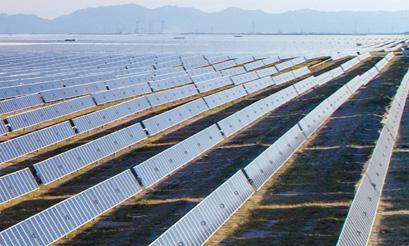
In comparison to US and Australia, Europe still has a low solar market penetration, thereby pointing toward a greater market potential. the company expects to see its greatest short-term growth in Southern European cities, which have greater sun exposure. Otovo is already planning additional expansions in the region. If it is able to sustain its momentum, the company plans to launch in eight additional European countries by 2023, an potential representing 40 percent of the European market, according Aizac. In the long term, the company looks to exploit the residential density of European countries, which represents a market double that of the United States.
Otovo’s success proves that online marketplace spaces can be a boon to any industrial sector, even the somewhat convoluted energy market. the company’s application created a virtuous cycle that yielded greater transparency for homeowners and raised financial prospects for the installers that receive well-defined projects. this increased market confidence for both sides, as Otovo also handles the money collection and payout. Currently, the company has a network of 500 of installers, although it is confident it can increase this database further.
Looking toward future market opportunities, the company is exploring three main avenues: battery storage development, leasing options and an entry into the Brazilian market. t hough a move to the Mexican market is less likely for the time being, Aizac confirmed the company is exploring the o ption too.
Battery storage technology has become commercially accessible and an attractive addition to people looking to consume more of the energy they produce, while reducing the energy bill and having energy stored in case of emergencies. Aizac said this is becoming increasingly relevant in the face of the world’s interconnected energy dependency, as exposed by the Ukraine crisis. “Batteries are now becoming
a relevant investment for homeowners, as you can consume more of the energy you produce, reduce your energy bill and benefit from emergency energy,” summarized Aizac.
Addressing finance, a main barrier to entry for solar energy, the company is working
on the development of a leasing service that would allow end users to bypass the full payment option, which proved to be a dealbreaker for many would-be buyers. Otovo said it will collect more data to be able to construct its solar as a service (SaaS) solution.
A GLOBAL RESHUFFLE FOR LOGISTICS AND KEY COMPONENT MAN UFACTURING
Solar energy generation technology companies where blindsided by the overnight supply chain stress produced by the COVID-19 pandemic, which led to price hikes on input materials, variant outbreaks and shipping container bottlenecks. Like adjacent market sectors, solar companies, too, saw themselves obligated to adapt and learn to mitigate the risks in front of them. As industry leaders anticipate a return to pre-pandemic economic activity and fluidity, companies look forward to refining their processes and new market oppo rtunities.
Mexico’s energy market came under considerable strain during the pandemic from both heightened end-user and industrial demand from a booming e-commerce sector. t his stands to be further complicated by rising logistical costs, which are effectively undermining Mexico’s nascent solar energy sector. “ the
intersection of international and domestic logistical challenges has effectively put Mexico’s photovoltaics panels sub-sector on pause,” said roberto Moreno, Director General, Solar Power Group.
Global interconnectedness has many recognized benefits, but it has also made companies more interdependent, which proved to be a challenge during the global pandemic. t he COVID-19 pandemic, and now the Ukrainian crisis, have driven a dramatic rise in logistics costs, rising container costs from US$1500-US$1800 to US$14,000 just two weeks ago. t his is on top of domestic logistical challenges such as tax disputes between national institutions and foreign market players, thereby straining and undermining a stilldeveloping market sector.
As an international equipment manufacturer, Huawei relies heavily on

the fluidity of supply chain mobility across the globe. t he company prepared for potential disruptions and contemplated reactionary countermeasures but this proved to be ineffective given that the company could not anticipate where these disruptions would manifest along its supply chain. the most impactful challenge where COVID-19 outbreaks, which in one case slowed production down to a trickle and forced the company to push back on delivery times. Identifying that it needed better vertical visibility, the company organized its known inputs, assets and referenced market forecasts to calculate timeline estimates so that it could relay this information to clients. “Planning strategies allowed us to combat the lack of containers and increased logistics costs. We had to adapt to advanced demand models and adjust delivery times,” said Kevin Gutiérrez, Vice President of Inverter Business, Huawei Mexico.
Uncertainty was another factor hindering the market. Nevertheless, the pandemic fostered digitization, which will assuredly create a better return on investment in the long-term, according to Sergio rodriguez, Manager Mexico & Latam, Solis. the energy plant project Solis had planned, meant to grow its productive capacity from 5GW to 20GW, was slightly delayed. Prioritizing local relationships with its global partners
was key, especially as an internal exporter. to gain better control of costs, the company opted to discuss monthly, weekly and even daily demand of semiconductors, prompting the most demand and datadriven project the company has led and a necessary one given how constricted the market had become. Moreover, the company also expanded its provider network to be able to complete its project said rodríguez.
the logistical challenges that arose helped to drive innovation in the sector, forcing companies to think of creative solutions. However, it was the freshly approved solar projects that suffered, which were on the receiving end of price hikes as a result of higher input costs and logistical taxes. Still, some of the mitigating strategies that were developed culminated in a more efficient and productive operational process. t his was the case for LONGi, a company that even managed to include volatility in prices within contracts, a previously unthinkable tool in the sector. “ t he process in still incomplete, but the pandemic has exposed fault lines that will become tomorrow’s business and operational standards. Demand has not fallen and as prices stabilize or destabilize, market players will be able to react based on wisdom,” said Ivan r eyes, Utility Director, LO NGi Solar.
HYBRID PROJECTS HAVE POTENTIAL IN MEXICO: CAPWATT
Decarbonizing energy production and reducing emissions has become a global priority. Hybrid systems that combine the most competitive renewable energy technologies are effective at optimizing efficiency while delivering clean energy, in hybrid installations. What is more, they can be further complemented by storage systems, said João Gama, Business Development Director, Capwatt, an option that has been pioneered in M exico too.
A hybrid system is an electricity generation system in which two or more power producing technologies operate in
conjunction. Such a system can be based on conventional energy, renewable energy or storage systems, all of which share an access point and connection to the electrical grid or to the internal network of a consumer. “Hybrid projects with renewable technology make sense when its power generation profiles can complement each other in order to mitigate the variability and intermittency of renewable resources, often based on wind and solar energy,” said Gama.
Some of the most common hybrid blends involve either wind and solar, small-scale
hydro and solar, or solar and storage, among others. Hybrid systems efficiently complement technologies, allow for better forecasting and generate a better overall generation profile. Furthermore, they allow users to make better use of natural resources and ensure that the power produced is of better quality and with a higher reliability, to the grid operator’s benefit, said Gama. Battery storage technology specifically boosts energy security and the push to reach climate change goals, efficiently integrating power systems and improving the stability, flexibility, reliability and resilience of the power grid, agrees the International Energy Agency (IEA).

“Hybrid
projects with renewable technology make sense when its power generation profiles can complement each other in order to mitigate the variability and intermittency of renewable resources, often based on wind and solar energy”
João Gama
Business Development Director | CapWatt
t hough more investment is needed to generate a higher level of consumer trust for their implementation, IrENA emphasizes that hybrid systems have a bright future ahead. Although the installed capacity of battery storage is still relatively small, it is a the market segment experiencing rapid growth, as it shows dropping costs and strong improvements in performance over time.
Hybrid projects, including those with battery storage, still have not been developed steadily in Mexico, said Gama. He highlighted the “major advantages” that the country has in terms of its geographical conditions and renewable energy potential. “CrE recognizes the importance of storage. It is developing policies and a legal framework to improve its adoption,” Gama said.
Applied to on-site generation systems, hybridization offers energy efficiency optimization and benefits in terms of savings, explained Gama, who added that there is a wide range of technologies that can adapt to unique client needs. Among the optimization benefits, Gama sees an “increase in load factor for renewable facilities, an efficient back-up energy source, a way to reduce risk of unpredictable intermittency and possibility to lower the environmental impact.” In addition, these systems generate more power, save more costs and reduce the need for separate permits.
Mexico has a wind and photovoltaic solar hybrid project in Ojuelos, Jalisco. La Paz, Baja California houses two photovoltaic solar and battery storage hybrid power plants. Gama outlined Capwatt’s participation in Portugal’s Graciólica project. “We established a long-term alliance for the development, operation and maintenance of the hybrid renewable project in Graciosa Island.”
the hybrid micro-grid project at Isla Graciosa has a capacity of 4.5MW through its wind farm, 1MW through its solar plant and 7.4MW via a battery system, which provides 2.6 MWh on its own. Capwatt’s own corporate office also features a hybrid project, said Gama. t he office boasts a system featuring onsite solar generation, in addition to battery storage systems of 320KW and a network to distribute electricity, thermal energy and water to over 25 consumption points.
SOLAR HEAT IS CRUCIAL FOR INDUSTRY DECAR BONIZATION
Industrial processes are on the path toward decarbonization by using renewable sources of energy. Heat remains the most frequently used form energy around the world, but most of it is generated through fossil fuels. Solar heat systems can meet this massive
heating demand sustainably, making net-zero manufacturing a tangible reality, said Katia Bernal, CEO, CItrUS.
In countries where agriculture, textiles, cement and food processing industries are
important industries, solar thermal energy can provide the hot air and water needed for curing, drying, dyeing, washing, boiling, pasteurizing and sterilizing, according to IrENA. Solar heat helps replace fossil fuels used for heating processes, including natural gas, LP gas, diesel and fuel oil. Using these polluting fuels is no longer sustainable, said Bernal, as companies operating in Mexico such as Bimbo, Unilever and Coca-Cola have committed to net-zero goals toward the near future.
“Heat represents around 67 percent of Mexico’s energy demand. t he sun is an unlimited renewable heating source, capable of meeting this demand. All the products we see at the supermarket need steam and water to be produced,” said Bernal.

“Under a Heat Purchase Agreement (HPA), companies require zero initial investment. CITRUS installs and operates the system and the client pays a constant price for its clean energy.”
Katia Bernal CEO | Citrus
energy consumption. Half of this demand is below 400°C, show I r ENA’s numbers. Currently, around 40 percent of industrial primary energy consumption is covered by natural gas, another 41 percent by fuel oil. thermal solar has the potential to provide 15EJ of heat by 2030, which is around 10 percent of the total global industrial energy demand.
CItr US has already developed solar heat projects in Mexico, said Bernal. At Unilever, the company installed a system to generate hot water at 80°C and processed water at 110°C. t he solar heat system was also implemented at another company in Mexico, where they heat 9000 liters of water a day at 120°C, cutting 114 tons of CO2 emissions per year and saving 76,000 liters of LP gas.
Despite the technical potential and economic benefits of using solar heat in industrial processes, development levels remain quite low due to poor policy-making and high upfront investments, which are usually barriers for small and mid-sized companies, proves IrENA.
the integration of solar heat into industrial processes is not always easy, explained Bernal. However, companies like CI tr US, which has 15 years of experience, engineer these systems to be integrated optimally in industrial processes. “Our system reduces costs and CO2 emissions in several industries, such as food and beverages, mining, automotive, chemicals and pharmaceutical production, among others.”
Globally, industrial process heat accounts for more than two-thirds of the total industrial
t herefore, offering different purchasing options is important for clients, said Bernal. “We offer an option where clients buy the project and benefit from tax incentives, while getting an rOI between 1 to 5 years. However, CItrUS also offers leasing, where clients pay a monthly fee. By the end of the contract, they have the chance to buy the system at its residual cost.”
More of these options are materializing in the market, added Bernal. “Under a Heat Purchase Agreement (HPA), companies require zero initial investment. CI tr US installs and operates the system and the client pays a constant price for its clean energy.”
MEXICO COULD HAVE BRIGHT FUTURE AS SOLAR MANUFAC TURING HUB
As Mexico continues to enjoy the benefits of a nearshoring boom that is restructuring investments across all the country’s
industries, the possibility of developing globally competitive manufacturing capabilities for solar energy components
becomes increasingly viable, according to energy sector experts.
Javier romero, General Manager, EcoValue, established the groundwork for this positive perspective by claiming that “the size of the economy and Mexico’s place within the sunbelt are some of the country’s competitive advantages for solar manufacturing.” In romero’s view, these conditions should be enough to clarify why the establishment of a manufacturing hub in Mexico is a worthy investment. t he advantages extend to both the manufacturing of photovoltaic solar components as well as thermal solar elements.
As President of Solarever, Simon Zhao also believes in the manufacturing potential of Mexico: “Mexico represents a massive market with ample solar resources. We also have high energy costs. these conditions increase the potential for the consolidation of solar generation and its entire production chain,” he said. Zhao believes that energy costs as defined and offered by some of the market’s most important power brokers, such as CFE and PEMEX, are currently too high when compared to the country’s available energy resources. In Zhao’s opinion, Mexico’s solar resources are competitive at a global level, not just in a Latin America comparison. He also highlights the enormous opportunities generated by the country’s proximity to the US, which would almost definitely become
central to Mexican solar manufacturers despite the size of the Mexican market. Mexican manufacturing and logistical capabilities need to be developed with the US in mind to generate the amount of investment needed to make Mexico reach its full potential as a solar manufacturing hub. Zhao also highlighted the question of innovation and technological development as central to the manufacturing sector’s growth: he noted that Solarever works with American engineers and UNAM researchers to address what he argues is a “lack of continuous innovation” in the Mexican solar market.
t he nearshoring boom is creating opportunities for Mexican solar manufacturers as more project developers understand the benefits of shorter supply chains, less regulatory expenses and simpler logistical systems. “We have become aware of the efficiency of shorter supply chains. Mexico has a privileged position as it connects with the US market and is also a platform to Central and South America,” said Daniel García, Director General, Módulo Solar. García claims that Mexico’s position is also benefited by its renown in the general manufacturing environment. As he puts it, “In Mexico, we have a long manufacturing tradition. We have skilled labor, good engineering and competitive costs, all attractive characteristics for manufacturing investment.”

t he growth of Mexico’s solar energy industry may also generate a growth in solar manufacturing through a natural maturation process, suggested Luis Calderón, CEO, Solarvatio: “Now that the Mexican solar energy market matures, it will move toward the development of manufacturing around the solar economy.” However, Calderon also noted that installers need to play a more active role in this process. “We must transit toward developing demand for components to be made and bought in Mexico by installers. As project developers, a larger awareness regarding the need to buy Mexican components should be fostered, along with an understanding from manufacturers that supply lines need to be kept as national as possible in order to generate real collective b enefits.”
Katia Bernal, CEO, CI tr US, argued that incentives must be put in place if Mexico is to become a solar manufacturing hub. “ t here is a lack of financing incentives for solar manufacturing companies. We need more local suppliers,” she said. Bernal underscored that Mexico’s interest rates are not a great incentive for investment at the moment, so the industry needs to make itself more robust by securing a diverse portfolio of financing
options. “Certainty and confidence in the regulatory framework are the best incentives needed for local investment in the solar industry,” added Bernal. She also noted that a “manufacturing hub needs to have objectives in common. Incredible synergy can be found between competitors, but a more amicable environment in which clients are not given any reason to mistrust the technology is essential. t his mistrust can develop when competitors are constantly spreading rumors about each other.” romero agreed, noting that “competitors badmouthing each other ultimately affects us all. It has the potential of discouraging both national and international investment.”
All experts agreed that local content requirements were bound to increase over time, creating more incentives to grow national manufacturing capabilities. t he use of local content also becomes an issue of logistical response times: more local content means a higher degree of reliability when responding to issues. Zhao noted that the presence of national investors is already significant. t his activity can be boosted by further public sector involvement, including CONAC yt investment in renewable energy projects for factories and manufacturing centers..
SONORA PUTS ITS ENERGY AMBITIONS ON THE TABLE
Sonora is on a path to become one of Mexico’s most important states for renewable energy development, as well as a benchmark for political strategies that benefit the acceleration of Mexico’s energy

“We believe there should be no conflict between the aims of social justice and those of the energy transition. Ending poverty, guaranteeing energy security and attracting investment must be the end goals of all policy design”
Dr. Alfonso Durazo Governor | State of Sonora
transition, according to Sonora Governor Alfon so Durazo.
t he infrastructure development plans of this state government centralize energy and logistics to take as much advantage as possible of Sonora’s privileged geography. Among the state’s advantages are 179,000km of strongly solar-irradiated territory, 800km of Gulf of California coastline and over 580km of borders with the US, specifically with the states of Arizona and New Mexico. t he benefits that these characteristics provide have led to the development of the ‘Northwest Gate’ infrastructure development strategy, one of the most ambitious of its kind. the
strategy includes the expansion of the port at Guaymas to double its capacity and become a competitive logistical option for the North Pacific region, the development of so-called ‘fiscal corridors’ to facilitate the transborder traffic of merchandise, the renovation of six border crossings and the construction of the GuaymasChihuahua highway, among other key construction works.
t hese infrastructure ambitions are tied to Sonora’s energy ambitions. t hey will be an important part of Sonora’s goal to become a net exporter of energy, a high-minded goal considering that Sonora is one of Mexico’s biggest energy consumers and one of the highest paying energy markets, partly due to the state’s climate-related peaks in both summer and winter. Sonora wants to build an energy ecosystem in which state, federal and private investment is integrated into Sonora’s energy supply chains. t his includes the mining of key minerals, or as Durazo put it, “ t he ecosystem will also allow for the extraction of rare minerals such as lithium, which will allow Sonora to strengthen electromobility and facilitate technology for the installation of the largest solar park in the Americas.” Durazo furthermore plans to prepare Sonora for a future defined by electromobility by creating investment plans that lead to
the construction of an electric vehicle (EV) charging station network, as well as other large-scale electrified transportation infrastructure projects.
Durazo highlighted one of the center pieces of the government’s overall energy transition strategy, the Puerto Peñasco solar park. With a gigantic capacity of 1GW, it will be the largest solar energy generation project on the continent and the seventh-largest in the world. However, Durazo mentioned that state investment is also focused on distributed generation (DG) projects and other small power plants that seek to build stable energy for smaller and more independent communities in the State. Durazo’s government aims to integrate the development of indigenous communities into these plans by creating special economic zones where these benefits can be shared. “We believe there should be no conflict between the aims of social justice and those of the energy transition. Ending poverty, guaranteeing energy security and attracting investment must be the end goals of all policy design,” said Durazo. t he gravity of Sonora’s vision is consolidated in its objective to have 100 percent of all energy consumption by the state government come from renewable sources by the end of the administration in 2027. “Sonora is open for business and clean energy,” conclud ed Durazo.
THE CASE FOR A CONSTITUTIONAL ENE RGY REFORM
t he institutional framework drafted in the 2014 Energy r eform has put state utility CFE at a competitive disadvantage compared to private energy producers and failed to reach its intended objectives, said Mario Morales Vielmas, Director General of Legacy Contract Mediation, CFE. According to Morales, it is now crucial to step in and avoid the institutional entrenchment of a framework that does not serve the people of Mexico. Charged with the responsibility of providing and safeguarding a public good, the state should play an active role in the ener gy market.
“Energy generation is not a commodity in the way that private energy producers treat it. today, we can see the negative results of this perspective,” said Morales. Prior to the nationalization of the energy market in 1960, private energy producers had only brought the grid to about 45 percent of Mexico’s inhabitants. t hese power producers where mainly concentrated in urban and industrial centers where they could profit from a concentrated market demand. t herefore, companies left the country’s rural fringes untouched. Following the sector’s nationalization, it would not be until 1996 that private players were allowed
to participate in the market again. From that point forward, CFE would play a primary role in providing grid access to 94.7 percent of the population up to the year 2000. Even if it is at times considered to be inefficient, the state company has been key to providing access to electricity as a public good.
“The
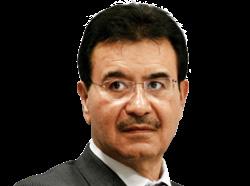
government attempted to make minor changes to regulation before resorting to promoting a constitutional reform. However, these previous attempts were stopped by private sector lawsuits”
Mario Morales Vielmas
resistance by the private sector: a total of 4,250 amparos suspended the measure only day after it was published.
“the government attempted to make minor changes to regulation before resorting to promoting a constitutional reform. However, these previous attempts were stopped by private sector lawsuits,” said Morales.
General Director of Intermediation and Legacy Contracts
| CFE
Private power producers have not been afraid to flex their newfound legal protection, but their production capacity remains significantly lower than CFE’s. Private companies currently generate 30 percent of Mexico’s total consumption, CFE produces the remaining 70 percent. Moreover, the selfsupply legacy market meets 15 percent of the country’s energy demand, working through what CFE calls a “black market” rife with illegal partnerships and unpaid wheeling charges.
After achieving near-total coverage, the public focus shifted toward developing renewable energy resources in the face of climate change’s ramifications. to propel the country toward its objectives in a timely manner, state leaders had to reconcile the use of legacy infrastructure built by CFE over decades while harnessing the efficiency of the private sector. the resolution to this challenge was the 2014 Energy reform, a sound first attempt at addressing the inefficiencies of the utility. However, the reform’s “deliberate fragmentation” handicapped the company, said Morales. “As a result of the 2014 Energy reform, CFE was fragmented into subsidiaries, which reduced its ability to compete economically,” he added.
After realizing that the Energy reform failed to engender the changes necessary to meet policy objectives, the current government opted to refine it. t he revised Electricity Industry Law (LIE) proposal sought to meet shortfalls regarding grid reliability, distribute clean energy certificates (CELs) fairer, to actualize the cost of transmission, fix issues regarding the pre-2014 reform’s legacy market and include COVID-19 containment measures. the finalized proposal, introduced in March 2021, was met with overwhelming
Overall, the rise of new power producers obligated CFE to purchase energy via auctions. However, Morales underlined the proposed changes the energy reform failed to produce as the most important. the reform did not manage to reduce electricity costs, guarantee the supply of energy to all people, create an organized energy transition or prevent fiscal malpractices. Considering these failures, the federal government now wants to control 54 percent of all energy generation. President López Obrador does aim to respect the private capacity already in place, but new expansions should be made solely by the state utility.
“ t he State must regulate the sector to prevent that the electricity market’s power is handed to a few private groups,” said Morales, who pointed toward the issue of Spain. In the Spanish electricity market, prices have surged because a small group of power producers decided to control their output to manipulate prices in their favor. For this reason, Morales argues that the state needs to oversee the market. “ t he Spanish government wishes it could do what the Mexican government does now,” he concluded.
ENERGY IS CRUCIAL FOR MEXICO’S VARIED INDUSTRIES
Energy plays a critical role in the development of countries. Industries across Mexico are increasingly demanding more electricity, but most of the grid was built when this demand was substantially lower. While this poses a challenge, an open market and dialogue with all stakeholders can help to fix problems and keep Mexico competitive in the global market, agreed industr y experts.
“ t here must be electricity for everyone, without blackouts. to reach competitive prices, an open market is essential. Mexico needs a strong CFE and consumers must comply with the Grid Code. transmission and distribution should keep pace with the country’s growth, too. We must continue transitioning toward clean energy, respect the rule of law and see private investment as a complement to CFE’s business,” summarized Carlos Hernández, Vice President of renewables, COPAr MEX.
Mexican industries face diverse energy challenges, including electricity demand, generating sufficient heat and facilitating the sustainable transition to renewable energy consumption. Following 2015’s Paris Agreements, Mexico committed to generate 35 percent of its energy using clean sources. to measure compliance with these emission reduction goals, Clean Energy Certificates (CELs) were created. CELs certify that an adequate percentage of the electricity
consumed by users comes from renewable energy sources.
CELs and Energy Attributes Certificates (EACs) will continue to play an important role in the automotive industry, said Diego Arjona Argüelles, President, CANACINtr A’s Energy Commission: “ t he Mexican automotive industry is enormous. Beyond OEMs, suppliers across the entire value chain that export parts to North America or the EU may need to prove that their operations are sustainable. traceability therefore plays an important role in the industry.”
the automotive industry is one of Mexico’s most important sectors, contributing around 3 percent to the country’s GDP. Automotive manufacturing has become more complex during the past decade, both due to advanced vehicle technology and automated manufacturing. In 2013, light and heavy vehicle production consumed 3883.3GWh, making it the tenth largest energy consumer in the country, reported the energy ministry.
Another important industry for the Mexican economy is the mining sector, which represents 2.3 percent of the country’s GDP. Energy is one of the biggest expenses for mining companies, constituting approximately 30 percent of total cash operating costs, according to Deloitte. Energy management solutions offer significant opportunity to the mining sector. Companies can reduce energy consumption by 15 to 20 percent in their existing mines through an effective energy management program, as well as up to 50 percent in new mines by designing them with energy efficiency in mind.
renewables are set to become a mainstream energy source for mining companies, as they have the possibility to lower operating costs and improve their safety, reliability and sustainability. In Mexico, the mining industry was the fourth largest energy consumer during 2020, consuming over 10,800GWh, said Gustavo Ortega, President, CAMIMEX’s
Energy Division. “the mining sector is actively working to reduce its carbon footprint. thirtyone percent of the energy it consumed in 2020 came from renewable energy sources. We are also focusing heavily on energy efficiency.”
the energy sector’s own manufacturing is increasingly seeing Mexican participation. “the presence of national components in wind energy’s supply chain was close to zero in the past. Currently, more parts of wind turbines are being manufactured in Mexico. Nevertheless, legal certainty is crucial for more investment to arrive and increase this participation,” said Ortega. Mexico is also a major producer of transmission and distribution cables and transformers, said Arjona. t here are over 110 cable manufacturers present in the country, creating a MX$50 million (US$2.5 million) yearly business, according to Market Data Mexico. Nuevo Leon, Baja California and Sonora are the major cable producers in Mexico.
Energy drives the development of Mexico’s industries, said Hans Kohlsdorf, Founding Partner, Energy 2 Market. He pointed out that
most of the grid was built when electricity demand was not as high as it currently is. “Natural gas use has increased and Mexico has a great opportunity to produce it itself instead of importing from the US,” said Kohlsdorf. Mexico has a big opportunity to grow its industry and continue being a key US trade partner.
Social issues continue to grow in importance for various industries. However, it has always been at the core of the mining business, explained Ortega. “We work in marginalized areas. When mining arrives to these communities, roads, schools and positive community engagements are developed,” he said. Long-term energy auctions should include this social angle, said Hernández: “Contracts should be given to companies that have the biggest positive social impact, beyond the ever-important business case.” Discussing the current potential changes to the regulatory framework of the 2014 Energy r eform, the experts agreed that it is important to listen to all stakeholders before taking a decision, including players from different industries.
THE BENEFITS AND RESPONSIBILITIES OF A SUSTAINABILITY PARTNER
Suppliers of renewable energy are becoming aware of how much their clients need them to build a much broader spectrum of options and services that can reflect a sustainable image and agenda, according to Enel Green Power’s Head of Sustainability, Montserrat Palomar.
t he rise of new roles for clean energy producers, such as Energy Advisory and Sustainability Partner, happened in response to corporate incentives that make sustainability an incrementally larger part of company identities. Some corporations are looking to completely overhaul their organizational paradigm to sincerely fulfill social responsibility goals, whereas others are simply adapting to new legal requirements or customer demands. As Palomar put it, “Consumers are increasingly
considering social and environmental issues when making their purchasing choice. this leads companies to bet on Corporate Social responsibility (CSr) strategies.” In her view, it is not the role of a sustainability partner to question or interrogate these motives but to align themselves with the causes of each company. t he partners should use these incentives as a springboard to insert sustainability goals into every facet of a company’s strategy. “Sustainability is no longer an added value but an integral part of business strategy,” insisted Palomar.
According to Palomar, sustainability solutions are not created in isolation, particularly when it comes to energy use. therefore, a good sustainability partner advises clients to adopt an ecosystem scheme where the impact of actions and the development of
supply chains are continuously considered. Sustainability partners generate value for their clients but do not seek exclusivity in their relationships. t his associate might already be the same company that supplies the client with green energy, but does not aim to be the client’s only supplier of this kind. In other words, a sustainability partner seeks to expand its range of services and advisory so that it can avoid conflicts of interest, which generate decisions that only benefit the partner.
Palomar believes that cleaning up a client’s energy consumption model can solve many sustainability issues at their root. therefore, clean energy producers and suppliers are ideal for the role of sustainability partner. t he impact generated by clean energy consumption, especially by large corporate entities, is immediate and reaches further than other possible changes. Palomar also argued that energy companies also need to point a critical lens inward and address sustainability issues in the construction of renewable energy power plants. Sustainability integrates social goals and
deeply respects human rights, so the environmental impact of renewable energy construction projects is just as important as its impact on communities. Overlooking this issue can lead to unfortunate situations, exemplified by the social turmoil at some wind farms in Mexico’s southeastern states. “ t he value of clean energy needs to be democratized,” added Palomar.
Ultimately, one of the most important functions a sustainability partner fulfills is offloading the client’s environmental and social risk. If this associate does the research and networking necessary to guarantee that all companies in a supply chain have strong commitments to sustainability, climate action and human rights, the client can lean on this information to make contracting and purchasing decisions in a risk-free space. “We can ask suppliers for specific metrics and evaluate them. Our ultimate goal is to guarantee the social and ethical performance of all companies involved so that those achievements can be added to our own and become part of our value and service offering to clients,” concludes Palomar.

THE NEW HOUSE RULES: GRI D CODE 2.0
Building on acquired experience and acknowledged shortfalls, Mexico’s Energy r egulatory Commission (C r E) recently drafted and published the Grid 2.0 Code.
the code is an important tool to safeguard the desired efficiency, quality, reliability, continuity, safety and stability of the National Electric System (SEN). While
the verbose and complex document may present challenges for market players, satisfying new compliance standards will help bring greater stability to the country’s grid even as it faces an accelerated energy transition.
“It is not about moving against or in favor of certain groups, but rather about thinking in a more social mindset that considers all end-users,” said Héctor Beltrán, Member of the Board of Directors of the International Council, CIG r E Mexico.
When the entire energy market was controlled by CFE, there was no need for an exceedingly complex national energy grid. t he introduction of the 2014 Energy r eform changed everything- Within two years, CFE had constructed access to the grid for a wide variety of companies. t he reform’s purpose was to provide an equal playfield in which market participants could participate and avoid overcharges, disruptions and blackouts. As problems arose over time, it became clear that the previously guiding framework and compliance standards needed to be adapted in order to bring better stability to the grid.
“Mexico’s energy grid has learned from various best international practices and applied them domestically,” said Alejandro r eynoso, Director, Diram. t his knowledge comes partially from the commitments outlined in the 2015 Paris Agreements. t his has not been a simple process but it has been worthwhile, explaine d r eynoso.
Challenges to Implement Ahead
t he Grid Code 2.0 brings along various challenges with its aim to address discrepancies at interconnections and load centers. t his a previously unmonitored environment, said Monica Samudio, Country Managing Director, Circutor. those that need to comply face a time crunch in which they are expected to prepare and meet new compliance standards. One of the biggest changes comes for companies in medium voltage with a load center demand of above 1MW. Before, these players were formally only required to balance current. Now, they need to mind the power factor and quality too.
Energy users must come up with an approach informed by a detailed grid study that indicates where their shortfalls are so that they can address them swiftly. As to how much it would cost to comply, Samudio suggests to get close to companies with experience in the matter first to establish an adequate, costeffective plan first, before worrying about the price. A greater energy efficiency because of this plan’s implementation would be a major added benefit. “In any case, compliance will be cheaper than paying fines,” Sam udio said.
t he new Grid Code is an expansive document, detailing many specific functions and responsibilities for each market player, which includes CFE and grid operator CENACE. Consequently, the principal challenge for many will be accessing the right technical-regulatory

expertise. t his requires close study to understand the code’s implications and strict implementation of remedies, all while dealing with several gray areas, said Hector Beltran, Member of the Board of Directors of the International Council, CIG r E Mexico. A failure to refer to experts will likely lead to erroneous works plans, involving costly mistakes ranging from missing compliance standards to unnecessarily following compliance standards required for other functions.
Load centers are becoming more efficient, yielding a greater holding capacity. t his leads to greater a vulnerability for the grid, as the bigger size comes with a matching capacity to cause disturbances. Good connection standards for load centers are therefore of the essence. Adequate planning, operation and coordination will be important as the system faces continued challenges regarding intermittency and other disruptions while
efficiently transporting energy from source to end users.
t he experts agreed that C r E’s formation of a knowledgeable consulting committee had been a wise move, as it allowed experts from both public and private sectors to combine their knowledge. r elying on a single institution to create regulation would be suboptimal, argued the experts. t herefore, C r E should continue to open its doors for industry participants and specialists to refine the Grid Code further. Ultimately, the Grid Code 2.0 dictates how players should act within the system, aiming to protect the SEN from disruptions. It therefore stands outside of the regulatory noise within the Wholesale Electricity Market (WEM), as the document does not mention anything regarding tariffs, power purchase agreements (PPAs) or energy costs. “ t he Grid Code’s use will not change, which is a strength,” conclude d Beltrán.
REDUCING RISKS, BUILDING LEGAL PRECAUTIONS IN ENERGY CONTRACTS
Despite its strong recent growth, the energy sector is going through uncertain times due to regulatory issues, which erode the trust of players aiming to close long-term power purchasing agreements (PPAs). Although this uncertainty remains a reality, it is possible to continue doing business in the energy sector by taking
all legal precautions and understanding the nature of contracts to mitigate risks, agreed industr y experts.
“ t here are several contracts that were signed a long time ago, when situations such as the pandemic or the current electricity reform proposal were

almost unimaginable. Contracts must be structured to protect both parties. t he main concern is to understand everything about contracts, including their implications. It is vital to comprehend all its components from the very beginning, as well as its future scenarios and risks,” said María José treviño, Country Manager, Accla im Energy.
the number of energy companies competing in the Mexican energy market has grown exponentially over the past years. New available options created different contract risks. Other more external factors, such as the Ukraine and r ussia conflict elevating gas prices, higher exchange rates and rising inflation caused further threats to stability. All this risk must be shared between the seller, buyer and intermediaries, said Diego Arriola, Founding Board Member, NxtLab. Getting rid of Mexico’s pre-2014 Energy r eform legacy self-supply contracts therefore makes sense, since these contracts are outdated. “the migration toward the new Electricity Industry Law (LIE) was expected. Self-supply contracts have a deadline defined in the interconnection contract, too. PPAs must be transformed optimally way to distribute risks,” Arriola said.

“You must consider the environment and current uncertainty. Both client and supplier should be aware of the situation and understand the contract they are signing.”
to sign up when rates are low and offer greater flexibility to shop around for better rates when contracts run out. Long-term PPAs offer stable and predictable rates, but require a greater level of commitment, according to Constellation. Even climate change itself has become an additional risk regarding changing contract terms, pointed outEdmond Grieger, Partner, Von Wobeser y Sierra.
the Mexican energy market evolved rapidly and already boasts a lot of investment and strong internal competition. However, it is still not a buyer’s market, said Santiago Villagomez, CEO, Energía r eal. “It is a strange situation for the sector. Legal uncertainty is driving all players to more complicated negotiations and contracts with different terms.” regarding distributed generation (DG), Villagomez explained that short-term commitments are thwarting business due to DG’s unique offer compared to self-supply and qualified supply. “When clients ask for shorter terms, it becomes complicated. In DG, you must be able to amortize the investment for a particular project on the long term.”
Qualified supply is the supply of electricity within the wholesale electricity market (WEM) to industrial customers who have electricity demands over 1 MW, explained Lilian Alves, Director of Strategic Planning, Mitsui & Co. Power Americas. Contracts must be revised with close attention, she agreed. “ you must consider the environment and current uncertainty. Both client and supplier should be aware of the situation and understand the contract they are signing.”
& Co. Power Americas
Lilian Alves Director of Strategic Planning | Mitsui
t he first set of risks in energy contracts includes factors affecting the base level of fees charged, including their credit, billing and renewal. Another important decision is whether to make short-term or longterm contracts. Currently, legal uncertainty is driving players to prefer short-term commitments, which create the opportunity
Sometimes, clients need help to understand all the components within contracts, said Alves. “We translate concepts and make comparisons for clients so that they feel more comfortable with what is written.” Mitsui also runs simulations of bills before signing contracts. “ these simulations cover normal cases, aligned with what is expected, as well as unplanned phenomena such as a higher gas price or increased CFE rates. the simulations allow the client to understand the
contract, providing them with knowledge so that they feel more comfortable throughout the contract’s term.”
Navigating the Mexican energy market is no easy endeavor. However, having internal organization, external support and access

“Hydroelectric power arrived in Mexico at the beginning of the 20th century, the first installations were located at textile factories.”
Jacobo Mekler President | AMEXHIDRO
to the right advice can help companies reduce costs, mitigate risk and secure an improved energy reliability, said treviño.
PPAs must be explained to clients by outlining their consumption profile, the product they buy, the final price to be paid and possible penalties in case the contract is canceled. Further information regarding permits and regulations, as well as about factors like force majeure situations or regulatory changes should also be provided, said Arriola. Understanding and future-proofing contracts in the energy sector is more important than ever amid global uncertainty, settled the energy experts.
SEEKING CLARITY REGARDING THE POTENTIAL OF HYDROPOWER
Deciding how important hydroelectric power will be in the energy transition and in a hypothetical future clean energy matrix is complicated, given the many advantages and disadvantages that must be weighted against each to reach a proper conclusion, asserted Jacobo Merkler, President, Mexican Association of Hydroelectric Energy (AMEXHIDrO).
Merkler established that hydropower might be the oldest of Mexico’s renewable energy sources: “Hydroelectric power arrived in Mexico at the beginning of the 20th century, the first installations were located at textile factories.” Large hydroelectric projects such as Infiernillo and Chicoasen are fundamental chapters in the history of Mexican infrastructure and nation-building. According to the energy ministry’s numbers, as found in the latest PrODESEN, hydropower capacity in Mexico amounted to 12,614MW by the end of 2020. It accounted for 14 percent of Mexico’s total energy matrix and 44 percent of its renewable capacity. Most of this capacity can be found around Mexico’s Pacific coast, particularly in the states of Chiapas, Guerrero and Nayarit.
It is precisely in government documents such as the PrODESEN that a discrepancy arises
in the calculations for the future potential of hydroelectricity. Merkler compared the assessments made by the Ministry of Energy with those made by the National Commission for the Efficient Use of Energy (CONUEE). His findings were exceedingly unusual. CONUEE’s 2009 briefing claimed that future hydroelectric power potential in Mexico varied between 19,600MW and 53,00MW. However, SENEr found that potential to be 5,500MW in 2014 and 1,631MW in 2016. Merkler noted that this decrease is not common when measuring the potential of other energy sources, whether renewable or not. He then theorized that an important factor behind these irregularities may be that the underlying information is not being gathered and made available as it used to be. “We have stopped measuring the flow of rivers like we used to. this lack of data leads to these uneven conclusions,” he said.
Merkler believes that the advantages of hydroelectric power are well known and established: “Due to its dispatchability and ability to foster control, hydroelectric power allows other intermittent renewable energies to participate in the energy mix. While the development of a hydroelectric project takes between 7 and 8 years, its useful life is between 50 to 100 years. In Mexico, the average age of a hydroelectric plant is 46
years.” Hydropower’s investment needs are the highest when compared to popular renewable energy categories, costing US$1,800,000/MW, as opposed to wind’s US$300,000/MW and solar’s US$120,000/ MW. Nevertheless, its ability to generate a positive economic spillover regarding added value leaves wind and solar far behind.
t he disadvantages of hydropower can be more difficult to discern, since the social and environmental impact of each project must be assessed individually. All hydroelectric power projects must consider more than their territorial impact over neighboring communities and ecosystems, as do all renewable energy projects. y et hydropower projects must also consider the water rights of communities and farmers that could be hundreds of kilometers down the river. t herefore, all the legal and social risk calculations that come with hydropower projects increase their
complexity exponentially when it comes to development. “According to Mexico’s general water laws, power production ranks seventh in water consumption priority, behind human consumption, animal consumption, agriculture and other considerations. Furthermore, the Kyoto Protocols limit how much energy a hydro dam can generate in relation to the amount of land it has to flood, so that limits the scale of projects too,” emphasized Merkler.
t here is also the question of innovation: whereas solar and wind power technologies have evolved continuously over the past decade, reducing their cost and increasing their efficiency, hydropower components have changed little. Merkler concluded that a concerted effort from public authorities is needed to grant hydroelectric power its highest possible position in Mexico’s energy matrix. Nonetheless, the ambition that these developments could evoke must also be tempered with its li mitations.
KEY POWER PRODUCERS SHARE INSIGHT ON GLOBAL PRODUCTION TRENDS
t he COVID-19 pandemic underlined the importance of renewable energy resources, which in 2021 demonstrated their resilience in face of the pandemic’s challenges. What is more, private companies renewed their commitments to the energy transition through more aggressive ESG practices, with more than 21 percent of the world’s largest companies outlining net-zero commitments, said Ana Ludlow, Chief Commercial Officer, ENGIE. Combined, these demands are pushing energy markets around the globe to develop national energy transition strategies and generate more power while reducing fossil fuel dependency.
t he emergence of a global digital economy during the COVID-19 pandemic has highlighted the importance energy generation plays in the daily life of consumers and, by extension, the economy. Energy disruptions have a salient impact on economic productivity, most recently exemplified by the energy crisis Europeans
face on the back of a war between r ussia and Ukraine. Already, European consumers are seeing dramatic price hikes, which will have a reverberating effect throughout the economy. “Access to electricity is a human right to which companies in the energy sector must be committed,” said Gerardo Pérez, Vice President and Country Manager Mexico, EDF renewable Energy.
Although most economies have begun their energy transition years ago, the surge of energy demand during the COVID-19 pandemic confirmed that countries must accelerate their efforts. Solar and turbine technology has advanced dramatically. Even though cutting energy costs will play a role in fomenting greater adoption, it should be completed with complementary technologies, such as other renewable technologies, battery storage capacity, and data-analysis. “At ENEL, we have already begun to develop various large-scale projects involving solar, wind and energy
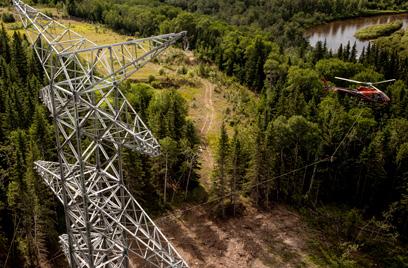
storage as a holistic and cost-competitive solution,” said
Bruno r iga, Country Manager, Enel Green Power Mexico. “ t he fact that renewable energy is fundamental to the energy transition is largely because of the efforts made by power producers years ago,” added riga.
renewable energy technology has gotten cheaper and more efficient. t he greater competitiveness that storage capacity provides can mitigate an important deficit in renewable energy generation. Current projections indicate that global battery capacity will grow 56 percent over the next few years, to reach an estimated storage capacity of 260GW by 2040. t his capacity can provide the control and flexibility needed to address intermittency, one of the biggest problems plaguing the use of renewable energy generation. Altogether, the potential to hybridize has made renewable energy technology the most attractive global option. renewables will like see an accelerated adoption in 2022 in the following four years to
come for this reason, according to the International Energy Agency (IEA). For now, the business case for hybrids needs to be built out further. “Markets are trying to define a standard for hybrid projects that incorporates battery storage,” said Freddy Obando, Vice President Mexico, Central America & Carib bean, AES.
In 2021, demand for renewable technology surged, in turn has renewing existing fears related to how to tackle its problematic intermittency. However, “ t he drive to decarbonize systems has convinced stakeholders that renewable energy is the go-to solution,” said José Luis García, CEO, Zum a Energía.
Public institutions and companies alike have understood that they cannot get in the way of the global energy transition. Emerging economies have trouble guaranteeing the reliability of their energy systems, especially in the global south where markets are not yet mature but grids are aging. New applications, such as data analysis applied to energy generation, stand to revolutionize the sector and make energy generation more efficient. “Data management will provide real-time insight into how the customer uses energy while producers analyze how they deliver energy,” said García.
Moreover, while the technology for the commercial production of green hydrogen is only at its beginnings, it will likely play a critical role in global efforts to decarbonize within the next years. t here are currently more than 350 pilot projects in development, which promise to add a 54MW of green hydrogen capacity to the global energy market. Its main inhibitor, as with many new technologies, is overcoming the technology-cost barrier.
TRACING THE DESTINATION OF MEXICO’S ENE RGY POLICY
As the legislative conversations surrounding the latest electricity reform head toward Congress’ spring sessions, currently available information can help clarify what the impact would be of this reform should it pass, said
Victor Florencio r amírez, Spokesman, Platform Mexico Climate and Energy.
ramírez believes that to calculate the impact of the current changes on the electricity
sector, the industry must take stock of what exactly changed first. Back in Dec. 2018, “independent energy producers had energy contracts that were valid until 2046 and self-supply legacy contracts were valid until 2039. t his included combined cycle generation and even some wind energy, along with considerable middle and long termauctions accounting for up to 9GW,” said ramírez. there were five major projects for the expansion of transmission infrastructure, considered necessary to solve problems for the national electricity grid.
t hat December, the government enacted several policies to halt these developments. this includes the cancellation of all further auctions, in a manner that ramírez Cabrera personally “considers to be illegal.” tenders for the construction of transmission infrastructure were canceled, although the Mexicali-Hermosillo transmission project was later relaunched as part of the 1GW Puerto Peñasco solar project. No further generation permits were issued and uncertainty crept up on the sector’s private initiative. Before the efforts to reform the sector materialized, the COVID-19 pandemic “is used as an excuse” to change CENACE policies in Apr. 2020. With

“The most expensive power producer we have in Mexico is CFE. Therefore, electricity costs will inevitably increase if the reform is approved.”
Victor Florencio Ramírez Cabrera Spokesman| Platform Mexico Climate and Energy (PMCE)
the alterations, no new intermittent power production was allowed into the system, effectively favoring CFE’s thermoelectric plants over renewable energy generation. By March 2021, a new reform was put on the table, which resulted in widely reported lawsuits and subsequent amparos. this led to a new proposal to change the constitution and avoid further lawsuits in Oct. 2021. the reform proposal will now be discussed by both chambers of Congress.
throughout these developments, ramírez noted that government officials were warned that the changes oppose the open market policies that could keep down energy costs, the original goal of the government. However, the chief criticism of these policies was their lack of environmental awareness. Many critics pointed toward the increase in fuel oil’s production and consumption as an example of negative outcomes for Mexico’s climate change mitigation goals. r amírez emphasized that the energy ministry’s own data admits the issue by calculating an increase in emissions for 2024 if the reform passes. Such a surge would not allow Mexico to meet its 2015 Paris Agreements commitments. t he Ministry of Energy’s numbers also claim that renewable energy generation would begin to recover by 2025, but r amírez highlighted that this will be impossible if renewable projects, many of them privately developed, do not begin their development at this very moment.
CFE’s data reveals that, should the reform pass, a lot of new capacity will be added through combined cycle plants. However, ramírez questions the degree to which this is possible if the utility’s six combined cycle
plants still in tendering processes are not finished by then. Furthermore, a decrease in self-supply and wind energy capacity due to several failing contracting modalities will also represent a serious blow to Mexico’s renewable energy capability.
Cabrera also argued that while the president has touted hydroelectric power as the most important aspect of his environmental energy agenda, CFE’s numbers do not
contemplate a significant increase in this kind of energy if the reform passes. t his could be explained by the expected drought conditions over the coming years. If the reform passes, the possibly largest cause of rising energy prices would be CFE’s bigger role in the energy sector. “ the most expensive power producer we have in Mexico is CFE. t herefore, electricity costs will inevitably increase if the reform is approved,” he concluded.
INDIGENOUS CONSULTATION, SOCIAL IMPACT EVALUATION DRIVE CERTAINTY
Developers are increasingly considering environmental, social and governance (ESG) factors as part of their analysis to identify material risks before following through with capital investment. Mexico’s regulatory environment provides the energy sector with guidelines meant to identify ESGrelated risk factors.
t he country’s stringent regulatory requirements were not meant as an inhibitor to project development but rather to ensure its timely and successful completion. Central to this process is a community-informed development strategy, which allows companies to build projects that create added value to the communities in which they will reside, rooted in a foundation of social legitimacy. “What differentiates an environmental impact assessment from any other government permit is the
citizen consultation process required for its approval,” said Luis Vera, Founding Partner, Vera & Asociados.
Vera outlined the three main instruments of social participation: an environmental impact assessment, a social impact assessment and an indigenous consultation. Company outreach to local communities, whether written or verbal, is important: it demonstrates initiative and respect toward the communities the company intends to become a part of. It also enables communities to articulate their concerns, which in turn helps both parties identify appropriate solutions to problems that could ultimately disrupt development. However, this process should not be initiated haphazardly, warns Vera. Ideally, it should be preceded with companies trying to understand community members, including

their cultural nuances, language dialects, demographics and predicted concerns. Otherwise, companies risk butchering their developments even before they can begin to t ake shape.
An adequate social impact evaluation involves the identification of social concerns and a rigorous effort to involve all affected stakeholders in the deliberation and development of proposed projects. Beyond being a helpful practice to help secure financing, it has become a legal obligation under the 2014 Energy r eform, which has formalized the evaluation criteria and outlined compliance standards. “In this regard, the social impact assessment should be understood more as a process than as a study,” said María Cristina Hernández, Partner, Vera & Asociados. Comprehending this process will help companies develop well-rounded social impact and investment reports necessary to file for permits. t he reports should include information regarding the project’s areas of influence, the identification and characterization of communities, prediction and estimation of positive and negative social impacts and, finally, a full social investment plan.
ENERGY REFORM, UNCERTAINTY ARE DAMAGING INVESTMENT IN MEXICO
Whereas the future of the energy reform proposed by President Andrés Manuel López Obrador is still unknown, the legal uncertainty it caused is already damaging investment, as well as the country’s competitiveness, agreed industry experts. the future of the country is at stake and all voices must be heard to pass the reform with the necessary changes, a process that must be resolved promptly, they added.
“ the future of the electricity market itself is not the most important for Mexico. What is at stake is the country’s competitiveness. Electricity costs influence how competitive a country is in all industries, which directly impacts employment rates. the worst part is the uncertainty. Companies that have already
Potential omissions or a failure to take the process seriously could have very costly repercussions for companies. What is more, social pressure has repeatedly led to project delays and damaged business images, which has a salient impact on overhead costs, totaling millions of dollars. In figures, 25 percent of companies had their project proposals turned down because they failed to turn in reports, 14 percent saw their project annulled in courts due to community litigations and 28 percent of projects have faced fierce social resistance during development.
Indigenous consultation considers to propose energy projects directly to the Indigenous communities that would be affected. t he overarching goal is to develop a strategy through which both parties can benefit from the project’s development. the input of Indigenous people is especially important regarding impact on the environment, which often serves as a lifeline to communities. In Mexico, there are an estimated 6 million people who speak an Indigenous language, spread out across the country’s territory. Here, the indigenous consultation process facilitates negotiations in good faith, free from intimidation or bribery.
invested in energy will begin their legal fight. However, there will be no new investments under this uncertainty,” said Alfredo Álvarez, Partner and Energy Segment Leader, Ey
In 2014, articles 25, 27 and 28 of the Mexican Constitution were reformed under former president Enrique Peña Nieto’s Energy reform, explained Claudio rodríguez, Partner, Holland & Knight. “this was a significant shift. It was the first time that political consensus was reached across the board. the wholesale electricity market (WEM) was established and grid operator CENACE, which already existed, became an autonomous organization.”
the 2014 Energy reform provided Mexico with a historic opportunity to revitalize
its energy sector and bolster the overall economy, wrote Goldman Sachs. t he country’s vast oil resources, including offshore and unconventional fields, were opened to international companies without privatizing state-owned assets. In the electricity sector, the existing transmission and distribution infrastructure remained in CFE’s hands. However, the reform fostered private sector participation in the other parts of the WEM.

“Out of their own conviction and business culture, companies will always respect what the law says. However, companies are entitled to defend their businesses.”
Jorge Pedroza Director of Energy | PwC
Since President López Obrador’s administration began in 2018, uncertainty arose in the energy, oil and gas sectors because of the president’s far-reaching campaign promises to rescue PEMEX and CFE at the cost of further private participation. By the end of 2021, López Obrador had sent an initiative to Mexico’s Congress to reform articles 25, 27 and 28. t his reform was originally known as the electricity reform since its main intention is to create greater state control over the electrical sector, eliminating competition to favor CFE. If passed to the letter, the reform could seriously harm the country’s development, the experts agreed.
Although the reform was originally thought to be focused on electricity, the oil and gas industry is also implicated, as it proposes the elimination of the Energy r egulatory Commission (C r E) and the National Hydrocarbons Commission (CNH). t hese independent regulators have the autonomy to foster a fair competition between stateowned and private companies in the market.
“In the oil and gas sector, suppressing CNH and handing over its functions to the Ministry
of Energy would be a step backwards. the 2014 Energy reform achieved a lot, boosted by an open vision regarding competition and how to attract local and foreign investment,” said Javier Mundo, Development Director and Energy Specialist, KPMG.
CNH played a central role in the organization of the bidding rounds through which new operators have entered Mexico’s upstream oil and gas environment, as reported by MBN. It also generated significant revenue for the state by commercializing all available Mexican hydrocarbons data to these new operators. t hrough the creation of CNH, the Mexican government retains ownership over all data pertaining to oil and gas resources. All operators must report the results of their exploration campaigns to CNH by law. Since the commission is widely respected as a fair caretaker, operators were usually willing to hand over this valuable information.
t he country faces three scenarios regarding the new reform’s approval, said r odríguez. It can be rejected, which is “very unlikely,” approved verbatim, or approved “with substantial changes,” as the most probable scenario.
r egardless of what scenario ensues, the challenge comes with its implementation, said Jorge Pedroza, Director of Energy, PwC. “Following the 2014 Energy r eform, it was a challenge to translate this written law to the real-life operations of companies. Whatever the outcome, the real point is to see how the resulting document’s tenets will materialize in the sector.” Although the 2014 Energy r eform provided legal certainty on several fronts, many others remained pending. Some issues were solved and others forgotten, recognized Pedroza. Companies must be prepared to deal with these risks and resort to legal action, he added. “Out of their own conviction and business culture, companies will always respect what the law says. However, companies are entitled to defend their businesses,” Ped roza said.
For Mexico, the most beneficial outcome is that the reform is passed as soon as possible, whatever the outcome may be, said Álvarez. “No one is investing because there are no clear rules in the sector. Even if there were, the government does not comply and tries to push secondary regulations. No matter if the new reform’s
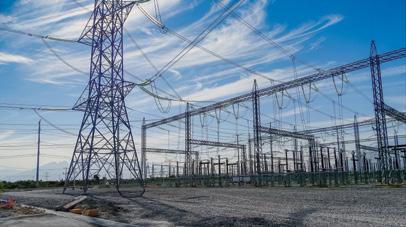
rules are downright bad or unfair, there will still be investment in Mexico. We will not have the world’s best energy prices, but there will always be investment when the rules are clear even if they are not evenhanded,” he e mphasized.
Pathways for Mexico’s Energy Sector D evelopment
None of the possible scenarios would be actively catastrophic, argued Valeria Vázquez, Energy Segment Leader, Deloitte. Energy sectors across the world, from hydrocarbons to electricity, are highlyregulated industries. Countries have the sovereign mandate to regulate their natural resources, she added. “ the problem is not
that companies are regulated, it is legal uncertainty and sudden rules changes,” concluded Vázquez.
All stakeholders must carry out efforts to foster an efficient electricity sector for the overall good of Mexico, said Vázquez: “We need to continue developing our oil and gas industry, to take optimal advantage of our natural resources.”
International implications play a key role in the future of Mexico’s energy sector and the economy in general, said Benjamín torresBarrón, Principal, Baker McKenzie, who explained that regardless the outcome of López Obrador’s reform, “the damage has been already done, due to the message it sent and the uncertainty it created.”
Beyond Mexico’s international sustainability commitments, the USMCA has already been enforced. the agreement has mechanisms to protect US company investments in Mexico, he added.
to address the reform and create a dialogue between diverse players, the Open Parliament forums were created. It included the private sector’s insight through the participation of associations such as CCE, CONCAMIN, CANACINtrA and COPArMEX.
On Feb. 28, the parliament ended following 42 days of discussions, 25 open forums and presentations of 135 expert panelists. Congress remains divided on the reform’s approval, reported MBN. While discussions surrounding the new reform will continue during the following weeks, it is crucial for Mexico that it passes promptly. However, it should pass with as many amendments as possible to reestablish trust in the sector, so that it can continue attracting investment.
FOR MEXICO’S ENERGY STORAGE DEVELOPMENT, THE TIME IS NOW
As Mexico’s generation capacity continues to increase at a pace that its transmission infrastructure cannot keep up with, the development of storage infrastructure becomes even more urgent if the Mexican electricity system is to function efficiently and reliably, agree industr y experts.
Carla Ortíz, Country Manager, r Er Energy Group, highlighted that the relevance of storage discussions in the industry has never been as high as it is now, especially since storage project development is understood as a vital part of the global energy transition. “We have waited a long
time for this great leap forward in the energy transition, which is now beginning to gain momentum in Mexico,” said Ortíz. She also mentioned that the development of demand for such infrastructure is a process that other countries have already experienced organically. this gives Mexico a chance to learn and get ahead of the demand, which will inevitably show up if it does not exist already. As Ortíz put it, “Other countries have invested a lot of time to perfect their storage systems. If this knowledge is exploited, the learning curve for Mexico could be shorter and more efficient.”
Emmanuel Moctezuma, Energy Storage Business Development Director, AES, specifically noted Chile and the US as success stories. He differentiated between the construction of large scalestorage projects and the participation of Mexico in the supply chain of storage components, specifically the lithium required for battery technology. “ t here is an opportunity for lithium batteries to be manufactured in Mexico, although it will take some time for the country to reach the level of competitiveness we are seeing at Asian manufacturers,” said Moctezuma. He made a parallel between battery and solar panel manufacturing. Mexico’s manufacturing capability for both types of components is slowly growing toward the competitiveness of products from Asian markets, a benchmark they are fated to reach. Moctezuma also noted that battery storage projects were essential to meeting decarbonization goals, a fact that will become increasingly clearer as the economics of launching these projects start to look plausible. “As the costs of storage systems decrease and

“Other countries have invested a lot of time to perfect their storage systems. If this knowledge is exploited, the learning curve for Mexico could be shorter and more efficient.”
Carla Ortiz Country Manager | RER Energy Group
their efficiency increases, it becomes clear that batteries are a great ally to achieve decarbonization,” he said.
Alexandro Debler, Sales Director Industrial Power Generation, Siemens Energy, agreed with Moctezuma. He argued that Mexico must begin boosting the competitiveness of its nationally manufactured battery products. “ the implementation of battery storage, both in existing power production projects and in the industrial future, is the potential energy area with the greatest benefit for Mexico,” he emphasized. Debler said that battery storage created a new way of managing costs for operators, since energy could be bought at lower prices and sold when prices increased. While lithium is currently the leading energy storage technology, hydrogen would end up being the industry standard as its use continued to expand globally, predicted Debler.
Patricia tatto, Americas Vice President, AtA r enewables, underscored the fact that energy storage is key for renewable energy generation due to the role it plays in flattening and stabilizing these peakprone energy sources: “ r egulating the frequency of the electrical system and guaranteeing the reliability of the grid are priorities for Mexico,” she said. Debler agreed, adding that “the implementation of batteries is not only attractive to combat intermittency in renewable energy, but can also help in geothermal energy generation and in the frequency regulation of the power grid.” tatto also expected automation technologies to play an increasingly larger role in the development of storage projects. t hrough these tools, electrical grids can be stabilized further via the prediction of peaks, which in turn makes the grid more efficient and resilient.
Miguel Osio, Director of Development and M&A, Sempra Infrastructure, highlighted one of the most important larger-scale storage projects in Mexico, the Volta de Mexicali (VDM) power plant. t hough it is located in Baja California, the project actually supplies energy to the US-side of

California, using its first phase featuring a 100MW capacity. In the future, the project could grow as large as 500MW. Osio mentioned that VDM exemplified a key trend: “the energy future is based on renewable energies, such as wind and solar PV Generation.” As such, storage is increasingly needed to inject much-
needed flexible power into the grid. He noted that one of the most important obstacles standing in the way of storage development in Mexico continues to be the legal and regulatory certainty of projects. “Hopefully, we will soon have clarity from the authorities regarding regulation, so storage projects can take off,” said Osio.
FLEXIBLE POWER, MICROGRIDS FOR RELIABLE & CHEAP E LECTRICITY
t he changing composition of energy grids has introduced connectivity and coordination problems, which made them vulnerable to disruptions. By providing stability and control, microgrids represent a great market opportunity for Mexico. t he technology will likely play a critical role in the energy transition of global econ omies too.
“ t he traditional power grid brings largescale generation to end-consumers. However, the challenges of the 21st century demand a modern and more flexible grid,” said t heodore Lorentzos, r egional Sales and Business Development Manager, Berge n Engines.
t he public has put increased pressure on international governments to reduce their carbon footprint. While governments have made strides, they will or cannot fully commit to a complete net-zero energy transition until renewable energy
intermittency has been dealt with. Other challenges related to this intermittency is the stability of the grid, a problem that has been recently compounded by extreme weather events. t hese challenges have created market demand for microgrids, which provide flexible, agile and robust energy distribution from end-to-end, a vital requirement for critical infrastructures that depend on stable energy resources.
t his demand has allowed Bergen Engines to grow their global installed capacity to 5000MW, mostly via cogeneration power plants. In Mexico, they have a portfolio of six power plants with a total capacity of 75MW, concentrated mostly around industrial centers that opted for alternative energy sources until Mexico’s energy grid is fully modernized. Starting in this country, Bergen has already expanded to two neighboring economies, prompting the company to open a service center in Queretaro, which is to be inaugurated
later this year. the center forms part of the company’s larger ambition to spread out to other Latin American economies that face similar challenges: unstable grid systems, stringent climate change goals and a growing energy demand. In fact, climate change itself is poses challenges too, as grids struggle with unique weather events such as last year’s texas winter storm.
Until economies can fully mitigate these challenges, microgrids will remain an attractive solution for Latin America’s diverse industries, each with their own specific needs. “A Microgrid is not a physical type of infrastructure. It is a concept that can
be built with a combination of technology as required by budgetary limitations, as well as geographic constraints or strengths,” said Lorentzos. Bergen provides medium-speed natural gas generating sets that include multiple groups of motors that provide the ultimate flexibility and control, able to start and stop almost instantly on demand. Furthermore, these systems can be completely independent from energy grids using their own fuels and dispatch. All these benefits come without the need to raise carbon emissions. Engines can later even be retrofitted to function with green hydrogen, thereby giving it adaptability to evolve as the energy transition progresses.
PUBLIC-PRIVATE COOPERATION WOULD ELECTRIFY ISOLATED PENINSULAS
the territorial coverage of Mexico’s national electricity system is close to 99 percent. However, public and private sectors must collaborate to reach the full 100 percent. Energy quality should be improved substantially in some key areas such as the Baja California and yucatan peninsulas, agreed industr y experts.

“We must change the old vision of a utility-based centralized energy system and migrate to a decentralization of energy sources. Communities could become self-sustainable this way.”
Aldrich Richter Managing Director | Bergen Engines LATAM
efficiency,” said David Martínez, Director, Envision LAtAM.
t he history of electricity generation in Mexico began in 1879. On Sept. 27, 1960, when former President Adolfo López Mateos nationalized the electricity industry, the grid’s coverage was below 45 percent. Currently, CFE’s coverage provides electricity access to 98.95 percent of the country’s population, following 1,587 rural and Indigenous community electrification projects carried out in 2019. CFE has over 335,000 transmission towers and subtransmission systems, including 110,187km of transmission lines and 2200 substations.
“ t he country’s electricity supply must be reliable and cost-efficient. Solutions are often considered for to provisionally solve problems on the short term, due to budget cuts and the public sector’s debt. It is time to make a deep diagnosis and establish a long-term plan for the economic development of Mexico, taking advantage of technology, digitalization and energy
Historically, CFE has done a great job electrifying Mexico, said Aldrich r ichter, Managing Director LA t AM, Bergen Engines: “Currently, most parts of the country are interconnected and have access to electricity. the problem lies in the quality of electricity that reaches remote and underprivileged areas, which suffer from incorrect voltage, energy spikes and current variations. t his slows down the development of these com munities.”
Although there are several challenges linked to technology, grid capacity or resource availability, solutions are already
out there, said Norma Almanza, Director, Generac LAtAM. “Mexico’s big challenge is the change of mentality needed to adopt new technology,” added Almanza. t his shift must occur in four different key areas: the government, manufacturers, technology suppliers and academia.
Changing this mentality is indeed essential, agreed r ichter. “We must change the old vision of a utility-based centralized energy system and migrate to a decentralization of energy sources. Communities could become self-sustainable this way,” he continued. All challenges are solvable without major complications because technology is already there, he added. “It is about political will and investment,” decided richter.
Although y ucatan and Baja California face similar problems, both have specific challenges to solve. “Both peninsulas need access to clean transition fuels, such as natural gas. they both have natural resources like wind, sun, as well as a great potential for battery storage systems. t his technology has already been developed, now it should be implemented,” explained richter.
Electrifying Baja California
Baja California’s gird system is interconnected to the US via two 230kV alternating current transmission lines. Baja California Sur’s electricity system is completely isolated from the national grid , however.
Baja California’s multitude of challenges begin with uncertainty in land tenure, said David Muñoz Andrade, CEO, Diurna
Energy: “ t his challenge prevents the implementation of electrification plans seeking to reach distant places such fishing communities and the mountains. In addition, demographic acceleration and migration have caused service regularization trouble in tijuana, where small areas are left without electricity.”
though Baja California faces serious supply challenges, its coverage looks decent, said Muñoz. “We are still missing 0.7 percent of coverage, which is the most difficult part either due to legal troubles or distance issues,” he added. Possible solutions include microgrids, distributed generation (DG) and isolated photovoltaic solar systems, he added. “ through public-private collaboration we can take solutions to these communities to achieve the 100 percent coverage, at least in Baja California,” Muñoz concluded.
Energizing yucatan
yucatan is a “paradise of opportunities,” said Martínez. However, it faces technical challenges. t he state has a precarious energy supply due to its isolation from the rest of the national grid and insufficient access to the natural gas pipeline system, as reported by MBN. In 4Q21, Mauricio Vila Dosal, Governor, yucatan, and Minister of Energy r ocío Nahle discussed CFE plans to construct two gas-fired combined cycle power plants in Merida and Valladolid, with a combined investment of over US$650 million.
t he peninsula’s electricity demand grows by 8 percent per year, almost triple the

Mexican average, said Martínez. “Currently, yucatan misses an added installed capacity of 200MW. By summer 2022, the situation will worsen due to the heat,” he continued. CFE dispatches around 40 percent of the electricity used in yucatan. “ the company operates with obsolete power plants by using different fuels. Combined cycle centrals often operate using diesel. Power plants need to confront operational failures, intensive maintenance and fuel shortages,” continued Martínez.
On the other hand, the transmission line that connects yucatan to the rest of the country presents yet another challenge, said Martínez: “Blackouts happen because the line is designed for up to 1050 MW. However, the line is oversaturated and overheated. CENACE frequently turns it off to protect it.” Solutions such as renewable energy plants and DG must be interconnected. Better long-term planning is required, with collaboration between the public and private sector,” he added.
NAVIGATING THE INCREASING COMPLEXITY OF ENERGY CYB ERSECURITY
Demand for cybersecurity services from energy facility operators has skyrocketed as more high-profile attacks reach headlines. However, the complexity of a landscape now filled with new regulatory norms, standards and methodologies has increased significantly as well, said Bharadwaj Vasudevan, technical Sales, Hitachi Energy North America.
Vasudevan chooses to limit the concept of cybersecurity in clear terms: “Cybersecurity encompasses all measures taken to protect communication and automation systems against unauthorized access, attacks, disruptions or loss.” He said that companies beginning their cybersecurity journey can easily become overwhelmed by the length of the process. All the more reason to begin the adoption process as early as possible. t his is especially the case for energy infrastructure, which is experiencing a digital transformation and a parallel adoption of automation systems. As he puts it, “Moving into the digital era with confidence requires automated, evolving and resilient cybersecurity solutions that can overcome significant challenges.”
Vasudevan explained that the threat environment has increased exponentially. Every novel technology for energy facilities creates a new network of possible vulnerabilities, as well as new ways to exploit old weaknesses. He highlighted that “cybersecurity attacks have continued to
increase through 2020 and 2021, as COVID-19 drove cyber espionage activity and created opportunity for cybercriminals.” According to the 2021 ENISA threat Landscape report, the Phishing-as-a-Service (PhaaS) business model has been prevalent in past years but is now gaining more momentum and relevance. t he r ansomware as a Service ( r aaS) business model increased greatly in 2021, becoming one of the largest criminal enterprises in the niche. t his is particularly relevant to Mexico given the globally infamous ransomware attack on PEMEX in 2019, considered a precedent for this increase of activity and a reference for understanding the 2021 Colonial Pipeline ransomware attack in the US. these attacks are, in Vasudevan’s words, “highly impactful on costs.”
t his risk has given rise to many new norms, regulations and standards to verify the shielding of international energy infrastructure. t hey vary greatly by jurisdiction, but one of the most relevant standards is the US-based NE r C-CIP. Compliance with NE r C-CIP is referred to by Vasudevan as “a good guideline and binding document when it comes to what an operator can expect in Mexico.” t he relevance of each one of the norms within these regulatory packages varies, depending on whether it refers to technical standards to be considered by manufacturers or managerial standards to be heeded by administrators. For example, Vasudevan
notes that IEC62351 and IEEE 1686 are more relevant to manufacturers, while IEC62443 (former ISO99), NErC-CIP and ISO27000 are more relevant to organizational processes.
there are many more norms and procedures. Vasudevan encourages operators to go beyond following simple procedures and ask what motivates their limitations. For example, if a procedure calls for a password to be changed every 90 days, it is important
to learn why that period was chosen for that access point. the difference between physical and virtual access points is also key: having an unauthorized person on site is just as much of a cybersecurity matter as anything happening online. Vulnerabilities need to be identified on both sides of that coin. “ t he convergence of international standards is key for achieving secure and interoperable systems,” concluded Vasudevan.
DIGITALIZATION: A GAME CHANGER FOR ENERGY MARKETS
While energy players champion the realization of net-zero energy markets, regulators were concerned with how to operate and regulate such an environment, as customers struggled to understand new processes. Digitalization promises to solve these issues by providing market players with the tools to intelligently run complex operations. New technology solutions and hardware applications promise to continue making energy generation more efficient whilst providing companies with ways to explore new market niches, according to industr y experts.
“ t he fourth industrial revolution is here and the energy sector is once again playing a substantial role,” said r icardo Delfín, Partner and Leader of Industry and Markets, KPMG.
Until recently, digital innovations were singularly reserved to make hardware technologies more cost effective, so that renewable energy systems could become more widely accessible. t his neglected internal processes and consumer requirements. For example, solar and wind technology grow their productive capacity exponentially on a yearly basis whilst becoming increasingly cheaper. t hese advances have helped to add 162GW, 62 percent of all power generation capacity, to the global energy market in 2020, effectively displacing the cheapest fossil fuel option: coal. Utility-scale solar technology has seen the greatest reduction in costs, falling a dramatic 85 percent in a decade. Now, in most major countries, this technology is cheaper than coal and gas, a fact represented by falling global prices in

levelized cost of electricity (LCOE), which fell an additional 13 percent in 2020.

“Today, power generation companies have a massive amount of information available at any given time and place. This drastically improves decisionmaking.”
Guillermo Bilbao Director of Energy & Industry Business | Minsait
producers can analyze and utilize it: the so-called data paradox. As the ‘petroleum of the new age’, the energy market stands to benefit substantially from data collection, analysis and standardization. t he latter has the most significance, where superseding this problem now stands to avoid the entrenchment of disconnect between market players. “A lot emphasis and technology has been created to utilize data, but very little effort has gone into standardizing the data as it is collected at the source,” said Bharadwaj Vasudevan, technical Sales, Hitachi Energy Nor th America
While these advances should be applauded, the market has largely failed to address end-user demand, a shortfall that was recognized by leading market players during the past two years. Created as an inherently innovative market sector, energy players across global economies have been unafraid to adopt digital solutions. Central to this metamorphosis is the emergence of a global data-driven circular economy, which currently produces data faster than energy
Moreover, to reap the greatest benefits, data analysis should be coupled with artificial intelligence and machine learning so that companies can anticipate new market opportunities as they begin to arise. “ today, power generation companies have a massive amount of information available at any given time and place. this drastically improves decision-making,” said Guillermo Bilbao, Director of Energy & Industry Business , Minsait.
TIME TO TAKE ACTION AGAINST GLOBAL WARMING
Climate change is already a reality and all industries must take immediate action to mitigate the negative effects of global warming, said Leonardo Beltrán, Distinguished Visiting Fellow, Columbia University’s Center on Global Energy Policy. the sector must work to diversify its energy mix before it is too late, he emphasized.
Global industry has had a big impact in the planet’s temperature disparity. “From the 1860s to 2022, we have had a temperature increase of 1C. Human activities make up almost 100 percent of this increase,” said Beltrán. If the world wants to stop the negative effects of global warming, it is already time to take drastic action.
the impact of human activities on climate has been documented and led organizations such as the UN to join forces with several countries to fight climate change. the UN
has launched a series of meetings with world leaders since 1972, aiming to build a mitigation plan to address challenges ahead. In 1988, the Intergovernmental Panel on Climate Change (IPCC) was created and in 1994, the UN began hosting the first high-level meetings, called Climate Conferences (COPs).
t he effects of climate change impact different regions in the world differently, explained Beltrán. In Mexico, the effects of global warming are already noticeable. they will keep getting worse if no action is taken. “Mexico is one of the big losers if we do not increase our global warming action plans. We must work at both the national and international level,” he said.
During COP meetings, Mexico has joined the initiative of the Nationally Determined Contributions (NDCs), which form the heart of the COPs. t he country has
set its own goals, which are included in the Energy transition Law. Mexico’s commitment is focused on increasing power generation through clean energy sources and by reducing CO2 emissions. It committed to generate at least 35 percent of its electricity through clean sources by 2024 and 45 percent by 2030. to achieve this, the country has abundant renewable resources at its disposal, including solar, wind, geothermal and hydropower. As time goes by, the possibility to shape the ideal energy mix decreases, said Beltrán: “If we use a diverse energy mix today,
it will be easier to reach our goals than if we wait for tomorrow.” All sectors, including energy, industrial manufacturing, transportation and mobility, must take immediate action, he added. In terms of electricity generation, Latin America and the Caribbean are one of the most sustainable regions, said Beltrán: “Six out of every 10MW generated in the region come from sustainable sources.” Although the path toward net zero is still long and full of challenges, the region has already made progress by taking advantage of its natural resources.