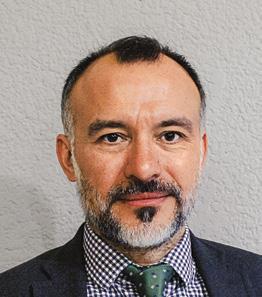
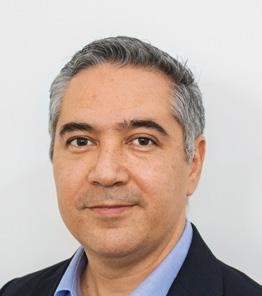
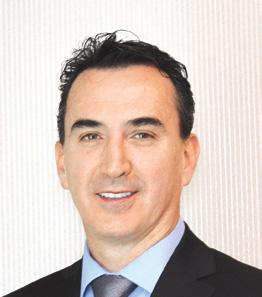
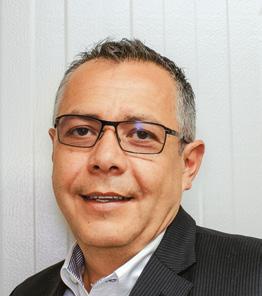
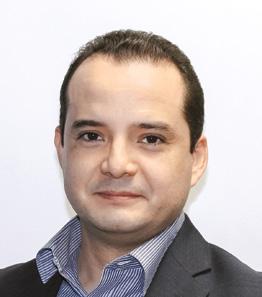
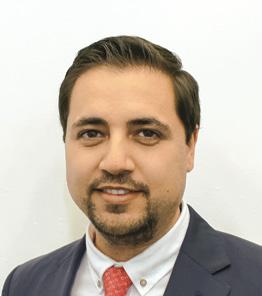
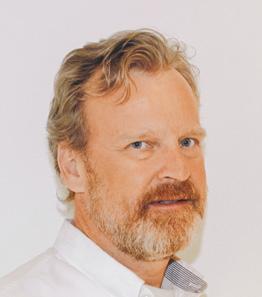
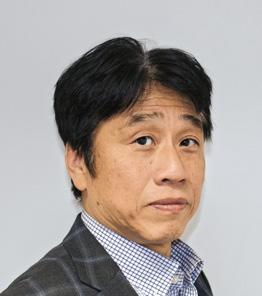
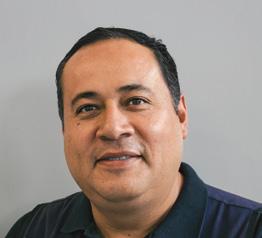
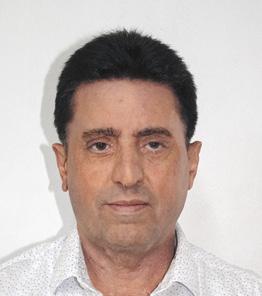
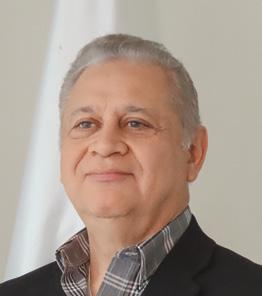
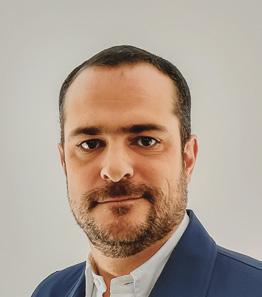
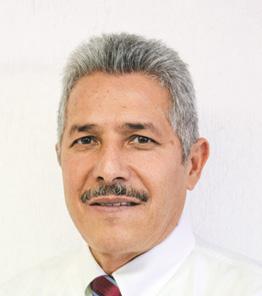
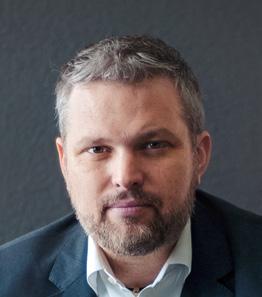
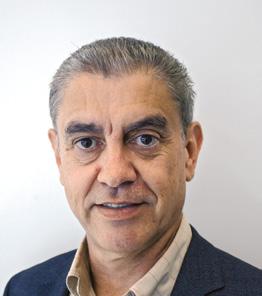
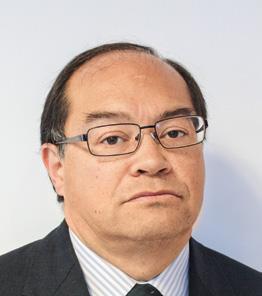
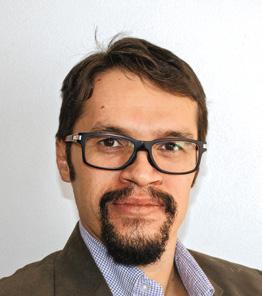
“This is a moment when (Mexico) could be really benefiting from the general realignment between the US and China and that certainly adds, for me, at least, a sense of urgency to try and grease the skids here”
Christopher Landau, US Ambassador to Mexico
2019/20
As President Andrés Manuel López Obrador’s administration launched its first year in power, the automotive industry watched for clues to the government’s strategy for promoting FDI in the sector. By mid-2019, the governors of Aguascalientes, Guanajuato, Jalisco, Queretaro and San Luis Potosi determined to take matters into their own hands, forming the Center-Bajio-Western Alliance committed to fostering regional economic and social development. At the same time, the National Cluster Network was formally created, representing 10 clusters and more than 500 companies. The new North American trade agreement, USMCA, was also ratified, giving the industry even more to think about.
This book is divided between state chapters and strategic segments of the automotive value chain. The former presents a detailed outlook for Mexico’s top automotive regions, with insights from government officials as well as local and global suppliers. The latter details the strengths of companies participating in insurance, sales, financing, logistics, trade, innovation and Industry 4.0. As with any economic downturn or crisis, there are opportunities. Those, too, are presented in these pages. As this book was set for publication, however, the effects of the COVID-19 pandemic remained unclear. IMF labeled the fallout the worst economic downturn since the Great Depression. Most OEMs had suspended their entire production due to government measures to contain the virus’ spread. One thing is certain: COVID-19 will have a lasting impact.
Mexico Automotive Review is the ultimate business platform for the automotive sector in Mexico. The 20192020 edition records the highlights from the end of a decade and the beginning of another in a sector that represents 3.8 percent of Mexico’s GDP and 20.5 percent of its manufacturing GDP, while providing 980,000 direct jobs.
The publisher has made all reasonable efforts to provide accurate information, and the information contained in this publication is derived from sources believed to be true and accurate. However, the information in this publication should not be considered to be complete or definitive, and may contain inaccuracies or typographical errors. The publisher accepts no responsibility regarding the accuracy of information and use of such information is at your own risk. The publisher will not be liable to any party for any direct, indirect, special or other consequential damages arising out of any use of information in this publication. The publisher provides no representations or warranties, express or implied, including any implied warranties of fitness for a particular purpose, merchantability or otherwise in relation to any information provided by the publisher in this publication.
ISBN: 978-1-7328256-7-3
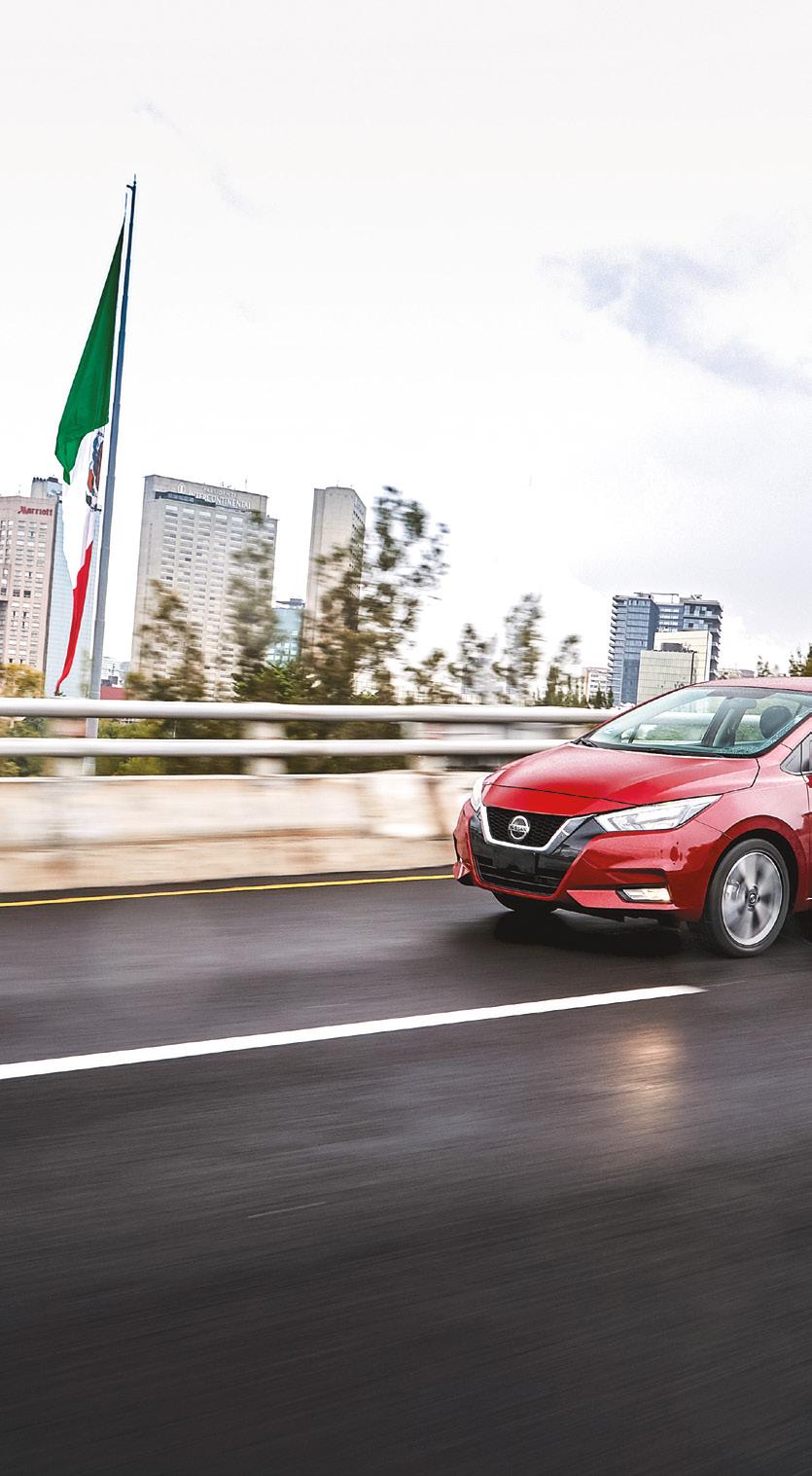
Nissan Versa 2020, Mexico City
STATE OF THE INDUSTRY
1It is the end of a decade for the Mexican automotive industry. Production records were beaten, sales peaks were reached and a product cycle came to an end. All cycles have their ups and downs but the industry is now in the valley of the cycle and annual results are weaker. However, looking at the bigger picture, the industry has moved from less than 3 percent of Mexico's GDP in 2010 to contributing 3.8 percent, totaling 980,000 direct jobs. 2019 was also the first year of President López Obrador's administration and the year in which USMCA was finally ratified, although its enforcement is set for 2020.
The State of the Industry presents an assessment from the federal government, ambassadors and industry leaders regarding the lessons of the past year, as well as the priorities players should focus on for the years to come. One thing is certain: after 2020, the automotive industry will see major disruption, not only in Mexico but across the world.
CHAPTER 1: STATE OF THE INDUSTRY
12 VIEW FROM THE TOP: Graciela Márquez, Minister of
15 VIEW FROM THE TOP: Gilberto García, Ministry of Economy
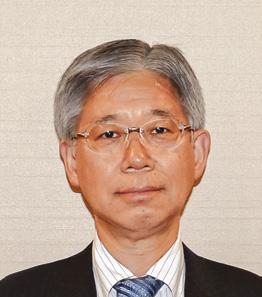
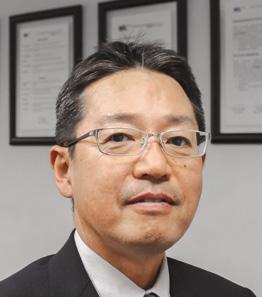
16 VIEW FROM THE TOP: Yasushi Takase, Ambassador of Japan in Mexico
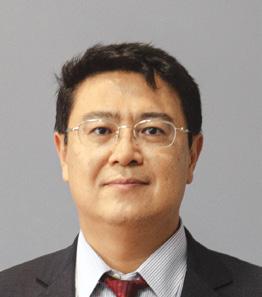
17 VIEW FROM THE TOP: Wonil Noh, Ambassador of the Republic of Korea in Mexico
18 VIEW FROM THE TOP: Fausto Cuevas, AMIA
19 VIEW FROM THE TOP: Miguel Elizalde, ANPACT
20 VIEW FROM THE TOP: Óscar Albin, INA
21 VIEW FROM THE TOP: Guillermo Prieto, AMDA
22 VIEW FROM THE TOP: Manuel Montoya, Mexican Automotive Cluster Network
23 VIEW FROM THE TOP: Antonio López, ARIDRA
24 ANALYSIS: USMCA: New Rules For a New Era
26 ANALYSIS: Post-Pandemic World Shaped by USMCA’s Uniform Regulations
27 ROUNDTABLE: What Opportunities Will Emerge From COVID-19?
28 VIEW FROM THE TOP: Eduardo Solís, Private International Consultant
29 VIEW FROM THE TOP: Óscar Balcázar, GiPA
30 VIEW FROM THE TOP: Gerardo San Román, JATO Dynamics
31 VIEW FROM THE TOP: Manuel Nieblas, Deloitte México Alberto Torrijos, Deloitte México
32 VIEW FROM THE TOP: Juan Francisco Torres Landa, Hogan Lovells
33 INSIGHT: Jorge Ampudia, Accenture
AUTO LANDSCAPE IS BETTER THAN IT SEEMS
The last decade ended with a new federal administration in office, a fresh trade pact and strong private and public alliances. Despite declining domestic sales in the latter half, it was an outstanding decade for the Mexican automotive sector. Opportunities will emerge but the industry will first need to face the COVID-19 fallout
A new federal administration, the imminent implementation of a new trade deal, a decline in worldwide production and a devastating pandemic – there is no shortage of critical issues facing the Mexican automotive industry. To understand where the industry stands today, and its opportunities in the decade to come, it is essential to understand the year and the decade that was.
In 2010, after one of the greatest financial crises in history, Mexico produced 2.26 million light-vehicle units, exported 1.86 million and sold less than a million (820,413). There were just seven OEMs, with one, Renault, about to suspend production in the country. Then it happened. Over a 10year period, KIA, Toyota, Audi, Mazda, BMW, JAC and Fiat – thanks to the creation of FCA group in 2014 – arrived with a long line of suppliers behind them. Call it the decade of expansion. Production grew 66 percent and took Mexico from ninth to sixth place in global automotive production. A decade ago, some argued it would be really difficult for the country to overtake South Korea, Brazil and Spain, but Mexico did it.
As one of the best decades for the national automotive industry ended, so did growth in sales, exports and production. It is the end of an economic cycle, most OEM executives say, accelerated by political, economic and a global health scare that gripped the world as the new decade began: COVID-19.
PRESIDENT AMLO
President Andrés Manuel López Obrador took office on Dec. 1, 2018. Throughout his campaign, he promised to reduce corruption, usher in an era of security and protect the most vulnerable. As for the private sector, most of his projects remained unclear. He appointed Graciela Márquez as Minister of Economy. She defined innovation, diversification and inclusion as the three pillars of President López Obrador’s economic policies. “These pillars are not mutually exclusive; they complement each other. We are in the middle of the fourth industrial revolution, which is changing the way we understand production of goods and services. The challenge is to adopt these technologies inclusively to benefit the entire population,” she says.
diversification and inclusion are the three pillars of AMLO’s economic policy
In 10 years, the automotive industry also increased its contribution to national GDP to 3.8 percent from approximately 2.8 percent. Exports to the US alone doubled and in 2019, Mexico overtook Canada as second-largest supplier of vehicles to the US, just behind Japan. Taking into account all auto parts manufacturers in the country, the value of automotive exports went from US$4.1 billion in January 2010, to US$11.8 billion in December 2019, peaking at US$13.8 billion in August 2019. After six consecutive years of sustained growth, sales in Mexico reached a peak of 1.6 million units sold in 2016. The curve started to decline, however, and in 2019, 1.3 million units were sold, similar to 2015 levels but still 60 percent more than the number of units sold in 2010.
The reaction from automotive leaders focused on setting clear goals and certainty to ensure foreign investors continued to find the country an attractive destination.
“There are still many opportunities to attract more OEMs and their supplier bases, especially Tier 2 companies. However, to take advantage of these opportunities it is necessary that public officers and dependencies make an effort to look for new investors,” says former Executive President of AMIA, Eduardo Solís. With the disappearance of ProMéxico, the country’s foreign trade promotion agency, industries across different sectors became worried about how the government would carry on the efforts to attract FDI into the country. These concerns were heard, says Director General of Direct Foreign Investment at the Ministry of Economy Gilberto García, adding that he is aware of the process the industry is experiencing in the
country. “Economic promotion is important to the federal government and the Ministry of Economy. This will not change now that ProMéxico no longer exists. The new economic promotion strategy will now be under the jurisdiction of the Global Economic Intelligence Unit in coordination with state and municipal governments and the Ministry of Foreign Relations (SRE),” he says.
Foreign governments have also expressed their interest in fostering the trade relationship Mexico has forged in the automotive sector over the years. “There are high expectations from the Mexican government for Japan to increase its trade and investment in the country and we already organized an economic mission with the Japanese Chamber of Commerce and Industry in February 2019 that brought 60 companies from various sectors.” says Yasushi Takase, Japan’s Ambassador to Mexico. South Korea, Mexico’s sixth-largest trade partner, also intends to improve its trade relationship with Mexico by working together with the new administration. “South Korea and Mexico are revising their Bilateral Investment Treaty, which is outdated since it was established more than 10 years ago. To improve business conditions in Mexico for South Korean companies, the Korean government is advocating for the establishment of an FTA with Mexico through the Pacific Alliance,” says Minister Counselor of the Embassy of the Republic of Korea in Mexico Wonil Noh.
NEW TRADE ENVIRONMENT
US President Donald Trump initiated in 2017 a long process to transform NAFTA into what is now known as USMCA.
As an immediate consequence, uncertainty arrived after a long number of negotiating rounds led to numerous dead ends. Finally, the agreement was signed on Nov. 31, 2018. One of the first tasks for Márquez was to carry on the paperwork for the agreement to be ratified and to bring back much needed certainty. However, there were still issues on the table and even after the agreement was signed, rules of origin for automotive goods were strengthened.
A Protocol of Amendments was signed in December 2019. After that, the legislative branches of each party could continue the ratification process. USMCA’s enforcement will take place on the first day of the third month after the last of the three countries notifies the others that all the internal ratification procedures were finalized. Enforcement could take effect on July 1, 2020. However, due to the health emergency brought by COVID-19, the enforcement of new automotive rules of origin could be delayed to Jan. 1, 2021.
USMCA’s new rules of origin for automotive goods are threefold. First, the treaty establishes a three-year
period for automakers to reach a regional value content (RVC) of 75 percent for light vehicles and a seven-year period to reach 70 percent RVC for heavy vehicles. Second, companies have a three-year period to reach a 40 percent Labor Value Content (LVC), which includes 25 percent high-wage material and manufacturing, 10 percent high-wage technology and 5 percent high-wage assembly. Third, 70 percent of steel and aluminum must be purchased from North America.
USMCA could be enforced on July 1, 2020
Stricter rules of origin, plus the ongoing China-US trade tensions, have triggered opportunities to integrate new automotive players into the country. Chinese companies are starting to look into Mexico’s automotive hubs to ramp up operations, as has been the case in Tlaxcala, Nuevo Leon and Jalisco where some Chinese suppliers have already established operations.
INDUSTRY STANDS TOGETHER
Over the last year, strong alliances were established between governments and the private sector. Combining the expertise of each state with a strong automotive footprint, the Mexican Automotive Cluster Network was born in July 2019. “Companies come together because there are common issues that need a solution, so the cluster tries to manage those ideas objectively. We want every cluster to be shaped in the same way, meaning that all companies, big or small, should receive support from the government and from universities,” says Manuel Montoya, President of the Network formed by automotive clusters of Chihuahua, Coahuila, State of Mexico, Guanajuato, Jalisco, La Laguna region, Nuevo Leon, Queretaro, San Luis Potosi, as well as Puebla and Tlaxcala. Combined, they represent more than 500 automotive companies, including OEMs and Tier companies.
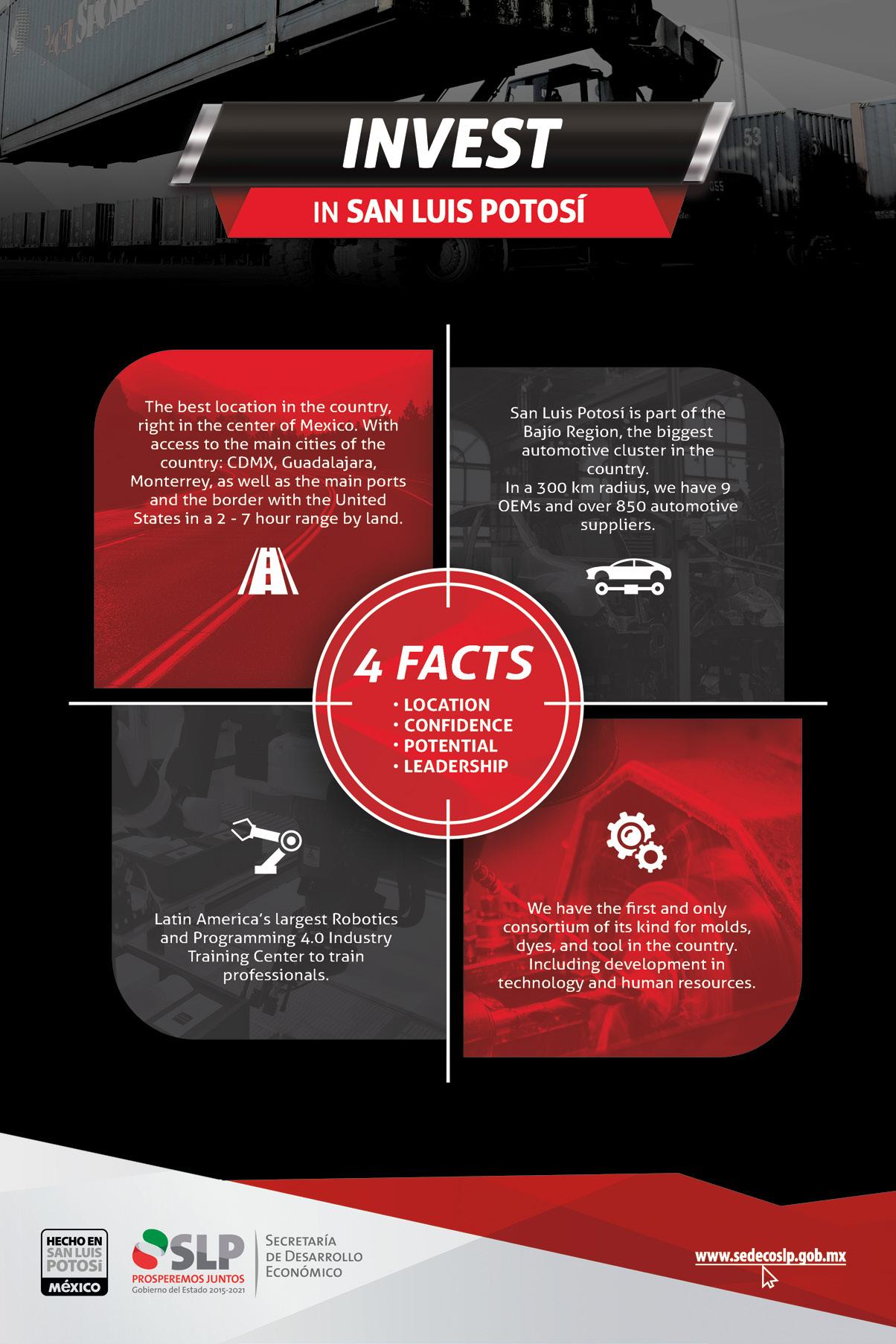
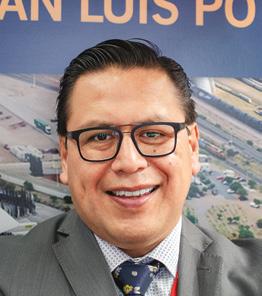
Political and economic partnerships among states with a strong automotive tradition were also forged in 2019. Aguascalientes, Guanajuato, Jalisco, Queretaro and San Luis Potosi launched the Center-Bajio-West Alliance to ensure sustainable economic and social development in the region. “We are a region and investments do not recognize state limits. Investors want coordinated efforts. By being complementary, we can create valuable strengths for the country in the manufacturing, automotive and aerospace sectors. We all have the responsibility to deliver to our citizens,” says Governor of San Luis Potosi Juan Manuel Carreras.
These five states contribute 16.8 percent of Mexico’s GDP, according to INEGI’s latest annual figures. They are home to 13 light vehicle OEM and five heavy OEM manufacturing facilities. “We contribute 25 percent of the country’ agro-industrial production and have over 20 million inhabitants with an average age of 25 years. Our economy is similar to Peru’s,” says Mauricio Usabiaga, Minister of Economic Sustainable Development of the State of Guanajuato. Unlike other political alliances that often remain on paper only, real advancements have been made. “The objective of sessions between ministries of economic development is to align social, economic and political goals to drive economic development. The sessions so far have resulted in eight objectives focused on areas like infrastructure, education, security and quality of life,” says Marco Antonio del Prete, Queretaro’s Minister of Sustainable Development.
global supply chains. Over the last years, it has been clear that automating processes is expensive, but it is worth it.
“At the industrial level, we have also seen that there are very concrete efforts for the implementation of Industry 4.0. We started promoting this concept and these solutions seven years ago and today we are observing that the adoption curve is growing. We are seeing the results of promoting the concept and explaining what its benefits are,” says Alejandro Preinfalk, Senior Vice President of Digital Industries Division at Siemens.
“At the industrial level … there are very concrete efforts for the implementation of Industry 4.0”
Represents more than 500 companies 18 OEMs in the region
TRENDS BECOME THE NEW NORMAL
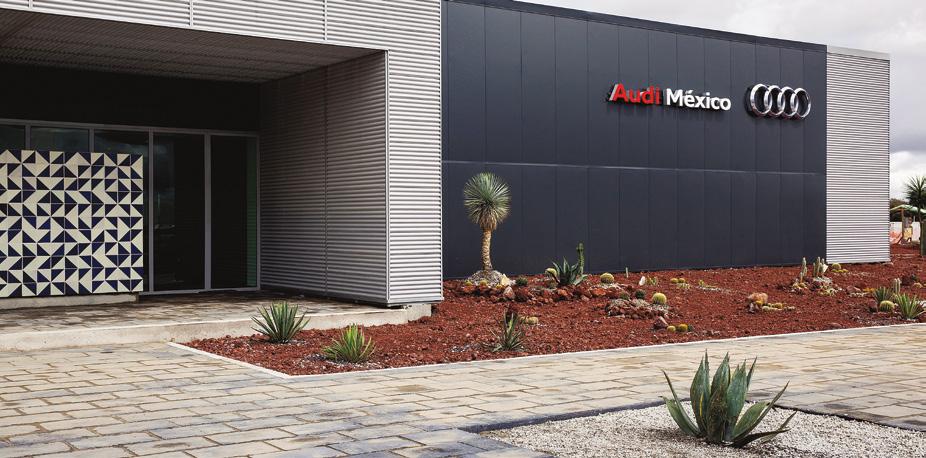
Sustainability and Industry 4.0 were the industry’s hot trends at the beginning of the decade. Today, they are a must. “There are worldwide discussions about climate change, CO 2 emissions and sustainability. As a German company in Mexico, we have the possibility to generate a true impact and make these relevant topics in the industry,” says Andreas Lehe, appointed in 2019 as President of Audi Mexico. Audi’s manufacturing plant in San Jose Chiapa, Puebla, is waste-water-free, with 100 percent of its electricity coming from renewable sources.
Sustainable operations are not only important for automakers or auto parts manufacturers. Industrial developers are taking them very seriously. “Today, the mindset of most developers has changed and it is more common to bet on sustainability, not only through marketing but in real terms. Though the investment is high, it is worth the effort. It can be a decisive element to close an investment,” says Francisco Rosete, Executive Director Central Mexico of Amistad Industrial Developers, one of the largest in the country.
The advancement of digitalization and Industry 4.0 among local and global players is driven by efficiency. Local governments have set a priority to enable local SMEs to embrace digitalization so they can participate in
EMERGING SEGMENTS
and the Caribbean
Alejandro Preinfalk, President and CEO of Siemens Mexico, Central America
Production, sales and exports might be in decline, but other elements of the automotive value chain are actually growing. Armoring, digital aftermarket, telematics and logistics are the emerging segments that will likely experience healthy numbers in the years to come. The armoring industry used to target C-level executives, diplomats and government officials. As the federal government’s austerity policies hit this niche segment, poor security conditions helped to cover the losses. According to Esteban Hernández, President of AMBA, armoring companies in Mexico have combined the country’s expertise in vehicle manufacturing with their own armoring experience in Colombia and Brazil. “The best of both worlds,” he says.
Implementing digital sales strategies for the aftermarket segment has proven to be a unique opportunity for large spare-part distributors. According to ARIDRA’s President Antonio López, the aftermarket is worth US$28 billion and by embracing digital sales, both workshops and distributors have improved the user experience while growing their operations. Logistics plays a key role in aftermarket operations and in any other stage of the automotive supply chain. Rather than just-intime operations, logistic companies aiming to increase their customer portfolio should embrace technology. “Goods, information and monetary resources are the three elements flowing across the supply chain and we need tools that ensure visibility and connectivity to keep
track of them. This includes everything from ERP and CRM software to Warehouse and Transport Management Systems (WMS and TMS). We also need strategic tools that help companies design their supply chains and transform data into useful information,” says ConaLog’s President Guillermo Godoy.
CASE VEHICLES
Connected, Autonomous, Shared and Electric (CASE) will be the characteristics of coming vehicle models. An entire supply chain revolution has already begun. It is a time for innovation and engineering development, and whether companies want it or not, CASE vehicles are arriving. The C and A are already present in most recent models through ADAS systems and safety features, which has required close collaboration between automakers and tech companies. “The C-V2X protocol handles the multiple connections that vehicles will have with other devices, such as traffic lights, other vehicles and cellphones. Their adoption will be like the process that safety belts went through, expensive at first, but mandatory later. Regulation will play a key role in adopting these new safety systems, which must include not only vehicles but all devices involved,” says Ricardo Anaya, Product Manager Mexico of Qualcomm, the technology company behind most cellphones’ processors. For shared vehicles, Audi and Nissan have a clear vision of how an on-demand vehicle subscription service could work. In fact, Nissan Switch is the company’s beta program in the US to test how consumers accept this new scheme.
E is for EVs, and there is an ongoing debate among automotive executives, from suppliers to OEMs, over whether the electrification revolution will wipe out completely the combustion engine. Most agree that if this is to happen, it will take a long time. In the meantime, OEMs are already preparing their electric and hybrid vehicle offer. In Mexico, green vehicle sales, including hybrids and EVs, have accounted for a total of 56,221 units sold since 2016, with an annual average growth of 35.5 percent. I particular, government efforts to tackle pollution have boosted sales of green vehicles.
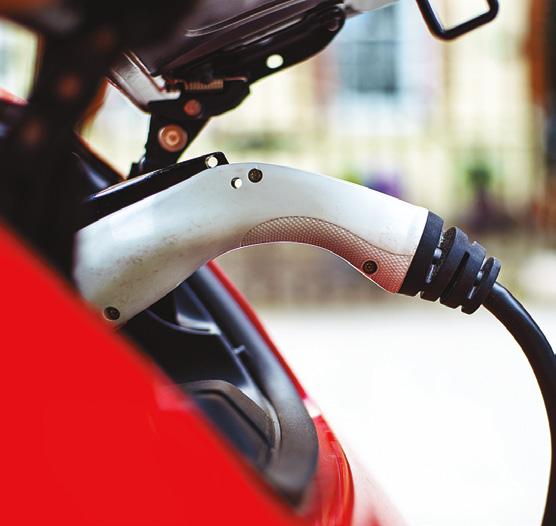
Skeptics believe Mexico does not have the sufficient infrastructure for these vehicles to circulate, but, just in the Santa Fe area of Mexico City, there are more EV chargers than gas stations. “The lack of infrastructure is a myth. It is true that it needs to grow, but Mexico has 2,500 public charging points and almost 100 percent of them are free. Consumers have no idea of that. We have installed more than 7,000 chargers, both public and private. In early 2020, we are installing between 200-250 chargers per month, nationwide,” says Rodrigo Centineo, Founding Partner of E•DRIVE, the Mexican company
that has integrated the largest EV charger network in the country hand-in-hand with BMW, Nissan, Porsche and Jaguar-Land Rover. For EVs, it is a matter of when rather than how.
Mexico has more than 7,000 public and private charging points for EVs
COVID-19
As an outstanding decade fades, a new one starts with a major challenge: a pandemic. In December 2019, the COVID-19 disease was detected in Wuhan, China as a health hazard brought by a new strand of coronavirus dubbed SARSCoV-2. Contagion grew exponentially, forcing the Chinese government to shut down all non-essential economic activity. During 1Q20, most manufacturing activities were suspended and automotive supply chains began to be disrupted. OEMs in mainland China started to suspend operations and as the virus spread through Europe, so did suspensions. Eventually, the virus reached Mexico.
US OEMs were the first to suspend operations in late March at all North American plants. Shortly afterward, most OEMs followed and over a one-week period, 10 of the 12 light-vehicle OEMs in Mexico suspended operations for at least two weeks plus the regular Easter break. The situation escalated in Mexico as it did in other countries. Social distancing measures were implemented, companies began implementing home office for their employees and eventually, all non-essential businesses were closed. By mid-April, all OEMs in the country had extended the suspension of operations until May 4. It was not until May 12 that the government deemed the automotive industry as essential, allowing companies to restart operations as their health and safety protocols were approved.
The health emergency disrupted exports, sales and production across all industries and it set the global economy into what the International Monetary Fund (IMF) called The Great Lockdown: the worst economic downturn since the Great Depression. In march, domestic sales experienced the biggest annual drop since 2009 and AMDA projected an annual reduction of above 90 percent in April and May.
AMIA, INA and ANPACT are yet to release estimates but considering IMF’s forecast of an annual 6.6 percent GDP contraction for the Mexican economy in 2020, the scenario will be worse than in 2009. As of April 2020, the outlook remained uncertain as the pandemic progressed. Most observers agree, however, that the impact will be lasting.
RESULTS AND INDUSTRY EXPECTATIONS
The automotive industry’s performance over 2019 provided confirmation of the end of a product cycle after record figures achieved in 2016. The 3.98 million light and heavy-vehicles produced were not that far off the 4 million many expected. Overall, the country consolidated its place as the sixth-largest vehicle producer in the world. The industry also contributed 3.8 percent of the country's GDP, 0.3 percent more than in 2018. Moving into a new cycle, leaders from the main industry associations define the priorities for further development and growth.
With an annual production of 3.98 million light and heavy vehicles in 2019 (4.3% of global production), Mexico is now the sixthlargest vehicle producer, according to OICA
2,768,268 3,253,859
3,933,154 3,911,093
The automotive industry in Mexico reached a production value of US$143.3 billion in 2019 representing 3.8% of Mexico's GDP
DISTRIBUTION OF AUTOMOTIVE FDI (1999 - 3Q19)
Total FDI 1999-3Q19
US$72.73 billion
60.2% Auto parts
37.3% Light vehicles
2.5% Heavy vehicles
US$143.3 billion in total
44.20% Light vehicles
39.92% Auto parts
.92% Bodyworks and trailers MEXICO'S AUTOMOTIVE PRODUCTION
14.96% Heavy vehicles
PRIORITIES OF THE MEXICAN AUTOMOTIVE INDUSTRY (as presented by main trade associations)
STRENGTHENING THE DOMESTIC VEHICLE MARKET AND IMPROVING THE ENVIRONMENT
• Promoting new-vehicle sales through financing and fiscal incentives
• Maintaining control measures on used-vehicle imports
• Modernizing the local vehicle park through scrappage programs
• Incentivizing the adoption of hybrid and electric vehicles, as well as advanced motorization
technologies and self-driving vehicles and fostering the required infrastructure
• Fostering professionalization of SMEs to boost vehicle renewals
• Adjustments to regulations applicable to circulating vehicles and auto parts
IMPROVEMENT OF THE LOCAL BUSINESS ENVIRONMENT AND COUNTRY COST
• Improving security levels for vehicle and auto parts transportation on roads and railways
• Ensuring the existence of sufficient qualified human resources at both the technician and professional levels
• Promoting competitive incentives to continue attracting and developing national and foreign investments
• Simplifying the legal framework for the sector to prevent overregulation and differentiated criteria betweeen various public dependencies and government levels
• Promoting actions against contraband and economic informality
• Ensuring permanent communication with federal and state governments
• Strengthening productive chains in the national automotive industry
• Boosting communication with civil society including trade associations, media and academic institutions and research centers
• Eliminating obstacles in the logistics chains for vehicles and auto parts in Mexico
• Substituting REPUVE with an efficient digital platform in which the government is responsible for vehicle sales statistics through vehicle registration
• Boosting transparency and the fight against corruption and impunity
• Ensuring access to water and energy resources in an appropriate quantity and quality and at internationally-competitive prices
INTERNATIONAL NEGOTIATIONS AND ACCESS TO INTERNATIONAL MARKETS
• Mantaining, defending, revising and improving Mexico's current trade agreements
• Negotiating new trade agreements that allow the country to diversify its exports markets
RESEARCH, TECHNOLOGY DEVELOPMENT AND INNOVATION
• Creating competitive tax incentives for R&D operations for the automotive industry with multi-annual support
• Creating a sectorial fund for the automotive industry that promotes investments in R&D operations
• Strengthening the linkage and interaction of the industry with academic institutions and research centers with a focus on innovation and technology development programs for the automotive industry
NEW ADMINISTRATION FACES SHIFT IN TRADE STANDARDS
GRACIELA MÁRQUEZ Minister of Economy
Q: What will be the Ministry of Economy’s guiding principles during the current federal administration?
A: The Ministry of Economy is responsible for generating wealth and increasing the well-being of all Mexicans, both of which are also the main objectives of President López Obrador’s administration.
Mexico closed the second decade of the 21st century with a trajectory of low growth rates and enormous regional, sectorial and social disparities. Over the past 12 years, the country has averaged annual growth of 2.1 percent, of which 69 percent originates with foreign companies, while national businesses contributed 31 percent. Mexico still must take advantage of its close ties to the global economy and at the same time strengthen its productive force. In other words, the virtuous combination between the global economy and the domestic market will help the country find the path to sustained, sustainable and inclusive growth for the coming years.
Our objective is not only to reactivate growth at high and sustained rates but to do so with a focus on solving existing inequalities. This means generating wealth without leaving any social sector, production segment or region of the country behind.
We have set three main pillars that will guide our policies: innovation, diversification and inclusion. These pillars are not mutually exclusive; they complement each other. We are in the middle of the fourth industrial revolution, which is changing the way we understand production of goods and services. The challenge is to adopt these technologies inclusively to benefit the entire population.
Innovation is key for our economic policy. We are convinced that only by adapting to and adopting new technologies, will we be able to produce new goods and services based on an efficient, competitive and productive supply chain that integrates national added value. The Ministry of Economy will support innovation through programs such as Programa para el Desarrollo de la Industria del Software y la Innovación (PROSOFT)
and Programa para la Productividad y Competitividad Industrial (PPCI). We are confident that innovation will help us close inequality gaps created in the past decades.
The second pillar – diversification – is essential to promote exports of goods and services of all productive fields in the country, integrating those sectors and regions that have been left out of global market participation. Investment in logistics, easier paperwork and the provision of market information will be the springboards that help national producers participate actively in international trade.
The third pillar that we will boost is inclusion, which means promoting collaboration of marginalized regions and population segments in high-productivity activities. The combination of these strategic pillars will allow us to contribute to the country’s growth and to the consolidation of our strengths according to our industrial calling and cultural identity.
We will articulate a real industrial policy through collaboration between the conjunction of the national industry, society and the government, which will increase the well-being of the national population. The greater challenge is to close the gap between regions and between segments of the population.
Q: What is the ministry’s strategy to strengthen the automotive industry while helping the local market to recover?
A: The automotive industry in Mexico is globally competitive. The country’s sixth position in vehicle production and fifth in auto parts manufacturing are proof of that. In addition, over the past decade, the country has achieved several records, mostly in vehicle exports.
Today, we enjoy a modern and productive infrastructure for automotive goods that complies with international standards. The foundations that have boosted the sector will be reinforced during this administration. Mexico has a solid regulatory framework, a broad network of free trade agreements, a privileged location, as well as competitive production costs in workforce and logistics.
The automotive industry plays a very important role in Mexico’s economy and its leadership as a currency and employment generator makes it a strategic sector. This administration will foster actions that will strengthen wealth generation through innovation, inclusion and diversification while contributing to the industry’s opportunity areas. Among these actions are strengthening Tier 2 and Tier 3 companies, boosting supplier development throughout the entire supply chain with a special focus on raw materials and tooling equipment, while fostering human capital specialization according to the industry’s demands.
The Ministry of Economy will support the entire sector, setting the stage for a more solid and more competitive market with effective rule of law to attract investment, liaise with different elements of the supply chain and promote companies’ participation across different industry levels. At the end of the day, all these elements have a positive influence on sales in different industries and sectors.
Q: How is the new federal administration planning to provide the needed certainty to investments in the automotive sector?
A: Mexico has broad competitive advantages in the automotive industry, not only regarding manufacturing. Today, we have engineering centers from global automakers and auto parts manufacturers. We know the automotive industry demands qualified labor to adequately supply in quantity and quality. Human capital availability and automotive industry infrastructure are main production elements that will bring a long-term impact to the industry. The new administration will offer opportunities to the population to develop the required talent, while incorporating them successfully into the industry.
Legal certainty and resource availability that promote greater specialization and inclusion from more companies into the global supply chain will be key in the industry’s development, both locally and internationally. Regardless, competitiveness in the automotive industry and the great business opportunities the country offers are the main guarantee that investments will maintain a privileged dynamism.
Q: What opportunities will USMCA’s implementation bring to Mexican automotive suppliers and automakers with operations in the country?
A: The first thing we can highlight from USMCA is that Mexico maintains its preferential access to the US market. The changes agreed in rules of origin will boost a greater degree of integration for the automotive industry in
North America. An increase in the regional content value (VCR) from 62.5 percent to 75 percent in light vehicles further reinforces and consolidates production chains and promotes greater use of inputs sourced in North America, providing greater opportunities for Mexican suppliers.
Operational costs for automotive manufacturing in Mexico are competitive and offer advantages over most countries in Southeast Asia. At the same time, VCR requirements are an additional incentive for companies to set up shop in Mexico. Although complying with stricter VCR standards will be challenging, the auto parts industry has developed significant capabilities.
Furthermore, Mexico offers greater competitive advantages when compared to other USMCA members. This treaty, in particular regarding the conditions established for the automotive industry, reflects US efforts to relocate manufacturing production to US territory, as well as the need for a strategic manufacturing partner in the region. Mexico has the opportunity to strengthen European and Asian production chains, creating more incentives for more companies to establish operations in North America.
It is important to highlight that the labor component included in USMCA’s rules of origin has several compensation alternatives through investments in R&D activities that will favor the profile of automotive companies established in Mexico.
Q: How will the Ministry of Economy help local suppliers to comply with USMCA’s new rules of origin for the automotive sector?
A: The federal government has programs that even though are not exclusive for the automotive industry, are available to support the industry in developing human capital, as well as investments and technology development. These programs, together with the addressing of specific needs, will have the potential to impact positively in developing local suppliers, having social benefits as they help to modernize production processes while they promote inclusion of new competitors.
The Ministry of Economy will provide guidance to companies regarding the availability of these federal programs, as part of a public policy that will boost industrial competitiveness.
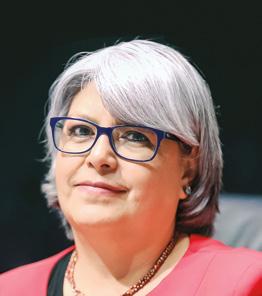
Graciela Márquez is the first woman to lead the Mexican Ministry of Economy. She was a professor and researcher at Colegio de México. Márquez majored in economics and has a Master’s in economics from UNAM and a Ph.D. from Harvard University
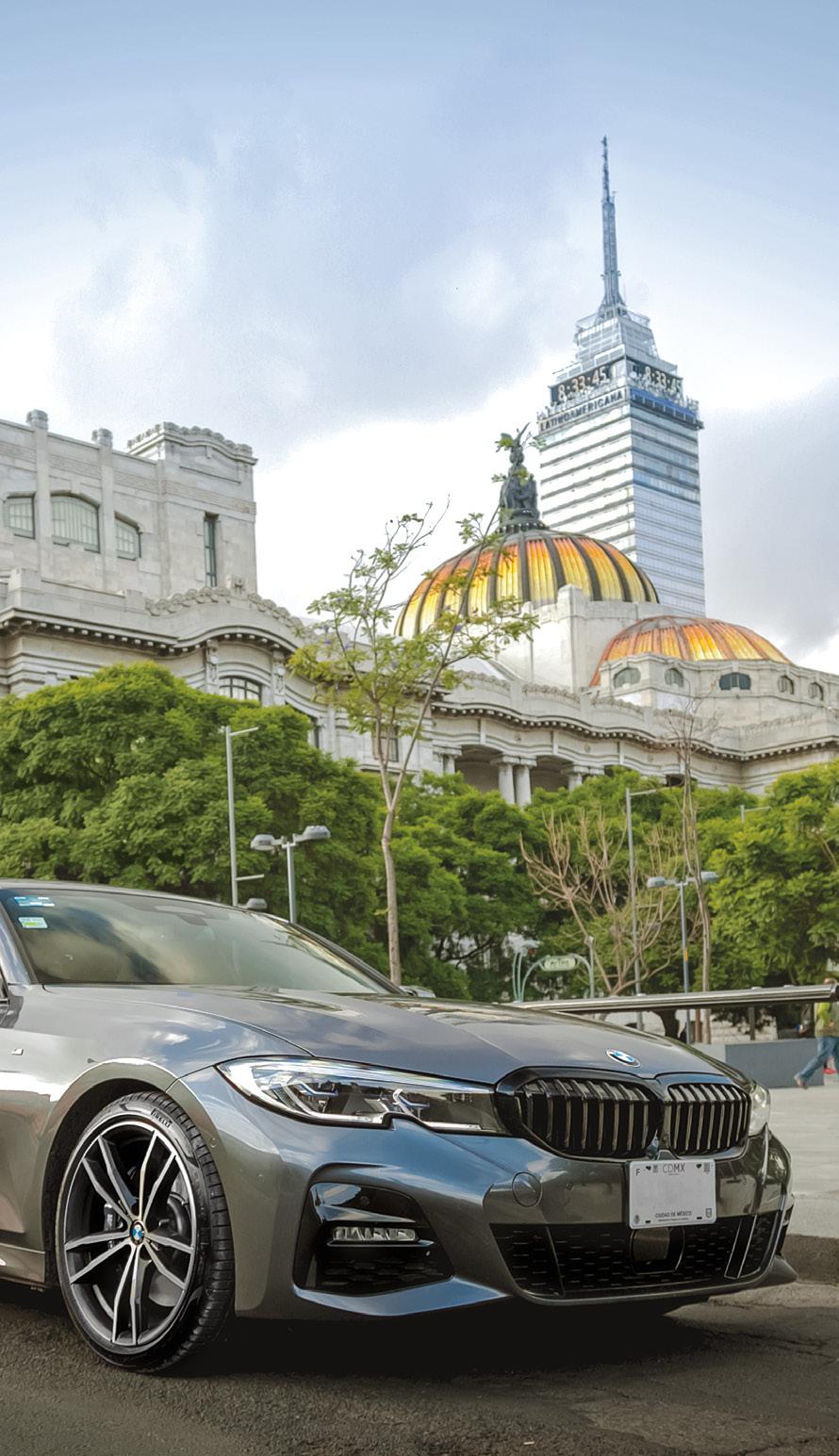
BMW 3 Series, Mexico City
INCLUSION, DIVERSIFICATION, INNOVATION: PILLARS FOR FDI ATTRACTION
GILBERTO GARCÍA Director General of Direct Foreign Investment at the Ministry of Economy
Q: What is the administration’s strategy to continue promoting the country after the termination of ProMéxico?
A: Economic promotion is important to the federal government and the Ministry of Economy. This will not change now that ProMéxico no longer exists. Our goal is to take the best practices developed by that organization and others and apply them to continue stimulating economic development. The new economic promotion strategy will now be under the jurisdiction of the Global Economic Intelligence Unit directed by Sergio Silva, in coordination with state and municipal governments and the Ministry of Foreign Relations (SRE). The objective is to replace ProMéxico’s 46 offices with 150 points of contact across the world focused on foreign trade. We are also coordinating with state governments and economic development units to properly channel economic support from the federal government to companies that need it.
Q: How will the new administration’s trade promotion policy make Mexico a more attractive investment destination?
A: In previous years, there was only a vague definition of the strategic areas and products that should be a priority in investment and trade promotion, which led to the poor use of resources and results. Now the parameters will be very clear. We will use data mining to accurately determine Mexico’s strategic products and sectors and to identify interventions to promote growth. We will analyze each region to evaluate their capability to produce added value products, which will in turn generate better jobs with better salaries for our population. Our strategy will also take into account an analysis of the global supply chains in which Mexico participates.
The Ministry of Economy follows three pillars: inclusion, diversification and innovation. Inclusion refers not just to companies that can enter global supply chains but also those that can support the economic development of the communities where they are located. Our inclusion strategy also targets exports from more regions in Mexico, as most exports originate in just 11 or 12 metropolitan areas.
In terms of diversification, our goal is to grow the number of companies that export their products. At this point, 90 percent of all exports are done by big companies and we
want SMEs to increase their participation. Moreover, five or six products represent 40 percent of Mexico’s exports, which are mainly destined for the US. We need a diversified export chain in terms of products and destinations as this will allow us to minimize risk. Regarding innovation, our goal is to be more competitive in areas with higher added value, which will also permit the generation of better work conditions in Mexico. The federal government is greatly interested in working with foreign companies to develop Mexico’s economy and capabilities.
Q: What are the main elements that manufacturing companies must take into account when investing in Mexico?
A: The first is to focus on human capital and consider whether the employees they need are available in the region in which they want to establish. The second is quality of life. When opening a branch in a different country, companies should look after the quality of life of the employees they bring with them. The third is the overall business environment. Some states in Mexico have advanced significantly in terms of transparency, certainty, rule of law, speed in opening a business and security.
Q: What types of investment are necessary to improve local automotive supply chains in Mexico?
A: The automotive sector is going through a transformational process and technological changes will determine the success of automotive companies in the next few decades. Value chains in the automotive sector must adapt to these technological changes in the short term to be successful at a global level. We are now developing a route map to understand how automotive companies can enter the value chain for electric mobility. The plan will include everything from the improvement of lithium production to attraction of battery manufacturers and how to support local governments interested in implementing electric public transport.
The Direct Foreign Investment direction is part of the new Global Economic Intelligence Unit of the Ministry of Economy. It is in charge of designing the economic promotion strategy for Mexico, in collaboration with the Ministry of Foreign Relations
NEW AGREEMENTS SHAPE ECONOMIC FUTURE
YASUSHI TAKASE
Ambassador of Japan in Mexico
Q: What conditions have been met to give Japanese investors confidence regarding their projects in Mexico?
A: The major contributor to investor confidence is the Economic Partnership Agreement (EPA) between Japan and Mexico, which was implemented in 2005. Beyond a diplomatic relationship, EPA included a chapter focused on investment and another focused on creating a committee to establish the right conditions to foster an attractive business environment. This committee has met over 10 times, bringing together government officials and private sector representatives from both countries.
Trade between Japan and Mexico has more than doubled since EPA’s establishment. Over the past five years, the number of Japanese companies in the country has doubled to a total of more than 1,200 players. Half of these companies are established in the Bajio region, including automakers, parts suppliers, construction and logistics companies and bankers.
Q: What strategies has the Japanese government implemented to foster collaboration with academic institutions to bolster the capabilities of the Mexican workforce?
A: Through the Japan International Cooperation Agency (JICA), we are working with local governments in the Bajio region — especially with Aguascalientes, Guanajuato and Queretaro — to develop training courses in the automotive industry. The number of Japanese companies in the country has created a large demand for talent and our efforts have paid off in the availability of quality engineers.
Q: What is Japan’s strategy to cooperate with President López Obrador’s administration?
A: Japan has a long tradition in Mexico. Japan’s Minister of Foreign Affairs visited Mexico in August 2018, while his Mexican counterpart visited Japan in October 2018. We
Yasushi Takase is the top representative of the Japanese government in Mexico, with over 35 years of experience in diplomatic affairs. He is responsible for overseeing diplomatic and trade relations between both countries
have also had a chance to meet with several ministers from the administration to provide our input on infrastructure and human capital development, as well as the federal government’s plan regarding the southern region of the country. There are high expectations from the Mexican government for Japan to increase its trade and investment in the country and we already organized an economic mission with the Japanese Chamber of Commerce and Industry in February 2019 that brought 60 companies from various sectors.
Q: How will CPTPP boost the trade relationship between Japan and Mexico?
A: CPTPP will set the standard for the 21st century not only in trade but in investment, services, intellectual property protection, e-commerce and even relationships with state corporations. The agreement will be the basis for a new value chain established throughout the Asia-Pacific region and focused on a free, open and fair business environment. More countries are interested in joining the agreement beyond the original 11 members, which in turn will fuel growth in Mexico.
Q: How important is Mexico’s relationship with the US for Japan and how will USMCA impact Japanese companies’ development strategies?
A: The US is among the largest economies in the world and a key market for Japanese companies, which means Mexico is in an advantageous position to act as a platform for Japanese companies to reach the US.
USMCA will change the business environment for Japanese companies in North America. New rules of origin established in the agreement will force corporations to find a new strategy to manage their investments and source more components locally. The Japanese government and the private sector have together devised strategies to foster growth among local suppliers and supporting industries in Mexico. We are even bringing in Japanese experts to train Mexican suppliers and increase their capabilities so they can participate in Japanese supply chains. These companies must meet Japanese quality standards and be capable of delivering components on time and on spec.
MORE OPENESS, MORE BUSINESS
WONIL NOH
Minister Counselor of the Embassy of the Republic of Korea in Mexico
Q: What role does the automotive industry play in the bilateral trade relationship between South Korea and Mexico?
A: South Korea is Mexico’s sixth-largest trade partner in terms of exports and imports. Mexico is very important for South Korea, as trade volumes between both countries are similar to the total trade volume between South Korea and Brazil, Chile and Colombia combined. According to our statistics, South Korea’s 2018 trade volume with Mexico was about US$16.5 billion; according to INEGI, it was approximately US$20 billion. The difference is because INEGI takes into account the made-in-Korea label even when the product comes from the US or Canada. South Korea’s total investment in Mexico is US$6.5 billion, which puts South Korea in second position among Asian investors in Mexico, following Japan. Meanwhile, Mexico is South Korea’s 15th main trade partner, being ninth in terms of exports and 24th in imports.
Q: What programs are the Mexican and South Korean governments implementing to promote trade?
A: To improve business conditions in Mexico for South Korean companies, the Korean government is advocating for the establishment of an FTA with Mexico through the Pacific Alliance. We expect an FTA with Mexico will increase trade and investment in the automotive sector. This is the most important pending issue for our embassy. Members of the Pacific Alliance and the Korean government have agreed to initiate negotiations. By September 2019, they had already held a meeting on terms of reference, the schedule of the negotiation, the structure of the working group and the structure of the text.
At the same time, South Korea and Mexico are revising their Bilateral Investment Treaty, which is outdated since it was established more than 10 years ago. The Ministries of Finance of both countries hold a joint economic cooperation committee every one or two years to discuss pending issues to facilitate trade, investment and economic cooperation.
Q: What obstacles have prevented Mexico and South Korea from reaching an FTA?
A: Since 2002, the South Korean government has established many FTAs with its trade partners. Chile was
the first in Latin America and we also reached a deal with India, the US, the EU, China and eventually with Canada. Our FTA with Mexico was an exceptional case. In 2006, negotiations were not fast enough, and in 2008, both countries reinitiated negotiations, again in vain. In 2016, after the South Korean president visited Mexico, there was a compromise to reinstall negotiations in 2017. However, that was the year Trump decided to review NAFTA, thus most Mexican negotiators focused on it. Not surprisingly, possible changes in NAFTA created reservations in the steel and automotive industries. Today, after continuous investments from South Korean companies in Mexico in the automotive and household appliances sectors, there is less reluctance to do a deal with South Korea.
Q: What role do you think South Korea will play in the development of the Mexican automotive industry?
A: Many Mexican companies have established partnerships with Korean companies, not only in the automotive sector but also in the electronics, steel and chemicals industries. Several state governments, such as Yucatan, State of Mexico and Queretaro, want to attract South Korean investment in the automotive sector to grow their economy and to create jobs. At the embassy, we support Mexican companies in exploring or finding business opportunities with South Korean players. Particularly for the automotive sector, these efforts are made through the Korea Trade-Investment Promotion Agency (KOTRA), whose function is to promote South Korean exports and investment attraction. Every year, KOTRA’s office in Mexico City organizes the Korea Autoparts Plaza Mexico to promote partnerships between South Korean and Mexican auto parts manufacturers or Mexican automakers. In April 2019, 40 companies, including South Korean and Mexican auto parts manufacturers, participated in this event in Celaya.
Wonil Noh is a South Korean diplomat and Minister Counselor for Economic Affairs at the Embassy of the Republic of Korea in Mexico. He is responsible for overseeing diplomatic and economic relations between both countries
COVID-19 A TURNING POINT FOR THE INDUSTRY: AMIA
FAUSTO CUEVAS Director General of AMIA
Q: How has AMIA tried to convince the government to label the automotive industry as essential during the COVID-19 crisis?
A: We have remained in close communication with different players in the executive and legislative branches, including the Ministry of Economy, the Ministry of Foreign Relations, IMSS, deputies and senators. The automotive industry generates 3.8 percent of Mexico’s GDP, 20.5 percent of the manufacturing GDP and approximately 980,000 direct jobs. Given its relevance, we approached different players and finally received the approval for the automotive industry to be labeled as essential. Coming tasks are focused on resuming operations.
As the industry gets ready to resume operations, we offer an optimistic perspective to return to the new normal. We have talked with IMSS about the health and safety protocols that must be followed. The most important element in resuming operations is to ensure the health and safety of company collaborators. It is necessary to set all necessary measures to prevent contagions at the plant. Going back to work should not mean an increase in cases.
Q: What production levels should the industry expect in the short term?
A: Production and exports have remained close to zero given that most OEMs and plants remained closed in April. This situation is unprecedented. We have never experienced that in the history of the industry. However, we need to remember that the situation is global. Other countries around the world have gone down this path at different paces. As for Mexico, we have a two-to-three-week time difference compared to the US and Europe in terms of COVID-19 cases. In Asia, as of early May, people had already returned to work. The global pandemic will have significant negative effects. It will be really difficult for the industry to recover lost production
The Mexican Association for the Automotive Industry (AMIA) is a civil association formed in 1951 with the goal of representing the interests of vehicle manufacturers established in Mexico
and sales levels. The goal now is to get back on track and look forward to regaining pre-pandemic levels.
Q: What other impact will the COVID-19 pandemic have on the Mexican automotive industry?
A: Mexico is highly dependent on foreign trade. Around 88 percent of what is produced in Mexico goes abroad, mainly to the US, Canada, Europe and Latin America. Regarding the internal market, 64 percent of what is sold in Mexico is imported. We depend greatly on international trade, so much so, that the reignition of the industry should be aligned with the recovery in other affected markets. It is not sound to produce vehicles that do not have an end customer. Demand will grow gradually.
On the other hand, we should get used to a new normal. Specifically, all health and safety protocols that are going to be applied when resuming operations most likely will prevail for a certain period of time to provide certainty that the pandemic has indeed ended and there are no risks of new contagions. This new normal will change the way we produce and sell. We have yet to see how this new socialdistanced world will affect economic activities, including automotive. The automotive industry will get back on track under a different reality than what we were used to.
Q: How feasible is it to delay the enforcement of USMCA’s new rules of origin?
A: The alternative transition regime is a figure that is only applicable to automotive rules of origin. It is not an instrument that could be applied to other sectors. This was just published on April 30 as these kinds of regimes are a feasible option that each company in each country should decide on. This offers the possibility for companies to extend the time frame under which new rules of origin should be met. The treaty as it is today established that new rules of origin should be met within a three-year period. However, under alternative transition regimes, this could be extended to five years or longer depending on the plans that each company has regarding compliance. Having said that, this regime could only apply to light and heavy OEMs, not to the entire automotive supply chain.
GOOD TIMES AHEAD FOR MEXICO’S HEAVY VEHICLES
MIGUEL ELIZALDE
Executive President of ANPACT
Q: What challenges and opportunities will Mexico’s heavyvehicle segment encounter after USMCA?
A: Mexico negotiated USMCA from a defensive position, focusing on retaining as much of the success it had achieved in the development of an automotive industry. The country is the sixth-largest producer and fourth-largest exporter of heavy vehicles worldwide and the No. 1 exporter of tractor-trailer units worldwide. Through USMCA, the US government aimed to recover part of the automotive industry that had moved to Mexico in the last decades, but that strategy focused more on the light-vehicle segment. ANPACT worked with the Mexican authorities, and with its US counterpart, to differentiate the light and heavy-vehicle sectors during negotiations. Our goal was to establish different transition times for the light and heavy-vehicle industries to comply with the new rules of origin defined in the new agreement. As a result of this strategy, truck and bus OEMs will have seven years to comply with new standards, which will be parallel to the introduction of emissions standards in 2024 and 2027.
USMCA’s ratification will offer certainty for more companies to invest in Mexico. ANPACT expects that investments for final assembly will continue landing in Mexico. However, salary requirements will force OEMs to source engines, transmissions and batteries from high-salary countries, which will harm Mexico’s attractiveness for the production of those systems.
Q: What are the most important changes in regional content requirements that USMCA establishes?
A: USMCA requires heavy-vehicle OEMs to increase their regional content from 62.5 percent to 70 percent and to source 45 percent of that content from high-salary regions. This means good and bad news for Mexico because while USMCA will provide new growth opportunities, some of them will stay in the US and Canada. There is room for heavy-vehicle OEMs to add more Mexico-made components as long as they are not engines, transmissions and advanced battery packs.
Salary content requirements will be met in three ways. Companies that are producing engines, transmissions or advanced batteries in high-salary regions have already covered a 5 percent content requirement. If they have R&D
operations in these regions, they have another 10 percent covered. The remaining 30 percent can be met with normal manufacturing operations with high salaries. As a result, the main area of opportunity for the Mexican supply chain is in hogging the other 55 percent.
Q: How will USMCA impact used heavy-vehicle imports from the US to Mexico?
A: USMCA, as well as NAFTA before it, allows for the import of used trucks and buses to Mexico. However, a decree published by the Ministry of Economy requires these trucks and buses to be 10 years of age or younger and to pay a 10 percent tariff to enter the Mexican market. Authorities need to monitor compliance of this norm because truck documents are often forged. ANPACT is in favor of importing used trucks inasmuch as these units are as new as possible. We are aware that the least safe and most polluting vehicles tend to be the oldest.
Q: How did Mexico’s heavy-vehicle industry fare in 2019?
A: Production and exports of heavy units increased by 19.8 percent and 19.7 percent in the first 10 months of the year, compared to the same period of 2018, respectively, powered by rising demand for new trucks in the US market. In terms of domestic sales, the heavy-vehicle segment has performed well, but ANPACT expects this trend will be short-lived.
The country’s transportation industry faces challenges related to truck robberies, rising fuel prices and vehicle cost increases as a result of new technologies and a volatile exchange rate. These factors would usually disincentivize fleet renewals. The enforcement of NOM-044, however, dictates that all trucks and buses produced in Mexico or imported to Mexico must meet Euro V or EPA 7 emissions standards since July 2019. This has forced transportation companies to anticipate truck purchases. The pre-purchase effect will fade once this norm is enforced.
The National Association of Bus, Truck and Tractor Trailer Manufacturers (ANPACT) represents heavy-vehicle and engine manufacturers based in Mexico. It promotes the development of the commercial-vehicle industry in the country
USMCA RATIFICATION WILL LEAD TO INVESTMENT CERTAINTY, GROWTH
ÓSCAR ALBIN Executive President of INA
Q: How can Mexico maintain its position as the fifth-largest supplier of automotive components worldwide?
A: Mexico has several characteristics that make it attractive for the production of automotive components. One is its geographic proximity to the US and Canada. We are the only low-cost country in the North American region, so the 17 million vehicles produced in the NAFTA region have Mexican auto parts. The strength of the US market has given us the opportunity to grow in past years. We are the most important supplier of auto parts to the US and Canada. Another advantage is the renegotiation of NAFTA, now USMCA. Its successful renegotiation provided guarantees to investors and companies in Mexico to continue producing for the NAFTA market.
The automotive and auto parts industry in Mexico is very dynamic. Domestic consumption is decreasing but export activity is robust. Brazil is also helping exports grow. Since the Brazilian economy is expanding, we are exporting more to the country. Moreover, in March 2019, Mexico and Brazil launched a free trade agreement, which boosted our commercial relationship. Although demand from Brazil will not equal that in the US, it will help us boost our exports.
Q: What main threats could hamper the growth of the Mexican auto parts industry?
A: A main risk is the availability of qualified labor, which includes blue-collar workers, technicians and engineers. Some parts of the country are practically saturated but other areas have no space to continue growing. Migration toward industrial areas is not ideal because it generates social problems. The ideal solution would be for the industry to move toward cities with workforce availability. This is something the government needs to promote through federal policies.
The National Auto Parts Industry (INA) is the organization that represents auto parts companies established in Mexico. It promotes the growth and development of its membercompanies in the original equipment and aftermarket segments
Another aspect that limits growth is job security. The new Federal Labor Law establishes significant changes in the employer-employee relationship and both sides need to learn how to best work together. This change is necessary and mandatory, not only because of USMCA but also because of Mexico’s commitment to the International Labor Organization.
Q: Now that USMCA is almost enforced, how are INA and its members working to comply with new local content standards?
A: These new standards will benefit auto parts producers across North America. Companies that use components that are imported from outside the region will have to find a way to buy them or produce them locally. This will surely lead to investments in all three countries. It will be a gradual process and Mexico could use it to attract more FDI. Still, we need political and investment security and a robust implementation of USMCA.
Q: How is INA supporting smaller suppliers to help them comply with quality standards and speed up the process of complying with local content requirements?
A: Rather than helping them to develop manufacturing and quality standards, we are helping smaller players to connect with Tier 1s through opportunity identification programs. If they do not see a business opportunity, companies will hardly invest in new machinery and quality processes. We have developed a supplier development program, with SE’s support, through which we visit around 150 suppliers, audit them and link them with potential clients.
Q: How on track is Mexico to reach fourth place among the largest automotive component manufacturers in the world?
A: We are very well on track to reach Germany’s production volume. As a consequence of the commercial war between the US and China, North America will have the opportunity to attract more Chinese investment for auto parts production and we will surely see some Chinese companies arrive to Mexico.
MEXICAN DEALERSHIPS HIT BY MARKET CONTRACTION
GUILLERMO PRIETO Chairman of AMDA
Q: What factors are preventing the country from bouncing back from its sales downturn?
A: The sales downturn is a consequence of both internal and external factors putting pressure on the Mexican vehicle market. While international geopolitical events such as USCMA’s negotiation have impacted Mexican consumer behavior, internal issues such as economic contractions and lower consumer confidence are also worthy of consideration. Macroeconomic factors such as inflation, exchange rate volatility and high interest rates are creating uncertainty among consumers. People are becoming much more cautious when making purchases of durable goods such as vehicles.
To reverse this situation, we need economic growth as well as more certainty regarding USMCA, which will have a positive impact on consumer confidence. Mexicans must also increase their purchasing power. While inflation has been controlled, real salaries have lost ground. Additionally, several austerity policies from the federal government have had a direct impact on vehicle sales. If economic variables improve, we could sell above projections. Segments such as luxury and sports have identified a mature population niche. However, the biggest potential for growth is in the compact and subcompact segments.
Q: How can the government participate in the development of the national automotive industry?
A: Players in the Mexican automotive industry must be attentive to government decisions. Automotive is already an overly regulated sector in which dealerships must report to and meet regulations of Mexico’s Tax Administration Service, the Ministry of Communications and Transport, the Federal Consumer Protection Office, the Ministry of the Interior, the Ministry for the Environment and the Ministry of Labor, among others. This means regulatory changes could pose new difficulties for the entire market.
AMDA is working to establish communication channels with the new federal government to raise awareness of the importance of the automotive industry for Mexico’s economy. The country’s dealership sector, which AMDA represents, includes close to 2,300 dealerships. All players
in this sector are family-owned Mexican companies. They are a key source of tax revenue and employment and constantly invest in the country.
Overall, the Mexican automotive industry accounts for 2 million jobs, around 3 percent of Mexico’s GDP, 20 percent of the country’s manufacturing GDP and is the main export-related currency generator with a positive trade balance of over US$70 billion.
Q: What have depressed vehicle sales meant for Mexico’s vehicle-financing sector?
A: A drop in vehicle sales necessarily means a contraction in the automotive financing market as approximately 66 percent of all car sales in Mexico are on credit. There are, however, other factors hampering the vehicle financing market. High interest rates make car loans more expensive, while overly elongated credit periods mean greater risks for the companies that offer them. Despite this situation, pastdue portfolios in the vehicle market are usually less than 2 percent of all loans, which has enticed commercial banks to offer more of these financing products and win ground against financial branches and self-financing companies.
Q: How is digitalization impacting dealerships’ business models?
A: The market is moving toward online vehicle sales, which puts pressure on dealership groups to increase efficiency and productivity and improve customer service. At the same time, vehicle ownership is no longer as alluring given the new mobility schemes that are arising thanks to digitalization. Shared ownership and the rise of ride-hailing services are changing the game worldwide. In Mexico, however, the lack of competitive public transportation entices vehicle ownership among local consumers.
The Mexican Association of Automotive Dealers (AMDA) was founded in 1945 and now represents the interests of around 2,390 dealerships located in more than 210 cities throughout the country
AUTOMOTIVE CLUSTERS
PROTECTING SUPPLIERS AMID COVID-19
MANUEL MONTOYA
President of the Mexican Automotive Cluster Network
Q: What spurred the creation of an automotive cluster network?
A: The Mexican Automotive Cluster Network has its precedent in the Automotive Cluster of Nuevo Leon (CLAUT), which was created in 2007 as a civil association following a model from the Basque country. After consolidating our operations, we helped other emerging clusters like Guanajuato, Queretaro, the State of Mexico, Puebla and San Luis Potosi. After that, presidents of the clusters started getting together informally from time to time, at the events organized by AMIA, for example. About three years ago, we started formally sharing our experiences and information on what was happening in every state. We started implementing strategic planning in December 2018, which is when we realized we needed an inclusive entity for all clusters in the country. Finally, on July 28, we formally constituted the Mexican Automotive Cluster Network.
We agreed to create a management board to help us ground the ideas that come up in meetings, just like we do in every cluster. Companies come together because there are common issues that need a solution, so the cluster tries to manage those ideas objectively.
Q: How has COVID-19 disrupted automotive supply chains in North America?
A: Since it started in China, there was concern about the effects of COVID-19 on the automotive supply chain. Plants started to stop operations in China and some suppliers in North America might have faced some difficulties that were eventually solved. When COVID-19 arrived to Italy, again some suppliers faced some issues but they were handled. The worst impact from COVID-19 began in North America when OEMs chose to stop operations at the behest of several governments. In Mexico, the automotive industry was not considered essential. In the US, some
The Mexican Automotive Cluster Network was established in July 2019 and includes the clusters of Chihuahua, Coahuila, the State of Mexico, Guanajuato, Laguna, Nuevo Leon, Queretaro, San Luis Potosi, Puebla and Tlaxcala
parts of the industry continued working but in most places the industry ceased operations.
In North America, sales in March plunged 40 percent. People are not buying cars, which is also affecting the supply chain. The main issue is that plants have suspended operations. Some states in the US have not yet granted OEMs permission to operate and the Mexican government itself has not openly granted the industry permission to operate. We are working in that regard but disruptions to supply chains between Mexico and the US, which are greatly co-dependent, will not allow the industry to operate properly. Today, it seems there is no coordinated effort, not only between the US and Mexico but also among US states. Supply chains must be synchronized, otherwise it will be impossible to operate.
To restart formal operations, the industry needs government approval, which we expect might come soon. Some OEMs are expecting to resume operations on May 18 but we have yet to receive an official government announcement. Whether it is on May 18 or not, the fact is that the industry needs to restart operations. Mexico itself needs the automotive industry. Out of the four pillars of the Mexican economy, only one, the automotive sector, is somehow still standing. Remittances are declining, while tourism and oil remain at a standstill. Which sector will able to reignite the economy? It is the automotive industry. In fact, the Mexican government shares this view and has used the sector as a pilot to start implementing health measures at different plants so that people can resume work safely. Other industries will follow but the automotive industry remains a model sector.
Q: What strategies have been implemented to protect Tier 2 and Tier 3 companies in Mexico?
A: Local suppliers and smaller companies have the least resources. There have been companies, as I can tell from the Nuevo Leon Automotive Cluster’s experience, that have indeed taken care of their supplier base. Some have advanced their payments, while others have designed billing strategies to maintain cash flow. Tier 2 companies have also taken care of their own suppliers. Overcoming this situation is a joint effort.
CREATIVITY WILL DRIVE THE POST-COVID-19 AFTERMARKET
ANTONIO LÓPEZ President of ARIDRA
Q: How has the COVID-19 pandemic affected aftermarket operations?
A: First, as there has been a reduction in the circulating vehicle park, this has led to less wear and tear on vehicles and thus fewer spare parts needed. Second, people are taking greater care of their money. Third, the exchange rate, which went from MX$18.75 to MX$25 per dollar, is also affecting sales. In addition, all spare parts imported or produced in Mexico have been introduced with new prices. Finally, we are expecting supply chain disruptions due to the halt in operations. Stocks are limited, which means prices will rise in line with demand.
One of the priorities of ARIDRA members is overdue payments. All of us are forecasting that we will face overdue accounts. We are not yet sure how serious the problem will be but every ARIDRA member will face this. Money collection has also been an issue for our members. We will organize a webinar on the subject in which ARIDRA’s attorney will provide his perspective on how each company should address this issue. The contingency is economic, health-related and social. We hope to enter the new normal soon.
Q: What other initiatives is ARIDRA taking to support its members?
A: It is also important to mention that the aftermarket supply chain has remained active during the pandemic. This is a big achievement. Since March 31, when the health emergency was declared, we have been operating as an essential activity. On April 8, the Ministry of Communications and Transportation detailed essential activities would include vehicle fleet maintenance, workshops and related services. There have even been many requests from related companies to become members of the association due to our results. It is a great moment for ARIDRA to grow.
Another important element to highlight is that from the very beginning of the pandemic, ARIDRA recommended that its members take care of the human element. We are aware of the effects COVID-19 will have on employment
and ARIDRA’s attorney is advising members on how they can best address this issue to protect employment while remaining competitive. We have taken care of all necessary measures to prevent contagion. All health and safety protocols announced by the federal government have been implemented and not a single ARIDRA member has been closed down due to this situation.
Q: How have ARIDRA’s members handled supply chain disruptions?
A: A shortage in supply will undoubtedly have consequences. First, there will be difficulties getting a spare part. For those who can, the parts will be more expensive. In addition, there is no single producer that can satisfy all the demands the Mexican market has in the aftermarket segment. There are more than 700 models and more than 50 brands in the market. It is one of the largest vehicle parks globally, which translates to many market needs. A large number of spare parts sold in the country, either original or spare, are imported, mostly from Asian markets where the pandemic hit first.
Q: What opportunities will COVID-19 bring to the aftermarket segment?
A: There are two key elements that will become evident after COVID-19. First, companies will need a positive attitude to brave the coming challenges. Second, there will be many spaces to be filled. For instance, NAPA auto parts announced the definitive closure of its operations in the country. That is bad news but for some it can be an opportunity to tackle the market. Crises are major opportunity generators. It is best to think about a solution. A major trend emerging from COVID-19 is that consumers and companies have realized that e-commerce is the most important trend in the market today. Disregarding e-commerce will mean bankruptcy for companies.
The National Association for Representatives, Importers and Distributors of Spare Parts and Accessories (ARIDRA) - is a civil association that integrates manufacturers, importers and distributors of spare parts and accessories in Mexico
USMCA: NEW RULES FOR A NEW ERA
After a long period of deliberation, a finalized USMCA will bring certainty to the industry. As stricter rules of origin are enforced, new investments and expansions are likely to take place in the short and middle terms, changing the region's automotive landscape just as NAFTA did
Under pressure from US President Donald Trump, Mexico, Canada and the US redefined their trade relationship in North America with a renegotiation of NAFTA that started in August 2017 and evolved into a new deal: USMCA. Trump based his determination to force a new agreement on protecting jobs, industries and workers, and after a long wait, the US Congress ratified the new deal in January 2020, just months after Mexico. Canada has also ratified the treaty but formal notification to its counterparts was still pending in April 2020. For the automotive industry, the agreement will have major implications as stricter rules of origin are implemented, including the additional Protocol of Amendments signed in December 2019.
According to Minister of Economy Graciela Márquez: “The first highlight from USMCA for the automotive industry is that Mexico maintains its preferential access to the US market. Changes agreed in rules of origin will boost a greater degree of integration for this industry in North America. An increase in the regional value content (RVC) further reinforces and consolidates production chains and promotes greater use of inputs sourced in North America, providing greater opportunities for Mexican suppliers.”
Three major rules of origin for vehicles were introduced in USMCA, which are outlined in Chapter 4 of the treaty, in Annex 4-B, Chapter 87 and in Appendix to Annex 4-B: Provisions related to the product-specific rules of origin for automotive goods, articles 3, 4, 6 and 7. Later, further changes were introduced in the Protocol of Amendment, amendment 2.A.
The first rule refers to RVC, which is the percentage of the vehicle that must be manufactured in North America to be traded tariff-free. This can be calculated according to two different methods: the Net Cost Method (NCM), referring to the total cost of the vehicle minus sales promotion, marketing, after-sales service costs, royalties, shipping, packing costs and non-allowable interest costs; and the Transaction Value Method (TVM), meaning the value of the vehicle determined in accordance with the Customs Valuation Agreement. The RVC rule is different for light vehicles and trucks than for heavy vehicles, both in terms of percentage and the time companies have to comply with this new rule. Light vehicles and trucks will have a three-year period to reach a 75 percent RVC, according to NCM, while heavy vehicles will have a seven-
year period to reach a 70 percent RVC following NCM. “These new standards will benefit auto parts producers across North America. Companies that use components that are imported from outside the region will have to find a way to buy them or produce them locally. This will surely lead to investments in all three countries. This will be a gradual process and Mexico could use it to attract more FDI. Still, we need political and investment security and a robust implementation of USMCA,” says Oscar Albin, Executive of President of INA.
The second rule of origin is a newly created Labor Value Content (LVC) requirement. It establishes a three-year period for light-vehicle producers to comply with a 40 percent standard regarding manufacturing and technology development made at a certain salary rate. For light trucks and heavy vehicles, the standard is 45 percent. Of the 40 percent required for light vehilces, at least 25 percent should be linked to high-wage (US$16 per hour) material and manufacturing expenditures, no more than 10 percent to high-wage technology expenditures and no more than 5 percent to high-wage assembly expenditures. For heavy and light trucks, the percentage related to high-wage material and manufacturing expenditures is 30 percent.
Executive President of AMIA Eduardo Solis says the LVC rule is not intended to increase Mexican workers’ wages. “Salary content requirements in USMCA are meant to attract auto parts production operations to the US and Canada rather than incentivizing salary increases in Mexico, as wages of US$16 per hour can only be found in those countries. However, the treaty offers a way to reduce those percentages. For instance, if a company produces advanced battery packs, transmissions or engines or engages in R&D operations in the region, it is possible to play with the percentages,” he says.
CALCULATING REGIONAL VALUE CONTENT
Formula Whereby
Net Cost Method (NCM)
RVC=(NCMVNM)/NC x 100
Transaction Value Method (TVM)
RVC=(TVMVNM)/TV x 100
RVC = percentage of regional value content
TVM = transaction value of the good, excluding shipment costs
NCM = net cost of the good
VNM = value of nonoriginating materials including those of undetermined origin
Finally, USMCA's third rule establishes special requirements for steel and aluminum used in passenger vehicles, light and heavy trucks. The original version of the agreement stated that a vehicle would be considered regional only if 70 percent of the vehicle producer’s purchases of aluminum and steel (by value) come from North America. The Protocol of Amendment added that in a seven-year period, for steel to be considered regional, all its manufacturing processes must occur in at least one of the three countries, except for metallurgical processes involving the refinement of steel additives. Such processes range from the initial melting and mixing to the
REGIONAL
steel’s coating stage. The new requirement does not apply to raw materials used in steel manufacturing processes. Ten years after USMCA’s enforcement, countries would set appropriate requirements to consider aluminum as regional.
USMCA is expected to advance the Mexican automotive industry another step ahead. Fifty-six percent of MAR19/20 interviewees believe the new agreement will have a positive impact on the national industry. “USMCA’s enforcement will help to curb uncertainty,” says Manuel Nieblas, Partner and Manufacturing Industry Leader of Deloitte Mexico.
POST-PANDEMIC WORLD SHAPED BY USMCA’S UNIFORM REGULATIONS
As COVID-19 put the Mexican automotive sector in a corner, USMCA’s final procedures were set in place. Despite historic lows reached on production, exports and sales, industry experts remain optimistic about the regionalization of the automotive supply chain detailed in USMCA’s uniform regulations
COVID-19 disrupted supply chains across the world, while having an unprecedented impact on automotive production, exports and sales. In Mexico, Banxico forecasts an 8.8 percent contraction in Mexico’s GDP in 2020. On March 30, the Mexican government declared a national health emergency where non-essential activities, including automotive, remained suspended and, as in most countries worldwide, lockdown measures were implemented to limit people’s mobility. The IMF published an early report in April in which it labeled the pandemic, “The Great Lockdown: Worst Economic Downturn Since the Great Depression.”
The impact on the Mexican automotive industry, one of the engines of the national economy, was immediate. “This situation is unprecedented. We have never experienced this in the history of the industry. However, we need to remember that the situation is global. Other countries around the world have gone down this path at different paces,” said Fausto Cuevas, AMIA’s Director General.
As Mexico began to feel the economic impact of COVID-19, leaders in the industry, including AMIA, INA, ANPACT and AMDA, urged the government to reconsider its approach toward the automotive sector. In the first weeks of May, the automotive sector in the US started to resume operations and pressure came from both sides of the border as US senators urged the US State Department “to coordinate with the Mexican government to clarify Mexico’s definition of essential businesses to avoid disruptions in the US supply chain.” Finally, on May 15, the government issued a decree where mining, construction and transport equipment manufacturing were to be considered essential and should resume activities as soon as IMSS approved the sanitary protocols they were to enforce when reopening their plants.
Despite the unprecedented situation, experts agree that a post-COVID-19 scenario is the perfect moment for Mexico to strengthen its local supplier base. “The new rules of origin established in USMCA are stricter in terms of obligations to centralize supply manufacturing in the region. Stricter rules of origin indeed could bring new opportunities under a de-globalization effect in North America. USMCA and the COVID-19 pandemic will take Mexico to nearshoring practices, which is contrary to the offshoring practices seen in previous years,” says former AMIA President Eduardo Solís.
UNIFORM REGULATION
Despite the pandemic, the ratification process for USMCA stayed on course. After the US Trade Representative, Robert Lighthizer, notified the US Congress that Canada and Mexico had taken the necessary measures to comply with the agreement, USMCA was set for enforcement on July 1, 2020. However, uniform regulations, which detail the specifics on procedures and definitions, were still being negotiated at the time. On June 3, the Mexican Ministry of Economy announced the conclusion of the negotiations and made available both documents to the public. The texts will be subject to legal revision by all three parties and the final texts will be published on July 1. “These uniform regulations have the objective to provide practical and useful orientation to better complement the referred USMCA’s rules and procedures,” said the Mexican Ministry of Economy in a statement.
Uniform regulations are twofold. The first document refers to the specific methods to comply with the provisions established by USMCA in Chapter 4: Rules of Origin and Chapter 6: Textile and Apparel Goods. The second document focuses on the interpretation, application and administration of procedure provisions established in Chapter 5: Origin Procedures, Chapter 6: Textile and Apparel and Chapter 7: Trade Facilitation. Three new rules of origin were introduced in USMCA. First, the treaty establishes a three-year period for automakers to reach a regional value content (RVC) of 75 percent for light vehicles and a seven-year period to reach 70 percent RVC for heavy vehicles. Second, companies have a three-year period to reach a 40 percent labor value content (LVC), which includes 25 percent high-wage material and manufacturing, 10 percent high-wage technology and 5 percent high-wage assembly. Third, 70 percent of steel and aluminum must be purchased in North America.
Of particular interest are the details of the LVC rule. The document provides definitions for high-wage assembly plants for passenger vehicle or light truck parts, high-wage assembly plants for heavy truck parts, high-wage labor costs, high-wage technology and high-wage transportation or related shipping costs. For instance, high-wage transportation is defined as the “provider paying an average base hourly wage rate to direct production employees performing these services of at least: (a) US$16 in the United States; (b) CA$20.88 (US$15.4) in Canada; and (c) MX$294.22 (US$13.4) in Mexico.” (Sec.12-1)
The evolution of the COVID-19 pandemic from China to Europe and the US and then to Mexico caused supply chain disruptions across the sector. During April and May 2020, vehicle and auto parts manufacturers remained shut down as lockdown measures were enforced. OEMs and suppliers are gradually resuming operations. However, the damage has already led to historic lows for production, exports and sales. Amid this reality and facing USMCA’s coming enforcement on July 1, what are the opportunities for the industry in a post COVID-19 scenario and how can Mexico's automotive hubs take advantage of these?
WHAT OPPORTUNITIES WILL EMERGE FROM COVID-19?
A: We will have different opportunities. Our first priority is to strengthen our local supplier base. Companies are realizing that even if a crisis like this does not happen again, the regionalization of supply chains is essential. If we combine COVID-19 with USMCA’s new rules of origin, there is no doubt that the Puebla and Tlaxcala region, as well as all suppliers across the country, must strengthen their capabilities. We have already drawn up a local supplier development map. First, we need to identify the short-term, middle-term and long-term needs of our members. The Tlaxcala and Puebla governments have been closely involved in this process. We expect their support in terms of promoting investment, political certainty and human development.
MÓNICA DOGER Director General of CLAUZ
A: The lesson for most companies from the pandemic is addressing home office. In some cases, companies can achieve better performance as this creates a more favorable environment for employees with health conditions, pregnancies or disabilities. In some countries, there is even a scheme in which simple assembly operations can take place at home. COVID-19 opens our mind to other forms of labor where heavy logistics operations are not needed and employees can better use their time. Joint efforts with other states will be useful to create new synergies. We need to be open-minded about the participation of non-automotive states in the sector to help tackle income inequality in the country.
A: We have a clear mindset about the cluster’s role during and after the pandemic. Just recently, the cluster presented its Strategic Alignment 2020-2024. In this strategy, we define clearly our cause, which is to establish a trustworthy liaison that can guide the automotive sector to a bright future. Our dream is to build a community that is at the forefront of mobility thanks to the development of highly competitive and socially committed companies. We are used to thinking about the sector as auto parts and vehicle manufacturing when in fact, at a global level, there has been a shift in the sector toward mobility, the environment and innovation. This is what is driving the industry today and what we aim to strengthen as a cluster.
ALEJANDRO VERAZA President of the San Luis Potosi Automotive Cluster
RENATO VILLASEÑOR
President of the Queretaro Automotive Cluster
MEXICAN AUTOMOTIVE INDUSTRY IS READY FOR THE NEXT LEVEL
EDUARDO SOLÍS
Private International Consultant and Former Executive President of AMIA
Q: What should be the industry’s priorities as it resumes operations?
A: The main priority for companies should to be to implement the appropriate health and safety measures as they resume operations. To protect the life and the well-being of our employees is our priority, which will imply following all required sanitary protocols. Of course, we are part of the global supply chain. Mexico is the No. 1 auto parts supplier for the US and we are the fifth-largest auto parts exporter and fourth-largest vehicle exporter. Mexico is a really important, relevant player in the industry. For this reason, resuming operations will be fundamental to our trade partners as well, including the US and Canada. We will experience a gradual, safe restart, with all collaborators aware of the required protocols. At the beginning of June, production levels will be at 10 percent for most companies, while others will work at around 20 or 30 percent capacity.
Players agree that June will be the month when production escalates, taking into account new vehicle demand levels. The sector needs to acknowledge that demand will be different from pre-pandemic levels. In Mexico, production dropped by about 4 percent in 2019. For 2020, I forecast a fall between 25 and 30 percent annually, similar to the US market’s decline, which will mean that in the coming months we will have production declines of 40 percent or more compared to 2019. Everyone should bear in mind that in the short term there will be a need for OEMs to refill their inventories. Beyond those peaks, demand will drive the industry to lower levels than those in 2019.
Q: Will the post-COVID-19 scenario be the perfect moment for Mexico to strengthen its local supplier base?
A: Absolutely. The new rules of origin established in USMCA are stricter in terms of obligations to centralize supply manufacturing in the region. Stricter rules of origin indeed
Eduardo Solís was Executive President of AMIA for 12 years, contributing to the development of the national automotive footprint. Nowadays, he is an international consultant on economic affairs
could bring new opportunities under a de-globalization effect in North America. Both, USMCA and the COVID-19 pandemic will take Mexico to nearshoring practices, which is contrary to the offshoring practices seen in previous years. We must not confuse the decrease in demand caused by COVID-19 with the strengthening of the North American region through USMCA. Although both will foster the transfer of operations to closer locations, USMCA’s new rules of origin will imply a restructuring of OEM operations.
USMCA’s rules of origin are really complex, which could make it difficult for OEMs to comply given the short transition times. There are two elements about USMCA that need to be put on the table. First, we need uniform regulations. These will be published at the beginning of June given that the three countries are still negotiating. Having uniform regulations at the beginning of June will mean having less than three weeks to understand them and to apply them. These regulations are the guidelines under which rules of origin will be applied. This really short amount of time will put OEM purchasing and strategic planning departments in a difficult spot.
Given these conditions, OEMs will have to face the second element that needs to be put on the table: transitional regimes. These particular regimes will give OEMs a waiver on the immediate application of the rules of origin. This will have to be analyzed on a case by case basis where each OEM will have to negotiate its plan to comply with the incoming rules. I am confident that many OEMs will abide by these transitional regimes in certain specific models.
Q: As a key player involved in making the automotive industry one of Mexico’s economic drivers, where do you think the industry is heading?
A: It is clear that we are all on a train moving into a new digital era, new production methods and a new generation of vehicles that include hybrid, electric and autonomous models. Mexico is already there. We manufacture hybrid models at different facilities in the country and starting this summer, an EV will be produced in the State of Mexico. The transition has been really smooth, so much so, that some are even surprised that Mexico is already participating in these advances.
NEW BUSINESS NICHES PROMOTE GROWTH IN STABLE SECTOR
ÓSCAR BALCÁZAR
Director America Region of GiPA
Q: How is the downturn in vehicle sales impacting the automotive aftermarket?
A: Traditionally, car sales promote growth in the aftermarket. Any situation with fewer car sales will have a negative impact on aftermarket sales. However, the negative effect is not perceived immediately. Moreover, there are many other factors that impact results more directly than vehicle sales, one of which is the need for fewer maintenance and corrective services. Today, Mexican passenger cars require aftermarket services around 2.48 times per year on average, which is 40 percent less than 10 years ago. Drivers are also circulating less, which means car parts do not wear out and last longer. Inadvertently, high-quality parts like tires or brake pads have worsened the problem, since manufacturers are constantly updating their technology and people have less need to change these parts. Even if the vehicle park continues to grow, the aftermarket industry will not necessarily experience this growth.
Opportunities are different. The vehicle park is growing but every vehicle is worth less in terms of aftermarket sales because you need to make fewer replacements. Companies need to understand that since the aftermarket is not growing, they will need to take market share from others. Another important opportunity lies in understanding that in Mexico, around 55 percent of passenger cars are 10 years old and getting older. A significant part of aftermarket sales should be destined to cars with older technology that have a more constant replacement cycle.
Q: What are the main regulatory challenges hindering the development of the aftermarket sector?
A: More than regulatory challenges, there has been an increase in the number of brands in the market, which generates more competition. For instance, we have aftermarket brands that were typically destined to a premium segment that today are trying to enter an intermediate segment. There are also cases where dealerships that had a very defined role are venturing into the market with their own brands. Today, it is key for market leaders to transmit the advantages of their products to workshops and aftermarket distributors than to drivers.
Although many complain that illegally imported auto parts or cheap auto parts are hurting the industry, the truth is that low cost brands saw a boom around 2008 and 2009. Today, they do not represent the fastest-growing segment. After the economic crisis of 2008 passed, the premium segment experienced significant growth. However, for the past two years we have seen an increase in the intermediate segment that offers quality without being overpriced.
Q: What is boosting growth in the intermediate auto parts segment above low-cost and premium brands?
A: Aftermarket retailers do not want to sell original equipment, while car dealerships are not interested in selling auto parts to independent resellers. A spare-parts shop, if it has the piece in stock, can deliver to the client in two hours. A car dealership cannot do that. This means there is more space for growth for intermediate brands.
Q: How can OEMs and other automotive players contribute to the growth of the Mexican aftermarket industry?
A: It is all about finding new business niches to develop within the aftermarket segment. Motorcycles are a good example. Although it is not a major market, it will continue evolving, given the appearance of new businesses where the motorcycle is an important component, such as Rappi or Uber Eats. Cars that work with Uber, DiDi, Cabify and even regular taxis present another area of opportunity. This sector has grown and even though it will not surpass private vehicles, it is worth creating specific value propositions that cater to it.
We also need to understand that socio political conditions impact the performance of the aftermarket. The uncertainty that surrounded 2018 and 2019 did not help to mitigate risks and it was common for people to delay aftermarket expenses that were not absolutely necessary, such as changing oil or tires.
GiPA is a market intelligence agency with presence in over 30 countries. The company has been in Mexico for 15 years and specializes in the generation of aftermarket intelligence for auto part manufacturers and distributors
COMPETITIVE CREDIT KEY TO TRIGGERING PURCHASING DECISIONS
GERARDO SAN ROMÁN Head of Latin America for JATO Dynamics
Q: What are the most important challenges for Mexico’s vehicle financing market?
A: Longer maturation periods and lower down payments demonstrate that buyers look for the most affordable options available. People would rather make smaller down payments even if that means extending their loans. In 2014, the longest credit available was 48 months while in 2019 credits of up to 60 to 72 months took the lion’s share of credit sales.
Q: Why are long-term loans a burden for financing companies?
A: Nobody wins when financial commitments are extended because it introduces more risks and increases financial costs, while consumers demand low monthly instalments. This trend has enticed financing companies to start experimenting with new products to both increase sales volumes and take advantage of balloon payments. The goal is to refinance debt for a profit and reduce loan periods to 36 or 48 months to mitigate risks. Still, long-term car loans are here to stay because the Mexican vehicle market is adapting to this offering. These loans will allow financing companies to capture customers in new population segments that had been traditionally underserved.
Not all financing companies have the same appetite for risk, though. Financing institutions aim to maintain a healthy debt portfolio to include buyers with quality credit records and low risks. Companies take advantage of mechanisms such as the credit bureau to assess risks based on credit records. However, commercial banks’ participation in the vehicle financing market puts pressure on OEM financing branches. Because banks have a stronger capacity to absorb risk, it is easier for them to offer credit to more potential car buyers. This has led banks to increase their share in this sector at the expense of the financing arms of OEMs and will
JATO Dynamics is a business intelligence provider specialized in the automotive industry. The company has created special consulting solutions for vehicle and component manufacturers, distributors and fleet managers
eventually entice banks to start purchasing debt portfolios from each other by offering more competitive interest rates.
Q: What opportunities does the used-vehicle segment offer in a low new-vehicle sales scenario?
A: Financial products usually target only the new vehicle segment but used vehicles generally offer better profit margins for dealers. Lower new-vehicle sales mean growth in the used-vehicle sector, which offers new opportunities for players in this segment. While traditionally the used-car business is riskier for buyers because most transactions are done between individuals, conducting transactions through intermediaries such as Mercado Libre or Soloautos can help mitigate these risks. Additionally, the used-car segment offers huge opportunities for financing companies to use their digital credit approvals.
Q: How can dealership groups, financing institutions and OEMs help the Mexican market recover from the sales slump?
A: All players involved in vehicle sales must continue offering conditions that incentivize better results. They need to remain creative and offer new and interesting experiences that attract potential buyers. Mexico faces the challenge of low financial literacy, which sometimes causes people to lose sight of interest rates and end up paying high financial costs. This offers many opportunities for financing companies to create innovative products that help companies grow in new market segments while also making better profits.
Q: What is the best strategy for Mexico to play an important role in the electrification revolution?
A: Mexico will continue to be a world-class vehicle producer and exporter, but the country needs to start developing a supply chain for electrified vehicles. As more markets bet on EV production, Mexico could fall behind competitors should it fail to adapt. OEMs like Audi, BMW, Ford and FCA Group have plans to assemble hybrids and EVs in Mexico but the country needs suppliers that can develop advanced components for those cars. The country must also get involved in design and engineering operations to stop being considered as a low-cost destination for manufacturing operations.
THE LONG ROAD TO USMCA
Q: How has Mexico advanced toward the production of future vehicles and their components?
MN: The Mexican automotive industry has started to react to the electrification trend but there has not been a major change in focus toward these products. An OEM has announced plans to start assembling an EV model at volume scale in the country and some suppliers based in Mexico are preparing for the shift. Local production of EVs will boost a change in perspective toward new technologies and will entice suppliers to start working on new components and systems. At Deloitte, we are constantly raising awareness about the concepts of smart mobility and smart cities so our client companies know where to direct their development strategies related to e-mobility.
AT: While changes related to electrification are still incipient, there have been several efforts by consumer-products companies based in Mexico that invest in electrifying their delivery trucks. Because these players have large-sized fleets, they care about increasing the efficiency and sustainability of their operations through vehicle electrification. Among its clients, Deloitte is also promoting mobility, sustainability and even development of initiatives focused on supporting e-mobility strategies in various regions of the country.
Q: How do you expect USMCA to impact Mexico’s attractiveness for automotive FDI?
MN: The arrival of FDI to Mexico has been extremely inconsistent since 1Q18 as a consequence of investment uncertainty. This has taken a toll on the Mexican automotive industry. Companies were waiting for some gaps regarding USMCA to be filled. USMCA’s enforcement will help curb uncertainty but Mexico needs to continue its efforts to attract FDI. It is important to offer incentives so Mexico can remain an attractive destination. Additionally, issues related to rule of law and crime are some of the most common worries among potential investors and ratings agencies.
AT: There are many opportunities for Chinese and other Asian companies to enter Mexico, which is good news for the sector. The trade war between the US and China has enticed Chinese companies to diversify the places where they
locate their capital. Mexico needs to continue investing in the development of its domestic market and its skilled talent.
Q: How can Mexico adapt to this changing trade environment?
MN: Around 82 percent of Mexico’s vehicle production is exported. While USMCA will bring several challenges for the sector, Mexico has the advantage of an extensive FTA network. Mexico needs to develop a diversification strategy for its vehicle exports in the medium to long term. However, to achieve that, the country must start building the cars that those markets demand. Mexico’s automotive industry builds the cars that US buyers want and only a few OEMs have invested in producing the cars that other markets demand to make Mexico an assembly hub for the global market.
AT: OEMs are starting to assemble global models in Mexico. These companies see in their Mexico-based plants the possibility to expand their operations to cater to more markets by producing newer vehicles and engines. OEMs’ newest plants are designed to be extremely flexible so they can easily change the models that are produced there, which also offers the opportunity to build more hybrids and EVs locally.
Q: What are the main areas of opportunity for collaboration between the public and private sectors to promote FDI attraction?
AT: The establishment of R&D centers offers many opportunities for collaboration. There are many companies interested in partnerships with academic institutions and the government to develop technical centers and labs, to create connectivity solutions, to optimize value chains and to take advantage of Industry 4.0 technologies. The success of these collaboration strategies will depend directly on the Mexican government’s commitment to offer platforms and infrastructure that underpin the effectiveness of these collaboration schemes.
Deloitte Touche Tohmatsu Limited, more commonly known as Deloitte, is a conglomerate of independent firms that offer professional services including audit, tax, consulting, risk and financial advisory services
ALBERTO TORRIJOS Partner and Automotive Sector Leader of Deloitte México
MANUEL NIEBLAS Partner and Manufacturing Industry Leader of Deloitte México
USMCA: SPRINGBOARD TO TECH DEVELOPMENT
JUAN FRANCISCO TORRES LANDA Partner at Hogan Lovells
Q: What opportunities will USMCA’s rules of origin bring to Mexican suppliers in terms of electrification?
A: The new rules of origin may not be ideal for some but they ensure continuous development of the automotive industry in the face of political uncertainty. Moreover, new wage requirements will create opportunities for Mexico to participate in added-value manufacturing and design activities. Overall, USMCA will help the country transform from a manufacturing country to a technology investment destination, which is crucial for Mexico to remain a leader in the industry. While companies like Rassini or Nemak are great examples of Mexico’s automotive capabilities, the country still needs to improve its local supplier base by promoting investment in R&D operations and persevere to really collaborate with big players in the industry.
Q: What advantages can carmakers find in collaborative development of components and systems for EVs?
A: Being capable of supplying such components is both a race against time and a matter of survival for automotive companies. Vehicle electrification will shake the industry to its very core. In the 20th century, engine size and power output were the main differentiators for vehicles. In the 21st century, the number and quality of added-value services that vehicles can offer will be the most important factors in the clients’ decision-making process.
Several world-class OEM groups, including Daimler and BMW, have announced their willingness to collaborate to develop technology for EVs, while others, such as Ford and Volkswagen, are on it already. This is a matter of efficiency. The more companies, resources and people are involved in the development of electrification technologies, the less time it will take to come up with innovative solutions to not only survive but grow in a fiercely competitive market. Technology companies are also key elements in these partnerships. Some are helping to develop smaller battery packs with greater
Hogan Lovells is a world-class law firm that advises automotive clients on complex legal issues. It has counseled leading automakers, automotive parts manufacturers and distributors
storage capacity, for example, thus aiming at ensuring autonomies of 800 to 1,000km.
Q: If demand for internal-combustion vehicles plummeted, where would that leave Mexico?
A: Certain regions in Europe and the US are projected to ban these vehicles in the next 10 to 20 years. This will be a turning point for the industry and manufacturing companies will need to migrate toward EV components rapidly. While internalcombustion and hybrids drivetrains have around 700 moving components, EVs only have five or six. For many companies, this would mean an imminent end to their business, which is why some like transmission manufacturer ZF Friedrichshafen are investing aggressively in the development of new components for the EV market.
Having said that, internal-combustion vehicles will remain part of the mainstream, especially in developing countries where it is difficult to develop electrification infrastructure. Most vehicle exports from Mexico target the US and there are also shipments to European markets to a lower extent, so demand for electrified vehicles in those markets will set the pace for the Mexican industry to migrate toward electric platforms.
Q: What are the main sources of uncertainty at the moment in terms of investment and how can they be addressed?
A: Issues such as the cancellation of NAIM impacted investment certainty, which made 2019 a complicated year for the country. At the same time, there are obstacles to be tackled for the industry to grow effectively. Infrastructure in areas such as telecommunications, ports, railroads and roads must be improved to ensure medium and long-term growth. Security concerns are also impacting the automotive industry, since companies can see their assets threatened by possible criminal activity.
The automotive industry is the sector with the most employers nationally, so it is important to preserve it. Hogan Lovells has been in talks with the Ministry of Economy and the federal administration and we have been assured that the development of Mexico’s automotive industry will be safeguarded and even boosted. This is a strategic area and will be treated and sponsored as such.
KEEPING UP WITH GLOBAL TRENDS
JORGE AMPUDIA Director for the Products Industry of Accenture
Despite innovation, the foundations of the automotive industry have not changed significantly throughout the years. However, recent developments will bring a major transformation to the sector in the near future, according to Jorge Ampudia, Director for the Products Industry of Accenture, a consulting firm. “The automotive industry has been experiencing an accelerated transformation over the past five years. Customers have higher expectations than before, originating from experiences in other industries and these are being transferred to the automotive industry,” he says.
The industry is shifting toward a connected, autonomous, shared and electric (CASE) future and OEMs are already investing resources to face these global trends. “Cars are and will be more complex, including more electronics than mechanics, and now are digital extensions of their users. All OEMs are investing in vehicle connectivity, autonomous vehicles and electrification,” Ampudia says. The idea of car ownership is also changing as a result. Ride-hailing companies are changing the industry’s paradigm by helping people to move from owning a car to just consuming it. “OEMs need to think now about their future role in mobility.”
Technology is quintessential to improve the connected car’s performance and vehicles will need to generate and manage data efficiently. Accenture is collaborating with some Tier 1 suppliers in developing a new generation of digital components so OEMs can improve the connected user experience. “We are investing financial and human resources on innovation and research to address these areas, especially considering that several of our Top clients are automotive companies,” says Ampudia.
Although advanced trends have not been fully adopted in Mexico, they are gaining strength. In the MAR 2018 interviewee survey, 36 percent of the interviewees expected at least a 10 percent level of penetration for electric and hybrid vehicles in the Mexican market within five years. Meanwhile, 44 percent of the interviewees considered car ownership is losing some importance among Mexican consumers.
While CASE trends are related to the product, OEMs should think about user experience as well if they want to gain and retain clients. “The industry has taken too long to add value to its services beyond its main product (the car). For customers, the overall experience in the automotive industry is quite broken. Car sales have not changed for over 100 years and there are still many hindrances in aftersales services throughout the vehicle’s useful life time,” says Ampudia.
Adding value to the different stages of the customer experience requires a well-prepared strategy in which OEMs collaborate with the broader ecosystem. Ampudia highlights the fact that Accenture has been working closely with some OEMs in developing their customer experience strategy. “We identified key capabilities that OEMs should develop based on customer insights, end-toend customer knowledge and future trends to transform a traditional OEM operating model to become a truly mobility company,” he says. “We also focused on how to change the way the customer lives the sale, aftersales and ownership experience, coming up with alternative sales models, including direct sales models.”
Technology is an ally when creating new experiences and for Ampudia, digitalization and analytics are key to understanding customer behavior. OEMs should focus on understanding what their customers are looking for during the sales and aftersales journey to identify ways to improve their overall experience and engagement. “Digital and emerging technologies such as augmented reality, can help in specific steps of the journey to enable both physical and digital experiences,” he says.
Considering the ongoing slowdown in the Mexican automotive market, dealerships cannot afford to lose a potential client. “OEMs and dealerships need to make their processes and structures more efficient to capture as many opportunities as possible in this winding market. They cannot miss the opportunity to provide a superb experience in every interaction with customers to increase their chances to land a sale,” says Ampudia.
Audi Q5, San Jose Chiapa, Puebla
ORIGINAL EQUIPMENT MANUFACTURERS
2019 represented the end of a cycle for most brands established in the country as production, exports and sales faced a downward trend. OEMs agreed the industry reached the bottom of the curve. In this chapter, each brand presents its strategies to face the challenges the industry will face in 2020 and beyond.
More efficient operations and customer services, digital tools and marketing strategies directed to a new consumer generation will be the basis to boost sales in the new decade. At the same time, OEMs are really pressing the accelerator in their efforts toward CASE vehicles, which they all agree will be the new normal for the industry while differing on the time frame. Finally, industry leaders expect USMCA will provide the certainty the industry was hoping for while automakers and suppliers face the enforcement of new rules of origin.
38 ANALYSIS: A Tough Year for the Industry
40 INFOGRAPHIC: Leaving Uncertainty Behind
42 VIEW FROM THE TOP: José Román, Nissan Mexicana
44 VIEW FROM THE TOP: Horacio Chávez, Kia Motors México
45 VIEW FROM THE TOP: Claudia Márquez, Hyundai Motor de México
46 VIEW FROM THE TOP: Edgar Pacheco, Honda de México
47 VIEW FROM THE TOP: Miguel Barbeyto, Mazda de México
48 VIEW FROM THE TOP: Tadashi Tahara, SUZUKI Motor de México
53 VIEW FROM THE TOP: Elías Massri, Giant Motors Lationamérica
54 VIEW FROM THE TOP: Andreas Lehe, Audi México
57 VIEW FROM THE TOP: Jaime Cohen, Mercedes-Benz México
58 INFOGRAPHIC: COVID-19's Effects on the Industry
60 VIEW FROM THE TOP: Philipp Heldt, INFINITI Mexico
61 VIEW FROM THE TOP: Dai Hosoya, Subaru México
62 VIEW FROM THE TOP: Raymundo Cavazos, Volvo Car México
63 INSIGHT: Raúl Peñafiel, Jaguar Land Rover México
64 VIEW FROM THE TOP: Guillermo Echeverría, VUHL
65 VIEW FROM THE TOP: Rodrigo González, Ferrari Mexico
66 VIEW FROM THE TOP: Martin Josephi, Lamborghini, Aston Martin, Caterham, Morgan & Rimac Mexico
67 VIEW FROM THE TOP: Adam Gron, McLaren Automotive
68 VEHICLE SPOTLIGHT: Tesla: Redesigning the Meaning of Groundbraking
70 VIEW FROM THE TOP: Gaspar Aguilar, Cummins
71 VIEW FROM THE TOP: Enrique Enrich, Scania México
72 VIEW FROM THE TOP: Flavio Rivera, Daimler Trucks México
74 VIEW FROM THE TOP: Leandro Radomile, MAN Truck & Bus México
75 VIEW FROM THE TOP: José Armenta, FOTON México
A TOUGH YEAR FOR THE INDUSTRY
Mexico is the fifth-largest exporter of auto parts in the world and first in auto exports to the US. However, 2019 was the third year in a row with a drop in automotive sales. Economic deceleration, uncertainty regarding the outlook and the fall in automotive loans have created a difficult landscape
It’s a tough time to be in the automotive business. The economy is slowing, sales are down and the outlook from the current vantage point remains uncertain. It is an uneasy moment for OEMs, but the industry always moves in cycles and bright spots on the landscape suggest a better future could emerge.
For now, though, carmakers are dealing with the hard facts of decline. The automotive industry in Mexico closed 2019 with sales of 1,317,727 new light vehicles, a 7.7 percent drop compared to the previous year, the biggest stumble since 2009 when it sank 26.4 percent. According to INEGI, of the 27 car brands sold in Mexico, 16 posted negative results compared to 2018. Four of these 16 brands represent 58.2 percent of the country’s total vehicle sales.
The negative trend in Mexico continued into 2020, with sales of new vehicles in March totaling 87,517 units, a 25.5 percent decline compared to March 2019, according to figures from INEGI and AMDA. This marks only the beginning of a year full of expected challenges, for which the OEMs in Mexico are already preparing.
Nissan remains first in sales with a market share of 20 percent, followed by GM with 15.6 percent Volkswagen Group in third, with 14.6 percent. The brands that saw the largest drop in sales in March 2020 were Nissan, down 31.1 percent, and Volkswagen, which fell 15.1 percent. After the data was published, General Director of AMDA Guillermo Rosales said that these figures confirm the continued negative trend for the automotive sector that started in June 2017.
While Nissan remains a leader in sales, it also saw the largest decline in 2019, with a 14.1 percent drop on sales of 268,156 units. GM followed with a decrease of 10.2 percent and the sale of 211,987 cars; Volkswagen, with a decrease of 8.5 percent and 143,649 vehicles; and Toyota, with a fall of 2.8 percent and 105,663 units sold.
Toyota, which previously had weathered the sales storm, also saw a turn of fortunes in 2019. The Japanese maker sold 105,630 cars in Mexico, 2.8 percent less than it registered a year earlier and the company’s first decline since 2010. Tom Sullivan, the company’s country president, told El Financiero that the result was due to low domestic demand. However, he stressed that the company feels satisfied because it has maintained its level of 100,000 cars sold per year, a steady performance the company has maintained since 2016. Toyota also sold around 16,980 hybrid units, or 16 percent of the company’s total sales.
ABOVE WATER
Despite the storm, there were some bright spots. Kia is among those that stood out, posting 1.4 percent growth on sales of 95,539 units. The South Korean multinational has diversified its models in Mexico. In particular, it has enjoyed a positive reception for two vehicles made at its plant in Nuevo Leon: Forte and Rio.
The company also credits its alliances with dealership groups, financing and insurance companies for its success. “We have promoted our vehicles through them and received a rather good response. Our alliances … have helped Kia Finance earn a solid share in the Mexican
car-loan market, improving Kia’s sales,” said Managing Director of Kia Mexico Horacio Chávez.
In 2019, South Korea established itself as the fifth-largest automotive force in the country, with a market share of 7.3 percent at the end of 2019. “Without a doubt, we have become one of the main players in the Mexican vehicle market. In only three years since we arrived, we have become the fifth top-selling OEM in the country and we want to continue improving,” said Chávez, who remains positive despite the market’s overall conditions. “Despite this landscape, the company has enjoyed growth and is on track to sell 100,000 Kia vehicles per year.”
Another success story in 2019 was Spanish company SEAT. Its performance consolidated the company one of the strongest automotive players in the world with sales that made it one of the leaders in production. SEAT closed the year with the largest volume of cars sold in its history at 574,000 cars worldwide, exceeding its 2018 results, at 517,600 units sold, by 10.9 percent. In Mexico, SEAT sold 24,300 cars in 2019, which represented 5.4 percent growth compared to 2018. Although León is still SEAT’s flagship car and its sales leader, a big driver for the company was its SUV segment.
TOUGH OUTLOOK
For the time being, more of the same is anticipated across the industry. Consultancy IHS Markit said it expects continued low sales and does not foresee an increase in car production worldwide before 2025, while projecting a reduction of 10 million units in 2020 compared to 2017. This is due to the change in the preference of US consumers for light trucks and internal market stagnation.
The COVID-19 pandemic also put a cloud over the sector. At the beginning of April, 10 of the 12 companies that produce vehicles in Mexico shut down their plants, which forced closures at their auto parts suppliers, due to low demand worldwide and the closing of borders as countries took draconian measures to contain the outbreak.
In the US, the three big automakers, GM, Ford and FCA, closed all their production plants due to the spread of the virus. However, most analysts believe that automakers will recoup much of the loss in the second half of 2020, if the pandemic recedes over the next three months.
Long-term, the switch to electric cars is expected to generate opportunities, but will impact employment in the short term, according to Bosch CEO Volkmar Denner. "Ten workers are needed to manufacture a diesel injection system, three are need for a gasoline-based system and one for an electric motor." As a result, Bosch said it will
be necessary for the industry to make adjustments to its workforce, including fewer work hours, voluntary leave and compensation. Although the firm refused to provide a global number for future layoffs derived from technification or electrification efforts, last year it reduced its payroll by 6,800 people.
To meet the major challenge of a contracting industry, AMDA delivered to the Office of the President a proposal for a “countercyclical program,” including actions to curb the fall of the domestic automotive market. The proposal includes legislative modifications to spur a recovery in auto sales, which is in line with the authorities’ agenda and the Ministry of Finance and Public Credit (SHCP) comments regarding a financial reform to be outlined in 2020.
AMDA also said that it expects a drastic drop in car sales in Mexico in April and May due to the crisis caused by the COVID-19 pandemic. Analyzing the behavior of the automotive market in countries that suffered the pandemic earlier, such as China, Europe and the US, and taking into account the declared health emergency in Mexico, which led to the suspension of non-essential activities, a higher drop of 90 percent, or even 94 percent, is expected in the month of April, Rosales said at a conference in March. AMDA expects a very slow recovery for the rest of 2020.
The industry is also fighting against used-vehicle imports coming from the US, referred to as “chocolate” cars. In 2019, the private sector acknowledged the decision of President López Obrador to extend into 2020 a decree that regulates the number of definitive imports of used vehicles that come into the country.
These vehicles are sold well below their commercial value in the domestic market and there were proposals to scrap the decree and allow for an unregulated number of cars to enter the country. The proposal, however, was refuted and the decree ending in 2019 will be extended to December 31, 2020. From Jan. 1, cars from the US can be imported as long as it can be demonstrated that the vehicle was manufactured in North America.
The first steps in this regard are already being taken. In Tijuana, Baja California, the government began operations throughout the state in February to detect the circulation of these units, which according to official estimates, exceed 1 million. The state Congress is also considering an initiative to create the Institute of Vehicle Identity and to Combat Pollution, which in turn, incentivizes the development of a recurrent census of regular and irregular cars.
LEAVING UNCERTAINTY BEHIND
Uncertainty regarding USMCA, changes in the federal administration and a decrease in global demand influenced automakers in the country. Production dropped 4.1 percent compared to 2018, while exports decreased 3.4 percent. For José Román, President of Nissan Mexicana, "2020 will be quite similar to 2019 although I believe the downward trend has stopped. What we have experienced is not a crisis but a regular cycle and we have reached the bottom."
Honda surpassed Audi and Toyota, advancing from 10th to seventh place in production. The Top 5 exporters
remain the same as last year, but notably, Honda went from the 10th to eighth position, overtaking Audi and Mazda. Despite being second in terms of sales, GM took first place in terms of production and exports in 2019, ahead of Nissan (Mexico's best-selling brand) and the FCA Group, respectively.
As sales continue to drop, most automakers reported negative growth numbers by the end of 2019, leading to total sales of 1.31 million units, a contraction of 7.7 percent compared to the 1.42 million vehicles sold in 2018.
MEXICO'S VEHICLE
Total production 3,750,841
Total exports
3,333,568
Production
Exports
PRODUCERS
MEXICO'S TOP LIGHT-VEHICLE PRODUCERS AND EXPORTERS BY NUMBER OF UNITS (2019) 1 2 3 4 5
EXPORTERS
THE INDUSTRY WE ARE ABOUT TO LIVE IN
JOSÉ ROMÁN President and Managing Director of Nissan Mexicana
Q: What are the most valuable lessons that the Nissan family has taught you?
A: Nissan is a company that teaches you and gives you a true sense of what a global company is. Our executive committee is composed of people from all nationalities because what matters most is that you are good at your job. Although the company retains its Japanese manufacturing model, its business management is international.
I do not consider myself a disruptive manager, but I do work on disruptive projects. A leader’s role should be clear, transparent and focused on constant effort. We have to be careful about creating waves in a large organization such as Nissan with more than 16,000 employees. A leader should manage disruptive projects and business thinking with a longterm view. We have more than 58 years of traditional history in Mexico. Now, we should think about the future.
Q: What will Nissan’s future look like?
A: At Nissan, we think about the vehicles we will launch five years before they reach the market. After spending over three years in Japan, I can tell you that what is coming will be unbelievable. EVs are a fact now. In Mexico and Latin America, EVs will arrive hand-in-hand with technologies such as e-power. E-power is an electric powertrain with a combustion engine that supports and charges a battery, which is the opposite of a hybrid vehicle that has a combustion engine supported by a battery. EVs provide outstanding performance and this is what will attract customers. Technology adoption is a matter of time. Similar to the cellphone experience, the electrification trend will ramp up within 10 years in Latin America. An obstacle for this technology, however, is infrastructure development, which should be the responsibility of cities and governments as well as the private sector. The EVs that will land in the region will be e-powered units that will not require a large number of charging stations.
Autonomous driving will arrive as well. I have driven fully autonomous Nissan models in Japan. The technology is ready, it is just a matter of making it available. Cities must be connected to vehicles, which is why I see this coming in the midterm, and Nissan will have some advantages in this
process. This technology also enables advanced mobility for the elderly. When the gap between vehicles and infrastructure disappears, I imagine a Mexico City center full of autonomous vehicles and less traffic.
The market will change quickly and profoundly. We should be ready for new customers and technological trends that will shape the future challenges of the industry.
Q: How is Nissan’s Intelligent Mobility strategy ramping up in the country?
A: This has been part of our core business for over 12 years. We were the first to equip vehicles with parking cameras 10 years ago. Those details are part of what makes a Nissan vehicle. At the time, these components seemed disruptive, but they quickly became the new normal. Today, we are launching a new Versa model that has all those features and more. Intelligent Mobility is not a slogan. We have truly made technology the core of our vehicles.
Technology developments also will translate to advances that the customer will find useful. A car full of technology with little customer application is not practical. There are customers who cannot conceive of a car without a camera or proximity sensors, for instance, because these make their life easier. Nissan Intelligent Mobility has already arrived in Mexico, although it will require several stages before being fully implemented. It is a platform we use to constantly offer our customers a better product.
Q: The Nissan Switch program has already explored shared mobility in the US. What are your plans for the Mexican market in this regard?
A: We will use Nissan Switch in Houston as a beta program. The project is really interesting because it makes total sense in large cities like Mexico City. The beta program will help provide a clearer picture. What is certain is that shared mobility schemes are coming. It will be focused on certain cities and customer segments rather than being a mass-scale program. We do not want a Nissan Switch in Mexico just for the sake of it. We want it because it will be useful for our customers.
Q: How has Nissan maintained a harmonious relationship between dealerships and the brand?
A: There are three elements in this equation: us as a brand, dealerships and our financial arm. The endgame is to offer the best service to the customer. Without a solid financial brand solely focused on automotive operations, success can be elusive. I have been in seven countries and this is always the case. Although some banks work with OEMs and dealerships, their core business is not the automotive industry. CrediNissan’s specialized focus, for example, gives it an added value. We take care of our customers and are always looking at how we can make our products better. Not everything is about price. Customer service is key to improving competitiveness. We do offer a competitive price, but we also offer outstanding service.
The Mexican market is entering a new phase. All dealerships from all brands, not only Nissan, are reaching a stage where a traditional service is no longer enough. New technologies are arriving and over the next 10 years, business models will move toward digitalization and service. We will see dealers who pick up cars at the client’s house for maintenance and who help with the legal permits for getting a license plate. People have less time than before, so they need someone who can make life easier for them. Dealerships will become a help center for customers. The use of Big Data is really important in this regard. As cities are growing, a dealership with an originally very good location might not be as successful today. We have to keep up with the growth of cities.
Q: What are Nissan’s strategies to reach 24 percent market share?
A: Having a 24 percent market share is not a goal but a consequence. If we launch new models, take care of our customers, improve our dealerships, train our salesforce and offer a competitive price, I have no doubt that we will reach that mark and go beyond it. Our true objective is continuous improvement, which requires attention to different variables. The recipe that is working for us is offering a better customer service with an unbeatable product. Versa 2020 is an example. We expected good results due to our market intelligence analysis, but we did not think the results would be as positive as they were. Versa, in its different versions, is selling 10,000 units a month despite the additional specifications the model had to comply with and that ultimately were passed on to the customer. However, when the customer sees the value in the product, they respond to it. Within the next 18 months, we will renew 60 percent of our product portfolio.
We are the first Mexican-Japanese brand in the market. Our almost 60 years of history in the country mean something. We are fully integrated into the Mexican imagination and are perceived as local even through our brand is Japanese.
Q: Nissan is the second-largest producer in the country. What are your expectations for vehicle production in 2020?
A: It will be quite similar to 2019, although I believe the downward trend has stopped. What we have experienced is not a crisis but a regular cycle. In the automotive industry, we have five to seven-year product cycles. In Mexico, we had over 10 years of continuous growth, which could not go on forever. We have reached the bottom of the cycle now and will begin to see slightly positive growth before the industry starts to ramp up again.
In each market, the cycle is different. The Mexican market was closed 25 years ago and today it is carries a volume of 1.3 million cars. At its worst, it is still a big market. To reach the 2-million mark, we need to work with the government. The public sector has to create a whole mobility plan that includes not only cars but public transportation. Vehicles are just a fraction of the mobility equation.
Q: What is Nissan’s strategy regarding local supplier development?
A: We do not necessarily look for local suppliers, we look for world-class suppliers and it turns out that Mexican suppliers are world-class. We do not add companies to our supplier base just because they are Mexican. They have to be good and Mexican suppliers have proven they can deliver global quality. Our products are exported to more than 80 countries, which means our quality has to be world-class. That is a challenge companies have to deal with.
Q: What is the role of Nissan’s R&D center in Toluca?
A: The center is focused on product R&D. Over the five-year development period of each new vehicle, we perform multiple safety and engineering tests. For instance, the NP300 sold in Chile is manufactured in Mexico and must withstand an altitude of over 5,000m. We replicate those conditions at our R&D center to improve the product. It is a very simple continuous improvement process but it demands a great deal of technology and research. Our facilities are filled with engineers and state-of-the-art labs that measure different specifications. For example, we freeze vehicles and then heat them up to 150°C.
We are also creating a technology development hub at our new headquarters in Mexico City. We will also create a human resources hub that will provide service to the Americas and supply all the talent that Nissan needs on the continent. If any Nissan employee has a problem, a Mexican will take care of it.
Nissan Motor Corporation is part of the Renault-Nissan-Mitsubishi Alliance. Nissan Mexicana has been the top-selling brand in Mexico for 10 years straight. It has three manufacturing plants in the country, plus another dedicated to the INFINITI brand
DESIGN, TECHNOLOGY KEY TO SOUTH KOREAN OEM SUCCESS
HORACIO CHÁVEZ
Managing Director of Kia Motors México
Q: What alliances does Kia need to keep its sales momentum?
A: We have generated alliances with dealership groups, financing and insurance companies, promoting our vehicles among them and receiving a rather good response. For instance, our alliance with Cetelem, formerly BNP Paribas, is key because it acts as Kia’s financial branch in Mexico. Together, we have developed a robust vehicle financing option for customers. Our financial product lineup is innovative and attracts interest from potential car buyers, which has helped Kia Finance earn a solid share in the Mexican car-loan market.
Q: What are the main factors behind the success of South Korean OEMs in the Mexican market?
A: Kia cars are associated with eye-catching designs and for coming equipped with plenty of safety and connectivity equipment. We were a completely unknown brand when we entered the country, so we focused on generating the trust factor among consumers, which entailed developing some of the largest showrooms in Mexico to avoid being perceived as a small brand. We also offer warranties that cover seven years of use or 150,000km to convey that Kia is a quality brand. This was our main letter of presentation to Mexican car buyers. Kia also offers the lowest maintenance costs in the Mexican market, which is decisive for customers who are looking for a new car. Kia has also implemented a significant marketing campaign to communicate that it is a vibrant, quality brand.
Q: How has the Mexican market reacted to Kia’s Konfidence program for pre-owned vehicles since its launch in 2017?
A: This program was launched too early and no customers wanted to trade in their car to acquire a new Kia model. However, it was a good way for us to understand and prepare for Mexico’s pre-owned vehicles market. This program is intended to generate a solid resell value for Kia cars in the Mexican market. Not only do we earn a solid gross profit margin on each used car sold but this program also benefits
Kia Motors is a South Korean OEM that entered the Mexican market in 2015 and in 2016 began its local production in the municipality of Pesqueria, Nuevo Leon. In only three years, the brand became the fifth-largest seller in the country
both buyers of new Kia cars and the brand to create a client base that will purchase a new vehicle after entering the Kia family with a used unit. Since its launch, Kia has expanded this program to a network of 17 Konfidence showrooms, plus eight more in 2019. Most of the vehicles that we sell are certified before reaching the showroom, which helps us maintain warranties on used cars.
Only 35 percent of all cars sold in these showrooms are Kia because there are few Kia customers that have concluded their repurchase cycle, which in Mexico lasts five years. The first 11,000 units that Kia sold in Mexico upon entering the country in 2015 are reaching the end of their repurchase cycle and customers are only now starting to change their current Kia for newer models.
Q: How has the Mexican market reacted to Kia’s hybrid lineup and what challenges do green vehicles face?
A: Price is the main challenge these vehicles face to become more commonplace, but economies of scale will make green cars more affordable eventually. Kia’s hybrid Niro has achieved our expected sales of around 80 units per month. This SUV is attractive to Mexican consumers because of the great mileage it offers. We are analyzing the introduction of more green vehicles from Kia’s global lineup to Mexico that could fit the Mexican market with the goal of expanding our hybrid and EV lineup. This is, however, not an immediate option. It is still difficult to acquire an EV in Mexico and even harder to drive it over long distances. For us, the future are the hybrids that offer full autonomy and have great fuel efficiency while reducing polluting emissions.
Q: What are the most important factors hampering the recovery of the Mexican vehicle market?
A: There is still some level of uncertainty despite the Consumer Confidence Index showing positive results. These levels of consumer confidence are not reflected in the pockets of buyers. Interest rates also are high. We are also missing the influx of private investment and the government has reduced public expenditure. We hope to see a market reactivation that can help the Mexican vehicle market to recover from the steep sales drop it has experienced.
QUALITY AND SERVICE UNDER A CUSTOMER-ORIENTED SCHEME
CLAUDIA MÁRQUEZ CEO of Hyundai Motor de México
Q: What are Hyundai’s differentiators in a highly competitive market?
A: Quality and customer trust. Quality is present throughout our entire supply chain and good quality translates to savings for the final user. Hyundai’s designs are unique and even though this relates to customer preferences, Hyundai tries to integrate its designs with the human factor. For example, the success of the Creta and Grand i10 models is due to their accurate design and the addition of the equipment customers are looking for, no more and no less. Our aftersales service and innovative features are also advantages over our competition.
Q: What elements have led to a reduction in Hyundai’s production output in Mexico?
A: Most OEMs have reduced their production numbers given the supply and demand adjustments in the country. We are adjusting our production at the global level focusing on the most in-demand products. Our goal is to operate according to a long-term vision. We have to adapt and avoid accumulating stock. Whether new Hyundai models will be produced in Mexico is still undetermined but customers can definitely expect new Hyundai models launched in Mexico during 2020.
Q: How does Hyundai develop its dealership network?
A: We have a training academy in Toluca where we train dealers in both the product and aftersales service. We have a strong dealership network supported by an association that establishes how we seek to redirect or realign the brand depending on the national demand. We have 68 dealerships in the country, all with a focus on service, attitude and product.
We are certain we need to work side-by-side with our dealerships. We have all the knowledge about upcoming models, global sales strategies and our own expertise. However, dealerships close the deal with the final customer. They represent us and two brains are better than one. Within our dealership association we have committees in different areas: aftersales, commercial, financing and network development, among others. We bring important issues to the table for discussion. Together with dealerships, we set a strategy to be presented to the general committee and where we have the final saying on which strategy to execute.
We have advanced well in terms of digital sales strategies. To this end, we work alongside our dealerships to link our systems, make financial quotes and provide information online. Clients can use the website to select the settings for their vehicle. It also includes Hyundai Live, a livestream tool that lets salespeople interact directly with the user. At the dealership, clients can customize their vehicle and almost instantly get the financial quote electronically.
Q: What are your views regarding electric and hybrid vehicles?
A: Both are really important for the industry. Mexico needs to foster their adoption in terms of infrastructure. The electrification trend began almost 15 years ago and there is still not enough infrastructure to support these units. Last year, we launched a facelift of Ioniq, which has been a major success in the market. We support these models and we proudly represent the electrification trend within our portfolio.
A great myth surrounding EVs is that they do not have enough autonomy or efficiency. But vehicles have developed more capacity. It is important for customers to use one of these vehicles and experience them first-hand.
Q: What is your vision for Hyundai Motor de México?
A: We are preparing for a promising year in which we are going to present upcoming models. Hyundai is a wonderful brand. Our priority is to look for integral growth for both the brand and our dealerships under a customer-oriented scheme. This is easier said than done, especially in a moment when the industry is not as strong as we would like it to be. What I want to establish is an appropriate strategy for our products to reach the market share we want. We want our dealerships to be healthier than they are now. As for the industry in Mexico, if sales results remain stable, it will be a good starting point for a new sales cycle.
Hyundai Motor is a South Korean OEM founded in 1967. The company started selling its vehicles in Mexico in 2014 and is now the 10th-largest brand in the market with a 3.5 percent market share in 2019
QUALITY CAPTURES CUSTOMER LOYALTY
EDGAR PACHECO
Commercial Director of Honda de México
Q: How have you improved your sales through data management and how has that influenced your sales strategy?
A: Honda is a high-fidelity brand that has cultivated great customer retention. Around 98 percent of our clients come back to us for their first maintenance service and 95 percent do so for the second one. Our Recompra (Repurchase) program rewards that fidelity by giving customers the option to resell their Honda vehicle to the dealership. Honda vehicles retain a high value when resold. The program also benefits customers because the blue book pricing at the dealership tends to be between the upper-middle and upper range, providing a better price for the customer. Sometimes, we even repurchase the vehicle at a price above the upper range.
When we repurchase our vehicles, we generate more business for dealerships and we renew the purchasing cycle, while keeping our customer happy and allowing them to move from an HRV to a CRV, for example. Around 40 percent of the vehicles sold through a dealership come back to us through the Recompra program.
Q: What role will EVs and hybrid models play in Honda’s midterm plans for the Mexican market?
A: We were pioneers in this segment launching our Civic hybrid more than a decade ago. When we launched the CRZ hybrid, we were ahead of the times. At that moment, traffic and pollution were not the problems they are now. Demand has increased today as a result of government policies and because of people’s environmental awareness. Honda has always cared about the environment. In fact, all our models have a green button called ECON, which enables the vehicle to work under our “Earth Dreams” technology. This implies clean technologies, energy and fuel efficiency.
Honda de México started operations in 1985 with a plant located in El Salto, Jalisco. In 2012, Honda started the construction of its first plant in Celaya and one year later started the construction of a second plant for transmissions
Today, in other countries we have a family of entirely electric and hybrid vehicles and we also offer hydrogenfueled models. In Mexico, we have the Insight model, a hybrid vehicle that is between Civic and Accord. Its motor works with battery cells fed by a combustion engine. We are betting on a variety of technologies because there will not be a clear winner dominating the entire world. Instead, the winner will be defined by region. Because we are a global company, we need to be prepared.
Honda’s plans are definitely focused on being a clean company. One goal of the Honda 2030 Global Plan is to convert most of our models to clean energies. How fast that is adopted in Mexico will rely on the country’s characteristics. This means that if the priority is to go electric, then focusing on charging points is necessary. If it is hybrid, policies must assure the vehicle remains accessible to all markets. Without government incentives, it is very difficult to integrate these vehicles into the Mexican market.
Q: What are the biggest challenges to move your supply chain operations from Jalisco to Celaya?
A: Bajio is fully developed in the automotive sector. Many OEMs are already in Celaya, suppliers are well-developed and train lines are useful with the ferroférico project in the city. Thus, concentrating our auto production in Celaya did not represent greater costs. As of today, both plants are producing HRV models. Accordingly, we are not going to produce something new, the product will remain the same. What we are doing at the global level is to adapt production plants based on market demand. The Guadalajara plant is now focused on the US market and the Celaya plant is focused on the US, Canadian and Mexican markets as well as other countries.
As the product evolves, we need economies of scale so we can supply adequately to all markets. The Celaya plant is producing at full capacity, which is enough to supply global demand. The plant produces around 700 units daily and 200,000 units annually. Furthermore, it is a new plant and totally state-of-the-art.
MEXICO: NOBLE MARKET WITH OPPORTUNITIES
MIGUEL
BARBEYTO President of Mazda de México
Q: What is Mazda’s strategy to boost customer satisfaction in Mexico?
A: Rather than just satisfaction, our goal is to fascinate customers and aftersales service is usually the most critical part of that effort. We have a department specifically focused on customer experience and training and around 35 percent of Mazda’s corporate staff works in areas related to customer experience and developing a strong service culture. If Mazda’s employees are not convinced about the way we are treating customers, the effort behind all customer satisfaction programs is lost.
Q: What is Mazda’s strategy to stand out in the Mexican market?
A: Mexican consumers have traditionally reacted well to Mazda’s new technology and vehicle launches. Brand value is at the core of Mazda’s strategy. We sell quality cars at a fair price; we are not interested in competition based on price. Mazda does not offer discounts and does not target ride-hailing services, unlike other brands that get a third of their sales from users of mobility and leasing platforms, such as Uber, Cabify or Hertz. Only 3 percent of our sales go to fleets because our products target buyers who love a great driving experience.
Q: How is Mazda attracting clients to its dealerships instead of them going to the one around the corner?
A: The Mexican market is used to walk-ins, which can be troublesome. Around 80 percent of the customers who reach our shops today, do so with an appointment. When customers schedule their maintenance service, they are received directly by an associate and the technician who will take care of their cars. These appointments help Mazda dealerships know when a customer will arrive and what type of maintenance they will need according to mileage and type of vehicle, which helps us service cars efficiently. We are aware that leaving your vehicle and then taking a cab to work and later back to the dealership can put pressure on our customers. To address this, Mazda will launch an express service in May that will allow its cars to be serviced and washed in only 45 minutes or the service will be free.
Q: What was the main factor behind Mazda’s increase in vehicle production and sales in 2018?
A: In July 2018, we launched the sedan version of Mazda2, which helped us increase our production in Salamanca and our total sales in Mexico. This new version also helped us enter a segment in which Mazda was not present. The rest of our lineup also enjoyed a solid sales performance, with growing results for our CX-5 and CX-6 SUVs. Brand awareness has also been key in this process. After 14 years in Mexico, Mazda has gained recognition and gathered a group of loyal customers that come back for new Mazda cars or take their vehicle to our shops. Rather than target a particular sales figure, our main goal is to maintain our market share in Mexico.
Q: How has the Mexican market received the new generation Mazda3?
A: Mexico has reacted well to this model, both in its hatchback and sedan versions. When Mazda3 reached the market in December 2018, the company expected to sell around 1,500 units per month. However, its different versions averaged sales of 2,000 units monthly in its first three months. There is even a waiting list to take a Mazda3 home, which says a lot about how well the market has received this model.
Q: How will CX-30 complement Mazda’s lineup in Mexico?
A: The SUV segment is highly dynamic, which has enticed several brands to launch their own SUVs. Mazda had already covered the mini-SUV niche with CX-3 and the medium and large SUV niches with CX-5 and CX-9, respectively. The next step was to launch CX-30 to fill the gap that existed between CX-3 and CX-5. CX-30 targets young couples and families that need more space than a mini-SUV can offer to comfortably travel with children or other couples.
Mazda de México is the local subsidiary of Japan-based Mazda Motor Corporation. The company has manufacturing operations in Salamanca, Guanajuato, where the Mazda2 and Mazda3 are assembled
A CENTURY OF CUSTOMER CENTRICITY
TADASHI TAHARA Director General of SUZUKI Motor de México
Q: How is Suzuki celebrating its global 100th anniversary?
A: Everything began on March 15, 1920, when Michio Suzuki founded Suzuki Loom Manufacturing Co in Japan. From that moment on, the company has expanded its original loom business to motorcycles, automobiles, outboard motors and assistance vehicles, among other technological breakthroughs, under our philosophy of “smaller, more efficient, lighter.”
We are celebrating our 100th year now. Today, all members of Suzuki Motor Corporation reaffirm our founder’s philosophy to be customer-centered and to deliver quality products around the world. Apart from quality and service, Suzuki has differentiated from its competitors in attracting Mexican consumers by offering fuel-efficient engines that are also highly durable and provide a high cost-benefit to the user.
Q: How are you strengthening the capabilities of your dealership network across the country?
A: We have 73 dealerships in Mexico. The controlled growth of our network is a strategic issue for us. Expanding our number of dealerships is not our only goal. They are our first clients. They compare our product against our competitors and at the end of the day, they put their trust in our brand. One permanent goal we do set is that dealership operations remain healthy and profitable. Dealerships have been a fundamental element in our success in the country.
At Suzuki, we have also strengthened our customercentered philosophy. In 2017, we started implementing certifications for aftersales staff and developing key consumer satisfaction KPIs. We also created our customer relations department, which follows the Kaizen model across our dealerships to assure continuous improvement.
Suzuki is a Japanese OEM founded in 1920. The company has a portfolio of motorcycles, automobiles, outboard motors and assistance vehicles. In 2005, it entered the Mexican market and now has a network of 73 dealerships
Q: How does Suzuki make aftersales service easier for the end customer?
A: Today, more than ever, it is essential to nurture the loyalty of those who have chosen Suzuki over so many other options in the Mexican market. Therefore, we remain close to our customer-centered philosophy and remain close to clients before, during and after we deliver their vehicle. We have designed different aftersales service lines for the new members of the Suzuki family. Our CRM system helps us detect these consumers and our goal is to deliver the right message to the right person. We also have a call center available to our customers where we can solve their needs.
Q: How does Suzuki integrate digitalization in the company’s sales strategies?
A: Suzuki is constantly updating its digital strategies to adapt to the new information trends, as required by our cyber users during the digital sales process. There are different stages in the sales process, depending on how the customer approaches us. Leads from our social networks and websites have demonstrated consistent growth over the last five years. From our corporate offices to our dealerships, we are updating our processes to ensure we are always informed about our clients’ demands.
Q: What are Suzuki’s plans to jump into the trend of sustainable mobility?
A: Our priority is not to be just part of a trend but to be actively involved in reducing global pollution. Today, Suzuki vehicles are equipped with more fuel-efficient engines, which translates to a reduction in CO and other polluting gas emissions. Boosterjet engines, in particular, comply with the highest environmental and gas emission norms.
Q: What are your plans for 2020?
A: We are going to continue enriching our vehicle offering, while complying with the strictest environmental and durability norms and the best cost-benefit standards. 2020 has been an atypical year, presenting a great challenge not only for the automotive industry but for the entire economy as well. We are targeting 36,000 units sold this year, 15.34 percent more than the 31,211 units we sold in 2019.
INCREASING MARKET SHARE THROUGH A BROAD OFFERING
MAGDA LÓPEZ CEO of Renault México
Q: How has your strategy for Renault México advanced since you were appointed CEO in September 2018?
A: Over the past two years, Renault went through a stabilization phase, in which the brand dedicated its efforts to defining a clear strategy and achieve steady results while still growing. To this end, we have been strengthening our portfolio in three large segments in terms of volume: SUVs, Utility Vehicles and EVs. However, our operation is fully supported by our SUV offering.
With the arrival of Duster to Mexico in 2013, Renault has focused on having a wide range of SUVs for the Mexican market. For six years now, we have been strengthening that offering with the launch of Captur, the second phase of Koleos, Stepway and the recently launched KWID. Since 2019, we have been the brand with the broadest portfolio in all SUVs segments. Additional pillars of this strategy are the development of sustainable mobility projects, such as the supply of EVs and the repowering of light commercial vehicles, including Oroch and Kangoo.
We are also growing hand in hand with our dealerships. At Renault, we are interested in having committed business partners. We need to increase the size of their operations to help them to be more profitable and stay motivated. We are also looking to grow with the franchisees we operate by making strategic investments for about five upcoming store openings at strategically chosen locations.
Q: How would you assess Renault’s position in the Mexican market and what is the role that the company wants to play in Mexico’s mobility strategy?
A: The vehicles that we are introducing this year allow us to approach the customer who is, in many cases, looking for a vehicle that suits their lifestyle. Today, nine out of 10 clients recommend us because they feel we take care of them. Our goal is for clients to be with us throughout their entire life and one way to achieve this is to walk hand in hand with them from the beginning. That is the importance of KWID. Before this vehicle, most of our customers started with other brands, so we had to win them over at a later stage.
Q: How will Renault’s alliance with Nissan help the company strengthen its operations in Mexico?
A: The Renault-Nissan-Mitsubishi Alliance is the longestlasting and most productive cross-cultural partnership in the automotive industry. The goal of the Alliance is to turbocharge the member companies’ growth and performance. The Alliance 2022 strategy is based on the use of common platforms for the production of 9 million units. The plan will also extend to the use of common powertrains for 75 percent of our offering.
To face the challenges of the automotive industry, Groupe Renault has visualized the development of its products and strategy in four fundamental pillars: electric, connected, autonomous and shared (CASE) vehicles. A major expansion in shared EV technologies is planned, along with the development and implementation of advanced autonomous drive systems, vehicle connectivity and new mobility services.
Q: With SUVs and premium vehicles as the only growing vehicle segments, how do you expect the market to react to Renault's lineup?
A: We are determined to lead the SUV market by having the most complete offering in the segment. The SUV market withstood the sales slump as the segment evolves and attracts more customers. Our vehicles incorporate more high-end technology, such as the Media Evolution infotainment system. Renault has always been at the forefront of connectivity. All our models across Latin America incorporate multimedia systems with services that go beyond the essential integrated GPS or navigation with preloaded maps. Starting in 2019, Renault Koleos equipped Smartphone Replication, allowing drivers to replicate the content of their smartphone on the screen of their vehicle.
Renault México is the Mexican subsidiary of Groupe Renault. The French automaker started operations in 1898 and is now present in 134 countries. Globally, Groupe Renault sold 3.8 million vehicles in 2019
MEXICO’S OLDEST MANUFACTURING PARTNERS ADAPT TO INDUSTRY’S DOWNTURN
GM, Ford and FCA Group share a long-standing and dominant history in Mexico’s automotive sector. But history and experience alone will not guarantee success and the US Big Three are now facing fierce competition from incoming Asian and European players targeting both the US and Mexican markets
The US big three are among the oldest automotive companies in the world. After enduring economic crises, mergers and corporate restructurings, General Motors Company, Ford Motor Company and Fiat Chrysler Automobiles together have more than 100 years of car manufacturing experience. Ford arrived to Mexico in the mid-1920s, while Chrysler and GM started operations in the country in the mid-1930s. After more than 90 years, these three companies continue to fuel Mexico’s automotive production, with a combined share of 44.6 percent of Mexico’s annual production in 2019.
History, however, is not a guarantee of success. Now, all three companies are facing serious competition in the North American market. OEMs arriving to Mexico over the last decade have done so targeting the needs of the US and Mexican markets. In 2010, there were just seven OEM groups manufacturing in the country. At the end of 2019, there were 12, each with a strategy to strengthen its market share.
MEXICO’S OLDEST AUTOMOTIVE PARTNER
Ford is Mexico’s oldest automotive manufacturing partner. In 1930, the Ford de la Villa plant was inaugurated with a daily production of 100 vehicles. Today, the company has 8,700 employees in the country, 129 Ford dealerships and 19 Lincoln dealerships, plus an engineering center and five manufacturing complexes in Cuatitlan, Chihuahua, Hermosillo and Irapuato.
In terms of production, Ford was overtaken by Kia in 2018 as Mexico’s fifth-largest car manufacturer. In 2019, still in sixth place, the company manufactured 249,605 vehicles, 40,000 less than Kia. Of Ford’s exports in 2019, 94.5 percent were aimed at the US market, followed by 4.75 percent directed to China. As for sales, Ford fell back to eighth place with a 4.37 percent market share and 57,563 units sold in 2019, after Japan’s Mazda reached a 4.56 market share and 60,081 units sold. This marks the fifth year of consecutive decline since Ford ranked fourth with a 6.46 market share in 2015. Whether the company regains its old sales shine will rely on how the Mexican market embraces industry trends, including EVs and connected vehicles. In its Y19 report, the company highlighted a US$11 billion investment in electrification by 2022.
PRODUCTION LEADER
GM started to assemble vehicles in Mexico in the 1930s. With over 80 years of history in the country and after allencompassing corporate restructuring after the 2008-09 financial crisis, GM regained in 2018 its position as Mexico’s top producer and exporting company. With four manufacturing facilities, one regional engineering center and 19,000 employees, the company produces 12 different models in the country. Annual production in 2019 was about 864,143 units, with its three main export markets being the US, with 74.9 percent of exports headed that way, Canada with 7.7 percent and Germany with 5.5 percent. Contrary to other automotive manufacturers in the country, including Ford and FCA, GM’s production has actually increased over the last five years.
In terms of sales, starting in 2018, the percentage of GM units sold and produced in the country decreased from 47.95 percent in 2017 to just 14.72 percent in 2019. The company has 347 dealerships in Mexico representing GMC, Cadillac, Buick and Chevrolet brands, which helped deliver the company second place in sales with 211,987 units sold in 2019 and a 16.09 percent market share. Looking to the future, autonomous, connected and electric vehicles are right at the center of its strategy. “We have the ambition, the talent and the technology to create a world with zero crashes, zero emissions and zero congestion,” says Mary Barra, Chairman and CEO of GM.
AN OLD NEWCOMER
Even though FCA Group emerged less than a decade ago, just after FIAT acquired 100 percent of Chrysler in early 2014, Chrysler had previously established operations in the country in 1938 with a production plant built in Toluca in the 1960s. FCA Group now represents 14 brands, including Alfa Romeo, Chrysler, Dodge, Fiat, Jeep, Maserati and RAM. Two years after the merger, Ferrari completed its exit to become an independent company. In Mexico, the company has five manufacturing facilities, mainly in Coahuila and Toluca. FCA, combining Fiat and Chrysler’s production in the country, is Mexico’s third-largest manufacturer with 560,141 units produced in 2019, including Jeep Compass and Crew Cab, which were the third- and seventh-most produced models in the country.
MEXICAN BRAND SEEKS MARKET SHARE IN GROWING EV NICHE
NAZARETH BLACK Director General of Zacua
Q: How did Zacua perform in 2019?
A: After creating the Zacua brand in July 2017, we began to build the plant, which opened in late April 2018. From that date, we began to assemble the first vehicles, which were delivered in October. It was then that the dream turned to reality and the first round of vehicles we manufactured was distributed among family and friends to monitor the operation of the vehicles.
We did not start producing immediately after this first round. We decided to wait six months to collect all possible data from the cars that were already on the streets. One of the improvements that we had to implement in terms of digitalization was the design of a full-touch screen.
Once we solved all issues, we started working on production to deliver on request. Zacua’s business model is completely digital and we are a company that seeks efficiency in everything. For that reason, we do not mass produce and our goal is to reduce our delivery times from three to two months. Zacua’s production is 100 percent handmade and we have been fortunate to already sell 50 of our vehicles.
For Zacua that is a very good number. In Mexico, regardless of the COVID-19 crisis, 1.5 million new vehicles are sold per year and out of those 1.5 million, less than 300 are electric vehicles. The electric vehicle niche is very small and for us to sell 50 vehicles is a very big achievement. Within this niche, our target is people who already have a higher level of awareness about caring for the environment. Our client mix ranges from 15-year-olds to 77-year-olds.
The design of our cars was purchased from a company in France. It was the fastest option for cars to start rolling on the streets. The vehicle is manufactured with a thermoforming process and is put together by Mexican women only.
Q: What challenges has Zacua identified in the Mexican market regarding electric mobility?
A: We have realized that people do not buy EVs because of the lack of information regarding the benefits and costs
of these vehicles. With information available, we want to open new niches such as the business sector.
Electromobility in Mexico has not advanced rapidly because many areas need work at the same time. One is infrastructure, where work must be done to strengthen charging networks for the use of vehicles. Legislation is also needed to seek incentives for purchasing these vehicles We are working on a collaboration with banks and insurers to show them that EVs are safe and that they can be financed. Zacua is working to quicken the flow toward electromobility. For example, we are participating in workshops with the federal and state governments.
Since October 2018, Zacua has sold 50 EVs
Q: What was the biggest challenge that Zacua faced when it began to market its vehicles?
A: Participating in the electromobility industry is a huge challenge. The greatest obstacle we faced was keeping the project alive. But we maintained our belief that this was a great contribution to the country and the environment. We will keep making information on electric mobility available to everyone so we can continue to break paradigms.
Many people also think that because Zacua is new to the market, it should provide low prices. When most people buy a car, they do not think about the costs related to production and logistics operations. An electric vehicle cuts costs over the long run, but people are just beginning to understand that.
Zacua is a 100 percent Mexican OEM focused on EV development. The company started production in the country in 2018, the same year it released its first two models, the M2 and M3. Both models are manufactured at Zacua’s facilities in Puebla
BAIC READY FOR THE EV REVOLUTION
PATRICK YANG CEO of BAIC Mexico
Q: What is BAIC’s contribution to the EV revolution?
A: As the No. 1 brand in sales of electric vehicles in China, we decided to enter other markets, including Europe, the US, Latin America and Southeast Asia. We are proud of our electric vehicles and we are sure that EV is the future, no matter what happens with the price of crude oil. BAIC also believes in protecting the environment, which is another reason why electric vehicles are part of the future.
Q: What have been the most valuable lessons BAIC has learned from the Mexican market?
A: In June 2016, we launched BAIC in the Mexican market. We looked at the US and Mexico as a single market and the first step was to conquer the Mexican side. We do not yet have much experience in the US or Canada but we believe the Mexican market is open to us and the people are receptive to a different brand. That is why we chose the Mexican market as the first country to enter the USMCA area. Despite the renegotiation of the trade agreement, BAIC still believes this is a single market with great potential for us.
The Mexican market for us is the first step in getting closer to other markets. In the past four years, we have learned a lot from this market. In 2019, we sold around 300 vehicles in Mexico and we believe more and more Mexican customers are getting to know the BAIC brand and how our vehicles perform. This is very good for the brand and we are very optimistic about our potential results in the coming years.
With the experience we have gained over the years, we are increasingly confident of entering the US and Canada in the future. Still, Mexico is a very important country for us and we want to develop and increase our presence here, to learn more about the market and to improve our sales.
BAIC is a Chinese OEM that started operations in Mexico in 2016. BAIC specializes in the commercial and off-road segments. It has five SUV models and in July 2020 will launch one more
Q: How are BAIC’s SUVs different from other brands?
A: BAIC has five SUVs models: X25, X35, X65, BJ20, and BJ40. In January 2020, we launched the X35 model with the same powertrain as the X25 but with a new design. Also, we will offer the new X55 "X3" model in July 2020. The reason we have a wide variety of SUVs in our portfolio is that we believe this segment is more attractive in markets like Mexico. This type of vehicle is gaining popularity in China very quickly and we will have more and more options for our clients.
Q: How ready is the Mexican market for EVs and what is your strategy to overcome these models' cost-barrier?
A: In 2016, the same year we launched the brand in Mexico, we tried to introduce our electric vehicles in the country, but customers here remain price-sensitive and EVs are still high-priced products. In China, we receive government subsidies but this is not the case in foreign markets. For this reason, we do not yet offer our EVs in the Mexican market. We have had discussions with the government to launch a leasing program for our electric vehicles based on monthly or quarterly payments. We are also seeking financial help from the Chinese government to offer a more attractive mobility solution for the Mexican market.
Q: In 2018 BAIC was interested in developing a second production location in Mexico. How have your plans advanced in this regard?
A: The COVID-19 crisis has affected not only operations in China but throughout the world. We believe the supply chain has been greatly affected by the advance of the virus and many manufacturing companies will inevitably face a supply problem. The crisis also affected our plans to open a plant in Mexico and other countries. Still, Mexico remains one of our most important overseas markets. In the coming months, we will evaluate where and when we will open new plants.
In January, COVID-19 blew up in China and we had to put 99 percent of our efforts into the local market. Fortunately, with more than the 1.4 billion people working together with the Chinese government, the situation in China is much better compared to the beginning of 2020. Now, 90 percent of business is back to normal.
DEMYSTIFYING THE ELECTRIC VEHICLE
ELÍAS MASSRI Director General and Chairman of Giant Motors Lationamérica
Q: In 2019, Giant Motors Lationamérica (Giant Motors) had a production goal of 10,000 JAC vehicles. How has that goal advanced?
A: The goal was to reach an annual production of 10,000 vehicles by 2021 to meet market demand. We exceeded our expectation. Today, we have 31 JAC stores nationwide managed by the 22 best and largest dealership groups in Mexico. Dealerships handle all maintenance and repairs and exhibition of vehicles is completely digital. The level of investment made by dealers has been extraordinary and the brand has grown in profitability and unit sales quite well. In 2019, we grew 63.5 percent, which makes us the fastestgrowing brand in the market. The base is much smaller than that of others but somehow the takeoff was much faster than we were expecting. The company’s greatest advantage has been its capability to react to the market with changes in production, training of people and automation, among others. Another strategy that has worked well for distributors and the plant is the introduction of new models. Last year, we launched the ESEI 4, which participates in one of the most competitive and largest segments of the market: SUVs. We also launched the T-6 and T-8.
Q: What factors have contributed to Giant Motors’ success?
A: I always attribute it to our network of distributors. People who buy from these distributors have been shopping with that group for a lifetime, which breaks the first barrier of trust. There are almost 10,000 JAC users and the feedback we get from them is quite positive. There are cases of families that use our brand from father to son. Suddenly, there are three of our cars in a family. In areas like Morelia, Cancun or Merida we already have a 10 or 15 percent market penetration in the SUV segment. Our five-year warranty has also been a key differentiator, although it has been a challenge for our components and assembly process. Mexico is not an ideal country in terms of driving conditions and yet, our vehicles have met the strictest requirements.
The emergence of electric vehicles will strengthen the brand even further. One of our great strategic decisions was to not introduce an electric vehicle to Mexico just to
show that we could, but to build an entire family of electric vehicles. We launched four electric models and brought that culture to Mexico, which implies a great commitment.
With electric vehicles, there is the issue of spare part availability. Spare parts for these vehicles are unique and in short supply. Given this situation, we launched our Twin Car Concept. For each of our vehicles, we offer an electric and an internal combustion model. These are exactly the same, except for the powertrain. We guarantee that spare parts will always available for both models.
Q: How will Giant Motors deal with the skepticism regarding electric vehicle infrastructure in Mexico?
A: There are three myths that are rebuttable in this regard. The first is undoubtedly the cost. An electric vehicle may be much more expensive than a combustion vehicle, but this is only in the short term. It is a different story when considering long-term savings. Monthly gas expenses for an internal combustion car with an average use of 28km to 30km per day in the city would imply that in three years, the driver has paid for their car twice.
The second point to consider is the economic benefits related to electric vehicles. These vehicles have much higher deductibility levels and when leased, they are 100 percent deductible for companies. Electric vehicles allow great savings in the administration of gasoline and service expenses, among others.
Third, clients should know that Mexico City has the largest number of electric vehicle chargers per vehicle in the world. Furthermore, cars with 350km or 400km of autonomy can be fully charged overnight. These vehicles also enjoy preferential parking and their use results in a lower energy consumption-base tariff.
Giant Motors Lationamérica is a Mexican automotive assembly company focused on production of commercial and passenger vehicles for the Mexican market. The company partnered with JAC Motors in 2017 to assemble and market passenger vehicles
HIGH QUALITY AND A SUSTAINABLE FUTURE
ANDREAS LEHE President of Audi México
Q: What are your plans for Audi’s manufacturing operations in Mexico and how do they relate to Alfons Dintner’s previous administration?
A: We just celebrated our sixth anniversary in Mexico in 2019. Alfons Dintner was responsible for the construction and ramp up of this plant. 2018 was the first full-production year. My plan is to stabilize production and to have a look at the things that did not work and the processes we have to review to make this one of the best Audi facilities in the world. We want to show that after just five years, Mexico is delivering optimum production costs and quality and that we are prepared to produce more models in the future.
At this moment we only produce the Q5, which is one of the most important cars for the Audi brand. Our daily production is already the highest for a single car in the whole Audi group. We are very proud because we deliver this car to the entire world: to Europe, to the US and to Asia. Moreover, for the last two to three years, Mexico has reached the same quality standards as Germany. This is even more impressive considering this is the first plant outside of Germany that handles an entire assembly line. Hungary, for example, had an assembly plant for 25 years, which depended on Germany for bodyshop and paintshop operations. We started in Mexico from scratch and we found many people were involved with the automotive industry, which made it easier for us to ramp up our operations.
Mexicans are also highly motivated to accelerate or to move things forward while trying new approaches to their work and processes. They are young, motivated and they want to show the world that Mexico can produce world-class quality.
Q: What are your expectations regarding the development of the global automotive industry in terms of demand and how it will impact Audi’s production forecasts?
A: There are worldwide discussions about climate change, CO2 emissions and sustainability. This is a strategic pillar for us, as we understand that future mobility means not everybody will buy their own car and some may use a shared or an electric vehicle. Nobody knows at this moment where we are going and what is the right decision to make. A 100 percent
electric car might not be the solution for the future. I think you have to adapt different issues to different regions. Maybe in large cities like Mexico City, where there are 20 million cars circulating every day, urban mobility based on shared cars might be the right solution.
Audi presented four different concepts of future mobility based on sports cars, long-distance cars, small cars for urban mobility and off-road vehicles. These concepts will adapt to the user of the future. Combustion engines will still be needed for long distances, while in urban settings hybrid and full-electric vehicles might be the norm. The company is prepared to participate in all these markets. This year we ramped up production of the Q5 hybrid, which is the first step to transitioning traditional cars into hybrid. Audi also offers the e-tron, a 100 percent electric vehicle. Our offering will depend on customer demand. The company might even decide to produce full-electric cars in Mexico and we are prepared for that. As a company, we should be prepared for what the market will need in the future.
Q: How is Audi’s strategy changing to adapt to the future of mobility?
A: Our strategy is to be a mobility company. This could also imply the possibility of having Audi on-demand, where clients can choose to use an Audi vehicle for special occasions., which would require a change in people’s mindset, however. At the moment, most people use their car as a status symbol. But younger generations are moving toward a new dynamic and a new mobility scheme.
Sustainability is one of our main targets. As a German company in Mexico, we have the possibility to generate a true impact and make this a relevant topic in the industry. Water is one of our priorities, because it can be scarce during certain seasons. We are the first entity to be waste-water-free in Puebla. Last year, we earned this recognition thanks to our lagoon, where we use rain water for our processes instead of fresh water. We are also advancing toward clean energy. At the end of August 2019, we started working with 50 percent green energy coming from Chihuahua, which turned to 100 percent on Jan. 1, 2020. These initiatives have reduced our carbon
footprint and our goal is to be a CO2-neutral facility by 2025. We still use gas for painting processes but we are working to replace this with biogas. We are talking with Gov. Barbosa to explore solutions to build facilities to produce biogas, since at the moment we cannot get it in Mexico. This might be a sustainable project for the region as farmers can collaborate in biogas production. Moreover, we have 260 buses that travel daily to bring our people to the plant. If we can use biogas to fuel the buses, it would reduce our CO2 emissions greatly.
It is our responsibility to be sustainable and to promote sustainability in the region. Through our communications team, we have created two strategies for this, one internal and another with our stakeholders. We also hold training sessions with young people on environmental issues. It is called Audi-Habitat. In this training, we show visiting students what it means to save energy, to separate waste and to manage water.
Q: What do you think the federal government’s priorities should be to support the automotive industry?
A: Besides security, training should be the top priority. We started our dual-education system in Mexico to train our apprentices for three years. Some wonder why we are spending so much money on them and the answer is that training will lead to good qualifications and a higher level of education. If we produce premium quality, we need premium workers. This also has a ripple effect across the entire industry. If somebody leaves Audi, they could get a good job in another company. By increasing the quality of our people, they have more chances to work in a global industry designing new products and new engineering processes. Once our apprentices finish their stay here, they have the possibility to enroll at a university in Puebla or they can start working at our plant to save money so they can enroll later. When they finish university, they come back to Audi. Due to their experience in the plant, they can
participate in more advanced activities. We also started the Mexican Students in Germany program (EMA) that allows students enrolled in university to visit Germany for up to two years to study and practice at an Audi center there.
There is an opportunity to replicate these kinds of apprenticeships in other companies and regions in Mexico. People here are hard-working and they are very good at their job but if their training were better, their impact would be greater at Audi and in other companies. Training is equally important for smaller companies. They have to spend money on young people so they can grow in the future.
The government also should be prepared for new technologies, digitalization, innovation and green energies. We have almost 300 days with sun but we do not have heating or air conditioning. People freeze in winter, even though it is easy to use solar energy for small heating systems in houses to produce energy. New technologies are also about giving young companies the possibility to grow. Maybe the government could have a program for startups to help them start their business.
Q: How ready do you think Mexico is to become a technology rather than a manufacturing hub for the automotive industry?
A: Technology development demands a higher degree of knowledge. We have to focus on training our people, so the country can start developing other businesses. Regarding digitalization and innovation, I think Mexico is well-prepared. There are people all over the country focused on the automotive industry, but we need to get them together.
Audi’s operations in Mexico began in 2013 with an investment of over €1 billion (US$1.1 billion). The plant produces around 150,000 units of the Q5 model. It is Audi’s first plant in North America
Audi Training Center, San Jose Chiapa, Puebla
LEGACY, QUALITY, TECHNOLOGY IN THE PREMIUM SEGMENT
JAIME COHEN
President and CEO of Mercedes-Benz México
Q: What are the most important milestones that MercedesBenz has reached since its arrival in 1993?
A: We celebrated our 25th anniversary in 2018. We went from selling around 300 vehicles per year two decades ago to more than 20,000 units in 2018. Moreover, we were recognized by JD Power as the luxury brand with the highest customer satisfaction levels. We maintain our position as the sales leader in both the premium and high-performance vehicle segments, which shows the confidence that customers have in the Mercedes-Benz brand and its lineup.
Our strategy has focused on diversifying our lineup. Two decades ago, Mercedes-Benz only marketed three or four models in Mexico but we have evolved to offer more options to attack more segments. This strategy includes releasing smaller cars and SUVs, new versions of traditional models and even a four-door high-performance car named MercedesAMG GT 4-Door Coupe that reached the market in 1Q19.
Q: What is Mercedes-Benz’s strategy to remain the sales champion of Mexico’s premium segment?
A: For the last 133 years, Mercedes-Benz has maintained and upheld its values of innovation, quality and service. Rather than just manufacturing nice and expensive cars, MercedesBenz strives to deliver advanced technology packages and a promise to support clients in any issue they may have. We see the Mercedes-Benz brand as a promise and our dealership network plays a key role in keeping that promise. Along with its dealership partners, Mercedes-Benz is constantly looking for areas of opportunity to improve and cover regions with potential customers. We also plan to improve our aftersales service, which we see as key to maintaining and growing our relationships with clients.
Q: How will Mercedes-Benz’s segment diversification strategy help in maintaining your market position?
A: Having a wide and varied lineup allows us to harness growth opportunities in smaller and less-expensive segments while maintaining the features that distinguish Mercedes-Benz as a brand. In 2019, we launched new versions of CLA and GLC, as well as EQC in the first months of 2020. We want to remain the sales leader in Mexico’s premium segment, but we
also understand that the introduction of new cars requires an adjustment period that could see sales drop for a while, but they will recover afterward.
Q: What is Mercedes-Benz’s strategy to adopt the most innovative technologies in the market?
A: Mercedes-Benz and Daimler constantly invest in engineering new technological solutions for their vehicles. We have innovation and engineering centers in Germany, Spain, the US and Israel, all with the same focus on cars and mobility. For instance, Mercedes-Benz’s Connected, Autonomous, Shared and Services, Electric (CASE) initiative tracks industry trends including vehicle electrification, self-driving technologies and collective-ownership schemes in which drivers can rent a car for a few hours or co-own it with several people.
Q: What role will the car of the future play in Mercedes-Benz’s lineup in the short term?
A: Electrified cars will play an increasingly important role in Mercedes-Benz’s global product portfolio. While we believe there will always be a place for combustion engines in our lineup, EVs will have greater presence as electrification becomes more relevant. In Mexico, Mercedes-Benz has launched some mild-hybrid and hybrid vehicles and plans to launch fully-electric cars by 2020. There have also been talks about Mercedes-Benz’s EQ family, which will finally reach Mexico in 2020.
Self-driving cars are a more complicated matter but MercedesBenz has already taken some steps in that direction. We are working to increase the level of autonomy of our vehicles by adding automatic emergency brakes, autonomous lane correction and similar automated driving features. For these technologies to advance, regulations on self-driving cars are needed. This is particularly important for cases when there is an accident and a jury must determine fault.
Mercedes-Benz produces and sells premium vehicles and is the company behind the first automobile ever manufactured. Founded in 1886 in Germany, it is a division of the automotive group Daimler AG
COVID-19'S EFFECTS ON THE INDUSTRY
COVID-19 greatly impacted automotive production and sales worldwide. In Mexico, production and exports figures dropped to historic lows as lockdown measures in the US and Mexico were enforced. In the last week of March, automakers started to suspend production. As the pandemic advanced in the
ACCUMULATED EXPORTS BETWEEN JANUARY AND APRIL (thousands)
country, extensions on suspended activities followed. On May 15, the federal government published the guidelines for essential industries that could resume production before June 1, only if their health protocols are approved. For almost two months, automotive production remained at a standstill.
Accumuleted exports (jan-apr)
April exports (%) April Variation
TOP 5 EXPORT DESTINATIONS IN APRIL (2019 versus 2020)
USA
222,845 | 22,931 -89.7%
Accumulated exports (jan-apr)
April exports April variation (percentage)
Canada
22,240 | 1,853 -91.7% Germany 10,184 | 29 -99.7%
April 2019
April 2020 April variation (percentage)
(hundreds)
ACCUMULATED PRODUCTION BETWEEN JANUARY AND APRIL (thousands)
Accumulated exports
April exports April variation (percentage)
KIA Río Sedan 972
Hyundai Accent Sedan 480
Kia Río Hatchback 344
Hyundai Accent Hatchback 1
Forte Hatchback 0 Ford
3,722
90.20% drop in year-on-year exports
98.80% fall in year-on-year production
64.5% decrease in year-on-year sales
Only 27, 889 units were exported
Date Event
Jan 23
Feb 01
Feb 28
Mar 14
Mar 18
Mar 19
Mar 20
Wuhan city in China goes into lockdown
Tesla, Ford, FCA, GM and Toyota announced an extension in Chinese New Years' holidays
First reported COVID-19 case in Mexico
Social-distancing measures are announced
First COVID-19-related death in Mexico
FCA (two plants) suspends operations
School activities suspended. US-Mexico border closed for non-essential travel
Ford (four plants) suspends operations
GM (Ramos Arizpe plant) suspends operations
Mar 22
Mar 23
Mar 24
Mar 25
Volkswagen (two plants) suspends operations
Audi suspends operations
Honda suspends operations
Toyota (two plants) suspends operations
Social-distancing measures are implemented
Daimler suspends operations
Mazda suspends operations
Nissan (three plants) suspends operations
Mar 28 BMW suspends operations
Mar 30
Apr 06
Apr 08
Apr 21
May 12
May 15
May 18
May 18
Jun 01
Jun 01
GM (two plants) suspends operations. Only essential activies are allowed
Mexico declares a health emergency
Kia suspends operations
Wuhan city in China eases lockdown
Mexico enters Phase 3 of the pandemic
The National Health Council declares transportation equipment manufacturing an essential activity
The government publishes an official decree detailing the procedures for essential activities to restart operations
OEMs in the US resume operations
Automotive companies in Mexico submit their health protocols before IMSS and STPS for validation
Essential activities resume operations. A traffic light system is implemented across the country.
MAKING CASE VEHICLES A REALITY
PHILIPP HELDT Managing Director of INFINITI Mexico
Q: How has INFINITI changed the premium vehicle market?
A: INFINITI is really a unique case. We are different in our segment given our age. We have been in the market for just 30 years, which is a very short time compared to the long history of some other brands in the same segment. In this short time, we have achieved important milestones. We have had iconic vehicles such as Q45, INFINITI’s first sedan, and some technological breakthroughs we call INFINITI-firsts. In Mexico, we are a Tier 1 brand in the luxury segment.
The customer plays a central role in INFINITI’s vision. In the premium segment, we often see that product and technology are above everything, which could neglect the role the customer can play. From the beginning, however, we have put the client at the center of our strategy, on the same level as product and technology. For instance, INFINITI Mexico has one of the most competitive road assistance services, called INFINITI Black. A signature feature of this program is its pickup and delivery service. If a vehicle needs servicing, we pick up the car and bring it back to the customer afterward, no matter if it is the first or 10th time the car is in the shop.
We are now at the dawn of a new breakthrough, which is electrification. We have already announced that in a two-year period we will start to see an offensive strategy of plug-in EVs, as well as another electric technology called e-power. E-power is a 100 percent electric-powered vehicle with a battery that is charged through a little combustion engine. This means that you will have an EV without the need to connect it. In Mexico, this is particularly important given that charging infrastructure, although improved over the last years, remains insufficient.
We are expanding our offering in sustainable mobility after being pioneers in our segment when we introduced our Q50 hybrid and QX60 hybrid models. Both have been best-sellers in the Mexico City area due to the high-performance they offer
INFINITI is Nissan’s luxury brand. It is present in 50 countries, including Mexico. The brand produces an SUV model in Aguascalientes and will celebrate its 10th anniversary in the country in 2021
by combining both combustion and electric power to deliver 360hp. We have also shared a glimpse into the future of the brand with the QX Inspiration and Q Inspiration concepts.
Q: What autonomous features can users enjoy in INFINITI vehicles?
A: Technology development in INFINITI is about betting on bold designs guided by the human element. We were pioneers in premium hybrid vehicles but also in safety features such as ProAssist, assisted electronic drivetrain. That is our legacy as a brand after 30 years. We have already brought that technology to Mexico. The Q50 in Mexico has a ProAssist system, including a set of sensors, radars and cameras that enable semi-autonomous driving in the vehicle. We also have an electronic drivetrain that does not have a column between the steering wheel and the wheels. The latter move according to sensors in the steering wheel. This is the must-have technology for autonomous driving. As part of Nissan, we have all the technology needed for semiautonomous driving.
Q: What role do INFINITI’s Engineering Academy and INFINITI Lab play in technology development?
A: These are key elements within INFINITI’s platform. We have a legacy in F1 as sponsors and when Renault chose to comeback with a team, it was the perfect time for us to go beyond sponsorship to become technical partners of Renault’s team. The hybrid technology in Renault’s F1 car comes from INFINITI. We are very proud about that.
INFINITI’s Engineering Academy is basically a quest to find the best engineering talent. Under this program, we do a road tour of more than 30 or 40 universities across the country to introduce the brand and the program. Seven regions worldwide participate in the program and the best person in each region goes to London for a year to work directly at INFINITI’s engineering centers and with Renault Sport’s F1 team. This is a program no other brand offers. Mexico has participated for more than four years as the region with the most applicants participating. In fact, a Mexican student was selected for the program and designed the body of one of our vehicles, which is still being used today.
SAFETY, FUN EXPERIENCE SUPPORT MARKET PARTICIPATION
DAI HOSOYA
Director General of Subaru
México
Q: How confident is the brand about reaching 5,000 units sold by 2020 and eventually a 1 percent share of the Mexican market?
A: Our targets have not changed. We had a slight delay in 2018 due to our efforts to reconstruct our dealership network, which was in part due to the change in government and in permits. Regarding the aftersales segment, there are still areas for improvement. We had some problems with our previous importer but these have now been resolved. We are also providing training for our staff constantly to improve our service, part of it done by an official instructor from Subaru Japan. In addition, our strategy considers growing the number of service centers in the country, as well as their spare parts inventory. This ensures there are no lags in service, which can be provided quickly and at a standard price.
Q: What do you look for in a new distribution partner?
A: Understanding of the brand’s values is very important. Subaru has unique characteristics and it has its own technological developments, such as the Eyesight safety system. It is also important to understand our products. We expect dealership managers to be involved in the operation of their business, as well. In the end, there does not need to be a large number of people working at the dealership as long as they can adopt our values and style of work.
Q: As a niche brand, what are your strategies to generate buzz around the brand and its specific characteristics?
A: Our strength is grounded in having well-rounded cars that are fun to drive, but which also ensure a safe driving experience. We conducted several surveys in 2018 with clients and we realized that the main reasons why they buy our cars is because of the safety features they offer. Therefore, we are now focusing on these technologies to showcase our portfolio. We did not invest significantly in marketing in 2018 because our agency’s network was not yet prepared. Now, we intend to use videos and organize events where clients can directly experience the feeling of driving a Subaru and see what our technology can do.
In the US and Japan, almost 90 percent of Subaru’s sold have Eyesight. We launched a limited number of vehicles
featuring this system in August 2018 to see how the Mexican market would respond. Our XV car has two versions, one with Eyesight and one without. We expected 70 percent of our sales to come from the latter version but the response was overwhelming.
Q: How do you transmit Eyesight’s advantages to potential clients?
A: When we talk about safety, Eyesight is just one part. There are other elements like airbags, the body of the car, stability controls and emergency exits in case of an accident. We have an integral concept of safety and we still need to explain this well to the market. Many brands are investing in semiautonomous systems but our concept is more complete. Furthermore, most brands are incorporating these systems from a third-party provider, whereas our system is 100 percent ours.
We started developing Eyesight in 1989 and for 30 years we have been upgrading the information we provide to the driver. Compared to a radar system, our system can identify what kind of object is in front of the car and, like the human eye, it also has a much wider angle of vision. For example, when a car is moving in cruise control and there is another car driving in front of it, a radar system will lose sight of it when you reach a curve and the other car moves left or right. Eyesight is able to follow the other car much better.
Q: What is Subaru’s strategy regarding hybrid and electric vehicles?
A: For these units, we are going to use Toyota technology. Our alliance with the brand has brought great benefits and unlike other car groups, we remain independent within the alliance. Toyota has a 16.8 percent share in Subaru but does not have a director on our board or management. Toyota’s president understands Subaru and its character.
Subaru is a Japanese carmaker, partly owned by the Toyota Group. The company has been in Mexico since 2006 and is targeting a 1 percent market share in the country as part of its niche marketing strategy
CLIENT MINDSET SPURS BRAND RENOVATION
RAYMUNDO CAVAZOS Managing Director of Volvo Car México
Q: What was Volvo Car México’s strategy to grow its sales?
A: The new additions to our lineup had an important impact in that process. For instance, we introduced the XC40 SUV to the Mexican market, which became a huge success and helped us to attract younger customer segments. We also consolidated XC60 as a strong option within our lineup and transformed XC90 into one of our flagship products. Volvo Car’s solid vehicle offering has helped the brand retain and recover buyers and will help us continue to grow in the premium SUVs subsegment while introducing new vehicles to harness new opportunities.
Volvo relaunched its S60 sedan in 2H19 to target the Mexican luxury sedan subsegment. We expect this vehicle to help us capture a significant share of this target segment. S60 is produced in the US and includes 15-20 percent of Mexicomade content and there is still a big opportunity to increase that content share. Volvo Group has a dedicated team in Mexico that is constantly evaluating local suppliers with the goal of adding more locally-produced content.
Q: How will Volvo Car adapt its lineup to include more innovative technologies?
A: Electrification and self-driving technologies are at the core of our lineup strategy. By 2025, half of Volvo Car’s vehicles will be 100 percent electric and there will be several hybrid versions of our internal combustion models. We are engaging strongly in R&D to increase the autonomy of our batteries. Rather than an OEM that assembles and sells cars, Volvo Car wants to become a company that eases mobility to increase sustainability and safety.
Q: How is Volvo Car changing its lineup to reduce the priceper-kilometer of EVs in Mexico?
A: Battery packs represent a significant part of the cost of an EV. However, as OEMs like Volvo Car invest in the development
Volvo Car is a Swedish manufacturer of premium light vehicles. By 2025, the company plans to reach aggregate sales of 1 million EVs and expects to generate half its revenue from fully electric models
of new battery technologies, the price of these critical components will fall, which will make EVs more affordable to consumers while also ensuring greater autonomy. The industry has already reached important milestones toward the development of new technologies for EVs but there is still room to reduce prices and boost sales.
Q: What is Volvo Car’s strategy to increase sales despite the ongoing sales downturn?
A: Each premium brand specializes in its own competitive advantage. In the case of Volvo Car, this means delivering the best possible customer experience. Volvo drivers are highly independent people that care for others and for the environment. They are involved in sustainability programs and are interested in consuming the products of companies that help the environment. We work hard to explain to our customers how Volvo Car’s philosophy is translated to its vehicles; they then become our own brand ambassadors and introduce potential leads.
We have been in Mexico for a while but our brand is transforming to continue growing. Volvo Car increased its sales significantly in 2018 and we expect to reach doubledigit growth rates thanks to a more complete lineup and a stronger and well-trained dealership network. The creation of a Volvo Car University in Mexico is part of our strategy to train our collaborators to introduce Volvo’s corporate culture and values to our customers in Mexico and to keep them attracted to our vehicles.
Q: What opportunities exist for European investors to strengthen their position in the Mexican market while taking advantage of new trade conditions?
A: The world is increasingly connected, so doing business in several countries at the same time has become the rule. FTAs like USMCA are key bridges for this communication. Mexico’s vehicle market grew at wide and constant rates until recently and despite the loss of dynamism in recent years, the market remains healthy. In the case of the premium and luxury segment where Volvo participates, growth has been constant for a long time. However, this growth will have to stabilize soon.
LOCAL STRATEGY SEEKS TO BOOST MARKET PARTICIPATION
RAÚL PEÑAFIEL
Managing Director of Jaguar Land Rover México
While some might see decreasing sales as a challenge in the domestic market, others see an opportunity to showcase a different type of offering. “Sales volumes may have decreased, but the level of quality in vehicles sold is increasing. This shows the Mexican consumer is maturing,” says Raúl Peñafiel, Managing Director of Jaguar Land Rover México.
Dips in the market are concentrated in the entry segments where products do not always meet international criteria, according to Peñafiel. This means that while there might be fewer units sold, they are of a higher quality. “This transformation may be painful, but all change is positive,” he says.
Until recently, Jaguar Land Rover was importing cars and selling them in dollars in a peso-dominated market. In early 2018, the company decided to set up an official branch in the country, which allowed the brand to get closer to the customer and offer services such as a five-year warranty. Jaguar Land Rover started with nine contracts with dealership partners and now has 15. “The market’s response to this new model has been very positive and we are targeting 20 locations by the end of 2020.”
Jaguar and Land Rover are brands with a long and rich history. Land Rover pioneered off-road vehicles for the public, while the sportier Jaguar is known for its racing success. Peñafiel points out that even though they are part of the same group, the brands still try to maintain an independent spirit. Jaguar’s engine technology is its own, which can make them more expensive than those of competitors. However, this gives the brand the independence to design its technology according to its clients’ demands.
Among the reasons why Jaguar Land Rover saw significant success in the past decade is because it offered cars that could be used for more extreme driving experiences, as well as ordinary day-to-day activity. At the same time, both brands were successful in adapting to changing market conditions, first with the rise in popularity of the SUV and
later with the growing importance of sustainability versus performance. “Consumers moved from large engines with great power to cars that could deliver the same emotive experience but with greater sustainability, not only in terms of lower fuel consumption but also adaptability to different environments,” says Peñafiel.
“Sales volumes may have decreased, but the level of quality in vehicles sold is increasing. This shows the Mexican consumer is maturing”
The company has even ridden the electrification wave. Jaguar Land Rover has several hybrid cars, but the 2018 Jaguar I-Pace was the first fully electric vehicle. Peñafiel points out that this car can offer the same driving experience as any fuel-powered Jaguar but with the potential for a zero-carbon footprint. “Cars like the I-Pace can help break the public myth that electric vehicles are no fun to drive,” he says. Having sold 70 units nationwide in 2018, I-Pace’s price tag makes it unreachable for the majority of the Mexican population. However, those who do buy it tend to be “people with broad social influence,” says Peñafiel.
Price has been Jaguar Land Rover’s main challenge when targeting the Mexican market. One of the reasons why the group wanted closer contact with clients was because its cars are part of the luxury niche. “People do not necessarily need a Jaguar or a Land Rover vehicle. However, they buy them because they evoke a certain experience,” says Peñafiel. The company tries to demonstrate this to prospective clients by organizing events where people can try out the cars on a race track or off-road environment. “The goal of these driving experiences is for people to walk away with a smile,” he says.
MEXICAN OEM TAKES LEAD IN HIGH-PERFORMANCE SEGMENT
GUILLERMO ECHEVERRÍA
Co-founder of VUHL
Q: How important are Mexican suppliers for Mexico’s only high-performance vehicle OEM?
A: More than half of the components used to assemble a VUHL car are built in Mexico, followed by 40 percent sourced from the UK. The remaining components are imported from the US, France, Germany and China. While we are strongly committed to Mexico, this does not mean that we are closed to using components from abroad if they are the best. Above all, VUHL is committed to developing the best high-performance vehicle, as demonstrated in the more than 600 improvements that we have made to our vehicles since the first generation of the VUHL 05. We remain a 100 percent Mexican brand powered by Mexican investments that employs Mexican workers. But, like any other OEM, we engage in international collaborations with companies abroad.
Q: What challenges has ETXE Diseño, VUHL’s parent, faced in its 12 years of operations?
A: ETXE Diseño has been present in the automotive industry for 12 years with engineering consultancy and design services. VUHL was developed and first launched as a vehicle brand in 2013 and it started delivering vehicles in 2015. Since then, we have focused on gaining the trust of our niche market. Several small OEMs pop up every year and usually disappear within a period of six months to two years, with less than 50 percent of them remaining after five years. Given this challenge, it was important for VUHL to demonstrate that we would endure with a solid financial basis and that we are committed to our brand, our customers, the dealers and the market.
The next challenge we faced was building trust in our image as a made-in-Mexico brand. Even though Mexico develops its own automotive technology, the country is generally not globally perceived as a source of new technologies. This makes it easier for potential customers to select a competing European high-performance vehicle before even considering
VUHL is a Mexican OEM based in Queretaro that produces ultra-lightweight, high-performance vehicles. The OEM is part of ETXE Diseño, a Mexican company that offers engineering consultancy and design services
a Mexican car. However, VUHL vehicles stand out as some of the fastest and best built cars in the market, which has enticed potential customers weary of trying a new brand.
Each country has a different perception of Mexico. European countries tend to see Mexico as exotic, which worked to our advantage when marketing vehicles among early adopters. The US market does not have the best opinion of Mexican products, so it is difficult for Mexican high-performance cars to be seen as the best option at first. We decided to put off targeting the US market until 2019, once early adopters had sent their message regarding our products’ performance. VUHL is now regarded as one of the best players in the highperformance niche, which means it is time to go to the US. We have now started delivering cars in the US and will start an active marketing campaign in California and Florida.
Q: How can Mexican OEMs grow their appeal in a market dominated by foreign brands?
A: Mexicans tend to prefer foreign products and it is hard to break that paradigm. It took VUHL two years to break into the market but once we proved our quality, results came. The main challenge that VUHL faced in changing this mindset was in delivering the best product for its niche as an unknown automotive brand. Our other business lines, mainly the engineering consultancy services and the carbon fiber production that we develop for the automotive and aerospace industries, enabled us to sustain the VUHL brand in its infancy.
Q: What is the next step to improve VUHL’s vehicle performance?
A: Lightweighting remains our priority; it is the main reason behind our vehicles’ performance. Our plan is to further optimize and implement additional technology to our current VUHL 05 model before launching a new car. At some point, the brand will take advantage of new technologies developed in the automotive industry and take a step toward electrification. All OEMs should be working on ways to electrify their lineup but evolution will depend on the maturity of battery technology, which is still too heavy for high-performance vehicles.
ELECTRIFICATION WAITS FOR NO ONE
RODRIGO GONZÁLEZ
Director General of Ferrari Mexico
Q: How attractive is Mexico to Ferrari a year after the new government took office?
A: Mexico has always been a limited-edition market. Ferrari’s production includes grand touring cars that clients normally use on a daily basis in European countries and in the US, but in Mexico that is difficult due to insecurity. For that reason, customers in the country are looking for special editions, such as the Icona Ferrari. Due to the economic situation of the country, we only bring cars after they are ordered, so there is no stock. Our sales volume may be low but the quality of our product is above that of cars from countries such as the US or any country in Europe participating in the luxury segment.
Q: In early 2019, Ferrari announced it will no longer manufacture engines for Maserati. How has the relationship between the two companies evolved?
A: Maserati is already more attached to the FCA group. Ferrari had the opportunity to manufacture engines for Maserati but now, a new generation of engines is coming to Ferrari, which will no longer allow it to continue with this collaboration. The idea is to make Maserati 100 percent independent from Ferrari.
With these new engines, Ferrari had to adapt to CO2 emissions worldwide. The most restrictive is the norm that governs California. Due to new regulations, it is possible that 12-cylinder engines will disappear or that we have 12-cylinder systems with electric support. Regarding eight-cylinder engines, there is a car called F8 Tribute that is, as the name suggests, a tribute to the last eight-cylinder turbo engine used in several models. Because of more stringent regulations, this engine will also disappear in 2020.
Q: How is Ferrari participating in the electrification trend?
A: The incorporation of batteries and electronic motors in models like the new SF90 is on the horizon. This is the first car with three electric motors apart from the internal combustion engine that together deliver 1,000hp. This car will be available in Mexico like all other models.
Although our company is known for more traditional luxury sportscars, we have to adapt by implementing electric motors or reducing cylinders according to California’s environmental restrictions.
Q: Has Ferrari’s relationship with Fiat affected operations in Mexico or North America?
A: The Agnelli family from Fiat supported Enzo Ferrari when he started, which allowed his business to thrive. After Ferrari became a public company, it became completely independent and ceased to have a corporate governance relationship with Fiat.
The watershed with Ferrari was when Sergio Marchionne, a lawyer for the Agnelli family, replaced Luca di Montezemolo. When Marchionne entered, he led the transformation process that led to Ferrari’s debut on the stock market. From there, all processes, sales systems and corporate governance changed 100 percent.
Ferrari is an Italian luxury sports car manufacturer based in Maranello. Founded by Enzo Ferrari in 1939 out of Alfa Romeo’s race division as Auto Avio Costruzioni, the company built its first car in 1940
Ferrari SF90 Stradale
SUPER LUXURY SEGMENT GROWS SAFE AND STEADY
MARTIN JOSEPHI
Mexico Authorized Dealer of Lamborghini, Aston Martin, Caterham, Morgan & Rimac Mexico
Q: What is the landscape for exotic vehicles in Mexico?
A: We have a strong offering from Lamborghini with the Urus SUV and the Lamborghini Huracán EVO, in addition to the special edition of the Aventador SVJ that is highly coveted. 2019 was one of our best years with the brand since we opened in Mexico. Much of that improvement comes from the new products we offer. Lamborghini is a brand that is rising worldwide and in Mexico it is very well-positioned. In the case of Aston Martin, our performance was flat as we prepare for the arrival of DBX in 2020, which will boost our numbers considerably. The DBS has had good sales and it is very desirable but it is not a large volume model due to its high price. Aston Martin Vantage made up most of our volume in 2019. Caterham and Morgan are low volume brands in our portfolio and we are excited to receive the first Rimac and Koenigsegg models in the next couple of years.
1 of only 63
Lamborghini Siáns was sold in Mexico
The segment is so small that some short-term variations do not affect us. Having said that, we have noticed an impact due to uncertainty. The two months before President López Obrador entered office in 2018 were very bad for sales and the first half of 2019 showed that people were not sure about where the government was headed.
In our used car segment, we depend on people’s trust and their desire to spend on these goods. Fortunately, we have had good results, especially with Lamborghini. Our Iconic Broker dealership in Santa Fe has established itself as the strongest used exotic car distributor in the market.
Lamborghini, Aston Martin, Caterham, Morgan and Rimac are distributed in Mexico through DB Imports. The company specializes in exotic cars and brands and has three dealerships in Mexico City
Q: What kind of market reception are you expecting for Aston Martin’s and Lamborghini’s hybrid models?
A: We are just entering that market. Lamborghini presented the Sián, which is going to cost more than US$3 million in Mexico, with production of only 63 units. One was sold in Mexico and will be delivered in 2020. In the case of Aston Martin, we sold two Valkyrie models. This car was developed by the brand in collaboration with Red Bull’s F1 team and will probably become one of the most fascinating cars of the decade. We are just getting started and for now, as distributors, we do not know where the efforts in this segment will lead us.
Q: What kind of technology do the new models of Aston Martin and Lamborghini offer?
A: Over the last decade, technology has advanced considerably. Lamborghini’s Huracán EVO already features artificial intelligence. This model has a central master computer that is in charge of all other controllers in the car, which means it can intuit what the driver wants to do depending on how he is driving. The system can select the driving mode and the car can help you maneuver. Regarding Aston Martin, DBX will be its first vehicle with all-wheel traction and a differential to avoid skidding.
Q: How is the Ad Personam program at Lamborghini performing?
A: The Ad Personam customization program is available for the Huracán and Aventador, giving customers the chance to create their own personal Lamborghini. There are infinite possible combinations, from colors to materials. The logo on the seats may be hand-stitched instead of branded, the drivers’ initials can be stitched in the vehicle’s interiors and buyers can select customized colors, all according to the company’s quality standards.
Each brand already has a customization program. Aston Martin has the Q program, which offers the same concept as Lamborghini. These systems have a very high approval level because customers who spend large amounts of money on a car want something unique.
F1 TECHNOLOGY PROVIDES UNIQUE DRIVING EXPERIENCE
ADAM GRON
Marketing and PR Manager for Middle East, Africa and Latin America at McLaren Automotive
Q: After four years since opening its first dealership in Mexico, how has the Mexican exotic vehicle segment reacted to McLaren’s high-performance lineup?
A: McLaren began operations in Mexico in September 2015. The Mexican market has been really good to us as people in the country have really taken to the cars, especially those who love racing or exotic models. The McLaren brand has been successful in Mexico and the country is now one of our largest markets in terms of volume for the Middle East, Africa and Latin America regions. McLaren sold over 4,800 cars globally and we expect a similar figure for 2019. These figures will allow us to be quite profitable and invest in new products, while maintaining the exclusivity that customers expect from us.
Q: One of McLaren’s differentiators is its driving experience. What else makes the brand stand out in the luxury market?
A: McLaren focuses on technology to enhance the driving experience. We are a racing company at heart. We started in 1963 as a racing team but since 2010, we have set our sights on becoming an iconic supercar company. From that point on, we have been using many F1-derived technologies to enhance the performance of our vehicles.
Design is very important for us and another big differentiator. We follow the “form-follows-function” design philosophy, in which the shape of the car is usually dictated by its aerodynamic performance. There is nothing in the car that does not serve a function. For instance, our McLaren 720s introduced a new headlight design that also makes them active air intakes to support the cooling system. It looks cool but it also has a real use. The 720s also incorporate another F1-derived technology that allows the spoiler to extend to reduce drag and improve performance.
Carbon fiber is the most important technology we have translated from F1 to commercial cars. McLaren is a carbon fiber pioneer; in 1981, we became the first driving team to use this material. In the early 1990s, we produced the first road car with carbon fiber and every single racing car has used it since then. Our cars have carbon fiber tabs, including the carbon fiber Monocell Two, which is a light monocoque
that provides structural rigidity. This has a massive impact on driver engagement and also provides safety thanks to the material’s physical properties.
Q: What milestones has McLaren achieved in developing a 100 percent electric super-sports car?
A: In 2013, we became the first supercar company to introduce a performance-focused hybrid to the market. This vehicle incorporated a conventional powertrain coupled with an electric motor that filled the gaps in torque delivery, translating to phenomenal performance. We are not ruling out a fully electric vehicle but we will only launch it if a steep change in technology occurs that would allow us to develop an electric vehicle that provides the McLaren driving experience.
There are many issues to address before launching a fully electric vehicle, including battery weight and composition. At this point, most technological developments for batteries focus either on power density or range; McLaren vehicles need both. We want to create a car that customers can drive to the track, take a few laps and then drive back from the track. So far, this technology does not exist. We recently announced our Track 25 business plan, which will hopefully lead us to such a development by the end of 2025.
Q: What are McLaren’s sales expectations for the Mexican market in 2019?
A: We have been increasing our expectations and in 2019, we expect to sell 35 cars. We will also bring new vehicles into the country, including the 600LT Spider and the 700LT Spider. Our products have a life cycle of four or five years but they are also emotional purchases. McLaren is not a transportation business; we are a luxury company. We expect to launch an additional 50 new models, including sports cars, supercars and hypercars.
McLaren is a car-racing team and exotic and supercar OEM based in England. It is the second-oldest F1 competitor and the second-most successful team in F1 history. McLaren sold about 4,800 exclusive cars in 2018 worldwide
TESLA: REDESIGNING THE MEANING OF GROUNDBRAKING
Tesla was founded in 2003 by a team of engineers who wanted to prove that electric-powered driving was possible without compromising the integrity of the vehicle while making it better, faster and more fun to drive.
The company started operations in Mexico at the end of 2015 and today, it has a showroom in the Polanco neighborhood of Mexico City, as well as service centers in Naucalpan, Monterrey and Guadalajara. In the country, the company holds the broadest public charging network, including 16 Tesla Superchargers and more than 500 Charging-on-Destination points, which enable drivers to visit any of the 32 states, making EVs a real mobility alternative. Tesla has not just built an entire fleet of EVs, but it has also engineered a broad line of electricity storage and generation products.
Recently, the company presented the newest addition to its lineup, the Cybertruck. This new model is designed to combine the performance of a sports car and a trucks’ versatility. Cybertruck’s power, structure and design have set the standard for the development of electric vehicles. It comes in three different variants: single motor rearwheel drive, dual motor all-wheel drive and tri-motor allwheel drive. It may not look like it but Tesla’s new model enables acceleration from 0 to 60 in 2.9 seconds. With more than 804km of range, its towing capacity is more than 7,000kg while having a payload of up to 1,750 kg.
In addition, Cybertruck has set what could become a new normal for the industry. “The car has an adaptive air suspension. This will become standard in all cars as it has the ability to adjust the ride height so you can go as low or as high as needed. You can efficiently drive on the highway and you can also go off-roading,” said Elon Musk, CEO of Tesla, during the presentation of the vehicle.
The six-seater Cybertruck also challenged the conventional design of what it is expected from a truck. The exoskeleton of the Cybertruck is made of ultrahard 30X cold-rolled stainless steel, according to Musk, the same material that is being used in the company’s Starship rocket. The structure provides maximum protection while preventing dents, damage and longterm corrosion. Cybertruck’s design also allows maximum versatility. The lockable cargo space has a length of almost 2m, with storage capacity of 2.8m3, including the vault, frunk and sail pillars.
FORWAD-LOOKING STRATEGY
WILL PAY OFF UNDER NEW REGULATION
GASPAR AGUILAR
Mexico Operations Leader of Cummins
Q: What benefits can Cummins’ technology provide to clients in terms of savings?
A: Our Euro IV technology demands a higher initial investment of approximately 7 percent of the total cost of the truck. As a result, our strategy was to focus on the total cost of ownership of the vehicle and the benefits our technology could provide to the client over the long run. Our tests show Cummins’ technology can increase fuel efficiency by 4-5 percent, depending on the cargo and the routes taken by the vehicle. Our engines also prolong the time the truck can go without maintenance, thanks to our calibration algorithms that adjust the system depending on the truck’s load conditions. Our technology has been a key element in our relationship with OEMs.
Q: How will Cummins handle the transition toward Euro V following the implementation of NOM-044?
A: Our technology does not need to change in terms of hardware. We only need to do a small calibration to our engines to comply with Euro V standards. We had already worked to convince clients to move to Euro IV since Euro V would use the same hardware with a small calibration in the Engine Control Module (ECM). Therefore, those clients that already made an additional investment in our technology have already started to homologate their technology toward the new standards outlined in NOM-044.
Q: How is the company’s strategy evolving in terms of investment to grow its operations?
A: Mexico is a key market for Cummins. Even though the country might sometimes be seen as the US’ backyard, it is already a strategic logistics partner for North America and a strong investment destination. Cummins has invested close to US$8 million in a research and development center in Mexico and the results have been so beneficial that we are now expanding our operations even further, with a US$3 million
Cummins is a US company focused on the production and commercialization of diesel and alternative-fuel engines, from 2.8-95L, as well as generators ranging from 2.5 to 3,500kW. The company has 7,500 dealerships in over 190 global locations
investment. Our focus will be on additive manufacturing and other technologies that can support engine remanufacturing. We also invested US$19 million buying the facility we were leasing in Ciudad Juarez for our fuel-systems operations and Cummins’ emissions business. We have been in this strategic location for 10 years.
Our investments have also been oriented to talent development and human capital development strategies. This topic is highly relevant, particularly in the Bajio region where there is immense demand for capable talent. We are focusing on creating stronger attraction and retention strategies that can appeal to younger generations. We are investing US$7 million in a new master site in San Luis Potosi with new amenities and services that boost loyalty and a healthy working environment for our employees.
Q: How is Cummins preparing for the transition toward electrification and how will that impact your operations as a leader in diesel-engine technology?
A: At a corporate level, we are investing heavily in electrification and we even created a new business unit called Electric Power Business. We are acquiring companies focused on high and low-voltage energy storage and entering joint ventures with manufacturers of in-wheel motors and other types of generators. We are even analyzing potential integration with chassis component manufacturers to raise the competitiveness of our operations.
Electrification may be on our radar already but that does not mean we have stopped investing in diesel or natural gas technologies. Some of our competitors have already ditched diesel in favor of electrified powertrains and that gives us the opportunity to remain leaders in this segment for as long as the technology is available in the market. Realistically speaking, although there are countries like Brazil and Chile where electrification is growing, in Mexico we still do not see the right legal and infrastructure conditions for this technology. We see electrification really disrupting the market in the next 10-15 years. It is a long time but we are already starting to invest in our future and learn about what other countries are doing.
GROWING FOCUS ON NATURAL GAS TRANSPORTATION
ENRIQUE ENRICH
Managing Director of Scania México
Q: What milestones has Scania reached toward making Mexico’s transportation sector safer and less-polluting?
A: Our priority is active safety. Over the past two years, we have implemented new safety standards in the buses we introduce to the Mexican market based on various technologies. One is an emergency brake system that uses a camera sensor to detect when an impact is imminent. The system sends out audible signals and vibrates the driver’s seat. If the driver does not react, the bus brakes automatically. Another system, called a lane departure warning system (LDW), warns the driver when the vehicle changes lanes. We also use adaptive cruise control (ACC) systems, which can automatically accelerate or slow down the vehicle depending on the distance to the vehicle driving in front of it, and traction-detecting electronic stability programs (ESP) that independently applies the brakes to individual wheels to counter oversteer or understeer.
Q: Now that NOM-012 is in place, how have Mexican transportation companies reacted to Scania’s cab-over trucks, including the New Generation models?
A: We are an important player in the global cab-over market but in Mexico we are still relatively new. Our latest family of trucks has been in the country for almost two years, while our competitors, mostly American truck companies, have been in Mexico for decades. However, I expect European trucks to gain market share very quickly. Between 2003 and 2006, I was Scania’s Sales Manager for Chile, Argentina and Uruguay. In Chile, 20 years ago, 80 percent of the trucks were American. Today, most of them are European. Something similar happened in South Africa and Australia.
European trucks in Mexico represent only 4 percent of the market. In five years, this will increase to 20-30 percent. Scania wants to be the leader as this happens. European trucks are a better option for the country because of their higher fuel efficiency, which is particularly important given fuel prices in Mexico. Moreover, European trucks are safer. American trucks generally use too much space, which causes poor visibility and makes them hard to maneuver.
European standards establish a maximum bumper-tobumper length for trucks, while American norms focus
only on the truck’s trailer. Mexican norms are a mix of both regulations. In terms of volume, European norms are advantageous for cab-over models because less space is taken by the cabin and the engine, allowing trucks to have longer trailers and carry more cargo. Scania appealed to the government to allow bigger trailers, but this has not been approved yet.
Generally speaking, the American rules system is disappearing. Thirty years ago, it was the predominant standard but now only three countries use it. Mexican clients are becoming familiar with European standards and are realizing that cab-over trucks offer increased visibility, maneuverability and a safer cabin environment. Swedish norms, which apply to Scania trucks, are even stricter. For example, in the area of crash testing, Sweden demands that vehicles be able to resist impacts of greater force.
Q: How has the Mexican market reacted to natural gas vehicles?
A: Scania’s first natural gas vehicle was introduced over 80 years ago. What is new is that these units are now becoming more commonplace in Mexico. In Colombia, Scania was recently awarded a contract to provide 800 natural gas buses to the city of Bogota. The technology is considerably cleaner and more economical. We also have electric and hybrid options but considering that the technology for electric vehicles is still relatively expensive, gas is the best option.
We have already completed several successful projects for natural gas-fueled public transport, intercity buses and trucks. Celaya is the first municipality in Mexico with an intercity bus system running totally on natural gas. In Puebla, we will deliver 37 gas buses for the first green BRT system in México. That being said, 99 percent of the units we sell in Mexico are still diesel.
Scania is a Swedish company that manufactures heavy trucks and buses. It also builds diesel motors for industrial and marine applications. The company is active in more than 100 countries with a global workforce of 52,000 employees
FLEXIBILITY, INNOVATION SPELL GROWTH IN HEAVYWEIGHT SEGMENTS
FLAVIO RIVERA
CEO of Daimler Trucks México
Q: What is Daimler Trucks México’s strategy to compete in the country’s heavy-vehicle market?
A: Our Freightliner brand is the sales leader in Mexico thanks to a strategy based on four elements. First, Daimler Trucks México sells trucks that meet client expectations and requirements thanks to a comprehensive lineup that includes everything from medium-sized to large trucks in both cab-over and long-nosed body styles.
The second element is the work we do with our dealership network. We have a professional and strongly customeroriented dealership network of 87 sales points that have helped us build our presence in the truck market since our arrival to Mexico in 1994. Third, we have the support of a strong financial branch. Daimler Financial Services de México has helped Daimler Trucks cater to the heavyvehicle segment by offering clients the financing products they need to acquire our vehicles. The last element is a strong workforce that stands out for its in-depth industry knowledge, which helps the company adapt to clients’ needs and requirements.
Q: What advantages can cab-over trucks offer over conventional long-nosed units?
A: Directly comparing both configurations is not a great idea. While there is a slight overlap in some applications, these body styles have unique characteristics that make each type more suitable for certain applications. Rather than betting on one or the other, Daimler Trucks focuses on reducing the total cost of operations of Freightliner trucks on both its cab-over and conventional configurations. This entails reducing emissions and increasing fuel-efficiency and uptimes.
Q: What is Daimler Trucks’ key differentiator in the market?
A: Rather than just selling heavy vehicles, Daimler Trucks accompanies its customers as a business partner that develops flexible products adapted to the client’s transportation needs. For instance, the Freightliner M2 truck can be assembled in 600 different configurations for specific applications, including everything from
ambulance and firetruck to mobile crane, concrete mixer and even racing truck.
Q: How important are diesel prices for transportation companies looking to renew their fleets?
A: Following the price increases between 2013 and 2019, diesel now accounts for around 57 percent of the total cost of operations of a cargo truck. With this in mind, Daimler Trucks prioritizes reduced fuel consumption and increased uptime to reduce total cost of operations.
New technologies are allowing us to extend the interval between shop visits and reduce the number of times our trucks require line maintenance per year. For instance, the Freightliner Cascadia is designed to deliver an average 30 percent longer interval between shop visits, which effectively reduces truck downtime and translates to financial benefits for operators.
Q: How important are Mexican suppliers for Daimler Trucks México’s local assembly operations?
A: To measure the quality of our Freightliner trucks we must consider not only our assembly plant but also our suppliers’ manufacturing facilities. We are convinced of the quality that North American suppliers can deliver and Mexico has a significant share in our regional content. Daimler Trucks México is constantly looking for new opportunities to grow its local supplier base. We organize annual fairs to meet potential Mexican suppliers and remain close to our current partners. Daimler Trucks’ Saltillo plant has a specific space for suppliers to set up shop and produce the components that we need.
Q: What new opportunities can USMCA create for Daimler Trucks in Mexico?
A: Daimler Trucks is ready to adapt to the new rules of origin established in USMCA. While the agreement will have a positive impact on the industry, we need to remain flexible and adapt to the industry’s new needs and carry on our operations. Daimler is a German company but it has a strong worldwide presence. There is no country where Daimler does not have a commercial relationship
with a local company. In that sense, Mexico offers many opportunities for Daimler to market its products based on local needs.
Q: What is Daimler Trucks’ strategy to introduce more efficient vehicle motorizations to the market?
A: Our goal is keep Freightliner at the technological forefront of the Mexican heavy-vehicle market, which means we need to innovate in mobility applications. We are introducing advanced truck technologies to the Mexican market. In 2018, Daimler Trucks started assembling the new Freightliner Cascadia trucks at its Santiago Tianguistenco and Saltillo assembly plants. This vehicle family offers increased fuel efficiencies and meets Euro VI and EPA 16 emissions standards, while also featuring cutting-edge safety equipment. We expect that the combination of these features will make Cascadia the new standard for cargo transportation in Mexico.
Q: What are the main challenges that Daimler Trucks’ new technologies face in Mexico?
A: We need infrastructure, including roads, telecommunications and gas stations, so that advanced technological products can deliver the results they are designed to deliver. Without this, all the investment and effort by Daimler Trucks to promote new technologies will be for naught. For instance, fuel-efficient diesel engines require sufficient supply of ultra-low sulfur diesel nationwide.
Freightliner also offers Enlace Freightliner, which is one of the most advanced telemetrics systems in the Mexican market. This system allows transportation companies to keep track of the performance and location of their trucks, while also detecting component failures so the truck is serviced in time. However, a lack of telecom coverage in some areas prevents a continuous signal on some roads.
Q: How will the introduction of Cascadia impact Mexico’s aging heavy-vehicle park?
A: As more clients adopt this vehicle, transportation companies will increase the efficiency of their fleets. We also expect Cascadia trucks to reduce the average age of Mexico’s freight vehicle park and its average emissions. The country's heavy-vehicle park is made of around 500,000 units, but up to 64 percent of these trucks only comply with EPA 1998 standards. Most of Mexico’s heavy vehicles are outdated by three generations in terms of emissions standards and show mechanical and safety conditions that are less than ideal for transportation companies. All players in this sector are interested in renewing fleets and having a safe and efficient vehicle park.
Daimler Trucks is one of the two heavy-vehicle divisions of Daimler Group in Mexico. The company builds Freightliner trucks at its Saltillo and Santiago Tianguistenco assembly plants and has a dealership network of 87 sales points
Daimler eM2 Trucks, Portland, Oregon
CHANGES IN REGULATION WILL BOOST COMPETITIVENESS
LEANDRO RADOMILE
Managing Director of MAN Truck & Bus México
Q: How is Volkswagen’s collaboration with Navistar impacting MAN Truck & Bus’ operations?
A: We have established a great collaboration in terms of sourcing strategies and technology development. Already, Navistar is using our engine technology in the US. Volkswagen formed a new entity called Traton Group to manage this and other joint projects. Thanks to this collaboration, our development process will accelerate and time-to-market for any new technology will reduce. Synergies between brands will also make production costs much more attractive, although it is important to mention that all brands will continue to be managed separately and autonomously.
Besides our 16.6 percent investment in Navistar through Traton Group, we also have a 25 percent share in the Chinese manufacturer Sinotruk and we signed a technology agreement with Hino Motors. Our agreement with Sinotruk will give us access to the Chinese market, while our collaboration with Hino Motors is much more oriented to developing alternative motorizations, mainly focusing on hybrid and electric units, as well as digital services.
Q: How important will alternative motorizations and cleanenergy implementation be for MAN Truck & Bus in Mexico?
A: Mexico will soon go through a significant transition. Starting in July 2019, Euro V technology became mandatory for newvehicle sales and we are very comfortable with this change. Of all brands in the country, we have the most experience in Euro V engines, having introduced the first units with this technology in 2013. At first, we expect an increase in competitiveness since all other companies that deal with Euro IV technology will have to improve their offering, which will entail an adjustment in terms of price.
Regarding hybrid and electric technology, we do see an opportunity for these units in Mexico, particularly in the urban
MAN Truck & Bus is a subsidiary of the Volkswagen Group. Headquartered in Germany, the company focuses on the production of buses and both light and heavy trucks. In Mexico, it manages the Volkswagen and MAN brands
segment. We have the technology but we must be also aware of the potential demand in the market at the moment. Costs related to this technology are considerably higher when compared to traditional internal-combustion units. Still, we do expect to see an electrification plan for the country in the long run, probably in the next five or six years.
Q: How has MAN Truck & Bus’ CNG efforts evolved in Mexico?
A: We already have two CNG models available here, both of which are being tested by our clients. The only challenge we see for these units is complete gas availability throughout the country. There has been significant growth in the number of gas charging stations in the last few years but it is still not enough to cover the needs of the national fleet, especially if it is to boost further CNG adoption.
Q: Considering cab-over units are a key element in MAN Truck & Bus’ strategy, what is your expectation for these units in the Mexican market?
A: We still see cultural resistance to cab-over units in the heavy-truck segment. The Class 8 segment represents 80 percent of the truck market, which means there is a great opportunity to increase our participation with cabovers. We expect demand to grow for these units although we do not expect them to become the new normal in Mexico. At most, we think cabovers will account for 10 percent of the entire truck market. In the light-truck market, however, we have already seen a shift in consumer preference.
Q: How have you showcased the advantages of these units among new and existing clients?
A: We have been very active in arranging tests with our clients through our dealerships. At the same time, we maintain an aggressive strategy of investment in our product portfolio. With the Delivery family, for example, we are now able to participate in all segments of the market, ranging from 4 tons to 80 tons. Another pillar in our development strategy has been our capability to build tailor-made products for our clients. We opened a modifications center in Queretaro in 2017, which helps us address any special requests clients might have.
PAVING THE WAY TO BECOMING A PREMIUM CHINESE BRAND
JOSÉ ARMENTA
Director General of FOTON México
Q: How does FOTON ensure it remains in a flexible position to tackle new opportunities in the Mexican market?
A: In 2019, FOTON made two very important volume sales to Mexican companies. Six hundred units were acquired by CEMEX and 500 units by Seguridad Alimentaria Mexicana (SEGALMEX). These two operations laid the foundations for our headquarters in China and our Mexican investors to take on the task of creating this new company, FOTON México.
Q: As a foreign brand, what has been the biggest challenge FOTON has faced in the Mexican market?
A: The biggest challenge has been creating a successful distribution network dedicated to the total support of our clients through our FOTON Total Care Program, which focuses on providing an expedited aftersales service and guaranteeing the immediate availability of spare parts.
However, we also have had great achievements, such as successfully completing the assembly and manufacturing of the 500 units requested by SEGALMEX. Now, we will dedicate our plant located in Lagos de Moreno, Jalisco, to the production of units for the domestic market. There is also the possibility of investing in a larger plant to assemble a greater volume of units to cover other export markets, such as all of Latin America.
Q: How will USMCA influence your operations in the country? What are your strategies to cope with these challenges?
A: Environmental regulations will be the main challenge because we are a little behind compared to the US and Canada. Mexico is in the transition to Euro V and Euro VI, while those countries are already in EPA10.
Q: What security and efficiency systems does FOTON offer to Mexican users?
A: We have a wide range of products for different applications, ranging from 1.5-ton pickups to tractor-trailers, van-type units, cargo for secondary and midrange distribution, diesel and natural gas buses, as well as 100 percent electric vehicles. All our vehicles are completely certified in all standards, whether European, American or Asian. Our units have the latest generation active and passive safety systems, including
airbags, proximity sensors, collapsible steering columns and deformable steering wheels. We are sure that with our product portfolio, featuring the most advanced technology, natural gas engines or 100 percent electric drivetrains, our clients will have greater efficiency in the delivery of their products and services.
Q: What are FOTON México’s measures regarding NOM-012 and NOM-044?
A: We comply with these standards, otherwise we would not be able to market our products in Mexico. We even go beyond compliance, as we offer vehicles with natural gas and electric technology with zero polluting emissions. In recent months, President of ANPACT Miguel Elizalde has said that the government requires a new strategy for the application of NOM-044 regarding the manufacturing and distribution of new commercial vehicles. Another element that could facilitate the increase in sales would be to extend the period of time for the application of NOM-044, both in Euro V and Euro VI units, which would provide our customers certainty and stability when purchasing vehicles in the coming years.
Q: What are the main opportunities that FOTON has identified in the Mexican market?
A: We see several opportunities in the market. For example, at some point, public investment in Mexico has to be reactivated and we believe that the process will be very fast since the movements of both passengers and merchandise will surely increase. Likewise, increasingly stringent regulations place us in a favorable situation because we offer natural gas and electric units. Together with our aggressive financing plans, we are the best option for our clients. Finally, our distribution network is consolidating with groups that have a great deal of experience in the field of motor transport, which makes it possible to provide total aftersales support to our clients.
FOTON is a Chinese truck manufacturer with more than 10 years in the market. The company produces pickup trucks, tractor-trailers, van-type units, cargo for secondary and midrange distribution, diesel and natural gas buses, as well as 100 percent EVs
Honda Fit 2020, Guanajuato
GUANAJUATO
Guanajuato, the crown jewel of the Mexican automotive industry, is home to six light OEM plants and one heavy OEM. The state has matured its offering for automotive companies to land projects in the country. Between 2010 and 2019, FDI in vehicle and auto parts manufacturing grew an average of 44.8 percent annually. The state's success is the result of triple helix policies where academia, government and the private sector have collaborated to foster development.
After a change in Mexico's federal administration and uncertainty regarding USMCA ratification, FDI decreased 38.5 percent from 2018 to 2019, from US$976 million to US$600.5 million. In the short term, the state has set priorities for investors to expand or move operations to the state. At the same time, the government and Ganajuato’s automotive cluster are working closely with local and global suppliers to help them comply with automotive rules of origin established in USMCA.
CHAPTER 3: GUANAJUATO
80 ANALYSIS: Coping With the End of an Economic Cycle
82 VIEW FROM THE TOP: Mauricio Usabiaga, Minister of Economic Sustainable Development of the State of Guanajuato
84 VIEW FROM THE TOP: Luis Rojas, COFOCE
85 VIEW FROM THE TOP: Alfredo Arzola, CLAUGTO
86 STATE PROFILE: Guanajuato: Crown Jewel of the Bajio
87 ANALYSIS: Toyota Consolidates Production Footprint
88 EXPERT INSIGHT: Andre Dronigke, Dekosys Fernando Villuelas, Kromberg & Schubert
89 VIEW FROM THE TOP: Luis Moreno, GKN Driveline
90 VIEW FROM THE TOP: Francisco Carreón, Stant
91 VIEW FROM THE TOP: Javier García, NSK
92 COMPANY SPOTLIGHT: Stant: 120 Years of Leadership, Adaptability
94 INSIGHT: Rolando Alaniz, Grupo León
94 VIEW FROM THE TOP: Nahieli García, Temaplax
95 INSIGHT: Hugo Martínez, Aquantium Technologies
96 VIEW FROM THE TOP: Francisco Rosete, Amistad Industrial Developers
97 VIEW FROM THE TOP: Vanessa Cordero, Marabis Group
98 VIEW FROM THE TOP: Gabriela Bucio, Parque Industrial Cuadritos
98 INSIGHT: Sergio Sánchez, Lintel
99 VIEW FROM THE TOP: José Carlos Corcuera, UBSA
COPING WITH THE END OF AN ECONOMIC CYCLE
The Guanajuato government and the private sector are adapting to the constraints of an ending economic cycle. Long-standing partnerships with big automotive players are allowing different players to conduct long-term strategies to secure sustained growth in this paramount automotive region
Guanajuato is the crown jewel of the Mexican automotive industry. The Bajio state has been an example of industrial development and life quality for more than a decade. The government’s leadership in attracting and increasing investment has created a consolidated state economy. But it now faces the challenges of an ending economic cycle. Both the government and the private sector remain optimistic that the downturn will eventually pass and their long-term efforts to sustain growth will prove fruitful.
The industry has enjoyed steady growth in Guanajuato. Between 2010 and 2018, FDI in vehicle and auto parts manufacturing grew an average of 44.8 percent annually. Between 2016 and 2018, the growth rate was 37 percent on average. However, in 2019 the trend came to an end. In 2018, the sector received US$976 million, whereas in 2019, the figure dropped to just US$600.5 million, representing a 38.5 percent decrease. Regardless, the local government continues to press the industry’s accelerator. In 2019, Guanajuato hosted the first edition of Hannover Messe in Latin America and just a month later, Foro de Proveeduria Automotriz (Automotive Supply Forum) attracted more than 2,000 companies to Leon. “Guanajuato should be an ever-growing state, generating wealth, betting on education and employment. We need people to see that Guanajuato remains a productive state and that we are hard-working people who want to do things right,” says Gov. Diego Sinhue.
The governor’s plans to sustain growth are being implemented by Guanajuato’s Foreign Trade Promotion Coordination (COFOCE). “Attracting more OEMs is no longer the objective. The goal is to reinforce the ecosystem in all other aspects. We should give all the companies that trusted in Guanajuato the tools to make them more competitive, including access to a strong supplier base to comply with new rules of origin and logistics infrastructure to improve their operations,” says Luis Rojas, Director General of COFOCE.
OEM, SUPPLIER PARTNER
Private players are also hopeful of a brighter future for Guanajuato. The state outranks every other state in the country, hosting seven OEMs as well as many Tier 1, Tier 2 and Tier 3 suppliers that are adjusting to the megatrends
the industry is experiencing. CLAUGTO has played a key role in building the long-standing relationships between state government and automotive companies. “CLAUGTO works with both OEMs and suppliers at all levels to support their development, promote good manufacturing processes, incentivize relationships between suppliers and buyers and foster their technological development. Tier 1 companies play an important role in the state’s and the sector’s development due to the weight they have, the number of jobs they generate, representation and the high added value of their processes,” says Alfredo Arzola, Director General of CLAUGTO.
Companies’ trust in the state also remains strong. Honda will transfer its HR-V production from El Salto, Jalisco, to its plant in Celaya, while Toyota started in December 2019 production of the Tacoma in Apaseo el Grande. Tier 1 companies such as GKN have expanded their operations in the state. “Our plant will add value to our automotive operations in Guanajuato and outside Mexico too,” says Luis Fermín Moreno, Manufacturing Operations Director of GKN Driveline. Javiar Garcia, General Manager of NSK, agrees: “There will be a boom of Tier 1 and Tier 2 companies in the region. At NSK, two lines that produced bearings for the Tacoma will be moved from Japan to Mexico to support the new Toyota plant,” he says.
INDUSTRIAL DEVELOPERS OPTIMISTIC
Investors in Guanajuato are well-experienced in understanding the economic cycles of both the country and the automotive industry. Developers continue to expect the arrival of new companies and this is reflected in the capacity expansions at industrial parks. “We will begin the expansion of two industrial parks in 2020. One in Castro del Rio and the other in Abasolo,” says Vanessa Cordero, Director General of Marabis Group.
Francisco Rosete, Executive Director Central Mexico of Amistad Industrial Developers, one of the largest family-owned industrial developers in the country, also remains optimistic about Guanajuato’s performance as an automotive investment destination. “About 90 percent of our client portfolio is made up of transnational companies that are committed to the environment and those that build a strong production chain. At our Bajio complex, we
have the first Turkish automotive company in the country,” he says. In addition, as USMCA is enforced, certainty will provide a unique environment for investment to take place. “Foreign investment seeks certainty and it is waiting for the North American region to create it,” says Cordero.
EVOLUTION OF THE PANDEMIC
Guanajuato, as Mexico in its entirety, was affected by the COVID-19 pandemic and the lockdown measures that followed. On March 16, the first two cases of the virus were confirmed in the state. On April 8, there were 78 confirmed cases and a month later, on May 8, the figure rose to 538 confirmed cases. As of June 8, there were 3,225 confirmed cases of COVID-19.
As in other states, the local government heeded the recommendations of the federal Ministry of Health to implement lockdown measures that reduced mobility and suspended non-essential activities. Hino, Volkswagen, GM, Ford, Mazda, Honda and Toyota started suspending operations in the last week of March. Soon after, on March 30, the federal government issued a decree that allowed only essential activities to operate. The effects were immediate: only 3,722 vehicles were produced in the country, which represented a 98.8 percent annual drop.
In mid-May, amid the dire economic impact of the pandemic, the National Health Council declared mining, construction and transport equipment manufacturing as essential. Soon after, on May 25, Guanajuato’s governor, Diego Sinhue Rodriguez Vallejo, presented the state’s “Guanajuato Action Plan” to reactivate the state’s economy. “We will soon overcome this situation. Nevertheless, I need to be clear: success depends on common effort and engagement. It is my responsibility to warn you that COVID-19 is not the only threat we have. Unfortunately, economic scenarios for Mexico point to a severe economic contraction,” Sinhue said in a statement.
GOVERNMENT’S RESPONSE
As an immediate response to lockdown measures, the state government granted a two-month extension in income taxes to companies across different sectors. Other tax extensions, such as that of vehicle ownership, and financial aid were also granted. As lockdown conditions extended for over a month, at the end of April the state government provided three-year loans at a 5 percent annual interest rate for up to MX$2 million (US$91,000) to companies across different segments to prevent them from reducing their staff.
As for the automotive sector, companies were allowed to resume operations on June 1, after all the necessary health protocols were approved by IMSS. Other sectors, such as
tourism, textile, professional services and retail, must follow the state’s red-orange-yellow-green traffic-light system, indicating the state of the contagion and the hospital bed occupancy rate in the state. To start, companies will operate at around 30 percent of their capacity, although these figures may vary from sector to sector.
According to Banxico, the expected impact of the pandemic on the Mexican economy will be am 8.8 percent contraction in GDP. In this scenario, Guanajuato’s government will bet on healthy public finances and collaboration with the private sector to overcome the severe economic conditions. “Projects should answer to smart and temporary (government) interventions,” said the government in a statement. The administration’s main focus will be on the agribusiness sector and tourism, while betting on infrastructure to reactivate these sectors.
THE ROLE OF THE PRIVATE SECTOR
The government has implemented three priorities to increase local investment from the private sector: innovation, entrepreneurship and human capital. The government will accelerate the use of solar energy and its related infrastructure. It will also give a boost to the Institute of Innovation, Science and Entrepreneurship for Competitiveness, while promoting foreign and local investment in “future industries.”
COFOCE’s Director Luis Rojas, during a video conference, explained the role local companies will play to reactivate the local economy while meeting needs at the national and international levels. “We saw the need to transform ourselves to support the private sector. That is why we have worked with companies so they can get national and international certifications to meet current demands,” said Rojas in a separate interview with El Economista. Among COFOCE’s strategies are the development of a regional B2B online platform where local companies from Guanajuato, the State of Mexico, Puebla and Tlaxcala can participate.
Gov. Sinhue, together with his Queretaro and San Luis Potosi counterparts, participated in a joint meeting with Michigan Vice Gov. Garlin Gilchrist to set common guidelines as the automotive sector in both the US and Mexico resumed operations. “The world economic crisis caused by the COVID-19 pandemic generated a greater interaction between Mexico and the US,” said Joe Chapa, Vice President of the US-Mexico Chamber of Commerce, in a statement. “For Guanajuato, we have seen there is coordination for the reactivation of the automotive sector and talks between the two countries that demonstrate the existing cooperation. The scenario for the state is encouraging for all initiatives that have been implemented for its development during these times,” said Chapa.
PRO-BUSINESS, PROACTIVE GOVERNMENT MAKES FOR A COMPETITIVE STATE
MAURICIO USABIAGA
Ministry
of Economic
Sustainable Development of the State of Guanajuato
Q: What elements have contributed to Guanajuato’s position as an economic development driver for the country?
A: Part of the state’s success is rooted in continuity. We are one of the few states that has maintained policy continuity thanks to our planning institution, IPLANEG. There has been a clear delimitation of objectives and these have been followed up across different administrations, since many of these are medium and long-term projects. For members of Guanajuato’s public administration, it has been a matter of prioritizing objectives rather than having a political agenda.
Q: What type of relationship does Guanajuato have with investors?
A: We know that we need to create jobs and wealth and the only way to do that is through the private sector. Guanajuato is a pro-business state and we have defined clearly that our purpose is to be facilitators. While we have chosen to develop specific niches, such as the automotive industry, we believe that one of the state’s strengths is its economic diversification. While the automotive industry contributes almost 18 percent of the state’s GDP, the agroindustrial sector is just 2 percentage points behind the in terms of GDP contribution. Other sectors such as leather and footwear contribute 10 percent to GDP. Tourism and logistics contribute 9 percent and the agro-chemical sector delivers 8 percent.
Q: How is the government working to make Guanajuato a hub for Industry 4.0 and other advanced technologies?
A: We are conscious of the transformation that Industry 4.0 brings. However, we also understand the difference between being innovative and inventive. Innovation involves mixing things that already exist and creating something new that impacts returns. If changes are not reflected in a company’s results, then they are not innovative but inventive. While invention is needed, it tends to be a long-term strategy that can be fairly expensive. Both the country and Guanajuato need to focus more on innovation rather than on invention to make the most of the investment needed to implement either.
Q: What are the state’s strategies to continue promoting exports from different sectors?
A: Guanajuato has transformed when it comes to exports. Twenty-five years ago, the state’s exports were below US$300 million but in 2019 alone we finished with over US$24 billion. Much of this depends on the development of a state policy. Guanajuato has an institution called COFOCE, which was created before ProMéxico. In fact, when former President Vicente Fox created ProMéxico, it was modeled on COFOCE. We support this trade promotion agency, which is a key differentiator against other states. In addition to COFOCE, we have an institution to boost internal trade. We want MSMEs to participate in global production chains and become suppliers, boosting the state’s exports.
Q: What are the government’s medium and long-term objectives?
A: We have two priorities, both targeted toward digitalization. The first is education, which requires a focus on science and math skills. We encourage local schools and universities to focus on these areas because we need more engineers, technicians and mathematicians.
Our second priority is electricity. Competitive manufacturing is linked to market access and competitive energy conditions. So, we are putting a lot of emphasis on trying to increase the electricity generation within the state through natural gas or clean energy, either solar or wind.
Q: What synergies has the government established with industrial parks developers?
A: The state has over 50 industrial parks but we have more than 2,000ha ready and fractioned to receive companies from anywhere in the world. Guanajuato state has an economically active population of 2.6 million people. We have enough population to support future growth, either in the manufacturing or mindfacturing (engineering and innovation) sectors.
Q: What is the relevance of the mindfacturing niche the state is trying to boost?
A: In the same way we moved from the primary to the secondary sector, we now are immersed in a transition toward the services sector and the mindfacturing era. We are trying to improve the income and quality of life for people in the state. We know that the global economy is moving toward the mindfacturing model and that is what we are trying to do.
Q: What advantages does Guanajuato offer in terms of connectivity and infrastructure for companies settling in the country?
A: Logistics is important for companies and is among the factors that can either make or break a business. Guanajuato is located in the heart of Mexico and we are among the few points in the country where you can find a railway intersection. This means that we can cluster merchandise that comes from the North Atlantic region and the North Pacific region. Merchandise coming from the North Atlantic region enters the country through the ports of Altamira, Veracruz and Tampico. Meanwhile, from the North Pacific, products enter the country through Manzanillo and Lazaro Cardenas. On average, every port is located less than 600km from Celaya, which is where we find this railway intersection.
It is important to mention that the country’s two most important highways, the 57 and the 45, cross the state. We have an international airport and can easily access international airports in other states, such as those in Morelia, Queretaro, San Luis Potosi and Aguascalientes.
Q: How would you characterize the development of automotive suppliers in the state?
A: The automotive industry is experiencing an important change. We know that vehicles are quickly adapting to electrification. We are trying to support this change alongside OEMs. Guanajuato hosts seven OEMs: Toyota, GM, Mazda, Honda, Hino Motors, Ford with a transmissions plant and Volkswagen with an engine facility. These OEMs bring their suppliers, so we have over 500 transnational companies and many of them work in the automotive sector. Furthermore, Guanajuato’s offering is well-complemented by neighboring states like Queretaro, San Luis Potosi and Aguascalientes. This helps us to create a regional cluster. We know that we can improve in several areas of the automotive supply chain. If we could attract automotive steel mills, we feel this would help us to complement the automotive cluster.
Q: How do you expect the state’s automotive industry to evolve in the coming years?
A: The automotive industry is becoming more digitalized, which is why it is important to start developing talent that focuses on mathematics and science. We know that
autonomous vehicles are coming and that they will need 5G communication networks, robotics and high levels of electricity at a competitive cost. The state is trying to anticipate all this and to attract investment in electricity generation and talent development. We have highly renowned academic institutions, including UNAM, which will soon open its second campus in the state, IPN, Tecnológico de Monterrey, Universidad Iberoamericana, Universidad La Salle University, Universidad de Celaya and regional technologic universities.
Q: What is the relevance of the Center-Bajio-West Alliance and how do you expect it will contribute to the region’s economic growth?
A: The alliance is between states of Queretaro, San Luis Potosi, Aguascalientes, Guanajuato and Jalisco. The economy of these five states is similar to Peru’s economy and slightly smaller than the Chilean economy. These five states contribute 25 percent of the country’s agro-industrial production and have over 20 million inhabitants, with an average age of 25 years.
Within the alliance, Guanajuato has the second-largest population and we have a privileged climate for the development of the agro-industrial sector. We have a leather and footwear industry that generates almost 80 percent of the footwear in the country. Moreover, we have important logistics companies like Transportes Castores and Tresguerras, which are local companies.
Q: What are the alliance’s short-term initiatives?
A: We know that infrastructure is primordial for competitiveness. Today, competitiveness does not only come from productivity but from a ripe ecosystem. With this alliance, we are trying to create this ecosystem and we are focusing on improving the existing infrastructure. This entails personnel mobility, logistics of products and raw materials, security, training and generation of electric energy at competitive prices. We also want to standardize permits for opening new businesses in all five states.
Q: What is the message from the state of Guanajuato to all businesses and investors that are looking for certainty?
A: The current administration of the state of Guanajuato is not composed of party members. It is a team of businesspeople that aims to create structures that are friendly to companies and to generating more wealth. We have a government that is pro-business and proactive.
Mauricio Usabiaga was Co-founder and Director General of several companies, including SuSazón, Suve del Bajío, and Altamesa. He was also President of the food and agribusiness sector in the state of Guanajuato
EXPERIENCE TO STRENGTHEN THE REGION
LUIS ROJAS Director General of COFOCE
Q: What are COFOCE’s expectations regarding USMCA and its impact on the state of Guanajuato?
A: We hope for a proactive response. We are working closely with CLAUGTO and other relevant figures to anticipate all scenarios. We are aware that rules of origin are one of the main challenges for the country but they are also a great opportunity if we are prepared. We have analyzed global chains, and have determined that these opportunities demand internal development of companies’ competitiveness and having the ability to quickly transform. Besides USMCA, the industry also faces the challenge of changing platforms, hybrid engines and full electrification. USMCA is still going to provide support and will keep boosting the regional content value and companies’ involvement in global supply chains. The response to this new deal will depend on each company, which is why we are working to give them the tools they will need.
Q: What is COFOCE doing to maintain competitiveness and prepare companies for the new trends?
A: We are trying to make companies conscious about the need to increase their competitiveness and bring them closer to global experts. We also participate in trade missions, with Spain being our latest destination. These are focused on demonstrating how the industry is transforming, its challenges and how to react to them. When facing new trends, training in specific topics also becomes necessary. We provide support to CLAUGTO and help to put all the tools in the hands of entrepreneurs so they can certify and approach new markets. One example is Foro de Proveeduría Automotriz (Automotive Supply Forum), where we bring together supply and demand to speed up change. We recognize we are part of an ecosystem, and our actions impact not only suppliers but OEMs.
Q: What is COFOCE’s vision for Guanajuato’s automotive industry in the near future?
The Foreign Trade Promotion Coordination of the State of Guanajuato (COFOCE) has specialized in raising the international competitiveness of SMEs in Guanajuato for more than 25 years
A: Attracting more OEMs is no longer the objective. On the contrary, the goal is to reinforce the ecosystem in all other aspects. We should give all the companies that trusted in Guanajuato the tools to make them more competitive, including access to a strong supplier base to comply with new rules of origin and logistics infrastructure to improve their operations. With local companies, we must boost their competitiveness so they can have greater involvement in the global supply chain.
One of the greatest priorities for the state is to replace imports. Investment attraction is focused on the aerospace industry, aeronautics, information technologies and creative industries. Even though some of these are not related to the automotive industry, we know they use transversal technologies and that they come to enrich the state.
Q: How ready is Guanajuato to participate in R&D operations?
A: The state’s 2040 Development Plan is accelerating this process. We are about to inaugurate the International Competitiveness Center, which will focus on Big Data and analytics. From there we could move to R&D because today Guanajuato has an enviable technological ecosystem. However, we must be capable of managing this transformation and all other challenges the automotive sector is involved in.
Currently, a company that wants to jump into electrification requires significant R&D, which demands costly resources that are not within everyone’s reach. This is the case of many local companies that require access to funding, which might not be from traditional sources. We are working on all of these matters: Big Data, analytics and access to funding sources as tools for increasing competitiveness. Today, the opportunity is as big as the challenge. Through an analysis of what is happening around the world, we make a diagnosis of what companies need to be proactive in all scenarios. If we had had an International Competitiveness Center a few years ago, we could have seen the changes in customer preferences and anticipate what was coming.
LONG-TERM PLANNING BASED ON UNITY
ALFREDO ARZOLA Director General of CLAUGTO
Q: How has CLAUGTO advanced in its goal to attract more Tier 2 providers to the state?
A: In 2018, Guanajuato received 40 automotive companies that began activities in 2019. Leon welcomed 20 of these companies, many of them of German or Japanese origin, and created new areas where they could settle, such as the Colinas del Rincón and Colinas de León industrial parks. Two other new parks were developed near Queretaro, filled with Toyota and BMW suppliers. These two parks host the other 20 businesses that arrived to Guanajuato.
Q: How can Mexican companies take advantage of the opportunities created by these newcomers?
A: Automotive companies are an important source of jobs for Guanajuato. Assembly and auto parts businesses collectively generate 110,000 direct jobs, 20,000 at assembly plants and 90,000 at auto parts companies. In addition, approximately 100,000 jobs are generated indirectly through the use of products and services.
Overall, the automotive sector contributes 20 percent of the state’s formal employment and 80 percent of its exports. Unlike Queretaro and San Luis Potosi, Guanajuato is an economically varied state that does not only focus its activities on the automotive sector. For example, 800,000 direct jobs are generated by the leather, footwear and general services sectors in the state.
Q: What is the cluster doing to foster the sector’s development?
A: CLAUGTO works with both OEMs and suppliers of all levels to support their development, promote good manufacturing processes, incentivize relationships between suppliers and buyers and foster their technological development.
Tier 1 companies play an important role in the state’s and the sector’s development due to the weight they have in terms of the number of jobs they generate, representativeness and the high added value of their processes. In addition, Tier 1 companies offer the best opportunities for research, work and development in the automotive sector. Tier 1 companies
have a greater contribution to human capital development, job specialization, as well as fostering diversification of knowledge in the automotive sector.
Q: How will Mexico’s Network of Automotive Clusters help consolidate the automotive industry?
A: Mexico’s automotive clusters already comply with a certification granted by the EU to contribute to the development of the industry. There are several clusters globally that already have the same dynamic and have achieved significant development through greater collaboration and the adoption of triple-helix and quadruplehelix models. The latter is based on the triple helix, but it is much more focused on technology and innovation and considers cities and communities as the fourth pillar of the model. For example, the automotive clusters of Germany and France involve a wide range of participants, such as academia, the government, civil society and others to foster the development of the sector as one. As a result, changes in government do not affect the sector because there is already a commitment from society, companies and others to provide projects with continuity. The cluster network will serve to enhance the sector’s productivity through industrial policies and will incorporate a long-term vision to detonate development of all the players in the industry.
Q: What strategies should be implemented to increase the state’s attractiveness?
A: The Bajio region is an area with elevated economic development. Nonetheless, it is also a region with significant security concerns. We think this is because of the political transition we are undergoing. Violence impacts the entire country and is also reflected in the planning of production and logistics activities. We have seen strong involvement and support from state authorities to reinforce security in the state.
The Guanajuato Automotive Cluster (CLAUGTO) was officially launched in 2012 as a civil association made up of six committees focused on preserving and promoting the development of the automotive industry in the state
GUANAJUATO: CROWN JEWEL OF THE BAJIO
Guanajuato is by far one of the largest automotive hubs in the Americas in OEM operations and the largest one in Latin America. The state is home to six light-vehicle OEM assembly plants and one heavy OEM facility, as well as many leading Tier 1 and Tier 2 suppliers supporting these operations.
FDI received (1999 - 3Q19)
An unbeatable location, labor availability and strong automotive tradition make the state a top destination for an increasing number of investors. In recent years, the state has faced challenges from higher land costs, as well as insecurity. These factors, however, have not undermined employment growth in the manufacturing sector.
Employed (Gto)
NAICS sector 336 includes automotive among other manufacturing segments
TOYOTA CONSOLIDATES PRODUCTION FOOTPRINT
Toyota started operations at its second manufacturing facility in Mexico in December 2019. The company’s goal is to produce 100,000 additional units per year, which could place it as the fifth-largest producer in the country by the end of 2020
Toyota México is the fourth-largest OEM in terms of sales and the eighth-largest in terms of production. The company has 17 years of history in Mexico and has two production facilities. Toyota Motor Manufacturing de Baja California (TMMBC) started operations in September 2004 and has focused mostly on the Tacoma model, but also on Yaris-R. In December 2019, Toyota inaugurated its second production facility, also focused on Tacoma, in Apaseo el Grande, Guanajuato (TMMGT).
“Toyota is contributing to creating jobs and to the country's development. The plant has state-of-theart innovation technology to manufacture Tacoma, a high-quality vehicle”
Juan Francisco García, President of TMMGT
Over the last five years, Toyota has increased its production by 83 percent, going from 104,810 units produced in 2015 to 191,131 units in 2019. The TMMGT project started in 2016 with a US$7 million investment and the goal to produce 100,000 units a year. If the company manages to ramp up operations, by the end of 2020 Toyota could become the fifth-largest producer in Mexico, overtaking Kia’s 286,600 produced units in 2019 and behind Volkswagen’s 443,414 units.
“Toyota is contributing to creating jobs and to the country's development. The plant has state-of-the-art innovation technology to manufacture Tacoma, a high-quality vehicle which we are certain can satisfy the market demand in North America, with the pride of being produced in Mexico,” said Juan Francisco García, President of TMMGT.
The arrival of a large production facility to Guanajuato consolidates the state’s position as an already thriving automotive manufacturing hub. According to Mauricio Usabiaga, Minister of Sustainable Economic Development
of the State of Guanajuato, “the state hosts seven OEMs, along with more than 500 suppliers. Our offering is wellcomplemented by neighboring states like Queretaro, San Luis Potosi and Aguascalientes. This helps us to create a regional cluster. We know that we can improve in several areas of the automotive supply chain. Attracting more automotive steel mills could complement the automotive cluster we already have.”
Toyota’s manufacturing operations in Mexico are mostly focused on the North American market. Out of the 191,669 exported units in 2019, 99.7 percent were exported to the US, including Puerto Rico, and the rest to Canada. Just 1 percent of the models Toyota sells in the Mexican market are actually produced in the country.
PRODUCTION SYSTEM
Worldwide, Toyota is well-known because of its production system and according to several interviewees for MAR19/20, suppliers that embrace this model are more likely to be included in Toyota’s supply chain. There are three elements to this system: Kaizen, Jikoda and just-intime operations. The Kaizen model is a concept based on the idea that everything can be improved, always.
The second element is Jikoda, which means implementing automation with a human touch. This implies setting up a plant floor where machines are located in the order they are going to be used while training employees to manage them correctly so productions flows uninterruptedly. Finally, the just-in-time scheme implies reduced stock by asking suppliers to manufacture the components that are necessary at the given moment.
SALES PERFORMANCE
Despite the landscape for the automotive industry in 2019, Toyota consolidated its place as the fourth-largest sales force in the country, with a total of 105,663 vehicles sold. “2019 meant a continuous improvement. The challenge was big, especially in 1H19. However, Toyota was able to satisfy its customers’ needs and deliver a good performance toward the end of the year,” says Tom Sullivan, President of Toyota Motor Sales de México. In fact, December 2019 was the best month of the year for the brand with 11,321 units sold.
HOW DID COMPANIES IN GUANAJUATO ADAPT TO COVID-19?
In the face of operational suspension, Andre Dronigke, CEO Mexico of Dekosys, says companies had to adapt to an uncertain future. “Fortunately, our supply chain was kind of prepared. We have one supplier that is located in Malaysia and in Singapore that we were concerned about, but we were always in close communication regarding the status of our supplies. Audi in Mexico did stop for a considerable amount of time, but Audi in China is already ramping up production,” he says. The fact that Dekosys’ Mexico plant supplies other Audi plants in the world was an advantage. “We have to supply the version required for the Chinese market right now.”
Supply chain disruptions will definitely have an overall impact across the entire supply chain. How big the impact is will vary from company to company. “This year, we will see a drop of between 15 and 20 percent in sales. Even if the
ANDRE DRONIGKE
CEO México of Dekosys
industry ramps up again, people will not have the money to buy a new car immediately after the crisis passes. I do not think production volume will get back to the pre-crisis level in the short term,” says Dronigke.
Now that the Mexican government has labeled the industry as essential, companies should get ready to resume operations. “When we reviewed the protocols indicated by IMSS, we realized we had almost everything already in place. We had already taken several steps in February to ensure social distancing, which is now mandatory,” says Dronigke.Dekosys also supported local efforts to fight the virus outbreak. “By early March, we had also decided to contribute to fighting the pandemic by producing protective masks for our workers and their families. This was a big investment because we bought all the necessary materials for a product that we did not know very well. As of mid-May, we had produced 100,000 masks.”
Q: Given your close ties with US manufacturing plants, how has COVID-19 affected your operations?
A: We work closely with Mercedes-Benz in Alabama. When the state decided to suspend activities, we followed instructions and reduced our activities. At the time, Mexico had not yet implemented lockdown measures, which allowed us to continue production for a few days to build our inventory. When the Mercedes-Benz plant resumed activities on April 27, we were able to start right back. We have also worked closely with both federal and state governments to avoid affecting global supply chains.
The safety measures we implemented at our facilities were based on experiences and lessons learned in other parts of the world. We set up a special group to design standardized norms that surpassed the safety standards set at the global level. The most important element for us are our employees. We resumed
FERNANDO VILLUELAS
Country Manager of Kromberg & Schubert
operations and after some weeks we reached full production without disruption the supply chain.
Q: What should the federal government’s priorities be to promote a better investment environment?
A: The government should focus on two main elements. We are still considered a low-cost country and consequently investments will keep arriving. However, without security we cannot move forward with technology development. Meanwhile, although education levels are good, brain drain remains an issue. In Guanajuato, the industry needs to work alongside the different clusters to develop programs for vulnerable communities with little access to education. Some of our collaborators did not finish high school or even junior high. If the community begins to integrate itself into the automotive sector, clusters and companies should enable programs that allow us to train our teams and get them to an appropriate level so they can more easily find a job in the sector.
SUBSTITUTION OF IMPORTS COULD IMPROVE MEXICO’S MANUFACTURING POSITION
LUIS MORENO
Manufacturing Operations Director of GKN Driveline
Q: What is GKN Driveline’s strategy to participate in OEM supply chains and stand out from competing driveline systems suppliers?
A: Our main differentiator is technology. Right now, we are the preferred supplier of traction systems. This allows us to be in high-quality cars with innovative technology systems that improve fuel performance, driving experience and safety. In Mexico, we supply Mazda, Honda, GM, Ford, Volkswagen, Audi, BMW, Nissan and Daimler. Another key point is the ability to develop human talent and retain it. Advanced technology in this sector can only be created by talented humans. Generally speaking, the high level of competition in Mexico in our segment leads to high quality standards. Price, quality and on-time delivery are very important differentiators.
Q: What is GKN Driveline’s participation in EV manufacturing?
A: We have had a subdivision focused on electrification systems for a few years now. Our idea is to become suppliers in the EV sector by 2025. Mexico will have a strong manufacturing role in this sector, but this will become a reality in about three years when solutions for electric vehicles have evolved. Our relationship with the US and the number of investments coming into the country support a positive forecast.
Q: What is the best strategy for GKN Driveline to help its Mexico-based OEM clients to adapt to new rules of origin?
A: The only way to comply with the new rules is to work together with clients. I see major opportunities in the integration of local supply chains. Many materials in Mexico are imported from Asia and Europe. Working with Tier 1 suppliers and OEMs, we can increase the percentage of resources manufactured locally., which would strengthen our region and we would have a better footing on USMCA. This cannot work if proposals only come from Tier 1 suppliers, however. There needs to be cooperation with clients.
Despite tensions between the US and Mexico, the country remains a solid investment destination. Mexico has received a vote of confidence from European investors and even
though the market may be suffering at the moment, we remain a competitive manufacturing hub.
Q: What are the biggest gaps in GKN Driveline’s Mexican supply chain?
A: The biggest challenge in Mexico is logistics efficiency. Our routes are very clear with well-established time frames. Shipments generally go as planned but there are areas of opportunity to make operations faster and more efficient. We have to work with the government and with logistics partners to further reduce transport times. We are not using trains, only highways. Meanwhile, transit times through ports remain high. Materials arrive in 25 days from Europe or Asia and then takesanother 10 days to arrive to us.
Q: What is the best strategy for Mexican suppliers to participate in global supply chains?
A: Tier 1, 2 and 3 suppliers have to adjust their strategy to integrate their operations vertically in a different way. Right now, the government and several institutions are working to make smaller suppliers more efficient but there is still an opportunity to connect these players with large Tier 1 manufacturers. The strategy should be to broaden the role of the automotive cluster, using this body to provide a forum where suppliers can connect with potential clients.
Q: How will GKN Sinter Metals’ new plant in Guanajuato add value to GKN Driveline’s operations in Mexico?
A: With this plant, GKN Sinter Metals will be closer to its Mexican clients. This will add value to our automotive operations in Guanajuato and outside of Mexico, too. GKN Sinter Metals’ technological processes can also start integrating more quickly into GKN Driveline’s traction systems. This would be a significant technological development and lead to changes in other products in our portfolio, which could grow our penetration in the market.
GKN Driveline is a leading worldwide producer of automotive transmission components. It supplies over 90 percent of all car manufacturers with 50 percent of all cars produced annually carrying GKN Driveline technology
AS OPERATIONS IN THE BAJIO REV UP, US SUPPLIERS TAKE NOTE
FRANCISCO CARREÓN
Plant Manager at Stant
Q: What prompted Stant to move from Tijuana to San Miguel de Allende?
A: We wanted to centralize the company’s operations in Mexico. Being in Tijuana kept us from capitalizing on potential opportunities due to logistics complexities. The industrial corridor stretching from Guanajuato to Guadalajara includes many of Stant’s Tier 1 clients, including Martinrea, GM, Ford, and other new potential customers like Nissan, VW and BMW. The company understood that the Bajio region is the new Detroit and we wanted to be close to it.
Since arriving to San Miguel de Allende, we have worked to substitute imports with locally procured components. We think there is great potential in Mexico’s supplier base. For instance, we used to import aluminum castings from China but our costs increased 22 percent when the US government started levying tariffs on Chinese steel and aluminum, not to mention the added costs related to logistics. Now that we are sourcing some castings in Mexico, we have effectively reduced both of these extra expenses.
Q: As a transnational company with significant presence around the world, what role does Stant’s San Miguel de Allende plant play in the company’s global operations?
A: Stant was the first automotive company to land in San Miguel de Allende. We chose this location looking to serve the local automotive hub and now we work with companies like Ford and FCA. The company is about to launch a product offering that covers the needs of OEMs in San Luis Potosi and Puebla and we also expect to export components to GM in Brazil. Although we will operate as a direct supplier for the latter, we usually are a Tier 2 that produces components for fuel delivery and other systems. At this plant we focus on component manufacturing but we hope to have product development centers in Mexico in the future.
Stant is a US-based automotive supplier of parts for cooling systems, fuel vapor management and delivery systems, molded and tubular assemblies and caps. The company supplies original equipment for automakers, spare parts and industrial equipment
Q: How are Stant’s operations divided between production of original equipment and spare parts for the aftermarket?
A: About 75 percent of our production is original equipment that goes to OEM assembly lines. The remaining 25 percent is divided between the automotive aftermarket, representing 15 percent of our production, and industrial equipment that accounts for the rest. Thermostats alone account for 50 percent of Stant’s production. The company has consolidated a significant share of the automotive thermostat market thanks to its patents and technology development efforts.
Our capacity to design and manufacture any component in a vehicle’s fuel delivery system is a key competitive advantage. Stant can supply anything from a radiator cap to the car’s fuel filtering system and the Onboard Refueling Vapor Recovery (ORVR) system. Competitors in our segment tend to outsource component production and often lose control of the overall design process. By relying on our own patents and keeping tight control of the front-to-end design, we can develop original solutions while remaining flexible enough to make adjustments.
Aside from GM, FCA and Ford, Asian automakers, such as Tata Motors, Mazda, Hyundai, Isuzu, Honda and Subaru, as well as European OEMs like Jaguar Land Rover, Aston Martin and SAAB, are part of Stant’s client portfolio for original equipment globally. On the aftermarket side, we supply clients like Amazon, Gates, ACDelco, NAPA and Walmart with spare parts, such as one-size-fits-all radiator and fuel tank caps and thermostats.
Q: How is Stant preparing for an electrified future?
A: Stant works in collaboration with its client OEMs to improve its fuel-filtering and ORVR systems with the goal of optimizing fuel consumption. Although we recognize the importance of EVs as a trend of the future, we are also aware that combustion engine vehicles will remain in the market for a long while. This is due in part to battery-performance issues, the environmental impact of batteries and their costs. Compared to an EV, a fuel-powered car remains highly cost-competitive, which translates to increased production volumes of combustion-engine vehicles.
AFTERMARKET PROVIDES GROWTH OPPORTUNITY
JAVIER GARCÍA General Manager of NSK
Q: How important are the original equipment and aftermarket segments for NSK’s operations in Mexico?
A: Our operations in Mexico are focused 90 percent on original equipment for the automotive industry and 10 percent on the aftermarket and industrial machinery segments. We will, however, increase our operations in the latter segments following NSK’s global restructuring due to the tariffs imposed by the administration of US President Donald Trump. One of NSK’s production lines in Mexico will be moved to Poland. In exchange we will receive two production lines from the US. We recently received two others and we expect to produce around 6,000 bearings for the industrial and aftermarket segments every day. In three to four years, these segments will account for 40 percent of our operations, with the remaining focused on original equipment.
Our presence in Mexico’s bearings market totals 25-30 percent. In Mexico, NSK has a bearings manufacturing facility, a distribution center and our joint manufacturing facility in Silao with BorgWarner called NSK-Warner. We will expand NSK’s wholly-owned operations to add two more plants, plus a new facility to manufacture the balls in our bearings.
Q: How have US tariffs on steel imports impacted NSK’s global operations?
A: We require a special type of steel that was not affected by the tariffs imposed by the US government. Since this steel is not produced in the US, it enters that country duty-free. However, some production lines located in China and focused on the US market will be relocated to Mexico because those use taxed steel. We are changing the way we work to adapt to this new situation. Our bearings do not employ plastic parts yet, so we are working to develop the capabilities of steelmakers in Mexico and the US so we can source more raw materials locally.
Q: Why should NSK be the preferred choice for bearings among OEMs?
A: A regular car usually has around 169 bearings, so there are opportunities for all manufacturers in this sector. We are not the most inexpensive option in the market, so we may not be the most price-competitive supplier of bearings for doors, for
instance. However, clients approach us when they need more specialized bearings, such as for drivetrains and wheels, which are our main niches. NSK also has the competitive advantage of offering lifelong warranties on its products rather than the five years that a regular vehicle’s warranty covers. Clients trust the quality and durability of NSK’s products.
We supply bearings for Audi and Volkswagen in Europe and have started exporting to China from Silao. In terms of wheel bearings, NSK was recently awarded a contract to supply Tesla, which offers new opportunities for the company’s operations in the US and Mexico. Our joint-venture with BorgWarner manufactures clutches for Honda and Toyota drivetrains.
Q: How is NSK innovating to improve vehicle fuel-efficiency?
A: NSK has seven technical centers located in Asia, the US, Europe and Brazil that are constantly innovating in areas such as raw materials and manufacturing processes. We are betting on lightweighting, for instance. We have reduced the weight of a drivetrain bearing from 2kg to 100g through the use of alloys and special machining processes. NSK is also testing plastic alloys with the objective of eventually introducing these products to the market and further reducing weight without compromising quality.
Q: How is NSK promoting the adoption of best practices among its suppliers to ensure productivity?
A: We help our suppliers understand our world-class manufacturing system rather than only asking for outstanding production. Moreover, we help them develop their own quality manuals. For instance, the employees from our Japanese suppliers Atsumi and Samtech were present at NSK’s Silao facilities for six months to learn how we file reports, conduct client visits and take care of audits so they understand the needs of the automotive industry.
NSK is a Japanese supplier of bearings for vehicles and industrial machinery. The company has a history of over a century. In Mexico, it has a plant and a distribution center in Silao, as well as a joint facility with BorgWarner
STANT: 120 YEARS OF LEADERSHIP, ADAPTABILITY
Stant is an automotive company with over 120 years of expertise in component manufacturing. The company specializes in cooling systems, fuel vapor management and delivery systems, molded and tubular assemblies and caps. The company has a global manufacturing footprint with facilities in the US, China, Mexico, Korea and the Czech Republic. In Mexico, Stant’s operations are based in San Miguel de Allende, Guanajuato, an unbeatable location right in the center of the Bajio area where most automotive suppliers and OEMs are based, including some of Stant’s customers. The company is an original equipment supplier for Martinrea, GM, Ford and FCA and it also participates in the aftermarket segment.
Some of the key processes the company handles include injection molding, pad printing, vibration welding, ultrasonic welding, gas pipe bending, pipe connector press fitting, robotic MIG brazing arc welding, automated assembly and testing, as well as light assembly.
SEGMENT LEADER
Due to its large manufacturing capacity, Stant participates in the production of several components. “Stant can supply anything from a radiator cap to the car’s fuel filtering system and the Onboard Refueling Vapor Recovery (ORVR) system,” says Francisco Carreon, Plant Manager at Stant San Miguel de Allende.
The company expects to maintain its position as a leader in the field of fuel and cooling system development. Its plant in San Miguel de Allende, with over 100,000ft2 is focused on building fuel caps, thermostats, gas delivery systems, fuel filler pipes, radiator caps, fuel vapor canister systems and specialty gas valves.
ADAPTABILITY
Adaptability is becoming a must for Tier 1 companies, so having a broad product offering backed up by a diverse capacity to perform different processes becomes a major asset. “By relying on our own patents and keeping tight control of the front-to-end design, we can develop original solutions while remaining flexible enough to make adjustments,” says Carreon.
Due to its large global footprint, the company also has a number of research and development locations focused on cooling and fuel management systems, which enables Stant’s global design team to offer a 24-hour solution for design efforts. Stant’s expertise in R&D operations is focused on steel, molded plastic and rubber components.
RISING ABOVE INDUSTRY CHALLENGES
ROLANDO ALANIZ Director of Grupo León
The automotive sector has a distinct advantage over other industries in Mexico when it comes to attracting investment: fair competition, says Rolando Alaniz, Director of Grupo León. “Mexico’s automotive industry gives investors and participating businesses peace of mind that money invested is well spent. This attracts more companies to the automotive industry in Mexico and abroad,” he says.
Grupo León is a supplier that specializes in elaborate moldings, narrow fabrics, nets and meshes, fiberglass tapes, and printed and woven elastic labels for the automotive industry, having benefited from the sector’s dynamic rise over the past 25 years. Alaniz says Guanajuato is a case in point. “Investing in the automotive industry over the past 25 years has provided Guanajuato with a major financial windfall,” he
VIEW FROM THE TOP
says. “The investment has been so great that it has extended beyond and has contributed to other businesses, such as restaurants and construction firms, and it has increased the demand for various accessories that are vital to the sector, such as those manufactured by Grupo León.”
At the regional level, according to a statement from the Nuevo Leon Automotive Cluster, USMCA ratification is expected to reinforce the investment appeal of the automotive sector. Alaniz believes the new deal offers both a challenge and an opportunity. “If companies can successfully increase their inclusion of local materials from 62.5 percent to 75 percent, it would result in growth for the national industry. Therefore, it is important to be prepared for when the USMCA is enforced,” Alaniz says.
CERTIFICATION CRUCIAL FOR CLIENTS AND SUPPLIERS
NAHIELI GARCÍA Director
General
of Temaplax
Q: How does Temaplax provide an added-value to its clients in the automotive sector?
A: Temaplax focuses 85 percent of its operations on the automotive sector. The remaining 15 percent is oriented to the medical sector. The company is more flexible when it comes to customer requirements compared to its competitors and has the ability to rapidly respond and anticipate possible issues. We are certified in ISO 9001, which shows our commitment. That, in addition
Temaplax is a Tier 2 automotive manufacturer with more than 10 years of experience. The company certified its plastic injection processes in ISO 9001: 2015 and is working to be certified in IATF 16949
to our 10 years of experience, allows us to provide the best services as a Tier 2 supplier to the industry. Our injection machines range from 55 to 480 tons and we will continue to purchase more equipment to satisfy market requirements.
Part of our appeal is our geographical location in Leon, Guanajuato, that has given us a great advantage over our competitors. In addition, Temaplax has a comprehensive offering based on low prices, high quality and high valueadded services, including laboratory tests and metrology. Another factor that has attracted the attention of potential clients is that we are open to work with new ideas, developments and projects. We are not just a supplier, we are a partner to our clients.
LOCAL KNOW-HOW KEY FOR FOREIGN CUSTOMERS
HUGO MARTÍNEZ Administrative and Commercial Manager of Aquantium Technologies
For technology integrators, local know-how is a major asset when approaching potential foreign partners. “Some companies prefer to have local technology integrators when installing a new assembly line because it makes maintenance services more accessible. Local know-how is our main advantage,” says Hugo Martínez, Administrative and Commercial Manager of Aquantium Technologies.
The Mexican company is based in Guanajuato and develops automation solutions for the automotive and pharmaceutical sectors. It has taken advantage of its presence in the Bajio to participate in the automotive supply chain, which accounts for more than 80 percent of its client portfolio. “The automotive sector is looking to develop local suppliers to avoid downtime in production processes. Unlike a foreign integrator, response times are shorter for local companies,” Martínez says. Being in the Bajio region is a major advantage for local technology integrators given the large presence of automotive companies in the area, Martínez says. “This makes it easier for us to provide technical support. In addition, local research centers like CIMAT Guanajuato are really supportive of SMEs, helping them to improve their processes.”
Working for Tier 1 or Tier 2 companies requires a certain level of sophistication and technical capacity. Martínez says the most difficult part is earning the customer’s trust. “Aquantium has worked with Continental, Valeo and Volkswagen. This demonstrates that our company has the capacity both technically and operationally to comply with their expectations,” he says, adding that customer experience is a major area in which Mexican companies need to improve. “To improve after-sales service, proper follow-up is essential.”
Martínez points out that it can be difficult to penetrate certain companies in the automotive industry, but if local businesses focus on both procedures and quality, they can succeed. He gives the example of Mexican companies participating in the supply chain of Korean or Japanese companies. “Japanese companies feel really strong about their rules and they are more likely to trust a company that follows the procedures they are familiar with. If you show Japanese companies that you can take care of the processes, they are more willing to
work with you,” he says. Moreover, Martínez emphasizes that even though collaboration with OEMs and their suppliers can be complicated, it is worth the effort. “It is not impossible to work with them. We have learned that once you earn their trust, it becomes a long-standing relationship,” he says.
To foster the participation of local suppliers into the automotive supply chain, business platforms can be a vital strategic tool. “We are working with an online platform that lists companies with specific qualifications and certifications for the automotive sector. Potential customers can search for and verify companies. These platforms are an opportunity for the local industry,” Martínez says.
“Mexican companies wanting to compete against foreign players must invest in technology. Some local production systems still rely on manual labor"
Local companies should also focus on implementing technology solutions to boost their production processes to be more competitive. Martinez explains that technology goes hand in hand with continuous improvement. "Mexican companies wanting to compete against foreign players must invest in technology. Some local production systems still rely on manual labor, while our competitors have already fully automated production lines,” he says.
Even though technology is a must, when talking about Industry 4.0 some distinctions need to be made, Martínez says. “The industry is aware of the changes Industry 4.0 will introduce, but the concept itself has a wide variety of implications. It depends on your plant, your processes and how far you want to take a fully supervised system. It is necessary to understand the concept and then adapt it to company’s needs,” he adds.
SUSTAINABLITY: A GOLD MINE
FRANCISCO ROSETE
Executive Director Central Mexico of Amistad Industrial Developers
Q: In 2016, 60 percent of Amistad Industrial Developers’ (Amistad) portfolio was focused on the automotive industry. How has this number evolved?
A: The automotive sector remains a key industry in Mexico but today, other industries like appliances and pharma have caught our eye. We have been trying to diversify, but in the northern states where we operate and in the Bajio region, the automotive industry is still booming. The automotive industry represents more than 70 percent of our portfolio and we have only achieved diversification in 25-26 percent of our portfolio.
Q: What lessons has Amistad learned since its listing on the Mexican Stock Exchange (BMV)?
A: Our founder, Jesús María Ramón, wanted to introduce innovation and open the company to new markets. This was when Infrastructure and Real Estate Trusts (Fibras) were launched in the country. Amistad has participated in this financial tool since 2013 and we started wondering if that expertise could help us get into Development Capital Certificates (CKDs). This was a long process that took more than two years. It was truly a challenge for the company because we came under public scrutiny. At the end of the day, Amistad fulfilled the requirements and now we have an opportunity to reach a wider range of clients. We started working with CKDs in April 2018 and we are now close to our fifth project.
Our growth started to slow down in 2018, especially because of all the uncertainty generated by the USMCA negotiations. However, a number of German companies kept growing, leading to many expansions, new projects and a lot of movement at the border and in states such as Coahuila and Nuevo Leon, Sonora and the Bajio region.
Q: How are you working toward the goal of becoming both energy producers and consumers?
Amistad Industrial Developers is a family-owned company with 41 years of experience that has built over 2 million m2 of industrial space. The company has four divisions: real estate, construction, startup management and logistics
A: We have been exploring energy sustainability issues for a few years. Our latest project in the Bajio will be the first one in the region to use cogeneration. This offers more profitability to companies, better energy rates and cleaner energy.
Q: How important is sustainability for Mexican companies?
A: Today, the mindset of most developers has changed and it is more common to bet on sustainability, not only through marketing but in real terms. Our project in the Bajio region was the first water-sustainable industrial real-estate project in the region. When building the project, CONAGUA asked us for our water discharge permission and we told the commission we were not going to discharge it but reuse it. Afterward, we received recognition for our sustainability actions at the state and federal levels. Since 2012, not a single cubic meter of water has been discharged to federal canals from our warehouse.
We also developed drip lines for watering green areas and installed led luminaires. Though the investment is high, it is worth the effort and Amistad is betting on that. We also rescued more than 18,000 maguey plants in the area. One day a worldwide CEO came to visit our warehouse and told us he was surprised at what he was seeing in Mexico. After visiting 12 facilities in the country, he decided to stay with us.
Q: How can the Bajio cope with the number of companies coming to the region?
A: When Amistad arrived 18 years ago, we established in an industrial zone where there were only 14 developments, most of them owned by the government. In 2003, Guanajuato Puerto Interior was born. It was practically empty for more than nine years and today, it is a success. Previously, all kinds of companies were coming to the state, but we now have the luxury of choosing our customers. If a company that consumes large amounts of water comes to us, we can say no. Our ideal customer profile is an AAA-rated company. About 90 percent of our client portfolio is made up of transnational companies that are committed to the environment and those that build a strong production chain. For example, at our Bajio complex, we have the first Turkish automotive company in the country, along with Volkswagen, Audi, Chrysler and Mercedes-Benz suppliers.
OPPORTUNITIES STILL AVAILABLE DESPITE UNCERTAINTY
VANESSA CORDERO
Director General of Marabis Group
Q: How are you dealing with economic uncertainty when planning your next investments?
A: The economy is cyclical. In the Bajio region, and specifically in Guanajuato, there was a moment when we had a quick industrial boom. It was natural to reach the pinnacle of the boom and then experience a decrease in investment activity. Now, we need to generate stability. We plan for the long term. Companies established in our parks also experienced those cycles in their own markets. Soon, we will see growth again. Foreign investment seeks certainty and it is waiting for the North American region to create the certainty it needs. Mexico has always had competitive conditions; there are external factors the country cannot control and despite these generating some instability, Mexico has strengths that have been improving over time. In the Bajio region, Guanajuato has worked for more than 20 years to create the dynamic and infrastructure necessary to host the industry. This is something that is not going to disappear.
Opportunities still exist in Mexico. We have 100 clients and 85 of them are from the automotive industry. All of them feel safe because they know their investment is going to be fruitful over time. We will begin the expansion of two industrial parks in 2020. One in Castro del Rio and the other in Abasolo. Our goal is to have 200,000m2 in Castro del Rio.
Q: How can the country brave uncertainty?
A: While USMCA is ratified, we will keep working under NAFTA. If we were unable to work under any of these trade agreements, we could still work according to World Trade Organization standards. Meanwhile, the country can work at the national and local levels to create the certainty the industry needs, counting on its internal advantages, such as a quality labor force. We need to continue working on competitiveness at all levels until international actors find their balance. The point is not that sales in the automotive industry have decreased but that market trends are shifting. The US market is looking for more SUVs than light vehicles. If the country has a platform for light-vehicle production and the market requires something else, it is time to make adjustments and embrace new requirements. There may be a slowdown but that does not mean that business is over.
Diversification is also important as different industries have their own dynamics and requirements. We have more clients in the automotive sector but we have the capacity to welcome any industry at our industrial parks. If you can meet the automotive industry’s requirements, which are extremely demanding, you can meet the needs of any other industry.
Q: Which elements differentiate Marabis Group from other industrial park developers in such a competitive market?
A: Our industrial parks are consolidated. We have also made a significant effort in recent years to comply with all the standards that automotive companies require in terms of infrastructure and services. We offer treatment plants, water wells, security, quality streets and avenues and we establish strategies with local governments to our clients’ benefit. Irapuato’s local government is going to put a police station inside Castro del Rio, which will add to our security system. We also have a radio communication system that connects the patrols and security booths inside our park with all clients that want to be part of the communication network.
We have been careful to find locations with the right amount of available labor force. Guanajuato is a unique state, with more than 14 medium-sized towns with around 100,000 locals each. This gives companies the flexibility to develop infrastructure and warehouses. The industry thinks there are no more people available to hire but that is not the reality. We are working with the Bajio Community Foundation, which picked seven communities adjacent to our industrial parks and conducted a house-by-house study to understand each family’s situation and the specific problems of each community. The goal is to improve the quality of life of locals by creating a link between the people who say there is no work with companies saying there is a lack of employees.
Marabis Group is a Spanish developer established in the Bajio region. It offers the construction of industrial buildings in turnkey projects and leases, both in inventory warehouses and in custom buildings
AFFORDABLE PRICES CREATE UNIQUE OPPORTUNITY
GABRIELA BUCIO Director General of Parque Industrial Cuadritos
Q: What makes your industrial park an attractive location to settle?
A: One of the unique assets of our industrial park is the extensive natural gas grid we have at our disposal. Tenants can adjust the pressure to fit their own specifications. In addition, we use natural gas to generate our own electricity. This makes our electricity significantly cheaper than that from the CFE grid, more or less 5% cheaper than the regular gas-generated electricity. Natural gas
Parque Industrial Cuadritos is an industrial park located in Guanajuato. The park opened three years ago and has its own natural gas grid, electricity generation and natural water supply
as a source of energy is also cleaner, which lifts our sustainability profile. Supported by a 20MW substation under construction as a backup, our electricity supply is also reliable. These factors are important for our clients. The reliability of our energy supply eliminates this concern.
Another unique asset we have is access to our own freshwater well, delivering 45L/s of fresh water. This water is clean and suitable for many industrial applications. Many companies, particularly Japanese companies, have very high standards when it comes to water. Our industrial park also has its own water treatment facility, which allows water to be reused for watering our gardens. We also supply heated hot water and steam.
DEMANDING SECTOR REQUIRES FLEXIBILITY FROM DEVELOPERS
“The highly demanding operational requisites of automotive companies forced us to update and improve ours”
Sergio Sánchez, Operations Director of Lintel
As a highly demanding sector, automotive forces all companies involved in its operations to step up and comply with the same level of quality and efficiency, not just suppliers. “This is a sector that requires constant updating and is always modernizing. For those reasons, we invest in training our people in all aspects of the automotive industry. The highly demanding operational requisites of automotive companies forced us to update and improve ours,” says Operations Director of Lintel Sergio Sánchez.
Thanks to this commitment, Lintel became the first Mexican construction company with an ISO 9000 certification. “The automotive sector has become increasingly important for Lintel over the past eight years, thanks to our presence in the Bajio region,” Sánchez points out. Unlike other companies, Lintel provides its clients with engineering and construction under a single contract, which makes them the only responsible party. “Having different companies performing engineering and construction separately often leads to construction problems and no accountability for any issue that might arise. Providing these services together allows us to operate faster and provide better-quality services,” says Managing Partner of Lintel Miguel Barreda.
The strategy works. Nearly 95 percent of clients in the past 36 years have returned, with some hiring up to 11 projects. This is attributed, among other things, to the preferential prices that Lintel can obtain from its main suppliers and subcontractors. At the same time, having a small work team, all the partners and directors know the status of each of the projects, which allows for more personalized services.
BUILD-TO-SUIT STRATEGIES FOR AUTOMOTIVE CLIENTS
JOSÉ CARLOS CORCUERA
Commercial Director of UBSA
Q: How relevant is the automotive sector for UBSA’s operations?
A: Most of the company’s revenue comes from the automotive and food industries. Within the automotive sector, we have offered engineering and construction solutions to significant industry players such as General Motors. Since 1992, our experience has made us key partners for the OEM and we have worked with them mainly in Guanajuato, San Luis Potosi, and recently, in Coahuila. We also participate with other industry leaders such as Ford-Getrag in Irapuato, and with Plastic Omnium, Meiwa, Willi Elbe and Mazda. In San Luis Potosi, we also have a project under construction for a Chinese company that is an industry leader in mold production for the automotive and aerospace sectors.
Q: How does UBSA expect to evolve its participation in the market with the arrival of new players?
A: UBSA has a list of prospective firms that will be interested in our design and construction services. In addition, we have a list of projects in the bidding phase, from which a significant percentage are related to Tier 1 and Tier 2 suppliers. This year, we have noticed that new players arriving to the market favor a build-to-suit underlease scheme. Nevertheless, we have prepared strategic alliances to address recent market demands.
Q: What are the main lessons UBSA has learned in providing services to the automotive industry?
A: We have always been committed to adding engineering value to our projects, which allows our customers to save time and budget. For example, when GM arrived to Silao to install its production plant, it did so with American engineering and design firms. However, American firms lacked the local know-how to implement and to improve the design and construction of the project. UBSA then proved to be a strategic ally for GM during the design and construction of the earthwork platform, the three stamping plants and the civil works that the project required. UBSA supported GM with valuable suggestions during key design and construction stages of the production plant, in one case saving 800 tons of steel structure for the stamping plants.
Q: What opportunities does UBSA see with the arrival of new assemblers to the region?
A: We believe there are opportunities. So far this year, we have attended several tenders to participate in new projects related to automotive suppliers coming to Mexico. However, for UBSA, today’s opportunities are related to OEM expansion projects and the expansions of related suppliers already operating in the country. We have distinguished ourselves as a company that understands the different business cultures among US, German, Japanese, Chinese and Swiss companies. We know each customer has their way of working and our differentiator is that we have evolved to serve our customers in the best way.
We have learned that some companies are committed to working with businesses of the same nationality, so, when the main assemblers arrive, their design and construction suppliers also arrive with them. This has restricted opportunities, although we have managed to enter this segment. Other companies have a similar business culture to Mexico’s and they are very selective when inviting design and construction companies to participate in their tenders. Fortunately, we have been successful when participating in these processes.
Q: What is UBSA doing to remain competitive in an increasingly complex environment?
A: We can provide significant added value to customers thanks to our clear understanding of local design and construction practices, laws, regulations and unions. We also offer engineering and construction services following international construction standards since we are certified in OHSAS 18001, ISO 9001 and ISO 14001. Foreign companies, in contrast, do not have the same response capacity and have limited operations. UBSA commonly completes more than 67 percent of the work for a turn-key project. The company has its own machinery to perform earthwork, while civil work is also performed by UBSA.
UBSA has been part of the Mexican construction industry since 1971. The company has participated in projects in more than 13 states across the country. It employs over 270 construction professionals, plus 500-1,500 temporary workers
Mazda2, Queretaro
QUERETARO
Queretaro has been steadfast in its development of industrial and engineering capacity. Unbeatable location, high quality of life and a secure environment are the state's major differentiators. The state is home to three heavy OEMs and a Mexican super-sportscar, VUHL. It is not a coincidence that Mexican engineering flourishes in the state, as it has developed a strong innovative tradition. Top Tier 1 companies have chosen Queretaro to establish their R&D and engineering centers.
The aerospace industry has also flourished in the state. Some automotive suppliers are looking at aerospace as an opportunity to expand their portfolio. Industrial developers are now betting on attracting energy and technological companies to complement the state’s offering and build an integrated manufacturing hub.
CHAPTER 4: QUERETARO
104 ANALYSIS: Security, Investments and Quality of Life Front and Center
105 STATE PROFILE: Queretaro: Mexico's Manufacturing Diamond Ring
106 INSIGHT: Marco Antonio del Prete, SEDESU
107 VIEW FROM THE TOP: Renato Villaseñor, Queretaro Automotive Cluster
108 INSIGHT: Daniel Hernández, Queretaro Automotive Cluster
109 ANALYSIS: How Queretaro Dealt With COVID-19
110 VIEW FROM THE TOP: Jorge Vázquez, Continental Automotive
111 VIEW FROM THE TOP: Manuel Guevara, Brose México
112 VIEW FROM THE TOP: Ivan Baez, HARMAN International
113 VIEW FROM THE TOP: Luis Palomé, Bosal
114 EXPERT INSIGHT: Luis Villalba, Zanini Auto Group Mexico Beatriz Aguilar, Axon’ Interconex
115 VIEW FROM THE TOP: Salvador Orozco, Bechem Lubrication Technology
116 SECTOR AT A GLANCE: Family-Owned Companies Growing Alongside the Industry
117 SECTOR AT A GLANCE: Industrial Developers Priortize Sustainability, Tech
118 INSIGHT: Michael von Keitz, Thyssenkrupp System Engineering
119 VIEW FROM THE TOP: Satoru Moriya, Misumi in Mexico
SECURITY, INVESTMENTS AND QUALITY OF LIFE FRONT AND CENTER
Queretaro sparkles with innovation, quality of life and leadership. The Bajio state allied alongside Aguascalientes, Guanajuato, Jalisco and San Luis Potosi to create a unique partnership in the region. At the same time, a skilled workforce is flourishing amid the state’s unique security and labor conditions
If Guanajuato is the crown jewel of the automotive industry, Queretaro is its small, yet polished diamond. Due to its location, a workforce replete with high-skilled engineers and security conditions, the state has become a predilect destination for investment across different industries. Unlike other states, Queretaro has little presence of light-vehicle OEMs. However, there are more than 100 Tier 1 suppliers in the state, many of them with an R&D vocation.
Since 2015, the state has accumulated US$1.17 billion in FDI solely for auto parts manufacturing. Between 2015 and 2018, Queretaro FDI in the automotive and aerospace sectors grew at an average of 40.7 percent. Notably, as in many other states in the region, accumulated FDI in the vehicle and auto part manufacturing sector decreased by 53.2 percent compared to 2018.
ENGINEERING OPERATIONS
Across local administrations, Queretaro has made education and infrastructure a priority. “The state government needs to act as a facilitator to meet companies’ needs. Foreign investors need to know the local government is making the right decisions,” says Queretaro’s Minister of Sustainable Development, Marco Antonio Del Prete. “Education is necessary to generate continuous availability of talent with specialized skills.” According to state government figures, out of the 10,000 students who enter local academic institutions every year, half are pursuing technical degrees. Moreover, local universities graduate almost 3,000 engineers a year.
Tier 1 companies such as Continental and Brose have already found promising talent availability to establish their engineering operations in the state. “In its first year of operations, the Queretaro R&D center has developed a solid staff base of 400 engineers,” says Jorge Vázquez, R&D Director of Continental Automotive. Collaboration with local universities and public research centers in the state has been key for companies investing in R&D. “We have established agreements with 13 of the 70 universities present in Queretaro. Brose has created an R&D center within the Polytechnical University of Queretaro to develop joint innovation and automation projects, some of which will be exported to other Brose plants abroad,” says Manuel Guevara, General Manager Queretaro of Brose Mexico.
Foreign companies are not the only ones investing in R&D operations in the state. Aware of the industry’s megatrends, big local players are also developing engineering capacities. “Currently, Aston Group is betting on data centers and R&D centers. In Queretaro, we are trying to be proactive and in constant coordination with the Ministry of Economic Development,” says Manuel Barreiro, CEO of Aston Group.
WORKFORCE DESTINATION
Queretaro neighbors three states with major OEM presence: Guanajuato, San Luis Potosi and State of Mexico. “From our Queretaro site, we support 13 clients, exporting products and components to five continents. We are already working with BMW in San Luis Potosi and we have a presence in Nissan and Daimler’s COMPAS venture in Aguascalientes,” says Ivan Baez, Site Leader of Harman International.
The state’s security conditions have made it an attractive destination not only for investments but also for high-skilled workers looking for a better quality of life. “Automotive companies based in Queretaro generally pay higher wages than other states in the Bajio region, which has helped to keep turnover rates low compared to neighboring states,” says Daniel Hernández, Director General of the Queretaro Automotive Cluster, which currently has 90 associates and is focused on boosting competitiveness in the sector.
JOINING FORCES
Over the last year, a promising initiative was launched in Queretaro when Gov. Francisco Domínguez participated in the Western-Bajio-Center Alliance alongside the governors of Guanajuato, Jalisco, San Luis Potosi and Aguascalientes. The project aims to coordinate the efforts made by top employers in the country to maintain economic growth above 4.4 percent. The five states group more than 20 million people and represent 17 percent of Mexico’s GDP.
“The objective is to align social, economic and political goals to drive economic development. The sessions between state representatives so far have resulted in objectives that include: infrastructure, education, security and quality of life. Strategies will imply simplification of administrative protocols and new infrastructure projects in the region,” says Del Prete. “The state government’s efforts, as well as those of the surrounding states, will boost growth in the country as a whole.”
QUERETARO: MEXICO'S MANUFACTURING DIAMOND RING
Queretaro is home to heavy-vehicle manufacturing and a consolidated automotive supply chain. The state, which is also heavily focused on the aerospace industry, is home to large suppliers such as Brose and Continental. Employment in the manufacturing sector has grown considerably over the last three years. Many companies have chosen
Queretaro due to its location next to Guanajuato and San Luis Potosi, its security conditions and specialized labor. Even without light-vehicle OEMs, the state has become a leading automotive and technology development hub thanks to the presence of leading Tier 1 and 2 suppliers supporting OEM operations in Guanajuato.
Employed (Gto)
STATE SHOULD FACILITATE INDUSTRY’S NEEDS
MARCO ANTONIO DEL PRETE Minister of Sustainable Development (SEDESU) of Queretaro
Queretaro has seen significant growth in its manufacturing industry over the years. Much of this is the result of foreign companies that have chosen the region as their Mexican base. Marco Antonio Del Prete, the state’s Minister of Sustainable Development, credits the strong efforts of the state government and its partners in creating the right environment for investors. “The state government needs to act as a facilitator to meet companies’ needs,” he says.
Del Prete lays out a range of factors that have played a role in building a suitable business environment. “Foreign investors need to know the local government is making the right decisions,” he says. In terms of fiscal policy, Del Prete praises Queretaro as the best state in the country, basing his assessment on Moody’s’ credit rating. The state was also one of the first to adopt a new system of accusatory penal justice, which modernized the entire process from criminal investigation to sentencing. Since 2015, a revised security program has seen investment in technological tools and a professionalization of operational units. Del Prete says all these changes have made serving justice a more accelerated and transparent process, which makes combatting crime easier. In addition, the state government took decisive action to fight corruption by building citizen committees elected by the general population to oversee public activities and spending. “In the review of public spending, the state has zero missing funds,” he says.
Apart from these reforms, the state has invested heavily in infrastructure and education. Building highways has been essential in creating connectivity with surrounding states, making a regional economic alliance possible. Regarding education, Del Prete says investment is necessary to generate a continuous availability of talent with specialized skills. Local universities now produce almost 3,000 engineers annually. Of the 10,000 students who enter local academic institutions every year, half are pursuing technical degrees.
To generate specific skills sought out by the industry, the state government is also developing a laboratory together with the Technological Institute of Queretaro. The state worked together with that same university to design a special
program for software engineering, a field which is increasingly in demand. “Much of this is about how Queretaro can generate capacities that differentiate it,” Del Prete says. Another example is a consortium for additive manufacturing formed by General Electric, the Center for Engineering and Industrial Development (CIDESI) and the state. This consortium has a US$12.6 million fund for the development of machines, equipment and industrial installations. The government also helped Continental to set up trials for assisted driving systems in cooperation with the Mexican Institute of Transport (IMT). Apart from technological development, the state has worked with CIDESI to improve certification protocols, so local producers can receive approvals more rapidly.
Even though the state has no light-vehicle OEMs, it has focused on attracting the suppliers and strategic partners that work with these companies. “This has only provided benefits as it has allowed the local industry to be diverse in terms of technological innovation,” says Del Prete.
Several states in Mexico’s central region, specifically Guanajuato, San Luis Potosi, Aguascalientes, the State of Mexico, Puebla and Queretaro, have worked collaboratively to power the automotive industry and manufacturing as a whole. According to Del Prete, there have been frequent sessions between representatives of the different states and the national institutes focused on public policy. “The objective of these sessions is to align social, economic and political goals to drive economic development. The sessions so far have resulted in eight objectives focused on areas like infrastructure, education, security and quality of life,” he says. The strategies devised have focused on promotional campaigns regarding the region’s industrial potential, as well as on exchanges of knowledge between the states, simplification of administrative protocols and new infrastructure projects that have resulted in 150 project proposals. In the area of infrastructure, Del Prete mentions the development of the train network and the expansion of energy grids, both key to enhancing interstate logistics and providing a suitable environment for industrial production. “The state government’s efforts, as well as those of the surrounding states, will benefit the growth of the country as a whole.”
INNOVATION IS A GAME-CHANGER NOW MORE THAN EVER
RENATO
VILLASEÑOR
President of Queretaro Automotive Cluster
Q: What role has the Queretaro Automotive Cluster played during the COVID-19 pandemic?
A: This situation has put things into perspective. To our fellow associates, we have found a way to be a light amid the uncertainty, a liaison between companies to communicate the guidelines set by authorities, which are changing by the minute. The industry was assuming it would resume operations on May 18 after being considered essential. Then, a day later, the federal government did not finalize a formal procedure and the day after new procedures were set.
We have a clear mindset about the cluster’s role during and after the pandemic. Just recently, the cluster presented its Strategic Alignment 2020-2024, in which we redefined the goals, the pillars and the dreams of the cluster while analyzing the best practices to boost our committees’ work to foster company collaboration, innovation and competitiveness, among other elements.
All that we have been doing locally has been due to a close triple-helix, which includes the government, academia and companies. As part of the Mexican Automotive Cluster Network, we have daily communication to share the experiences of the nine automotive clusters. We are in contact directly with AMIA and INA, as well. Through these partnerships, strategic information flows faster.
Q: How has the Queretaro government helped the industry to cope with the pandemic?
A: We are in close communication with Queretaro’s governor and Queretaro’s economic minister, with whom we have shared the industry’s status to help him make smart decisions and assure the health and well-being of all collaborators involved. We have presented to the governor and all ministers the protocols that companies have been implementing to resume operations.
Thanks to our meetings with the governor, we set our priorities right and agreed to comply with the federal government’s standards. He also announced that he will visit some plants unannounced to check all the protocols that should be implemented between May 18 and May 31. In addition, all
communication channels will remain open. All companies aiming to resume operations should submit their sanitary protocols to IMSS so they can get a response within 72 hours. If approved, companies can resume operations. If not approved, more information will be required to move on with the reopening. Companies have already received part number requests and there are contracts that must be honored. It is certain we will not operate at the levels before the pandemic, however. The process should be gradual.
Q: How has the cluster helped its members to cope with the pandemic?
A: Concerns among cluster members are the same as in other clusters: we have been in operational shutdown for more than 50 days. The cluster implemented different strategies four different times. In the previous phase, we monitored all the relevant information while providing close follow-up on all the suspensions experienced by our members and offering conferences with legal experts. Secondly, during the operational suspensions, we offered valuable and verified information that we shared constantly with our members. We have gained the trust of our members as a reliable source of information and of local authorities who have realized that we are a direct communication channel with the sector. Committees continue to work and support activities, as well.
Thirdly, we have prepared our own protocol to resume operations with the support of all of our members. In addition, we drafted our guidelines and best practices that some companies shared along with protection equipment suppliers. We understood early that we will eventually reach a new normal. We need to minimize any risks of contagion at plants. Finally, after operations resume, the cluster will support companies with long-term actions to avoid new contagions, open new business opportunities, support technology and innovation, while helping plants to diversify their markets.
Queretaro Automotive Cluster is a civil association that groups relevant members of the sector in the state, including government agencies, universities and the private sector. As of May 2020, the cluster had 97 members
COOPERATION A STEPPING STONE FOR DEVELOPMENT
DANIEL HERNÁNDEZ Director General of Queretaro Automotive Cluster
The arrival of new OEMs to the Bajio region means opportunities for local players, says Daniel Hernández, Director General of the Queretaro Automotive Cluster. In Queretaro, auto parts manufacturers are stepping up their operations to support the assembly operations of BMW and Toyota, which in 2019 started to assemble light vehicles in neighboring San Luis Potosi and Guanajuato. “Queretaro has consolidated a strong supplier base with over 100 Tier 1 suppliers catering to virtually all vehicle systems,” Hernández says.
Many Queretaro companies have been awarded projects to supply for the newly-arrived carmakers, which leads to an economic trickle-down for the state even if none of these OEMs set up shop in Queretaro. New opportunities also bring new challenges with increasing demand enticing local players to solve the sector’s challenges and strengthening the state’s automotive industry. The Queretaro Automotive Cluster plays a key role in this cooperation as the local association that brings together the interests of local automotive suppliers, universities, research centers and state authorities. With over 90 associates, the cluster is in charge of boosting the competitiveness of the state’s automotive sector.
Hernández says Queretaro took significant steps in 2018 toward solving two transversal problems: the lack of a local tooling market and high staff turnover rates. He highlights that the state received several investment projects to produce tooling equipment locally, which has piqued the interest of automotive companies. “Queretaro is now seen as a strategic zone to develop and produce this equipment,” says Hernández.
The state is now home to centers for maintenance, production and re-engineering of molds and dies and Tier 2 suppliers have invested in strengthening their inhouse tool shops. “In some cases, these shops become a spin-off of the original business and companies start selling tooling equipment to their clients,” Hernández points out. Additionally, the Technological University of the State of Queretaro (UTEQ) and the Queretaro College for Scientific and Technological Studies (CECYTEQ) have
developed programs to train technicians in tooling design and Queretaro’s Institute for Tooling continues to train the talent to manufacture this equipment.
In terms of staff retention among automotive companies, Hernández says the cluster has worked to curb turnover rates by creating knowledge about this challenge, monitoring the local labor market, homologating staff criteria and empowering member companies to create better staff retention policies.
Automotive companies based in Queretaro generally pay higher wages than in other states of the Bajio region, which has helped keep turnover rates low compared to neighboring states. However, the problem remains. Hernández says local companies need to change how they relate to workers and develop a greater sense of belonging and development. “Rather than focusing on completing work crews, companies need to develop conditions that guarantee the quality of life of collaborators,” he says.
According to Hernández, adjustments to rules of origin in the USMCA deal will introduce new opportunities, particularly in the amount of value that Tier 1 companies can purchase from local Tier 2 suppliers. “USMCA will force companies to increase their local content,” he says. “Mexican players can capitalize on these changes and grow as long as they are technologically prepared and meet quality certifications.”
To help member companies develop these capacities, the Automotive Cluster of Queretaro collaborates with JICA to link Mexican players with Japanese automotive companies. “Our goal is to improve manufacturing processes, quality indicators and waste reduction among local Tier 2 suppliers through technical assistance with Japanese experts,” says Hernández. In terms of cooperation with local players, projects with the National Network of Automotive Clusters, which was created in 2019, will help deepen the cluster’s work on supplier development and tracing. “Among other strategies, this network will help regional clusters raise awareness of highly competitive Tier 2 suppliers that can strengthen the region,” he says.
HOW QUERETARO DEALT WITH COVID-19
Queretaro is strongly linked to US supply chains. As the COVID-19 pandemic spread in Mexico, the state government took an active role while maintaining close communication with both the US and the local automotive cluster to prevent major supply chain disruption
Queretaro’s automotive sector was put on hold as COVID-19 rampaged across the country. According to COPARMEX Queretaro, the state association grouping employers in the state, 5 percent of its associates suffered definite shutdowns, while 35 percent closed temporarily.
The Queretaro Automotive Cluster played a crucial role in sharing strategic and trustworthy information about the evolution of the pandemic and the actions implemented by the state and federal governments. “This situation has put things into perspective. To our fellow associates, we have found a way to be a light amid the uncertainty, a liaison between companies to communicate the guidelines set by authorities, which are changing by the minute,” says Renato Villaseñor, President of the cluster. The organization, which groups 97 members including government agencies, universities and private companies, represents the industry before the state government. “We are in close communication with Queretaro’s governor and Queretaro’s economic minister, with whom we have shared the industry’s status to help them make smart decisions and assure the health and well-being of all collaborators involved. We have presented to the governor and all ministers the protocols that companies have been implementing to resume operations,” says Villaseñor.
Operations started to be suspended on March 18 across different sectors. As OEMs began ceasing production, suppliers followed. On March 31, the federal government issued a decree stating that only essential activities would be allowed to continue operating. Companies in the US went through a similar process, with state governments shutting down production for weeks. Michigan, for instance, restricted production operations throughout April and early May.
As the US restarted manufacturing operations, however, companies were in dire need of Mexican supplies. The situation resulted in the US government pressuring its Mexican counterpart to reassess the industry’s nonessential designation. As pressure augmented, the Mexican federal government through the National Health Council, announced that transport equipment manufacturing, mining and construction activities would be considered essential. Companies were allowed to restart operations before June 1, provided they complied with all requirements and strict sanitary protocols.
“Thanks to our meetings with the governor, we set our priorities right and agreed to comply with the federal government’s standards,” says Villaseñor. “In addition, all communication channels remained open. All companies aiming to resume operations needed to submit their sanitary protocols to IMSS so they could get a response within 72 hours. If approved, companies could resume operations. If not approved, more information would be required to move on with the reopening.”
GOVERNMENT’S ROLE
The government of Queretaro has been active in ensuring financial and medical resources for the state to cope with the COVID-19 crisis. At the end of April, the government announced a MX$240 million (US$10.96 million) fund to provide a single MX$4,000 (US$185) payment to people who lost their job due to the pandemic.
In mid-May, as operations were heading toward a restart, the governors of Guanajuato, Queretaro and San Luis Potosi met with Michigan’s Vice Gov. Garlin Gilchirst to decide on the next steps for the sector to reopen in Mexico. “The process to reactivate operations would follow five steps: guidelines, which would be used to elaborate a guide for each sector; meetings with each sector; social engagement to enrich proposals; adaptability and protocol authorization and a gradual return to activities with random inspections,” said Queretaro’s Gov. Francisco Domínguez during the meeting.
At the beginning of June, bilateral communication with the US followed as the Queretaro governor spoke with US Ambassador to Mexico Christopher Landau. During the phone call, the governor highlighted the role of the Center-Bajio-Western Alliance in the reopening of the automotive sector, according to a statement released by the Governor’s Office.
Prior to June 1, Queretaro’s Ministry of Sustainable Development announced that 1,229 companies based in Queretaro had already applied to resume activities. Of the presented protocols, 98.3 percent were approved.
“In Queretaro, the comeback will not follow dates. It will depend on how health conditions are met to guarantee a safe and contagion-free return,” said the governor in a statement.
BETTER TALENT, NEW SKILLS FOR FUTURE AUTOMOTIVE TECH
JORGE VÁZQUEZ
R&D Center Director of Continental Automotive
Q: What advances has the Continental R&D center in Queretaro made in its first year of operations?
A: We have focused our efforts mostly on stabilizing our operations since our inauguration in May 2018. We have achieved significant growth momentum. In 2018, Continental’s R&D centers in Queretaro and Guadalajara hired 600 people and Queretaro took most of those engineers. In its first year of operations, the Queretaro R&D center has developed a solid staff base of 400 engineers and advanced the construction of its infrastructure. Around 150 of the engineers at Queretaro’s center were transferred from Guadalajara, which ensures a healthy mix of newcomers and people with experience in Continental’s technology to explore new business opportunities in Central Mexico.
Q: How important are Continental’s R&D centers for the company’s global engineering and design operations?
A: Mexico is among the company’s Top 5 hubs in innovation thanks to the high number of inventions that we develop, which gives us the possibility to attract the right kind of talent to our organization. Our staff is not only focused on regular engineering activities but also on developing their own ideas, which makes Continental’s R&D centers in Mexico some of the biggest generators of ideas per engineer. Our training programs at the Guadalajara center yielded positive results, which enticed the company to consider replicating that success in the Bajio region. We have developed a series of specialized training programs for engineers in Queretaro to counter the challenges of a limited talent pool. We plan to employ more than 1,200 engineers at the Queretaro center at some point between 2024 and 2027.
Q: How is Continental working with other research and innovation centers?
A: We have started some technology exploration projects with CENAM and have developed synergies with public
Continental is a technology company with operations in 60 countries. The company has two R&D centers in Mexico, one in Guadalajara and one in Queretaro, where several technologies for the car of the future are developed
dependencies, such as the Mexican Transportation Institute (IMT), to test our new developments. We also work with several academic institutions that want to develop new technological capacities and we are exploring cooperation options with CIDESI and CIATEQ. Continental’s interaction with public research centers faces some challenges due to some policies of the new federal administration that restrict the ability of these centers to carry out projects for the automotive industry.
Continental needs to develop the right engineering talent, facilities and culture before interacting more strongly with the local research environment. We are interested in pursuing collaboration projects with public research centers to make Queretaro an attractive destination for the mobility industry of the future.
Q: What will be Mexico’s role in developing components for the car of the future?
A: Mexican suppliers should focus on developing addedvalue capabilities related to computer science, IT systems and artificial intelligence. Tier 1 suppliers like Continental look for partners with such capabilities and that can apply them to the needs of the automotive industry. We look for ways to either acquire these companies or to collaborate with them to generate value for our operations. If Mexican suppliers want to be part of the industry’s transformation, they should be looking for ways to contribute something that does not exist in the global market and that OEMs and suppliers are looking for.
Q: What opportunities will EVs and self-driving vehicles create for Continental’s R&D operations in Mexico?
A: Continental’s innovations are for the world, not just for the Mexican market. Regardless of where OEMs decide to assemble their vehicles, Continental Mexico’s R&D operations will follow the automakers’ global strategies. The fact that OEMs are working to assemble advanced technologies for electrified and self-driving vehicles in Mexico offers an opportunity for knowledge to trickle down the chain and for the Mexican automotive industry to get ready to supply what will be needed in the future.
SUPPLIER’S BET ON LOCAL TALENT PAYS OFF
MANUEL GUEVARA
General Manager Querétaro – El Marques Plant at Brose México
Q: How does Brose’s new plant in Queretaro complement the company’s local operations?
A: Each of Brose’s plants specializes in a different business unit. The El Marques plant focuses on electric motors for steering, transmission, HVAC and ABS braking systems, while other plants produce locks, window and door modules. The new plant will produce seat components, which will mean all of Brose’s divisions will be present in Mexico. There are Brose components in 85 percent of all vehicles assembled globally, so a new Brose plant means more Mexico-made parts are integrated into more vehicles.
Q: What is Brose’s strategy to stand out in the car seat components segment?
A: This is a highly competitive segment. Our goal is to differentiate from competitors by developing new advantages for seats and developing new services that did not previously exist in the automotive market. Brose has taken all the adjustable features that are usually reserved for front seats and adapted them to rear seats, which gives passengers the option to adapt their seats for more leg room. The company is constantly monitoring the market to understand its needs and what is the best strategy to address these. Brose may not be an overly renowned brand among car buyers but all OEMs around the world purchase Brose components and 85 percent of all cars built every year come with one or more of our products.
Q: What are the most important milestones that Brose has reached toward increasing its local supplier base?
A: Brose’s El Marques plant has its own local purchasing director, which means it can easily bring in Mexican suppliers and help them develop their capacities. Many of Brose’s suppliers abroad, particularly Chinese companies, are interested in landing their operations in Mexico and we help them through assessment.
Q: What opportunities does the arrival of new OEMs to the Bajio region bring for Brose?
A: BMW is one of Brose’s most important customers, so being able to supply the company locally is a great
opportunity for us. Brose’s El Marques plant is already producing components for BMW’s local operations. We are also planning to enter Toyota’s supply chain just as we did with Mazda before. This may prove a challenge as Asian OEMs tend to stick with Asian suppliers. To overcome this obstacle, Brose bets on delivering cuttingedge technology. Innovation and new developments, coupled with an Industry 4.0 focus, have helped Brose to remain at the technological forefront.
Q: How has the vehicle electrification trend impacted Brose’s product development strategy?
A: Brose is already developing new products for nextgeneration vehicles. We are aware that we need to be present in these new supply chains, which means making significant investments globally. Brose is already supplying components to Tesla, as well as to another EV OEM based in China. Mexico is bound to play a key role in the production of components for the car of the future inasmuch as the country continues to advance its capabilities in this sector. To that end, Brose helps its partner universities to design their academic plans to focus on the key needs of the future automotive industry.
Q: What are the key results that Brose has obtained from collaborating with local universities?
A: We have established agreements with 13 of the 70 universities present in Queretaro, which helps us train people and develop new technologies. Brose has created an R&D center within the Polytechnical University of Queretaro to develop joint innovation and automation projects, some of which will be exported to other Brose plants abroad. We are also training Mexican, US and German students at the El Marqués plant to help them become future professionals.
Brose Fahrzeugteile is a Germany-based Tier 1 and Tier 2 supplier with 65 plants around the world. The company has four active facilities in Mexico where parts for seats, electric engines and other systems are produced
ADAPTING VISION TO A NEW MARKET REALITY
IVAN BAEZ
Sr. Director of Operations / Site Leader at HARMAN International
Q: What role does HARMAN want to play in the evolution of the car of the future?
A: HARMAN sells much more than an audio experience. Today, our value proposition to OEMs and the entire market is a full experience involving audio, connectivity and the humanto-machine interface. Our products do not only reproduce multimedia; users can connect their devices and our systems can display valuable data so drivers can interact with their environment through their vehicle. We even have a role in ensuring driver and passenger safety through the integration of cameras and multiple sensors.
Connectivity must not be focused solely on the user but on the environment. Automobile technology must still be updated manually in most cases when there are changes in software or digital platforms. At HARMAN, we have already developed solutions that allow clients to update their software remotely through the car’s Wi-Fi network or through their phone. We closely collaborate with our customers to ensure our systems leave the OEM’s plant with the latest updates available.
Q: What strategies will the company implement to lead the industry in this transformation?
A: HARMAN’s history is one of innovation. We evolved from audio to systems integration using connectivity technologies that now might be common but were breakthroughs for the industry at the time. Our goal as a company is to continue betting on innovation, investing heavily in R&D and engineering, which has allowed us to stay ahead of our competition. Moreover, we do not want to innovate just for the sake of it. We want to create user-friendly products that result in a top-notch experience for our customers.
Q: How does HARMAN work with its clients to supply solutions that boost their own value proposition?
HARMAN designs and manufactures audio and visual products, automation solutions and connected services for various industries. The company has four divisions: Connected Car, Lifestyle Audio, Professional Solutions and Connected Services
A: We are actively participating in the development of stateof-the-art technology and the client determines the focus that we give to our products, whether related to style, features, functionality or energy consumption, to name a few. We are working with electric vehicle brands on the production of their head units, for example, where a key concern is the amount of energy that each component in the vehicle consumes.
Before, only premium vehicles would include brands like JBL, Bowers & Wilkins, Harman Kardon or Bang & Olufsen. Now, even higher volume brands in the mid and economy segments offer clients the option to incorporate these highquality systems in their vehicles.
Q: How will the USMCA treaty between Mexico and the US impact Mexico’s automotive manufacturing operations?
A: This is a new opportunity for Mexico. There were two years of negotiations toward a new deal but during that time, investment kept arriving from US companies that follow a regionalization strategy. Regionalization has forced companies to analyze the profitability of manufacturing a product in different regions. Since many of them focus on the North American market, it is natural to choose a location like Mexico. Despite the US desire to implement measures that boost local manufacturing, the reality is that Mexico is the most attractive investment destination due to the costs related to establishing a new facility, the available space to land a new company and the pool of operational and engineering talent.
Q: How will HARMAN help its clients build the necessary capabilities to comply with new rule-of-origin standards?
A: Helping our clients build their regional capabilities and comply with new trade standards is part of the reason why it is important to build HARMAN’s capabilities in the country. As a corporate standard, we comply with the same quality requirements as any other HARMAN facility in the world and our clients can be certain about this.
From our Queretaro site, we support 13 clients, exporting products and components to five continents. We are already working with BMW in San Luis Potosi and we have a presence in Nissan and Daimler’s COMPAS venture in Aguascalientes.
STRATEGIC PARTNERSHIPS TO ACCESS GLOBAL SUPPLY CHAINS
LUIS PALOMÉ Managing Director of Bosal
Q: How has Bosal advanced in the development of components for hybrid and electric cars?
A: Our global presence includes four state-of-the-art R&D centers located in strategic places, with Belgium being the most advanced. Our R&D department provides a virtual environment for simulation, prototyping, integration and testing services. In these facilities, our experienced technicians and engineers help companies get the best out of their power systems by developing customized, high-performance heat exchangers for energy conversion systems that deliver maximum efficiency and durability. We have fourth-generation heat generation exchangers, which are more advanced and lighter, and provide a better response for hybrid vehicles. Additionally, the group is using existing manufacturing knowledge to find new methods of converting energy.
Q: How close is Bosal to bringing an R&D center to Mexico?
A: The project is ongoing. This center will add to our R&D facilities in Belgium, the US, Brazil and Turkey. We expect the migration of our R&D innovation center will be completed between 2020 and 2021. The talent and the price of developing new products in Mexico are very attractive for Bosal. We will continue to work on solutions related to acoustics, thermal management, flow dynamics, mechanical engineering, emissions management, material engineering, sensors and actuators, testing and more.
Q: What actions is Bosal taking to become a direct supplier for assemblers?
A: Bosal has over 100 years of experience developing emission control systems with state-of the-art technology, which is a high differentiator from our competitors. The company is completing strategic alliances with Asian companies to encourage our participation with assemblers. This allows us to access other markets and for Asian companies to access the Mexican market. We are in the process of working with our new partners to diversify our offering and open new markets. These are reciprocity partnerships that allow both parties to exchange market expertise and business opportunities. Our first partner is SEJONG, a South Korean company that specializes in the national exhaust system industry, which creates products for passenger and commercial vehicles.
Q: What are the greatest challenges in the automotive market for emission control systems?
A: The primary challenge is to compete with companies from China or other Asian countries, as the government has not worked to include local vendors. Clients use imported products at very low prices. This makes it difficult for the Mexican industry to be competitive. If the government mandates the use of local material, Mexican businesses can compete based on differentiation and not just price. Regionalism is another challenge. It is hard to establish relationships with assemblers of Japanese origin, for example, because they tend to have all their suppliers in the same location. It is difficult for Bosal to enter the Asian market and work with Asian assemblers because we do not have a regional subsidiary. Our partner SEJONG makes it easy for us to operate in countries, such as South Korea and China.
Q: How has the relationship with SEJONG benefited collaboration with other Korean companies?
A: In Mexico, we are not yet focused on working with Korean companies. Our strategy focuses on the diversification of other businesses for the automotive sector. In the second stage of our global strategy, we will extend into Mexico’s market and see what possibilities are there. SEJONG is the supplier for Kia Motors in Mexico and this can provide us with a significant business advantage.
Q: How is climate change transforming the demand for advanced emission systems?
A: Bosal works with European certifications such as Euro 5 and Euro 6 emissions standards. Bosal is focusing on generating lower CO2 emissions from each of our exhaust systems, as well as integrating the full range of emission control solutions into its systems, ensuring near zero emissions. We also are close to receiving approval for catalytic converters that will broaden our environmental offer for Mexico.
Bosal is a global manufacturer of automotive and industrial equipment. It was established in 1923 in the Netherlands. The BOSAL Group employs over 2.500 people in 12 manufacturing plants and 10 distribution centers globally
SUPPLIERS ADAPT TO CHANGING OEM DEMANDS
The automotive sector is known for its rapid pace of innovation. At the same time, shifting consumer tastes have led to greater demand for personalized cars. As OEMs adapt their products, suppliers across the chain like Zanini Auto Group in Mexico must change with them. “The company must constantly adapt to the requirements of the changing styles of OEMs,” says Zanini Site Manager Luis Villalba.
One major emerging trend is the increasing use of sensors. Smart vehicles are becoming more and more popular, as reflected in the investments made by OEMs in the area of smart vehicles. The most famous example is the autonomous car. To get there, OEMs are taking steps to build a car capable of knowing its position in its environment, using devices to adapt its own behavior to objects around it. An example is the lane assistant, which alerts the driver with a vibrating signal when the
LUIS VILLALBA
Site Manager at Zanini Auto Group Mexico
car veers out of its lane. Another is the automatic braking system, which is activated when a car comes in near proximity to another moving car or stationary object.
Zanini has responded to this trend with several innovative products. One is to build components which allow transmission of signals through them without causing interference. “In the case of metal, signals cannot pass at all or they pass incorrectly. Zanini’s chrome products are an alternative that allow optimal transmittance,” says Villalba. Placing the sensor inside the car also allows for better aesthetics. One example is the “radom” technology, which is often placed at the front of the car in the brand logo. Zanini´s radom tech can be placed behind the material that holds the logo. The company now has five clients that have adopted this product. “We foresee more growth in this area, as OEMs broaden the push for intelligent cars into more affordable segments,” says Villalba.
Q: What role will Axon’ Interconex play in the development of the car of the future?
A: Axon’ Interconex is already participating in the electrification of the automotive industry. We supply for Continental’s catalytic converters in Germany and develop harnesses for charging EV batteries. Axon’ Interconex uses flat wires to increase the charging efficiency and speed of these systems while also reducing their weight.
Q: How important are Mexico’s advancedmanufacturing capabilities for Axon’ Interconex’s operations?
A: Thanks to our IATF and AS9100 quality certifications, automotive remains the most important sector for our Mexico operations, followed by aerospace. These are radically different markets. Automotive is a dynamic, price-sensitive, highvolume market with production programs of five to
BEATRIZ AGUILAR
General Manager of Axon’ Interconex
nine years depending on the platform. Aerospace is a low-volume market with much longer and more technology-intensive production programs but with higher component prices.
Axon’ Interconex is a key supplier of mechatronic connectors and electric motors for window elevators used in FCA cars, for instance. We also supply flat cables for airbags to several Tier 1 and Tier 2 suppliers, including Kostal, Valeo and Continental.
Q: What are the main gaps that still exist within the Mexican automotive wiring segment?
A: Although we supply mechatronic components, stamped parts, pins and some automation solutions, wiring is a complicated segment for us to work directly. Most of the decisions to purchase one or another automotive cable come from the US. Axon’ Interconex’s US sales team has the job of finding the right business opportunities that can be fulfilled in Mexico.
SPECIALTY LUBRICANTS TRANSLATE INTO ENGINE EFFICIENCY
SALVADOR OROZCO Director General Mexico of Bechem Lubrication Technology
Q: What are the most demanding automotive systems supported by Bechem Lubrication Technology’s (Bechem) lubricants?
A: Every moving part in a car represents a tribological system that translates into an opportunity for us. Volumewise, demand for special lubricants depends on requirements specified by the OEM in terms of noise damping, load carrying properties and conductivity, among others. A car may employ more than 5kg of our specialty lubricants for multiple applications.
Q: How is Bechem helping its customers ensure functional reliability of components while reducing weight?
A: The key factor is to avoid energy loss and maximize its usage throughout the car. Our parent company Carl Bechem works directly with friction and its implications. Our No. 1 objective is to avoid it or have it at optimum levels for the specific application. By doing this, you could downsize electrical motors or other components, achieving better weight in the car. Our antifriction coatings are a great ally to dampen noise and friction. Lightweighting is a game of grams and milligrams, so if we can use smarter lubricants to reduce size, we add value to that cause. This is attractive to clients because better component performance always translates to lower production costs and added value.
Q: What is Bechem’s strategy to differentiate its offering in the commoditized lubricants market?
A: Automotive is a complex and well-structured industry, since a single component can be produced in multiple countries. Carl Bechem operates globally through highly specialized and well-experienced customer teams that technically support you across the globe. By taking a deep dive into the application needs of our customers, we can always find room for innovation and savings. Speaking the same language as our customers and understanding their needs and challenges is highly appreciated. At the same time, Carl Bechem makes robust investments in R&D. We develop the necessary equipment to test our lubricants so clients do not have to go through that process by themselves. We are also involved in our clients’ operations, which makes it easier to design components jointly.
Q: How attractive is Mexico for European companies to invest or reinvest?
A: Mexico is a relevant player in the global automotive industry. The country has a strong, skilled labor force, as well as direct vicinity to the US and a wide net of FTAs. Even for Chinese companies, it is competitive to produce vehicles in Mexico and then export them to North and Latin America. I expect there will be more engineering operations coming to Mexico in the near future.
Q: How challenging will it be for companies to comply with the new rules of origin outlined in USMCA?
A: Any major change in the dynamics of the automotive industry is challenging and will take time. But the industry has never been easy and its players know that for a fact. We are talking about a very robust and dynamic supply chain that is always under improvement. I can definitely see more merges, spin-offs and acquisitions along the way. Willingness to make changes on the fly and do what the market dictates is more important than ever, which for Bechem means staying close to customers and being able to adapt quickly to changes.
Q: What growth opportunities does Bechem expect from newly-arrived OEMs?
It is very interesting to see the number of OEMs arriving to Mexico year after year and of course it represents a great opportunity for Bechem. Not only the European and American OEMs, to which the company has very good partnership with, but also Asian carmakers that bring a great deal of dynamism to the industry in Mexico. Approaching Asian car makers has always been a challenge for Bechem but due to all major changes in the auto industry, including M&As, our solutions have been carried out to numerous platforms and applications. Moreover, Carl Bechem has invested heavily in China as well.
Bechem Lubrication Technology is a German company founded in 1834 that focuses on the supply of specialty lubricants and metal working fluids. The company produces a special offering of lubricants and noise damping fluids for the automotive sector
FAMILY-OWNED COMPANIES GROWING ALONGSIDE THE INDUSTRY
“Inexperience is how corporate issues are ignored or delegated to people who should not oversee them”
José María Suárez, General Manager of AMQ
In the Queretaro area, manufacturing is a tradition linked to the development of local companies supplying equipment and components for OEMs. CNC machines and turners are essential and most face fierce competition. RemeTec, with its long history, and young but successful Automanufacturas de Querétaro (AMQ) agree the keys for success include technology adoption and good governance.
RemeTec has 60 years of experience in producing precisionmachined components for the automotive, aerospace and other industries. Its offering includes horizontal and vertical turning and centerless grinding, among other processes. The company was among the few that joined the Mexican delegation at the Hannover Messe fair when Mexico was the guest country. “Actively participating in events has been great for our business. A clear example of success was the aluminum guides that we started to manufacture in 2003 for ZF,” says Helmut Huber, Director General and Founder of RemeTec. AMQ, meanwhile, is a Mexican company dedicated to the production of machined components. The company has CNC equipment like turret lathes with tailstocks and high production lathes, as well as horizontal and vertical machining centers. The company started as a division of a 42-year-old family company. With eight years in the market as AMQ, the company created an alliance with Japan’s Kyoshi. “We have a technical assistance agreement with Kyoshi that also includes training for our personnel in Japan,” says José María Suárez, General Manager of AMQ.
To succeed in a highly competitive market, companies must be open to embracing new technologies and adapting their business model to a governance structure. RemeTec and AMQ learned these lessons from years of experience and in the face of a wave of new competitors
Both AMQ and RemeTec have undergone a process that implied transforming a local family company into a worldclass supplier for the automotive industry. Technology was key. “After the crisis of 1995, competition was very strong among small workshops. Furthermore, as CNC machines became more accessible, many workshops had this technology. As a result, we decided to invest in more sophisticated equipment that would help us to maintain competitive prices so our customers could do the same in turn,” says Suárez. Apart from technology, the expertise needed to manage it is also essential, says Huber. “In the mid-1980s, few people knew how to use a CNC machine. We did everything internally, including repairs, and gradually grew our presence and differentiated from other manufacturers, creating a German culture in Queretaro.”
Some challenges family companies need to overcome are related to corporate governance and adaptability. “When facing a crisis, we look at what we did well before and what we should have improved. This is how we chose two to three brands of machines, specializing in their use and growing with them. As a result, we are very flexible and able to work with medium to high production volumes and parts of varying complexity,” says Huber. RemeTec became a supplier of aluminum guides to ZF and has also worked closely with Bosch in the past. According to AMQ’s perspective, moving from a family business requires delegating tasks strategically. “The first step is to be aware that having a good technical foundation does not make us entrepreneurs. Inexperience is how corporate issues are ignored or delegated to people who should not oversee them. It is important to prepare, to review and to analyze,” says Suárez.
Both companies agree the thriving environment in the state contributes to the development of manufacturing companies due to labor availability and sustained development.” We opened our Queretaro plant in 2006 and our strong investments in measuring equipment has helped us achieve continuous year-on-year growth. We already have around 20 machines and the necessary infrastructure and human capital to support that,” says Suárez. Huber agrees: “Queretaro is a safe, growing city with many opportunities. If a person has no job, it is because they do not want to work. There are so many opportunities that, unfortunately, workers go elsewhere for pay raises that are not significant. At RemeTec, we try to develop a employee’s career, teaching and preparing our people. We are like a family. Our relationship with workers is personal and direct.”
“Investment promotion is not only a government activity but a joint effort”
Manuel Barreiro, CEO of Aston Group
Two large industrial developers born in Queretaro, Insur and Aston Group, demonstrate the intricacies of the state’s real estate sector, which values a long-term vision for a more sustainable and technologically-advanced future. Priorities in the short term include attracting world-class automotive or tech suppliers that value sustainability, while taking advantage of Queretaro’s skilled labor.
Aston Group is a global investor and real estate developer with a diversified portfolio in financial services, infrastructure, natural resources and technology, among other segments. The company, created in Queretaro, has operations in Mexico, Europe and North America. Aston Group’s real estate branch conducts industrial projects in the Bajio area with a special focus on the automotive industry. “We help companies throughout the automotive supply chain and we even support Mexican players trying to enter the automotive segment,” says Manuel Barreiro, CEO of Aston Group.
Without a doubt, sustainability will remain a key driver for the industry. Audi México has set a clear goal to be carbon neutral by 2025, while large real estate groups such as Grupo Amistad have made this objective a must at all its developments. Often, however, local companies fail to see the value in investing so heavily in this regard. “It is difficult to convince local suppliers about the importance of sustainability and innovation in their businesses, but by showing them the long-term benefits for their operations they gradually come around,” says Barreiro. About 80 percent of companies do not take green or technological initiatives into account and the rest are only starting to see this as a relevant subject, he adds.
One of the biggest opportunities for real estate developers in Queretaro and the Bajio region is Toyota’s newest plant in Apaseo el Grande, Guanajuato, a city located less than 30 minutes away from Queretaro’s capital city and Celaya in Guanajuato. The plant started operations in December 2019 and, as other OEMs have shown, it has provided a spillover effect on Tier 1 and Tier 2 suppliers.
“Large OEMs come with satellite Tier 1, 2 and 3 companies that are often organized in complete parks. Our focus is on those that provide the auto parts that carmakers need,” says Víctor Lindoro, CEO of Insur. Insur is an industrial construction company founded in Queretaro with operations in the Bajio area. The automotive industry represents 25 percent of the company’s portfolio, which includes companies such as Ronal, NarMX and Kirchhoff.
“Our focus is on constructing projects based on the specific wishes of a client. We conduct elaborate studies to determine how we can realize these wishes. Few companies go through such extensive preparations but we feel it is essential to provide the highest quality,” says Lindoro. Barreiro adds that helping companies to adapt to the market is key. “We try to understand our client’s process and needs. We offer them value engineering so they can reduce their costs or adapt to the Mexican market. We also visit our clients’ offices in other countries so we can better understand what they want and adjust it to the Mexican market.”
Both Insur and Aston Group insist that investment conditions in Queretaro are largely a product of a strong collaboration between the public and the private sectors. “We are trying to be proactive and in constant coordination with the Ministry of Economic Development and all the people dedicated to promoting the state. At the end of the day, investment promotion is not only a government activity but a joint effort. When government and the private sector work together, there will always be better results,” says Barreiro. Lindoro also notes the relevance of public investment on infrastructure and graduate education: “Queretaro has invested significantly into building the infrastructure to connect the state to other parts of the country. The state has also invested in academic institutions tailored specifically to the fields of technical expertise required by different industries.”
Insur and Aston Group play a relevant role among industrial developers in the state. Both companies have diversified portfolios, while tending to automotive players. They provide an insider’s perspective on the landscape for industrial development in Queretaro
UNCERTAINTY PROVIDES OPPORTUNITY FOR MACHINE RETROFITTING
MICHAEL VON KEITZ Head of Service USMCA at Thyssenkrupp System Engineering
Political uncertainty can be a big turn-off for automotive companies. As an industry used to making large investments according to a long-term vision, not being able to forecast the path a country will follow encourages companies to put new projects on hold. Although this may mean delays to the start of new operations, the show must go on at existing assembly plants.
“As the major automotive investments stop pouring into Mexico, many companies are looking for ways to refurbish and repurpose their production lines,” says Michael von Keitz, Head of Service at thyssenkrupp System Engineering. “Demand in Mexico today is in reworking and updating existing assembly lines to make them fit to operate for another decade.”
Given the country’s political landscape, the service entity of thyssenkrupp System Engineering in Mexico is focusing on business services such as refurbishing existing lines to increase production efficiency, spare parts management, relocation of production lines and modification of small production stations.
“ As the major automotive investments stop pouring into Mexico, many companies are looking for ways to refurbish and repurpose their production lines”
“We have changed the strategy in order to position ourselves in the market to meet the requirements of our customers better,” says von Keitz. “Even in uncertain times, we have always been a reliable partner for our customers. Being a part of thyssenkrupp System Engineering, with all its experience, competences and
global presence, allows us to provide solutions for our automotive customers, from local and small projects to turnkey systems.”
A business unit of the German thyssenkrupp Group, System Engineering is a system partner for all important components of the car body and powertrain chain processes in the automotive industry. The product range also includes automation solutions for electrical storage and drive systems as well as solutions for innovative lightweight designs.
A substantial part of the retrofitting solutions of thyssenkrupp System Engineering in Mexico is adapting the newest electronics and IT solutions to older machines.
“The hardware of a production line will usually run perfectly even after 10 years of use, but we need to add the newest sensors, controls and software,” says von Keitz. These retrofitted production lines offer clients greater control of their production including transparency of performance and results and, in some cases, allow them to repurpose a line to make a new component.
Von Keitz highlights that the market has become much more competitive. “At the end of the day, the price of a production line is directly related to how much value a company can add to manufacturing plants and how professionally a supplier can handle the project,” he says.
To compete in this segment, thyssenkrupp System Engineering in Mexico bets on its local presence, high engineering competencies and agile project execution.
“The fact that we can service the operations locally with high technical competencies, is a great advantage for our clients, particularly for the OEMs” von Keitz says.
Von Keitz highlights that the company promotes the adoption of new manufacturing technologies in Mexico by remaining close to its clients. “We can be in our clients’ plants and see what their difficulties are,” he says. “This gives us and our clients a great opportunity to improve production equipment.”
FAST, ACCURATE DELIVERY REQUIRES CERTAIN MINDSET
SATORU MORIYA President of Misumi in Mexico
Q: What is your strategy to become the go-to supplier of automation components for automotive companies?
A: There are two elements to our strategy: innovation and time management. Our goal is to reduce the amount of time it takes from the initial request to delivery, resulting in an overall lower cost for the client. Cost should not be viewed as simply the ticket price on the product, but the total of all the processes involved in getting the product. This starts with the design phase at the customer’s operations, where it decides what specifications it requires. It even includes the time it takes to send an invoice and obtain the payment. Clients can easily select a product from our e-catalogue. Our response time is one second and we start the order process in less than 15 minutes. In some conventional companies this can take a day or even a week. The ability to save time with our supply management means engineers have great advantages when sourcing a product, while saving costs. Our goal is to be accurate and reliable in our deliveries, completing them on time 99 percent of the time.
Q: What is Misumi’s advantage when approaching Japanese OEMs and suppliers in the Mexican market?
A: Many of these companies are used to our products in Japan. They know the service and the quality of our manufacturing tools. Quality is highly valued in this industry because products like molds and dies must be very accurate. Toyota is building new operations in Guanajuato. They will have to build their supply chain. Our offer has over 20 million products. Because we provide such a wide range of products, we are also able to make their supply chain smaller. They will not need to source products from a lot of different distributors.
Q: How on track is Misumi in contracting non-Japanese automotive suppliers in the Bajio region and northern Mexico?
A: We have been in the US for more than 20 years and the companies that work with us there already know us, much like the Japanese companies. Because of our experience there, we provide products that meet US automotive standards. We can also meet the standards of other countries, such as Germany. In Europe, we have a variety of automotive companies working with us. We can provide the service they
need here in Mexico. One of the advantages is that they do not have to import the products themselves and go through customs. They can use us.
Q: How does Misumi stay updated on the latest trends in industrial equipment and Industry 4.0 technologies?
A: We maintain close contact with OEMs and adjust our portfolio in line with the latest trends and requirements. It is important to point out that we are not only distributors but also manufacturers of components. These are made in Japan, Vietnam and China.
One reason we came to Queretaro is because we were able to locate ourselves next to one of our subsidiaries, Dayton. It manufactures mold and die components. Having operations very close to each other means we can work together to service clients. We also have a large warehouse in Mexico, which allows us to deliver the next day. For components from Japan, we use daily airfreight Monday through Saturday to guarantee quick delivery.
Q: What is an important lesson you have learned from your experience in Mexico?
A: There is sometimes a communication gap that hampers business. You may be received by a company’s management with open arms, but this does not always translate into actual collaboration. It can be months before you hear from them again. Many companies also do not follow the same mindset when it comes to ordering products. They will call a distributor for a product but when a follow-up is required, there can be significant delays. I think there needs to be a shift of mindset here. At the same time there are many companies looking to upgrade their logistical network with better communication, especially European companies. This means adopting invoicing technology and making everything digital. We can help in these cases.
Misumi is a global provider of fixed and configurable components for the manufacturing industry. Its catalogue spans over 20 million products. It also manufactures its own parts through subsidiaries in Japan, Vietnam and China
BMW 3 Series, San Luis Potosi
SAN LUIS POTOSI 5
The San Luis Potosi automotive industry grew in eight years what it had grown in 38, according to the state’s Ministry of Economic Development. San Luis Potosi is home to BMW, GM and Cummins. In total, the state has 235 automotive suppliers, including leading global companies. Between 2010 and 2019, FDI in the automotive manufacturing sector grew at an average of 44.6 percent. After a record US$861 million FDI in 2018, 2019 experienced a 59.4 percent reduction, but remained at 2016 levels.
BMW arrived to the state in 2014 and started production in June 2019. The company has speeded up the development of local suppliers and high-skilled labor aiming to participate in the automotive supply chain. Education, employment and quality of life have increased over the last three years. Priorities for the state include developing the best tooling center in the country in close collaboration with public and private research centers.
CHAPTER 5: SAN LUIS POTOSI
124 ANALYSIS: Thriving Environment for Consolidation
125 ANALYSIS: Flexibility: COVID-19’s Lesson to the Industry
126 VIEW FROM THE TOP: Juan Manuel Carreras, Governor of San Luis Potosi
127 VIEW FROM THE TOP: Gustavo Puente, Economic Development of San Luis Potosi
128 VIEW FROM THE TOP: Alejandro Veraza, San Luis Potosi Automotive Cluster
129 STATE PROFILE: San Luis Potosi: Performing Above National Average
130 INSIGHT: Hector Soto, San Luis Potosi Automotive Cluster
131 ANALYSIS: State-of-the-Art Production for a State-of-the-Art Model
132 VIEW FROM THE TOP: Luis Jaime González, Gestamp
133 VIEW FROM THE TOP: Antoine Alexandre, GMD Stamping
134 VIEW FROM THE TOP: Jorge Rososchansky, Bodycote
135 VIEW FROM THE TOP: Luis Palafox, Inmolding
135 INSIGHT: Jorge Ayala, Evolución en Moldes
136 VIEW FROM THE TOP: Nestor Talavera, ISGO Manufacturing
137 INSIGHT: Makoto Aida, Koyo Joint Mexico
138 VIEW FROM THE TOP: Brenda Vega, Nissha PMX Technologies
139 INSIGHT: Marty Kobayashi, Koito Group and North American Lighting Mexico
140 VIEW FROM THE TOP: Jaime Boza, Waukesha
141 VIEW FROM THE TOP: Fermín Rodríguez, WTC San Luis Potosi
THRIVING ENVIRONMENT FOR CONSOLIDATION
San Luis Potosi has set a clear path toward sustainable development, while committing with its neighboring states to strengthen regional growth. The state is home to GM and BMW operations as well as 235 automotive suppliers, which sets a thriving environment for the industry to consolidate in the coming years
San Luis Potosi is a promising territory for the automotive industry. Over the last decade, the state has taken advantage of the industry’s momentum and attracted considerable investment from several global Tier 1 suppliers. Despite the industry’s downturn, major expansions and new arrivals are likely to take place in the state due to the government’s willingness to promote sustainable growth and private actors’ commitment to regional development.
Employment in San Luis Potosi’s sector has grown 67.5 percent, from 30,087 people employed in the transportation equipment manufacturing sector in September 2013 to around 50,919 people as of September 2019. “With two OEMs and a vast supplier base, San Luis Potosi is thriving as an automotive hub, unleashing a domino effect that is touching the agricultural, tourism and service sectors. The sector is providing sustainable growth that doubles the national average,” says San Luis Potosi Gov. Juan Manuel Carreras. In total, San Luis Potosi has 235 automotive suppliers, including Top 20 Global Tier 1 suppliers such as Faurecia, Valeo, Continental, Cummins and Bosch.
Over the last decade, the state’s automotive landscape changed dramatically. In 2006, GM ramped up operations in the state. The next OEM to arrive was BMW. “In eight years, the industry grew the same amount it did in 38 years. Moreover, from July 2014 to October 2019, we had around 110 new arrivals or expansions,” says Gustavo Puente, the state’s Minister of Economic Development. Between 2015 and 2018, San Luis Potosi accumulated US$1.9 billion in auto parts and vehicle manufacturing FDI, at an annual growth rate of 46.8 percent, quite above other states in the region. However, the Bajio state also suffered the effects of the economic downturn that hit the industry as FDI dropped 48 percent during the first three quarters of 2019 compared to 2018.
EXPANSIONS AND NEWCOMERS
Given its location in the Bajio region and its proximity to Nuevo Leon in the north, San Luis Potosi has become an attractive destination for global companies to either establish or transfer their operations. “There is room for everyone in the automotive industry. Both consolidated companies and SMEs can continue to grow their market share,” says Hector Soto, former Managing Director of the San Luis Potosi Automotive Cluster, which represents more than 82 automotive companies.
Several companies that have arrived to the state in recent years have demonstrated their satisfaction with local and regional conditions to operate. “Our strategy was to set up a plant in this region to reinforce our presence at both the manufacturing and technological level,” says Luis Jaime González, Commercial Director of Gestamp. General Manager of French-capital company GMD Stamping (GMD) Antoine Alexandre agrees with González: “GMD established in San Luis Potosi due to its strong ties with Faurecia and our corporate objective to increase GMD’s presence in North America. This is the first plant in North America and it was established with the goal of growing the business in the region, starting in Mexico. Our first priority is to serve Faurecia and the next stage in our development plan will be to focus on the OEMs in San Luis Potosi and Mexico.”
Already established companies have expanded their capacity as well, considering the state’s potential in the long run. “We expanded our plant capacity by around 150 percent, including production floor, tooling facilities, offices, storage and our metrology lab. The expansion went hand in hand with growth in our sales, which we doubled over three years,” says Brenda Vega, Business Development Director of Nissha PMX Tech. Bodycote’s Country Manager Jorge Rososchansky adds that the landscape of opportunities is clearly evident. “The Mexican automotive industry’s impressive advancement can be seen by Kia’s growth, GM’s new projects in Ramos Arizpe and BMW’s new plant in San Luis Potosi. Opportunities for European companies to develop are there.”
SUSTAINABLE REGIONAL VISION
Sustainable development is a shared long-term vision for both the government and the private sector in the state.
“We want development but not at the expense of our natural resources. We have to adhere to a vision of balance,” says Gov. Carreras. Consequently, new investments and developments, apart from their commitment to economic growth, should focus on developing the social element without harming the environment. “We believe there should be a balance between economic and social growth and environmental sustainability. We work to comply with the requirements to manage green bonds for energy generation, while making a more efficient use of energy,” says Fermin Rodríguez, Sales and Marketing Manager of WTC San Luis Potosi, one of the most relevant local industrial developers.
FLEXIBILITY: COVID-19’S LESSON TO THE INDUSTRY
Even though San Luis Potosi was forced to shut down operations due to lockdown measures, companies were not sitting idle. OEMs and suppliers worked on health and safety protocols to be ready to return to operations, while some companies also got involved in helping those at the frontline of the fight against the pandemic
After the government labeled the mining, construction and automotive industries essential on May 12, between 15,000 and 20,000 workers – mainly operators – from the Industrial zone of San Luis Potosi returned to work under strict preventive measures, according to the president of the Union of Users of the Industrial Zone (UUZI) Ricardo Pérez Castillo. “The number of workers that we have right now in technical unemployment is approximately 75,000. Out of those, we estimate that between 15,000 and 20,000 will return on May 18 to begin the preparation of the plants. From June 1, we will see how many more of this group of workers can return and how many will be calling to the plants,” Pérez said during a press conference in May.
To get ready, from early May, the San Luis Potosi Automotive Cluster sent to its members a presentation regarding the elements they needed to address, including logistics, transportation and the psychological well-being of their personnel. “Even before IMSS released its protocols, we had already prepared something similar for companies to get ready to reopen. For those members who listened, they can more easily get IMSS’ approval. For those who did not, this will take a little more time,” explained the President of the San Luis Potosi Automotive Cluster, Alejandro Veraza.
According to the cluster, San Luis Potosi’s government has worked with both companies and the cluster to ensure the efficient flow of information. The cluster held meetings with ministers of economic development and labor and around 100 companies registered for virtual meetings. “These were usual for global players. SMEs, on the other hand, were not that used to such meetings but this phenomenon boosted their participation in these schemes,” explained Veraza.
On June 9, the Secretary of Labor and Social Welfare (STPS) reported that in the first week of the so-called “new normal” that started on June 1, it made 329 visits to work centers and assemblers in different states, including San Luis Potosi. At BMW’s San Luis Potosi plant, about 80 sanitary measures were verified and endorsed by the authorities in compliance with the “Technical Guidelines for Sanitary Safety in the Work Environment” issued by IMSS. “Here in San Luis Potosi, there are two very important OEMs: General Motors and BMW. I spoke with the two CEOs and in both cases, they have a gradual plan and surely they will do things responsibly, with seriousness and in accordance with the federal authorities’ mandates. They are
the ones with the strongest stake in making things work,” said San Luis Potosi Gov. Juan Manuel Carreras in an interview with Grupo Fórmula.
The pandemic in Mexico is far from over. However, Alejandro Veraza trusts that one of the main lessons companies will learn from this crisis is how to address working-from-home schemes to deliver better performance, as this creates a more favorable environment for employees with health conditions, pregnancies or disabilities. According to Veraza, in some Eastern European countries and Germany, there is a scheme in which simple assembly operations can take place at home. Essential materials are provided to collaborators so they can work from home and bring the final piece to the plant. Even though this practice has not been implemented in Mexico, COVID-19 opens the possibility to “other forms of labor where heavy logistics operations are not needed and employees can better use their time,” he said.
“We are aware that sales volumes will not be the same as before but we expect them to be enough to cover costs. We have helped companies by providing strategic information regarding their next steps. In the uncertain moments before the government provided guidance for resuming operations, we gathered all the information needed to make our case, including the conditions of the automotive sector in other countries, as well as best health and safety practices that were observed in plants around the world and that the federal government was not aware of,” said Veraza.
A HELPING HAND
Even though auto companies halted regular operations, they supported state medical services in the fight against COVID-19. In early June, BMW Group Latin America, BMW Group Planta San Luis Potosí and BMW Group Financial Services Latin America made a donation of US$180,000 in medical devices, medical supplies and personal protective equipment to support the state’s health emergency.
“Today, we want to continue our legacy and reinforce our commitment to the community. We are aware of the effort made by health sector workers who are fighting against the pandemic in Mexico and this is one way to contribute to their daily work,” said Alexander Wehr, President and CEO of BMW Group Latin America, in a statement. As of June 9, San Luis Potosi had a record of 1,308 COVID-19 cases and 90 deaths.
SECURITY, ECONOMIC GROWTH: TASKS FOR EVERY GOVERNMENT
JUAN MANUEL CARRERAS
Governor of San Luis Potosi
Q: What have been your main achievements and how has the economic panorama changed in San Luis Potosi?
A: Regarding government achievements, we have healthy public finances. We have worked to fix our accounts, reducing debt while reaching our targets in health and education. The state owed more than MX$5 billion (US$253 million) to education and we have halved that. We also have the best public health system according to the federal Ministry of Health. In addition, we redesigned our government structure to increase transparency. There has been strict control of government salaries, which have been reduced around 30 percent. We also created the state’s General Prosecution Office, which works hand-in-hand with the state’s anticorruption system.
In terms of governability and security, we have maintained a good relationship with the president, our local congress and municipal authorities to collaborate and strengthen our capacities. Today, we are below the national average regarding security issues. We are creating a metropolitan state force, as well as a command, control, computing, communications and contact center for the police. Poverty has also been reduced considerably over the past four years. It is the first time extreme and moderate poverty have been reduced in the state at the same time, benefiting more than 100,000 people. Regarding sustainability, we are moving from two parks to a network of parks, including spaces for conservation, recreation and research. We have advanced in water treatments and alternative energies as a result of having received more investment.
Economic development is the synthesis of all these different aspects. The manufacturing sector has enjoyed four years of sustainable growth. This is strongly linked to the automotive sector. With two OEMs and a vast supplier base, San Luis Potosi is thriving as an automotive hub, unleashing a
Juan Manuel Carreras was elected Governor of San Luis Potosi in 2015. During his time in office, investments in the state have reached US$8 billion across different industries, with BMW and 235 automotive suppliers among the most relevant
domino effect that is touching the agricultural, tourism and service sectors. This provides sustainable growth that doubles the national average, which leads to many formal jobs and better salaries.
Q: How are anticorruption and fiscal responsibility in San Luis Potosi related to the federal government’s policies?
A: At the state level, there is room for improving public finances by increasing your income, cutting expenses and setting priorities. In the midterm, this gives enough flexibility to increase investment expenditure while decreasing operational costs. Regarding anticorruption policies, local governments have to do their work to send a positive signal to potential investors.
Q: What do you need to do to ensure sustainable economic and social growth?
A: Our priorities should be mobility and workforce. We have to be able to attract people to San Luis Potosi who want to work. Economic dynamism implies being an attractive locale for potential employees. As for mobility, growth implies the challenge of how people move from place to place. Past solutions are not feasible today, so the government’s role is to improve this process.
We need to create policies that reverse migrant fluctuations by informing everyone who is interested that they can come and work here. They need to know they can get a job, and be employed in a working environment that trusts their skills. In automotive terms, we want to keep pressing the accelerator.
Q: What projects do you want to develop before 2021 to ensure continuity across state administrations?
A: In the long term, mobility projects linked to sustainability are key. We want development but not at the expense of our natural resources. We have to adhere to a vision of balance. The most relevant aspect for the state’s capital is mobility. We have an understanding with the mayor to find answers for the city’s accelerated growth. Of course, health and education must be part of that effort. Without education, no government could keep up with the expected growth.
READY FOR NEW CHALLENGES TO COME
GUSTAVO PUENTE Minister of Economic Development of San Luis Potosi
Q: How ready is the San Luis Potosi labor market to welcome automotive newcomers?
A: We have helped big automotive companies to reduce their turnover rate. With one company, for example, we helped its directors recognize what the company had to offer in terms of benefits compared to others in the region. After one and a half years, the company had achieved optimum turnover rates. Talent retention is not a matter of salaries but of additional benefits.
San Luis Potosi has become more attractive for employees given the labor market’s conditions. With more competition, salaries have increased, although they still remain competitive for employers. In addition, formal labor has grown considerably in the state. In 2015, we had 16,900 new jobs, then 17,000 in 2016, 29,000 in 2017 and 15,000 in 2018. Our unemployment rate remains at 3.27 percent as of October 2019 while informality has decreased below the national average.
By creating more jobs, we also create more opportunities for engineering and technical graduates. Yearly, we produce approximately 4,082 engineers who graduate from all universities in the state. Almost 94,000 students are enrolled in engineering-related programs at the technical and university level. This creates a universe of people who can eventually contribute to the sector. Companies that have been struggling to find qualified people need to improve what they are willing to offer an employee, not only in terms of salary but working benefits.
Q: What are you doing to help those over 30 years old to shift from informality to formal employment?
A: We are getting involved at high schools and universities with our dual-education program. More than 64 companies and six universities and technical institutions have already signed up to collaborate on this program. Students can participate in internships at these companies, which leads to an almost 100 percent hiring rate within six months after graduation. Since they know what to do at the company already, they can do it more efficiently given their prior experience.
Regarding people over 30, companies are more open to hiring them. People over 40, on the other hand, have struggled. Since there are a lot of youngsters coming into the labor market, we need to find places for the older set given their individual experience. Universities also offer executive programs for people in their 30s or 40s who could not finish their Bachelor’s or want to start a new one.
Q: What are the most relevant changes in San Luis Potosi’s automotive landscape over the past 10 years and what needs to change over the next five years?
A: The first automotive company arrived in San Luis Potosi in 1968 and in 2006, GM announced its investment in the state. In those 38 years, around 118 new automotive companies came to the state or expanded its operations. By 2014, when BMW announced its investment, 110 new companies or expansions had happened. In eight years, the industry grew the same amount it did in 38 years. Moreover, from July 2014 to October 2019, we had around 110 new arrivals or expansions.
Of course, this growth rate will not remain exponential. However, it is a sign of how important the momentum is for the state. To be prepared for the future, we are developing a one-of-a-kind tooling center in collaboration with CIATEQ. At this research facility, Ph.D. graduates are working on a joint venture with five Portuguese investors. Almost all molds are imported to Mexico and our bet is for San Luis Potosi to become the Mexican Portugal in terms of tooling. Within the next five years, one of our main challenges is to strengthen the supplier base. The Center-Bajio-Western Alliance between Aguascalientes, Guanajuato, Queretaro, Jalisco and San Luis Potosi is geared toward attracting more companies to the region. A regional commitment, for example, is to homologate our supplier registry so we can make virtual matches to create three or four regional supplier forums following a B2B structure to make the automotive industry stronger.
Gustavo Puente became Minister of Economic Development of San Luis Potosi in 2015. He was president of CANACINTRA San Luis Potosi and in September 2019, he became President of the National Association of Ministers of Economic Development
REMOTE WORK: COVID19’S GREATEST LESSON FOR THE INDUSTRY
ALEJANDRO VERAZA President of San Luis Potosi Automotive Cluster
Q: How is the cluster addressing the COVID-19 pandemic?
A: Sales volumes will not be the same as before but we expect them to be enough to cover costs. We have helped companies by providing strategic information regarding their next steps. In the uncertain moments before the government provided guidance for resuming operations, we gathered all the information needed to make our case, including the conditions of the automotive sector in other countries, as well as best health and safety practices that were observed in plants around the world and that the federal government was not aware of. From early May, we sent to our members a presentation about the elements that they need to take care of, including logistics, transportation and the psychological conditions of their personnel. Even before IMSS released its protocols, we had already prepared similar elements for companies to get ready to reopen. For those members who listened, they can more easily get IMSS’ approval and for those who did not, this will take a little more time.
Q: How is the state government helping the sector cope with the pandemic?
A: San Luis Potosi’s government has worked with both companies and the cluster so information can flow more efficiently. We held meetings with ministers of economic development and labor and around 100 companies registered for the virtual meetings. These were usual for global players. SMEs, on the other hand, were not that used to such meetings but this phenomenon boosted their participation in these schemes. We do not have the figures yet regarding job losses directly caused by COVID-19 in the sector. We are aware that 10 percent of positions may be subject to cuts, but nothing is certain yet.
Q: How are the cluster’s members getting ready for USMCA?
A: All provisions have been set. There are three main elements on which the industry should focus. The first is labor. NOM-
The San Luis Potosi Automotive Cluster is a civil association that groups actors involved in the sector, including academic institutions, private companies and the government. Its goal is to address common worries and needs of these players
035 has helped in this regard since its implementation in November 2019. The second element is labor costs, which could be difficult to get to the standard established by USMCA. Companies should not worry about increasing labor costs. Rather, this should be a motivation to gain efficiency in processes so labor cost increases do not have a considerable impact. Finally, companies should focus on buying raw materials in Mexico instead of importing components. Through our supplier development committee, we aim to link big companies and small or medium suppliers in the San Luis Potosi region.
Q: What milestones has the cluster achieved and what opportunities lie ahead?
A: Half a year has been lost to the pandemic. The other half was heavily influenced by the implementation of NOM-035 and the coming changes in rules of origin. Those two topics were our main focus. We also had our auto supplier forum, while participating in other events.
As for the opportunities that are to come, the lesson for most companies after the pandemic is how to address home office. In some cases, companies can achieve better performance as this creates a more favorable environment for employees with health conditions, pregnancies or disabilities. In some countries, there is even a scheme in which simple assembly operations can take place at home. Essential materials are provided to the collaborator so they can work at home and they bring the final piece to the plant. This practice has been carried out in Eastern Europe and Germany. This scheme has not been implemented in Mexico, thus COVID-19 opens our mind to other forms of labor where heavy logistics operations are not needed and employees can better use their time.
Q: What are the cluster’s plans to foster regional efforts?
A: Joint efforts with other states will be useful to create new synergies. Through our webinars, we have had up to 500 companies in the same conference room from Tlaxcala, Chihuahua, Nuevo Leon and the Bajio. Before, even people working for the same company but in different locations did not know each other. These webinars have helped us to accelerate the communication the clusters provide.
SAN LUIS POTOSI: PERFORMING ABOVE NATIONAL AVERAGE
The state is home to GM and BMW. Even though US President Donald Trump's election led GM to announce the suspension of an expansion in the state and Ford to cancel a new plant projected in the state, BMW’s venture remained on schedule and started production in June 2019.
Automotive FDI received (1999 - 3Q19) US$3.55 billion 4.89%
Between 2015 and 2018, San Luis Potosi attracted US$1.9 billion in auto parts and vehicle manufacturing FDI, at an annual growth rate of 46.8 percent, well above other states in the region. "The sector is providing sustainable growth that doubles the national average,” says San Luis Potosi Gov. Juan Manuel Carreras.
PEOPLE EMPLOYED IN TRANSPORTATION EQUIPMENT MANUFACTURING SECTOR*
PEOPLE EMPLOYED IN THE TRANSPORTATION
* NAICS sector 336 includes automotive among other manufacturing segments
MANUFACTURING SECTOR* VEHICLE PARK SIZE IN
People Employed (Gto)
MAPPING SAN LUIS POTOSI’S INDUSTRY OPPORTUNITIES
HECTOR SOTO
Former Managing Director of San Luis Potosi Automotive Cluster
Auto clusters like that in San Luis Potosi and the suppliers seeking to grow their business alongside the broader automotive industry can help each other to advance their respective goals, says Héctor Soto, Managing Director of the Automotive Cluster of San Luis Potosi. For the cluster, growth of SME suppliers means higher membership, while the companies benefit from the array of services the cluster offers. “Among the strategies, San Luis Potosi’s Automotive Cluster aims to create conditions and tools for SMEs to be incorporated as automotive suppliers,” Soto says.
The San Luis Potosi Automotive Cluster’s membership has climbed to 82 members since 2015, of which 61 are companies and the rest are institutions related to the sector. Among the benefits and value proposals offered by the cluster are its Automotive B2B Synergy platform, support with certification processes, agreements with academic institutions, strategic alliances and participation in key events in the sector.
The cluster has designed and implemented several programs and strategies to enable Mexican micro, small and medium-sized enterprises to become better integrated into the production chains of multinational companies, with different degrees of success. Strengthening suppliers in the sector will help to increase the cluster’s membership to 120 companies and position San Luis Potosi alongside other older clusters, like those in Nuevo Leon and Guanajuato, according to Soto.
In addition to the integration of smaller players, the Automotive Cluster of San Luis Potosi aims to increase the capacity of suppliers already consolidated in the market. “There is room for everyone in the automotive industry. Both consolidated companies and SMEs can continue to grow their market share. The purpose of the cluster is to help all players that participate in the industry grow through value proposals according to their needs,” Soto says. According to AMIA’s 2018 Dialogue about the Automotive Industry, the Bajio region represented 29.8 percent of auto parts production, while the northern region represented 50 percent.
San Luis Potosi also has become a vital region for the automotive industry and it has continued upside.
“Because of the growth potential of the state, the San Luis Potosi Automotive Cluster is mapping the industry’s capacity and growth opportunities to ensure its continuous development. San Luis Potosi has a privileged geographic location and good connectivity to the rest of the country,” Soto says. According to the state’s Ministry of Economic Development, San Luis Potosi’s road network stretches over 8,000km. It has more than 1,200km of railways and two airports, one national and one international. In addition, the Bajio region, including San Luis Potosi, hosts 35 percent of the country’s 2,500 automotive providers.
To succeed, however, Soto says companies need to have a strategic and integral vision to capitalize on emerging opportunities. “We are looking to help our members capitalize on opportunities by providing them with four key solutions. The first is to help small and medium suppliers to grow, as well as helping to grow players that are already consolidated in the market. This is followed by strong support for talent, supply chain and technological development,” he says. To strengthen this strategy, the cluster is teaming up with other actors in the industry. “The San Luis Potosi cluster is now part of the National Cluster Network of the Automotive Industry. This initiative will strengthen and develop the automotive industry in Mexico, while also allowing us to connect assemblers with local providers,” says Soto.
Automotive suppliers’ needs also tend to differ based on the type and size of the business. “For some suppliers, their need is to find funding alternatives or schemes to buy technology, while for others, a certification such as the IATF 16949 can be a goal,” Soto says. Despite the variety of needs and types of members, the cluster has one overriding goal. “We are looking to grow and attract more opportunities to the state. There are several companies and players related to the automotive industry that are collaborating to make San Luis Potosi the next pole for the automotive industry,” he says.
STATE-OF-THE-ART PRODUCTION FOR A STATE-OF-THE-ART MODEL
BMW’s arrival to San Luis Potosi in 2014 comes 20 years after the group’s first manufacturing venture in Mexico. The new state-of-the-art facility in San Luis Potosi will produce the 3 Series seventh generation under the highest efficiency standards within the BMW Group
BMW Group celebrated its 25th anniversary in Mexico in 2019. The group manages the BMW, MINI and BMW Motorrad brands, which have grown 10 percent on average over the last five years. The maker’s best-selling models are the threedoor MINI, BMW Series 3 and X1. BMW also inaugurated its production plant in San Luis Potosi Plant in 2019. The company’s manufacturing history in Mexico goes beyond San Luis Potosi. BMW set down in Lerma, State of Mexico, in 1994.
A year later, the company started manufacturing operations for 3 Series and 5 Series models in Mexico. This continued until 2003, when the group decided to suspend operations for reasons that remain unclear. That same year, the group inaugurated a 6,000m2-capacity logistics center to attend the aftermarket demands in Mexico.
In 2014, when BMW Group was celebrating its 20th anniversary in Mexico, a new manufacturing plant was announced in San Luis Potosi. Over a four-year period, the company started to create local engagement with the plant’s activities through dual education programs, local suppliers’ events and training programs. By the end of 2018, the plant had produced its first model and in June 2019, the plant was formally inaugurated. The plant’s investment totaled US$1 billion over a 300ha surface, providing 2,500 jobs. Its sole focus is on the seventhgeneration 3 Series with a production capacity of up to 175,000 units per year.
“In Mexico, we can count on a solid supplier base. For over 10 years we have bought high-quality, innovative and technologically sophisticated products here. In each BMW Group vehicle, there is at least a component from one of our 220 Mexican suppliers. Our plant will benefit from short delivery times and the flexibility of its supply chain,” said Andreas Wendt, Purchasing and Suppliers Member of the BMW AG board, on the plant’s inauguration. Since 2008, BMW has established a purchasing office, which has helped to develop a local supplier base that accounted for a US$2.5 billion trade value in 2018.
BMW’s San Luis Potosi facilities are state-of-the-art, embracing sustainability and Industry 4.0. Five-hundred robots are in operation across different areas, including collaborative robots and 55 assembly robots. Surface inspection is fully automated and the plant is the first in the BMW Group that has a production control room and a smart
maintenance system. The assembly plant is able to support 1 billion 3 Series variations and it can adapt to new launches. The facilities also include a 9 million auto parts stock capacity and a 2.4km test track. As sustainability is a must for German manufacturers, most processes are highly efficient, including a zero-waste-water paint shop. The plant will be the most efficient for BMW Group. Energy sources are renewable and will contribute to CO2-free energy sourcing, including a solar energy system of 70,000m2 at the plant.
“From the beginning, we projected the plant in a way that can react quickly and flexibly enough to new model variants and production volumes. Within our state-of-theart platform, we use Industry 4.0’s innovative technologies. Our plant is characterized by new automation solutions and driver assistance systems, while focusing on sustainability from the very beginning,” says Hermann Bohrer, Director of BMW Plant.
A POLE FOR LOCAL DEVELOPMENT
The arrival of BMW heightened expectations among the automotive sector in the region. “The manufacturing sector has enjoyed four years of sustainable growth. This is strongly linked to the automotive sector. With two OEMs and a vast supplier base, San Luis Potosi is thriving as an automotive hub,” says Gov. Juan Manuel Carreras.
Gustavo Puente, Minister of Economic Development of San Luis Potosi, highlights the role that BMW and GM, which also has operations in the state, have had in the development of the state’s automotive industry. “The first automotive company arrived in San Luis Potosi in 1968. In 2006, GM announced its investment. In those 38 years, around 118 automotive companies arrived to the state or expanded operations. By 2014, when BMW announced its investment, 110 new companies or expansions had arrived. In eight years, the industry grew the same amount it did in 38 years.”
During the building process, BMW established educational and training programs in the area that led to a smooth transition by the time the plant was about to begin operations. Four technical institutes at the plant had already trained 250 trainees prior to inauguration. The training center will provide employees with the skills needed to work in a high-tech production environment.
PREVENTION, QUALITY CONTROL TO ENSURE GROWTH
LUIS JAIME GONZÁLEZ
Commercial Director of Gestamp
Q: How important is Mexico for Gestamp’s global sales?
A: Mexico is a key country for the development of our company, to continue growing and strengthening Gestamp's relationship with all OEMs. Between 2016 and 2017, we started three new operations in Mexico. First, we focused on opening our second plant in Toluca to supply components to FCA and manage the projects we won with Ford, BMW and Daimler. The second step was to develop the San Luis Potosi plant. This new greenfield project was focused on an OEM that was supposed to be in the same state, but in the end this customer left the region. The project was critical, but fortunately, other OEMs in the same region believed in the country and the market and announced production of new vehicles in San Luis Potosi. We now supply components to those OEMs, which allowed us to continue the development of this plant, which officially opened in 2019 but started operations in 2018. We also have an operation to export components to the US as well as to local assembly plants in Mexico.
Q: How will the plant in San Luis Potosi help Gestamp increase its presence in the Mexican market?
A: First, it will help us in terms of location because our operation was rooted in the center and south of the country. We had two plants in Puebla, two in Toluca and just one in Aguascalientes. The Bajio region and the northern zone were completely neglected. Our strategy was to set up a plant in this region to reinforce our presence at both the manufacturing and technological level. With this plant, we also participated for the first time with new technologies that are rare in the Bajio region. From the San Luis Potosi plant, we are exporting products to the OEM’s plant in the US.
Q: What is your strategy to support clients during the development of new projects?
A: Whenever we have a project, we analyze it and assign a team to support the client. Once we have a draft of the
Gestamp is an international group dedicated to the design, development and production of metal automotive components. Including Mexico, the company is present in over 20 countries
components we are going to deliver, we work together with the client’s designers to seek creative solutions based on our expertise, which adds value to the product and does not impact its production costs. Also, all R&D departments work as an arm of the customer to develop the best product at the best cost. Every project is supported by an expert team, fully dedicated to the customer. Beyond knocking on doors, we approach customers like Japanese or Korean OEMs to offer them our capabilities and let them know that we already have a plant near them to support their needs. This will also help the economy of the region and grow the local supplier base. This is part of the commitment from Gestamp to Mexico and to Mexican society.
Q: How can European companies reinforce their position within the Mexican automotive industry?
A: European providers like Gestamp have a different mindset: they bet on technology, they do not leave everything to human intervention and they focus on prevention because they know the future involves saving money. We invest in prevention and quality control. Gestamp has a systematized process. We have specialized equipment and staff who check all the technical specifications, chemical properties and components of the steel we use in our components. All of this is useful data that we can later consider in processes like stamping. During the assembly process we use ultrasound testing, which is a fast, reliable and cheap technique that also avoids producing scrap and waste. We also have cameras inside the place of assembly that can identify leaks, cracks or poor welding quality.
Q: How will the lightweighting trend impact Gestamp?
A: So far, we have not seen an impact since there are few companies in the market that do efficient and lighter stamping like we do. The US and Europe have implemented stricter standards regarding lightweighting techniques and even though Mexico is still not up to par in this regard, we are confident because R&D and new technologies are our field of expertise. Furthermore, we are constantly highlighting our capabilities with temporary exhibitions where we demonstrate our offer to the engineers at OEMs through simulations, products and a series of expert talks.
TAKING ADVANTAGE OF THE DEMAND UPTURN
ANTOINE ALEXANDRE
General Manager of GMD Stamping
Q: What role does San Luis Potosi play in GMD Stamping’s (GMD) global operations?
A: GMD established in San Luis Potosi due to its strong ties with Faurecia and our corporate objective to increase GMD’s presence in North America. Traditionally, we did not have presence in Mexico, the US or Canada. This is the first plant in North America and it was established with the goal of growing the business in the region, starting in Mexico. Our first priority is to serve Faurecia and the next stage of our development plan will be to focus on the OEMs in San Luis Potosi and Mexico.
Our offering for OEMs will be based on body and chassis components, which will differ from our traditional focus on seating components. The latter involve a certain level of complexity because they are safety components and must follow many norms regarding crash tests and resistance. Seat components are also high-tonnage components. Before the end of the year, we will acquire two stamping machines of 2,000-ton pressing force to handle thicker steels.
Q: What are the main advantages of GMD’s value proposition compared to other stamping suppliers?
A: We have high-tonnage machines that follow a transfer stamping process. Our machines have several dies that stamp components in succession to gradually reach the needed end geometry. This process requires more skill from the worker, which was an issue in Mexico. However, our team is completely local. We are not the only company that can offer this but it is certainly an advantage.
Q: What opportunities will USMCA’s new rules of origin give to European suppliers in Mexico?
A: USMCA will allow Mexico-based companies to export and import to and from the US free of tariffs. The main advantage is that trade flows freely, although there are a lot of rules. However, we have a specific trade department to support our clients in this matter. As an example, our experts work with Faurecia to help them interpret the new rules and laws through our previous experience with NAFTA and globally.
There are many opportunities in Mexico as the country is growing rapidly. We are not sure how long this will last since the industry has cycles, but now is the time to take advantage. Demand for stamped components is strong now and potential clients have come to visit us. We have 10 potential clients in the pipeline and USMCA gives certainty and confidence that more companies will come to Mexico.
Q: What role does GMD want to play in the EV revolution?
A: One of the most important issues for EVs is autonomy and GMD Group is working to reduce component weight so autonomy can improve. GMD Group has an R&D department in France that is already focusing on this.
Regarding seat components, reducing their thickness can reduce the overall weight of the system considerably. Weight is proportional to the thickness of the components. By reducing weight, we help our clients shift toward electric motors. It is lighter to use a singlecomponent seat than a two-piece that is welded and we can do that.
Q: What are your growth projections for 2019-2020 and when do you expect to see results from your OEM strategy?
A: Our goal for 2019 was to increase profit. We have enough space to triple the size of the plant. In terms of machinery, we received one machine before the end of the year, plus one we will receive in 2020. With those, we will fill the capacity at our existing plan, which will help us to deliver on our commitment to our main client, Faurecia. We also have other clients that represent around 10 percent of our business and that gives us more opportunity to grow. We will move to three working shifts from one and half once we grow our manufacturing capacity.
GMD Stamping is the Mexican branch of the French Tier 2 supplier of stamped parts, plastics and sealers, GMD Group. GMD Stamping has almost 1,000 workers and 10 subsidiaries across the world
THERMAL TREATMENTS: HOT MARKET WITH STRONG FUTURE
JORGE ROSOSCHANSKY
Country Manager of Bodycote
Q: How is Bodycote’s Mexico operation positioned in the market?
A: Bodycote’s portfolio in Mexico is mainly dedicated to the automotive industry. Up to 70 percent of the components that we treat are exported to the US and the remaining 30 percent are destined for the domestic market. Around 90 percent of our clients in Mexico are global customers that have Bodycote as their go-to heat-treatments supplier. The rest of our client portfolio is made up of Mexican companies that want to meet OEM specifications. We also supply these services to several OEMs, which makes us an attractive option for their suppliers.
Being a direct supplier to OEMs helps us to market our heat treatments throughout the supply chain. When Bodycote serves other Tier 1 and Tier 2 customers, the company takes advantage of its experience as a Tier 1 to help them. Bodycote’s experience also helps our customers to be better positioned in their quest toward obtaining the certifications that OEMs request.
Q: What are the key automotive trends boosting growth in the heat-treatment market?
A: As cars become increasingly complex, the size and weight of their parts are reduced progressively. For instance, new transmissions coming to the market have up to 10 speeds and require more elaborate parts with more complex functions than previous models. These smaller components require more technologically advanced heat treatments to work properly; Bodycote’s investments in new technologies have become a key strength that enabled the company to achieve double-digit growth in Mexico in 2018.
Q: How does Bodycote ensure it stands out in a highly competitive industry like automotive?
Bodycote is a UK-based supplier of thermal treatment processes. With over 180 plants and several technology development centers, Bodycote is the global leader in the heat-treatment market
A: Our business is supported by three pillars: technology, quality and service. In terms of technology, Bodycote focuses on offering premium heat treatments, such as low-pressure carburizing. In terms of quality, Bodycote places great importance on delivering cutting-edge heat treatments. This translates to better components, as well as reductions in the levels of scrap generated at our customers’ operations and the costs this entails regarding manufacturing processes.
Bodycote remains close to its customers to reduce response times and remain a competitive option. In some cases, we can deliver heat-treatment services to OEMs in less than 24 hours. While each Bodycote plant is largely autonomous, all regions have a team that handles quality, engineering, metallurgy and health and safety. These teams not only support local Bodycote plants but also our customers’ operations.
Q: What impact do you expect from USMCA on European companies?
A: Bodycote’s customers consider USMCA’s ratification will make investing in Mexico extremely attractive for European companies because they will have to deploy new business in the country to comply with regional content requirements. Heat treatments are also factored when calculating regional content; all services that Bodycote offers locally are considered Mexican content that add to our customers’ regional content, which makes us an attractive partner in complying with new regulations.
Q: How open are European companies present in Mexico to reinvesting in the country?
A: The Mexican automotive industry’s impressive advancement can be seen by Kia’s growth, GM’s new projects in Ramos Arizpe and BMW’s new plant in San Luis Potosi. Opportunities for European companies to develop are there. In the case of Bodycote, the arrival of new OEMs to Mexico, including BMW in San Luis Potosi and Toyota in Guanajuato, means demand for new parts that will require heat treatments.
SPECIALIZATION ROOTED IN EXPERIENCE, TRAINED WORKFORCE
LUIS PALAFOX Director General of Inmolding
Q: How is Inmolding evolving to fill the existing gaps in terms of plastic injection components in Mexico?
A: After six years, we have improved our method of processing engineered plastics, including our response time, injection parameters and minimizing defects. For two years in a row, our projects have been delivered with zero defects to our clients. Additionally, our staff is trained and certified in scientific plastic injection processes. We are a flexible company with a very quick response capacity. If a client wants to change from model A to model B, we can do that in a matter of hours. Another advantage is that we operate with just-in-time stock to reduce our clients’ inventory burden. We can store components until the client requires them and deliver them at the right time to the OEM.
Q: How does Inmolding’s value proposition differ from that of foreign competitors or other local suppliers?
A: Our differentiators are quick response, flexibility, customer service and zero defects. We consider ourselves a complement to big Mexican companies and foreign investors. Our value proposition is focused on low tonnage of around 75 to 160 tons. Instead of bringing these pieces in containers as they used to, it is more strategic for OEMs to outsource production of these components to a local company here.
Inmolding is an injection molding company located in San Luis Potosi. The company offers a variety of services, including mold transfer, assembly of plastic parts and product, tool and process development
SUPPORT FOR LOCAL MANUFACTURES WILL BOOST INDUSTRY GROWTH
JORGE AYALA Director General of Evolución en Moldes
Mexican companies working in plastic or metal mold injection should look for ways to create differentiating solutions and services if they are to break into a market that is dominated by imports, says Jorge Ayala, Director General of Evolución en Moldes. “Approximately 95 percent of the molds are imported from China, the US and Portugal, while only 5 percent is provided by local manufacturers.” Ayala points out, adding that, “the molding industry in Mexico has been estimated to exceed US$8 billion and will continue to develop in the years to come.”
Evolución en Moldes has 49 years of experience in plastic and metal mold injection. The company is also a founding member of the Mexican Association of Manufacture of Molds and Dies (AMMMT). In the last decade, nearly 50 percent
of molds were imported from the US, but now the highestquality molds come from other countries, such as Portugal and Canada. Today, Chinese and Korean molds, have 26 percent of the market, and their fundamental advantage is cost, where the price of the primary raw material, steel, is a significant variable, according to AMMMT.
“The large percentage of multinational players and the entry of Asian companies are increasing competition, as the latter offer inexpensive rates, while the former have brand recognition in the market. Nevertheless, there is broad room for growth and opportunities in the automotive supply chain for local manufacturers,” Ayala says. AMMMT expects local manufacturers will represent between 40 and 50 percent of the country’s supply chain by 2030.
HIGH PRECISION FILLS SUPPLY CHAIN GAP
NESTOR TALAVERA
Plant Manager of ISGO Manufacturing
Q: How have you innovated in your technological processes to offer the best products at the most competitive costs, while complying with automotive industry specifications?
A: ISGO has a team of engineers dedicated to innovating and to giving our customers ideas on how to save costs while complying with automotive standards and regulations. Our main raw materials are plastic-based resins. Last year, we worked on compounding plastic with natural-fiber elements to build a lighter and cheaper product with unique properties. This development was made with the help of CONACYT and other local universities and organizations.
ISGO Manufacturing’s value proposition lies in our investment in state-of-the-art technology. We have refurbished our equipment to solidify our bet on highprecision and high-volume products. Simple plastics with no added value are used by many companies, whereas only a few can handle precision plastics. ISGO has specialized in engineering and quality operations for such products, from pre-production to mass production. A big differentiator is our know-how to manufacture high-precision and safe components, which not many companies can offer. We manufacture petrol pumps, seat recliners, sunroofs and fuse connectors. In particular, we provide radiator components for Audi’s Q5 model.
Q: How important is the automotive sector for ISGO and what have been your strategies to attract new clients from the pool of suppliers investing in the country?
A: Over 75 percent of our operations are in the automotive sector. We have offices in Detroit and Frankfurt to be in close contact with engineers and to be involved in the early development stages of a product. We normally work with OEMs and Tier 1 suppliers three years before a vehicle is released, so we can review components together.
ISGO Manufacturing is a Mexican custom injection-molding and assembly company. It was founded in Monterrey in 1967 and supplies automotive, electronics, consumer, packaging and cosmetic products and components
Our plant in San Luis Potosi is focused 100 percent on the automotive industry. Our customers have realized ISGO pieces are precise and complex components, which they also confirm when they visit us at the plant. We are one of the few plastic injection companies in Mexico to have a mold workshop capable of producing new tooling components and performing engineering operations for our clients. We have around three years of experience producing molds. We can produce 20 per year and we are looking to increase this volume. In addition, our sister company ISGO Tool and Die provides repair and engineering services, which are widely welcomed by our customers. This added advantage has attracted more customers that request precision products with very limited tolerances.
We want to set a trend for plastic injection in terms of volume. Our goal is to work on molds with 40 to 60 cavities that can offer greater precision and speed. We are also looking to become a Tier 1 supplier. We already sell products to OEMs through Tier 1 suppliers but now we are preparing a project to become a Tier 1 supplier for Audi.
Q: What is ISGO’s strategy to promote its tooling and injected plastic components?
A: We opened a tool shop at our San Luis Potosi site. We have already started to build tools for Volkswagen, Audi and some other clients. However, to approach potential customers, we have to go where decisions are taken, meaning Germany and the US.
We have a strong sales force that is constantly in contact with Tier 1s and OEMs. Additionally, we have sales offices in Detroit and Frankfurt and we have a strong relationship with the Automotive Cluster of San Luis Potosi and CLAUT.
Q: What are the main opportunities that lightweighting provides ISGO’s global operations?
A: We started several projects to develop engine parts that are traditionally metal-made. We are looking for lighter and more affordable plastic combinations that can perform well in highly demanding environments.
This is a big opportunity. Since we are a plastics company, sustainability is always a priority. Our R&D is focused on natural fiber mixtures with resins and polypropylene for plastic injection to create more ecological components. Some of these initiatives have been presented to OEMs already.
Q: How are local players addressing the issues related to gaps in the supply chain to help the overall production chain grow?
A: The biggest gaps in the plastics supply chain are highprecision and high-volume pieces. Another is supplying directly to OEMs since they import most of these components. In Mexico, plastic imports account for US$8 million to US$10 million. We are confident we are capable of bridging this gap.
Q: What are ISGO’s most important growth and expansion plans for 2019 and 2020?
A: Our sales in Mexico have grown an average 35 percent in the last 20 years and there is an opportunity to grow around 20 percent per year for the next five to 10 years. We are constantly improving our capacities so we can offer more options to satisfy automotive market needs. We opened a second plant in Monterrey in 2018 and in 2019 we opened a smaller plant in Puebla with around 10 machines. This plant is most likely to grow in the short term. In the future, we
may expand these plants or open a new one in northern Mexico, either in Ciudad Juarez or Tijuana.
We have closed most of our projects for 2020 in 2019. Our strongest plans are for our plant in Puebla. We just launched a big project this year called W167 for a Tier 1 supplier to support Mercedes-Benz’s production in Aguascalientes. We aim to grow around 10-15 percent in 2020.
Q: What are the most important challenges that Mexican automotive companies face to participate in international supply chains?
A: The rules of the game in the automotive sector are different from other industries. This industry is very specific in its requirements and is always looking for perfect quality and delivery. Mexican automotive companies need to develop the skills to be aligned with market demands.
One of the main challenges is talent retention, from management to engineering positions and technicians. The turnover rate is around 12-18 percent among several companies in San Luis Potosi. At ISGO, we started with a 12 percent turnover rate in 2017. We have maintained a 5 percent turnover rate for eight months, mainly by taking care of the people we invest in.
SHARED BENEFITS KEY FOR GROWTH
MAKOTO AIDA Former President of Koyo Joint Mexico
Asian companies follow a win-win vision when investing in Mexico by getting the most out of the Mexican workforce, while sharing their know-how. However, advances in engineering and quality capabilities are necessary to grow the local supply chain, says Makoto Aida, President of Koyo Joint Mexico. “Companies need to improve engineering and quality so OEMs request more pieces from companies like Koyo Joint Mexico. That way, we can bring more operations to the country,” he says.
Koyo Joint Mexico is a subsidiary of Koyo Machine Industries. “We are part of JTEKT. When we heard Toyota was coming to Guanajuato, we planned our arrival to Mexico accordingly,” Aida says. In Mexico, the company has invested US$10 million to manufacture steering intermediate shafts at its plant in
San Luis Potosi. But not ready to rest on its laurels, Koyo Joint Mexico is aware of the improvements needed to expand its business to other OEMs arriving to the country. “We had no idea BMW was coming. It is within our future plans to be a supplier to BMW, but we need more engineering and quality,” Aida says. Nevertheless, key differentiators for Koyo Joint Mexico’s components are their safety and functionality.
Tier 1 companies have room to transfer more operations to Mexico as automotive manufacturing grows in the country. Though Koyo Joint Mexico manufactures three different components, only one is produced in Mexico. The other pieces are manufactured in China and Thailand. “Koyo Joint International is thinking about transferring part of that production to Mexico,” says Aida.
LONG-TERM PERSPECTIVE IS KEY
BRENDA VEGA
Business Development Director of Nissha PMX Technologies
Q: What milestones has Nissha PMX Technologies achieved since the expansion of its plant in 2018?
A: We expanded our plant capacity by around 150 percent, from 3,700m2 to 9,700m2, including production floor, tooling facilities, offices, storage and our metrology lab. The expansion went hand in hand with growth in our sales, which we doubled over three years. From 2018 to 2019, we grew around 40 percent. Since 2018, we have launched many solutions related to the automotive industry.
We also increased our tonnage capacity for injection machines. We now have multiple 900-ton and 1,000-ton presses, which required a considerable change in our infrastructure for plastic injection. In the 2018-2019 period, we grew our capacity to integrate new technologies, adding value to our products by integrating different processes. For example, in-mold decoration (IMD) is a process in which Nissha PMX Technologies excels. IMD is Nissha’s trademark. We also integrated secondary processes such as hot stamping and laser marking.
Q: What features of Nissha PMX Technologies’ value proposition help the company stand out in a heavily competed market?
A: Our differentiators are our cutting-edge turnkey solutions. We are involved from the design stages through all the processes until mass production. Another differentiator is our engineering support. We have the flexibility to provide engineering support across different locations worldwide. This kind of support for plants in Europe or Asia is a feature our clients are looking for.
In addition, we are specialized in different kinds of products that are critical for control processes, which has helped us become a trustworthy supplier.
Nissha PMX Technologies is a subsidiary of Nissha USA. It was established in 2005 in San Luis Potosi for the manufacturing of injection molded parts used for automotive under-the-hood components, as well as interior and exterior components
Q: What role does Mexico play in the production of advanced electronic devices for automotive applications?
A: Mexico’s role is very relevant and its importance is growing. The country has many Tier 1 and Tier 2 companies that have manufactured advanced electronic devices for years and we are proud to supply components to some of the most-recognized ones. In the future, we see more companies trusting in Mexico to establish their manufacturing operations on advanced electronics devices for multimedia applications.
Q: What are the most important advantages provided by the acquisition of Polymer Tech?
A: The most important advantage is strengthening our presence in the Mexican market by offering a fully integrated product: IMD. We have been supporting worldclass Tier 1 companies for 14 years, while growing strategic relationships with our customers.
Q: How important is Mexico’s relationship with the US for Asian companies and how does it share your development strategies?
A: The US-Mexico relationship is important regardless of a single-company perspective. It is important to highlight the importance of the automotive industry for the US and Mexico. Nissha PMX Technologies takes into account changes in tariffs, trade relationships and the strategies of European and Asian companies when designing its strategy. We are working closely with our suppliers and customers to strengthen our partnerships.
Q: What challenges and opportunities will the new rules of origin in USMCA bring for Nissha PMX Technologies’ Mexico operations?
A: We are working on that with our current and potential customers. For us, there is a big opportunity to increase the support we offer by being a local solution. These new rules are an incentive for companies to increase their local supply chain. Nevertheless, the main challenge is to continue being price-competitive and to have the technical and technological capacity to provide a solution to clients that used to rely on foreign companies.
QUALITY-ORIENTED PRODUCTS, SUPPLIERS
MARTY KOBAYASHI
Corporate Officer of Koito Group and President of North American Lighting Mexico
Both quality and responsiveness are added values for a company looking to enter an automotive supply chain, according to Corporate Officer of Koito Group and President of Koito’s subsidiary North American Lighting (NAL) Mexico Marty Kobayashi. “Delivering high-quality products in the time they are needed can be a main differentiator for a company,” he says.
Japanese suppliers are characterized by an efficient manufacturing production based on the Kaizen model, which focuses on improving working standards through problem visibility to determine the root of the problem and gradually test possible solutions for the process. According to Kobayashi, one of Koito Group’s biggest achievements was to install a new plant outside of Japan that followed the Kaizen model. “Our employees helped significantly to achieve this and now they contribute to the company’s mission,” he says.
A major determinant to improve quality is being more customer-oriented, says Kobayashi. Koito Group and NAL Mexico have focused on customer feedback to improve the overall quality of their product and build a relationship with current and potential customers based on trust. “Every month we receive feedback and by taking care of PPMs we can know where we stand in terms of customer satisfaction,” he says.
An adequate sales strategy is also needed for companies to attract potential clients. Japanese companies work following long-term projections once they close a deal with an OEM. Koito Group, together with its subsidiaries, is no exception. “Our business relationship with a new client starts at Koito Corporation. Once an agreement is reached, the group defines which of its subsidiaries will take care of the OEM. In Mexico, we are supplying lighting systems to Toyota Guanajuato, Toyota Baja California as well as to Honda, Mazda, Nissan and Ford,” says Kobayashi.
NAL Mexico relies on word of mouth for new clients. However, Kobayashi says new customers have been
easily convinced by seeing the company’s manufacturing process with their own eyes. “Every time a client needs a solution, they pay us a visit. When they see our facilities, they are impressed by our organizational scheme for large production volumes. This gives clients confidence,” he says.
Koito Group and NAL Mexico’s manufacturing systems have benefited greatly from the Kaizen system, which has allowed the group to identify potential technological innovations and adapt them to the newest trends and requirements from OEMs. NAL’s portfolio includes headlights and backlights with the latest LED technologies, which is a testament to the industry’s global shift toward LED technologies. “Since it is difficult to find cheap automotive LED components, Koito Group has a special lighting-source development division to use cheaper alternatives,” Kobayashi says.
NAL Mexico started operations in 2014 and it plans to reach full production capacity at its San Luis Potosi plant by 2020. The company is already trying to make its operations more local although Kobayashi says Mexican automotive companies often have a hard time when entering Asian supply chains. However, having a local supplier base can provide benefits for both Japanese and Mexican companies. “A local supplier base would be a major advantage for NAL Mexico because we are still importing products from China and Japan,” he says. The company welcomes new supplier applicants, as long as they comply with NAL Mexico’s quality and responsiveness needs. “We want to avoid problems we have had with other suppliers regarding deliveries,” he says.
Developing a supplier base is key for NAL Mexico and the Koito Group, which is why the group normally implements programs to strengthen the capacities of its current suppliers and potential collaborators. “We are sending NAL workers to local companies to support them in implementing Kaizen processes so they can comply with our requirements. Our employees have been excellent when helping local companies,” Kobayashi says.
RELIABLE SUPPLIERS REMAIN IN BUSINESS
JAIME BOZA Managing Director of Waukesha
Q: How does Waukesha’s San Luis Potosi facility complement the company’s global operations?
A: Waukesha opened this factory in 2014 as a strategy to supply for AAM’s Guanajuato operations. The company was originally founded in the 1970s as a manufacturer of tooling but it evolved to also supply stamped components for AAM and eventually also Continental, Cummins and other suppliers. The San Luis Potosi plant is an integral part of the development plans of Waukesha. We are in the process of growing our capacities with the goal of catering to new clients such as BMW, Volkswagen and Audi.
Stabilizing Waukesha’s San Luis Potosi plant is the biggest priority for the company. This will come as a result of keeping clients happy with the quality of our parts and tooling equipment while also keeping our prices competitive and delivering when requested. For us, that means strengthening our tooling and maintenance areas and training workers and managers. As a consequence of this strategy, Waukesha’s Mexico plant will continue making its name among potential automotive clients. The industry looks for reliable suppliers, so it is extremely rare for automotive companies to switch suppliers once they have established a good relationship and developed mutual trust. Once Waukesha’s San Luis Potosi manufacturing operations are successfully consolidated in 2020, our main target is to start operating as a Tier 1 supplier for BMW, Volkswagen and Audi.
Q: What talent challenges are stamped parts suppliers based in San Luis Potosi facing?
A: The automotive industry in San Luis Potosi has experienced abrupt growth with the arrival of GM and BMW in the last few years, which has caused a labor shortage in skilled profiles such as toolmaking. This has incentivized employee poaching and pushed companies to bring in
Waukesha is a supplier of tooling equipment, stamped components and steel sheets founded in the US. The company opened a manufacturing facility in San Luis Potosi in 2014 as part of its strategy to remain close to its global clients
talent from other automotive-intensive regions, raise salaries and find new ways to motivate employee retention. The lack of skilled toolmakers is a major challenge for the state’s automotive industry. While Puebla, for instance, has the centers of Benteler, Gestamp and Magna where molds and dies technicians are trained, San Luis Potosi lacks this infrastructure. This situation forces stamped parts suppliers to make an extra investment in terms of time and money to train workers who are sometimes hired elsewhere.
Q: What is Waukesha’s strategy to deal with talent shortages in San Luis Potosi?
A: We do not discriminate among workers based on age. It is common for companies to replace some incredibly talented and experienced collaborators of 50 years of age and older with younger workers, particularly in management positions. Waukesha has adopted an innovative system to train collaborators. Because industrial companies in San Luis Potosi often see themselves needing to hire all kinds of unskilled workers, we needed to develop a strong system that fills the gaps. Before reaching the production line, all workers learn about the manufacturing and safety procedures that they must follow through extremely simple methods. This system teaches them the key points they need to follow and what happens if they do not follow them properly, which eases the training process.
Q: What are the main competitive advantages that differentiate Waukesha in the stamped components and tooling markets?
A: The fact that we design and manufacture our own dies is a key differentiator, especially considering that Waukesha continues to consolidate its San Luis Potosi operations. While most companies will purchase their tooling equipment from suppliers in Canada, the US, China or elsewhere, Waukesha’s in-house dies production gives us a great deal of flexibility when offering quotes for tooling and stamped parts. Waukesha can offer savings of 5-8 percent compared to our competitors, which can weigh on clients’ decisions to choose one or another supplier.
FINDING BALANCE BETWEEN ECONOMIC GROWTH, ENVIRONMENTAL RESPONSIBILITY
FERMÍN RODRÍGUEZ
Sales and Marketing Manager of WTC San Luis Potosi
Q: How does WTC San Luis Potosi differentiate its industrial offering from that of its competitors?
A: Our facilities are among the few, if not the only facilities in the country, that guarantee power availability of up to 400MVA. This provides any company with access to the power output it needs for its operations. We also have a company called Ranman Energy that has a new permit issued by CRE to generate electric energy and supply it to the national grid. This will allow us to offer competitive prices in terms of electric energy in the open market.
We believe there should be a balance between economic and social growth and environmental sustainability. We work to comply with the requirements to manage green bonds for energy generation, while making a more efficient use of energy. Some of our projects, such as Faurecia’s headquarters in Puebla, are in the process of becoming LEED certified.
Q: How has growth of the automotive sector impacted WTC San Luis Potosi’s development?
A: Up to 80 percent of our portfolio is in the automotive sector. We have the capacity to develop a project anywhere in the country through the built-to-suit scheme. We assume the responsibility of finding the property, constructing the building according to company requirements and renting it. The current infrastructure in the Bajio region has allowed us to keep growing. BMW’s arrival also meant the arrival of several suppliers. At our parks, this opportunity translated to logistics that focused on the OEM. It also meant the arrival of a Schnellecke Logistics’ Training Center that now acts as our partner at many industrial facilities.
Q: As a developer, what challenges have you identified in the country?
A: I believe that not only in Mexico but at a global level, the consumption slowdown hints at an international recession. But I believe that every time this happens we must become more creative to create synergies with other companies in the industry. I believe we need to interact more to become a more competitive bloc.
We have a relevant marketing strategy that is the basis of all we develop. This strategy, beyond promotion, is based on selling high-quality products. We are one of the few industrial parks with an intermodal terminal, which is also the largest in the country. We also have a fluids terminal that receives fuel from Texas. The first wagon charged with fuel that did not belong to PEMEX arrived to our facilities. Some of our major customers in this facility have a wide presence in the US and some are established in Texas.
We also have a free-trade zone available. It is not an obligation for our customers to join this, but we have clients that take advantage of that. A big portion of Amazon’s import operations to Mexico take place at WELLDEX Logistics’ facilities, which is one of our authorized clients in this area. In addition to offering security, this optimizes time when crossing the border because the customs process is done inside the park.
Q: Which elements must an automotive company or supplier consider when investing in Mexico?
A: One of the most relevant factors that attract large companies to San Luis Potosi is the state’s location, because it has access to all seaports and the country’s main borders. Another relevant factor was the available workforce, along with the infrastructure already in San Luis Potosi in terms of natural gas and water supply.
The country still needs to advance in terms of automation. About 20,000 people work at our park and although some processes have been automated. Automation does not mean cutting staff. It only requires adjustments in the production line. We are part of the North American Strategy for Competitiveness (NASCO) and one of the central issues is training standardization for all workers, which is key to the future.
World Trade Center San Luis Potosi (WTC San Luis Potosi) is a Grupo Valoran company that combines business with commercial and logistics services to create a strategic industrial and logistics complex for its clients
Nissan Kicks, Aguascalientes
WESTERN STATES
Aguascalientes, Jalisco and Zacatecas aim to take advantage of local expertise to strengthen the presence of automotive companies in the region. Aguascalientes, a long-standing automotive player, is home to Nissan's largest manufacturing facilities in the country. Being the cornerstone of the sector in the state, it has a tradition of welcoming world-class suppliers, either local or global, to participate in its supply chain.
Jalisco is taking advantage of its reputation as Mexico's Silicon Valley to become Mexico's EV hub. The state already supplies 20 percent of Tesla's components, according to government estimates, and is empowering local players to take the lead. Zacatecas has a legacy in mining, but according to its government, the manufacturing industry is its main job generator. For the state, consolidating sustainable economic growth is directly linked to attracting automotive suppliers.
CHAPTER 6: WESTERN STATES
146 ANALYSIS: Western States Bet on Automotive Supplier Development
148 STATE PROFILE: Western States: Ramping Up Automotive Hub
150 ANALYSIS: On the Road to Becoming Mexico’s Ev Hub
151 VIEW FROM THE TOP: Ernesto Sánchez, Minister of Economic Development of Jalisco
152 VIEW FROM THE TOP: Carmen Hernández, Jalisco Automotive Cluster
153 ANALYSIS: Unemployment the Greatest Concern Amid COVID-19 Crisis
154 VIEW FROM THE TOP: Gonzalo Esparza, Tachi-S
156 VIEW FROM THE TOP: Gerardo Varela, ZF Services
157 VIEW FROM THE TOP: Cuitláhuac Pérez, Grupo MAEN and Maindsteel
158 VIEW FROM THE TOP: Edi Degasperi, Radici High Performance Polymers
159 SECTOR AT A GLANCE: Western States Ready for Industry Megatrends
WESTERN STATES BET ON AUTOMOTIVE SUPPLIER DEVELOPMENT
Aguascalientes, Jalisco and Zacatecas are states with a clearly defined industrial vocation, either in automotive, tech or mining. However, local governments and the private sector are betting on developing local suppliers and attracting automotive FDI as a key for sustained economic growth
Mexico’s western region is a mix of consolidated automotive leaders and local governments determined to boost the local industry’s supplier base. Home to Nissan’s main manufacturing facilities and Honda’s El Salto plant, the region attracted a historic US$7.98 billion in FDI over the 1999-3Q19 period, which accounts for 11 percent of the total automotive FDI received in Mexico over that period.
The region is home to 13 global Tier 1 suppliers including Lear, ZF, Continental, Valeo and MAHLE. Mexico’s technological hub is there, Nissan’s main manufacturing operations are there and Zacatecas is pushing to be a leading automotive player as well. In all aspects, Mexico’s western region is well-placed for more heavy lifting in the country automotive industry.
“We do not necessarily look for local suppliers, we look for world-class suppliers and it turns out that Mexican suppliers are world-class”
José Román, President and Managing Director of Nissan Mexicana
NISSAN’S PRODUCTION HOME
In 1982, Nissan Mexicana inaugurated its A1 plant in Aguascalientes, its second in the country. Thirty years later, after a US$2 billion investment, in 2013 Nissan Mexicana inaugurated its A2 plant in the state. A2 produces 30 units per hour while A1 produces 65. The company is the cornerstone of Aguascalientes’ automotive sector.
While it is true that often Asian OEMs come with close Tier partners, there are many opportunities for local companies to partner with Mexico’s second-largest manufacturer. “ Nissan decided to build a new plant in Aguascalientes. Many foreign companies arrived with the aim of supplying the plant with the necessary products
and services, displacing local companies. Eight of those local companies came together to see if we could unite our strengths. In fact, our only choice was to unite or disappear. We were able to lift our level of infrastructure and preparedness, not just as a group but also individually, and began winning projects. Every member has growth over 30 percent,” says Cuitláhuac Pérez, Founder and President of Grupo MAEN, a business group representing 41 automotive companies and institutions in the state.
It is no surprise that Japan is the state’s largest FDI investor with US$5.46 billion during the 1999-3Q19 period. The state represented 8.44 percent of total FDI in the automotive sector in the country in the same period. Again, Nissan has played an important role in this figure. A2 came with an additional business park, called Douki Seisan Park, developed by Nissan and Vesta, to locate suppliers in the same facility as the plant. The park cost US$57 million and is the base of operations for POSCO MAPC, Tachi-S and Sanoh.
Nissan itself says contracting Mexican suppliers makes sense. “We do not necessarily look for local suppliers, we look for world-class suppliers and it turns out that Mexican suppliers are world-class. Our products are exported to more than 80 countries, which means our quality has to be world-class. That is a challenge companies have to deal with,” says José Román, President and Managing Director of Nissan Mexicana.
Tachi-S outlines some of the challenges Mexican companies face to enter the supply chain. “We have given opportunities to some stamping suppliers, for example, but production volumes are usually beyond their capabilities. They need to jump from being a small company to a medium-sized company at least. They know how to stamp or do plastic injection, but they do not know how to manage an operation that requires 200 employees while maintaining quality,” says Gonzalo Esparza, SEO for Americas Region of Tachi-S.
By September 2019, the number of people employed in the transportation equipment manufacturing sector was 41,947, almost 100 percent growth from the 22,817 employed in the sector in September 2013.
‘SILICON VALLEY’
Some have labeled Jalisco as “the Mexican Silicon Valley.”
The state is home to 600 tech companies, with a specialized workforce of 78,000 professionals. However, when technology and cars meet, there is room for Connected, Autonomous, Shared and Electric (CASE) vehicles. That is Gov. Enrique Alfaro’s bet: to develop an EV supplier base in the state by 2024.
“We want to finish our six-year term with 5 percent growth in state GDP. Furthermore, we want to begin 2020 with growth of at least 3 percent. To achieve this, we are leveraging the key industries in the state mainly through investment but also by boosting exports. We are already national leaders in telecommunications and information technology. Now, we want to boost the use of EVs by developing their production chain. We want to have at least one assembler of these types of vehicles,” says Ernesto Sánchez, Minister of Economic Development of Jalisco.
The state has the potential to achieve this ambitious goal given the presence of automotive suppliers, including Aisin, ZF, Continental and Bosch, among others, which already supply 20 percent of Tesla’s components, according to government estimates.
The Jalisco Automotive Cluster is closely collaborating in this regard by empowering SMEs on 4.0 manufacturing. “For Tier 1 companies, it is clear that technology, digitalization and automation are a must in their processes, which is why many have already implemented IoT. SMEs cannot migrate to Industry 4.0 if they do not have the basic elements. This is a challenge for us as a cluster,” says Carmen Hernández, Director General of the Jalisco Automotive Cluster, formed by 23 automotive players in the state.
The cluster also collaborates with the government on launching the first stage of the EV supply chain initiative. With an initial US$450,000 fund, the mission is to enable seven young SMEs already involved in electric mobility production and services to potentially integrate them in larger supply chains.
EMERGING AUTOMOTIVE HUB
Gov. Alejandro Tello’s administration in Zacatecas started in 2016. The state is one of the greatest silver and mineral producers in the world. Yet, Tello’s bet is to take advantage of Zacatecas’ manufacturing engine and grow as an automotive hub.
“Zacatecas’ main job generator is the manufacturing industry, which represents almost 45,000 jobs. Of those, 25,000 are in the state’s 27 automotive companies, most of them Tier 2 and Tier 3 companies and a handful
of Tier 1s. Throughout their history in Zacatecas, these companies have invested approximately US$450 million,” says Carlos Bárcena, Minister of Economy of the State of Zacatecas. The state is home to Aptiv, which alone has five manufacturing plants in the state, employing 14,000 workers. The government is confident of the state’s human capital availability to “capitalize on the strengths of the mining industry to generate a small automotive cluster the uses that same proven model,” says Bárcena.
The state government offers fiscal precincts, competitive prices and logistical strengths for international companies aiming to invest in the region. Across different industrial parks, the average land price is around US$25/m2, according to the government. Automotive FDI in Zacatecas reached US$0.46 billion in the 1999-3Q19 period and it is solely focused on auto parts manufacturing.
Jalisco is home to 600 tech companies with a specialized workforce of 78,000 professionals
THE CASE FOR CASE
Given the technological drivers of the region, Mexican and foreign companies focused on developing CASE vehicles and components have chosen the region to establish their operations. K&S Mexicana and Schutz Lubricants, to name a few, are companies focused on improving vehicle efficiency and increasing fuel efficiency or battery life.
Regarding autonomous vehicles, TecnaCar, a Spanish company with fully autonomous vehicles with manufacturing applications, chose Aguascalientes to land its operations. “When talking about autonomous vehicles, the biggest challenge we face is understanding the harmony between man and machine. Clients need to understand that autonomous equipment is not here to replace workers,” says Francisco Torrente, COO of TecnaCar.
Local companies have also emerged in this thriving environment. Telemática y Controles is a Mexican-owned company founded by two former bus drivers who saw an opportunity with video surveillance products to improve public transportation efficiency in the Puerto Vallarta area. “Once integrated, our system can show people in real time at what time their bus will arrive, with a 10-second precision rate. These tools help companies know if driver havedone their job well, while drivers behave well because they know they are under surveillance,” says Luis Guzmán, Director General of Telemática y Controles.
WESTERN STATES: RAMPING UP AUTOMOTIVE HUB
Aguascalientes, Jalisco and Zacatecas have formed a regional bloc that local governments and the private sector are determined to consolidate as an automotive hub. Jalisco, with a tech tradition, has set the goal to develop local SMEs to participate in EV supply chains. Zacatecas, taking advantage of its successful experience in the mining industry, aims to strengthen the manufacturing sector in the state. Finally, Aguascalientes, home to Mexico's top seller, Nissan, is learning how to embrace industry trends.
Share of national automotive FDI received 1999 - 3Q19 8.44% 1.90% 0.63% Sources: Mexico Automotive
13 top global Tier 1 suppliers are present in the Western States region
Heavy-vehicle OEMs
Light-vehicle OEMs
Top global Tier 1 suppliers
VEHICLE PARK SIZE IN 2018
Sector 336 includes Automotive, among others Japan 5.46 373 US 16.57 4,498 Canada 6.85 156 Jalisco Zacatecas
Aguascalientes
Total number of 'green' vehicles sold 2016Aug 2019
Countries with the highest contribution to total FDI 19993Q19 (US$ billion)
ON THE ROAD TO BECOMING MEXICO’S EV HUB
Gov. Enrique Alfaro has set an ambitious goal to unleash Jalisco’s potential to become a hub for EV suppliers. The state government started to implement this strategy in 2019, following the state’s already consolidated place as Mexico’s tech hub
As some of the world’s biggest IT companies set up shop in Guadalajara, including Toshiba, IBM, HP, Oracle, Cisco and Intel, the state quickly became home to a thriving technological hub that some have dubbed “the Mexican Silicon Valley.” The state is now home to around 600 technology companies, supported by a specialized workforce of 78,000 IT professionals. Since 1999, the computer and electronics product manufacturing segment has received a total of US$3.87 billion in FDI. In the 2010-2019 period, the average annual growth rate for FDI related to technology activities in the state was 75 percent.
A DEVELOPED TECHNOLOGICAL HUB
Jalisco’s technological hub has been developed under a triple helix scheme, where the government, academia and the private sector have contributed to create a greater technological and entrepreneurial environment. The state government, during the 2013-2018 administration, created a series of institutions to address particular elements of the IT agenda. Among these are Jalisco’s Center for Artificial Intelligence, Center for Advanced Technology (CIATEQ), Jalisco Institute on IT (IJALTI) and the Innovation Center to Accelerate Economic Development (CIADE). The current government headed by Gov. Enrique Alfaro has announced its intention to create 20 more Innovation, Science and Technology Centers (ICT) in Jalisco’s main cities through the state’s Ministry for Innovation, Science and Technology. The government has also supported a variety of research projects, including in the health, food and automotive industries.
The private sector has increasingly taken the initiative to foster technological projects related to the fourth Industrial Revolution. There is also a 4.0 Industrial Cluster in Jalisco, which groups more than 20 tech companies related to artificial intelligence, IoT, cloud computing, cybersecurity, Big Data, collaborative robots, augmented reality and 3D printing.
Intellectual property has been key for R&D operations as well as spurring innovation in the state. According to the Mexican Intellectual Property Institute (IMPI), in the 2012-2018 period, Jalisco was second in number of inventions, just behind Mexico City. The state delivered 781 patents, 433 utility models and 1,492 industrial designs. In the six-year period, growth in terms of number of inventions was 25 percent, when the national average is between 1 and 3 percent. According to Jalisco’s 2012-2018 administration, between January and September
2019, 27 investment deals were closed in the automotive, high-tech, energy and metal mechanic industries, coming from the US, the Philippines, China, Taiwan, Russia, Thailand, Spain and India.
THE NEXT EV HUB
Alfaro’s government has set an ambitious goal for the state’s technological development: EVs. “We want to finish our sixyear term with 5 percent growth in state GDP. Furthermore, we want to begin 2020 with growth of at least 3 percent. To achieve this, we are leveraging the key industries in the state, mainly through investment but also by boosting exports. We are already national leaders in telecommunications and information technology. Now, we want to boost the use of EVs by developing their production chain. We want to have at least one assembler of these types of vehicles,” says Ernesto Sánchez, Minister of Economic Development of Jalisco. The government’s vision is to consolidate Jalisco as a leader in the EV segment, having a spillover effect across different sectors such as automotive, electronics, metal mechanic, high tech and electric energy. The goal is to “take advantage of automotive suppliers based in the state and the sustainability trend at the global level to provide a direction for the electronic and IT sector toward participating as suppliers for the electric mobility industry,” says Jalisco’s Annual Government Report 2019.
Jalisco’s potential in this regard can be observed in the fact that 20 percent of Tesla’s components are produced in the state, according to government estimates. The state is working in close collaboration with Jalisco Automotive Cluster, SEDECO and other industrial chambers and related associations to identify potential SMEs that could be suppliers. The work will also be useful to identify the gaps local suppliers might need to fill in. This initiative led to the creation of a MXN$10 million (US$450,000) fund to enable seven young SMEs directly involved in electric mobility industries to be integrated into EV supply chains. This implies certification processes, international norm compliance, technological training and adequate equipment. AT Motors – based in Jalisco and in charge of assembling BAIC, Foton and DFSK models – was the first automaker to collaborate in the initiative. The company offered 158 SKUs to 25 SMEs in the state, out of which 15 purchasing offers and five prototypes emerged.
STRATEGIES TO BOOST MEXICO’S TECHNOLOGY HUB
ERNESTO SÁNCHEZ
Minister of Economic Development of Jalisco
Q: What are your administration’s priorities regarding economic development? What will be your focus and which areas do you consider more relevant?
A: We want to finish our six-year term with 5 percent growth in state GDP. Furthermore, we want to begin 2020 with growth of at least 3 percent. To achieve this, we are leveraging the key industries in the state mainly through investment but also by boosting exports. We are already national leaders in telecommunications and information technology. Now, we want to boost the use of electric vehicles by developing their production chain. We want to have at least one assembler of these types of vehicles. We have already drafted a development strategy at a state level and there are several other industries we will keep supporting, such as agricultural products and more traditional sectors like jewelry, textile and footwear.
Another key pillar in Jalisco is the energy sector. During the first six months of this administration, we focused on developing the State Energy Plan to provide certainty to investors in the energy and fuels sectors. We focused on electric generation and some commercial schemes but mainly on cogeneration, which represents large investments. Our strategy has aligned to the environmental protection rules established in the Paris Agreement and we have the advantage of being among the states with the best solar radiation and strong winds. However, to succeed we also need to collaborate with the federal government to address the sector’s needs and ensure the needed distribution for everyone to access the energy generated. Regarding fuels, we are talking about transport networks, storage and distribution, not only of gasoline and diesel but also natural gas. The State Energy Plan also considers the transformation of the state’s mobility, which will eventually move toward electrification.
All these initiatives will lead us to 5 percent growth in GDP. We expect to be the best logistics hub in Mexico by leveraging our airport and building infrastructure around it to support its growth. We are also signing partnership agreements with big logistics hubs, such as the port of Laredo-Texas and the port of Manzanillo.
Q: How have the ratification of USMCA and the trade war between China and the US impacted Jalisco’s development?
A: At first, tariff threats made us accelerate our diversification strategy. Of course, all American investments are welcomed. We still have a strong agenda with the US, mainly with California and Texas, but we are looking forward to doing business with the Asian market. The tension between China and the US is making Chinese companies look at Mexico and specifically Jalisco when it comes to advanced manufacturing and automotive manufacturing focused on electric vehicles. We will see an influx of Chinese investment, which will be significant in reaching our GDP growth objectives.
Q: What strategies are you implementing to help digitalize SMEs?
A: We have a digital transformation project for SMEs that is divided in three stages. The first is a cultural transformation or a digital evangelization because most of these companies, if not all of them, do not know what they ignore. In other words, they do not know they need to change and automate to join this transformation. We must change companies’ mindsets and we are relying on university students doing their social service to propagate this conversion. We are also working closely with the Mario Molina Institute, which belongs to Jalisco’s Ministry of Innovation. We have also created programs specifically designed to teach companies to export, including JALTRADE, which will now be the Foreign Trade Directorate.
It is impossible to automate without order, which is why in the second phase we will establish a system of administrative management. The third phase of the project focuses on digitalization mainly regarding e-commerce. We also want to join the automotive manufacturing industry and all industry 4.0 efforts, which also forces us to develop the service sector to receive people displaced by automation.
Ernesto Sánchez has as Bachelor’s in electronic engineering from ITESO and a Master’s in administration from Central Michigan University. He worked for IBM for eight years, six of them in the manufacturing area in Guadalajara
JALISCO CLUSTER POSITIONS FOR GROWTH
CARMEN HERNÁNDEZ Director General of the Jalisco Automotive Cluster
Q: What are your main objectives as the new leader of the Jalisco Automotive Cluster?
A: When I joined the cluster in March 2019, we started restructuring our operations. We needed to sensitize Jalisco’s companies to the need to pool their efforts so that investors would look at the state as a destination for automotive technological manufacturing and development.
We also reshaped our administrative area and we created executive boards for each of our work committees, which gave them a sense of responsibility and commitment. We have opened the floor to dialogue and participation, which has given companies a new dynamic. Today, we have four work committees, the main one focused on supply chain, followed by human capital, academia and R&D.
23 companies are already members of the Jalisco Automotive Cluster
Twenty-three companies are actively participating in the cluster through work meetings, forums and conferences. Fourteen companies were invited to join when we began operations but they never did. Those companies are our goal for 2020.
Q: What are Jalisco’s key contributions to the automotive industry?
A: We have a significant volume of auto parts exports. Jalisco also has great flexibility. Our SMEs are looking for business opportunities and they have made their processes flexible to meet the required production capacity. The state is already increasing its manufacturing equipment
The
capabilities, supported by foreign partners. We also have a strong interaction with the technology industry.
Q: How are you helping companies to integrate technology into their operations?
A: For Tier 1 companies, it is clear that technology, digitalization and automation are a must in their processes, which is why many have already implemented the Internet of Things. The market niche with the highest potential for technification is micro companies and SMEs. With these players, we have to create a program to teach them about digitalization and why it is important.
SMEs cannot migrate to Industry 4.0 if they do not have the basic elements. That is a challenge for us as a cluster: to make them more aware of this need so they look for the resources to reinforce their limits, making the transition to digitalization faster and easier.
Q: What advantages does Jalisco offer in terms of logistics?
A: Jalisco has a competitive advantage against Guanajuato and other states. Manzanillo, even with its limitations, is the entry port for the sector in Jalisco. The Bajio region is reaching its limits, which means the industry requires what we can offer. Celaya has two railway lines — Ferromex and Kansas City Southern —that connect Jalisco’s loading and unloading point with companies across the Bajio region.
Another advantage we have is that the automotive industry in Jalisco is not yet saturated. We only have Honda, which unfortunately will stop manufacturing its HR-V in El Salto and will move to Celaya in early 2020. For now, the OEM will continue its operations in Jalisco but only focused on the production of motorcycles and spare parts.
Salaries in Jalisco have proven to be very attractive in the automotive industry and when we visit universities, people are genuinely interested in knowing about the automotive industry because they know it will offer them better conditions.
Jalisco Automotive Cluster began operations in 2017, led by President Rubén Reséndiz under the guidance of Nuevo Leon Automotive Cluster General Director. It represents the interests of automotive companies in Jalisco
UNEMPLOYMENT THE GREATEST CONCERN AMID COVID-19 CRISIS
Health and safety protocols in western states have allowed companies to resume operations following a two-month shutdown. However, those lost days will be hard to recover and some fear that the consequences of the pandemic will still be felt at the end of the year
Fearing that a prolonged operational stoppage would lead Canadian and US companies to seek suppliers in other regions, automotive companies are working to set conditions to keep their operations going. According to General Secretary of the Mexican Workers Confederation in Aguascalientes José Alfredo González, the resumption of operations was an urgent need for western states and their economy. “Investments made by the US private sector could continue and even increase, as trade tensions with China help position Mexico as an attractive option for national and international investors.”
On May 18, days after the government listed the automotive industry as an essential activity, Nissan and Mercedes-Benz’s COMPAS plant in Aguascalientes resumed operations. Likewise, “auto parts manufacturers started reaching out to their suppliers to get ready and recommence logistics, security and cleaning services immediately,” said Director of Foreign Trade at INA Alberto Bustamante. Mexico’s market leader and second-largest vehicle producer, Nissan Mexicana, has implemented health protocols that include social distancing in all the stages of an employee’s work day, including transportation, dining halls and working stations, as well as temperature checks, ventilation and self-assessment questionnaires for COVID-19 symptoms. In Zacatecas, Gov. Alejandro Tello Cristerna agreed with the auto parts manufacturing industry on the gradual return to operations. The industry generates more than 25,000 jobs in the state through various plants located in Zacatecas, Fresnillo and Calera. “Now, thousands of families will have a job and an income in these times when the national economy is going through a difficult time,” he said.
But while some in the automotive industry trust that things will go smoothly from now on, ZF Group, which has one of its main shock absorber-producing plants in the state of Jalisco, believes that in 4Q20, economic activities will still be at 80 percent of capacity as the industry adapts to the new normal during July, August and September. “I do not think we will be able to make up for volumes and days lost. The coming economic crisis in Mexico also complicates the situation,” said Director General of ZF Services Gerardo Varela.
Rudi Esquivel, President and Founder of the National Confederation of Workshops (CNT), believes the drop in consumption of new vehicles due to the COVID-19 crisis will
represent an opportunity for the aftermarket, but Varela is not that certain in this regard. “With the decrease in people’s purchasing power and unemployment, it is difficult for the auto parts sector to benefit from this crisis. Gone are the times when less growth in the vehicle fleet meant more growth in the aftermarket. That correlation no longer exists,” he pointed out. However, Varela is confident that overall, every crisis brings an opportunity. “Mexico’s ability to enhance its position as an exporter of auto parts is one opportunity. Due to the devaluation of the peso, labor costs are going to drop and we will be more competitive. This will open the door for us to export auto parts to countries where vehicles manufactured here are purchased,” he says.
LAYOFFS A MAJOR CONCERN
Even though the automotive industry rejected the idea of layoffs at the country’s plants after a two-month shutdown, the Federation of Aguascalientes Workers (FTA) reported on June 4 the loss of 500 jobs at the entity, mostly because of dismissals at Nissan, it said. However, Director General of AMIA Fausto Cuevas said the organization has no record of such layoffs. Meanwhile, Executive President of ANPACT Miguel Elizalde, said “all employees have continued to receive their full salaries. Companies are supporting employees and they know how important this is in the present situation.” According to the Ministry of Economy of the state of Jalisco, in the months of March and April 2020, 44,171 formal jobs were lost in the state. The sectors with the greatest impact have been services, the construction industry and processing industries. The jobs lost during March and April place Jalisco fourth in terms of the highest number of job losses.
In response, the Jalisco government approved an emergency economic relief package of MX$1 billion (US$45.6 million) to mitigate in effects of COVID-19 in the short term. The administration allocated MX$450 million (US$20.5 million) to 0 percent interest rate loans for micro and small companies and MX$400 million (US$18.2 million) in loans for self-employed and people working in informal trades. In addition, as part of the Jalisco COVID-19 Plan, the Jalisco Business Development Fund (FOJAL) created an emergency fund for employment protection. The fund totals MX$60 million (US$2.7 million) and aims to help 200 companies with 16 to 100 employees.
STRATEGIC PARTNERSHIPS TO FOSTER GROWTH
GONZALO ESPARZA
SEO for Americas Region of Tachi-S
Q: How important are alliances to Tachi-S’ business?
A: Globally, we have established relationships with other automotive companies like Toyota Boshoku (TB). This allows us to make mutual use of the footprint of those businesses and to jointly develop new technologies. In the last year, our alliance with TB was the most relevant but locally we are analyzing the possibility of creating new alliances or joint ventures to develop other components. We expect to close these deals in 2020 so we can expand our capacities.
Q: How has Tachi-S progressed in its plans to do advanced engineering and prototype-designing at TSELA?
A: In the area of prototypes there have been advances but these remains incipient. The intention is to consolidate this and we are training people to work on prototype manufacturing. We have closer ties with our sister company in the US as well. The engineering part is going to take more time since this is a matter of technology development, concepts and processes. Advanced engineering in Mexico will take three more years to ramp up properly. We still need to consolidate testing operations and advanced engineering for prototype development.
Q: What results has Tachi-S achieved in its goal to supply Mazda and Toyota as a Tier 2 supplier?
A: We were successful in that goal and are ramping up mass production for Toyota through its Tier 1 suppliers and for Mazda through its Tier 1 suppliers. The objective with Toyota was achieved as a result of our already-established global alliance with TB. The Mazda achievement was made through a deal with its seat supplier. We are now analyzing the possibility to grow both operations. For example, we can explore new opportunities to export components within Mazda.
Q: How has the reboot of Honda’s Celaya plant helped Tachi-S recover its production levels after a tough 2018?
Tachi-S México is based in Aguascalientes. Its production is focused on seats for Nissan, Honda and Kasai, as well as other components for the industry, including trims, frames, foaming and bending of tubes and wires
A: We had four months where production stopped, just like many other companies. Nevertheless, we made a commitment to Honda to support them no matter what. We kept our workforce intact; we absorbed all those costs so we could assure Honda that we would be ready to restart operations when they were ready. Tachi-S maintained its commitment to its customer, despite the implications. It was a sacrifice, but it was worth it. It was a tough commitment and last year our financial recovery was very slow given that our volumes were not at the levels we expected.
Q: How will Tachi-S’ Mexico operations help the company’s OEM clients more easily meet USMCA’s rules of origin?
A: The presence in Mexico of automotive suppliers helps OEMs to increase their regional content. Rules of origin and trade conditions change over time. Before, they were the same for suppliers and for OEMs. Now, one of the new rules affecting OEMs particularly is labor costs. An unavoidable reality is that some products make no financial or operational sense for OEMs to manufacture in the US, so the logical option is to manufacture them in Mexico. In this sense, Mexico is the best solution for auto parts.
Q: How has lightweighting impacted the vehicle seats sector?
A: It has influenced the entire industry by creating the need to find alternatives for materials and processes. Regarding seats, weight reduction is related to their structure. Our alliance with TB is part of Tachi-S’ strategy to find lightweighting alternatives for seats. Tachi-S has been a little behind this trend but our alliance with TB will help us catch up and allow us to compete against other companies. Weight reduction also means a necessary alignment to other market necessities. In fact, weight is a consequence of focusing on other necessities.
Q: What role does Tachi-S want to play in the autonomousvehicles revolution?
A: The other major trend is autonomous vehicles, as well as shared economy. This will definitely set a breaking point for seats, which are currently designed for users who do the driving. These new vehicles will require seats that are designed for users who are resting or doing other things.
Autonomy will force a seat redesign. Tachi-S is focusing on R&D to be ready for the autonomous trend.
Q: How important are Mexican companies within Tachi-S’s supplier base?
A: They are very important and our national content is growing. There are limitations for Mexican companies regarding technology and raw materials that cannot be found locally, however. In our experience, many local suppliers are not ready for that level of operation. We have given opportunities to some stamping suppliers, for example, but the amount of business usually is beyond their capabilities. They need to jump from being a small company to a mediumsized company at least. For them to grow, they need to be prepared. They know how to stamp or do plastic injection, but they do not know how to manage an operation that requires 200 employees while maintaining quality. Government support in these cases is vital.
Q: What is Tachi-S’ strategy to collaborate with both OEMs and other suppliers to develop the capacities of Mexican companies?
A: We need to acknowledge this has been a key omission on Tachi-S’ part locally. We have developed some suppliers very successfully. We accompanied them from the very early stages and they have grown alongside Tachi-S. However, there have also been unsuccessful experiences because we have not designed a system to follow up with these suppliers.
Those in which we see potential, we give them business and basic orientation and that is it. We are working on a follow-up strategy to rectify this situation.
Q: What opportunities will new OEM operations such as BMW or Toyota bring for Tachi-S?
A: In reality, as a seat supplier and a tooling company, the opportunity to collaborate with these new OEMs is complicated. They usually arrive with their assigned suppliers. In the midterm, a door will open to become a Tier 2 supplier for these companies as we did with Mazda and Toyota. Maybe in the long term we could be talking about Tier 1. Regardless, as a Tier 2 company there are many opportunities as well and in fact, we are already in discussions with some of these companies.
Q: What are Tachi-S’ most important growth projections and expansion plans for 2020?
A: In 2019 we opened a new trim cover plant where we are about to launch mass production. We are also reaching full capacity for our laminate processes. In 2019, our goals were to start operations as a Tier 2 company and implement new processes. For 2020, we are visualizing new operations as a Tier 2 with new OEMs, mostly for EVs. Some of this new business is already in the advanced stage. From Mexico, we are either going to supply components to affiliated companies in the US that would sell seats to those companies or sell directly from Mexico to those companies.
COVID-19 BREAKS DYNAMICS BETWEEN FLEET AND AFTERMARKET GROWTH
GERARDO VARELA Director General of ZF Services
Q: How Important is the aftermarket for ZF’s operations?
A: The aftermarket is vital to ZF as we are suppliers of various systems, components and auto parts for the assembly of new cars that sooner or later will need spare parts. We believe that the aftermarket has different drivers to satisfy installers and end-user requirements. Consequently, ZF Services has developed successful strategies to lead this market. Our focus is on building a complete product portfolio. We have specialized in five areas: suspension, powertrain, chassis, braking systems and steering and suspension. In these systems, our average quality claim is 0.4 percent, which gives our product portfolio a clear advantage over our competitors.
This business unit is very important to ZF and we have defined the structure and factors that will lead us to success in this market. First, we focus on coverage. As OE suppliers, we meet OEMs’ minimum quality standards and in some cases, when we identify certain design deficiencies in the original equipment, we correct them. In this way, we can offer a component that will guarantee a continuous use of the vehicle under normal conditions. Another important factor that we consider is coverage for the vehicle fleet. Our goal is to be able to cover the needs of 95 percent of the vehicle fleet in Mexico. In the case of shock absorbers, we cover 99 percent of the national demand, but there are other areas such as brake systems where we cover 92 percent.
The third factor that we take into account and in which we find ourselves successful is customer service. We can deliver an order within 24 hours. One area in which we have worked and in which we have a lot of experience is pricing. At ZF Services, we always make sure that the price for the end-user is appropriate, based on the current value of the vehicle. All these factors have allowed us to position in the mind of not only of the installer and the distributor, but also of the end-user.
ZF Friedrichshafen is a German manufacturer of drivetrain and chassis components for light and heavy vehicles and off-road vehicles. Its aftermarket operations are managed by the ZF Services subsidiary
Q: How is e-commerce influencing aftermarket strategies?
A: At the moment, 93 percent of our sales are done through traditional channels, such as a dealer network, while the rest come from our website, Mercado Libre and Amazon. The crisis generated by COVID-19 has given us the opportunity to grow in this segment – sales through e-commerce increased 74 percent in April and May. However, this is not sustainable over the long term because once we return to the new normal, the growth of e-commerce is going to slow down. It is not going to fall into negative levels, because people have already realized that they can order their auto parts through digital channels. The scenario that we consider most likely is that we will be living in a new normal during July, August and September. In 4Q20, our perspective is that all economic activities will resume at 80 percent of their capacity. This will mean an 18 percent drop in our sales from 2019 and I do not think we will be able to make up for volumes and days lost. The coming economic crisis in Mexico also complicates the situation.
Q: Is the drop in consumption of new vehicles an opportunity for the aftermarket?
A: It is an opportunity but a very limited one. According to AMDA, car sales will drop more than 20 percent in 2020 compared to 2019 due to the pandemic. Although it is true that this drop will not generate growth in the vehicle fleet, there are two factors that must be taken into consideration: most components and auto parts are manufactured in China and the peso has devaluated by up to 26 percent this year, while these types of products are bought in dollars. This has caused auto parts made in China to increase in price from 10 to 15 percent. With the decrease in people’s purchasing power and unemployment, it is difficult for the auto parts sector to benefit from this crisis. Gone are the times when less growth in the vehicle fleet meant more growth in the aftermarket. That correlation no longer exists. Our estimates are that the aftermarket will decrease between 20 and 25 percent by the end of 2020. However, every crisis brings an opportunity. Mexico’s ability to enhance its position as an exporter of auto parts is one opportunity. Due to the devaluation of the peso, labor costs are going to drop and we will be more competitive. This will open the door for us to export auto parts to countries where the vehicles manufactured here are purchased.
INVESTING IN NEW TECHNOLOGY SHOULD BE A MORAL COMMITMENT
CUITLÁHUAC PÉREZ
Founder and President of Grupo MAEN and Maindsteel
Q: How has Grupo MAEN evolved and added companies since its founding in 2013?
A: In 2013, Nissan decided to build a new plant in Aguascalientes. Many foreign companies arrived with the aim of supplying the plant with the necessary products and services, displacing local companies. Eight of those local companies came together to see if we could unite our strengths. In fact, our only choice was to unite or disappear. We were able to lift our level of infrastructure and preparedness, not just as a group but also individually, and began winning projects. Every member has growth over 30 percent. This drew the attention of others that wanted to join and today our group is comprised of 41 businesses.
Q: How do the group’s companies work together to innovate?
A: We meet every 15 days to discuss various topics. Currently, we are looking at the potential impact of USMCA, its rules of origin and the government’s decisions. We conduct our own analyses of how we can continue in the automotive industry and what is the best strategy. We also invite participants from outside the group.
The next step is our commitment to invest in new technologies. Every company must invest a certain percentage of its returns into new technologies every year. Innovation can be acquired, contracted or developed in-house. Several companies have deals with international suppliers that provide the financing for acquiring their machines. Some members, such as Maindsteel and CIDEM, are specifically dedicated to R&D. At Grupo MAEN, we are in the process of developing a research center.
Q: How do you develop a product?
A: The first factor is to understand its requirements. Specifications of the automotive sector are often very narrow. The life cycle of a product is often five to six years. In that time, a lot can happen in terms of changes to specifications. You must start to implement systems, tools, technology, training and accessories. At Maindsteel, we are committed to acquiring five new patents every year.
Q: What elements of Grupo MAEN’s value proposition have enticed world-class automotive companies?
A: I think this has to do with the client-supplier relationship. Before, the role of the supplier was limited. The client determined all the characteristics and the conditions of the contract. We decided to take this one step further and develop together with the client. Tachi-S was our first commercial partner in these consultations. There is now a more equal relationship as we go through the process of building prototypes, pilots, and post-pilot models. The advantage is that better cooperation also reduces the chance of producing something that fails.
Q: What do you think Mexican companies should do regarding future car technologies?
A: First, we must realize that Mexico, historically, is a strong manufacturing country. We have to continue pursuing growth through more production capacity. But, as in our group, companies should look at investing in the development of original parts for future products. Regarding EVs, for example, there is already development taking place. Maindsteel has a mobility division that is developing prototypes of three electric light vehicles: a bicycle, a scooter and a two-passenger vehicle. The goal is to offer those vehicles at a very competitive price. Other group companies are cooperating. For example, CIDEM is developing controls and harnesses. Many of the companies in our group are transforming into Tier 1 developers.
Q: What will Grupo MAEN mean for further employment in the region?
A: Maindsteel, for example, employs 400 people. Over the next two years, we will open four new divisions: Maindsteel Plastic, Maindsteel Medic, Maindsteel Mobility and Maindsteel Industry. With these four divisions we will hire 250 to 300 new people. Other companies are also seeing solid growth. Our average annual growth is 22 percent in sales.
Grupo MAEN, founded in 2013, represents a group of 41 companies and institutions in the Aguascalientes’ automotive sector. The goal of the group is to determine common strategies and to drive collaborative innovation
LOCAL PRODUCTION, LIGHTER PARTS A WINNING MIX FOR PLASTICS SUPPLIER
EDI DEGASPERI
North America Country Manager of Radici High Performance Polymers
Q: How does Radici Group adapt its operations to the automotive industry?
A: Radici Group’s three main business units are chemicals, which produces advanced resins and nylons; fibers, that designs new synthetic fibers and high-performance polymers, which focuses on engineering plastics and engages more directly with the automotive sector. Globally, up to 60 percent of our operations are oriented to the automotive industry but this figure increases in some regions. In the US and Mexico, the automotive market represents roughly 70 percent of our sales.
The automotive industry always pushes for innovation and is highly dynamic, which makes it an exciting sector to be part of. It is demanding in terms of quality, service, on-time deliveries, ppm rates and material performance. As a manufacturer of raw materials, Grupo Radici’s main clients are Tier 1 suppliers, such as Robert Bosch, Valeo and Hella, as well as several Tier 2 suppliers.
Q: What is Radici Group’s strategy to offer a competitive portfolio to companies based in Mexico?
A: Our strategy is to supply locally to the markets where we are present whenever possible. The company’s highperformance polymers division has nine compounding plants distributed across Europe, Asia, North America and Brazil to be close to clients. Radici Group acquired a plastics company in Mexico in 2015 that, along with the US plant, enables the company to locally produce and deliver several of the products in its portfolio. By supplying most of our local clients with materials produced in Mexico, we avoid problems and costs related to imports.
Although we have started producing materials locally, Radici Group has to import some products, such as specialty nylons, from abroad. In Mexico, most resin
Radici Group is an Italy-based chemicals company that supplies engineering plastics and synthetic products used in several high-performance parts and critical automotive components
polymers are still imported because there is no company that can produce them locally. Thanks to being a vertically integrated producer of Nylon 6 and Nylon 6.6 polyamides, we can ensure solid product availability in times of shortage.
Q: What opportunities does the lightweighting trend create for Radici Group’s engineering plastics offering?
A: This a hot topic for the automotive industry. Radici Group has been engaged in lightweighting for a while, enabling the company to develop new materials that can replace metal in components and reduce their weight without compromising integrity or performance. We offer plastics with astounding mechanical properties, such as glass-filled polymers that ensure component strength.
With structural simulations prior to designing components, Radici Group’s engineering team demonstrates the advantages of engineering plastics to automotive suppliers that are not familiar with these products. We have collaborated with several Tier 1 and Tier 2 customers to use specialty plastics in traditionally metallic components, such as brackets, support brackets, engine mounts and battery supports to reduce overall vehicle weight.
Q: What areas of opportunity has Radici Group identified in the Mexican market?
A: As an Italian company, Radici Group is strongly attached to the European market, its carmakers and Tier 1 suppliers. Having previously collaborated with large European automotive suppliers in Europe gives us an advantage to work with them in North America and build the necessary trust in our operations.
The acquisition of a US-based plastics company that had over 200 approvals from GM, Ford and FCA really helped us boost our growth in North America and China, since the North American automotive industry is a key target for Chinese raw materials. Our strong presence in the US market is an advantage for our Mexico operations because of the strong ties that Mexico-based companies have with US carmakers.
WESTERN STATES READY FOR INDUSTRY MEGATRENDS
“It is true that when you innovate you can restructure operations and, in some cases, robots can now do the job. However, innovation should not replace jobs”
Hector Vázquez, Director General of Industria Muellera Vázquez
Technology disruption is reshaping industry in the country’s western states as electrification, innovation and vehicle autonomy trends ramp up in the region. Longstanding automotive companies such as Schutz, K&S and Riken are preparing for the electrification revolution while newcomers such as Tecnacar and Industrias Muelleras Vázquez are embracing autonomous vehicle applications and industry 4.0, respectively. “Our company understands the current challenges and for this reason we need to capture new business apart from that oriented to ICE components,” says President of Riken Mexico, Akiyoshi Takizawa.
ELECTRIFICATION
As more OEMs integrate electric and hybrid models to their portfolio, suppliers also need to adapt to be ready whenever combustion engines become a thing of the past. An internal combustion engine’s (ICE) drivetrain has more than 200 parts, whereas a Tesla drivetrain, for example, has around 17. “Technology in the automotive market is changing and increasingly focusing on the electric segment. Given that our parent company, Sumitomo, has different departments focused on research and the implementation of new technologies, we can always implement these new advancements and maintain our market competitiveness,” says Seichiro Imanaga, President and CEO of K&S Mexicana.
EVs are driven by efficiency; therefore, companies with products that increase the overall performance of the vehicle will have more success than others. “Electric cars will still need lubricants in various parts of the car and, depending on the material used in the components, the lubricant will need to meet certain specifications,” says Fernando Mosqueira, Operations Director of Schutz Industrial Lubricants & Specialties in Mexico.
AUTONOMOUS VEHICLES
The feasibility of an autonomous-driven vehicle is setting the stage for a paradigm shift in mobility and car ownership. Companies are shifting their vision beyond vehicle sales to become mobility providers. While fully autonomous vehicle applications remain in development, the technology is already being implemented in manufacturing operations. Tecnacar is a Spanish-capital company specialized in autonomous vehicles for industrial operations. It sees great potential for the adoption of such systems to increase productivity, without compromising the human aspect of labor. “Autonomous equipment is not here to replace workers. Our goal is the automation of processes and the development of people’s responsibility and abilities,” says Francisco Torrente, Director General and COO of Tecnacar de Mexico.
INDUSTRY 4.0
The challenges of Industry 4.0 for the sector are major but the region is getting ready to embrace the revolution. Carmen Hernández, Director General of the Jalisco Automotive Cluster, says clusters have a role to play in this. “For Tier 1 companies, it is clear that technology, digitalization and automation are a must. The market niche with the highest potential for technification is micro companies and SMEs. We have to create programs to teach these players about digitalization and why it is important. SMEs cannot migrate to Industry 4.0 if they do not understand the basic elements,” she says.
Companies from different areas of the supply chain understand what Industry 4.0 entails and the smooth transition they should strive to achieve while keeping in mind that people still need jobs. “It is true that when you innovate you can restructure operations and, in some cases, robots can now do the job. However, innovation should not replace jobs,” says Hector Vázquez, Director General of Industria Muellera Vázquez, a Jalisco-based supplier of springs for heavy vehicles.
Beyond technology, human capital is a key resource for companies to grow and increase productivity and efficiency. Mexico’s workforce availability has been a great attractor for potential investors but that alone is no longer enough. Specialization is also necessary to remain competitive
Audi Q5, Puebla
PUEBLA & TLAXCALA
This region in central Mexico, home to Volkswagen, has a 60-year legacy in automotive manufacturing. More recently, it has welcomed Germany’s Audi and Mexico’s Zacua. Combined, both states account for 8.9 percent of automotive FDI received in the country since 1999. The last decade was the most dynamic period for both. Combined automotive FDI in both regions grew at an annual average rate of 226.3 percent. Contrary to the industry, automotive FDI in Puebla grew almost 4.5 times in 2019 compared to 2018, for a total of US$1 billion.
Puebla and Tlaxcala will set the stage for sustainable practices related to vehicle manufacturing. The arrival of Audi, whose plant uses 100 percent renewablesourced electricity, wastes zero water and is targeted to be carbon neutral by 2025, is raising the bar for companies that want to participate in its supply chain. They need to make sustainability a must, rather than an added value.
CHAPTER 7: PUEBLA & TLAXCALA
164 ANALYSIS: Local Suppliers Key for the Consolidation of Central Mexico’s Automotive Industry
165 STATE PROFILE: Puebla and Tlaxcala: German Quality Production
166 VIEW FROM THE TOP: Jorge Vázquez, Economic Development of Tlaxcala
167 ANALYSIS: Audi and Volkswagen Supporting Puebla Amid COVID-19
168 VIEW FROM THE TOP: Mónica Doger, CLAUZ
170 ANALYSIS: German Automakers Paving Way in Central Mexico
171 VIEW FROM THE TOP: Carl Orstadius, SKF de México
172 VIEW FROM THE TOP: Francisco Maciel, Faurecia Mexico
173 INSIGHT: Florian Hanft, Sonavox
174 VIEW FROM THE TOP: Marcos del Rosario Haget, Eagle Tlaxcala Mexico
175 INDUSTRY PERSPECTIVE: Luis Espinosa, Productos Químicos Industriales de Puebla Ulrich Thoma, Industrias Norm
176 VIEW FROM THE TOP: Sergio Ramos, TIM
177 VIEW FROM THE TOP: Francisco García, Bilsing Automation Mexico
178 TECHNOLOGY SPOTLIGHT: Coats: 250 Years of Thread Expertise
LOCAL SUPPLIERS KEY FOR THE CONSOLIDATION OF CENTRAL MEXICO’S
AUTOMOTIVE INDUSTRY
With Volkwagen's long-standing presence and Audi's recent arrival to the region, Puebla and Tlaxcala have grown into a pole for automotive production and investment. Tlaxcala, in particular, has enjoyed significant growth as a hub for wanting to participate in German supply chains
While Puebla and Tlaxcala are not the largest contributors to Mexico’s automotive exports, the two states play an essential role in the industry’s supply chain. Both states have built strong manufacturing arms that have turned them into attractive destinations for FDI and make them strong exporters for the industry. However, both states still need a push to develop a strong supplier base that complements the needs of international OEMs operating in those states. “There are not many local suppliers in Tlaxcala and Puebla. Most Tier 1 companies providing to OEMs are transnational. Out of 10 Tier 1 companies, three are domestic,” says Ulrich Thoma, President of CLAUZ.
PUEBLA
Puebla is Mexico’s 16th-largest contributor the country’s GDP and an attractive destination for FDI. Between 2009 and 2019, the state received US$9.7 billion in FDI, according to the Ministry of Economy, thanks to its ideal location at the center of Mexico and excellent connectivity. Puebla is connected to major economic powerhouses in the country by 11,377km of highways, 1,056km of railroads and two airports. The state’s connectivity is complemented by a strong workforce and attractive incentives from the local government that include recruiting, tailored training programs and some tax cuts.
However, the state’s automotive industry has run into a road bump. During 2019, automotive production and exports in Puebla fell by 14.0 percent and 4.6 percent, respectively, according to INEGI. This drop in production was caused in part by the temporary production halts of two of the state’s strongest automakers, Audi and Volkswagen, which in turn reflected internal production hurdles and a fall in demand of some vehicles. Audi, for instance, exported 2,479 fewer vehicles during 2019 than the previous year, according to AMIA.
TLAXCALA
While Puebla slows down, Tlaxcala seems to be gaining speed. The latter is still not attracting FDI at the accelerated rate of its neighbor but it is steadily increasing its contribution to Mexico’s economy and its participation in the automotive industry. During 2019, the state received a
record US$293.3 million in FDI, according to the Ministry of Economy. “Tlaxcala has already been growing. The supplier base for automotive companies in the state has been growing year on year, especially in the past three years because of the state’s proximity to Audi and Volkswagen,” says Marcos del Rosario Haget, CEO of Eagle Tlaxcala Mexico.
Tlaxcala continues to invest and position itself on Mexico’s automotive map. The state is now the sixth-leading auto parts manufacturer in the country, according to Alberto Bustamante, Director of Foreign Commerce and Normalization of INA. The automotive industry is also a priority for the state, which has named the sector as one of its seven strategic industries.
Source: Ministry of Economy.
Considering the benefits that the automotive industry provides to both states, local governments have introduced competitive initiatives to attract FDI, new companies and more production to the state. The local industry is also committed to the consolidation of companies already installed in those states through the development of supporting programs that address existing needs. “To strengthen these local companies, the cluster created three committees focused on human development, science and technology and provision,” says Thoma.
PUEBLA AND TLAXCALA: GERMAN QUALITY PRODUCTION
This region in central Mexico was the birthplace of one of Mexico's most beloved models: "el vocho" (Volkswagen’s Beetle). Volkswagen has been in Puebla for over 60 years, while Audi, also part of the Volkswagen Group, arrived just five years ago. Automotive suppliers in the state have flourished around both companies. In fact, between 2010 and 2019,
Tlaxcala doubled the FDI it received in the 2000-2009 period, going from US$111.9 million to US$242.1 million. Employment in the manufacturing sector has grown in both states as an immediate effect. In Puebla, the same year Audi officially started operations, employment in the sector jumped by 10,000 jobs from September 2016 to September 2017.
PAVING THE WAY FOR A COMPETITIVE STATE
JORGE VÁZQUEZ Minister of Economic Development of Tlaxcala
Q: What factors have motivated the arrival of foreign investment to Tlaxcala?
A: Investment came thanks to a strategic development plan under Governor Marco Antonio Mena. One of Tlaxcala’s great opportunities is the government’s recognition that employment and education should be the backbone of its state development plan, which means the government’s efforts are going to lead to greater promotion, better conditions and more investment from the private sector.
This is not only true for the automotive sector. Tlaxcala has also established a balance between the industrial and services sectors, after having a purely industrial tradition. Over time, social and economic conditions have improved, bringing better private schools and better road and services infrastructure. Over the past three years, three hotels and four malls have been inaugurated and also the state’s first golf club. Separately these may seem irrelevant, but all of these services provide an ecosystem for the industrial sector to consider further investment supported by quality living conditions.
Tlaxcala is among the states with the highest industrial investment in four strategic sectors: chemical, textile, tourism and automotive, which has resulted in economic growth above 4 percent. Compared to the national average, we have strong growth, employment generation like never before and the largest number of jobs created in the history of Tlaxcala.
Q: What actions has the state taken to provide investors with certainty and security?
A: Tlaxcala’s security indicators say this is the second-safest state nationwide, just below Campeche. We have invested US$1.35 billion in security over the past three years, which
Jorge Vázquez was appointed by Gov. Marco Antonio Mena as Minister of Economic Development of Tlaxcala in 2017. From 2010 to 2011, he served as Legal Director of the Congress of the State of Tlaxcala
has helped us boost investment to the state. Furthermore, the governor’s decision to base his development plan on education, health and employment creates a good business climate and a favorable context for investment.
Q: What strategies is SEDECO in charge of implementing within this plan?
A: Our motto is to be a facilitator, remove obstacles and allow investment. We are not partners but allies to the industry, with a goal to build trust, which sadly has been lost in many countries, especially in Mexico. We also have knowledge on public procedures at the three levels of government – local, state and federal – which allows investors to focus on doing business and concretizing their investment plans. All this involves work, such as raising awareness among municipal presidents and collaborating with federal delegations.
The governor is guided by the same motto and accompanies investors throughout the entire establishment process. I think this is an important differentiator. All this, combined with SEDECO’s strategic sectorial knowledge provides a high value.
With ProMéxico’s disappearance, if governments do not take the lead in promoting their states, few investors will take them into account. This does not only mean using digital platforms but also institutions such as the Ministry of Economy and the Ministry of Foreign Affairs in favor of investors.
Companies are interested in knowing who they are working with, so it is important that the governor knows them. That creates confidence, which is the basis of most of today’s decision-making process. Many states provide economic incentives, others offer greater geographical advantages or large investments in industrial parks. Here we have all three and our true differentiator is treatment, service and above all, support from the public sector.
Q: What efforts has Tlaxcala made to promote the state abroad?
A: With the scarcity in budgetary resources, it is not only necessary to have imagination but true management efficiency. Gov. Mena has requested the formation of thematic committees to properly market the state since SEDECO Tlaxcala could not continue without the support of the state Ministry of Public Security, the Ministry of Tourism, the Ministry of Culture and the Ministry of Social Communication. Also, the foreign trade missions we have participated in and, above all, being able to find contacts through embassies, have been an engine for us.
We must rely on those who already have the expertise and who have seen their products reach the world. Governors who believe that investors will find out that there is adequate territory in the country by themselves will hardly see any progress in investment attraction. We have to draft strategies for all of Mexico. We are all Mexico and being selfish will not benefit anyone. We have to be consistent, analyze and diagnose our capabilities and then make promotional decisions.
Q: What is the extent of your relationship with CLAUZ?
A: Our relationship came after many years of working together with Puebla. I think the cluster is maturing, although it still has a lot to learn from the other clusters.
Fortunately, there is a will and vocation to coexist with public institutions and academic institutions.
Tlaxcala continues to participate actively and we recognize the work of CLAUZ’s President Ulrich Thoma. He is a motivated man, concerned about the region and the automotive sector’s development. We still have to learn a lot and I think there must be greater solidarity among all groups to find synergies so that we all do well.
Q: How does Tlaxcala meet investors’ needs regarding skilled labor and sustainable practices?
A: Tlaxcala can hardly compete with states such as Queretaro or Guanajuato in terms of budget, so we have to find differentiators that can set us apart. We are very competitive in the industrial parks we are developing and our goal is to develop parks where resources are reusable to the largest extent.
USMCA, despite creating certainty, gives us new challenges and opportunities and entrepreneurs will have to adapt to the new rules. This is not a risk but an opportunity to grow and become sustainable. Regarding our workforce, we have to be congruent with the efforts of entrepreneurs and the stability we are looking for to reduce turnover in the state.
AUDI AND VOLKSWAGEN SUPPORTING PUEBLA AMID COVID-19
Audi and Volkswagen closed operations at their Puebla facilities in mid-March due to the lockdown measures indicated by the federal government. As COVID-19 spread through China and then Europe, both companies started to suspend operations at several facilities while waiting for the peak of contagions to pass
In Puebla, zero new vehicles were produced during April and May due to these shutdowns. Despite, the harsh conditions, neither company waivered in their commitment to the local community. Volkswagen employees pitched in around MX$1 million (US$45,311) to support 300 families in Puebla with groceries for 10 weeks. “Many people cannot work from home; their way of living requires them to go into the streets every day to earn the income they need to subsist. Even if they try to perform their activities as they usually would, they find few people on the streets,” said the company in a statement. Volkswagen Mexico also donated 900 hard plastic masks manufactured at its Puebla Technical Development Center. The company is Mexico’s fourth-largest auto producer and exporter, with its main manufacturing plant in Puebla and another production facility in Guanajuato.
For its part, Audi México supported Puebla’s healthcare system. “Audi México is committed to society and human rights. We want to contribute directly to fight the SARSCoV-2 pandemic,” said Niels Bosse, Human Resources and Organization Vice President of Audi México. Audi started the production of Q5 in 2017. The company was among the first automakers in the country to suspend operations on March 23, later extended to May 31.
To support the economic recovery of Puebla, the OEM’s home state, the company designed a project to produce 40,000 reusable hard plastic facemasks that will be donated to local communities near its production plant. Eleven thousand additional facemasks with the same characteristics were produced for when Audi’s collaborators return to the plant.
Audi manufacturing process, San Jose Chiapa, Puebla
PUEBLA, TLAXCALA GET READY FOR A POST-COVID-19 WORLD
“Companies are realizing that even if a crisis like this does not happen again, supply chain regionalization is essential”
Mónica Doger, Director General of CLAUZ
As the automotive industry in Mexico resumes its course after being shut down for almost two months, members of the Automotive Cluster of the Center Region PueblaTlaxcala (CLAUZ) are concerned about their contractual obligations, which could lead to client losses or penalties, says Mónica Doger, Director General of CLAUZ. “As clusters, we are complying with the guidelines established by the federal government. There is a strong commitment from every company to take care of employees; they are our priority. Naturally, there is a commitment to automotive supply chains at the national and international levels, however,” Doger says.
CLAUZ has implemented strategies to prepare its members to resume operations. “We remain in close communication with all our members, as well as INA and AMIA, to accelerate the sharing of strategic information. Along with the National Automotive Cluster Network, which groups nine automotive clusters in the country, we are working closely on communication, training and conducting surveys among our associates to understand their concerns,” says Doger.
CLAUZ has also worked on a joint document to help companies resume operations. Based on the guidelines provided by the Mexican Social Security Institute (IMSS), the Ministry of Health (SSA) and state ministries of economy. In this document, the cluster addresses health and cleaning protocols, as well as inventories in different areas. “It is important that companies are aware of the stock they already have, as well as their incoming purchasing orders. It is essential that an adequate process is conducted, including the necessary personnel and material. Companies should also have the necessary protective equipment to prevent COVID-19: thermometers for temperature checks, masks, face masks and sanitizing gel,” she explains. Doger also advises companies to implement travel and training restrictions, to close dining halls, to make sure employees comply with social-distancing rules while in locker rooms, to sanitize employee transportation units and to provide additional training for security personnel and receptionists.
“All these details are essential for companies and are crucial given that a single contagion could endanger the very operation of the plant,” says Doger. Not complying with health measures is not an option since there is strong pressure from US companies and large automakers to guarantee certainty from Mexican suppliers. “In economic terms, given that there is still uncertainty regarding the situation, it is difficult to draft proper financial plans. Financial plans will come back online as OEMs start producing again; auto part manufacturers will resume operations sooner to better support them. Today, the question is how do we make our companies a safe place to resume operations.”
When the COVID-19 storm finally subsides, Doger sees plenty of potential for the Puebla-Tlaxcala region. “Our first priority is to strengthen our local supplier base. Companies are realizing that even if a crisis like this does not happen again, supply chain regionalization is essential. There is a great opportunity for the country to level up in terms of supply, even more so considering USMCA’s rules to increase Local Content Value (LCV). If we combine COVID-19 with USMCA’s new rules of origin, there is no doubt that the Puebla and Tlaxcala region, as well as all suppliers across the country, must strengthen their capabilities.”
CLAUZ has already drawn up a local supplier development map to identify the short-term, middle-term and longterm needs of its members. The Tlaxcala and Puebla governments have been closely involved in this process, Doger says. “We expect their support in terms of promoting investment, political certainty and human development. Both SEDECOs remain our strategic partners and they participate in our innovation committee as well. CLAUZ is an ecosystem where universities, government and companies are working to strengthen and further develop the automotive sector in the region.”
Partnerships with public and private academic institutions are also part of the plan. The cluster is working on an important project with GIZ, the German international cooperation agency, to raise the level of professionals in the region. The objective is for companies to take advantage of this to teach students through practical experience. “All clusters have the mission to strengthen the role of the automotive sector. My vision is to help the current ecosystem between government, academic institutions and companies to thrive. It is also important that we help to fill the gap between what the industry needs and how human capital evolves. Our goal is to foster investment, increase exports and create more jobs.”
GERMAN AUTOMAKERS PAVING THEIR WAY IN CENTRAL MEXICO
German vehicle manufacturers monopolize the automotive landscape in the Puebla and Tlaxcala region. Volkswagen, with more than 60 years of production history, and Audi, with its first production facility in the country, are paving the way for the region’s manufacturing vocation
At the heart of Mexico, two big automotive players have established a strong German presence. One has already forged a more-than-60-year legacy in the country. The other is starting to build its own. Both consolidated leaders in its respective segment, Volkswagen and Audi represent the cornerstone of Puebla and Tlaxcala’s automotive landscape.
“Volkswagen has been consolidating its production while Audi arrived to Puebla a few years ago to produce the Q5 for the entire world,” says Ulrich Thoma, President of CLAUZ, the cluster that groups Volkswagen, Audi and big automotive players in the region.
Volkswagen’s history in the country is one of opportunities, milestones and iconic models. The assembly facility was built in 1965 and by 1967, it was already producing the iconic Beetle model, known in Mexico as the “Vocho.” This model alongside the “combi” were highly valued by the Mexican market. In fact, 21.5 million Beetles were manufactured at the Puebla plant from 1976 until 2003.
The German manufacturer reinvested in its production operations in Mexico in 2010, expanding its manufacturing facilities in Puebla to assemble Jetta’s sixth generation. Three years later, Volkswagen’s engine manufacturing facility in Silao, Guanajuato, was inaugurated, aiming to supply the plants in Puebla and Chattanooga, US. To date, Volkswagen has manufactured more than 13 million units in the country.
Volkswagen was Mexico’s fourth-largest light-vehicle producer in 2019 with 443,414 units. The company was also the fourthlargest exporter with 415,921 units mostly directed to the US market, Canada and Germany. The Tiguan was the most manufactured model in the country in 2019 with 221,131 units. At Puebla, Jetta, Golf and Beetle models are also manufactured.
“Volkswagen Group is focusing on a new and attractive model offensive that covers practically all segments to counter the negative factors the industry is experiencing,” said Steffen Reiche, appointed in 2018 as President of Volkswagen de México, in MAR 2018. Volkswagen Group has also announced a heavy investment of €34 billion (US$37.1 million) on e-mobility, autonomous driving, digital connectivity and new mobility services. How fast this will land into Mexico is a question the market will answer.
COMMITTED NEWCOMER
Audi is the German newcomer to the scene, having arrived in Mexico only a few years ago. “We want to show that after just five years, Mexico is delivering optimum production costs and quality and that we are prepared to produce more models,” says Andreas Lehe, who was recently appointed President of Audi Mexico. The company, part of Volkswagen Group, invested around €1 billion (US$1.06 billion) in building the first Audi plant in the Americas on a 460ha surface in San Jose Chiapa, Puebla, providing 5,000 jobs. Since 2017, the plant has maintained production of 155,000 units per year.
The industrial complex has state-of-the-art equipment for manufacturing processes, making it a premium production platform for a premium model. The plant’s stamping and bodywork manufacturing shops have some of the safest and most advanced robots in the Americas. The painting stage at Audi’s plant reduced CO2 emissions by 90 percent while solving the 2,400m altitude challenge.
All these efforts are aimed at a single goal: production of the Q5, given that it is the only model being manufactured. “Our daily production is already the highest for a single car in the whole Audi group. We are very proud because we deliver this car to the entire world: to Europe, to the US and to Asia. Moreover, for the last two to three years, Mexico has reached the same quality standards as Germany. This is even more impressive considering this is the first plant outside of Germany that handles an entire assembly operation,” says Lehe. Unlike most OEMs in the country, Audi México’s top export destination is Germany with a 41.95 percent share, followed closely by the US with 41.24 percent and then Canada with 7 percent.
Notably, Audi México is paying special attention to sustainability. Facilities are waste-water-free thanks to a 175,000m3 lagoon that can store water for reuse. By August 2019, the company supplied 50 percent of its electric energy needs from renewable sources. By March 2020, this figure rose to 100 percent. “Sustainability is one of our main targets. As a German company in Mexico, we have the possibility to generate a true impact and make this a relevant topic in the industry. These initiatives have reduced our carbon footprint and our goal is to be a CO2-neutral facility by 2025,” says Lehe.
CONSOLIDATING BUSINESS FOR OPPORTUNITIES AHEAD
Q: What role does SKF play in the automotive industry in Mexico?
A: In 2020, SKF will celebrate its 100th anniversary. We have grown hand-in-hand with the OEMs established in Mexico. Our main plant for bearing components is in Puebla and we have two sealing plants in Guadalajara. We have been a key supplier for the industry in Mexico.
Q: What is SKF’s added value when competing with other bearing and sealing companies?
A: Our distinctive element is quality. We offer quality performance and warranties. Innovation is the second added value and in bearings, we offer hubs for light and heavy vehicles. Each bearing hub that exists today has been an SKF invention. A third element is our global footprint. OEMs have global operations and they require companies that can provide quality and that can partner with them across regions. Our Puebla plant enables us to export to the Americas, Europe and Asia.
Q: How is SKF collaborating with new OEMs arriving to the country?
A: On the one hand, almost automatically we gain business because we are already working with practically every OEM in other regions. When they come to Mexico, they want to have those providers that have the global footprint they are used to. On the other hand, Local Content Value (LCV) is really important. We have greater production capacity here for bearings than most of our competitors. Once installed, many OEMs will approach us.
Q: What challenges does SKF find with local suppliers?
A: A factor that is of great importance for us is steel production for bearings in Mexico. Some of our suppliers are developing their capacities but as of today, quality steel for use in bearings is not yet produced here. Bearings have some of the highest specifications for steel and we are being left behind in that regard. Furthermore, forging production has also been limited considering we bring forged products from other countries. Forged products are not hit with tariffs, but special steel is, which makes it difficult for forging companies to be pricecompetitive. IMMEX is also providing new opportunities.
CARL ORSTADIUS Director General of SKF de
México
Q: What are SKF’s short-term investment plans to increase its market share?
A: SKF de México is considering new investments next year to expand our capacities in Puebla due to new deals we are closing. Our numbers this year have increased considerably and we are gaining market share. We have a broad product offering, some of which is not produced here. But we are market leaders for bearings. We are also transferring production from other countries to our sealing plants in Guadalajara. Today, Mexico represents the biggest volume in seal production for SKF Group, while our bearing plant in the country is the second-most important globally.
Q: What is the role of automation and sustainability within SKF de México’s operations?
A: There have been remarkable developments regarding automation. One important aspect relates to sensors. Our know-how is being applied to our production lines as we are measuring conditions for the operation of our equipment. As for sustainability, more than 20 years ago our CEO launched our beyond zero goal. This implies not only zero environmental impact but also a positive impact for our customers. On the one hand, it is reducing our ecological footprint. On the other, we offer a product that reduces friction and weight, which implies energy efficiency for our customers. Moreover, we are heading to more exact forging molds, which will prevent the creation of large amounts of scrap.
Q: How is SKF preparing for autonomous and electric vehicles?
A: We are strongest in components for wheels and that will not change for a while. EVs will not require as many bearings. Our contribution to EVs will be related to weight, friction and rotation. In terms of rotation, if we are talking around 30,000 to 50,000rpm, that will require new technology.
SKF de México is part of SKF Group, a leading global technology provider since 1907. The company produces bearings and seals for the original and service automotive markets. It started operations in Mexico in 1920
LOCAL DEVELOPMENT FOR THE CAR OF THE FUTURE
FRANCISCO MACIEL
CFO and Country Lead of Faurecia Mexico
Q: What role does sustainable mobility play in Faurecia’s offering to the automotive industry?
A: We have been working on innovative solutions for fuel savings, air quality and zero emissions, focusing on emerging hydrogen fuel cells and battery packs. As a world leader for the last 15 years in air quality and energy efficiency solutions for passenger vehicles, Faurecia is expanding its experience in passenger vehicles to commercial vehicles and high-power engines.
Sustainable mobility technologies are aimed at significantly reducing emissions for cleaner cities. Through strategic partnerships around the world, Faurecia addresses the megatrends and expectations of consumers in today’s automotive industry, from customization, connectivity and autonomy to sustainable mobility and zero emissions.
Q: What is Faurecia’s strategy to sustain growth?
A: Faurecia cares about being close to its customers and the current market, so it directs its strategies to the needs of the future, anticipating solutions for its customers’ vehicles. For several years, Faurecia has been working on the cockpit of the future, facing new challenges to make vehicles more intuitive, connected and personalized. Faurecia’s vision for the cockpit of the future focuses on providing a more versatile, predictive and connected environment that aims to personalize the journey and enable occupants to make the most of their time on board.
After the recent acquisition of Clarion Electronics, Faurecia continues to add elements to maintain constant innovation. Faurecia’s Cockpit Intelligence Platform (CIP) integrates key functions such as driver information, infotainment, safety, comfort, thermal management and sound system to ensure the cockpit interacts intuitively and provides a seamless and predictive on-board experience for all.
Faurecia Mexico started operations in 1997 to manufacture interiors. The company has 14 plants in the country for seating, interiors and clean mobility, two R&D centers and one sharedservice center. Its headquarters are located in Puebla
Q: Faurecia has two R&D centers in Mexico. What led the company to bet on R&D in Mexico?
A: Human talent availability is one of the reasons why we continue to focus on promoting innovation and development in Mexico. In addition, we have a competitive advantage in development costs against traditionally oriented countries such as France or Germany. Another important factor that maintains interest in Mexico is the trust of our customers, who allow us to develop their products locally.
Q: How have Faurecia’s technological developments in interiors for autonomous vehicles been received?
A: One in every three vehicles in the world are equipped with some component manufactured by Faurecia. In the specific case of Mexico, our customers trust not only the manufacturing of their products, but also their development. So, Faurecia is participating in the complete cycle of a car.
OEMs are confident in our work. We have established technological alliances with them to develop their products offering innovations and technological solutions. Several vehicles in the Mexican market were developed by Mexican engineers in Puebla. With the recent acquisition of Clarion and the creation of our fourth business division, Faurecia Clarion Electronics, we are complementing our portfolio of products oriented to infotainment systems and autonomy in car management.
Q: How is Faurecia participating in the development of EVs regarding lightweighting and efficiency?
A: For several years, Faurecia has collaborated with the leading brands of electric cars in technological solutions that allow them to embrace electrification and sustainability.
A clear example is the manufacture of decorative pieces in wood, which provide an advantage in weight and are totally biodegradable. Likewise, there are developments based on natural fibers and light materials such as aluminum, all aimed at equipping electric vehicles with quality interiors adapted to the new sustainability trend. It is important to mention that these developments and their manufacturing processes are being carried out at our development and manufacturing centers in Puebla.
WAITING FOR THE SECOND CHINESE WAVE
FLORIAN HANFT Plant Manager of Sonavox
The trade war between Washington and Beijing has made Mexico a safe haven for Chinese companies. “Chinese companies have had more aggressive growth in Mexico because the products that are manufactured today in China and sent to the US should now be made in Mexico to avoid tariffs,” says Sonavox’s Plant Manager Florian Hanft. However, the unstable relationship between the US and Mexico means there are still challenges to face.
Since the beginning of the conflict, the US has imposed tariffs on more than US$360 billion of Chinese goods, while China has retaliated with tariffs on more than US$110 billion of US products. For a Chinese-capitalized company like Sonavox, which is dedicated to manufacturing of audio products and systems for the automotive industry, 2020 is a crucial year. Most of the company’s components are shipped from Asia because of the lack of suppliers in Mexico where the company is headquartered. This creates a challenge for the company to build a stronger regional presence to brave the trade war.
“It is a challenge to develop local suppliers. Currently, 80 percent of our components come from China, as Chinese suppliers manage larger volumes of tens of millions and offer much better prices than suppliers located in Mexico that might sell only a couple of million units.”
According to Hanft, Sonavox is the first Chinese company in Tlaxcala, which has now been followed by other players that have visited the state to see how the company is doing and to gauge its relationship with the government. “This is essential for Chinese investors,” he says. There are four Chinese light-vehicle assembly companies in Mexico: BAIC, FAW, JAC and Foton.
According to Hanft, the second wave of Chinese companies is already underway. “One of the difficulties we face is making our relationship work, as Mexican and Chinese cultures are very different. However, the Chinese are very persistent and the second wave of companies will take advantage of the teachings of their predecessors; we already saw FAW fail in its attempt to
conquer the light-vehicle market and companies will learn from that,” he says.
According to data from the Mexico-China Chamber of Commerce, China will send the largest delegation of Chinese companies registered in the country in May 2020, with 1,600 companies that will bring 50,000 different products to the Mexican market.
In May 2019, Vice President of the Chamber Jorge Romero reported that the trade balance between the two nations is around US$78 billion annually in favor of China, with more than 70 percent of the goods being machinery and tools. “This showcases the commitment of Chinese investors in Mexico,” said Romero to El Universal in May 2019.
“China today markets many products across the world and its quality is improving a lot. It is not like before”
Sonavox’s commitment to Mexico is also strong and the company is already in talks with OEMs like Volvo, Audi and GM to grow its business locally. In the medium term, Sonavox wants to concentrate its efforts on improving its internal processes in Mexico and on the development of new technologies in China, like its pedestrian warning system, with more advanced technology. In addition, Sonavox Mexico will gain a new certification in early 2020 to attract more local clients.
Hanft also trusts that the concept of Chinese products and their stigma regarding cheap price and poor quality is already changing. “China today markets many products across the world and its quality is improving a lot. It is not like before; today, we are offering high-tech products at very competitive prices.”
LARGE AUTOMAKERS ARE BIG OPPORTUNITIES FOR LOCAL PLAYERS
MARCOS DEL ROSARIO HAGET CEO of Eagle Tlaxcala Mexico
Q: What growth opportunities has Eagle Tlaxcala identified with OEMs in Puebla and other states?
A: We are focused on interior components and we want to integrate ourselves vertically in the industry by producing plastic and foam and sending it to the customer to sheathe it before sending it to the US. We remain competitive thanks to our good quality and our bet for 2020 is to collaborate directly with OEMs on powertrain components. This will give us additional room for growth. We are talking directly to Volkswagen and Audi, since they are next door, although we have also targeted Queretaro and Cuernavaca. There are several OEMs we can work with in terms of powertrain components. These are not part of a sequenced process, so there is no need to be closer to the OEM to sell the components. We will handle this business directly at our plant in Tlaxcala.
Negotiation for purchasing these components is conducted directly in Mexico. Volkswagen has its purchasing manager locally, while Audi also trusts in Volkswagen for purchasing decisions. We have very interesting offers for Audi, for example. Furthermore, we can replicate any project at our partner plants located in the Czech Republic, China, Germany, the US and Mexico. These plants are not financially related but we work with them as partners.
Q: How ready is your plant for new processes?
A: We are introducing a new production line for our powertrain offering. At the same time, we are building two new lines for interior components, the first of which will be ready to produce in October. By the end of 2020, we will have the powertrain line installed and one more line for injected foam. Regarding certifications, we are already ISO and IATF compliant. We are a clean industry and we have implemented best practices with employees, all to provide an added value to the automotive industry.
Eagle Tlaxcala Mexico is an interior component manufacturer that supplies OEMs with foam-injected products. The company is located in Tlaxcala and has over 35 years of experience in the automotive industry
Q: Why should Audi, Volkswagen and other OEMs choose Eagle Tlaxcala over other interior component suppliers?
A: We have high-quality products, more than 30 years in the market and we are a financially consolidated company with no debt whatsoever. All our investments have been made with our own funds. Furthermore, our location is strategic for Volkswagen and Audi, representing considerable savings in transportation. The size of our projects will determine if we continue to finance our new ventures with our own capital. We do prefer reinvesting since it represents savings in terms of the costs on a loan. In 2019, our investments came from our own pocket, including the cost of our molds. We expect 45 new molds from our three major suppliers.
Q: How do you choose your mold suppliers and what opportunities do you see for local suppliers?
A: Foam models are produced here in Mexico. The main challenge Mexican companies face is not technological but related to design. Local players do not normally have qualified people to perform engineering design. If a company does not know how to design the mold, what materials to use or how to do the tooling, it simply cannot compete. Once you have the design, the machine works by itself. Mexican companies need to train young people and make them experts in design. They can learn in Canada, Portugal, Germany and China, which are the leading countries in molding. Once they are trained, economic growth will come from local production. Machines without the talent to use them are worth nothing.
Q: As the President of the Tlaxcala Automotive Council at CLAUZ, what opportunities do you see for Tlaxcala to grow as an automotive hub?
A: Tlaxcala has already been growing. The supplier base for automotive companies in the state has been growing year on year, especially over the past three years, in particular because of the state’s proximity to Audi and Volkswagen. If the trade war between the US and China continues, there will be an opportunity for Mexico to grow its attractiveness for Chinese suppliers that want to export to the US.
Audi’s arrival to Puebla opened a door for new suppliers in the area, but it also created challenges for those looking to suppy the OEM. “There used to be much less demand for anti-scratch additives. These are now coveted products among highend manufacturers,” says Luis Espinosa, CEO of Productos Químicos Industriales de Puebla (PROQUIPUSA).
In August 2019, Audi said its plant in San Jose Chiapa, Puebla, would be the first in the country to be completely wastewater-free. The company’s next step is to increase the use of green electric power sources. “When OEMs look for national suppliers, these suppliers need to have a differentiator in their products. This requires significant change in products, certifications and a focus on social responsibility,” said Espinosa.
LUIS ESPINOSA CEO of Productos
Químicos
Industriales de Puebla (PROQUIPUSA)
According to Espinosa, PROQUIPUSA and several other Puebla manufacturers had to work on their quality and standards to compete against components coming from Monterrey or Mexico City. Eventually, CANACINTRA supported the Puebla supply chain to develop and integrate to meet the needs of the OEMs in the state. “With this local dynamic, PROQUIPUSA benefited from offering products with more efficient logistics,” says Espinosa. Despite this local boost, the current political and economic environment does not help the sector, says Espinosa, who cites a precarious landscape in terms of security and legal assurances from the government. “There is a great deal of uncertainty that affects mostly large companies.” The industry does not stop, however, and companies like PROQUIPUSA are still betting on the market. “We will continue to invest in the domestic market and we will focus on replacing the imports with local content production,” Espinosa says.
CHALLENGES FOR PUEBLA SUPPLIERS
There may be a few optimists who trust the sector will soon recover its strength, but others are choosing to diversify within the same market to brave the challenging times ahead. “Factors such as the delay in the ratification of USMCA impacted the industry,” says President of the Automotive Cluster of the Center Region Puebla-Tlaxcala (CLAUZ) and Director General of Industrias Norm Ulrich Thoma.
In December 2019, the auto parts chapter of the National Chamber of the Transformation Industry (CANACINTRA) reported a drop of 30 percent in the jobs generated by companies in the automotive sector in the year and warned that in 2020, layoffs would continue. The lack of a robust local supply chain has been another constant challenge hindering the industry’s development. “In Mexico, there is a huge need for Tier 2 companies. The lack of those companies hampers Mexico’s ability to support Tier
ULRICH THOMA
Director General of Industrias Norm
1 companies,” says Thoma. Uneven support causes a chain reaction that impacts both clients and suppliers, according to Thoma.
In the face of uncertainty and hardship, Thoma says the key is to diversify. “We have worked on making auto parts for Volkswagen but we have also shifted our focus to spare parts. We need to have the flexibility to take advantage of investments in different areas.” Thoma also underlines the importance of being an established company, with the necessary certifications, healthy finances and skilled human capital to brave whatever the market throws at it.
Although he acknowledges the need to also embrace Industry 4.0, Thoma says that due to international circumstances, the Mexican company is pausing its effort in this regard. “Industry 4.0 is a positive trend but we are hitting the brakes on it in favor of traditional manufacturing.”
STAINLESS STEEL NICHE PROVES A KEY ADVANTAGE
SERGIO RAMOS Director General of TIM
Q: How are TIM’s operations divided between different industries and what role does the automotive industry play in your strategy?
A: We work for industries including automotive, aerospace, oil and gas, energy, naval, construction, medical devices, chemicals and food. The automotive industry in particular has become very important for us. Today, between direct and indirect business, 67.5 percent of our production is destined to the automotive industry. This is due to the work we started in 2013 in collaboration with our headquarters in Switzerland and our parent company in Italy that already saw potential in the global automotive market. Since 2011, the company has worked with OEMs such as Volkswagen Mexico, supplying exhaust systems and catalysts. We also work directly with companies like Bosch and Continental that produce parts for Audi.
Q: What is the competitive edge of your products over other brands?
A: In Mexico, there is no other factory like TIM’s. It is the only plant dedicated to stainless steel and special nickel alloys, although we also work with aluminum. This is an advantage because traditionally there has been mostly carbon steel in the country. Stainless steel is divided into two branches: round and long products. Along with another plant in San Luis Potosi that produces flat products, we are the only company established in the country that uses this kind of steel.
Another advantage we have over other companies is that we produce our own raw material in the Italian Aosta region, where we have a production capacity of 15,000 tons per month under the highest global quality standards. We have sought to be a world-class company, and we have certificates for quality, processes, safety and even imports and exports.
Trefilados Inoxidables de México (TIM) is a leader in the production of stainless-steel products characterized by high quality, corrosion and mechanical resistance and a long product life with low maintenance costs
Q: What is TIM’s participation in technology development processes?
A: Our parent company, Novametal Group, has 15 factories worldwide. TIM is not the largest but it is the most specialized of those. We have entered delicate markets, such as the health industry, for which we produce steel for surgical scalpels. Our success has gained the trust of the group to develop products independently. Previously, all technological developments originated from our headquarters and we only followed instructions.
Q: Is it a challenge for TIM to find skilled labor in Tlaxcala?
A: It is definitely a challenge. We were among the first companies to settle in the state, which is traditionally a livestock and agricultural region. As a result, our first recruits were people who came from an agricultural background. In the beginning, the company sent all employees to France for training, which allowed us to create a training plan that is now very robust. Our entire staff has training in different areas on a monthly basis, which is one of the reasons why people in our company have a very high added value. We have employees who have been with us since the plant was founded in 1999. More than 80 percent of our workforce has been working with us for more than 10 years.
At TIM, we trust that Tlaxcala will continue to grow at an industrial level. Industrial parks continue to expand and eight new factories have arrived. The state is becoming an interesting benchmark in the automotive industry.
Q: Will the recent addendum related to steel in the renegotiated USMCA affect TIM?
A: It affects us, but it has always been that way. We use raw material to obtain wire. For example, from raw material that has a diameter of 5.5mm we obtain a product of 0.15mm, which is the thickness of a hair. That is called fine wire and involves a very long and complex process. Few factories in the world can do this. However, since our raw material comes from Italy, NAFTA’s rules do not consider our products regional. We are exploring the possibility of smelting the product in Mexico. This is a project that we have been developing for almost two years now.
A PORTFOLIO TO BOOST EFFICIENCY
FRANCISCO GARCÍA Operations Director of Bilsing Automation Mexico
Q: How has the company evolved after 30 years of experience in automotive stamping and body shop applications?
A: Bilsing Automation has been working in Mexico since 2004 through representation from the Bilsing Automation Deutsch company and then Ibérica. In 2016, Bilsing Automation Mexico, better known as Bilsing Mexico, started operations with a commercial office and in May 2019 opened its current location in Cuautlancingo, Puebla, with new offices, a showroom and a 430m 2 workshop.
We are working only in the light-vehicle sector, but we have the capabilities to work for the heavy sector as well. Among our main customers in the automotive sector are companies llike Volkswagen Group, BMW, Volvo, Hyundai, Nissan, Tesla, Renault, Toyota, Ford, Jaguar, Land Rover, GM, Mercedes Benz, PSA Group, KIA, Daimler, the FCA Group, Gestamp, Benteler, Magna and CIE Automotive. Besides the automotive industry, we also offer our solutions to the home appliances and plastic molding industries, as well as for hydroforming and carbon fiber processes.
Q: How does your product portfolio help companies to achieve greater efficiency to reduce costs?
A: Our devices are designed, manufactured and assembled according to the highest quality standards, offering the strongest grip for materials or die cutting parts without damaging their surfaces. Our equipment also works to achieve maximum velocity from one die operation to another with the accuracy expected. At the moment, we are participating with our devices in the manufacturing of a variety of die cut parts for the new Volkswagen Tarek being produced in Puebla for Mexico and Brazil.
All our tooling systems are custom-made for all our clients and their components can be adjusted, installed or removed individually, which eliminates the need to remove all the arms in a tooling magazine to change or adjust one of them.
Q: How is the lightweighting trend shaping Bilsing Automation Mexico's operations and your customers’ products?
A: We have a complete catalog of carbon fiber-made bars and toolings that can reduce the total weight of the equipment by about 30 to 40 percent. Unfortunately, only a small fraction of the companies we are working with and the potential clients we have visited this year in Mexico have plans for e-mobility projects. Regarding the car of the future, curved shapes will prevail, lighter material will be preferred and in general, all manufacturing processes will be much more environmentally friendly. This will be a must.
Q: What advantages has the Puebla and Tlaxcala region brought to your operations?
A: We are trying to involve small local workshops in some of our peripheral processes. We have found high quality and efficiency among these local suppliers.
As for qualified labor, engineers in the area are very highly qualified and creative. Nevertheless, we think new generations need better training on teamwork, conflict resolution and communication and social skills.
Q: How are the constraining trends present in the automotive industry influencing Bilsing’s plans for the future?
A: We are designing a global strategy that will allow us to successfully face all the present and near-future challenges in the automotive industry. We are ready to change and adapt. Our goal is to become one of the Top 3 branches of the Bilsing Group globally, so we need to have an even bigger presence in Mexico, especially in the San Luis Potosi, Aguascalientes and Bajio regions. We are already working toward that.
Bilsing Automation is a global company with 30 years of experience in automotive stamping, body shop applications, as well as in developing material for injection molding, packaging and hydroforming. The company has been in Mexico since 2004
COATS: 250 YEARS OF THREAD EXPERTISE
Coats Neophil is UK industrial thread company Coats’ solution for the automotive industry. The company, with more than 250 years of experience, has been a world leader in thread manufacturing and is the only truly global supplier of thread for industrial applications.
The company has a manufacturing footprint that extends to more than 40 countries and a workforce that stretches across more than 67 countries. In addition to its global footprint, Coats has a unique color management tool. With Coats Color Stitch, the same color sample can be replicated instantly in two different parts of the world with the same results. In 2017, Coats Group PLC entered the FTSE 250 index, which lists 250 companies with the greatest stock capitalization in the UK above £1 billion (US$1.23 billion).
To attend the needs of automotive companies, Coats engineered a product that addresses safety critical applications: Neophil. This thread was developed to survive high-speed, multidirectional sewing through multiple layers of fabric. The product was also designed to endure a vehicle’s lifetime, including abrasion, scuffing, sunlight and heat, among other critical conditions.
Neophil has proven performance in the manufacturing of critical parts like seat belts and airbag systems. Given Coats’ experience in managing colors, the thread is ideal for decorative stitches for gear stick covers and headliners. Other potential applications include automotive carpets, mats, convertible tops, seat covers, side-door panels and spare wheel covers.
Neophil is made of bonded nylon. It has three different caliber ranges: 20, 30 and 40. It has the ability to adapt to the final component’s color and minimizes sewing costs. Neophil caliber 20 has a resistance of 8,900cN with a 17 to 32 percent elongation range. Neophil caliber 30 has a 5,870cN resistance with the same elongation range. Finally, Neophil caliber 40 has a 4,470cN resistance with a 16 to 31 percent elongation range.
Amid stricter rules of origin that target greater regional content, Coats offers the possibility for suppliers using imported threads to increase their RVC. “Most of our competitors use threads imported from Asia and Europe. Coats can offer an edge to companies wanting to increase their regional content for the North American market,” says Wenevir Maldonado, Commercial Director Latin America North of Coats México.
MEXICO CITY & STATE OF MEXICO
Welcome to the beating heart of the country. Mexico City’s metropolitan area, with over 20 million inhabitants, is the most densely populated region in the country. Mexico City alone represented 18.8 percent of total vehicles sales in 2019. Even though the city has few manufacturing operations, it hosts OEM headquarters, as well as industry associations. The State of Mexico is the country's most populated state and has a strong manufacturing vocation. It is home to three light and three heavy OEMs, as well as Nissan's and Ford's engineering centers.
The region is strategic for several segments of the automotive supply chain, including armoring, EVs and the luxury and premium segments. With a combined vehicle park of 10.8 million cars and 1.3 million trucks, the region represents a great opportunity for aftermarket players and incoming players with an after-sales service offering.
CHAPTER 8: MEXICO CITY & STATE OF MEXICO
184 ANALYSIS: The Heart of Mexico’s Operations
185 STATE PROFILE: Mexico City and the State of Mexico: Engineering Development Region
186 VIEW FROM THE TOP: Elisa Crespo, Automotive Cluster of the State of Mexico
187 VIEW FROM THE TOP: Juan José Zaragoza, DuPont Transportation and Industrial
188 VIEW FROM THE TOP: René Schlegel, Robert Bosch México
189 ANALYSIS: Is Mexico City Looking at a Prolonged COVID-19 Lockdown?
190 VIEW FROM THE TOP: José Pin, 3M Automotive and Aerospace Solutions Division
191 VIEW FROM THE TOP: Martin Toscano, Evonik Industries de México
192 VIEW FROM THE TOP: Jesús González, Schunk Group
193 INSIGHT: Wenevir Maldonado, Coats México
194 SECTOR AT A GLANCE: Supply Chain Starting to Electrify
195 INSIGHT: Heinz Ulb, BIG KAISER México
196 SECTOR AT A GLANCE: Changing Times Call for Aftermarket Evolution
197 INSIGHT: Matsuru Mano, Pioneer Electronics de México
198 VIEW FROM THE TOP: José Álvarez, Cofremex
199 VIEW FROM THE TOP: Hector Blanco, Roberlo
200 VIEW FROM THE TOP: Rafael McCadden, Colliers International
201 INDUSTRY PERSPECTIVE: Luis Viniegra, Vinco Automotivet Pablo Barcos, BTS Development
THE HEART OF MEXICO’S OPERATIONS
At its heart, Mexico has both its corporate hub and a major industrial center with a strong automotive tradition. Although new automotive hubs are developing across the country, Mexico City and the State of Mexico maintain their position as the metropolitan hubs for automotive investment
Economically speaking, Mexico City and the State of Mexico make up the beating heart of the country. Mexico City is the main contributor to national GDP at MX$3.63 billion (US$193 million), which represented 16.4 percent of total GDP in 2018, according to INEGI. The State of Mexico ranked second at MX$1.96 billion (US$104 million), or 8.83 percent. These two states hold almost a fifth of Mexico’s population with 25.05 million inhabitants and while they complement each other, their economic profiles and capabilities are very different.
MEXICO CITY
The capital of the country is also its strongest economic driver thanks to its profile as a metropolitan center and business hub. Mexico City has 8.85 million inhabitants, although several million more travel daily from neighboring states for work and leisure. The high number of inhabitants and visitors has considerably elevated the price of real estate, gradually pushing large manufacturing operations to other states. By January 2020, manufacturing workers represented only 10.2 percent of all employed individuals in the city, according to INEGI. As a result, Mexico City gained strength as a business center. Now, commerce, government and services jobs employ 74.2 percent of the city’s active workforce, according to INEGI.
On the consumer side, Mexico City is the largest market for the automotive industry. According to AMDA, between January and November 2019, Mexico City registered 211,086 of the country’s car buyers, which is 18.8 percent of the national total. Moreover, although there has been a national slump in car sales, Mexico City has registered only a 2.5 percent deceleration in that same period compared to 2018, which was the lowest nationally, only behind Nayarit and Aguascalientes, which registered growth of 1 and 3 percent, respectively.
STATE OF MEXICO
For decades, the State of Mexico was the country’s manufacturing powerhouse. Thanks to its young and large population and its central geographic location, the state became a key producer of a diverse range of products, from clothes and pharmaceuticals to vehicles and automotive components. While the state fell to third place in 2019, it is still a manufacturing hub for many industries. The state is the second-largest economy in the country and is in third place for FDI attraction, of which over 50 percent goes to manufacturing industries, according to the state (SEDECO) and federal ministries of economy. The State of Mexico now produces 10.1 percent of all of Mexico’s manufacturing products.
The state has built a strong presence in the automotive industry with light-vehicle manufacturing plants belonging to Ford, FCA and GM. The State of Mexico also assembles light and heavy trucks, with Daimler, Volvo, Ford, Isuzu, Chrysler, Fiat and GM plants. With a total of 286 companies and 56,137 employees, the automotive industry now represents 9.2 percent of the state’s GDP, according to the government of the State of Mexico. The sector is now a significant attractor of FDI, which by 3Q19 accounted for 12 percent of the total FDI in the state, and represents over half of the state’s exports, according to SEDECO.
Between 2007 and 2018, the state showed annual growth in exports of transport equipment of 12.1 percent, according to SEDECO. The ministry also states that FDI in the sector represented approximately 12 percent of the total received by the state between 1999 and 3Q19. By 2018, more than two out of every three products exported by the state were transportation equipment. And the industry wants more. “We want to make the automotive industry a trademark in the State of Mexico and be the leading developer of human capital in terms of innovation and Industry 4.0,” says Elisa Crespo, Executive President and Adviser of the Automotive Cluster of the State of Mexico.
Source: SEDECO and INEGI
To achieve this goal, the state has a few issues to address. Considering the state’s strong manufacturing backbone, one of the main problems the automotive sector faces locally is the lack of available human capital. “In terms of gaps, labor is still one of our main issues, including employability, staff turnover and finding people with the right expertise,” says Crespo. Customs, unfair competition and corporate corruption are other significant problems, explains Heinz Ulb, Director of Engineering and Sales at BIG KAISER México.
MEXICO CITY AND THE STATE OF MEXICO: ENGINEERING DEVELOPMENT REGION
Both states make up the beating heart of the country. The region is the largest market for vehicle sales, with an 18.8 percent share of the national market. Most OEMs that arrived to the country during the last century established their headquarters and even some manufacturing plants in the region.
Today, the State of Mexico is home to the US Big Three and two heavy OEMs. Engineering centers are also present in the region following a lifetime automotive legacy. Combined, Mexico City and the State of Mexico represent a 12.5 percent share of Mexico's automotive FDI from 1999 to 3Q19.
* NAICS sector 336 includes automotive among other manufacturing segments
INCOMING CHALLENGES DEMAND COLLABORATION
ELISA CRESPO
Executive President and Adviser
of the Automotive Cluster of the State of Mexico
Q: How is the cluster supporting the development of appropriate talent to address the 4.0 revolution in the automotive industry?
A: Dassault Systèmes, one of our company members, just donated 30 3DEXPERIENCE software licenses for 3D design and simulation valued at US$15 million to the Autonomous University of the State of Mexico. The reason behind this was for the academic community to master the Industry 4.0 language, which is now commonplace. The State of Mexico has a large population that can be channeled toward engineering and this is a perfect way to start incorporating them into manufacturing activities.
This was one of our flagship projects and today it is done. Coming from the private sector, this level of investment is quite extraordinary. We want to make the automotive industry a trademark in the State of Mexico and become the leading developer of human capital in terms of innovation and Industry 4.0.
Q: What are the main challenges and opportunities USMCA will bring to the automotive industry in the State of Mexico?
A: First, we must understand the changes to the current regulations. The human factor will play a key role in this process, as we have staff turnover of people who understood NAFTA and now, we have new generations trying to understand USMCA. We need to reach an understanding of what these changes will bring and whose responsibility it will be to implement them.
The State of Mexico and its automotive cluster have been working to help companies understand the new trade environment. We have a workshop on foreign trade, where we go from general terms to the specifics of USMCA and its new operating regulations in the automotive industry. No other state in the country is doing this.
The Automotive Cluster of the State of Mexico has the goal to potentiate the development of the national automotive sector through the targeting and linking of companies with the objective of promoting innovative, high-impact projects
Q: What are the main gaps in the State of Mexico’s supply chain and how is the cluster helping to bridge these?
A: The cluster is working to find the best financing strategies to support companies that are certified but lack the capital to respond to clients’ demands. In terms of gaps, labor is still one of our main issues, including employability, staff turnover and finding people with the right expertise. In today’s environment, inclusiveness has also become a factor to consider.
Q: What opportunities does the arrival of new OEMs create for the State of Mexico?
A: These investments speak of the continuous development of the Mexican supply chain and its effort to transform according to current needs. This also means we need to generate more suppliers and reinforce those already here. Producing a vehicle with an internal combustion engine is not the same as providing components for electric vehicles that deal with completely different materials. The challenges are countless for the Mexican automotive industry.
We are doing our best to help our suppliers move forward in this transformation without losing their competitiveness or resources. Certification schemes are the same but training is essential to learn about these new trends. We collaborate with companies like Ford, allowing us to better serve our company members. We also follow a transversal agenda with more than eight work sessions per month with our different committees, as well as quarterly meetings with company chairmen and CEOs to bridge the communication gap.
Q: What will be the role of the Automotive Cluster of the State of Mexico within the National Automotive Cluster Network?
A: Each cluster’s role is to collaborate without losing the autonomy and strength of its own region. We welcome an organization that provides transparency to our operations. The National Automotive Cluster Network will provide visibility to all our members from the State of Mexico, Puebla, Tlaxcala, San Luis Potosi, Queretaro, Guanajuato, Nuevo Leon, Coahuila and Chihuahua, while promoting the industry at a national level. The network will also help us to put on the table projects that have been success stories in certain regions to increase their impact.
INDUSTRIAL TRANSFORMATION FROM THE GROUND UP
JUAN JOSÉ ZARAGOZA
Mexico Business and Country Leader of DuPont Transportation and Industrial
Q: What are the main trends impacting DuPont’s technology development processes?
A: Lightweighting, sustainability and comfort remain macro trends for combustion, hybrid and electric cars. We have a special program called AHEAD (Accelerating Hybrid-Electric Autonomous Driving) to address these challenges. Today, 30 percent of our global profit comes from AHEAD’s technology developments. This rate is similar in Mexico, since every vehicle in the US carries at least one auto part produced in Mexico. Regarding EVs, battery cooling is one of the biggest challenges. We are tackling it through advanced polymers for cooling battery lines and specialty adhesives to improve connectivity and battery performance.
For both combustion and electric vehicles, temperature, lightweighting and safety are important. Gasoline cars rely on four-cylinder or even three-cylinder engines that require adequate temperature management and companies need materials to handle that. Regarding weight, an average car today weighs around 1.5 to 1.7 tons, of which 500kg are plastic.
Companies are increasingly looking at plastic and depending on its composition and how it is bonded with the car’s structure, plastic can be even more resistant to impact and tension than metal. Safety, meanwhile, is embedded in DuPont’s core values. Our materials help to mitigate the consequences of car accidents and increase passenger safety.
Q: What will be Mexico’s role in increasing DuPont’s profit margins and how will your automotive operations contribute to further growth?
A: Mexico has 26 OEM plants, 11 of them built in the last five years. This has a multiplier effect for the local industry despite the global 5 percent contraction in manufacturing operations. Due to its supplier base and location, Mexico’s automotive industry remains steady. The country keeps production levels at around 4 million units and the auto parts business grew 6 percent in June 2019 compared to 2018.
We see a promising future for the sector even though the production goal of 5 million units has been delayed to 2022. Opportunities remain, investments keep coming and as new OEMs arrive to the country, so do their suppliers.
The entire industry needs to adapt. Ford stopped operations at its Cuautitlan plant for renovations to produce around 100,000 EVs in the next few years. This opens an opportunity for our specialized solutions to improve resource management. The industry needs to reduce total production costs, which requires improvements in processes, manufacturing and logistics. We are working with our clients to find those savings.
Q: How can Mexico contribute to DuPont’s technology development process?
A: Mexico has moved from manufacturing to engineering and technology development. OEMs have engineering centers in Toluca, Mexico City and Puebla where they design auto parts, systems or subsystems. Global OEMs and suppliers are starting to develop technology locally, as well. For example, we design engine air ducts for US OEMs.
The results of Mexico’s transformation are reflected in government data, which shows that 110,000 engineers graduate ever year, more than in Japan, Germany or Italy. We have young and well-prepared people for R&D. It is true that traditional engineering centers remain in Japan, Germany and the US, but Mexico has the definite makings of a design country and for DuPont, this is very promising. We have R&D teams all over the world. In Mexico, we have teams in Toluca and Mexico City working on a joint US-Mexico-Italy venture to develop powertrain components.
DuPont is a science and engineering company that participates in different industries with foodstuffs and personal care products, industrial biotechnology, fibers, polymers, high-performance materials and safety equipment
BOSCH: CONFIDENCE IN THE POST-COVID-19 ERA
RENÉ SCHLEGEL President of Robert Bosch México
Q: How has COVID-19 impacted Robert Bosch México’s operations?
A: During the first chapter of the pandemic, like many other players in the industry we were short of supplies from China. We work under lean inventories and we need to remain very competitive to diminish the effects of the pandemic, especially in the automotive industry where we have several tier layers. We have overcome the effects of this first impact, using our experience to continue serving our clients well. The second chapter came when the pandemic hit Europe and the Americas where we concentrate 95 percent of our automotive suppliers. The North American automotive industry ceased operations at different times, even within the US. This really hit us since we had costs and zero income, like many others in the sector. This is the situation that we are currently facing but companies that adapt faster will emerge stronger.
Q: How is Robert Bosch México preparing to resume operations at its 14 facilities in the country?
A: We have operations in many countries across the globe. Based on our global footprint, we are taking into account best practices implemented at other plants, such as those in China. This will allow us to replicate successful strategies while avoiding contagions. For our operations in Mexico, this knowledge represents a unique opportunity to make fewer mistakes.
We implemented the appropriate measures soon after the first COVID-19 case was reported in the country on February 27. We feel very well-prepared to resume operations as soon as possible. We are enthusiastic to resume production but we are aware that it is one thing to implement measures and another to assure we are doing it well. It will take time for people to get used to new norms and our focus will be on always getting things right. We will also have motivational elements for our 16,000 collaborators to embrace these measures so we can
The Bosch Group is a leading global supplier of technology and services. Its operations are divided into four business sectors: Mobility Solutions, Industrial Technology, Consumer Goods and Energy and Building Technology
achieve our zero-contagions goal. This is already familiar to us given the zero-accidents principles we have implemented for many years now.
Q: How have Robert Bosch’s midterm strategies changed after COVID-19?
A: There are two main elements in this regard. The first relates to mobility. The changes we have seen in mobility are related to how people are moving around and how goods are being transported directly to the user. These trends may be interrupted by external factors such as COVID-19 or oil prices affecting electrification, for instance. However, the strategic framework remains the same. Robert Bosch lives off innovation. We are one of the greatest players in the automotive industry in this regard. We register the most patents in the industry, at one every half an hour. That is our strength. We have been preparing for many years and we continue to do so to face the shift in mobility paradigms to serve the end consumer, private or corporate, with sustainability and safety. Regarding the latter, we are ensuring that goods and people are transported safely. We see great opportunity for us to participate in the latest technological trends.
Q: What have been the results of Robert Bosch’s innovation hub in Guadalajara?
A: This is one of our great success stories. A few years ago, we had around 50 developers here. We also identified that we received little local added value from our suppliers. In 2014, we started our project to open an R&D facility and engage in engineering processes at three of our plants. Today, we have 800 local engineers working on these processes. We have 600 in Guadalajara, mostly focused on the automotive industry. This has also been a success thanks to the national human capital, both in hardware and software developments.
Q: How have you prepared for the enforcement of USMCA?
A: We are working to raise our LCV levels. The new requirements differ according to the product segment and considering the competitive environment we are in. In segments where there is higher LCV, the pressure for local players is higher than in other segments where there are a lot of imports, for instance in electronic components. Robert
Bosch México, along with its customers, is going to facilitate strategies to reach a higher LCV. Thanks not only to our manufacturing and aftermarket footprint, but also to our engineering operations, we are confident we will be successful in this regard given the times established in the treaty.
Q: What should be the role of local governments and automotive clusters in developing local suppliers?
A: Governments can help but administrations do not last as long as companies. They can help and promote, but the industry should take the initiative. The most successful scheme for a local medium supplier to thrive is to gain a first customer like Robert Bosch or any of our competitors, which have high expectations regarding quality. This is often costly as local suppliers need to invest in their processes and training. However, once they find a customer like Robert Bosch, many doors open for them. Today, we purchase US$500 million from local companies. This is significant given the spillover effect it has on jobs and national added value.
Q: What are your views on the future of the automotive industry in Mexico?
A: The automotive industry is changing but that is a global effect. The role of Mexico in the sector continues to be really advantageous for three main reasons that I will refer to as
medals. The bronze medal goes to the country’s good luck. The country is lucky to have access to both the Pacific and the Atlantic Oceans, as well as being next to the largest private consumer market in the world. However, luck must be used accordingly. Silver goes to the demographic bonus. Not so many countries in the region have such a large, young working generation. In Europe, most people were born in the 1960s while in Mexico the largest demographic segment is from the 1990s. This segment’s participation in professional activities will last until 2050. This is the moment for Mexico and Mexicans to become rich. It is also a moment when costs will be stable and predictable given the highly qualified personnel pool. The gold medal, which needs to be highlighted amid the political environment worldwide where protectionists policies are emerging, goes to Mexico’s free trade agreements (FTA). Mexico is the worldwide champion in FTAs. USMCA will bring many benefits, but so will the new agreement with the EU. Mexico is the EU’s largest partner in Latin America, while Germany is Mexico’s largest trade partner in Europe. Trade has grown considerably over the last few years, sometimes even at a double-digit rate. The new trade agreement the EU has with Mexico is one of the most complex, robust and broad agreements I have had the pleasure to see. This is the gold medal Mexico needs to embrace to exchange ideas, products and services.
IS MEXICO CITY LOOKING AT A PROLONGED COVID-19 LOCKDOWN?
Mexico City has become one of the epicenters of COVID-19 in the country. Against this backdrop, companies that operate in the region are thinking about how to keep their businesses running, while facing a prolonged drop in sales and operations
Mexico City and most of the companies that operate there are going to face longer containment measures than other states and although the automotive sector was included in the list of essential activities after almost two months of being shut down, other key industries and customers will continue to be out of business, which translates to lower demand. “It is of no use that we are operating at 100 percent of our capacity if there is no demand. Unfortunately, when the confinement ends, we know that some of our clients will have already disappeared,” said Oscar Watty, General Director of SIC Marking. “The supply chain is affected by this (decision to maintain lockdowns), not only in Mexico but also abroad because there is much that is exported from this region to North America. It is not just Tier 1 suppliers that are located there but also producers of auto parts components. Hopefully, it will be resolved through dialogue and not through legal
channels,” said Eduardo Solís, Counselor of the Confederation of Industrial Chambers (CONCAMIN), said.
To reactivate all economic activities as soon as possible, the Mexico City government wants to increase the number of tests to an average of 100,000 a month to trace contagion chains and locate the people who were in contact with an infected person. Throughout Mexico City, an average of 2,000 tests are performed a day, of which 1,000 are intended for outpatients who are in health units because they presented mild symptoms of COVID-19, said Director General of the Digital Agency for Public Innovation (ADIP) Eduardo Clark García at a press conference. This strategy has been criticized by international organizations since massive tests are considered essential to prevent “a local spark from turning into a fire,” said WHO Health Emergencies Adviser Jean-Marc Gabastou.
TECHNOLOGY DEVELOPMENT, CLEAR ROADMAP: CONSTANTS FOR GROWTH
JOSÉ PIN
Unit Business Manager of 3M Automotive and Aerospace Solutions Division
Q: How important will Automotive and Aerospace Solutions be in making Mexico one of 3M's Top 5 markets?
A: The automotive and aerospace industries are two of the most important drivers of the Mexican economy and therefore crucial to 3M’s strategy in Mexico. We have a wide array of engineered products from different portfolios and divisions that are relevant for both industries. 3M Mexico’s strategy is to grow our penetration in the market segments where we participate, regardless of the overall growth of these areas. As a result, we have secured a return on our investments and our position as leading providers in various industries. We cannot afford to follow the market’s growth tendencies because that would subject the company to constant fluctuations.
Mexico is already in the Top 10 for 3M globally and the relevance of the automotive and aerospace markets to the country’s economic development will only boost the importance of this subsidiary.
Q: How much does Mexico participate in 3M’s global innovation efforts and what is the role of the automotive industry in this process?
A: The company has 37 R&D centers globally and has generated over 113,000 patents. In Mexico, we have one center in San Luis Potosi and have contributed with approximately 380 patents. Our main center in the US focuses mostly on technology generation, while our other 34 facilities use these in the development of appropriate products for the market in which they are located.
Regarding automotive, although it is a priority for the San Luis Potosi center, it is important to note that it is a globalized industry and the megatrends impacting it are not subject to regional conditions. Therefore, our corporate strategy has been to focus our automotive-oriented innovations in centers located in countries that are at the
3M is an American company with over 100 years of experience and operations in more than 200 countries. The company covers several industries with its products, including automotive, retail, healthcare, energy and construction
forefront of these megatrends, be it the US, Germany, Japan and even China. In Mexico, our goal is to tropicalize these designs to the needs of our local customers.
Q: How has 3M’s role in the automotive industry changed as technology within the car evolves?
A: Our role as suppliers has not changed but we have become more active in clients’ decisions to adopt new technologies. Abrasives were among the first technologies we developed over 100 years ago and the automotive industry was one of our early clients. Masking tape was also an early development for 3M that arose mainly from the need of OEMs to find a material that could help them paint cars in two different tones. We have always worked closely with our clients to determine their global needs, thus anticipating any new technology trends.
Q: What would you consider 3M’s main innovation priority at the moment?
A: Vehicle electrification has become a priority for the company, together with the gradual development of selfdriving capabilities. Instead of waiting for these tendencies to reach us, we are facing them head on. 3M is gathering experts from its different divisions and technology platforms to create products suitable to participate in the electrification trend. Two years ago, we created a new division called Automotive Electrification that now works closely with several other divisions within the company to approach the client and develop appropriate solutions to the latest industry problems.
Q: As an American company, what roles does 3M want to play in the development of the Mexican automotive industry?
A: Independently of any geopolitical condition, we must work together with our clients and the national government in favor of such an important industry. In turn, this will help us identify new market segments where we can participate and increase our participation as a supplier. Mexico is already a consolidated market and even though there are new OEMs arriving, they are not necessarily new to 3M. Our priority is to identify new areas where we can support our existing client base.
AUTOMOTIVE INNOVATIONS REPLICATED IN OTHER INDUSTRIES
MARTIN TOSCANO President and General Manager of Evonik Industries de México
Q: What are Evonik’s solutions for the automotive industry?
A: We participate directly with OEMs and with Tier 1 and Tier 2 companies. We participate in different business segments related to the automotive industry, including coatings and additives, as well as raw materials like silica used for tire production and that helps to improve fuel efficiency in vehicles. We offer high-performance polymers, which are used in different stages of production and manufacturing, and also additives for polyurethane production employed in automotive production. Many of our projects are a collaborative effort with OEMs and Tier companies.
The automotive industry in the country represents more than 20 percent of our portfolio. Some of the projects we have developed focus on material substitution in favor of environmentally-friendly materials, circular economy initiatives, technologies and materials to make vehicles more efficient. In Mexico, we have seen major manufacturing players starting to develop new innovations. Most companies in the country are looking to create partnerships with companies like ours since our collaboration goes beyond a commercial transaction. We focus on applied technology and R&D activities in the country.
Q: What has helped Evonik introduce R&D operations to the country?
A: We receive support from our offices around the world, as well as our regional and global headquarters. Through these communications channels, we attempt to understand our role in Mexico, particularly in the automotive sector through our technologies and products. Evonik’s goal is to establish a relationship with customers, regardless of their location. Notably, the role that the Mexican automotive and manufacturing sectors play at the global level is relevant and often sets the stage for the technologies that will arrive to other sectors. Several technologies among our more than 15 business segments began in the auto industry. It is a proven recipe.
Lightweighting, for example, is important for both the automotive and aerospace sectors. Aerospace is taking a similar path as the automotive industry. Queretaro now
concentrates the greatest amount of FDI in this sector, probably on global basis. The model developed by the Mexican automotive industry has transformed the country into a global production hub. There is a greater appetite to attend the needs of the market under a really strong export-oriented manufacturing sector. We have an interesting overview of what is happening in most sectors and I can confirm that most of them consider Mexico a global production hub just as the automotive industry did a few years ago. More companies are bringing new production assets into the country or transferring their operations to Mexico.
Q: Where is the automotive industry heading?
A: Mexico is part of the global automotive industry agenda. The electrification trend is coming to the country, as well as other technologies that can make vehicles more sustainable and efficient. In addition, the concept of mobility is fundamental for the industry and it will keep all companies throughout the supply chain very busy. Evonik contributes to these trends through its polymers’ division, among others. Alongside our customers, we can innovate by making vehicles structurally lighter and even more efficient.
Q: How does Evonik, as a chemicals company, ensure the sustainability of its operations?
A: We mitigate our environmental footprint through two main mechanisms. First, we are constantly improving our operations and analyzing how we can be more eco-friendly in our production processes through the use of alternative raw materials, for instance. As a German chemicals company, we take sustainability very seriously and are mindful about our environmental impact. Second, we analyze how our products make our customers’ operations more efficient and reduce their own environmental footprint. There are several examples in each of our business lines of how our products reduce the environmental impact of our client’s production processes.
Evonik is one of the world’s top specialty chemicals companies. The company focuses on improving the value of its 15 business segments from automotive to animal feeding. The automotive industry represents 20 percent of the company’s portfolio
GETTING READY FOR THE ELECTRIC FUTURE
JESÚS GONZÁLEZ
Americas Mobility Division Manager of Schunk Group
Q: How has Schunk Group (Schunk) advanced with its goal of selling 10 million carbon brushes by 2020?
A: The carbon brushes scenario is not as promising as we expected years ago. Technology is changing really quickly. There are new motor developments and many no longer use carbon brushes. We are working with new products and materials because we cannot be left behind. Competition has been fierce. Historically, our clients were market leaders like Bosch, but with the arrival of Koreans, Japanese and Chinese companies, our clients are losing
The Schunk Group has manufacturing and sales locations around the world in 29 countries. Its Schunk Mobility is focused on the development and production of carbon, ceramic and sintered metal solutions
business as well. Furthermore, it is difficult to enter the Asian market because of the cultural barrier. We have not stopped our production of carbon brushes but we are focusing on new products and materials, learning from what we are already experiencing at our plants in China and Europe. The Americas are a little bit behind, so we are anticipating a new scenario.
Q: How are you taking advantage of the electrification revolution?
A: At the global level, Schunk has specific products for electric and hybrid cars, mainly related to materials. In Mexico, we are somewhat behind what is being done in Europe or China but we are already approaching US OEMs with certain products. We have made significant advances in our traction motor and in technologies to maintain the temperature of battery packs.
GLOBAL FOOTPRINT, LOCAL PRODUCTION AND A CLOSE CUSTOMER RELATIONSHIP
WENEVIR MALDONADO
Commercial Director Latin America North of Coats México
Three elements factor heavily on an OEM’s list of needs in Mexico: lightweighting, fuel efficiency and regional content requirements. Working with a global company that has a local presence and R&D operations can be a major advantage when ticking those boxes, according to Wenevir Maldonado, Commercial Director Latin America North of Coats México.
The 264-year-old British company is diversifying its Mexico operations toward new industrial sectors and plans to take advantage of its innovation and local manufacturing operations to further penetrate the Mexican automotive industry. “Our core business is apparel and footwear but the presence of the world’s most important automotive OEMs in the country and the continuous arrival of FDI have made this sector a key target for Coats México,” says Maldonado.
The company navigated COVID-19 waters without losing product orders for 2020 and 2021. “Before this situation, we expected to grow 50 percent annually. We will now adjust our forecast on a quarterly basis. We will have to wait and see where the industry is headed. In mid-April, we stopped delivering products to the automotive industry. We will have to readjust our numbers, but we will remain close to our clients,” says Maldonado. So far, no OEMs have withdrawn their production orders with Coats for 2020 and 2021.
The company projects its automotive manufacturing operations will increase by 25 percent in 2019 with sales increasing by 45 percent compared to 2018’s figures. Coats will reach these goals by developing new solutions that meet client needs, working together with OEMs and taking advantage of its three innovation centers to understand and remain ahead of automotive suppliers’ demands, Maldonado says.
Automotive suppliers based in Mexico look for highperformance materials to offer a quality guarantee and create value for OEMs and consumers. “For Coats, this means improving our productive capacity through the local implementation of new technologies to offer top-notch, made-in-Mexico products,” says Maldonado. This is a twofold strategy; Coats' automotive clients gain access to cutting-
edge materials with increased performance, while at the same easily complying with higher rules of origin.
Addressing the industry’s demand for lightweighting, Coats is working on the development of carbon-fiber-based composite materials like Synergex and Lattice, which can substitute metal and plastic in some vehicle components. “These composite materials come in handy when striving to meet OEMs’ vehicle weight objectives,” says Maldonado. Composite materials are lighter, more flexible and resistant than aluminum and can be woven through design software and thermoforming technology, thus reducing waste and weight.
Coats’ recent purchases have also strengthened the company’s offering for the automotive industry. In 2016, the company acquired Gotex, a Spanish manufacturer of composite materials and tapes with automotive applications. In 2017, it acquired Patrick Yarns, which focuses on high-performance, smart threads. “We are planning to use more conductive threads for heated seats and steering wheels,” says Maldonado. “These threads can replace components that have a metal structure to reduce their weight and cost.”
Stricter demands regarding regional content percentages established in USMCA have also created an opportunity for Coats’ factories in Orizaba and Tlaxcala. “Most of our competitors use threads imported from Asia and Europe, so Coats can offer an edge to companies wanting to increase their regional content for the North American market,” says Maldonado. The company already has close collaborations with all European OEMs with assembly operations in Mexico, as well as with Ford, GM and FCA Group.
Asian companies, on the other hand, have been a challenge, according to Maldonado, but she expects Mexico’s free trade-agreement network will be a great advantage when approaching these companies. “Asian automotive companies tend to have agreements with thread suppliers in their home countries,” says Maldonado. “However, if they want their products to qualify as regional content, they need to localize their product sourcing strategies.”
SUPPLY CHAIN STARTING TO ELECTRIFY
“The Industry will have to change as powertrains evolve”
Gerardo Angulo, Director General of Timken de Mexico
Though Tesla is the flagship for electrification, many other brands have presented their electric offering to the public.
In the US, according to the New York Times, electric vehicles (EV) sales doubled in 2019 compared to 2018 while in Mexico, INEGI figures show EV sales will grow above 15 percent in 2019 with a total of 231 units sold between January and October compared to the 201 sold in 2018. With a growing EV offering, the supply chain is already adapting to face the challenge.
EV construction considerably reduces the number of components used in the powertrain. While some companies’ business could be at risk, the rest will have to maximize quality and performance. “The industry will have to change as powertrains evolve,” says Gerardo Angulo, Director General of Timken de México. “We are working constantly with OEMs to develop the new bearings they require.”
As EV manufacturers pursue efficiency, mitigating Noise, Vibration and Harshness (NVH) is absolutely necessary. Vibracoustic, one of the biggest NVH solutions suppliers, is already exploring this scenario with a broader application of air springs. “After removing the engine factor, tires hitting the pavement are the biggest source of noise in a vehicle. Vehicles need space to transfer energy from the motor to the tires. Air springs allow for more space and also make the suspension smoother. As an additional feature, they allow the car’s height to be adjusted on the highway, lowering it up to 5cm, or for each wheel to be adjusted individually to allow over or understeering on curves to improve vehicle efficiency,” says Dagoberto Sánchez, General Manager and SEO of the Lerma Plant at Vibracoustic Mexico.
Electric vehicles pose a major threat for the automotive supply chain as they eliminate several components from a combustion-engine powertrain. As new EVs arrive, global suppliers are already adapting a part of their portfolio toward this segment to survive the disruptive trend
MIXED OPINIONS
Although global suppliers acknowledge the changes EVs are introducing, they are also skeptical of the role EVs will play in the future of the industry. “TI Fluid Systems understands EVs are the future, but these vehicles will not account for more than 15 percent of all cars assembled globally by 2024,” says Alejandro Veraza, Managing Country Director of TI Automotive. The company expects EVs to gain momentum in developed countries, while the rest of the world focuses on combustion-engine models and perhaps hybrids. “We will supply both markets since both powertrains will need fluid-powered braking systems until electromagnetic brakes replace them,” says Veraza. Research centers like CIMA at ITESM Toluca confirm that the biggest concern for EV development in Latin America involves the driving cycle. “We check whether a car with an electric powertrain meets the minimum mileage per battery charge using the Worldwide Light-vehicles Test Cycle (WLTC),” says Alejandro Rojo, Director of CIMA ITESM.
Mexican company Air Design is specialized in product development and equipment for customized and specialedition vehicles. Having a subsidiary in the US, the electric revolution looks promising. “By 2020, we will be selling accessories for EVs, particularly for three Volkswagen models. Participating in this segment will allow us to conceptualize our products while considering vehicle efficiency, aerodynamics and connectivity, which in EVs is highly advanced,” says Air Design’s Director General Miguel Ávalos.
EV INFRASTRUCTURE
A major concern among both OEMs and consumers is the lack of sufficient infrastructure to charge EVs. However, this problem is already being addressed. “Clients should know that Mexico City has the largest number of electric vehicle chargers per vehicle in the world. Furthermore, cars with 350km or 400km of autonomy can be fully charged overnight. These vehicles also enjoy preferential parking and their use results in a lower energy consumption base tariff,” says Elias Massri, Director General of Giant Motors.
In total, there are more than 1,161 charging points in Mexico, which has two major charging networks for EVs. First, there is the ChargeNow network, a BMW Group global strategy to foster infrastructure for electric vehicles. In Mexico, BMW Group and Nissan have deployed a charging network in partnership with big Mexican companies and universities such as CFE, Walmart México y Centroamérica, UNAM and Anáhuac. The second player is Tesla. The company has a network of more than 500 charging stations and 16 superchargers, although these are used exclusively by Tesla models.
MOLDS, DIES THE PATH TO FEWER IMPORTS
HEINZ ULB
Director of Engineering and Sales at BIG KAISER México
Molds and dies are necessary to transform metal or plastic into finished automotive components. Automotive companies based in Mexico tend to procure these components from abroad and Heinz Ulb, Director of Engineering and Sales at BIG KAISER, says this hampers the development of Mexico’s tooling market. “Most companies tend to purchase tooling equipment in Portugal, China, Spain, Germany and the US,” he says. “Mexico has the capacity to produce more of these components but users based in the country need to trust local suppliers.”
According to Ulb, the hope of finding a better price leads companies away from local suppliers, which in some cases means sacrificing local aftersales support and market development in the tooling area. “Aside from unfair competition and corporate corruption, imports are the largest obstacles harming the Mexican tooling equipment sector,” he says.
As a Japanese-based supplier of highprecision tooling equipment with more than 70 years of experience, BIG KAISER designs, manufactures and repairs cutting-edge tooling equipment for various advanced-manufacturing sectors. “The automotive industry represents 30 percent of BIG KAISER’s operations in Mexico. The rest is divided between the aerospace, construction, agribusiness, electronics and medical sectors,” says Ulb. The company is present in the country’s main automotive hubs, such as Nuevo Leon, Coahuila, the Bajio region and central Mexico, where SMEs account for 60 percent of its client portfolio.
Ulb says the company’s ISO 9001:2015 certification helps it assure clients that there is a quality management system in place backing the company’s products and services.
Coupled with on-the-line tests at potential clients’ plants, the company can guarantee the high performance of its tooling products. “Purchasing tooling equipment is a long-term investment and companies will not go for equipment that does not perform as promised,” he says. These tests help convince potential clients of the advantages of adopting BIG KAISER’s equipment.
BIG KAISER’s R&D operations and aftersales services help BIG KAISER differentiate in the competitive industrial equipment market, where players usually stick to selling molds and dies.
“BIG KAISER constantly invests in innovation, promoting the development of Industry 4.0 technology,” Ulb says. In terms of connectivity, BIG KAISER has added Bluetooth capabilities to its equipment and now uses auto-adjusting boring equipment, for instance.
US$2 billion
Mexico's yearly tooling equipment imports, according to CLAUT
The company expects to reach growth of 5-10 percent in Mexico in 2019 after achieving double-digit growth in sales in 2018. “The arrival of Toyota to Guanajuato represents several opportunities for BIG KAISER to grow, especially since many Japanese companies will set up shop in the region to support these new operations,” says Ulb. “Japanese companies tend to support each other, so when new suppliers land to support Toyota, new opportunities will emerge.”
According to Ulb, the company’s main objective is solving its clients’ machining issues with a strong focus on quality and precision. “Our products can increase our clients’ productivity while also reducing machine downtime,” he says. “At the end of the day, companies pay attention to the cost of producing each part and constantly look for ways to become more productive and efficient.”
In the meantime, BIG KAISER is investing in strengthening its sales force by hiring new staff and partnering with new distributors. The company’s expansion plans include opening a new office in either the State of Mexico or Queretaro to remain close to current and potential clients. “BIG KAISER wants a compact, yet highly efficient distribution network that delivers solid results,” Ulb says.
CHANGING TIMES CALL FOR AFTERMARKET EVOLUTION
“As vehicles become more technologically complex ... shops need increasingly specialized tools”
Eduardo Tamer, Director General of Mikel's
Contracting vehicle sales, combined with a diverse vehicle park, are taking a toll on aftermarket companies and pushing them to evolve. This means adapting to a new landscape, even if that entails a change in strategy. “Companies can introduce new products but they can also make significant adjustments to better manage their stock and improve operations,” says Michael Gines, Managing Director of Dacomsa.
COPING WITH INDUSTRY’S DOWNTURN
The decline in sales has severe implications for all segments of the aftermarket. For example, lower production volumes per vehicle model means fewer units sold, which makes it costlier for aftermarket players to support the country’s highly diverse vehicle park. “Keeping stock of spare parts for all vehicles is an expensive and difficult feat that pushes distributors and importers to either specialize in a brand, segment or system or generalize their product offering and charge more,” says Alejandro Calderón, Director General of Autopartes Calderón.
But while the current environment represents an obstacle for growth, Eduardo Tamer, Director General of Mikel’s, says it also opens up the door for marketing new products. “Greater diversity means more players will compete to support these vehicles. However, aftermarket business opportunities will also become more complex. As vehicles become more technologically complex, it is harder for mechanics to fix them, so shops need increasingly specialized tools,” he says. Diversification remains key to assure healthy numbers, even if that implies catering to difficult segments such as
Faltering sales can be a daunting challenge for aftermarket players so companies have implemented diversification and specialization strategies to better compete in the changing environment. Still, aftermarket opportunities are up for grabs for companies with a clear development strategy
informal workshop customers. “In Mexico, about 50 percent of all car shops are part of the informal economy. We offer a multi brand basic line of products for these players s,” says Simon Nossa, General Project Manager of MECtools, a Mexican company supplying paint shops for dealerships and small workshops.
Companies like Mikel’s focus on providing solutions for the technology needs of newer models, but Calderón says Autopartes Calderón has found a significant niche in supporting the unique needs of older vehicles common to Mexican roads. According to him, the company looks for aftermarket manufacturers that offer original equipment quality at a competitive cost, which means looking for parts both in Mexico and abroad. Nossa agrees with Calderón in the opportunity older vehicles represent for the aftermarket. “The fact that people are sticking to their current car means they need more maintenance services.” According to ARIDRA, aftermarket in Mexico has a US$28 billion market value, which makes room for opportunities.
SPARE PART MANUFACTURERS
The challenge is not only for distributors. Specialized manufacturing companies such as Forjadora Mexicana de Tornillos, also face the difficulty of keeping prices and costs at bay when considering the production volumes needed to sustain manufacturing operations. “We make screws based on the needs of our customers. Everything is on demand and we have no stock,” says Óscar Llamas, General Manager of Forjadora Mexicana de Tornillos.
An increasingly complex Mexican market has led to a higher degree of competition that is leading companies to look for efficiencies within their internal processes. For companies like Autopartes Calderón, logistics has become a pivotal point for increasing efficiency. “We need to deliver components almost overnight after receiving an order or clients will take their business elsewhere,” says Calderón. Dacomsa has tackled the situation by switching from standard inventories to analyzing the lifespan of each product once it is sold to a distributor and adjusting production correspondingly.
Long-standing players such as DAI and Haldex, agree that logistics is a true differentiator, but it should never come at the expense of quality. “Product deliveries from abroad can take as much as 60 days, which obviously is not the most ideal when you want to have products ready on demand. Working with local suppliers presents an opportunity to cut product development costs and delivery times, but quality always comes first,” says Norma Elías, DAI’s Director General.
For Haldex, a break solutions supplier, supplying as soon as possible makes a difference. “We can supply parts to our customers in less than a week. That has given us a great advantage against parts imported from abroad that may not meet original equipment quality standards.”
UPCOMING TRADE OPPORTUNITIES
Despite the challenges, the Mexican aftermarket industry stands to benefit from two international developments: USMCA’s implementation and the trade war between the US and China. “USMCA will be really important for us. We are exporting to the US thanks to the current trade environment and the stability of chemical raw materials,” says Acoginamientos Confortables’ COO Jacobo Jajati. For Llamas, these events offer the possibility to turn the market around as the industry looks for national suppliers. Having said that, Llamas admits that there is a great challenge to overcome: “Customers are shopping for Chinese prices and that cannot continue,” he says. Still, the opportunity is there. “Restrictions imposed by the US government on Chinese products will work to Mikel’s’ advantage because Asian companies now see us as potential integration partners,” says Tamer.
Looking ahead, Calderón expects Mexico to continue to offer many opportunities for growth in the automotive aftermarket.
Mexico has 120 million inhabitants and only about 40 million vehicles registered, so there are huge areas of opportunity for the vehicle park and the aftermarket to grow.
EMBRACING TECHNOLOGICAL TRENDS
Digitalization is a gamechanger for aftermarket companies, both manufacturers and retailers. Digital sales channels represent a unique opportunity not only to expand operations to other regions, but also to make operations more efficient. MLD Mayoreo is an example of an aftermarket company that by slowly trying to embrace digital sales, facing a substantial shift in operations. "Our platform became fully available in December 2017. In just two years, 85 percent of our product orders are now made online," says Antonio López, Director General of MLD Mayoreo and ARIDRA's president.
Technology allows for innovation to take place. DAI, for instance, decided to release tutorials for shops and mechanics to know how to place correctly the spare part in the vehicle. “The products we provide have a fail rate lower than 0.005 percent. In the vast majority of cases, if the client has a problem, it is a result of faulty installation by an external mechanic. To deal with this problem, we provide video instructional sessions to mechanics to show them how to install our products,” says Elías.
CD TO AV AUDIO CONVERSION A SIGNIFICANT MARKET OPPORTUNITY
President and Director General of Pioneer Electronics de México
The biggest short-term growth area in the car audio aftermarket will come from the evolution of audio media systems, from CD to AV, says Matsuro Mano, President and Director General of Pioneer Electronics de México. “There has been a significant change in car audio systems, going from CD audio to AV in a short period of time. For us to take advantage of this trend we need to further promote the reconversion from AC to AV,” says Mano.
Pioneer Electronics, a Japanese manufacturer of car audio and home theater entertainment products, has been in the Mexican market for several years and continues to see opportunities to continue growing in the local arena, especially since most of the Mexican vehicle park corresponds to older models that will have to make an
audio reconversion in the future. “The Mexican vehicle park corresponds to over 45 million units. However, new car sales are only around 1.4 million. Since the average age of the vehicle park in the country is 13 years, there is a big demand to replace car audio systems,” says Mano.
Although the characteristics inherent to the Mexican automotive sector suggest there are growth opportunities in the market, Mano says the car aftermarket segment has not benefited from them. “The segment is a little bit flat, but there is great potential.” Mano believes that the Mexican sector could use a boost. “The market is kind of mature, but there are still a lot of older cars on the street. This means that people have the opportunity to upgrade their older audio systems.”
MATSURU MANO
SAFETY IS ALL ABOUT PREVENTION, NOT CORRECTION
JOSÉ ÁLVAREZ
Director General of Cofremex
Q: How is the implementation of NOM-012 impacting demand for electric brakes?
A: We have seen a positive change in demand due to normativity but also safety factors. The Mexican heavyvehicle industry is highly reactive and, unfortunately, it has taken several fatal highway accidents for people to realize the need for these products. When we started operations in Mexico, to really penetrate the market we had to shift our focus to highlight the cost benefits of our units rather than the safety advantages they provide. Now, people are finally taking safety into consideration. We are present in 5-6 percent of the Mexican vehicle park, which is hardly a representative percentage. If electric brakes were installed in 80 percent of the vehicle park as in Europe, the country’s rate for fatal accidents could be reduced by 80 percent.
Our strategy for raising awareness about our products has focused on service and training. Operator turnover is a critical issue in the Mexican market, making training essential to ensure quality operations. We can sell the best products in the market but without proper use, they can become the worst.
Q: How has your relationship with OEMs evolved and what do you see as the biggest challenge to penetrate this market?
A: We have already achieved homologation with several OEMs, including Kenworth, Volvo, Navistar and Daimler. However, we do not seek to become part of their assembly lines due to the complexity of our components. All accessories such as electric brakes are integrated at the OEM plant but at a separate shop. Our main strategy in this segment has been to achieve homologation with the main players in the market. Other brands like Scania and MAN also represent an opportunity to grow but they already have their own electric brakes, making it difficult to introduce
Cofremex sells electric-brake systems for heavy vehicles. The company also provides spare parts and maintenance for these components and offers training for operators to know how to work with these parts
our products. Still, the participation of these brands in the Mexican market is minimal, so we are not overly concern about not being able to target them.
In terms of our relationship with fleets, our products are already used by the largest fleets in the country. Our challenge is knowing how to approach the SME sector. These players are still not investing in technology and safety, which should be a priority.
Q: What are the main advantages for clients using electric brakes as support for the engine brake system?
A: The problem with pneumatic or mechanical brakes is that when they overheat, they stop working. That is not the case with an electric system, which will continue working as long as there is battery life. Our clients have noticed extremely good results from using our products. Autotanques Nieto, for example, was recognized by PEMEX three years in a row as the most stable company in terms of sinistrality due to the use of electric brakes. Furthermore, regarding savings, the company now spends more on air conditioning maintenance than on brake component maintenance and replacement.
Tires are another good example of the advantages of using electric brakes as support. A Michelin retailer in Queretaro told us that thanks to our components, its rethreading business has improved and it is able to salvage 90 percent of tires for reuse.
Q: How has Cofremex’s technology evolved to adapt to client needs?
A: In 2017, we released a new system to prevent operators from neutralizing the engine while driving and letting it rev free. Neutralizing the engine and then trying to lock a new gear might not work in some cases, which could lead to accidents. Our system locks the truck’s maximum speed, thus providing safety according to a company’s standards. In the short term, we want to go a step further and prioritize satellite control for our electric brakes. This will allow fleet managers to map routes and remotely limit the trucks’ maximum speed, not to a fixed standard but to the variable speed limit of each highway segment.
PRICE-VALUE PROPOSITION AN INDUSTRY DISRUPTOR
HECTOR BLANCO
Country Manager and Commercial Director of Roberlo
Q: What role does the automotive industry play within Roberlo’s operations?
A: The automotive aftermarket accounts for 80 to 85 percent of our sales. We offer a broad portfolio of products under our Disolac brand, which is an industrial color system with 27 bases and more than 30 binders. Applications include pool painting and industrial tank painting. Our products help save costs and boost productivity. Our main differentiator is that we can provide more than 30,000 colors. We work with Tier 1 and Tier 2 companies and although we are not in the original painting segment, we are getting ready to enter that market. We are already making some progress in Europe and eventually we will introduce it to Mexico.
Q: What innovations have you made in terms of coating and other refinishing solutions?
A: Roberlo’s purpose is to be disruptive in our price-value proposition. We offer a broad product portfolio at an amazing price. We are delivering a considerable added-value in terms of product properties and quality. Roberlo is constantly innovating. We have a research area dedicated solely to R&D at our plant in Girona, Spain, which is where we developed our Disolac Tintometric System. For the aftermarket segment, we are launching new products, such as our multi-filler express primer that does not require any additional material. This will provide the Mexican market with new capacities.
Q: What is Roberlo’s relationship with aftermarket players?
A: We have a shared network of around 130 dealerships and we have set a goal to expand into new channels, including opening wholesale outlets similar to Roberlo’s Color Centers in Argentina. In seven months, we have opened one wholesaler per month. Mexico city’s Metropolitan Area was our main focus but we are now exploring other cities. We analyze the size of the vehicle fleet in each state and the number of accidents to determine how many wholesalers we will need. Monterrey, Chiapas and Sinaloa will be next.
We want to work with wholesalers who have a large distribution capacity, an ability to provide technical service to the end-customer and strong logistics abilities to address other areas quickly. That is a main differentiator from the
traditional retail model; having a synergy with the wholesalers while remaining close to our customers and providing product availability. We can develop our wholesalers from scratch, or collaborate with more experienced players.
Q: What factors have ensured Roberlo’s growth in a contracting industry?
A: Our value-price proposition makes us a disruptive force. When Korean OEMs arrived to the country, they came with a disruptive model, offering a high-quality vehicle, a warranty that broke paradigms and a very competitive price that offered additional features their competitors did not have. That is what we are doing. For a car shop that provides refinishing work, working with our products implies high-quality and high performance with a broad range of possibilities at a price that will increase its profits.
Q: What are Roberlo’s plans to strengthen its position in the Mexican market?
A: For the automotive industry and the aftermarket segment in particular, we are designing schemes for workshop management that includes Six Sigma and lean manufacturing characteristics. These will allow us to deliver more value to our customers by providing guidance on reducing their time cycles. In effect, our management tools can reduce the amount of time that the car spends in the refinishing shop. Most people who experience a minor accident can be without a car for an entire month. Our tools can improve a shop’s management without any additional cost.
We are also launching a pilot program with an insurance company to send their cars to shops that use our products. In return, the shop can access our consultancy tools without an additional cost. This helps the insurance company because it can send a higher volume of cars to shops since the latter will be more productive.
Roberlo is a multinational family-run Spanish company with more than 50 years in the market. It delivers coatings and other repair solutions for the refinishing aftermarket and industrial applications
CRITICAL SITE SELECTION
FACTORS FOR THE AUTO INDUSTRY
RAFAEL MCCADDEN
SIOR, Industrial and Logistics Director Mexico City of Colliers International
Q: How is Colliers International (Colliers) supporting the growth of the local automotive sector?
A: Colliers is not only a real estate broker; we are partners to our clients. Deciding where to set up a new plant represents a monumental investment and an extremely important decision that will have a long-term impact on every aspect of the company. As a result, we strive to provide much more than a plot of land. We provide comprehensive consultancy services to help clients choose their manufacturing site by analyzing the local workforce, former strikes, availability of universities and technical schools, roads and railroads, types of soil and even potential natural disasters. Honda’s plant in Celaya, for example, flooded in mid-2018 after intense rains caused a local river overflow, which costed the carmaker millions in damaged property and interrupted operations. This was caused by inadequate site selection planning that could have been avoided by selecting a better location for the plant.
Q: What characteristics do automotive companies prioritize when choosing a site and how does Colliers help them?
A: There are many different factors influencing the site selection process and these have evolved over the past few years. Many years ago, the marketing or financial director made these decisions. Now, the decision is primarily made by the supply chain team, an area that has gained importance as companies increasingly consider supply chain, accessibility to their plants and the distance to ports, railways and airports to facilitate the distribution process, especially for exports.
Mexico has clearly outlined the strongest regions for automotive production: the Bajio and the northeast of the country, both of which have a high concentration
Colliers International is a real estate services company with operations in 68 countries. The company manages 2 billion ft2 worth over US$26 billion and has over 17,000 employees across the globe
of Tier 1, 2 and 3 suppliers. The closer these companies are to each other and to the OEMs, the more efficient and competitive the sector is. However, suppliers have different preferences when choosing a site. Tier 1s need t to be close to the OEM but Tier 2 and 3 companies can locate far away from them since they directly compete with Tier 1s and OEMs for qualified employees. Our counseling services include solutions so our clients can have access to a qualified long-term workforce and learn how to retain it.
Q: What role does Colliers International play in FDI attraction?
A: We work closely with our offices in Detroit and in Germany and other ones across the globe that are strong in the automotive sector. Colliers has several specialized groups to attend the needs of every sector. We have one for automotive and one for the supply chain, which have helped companies establish their operations in Mexico. A few years ago, when Mexico won a bid against China to manufacture the Chrysler Journey, Chrysler approached us to assist their suppliers to establish close to their Toluca complex. Chrysler requested an industrial park for Tier 1s to ensure its supply chain was located within a 5km radius.
Q: What are Colliers’ growth expectations for the Mexican automotive industry?
A: The automotive sector is undergoing a commercial transformation. While USMCA negotiations left new projects on standby during 2019, companies began adapting existing plants. Ford’s plant in Cuautitlan for example, is retooling to start manufacturing EVs. The transition from combustion to EVs will be very slow and we expect it will take at least 20 years for these vehicles to become the new standard. However, Mexico is already incorporating these technologies in its manufacturing process. Investment will keep coming and the country will increasingly invest in the production of electric, autonomous and hybrid vehicles. Mexico’s future in the automotive industry is in these markets. Colliers is currently assisting a company that will soon assemble electric utility vehicles in Mexico.
SMOOTHING THE INVESTMENT ROAD INTO MEXCO
Political uncertainty stemming from tariff threats touted by the US President Donald Trump, the renegotiation of NAFTA and its posterior transformation to USMCA and Mexico’s 2018 federal elections resulted in several investment projects being put on hold. These decisions have led to extensions in vehicle production programs and delays in investments and the introduction of new vehicle platforms to the Mexican market, according to Luis Viniegra, General Manager at Vinco Automotive.
Vinco Automotive is an international professional services company that helps auto parts manufacturers land in the country and become part of the supply chain for new vehicle production projects. However, delays in new platform implementations had a negative effect on the company’s business in 2018.
“USMCA and its projected ratification have reduced the political uncertainty lived in the region but OEMs have yet to start production of new vehicles using overhauled platforms,” says Viniegra.
Still, the company sees good opportunities for the Mexican automotive industry to grow under new trade circumstances. Even though USMCA’s rules of origin establish a minimum labor content value of 40 percent for tariff-free exports — a condition that only Canada and the US comply with so far — the deal has also made it more difficult for China-made components to enter the North American market.
This will mean production of several parts will be shifted from Asia to Mexico, which is the region’s low-cost country, says Viniegra. “Eventually, USMCA will have to be revised to raise Mexico’s export quotas.”
Q: What are the main benefits that BTS can offer to clients?
A: We are a Mexican developer, which is important in a market where many foreign companies look to establish new operations to take advantage of the opportunities that the market offers. We have local know-how and our focus is on four regions of the country: Mexico City, State of Mexico, the Bajio region and states at the border strip. These are historically destinations with a manufacturing calling and a strong automotive tradition. We have the expertise to identify the ideal location for a specific client, whether the company is looking for a built-to-suit operation or a speculative building.
We work in detail on the preliminary analysis of these potential investments, defining financial, legal, technical and environmental issues.
We are not a construction company but a developer that seeks to work with well-known constructors. Working with these companies helps us materialize our projects with the best quality and price for our tenants.
Q: Does BTS have a land bank or does it buy in line with demand?
A: Our investment strategy always ensures the development of small industrial clusters, which allows us to offer speculative or builtto-suit buildings to clients. We will start development of more than 49,000 square meters speculative buildings focused on the Mexico City logistics sector.
One element that is important for the development of the industrial sector is the growing appetite for investment in the country and the availability of companies interested in investing long-term capital in the sector.
LUIS VINIEGRA
General Manager of Vinco Automotivet
PABLO BARCOS CIO of BTS Development
Chevrolet
NORTHERN STATES
As most large automotive investments took place in Mexico's central area, the strong automotive tradition of Mexico’s northern states was eclipsed. However, the region’s importance cannot be overstated. Chihuahua alone holds 16.54 percent of total automotive FDI received in the country since 1999, followed by Coahuila with 9.92 percent and Nuevo Leon with 9.84 percent. The Ramos Arizpe-Monterrey corridor is home to nine OEM facilities, including South Korean newcomer Kia.
Due to its proximity to the US, Mexico’s northern states share a robust manufacturing legacy that is reflected in the strong presence of automotive OEMs and suppliers in the region. Coming challenges for companies and local governments alike include the development of a stronger local supplier footprint for the region to be prepared for the new rules of origin established in USMCA.
CHAPTER 9: NORTHERN STATES
206 ANALYSIS: Long-Standing Players Keep Up Their Game
208 STATE PROFILE: Northern States: Steady Automotive Region
210 VIEW FROM THE TOP: Roberto Russildi, Minister of Economy and Labor of Nuevo Leon
211 VIEW FROM THE TOP: Manuel Montoya, CLAUT
212 VIEW FROM THE TOP: Tarsicio Carreón, Chihuahua Automotive Cluster
213 ANALYSIS: Northern States Face COVID-19
215 VIEW FROM THE TOP: Felipe Villareal, Alian Plastics
216 ANALYSIS: The Lighter the Better
217 INSIGHT: Luis Gutiérrez, Meritor Commercial Vehicles Aftermarket Mexico
218 SECTOR AT A GLANCE: Local Know-How, Global Quality
219 VIEW FROM THE TOP: Mauricio Garza, Interpuerto Monterrey
220 VIEW FROM THE TOP: Cesar Stackpole, Acerall Energy Solutions
221 SECTOR AT A GLANCE: Fostering Specialized Solutions While Empowering Local Suppliers
LONG-STANDING PLAYERS KEEP UP THEIR GAME
Chihuahua, Coahuila and Nuevo Leon account for a third of the total automotive FDI received in Mexico since 1999. The region hosts OEMs, as well as big Tier 1 suppliers. Each state plays a particular role in the industry but their shared vision of developing a local footprint and research operations will secure their place in the years to come
The northern part of Mexico has always enjoyed of a unique geographic advantage that Tier 1 companies have used to establish their assembly plants. Combined, Chihuahua, Coahuila and Nuevo Leon account for 36 percent of the total FDI received in the industry from 1999 to 3Q19, including nine OEM assembly plants and 81 plants from Global Top 20 Tier 1 suppliers, such as Mahle, Lear, Valeo, Adient, Continental and Magna. As of September 2019, the transport equipment manufacturing sector employed almost half a million people (439,150) across the three states.
“The state developed a strongly automotivefocused work culture after four decades of having a strong exports-oriented manufacturing industry”
Tarsicio
Carreón, President of Chihuahua Automotive Cluster
CHIHUAHUA
The state has a long-standing auto parts manufacturing tradition, with Ciudad Juarez having the largest presence of major OEM assembly plants, given its direct access to the El Paso logistics corridor. “The state developed a strongly automotive-focused work culture after four decades of having a strong exports-oriented manufacturing industry. This work culture is based on meeting quality standards and industry requirements. Chihuahua’s strategic location in northern Mexico also offers logistics advantages. The state is part of a natural automotive logistics corridor targeting the US, with the border only a few hours away by car from the state capital,” says Tarsicio Carreón, President of the Chihuahua Automotive Cluster.
Historically, the automotive industry has found in Chihuahua a fertile area to flourish. Of the total automotive FDI received in Mexico between 1999 and 3Q19, 16.54 percent has been allocated in the state, making Chihuahua the largest automotive FDI attractor, even ahead of Guanajuato or Puebla. Moreover, the state concentrates the largest workforce for the
manufacturing industry in the country, with 182,000 people working in the manufacturing sector as of September 2019.
Notably, Chihuahua was the only state in the country that overcame the constraining trend in the industry, growing at a 108.4 percent rate in FDI between January and September 2019 compared to 2018. This figure was the result of Chihuahua Gov. Javier Corral’s meetings with AMIA to attract more investment to the state. “We have a thriving environment for investments and we are ready to support the industry under the current geopolitical situation,” said the governor in an official statement.
COAHUILA
Due to its location, this northern state has also enjoyed a considerable automotive presence, accounting for 9.92 percent of the national FDI in the sector from 1999 to 3Q19 – more than Nuevo Leon. Between 2015 and 2018, FDI in the state grew at an average of 54.9 percent. However, FDI decreased by 44.7 percent between January and September 2019 compared to 2018. There are five OEM plants in the state: GM, Daimler and three FCA facilities, as well as 26 plants from Global Top 20 Tier 1 suppliers such as Adient, Lear, Magna and Faurecia.
In August 2019, INA President Oscar Albin in an interview with El Economista said that at the national level, Coahuila leads in auto parts production, accounting for 19.2 percent of the national volume. After Chihuahua, Coahuila has the most employees in the transportation equipment manufacturing sector, employing 177,195 people. “USMCA will strengthen the arrival of FDI, leading to high-value specialized investments and making employees the biggest winners in the industry,” said José Luis Hotema, President of Cluster Automotriz Laguna, in an interview with El Economista.
NUEVO LEON
Kia’s arrival to the state revved Nuevo Leon’s automotive engine. During the 2015-2018 period, FDI in car and auto parts manufacturing accounted for US$3.8 billion with an average growth rate of 109 percent. From September 2014 to September 2018, employment in the sector grew 36 percent. “Nuevo Leon hosts both Mexican and international automotive companies. Kia is the main OEM, but there are many that make components for cars. Some companies have reinvented
their product portfolios to meet changing global demand,” says Roberto Russildi, Minister of Economy and Labor of Nuevo Leon.
Collaboration has been key in Nuevo Leon’s recent success. The private sector, government and universities have come together to strengthen the automotive supply chain. Clusters have also played an important role. “Besides connecting local suppliers with multinational automotive companies and raising awareness about the competitiveness and capacities of Mexican players, clusters also are responsible for opening and easing commercial relations between businesses,” says Manuel Montoya, President of CLAUT.
Nuevo Leon’s industrial-oriented workforce has helped convince companies to bring advanced manufacturing processes to the state. “The state of Nuevo Leon has an industrial heritage. In other regions, you will find people who have never before seen a stamping press. Here, you have generations with experience in the steel and metal-mechanics industry,” says Javier Gallegos, General Manager of TransMatic Precision Metal Forming.
Moreover, companies have expanded to keep up with conditions in the state. “In 2018, we invested around US$3 million to improve our foundry in Monterrey. About half of that went to automating the plant, particularly in the finishing area where components are deburred,” says Patricio Gil, CEO of Blackhawk de México.
DEVELOPING A LOCAL FOOTPRINT
Northern states are aware of the need to develop and integrate local suppliers to ensure sustained regional growth in the long term. “USMCA will force Asian and European OEMs to purchase more components in Mexico. This shift in operations offers a great area of opportunity for local governments and Mexican automotive suppliers to collaborate. We need a comprehensive strategy to support Mexican companies that want to invest and expand into new regions of the country, with clusters working as intermediaries between the public and private sectors,” says Montoya.
One of the first steps for local companies to participate in the supply chain is to anticipate potential customer needs. “Local companies need to understand the necessities across different industries and how they can contribute to fill in the gap in foreign companies’ supply chains. It is essential they are aware of their capacities and what makes them a viable option,” says Felipe Villareal, CEO of Alian Plastics, a Nuevo Leon plasticinjection company that is diversifying its operations across different industries.
Entrepreneurs can also have a say in this local-footprint strategy. For young companies, clusters are a strategic ally. “Clusters provide training and they open doors for local players to get into the big leagues,” says Sergio Santibañez, Managing Partner of DOSE Solutions.
SPECIALIZATION AND RESEARCH
In addition to developing a local footprint, northern states have focused on developing capabilities of both workforce and companies. According to state government data, Chihuahua has 56 industrial parks across seven cities, five research and advanced engineering centers, as well as three research and technology development parks. In Nuevo Leon, CLAUT’s DRIVEN innovation center has increased the state’s attractiveness as a design and engineering destination for over three years.
“As part of the Autonomous University of Nuevo Leon, DRIVEN now trains high-quality talent in design and engineering areas and supports around 20 companies with engineering services. Students educated at the center graduate with a master’s and over 2,000 hours of experience in design and advanced simulation oriented to automotive processes,” says Montoya.
“Four major universities in our state have modified their programs to include new skills and ideas related to Industry 4.0. We have invited global representatives of major companies to the new Center for Advanced Manufacturing at the Park for Research and Technological Innovation (PITT) to see what is possible here in Mexico,” says Russildi.
Kia Plant, Pesqueria, Nuevo Leon
NORTHERN STATES: STEADY AUTOMOTIVE REGION
Chihuahua, Coahuila and Nuevo Leon account for a third of the total automotive FDI received in Mexico since 1999.
Of that, Chihuahua holds the greatest share. US OEMs were the only players in the region until Kia started operations in Nuevo Leon in 2015. These three states employ more people in the manufacturing sector than any other state given that automotive suppliers are not the only manufacturing players. Nine of the 10 OEM facilities in the region are located in the Ramos-Arizpe - Monterrey corridor, except for Ford's engine plant in Chihuahua city.
NUEVO LEON
CHIHUAHUA COAHUILA Automotive FDI received 1999 - 3Q19 (US$ billion)
7.15 12.03 7.21
Vehicle production FDI (US$ billion) 2.27 0.91 1.92
Auto parts production FDI (US$ billion) 4.88 11.12 5.29
Share of national automotive FDI received 1999 - 3Q19 9.84% 16.54% 9.92%
Total sales of ‘green’ vehicles 2016 - Aug 2019 Countries with the highest contribution to total FDI 19993Q19 (US$ billion) 1,706,431
Sector 336 includes Automotive, among others US 25.19 1,406 US 22.33 559 US 12.49 702
Nuevo Leon Chihuahua Coahuila
Nuevo Leon Chihuahua Coahuila
*NAICS
BASING STRATEGY ON INDUSTRY NEEDS
ROBERTO RUSSILDI Minister of Economy and Labor of Nuevo Leon
Q: How did you devise the strategy for the state’s economic development?
A: Our strategy emerged from many consultations with stakeholders across different industries and other economyrelated agents. We found that there were many issues that were not being properly addressed. Regarding economic development, the role of the federal government is to establish bilateral treaties with other countries, establish tax policies and devise subsidiary plans to stimulate growth and employment. The state government has to come up with a strategy that encourages growth of the local economy. We acknowledged that entrepreneurs and not the government are the main local employment generators. Universities and technical schools and not the government are the institutions best suited to impart education for the population. Therefore, we devised a three-dimensional model that brings together the private sector, academic institutions and the government.
We approached industry chambers, clusters, unions and representatives from educational institutions and established a dialogue about important subjects. Together, we defined 10 factors for economic growth that could enhance the economy’s performance. Taking care of these factors allows us to improve the economic environment week by week and month by month. In collaboration with the Strategic Planning Council of Nuevo Leon (CONL), we came up with a plan that will stay in place even when the government administration changes. The first strategic plan was drawn up three years ago and goes as far as 15 years. Every three years it is updated. The plan is compiled with the contribution of economists from various institutions, such as COPARMEX, Tecnológico de Monterrey and the University of Nuevo Leon.
Q: What role does the education system play in your strategy?
A: We have an excellent educational system in the state already, but we needed to improve the correlation
Roberto Russildi has a Bachelor’s in chemical and systems engineering and an MBA from Tecnológico de Monterrey. He became Minister of Economy and Labor of Nuevo Leon in 2018 after being Minister of Sustainable Development of the state
between what industries demand from human capital and what is taught at schools. Some trades and specializations have greater demand than others. Our educational institutes reacted by introducing new programs or modifying current ones. At the same time, we re-orientated scholarships to in-demand degrees to stimulate enrollment in these areas.
Our state has the highest average salary in the country, but there are still many people with very low wages. In response, we built a program to help people who are paid very little to take training courses for different subjects, such as a technicians, truck drivers or carpenters. These training programs significantly increase wages and quality of life. Because their skills are in demand, many come out with a salary higher than those trained at the best private schools. In some cases, people have not completed elementary or secondary school, but we have found a way around this by allowing them to sit through a basic reading and comprehension test. If they pass, then they become eligible for receiving training. I do not see a problem with raising salaries, even though it may push certain sectors, such as textiles, out of our region. It shows that people in our state are getting a better life.
Q: What is Nuevo Leon's vision regarding the automotive sector?
A: Nuevo Leon hosts both Mexican and international automotive companies. KIA is the main OEM but there are many companies that make components for cars. There is a lot of communication not only within the automotive cluster but also with parties such as Tecnológico de Monterrey. Some companies have reinvented their product portfolios to meet a changing global demand. We believe it is important to connect small and mediumsized businesses to larger companies so they can learn and potentially receive funding for expansion. At the same time, we try to bring together universities, technical schools and automotive companies to cooperate toward solving the market’s needs. Overall, the idea is to improve the value chain offering and reach a higher percentage of nationally produced goods.
PLANT STABILIZATION, TRAINING, INNOVATION: THE PROMISES OF TOMORROW
MANUEL MONTOYA Director of CLAUT
Q: What advances have Mexican companies made in entering Kia and Hyundai’s supply chain?
A: There have not been many significant advances because OEMs are not yet open enough to integrating local suppliers into their productive chains. Mexican suppliers are wellequipped to support global companies but South Korean automakers prioritized the stabilization of their production. However, the Hyundai-Kia assembly plant is now up and running and so are its Tier 1 suppliers, so I expect greater openness toward local companies.
Q: What is the role of regional clusters in strengthening Mexico’s supply chains?
A: Besides connecting local suppliers with multinational automotive companies and raising awareness about the competitiveness and capacities of Mexican players, clusters also are responsible for easing commercial relations between both types of businesses. Mexico has a capable supplier base but it is challenging for these companies to enter global supply chains. Purchasing processes tend to be slow and complicated as a result of the permits and approvals that suppliers are required to have..
Q: How is CLAUT working to help its member companies adapt to the trade conditions established in USMCA?
A: The new treaty will force Asian and European OEMs to purchase more components in Mexico. However, we still need to fully understand the new rules of origin in the USMCA. CLAUT collaborates with expert legal and consulting firms to help member companies become aware of and comply with the new rules and all related implications. We are also waiting for automotive OEMs to outline their specific requirements under these new conditions so suppliers can adapt accordingly.
Once all this is in place, CLAUT will have a much clearer view of the challenges and opportunities that lie ahead and will be able to more effectively connect Mexican suppliers and multinationals. This shift in operations offers a great area of opportunity for local governments and Mexican automotive suppliers to collaborate. We need a comprehensive strategy to support Mexican companies that want to invest and expand
into new regions of the country, with clusters working as intermediaries between the public and private sectors.
Q: What are the most significant milestones for the Nuevo Leon Tooling Cluster?
A: Mexico imports over US$2 billion in tooling components every year and only 5 percent of the tooling equipment the country needs is produced locally. The tooling cluster project has advanced well; members of the cluster include users and buyers of tooling equipment and shops that produce and provide maintenance for these components. We have focused our efforts on creating infrastructure and acquiring tooling equipment. With the support of the federal government and some members of CLAUT, the Nuevo Leon Tooling Cluster is creating a center at one of UANL’s technical high schools where maintenance technicians are trained and companies can bring their molds and dies for maintenance. The center will provide automotive OEMs and Tier 1 suppliers that have in-house tooling shops, as well as independent shops that produce their own molds and dies, with a place to educate their talent.
Q: How has CLAUT’s DRIVEN Innovation Center increased the attractiveness of Nuevo Leon as a design and engineering destination?
A: In its first three years of operations, the DRIVEN Innovation Center has focused on establishing its position as a training and technological development center. As part of the Autonomous University of Nuevo Leon, DRIVEN now trains high-quality talent in design and engineering areas and supports around 20 companies with engineering services. Students educated at the center graduate with a Master’s and over 2,000 hours of experience in design and advanced simulation oriented to automotive processes. The center also helps companies to engage in more engineering operations locally and has stimulated the arrival of more R&D investment.
The Automotive Cluster of Nuevo Leon (CLAUT) is a civil association composed of automotive suppliers, academic institutions and public dependencies tasked with boosting the competitiveness of the Nuevo Leon automotive sector
PREPARING FOR THE NEXT STEP
TARSICIO CARREÓN President of the Chihuahua
Automotive Cluster
Q: What are the main advantages that Chihuahua offers to potential automotive investors?
A: The state developed a strongly automotive-focused work culture after four decades of having an exports-oriented manufacturing industry. This work culture is based on meeting quality standards and industry requirements. Chihuahua’s strategic location in northern Mexico also offers logistics advantages. The state is part of a natural automotive corridor targeting the US, with the border only a few hours away. Moreover, there are more than 10 academic institutions that are constantly aligning their study and training programs with the needs of the automotive industry, while students have the possibility to do internships at automotive companies.
Q: What is the cluster’s strategy to attract investments to produce components for the car of the future in Chihuahua?
A: A company will want to invest in a region when the proper conditions for investment are in place. Academic institutions must be ready to support the industry’s demands, the local government must understand what needs new technologies address to develop regulations accordingly and local companies need to ramp up their product and service offering. When these conditions are in place, investments for the production of advanced components will arrive on their own. There is little point in promoting investments if the proper conditions in the state are not there.
Q: How is the cluster working to ease the transition to new technologies?
A: The cluster works as a bridge between government representatives, private companies and academic institutions to identify the new needs of the industry and to build synergies between all players. When we detect a new need in the sector, we support our members by offering special training on how to fill that gap or bring in expert speakers to present the new technologies. It is important to help automotive players gain
The Chihuahua Automotive Cluster is an association of automotive companies, government agencies and academic institutions focused on fostering the growth of the automotive industry in Chihuahua
visibility on these needs so companies, government entities and academic institutions can make informed decisions accordingly. Additionally, the Chihuahua Automotive Cluster helps its members to take advantage of programs sponsored by the state government to develop the sector. This includes support to earn certifications, training programs or the development of new manufacturing processes. The cluster’s objective is to develop a medium- to long-term strategy for the state’s automotive industry.
Q: What is the Chihuahua Automotive Cluster’s strategy to develop the capacities of local companies?
A: When a local supplier lacks a certain skill or capacity demanded by the industry, the cluster looks for agreements in which buyer companies that demand these processes help develop the capacities of local players. No company can cover the whole value chain, so local suppliers should have the opportunity to offer services or supply products that are not the core business of the client. These supplier-development strategies include having the buyer train or even invest in its supplier so that new processes are available in the region.
The cluster has found that local suppliers usually have covered a substantial part of the process that the industry demands, but they are not cost-competitive compared to similar suppliers in China. Local companies must analyze and understand what harms their cost-competitiveness and address that challenge.
Q: What are the main gaps that you have identified in the Mexican Tier 2 supplier base?
A: Mexico imports a huge volume of consumable products and manufacturing technology for the automotive industry, such as sensors and robotic equipment. The Chihuahua Automotive Cluster has identified several technology gaps in Mexico related to products and services, such as quality forged components that meet client expectations, die and mold maintenance or strong metal sintering capacities. These segments are huge areas of opportunity for local players to develop their capacities. Areas such as the local production of molds for plastic technologies are highly technologicallychallenging for Mexico, for instance.
NORTHERN STATES FACE COVID-19
Due to the strong links between northern states and the US, the effects of lockdown measures were different than in the rest of the country. A closed border since March 21 only allowed essential travel and flow of goods between the two countries. In Nuevo Leon alone, the impact of restricted border crossings totaled US$55 million
Due to the unique characteristics of Mexico’s northern border states, the COVID-19 pandemic hit the region differently than the rest of the country. From March 21, the US and Mexico mutually agreed to close their border to allow only “essential” travel between the two countries. This measure did not impact the free flow of goods. Chihuahua, Nuevo Leon and Coahuila followed the health emergency measures set by the federal government on March 30, which led to the suspension of all non-essential activities. After a month of suspended operations, which led to historic production lows of just 3,722 new vehicles produced in April, industry leaders and associations urged the government to reconsider the automotive industry’s classification as a non-essential activity. On May 12, the federal government announced mining, construction and transport equipment manufacturing would be considered essential and should resume operations upon the approval of their health and safety protocols by IMSS.
NUEVO LEON
Kia’s plant in Pesqueria, Nuevo Leon, was among its two manufacturing plants that were still operating in early April. Following a government request, Kia suspended operations on April 6. The long industrial tradition in the state remained suspended for over a month, during which industry players supported each other through the difficult times. “Local suppliers and smaller companies have the least resources. There have been companies, as I can tell from the Nuevo Leon Automotive Cluster’s experience, that have indeed taken care of their supplier base. Some have advanced their payments, while others have designed billing strategies to maintain cash flow. Tier 2 companies have also taken care of their own suppliers. Overcoming this situation is a joint effort,” says Manuel Montoya, President of CLAUT. As of June 9, the state had 4,064 confirmed COVID-19 cases.
As the industry was getting ready to resume operations, new investments were needed to ensure the safety of employees who were returning to work. “Companies have been willing to make investments related to social-distancing norms, physical barriers, entry protocols and temperature checks. We are talking about investments that range between MX$100,000 (US$4,606) and MXN$1 million (US$46,068),” Montoya told El Economista. CLAUT is integrated by more than 100 automotive-related manufacturing plants in the state that all sought to resume operations on June 1. The Nuevo Leon government reported that due to the pandemic, the state
lost MX$1.2 billion (US$55 million). The state government supported people who lost their job and companies by providing credits and payroll tax exemptions, as well as support for export procedures.
CHIHUAHUA
According to INA, 70 percent of the vehicles manufactured in North America have a component manufactured in Chihuahua. The state attracted almost 17 percent of total FDI in the automotive sector from 1999 to 2019. As of June 9, the state had 2,461 COVID-19 confirmed cases, some of them at manufacturing facilities. Reuters reported that employees were worried about returning to manufacturing facilities at the Rio Bravo industrial park, which faced one of the deadliest COVID-19 outbreaks, leading to the death of 20 factory workers because of the virus. Like other manufacturing facilities in the country, companies underwent a validation and certification process for the health and safety protocols enabled at their plants. Plant managers have affirmed productivity could drop between 30 and 40 percent due to all the safety measures taken.
Chihuahua Gov. Javier Corral presented his state’s reactivation plan, based on the assumption that the “pandemic will last for many years,” according to his statement. Although transport equipment manufacturing was considered essential in midMay and companies would have been allowed to operate upon the approval of their sanitary protocols, in Chihuahua most transport equipment manufacturing companies waited until June 1 to resume operations at only 30 percent capacity.
COAHUILA
The state took a different approach toward the automotive and aerospace sectors. Shortly after the classification of transport equipment manufacturing as essential, Gov. Miguel Riquelme announced that the state had already started actions to reactivate these sectors. “The challenge for Coahuila is to dynamize the economy and bring the jobs back, while keeping all preventive measures in place to prevent new COVID-19 contagions,” said the governor on a statement. President of COPARMEX Coahuila Southeast Ricardo Sandoval highlighted the close links between the state’s manufacturing footprint and US manufacturing operations. “We are aware that when the US is ready to reactivate its automotive sector, we must be ready to do so as well. Some companies are ready to resume operations,” he said in May.
CERTIFICATIONS ARE WORTH IT
FELIPE VILLAREAL CEO of Alian Plastics
Q: How has the arrival of new companies to Nuevo Leon influenced Alian Plastics’ operations?
A: At the beginning of the year our intention was to invest in new machines, but we are looking for new projects to begin this expansion. We have also started diversifying our operations across different industries. It is not easy, despite having high-tonnage presses that not everybody in Nuevo Leon has. It took us a year to close a project with the HVAC company Carrier, but after our success we will now explore aerospace and industrial plastic-injection applications.
Q: What advices can you give to Mexican companies wanting to participate in global supply chains?
A: Local companies need to understand the necessities across different industries and how they can contribute to fill in the gap in foreign companies’ supply chains. It is essential they are aware of their capacities and what makes them a viable option. Participating actively in their cluster can also make a difference. CLAUT has been very supportive in helping companies in areas like sales, quality and engineering. By taking advantage of these opportunities, companies can offer the competitive costs that the industry demands.
Alian Plastics has been really active in CLAUT’s events and trainings. We have improved our sales department to understand our clients’ needs better. Also, we are playing an active role in regional and national events to present Alian Plastics’ high-quality pieces and our installed capacity.
Q: In a highly competitive segment such as plastic injection, what are Alian Plastics’ main differentiators?
A: Our certifications are our cover letter. Our quality system is IATF-16949 certified. We are also certified by the UL, which backs up material traceability. For plastic injection processes it is very important to use the resin the client actually requires and with the UL certification we make sure we can track the material from the moment we receive it until the component is done. If there is a problem in the field or at the production line, we can track
which resin it was and which supplier it came from. We also are committed to society and the environment, so we are ISO 14:001 certified. We also follow Alian Plastics’ ethics code, which emphasizes an ethical environment to ensure solid ethical commercial relationships with customers and suppliers.
Q: What opportunities have you identified among local suppliers and what opportunities will USMCA bring?
A: None of the resins we use are Mexican. This is a major opportunity since we cover logistics costs to import materials from Italy and the US, which also requires having an elevated stock to keep up with just-in-time expectations. USMCA will introduce new challenges for export procedures. We will still pay tariffs and due to all the new procedures, wait times at customs may increase, which will ultimately affect everyone’s operations.
Q: What role does R&D play within Alian Plastics’ operations and how has lightweighting impacted your operations?
A: The market where we play is really protective about its product development. We do not perform R&D from scratch, but develop new projects together with our clients. Once we have the design of the component, our commercial partners in different countries, such as Portugal, China, Canada, the UK and the US, can develop the molds from scratch. We then release the molds and develop the project to manufacture the new component.
Since plastics are some of the lightest components in vehicles, there have been few innovations in terms of lightweighting. The type of resin used will depend on the component. However, the biggest impact from this trend is on steel-made components that are now being manufactured in aluminum.
Alian Plastics is a Tier 2 company specialized in high-tonnage plastic injection and services to optimize production capacities. In the automotive sector, the company has worked with Magna, Draexmaier, Commercial Vehicle Group and Continental
THE LIGHTER THE BETTER
While regulations in Europe have led to a reduction in component weight in both heavy and light vehicles, global suppliers established in Mexico are already focusing on being better at getting lighter. The trend extends to the bottom of the supply chain as companies develop mixed materials to comply with new requirements
A combination of political, industrial, technological and social elements has triggered a race to produce lighter vehicles. Environmental policies on both sides of the Atlantic have established deadlines for more fuel-efficient and less-polluting cars. The challenge has permeated the entire supply chain including the companies present in northern states.
The approach in the US is to bet on more efficient vehicles. The Corporate Average Fuel Economy (CAFE) standards will require light vehicles to achieve a 54.5mpg (23.17km/l) efficiency by 2025. The European Union, in contrast, has a reduced-emissions approach. The Emission Ceilings Directive established that by 2021, new cars in Europe should emit no more than 95g/km of CO2, a considerable reduction from the 130g/km limit established in 2015.
Two working groups have been created to help both OEMs and suppliers to have sufficient information to adapt to these new circumstances. In the US, the government created the US Driving Research and Innovation for Vehicle Efficiency and Energy Sustainability (DRIVE) initiative and the members of the Center for Automotive Research (CAR) have created the Coalition for Automotive Light-weighting Materials (CALM). Meanwhile, in Europe, under the auspices of different EU institutions, the Affordable Lightweight Automobile Alliance (ALLIANCE) was created in 2016, bringing together six leading European carmakers, four major suppliers and eight research entities to reduce vehicle’s weight by 31-33 percent by 2025.
Companies with a global-footprint and based in Mexico are already producing lighter auto parts for OEMs. “Weight matters in the automotive industry. OEMs are eager for lighter parts to boost vehicle performance and fuel efficiency. Keeping up with the lightweighting trend can determine an automotive supplier’s success,” says Rubén Lostal, Plant Manager at Mubea de México. Mubea, a German supplier, has set a goal of delivering products that are 5-10 percent lighter than its competition.
LIGHTWEIGHTING MATERIALS
Weight reduction in vehicles requires a multidisciplinary approach that can be focused either on materials or design. According to ALLIANCE, the material approach requires lower density materials while retaining the
rigidity and durability of the components. On the other hand, design implies an overall optimization of the vehicle’s geometry while retaining its functionality.
According to CAR, an average vehicle in the US is made of 65 percent steel, 13 percent aluminum, 6 percent plastic and polymer composites and the rest is composed of other materials. In Europe, according to ALLIANCE, 60 percent of a car is made of AHSS steel, while plastic components represent just 10 percent of the weight. These figures show that mixed-material body structures of steel and aluminum combined with polymers and plastics are more likely to increase.
Global steel players are already developing new materials to address OEMs’ lighter needs. “We are developing new and more resistant products that could revolutionize the market. Our second-generation steel products will be the most disruptive so far as we are approaching weights similar to aluminum but with the same strength and cost of steel,” says Jorge Garduño, Special Steels Manager of SSAB Mexico. Today, SSAB offers DOCOL steel and STRENX steel for light and heavy vehicle manufacturers. “DOCOL is a cold-rolled material with a thickness of around 0.7mm to 2mm for light vehicles. STRENX, which is geared toward heavy vehicles, starts at a strength of 100lb, providing three times the strength of commercial steel,” Garduño says.
The quest for lighter materials represents a potential market for the entire supply chain. According to ALLIANCE, the automotive lightweight material market was estimated to reach US$89.1 billion in 2019 and will exceed US$157.7 billion in market value by 2027. Approximately 90 percent of the market will be focused solely on the automotive sector.
New production processes will be required to achieve lighter materials. “To enable the production of lightweight parts, the use of advanced manufacturing technologies such as additive manufacturing, thin-wall casting, resin transfer molding and structural adhesives are all expected to increase,” says Shashank Modi & Abhay Vadhavkar, author of CAR’s Technology Roadmap: Materials and Manufacturing. “The future of materials and manufacturing technologies will depend on multiple factors, such as the availability of enabling technologies
and the cost, consumer acceptance, recyclability and supply chain and infrastructure required to support them. Design optimization is the key to balancing performance and cost requirements,” the report states.
LIGHTWEIGHTING FOR HEAVY VEHICLES
The heavy segment is also being influenced by the lightweighting trend as fuel efficiency can help OEMs to cope with environmental standards. Heavy OEMs with production operations in Mexico have already started to introduce models that are lighter and more fuel-efficient. Volvo FM is 75kg lighter than its predecessor and the company has bet both on design and materials. MAN Truck, with a plant in Queretaro, presented its MAN TGX model with a MAN D15 engine that complies with Euro VI standards thanks to weight reduction in the engine.
“Since the total weight of heavy vehicles is thoroughly regulated, each kilogram removed from the truck’s body is added as cargo. This incentivizes OEMs to push for weight reduction. In this environment, light metals like aluminum and magnesium compete against heavy metals such as steel and iron. Light metals weigh less but are also less robust, so not all heavy metal components can be substituted with
aluminum. For instance, transmission gears, axles and some suspension components undergo great stresses, so they must continue to be produced with steel. On the other hand, components like monoblocs and cylinder heads are more suitable for aluminum, which is where Nemak, for instance, has promoted migration to new materials,” says Patricio Gil, CEO of Blackhawk de México, a gray and ductile iron foundry part of Mexican industrial giant Grupo Quimmco that specializes in the production of casting components used in powertrains, hydraulic chassis and engines of commercial and heavy vehicles and agricultural equipment.
Some interesting game-changing innovations are coming to the heavy-vehicle segment due to lighter components. This trend is best seen at European OEMs. “We offer hydraulic systems for the European market that are lighter and more compact, contrary to what we see in the North American region, where bigger and heavier is best. The trend is to become more efficient, lighter and faster in operations and performance,” says Daniel Fetzner, Sales Director of HYVA de Mexico, a Dutch company specialized in tipping and dump systems. “The industry should not look to the US only. Companies should look at global trends to compare different solutions,” says Fetzner.
MEETING EXPECTED CHALLENGES
LUIS GUTIÉRREZ
Managing Director of Meritor Commercial Vehicles Aftermarket Mexico
To adapt to a contracting market, companies need to set clear priorities, says Luis Gutiérrez, Managing Director of Meritor Commercial Vehicles Aftermarket Mexico. “We hired experienced people and we are listening to our clients in an effort to launch new and more competitive products at a competitive price,” he says.
Meritor Mexico is a US-based company that provides drivetrain, mobility, braking and aftermarket solutions for commercial heavy vehicles. It works with OEMs such as Mercedes-Benz, Freightliner, Volvo, Navistar and Kenworth Trucks. Having foreseen the contraction in the market, Meritor Mexico has set new strategies in motion. “We have undergone a major restructuring for almost three years. Our goal is to increase our sales considerably and while some clients have not grown, others have, which will help
us to reach our targets,” Gutiérrez says. The company has adapted its products to customer needs, providing the quality they look for according to truck age. “Our solutions include Meritor Genuine, which is our OEM-quality line for 0 to 5-year-old trucks; Meritor for trucks aged 5 to 10 years and Mach, our new spare parts brand directed at vehicles that are over 10 years old,” he says.
External factors, such as the US-Mexico trade environment, can add short-term challenges but can also provide longterm benefits. “The challenge for the market from USMCA will be the resulting higher wages. It was not fair for Mexican workers to receive lower salaries. As soon as we can increase our salaries to an international standard, the virtuous cycle of the economy can bring benefits for all,” Gutiérrez says.
LOCAL KNOW-HOW, GLOBAL QUALITY
“When globalization began, Mexico was worried. However, we have done extremely well so far ”
Juan Carlos García, Director General of DIGA
When NAFTA was enacted in 1994, Mexican companies recognized that if they wanted to be a key part of the global automotive industry, they needed to boost the know-how and expertise of their workers. More than 25 years later, Mexican companies in the automotive supply chain remain competitive.
“When globalization began, Mexico was worried. Industrial plants like us were in fear of competing with countries like the US and those in Europe. However, we have done extremely well so far.,” says Juan Carlos García, Director General of DIGA.
While the country’s proximity to the US has helped companies participate in the automotive supply chain, Mexico’s knowhow and labor force have played integral roles. “The automotive industry is all about quality and service, both of which are supported by a highly skilled labor force. The Mexican workforce is excellent and we have focused on training and certifications to keep it like that,” says García. Mexican companies have invested heavily to maintain a trained workforce. However, states with an industrial tradition and a more active participation in global manufacturing processes tend to be those where there is specialized expertise, says Javier Gallegos, General Manager of Trans-Matic Precision Metal Forming de México. “The state of Nuevo Leon has an industrial heritage. Here, you have generations with experience in the steel and metal-mechanics industry.”
Gallegos adds that the Mexican market is ready for specialized processes, with more companies willing to develop local suppliers and specialized labor. That can help companies play to their strengths, says Jorge de la Garza, CEO of Industrias
Beyond technology, human capital is a key resource for companies to grow and increase productivity and efficiency. Mexico’s workforce availability has been a great attractor for potential investors but that alone is no longer enough. Specialization is also necessary to remain competitive
Dinamek, which is taking advantage of its more than 20 years of experience to produce the dip tanks on which panting cabins are mounted. According to Garza, production of these dip tanks requires a highly specific know-how that needs to be combined with cost-effectiveness.
To ensure the workforce has the necessary skills and expertise, successful companies have embraced extensive and constant certification and training programs. “Having trainees is an investment. We started by replicating TransMatic’s US apprenticeship model with local technical schools and technological universities,” Gallegos says. When trainees complete the program, they visit the company’s Michigan headquarters to gain real-life experience in the field.
Moreover, Gallegos says that specialized processes, such as deep draw stamping, require more than just experience. “Once workers get to the plant, we need to train them to develop their capabilities,” Gallegos says. “We rely a great deal on people’s craftsmanship. We need a person who knows how to evaluate every single piece.” However, achieving this degree of specialization requires embracing international good practices, as well as constant communication with commercial partners. “Companies like ours have to be as near as possible to their clients, while embracing global best practices,” says Gustavo Rojas, Director General of Grupo Gersa Monterrey.
Today’s industry, however, requires more than just knowhow and expertise. It requires flexibility, says de la Garza, who points out that companies that want to support OEM assembly operations with components, industrial equipment or indirect materials must keep up with changing demands. “OEMs are highly demanding customers in terms of both price and service, which reduces the number of companies that can supply them directly,” says de la Garza. “There are very few suppliers of raw materials with the right specifications for the automotive industry. For example, polyurethane foam is focused not on automotive but on mattress manufacturing.”
De la Garza says that Dinamek has chosen to also cater to the needs of suppliers, since they tend to be more open to collaboration than OEMs. “Suppliers generally offer less resistance for equipment suppliers to support them in the engineering, installation and start-of-operations of a machine.” This does not mean that Mexican companies cannot meet production standards nor that they are unwilling to improve processes to become competitive participants in the industry. Trans-Matic’s willingness to develop local expertise as well as local suppliers, has made the company an example of how specialized processes can be developed in Mexico in an easier and faster way than it usually takes, says Gallegos.
BETTING ON ADDED VALUE TO ATTRACT INVESTMENT
MAURICIO GARZA
Director General of Interpuerto Monterrey
Q: How has the customs office in Interpuerto Monterrey worked to attract new investment?
A: We opened this customs house in January 2019. It has been well-received by our clients because of the benefits it provides. Instead of having their exports and imports processed at the border, companies can do it here quickly and more efficiently. The customs house is ready to operate under the Customs Technological Integration Project (PITA) program, which is an initiative that proposes to automate, facilitate and expedite exports and imports by scanning shipments with a radio frequency card to gather data immediately. When customs authorities make their final decision about the program, we will start our digitalization process. Through PITA, 60 revision points will be modernized, including ours.
Q: What is Interpuerto Monterrey doing in terms of environmental sustainability?
A: We are in the final stretch of our study to have a cogeneration plant that can offer electricity, with the alternative of having thermal energy as well. Currently, we are connected to CFE’s grid through a 115V line and a substation that supplies all companies. In the midterm, the idea is to produce our own energy and sell it to our clients at a more competitive price, but backed by CFE. With the cogeneration plant we can guarantee the electricity supply to our clients due to the double redundancy of the energy system.
We are also exploring alternatives in water management. We use treated water to reduce consumption costs and we are boosting our ecological practices. Although it is still difficult to change the mindset of the industries, we do have tenants building their plants with environmental certifications and Industry 4.0 processes.
Q: Why should a company choose Interpuerto Monterrey over another industrial park?
A: There are many elements to consider when investing in a new location, one of which is the park’s infrastructure. We offer a strategic location with access to the Mexican and US markets; all the services and infrastructure we offer include water, electricity, natural gas, optic fiber and treated
water, among other services. There are also amenities like the customs house, proximity to Kansas City Southern’s Container Terminal and we are one of the few places in Mexico connected to two main railways, one of Kansas City Southern and another of Ferromex. With the custom house at Interpuerto Monterrey, our clients can enjoy great advantages in import and export procedures as well as different customs regimes that can be used to make their operations more efficient, such as the Bonded Area or the Free Trade Zone.
We still have new investments coming. There is one company from the food and beverages industry that just started investing in a 42,000m2 industrial plant that is already in construction and will be finished in 2020. We also have a letter of intent from an automotive company that wants to lease a 20,000m2 industrial space, among other projects
Q: What opportunities will USMCA bring to Interpuerto Monterrey?
A: For companies, a central element for any investment is to have certainty and USMCA will bring that. We all know there will be adjustments, winners and losers; I trust the authorities negotiated this agreement in the best way possible and opened the opportunity to improve it under a win-win scheme. Mexico does not want to be a simple maquiladora, we want to become a country that not only manufactures but engineers products. We are very confident that the trade relationship between Mexico, the US and Canada will improve even more and will maintain its position as the main trade region in the world.
The US continues to move the world and China is starting to play a leading role. Chinese companies are coming to Mexico and, without doubt, they will have great participation in the next few years.
Interpuerto Monterrey is an industrial park with infrastructure and services including a customs office and rail interconnection. Its strategic location makes it a successful manufacturing and logistics hub. It is located in Salinas Victoria, Nuevo Leon
ENDING THE MYTHS SURROUNDING NATURAL GAS
CESAR STACKPOLE CEO of Acerall Energy Solutions
Q: What is Acerall’s differentiating value and what advantages does natural gas provide to vehicle owners?
A: Acerall provides technical consulting regarding issues for the configuration of compressed natural gas (CNG) and vehicular natural gas (GNV). We have a design team and an engineering area to tailor solutions for our clients that maximize profit and provide solid returns. Above all, our goal is to ensure the safety of both our clients’ staff and final users.
The first advantage of this technology is its economic benefit. There is a large gap between the low price of natural gas and the high costs of other fuels. Mexico’s geographic proximity to the US, our main supplier of natural gas, also provides a positive cost difference. In some cases, ROI is visible in less than a year or two at most.
From an ecological viewpoint, natural gas is cleaner than other fossil fuels, emitting less than 10 percent of pollutants compared to gasoline and diesel. Our equipment is strictly regulated and in operation around the world without incident. Both our equipment and our staff are certified. In specific cases, such as Mexico City’s limits on vehicles circulating in the city due to high levels of pollution, units equipped with natural gas technology are exempted from restrictions. In addition, natural gas eliminates the possibility of theft due to the need for sophisticated equipment.
Q: What are some hurdles for the wider adoption of GNV?
A: Many people confuse natural gas with other kinds of fuel and worry about its impact on vehicular operations. Natural gas works perfectly with combustion equipment. New technologies allow ideal performance because they operate with purely stoichiometric combustion and the system’s maintenance is the same as in a normal car, the only thing that needs to be checked periodically is the tank’s grip.
Acerall Energy Solutions is a Mexican company that provides technical consulting. It is specialized in equipment issues for the configuration of compressed natural gas (CNG) and vehicular natural gas (GNV)
Q: What are the challenges when integrating this technology in fleets and what is your outlook?
A: The first challenge is increasing awareness among clients and final users that this is a mature and safe technology. The other challenge is the slow pace of regulatory implementation. Projections for the industry are encouraging because of Mexico’s privileged geographic position. One of the biggest producers in the world is in southern US, which provides us with affordable prices. We are expecting exponential growth.
Q: What success stories can you identify where GNV or CNG trumped other fuel alternatives?
A: We started offering the necessary equipment to companies transporting natural gas such as Energex, Simsa and Neogas, all of which have reduced their fueling time by 40 percent. As for CNG, we worked with Scania on adapting CNG tanks for its vehicles used in public transportation. We have worked with other transportation companies in different regions to develop their own stations.
Q: What role will natural gas play in the automotive sector in the near future?
A: Once the final customer ditches the myths around it, natural gas will become the industry’s new normal. Natural gas will grow exponentially. Any fleet or transportation company looking to reduce costs should turn to natural gas. Even though it can represent a considerable initial investment, return on investment can be achieved in a short time frame considering companies can save up to 50 percent on fuel.
According to the US Energy Department’s projections, natural gas consumption is rising, whereas consumption of oil and other fuels is declining considerably. In addition, natural gas prices are unlikely to change since that would affect electricity costs and thus could have a spillover effect on the price of many other products. At the moment, less than 1 percent of the available natural gas is used in the automotive industry, with the remaining 99 percent used to produce electricity and in domestic and industrial applications.
FOSTERING SPECIALIZED SOLUTIONS WHILE
EMPOWERING LOCAL SUPPLIERS
“When the environment becomes complicated, opportunities emerge”
Sergio Santibañez, Managing Partner and Commercial Director of DOSE Solutions
Nuevo Leon enjoys a long-standing tradition of entrepreneurial and industrial development and is an attractive destination for new companies arriving to the country. The openness and flexibility of automotive players have allowed the state to welcome a series of businesses offerings specialized solutions to different stages of the supply chain, while creating a prosperous environment for young companies to thrive, particularly in lesser-known segments.
Hydraulic systems are an example. When HYVA Global, one of the world’s leading providers of transport solutions and front-end tipping cylinders for heavy-duty trucks, established its footprint in Nuevo Leon a decade ago, it had to challenge the status quo in North America. “We offer hydraulic systems for the European market that are lighter and more compact, contrary to what we see in North America where bigger and heavier is best,” says Daniel Fetzner, Sales Director of Hyva de Mexico. As trends force the need for lighter, faster and more efficient components, “the industry should not look to the US only. Companies should look at global trends to compare different solutions,” he says.
Big Ass Fans faced similar challenge. The US Energy Information Administration (EIA) says commercial buildings use 15 percent of their electricity for cooling, while the EC’s Joint Research Centre says that HVAC and ventilation systems accounted for 4.1 percent of total electric consumption in Europe in 2007. Big Ass Fans is a US company interested in achieving energy efficiency in the cooling and ventilation segments, but not by replacing HVAC systems. “We are not interested in replacing HVAC systems in these companies’ facilities but to improve their performance. Once our fans are installed, air conditioning systems do not have to run as cold to satisfy cooling demands. Instead, our fans constantly mix air temperatures and humidity while also circulating air,” says Edward Andria, Managing Director of Big Ass Fans.
Deep draw metal stamping is another little-known segment that is prospering in Nuevo Leon. “Many of our customers asked us to develop local facilities so we started to transfer our processes to the country as a commitment to our business
and clients,” says Javier Gallegos, General Manager of TransMatic Precision Metal Forming de México.
ROOM FOR LOCAL PLAYERS
With a broad network of private and public universities and research institutions, the state is committed to developing an innovation-driven environment. “Our goal is to be the most advanced state in all of Latin America by 2020. We have great talent here in Nuevo Leon and we are moving in the right direction. In addition, we have the benefit of a strong collaboration between our many economic stakeholders,” says Roberto Russildi, Minister of Economy and Labor of Nuevo Leon. According to Russildi, there is a strategic importance in connecting SMEs to larger companies so they can learn and potentially receive funding for expansion.
Young companies in the state have taken advantage of both Nuevo Leon’s conditions and the constrains across the industry. “In a stable environment, it is business as usual for companies. But when the environment becomes complicated, opportunities emerge,” says Sergio Santibañez, Managing Partner and Commercial Director of DOSE Solutions. The young Tier 2 Mexican company specializes in electrostatic painting. It has been in the market for five years, collaborating with Navistar, Caterpillar and Polaris. CLAUT has also played an important role as a liaison between local companies and global suppliers. “Besides connecting local suppliers with multinational automotive companies and raising awareness about the competitiveness and capacities of Mexican players, clusters also are responsible for opening and easing commercial relationships between both types of businesses,” says Manuel Montoya, Director of CLAUT. DOSE Solutions, is an example of these fruitful connections. “Clusters are very supportive. They provide training and they open doors for local companies to connect with big companies,” says Santibañez.
Specialized solutions, such as deep draw metal stamping, front-end tipping cylinders or cooling solutions, need fertile ground to prosper. Nuevo Leon, with its industrial heritage, has become a mecca for specialized operations while empowering young local companies to participate more actively in the automotive supply chain
VUHL
NATIONAL CHAMPIONS
Mexican companies have forged success stories throughout the different steps of the automotive supply chain. With increasing security concerns in the country, armoring and security companies face the challenge of satisfying the market’s demands with quality and promptitude. At the same time, in the race for more efficient operations, energy distributors and producers have found in automotive companies a strong partner to thrive in the country.
It has been clear, time and time again, that SMEs are Mexico's economic engine. By taking advantage of the new trade environment, more national champions will emerge in the foreseeable future to cater to the automotive industry's needs. The National Champions chapter highlights some of the country’s success stories in the automotive sector, along with their strategies for braving the changes in the industry and participating in a fiercely competitive market dominated by foreign players.
CHAPTER 10: NATIONAL CHAMPIONS
226 ANALYSIS: Technology, Investment: What Mexican Companies Need
227 VIEW FROM THE TOP: Antonio Tedejo, Grupo Traxión
228 VIEW FROM THE TOP: Elías Dana, Transportes LIPU
229 INSIGHT: Guillermo Jiménez, ProCrédito
230 ANALYSIS: Mexican Auto Companies See Opportunities, Challenges Ahead
232 VIEW FROM THE TOP: Javier Cano, Total Shield
233 VIEW FROM THE TOP: Esteban Hernández, AMBA
234 VIEW FROM THE TOP: Esteban Hernández, Auto Safe
235 SECTOR AT A GLANCE: Rising Security Concerns Democratize Armoring
236 ANALYSIS: COVID-19 Halts Local Automotive Industry but Recovery Is on the Way
238 VIEW FROM THE TOP: Armando Zúñiga, Grupo IPS
239 VIEW FROM THE TOP: Mario Salomón, Grupo Multisistemas de Seguridad Industrial
240 SECTOR AT A GLANCE: Stricter Safety Regulations Protect Workers, Foster Growth
241 VIEW FROM THE TOP: Juan Carlos Rangel, ERM
242 VIEW FROM THE TOP: Hans Kohlsdorf, E2M
243 INSIGHT: Juan Ríos, Grupo Energos
TECHNOLOGY, INVESTMENT: WHAT MEXICAN COMPANIES NEED
Years of record-breaking sales and continuous investment in manufacturing strengthened Mexico’s automotive arm. But that arm took a heavy blow in 2019 as the country’s economic deceleration slowed down domestic automotive sales, while international trade disputes hurt investment. The industry, however, has not lost hope
Mexico capitalized on numerous strengths to position itself as an automotive powerhouse. Its young labor force, numerous trade agreements, macroeconomic stability and optimal location turned the country into an attractive, lowcost manufacturing destination for OEMs across the globe. This, in turn, made the sector an attractive investment for Mexican companies of all sizes, which quickly swept in to fill gaps in service and supply chains. The industry saw many years of prosperity but now the tide has turned. According to INEGI, in 2019 the local automotive industry assembled a total of 3.75 million vehicles, 4.1 percent less than in the previous year, and exported only 3.33 million, 3.4 percent less than in 2018. These numbers mark the sharpest drop in automotive production since 2010.
While the sector might have slowed down, the country has lost none of its advantages as a low-cost production and investment destination. Local automotive companies are now in good position to take advantage of their strengths and identify the key areas to tackle to continue growing. This is an even greater necessity for SMEs because their small size exposes them to higher risks.
SMES: MEXICO’S ECONOMIC ENGINE
SMEs represent 52 percent of Mexico’s GDP and generate 72 percent of all jobs, according to CONDUSEF. Their small size grants them unparalleled flexibility in the sectors they participate in. In its “SME and Entrepreneurship Outlook 2019” report, the OECD states that high-skilled SMEs are able to outperform large firms, especially in information and communication technologies. For that reason, strengthening SMEs can translate to benefits for Mexico as a whole.
However, the OECD report also points out that most SMEs lag behind their larger counterparts in terms of technology adoption, management, communication and problemsolving skills. These companies also compete with big names for human capital, especially in the automotive industry, which has more spots to fill than people to fill them. “The biggest challenge (for the automotive industry) at the moment is the heavy rotation of human capital as there is a surplus of job offers,” says Luz María Lozano, Director General of IS Company. The OECD also warns that SMEs may be at risk during an economic recession.
Moreover, most Mexican SMEs are unable or unwilling to use financing either to expand their business or to brave a slower demand of products or services. INEGI’s latest study on SMEs sheds light on the fact that four out every five SMEs are unaware of the availability of promotion and financing programs offered by the federal government. This study also revealed that two out of every three SMEs would reject a bank loan. The main reasons cited for this rejection are distrust in banks and the belief that loans are too expensive.
These hurdles have held Mexican companies back in the race to enter global value chains. INEGI states that only 2.2 percent of small companies and 5.6 percent of medium companies participate in international value chains. The main reason SMEs cite for not participating is the lack of available information, quoted 73.5 percent of the time by small companies and 72.4 percent by medium companies. Access to larger supply chains can provide significant opportunities to Mexican companies by guiding them in the implementation of best practices and standards and the adoption of technology. This will be of increasing importance as local manufacturers, especially in the automotive industry, prepare to face USMCA’s new regulations.
CHANGING THE RULES OF THE GAME
A common concern across the automotive sector is the changes that USMCA will introduce. USMCA’s revisions include an increase in regional content from 62.5 percent to 75 percent. Companies that fail to comply will be penalized with a 2.5 percent tariff. The treaty also establishes that 40 percent of a vehicle’s content must be manufactured by employees making US$16 per hour, a sharp increase from the current US$3.73 per hour that an average employee at an automotive company makes, according to INA.
Not every company in the sector sees higher salaries as an unsurmountable challenge, however. “This is an excellent opportunity for Mexico,” says Rodrigo Arciniegas, Director of Catch Consulting. “The country cannot keep anchoring its competitiveness to low wages and companies will have to increase their salaries 10 percent or even 15 percent yearon-year, instead of 5 percent as they have until now.”
ANTONIO TEDEJO Director of Financial Planning and Investors Relations at
Q: What is Traxión’s strategy to grow in the transportation industry?
A: The two most important transportation segments we cover are cargo and logistics and personnel and student transportation services. Traxión takes advantage of new business opportunities in these and other segments covered by our seven subsidiaries to continue growing. In 2019, we plan to invest around MX$1.8 billion (US$94 million) and expand our revenue by 20 percent and our EBITDA by 25 percent. Around 75 percent of our capital expenditure will go to the personnel and school transportation segment and the remaining 25 percent will focus on the renewal of our cargo and logistics fleet.
Q: What segments do you expect will experience the most significant growth?
A: We project great demand for student and personnel transportation services in industrialized areas such as northern Mexico, the Bajio region and Mexico City´s metropolitan area. Traxión plans to increase its share in these markets and create new opportunities as industrial regions develop a taste for competitive transportation services. Our size enables us to make strong investments in the acquisition of new units and to close contracts for large clients in this specific transportation format. In 1Q19, we invested MX$350 million (US$18.3 million) to purchase 100 Hyundai CNG bus units to meet specific client requirements.
In the cargo and logistics segment, we expect reasonable growth in demand in the short term. Traxión plans to adopt an asset-light business model to attack more logistics segments such as last-mile delivery, e-commerce and freight-forwarding. To grow our logistics service umbrella and offer a one-stop solution to clients, Traxión is strengthening the management, fleet and infrastructure of its Redpack subsidiary. By adopting an end-to-end, integrated logistics solution, clients will no longer need to hire four or five suppliers to cover different logistics needs.
Q: What factors could hamper Traxión’s growth in the transportation industry?
Grupo Traxión
A: The transportation industry is a pillar of the Mexican economy as all consumption products are transported by truck at some point. This means transportation is deeply intertwined with Mexico’s domestic consumption, disposable income and the country’s growing middle class and demographic bonus.
Macroeconomic trends could pose the biggest challenges for growth. Although we cannot control exchange rates, interest rates or political risks, we need to have contingency strategies for each of these macroeconomic trends to mitigate risks and maintain continuous and profitable growth.
Q: How is Traxión reducing operating costs to counter the impact of rising diesel prices?
A: Grupo Traxión negotiates a wholesale price for diesel with fuel importers from the US that deliver the fuel at the company’s yards and terminals. We also apply passthroughs of fuel price increases to our clients. The company also reduces operating costs by centralizing noncore, back-office areas of its seven subsidiaries and concentrating the regional operations of its companies in fewer facilities.
These efficiency strategies have yielded positive results. In 2018, Traxión added 71,210m2 of storage to its installed capacity and increased the efficiency and productivity of its cargo fleet. Despite having 1.7 percent fewer trucks than in 2017, our fleet covered 16.5 million km more. In other words, Traxión covered 9.5 percent more kilometers in 2018 with fewer trucks and increased its revenue per kilometer by 10 percent, while only increasing its costs per kilometer by 5.3 percent in in that same year. This translates into more productivity, output and efficiency across the entire operation.
Grupo Traxión is the only transportation company listed on the Mexican Stock Exchange. The group has seven subsidiary companies that target various segments of the transportation and logistics market in Mexico
TRANSPORTATION SERVICES PAVE WAY FOR TALENT RETENTION
ELÍAS DANA Director General of Transportes LIPU
Q: What competitive advantages does Transportes LIPU get from being part of Grupo Traxión?
A: Our relationship with Grupo Traxión gives us solid finances and strict financial discipline. Transportation of either goods or passengers is a capital-intensive industry. Some companies may need between 40 and 100 buses to transport their personnel. Multiplying this by the cost of each bus results in an investment of several million pesos. Having the financial capacity to face these operational costs is a great advantage for Transportes LIPU.
Grupo Traxión is the only transportation company listed on the BMV, which demands strict financial discipline that translates to a better service. Ever since we went public, Transportes LIPU has committed to growing its invoicing at a rate of 18 to 20 percent per year. This rate was reached in 2018 and we expect to keep this momentum through 2019.
Q: What are the risks of not having a quality personnel transportation service in place?
A: Not having this kind of service could lead to trouble when hiring and retaining people. There is fierce competition to capture staff in automotive-intensive regions like the Bajio and companies that do not offer these services may lose talent to those who do. Without transportation services, people are forced to pay a great deal of money to reach their workplace, wasting time along the way. In addition, evening and night shifts are usually not compatible with public transportation schedules. Public transport also does not offer the same comfort and personalized service offered by private staff-transportation companies.
Q: What should clients look for in a personnel transportation company?
A: It is important to look for solid infrastructure that can support both units and operators. The ability to provide
Transportes LIPU is a Mexican transportation company that is part of logistics giant Grupo Traxión. The company helps automotive companies attract and retain staff through quality and safe personnel transportation services
maintenance, train drivers, as well as investing in technology and guaranteeing fuel supply are key differentiators that ensure passenger safety. Ensuring workers arrive on time is another important factor. Production line stoppages are extremely expensive for automotive companies, so late arrivals of buses transporting 45 workers could have a huge impact on a plant’s productivity.
Q: What role does technology play in increasing Transportes LIPU’s operational efficiency?
A: Investment in technology has helped us discover a whole new world in terms of transportation. In 2017, we started implementing telematics and now it plays a key role in our decision-making process. All our buses are connected to Traffilog’s telematics systems, which helps us understand the driving habits of our operators and identify opportunities for improvement. We can also detect bus malfunctions in real time and prevent further damage to the units thanks to a preventive maintenance strategy.
Technology has also made transportation operations easier by using data to design efficient routes. Our latest implementations ensure efficiency in the assignation of operators, units and even the lot where each unit is parked. Now that these operations are digitally mapped, Transportes LIPU can anticipate the most efficient scenario and work toward it, which translates to greater fuelefficiency and much lower variable costs.
Q: How is Transportes LIPU embracing sustainability in its operations?
A: Transportes LIPU started purchasing buses powered by Euro V diesel engines in 2018. We expect the adoption of more efficient engines will continue in Mexico as new emissions regulations are enforced. In terms of CNG, we have explored various options to become the first company in the personnel transportation sector to use this technology. In collaboration with Hyundai, Grupo Traxión invested in the acquisition of its first gas-powered vehicles at the beginning of 2019. These units will be used to cover part of the company’s operations in Tijuana.
COMPANIES MUST LEARN TO TRUST, USE CREDIT
GUILLERMO JIMÉNEZ Director General of ProCrédito
Under the new conditions established by USMCA, more companies will have to participate in automotive manufacturing activities for OEMs and Tier 1s to comply with stringent rules of origin. Financing will be key for small players to grow their operations enough but they must find an adequate solution depending on their operations and payment capabilities, says Guillermo Jiménez, Director General of ProCrédito. “Credit is not evil,” he says. “Credit is good, especially considering that the most expensive money is that of the company itself.”
Although most companies not familiarized with financing solutions might think there is no such thing as flexible credit, Jiménez says ProCrédito developed its product portfolio with this idea as a cornerstone. The company analyzes its clients’ cash-flow cycles and based on that it determines the most efficient payment conditions for a credit that can range between MX$200,000 (US$10,400) and MX$6 million (US$310,000). The key, however, is for companies to know how much to ask for.
“Companies must learn to not ask for more than what they can pay,” says Jiménez. “Businesses tend to suffer when they owe more than their normal cashflows.” Jiménez has also found cases when companies are reluctant to ask for a loan, especially when clients are comfortable with their level of operations and are not overly used to credits. That is when ProCrédito’s advisory services come into play, allowing companies to understand which financing scheme best suits them.
Jiménez says ProCrédito wants to become the go-to financing company for Tier 3s, Tier 4s and service players that support the growth of the automotive industry, such as transportation and logistics companies. This segment already represents 53 percent of ProCrédito’s business and Jiménez sees even more room for expansion. “There are many companies wanting or already participating in these market segments, which means there is great demand for our services,” he adds.
The company currently has six branches located in the Bajio, with a stronger presence in the cities of Leon, Queretaro
and Aguascalientes. As a result, ProCrédito has natural access to the growing potential of the region’s automotive sector. “We have made manufacturing companies a priority in our development strategy for the next four or five years,” says Jiménez. “We operate in an especially favorable area for the automotive industry and we want to increase our penetration among small suppliers.”
During the first half of 2018, the company faced some challenges due to the uncertainty caused by the renegotiation of NAFTA and the presidential elections on July 1. Increases in inflation and interest rates also made companies hesitant to acquire new financial products. However, after the election of Andrés Manuel López Obrador and the USMCA agreement, companies in the Bajio gained economic certainty, leading to more opportunities for growth. Furthermore, López Obrador’s commitments as the new president mention a focus on SME development, particularly in key sectors such as automotive. “We see a great opportunity in the new government’s goal to foster growth of SMEs in Mexico,” says Jiménez. “As an independent financing company, we have enough flexibility to target the semiformal economic segment.”
The storm may have passed in terms of uncertainty but Jiménez says there are still challenges ahead for ProCrédito, mainly in terms of assessing clients correctly and being sure they will be able to repay their loans. The lack of certified information on clients forces the company to analyze businesses independently and to create a financial statement based on different factors to understand if the company is capable and willing to pay off a loan. According to Jiménez, in this sector payment formality is not the norm either. “There are clients that do not care if their due date is today and they miss it,” he says. “We must remind them constantly of their obligations and we have created several mechanisms so our people are in constant communication with clients either by phone or at their facilities.” For Jiménez, this is a cultural problem since many companies see financial entities as just another provider. “They must realize that when it comes to providing money, schemes cannot follow a 90-day payment plan,” he says.
MEXICAN AUTO COMPANIES SEE OPPORTUNITIES, CHALLENGES AHEAD
Mexico has lured auto industry titans based on attractive factors that include location, a quality workforce and political stability. But its local expertise has also generated numerous success stories, with Mexican players rising to the top of their game and becoming integral elements of the global chain
An ideal location, a young and qualified workforce and a stable political environment are just some of the many reasons that turned Mexico into an attractive destination for the automotive industry. Thanks to favorable state and federal policies and strong investment from the local industry, the country made great strides in attracting the largest companies in the world to its shores, becoming a manufacturing powerhouse for the industry. But not all of the industry’s successes came from abroad. Mexico has also developed local players that have positioned themselves among the largest and most innovative OEMs and suppliers for the automotive sector both in Mexico and across the globe.
Mexico’s automotive industry grew year-on-year from 2010 to 2017. During those years, the country built a reliable manufacturing arm that grew stronger every year, with automotive manufacturing peaking in 2017 with 4.07 million vehicles produced, according to AMIA. Mexico now manufactures vehicles for major brands from all corners of the globe, including Audi, BMW, FCA, Ford, General Motors, Honda, JAC, KIA, Mazda, Nissan, Toyota and Volkswagen. However, Mexico’s manufacturing capabilities are much broader as the country manufactures components for a large range of vehicles, including those mentioned plus Hyundai, Isuzu, Mercedes-Benz, Peugeot, Renault, Subaru and Volvo. Mexico’s capabilities have also expanded to include several OEMs of its own: VUHL, Zacua, Moldex, DINA and Beccar. However, local companies are still finding themselves having to change the world’s perspective of Mexican-made vehicles. “Mexican carmakers need to remain in the market and continue delivering quality products to promote change,” says Guillermo Echeverría, co-Founder of VUHL
The presence of major OEMs allowed the country to develop a strong supplier base that includes industry giants such as Bosch, Denso, Magna, Continental, BASF and Lear. But it also allowed for the development and incorporation of local companies into its supply chain, some of which have positioned themselves as key suppliers in the global automotive industry, chief among them are Nemak, Metalsa, Rassini, Grupo Industrial Saltillo, Vitro and Grupo Quimmco.
As a result, local and international automotive parts manufacturers have turned Mexico into an automotive powerhouse. In 2019, the country exported US$70.5 billion in auto parts and this number is expected to grow to US$72.4 billion in 2020, according to INA. Mexico is now the fifth-largest exporter of automotive parts in the world and the top exporter to the US. The country’s exports now reach all five continents although the Americas are the main destinations, holding 31.8 percent of the pie.
MEXICO’S VEHICLE MANUFACTURING
2000 1,935,527
2001 1,841,008
2002 1,804,670
2003 1,575,447
2004 1,577,159
2005 1,684,238
2006 2,045,518
2007 2,095,245
2008 2,167,944
2009 1,561,052
2010 2,342,282
2011 2,681,050
2012 3,001,814
2013 3,054,849
2014 3,365,306
2015 3,565,469
2016 3,597,462
2017 4,068,415
2018 3,908,139
2019 3,772,861
Source: Expansión
GRUPO INDUSTRIAL SALTILLO
With over 90 years of experience and its main offices in Nuevo Leon, Grupo Industrial Saltillo (GIS) has positioned itself as a leader in casting and machining. Headquartered in Saltillo, this is the only company in this list with its head offices outside of Nuevo Leon. Beyond Mexico, the company is present in China, the Czech Republic, Italy, Poland, Spain and the US. GIS also operates in the construction and
appliances industries but its auto parts segment, Draxon, is by far its largest by revenue, representing MX$12.3 billion (US$521 million) out of the company’s total MX$17.1 billion (US$724 million) revenue in 2019. The company reported a positive 2019, with Draxon being awarded US$150 million in contracts. GIS expects to continue growing in the three markets it operates in, according to its 4Q19 report.
MEXICO’S
CAR EXPORTS BY REGION
Source: AMIA.
NEMAK
Nemak has become a global supplier of engine blocks, cylinder heads and transmission components. The company, which specializes in the development and production of lightweight aluminum components, now counts among its clients major OEMs such as BMW, Daimler-Benz, FCA, Ford, General Motors, Hyundai, Renault, Nissan and Volkswagen. Furthermore, it has won General Motors’ Supplier of the Year award 15 times.
The company employed 23,000 people at its 38 facilities distributed across the Americas, Asia and the EU and reported US$4 billion in revenue in 2019. While the global automotive industry shrank in 2019, Nemak won contracts totaling over US$1 billion in annual revenue. The company is also increasingly betting on EVs as it finished the construction of a new facility for the production of battery housings for full EVs and added series production of two new battery housings at a facility in North America and another in the EU.
METALSA
Metalsa is now a leader in lightweight structures for light and heavy vehicles. Besides its six plants in Mexico, the company also has plants in the US, Argentina, Brazil, China, India, Japan and Thailand. Metalsa manufactures chassis, fuel tanks, and front and rear bumpers, among many other parts for pick-ups, side rails for trucks and chassis for buses. Metalsa counts FCA, Toyota and Ford among its clients and has won many industry awards, including Toyota’s Excellence in Quality award.
RASSINI
With five technological centers and over 6,500 employees, Rassini is another company from Nuevo Leon that has positioned itself on the automotive map. The company
says it is the world’s largest manufacturer of suspension components for light commercial vehicles and that its parts are an integral part of over 8 million vehicles produced each year in 10 countries. Its brakes and suspensions are now used by 51 different commercial vehicles.
VITRO
Vitro is the largest glass manufacturer in Mexico. Supplier analytics firm Thomas Inc placed Vitro as the seventh-largest glass supplier in the world by revenue. Vitro manufactures and distributes a wide variety of glass products for a broad range of industries across the Americas, the EU and Asia. For the automotive industry, Vitro manufactures laminated, tempered and encapsulated glass for OEMS and provides glass repayment services through its Vitrocar unit.
CLOUDY SKIES AHEAD
Despite its strong track record, Mexico’s automotive industry is facing significant challenges brought about by international trade disputes and slower investment. After eight years of unimpeded growth, Mexico’s automotive production shrank by 3.9 percent in 2018, which was followed by a further 3.5 percent drop in 2019. This situation is expected to continue. AMIA estimates that the Mexican automotive industry will produce 6.7 percent fewer units in 2020 compared to the previous year, for a total of 3.5 million units, while exports will shrink by 16 percent.
Local companies are also finding an increasingly complex environment in their foreign markets. “Overall, the global automotive industry saw a year-on-year decline of 5 percent and 6 percent in light-vehicle sales and production, respectively, due largely to a slowing Asian economy,” states Nemak’s 2019 Annual Report. In the US, Mexico’s largest export destination, light-vehicle sales shrank by 1.3 percent in 2019, according to automotive industry portal MarkLines.
Moreover, COVID-19 has thrown the proverbial wrench into the automotive industry’s manufacturing line. As manufacturing plants in the US closed down in March and April to prevent contagion, demand for auto parts is also dropping. To curb the spread of COVID-19, many economic sectors are grinding to a halt, raising fears of a global recession that will lower demand for many non-essential products.
While local companies will face many hurdles, there are still many opportunities ahead. GIS’ 4Q19 report states that due to “USMCA’s greater regional content requirements, brake manufacturers will accelerate the transference of their operations from Asia or Europe into Mexico.” Nonetheless, Mexico’s automotive industry finds itself with many challenges to overcome, requiring a joint effort among the industry, government and academia to remain strong during these trying times.
TECHNOLOGY A FRIEND AND FOE FOR ARMORING COMPANIES
JAVIER CANO Administrative Director of Total Shield
Q: How is Total Shield’s client base divided between the public and private sectors?
A: In 2018, we armored almost 100 cars, of which 70 percent were for private clients and the rest for different government offices. Sales in each sector vary year to year, depending on the number of government tenders. The largest, which required around 70 armored vehicles, occurred under the administration of former President Felipe Calderon. Afterward, tenders were greatly reduced in size. In 2017, we saw tenders for up to 25 cars but most were for state governments for three or four vehicles. At the moment, there is still uncertainty in the armoring industry due to the new administration’s austerity policies, which might increase competition in the sector. The government works with the largest armoring companies in the country and we expect to participate.
Our strategy for the private sector is to introduce more specialized products. Our clients can be individuals or large banks, as well as corporations that also operate through tenders and can buy up to 20 vehicles at a time.
Q: What should customers look for when acquiring an armored vehicle?
A: Customers should only employ armorers registered with state authorities because these use the best materials and have good assembly processes. About 70 percent of the armorers in Mexico are certified by local authorities; others operate without any certification on the quality of the materials they use.
Working with an uncertified company will not seem like a bad decision until it is too late. Moreover, the market changes quickly and many small companies appear one year and disappear the next. If a vehicle faces an issue down the road and the armorer no longer exists, customers will have no
Total Shield is a Mexican company with over 15 years of experience in the vehicle armoring sector. The company became a member of AMBA in 2014 and works with several dealership groups
recourse to claim damages. Materials must also be certified according to Mexican regulations. We often receive offers from international suppliers, but the weapons used abroad are different from those used in Mexico, so in some cases we cannot use these materials.
Q: Which alliances has Total Shield developed with brands and distributors to armor their vehicles?
A: Some vehicles can be armored from the first stages of the assembly process and leave production lines fully equipped. Others must be dismantled, armored and then assembled again. We have allied with different OEMs to armor their cars, although it is also possible to deal directly with car vendors. In both cases, the warranty offered to the final client covering the quality and integrity of the vehicle is respected.
With few exceptions, most brands armor their cars after production. We have agreements with many car distributors and we armor their cars after they are sold, according to client requests. Our most popular model to armor is the Grand Cherokee thanks to its structure, which easily adapts to armoring levels NJ-IIIA to NJ-III+. Most of the cars we armor are SUVs, which are better suited for emergency situations. But we also keep some armored sedans in stock, including Volkswagen Passats, as they are more discreet. However, few individuals look for these types of cars.
Q: How do you expect electrification to impact the armored vehicles industry in Mexico?
A: The main challenge armorers face in Mexico is adapting to the technology of new vehicles. Armoring goes against many modernization trends, which focus on electrification and using smaller engines. Armored cars need a powerful powertrain because the process adds significant weight to the car. For instance, our level NJ-III+ adds 1.5tons of weight to the vehicle. Similarly, many OEMs are introducing cars with a high concentration of aluminum and plastic components, which armorers cannot fuse to steel. Armorers continue to invest in innovation to adapt to modernization trends. We are now armoring hybrid vehicles, which has proven to be a very complex process that requires us to work with experts from OEMs.
BOOST STANDARDS TO BATTLE INSECURITY
ESTEBAN HERNÁNDEZ President of AMBA
Q: What has been AMBA’s role in tackling security threats?
A: We are going to work alongside Mexico City’s Ministry of Public Security (SSP). We are going to train some of the police corps because they are very interested in changing the way the public perceives its officers. SSP invited us to contribute with our perspectives on security issues.
We will provide information on the main advantages of armored vehicles, which can be as simple as the fact that these units do not require a special license, but do need to be registered at the federal level. We also collaborate with different authorities when analyzing armored vehicles by evaluating the state of the armoring.
AMBA ensures that any customer acquiring an armored vehicle can rest assured that the vehicle is backed by an industry that employs ethical standards. To be an AMBA member, companies must have armored at least 20,000 vehicles. All members are required to sign a written contract that includes the association’s standards. These steps have made AMBA a reference for the armoring industry in the country.
Q: What have been AMBA’s biggest achievements in its 20 years of existence?
A: Considering my experience in Colombia and Brazil, I would say AMBA’s contribution to the armoring industry in Mexico is a world-class armoring product with a madein-Mexico label. That is something that Colombia could not achieve. Interestingly, Mexican armoring companies learned from the Colombian experience. Moreover, Mexico has been a reference for OEMs on how to produce original armored versions of some of their models. BMW is producing some armored units in the country, as are Audi and Mercedes-Benz.
Q: What are your plans regarding certifications or industry standards for armored vehicles?
A: I am working with ASIS on a project. With armored vehicles, we need to show our customers that the products we install in their vehicle are certified. There are companies in Mexico trying to sell cheap armored vehicles by armoring only the glass for example. Naturally, it protects passengers, but just
partly. We are working with ASIS’ armoring committee on setting the minimal requirements for the different levels of armoring. Chiefs of security at large global companies in the country participate in this committee.
Alongside these standards, we are creating a manual and training programs for security professionals and clients to know what to look for in an armored vehicle. It is really important for customers to check the ballistic integrity of the vehicle rather than just the way it looks in the end.
Q: What are AMBA’s plans to grow its membership?
A: There are around 50 armoring companies in the country. There are some that I would like to invite and we will most likely have new members this year. However, AMBA’s standards are quite high.
To become an AMBA member, companies have to armor at least 20,000 vehicles
Q: How has the used armored-vehicles market evolved?
A: Some companies can purchase their car at market value, including the armoring costs. Customers change their vehicles every five years and ballistically speaking, the steel used in armoring does not decay with time. Fibers, however, might have a problem with water. At AMBA, we recommend that clients consider changing their armoring maximum every 10 years.
In terms of used armored cars coming from the US, there is not that much of a market because Mexico deals with higher quality in terms of the fine details of armored vehicles. Aesthetics is our asset.
The Mexican Association of Vehicle Armoring (AMBA) has over 20 years of experience grouping armoring companies according to high quality and ethical standards. AMBA’s members have 60 percent of the armoring market in the country
ADVANCED TECHNOLOGY NEEDED TO FACE NEW WEAPONS
ESTEBAN HERNÁNDEZ CEO of Auto Safe
Q: What is Auto Safe’s distinctive armoring offering?
A: We are a mix between German armoring technology, Colombian armoring experience and Mexican craftsmanship. Colombia has a well-equipped armoring capacity but a very unorthodox process. Germany, on the other hand, is very skilled in working directly with OEMs such as Audi or BMWa. Armoring relies to a certain extent on craftsman, given the industry’s low volumes. As a result, attention to detail is in the hands of the person working on the vehicle, which is where we find Mexico excels. The mix of these three elements is what has made us what we are.
We have three main business segments: OEMs, government and aftermarket, including heavy-vehicle armoring. Our specialty is luxury vehicles both for OEMs and the aftermarket segment. We work across different segments of what is called nonmilitary armoring. We have a wide range of services, starting with Protect Me, our most recent brand that protects our customers from all projectiles used by common thieves in urban areas. We manage different levels of armoring to stop even fragmentation grenades and barret projectiles.
Protect Me was born from material developments for ballistic products, which opens new opportunities for us. We had many people interested in protecting themselves but faced restrictions due to the kind of vehicle that can be armored. Now, with armoring that weighs around 150kg and protects passengers from a 9mm gun, a 45mm automatic, a .380 gun, a .357 Magnum and even a submachine gun, the range of vehicles eligible for armoring widens. We can even armor a medium-sized vehicle with a four-cylinder engine. Given the versatility of the armor, you can take it directly to the dealership for maintenance, so it becomes more user friendly.
Q: What is the aftersales service scheme for an armored vehicle?
Auto Safe is a Mexican company and part of WBA Security Group. The company was established in Mexico in 1999 and has integrated the armoring experience of Colombia, Germany and Mexico into a broad product offering aimed at different segments
A: Armoring is one of the greatest interventions you can perform on a vehicle and aftersales service plays a key role in maintaining its performance. We have service centers in Toluca, Puebla, Mexico City and Cancun and we also offer remote support. In terms of warranty, we maintain the vehicle’s original policy depending on the brand and model. There is also a used market of armored vehicles. Clients normally change their car every five years. In our case, we promise our customers that we will repurchase their car at market value, including the armoring costs and the warranty period.
Q: What strategic partnerships has Auto Safe created with OEMs?
A: Our partnerships with OEMs have been in South America. We worked with Toyota in Colombia to produce 1,000 level III armored units of the Toyota Prado at the Toyota SOFASA9 plant. This was a unique circumstance because armoring usually does not take place at the plant level. In Brazil, we also participated in a project for the armored Fiat Linea, but due to consumer preferences the project did not go further. We also won the project for the Chevrolet Tahoe in Venezuela.
Q: What are Auto Safe’s plans for 2020?
A: We are not betting solely on numbers. We are betting on the quality of our product and the launch of new solutions such as Protect Me. With Protect Me we are targeting a population segment that was traditionally beyond our scope, meaning the children of senior managers. The trend in the market is to lower costs to get as many clients as possible. In our case, functionality and quality remain key. We offer an integral armoring package with features such as reinforced bumpers, protection in the wheels and brake system and a special suspension system.
Our greatest competition are actually the criminals using new weapons. For example, there is a gun that can penetrate ballistic fibers used in bulletproof vests. Those fibers are used in armored cars, so we had to develop a new kind of armoring to combat these new weapons. In this case, we developed an -AS 3 AP level armoring that can protect the vehicle from these weapons (five seven and P90).
RISING SECURITY CONCERNS DEMOCRATIZE ARMORING
“Criminals add more gunpowder to their bullets ... to increase their firepower, so we need to constantly invest in R&D”
Daniel Echeverri, Commercial Director of Ballistic Group
Around the world, there are many factors powering the rising demand for armored vehicles, but in Mexico, insecurity is the main reason. “Security in Mexico has been a significant and deteriorating issue across the administrations of Vicente Fox, Felipe Calderón and Enrique Peña Nieto. Demand for our products increased considerably between 2006 and 2012 as a consequence of rising crime rates, and peaked in 2012 with total demand for 3,300 units,” says Director General of TPS Armoring Rodolfo Amozurrutia. Most security-related incidents take place during commutes. In Mexico, armoring companies focus on protection against three kinds of incidents: muggings, kidnappings and violent attacks. “A person’s well-being during an incident is 90 percent about prevention and only 10 percent about knowing how to react. Depending on the level of risk our potential users face, we offer them appropriate solutions,” says Amozurrutia.
The market has grown at such a rate that armoring steel suppliers have opened operations in Mexico. “Swedish steel manufacturers are characterized by their cleanliness and low material-impurity levels. Our hardening and tempering technology provides greater durability and hardness for steel that is actually lighter for higher armoring levels,” says Federico Forastieri, CEO of Swebor LATAM, one of the companies that has set roots on the country.
THE RIGHT FIT
Rising crime rates have not only boosted demand for armored vehicles among C-level executives. “Over the past decade, the public sector accounted for approximately 20 percent of our sales but that has changed over time. By 2012, the government accounted for 40 percent of TPS Armoring’s vehicle sales,” says Amozurrutia. “Fifteen years ago, there were fewer buyers of armored vehicles, mostly top government officials and chairmen of large multinationals,” says Daniel Echeverri, Commercial Director of Ballistic Group. Midlevel executives now also have the need and opportunity to purchase an armored vehicle as a consequence of rising crime rates. “Some
people are interested in more discrete vehicles and will invest in an armoring worth three times the price of the car,” says Echeverri. “These clients prefer to go unnoticed during their commutes and are not interested in large, flamboyant SUVs.”
As more clients look for an armoring solution, Echeverri suggests clients focus on quality instead of price, making sure armoring companies have quality certifications, invest in product development and are members of the Mexican Association of Vehicle-armoring Companies (AMBA). These companies are subjected to ballistic-certification processes and are evaluated by a committee of experts. “AMBA seeks quality and ethics in armoring. When a person buys an armored car, it is an act of faith. There are eight companies in the association and we always ensure that the materials we use are certified and that our installation practices are appropriate to preserve the integrity of the car.” says President of Global Armor José Eduardo Llanos, who has been AMBA’s president for three consecutive periods.
CHALLENGES AHEAD
A major challenge armoring companies face is the trend in the automotive industry to reduce the weight of vehicle components. “Cars are now very delicate and over the years the entire industry will reduce weight. However, we are already prepared. Previously, level III armor added 400kg to the car while now it adds just 200kg,” says Llanos. Also, criminal groups are constantly innovating in their weapons and techniques, rendering bulletproofing materials like aramid fibers moot. To stay a step ahead, Ballistic Group is constantly developing and improving materials to protect clients in case of a shooting. “Criminals add more gunpowder to their bullets or elongate gun barrels to increase their firepower, so we need to constantly invest in R&D,” says Echeverri. “Windows are usually a weak spot in the car, so we fabricate our own bulletproof glass to enhance the armoring level of the vehicle.”
Insecurity in the country has led to a higher demand for armored vehicles in some sectors. However, the industry still faces challenges such as innovation in weapons and techniques used by criminals, as well as trends like lightweighting that affect the armoring process
COVID-19 HALTS LOCAL AUTOMOTIVE INDUSTRY BUT RECOVERY IS ON THE WAY
The COVID-19 outbreak put Mexico’s automotive industry on the ropes as the sector grappled with a sharp decline in new vehicles sales. Moreover, local socialdistancing policies further limited the production of auto parts and the operation of numerous plants across the country
As the number of COVID-19 cases in Mexico started to ramp up, the federal government quickly implemented a series of policies aimed at reducing the spread of the virus, chief among them the suspension of all non-essential activities. This brought trouble to the local automotive industry, which did not receive the essential classification. As an increasingly larger number of companies moved toward home office practices, the automotive industry found itself temporarily paralyzed until restrictions were lifted. Other companies voluntarily decided to close their doors while a contingency plan to protect workers was implemented.
COVID-19 only made a bad situation worse, as the sector had already been in trouble for a few years. “The poor performance of the Mexican economy has contributed to the Mexican automotive market being in recession since 2017. In Mexico, GDP had a real contraction of 0.4 percent in 4Q19 in relation to the same period in 2018, while the US economy grew by 2.3 percent in the same period, which is evidence of the internal origin of poor economic performance in our country. If things were complicated under these circumstances, the onset of the COVID-19 pandemic would increasingly aggravate the situation,” said Guillermo Prieto Treviño, President of AMDA.
SWITCH TOWARD HEALTH AND SAFETY
To fight the outbreak, several vehicle manufacturers were quick to take measures to prevent the spread of COVID-19, with all automotive OEMs temporarily closing their plants in Mexico and abroad. While these measures answered the need to prevent contagion, they were also fueled by lower vehicle demand globally, as well as problems across the entire supply chain.
Companies in Mexico were not the only ones to implement measures of this kind. Automakers stopped producing vehicles around the world, some for a short period and others until further notice. Other plants, like those at General Motors and Ford, shifted their production to medical equipment and ventilators. In Mexico, several OEMs implemented initiatives to help Mexico fight the pandemic. For instance, Audi México provided medical equipment to four hospitals in Puebla, while also producing 40,000 reusable facemasks through its
suppliers. Nissan provided vehicles for the transportation of medical equipment and medical staff in Mexico City and Oaxaca.
However, these efforts are not sustainable in the long term for the automotive industry and the pandemic exposed the need for the industry to reinvent itself, even as industry associations lobbied for policy changes to classify the automotive industry as essential. “We are strengthening internal and external communication channels not only to start new projects but also to address the daily requests we receive from our customers. These are part of the shortterm variables an organization should focus on to see immediate results,” says Alian Plastics’ CEO, Felipe Villareal. “We have learned that we cannot control everything but a company does need to change its strategies as the pandemic is changing the direction where the world is heading to.”
Several states such as Jalisco, Queretaro, Guanajuato, Sonora, State of Mexico, Michoacan, Mexico City and Nuevo Leon announced economic strategies to support several manufacturing sectors, including automotive, in an effort to curve COVID-19’s impact. AMDA also urged the federal government to set an agenda on how to help the sector to recover from the losses brought about by the COVID-19 outbreak. AMDA proposed different credit schemes to ensure liquidity, differentiated subsidies for vulnerable population segments and faster tax rebates, to name a few. Among the tax incentives, dealerships proposed a waiver in payroll taxes, an extension to the annual tax declaration that usually takes place in April, as well as an immediate tax deduction for investments. All tax waivers and exemptions, however, were denied by the federal government, which instead asked companies to not layoff workers during the pandemic.
Gradually, automotive plants across the globe began to return to operations. In the US, for instance, companies began to welcome back their workers in May. However, in that short time the sector had already changed. To operate safely, companies had to implement strict health and safety checkpoints, social-distancing measures and questionnaires to ensure there was no close contact with any person infected with COVID-19.
ONLY ‘ESSENTIAL’ INDUSTRIES
The federal government published a decree in May that would allow some industries to resume operations. The new decree classified the automotive, construction and mining industry as essential and allowed them to return to operations as soon as they complied with strict sanitary guidelines provided by IMSS. The government deems these to be highly technical industries that are expected to lead the restart of productive activities, in coordination with companies from the US that are dependent on output from Mexico for their own production. Mexico uses highly mechanized factories and therefore the government sees lower risks. Aerospace, rail and shipbuilding plants were allowed to open their doors as well, as the decision applied to all companies manufacturing transportation parts and equipment. Minister of Economy Graciela Marquez explained that the rest of the industry and social activity would restart via a “traffic light” system that will also be used to determine which parts of the country are at lower risks to start activities once again.
Between May 18 and June 1, the newly labeled essential industries were urged to prepare the adequate health measures and submit them for approval, either to the Mexican Ministry of Labor, the Ministry of Economy, the Ministry of Health or IMSS. Safety, however, was paramount. “This is a goodwill agreement. However, if the aforementioned conditions are not met, the government will shut down companies or industries that put their workers’ health at risk,” stated the government in its decree.
Following its publication, industry representatives met with the leader of the majority in the Mexican Senate, Sen. Ricardo Monreal, and members of the economy and tax committees. “We will act as goodwill lobbyists before the National Health Council and the executive branch of the government,” said Monreal in a statement. “The Senate has supported the automotive industry in other regards, such as the elimination of the transitory regime for usedcar imports.” The presidents of the tax and economy committees also acknowledged the role the sector plays in the country. Guillermo Rosales, AMDA’s Director General, highlighted that car sales were not labeled as essential and they are working to proceed in this regard.
Public institutions, industry associations and automotive clusters have taken the lead on advising companies on health protocols as they get ready to resume operations. IMSS has provided online trainings that detail the measures under which workers should return to their duties. Mexico’s Ministry of Labor has also indicated that protocols will at least include entry filters, exclusive transportation and regular checkpoints in common areas.
“If things were complicated under these circumstances, the onset of the COVID-19 pandemic would increasingly aggravate the situation”
Guillermo Prieto Treviño, President of AMDA
These measures are expected to cost local automotive companies a pretty penny. Enoch Castellanos, President of the National Chamber of the Transformation Industry (CANACINTRA), which includes all manufacturing companies, has pointed out that all sanitary measures will represent between 5 and 10 percent of the total investment for companies over the year. “The industry has taken the necessary actions and cautions and we will continue to do so as the law requires, so we can mitigate the effects of the pandemic. By doing this, we will continue to show our commitment to the sector in adopting all necessary measures,” said AMIA in a statement.
The sector has now restarted operations but the damage to Mexico’s automotive industry was already done. AMIA explained that cumulative exports between January and May faced a 42.4 percent contraction compared to 2019, with 604,097 fewer units exported. Just in May, exports fell 95.1 percent compared to the same month in 2019. Light-vehicle production also showed a pronounced fall, with a negative 93.7 percent annual variation in May and production in the January-May period falling by 43.2 percent.
Auto parts production also fell significantly. INA adjusted the association’s forecast for the yearly production value of this segment to US$66.56 billion at the end of 2020, a 32 percent drop compared to 2019 levels of US$97.83 billion. As for vehicle sales, Guillermo Rosales, Director General of AMDA, reported that sales for light vehicles in the country during May dropped 60 percent compared to May 2019.
RECOVERY AHEAD?
While the sector has suffered a heavy blow, it continues to be a strong arm for the global automotive manufacturing industry thanks to its low-cost operations and stable political environment. It also remains an attractive destination for FDI. But these troubling times have placed the local automotive industry in a precarious position. It is necessary for the industry to reinvent itself and adapt to the needs of “the new normal.”
TECHNOLOGY A KEY TOOL FOR ENHANCED SECURITY
ARMANDO ZÚÑIGA Chief Executive Officer of Grupo IPS
Q: How is the private sector working with the government to foster the growth of the Mexican industrial sectors?
A: We are seeing progress in the effort to create synergies between the private sector and the public sector to promote the Mexican industry. Sales are down in a number of industrial sectors in Mexico and we have had some clients look to renegotiate contracts to get new payment dates. We have also seen a drop in our internal sales in comparison to 1H2018. We see optimism from one side, but on the other side we see the reality of the situation, which is lower sales. Our strategy to mitigate this economic reality is to look for ways to decrease our costs without any cuts to our human capital. Whenever there is a crisis, companies must reorganize their strategies and sometimes that means becoming more cautious when making investments. Our largest clients at the moment are banks: BBVA and Santander.
Q: What role does Grupo IPS play within the automotive industry in Mexico and what are the main concerns of its clients?
A: In automotive, most of our clients are Tier 1 suppliers. OEMs have automated almost 98 percent of their processes, but spare part manufacturers still require our services. There are thousands of suppliers in the Mexican market. Insecurity is a large concern for the automotive industry and it is impacted greatly by the theft of products on highways and extortion of personnel. We have been working with the local authorities and have come together as an association of security providers, ASUME, to create strategies to keep companies safe. The good news is that the authorities are supporting the private sector and are making a variety of changes to enhance security. Our portfolio is distributed among the automotive supply chain and includes companies such as Bocar, Valeo and Bosch.
Q: What innovative technologies will Grupo IPS introduce into the Mexican market to ensure safety of products?
A: Grupo IPS has three divisions. Among these, our IT division focuses on developing new security technologies to reduce theft on highways. What usually happens is that thieves use signal inhibitors to block GPS tracking devices that use phone signals. This is how most cars are stolen. We developed a new device that sends an alert to the driver and company as soon as the signal from the GPS is blocked, allowing them to take preventive actions instantly. We are still testing it but so far it has been working well.
Q: Why is it important to establish a working culture in a security company and how does it reflect on the services Grupo IPS offers?
A: Our competitive advantage is our culture. IPS has a culture that focuses on the people and we are the only security company with a Great Place to Work certification. A high rotation, especially at security companies, has a great impact on costs and generates operational problems for companies. If your team has a strong sense of belonging, then they are more motivated to stay and work, therefore generating trust with customers and lowering your costs in training new people.
Q: What are Grupo IPS’ goals for the short term and what strategy will it implement to increase its market share?
A: Our main focus is expanding our reach into other Latin American countries. We are already present in Peru and we are entering the Costa Rican market. In five years, our goal is to be in at least 12 countries in Latin America. In Mexico, many children are scared of the police, who inspire distrust rather than being seen as a protection figure. We are striving to change this through the creation of our mascot, Vigiman, and by fostering a family environment within our company. We also want to ensure the company’s financial sustainability by establishing proper corporate governance in the coming years. As a family company, we want to create a board of directors to institutionalize our processes. We would also like to be listed on the BMV in order to attract private investors to continue our expansion into Latin America. Grupo IPS is a
SECURITY GENERATES ADDED VALUE FOR THE EMPLOYEEEMPLOYER RELATIONSHIP
MARIO SALOMÓN
Country
Manager
of Grupo Multisistemas de Seguridad Industrial
Q: How has Mexico’s insecurity impacted its industries and what could be changed to enhance security within the industrial sector?
A: Insecurity in Mexico has increased in all industries, which has forced us to strengthen our protocols. In addition, there is no evidence that this increase in insecurity can be reversed despite all the efforts that are being made. One example is the appointment of the new National Guard. We are in favor of this strategy because we believe the military is the only institution with the capacity and discipline to combat organized crime in the country. We coordinate with this body for some of our activities in certain sectors, including mining.
We are proposing the creation of a General Private Security Law so that consistent criteria can be applied throughout the country. There is confusion regarding the application of regulations due to the overlap of federal, state and municipal laws. Security in Mexico should be governed by a general law, which would also provide certainty to those involved in the industry.
Q: What role does the automotive industry play in your service portfolio?
A: We work with some plants and suppliers in the automotive industry. It is one of Mexico’s booming industries and for that reason we would like to increase our participation in the sector. We have extensive experience in increasing the efficiency of rail services.
Q: What are the main demands that you have identified in the automotive industry?
A: As in mining and other industries, we focus mainly on intramural protection. Another service for which we have identified significant demand is the protection of employees leaving the plant after work for the nearest public transportation stop. The areas where the plants are located can sometimes be dangerous. This service generates an added value for the employee-employer relationship.
Q: What are Grupo Multisistemas de Seguridad Industrial’s (GMSI) most in-demand products and services in the Mexican industrial sector?
A: In terms of security, prevention is primordial. We believe that security is 80 percent prevention, 15 percent deterrence and 5 percent response. We not only protect facilities from external threats but also internal, such as petty theft, which is very relevant in industrial facilities. We have also increased our security activities in everything related to logistics and transport of materials.
Video surveillance cameras with motion detectors and drones are some of our most popular services. The GPS that we include in logistics services to enhance control of goods and transport units is also in demand. We are innovating in the sector and have developed our own facial recognition software as well. Technology is significant for us. The use of drones is common in our mining-related activities and we have the only private C5 system in the country. We offer products with state-of-the-art technology that differentiates us from the competition.
Q: What is GMSI’s strategy to attract and retain human capital and what are the main challenges it encounters?
A: It is not just about attracting talent but using those human resources well. Due to the characteristics of the industry, we also have to be more demanding. For example, in the mining industry we only hire one of every 20 candidates; in other industries, one in 10 is hired, on average. We are much more careful with our testing procedures and hire people who are not from the area where the activity takes place in order to avoid possible conflicts of interest.
When hiring personnel, we have 22 internal filters, such as socioeconomic studies, criminal record checks, psychological exams and polygraphs. Most of our workforce is armed, so our protocols are scrupulous. We are very clear about the situations in which one of our employees can use a weapon and how to use it.
Grupo Multisistemas de Seguridad Industrial is a leading company in the private security area. It has over 35 years in the Mexican market, over 30 branches and more than 14,000 security elements
“If companies do not provide the proper equipment to workers and they are injured, the company is liable”
Juan Vargas, Director General of Guantes Vargas
As companies and workers grow their awareness regarding industrial safety standards, new regulations are implemented to protect industry collaborators. As an example, OHSAS 18001, a standard for occupational health and safety, will now be substituted by the new ISO 45001, which Juan Vargas, Director General of Guantes Vargas, says is bound to change safety policies across several industrial sectors. “This is the first truly global standard for occupational health and safety management systems,” says Vargas.
The cost of treating work-related injuries and diseases has led governments to raise the bar regarding occupational safety standards to prevent these issues. One of the main differences between OHSAS 18001 and its successor is that a company will be responsible for managing the safety of workers. “If companies do not provide the proper equipment to workers and they are injured or suffer a chronic disease as a consequence, the company is liable,” says Vargas. ISO 45001 will force companies to provide Mexican workers with the same safety equipment used in countries, just as quality management systems like ISO and IATF ensure automotive companies have the same product quality at all their plants. However, each company will have specific needs in terms of industrial safety equipment that will depend on the manufacturing processes that they carry out.
Besides productivity, companies must also pay attention to industrial safety standards to ensure the continuous success of their business. Although stricter safety standards may represent an added investment in terms of training or equipment, they will also protect the company’s investment and the well-being of its workers
In the automotive industry, in particular, there is the latent threat of fires, which can have catastrophic consequences for a company that might be less obvious than operational downtime and damage to company property, according to Luis González, Director General of Fire Service Plus México (FSPM). “An uncontrolled fire does not only destroy products and harm cash flow. It also skyrockets a company’s insurance premium and leads to environmental fines.”
FSPM is a supplier of firefighting equipment to OEMs, as well as for Tier 1 suppliers. In Mexico, the company specializes in marketing the FireAde 2000 agent, which creates a firefighting foam that can extinguish everything from simple wood or paper fires to more complex reactions, including fuels, combustible metals, fats and electrical fires. The company has even designed firefighting robots to attack the fire exactly where it starts so sprinkler installations do not soak the entire facility. “Our robots are capable of detecting the flame from a pocket lighter and shooting firefighting agents at it from a distance of 50m,” González says.
ROOM FOR GROWTH
Despite the sophistication of the automotive industry, micro and SMEs also participate in the supply chain, provided they comply with standards. Laura Rodríguez, Founder and Director General of LR Soluciones Industriales, says participation is a matter of tenacity, willingness and formality. “Many small companies do not want to take the risk and invest to comply with all that the industry demands. But doing so is the best strategy to become competitive,” she says. By focusing on automotive companies, safety equipment supplier LR Soluciones Industriales has assured sustained growth and continuous improvement in its capabilities. “We cover other industries but automotive is one of the most competitive and the most dynamic to learn from,” Rodriguez says.
One of the key elements for small companies to grow in the industry is to focus on timely deliveries. “When choosing a supplier, you need someone who is as committed to you as you are to your customers,” Rodríguez adds. Ramping up operations while maintaining the same quality and customer service can also be a difficult challenge to overcome. “Growth in the Bajio has been very rapid. Our role as suppliers of protection and safety equipment has led to major growth for LR Soluciones Industriales as well. We need to provide our solutions as fast as possible,” she says.
SAFETY, SUSTAINABILITY GO HAND IN HAND
JUAN CARLOS RANGEL Partner at ERM
Q: ERM supports several industries with services focused on sustainability. Where does the automotive sector fit in your portfolio?
A: In Mexico, the automotive sector has been very important throughout our history and it continues to grow. However, the Energy Reform helped boost other sectors to the point that automotive growth has been slower compared to oil and gas. Currently, the automotive industry represents around 20 percent of our activities, but this is more related to the accelerated growth of oil and gas.
Q: How does ERM help automotive clients improve their performance through its safety services?
A: When talking to clients, we have found that they are generally spending an important part of their budget on safety without reducing incidents. At the same time, they remain under budgetary pressure as they invest money in training. ERM looks for alternatives for them to obtain better results with fewer resources. We generally present case studies and examples related to the savings that other clients have enjoyed after implementing a particular training program or conducting other evaluations. We help clients over the entire life cycle of their projects, from the feasibility to the closing of a determined facility. For instance, we developed a strategy to close a site that allowed the client to return a part of the property to the owner without having to pay rent.
Q: What gaps has ERM identified in Mexico-based automotive companies regarding safety and sustainability?
A: We believe that safety and sustainability go hand in hand. For a company to be sustainable, it must consider not only the environment, buy the safety of its workers, how its operations impact local communities, its business ethics and innovation, because a company that is not innovating or does not behave ethically will not be in the market for long. These are the elements that we believe establish sustainability.
Many companies tend to focus on specific elements of their operations rather than analyzing them holistically. For instance, we sometimes receive energy audit requests wherein the client wants us to analyze how a particular equipment unit is performing. The client identifies the
equipment units that consume the most energy and ask us to perform the audit and compare against the expectations of the equipment manufacturer. However, the biggest impact comes from how people operate the equipment. On occasion, we see equipment that requires controlled temperature conditions but are in facilities with open windows. When it comes to safety, some companies focus on implementing training sessions or procedures that are long and complex, meaning that their employees are less likely to follow them.
Q: What is ERM’s strategy to raise awareness regarding savings and productivity efficiencies that result from adopting safety and sustainability practices?
A: Regarding safety, companies need to do more with less, given cost pressures. Our focus is on helping them to do less with less and obtain better results. This generates savings. We often see that companies have robust programs regarding safety, with a great deal of training; yet, they still experience incidents and downtimes because they do not achieve the final objective, which is to keep people safe. We also see that rather than focusing on removing a risk, the risk is mitigated by providing personal safety equipment. This is a temporary solution; the risk must be removed so people do not require personal protection equipment as it takes a big portion of a company’s safety budget.
Q: What is the best strategy for automotive companies to increase their operational safety and sustainability standards?
A: They can have standardized approaches to detect what the opportunities for improvement are. We usually do this in three stages. First, we analyze the company’s context to identify what it could stop doing without impacting the final result. In this step, we also analyze client and legislative requirements. The next steps focus on how the company’s operation can become leaner and how to streamline processes.
Environmental Resources Management (ERM) is a global provider of environmental, health, safety and social consulting services. With more than 160 offices in over 40 countries and territories, ERM supports companies in various industry segments
CHEAPER, MORE EFFICIENT ENERGY SOLUTIONS
HANS KOHLSDORF Founding Partner of E2M
Q: What power market trends have yet to permeate the Mexican industry and how does this challenge Mexican automotive companies?
A: Large-scale renewable generation is changing the energy mix in a significant way while reducing the cost of electricity.
Another major trend at the global level is distributed generation (DG) or on-site generation (OSG). Electricity should be generated closer to where it is consumed. In Mexico, this trend toward DG is well underway. Having said that, there are already many very good examples where the best source of energy for a manufacturing plant is either on-site or nearby. DG also solves the problem of an electric grid that is already stressed and has limited capacity for new loads.
Many technological developments in the energy sector are impressive. Mexico is taking advantage of its abundance of natural gas as the pipeline network is expanding rapidly. Some automotive processes require heat and combined heat and power (CHP) solutions are being built at a fast pace. Solar power as OSG is growing strongly and relatively small applications of 2MW, 5MW or 10MW become the new standard. Battery applications for commercial and industrial users are being explored and deployed to replace diesel engines or other power sources, to stabilize the energy quality at a required level or for peak shaving applications.
Exploring the advantages of nearby generation plants and OSG represents a great area of opportunity for automotive companies. For the Mexican automotive sector in particular, there are several advantages. One is the high radiation levels that make solar power even more competitive in the country. Second, is the availability of natural gas and biogas. All new engines and turbines work perfectly with a mixture of natural gas and biogas. Thus, many industries close to water treatment plants or waste centers have a big opportunity for generating energy from biogas. Finally, if a company is
Energy to Market, E2M is a pioneer service provider and consulting company in the wholesale electricity market. The company has two divisions, one is a qualified supplier under CRE permits and the other a generator under CENACE
worried about energy quality and brownouts or blackouts, then OSG can provide a solution.
Q: What are the most significant demands made by automotive companies, including both OEMs and suppliers, to qualified suppliers such as E2M?
A: In Mexico, the major concerns are energy availability and the cost of electricity. Often, the challenge for most international companies with limited know-how of the Mexican electric market is how to organize an effective energy purchasing tender. As an independent supplier, E2M has been chosen by many companies to organize their energy purchase tenders. Experienced industrial companies know quite well the concept of demand control, which in many cases, together with energy efficiency programs, can have a bigger impact on savings than the tender process itself. E2M supports customers in defining the best energy strategy and accompanies them during the whole implementation process of energy efficiency measures, demand control and energy tenders.
In the energy sector, the new economy is moving away from vertically integrated companies where the one generating the energy is the one delivering it to the final user, which is the business model of state-owned utilities. Independent brokers like E2M operate a similar model as the insurance broker. We help our customers to choose the best available option. In contrast, the traditional, vertically integrated utility is happy if customers consume more energy.
Q: What is E2M’s strategy to help manufacturing companies control their energy costs as they integrate Industry 4.0 practices?
A: Industry 4.0 helps to drive energy efficiency measures that significantly reduce energy consumption. Our energy market data platform, MEM on Cloud, can interact with AI-driven Industry 4.0 solutions and create an even greater positive impact. In addition to the antiquated energy options offered by vertically integrated utilities, there are new interesting business models to explore. In our experience, clients that are already implementing Industry 4.0 tend to be early adopters of more efficient energy purchase tenders or Big Data-based energy control measures.
Major improvements supporting OSG are the smart grid solutions and the Internet of Things that comes with these. With OSG, companies are perfectly able to integrate their operations because they manage their own energy. If the company controls its processes, it controls its energy consumption and decreases energy costs. If the company also requires a grid connection to cover peak loads, it becomes an energy prosumer (producer and consumer). E2M is present in both segments, energy purchases and energy sales. This is how we can help companies to optimize their energy portfolio and adapt it to their production and delivery obligations. E2M does not own any generation assets, which is why it is considered fully independent.
The energy cost and the efficient use of energy are two major concerns for automotive companies. Our focus is to reduce the total energy costs for companies by helping them to manage their energy portfolio and their generation plants, leveraging in that way potential efficiency gains.
Q: What regulatory changes must take place for smaller automotive companies to adopt green energies?
A: I believe businesspeople are responsible for their own business. A company waiting for the government to take action will never succeed. Having said that, today’s Mexican
business environment gives companies more flexibility than some European countries do or even the US. Although there are some negative aspects, we enjoy an environment that allows companies to implement all necessary measures to work more efficiently in the energy sector. Mexico has a long history of private energy generation. The mining industry generates its own energy, as it operates in remote locations, as does the paper industry, which requires large amounts of steam. The great relevance of DG, bringing energy closer to the consumer, will eventually reduce the overload of the distribution and transmission grids.
Q: What steps must be taken to reduce the carbon footprint of Mexico’s automotive industry?
A: There is a major advantage in the automotive industry. All companies take the reduction of their carbon footprint very seriously. All of these companies are concerned about the environment because the consumer values environmentally conscious companies. Therefore, reducing carbon and water footprints is a cornerstone of social responsibility for many companies. At E2M, we act as a balancing agent, adapting the intermittent renewable energy generation to the specific consumption needs of our customers. A strong commitment to social and environmental issues is a major characteristic across the automotive industry.
BABY STEPS TOWARD ENERGY EFFICIENCY
JUAN RÍOS
Director General of Grupo Energos
The quest for sustainability and cost-efficiency has changed how companies approach manufacturing operations. However, before looking for new ways and equipment to improve operations, Juan Ríos, Director General of Grupo Energos, recommends that companies fix whatever problems exist in their infrastructure and installations. “Measure consumption, then manage it properly and later implement further controls,” says Ríos. “This is the basis for an effective energy management strategy.”
After working with companies such as American Axle, DENSO and Lear Corporation, Grupo Energos has cultivated expertise in analyzing energy demands to develop installation and maintenance engineering focused on efficiency and energy quality. The company targets mainly Tier 1 and Tier
2 companies in the automotive industry, which currently represents 70 percent of Grupo Energos’ business.
The company addresses issues in energy quality arising from deficient electrical, electronics and robotic systems that cause current variations, peaks in voltage and other failures that lead to unscheduled downtime and electronic malfunctions. Ríos says a plant’s operation is always more expensive than its initial investment, which makes these analyses critical to minimize costs. “Clients must realize that even though components might be similar, their energy consumption demands might be different,” explains Ríos. “They must adapt their prices to these differences and work on their processes to make them more efficient depending on the variations in energy consumption.”
Audi Plant, San Jose Chiapa, Puebla
THE 4.0 REVOLUTION
Driven by cost efficiency and tight deadlines, companies — large or small — are betting on improving processes with the most advanced technological solutions. In the race for fully automated production lines, automation companies agree the first step should be an assessment on the purpose and the level of the automation that an OEM or a supplier requires. Technology companies have made it clear that rather than taking jobs away, automation empowers employees to take a more active role in the production line albeit through training and constant skill updates.
From robot suppliers to machining companies, players in the 4.0 Industry are starting to talk about more cost-efficient manufacturing options, such as collaborative robots and team-key projects. More experienced technology integrators are stressing the need for adaptability as CASE vehicles are just around the corner.
CHAPTER 11: THE 4.0 REVOLUTION
248 ANALYSIS: There are Only Two Options: Evolve or Perish
249 VIEW FROM THE TOP: Víctor Fuentes, Mitsubishi Electric Automation Mexico and Latin America
250 VIEW FROM THE TOP: Antonio Mendoza, Balluff
251 VIEW FROM THE TOP: Alejandro Preinfalk, Siemens Mexico, Central America and the Caribbean
252 ANALYSIS: COVID-19 Pushes Companies Toward Digital Transformation
254 VIEW FROM THE TOP: Javier Campos, FANUC
255 VIEW FROM THE TOP: Manuel Sordo, Universal Robots
256 VIEW FROM THE TOP: Mauricio Blanc, OMRON Automation Americas
257 SECTOR AT A GLANCE: Local Engineering, World-Class Technology a Winning Mix for Solid Automation
258 VIEW FROM THE TOP: José Figueroa, Marposs México
259 SECTOR AT A GLANCE: The Next Step Toward Innovation: Getting Rid of Metrology Labs
260 INSIGHT: Eric Palencia, Integra Automation
261 VIEW FROM THE TOP: Peter Kroll, everis Mexico
261 VIEW FROM THE TOP: Vicente Cepeda, Cinko Group
262 SECTOR AT A GLANCE: Digital Transformation: a Step by Step Process
263 INSIGHT: Salvador Icazbalceta, Heller Machine Tools de México
264 SECTOR AT A GLANCE: Machining Companies Foresee A Bright Trading Environment
265 VIEW FROM THE TOP: Marcos Sepúlveda, SCHUNK
266 VIEW FROM THE TOP: Julia Gómez, CERATIZIT Group
267 INSIGHT: Rafael López, DISMA
THERE ARE ONLY TWO OPTIONS: EVOLVE OR PERISH
The Industry 4.0 market is expected to total US$156.6 billion by 2024. Faced with this scenario and a downturn in overall production, automotive companies, whether they want it or not, will have to embrace new trends to remain competitive in a changing industry
There are only two roads when it comes to Industry 4.0: embrace new technologies to remain relevant or perish against new players. Companies are investing heavily in innovation but they have also opted for mergers and acquisitions to face the costs of this revolution. According to a study conducted by Markets and Markets, Industry 4.0 products and services will reach a value of US$156.6 billion by 2024, growing at a CAGR of 16.9 percent from 2019 to 2024. For this reason, and for fear of falling behind, some companies have already made great strides to incorporate Industry 4.0 principles. The reward is faster and more agile production processes. “If Tier 2 and 3 companies do not adapt to these technologies, they will be unable to continue working with major players,” says CEO of Integra Automation Eric Palencia.
According to a report from Deloitte, over the past 50 years, the automotive sector has invested billions of dollars in ERPs, automation solutions and advanced product technologies. “Nonetheless, in some aspects, automotive companies remain a slow follower to data and technology companies that are defining the competitive landscape of the Fourth Industrial Revolution,” the report states. Even though robots, automation and IT can help companies reduce production costs and increase productivity, most Mexican players are still reluctant to try new technologies, according to Commercial Development Officer of Keyland César Chávez. Suppliers face a difficult situation, however, as they take on more and more of the responsibility to innovate. “Companies with product portfolios tied to traditional technologies currently being
disrupted could well find themselves with unmarketable assets and skillsets,” according to the Deloitte report.
When incorporating 4.0 processes or machines into manufacturing operations, quality is key. Thus, the role of quality engineering companies has become more relevant.
“Tier 1 and 2 customers have found the possibility of increasing the value of their product through inspection systems. They notify their own clients that all components have been checked, assuring them of their quality. That gives SMEs added value,” says Miguel Salamando, CEO of Técnica Test.
In the midst of a slowdown in the industry and new trends such as CASE vehicles, alternative for companies include entering into strategic partnerships or targeted mergers and acquisitions. Some are looking to competitors for opportunities to bridge the gaps in their technological development. Among the M&A that took place this year was the FCA and PSA merger that formed the world’s fourthlargest OEM by volume and third-largest by revenue with annual sales of 8.7 million units. Toyota and Subaru also expanded their partnership to invest more efficiently in new technologies suitable for CASE vehicles. German companies also made moves, with Daimler announcing a 50-50 joint venture with Chinese company Geely, Volvo's parent group to offer e-mobility services. These collaborations are intended to share technology and manufacturing platforms to streamline processes and reduce operational costs.
TECH INTEGRATION DEMANDS QUALIFIED TALENT
VÍCTOR FUENTES
Director
of
Mitsubishi Electric Automation Mexico and Latin America
Q: What is your assessment on the adoption of Industry 4.0 practices in the Mexican automotive industry?
A: Industry 4.0 is a concept launched by the German government about a decade ago and adopted by companies. IIoT referred to the same concept, only under a different name preferred in the US. For Mitsubishi Electric, our goal is to turn what we call e-F@ctory into a reality: an integration of systems and technologies that allows the industry to produce more with less, knowing how much processes cost and how to improve them. We believe the Mexican industry offers good conditions for technology adoption, whatever its name.
OEMs are already built around these concepts and the Mexican industry is working to embrace them, supported by the authorities. The state governments of Nuevo Leon and Aguascalientes put high importance on training qualified engineers to understand and work with these trends. Technology will make local companies more competitive but they must be willing to invest in it. It is necessary to be at the forefront of technological development to produce components.
Q: What challenges do high staff turnover rates present to automotive companies?
A: Staff turnover is a huge problem in the sector, especially in the Bajio region where companies can lose up to 25 collaborators per week and must bear huge related costs. We need to shift the mindset from just needing labor to demanding qualified workers who can operate equipment differently. To that end, Mitsubishi Electric not only focuses on marketing automation technology but also on training the people who will use it.
Many processes can be automated within the industry but companies still think most of these should be managed through human labor. I am in favor of adopting more robots inasmuch as people are trained to program and operate these robots simultaneously. We need to provide Mexican engineering students with the tools they will use when they enter the labor market, which is why Mitsubishi Electric invests around US$200,000 annually
to support academic institutions in Aguascalientes, Coahuila, Queretaro and Guanajuato, supplying them with the latest technology. We plan to do the same with either IPN or UNAM.
Q: How has Mitsubishi Electric’s strategy of reducing ownership costs through expense amortization boosted the adoption of automation technology?
A: Through this strategy, Mitsubishi Electric has maintained a technology standard among clients and helped companies migrate toward newer control equipment. Furthermore, it has secured our position among Japanese players and made it more difficult for our competitors to enter the market. When clients spend years without an equipment-related failure with our solutions, they become interested in adopting our latest technologies and the more technology clients have installed at their plants, the lower ppm rates they will face and the greater processing speeds their programmable logic controllers (PLC) will achieve.
Q: How has political uncertainty affected investment from Mitsubishi Electric’s clients in Mexico?
A: Many investments remain on stand-by but this situation has little to do with USMCA and the 2018 Mexican elections and more with a significant drop in car sales in the US. Consumers in that market are not purchasing as many new vehicles and trends in this market are changing. Older generations demanded large, eight-cylinder muscle cars several decades ago and this demand eventually shifted toward compact vehicles and later minivans. Hybrids are in demand right now but they may go out of style in a few years as OEMs accelerate the development of EVs, which will have a great impact on the automotive industry as suppliers change and new manufacturing demands arise.
Mitsubishi Electric is a global company with over 40 years in Mexico. It develops and manufactures electric products and systems, including industrial robots, motion control systems, operator interfaces and computer numerical controls
OPEN PROTOCOL UNLOCK’S INDUSTRY 4.0 POTENTIAL
ANTONIO MENDOZA General Manager of Balluff
Q: How relevant has the mobility segment become for Balluff in Mexico?
A: Our focus for 2019 is on the tire sector. This market will continue to grow, regardless if it is the electric, internal combustion or hybrid vehicle market. We are developing technology specifically designed for tire manufacturers, integrating our IO-Link network solutions, vision and inspection equipment, as well as radiofrequency solutions to track tires at the production line and when they are delivered to the OEM client or the end user.
Q: What strategies has Balluff implemented to grow the adoption of IO-Link among Mexican players?
A: IO-Link’s presence is growing in Mexico. This industrial subnetwork uses an open protocol that has allowed equipment manufacturers to release new IO-Linkcompatible products. Even companies using the AS-i protocol are now opting for Balluff's IO-Link to develop their latest solutions. Regardless of the industrial network
Balluff is a German company with 98 years of experience in the automation market. The company has over 60 global locations and nine manufacturing sites that offer support for clients in Europe, Asia, North and South America
clients might use, IO-Link maintains effective industrial communication and customers can enjoy improved data management, installation and cost reduction benefits. Gradually, more clients and even our competitors are embracing IO-Link and our expectation is that this subnetwork will soon become the most important industrial protocol globally.
Efficient data collection is the key to unlocking Industry 4.0’s potential, considering this concept relies on realtime data management for decision-making. Balluff works as a facilitator of data for Industry 4.0 and IO-Link has simplified our role substantially.
Japan’s Nissan has become one of our main clients in the automotive sector. The company used the CC-Link network at its facility but after a refurbishing process, we presented IO-Link as an alternative solution. The automaker realized that the level of data management, together with the ease of installation and the consequent increase in productivity, made IO-Link the best option for its manufacturing operations. In 2018, we migrated Nissan’s operations for three production lines to IOLink, which represented an investment for the OEM of approximately US$500,000.
INDUSTRY 4.0: THE ADOPTION CURVE IS GROWING
ALEJANDRO PREINFALK
President and CEO of Siemens Mexico, Central America and the Caribbean
Q: How advanced do you think Industry 4.0 is in the Mexican industry?
A: I am quite optimistic about the reception that Industry 4.0 has had. We started promoting this concept and these solutions seven years ago and today we are observing that the adoption curve is growing. We are seeing the results of promoting the concept and explaining what its benefits are, as well as the impact of digitalization in different industries and even at a personal level. At the industrial level, we have also seen that there are very concrete efforts for the implementation of Industry 4.0. Siemens is an important voice for the Industry 4.0 concept. We start with advice and consultancy. We identify our clients’ needs and design the technologies that help them achieve their objectives.
The technologies we implement include artificial intelligence, cloud edge computing, 5G, autonomous management systems, blockchain, additive manufacturing and preventive maintenance. Fortunately, we have seen that the adoption curve of Industry 4.0 in the country and in the automotive industry is growing, which makes us optimistic.
Q: How does Siemens develop long-term partnerships with customers that choose its platforms and digital tools?
A: We begin by consulting with our clients to identify the main needs of their businesses. We focus on KPIs, not technology, because when we talk about digital transformation, it means a transformation of the company. Technology is simply a tool to reach that goal. In this initial session with the client, we talk about the needs of their business. For example, we talk about how to improve operational KPIs, how to be more efficient, how to improve quality indexes and supply chain and how to improve cybersecurity systems, among many other things. After identifying these needs, we prioritize each and decide which technologies are appropriate to achieve the company’s objectives. We then develop a schedule for the implementation of different technologies depending on the client’s priorities. It is also important that all solutions have a justifiable return on investment. Together with the client, we develop the calculation of how long it will take to improve KPIs through technology to justify the client’s investment. Typically, investments in digitalization see a return in one to five years.
Next, we move into the digital enterprise stage, a comprehensive concept that starts with product design. We design the product digitally then move on to Phase 2, which is digital design and simulation of the production line to manufacture the product that we have already designed virtually. Before the real implementation, we work on a digital twin, which is to design the product and the production line virtually. This digital-reality combination is the basis for implementing a successful digital transformation.
Q: What is Siemens’ role in analyzing data coming from the production line?
A: We capture production information through sensors on the production line and we analyze that data in the cloud with our IoT platform called MindSphere. It connects products, plants, systems and machines, enabling companies to harness the wealth of their data with advanced analytics. In addition, it gives them access to a growing number of apps and a dynamic development ecosystem. This tool generates tangible benefits for the client, such as predictive maintenance to avoid production downtime, having the possibility of predicting when elements will fail depending on certain parameters and being able to improve the client’s satisfaction index.
We are now launching the concept of edge computing. With this tool, the analysis of AI information and algorithms can be done at the customer’s plant. This is especially useful for applications that require very low latency. We can have a combination of some applications with very low latency in the plant and others that are not as critical in terms of time, in the cloud. This gives the client a very clear picture of their production and how to achieve their objectives. It is an open system and the client can generate their own apps to view the information. We also have many existing partners that develop information visualization applications.
Siemens is a company focused on electrification, automation and digitalization. It is one of the largest producers of energy-efficient, resource-saving technologies, a supplier of power generation and transmission systems, as well as medical diagnosis
COVID-19 PUSHES COMPANIES TOWARD DIGITAL TRANSFORMATION
COVID-19 made it clear that Mexican companies need to go digital and embrace Industry 4.0. Some had to accelerate their digital transformation processes or be left behind. The question now is how technification will advance once the crisis is over
The phrase “adapt or perish” has never been as relevant as during the COVID-19 pandemic. The ensuing crisis has forced companies that did not want to or were resistant to digitalizing and automating their processes, to do it in very short periods of time. Now, there is no going back and all companies know that the digital transformation is no longer optional.
“Businesses around the world have adapted their work dynamics during the pandemic and have embraced the use of technology to provide data and network access, conduct video conferencing, use collaboration tools and cloud services,” said Tony Anscombe, Global Security Evangelist and Industry Ambassador from ESET.
According to a study carried out in May by online educational platform Udemy, 75 percent of Mexican employees are considering working from home more often after lockdowns are lifted. The main concern is possible COVID-19 contagion. The millennial segment is more inclined to this end, with 77 percent of respondents favoring home office strategies, while the least likely to do so are baby boomers, at 59 percent.
While the transition has been smooth for some, for others it has been a complicated journey that involves, among other things, migrating from local systems to hybrid clouds, modernizing financial and operational software, improving customer experience when using technology and creating a more dynamic and flexible working environment. Companies also need to protect themselves from many types of risks, such as theft and data interference.
“The reality is that decisions made as a consequence of the pandemic have allowed companies around the world to advance in the processes of digital transformation. Instead of returning to the previous status quo, perhaps they should consider adopting the changes they have allowed to continue providing their services to clients and maintain the flexibility of their workforce,” explains Anscombe.
An example is SIC Marking, a global company specialized in marking and traceability solutions, which has dedicated itself to training its personnel in the wake of the pandemic. “Now that we are all in confinement, we are working on training our
employees in virtual expression and documentation so when stay-at-home orders are lifted, our team is well-prepared for the new normal,” said its General Director Oscar Watty. “The new normal is increasingly accepted, understanding with it that social behavior will be modified by COVID-19 and that we will not carry out our daily activities as we did before the arrival of the pandemic,” said Guillermo Prieto, President of AMDA.
As of May, 93 percent of sales at ZF Services, a German manufacturer of drivetrain and chassis components for light and heavy vehicles and motorcycles, were done through traditional channels, such as a dealer network, while the rest came from its website, Mercado Libre and Amazon. According to the company, however, sales through e-commerce increased 74 percent in April and May. ZF Director General Gerardo Varela knows all is not rosy but change is there, nonetheless. “This is not sustainable over the long term because once we return to the new normal, the growth of e-commerce is going to slow down. It is not going to fall into negative levels, however, because people have already realized that they can order their auto parts through digital channels,” he said.
However, Latin America still has serious challenges in the integration of digital tools, said Martín Tanco, Director of the Center for Innovation in Industrial Organization (CINOI) of the University of Montevideo during the webinar “Strengthening digital transformation during Covid-19,” from the MIT Center for Transportation & Logistics (MIT CTL). “Changes in the supply chain, distribution and logistics have become relevant due to the pandemic. Issues such as resilience, teleworking and digitalization made a huge leap out of necessity and survival,” he explained.
During his participation in the webinar, Tanco listed the challenges facing this region for the implementation of technological tools: lack of investment due to the coming economic crisis, excess capacity due to global forecasts of a decrease in logistics activity and a price war between companies stemming from this impact on demand. All of this will widen the digitalization gap, he predicts. “Some companies are going to take advantage of this opportunity and not only are they going to survive, but they are going to take a competitive advantage over others. This is
going to make the digital gap bigger, since it opens an opportunity for many and will be a reason of death for others,” Tanco said.
TO INVEST OR NOT TO INVEST?
An underlying reason for the lack of appetite to invest in technology is that many decision-makers do not have a really strong understanding of what technology can offer and they may be missing the in-house technical expertise to grasp these concepts. There are companies that consider themselves in an advanced position in terms of digital transformation because all their employees have access to laptops and can work from home. This, of course, is a limited perspective. A global study published by Dell Technologies in 2018 demonstrated that Mexican companies on average feel more confident about their digital readiness than their Japanese counterparts, despite being behind in digital infrastructure. To provide an entryway to technologies, consultancies can scan a company and its objectives and come up with a detailed proposal that provides benefits for particular needs.
Another barrier that is often mentioned is fear over security and data privacy. As companies become more reliant on digital channels, their systems may also become accessible to malicious players. "You can look at cybersecurity like Swiss cheese: there are many holes where an attacker can get in,” says Adan Samano, Director of Tec Pluss in an interview with Mexico Business Review 2020. But companies have a variety of tools at their disposal to protect their operations, and it is precisely the threat from cyberattacks that Samano says has raised awareness and driven companies to invest in new and more resilient infrastructure.
The fear of personal data exposure is also abundant among Mexican consumers, who still mistrust digital transactions. The consensus among industry experts is that the benefits of e-commerce will eventually drown out these concerns, as demonstrated in more advanced markets such as the US. In addition, technologies such as tokenization can safely secure digital exchanges.
TOO MUCH?
The global industrial robotics market hit a record US$16.5 billion in sales in 2018, according to the World Robotics Report from the International Federation of Robotics (IFR). IFR noted that 422,000 industrial robots were shipped worldwide in 2018, an increase of 6 percent from the previous year, which hit a record of 381,000.
Asia has seen the largest growth in the robotics industry, led by China as the No. 1 market in the world. It is estimated that by the end of 2020, the global stock of operational industrial robots will reach more than 3 million units, representing an
average annual growth rate of 14 percent between 2018 and 2020. Likewise, the Future of Jobs report notes that machines and algorithms will contribute 42 percent of total task hours in 2022.
In 2017, a US government report on the possible economic impact of artificial intelligence and automation said that “whether AI leads to unemployment and increases in inequality over the long run depends not only on technology itself but on the institutions and policies that are in place.”
According to the report, the percentage of jobs affected by automation over the next 10-20 years will be somewhere between 9 and 47 percent.
Given this, Renata Barros, Consultant Specialist in Automation and Industry 4.0, said in a blog for Cluster Industrial that it is “sad to think that a situation like this had to happen for robots to gain the credibility they deserve. Robots should never be the main reason behind layoffs. On the contrary, robots create an opportunity to help people develop greater skills on the job.”
When the pandemic is over, ISDI forecasts the generation of up to 133 million new digital jobs as the adaptation to automation grows. “Automation and digitalization of businesses is not a displacement of workers but an opportunity to take on new activities. The creation of digital jobs and training will give us the opportunity for technology not to replace humans, but to work in sync in a new humandigital environment,” said Miguel Alegre, CEO of ISDI Mexico in a statement.
The Association for Advancing Automation (A3) also believes that automation is playing a critical role in helping to protect people and processes during the COVID-19 crisis. “Automation technologies keep people safe, help develop new drugs and treatments, produce key products that people need today and fulfill other essential functions,” said Jeff Burnstein, President of A3.
The benefits of digitalization are already clear to some. According to the IT Transformation Maturity Study, conducted in 2018 and applied in 17 countries, companies with the highest digital maturity are 22 percent more likely to market new products and services before their competition. Also, 81 percent of companies admitted that by not embracing IT transformation, they would no longer be competitive in the market. For some, it might already be too late.
“When governments decide to end their containment measures, will these companies accept the opportunity and continue the process of digital transformation or will they go back to the old way of doing business?” asks Anscombe. Time will tell.
ADVANCING INDUSTRY 4.0
JAVIER CAMPOS Director General of FANUC
Q: What is FANUC’s strategy to participate in OEM and Tier 1 supplier manufacturing operations in Mexico?
A: Our strategy is based on three pillars: product performance, quality and aftersales support, all of which are applied to our core business of innovation in motion control. FANUC’s design philosophy is to deliver a product that never fails, which means lower maintenance costs for the client. We had one client who came back to us after working with other suppliers and told us that he was spending five times more than he was supposed to be spending at the time.
FANUC is usually perceived as an expensive brand when investing but when considering the total investment over time, our products are significantly cheaper. However, this is usually hard to explain when negotiating because clients only focus on the initial investment.
Q: Which strategy do you use to communicate FANUC’s advantages?
A: We have a close relationship with our clients and we engage in a process of continuous improvement. That gives us shared experiences and invites other clients to join us. Being close to an OEM automatically puts us in an advantageous position with its supply chain and that is one of the most effective mechanisms we have.
We use marketing strategies to promote innovation and to compete on new technologies such as the phenomenon of collaborative robots, which we see as a positive step. The way this business segment has been positioning in the market is by targeting a niche where robots have to collaborate with humans. That is a segment that was not a priority for us before. Universal Robots is recognized for creating this momentum and today many robot users are curious about collaborative robots.
FANUC established in 1956, is the world’s leading manufacturer of factory automation. It has more than 4 million CNC controls and 550,000 robots installed worldwide. The company's corporate offices in Mexico are located in Aguascalientes
Although they have their advantages, there are some limitations to collaborative robots. By definition, these robots have to be slow. In automotive operations, robots need to move faster and last longer than many of the products in the market. At FANUC, the minimum lifetime of a robot is 10 years, even in collaborative models, and some of our robots have been successfully operating for 15 to 20 years. We are working on both collaborative and non-collaborative products.
FANUC also released a product called Zero Down Time (ZDT) embedded in the software running in our equipment, which communicates with users’ or FANUC’s own servers. ZDT provides an analysis of the equipment’s status and creates a track record to diagnose itself and predict if it is going to fail or if there is any risk that could stop production.
Q: How is the implementation of Industry 4.0 technology advancing in Mexico?
A: In Mexico, there is still no robot base that I would consider relevant. We have about 1,500 to 2,000 robots with that technology, but most of them are at OEM’s and suppliers’ plants. Even though the product is mature enough and has demonstrated its effectiveness in real life, there is more exploration and work to be done. Industry 4.0 is in its infancy compared to what we can get from it. We expect to have 5,000 to 6,000 robots in Mexico in the near future while including other sectors of the industry. At this time, it is not a product for everyone since we sell only by subscription.
When talking about Industry 4.0 adoption, the main problem we have found is profitability. Benefits are intangible and it is hard for companies to invest because no matter the price you give, it will always be expensive. Clients need to start exploring the benefits.
Another big barrier for technology adoption is that everyone is afraid of connecting their production lines to the cloud because of security concerns. Even though technology is now capable of offering adequate protection, it is still a risk. In most cases, clients prefer to buy a local server but this leads to other difficulties.
MOVING ON TO THE FIFTH INDUSTRIAL REVOLUTION
MANUEL SORDO
General Manager for Latin America of Universal Robots
Q: What were Universal Robots’s main achievements in 2019?
A: Our high expectations were surpassed. Latin America was one of the regions where we grew 50 percent, particularly in Mexico. Last year, we launched a new 100 percent collaborative robot with no sensors and a greater 16kg load capacity, which opens the door to new market applications. Besides lifting more weight, the robot offers more torque and screwing capacity.
Conversations about collaborative robots have grown as well. An MIT study about these robots talked about a fifth industrial revolution, which refers to an environment where a collaborative robot works side by side with an operator toward 80 percent more productivity when compared to a single robot or a single operator. We are driving this fifth industrial revolution.
Q: How do you see a fifth industrial revolution helping companies?
A: The industrial revolution was driven by technology, but it should be about technology focused on the customer and the market. Industry 4.0 is about IoT, high quality and maximum productivity through automation, interconnected machines and with little participation of humans. However, to this day, 100 percent-automated companies are scarce. The trend is still to produce more and more economically, but there has also been a shift toward customization. This represents a major challenge in terms of automating a production line that needs to remain flexible to accommodate new products. This is where the human element comes into play. However, this introduces a risk of inconsistencies and issues regarding quality. Therefore, by joining forces between humans and robots, companies can increase productivity considerably.
Q: How accessible are collaborative robots for SMEs?
A: This technology is not expensive. If a company wants to level up its game, this is the best and most affordable way to do so. Cost is one of the main obstacles that prevents SMEs from automating their operations, given their production volumes. When a company fully automates a process, it is difficult to modify it. However, when you have a collaborative robot scheme, you have a more flexible level of automation
where an operator can change the process in a matter of minutes. The most important element for a company thinking about collaborative robots is to determine what they really need to automate to ensure a fast return. Among SMEs, ROI is key. We can also help companies to identify key areas of improvement. This opens up cash flow that can later be used to automate other areas.
Q: What role does the automotive industry play within Universal Robots’ operations?
A: The automotive industry represents almost 60 percent of our sales in Mexico. Given its characteristics, it is the industry that embraces new technologies the fastest. The industry saw the potential in collaborative robots and we have grown accordingly.
We have created a platform for our robots that is focused on adaptability, allowing for big and small companies to implement robotics more quickly. Depending on the model, clients can download the necessary software from the manufacturer to their UR+ platform. Most of the programming is practically done beforehand. Our goal for 2020 is to integrate this into the different areas of the manufacturing process so robots can interact with other machines. Our innovations will not be physical, but more practical solutions inspired by the needs of the automotive industry.
Q: What would you say to companies still on the fence regarding collaborative robotics?
A: Companies should not to be afraid of new technologies. These are not necessarily expensive or complex. In reality, it is quite the opposite. New trends are more user-friendly and more affordable for companies. This technology also will play a key role in the development of Mexico as a manufacturing country. In the end, everyone wants to reduce costs while maintaining high levels of productivity.
Universal Robots is a Danish company that aims to integrate collaborative robotic technology into all types of manufacturing companies, regardless of their size. It is the market leader in collaborative robots
INDUSTRY 4.0 DEMANDS DATA MANAGEMENT
MAURICIO BLANC
Executive Director for
Latin
America of
OMRON Automation Americas
Q: How important is the automotive industry for OMRON’s Mexico operations?
A: OMRON’s automation division targets several verticals with automotive being the most important. Our goal is to maintain a well-balanced client portfolio in this sector, including carmakers and their direct and indirect suppliers. OMRON aims to influence the automation equipment specifications of OEMs because those companies require their suppliers to meet such specifications. This helps us market OMRON’s automation solutions among Tier 1 and Tier 2 suppliers.
Q: How do OMRON’s robots complement the other industrial automation equipment in its product offering?
A: Our product portfolio includes industrial standalone, mobile, industrial and collaborative robots (cobots) as well as sensors, automation systems, and safety equipment and services, which helps us differentiate in the industrial robots’ market. Additionally, our engineers are certified in safety TÜV, which enables OMRON to validate the safety of operating robots within factories. We offer clients a variety of alternatives depending on the needs of clients and offer them counselling depending on the robot’s process and application.
Q: How has the Mexican market reacted to OMRON Automation’s product offering?
A: In Mexico, our cobots have been well-received by the automotive industry thanks to their solid load and reach capacities and the use of OMRON vision systems. OMRON’s cobots are designed to operate both on their own and with humans, but the latter may not always be the best option. Processes that require high speeds, precision and load capacities are more suitable for industrial caged robots. However, we have developed a safety solution that reduces the speed of standalone
OMRON is a Japanese manufacturer and supplier of industrial automation equipment and medical devices. The company offers an extensive variety of automation equipment including industrial and collaborative robots, sensors and CNC machines
robots when a user approaches, which makes them safer for potential interaction.
Q: What is the role that OMRON wants to play in the adoption of Industry 4.0 technologies and practices in Mexico?
A: OMRON is looking for strategic partnerships with systems integrators specialized in the Industry 4.0 trend. In many cases, Industry 4.0 requires uploading data to the cloud, so it is important to implement cybersecurity, data routing and analytics solutions. OMRON can handle all the information that is generated within a factory but when that data goes to the cloud, we need the support of network integrators. Our Innovative Automation solution will help OMRON’s clients enter the Industry 4.0 revolution by making their factories smarter. While most solutions require the adoption of hardware and software and homologating all equipment, Innovative Automation solution only requires the mounting of one piece of equipment to bring the whole system online and start doing data analytics. Our customers implemented this solution in two to three weeks very easily with minimum investment.
Q: What does OMRON prioritize in terms of growth and expansion for the automotive industry?
A: There is a lot of uncertainty in the market, so it is hard to know how much the industry will expand. However, OMRON believes in Mexico and thus is developing a support center in Guadalajara for its customers in the Americas. We are also creating proof of concept centers in the country with the goal of showcasing the advantages that our automation solutions can offer to clients. We already have a showroom in Leon and plan to open another in Mexico City in 2020. These centers include a full robotic cell, with a cobot, an industrial robot, motion controllers, laser marking machines, safety systems and automation solutions, which enables potential clients to test how their processes could be improved through the adoption of OMRON technologies. These proofs of concept centers offer our clients peace of mind before purchasing our equipment because they can see their automation solution working before being implemented in their factories.
LOCAL ENGINEERING, WORLD-CLASS TECHNOLOGY A WINNING MIX FOR SOLID AUTOMATION
“There is demand for local players that design, engineer and put to work the equipment that companies need”
Luis González, CEO of Kesek Automation
When OEMs set up shop in Mexico, they generally bring robots and automation solutions from their home countries. While this is a sound strategy when starting operations, having a local technology supplier goes a long way to reducing related costs and unscheduled production downtime. “There is demand for local players that design, engineer and put to work the equipment that these companies need,” says CEO of Kesek Automation Luis González.
When industrial activities started to thrive in Mexico, automation companies saw the opportunity to target potential clients with technology-integration solutions and robot-oriented professional services. That trend has lingered in recent years as companies seek greater productivity. “We experienced significant growth in 2018 triggered by the adoption of new, energy-efficient industrial automation solutions,” says Commercial Director of Grupo Kopar Alfonso Ramírez. “We believe that OEMs will eventually look for local suppliers of these solutions,” says González.
NEW CHALLENGES
According to Sales Manager of ASEC Solutions Omar Robles, USMCA will introduce many opportunity areas, “so we need to change our mindset and see it as a challenge. Some things will have a negative impact on the industry, but there are many areas that we can work on and adapt. The day-to-day of the industry is still the manufacturing of internal combustion vehicles,” he points out. However, SMEs’ lack of background in the adoption and use of new manufacturing technologies can prove an obstacle for automation companies. “We have worked with several Mexican SMEs to develop the industrial solutions they need to become registered automotive suppliers. We offer our clients a series of tools that help them achieve ROIs on their industrial equipment investments by helping them sell their projects to potential automotive clients,” says Ramírez. Companies like Grupo Kopar also offer credit to their clients to help them purchase the equipment.
“SMEs can approach us and present their production projects and the companies they are targeting so we can support their operations through training, design tools or financial support,” says Ramírez.
BUSTING MYTHS
Although technology helps enterprises participate in global supply chains, there are companies in the aerospace and automotive industries working with machines from the 1950s. Yet, most of the time, companies are not willing to substitute their old machines and not necessarily because of economic reasons, says Robles. “Sometimes they do not want to increase production or let go of their labor force because they still believe automation is meant to replace human workers. Although we work with robots, we do not subscribe to that belief. Often, it is not necessary to robotize or automate an entire process,” he explains.
Mexico still has little demand for industrial automation solutions compared to the US, where technology integrators provide these solutions year-round, according to González. However, clients are reducing the available slots for operators on production lines, which could potentially shift the balance. Lines are transforming into manufacturing cells that communicate with each other through conveyor belts and require fewer workers.
This is not necessarily a bad development. “Robots may be taking jobs away from workers in Mexico but it is important that companies not robotize all processes immediately,” says González. Gradually robotizing operations allows for local workers to advance alongside the process and learn how to operate more advanced equipment, which prevents job losses. “We collaborate to develop human talent so that employees learn how to work with more advanced machinery.”
Automation can help automotive companies improve their productivity and reduce costs. Regardless of the benefits, some companies still believe automation is meant to replace human workers and are weary of embracing new technologies. Equipment manufacturers and distributors seek to bust this myth to boost technology penetration
BROAD OFFERING THROUGH INHOUSE TALENT, ACQUISITIONS
JOSÉ FIGUEROA
Director General of Marposs México
Q: How will USMCA impact growth in Mexico’s advancedmanufacturing sectors?
A: Considering that a high percentage of Mexico’s exports target the US market, having USMCA in place will have a positive impact on those industries even if some sections were modified compared to NAFTA. This treaty will offer OEMs the opportunity to continue producing in Mexico and exporting to the US, which will enable Marposs to continue marketing its measurement equipment for those clients.
Q: How will Marposs’s new Queretaro offices help the company grow in the Mexican market?
A: The bulk of our Queretaro operations will target the aerospace industry and the rest will cater to the measuring needs of local automotive companies. We expect to reach new customers in the aerospace industry as that sector develops locally. The company still has a long way to go in the aerospace industry but Marposs is gaining a solid presence thanks to its investments in Queretaro. On the automotive side, the Bajio region has become one of the most dynamic areas in Mexico thanks to the arrival of OEMs like Honda, Mazda and Volkswagen to Guanajuato. Marposs’ new offices in Queretaro will help the company remain close to these automotive clients and offer quality customer service.
Q: What are the main opportunities for improvement that Marposs has identified in Mexican talent?
A: We look for well-trained professionals with a solid education that can help us develop the capabilities of our company. Marposs sells technology, so having a strong engineering staff is important for our business. This is one reason why graduates from academic institutions like IPN are common among our personnel. Engineers graduated from Mexican schools have the quality level to
Marposs México is part of Italy-based Marposs Group. The company offers measuring solutions and supplies services and products that improve manufacturing efficiency and effectiveness in ensuring product quality
support companies like Marposs. On the aerospace side, we have also hired some graduates from the Autonomous University of Queretaro who have experience working at aerospace companies, which means they have solid training.
Q: How has Marposs strengthened its offering for the automotive market?
A: Marposs Group has acquired companies such as Aeroel and Tecna to add more products to its portfolio. Our main goal for the automotive industry in the short term is to seize the opportunities that these new products will provide. We will put in place several strategies to develop new equipment to measure glass, measure wires using lasers and perform leak tests for fluids and air. The purchase of Aeroel will enable us to supply manufacturers of electric harnesses with measuring equipment designed specifically for this application.
Q: How has the production of EV components in Mexico changed demand for measuring equipment?
A: There is a growing demand for measuring solutions for EV components as electrified vehicles are more commonly adopted. OEMs are also investing in the development of EVs for their line-ups and some will be produced in Mexico. This shift brings new opportunities for Marposs to develop new equipment that cater to the specific needs of these components.
Q: What gaps does Marposs’s Total Thermal Vision product line fill?
A: The production of die-cast components such as monoblocks and other engine parts entails the injection of molten metal into molds. However, for components to meet quality standards the temperature of the mold must be is homogeneous or the finished component will present pores and cracks. Marposs’ Total Thermal Vision (TTV) equipment enables companies to monitor the temperature of mold plates to ensure temperature homogeneity and prevent that issue. Marposs developed this capacity after acquiring Baraldi, which is an Italian company that supplies lubricants for molds.
THE NEXT STEP TOWARD INNOVATION: GETTING RID OF METROLOGY LABS
“The fact that a company produces a part does not necessarily mean that it knows how to measure it”
Jorge Escárcega, General Manager of Mahr
An emerging trend in the automotive industry is to test components directly on the production floor, thus avoiding wasted time transporting sample parts to and from metrology labs. Companies have developed a taste for optic equipment, which has spurred high demand for these solutions.
“Knowing whether parts meet customers’ specifications and the ability to adjust machines accordingly in real time makes operations much more efficient,” says Mahr General Manager Jorge Escárcega. To address this demand, one of Mahr’s divisions focuses on engineering customized, turn-key metrology solutions for the specific needs of clients’ production lines. “Users of metrology equipment are interested in constantly collecting and studying data from the manufacturing floor. However, operators working directly on the production line often measure incorrectly or altogether forget to measure components or to register their measurements,” he says.
Wireless transmitters prevent human error when measuring parts or capturing data. The data these devices generate is exported directly to the company’s quality system, which eliminates a company’s dependence on operators. “The fact that a company produces a part does not necessarily mean that it knows how to measure it,” says Escárcega.
Other companies like Helmut Fischer are also automating testing processes right on the production floor. “We provide the metrology technology and our partners automate the process using collaborative robots or measuring cells. Helmut Fischer’s headquarters has worked to launch instruments that are friendlier to automation equipment and can be easily implemented. As an example, we want to replace wirebased probes with wireless sensors,” says Country Business Manager of Helmut Fischer Leonardo Romero.
DIGITALIZATION, SYSTEM MOBILITY
A few years ago, software solutions for metrology applications were largely focused on desktop applications
but the growing adoption of smartphones has prompted companies to create apps to keep track of production. However, companies in Mexico tend to prefer larger and more robust measuring equipment that is hard to misplace and can withstand harsh conditions, so adoption of mobile solutions has faced some resistance, according to Romero.
Another factor that could increase operational efficiency is system homogenization to boost Industry 4.0 metrology practices and eliminate the need for a metrology lab, while improving production times, according to Marta Cantabrana, Director General of metrology software developer 3C Metrology. “Using a single software solution enables all machines in a production line to deliver homogeneous information and helps companies reduce training costs for technicians using several metrology software suites,” she says.
The company offers companies the possibility to both retrofit their existing equipment, as well as linking new machines so all equipment works under the same platform. “Our software reduces the time needed to measure and process information,” says Cantabrana. “By retrofitting older equipment and using state-of-the-art software, companies gain competitiveness in terms of speed and efficiency.”
The company, however, still faces resistance to market its solutions among Mexican companies. “(Companies) usually want to see new technologies being implemented in the US or European countries before giving them a shot,” says Cantabrana. To counter this, 3C Metrology focuses on offering competitive financing schemes to clients and on raising awareness about the long-term advantages of using innovative and faster metrology solutions to increase process efficiency.
Metrology is a critical technology for the delivery of quality automotive products. As productivity and cost-cutting requirements increase, metrology companies are betting on innovation to improve testing processes and reduce scrap in manufacturing operations
LOCAL PLAYERS: BEST OPTION FOR AUTOMATION PROCESSES
ERIC PALENCIA CEO of Integra Automation
Led by major multinationals, the automotive industry has made great strides incorporating Industry 4.0 principles. These changes are making production processes faster and more agile but they are also forcing suppliers to adapt or perish, explains Eric Palencia, CEO of Integra Automation. “The Industry 4.0 ecosystem is being led by OEMs and if Tier 2 and 3 companies do not adapt to these technologies, they will be unable to continue working with major players,” he says.
Industry 4.0 has introduced many benefits to the automotive industry, from predicting equipment malfunctions to more efficient supply chains. While foreign manufacturers might introduce their solutions from abroad, there are many advantages from acquiring a local developer, Palencia says. “Some companies only consider the costs involved in buying equipment but they do not consider the costs involved if maintenance is not provided immediately when a system breaks down.
Downtime costs automotive companies a significant amount of money and if the supplier is located abroad, the company may have a longer waiting period before the equipment is repaired.”
Integra Automation is a Mexican company with over 20 years of experience. The company has developed solutions for the pharmaceutical and food and beverage industries but the automotive sector is now its strongest. “About 60 percent of our clients are from the automotive sector,” says Palencia. He adds that the company has always been close to the automotive industry, both through the good times and the bad. “When the 2008 crisis hit the automotive industry, we had to reduce our staff by almost 75 percent but we were able to grow alongside the industry during its better moments.”
As Mexico’s automotive industry has grown steadily from that crisis, Integra Automation had to evolve its service offering to keep up. “Due to the industry’s accelerated growth, our business model evolved from a software company to incorporate electric solutions and then to offer comprehensive solutions.” Now, Integra Automation
offers fully integrated solutions that include software, hardware, maintenance and spare parts. The company also offers automation and control solutions from other brands it represents.
To work with automotive companies, Integra Automation first has to ensure its clients have fully automated equipment so that data can be collected and analyzed. This information can be used to develop a series of products to increase efficiency or reduce unnecessary costs for the client. “With smaller companies, our first step is to identify the current status of their technological infrastructure. From that point on, we can guide them through the entire process,” Palencia says.
Integra Automation has also worked to change the perception of local suppliers. “Traditionally, Mexican companies acquired their software from foreign developers because they did not believe that there were good local suppliers,” Palencia says. Cost also plays an important role when choosing a developer. Palencia explains that most of Integra Automation’s competitors are from Asia, the EU or the US, which can supply less expensive solutions. “Many of these foreign companies have specialized their technologies to a degree that allows them to lower their manufacturing costs. We have to develop specific technological solutions for a wide variety of applications for different clients, industries and processes, which raises production costs.”
Integra Automation and other local companies, however, offer several advantages for local companies. Key among them is the absence of a language barrier. “During the analysis and design step, one of our advantages is sharing the same language. Excellent communication is key when addressing technical issues. The power of good communication has also helped the company to build a strong client base. “ Integra Automation has a good relationship with its clients thanks to constant communication that allows us to properly identify their needs. Most of our clients come through word of mouth and many continue working with us for many subsequent projects.”
BIG DATA TO BUILD DIGITAL FUTURE
PETER KROLL CEO of everis Mexico
Q: What role does everis want to play in the evolution of the technology implementation process in Mexico?
A: everis has business and digital consulting experience but we also have developed as system integrators and developers. Thanks to this duality, we can help clients to really understand what Industry 4.0 is and how its different concepts and technologies come together for a holistic operation. Robotics and automation are definitely part of the Industry 4.0 idea but it is also an integrated vision that includes manufacturing operations, back office, the supply chain and clients.
At the same time, we can identify an area of opportunity within a company and start piloting a new development. We can use Big Data and analytics to understand patterns that allow us to predict when equipment will need maintenance.
The information we analyze comes from the equipment itself or the product once it goes through quality control and that helps the system become a self-learning mechanism thus reducing unscheduled downtime. We can also help workers increase their productivity using smart glasses and other wearables to introduce augmented reality and reduce errors related to customization in different vehicle units. We have even developed a software specifically oriented to maintenance called everis drizzle.
everis is a Spanish technology consulting and outsourcing company that is now part of the NTT DATA Company. everis has presence in 16 countries and participates in several industries, including automotive
PROCESS OPTIMIZATION AT THE CORE OF DIGITAL TRANSFORMATION
VICENTE CEPEDA
LATAM Commercial Director of Cinko Group
Q: What is Cinko’s group strategy to add value to the national automotive supply chain?
A: Our priority is to deploy our office and business process optimization solutions to help clients develop their technology base and embrace digital transformation practices. We help them understand the role that digitalization and automation play in their operations and how they can make faster and better decisions. Our services are based on proactive rather than reactive practices. Companies can have real-time data regarding their operation and establish critical paths for logistics, supply chain, sales and warehousing activities according to both forecasted and unexpected variations. We are a company that makes changes happen, from the conception of digital transformation to achieving operational excellence.
Q: What challenges do you see for the adoption of Industry 4.0 in Mexico?
A: The first challenge is to correctly understand what are the pillars of digital transformation and what elements are part of industry 4.0, from digitalization processes to concepts like virtual reality, artificial intelligence and machine learning. We have found that many companies do not know how to face, seize, adapt or set the starting point for this transformation. It is here that we can help to meet the challenges of our clients.
Cinko Group is a holding of technology integrators and process optimization solution providers. The company started operations in 2011 and is certified in ISO-9001:2015, ESR, Ecovadis, Cybervadis and NOMs related to health and safety
DIGITAL TRANSFORMATION: A STEP BY STEP PROCESS
“When companies realize that this (investing in technology is not profitable) is a mistake, the country will take a major step toward digitalization”
César Chávez, Commercial Development Officer of Keyland
There is a prevailing misconception that investing in technology is not profitable because software in itself does not generate income, says César Chávez, Commercial Development Officer of Keyland. “When companies in this sector realize this is a mistake, the country will take a major step toward digitalization,” he says.
As Mexico adopts more IT, data-processing and industrial applications, new opportunities are opening for industrial software companies to expand in automotive-intensive areas like Guanajuato, according to Robert Hart, Vice President of SVAM International de México. “After a decade of supporting manufacturing customers in Mexico’s border areas with the US from our site in Ciudad Victoria, we are opening a new location in Guanajuato,” says Hart.
MORE THAN SOFTWARE
There is more to Industry 4.0 than implementing a piece of software, which is why companies are bringing in new suppliers to complement their solutions. “Our platform cannot meet all the requirements of clients on its own, so Keyland works to develop its supplier base to offer a more complete platform and reach more clients,” says Chávez.
Software can make a big difference in the production line of a vehicle, from faster processes to a significant reduction in costs. However, as an intangible, companies fail to see how software can improve their business and often see this as a cost, rather than an investment
Keyland is a developer of ERP systems for industrial applications born from the need to develop IT solutions for the automotive industry. The company was created after Spanish auto parts giant Grupo Antolin ordered a software application for industrial optimization from Vector ITC Group. The solution was so successful that Grupo Antolin started using it at all its plants. The company eventually decided to create Keyland in partnership with Vector ITC Group to market industrial ERP systems.
According to Chávez, companies tend to first adopt an ERP for their operations and then move on to implement automation and robotics when boarding the Industry 4.0 train. To support clients during this transition, Keyland has developed algorithms to evaluate where a company stands technology-wise, how much and how long it will take for a company to reach its objectives through the implementation of new systems and when the company will see a return on the investment. “These evaluations help us understand how we can help client companies get where they want to be,” says Chávez.
Director General of SVAM International de México Yesica Heredia says the company’s staffing solutions go beyond providing talent advice or developing software for automotive companies. “Our engineers are aware of the industry’s software requirements. They can support clients in areas or processes that can be improved through software and raise awareness regarding the latest technologies available,” she says.
There are other companies like ATS Mexico that, in order to highlight anomalies, trends and perform a full statistical analysis of production data, use tools to fill the gap between the virtual world of computer-aided design and the physical world of manufacturing. “Our solutions prevent defective products from leaving the plant and protect the brand’s reputation. All our platforms interact with each other and have alarms so immediate action can be taken when required. They are available via the web in real-time so the user can easily access data anywhere in the world,” says Managing Director of ATS Mexico Pilly Pérez.
“Each company has the challenge to define their transformation roadmap and that is where we collaborate, creating their vision for the coming years. We can say that the challenge is in the clarity each company has on what they want to achieve. Readiness depends on the maturity level of each operation,” says Pérez.
LONG-TERM VISION OPENS OPPORTUNITIES
SALVADOR ICAZBALCETA
General Manager of Heller Machine Tools de México
Price is a key factor for automotive suppliers when investing in industrial equipment. According to Salvador Icazbalceta, General Manager of Heller Machine Tools de México, many global automotive companies based in Mexico will purchase from various tooling and machine suppliers and integrate these technologies on their own to reduce costs. “Many OEMs and automotive suppliers will look for short-term industrial solutions to fulfill contracts and tackle only one or two production projects,” he says.
This shortsightedness has hampered the growth of industrial machine suppliers like Heller Machine Tools that specialize in delivering machines designed to remain productive and stable for much longer than a few production projects. “The industrial equipment we build and install is designed to be productive for 15 to 20 years,” he says. “Our ideal clients are companies with a long-term vision for their investments that are serious about their role as automotive suppliers.” Among Heller Machine Tools’ clients, Icazbalceta highlights the world-class supplier American-Axle Manufacturing (AAM).
Although Heller Machine Tools has positive expectations for the automotive and aerospace industries, Icazbalceta also sees challenges ahead that will limit potential growth. “Results in the industrial equipment sector will be stable in 2019 as some investment projects are consolidated while others remain on standby due to crime rates and government policies,” he says. The US policy of attracting investment to generate new jobs will create further challenges for the Mexican automotive industry, according to Icazbalceta. As a result, Heller Machine Tools’ plan for growth is rooted in supporting its current client portfolio.
“Our clients’ production increases will be our main driver for growth in the short term,” he says.
Still, the company has not given up on trying to reach new clients and has created a sales engineering strategy to showcase the productivity and cost benefits of using a long-term turnkey industrial equipment solution. “We calculate all variables that a company will deal with when installing a production line, from lubricant and energy
costs to the number of operators necessary and the wear that tools will suffer,” says Icazbalceta. These calculations help Heller Machine Tools show that its equipment delivers a better cost-benefit ratio compared to self-integrated technologies.
“Many automotive companies look for short-term industrial equipment solutions to fulfill contracts and tackle only one or two production projects”
The company also offers a variety of added-value services around the machines it sells to ensure their productivity over long periods of time. “There is little point in selling a machine for the sake of selling it,” says Icazbalceta. “We focus on filling gaps in productivity and downtime and delivering a strong customer service to respond swiftly to client needs, which helps us gain their trust and loyalty.”
Heller Machine Tools has a department that develops new features for the company’s machines and updates exiting equipment to adapt to new industry trends and needs, ensuring that machines remain productive over the long term.
Heller Machine Tools’ long-term vision for its clients’ operation also entails a step-by-step approach to Industry 4.0 practices and technologies. According to Icazbalceta, the company approaches clients to understand their operational need in terms of Industry 4.0 capabilities. “Being aware of what type of data each company requires and how it will be used are key elements for us to propose a solution that meets the client’s expectations,” he says. However, there is more to Industry 4.0 than just obtaining information. “Clients need to have a clear view of how to process this information and take advantage of it,” Icazbalceta says.
MACHINING COMPANIES FORESEE A BRIGHT TRADING ENVIRONMENT
“With changes in rules of origin, opportunities are open to us (as) companies might want to increase their level of automation”
Carlos Newton, Director of PRESOTEC
As competition increases, added value becomes a differentiator. With USMCA’s new rules of origin right at their doorstep, machining companies need to be ready. Choosing the right machining partner is the key to secure processes, contracts and long-standing relationships. “We worked with an emerging manufacturing company in Queretaro. They were able to ramp up operations thanks to our advice on tooling and machining equipment,” says Esteban González, General Manager of Mex Machines.
Buying a machine is a big investment for many companies. Because of this, machining companies offer different financial schemes while adapting to customers’ needs. “We offer two financial schemes. We have an LLC branch located at the border and an SA de CV, so we can support the client wherever it wants to be located,” says General Manager of Repstronics, José Ignacio López. Repstronics is a crossborder Mexican company specialized in trading machinery with a portfolio mostly focused on automotive manufacturers. Metalworld Director General Luis Javier Loria agrees with López. “Today, almost any company can invest in this kind of equipment thanks to our different financing options.”
In addition to a good financing scheme, a close relationship with the machining company could lead to cost and operational efficiency for the customer. According to Carlos
Machining companies play a crucial role in manufacturing operations. Whether automated, operator-dependent, interconnected or reconstructed, the right machine can make the difference in getting a purchase order or not. For machining companies, 2019 and early 2020 presented a unique scenario in which to grow, especially among SMEs, despite the contraction in sales.
Newton, Director of PRESOTEC: “When working with SMEs, we apply our ‘team-key’ philosophy. This means an integration between the machine manufacturer, the customer and PRESOTEC. Rather than a turnkey project, by delivering a team-key project we lower costs while lifting up the level of training and customer satisfaction.”
KEY DIFFERENTIATORS
Apart from quality and service, machining sales companies need to have a true differentiator to stand out from their vast number of competitors. Being just an intermediary is not enough as a project requires specific engineering capabilities. “We are in close communication with our customers before we begin installing a machine to offer advice. After that, we provide installation, training and aftersales service,” says Loria.
Standing out includes thinking out of the box and innovating in the machining segment. SIMSA, for example, is a company focused on commercializing industrial machinery but also refurbishes old machines to serve today’s projects. “Our offering now is to update our customers’ machines, providing them with the capacity to participate in more projects. In most cases, if customers do not update their machines, they might choose to replace them with cheaper equipment that can later become a liability,” says Arturo Martínez, COO of SIMSA. The cost of a new machine is above US$1 million whereas a refurbished machine goes for around US$300,000.
Another differentiator is coverage. While some companies like Repstronics attend companies on both sides of Mexico’s northern border, other companies play more locally. “Our added value is our national coverage, including three training centers in Guadalajara, Monterrey and Ciudad Juarez,” says López. Companies should also take Industry 4.0 into consideration to build integrated solutions. “All our equipment is ready to be integrated into monitoring systems that track production volumes and costs. Our equipment must be really versatile to be integrated into production lines and used in different applications,” says Newton.
USMCA BRINGS NEW OPPORTUNITIES
As USMCA enters its final steps toward enforcement, manufacturing companies are already preparing for a more certain scenario. “Once ratified, USMCA will create many opportunities for us and for the sector as a whole as it increases FDI in the country,” says Esteban González. Newton agrees with González. “With the upcoming changes in rules of origin, opportunities are open to us since due to the new labor requirements, companies might want to increase their level of automation.”
HUMAN CAPITAL, PARTNERSHIPS AND COMPETITIVENESS EQUAL FORMULA FOR SUCCESS
MARCOS SEPÚLVEDA
Director General México and Latin America of SCHUNK
Q: What problem does SCHUNK help the automotive industry to solve?
A: SCHUNK is a German family-owned company with five product lines: chuck jaws, lathe chucks, quick change and stationary systems, high-precision pneumatic systems and automation components, including grippers, rotary modules, collision sensors and linear modules. SCHUNK’s product lines are completely focused on Industry 4.0. Our clamping technology can be interconnected devices with machines to prevent problems in the production line. For instance, tool holders that detect vibrations in the machines can communicate this to reduce speed, making the tooling and the machine more efficient. The automotive industry represents 70 percent of our portfolio here in Mexico, followed by 10 percent in the aerospace industry.
Our gripping division provides grippers used by collaborative robots. It is important to mention that robots are not here to replace humans. Technological advancements have led robots to collaborate with humans to help them become more productive. With collaborative technologies, operators can manipulate products with the strength of a robot.
Q: How does SCHUNK help companies choose the best solution depending on their process?
A: We create strategic partnerships in three segments. The first is with end-users who will use the product in their daily operations. Second, we have our own dealership to distribute our clamping and gripping products. Third, we have technology integrators who design an entire production line while integrating our products. We participate at all stages of the installation to make processes more efficient. For instance, a company had a particular need to grip a small, fragile and irregular piece to place it in another component. We have grippers to move these kinds of components, so integrators must know which gripping tools can be integrated into the process to solve the client’s need.
We do not have local production here. We import our products from Germany and the US. If the client gets our products from an integrator or distributor, they can rest assured that they can count on us for any technical
support. We also have application engineers who listen to the customer’s needs and translate those into a functional design using our products. We also have a workshop facility to manufacture small components according to our customer’s demands.
We build prototypes based on an idea from the client and once they approve it, we send it to Germany to be manufactured. We have had cases where entire production lines arrive to the country facing issues that we have helped to correct. This is often due to contact, air quality and some other elements that just need to be adjusted. If the customer has a SCHUNK product, we make sure it works.
Q: Why did you choose Queretaro as a base for your operations in Mexico?
A: We arrived in 2000 and the Mexican market was not quite ready for our products. After seven years of working in the Mexican market, we decide to move our operations from Mexico City to Queretaro due to the potential we saw in the aerospace and automotive industries. Today, we have a land of 10,000m 2 where we plan to build a technological center to offer customers an integral vision of how their project will look.
Q: What are the most urgent challenges the industry is experiencing?
A: The industry is desperate to get to Industry 4.0, but companies have not yet fully understood what this entails. They already have communications systems installed, even though they do not know how to process the data. Lack of knowledge can be a major obstacle for companies wanting to enter this revolution. They should be aware about why they need their processes to be improved and where they need it the most, including the necessary investments and ROI schemes.
SCHUNK is a German family-owned company specialized in gripping and clamping solutions for the metal-mechanic industry. The company is based in Queretaro and has over 70 percent of its portfolio in the automotive industry
INTELLIGENCE EVEN IN THE SMALLEST TOOL
JULIA GÓMEZ
Managing Director México of CERATIZIT Group
Q: How close is CERATIZIT Group to becoming the largest global provider of cutting tools by 2023?
A: The strength of the CERATIZIT Group has been the main trigger for our progress. Reaching the goal of being the largest global provider is not going to be easy, given the varied and strong competition in the market. Furthermore, competitors become more specialized as we climb the ranks. Being among the Top 50 companies in the world was complicated but being among the Top 5 players demands high differentiation.
In the past, our efforts were aimed at promoting and strengthening our brand. Today, we seek to have a trained sales force that is strongly commitment to the customer. As a group, we have the advantage of being able to help our different companies from within. We provide the powder to make the carbide bars used to make the tool delivered to the end customer.
Q: How can CERATIZIT Group contribute to filling the gaps in the automotive tools market?
A: We have the appropriate structure and needed expertise to assist our customers through most of their procedures. We have local and international specialists who can address clients’ requirements. The industry’s primary demand is improving shipping times and to do that we are optimizing routes, establishing a strong supply chain, enhancing technology-based processes, analyzing demand patterns and developing a culture centered around customer satisfaction.
Q: How important is ToolScope in CERATIZIT Group’s development strategy?
A: With ToolScope, CERATIZIT Group is setting the course for the digital future of machining. CERATIZIT Group is the only toolmaker offering a real Industry 4.0 solution with ToolScope, even for SMEs. Because of the direct control
CERATIZIT Group has developed hard material-cutting and wear-protection solutions for over 95 years. Its products include specialized cutting tools, indexable inserts, carbide rods and new types of carbide and cermet grades
that the instrument offers, some of our customers are already using this tool and have experienced significant improvements in savings and operations. Our customers can collect information from ToolScope and not base all their assumptions on what other suppliers of business intelligence can get. However, there is still room for development and increased use of our technology.
Q: What is CERATIZIT Group doing to promote Industry 4.0 in the automotive industry?
A: Our main priority is to preach about the benefits and advantages that using technology can offer to automotive companies. We host specialists from foreign subsidiaries to talk to our clients about the technologies we use. Our clients can be certain that well-recognized companies across the world are using the same technology and that Mexican clients can enjoy the same benefits. The best marketing for CERATIZIT Group is clients seeing how our solutions help them to be more efficient and productive.
CERATIZIT Group’s approach is to foster a change in mindset. We bring technology closer to clients so they can see how it can change processes. We also explain the long-term benefits. For example, if our clients have a process that includes more than one tool, CERATIZIT Group can develop a tailor-made solution that suits this need. We work with technicians and engineers to ensure they all know how to use our products.
Q: How does CERATIZIT Group differentiate from its competitors?
A: Our portfolio has a wide range of products and services that range from metal cutting and wear protection, to wood and stone-working tools, as well as rods and preformed materials. We also offer many services, such as recycling and logistics, our e-techstore and other technology-related solutions from our CERATIZIT innovation center. Each of our brands showcases its knowledge under the CERATIZIT Group umbrella to target particular client groups and cover a variety of product categories in the automotive industry. Our clients can also contact our personnel for any requests they may have and we make sure to always find the right person to solve any situation as fast as possible.
MODERNIZATION CAN BOOST PRODUCTIVITY, LEAD TO BETTER DECISIONS
RAFAEL LÓPEZ
Technical Manager for Tooling at DISMA
Ancient industrial machines, difficult access to credit and a lack of well-trained operators are only a few of the issues that hamper the development of Mexico’s industrial sector, not to mention the adoption of Industry 4.0 technologies. Rafael López, Technical Manager for Tooling at Mexican industrial equipment and tooling distributor DISMA, says it is not a matter of Mexican companies not wanting to adopt new machines but that the country’s market conditions make it hard for metal-mechanic companies to evolve.
“The average age of Mexico’s industrial machines is between 20 and 25 years,” says López. “Mexican manufacturing companies remain in business with old, fully mechanical machines, so imagine what they could do with advanced, digitalized equipment.” López points to presses, benders and turret-punching machines as the main areas of opportunity for Mexican metal-mechanic companies to acquire hightech industrial equipment. The main challenges these companies face to acquire new equipment is a lack of access to competitive credit to purchase new equipment. “Clients may want the machine but lack the financing capacity to purchase it,” he says. “Government incentives could play a key role in helping Mexican industrial businesses acquire the new manufacturing technologies they need.”
To support potential customers in this conundrum, DISMA works with its machine suppliers to offer greater payment flexibility and partners with financial institutions like BanRegio and Banorte to lease its industrial equipment at competitive interest rates. “These strategies help metal-mechanic companies to access the opportunities that technology offers, create jobs and new opportunities for workers,” López says. In terms of tooling, López says DISMA must import its equipment from Italy because the specialty steels and processes needed to produce high-precision bending machines do not exist in the country yet. “For Mexico to develop a solid tooling equipment supplier base, the country needs to develop its own engineering metals,” he says.
DISMA bets on product availability, talent training and technical service to stand out in the Mexican industrial equipment market and support its customers. Despite the
financial cost that keeping inventories entails, having available equipment enables DISMA to swiftly respond to market needs. In terms of talent, the company covers the existing gap in the country by training machine operators in areas such as installation, maintenance and operation of a machine as an added-value service to its customers.
Service and maintenance are also a big part of that and DISMA makes an effort to send a service crew within 24 hours after a machine failure is reported, which helps clients resume production swiftly. “All machines fail at some point,” says López. “Companies need to know that there will be spare parts and technicians who can troubleshoot any issue and get machines back in operation.” The company also offers systems that connect directly to its clients’ machines allowing DISMA to monitor their performance remotely.
As Industry 4.0 permeates the industry, Lopez points out that industrial businesses are looking for digital features like CNC capacity when replacing older machines. DISMA focuses on promoting the adoption of Industry 4.0 practices and technologies by adding increasingly digitalized technologies to its product portfolio. “We educate clients on the advantages that Industry 4.0 can provide,” says López. “An increasingly digitalized industry can empower decision-makers to make better calls in real time to improve their companies’ operations.” For instance, a multinational company with manufacturing operations based in Mexico, headquarters in London, a financial department in France and its design area in Italy can interconnect all these locations so data on all these areas is visible, allowing better decision-making.
Sustainability is also a key element in the factory of the future and DISMA’s new machines offer several energy-saving features through the use of electronic servomotors that do not require hydraulic oil. “This enables companies to only operate the machine when needed rather than keeping it on for the 16 hours that two shifts last,” says López. This translates to operational advantages, including more effective investments, reduced waste, greater productivity and greater quality in metallic products.
The automotive industry is at the forefront of technological innovation with potential industrial applications. Due to the large existing R&D network and highly capable human capital, the country is starting to attract engineering operations from global companies. There are 31 private design and engineering centers across the country and according to AMIA, the automotive industry is the largest user of CONACYT funds for R&D activities. Gradually, Mexico is moving away from manufacturing and increasingly delving into the concept of mindfacturing.
Software design developers, startups, ride-hailing apps, telecommunication companies, among many other players, are already paving the way to a connected, autonomous, shared and electrified future for the vehicles in Mexico. The future is already here and some of the biggest companies in the sector share their experiences across the following pages.
272 INSIGHT: Adi Corrales, Engineering and Industrial Development Center (CIDESI)
273 VIEW FROM THE TOP: Julieta Torres, CIDETEQ
274 MAP: Automotive R&D and Design and Engineering Centers in Mexico
278 VIEW FROM THE TOP: Arturo Vargas, NI
279 VIEW FROM THE TOP: Gunther Barajas, Dassault Systèmes de México
280 INSIGHT: Miguel Arias, PolyWorks México
281 VIEW FROM THE TOP: Jorge de Jesús Olivares, AutoForm
282 VIEW FROM THE TOP: Arturo Medellin, Staufen Americas
283 SECTOR AT A GLANCE: Creating Business Intelligence That Boosts Performance
284 INSIGHT: Sebastián Romo, Tridi
285 VIEW FROM THE TOP: Daniel Kuchenbecker, Pfeiffer Vacuum
286 COMPANY SPOTLIGHT: Tachi-S: Competitiveness to Face Global Unrest
288 SECTOR AT A GLANCE: HR Management Key to Sustained Productivity
289 VIEW FROM THE TOP: MarIana Salazar, Rever,
290 VIEW FROM THE TOP: Ricardo Anaya, Qualcomm
292 ANALYSIS: Mobility After COVID-19
293 SECTOR AT A GLANCE: Ride-Hailing Strategies to Cope with COVID-19
294 VIEW FROM THE TOP: Rodrigo Centineo, E•DRIVE Daniel López, E•DRIVE Pedro Corral, E•DRIVE
296 SECTOR AT A GLANCE: Building the Car of the Future
297 VIEW FROM THE TOP: Anasofía Sánchez, Waze Mexico
298 PROJECT SPOTLIGHT: Introducing Ahead™ by DuPont
300 VIEW FROM THE TOP: Federico Ranero, Uber Mexico
301 VIEW FROM THE TOP: Juan Andrés Panamá, DiDi Mexico
302 ROUNDTABLE: How Can Digitalization Improve Fleet Management Operations?
TECHNOLOGIES FOR A SUSTAINABLE FUTURE
ADI CORRALES
Automation Systems Director of the Engineering and Industrial Development Center (CIDESI)
To truly have an impact on the industry’s development, research centers must work to make innovations accessible and affordable. Adi Corrales, Automation Systems Director of the Engineering and Industrial Development Center (CIDESI), says the future of the automotive industry is in interconnectivity and sustainability, adding that his center should act as an apostle of Industry 4.0. “Local providers –those in closest alliance with car assemblers – must see the benefits of these innovations,” he says.
CIDESI designs parts and components for both final products and manufacturing processes. Apart from a laboratory for additive manufacturing, the center has a microelectronics laboratory where researchers work on microsensors that monitor systems and provide feedback when something is off.
“Mexico has the advantage of experiencing rises in fuel prices but even this will not foster the necessary urgency to move to more sustainable systems”
The center has implemented different strategies to attract potential clients to its solutions, with demonstrative projects among them. The center has been constructing a showroom that will open in mid-2020, where clients will be able to see and understand new technologies. The hope is that clients will stop seeing these technologies as high-risk investments.
As a public research center, CIDESI depends on a federal budget and works following a bureaucratic process similar to that in government offices. However, hoping to gain the industry’s trust, the center has invested in alliances with the private sector to develop new technologies. According to Corrales, some foreign companies are wary of sharing their technology. However, he hopes the industry does not
see CIDESI as a mere supplier but a strategic partner. “We need to show we understand the rhythm of the industry,” he says. The center is working on a computer system that can make decisions in real time by analyzing a production line. The goal is not just to gather data. “Businesses need to see the advantages of this kind of technology and move away from their trusted model where a supervisor overlooks the machines,” says Corrales.
A second major priority for automotive companies, according to Corrales, is the adoption of renewable energy technologies to make cars fully renewable and not just hybrid. Mexico is falling behind other countries with more aggressive standards. “Mexico has the advantage of experiencing rises in fuel prices but even this will not foster the necessary urgency to move to more sustainable systems,” he says.
Mexico has massive potential in solar energy but the government decided to focus on the Dos Bocas refinery project instead, which Corrales thinks is a mistake. “Ultimately, petroleum is going to run out. Research centers can help in coming up with new energy sourcing strategies,” he says. CONACYT has made significant efforts in several areas, defining 23 priority technologies that it deems important for the future.
One of these is a proposed alliance between SENER and CONACYT to build a Mexican electric car, another focuses on making Mexico’s public transport system fully electric. Corrales says technologies do not necessarily have to be fully Mexican because companies can take advantage of what already exists in the market. “The goal should be to create the ecosystem and the infrastructure, so the country can be ready to meet the coming demand.”
Corrales sees 2020 as a crucial year in technological development. “Despite the economic and political climate, there is a great deal of opportunity to bring added value to the industry,” he says, adding that USMCA will have a positive impact on the sector. “In fact, these will stimulate the Mexican manufacturing industry to be more efficient and focused.”
PUBLIC RESEARCH EXPERTISE TO EMPOWER AUTOMOTIVE PLAYERS
JULIETA TORRES Director General of CIDETEQ
Q: What strategies has CIDETEQ implemented to grow its position in the industrial market?
A: We constantly innovate in our industrial and testing methods and keep our accreditations from institutions such as EMA and ISO up to date. We focus on industrial processes for Tier 1 and 2 businesses within the value chain, including industrial painting, water and residue treatment and detection and recuperation of metals. In many cases, we help local plants that work with big international partners to implement these processes to meet production specifications and environmental standards. We are the first center that large multinationals approach to meet regulations for manufacturing here in Mexico.
Last year, we worked with 90 different automotive companies, such as BMW, Volkswagen, Honda, Nissan and Continental. In one project we helped Nissan meet its goal to have a particular auto part processed with a special coating for a galvanized blue finish. We were in charge of guiding a local family business in setting up its industrial operations and meeting all automotive specifications. We designed certain sections of the process, trained the client and now they have been in production for six months.
Q: What particular role do you want to play in the automotive industry?
A: We have developed extensive expertise in a diverse range of industrial processes, many of which are used in the automotive industry. Our advanced nanotechnology methods fit well with the high degree of specification that the automotive industry demands. We can help to refine certain processes and also help to speed them up. We are essentially here to solve problems and work together with our clients. The automotive industry is highly dynamic and fast-changing. This requires continuous development in industrial techniques and continuous scientific research. Battery technology is another example of an area where we have done extensive research. We are building a strategy to focus strongly on this field.
Q: What are the main barriers that prevent CIDETEQ from greater collaboration with the automotive industry?
A: The major issue is that there is no established mechanism for this type of collaboration. In the aerospace industry,
there is a mechanism to certify we can collaborate with companies. There is no such thing in automotive. Many companies want to start manufacturing pieces that have already been designed at their headquarters in their respective countries but there is no way of predicting which before a new assembly or subassembly is scheduled. This causes delays in production that could be avoided. If we knew which products companies are bringing and their specifications, we could act faster to assist these companies in their local manufacturing.
Some companies are more closed than others. Japanese businesses, in particular, are very protective of their technology. We collaborate with a Japanese company called Suda, which has given us the opportunity to create an alliance to test its products. From a financial point of view, as a public institution with extensive research and training expertise, we could benefit greatly from a collaboration where we can access resources from the private sector.
Q: Where does Mexico stand in terms of its readiness to become an automotive R&D hub?
A: Mexico is moderately ready. We have strength in certain areas but we still need to improve national policies. We know the president is interested in having a Mexican electric car. We need the economic, human and political resources to allow this. There are many groups in Mexico that could be working on such a project but we have not developed the proper synergies. I see a great deal of potential if we have the right mechanisms for collaboration.
The government has announced that it will allow institutions to compete for resources. However, there should be a more elaborated strategy. It is easy to say you want an electric car but we need a thought-out plan to use our economic and human resources correctly.
The Electrochemistry Research and Technology Development Center (CIDETEQ) is a public R&D center that is part of the CONACYT network. It offers material characterization services and failure analysis, among other services
CIQA
COMIMSA
CIMAV CIMAT CEPCE
According to AMIA, the automotive industry is the largest user of CONACYT funds for R&D activities.
1 Nissan Technological Development Center (CDT Nistec) - Nissan
2 Chrysler Automotive Engineering Center FCA Group
3 Delphi Aptiv Mexico Tech Center - Delphi Aptiv
4
5
Advanced-Manufacturing Research Center (CIMA) - ITESM
Technological Center for Vehicle Electronics (CTEV) - ITESO and Soluciones Tecnológicas
6 Center for Innovation and Development of Competitive Advantages (CIDeVeC) - Metalsa
7 KATCON Institute for Innovation and Technology (KIIT) - KATCON
8
Center for the Development of the Mexican Automotive Industry (CeDIAM) - ITESM
9 GM Toluca Engineering Center - GM
10 Continental R&D Center - Continental
11 Harman Advanced Engineering Center - Harman Group
12 Carso Center for Research and Development (CIDEC) - Condumex and Delphi
13 TREMEC Center for Technology and Development - TREMEC
Product design and development, project engineering and environmental engineering
Vehicle tests, emissions tests, materials physics and chemistry and environment and energy
Component engineering and product design and development
Advanced-manufacturing, human resources development, tooling development, product design and tropicalization
Electronic software, software and statics control and hightechnology instrumentation
Product design and manufacturing
Fine particles and fluids analysis, quick prototyping and validation tests
Metrology and manufacturing, propotyping and suppliers training
Product development (vehicle interiors, electrical systems and thermal systems)
Self-driving technologies and object-detection software
Product design (cards and electronic components), validation tests
Technology development for superconductor cables, optic fiber, industrial design and metallurgy
Product design (transmissions)
14 Ford Technological Research and Development Center for the Automotive Industry El CristoFord product design and testing
15 Visteon Technical Center - Visteon
16 Bosch Innovation Center Guadalajara - Robert Bosch
17 Cummins Research and Development CenterCummins
18 Yanfeng Technical Center for Product Design and Development - Yanfeng
19 Valeo R&D Center - Valeo
20 Faurecia Seating R&D Center - Faurecia
21 Faurecia Interiors R&D Center - Faurecia
Software development, product design (components for intelligent passenger cabins)
Hardware engineering, software development (augmented reality, mobilit and connectivity and engineering solutions)
Advanced-manufacturing processes, parts re-engineering and product development for the aftermarket
Product design and advanced manufacturing processes
Innovation design, development and prototyping
Product development (Cockpit of the Future systems)
Product development (Cockpit of the Future systems)
22 Brose Research and Innovation Center - Brose and UPQ Advanced manufacturing processes and talent training
23 OSRAM Continental R&D Center - OSRAM and Continental Integration of lights, sensors and electronics
24 Sisamex Human and Technology Development Center - Sisamex
25 Macimex i2DEAS Research Center - Macimex
26 Pumex Nano-Cellular Laboratory - Química Pumex
Mechanical endurance tests, metallurgy technlogies, automation and advanced manufacturing processes
Machining prototyping, mechanical and endurance tests, metallurgy dimensional and electronics tests
Statics and mechanical tests, particle size analysis, ultrasound scattering, response to combustion and thermal insulation tests
27 Quimmco Technological Center - Grupo Quimmco High-precision machining, tooling and cutting tool design, production and repair
28 DRIVEN CLAUT Innovation Center - Automotive Cluster of Nuevo Leon
29 Nemak Development Center - Nemak
30 Kostal Engineering & Design Center - Kostal
31 Magna Cosma Development Center - Magna
Talent development for product development, design and advanced manufacturing processes
Product development
Product design and engineering
Product design and engineering
ID
Public R&D Centers
Applied Research Center for Competitive Technologies (CIATEC)
Center for Engineering and Industrial Development (CIDESI)
Center for Research and Technological Development in Electrohemistry (CIDETEQ)
Research Center in Advanced Chemistry (CIQA)
Mexican Corporation for Materials Research (COMIMSA)
Advanced Materials Research Center (CIMAV)
Advanced Technology Center (CIATEQ)
Optics Research Center (CIO)
National Astrophysics, Optics and Electronics Institute (INAOE)
Potosino Institute for Scientific Research (IPICYT)
Center for Innovation and Research in Information and Communication Technologies (INFOTEC)
Center for Mathematical Research (CIMAT)
Aguascalientes Innovation and Technology Transference Center for the Automotive Industry (CITTAA Research Consortium)
Tlaxcala Center for Research and Innovation (CITLAX Research Consortium)
Consortium for the Development of Infrastructure and Human Resources to Reduce Foreign Dependency on Molds, Dies and Tooling (MTH Research Consortium)
National Center for Nanosciences and Nanotechnology (CNyN) - UNAM
Center for Research and Development in Engineering and Technology (CIIDIT) - UANL
Center for Productivity and Business Competitiveness (CEPCE) - UANL
Center for Innovation and Training for Composite Materials (CIEMC) - UAQ
Main Research and Technological Development Lines
New materials, advanced manufacturing and industrial processes
Automated systems, microelectronic and microelectromechanic systems, energy, joining technologies, surface engineering, advanced manufacturing, oil industry and technology of cold
Bioelectrochemistry, corrosion, alternative energies, electrochemical engineering, nanotechnology, water and waste treatment, advanced materials and coatings, environmental engineering
Polymers synthesis, polymerization processes, advanced materials, plastic transformation processes and biosciences and agritechnology
Project engineering, metal-mechanic manufacturing engineering, environmental engineering and materials engineering
Materials physics and chemistry, environment, renewable energies, metallurgy and structural integrity, nanostructures and polymeric nanocomposites and computer physics and chemistry
Machines and manufacturing processes, measurements and instrumentation, monitoring and control systems, processing equipment, plastics transformation and alternative energies
Optic fibers and lasers, optical engineering, nanophotonics, non-lineal optics and non-destructive tests
Astronomy, astrophysics, physical optics, quantum and statistical optics, photonics and optoelectronics, integrated circuit design, microelectronics, computer learning and pattern recognition and systems engineering
Geophysics, geoinformatics, geology, applied mathematics and advanced materials
IT development, innovative management, regulation and appropriation
Functional analysis, algebraic and differential geometry, dynamic systems, topology, statistics, computer science and software engineering
Competencies development for auto parts, electronics and it companies
Polymers engineering
Development of molds, dies and tooling for the automotive, auto parts and metal-mechanic industries
Multi-ferroic materials, materials and plasma optics, nanosciences, nanotechnology and chemical surface analyses
Nanotechnology, advanced materials, mechatronics and software engineering
Industrial processes, mechanics and digital technologies
System development and control, manufacturing and composite materials engineering
IN TERMS OF PRODUCTION, HOW READY DO YOU THINK MEXICAN COMPANIES ARE TO PARTICIPATE IN HIGH-TECH COMPONENT MANUFACTURING, SUCH AS ELECTRIC AND AUTONOMOUS-VEHICLE COMPONENTS?
18.24% Ready
57.23% Moderately ready
15.72% Not ready
8.81% No answer
GRAPH TITLE
RUNNING MODELS, SAVING COSTS
ARTURO VARGAS
Solutions Marketing Manager – Transportation of NI
Q: What role does NI want to play in the evolution of the car of the future?
A: The desire to be the first to deliver an autonomous car has not diminished. Companies are focusing on using their developed technology in level 2 or 3 autonomy systems that improve safety today, aiming to build on top of these to deliver the autonomous car of the future. At NI, we are diversifying our investments to accelerate the arrival of these technologies to the market and we are investing in technologies we believe in, like C-V2X systems. We are also creating partnerships to help our clients with prototypes or systems, validation and eventually production.
We expect autonomous vehicles will be first adopted by delivery or ride-sharing companies to build their fleets rather than for personal use. This will change the usual maintenance and tracking-system thought process for these vehicles. At NI, we are working on a software designed to manage largescale systems that will help those companies to monitor their fleets. We are focusing on 4GHz radar to run tests like no one else can, considering different parameters and obstacles in our simulations to save development time. We are aware that no company can have a complete solution, but we are creating partnerships with data sensor companies so they run the simulation and we collaborate in validation tests to increase their effectiveness.
Q: How has Mexico’s growth as an engineering and technology development hub impacted NI’s growth projections and operations in the country?
A: In the Americas, Mexico and the US are our priority just like Germany, Japan, China or even Romania are in their regions. Mexico’s location and talent are added-value features for the country. Thus, we invest in technology and we bring it to Mexico as the country sets trends in areas such as production. This enables us to run pilot programs with potential customers.
National Instruments (NI) has over 40 years of experience developing automated test systems to help companies tackle the engineering challenges of today and the future. The company has over 35,000 clients and is present in over 50 countries
Q: How does NI’s value proposition differ from other suppliers of testing equipment present in Mexico?
A: Testing-equipment demands are growing faster even than the rate at which OEMs or suppliers can build up new production lines. This has created the need to do parallel tests on Electronic Control Units (ECU). Only two companies in the market can perform these types of tests and NI is the only one that can do them synchronously.
Another advantage is our global capabilities. We have manufacturing capacity to deliver in all countries where we operate, which helps us save on delivery times. We have reduced the usual delivery time for a test system from around 16 to only 12 weeks. The most important element is our single software and hardware platform that works from design all the way to production. Software adaptability allows us to reuse test models, which standardizes data and architectural tests thus accelerating development time. For example, we had a Hardware in the Loop (HiL) system that reduced development time from six to three months. Also, a Tier 1 supplier in South Korea used our test systems to cut development time to a sixth of its usual estimations, reducing costs by 70 percent and the needed man-hours for production tests by 90 percent.
Q: How have transnational automotive companies based in Mexico reacted to NI’s HiL tests, solutions for ADAS and V2X systems and end-of-line tests?
A: Running tests in real scenarios is really expensive. To test ADAS controllers you cannot simply drive the car and collect data because it would be too expensive. HiL allows you to make the controller think real conditions exist. You feed the controller with radar, camera and other data sources to see how the controller reacts so you can adjust your software. This is how HiL validates the controller’s embedded software. This represents great challenges since you have to provide signals coming from a wide variety of sensors and conditions. Not any platform can deliver that since you need good communication channels to receive data signals and run the models that represent the car. Our advantage is our software adaptability to receive a variety of signals in an efficient way. It is the same software for the entire process and that is our main advantage.
BOOSTING R&D THROUGH SOFTWARE-BASED VISIBILITY
GUNTHER BARAJAS
Vice President and Senior Director General of Dassault Systèmes de México
Q: How is Dassault Systèmes working to promote Industry 4.0 principles in Mexico?
A: Our goal is to transform jobs so that people engage in added-value activities related to customer experience, while automating other processes and developing schemes where humans and machines collaborate to increase efficiency. We developed the “Industry of the Future” concept that puts human beings at the core of Industry 4.0. In Mexico, aerospace and automotive remain our core industries but others like energy and consumer products, are gaining momentum.
Q: How does Dassault’s 3DEXPERIENCE platform help companies improve their design and engineering processes?
A: Our platform creates a collaborative environment that factors in many more elements that previously would not be considered. For instance, companies can now reflect comments from social media when developing the next generation of their products. Similarly, having several areas of a company collaborating simultaneously helps an organization reduce its engineering costs, response times and ppm rates while increasing product quality from a component’s design stage.
Q: What gaps in Mexico’s automotive industry are addressed by the implementation of the 3DEXPERIENCE platform?
A: One of the most important areas of opportunity to bring more Mexican suppliers into the industry is the lack of standardized processes that could offer certainty to OEMs. 3DEXPERIENCE is the best possible communication link between OEMs and their suppliers because it ensures designs, simulations and working plans are shared among companies. This gives OEMs the certainty that they are working with suppliers that have formal, well-defined processes. We are launching new cloud-based software packages so SMEs can access this technology and can be in direct communication with their Tier 1 or OEM clients.
Since all companies involved are aware of the final result that must be achieved, they can start performing analysis of weight, performance and design and manufacturing times. In Mexico, BMW and Ford are among the companies already implementing this platform.
Q: What new opportunities are EVs bringing to Dassault Systèmes?
A: Developing local suppliers that can support EV assembly has become a challenge for Ford. Vehicle electrification will transform the automotive industry into a high-tech sector. This is a great area of opportunity for Dassault Systèmes because 98 percent of all vehicle-electrification startups now use the company’s 3DEXPERIENCE platform. Mexico needs to train its talent so the people producing combustion engines and other components can answer to the new needs of the automotive industry and produce components for EVs.
Q: What role does Dassault Systèmes play in talent development?
A: In September 2018, Dassault Systèmes signed an agreement with the Ministry of Economic Development of the State of Mexico, the Automotive Cluster of the State of Mexico and the Autonomous University of the State of Mexico (UAEM) to create capable talent to develop EVs and selfdriving cars. Dassault Systèmes will open two technology areas at UAEM so the university can start training students in the use of new manufacturing technologies. We plan to replicate the success of a similar program implemented in Wichita, Kansas. The company’s 3DEXPERIENCE Center focuses on the aerospace industry and several companies are taking advantage of it to carry out their R&D operations.
Q: How will the new trade environment resulting from USMCA impact Dassault Systèmes’ operations in North America?
A: Dassault Systèmes de México now competes with its US and Canada counterparts in terms of developing local suppliers. The country that manages to develop suppliers the fastest will capture a greater percentage of regional content production. For Mexico to keep its productivity level, the country needs to secure more contracts to supply components.
Dassault Systèmes is a French software developer that offers solutions for 3D design and product life-cycle management. Its 3DEXPERIENCE platform allows companies to optimize design and manufacturing processes
SOFTWARE ADOPTION FACES LOCAL CHALLENGES
MIGUEL ARIAS Director General of PolyWorks México
Despite the advantages that innovation may provide automotive manufacturing operations, Mexican companies tend to wait for the technology’s efficacy to be tested elsewhere before implementing changes. “Mexican companies do not implement new technologies as a strategy to adopt best practices or even to reduce costs but because their clients or new norms require them to do so,” says Miguel Arias, Director General of metrology software company PolyWorks Mexico, a unit of the global company Innovmetric based in Quebec, Canada.
All production processes suffer variations due to changes in variables such temperature, machine wear and human contact, which may lead to production mistakes even if processes are robotized. To deal with this situation, PolyWorks family of metrology software solutions helps to identify and correct these changes. This ensures that parts meet clients’ dimensional specifications, which works to the advantage of both OEMs and suppliers. “A defective component can stop an assembly line and cause substantial losses,” says Arias.
“Investing in quality-control technologies to reduce variations works to the advantage of automotive suppliers because they do not have to deal with component rejections or rework components.”
Using the right metrology software can also go a long way to helping automotive suppliers diversify by delivering quality components. “Automotive suppliers that deliver products of outstanding quality tend to be hired to supply more than one company, which reduces the risk of depending on a single project,” Arias says.
However, adoption of PolyWorks’ software solutions among Mexican clients has taken longer than what Arias expected, although there are factors that could offer the company an edge. Several OEMs, including Daimler, BMW and Audi, as well as Tier 1 suppliers like Continental, Calsonic Kansei and Bosch already use PolyWorks in their operations. “Trust from these players can boost the implementation of our solutions among Tier 2 to Tier N suppliers based in Mexico because their clients demand greater quality control,” says Arias. Automotive suppliers tend to emulate the best practices from industry
leaders to improve their own processes. The implementation of a single platform like that of PolyWorks allows all players to communicate in the same language, which strengthens the whole value chain.
One of the main challenges that PolyWorks must overcome to take advantage of this opportunity is training metrology specialists in using the software. “Our platform offers several tools that work to the advantage of metrologists but they need to understand how to use these,” Arias says. PolyWtorks has focused on offering training to users and on strengthening its technical support capacities. “These steps are necessary to help users understand how they can automate measurement and reporting processes through our solutions,” he says. These courses also help companies to learn about the new updates that the company launches each year and the future products PolyWorks has in its pipeline. “We expect PolyWorks’ new solutions for desktop computers to be adopted in 2020 in Mexico,” says Arias. “However, the new cloud and augmentedreality software could take up to four years to be adopted.”
Mexico plays a key role in the development of these new features, according to Arias, despite resistance of local players to adopt the newest solutions. “A substantial portion of our cloud software was developed at PolyWorks Mexico’s offices in Puebla and the augmented-reality solutions that will soon reach the market are being tested in Queretaro,” he says. The company will hire software developers for the company’s development center in Puebla and R&D Queretaro unit as new development projects reach the country.
According to Arias, the future of metrology software solutions for the automotive industry is in the cloud. “Cloud technologies enable companies to store their Big Data online and have it readily available for analysis, which is a great advantage for metrology departments of large automotive suppliers,” he says. The company is betting on developing advanced cloud software solutions that allow for trend analyses of production projects. “Automotive companies often have several large production lines where many distinct variables are measured, so centralizing all information can help plant managers to detect, fix and prevent errors.”
SAVING COSTS, BOOSTING ENGINEERING OPERATIONS
JORGE DE JESÚS OLIVARES
Country Manager of
AutoForm
Q: What is AutoForm’s contribution to the automotive industry?
A: AutoForm has 250 employees worldwide and over 1,000 customers. We work with Volkswagen Group, MercedesBenz, BMW, PSA Group, Renault, FCA Group, Honda, Toyota, Kia, Ford and GM. We are also working with heavyvehilce OEMs and with 80 percent of the most relevant Tier 1 suppliers worldwide. We still have room to grow in the US, Latin America and Asia, though.
AutoForm is a simulation software for metal stamping processes. Our contribution is to predict any issue a metal-stamping company might have before reaching production. For metal stamping, you need the design, the tooling and a press. Only when the press strikes its first hit will you know if the design and tooling equipment are 100 percent successful. This implies ongoing tests that make production processes more expensive. Often, companies need to perform 40-60 iterations to get the component right. With AutoForm you can simulate from design to testing. The software can validate all steps involved in the stamping process.
We organize an AutoForm users’ meeting every two years where we invite users to share their experiences, and the feedback is always positive. This has enabled us to demonstrate to the international market that Mexico can perform engineering operations while providing support to other parts of the world. Our contribution is to validate processes while saving costs without relying on a global headquarters to complete the process.
Q: What advantages does AutoForm offer in terms of costs?
A: An AutoForm license costs around US$50,000 to US$60,000. However, some of our customers have mentioned that using the software has resulted in savings that are worth eight times the value of the license. Several Tier 1s and OEMs were present at our last gathering of users and the figures they presented had a major impact. We also help save time, which can be more valuable than costs. In a time-sensitive industry, as a deadline approaches, rushed decisions are made that can lead to errors. We prevent that.
Q: What are the obstacles Mexican companies face when trying to use this kind of software?
A: The lack of an adequate labor force is a challenge. We do not have enough qualified people to operate technology such as ours. To overcome this, we agreed with our users to develop and train their people over a three to six-month period. For our licenses to flourish, we need someone who knows how to use it. Trainees need metal-stamping background experience, not only in theory but in practice, since AutoForm allows them to play with a virtual press to produce the parts.
Through our partnership with Schuller and its dualeducation center in Puebla, the company manages the tooling and press maintenance and we do the simulation. We are establishing a partnership with Quintus to simulate hydroformed press processes. We can also perform deep metal stamping. We are focusing on partnerships with steel suppliers and with Mexican universities like IPN, Tecnológico de Monterrey and UDLAP.
Q: What are the distinctive features AutoForm offers to its users?
A: A major feature is cost projection of the tooling equipment. Also, the software tells you the right size of the blank for a successful component, reducing waste. We are a CAE software that feeds on CAD designs to perform an early formability analysis to determine if manufacturing will be successful. We validate, not design. We are working with Volkswagen in Puebla to develop a range of minimum and maximum hardness. If a company delivers components within this range, pieces will be acceptable. Volkswagen can evaluate their suppliers and if their parts are found wanting, suppliers can come to us to run the simulation and we see how the process will perform.
AutoForm is Swiss-capital company recognized as the leading supplier of software solutions for die-making and sheet metal forming. The company works with major automotive OEMs and their suppliers
ADDED VALUE THROUGH PEOPLE, NOT PROCESSES
ARTURO MEDELLIN
General Manager of
Staufen Americas
Q: What is Staufen Americas’ (Staufen) added value for the Mexican automotive industry?
A: Like many other companies, we offer lean management consulting for companies in Mexico. What sets us apart from our competitors is that we also develop the leaders who will implement and sustain the principles of lean management. Using lean management only as a tool is not effective in the long term. To ensure long-term sustainability of these principles, it is necessary to teach them to the leaders who will implement them and ensure they are maintained. We do not deliver processes, we deliver people.
The core of lean management is to do more with less by increasing the efficiency of processes and reducing unnecessary steps. Clients usually approach us with a series of problems they want to solve, for instance failing to reach delivery times, poorly-organized stock or low-quality products. We perform an initial evaluation of their practices using our own methodology, which allows us to identify the main issues, the tools to solve them and the approximate duration of the project.
Q: How do you ensure that communication with decisionmakers goes both ways?
A: We have a methodology called Shop Floor Management that requires a series of meetings with the organization’s leaders, from the top down. After every meeting, we provide these leaders with feedback on their actions and analyze what they can do differently the next time.
Our methodology involves an evaluation of the client’s operational processes, the company’s leadership and the relationship between decision-makers and their subordinates. We have identified that in many cases, problems are caused by the company’s leadership and how they communicate and relate to their employees. A
Staufen Americas is an international consultancy that works in the industrial, automotive, construction, finance, aviation and medical engineering sectors. The company is present in six countries in the Americas, Europe and Asia
company’s poor performance or employee dissatisfaction can also be unrelated to salaries but more in line with a poor leadership. We also evaluate the company’s processes, including its lead and down times, to improve delivery times.
Q: How is Staufen helping its clients prepare for future market demand?
A: We work closely with OEMs, Tier 1s and Tier 2s. We focus on a company’s bottlenecks to help the process flow and reach the client. For instance, Staufen is working with a leading appliances company in Mexico to help make its shop floor and lean practices sustainable before undergoing a digital transformation. This process will provide a significant amount of information that can be used to identify problems and ensure a faster reaction to deviations.
We are training company leaders to use this information to tackle problems before they get out of hand. Clients are investing a significant amount of money and they want to see a return on investment as soon as possible, which we want to ensure. In the case of this company, the project will pay for itself in approximately one year. We are working with the company on two other pilot projects. We are training their team leaders to deploy lean manufacturing on their own. We start by being heavily involved in our projects and gradually step back so the corporate leadership can take over.
Q: How do you help automotive companies become more efficient and adaptable versions of themselves?
A: We try to make our clients more flexible by reducing cycle times and stock. This allows companies to be more competitive as they are able to react faster to market changes. It is never too late for companies to change and become more flexible. If they do not, they will be in a poor position as their competition moves forward. There will be a dark future for companies that are not prepared to face the rapid changes coming to the industry. If the need to change is pressing, our company has a restructuring division that can fix processes in as little as three months.
CREATING BUSINESS INTELLIGENCE THAT BOOSTS PERFORMANCE
“Collecting and processing all the information generated on the production floor allows companies to predict future issues”
Gustavo Moya, CEO and Research Director of Ixaya
The automotive sector has been quicker to adopt new technologies than others but many companies still lag behind because of lingering doubts, not so much about the technology but the process. “One of the problems facing companies in the automotive sector is making technological transitions,” says Rafael Funes, Executive Chairman of LOVIS. “Often, there are doubts about how to make the transition, which technologies can help the company grow and who can help them in this process.”
According to Gustavo Moya, CEO and Research Director of Ixaya, the automotive industry has welcomed Big Data principles because they provide significant opportunities to improve efficiency and reduce manufacturing costs. “Collecting and processing all the information generated on the production floor allows companies to predict future issues,” says Moya. “A small volume of data will not often make sense when analyzed on its own, but processing large amounts of data and correlating it with information from other sources will generate interesting results.”
While the use of new technologies and data analytics offer significant opportunities for gathering business intelligence, Moya says the true potential of Big Data for applications for the automotive industry is often not properly explored. “The term ‘Big Data’ is very broad and frequently not used in the appropriate context,” says Moya. Properly analyzing information requires broad knowledge of several areas, such as statistics and information technology, and the ability to intersect multiple functions and teams.
Small local automotive companies that are still too green to enter the supply chain of major players face problems in the technology transition process. “There are certain obstacles that companies face when they want to introduce or change a technology. The first problem is not having the tool that meets
the needs of the company in a timely manner,” Funes says. The primary issue lies in the reality that, due to ignorance of other products, businesses employ technologies that end up unable to meet the company’s requirements. This can be the result of quick decisions where company leaders do not take into consideration the full extent of their needs and how the chosen tool can impact performance.
Funes suggests that businesses invest in and employ techniques that reflect how the company functions to provide a tailor-made solution. Otherwise, these companies risk turning technology into an expense. “Manufacturers in the automotive industry tend to have gray technological areas in their ERP systems. Some of their procedures are digitalized and others are not. This is because ERPs tend to be general and will not always satisfy the requirements of customers, unlike adaptable EOS systems,” says Funes.
Technology advancements have allowed for the development of tools that cater to the specific needs of businesses. LOVIS has developed blockchain-based EOS technology that allows the host to create the procedures of its company in a decentralized and scalable manner. “EOS technology adapts to any company regardless of the sector in which it operates, its size, geographical location, language or otherwise. It is a completely configurable and adaptable technology that can help meet a company’s needs with the precision that companies require to grow,” Funes says. For its part, Ixaya develops many different software solutions for automotive and aerospace companies and aims to be the Top IT provider for these sectors, working specifically with local companies to improve their operations through the incorporation of technology. Ixaya also adapts foreign work models to Mexico because local workers tend to have different workplace cultures. “We have had to implement several poka-yoke measures in manufacturing processes to avoid damaging parts,” says Moya.
Digitalization and data analysis can help companies increase productivity and face the challenges of an increasingly technological industry. However, companies need to be mindful of the way they transition toward these new forms of analytics to avoid investments from becoming just an added cost
BREAKING THE MOLD IN MANUFACTURING
SEBASTIÁN ROMO Founder and CEO of Tridi
The automotive industry has been an active promoter of emerging technologies, in particular additive manufacturing, but mostly in European and Asian countries. Mexican companies are still weary of trying new equipment, even though additive manufacturing has become more common, according to Sebastián Romo, Founder and CEO of Tridi.
“There is still a great deal of reluctance to try new manufacturing processes,” says Romo. “Decision-making has also become more complicated and there are more people involved in the process.” Companies abroad are used to this process and they tend to send prototypes or parts to their facilities in Mexico made through additive manufacturing technology. Romo says that although the country does have research centers focused on these prototypes locally, they tend to be overly bureaucratic.
Additive manufacturing might be normal abroad but Tridi has found itself in the middle of an education campaign in Mexico to show what 3D printing really is and how it can benefit companies, particularly in the manufacturing process where the technology once was seen as slow.
“Companies would feel discouraged about including it in their manufacturing process, although prototyping equipment has helped to spread the word on 3D printing,” Romo says. “We are in the process of re-educating the market so companies understand how 3D printing has evolved and the overall reach it can have in the actual manufacturing process, not only in prototyping.” The company is working with clusters, chambers of commerce and state ministries of economy to target as many clients as possible and showcase its capabilities to supply equipment and work as a contract manufacturer.
VACUUM EQUIPMENT SUPPLIER FILLS AUTOMOTIVE GAPS
DANIEL KUCHENBECKER
Market Manager Industry at Pfeiffer Vacuum
Q: How does Pfeiffer Vacuum add value to Mexico’s automotive industry?
A: While Pfeiffer Vacuum is present in several sectors, including metallurgy and healthcare, the automotive industry is one of the major markets for our products. Globally, there is growing demand for vacuum solutions in this sector, particularly for leak-detection applications, as companies look for better-quality components. Leak-proofing ensures quality, reliability and a longer life cycle for fuel, brake, cooling and airbag systems. Pfeiffer Vacuum is also launching new products for lithium-ion batteries used in electric vehicles that require leak-prevention solutions to keep moisture out of the battery cells.
There are several automotive manufacturing processes that require vacuum pumps and which would benefit from our solutions. For instance, Pfeiffer Vacuum’s Vacu2 system is a niche product oriented to die casting processes. This solution can evacuate both the shot sleeve and the mold cavity and prevent air pockets in the die cast process, which translates to superior component quality. Pfeiffer Vacuum plans to target aluminum die casting components in this process to ride the light weighting wave. We also support additive manufacturing processes, such as the 3D printing of components using metal dust.
Q: What are your main targets for these solutions in the Mexican market?
A: Our leak detection and Vacu2 portfolio mainly focuses on high-quality, advanced components. Our solutions can have a positive impact on their manufacturing processes and testing times. We are also working hard to help clients reduce the processing time for their components by targeting pre-processing, for example in upstream stages in the manufacturing of chemicals used to produce foams used in car interiors.
Q: What role does Pfeiffer Vacuum want to play in boosting sustainability in the automotive industry?
A: Our contribution includes the manufacturing of lithiumion batteries that power electrified cars. We can conduct integrity tests to detect leaks in these components and help
in the processes of electrolyte filling and component drying that require vacuum to prevent moisture from seeping in. Pfeiffer Vacuum also boosts the efficiency of combustion engine vehicles through leak detection tests. By ensuring that combustion engine fuel systems are leak-proof, our products also have an impact on vehicle emissions. They are also strongly involved in reducing the carbon footprint of manufacturing components. We have introduced highly energy-efficient pumps for vacuum systems that reduce energy consumption during production processes.
Q: What opportunities did Pfeiffer Vacuum identify in Mexico that prompted the company to target the local automotive industry?
A: Mexico is a growing market for vacuum products and other industry-related applications. Automotive leak detection requirements offer key opportunities for Pfeiffer Vacuum’s solutions. We started investing in the country thanks to the support of Intercovamex, which is a local partner that has broad knowledge of the Mexican market. Pfeiffer Vacuum works with European OEMs and automotive suppliers in Mexico. We can add value to our clients’ operations by offering a full range of vacuum components, including pumps, fittings and measurement and analytical equipment.
Q: What challenges did Pfeiffer Vacuum encounter while establishing in Mexico?
A: Concerns related to NAFTA were one of the main challenges that we faced. Now that USMCA is in place, Pfeiffer Vacuum sees a fast-growing market for its solutions in Mexico. The country is in a great position to develop its automotive industry thanks to its know-how and infrastructure. While there are some areas of opportunity in trading contracts to ease imports and exports, the country is well-prepared for the future.
Pfeiffer Vacuum is a European supplier of vacuum pumps, leak detectors and measurement and analysis equipment for various applications in the automotive, pharmaceutical, electronics and metallurgy industries
11,000
Tachi-S' associates in Mexico, Brazil and the US
TACHI-S: COMPETITIVENESS TO FACE GLOBAL UNREST
Tachi-S Mexico is part of Tachi-S, Co. LTD, a Japanese company with a global footprint. It has 27 years of experience in the automotive industry in the Mexican and American markets and its core business is the production of automotive seats. In recent years, the company has increased its business with Tier 2 suppliers, mainly in trim cover of leather and fabric, as well as headrests with Pourin-Place technology. The company works with a vertical integration plan to maintain competitive costs and remain attractive to its current and potential customers.
Tachi-S Mexico has nine production sites, three of which are just-in-time facilities. The company’s Regional Headquarter Americas office is in Aguascalientes and oversees 10 additional business sites located in the US and Brazil, totaling 11,000 associates. The company is tackling new businesses and new clients, seeking opportunities in growing sales volumes of different OEMs, as well as their Tier 1 and Tier 2 suppliers. Its clients’ trust and the volume opportunities in the region have been triggers to increase investment in the Americas, following the strategies established by President and Executive Management Officer Americas Gonzalo Esparza, who has strongly promoted the presence of Tachi-S in this region.
Tachi-S’ sales strategy is to offer-high quality products to its customers from all markets, taking advantage of the location of its plants both in customer service and in cost competitiveness in terms of production and supply chain. Client demands stemming from global competition have led Tachi-S to strongly develop its supply chain, seeking to increase its response capacity in quality, cost, delivery and safety. This has resulted in loyalty and effective communication, in addition to high confidence in its products.
Facing an environment of medium and long-term uncertainty in the region and changing production volumes, Tachi-S Mexico is betting on the preparation and training of its staff to better understand and develop a global industry, while being flexible toward any market demand and customer need. "As a Japanese company led mainly by Mexican personnel, Tachi-S Mexico is always looking for efficiency. Its goal is to achieve exponentially growing results, in addition to promoting the global values of the Tachi-S Group and developing talent that can support the group’s operations throughout the world. The goal of Tachi-S is to be a company that is continuously selected because of its traditions," says Armando Gómez, Vice President of Tachi-S Mexico RHQ.
HR MANAGEMENT KEY TO SUSTAINED PRODUCTIVITY
“Production line downtime, even for a single minute, can cost automotive companies thousands of dollars”
Gabriel Alvarado, Latin America Vice President and General Manager of Kronos
Mexico’s qualified labor has attracted many international manufacturers. However, when this workforce is not managed properly, productivity suffers. “Assembly or production line downtime, even for a single minute, can cost automotive companies thousands of dollars,” says Gabriel Alvarado, Latin America Vice President and General Manager of Kronos.
Work absenteeism cuts productivity at Mexican companies by 31.4 percent, according to the Society for Human Resource
Human capital development is a key element in maintaining a company’s productivity. Although issues like high turnover and absenteeism have impacted the industry in recent years, measures are already being implemented by companies and service suppliers to address these
Management (SHRM). Moreover, the organization states that only 30 percent of Mexican companies have substitute workers to fill these absences. Preparing for absences and adapting to them is essential to maintain a high level of productivity. To address the shortage of highly specialized talent in the Mexican automotive sector, companies, such as HAYS México, focus on recruiting middle and senior management, as well as vice presidential and C-level positions. “While there are professionals with skills and the experience of working at high levels, often they lack sufficient knowledge about technologies, innovation, design and other highly complex processes beyond manufacturing, however” says Axel Dono, Managing Director of HAYS México.
DIFFERENT PRIORITIES
With the purpose of helping companies in the sector, enterprises specialized in human resources work hand in hand with the automotive industry. Some companies even choose to outsource talent management operations to an expert. “Clients hire a company that does the work for them, resulting in several economic and administrative benefits,” says Director General of IS Company Luz María Lozano. Turnover, in particular, has been a hot topic for years. Although rates are similar in various states, the reasons behind employees’ decisions to leave a job are different across the board. According to Director of Catch Consulting Rodrigo Arciniegas, “companies along the northern border have a much higher maturity level, while in Bajio, they have an average of three to six years of established operations. This disparity impacts the technological level and strategy implemented at these plants, as well as the labor opportunities available in their regions,” he says.
EMPOWERING EMPLOYEES THROUGH DIGITALIZATION
MARIANA SALAZAR
Product Management Director of Rever
Q: Given Rever’s strong focus on lean manufacturing and the Kaizen model, how does your offering adapt to what the automotive industry needs?
A: Everything that Rever does focuses on the employee, contrary to the traditional Industry 4.0 trend that favors machinery and technology. Our products are user-friendly and follow the kaizen model in a simple way. Rever’s goal is to empower on-the-floor manufacturing staff, mainly in the automotive industry, so they can unleash their talent and help companies grow faster. Employees suggest improvements to the whole production line and the overall manufacturing process and after their results are analyzed, these solutions are implemented across the plant and in other facilities.
Q: How does the Rever app work?
A: Our platform works in iOS, Android and any web browser. Employees can download the app and they are given an account to participate within the company’s process. They are always identified and the app can track their ideas and actions. This also serves to acknowledge employees' hard work.
Q: What role does the automotive industry play within Rever’s operations?
A: Around 15-20 percent of our clients belong to the automotive industry. Faurecia, Mitsubishi and Audi are our main clients. Our goal is to work with big companies, mostly those that are global, given the potential to digitalize all their knowledge so it can be transferred peer to peer, as well as globally regardless of language and culture. Our focus is on companies that believe in their employees and that want to invest in their continuous development.
Q: As a startup, what challenges have you faced to grow in the Mexican market?
A: The real challenge, not only in Mexico but in the rest of the world, is to plant the idea that for the coming years, every industry will require new skills. Rotating talent will not help to develop these but developing the existing human capital will. It is all about investing
in a company’s workforce, empowering people so they can truly become part of the continuous improvement process of their companies. They have in their hands the greatest growth potential.
Eighty percent of innovative ideas come from frontline workers. By constantly sharing ideas, other factories around the world can replicate good practices, which does not happen in factories that have not invested in their talent.
Q: What are Rever’s plans for the short term?
A: We are a young company. We have been in the market for three years and our intention is to continue growing as a company and in the services we provide to our clients. We see great opportunities ahead.
We see people as a very important element in the manufacturing process. It is important for us that during the digitalization processes, employees are considered as active participants in this transformation. I like to believe that what we are doing is unique. Idea management systems and lean systems exist, but we have not found a system that is employee-centered and focused on elevating the talent of employees.
We see the automotive sector as an important niche where we can help, given all the trends that are changing the industry. We believe the automotive industry is going to change the world in the coming years. Many of the things that are already happening in the industry will transform supply chains and our purpose is to help people within the industry to be part of that change. Furthermore, we believe the solution to all the challenges in the automotive industry is within the company, in its people.
Rever is a startup that provides an idea management platform for employees to create, experiment with and implement new ideas, while equipping leaders with a software-as-a-service platform to plan, track and report the proposed solutions
THE FUTURE IS CONNECTED
RICARDO ANAYA General Manager Mexico of Qualcomm
Q: What is Qualcomm developing under the “Invention Age” concept and how does it benefit the automotive industry?
A: We are a pure technological company with more than 40,000 employees globally. Under Invention Age, we develop the technology the world requires to be connected and to change industries that naturally remain disconnected. We have connected people for over 30 years.
We also have infrastructure that goes beyond phones and our second focus beyond these devices is the automotive industry. There are more than 100 million cars in the world with a Qualcomm component in them. If you are connected via Bluetooth in a car, there is a two-in-three chance that you are using a Qualcomm chip. Our concept is to be disruptive and the next big wave of inventions will include the Internet of Things, the next generation of connected auto and 5G.
5G's goal is to provide enhanced mobility broadband, which will support data collection from autonomous vehicles
Q: How will 5G enable connected vehicles and their communication with city infrastructure?
A: 2G was the digitalization of voice, 3G integrated internet connection to voice and SMS. When 3G appeared, the Third Generation Partnership Project (3GPP) emerged. This organism defines how devices are connected, from power, band, energy and the way this connection is established. Then 4G emerged exclusively for data connection, although the newest devices handle both voice and data.
In Mexico, 4G technology is advancing at its own pace. Even though 4G can provide very good connectivity, it is
not designed for massive use. Thus, 5G’s first goal is to provide an enhanced mobile broadband. 4G handled 1GB of data, while 5G is designed for 20GB of data. 5G can be used in a 4G network but data travels faster.
The automotive industry is waiting for 5G networks and their greater broadbands and faster connections (lower latencies) to process what autonomous cars are seeing. The truly autonomous car will focus not only on the car’s immediate surroundings, but on the interconnectedness of all the devices in the environment.
In addition, vehicles will need a really low latency to make crucial decisions, such as emergency breaking. Thus, 5G’s second pillar is mission critical systems. In these, latency is around 1ms. The best network today has a 10ms latency, which was 4G’s objective. Latency refers to the time data takes to get from one point to another. For instance, our body reacts to impulses in 100ms while our eyes can move as fast as 10ms. Mission critical systems also require a really strong network where less than 1 out of 100 million information packages are lost.
5G’s third pillar is massive connection. The premise of 5G is the ability to connect 1 million devices per square kilometer to increase signal drastically. In perspective, the Super Bowl is a massive event where everyone wants to be connected. To cover the 100,000-people event, the organizers required 1,000 Wi-Fi hotspots, which equals 100 4G stations or just 10 5G stations. For vehicles, it is necessary to have multiple devices connected at the same time in a similar area, which is where the C-V2X protocol enters the scene.
Q: How will the C-V2X protocol enable safer vehicles and driving paradigms?
A: The C-V2X protocol handles the multiple connections that vehicles will have with other devices, such as traffic lights, other vehicles and cellphones. This 3GPP protocol was presented as an LTE platform with the ability to connect two devices without the need of an external network.
Cellphone operators dismissed the use of this technology but it set the precedent for C-V2X. This technology has a network in which it can operate but when necessary, the vehicle can create its own network as an LTE. Infrastructure is expensive, which is why C-V2X will evolve to render infrastructure everywhere unnecessary. For example, a traffic light, a crosswalk, trolley or even bike helmets with sensors can be an access point for that unified environment.
Volvo is really advanced in the application of C-V2X technologies and is performing several tests on their functionality. For example, take a scenario where a car is reversing and a bike and a truck are nearby. The biker’s helmet, the truck and the vehicle are connected, so while the biker does not have a user interface, he can sense the vibration from the helmet to avoid the car moving in reverse while the truck can emergency brake if needed.
The variety of applications for this technology is wide: it can be used for managing fleets, controlling traffic in large cities and providing faster routes.
Q: What is the Qualcomm Snap Dragon Drive Platform and how does it relate to the C-V2X protocol and 5G implementation?
A: There is at least one modem in most of our devices. Vehicles already have a 4G modem, but they will also have an additional modem for 5G and eventually will migrate to C-V2X. We work closely on improving connectivity through better technology implementation.
This innovation has already been developed in the logistics industry, where we have implemented a system that helps these companies to speed vehicle repairs. Instead of operators going to the dealership to check the vehicle whenever the “check engine” light turns on, we installed a device that can recognize where the malfunction is by running a complete scan. It then sends the results to the dealership when completed.
The vehicle shows the user where the closest dealership is. The dealership, in turn, receives a notification that specifies the component the vehicle needs. As a result, the driver avoids wasting time in going through the entire scheduling process.
The Snap Dragon Drive platform provides the technology to offer that connectivity at the global level, which is not easy. Networks used in Europe, the US and Mexico are not the same. We have the ability to offer these solutions since we work for everyone.
The challenge for these services was infrastructure. What we did was to deliver an end-to-end solution. The platform is like a communication control unit integrated in the vehicle that
provides connectivity and a state-of-the-art processor. We need the processor for all the images the car is sending and all the information it is receiving from the multiple sensors it has.
Q: What role does Qualcomm play in the development and application of ADAS technology for autonomous vehicles?
A: ADAS systems are already the result of the vehicle taking action on all the information it receives from sensors. Vehicles have a modem from us, a System on a Chip (SOC) that contains a central processor, an image signal processor (ISP) and a digital signal processor (DSP). The combination of all these toolkits enables artificial intelligence. By taking all the information, the vehicle starts making decisions.
The different levels of automation in a vehicle go from 0 to 5. Level 1 includes cruise control. Level 2 is partial autonomy including braking systems, which start to take action based on a sensor. Level 3 is conditional. Level 4 is high automation and Level 5 is full automation. Levels 1 to 4 require human assistance. Level 5 needs zero human intervention. Most of the new models in the market are located between Levels 3 and 4 of automation. Tesla, for example, has an autonomous vehicle based solely on what the vehicle sees.
Q: What will the vehicle of the future look like and what role does Qualcomm want to play in its development and deployment?
A: The vehicle of the future will be connected. It will have more sensors, be automated, shared and electric. Shared mobility will be a game changer since vehicles remain parked 90 percent of the time. Qualcomm provides the fundamental technology for OEMs to adapt to these trends. We are really advanced in image processing and many more processes that companies can use. Audi is one of our main customers and it has developed greatly in connectivity applications.
We are taking the next step toward infotainment, where drivers have maps, music and most of their applications embedded in the car. SEAT and Audi already have augmented reality applications, for example. Through an app, you can open the vault of the vehicle and locate they key points of the engine. We provide the technology that enables those applications even though we do not develop them ourselves.
Qualcomm is a US technology company focused on mobile technology for data processing. The company was founded in the 1980s and over the years has generated technological breakthroughs on mobile connectivity
MOBILITY AFTER COVID-19
COVID-19 has impacted how people move within and between cities. Large crowds using public transportation is even less appealing to consumers and could spur greater demand for cars. Meanwhile, Mobility as a Service (MaaS) will continue to gain strength as users became more interested in integrated solutions
Automotive manufacturing operations were heavily disrupted by the pandemic but mobility schemes will also see major transformations as part of a new normal. “We are used to thinking about the sector as auto parts and vehicle manufacturing when in fact, at a global level, there has been a shift in the sector toward mobility, the environment and innovation. This is what is driving the industry today and what we aim to strengthen as a cluster,” says Renato Villaseñor, President of the Queretaro Automotive Cluster. The state in central Mexico hosts public and private R&D facilities from several Tier 1 companies.
As lockdown measures were enforced across the world, tech giants Apple and Google supported governments by releasing data regarding mobility trends from their respective maps applications. Apple’s Mobility Trends Report displays the mobility trends reflected by the requests made by users. Google’s Community Mobility Report disaggregates mobility based on destinations: retail and recreation; grocery and pharmacy; parks; transit stations; workplaces; and residential. In both cases, the data was not associated with any demographic or personal user data, nor with any request history.
These metrics registered changes in regular mobility in early 2020. Through this parameter, Mexico kept track of how successful its lockdown measures were. In mid-March, when measures began, driving, public transportation and walking dropped to around 35 percent of regular levels. Throughout the pandemic, public transportation levels remained below 35 percent while driving fell to its lowest level in mid-April at 30 percent of the normal rate and slowly increased to above 60 percent by the end of May. These figures mirror the trend seen in ride-hailing apps. According to Juan Andrés Panamá, Director of Ridesharing Operations at DiDi México, demand for rides dropped between 40 and 50 percent in March.
In 97 percent of the municipalities, mobility was reduced due to the National Social-Distancing Program. In the Mexico City metropolitan area, home to more than 20 million people, public transportation closed 20 percent of stations during several weeks between April and May.
As the city’s mobility gradually returns to normal, Mexico City’s Ministry of Mobility (SEMOVI) has already implemented a short-term strategy to create “safe and
secure infrastructure with universal access for walking and biking,” according to SEMOVI’s Strategic Plan for Mobility 2019. Mexico City currently has 194km of bicycle lanes and over 2020, another 40km will be built. It remains to be seen if the capital city will transform its car lanes into sidewalks or bicycle lanes to alleviate the 45 days per year a car driver spends in congested traffic, according to el Universal.
MOBILITY AS A SERVICE
According to the United Nations Department of Economic and Social Affairs, in 2018, there were 33 megacities in the world with more than 10 million inhabitants. As more developing countries like Mexico go through an urbanization process, mobility policies will gain importance as they are closely related to quality of life in the city.
Mobility as a Service (MaaS) is a concept that encompasses all transportation options, public and private, under a single scheme that helps people to move more easily from one point to another. According to Deloitte: “MaaS relies on a digital platform that integrates end-to-end trip planning, booking, electronic ticketing and payment services across all modes of transportation, public or private.”
MaaS is closely intertwined with shared mobility in all its variants: bikes, cars or ride-hailing apps. Just in 2019, the car-sharing market accounted for US$2.5 billion globally, according to Global Market Insights. MaaS players have developed local expertise in transportation options and most are startup companies integrating a variety of services into a single offering for the final user. SkedGo and Moovel are two relevant players in this segment. SkedGo is an Australian company founded in 2009 with offices in Australia, Argentina, Germany, Finland and the UK. The company serves as a “MaaS technology provider and allows public transit authorities, corporations and startups to create their own tailored MaaS applications,” says the company’s official brochure. The company integrates 4,000 transport service providers globally.
Moovel is also an exceptional case since it will be transformed into Reach Now, part of the mobility joint venture between Daimler AG and BMW Group. The Germany-based company is a MaaS service company with more than 6.7 million users across 20 cities worldwide. “Our vision is a world without traffic jams,” said CEO of Reach Now John David Von Oertzen.
RIDE-HAILING STRATEGIES TO COPE WITH COVID-19
“We saw an opportunity to support the community by helping nurses, doctors and medical staff”
Juan Andrés Panamá, Director of Ridesharing Operations at DiDi México
Lockdown measures implemented in late March created an unprecedented scenario for ride-hailing companies, characterized by a sharp decrease in demand. Uber, DiDi and Cabify, the three market leaders, were forced to adapt to a new environment in which most people were stuck at home. According to Juan Andrés Panamá, Director of Ridesharing Operations at DiDi México, demand for rides dropped between 40 and 50 percent in March. El Heraldo de México reported that Uber and Cabify drivers saw their income decrease to between 30 and 50 percent of what they usually receive. Drivers from different ride-hailing apps protested in Mexico City in April, demanding government support to cope with the downturn in demand.
Amid contingency measures, companies had already implemented their own support programs for drivers and users. Gretta González, Ridesharing Director of Uber México, told Publimetro that the company had created a partnership with PepsiCo, one of Mexico’s largest food and beverages companies, to provide 1,100 temporary positions at PepsiCo to Uber drivers. Cabify México’s Director General, Agustín Jiménez, told Mexico Automotive Review that the company is working with Lana, a company that is part of the same group to which Cabify belongs, “to grant microloans of up to MX$18,000 (US$740) to drivers, according to their characteristics and profile.” DiDi México is also supporting partner drivers under different schemes. “We are supporting our partner drivers in different ways. We have a primary focus on full-time drivers, those who need DiDi the most, to provide them with incentives to increase their income per hour. For our drivers who are 65 years old or older, we offered a fixed income of 75 percent of their profit over the past 28 days so they can stay at home. The other 25 percent is what they usually destine to gasoline and maintenance,” says Panamá.
Companies are also adapting their business models to assure a sustained cash flow for as long as lockdowns last in the country. “Cabify launched a new in-app service called Envíos that allows people to send things from one place to another without leaving their home,” says Jimenez. Uber took a similar
path with its Uber Flash service. “We launched Uber Flash in 48 cities, which allows users to send any package to someone who has stayed home. In addition, in 20 cities, drivers can participate in Uber Eats, too,” says González. Part of this strategy also includes transferring Uber’s bike and scooter business to Lime to invest more capital in the startup.
As part of the company’s global strategy to be more financially efficient, Uber’s bike service, Jump, stopped providing its service in early May. “Uber is merging its Jump business with Lime. This means that the Jump operation in Mexico City, as well as in the cities of Sao Paulo, Santos and Santiago, will be discontinued,” the company said in a statement.
To support the health sector during the pandemic. Uber and DiDi have provided free rides to nurses and medical staff while following the recommendations proposed by WHO to protect both users and drivers.
DIDI’S EFFORTS
Recently, DiDi México launched the DiDi Hero initiative, through which the company invested MX$42 million (US$1.77 million) to support health staff in battling COVID-19. “We saw an opportunity to support the community by helping nurses, doctors and medical staff.” According to Panamá, all registered medical professionals will have access to two benefits: two daily rides up to MX$75 (US$3.15), as well as three meals up to MX$95 (US$3.99) per week through DiDi Food. “This is just a small contribution to the great labor they are providing in being the first line of defense,” he adds. As for partner drivers, they can participate in DiDi Hero voluntarily and they will receive payment for those trips in full. Considering the drop in demand, through DiDi Hero, the company expects to inject half a million rides into the market to support drivers. Those trips will not generate any charge from DiDi, which means drivers will receive the payment in full. DiDi has also put together a US$10 million fund to support drivers who get infected or are quarantined because of COVID-19.
As lockdown measures were implemented to contain the COVID-19 pandemic, ride-hailing applications took a 3050 percent hit in demand. That, however, did not prevent them from supporting the community of both users and drivers as they coped with the effects of the crisis
BUSTING MYTHS REGARDING EV INFRASTRUCTURE
RODRIGO CENTINEO Founding Partner and Engineering Director of E•DRIVE
DANIEL LÓPEZ Founding Partner and Marketing Director of E•DRIVE
Q: How did E•DRIVE come to be in a market with low EV demand?
RC: We are the result of a merger between two companies, one with great operations capacity and the other with a great value in its services. Although demand was really low, there was a need in the market for the services we started to offer. After 2016, the environmental contingency boosted demand for EVs and Plug-in EVs (PHEVs).
DL: In that moment, people started to see EVs and PHEVs as a feasible option for the Mexico City metropolitan area. In those days almost 90 percent of EVs were concentrated in this area. Today, the figure for Mexico City has dropped to 80 percent as other states attract EVs. However, due to environmental regulations, the market is still mostly concentrated in the center of the country. Another element that helped us to ramp up our operations was the arrival of BMW’s iPerformance program and ChargeNow Program (BMW and Nissan’s joint venture), which supports all its EVs and PHEVs.
Q: What is E•DRIVE’s participation in Mexico’s electric mobility environment?
DL: E•DRIVE is the largest operator of electric mobility services in Mexico. We install around 250 chargers per month, both private and public. In 2016, we were installing between 10 and 30 chargers. The segment has grown both in number of brands and models and all of them have found in us the right solution for charging infrastructure.
We help the industry to solve two main problems. First, we solve the issue of large charging station manufacturers like Schneider Electric or ABB. They started introducing their products into the country without a team to install and operate the equipment, particularly for residential charging points. They usually do this through third parties but there were none in the country until E•DRIVE. The second problem we solve involves OEMs. E•DRIVE helps OEMs to solve the EV charging infrastructure at
PEDRO CORRAL Founding Partner and Operations Director of E•DRIVE
the customer’s home and to create public EV charging infrastructure.
We can say we are the only company in Mexico with the capacity to offer all services to cover the needs of EV charging throughout the country. In addition, we are certified by TÜV Rehinland, which provides certainty regarding the quality of our products and services.
We have created an entire university environment for electric mobility. Our company’s staff has installed most of the electric chargers in the country and manages one of the few, if not the only one, software platforms for charging-point management. You cannot find an electric mobility engineer at any university; it is a really new market. We now offer training and consulting on charging infrastructure integration.
Q: Who has been a key partner in the evolution of E•DRIVE and electric mobility?
DL: Nissan was a valuable partner in terms of breaking through in the EV segment. Later, BMW helped us to boost not only our operations but electric mobility in the country.
E•DRIVE truly believes in the need for reaching electric mobility as soon as possible. Leading by example, these companies have trained their salesforce properly at each dealership, because EVs and PHEVs cannot be sold in the same way as other models.
Porsche has also had a relevant role in boosting PHEVs in its segment. Respectively, most OEMs have a program to advance electric mobility in one way or another. Without a doubt, Tesla was the second greatest boost for our market as it introduced the most ambitious charging infrastructure program. The company installed between 1,500 and 1,600 chargers in less than two years.
RC: Any OEM with An EV or PHEV offering is a strategic partner for us. We cover the entire value chain of EV
charging, from charging points for cargo transportation to distribution patios where batteries need to be charged before they get to the vehicles. We are also involved in EV charging infrastructure at dealerships, as well as their aftersales service. We manage an important maintenance program that includes particular elements, including our software monitoring. We are also planning to provide a second life for vehicle batteries.
Q: What are the minimum requirements a facility or a home should have to install a charging point?
RC: The very first thing you need is an EV charging expert. Installing a charger just for the sake of it may be a big mistake; you could not get what you need or expect. A house, a small store, a mall or a gas station all have different characteristics and capabilities for EV charging infrastructure. It is important that clients have an expert guide to help choose the charger that really addresses their needs.
The second step is to understand the electric capacity available at the facility. With that information, we analyze which charger is best, including additional technology to regulate the demands on the charger while helping the customer to increase its electric capacity.
DL: There is also an emerging phenomenon among some of our clients. At some malls, costs related to electric mobility are starting to rise. They have passed the initial stage and now need to start implementing a fee for this service because they are charging vehicles 24 hours a day. However, even if the user pays for the service, it will still be between 50 to 80 percent cheaper than filling a gas tank. Furthermore, adding sustainable energy sources will minimize costs.
Q: How would an EV impact a regular consumer’s usual energy consumption?
RC: It depends mostly on the EV model. EVs and plug-in hybrids have different batteries, so it is really complicated to do a single calculation. A worry for some consumers is that they will have a higher electricity bill. It is true that they will pay more for electricity but they will save at least two-thirds of what they spent on gasoline, on average. Plus, they will have additional benefits, such as car ownership tax exemptions, permission to drive without restrictions in Mexico City, as well as a guaranteed battery life of eight to 10 years.
PC: We do have an average energy consumption rate for most EVs and plug-in hybrid models of between 400kW/h and 500kW/h every two months. That is if the vehicle is mostly in an urban area. It will be really different for each individual case. Shifting from an eight-cylinder engine to
an EV is different from changing a high-efficient model to an EV in terms of savings.
Q: What are your views regarding infrastructure availability and EV adoption?
PC: It is often said that there are not enough chargers. There are a lot of public chargers in Mexico. However, users spend most of their time at home or at the office, both places where they can have an EV charger. Another question is the ability to go to beach destinations. To address this, EV charging corridors are growing all over the country.
RC: The lack of infrastructure is a myth. It is true that it needs to grow, but Mexico has 2,500 public charging points and almost 100 percent of them are free. For instance, in the Santa Fe area of Mexico City, there are more EV charging stations than gas stations. Consumers have no idea of that. In E•DRIVE’s history, we have installed more than 7,000 chargers, both public and private. Now we are installing between 200-250 chargers per month, nationwide.
Q: What are the different types of chargers?
RC: There are Level 1 chargers, that are often called emergency chargers. These have a 1.2kW capacity and can be plugged into any regular outlet. However, they rely on the electric installation of the facility. Level 2 chargers go from 3.2kW to 18kW, but the standard is around 7.5kW. Some OEMs like BMW, Porsche, Jaguar Land Rover and JAC include the charger and the installation at the costumer’s home.
EV chargers have different types of plugs in AC (alternating current) or DC (direct current or fast charging). The type depends on the model of the vehicle.
PC: To put it into perspective, a 7.5 kW Level 2 charger has a power equivalent to around 4 to 5 microwaves. To charge a car you need to plug in the vehicle for at least three hours. Thus, the electrical installation must have the adequate infrastructure to support 4 microwaves for three hours. A Level 3 charger is a super or fast charger. Level 1 and Level 2 chargers work with alternating current (AC) that is transformed to direct current by the vehicle. Level 3 chargers provide direct current from 25kW to 360kW. These are called high-power systems. Customers must be very-well informed and clear-minded about their needs.
E•DRIVE is a Mexican company focused on the entire value chain of electric vehicle charging. The company has worked with OEMs like BMW, Porsche and Jaguar-Land Rover and it has installed more than 7,000 chargers for EVs and PHEVs in Mexico
BUILDING THE CAR OF THE FUTURE
“We expect autonomous vehicles will be first adopted by delivery or ride-sharing companies to build their fleets”
Arturo Vargas, Solutions Marketing Manager of Transportation at NI
In the automotive industry, the desire to be the first to deliver an autonomous car has not diminished. Companies are focusing on using their developed technology in level 2 or 3 autonomy systems that improve safety today, aiming to build on top of these to deliver the autonomous car of the future. “We expect autonomous vehicles will be first adopted by delivery or ride-sharing companies to build their fleets rather than for personal use. This will change the usual thought process for maintenance and tracking systems for these vehicles,” says Arturo Vargas, Solutions Marketing Manager of Transportation at National Instruments.
According to President of REDiA Óscar Poblete, ordinary cars, on the other hand, are going to look increasingly similar and brands are going to merge. “This will cause more layoffs and fewer opportunities for people. Car designs will be better but more standardized. The reason is that OEMs will no longer build as much of the car because everything will be made by suppliers. These companies will have to find more profitable materials and processes to remain competitive.”
RUNNING MODELS, SAVING COSTS
Amid this new technological wave, companies are moving to adapt. An example of this is Rohde & Schwarz, a company with eight decades of experience in testing and measurement solutions for telecommunications applications that is riding this new wave by helping automotive companies develop new products for self-driving vehicles and vehicle-to-infrastructure
CASE vehicles have become the talk of the town. As consumer and environmental needs change, companies are forced to innovate, changing years of tradition and business models with decades of development behind them to venure into new technology trends
(V2X) communication. “Our testing solutions can help clients meet new demands for technology and innovation,” says Rohde & Schwarz’s Sales Manager Nelly Benitez.
Among its solutions, the company offers measurement systems that calculate how fast self-driving vehicles detect objects through radar and how stable their signal is. Radar plays a crucial role in Advanced Driver-Assistance Systems (ADAS), particularly in ensuring safe maneuverability when vehicles lose connection with satellites. “Radar sensors are safety-oriented devices that help guide self-driving cars, so we need to understand their frequency’s stability, as well as the speed at which sensors detect objects or people on the road ahead,” says Benitez.
To accelerate the arrival of these technologies to the market, National Instruments is diversifying its investments into technologies such as V2X systems. “We are also creating partnerships to help our clients with prototypes or systems, validation and eventually production.” says Vargas. “At NI, we are working on software designed to manage large-scale systems. We are focusing on 4GHz radar to run tests like no one else can, considering different parameters and obstacles in our simulations to save development time.”
In the automotive industry, the rate of demand for testing equipment is growing even faster than that at which OEMs or suppliers can build up new production lines. This has created the need to do parallel tests on Electronic Control Units (ECU). “Only two companies in the market can perform these types of tests and NI is the only one that can do them synchronously,” explains Vargas.
PENDING ISSUES
The car of the future is inching closer to reality but there are still several challenges to overcome before electric, self-driving vehicles become the new normal. “Solid communication between vehicle components and between cars and other objects and people is necessary to ensure these cars are both comfortable and safe,” says Benitez.
Although it will take a while for self-driving vehicles to reach the roads, all the detonators for these technologies are already present in Mexico, according to Benitez, especially as more automotive suppliers like Continental, Bosch and HARMAN bring their engineering operations to the country. At the same time, Benitez says Mexico has become a market where telecom technologies are implemented swiftly. “The country remains at the forefront of telecom technology implementation and is getting ready for the new 5G network along with China and the US,” she says.
BEATING TRAFFIC WITH DATA
ANASOFÍA SÁNCHEZ
Director General of Waze Mexico
Q: How is Waze adding value to mobility in Mexican cities?
A: Waze is a mobility platform based on four pillars. The first is our digital app, which focuses on users’ navigation needs and how they can reach their destination safely by using the best possible route. The second pillar is Waze for Cities, which focuses on working with local governments and mobility associations to exchange information. This helps Waze improve its user experience and enables governments to make better mobility and infrastructure decisions. The third pillar is the Waze Broadcasters service, which shares real-time traffic information. The fourth pillar is Waze Carpool, which helps to take cars off the road by enabling users to share commutes.
Q: What are the main opportunities for Waze to boost its profitability?
A: Our platform is funded in its entirety through the ads in our core app. Waze’s advertising strategy focuses on directing potential clients to retail points using the app. We can effectively turn an advertiser’s store into a destination through the app. Despite the growth that e-commerce has experienced in Mexico, 98 percent of all purchases is still done in physical stores rather than online. This offers a great opportunity for Waze to add value for its advertisers because we can learn about our users’ consumption patterns and target them with related advertising campaigns. In many cases, our ads have resulted in people changing their commutes to reach our clients’ retail points.
Waze is also exploring the concept of location awareness. For consumers, not knowing where a retail point is means not considering that location in their purchasing decision. However, realizing that such a location is nearby entices consumers to make a stop during their commute.
Q: How will Waze Carpool help reduce congestion in Mexico’s traffic-ridden cities?
A: Traffic in cities only peaks at certain hours and many people routinely commute to and from the same areas at these hours. Waze Carpool will ease the process of sharing rides to improve mobility in cities. In Mexico, the average occupancy rate per vehicle is 1.2 people. If this figure rose to just two people, traffic could be reduced by up to 40 percent. The only way
to effectively reduce mobility problems in cities is by making more efficient use of vehicles through carpooling.
Q: How important is Mexico for Waze’s global operations?
A: There are 2 million Waze users just in Mexico City, which says something about how important the Mexican market is for the company. Mexico is in the Top 5 countries for the largest number of Waze users, who are also highly active in the platform. The country is also key for the Waze for Cities and the Waze Carpool programs. The former’s main goal is identifying mobility opportunities and helping governments make informed decisions. We are already in talks with the governments of Mexico City, Guadalajara, Queretaro and Monterrey to collaborate in our Waze for Cities initiative.
Q: What projects are local governments in Mexico developing with Waze for Cities?
A: We worked with the Mexico City government to alleviate pressure on the busiest intersections in the city. This project considered not only drivers and pedestrians but all elements that can be found at an intersection. The use of our data helped the local government adapt infrastructure to improve conditions for pedestrians at some intersections without increasing wait times for cars and to reduce wait times at others. We have several other projects with the Mexico City government that are in the data analysis phase.
Q: What does Waze for Cities look for when searching for a local government to partner with?
A: Waze started with the cities that have the largest concentration of vehicles. More vehicles generally mean more headaches for users and the city government and users. Waze has also received requests from other city governments interested in finding out ways to improve their mobility situation.
Waze is a navigation platform owned by Google that was originally developed by Waze Mobile in Israel. It offers turnby-turn navigation information using GPS technology and user reports
INTRODUCING AHEAD™ BY DUPONT
Accelerating Hybrid-Electric Autonomous Driving (AHEAD™) is DuPont’s new initiative that combines existing and new innovative solutions to advance vehicle electrification, autonomy and connectivity.
According to the Global EV Outlook 2019, there were more than 5 million electric passenger cars in the world in 2018, which represented an increase of 63 percent compared to the previous year. It is estimated that there will be between 125 million and 220 million electric vehicles by 2030. This motivated DuPont to launch AHEAD™, a new venture that will use the company’s experience in material science and electronics to offer competitive advantages for vehicle electrification and the autonomous vehicle market.
“Creating a dedicated team to offer electrification, autonomy and connectivity for vehicles makes sense for DuPont. It strengthens our more-than-100-year history in the transportation industry, our experience and our broad differentiated product offering,” says Randy Stone, Global President of DuPont Transportation & Industrial. “AHEAD™ is based on recent successful experiences. By combining our position as material leaders with our incomparable capacities on electronics, we can extend our leadership to the vehicle electrification market, as well as the needed supporting infrastructure.”
By using adhesives, high-performance elastomers, engineering thermoplastics, special fluids and lubricants, electronic materials, high-performance fibers and safety materials, AHEAD™ will bring innovative solutions for lightweighting, battery and assembly components, thermal management, electric engines and electric applications, among many others.
DuPont will present AHEAD™ technologies across major events in the industry. Moreover, there is a space designated in the recently opened DuPont Silicon Valley Technology & Innovation Center that is focused on AHEAD™ and offers customers the perfect experience to explore technologies and capabilities related to vehicle electrification and applications for support infrastructure. At this center, some products are exhibited as solutions to reduce weight, components and battery assembly, thermal management and safety, electric engines, powertrain, chassis, as well as electric and electronic applications for better autonomy, driver’s assistance and self-driving capabilities.
TECHNOLOGY KEY TO STAYING AHEAD OF THE CURVE
FEDERICO RANERO
Former General Manager of Uber Mexico
Q: How can Uber maintain its competitive edge in a market with high acceptance for ride-hailing platforms but also an increasing number of competitors?
A: We are all about competition so it is hardly anything new for us, considering there are over 40 companies registered as ride-hailing platforms across the country. Competition is what forces us to offer the best value to our clients, as well as our partner drivers. We already have over 250,000 partners in Mexico and 8 million users in 44 cities across 21 states, which means we must constantly engage in new practices that can improve our position in the market.
Security is one of our utmost priorities in our quest for competitiveness. We know the country is going through one of its toughest times when it comes to security issues, so we have formed alliances with third parties, such as security experts and police forces, to strengthen our services. We are just about to launch a panic button on our platform that will share the user’s location directly with the authorities, which will complement other telematics processes we follow to protect drivers and users before, during and after a trip.
One of our corporate values is that we are customerobsessed, which means we focus on maximizing the user experience through our vision of providing accessible mobility in a simple and stress-free way, while also solving employment needs in the markets in which we participate. This close contact with our users and the attention we pay to their feedback, together with the quality in our service and our years of experience on the road, have won us the trust of our client base. We also develop specific applications to, for example, identify demand patterns based on area or time of day, add a feature to tip drivers for exemplary service or build loyalty programs.
Q: How are you taking advantage of data processing and machine-learning technologies to boost your service offering?
A: We have a new machine-learning model that uses data from the over 10 billion trips we have completed throughout the world to identify 40 scenarios that could lead to a risky ride-hailing situation. This refers to a scenario in which our users could be endangered but also one in which our terms and conditions are not being followed. We are now blocking more trips than ever before but we do this to keep security as a priority in our service.
We have also invested in a new verification algorithm for new users that only choose the cash-payment method. This has been a concern for many of our partner drivers but scanning the Facebook profiles of new users has allowed us to weed out fake applications. Regarding trips, we have developed several telematic applications to gather information from our drivers, which gives us intel on user satisfaction but also the driving habits of our partners. We keep close tabs on our partners’ performance so we can offer punctual advice or in more extreme cases, deactivate their account. Only in 2018, we deactivated 20,000 partner accounts either due to security concerns or because of driving practices that failed to live up to the standards we demand to maintain a quality service.
Most of these applications are not visible to the end user, so our partners have urged us to make them more evident, among them the filters that potential partners go through before being admitted by Uber as drivers. Before making somebody a partner driver, we first run their names through over 500 public registry databases to find any past red flags. After that, candidates undergo a face-to-face psychometric exam, which has been refined after years of experience, based on the qualities we seek in our partners. During the exam we also use Microsoft Cognitive Services technology to ensure the person being tested matches the personal documents previously presented.
INTERNATIONAL MOBILITY EXPERIENCE AVAILABLE IN MEXICO
JUAN ANDRÉS PANAMÁ Director General of DiDi Mexico
Q: What have been the keys to your success in Mexico since starting operations in November 2018?
A: We have a great understanding of the industry as the largest player in the world. Globally, DiDi completes 10 billion trips per year, which is twice the combined number of flights that all airlines make in the same period. This positions us as the largest mobility company in the world. Given this experience, we understand different markets and the different needs of users and drivers. Because of this expertise, we launched a strategy focused on understanding what passengers and drivers in the Mexican ride-hailing market were looking for. While drivers were looking for higher profits and security, passengers have focused on more affordable prices and also greater security. This has become our focus for the past two years.
Q: What have been DiDi’s milestones after almost two years in the Mexican Market?
A: The first achievement for us is the market penetration we have reached in just two years. We are present in 34 cities in Mexico and we have been able to use different locations in the country as testing grounds for many of our developments. A clear example is DiDi Food, initially launched in Guadalajara, which is now present in three cities. We also launched DiDi Comparte, our carpool service, in Merida, allowing passengers to share trips with other users.
Q: How has DiDi worked with local authorities to sort out any regulatory obstacles that may hinder the company’s arrival in new destinations?
A: One of the things that sets us apart as a brand is the collaboration we have with authorities, which comes in our DNA as a Chinese company. We always divide our business in two ways: one is with passengers and drivers, and the other is with cities, as our mission is to improve their mobility environment. We know that without good collaboration with governments, we would never be able to improve mobility.
A clear example is the launch of DiDi Taxi in Oaxaca, a state that no mobility application had been able to reach. We approached the government and created the appropriate business model to launch this platform, which helps taxis within the state to be safer and more efficient.
In Coahuila, we are the only application that has permission to operate. To achieve this, we had to understand the state’s regulation, talk to the government to understand its needs and concerns, as well as its operating rules. One of their biggest concerns is that all companies follow the appropriate procedures, get the necessary licenses and enroll their drivers in the government’s system. Once we understood this, we collaborated in benefit of the city and its inhabitants.
Q: What elements make the platform more attractive than others for potential drivers and users?
A: There are two very important advantages: the first is greater profits. We have the lowest take rate in all the cities where we operate, which ranges from 10 to 17.5 percent, while our competitors are above 25 percent. The second advantage is driver security, which is just as important as that of our users.
Drivers are the most exposed to insecurity as they make many trips every day. We are the only company in the market that verifies users who pay in cash beyond using social networks. We ask for official documentation if a user is going to pay with cash on their first trip. Also, for certain trips, we use facial validation software to better identify them. Beyond that, our drivers’ vehicles are equipped with a security toolkit that can contact specialized centers, either DiDi or 911. In several states, we are already connected to the C4 or C5 of the cities.
As for passengers, we offer more affordable rates than our competitors. This has helped us reach different areas of the cities in Mexico as more accessible rates open up a completely new market that did not exist before. Moreover, we have the most robust driver registration process in the industry. In addition to requesting all the documentation required by each regulation, we do background checks in national, state and international databases. The latter is especially important for border states.
DiDi is a Chinese mobile transportation platform with more than 450 million active users worldwide. The company provides appbased transportation services, including taxi hailing, private car hailing, social ride-sharing, bike sharing and on-demand deliveries
HOW CAN DIGITALIZATION
IMPROVE FLEET MANAGEMENT OPERATIONS?
JOSÉ ANAYA Managing Director for Latin America of Omnitracs
MANUEL DE LA TORRE General Manager of Webfleet Solutions
FERNANDO ARDURA CEO for Latin America of Traffilog
Digitalization is paving the way to a new way of managing logistics and transportation operations. From preventing security issues, to managing public transportation, telematic, telemetry and fleet management companies discuss the challenges and opportunities that the industry is facing. Notably, tackling insecurity and improving efficiency remain key priorities for the sector.
E-commerce is here to stay. What companies need to understand is how to transfer the efficiency of e-commerce to all elements within the value chain. It is a fact that transportation companies that are more efficient are more successful. A company can invest in technology but if the operator does not follow instructions, the investment will not deliver results. We provide data for companies to make better decisions in both long-route and last-mile segments. We are working with a new concept called Omnitracs One, which integrates into a single platform all the information from all our devices for easier and better use of data. Data is important and companies need to handle it properly. We have worked to generate broader reports and dashboards. One key element is that all internal information, combined with outside data, increases our ability to identify patterns and perform predictive analysis to prevent any major failure.
Telematics can do much more than just help recover stolen trucks. Fleet companies generally look for track and trace services that help them monitor where each unit is, but Mexico-based transportation companies demand telematics to recover the vehicles. Our solutions enable companies to monitor the routes that operators use and receive alerts if a truck strays from designated routes or stops in nonpermitted rest areas. Telematics applications also help reduce the likelihood of robberies. Although criminals have stepped up their game and now use jammers to block telematic signals, together with our partners we have marketed a new solution to make theft even more difficult. When we identify that a truck has been robbed, we prevent that unit from being moved. This allows for transportation companies to respond and reach the truck so authorities can recover it.
Telemetry gives clients the confidence of knowing the exact position of the vehicle at all times. Clients seek to cut as many costs as possible and we are in a difficult market considering fuel prices keep increasing. Traffilog offers integral solutions and our telemetry offering is one of the strongest in the market. In terms of security, we have strengthened our offering to the point where we can now compete with the biggest players in the market. Theft increases insurance tariffs but also represents an obstacle to the company’s operations. Telemetry not only prevents theft but also reduces fuel consumption and maintenance costs, while incrementing the lifespan and availability of the fleet by tracking each unit and its driver’s performance. Clients can then customize training and get better results with the same assets and human resources.
Technology allows us to quickly provide web services. We link our platform, which provides the geographic position of units, with our clients’ systems to receive realtime route information, which is dynamic and subject to changes or cancellations. Technology, such as geofences, disconnection alerts, cabin voice communication and panic buttons, provides us with many tools but implementation needs to be coordinated for the system to be effective. Doing this without proper communication can generate vulnerabilities. Companies should internalize this information and increase their security measures. The theft of a shipment can result in a stock shortage at retail points.
ÁNGELO
GORDILLO CEO
México of Sitrack
Since we are an innovation-developer business, we started with the automation of some internal processes. We have a department called Brain, which specializes in customer service, logistics and R&D. It has developed Tesi, a personal smart assistant that performs all our basic and intermediate services. We launched Tesi at Hannover Messe Leon 2019. It stays in touch with our customers 24/7 and can address up to 200,000 requests at the same time. It is a very interesting search engine we have integrated into our systems. Moreover, we are testing Tesi as an after-sales trainer. While Tesi is focused on basic and intermediate requests, our human talent will now be specialized in solving red alerts.
FERNANDO SEGOVIA CEO of SAKTËSI
Some companies have not digitalized their fleet management operations because they see technology as an expense rather than an investment. The lack of digital platforms that can centralize key fleet information, such as fuel consumption, due maintenance and real-time location in a single software suite, is a common hurdle across the continent. We are the layer that integrates all these KPIs into a single solution so fleet managers can have all the data in one place. Our platform also enables companies to calculate variables per driver, route and type of vehicle. Being able to crosscheck information offers fleet managers a clear, yet in-depth perspective of their fleet.
JAVIER ARAMBARRI
Co-founder of Pulpomatic
Surveillance tools help companies know if a driver has done their job well. Meanwhile, the driver behaves well because he knows he is under surveillance. In addition, the system can prevent unfair incarceration of drivers. We had a case in which a person committed suicide by crashing into a bus. A review of the video showed that the bus driver was not guilty. However, technological implementations must be accompanied by the appropriate experience to process collected data, which means human knowledge is still required. There are events that are difficult to analyze for a machine. Human experience is needed to analyze these special incidents.
LUIS
GUZMÁN
Director General of Telematica y Controles
Modern platforms provide a significant volume of data. We provide our clients with business intelligence as an added value, using the information collected by our devices. The information we provide can be targeted to our customers, who can use it to increase their sales and reduce costs. A major concern in Mexico and Latin America is vehicle recovery. At this point, vehicles without a tracking device have a recovery rate of 30-35 percent. Insurers and leasing companies facing this problem hire us because we provide a comprehensive solution that includes installation, servers, tracking and recovery of the vehicle.
MERCEDES PACTONG Director General Mexico
of Ituran
OMNIplus spare parts logistics center
TRADE, INVESTMENT & LOGISTICS
The ability to comply with just-in-time logistics was once a key differentiator, but companies involved in the logistics process now need to focus on a series of new elements to genuinely create an added value for their customers. Among the challenges the supply chain has faced over the last year, security has increasingly raised valid concerns in the sector. Between 2014 and 2019, truck robberies increased 94.2 percent. Lack of customs capacity has also hindered logistics operations and new government incentives geared toward logistics have yet to materialize.
As the industry adapts to these challenges, its own sense of urgency will continue to introduce new opportunities for specialized companies whose added value is based on efficiency. Trade, Investment & Logistics highlights the offering that each player involved in the workings of the supply chain will bring to an industry that seeks ever-growing savings.
CHAPTER 13: TRADE, INVESTMENT & LOGISTICS
308 ANALYSIS: COVID-19 Took Logistics on a Bumpy Ride
310 VIEW FROM THE TOP: Guillermo Godoy, ConaLog
311 INSIGHT: Iker de Luisa, AMF
312 INSIGHT: Miguel Elizalde, ANPACT
313 VIEW FROM THE TOP: Manuel Fernández, SSA México
314 PROJECT SPOTLIGHT: Lazaro Cardenas: Door to Mexico’s Automotive Trade
316 VIEW FROM THE TOP: Víctor Benavídez, TIBA
317 SECTOR AT A GLANCE: Customer-Oriented Services a Must
318 VIEW FROM THE TOP: Antonio Soda, DB Schenker México Marissa Vergara, DB Schenker México
319 SECTOR AT A GLANCE: Specialized Logistics Supporting the Automotive Supply Chain
320 SECTOR AT A GLANCE: Technology Helps Ensure Logistics Security
321 VIEW FROM THE TOP: Francisco Aragón, MetPro
322 VIEW FROM THE TOP: José Luis García, Seraph Consulting Héctor Soto, Seraph Consulting
323 INDUSTRY PERSPECTIVE: Alexander Mahoney, Biz Latin Hub Emilio Cadena, Prodensa
COVID-19 TOOK LOGISTICS ON A BUMPY RIDE
COVID-19 has fundamentally altered many businesses and in some cases, the changes likely will be permanent. The automotive industry, due to its dependency on multinational, complex supply chains, was also deeply affected in Mexico and abroad as a plant stopping in a single country has repercussions across the globe
A car is made of 30,000 separate parts. It is one of the most intricately manufactured products and relies on an extensive supply chain characterized by outsourcing, just-in-time operations and thin margins. COVID-19 has not only exposed the fragility of global supply chains, regardless of the industry, but it has also questioned what car manufacturers have been taking for granted. That is, a supply chain relying just on cost, quality and delivery.
According to the United Nations Conference on Trade and Development (UNCTAD), COVID-19 could cost the global economy up to US$2 trillion. In addition, traditional supply chains that prioritize low costs and deliveries will most likely be reorganized to minimize risks. In the words of MIT Prof. Simchi Levi, “companies will come under pressure to diversify where they make their products, which will prove easier for some than for others.” For the World Economic Forum, KPIs to be considered for future supply value chain designs will likely contain traditional metrics as well as resilience, responsiveness and reconfigurability.
The outbreak caused significant disruptions to heavily interconnected supply chains, which are the core of many manufacturing industries thanks to a globally interconnected economy that has led major companies to outsource supply to foreign countries. Yet, this same outsourcing has resulted in severe disruptions to land, sea and air logistics amid the COVID-19 pandemic. Some companies, for example, are heavily reliant on raw materials from China, which limited or stopped production as the country implemented strict lockdowns that led to temporary plant closures. Manufacturing plants across the globe were also forced to limit their operations to reduce exposure to the virus.
Though some activities were labeled “essential” and were allowed to continue operating, others were closed or run on skeleton staff, leading to reduced output. Automotive plants from Europe to Mexico had to deal with this problem, some due to the lack of components from China while others adhered to local shelter-in-place regulations. Other companies underwent significant and costly alterations to their supply chains to minimize disruptions. For example, agricultural vehicle manufacturer John Deere announced a US$40 million investment in expedited freight to avoid disruption to its supply chain. General Motors also averted
disruption by chartering supplies for its North American truck production.
The electronics industry also adapted. Samsung was among those that decided to shift some phone production from South Korea to Vietnam as COVID-19 was quickly spreading in the company’s home country. The company is also chartering parts from China to Vietnam.
Global crises inevitably change the world’s way of working. From the Great Recession to 9/11, trade flows have always been affected but no modern crisis has hit the world as hard as COVID-19. Robert Koopman, Chief Economist of the WTO, has defined the pandemic as a “war-like” scenario without the physical destruction or violence. Phil Levy, former White House Economist, has said that “if we are already starting to match Great Recession statistics, that means we are on pace for the modern record.”
As Mexico implemented policies to contain the COVID-19 outbreak, its automotive exports fell due to factory closures, weakening the logistics chain between Mexico, the US and Canada. The sale of tractor trailers, for instance, saw a 72 percent drop due to falling demand, said ANPACT.
Mexico’s containment policies also affected other countries’ supply chains. US Ambassador to Mexico Christopher Landau expressed his concerns about the supply chain between Mexico and the US. He said that Mexico’s “pretty narrow list of essential industries” had created a situation whereby connectivity between US and Mexican factories within the USMCA agreement had been shown as critical. Because US automotive factories had continued working when their Mexican counterparts had not, US factories did not have all the supplies they needed to produce.
PORTS, RAILS AND ROADS
The outbreak has hurt almost all forms of transportation. But rail and road transport companies in Mexico have struggled, owing to a general reduction in trade and the difficulties faced in moving across borders. “The transport and logistics sector has suffered a considerable impact as consumption has decreased substantially. We are an essential industry as we transport necessary goods, cleaning products, medications, foodstuffs and beverages
but everything else has completely stopped,” says Pablo Ocampo, co-Founder and CEO of Grupo Mexamerik.
Mexico’s maritime system, which transports goods to and from its Atlantic and Pacific coasts, is another story altogether compared to its global counterpart. The world’s maritime transport, which according to Ocean-Insights transports 90 percent of the world’s commodities, has seen an explosion in transport and storage of products from the oil and gas industry. But at the end of March, port authorities in Manzanillo, Mexico’s largest port by tons of transported goods, foresaw a decrease in trade of up to 45 percent, driven by a paralysis in Chinese trade, the country’s third-most important trading partner. Director of API Manzanillo Héctor Mora Gómez said that the port had registered a 30 percent drop in containerized cargo and that figures would “continue to fall, maybe 10 to 15 percent more.” The maritime industry’s reliance on Chineseproduced goods has been highlighted as the main reason for this. The Asian nation has been dubbed “the world’s factory” and, as the first nation to confront COVID-19, has endured a massive slowdown in economic activity. When the world’s major player takes a knock, the effects ripple across oceans.
AIR LOGISTICS
While the COVID-19 pandemic highlighted the importance of maintaining logistics networks, global restrictions on international travel greatly constricted the sector, which relies on air transport to deliver time-sensitive goods. In particular, the cancellation of a significant percentage of passenger flights has greatly complicated logistics as about half of the total cargo is shipped on those flights. While many airlines have tried to address this gap by turning their regular aircraft into cargo planes, measures have not been enough to address the needs of the sector. Just in Mexico, the transport of air cargo fell by 9.5 percent in 1Q20 in comparison to the previous year.
Airlines are adapting to this new reality and paying more attention to cargo. Viva Aerobus turned 10 of its Airbus A320s into fully cargo flights by using both the cabin and cargo holds for the transportation of goods, which will allow the aircraft to carry up to 19 tons of cargo. Aeroméxico also adapted some Boeing 787 Dreamliners to cargo flights between Mexico City and Shanghai and Tokyo. While some of these flights were organized with the Mexican government, others were charters booked by private companies. Passenger airlines may be facing a challenging future, but cargo and charter airlines are seeing a sharp increase in demand as companies scramble to move essential and timesensitive goods to support the fight against COVID-19.
LIGHT AT THE END OF THE TUNNEL
This situation is expected to turn around gradually as a larger number of companies were granted essential status and the
government relaxes manufacturing restrictions. On June 1, the automotive, mining, aerospace and construction industries restarted operations following strict safety measures designed to protect workers.
The strategy to reopen each individual plant will depend on the specific health situation within a given municipality and will be expressed through a traffic-light system that moves through four colors: red, orange, yellow and green. When a municipality’s light is red, only essential activities will be allowed. As COVID-19 cases drop, the municipality will move through orange and yellow toward the green light, which signifies that restrictions on movement and work no longer apply.
The green light will buoy industries that have suffered greatly due to work restrictions. But damage has already been done and recovery will be slow. For the first time since 1Q17, the commercial exchange between Mexico and the US went down in 1Q20 when compared to 1Q19. According to the US Bureau of Transportation Statistics, the monetary value of all trade between the US and Mexico for 1Q20 totaled approximately US$147.78 billion, which represents a 1.9 percent decrease compared to 1Q19 results totaling US$150.58 billion. The decrease is closely related to the spread of COVID-19: trade fell significantly in March as the infection spread through Mexico. These figures can be further broken down by method of transportation. Road, port and air cargo trade also reflected a decrease. Meanwhile, commercial exchanges through cross border rail lines and pipelines actually increased. The downward trend continued through April, according to Mexico’s Confederation of Custom Agent Associations (CAAAREM), which states that all foreign trade operations decreased by 21 percent at the end of April when compared to the end of March. However, the chamber predicts an upturn in these numbers that will coincide with USMCA’s enforcement on July 1.
However, as automotive companies continue reactivating, new opportunities for the country’s logistics sector are expected to emerge, with some key transportation companies posting favorable figures in the stock market during May. One of these winners was Grupo México Transportes, the logistics and transportation subsidiary of Mexico’s corporate giant and major mining sector player Grupo México. The company accomplished 13.5 percent growth in its stock price, from US$1.01 to US$1.15. Grupo México Transportes advertises itself as the largest and most profitable rail cargo company in Mexico. Another winner is XPO Logistics with a 14.1 percent increase in its stock price for the month of May, from US$69.08 to US$78.81. Grupo Traxión, a road transportation and logistics player, reported flat results by the end of May, but kept the needle at US$0.58 per share. While the sector may just be recovering, there is still a long road ahead.
INDUSTRY 4.0 TECH ENSURES VISIBILITY, BOOSTS SUPPLY CHAIN COLLABORATION
GUILLERMO GODOY President of ConaLog
Q: How does ConaLog help its members improve their logistics processes?
A: ConaLog aims at developing the competitiveness of Mexico’s logistics sector through the exchange of the best practices developed by its many associates. ConaLog focuses on linking academic institutions, the logistics industry and the public sector by establishing impartial triple-helix strategies that benefit all players. For instance, the Council is promoting a working plan based on an assessment of warehousing and logistics needs that was developed in association with the International Youth Foundation and a large logistics provider. This research impacted the academic plans at CONALEP, thus allowing 300 warehouse technicians to graduate with skills endorsed by the industry.
Q: How should logistics operators and their clients work together to maximize logistics efficiency in the automotive industry?
A: Collaboration is the name of the game. This means mapping all players and their contribution to the value chain. For Mexico to play a significant role as a logistics hub, the country needs to develop its infrastructure, as well as lean and agile corporations that live up to the demands of the logistics market in terms of reaction speed and efficiency. Next comes technology. It is impossible to have a collaborative economic environment if there are no technical platforms that generate the visibility that the value chain needs. Being aware of what is going on everywhere at all times is necessary to maximize efficiency. Visibility is achieved when a supply chain in any sector can integrate all Industry 4.0 technologies to ensure total traceability. To that end, blockchain could be a great addition for its ability to decentralize and democratize data so all members of the chain can use it to meet their goals.
This level of integration is commonly found in the consumer goods sector, where many companies and brands have an
The National Council of Logistics and Supply Chain Executives (ConaLog) is a nonprofit organization that aims to boost the integration, development and competitiveness of Mexico’s logistics sector through common best practices
active and direct communication with consumers. In the case of the automotive industry, it is important for client demands to trickle down the supply chain so component suppliers can know what is behind changes in technical specifications. The automotive industry is at the forefront of supply chain integration given OEMs’ communication with Tier 1 and Tier 2s.
Q: What role does Big Data play in increasing the efficiency of the logistics chain?
A: Goods, information and monetary resources are the three elements flowing across the supply chain and we need tools that ensure visibility and connectivity to keep track of them. This includes everything from ERP and Customer Relationship Management (CRM) software to Warehouse and Transport Management Systems (WMS and TMS). We also need strategic tools that help companies design their supply chains and transform data into useful information. Technologies such as IoT come in handy for the latter. All internal and external data from a company needs to work together efficiently and Big Data analytics, together with artificial intelligence, enable organizations to process information to ensure the needed visibility and make agile and efficient decisions.
The first step toward adopting these technologies is to have reliable data mining based on strong data governance. This means being able to identify the source that generated every piece of data and the owner of that source. It is also important that data is generated by technologies like master data management (MDM) systems that do not depend on humans logging data. This ensures greater information consistency and a lower margin of error. Next, it is key to offer visibility to understand what happened in the logistics process and why it happened. Many companies that are adopting Industry 4.0 practices are already working on this step.
Adopting predictive models based on external data that can affect the process comes next. This leads to a stage of adaptation and learning where companies have already earned solid experience and can formulate scenarios to anticipate changes in the market to generate innovation and evolve their business. This optimizes processes and ensures the elimination of operational barriers.
RAIL FREIGHT COMPETITIVENESS OPENS OPPORTUNITIES
IKER DE LUISA
Director General of the Mexican Railroad Association (AMF)
As a largely exports-oriented economic sector, Mexico’s automotive industry needs all the logistics advantages it can muster to ship components and vehicles. Companies tend to prefer road or sea transportation but despite the challenges it faces, the country’s rail infrastructure remains a competitive alternative, especially for long-haul transportation, according to Iker de Luisa, Director General of the Mexican Railroad Association (AMF).
“Automotive is the third-most important sector for railway freight after grains and minerals and cement,” says de Luisa. Refineries, breweries and auto-assembly plants tend to set up shop close to railways because rail-based freight is a highly efficient way to frequently transport large volumes of goods over long distances. OEMs alone have consistently grown their exports year-on-year, surpassing the 3 million-vehicle mark in 2017, which makes rail an attractive solution to take these vehicles to the US. “The longer the distance, heavier the weight and larger the volume, the bigger the advantage rail can provide over road-based transportation,” says de Luisa.
Mexico started developing its rail infrastructure a century ago but involvement from the private sector in rail operations began in the mid-1990s. According to de Luisa, after railways were licensed, Mexico’s rail-based freight increased at an average compound annual growth rate of 4.1 percent through an investment of US$8.5 billion in railroads, trains and locomotives. In comparison, the country’s GDP grew at a 2.9 percent rate. “The fact that rail freight has increased 1.4 times more than Mexico’s GDP shows the good health of Mexico’s rail sector,” he says.
Celaya, Guanajuato, is an example of how freight cargo has grown as a consequence of the development of the automotive industry. The city is a key node thanks to railways operated by both KCSM and Ferromex that stem to the north, south, east and west. The city has an exchange yard and handles a significant volume of automotive, grain, steel and petrochemical freight generated locally. The region’s infrastructure keeps expanding; the Celaya rail beltway project, for example, is already 65 percent complete. This project will require a total investment of US$123.1 million,
according to AMF, and will improve safety and mobility in the city, while creating a direct access to the Honda plant and increasing efficiency in the region’s exports.
To counter security problems, AMF members are adopting new technologies to minimize and ensure quicker reaction times to incidents. Aside from collaborating closely with federal, state and city authorities, AMF is working alongside CONCAMIN on a legislative proposal that disincentivizes train robberies. “We seek to have the same status as air and sea transportation in terms of security,” says de Luisa.
Successful development of logistics infrastructure requires long-term planning for intermodal transportation, says de Luisa, and that includes rail infrastructure. “Having integral solutions where transportation means are connected with each other benefits the logistics chain and the end consumer,” he says. “Road-based transportation companies in the US no longer see trains as their competition but as an option to complement their service offering and Mexico could follow that example.”
There is a significant intermodal-services offering along the Canada-US-Mexico corridor that if combined, could ensure JIT logistics are not broken. “Intermodal transportation offers new opportunities for the longest hauls to be completed by train and last-mile deliveries by truck,” adds de Luisa. “Such a transformation would enable all links of the logistics chain to grow.”
For intermodality to work, however, port capacity and the connectivity of Mexican ports and borders with roads and railways are issues that should be looked at. De Luisa also highlights less obvious challenges for Mexico’s logistics, including inspections, customs, working hours at ports and border controls. “Coordination between authorities and the private sector present at the borders or ports is just as important as the construction of new docks or other expansion projects,” he says. “New infrastructure is welcome but paying attention to synergies between government agencies and the private sector and the implementation of adequate public policies is also important.”
THE ROAD TO SUSTAINABILITY, EFFICIENCY
MIGUEL ELIZALDE Executive President of ANPACT
Given the volume of people and goods transported by road, public authorities should pay attention to the sector’s needs and proposals. “If Mexico wants to grow its GDP by 4 percent as the federal government projects, the country’s transportation industry must grow by 7 percent,” says Miguel Elizalde, Executive President of ANPACT.
Road transportation is a pillar for Mexico’s economy as over 20 percent of all students, as well as 40 percent of all workers, in Mexican cities commute by bus. At the same time, over 56 percent of all goods and 96 percent of all passengers move between states by truck or bus, while almost 100 percent of all goods in cities are transported by truck. According to Elizalde, the future of sustainable mobility is rooted in transportation, which means reducing and eventually eliminating heavy-vehicle emissions while boosting road safety. “Improving the general conditions of Mexico’s road-transportation sector is key for the country to improve its logistics and mobility.
Mexico’s aging vehicle park is the main issue that needs to be dealt with. The average age of the national fleet stands at 18 years in the freight segment and at 15 in the passenger segment. Renewal strategies and the implementation of new motorization technologies will be the keys to increase competitiveness and reduce the transportation sector’s environmental impact. Elizalde enumerates five factors that could help Mexico renovate its fleet effectively: green incentives, competitive financing schemes, professionalization of Mexican carriers, updates to local regulations and constant monitoring regarding compliance of new and existing norms. “The Mexican government can support this process by offering financial support to small transportation players, boosting federal laws on emissions and road safety, ensuring nationwide supply of cleaner fuels and addressing mobility and logistics through a nationwide policy,” he says.
In Mexico, most loans to purchase heavy vehicles are offered by OEMs through their financing arms. For many small players, however, accessing these products is still an uphill battle. “By endorsing these credits, the government
could play a key role in helping over 120,000 SMEs and owner-operators to acquire new trucks and buses,” says Elizalde.
In terms of emissions regulations, Elizalde says the Mexican heavy-vehicle sector is already committed to reductions. ANPACT’s members are ready to take the next step and offer trucks and buses that comply with SEMARNAT’s new NOM-044. This regulation requires all trucks that circulate on Mexican roads to meet Euro V or EPA 7 emissions standards starting July 2019. The standard will be raised to Euro VI and EPA 10 on Dec. 31, 2020. “SEMARNAT calculates NOM-044 will generate benefits worth US$120 billion in terms of public health and environmental protection within two decades of its enactment,” he says.
However, new technologies face a challenge to deliver these benefits. There is little point in adopting stricter engine standards if the right fuel is not available. “Trucks that meet Euro V and EPA 7 standards require ultra-low-sulfur diesel (ULSD) to effectively reduce emissions but availability of this fuel in Mexico is still limited,” says Elizalde. Eighty-four percent of the diesel sold in Mexican gas stations is ULSD, so there is a gap to be filled. By comparison, ULSD has been mandatory at all US gas stations since 2010. “CRE decreed ULSD should be available nationwide by the time NOM-044 was enforced, but there have been setbacks to ensure this,” says Elizalde.
Regarding road safety, NOM-012 requires transportation companies to add safety devices such as ABS brakes, automatic slack adjusters, secondary braking systems, speed governors and extra rear-view mirrors to all vehicles that circulate on federal roads. Enforcing this regulation in February 2018 was a milestone for ANPACT. “Mexico’s heavy-vehicle sector is committed to road safety and after lobbying to make these safety devices compulsory for years, we finally succeeded,” he says. New safety devices may increase initial costs and the trucks’ overall weight but the impact they have on road safety is a major advantage for transportation companies and society, according to Elizalde.
Q: How important is automotive trade for SSA México?
A: About 10 percent of the cargo we handle is cars, while 30 percent is auto parts and other material for the automotive industry. We operate at seven ports nationwide, including Lazaro Cardenas that has the only automobilededicated terminal in Mexico. Last year, we handled a total of 950,000 cars. The sector has grown considerably, and we want to continue expanding in it. We could do this by providing services not just at ports but throughout the entire transportation network.
We handle both import and export cargo; we load it off and onto ships. When cars arrive at the port, we store them at specialized patios where we also provide additional services such as accessorizing, car washing and painting to repair any small damages that may have occurred during the trip. We can also apply grease to the vehicles’ undercarriages to protect metal parts. Our storage spaces also provide weather protection.
Our main clients are large car companies like Volkswagen, Audi, Nissan, General Motors, Chrysler, BMW, Daimler Benz, Toyota, Suzuki and Mazda. We also work with truck, bus and heavy machinery manufacturers. We provide different combinations of services depending on the client’s needs. Some companies, for instance, prefer to have their cargo directly distributed to their client without previous storage.
Q: What are the main benefits of working with SSA México and how has that attracted OEMs like Volkswagen and Nissan?
A: We have a varied and customized service portfolio and our port terminals teams are flexible enough to meet our clients’ needs. Furthermore, we maintain constant contact with them. During the rainy season, for example, there may be hail. Some clients will want to take their cars out of the patio and into a roofed storage location outside the port. We provide the logistics to make this possible.
We want to be a strategic partner. When a new customer approaches us, we learn their requirements and build a tailored solution. Training is also key to maintain the level of quality we provide, especially with automotive operations
where certifications are normally required. Our clients have tested our processes and are satisfied.
Q: What is the extent of your cooperation with customs authorities and where do you see opportunities for protocols to improve?
A: There have been several changes in customs. The biggest issue is a lack of personnel to process cargo applications. In Manzanillo, we have experienced serious delays in our ability to offload containers due to this issue. This does not just impact us but the whole port and its capability to generate revenue. More customs personnel should be brought in and the port should be working toward a 24/7 service model. There have been announcements of more customs personnel but these have not materialized yet.
The new government administration has announced it is going to support the logistics sector with decisive measures. One of these could be strategic fiscal regulations that make it possible to process and inspect cargo before it reaches the port. This could greatly increase efficiency in offloading processes. Further improvement could be achieved by making all customs processes electronic.
Q: What are your main growth projections for 2019 in terms of capacity to handle vehicles and infrastructure expansion?
A: We expect to handle more than 1 million units by the end of 2019. We should always work toward more efficiency and fewer accidents. We want to remain at the forefront of technology, offering software that allows our clients to see in real time where their cars are. Furthermore, we want to expand our logistics operations beyond ports and further into our clients’ supply and distribution chains. Some clients are looking to move their cars from the Bajio region to the Veracruz port. We are able to solve this need by offering integrated logistics services.
SSA Mexico offers diversified services in the most important Mexican ports, operating automobile, container and cruise terminals and general cargo. It is a subsidiary of Carrix Group, one of the largest privately-owned port operators in the world
LAZARO CARDENAS: DOOR TO MEXICO’S AUTOMOTIVE TRADE
An essential part of Mexico’s logistics network, Lazaro Cardenas is the most important port terminal for vehicle trade on Mexico’s Pacific shore. With 464,889 vehicles handled in 2018, according to API Lazaro Cardenas, this terminal accounted for 22.9 percent of Mexico’s seaborne vehicle trade in that year, making it the second-busiest vehicle terminal in the country. The port’s administration estimates that 483,364 cars went through Lazaro Cardenas in 2019, which says a lot about the port’s capacity but also about the need for a strong stevedoring partner.
The cutting-edge, Dedicated Vehicle Terminal (TEA) operated by SSA México is key to Lazaro Cardenas’s success as a logistics hub. The combination of SSA México’s highly skilled staff with the terminal’s comprehensive infrastructure guarantees quality and efficiency in logistic services.
The Lazaro Cardenas Dedicated Vehicle Termianl handled over 480,000 vehicles in 2019, according to API Lazaro Cardenas
Lazaro Cardenas’ TEA has static and dynamic capacities of 15,000 and 755,972 vehicles, respectively. Its 600m berths allow two ships to dock and are designed to support Roll On-Roll Off (RoRo) ships thanks to specialized platforms designed for that purpose. Additionally, the terminal has six railroad spurs that connect the terminal with the port’s railway system. As Lazaro Cardenas’ TEA operator, SSA México loads and unloads vehicles from and onto Pure Car Carriers (PCC) and other types of RoRo ships. It also receives haul-away trucks and specialized railcars to be loaded or unloaded.
However, there is more to stevedoring than just moving cargo between boats and land transportation means. SSA México offers a series of added-value services to support its automotive clients’ operations. Traveling thousands of kilometers by boat can damage a car even if the best care possible is provided by couriers. SSA México makes sure that all vehicles entering Mexico are inspected and, if necessary, repaired and repainted at the terminal. Clients are also welcome to use SSA México’s ramps for undercoating services to prevent cars’ undercarriages from eroding. The company also has a Vehicle-Processing Center where cars are washed, labeled, accessorized and registered with Mexico’s Public Vehicle Registry (REPUVE) upon arrival.
COMPLETE VISIBILITY AT AFFORDABLE COSTS
VÍCTOR BENAVÍDEZ Country Manager of TIBA
Q: How has TIBA advanced in growing its presence in the Mexican logistics market?
A: The global strategy for TIBA Mexico is to become the No. 1 country within TIBA’s global network in the near future. The company sees a huge opportunity here and we will concentrate our efforts to make our local subsidiary achieve its market potential. The first step TIBA took was to appoint a Country Manager for Mexico. In the past, the regional CEO was responsible for both the country and the region. Having a specific manager for Mexico will strengthen our position in the market.
TIBA Mexico’s development is key not only for TIBA but also for Romeu Group’s global strategy, as was announced to the group’s 100 top leaders at the annual strategy meeting that was held in Spain in 2019.
Q: How has TIBA evolved to meet the demands of new companies arriving to the market?
A: Our market niche specialization strategy and customercentered culture is making the difference in how we approach and solve, alongside our customers, the challenges every company faces when ramping up in the automotive industry. Our company’s size allows us to respond quickly and be very flexible when adapting to our customer’s ever-changing environment while we provide integrated solutions. For new companies arriving into the market, integrated solutions are strategic for them to structure their business.
Q: How has demand for predictive logistics increased in the last couple of years?
A: Customers continue to demand more and more data. We have found, however, that historical information in the sector helps little to predict certain behaviors and situations. Predictive analysis, therefore, involves cooperation from all sides: OEMs, suppliers and logistics services providers.
TIBA is a Spanish-based logistics operator that offers customs brokerage and specialized freight-forwarding services for several industries, including automotive, food and beverages and pharma
Logistics operators cannot create projections based solely on cargo movements, because this adds little value. The added value of information can be found in integrating and analyzing the data generated throughout the entire supply chain, not just in one part. TIBA has a business intelligence department in which it constantly invests to provide valuable insights on market and volume trends to our customers so they can have qualified elements for better decision-making.
Q: How does TIBA differentiate from other companies that offer similar services?
A: TIBA is dedicated to offering services only in the niches where it can add value to its clients. In view of the increasing demand for speed, efficiency and quality, we make sure to comply with our customers’ expectations, transparently delivering what was agreed, without over-committing. As a result, we ensure our clients receive high quality and an added value with our services. For TIBA Mexico, this service model has been truly effective and we hope to be able to reproduce it at a regional and international level.
Q: How can saturation be eliminated at Mexican ports and airports?
A: New technologies and system integration among all the players will definitively improve processes. Mexico needs to learn from other countries and replicate what state-ofthe-art ports have implemented. At the same time, public and private investments should also resolve saturation at ports and airports. Pressure must be exerted within private sector chambers and associations so greater and better investments can be made in logistics infrastructure, including rail and road.
Q: What are the greatest advantages that TIBA’s technology offers to its clients?
A: Throughout the automotive supply chain, there are gaps where there is no transparency and clients lose visibility of their processes My TIBA is a powerful tool, beyond standard GPS and ERP systems, that provides customers with realtime visibility of their cargo. TIBA also has alliances with technology startups that are working to improve integration and visibility along the supply chain.
CUSTOMER-ORIENTED SERVICES A MUST
“A logistics mistake can make automotive companies lose millions of dollars in a short time”
Artur Bezerra, President of ONE México
The highly demanding needs of the automotive industry have spurred a competitive environment where customer-oriented services have become a must. “Companies no longer just demand JIT logistics but high levels of service and visibility,” says Arturo Olvera, Director of Business Development and Marketing Central America at CEVA Logistics. Understanding the customer’s needs and responding appropriately are two key ingredients that guarantee success. “We are aware that the industry is very demanding in terms of requirements and delivery times because a logistics issue can result in the delay or stoppage of production. A logistics mistake can make automotive companies lose millions of dollars in a short time,” says Artur Bezerra, President of ONE México.
While the ability to comply with JIT logistics was once a key differentiator, Olvera believes that logistics companies need to focus on different aspects of the delivery process to generate added value for clients and develop long-term relationships. “We prefer to manage all steps of our clients’ supply chains, from raw material sourcing to delivery.” For Eduardo Aspero, Vice President and Senior Director General of Hub Group, there is a great opportunity in Mexico to shift the transportation industry’s mindset from a transactional, capacity-focused operation to a more strategic, holistic solution. “These integrated services help provide better visibility and assign solutions that can mature over time, offering consistency that is more carrier-friendly,” says Aspero.
Managing the entire supply chain allows for more visibility and larger control of the logistics process, which is why several logistics companies offer this option, often including sea and air freight. “Our sister company MCL handles airborne and seaborne cargo to complement our land-based operations. This allows us to offer an integral service from Canada to Panama. Moreover, we can handle all steps for auto parts logistics, from the import of raw materials to the handling of the final product,” says César Ventura, Commercial Director of Interland Transport.
When dealing with different transportations schemes, an adequate transportation management system (TMS) is essential. "We know that time is a crucial factor in the
automotive logistics chain. We record every step of the process with our clients so they have security and peace of mind when they need to make a quick decision in the event of a problem arising," says Giovanni de la Rosa, National Sales Director of RH Shipping.
In addition to the small adequation services that logistics companies can offer, innovation and the implementation of technology are significant opportunities to cater to companies’ needs and provide higher quality. According to a PwC study, Shifting Patterns: The Future of the Logistics Industry, technology is an important avenue to improve the logistics industry’s progress. From data analytics to automation, technology promises reduced expenses, enhanced effectiveness and opportunities for players to make a real breakthrough in how the sector operates.
"The logistics segment presents a great area of opportunity for innovation," says David Flores, CEO and Founder of YetCargo, a Mexican logistics start-up that connects owneroperators and smart fleet companies with potential clients. "We help owner-operators access a large pool of potential customers while shortening operation times. Most companies depend on the cost of logistics operations to define their final prices. Technological solutions such as ours can provide a 5 percent reduction in logistics costs."
Reducing the carbon footprint of companies’ embarkments also represents an opportunity for logistics companies to stand out and create customer-oriented services, with strategies that range from intermodal conversion to improving reverse logistics processes. “Intermodal conversion is at the heart of our sustainability initiative due to its meaningful carbon dioxide reductions,” says Aspero. However, Olvera says that reverse logistics services are not as advanced in Mexico as in other countries because of the country’s constrained transportation infrastructure. “Reverse logistics are key to increasing the efficiency of shipments and keeping logistics costs at bay,” he says.
Automotive logistics services are no longer limited to point-to-point distribution. Logistics companies are constantly evolving to meet ever-stringent requirments from OEMs and suppliers pressured to reduce production costs. In this challenging environment, close contact with the client and a customer-oriented approach is a must
MARISSA VERGARA
Key Account Manager Automotive at DB Schenker México
Q: What role does the Mexican automotive industry play in DB Schenker México’s operations?
AS: Mexico is the most important market for DB Schenker in the Americas in terms of EBIT and one of the Top 10 performing countries globally. At the same time, automotive is becoming the most important sector for DB Schenker México’s operations. We are also present in the oil and gas and energy sectors with project cargo solutions and turnkey solutions for industrial projects, as well as in the retail, healthcare, aerospace, industrial, chemicals and other relevant sectors in Mexico.
MV: At DB Schenker, each vertical market (VM) is important as we are focused on delivering solutions to our customers worldwide understanding specific needs from the different VMs. For this reason, DB Schenker has invested in key account managers to understand that every vertical market demands their own complexity, as they attend the special needs from the following vertical markets: pharma, retail, industrial, Electronics, Perishables, Aerospace and Automotive.
We have been leaders in the aerospace VM, but automotive remains our strongest sector in Mexico after two years, which is a consequence of the growth the Mexican automotive industry has experienced. Our client portfolio includes main OEMs, Tier 1 and 2 suppliers. For more than 40 years, DB Schenker has been working to develop a wide range of value-added services and different transportation methods including, air, ocean, land, customs and contract logistics to offer a door to door solution. As the automotive industry continues growing, we have been forced to develop specific solutions such as hand carriers, charters and domestic helicopter operations to support customer needs while delivering an end-to-end solution for the automotive industry.
AUTO PARTS AN OPPORTUNITY FOR LOGISTICS PROVIDERS
DB Schenker is a global logistics services provider and part of the German rail operator Deutsche Bahn AG. With over 140 years of experience in logistics, DB Schenker develops innovative solutions to optimize logistics chains
Q: How can companies better address the needs of automotive companies in terms of just-in-time (JIT) and just-in-sequence (JIS) operations?
MV: Adoption of JIT and JIS logistics in Mexico has been boosted by the sector’s local development. To reduce inventory costs, automotive companies produce in sequence to deliver their products to clients exactly when they are needed. To achieve this logistics scheme, it is necessary to have a correct communication between different areas within an automotive company, to make accurate demand forecasts and to stablish that leading times on the operation flows secure a better management of the logistics chain. This enables suppliers to calculate when clients will need raw materials and what are the times needed for production and transportation so they can deliver just in time with an accurate stock management.
Q: What elements in DB Schenker’s value proposition help the company stand out among competitors?
AS: Transparency is DB Schenker’s hallmark, which is key to solving contingencies in the automotive industry and is highly appreciated in the market. By becoming consultants for our clients, we help them deal with critical situations that are common to automotive logistics.
MV: Each logistics supplier usually specializes in developing certain strengths and expertise. At DB Schenker, we focus on delivering solutions to specific customer needs. We identify “pain points” in their logistic chain and proposes a solution for these. DB Schenker’s goal is become a strategic, long-term partner for its clients. We focus not only on making the right logistics implementation but also on allowing all the people who will be working on each project to hit the ground running.
Q: How important is digitalization for DB Schenker México’s innovation strategy?
AS: DB Schenker remains at the forefront of all logistics trends. We are modernizing and digitalizing our operations to better deal with new trends in across different industries, such as Industry 4.0.
ANTONIO SODA
CCO of DB Schenker México
SPECIALIZED LOGISTICS SUPPORTING THE AUTOMOTIVE SUPPLY CHAIN
“If a company is looking to ensure JIS supply, it should not buy a software but a visibility service”
Saúl Haro, President and CEO of Macrolynk
The automotive industry’s just-in-time (JIT) and just-insequence (JIS) logistics require not only specialized platforms but also companies with sufficient expertise and capabilities. “Unlike other industries, automotive companies need our services because they often are managed under a constant sense of urgency,” says Esahw Juárez, COO of ALP Logistics.
Proximity to the US, free trade agreements and a qualified labor force have positioned Mexico as an automotive manufacturing hub, which consequently has attracted a significant number of logistics companies. “Mexico’s proximity to the US and the relevance of its exports offer major business opportunities for logistics suppliers working across the entire supply chain,” says Alejandro Marines, Director General of GEFCO México. “Logistics is growing in importance for automotive companies, but solid services depend on the good performance of all players,” says Marines. For Edgardo Hamon, Country Manager of Dachser Mexico, the key is to understand logistics in the automotive industry as an integrated process. Manuel Díaz, Director General of Seko Logistics, agrees that the most important goal is to turn supply chains into value chains by integrating logistics services into an end-to-end solution that offers several advantages. “First, potential mistakes are eliminated as fewer transactions are needed because all processes are carried out in-house.”
Achieving visibility in the supply chain can be a tricky subject, however, especially when companies lack the requisite technology. “Companies need to visualize their stock in real time and doing that by hand is impossible. The issue is that people think technology is expensive and yes, it is. The secret is to find a way to make expensive technology accessible to Tier 1, Tier 2, Tier 3 and Tier 4 companies,” says Saúl Haro, President and CEO of Macrolynk.
The use of data translates into better service and monetary savings, says Juárez. “When managed properly, data translates into an excellent logistics service. If mismanaged, it will have
negative consequences for the client.” For that matter, the use of CRMs becomes critical. “Having an adaptable CRM system is essential for operations to be more efficient,” says Juárez. Fleet management can also be more efficient through the use of data. "Companies need to adapt their processes to a technological platform and have a database to collect all that information. Having records allows to monitor the fleet’s behavior and to make decisions in real time," say Rosario Cuahonte and Paulina Guzmán, Managing Partners at Partner Fleet.
In addition to visibility and constant tracking, catering to specific niches allows not only an increase in service quality but provides and opportunity to stand out in a heavily competitive market. Juan Lam, Mexico Sales Director of ULINE, says the company has managed to stand out by providing solutions that cater to the specific packaging needs of automotive companies. “Common boxes may not be suitable to ship heavy metal components as these parts may suffer wear or damage. Hence the importance of offering resistant, more robust corrugated cardboard boxes,” says Lam. “Having quality materials in stock in Mexico is an advantage for auto parts companies that may need unique materials to package and ship their components,” he says.
The renegotiation of the NAFTA agreement generated its fair share of uncertainty for the Mexican automotive industry and its business partners. However, USMCA’s ratification and its future implementation have provided breathing space for the industry and a new range of possibilities. “As a result of USMCA, Mexican companies will more easily integrate into regional supply chains and Asian manufacturing companies will need to set up shop in Mexico to meet the new rules of origin, benefiting the supply chain. In terms of growth opportunities, increased trade volume between Mexico and the US and Canada will detonate demand for international logistics services,” says Díaz.
The automotive industry has forced logistics companies to comply with JIT, JIS and other highly specialized demands. The solid performance of the logistics element, as well as a complete understanding of the needs of the industry, inevitably impact the performance of all players in the automotive production chain
TECHNOLOGY HELPS ENSURE LOGISTICS SECURITY
“Apart from cargo, thieves may take parts from the vehicle or jump the operator for his personal items”
Francisco Mijares, Commercial Manager of Inter MG
Logistics companies have been among the most impacted by the country’s insecurity conditions, but technology is helping to level the playing field. New technologies like blockchain could lead the way in solving monitoring problems for logistics companies and create a disruption in the industry, which can only be compared to the disruption the internet created in the 1990s.
“Although GPS technology has been in the country for years, it can only show the trucks’ location but not what is happening with it when it stays in one place for two hours. By providing a richer dataset through more sensors and actuators, companies can know they are managing their operations more precisely. By using blockchain and a radio frequency ID tag (RFID), companies can track each component from the place it was manufactured to its current location,” says Karl McDermott, Global Head of Business Development at Morpheus.Network.
Insecurity has been among the major issues for logistics companies in recent years. In 2018, the National Chamber of Cargo Transportation (CANACAR) pegged the cost of insecurity at MX$92.5 billion (US$4.77 billion), around 0.5 percent of Mexico’s GDP in 2017. This landscape requires detailed planning on the part of logistics companies.
“Routes must be planned and we need to identify the
Insecurity along the country’s roads have taken a toll on many industries, with logistics companies among the most impacted. However, a number of technological innovations could have a positive impact and reduce security concerns. However, logistics companies and their clients must adapt and become more flexible in regards to their operations
regions where the risks are greatest. Guanajuato and Puebla have become much more complicated in recent years and companies cannot easily relocate their plants,” says Rodrigo Mazatán, Managing Partner at CYF Logistics Queretaro.
While it is true that an increase in theft will not necessarily lead to a cease of operations, Eduardo Mena, Managing Partner at CYF Logistics Queretaro, says companies have had to adapt and become more flexible in regard to scheduling and be prepared to deal with theft. “We have recommended that our clients adjust their delivery times to between 6 a.m. to 6 p.m. so drivers circulate only during the day and even have the option to sleep at the plant,” Mena adds.
Digital monitoring has become one option to maintain an overview of the operation. A truck can be followed in real time and various data points can be collected simultaneously. This allows the company to provide advice to an operator on their driving, and if necessary, indicate when to change routes, according to Francisco Mijares, Commercial Manager of Inter MG, who adds that the risks for logistics companies go beyond product damage or loss. “Apart from cargo, thieves may take parts from the vehicle or jump the operator for his personal items,” says Mijares.
Companies like Onest Logistics have gone one step further and created tools that help them discern problematic routes. “We have mapped Mexico City’s streets and the country’s highways by hour to determine risk areas depending on the time of day. We instruct our drivers on what areas to avoid at certain times to minimize robberies. Moreover, we have defined hour limits for departures in the morning and at night depending on previous criminal incidences,” says Rubén Imán, President of Onest Logistics. In addition, the company has developed a platform that provides visibility of their trucks and reduces theft. “Our TMS platform has also been a great tool to improve operational security. In 2017, we experienced about 30 robberies. Thanks to the implementation of TMS and improved operational processes, that number fell to seven in 2018.”
While technology can offer cost-effective solutions to combat theft, logistics companies agree that the human factor cannot be disregarded. “Drivers play an important role in TMS’ functionality. There are several checkpoints
that they must register on the platform, sometimes even providing photographic evidence of the truck. We have also devised a checklist to make a quick revision of the truck’s integrity once it arrives at a loading or unloading area. If the unit does not comply with all the necessary requirements, we do not grant access to the trailer. These measures have been fundamental for ensuring driver and cargo security and they have also helped us reduce our insurance premiums,” says Imán.
Rising insurance premiums is an extremely visible externality of the toll insecurity takes on businesses. The
Mexican Association of Insurance Institutions (AMIS) said that between 2014 and 2019, truck robberies increased 94.2 percent, leading to an hike in insurance premiums. “We need to have everything under control so that when something happens, the insurance company can take responsibility for the client’s loss,” says Mazatan. While it is true that the technology investments made by logistics companies represent an added cost, companies must improve their offering to appeal to more customers and ensure an adequate service. “You cannot charge more for routes, as all companies use them. However, where a company can win, is in its quality of service,” says Mijares.
ENSURING QUALITY TO THE LAST STEP
FRANCISCO ARAGÓN CEO of MetPro
Q: What role does the automotive industry play in METPRO VCI’s operations?
A: The automotive industry has grown a great deal in Mexico over the past few years. Changes force us to be better in our work and offer the best-quality products and services. We focus on both the automotive and metal-mechanic industries, although we participate in other sectors like electronics, oil and gas, shipping and defense. Our R&D center is in Belgium but all our products are manufactured in Mexico.
Q: What are the key elements of your strategy to maintain your client relationships?
A: Our strategy is based on continuous improvement. We are leaders in R&D and manufacturing and we sometimes produce packaging based on a client’s specific needs. We work with Japanese, American and European companies, whom we see as partners for mutual growth. We see in a client our capacity to improve in the best way possible.
Q: What advice would you give to Mexican businesses that want to work with foreign companies?
A: Everything is possible through perseverance. Success comes from the day-to-day fight. There are giants all over the world, huge enterprises, but if you have a quality product and provide constant follow-up, you can compete against any company. Similarly, we would not underestimate what might seem like a small company wanting to work with
us because we do not know what their true capacity is nor what it could offer us.
I have always said the heart of a company is its human capital, not its machines. Mexican suppliers should focus on getting certifications for all processes. Companies should not lower their guard; that would make it impossible to be a player in this highly competitive world.
Q: How does METPRO VCI view the logistics of its packaging?
A: We have broad experience in certifications, quality inspections and final checks. Our packaging works at the end of the supply chain, which means we have a great responsibility. If we fail, the entire supply chain behind us feels it, from the gas supplier that works to turn on the smelting furnace to the polishers that work on finishing a component. We receive a finished product and our clients want it to be delivered intact.
We have been in the market for more than 22 years and we have many prestige brands in our portfolio, as well as zero corrosion issues registered.
MetPro is a Mexican company with more than 20 years of experience in the production of anticorrosion packaging based on MetPro’s VCI technology. The company works in sectors like automotive, electronics, oil and gas and energy
JOSÉ LUIS GARCÍA Engagement Partner at Seraph Consulting
GOOD MANAGEMENT BASED ON CLOSE EMPLOYEE RELATIONS
HÉCTOR SOTO Engagement Partner at Seraph Consulting
Q: How does your consultancy approach distinguish you from other companies?
HS: Our approach to consultancy is very simple: we make everything practical. Our business is not to come up with new management theories. We try to execute real changes and then ensure the client can sustain these new practices. Our projects are usually between three to six months, although they can be longer depending on the client and the situation.
Seraph
Consulting’s
solutions helped a client reduce waste in its manufacturing operations by 50 percent
JL: We are an American company that offers consultancy services dedicated to different areas: restructuring, relocation and consolidation of plant lines, due diligence and M&A. We only have a few projects in Mexico but we see great potential in this market, particularly in the automotive sector.
Our engagement is direct. The first stage of our process is to observe and conduct an assessment of the client’s operations. In this process, we engage with everyone at the plant, including those at the production floor. We believe that operators have significant knowledge about what is going on. There is no predetermined recipe to our approach because every client is different. The next phase is to stabilize the client’s operation. This means looking at all the places where there is inefficiency in the production flow. We try to reduce wasteful practices, increase efficiency and improve communication between employees. Our proposed modifications are based on KPIs formulated by the client. Once changes have been
Seraph Consulting is an American company with over 12 years of experience in Mexico. Its primary markets are Queretaro, San Miguel de Allende, Ciudad Juarez and Puebla. The company’s clients include major OEMs, as well as Tier 1 and 2 manufacturers
implemented, we ensure that actions can be sustained by training employees and having one of their managers participate in our team.
Q: Could you give an example of a successful project you managed?
JL: We recently worked with a Japanese company that had the goal of increasing its output per hour to 260 pieces from a rate of 40 pieces per hour. It was a very sophisticated production line. We held meetings with operators, supervisors and managers and came up with several changes. As a result, the company’s output rate went up significantly, while reducing waste by 50 percent.
Q: What are the most common practices that companies need to change in their manufacturing operations?
JL: Good management based on close attention to what is happening at the plant floor is the key to success. Many managers make bad decisions based on the wrong priorities, leading to waste of resources and potential. One very important aspect is good engagement with the staff. Every person at the company has their own expertise. Good communication also means maintaining warm relations with employees despite being in an executive position. A strong work culture allows teams to solve complex problems through collaborative thinking.
HS: Labor improvements also require greater inclusion. There are many in Mexico who suffer from down syndrome or autism but are perfectly capable of working. They are some of the most loyal and capable people you can have. We also believe that managers should do more to accommodate recent graduates to give them a place to learn their trade.
Q: How beneficial is automation for Mexican manufacturers?
HS: In Mexico, plant operators cost 20 times less than in Germany. For this reason, making a US$20 million investment in system automation is more attractive there than here. We believe that despite Industry 4.0 implementations, the human element will always exist. One of the goals of automation should be to grow the production output and to open more locations thus hiring more people, not less.
THE RIGHT PARTNER TO BRAVE CHANGE
Knowledge on how to do business in a new country can make or break a company. Finding a good partner that can provide investors with a soft landing is essential, according to Alexander Mahoney, Country Manager of Biz Lain Hub, especially in an uncertain economic and political environment.
“Companies are sometimes taken advantage of due to their lack of knowledge on the market and its regulations,” says Mahoney. “Therefore, the first contact with foreign clients is crucial to gain confidence and grow their business.” Biz Latin Hub has identified this need and is now specialized in supporting incoming investors looking for someone with experience in corporate management, as well as a cultural connection with the client. “Investors need someone who can help them understand the legal and fiscal reality of the market so they can build an appropriate budget,” says Mahoney.
ALEXANDER MAHONEY
ountry Manager of Biz Latin Hub
Most recently, companies have had to deal with extra complications to doing business: the political uncertainty stemming from the USMCA negotiation and López Obrador’s election as President of Mexico. Mahoney says companies have taken more time to decide whether or not to come to Mexico. Furthermore, they now prefer to work through a shelter service to outsource their labor, fiscal and legal management. “That way, they can test the waters first and see if there is political turmoil that could impact their business,” he says.
Now that USMCA is signed, companies must learn how to work with the new rules of origin established in the agreement. What the country needs now, Mahoney explains, is a clear vision from the new administration on how it plans to run the country and what it will do to attract foreign investment. “There have been some positive changes with the shift in administration, including the signing of USMCA, but there is still much unpredictability as well.”
Q: What is Grupo Prodensa’s strategy to add value to its clients’ manufacturing operations?
A: Grupo Prodensa helps companies optimize their manufacturing footprint by participating in everything from the design to the implementation of new projects. We help our clients identify key variables such as costs, clients and suppliers to decide where to set up shop in a new location in Mexico or the US. When plants are already running, Grupo Prodensa helps clients to maximize productivity. This hands-on approach helps us materialize efficiencies.
Q: How is Grupo Prodensa helping its automotive clients adapt to the new trade environment?
A: Grupo Prodensa needs to fully understand the rules of the game established by USMCA, work with the government authorities to clear all gray areas in the treaty and help clients develop strong quality and compliance systems.
USMCA’s requirements need to be integrated into automotive companies’ quality management systems. These help to keep track of production, monitor inventories and control quality.
Q: How will Gropo Prodensa cater to Asian companies that could arrive as a result of USMCA?
A: Grupo Prodensa has a special strategy to target Asian companies that want to set up shop in North America and take advantage of USMCA’s new rules of origin. We design customized products that support the needs of Asian companies and for that, we need to understand their specific requirements, as they have unique practices when it comes to developing partnerships and purchasing services. To that end, Grupo Prodensa has added Asian experts to its teams to fully capture how these companies think and what they prioritize. Asian investments will be responsible for most of the growth that the North American automotive supply chain will experience in the near future.
EMILIO CADENA CEO of Grupo Prodensa
Chevrolet Malibu
SALES, FINANCING & INSURANCE
Annual sales declined 7.7 percent in 2019 compared to 2018, which means the industry should be prepared for what is coming. Meanwhile, digitalization is heavily influencing all aspects of vehicle sales, including financing and insurance, as showroom visits decline and clients look for an increasingly digital experience. Now, more than ever, financing players, whether banks or a brand's financing branch, will play a key role in boosting sales. The financing branches of OEMs maintained a share above 60 percent of new vehicle sales, while used cars sales boomed amid political uncertainty. How will key players in the industry brave the current challenges and come out on top?
Mexico Automotive Review's final chapter features insights from industry leaders participating in vehicle sales and distribution activities. Each of these players presents a different vision of how the industry downturn is impacting their business and what they are doing to not only survive but thrive in a changing market.
CHAPTER 14: SALES, FINANCING & INSURANCE
328 ANALYSIS: Online Sales Provide Breathing Room for OEMs Amid COVID-19
329 VIEW FROM THE TOP: Carlos López de Nava, Grupo Alden
330 ANALYSIS: The End of a Sales Cycle
332 VIEW FROM THE TOP: Fernando Enciso, Grupo Surman
333 VIEW FROM THE TOP: Alexis Uribe, Grupo Uribe
334 VIEW FROM THE TOP: Ricardo Duhart, BBVA
336 VIEW FROM THE TOP: Simon Harrsen, CHG Meridian
337 VIEW FROM THE TOP: Carlos García, KAVAK
338 VIEW FROM THE TOP: Nazareth Black, Car Fast
339 VIEW FROM THE TOP: Amelie Mossberg, Mercado Libre México
340 VIEW FROM THE TOP: Joel Kotowy, Prime Action
341 VIEW FROM THE TOP: Germán Aguado, GNP Seguros
342 SECTOR AT A GLANCE: User-Friendly Solutions Develop Vehicle Insurance Market
343 VIEW FROM THE TOP: Juan Carlos Quartino, MAS Seguros
344 VIEW FROM THE TOP: Eduardo Hernández Mestre, Marsh México
345 VIEW FROM THE TOP: Felipe Sánchez, Assurant Mexico
346 VIEW FROM THE TOP: Mauricio Medina, TIP México
347 SECTOR AT A GLANCE: Leasing Gradually Transforming Mobility
ONLINE SALES PROVIDE BREATHING ROOM FOR OEMs AMID COVID-19
The auto industry has been submerged in a severe sales slump since 2016 and is now dealing with COVID-19 lockdowns and clients’ limited purchasing power. Online sales have been a lifeline in 1Q20, leading some companies to bet their resources and efforts on strengthening these channels
Amid the COVID-19 pandemic and the sales downturn that has plagued the auto industry since 2016, dealerships had to push their digital strategies to try to make up for losses and keep in touch with potential customers. According to data from INEGI, a total of 42,028 new vehicles were sold in Mexico in May, compared to 34,903 in April. However, May figures reveal a decrease of 58.96 percent in the sale of light vehicles with respect to the same month in 2019. Deputy Director General of AMDA Guillermo Rosales said that the confinement measures implemented because of the COVID-19 health crisis have led to companies only being able to market vehicles through remote sales channels, such as telephone service, social networks, websites and in some cases, customer visits. Rosales also said that since lockdowns were implemented, population consumption habits and the management capacity of dealers have changed dramatically.
During the period of confinement, Hyundai Penta Triunfo, a car dealer in Chihuahua, has concentrated its efforts on enhancing its attention to the public through digital channels. “Our showroom remains closed, but the momentum that COVID-19 has given to social media, along with facilities like free monthly payments, discount vouchers and more, have been very helpful,” Karina Herrera, Head of Hyundai’s Marketing area, said in an interview with Diario.mx. In May alone, Hyundai Penta Triunfo sold 73 2020 model vehicles in Ciudad Juarez through its online platforms, with the Tucson and Accent models being the most popular. “Clients do not have to leave their home. We can arrange a test drive around the neighborhood and later, if they are interested, we arrange all the necessary paperwork for the sales contract and finally we deliver the vehicle to the client’s door,” Herrera said.
In late May, Peugeot launched its online store in Mexico, called Peugeot E-STORE, where customers can check vehicle availability in real-time and schedule a test drive at home. “We have identified this new need and desire of the customer to be able to buy from home. The desire to buy a vehicle online has grown in May by 40 percent against April. This shows that clearly some customers are interested in this new sales channel,” said Igor Dumas, CEO of Peugeot in Mexico.
This sales channel could be strengthened once the contingency in Mexico ends and automotive companies can dedicate more of their resources to this business model. Even
in the midst of the pandemic, some companies have already taken advantage of these opportunities. A clear example is Kavak, a digital platform where the user can sell or buy a vehicle without leaving their home. “We have seen daily growth between 5 to 10 percent. We expect that by the time we reach the final stages of the pandemic, we will see a remarkable performance. Most of the customers who are approaching Kavak now are those who have realized they need a private vehicle rather than the other transportation options they were used to,” said CEO of Kavak Carlos García.
One initiative presented to support the transition from a brickand-mortar business model to a 100 percent digital sale is the Popular Auto Academy, a digital tool that encourages dealers to use digital platforms to sell their vehicles. “This is a very important initiative due to the value it represents for customers. Postponing the project due to the COVID-19 pandemic was not an option, especially at times when the industry most needs our support,” Antolín Velasco, Manager of Popular Auto Academy’s Business Development Division, said in a statement. Among the main strategies proposed by Popular Auto Academy is that dealers see their electronic store as a showroom, which can provide the customer with as much information as possible. It also urges companies to provide knowledge and confidence about their product and to empathize with the client.
AUTOMOTIVE FINANCING
The crisis unleashed by COVID-19 also affected financing for vehicle acquisitions. According to AMDA, at the end of 1Q20, 296,677 new cars were sold in the country, of which 62.5 percent were purchased through financing. This represented a drop of 7.3 percent against numbers from 1Q19, although the percentage of financed cars against the total number of sold units grew by 2.4 percent. Faced with the pandemic and the economic downturn, the industry also expects a drop in insurance sales due to the fall in people’s income, according to Ricardo Ochoa, President of the National Commission on Insurance and Bonds (CNSF). This will impact both insurers’ income and their liquidity, as well as the cost of insurance. “Insurance sales will decline. The use of cars has decreased as people are not leaving their home. This affects the purchase of new cars and the acquisition of insurance, among other things,” Ochoa said during a virtual meeting with the Chamber of Deputies’ Finance and Public Credit Commission.
MARKET DISRUPTION RATTLES DEALERSHIP BUSINESS
CARLOS LÓPEZ DE NAVA
Director
General
of Grupo Alden
Q: What are the main challenges hampering sales in the Mexican vehicle market?
A: New vehicle sales in Mexico peaked at 1.6 million units in 2016 thanks to several conditions. Inflation and interest rates were on the low side, allowing financing companies to offer inexpensive car loans and to demand exceeded production. Most brands had to deal with backlogs in terms of production. Mexico eventually entered an inflationary period and costs of credit increased, which has disincentivized the purchase of new vehicles. Aside from these macroeconomic factors, younger generations no longer perceive cars as a symbol of status, so millennials feel no need to constantly change vehicles. At the same time, vehicles sold in 2016 had better technology than in previous generations, which means they have longer life cycles. Consumers who purchased a car in 2016 will not need to change it for a new model in 2019. As the electrified vehicle park increases, new challenges will emerge because EVs take longer to deteriorate when compared to traditional internal combustion units.
Q: How much will this loss of interest in vehicle ownership impact sales in Mexico?
A: Compared to Generation Xers or baby boomers who saw cars as an extension of themselves and a status symbol, millennials and younger generations have lost interest in owning and driving vehicles. Life has become much more expensive for them; it is harder for millennials to own a car and even those who can afford it are largely uninterested. This transformation has spurred speculation regarding carsharing services and whether Uber and its competitors will become the new norm, which puts pressure on OEMs to find new buyers for their vehicles. Large fleet owners that purchase vehicles at bulk prices and offer transportation services for a premium could become the main source of revenue for automakers as fewer end consumers purchase new vehicles.
Q: What are your projections for the Mexican vehicle market, considering the sustained drop in sales?
A: It is unlikely that we will see an improvement in the short term. Sales remain on the low side and profit margins are still shrinking, which may drive some dealership groups out of business. Some companies may choose to partner with
newly arrived brands trying to penetrate a saturated market, mainly because they ask for low initial investments from their distributor partners. Traditional brands with big market shares in Mexico like GM and Chrysler will see less-than-ideal results, in part due to the lack of new vehicle launches. On the other hand, brands like Toyota, Honda and Kia, will maintain or even grow their market share as Mexican car buyers become more pragmatic and go for brands known for their reliability. Luxury brands are likely to maintain similar results as in previous years with minor variations depending on what OEM introduces the latest technology.
Q: What is the best strategy to weather the storm until the market recovers?
A: Dealership groups that offer great customer service and have quality processes supported by a robust business resilience strategy will survive, while others will leave the automotive industry. This sector used to be highly attractive for investors but that appeal has faded away as market conditions change. Rather than trying to open new showrooms, companies interested in this sector should look for opportunities in having and operating fleets to offer mobility services.
Q: How is Grupo Alden planning to take advantage of new mobility services to grow?
A: We may take advantage of our used vehicle stock to offer a car rental service based on a straight-forward and userfriendly digital platform. Customers will be able to rent one of Grupo Alden’s used cars for as long as they want through an Uber-like app where they can choose the vehicle that they want to drive. We will deliver the car to the customer without them having to go through the hassle of signing insurance and waiver documents. Moreover, we are working to make the service up to 30 percent less expensive than traditional rental competitors.
Grupo Alden is a new and used-vehicle dealership group that started operations in 1984. The group handles 14 brands including Kia, Hyundai, Ford, Mazda, Audi, Kia, Renault, Suzuki and Lincoln
THE END OF A SALES CYCLE
The Mexican automotive industry is reaching the end of a sales cycle. Annual sales declined 7.7 percent in 2019 compared to 2018. The Top 5 sellers did not change from 2018. Nissan stays at the top with 268,156 units sold, followed by GM with 211,987, Volkswagen with 143,649, Toyota with 105,663 and Kia with 95,539 units. Interestingly,
VEHICLES FINANCED BY SEGMENT 2018-19
Total vehicles financed in 2019
902,026
the Top 3 sellers decreased their market share between 0.5 to 1.5 percentual points, while Toyota and KIA gained 0.5 points in market share. Outstanding growth rates go to JAC, BAIC and Bentley. However, their market share remains low. Companies with more than 15 percent annual growth are, in descending order, Volvo Cars, Renault and Suzuki.
NEW VEHICLE FINANCING IN MEXICO BY CREDIT MATURATION TIMES 2018-19
Number of credits in 2019
790,823 968,870 in 2018 871,324 in 2018
Although new car sales and car loans for new units have decreased, more used vehicles are being sold with financing in Mexico
NEW VISION NEEDED TO KEEP DEALERSHIP BUSINESS CURRENT
FERNANDO ENCISO
Director Mexico of Grupo Surman
Q: How has Grupo Surman advanced in its strategy to revamp sales?
A: We have taken significant steps toward changing the way we sell cars. In some cases, Grupo Surman engages directly in the sales innovation strategy that each brand implements. In others, the company establishes its own methodologies and promotes new digital channels. For example, we developed a new app that helps us monitor the used-vehicle inventory of our 95 dealerships to improve communication within our network and make used-vehicle sales more efficient.
Dealership visits continue to plummet, with an increasing amount of sales now coming from digital leads. As a dealership group, Grupo Surman cannot afford not to change its ways. Working the way we used to is unsustainable. In this new environment, we must attract more millennial talent who bring digital know-how to the company. The combination of younger and older generations in Grupo Surman’s sales force has not been easy, however. On the one hand, there is the advantage of modernizing the leadership style in our organization and generating a new internal dynamic. On the other hand, the cultural change toward modernization that we expected has not happened as fast as we had hoped, so staff turnover has remained high in some areas of the company. It is complicated for any company to retain millennial profiles when there is a Generation X or older leadership in place.
Q: What future do you see for Grupo Surman and its competitors in the digital age?
A: The dealership role in vehicle sales will change. We will become customer service centers to some extent, so our staff needs to adapt to meet this new profile. Grupo Surman will continue to meet OEM requirements, such as having large showrooms and in-house shops, but the company will also adapt to new formats as brands implement new ideas. For instance, Chevrolet is now launching videowalls, where users
Grupo Surman is a Mexican dealership group focused on new and used-vehicle sales. The company manages brands including Chevrolet, Bentley, VW, Peugeot, Porsche, JAC, Kia, Hyundai, Audi, BMW, Ford, Nissan and VUHL
can configure their car using a life-sized digital version. As we adapt new technologies to our showrooms, we will continue hiring younger staff who can help the company deliver a positive digital experience to customers.
Q: What is Grupo Surman’s strategy to stand out in Mexico’s contracting vehicle market?
A: Quality service goes a long way in the vehicle market. There are so many brands and vehicle options out there that people look for a trustworthy consultant that helps them understand what type of vehicle better suits their needs. One of the advantages of being a multi-brand company and the largest dealership group in Mexico is the possibility to offer a wide vehicle lineup to clients and to collaborate with digital sales channels to deliver the vehicles they need.
Rather than just making customers feel good with the purchasing process, Grupo Surman also focuses on boosting employee satisfaction to the point where they are proud of what they do and they transmit this feeling naturally to others. Customers can sense when people are happy and passionate about their work, which gives peace of mind. It also instills trust, which leads the customer to come back for new purchases.
Q: What partnerships is Grupo Surman developing to deliver a more attractive value-offering?
A: Out of a need to complement their income, companies are starting to enter areas of the automotive business in which they were traditionally not present. For instance, Grupo Surman used to develop agreements with insurance companies and aftermarket lubricant suppliers but now works with the companies that have an agreement with all the brands that we manage. We work closely with the brands that we represent and are always onboard for the new projects that OEMs implement to generate synergies in new business lines.
Grupo Surman works with all the financing branches of the brands it represents and we have our own vehicle leasing division, called Time 2 Lease. These different business lines help the company deliver a more integrated value offering to car buyers.
FOCUS ON THE PRODUCT, NOT SALES NUMBERS
ALEXIS URIBE CEO of Grupo Uribe
Q: What role does automotive play in Grupo Uribe’s operations?
A: We have been distributors for several large car brands, including Audi and SEAT. Our dealerships provide a range of benefits, one of them being Smartlease, which is a form of full-service leasing. For large clients, we take complete charge of their fleets. One of our goals is to support the client with choosing the right product by looking at their needs. We help them pick the right brands and estimate maintenance costs. This ensures that they can plan their budget in advance and provides them with certainty. It also allows us to work more effectively with OEMs, for example in the supply of spare parts. Our light-vehicle area is complemented by our heavyvehicle division, where we represent the truck brand Hino. In total, automotive operations represent 5 percent of Grupo Uribe’s operations.
Q: What strategies are you implementing to cope with the latest market changes?
A: We live in a very different political and socio-economic landscape than in 2017. Our goal is to grow our automotive operations through continuous improvements in our dealerships. People worry as they witness drops in car sales, coupled with heavy competition between car brands and between dealerships. There are markets where dealerships are 10 minutes away from each other and sell the same car brands.
Our formula is to focus on strong service and providing advice to our clients; it is all about generating client loyalty. To do this we have to invest heavily in training our staff, which is expensive. Because of the ongoing hurdles, we have had to let people go at many of our dealerships. However, rotation has not been as bad as in other years, particularly 2017. Despite difficult times, we personally saw an extraordinary growth of 8 percent for SEAT last year. Overall, we had an increase in sales of 11 percent. Of course, this is in part related to the fact that we are still new in the market and consolidating our position.
Q: What is your advice for struggling car dealerships?
A: With the increasing number of brands in the market, it has become harder for dealerships to stand out. Some are offering large discounts hoping to increase their sales volume.
My advice to them is to not focus just on selling volume, but to focus on selling unique assets. Distributors need to have clarity on the advantages their vehicles have in terms of technology and safety. This is how you convince a customer. Volume will come naturally but with healthier margins, clients will be convinced about why they trusted the brand. One way to improve this is through a strong digital outreach. The reality is that margins have dropped and sales and aftersales services have become more important as people turn to the usedcar market.
Q: Considering Grupo Uribe’s activities in LPG, are you considering offering this fuel for cars?
A: Yes, we have worked on this for the past two years and have invited several OEMs to consider it. Unfortunately, LPG use is still limited in Mexico. This makes it very hard for OEMS to see a return on their investment in this technology and the business models that go with it, considering as well product quality validation. The issue is not restricted to Mexico. Generally, there is limited infrastructure for LPG fueling, which would need significant investment, even though we are convinced it is worth it. This is an area where we would need the help of the government, car manufactures, and other LPG companies. For now, we are focusing on aftermarket LPG conversions.
Q: Are you venturing into the electric car market anytime soon?
A: Electric cars are a fashionable topic. It is a reasonable alternative but far from ideal. In terms of the environment, there are issues with sourcing the lithium for batteries and the production process for these batteries still relies on conventional energies. Regarding the market, unfortunately there are no subsidies in Mexico. Furthermore, production volumes remain low. It is very expensive for OEMs to produce such a car if the product is not competitive. I see this as a long-term project.
Grupo Uribe is active in the energy, financial services, LPG and real estate sectors. In the automotive sector, it provides sales, leasing, fleet management and aftersales services representing different car brands
CONSUMERS CONTINUE TO DEMAND CREDIT
RICARDO DUHART Director of Strategy and Solutions for Companies and Government at BBVA
Q: How successful has BBVA been in attracting new clients in the automotive segment with its digitalization strategies?
A: Financing should be an element of the overall purchasing process and our solutions have helped clients to apply for loans directly through a mobile device. The client receives the approval and then picks up the car. This platform is already available and it has made the purchasing process easier. Although growing steadily, this side of our business remains small, representing around 3-5 percent of our monthly activity.
BBVA's digital credit portfolio is at 5 percent. The goal for 2020 is to reach 10 percent
Buying a car is an emotional experience, but all the paperwork around loans makes it a nightmare. If a bank takes three or four days to approve your credit, you might think twice about your purchase. In essence, we want to become almost invisible in the purchasing process by making it easier to apply for a loan for both the endcustomer and the dealership. We are also working on improving our response time, for which we are already the industry’s benchmark.
Today, 75 percent of all credit applications are answered in less than 25 minutes, enabling dealerships to provide a test drive while we analyze the application. The customer will not only be in love with the car, they will be able to buy it immediately, which increases the probability of closing the sale.
BBVA is the result of Spain’s Banco Bilbao Vizcaya Argentaria (BBVA) becoming the main shareholder of Bancomer in 2000.
BBVA is the largest private financial institution in Mexico and the main bank for automotive financing
Q: As digitalization permeates the credit sector, how does BBVA’s offer stand out from other players with similar products?
A: Digitalization is the essence of our business model. A first competitive advantage is our specialization in the automotive sector, since not all financial entities competing in this market are ready for digitalization. Second, we have a comprehensive offering as a financial entity and we work under a personalized scheme to offer our products to a dealership or an individual customer. We offer everything the value chain needs through a specialized business unit. A third element is our level of service, reliability and closeness to dealerships. All these advantages give us a quicker response time, a better market understanding and overall specialization, thus making us leaders in the market.
Q: As the largest bank in Mexico for consumer credit, what are BBVA’s strategies to cope with declining financing numbers in Mexico, both for consumer and automotive credit?
A: Despite sales falling around 8 percent, we are growing at a 14 percent rate. This is due to different factors. One, our innovative products and the strategies we have implemented together with dealerships have made us the preferred brand for financing. We have also molded our strategy in the automotive sector for the long term.
Financial entities should also be more careful when approving loans and know who their potential client is. In the banking sector you manage risks. If you are not careful regarding the key indicators for a healthy portfolio and you start approving loans randomly, you end up paying for it. I have seen this through my 30 years in the banking sector. Car financing is a business of economics of scale and if you do not generate valuable elements, it is very difficult to guarantee million-dollar investments to sustain the service. Constant feedback allows you to improve your services and products as operations ramp up. Being cautious and providing a very good service has helped us to become leaders in the industry. There have been months when we have been country’s top
loans provider. This is a major achievement because it is a situation that has not happened before.
Q: What strategies are you implementing to grow your market share and capture the non-banked population?
A: Financial inclusion is something we have talked about for quite a bit at the bank and we are the only bank that does not ask for income receipts from our clients, except when the loan exceeds a certain amount. In 95 percent of the cases, we do not need income receipts to grant a loan.
Given our experience in financing cars since 1988, we have developed our capabilities enough to know when someone is eligible for credit. It is true that it can be difficult to be proactive in loan decisions with little information. Yet, we took a step forward in the industry when we launched this decision-making process in 2015. Our financial inclusion strategy only requires clients to provide their ID and a proof of address. There is still much more to be done, however.
Q: What market conditions are needed for automotive financing to start growing again?
A: If you look at it from the demand perspective, the market has not shrunk. The number of applications that BBVA gets on a monthly basis is growing. It is not that people do not want to buy a car but that their purchasing power has deteriorated. For three years, we have seen a small but consistent decline in clients’ credit profile due to inflation. If prices are rising while salaries remain the same, families do not have money available for a loan. Therefore, the decline in car financing is due to an increase in the number of rejections.
If things start to change in the next year, with salary increases, more people getting into formal jobs and debt
relief, little by little the financial situation will improve and the negative trend will end. If there are no external factors that have an impact on families’ income, I would expect a decrease in interest rates and a subsequent gradual increase in car sales and financing.
Q: What are your growth expectations regarding automotive credit acquired through digital means?
A: Today, digital credits represent 5 percent of our total portfolio and the goal for 2020 is to reach a 10 percent share, although we are aware the year will be challenging due to challenging market conditions. Regarding car sales, I believe growth will remain close to zero. The automotive industry has had over 30 months of declining sales, which means the financing market will not grow again until 2020.
Q: What further innovations could clients expect from BBVA in the near future?
A: We are rebuilding what we already have. We are improving customer experience to make it even easier to get a loan. At the end of the day, what we want to do is embed ourselves in the purchasing process since the important element here is buying the car. We are the means for client to fulfill their dream of having a new car. If we become more invisible in the process, we will know we are doing things right. Next year will bring some interesting opportunities for BBVA’s services.
Q: What is the extent of your relationship with online platforms like Mercado Libre and Kavak?
A: Collaborating with these websites is part of our digitalization strategy. We are working on a first product that could be replicated on all platforms. The idea is for clients to be able to choose their car, apply for the loan on the same website and receive an approval or rejection immediately to complete the purchasing process.
HELPING COMPANIES GROW IN THE MEXICAN MARKET
SIMON HARRSEN
Vice President Sales of Mexico at CHG Meridian
Q: What role does the automotive industry play within CHG Meridian’s operations?
A: Thirty percent of our client portfolio is in the automotive industry. We are a German company with more than 10 years in the Mexican market. There are important German automotive companies in the country and we support them with their investments in production lines, machines and other technologies. Large global players also trust us to meet their technology needs. At the same time, we support local companies by financing their industrial equipment and other technologies. The automotive sector plays a key role for CHG Meridian and our commitment to the industry is strong. Our outlook remains overall positive for the middle and long term.
Q: How do your ‘global standardized prices’ help companies to be more competitive?
A: We are a global company with a footprint in over 27 countries. Global companies are looking for a unique, yet standardized solution for all countries where they operate. Mexico is an important destination for the automotive sector and we can offer a global platform for companies working here and for companies that want to work here. We are working with customers that are looking for standardized solutions, which is an advantage for us.
Among our clients is one of the largest automotive producers in the world that has several manufacturing facilities in the country. Our business relationship goes back 10 years. We have a very good relationship with the company’s headquarters in Germany, while maintaining a local approach and close communication to adapt solutions to the local context.
Q: How do you help companies to adapt to the automotive industry’s dynamic context?
A: We believe that as a company we can maximize the productivity of our customers’ employees and processes
CHG Meridian is a German leasing company with operations in 27 countries. The company specializes in tailor-made leasing schemes for technological equipment and machinery across different sectors
thanks to the leasing schemes we provide to give them access to state-of-the-art machinery and technological. With attractive leasing schemes, companies have the opportunity to update their equipment regularly, which helps them to adapt quickly to new production requirements.
Q: How does technology leasing help companies to save costs?
A: There are several contributing elements. The first is the tax benefit. All rentals are 100 percent tax deductible. We also take into account our equipment’s residual value, so our customers are not amortizing 100 percent of their investment on machinery. We can also help our customers generate savings because they are able to access the latest technology. If you have the newest machinery you can produce more components, improve your productivity and generate savings. We believe that under a smart leasing scheme, companies have a great deal of room to reduce costs. It is different from company to company and it also depends on the nature of the activities, but savings usually average around 20 percent.
Our leasing schemes are flexible and accessible to meet our customers’ needs. At the end of the day, we do not directly supply any machinery, which assures our autonomy in supporting the technical decision our customers prefer. Based on the technical requirements, we can offer a financing solution while integrating several brands or distributors. If needed, we also take into account technology integrators and installation in the lease agreement.
Q: What potential do you see to grow in the Mexican market?
A: Mexico has been one of our fastest-growing markets over the last few years. The country plays a relevant role among our 25 locations and we see great potential considering the imminent enforcement of USMCA. With this new trade deal, Mexico will be more closely integrated into North America. Companies in the country will benefit from the close relationship with the US and this region will be stronger in the future and so will the Mexican economy. Our expectations remain high for Mexican companies.
TRANSFORMING THE USED-VEHICLE MARKET FOR GOOD
CARLOS GARCÍA CEO of KAVAK
Q: What opportunity did Kavak find in the Mexican usedvehicle market?
A: We saw an opportunity for Kavak to participate in this segment to provide all necessary warranties to consumers to trade their used vehicles. We learned that given the informality levels of the market, there was no room for those transactions to be financed, which made it more difficult for a potential customer to sell or purchase a used vehicle. Globally, between 80 and 90 percent of used vehicles are financed. In Mexico, this figure drops to just 5 percent. There was a huge gap in the segment. Kavak has been in the market for four years and, during this time, we have become the country’s No. 1 platform for selling and purchasing used vehicles. More importantly, given the current circumstances, we are the only alternative that allows people to sell or purchase their vehicle without leaving their home. We guarantee that customers feel comfortable with the vehicle’s mechanical functionalities and any financing scheme they may need. Over 50 percent of our sales are financed.
Our clients have seven days or 300km to test the vehicles. If they do not like it, they can return it, no questions asked. Another element that has helped Kavak to grow in the Mexican market is its philosophy. We prioritize our consumers, treating them as if they were our mothers. On the other hand, as a digital company in a country that has seen its digital gap decrease considerably over the last five years, we are capturing some of that growth. Furthermore, in the COVID-19 scenario, we are the only alternative for such transactions. The world is changing considerably because of the pandemic. What we are seeing in countries that have passed the first stages of the pandemic, such as China and Germany, is that consumers are choosing private vehicles over public transportation. People are prioritizing social distancing, which will be reflected in the growth of private vehicles sales. However, the greatest growth will be experienced in the used-vehicle segment given the affordable prices it offers. If we add social distancing and the fact that people are also prioritizing savings given the harsh economic conditions, those are ideal conditions for a company such as Kavak to be successful.
Q: What impact has COVID-19 had on Kavak’s business model?
A: We analyze growth through different consumption channels. When the emergency started, we slowed our operations to protect our teams and our consumers by implementing all required health and safety protocols. We built a contactless experience. While we were preparing for this, we saw a deceleration in our numbers but since we set the plan into motion, we have seen daily growth between 5 to 10 percent. We expect that by the time we reach the final stages of the pandemic, we will see a remarkable performance. Most of the customers approaching Kavak now are those who have realized they need a private vehicle rather than other transportation options they were used to.
Q: How would you describe Kavak’s unique features?
A: We are the only online platform where you can find more than 2,000 vehicles in optimal conditions and within any price range. We have a verified stock with the best price-quality ratio in the market. Moreover, we are the only platform in Mexico with a unique seven-day or 300km return policy. To offer that, we conduct an excellent reconditioning and inspection of the vehicle. Moreover, despite the market’s informality, we can provide access to financing schemes through traditional banking institutions. We are obsessed with finding new alternatives for our customers under a full digital experience or through a personalized experience related to the vehicle. We work to reduce the unnecessary time our customers spend when looking for a new car. We are very passionate about our consumers. Buying a vehicle is one of the most important decisions for them and we want to guarantee an excellent experience throughout the entire process. Our consumer-centered culture is our biggest differentiator.
KAVAK is an online platform for purchasing and selling used vehicles in the Mexican market. The company has been in the market for four years and since 2019 it has been a leader in its segment due to its unique customer-centered approach
PIONEER IN A NASCENT NICHE: DIGITAL VEHICLE SALES
NAZARETH BLACK Founder and CEO of Car Fast
Q: How does Car Fast’s operational structure benefit the final customer?
A: We are focused on selling and promoting new vehicles digitally. Car Fast is the first automotive dealership on the internet where people can buy a new car or even a tractor, truck or mower. Car Fast is the only dealer that an entirely integrated automotive offering. We are guided by the prices or by the price policy established by each brand. We will also match the price a customer may find at any other dealership. What want to ensure the client pays a fair price for what they are acquiring.
In Mexico, seven out of 10 vehicles are sold with financing
Financial focus is also very important for Car Fast. In Mexico, seven out of 10 vehicles are sold with financing. Having said that, financing is precisely where clients can find savings. Based on the customer’s profile and needs, we can design the best option in terms of financing. Although different credit schemes can appear the same, the client can save a lot of money by choosing the right option.
Q: What critical moments has the company lived through?
A: We are finally beginning to see the fruits of our efforts. With the COVID-19 crisis, people are buying most things online. It has become clearer than ever that digitalization is very important. At the moment, the streets are empty, dealerships are closed and companies do not know how to react. For their part, people who were not used to
Car Fast is a Mexican digital dealership that offers all car brands. It has exclusive partnerships with Zacua and Tazzari. Vehicle sales are supported by its digital financing platform
CarFast Financial
buying online are going to start acquiring the habit, not only to do basic things like shopping for groceries but for long-term decisions like buying a vehicle.
Q: How has Car Fast strengthened its relationship with OEMs, brands and dealership groups?
A: Car Fast originally intended to obtain a fully digital and exclusive dealership from an OEM without having a dealer as an intermediary. In the early 2000s, this was illogical and even impossible. We started with a business model where our role was that of a digital marketplace for dealerships and banks to offer their products and services. We had to have a great deal of patience to see the results that we are seeing today.
We have two exclusive concessions: Zacua and Tazzari. We are the only Zacua dealers in the world, a 100 percent Mexican brand of electric cars. Similarly, Tazzari is an Italian electric vehicle brand that can only be purchased in Mexico through our platform. There has never been a direct concession of an OEM to a digital platform in the country or in Latin America before Car Fast.
Another major effort in this regard is Car Fast Financial, our sister digital platform where clients can receive financing options for new or used vehicles in a few minutes. Our platform allows secure and transparent purchases of new vehicles. When DiDi arrived in Mexico, we created a pilot test to provide loans to all its drivers for the acquisition of new units.
Q: On your website, you mention that the purchase is just the beginning of the journey. What does this mean for Car Fast users?
A: Aftersales service is extremely important. We have delivered thousands of vehicles and to each of our clients we have also delivered a thank you letter for their purchase with my personal cellphone number included. If at any time they need support, they can talk to me so we can help them solve any problem they may have with their vehicle. Aftersales attention corresponds to each brand, but we like to create a bond with our clients and help them solve any inconvenience they may have.
AS BUYERS CHANGE, WILL BRANDS AND DEALERSHIPS ADAPT?
AMELIE MOSSBERG
Commercial Director of Motors Classifieds at Mercado Libre México
Q: What is Mercado Libre’s strategy to boost vehicles sales in a contracting sales environment?
A: We are a technology company that constantly improves its platform to deliver a great user experience by creating new tools that users appreciate, such as our new price comparator and allowing users to connect with us on their smartphones through WhatsApp. Around 80 percent of all searches made in Mercado Libre are done through either our app or a smartphone and 80 percent of all traffic is organic. Mercado Libre’s automotive classifieds section accounts for 7 million visitors per month and seven vehicle searches per second. We receive the most traffic of all the site’s sections, which showcases user interest in online vehicle sales. The millennial generation, which will account for 40 percent of all car buyers by 2020, has a different way of looking for information and comparing vehicles before making a purchase decision; Mercado Libre provides exactly the tools they need.
Q: Why should brands choose Mercado Libre as an online sales platform instead of building their own?
A: We offer brands the opportunity to build an official e-store within our platform to achieve greater brand exposure. OEMs such as Audi and Nissan, as well as dealership groups including Grupo Kasa Automotriz or Grupo Witt, already have e-stores on Mercado Libre. However, not all players in the automotive segment are interested in investing in digital marketing, preferring to develop their own online dealerships. The problem is that they lack the strength to attract potential car buyers, which Mercado Libre manages thanks to its longstanding experience.
In 2019, Nissan developed a partnership with Mercado Libre with the goal of using our platform to provide its potential customers with a digital experience when looking for a new car. We created an e-store for that brand and we support it through online advertising. As a result, Nissan can raise brand awareness and generate digital leads.
Q: What is Mercado Libre’s strategy to promote e-stores among automotive companies?
A: The automotive industry in Mexico and abroad is aware of the shift from offline to online sales but companies
need a little push to take the required steps toward this transition. Mercado Libre provides that nudge. Five years ago, Mercado Libre used to go dealership to dealership to offer its e-store solutions.
We changed our strategy to target OEMs and dealership groups directly to deliver a more structured solution. Mercado Libre also offers seminars to members of AMIA, ANPACT and AMDA to raise awareness about digitalization and how companies can transform their operations.
Q: What enticed Mercado Libre to start offering e-stores to brands and dealership groups?
A: Historically, classified sales traditionally focused on used cars. In 2016, we noticed that sales were going well in this segment and decided to also target the newvehicle segment. Mercado Libre faced some resistance at first because brands did not want to mix its new-vehicle offering with used cars but we have seen significant growth in the former segment. Up to 95 percent of all cars sold on our platform are used but the number of classified ads for new vehicles increased 25 percent between 2018 and 1Q19. We also increased the number of official vehicle e-stores by 30 percent in 1Q19 compared to 4Q18 and expect to maintain that momentum.
The e-commerce market is becoming increasingly professionalized, which boosts cooperation between Mercado Libre and brands and dealership groups. An average of 100,000 vehicle ads are posted on Mercado Libre every month. Last year, half of these vehicles were posted by private individuals and the other half by dealership groups and brands but this balance has changed. In May 2019, around 60 percent of all vehicle ads were posted by dealership groups and brands and the rest by private individuals.
Mercado Libre is a technology company that operates online marketplaces in 18 countries in Latin America. It was founded in Argentina in 1999 and is the biggest e-commerce player in Latin America
ACKNOWLEDGING CULTURAL DIFFERENCES KEY FOR SUCCESS
JOEL KOTOWY Managing Partner of Prime Action
Q: What are Prime Action’s solutions for the automotive industry?
A: We are a Brazilian company with more than 18 years in the Mexican market. Our service is oriented toward marketing strategies, dealership development, process standardization and sales channel development. In the automotive sector, we provide services for heavy and light vehicles. Some of our main clients in the country are Toyota, Nissan, Renault, Mitsubishi, Harley Davidson, BMW and Daimler. Looking at our history, we have worked with 80 percent of the automotive brands present in the country, either in their new car sales area, used car sales, aftersales, parts and financing areas.
Each project is unique and so are our customers. Our first project in Mexico was “Siempre Contigo” (Always With You), which aims to standardize all sales and aftersales processes in Chevrolet’s dealership network. We established a scorecard to keep track of sales results and improvement areas. We eliminate the ghost of coincidence through evidence. This model remains after 18 years at GM’s dealership network. Another major experience was the “ Comonuevos ” (Just Like New) project we implemented with Toyota. This model was developed by Toyota USA, but we adapted it to the Mexican market considering dealership needs and market needs. In the premium segment we have worked with BMW on adaptating and implementing a Basic Process Guide (BPG) to adapt one of its programs to the Mexican context for both the dealership network and the end customer. Using this model, BMW has achieved customer satisfaction with aftersales service in 2019, according to J.D. Power.
Q: What are some common mistakes that brands make when landing in the country?
Prime Action is a Brazilian consultancy focused on product management, dealership and sales channel development. Prime Action has collaborated with Toyota, Chevrolet, Ford, Nissan, Mitsubishi and Renault, among others
A: They do not acknowledge cultural differences between the brand’s country of origin and the country where they are landing. For instance, when a brand is just entering the market, it has its own programs or projects set by headquarters. Dealership networks and final customers have different needs here. Bringing a preset package can be a liability.
Consumers are used to looking for information online. When they go to the dealership, they go to confirm their decision with an expert. Today’s customers are better informed, which is why it is imperative to have a bettertrained and better-informed sales force. Each brand has its specific market niche. They should to identify this first and then identify the effective market potential, with which brands they are competing and where. In defining this kind of strategy, brands need to identify customers’ needs and then address these through data-based decisions. A company cannot be making offers based on feelings. This applies to all automotive market segments: volume, premium and even to heavy vehicles.
Q: How is Prime Action embracing trends such as Big Data and digitalization?
A: We understand the market needs more assertive strategies. To that end, data analytics capabilities will be essential. We are investing to provide greater value for our customers through digitalization, including machine learning and artificial intelligence solutions that can boost our clients’ results in sales and aftersales. We continuously support our clients on how to produce more and at better-quality data and how to manage such operations. Most dealerships do not have an adequate structure to use databases or a process to make these efficient. This is one of the greatest needs and opportunities for this market.
What Big Data can do is help a company to redefine its strategy and even its business model. We cannot neglect the role Big Data plays in product distribution. All strategies must interconnect both headquarters and dealerships through the right use of information.
STEADY GROWTH FOR INSURANCE COMPANIES
GERMÁN AGUADO Director of Car and Damage Insurance at GNP Seguros
Q: How important is the automotive sector for GNP Seguros (GNP) and how have changes in regulations boosted domestic insurance penetration?
A: GNP was the biggest insurance company in Mexico in 1H19. Our main segment is medical insurance, where we are unquestionable leaders. We are also leaders in life insurance, with the biggest labor force in the industry at more than 10,000 insurance agents. Our third-biggest segment is car insurance, which accounts for 25 percent of our operations.
New regulations have not had the impact that the insurance industry expected. Despite insurance being mandatory, there is no inspection for it and there is no sanction for not having it either. For a moment, we thought the car insurance industry would grow, but the reality is that the same clients we had are the ones buying car insurance.
Q: How does your strategy vary when dealing with new and used cars?
A: With new cars it is all about efficiency. Around 70 percent of all new cars are purchased through financing, 60 percent using brand financing and 10 percent through banks. Financed cars always come with insurance since the company granting the loan needs to protect its investment. Brands and banks offer several insurance options to the client and often, the decision is based on price. GNP is the best-known insurance brand in the market, so potential clients choose us when prices are similar. In addition, we have a special relationship with dealerships and financing companies. We have supply agreements to guarantee cars will be repaired at brand workshops while the warranty is still active, which usually lasts two to three years.
Used-car sales are more of a one-to-one deal. The internet has transformed insurance into a very transparent and easy-to-purchase product. Therefore, our clients are empowered and can look at different car insurance options online and then approach the insurance agent or bank to buy it. It is a two-step purchase. Our main strength is our reputation and our several distribution channels.
Q: How has theft impacted the insurance market?
A: Theft is a complicated issue in the truck segment and this is closely related to cargo theft. Three years ago, truck robberies spiked, so we are now working on preventive measures. Today, most trucks are equipped with GPS devices. We also have the support of federal agents and the National Guard. Thus, when a vehicle is reported stolen, the authorities take action to recover it. Theft continues but the situation has somewhat stabilized.
Regarding car theft, contrary to what the media portrays, the number of stolen insured cars decreased in 1H19 compared to 1H18, which has helped to reduce our prices. Furthermore, there was also a reduction in material damage coverage as people actually crashed less during 1H19. We don’t have an explanation for this but we believe there are several factors around this trend: first, fuel scarcity at the beginning of the year; second, gasoline has become more expensive so people use their car less and third, traffic regulations and car safety systems have also reduced accidents.
Q: How will new mobility options impact the car insurance market?
A: We have studied new mobility trends and technologies in Mexico and we believe they will modify car use but their impact will be gradual. We dismissed an impact on car insurance because insurance penetration remains low. Only 30 percent of cars have insurance. This figure is growing slowly but there is still a big opportunity to grow. At the same time, the middle class is expanding, which means more people will need cars and thus insurance. Growth rates in the insurance market may diminish but for the next five years we do not foresee a relevant variation in demand nor a significant trend in terminating car ownership in favor of other mobility options.
GNP Seguros, part of Grupo Bal, is an insurance company with over 115 years of experience working in the life, car, medical expenses and damages insurance markets for both private and corporate clients
“There are several groups that have been neglected by the current insurance market”
Leonardo Cortina, Founder and CEO of miituo
With a vehicle park of around 40 million, where almost 70 percent is uninsured, Mexico represents a significant prospect to increase insurance penetration. A great opportunity is to focus on those people who have never had an insurance product, says Leonardo Cortina, Founder and CEO of miituo.
“There are several groups that have been neglected by the current insurance market,” he says.
In a contracting insurance market, Blanca Velázquez, Metropolitan Director of Quálitas, says it is also important
In a contracting market, insurers are starting to see an opportunity to use technology to boost the penetration of insurance products among those who have never had insurance and those who drive used cars, but to be successful one factor may prove the most beneficial among skeptical consumers: transparency
to have transparency regarding costs, especially in these opportunity niches. “From a financial perspective, it is important to keep insurance costs affordable and personalize them according to different client profiles.” Cortina says high prices are behind the market’s limited penetration, especially among those who do not use their vehicle much. “If clients are not driving their car, they should not have to pay for their insurance,” says Cortina. miituo’s offering has successfully reached people who never had car insurance before. “Approximately 30 to 35 percent of our clients never had car insurance before miituo,” he says. Innovation is a key ingredient in improving the sector, says Raúl Barba, Director General of ANA Seguros. “We need to offer policies that are more affordable for a broader segment of the population and that also cater to their specific coverage needs.” he says. In this process digital technologies are a must.
Although innovations and national coverage have helped to grow insurance penetration, there are additional steps that the government and insurance companies could take to boost insuance penetration. “Legislative changes to make insurance mandatory would greatly increase coverage and general awareness about the importance of insurance. Unfortunately, this is still not effectively implemented and some states are lagging behind, such as Mexico City and the metropolitan region,” says Velázquez. In addition to making civil liability compulsory for drivers, Cortina believes that the government could make it mandatory for every car that is sold at a dealership to have insurance. “The first thing would be to make civil liability compulsory for drivers. The government could take different measures to ensure this is enforced and impose a series of sanctions for those who do not comply.”
CARGO TRUCKS ON THE STREETS SIGNAL GROWTH
JUAN CARLOS QUARTINO Director General of MAS Seguros
Q: How does MAS Seguros’ product and services offering adapt to the industry, specifically to the heavyvehicles sector?
A: MAS Seguros is an insurance broker with 32 years in the market and specialized in heavy vehicles, mainly of classes seven and eight. We serve around 4,500 operators and 45,000 tractor-trailer units. We are leaders in Mexico; there is no other company in the country with the numbers we manage. In 2019, we will end up with almost MX$2 billion (US$102.3 million) in heavy-vehicle insurance premiums.
We focus on creating an added value for clients so they can control their risk and provide a better service. All our insurance policies have satellite tracking included. This helps us in logistics terms but also with theft issues. We have a joint venture with a multinational company that puts a GPS in all the units we manage, which has led to a recovery rate of more than 90 percent even when theft frequency has multiplied by four.
We also provide legal services around the country, which means our clients do not need to travel from one point to another. We help them solve their issues and keep the supply chain on track. We have clients that are still with us after several years. Our portfolio covers industries such as automotive, food and beverages, manufacturing and even oil and gas. We are looking forward to opening offices in the US because we have so many clients that cross the border or are even moving their operations there.
Q: What is the best strategy to ensure greater insurance penetration in the heavy-vehicle sector?
A: There is a need to have the right coverage but not according to SCT’s standards because they are too low: 19,000 minimum wage days, which is about MX$1.8 million (US$92,000), which covers practically nothing. MAS Seguros prefers that clients buy the right coverage in accordance with the products and risks they incur. When dealing with theft, we try to ensure that all our insurance premiums specify the cost of the vehicle to cover total or partial theft.
Q: What impact has highway insecurity had in terms of costs in the last few years?
A: In the last three years, insurance policies have gone up around 80 percent in this sector. So, it has had a great impact. We have identified three types of theft: one where they steal the unit to sell the parts, another where they continue using the vehicle with total impunity and a third where they take the units to Central America to work there. For those clients who are the owners of the cargo, the impact is also significant.
Q: How have you shared the advantages of your solutions with potential clients?
A: When we share the price of our insurance policies, we specify all the added values we offer. We mention the satellite GPS, that our equipment is approved by the insurance we work with and that it reduces the insurance deductible by 10 percent.
In Mexico, there is still a lot of room for growth and we want to expand both organically and inorganically. Demand for heavy vehicles is a sign of growth. If the country is doing well, there is a need to buy more trucks to transport the products the country needs. Furthermore, 76 percent of all Mexican imports are moved in cargo trucks.
As a leading player, not only in prices but in service, we need to work on retaining and developing our client base. We have an almost 95 percent retention rate and a large part of this success comes from our focus on risk. We help clients with problems with their fleet, so they can take action and work on continuous improvement. Technology plays a significant role in this regard. Right from their phones, our clients can see their insurance policies, the status of their claim and their payment dates so they can manage everything correctly. We have also linked the satellite platform to track the units.
MAS Seguros is a Mexican company specialized in insurance for tractor-trailer units. With more than 30 years of experience, the company has 24 offices across the country, with headquarters in Mexico City
DEALING WITH RISK DURING THE DOWNTURN
EDUARDO HERNÁNDEZ MESTRE
Senior Vice President Commercial, Consumer & Affinity of Marsh México
Q: What makes Marsh a strong player in the Mexican automotive sector?
A: With 150 years of experience, Marsh is the world’s leading risk adviser, insurance broker and financing solutions provider. In Mexico, Marsh is No. 1 in the automotive sector, with a dedicated team of 170 specialists in this industry: manufacturers, dealers, trucks and fleets. The depth and breadth of our network and experience in financing programs is currently unbeatable in the market. Our position as the largest player in the auto risk and insurance industry has given us the capacity to keep on growing, despite the fact that 2019 was a very complex year, with a 7.7 percent drop in automotive sales.
Q: What tools do you provide to dealerships?
A: Our goal is to deliver the most innovative risk and insurance solutions, as well as the digital tools needed to understand the products and how to sell them. They use our digital platforms, which provide real-time information to facilitate better decisions on what kind of offers to make to a customer, based on the type of car and the type of client. We provide training on the use of these systems and communication materials, so that every salesperson is ready. Having a global outlook helps us to better calculate the correct price quotes and special conditions that apply to particular cars and final clients.
Car sales come with a package of conditions, which cover both the credit structure, the insurance and extra options for the purchaser. Of course, not all brands are the same. There are volume and premium brands. In the latter segment, the client is willing to pay more so the conditions are better and coverage is optimal. The training we provide to people on the dealership floor is unique to each player. There are only a few players in Mexico who actually do this. Our strength is our ability to adapt to the client. Some still choose to do certain processes manually, so we adapt our solutions to this.
Marsh is a global insurance broker and risk manager. It is active in more than 130 countries and provides services in multiple industries. In the automotive sector, it works with financing groups and dealership associations
Approximately 90 percent of buyers who search for a car on the internet do not buy it online. They still go to the dealer. The sales floor, therefore, remains a place of vital importance.
Q: What is behind the ongoing sales downturn in the domestic market?
A: Twenty years ago, people bought a car for a three to fouryear period. All financing at the time was built for that. This has changed, with the purchasing cycle now adapted to five or six years. A longer cycle has had a negative impact on dealerships as car sales have declined. People who are more impatient and want a car for three years are looking at the used segment, which has grown substantially, resulting in a drop in the value of new cars.
In the US, leasing is much more common and allows people to get new cars regularly with a favorable financial deal. In Mexico, that is not the case. People still buy cars while companies choose to lease.
Q: What advantages can you offer to clients that work with corporate customers?
A: In the fleet segment, we work with specific clients, of which many are multinationals. Having a relationship with multinationals in other countries helps when they come to Mexico and need a fleet. We can provide the pricing quotes, facilitate the acquisition through our services and offer risk management services. Also, we provide training programs to teach clients how to drive defensively, make better use of GPS systems, and to choose certain routes and certain hours to avoid traffic jams. We are really focusing on better prevention. It is a fact that in Mexico, there is a growing problem with theft. Incidences have grown by 30,000 between 2015 and 2019, which makes training programs very important.
Q: What is your outlook for 2020?
A: The outlook for the year is in line with the market’s negative trend. Our goal is to help dealerships overcome the challenges and perform well. Returns are now in the aftermarket, as people look to extend the use of their current car or buy a used one. Dealerships will have to offer better discounts and rebates, which will reduce their sales margins.
B2B MODEL TO PROTECT COMPANIES' ASSETS
FELIPE SÁNCHEZ President of Assurant Mexico
Q: What role does the automotive industry play within Assurant’s portfolio?
A: We have five business lines, of which automotive is the largest at about 45 percent of our sales. Our programs are focused mostly on domestic light vehicles, although we do offer several programs for commercial vehicles. Our two main programs are extended warranty and insurance. The former allows a car owner to receive between one and three years extra in protection for their car, which can apply to both a new and a used car. In the insurance area, we have a variety of options for cars. We offer standardized car insurance, insurance for personal accidents and options for specific components of the car. This can include rims or keys, as well as things that are in the car, such as mobile devices.
Q: What principal partners do you work with?
A: Our model is B2B. We do not work directly with final customers. We have partnerships with the major OEMs, including Nissan, Volkswagen, GM, Toyota, Audi, Suzuki, Kia, Mazda and Mercedes-Benz. Our programs cover all their models, including hybrids. Clients like Nissan, for example, will put “Nissan warranty” on our insurance product. It is a white label product. Major carmakers have their own associations of distributors, whom we visit to provide training on how our programs work and how they can best be sold. Distributors benefit from our programs because customers will return their cars to their location, instead of a random auto shop around the corner. This provides extra revenue for dealerships and also ensures that the final consumer is getting services that are specialized to the brand they own. This makes for a high-quality offering for both parties.
Q: How do your training activities contribute to the penetration of your products?
A: Warranty sales are always met with a certain amount of resistance from the customer. In this respect, there is a need to change the Mexican mindset. Warranties and insurance protect what is most important in people’s lives. People spend a lot of money on their car. For a few thousand pesos more, they can ensure their car will remain in good condition after a few years and can avoid having to pay more for repairs. Getting that message across is the primary task of
a sales agent. We provide them with tools and information, advise on how to pitch the products and suggest how to promote certain deals.
Q: How has the sales downturn impacted your business?
A: The industry has seen a drop in sales since 2016. There are different factors at play. First, there are always periods when people buy a lot of cars, followed by a period in which sales drop. The second factor is uncertainty regarding the impact of the new government. Currently, people do not want to saddle themselves with debt. USMCA’s ratification would help inspire confidence with respect to investment and export possibilities. There are still many smaller automotive companies that are seeing a lot of growth but the biggest carmakers have seen a drop in sales. Distributors are now seeing that the money is not in sales, but in aftersales. Fortunately, this is an area perfectly suited to our products. We provide dealerships with the opportunity and tools to make money and increase their margins. This is a win-win situation, also for major carmakers. One of our biggest assets is that we have access to a lot of data, through our global presence and our long history. We know everything about cars and are very good at calculating the risks for each model.
Q: What are your expectations for the next few years?
A: The automotive industry will continue seeing rapid change, with new areas, such as EVs, e-commerce and insurtech, gaining ground. Latin America still has immense growth potential and generally there is a lot of appetite to invest here. Mexico, in particular, remains a very interesting market. One of our traditions at Assurant is to support small businesses with innovative ideas but we also are willing to make major investments. This was demonstrated by our acquisition of The Warranty Group, which significantly increased our market presence.
Assurant provides B2B risk management services and products in 21 countries. It is active in the automotive, retail, mobile devices, financial services and real estate sectors. In Mexico, the company works with many major OEMs and dealerships
LEASING GRADUALLY TRANSFORMING MOBILITY
“Even though ownership is an important element of Mexican society, the country is gradually opening up to the shared-economy culture”
Kent Bjertrup, CEO Mexico and Regional Director Latin America of ALD Automotive
Owning a car is a common goal in Mexico. However, changes in mobility paradigms are making other options, such as leasing, more attractive. “Even though ownership is an important element of Mexican society, the country is gradually opening up to the shared-economy culture,” says Kent Bjertrup, CEO Mexico and Regional Director Latin America of automotive leasing company ALD Automotive.
Changes in the perception of the shared-economy culture combined with awareness regarding its fiscal benefits have increased the popularity of vehicle-leasing schemes. Particularly in the corporate environment, leasing has become an attractive option for companies to manage their fleet. However, the next big opportunity area for leasing is private individuals
Automotive leasing has been far more common among businesses because of its perceived benefits. By embracing leasing, companies free up time and resources, according to Bjertrup. “When a client does not own the asset, such as a car, there is a tax-deductible percentage for the car rental and other benefits that can contribute to the financial health of a company,” says Alejandro Espinosa, Partner at Active Leasing.
Regina Granados, CEO of LeasePlan, agrees with Espinosa and Bjertrup. “Mexico is a developing country in terms of leasing culture. Having said that, many companies are still unaware of the tax benefits that leasing can offer and are still buying vehicles.” Director General of Ariza de Mexico, Antonio Pinto, however, is certain of the promising future of the leasing market. “The leasing market has been growing at a double-digit rate. This year we expect growth to remain steady. Given that more than 75 percent of the market remains unattended, the opportunity is there,” he says.
Clients need to understand that not all leasing operators develop the same schemes, says Hugo Alduenda, Director General of Arrendomóvil. “We offer clients the possibility to combine the advantages of different service models to provide a solution that caters to their vehicle needs.” Leasing solutions offer an attractive option for companies whose main input is vehicles, such as mobility companies. “Cars are our work tools, so we pay close attention to vehicle wear to schedule timely maintenance and repairs,” says Manolo Artigas, Commercial Director of executive mobility company Arguba.
HOW TO MITIGATE OWNERSHIP RISKS
MAURICIO MEDINA CEO of TIP México
Q: What are the most important factors powering Mexico’s vehicle-leasing market?
A: Companies in Mexico that were previously unaware of the advantages that vehicle leasing offers are now giving this scheme a shot. The main allure is the tax benefits it offers in the form of deductibility and the smaller initial and monthly installments compared to vehicle loans. This is also attractive for companies with limited cash flows who find it hard to make a down payment of 20 to 25 percent of a vehicle’s price. Instead, they can pay the equivalent of two to three monthly rents as deposit and take a new car home.
Considering that approximately 70 percent of all vehicle sales in Mexico are on credit, there are many opportunities for leasing to grow. TIP México is betting on communicating the advantages that leasing offers to grow with the market. We also remain close to clients, dealership groups and even OEMs to get more people to try leasing. To differentiate from competitors, TIP México offers value-added services such as fleet management services, which we tailor to the client’s needs. For instance, we may include vehicle maintenance, insurance or telematics in our proposition. TIP México also offers schemes to improve the deductibility of clients’ leasing products, as well as consulting services to help clients understand how to make the best out of their leasing agreement.
Q: How are the federal administration’s austerity policies impacting the leasing market?
A: The public sector is moving away from ownership and leaning toward leasing. The federal administration has launched two large calls for bids to lease the cars that public officers will use. These tenders are attractive because they offer the chance to market more than 12,000 vehicles in a single transaction
Q: How can TIP México meet in the middle with clients who prefer ownership over leasing schemes?
A: TIP México offers clients a right of first refusal on the sale of leased vehicles. We give our clients the option to purchase the unit at a certain value when the leasing
contract expires. We also offer a bonus for returning the unit after the end of the leasing agreement, which entices them to trade in used vehicles for new ones in a restructured leasing scheme. This is particularly attractive among younger generations.
Q: How can leasing foster the adoption of hybrid and EVs in the Mexican market?
A: There is still a great deal of uncertainty regarding the practicality of EVs, their components’ lifespan and the vehicle’s residual value. All these factors prove to be an advantage for leasing over purchasing. Not only is deductibility of an EV or a hybrid greater than that of a regular combustion engine car, but leasing helps drivers to only pay for the use of the vehicle and to mitigate the risk of owning a product that has not matured in the Mexican market.
Depending on the customer’s needs, it is possible to lease an EV for 12, 18 or 24 months and keep the car if it meets their expectations or return it if it does not. Additionally, it is possible to add chargers and other accessories as part of the leasing agreement and these are also tax deductible.
Q: What are the most important advantages that TIP México offers to transportation companies?
A: First, we offer immediate availability of trailers. We have a large and diverse cargo fleet, so transportation companies can lease between one and several hundred trailers in a few hours. Second, we are flexible when it comes to lease periods. Transportation companies can lease units for anywhere between one day and seven years. Finally, all our units meet the new regulations for road-based freight transportation: NOM-044 and NOM012. We also have repair shops giving maintenance to over 3,000 units per year.
TIP México is a leader in cargo equipment and vehicle leasing, as well as fleet management, with more than 26 years of experience. The company has a fleet of more than 26,500 units and offers national coverage through commercial offices in 19 cities