

When employees and leaders from Wisconsin’s municipal and cooperative electric utilities gather in Wisconsin Dells in January, they’ll start off the next year by upholding a valued tradition. The Electric Operations Conference & Expo (EOCE), which evolved from the former Joint Superintendents’ Conference, is held annually to strengthen relationships and encourage information sharing to improve utility operations across the state. MEUW and the Wisconsin Electric Cooperative Association (WECA) will hold EOCE26 at the Kalahari Resort on Jan.14–15.
While the timing of this year ’s event is slightly altered compared to prior years, the two-day program will feature informative presentations, engaging keynote presenters, and a jam-packed trade show.
“Providing safety training ” is the most important service MEUW makes available to its members (71% say it ’s “extremely important ”) learn more about how MEUW’s Randy Larson keeps the training fresh and relevant for municipal utility lineworkers
Page 2
The inescapable reality of money in politics
Page 3
MEUW News Monitor
Page 5
Community Spotlight on Cadott Pages 7 -8
Associate Members keep MEUW strong Pages 9 -10
MEUW will hold a Board of Directors meeting at 10:00 a.m. on Wednesday, Jan. 14. Event programming will kick off at 1:00 p.m. with general session presentations for both MEUW and WECA attendees.
The program for Thursday, Jan. 15 includes large-group general sessions, breakouts, the trade show, and an inspirational keynote focused on safety.
Based on positive feedback, we will again offer“cohort” discussion sessions to enable attendees to participate in smaller group discussions on topics they find the most helpful and interesting. The program will be followed by the annual banquet honoring graduating apprentices in linework and electric metering.
environment and current areas of PSC focus. Presentations are designed to help utility leaders anticipate and prepare for developments shaping the energy industry. Presenters will discuss the state of transmission and the Midwest electric grid, innovations in battery storage, the impact of data centers, as well as how emergency managers are responding to seemingly more intense weather. An update on changes impacting the Federal Emergency Management Agency (FEMA) will also be covered.
Thursday’s program will once again feature a five-hour vendor Expo, giving exhibitors and attendees plenty of time to connect. The trade show will open at 9:30 a.m. and continue through 2:30 p.m. During this time, attendees can choose to visit the Exhibit Hall (and auxiliary exhibit space) or attend a cohort and/or breakout session.
The program is filled with topical presentations and educational sessions on a variety of subjects. Public Service Commissioner Kristy Nieto will share her perspective on the current regulatory
Day one will feature an engaging keynote address,“This is Not My First Rodeo!” by professional speaker Brenda Clark Hamilton, who will offer strategies for building personal resilience in stressful times. Her talk provides a perfect segue to the Welcome Reception Wednesday evening.
Thursday’s agenda will also feature three breakout sessions from which to choose. Topics include tips to prepare for safety inspections, stray-voltage testing, and ways utilities can use drones and AI to enhance system security and resilience.
Expo Bingo will also be back in 2026, giving those who visit exhibitors the chance to win a wide variety of exhibitordonated door prizes while also learning about their goods and services.
Continued on page 4
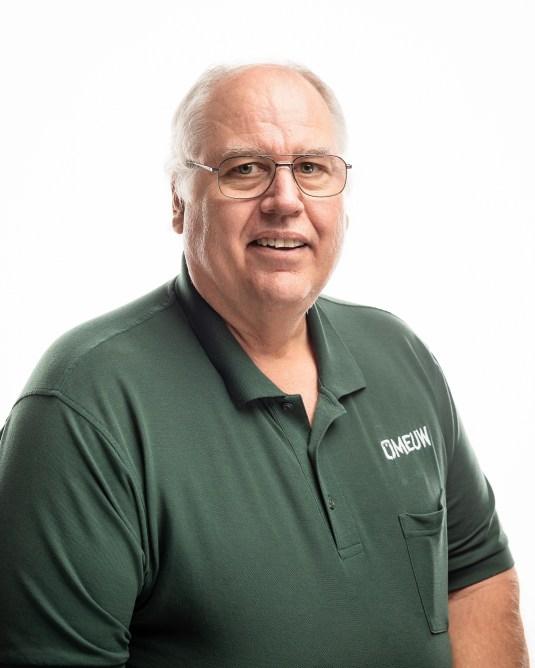
As MEUW ’s Randy Larson embarks on his 44th year in the electric-linework trade, one thing remains unchanged: his passion for keeping lineworkers safe. Randy is the primary classroom instructor for MEUW’s Job Training and Safety (JT&S) Program (most recently referred to as the Electric Utility Safety Training Program). He brings energy, experience, and creativity to every session he teaches.
“Effective safety training begins with keeping it fresh, ” Randy says.“If I ’m bored teaching it, the crews will be bored learning it. I want them to leave wanting more. ”
That philosophy has defined Randy’s seven-plus years at MEUW. He ’s continually revising curriculum, introducing new topics, and using field demonstrations to reinforce critical lessons. Whether it ’s a new [federal Occupational Safety and Health Administration] OSHA rule, an updated safety procedure, or a lesson learned from a recent close call, Randy builds it into the next rotation.“I’ve made it clear to our members you’ll never see the same program for annual mandatory OSHA training subjects twice,” he says.“I don’t want training to become a dull, boring, ‘when-will-this-beover?’ session.”
Randy’s journey began during Electrical Power Distribution school in Eau Claire in 1982. Before finishing the program, he was hired at Jump River Electric Cooperative as temporary help. After gaining experience with a contractor in Minnesota, he joined the municipal electric utility in Richland Center in 1986, and completed his State of Wisconsin Apprenticeship in 1988.
A few years later, his career took a turn toward education. In 1992, he became the State of Wisconsin Apprenticeship Instructor at Chippewa Valley Technical College (CVTC), where he taught for 26 years. After retiring from CVTC in 2018, he applied to work for MEUW.“Thirteen days later, [MEUW ’s Director of Safety Services and Operations] Mike Czuprynko offered me the job,” Randy recalls with a smile.“I guess I wasn’t done teaching yet! ”
To keep training from being dull and boring, MEUW
lineworkers out of a traditional
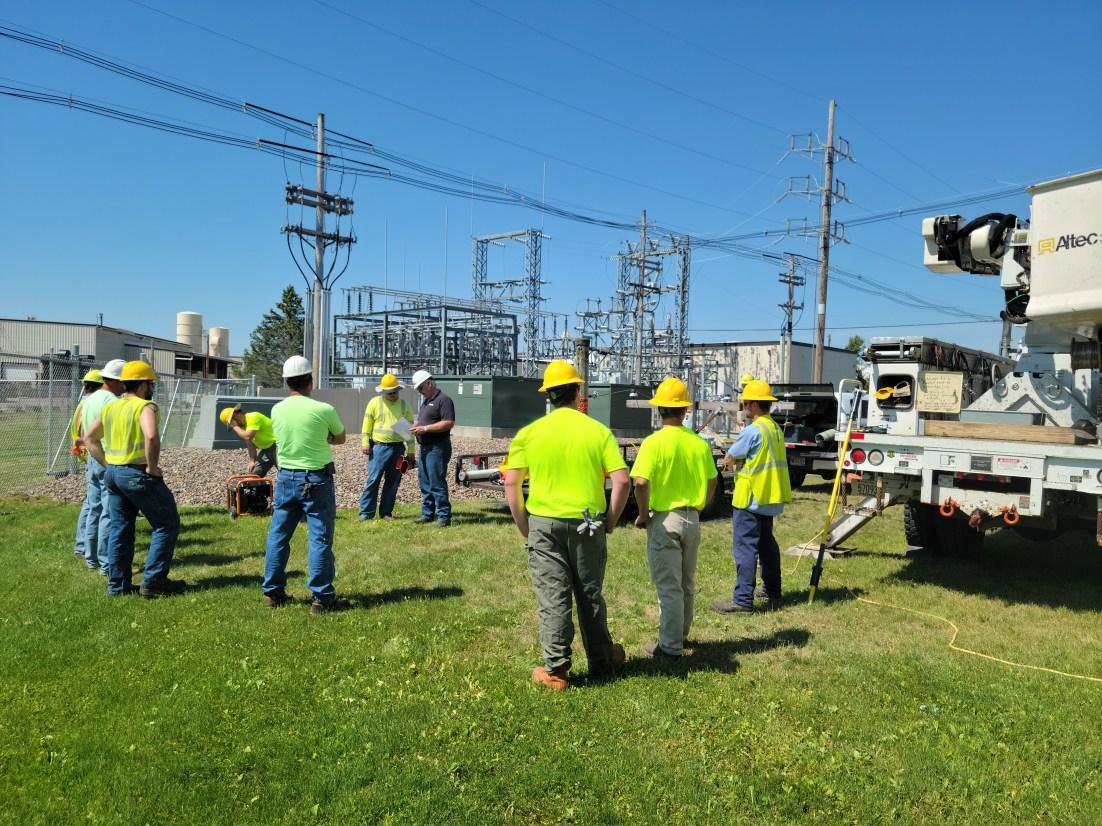
This photo is from a training day at Arcadia Electric Utility where Randy worked with the crews to demonstrate measuring high -voltage potential and what happens when damaged rubber gloves aren ’t properly tested, among other topics.
“But when I get in front of the crews that’s the fun part. Throw me the challenging questions. I love that. ”
One of the most rewarding aspects of Randy ’s work is seeing generations of lineworkers come through his classes. “Sometimes I’ve trained a dad years ago, and now his son is in my ” he says.“I tell them how we used to do it, and then I show them the better way. ”
From leather gloves and felt hats to today ’s rubber gloves, rated clothing, and ergonomic climbing body belts, Randy uses history to show how far the trade has come. “In the 1920s and 30s, only half of linemen lived to retirement. Look how far we’ve come, and how much we owe to the safety standards we follow today,” he explains.“My goal is to help every lineworker be more professional and proactive about safety. ”
When asked what fuels his commitment to safety, Randy ’s answer is simple and heartfelt: “It’s my linemen’s safety,” he says.“I’m not just doing this for the power companies or even the linemen themselves. I’m doing it for their families. I want every one of them to go home the same way they came to work.”
His classroom isn’t just a workplace, it ’s where he feels most at home.“Putting the program together, that ’s work,” he says.
During most of November and each December, Randy focuses his time preparing the next year ’s curriculum reviewing what’s been taught, identifying topics that need to be revisited, and finding new ways to make the learning engaging. That might mean incorporating photos from the field or finding new videos or fresh case studies that support the topic.
He also spends a good deal of time looking for inspiration from a variety of sources: other safety instructors across the country, OSHA updates, industry magazines, member feedback, and even phone calls from lineworkers who share their own stories. “You listen to crews, to management, to other instructors that’s how you know what needs more attention, ” Randy says. “If someone had a close call, I want to turn that into a lesson that might save someone else ’s life.”
Continued on page 4
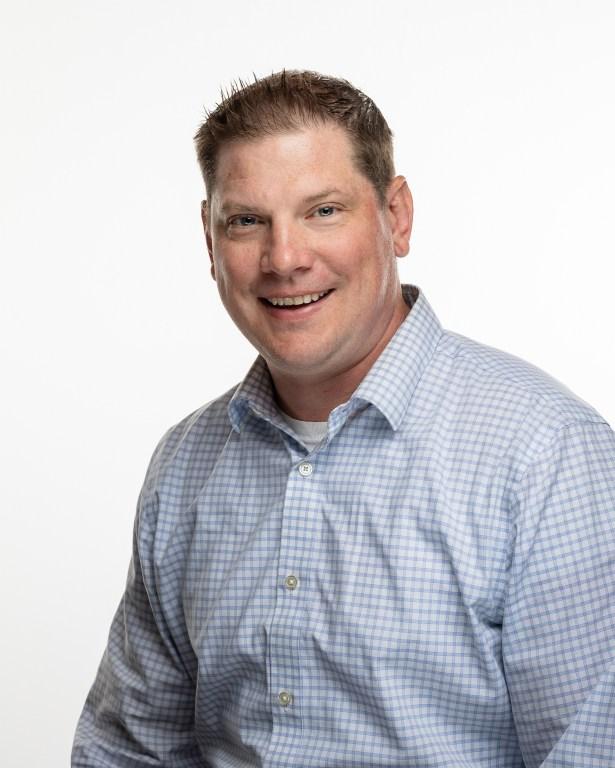
The role money plays in politics is a topic most people don ’t like to talk about. An even larger number of people hate the idea of giving their own money to support politicians. Polling shows most Americans wish money wasn't a part of election campaigns. Despite those attitudes, the fact is that money in politics is a reality. Associations like MEUW can accept and take part in that reality or risk being passed over by politicians who depend on campaign funds to win election.
Let’s start by addressing the elephant in the room head on: Yes, giving money to support politicians matters, and it’s something groups like MEUW need to do. Donations to campaigns and caucus committees (a fancy term for political parties) is critical to our advocacy efforts. Think of “political capital” (e.g., the amount of influence) as a bucket filled with water. You can add water to your bucket by building goodwill through supporting good legislation, by having meetings with lawmakers to discuss policy and issues, and by building relationships with elected officials. You can remove water from your bucket by pushing for legislation, especially if there is opposition, or by opposing popular legislation. Regardless of the issue, what really matters is the size of your bucket. So, how do we increase the size of the municipal utilities ’ “bucket”?One important way is by giving money to candidates and caucus committees through the MEUW-sponsored political action committee (PAC) known as Friends of Public Power (FPP).
During the 2023-24 election cycle, all utility types combined investor-owned (IOUs), cooperatives, and municipals (through FPP) contributed more than $600,000 to candidates and committees. (The amount doesn ’t include other groups that are trying to influence policy
in the utility space, such as solar developers). The contributions are all personal dollars, given through PACs or conduits. The total does not include any corporate contributions (which is a subject for another time). Of the $600,000+, FPP represented roughly $22,000, or about 4%. By comparison, the co-ops’ total contribution was more than $82,000, or about 13%. When you consider municipal utilities account for roughly 11% of the electricity distributed in Wisconsin, there is clearly room for public power to grow its share of political giving.

Putting aside prior-cycle giving, what is the minimum municipal utilities should do during an election cycle to increase the size of our“bucket” of influence?
In a typical election year, there are a minimum of eight events among the Assembly and Senate Democratic and Republican caucuses. It’s important for the municipal utilities through FPP to be represented at each of the fundraising events, meaning about $25,000 will be needed just to support all eight.
Likewise, giving to individual candidates who not only support our public power goals but also serve on the key utilities committees, also makes a difference for municipal utilities ’ advocacy efforts. To maximize our influence, FPP should contribute to individual candidates who are on the utilities committees as well as to members of both the Democratic and Republican leadership teams, who make decisions about which bills move forward.
Contributing a respectable $500 to each of those individual candidates would require an additional $25,000 for FPP’s fundraising.
Of course we also want to give to legislators who represent our members but are not on utilities committees. If you ’re keeping track, that ’s at least $50,000 in an election cycle to grow the size of our bucket of influence.
In the last election cycle, FPP set a goal of raising $20,000. We raised $18,000 falling just short. Thanks to funds leftover from prior elections, we contributed a little more than $22,000 to legislators who are key to our priorities and those of our member utilities from both sides of the aisle. Each election cycle, MEUW ’s Legislative & Regulatory Committee offers input into the contribution plan, helping determine where our funds are best spent. In 2024, every candidate supported with a FPP contribution won election showcasing a solid record of supporting campaigns where it matters most.
This year, FPP has set a goal to raise and spend $30,000 in the 2026 election cycle in an effort to keep improving, keep adding to our profile, and keep growing our bucket of influence. We will need everyone’s help to be successful.
For more information about Friends of Public Power, and how to contribute, visit www.meuw.org/fpp
Tyler Vorpagel is MEUW ’s Director of Legislative and Regulatory Relations. He can be reached attvorpagel@meuw.org
Interested in learning more about MEUW ’s advocacy efforts on behalf of member utilities?
Reach out to a member of MEUW ’s Legislative and Regulatory (L&R) Committee Chair Troy Adams (Manitowoc), MichaelAvanzi (Kaukauna), Casey Engebretson (Black River Falls), Bruce Gomm (Shawano), and Nicolas Kumm (Marshfield).
Official monthly publication of Municipal Electric Utilities of Wisconsin, Inc. , the statewide trade association representing the interests of Wisconsin ’s public power providers since 1928. This e-newsletter is distributed to more than 1,200 utility professionals and leaders throughout Wisconsin and the Midwest on the first Tuesday of every month.
LIVE LINES has been published continuously for many decades and provides useful information, news on emerging utility issues and legislation, updates on events, training programs and member services, as well as engaging feature stories spotlighting utilities, communities, and leaders.
Reader comments and suggestions are welcome send by email to news@meuw.org
Tim Heinrich President and CEO
Mike Czuprynko Director of Safety Services and Operations
Tyler Vorpagel Director of Legislative and Regulatory Relations
Sharon Wolf Manager of Communications and Events
MEUW Office
725 Lois Drive Sun Prairie, WI 53590 (608) 837-2263
www.meuw.org

An archive of past issues of Live Lines is available at www.issuu.com/meuw
Continued from page 1
During the afternoon, cohort discussion sessions will be held on multiple topics of shared interest, including mutual aid, safety, and advocacy. These facilitated discussions will be led by session participants.
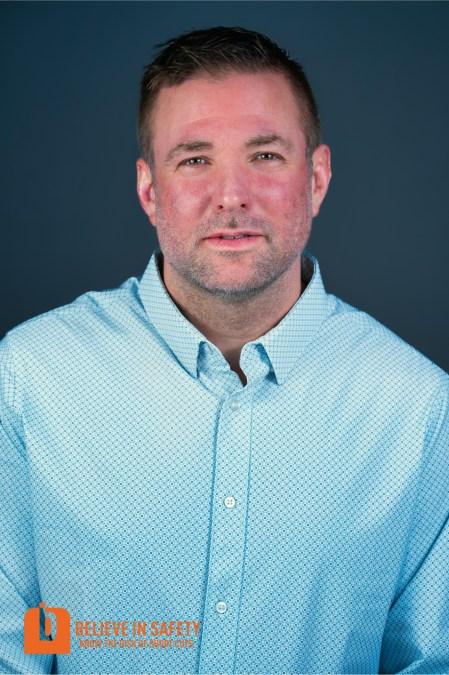
Thursday’s program concludes with an inspirational keynote address underscoring the importance of believing in and following safe work practices. Brandon Schroeder will share his remarkable survival following a catastrophic workplace accident and the lessons it taught him about the true cost of shortcuts and the power of personal responsibility. An electrician for more than 20 years, Brandon survived an arc-flash explosion that should have been fatal. Today, he is a professional speaker who shares his harrowing survival story with one goal in mind ensure no one else makes the same choice he did.
The Apprentice Graduation Banquet will take place Thursday evening and features a brief program to recognize the class of 2025, who completed the lineworker and meter technician programs at Chippewa Valley Technical College and Northeast Wisconsin Technical College. A separate registration and $60 fee are required to attend the Banquet. Full details are online atwww.meuw.org/eoce
EOCE26 is presented by Platinum Level Sponsors:
Continued from page 2
A proud member of the Quad State Instructors organization since 1993, Randy also stays connected with more than 120 other safety professionals across 22 states. The group meets regularly to share program ideas, regulatory updates, and best practices in safety education.
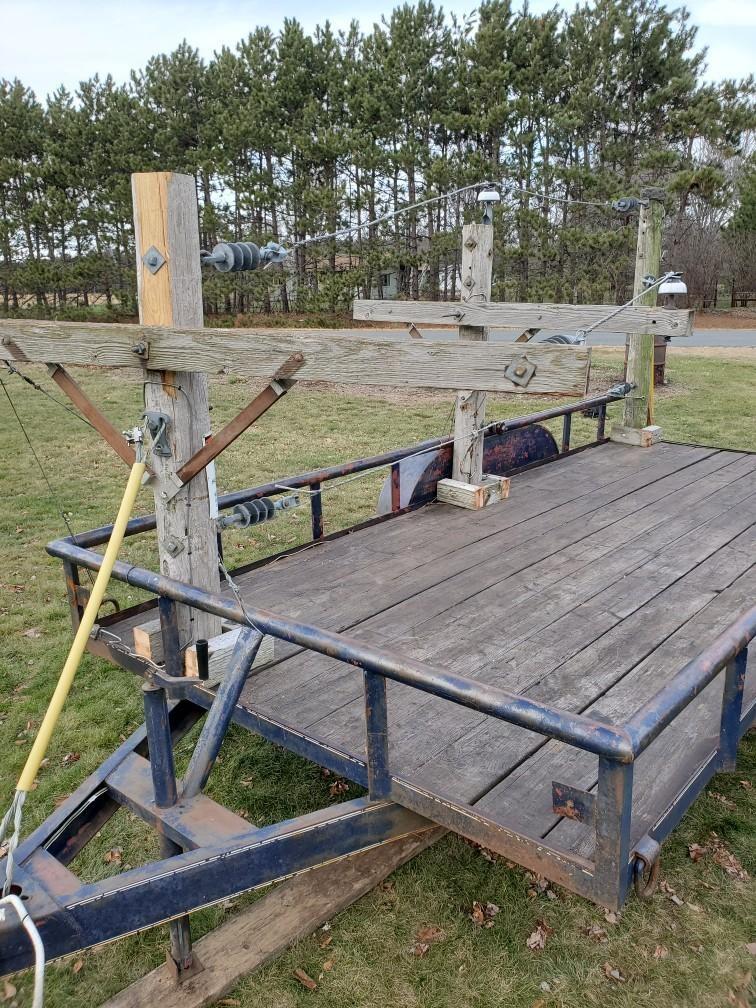
First introduced in early 2021, Randy uses a 16-foot trailer that enables lineworkers to practice procedures in hands -on simulations in a kind of mobile classroom he built from scratch using mostly donated equipment and supplies that keeps training fresh and highly interactive.
Randy’s work ethic is well known and his early-birdgets-the-worm onsite arrivals don ’t go unnoticed.
“It does take a special breed to do this, ” he admits.“I spend about 82 nights a year in hotels. ” But for him, the travel, preparation, and long hours are worth it.
“My goal is that when I leave a member ’s facility, management knows they got their money ’s worth and that their crews are better prepared to ‘Work it safe.’”
That phrase “Work it safe!” has become Randy’s signature sign-off, echoing through training sessions across the state. “I started saying it when dismissing my first apprenticeship class, ” he says.
“Now the class says it for me. ”
After more than four decades in the trade, Randy shows no signs of slowing down. His enthusiasm, adaptability, and genuine care for the people he teaches continue to define him and keep MEUW’s safety training as strong and vital as ever.
Understanding the various financial aspects associated with utility operations is essential for anyone in a management position. The next course in MEUW’s four-part Fundamentals of Utility Management Training Series Utility Accounting & Finance will provide attendees the fundamentals of public utility accounting, a clear understanding of business operations, and how to review and effectively manage budgets. Training will take place on Wednesday, Feb. 11, at The Lodge At Mauston. Register heretoday.
MEUW and Chippewa Valley Technical College (CVTC) have organized an Apparatus Workshop for Feb. 10 11. Held at CVTC ’s campus in Eau Claire, this workshop will cover topics such as jobsite safety, capacitors, voltage regulators, reclosers, trip savers, meters, and connectors/ connections (final topics may change depending on presenter availability). Details and registration information can be foundhere
MEUW is once again offering an interactive two-day Leadership Workshop to support the next generation of public power leaders. With many leadership transitions underway across Wisconsin municipal utilities, this program is designed to strengthen communication, sharpen leadership skills, and help participants lead confidently through change.
The workshop will be led by Nilaksh Kothari, retired CEO of Manitowoc Public Utilities, and Dr. Craig Woolard, Head of Civil Engineering at Montana State University two distinguished leaders with decades of utility management experience.
Participants will explore strategies to build trust, communicate effectively, manage change, and enhance team collaboration. The hands-on sessions will benefit utility professionals at all stages of their leadership journey.
The session will be held March 12 13 at Great Wolf Lodge in Wisconsin Dells. Registration is now open and availablehere.
The foreman role is important to the safety and efficiency of any utility. The people leading utility line crews face common issues and often don’t have an opportunity to talk with others facing those same challenges. MEUW ’s Foreman’s Roundtable enables electric-utility foremen to share ideas, learn from one another, and develop leadership and communication skills, especially regarding safety. The 2026 Foreman ’s Roundtable will be held on Wednesday, March 25, at Pinseekers in DeForest. The day’s agenda provides time for discussion on topics most important to the attendees. After the Roundtable, those in attendance can take part in an optional team building and networking activity at the hybrid golf facility. Learn more and registerhere
Offering both classroom instruction and hands-on practice, a one-day Underground Facility Locator Workshop will be offered on Wednesday, April 1, in Spooner. The workshop will cover information found in Units 1 3 of the National Utility Locating Contractors Association (NULCA) Professional Competency Standard including locating theory and use of the transmitter and receiver. All learners will receive a certificate documenting the completed training. Registration will open early next year.⚫

Remember to check for the most up-to-date training dates and details.


By Sharon Wolf
After 40 years of service to Hustisford Utilities, Manager Todd Tessmann is hanging up his hard hat but not before reflecting on changes he witnessed in his career.
Tessmann’s journey with Hustisford Utilities began in 1985, when the local economy was sluggish and jobs were scarce. He was working as an electrician when there was an opening for a lineman at the utility.“I started as a lineman and went through apprenticeship school, ” he recalls.“When the utility hired another lineman, I became Lead Lineman, and about 18 years ago, I took over as manager. ”
As of Nov. 11, 2025, Tessmann marked an incredible 40 years with the utility a tenure defined by dedication, adaptability, and deep community connection.
When asked what ’s changed the most over the years, Tessmann doesn ’t hesitate.“Technology,” he says with a laugh.“Back then, if there was a power outage, customers would look us up in the phone book and call our homes. If we weren ’t home, they ’d track us down somehow. Then came pagers, then two-way radios and now, we can see everything on our phones. SCADA tells us where the problem is, and AMI metering shows us who ’s out of power. It a lot more reliable than it was then. ”
That’s the only time I can remember doing that. ”
Generally speaking, though, luck has been on their side during other disasters.“We got lucky a few times tornadoes hit utilities all around us, but we were spared, ” he says.
Tessmann says the most rewarding part of working at a municipal utility has always been the personal connection. “The customers are so appreciative. When you ’re out on a power outage, they’ll come up to the truck just to thank you. You don ’t get that everywhere, ” he says.“And it’s rewarding to know we ’re able to provide great service and better rates than the bigger utilities.”
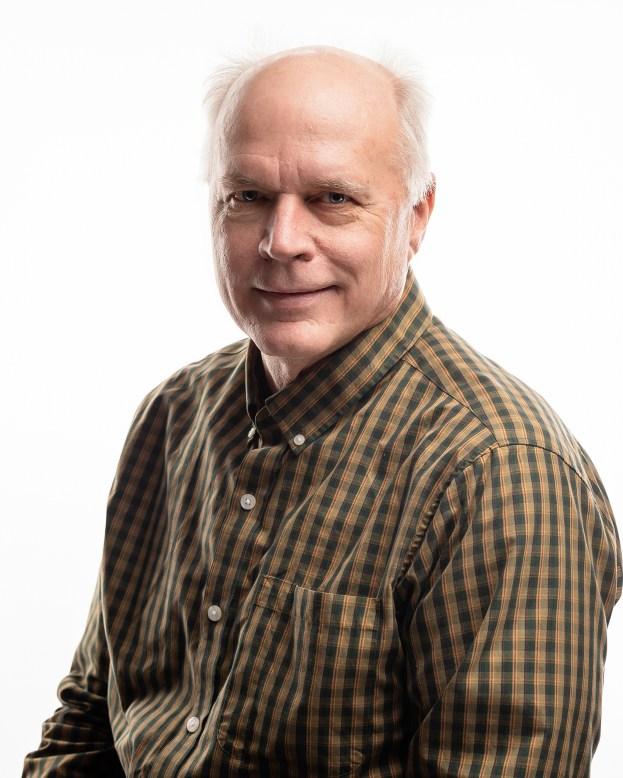
He jokes that he started with the utility in “1985B.C. Before Computers,” but he quickly adapted. “I really took to the computer systems, ” he says.“They’ve changed everything about how we manage the system. ”
While the tools have evolved, Tessmann says the people have remained the best part of the job. “We’ve got great customers here. They ’re cooperative, appreciative, and supportive. We ’ve only had one disconnect for nonpayment in the past five years, ” he notes. Customers are also supportive and easy to work with when it comes to easements.
He also praises the local leadership. “We’ve always had a very supportive and proactive utility commission, ” he says.“That’s made a huge difference. ”
Among the many storms and challenges of his career, one stands out vividly the May 10, 1990, snowstorm. “Everything was down,” Tessmann recalls.“The trees already had leaves, and the snow just took them down on the lines. We were out most of the day and had to call in mutual aid to help with the substation.



He also emphasizes the importance of collaboration. We can’t do it alone. MEUW has been a huge help with our safety programs and advocacy I don’t think we could go it alone like back in the old days, ” he says. Tessmann also served on the MEUW Board of Directors, contributing to the broader public power community.
When Tessmann retires at the end of the year, Cade Schreiber will step into the manager role. “Cade has 24 years of experience, a great temperament for the job, and an excellent personTessmann says.“He’s good with people, understands the system, and grew up right here. He ’ll do great.”
Retirement won ’t slow Tessmann down much. He plans to spend time working on his family farm, which has been in the Tessmann name since 1887. “My great-grandpa Ludwig Tessmann bought it, and it ’s stayed in the family ever since, ” he says with pride.“I have a lot of projects I want to do. ” He also plans to spend time with his step-kids and grandkids, and says he’s willing to help out the utility, as needed.
Asked what advice he ’d give to the next generation, Tessmann doesn’t hesitate.“If you’re getting into management, don ’t fight with your commissioners or board members, ” he advises. “Work with them. Learn their goals and obstacles. You catch more bees with honey than vinegar. ”
And for anyone considering a career in public power, Tessmann says it ’s a path worth taking. “It’s the most rewarding position. You’re involved in everything designing, building, maintaining. If there ’s something you don ’t like one day, the next day you ’ll be doing something completely different, ” he says.“You just don ’t get that kind of variety and satisfaction anywhere else.”⚫

By Karen Whitmer
The Village of Cadott sits halfway between the North Pole and the equator a midpoint marked by a roadside sign that’s become a popular photo stop. For this Chippewa County community of about 1,500, the marker reflects more than geography. It represents a part of Wisconsin that’s balanced, practical, and focused on making thoughtful decisions about its future.
That balance was tested recently when locals faced a major question: should Cadott sell its village-owned electric utility?

We were faced with the reality that significant improvements would eventually be needed in order to maintain reliability for our customers and residents,” said April Bruhn, the village ’s clerk/treasurer. An engineering study had estimated that about $7.5 million in upgrades would be needed to replace aging infrastructure prompting officials to ask whether selling the utility might be in the community ’s best interest (refer to article in theNovember 2024edition ofLives Lines ).
The most straightforward option appeared to be selling to Chippewa Valley Electric Cooperative (CVEC), which has partnered with Cadott Light & Water since 2017 for line operations and maintenance. The two systems even overlap in some areas, making a sale seem, at first glance, like a practical move.
But a closer look told a different story. A financial analysis by Ehlers & Associates, a municipal advisory firm, showed that selling the utility would mean losing a key source of generalfund revenue money that helps pay for everyday services like street maintenance, equipment, and community programs. To replace that lost income, the village might have had to raise property taxes.

That realization tipped the balance. By the fall of 2024, the Village Board voted to keep the utility, ensuring Cadott’s power would remain locally owned and governed.
“After weighing the pros and cons carefully, we chose to keep the system local preserving a
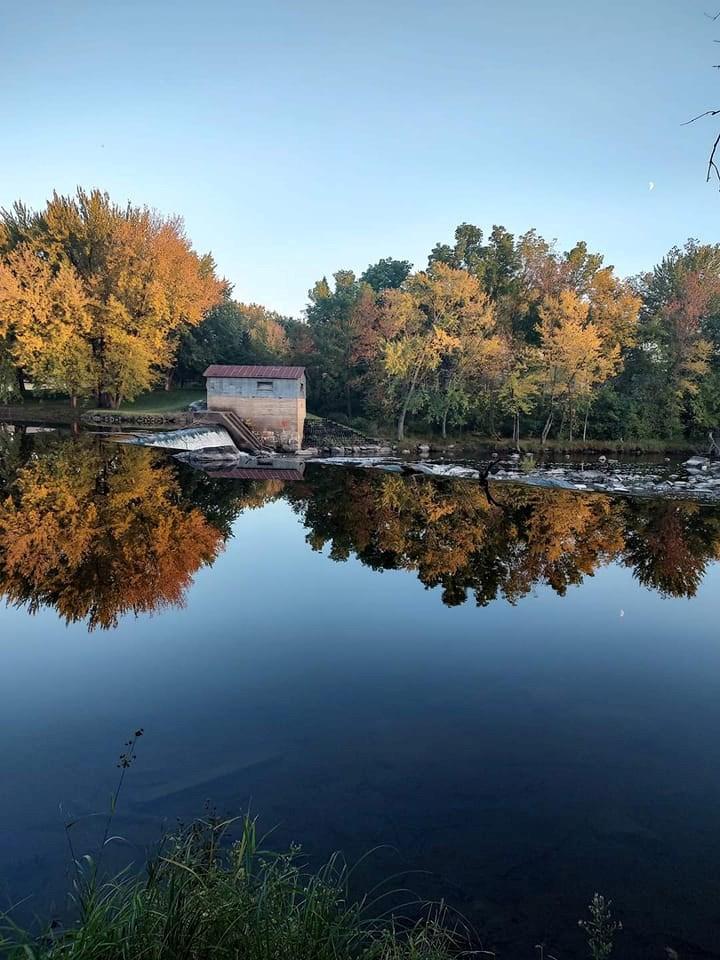
s municipal utility delivers locally controlled power to tricity, the village oversees water and wastewater services for
port. Public Works Director Jeremy Kenealy oversees the system’s daily operations.
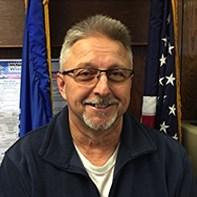
Kuehni said officials had discussed hiring a full time lineworker to join the staff, but decided to continue their contract with CVEC for now. Our relationship with CVEC continues to be positive, and we work well together, ” he said.
We may look at adding a lineworker down the road, but hiring and salary costs make that challenging right now. ”
The utility is also preparing for infrastructure improvements. Cadott Light & Water is in the midst of a rate case before the Public Service Commission of Wisconsin to help fund system upgrades. In July, the Village Board approved plans for a nearly $350,000 substation upgrade.
Cadott’s average residential electric rate 12.83cents per kilowatt-hour remains below the state average. Bruhn said any increases will be gradual and phased in. “Higher rates aren ’t anyone’s favorite news, ” she said,“but these upgrades mean a stronger, more reliable system that stays community-owned
Continued on page 8
Continued from page 7
for generations to come. We ’re working hard to help customers understand that raising rates is about reinvesting in the system to make positive, long-term changes.”
At the same time, Cadott is preparing for steady growth. Located in a desirable part of the Chippewa Valley, the village offers small-town character, reliable services, and convenient access to nearby cities like Chippewa Falls and Eau Claire qualities that continue to draw new residents.
To support that growth, the utility is laying infrastructure for a new subdivision east of the village office, which will include a mix of single-family and multi-family homes.“The location lets residents enjoy the best of both worlds, ” Kuehni said.
“You’re close to larger communities but still part of a true small town.”
Cadott is also investing in community spaces that bring people together. Construction is underway on a new public library, expected to open in 2027. Once complete, it will serve as a hub for learning, connection, and local events.
Village with history and heart
Cadott’s story stretches back nearly two centuries, to the days of fur traders and river routes. In the early 1830s, Jean Baptiste Cadotte, a French-Ojibwe fur trader, established a trading post along the Yellow River. Decades later, in 1865, Robert Marriner, the village’s first permanent settler, built a log cabin and sawmill nearby. His work helped the community grow around the river, eventually taking Cadotte ’s name though over time, the spelling dropped the ending“e.”
The Yellow River made Cadott a hub for logging and milling, industries that helped fuel northwestern Wisconsin ’s growth through the late 1800s. By the early 1900s, Cadott had evolved from a lumber stop into a thriving rural village. Over time, family-owned businesses, farms, and local services formed the backbone of the community, helping it retain its small-town feel while adapting to change.
Today, Cadott blends history with recreation and celebration. Trails wind along the river and through nearby parks, including Riverview Park, Brunet Island State Park, and Lake Wissota State Park. For history enthusiasts, landmarks such as the Z.C.B.J. Lodge Hall, the Cadott Area Historical Society and Baker School Museum, and the Cadotte Trading Post marker offer a glimpse into the past.
Cadott also knows how to celebrate. Each summer, the village transforms into a regional destination for music and community events. Hoofbeat Country Fest draws nearly 90,000 people over three days, filling fields and campgrounds with concertgoers who set up tents and RVs for a weekend of
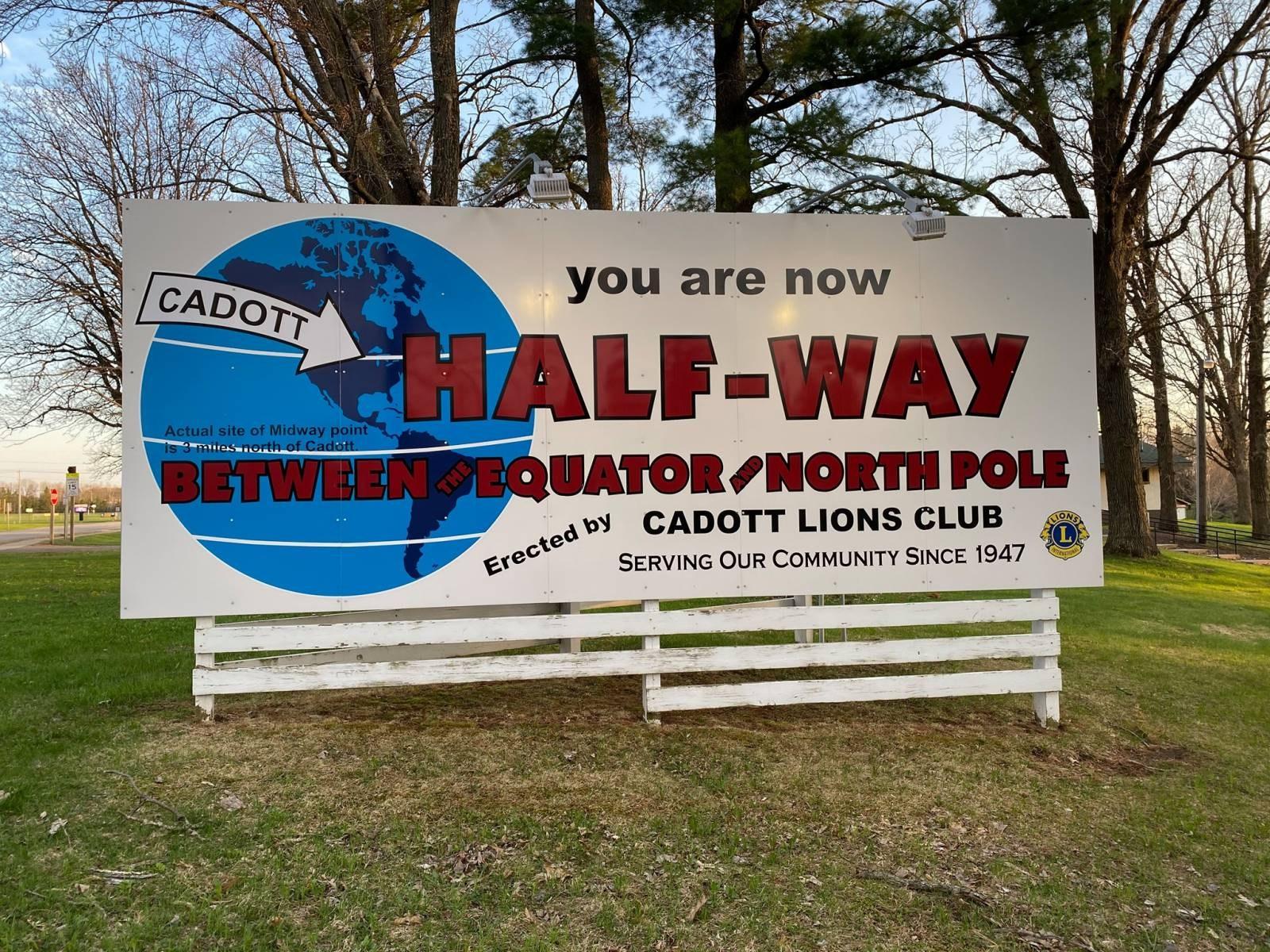
Cadott's iconic halfway-point marker proudly noting the village's location midway between the Equator and the North Pole is a popular photo spot in the Chippewa County community of 1,500 residents. Photo from villageofcadott.com
live music and fun. OneFest, a three-day Christian music festival, attracts thousands more with national artists and family-friendly activities. Local favorites like Nabor Days in July and Booya Days in September keep the calendar full and the community spirit alive year-round.
Small village, caring community
These celebrations along with strong local leadership and active resident involvement are what hold Cadott together. The decision to keep its utility local was about more than finances; it was about preserving independence and protecting a hometown legacy.
Bruhn, a lifelong resident, said that spirit defines the village. “We look out for each other and rely on one another, ” she said. “That sense of community is what sets Cadott apart. ”
Kuehni, who has called Cadott home for nearly 30 years, agreed.“People know each other, they care about what ’s going on, and they take pride in being part of the community, ” he said.“It’s the kind of place where you really feel like you belong.”
That close-knit character extends beyond friendships it shapes the way the village plans for the future. From infrastructure upgrades and new housing to the library now under construction, Cadott continues to invest in projects that strengthen the community and keep it moving forward.
Even as the village grows and changes, the lights in Cadott will keep shining under the same local ownership residents have come to enjoy. And for a village halfway to everywhere, that feels just right.
Karen Whitmer is a regular contributor toLIVE LINES;she is a freelance communicator based in the Fox Valley.
Having easy access to a strong supplier network is vital to efficient utility operations. The businesses listed here paid dues as Associate Members of MEUW in 2025. They provide goods and services to utilities in Wisconsin, and through their MEUW membership, thesecompanies and the individuals who represent them support the association and its members. Many of these companies also provide sponsorship support that helps MEUW maintain reasonable registration fees for events like the annual Electric Operations Conference & Expo ( see story beginning on page one ). To learn more about any of these Associate Members, please click the company name and follow the link to their website, or check out MEUW ’s membership directory onlinehere. ⚫
3M 4-Control
A. C. Engineering Company
A Star Electric
A-1 Power LLC
A-Line E.D.S.
AEP Energy Partners, Inc.
Almetek Industries, Inc.
Altec Industries, Inc.
Anderwylde, LLC
Bashlin Industries Inc
BAYCOM Inc
Bell Lumber & Pole Company
Border States Electric
Burns Electric
CCI Systems, Inc.
Chippewa Valley Technical College
Clearline Innovation, LLC
Constellation Energy
Cooperative Response Center, Inc.(CRC)
Cornell & Associates, Inc.
Crescent Electric Supply Co.
Eagle Eye Power Solutions
Eaton
Edge Consulting Engineers, Inc.
Electric Power Systems
International Inc.(EPS)
Electrical Consultants, Inc.
Electromark
ElectroTech, Incorporated
Emerald Transformer
EMS Partners, Inc.
Energy Product Sales
ENTRUST Solutions Group (formerly EN Engineering)
Evans, Lipka and Associates
Fabick Cat
FDS Engineering and Electrical Services
Forster Electrical Engineering
FRESCO, Inc.
FS3, Inc.
G.E.T. Utility Sales Company
Global Rental(a division of Altec Industries, Inc.)
Haverstock, Koenig & Associates, Inc.
HDR
Hendrix, a Marmon | Berkshire Hathaway Company
Hess Sweitzer Painting, LLC
High Star Traffic
Hubbell Power Systems
Huskie Tools
Intermatic
Interstate Energy Systems (a division of Interstate Power Systems)
Irby Utilities
ISG
J&R Underground LLC
JJ Kane Auctions
John Thomas Inc.
Jolma Utilities LLC
Karcz Utility Services LLC
KW Associates
Lehman Company & Associates
LF George, Inc.
Locators and Supplies, Inc.
Makovsky Brush Service, LLC
Merjent, Inc.
Midwest Electrical Solutions
Millennium
Milwaukee Tool
Mi-Tech Services Inc
M.J. Electric, LLC
MP Technologies, LLC
mPower Innovations
Nokomis Energy
Northeast Wisconsin
Technical College
Novarlo | Team Metron
nVent
The Okonite Company
OnSite Partners
OpenPoint
Oshkosh Tools
Osmose Utilities Services, Inc.
Power Grid Products, Inc.
Power Line Sentry (The Sicame Group)
Power System
Engineering, Inc.(PSE)
Primus Marketing
Professional Computer Solutions
PUSH Inc.
R&D Utility Products
Radian Research, Inc.
RESCO
Resilient Structures(formerly RS Poles)
Rouzer Group
Ruekert & Mielke, Inc
S&C Electric Company
SCS Engineers
Siemens RUGGEDCOM
SITECH Mid-America (a division of Fabick Cat)
SolarShare Wisconsin Cooperative Specialty Fleet Speed Systems Inc.
STAR Energy Services LLC
Stella-Jones
Sterling Security Systems (a division of Engineering Unlimited)
Sterling Site Access Solutions LLC
StruXur (formerly Utility Sales Associates)
Subsurface Solutions
Sunbelt Solomon
T & R Electric Supply Co., Inc.
TE Connectivity / Raychem
Teel Plastics, LLC
Terex Utilities
TESCO The Eastern Specialty Company
Test-Right, LLC
Continued on page 10
This regular feature helps readers get to know Wisconsin elected officials and better understand their views on policies that may impact municipal utilities.
Rep. Stubbs serves on Assembly Energy and Utilities Committee
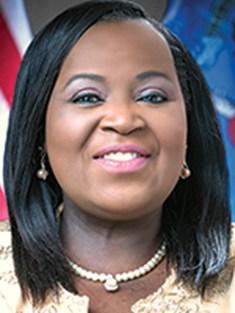
Shelia Stubbs (D-Madison) represents Wisconsin’s 78th Assembly District, which includes much of south and east Madison, the city of Monona, and most of the village of McFarland. Elected in 2018, she made history as the first African-American to represent Dane County in the Wisconsin State Legislature.
Stubbs is active on energy issues, serving on the Energy and Utilities Committee, as well as on the Corrections and Health, Aging and Long-Term Care committees. She has also held leadership roles, including Co-Chair of the Speaker ’s Task Force on Racial Dispari-
ties and its Subcommittee on Law Enforcement Policies and Standards, and has served on the Speaker ’s Task Force on Human Trafficking.
Born in Camden, Ark., Stubbs moved to Beloit, Wis., at a young age. Her commitment to education and justice shaped her academic path. She earned a bachelor ’s degree in political science from Tougaloo College, a second bachelor’s in criminal justice administration from Mount Senario College, and a master’s degree in management from Cardinal Stritch University. Before joining the legislature, she worked as a special education teacher, spent eight years as a senior probation and parole agent with the Wisconsin Department of Corrections, and later taught as an adjunct professor of criminal justice.
Stubbs also brings deep local government experience. From 2006 to 2022, she served on the Dane County Board of Supervisors, where she championed criminal justice reform, racial equity, and restorative justice initiatives.
She and her husband, Bishop Dr. Godfrey Stubbs, co-founded End Time Ministries International in Madison. They continue to live in
Madison, where they remain active in their community and family life.
Rep. Udell is new to representing the 47th in Dane County
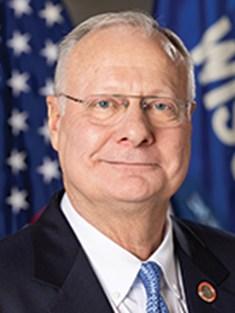
Randy Udell (D –Fitchburg) took office earlier this year as the representative for Wisconsin’s 47th Assembly District, which covers a broad stretch of southern Dane County including the cities of Fitchburg and Stoughton, part of McFarland, and several surrounding towns. In the State Assembly, he serves on the Financial Institutions; Insurance; Forestry, Parks, and Outdoor Recreation; and Rules committees.
Although new to the Assembly, Udell brings extensive experience in local government. He served on the Fitchburg City Council (District 4) from 2020 to 2024, including two years as Council President and three years as Chair of the Finance Committee, where he oversaw the city ’s multimillion-dollar operating budget. He currently serves both in the State Assembly
and on the Dane County Board of Supervisors, representing District 33, where he has been an active member of the Broadband Task Force as well as the Public Works and Transportation Committee, helping guide county priorities on infrastructure, access, and long-term planning.
He describes his approach to public service as rooted in listening carefully, considering a wide range of perspectives, and working collaboratively to find practical, community-centered solutions.
Udell was born and raised in Janesville. He earned a bachelor’s degree in political science from the University of Wisconsin–Whitewater, where he served as president of the Young Democrats. After college, he worked for U.S. Representative Les Aspin and Maryland Attorney General Stephen Sachs, gaining early experience in policy and constituent service. He then spent roughly 30 years at AT&T as a telecommunications engineer and later in finance, gaining expertise in technology, budgeting, and large-scale systems.
Udell and his husband, Brad, have lived in Fitchburg since 1998 and with their rescue dog, Cooper.
Continued from page 9
The VON Corporation WESCO Distribution |Anixter Wintroy Supply
Wolf Line Construction
Youngstown Glove Company Zielies Tree Service
Focus on Energy is recognized as Wisconsin ’s statewide program partnering with utilities to provide financial incentives for customers making energy efficiency upgrades to their homes and businesses. Many people don ’t realize the program also offers training for utility staff and contractors. These trainings help workers build skills, earn professional credentials, and stay current with new technologies shaping the energy industry. These training courses are more than classes. They are investments in a skilled and diverse workforce ready to meet changing customer needs.
In 2025, more than 400 participants, including many Wisconsin utility staff, attended the 28 training sessions Focus has offered. Most of the training courses are free, and recordings are often available afterward, making it easier for professionals to learn and share knowledge. Popular courses such as The Four Seasons: Heat Pumps , which explored how heat pump technology works across different climates and its potential to improve energy efficiency year-round, andMoney Talks: Energy Efficiency Investment Analysis , which provided strategies for evaluating the financial returns of efficiency upgrades and communicating value to stakeholders, attracted the largest audiences reflecting strong interest in both advanced technologies and financial strategies. Other sessions, includingBest Practices in Energy Management and Energy Saving Opportunities for Schools , delivered actionable insights that utilities can use to help their local schools lower costs and reinvest savings, supporting local economic growth.

Most Focus trainings offer Continuing Education Units (CEUs) and certifications, adding extra value for participants. Whether learning HVAC basics or advanced topics like predictive maintenance, attendees gain skills that make them trusted advisors in their communities. This knowledge strengthens customer relationships and helps contractors and energy professionals stay competitive in a fast-changing market. Focus on Energy also partners with leading organizations, such as the Midwest Renewable Energy Association (MREA), to provide hands-on solar PV training. These partnerships ensure participants learn the latest technologies, best practices, and industry standards.

For those needing flexibility, Focus on Energy ’s on-demand training platform is available 24/7. Professionals can access a wide range of courses covering residential, business, and industrial solutions, searchable by topic. This option makes it easy to fit training into busy schedules without losing quality.
Every training course helps build a stronger energy efficiency workforce that supports sustainability, delivers measurable energy savings, and boosts economic growth. To explore upcoming sessions or access on-demand courses, visitfocusonenergy.com/ training. Utilities are encouraged to share these opportunities with local contractors and trade allies to expand services and strengthen Wisconsin ’s energy efficiency network.



Employees working at several Wisconsin municipal utilities are celebrating achievement recognized during the annual Customer Connections Conference hosted by American Public Power Association (APPA). Stoughton Utilities and Sun Prairie Utilities were among a group of 15 public power utilities recognized nationally by APPA with 2025 Public Power Customer Satisfaction Awards for providing excellent service to their communities. The customer satisfaction award is the result of receiving high marks from customers in several categories, including customer service, field personnel, communication and reliability. Both utilities achieved Bronze-level awards that were presented at the conference held in Salt Lake City, Utah, in early November.
Three WPPI Energy employees
Kelanie Davis , Darren Jacobson , andAnna Stieve were recognized for completing the APPA Academy’s Key Accounts Certificate Program, which is designed to showcase how key account management helps to nurture strategic relationships and build trust and loyalty. Graduates of the program must complete required coursework, pass an exam, and complete a capstone project.
APPA ’s Demonstration of Energy & Efficiency Developments (DEED) program also recently approved funding for various grants and scholarships. The DEED program funds research, pilot projects, and education to improve the operations and services of public power utilities.Manitowoc Public Utilities was awarded a grant of $125,000 for itsSmart Tools for Public Power: Automating Energy Storage Maturity Assessments Using Storage Compassproject
Kaukauna Utilities was awarded scholarship funding for its internship program.

MEUW is pleased to promote job openings with its member utilities across Wisconsin. New positions are regularly added to our website check them out here or use your smartphone to scan the QR code shown at right .
When your utility is hiring, be sure to email the job posting to office@meuw.org.


The holidays are a time for gratitude, and we ’re so thankful for you our members and for your continued support.