









Garbageisamanufacturedproduct,created whenotherwiserecoverableresourcesare mixedandmashedtogether.Mostroomsin everybuildingin thewholecountry haveabasket wherethis manufacturing begins.Discarded resourcesareput inonebyone, thendumpedinto alargerbin,and thenintoatruck withamore modernbodybasedonthisone.A hydraulicpistonsmasheseverything together.Theobjectiveistopackinmore cargobeforethetruckhastobedrivento whereitcandumpontotheland,tobe covered ina“sanitary“way.Liquidsleach outandmaketheirwayintotheplanet's
Garbage is a manufactured product, created when otherwise recoverable resources are mixed and mashed together. Most rooms in every building in the whole country have a basket where this begins. Discarded resources are put in one by one, then dumped into a larger bin, and then into a truck with a more modern body based on this one. A hydraulic piston smashes everything together. The objective is to pack in more cargo before the truck has to be driven to where it can dump onto the land, to be in a “sanitary“ way. Liquids leach out and make their way into the planet's


water eventually. These “sanitary” methods of filling the land (hence “sanitary landfills”) also provide for anaerobic decomposition of organic materials – which makes
water—eventually.These“sanitary” methodsoffillingtheland(hence“sanitary landfills”)alsoprovideforanaerobic decompositionof organicmaterials –whichmakes methane.
Landfills are the largest source of methane. In the short term methane is 80-100 times
more powerful than carbon dioxide to warm the planet.
Landfillsare thelargest human-created sourceof methane.Inthe shortterm methaneis 80-100times morepowerfulthancarbondioxideto warmtheplanet.
Makinggarbagechangestheclimate!
Ifyou'renotforZeroWaste, howmuchwasteareyoufor?
If you're not for Zero Waste, how much waste are you for?

NASA'sAstronomyPictureof theDayfromFebruary12, 2002,coloredthemethanein theEarth'satmospheregreen, andananimationshowedhowit spinstothepoles.NASAsaid, “Methane(CH4)issecondonly tocarbondioxide(CO2)in creatingawarminggreenhouse effect…. ThelargestabundancereleasedbytheUS…is createdwhen anaerobic bacteriabreakdowncarbon-based garbage inlandfills.” [Emphasisadded.]
NASA's Astronomy Picture of the Day from February 12, 2002, colored the methane in the Earth's atmosphere green, and an animation showed how it spins to the poles NASA said, “Methane (CH4) is second only to carbon dioxide (CO2) in creating a warming greenhouse effect The largest abundance released by the US … is created when bacteria break down carbon-based in landfills.” [Emphasis added ]


UrbanOrehasbeensalvagingforreuseinBerkeley since1981.Wehave3acresofsecondhandgoods, open360daysayearuntil5:00PM,900MurraySt. near7thxAshby.Comeshop.
Urban Ore has been salvaging for reuse in Berkeley since 1981 We have 3 acres of secondhand goods, open 360 days a year until 5:00PM, 900 Murray St near 7th x Ashby. Come shop.
ASSOCIATE PUBLISHER
Karen Klaber
EDITOR
Samantha Campos
COPY EDITOR
Suzanne Michel
CONTRIBUTORS
Lou Fancher
David R. Newman
Stephanie Lam
Jeffrey Edalatpour
Andrew Gilbert
PRODUCTION OPERATIONS MANAGER
Zk Bradley
CREATIVE SERVICES
PRODUCTION MANAGER
Deb Fisher
SENIOR DESIGNER
Jackie Mujica
GRAPHIC DESIGNER
Elena Razgonov
EDITORIAL DESIGNER
Phaedra Strecher Heinen
ADVERTISING DIRECTOR
Lisa Santos
ADVERTISING ACCOUNT MANAGERS
Danielle McCoy
Ben Grambergu
Lynda Rael
Sharon Zuberbier
CEO/EXECUTIVE EDITOR
Dan Pulcrano
DIRECTOR OF CREATIVE SERVICES
Cindy Couling










Where to shop, listen, explore and savor this season
They arrive in my mailbox every few days—little seasonal dispatches from the wider consumer world. A department store’s curated wish list for the holidays. A home-furnishing guide urging a spring refresh. Retro patio furniture promising the arrival of summer. A sustainable clothing brand highlighting its makers come fall.
And then, of course, Amazon’s bricksized catalog, boasting anything and everything, delivered with frictionless ease.
I treat these catalogs less as shopping lists than as seed catalogs—sources of inspiration for what I can almost certainly find right here in the East Bay. Lazy person’s window shopping, perhaps, but useful all the same. Our own Shop Local pictorial spread channels that spirit: a sampling of thoughtful, locally sourced gifts meant to spark your own excursions this season.
writes about arts, food and culture for SF Weekly, Metro Silicon Valley, East Bay Express and KQED
We also celebrate a di erent kind of inspiration—one born of imagination and play. This issue spotlights Games of Berkeley, a beloved destination since 1980 for gamers, families, hobbyists and anyone in search of a portal to “worlds unknown.” If you’re hunting for gifts that invite curiosity or camaraderie, you’ll find plenty there.
More treasures await in our roundup of nine standout albums released this year by East Bay artists. The depth of local musical history these records tap into left us awed—and reminded us why wandering into one of our many independent record shops is still such a rich, analog pleasure. If you don’t yet own a turntable, perhaps this is the season to remedy that; check out this issue’s simple tips for making your home workspace a little more restorative.
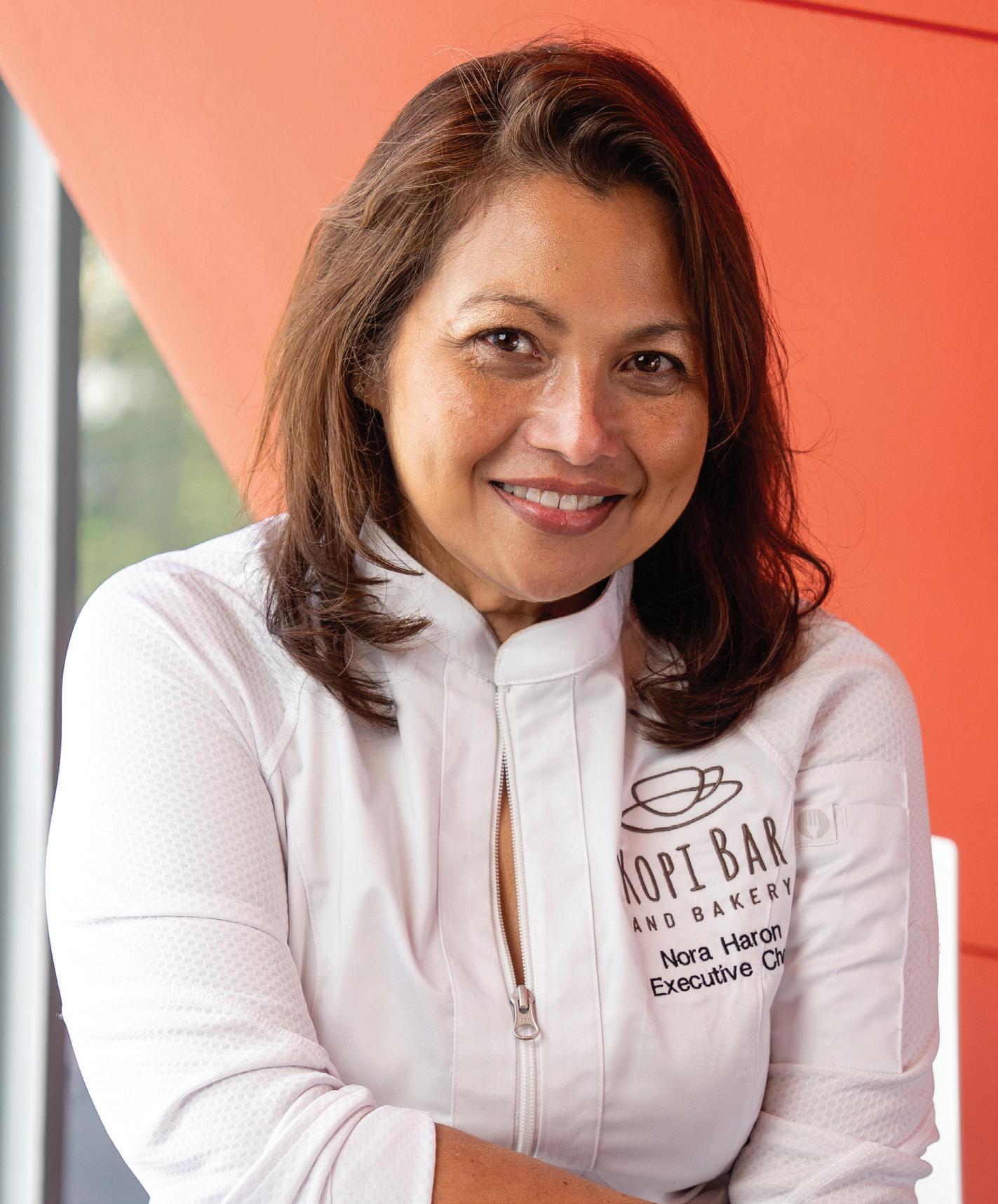
And since every outing deserves a delicious pause, consider a visit to the new Kopi Bar and Bakery upstairs at
Lou Fancher has been published in Diablo Magazine, Oakland Tribune, InDance, San Francisco Classical Voice, SF Weekly, WIRED.com and elsewhere.
Gilbert is a writer based in Berkeley who covers music and dance for numerous publications, including the San Francisco Chronicle, KQED Arts, Berkeleyside and San Francisco Classical Voice



BAMPFA, where chef-owner Nora Haron pairs Indonesian-Singaporean dishes with inventive pastries. Or, for something more elemental, explore the wild-food workshops o ered by Fork in the Path, whose foraging classes reconnect us with the landscapes that surround us.
We’re also honored to feature an interview with Robert Reich, the former U.S. secretary of labor and longtime Berkeley professor, whose new documentary, The Last Class, reflects on a lifetime of activism. His thinking on community and small business feels especially resonant this time of year, proving that our local shops aren’t just conveniences; they are social institutions built over years, worthy of our investment, our attention and, at the very least, our patronage.
Wishing you a joyful, locally rooted holiday season.
— Samantha Campos
for Bay Area and national publications.



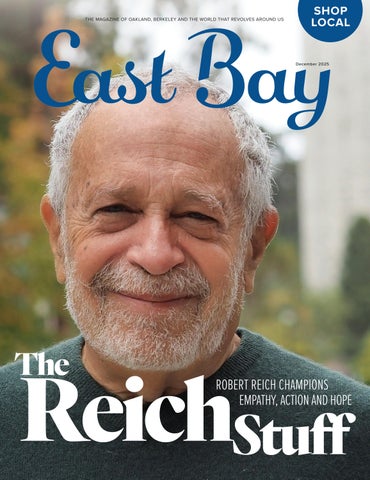
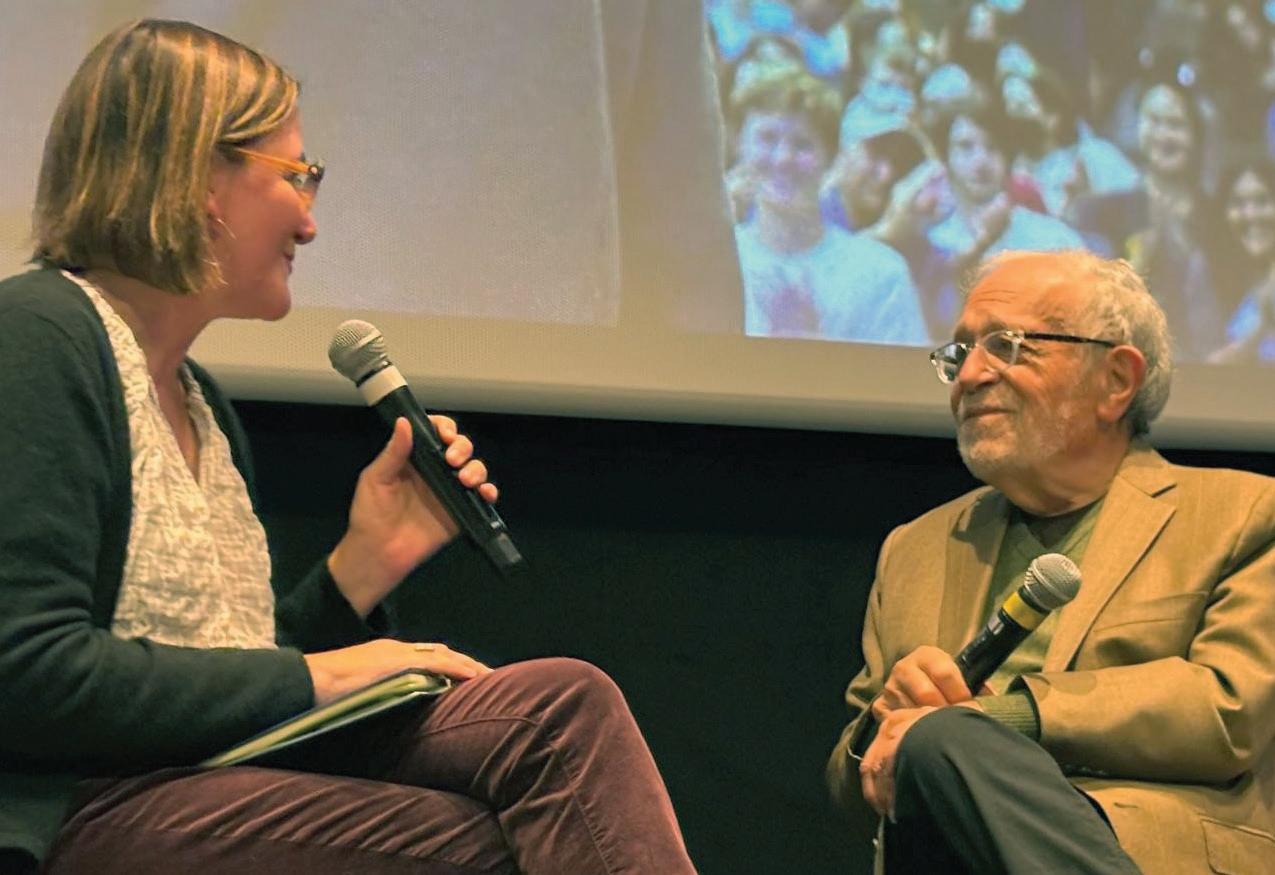
Robert Reich reflects on a lifetime of activism and what’s still unfinished


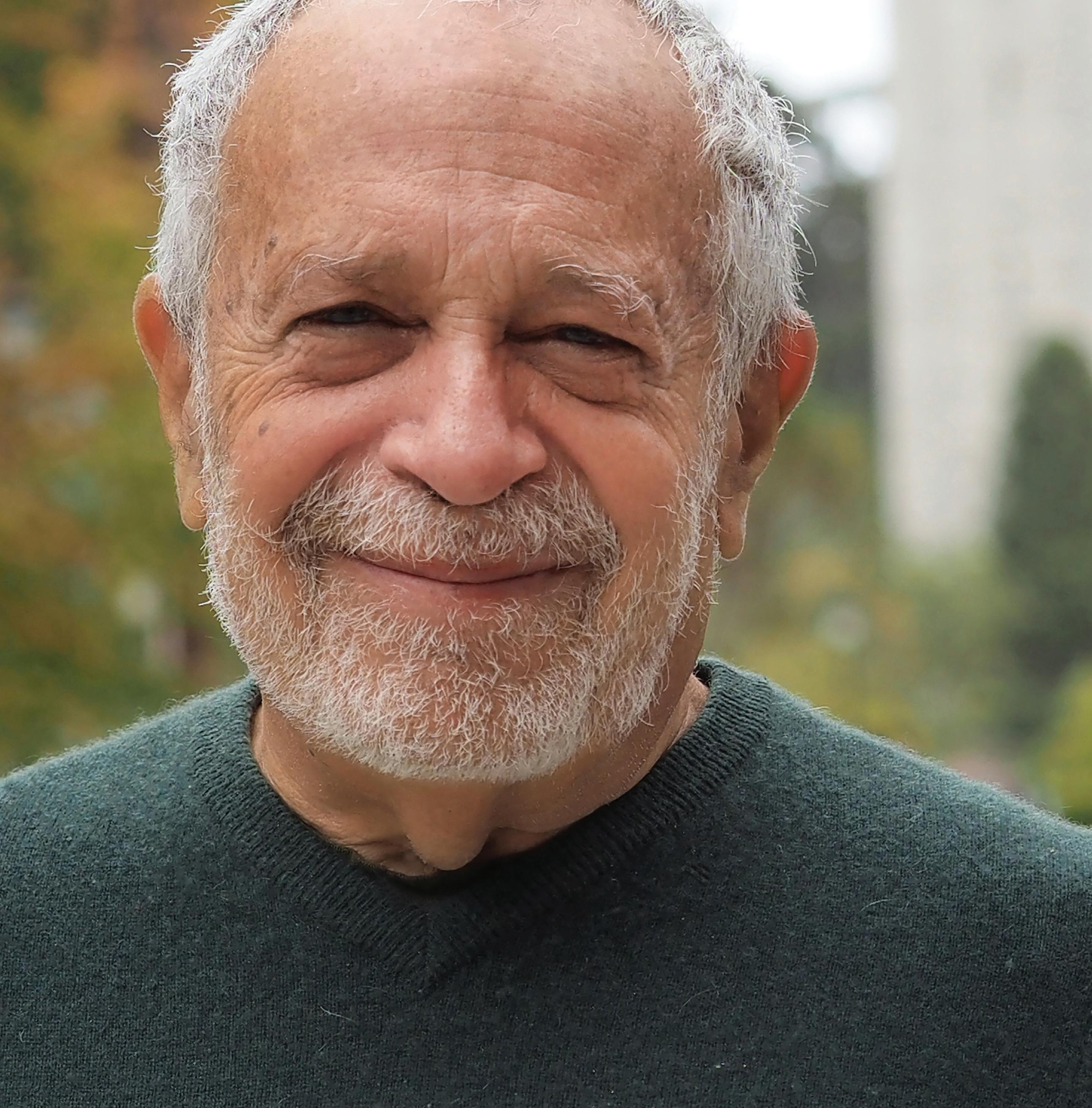
Most people at age 79 do not become film stars or cause the words “vigor” and “buoyant” to spring to mind. Robert Reich is not most people. Throughout his almost eight decades of life, the former U.S. secretary of labor and now professor of public policy emeritus at the University of California at Berkeley has energetically championed the rights, causes, education, beliefs and ideas regarding liberty and democracy held by many people.
Reich, in addition to serving as labor secretary in the Clinton administration, was an economic advisor in 2008 on Barack Obama’s transition board and has written 18 books (The System, The Common Good, Saving Capitalism and more). His most recent book, Coming Up Short, chronicles Reich’s march through time, from his birth nine months after World War II to the present day.
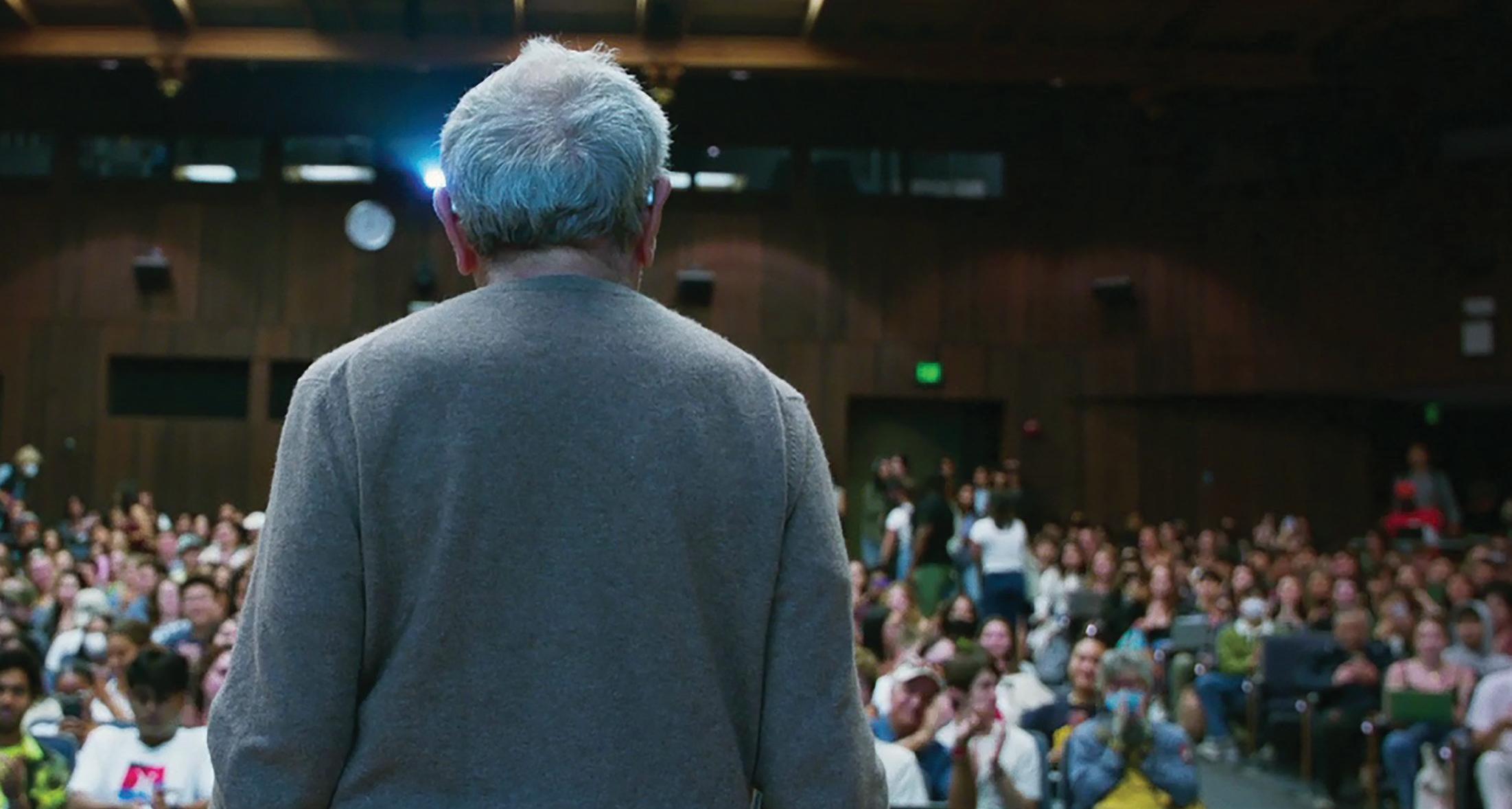
Coinciding with the book is the film, The Last Class, which has catapulted him into greater visibility. Reich, during his years at UC Berkeley, has taught the immensely popular course, Wealth and Poverty. On the cusp of
By Lou Fancher
retirement, a word he only grudgingly accepts, the film follows Reich through his last days as a regular figurehead on the UC campus.
For Reich, who is accustomed to cameras and is an astonishingly well-known public figure worldwide—he has been asked to autograph shoes; complete strangers on campus often holler, “Hey, Professor Reich”—the new cinematic role is a happy surprise.
In a late October 2025 interview, Reich says, “The best thing about all of this is the enthusiasm the movie has created. It’s a wonderful testament to what I try to leave with my students.

I was amazed it played for eight weeks at the Rialto Cinema in Elmwood.” »




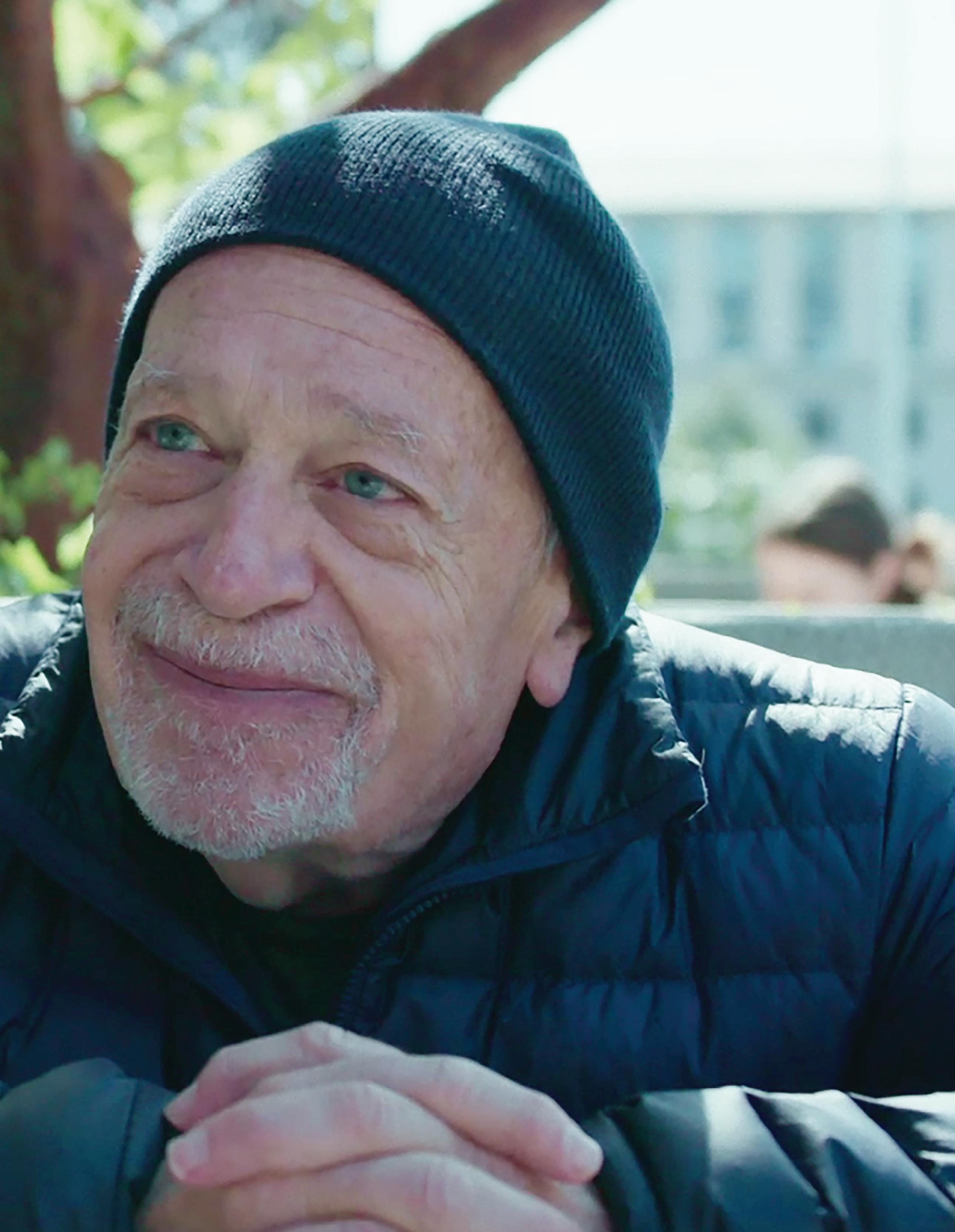
The film ‘The Last Class’ captures a man still writing his own syllabus.
PRINCIPLED PARTICIPANT
Robert Reich’s latest act turns life into a masterclass on purpose.
Reich admits he had doubts about the project when approached by the filmmakers: executive producer Heather Kinlaw Lofthouse, director Elliot Kirschner and editor/producer Josh Melrod.
“Education is not reading books or hearing lectures,” says Reich. “This is why I’m so thrilled the film emphasizes all the aspects of what education should be. I was skeptical initially that a film would help educators understand in a deeper, more fundamental way what they were trying to do or should try to do. When it’s talked about at the abstract level, it sounds theoretical and diffuse, but they managed it beautifully. I didn’t expect it to be a feature film; I thought it would be a short video. So I was surprised and delighted when it became a full-length feature and even more delighted by its success.”
The principles of good teaching, in Reich’s playbook, are most often related to social equality and involve students overcoming cynicism to actively engage as participants in democracy. Education is not exclusive to academia, and Reich insists people can participate at varying scales and in multiple forums—social, cultural, political and economic.
“People are participating all over,” says
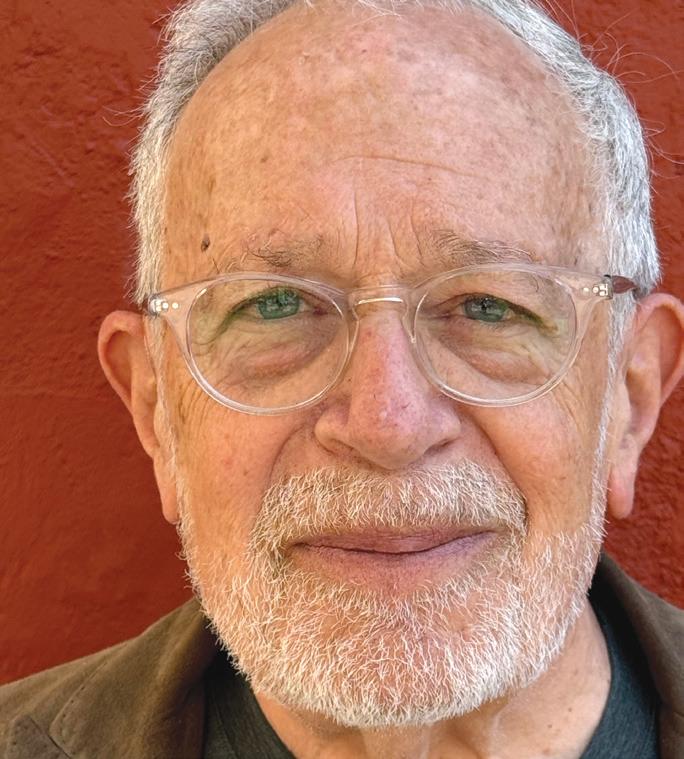
Reich, in his interview last month. “Food stamps are likely to be unavailable, starting next week. There’s an opportunity to participate in communities in terms of food banks, pantries, and volunteering and offering time or money. Every community has its own needs and character. There’s no reason we can’t all be involved. Same thing for places of work: They can be either uplifting, exciting or fun, or deathly
dull, horribly cynical and sharp-elbowed.
“We can contribute to improving quality of life wherever we are,” he continues. “These are actions not often called or understood as aspects of morality. I use my class mostly to help students at vulnerable points in growing up to have license, freedom and permission to explore their own values. To ask themselves hard questions, maybe change prior assumptions.”
The questions he asks and the actions he suggests show up not only in the classroom but in articles written for The New York Times, The Washington Post, The Wall Street Journal, The New Yorker and The Atlantic Inequality Media, the organization Reich co-founded in 2015 with Emmy-Awardwinning filmmaker Jacob Kornbluth, reaches more than 22 million people, among them, 10 million followers on various social media platforms. Complex topics such as the racial wealth gap, student debt crisis, free trade and Medicare are explained in short videos that inform and educate rather than direct people to follow specific courses of action.
Reich himself proves he’s not done learning, saying, “yes, yes, yes,” when asked if writing Coming Up Short led to discoveries no prior book had revealed.


















“[I saw] how heartbreaking so much of the last 79 years have been,” says Reich. “The [entire] story is not sad, but it’s tragic that we ended up with an authoritarian [in the White House], Congress now shuttered, and we have record levels of inequality and corruption. I was [observing] from the standpoint of my own experience, starting with being bullied as a little kid and extending through bullying most Americans now feel.
“Job growth has almost stalled. Most people’s wages have not gone anywhere. There’s fear in the country around escalating prices,” Reich continues. “People ask, ‘How did we ever get here, with government that’s dysfunctional and an economy not working for most people?’ They throw up their hands. In writing that book, I saw step-by-step what happened. I was involved in some of it, which is even more heartbreaking.”
When Reich arrived in Berkeley, where he continues to live, it was 1968. The political climate was incendiary. Many of the issues then are mirrored by and found in news headlines in 2025.
“The differences aren’t nearly as large as we like to think,” says Reich. “Martin Luther King, Jr. was assassinated. Robert F. Kennedy was assassinated. Our cities were aflame. Millions of Vietnamese and tens of thousands of young Americans were being killed. And then Richard Nixon became president. It was a perfectly awful year, as this year is turning out to be.
“There are slightly different [factors],” continues Reich, “the big one being Donald Trump as president is usurping the powers of the government, violating constitutional rights of individuals inside and outside the United States. He’s asserting authority or power no person was ever supposed to have. That has understandably imposed a pall over the entire country. In 1968, I was 22 years old. I was afraid America was going down the sinkholes. Ideals were disappearing. In 2025, I have many of the same feelings.”
Reich says the cacophony of voices expressing opinions as facts or misleading the public by failing to make sense of society, science, history, politics and the economy leaves him searching for voices of reason. Presented with a few people he might consider trustworthy and asked if
the problem is actually people’s failure to listen well, Reich says the answer is both, not either/or.
“Nobody is listening well to anybody,” says Reich. “The dominant voices are Donald Trump and the loud voices of people using the media to amplify Trump’s authoritarianism. This is not a time in America where the public is being taught, with obvious leaders pointing the way to the future, guiding people. We don’t have, although definitely need, an Edward R. Murrow, Walter Cronkite and civic leaders, university presidents or even public philosophers. We are adrift without the leading voices we need.”
The advent of social media and its tendency to skew toward loud, extremist voices that create a firestorm presents a nearly impossible battlefront. Reich says Trump has been “sucking oxygen out of the air since 2016” and has learned a great deal about the use of social media in the intervening years. He advises people feeling overwhelmed to find t ime and quiet space to think about what is happening in the United States and the world.
Lessons he hopes are most remembered and practiced by his students include the value of critical thinking and the importance of thinking for oneself, talking with people who disagree with them and taking a 30,000-foot, high-
level view to avoid becoming caught up in the events or problems of the day.
The velocity and intensity of the forces entering our ears, eyes, bodies and minds must be actively managed, Reich insists.
Among Reich’s list of favorite questions is, “What’s the point of the national experiment that is the United States?”
Another is a three-parter: “What is a good society, how do we get there, and how do we recognize the elements of a good society?” Reich says his answers are not the most important. “As a teacher, my biggest responsibility is to come up with good questions, not good answers,” he notes.
But there are some answers he offers willingly, like what makes it possible for him to avoid becoming discouraged by the country’s continuing wage inequality, current media ecosystem and lack of ethically responsible leadership?
“I’m optimistic, for everything I’ve said,” says Reich. “I see young people today, and I’m very pleased with what I see. My students give me optimism. The young people I work with at Inequality Media Civic Action give me great optimism. They will be responsible for the future. The future is in good hands.”
And then, this vigorous, buoyant 79-year-old fellow sets out to do everything and anything but retire. The world has become Reich’s new classroom. ❤



















BY David R. Newman
The clash of steel upon steel rings out across the valley floor. Banners ripple in the air as a low, relentless drumming urges thousands of dusty boots onward. A bugle cries out, sending nesting birds skyward. The smell of burning tar and scorched earth is heavy here, where row after row of archers line castle walls, releasing waves of flaming arrows into the enemy. A lone figure, a wizard, sits high atop the tallest tower, taking it all in, this battlefield where clans of orcs and humans wage war, where dwarves and elves and
hobbits fight hideous beasts, and dragons circle the smoky skies.
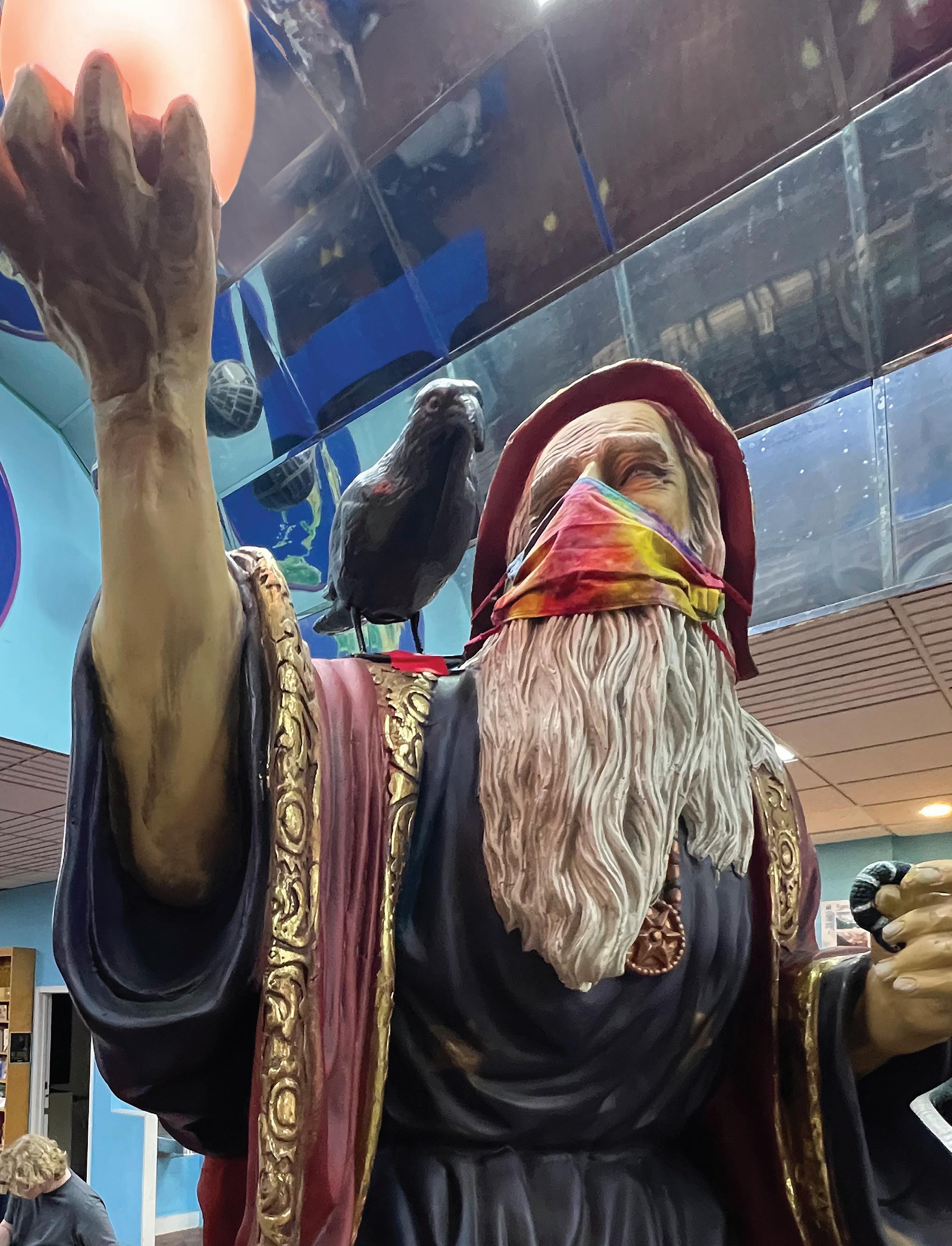
No, this isn’t another episode of Game of Thrones or a Lord of the Rings sequel, but rather just a typical afternoon at Games of Berkeley, where players congregate en masse to test their skills against and with others. Magic: The Gathering, Warhammer, BattleTech, Pathfinder, Pokémon and Lorcana are but a few of the camps that make up this gaming community. And they all play under the watchful eye of Gareth O’ Beardsley, a life-size wizard statue that has become the store’s patron “Everythingmancer.”
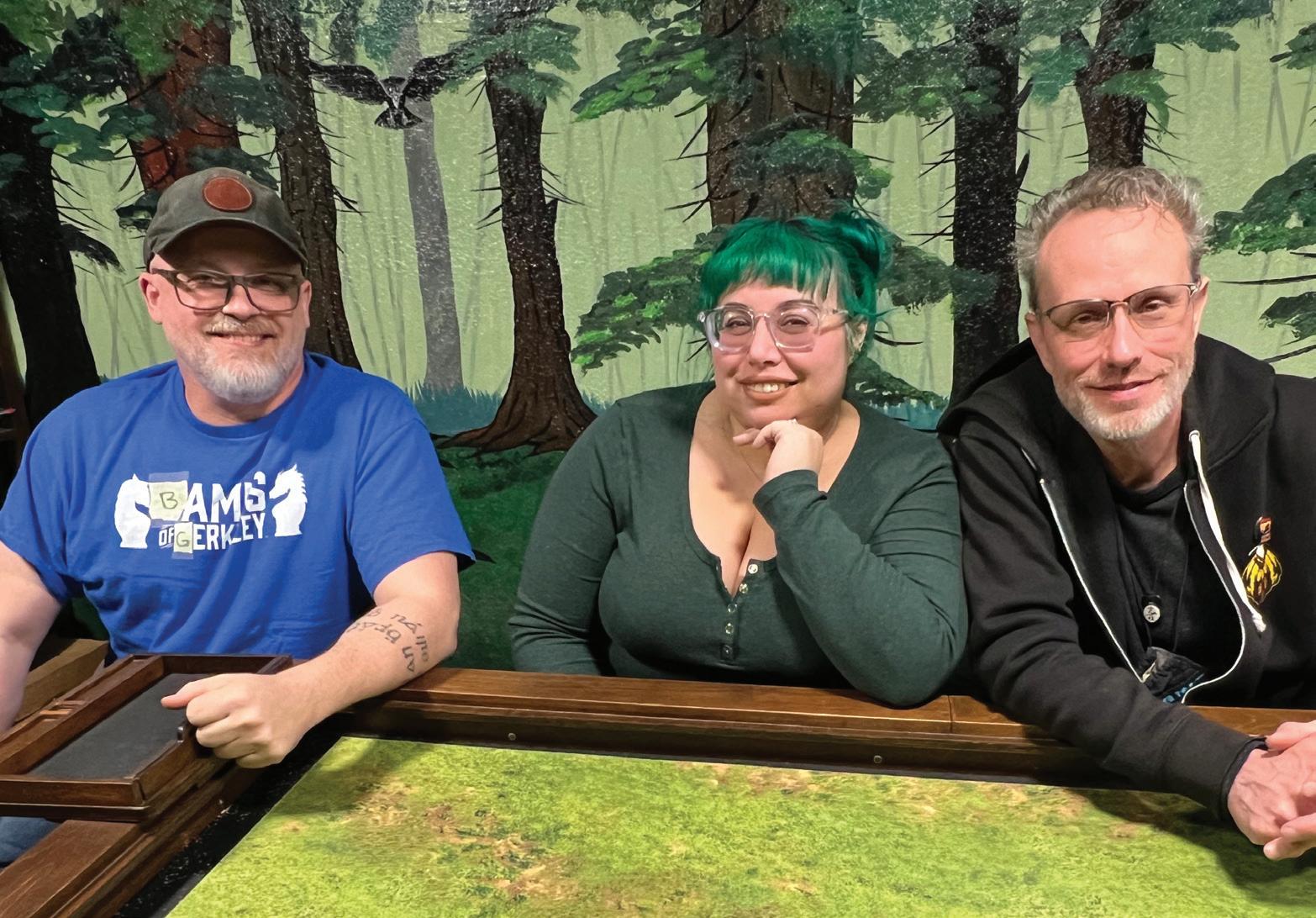
“We have at least one event happening here every single night we’re open to the public,” says managing co-owner Gwendolyn Reza. “And on weekends, we are absolutely packed.” Reza, along with managing co-owner Sean Gore and majority owner and Evil Overlord Erik Bigglestone, work hard to create a welcoming and inclusive environment for all ages.
“It’s very important to us that people feel safe here. We’ve set specific expectations. And we’ve had to do some heavy policing at times,” Reza says.
The three share the belief that

Games of Berkeley is more than just a game shop; it’s a gateway to worlds unknown. Anyone is welcome to watch or participate, and many who do discover new realms they never knew existed.
“We do a lot of handholding,” Bigglestone says, smiling. “Many customers who come in are only familiar with the classic board games they played as kids—Monopoly, Scrabble, etc. We are introducing them to a number of different alternatives.”
These alternatives include role-playing games (RPGs) like Dungeons & Dragons (D&D), first published in 1974 and commonly considered the first game of its kind, sparking an entire industry of RPGbased products. Then there are wargames like Warhammer, where players use miniature figures to simulate troops on a grand scale across a tabletop battlefield.
Trading card games (TCGs) like Magic: The Gathering (MTG) and Pokémon are very popular. And for $5, customers can play any game from the store’s extensive library, or bring one of their own.
Game Master (GM) Phill, a Cal alum, has run Pathfinder games at the store for more than 15 years. “It’s like D&D but different,” one player says.
“We’re very open and accepting of new gamers,” Phill says. “We like when people embrace our hobby.”
Another player quips, “Yeah, and I really get a high from explaining the rules …” This garners laughs from everyone in the room.
The current location of Games of Berkeley, at 2510 Durant Ave.—the onetime home of Tower Records—includes more than 11,000 square feet of space, with a mirrored, barrel ceiling. It’s an
upgrade from the previous location at Shattuck and Center, with a better layout that includes upstairs offices, ADAcompliant bathrooms and three themed game rooms. This, Games of Berkeley’s fourth iteration, was founded in 1980 by Don Reents.
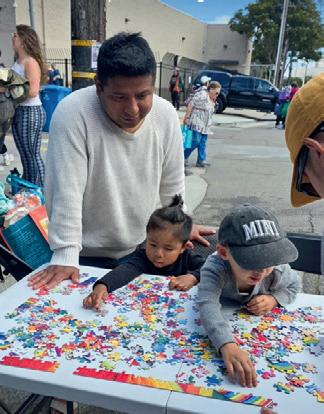
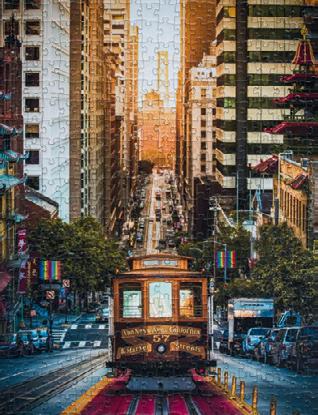
Bigglestone’s journey as owner began in 2013 when his parents retired, leaving the business to him. One of the keys to his success has been diversification. “My parents always made a big deal about it,” he says. “We don’t stock just games. We also have puppets, plastic figures, stickers, toys, etc.” Many people don’t realize that Games of Berkeley is considered the go-to place for puzzles, thanks to a longstanding relationship with Ravensburger. And dice have become a huge business.
“New materials and customization
»









































have made it so that anything is possible,” Bigglestone says. “It’s all part of the democratization of manufacturing.”
This diversification gives Games of Berkeley the edge when it comes to online shopping. “We cannot possibly challenge the low prices offered by Amazon,” Gore says. “But what we can do is offer personal interactions, enabling us to recommend an adjacent item that is not related by logic.”
He points to candles that smell like a tavern, and medieval cookbooks, and a host of other accessories that enhance gameplay. “I never want us to become stale,” he says. “We’re constantly adjusting to the market and trends in gaming.”
The stigma once associated with RPGs has mostly vanished, thanks to TV shows like Stranger Things. “For the
first time in popular media, these fantasy role-playing gamers were portrayed not as stereotypical nerds or evil devil worshippers, but as actual, real young people,” says employee Will, who refrained from giving his last name.
Celebrities now endorse a wide variety of products, and social media is abuzz with gaming resources, podcasts, and role-playing tutorials and entertainment. With this social acceptance has come a boom of independent releases. And local game developers often visit the store to play-test their ideas. “We used to have roughly 200 releases per year,” Bigglestone says. “Now it’s over 5,000.”
Bigglestone is the first to admit that Games of Berkeley would not exist without the amazing talents of the staff—about 15 employees—and the
‘As a species, we love to gather and problemsolve. That’s what gaming is all about.’
— GWENDOLYN REZA
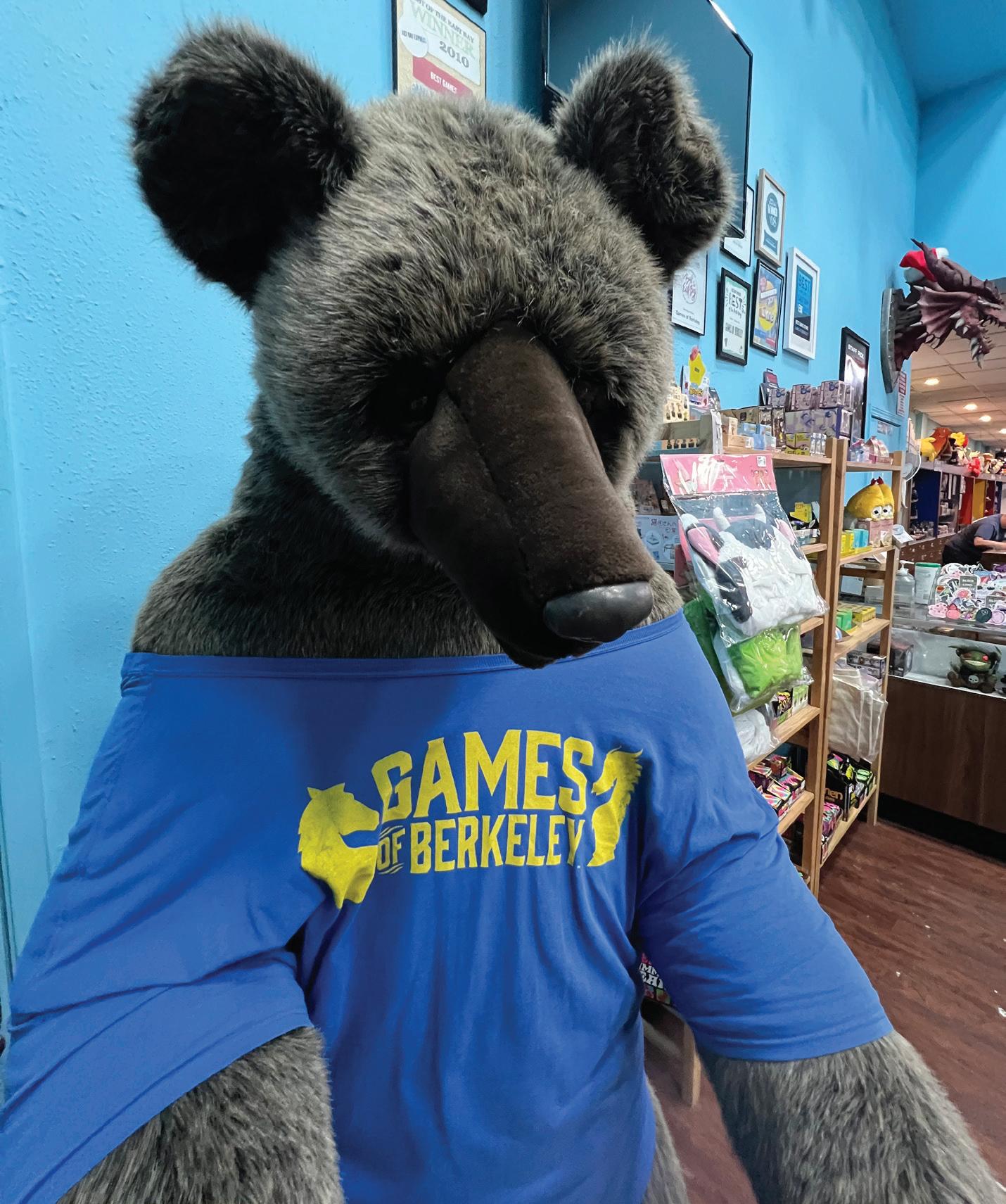
GO BEARS The store doesn’t just stock games; it also houses puppets, plastic figures, stickers, toys, candles that smell like a tavern, medieval cookbooks and a host of other accessories that enhance gameplay.
loyalty of their customers. As an example, when the pandemic hit, he shelteredin-place to take care of his family while Reza and Gore ran the business. People ordered more than 400 products online. When the dust had settled, Bigglestone offered the two part-ownership as thanks. “I’m very open and honest about this … we would not still be here if not for their efforts,” he says.
“I feel very humbled by this business,” Gore says. “We really deal more in memories than we do in pawn movement.”
Reza agrees, saying, “As a species, we love to gather and problem-solve. That’s what gaming is all about.”
The three owners share a smile. It’s not their first, and it won’t be their last. Games of Berkeley, 2510 Durant Ave. 510.540.7822. gamesofberkeley.com.








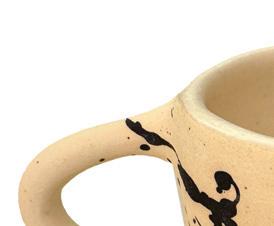
CERAMIC MUG BY LH CERAMICS
$48, Morningtide
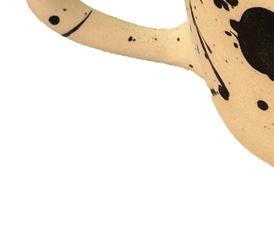

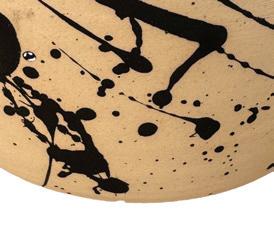
a semi-random collection of gifts at local shops

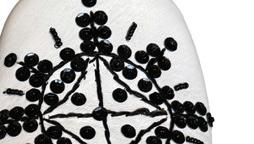
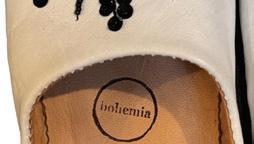
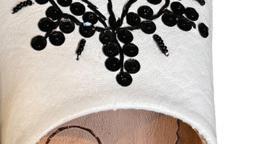
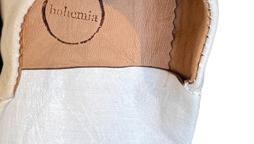


WHITE AND BLACK SEQUINED SLIPPERS BY BOHEMIA
$47.50, Maison D’Etre






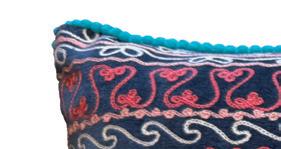

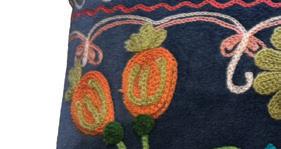
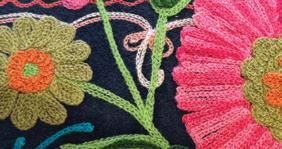
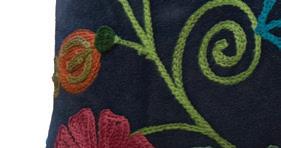
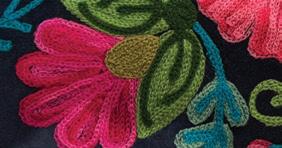
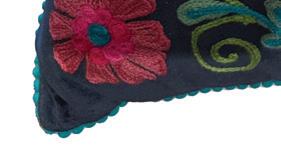
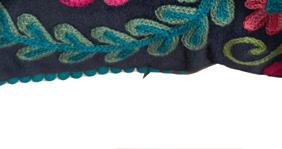
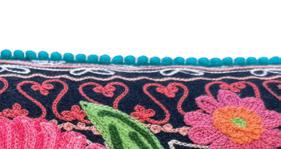
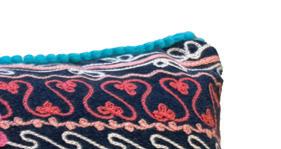
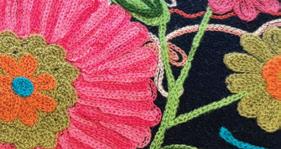
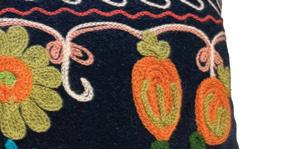
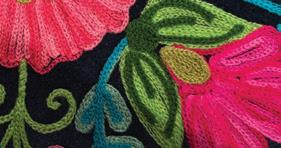
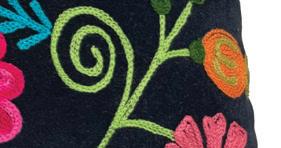
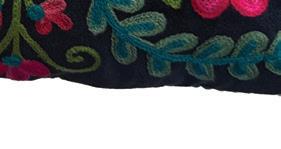
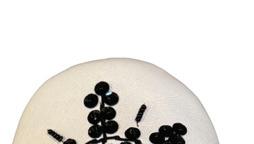
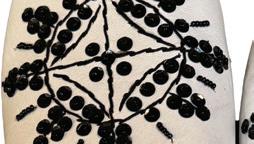
EMBROIDERED PILLOW BY KARMA LIVING
$88, Umami Home + Gift
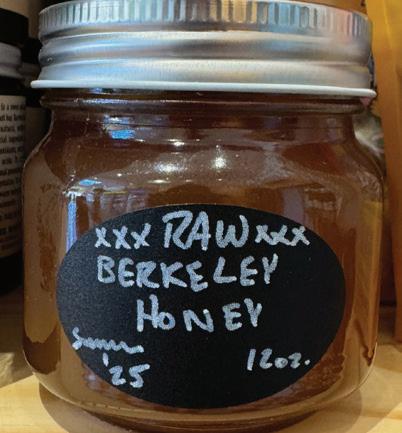
RAW BERKELEY HONEY
$18.75, Of All Places
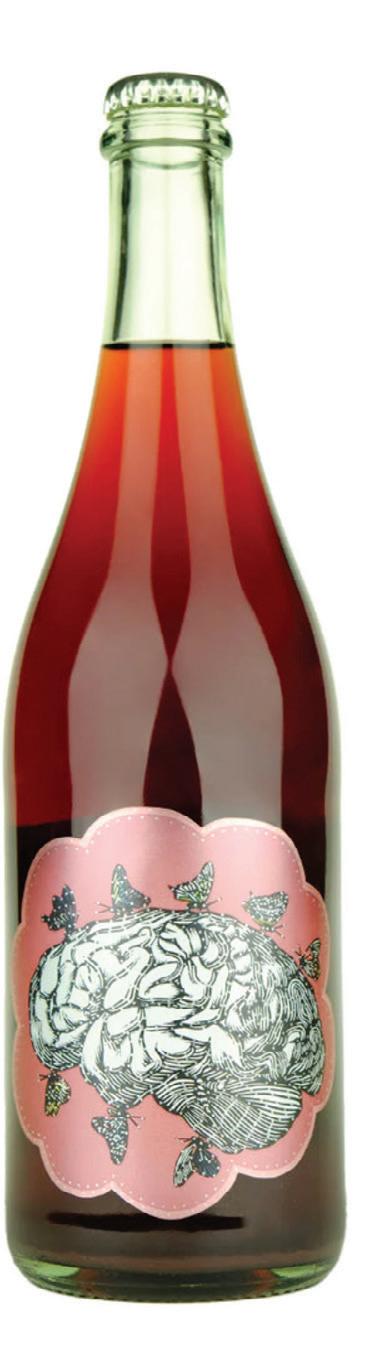
THE PATHFINDER N/A SPIRIT
$40, Alkali Rye

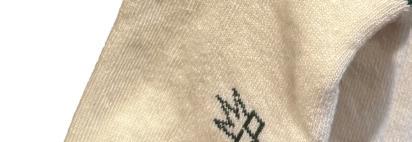
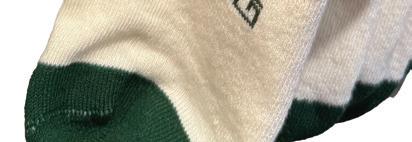
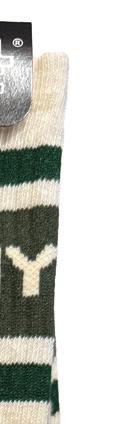
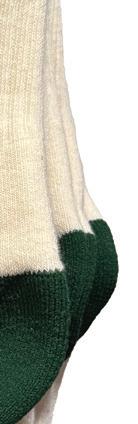
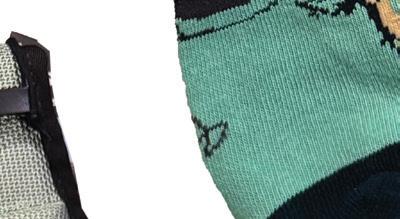
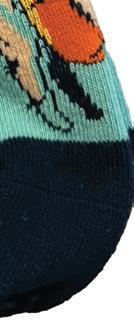
“HORNY” SOCKS BY GUMBALL POODLE
$16, Nathan & Co.


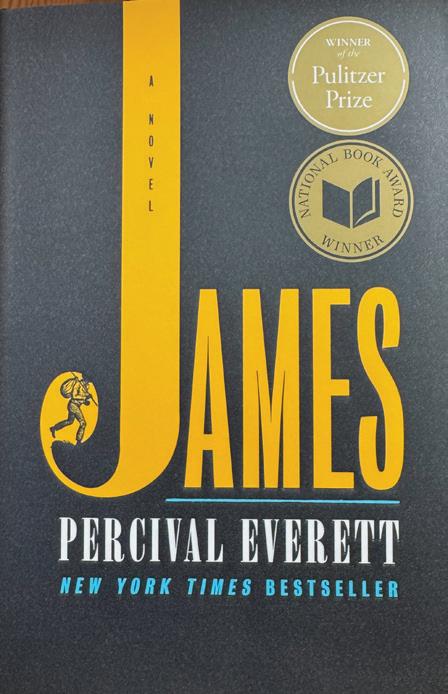

JAMES BY PERCIVAL EVERETT
$28, Walden Pond Books










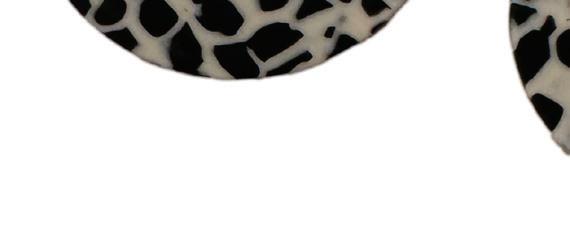
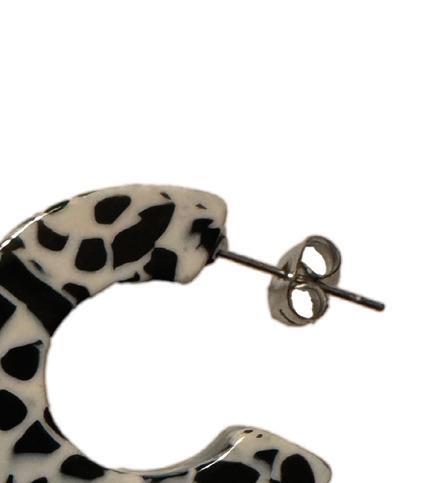

BLACK AND WHITE HOOPS BY NAT + NOOR
$24, Morningtide
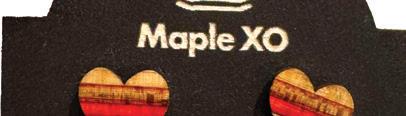
RECYCLED SKATEBOARD EARRINGS BY MAPLE XO
$25, Umami
Home + Gift



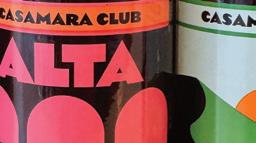
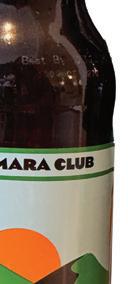
CASAMARA CLUB SODAS
$5 each, Alkali Rye





“OUR FAVORITE THINGS” GIFT BOX
$80, Of All Places


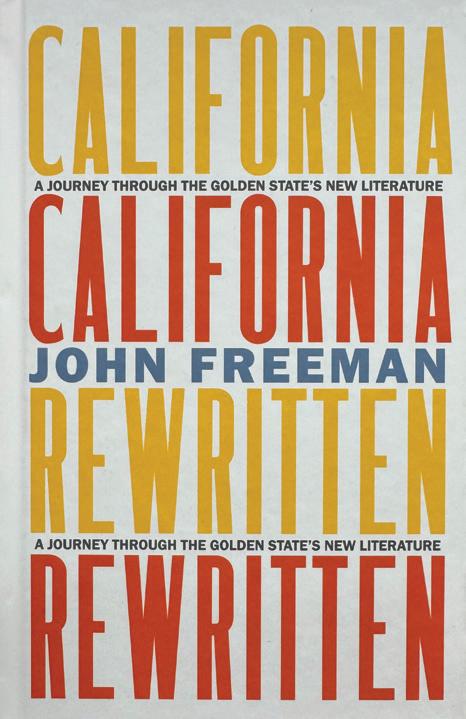
CALIFORNIA REWRITTEN BY JOHN FREEMAN
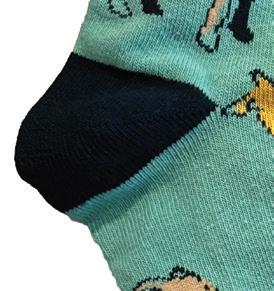
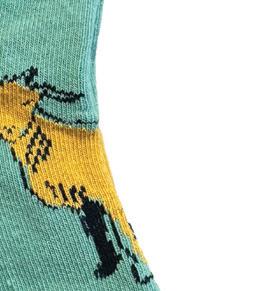
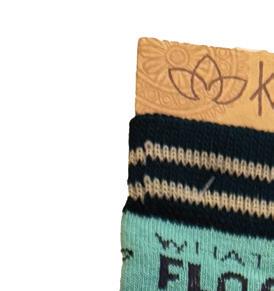
GOAT SOCKS BY KARMA
$18, Nathan & Co.
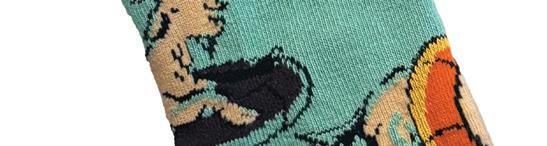

$30, Walden Pond Books
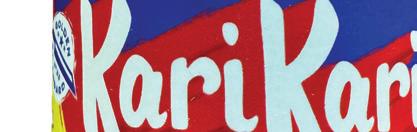
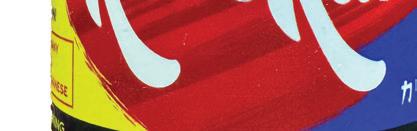
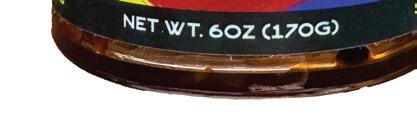
KARI KARI GARLIC CHILI CRISP
$18, Of All Places




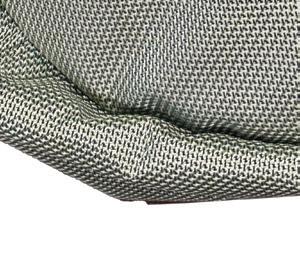


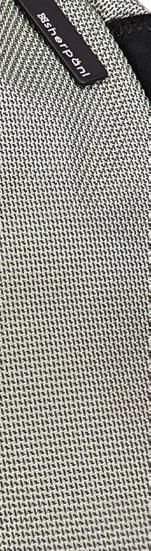
$110, Nathan & Co.





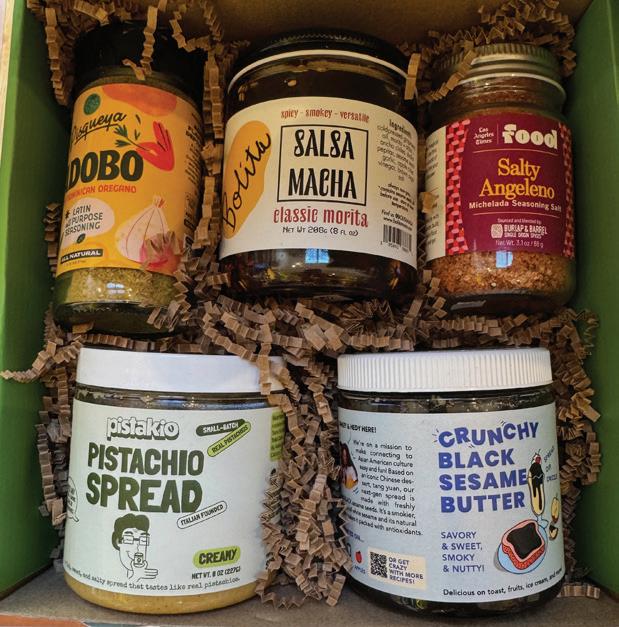
ALL THE WAY TO THE RIVER BY ELIZABETH GILBERT (signed copy), $35, Walden Pond Books


$26, Alkali Rye



BY Stephanie Lam
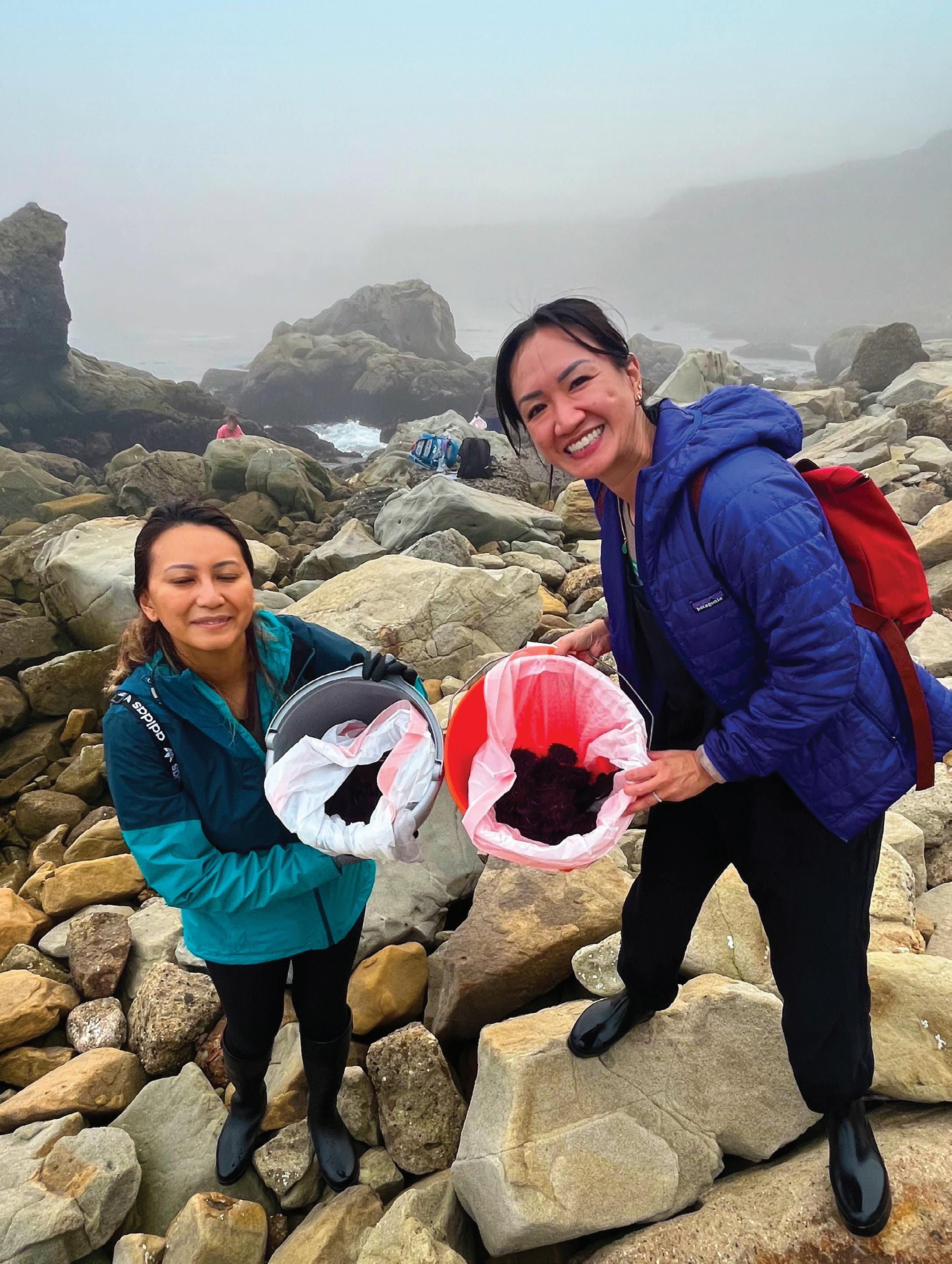
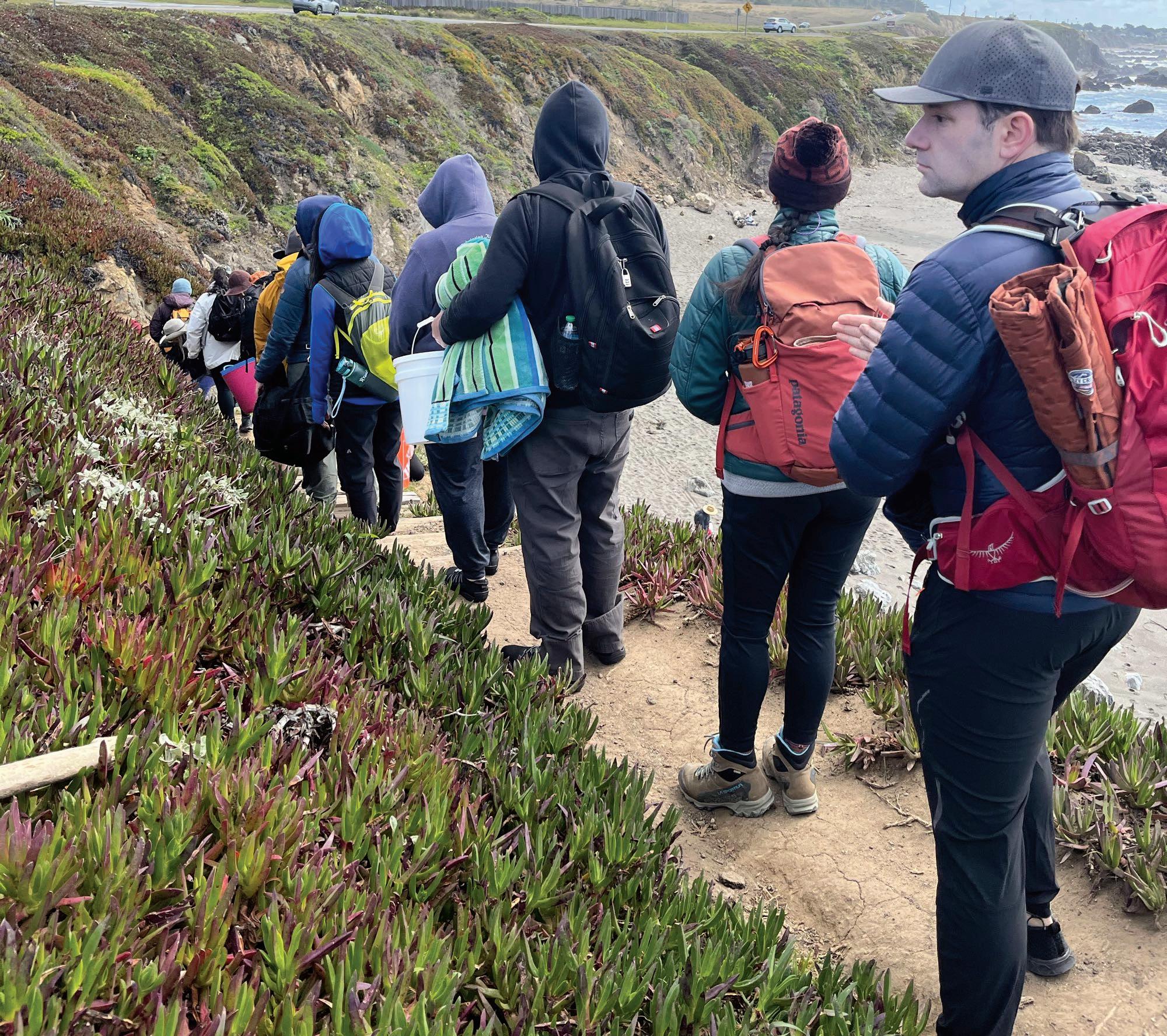
COASTAL CAPTURES People forage for di erent reasons; some want a fun day excursion or a creative outlet, while others seek ways to be more mindful of their environmental footprint.

The Bay Area’s serene landscape is teeming with hidden, edible food.
If one knows where to look, they can easily find clusters of fresh mushrooms growing in the forest or sea rocks covered in salty mussels.
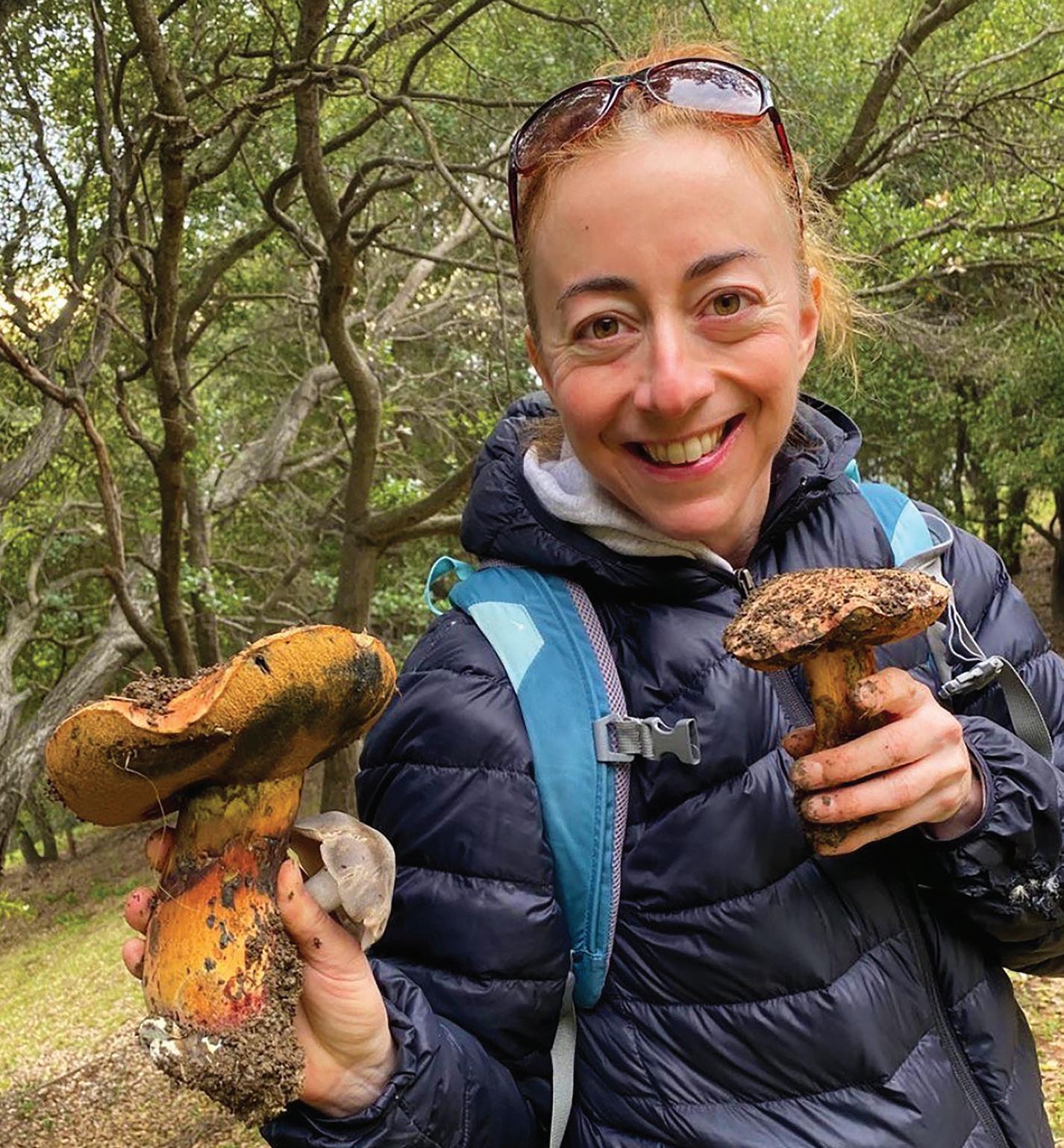
Carrie Staller knows plenty about scouting for such foods. The Berkeley resident is the founder of Fork in the Path, a local organization that o ers public classes and educational workshops about foraging. The term refers to an age-old practice of gathering wild plants, fruits, seafood or fungi for food.
For Staller, foraging is a “precious” and “simple” activity that one can do to connect with nature. They can experience a sense of mindfulness from gathering together, looking for food and then cooking the bounty, she said.
“We are returning to the most basic part of being a human, which is eating food and celebrating it,” Staller said. “It’s a lost artform.”
Fork in the Path, which launched in 2024, hosts multiple foraging classes each month led by either Staller or another qualified foraging instructor. Those who are interested in the activity can sign up online at the Fork in the Path website. The topics range from picking spikey uni at Bodega Bay to hunting for mushrooms along the Sonoma Coast to gathering acorns and bay nuts in Berkeley.
“We answer ‘Can I eat that?’ and invite curiosity about everything we find within the ecosystems of our outdoor classrooms,” the Fork in the Path website states.
Each class size has around 10 to 25 people, and the price to join varies depending on the foraging excursion, although the average price for an adult is around $100. There are also other cooking-based classes where participants can learn how to pickle and ferment vegetables, or prepare a full-course meal from seasonal ingredients. Once in a while, Fork in the Path o ers hands-on
art workshops where people can make delicate crafts like baskets woven from plants or pine needles.
People forage for di erent reasons; some want a fun day excursion or a creative outlet, while others seek ways to be more mindful of their environmental footprint. No matter the intention, Staller said everyone experiences a sense of camaraderie and companionship, opportunities that are di cult to find in the region’s tech-heavy climate.
“In this area, we’re living in hyperconnectivity and productivity,” she said. “We are devoid of meaningful connections… I found that going forging really supported my mental health and sense of feeling connected.”
Humans have foraged for their own food since the beginning of time. In recent years, the practice has gained popularity, especially on social media. Apps like Instagram and TikTok are filled with videos of people documenting their experience finding food in the wild, or picking up items to make rustic crafts.
Organizations similar to Fork in the Path have sprouted up across the nation, and provide a platform for qualified foraging instructors to share knowledge and o er training on safe and sustainable practices.
Fork in the Path is currently raising $10,000 to create a scholarship fund that will cover the cost of two spots in every class. Participants for those open seats will be decided through a lottery system. The organization plans to prioritize those who are either low-income, under the age of 18, disabled or chronically ill, or who are considered resilient identity applicants, people who can demonstrate a personal or professional ability to adapt to change and grow from challenging experiences.
The idea for Fork in the Path can be traced back to Staller’s love of mushrooms. A long-time forager of wild shrooms, she did the activity recreationally while working a full-time job. On the side, she would also teach small and local classes that covered di erent types of mushrooms and where to find them. »

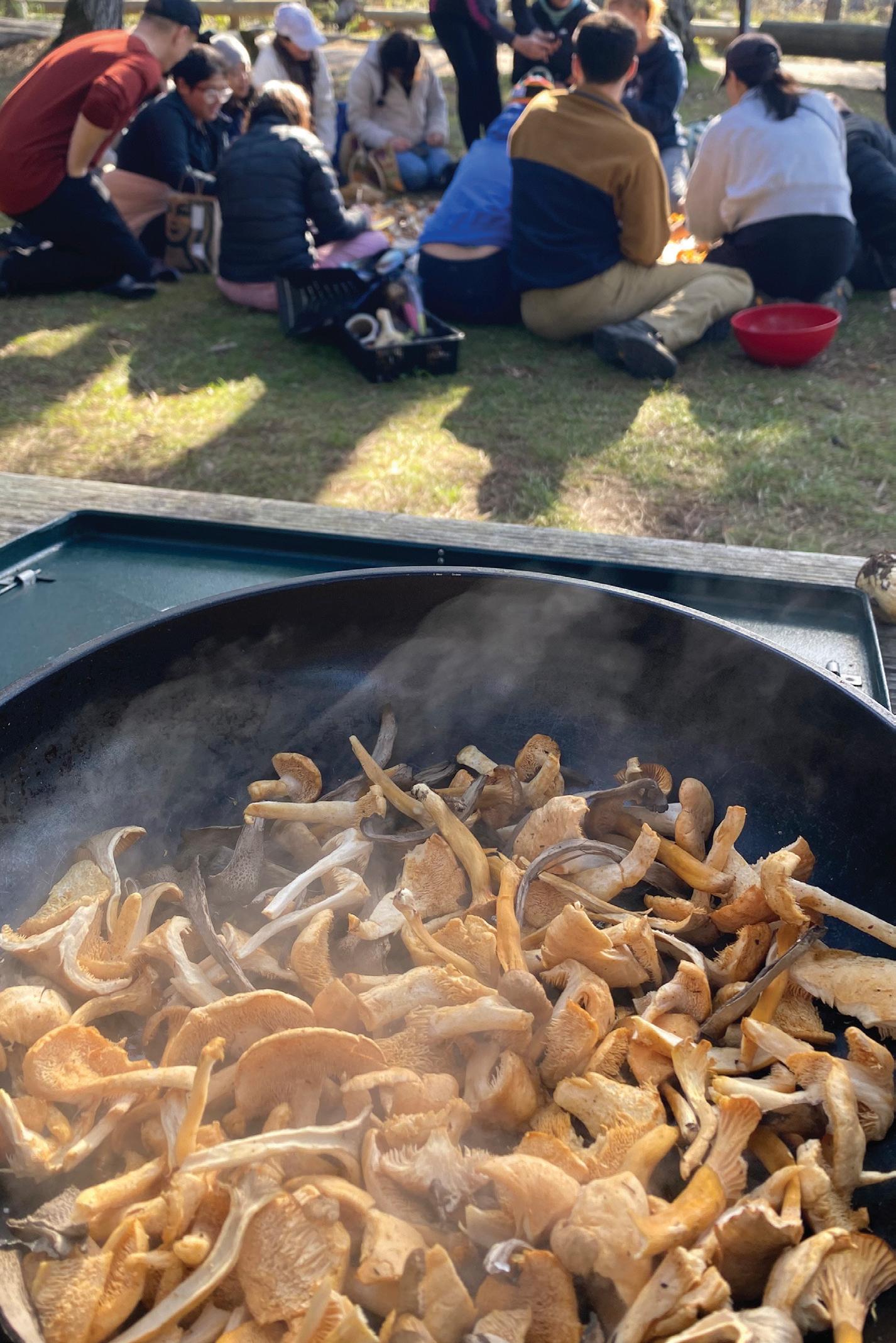
“Mushrooms are beautiful,” she said. “They come in many shapes and sizes, and they smell interesting. It’s a full sensory experience.”
After she caught Covid, however, Staller was diagnosed with Long Covid, a chronic condition that occurs after the virus’ infection. Those with Long Covid have a range of symptoms or conditions that can either improve, worsen or be ongoing.
Staller experienced low energy levels and di culties concentrating at work. She eventually left her full-time job, unsure of what to do next. But she still had a deep love for foraging for mushrooms. After seeing how many locals were interested in
her classes, she decided to take a chance and turn it into an o cial business. Fork in the Path took flight in January 2024.
“It just started unfolding organically,” she said.
The title was inspired by the idiom of the same name, which refers to when someone is in the midst of making a crucial decision. Staller said the phrase is symbolic because it reflects how she felt about turning foraging into a full-time endeavor.
“Foraging created a big fork in my path that I never would have expected,” Staller said.
One of her favorite parts about
‘Mushrooms are beautiful. They come in many shapes and sizes, and they smell interesting. It’s a full sensory experience.’
— CARRIE STALLER
running the organization is getting to work with the network of instructors and introducing people to the world of foraging. “For me, I couldn’t be happier to be a part of their journey,” she said.
Berkeley resident Stephanie Frankle is one of those fledging foragers. In the past year, she has participated in several Fork in the Path events, including mushroom and acorn foraging workshops and edible and medicinal plants walks.
Frankle was drawn to the craft of foraging around five years ago, when she discovered a passion for finding and picking fruits from her neighborhood trees. She met Staller through events
in the region’s Jewish and musical community. When Frankle heard about Fork in the Path, she decided to immediately sign up and learn more.
“It was kind of perfect,” Frankle said. “I was feeling curious and drawn to (foraging) for a while.”
Frankle said she appreciates how welcoming and engaging Staller and the other instructors are. There’s a sense of comfort and familiarity whenever Frankle goes to a class.
“It’s fun to feel more connected to the nature in the area,” Frankle said. “That’s something that’s important to me. I love having that resource.” ❤
‘It’s fun to feel more connected to the nature in the area. That’s something that’s important to me. I love having that resource.’
STEPHANIE FRANKLE

Let’s face it—working from home in the East Bay means we’re as likely to share our “o ce” with a cat, a kombucha SCOBY and the sound of someone’s leaf blower as with a co-worker.
Yet somewhere between our artisan co ee habits and endless Zooms, the home o ce has quietly become one of the most important rooms in the house. Whether one is in a Berkeley bungalow or a mid-century Montclair manse, designing a workspace that actually works is an art form.
Here’s how to create one that balances productivity with the particular brand of comfort we’ve come to expect when not commuting over the Bay Bridge.
The first challenge of any home o ce is carving out space that feels distinct from the rest of one’s living area. It doesn’t need to be large—it just needs to be intentional. The goal is to create a boundary between “on the clock” and “o the clock,” even if that boundary is metaphorical.
In Alameda County, where storage units become studios and garages become production houses, creative repurposing is practically a regional sport.
One may consider converting a nook, an attic alcove or even a closet into a focused workspace. Built-ins, floating desks or compact modular furniture help define the zone. The trick is psychological: When one crosses into their workspace, the brain knows it’s showtime.
We live in one of the few places where light itself feels like a luxury brand. One must take advantage of that. Natural light boosts mood and energy, while reducing eye strain and the need for harsh overheads. A desk can be positioned near a window if possible—but not directly facing it.
One may complement daylight with warm, layered lighting: a good desk lamp
for task work, ambient lighting for evenings and perhaps a touch of accent lighting to soften the mood. Think minimalist lines and organic materials. A reclaimed-wood desk paired with an LED fixture aptly captures a rusticmeets-refined vibe.
Soundproofing is a form of self-care. Acoustic panels can double as art; thick rugs, curtains and fabric wall hangings absorb unwanted echo. A white-noise machine, or the gentle hum of a favorite Spotify playlist, can help mask distractions. Most streaming services o er various shades of noise playlists. One may try some pink noise, which can spur creative brainwaves, or brown noise for relaxation.
For those working near busy streets or in open-concept homes, adding door sweeps and weatherstripping can do wonders. And if one is fortunate enough to have outdoor space, they may consider a detached shed or backyard o ce pod. In the East Bay, even the smallest outbuilding can become a serene creative retreat, provided it’s wired, insulated and Wi-Fi friendly.
It’s not glamorous, but ergonomics is the unsung hero of every well-designed o ce. A supportive chair is non-negotiable. Height-adjustable desks are worth the investment too, allowing one to alternate between sitting and standing.
Monitors should be at eye level; wrists should rest comfortably while typing; feet should touch the floor. If one’s o ce aesthetic leans bohemian, remember: Even the most beautiful rattan chair won’t compensate for poor posture.
Comfort doesn’t have to clash with design—many local furniture boutiques now o er ergonomic options that look as good as they feel.
The first challenge of any home o ce is carving out space that feels distinct from the rest of one’s living area.
Perhaps the most elusive part of home o ce design isn’t furniture or lighting; it’s boundaries. When one’s commute is 10 steps, it’s easy to never truly leave work.
The solution is ritual. One may consider lighting a candle to start the day, shutting down the laptop and playing music when they’re done. Work materials should be kept out of sight after hours. And one should make sure their space supports both focus and recovery. A small sofa, meditation cushion or even a view of one’s garden can remind them that their life extends beyond their labor.
In the end, an East Bay home o ce should feel like its owner: creative, comfortable and just a little bit aspirational. After all, this is where we dream up our next big idea, sip another pour-over and somehow make it all look e ortless.
— Weeklys Sta

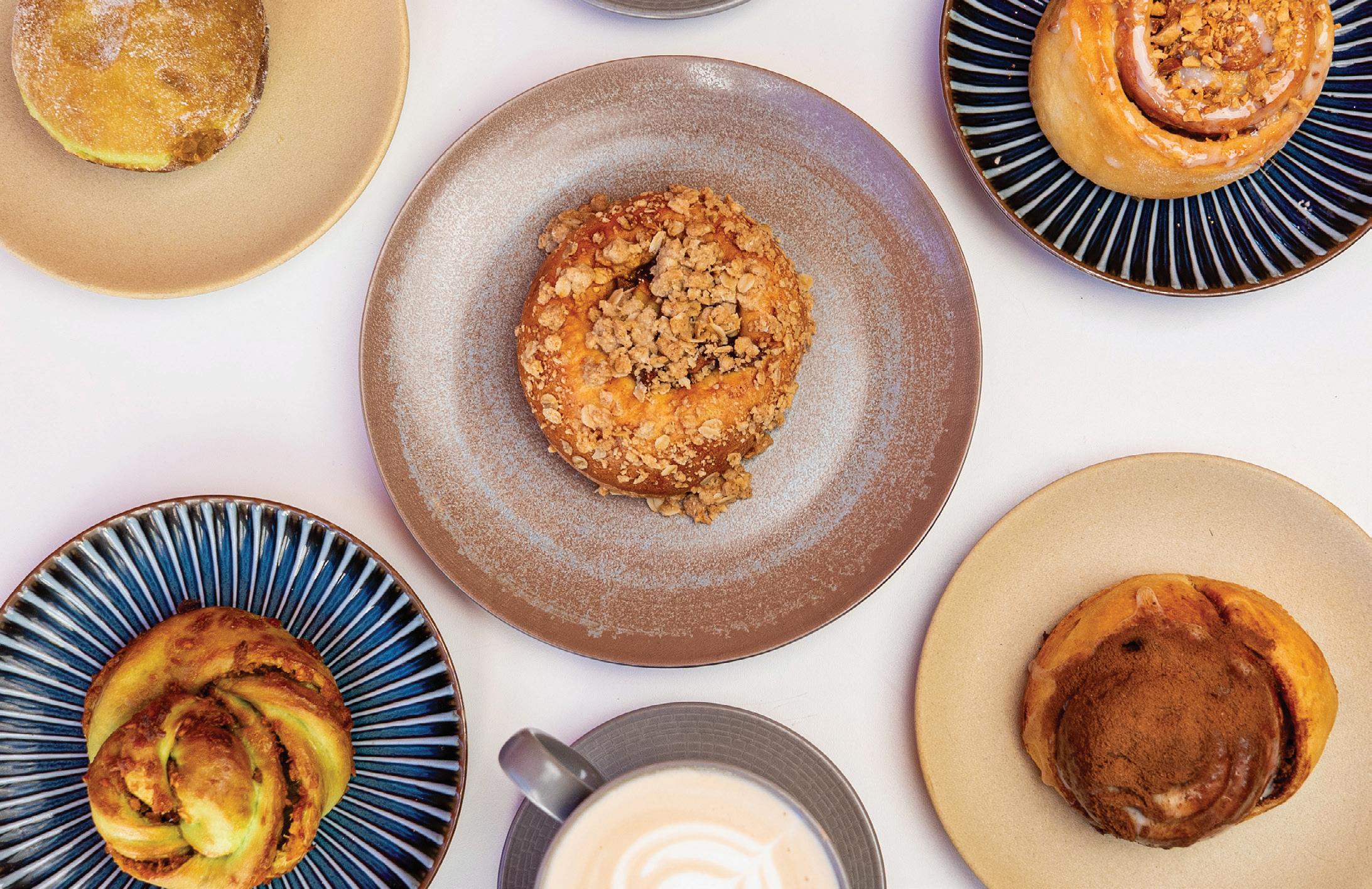
Kopi’s kaya-filled pandan malasada combines a Hawaiian/Portuguesestyle doughnut with a Southeast Asian coconut and pandan jam.
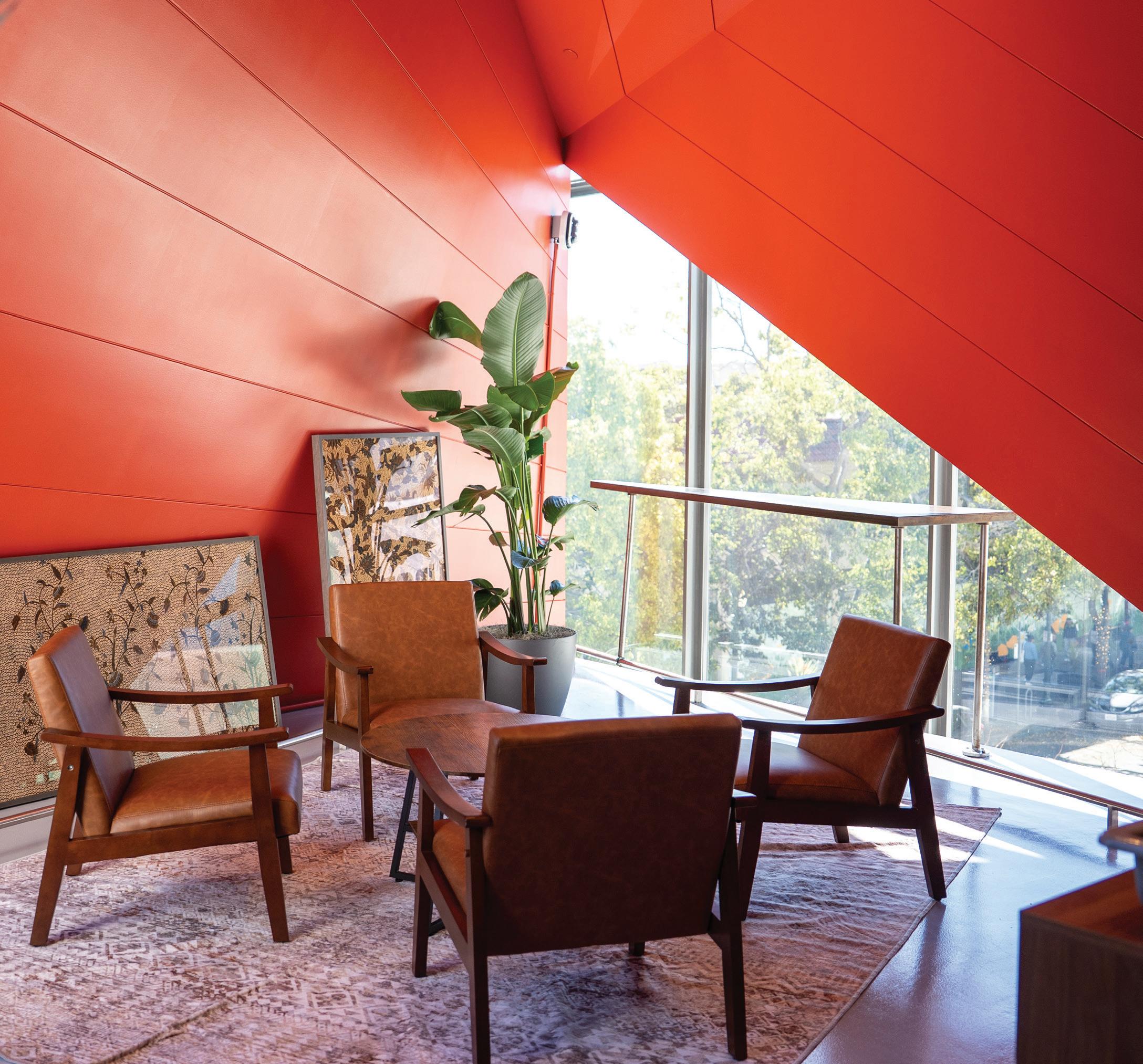
The Berkeley Art Museum and Pacific Film Archive (BAMPFA) upstairs café peers down on a gallery two floors below. This café is at once part of the museum and in its own liminal space. We walk into museums wondering how we’ll engage with the artwork. Talking about the exhibit over a meal afterwards is its own separate reward. Some visitors will invert this approach after they eat at Nora Haron’s Kopi Bar and Bakery.
Sans umbrella, I made my way to Kopi in the middle of a rainstorm. My timing was off that day. With her café newly relocated to BAMPFA from the original Walnut Creek location, Haron sat down with me to talk about the move and her career. While we were talking, members of the kitchen staff approached our table and gently tapped her on the shoulder. Haron took note of the serious looks on their faces. She was still in the process of training her sous chefs. After only a few days of cooking for the public, they still needed her guidance.
Each time the chef returned from the kitchen, she brought me one of her dishes to try. Haron’s food is especially
Nora Haron’s Kopi Bar and Bakery relocates to BAMPFA
BY Jeffrey Edalatpour

restorative when one is shivering in damp clothes. Between sips of soto ayam and bites of beef rendang chili, Haron sketched out her long and varied East Bay cooking career. Before stints at Farley’s and Blue Bottle, she owned and operated three locations of Créma Co ee Bar. But she first served her now signature Indonesian Singaporean dishes at Drip Line in West Oakland. “That’s how my food became popular,” she said. Nasi goreng (chicken fried rice), the gado gado salad, laksa and kaya toast were all popular items there. When she introduced a brunch menu at Drip Line, Haron said, “People were lining up out the door.” Even though the café was

popular, her landlord slowly came to the conclusion that the profit margins weren’t enough to sustain the business. She also understood that it was time to move on after someone shot a hole in the door of her car parked nearby. Then the pandemic shut everyone’s doors.
Without a restaurant kitchen, Haron, like many other pandemic-era chefs, started a pop-up. IndoMex married Indonesian dishes with Mexican tacos and burritos. “I was making a rendang version of a quesabirria sauce,” she said. “We would do laksa albondigas.” The pop-up did really well. “I remember just working my butt o for IndoMex. And that’s how I survived during the pandemic.” »







The success of IndoMex caught the attention of the owners of Killiney Kopitiam, a Singaporean restaurant based in Palo Alto. They were trying to expand the franchise but, during the shutdown, they couldn’t bring experienced chefs from Singapore to train the cooks. Haron was hired to review the menu and taste everything. She understood that “it takes a person who has already eaten this food to know how to do this, right?”
Haron taught the employees a crucial technique in Asian cooking. “When you blend the paste—what we call rempah—it’s usually onions, garlic, ginger, coriander and chilies. In Indonesian food, we want the oil to separate when we stir fry it.” In French cuisine, when a sauce breaks like this, it’s a bad thing. But for Haron, after the sauce splits, she drains the oil “so you won’t taste that rawness in broths and soups,” she said.
With Haron as their culinary manager, Killiney Kopitiam’s sales and reputation improved. The owners partnered with the chef to open a location in Walnut Creek. The space they leased was huge, and the rent, $28,650 a month, reflected the cost of operating it on a busy downtown
street. They built out SanDai, a sit-down restaurant, and the first iteration of Kopi Bar café right next to each other.
For the first year, the business did well. Towards the end of the second year, reservations started to decline. At the same time, Haron noticed an alarming trend. “Opa! closed. The Indian restaurant next door closed. The restaurant across the street closed. The wine bar behind me closed,” she recalled.
To keep the business going, Haron tried a number of options but couldn’t make any of them work in Walnut Creek. After regrouping and zeroing in on her culinary strengths, she decided to hire a realtor, who subsequently brought her to BAMPFA. She was initially dubious about the space. “I was like, but it’s a museum. It’s not street level. I need to be on the street level,” she recalled. But after her first visit, she fell in love with it.
Haron went downstairs to the gallery in which Routed West: Twentieth-Century African American Quilts in California had recently opened. She looked at the quilts and said, “I want my café to be part of the museum experience. How can I do that?”
In her pitch to BAMPFA, Haron
knew she had the food nailed down but wondered how to make Kopi stand out among the competitors. “I wanted to be a partner,” she said. “I didn’t want to just be a coffee shop operator.” While she was preparing her business plan, she made a sketch of a cookie that resembled one of the quilts. “Every time the museum has a new exhibit, I want to do a culinary representation of it,” she said. BAMPFA was “gung ho” and supportive of her ideas. “In my first meeting with the leadership group, it was all women,” Haron recalled. “And I was like, yes, let’s do this.”
After I got home and into a dry outfit, I texted Haron to thank her for taking the time to meet with me during a busy opening week. But I also told her how much I appreciated the food she’d made. Sitting in the calm museum café, I could catch glimpses of the quilts on display downstairs. Sipping the turmeric coriander chicken broth in Haron’s soto ayam wasn’t just warming; it was restorative. Haron texted me back, “Food is Medicine.”
Kopi Bar and Bakery at BAMPFA, 2155 Center St., Berkeley; Wednesday through Sunday, 11am–5pm. bampfa.org/page/kopi-bar-and-bakery-bampfa.


















































































BY Andrew Gilbert









While it seems like ancient history, it is within living memory that releasing an album was an entirely reasonable economic decision for independent musicians. Back when people were accustomed to exchanging currency for physical objects embedded with sonic information, musicians could expect to cover their costs of an album’s production.




These days, it’s never been easier to record and release music. The process of writing, arranging, recording, mastering, sequencing and packaging a series of tracks that ideally add up to more than the sum of their parts can still play an essential role in a musician’s creative process. But producing an album is harder than ever to justify financially. Yet hundreds of East Bay artists still seek to define and share their music by





releasing CDs and even LPs, which invariably provide better sound and a more engaging experience than music disseminated solely online. Here are nine of my favorite albums released by local artists this year, in alphabetical order. Paying for the albums increases the likelihood these artists will be able to continue recording their music.

‘SPIRES’
Forged during a years-long regular gig at North Oakland’s long-defunct Actual Café, Berkeley’s Actual Trio features insistently exploratory guitarist John Schott and the supplely swinging team of bassist Dan Seamans and drummer John Hanes. The group’s third album, Spires, centers on a concise three-part suite inspired by Simon Rodia’s Watts Towers, which neatly matches the trio’s spikey but discreet sound with the soaring, latticed South Central Los Angeles landmark.
‘CITTA DI VITTI’
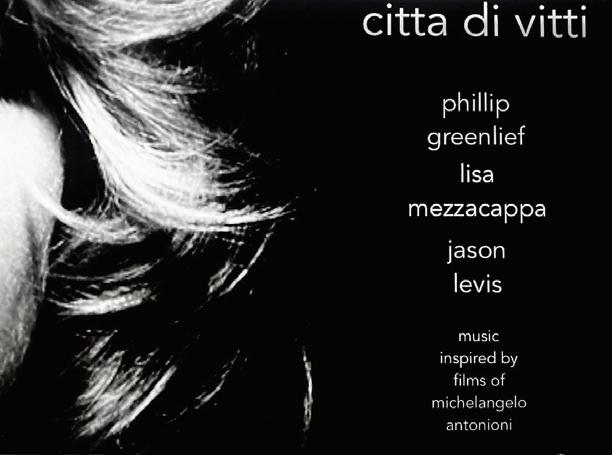
Though saxophonist Phillip Greenlief relocated from his longtime digs in Oakland to Maine last year, the collective trio Citta Di Vitti features the prolific Berkeley rhythm section tandem of bassist Lisa Mezzacappa and drummer Jason Levis. Inspired by the portentously spacious films of Michelangelo Antonioni, the eponymous project moves curiously through those cinematic vistas with a variety of undulating, rhythmically taut interactions.
These days, it’s never been easier to record and release music. The process of writing, arranging, recording, mastering, sequencing and packaging a series of tracks that ideally add up to more than the sum of their parts can still play an essential role in a musician’s creative process.

‘THE AXES VOLUME II: SUMMER SOLSTICE’
Part of an ambitious, ongoing project featuring trumpeter Erik Jekabson’s orchestral works inspired by seasonal shifts, The Axes Volume II was recorded live at the Hillside Club in Berkeley and the Dresher Studio in West Oakland.
Stocked with an embarrassment of talent, the ensemble navigates Jekabson’s lustrous melding of jazz voicings, minimalism and chamber music with glorious results. Working closely with Gregory Howe, a writing and arranging partnership that records as Daggerboard, he’s created a sumptuous lyrical realm unlike any other on the scene.
‘CHRYSALIS’
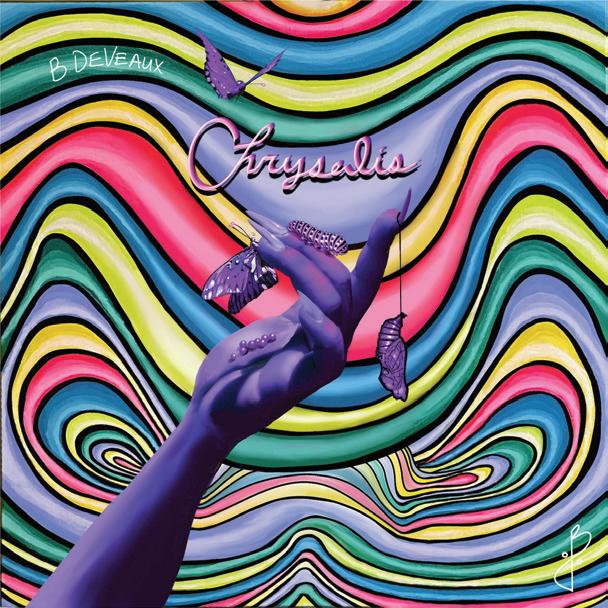
It’s been a breakout year for Oakland soul singer/songwriter B. DeVeaux, whose luscious contralto and gift for crafting incantatory tunes have led to performances on illustrious stages. From the opening chords of “Because You” (cleverly repurposed from Tracy Chapman’s “Fast Car”), Chrysalis delivers a program of songs enhanced by the stripped down production, with DeVeaux emerging as a fully formed musical force.
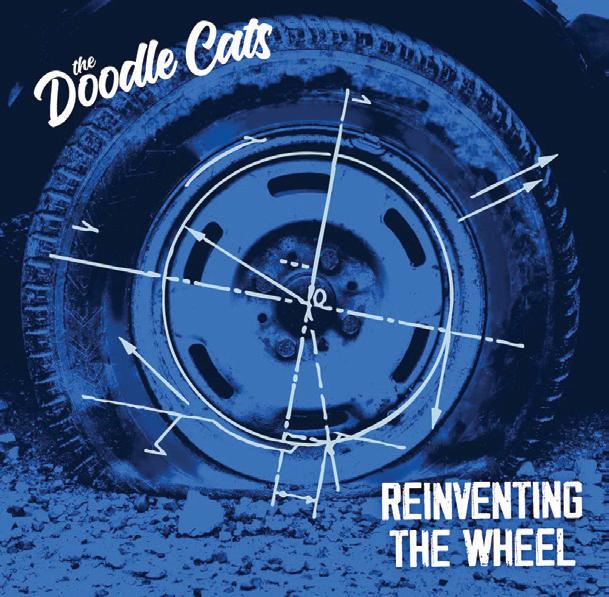
While I’d never heard of the Doodle Cats before receiving a link to the sextet’s second album, Reinventing the Wheel, a quick glimpse at the personnel led me to take a listen, and the experience was deliriously pleasurable.
Interpreting tunes by bassist and bandleader Mighty Joe Belson, the Cats swing with elegance and conviction, delivering tunes that sound like lost tracks from a Thad Jones session circa 1955. The cast includes some of the region’s most dependably eloquent improvisers, including El Cerrito trumpeter Erik Jekabson, Emeryville pianist Kevin Wong and El Sobrante drummer Julian Hogan.
‘NATURE CHANNEL’
One of 12 albums released as part of Lisa Mezzacappa’s 12/12 series on her Queen Bee Records label, Nature Channel features her on bass with frequent musical partner Jason Levis in a program of original tunes by Cory Wright (on tenor sax and bass clarinet).
The Oakland-based Wright is an invaluable figure on the Bay Area improvised music scene who is heard much more frequently elevating ensembles led by his peers. His own music is always intriguing, unfurling with deliberation and muscular grace. Just when it seems he’s channeling his Apollonian inclinations through his tenor and his Dionysian impulses via his bass clarinet, he switches it up, leaving one guessing about his next move.

Berkeley pianist/composer Myra Melford has a long track record of assembling volatile bands, and the trio Splash is a singular addition to her treasure-laden discography. Featuring powerhouse bassist Michael Formanek and the protean percussionist Ches Smith on vibraphone and drums, Splash is distinguished by a bright but earthy sound, full of dense harmonies and lapidary textures. It’s her latest project inspired by the cryptic canvases of Cy Twombly, and the music often evokes the rhythmic intensity and foreboding silences of his painting.
‘HORIZONTES’
Oakland percussion maestro John Santos leads one of the best Latin jazz bands in the country, and his compatriots, John Calloway (flute), Marco Diaz (piano and trumpet), Saul Sierra (bass), Charlie Gurke (saxophones) and David Flores (drums), get plenty of room to express themselves on Horizontes
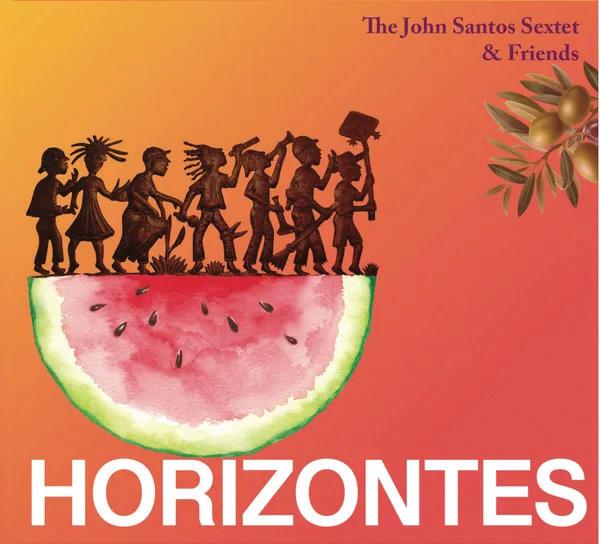
But this passionate program is designed to showcase the band’s expansive web of musical relationships, encompassing Puerto Rico, Cuba, New York and beyond. With guests such as clarion vocalist Jerry Medina, drum great Eric Harland and flutist Elena Pinderhughes, each track can serve as dance floor fodder but invites closer scrutiny.

‘JONGLEURS’
Berkeley cellist Ben Davis, a jazz-steeped improviser, and Oakland pianist and electronics explorer Chris Brown, who spent three decades as co-director of the Center for Contemporary Music at Mills College, convene for a series of mercurial dialogues. More interested in granular textural details than thematic development, the Jongleurs conversations can sound aggressive, melancholy, playful and heady, while always feeling open to a sudden shift in perspective. Obscuring distinctions between composition and improvisation, the pieces develop with their own internal logic and dramaturgy. ❤
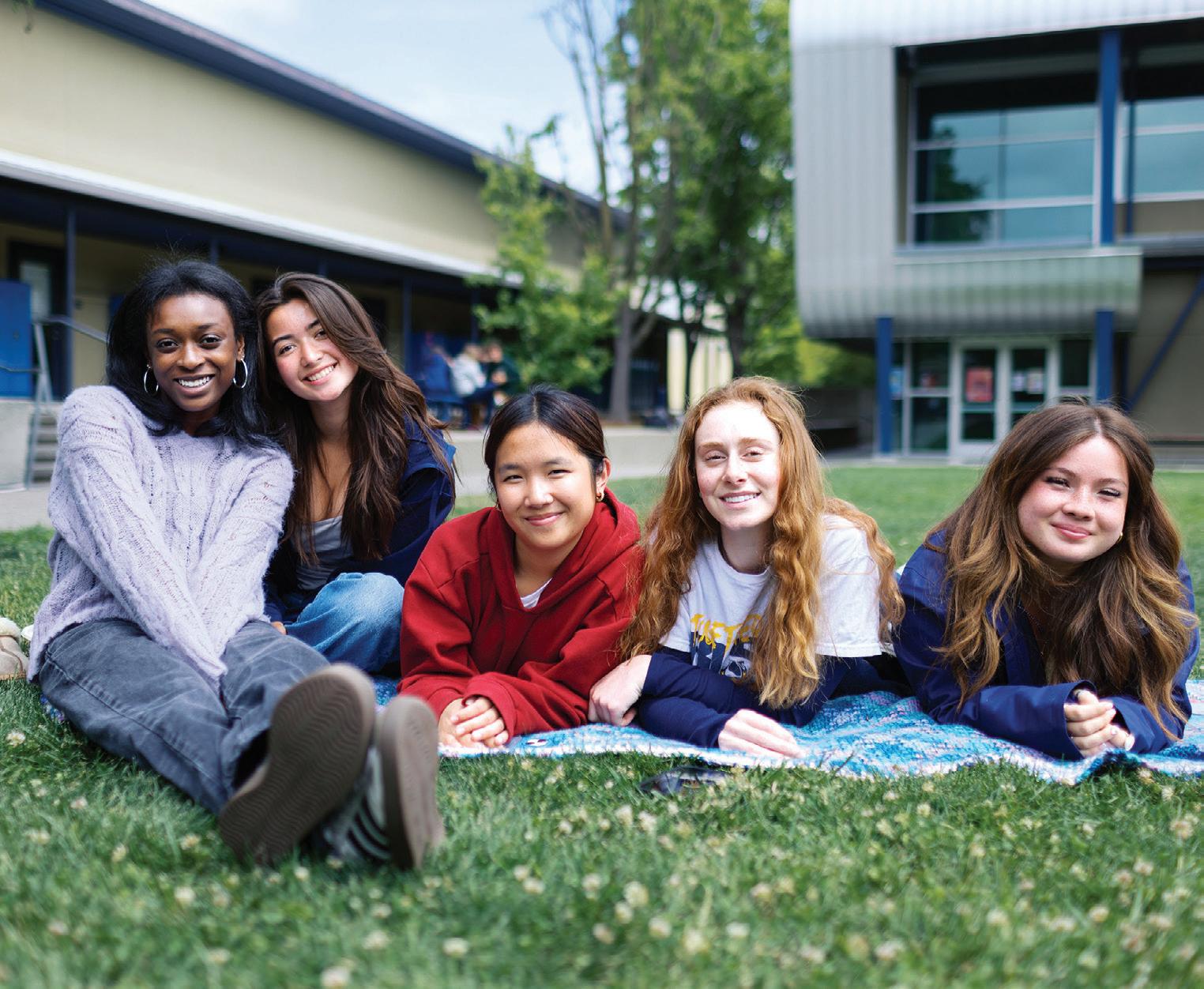
entley School is an intellectually curious and inclusive community where teachers embrace the strengths of every student, helping them to achieve their full potential. At Bentley, we believe a culture that balances academic achievement, co-curricular engagement, and socialemotional well-being creates the most transformative student experiences.
Please schedule a visit to learn more.
bentleyschool.org