Jan/Feb/Mar 2026










Jan/Feb/Mar 2026

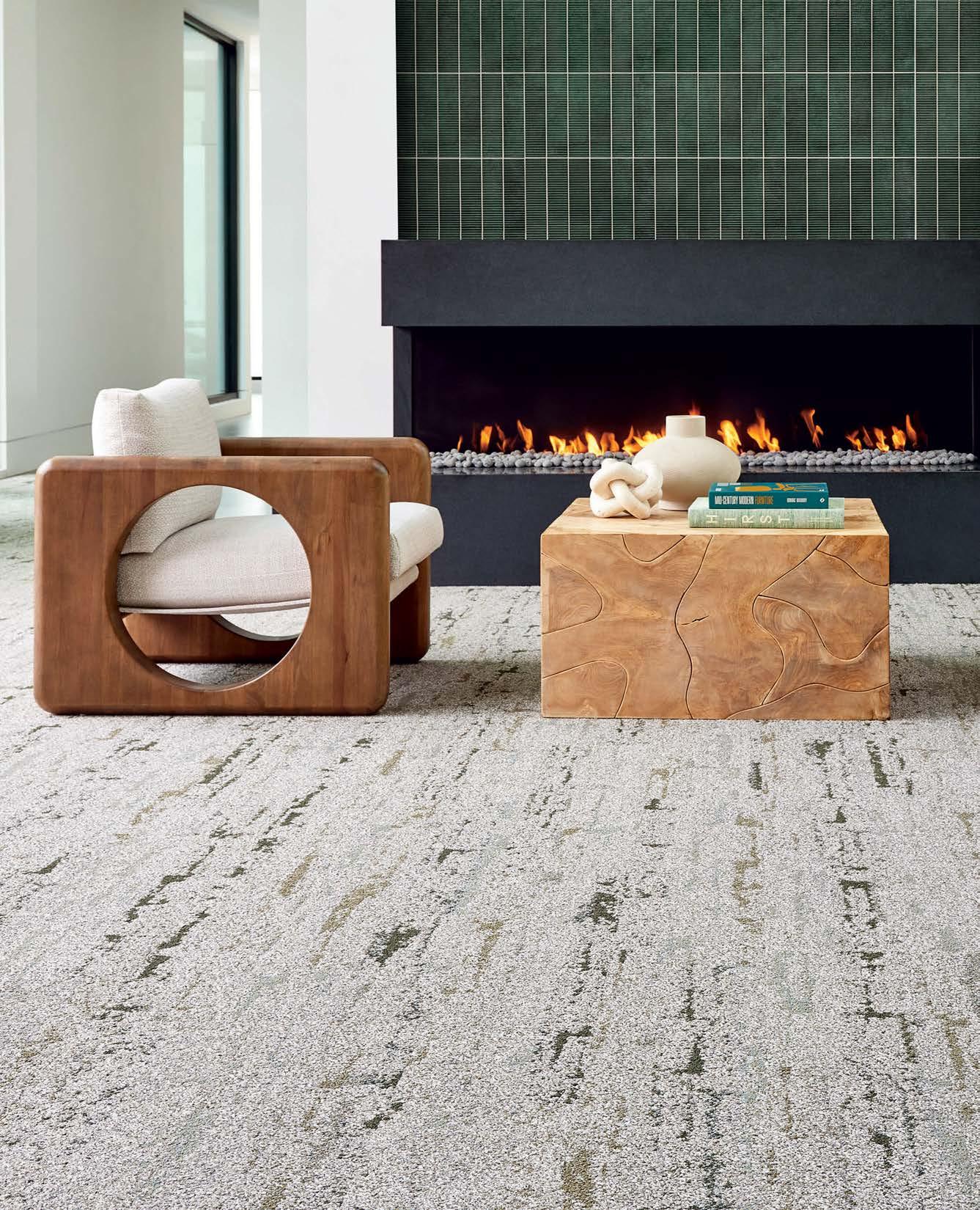

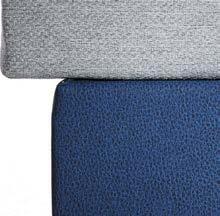
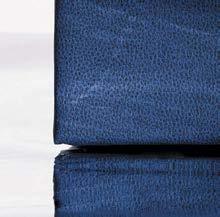
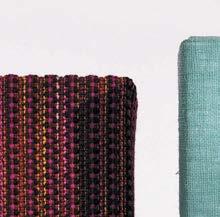
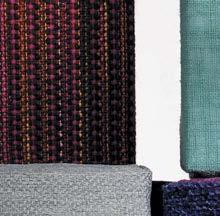
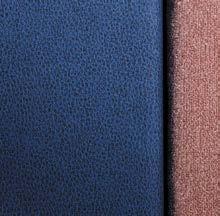
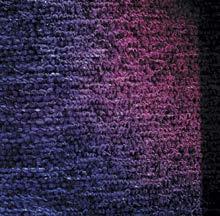
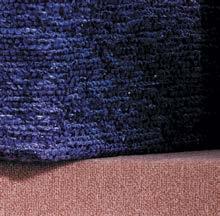
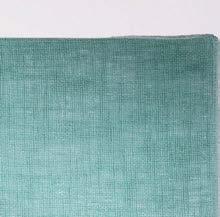
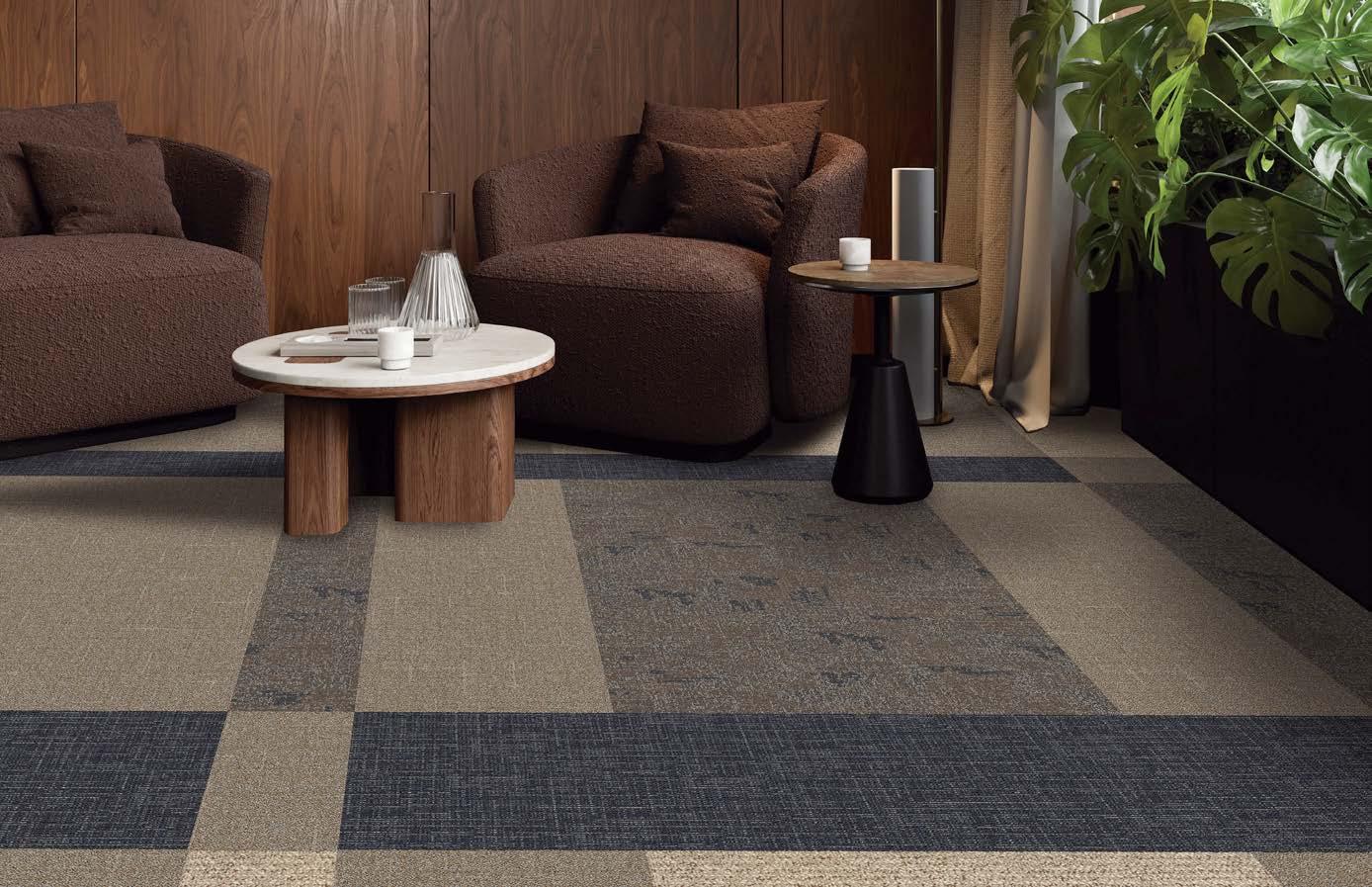
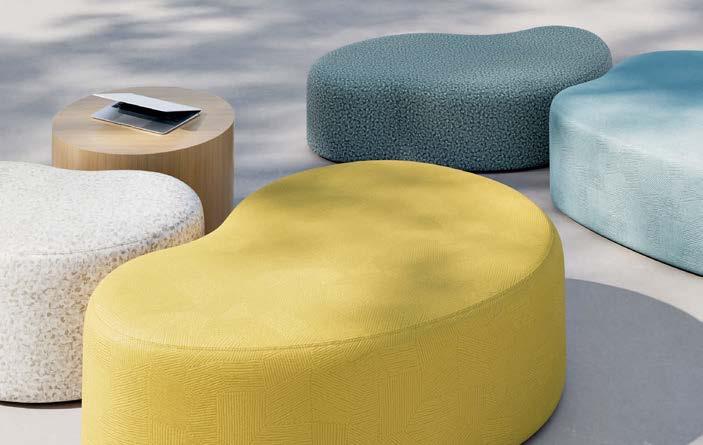
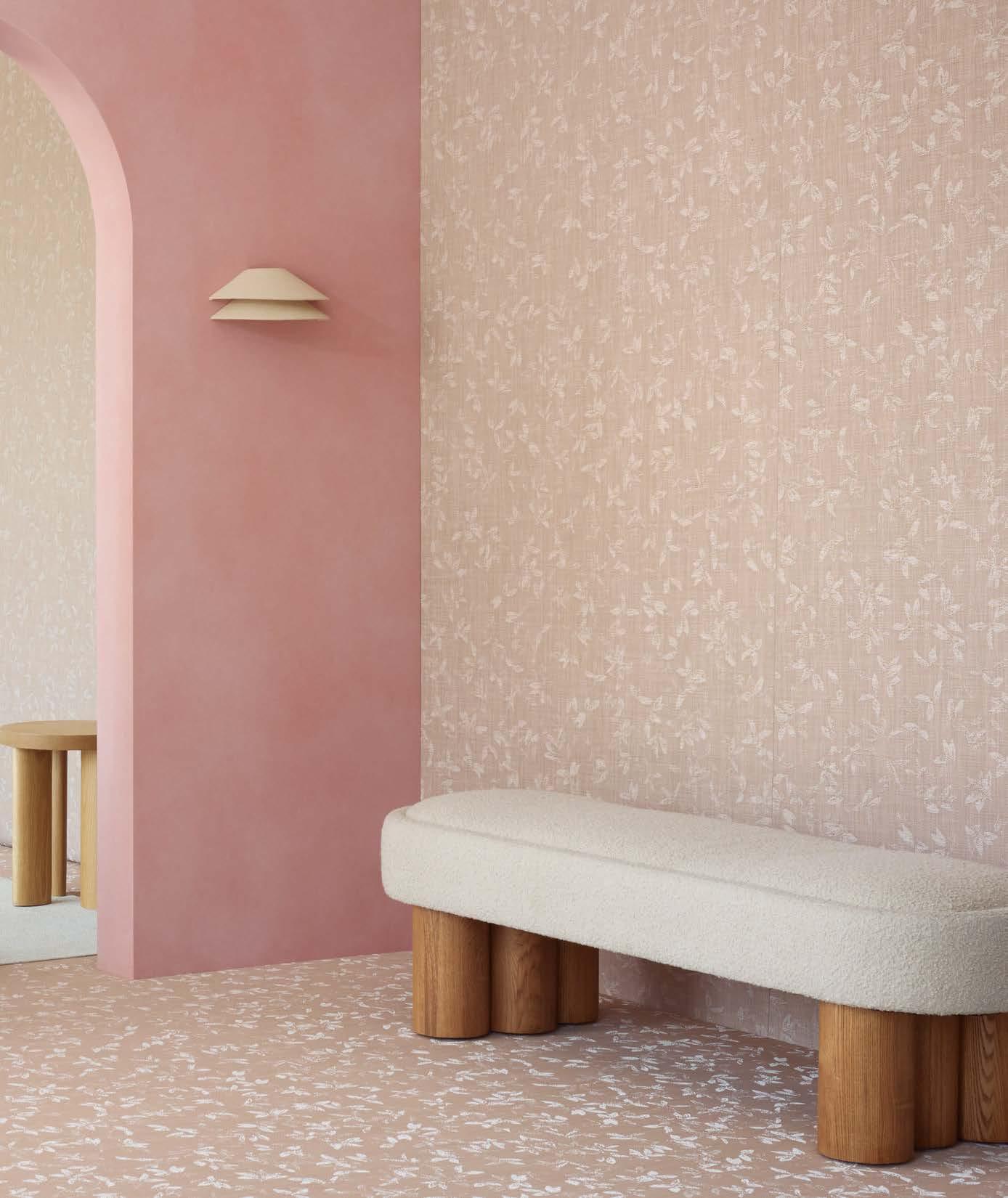
Introducing the Coexist Collection , inspired by a design journey through Japan. Through workshops and conversations, we experienced the tactile beauty of handcrafted art and the community threads that tie people to place.






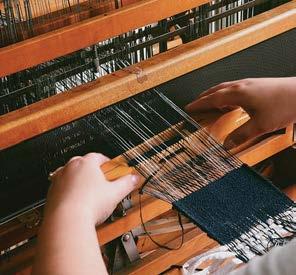


These encounters reshaped our approach, sparking curiosity to capture texture and pattern in new ways that honor Japan’s storied past and vibrant, forward-thinking culture.
EXPLORE COEXIST ON SHAWCONTRACT.COM
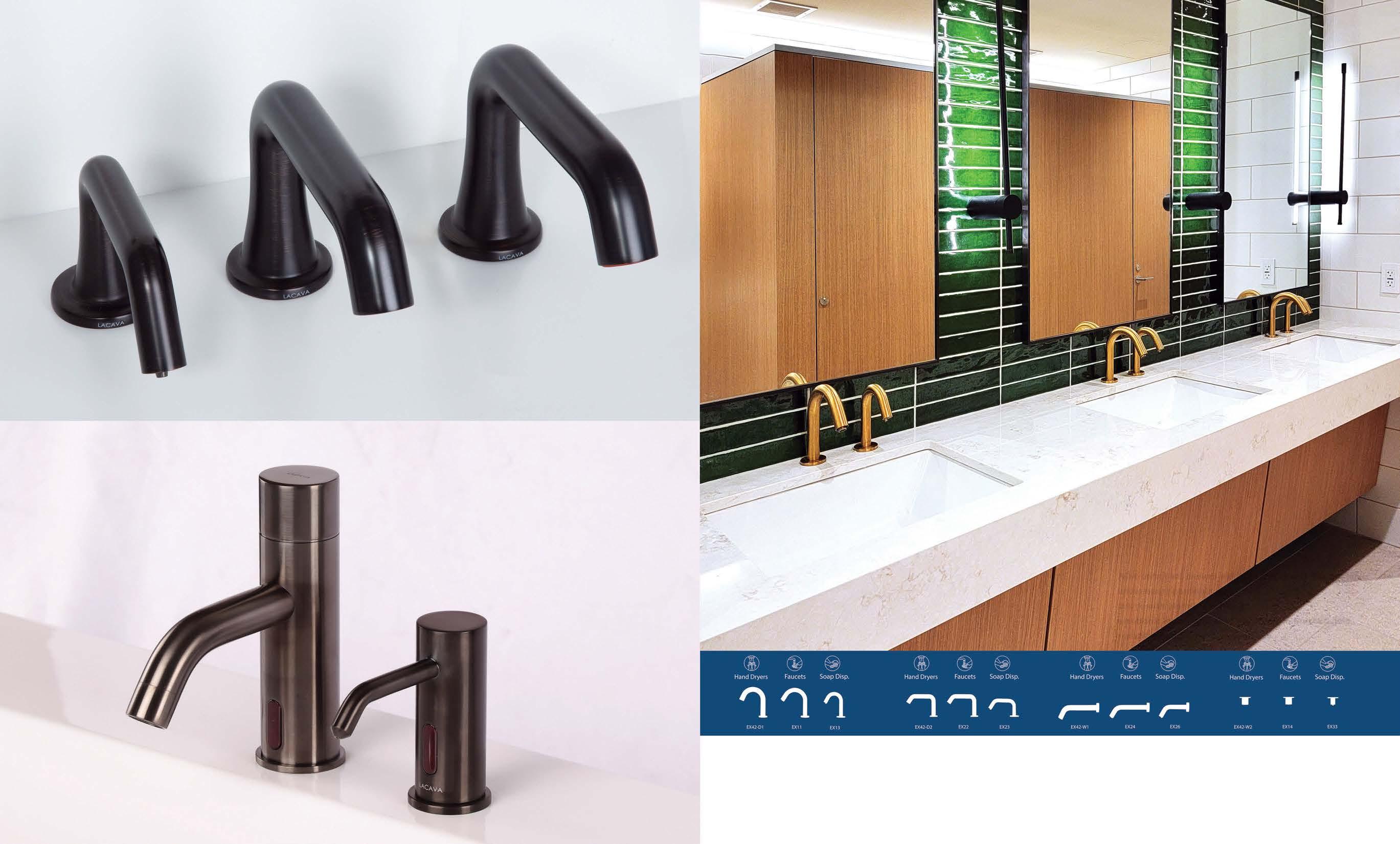
ZOOM EX61 FAUCET | EX63 SOAP DISPENSER | EX42-D3 HAND-DRYER IN OIL RUBBED BRONZE
ZOOM EX10A FAUCET | EX05A SOAP DISPENSER IN TITANIUM
ADA-compliant custom vanity in cherry with custom top
undermount porcelain sink
mirror with gloss black frame
electronic faucet and soap dispenser in brushed gold matching hand-dryer also available
CREATING BEAUTIFUL BATHROOMS




74 J is for JUSTICE
Deanna Van Buren Is Designing Justice and Belonging in Detroit
80 K is for KITCHEN & BATH Beyond the All-White Aesthetic
84 L is for LOS ANGELES
Rebuilding Altadena Starts with Listening
86 M is for MINDFULNESS
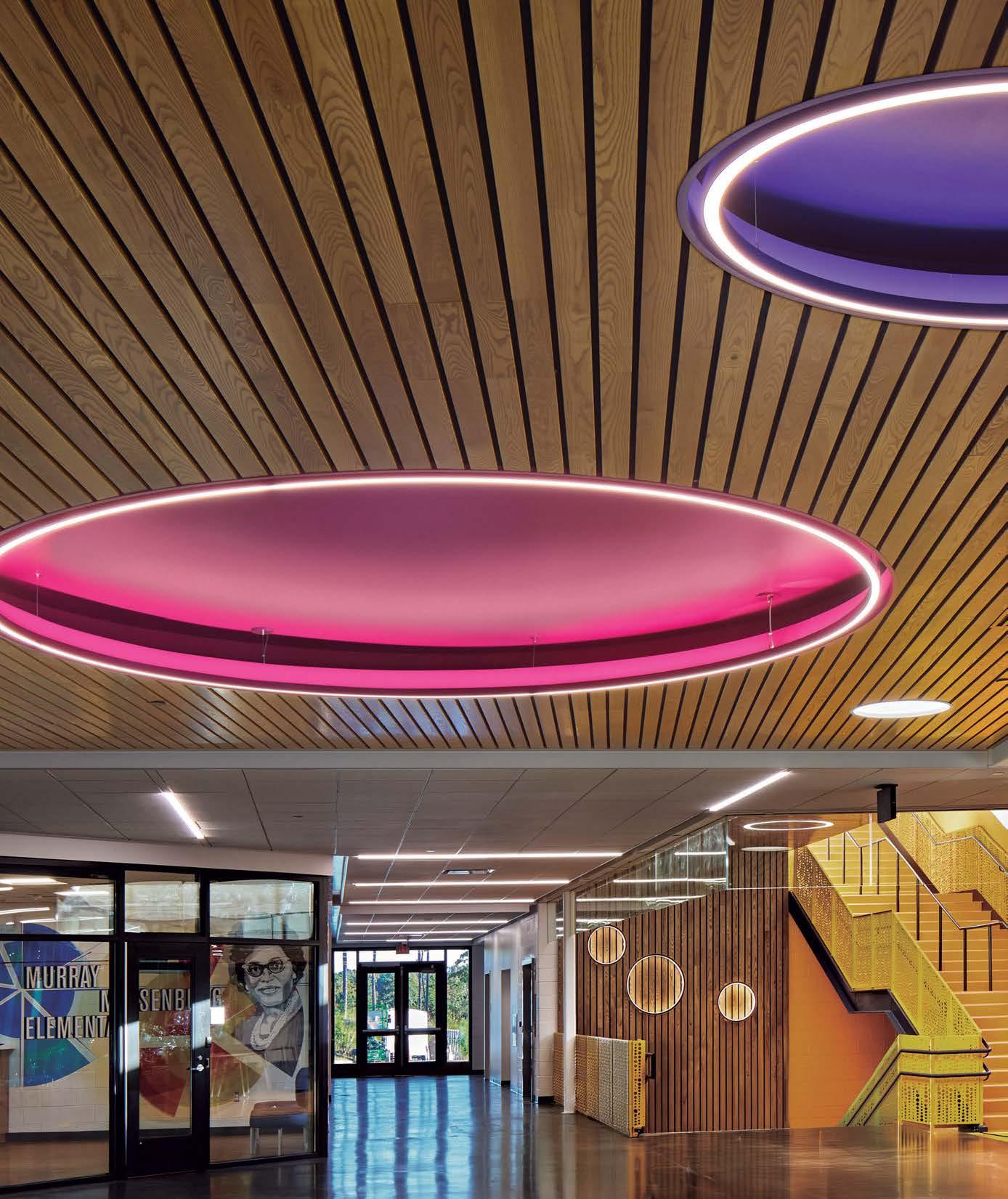
A Campus Building That Asks Students to Slow Down
92 N is for NEUROINCLUSION
A New Approach to Designing for Autism
96 O is for OPTIMISM
Sustainability Leaders Look Ahead with Hope
98 P is for PRESERVATION
What Is the True Value of Existing Buildings?
100 Q is for QUEENS
In Long Island City, a Lot Less Became Much More
110 R is for REISSUE
In Collaboration with Teknion, SOM Reissues Designs from Its Archive

































Populus Seattle Rewrites the Rules for Historic Reuse 122 T is for
The
Liam Young Is Building Worlds, Not Just
What
The
The Shakers developed the flat broom, along with the production method, which has stayed largely unchanged since.

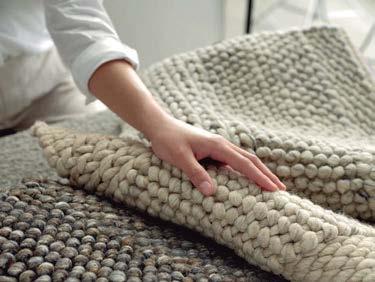
The incorrect image was shown in “Planet Positive Awards: Products” (p. 138, Winter 2025) for Mohawk Group’s MultiSensory Collection. The correct product is shown here.
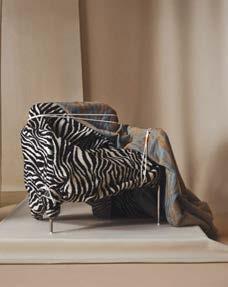
HBF Textiles’ product was incorrectly identified in “The Best Products and Materials of 2025” (p. 70, Winter 2025). The product shown is Decadent by Mark Grattan for HBF Textiles. MULTISENSORY COLLECTION Mohawk Group
Made with Heathered Hues solution-dyed Duracolor Tricor fiber, this collection includes modular and broadloom options in 14 colorways, is certified Beyond Carbon Neutral, and is Red List Free. mohawkgroup.com
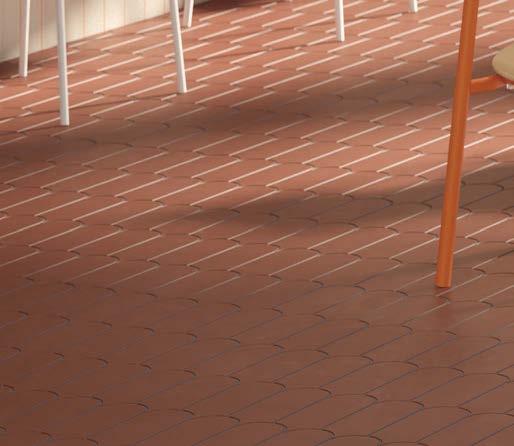
reasons to love Goldi.
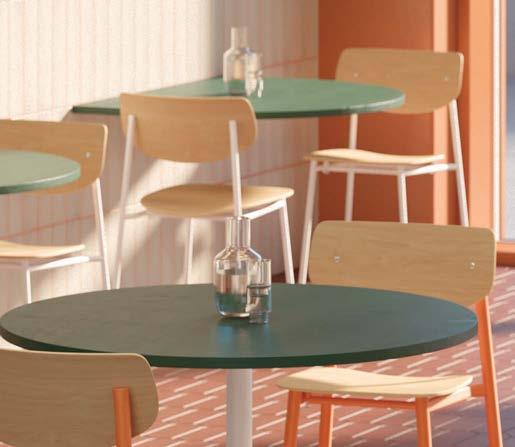
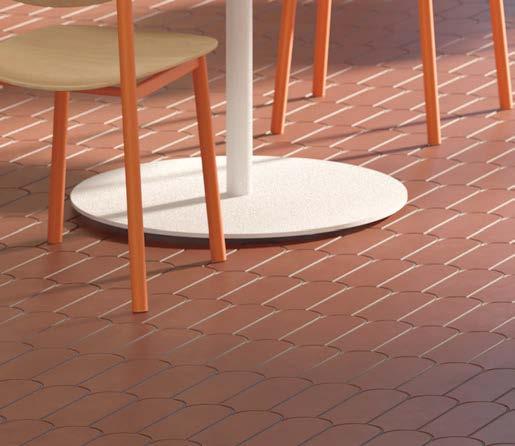

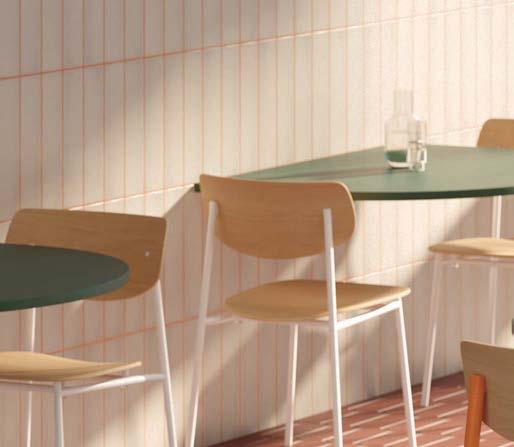
Classic design, with a comfortable twist. You love Goldi for its form. Now there’s even more to love. With two seat widths, you can treat yourself to the perfect fit. And they’re still stackable for easy indoor and outdoor use.
EDITOR IN CHIEF Avinash Rajagopal
DESIGN DIRECTOR Tr avis M. Ward
SENIOR EDITOR AND PROJECT MANAGER Laur en Volker
SENIOR EDITOR AND ENGAGEMENT MANAGER Fr ancisco Brown
ASSOCIATE EDITOR AND RESEARCHER J axson Stone
DESIGNER Rober t Pracek
ASSISTANT EDITOR Sophie Sobol
COP Y EDITOR Don Armstr ong FACT-CHECKER Anna Zappia
EDITORS AT LARGE Ver da Alexander, Sam Lubell
ADVERTISING DIRECTOR
Tamara Stout tstout@sando wdesign.com 917.449 .2845
ACCOUNT MANAGERS
Meredith Barberich meredith.barberich@sando wdesign.com
Gregory Kammerer gkammer er@sandowdesign.com 646.824.4609
Laury Kissane lkissane@sando wdesign.com 770.791.1976
Julie McCarthy jmccarth y@sandowdesign.com 847-567-7545
Colin Villone colin.villone@sando wdesign.com 917.216 .3690
PRINT OPERATIONS MANAGER Olivia Padilla
Rachel Pettit rpettit@sandow design.com
DIRECTOR, PROGRAMS & PARTNERSHIPS
Kelly Allen kkriwko@sando wdesign.com
EVENT PROJECT MANAGER Kennedy Dean
DIRECTOR, CLIENT STRATEGY Kasey Campbell
SENIOR DIRECTOR, MARKETING OPERATIONS Ra chel Senatore
DIRECTOR, CREATIVE SERVICES Carly Colonnese
GR APHIC DESIGNER, CREATIVE SERVICES Paige Miller
METROPOLISMAG.COM @metr opolismag
THIS MAGAZINE IS RECYCLABLE.
Please recycle when you’re done with it. We’re all in this together.

CHIEF EXECUTIVE OFFICER Erica Holborn
PRESIDENT Bobby Bonett
CHIEF OPERATING OFFICER Michael Shavalier
CHIEF DESIGN OFFICER Cindy Allen
EXECUTIVE VICE PRESIDENT AND DESIGN FUTURIST AJ Paron
VICE PRESIDENT, DIGITAL Caroline Davis
VICE PRESIDENT, BUSINESS DEVELOPMENT Laura Steele
VICE PRESIDENT, FINANCE Jake Galvin
SENIOR DIRECTOR, VIDEO Steven Wilsey
CHAIRMAN Adam I. Sandow
CONTROLLER Emily Kaitz
VICE PRESIDENT, HUMAN RESOURCES Lisa Silver Faber
DIRECTOR, INFORMATION TECHNOLOGY Joshua Grunstra
METROPOLIS is a publication of SANDOW 3651 FAU Blvd. Boca Raton, FL 33431 info@metropolismag.com 917.934.2800
FOR SUBSCRIPTIONS OR SERVICE
800.344.3046
customerservice@metropolismagazine.net
Founded in 2003 by visionary entrepreneur Adam I. Sandow, SANDOW DESIGN GROUP, a SANDOW company, has revolutionized the publishing model, delivering innovative content and solutions for the design, materials, and luxury industries. Its portfolio includes LUXE Interiors + Design, Interior Design, Metropolis, Architizer, Azure, Design Milk, SURROUND Podcast Network, and DESIGNTV by SANDOW, alongside industry-leading services ThinkLab, The Agency by SANDOW, and The STUDIO by SANDOW. In 2019, Adam Sandow launched Material Bank, the world’s largest marketplace for searching, sampling, and specifying architecture, design, and construction materials.
A MORE SUSTAINABLE METROPOLIS
As part of the SANDOW carbon impact initiative, all publications, including METROPOLIS, are now printed using soy-based inks, which are biobased and derived from renewable sources. This continues SANDOW’s ongoing efforts to address the environmental impact of its operations and media platforms. In addition, through a partnership with Keilhauer, all estimated carbon emissions for the printing and distribution of every print copy of METROPOLIS are offset with verified carbon credits.
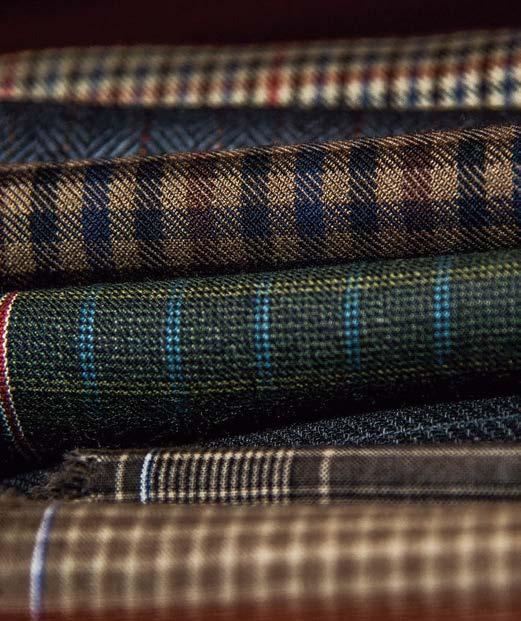

Proudly made in the USA, Sartorial Americana redefines traditional American style with a modern, elevated edge
Proudly made in the USA, Sartorial Americana redefines traditional American style with a modern, elevated edge.
Experience the lookbook.

Lila Allen is a writer, editor, and brand and content strategist based in the Hudson Valley of New York. She has held senior roles at Architectural Digest—where she led AD PRO, the magazine’s trade vertical—and METROPOLIS. This fall, she launched a digital design magazine, Wrong House, featuring essays, videos, and reported features. She regularly moderates design-related panels and interviews and will publish a design monograph with Monacelli this fall. In her free time, she keeps bees. For this issue, Allen examined the revival of pieces from SOM’s interiors division, highlighting the collaboration with Teknion that brought them back to life (p. 110).




Lynzee Mychael is a nationally published, Detroit-based journalist, writer, and creative director who tells people-first stories at the intersection of design and culture. She has a background in journalism and public relations, and her work explores design, culture, community-driven creativity, Detroit transformation, and the makers shaping what’s next. She is the founder of Lithaus 91, a storytelling-driven media brand and creative agency specializing in written and visual narratives. When she’s not reporting, she develops creative projects that blend literature, music, and city life. In “Deanna Van Buren Designs for Justice and Belonging in Detroit,” (p. 74) Mychael profiles Van Buren, highlighting her work on Detroit’s LOVE Building and how architecture rooted in community care and access can foster justice and belonging.

Philip Poon is an architect, artist, and writer. Informed by his experience as a Chinese American from New York City, his work explores the intersections of space, race, and class through architecture, art, and activism. He is the founder of Firm A, an architecture office in New York City, and leads walking tours of Manhattan’s Chinatown as Dimes Square Tourist. For this issue, Poon examines Morris Lum’s Chinatowns: Tong Yan Gaai (p. 32), highlighting how Lum’s photography captures the nuance, humanity, and evolving life of Chinatowns across North America.

Rose Wong is an illustrator living and working in Brooklyn, New York. Since earning her BFA in illustration from Pratt Institute, she has worked on editorial, advertising, branding, and publishing projects. For the past ten years, she has honed her skills in conceptualizing complex ideas into simple visuals. Some notable clients include The New Yorker, Dwell, Vitra, Google, and FSG. She currently co-runs TXTBooks, a publishing collective based in Brooklyn, and her art practice extends to bookmaking, ceramics, and textiles. Rose Wong’s illustrations can be found in “A New Approach to Designing for Autism” (p. 92).
Deep Green takes you to the forefront of responsible architecture and design! From discovering the power of community solar projects to debating the real meaning of biophilia, our expert guests help you explore sustainability in the broadest sense of the word.
Interested in being a guest or sponsoring? Reach out to Kelly Kriwko, kkriwko@sandowdesign.com
THE HISTORY OF BUILDING in what is now the United States of America stretches far beyond the creation of the republic in 1776, going back 7,000 years to the first earthen mounds (that we have evidence of, so far) in the Lower Mississippi Valley.
Building is a big part of what it means to be American, economically, socially, and culturally. The construction sector employs about 5 percent of all American workers, but those workers build the spaces where people in this part of the world laugh, cry, learn, and grow. True, the building industry contributes 39 percent of U.S. carbon emissions, and, yes, the construction sector generates about $3 trillion in annual revenue. But who can assign a numerical value to the true impact of architects, designers, engineers, builders, and others in our industry as they shape how Americans live every single day?
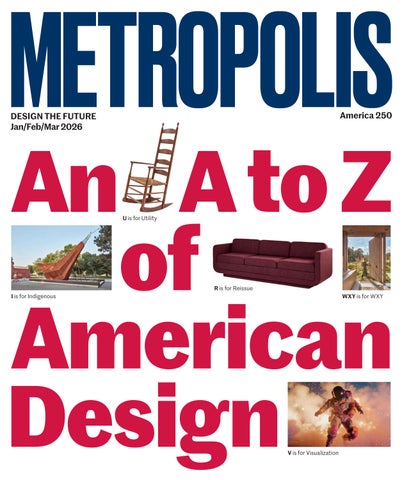
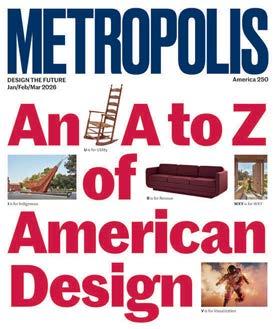
For the 250th anniversary of the United States, therefore, METROPOLIS presents an A to Z of American Design : stories that will show you how today’s designers are building the America we, the editors, would like to live in.
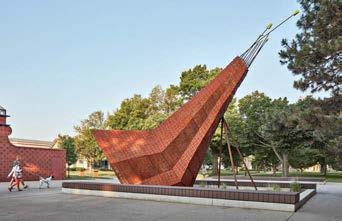
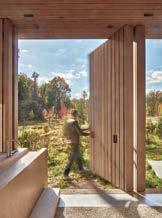
The architects and designers we profile in this issue are creating spaces and relationships that empower and uplift communities in this country. Indigenous design leaders Chris Cornelius and Wanda Dalla Costa show the way forward on community engagement (“I is for Indigenous,” p. 68), Deanna Van Buren demonstrates how buildings can right wrongs (“J is for Justice,” p. 74), Claire Weisz and WXY are redefining our relationship to cities (“WXY is for WXY,” p. 140), and Liam Young is constructing narratives to help people imagine a different future (“V is for Visualization,” p. 134).
In “B is for Baltimore” (p. 30), “H is for Hawai‘i” (p. 66), and “S is for Seattle” (p. 118), we feature projects at the vanguard of an equitable, sustainable built environment, from community pools to off-grid homes and a carbon-positive hotel. Through a new building by Aidlin Darling Design on the campus of the University of Virginia, a new framework by Dr. Angie Scott and AJ Paron on designing for autism, and a conversation with Built Buildings Lab’s Billie Faircloth and
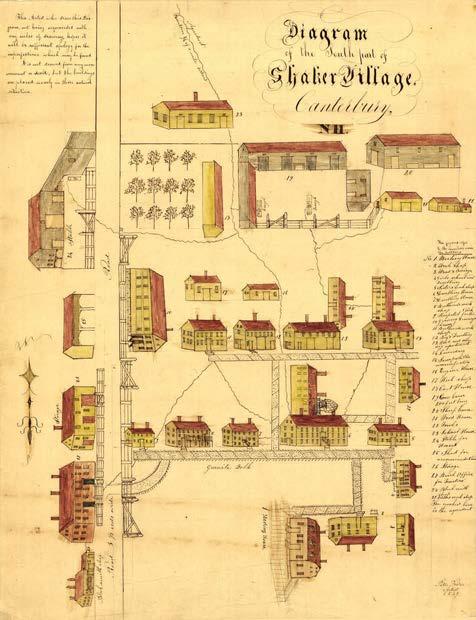
This 1849 pen, ink, and watercolor map of the southern portion of the Shaker village in Canterbury, New Hampshire was created by the artist Peter Foster, who included a note that he was not "acquainted with any rules of drawing." Read more about the unaffected design culture of the Shakers in "U is for Utility" (p. 126).
Lori Ferriss, we explore and redefine values for the next American century: “M is for Mindfulness” (p. 86), “N is for Neuroinclusion” (p. 92), and “P is for Preservation” (p. 98).
Past and future are threaded through this issue. We look back at the design culture of the Shakers in “U is for Utility” (p. 126) and rediscover a forgotten chapter in the history of the iconic American firm SOM through a collection of furniture from Teknion in “R is for Reissue” (p. 110). You can find some near-term insights for sustainable architecture and design in takeaways from the METROPOLIS Interface U.S. Sustainable Design Report 2026 (“G is for Green Building,” p. 64) and our hopes for the American built environment embodied in the work of this year’s Future100, the best architecture and interior design students graduating from American schools this year (“F is for Future100,” p. 40).
Drop me a note (250 words or less) at editorinchief@metropolismag.com, and we’ll publish the most insightful responses online and in the magazine later this year. —Avinash Rajagopal, editor in chief



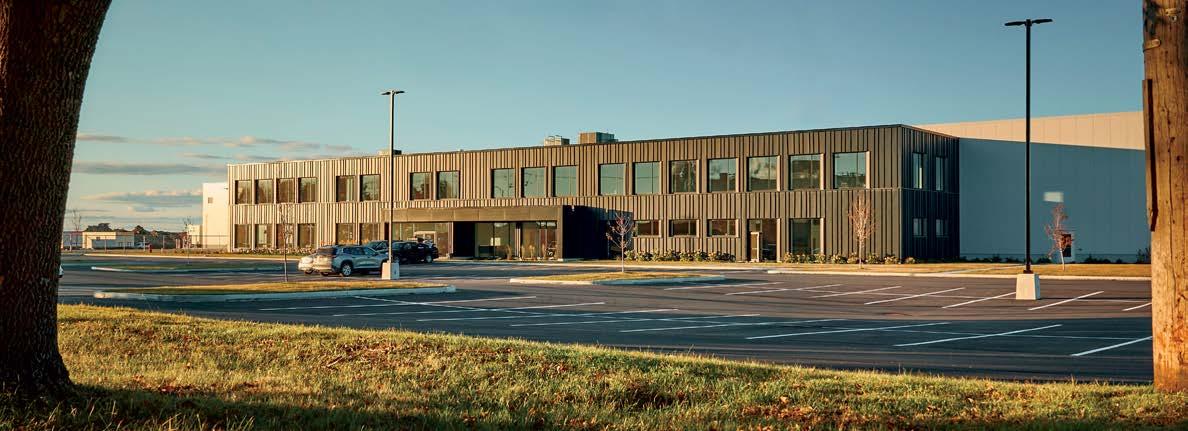
At Duravit, sustainability is a long term commitment—reflected in timeless design, durable materials, water-saving products, and thoughtful production processes.
With our new manufacturing plant in Canada, we take a decisive step toward climate-neutral production. Powered by renewable hydroelectric energy and electric kilns, the facility reduces carbon emissions while delivering exceptional ceramic quality closer to the North American market. Learn more
Autex Acoustics is redefining carbon-neutral manufacturing in the United States through a holistic, design-driven approach.
Good design starts long before it finishes—it begins at the material level. For nearly six decades, Autex Acoustics® has built its practice around that conviction, advancing acoustic innovation through global research, scientific testing, and a nuanced understanding of how sound shapes the human experience. Today, that material intelligence is being translated into carbon-neutral acoustic products fabricated in the United States—bringing accountability, performance, and craft closer to the architects and designers specifying them.
At a moment when the construction industry is reckoning with embodied carbon and lifecycle impact, Autex’s approach is notably systemic. Rather than treating sustainability as an add-on, the company embeds it at the earliest stages of design and manufacturing. “We weave sustainable thinking into every product from the very fir st sketch,” says Jonathan Mountfort, creative director at Autex Acoustics®. The result is a portfolio of acoustic solutions that address environmental responsibility without compromising aesthetics or performance.
Central to this strategy are localized manufacturing processes. Fabricated in the U.S., Autex's products are developed using recycled PET materials informed by global R&D and produced through regional manufacturing systems. Shorter supply chains mean greater operational control, reduced transport emissions, and clearer insight into embodied carbon across a product’s lifecycle. In practical terms, it allows Autex to achieve measurable environmental outcomes—through energyefficiency upgrades, logistics optimization, and close collaboration with domestic suppliers—while supporting local jobs.
Carbon neutrality is not a marketing claim for Autex; it is a verified operational baseline. The company conducts annual greenhouse gas accounting to international standards and maintains third-party verified Environmental Product Declarations (Type III EPDs) across its core portfolio. Recently expanded EPD scopes now include transport and installation stages, supporting more informed, wholeof-life specification decisions. As sustainability lead Janae Featherstone puts it, “We are not just advocating for better materials, we are leading the industry beyond sustainability.”
That forward-looking mindset is perhaps most visible in the Autex Future Lab, an R&D initiative that brings together scientists, designers, and product development teams to rethink materials and systems from the ground up. The Lab’s work focuses not only on what products are made of, but how they fit into circular manufacturing models— prioritizing recycled content, design for disassembly, and end-of-life recovery. “At its core, the Lab gives us the freedom to experiment and collaborate with partners who share the same goal—to remake the way we make things,” says Sam Wells, product development lead.
This research-driven approach has tangible implications for designers. Autex’s acoustic materials deliver predictable acoustic performance, design flexibility, and compliance with increasingly


stringent environmental standards. From education and workplace interiors to civic and cultural spaces, the products support quieter, healthier environments while aligning with project sustainability goals.
“Everything we design considers both present performance and future recyclability,” Wells adds.
Underlying all of this is a broader philosophy about responsibility in the built environment. “Regenerative thinking starts with intention,” reads a statement from Autex’s 2024–25 Impact Report—a sentiment echoed by CEO Mark Robinson: “The materials you choose today will shape tomorrow’s built environment.” By pairing global material intelligence with localized manufacturing processes, Autex is making a compelling case that high-performance design and environmental accountability are not competing priorities, but mutually reinforcing ones.
In an industry under pressure to deliver both beauty and measurable impact, Autex Acoustics® offers a clear proposition: materials that perform acoustically, support human well-being, and are designed— intentionally—for a lower-carbon future.
Specify through Momentum
AHF Products’ iconic brands Armstrong Flooring® and Crossville® deliver U.S‑made solutions blending heritage craftsmanship with contemporary design performance.
In an era when supply chains stretch across continents and timelines feel increasingly uncertain, proximity matters. For architects and designers navigating complex commercial and residential projects, knowing where materials come from—and how reliably they will arrive—has become inseparable from good design.
AHF Products has spent more than a century building a different model: one rooted in a deep understanding of what the design community needs. “[We] deliver American made flooring with unmatched craftsmanship and reliability,” says Jennifer Zimmerman, chief commercial officer at AHF Products. The statement is less a slogan than a reflection of how the company operates every day across its U.S. facilities.
A nationwide network of legacy production facilities supports the AHF Products brands— from Bruce®, a cornerstone of American hardwood flooring, to Armstrong Flooring®, a pioneer in resilient surfaces, and Crossville®, a leader in U.S. ma de porcelain tile for commercial environments. That domestic footprint translates into consistent performance, dependable lead times, and supply chain stability—qualities that matter to specifiers balancing creative and logistical demands.
At the heart of that network is Beverly, West Virginia, home to the largest solid hardwood flooring plant in the world. This is where authentic hardwood floors are crafted, drawing on generations of expertise to deliver the authenticity and performance designers expect when specifying natural wood. In Lancaster, Pennsylvania—one of the country’s oldest resilient flooring plants, founded in 1909—the legacy of Armstrong Flooring® lives on, continuing more than a century of resilient flooring innovation that
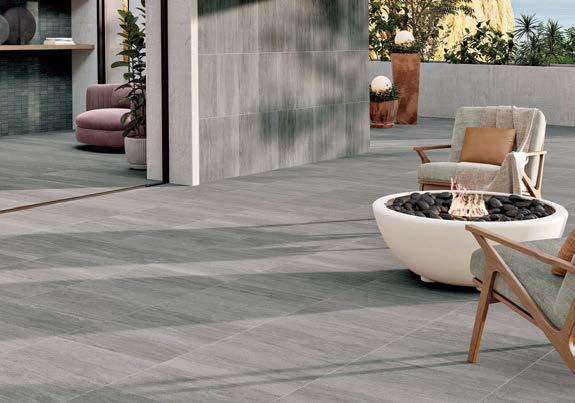
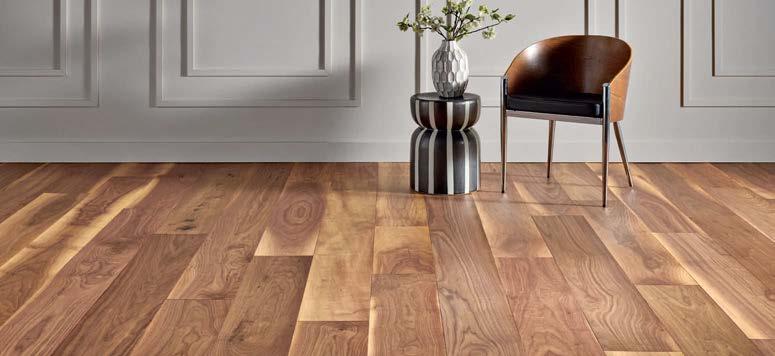
Left: Crossville® Portland Cliff™ tile brings the beauty of Portland stone to modern outdoor spaces with calm neutrals, authentic texture, and durable, sustainable performance that moves easily from exterior to interior. Below: Armstrong Flooring® TimberTones® turns 100% real hardwood into a durable, design forward solution for commercial interiors.
helped define the category itself.
Meanwhile, in Cartersville, Georgia, the company’s advanced manufacturing hub produces rigid core flooring, combining high definition visuals with performance and faster, more predictable delivery. Completing the portfolio is Crossville, Tennessee, home to Crossville®, a leading U.S. brand of commercial grade porcelain tile known for durability, design leadership, and sustainable manufacturing practices—and a name long synonymous with American made tile in commercial design.
Across these sites, AHF produces flooring products that meet stringent environmental and performance standards. But the value of domestic production extends beyond quality control. “Our domestic facilities anchor a U.S. manufacturing network built for speed, quality, and innovation,” Zimmerman notes—an approach that allows AHF to respond quickly to market needs.
For commercial environments in particular, customization has become an essential design tool. AHF addresses that need through
the Kaleido™ Color System, which enables rapid, domestic customization of LVT. Designers can achieve precise color control and branding alignment without the delays often a ssociated with overseas production. “With the Kaleido Color Lab, we offer custom U.S. ma de LVT solutions that bring brand identity to life,” says Oxana Dallas, principal designer at AHF Products.
For interior designers, “Made in America” is not an abstract ideal—it’s a practical advantage. Domestic manufacturing means fewer unknowns, reduced environmental impact, and materials that align with evolving compliance expectations, allowing creative vision and project execution to move in step rather than in tension. Uniting trusted brands within a single U.S. manufacturing network— offering hardwood, porcelain, and resilient surfaces—gives designers reliable, innovative materials supported by consistent quality and the added advantage of AHF Products’ engineered wood plant in Cambodia.



According to a survey by the research experts at Thinklab, designers are asking for more color and more pattern in performance fabrics. Enter the inventor of the category, Crypton, producer of the industry’s most specified fabric in the toughest commercial environments, and the 30-year-strong guiding force behind the largest and most trusted textile brands, such as Burch, Designtex, Kravet, Momentum Textiles & Wallcovering, and Stinson. Whether for hospitality, healthcare, education, senior living, or workplace, designers can go to these brands and ask for Crypton by name to receive durable, stain-resistant, and aspirational indoor performance fabrics made with Crypton’s scientific advances. All Crypton offerings are Greenguard Gold–certified and free of harmful chemicals like PFAS, and many o f the new partner collections are made at Crypton Mills in North Carolina, supporting American-made production and sustainability. Recent highlights include Montage Weaves, a textural and playful series by Kravet Contract; Designtex’s wellness-oriented Biophilia line; and the hospitality-ready and plentiful (more than 180 SKUs!) Anna Elisabeth Crypton Contract collection.
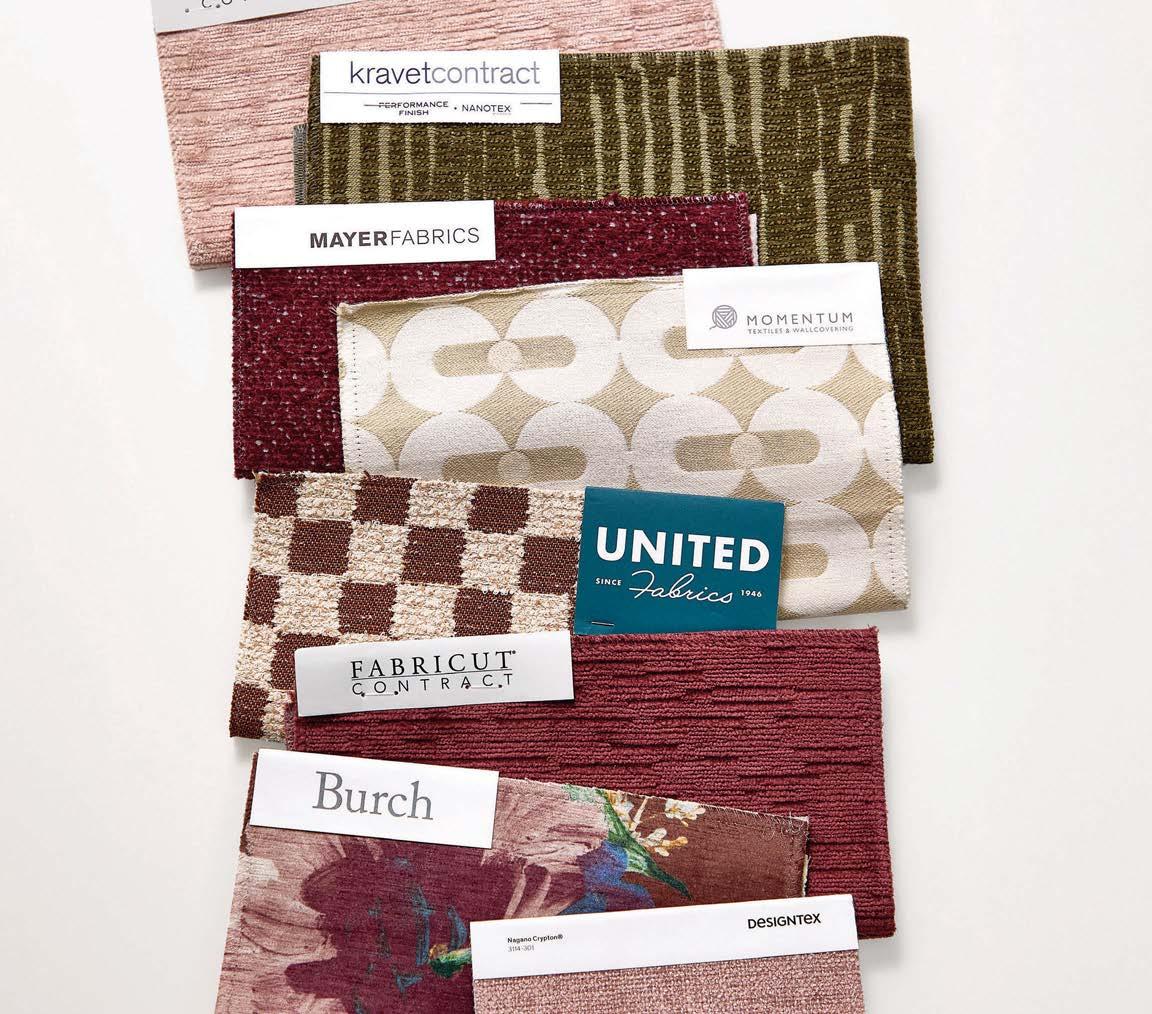
From hospitality suites to modern homes, Crypton fabrics empower designers to dream big. With unmatched stain resistance and luxurious textures, our fabrics deliver beauty that’s built to last.
easy clean stain-resistant soft & durable

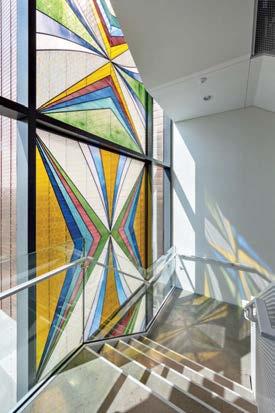
At the University of Minnesota Twin Cities’ Fraser Hall in Minneapolis, White Hawk coordinated with architects, fabricators, and engineers to integrate the glass into the building envelope, fine-tune opacity and color saturation, and ensure consistent response to light and heat.
The Minneapolis-based artist’s work can be seen in collections across the country, including large-scale installations at Portland International Airport and JFK Terminal 6.
By Sam Lubell
DYANI WHITE HAWK didn’t set out to become a public artist. A painter and multimedia artist based in Minneapolis, she has created works that are grounded in Lakota traditions like beadwork, porcupine quillwork, and parfleche painting, which she draws into conversation with Euro-American abstraction and modernism. She uses the work as a kind of truth telling—challenging how art history has sidelined Indigenous visual systems while quietly absorbing their influence. White Hawk began learning Lakota art forms long before entering studio programs at Haskell Indian Nations University, the Institute of American Indian Arts, and the University of Wisconsin–Madison.
When invitations for large-scale commissions on campuses and in civic spaces first started arriving, she turned them down. The technical demands of permanence, weather, fabrication, and architecture felt far outside her experience. But her thinking shifted after she attended a presentation by Franz Mayer of Munich, the centuries-old, family-run fabrication studio known for monumental mosaics and glasswork.
White Hawk could already see her work—its rhythmic lines, chromatic density, and mark-making—reappearing in glass and stone. “I remember thinking, I want to do this for the rest of my life,” she says.
For her first major commission, for CUNA Mutual in Madison, White Hawk worked with Franz Mayer’s team to calibrate color and rhythm and to cre ate a work that feels at one with the building without dissolving into it.
The approach deepened at the University of Minnesota Twin Cities’ Fraser Hall in Minneapolis, where White Hawk created a series of painted float-glass windows integrated directly into the chemistry building’s facade. The work, called Through the Pursuit of Understanding Our Connectivity, We Care for Our World, weaves Lakota systems of knowledge with the visual language of science, layering abstract references to cosmology, nature, and continuity alongside allusions to chemistry and research. She says, “I love getting to meet with architects and think about the design of the building and the space, in conversation with their creative process.” M




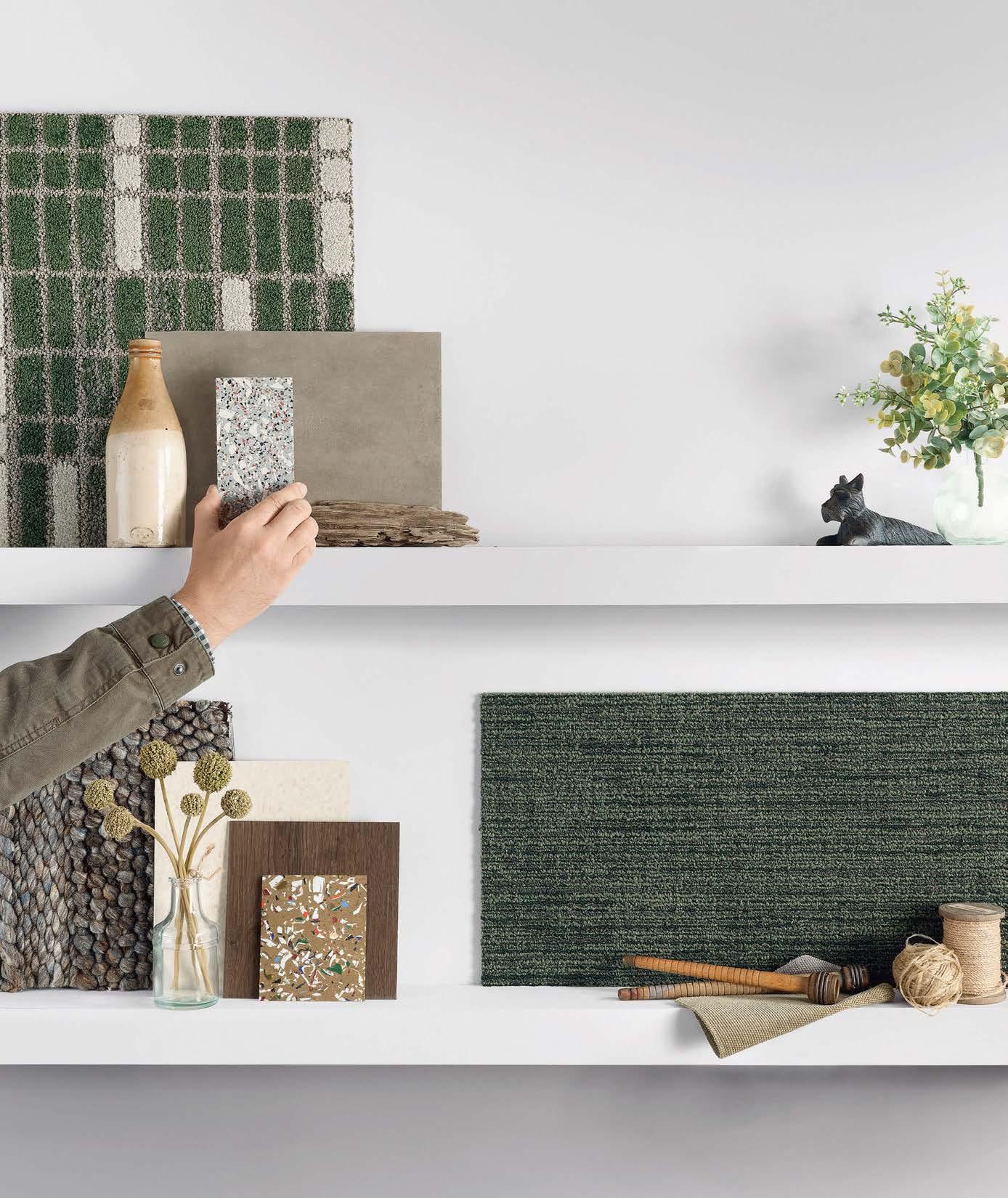
Healthier materials create more meaningful spaces. Mohawk Group’s PVC Free hard and soft surface
flooring supports well-being, comfort, and connection without compromise.
CannonDesign’s modular pool strategy is delivering affordable and flexible aquatic centers to neighborhoods long excluded from public infrastructure.
By Nigel F. Maynard
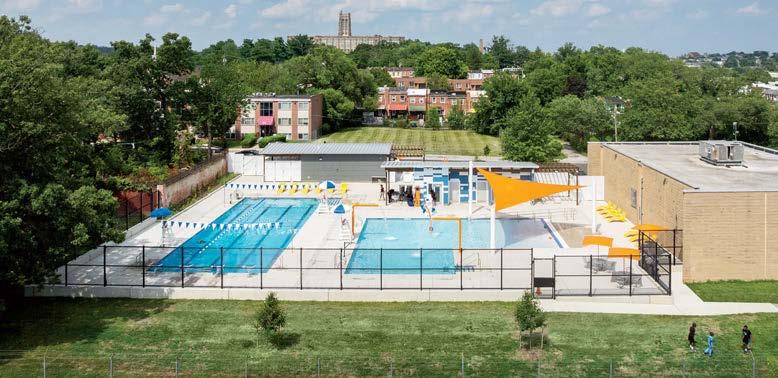
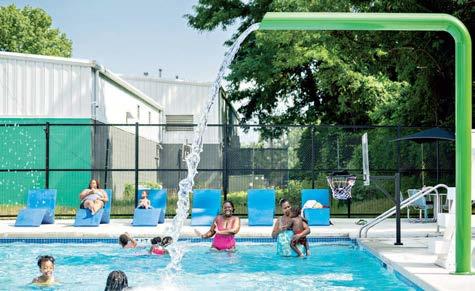
THE CITY OF BALTIMORE is on a mission to help erase decades of public pool segregation and expand equitable access to facilities for all city residents. It also hopes to promote exercise and community well-being via what the city calls “Rec Rollout.”
As part of that effort, officials have invested heavily in new public pools throughout the city. In June 2025, the city celebrated the grand opening of the Coldstream Aquatic Center in northeast Baltimore. At the event, Mayor Brandon Scott said the new pools signal the city’s commitment to public health, equity, and community revitalization.
Coldstream is one of five pools that have been completed or are currently in development, and the New York–based firm CannonDesign is responsible for all five. “The pool designs started, I think, in 2021, and the intent with the first one was to establish a kit of parts that could be adaptable, replicable, and more affordable, so that they could be brought to every neighborhood where they are needed,” says Monica Pascatore, design leader at the firm.
This kit of parts, Pascatore explains, includes two primary structures: a pump house that contains all the aquatic equipment and the bathhouse with four restrooms and an office. “There are some interchangeable things that can pop between them—an extension of
In Baltimore, a new generation of public pools by CannonDesign addresses longstanding equity gaps in swim access through a replicable “kit of parts” design, ensuring every resident lives within walking distance of safe, multigenerational aquatic facilities.
the roof, extension of the trellis, and storage space,” the architect says. “The next parts are the recreation pool and the lap pool, and then the fifth part is really the enclosure—the security fence for safety.”
The flexible, kit of parts system can be implemented on any size lot, any orientation, or any location with site-specific tweaks. Pascatore explains that the components—the two buildings and the pools—can shift around based on site size and context. As proof, the site sizes for the five pools range from 23,111 square feet to 54,600 square feet.
CannonDesign used straightforward wood construction for the buildings to make the project simple and affordable. Because maintenance is an essential part of affordability, the materials are hard-wearing and low-maintenance, including fiber-cement siding, metal cladding, and pressure-treated wood.
Part of the project's success, CannonDesign says, was community input meetings. “We heard from the community that ther e's a significantly higher demographic of [autistic people] in the neighborhood,” Pascatore says. “So we wanted to grab as much space as we can and put an extra large lawn at one pool to give that demographic space to break away, if the pool is too noisy.”
To date, three pools have been completed. One is scheduled to open in June 2026, while another remains in the design phase. M













His new book, Chinatowns: Tong Yan Gaai, shows large format photography taken across 16 different Chinatowns across North America.
By Philip Poon
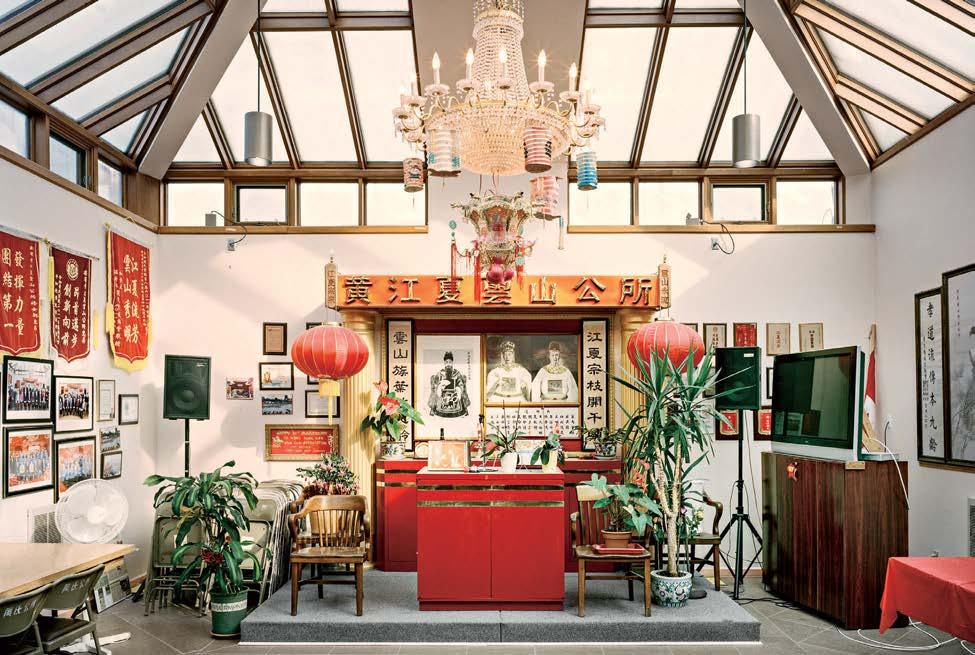
Taken in 16 Chinatowns, across North America, including Toronto, Vancouver, San Francisco, Los Angeles, and New York, Morris Lum’s photographs show American Chinatowns in ways both familiar and unexpected. Souvenir shops, temples with stylized pagoda roofs, mixed English and Chinese signage, and hanging red lanterns sit alongside shots of spaces less accessible to the public, such as kung fu clubs and alleyways.
THE PHOTOGRAPHS in Morris Lum’s new book, Chinatowns: Tong Yan Gaai, offer a glimpse into Chinatowns across North America, providing a more nuanced view into these ubiquitous spaces. Taken in 16 different Chinatowns spanning between 2012 to 2024, the photos show restaurants, souvenir shops, and temples, but also include images taken from inside benevolent societies, vacant malls, kung fu clubs, and alleyways inaccessible to the public.
The images are loosely arranged by visual themes or typologies, evoking a sense of movement and dynamism. The author notes, “I was thinking about how you would move in a
Chinatown—You’re walking down the street and ‘Oh, here’s a shop, maybe I’ll jump inside for a minute and then come back out,’ then you go to the next space.”
Part of this visual journey includes buildings and interiors that lack the visual markers associated with Chinatowns—red lanterns, dragons, stylized pagoda roofs, orientalized facades. One example is an otherworldly interior of an insurance office with kitschy sky-blue wallpaper and mirrored walls. In another diptych, a brick building that once housed a Vietnamese pharmacy and grocery store is shown years later as a construction site.
Designed by Gemma Bernal
Although there are no people in the photos, the images show an incredible sense of humanity. A restaurant sign represents someone’s effort to run a business, even if that effort was not ultimately successful. Framed photos on a wall depict the people who gathered in those spaces. Flowers at an altar show respect for deities or those who have passed.
Perhaps most intriguing are photographs of alleyways. In the interview at the end of the book, Morris recounts learning from Chinatown elders about the importance of these hidden spaces: “Jim [the Chinatown elder] was the one who took me to
the hidden courtyards and alleys in Vancouver’s Chinatown and explained how they formed and how they were integral during the time of exclusion to people’s socializing and gathering.”
Given that Chinatowns are so often associated with counterfeits, cheapness, and expediency, just Lum’s act of capturing these images on large format film is itself a profound statement.
When I asked him why he went through the extra effort of large format film photography for seemingly ordinary Chinatown subjects, he replied: “I just think they deserve it.” M
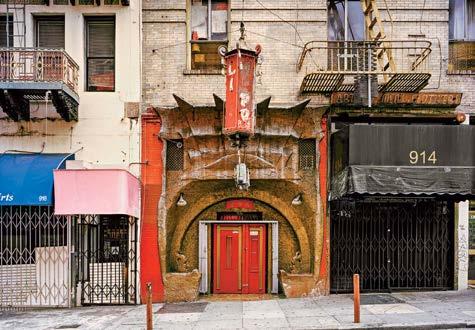

All of the photos in the book were taken with a large-format film camera, one of the most arduous and intensive ways to photograph today, especially given the ease of digital photography. Not only does a photographer need to carry around and set up a big, heavy camera, but also film needs to be processed and developed before you can see the image. But large-format film photography also has a long history as the medium that captures the sharpest, most detailed image.
Designed by Philadelphia’s Stokes Architecture + Design, the recently completed restaurant fuses Scandinavian design with American cuisine.
By Will Speros
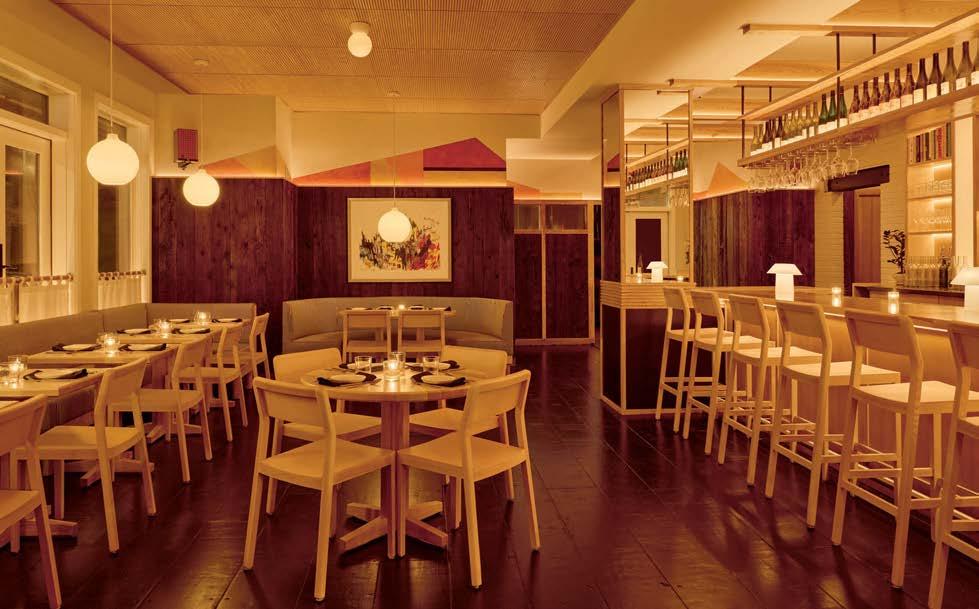
Designed by Stokes Architecture + Design, Philadelphia’s Banshee restaurant is characterized by its warm Scandinavian sensibilities and ambient lighting design, which highlights the natural tone of its wooden interior.
TO STAND OUT in Philadelphia’s robust culinary landscape, one must glow. Banshee, the latest opening from restaurateurs Shawn Darragh and Ben Puchowitz, gleams on a corner of South Street, enticing diners into its warm nest of texture and light. The midcentury ambiance, wrapped in mostly locally sourced wood by Stokes Architecture + Design, has its Scandinavian sensibilities accentuated through a meticulous lighting design. “With a lot of Scandy design, simplicity is the key, so we didn’t want to overload it,” says Stokes director of design Lance Saunders. “You play off the very slick, clean lines of the ash with the very rough nature of the darker mushroom wood, and they complement each other very nicely.”
Banshee’s neutral, earthy palette is framed for passersby through an expansive glass facade that transforms the restaurant into a beacon after sunset. To achieve this radiant effect, Stokes looked to one Scandinavian master in particular for inspiration. “One really big point of influence was Alvar Aalto,” Saunders says. “The tambour
wood ceiling is a touchstone of a lot of his work, and that just lent the perfect backdrop for how the lighting would reflect off of it.”
Small tabletop lamps and ceiling pendants ensconce ash tables and chairs atop stained wood floors. Opal glass globes diffuse ambient light across the dining room, while up-lit faux-wood beams rhythmically animate the bar ceilings and bounce light back upon guests. “The right type of lighting just makes that whole space glow beautifully with that natural tone of wood,” adds Saunders.
Rich textural focal points also abound in the form of café curtains and mirrored columns that partially mask the kitchen. Colorful collaged tiling in the bathroom echoes the graphic identity and architectural texture of the exterior signage—a reflection of the design’s cohesive singularity. “There are a lot of fine restaurants in the area, but there’s nothing that’s striving for that next level,” says Saunders. “Banshee still wants to be really approachable, but it’s a step above.” M
Carbon accounting and assessment continue to rise as A&D firms invest serious efforts into shaping a better built environment.
By Jaxson Stone
THERE IS NO SINGLE AUTHORITATIVE, up-to-date total across all systems that tells us just how many U.S. buildings have sustainability certifications, because no centralized database tracks all certification system data together. Each program uses different reporting methods, updates at different intervals, and counts projects differently (by buildings, square feet, or certification stage), so the data is often scattered and inconsistent.
Yet, across industry research, we see that carbon reporting is on the rise. The AIA
report 2030 by the Numbers: The 2024 Summary of the AIA 2030 Commitment shows that 9,204 projects reported embodied carbon data in 2024—a 13 percent increase from the previous year and the largest volume to date. It also illustrates the highest pEUI (predicted Energy Use Intensity) reduction in the program’s history at 56 percent, with a surge in predicted net-zero projects (630 reported, nearly double since 2023) and major increases in renewable energy inclusion. Multifamily residential and workplaces were the top
two reported types with renewable energy by project gross square footage. Despite some progress, interiors-only projects remain the largest reporting gap at 40 percent—highlighting the need for better carbon frameworks that extend beyond whole-building analysis.
With the built environment responsible for 42 percent of global CO2 emissions, and with emissions reductions of 48 percent required by 2030 to meet 1.5°C trajectories, this data necessitates urgent climate action and an increase in carbon reporting. M
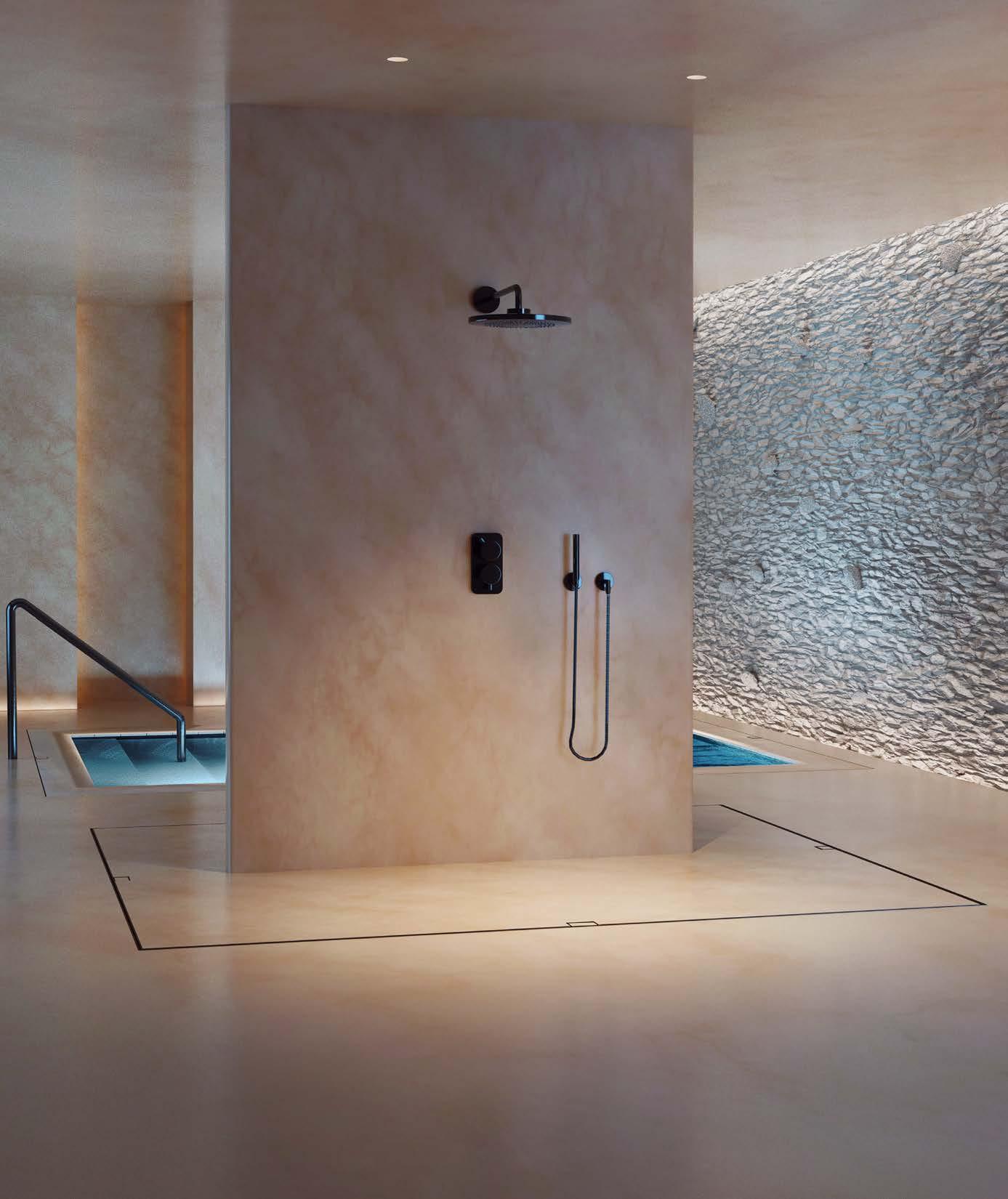
Infinity Drain® Site Sizable® Slot Drain
The Site Sizable® Slot Drain brings the clean, refined look of a slot drain to any project. Its field adjustable design allows installers to precisely cut and assemble the drain to exact site conditions, ensuring a perfect fit every time. Learn more about our
METROPOLIS recognizes the top graduating architecture and interior design students in the U.S. and Canada through its Future100 program, sponsored this year by Mannington Commercial, Keilhauer, and Sherwin-Williams. The class of 2026 comprises 100 exceptional young designers whose portfolios demonstrate a shared dedication to purposeful design. Grounded in research and driven by experimentation, their work addresses community, culture, inclusivity, and sustainability with care and conviction, establishing them as rising voices in the profession.
Designed by Qdesign
EMALEE DAVIDSON
University of California, Los Angeles (UCLA)
Graduate architecture student EmaLee Davidson approaches design as a critical and exploratory practice, using conceptual rigor and material experimentation to push projects beyond predictable outcomes. At UCLA, her work consistently challenges conventional assumptions about structure, landscape, and housing, engaging complexity rather than smoothing it away.
“EmaLee has a unique capacity to conceptualize any brief towards unexpected trajectories, resulting in a body of work which deviates from the predictable, the norm, and the superficially novel,” says nominator Kutan Ayata, vice chair and associate professor at UCLA and cofounder and principal of Young & Ayata.
That synthesis is evident in Truss Terrain, which explores how architecture can coexist lightly within the Los Angeles landscape. Centered on the idea that the ground should belong to
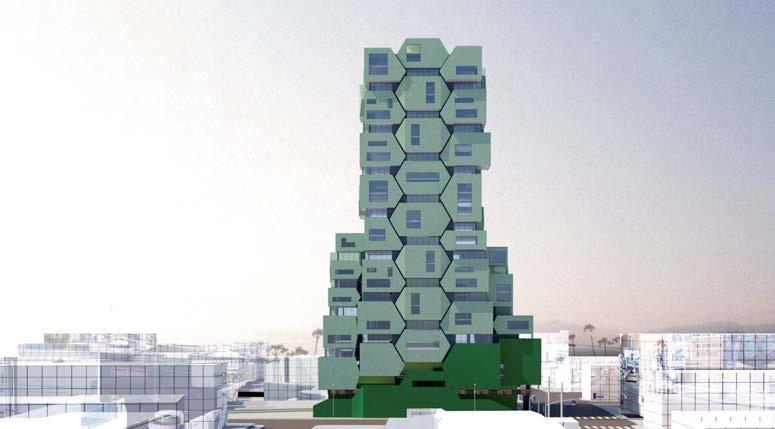
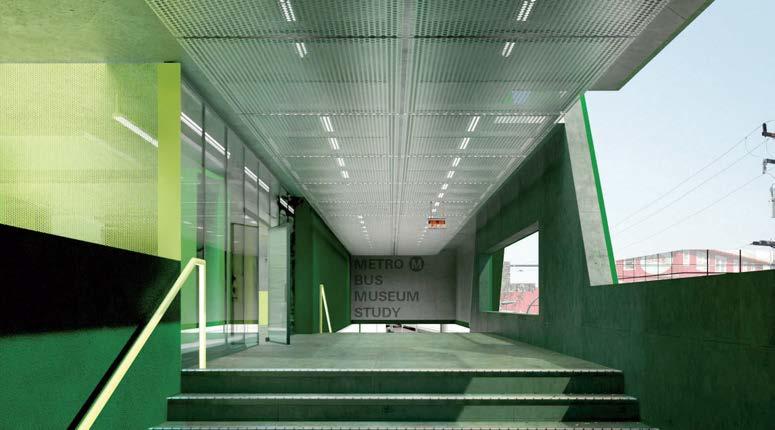
trees rather than buildings, the project features an elevated steel truss system developed through a rule-based design process. The resulting structure supports suspended floors, paths, and public programs while minimizing contact with the site.
Main X Rose Urban Accelerator is a mixed-use housing and transit project in Santa Monica that combines high-density residential units with a bus terminal, a proposed
underground metro line, and public cultural spaces. The building uses a repetitive but varied modular system to break down mass, creating pockets for shared space while resisting uniformity and reflecting Los Angeles’s culture of misalignment.
Across projects, her work frames complexity as an active design force—one that produces new spatial, social, and urban possibilities. M
Uncover new possibilities for expressive, efficient, flexible and high‑performance architecture.
Tate’s raised access floor solutions free your design from overhead constraints, enabling open spaces, exposed structure, and flexible modular layouts while simplifying the integration of HVAC, technology, plumbing and power beneath your feet.
Find out more at tateglobal.com/amer/sustainability.
DAKOTA KALKSTEIN
University of Arkansas
An undergraduate interior design student at the University of Arkansas, Dakota Kalkstein brings a grounded, human-centered approach to design. “I see design not as a luxury but as a language that should be recognizable and tangible to the people who build, use, and live within it,” he says. His work bridges the gap between concept and making, creating environments that are honest, accessible, and resonant with everyday life.
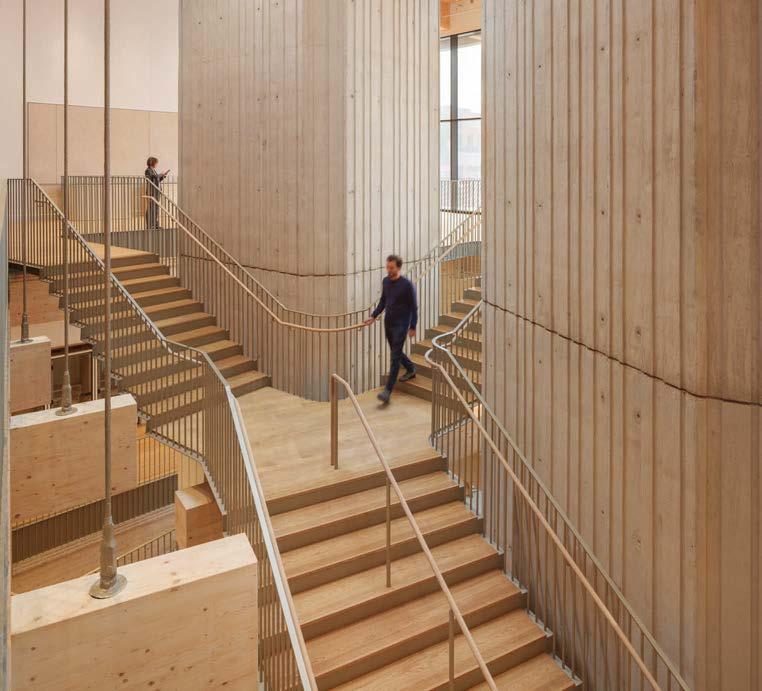
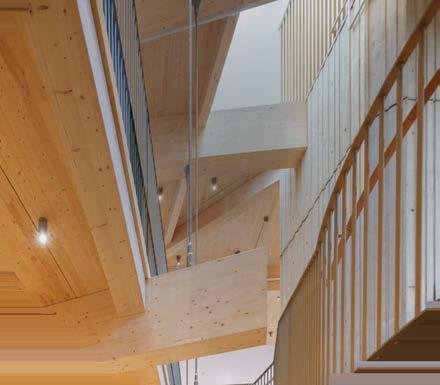
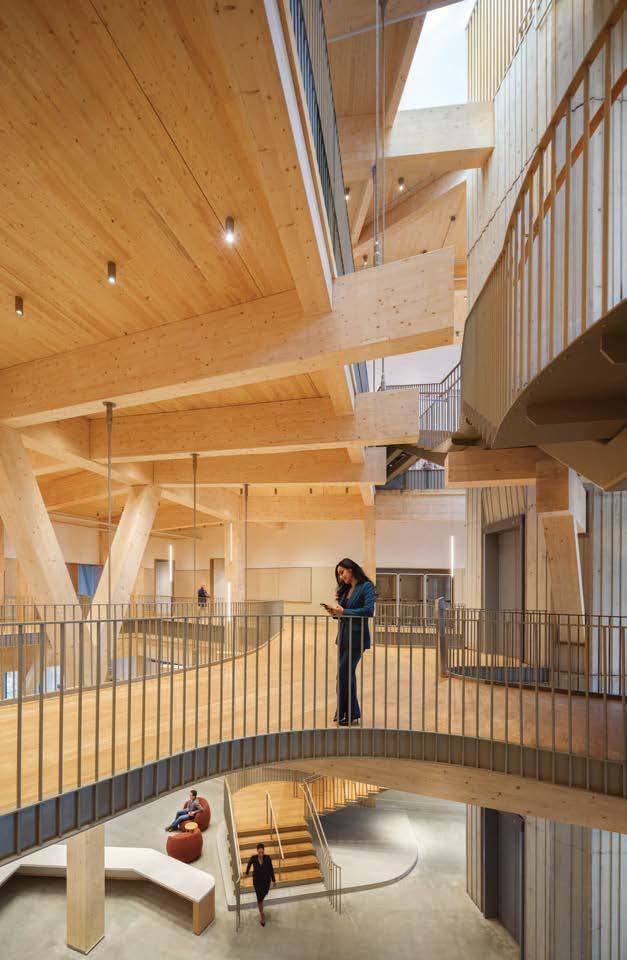
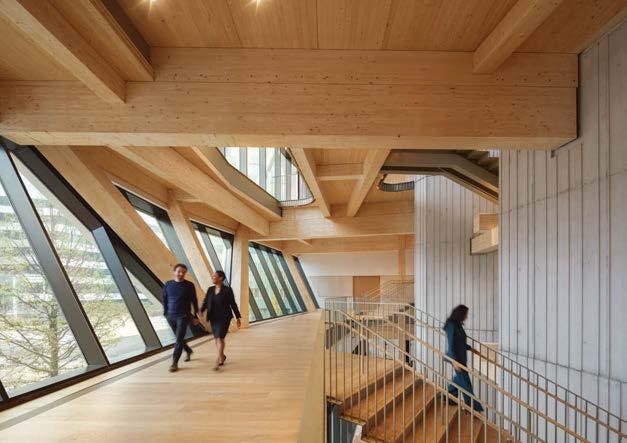
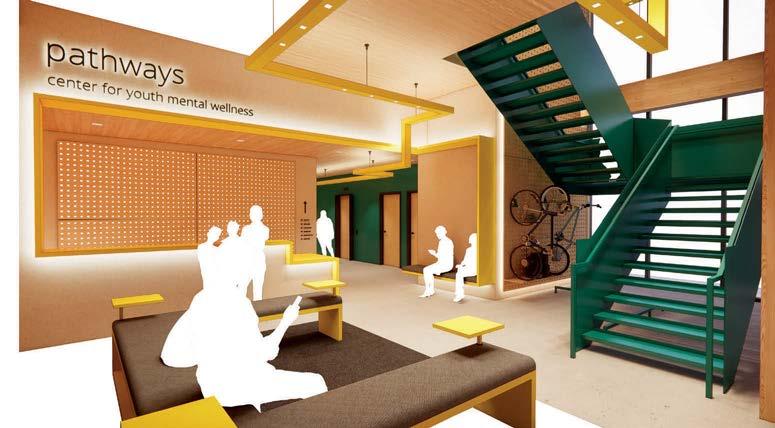
His project Pathways of Connection reimagines an adolescent mental wellness facility within Fayetteville’s greenway system. Housed within an adaptive-reuse mass timber building, the project creates a literal and symbolic connection between public amenities—a café and bike repair shop—and patient spaces. Exposed CLT joints, strategic openings, and a central commons provide orientation, choice, and gentle access to nature, fostering therapeutic interaction while reducing stress and isolation.
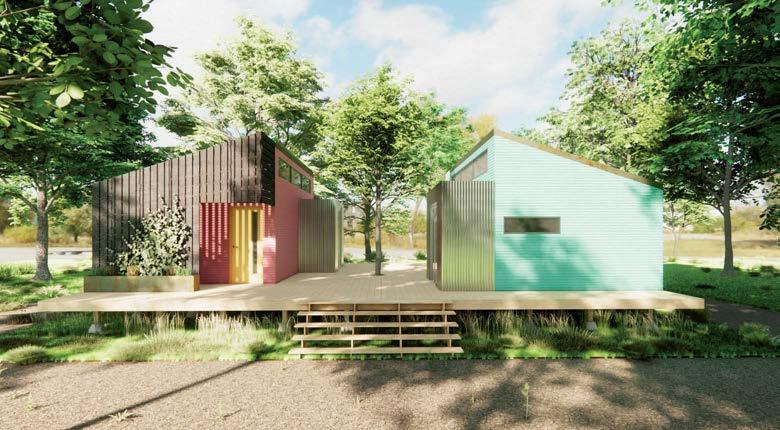
In Little Easy, a proposal in a New Orleans microhome competition, Kalkstein and collaborators Drew Schillings, Campbell Osier, and Turner Cane draw on the Haitian-origin shotgun house to create elevated, puzzle-like structures that respond to rising sea levels. Each unit features a shared kitchen and social hub while consolidating spaces for living and work, promoting neighborly interaction and supporting the
continuity of the city’s diverse, culturally rich communities.
“Dakota demonstrates a rare combination of curiosity, discipline, and creative maturity,” says Jake Tucci, assistant professor at the Fay Jones School of Architecture and Design, University of Arkansas.
“He learns quickly, approaches new challenges with calm dedication, and executes his ideas with thoughtfulness and exceptional craftsmanship.” M
In Pathways of Connection (top), Dakota Kalkstein proposes an adaptive-reuse wellness facility that connects public amenities and patient spaces within Fayetteville, Arkansas’ greenway. Envisioned in collaboration with his peers, Little Easy (bottom) is a microhome proposal that reimagines the shotgun house to address rising sea levels and foster community in New Orleans.
KIMHOUR LOR
University of Houston
For Kimhour Lor, architecture begins with listening— to land, to memory, and to the rhythms of water. An undergraduate architecture student at the University of Houston, Lor approaches design with analytical precision and an intuitive sensibility informed by the places that shaped her early life.
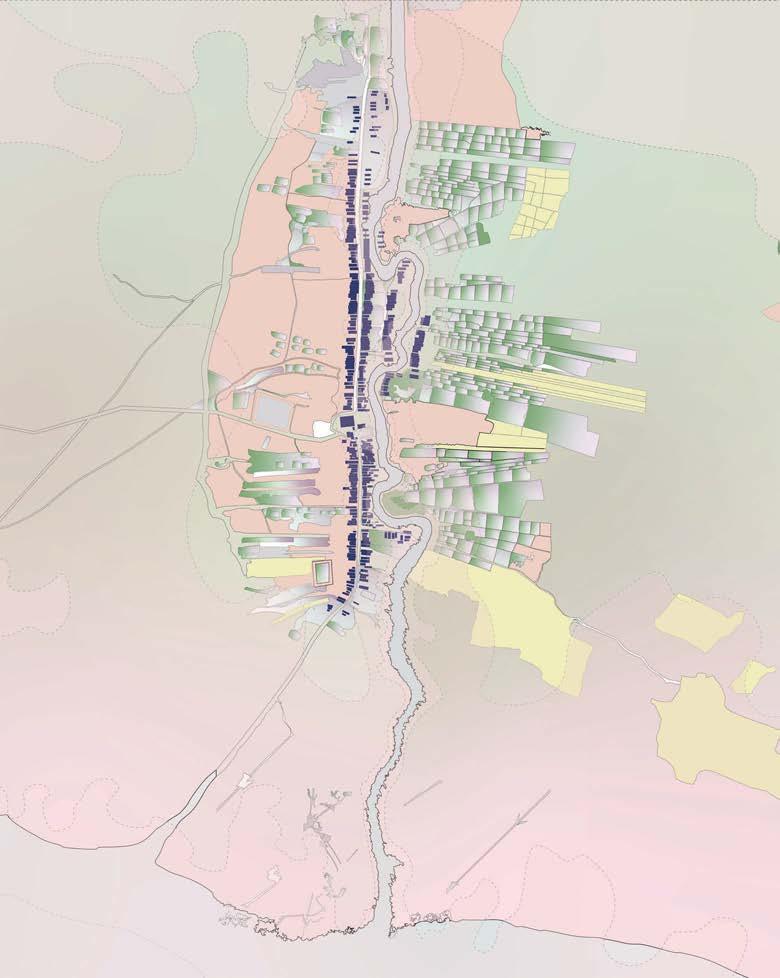
Her honors thesis, Return of a River: Reimagining Flood Resilience in Phnom Penh, examines Cambodia’s complex and evolving relationship with water amid climate instability and rapid urbanization. Drawing on cultural research, hydrological studies, and narrative-driven drawings, Lor proposes an architectural framework that works with water rather than against it. Her project envisions adaptive wetlands, stilted villages, and flexible architectural systems that respond to seasonal flooding, reviving ancient water traditions while
addressing contemporary environmental pressures.
Situated at the confluence of the Mekong, Tonle Sap, and Bassac Rivers, the project reframes Phnom Penh as a living system shaped by ecology, memory, and resilience.
“Few students approach their work with the same level of
dedication, curiosity, and emotional intelligence as Kimhour Lor,” says her nominator, Dalia Munenzon, assistant professor, Department of Architecture and Design, University of Houston. “Her approach to design combines rigorous analysis with an intuitive, almost poetic sensibility.” M
the costs of modernization and proposes an architectural paradigm rooted in resilience—one that works with water rather than against it.
Fry Reglet is proud to be Build America Buy America certified. Our architectural products are made in the USA, supporting American jobs and infrastructure. From design to manufacturing, we’re committed to delivering quality, consistency, and performance you can trust—while helping to strengthen communities and build a stronger future for all.

JULIAN CAMILO TRUJILLO MORALES
Parsons School of
Design,
The New School
Julian Camilo Trujillo Morales, a graduate interior design student at Parsons School of Design, is rethinking permanence in interior spaces. For Morales, interiors are living systems shaped by human and nonhuman forces, where time and use leave visible traces that are not flaws but evidence of life, labor, and ongoing negotiation.
His thesis, Time as a Material Practice, questions architecture’s cultural fixation on permanence and perfection. Rather than erasing wear, Morales treats maintenance and repair as integral material processes, using tracing, casting, and photographic documentation to understand how rust, abrasion, and moisture shape spatial experience.
Morales extends this exploration in his work Yuca/ Cassava Starch, in which he observes the natural transformations of biopolymer-based wall surfaces, allowing form and meaning to emerge from the material itself rather than imposed design expectations. In

Camilo Trujillo
Mycelium Moldings, he cultivates fungal networks as sustainable alternatives to PVC trim, producing lightweight, heatstabilized moldings that rethink a conventional architectural component through renewable, biological fabrication.
“Camilo Trujillo Morales redefines interior design by
framing impermanence as a form of care and continuity,” says Michele Gorman, former director of the MFA Interior Design program at Parsons. “His work uses experimental documentation and material agency to reveal how interiors are continually reshaped by time, labor, and nonhuman agents.” M
explores yuca-based biopolymers— made of the tuber's starch, pulp, and skin—as the foundation for natural wall surfaces, letting the material change, age, and respond to environmental conditions over time.

ZHUYUN (JOY) XU
Marymount University
Championing empathy, inclusivity, and intergenerational connection, Zhuyun (Joy) Xu explores the potential of interiors to bring people together. With a background in statistics and data science and experience studying in China, Canada, and the United States, the Marymount University graduate interior design student approaches design with both analytical rigor and cultural sensitivity. Her work prioritizes interaction, accessibility, and emotional well-being, creating environments that support meaningful connections.
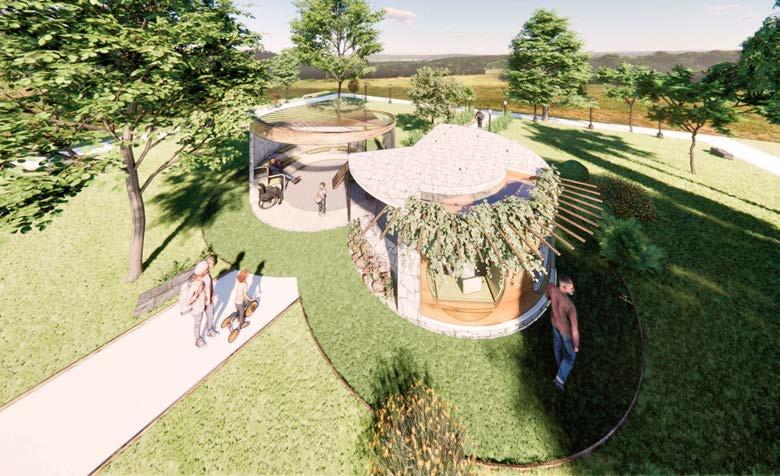
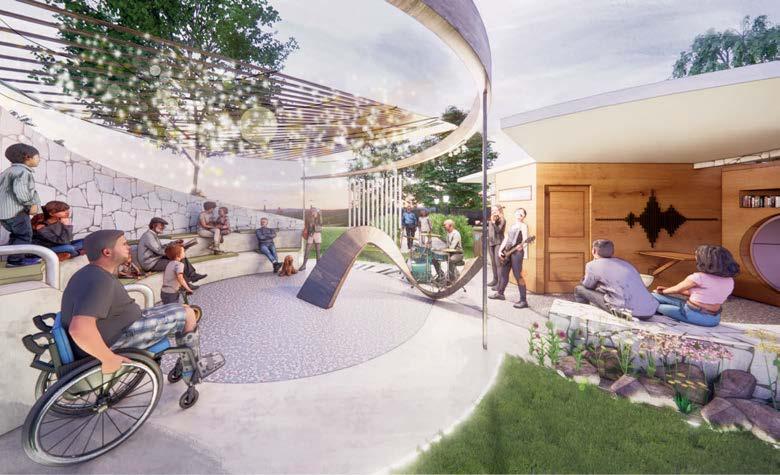
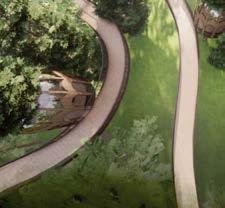
Her project Symphony Grove Music Garden, a collaboration with her peer Gabriella Sulzer, exemplifies this approach. Shaped like an infinity loop, this outdoor music park fosters intergenerational engagement, connecting youth and older adults through structured and unstructured musical activities—from chair exercises and live concerts to spontaneous jam sessions. Native greenery, tactile sensory walls, and wheelchair-accessible paths ensure that the space welcomes visitors of all abilities, while interactive instruments and a music visualizer allow
everyone to participate fully. The design celebrates shared experience, mutual respect, and playful learning, redefining how communities inhabit and interact with public spaces.
“Joy’s work to elevate human experiences for all populations places her at the center of the field while looking
to the past, present, and future of what is possible,” says her nominator, Salvatore Pirrone, associate professor of interior architecture and design at Marymount University. “Her work is thoughtful, empathic, and visually complex, whether she is looking at the overall layout or a handrail detail.” M
is an infinity loop–shaped outdoor music park that fosters intergenerational connection. Details like a floor-embedded piano and a music visualizer that translates sound into light create a multisensory environment for visitors.


EMILY ZHENG
Rensselaer Polytechnic Institute
Emily Zheng approaches architecture as an open system—one that invites participation and experimentation. An undergraduate architecture student at Rensselaer Polytechnic Institute, Zheng is a precise and inventive designer whose work bridges environmental awareness, material craft, and civic ambition.
Her project The Greenhouse reimagines the public library along Manhattan’s High Line as a porous, multilevel civic landscape. Organized around three publicly accessible plazas—at street level, along the High Line, and on the roof—the design dissolves boundaries between institution and city. The rooftop greenhouse extends the High Line’s ecological and social life while creating space for community-based learning.
Zheng pushes these ideas further in Read+Play, which transforms the library into an
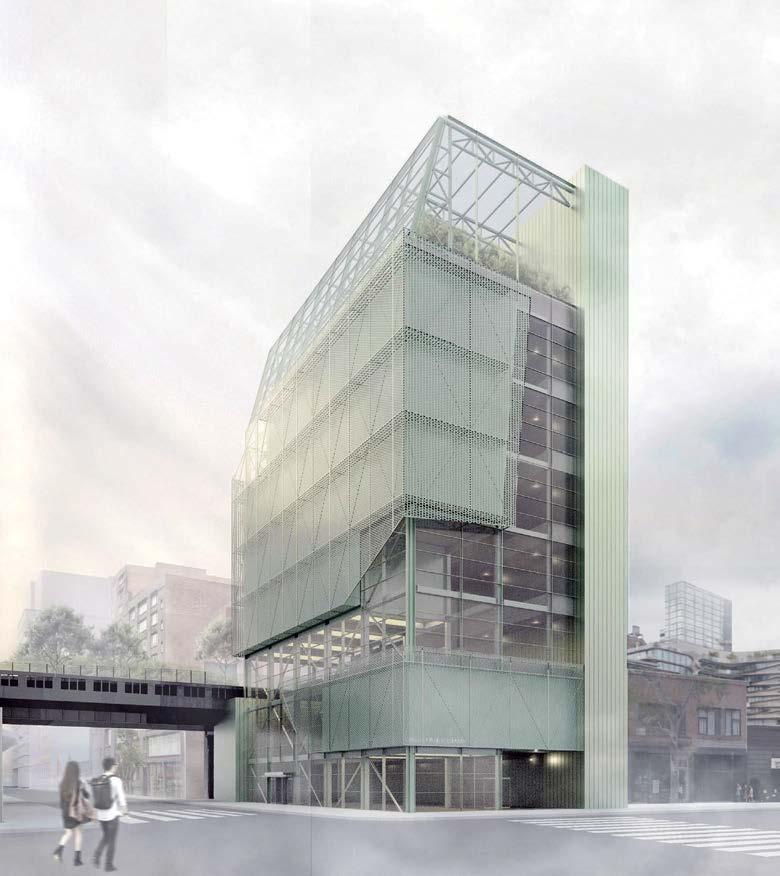
architectural playground built from a modular kit of parts. Columns, slabs, staircases, and concrete assemblies are left exposed, celebrating structural logic rather than concealing it. Vertical shifts and spiral stairs double as plazas and passive ventilation systems, reinforcing the building’s identity as both efficient infrastructure and democratic public space.
“Emily is a visionary designer and an intellectually
curious thinker who excels in collaboration, consistently producing sophisticated and exquisite work,” says her nominator, Ryosuke Imaeda, lecturer, School of Architecture, Rensselaer Polytechnic Institute. “She illustrates impeccable design details across diverse themes, ranging from environmental awareness and cultural heritage to traditional craftsmanship and technological integration.” M
In The Greenhouse, Emily Zheng proposes a public library along the High Line in Manhattan's Chelsea neighborhood. Organized around three tiers of publicly accessible plazas, the design offers flexible, free-use spaces that support a range of programs and community gatherings.


ASMITA BASKAR
Virginia Commonwealth University
Graduate Interior Design
NOMINATOR: Kristin Carleton, Graduate Program Director and Assistant Professor, Virginia Commonwealth University
“She is a natural leader, a thoughtful peer, and an engaged citizen. Asmita’s work ethic and professionalism are exceptional, and her passion for engaging design as a tool to impact positive change is infectious.”
BERGEN BAUCOM
Rocky Mountain College of Art + Design
Undergraduate Interior Design
NOMINATOR: Behrouz Seghatoleslamy, Professor, Rocky Mountain College of Art + Design
“Bergen is extremely dedicated to her degree and has become highly efficient in managing her time. She consistently works hard to exceed expectations, and her projects reflect this commitment.”
BLAINE BRENNAN
University of Oregon
Undergraduate Interior Design
NOMINATOR: Kyu-Ho Ahn, Associate Professor, University of Oregon
“Her work consistently reflects creativity, technical rigor, and a commitment to addressing societal challenges through design. Her portfolio demonstrates remarkable growth—from furniture prototypes to collaborative projects.”
EMMALYN BURNS
University of Arkansas
Undergraduate Interior Design
NOMINATOR: Rachel Tucci, Teaching Assistant Professor, University of Arkansas
“Her portfolio, maturity, and dedication to human-centered design distinguish her as an outstanding representative of the next generation of interior designers, and her leadership and service are clearly demonstrated through her meaningful involvement across campus.”
BRONZE WINGS
Mu Cao
University of Pennsylvania
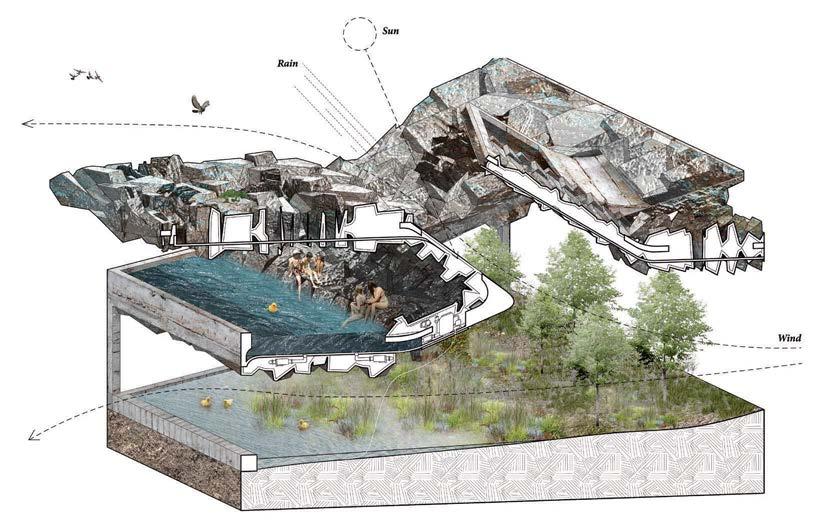
MU CAO University of Pennsylvania Graduate Architecture
NOMINATOR: Andrew Saunders, Director of the Master of Architecture Program, University of Pennsylvania
“Mu’s portfolio work was awarded the Dales Traveling Fellowship, distinguishing her as a designer in the top tier of the MArch graduating class of 2026.”
WYATT CARLTON
University of Massachusetts Dartmouth Undergraduate Interior Design
NOMINATOR: Jill Janasiewicz, Part-Time Lecturer, University of Massachusetts Dartmouth
“Wyatt’s projects show a clear design process grounded in strong ideas and careful consideration of user experience. He approaches studio work with seriousness and follow-through, and his portfolio reflects his commitment to refining both concept and craft.”
SARAH CARPENTER
Wentworth Institute of Technology Graduate Architecture
NOMINATOR: Dr. Sedef Doganer, Dean of Architecture and Design School and Professor, Wentworth Institute of Technology
“Sarah is a unique student whose remarkable intellect, creative abilities, and insatiable curiosity come together, allowing her to approach her work at the highest levels of engagement.”
BRIANNA CARTAGENA
The University of Texas at Austin Undergraduate Interior Design
NOMINATOR: Ria Bravo, Assistant Professor of Interior Design, The University of Texas at Austin
“She approaches design with a level of clarity and discipline that is rare at the undergraduate level. Her work is deeply tectonic—she’s attentive to structure, material behavior, and the mechanics of how things come together.”
MICHAEL CHMIEL
Washington University in St. Louis Graduate Architecture
NOMINATOR: Julie Bauer, Senior Lecturer, Sam Fox School of Design and Visual Arts, Washington University in St. Louis
“His work shows a sophisticated understanding of how technical, material, and environmental strategies can be fully integrated into coherent architectural concepts.”
ARUSHI CHOPRA
University of Michigan Graduate Architecture
NOMINATOR: Jen Maigret, Professor of Architecture and Director of Climate Futures, Taubman College of Architecture & Urban Planning, University of Michigan
“She brings equal measures of curiosity and care to her work, exploring the intersections of human health, ecological systems, and culturally attuned approaches to materials and construction.”
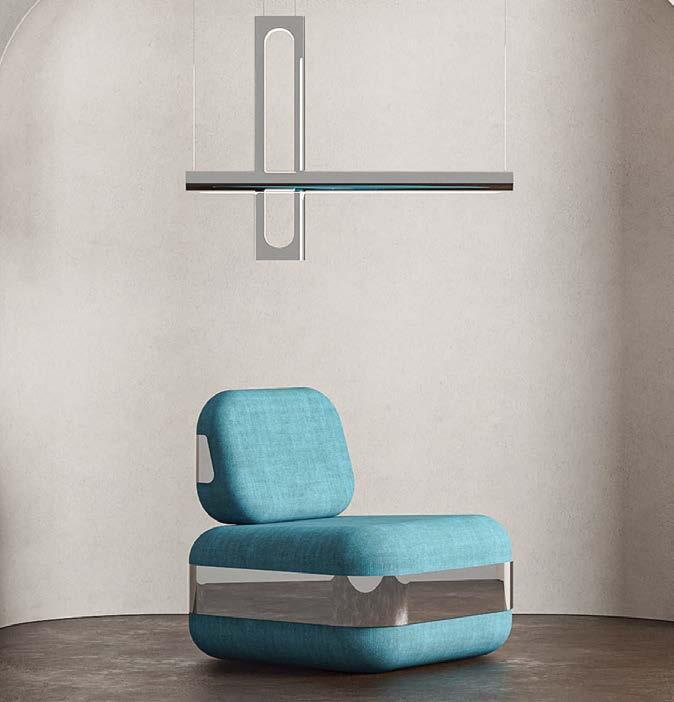




EVERGREEN ECHOES
Isabelle Clark
University of Oregon
ISABELLE CLARK
University of Oregon
Undergraduate Interior Design
NOMINATOR: Solmaz Kive, Assistant Professor, University of Oregon
“Isabelle demonstrates a remarkable combination of professionalism, intellectual independence, creativity, technical proficiency, and a strong grasp of design principles.”
EMILIE COOPER
University of Illinois Urbana-Champaign
Undergraduate Architecture
NOMINATOR: Francisco J. RodríguezSuárez, Director and Clayton T. Miers
Professor, School of Architecture, University of Illinois Urbana-Champaign
“Her graphic talent is remarkable. She is an extraordinary student, articulate spokesperson, committed leader, and an outstanding voice for our academic community.”

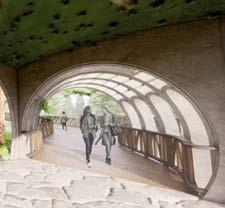





LILY CORBIN
Virginia Commonwealth University
Undergraduate Interior Design
NOMINATOR: Laura Battaglia, Assistant Professor, Virginia Commonwealth University
“Lily understands that design is not an act of self-interest, but one of generosity—something that can be shared and offered as a gift. She has embraced community-centered design as a catalyst for positive change.”
SALVATORE COSTANZO
Clemson University Graduate Architecture
NOMINATOR: Ulrike Heine, Associate Professor of Architecture, Clemson University
“His creativity is matched by a keen analytical mind. Salvatore is an exceptionally inventive thinker, often producing ideas that are ‘out of the box’ yet well rooted in research.”
SOPHIA COULOPOULOS
Drexel University
Undergraduate Interior Design
NOMINATOR: William Mangold, Assistant Professor, Department of Architecture, Design, and Urbanism, Drexel University
“She combines strong conceptual thinking with technical proficiency and approaches design with seriousness, inventiveness, and confidence.”
JANIYA DANIELS
Virginia Polytechnic Institute and State University
Undergraduate Interior Design
NOMINATOR: Alp Tural, Assistant Professor of Interior Design, Virginia Polytechnic Institute and State University
“Her portfolio demonstrates how she uses immersive visualization and advanced modeling to translate complex programmatic requirements into compelling, user-centered interior environments.”
EMALEE DAVIDSON
University of California, Los Angeles Graduate Architecture
NOMINATOR: Kutan Ayata, Vice Chair and Associate Professor, University of California, Los Angeles
“Her ability to synthesize abstract concepts with material realities allows her to fully mobilize her agency as a designer in responding to complex spatial and social demands.”
NABIL DAVIDSON
University of California, Los Angeles
Graduate Architecture
NOMINATOR: Kutan Ayata, Vice Chair and Associate Professor, Architecture and Urban Design, University of California, Los Angeles
“Nabil’s capacity to operate in emerging technologies of mediation is not like a technician but rather like a tinkerer of digital interfaces, which allows him to willfully bridge conceptual and technical explorations. His discipline and rigor in creatively problem-solving are unparalleled.”
ELVIA KARINA DELGADO
University of Houston
Undergraduate Architecture
NOMINATOR: Dalia Munenzon, Professor, University of Houston
“Elvia’s work reflects a belief that the future of design relies not on grand gestures but on humble, thoughtful actions rooted in people, place, and possibility.”
KHAOULA EL JAABAK
New York Institute of Technology
Undergraduate Architecture
NOMINATOR: Jeannette Sordi, Visiting Associate Professor, New York Institute of Technology
“Khaoula’s work is distinguished by an innate design sensitivity; her projects engage with site and user holistically, consistently seeking an elegant equilibrium between architecture and landscape.”
Each year, METROPOLIS designates the top graduating architecture and interior design students in the United States and Canada through its Future100 program.
Selected from an exceptional pool of emerging talent, these 100 students represent the next generation shaping the built environment— establishing their rising star status and demonstrating the vision, rigor, and creativity that will define the future of design as they embark on their careers.
We can’t wait to see what the future holds for the Future100 Class of 2026!
In partnership with:
In our fifth year sponsoring METROPOLIS's Future100, Keilhauer is proud to celebrate the next generation of designers. Congratulations to the Class of 2026, we can’t wait to see where your talent and perspective take you!
MEGHAN SHERWIN | PRESIDENT | KEILHAUER
The future of design depends on voices that are curious, courageous, and deeply aware of the impact design has on people and the world around us. Mannington Commercial is proud to support Future100 Class of 2026 and the next generation of leaders.
CINDY KAUFMAN | VICE PRESIDENT OF MARKETING | MANNINGTON COMMERICAL
Sherwin-Williams is proud to support future interior designers as they continue to showcase the power of design through their work.
Sherwin-Williams illuminates the up-and-coming colors that will shape the future of residential and commercial design with Colormix® Anthology Volume Two Highly sought after by designers, this second iteration of our biennial color trend report is here. Expertly curated by the Sherwin-Williams Trendsight Team, these four palettes dive deeper into the evolution of specific color families poised to shape the future of design 2026 and beyond.
LUKE ESPARZA
Clemson University
Graduate Architecture
NOMINATOR: Amy Trick, Assistant Professor, The University of Texas at Arlington
“His work consistently demonstrates a social consciousness and a commitment to using architecture as a tool for promoting equity while simultaneously achieving conceptual depth.”
GIOVANNI FAZZARE
University of Oregon Graduate Interior Design
NOMINATOR: Kyu-Ho Ahn, Associate Professor, College of Design, University of Oregon
“His design approach reflects a deep understanding of human nature and spatial psychology, resulting in environments that are both technically sound and emotionally resonant.”
CAMRYN FRANCIS
Tulane University
Graduate Architecture
NOMINATOR: Sonsoles Vela Navarro, Associate Program Director for Architecture, Tulane University
“Camryn produces work that unites cultural sensitivity, wellness, and ecological stewardship. She approaches each design challenge with curiosity and determination, showing strength in both conceptual ambition and technical execution.”
YUZHENG GAN
The University of Texas at Austin Graduate Interior Design
NOMINATOR: Hans Tursack, Assistant Professor, The University of Texas at Austin
“Yuzheng is a dedicated, curious, inquisitive student. She brings a critical eye, unique perspective, and unfailing rigor to all of her design work, moving deftly and fluidly between software platforms.”

FORREST GILL-EHLEN
Pratt Institute
Undergraduate Architecture
NOMINATOR: Farzam Yazdanseta, Undergraduate Associate Chair, Undergraduate Architecture, Pratt Institute
“Forrest is a driven, talented, and contentious student who is representative of the stature and status of citizen any institution would be proud and privileged to consider part of their community.”
LIRA GOMES
North Carolina State University
Undergraduate Architecture
NOMINATOR: Shawn Protz, Assistant Professor of Architecture, Digital Technology, North Carolina State University
“Lira is a rare talent: technically skilled, ecologically minded, and unfailingly generous. She has been a force multiplier in our department, elevating the quality of work and the spirit of the studio for everyone around her.”
Sarah Ishida Rensselaer Polytechnic Institute
BENNETT HERBOLSHEIMER
California Polytechnic State University, San Luis Obispo
Undergraduate Architecture
NOMINATOR: Carmen Trudell, Professor, Architect, California Polytechnic State University, San Luis Obispo
“Bennett is a quick-learner with exceptional spatial understanding coupled with attention-to-detail and aptitude for technical concepts. He has rare ability to excel in both design and building technology.”
YOSI HOFFMAN
University at Buffalo
Graduate Architecture
NOMINATOR: Beth Tauke, Associate Professor, University at Buffalo
“Yosi’s research brings together architectural theory, cognitive science, and visual experimentation, demonstrating a level of conceptual fluency and interdisciplinary synthesis that is rare among students at this stage.”
ASHA HOKANSON
Tulane University Undergraduate Architecture
NOMINATOR: Sonsoles Vela Navarro, Associate Program Director for Architecture, Tulane University School of Architecture and Built Environment
“Asha’s projects demonstrate rigorous attention to material experimentation, environmental performance, and social equity. Her clarity of vision and depth of execution embody a commitment to resilient, inclusive, carbon-conscious futures.”
GYO SUN HWANG
University of Pennsylvania
Graduate Architecture
NOMINATOR: Andrew Saunders, Associate Professor and MArch Program Director, University of Pennsylvania
“Gyo Sun’s portfolio work was awarded the Dales Traveling Fellowship, distinguishing her as a designer in the top tier of the MArch graduating class of 2026.”
SARAH ISHIDA
Rensselaer Polytechnic Institute
Undergraduate Architecture
NOMINATOR: Marcus Carter, Assistant Professor, Rensselaer Polytechnic Institute
“Sarah maintained high design ambitions that students rarely achieve in [my course]. Faculty and students know her as an immensely talented and dedicated student. Her design thinking, work ethic, and positive attitude have enabled her to excel.”
SIVAPRIYA JANAKIRAMAN
New York Institute of Technology
Undergraduate Architecture
NOMINATOR: Farzana Gandhi, Professor, Associate Professor of Architecture, New York Institute of Technology
“Siva’s work is marked by an energy and passion that pushes her to consistently examine alternative design strategies across scales from masterplan to building to furniture. Siva is not afraid to push the envelope.”
CAMERON JOHNSON
North Carolina State University
Graduate Architecture
NOMINATOR: Matthew Griffith, Principal, In Situ Studio; Associate Professor, North Carolina State University
“Cameron possesses a desire to find the story embedded in each project, peeling back the surface to discover a deep core of meaning and creating forms and technical resolutions that make these essential discoveries material.”
REESE JUDD
Colorado State University
Undergraduate Interior Design
NOMINATOR: Dr. Laura Cole, Associate Professor, Colorado State University
“Reese inspires me with her passion for design, intellectual depth, and drive for excellence. Along with her design talent, her interpersonal and professional skills are impeccable. She is the kind of emerging designer I would have dreamed of mentoring.”
DAKOTA KALKSTEIN
University of Arkansas
Undergraduate Interior Design
NOMINATOR: Jake Tucci, Assistant Professor of Interior Architecture and Design, Fay Jones School of Architecture and Design, University of Arkansas
“Across all learning environments, Dakota demonstrates a rare combination of curiosity, discipline, and creative maturity. He learns quickly, approaches new challenges with calm dedication, and executes his ideas with thoughtfulness and exceptional craftsmanship.”
MAXWELL KAPLAN
Tulane University
Undergraduate Architecture
NOMINATOR: Sonsoles Vela Navarro, Associate Program Director for Architecture, Tulane University
“Maxwell is an exceptional student whose work demonstrates architecture as a regenerative force, uniting ecological repair, cultural stewardship, and human well-being. He shows remarkable range across scales and typologies, with a clear vision of architecture’s role in shaping resilient and equitable futures.”
OLGA KEDYA
Yale University Graduate Architecture
NOMINATOR: Dana Karwas, Director, Center for Collaborative Arts and Media; Lecturer, Yale School of Architecture
“What makes Olga exceptional is not just intelligence or skill, it is intellectual risk taking that is both informed and artistic. She is unafraid to follow an idea into uncertainty. She designs in places where things have not yet been named.”
NOUR KHALIFA
Georgia Institute of Technology
Undergraduate Architecture
NOMINATOR: Katherine Wright, Lecturer, Georgia Institute of Technology
“Nour is a designer of exceptional promise, a leader in discourse and community-building, a rigorous thinker, and a compassionate human being. Her potential for impact in the field is immense.”
IMAN KHAN
Georgia Institute of Technology
Undergraduate Architecture
NOMINATOR: Katherine Wright, Lecturer, Georgia Institute of Technology
“Iman embodies the values of environmental stewardship, social responsibility, and poetic design thinking. She is an emerging designer of uncommon promise: sensitive, thoughtful, talented, and profoundly dedicated to shaping more caring relationships between people and place.”
SEYEDEH DELARAM
KHOSHHAL ZIABARI
Tulane University Graduate Architecture
NOMINATOR: Ammar Eloueini, Professor, Tulane School of Architecture and Built Environment; and Founder, Ammar Eloueini Digit-all Studio
“Delaram is a talented young architect with a world view and experience. Her approach to architecture is personal and shaped by her experience. She is one of the best students I have ever taught over the years.”
GABRIELLE KNAUF
Syracuse University
Undergraduate Architecture
NOMINATOR: Nimet Anwar, Assistant Professor, Syracuse University; Architect, NO Office Architecture
“Gabrielle is curious and thoughtful, with a natural ability to guide others and explain complex ideas in an engaging way. She explores new methods and tools with enthusiasm, and her passion and curiosity spark the same energy in those around her.”
LILY LAGRASSA
Wentworth Institute of Technology
Undergraduate Interior Design
NOMINATOR: Dr. Sedef Doganer, Dean and Professor, School of Architecture and Design; Kelly Hutzell, Associate Dean of Architecture and Interior Design, Wentworth Institute of Technology
“Lily’s work reflects a deep understanding of user needs, resulting in human-centric environments that support comfort, efficiency, and well-being. She skillfully balances aesthetics with functional effectiveness, ensuring that every design decision is purposeful.”
JOELLA LAI
New York School of Interior Design
Graduate Interior Design
NOMINATOR: Francisco de Leon, Adjunct Professor, New York School of Interior Design
“Joella is a design thinker. She sketches out ideas that lead to well thought out projects. She explores the possibilities within the constraints of a project and strives to make the design relevant as well as engaging.”
ELLISON LECHTENBERGER
University of Nebraska–Lincoln
Undergraduate Interior Design
NOMINATOR: Lindsey Bahe, Interior Design Program Director and Associate Professor, University of Nebraska–Lincoln
“Ellison embodies professionalism, rigor, creativity, generosity, critical thinking, curiosity, and an unwavering commitment to design excellence. She is deeply attuned to how people move, feel, and behave within space.”
JESSICA LIANG
Fashion Institute of Technology
Undergraduate Interior Design
NOMINATOR: Joseph Goldstein, Adjunct Assistant Professor, Fashion Institute of Technology
“Jessica is diligent and hardworking, and a talented risk-taker. She has high standards for herself, is fully self-motivated, and has an innate discipline that serves her well in interior design and its iterative design processes.”
HEMING (MAX) LIU
Washington University in St. Louis Undergraduate Architecture
NOMINATOR: Constance Vale, Chair of Undergraduate Architecture, Sam Fox School of Design & Visual Arts, College of Architecture, Washington University in St. Louis
“Max stands out as a uniquely original and forward-thinking designer—one whose work is grounded in architectural thinking yet unbounded in its creative reach. His technical skill, intellectual ambition, and interdisciplinary sensibility position him to make significant contributions to the discipline.”
KIMHOUR LOR
University of Houston
Undergraduate Architecture
NOMINATOR: Dalia Munenzon, Assistant Professor, Hines College of Architecture and Design, University of Houston
“Few students approach their work with the same level of dedication, curiosity, and emotional intelligence as Kimhour Lor. Her approach to design combines rigorous analysis with an intuitive, almost poetic sensibility that is rooted in her childhood landscapes.”
YUDI LUO
The Cooper Union
Undergraduate Architecture
NOMINATOR: Benjamin Aranda, Acting Dean, The Irwin S. Chanin School of Architecture, The Cooper Union
Luo’s work reimagines existing buildings and urban systems to foster belonging, shared civic life, and cultural exchange through adaptive reuse, layered public spaces, and carefully choreographed thresholds and communal environments.
KAIJI LUO
University of Southern California Graduate Architecture
NOMINATOR: Alvin Huang, Associate Professor and Director of Graduate and Post-Professional Architecture, School of Architecture, University of Southern California
“Kaiji brings together rare innate design talent with exceptional technical skill, deep curiosity, and remarkable motivation. His portfolio demonstrates an ability to manipulate form, space, pattern, and material with clarity, dexterity, and conceptual rigor.”
NA LYU
Parsons School of Design, The New School Graduate Interior Design
NOMINATOR: Maria Linares Trelles, Assistant Professor, Parsons School of Design / The New School
“Na stands out for her research-driven design process, her commitment to constant iteration, and her ability to produce detailed, thoughtful proposals that prioritize the needs and comfort of users.”
ANOUSHKA MANN
Drexel University
Graduate Interior Design
NOMINATOR: William Mangold, Assistant Professor, Department of Architecture, Design & Urbanism, Drexel University
“Across her portfolio, Anoushka demonstrates remarkable range—from speculative work on digital culture to community-based design and refined residential environments—supported by exceptional graphic skill and material sensitivity.”
IAN MEJIA
University of Florida
Undergraduate Architecture
NOMINATOR: Judi Shade Monk, Instructional Assistant Professor, University of Florida
“Ian’s work demonstrates dexterity and efficiency in his own mastery of foundational design concepts. He grasps abstract concepts quickly, sets ambitious goals, and builds on appropriate ideas to move the design process forward.”
VERONICA MENDOZA
Kent State University
Undergraduate Interior Design
NOMINATOR: Andrea Sosa Fontaine, Assistant Professor of Interior Design, Kent State University
“Through her design work, Veronica carefully crafts layered, thoughtful spaces that honor community and resonate deeply with individuals. She demonstrates genuine care, curiosity, and respect for the people that she designs for.”
BAILEY METTENBRINK
University of Nebraska–Lincoln
Undergraduate Interior Design
NOMINATOR: Lindsey Bahe, Interior Design Program Director & Associate Professor, University of Nebraska–Lincoln
“Bailey’s design motivation is rooted in emotion, impact, and the power of the built environment. Her work demonstrates an ability to weave concept, detail, emotion, and function into experiences that resonate deeply with users.”
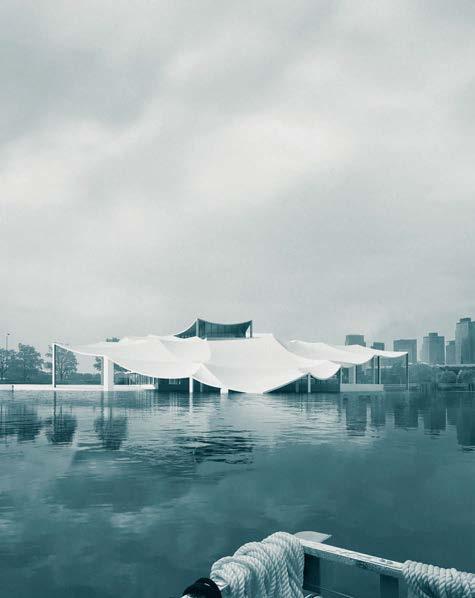
UNDER THE ROOF
Yudi Luo
Georgia Institute of Technology
GABRIELA MIERKALNE
California College of the Arts Undergraduate Interior Design
NOMINATOR: Margaux Schindler, Assistant Professor and Chair of Interior Design, California College of the Arts
“She has an inspiring presence in the studio, delivers excellence in both digital and physical craft, has a strong design process, and presents consistently outstanding final projects.”
MASON MONTGOMERY
University at Buffalo
Undergraduate Architecture
NOMINATOR: Miguel Guitart, Associate Professor, University at Buffalo
“Mason is an incredibly promising designer. He has demonstrated an unusual capacity for abstract thinking and the understanding of complex solutions. Far from conventional, his work always offers more than a simple solution.”
TONY SALEM MUSLEH
Yale University
Graduate Architecture
NOMINATOR: Eeva-Liisa Pelkonen, Professor, Yale School of Architecture
“I will always remember Tony’s intellectual curiosity and courage. Where other students might reach out for Instagram and ArchDaily for recent design fads, Tony’s design sensibility is grounded on his belief that true architecture stems from age-old cultural rituals and experiences.”
ANNA MYASNIKOVA
California College of the Arts
Undergraduate Interior Design
NOMINATOR: Negar Kalantar, Ph.D., Associate Professor, Architecture Division and Codirector Digital Craft Lab, California College of the Arts
“Anna consistently demonstrated an exceptional ability to integrate cultural, technical, and spatial thinking into her design work. She has a rare capacity to see design not only as form-making, but as a layered, meaningful practice that shapes future environments.”
MALLORY MYERS-PAYNE
Marymount University
Graduate Interior Design
NOMINATOR: Moira Denson, Associate Professor of Interior Architecture + Design, Marymount University
“Whether she is exploring materiality, developing thoughtful narratives, or working on timely intergenerational research, she consistently demonstrates the ability to zoom out to understand the system and zoom in to craft human-centered spatial details.”
HANNAH OAKLEY
University of North Carolina at Greensboro
Undergraduate Interior Design
NOMINATOR: Amanda Gale, Associate Professor and Undergraduate Program Director, University of North Carolina at Greensboro
“Hannah stands out as a catalyst. Her intellectual curiosity and phenomenal work ethic inspire those around her. She consistently pushes beyond expectations, embracing challenges as opportunities for growth.”
ZI CHING OOI
California College of the Arts
Undergraduate Architecture
NOMINATOR: Keith Krumwiede, Dean of Architecture Division, California College of the Arts
“Zi’s work feels simultaneously precise and otherworldly, one whose talent arrives not with bravado but with an almost disarming generosity. Her design sensibility is unmistakably her own and her presence in our community elevates everyone around her.”
SHAYLA PANKEY
Florida State University
Undergraduate Interior Design
NOMINATOR: Jae Hwa Lee, Associate Professor, Florida State University
“What makes Shayla’s work stand out is her meticulous attention to materiality and the human experience—every choice she makes is intentional, ensuring that her designs are not only visually striking but also deeply meaningful for those who inhabit the space.”
HANNAH PETKAU
University of Oregon
Graduate Interior Design
NOMINATOR: Esther Hagenlocher, Associate Professor and Head of the Interior Architecture Department, University of Oregon
“Hannah’s multidisciplinary approach is truly exceptional, setting her work apart and enabling her to seamlessly integrate her knowledge of the fine arts into her designs. This versatility empowers her to approach each project with a unique perspective.”
HANNAH PUERTA-CARLSON
Syracuse University
Undergraduate Architecture
NOMINATOR: Omar Ali, Assistant Professor, Syracuse School of Architecture
“Hannah has excellent ideas, and she can convey them through the architectural and design language. Her interdisciplinary approach, her ability to translate this into design application, paired with her dedication, position her as a promising leader in the field.”
JOSEPH QUAN
Northeastern University
Undergraduate Architecture
NOMINATOR: Dr. Zorana Matić, Visiting Associate Teaching Professor, School of Architecture, College of Arts, Media & Design, Northeastern University
“Across all his work, Joseph moves fluidly between ecological systems, architectural strategies, and district-scale thinking. He approaches every design challenge with curiosity, care, and strong design intent.”
ADRIAN RAMON
Pratt Institute
Graduate Architecture
NOMINATOR: Andrew Holder, Chair of Graduate Architecture, School of Architecture, Pratt Institute
“Adrian is a leader but also a hardworking team member; he is creatively adventurous, even mischievous, but also meticulously organized; and above all, he combines design fluency with an acute intelligence.”
LYDIA ROBERTS
Washington University in St. Louis
Graduate Architecture
NOMINATOR: Julie E. Bauer, Senior Lecturer, Washington University in St. Louis
“Lydia demonstrates exceptional critical-thinking skills and works independently with remarkable discipline. She grounds every project in rigorous research, enabling her to develop original, well-supported, and conceptually robust design ideas.”
KATHERINE RUDINI
Purdue University
Undergraduate Interior Design
NOMINATOR: Yong In, Assistant Professor of Practice, Interior Design, Purdue University
“Katherine’s design voice is clear and confident, rooted in a strong conceptual foundation and carried forward through thorough execution. She consistently pushes boundaries, embraces complex challenges, and brings forward design solutions that are both innovative and deeply human-centered.”
BELLA SANDISON
British Columbia Institute of Technology (BCIT)
Undergraduate Interior Design
NOMINATOR: Tiia Manson, Program Head, Bachelor of Interior Design, BCIT
“Bella consistently exceeds assignment criteria and delivers well-researched solutions. She delivers thoroughly considered, creative, and well-executed projects.”
BERKAN SARI
University at Buffalo
Graduate Architecture
NOMINATOR: Miguel Guitart, Associate Professor, University at Buffalo
“Berkan is vigorously passionate about architecture and honestly ambitious in his learning goals. His personality speaks to his leadership abilities.”
BERNA SEVGI
Boston Architectural College
Undergraduate Interior Design
NOMINATOR: Denise Rush, Dean of Interior Architecture, Boston Architectural College
“Berna’s work demonstrates a rare combination of technical rigor, conceptual depth, and an intuitive understanding of human-centered design. She consistently transforms challenges into opportunities for innovation, and her design voice is both sophisticated and deeply empathetic.”
FATEMEH SHAHVAZIAN
The University of Texas at Austin Graduate Interior Design
NOMINATOR: Ria Bravo, Assistant Professor of Interior Design, The University of Texas at Austin
“Fatemeh brings an exceptional combination of creativity, technical ability, and conceptual depth to everything she touches. Her design work is iterative and deeply considered—she tests ideas, refines them, and pushes them well beyond where they started.”
KEXUAN SHANG
Rice University
Undergraduate Architecture
NOMINATOR: Carlos Jiménez, Professor, Rice University; Principal, Carlos Jiménez Studio
“Kexuan brings an exceptional level of contextual intelligence and cultural discernment. Her project situated architecture as a civic protagonist and presence in the city fabric rather than an isolated object, demonstrating a refined sensibility in translating cultural and spatial histories.”
MALLIKA SHANKAR
Drexel University
Graduate Interior Design
NOMINATOR: William Mangold, Assistant Professor, Interior Architecture and Design, Drexel University
“Mallika’s thesis investigates how shared interior environments can counter isolation and cultivate belonging in contemporary urban life. Rather than approaching 'community' as a vague ideal, she translates it into concrete spatial strategies.”
LINDSEY SHOUCAIR
Savannah College of Art and Design
Undergraduate Interior Design
NOMINATOR: Ernest Abuin, Professor, Savannah College of Art and Design
“Her creativity shows up not just in concept sketches, but in the way she solves problems with unexpected, thoughtful solutions. She loves experimenting with materials, light, and spatial flow to create designs that feel both intentional and full of personality.”
SAMMIE SKINNER
Kansas State University Undergraduate Interior Design
NOMINATOR: Michael Dudek, Emeritus Associate Professor, Kansas State University
“Due to Sammie’s quiet perseverance, curiosity, intellect, and dedication to the design process, I could tell that she is one of those shining stars. She is willing to dedicate the time and effort to find solutions that push aesthetic boundaries while being mindful of technical and environmental metrics.”
BRIAN SLUSHER
Southern California Institute of Architecture (SCI-Arc) Graduate Architecture
NOMINATOR: David Eskenazi, Design Studio & Visual Studies Faculty, SCI-Arc
“Brian’s thesis bravely embraces public space and a building’s permanence while confronting the desire for a more nimble and transgressive architecture. I’ve seen him rework his projects and take on new ambitions late into a deadline, always with patience and excitement.”
CARSON SOMER
Southern California Institute of Architecture (SCI-Arc) Graduate Architecture
NOMINATOR: David Eskenazi, M.Arch I Professor and Thesis Advisor, SCI-Arc
“Carson’s thesis focuses on the urban space many American cities are full of: early 20th century, ‘inner-ring’ suburbs who’ve housed different cultures and communities yet are now in need of repair and adaptation to a changed climate and density.”
COLBY SRODA
University of Colorado Denver Graduate Architecture
NOMINATOR: Susannah Drake, Visiting Professor, University of Colorado Denver; Founder, DLandStudio
“Colby’s spatial design abilities and technical skills are so remarkably advanced and sophisticated. He is a brilliant designer who uses rigorous and effective research processes to strengthen both the conceptual and practical aspects of his work.”
HANYAN SUN
Parsons School of Design, The New School Undergraduate Interior Design
NOMINATOR: Carly Cannell, Director, BFA Interior Design Program, Parsons School of Design, The New School
“Hanyan’s design is defined by a compelling commitment to creating spatial experiences that challenge convention and shift perception. She uses narrative, sensory nuance, and intentional materiality to craft environments that feel unconventional yet deeply purposeful.”
JODIE SUN
British Columbia Institute of Technology (BCIT)
Undergraduate Interior Design
NOMINATOR: Tiia Manson, Program Head, Bachelor of Interior Design, BCIT
“Jodie has consistently produced well-developed concepts and executed projects for a wide variety of typologies. She demonstrates a strong work ethic and diligence, routinely putting forth additional effort on her assignments to deliver innovative and thoroughly researched solutions.”
SION TANAKA
New York School of Interior Design Graduate Interior Design
NOMINATOR: Francisco De Leon, Adjunct Professor, New York School of Interior Design
“Sion explores the possibilities within the constraints of a project and strives to make the design relevant. She likes to sketch to find ideas that lead to well-designed projects. She is one to watch out for.”
ZHENMI TANG
Rhode Island School of Design
Graduate Interior Design
NOMINATOR: Elizabeth Debs, Professor & Studio Critic, RISD
“Zhenmi has very strong spatial conceptualization, which she uses effectively to create cohesive and well detailed proposals. She fearlessly approaches new ideas and technologies with enthusiasm, and her work has been emblematic of adaptive reuse strategies and preservation.”
ANJING (A.J.) TANG
University of Southern California Graduate Architecture
NOMINATOR: Alvin Huang, Associate Professor & Director of Graduate Architecture, USC
“She brings an advanced intellectual framework and global perspective to her work, elevating discussions within studio and contributing significantly to our academic culture. A.J. is one of the most consistently outstanding students we have.”
PAYMAAN TAYMOURI
University of Kentucky Graduate Interior Design
NOMINATOR: Lindsey Fay, Associate Dean for Research & Director of Graduate Studies, University of Kentucky
“Paymaan examines power dynamics in architecture, interrogating how spatial hierarchies and representational systems influence the built environment. This grounding in critical theory enriches his current research, situating his design explorations within larger social and cultural conversations.”
ANDRES TRONCOSO
Georgia Institute of Technology Graduate Architecture
NOMINATOR: Katherine Wright, Lecturer, School of Architecture, Georgia Institute of Technology
“What sets Andres apart is his extraordinary attentiveness to the feeling and atmosphere of space. He demonstrates a rare ability to translate conceptual thinking into evocative and coherent architectural expression.”
JULIAN CAMILO TRUJILLO MORALES
Parsons School of Design, The New School
Graduate Interior Design
NOMINATOR: Michele Gorman, Codirector, MFA Interior Design Program, Parsons School of Design, The New School
“Camilo redefines interior design by framing impermanence as a form of care and continuity. His thesis uses experimental documentation and material agency to reveal how interiors are continually reshaped by time, labor, and nonhuman agents.”
ISABELLA VACA
Savannah College of Art and Design Undergraduate Interior Design
NOMINATOR: Christina Kirkpatrick, Professor of Interior Design, SCAD
“Isabella brings a combination of creativity, discipline, and intellectual curiosity to every project. She is intentional in her process, articulate in her communication, and deeply committed to developing meaningful, human-centered spaces.”
ASHMITA VIJAYANAND
Kent State University Undergraduate Interior Design
NOMINATOR: Tina Patel, Associate Professor of Interior Design, Kent State University
“Ashmita is a take-charge individual who not only develops thoughtful design strategies but also implements them with a high level of rigor and maturity. She demonstrates clarity of purpose, strong conceptual grounding, and a sophisticated understanding of spatial and social context.”
EMILIE WARNER
University of Louisiana at Lafayette Undergraduate Interior Design
NOMINATOR: Collette Cosminski, Assistant Professor, University of Louisiana at Lafayette
“Emilie’s work reflects a rare combination of graphic sophistication, conceptual clarity, and technical precision, demonstrating a deeply attuned design sensibility that consistently elevates every project she undertakes."
Xuanyu Yang
Rhode Island School of Design
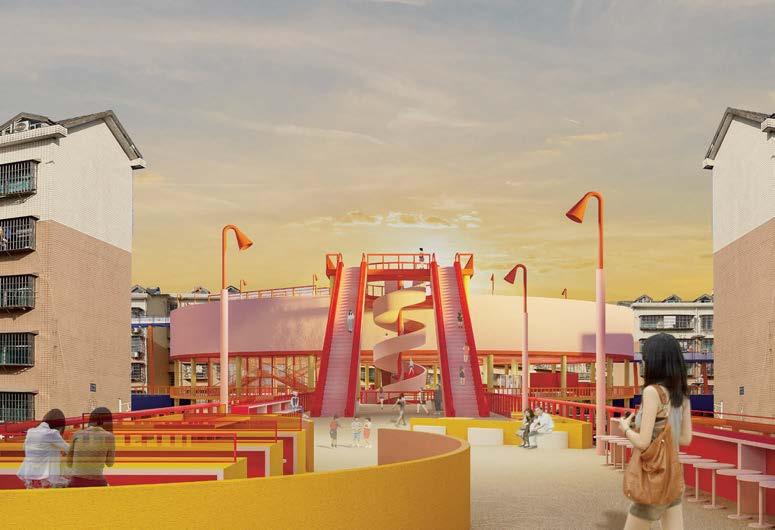
ELENA WATERS
Virginia Polytechnic Institute and State University
Undergraduate Interior Design
NOMINATOR: Alp Tural, Assistant Professor, Interior Design Program, Virginia Polytechnic Institute and State University
“Elena is a deeply thoughtful designer. She grounds each project in real users and place, then carries the concept through clear diagrams, carefully considered materials and color, and immersive three-dimensional interiors.”
HOLDEN WATERS
Northeastern University
Undergraduate Architecture
NOMINATOR: Zorana Matić, Visiting Associate Teaching Professor, Northeastern University
“Holden is one of the most exceptional emerging designers I have taught. Across all scales—from retrofit tectonics to neighborhood frameworks—he works with conceptual clarity, representational excellence, and an unwavering commitment to community and environmental well-being.”
MATTHEW WINANS
University of Colorado Denver Graduate Architecture
NOMINATOR: Will Koning, Bixler Design Build Fellow + Instructor, University of Colorado Denver
“Matthew’s approach is deeply iterative, marked by curiosity, and informed by diligent research. Rather than settling for the first viable solution, he engages in thoughtful cycles of testing, modeling, detailing, and feedback.”
DEBORAH WROBLEWSKI
The George Washington University Graduate Interior Design
NOMINATOR: Douglas Crawford, Program Head, Interior Architecture, Corcoran School of the Arts & Design, The George Washington University
“Deborah has an inquisitive, ambitious approach, pushing beyond the parameters of a brief to uncover more meaningful and elegant design solutions. She stands out for her ability to merge conceptual clarity with strong research, refined aesthetics, and adept material exploration.”
FANYU WU
School of Visual Arts
Undergraduate Interior Design
NOMINATOR: Carol Bentel, Chair of the BFA Interior Design Department, School of Visual Arts
“Fanyu is an extremely capable interior designer with a concern for people whose environment can make a difference. He has great ability in the design of interior spaces, millwork, and furniture.”
ZHUYUN (JOY) XU
Marymount University
Graduate Interior Design
NOMINATOR: Salvatore Pirrone, Assistant Professor of Interior Architecture + Design, Marymount University
“Joy’s technical ability and willingness to take risks make her a delight to work with. Her work is thoughtful, empathic, and visually complex, whether she is looking at the overall layout or a handrail detail, Joy is leading the way in her field.”
XUANYU YANG
Rhode Island School of Design
Graduate Interior Design
NOMINATOR: Eduardo Benamor Duarte, Professor and Department Head, Interior Architecture, Rhode Island School of Design
“Along with her intuition to communicate a design concept, Xuanyu has a particular care for context and storytelling through design that is quite unique. She has demonstrated particular sensibility to tackle themes of community engagement and sustainability.”
KATHY YE
California Polytechnic State University, San Luis Obispo
Undergraduate Architecture
NOMINATOR: Jaehun Woo, Assistant Professor in Architecture, Cal Poly San Luis Obispo
“Kathy possesses a rare balance of technical rigor, theoretical depth, and inquisitive research. She does not simply accept design methodologies; she interrogates them to refine her own process.”
EMILY ZHENG
Rensselaer Polytechnic Institute
Undergraduate Architecture
NOMINATOR: Ryosuke Imaeda, Lecturer, School of Architecture, Rensselaer Polytechnic Institute
“Emily is a visionary designer and an intellectually curious thinker who excels in collaboration. She illustrates impeccable design details across diverse themes, ranging from environmental awareness and cultural heritage to traditional craftsmanship and technological integration.”
MINXUAN ZHONG
School of Visual Arts
Undergraduate Interior Design
NOMINATOR: Carol Bentel, Chair of the BFA Interior Design Department, School of Visual Arts
“Minxuan is a facile designer with a very wide range of abilities. She digs into the heart of the project with intense focus and brings out the unexpected. All of her projects are transformative.”

The METROPOLIS Interface U.S. Sustainable Design Report 2026 captures where progress in the built environment is real, where it’s uneven, and what comes next. Here are five takeaways.
By METROPOLIS Editors
AT METROPOLIS, we believe architecture and design are among the most powerful tools we have for shaping culture, improving lives, and responding to the urgent challenges of our time. That belief guides our reporting, our convenings, and—now—our first-ever U.S. Sustainable Design Report. Produced in partnership with Interface, the METROPOLIS Interface U.S. Sustainable Design Report 2026 offers a balanced picture of sustainability in the U.S. built environment at the end of 2025. Drawing on reports, research, and guidelines issued by A&D organizations over 2024–25, it benchmarks the state of sustainable architecture, defines large-scale challenges to progress, and highlights emerging perspectives and knowledge shaping the field. Organized across three lenses—Industry, Mind, and Specification—the report examines both systems and sentiment. It
presents attitudes and perceptions gathered through in-depth interviews with sustainability leaders at major A&D firms, alongside findings from METROPOLIS’s first-ever Sustainable Design Survey. It also zooms in on building materials and products, tracking how digital specification tools, aligned screening processes, and emerging concerns are shaping the materiality of the built environment.
The METROPOLIS team is indebted to all the organizations whose research informed this report, as well as the many sustainability experts, design leaders, and design professionals who shared their insights and opinions with us. We’re also grateful for Interface’s partnership and support in creating this report and presenting it to you. Putting it together has given the METROPOLIS team optimism about the state of the built environment and renewed our confidence in our industry’s ability to tackle future challenges.
BESPOKE GOALS, TAILORED APPROACHES
Building certifications motivate a very small slice of the U.S. built environment, but the goals and approaches to sustainable design have diversified and proliferated. Less than 3% of U.S. buildings’ square footage is formally certified under any sustainability standard—not because action isn’t happening, but because responsibility for sustainability is spread across many frameworks. When asked which sustainability frameworks they rely on most, many A&D professionals say they primarily rely on internal firm standards (39%), project-specific goals (34%), or clients’ internal guidelines (28%). Progress is real, but with overlapping systems and decentralized data, it is difficult to measure how far we’ve come through certifications alone.
Architects and designers already have a strong desire to embed sustainability in everyday practice, and most possess the foundational knowledge and awareness to do so effectively. Two-thirds of designers report that sustainability shapes their projects and that they feel confident applying its principles, signaling a major cultural shift from niche to norm. Yet persistent obstacles—budgets, limited client interest, and competing project priorities—create a gap between intention and execution. According to practitioners, better client education, lower-cost premiums for sustainable materials, and expanded product options could help close this gap.
Sustainability leaders are moving away from one-off product decisions toward systems-based specification—defining flexible frameworks to make sustainable choices easier to apply at scale. LEED v5’s move to five impact categories builds on the AIA Materials Pledge and mindful MATERIALS’ Common Materials Framework to provide a more standardized way to evaluate products. Class-based chemical avoidance follows a similar logic: Rather than tracking individual compounds, treating PFAS as a group can “help you to future-proof your decisions.” Alongside these approaches, broader shifts toward flexible, less absolutist frameworks—like “basic, better, best”—are helping teams reduce complexity, navigate trade-offs, and focus on meaningful impact. M
WE’RE DOING GOOD, FOR NOW
Even amid infrastructure constraints, projects are meeting new milestones—but only up to the limits of current approaches. Across energy, water, and resilience, coordinated, systems-based strategies are delivering near-term gains, even where frameworks lag behind ambition. “It’s my opinion that at least 80 percent of building stock in New York City can meet 2030 [requirements] without any major electrification projects,” Goldman Copeland Associates’ Tristan Schwarzmann told Engineering News-Record last year. As those thresholds are reached, however, further progress will depend on continued ingenuity, cross-disciplinary collaboration, and a readiness to confront new challenges as they emerge.
The biggest breakthrough in sustainable architecture may not be a new material or system but a new way of deciding. Real-time data, AI, and integrated modeling are compressing timelines and collapsing complexity, giving architects and planners the ability to make informed, climate-smart decisions at the earliest design moments. “Critical decisions are often made in days, while conventional environmental simulations can take weeks… By integrating simulation into CAD, BIM, and GIS workflows, Infrared.city allows teams to test dozens of scenarios early, when form, orientation, and massing decisions still matter,” says Theodoros Galanos, chief science officer, Infrared.city. Tools like this are helping to transform sustainability from a retrospective check into a forward-looking design driver.
Read more in the METROPOLIS Interface
U.S. Sustainable Design Report 2026
Kupono Hale combines passive design, solar power, and local, upcycled materials in a new vision of Hawai‘i Contemporary.
By Timothy A. Schuler
A FEW YEARS AGO, Hawaii Off Grid’s David Sellers was part of a group helping develop a climate action plan for the island of Maui. Reading one of the reports the group commissioned, he got stuck on a startling fact: The average sea level at Kahului Harbor had risen a full five inches since 1950. The prevailing wind direction had also shifted, he says, from northeast to due east. “This is climate change that I can see in my lifetime,” says Sellers, who grew up in Texas and studied architecture and building science at Delft University of Technology in the Netherlands.
The need for an architecture capable of responding to the many changes wrought by a warming climate was the driving force behind the design of Kupono Hale, a single-family residence perched on the northern slopes of the Haleakalā volcano that is completely off grid yet produces enough solar energy to power the home and charge the owner’s electric vehicle. What at
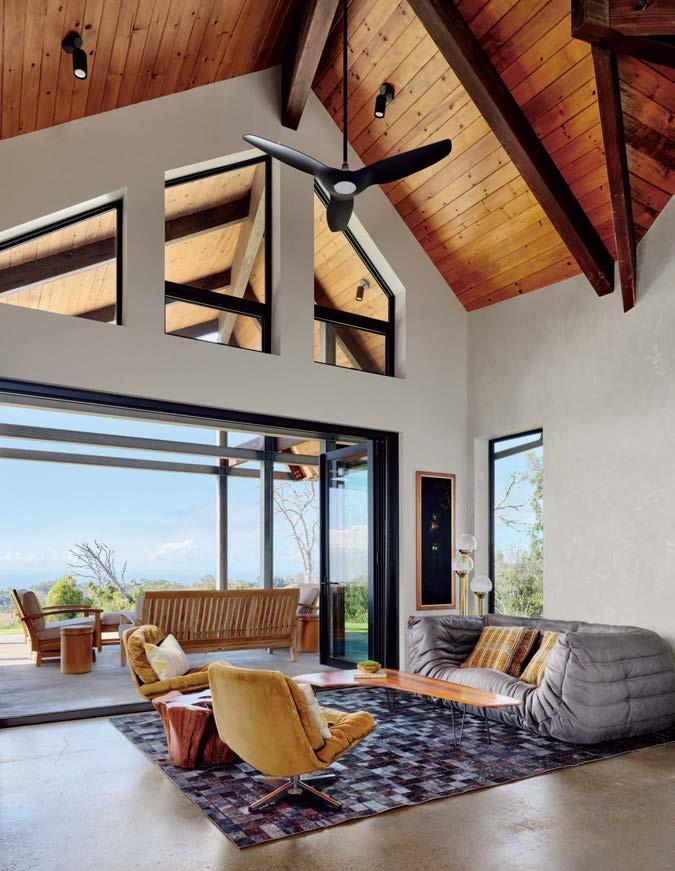
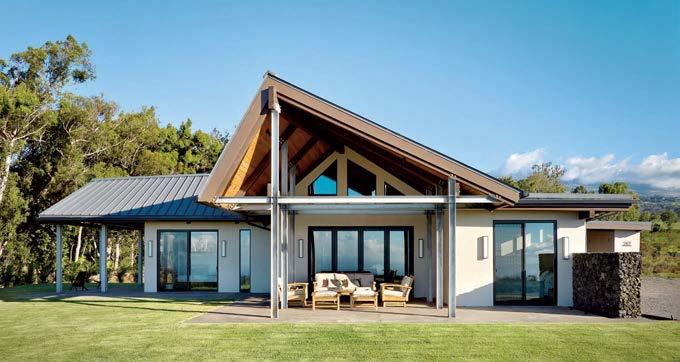
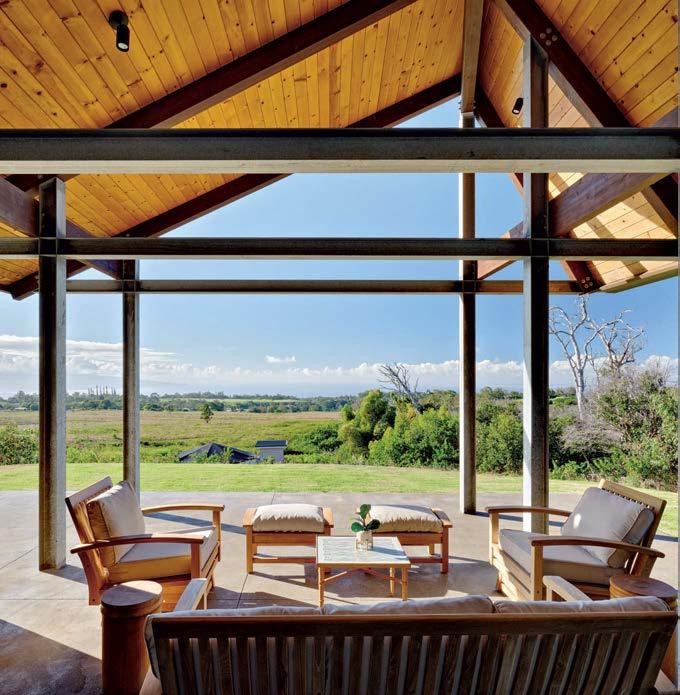
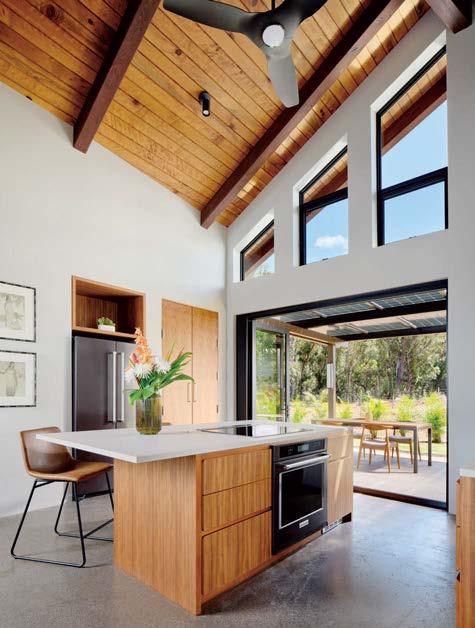
first glance could be mistaken for a typical Hawai‘i Contemporary dwelling—simple volumes covered with gabled roofs—is a demonstration of how to combine passive design principles with renewable energy systems and local, upcycled materials.
Hidden behind layers of stucco, Kupono Hale’s walls are constructed with custom insulated composite concrete forms made partially from expanded polystyrene foam salvaged from local surfboard shapers. Developed by Hawaii Off Grid, the technology, known as Surf Block, mixes cement and recycled EPS and shapes it into five-foot-long, CMU-style blocks that can be cut, stacked, and arranged in endless combinations. The blocks are lightweight and fire resistant and serve as both the forms for a wall’s poured-in-place concrete and its insulation, achieving, according to the company, double the R-value of a standard wall assembly while diverting waste from the landfill.
A nearly equal square footage of covered lanai extends the living space outdoors, reflecting Hawai‘i’s vernacular and the home’s reliance on passive cooling and cross ventilation. High ceilings, ample windows, and locally milled Cook pine blur the boundary between inside and out.
A more visible environmental feature is the house’s parabolic roof. The form emerged from a desire to orient the house toward the site’s most dramatic view while adhering to passive design principles. The architects turned the house ever so slightly on its axis but kept the ridgelines of the roof aligned with the sun’s path, creating a roof with a compound curve that is optimized for passive heating and cooling. Forming the roof are glulam beams and ceilings made from locally sourced Cook pine, a tree introduced to Hawai‘i as part of an ill-fated effort to establish timber plantations. “We have all these 80-, 90-, 100-year-old trees that are actually safety hazards [and] a nuisance,” explains Sellers, who has since milled Cook pine from his own property.
Helping keep its energy demand low is the home’s size. The two-bedroom house’s interior measures just 998 square feet, and yet with the high ceilings, ample windows, and three lanais, the residence feels much bigger. It’s a proportion made possible by Hawai‘i’s mild climate, but it also reflects the islands’ culture. “Outdoor lanai are a big part of our vernacular,” Sellers says. “When you see a building, it should tell you a story. It should tell you about time, it should tell you about place, and it should tell you about climate.” M
Not My HUD House, designed by studio:indigenous for the 2022 exhibition Architecture at Home at the Crystal Bridges Museum of Art, is a reflection on Chris Cornelius’s own upbringing in a house designed by the U.S. Department of Housing and Urban Development on the Oneida Indian Reservation in Wisconsin. This installation has many features that the house lacked, Cornelius notes, including a porch, a good way to get water off the roof, and “any regard for the sun/moon.”
Indigenous architects have methods and perspectives that could shape the future of the built environment.
By Avinash Rajagopal








IN THE UNITED STATES AND CANADA, a vanguard of leaders and educators are finding new ways to navigate the complex relationships between indigeneity and contemporary architecture. Recently, I sat down for a conversation with two of the finest minds in Indigenous-informed architecture today. Chris Cornelius is the founding principal of studio:indigenous and a professor (and former chair) in the department of architecture at the University of New Mexico. Wanda Dalla Costa, the first First Nations woman to be licensed to practice architecture in Canada, is a principal at Tawaw and director of the Indigenous Design Collaborative at Arizona State University, where she is also an institute professor and associate professor.




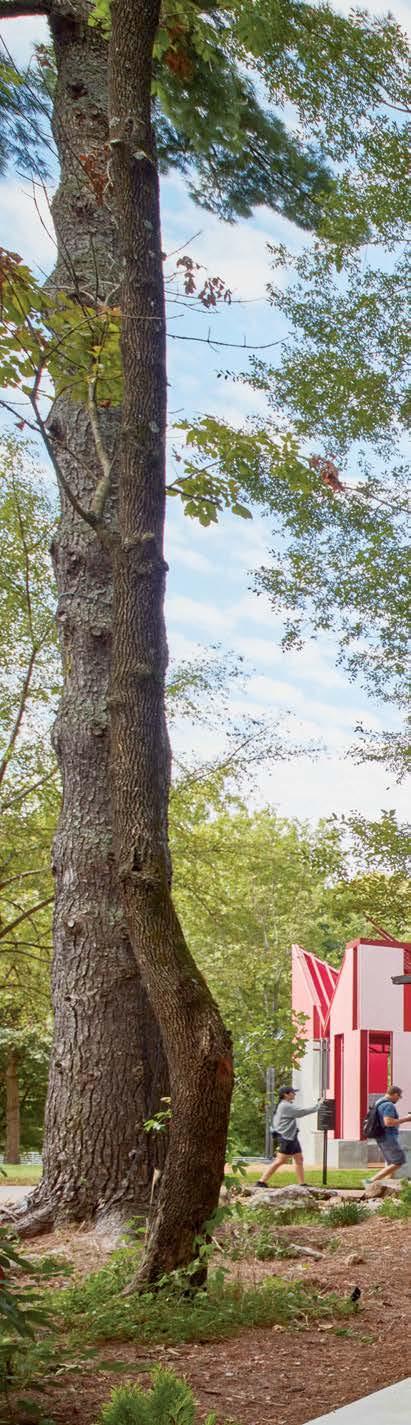
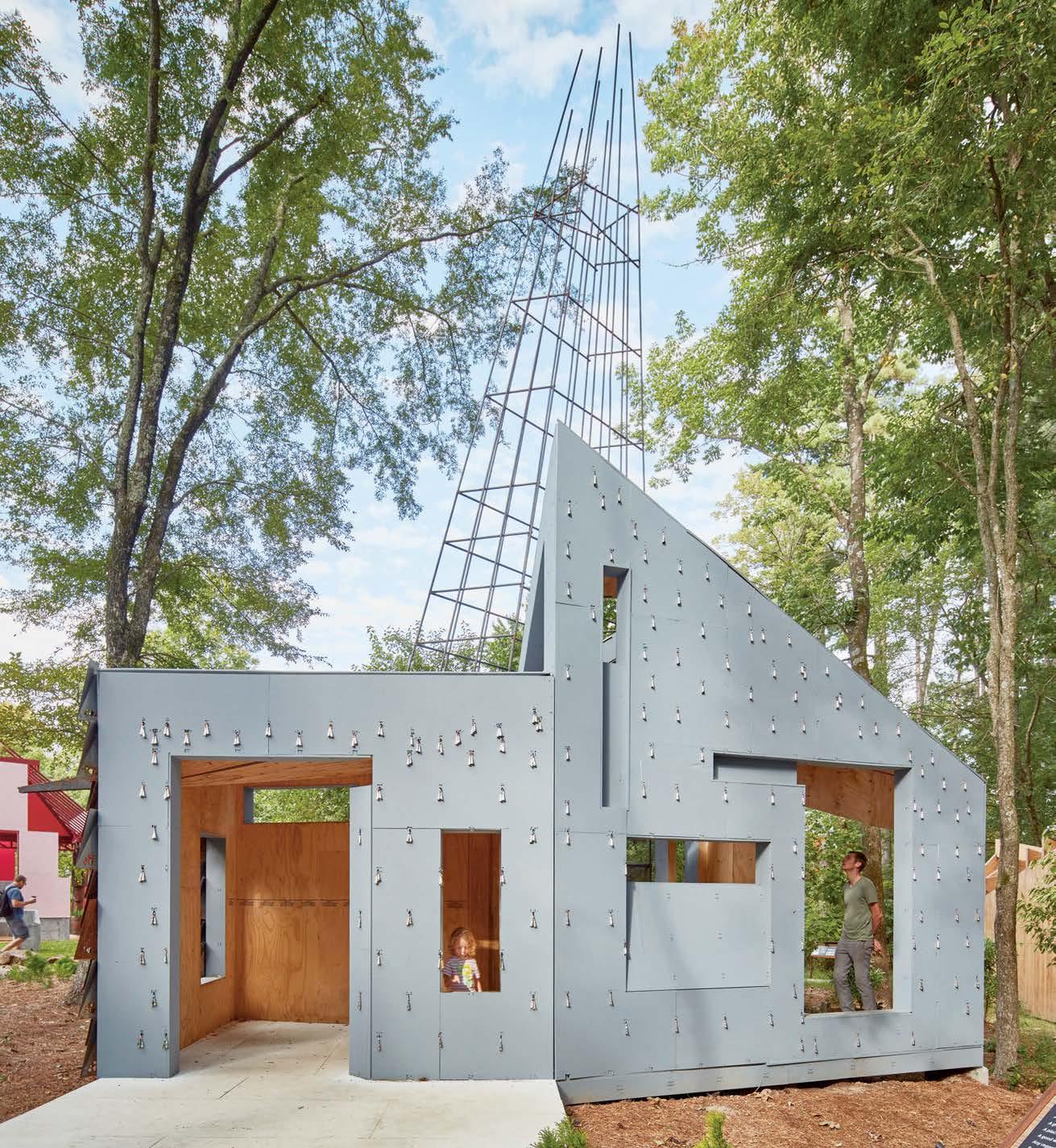
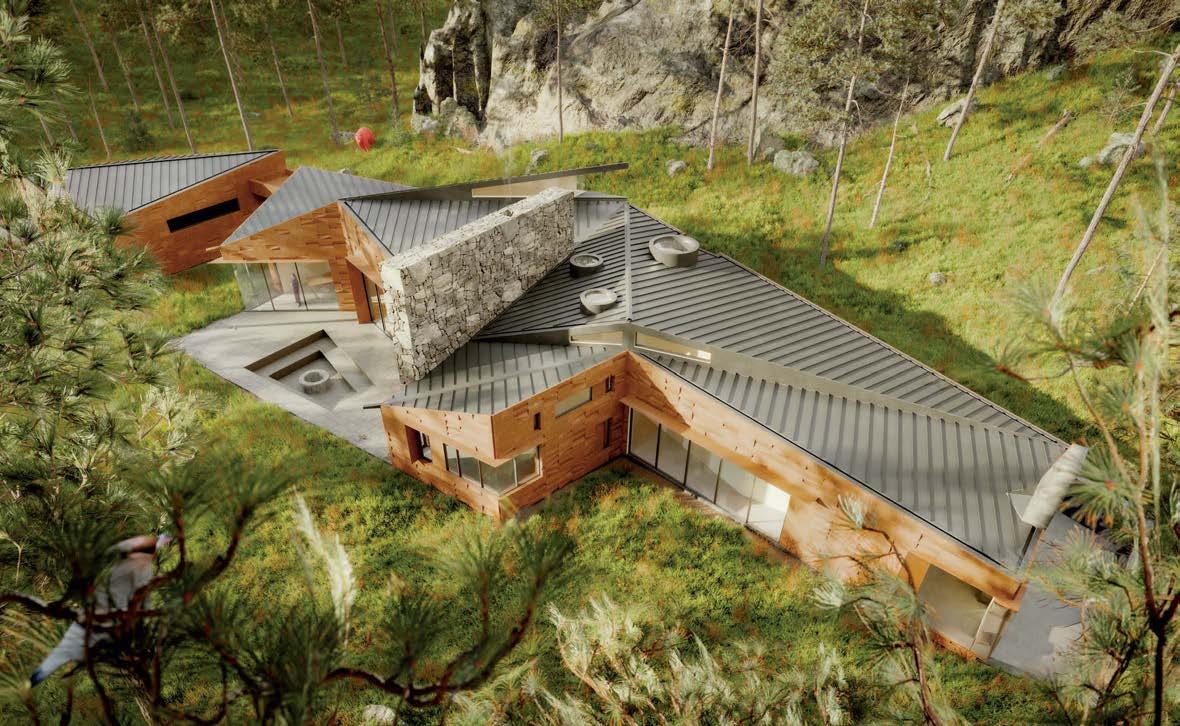
Avinash Rajagopal: Chris and Wanda, what’s occupying your hands and minds these days?
Chris Cornelius: I stepped down from being the chair in the fall, so I’m back to being a professor. I wanted to concentrate more on my practice, and we’re starting to take on more building projects. It’s not just installations and exhibitions. I’m working on an Indigenous cultural center in Texas and a private residence in South Dakota. I’m also on a project with [the landscape architecture studio] Land Collective, working on the master plan for Pennsylvania Avenue in Washington, D.C.
Wanda Dalla Costa : We’re working on the Canadian embassy in Mexico City, so our work is moving into the international realm, which is exciting for me.
Reconciliation is a big topic right now in Canada, and they’re starting to have some significant talks on the impact of boarding schools and residential schools on Indigenous people. We’ve been working with groups of elders who are survivors of that era, trying to create monuments and memorials that recognize that really difficult time. We were also commissioned by the Mellon Foundation to run an artist-driven grant; they want to fund Indigenous architects and artists directly.
And of course, our bread and butter is projects like affordable housing, which is really critical.
AR: If you look at these projects, are there common things that you're being asked to do or problems you're being asked to solve?
CC : Institutions and funders want to engage Indigenous people but aren’t always sure how.
Initially, a lot of my work was in my own community. It was just something I was familiar with: The people were those I knew; the culture was what I knew. But in that time, I learned what people are calling 'community engagement.' I’ve been very cognizant of what is being shared, because Indigenous people share openly with other Indigenous people. And then, after the fact, they think, “Oh, actually, this is just for Indigenous people. That information isn’t really for the larger public.”
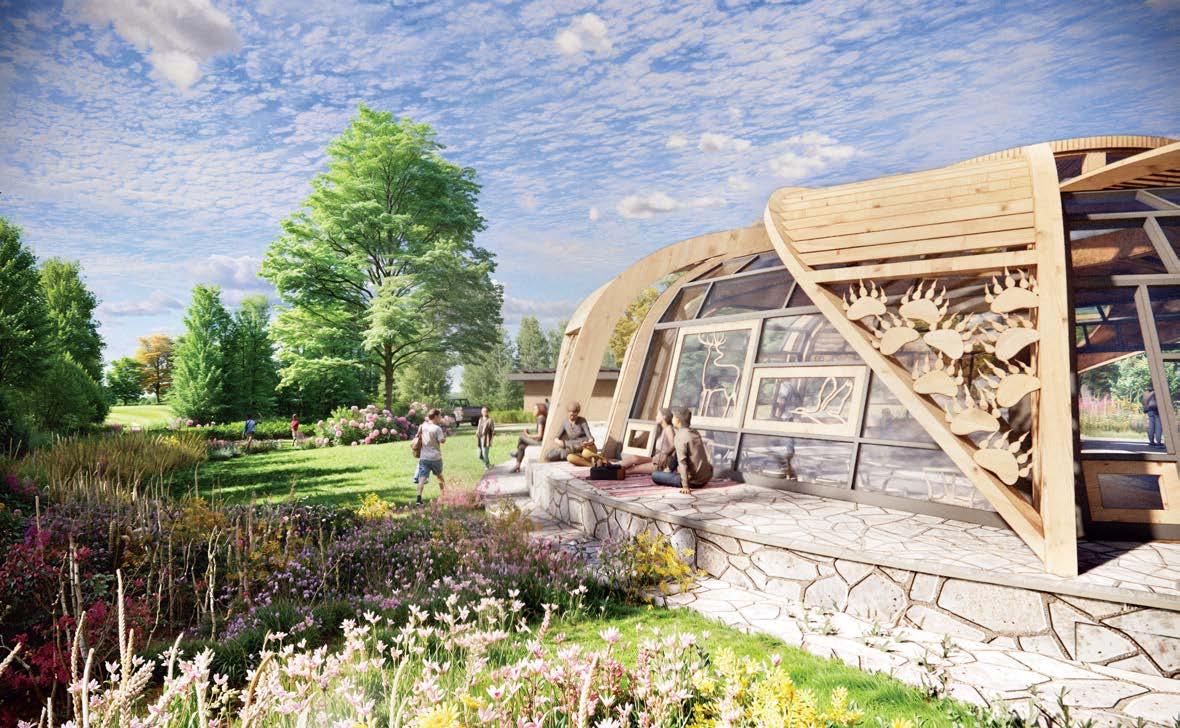
I’ve been asking that question a lot: “Is this something that should be shared?” “How do I make this translate for a broader audience without giving specifics?”
WDC: I might have a slightly different perspective to add because I have had to try to teach non-Indigenous designers how to do this work in a good way. It is a lot to teach this work. It’s a heavy load, but I know w e need allies, advocates, and champions.
At my firm, we have about fourteen staff members, of whom only seven are Indigenous designers. How do I make sure they feel included and productive so they can contribute? We developed online training modules for our staff to understand what Chris is talking about, all of those nuances
and those sometimes-sacred pieces of information that happen in meetings within communities. They know to recognize what those topics are and to take a step back, pause, bring in someone Indigenous, and table some of those sacred topics.
We now have a framework for how we do this work. It’s called the Indigenous Place-Keeping Framework, which is the design process for thinking through what you need to make a successful Indigenous project, everything from honorariums to opening blessings to listening cues. The other framework we’re developing now is a tool that enables us, when we leave the engagement, to distill it according to what I call the Indigenous model of designs with a five-category system that helps classify data. We need to break it down so we can
understand that what they’re telling us here, when they said that, is about identity. What they’re telling us here, kinship, is about community and social structures. The framework tool helps us all work together to develop two-eyed seeing, with one foot in the non-Indigenous world and one foot in the Indigenous world.
AR: Very often, Indigenous communities have a preexisting relationship with architecture and urbanism that is constrained. They’ve rarely allowed themselves to think about having a greater ambit of decision-making or having a greater voice. Their relationship to what is good is based on what they’ve known. How do you work with communities to help them understand the built environment?
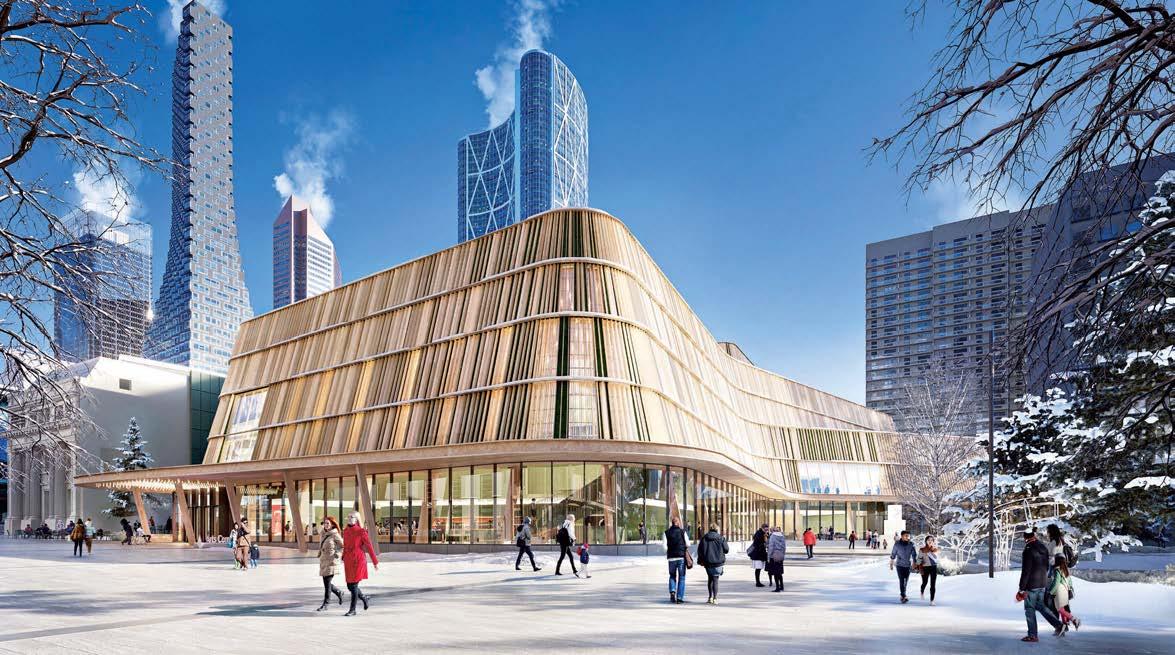
160,000-square-foot
CC: That’s the skill set I have as an educator. I’m trying to help them understand that I’m not there to do what I want to do. I had a client once who put it in an amazing way. He said, “Well, I just don’t want it to be like, ‘We’re going to drop an atomic bomb. Where do you want us to put it?’”
At this point in our country’s history, there are plenty of communities—not just Indigenous communities but middleclass communities—that have not had this position of being able to say what their neighborhoods look like or what their homes look like or what their libraries or schools or post offices look like. What should they really be asking for when those opportunities come up?
WDC: This is an ongoing challenge in the field because—imagine you grew up on the rez [reservation]. You probably took a couple of trips here and there, but
then you get us, who have been looking at buildings for thirty years and falling in love with things that are just way out there, far beyond.
Our communities are asking us to replicate traditional forms because of what you said, Avinash, that they have never had spatial agency. They want the teepee poles, the shape of the hogan, and the wigwam details. And as Chris mentioned, it’s really important for us to help lead them to the art of what we’re doing.
I’ve got two methods right now for broadening their range. We conduct a visual preference survey. We will put all the images on the wall, but often we will do it with the youth first, let them think about some crazy things because their minds are a little bit more attuned or expansive to ideas that are fresh and innovative. Then I take that visual preference survey and go to the community and
the elders. I’ll say, “Hey, look at what your next generation has come up with.” And they’re like, “Oh, well, OK.” And so it gives us a little bit more opening.
The second thing that I do in terms of that spatial agency lately is I’m now giving two options on every building. I don’t just give one, because they’re often shy to critique an Indigenous designer. So, they’ll sit quietly, and then you don’t know if you got it right or not. There are times when they just are being too kind, and they don’t want to admit that it’s too modern, too round, too square, too whatever.
We’re pushing hard on spatial agency, really hard.
AR: How do you also bring those Indigenous voices into spaces where they're not necessarily the focus of the project, but you know that it would not be right to do the project without their perspectives?
CC: I’m usually bringing my point of view to larger teams. I was pursuing a project with Kate Orff [founding principal of SCAPE], and it’s a park outside Dallas. I was in the interview, and the first question the person asked me was “Chris, I’m glad you’re here. I know your work, and it’s wonderful to see you, but why are you here?” Because it’s not an Indigenous project. And I said, “My expertise is in helping people tell the stories of their communities that haven’t been heard. And it’s not just Indigenous communities that need that.”
The work that we do is important. Wanda and I have been working for a long time to develop these methodologies and ways of working where our focus is certainly on Indigenous communities, but we can also do this in nonIndigenous communities to help people who don’t have those voices in the larger culture, especially with housing. That’s affecting middle-class white America; people can’t afford houses anymore.
AR: I’m noticing, especially within the sustainability movement, that there’s now this urge to say, “Oh, there’s knowledge there [in Indigenous communities], and let’s utilize it because we’ve
just realized we have a problem.” I don’t know how to f eel about that. Is there nuance to how we should be engaging with Indigenous knowledge?
CC: Indigeneity doesn’t separate things out. It doesn’t compartmentalize things, “This is how you deal with the sun, this is how you deal with the earth, this is how you deal with paint, this is how you deal with furniture.” And sustainability has gotten to the point where there are distinct strategies, like “It’s a net-zero building, but is it net-zero energy or is it net-zero carbon?” Indigeneity is not that way, meaning that there’s no formula, there’s no specific strategy.
The thing I’m always trying to say, especially to clients, is that the world is about reciprocities and relationships. It’s really about kinship. “The moon is my grandmother”: We mean that when we say it. What if we started to think about buildings and materials in a similar way: “How am I putting this relative into the world?” I started calling my projects relatives; that’s my way of keeping it straight for myself. I’m putting something into the world that’s part of me, even though I might walk away from the project and go on and do something else.
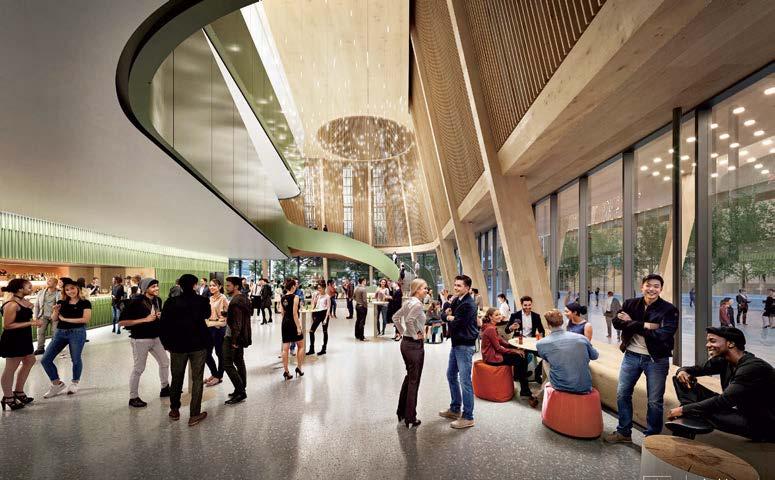
It helps mitigate the larger idea that buildings are disposable.
WDC: I can’t say I’m a sustainability expert, even though I have LEED behind my name, but I am interested in the integration of natural law, and I’m interested in passi ve design. And I think those two, by themselves, are all of the sustainability I care to talk about. Am I going to get that LEED Gold status through natural law and passive design? Probably not, but I’m not sure that that’s the goal that I’m after. What I am after, however, is seeing the relationship to the natural world that is inevitably a part of every Indigenous project: It’s always this indoor-outdoor relationship, biophilia. Land-based teaching has become really important. I’m interested in how we can start to change Western philosophy by increasing place attachments through the work that we’re doing. If I can bring someone to my site and they can go, “Cool. I now see the earth. I see the land, I see the water, I see the stars, I see all of those things,” then they start to be open to that interconnectedness of all living things. That’s one of the beautiful things that Indigenous design can offer. M
Inspired by Blackfoot traditions, ACT incorporates a lodge, a gathering circle, and many homages to Indigenous art forms. Construction on the project is currently underway.
Detroit’s LOVE Building, designed by Quinn Evans and Deanna Van Buren’s Designing Justice + Designing Spaces, houses local social justice organizations whose work centers liberation, advocacy, and care. It also serves as a gathering space, a cultural home, and a point of connection for community. Van Buren emphasizes that the building was never meant to be a neutral container: “This wasn’t about creating a shell,” she says. “It was about creating a place that could actually hold the work happening inside it.”
In collaboration with Quinn Evans and Allied Media Projects, the LOVE Building shows how architecture rooted in care, access, and justice can help shape a more inclusive future.
By Lynzee Mychael
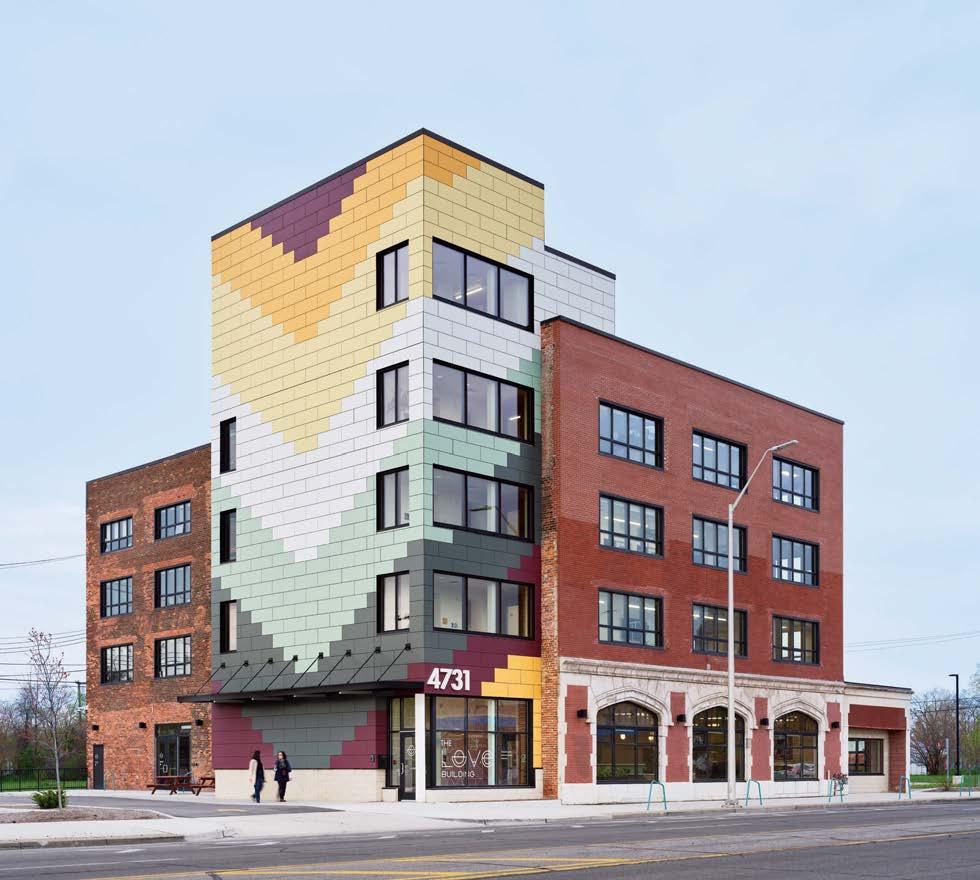
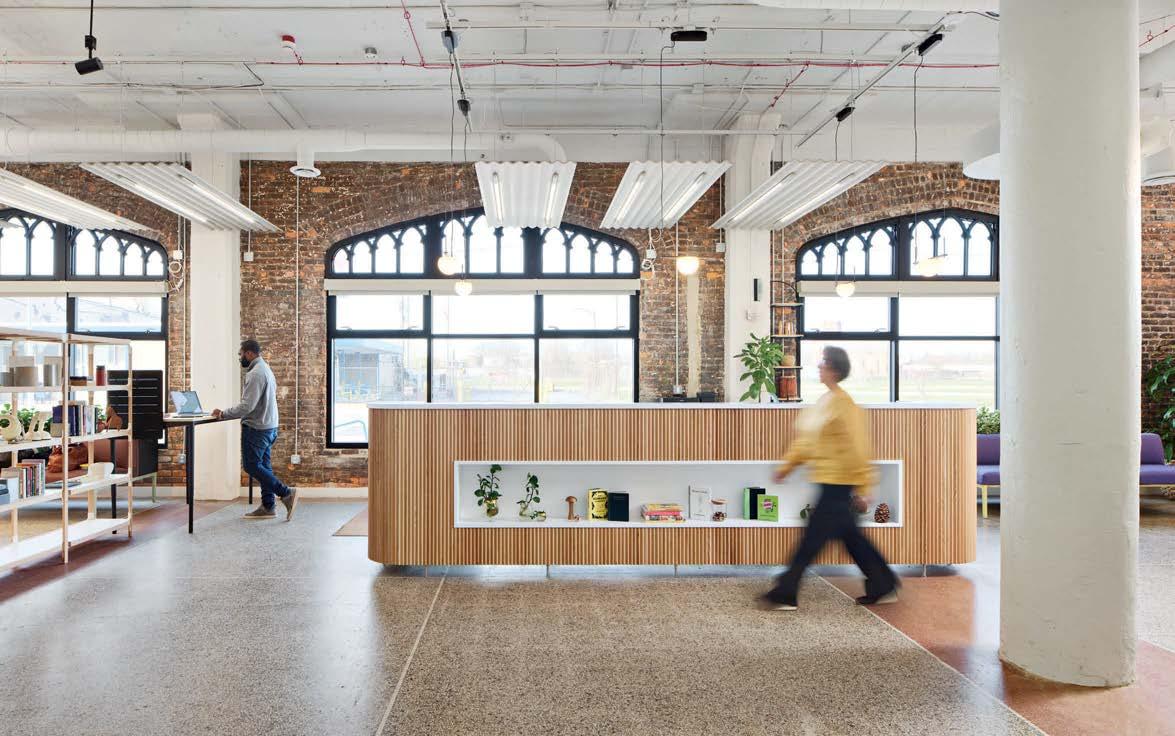
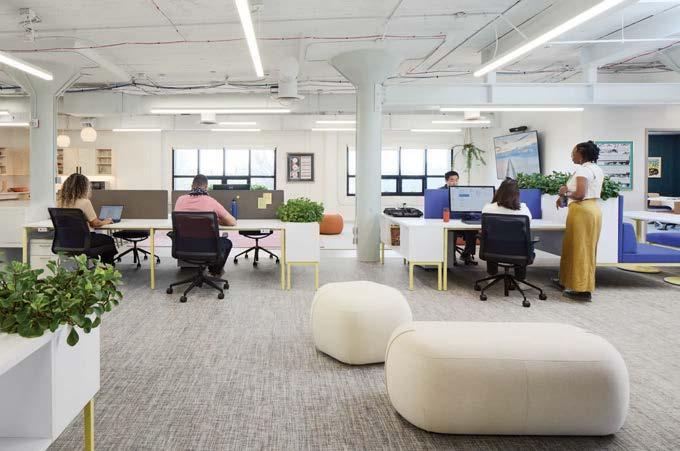
DETROIT IS REBUILDING AGAIN, and this time the stakes feel different.
As cranes rise and historic structures are reimagined, the city is asking an old question in a new way: Who is this renaissance really for? It is also a question that Deanna Van Buren has spent years sitting with.
Van Buren is the founder of Oaklandbased Designing Justice + Designing Spaces (DJDS), a practice built on a bold premise: Architecture should do more than look good. It should repair, hold, and protect. In Detroit, her inclusive design processes take physical form in the LOVE Building, a space that feels less like a commissioned project and more like a promise kept.
Deanna Van Buren’s path to the LOVE Building did not begin in Detroit. It began with a growing discomfort inside a profession she knew well.
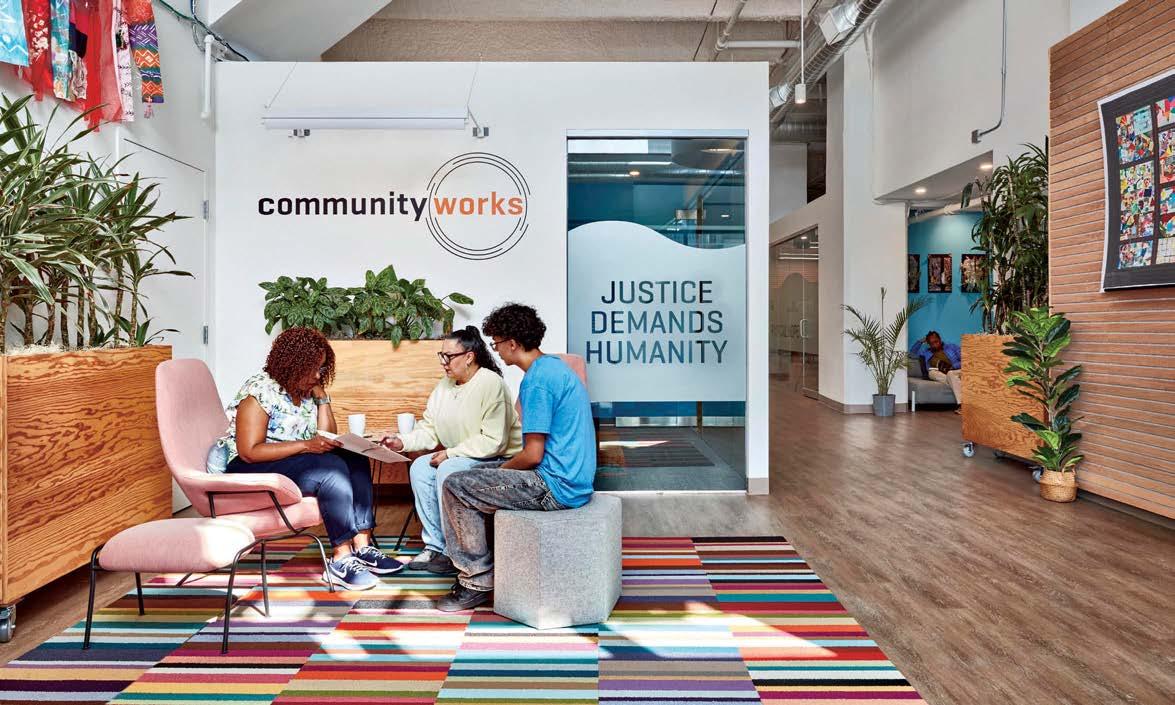
Raised in Virginia, Van Buren spent years overseas doing corporate architecture work, fluent in the systems that reward scale, capital, and prestige. Still, something felt misaligned. “Most architects work for corporate or institutional clients because that’s where the money is,” she says. “But doesn’t everyone deserve good design that’s beautiful, caring, and supportive?”
That question became a line she could not cross back over. “I made the decision that I was going to use public interest design to develop an infrastructure for restorative justice as a totally different way of doing justice,” Van Buren says.
That decision clearly echoes in her work in Detroit. In a city where the bones of the auto industry still shape the skyline and a renaissance is unfolding block by block,
“development” can mean anything. It can mean restored landmarks, new tenants, fresh sidewalks, and progress you can touch. But it can also mean communities pushed to the margins, culture extracted, and neighborhoods treated like blank canvases instead of living ecosystems.
The LOVE Building, which opened its doors in September 2024, is one answer to some of these tensions. The collaboration started when Detroit-rooted organization Allied Media Projects (AMP) wanted a space that could house multiple Detroitbased social justice organizations. It wanted a building that was aligned with its shared values around liberation, care, and collective transformation.
From the outside, the building signals openness rather than authority. Its
relationship to the street is intentional, transparent, and inviting. Inside, the space unfolds with clarity, natural light moves throughout generously, and circulation is intuitive. It is a space that does not ask visitors to shape-shift, code-switch, or prove the organization’s legitimacy at the door, and there is no moment where you wonder if you are allowed to be there. “The building is meant to care for people, not manage them,” Van Buren says.
Van Buren and her team worked closely with AMP and with architect of record Quinn Evans. When Saundra Little, principal and director of diversity and inclusion at Quinn Evans, reached out to Van Buren to collaborate, she noted how beautiful the existing building was. “Structurally, it was everything you would want. But it became
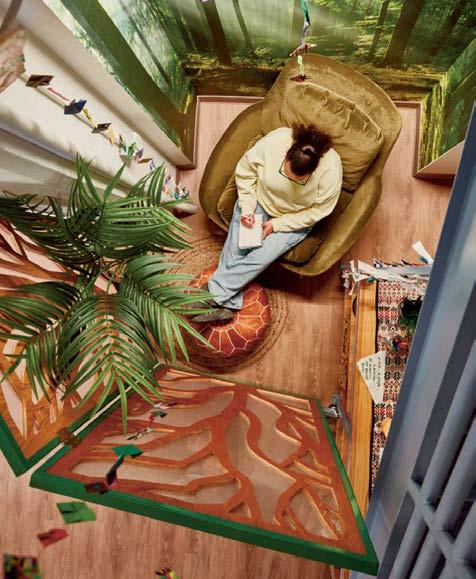
Cultural events, art activations, meetings, and community gatherings keep the spaces inside of the building alive. “A building succeeds when people use it,” Van Buren says. “That’s how you know it’s working.” For her, collaboration is not just about credit: It is about integrity. The LOVE Building stands as proof that when values are shared early and protected throughout the process, they do not get lost between drawings and delivery.
apparent very quickly that you could not just renovate one floor,” she explained. “If we were going to do this right, the entire building needed a master plan.”
DJDS entered the project as design lead, supporting both the architectural vision and the real estate strategy. Van Buren's team helped develop early plans, renderings, and the pro forma that allowed AMP to begin fundraising and securing financing. DJDS has also acquired nearby land, with plans to expand the vision into a broader campus rooted in regenerative development and community ownership.
The teams continued to collaborate through workshops and design sessions along the way, ensuring that decisions reflected lived experience rather than assumption.
The approach to accessibility was just one thing that emerged from those early workshops. Throughout the project, accessibility was not treated as a constraint but as a design driver. “At first, the
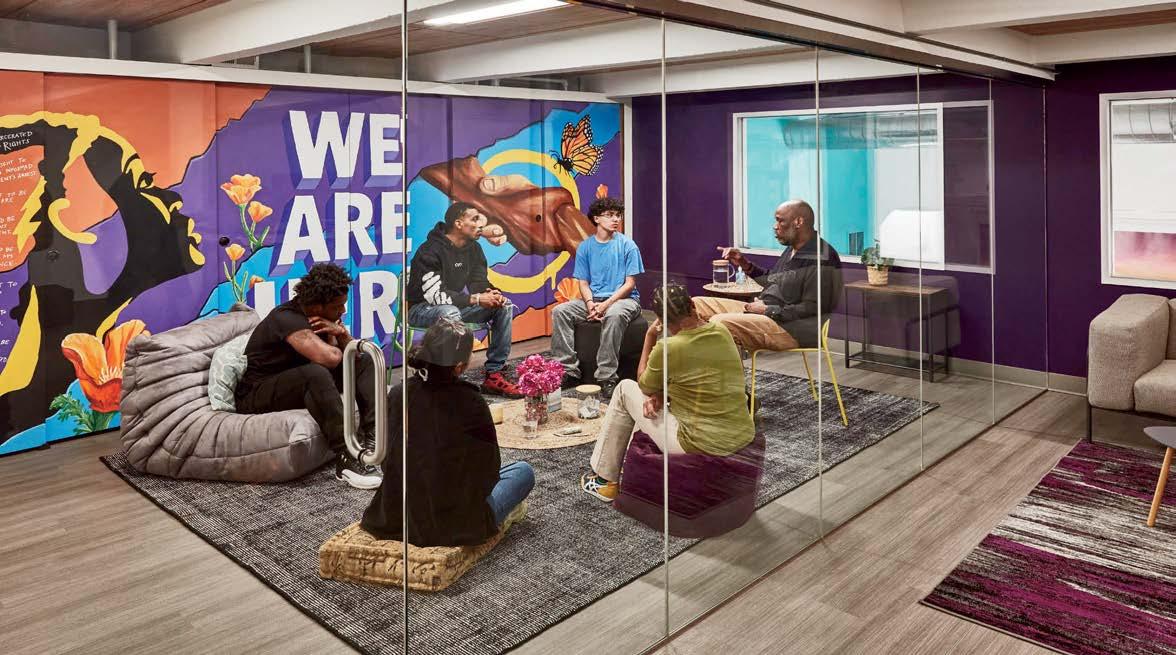

thought was that we would create a ramp from the back of the building,” explains Little. “But then the question was asked: why do people with disabilities have to enter from the back?” That reframed the work. “Instead of working around the building, we realized we could change the building.” Floors were leveled, entrances reoriented, and access moved front and center, not hidden or secondary.
Today, the building is home to seven distinct nonprofit organizations, each doing work rooted in justice, culture, and care. According to Kwaku Osei, the building’s executive director, “The building does not flatten their missions. It amplifies them.”
The LOVE Building stands as proof that justice can be designed, access can be beautiful, and care can be structural. Van Buren believes creativity is essential to this. “Creativity is an antidote to fear and apathy,” she says. “Now is the time to be dreaming and preparing at the same time.” M
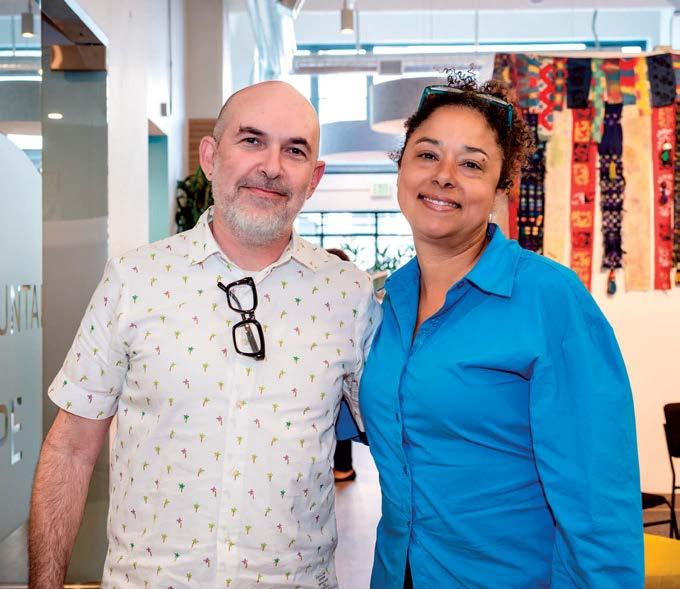
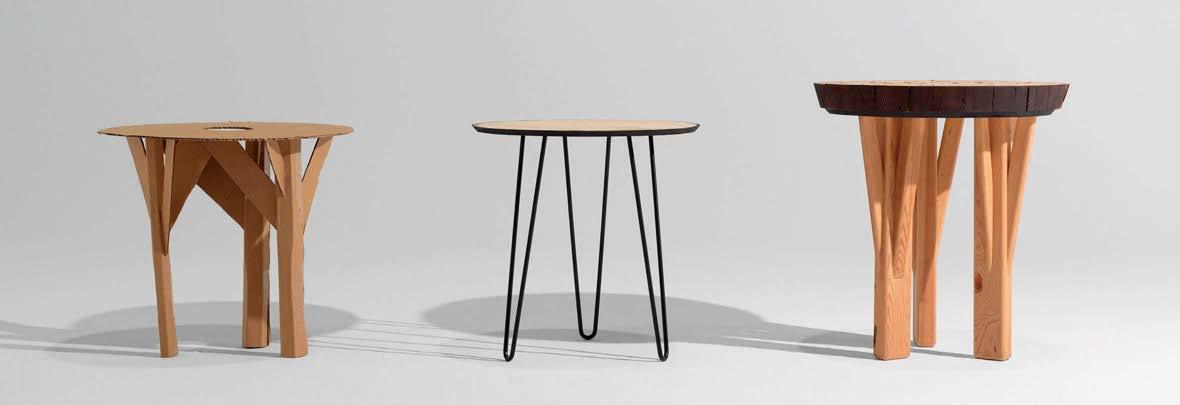
Made with salvaged wood, each table was produced by someone who was formerly incarcerated. In collaboration with nonprofit A New Way of Life, the proceeds went to supporting women transitioning from incarceration to independent living.
By Jaxson Stone

IN THE MID-1920S, “Magazines—in both their advertising and articles—played an important role in fostering the norm of the hospital-white bathroom,” wrote Ellen Lupton in her and J. Abbott Miller’s influential The Bathroom, the Kitchen, and the Aesthetics of Waste. “Whiteness— described as either pure, virginal, sanitary, or snowy—was the ideal against which fixtures, accessories, soaps, cleansers, toilet tissue, feminine napkins, towels, and teeth were judged.”
By the 1950s, once the “unrelieved whiteness was denounced as dull,” the bathroom and kitchen, too, became rooms that were subject to “the same decorative attention as the others,” with their avocadogreen appliances, wood paneling, colorful ceramic tiles, and pink toilet seat covers. A century later, the color trends may look a little different, but when it comes to kitchen and bath, the options are as endless as ever. Here are some of today’s best collections.
01 FIRECLAY BATH
Last fall, Fireclay Tile initiated a new category with the launch of its Fireclay Bath line, combining the “raw beauty of metal” with the brand’s beloved handcrafted ceramics. Fireclay Bath includes four distinct collections. Foundry (shown), its signature collection, includes industry-first ceramic knob handles finished in a variety of Fireclay’s iconic glazes. In contrast, its Emerson collection reinterprets classic faucet silhouettes. Its modern, curvilinear Contour collection is inspired by the fluidity of water, while the Flatiron collection incorporates crisp lines and sculptural simplicity.
FIRECLAY fireclaytile.com

02 FLUTTI
LACAVA’s new Flutti faucet and valve collection features deck-mount faucets available with J-shaped, T-shaped, or cross handles and for single-hole or three-hole widespread installation. A variety of finishes suit all styles and tastes, from brushed bronze, polished or black chrome, titanium, gunmetal, brushed brass, and more. The durable coated surface of each option is resistant to scratches, making the collection extremely versatile whether you’re designing a kitchen or bathroom. Shown here, Flutti #16 in brushed bronze features a built-in thermostatic valve with volume control and rectangular backplate.
LACAVA lacava.com
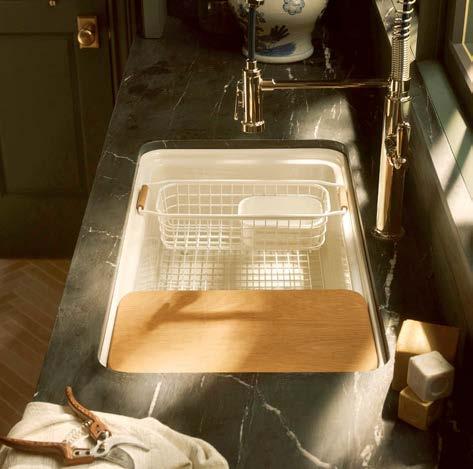
03 AUDRINE
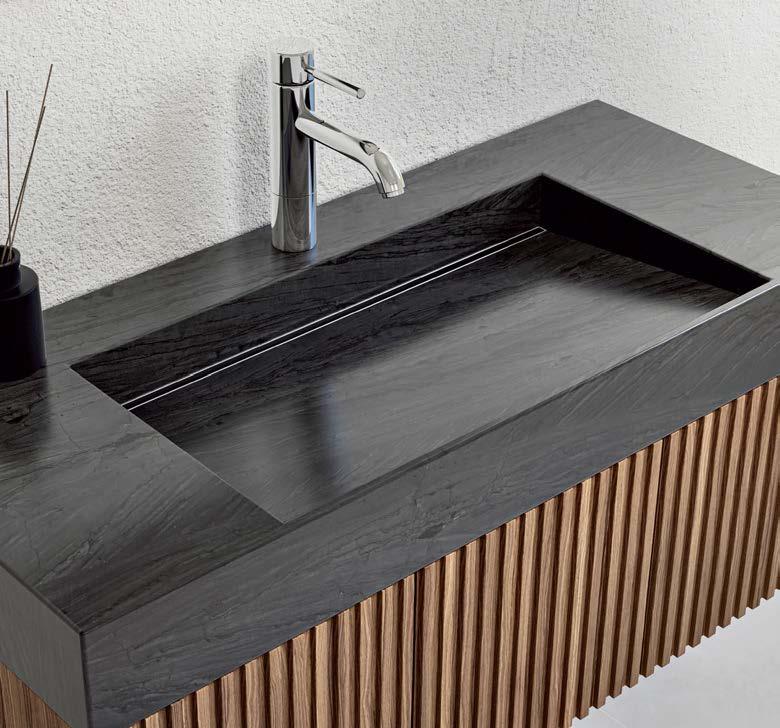
Designed in collaboration with Studio McGee, Kohler’s Audrine Kitchen Sink Collection is crafted from a smooth, nonporous clay available in White or Dune colorways. The farmhouse style sink is available in apron front, undermount, and bar options to suit various spaces and features an integrated ledge to keep accessories—including a basin rack, berry basket, and cutting board—at counter height. “The Audrine collection is all about timeless design with thoughtful details and functionality,” says Shea McGee.
KOHLER kohler.com
04 SLOT LINEAR DRAIN
Made of durable stainless steel, Infinity Drain’s new “Site Sizable” version of its classic Slot Linear Drain can be precisely cut on-site, ensuring a quality fit, no matter the project. The drain can integrate directly into stone, quartz, or solid-surface sinks and can be specified in ten finish options, including the classic stainless steel look, or designers can opt for bronze, matte black, matte white, polished gold, or polished brass, among others.
INFINITY DRAIN
infinitydrain.com
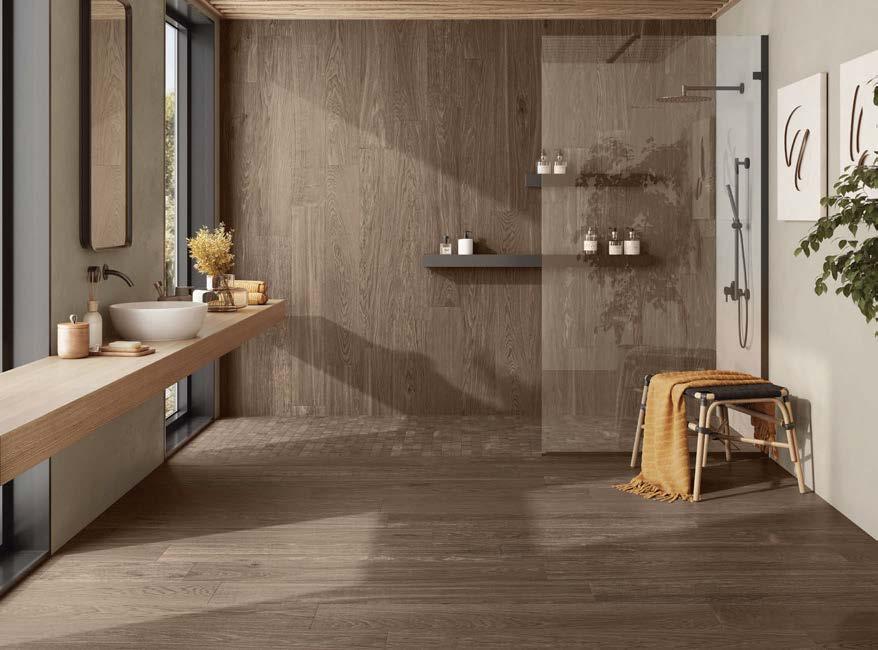
Crossville’s Rural Retreat pairs the look of live-sawn white oak with the durability of porcelain. Featuring tight vertical grain visuals, the tiles offer water resistance and low maintenance and can be used for indoor or outdoor applications, supporting cohesive indoor-outdoor living environments. The Green Squared–certified collection includes five colors, 8-by-48-inch planks, coordinating trim, and two mosaic options.
CROSSVILLE crossville.com

Round, a new faucet from Porcelanosa’s Noken brand, helps building owners avoid unnecessary water waste and energy consumption through its bathroom tap technology and a cold opening system, which ensures hot water is activated only when necessary. The flow limiter integrated into the spout limits water consumption to a five-liter maximum per minute, saving around 60 percent of water compared to a conventional tap. The tap is available in chrome, black matte, polished titanium, and polished copper. NOKEN noken.com



Cosentino introduces ÉCLOS, a new mineral-surface line developed with its Inlayr layering technology. Through an advanced process of robotic engineering and integrated decorative techniques, its production combines minerals and recycled materials with a low-crystalline silica composition, delivering heat resistance up to 428 degrees. The first collection in the line, Eclectic Veins, contains zero-crystalline silica and uses at least 50 percent recycled content, with several colors approaching 90 percent.
COSENTINO cosentino.com
08 GROHE SPA x BUSTER + PUNCH
Designed as a “creative’s toolkit” Buster + Punch’s latest bathroom collection, in collaboration with GROHE SPA, is a fully integrated bathroom concept where every element is considered. Together, solid metal hardware, lighting, and fixtures produce a single design language that helps designers craft harmonious interiors down to every detail. The collection includes GROHE’s signature finishes (Brushed Warm Sunset, Brushed Cool Sunrise, and Matte Black) as well as Buster + Punch’s classic brass, bronze, and steel options. GROHE grohe.com
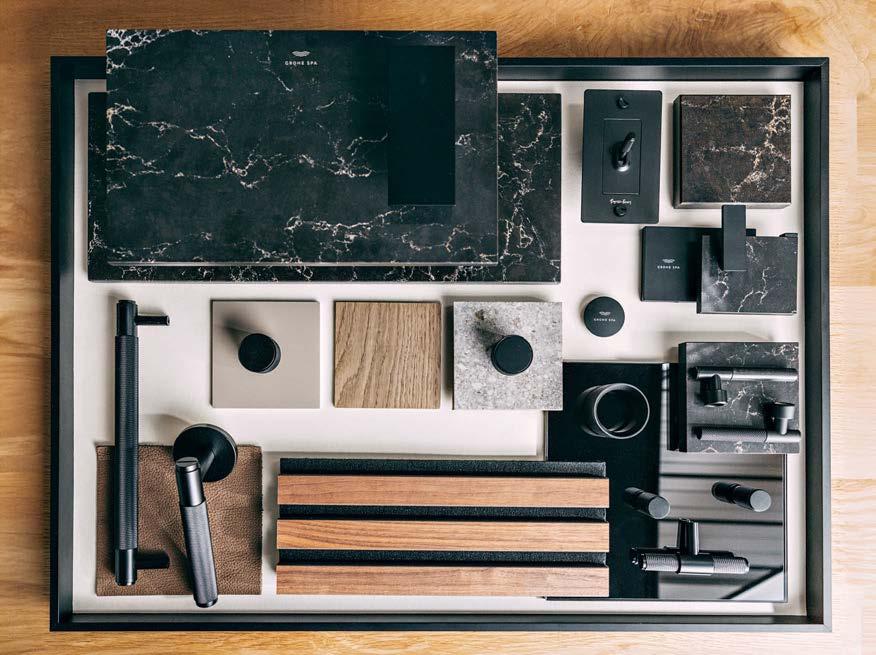

09 QATEGO TWO-PIECE TOILET
Designed by Studio F.A. Porsche, the Qatego Two-Piece Toilet is one of the first of Duravit’s offerings produced using carbon-neural electric roller kilns, located within the brand’s new climate-neutral North American ceramic production facility. The toilet includes Duravit’s Rimless water-saving flush technology and DuraShield protective glaze, which eliminates up to 99.99 percent of bacteria.
DURAVIT duravit.us
Debuting at KBIS 2026, Neolith’s new countertop introduces finely balanced minimalism with a sense of drama. New models, including Taj Mahal, Azure, Crème, and Mamba (shown), all feature Neolith’s sintered stone technology, offering durable, low-maintenance countertops that resist scratches, stains, heat, and the effects of UV exposure. It’s suitable for both residential and hospitality interiors. Mamba was specifically designed to evoke Port Laurent marble and comes in a smooth, Silk finish.
NEOLITH neolith.com
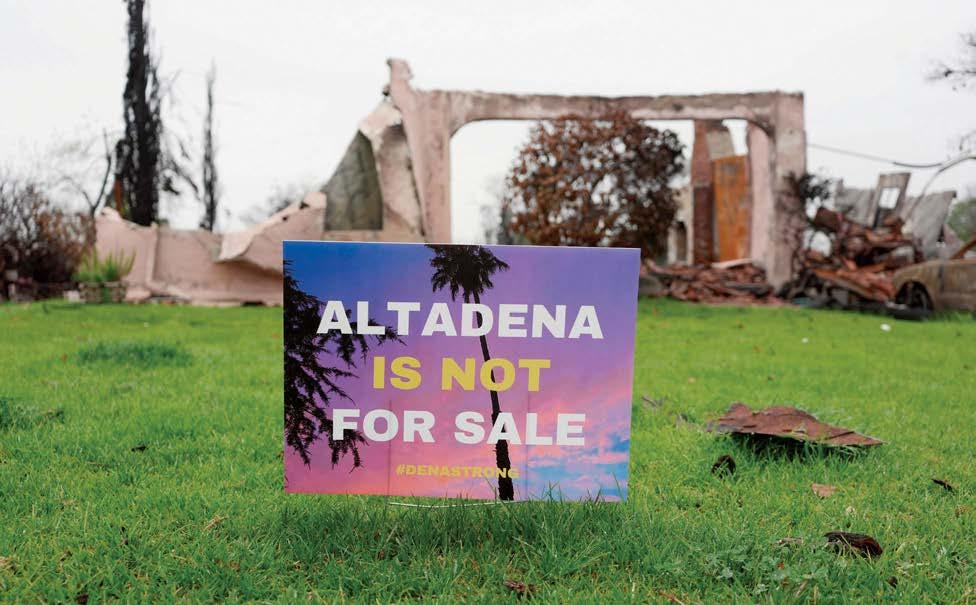
Led by SoCal NOMA, the Altadena Rebuild Coalition is guiding fire-impacted residents through recovery by prioritizing empathy, coordination, and community.
By Sam Lubell
THE ALTADENA REBUILD COALITION, led by the Southern California Chapter of the National Organization of Minority Architects (SoCal NOMA), emerged from a moment of overload. In the days and weeks after the devastating Eaton Fire, residents were suddenly surrounded—by insurance adjusters, contractors, developers, architects, nonprofit groups, and well-meaning outsiders, all offering answers at once. The coalition formed not to add another voice but to help people hear themselves think. Its role has become something closer to that of an air traffic controller for a community in shock, helping prevent collisions as residents figure out where—and whether— they’re ready to land.
For architect Steven Lewis, one of the coalition’s leaders, the work begins well before design. He has repeatedly urged
fellow architects to resist the urge to “solve” anything at first and instead start with what he calls “step zero”: Show up, listen, and “be an empathetic ear.” At meeting after meeting, Lewis notes, residents “have been given the opportunity to speak their trauma in front of their neighbors and find that to be a very healing, necessary step.” In Altadena, many residents never planned to build a new house. Now they’re being asked—sometimes daily—to decide whether to rebuild, sell, downsize, or leave. Slowing that moment, Lewis argues, is a form of protection. “The trick is to get those willing or interested onto a pathway before the disorganization brings dismay, their attention wanes, and they move on,” he notes.
The coalition has organized itself into three overlapping tracks—cultural memory, community engagement, and technical

rebuilding—but the boundaries blur. Lewis co-leads engagement efforts that include recording residents’ stories, sometimes at the very sites of buildings that burned. The emphasis is continuity: By naming the restaurants, churches, corner stores, and everyday places that mattered, the coalition is working to ensure rebuilding doesn’t erase what made Altadena Altadena.
On the ground, the coalition’s rebuildreadiness packages translate zoning, fire codes, ADU rules, and permitting pathways into property-specific guidance, paired with real human points of contact. Local volunteers, Lewis notes, have been so overwhelmed by requests (more than 160 families have already signed up) that NOMA’s national chapter is recruiting additional support across the country.
The coalition, which is also helping with community-planning efforts organized by nonprofit Steadfast LA, has compiled a directory of licensed architects and
builders, prioritizing those who live locally and understand the area. In a recovery landscape where predatory offers and misinformation spread quickly, that kind of clarity has become paramount. “Our mantra is ‘Nothing about us without us is for us,’” Lewis says.
Still, he is clear about the coalition’s limits. Much of what the group is doing— such as coordinating parallel efforts, calming rumor cycles, sequencing decisions—is work that, Lewis says, should ultimately be led and supported by local government. Without stronger coordination from Los Angeles County to convene groups, align timelines, and meaningfully streamline approvals, even the most committed grassroots effort risks burnout.
For now, the coalition’s most consequential act may be buying time—time for residents to decide and to rebuild on terms that reflect the character of Altadena rather than the pressures closing in on it. M

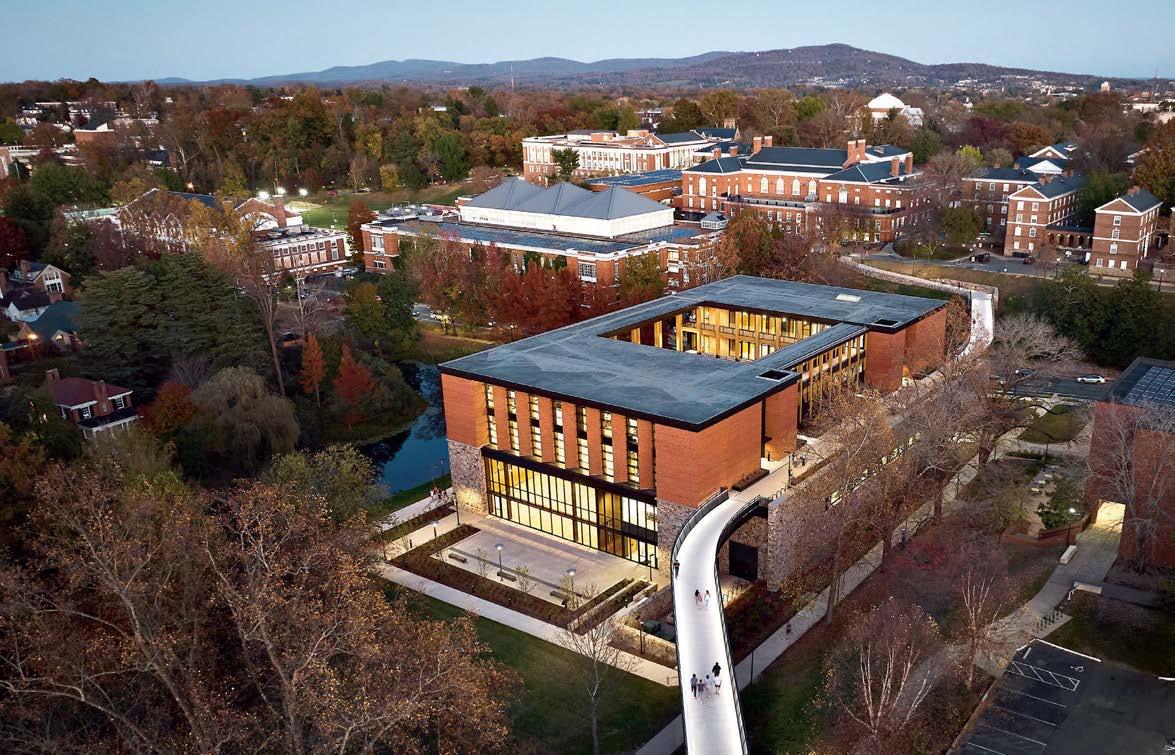
At the University of Virginia, Aidlin Darling Design creates the Contemplative Commons, a cross-disciplinary hub where calm, clarity, and connection are embedded in the architecture itself.
By Sam Lubell
THOMAS JEFFERSON’S ACADEMICAL VILLAGE at the University of Virginia (UVA) established what would become a model for educational campuses, fusing architecture, landscape, and learning into a single environment. More than 200 years later, UVA’s new Contemplative Commons seeks to rethink education design once again, responding to what have become epidemic levels of anxiety, isolation, and burnout among students—at UVA and nationwide. Designed by San Francisco–based Aidlin Darling Design, the 57,000-square-foot building is both a calming refuge and the home of the Contemplative Sciences Center, a cross-disciplinary hub dedicated to the study of wellness itself. Shared by all 11 schools at UVA, the Commons encourages intentional collaboration, co-teaching, shared spaces, and the development of new initiatives.
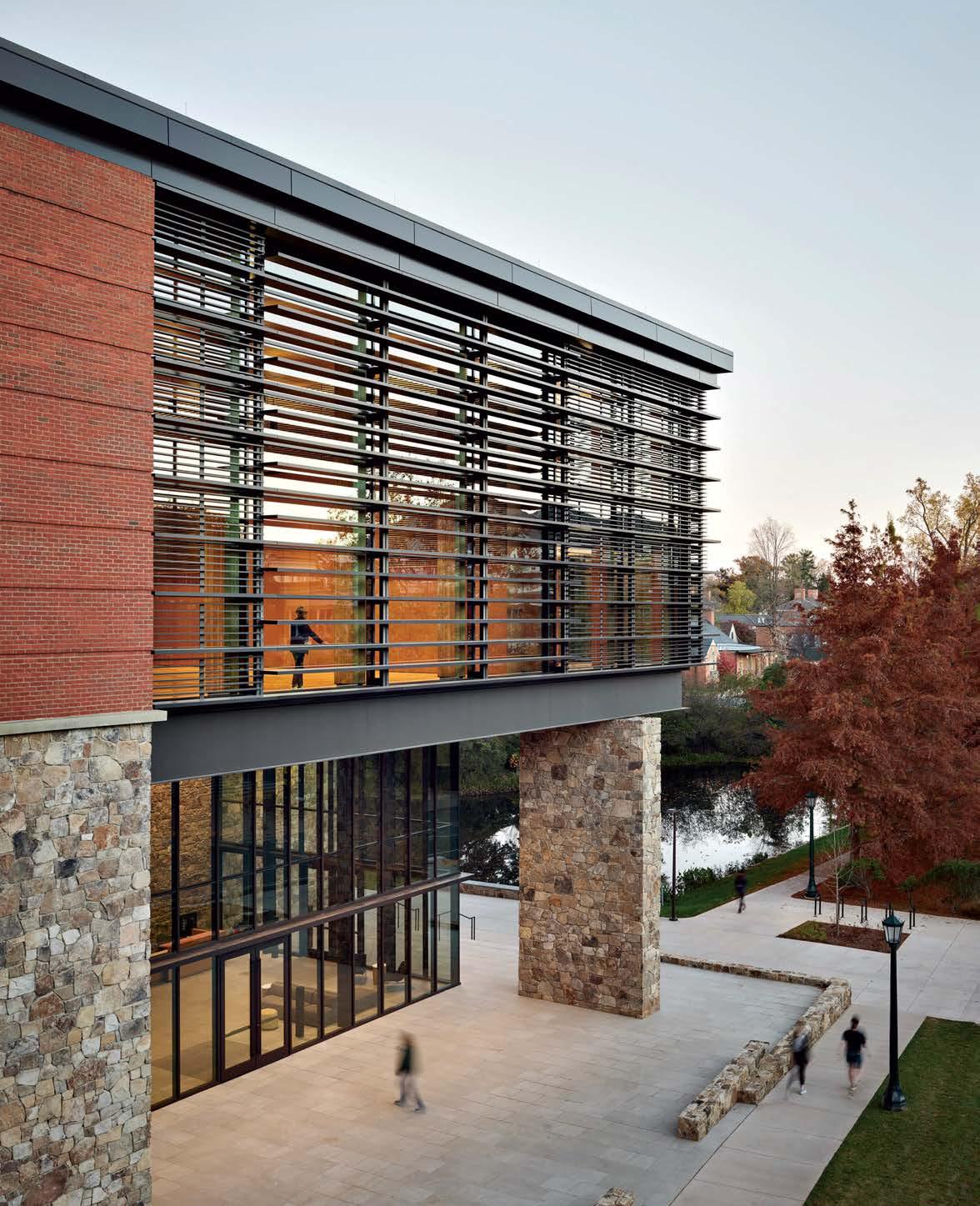
At the University of Virginia, Aidlin Darling Design’s Contemplative Commons transformed a former parking lot into a 57,000-square-foot refuge for calm, clarity, and connection. The U-shaped form opens classrooms and corridors to water, trees, and sky while respectfully reinterpreting the campus’s historic architectural language.
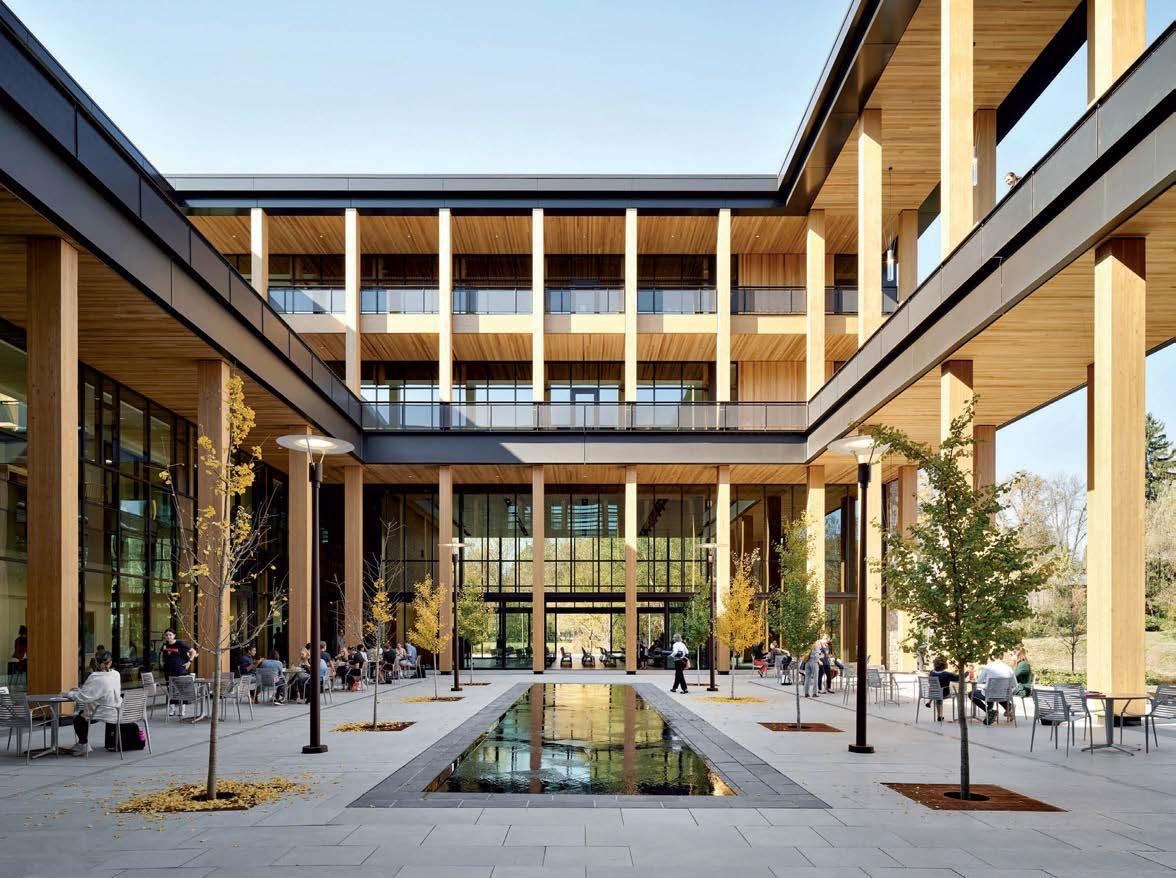
The Commons occupies a former parking lot and basketball court at a key crossroads on Grounds (the local name for the UVA campus), linking Upper and Lower Campus. It sits adjacent to the Dell, a restored retention pond and landscape designed by Nelson Byrd Woltz, populated with native plants and marked by stone edges, broad steps, and low walls. The architects conceived a U-shaped building that cradles this serene spot, with nearly every major room opening toward water, trees, and sky. “There’s a psychological security in this typology,” says Aidlin Darling principal Kent Chiang. “It offers refuge, but with outlook.”
Materially, the complex negotiates UVA’s famously conservative architectural culture in a modern yet respectful way. “The architects who can be inspired by our language and history and site, those are the ones who are successful here,” points out Alice Raucher, the university’s architect.
The overall composition follows the campus’s classical logic: heavy bases, rhythmic colonnades, articulated middle areas, and lighter upper volumes. Subtly introduced, red brick ties the building to the broader fabric of Grounds. At its heart—framing and echoing the Dell—is a large courtyard, where stone walls reflect the Dell’s hard surfaces, mass-timber columns evoke its trees, and open-air loggias allow light, air, and views. It has quickly become one of the most popular spots on campus.
The complex was designed to be porous and legible. Circulation unfolds along the glazed corridors and open-air spaces facing the courtyard, making studios, gathering spaces, and quiet zones visible. Inside, traditional classrooms are replaced by a series of flexible learning studios. From double-height spaces like Convergence Hall and the Vision Room to the smallest studios, furniture can be cleared midclass and meditation cushions rolled out from in-room storage.
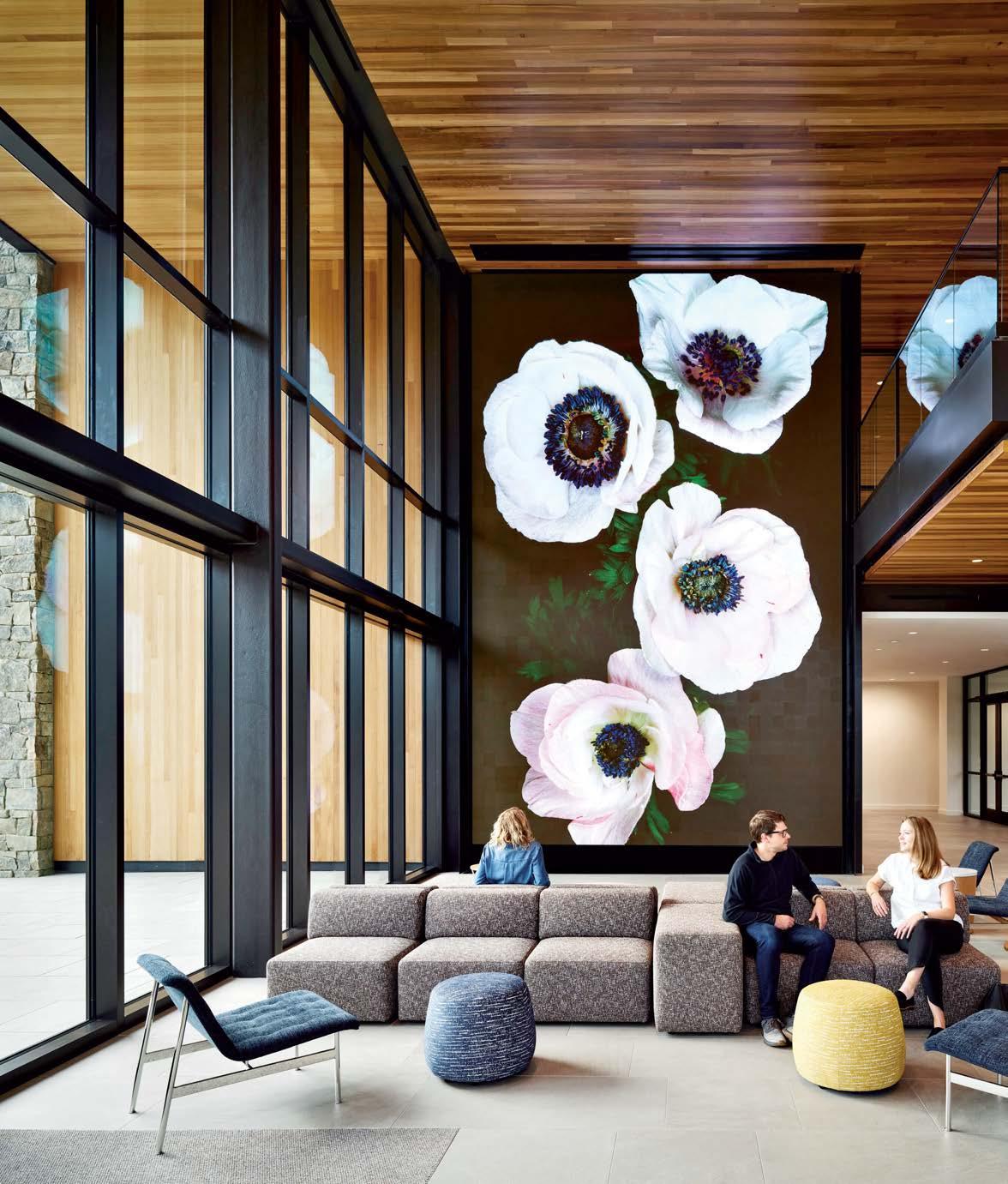
Designed as a porous, legible environment, the Commons blurs interior and exterior through glazed corridors, open-air loggias, and a central courtyard where mass-timber columns, stone walls, and native landscape invite light, air, and movement between flexible learning studios and outdoor spaces.
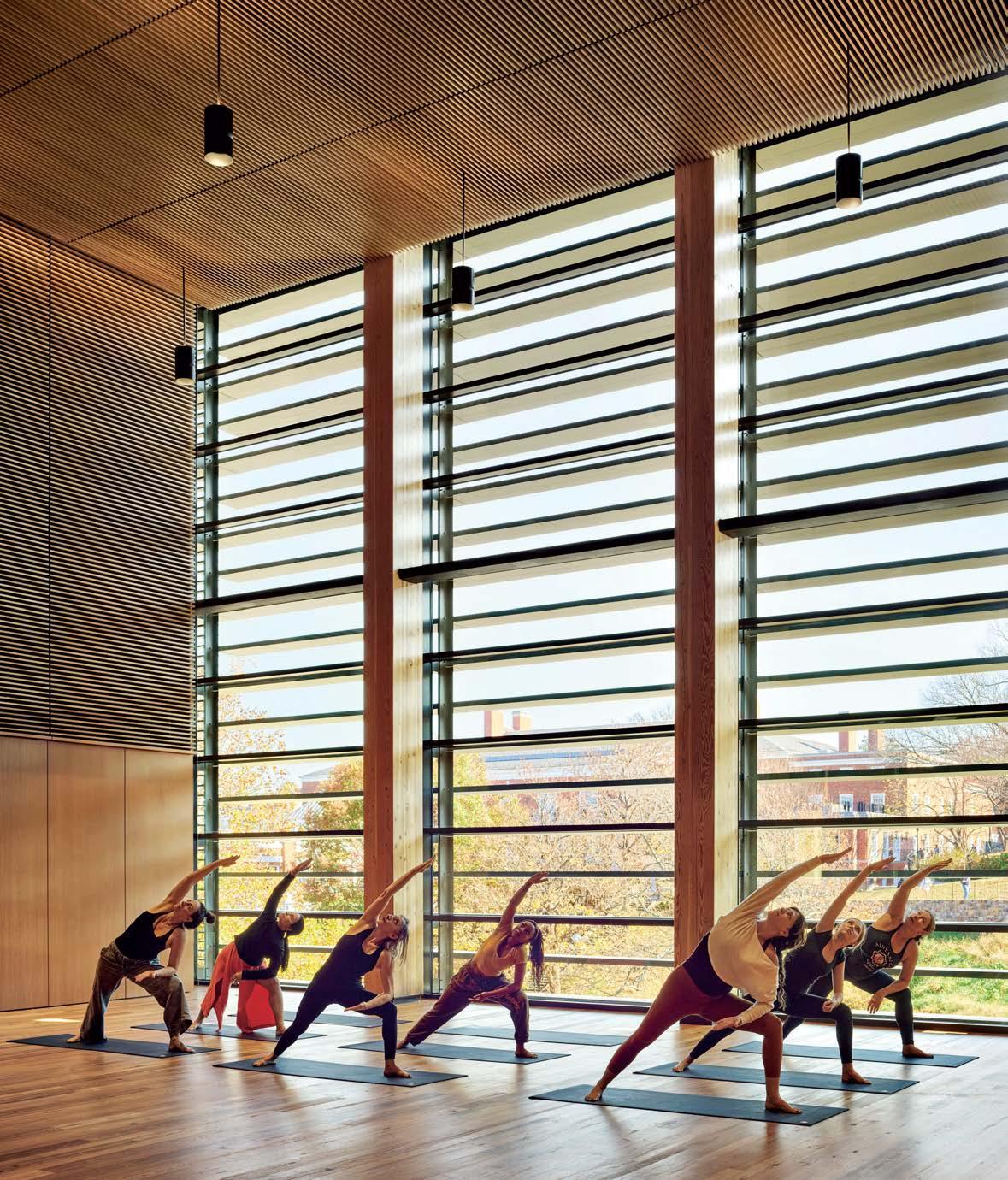

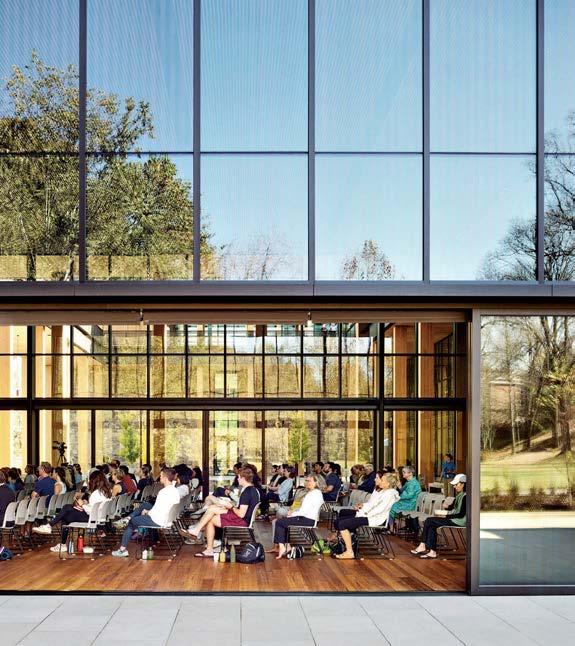
Art and research play a key role, too. The Ninfeo (left), an immersive sound-andlight installation, translates real-time environmental data from the Dell into shifting atmospheres of light and sound. With expansive performance and meeting spaces, the Contemplative Commons prioritizes gathering—supporting collaboration, co-teaching, and shared rituals of learning, reflection, and wellness across all 11 schools at UVA.
One of the project’s most consequential moves is a living bridge at the third level, providing a long-missing accessible connection between student residences and the Academical Village. Lined with greenery and places to sit, it “becomes a pedestrian superhighway,” says Aidlin Darling principal Joshua Darling. “People use it all day long, whether or not they ever enter a class.”
Sustainability is integrated throughout the project: radiant floor heating; canted aluminum fins paired with thick brick piers for solar shading; rainwater collection for irrigation; and bird-safe glass.
Faculty and staff at UVA’s Contemplative Sciences Center spent years advocating for a building that treated mental health as a shared academic and cultural priority. Many pushed for something modern—something that, as Raucher notes, has always been in the school’s DNA. “Jefferson was never dogmatic about one language,” she says. “He was just interested in having world class architecture as a starting point.”
Raucher calls the university’s approval of the Commons “a watershed moment,” helping pave the way for new and upcoming campus projects from firms like Hopkins Architects, TenBerke, Höweler + Yoon, Elkus Manfredi, ZGF, and others. “I think we’ve moved past the days when it was so difficult to even think about doing anything contemporary here,” she says. M
Architects and designers need to update their strategies for neuroinclusive design. Recent research points the way forward.
By Angelita Scott
Illustrations by Rose Wong
Ifyou walk into a newly renovated corporate office or a progressive school today, you will likely see it: the “sensory room.” It is often painted a soft sage green, equipped with dimmable lighting, and perhaps features a plush chair tucked into a quiet corner. It is a well-intentioned symbol of the design industry’s commitment to neurodiversity. It is also increasingly an outdated idea.
Architects and designers have operated with a generalized approach that assumes “design for neurodiversity” means a generalized sensory scale between “hypersensitive” (needs less) and “hyposensitive” (needs more), where broad interventions like acoustic pods or wayfinding color codes are applied.
While these strategies are helpful, they only scratch the surface of the complexity that is required. This approach treats autism spectrum disorder (ASD) as a binary condition, ignoring the reality that a space designed to soothe one autistic person might actively disorient another.
The future of neuroinclusive design is no longer about vague notions of warm or cool colors. It is about the different developmental patterns or traits that shape how a person experiences and responds to their environment. It is about rigor. It is about a new framework that demands we design not just for autism, but for the specific biological and developmental reality of the human in the room.
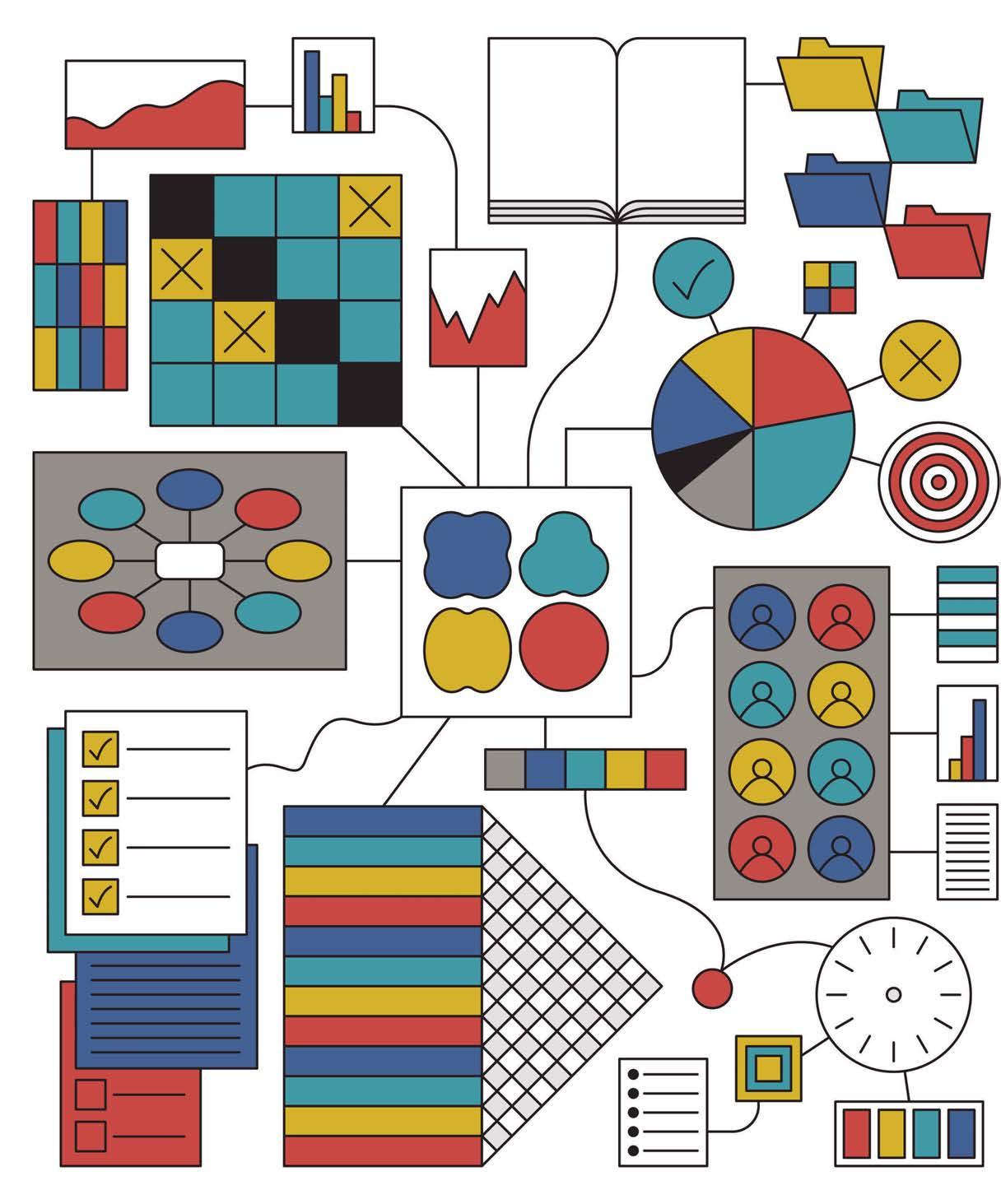
The numbers alone demand a new approach. Recent data from the Centers for Disease Control and Prevention (CDC) in April 2025 highlight the urgent need for change as diagnoses of ASD in the United States continues to rise. In the past two years, the number of eight-yearolds diagnosed with ASD has gone from roughly 1 in 36 to 1 in 31. The increase is attributed to improved screening, broader diagnostic criteria, and increased awareness. However, the prevalence of ASD is likely higher than reported, due to the limited scope of this study. Regardless, the trend solidifies the idea that designing for autism is no longer a niche specialization but has become an essential component of inclusive design.
Yet research consistently shows that built environments remain poorly calibrated to autistic needs. A 2021 scoping review by Tola et al. identified three critical factors: sensory quality, intelligibility, and predictability as foundational to autismfriendly design but noted that existing guidelines remain fragmented and context dependent. A 2022 case study on light and color found that autistic children’s behavior and mood were significantly affected by environmental conditions, with “dull and pastel colors and muted lights” proving more suitable for visually sensitive individuals (Haq et al., 2022). The problem is that these findings treat the spectrum as uniform, when biology tells us otherwise.
For decades, we relied on labels like “high-functioning” or “low-functioning,” which were not only imprecise but biologically inaccurate. The breakthrough came from a recent study by Litman et al. (2025), published in Nature Genetics , that challenges how we categorize the spectrum.
The research team analyzed data from the SPARK cohort, the largest genetic study of autism ever conducted. They examined over 5,000 children ages 4 to 18 years and 239 exhibited characteristics—ranging from developmental milestones to anxiety levels and medical history—to find natural
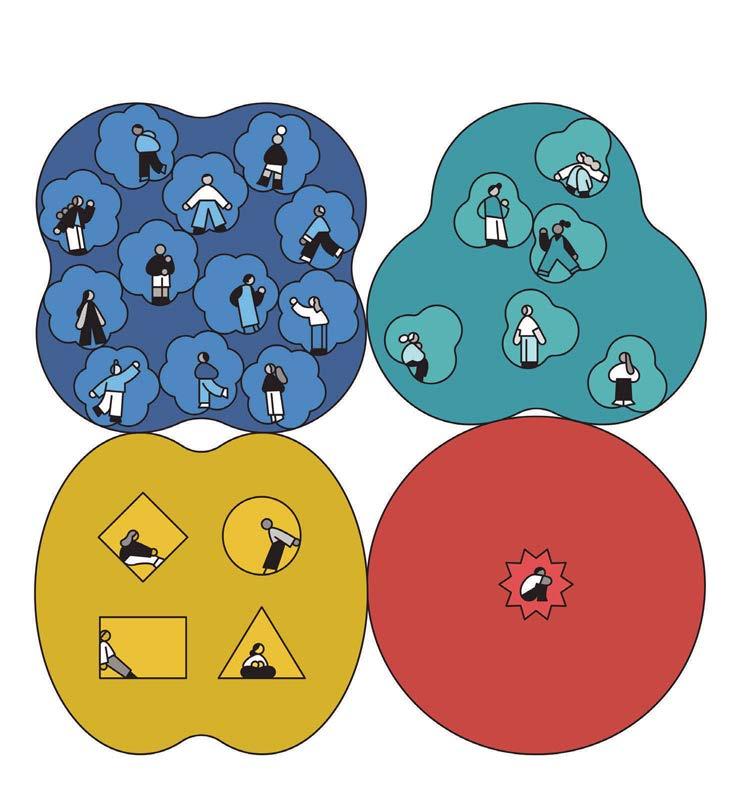
groupings within the autistic population. Instead of looking at one symptom at a time, they looked for natural “clusters” of traits, or phenotypes, that appeared together. From the findings, four distinct groups were identified (see below). Next, the researchers organized the 239 identified characteristics into seven categories (development delay, anxiety and/or mood symptoms, attention deficit, disruptive behavior, self-injury, restricted and/or repetitive behavior, and limited social communication) to address the nuance and severity of each phenotype. A major revelation: The type of autism a person has is strongly linked to when genetic disruptions occurred during brain development.
The four clusters of traits, referenced here as “trait groups,” are:
This group often requires the least amount of support needs compared with other
autistic individuals. Individuals in this group typically meet the developmental milestones as those without autism, but also meet the diagnostic criteria for ASD.
These individuals exhibit core autism traits such as social challenges, emotional regulation, and repetitive behaviors, while generally reaching developmental milestones. They are often diagnosed with co-occurring conditions such as anxiety, depression, and Obsessive-Compulsive Disorder (OCD).
This group has the highest variability among the ASD characteristics. This group typically presents developmental delays, such as walking and talking, and experience milder cases of anxiety compared with the Social/Behavioral subtype.
Broadly Affected: The most vulnerable subtype, this group often faces profound developmental delays, varied communication styles, challenges with emotional regulation, repetitive behaviors, and co-occurring psychiatric conditions.
This discovery explains why one-size-fits-all approaches fail. A “calm room” designed for the anxiety-prone Broadly Affected trait group may also be helpful for the Mixed ASD group, who prefer less social connection. However, addressing their needs from a whole-person perspective may ultimately require two different spaces. Different trait groups at different developmental ages may require fundamentally different solutions.
We can make this leap today because of foundational work by leaders who translated neurological difference into architectural language. Dr. Magda Mostafa introduced the Autism ASPECTSS™ Design Index, the first evidence-based framework linking architectural features to behavioral outcomes (Mostafa, 2014; Mostafa, 2024). AJ Paron championed design empathy and neurofunctional design, emphasizing how sensory and environmental stimuli can affect brain functioning to shape perception (Paron, 2013; Paron, 2020). Kay Sargent advanced the conversation in workplaces, moving from “accessibility” to “cognitive well-being” (Sargent, 2019; Sargent, 2025). Dr. Eve Edelstein bridged neuroscience and design, using EEG data to show how architectural ambiguity triggers measurable neural responses (Edelstein et al., 2008; Edelstein, 2022). In fact, Edelstein stresses the need to translate clinical research into design strategies (2020).
THE NEW APPROACH: THE ASD DESIGN MATRIX
To move from theory to practice, we introduce the ASD Design Matrix, a multilayered framework that moves beyond static checklists to informed suggestions. Recent literature supports this multidimensional approach: A 2025 taxonomy study on sensory-informed
design identified 83 distinct design qualities for autism, organized across sensory control and spatial typologies, demonstrating the need for systematic, layered frameworks (Al-Mahadin et al., 2025). This tool requires designers to triangulate the users’ biological reality with environmental context across five intersecting dimensions. *Because this study focused on a specific age group, the matrix should not be applied to autistic adults exclusively with this instrument.
01. The Person (The Trait Groups) you’re designing for. Are you serving the high-anxiety Social/Behavioral trait groups which need acoustic retreat and clear social boundaries? Or the Broadly Affected trait group which prioritizes safety and absolute visual clarity? The trait group anchors all downstream decisions.
02. The Lifespan (The Developmental Age) A diagnosis is lifelong but needs to transform across stages. A 7-year-old requires an environment supporting the acquisition of self-regulation skills; a teenager needs spaces encouraging social navigation; an adult needs environments enabling independence and participation. The matrix forces this question: Is this design developmentally appropriate for the age group we’re serving (Paron, 2013)?
03. Space Types An escape space in a high-turnover health-care waiting room must function entirely differently from one in a residential facility or classroom. The matrix distinguishes between Education, Healthcare, Workplace, and Residential sectors, with distinct operational demands, safety requirements, and user expectations (Tola et al., 2021).
04. The Stakeholders (The Care Network) Design doesn’t exist in isolation. This layer integrates the needs of caregivers, educators, staff, and family members. A space that supports an individual brilliantly but burns out the people caring for them is, fundamentally, a failed design. The entire ecosystem
must be considered for design to be truly effective (Sargent, 2019).
05. Intersecting Factors (The Reality) Finally, it is essential to acknowledge the intersections of socioeconomic status, race, ethnicity, language, and comorbidities with ASD. Access to resources can fundamentally change how a space is used and perceived: A family with substantial resources may engage with a residential space differently than a family living in public housing. Furthermore, we must confront bias. Do we afford individuals who speak a different language or present with different visual identities the same degree of consideration as those with whom we may be less comfortable? The design must be robust enough to serve all contexts equitably. Additionally, understanding the context is crucial—who assumes ownership of the space and whether they have the authority or ability to implement structural changes. Consequently, consideration must also be given to developers, organizations, and owners.
The Litman et al. (2025) trait groups give us biological specificity we lacked before. The matrix translates that specificity into actionable design decisions. Together, they represent a fundamental shift from designing for autism to designing for the autistic person in the specific context they inhabit. This article establishes the science and introduces the framework. Two others will be published in METROPOLIS this year. The second will unpack the matrix in detail and show how researchbased personae, built from each trait group, move through it. The third will provide the sector-specific implementation guidance that designers need to build inclusive spaces that actually work. The science has handed us a new lens. It is time we start using it. M
Angelita Scott, Ph.D., is CEO and founder of CutlurWell, a consultancy focused on well-being and belonging through design research, strategy, and education. She was the lead author of the IWBI WELL Equity Rating, which includes the first evidence-based neurodiversity design features in a U.S. building standard or rating.
Insights from top voices in sustainability reveal the momentum, collaboration, and innovation shaping the next era of sustainable design.
For the Metropolis Interface U.S. Sustainable Design Report 2026, METROPOLIS interviewed sustainability leaders from top architecture and design firms across the U.S. Their reflections reveal a growing momentum in regenerative, circular, and sustainable practices, showing that even amid challenges, the industry is finding clarity, focus, and collaborative energy to move toward a healthier, more resilient built environment. —Lauren Volker

RICK COOK, Founding Partner, COOKFOX Architects
“What motivates me is the prevalence of work that I would call regenerative and restorative—not just work that’s less bad, using less energy, or producing less carbon, but work that’s actually trying to be good: to restore things that were broken, to regenerate ecosystems. I’m also encouraged by the focus on nature. As designers, it’s very hard to get our projects to meet our initial expectations, but every time we’ve taken the [landscape] and garden work seriously, nature has wildly exceeded my expectations. I’m very enthusiastic and optimistic about progress there.”

SEAN GALLAGHER, Director of Sustainable Design, DS+R
“What feels really promising to me is that there’s an openness to reimagining cities that hasn’t happened since, say, the late 1800s. Cities are saying, ‘We need to reimagine ourselves. We need to make this a healthier place.’ And I think that trickles down into design language.”

ARATHI GOWDA, Principal, ZGF
“To me, it’s interesting that sustainability has become a buzzword, because that’s the beginning of it being really embedded in a more meaningful way. I find it very promising that everyone is talking about it, regardless of their depth of knowledge, because it’s now part of the common zeitgeist.”

VARUN KOHLI, Director of Sustainability, Corgan
“There is an industry-wide effort to get behind information and get detailed material data, and we need to support and help manufacturers produce the information designers need collectively so it’s easily accessible. We need to create this ecosystem where everything becomes so easy around sustainability that that specialization can shrink. And I think if we can bring about that change from every aspect of sustainable design, whether it’s human comfort, whether it’s resource consideration, whether it’s circularity, I think we’ll be super centered. And we’re close. We can do this. It’s just getting together and pushing.”

PAULINE SOUZA, Director of Sustainability, WRNS
“We’ve finally moved past the ‘Oh, it’s crunchy’ [idea of sustainability]. It’s now in our stories of what is great design. That’s giving me hope that there’s collaboration among groups who have their own benchmarks. Everyone is coming together and driving it through the market by having conversations we didn’t have before with builders and manufacturers.”

AARON VADEN-YOUMANS, Sustainability Lead, Grimshaw
“Movement work is just so hard. But architects are well placed, given our ability to communicate with stakeholders and others to build understanding and consensus and to bring the right expertise to bear on issues of community resilience. Folks are coming together. I think people want to do something. They want to find their agency.”

BRENDAN OWENS, Chief Sustainability Officer, HKS
“When we were setting out twenty-five years ago, we weren’t anticipating how much more interesting the conversation was going to get. We are now looking at several more layers and facets, like social equity, resilience, and health, that weren’t centered in the sustainability movement twenty-five or thirty years ago as they are now. We’ve done a lot, we have a lot further to go, and that’s room for a lot of excitement.”
The Built Buildings Lab is helping broaden the preservation movement by overlaying the cultural, economic, and environmental significance of old buildings.
By Avinash Rajagopal
FOUNDED IN 2024 by architects Billie Faircloth (formerly a partner at KieranTimberlake) and Lori Ferriss (formerly a principal at Goody Clancy), Built Buildings Lab is a nonprofit “dedicated to transforming existing buildings into humanity’s greatest resource.” Already, the organization has produced pioneering research with the Climate Heritage Network, published two reports with the Urban Land Institute (ULI), and advocated for existing buildings at the 2025 UN Climate Change Conference, COP30. Metropolis editor in chief Avinash Rajagopal spoke to Ferriss and Faircloth about their work and what it bodes for architecture in the future.
Avinash Rajagopal: What led to the founding of Built Buildings Lab?
Lori Ferriss: When Billie and I met as volunteers leading the AIA Committee on the Environment, we found clarity on the importance of the existing built environment in addressing today’s pressing issues, but a lack of actual projects, frameworks, data, and organizations backing up this need. So we founded Built Buildings Lab to fill this gap and work between a lot of different communities that already exist. For example, the gap between what we traditionally think of as the preservation community, the design community, the sustainability community, academic researchers, and policymakers.

Billie Faircloth: That also led Lori and me into a much larger conversation over the past year around the word value and how to get at the value of existing buildings. We are still discovering how to have conversations around built buildings that matter more generally to the public. There continues to be an assumption that if we’re going to talk about buildings, building technologies, specifically building assemblies, building construction, we’re talking about new buildings. But what can we learn from the buildings that already exist?
AR: Between forty and fifty percent of architecture firms’ billings in the U.S. are tied to retrofits and renovations, according to the AIA Buildings Index. How do you react to that change in the business of architecture, where built buildings are starting to represent a significant portion of firms’ work?
LF: Globally, we know that renovation rates need to increase dramatically, by up to ten times, according to the UN Environment Programme, to stay on track to meet our Paris Agreement targets. Architects won’t necessarily be involved with all those renovations, but we know that there is actually a climate imperative to use more of what we already have.
I think it also marks an interesting shift in what architecture means now and what
architecture has meant for the past 50 to 100 years versus what it’s going to mean in the next 100 years. When we look at existing buildings, some of the work is in whole building renovations or big preservation projects, but a lot more has to do with maintenance or systems, things that are more associated with the care of buildings than with what we would think of as design with a capital D.
AR: How does historic preservation fit into this?
LF: At Built Buildings Lab, we’re part of coalitions of preservation organizations. The earliest formal preservation we have in the U.S. emerged around the 1850s with the protection of Mount Vernon. And in that era, there was a bubbling up of preservation to elevate and protect historical figures, often typically white male, associated with the founding of the country. By the 1930s, we see the first historic district in Charleston, and by bringing it to the district scale, we see an acknowledgement that preservation isn’t just about a single monument and a single figure. It’s about the value of architecture and the aesthetics of the historic built environment at the community scale, at the urban scale. And then, of course, the foundational moment in the American preservation movement was the establishment of the
National Historic Preservation Act by the federal government in 1966. And this was largely in response to urban renewal and the major demolition of Penn Station in New York in 1963.
If we fast-forward to what preservation is today, we’re seeing a continued broadening. I think the next step is that it’s not just preserving what is culturally significant because of a specific person, as defined by an elite or very specific group of people; it is the cultural value at large, the environmental value, the other types of value that these buildings have.
That is how Built Buildings Lab comes to preservation: by understanding the overlay of many values. Preservationists were some of the earliest, during the energy crisis, to talk about the embodied energy, the embodied environmental value of existing buildings. That’s not new for preservation, but we’re trying to broaden the aperture here and talk about preservation as applied to all the buildings we already have.
AR: What kind of projects is Built Buildings Lab involved in?
BF: Much of the work that we’re doing is trying to represent the value of existing buildings. We’re working on a project within an umbrella called Imagining Futures, through the Climate Heritage Network. Imagining Futures includes five different projects and Built Buildings Lab is leading one of those projects, which is Decarbonizing the Built Environment Through Heritage [DBTH]. Heritage informed decarbonization, as we’ve defined it, applies wisdom and practices of the past to minimize greenhouse gas emission contributions from the built environment in the present and in the future.
What we’re trying to do is to connect policymakers to projects where communities are, in fact, engaging in or practicing heritage-informed decarbonization.
LF: DBTH was our earliest project, and it’s our longest-spanning project. Then there’s our commercial real estate work, which is about the value that existing buildings bring to the commercial real estate industry. We’ve published two reports now with ULI. One is about making

LORI FERRISS
Cofounder and executive director, Built Buildings Lab

BILLIE FAIRCLOTH
Cofounder and research director, Built Buildings Lab
the economic case for adaptive reuse in urban revitalization. I think we tend to talk about [building reuse] in single issues—the carbon benefits, the cultural benefits, the community benefits—but it’s really about the whole being greater than the sum of the parts. It is challenging to quantify those benefits. All the developers and funders we spoke to talked about this je ne sais quoi, this feeling: People just love to be in old buildings.
The other report we just issued was an addendum to a recent report ULI launched about commercial-to-housing conversion projects to demonstrate their viability financially and spatially. We did a whole life carbon overlay to understand how we can align the housing imperative with the climate imperative and quantify the carbon reductions associated with that.
AR: Tell me about your experience attending COP30, taking this message about existing buildings to the highest level of the sustainability movement on our planet.
LF: Traditionally, existing buildings and building retrofit have been seen as a subset of the building sector, and it’s taken a long time to even get acknowledgement of the significant role of buildings in climate action.
Heritage, in my experience, has always been this thing off to the side, kind of a niche one-off, like it’s not part of the mainstream conversation. What was interesting to me about COP30 is that this year, culture really had a loud voice. It was exciting to invert the story, where it’s not that existing buildings are an important part of the built environment; it’s that the built environment is also a really important part of culture.
So that was my big revelation: We’re not just talking about buildings as a technical solution now. We’re talking about buildings activating the whole-of-society response needed to address climate action.
BF: COP30 was my first COP. I was overwhelmed by the concentration of advocates, platforms, images, and stories. My biggest takeaway is this: Built buildings have a seat at the global climate action table. Our sector’s persistent and collective action at the global level in response to the Paris Agreement is poised to amplify the local innovation that’s already underway. When the whole life of buildings, their materials, and their assemblies is [recognized as] a foundational principle of country-level commitments, we have a pathway for systemic change and practice transformation. M
With a light touch and a tight budget, Leong Leong drew from what was already there—materials, layout, and memory—to shape a quietly expressive residence.
By Akiva Blander
In Queens, New York, Leong Leong reimagines an old structure with standing-seam cladding and galvanized steel details, recasting the street frontage with a restrained industrial and resourceful edge.
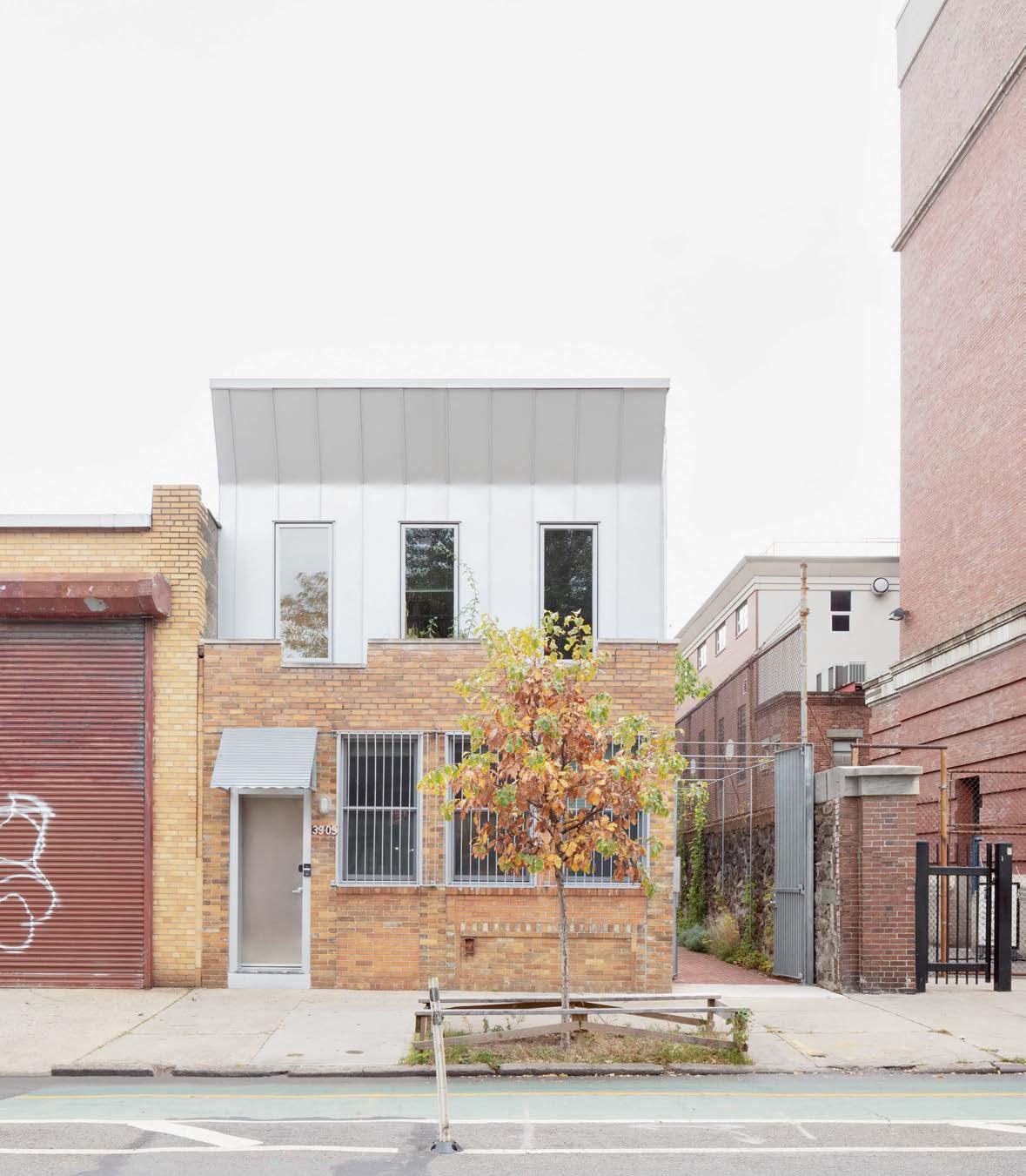
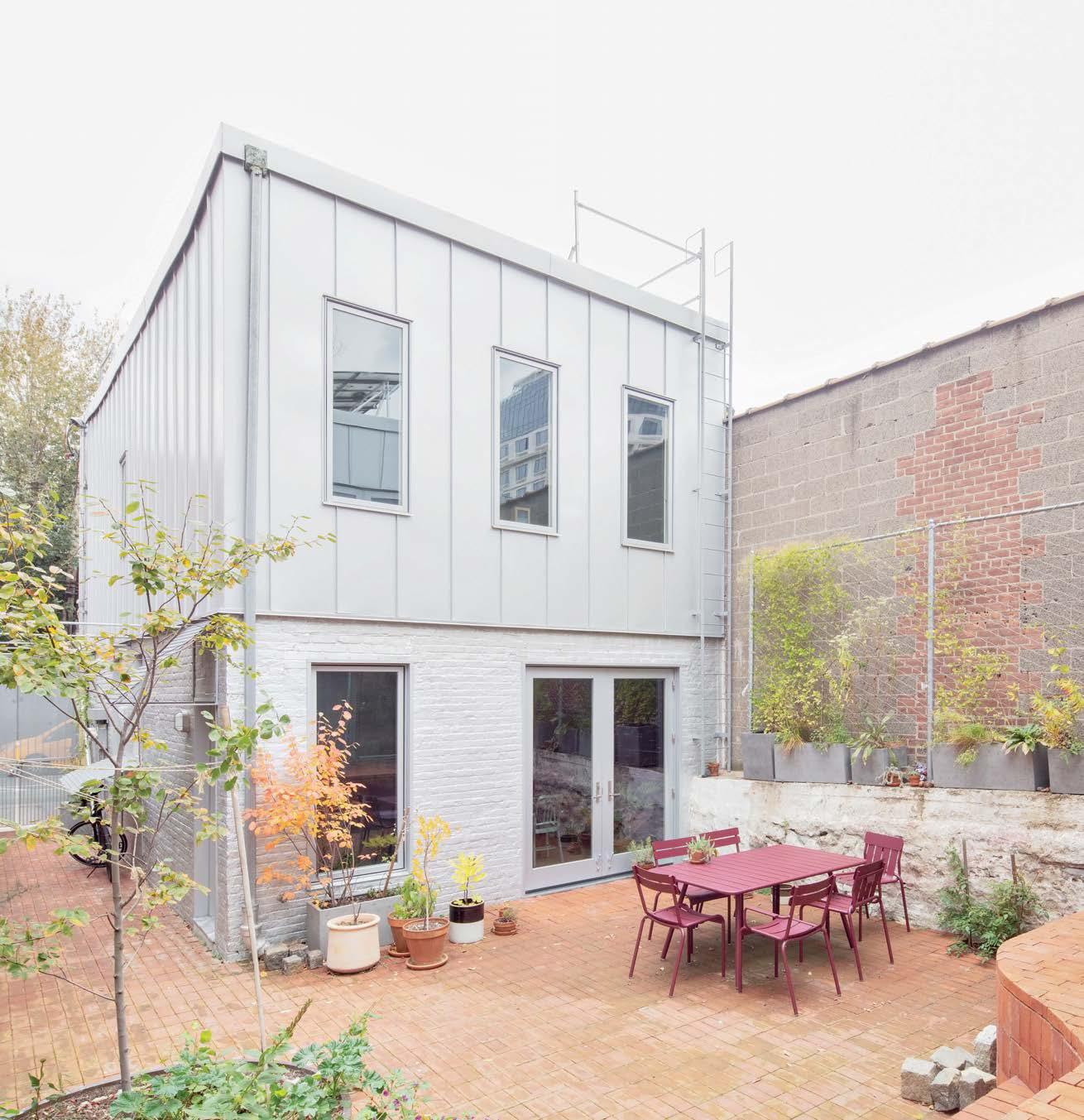
Dutch Kills, a section of Long Island City in western Queens, is as materially and functionally eclectic as any New York City neighborhood. Streets are lined with a mix of low-slung brick warehouses still buzzing with industrial activity, multifamily row homes, parking lots, and the occasional hotel or condo—a sign of ongoing development. On one characteristically motley street, a home has transformed into something worthy of the area: both subtle and stark, deferring to the existing materiality while capitalizing on the surrounding aesthetic permissiveness.
A rare shared courtyard forms the heart of the lot, separating yet connecting the front house for gathering and the rear house for private living.
“We wanted to preserve the Queens qualities of the house,” says Chris Leong, a founding partner of the firm Leong Leong, which was tapped for the renovation by an urbane curator-writer couple, Carin and John, who purchased the two-structure property. An emphasis on maintenance, the clients’ own unassuming and thrifty demeanor, and a shoestring budget guided the project, leading to the decision to retain key aspects—including the footprint and structural foundation, much of the internal layout, and even swaths of original surfaces—a rare instance of restraint in a gut renovation.
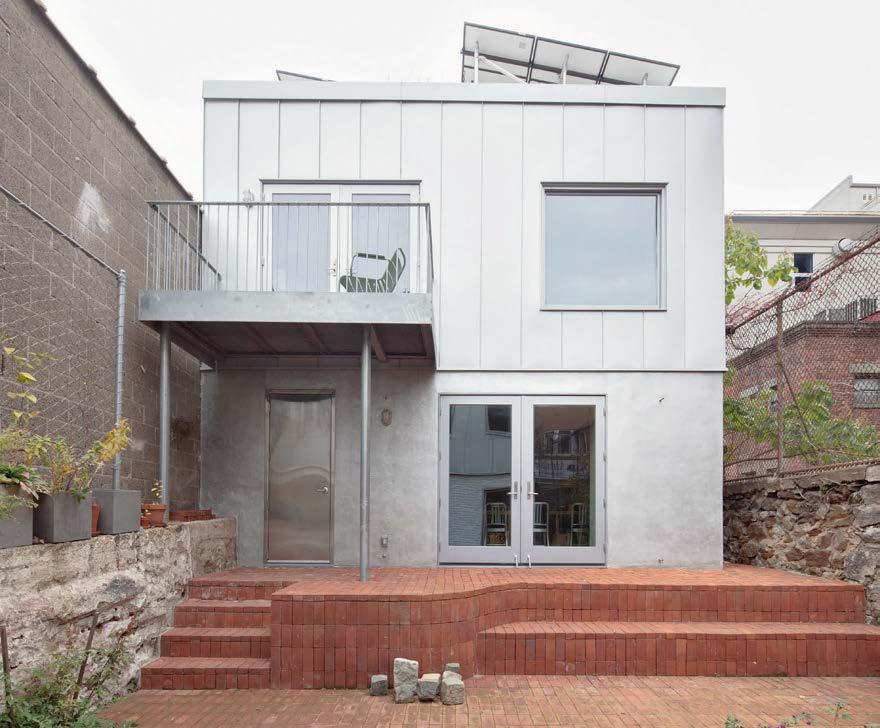
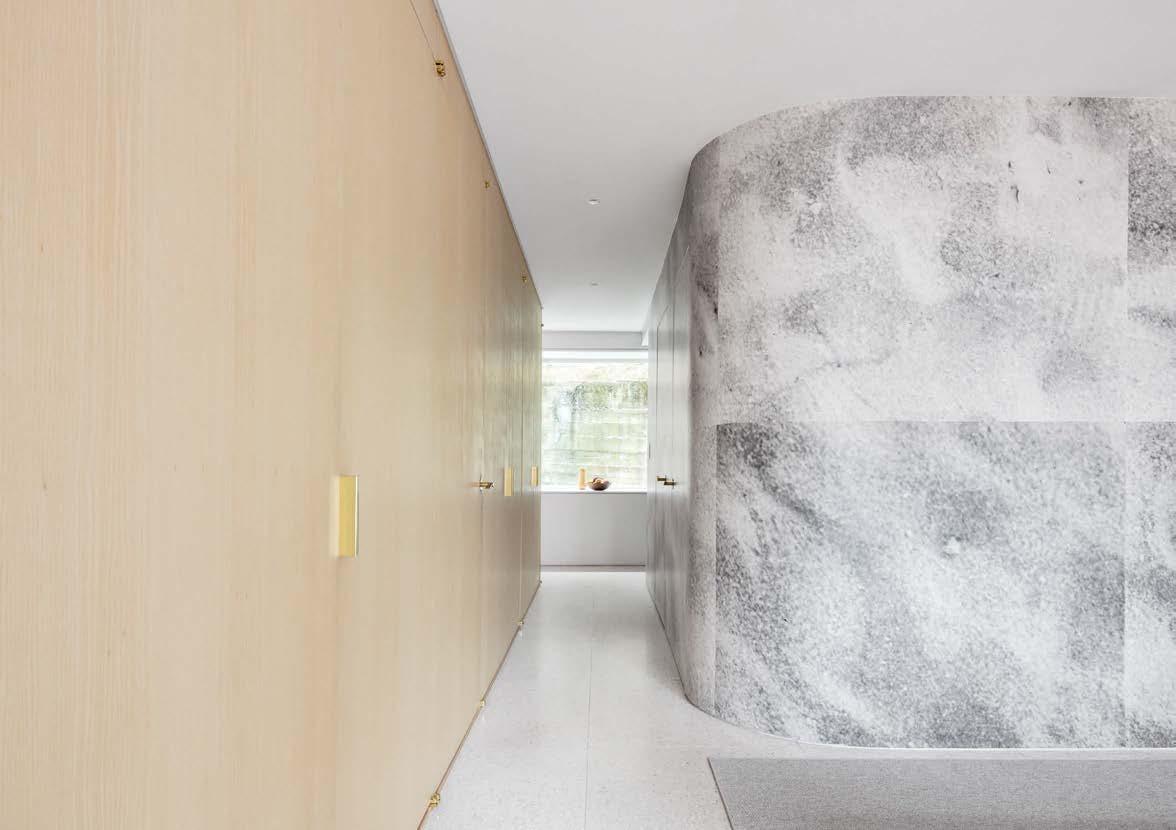
Though the unprepossessing, quintessentially Queens brick frontispiece was left largely unchanged, the exteriors of both structures behind it are now awash in a refined, unifying gray-silver paint on the first floors and standing-seam cladding on the second. “We wanted to preserve texture but make the front and back structures feel cohesive,” says Leong.
Between the two houses is a red-brick-covered patio, which the team expanded by removing an external staircase that had previously connected the upstairs floor, once a separately accessible unit. John compares the outdoor space to a forum, capable of hosting community gatherings. “We’ve had events here, and it works great.” Hemmed in on all sides, the patio is accessorized by plantings—most prominently a large shadbush—enabling unobstructed sightlines between and even through the two houses.
The back house, where domestic functions are concentrated, is where the firm’s lush material palette and the couple’s aesthetic
sensibilities merge: Wood storage lining the wall, door hardware from John’s parents' apartment, and a custom 1994 Felix GonzalezTorres wallpaper similar to one at the couple’s former loft, all demonstrate an attention to efficiency and density without sacrificing a domestic and personal feel.
At the rear of the back house, the kitchen’s sage-green cabinetry and marble surfaces echo the narrow alleyway just outside, created by the gap between the house and its rear neighbor, which sits a story higher. It’s an earthy, residual space, furnished sparingly with a single, excess offcut of kitchen marble mounted as a snug bench. “The grotto,” as Carin fittingly calls it, “is incredibly mysterious and exciting.”
Upstairs, flashier features include a curved wall of Tambour paneling that separates the living room from the bedroom and closet and, according to Carin, “adds to the sense of fluidity and modular space.” The space is awash in light: A new circular skylight
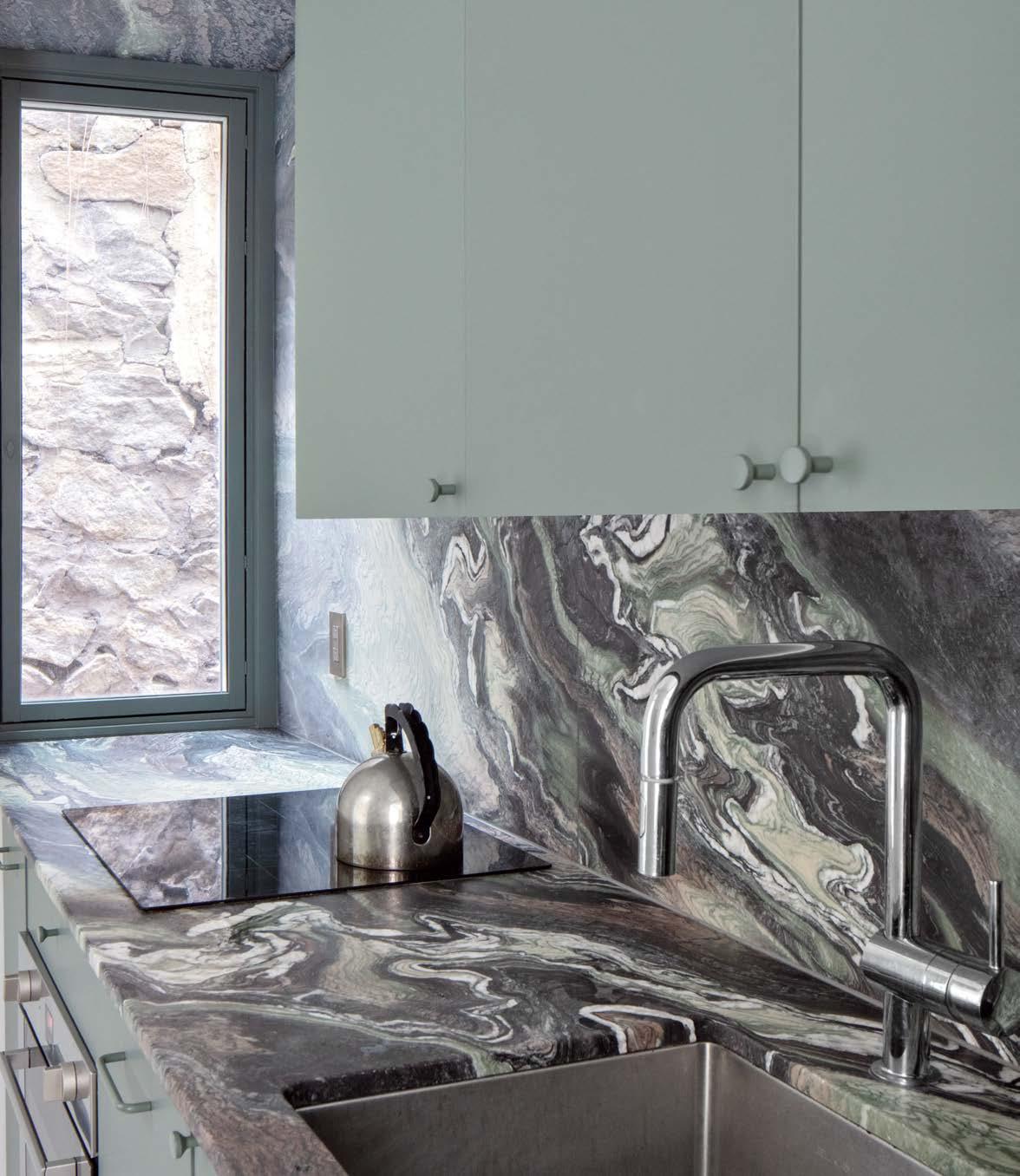
The interiors combine familiar residential finishes in a restrained, thoughtful way, elevating the design language and reaffirming the studio’s rigor and sensibility through a clear and confident point of view.
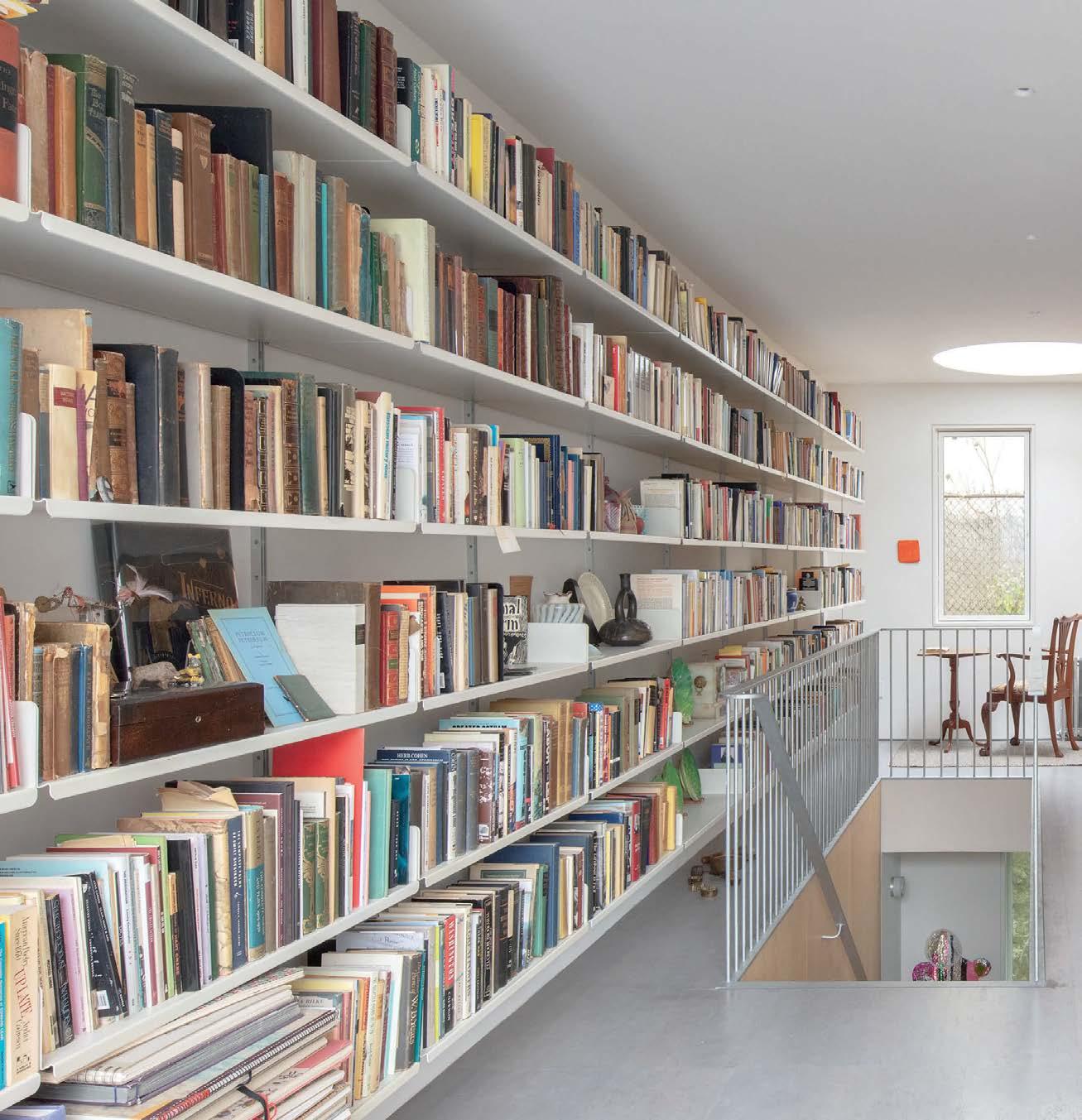
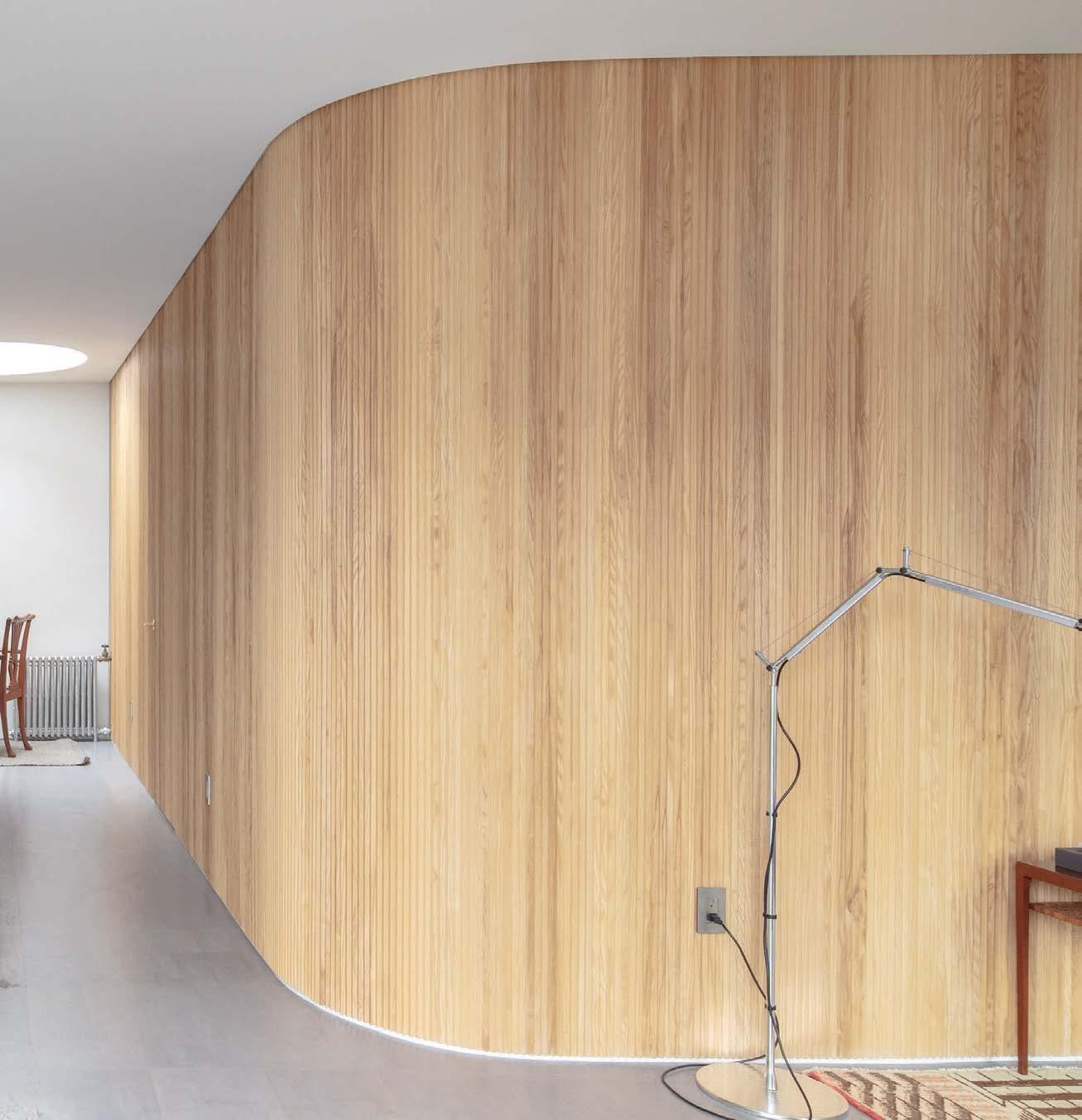
On the second floor, a library and living room overlook the courtyard, creating a salon-like setting for conversation, reading, and informal hosting.
Though programmatically distinct, the two houses function as a single composition. Inside, targeted interventions reveal tin ceilings and layered textures, paired with site-specific artworks, including a custom made piece by Kameelah Janan Rasheed.
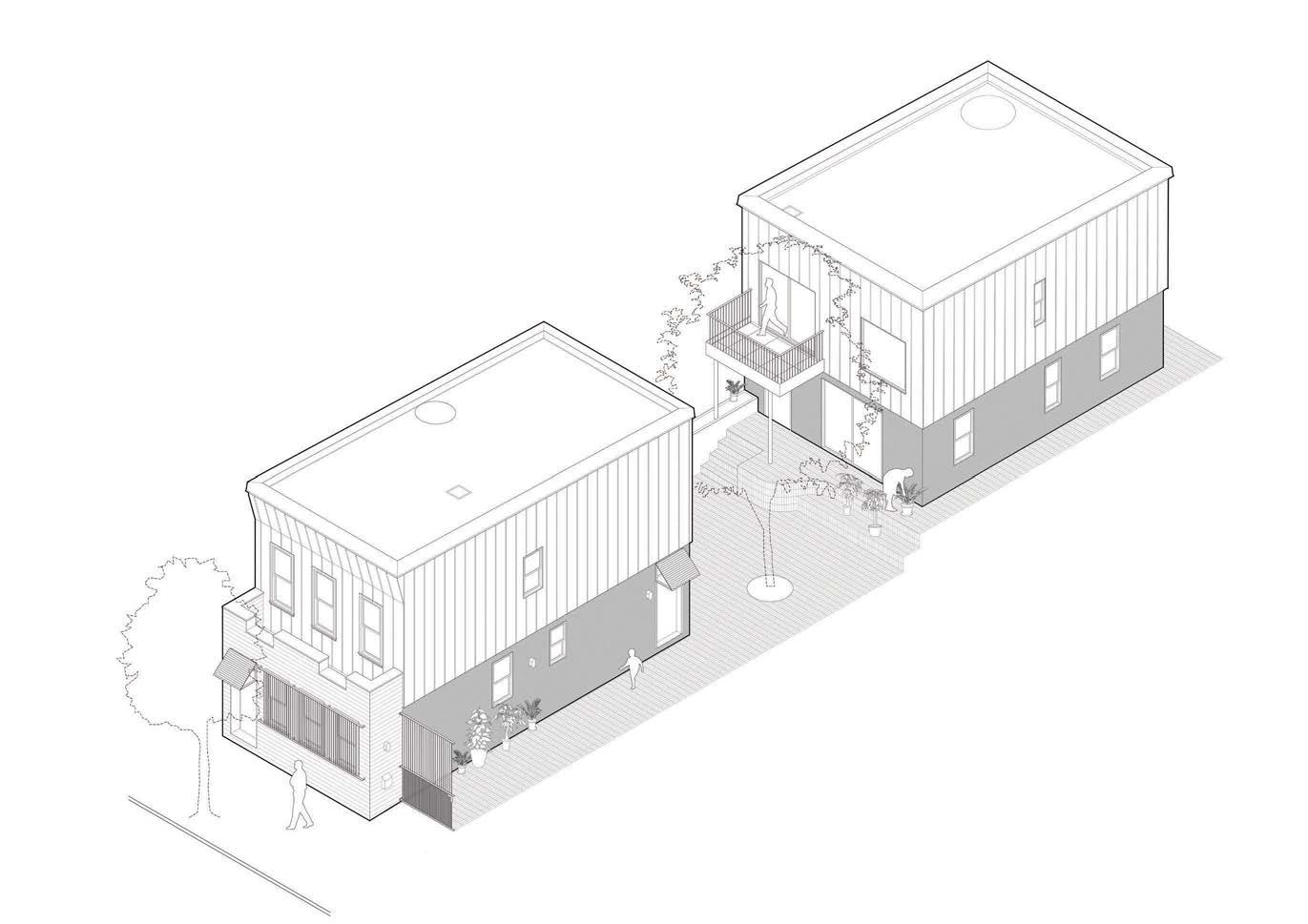
spotlights a reading nook below, and an original square skylight was retained—a midconstruction improvisation.
The front house received a lighter touch, serving as a crucible of the project’s careful management of budget, flexibility, and conservation. “A lot of what we did was uncovering and revealing,” Leong says—wood floors and the ground-level tin ceilings were mostly preserved. The house contains a large studio on the second floor for visiting artists and other guests. A large dining table, a large-format mural from the artist Kameelah Janan Rasheed, and two kitchens add to a peripatetic, hostel-like atmosphere. “They wanted the front house to be adaptable, enabling it to be used by multiple users and guests,” Leong remarks.
It also holds the couple’s offices. Carin’s, on the second floor, is frenetic and bright, with original wood floors and what they describe as an outdoor loggia atop the frontispiece. Below, in John’s streetfacing office, the marble wrapping the back house’s kitchen and forming the grotto bench makes yet another appearance, this time as his desk. “There was a lot of design that was happening in real time,” Leong says, referencing the unplanned retention of skylights and wood and the found uses for excess stone. “This house was the little house that could.” M
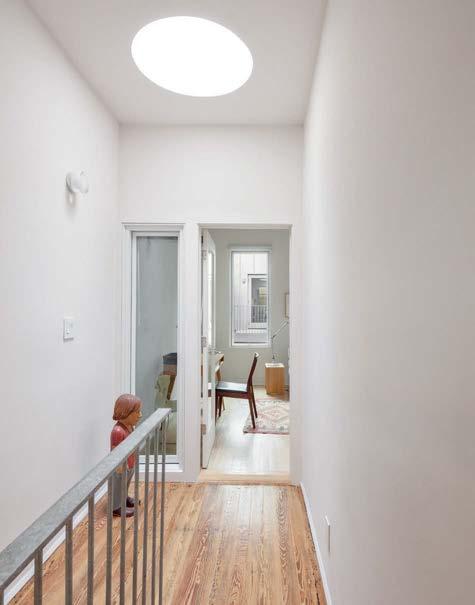
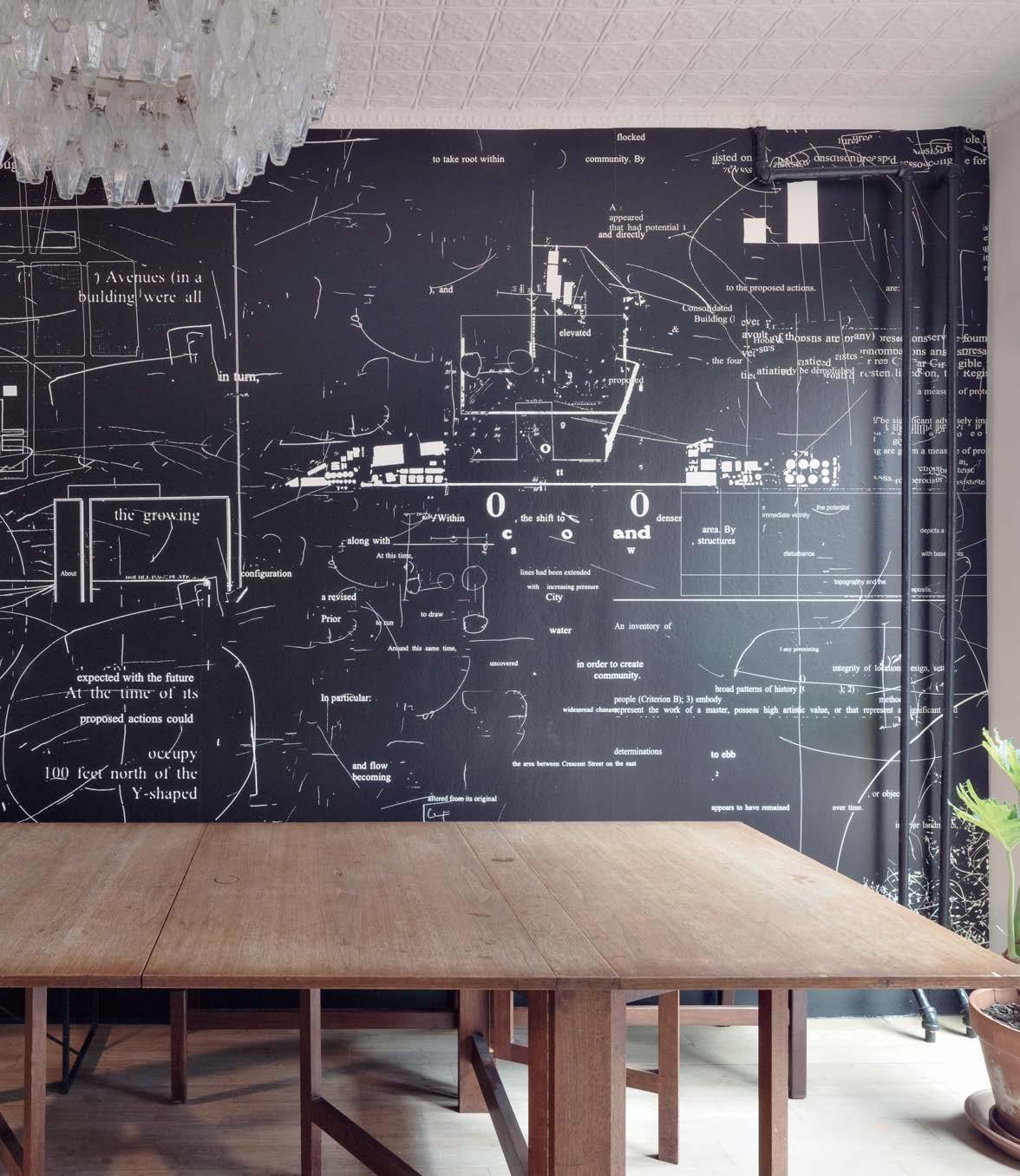
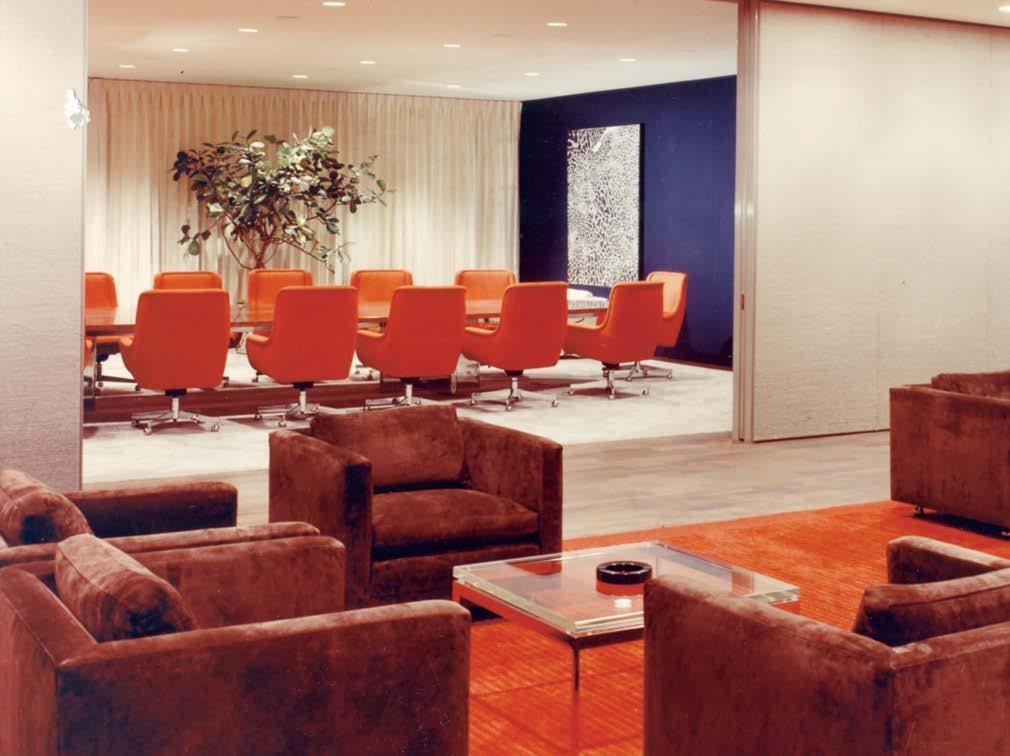
The new Ikon collection revisits work from SOM’s long-unsung interiors division, originally created for powerhouse clients, including Halston and IBM.
By Lila Allen
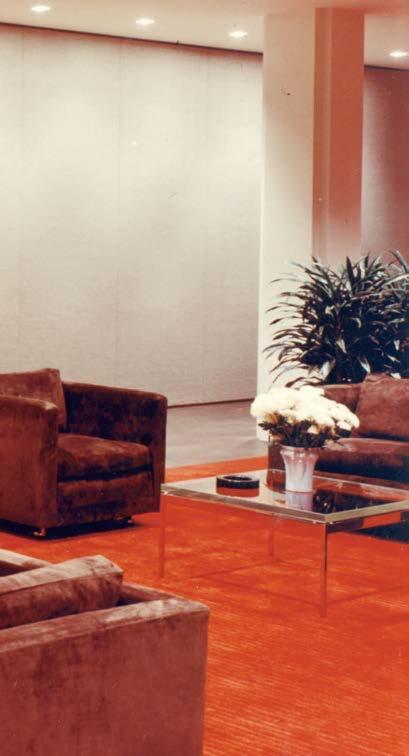
Deerfield, Illinois, 1975
This one-million-squarefoot headquarters for Baxter International was designed to maximize flexibility, inside and out.
The four main office pavilions were constructed as a modular system, including full-height closed office spaces and semiprivate rooms with movable partitions. All desks, bookshelves, and furnishings are modular for ease of modification.
Over nearly a century, Skidmore Owings & Merrill has become synonymous with the modern skyline. As the architects behind some of the planet’s most recognizable towers— Burj Khalifa, One World Trade, Lever House—the firm has a reputation that is well earned. But that visibility may have obscured an equally consequential line of work t aking place within SOM’s office walls: Since the earliest days of its 90-year history, the firm—now better known by its initials, SOM—has approached design as architecture of a total environment, from structure down to the scale of a chair or light fixture. “We designed from building to ashtray very early on,” says Satya Cacioppe, the firm’s head of product development.
Beyond functioning as mere furniture, these products formed the infrastructure for modern life as we know it—and it was happening just as modernity itself was coming online. As corporate America
expanded after World War II, SOM helped define what it meant to work in a 20thcentury office, designing campuses for companies like IBM, Reynolds Metals, and Connec ticut General Life Insurance. Space was a tool for productivity, corporate identity, and social life, so SOM equipped its facilities with amenities like hair salons and bowling alleys—moves that foreshadowed the work-hard-play-hard tech campuses of the 2000s.
Furniture was always a part of the experiment. Desks and partitions helped organize the flow of labor, and seating arrangements afforded encounters and interactions. And yet, much of this furniture was never destined for fame, as it lived inside these discrete, client-facing worlds.
That’s changing, as the firm begins to excavate and reanimate the prototypes, sketches, and components that once lived inside its buildings. A couple of years back, Cacioppe was tipped off about a trove of furniture-related drawings in SOM’s New York office. “Even though our digital archive was showing buildings and interiors, there was this whole bit of paperwork that hadn’t hit the system yet— it was these drawings,” says Cacioppe.
Ruthless editing followed. Not everything is worthy of revival—so SOM set out to find the pieces that could still hold their own today. “The process has been looking
broadly and paring and paring and paring,” says Chris Cooper, a design partner at the firm. The studio began rendering the furniture in contemporary interiors, testing whether it could still feel relevant outside of its original context. But time, as Cooper points out, is the ultimate curator. “If we think of the passing of time as a kind of filter that edits out mediocrity,” he says, “we have the luxury of seeing what has enduring value.”
But that doesn’t mean freezing the pieces in amber. Much has changed since many of SOM’s designs first saw daylight— from an evolved understanding of ergonomics to a greater awareness of the impact of furniture manufacturing on climate and health. “That doesn’t necessarily mean changing their form,” says Cooper, “but recognizing that manufacturing processes have changed, that seat sizes have changed, that the use of certain resources has changed.”
And it’s exactly that mindset that drew SOM to Teknion as a manufacturing partner. This spring, the fruits of that labor will be revealed with the release of Teknion’s new Ikon collection. “Ikon isn’t about revival for nostalgia’s sake,” says David Feldberg, Teknion’s president and CEO. “There’s something deeply meaningful about helping great work find a second life and relevance today.”

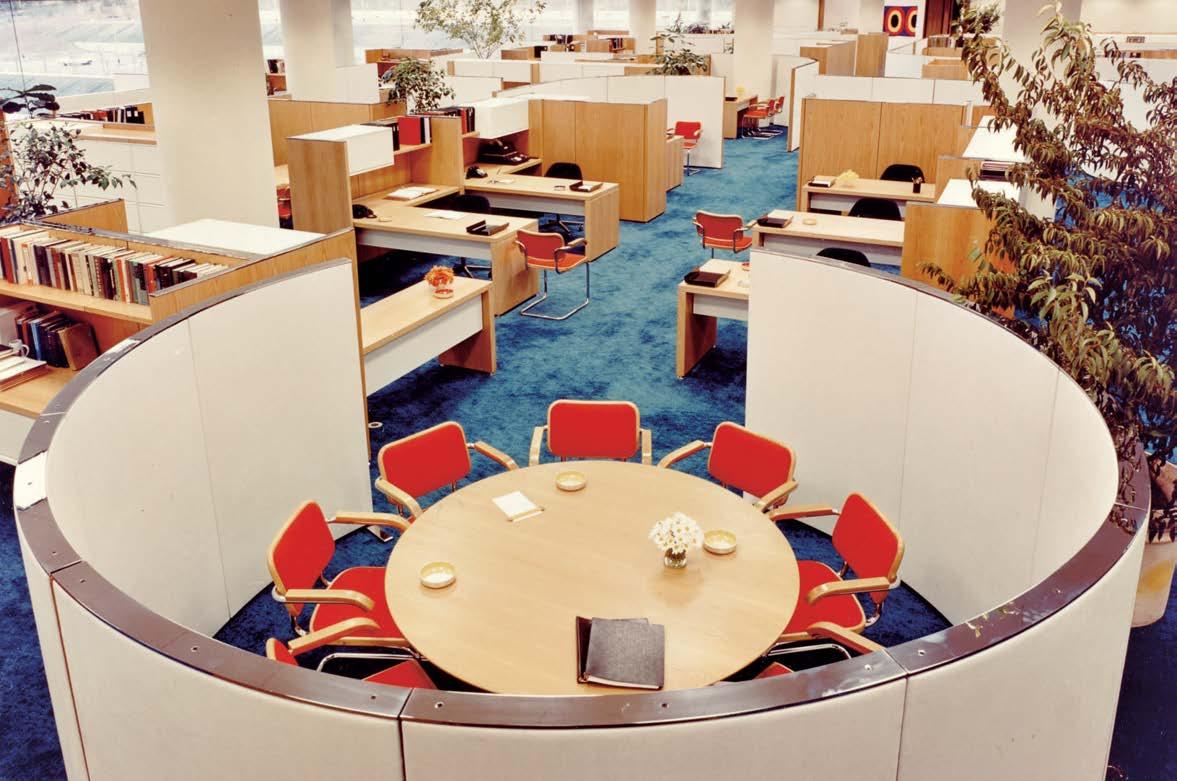
WEYERHAEUSER CORPORATE HEADQUARTERS Federal Way, Washington, 1971
The SOM 79 Chair was shaped by the sensibility of the high priest of 1970s luxury himself: Halston. Designed by SOM’s Charles Pfister in 1979 for Halston’s Olympic Tower studio, the cantilevered chair appeared throughout the fashion designer’s Fifth Avenue headquarters as dining and desk seating. Pfister conceived the piece around a chromed, tubular steel frame, endowing it with structural clarity and high-gloss appeal.
For Teknion and SOM, a successful revival hinged on whether the chrome could meet current standards, as hexavalent chrome—the technique used in the original design—has since been revealed
to be carcinogenic. “It was do-or-die for the product,” says Steve Delfino, Teknion’s vice president of corporate marketing and product management. After extensive research, the team landed on trivalent chrome plating, which delivers the same reflectivity and durability while meeting today’s environmental and safety requirements.
SOM worked closely with the manufacturer to preserve Pfister’s original proportions. “They have done a wonderful job keeping the design integrity of every single detail,” says Delfino. The result? A 1970s icon ready to meet the moment.
Often called a “skyscraper on its side,” SOM’s design for this corporate office building was “guided by the idea of undefined boundaries.” The open office contains no full-height interior partitions and features a unique diamond-shaped column grid.
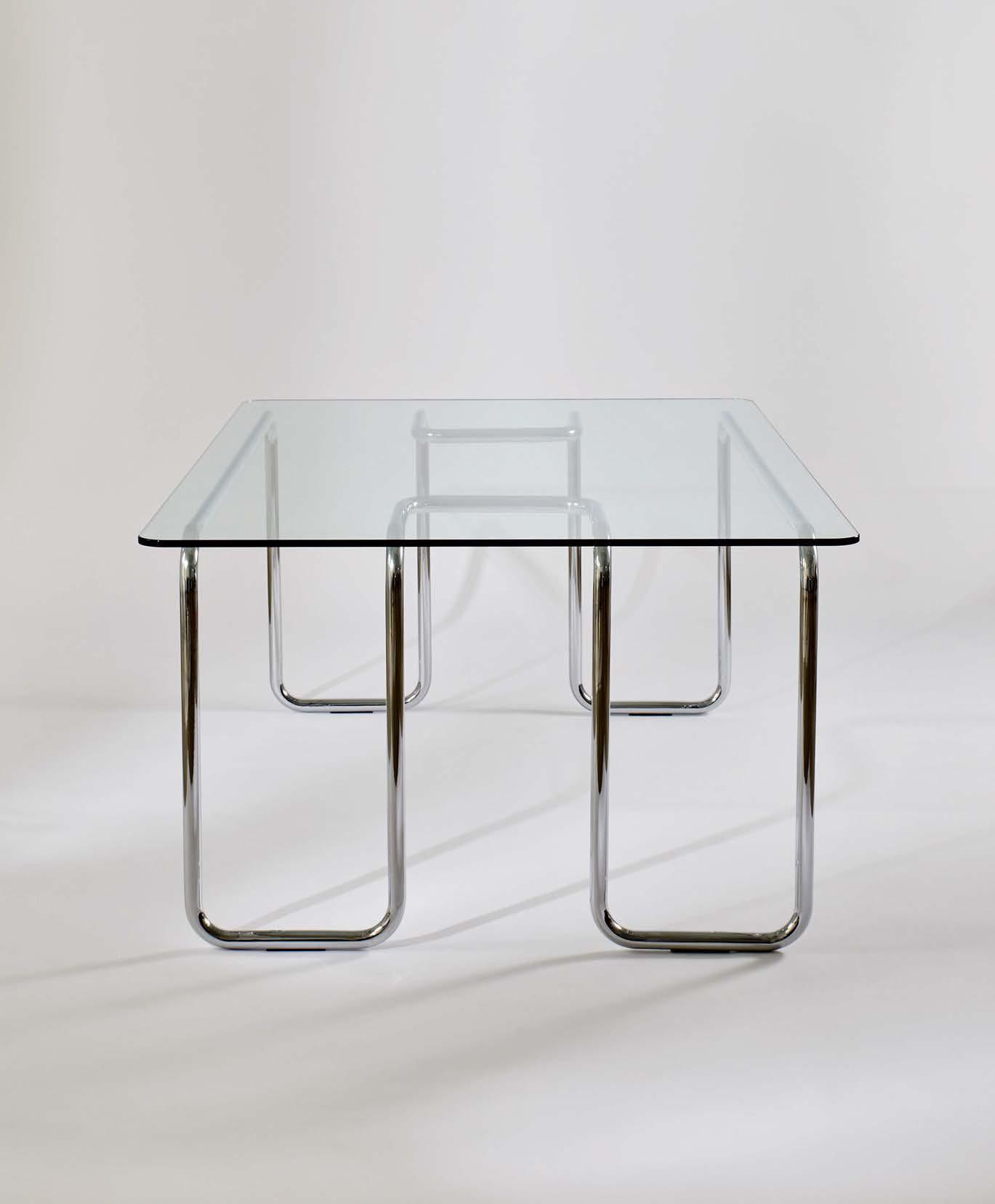
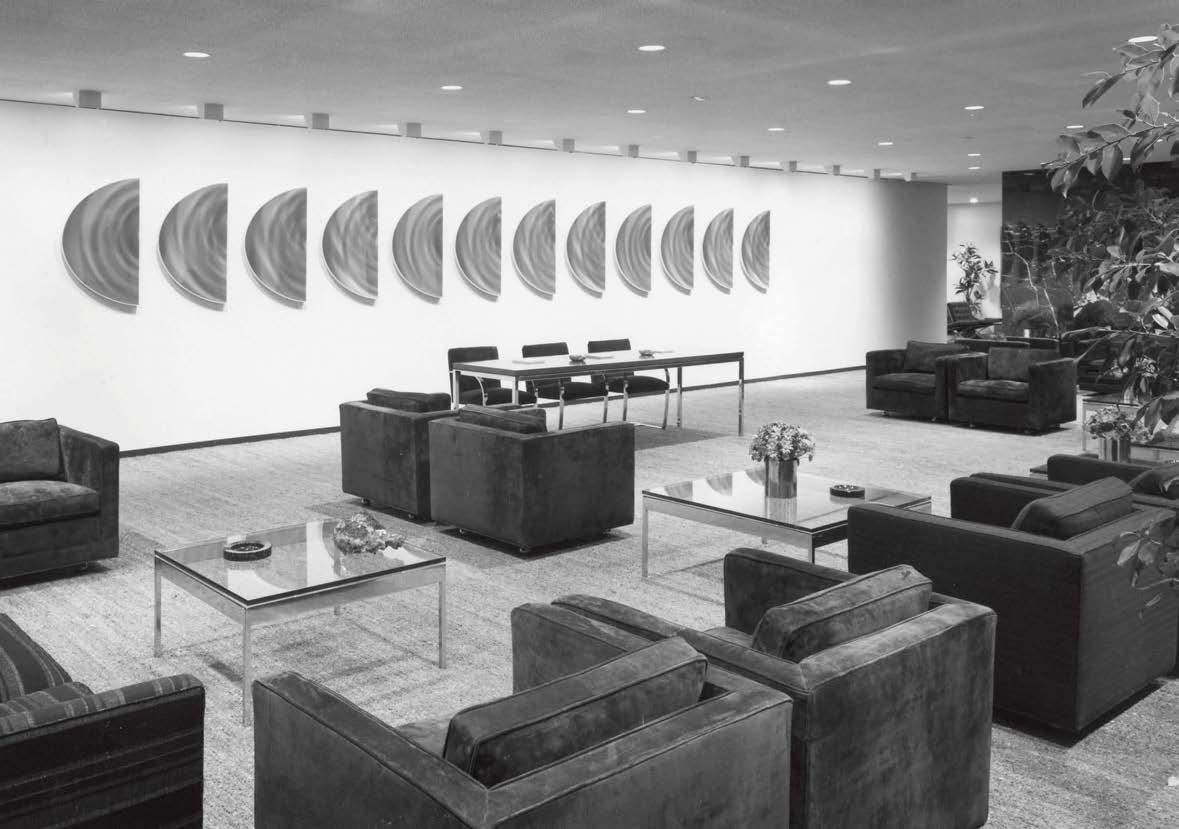
The SOM 79 table collection grew out of a gap in the original Halston furniture lineup. More directly: “It didn’t exist,” says Delfino. “We had to work with SOM to envision what it would have been.” Both companies agreed that the goal was to reimagine, not replicate.
Working from Pfister’s original chair, Teknion and SOM carried forward the same tubular steel proportions, curves, and chrome finish, sculpting them into a dining table and ancillary options—specifically, coffee and side tables. Cacioppe points out that this
approach moves the line toward a family of products that reflects how spaces are designed now, with clients seeking environments that are “less corporate, less cold, and warmer, with more personality.”
Topped in 12-millimeter glass, the dining table “feels very luxurious,” says Magnus Aspegren, Teknion’s chief creative officer, who notes its generous proportions. Free of unnecessary decoration, the chrome frame and refined geometry do the work, reflecting an evolved expression of Pfister’s original.
undergoing an office-toresidential conversion, with design by Gensler.
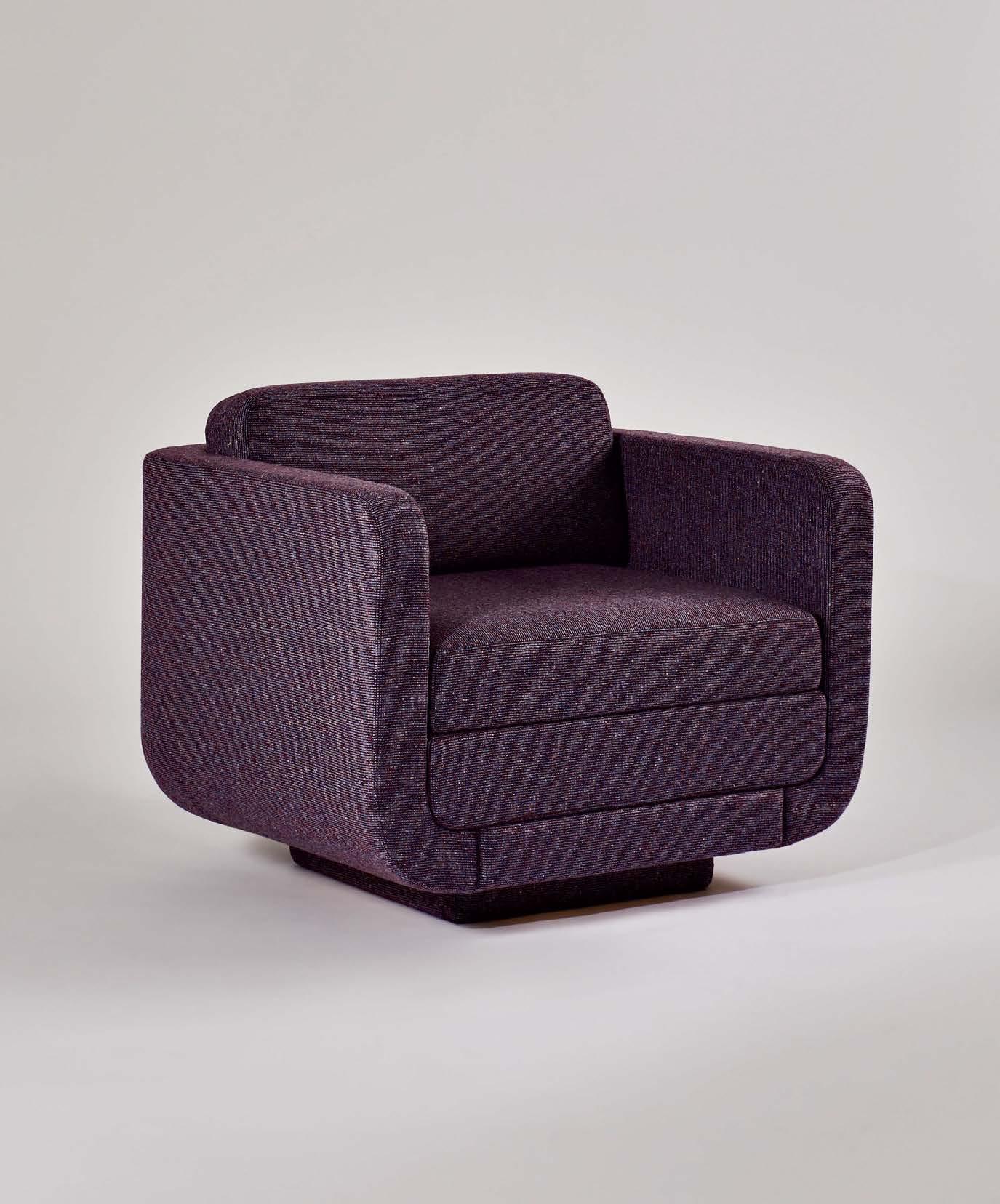
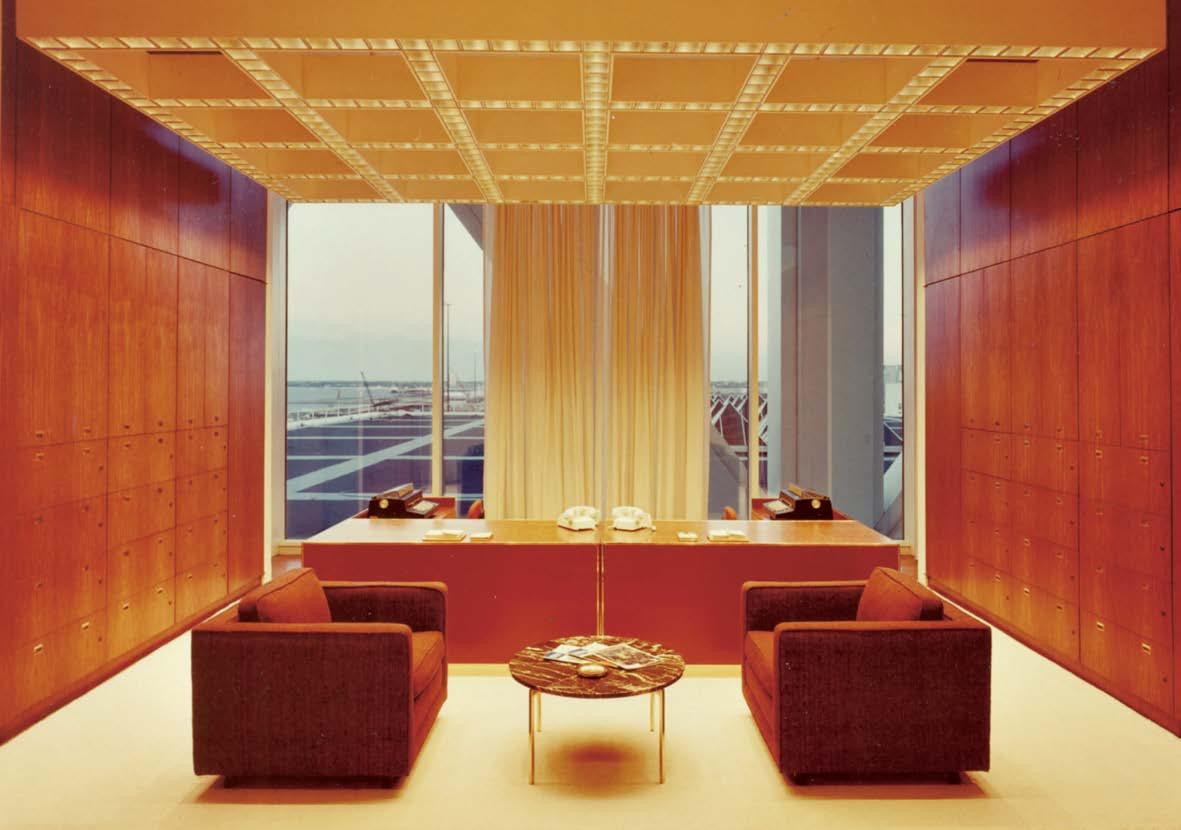
The SOM 76 collection draws from IBM’s design ethos, summed up by Thomas J. Watson Jr.’s famous line: “Good design is good business.” Developed in the context of SOM’s work for IBM, the design felt strikingly current when Teknion and SOM began evaluating it. “It was already remarkably relevant,” says Delfino.
The partners made microtweaks to the original for a better fit with today’s ergonomic standards. “Our improvements to comfort were very subtle,” Delfino notes, including a slight increase in scale
and a return swivel for the chair. Sustainability is built into the fully upholstered design through repairable cushions, recyclable materials, and fabrics and foams that already meet Teknion’s high environmental benchmarks.
As Feldberg frames it, Ikon is “for anyone who loves design, values the legacy of great work and great designers, and wants to keep the se designs alive.”
The SOM 76 collection does all of that, translating IBM’s mantra into timeless furniture pieces calibrated to how people live and work now. M
Commonly known as Wisconsin’s tallest building, this late modern 42-story skyscraper was designed at a time when American corporate clients wanted broad, open floorplates to fit the most functions onto a single floor. Innovations in air conditioning and fluorescent lighting helped make such interiors more comfortable for office workers.
The new hotel updates a historic building in Seattle’s Pioneer Square, setting it up for a green future.
By Lauren Gallow
At the turn of the 20th century, Seattle’s downtown was centered on the nearby waterfront, with a cadre of workhorse structures built to support the city’s booming maritime and timber industries. Today, walking this neighborhood, now known as Pioneer Square, one is transported in time, passing block upon block of stone and brick buildings that still look much as they did then. Here, Denver-based developer Urban Villages took on the challenge of bringing one such building into the future, transforming it into the Seattle Populus Hotel. “We focus on adaptive reuse because it’s near impossible to replicate the patina and authenticity of these existing buildings,” says Urban Villages CEO Jon Buerge of the developer’s sustainable ethos. “It’s also the most environmentally friendly thing we can do.”
Working with local architecture firm The Miller Hull Partnership and the Chicago and Mérida, Mexico, offices of interiors studio Curioso, Urban Villages set its sights on a former steam-supply warehouse in the historic district for Populus, the second of the developer’s eco-friendly hotels. Although the 1907 building had been refreshed in the ’70s, when it was transformed into offices, it still needed an overhaul to bring it up to current code.
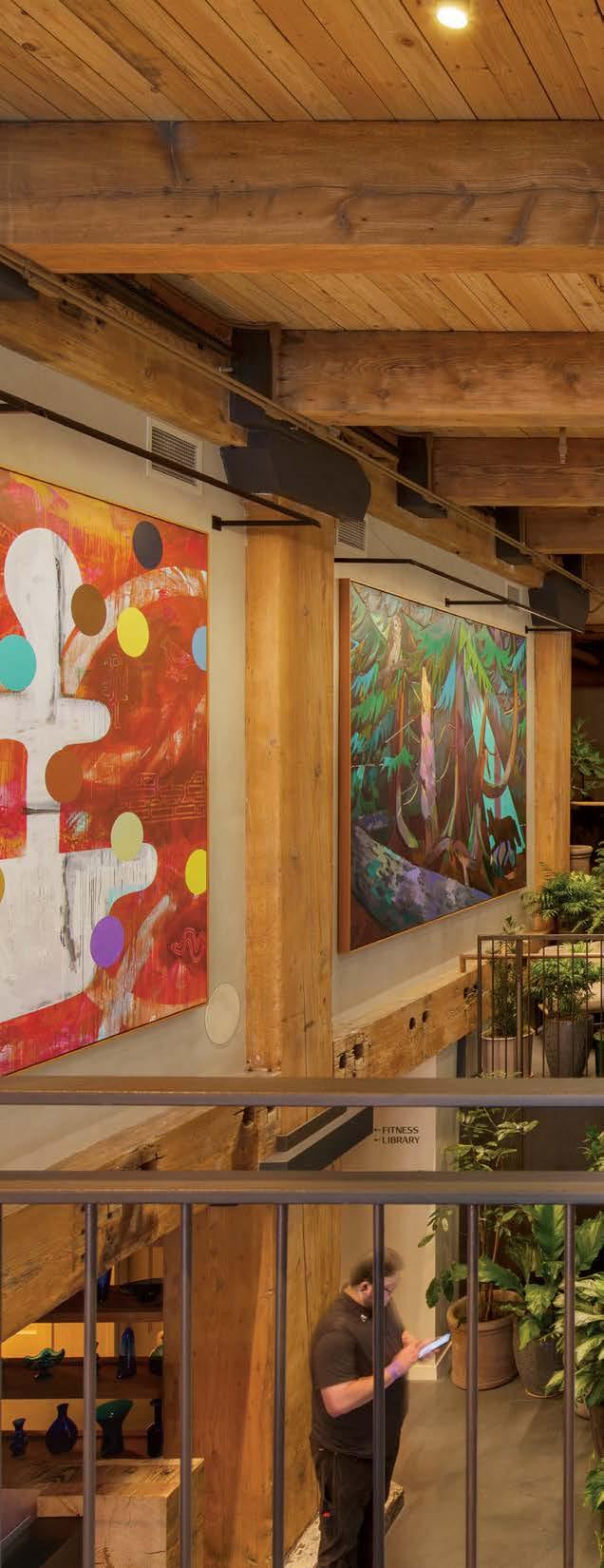
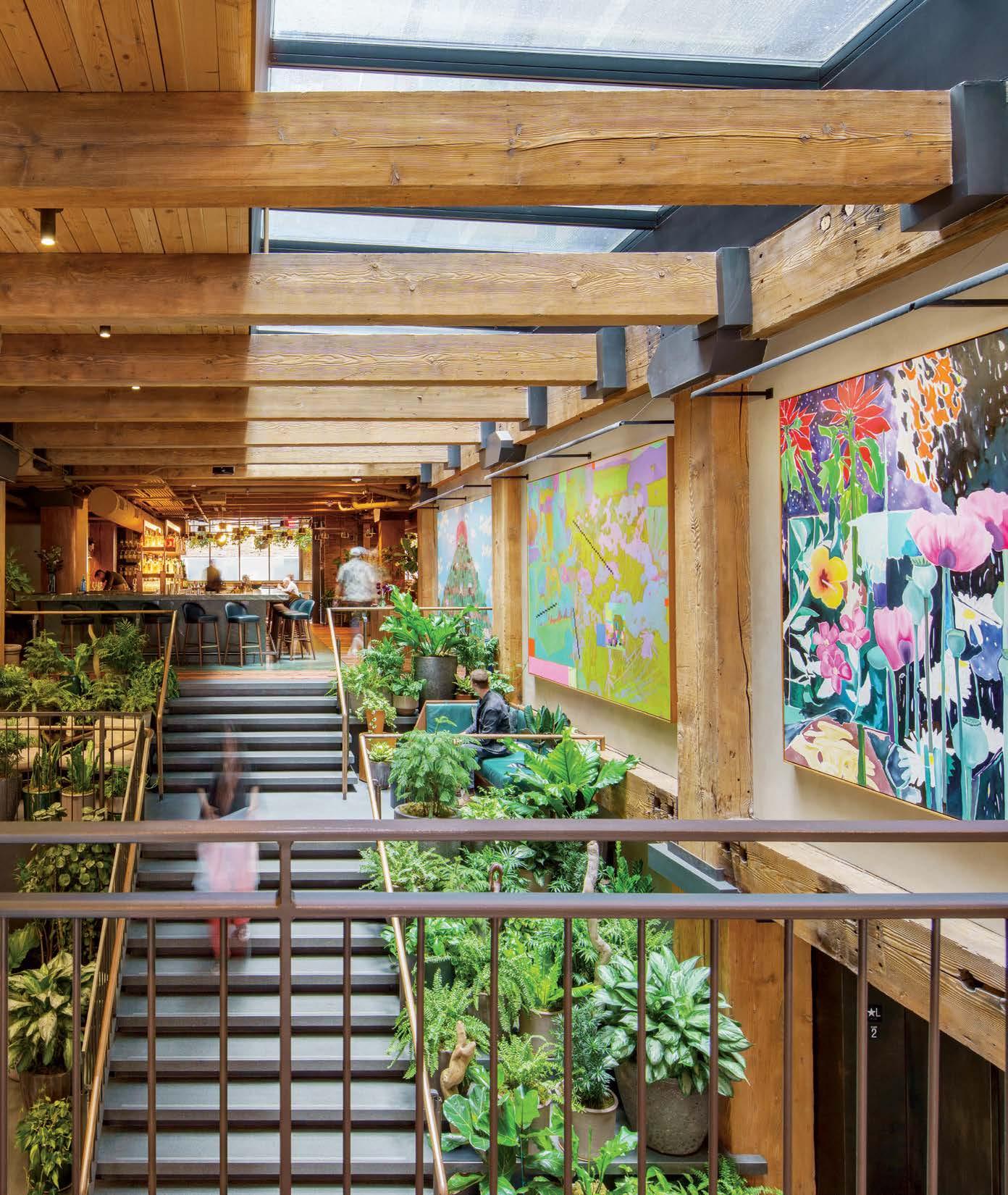
Careful preservation kept the facade largely intact. Reopened boxcar loading doors—sealed in the 1970s—now link the hotel to adjacent mixed-use buildings housing offices, artist studios, and restaurants.
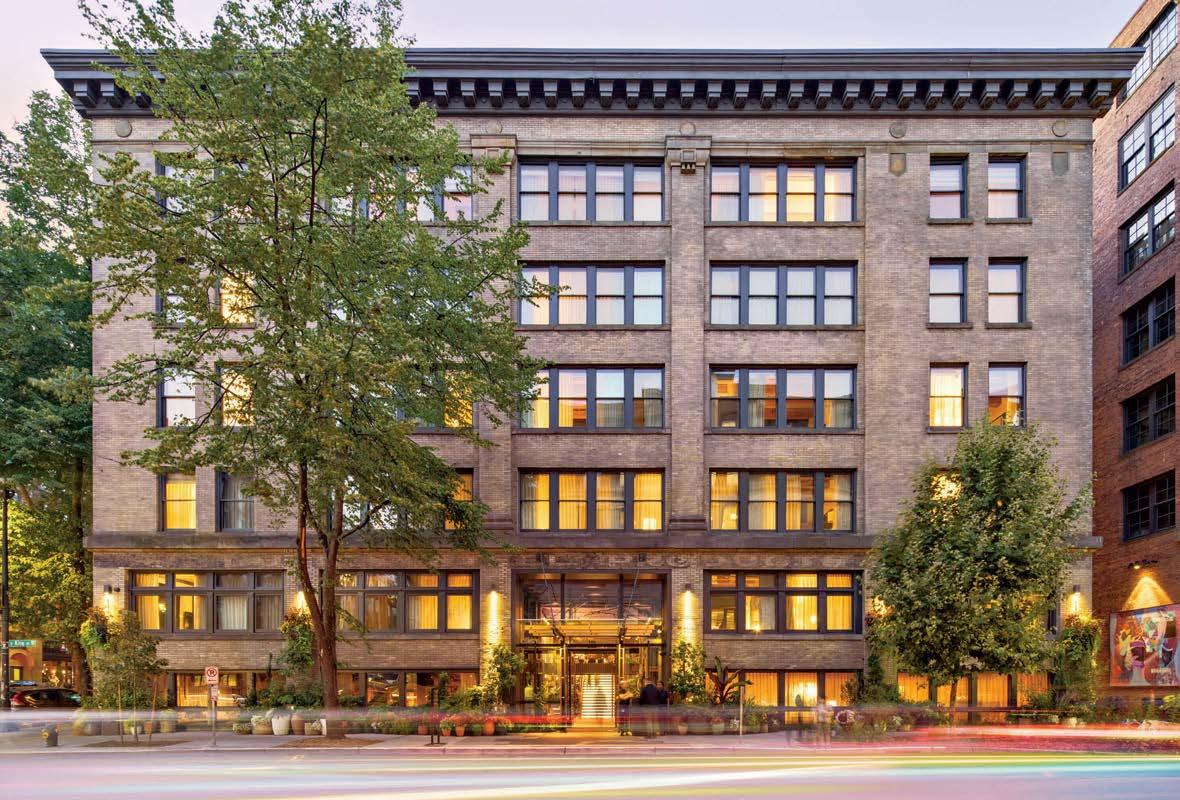
“I pictured it like this: There were all these needles we had to thread, and if we missed one of them, we couldn’t do it,” says Miller Hull design principal Mike Jobes, who, together with project architect Tetsuo Takemoto, threaded the needle of the many regulatory frameworks overlayed on the building, along with the developer’s aspirations. One such goal was to add a rooftop bar, which was needed to make the hotel’s economics pencil out.
Taking advantage of a recent change in the Seattle building code, updated in 2021 to allow taller mass-timber buildings, the team worked to convert the building’s classification from heavy to mass timber, thereby enabling a gathering space on the top floor. Urban Villages also appealed to the local city council, successfully overturning a longstanding prohibition against rooftop bars in Pioneer Square.
National Park Service historic-preservation guidelines required that the building appear essentially the same from the outside, so the team conducted extensive view studies from the street on
the height and setback of the new roof assembly to ensure it “ducked out of view,” as Jobes puts it, as well as on the new room partitions to make sure they didn’t disrupt the existing window rhythm. Therefore, interior wall placements jog in and out, resulting in a range of sizes and layouts for the hotel’s 120 rooms. “It feels like each of the rooms is the same,” says Carlos Herrera, who led the interior design for Curioso. “But it’s actually a kit of parts of furnishings that were added, subtracted, and reconfigured to meet the varied layouts.”
Inside, the team capitalized on a light well added during the 1970s office conversion, expanding it into a larger atrium to bring daylight to the lobby and guest rooms. It doubles as a stabilizing element, with a new concrete core, shear walls, and steel-braced frames, helping the building meet current seismic code requirements.
Targeting LEED Gold, the Populus Hotel brings both the building and the neighborhood into the 21st century, helping adapt local ordinances to pave the way for others. M
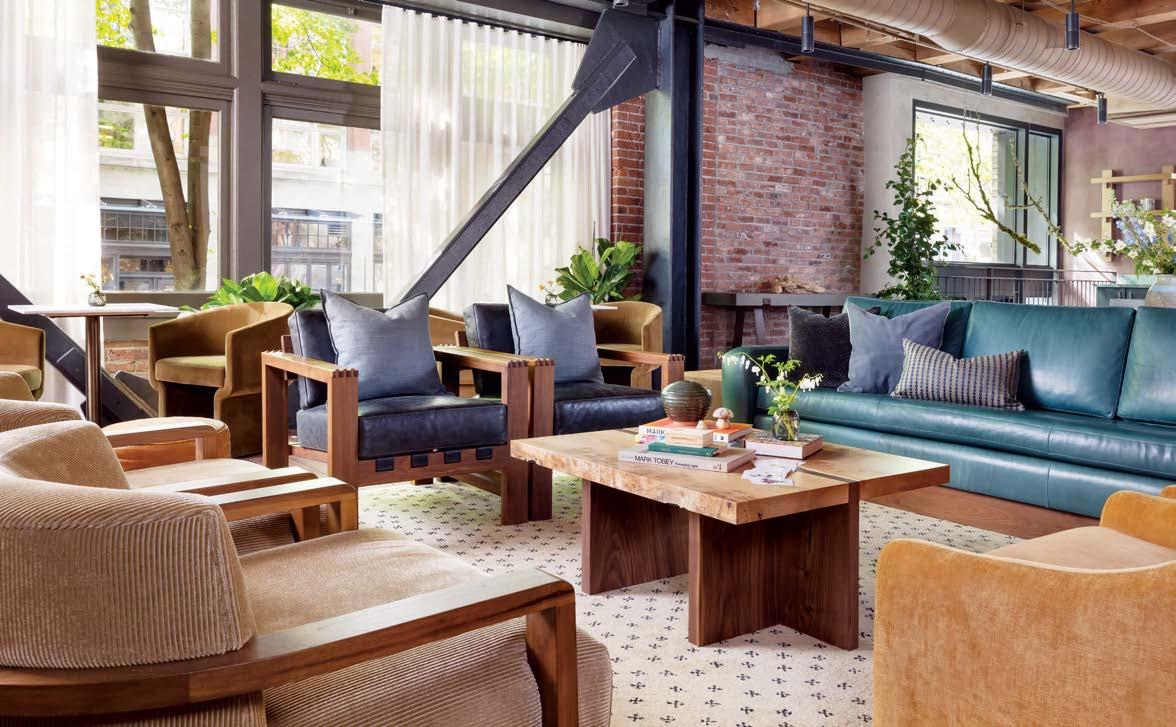
Pacific Northwest materials and preserved details are paired with new structural supports and upgraded ventilation, redefining the building’s relationship to its past. A top-floor bar clad in varied wood species opens to a wraparound deck and pollinator garden overlooking downtown, Elliott Bay, and the Olympic Mountains.
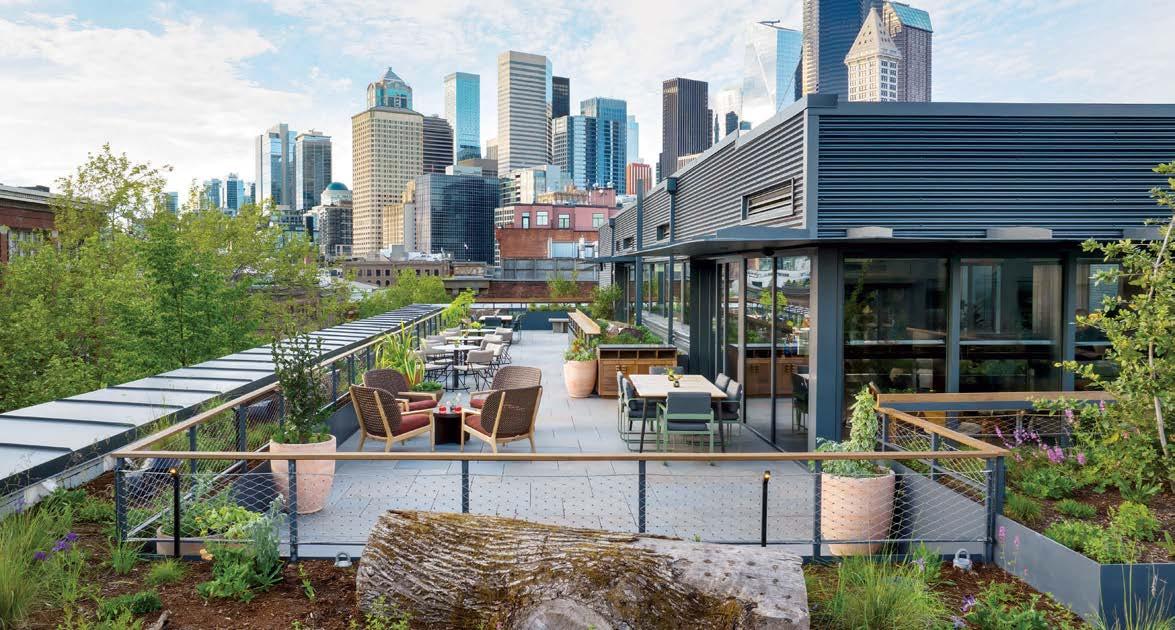
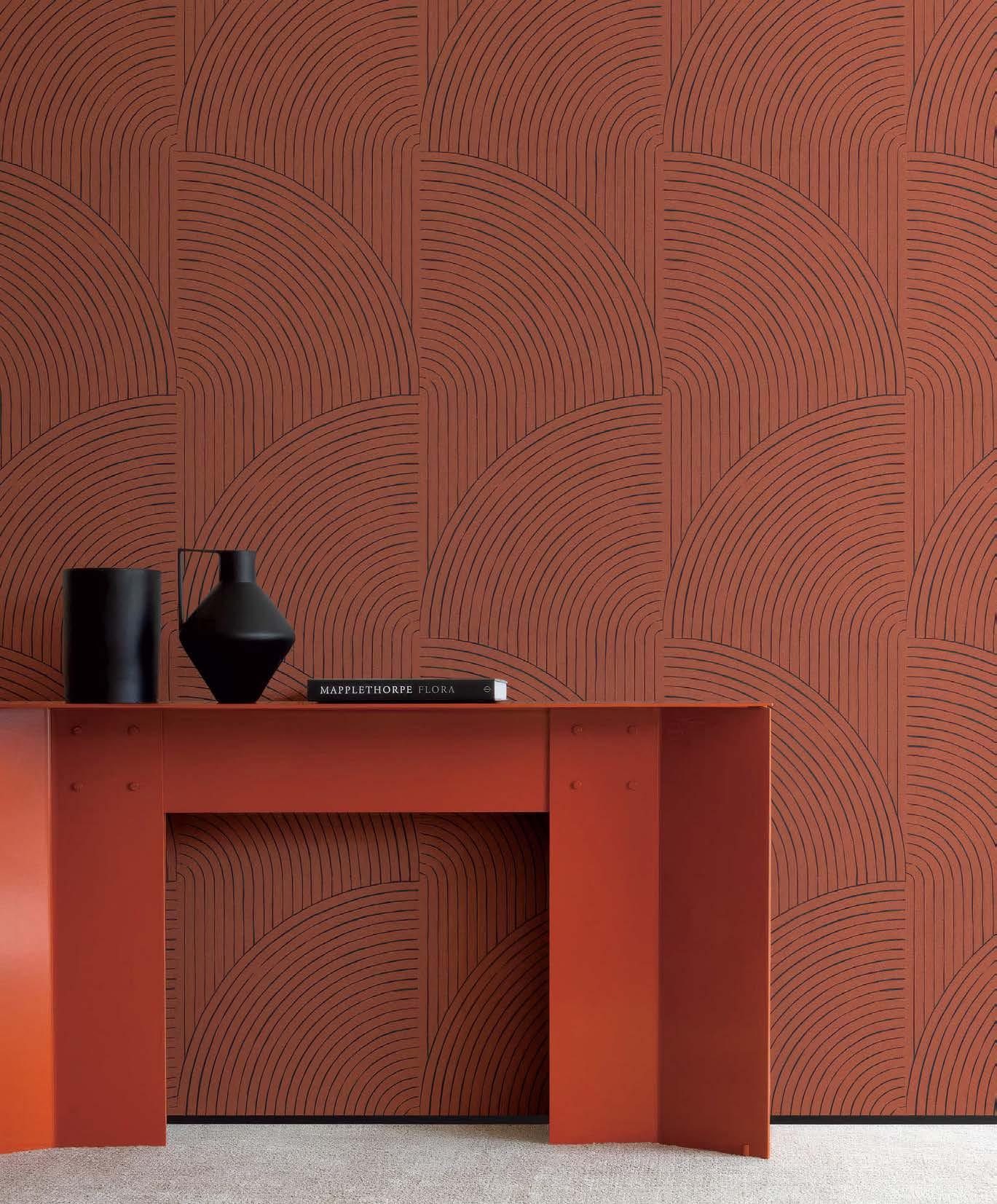
Wool, velvet, bouclé, chenille—this spring’s product launches blend soft touch with stimulating visuals to create memorable, tactile interiors.
By Jaxson Stone
01 POMPEII
Pompeii by Wolf-Gordon, designed with Studioestudio, is a geometric, PVC-free wallcovering collection rooted in modular hand-painted elements inspired by Frank Stella’s Black Paintings and ancient Pompeii mosaic motifs. It comprises three modules—Left Curve, Lines, and Right Curve—available in four patterns: Agros, Nebula, Terra, and Solis. Offered in ten colorways ranging from soft and powdery to subdued and ethereal, the modules can be combined into endless compositions. WOLF-GORDON wolf-gordon.com
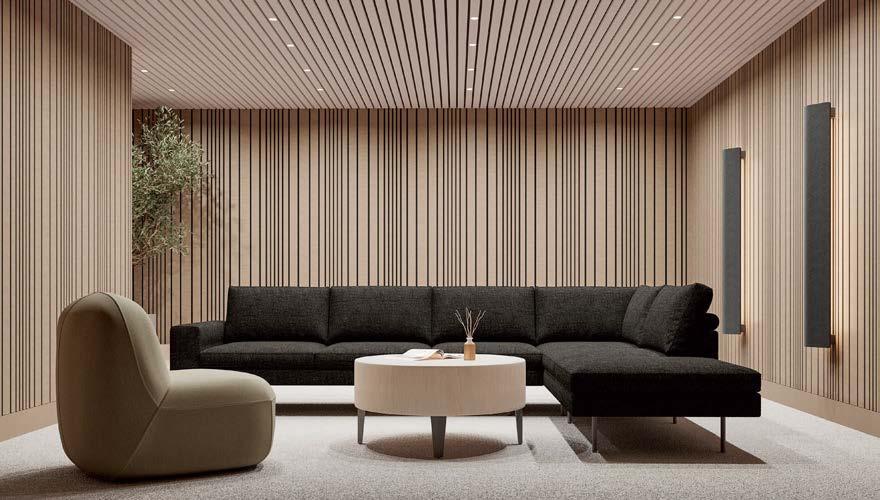
In collaboration with Pavoni, Unika Vaev’s Pelle Collection features three distinct patterns—Affarone, Strisce, and Volante— that offer a “truly distinctive fusion of acoustic innovation and Italian leather artistry.” Designed to elevate the sensory experience of interior spaces, these acoustic tiles offer premium sound performance with timeless design accentuated by Pavoni’s leathers. Available in a diverse range of colors, the tiles can be used individually or combined to create varied compositions. The collection is Red List Compliant and made from 100 percent PET containing 60 percent recycled content. UNIKA VAEV unikavaev.com
03
Mohawk Group’s carpet tile, Textorial, sets a new standard for environmental stewardship in commercial flooring. Inspired by the process of transforming raw wool into fiber, the collection embodies both craftsmanship and a connection to nature. The tiles feature the lowest embodied carbon of any Mohawk offering, made of Duracolor fiber that “offers a biomimetic look of wool,” incorporates a minimum of 30 percent recycled content, and is 100 percent recyclable through the group’s ReCover Program. The tile can be combined with EcoFlex ONE backing, a recyclable and 100 percent carbon-neutral backing. The collection comes in two styles, Carded and Plied, available in a 12-by-36-inch plank. Textorial has achieved Declare Red List Free status and the Living Product Challenge Petal Certification. MOHAWK GROUP mohawkgroup.com
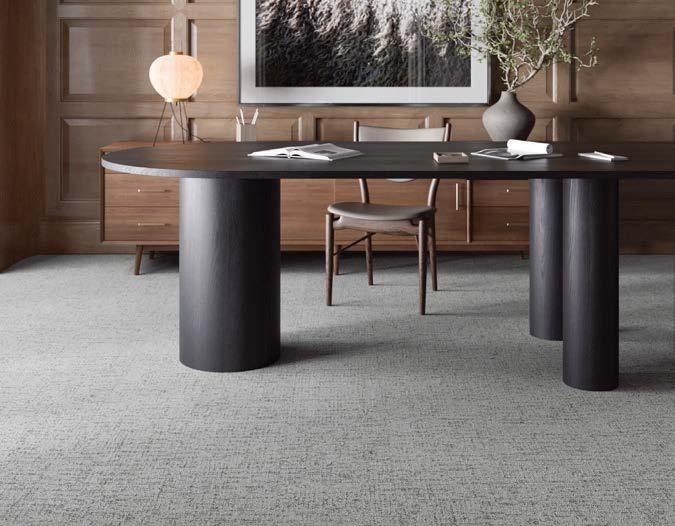
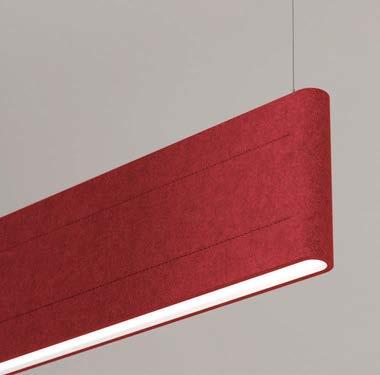
Founded in Chicago in 2021, Sabin is a company seeking to redefine acoustic lighting “one stitch at a time.” With its signature sewn construction (which eliminates toxic adhesives), Sabin offers a hands-on process that embodies a human-first approach to acoustic solutions. This devotion to craft is made clear in the new LINEAR series, a modular acoustic baffle lighting system that helps shape both the “visual and auditory character of a space.” Available in two profiles, Standard and Stadia, LINEAR’s open-ended, modular system serves as a tool kit for designers, with every component customizable in color, felt, power cord, suspension, and light source.
SABIN sabin.design
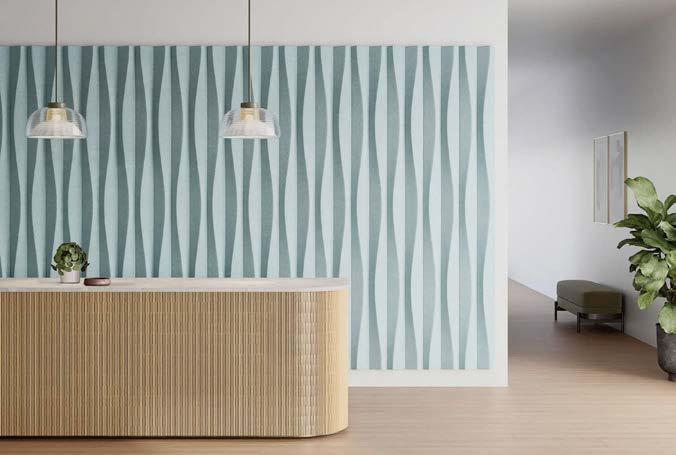
06 FORMA COLLECTION BY GENSLER WARP & WEFT Gensler’s latest rug collection for Warp & Weft, Forma (from the Latin, meaning “form” or “shape”), explores how structure, balance, and beauty can be found in both the natural world and the built environment. The collection consists of 24 patterns anchored by four design series— Block, Orbit, Tray, and Block Echo—available in hand-knotted, hand-tufted, Axminster, and flatwoven constructions. Each design is available in two distinct color directions—one bright and one neutral—to support the needs of various project typologies. Pictured: hand-knotted in Nepal, the Orbit series uses fluid, concentric linework to introduce movement and visual continuity.
WARP & WEFT warpandweft.com

05 DRIFT, MESA, PEAK, and VALLEY
Designed by Bernd Benninghoff, FilzFelt has released four new acoustic wall panels. With names like Drift, Peak, Mesa, and Valley, Benninghoff’s 3D designs lend a sculptural approach to acoustic design, resulting in bold geometric forms that project from the wall. Each product is crafted from natural wool felt (100 percent biodegradable and compostable) and a high-performance Akustika substrate that contains 60 percent postconsumer recycled content and is 100 percent recyclable. FilzFelt offers more than 90 color options so designers can specify for any aesthetic or space, and all four panels are Living Building Challenge–compliant.
FILZ FELT filzfelt.com
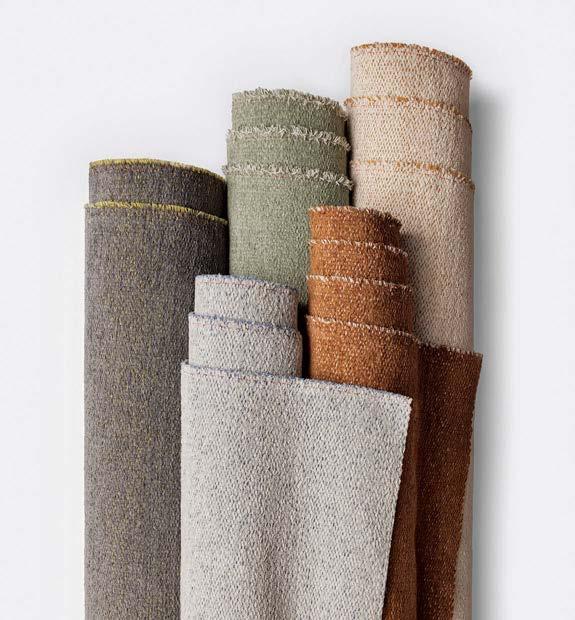
07 CHENILLE APPEAL
Designed by Suzanne Tick, Chenille Appeal upholstery “invites touch” wherever it’s applied. Woven in North America, the fabric combines 62 percent recycled polyester, 20 percent polyester, and 18 percent postconsumer recycled SEAQUAL® yarn made from marine plastic, creating a plush, textured surface with lighter weft tones over darker warp yarns. Engineered for performance, it’s offered in 12 bleach-cleanable colorways and meets standard durability and flame-retardancy criteria, with heavy-metal-free construction. LUUM TEXTILES luumtextiles.com
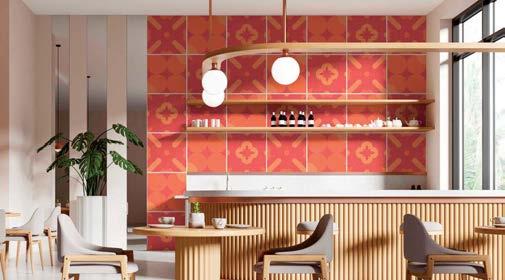
For Hush Acoustics, acoustic wall and ceiling tiles can do more than just control noise; they can also enhance the aesthetics and experience of a space. Take its newest collection, Solstice, for example. Consisting of six curated groups—Echo, Star, Knot, Daisy, Spark, and Moon—it allows designers to mix and match tile patterns and colors to create bold mosaics that complement architecture or branding while also enhancing acoustic comfort. The collection is 100 percent PET, with 60 percent made from recycled material.
HUSH ACOUSTICS hushacousticsusa.com
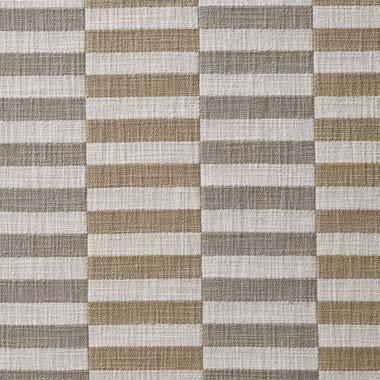
Last November, Edelman Leather launched three new offerings—Fount, Arc, and Ether. Each line aims to “highlight the materials’ inherent beauty” through a nuanced use of color and texture. For designers seeking a softer, muted palette, Fount is available in classic tones with transparent dyes that complement subtle variations within each hide. Arc, embossed on Fount, offers a dimensional surface pattern of curved, hexagonal forms that suggest a woven texture. Lastly, Ether is a luminous, metallic choice available in an opalescent palette of 24 colors, including more vibrant hues like mauve, copper, and chartreuse.
MAHARAM maharam.com
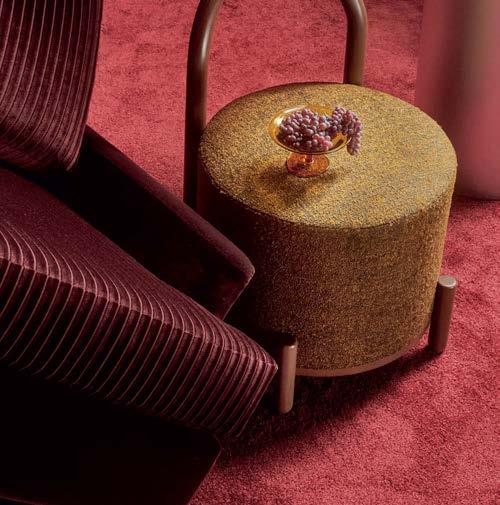
09 FEEL & FORM
10 JOIN
Join is a woven upholstery textile by Designtex, introduced in October 2025 and designed in collaboration with nanimarquina. It’s made from 100 percent postconsumer recycled polyester and produced in the United States, with a medium-scale geometric grid-and-stripe pattern and a 53-inch width. Engineered for high-performance use, Join meets industry standards for abrasion resistance (100,000 double rubs), flammability, and lightfastness and is suitable for outdoor applications. It carries sustainable certifications, including LEED, Oeko-Tex, and SCS Indoor Advantage Gold, and is compatible with water- and solvent-based cleaning methods.
DESIGNTEX and NANIMARQUINA designtex.com






















HBF Textiles’ Feel & Form upholstery collection comprises five distinct patterns engineered to emphasize surface, light response, and color depth. Designed for commercial interiors, the collection explores how texture alters spatial perception at the furniture scale. Velvet Cord features a pronounced ribbed structure that reflects light directionally, while Velvet Mix extends the line with expanded, adaptable colorways. Blended Bouclé combines looped yarns with metallic threads for controlled reflectivity. Metallic Muse is a full-grain, semi-aniline dyed leather, and Petite Suede provides a soft, matte counterpoint that absorbs light. HBF TEXTILES hbftextiles.com













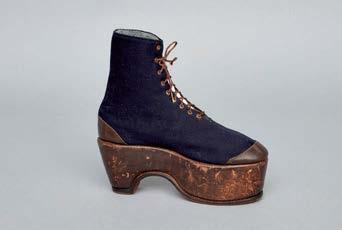
Behind the separatist Christian sect that believed order creates beauty and every tool, object, and design choice should serve a purpose.
By Jaxson Stone
The Shakers had a tool for everything and believed that every object should be beautiful, clean, and functional. Shown here are a variety of agricultural tools, courtesy of the Shaker Museum in Chatham, New York, whose collection features several thousand implements developed by the group.

It’s hard to believe that a small, gendersegregated religious community founded on the values of confession, celibacy, and communal living could leave such a big impact on the sinful, individualistic “World” from which they were separating themselves. But the United Society of Believers in Christ’s Second Appearing (more commonly known as the Shakers) was full of surprises, inventions, and craft wisdom that have irrevocably shaped the history of design as we know it today.
Chances are, you’ve held a product of Shaker design without even realizing it.
“The flat broom is a brilliant example of utility in Shaker design,” says Hallie Ringle,
Daniel and Brett Sundheim Chief Curator at the Institute of Contemporary Art, Philadelphia. Ringle has worked alongside curatorial teams at Vitra and Milwaukee Art Museum on The Shakers: A World in the Making, a traveling exhibition that situates over 150 historic Shaker objects (most of which are on loan from the Shaker Museum in Chatham, New York) alongside the work of seven contemporary artists and designers from around the world. “While it may seem ordinary today, people once only used round brooms. The Shakers introduced this innovative flat design, and the technology to produce them, and they’ve remained more or less unchanged ever since.”
At the heart of Shaker design lies this utilitarianism, consistently underscored by the religious beliefs that “order is the creation of beauty” and “cleanliness is next to godliness.” To achieve this meticulous level of structure and systemization, the Shakers had a tool for everything. Not only did they invent tools for everything, but they also invented tools to make those tools, tools to repair them, and tools for disseminating them beyond their community. And just as they had a tool for everything, they also had a chair for everything—ladder-back chairs that could hang elegantly on peg-rails when not in use, rocking chairs, children’s chairs, and
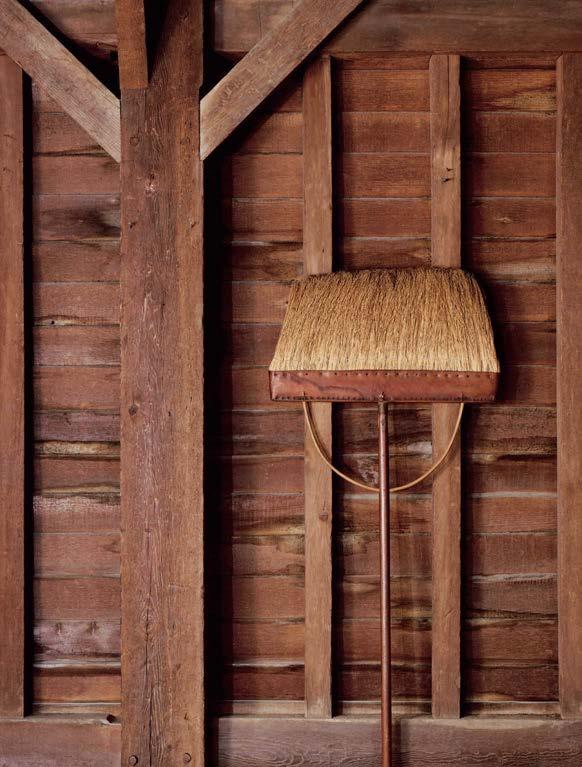
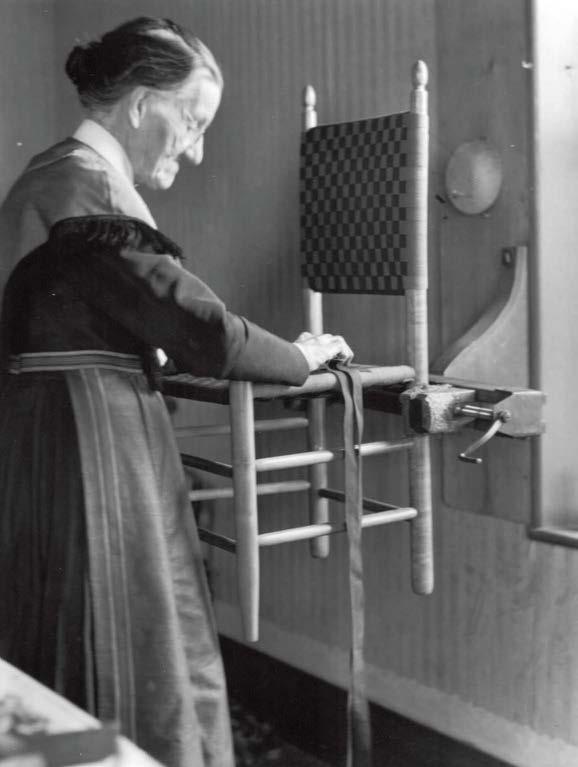

The Shakers were an innovative group of believers. In addition to creating new designs for everyday tools and furniture, they frequently modified their existing furniture, such as this wheelchair that was made from a Shaker rocking chair.
Installation view of the Formafantasma-designed The Shakers: World in the Making at Vitra Design Museum, featuring a steam engine (1867) and cobbler’s bench (1845).
the wooden predecessor to the modern task chair—the revolving seat chair.
One of the earliest Shaker innovations came out of the design of a tilting chair. In 1852, Brother George O’Donnell of New Lebanon, New York (the Shakers’ largest village at the group’s height in 1860), patented a ball-and-socket tilting mechanism for the back posts of wooden chairs, allowing users to lean back safely, without fear of slipping or damaging the chair or floor. The exhibition catalog notes that the mechanism was developed to “accommodate, rather than limit” this very human urge to lean back in one’s chair. Ringle notes, “The tilter chair shows real thoughtfulness about how people actually live with furniture.”
While Shaker objects are often described as having an inherent stillness, austerity, or quietness to them, their design and production were anything but static. The Shakers continually modified the everyday objects they used—a wheelchair circa 1830 was made from a modified rocking chair; a flagroot cutter was made from a modified sewing machine; and wooden infant cradles were scaled up for elderly adults and ailing community members.
Repairs and modifications such as these were commonly employed to extend a tool’s utility. As Chyna Bounds, assistant curator of American Decorative Arts and Design at Milwaukee Art Museum, explains in the exhibition's catalog: “This combination of innovation and resourcefulness underscored the Shakers’ broader commitment to sustainability, providing insight into their problem-solving abilities.” What we might now call “accessible,” “inclusive,” or “sustainable” design, for the Shakers were simply products of a godly life, small manifestations of heaven on earth.
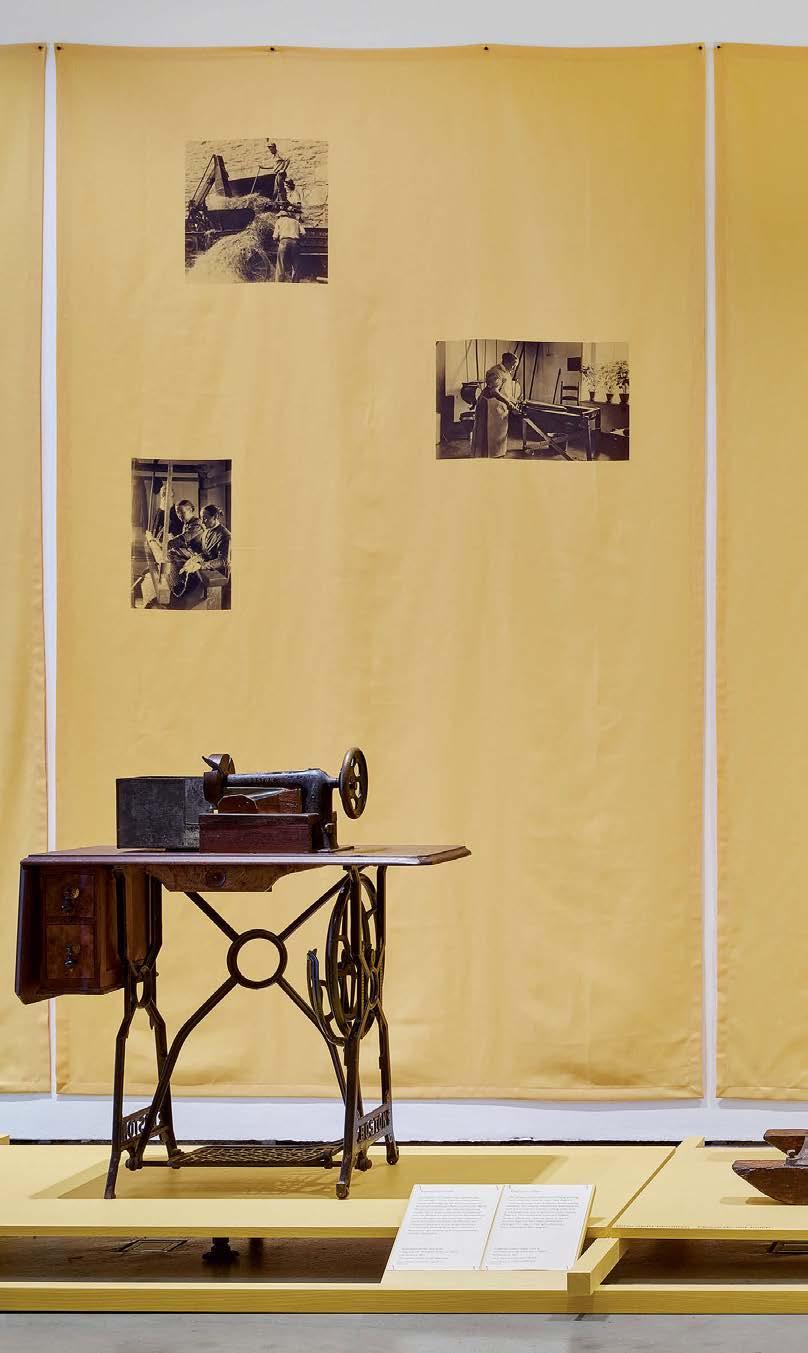
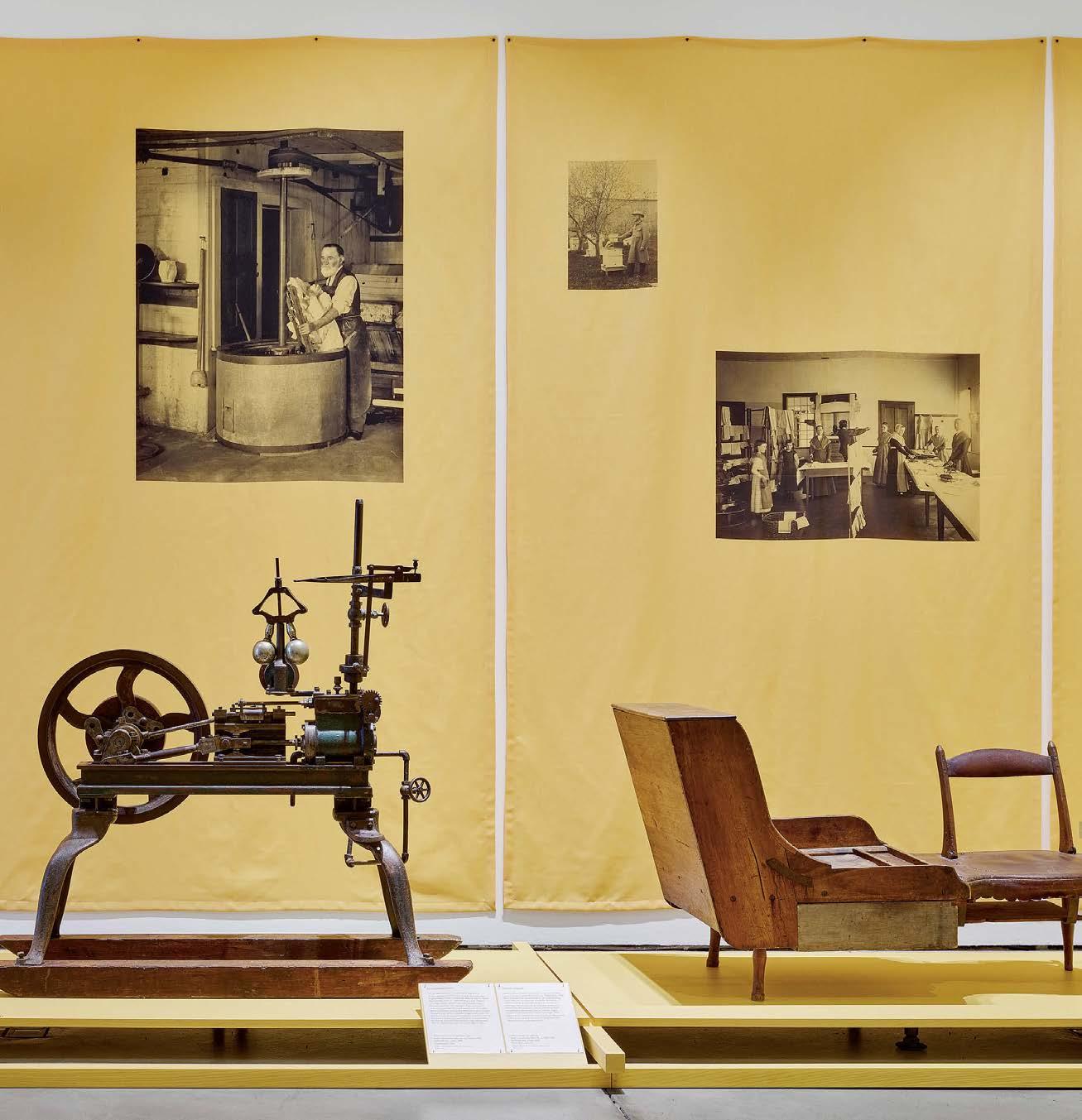
Brooklyn-based artist Finnegan Shannon’s commission for the exhibition, I Want to Believe, “complicates the idea that utility is inherently synonymous with accessibility,” explains Ringle. Their work engages with Shaker mobility aids—like a carved maple walker, a cane, or an orthopedic shoe for a person with one leg longer than the other—to highlight both the hope the Shakers placed in medicine and its limitations for people with disabilities.
Situated next to these objects, Shannon’s work critiques the commercialization of care and challenges contemporary structures—such as museums—that often prioritize profits over true accessibility.
Shannon’s commission is just one piece that helps answer the exhibition’s defining question: What happens when we look beyond the Shakers as makers of beautiful chairs? What does the Shaker worldview have to offer society today?
“Our goal is not to romanticize or mythologize the Shakers but instead learn from their approach,” writes Vitra Design Museum director Mateo Kries in the catalog’s introduction. “The Shakers’ dramatically different visions of belief, community, and capitalism represent an alternative history of the 19th and 20th centuries that offers lessons for the future.” M
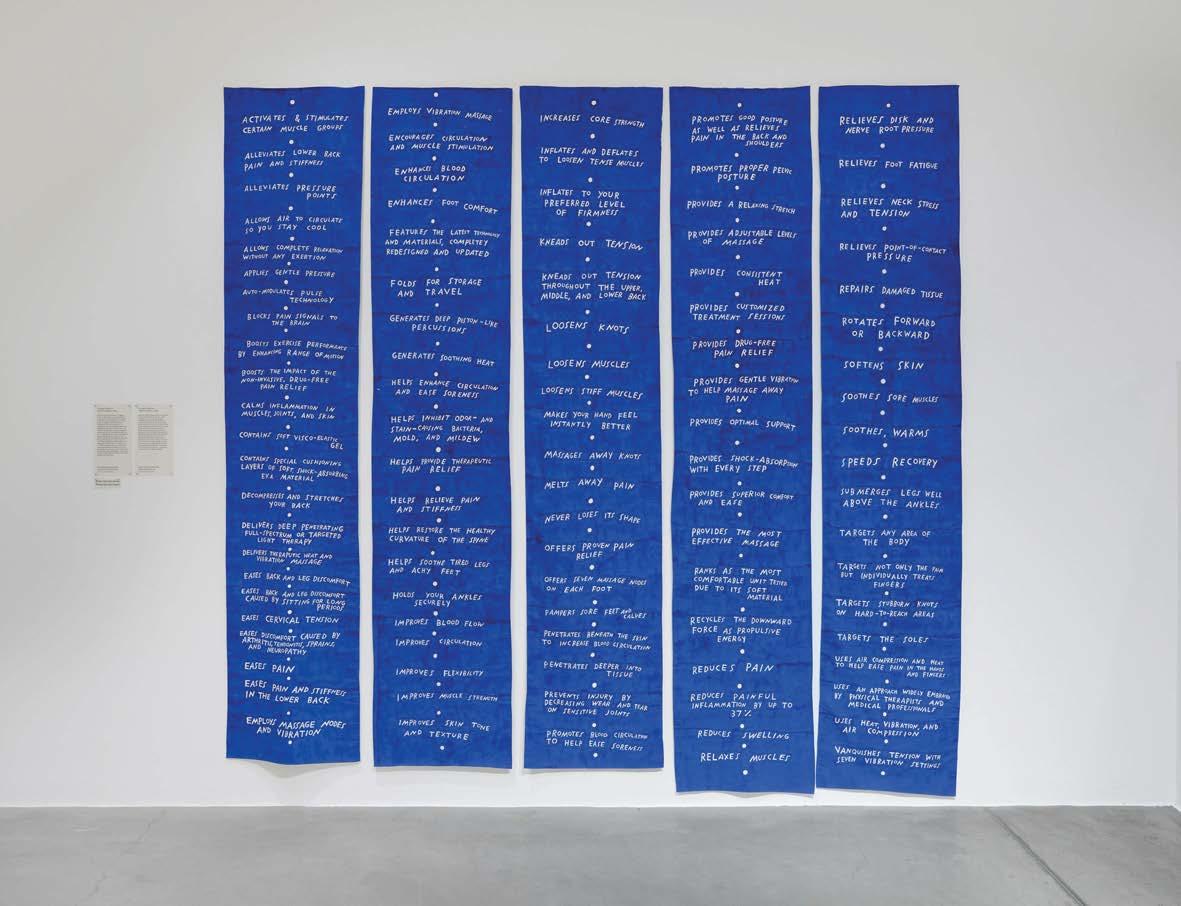
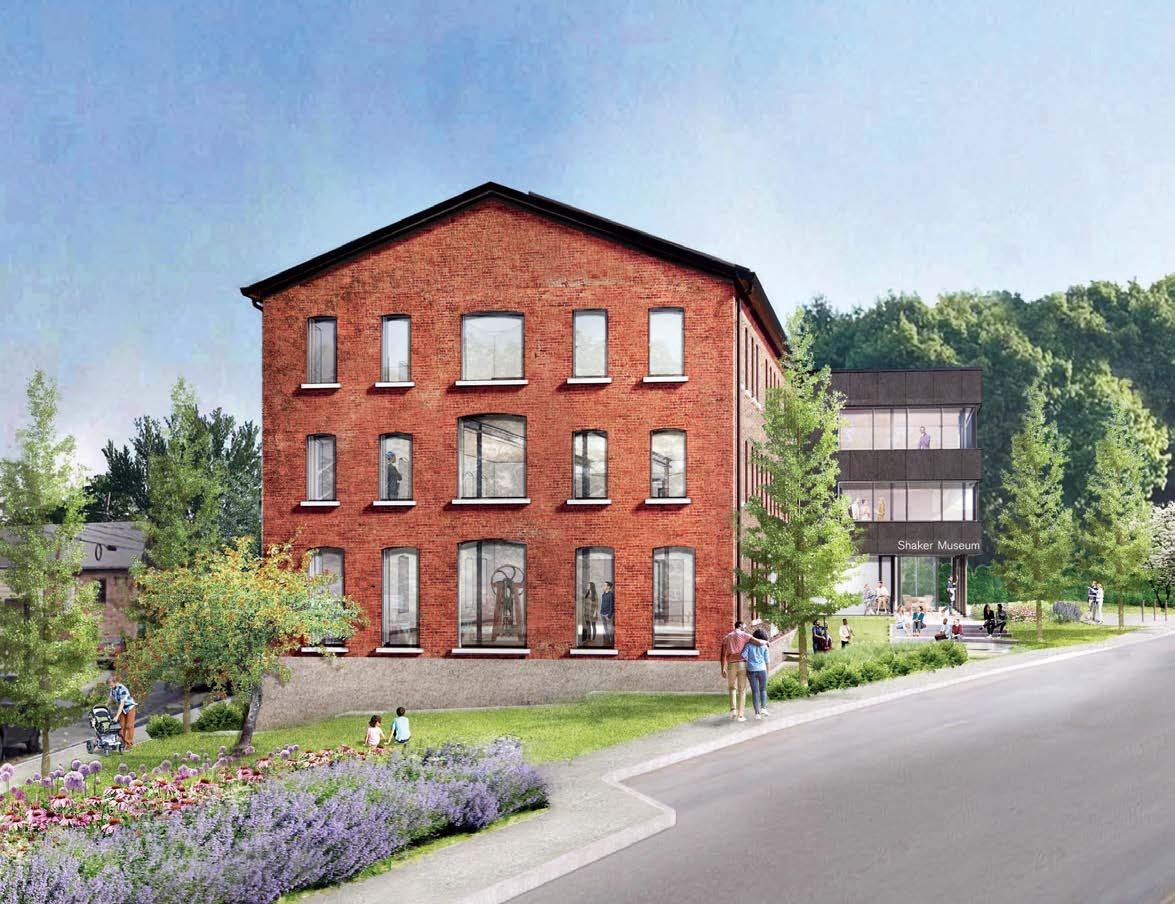
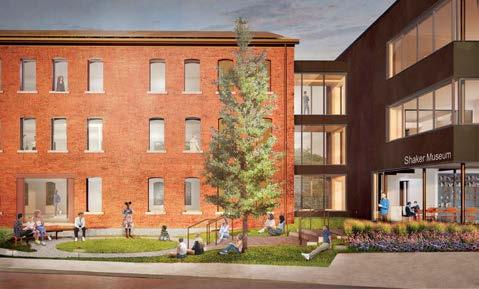
IN 2020, SELLDORF ARCHITECTS were announced as the architects of the new Shaker Museum and Library, to be built in in Chatham, New York. Just 20 minutes down the road, the museum will also maintain the historic Shaker community of Mount Lebanon, founded in 1787. When ground is broken on the adaptive reuse project in April 2025, the new permanent facility will add 30,000 square feet of space and contain galleries, a public reading room, a community space, and a conservation and storage facility for stewarding more than 18,000 objects, the most extensive collection of Shaker material culture and archives in the world. Designed to embody Shaker values of inclusion, innovation, and equality, the museum will also feature a Shakerinspired landscape design by Nelson Byrd Woltz, filled with medicinal and native plants.
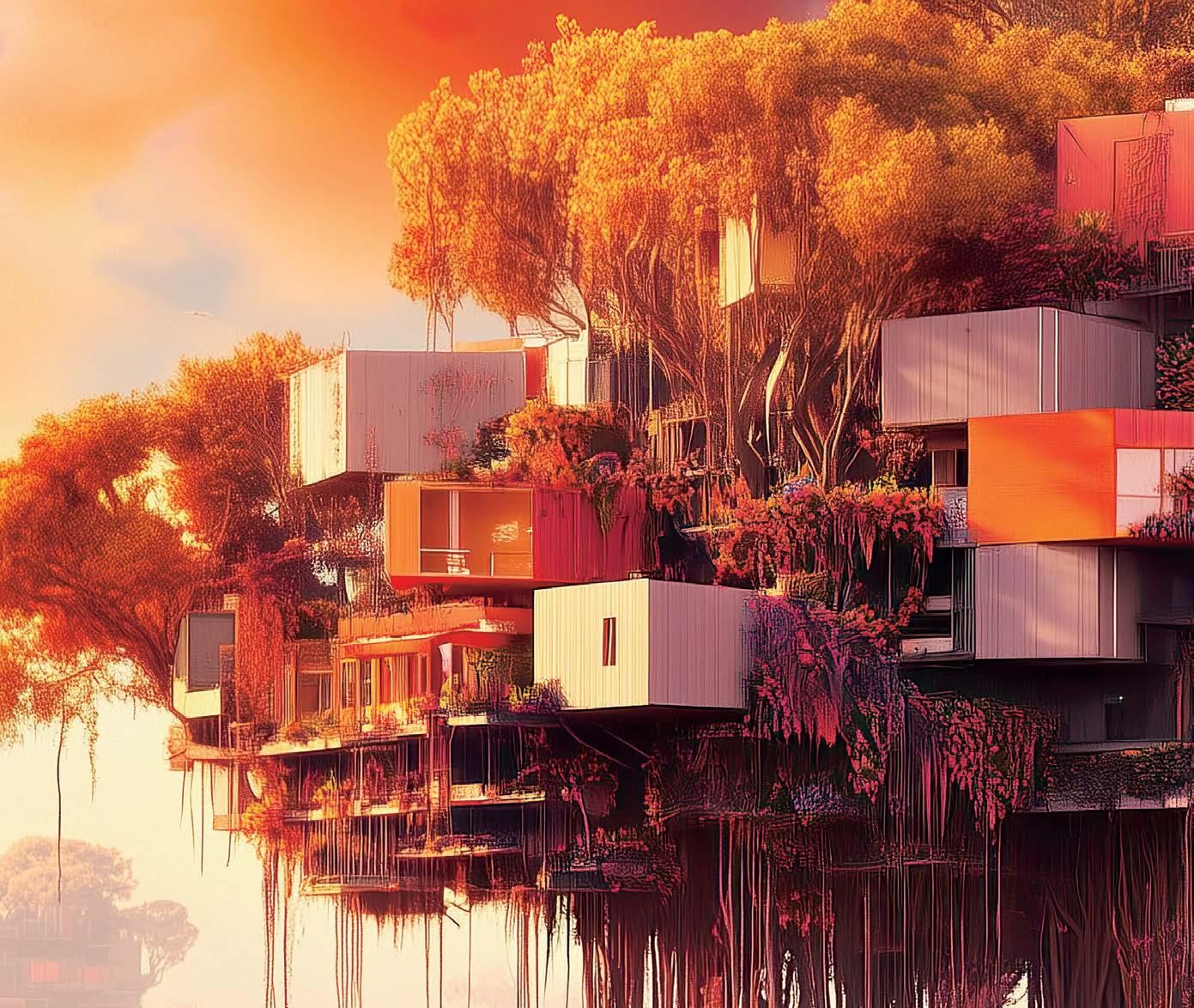
Film still from After the End (2024), which speculates on an alternative history in which the First Peoples of Australia return to the land, reclaim their sovereignty, and weave modern machines into their new future world.

As the climate crisis shifts from a technological problem to a crisis of imagination, the architect and film director calls on designers to construct new planetary narratives.
By Francisco Brown
Moving beyond the limits of the traditional site plan and drawing sets, speculative architect, SCI-Arc professor, and filmmaker Liam Young describes new tools—film, gaming engines, immersive media, and cross-disciplinary collaboration—as essential instruments for a practice operating at a planetary scale. At the heart of his argument is the belief that today’s crisis is not technological but imaginative: We lack compelling visions of futures large enough to meet the realities we face. Here, METROPOLIS speaks with Young about his new exhibition, Planetary Imaginaries (on view at SCI-Arc through March 8), and the expanding role of architects as world builders.
Francisco Brown: You’ve described yourself not only as an architect, but as a world builder. What does world building mean to you, and why do you believe architecture should play a larger role in it?
Liam Young: In Los Angeles, especially in Hollywood, world building means constructing the entire narrative universe around a story. In our studio, we create a world first, and within it we can set a film, a prequel, a sequel, a video game, or an immersive experience.
But world building isn’t just screenwriting—it’s spatial design. It’s thinking about the world in which the objects we design actually sit. We live in a condition of global supply chains, planetary material flows, and vast infrastructures. To design today is to design within that expanded field. I think world building is the design genre of our generation.
FB: When did you realize this could become a formal medium—one you would eventually shape into a master’s program at SCI-Arc?
LY: The "seeds were planted" with Unknown Fields, the documentary studio I run with architect Kate Davies. We set out to explore the hidden landscapes behind the modern city. To truly understand a building, a chair, or a phone, you can’t look at it in isolation— you must trace the sites that produce it and the sites it produces, from extraction to waste.
We once followed the iPhone supply chain from the Apple Store back to rare-earth mineral mines in Inner Mongolia. That was nearly twenty years ago. It made clear that there is no singular site anymore. Everything is globally connected—physically and conceptually.
Architectural drawings don’t adequately describe these atomized networks of systems, infrastructures, and landscapes. So, we began rethinking what a site plan could be. That thinking eventually evolved into the program at SCI-Arc. Architects need new visual languages to describe the true scale of what they’re shaping.





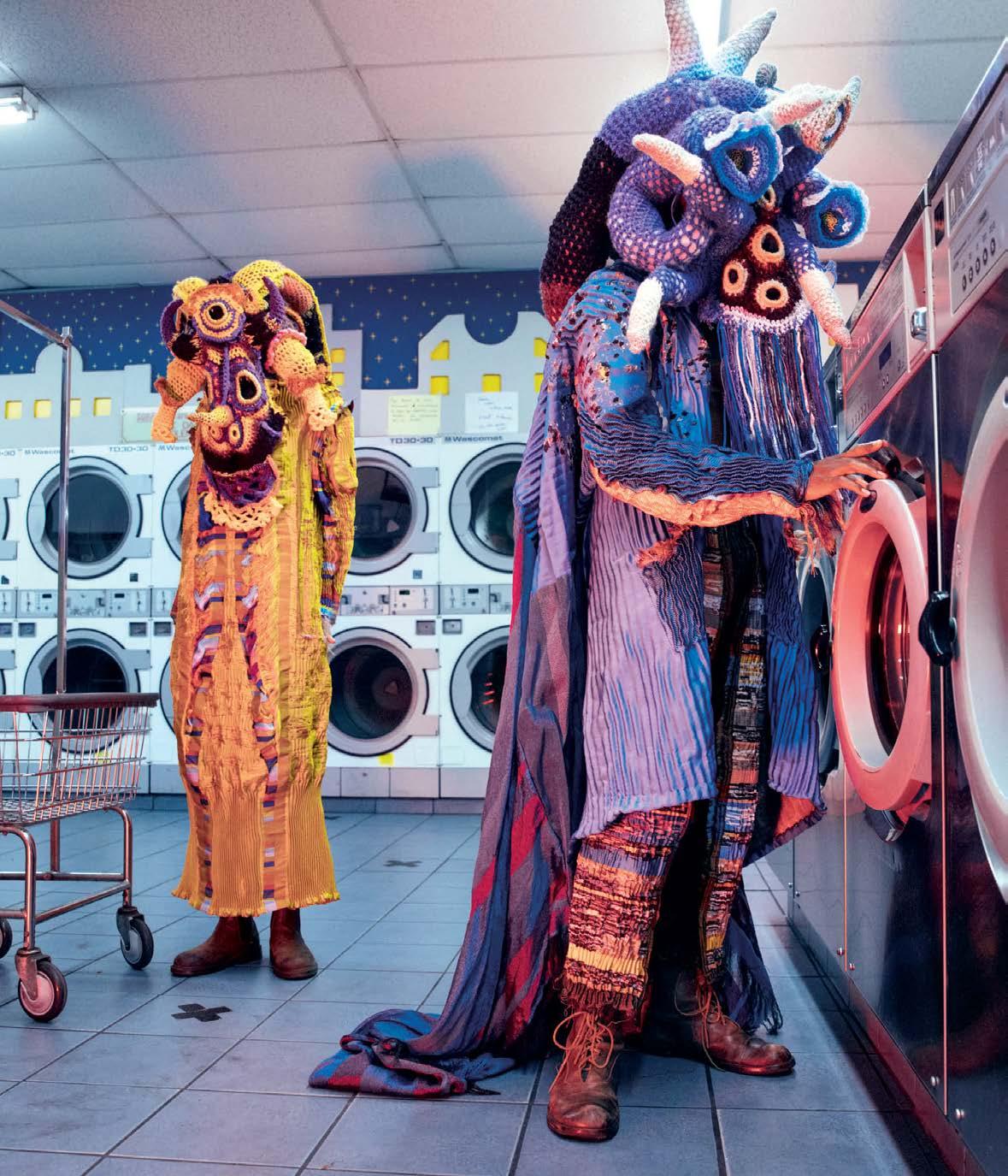


FB: Do you think that world building emerging from architecture schools lacks consideration of ecological systems? At times, it appears dystopian or preoccupied with decaying infrastructures. Is that a fair reading?
LY: World building, by definition, includes all layers—human and nonhuman, natural and artificial, physical and digital. Architects are uniquely positioned for this because we sit between culture and technology. Architects and creatives constantly collaborate across disciplines with filmmakers, writers, scientists, and engineers. Architects are generalists. We know a little about everything. In a world where everything is connected, that generalism becomes powerful.
What’s disappointing is that architects often become instruments of capital— designing luxury homes, trophies, icons for regimes. The avant-garde frequently serves those with money and power. Yet our training equips us to operate much more strategically.
The aim of the Fiction and Entertainment program at SCI-Arc is not to dissolve architecture, but to expand it. Architects can work in tech companies, film studios, video game design, politics, planning departments, and curation. If we don’t expand, we risk becoming a marginalized luxury service.
The world builder can operate across these territories and see relationships between technological systems and so-called nature, which is itself deeply constructed.
FB: In Planetary Imaginaries , you argue for moving beyond exhausted aesthetics. What does that mean?
LY: I describe my work as constructing “planetary imaginaries”—imaginary worlds at the planetary scale. The crises we face are planetary, so the visions we construct must match that scale.
The problem is that planetary-scale projects are often portrayed as dystopian—Bond villains, evil corporations, and their techno-utopian architects “Master Planning” Earth. Meanwhile, hopeful futures fetishize the local: neighborhood gardens, small-scale grids, backyard farming. These ideas stem from the 1960s and ’70s environmentalism, but the scale of today’s crisis makes them insufficient.
We need new imaginaries that are pragmatic and viable at the planetary scale. The future may not look green in the pastoral sense. It may look like vertical farms lit by red and blue LEDs, powered by vast renewable systems. It may look like hyperscale data centers, centralized to minimize damage from dist ributed failures. It may look like
repurposed oil infrastructure pulling carbon from the air, vast wind farms, or even geoengineering.
The tragedy is not technological failure—it’s a failure of imagination. The front line of climate discourse is cultural. The futures we imagine become the futures we build. That’s why working in film, games, and popular culture matters. We need to recalibrate what a hopeful future looks like.
FB: What has surprised you most in developing this work and teaching it?
LY: What’s been powerful is seeing how these methods have influenced the broader school and are now standard tools in architectural education. That’s part of a broader technological shift.
We’ve moved from the 2D rectangle—the cinema screen—as the dominant storytelling format to immersive worlds: VR, domed environments, large-scale stage experiences. The language of cinema—cuts and edits—becomes less relevant. Instead, we talk about thresholds, transitions, and spatial sequences. There is a contribution to new processes. Immersive media is fundamentally architectural. Students aren’t graduating into the same world anymore, and opportunities for architects within immersive media are too significant to ignore. M
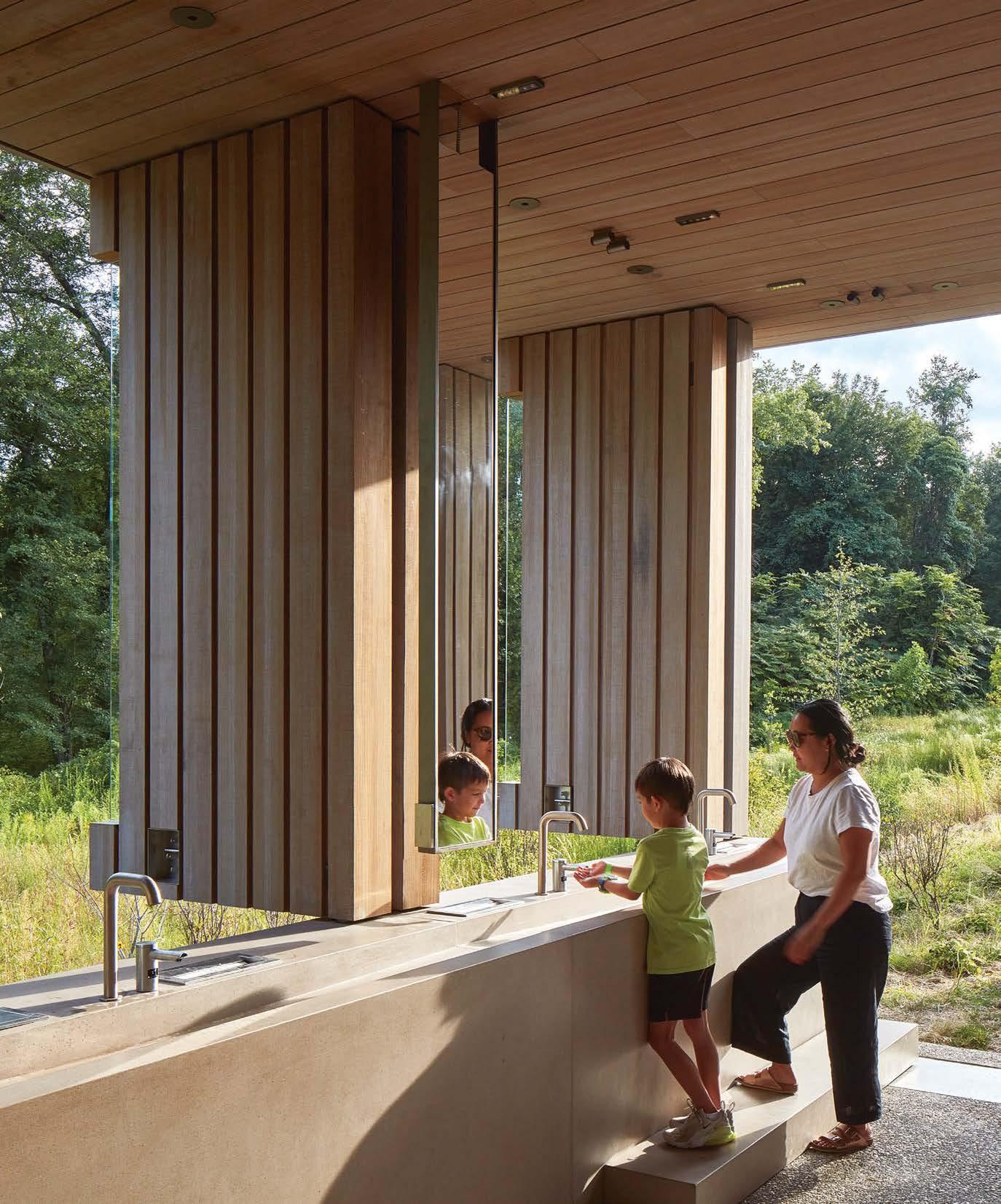
WXY’s people-first approach has quietly reshaped how New York—and increasingly the country—thinks about public space, sustainability, and civic design.
By Rebecca Greenwald

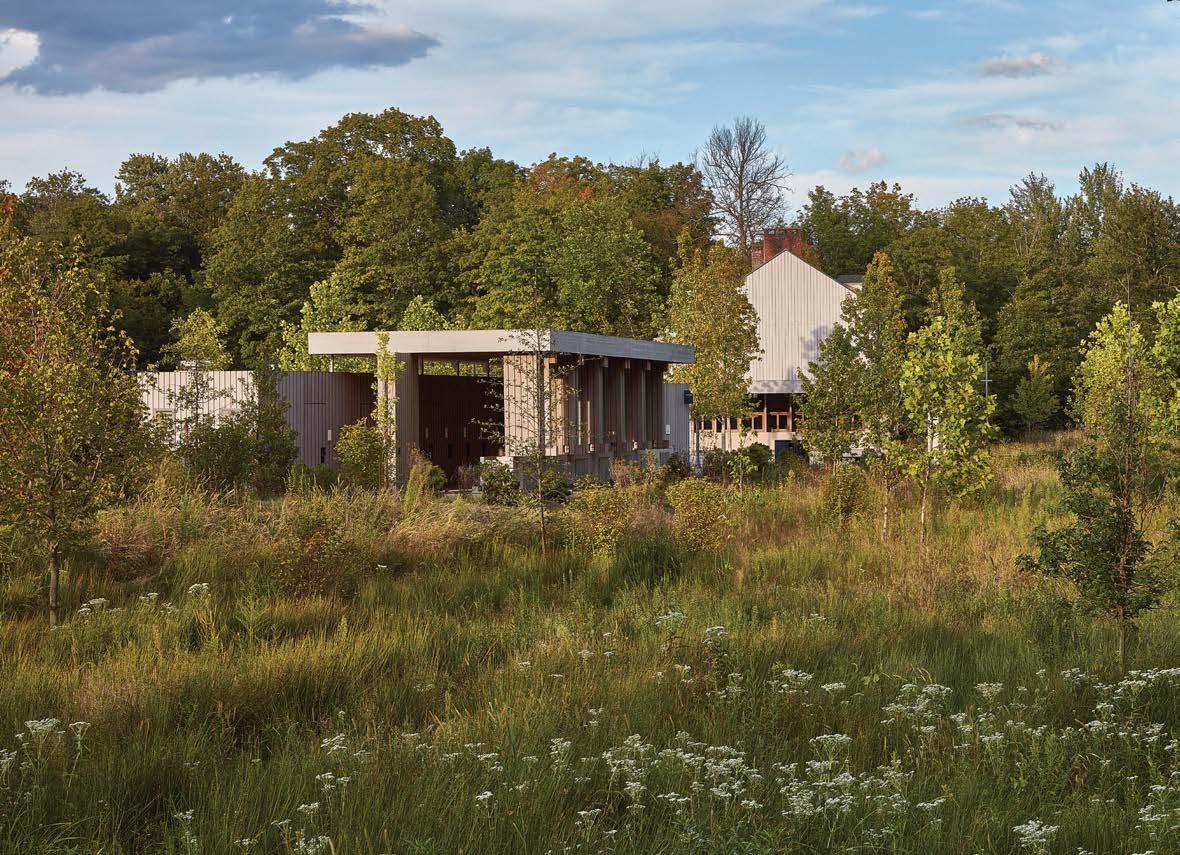
The clearest through line across New York–based architecture, landscape, and urban planning firm WXY’s varied portfolio can be found in an unexpected place: the restrooms and parking lot of Storm King’s new capital expansion project.
The questions guiding the design were deceptively simple: “How do you remove roads and treat parking in a way that makes it an environmental resource? How do you look at public washrooms as an opportunity to recognize different people’s relationships with gender, privacy, and use of natural resources?” asks Claire Weisz, the firm’s founding principal.
This attention to user experience is how a trained architect has guided the growth of a firm that has shaped the evolution of both public space and the sustainability movements in New York City over the past two decades. Both WXY
and the Design Trust for Public Space—cofounded by Weisz— were formed in the late 1990s.
“The practice comes out of the idea that all of these issues around space, time, form, light, and environment are actually squandered by thinking of architecture as just buildings,” says Weisz. From the outset, the studio operates on the belief that public space matters and that design must center on people’s role in shaping the city.
One of the studio’s deepest and longest-standing neighborhood relationships has been with Rockaway Beach. Over the past decade, WXY’s work there has included rebuilding the boardwalk after Hurricane Sandy, designing a new welcome center for the Arverne East Nature Preserve, and developing the Rockaway Dune Enhancement Plan.
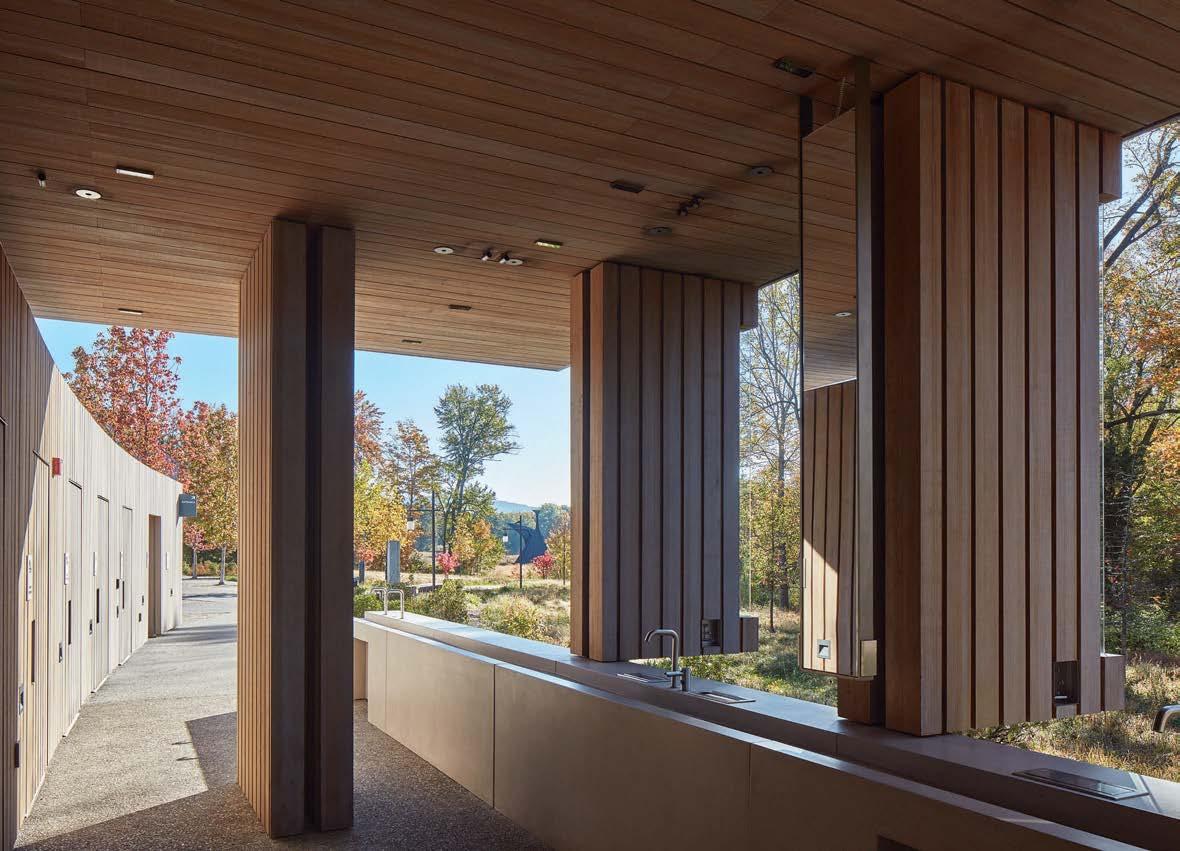
This idea of designing backward—from lived experience to built form—can also be seen in Packer Collegiate Institute’s Garden House. The adaptive reuse of this 1800s brownstone transformed it into a four-level school, with a 17,250-square-foot mass timber expansion integrated with 100 percent recycled brick.
WXY surveyed the institute’s students to understand what ideas in sustainable design mattered most to them. “They didn’t care about LEED Gold or Silver, but what they did care about was what would be the most impactful way for them to be good stewards of the planet. We had to show them how we were saving the previous building—it was the thought that was put into it that actually mattered to students,” says Weisz.
More recently, this f ocus on how individuals and communities experience their neighborhoods has been scaled up into the
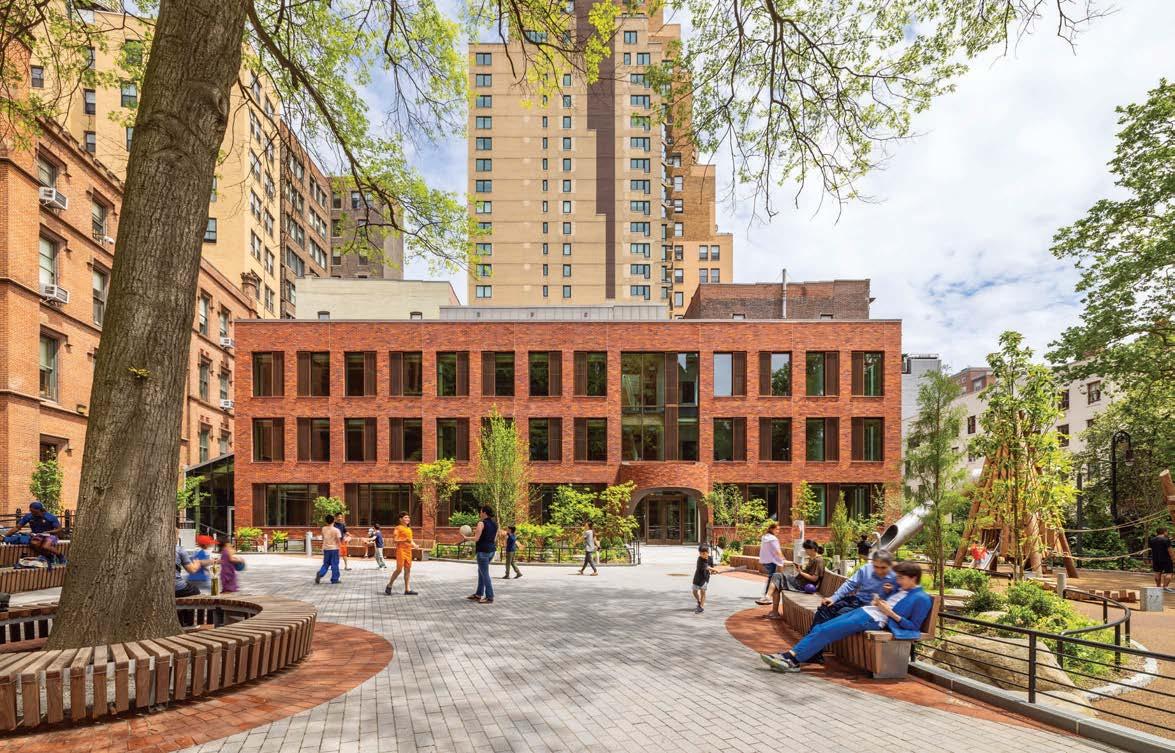
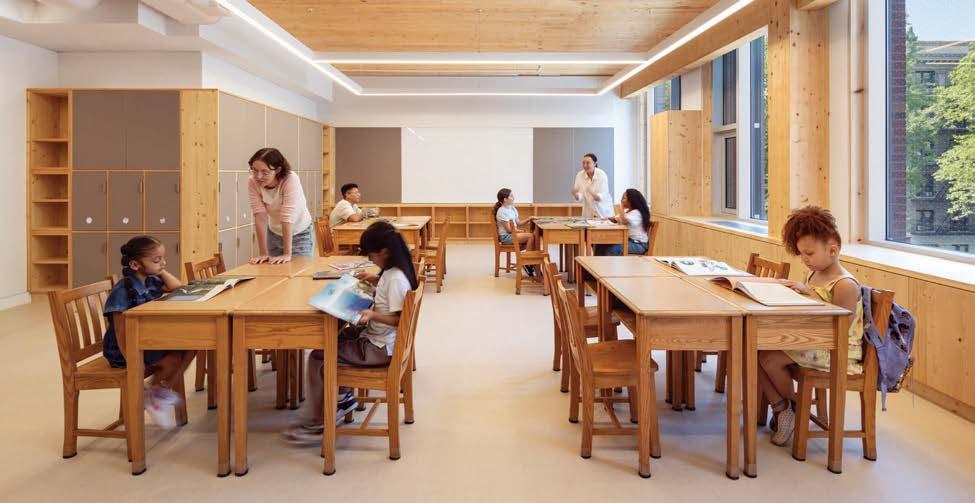
The Packer Collegiate Institute reflects WXY’s approach to design—working backward from how students learn and inhabit space to shape architecture that balances performance, comfort, and care.
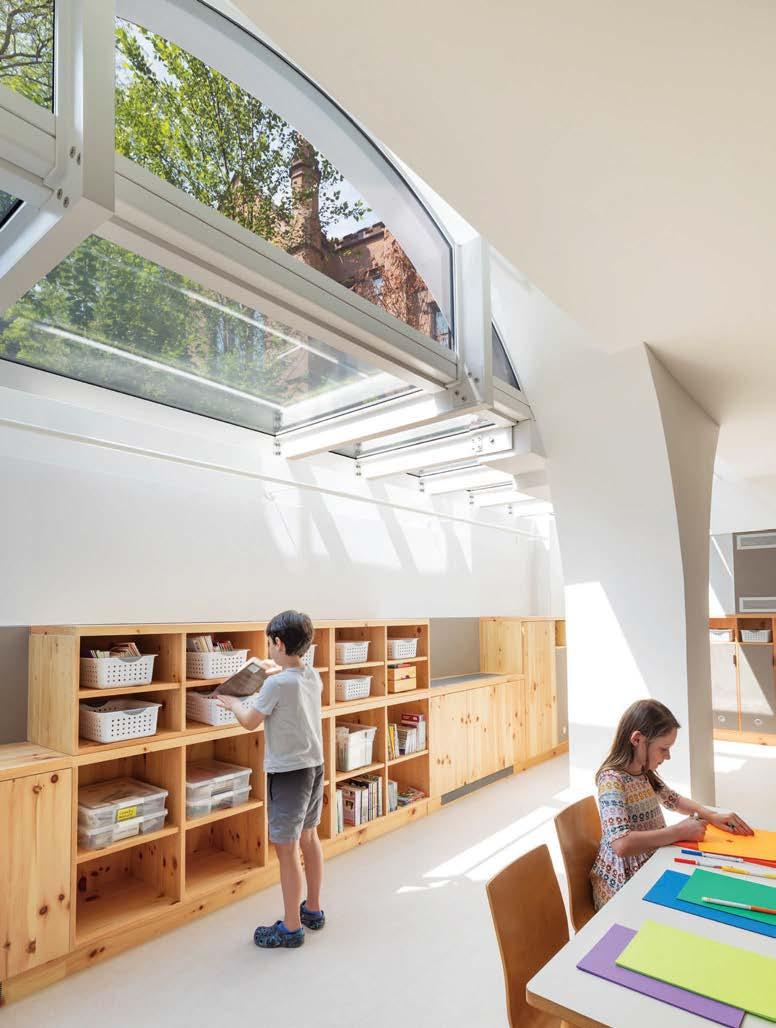
At The Packer Collegiate Institute in the Brooklyn Heights Historic District, the Garden House reimagines an 1869 brownstone as a four-level Lower School hub where a 17,250-square-foot mass timber addition pairs historic fabric with a forward-looking vision for education.
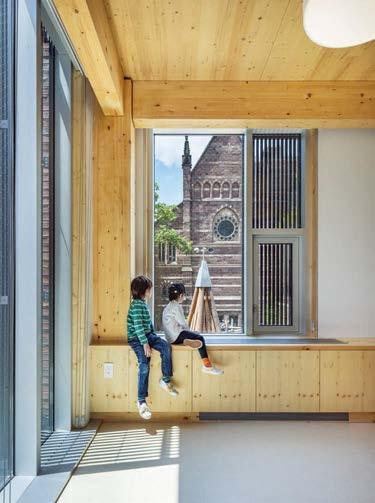
studio’s planning and policy work. Led by associate principals David Vega-Barachowitz and Chris Rice, this growing portfolio is supported by an interdisciplinary team of spatial and data analysts, computational designers, web designers and developers, and community engagement specialists. Both Vega-Barachowitz and Rice have “boomeranged” between WXY and City Hall, serving in urban design and climate and environmental justice roles, respectively, before returning to the studio.
WXY is currently developing several landmark initiatives for New York City, including its first-ever accessory dwelling
unit (ADU) guidance, the Urban Forest Plan, and the Environmental Justice NYC Plan. The ADU for You program will provide homeowners with clear guidance on which ADU options they are eligible for, along with a visualizer tool that will let them see which ADU could fit on their site. Meanwhile, the Urban Forest Plan advances recommendations to preserve and expand tree canopy across property types—from city streets and parks to New York City Housing Authority (NYCHA) campuses and single-family homes—toward a citywide goal of 30 percent coverage.
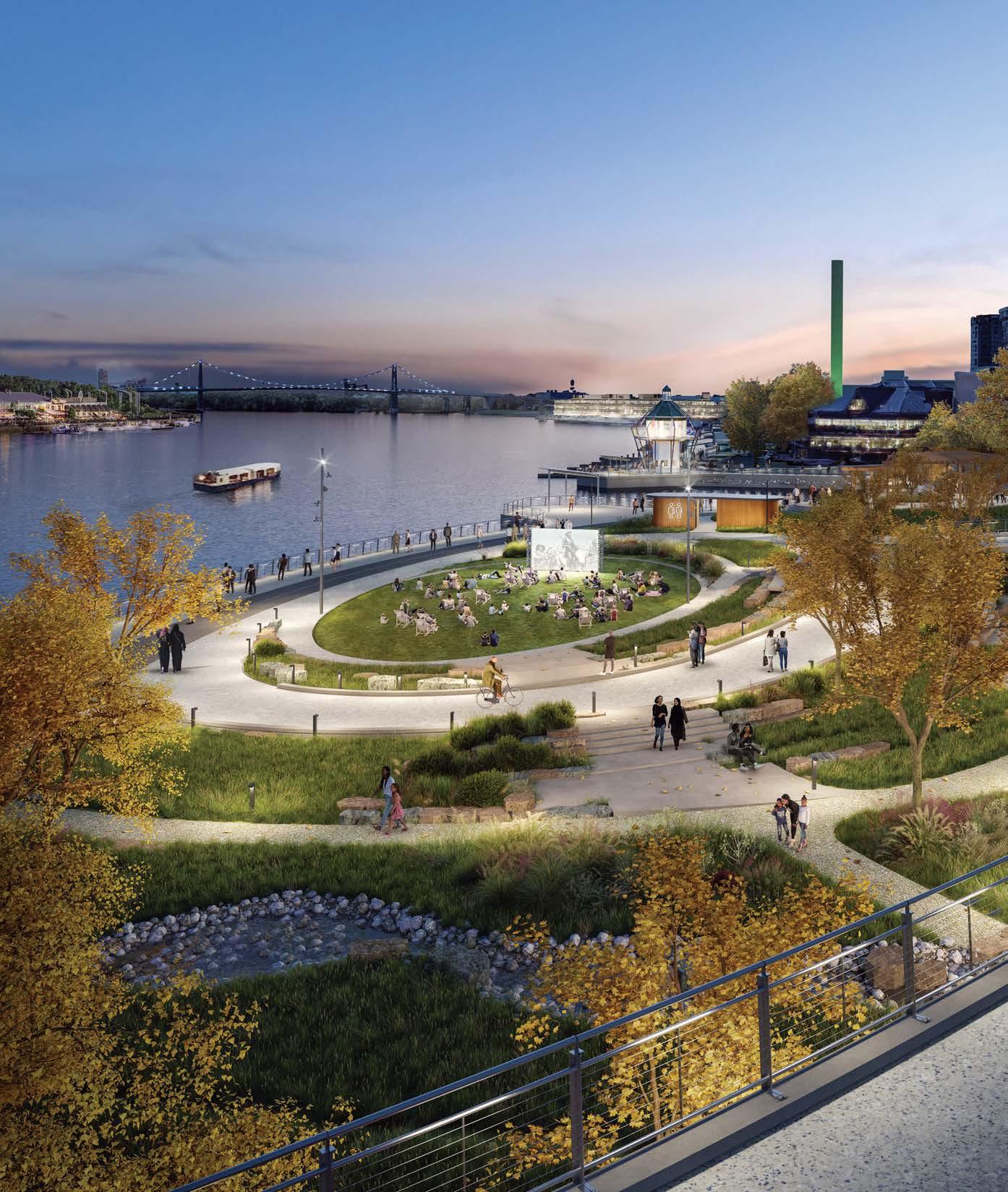

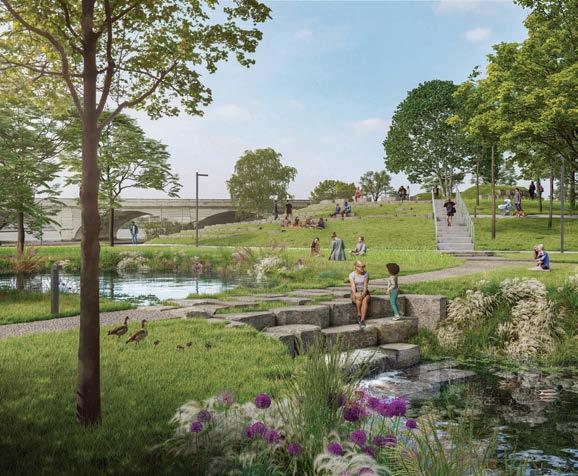
Being based in New York is central to WXY’s identity—and underpins what the studio brings to a growing number of projects in cities across the country, according to Vega-Barachowitz. "It’s this sensitivity to the public realm and a recognition in New York that we are pedestrians and we are experiencing and walking the city a block at a time."
This translation of the firm’s approach outside of New York is currently being applied to the design of a major new riverfront greenway in Toledo, Ohio, transforming what had been a James Rouse festival marketplace established in the late ’70s and a postindust rial brownfield site into a five-mile loop reconnecting both sides of the Maumee River by a new serpentine bridge. The Glass City Riverwalk will reintroduce residents to the river and the surrounding natural landscape through meandering parks, wetlands, and woodlands.
As for the future, Vega-Barachowitz is optimistic about the studio’s ability to continue positively shaping its hometown and beyond. “We have an unconventional and highly interdisciplinary portfolio, but it’s also very much focused on the problems that society is facing,” Weisz notes. “If you look at the Mamdani agenda, we’ve been working to tackle the integration of schools and thinking differently about street design and safety. It’s super rare that an architecture firm sees design as a pathway to ac tually tackling these kinds of policy issues.” M
explains how the current language of net zero is a “good idea worn thin by its own optimism.”
By Anthony Brower
The concept of net zero as an aspirational goal—across energy, water, material, and other building resources—is dying. Not from neglect or irrelevance but from exhaustion. We continue to ask the renaissance community of our time—architects, engineers, planners—to climb a mountain that keeps reshaping itself beneath their feet.
This is not a new story. Net zero now stands where every movement built on voluntary virtue eventually lands: a good idea worn thin by its own optimism.
Recycling began as an act of personal responsibility, but participation followed only when cities issued bins and set schedules. Systems changed, and behavior followed.
This is the moment that the idea of net zero finds itself in. The problem is not that the goal was wrong but that we built it on
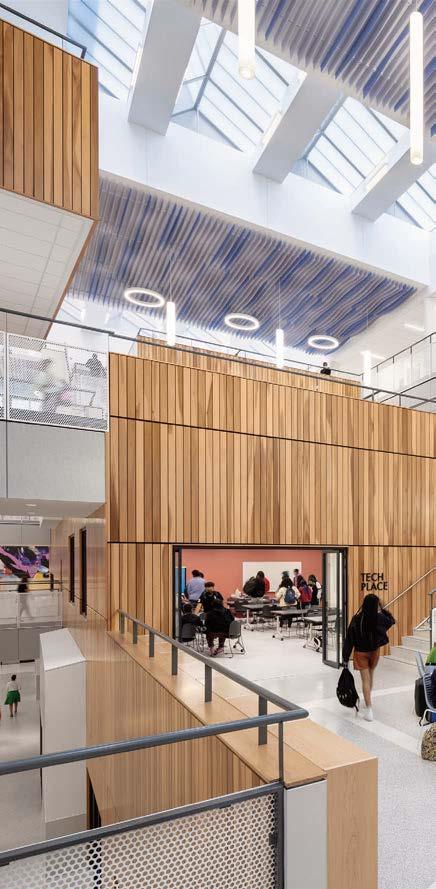
volunteerism and jargon instead of shared language and mandate. For decades, we have created fluency in a language no one else speaks: acronyms, checklists, energy curves, carbon coefficients. While clients nod politely, attention wanes.
We surely are missing something, but it’s not the concept that’s broken; it’s the story we tell.
Engineers speak performance data, clients speak cost, users speak comfort. Architects live in the space between those languages, often serving as translators rather than designers. When we tell a client the building’s energy use intensity (EUI) is dropping, they hear math. When you tell them employees will breathe easier, they hear purpose.
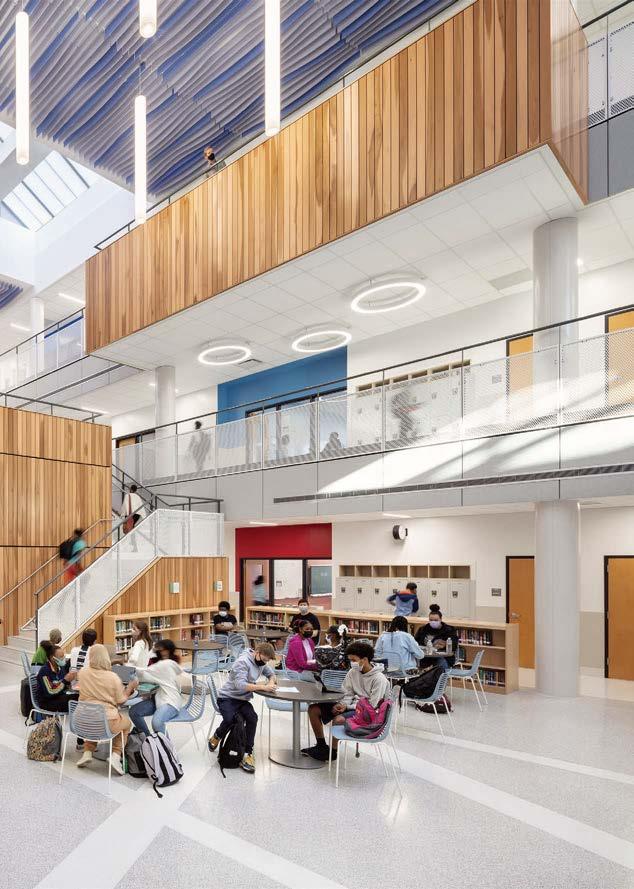
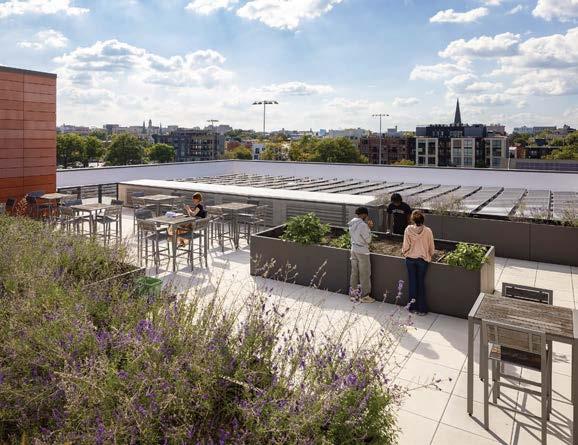
Interestingly, builders are starting to bridge the divide. Several design-build teams at Verdical Group’s 2025 Net Zero Conference noted that net zero no longer costs more than conventionally conceived projects. The unguarded enthusiasm revealed that the tools are ready; it’s the alignment that needs work.
This is a key structural flaw. We’ve been treating a fever, operational energy, while the rest of the body, embodied energy, stands by unattended.
Context deepens the confusion. In California at noon, the energy grid is nearly carbon free. Come evening, it isn’t. A kilow att-hour has a different accent depending on where and when it’s spent. “What does net zero even mean in this context?” asked Ismar Enriquez of Practice at the conference. The definition, and its nuances, keep changing. Enriquez was
right: translation is not about better storytelling; it’s about broader fluency. We need a way for financiers, developers, tenants, and politicians to hear the same message and believe it belongs to them.
The future will not hinge on new acronyms but on plain speech. Regenerative design will shift the frame from subtraction to repair. Homeowners won’t ask for EUI metrics but for air that doesn’t trigger asthma. Engineers will describe waste heat as warmth for families instead of recoverable loads.
The lesson from every public campaign and building code is that progress accelerates when responsibility becomes a collective concern. If 10 percent better on every project creates greater impact than 100 percent better on an imme asurably few projects, imagine what 80 percent better on every project would mean. For design, this means writing performance into the contract, the zoning, and the financing. Design intent needs to survive value engineering.
Policy is often treated as the villain of creativity, but regulation has always been its crucible. The best designers find clarity inside constraint. Cities are tying incentives to verified performance. Developers are seeing energy resilience as a way to protect asset value. Insurers are opening opportunities to reward buildings that anticipate problems instead of reacting to them, resulting in fewer claims. Each of these is a step away from persuasion, toward fluency.
The end of net zero is not a loss. It is the handoff we need to pi vot from hope to habit. M
BANSHEE
“Banshee Is a Beacon on South Street,” p. 36
• Client: Dabco Collective
• Design architect: Stokes Architecture + Design
• Interiors: Stokes Architecture + Design Lighting: Stokes Architecture + Design
INTERIORS
• Bath surfaces: CE.SI Tiles
• Ceilings: Surfacing Solution
• Furniture: DWR, WoodGoods, Martin Upholstery
• Kitchen cabinets: Custom Lighting: Louis Poulsen
• Paint: The Paint Laboratory
• Upholsteries: Outdura
• Wall finishes: Mushroom Wood
• Other: Custom mural
EXTERIORS
• Cladding /facade systems: Mushroom Wood, CE.SI
DUTCH KILLS HOUSE
“In Long Island City, a Lot Less Became Much More,” p. 100
• Design architect: Leong Leong
• Interiors: Leong Leong
• Developer: Private residential
• Engineering: Martos Engineering (structural), EP Engineering (MEP)
• Other: Knights Interiors Inc. (general contractor)
INTERIORS
• Accessories: By client
• Bath fittings: Kohler, Duravit, Delta
• Bath surfaces: Zellige tile from Morocco, Nemo
• Ceilings: Recycled tin ceiling panels
• Flooring: Wicanders, Wausau, refinished wood floors
• Furniture: By client
• Kitchen products: Grohe, Bosch, Miele
• Kitchen surfaces: IKEA (cabinetry), SMC Stone Lighting: RBW
• Paint: Benjamin Moore
• Textiles: Aronson’s
• Wall finishes: Surfacing Solutions; Felix Gonzalez-Torres (rear house mural), Kameelah Janan Rasheed (front house mural)
• Other: Family heirloom brass door levers for rear house; custom oak veneer millwork by contractor; custom guardrail and handrails throughout by contractor
EXTERIORS
• Cladding /facade systems: Anodized aluminum standing seam
• Doors: Jeld-Wen
• Glazing: Jeld-Wen, Velux
• Lighting: Barn Light, Artemide
• Windows: Jeld-Wen
• Other: Tiger Drylac (paint); custom metalworks throughout by contractor
OUTDOORS
Furniture: Fermob
• BUILDING SYSTEMS
• HVAC: Mitsubishi
• Security: Active Security Integrations
• Other: Brooklyn SolarWorks (solar)
KUPONO HALE
“On Maui, an Off-Grid House Is Tuned to Culture and Climate,” p. 66
• Design architect: Hawaii Off-Grid Architecture & Engineering
• Architect of record: David Sellers, AIA
• Interiors: Client did their own interior decorating Engineering: CDF Engineering
• Fire protection: Engineering Dynamics Corp
Sustainability consultant: Hawaii Off-Grid Architecture & Engineering
INTERIORS
• Ceilings: Tongue-and-groove roof decking made from locally sourced Cook Pine
• Kitchen cabinets: Pacific Millworks
• Kitchen surfaces: Caesarstone
EXTERIORS
• Cladding /facade systems: Tongue-andgroove roof decking made from locally sourced Cook Pine
• Doors: Marvin Fiberglass Windows/Doors
• Glazing: Marvin Fiberglass Windows/ Doors
Solar/solar protection: Lumos Solar Panels
• Windows: Marvin Fiberglass Windows/ Doors
• Other: Solark, Blue Ion, solar hot water panels and heater
BUILDING SYSTEMS
HVAC: Engineering Dynamic Corps
• Structural (steel/mass timber/concrete/ etc.): ICCF Blocks, glulam beams, steel moment frames
POPULUS SEATTLE
“Populus Seattle Rewrites the Rules for Historic Reuse,” p. 118
• Design architect: The Miller Hull Partnership, LLP
• Interiors: Curioso
• Developer: Urban Villages, Inc.
• Consultants: Morrison Hershfield (envelope consultant), Tenor Engineering (acoustical consultant), Lerch Bates (vertical transportation consultant)
• Engineering: MIG/SVR (civil), CPL (structural)
• Landscaping: Site Workshop
• Lighting: Luma Lighting Design
• Other: Aparium Hotel Group (operator), JTM Construction (contractor), Holmes Fire (fire and life safety code), Kathryn Rogers Merlino (historic report), ARTXIV (artwork curation)
INTERIORS
• Accessories: Assa Abloy (access control hardware), Fire Horse Forge (front entrance door handles), Schlage (locksets and LCN closers)
• Bath fittings: Waterworks
• Flooring: Oregon Lumber Company, Pacific Northwest Timber, Pliteq, Stark, TruSP
• Furniture: Splinter & Slag, Limetree, Shawn Austin, Eric Brand, Lawson-Fenning
• Paint: Sherwin-Williams
• Textiles: Moore & Giles, Designtex, Pollack, Erica Shamrock, Momentum Group, Pindler
• Upholsteries: Pendleton Fabric
• Wall finishes: Color Atelier Lime Wash Paint
• Other: Isolatek (intumescent coatings), Turabi Rug Gallery (area rugs)
EXTERIORS
• Cladding /facade systems: Cembrit, Morin, Naimor Metal Fabrication (custom steel plate)
• Doors: Panda
• Glazing: Vitrum, SuperLite
• Lighting: Targetti, Tech Lighting
• Windows: Hopes, Velux, Andersen, Oldcastle Building Envelope, Alpen, SaftiFirst Other: Tnemec
OUTDOORS
• Furniture: Harbour Outdoor, Hanover
• Lighting: Targetti
• Other: Rhodes Architectural Stone
BUILDING SYSTEMS
• Conveyance: Schindler
• HVAC: AAON, LG condensing, RenewAire, Mitsubishi Security: Axis
• Other: Honeywell
UNIVERSITY OF VIRGINIA CONTEMPLATIVE COMMONS
“A Campus Building That Asks Students to Slow Down,” p. 86
• Client: University of Virginia
• Design architect: Aidlin Darling Design
Architect of record: VMDO Architects
• AVI consultant (audio visuals/data/ information): Apeiro Design (AV), NV5 (IT/ security)
• Engineering: Springpoint Structural (structural engineers), AEI/Affiliated Engineers Inc.
• Fire protection: AEI/Affiliated Engineers Inc.
• Landscaping: Nelson Byrd Woltz Landscape Architects
Lighting: Apeiro Design, Pivotal Lighting Design
• Sustainability consultant: RE4M
• Other: Buro Happold (programming), Jensen Hughes (code), Tipton Associates (food service), Studio Sustena (vegetated roof), Browns Lock & Safe (hardware specifications)
INTERIORS
• Ceilings: Custom Architectural Solutions (CAS Groups)
• Flooring: Goodwin Company, Forbo Marmoleum
• Furniture: Herman Miller, Bernhardt, Sandler, West Elm, Kimball, Steelcase, Andreu World
• Kitchen cabinets: Cavanaugh Architectural Millwork
Kitchen surfaces: Caesarstone
• Lighting: Arco, XAL, ETC, Lumenwerx, Vode, Boca, Gotham
• Paint: Benjamin Moore, Sherwin-Williams
• Plumbing: American Standard, Kohler, Zurn
Cladding /facade systems: Glen-Gery (masonry), Altruwood, Kawneer, Pac-Clad, Petersen Aluminum Corporation
• Doors: Eggers, LaCantina, Assa Abloy, Kawneer, Cavanaugh Architectural Millwork (custom)
• Glazing: Guardian Industries Corp., Kawneer
• Lighting: Gotham, Focal Point, Bega, King Luminaire, Spring City, Holophane
• Windows: Guardian Industries Corp., Kawneer
OUTDOORS
• Lighting: Gotham, Focal Point, Bega, King Luminaire, Spring City, Holophane
BUILDING SYSTEMS
Conveyance: Canton Elevator
• Security: Access Control, CBORD, Schlage, Browns Lock & Safe
• Structural (steel/mass timber/concrete/ etc.): Mass timber components by FraserWood Industries
• Other: “Ninfeo,” permanent art installation






Learn more about the topics you’re interested in as you explore the Jan/Feb/Mar 2026 issue of METROPOLIS.
ADAPTIVE REUSE
44 Bridging People, Place, and Process
98 What Is the True Value of Existing Buildings?

ACADEMIC RESEARCH
92 A New Approach to Designing for Autism
134 Liam Young Is Building Worlds, Not Just Building
ADVOCACY
84 Rebuilding Altadena Starts with Listening
ART AND CRAFT
28 Dyani White Hawk Weaves Lakota Symbolism into Monumental Mosaics
132 The Shakers: Culture, Craft, Community, and Care
CULTURAL ANALYSIS
28 Dyani White Hawk Weaves Lakota Symbolism into Monumental Mosaics
32 Photographer Morris Lum Gives Chinatowns the Attention They Deserve
DESIGN TRENDS
36 Banshee Is a Beacon on South Street
80 Beyond the All-White Aesthetic
110 In Collaboration with Teknion, SOM Reissues Designs from its Archive
122 11 Products That Shape Space Through Texture
HISTORY
32 Photographer Morris Lum Gives Chinatowns the Attention They Deserve
98 What Is the True Value of Existing Buildings?
110 In Collaboration with Teknion, SOM Reissues Designs from its Archive
132 The Shakers: Culture, Craft, Community, and Care
LANDSCAPE
52 Engaging the Public Through Design
140 What Public Restrooms and Parking Lots Can Teach Us About the Future of American Cities
118 Populus Seattle Rewrites the Rules for Historic Reuse
BIOPHILIA
86 A Campus Building That Asks Students to Slow Down
118 Populus Seattle Rewrites the Rules for Historic Reuse
CIRCULARITY IN PRODUCTS
32 11 Products That Shape Space Through Texture
64 METROPOLIS Weighs in on Sustainable Design in the U.S.
CLIMATE ADAPTATION
44 Bridging People, Place, and Process
46 Architecture in Dialogue with Water
66 On Maui, an Off-Grid House Is Tuned to Culture and Climate
140 What Public Restrooms and Parking Lots Can Teach Us About the Future of American Cities
COMMUNITY ENGAGEMENT
30 Baltimore Reclaims the Public Pool
68 Architecture by, for, and with America’s First Communities
74 Deanna Van Buren is Designing Justice and Belonging in Detroit
84 Rebuilding Altadena Starts with Listening
140 What Public Restrooms and Parking Lots Can Teach Us About the Future of American Cities
DESIGN JUSTICE
30 Baltimore Reclaims the Public Pool
74 Deanna Van Buren is Designing Justice and Belonging in Detroit
EMBODIED CARBON
38 American Architects Rally Around Carbon Reporting
98 What Is the True Value of Existing Buildings?
ENERGY EFFICIENCY
66 On Maui, an Off-Grid House Is Tuned to Culture and Climate
EQUITABLE DESIGN
30 Baltimore Reclaims the Public Pool
68 Architecture by, for, and with America’s First Communities
HEALTHY MATERIALS
32 11 Products That Shape Space Through Texture
86 A Campus Building That Asks Students to Slow Down
INCLUSIVE DESIGN
50 Designing for Human Connection
74 Deanna Van Buren is Designing Justice and Belonging in Detroit
92 A New Approach to Designing for Autism
NET ZERO
148 The End of Net Zero as We Know It
NEURODIVERSITY
92 A New Approach to Designing for Autism
REGENERATIVE DESIGN
64 METROPOLIS Weighs in on Sustainable Design in the U.S.
68 Architecture by, for, and with America’s First Communities
74 Deanna Van Buren is Designing Justice and Belonging in Detroit
96 Sustainability Leaders Look Ahead with Hope
RESILIENCE
66 On Maui, an Off-Grid House Is Tuned to Culture and Climate
RESPONSIBLE RENOVATION
100 In Long Island City, a Lot Less Became Much More
118 Populus Seattle Rewrites the Rules for Historic Reuse
SUSTAINABILITY COMMITMENTS
38 American Architects Rally Around Carbon Reporting
64 METROPOLIS Weighs in on Sustainable Design in the U.S.
96 Sustainability Leaders Look Ahead with Hope
148 The End of Net Zero as We Know It
WATER
46 Architecture in Dialogue with Water

BIOBASED MATERIALS
48 Shaping Space Through Change
CONSTRUCTION MATERIALS
66 On Maui, an Off-Grid House Is Tuned to Culture and Climate
INNOVATIVE CONSTRUCTION
42 Designing Through Productive Friction
NEW MATERIALS
48 Shaping Space Through Change
100 In Long Island City, a Lot Less Became Much More
SPECULATIVE DESIGN
134 Liam Young Is Building Worlds, Not Just Building
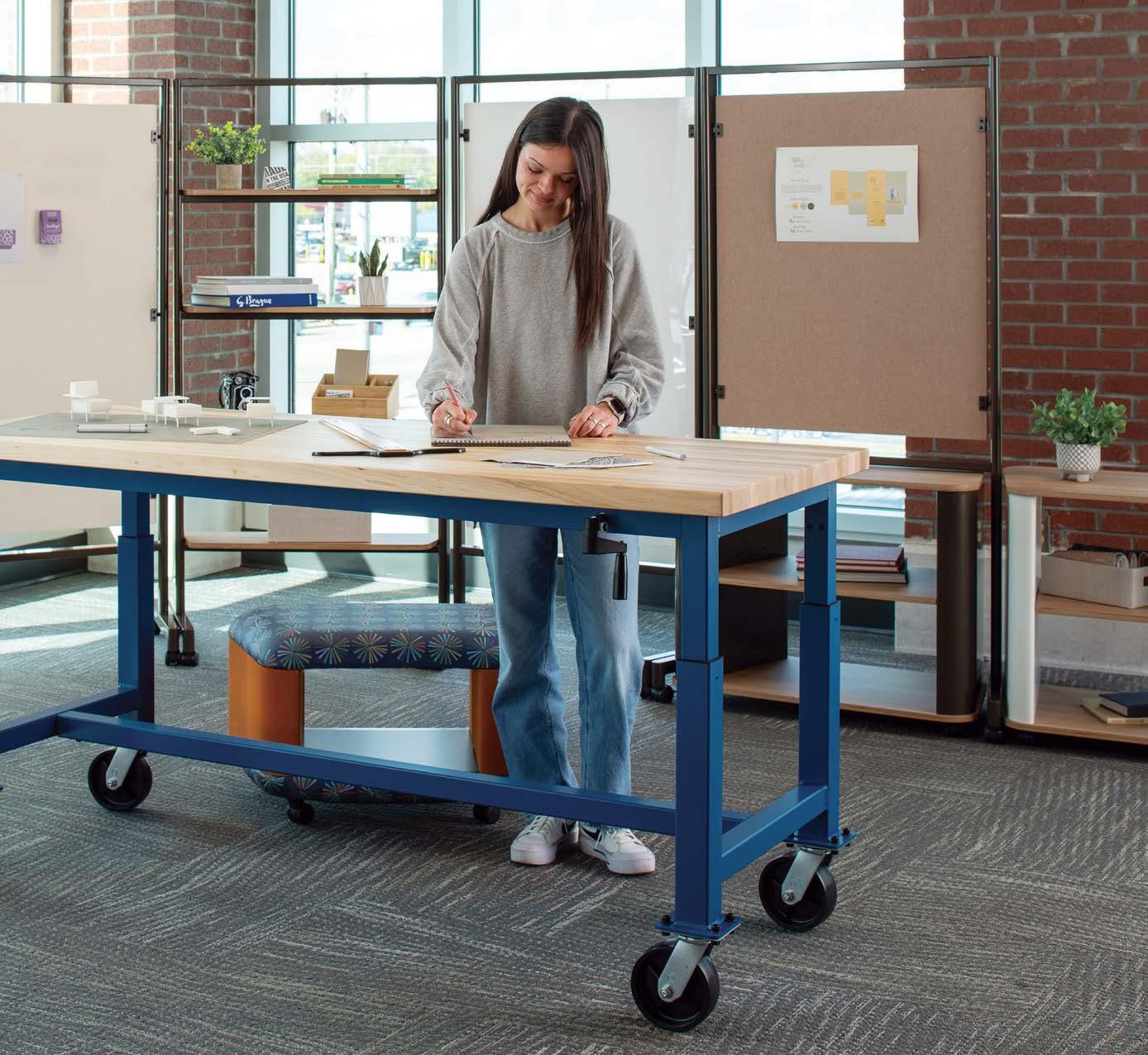

Designed for those who go against the grain
If creativity is in your nature, our new family of Wood Textures is your acoustic solution. Maximize style and minimize echo with an exquisite suite of colors and textures.