This portfolio reflects my dedication to innovation, sustainability, and collaboration—principles that align with Zaha Hadid Architects’ vision of redefining architecture for the 21st century.
0/Research & Exhibition
University
Involments
Type: Personal Development
Location: Calicut, Kerala, India Cardiff, Wales, UK
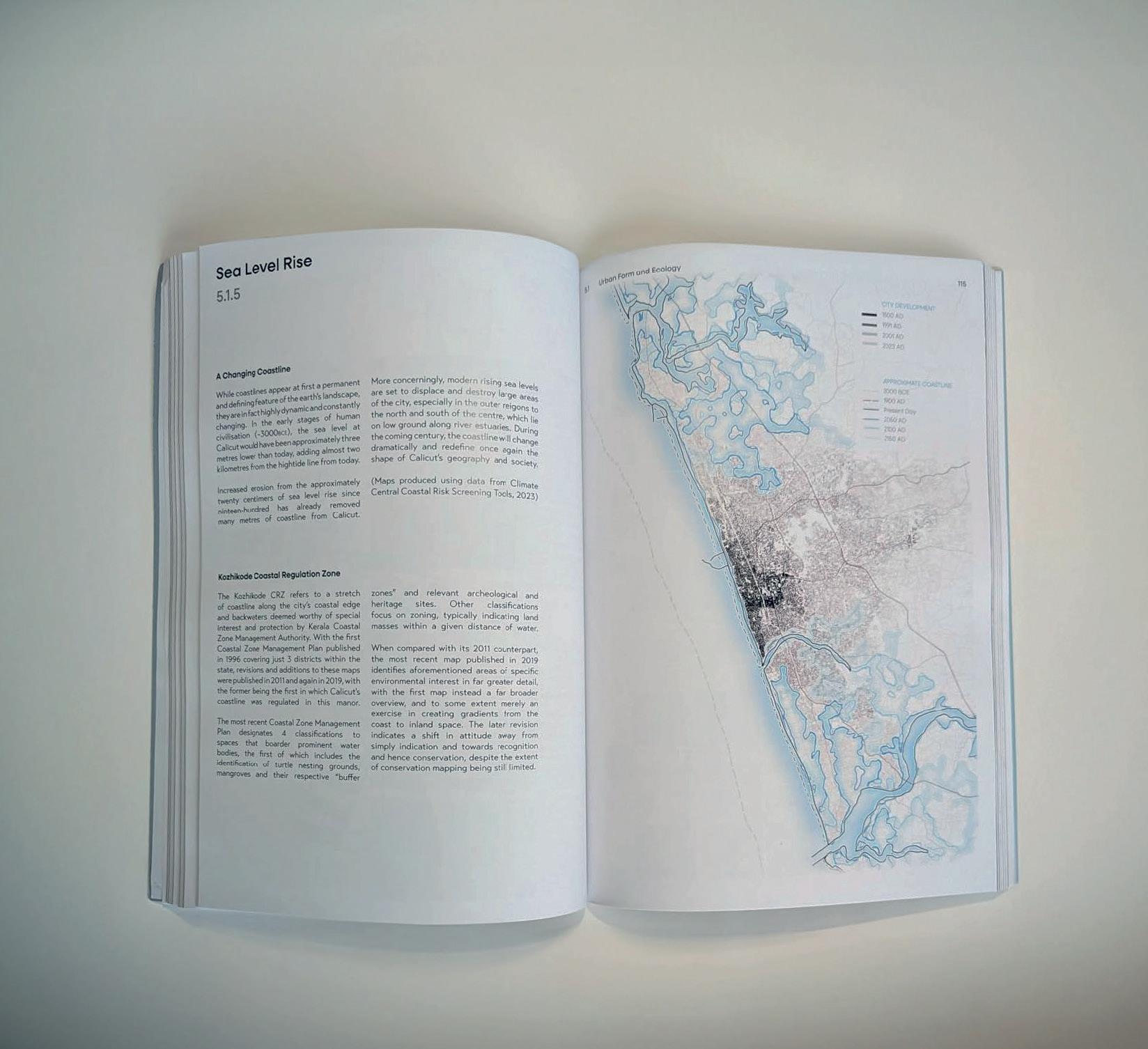
This section highlights my research and exhibition experience, showcasing my ability to synthesise complex data, create impactful visuals, and collaborate with diverse teams. The 200-page research book on urban liveability in Calicut, India, explores the physical, social, and environmental dimensions shaping the city. This work emphasises strategic urban interventions grounded in data-driven insights.
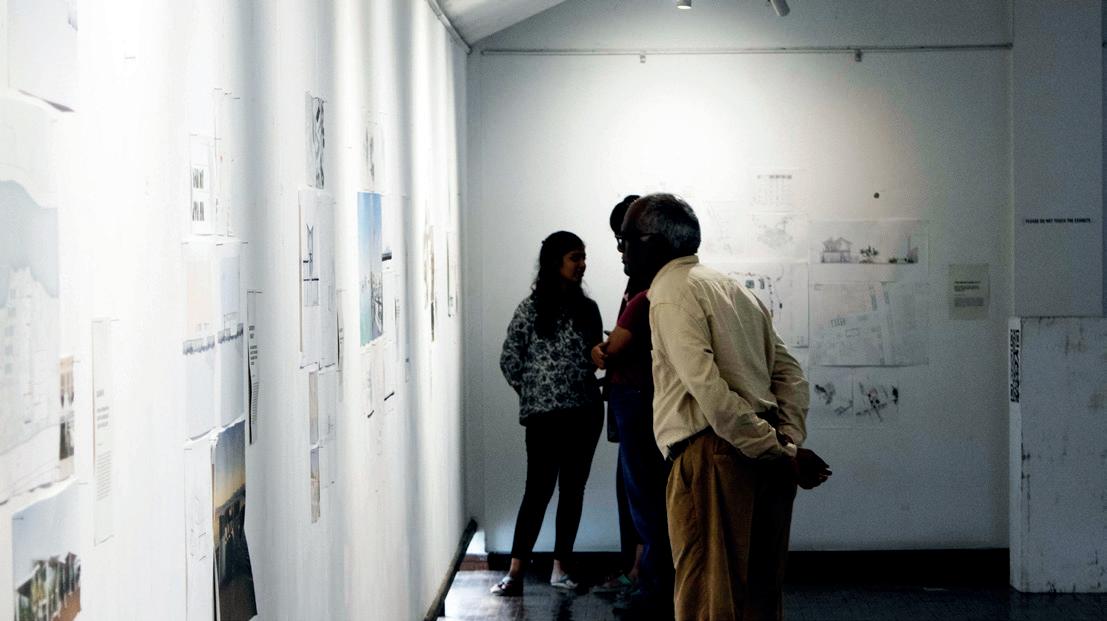
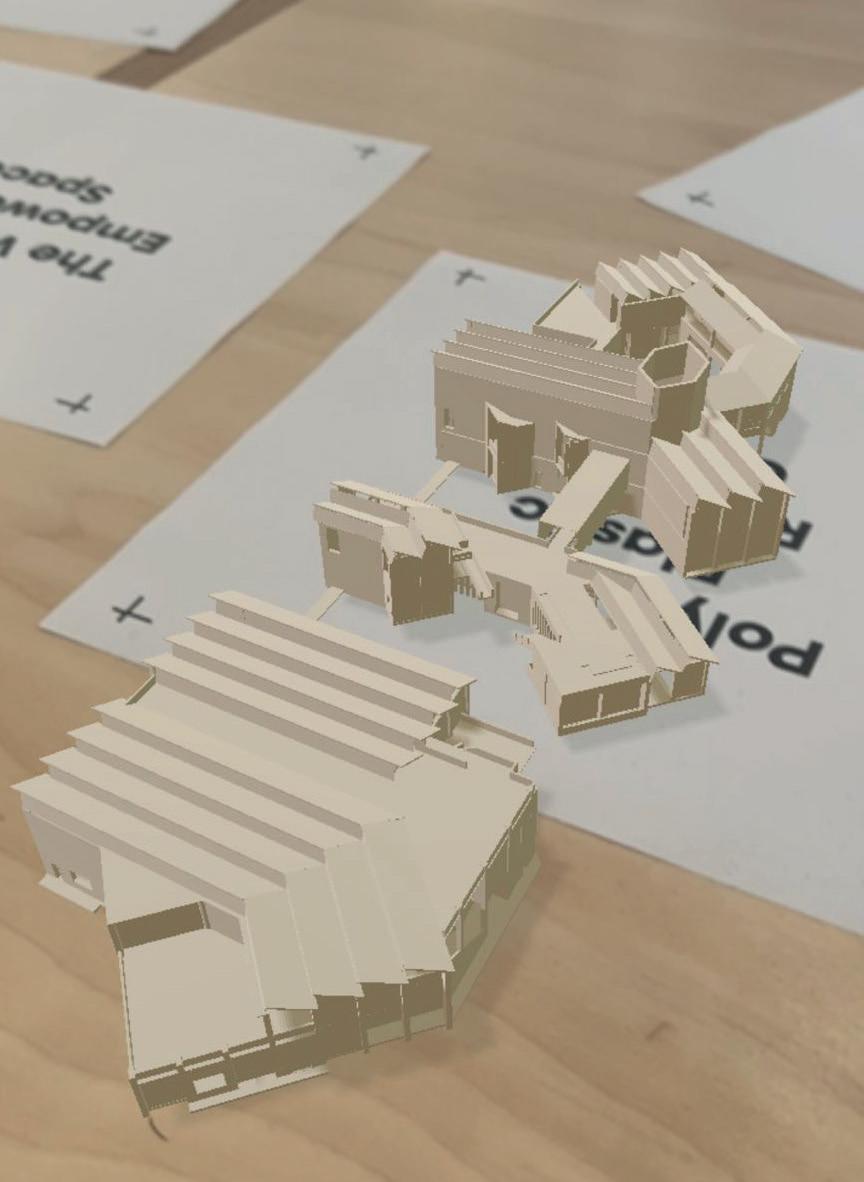
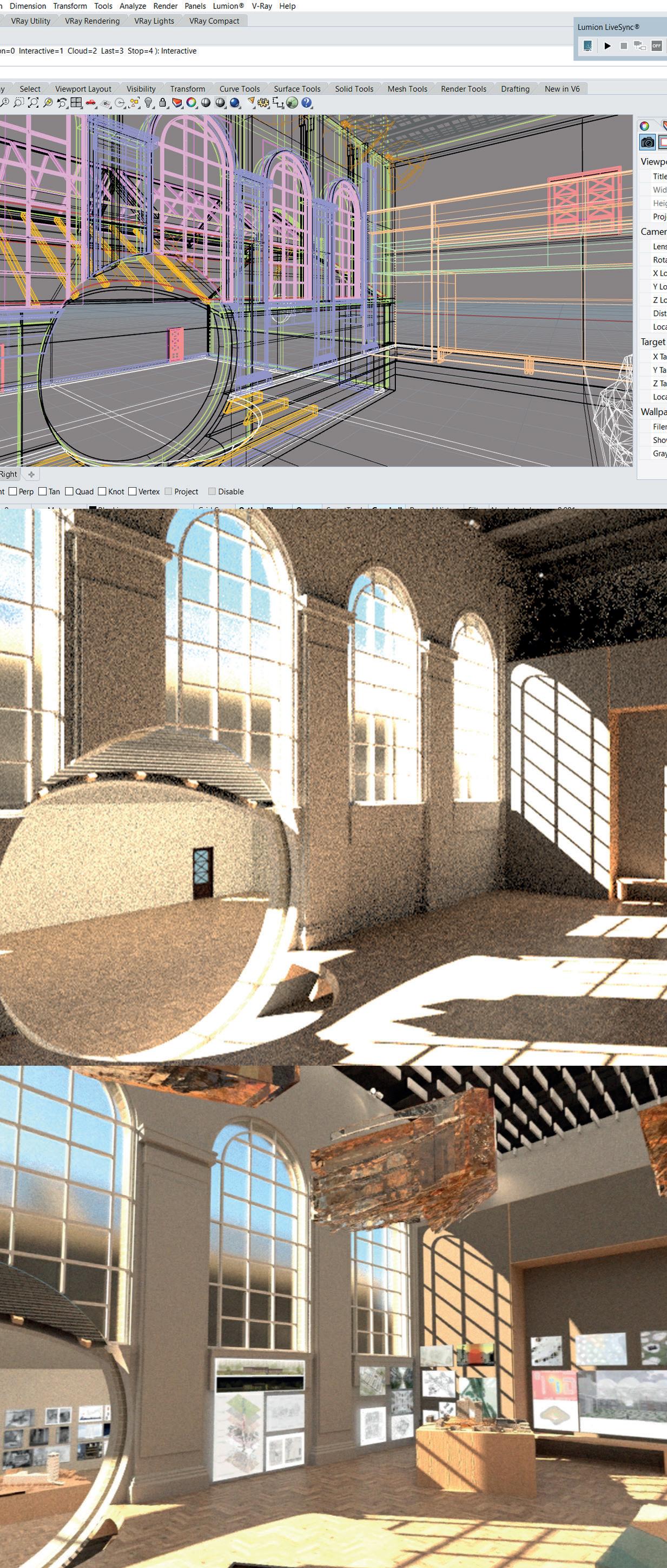
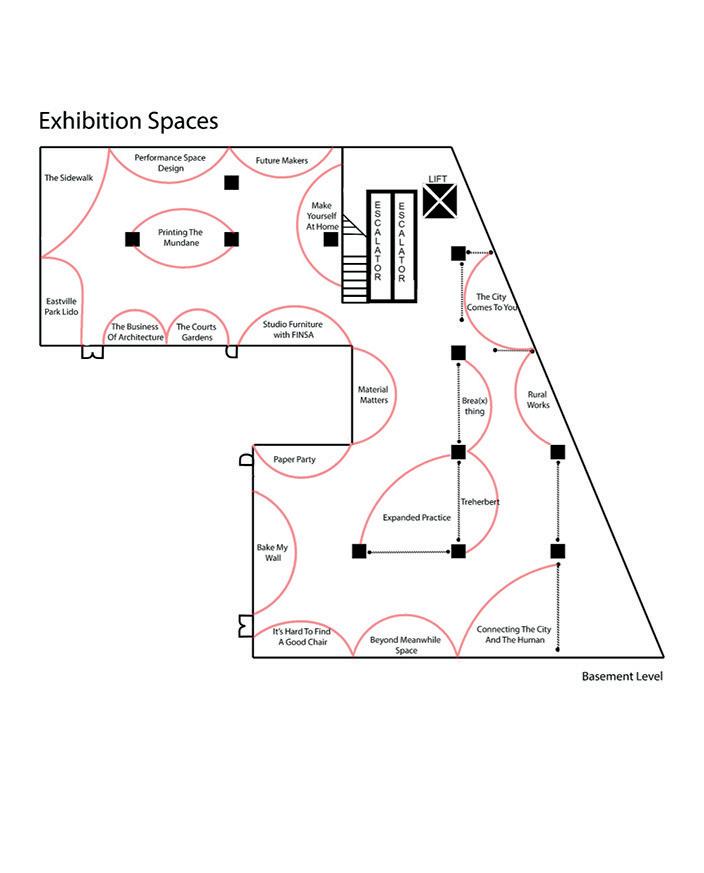
In exhibitions hosted by the Welsh School of Architecture, I led and curated displays that bridged architecture, technology, and storytelling. Key contributions included creating AR models for interactive experiences and designing immersive layouts to engage diverse audiences. These projects reflect my commitment to combining design innovation with community engagement.
EXHIBITION LEAD INVOLVMENT:
• 2024: Liveable Urbanism Exhibition, Calicut INDIA
• 2024: WSA Show, Cardiff UK
• 2022: WSA Show, Remote
• 2021: WSA Digital Show, Remote
• 2020: WSA Vertical Studio Exhibition, Cardiff UK
• 2019: WSA Show, Cardiff UK
BOOK ROLE:
• Reseacher and Co-Editor
SOFTWARE:
• Cloud Compare
• Space Syntax
• Photoshop
• Illustrator
• QGIS
• Indesign
Formulating research and urban strategies.
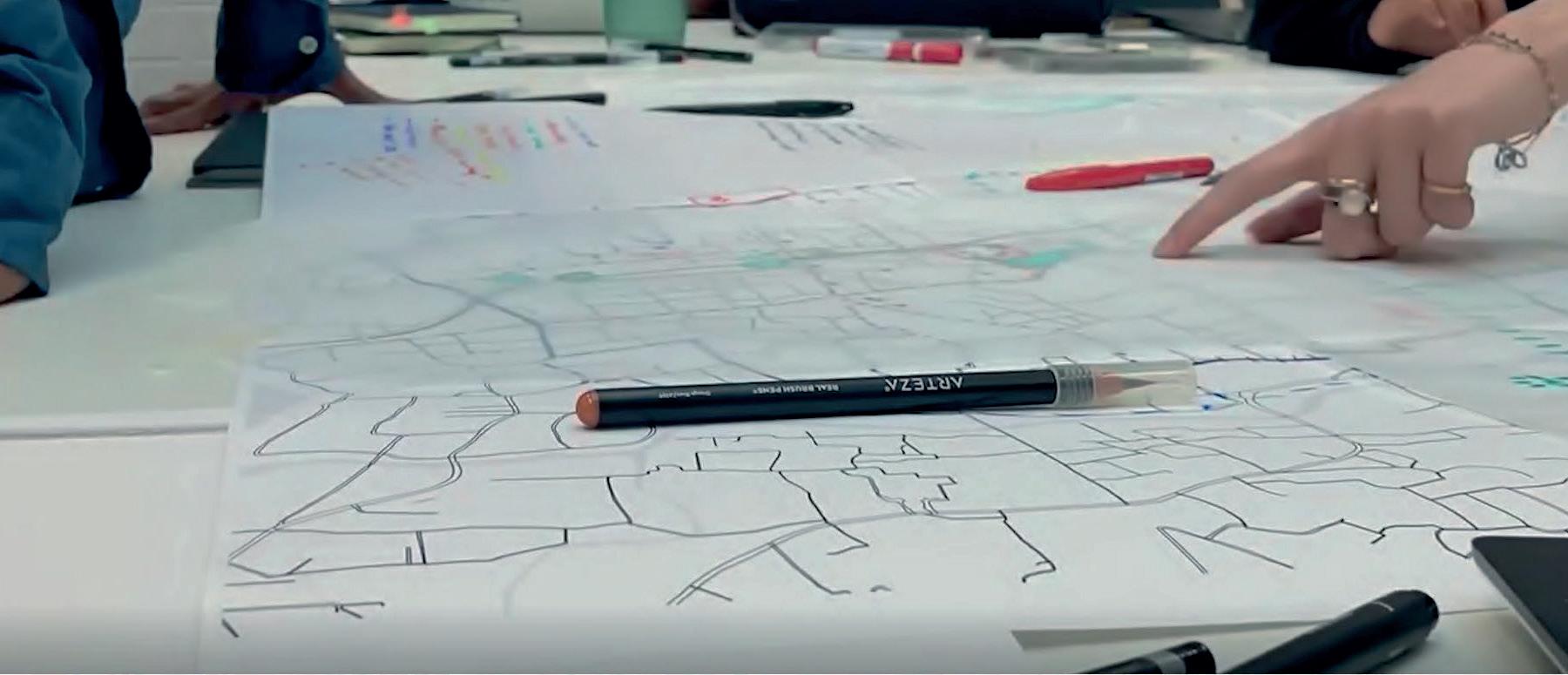
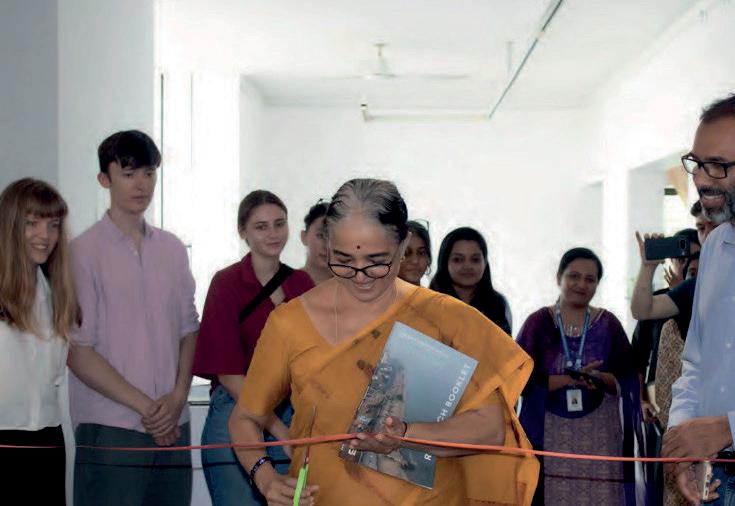
2024: Liveable Urbanism India Exhibition - Coordinated event showcasing data-driven urban strategies with interactive displays.
2021: WSA Virtual Show—Led the creation of virtual models to reimagine physical works in a virtual setting.
2020: WSA Vertical Studio Exhibition
1/Computation
Personal Development
Location: Remote
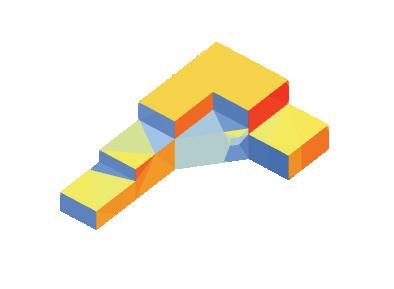
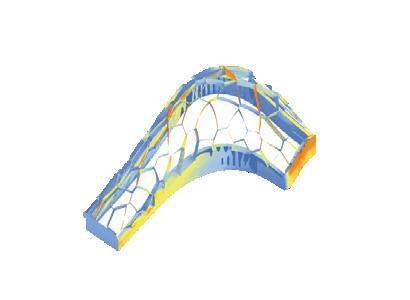
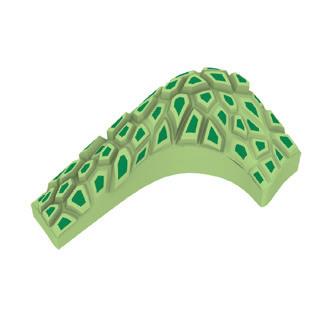
Building on the strategic and collaborative approaches cultivated during my research and exhibitions, I further explored computational methodologies to integrate datadriven insights into design solutions. These experiences have shaped my ability to address complex design challenges with precision and creativity
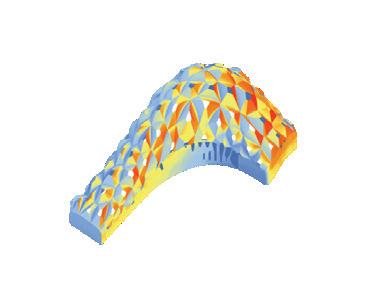
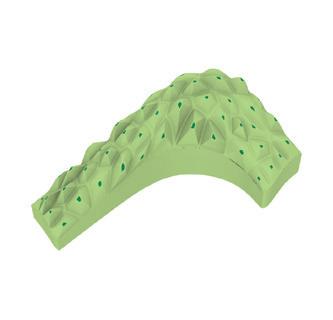
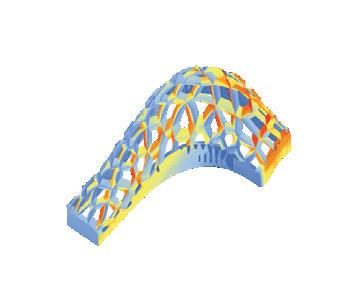
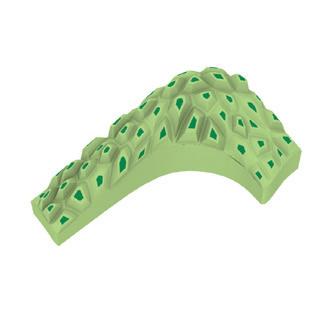
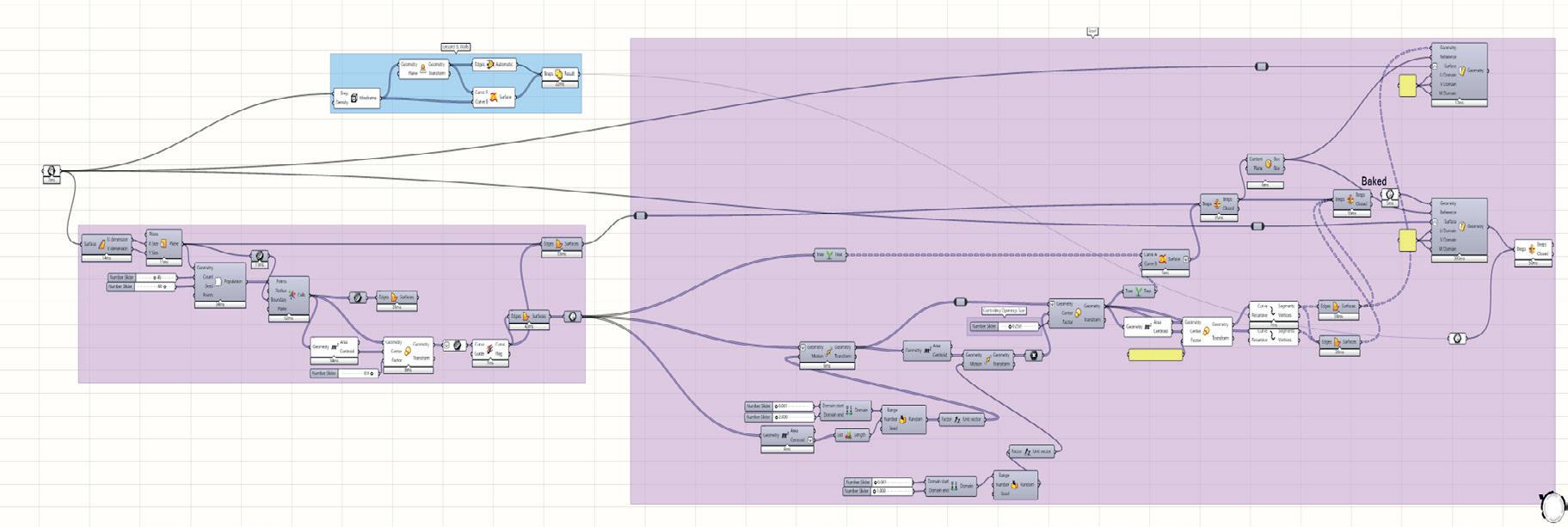
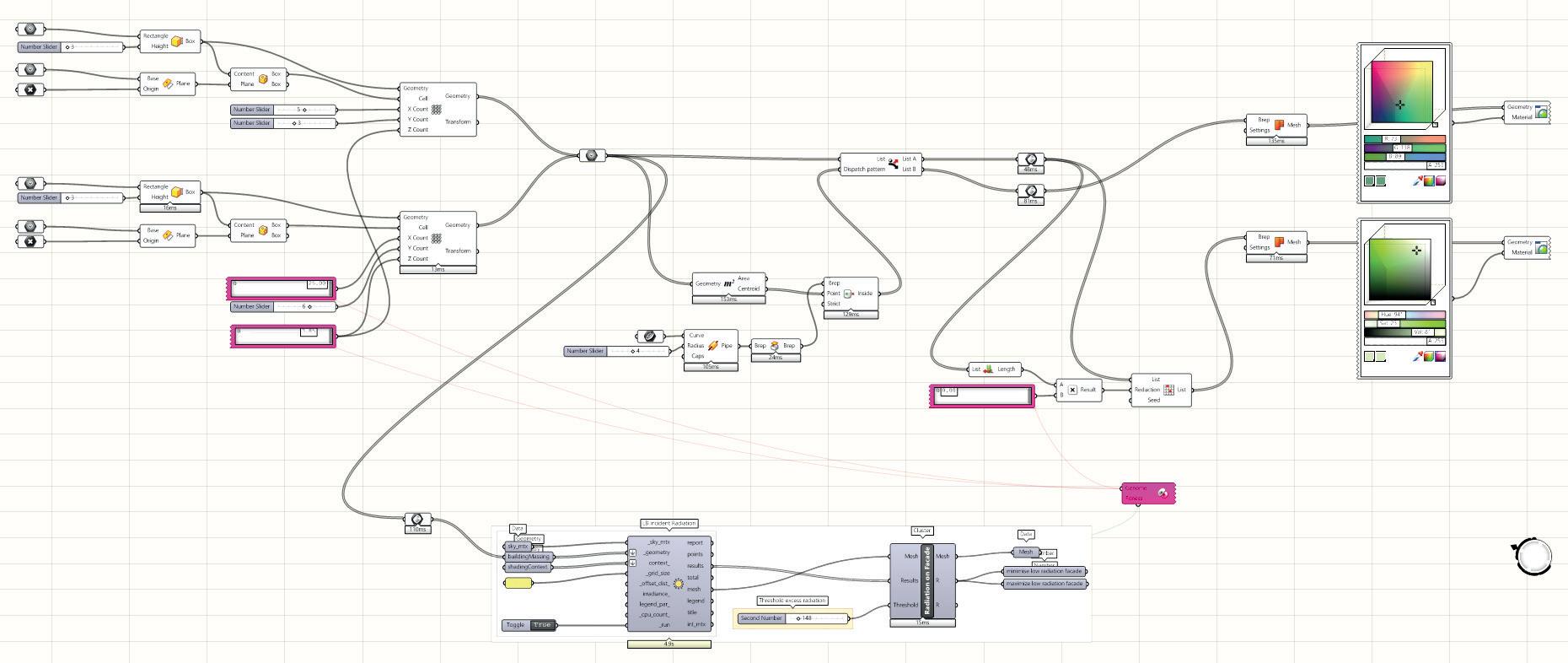
As part of a global summer school held by the Institute of Advanced Architecture of Catalonia, I explored computational methodologies that inform architectural and structural design decisions, developing parametric models that integrate environmental criteria and generative design tools. This approach enables efficient, innovative solutions to complex architectural ecological challenges. Key methods include parametric analysis and form-finding using Grasshopper, generative workflows with Galapagos, and structural optimisation strategies.
SOFTWARE:
• Rhino
• Grasshopper
• Adobe Firefly
• MidJourney
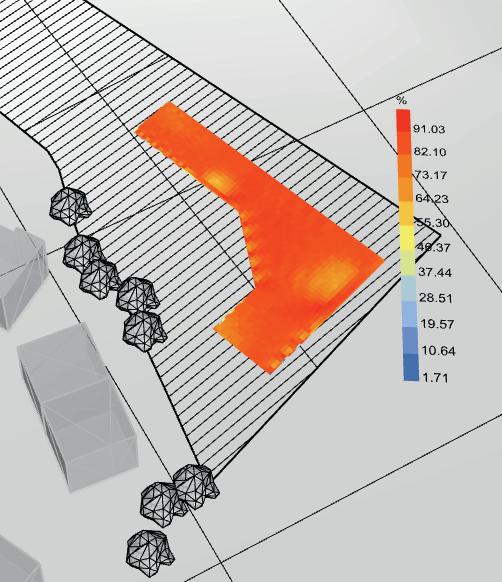
Generative Design with Galapagos—Optimisation script maximising solar exposure through randomised genetic pools.
Thermal Insolation Testing Using Ladybug
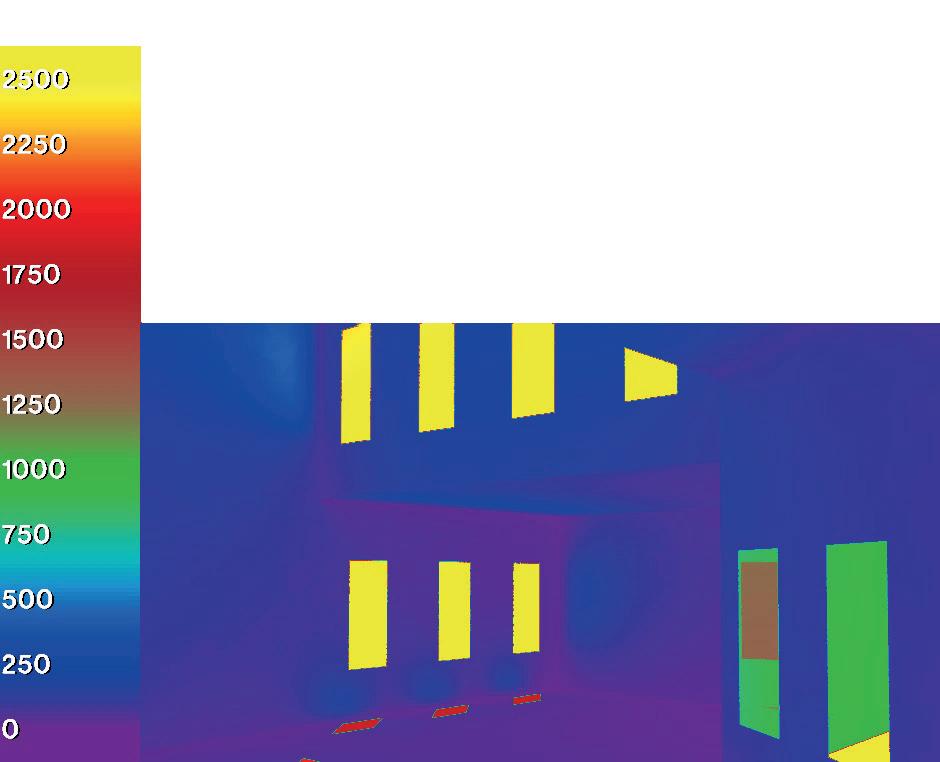
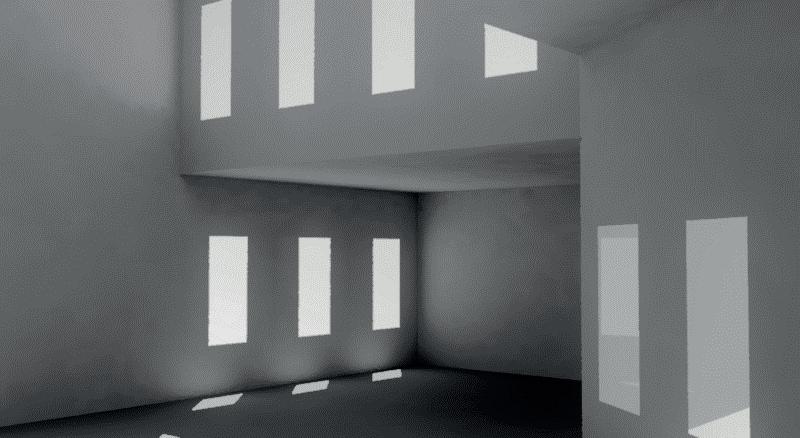
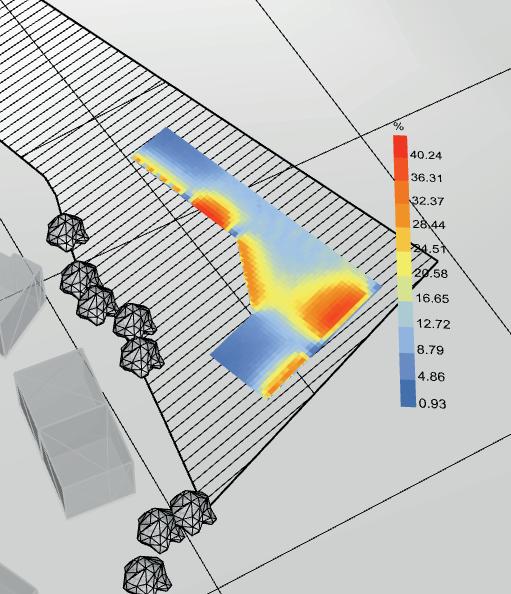
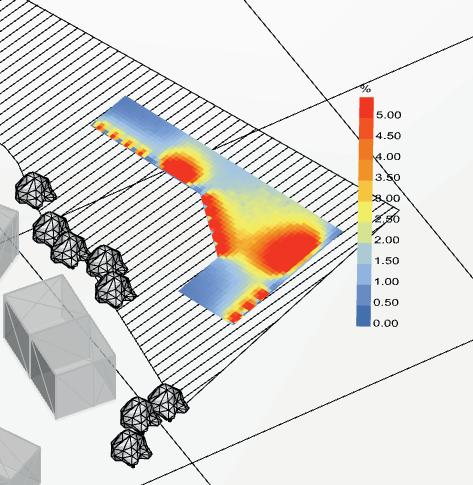
Daylight Analysis with Honeybee— Visualising annual daylight factors to inform sustainable facade design.
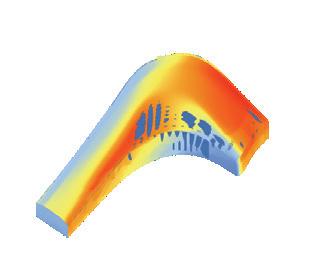
Felix Candela Inspired Design
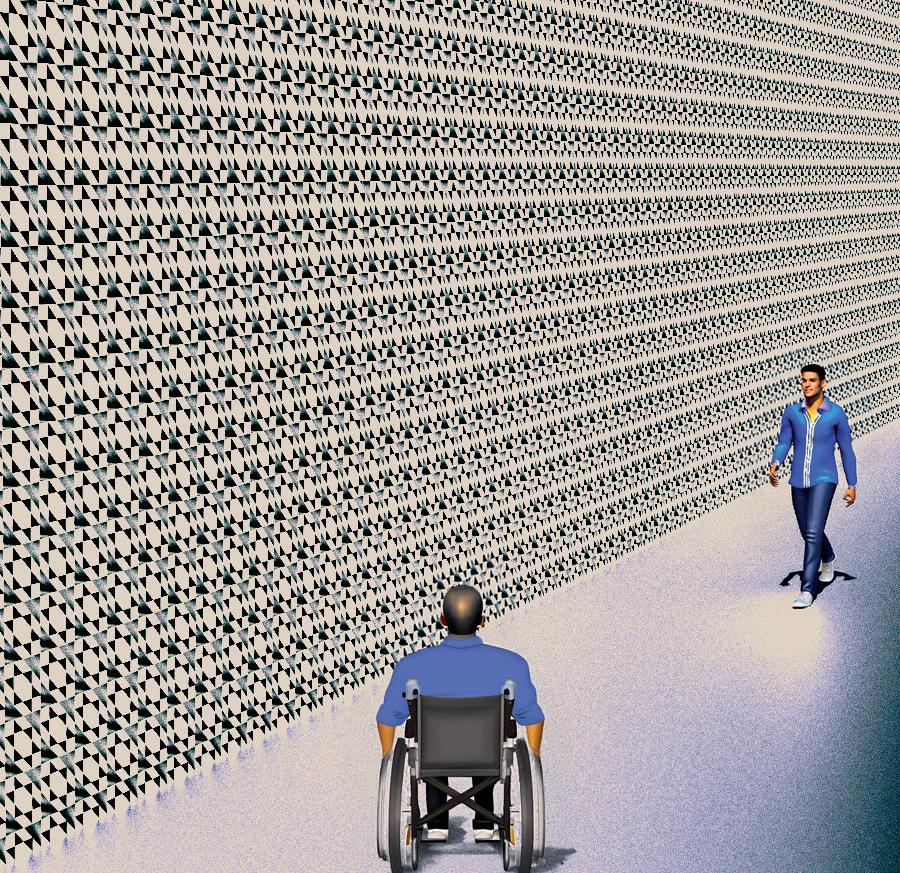
Arabesque Inspired Design
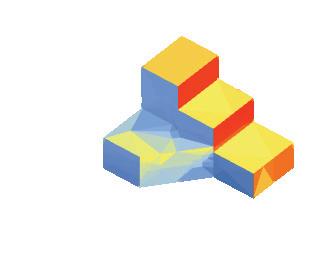
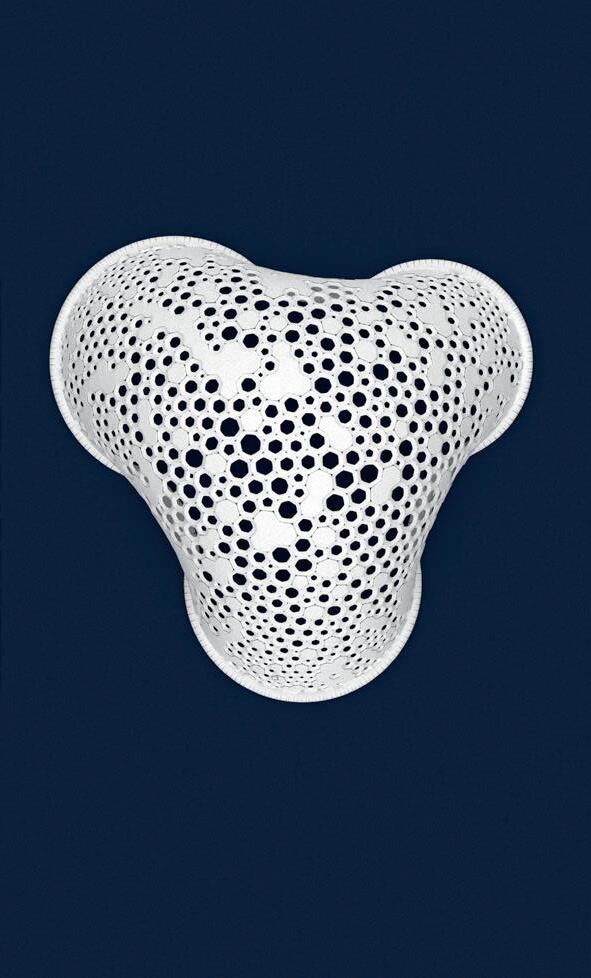
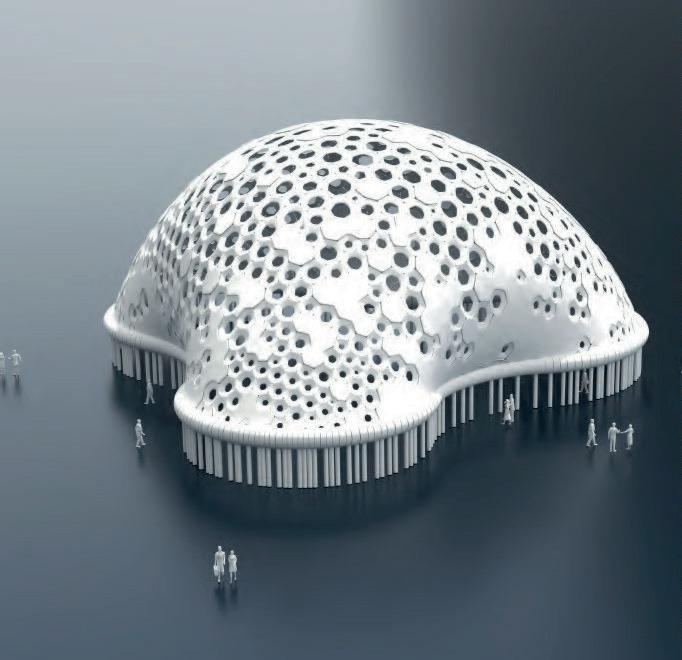
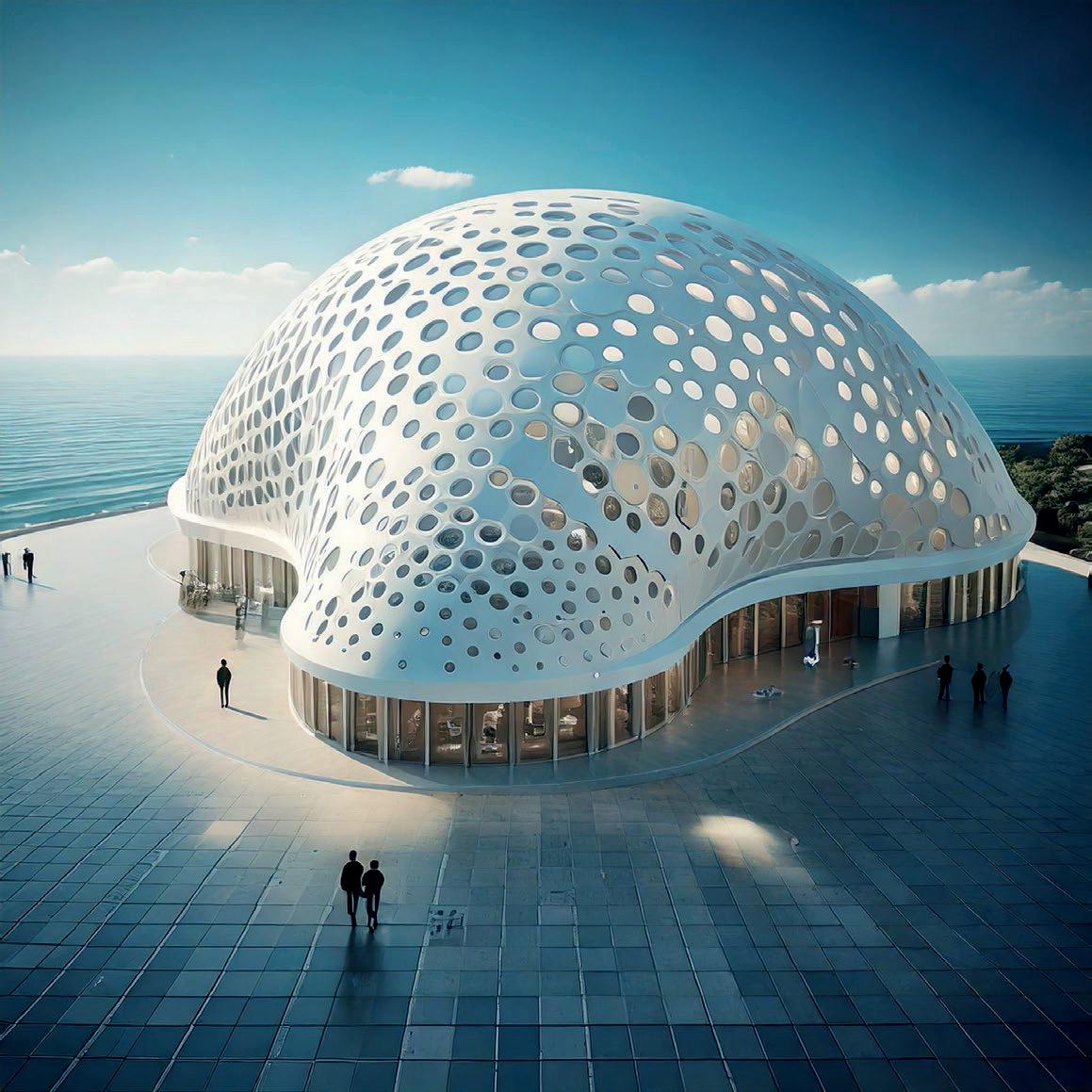
Cellular Inspired Design
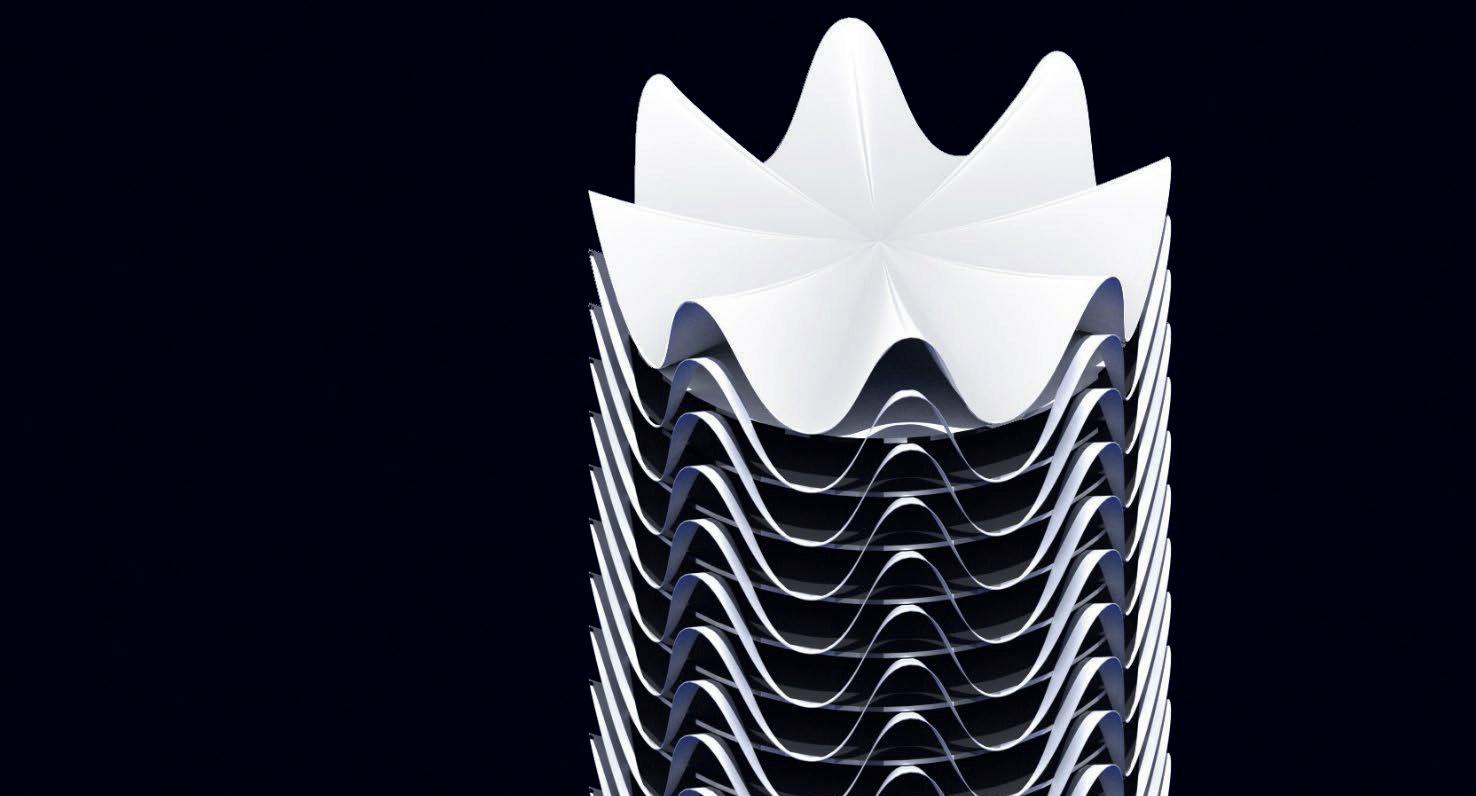
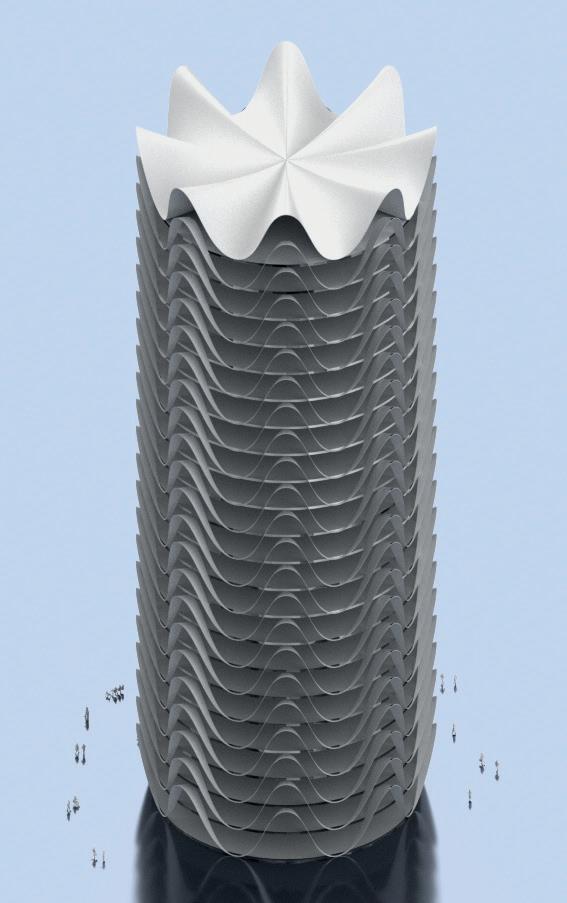
Time loop Inspired Design
Chanel Pavillion Inspired Design
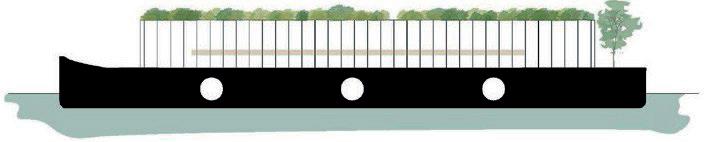
2/ Barge in La Seine
Practice: MFR Architectes 1 / Existing Barge
Type: Competition
The computational design tools and workflows honed through personal projects naturally extend to professional practice, where technology informs sustainable and innovative architectural solutions
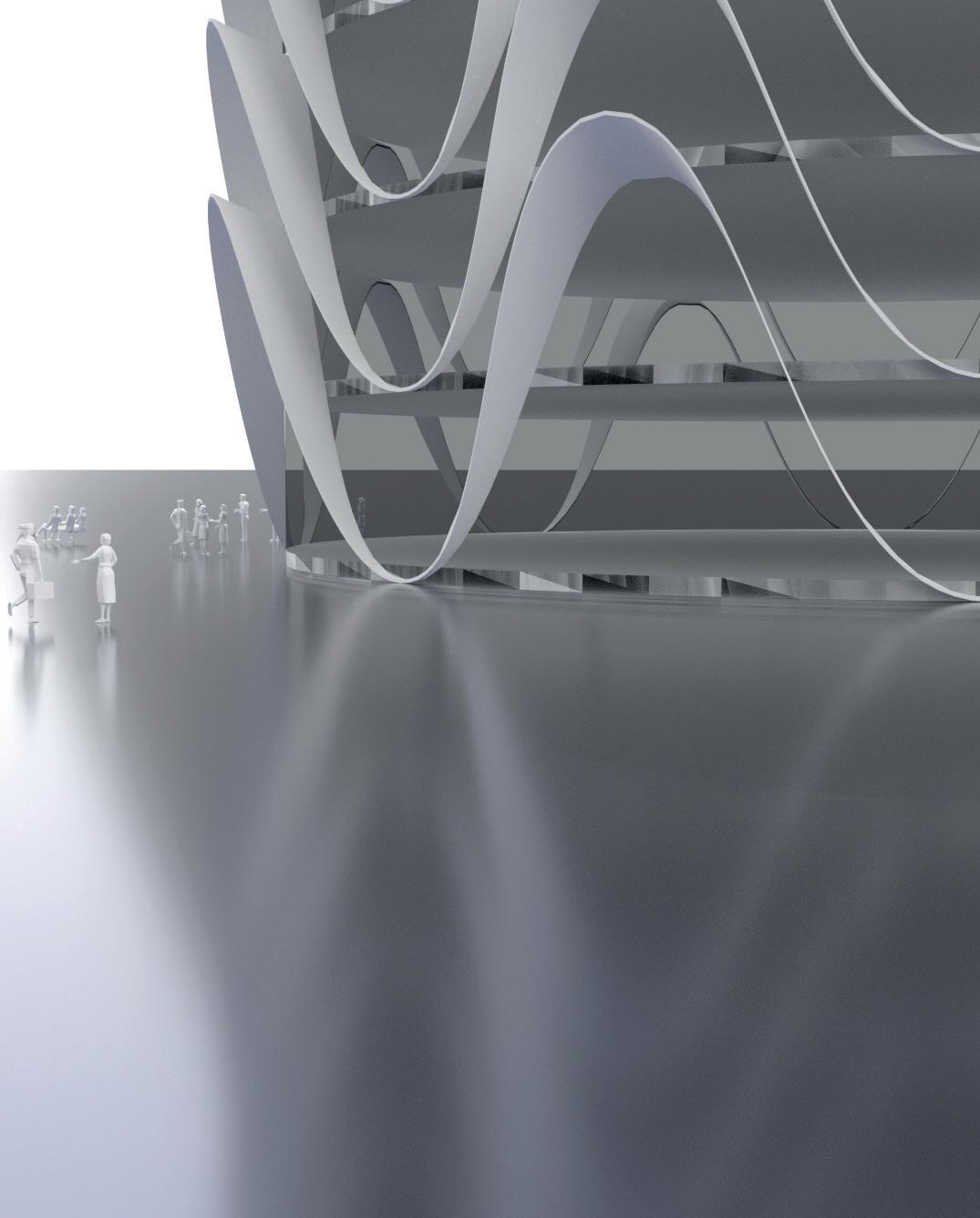
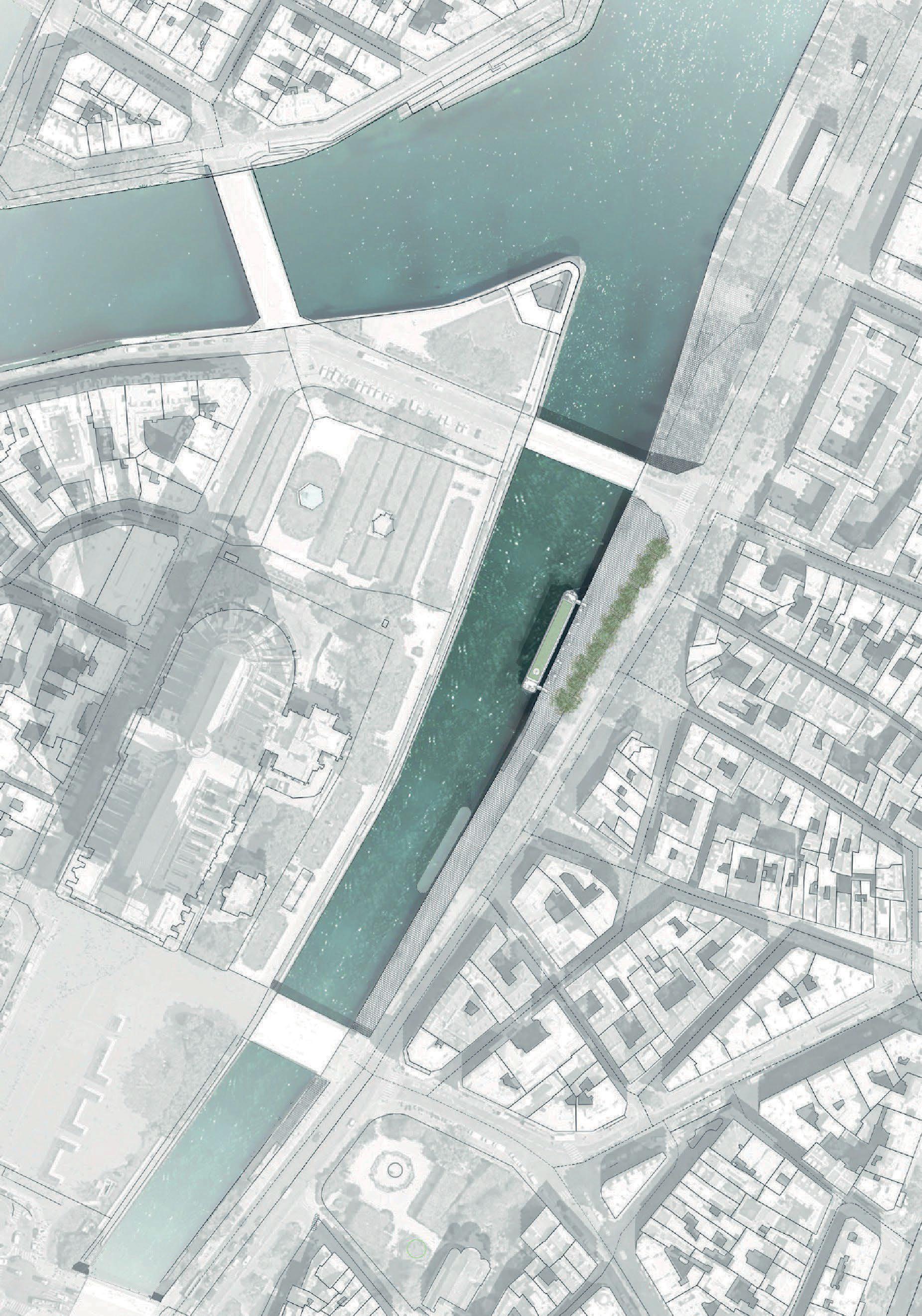
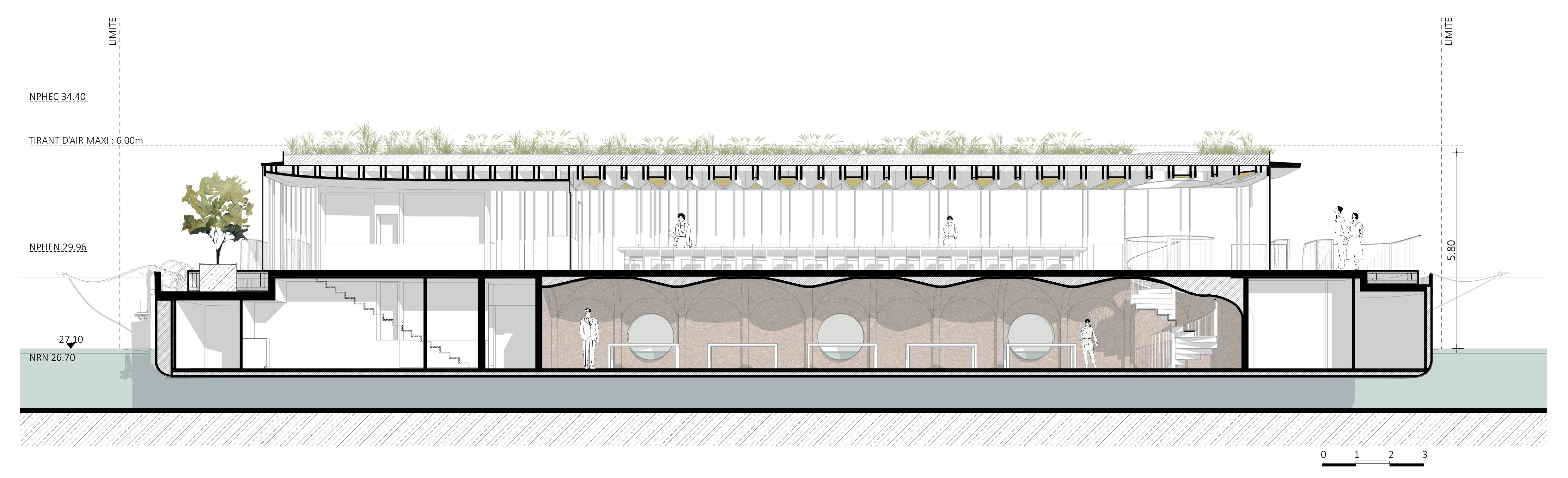
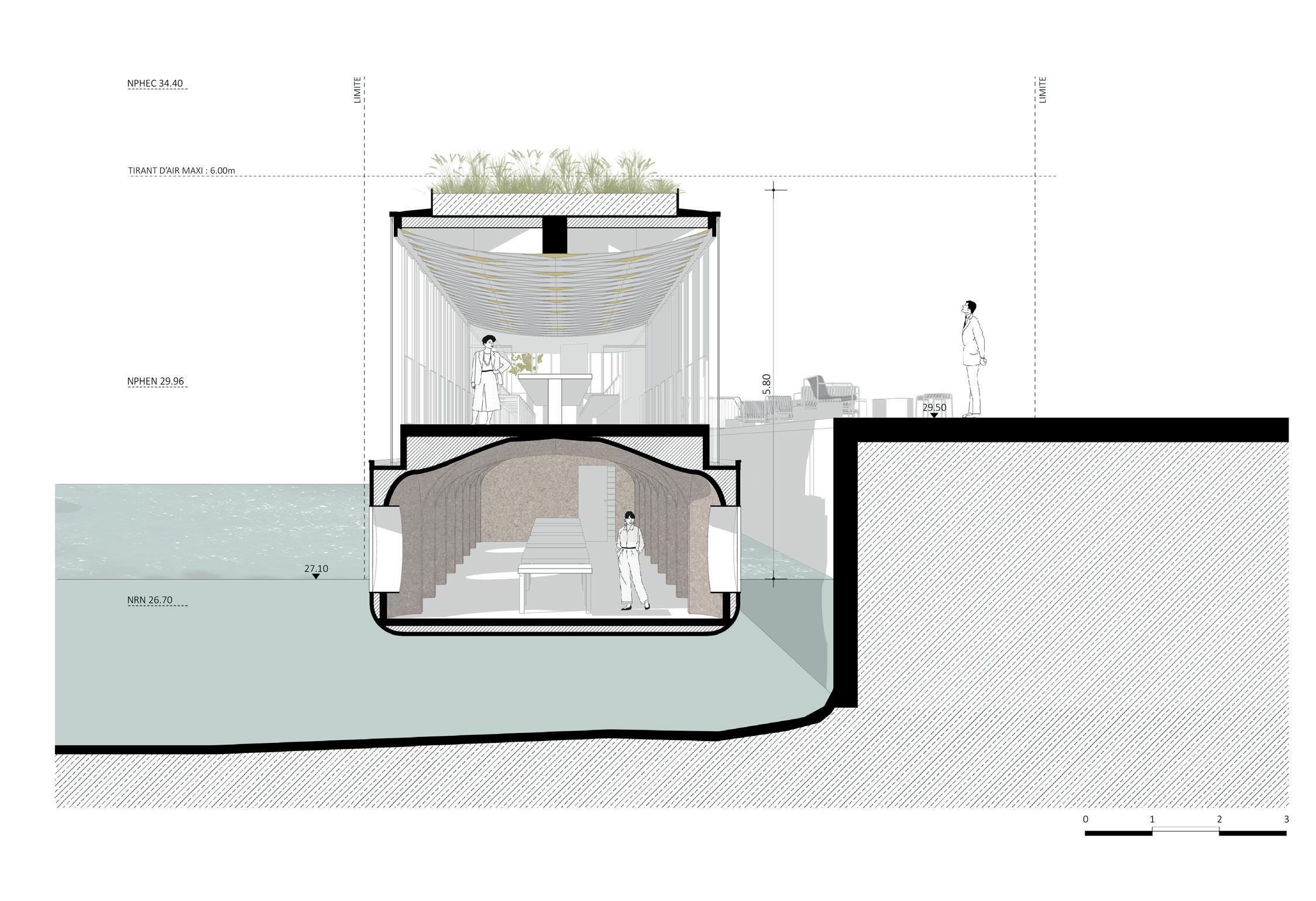
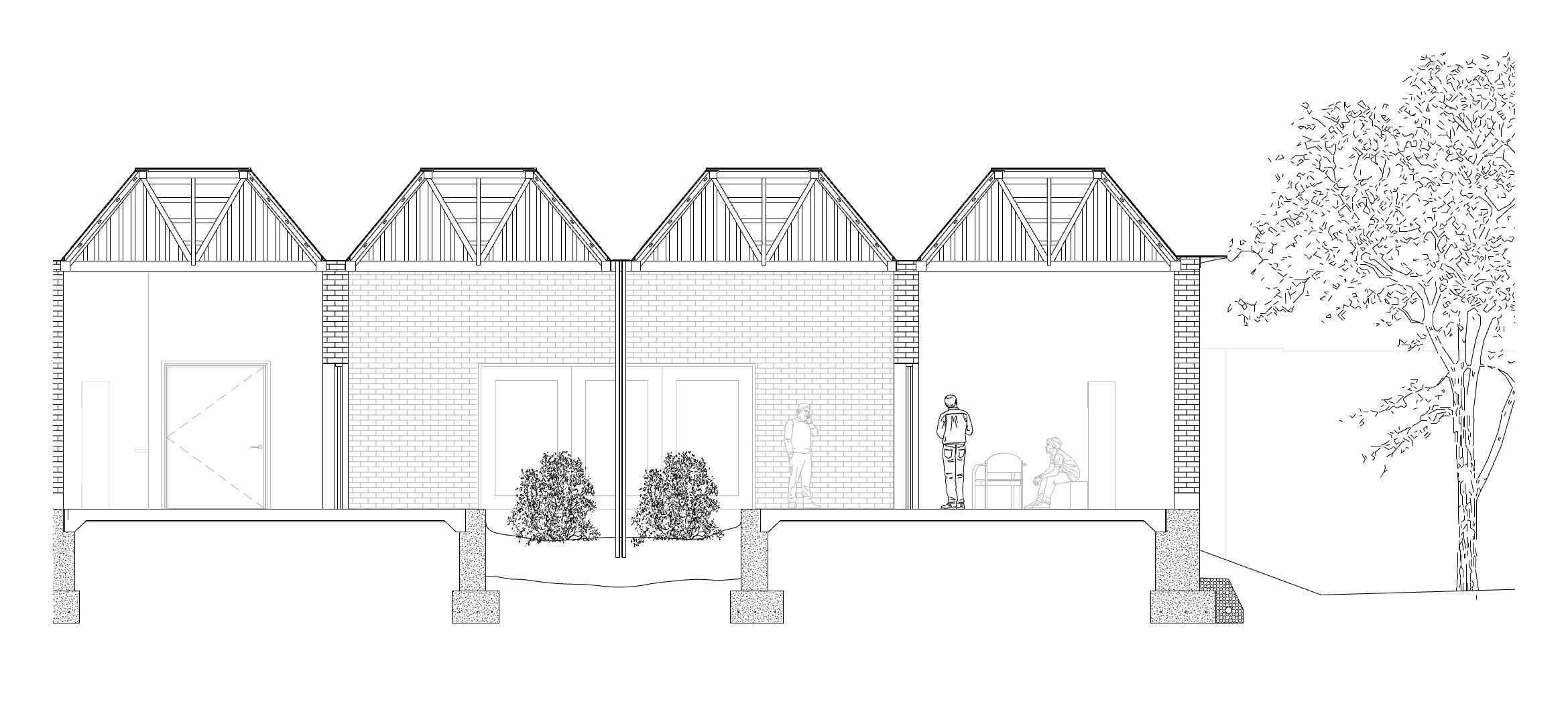
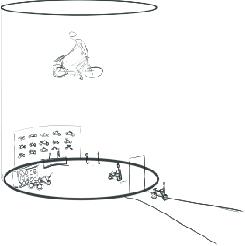
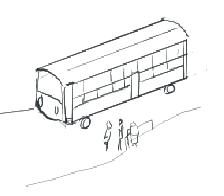
This competition submission is for Paris’s “Re-inventing the Seine” initiative. It presents a redesign of an existing barge, transforming it into a venue for community and cultural activities. The design integrates fluid spatial geometries with contextual references to the Seine and Notre Dame Cathedral, reflecting heritage and modernity. Key design strategies include suspending horizontal planes and incorporating biodiversity to create an immersive experience.
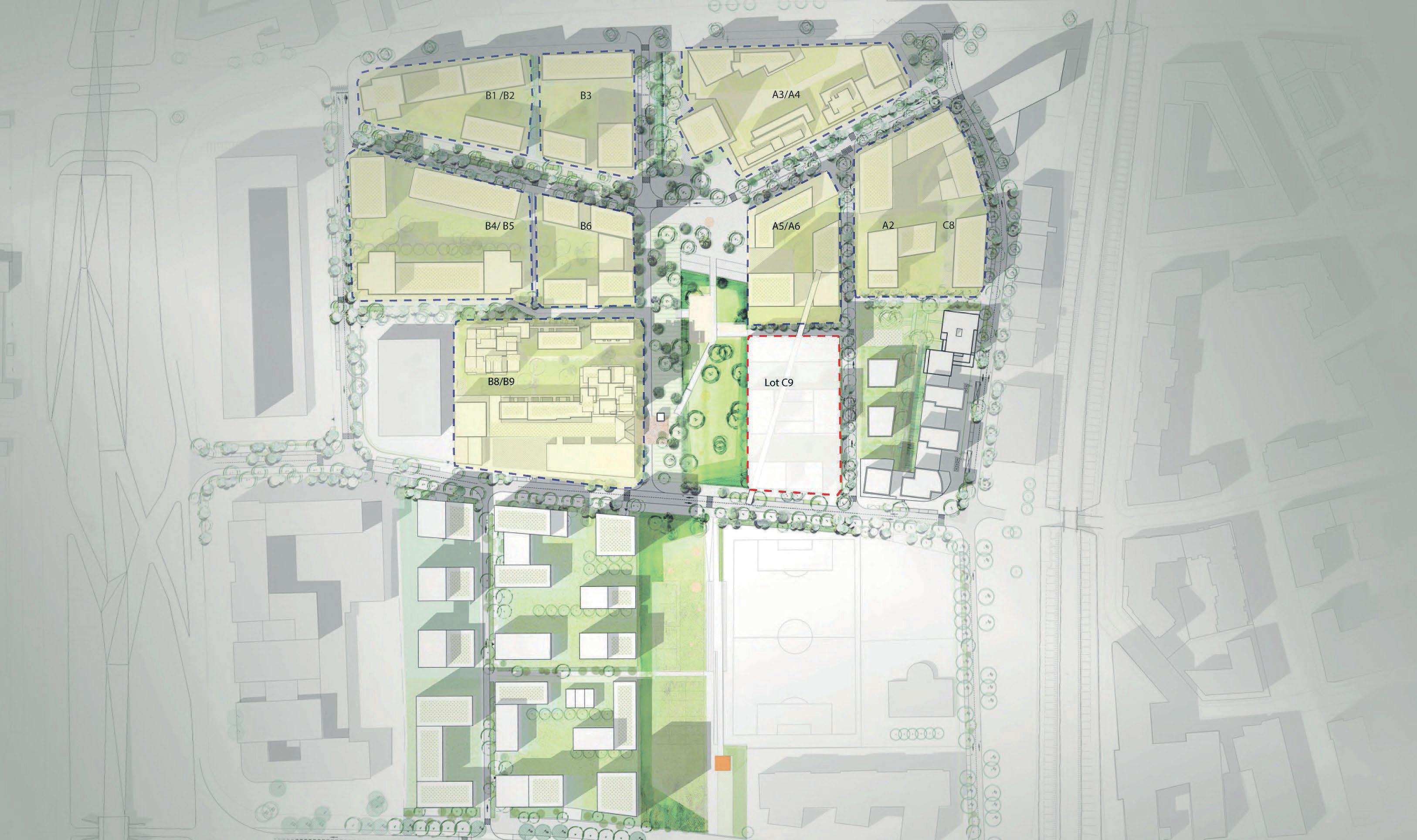
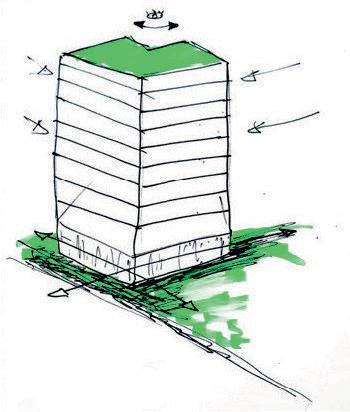
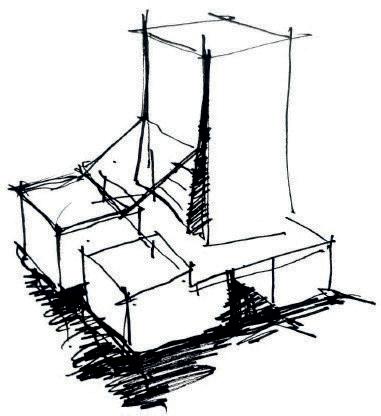
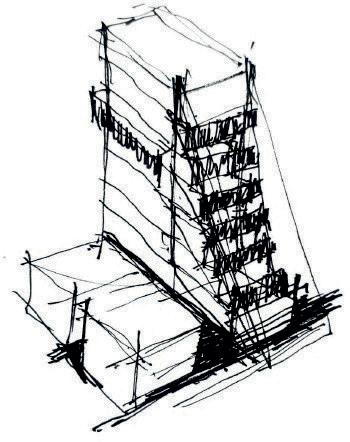
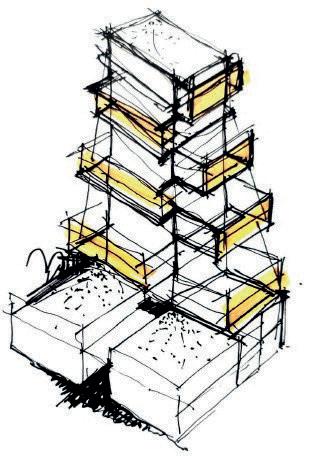
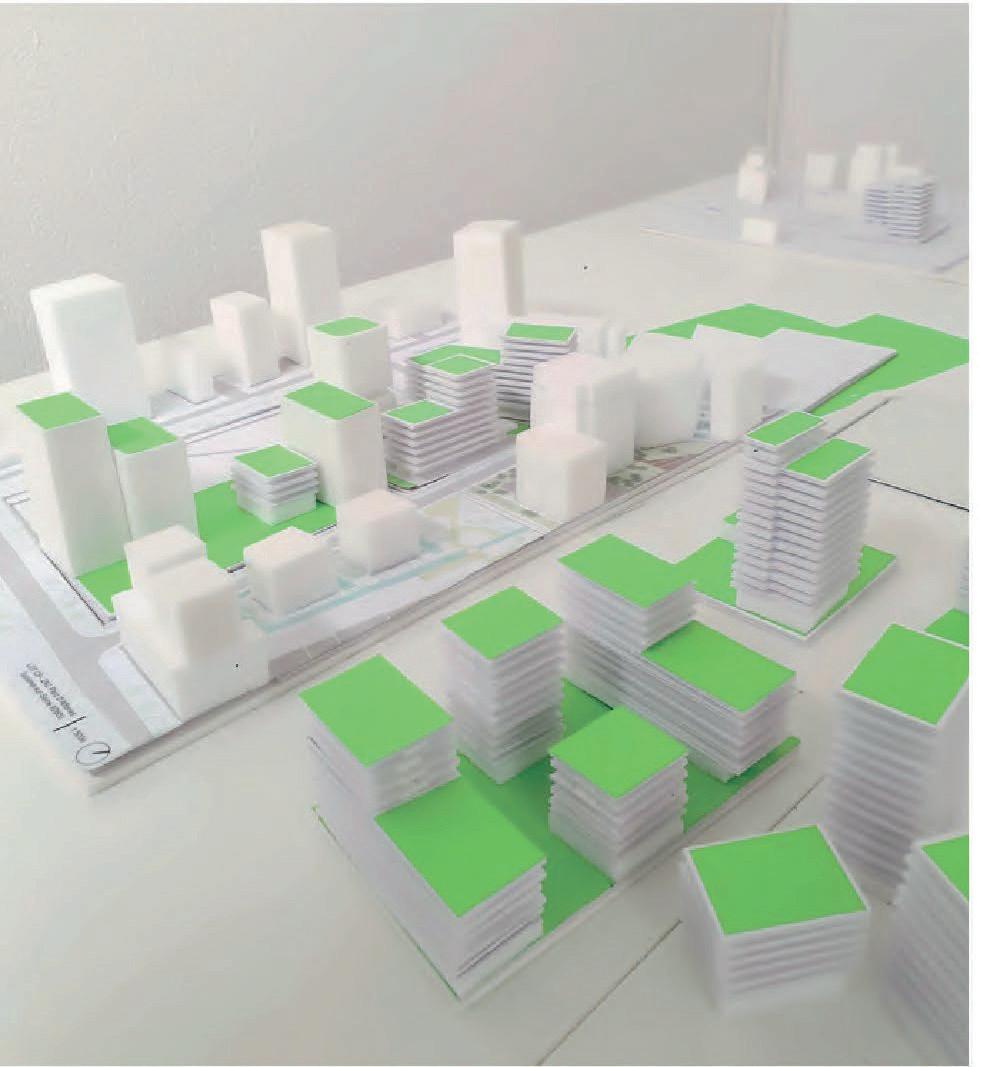
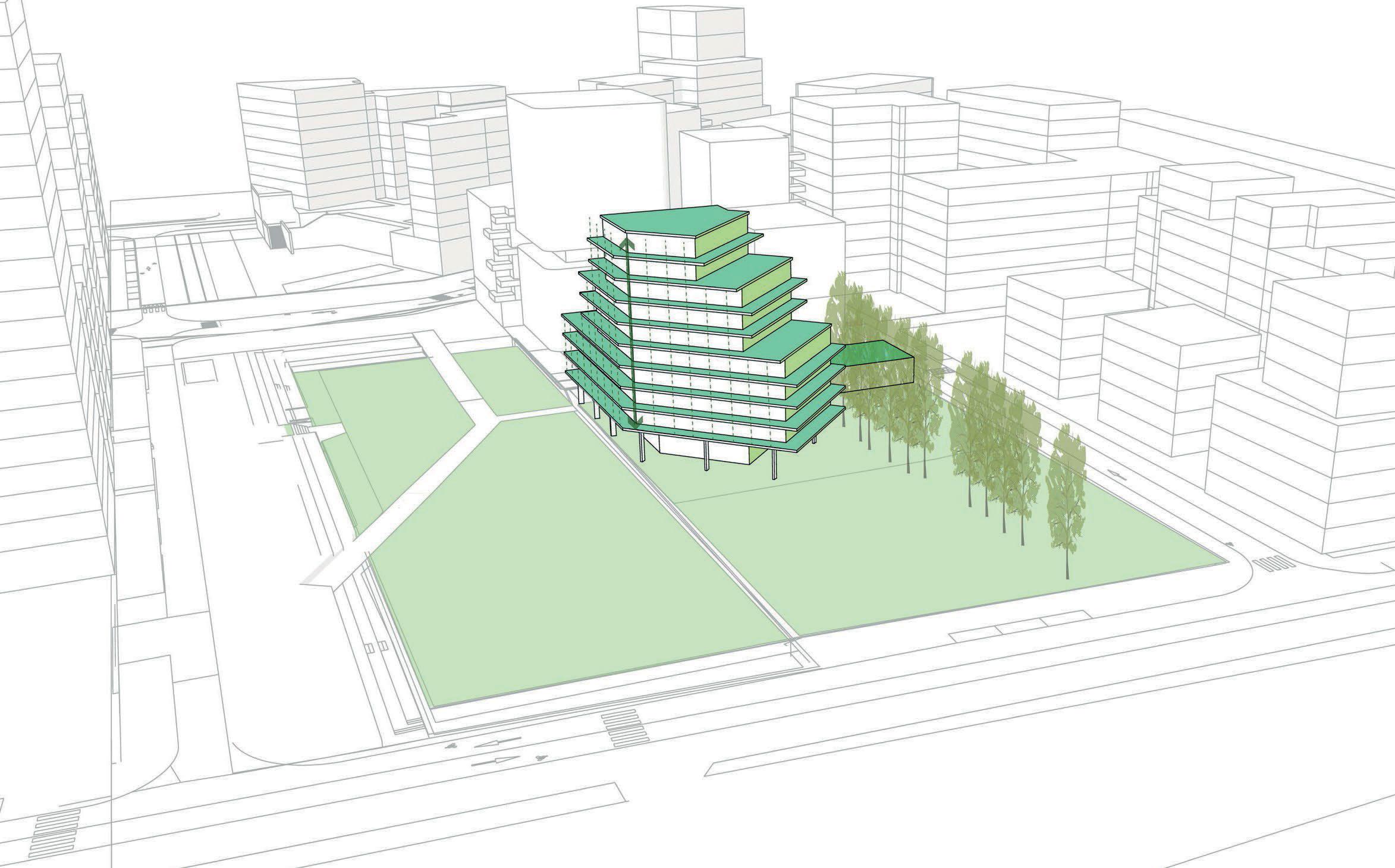
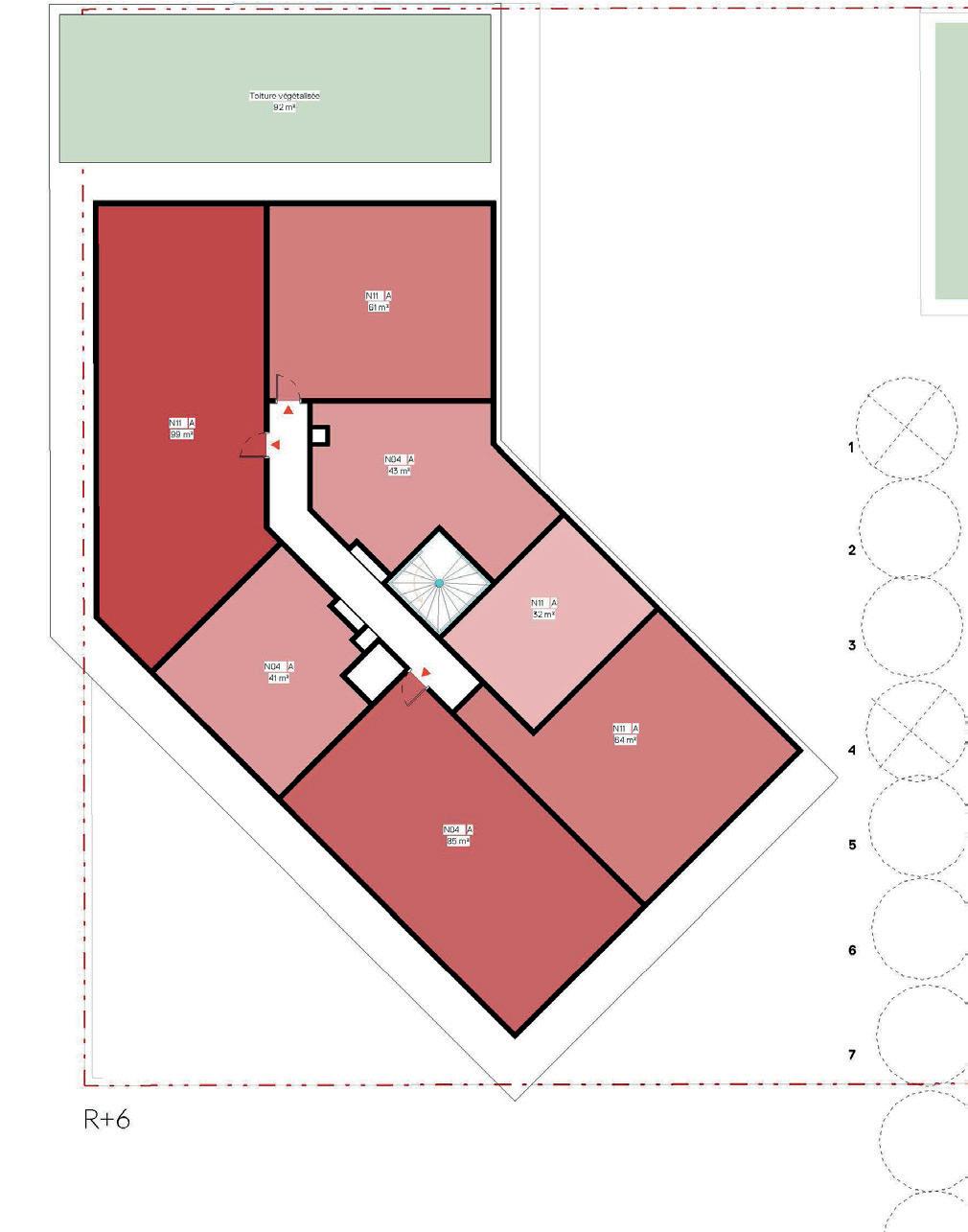
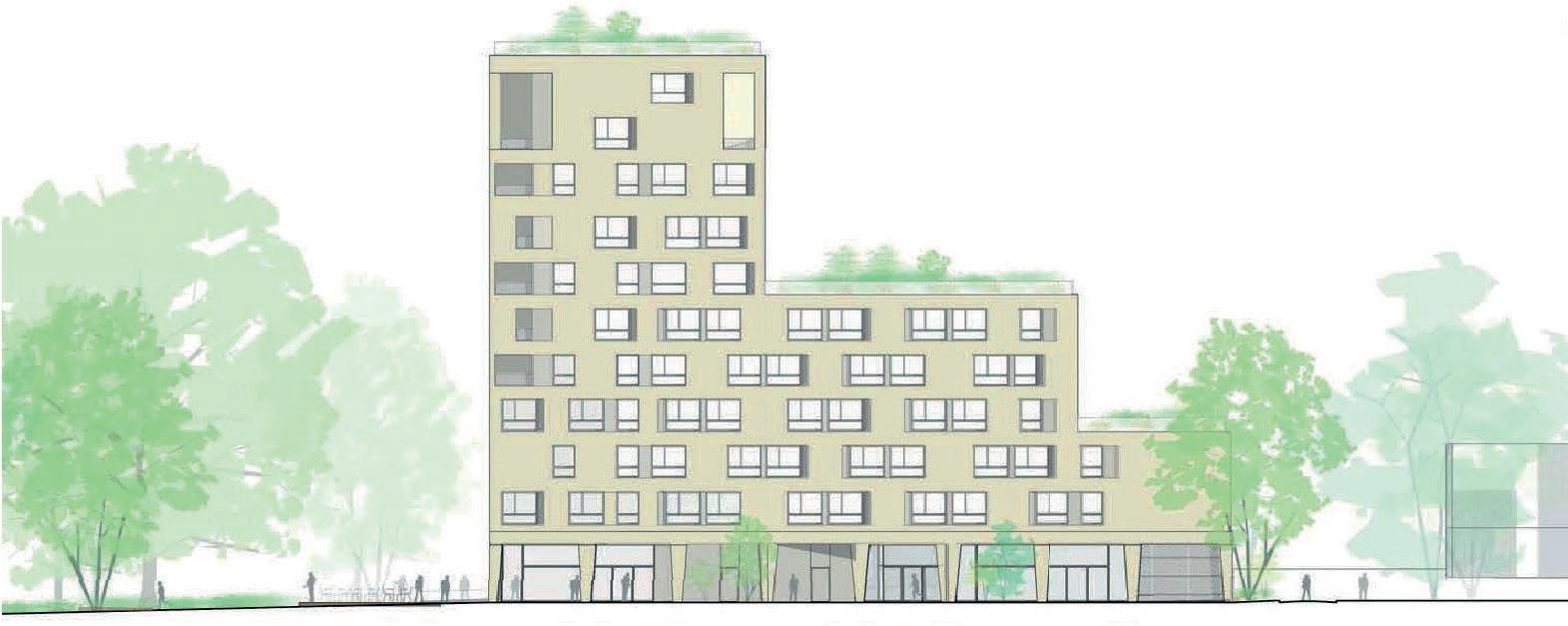
This residential development in Asnières-sur-Seine prioritises environmental integration by reflecting the surrounding greenery and incorporating re-vegetated facades. The tiered structure allows continuity between the park and the built environment, creating a harmonious balance between architecture and biodiversity. Early design iterations and schematic studies informed the final proposal, demonstrating a strong connection between form, function, and context.
Role:
• Responsible for developing design studies, producing site plans, schematic diagrams, and floor plans.
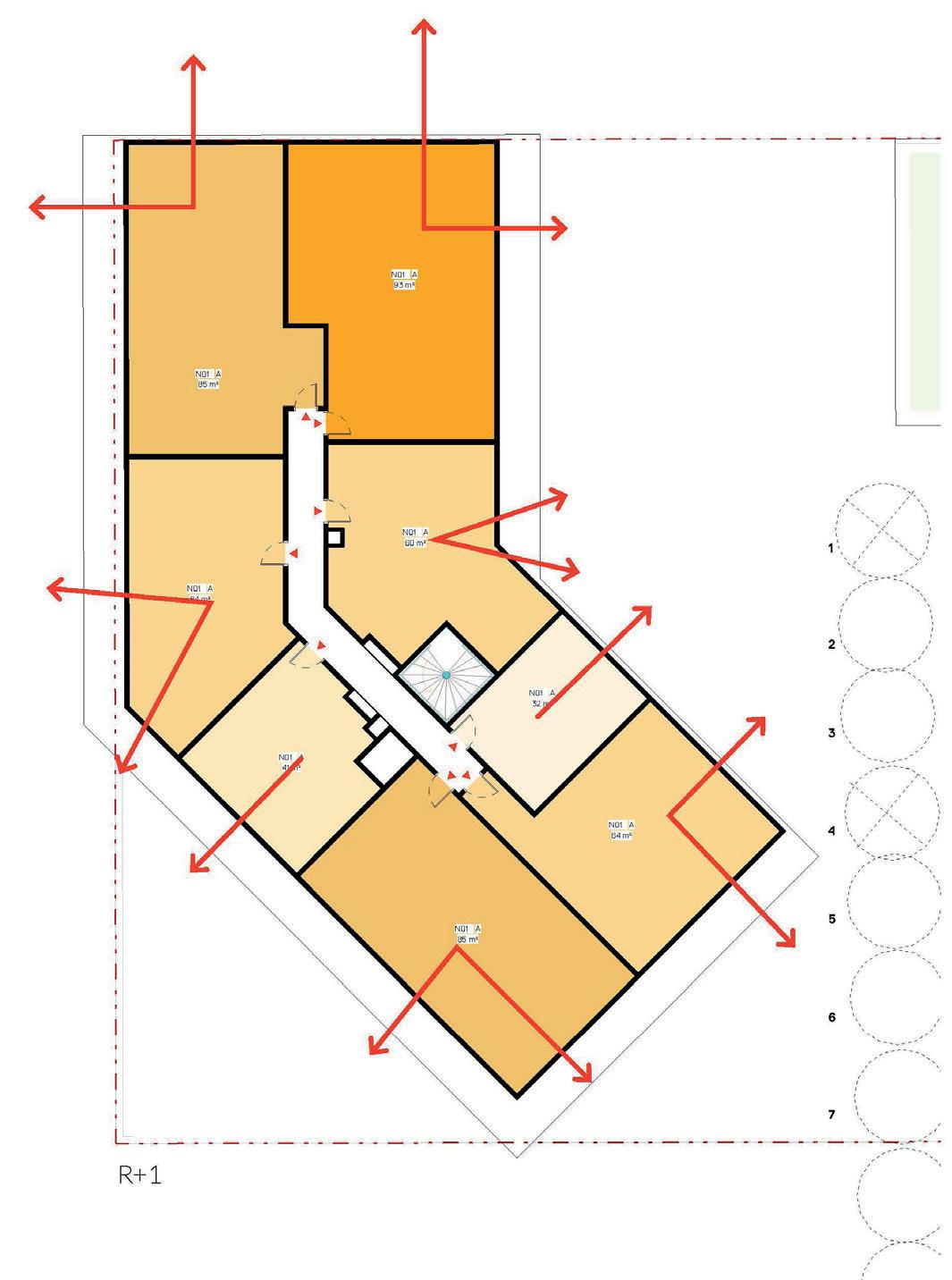
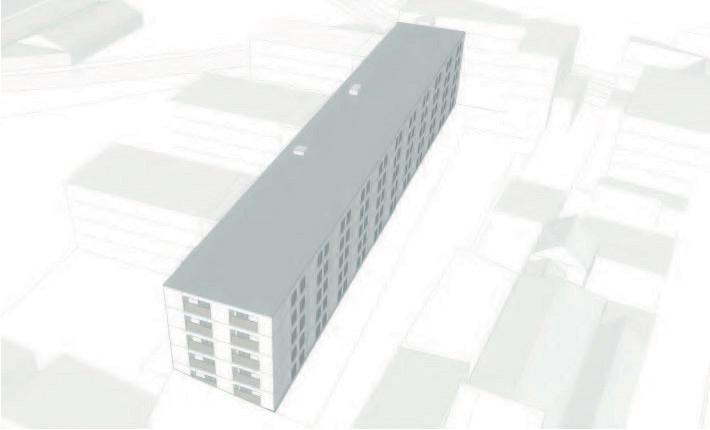
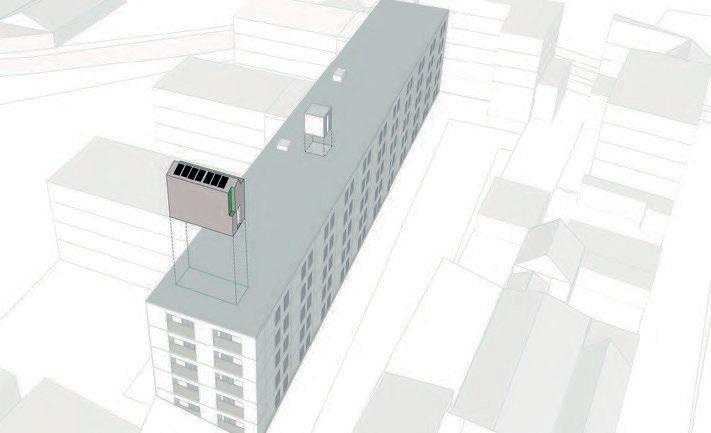
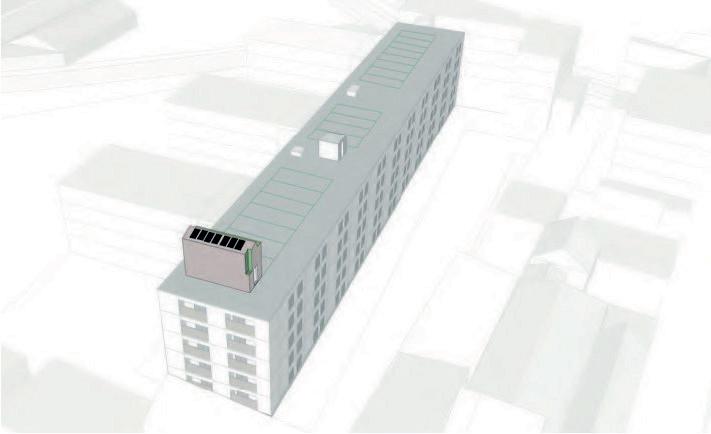
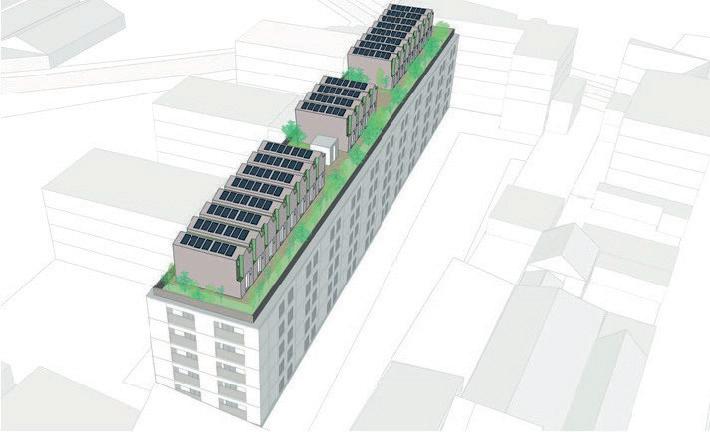
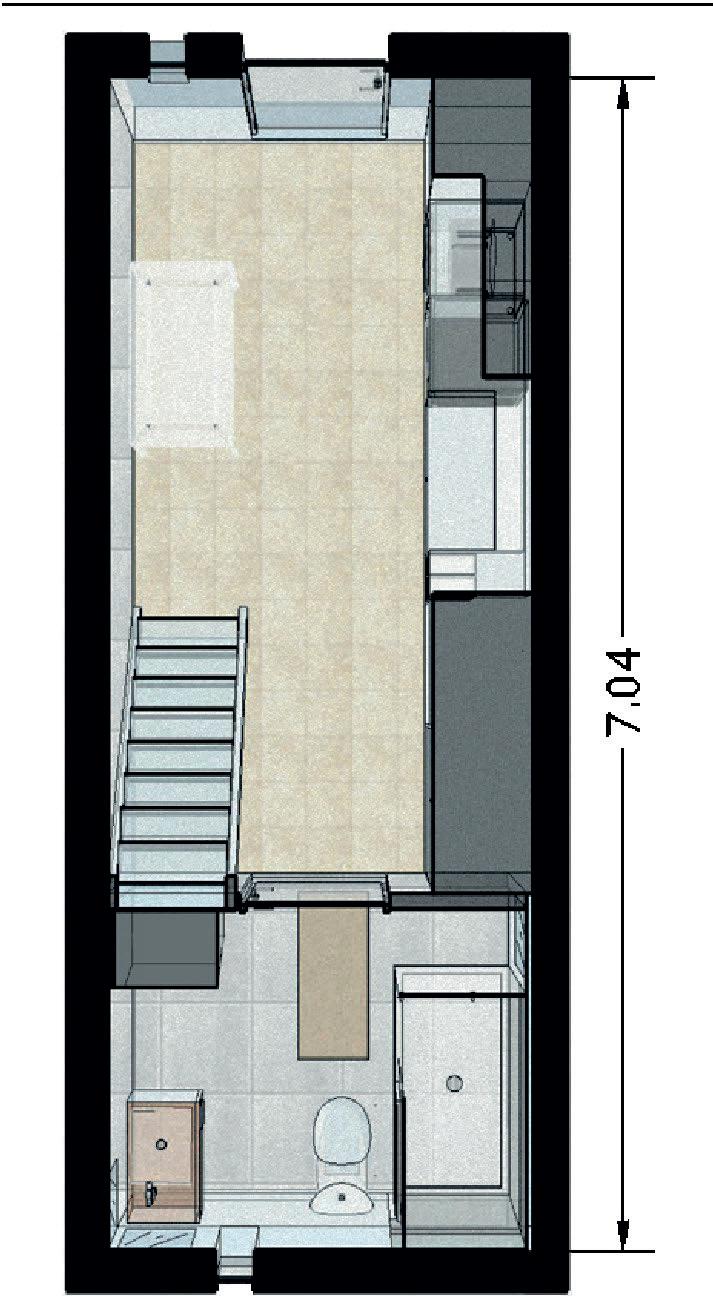
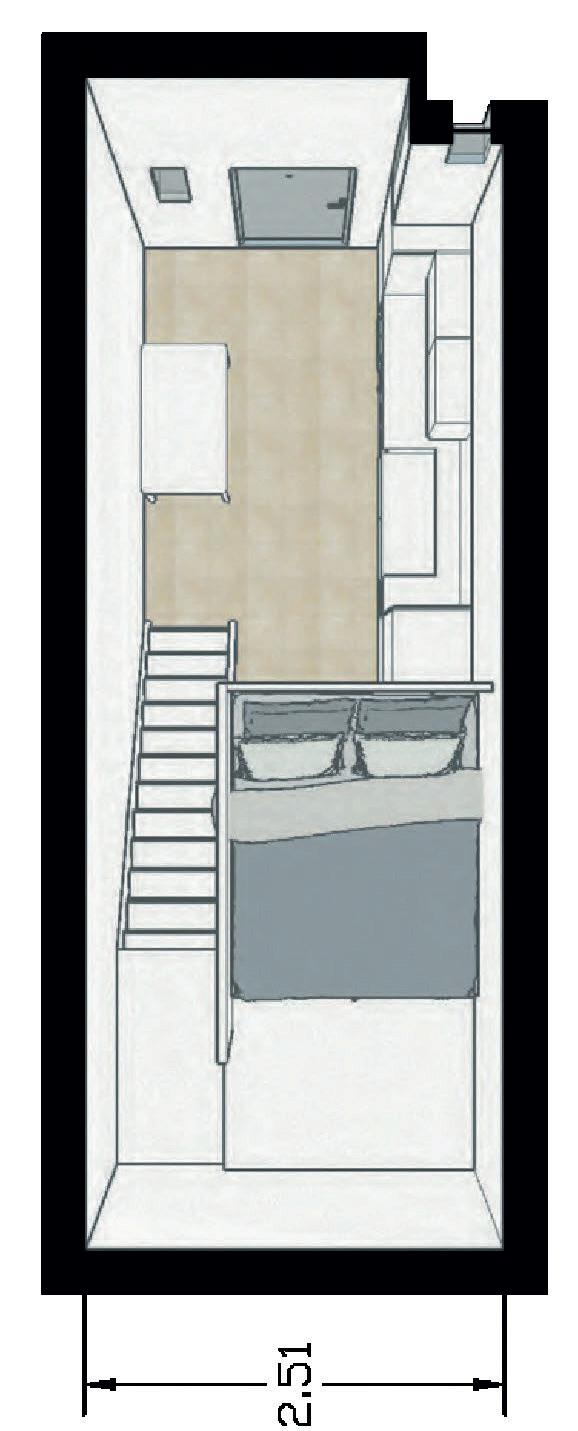
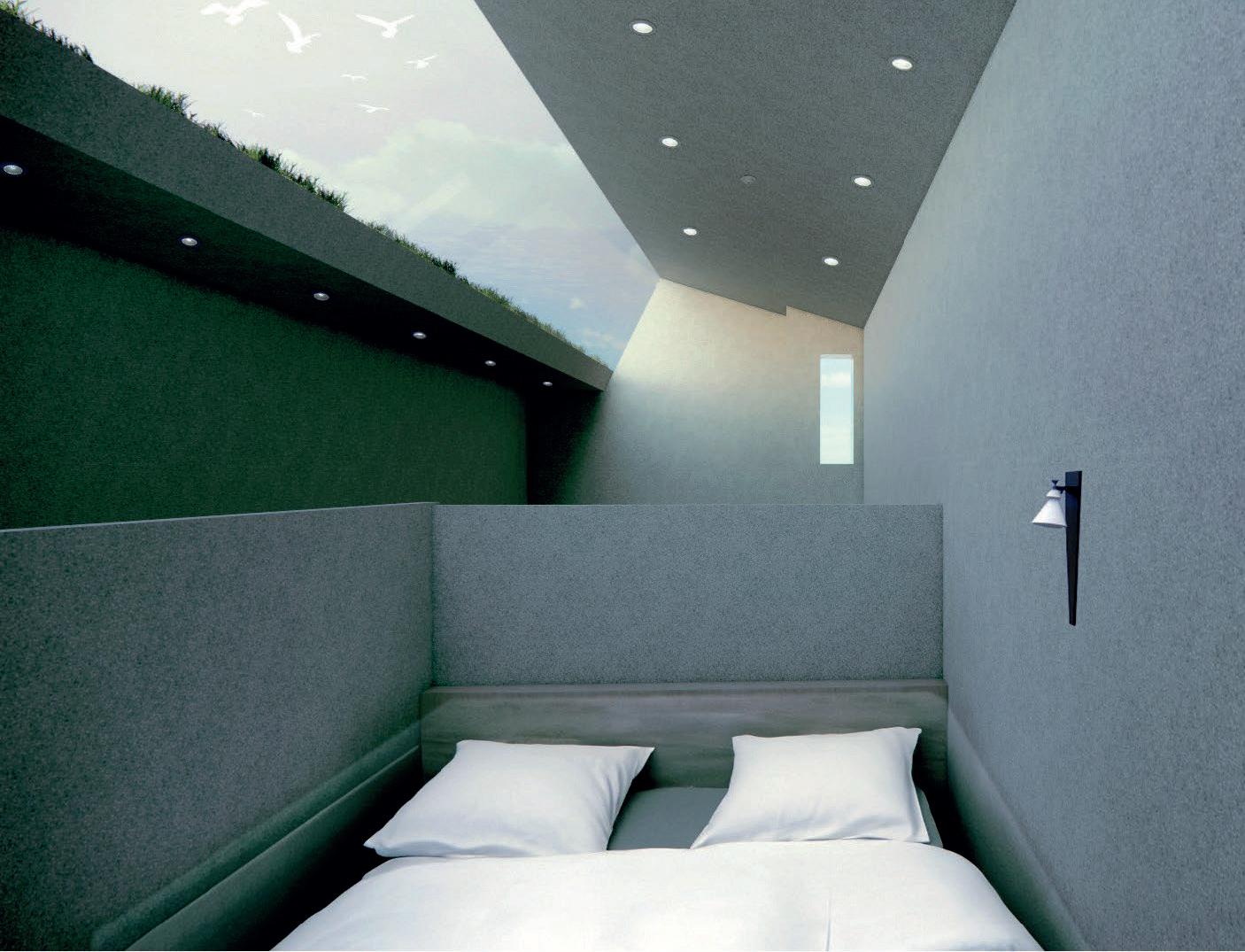
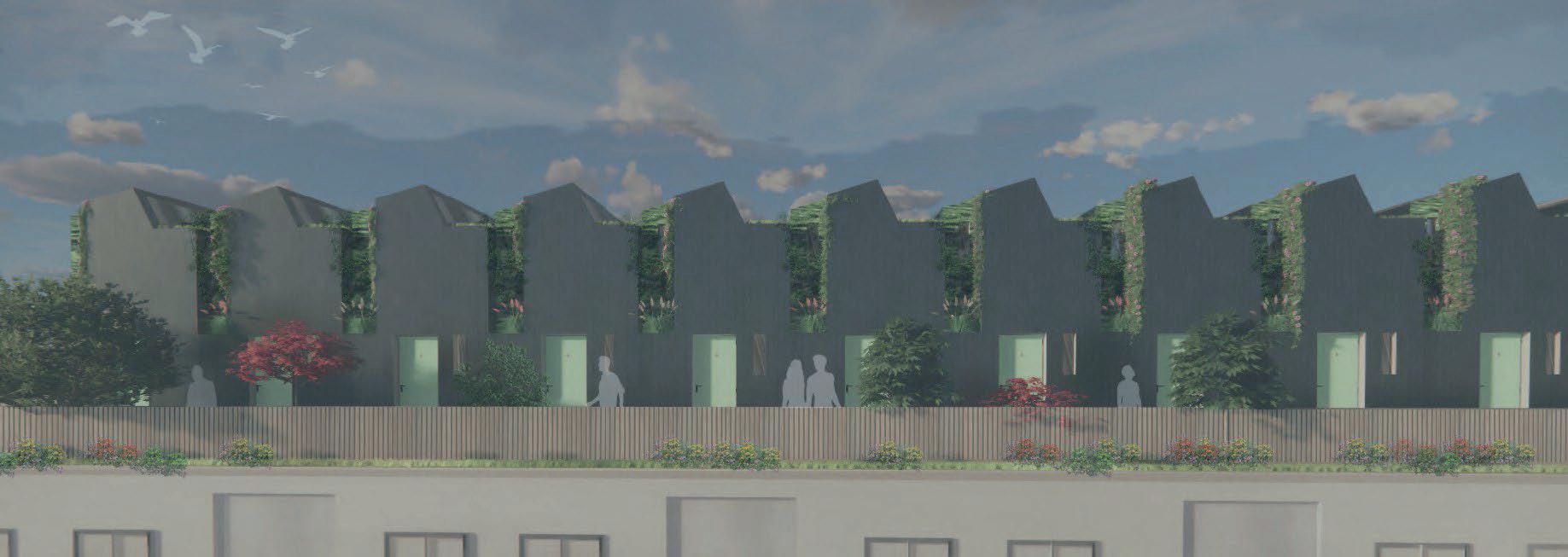
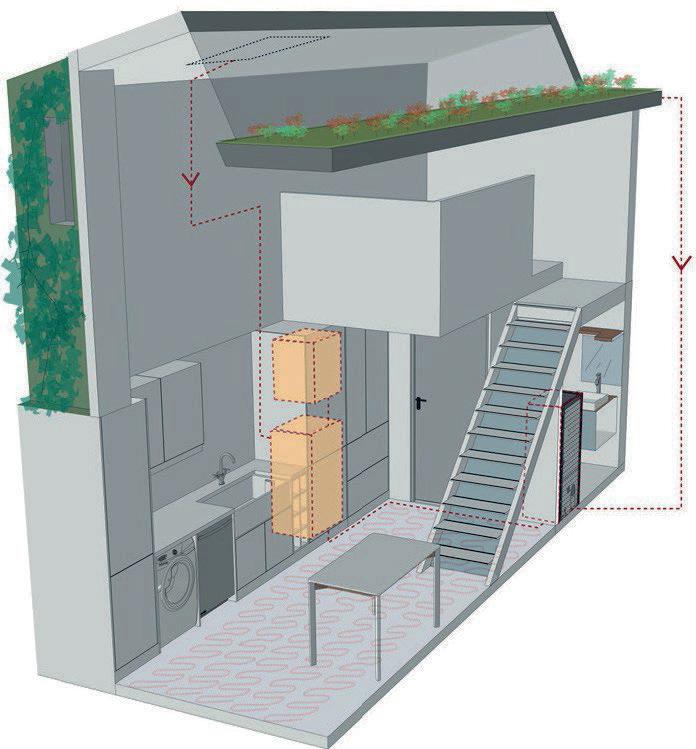
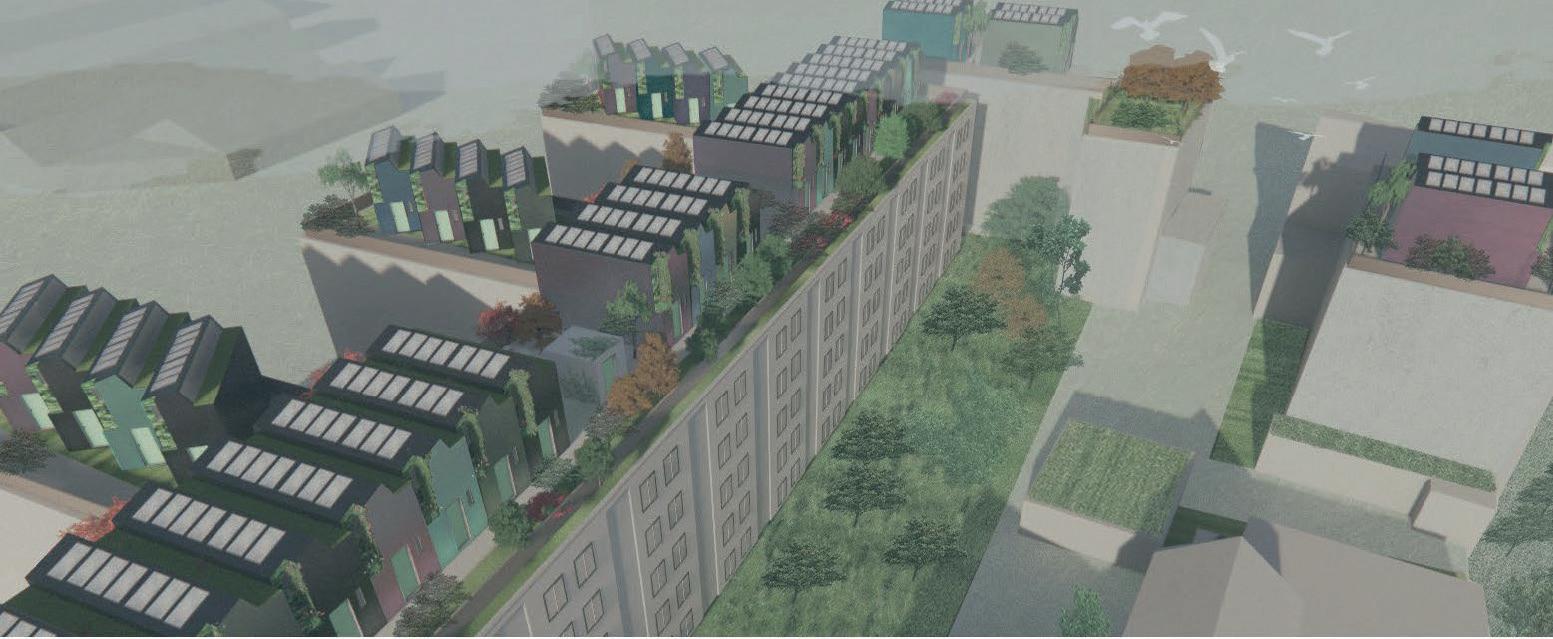
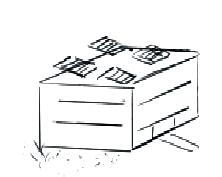
This 22-square-meter microhome is designed for the adaptive retrofitting of housing blocks and the reuse of rooftops. It integrates passive and active environmental strategies to create a sustainable community. The modular design fosters communal spaces while addressing urban densification. Through phases of rooftop retrofitting, the proposal balances functionality, sustainability, and flexibility, contributing to urban ecological networks.
/ Inhabiting green spaces and biodiversity
Front Facade View
5/Hans Place
Practice: Gumuchdjian Architects
Type: Feasibility
Location: Hans Place, Knightsbridge, UK
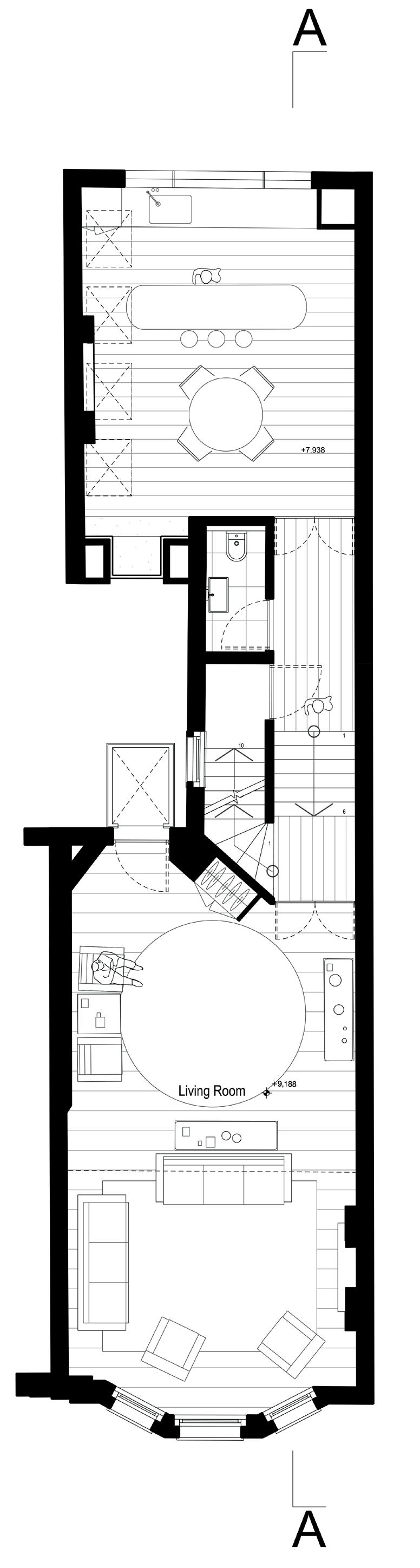
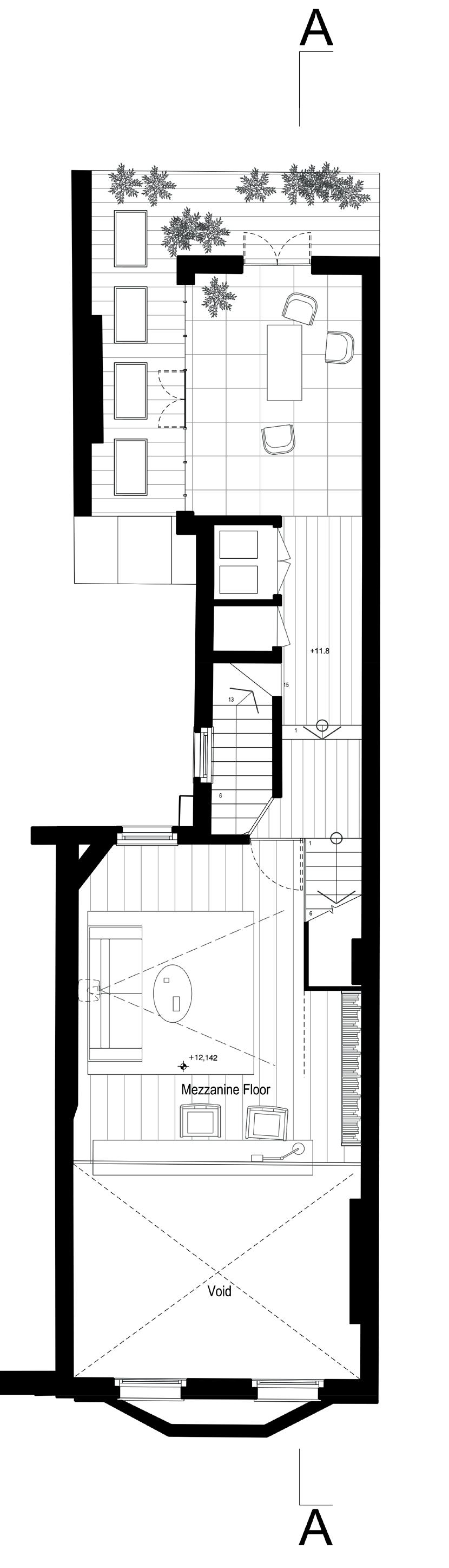
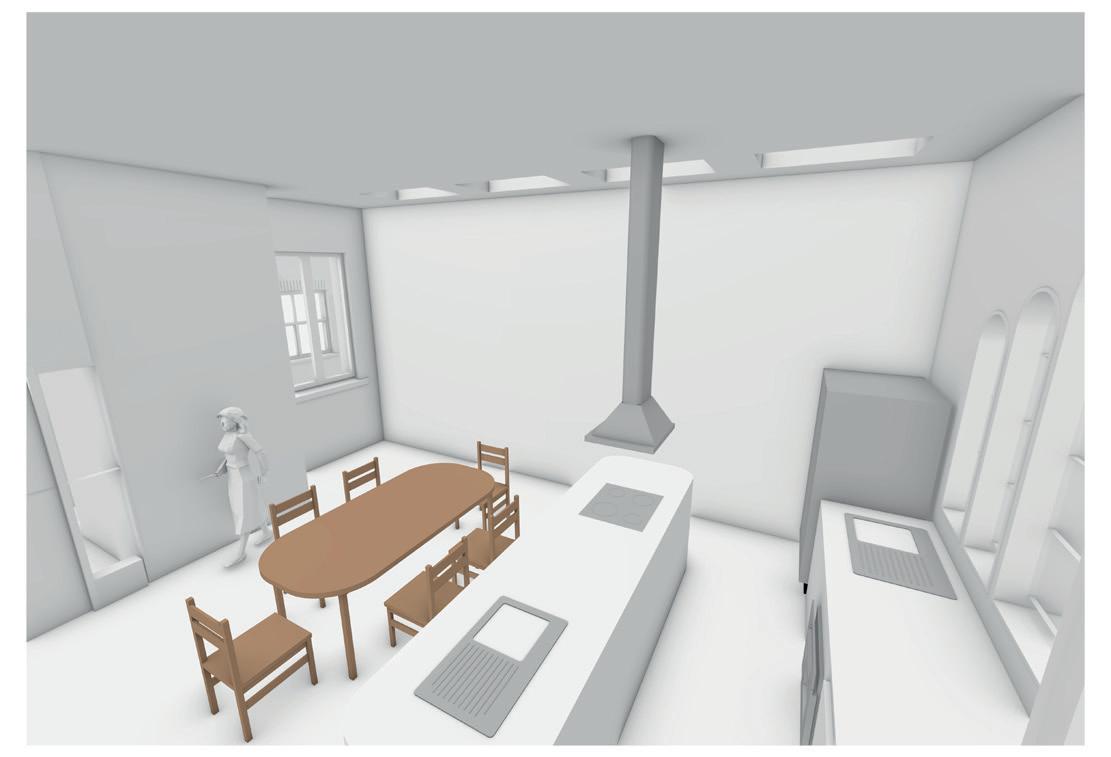
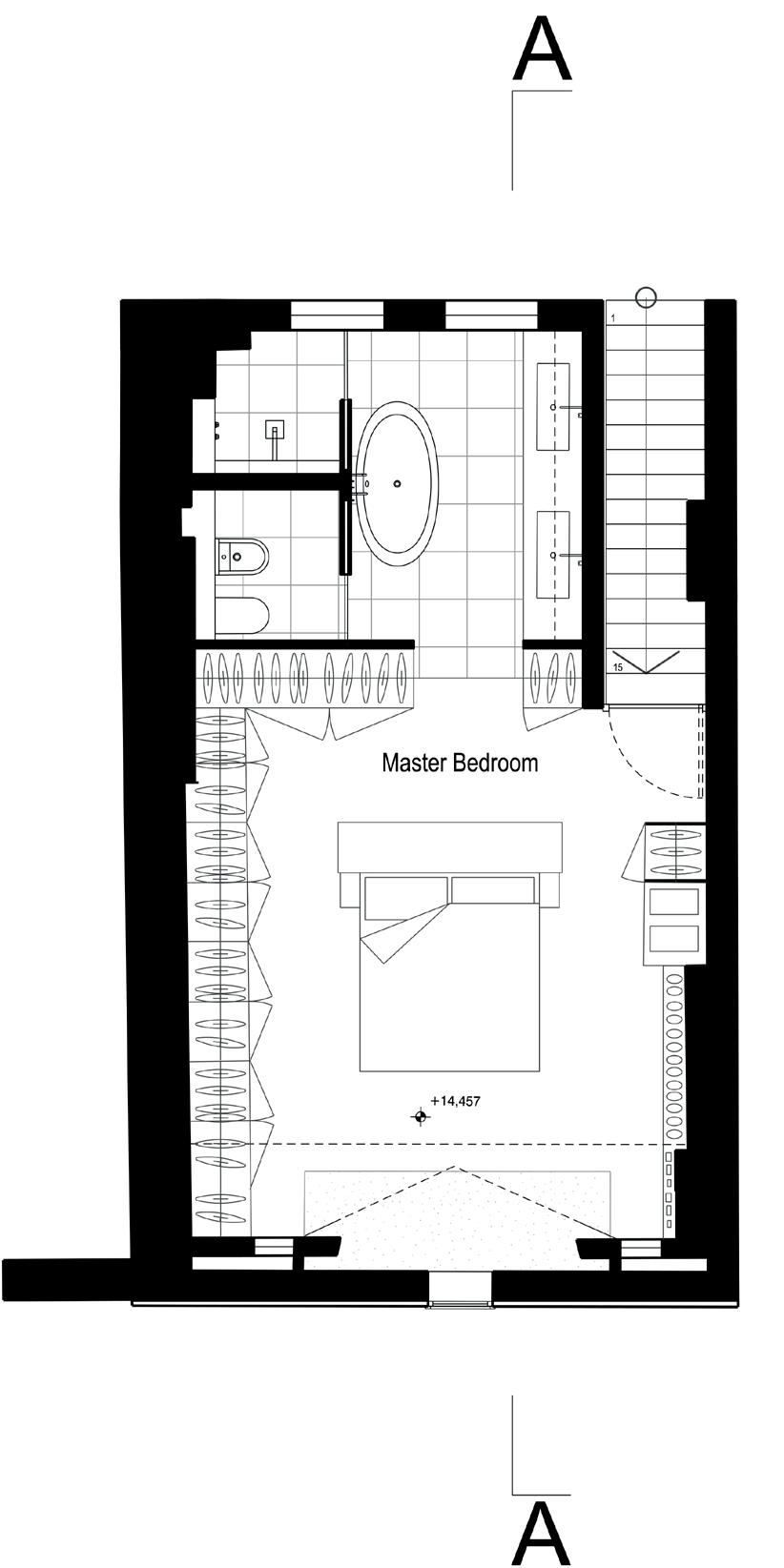
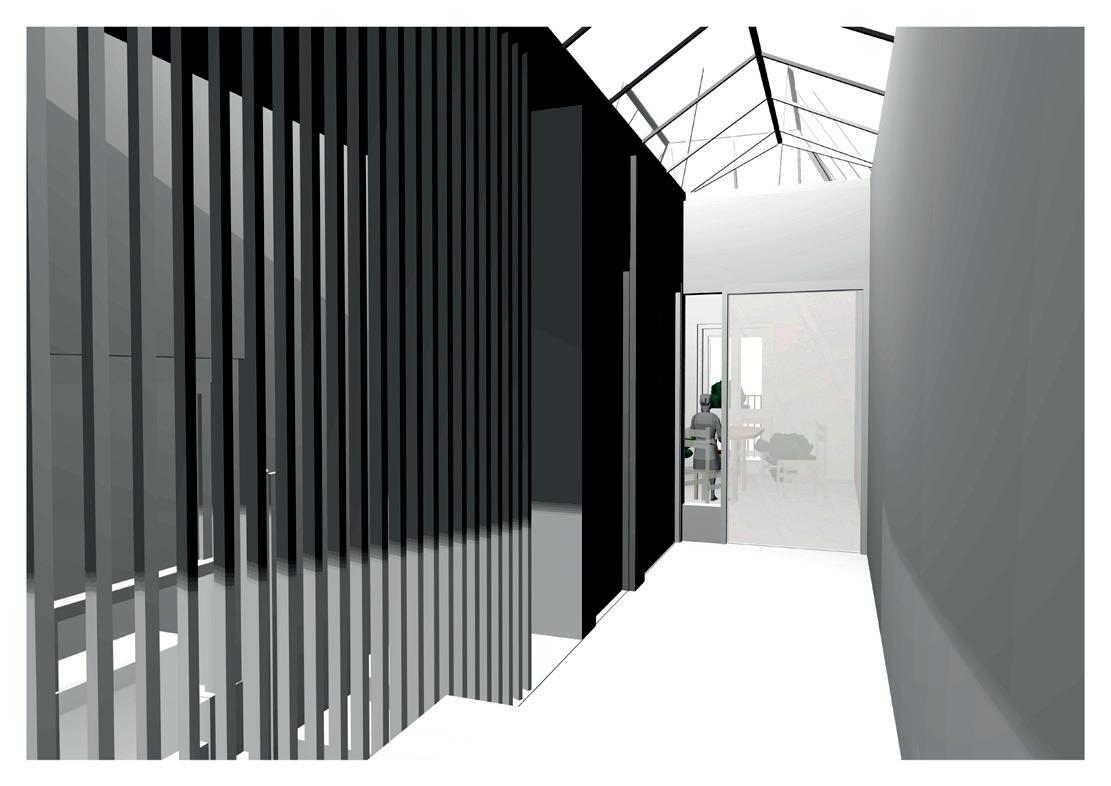
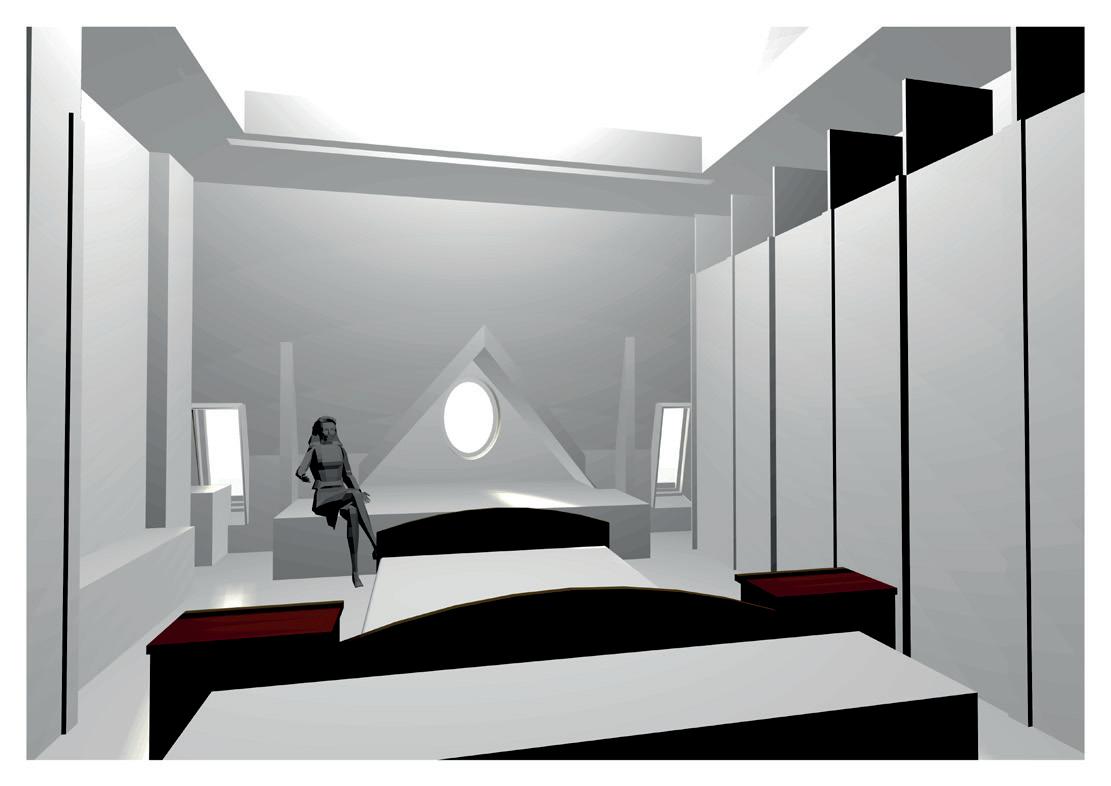
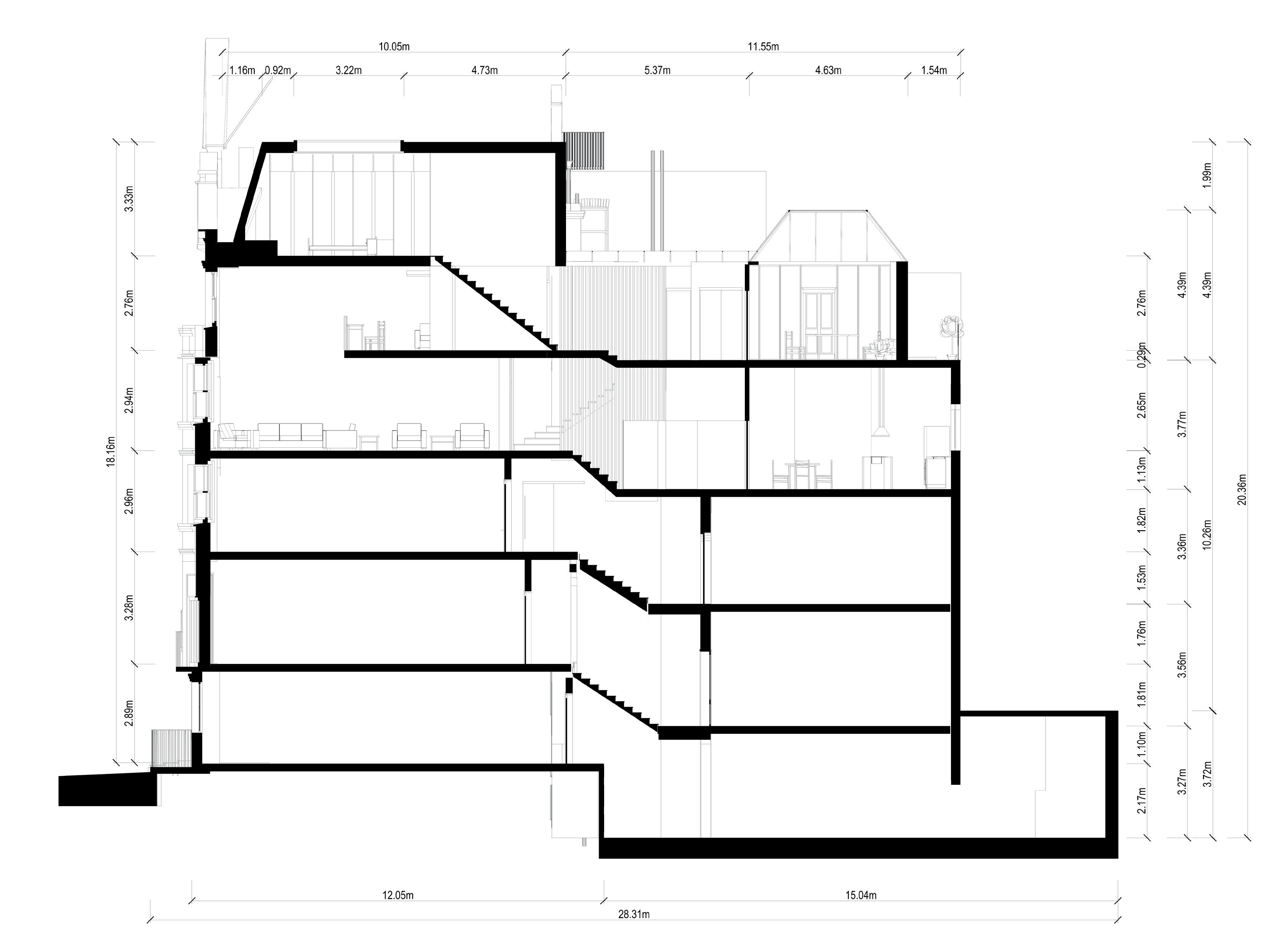
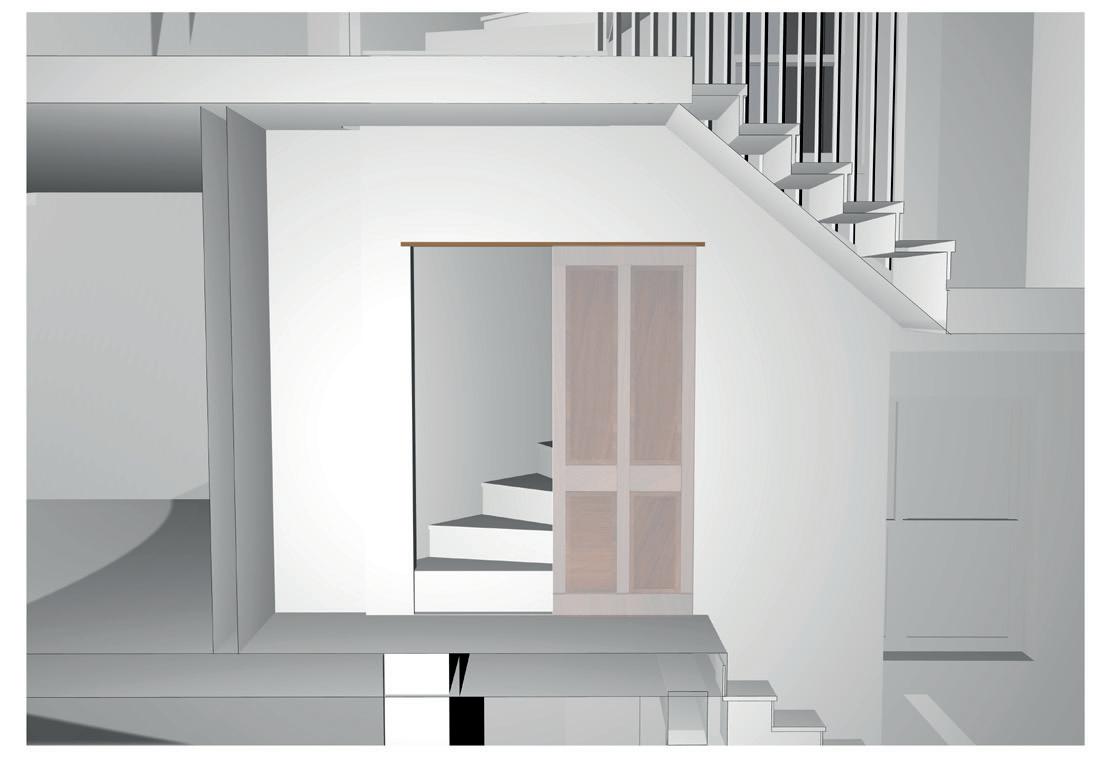
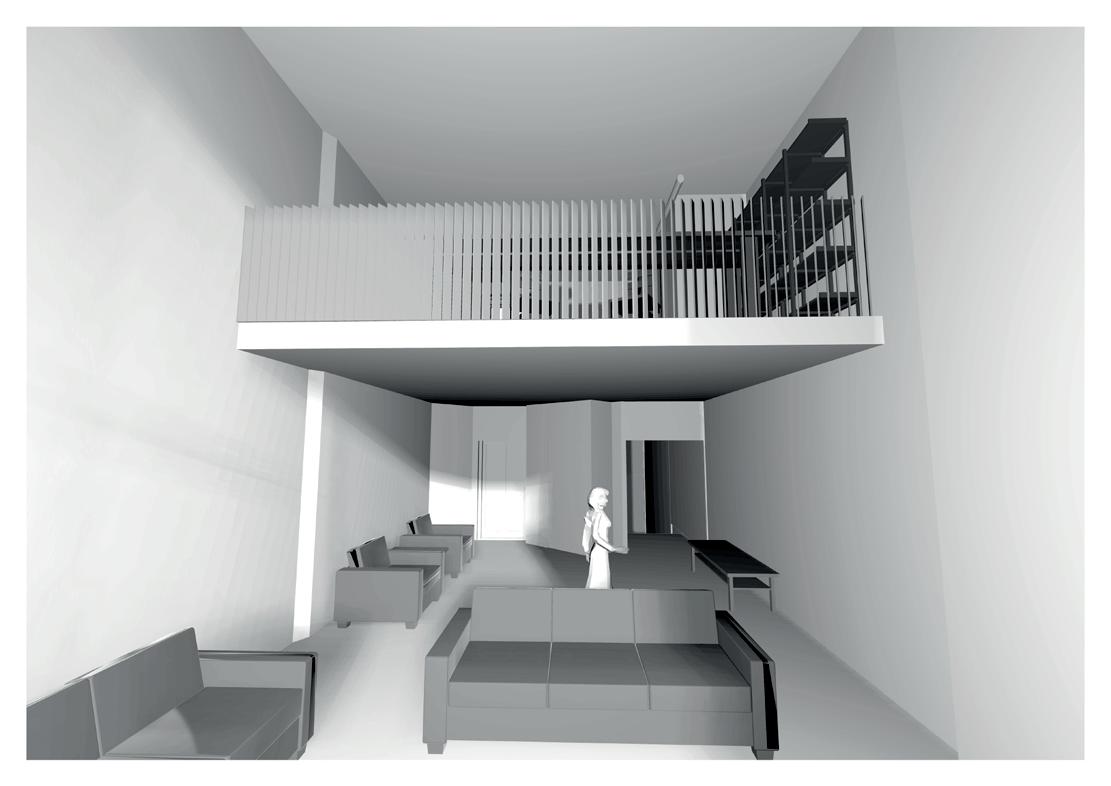
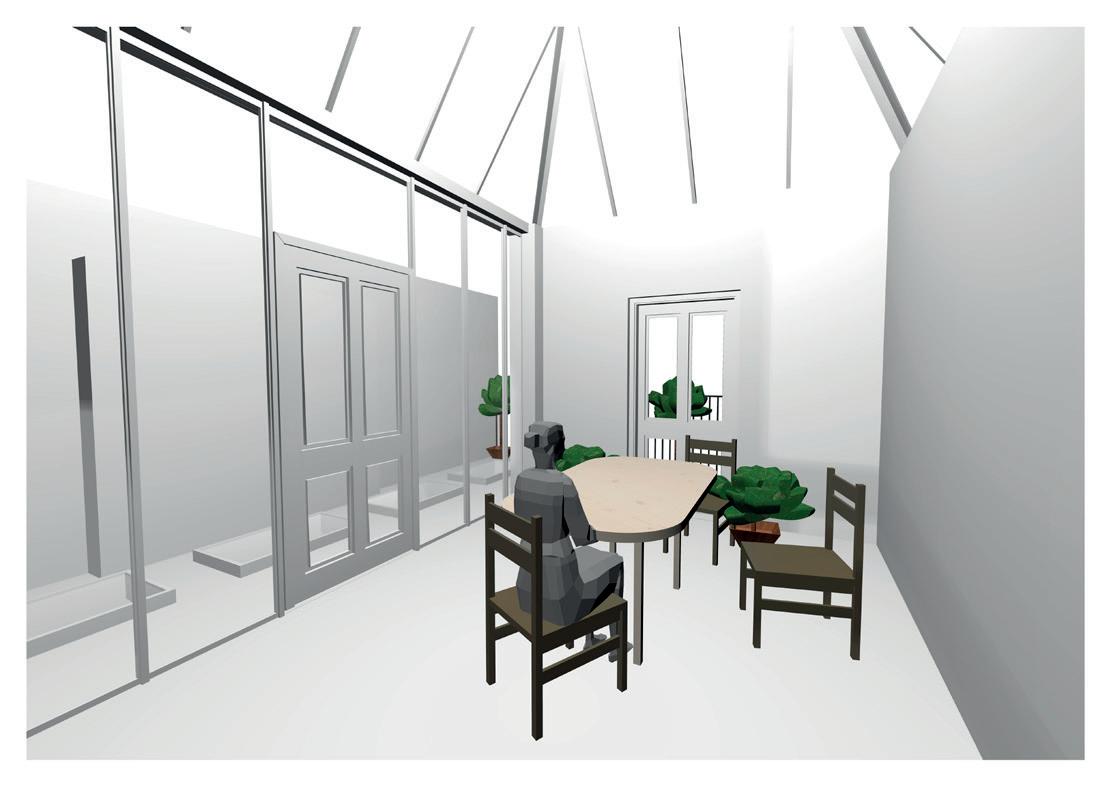
This feasibility study for a Grade II listed residential flat involved developing technical drawings, layouts, and material specifications. Collaborating closely with senior architects, I ensured the design balanced historic preservation with modern living needs. The project demanded precision and collaboration across design and client-facing processes.
Entry to the flat through a pocket door
Living Room
Conservatory
6/Hidden Virtues
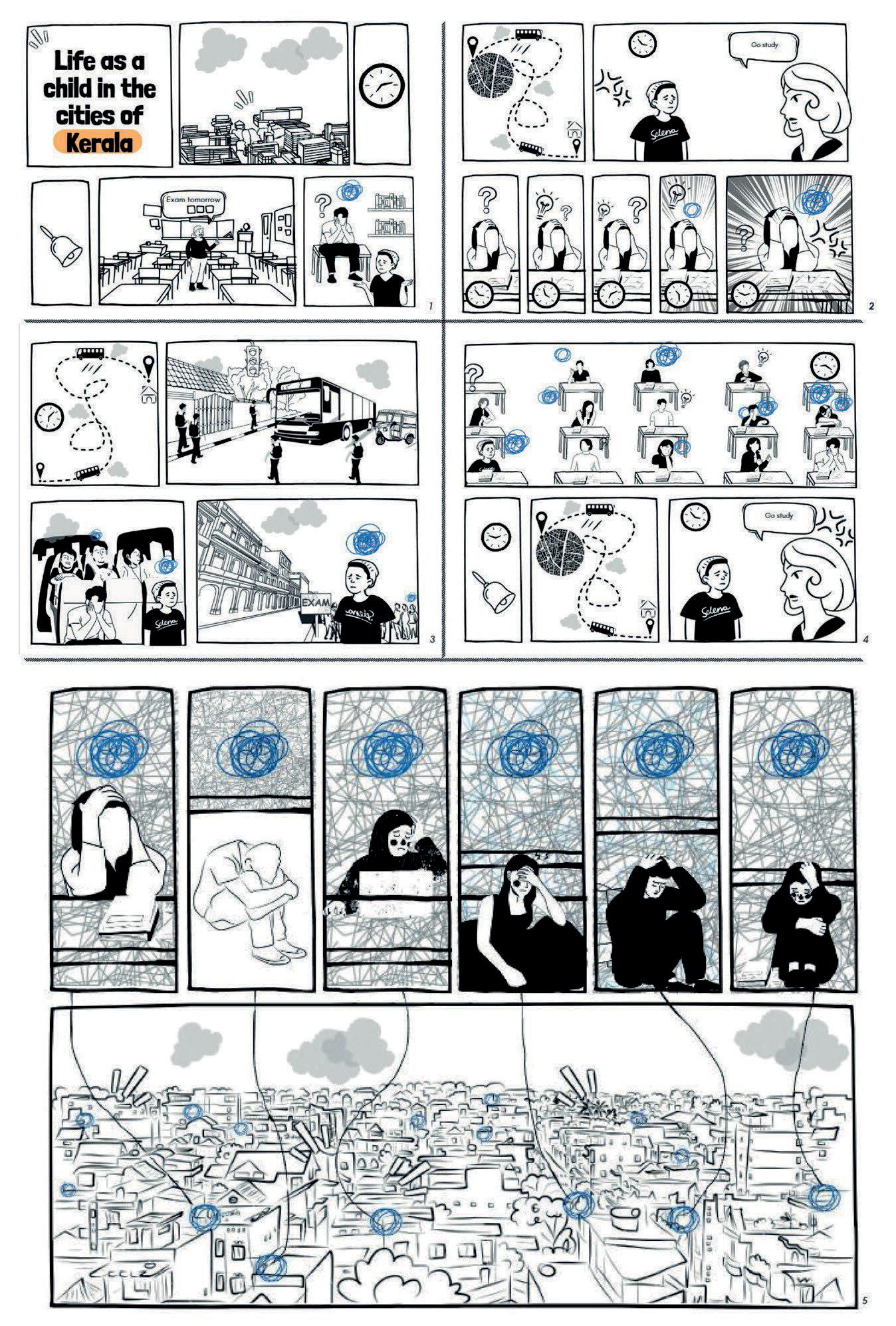
How can urban design interventions foster mental wellbeing amidst stigma and rapid urbanisation?
Type: Masters Design Thesis
Location: Calicut, Kerala, India
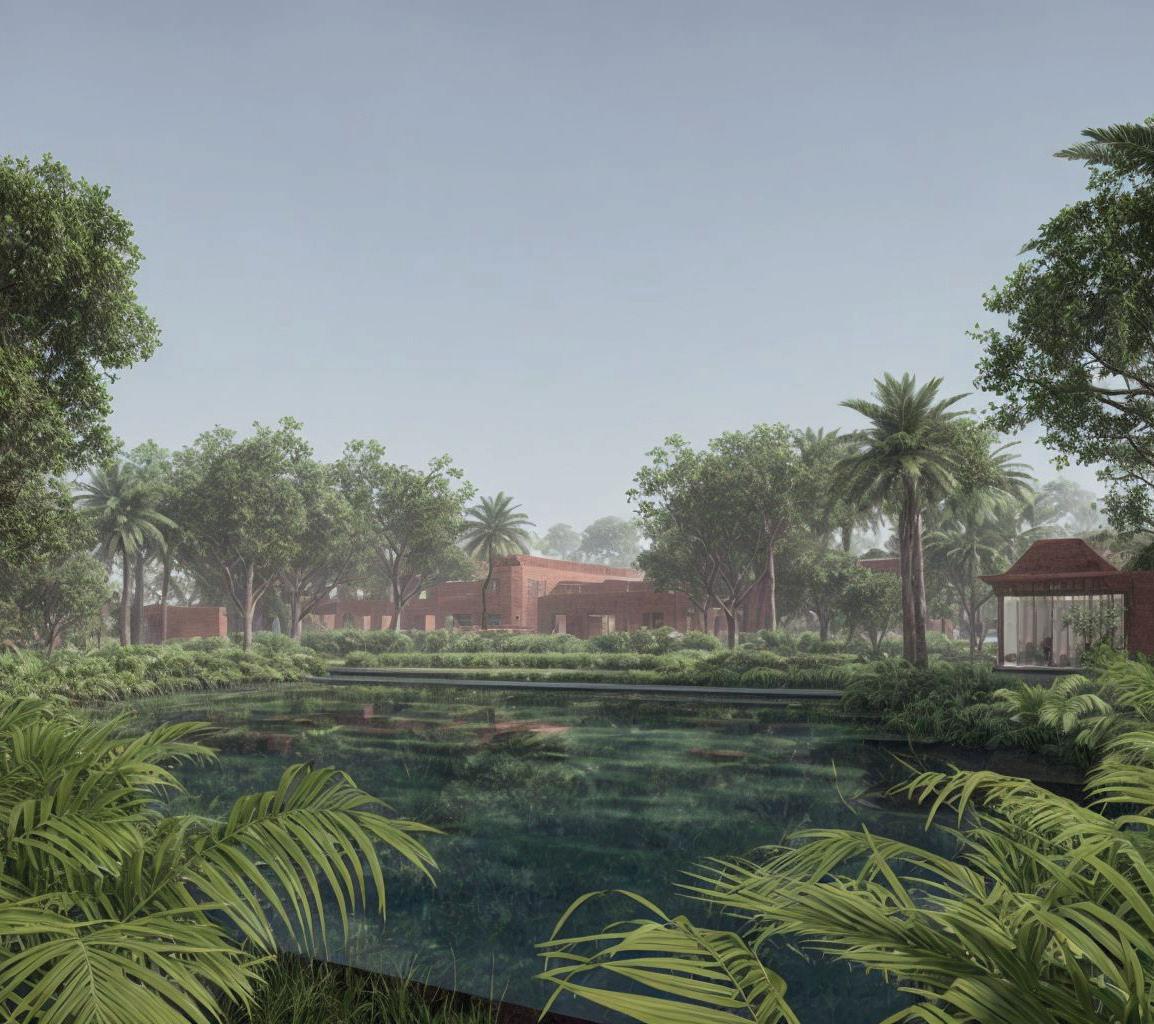
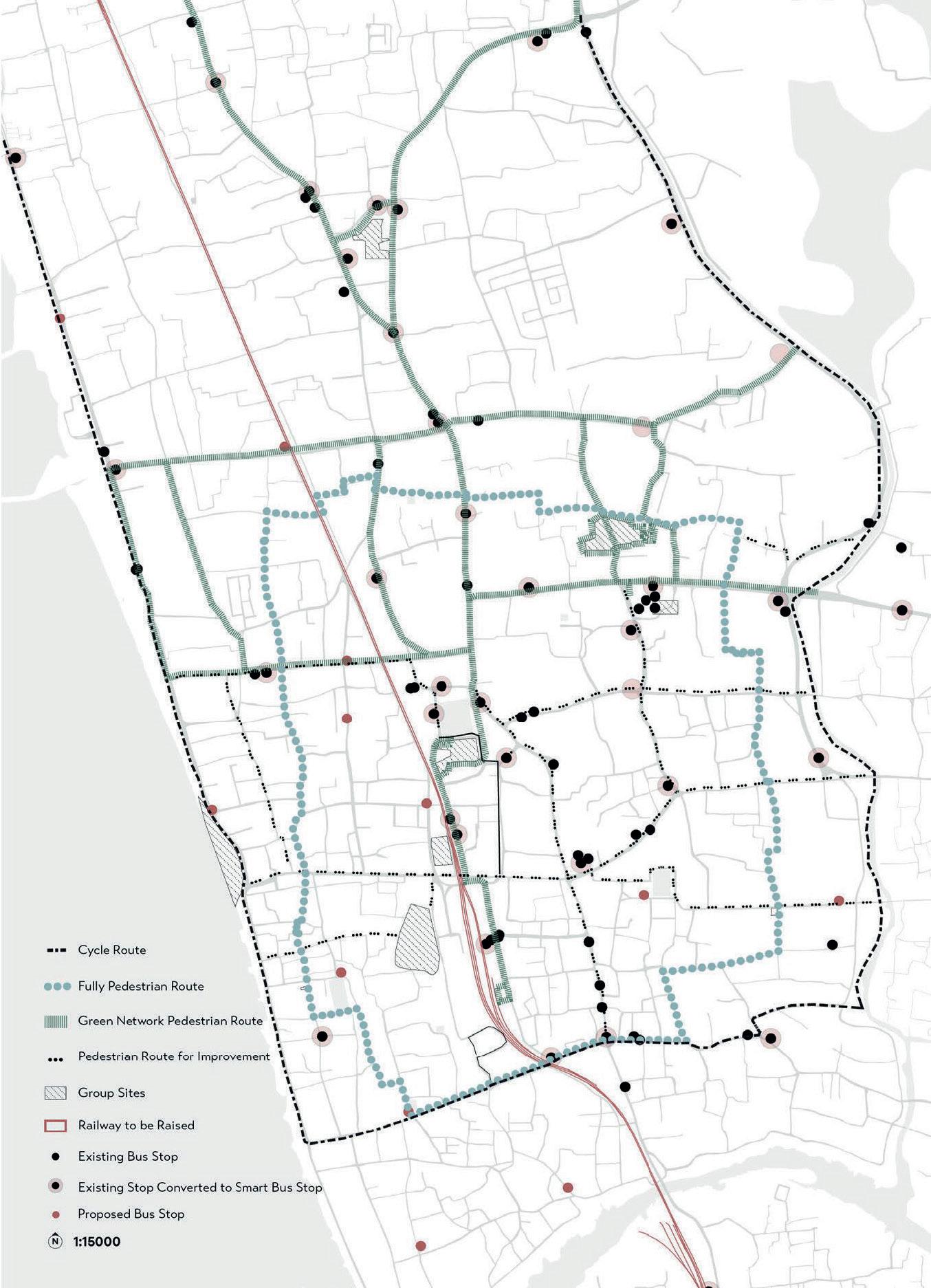
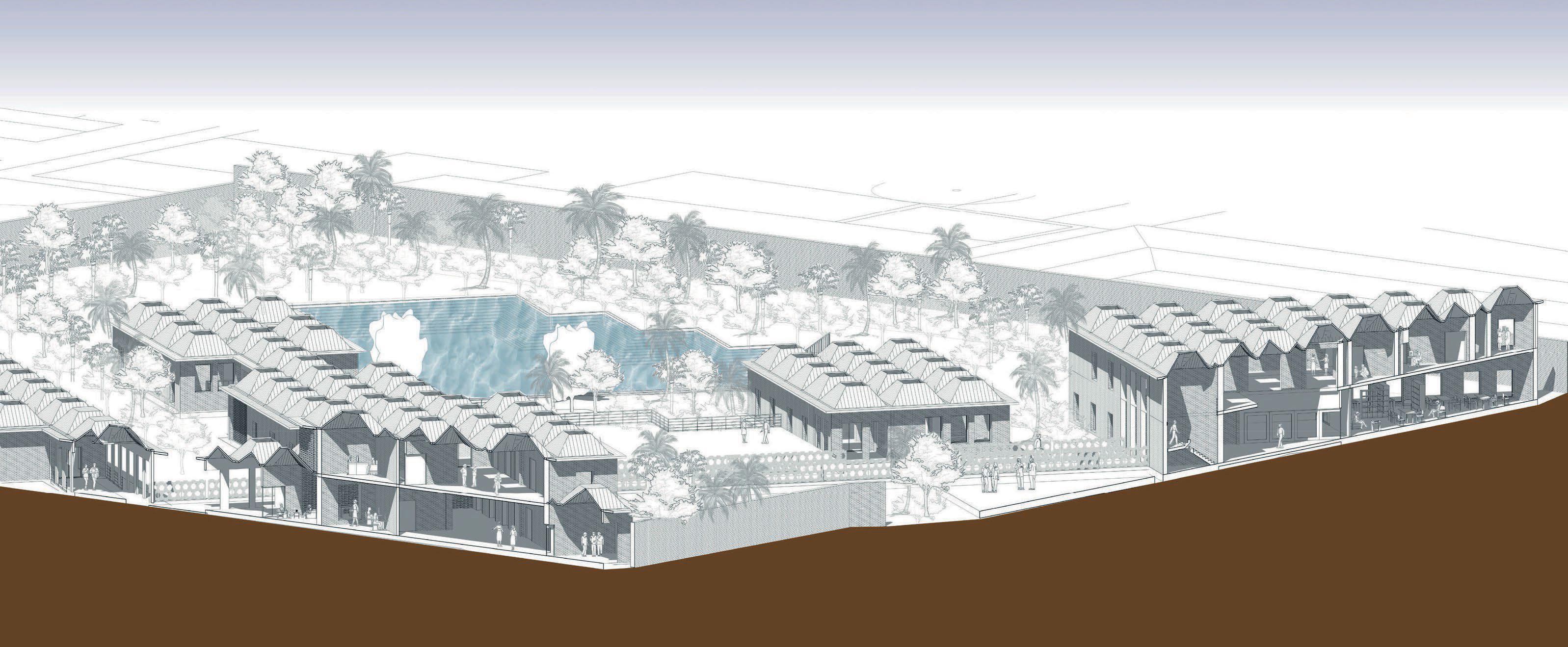
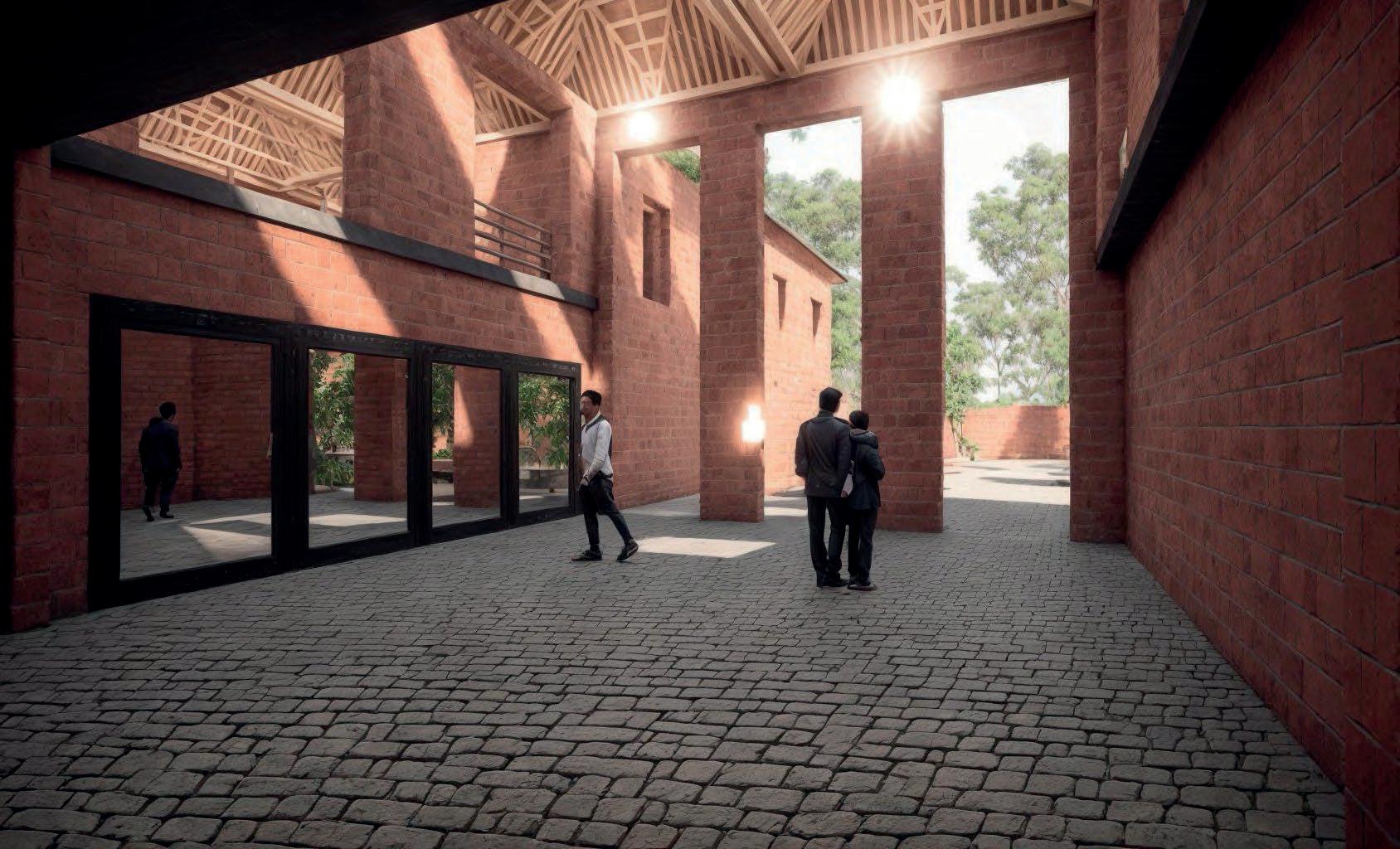
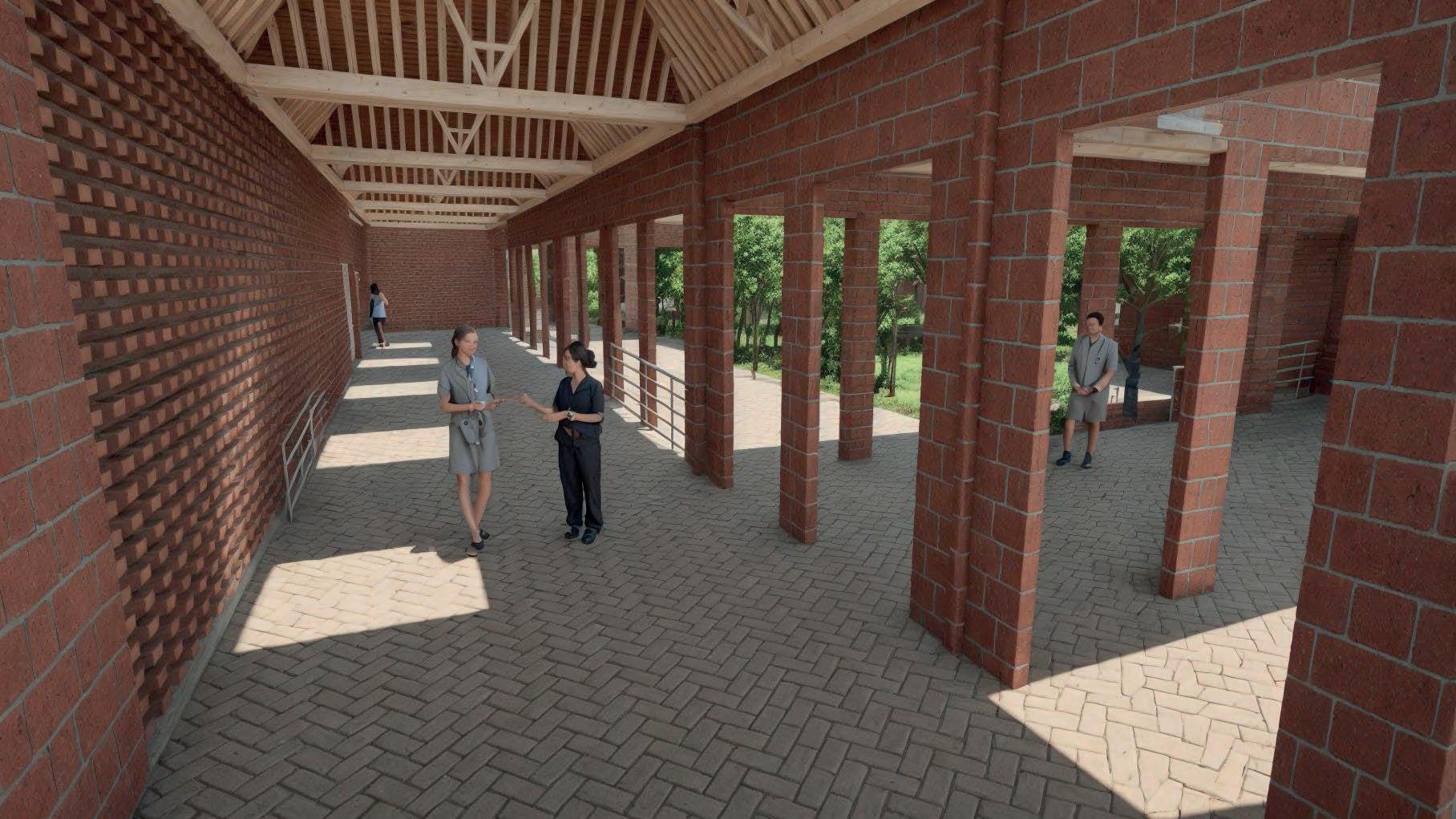
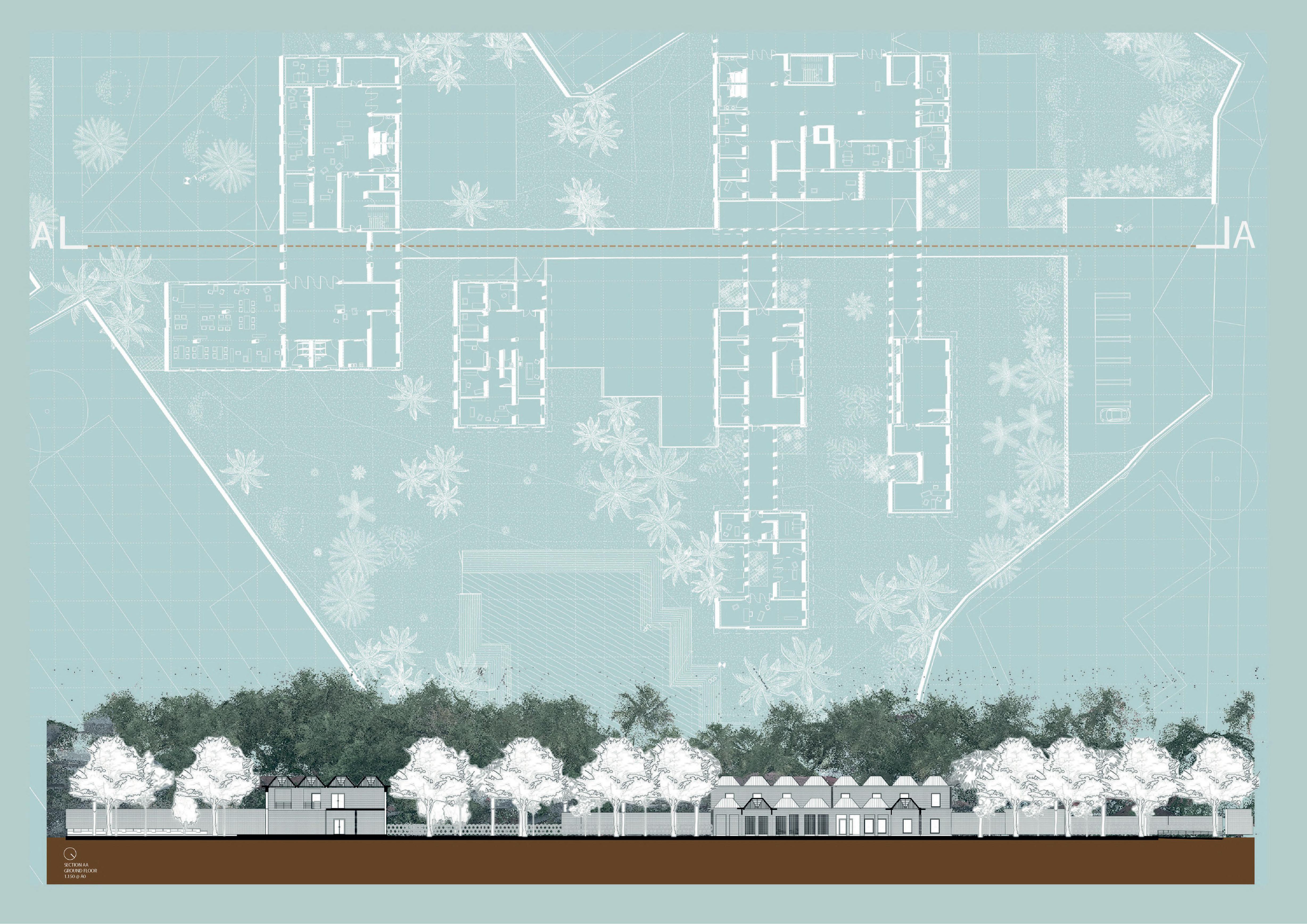
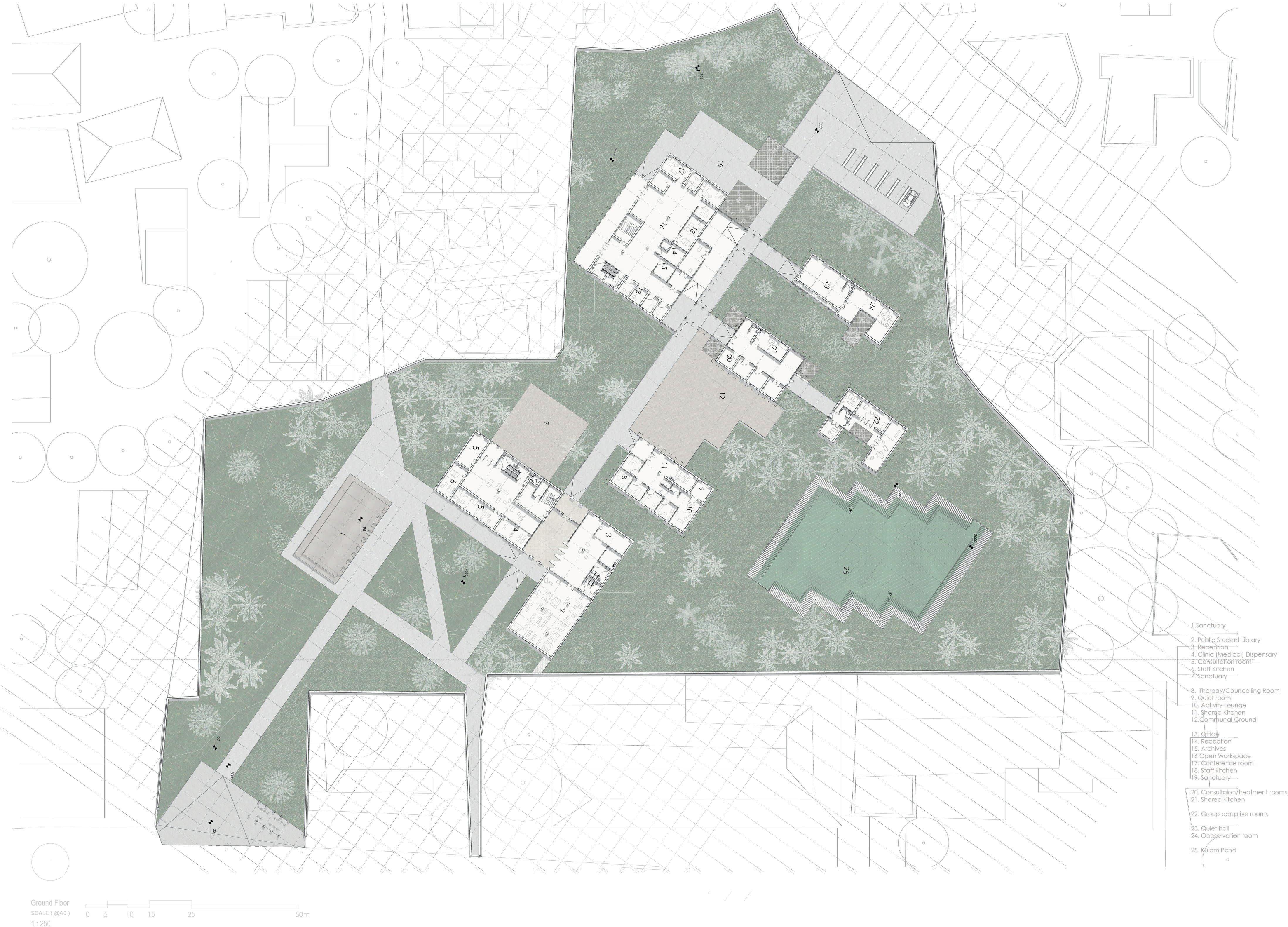
This project aims to address mental health stigma through urban design interventions by establishing a community recovery care centre in Calicut. The strategy integrates access to green spaces, recreational areas, and community-orientated facilities to promote well-being. By reimagining the existing urban fabric, the design emphasises inclusivity and the power of spatial interventions in fostering mental health.
SOFTWARE:
• Adobe Firefly
• Twinmotion
• Photoshop
• Adobe Fresco
• Cloud Compare
• Rhino+GH
• Illustrator
• QGIS
• Revit
Proposed Urban Strategy for harmonious living with nature and reduce urban stressors
The Wellness and Recovery center: Reclamation of vacant and overgrown site to be part of the network of healthcare buildings in the city center
Main Entrance
Exterior corridor
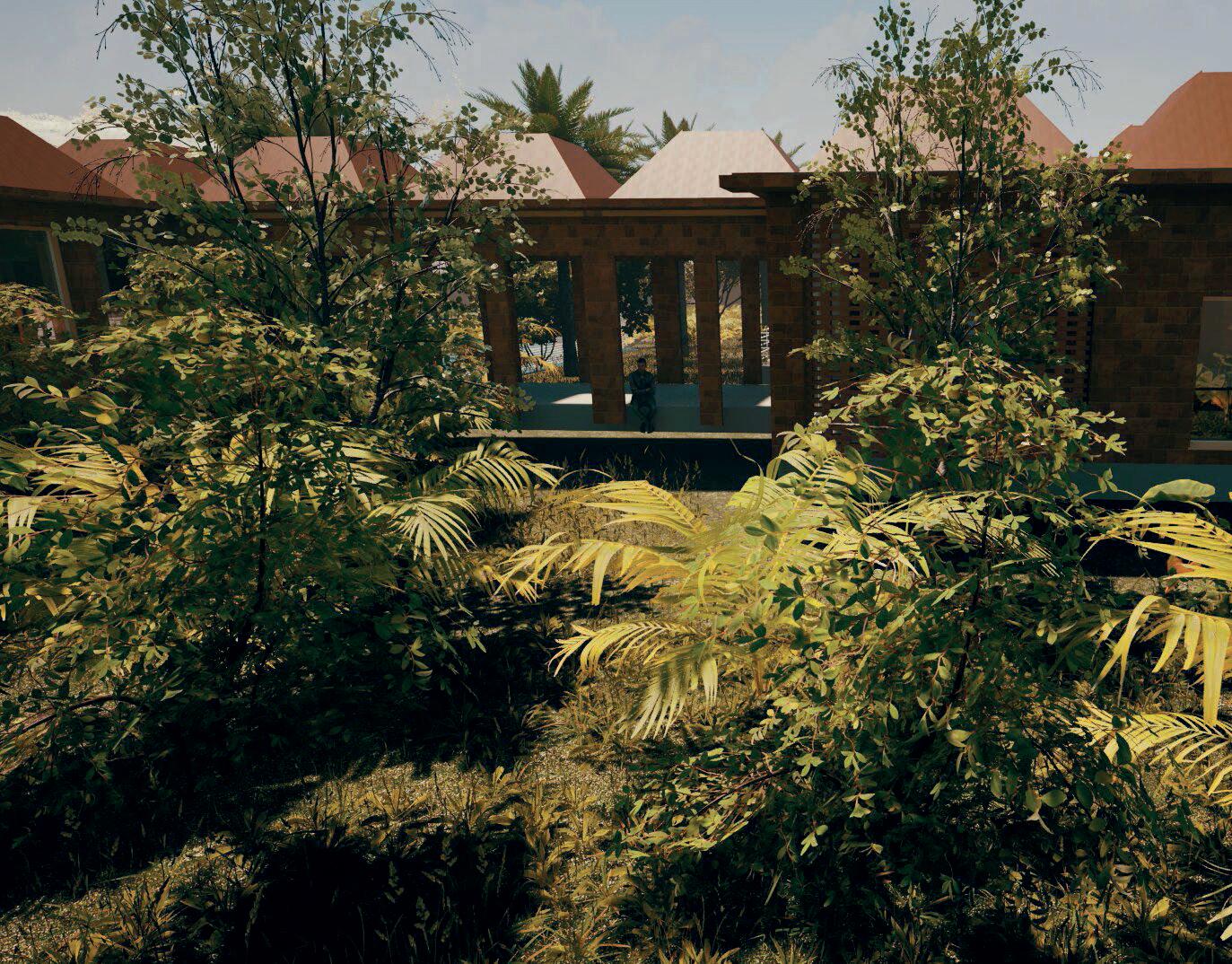
Natural elements
7/Pessac’s
University Halls
Practice: MFR Architectes
Type: Competition (Finalist)
Location: Pessac, Bordeaux, France
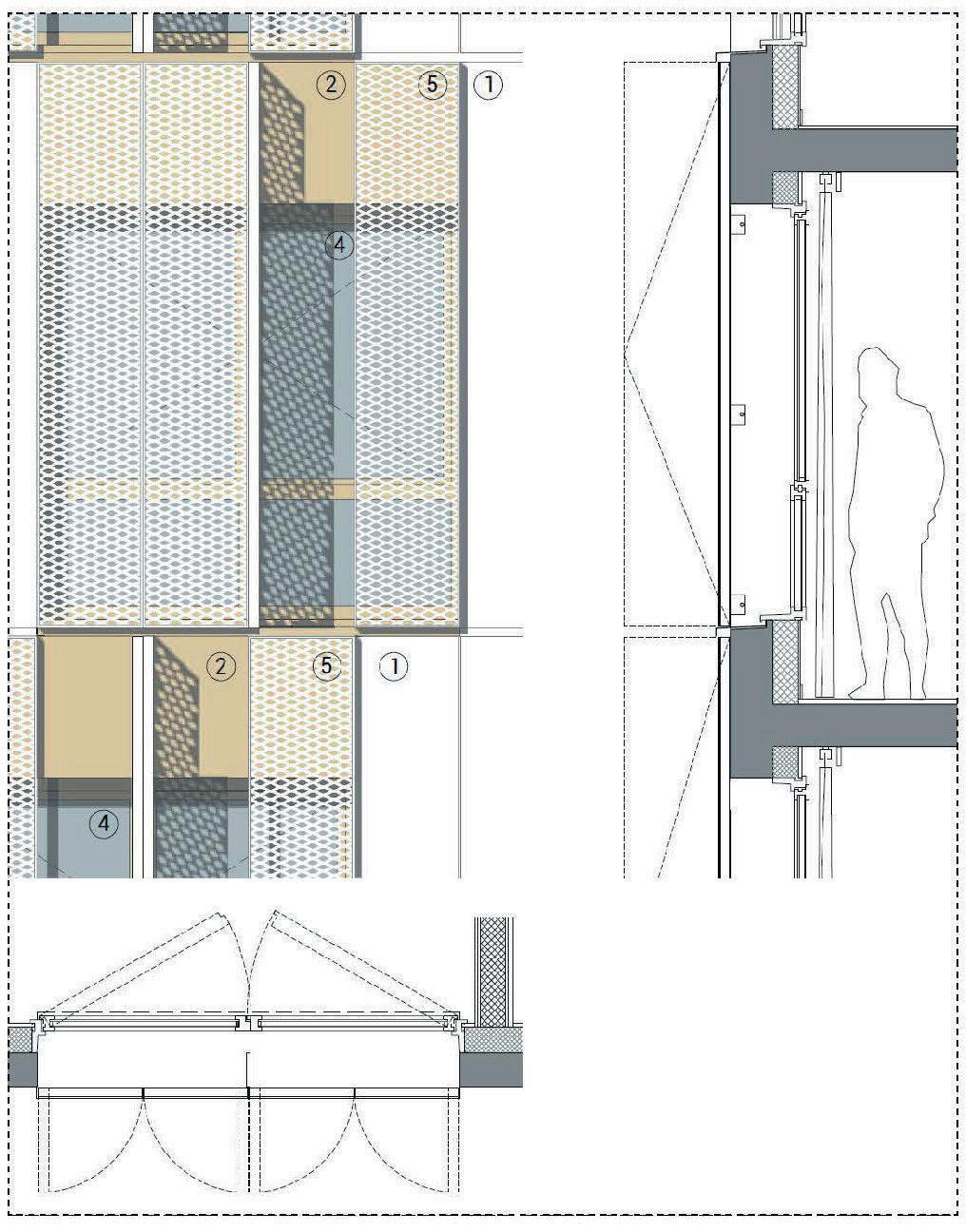
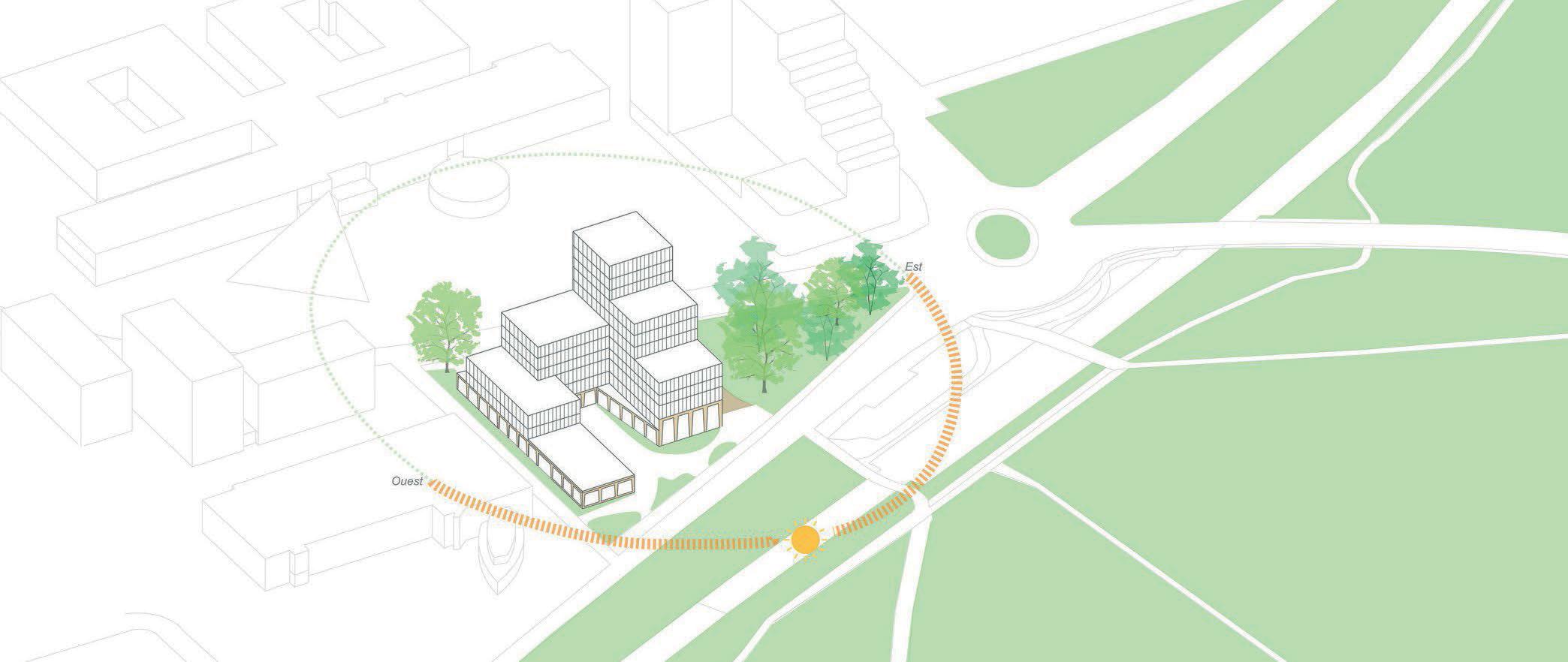
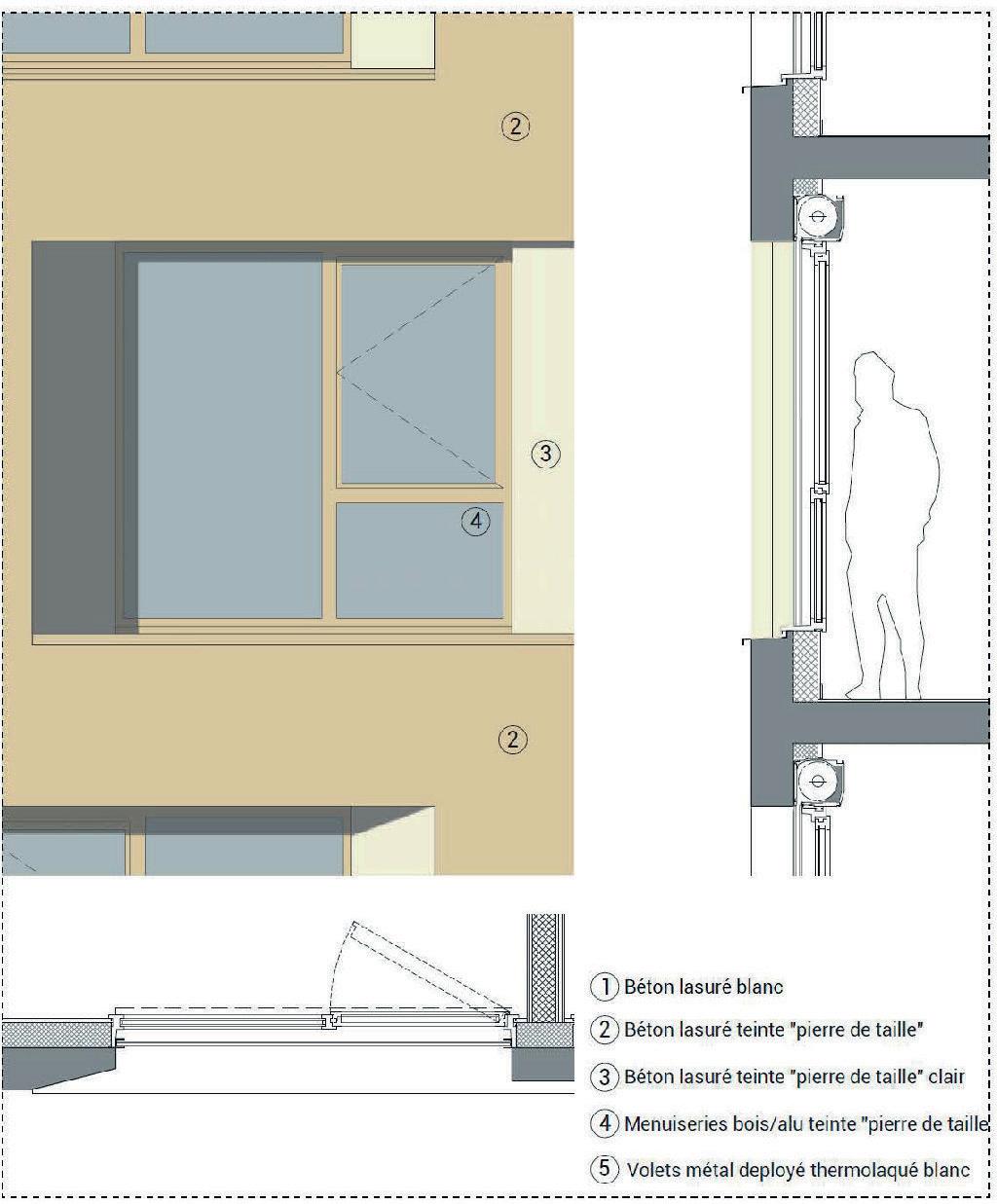
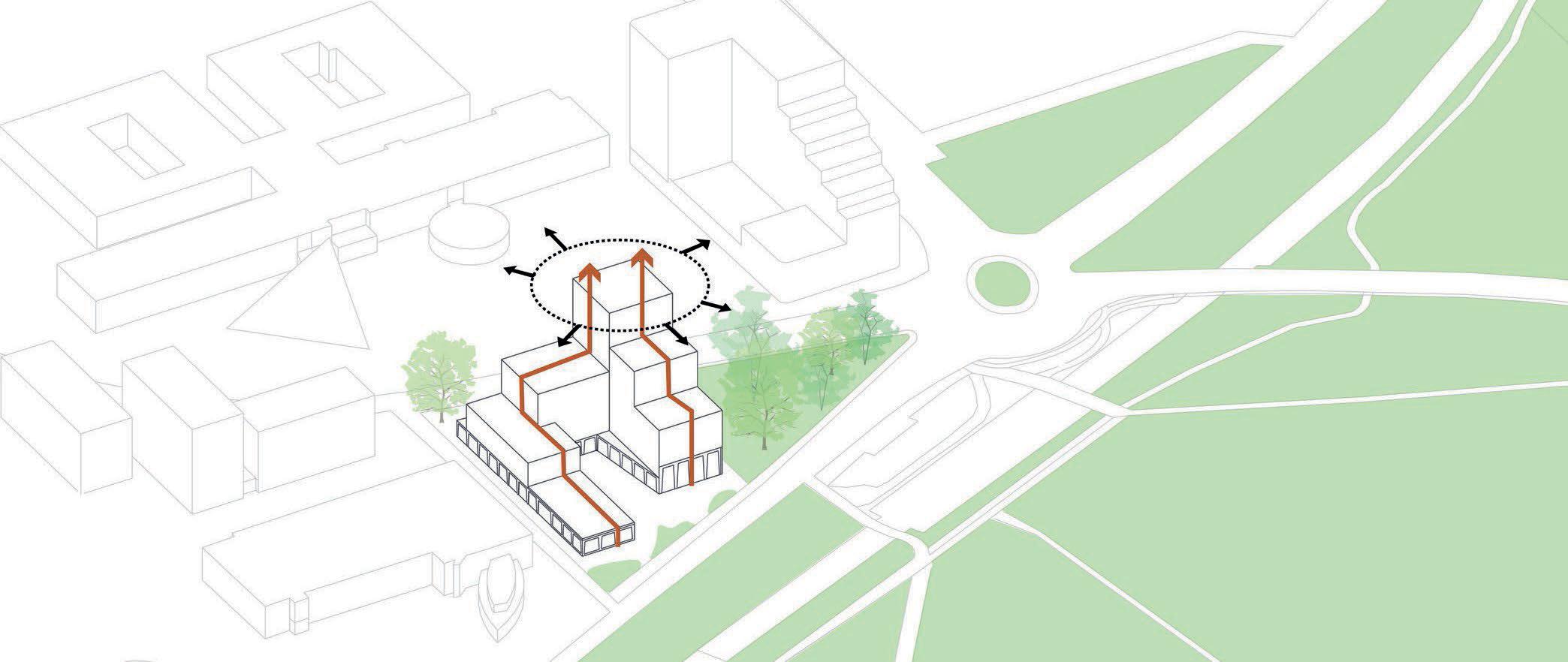
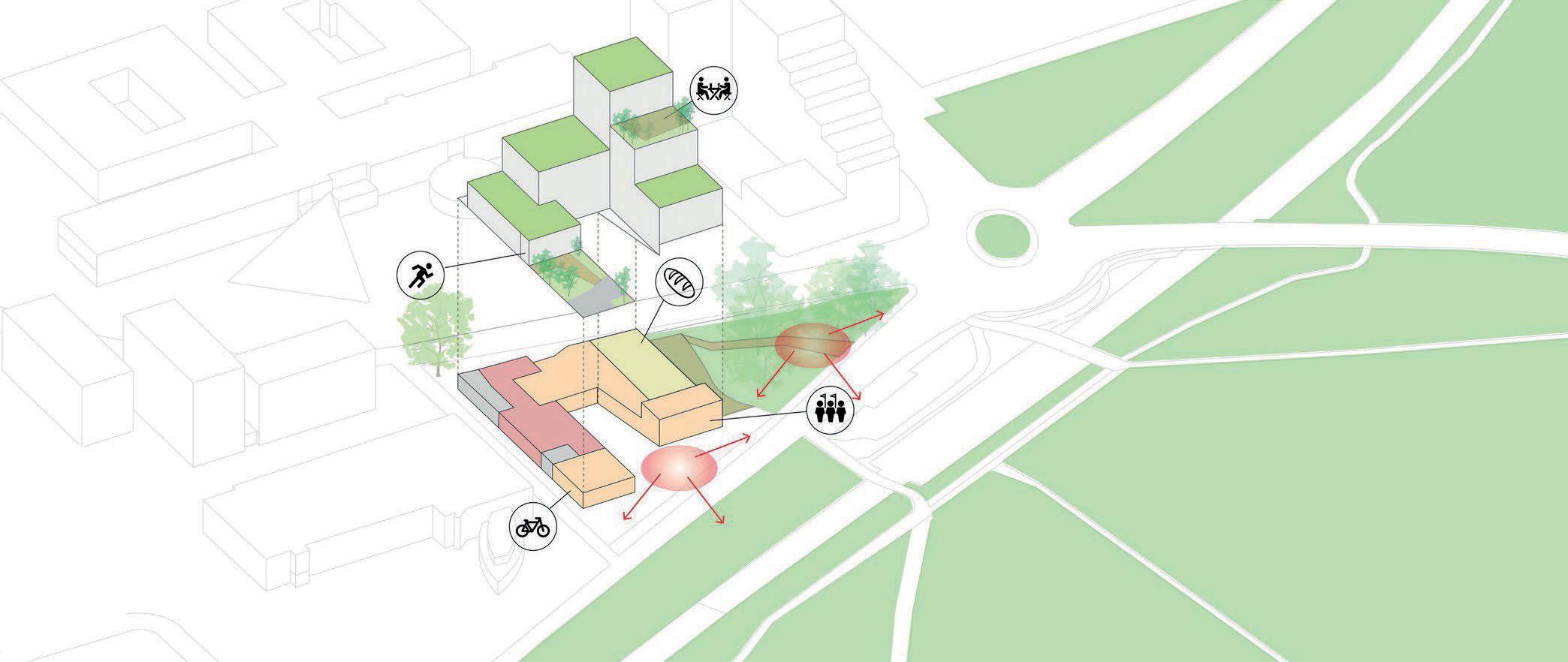
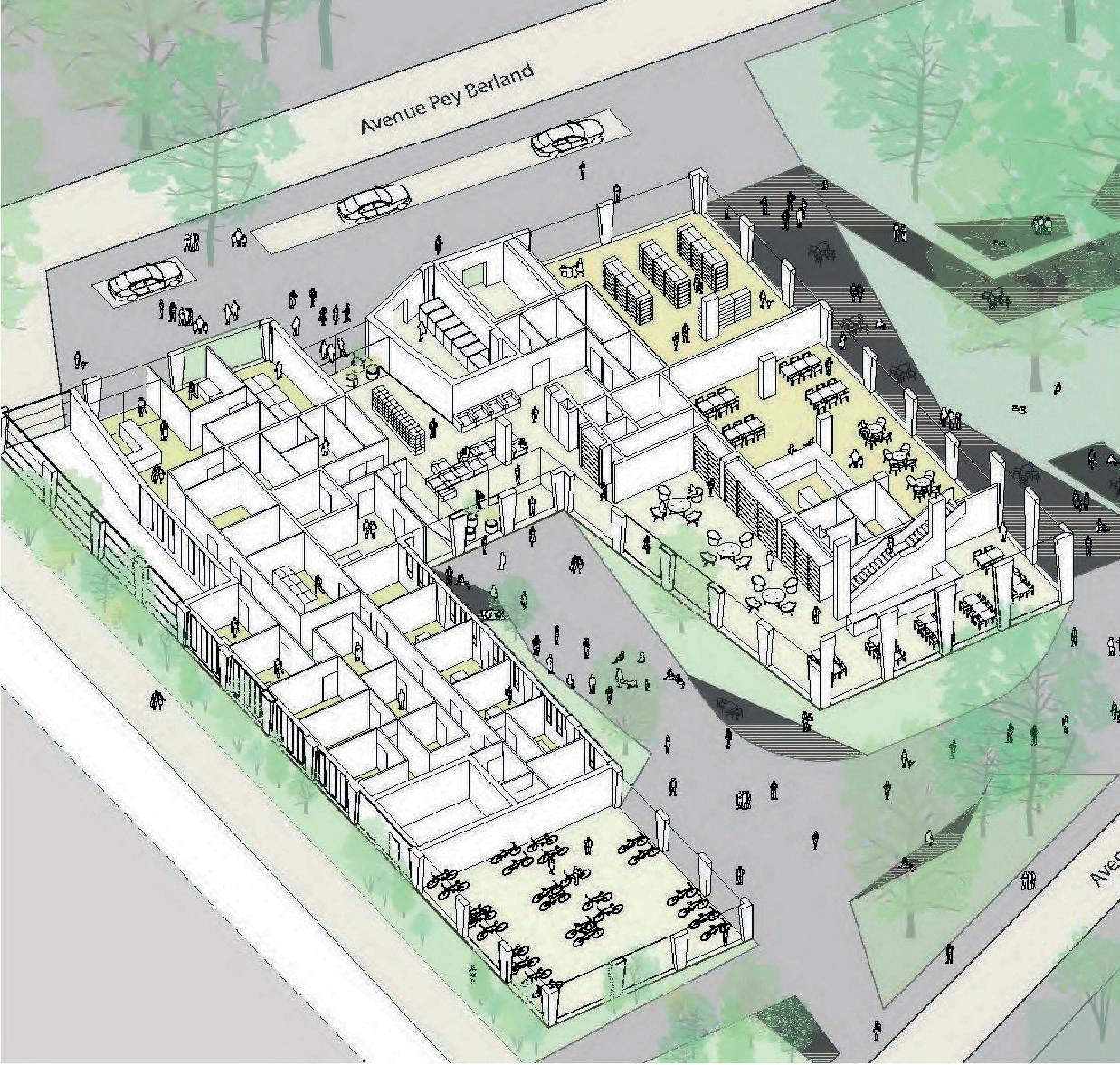
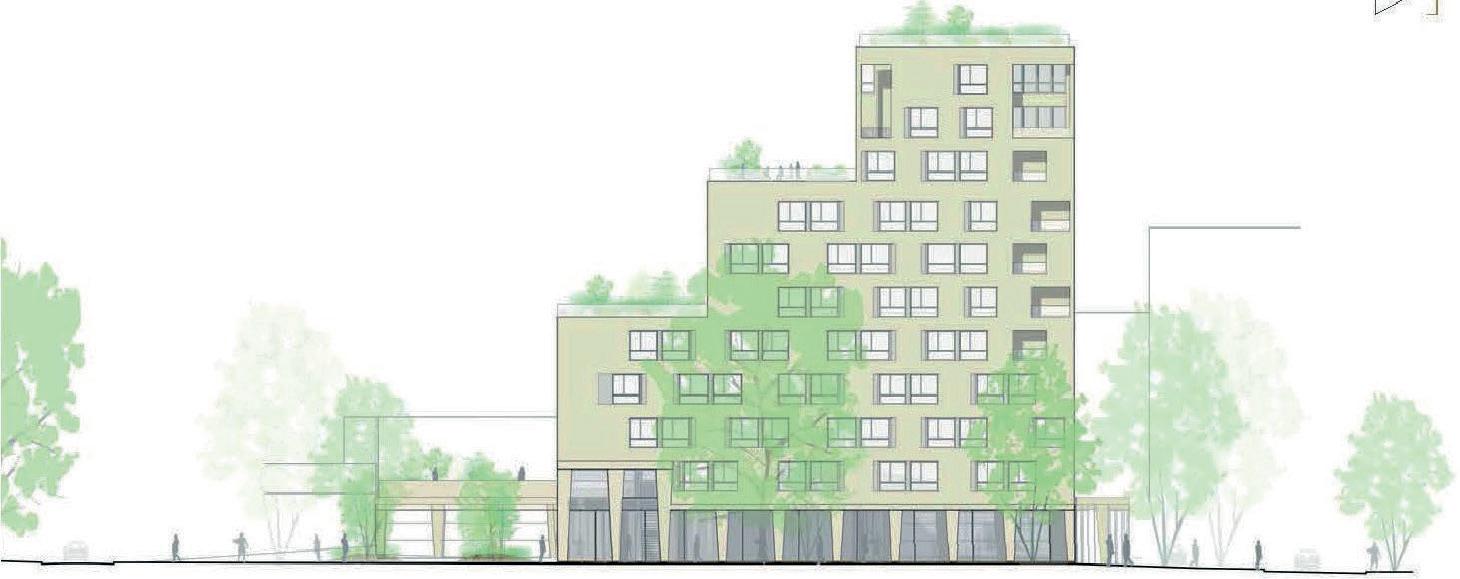
This competition entry for a university campus in Bordeaux presents a reimagining of student housing on a derelict plot of land. The design strikes a balance between pragmatic solutions and architectural identity through a totemic facade system that responds to environmental conditions. A focus on active ground use connects the proposal to the larger campus context, fostering student interaction and engagement.
• Illustrator North East Facade Detail South East Facade Details
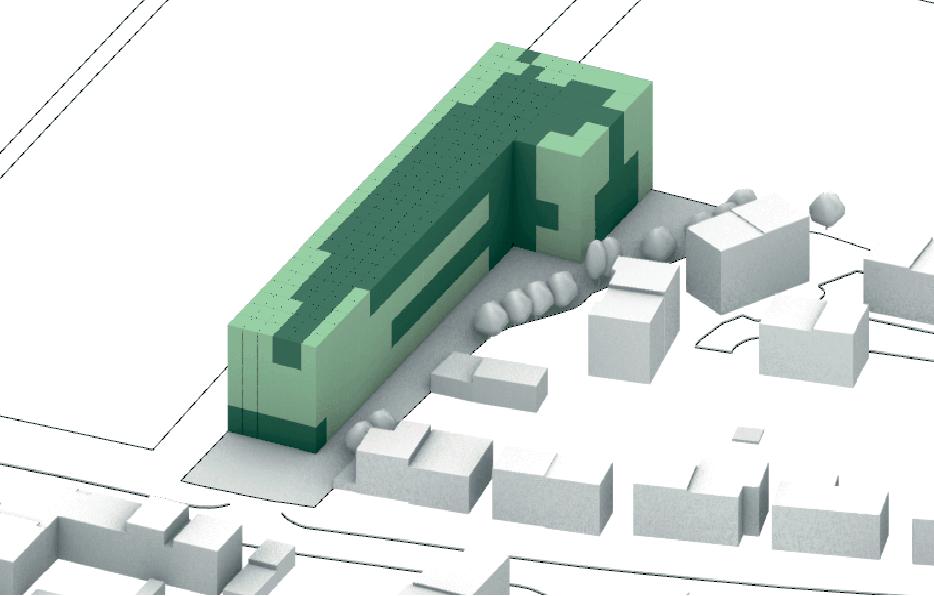
/ Facade selection in response to irradiation exposure
/ Totemic figure symbolising a changing neighbourhood / An active ground for the university campus
East Facade
An axonometric view of the ground floor
North Facade
8/ Grangetown
Project
Temporality in Grangetown:
Designing for Dissassembly
Location: Cardiff, Wales, UK
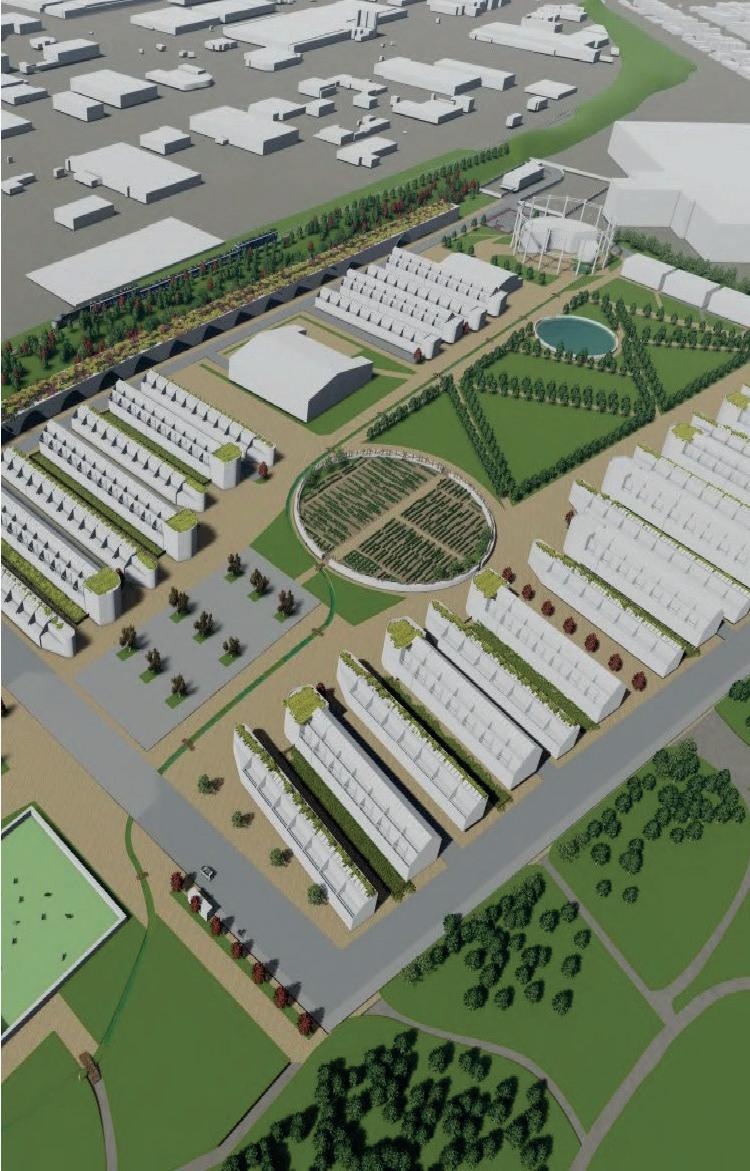
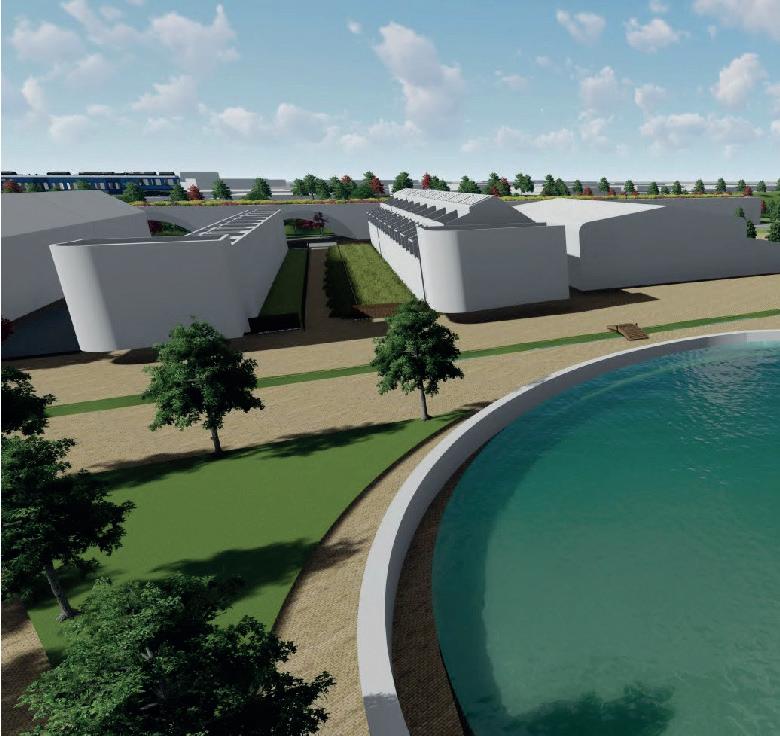
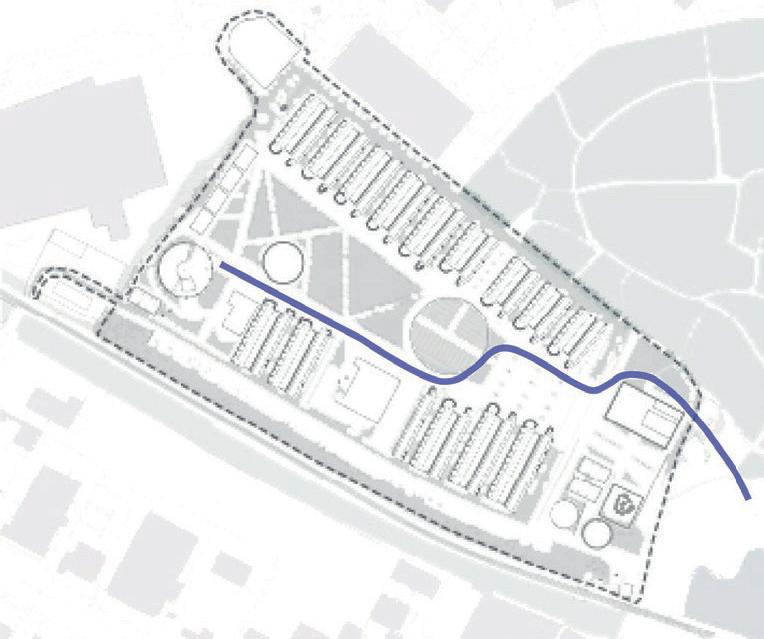
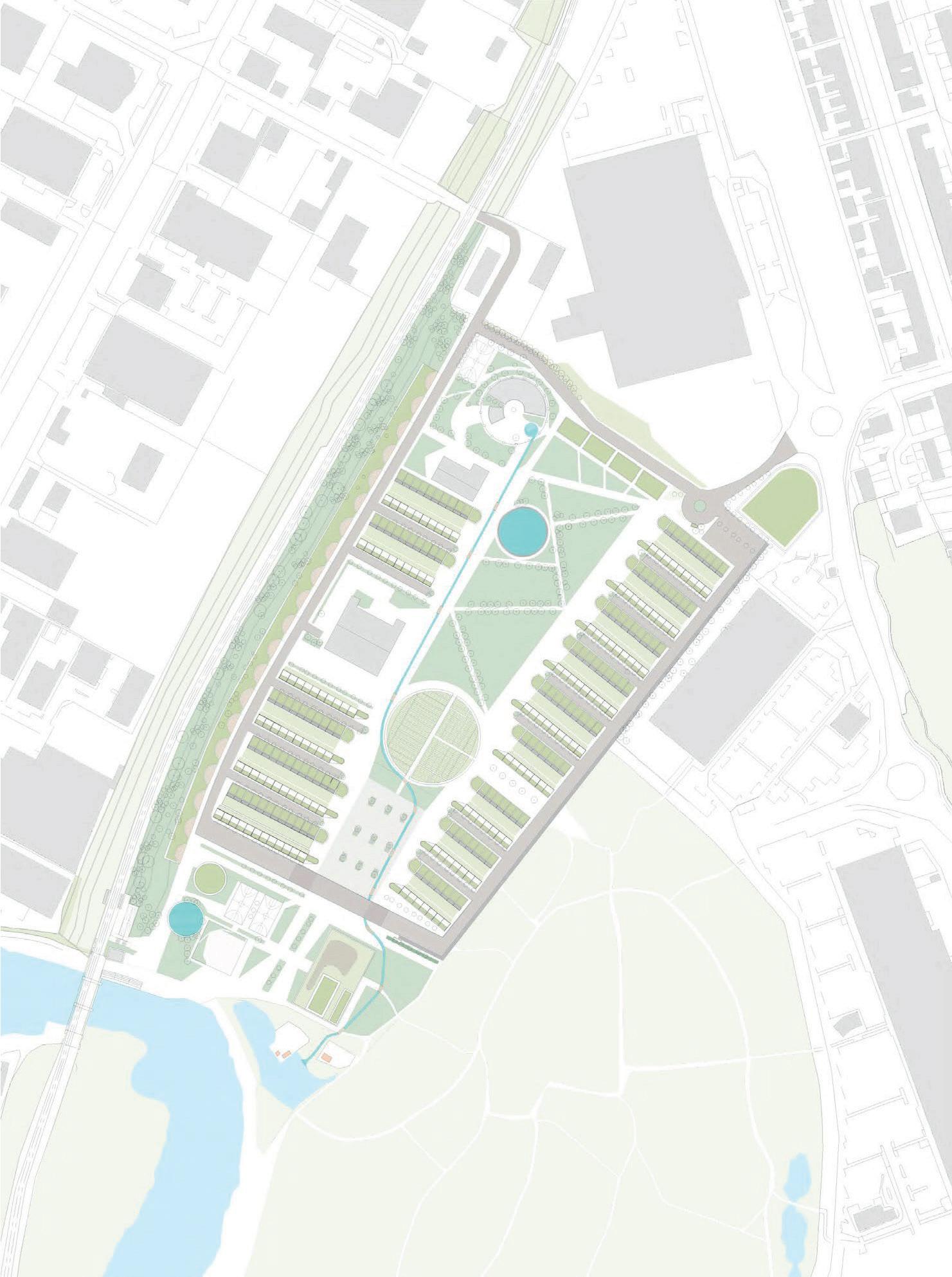
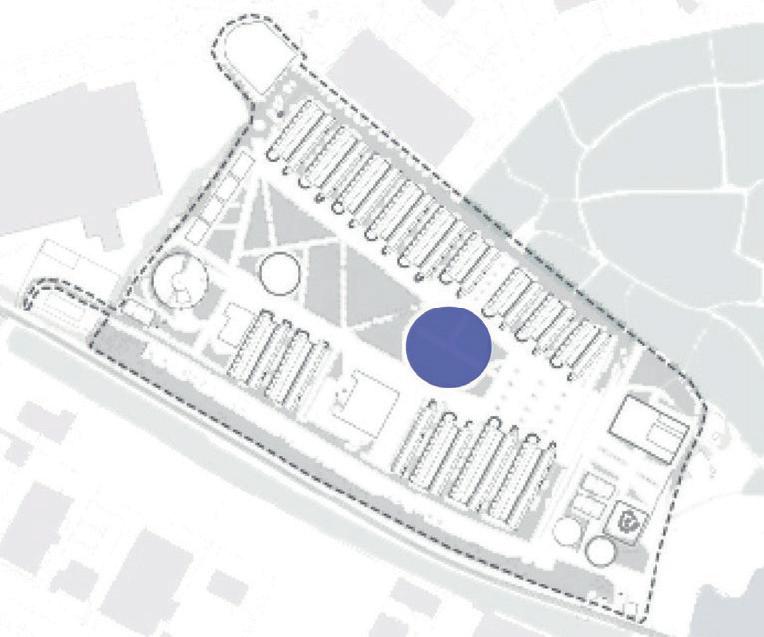
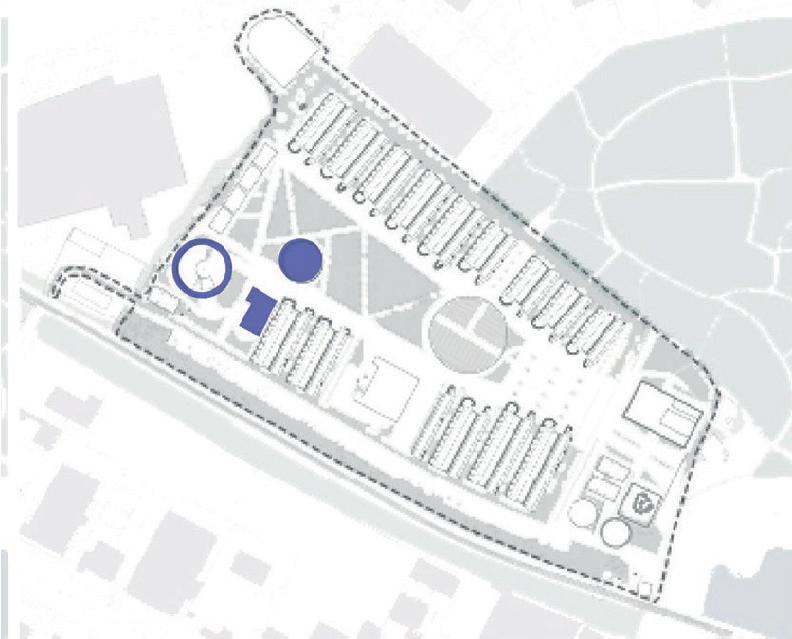
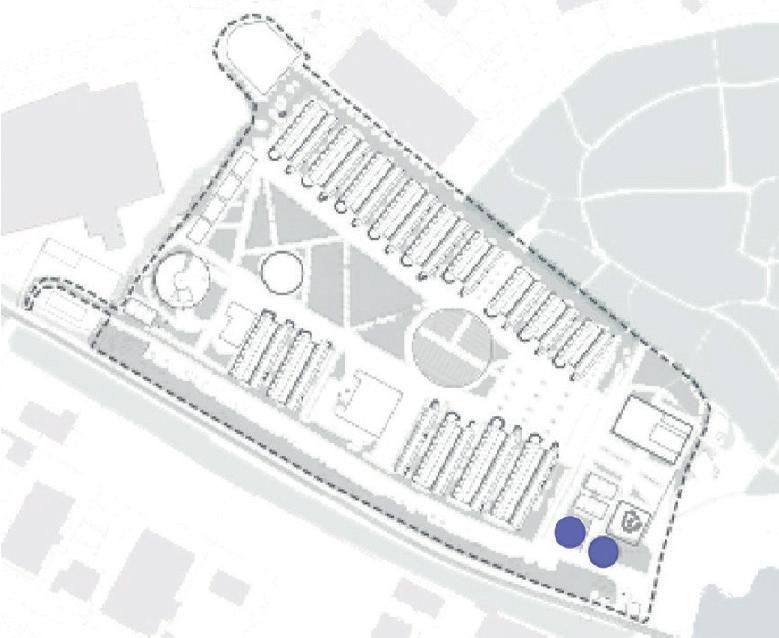
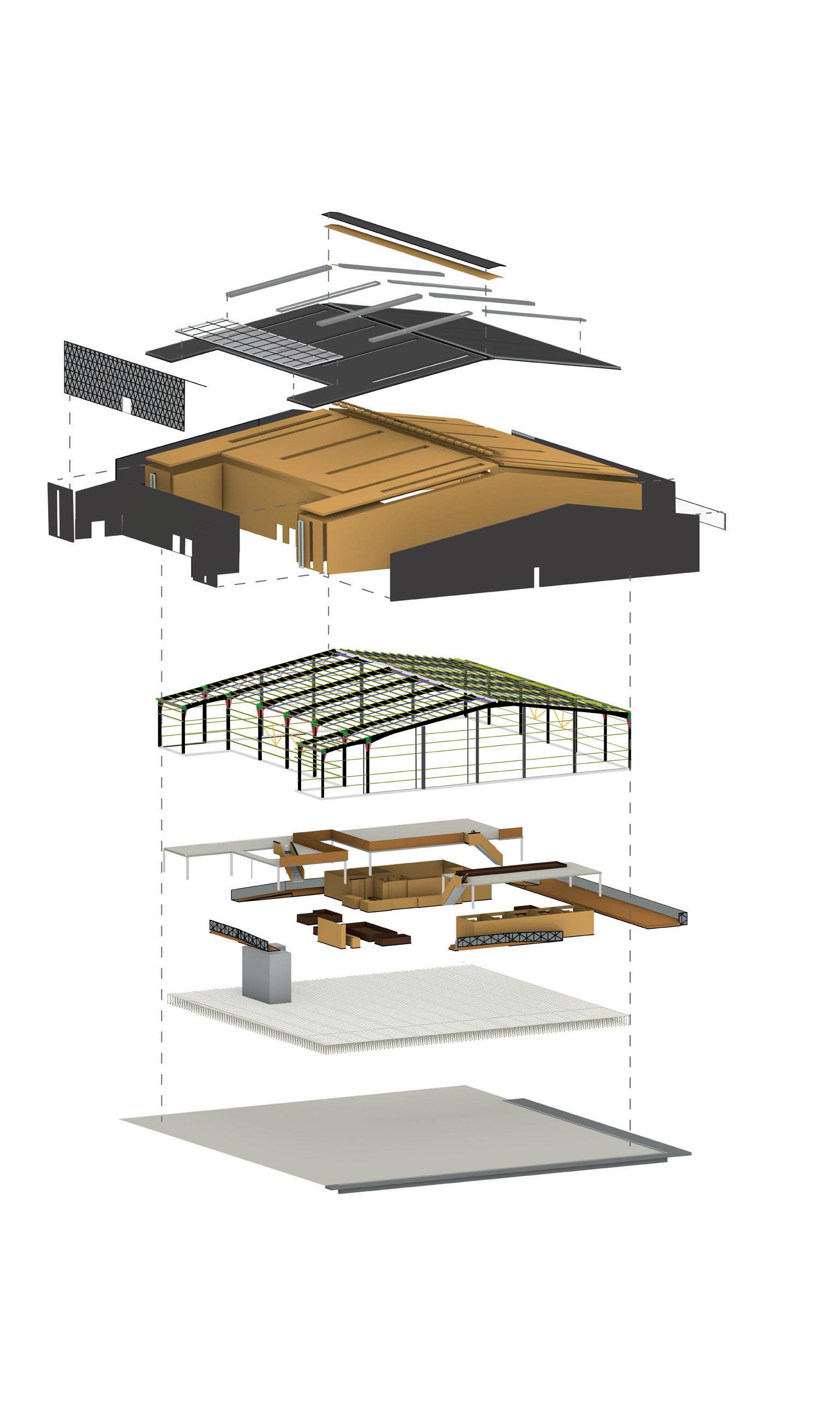
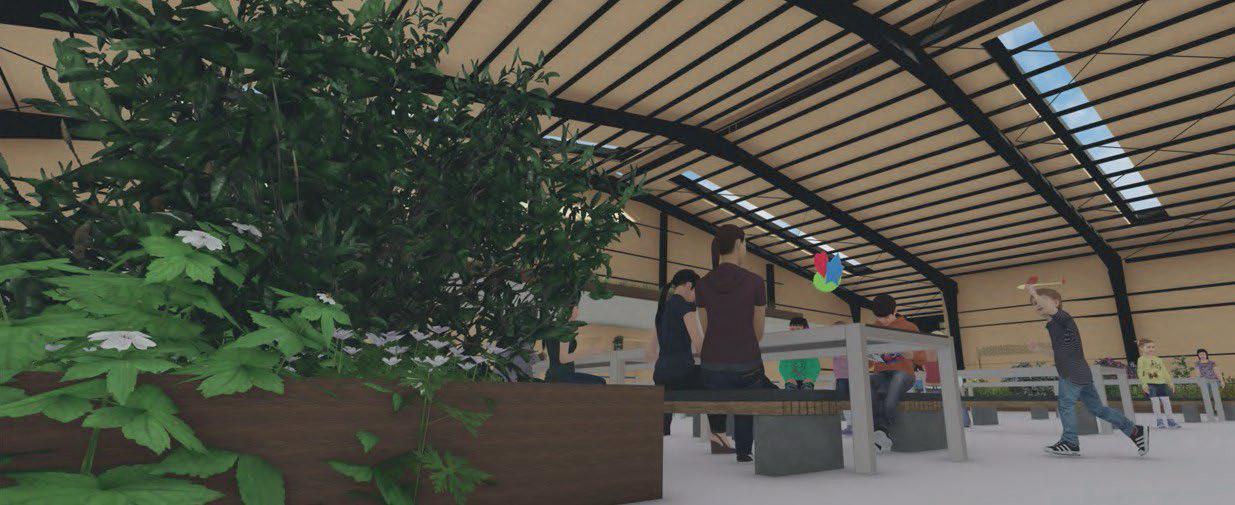
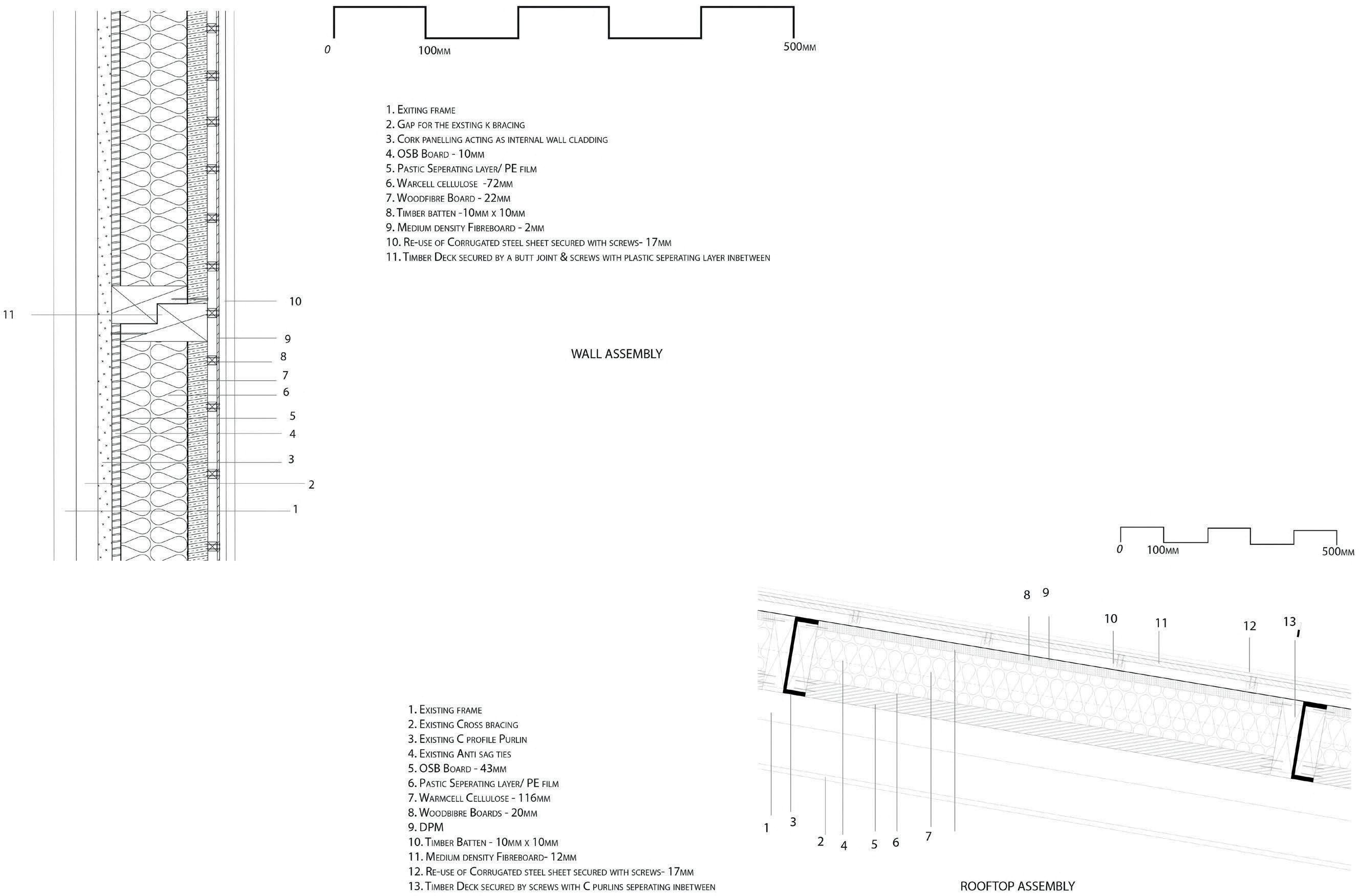
This project reimagines a former gasworks in Cardiff as a high-density, sustainable community centred on circular economy principles. The master plan incorporates family housing, open green spaces, cultural hubs, and improved transport links. A focus on flexibility led to the design of a disassemblable market hall, maximising material recovery. The proposal emphasises regeneration, ecological balance, and adaptive reuse to foster a resilient urban environment.