
OUR
hometown
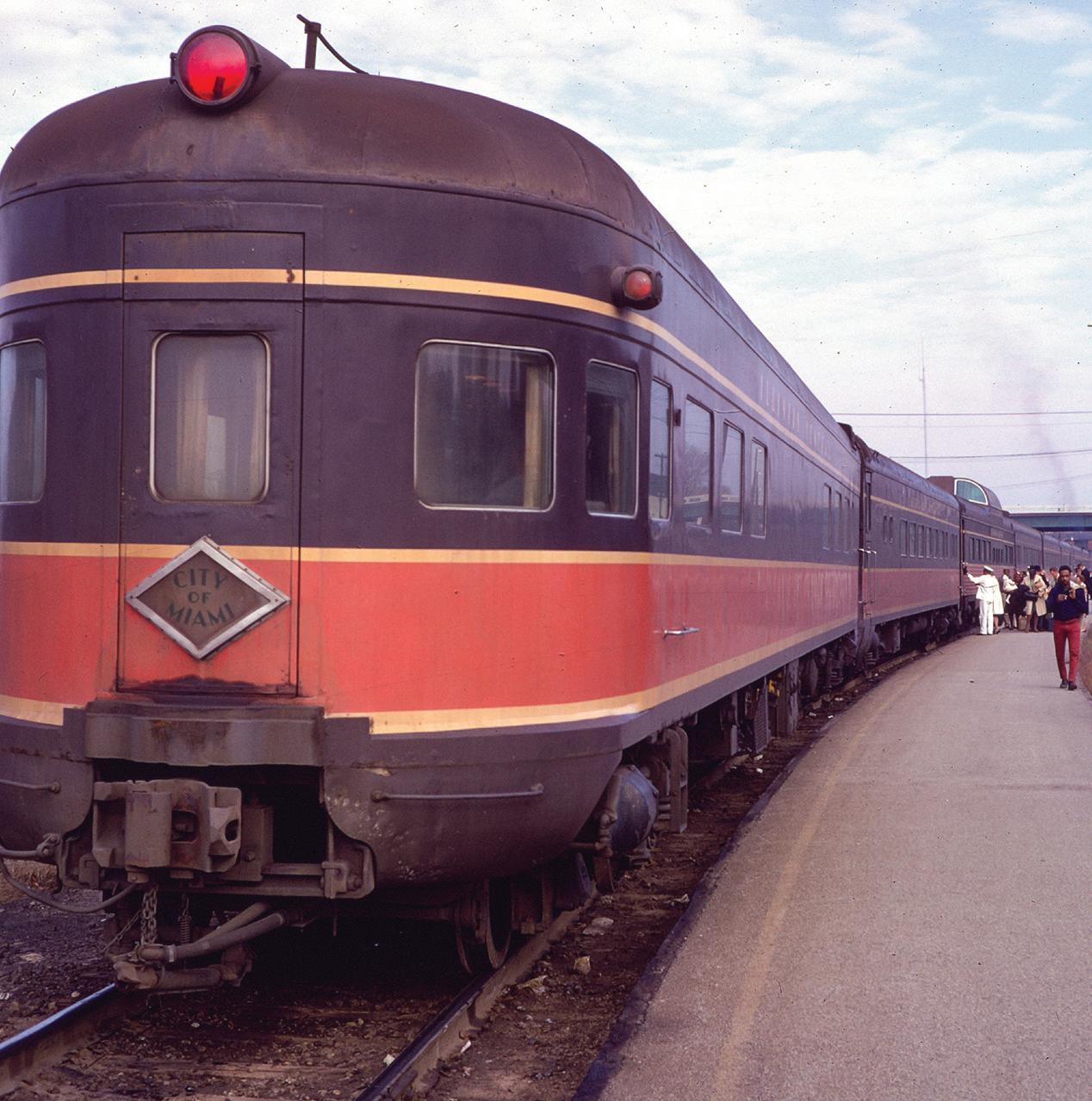
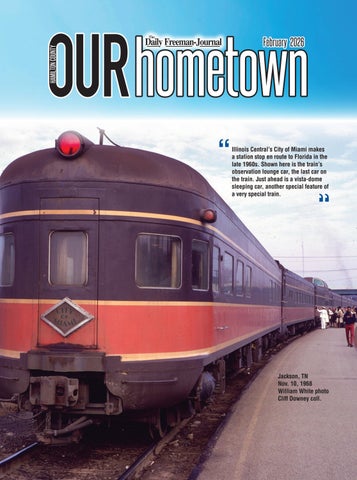
Illinois Central’s City of Miami makes a station stop en route to Florida in the late 1960s. Shown here is the train’s observation lounge car, the last car on the train. Just ahead is a vista-dome sleeping car, another special feature of a very special train.
Jackson, TN Nov. 10, 1968
William White photo Cliff Downey coll.


Prestige Club Travel Show

Discover the Magic of Europe’s Christmas Markets
Join us for a First State Bank Prestige Club Travel Show featuring our Danube River Cruise with a 2 night stay in Prague and festive stops in Budapest, Bratislava, and Vienna. Learn more about the itinerary, ship accommodations, excursions, and what makes Christmas along the Danube so unforgettable. This is a great opportunity to ask questions, gather details, and decide if this holiday journey is right for you.
�� Wednesday, April 1, 2026
�� 1:00 PM– Webster City | First State Bank, 505 2 St. nd
�� RSVP or Learn More: Kim Peck | Prestige Club Coordinator | 515-832-2520 | kimp@fsbwc.com











PUBLISHER GRANT GIBBONS
EDITOR KOLLEEN TAYLOR
ADVERTISING
GRAPHIC

Going
to Florida
on The Illinois Central in 1965
Winter Vacation Memories
By Robert E. Oliver
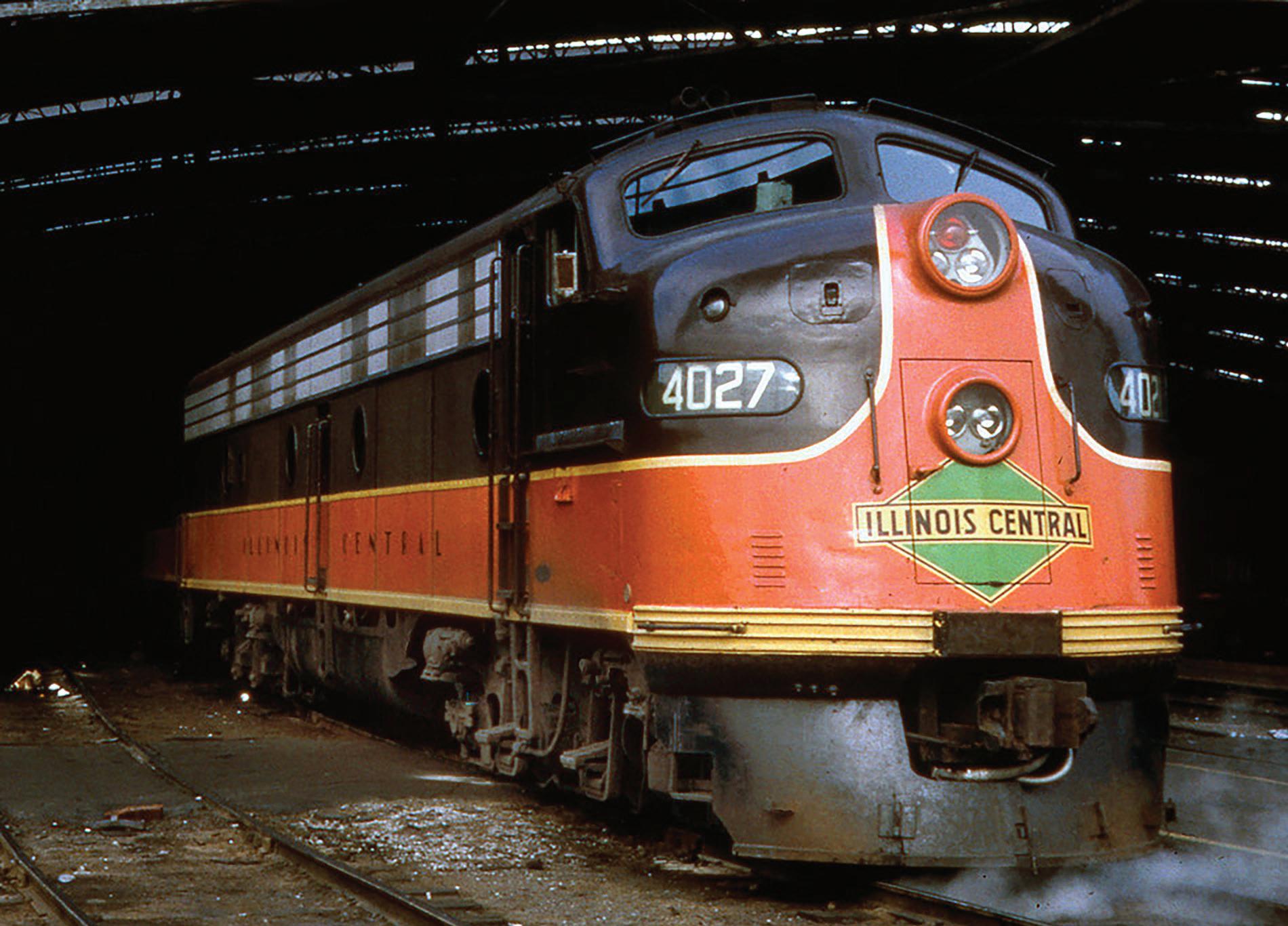
The City of Miami emerges from the darkness of Chicago’s Central Station as it departs to Florida.
I.C.’s streamliners were painted an elegant brown and orange, with the railroad’s traditional diamond herald proudly displayed on the locomotive’s nose.
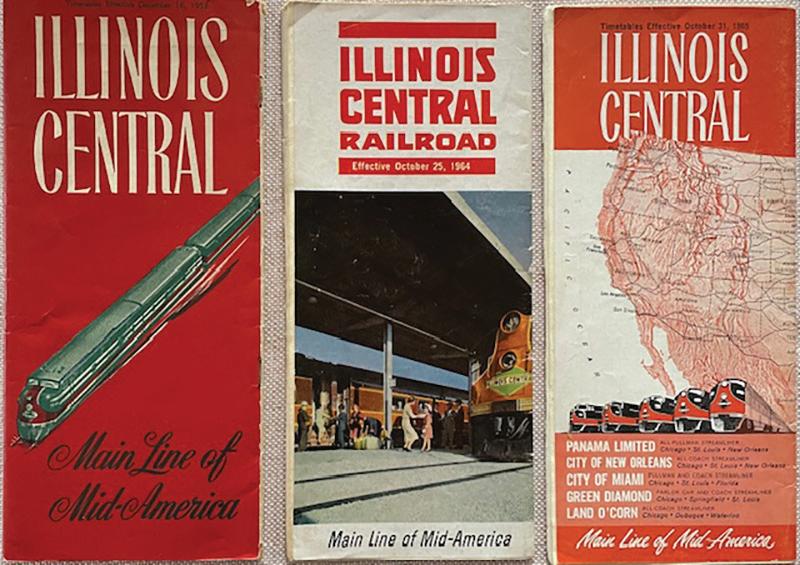
Generations of Iowans kept an I.C. timetable in the dining room buffet drawer in case they needed to travel to Chicago, St. Louis, Omaha, Sioux City, or further afield to Memphis, New Orleans or Florida, all served by the company’s reliable passenger trains.
On February 11, 1965 a blizzard dumped 18 inches of snow on Hamilton County. Schools closed, highways were snow-packed, farmers feared for safety of their livestock, and Webster Citians turned up the heat in their homes. It was times like those that our “shortest” month felt like our “longest.”
Back then, farmers didn’t winter in Arizona, they sat at Dermand’s lunch counter, drinking coffee and complaining about crop prices. Kids counted the days to spring break. Motorists flocked to Western Auto to buy those new “snow tires,” the latest innovation in winter driving. Only Jeeps had 4-wheel drive in 1965.
For a few folks, those without kids, or whose kids were grown, those who could close their businesses temporarily, or the few well-off retirees, there was the dream of heading south for a mid-winter break from winter weather.
It was for them that the Illinois Central advertised its’ famous City of Miami in The Daily Freeman Journal. Many folks thought the Illinois Central only ran as far as Sioux City, Omaha, or Chicago, but from Chicago, it ran a fleet of beautiful brown and orange trains (the railroad’s official colors) south to Memphis, New Orleans, Birmingham, Alabama, and points throughout Florida.
“Florida Fever” in Webster City Iowans have been fascinated with Florida since it became a winter tourist destination in the mid-1880s. A long-forgotten man, Henry M. Flagler, was the genius behind a chain of elegant resort hotels and the Florida East Coast Railway that reached them.
The February 23, 1910 edition of the DFJ told how thousands were buying land and building homes in Marion County Florida, home to Ocala, and The
Villages, one of America’s first planned retirement communities. But whether buying or just visiting, spending sunny February days in Florida has a timeless appeal that continues today.
In 1980’s Webster City, The Surfside Inn and Pirate’s Cove hotels in Daytona Beach, Florida promoted a mid-winter break in The Daily Freeman Journal. Their regularly-run ads read, “No land tours, just fun in the sun. Register to win at one of the following merchants.” There was no cost to sponsors in Webster City, which included the Al Welsh Music Center, K-mart, Jim Dandy Printing Service and Kueen’s Trailer Ranch among many others.
Transportation wasn’t included, so you had to get to Florida on your own. The “winners” got reduced hotel rates, which in reality, were no bargain. The lucky winners got their name in the paper. Whether or not they actually went to Florida, we have to think they were tempted. Maybe they even went to Osweiler’s or Lubber’s to see the latest in resort wear.
Today, you’re our lucky winner. It’s a nasty winter day in February, 1965, and you’re booked to Florida by train. Get that suitcase packed, we have to be at the station by 9:30 p.m.
The Hawkeye to Chicago
Illinois Central’s Hawkeye left Webster City nightly at 10:01 p.m. for Chicago, arriving promptly the next morning at 7:15 am. Promptly mattered, because The Hawkeye had important appointments to keep.
Arriving at the Illinois Central’s lakefront station, the Hawkeye often pulled in right next to the regal City of Miami. That was no mistake because the city began its 1,500-mile run to Miami at 8:45 a.m.m. This train waited for no man, or woman, so after detraining
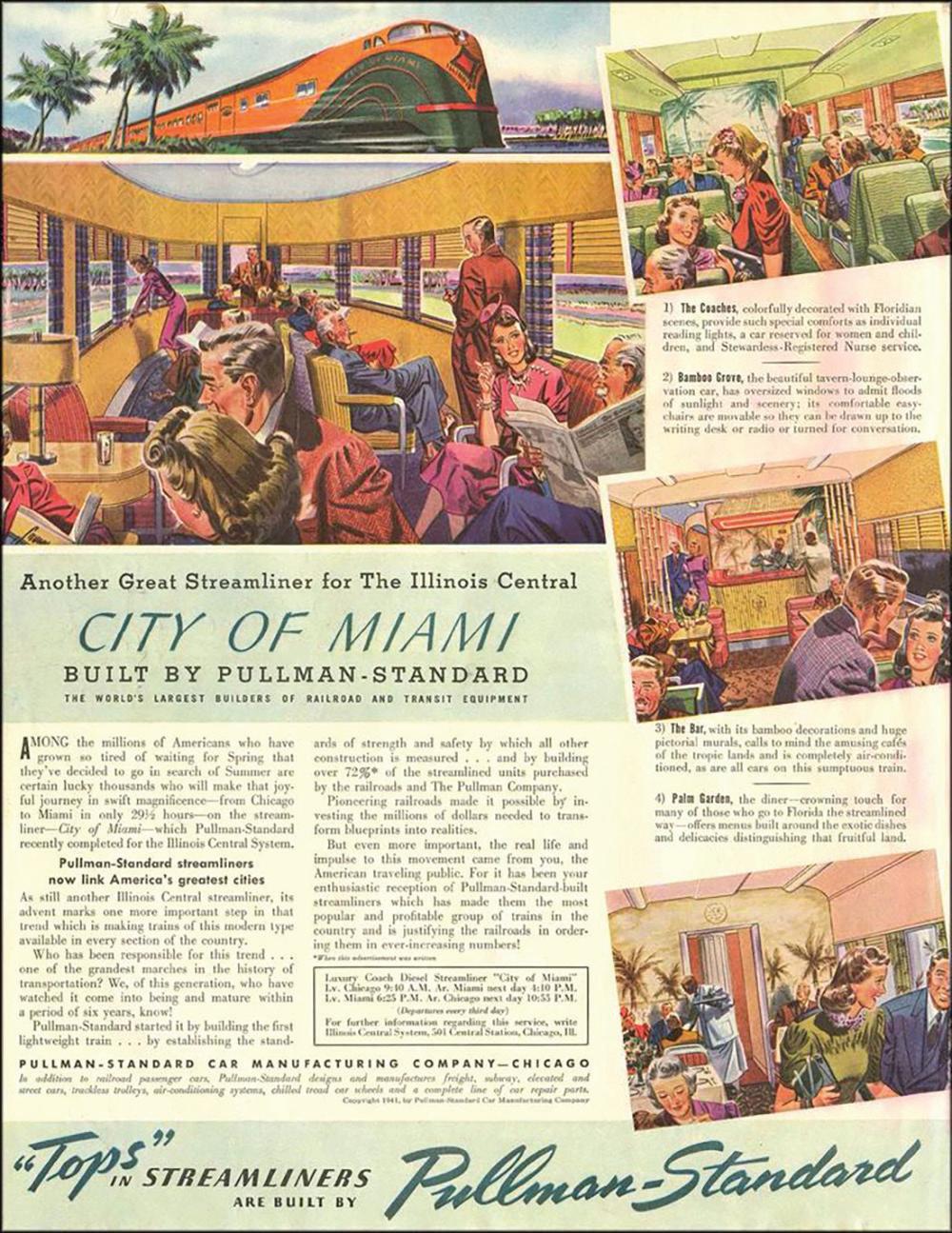
I.C. wasn’t bashful about praising its new City of Miami when it was launched in 1941. The train’s fast schedule and comfortable accommodations were useful in moving soldiers, sailors and civilians between the Midwest and south as the U.S. entered WW2.
from the Hawkeye there was just enough time to buy a magazine and newspaper (train travelers know you have to have something to read) and get in line to check-in for The City of Miami.
The City of Miami to All of Florida
Regardless of your destination, the City of Miami was going your way. Its reclining, reserved seat coaches and all-private room Pullmans (sleeping cars) reached Jacksonville, Orlando, Tampa, Sarasota, Fort Meyers, Naples, Ft. Lauderdale, Miami and other intermediate points.
We’re going coach, and as we reach our car, the friendly, white-jacketed porter shows us to our reserved seats in the center of the car, which offers the smoothest ride. He puts our hand luggage in the overhead rack; our suitcases are checked through to Florida in the baggage car. Already, excited kids are seeing how far their seatbacks recline, and adjusting the foot rests, which most of their short legs can’t reach.
Precisely at 8:45 a.m. a gentle tug from the powerful locomotives signals our departure. Soon we’re leaving grey skies and snowy fields behind as we accelerate onto Illinois Central’s high-speed mainline through Kankakee, Champaign and Carbondale, Illinois.
Before long, a dining car waiter passes through our car, softly striking a set of chimes and calling, “Lunch is now being served in the dining and café cars. Dining car six cars to the rear; café, two cars forward.”
Lunch at 90 miles an hour is an exciting prospect. We opt for the informality of the café car; saving the experience of the dining car for dinner tonight. We choose a “beefburger basket,” a ¼ pound sandwich, potato chips, pickle and onion slices and a pot of Illinois Central famous, fragrant coffee. It costs $1.40, plus a quarter for the waiter. We’re seated at a table for four, a fun way to meet fellow travelers. They turn out to be a couple going to Jacksonville to visit relatives.
At about 3 pm our train soars high on the steel bridge over the Ohio River at Cairo, Illinois, and at 3:45 p.m. we’re pulling into Fulton, Kentucky, on-time. Schedule-keeping is still a matter of pride on Illinois Central.
As evening approaches, we walk back through the long train to the last car, the round-end observationlounge, where we order a Tom Collins. After that, we head to the dining car, where dinner is in progress. The fried fresh fish sounds good, and it is. Served piping hot with tartar sauce, fried potatoes and a
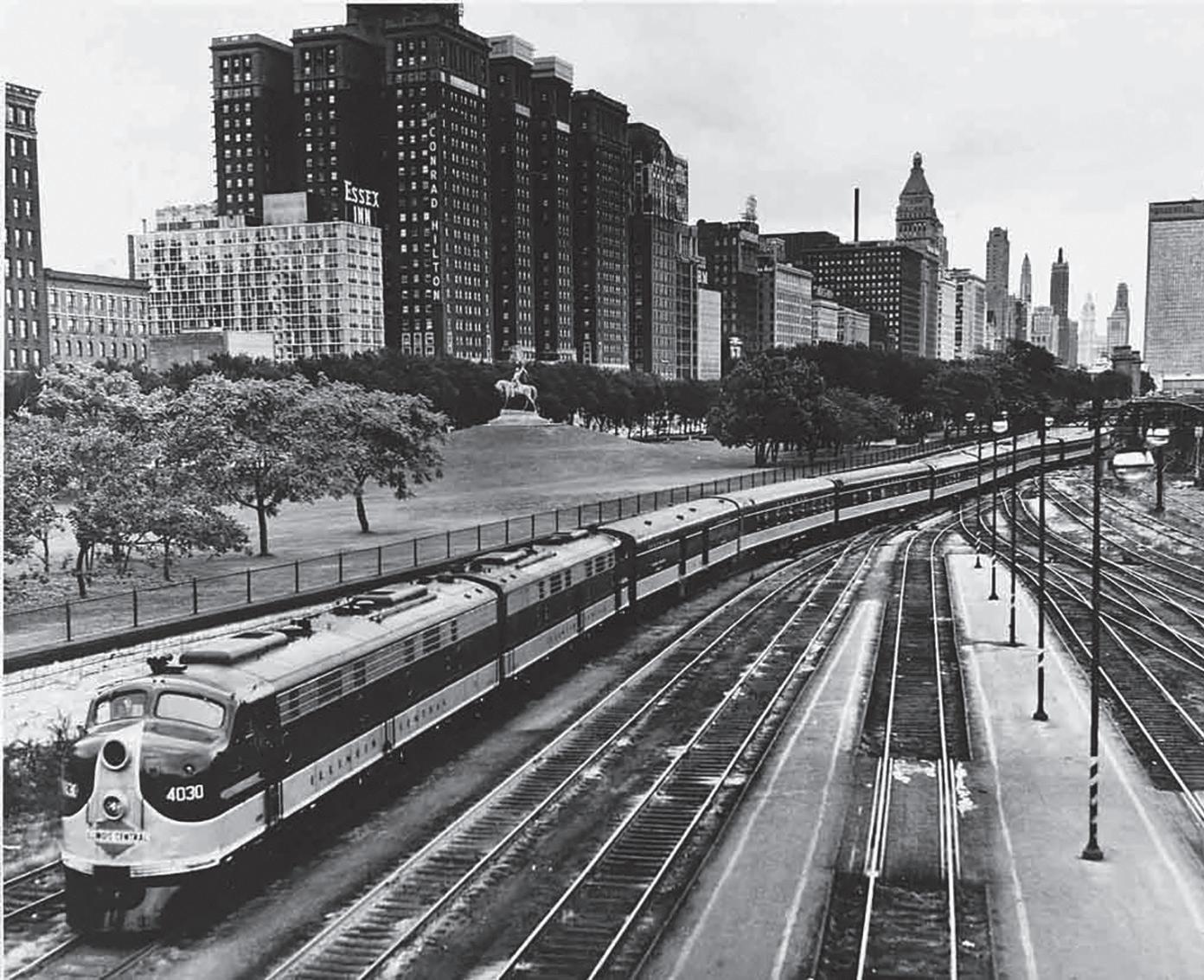
Minutes after leaving Central Station, the City of Miami runs parallel with South Michigan Avenue, passing skyscrapers of Chicago’s famous skyline. Passengers are looking forward to Florida’s sunshine and beaches tomorrow!
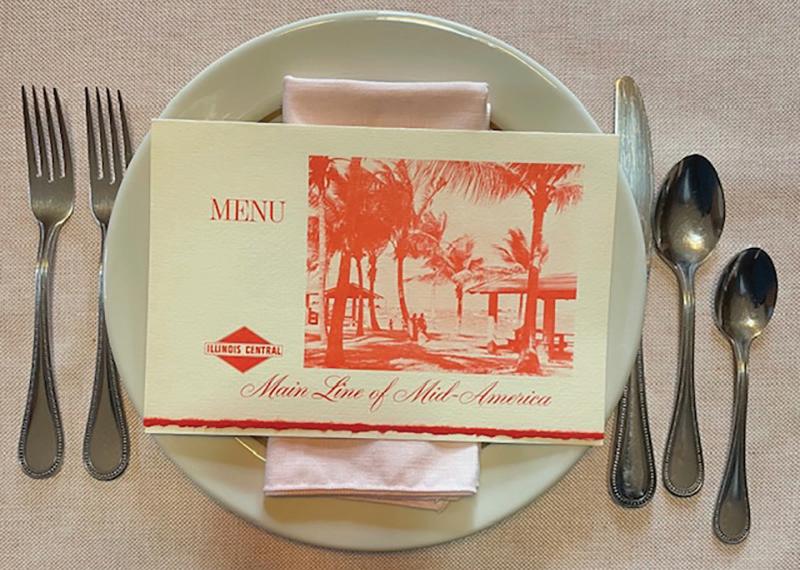
lettuce & tomato salad. Vanilla ice cream with cookies and a pot of coffee finish a fine meal. It seems expensive at almost $4.00, but elegant linen, buffed silver and spotless glasses and china, make it a meal to remember.
Leaving Birmingham, 690 miles from Chicago, at 10:50 p.m., the porter turns out the lights in our coach. We lean back our seats, pull down the window shade, and fall asleep as our train speeds into the dark night.
We awake to the sound of chimes again, and the waiter is calling “Ladies and gentlemen, breakfast is now being served in the dining and café cars, first call for breakfast!” It’s 7:55 a.m. and on raising our shade, see we’re standing in the station at Waycross, Georgia.
The “I.C. Special,” fresh orange juice, thick-cut French toast, sausage links and a steaming pot of coffee, reminds us how good the food is on trains. Sitting in the lounge with our magazine, a welcome announcement comes over the loudspeakers, “ladies and gentlemen we’ve just crossed into Florida. Next stop, Jacksonville. The temperature is 68 degrees.”

FLOWER CART
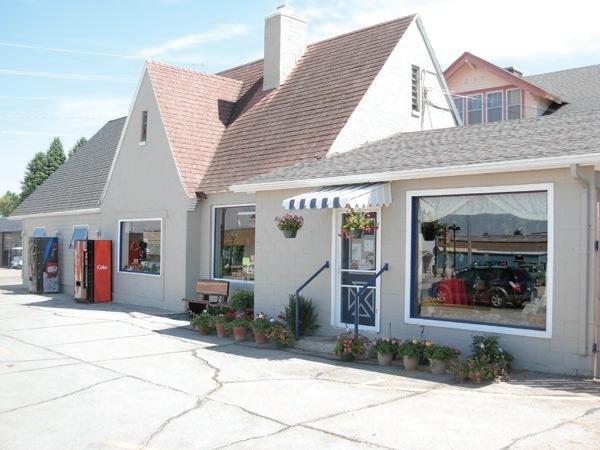

Dinner time on the City of Miami. Heavy china and silverware, fine linen, and superb food cooked-toorder and graciously served marked dining car service on the nation’s railroads.
I.C. was considered to have among the best such service of any U.S. railroad.
Little towns with pink stucco depots and palm trees fly by our window, and all too soon, the porter comes to collect our luggage and help us off the train at West Palm Beach. As we glide to a stop, and step into the warm sunlight, we marvel how comfortable and pleasurable it is to travel on a fine train like this, and the stress we saved by not driving.
After a week of fishing, swimming in the ocean, shopping and memorable seafood dinners, we board the northbound City of Miami for Chicago. Just as swiftly, just as comfortably we’re set down at Central Station, Chicago, on time at 5:50 p.m. the next afternoon.
The Hawkeye doesn’t leave until 8 p.m., so we put our hand luggage in a locker, our suitcases are checked through to Webster City, catch a cab, and are soon walking into Marshall Field’s grand State Street store. Friends from Webster City gave us a shopping list when they heard we’d be here.
We buy combed cotton undershirts for Uncle Mel, some fancy stationery for Nancy, and two boxes of Frango mints, delicious chocolate wafers made in the Field’s own kitchens. Still full from the hearty dining car meals, we’re happy with a sandwich platter at the lunch counter, then into another cab to the station, and our train.
At 5:25 a.m. the next morning The Hawkeye briefly pauses at the Webster City depot. Tired, happy, and to tell the truth, glad to be home, we step into the cold air of a winter morning. The snow and ice are still there, but so is the friendly, familiar town we still love to call home.
Books We Love Brushing up on history for nation’s 250th birthday
WC’s Kantor offers up a guiding star of history Discouraged, are you? Worried, are you? Maybe a bit disgusted with the way things are going in the world?
Fear not, we have been through worse. Got through it all, and often we were the better for it. I’ve been thinking lately about our nation’s 250th birthday coming up this summer and considering ways to mark such a grand occasion.
Review
and photos by Lori Berglund
A small sampling of MacKinlay Kantor books available at Kendall Young Library include, from left Gettysburg, Valley Forge, Lee and Grant at Appomattox and Happy Land.
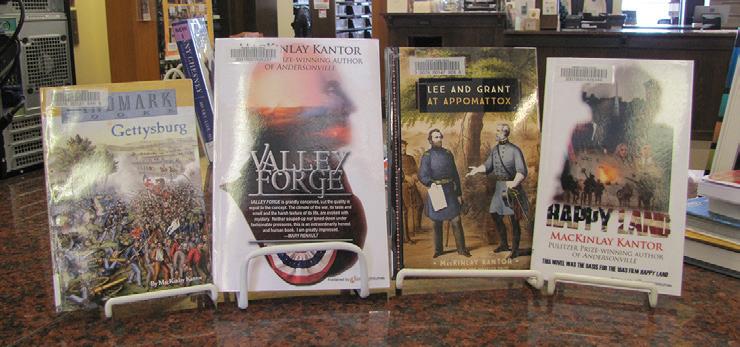
In 1976, I think we all looked forward to the Bicentennial. Remember those ‘Bicentennial Minutes’ that aired on CBS. The mini lessons featured such icons as Jessica Tandy and so many others sharing just 60 seconds of history with us each day.
Surely, we have even greater cause to celebrate making it another 50 years as a nation. Perhaps we can start by deepening our appreciation of history, particularly local history. I’ve been making it a point to read more local authors and a few months ago featured a few books from Mary Kay Shanley. This month, I’m turning to Pulitzer Prize winner MacKinlay Kantor.
As I browsed the online card catalogue from Kendall Young Library, I was fascinated by the fact that Kantor’s work can be found in nearly every department of the library, from fiction to non-fiction, and even reference and genealogy.
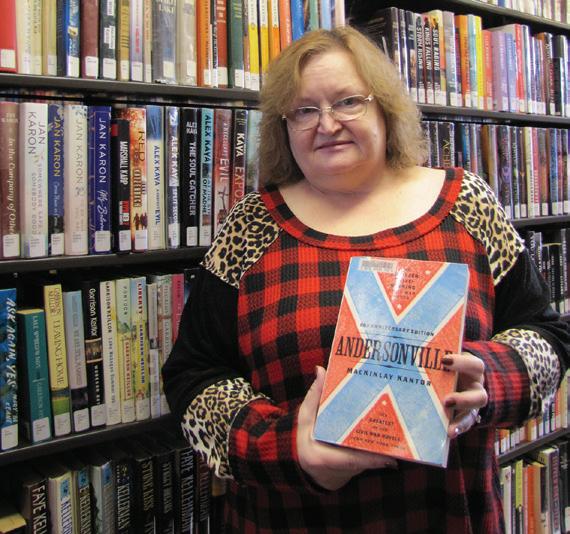
Let’s take a look, beginning with Andersonville, which garnered Kantor his Pulitzer Prize for Fiction in 1956. This is classified as historical fiction, but it is inspired by the tragically true story of the Andersonville Prison, operated by the Confederacy to house Union POWs.
Dedicate a good share of time to get through this book. It will make you think about the true cost of the Civil War. The more recent movie by the same name, Andersonville, is not based on Kantor’s work, but spotlights the same terrible conditions where nearly 13,000 Union soldiers died.
Also on my reading stack this winter is Valley Forge, another Historical Fiction from Kantor. This one demonstrates Kantor’s drive for meticulous research, even in work that is technically fiction. The language can slow you down a bit, but it does help paint the story in the proper time period.
Gettysburg is classified as Adolescent Literature. As a teacher told me a few years ago, never discount adolescent literature. We cannot be too old for a story well-told. This one is a rather quick read and I appreciated the map of the battlefield at the beginning of the book.
Those are just of few Kantor’s works. I have long loved God and My Country, later dubbed Follow me Boys when it was turned into a Disney movie.
If you have not read Follow Me, Boys, it’s an absolute must. In fact, I would love to gather on a summer evening and watch this movie outside under the stars. Now that would be a great way to celebrate our 250th birthday in the hometown Kantor loved so much.
Happy Land, 1943
My current favorite among Kantor’s work, Happy Land is the story of a small-town pharmacist whose only son gives his life in service to the nation in World War II. The small towns in Kantor’s work often resemble his beloved Webster City.
Readers will easily imagine themselves strolling under the shade of endless elm trees along Willson Avenue. They will picture the downtown pharmacy owned and operated by Lew and Agnes Marsh. Even the scoutmaster, a certain Mr. McMurray, is quite recognizable.
Happy Land was made into a movie of the same name later in 1943. It starred Don Ameche as the father weighed down by grief at the loss of his son. It’s fascinating to note that the Christmas classic, It’s a Wonderful Life, was released just a few years later in 1946 and uses a remarkably similar story-telling method.
Rather than Clarence the Angel visiting George Bailey, Lew Marsh is visited by his late grandfather. I was crying by Page 15 when the Navy telegram arrives. I finished the entire volume in the course of one cold afternoon, taking refuge in the warm and comfy confines of Kendall Young Library. The same library that Kantor loved so much himself. How fitting — and absolutely cool — is that.
By the time I put the book down, I was absolutely uplifted and convinced of the enormous talent of MacKinlay Kantor.
If you have never read any of Kantor’s work, Happy Land is a wonderful place to begin. The story is poignant, heartbreaking, and heart-warming, all at the same time. For those of us who love Webster City as Kantor did, it’s also a beautiful trip back through time.
History can be a guiding star in today’s world. Happy Land is not just a sweet look back in time. The central theme of this book is one of sacrifice. Sacrifice is a virtue we don’t talk much about anymore. It doesn’t fit well with the goal of selffulfillment.
But sacrifice was well understood in the 1940s. Sacrifice is doing what we need to do, each successive generation, to preserve our nation so that people 50 years from now will see great cause to celebrate our nation’s Tricentennial.
I feel privileged to be old enough to remember the Bicentennial, and privileged even more to still be here to celebrate our Semiquincentennial.
Let’s have a party.
Kendall Young Library staff member Laura Fortune with MacKinlay Kantor's most well-regarded work, Andersonville. This work won the Pulitizer Prize for Fiction in 1956.

Creative High School voices
writing
The Daily Freeman-Journal would like to encourage high school writers to submit work for future publication in both the daily newspaper and/or the special editions of “Our Hometown.”
This first selection was chosen for the merits of the award the author has earned.
For more information about submitting work to The Daily Freeman-Journal, contact Kolleen Taylor at 515-832-4350 ext. 023 and leave a message.
Ava Ely, a student at Webster City High School, was recently recognized with multiple honors in the 2026 Scholastic Art & Writing Awards, one of the nation’s oldest and most competitive programs for student writers and artists in grades 7–12.
This year, Ava received a Silver Key for her poetry piece “Papaya Seeds,” and a Gold Key for her poetry piece “The Sunlight Through the Aperture.” The Gold Key work was selected as an American Voices Nominee, one of the highest distinctions a student writer can receive at the regional level.
While both Silver and Gold Keys recognize exceptional writing, the American Voices Award is reserved for a very small number of Gold Key works that judges identify as demonstrating extraordinary originality, emotional depth, and a distinctive authorial voice. This nomination places Ava’s work among the most exceptional submissions evaluated in her region.
As an American Voices nominee, Ava’s writing advances to national-level judging, where it will be reviewed alongside top student writing from across the country. The National Medalists will be announced in March. Students who earn National Gold Medals are invited to attend the National Awards Ceremony in New York City, held at Carnegie Hall, a milestone event celebrating the nation’s top young writers and artists.
Last year, she earned a Silver Key in the 2025 Scholastic Art & Writing Awards for her short story titled “Womb of the Bees,” making this her second consecutive year receiving regional honors for her writing.
The Scholastic Art & Writing Awards, founded in 1923, have a long history of identifying emerging creative talent, with alumni including Amanda Gorman, Joyce Carol Oates, and Stephen King.

by Ava Ely

Papaya Seeds —
My mother’s favorite fruit was papayas, ambrosian honey-sugared, persian and saffron. Speckled, mottled flesh. I imagine my mother placid; ebony, cotton.
Palms rich in devotion, golden strands of honeycomb nectar. & her, incandescent plum eyelashes.
I wonder will grief always be a visage?
Sunlight Through the Aperture —
I am the flecks of gold champagne oil that the sunlight weeps—Autumn onto the almond, châtaigne memoir; your flesh in the bittersweet morning. Home; descant, linger on my mother’s Moroccan Zellige tiles—prussian, marian. Reprise. Ache; the tide beckons in an incandescent prayer. Eulogy of the mournful, the murmur of honeyed-fawn aprium; lull. Yet, there in the resplendent, celadon, Spring she laments, the sunlight through the aperture—the passion of God.
CITY SCENE CITY SCENE

Webster City Tackles Neglect:
New Vacant Building Program Aims to Spark Reinvestment
The City of Webster City is taking a proactive step toward neighborhood stabilization and economic growth with the official launch of its Vacant Building Program. This comprehensive initiative, officially adopted by City Council in April 2025, establishes a city-wide registry for properties that have sat dormant and unmaintained, regardless of their zoning classification.
The goal is clear: to transform dormant spaces back into community assets by ensuring every building, from downtown storefronts to neighborhood homes, remains safe, secure, and ready for its next chapter.
Beyond Blight: Protecting Your Investment
Vacant Buildings do more than just sit empty; they often send “visual cues” that a neighborhood is not thriving. These signals can discourage new investment and put surrounding property values at risk.
“This program is about accountability and our shared interest in a thriving community”, said Ariel Bertran, Community Development Director.
“Whether it’s a storefront or a single-family
home, we want to be a helpful point of contact to ensure these buildings stay in good shape and are ready to welcome the next business or family that moves to Webster City”.
How the Program Works
The program specifically targets properties that have been vacant for at least 180 days and meet specific “neglect” criteria, such as being unsecured, having documented code violations, or being declared dangerous. Under the ordinance, owners or responsible parties must register with the City within 30 days of a building being identified as vacant.
Registration requirements include:
Transparency: Providing current contact information for all owners, lienholders, and local managers.
A Property Plan: Submitting a roadmap and timetable for repair, re-occupancy, or demolition.
Safety Insurance: Providing proof of at least $100,000 in general liability coverage and fire/ casualty insurance equal to the building’s assessed value.

CITY SCENE
Maintenance Standards: Ensuring the building is secured against unauthorized entry, fire hazards are removed, and the exterior, including lawn care and snow removal, is maintained to appear occupied.
Annual Fees:
Paying a tiered registration fee intended to offset the administrative and public safety costs of monitoring these structures.
Partnership Over Penalties
The City’s approach is collaborative rather than punitive. By developing a property plan, owners can work with City staff to explore local, state, and federal incentives to help fill their spaces.
“We want to move from vacancy to vitality,” Bertran added. Through safety walkthroughs and direct communication, the City aims to help owners identify risks before they become costly liabilities.
Incentivizing Active Progress
While the program includes annual fees, the City offers a Waiver of Fees for owners who demonstrate tangible, forward momentum. However, these waivers are not automatic. To qualify, owners must show they are in the midst of substantial rehabilitation or have the property actively listed for sale or lease at a realistic market price. This ensures the property is positioned to move rather than sitting stagnant at an inflated price.
Preserving our Neighborhoods
Through collaborative safety walkthroughs, the Community Development and Fire Departments will work with owners to identify risks early. This partnership ensures that Webster City’s infrastructure remains a community asset prepared for growth, rather than a liability for the neighborhood.
CONTACT INFORMATION
Property owners with questions or those who wish to proactively register their buildings are encourage to contact:
Community Development Department: (515) 832-9151
Online: Visit the City of Webster City website to download the Registration Form and Maintenance Checklist.




















Homemade Ribs!
Many people celebrate with parties filled with friends and, of course, food. Hosts who want to feed and impress their guests with some homecooking for this year’s big game can try their hands at the following recipe for “Red Chili Braised Short Ribs” courtesy of “Jon Bonnell’s Texas Favorites” (Gibbs Smith)
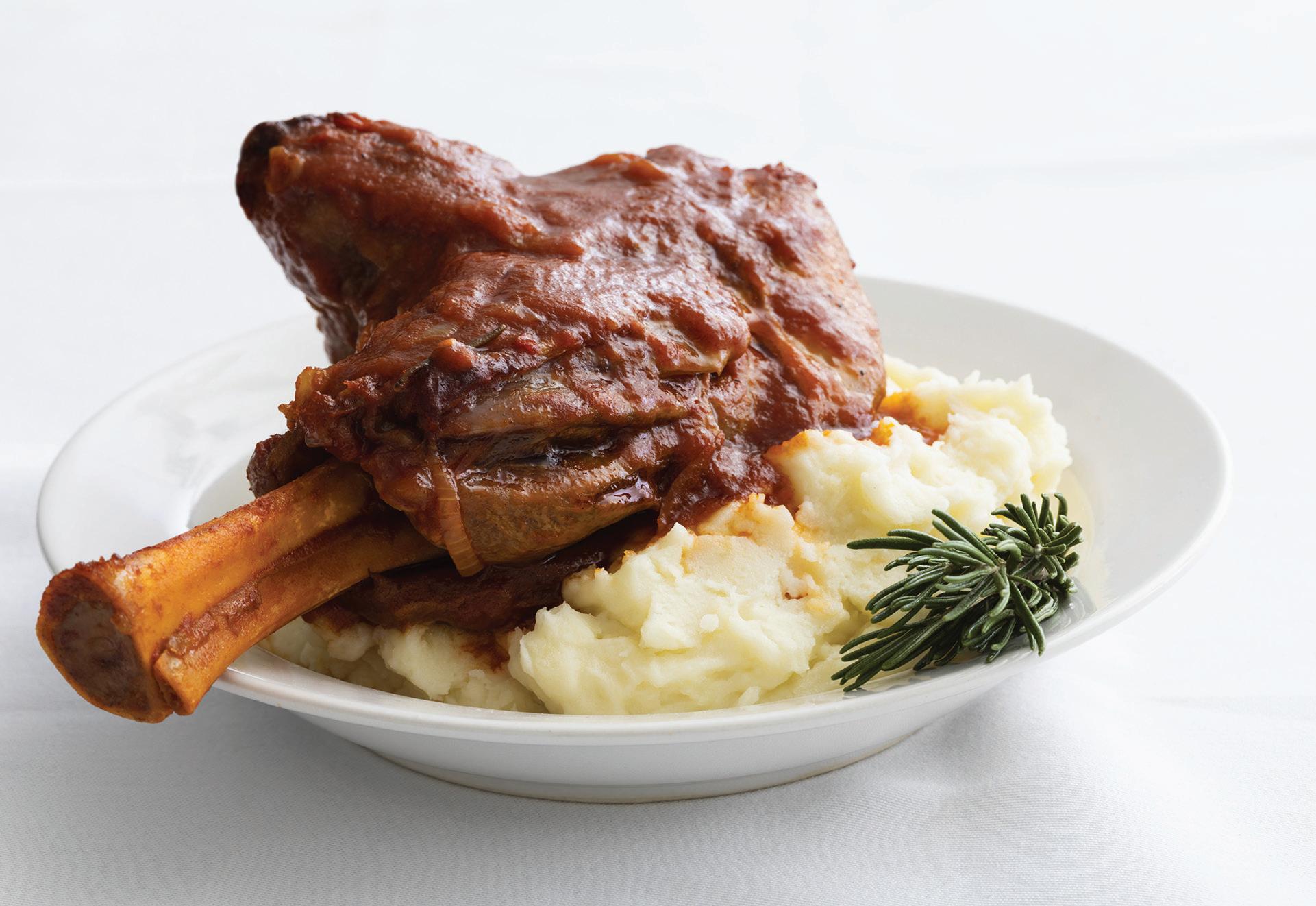
Red Chili Braised Short Ribs
Red Chili Sauce
1 yellow onion, diced
2 ribs celery, diced
5 cloves garlic, peeled and chopped
1 tablespoon butter
3 cascabel chiles
3 guajillo chiles
3 pasilla chiles
1 ancho chile
2⁄3 cup dry red wine
31⁄2 cups chicken stock
11⁄2 teaspoons kosher salt
1⁄2 teaspoon cracked black pepper
1⁄4 teaspoon ground coriander
1⁄2 teaspoon sweet smoked paprika
1 cinnamon stick
Pinch of ground cumin
2 tablespoons tomato paste
Short Ribs
8 to 10 thick-cut large beef short ribs
1 teaspoon salt
1 tablespoon vegetable oil
1⁄2 cup dry red wine
Serves 8 to 10
In a medium-size soup pot, sauté the onion, celery and garlic in butter until the onion softens. Remove the stems and seeds from the dried chiles and add them to the pot. Add the remaining sauce ingredients and cook for 1 hour at a light simmer, covered. Remove the cinnamon stick and puree the entire mixture until smooth, then strain out the solids and discard. Set the sauce aside.
Season the short ribs with salt.
In a Dutch oven, heat the vegetable oil on high heat and brown the shorts ribs over very high heat on all sides.
Once the ribs are very brown, deglaze the pot with red wine, then pour in the Red Chili Sauce and cover with a tight-fitting lid. Place the pot in a preheated 250 F oven and cook for 5 hours. Once finished, the meat should be falling-off-the-bone tender and the sauce incredibly flavorful.
Landmarks
How well DO YOU know Hamilton County?

Look at these photos and see if you can identify these local landmarks.
Answers from last month:
Photo #1: Old Post Office - Statue on east side
Photo #2: Splash pad at East Twin Park
Photo #1
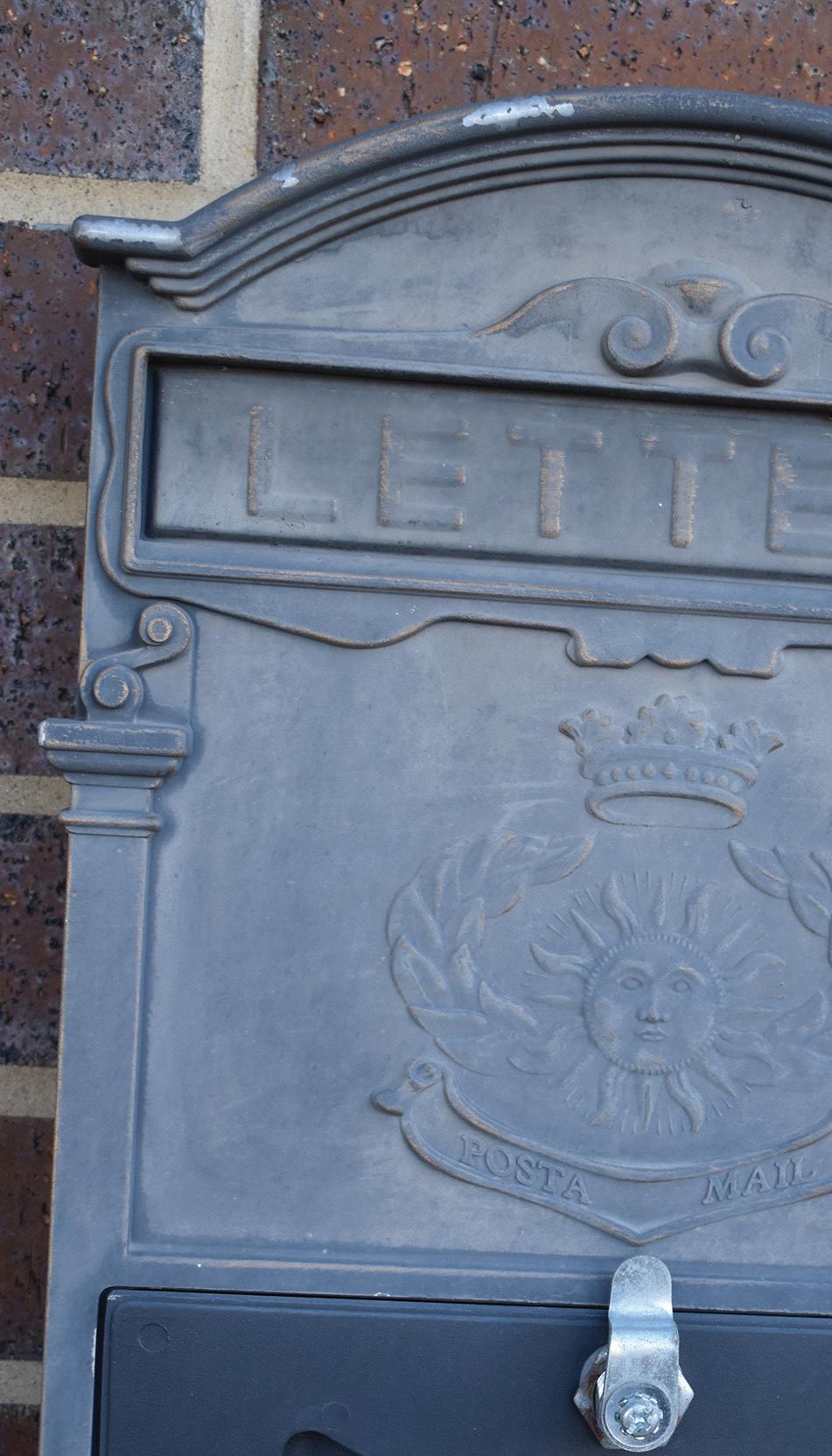

Please include the name of the building icon on which the Landmark is located, your name & phone number. Submit your entry ktaylor@freemanjournal.net or deliver to The Daily Freeman-Journal at 720 Second St., Webster City, IA
Correct answers will be entered into a drawing for


































for correctly identifying the two photos in the January edition of Our Hometown. We had several correct entries this time, but Kinnetz won the drawing. LET’S SEE HOW WELL EVERYONE DOES THIS MONTH! to the Webster Theater
























































Photo #2

by Jim Miller
Do I Need to File a Tax Return This Year?
Dear Savvy Senior ,
What are the IRS income tax filing requirements for retirees this tax season?
I didn’t file a tax return last year because my income was below the filing threshold, but I got a part-time job in 2025, so I’m wondering if I need to file this year.
Semi-retired Joe
Dear Joe,
Whether you need to file a federal income tax return this year depends on several factors: how much you earned in 2025, the source of your income, your age, and your filing status.
Here’s a quick guide to this year’s IRS filing thresholds. For most people, it’s straightforward: if your gross income (all taxable income, excluding Social Security benefits unless you’re married and filing separately) is below the threshold for your filing status and age, you generally do not need to file. But if it’s over, you will.
2025 IRS Federal Filing Thresholds:
Single: $15,750 ($17,750 if you’re 65 or older by Jan. 1, 2026).
Married filing jointly: $31,500 ($33,100 if one spouse is 65 or older; or $34,700 if you’re both over 65).
Married filing separately: $5 at any age.
Head of household: $23,625 ($25,625 if 65 or older). Qualifying surviving spouse: $31,500 ($33,100 if 65 or older).
For a detailed breakdown, including taxable vs. nontaxable income, you can request a free copy of the IRS “1040 and 1040-SR Instructions for Tax Year 2025” by calling 800-829-3676, or view it online at IRS. gov/pub/irs-pdf/i1040gi.pdf.
Check Here Too
Be aware that there are other financial situations that can require you to file a tax return, even if your gross income falls below the IRS filing requirements. For example, if you earned more than $400 from selfemployment in 2025, owe any taxes on an IRA, Health Savings Account or an alternative minimum tax, or get premium tax credits because you, your spouse or a dependent is enrolled in a Health Insurance Marketplace plan, you’ll need to file.
You may also need to file if you’re receiving Social Security benefits, and one-half of your benefits plus your other gross income and any tax-exempt interest exceeds $25,000, or $32,000 if you’re married and filing jointly.
To figure all this out, the IRS offers an online tax tool that asks a series of questions that will help you determine if you’re required to file, or if you should file because you’re due a refund. It takes less than 15 minutes to complete.
You can access this tool at IRS.gov/help/ita – click on “Filing Requirements – Do I need to file a tax return?” Or you can get assistance over the phone by calling the IRS helpline at 800-829-1040.
Check Your State
Even if you’re not required to file a federal tax return this year, don’t assume that you’re also excused from filing state income taxes. The rules for your state might be very different. Check with your state tax agency before assuming you’re off the hook. A complete list of state tax agencies is available at Taxadmin.org/fta-members.
Tax Prep Help
If you find that you do need to file a tax return this year, you can Free File at IRS.gov/freefile, which is a partnership program between the IRS and tax software companies. Your 2025 adjusted gross income must be below $89,000 to qualify.
If you need some help with your tax returns, the IRS sponsored Tax Counseling for the Elderly (TCE) program provides free tax preparation and counseling to middle and low-income taxpayers, age 60 and older. Call 800-906-9887 or visit IRS.treasury. gov/freetaxprep to locate services near you.
You can also get help through the AARP Foundation Tax-Aide service at AARP.org/findtaxhelp or call 888227-7669. You don’t have to be an AARP member to use this service.
Jim Miller is a contributor to the NBC Today show and author of “The Savvy Senior” book.

























ShotParting
taken in Briggs Woods Park by Bill Greenley