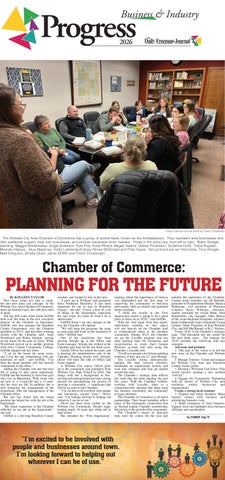
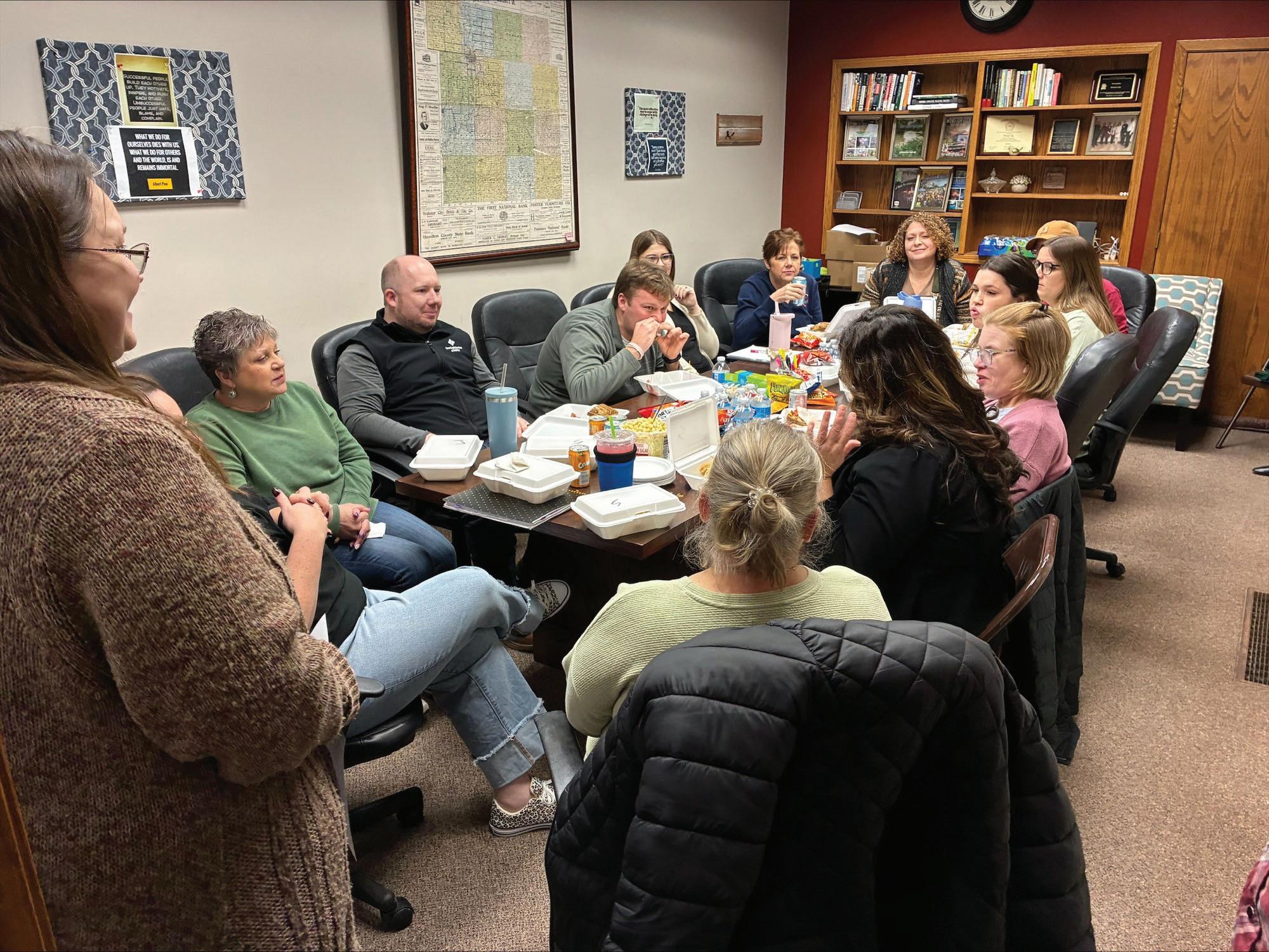
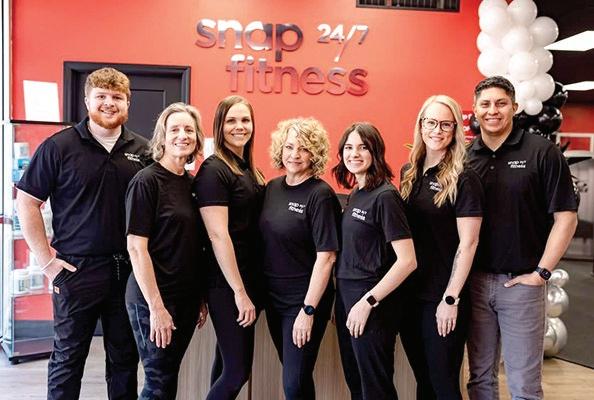
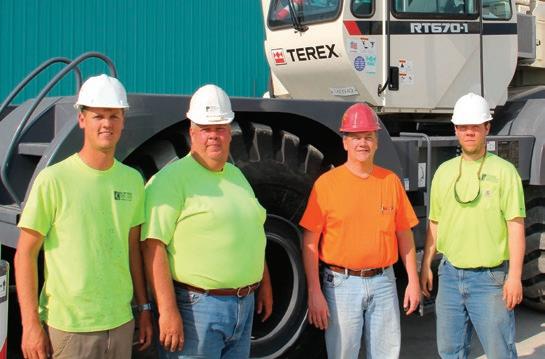
The Webster City Area Chamber of Commerce has a group of worker-bees, known as the Ambassadors. They represent area businesses and offer additional support, help visit businesses, and provide manpower when needed. Those in the
Miranda Hilpipre, Aliya Massman, Ketta Lubberstedt-Arjes, Renee McDonald and Polly Hayes. Not
Mark Ferguson, Amelia Oliver, Jamie Griffith and Trevor Christensen.
Chamber of Commerce: PLANNING FOR THE FUTURE
By KOLLEEN TAYLOR
New faces bring not only a smile, but also new ideas and concepts. At the Webster City Area Chamber of Commerce, there are familiar faces, but with new roles in hand.
The big shift came when Jamie Griffith took over the reins as the new executive director of the Chamber in December. Griffith, who also manages the Hamilton County Fairgrounds, was the Chamber president in 2025, and had been working closely with the Chamber staff, Anna Woodward and Robin Streigle, serving on the board for the past six years. When Woodward moved on to another position with Iowa Central Community College, Griffith stepped into her shoes.
“I sat on the board for many years, and I was the one volunteering with any transition of staff,” said Griffith. “I’ve been the board member who has heavily volunteered in the office.”
Adding the Chamber role into her busy life is going to take some adjustment. Griffith and her husband Ty have four girls who live in Blairsburg. With twins who are now 6, a 9-year-old and a 12-yearold, her days are full. In addition, she is now balancing the management of the fairgrounds with the management of the Chamber office.
But she has found that the board position has helped her with the job at the fairgrounds.
“My board experience at the Chamber reflected on my job at the fairgrounds,” she said.
Griffith is a life-long Hamilton County
resident, and wanted to stay in this area.
“I grew up in Williams and graduated from Northeast Hamilton. It has been important for me to stay in Hamilton County,” she said. “I have a love of a lot of things at the fairgrounds, especially the race track. So much of what I do is intertwined.”
Griffith doesn’t see any changes in the way the Chamber will operate.
“We will keep the programs the same as years past and work on the transition of roles,” Griffith said.
One of the transitions has been moving Streigle up as the Office and Event manager. Streigle has worked at the Chamber part-time for the last three years.
Amelia Oliver has joined the team, and is learning the administrative side of the Chamber. Working closely with Streigle, Oliver will have the title of Office and Event support.
A Webster City native, Oliver grew up in the community and graduated from Webster City High School in 2004. She brings with her a background in fastmoving tech startup businesses and a strong passion for personalizing the process of growing a community — experience that will be an asset to the Chamber.
“I’m excited to be involved with people and businesses around town,” Oliver said. “I’m looking forward to helping out wherever I can be of use.” Oliver has been most visible on the Webster City Community Theatre stage, starting nearly 30 years ago, while still in high school She attended the “First Impressions”
meeting where the importance of tourism was highlighted and the first steps of improving the community to welcome newcomers, both as tourists and potential future residents.
“I think the results in the First Impressions report is going to be a great place to focus on in 2026,” said Griffith.
With the vital input from that report, individuals working on that aspect will rest heavily on the Chamber staff to communicate needs to the business community. During 2025, the Chamber set up the Locable program and has been pushing hard for businesses and organizations to claim their Google Business account and start using the Chamber’s Locable tool.
“It will save people a lot of time updating websites, if they just use it,” said Streigle.
The Locable listing automatically updates the state tourism websites, establishes an employment section, and even lists volunteer jobs that are needed around the area.
The Chamber’s strategic plan reflects the work that has been ongoing the past few years. With the Chamber website, working with Locable, there is a communitywide calendar that helps keep the business community and community at large informed.
The Chamber of Commerce is all about partnerships. Their board members reflect many of the community connections that go beyond regular Chamber membership, but are key to the growth of the community.
The Chamber’s board of directors help steer the course for the year and
“I’m excited to be involved with people and businesses around town. I’m looking forward to helping out wherever I can be of use.”
monitor the operations of the Chamber. Current board members are Jill Burtnett, president of Neighborhood Realty; Monica Haberman, vice president of Platinum Connect; Ryan Williams, treasurer, market president for Availa Bank; John Harrenstein, city manager; Ottie Maxey of the Ames Regional Economic Alliance; Ketta Lubberstedt-Arjes of Kendall Young Library; Mark Ferguson, of Karl-Webster City; and Jeff MacRunnel, of K.C. Nielsen. Vision 2026 is the Chamber’s strategic plan. This document sets the course for the next three years. The strategy for 2026 includes the following four key concepts:
Advocate and promote
1. This part of the vision is to tell the new story of the Chamber and Webster City.
2. Manage Tourism: Create and manage the Webster City Area and Hamilton County visitor guides
3. Develop a Welcome Task Force: This would involve creating a new resident “tool kit.”
4. Engage the Community: Partnering with all sectors of Webster City area residents, youths, businesses and organizations.
Create a strong local economy
1. Expand and retain business: Make regular contact with business and prioritizing business visits.
2. Build awareness of local business: Support local and highlight local business offerings and merchandise
—Daily Freeman-Journal photo by Trevor Christensen
photo are, from left to right: Robin Streigle
Sunshine Duffy, Trisha Rupiper,
pictured are Ian Holcombe, Tony Streigle,
$220k project is nearing completion
Certified land is key to putting Webster City in the big leagues of industrial development
By ROBERT E. OLIVER
Webster City and Hamilton County’s economic development work has ramped up in the last two years since joining the Ames Regional Economic Alliance. With new workforce housing set to break ground in 2026, redevelopment of the former Doc’s Stop site moving forward, upgraded children’s day care facilities and programming, new Webster City High School facilities on the horizon and Ace Hardware moving into downtown, the excitement is palpable.
to help move the industrial park project forward. Long-time consultant to the city, Snyder & Associates, of Ankeny was selected to manage the site certification.
All of these projects mean better days ahead for Webster City. A case can be made, however, that the most important effort of all is the one that has potential to bring new employment, and with it, a growing tax base. That project is certification of land in the industrial park.
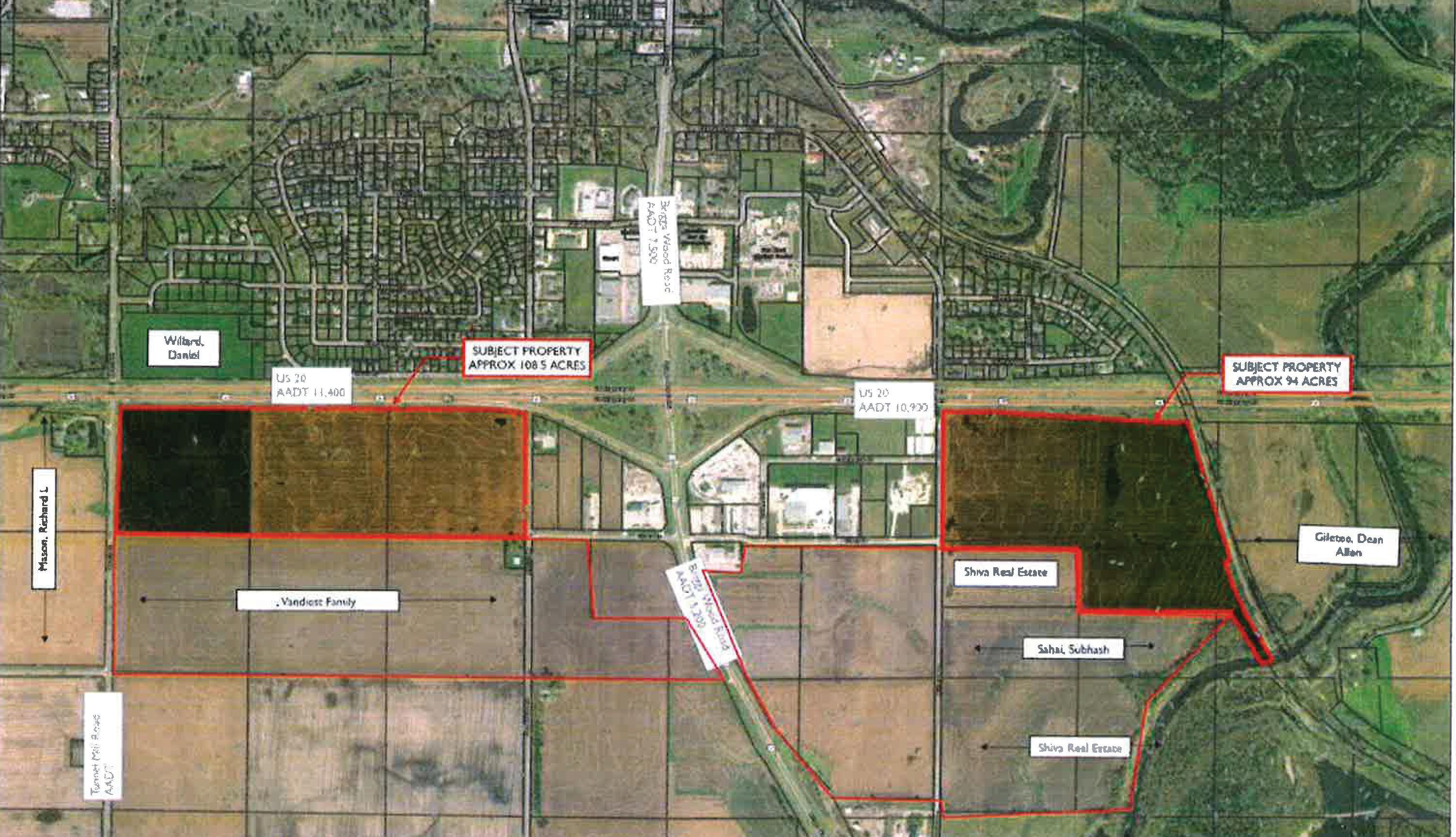
A year ago, we learned Webster City’s then 37-acre industrial park was being expanded to 600 acres. Big news to say the least. Joining the Ames Regional Economic Alliance in 2024 meant we now had the strength of its 18-strong staff
In mid-February, 2025, the City Council of Webster City showed support for the project by voting for a $220,000 funding package to pay for certification of most of the land in the industrial park. $100,000 of this came as a grant from the State of Iowa; the remaining $120,000 from the city. What exactly is certification? Essentially, its reducing risk and uncertainty for a company seeking to relocate to Webster City by inspecting and testing the land in the industrial park. To put it simply, it’s reminiscent of “the best surprise is no surprise” advertising campaign of Holiday Inn hotels in the mid-1970s.
The Holiday Inn company wanted a customer staying in any of its hotels across the country to have the same, predictable experience. To achieve this. it standardized 152 aspects of its bedrooms, lobbies, check-in desks and restaurants so all its hotels were basically identical, with “no surprises” for customers.
Snyder produced a 12-page plan for certifying Webster City’s industrial park.
Project Manager John Haldeman told The Daily Freeman Journal, “every task in certification is mandated by the Iowa Economic Development Authority.”
One of the standards for certification includes confirming any land a company might wish to buy in our industrial park must be available a minimum of 48 months after completion of certification. This affords a four-year window in which to make the many decisions required to build a completely new facility in a completely new location.
Next, Snyder must research and guarantee that there are no leases or easements on any of the land that would stop a project from proceeding.
Following that, the land must be carefully surveyed to set boundaries and calculate exactly the size of parcels available for development. This is crucial as size of parcel determines the final cost of the land.
A Phase I environmental assessment meeting the requirements of the U.S. Environmental Protection Agency is next. Among other things, this requires a look at how land in the industrial park has been used since Hamilton County was settled in the 1850s.
A wetland and stream delineation report is next on the certification agenda. This follows regulations of the 1987 U.S. Army Corps of Engineers Wetland Delineation Manual. The report identifies any streams in the industrial park, tracing where they originate and which direction they flow. Soil samples are taken to identify which types of soil are found in the area, a vital
“Participating in the certified site program ... gives us a competitive advantage by demonstrating to interested businesses the site is development-ready and vetted."
determination before building foundations can confidently be put in.
In addition, a jurisdictional determination must be completed to ruleout any known, or foreseen, need for the land by the U.S. government, which has effectively unlimited eminent domain power when land is needed for national defense, and a few other needs.
Then, a Threatened and Endangered Species evaluation can be done jointly by the Iowa Department of Natural Resources and U.S. Fish & Wildlife Service. This survey of the land shows “which state and federally-listed endangered species might be present, are known to be present, or have potential habitat at, or near, the project sites.”
In addition, a Cultural Resources Identification Study is completed to identify, delineate and describe archaeological resources that might qualify for the National Registry of Historic Places. At a cost of $79,000, this is one of the most thorough and expensive of all certification tasks. Once complete, Snyder must officially notify the Iowa State Preservation Office of completion of, and any findings of, this study. Light detection and ranging technology will then be used to create a topographical map of the industrial park. This will be
See CERTIFIED LAND, Page 6B
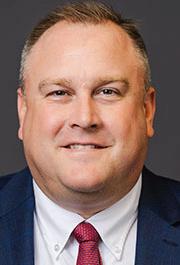
John Harrenstein Webster City City Manager
Feeding the world
Van Diest Supply Company marks 70th year serving agriculture
By LORI BERGLUND
It’s a milestone in the making as Van Diest Supply Company prepares to celebrate its 70th year in business in the fall of 2026. The now-sprawling agribusiness just west of Webster City on old Highway 20 all started for the simplest of reasons, and one that remains highly relatable for today’s farmers.
The time period now seems long ago. Dwight Eisenhower was in the White House. Elvis Presley was soaring to the top of the charts with songs such as “Heartbreak Hotel” and “Love Me Tender.” And parents across the nation and the world were giving thanks to God and Jonas Salk for a long-awaited vaccine to protect children from the devastating disease of polio.
A lot of things have changed since 1956, but in farming, some things have not changed. Farming may be more complex, but the need that Bob Van Diest sought to fill when he opened his own small business is much the same.
“It was an easy motivation,” John Van Diest said of his father’s decision to start a small business in the fall of 1956. “He was farming. He wanted to get his own input costs lower, so he thought if he bought more fertilizer than he needed for his farm — buy in large quantities, get a better price — then he could resell it to his friends and neighbors.”
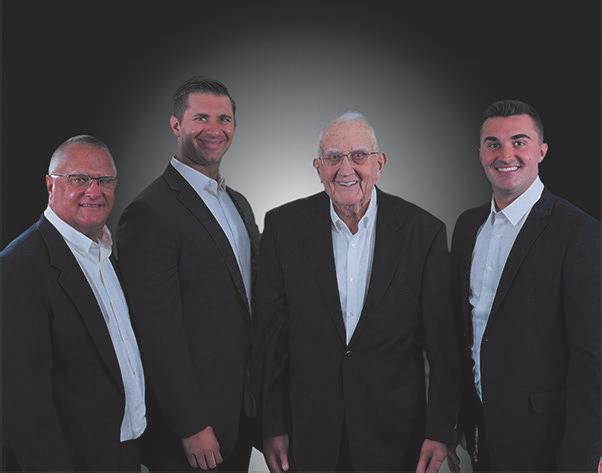
Bob Van Diest continues to serve as chairman of the business that remains family owned. John Van Diest is now vice president. Rounding out the three generations of the family heading up the business are John’s sons: Jake Van Diest, president; and Jack Van Diest, sales manager.
The family story goes that Mary Van Diest became the first employee when she and Bob married in 1959. In those early days, business was often conducted around the kitchen table. Some of those early customers are still customers today. Like her husband, Mary Van Diest remains as active as possible in the family business even today, and both are pleased to see the next generations making their own mark.
The family story of how this company started is now well-known. It has grown from supporting Bob and Mary Van Diest and their family, to supporting hundreds more families today, and likely into a thousand or more families that have worked for Van Diest Supply Company over its 70-year history.
“It’s agriculture, and we still need it,” said Jake Van Diest. “We have to do what we can to help people who grow food.”
Maintaining an affordable food supply is really what production agriculture is all about, agreed John Van Diest.
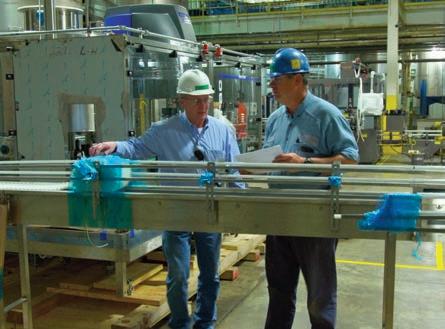
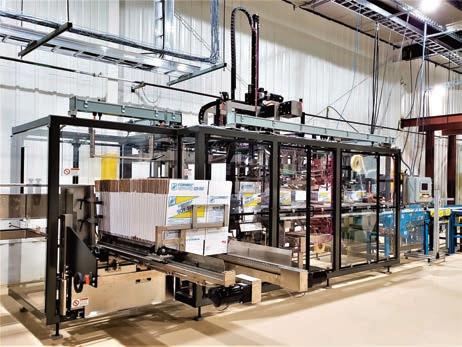
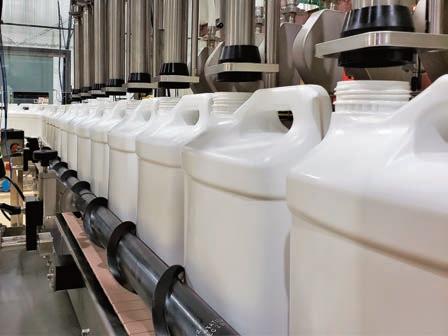
As it has for decades, Van Diest offers its own company brand of inputs under the Cornbelt name. Working on the same scale that allowed the company to offer affordable inputs from the start, Van Diest also produces inputs such as herbicides, fungicides and insecticides for a large array of other well-known brands.
“All of our production is right here in Webster City,” explained Jake Van Diest.
“We just started two new production facilities this winter, so they’re in the first full year of running out there right now.”
John Van Diest devotes most of his time to the distribution network, which has grown to cover 13 states as far east as Michigan and as far west as Colorado and Wyoming.
“We’re shipping to retailers all over the Midwest,” John Van Diest said.
As demand for food grows in a hungry world, the need for cost-effective, high quality production agriculture becomes more important than ever, he agreed
“In your developing countries, as they develop and become wealthier, they back away from grains and grass, and start eating proteins.”
That spurs a bigger demand for meat, and thus a bigger demand for corn for feed. At the same time, corn is also in demand as a fuel supply. He noted a proportion of corn now getting crushed for ethanol and diesel products.
The public may think of crop inputs when they think of Van Diest Supply, but they should really think of fields of tall corn and leafy, green soybeans, for that’s the purpose behind the products offered.
‘The Gift’
Celebrating the impact of Van Diest Supply Company on its community would be remiss without mention of “The Gift.”
The late Hamilton County historian Ed Nass spoke often of what it must have been like when the will of Kendall Young was opened in 1896 to reveal the gift of a free, public library for the people of Webster City.
It had to have been an incredible day as news of Young’s gift spread through the community, Nass surmised. While Nass passed away in 2007, the widelyrespected historian would have almost certainly described the announcement from Bob and Mary Van Diest in 2008 of a $10 million pledge for a new county hospital in similarly grand and historic tones.
“It’s agriculture, and we still need it. We have to do what we can to help people who grow food.”
That gift would far surpass even Young’s gift. The business-wise couple put a timeline on the gift, so that that pledge would not sit and linger while plans were made. The new county hospital, now doing business as Van Diest Medical Center opened for patients just two years later in 2010. Why? What prompted the gift? Just as Bob Van Diest had a simple reason for starting his own business in 1956, the reason behind this history-making community gift was also pretty simple, according to family members.
“Because there was a need,” John Van Diest said of his parents’ gift of a hospital/ medical center.
“You couldn’t economically retrofit that existing hospital,” he said of the aging building that sat at the edge of “Hospital Hill” on Ohio Street.
He agreed that having quality medical care close to home is essential for the growth of any community, but the gift came from a simple desire to be of service.
“There was just a need and it would be good for the community,” John Van Diest said.
There have been other community gifts as well. Gifts from the Van Diest company and family have been instrumental in such things as the conference center at Briggs Woods Park, and many other local programs and institutions.
Serving as a vital link in the food supply, helping American farmers produce more and more abundance for a hungry world, it’s not hard to see the connection to community health. It’s what American agriculture is really all about.
—Photo courtesy of Van Diest Supply Co.
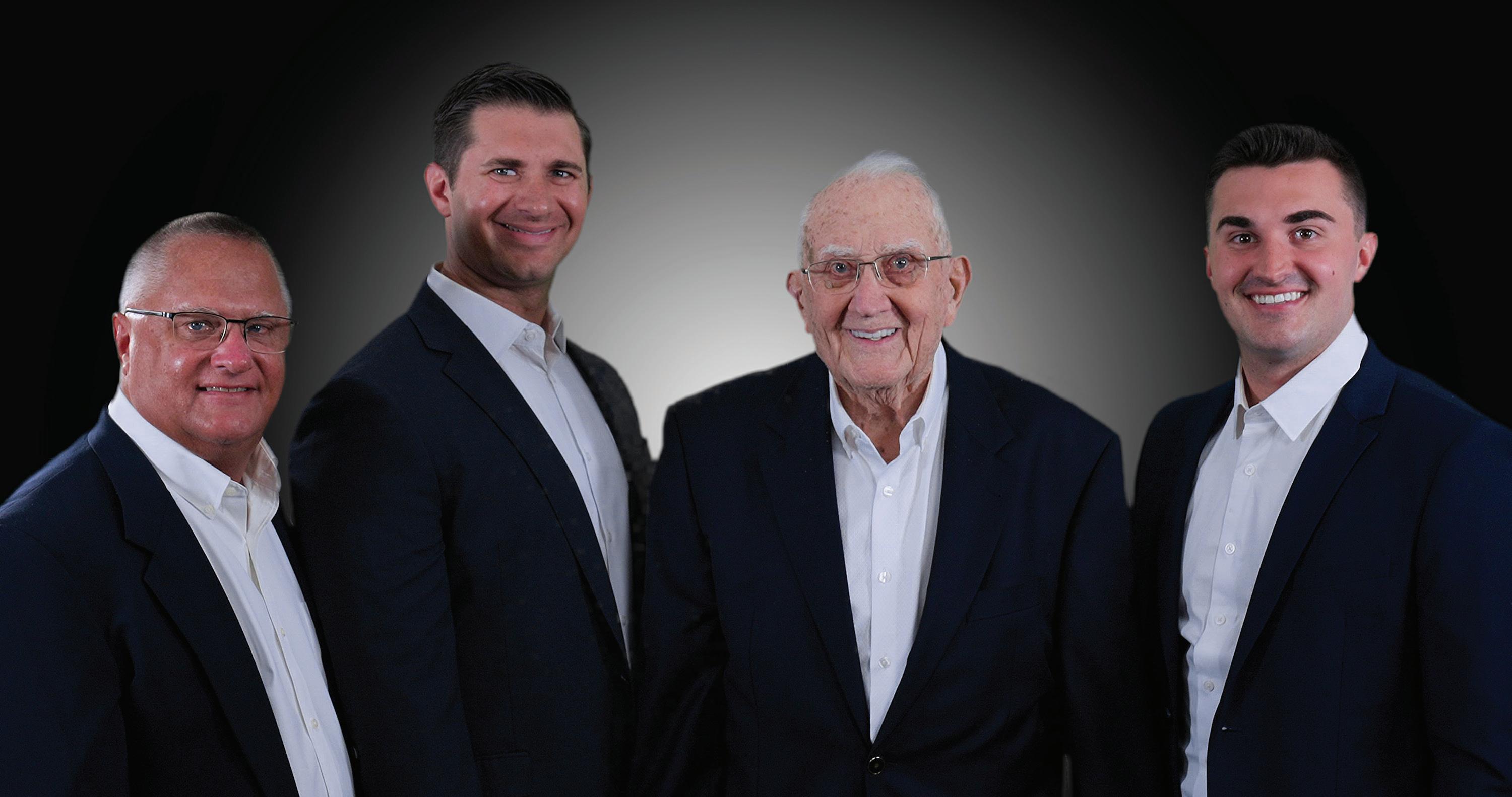
Three generations of the Van Diest family now form the leadership team at Van Diest Supply Co. From left are; Vice President John Van Diest, President Jake Van Diest; Chairman Bob Van Diest, and Sales Manager Jack Van Diest.
IMPACT
Community and families grow along with Van Diest Supply Co.
By LORI BERGLUND
At Van Diest Supply Company, it’s more than just family, and more than just one family. It’s a place where multiple generations of many families have come to build a life.
To mark the company’s 70th anniversary, it’s worth looking beyond the Van Diest family, to the impact the company has had on hundreds of employee/team members over the years.
We asked company leaders, including President Jake Van Diest and Vice President John Van Diest to estimate how many families have worked for the company over the years. It was an equation too complex to fathom. Over the decades, the jobs created here have factored into mortgages paid in full and kids sent to college. Add in the ancillary jobs from construction to retail created throughout the community, and it’s hard to imagine the full impact of wages paid and benefits received.
The impact this one company has had in Hamilton County and beyond is perhaps best seen in the people who have built careers here.
Van Diest Supply Company now employs some 520 team members in Hamilton County, and approximately 640 full- and part-time team members across all of its Midwest locations. Over the years, hundreds more families have
grown their own families in Hamilton County because they found work that was rewarding at the company.
Now a Van Diest retiree, Gregg Olson was with the company for more than half of its 70-year history. But Webster City and Van Diest Supply Company were about the last place he ever intended to end up.
“No way,” Olson said. “I wanted to move to a bigger city.”
After graduating from Webster City High School in 1973, Olson headed off to the University of Northern Iowa and earned a degree in accounting in 1977. He was working at a Des Moines accounting firm and had been offered a position with the state of Iowa when a young woman told him about a job opening at Van Diest.
Her name was Cathy Scott, now his wife of more than 40 years, and the sweetest reason behind his taking a job as assistant controller at Van Diest in 1978.
A farm girl from the Blairsburg area, his future wife wanted to raise a family close to her own family. It was a decision they both celebrate, as the couple’s three children grew up close to all of their grandparents, and so many more family and friends.
“I think our kids had a very ideal childhood,” Olson said. “They could go to the swimming pool, play in the baseball
leagues, and run the neighborhood without any concerns.”
It was also the right place for his own career to grow. Over the years, Olson would be promoted to controller and then treasurer before retiring in 2023. His daily commute was only a few minutes, and the salary and benefits enabled the young couple to grow a family in their own home county.
“Webster City is big enough to have grocery stores, a great library, excellent medical care. Everything we need is close to home, and yet we’re still close enough to go to Des Moines or Minneapolis for a weekend.”
Mark Roden is another Webster City native who found a career at Van Diest Supply Co. For Roden, it was a second or third career. Also a 1973 graduate of Webster City High School, Roden and his wife, Bridget, first spent some 21 years in Virginia and then Minnesota during his service with the U.S. Navy.
After retiring from the Navy, the Rodens were ready to come back home and be closer to family as their own parents aged.
The couple’s children, who had been raised largely in Virginia, would finally get to know their cousins, grandparents, and even one set of great-grandparents, a little better.
“We came back in 2000 and I worked
for Electrolux for nine years,” Roden said. “When Electrolux decided they were going to leave, I was sweating it because there were not a lot of jobs around here. I was thankful that Bob (Van Diest) and the family decided to hire me.”
Roden worked in production and formulation for about 13 years at Van Diest Supply Company before retiring in 2022. To him, it was more than just the daily work, but the fact that it was close to home and people with whom he enjoyed spending his workday.
“I could work five miles away every day and make a good wage and good benefits,” Roden said. “I reconnected with people that I knew before I went into the service and met some new friends. I have no regrets at all. Working at Van Diest was a very good move for me.”
Apparently, he is not alone in that view. Company statistics point to a work force that largely stays for the long haul.
“We’re family owned and we see Webster City as home,” Jake Van Diest said. “We have over 200 members who have been here 10 years or more. We want long-term team members and that shows in the workforce.”
It’s a workforce that hasn’t stopped growing since Mary Van Diest first joined her husband, Bob Van Diest, and started doing the books for this home-grown business that continues to grow yet today.
—Daily Freeman Journal photo by Lori Berglund
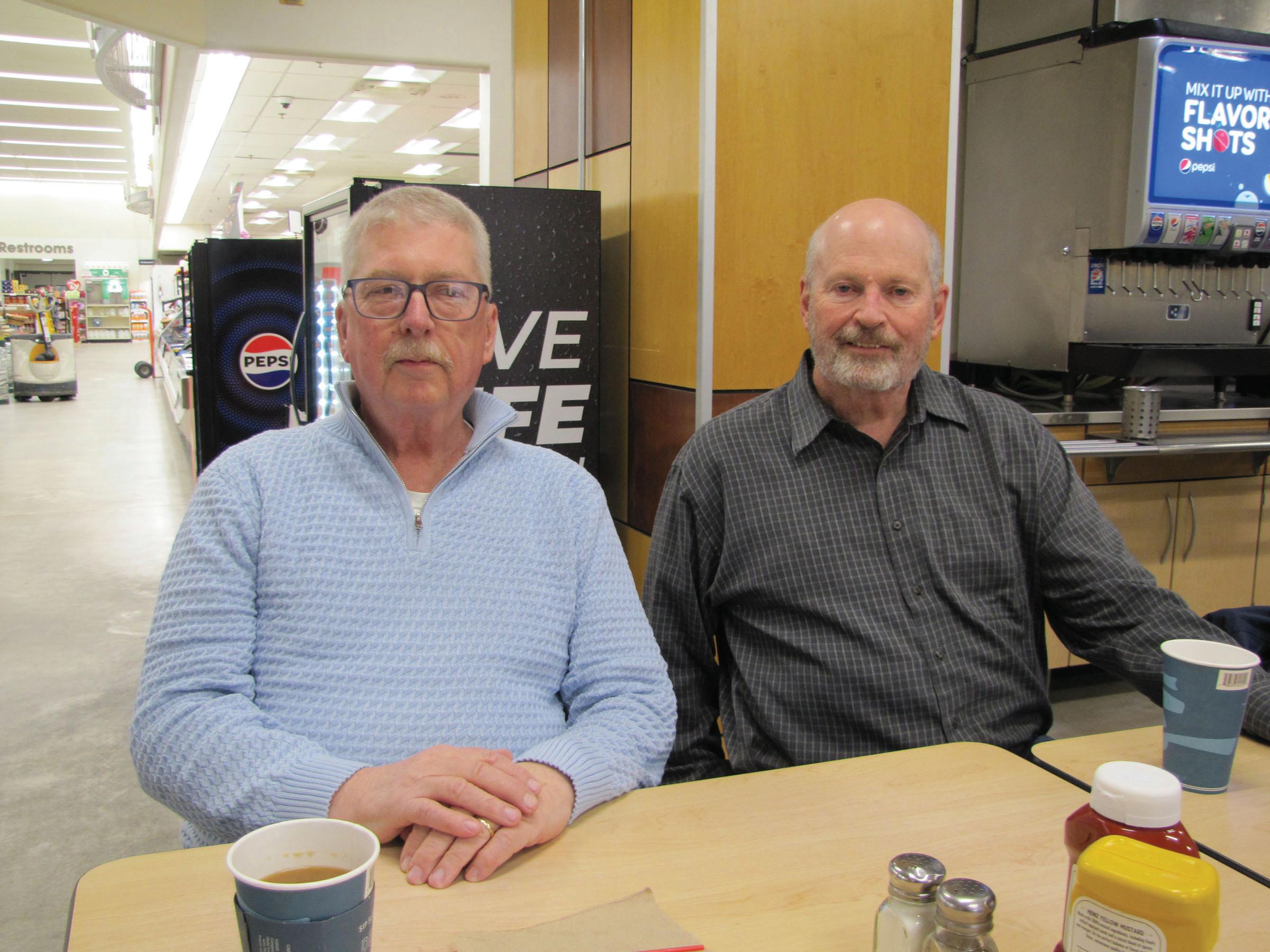
Mark Roden, left, and Gregg Olson are among several retirees from Van Diest Supply Company who meet regularly at Hy-Vee for coffee, breakfast, and lots of times for some friendly catching up with old friends.
It's a legacy
The Trash Man has evolved from humble origins
By KOLLEEN TAYLOR
We don’t talk about trash much, but if you are Chris Kehoe, it’s on his mind every day.
The owner of The Trash Man doesn’t care much for titles, but he cares about his business.
“It’s a legacy built by what my father and uncle did,” he said.
In September, Kehoe purchased American Sanitation, a company which went into competition with the Trash Man about five years ago.
“There have been six or seven attempts to compete,” said Kehoe,. “People think anybody can do it.”
But there is a lot more to it than they realize.
“Iowa has a comprehensive plan that states the trash must stay in the county where it is created,” he explained.
Today that means trash must go to the transfer station located northwest of Kamrar, but when the business first started, it was a landfill. Trash must go to the designated area, making it hard for this business to expand into different counties.
Kehoe joined the family business 31 years ago, after serving on the Webster City Police force for six years. He and his family moved to Clarion in 1995 on the premise of starting a recycling program in a different market.
When the recycling became mandated, it became an important part of their business, and they have worked hard to make it easier for everyone. But for them
it was a lot of work to setting up a system, finding a market, sorting materials by hand, and educating the public.
It was in 1987 that Steve Kehoe, Chris’ father, and his uncle Randy Youngdale worked together to start “The Trash Man.”
They had started working together in the roofing business Randy Youngdale had bought from his father, Ken Youngdale. At that time, they could not have realized their start-up business would eventually be involved in a citywide, then countywide trash and recycling program. When Neil Wright joined the firm later, the curbside pickup of recyclable material were just beginning. But there was still a lot of kinks and details to work out.
With all three founders now deceased, the business is still locally owned and operated, with 23 employees, four who have been employed over 20 years.
The business has evolved over time. What first began as a trash company, expanded into a curbside recycling program. Bags were used at first for garbage, bins for recycling. The thought behind the bags was for customers who had a lot of waste would be paying more, those using little paid less. And the more people recycled, the fewer bags were used.
“In the late 1980s and early 1990s the State of Iowa had to have a percentage of recyclable material taken out of the landfill, a 25% reduction,” said Kehoe.
“The county and city had to have a recycling program in place to offset the
penalty if non-compliant.”
“We started with a drop-off location for recycling in the old skating rink for people to bring recycling in,” he said. “Then we put in a large recycling location at the end of Ohio Street.”
The curbside recycling program began in the early 1990s. Initially, they picked up garbage in a truck, and pulled a trailer behind for the recycling.
Things have changed through the years, but they have always recycled product.
“Initially we just took newspaper, two types of plastic, clear glass and tin.” Residents needed to sort it, and rinse it, with paper labels and lids removed.
“We had a farmer who used the newspaper for years for bedding,” said Kehoe. The plastic they would grind and pack into pallets, and hold it until they had enough to ship to Shockapee, Minnesota.
Over the years, their trucks have gotten larger, both their garbage trucks and recycling trucks look the same. They can co-mingle the recycling today, because they send all the recycling to a sort line in LeMars to a recycling company called Vans Sanitation.
The bag program has quietly disappeared and been replaced with the new carts.
According to Kehoe, different markets have now opened up for plastics, even junk mail, something that used to go in the trash. Recyclables don’t have to be sorted and boxes don’t have to be broken down. Instead of tubs, the recyclables go into a blue cart, trash goes into green carts.
“We saw a 20-25% increase in recycling when we switched to carts,” said Kehoe. But, of course, he pointed out the bins held 15 gallons, the carts hold 96 gallons.
The Trash Man owns nine trucks today. Each truck would cost $400,000 new; each cart costs about $70, with dumpsters more than 10 times more. He estimated they have $3.5 million to $4 million in capital expended.
Each truck has been retrofitted with a hook to allow the trash pick up to be speedier. The carts are to be out by 7 a.m. in the morning, and now with automation, the trucks are moving faster through neighborhoods.
“We are much more efficient,” he said. “It takes 30 seconds to stop and pick up the cart and put it back; before, it took two to three minutes per stop. If your previous pickup was at 9 a.m., today it might be 8 a.m.” Kehoe no longer lives in Clarion. He moved back to Webster City in 2000. He has five children; Addison, who lives here in Webster City, Corbin in Urbandale, Kaitlyn in Alberta, Canada, Asher who is now 5 years old, and Handley is 2 years old.
“People need to know what a great opportunity we have here.” said Kehoe, “We help support the community with property taxes, chamber sponsorships, school programs and more. We try to be a good community partner.”
And they always have.
—Daily Freeman-Journal photos by Kolleen Taylor
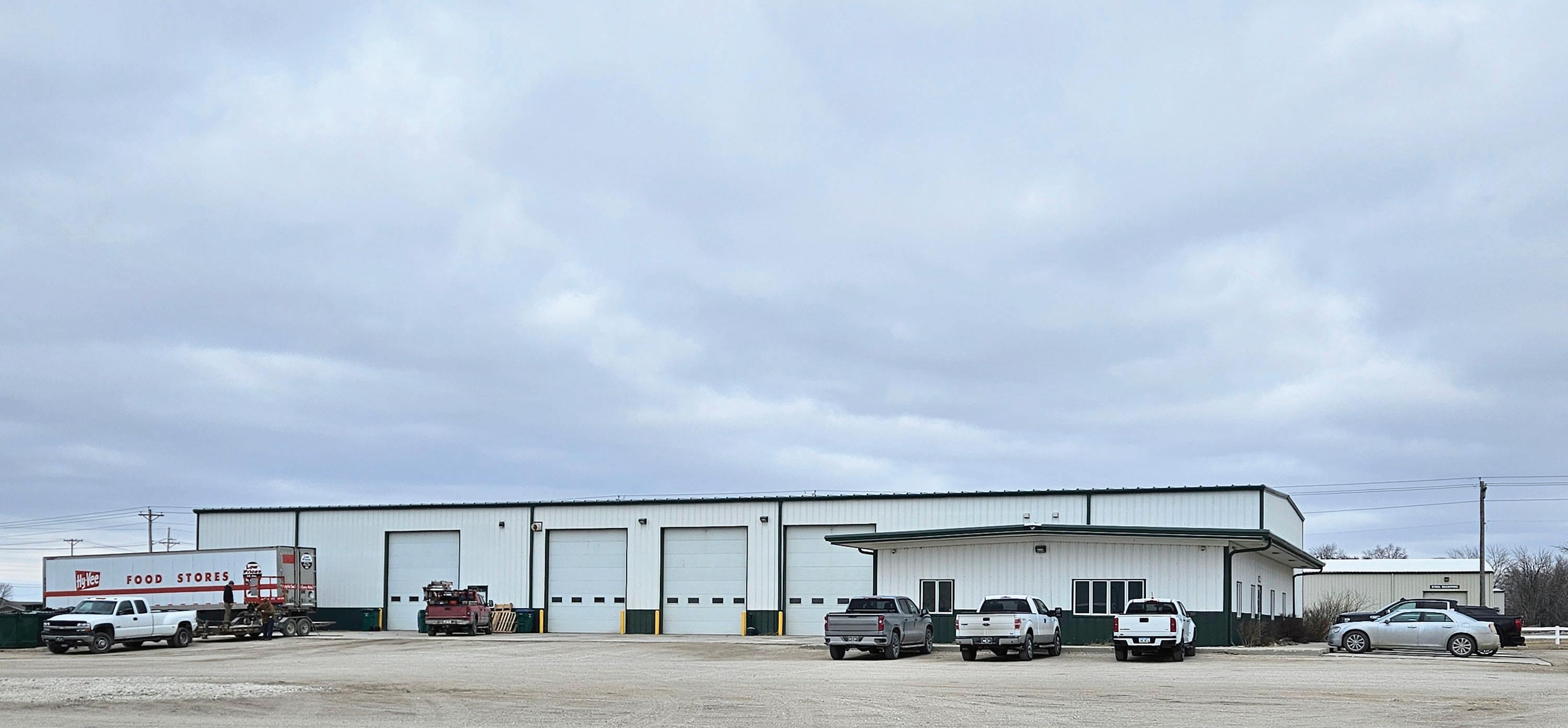
The Trash Man offices are located at 1812 W. Second St. The recycling building is located at the south end of the property.
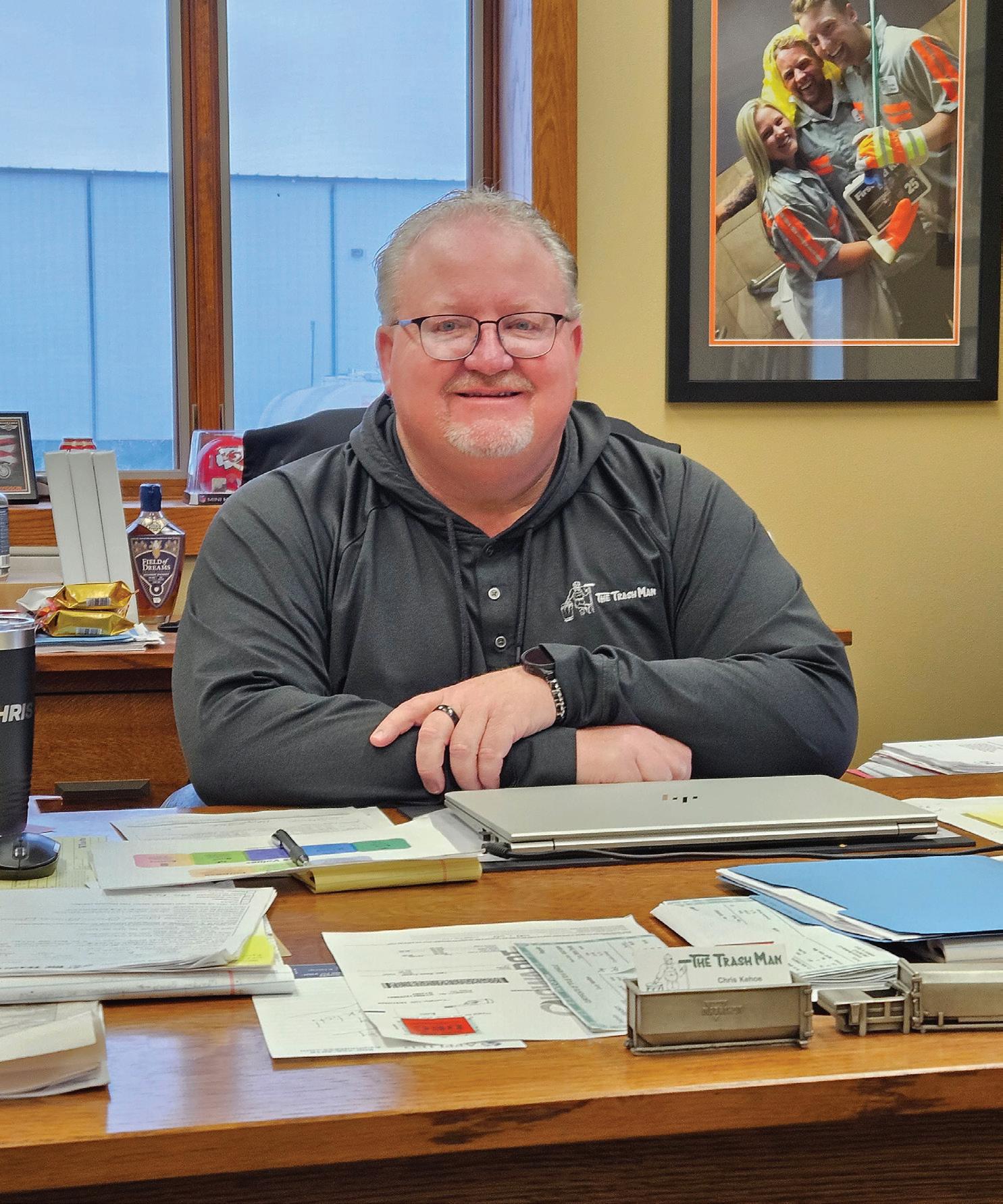
Chris Kehoe is the owner of The Trash Man, which was started by his father, Steve Kehoe and his uncle, Randy Youngdale
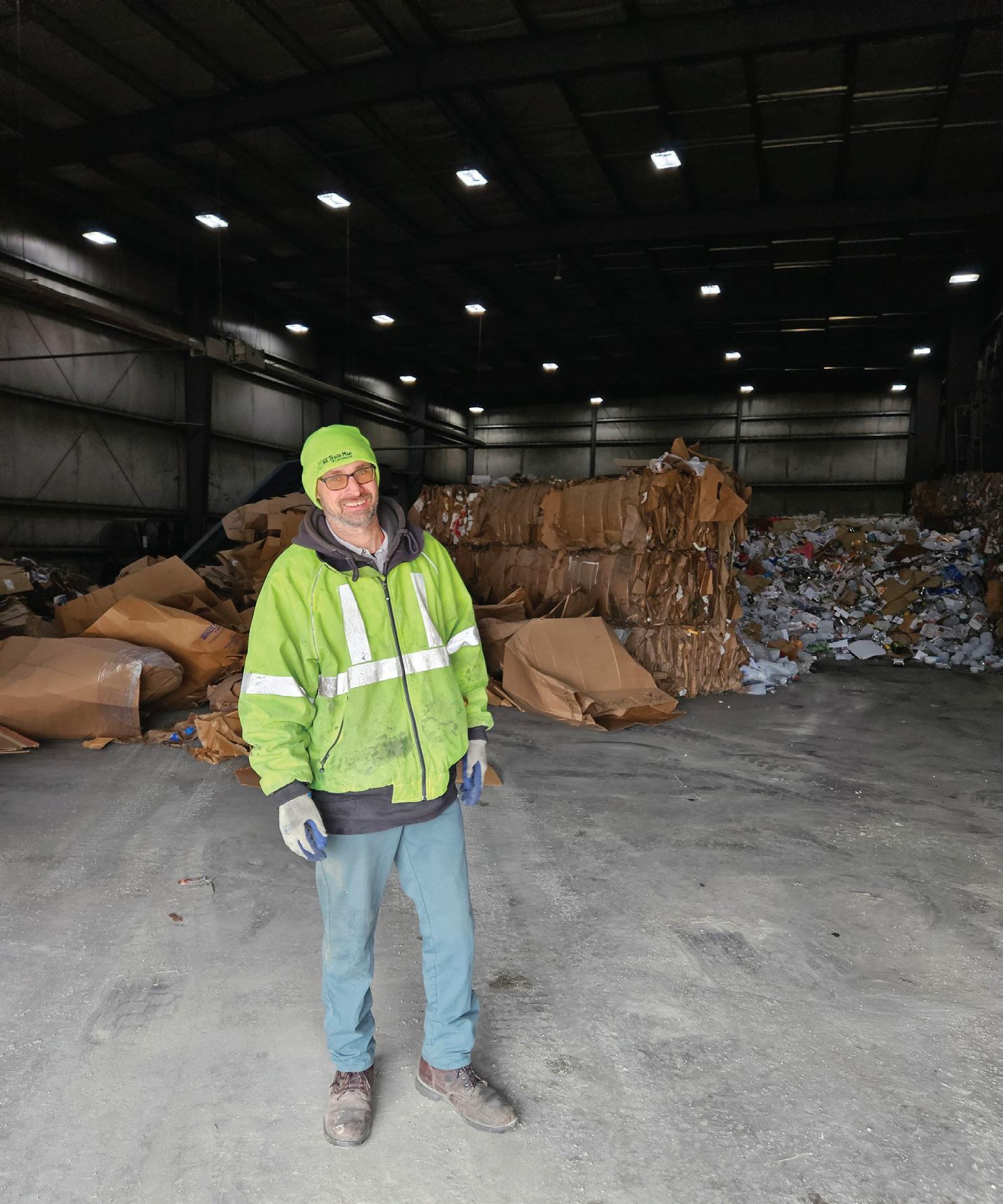
Kendall Keenan, one of the four employees who have worked for the Trash Man for over 20 years, works in the recycling center, and assists those who bring recycling directly to the center.
Iowa Central Community College — 260E Program
Building resilient agricultural communities through Iowa’s 260E Program
By KOLLEEN TAYLOR
The days when college is all about sitting in a classroom, listening to a lecturer, and studying through books have changed with a new workforce training program, the Iowa 260E program.
Iowa Central Community College has been building the local area workforce with customized training programs through business and industry training assistance programs set up through this innovative new program.
With campuses located in Webster City, Eagle Grove and Fort Dodge, Iowa Central is centrally located to assist area businesses with new training needs. But training usually occurs on the job site.
Prestage Farms, New Cooperative, AgState and Daybreak of Eagle Grove have all worked through Iowa Central providing customized training for business and industry through this program. Partnering with these industries, Iowa Central took the concept of the Industrial New Jobs Training program to their business.
Not every job or every employer can qualify for this specialized training, but those who meet the following criteria can substantially improve training time with the assistance from Iowa Central.
The company must be located in or relocating to Iowa. They must be engaged in interstate or intrastate commerce for the purpose of manufacturing, processing, assembling products, warehousing, wholesaling or conducting research and development. They cannot have closed or substantially reduced its employment base at any of its other business sites in Iowa in order to relocate substantially the same operation to another area of the state.
Employees who qualify must be in newly created positions and pay Iowa withholding tax. They also must occupy job positions that did not exist during the six months prior to the date that the business and community college agreed to pursue a training project. The assistance ranges from highly specialized educational programs to basic skill training for new positions.
“The 260E program has been a valuable tool for new and expanding businesses in our region, providing critical training resources that strengthen employees, companies and the communities they call home,” Julaine Bidleman, Economic & Community Education Director said.
By providing customized training for business and industry, this program strengthens the cornerstone of rural economies and ensures that agricultural communities are prepared to thrive, even in challenging times.
The 260E programs offer tailored training packages that meet the specific needs of agricultural businesses. These area businesses have used the program to meet their needs.
Co-ops like New Cooperative out of Fort Dodge benefit from hazmat and emergency response training, ensuring operators can act decisively when seconds count.
Technical Upskilling: On-site electrical training and light mechanical repair courses—such as those offered to Daybreak of Eagle Grove—equip employees with practical skills to maintain equipment and reduce downtime.
Leadership Development: Comprehensive CDL, safety, and leadership programs help organizations like AgState build strong teams ready to lead through uncertainty.
AgState is a prime example of how 260 partnerships fuel regional prosperity. With multiple locations across Iowa, they have multiple locations with the closest one in Albert City,
AgState provides essential services to farmers, from grain marketing to agronomy
solutions. They also employ hundreds of local residents, contributing millions annually to the regional economy. They also invest in workforce development initiatives that align with its commitment to safety, efficiency, and innovation.
As Elissa Barrick, Vice President of Human Resources, from AgState explains: "Without Iowa Central Community College, the core workforce development initiatives AgState has launched over the past several years, including comprehensive CDL, Commercial Applicator, and Leadership training, would not have been possible. We are grateful for their investment in our employees and the agriculture industry as a whole. Their dedication to education and workforce development aligns with our commitment to excellence, and we look forward to continuing this impactful partnership."
Why It Matters Agricultural communities face unique challenges—from market volatility to unpredictable weather events. By upskilling workers, enhancing safety, and developing leadership, the 260E programs
ensures these communities can adapt, recover, and continue to feed the world.
“Prestage Foods of Iowa and Iowa Central Community College share a strong partnership focused on building a skilled workforce and supporting longterm regional growth,” said Bidleman. “Through customized training and close collaboration, Iowa Central helps Prestage meet evolving production and leadership development needs.”
Prestage Foods of Iowa, a pork production plant, is a vital employer in Eagle Grove, with employees drawn from Hamilton County and the surrounding area. It currently employs approximately 1,100 team members, making it one of the largest economic drivers in the area. Its success ripples throughout the local economy, supporting families, small businesses, and community growth.
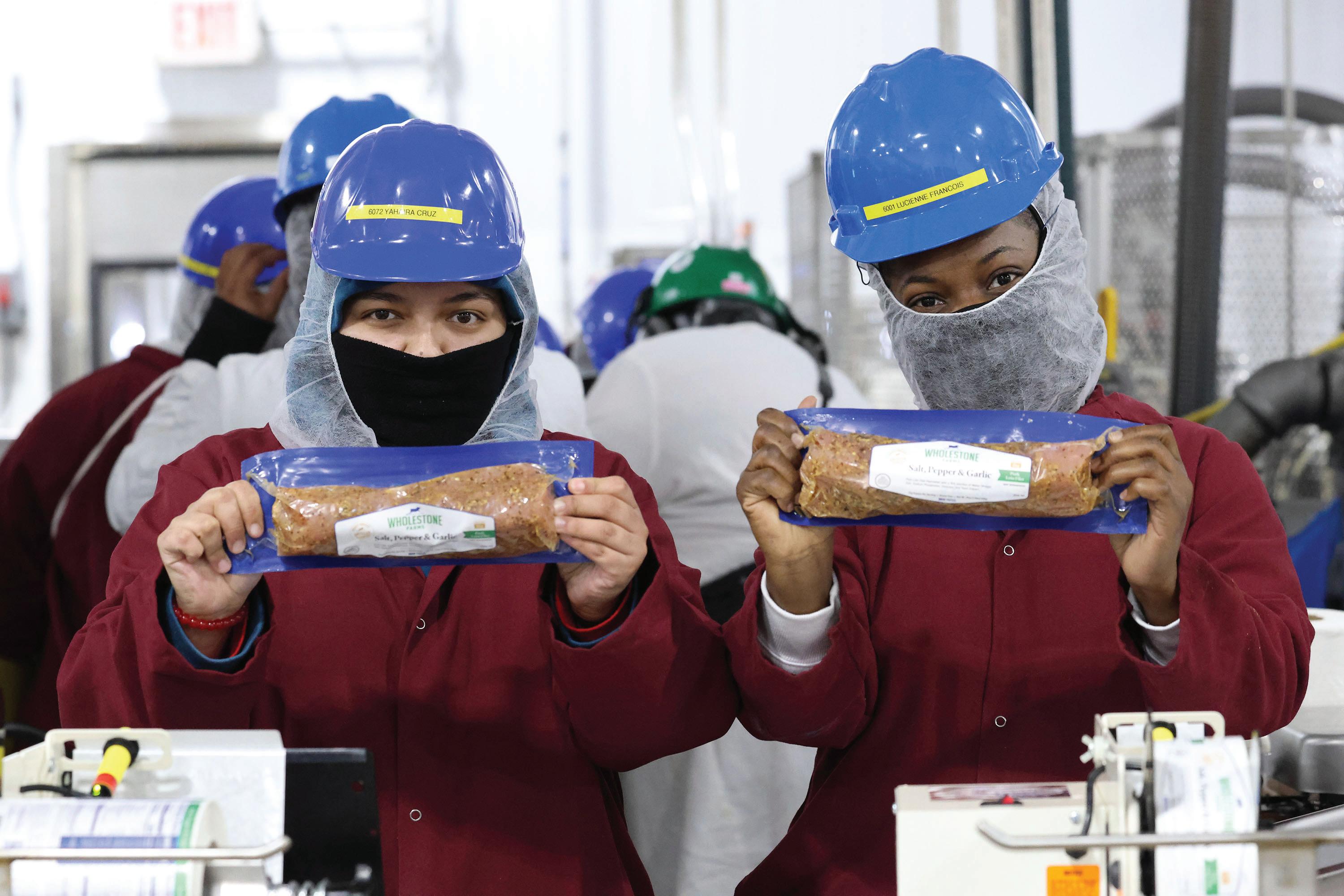
Prestage Foods of Iowa produces premium pork products, serving both domestic and international markets. Recent innovations include marinated meats to supply consumer demand for convenient and flavorful options. This product diversification requires a highly skilled workforce to maintain quality and
Certified land
done in two phases: first, for land east of Highway 17, then for land west of the highway.
Next, a zoning map of the industrial park will be drawn-up. Snyder will create this using typical zoning regulations currently in effect in Webster City. The city will be asked to consider a zoning change should a firm considering a move to the industrial park find it necessary for their project.
A detailed description of access to the park, both highway and railroad, will be done next. The park is presently accessible by Highways 20 and 17, and via Union Pacific Railroad. As well, there must be a clear statement of utilities available in the park: electrical, natural gas, wastewater and telecommunications. Of course transport and utilities are required by every company in the industrial park.
As a final step, Snyder will draft a master development plan, summarizing all the foregoing tests in a concise document that can be used in marketing land in the industrial park to potential buyers.
Information available to us at press time suggests between 450 to 475 out of the total 600 acres available
Continued from Page 2B
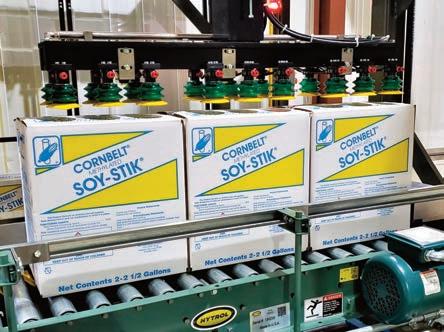
ABOVE: The 260E program offered by Iowa Central Community College assists with new employee training, and upscaling skills for new jobs. The plant, which is just north of the Hamilton County/Wright County line, employs thousands, many who live in Webster City and the surrounding communities.
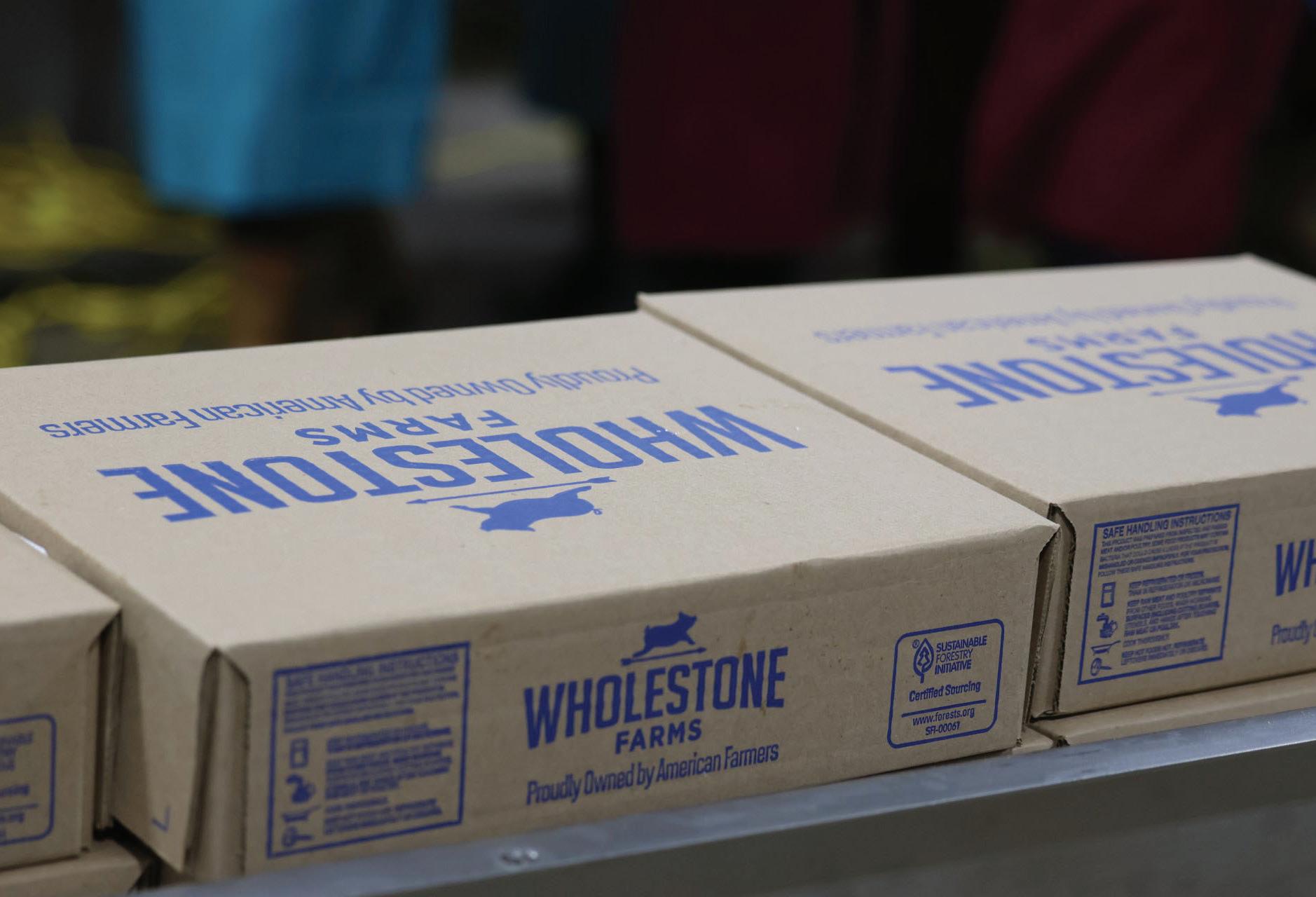
LEFT: One of the products produced by Prestage.
efficiency in production.
The Iowa 260E Industrial New Jobs Training Program has been instrumental in supporting growth.
“I don’t think people realize the amount of help 260 programs can be. The funds in the 260 program are so helpful to a business in the first few years,” explained Sarah Hruska, Director of Human Resources for Prestage Foods. “This program isn’t just a tax incentive—it reinvests in communities through wages for employees, trainers, local businesses, and local colleges.”
By partnering with Iowa Central Community College, Prestage Foods of Iowa has streamlined training, sourced instructors, and coordinated schedules more efficiently by having a regional partner who is able to understand its needs on a local level.
Over a 10-year period, the program has provided over $4 million in front-loaded training dollars, repaid through Iowa’s income withholding tax. The program invokes a self-sustaining investment model in which up to 3% of the employee’s income tax withholding, is reinvested directly into company training, ensuring long-term success even during financially lean times.
“260 programs are intended for longterm success,” Hruska added.
in the industrial park, should soon be certified and ready for marketing.
When certification of Webster City’s industrial park was first suggested, Brenda Dryer, senior vice president of the Ames Regional Economic Alliance, said.
“When this work is done, Webster City will have the largest certified site in the Alliance’s three-county region (ie. Story, Boone and Hamilton counties). That will give us a preferential marketing position with the state of Iowa. We’ll be in a very strong position.”
Since then, In July, 2025, Greene County joined the Ames Alliance, enlarging the reach of its influence to four counties in central Iowa. Certification of industrial land is a relatively new idea. North Carolina was the first state to realize it could gain an advantage in the very competitive arena of industrial development by “guaranteeing” its land was free of any incumbrances to development. It certified its first land in 2001. Today, Louisiana leads with more certified acres than any state. Missouri and Tennessee have also been aggressive in recruiting new companies with certified sites. Iowa got on board with its first
certified sites in 2012, and today some authorities in economic development rank Iowa among the top 10-states best-positioned to attract new and expanding companies. Iowa also has a national reputation for being eager to attract new industry and easy to work with.
The importance of certification has been key to moving forward with the industrial park City Manager John Harrenstein said.
“Participating in the certified site program through IEDA accomplishes three goals associated with Webster City’s future. It gives us a competitive advantage by demonstrating to interested businesses the site is development-ready and vetted. This reduces uncertainty and shortens the timeline a business needs to make a decision to invest in the site,” he said.
“Second, it raises the profile of Webster City as a destination for business. Without the designation and without partnering with the State of Iowa to market the property we would be at a disadvantage. Finally, the certified site is one leg of a three-legged stool for our economic development strategy: commercial and industrial development, housing and quality of life.”
Hamilton County Growth Partnership
President Ryan Williams is targeting five critical projects in 2026 strategic plan
By ROBERT E. OLIVER
Last year was a big year for the Hamilton County Growth Partnership, a membership organization of Hamilton County businesses, governments and nonprofits allied for economic development. Established in May 2024, the group recruited members and held regular meetings throughout 2025. At its first annual meeting, on Dec. 11, 2025, at Briggs Woods Conference Center, HCGP hosted Debi Durham, director of the Iowa Economic Development Authority, who presented an encouraging, optimistic look into Hamilton County’s economic future.
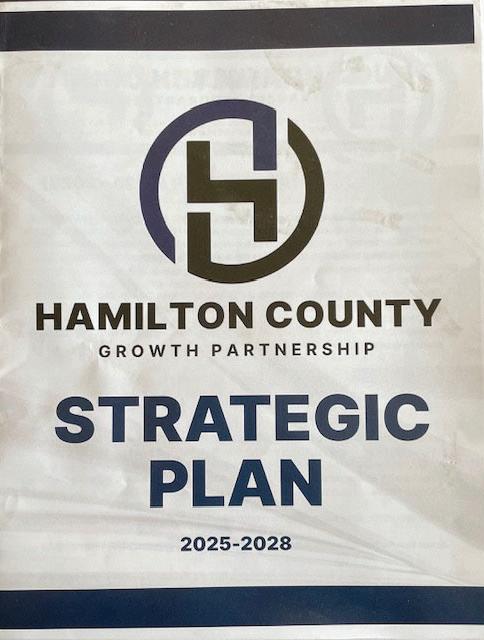
It also released a 2025-2028 strategic plan. It’s a document worth pursuing. The partnership has paper copies, or you may read it online at hamiltoncountygrowthpartnership.com. Here, we present an overview of the plan, and a more detailed look at five toppriority projects the partnership will focus on in 2026.
The plan identifies eight strategic initiatives to guide HCGP’s work for the next four years. These are:
1. Business retention and expansion: HCGP will seek external funding to support investment and expansion of businesses already in Hamilton County. It also hopes to hold an annual recognition event to spotlight the value local businesses bring to life in Hamilton County.
2. Business Development & Attraction: HCGP pledges support to bring new industry to Hamilton County. Its chief asset in this work is the newly-certified
Chamber
Continued from Page 1B
land in Webster City’s industrial park. In fact, the partnership has a marketing plan to help sell sites in the park.
3. Housing: Demand for housing in Hamilton County exceeds supply. Realizing the direct link between economic development and housing, HCGP will support housing projects already underway (ie. the Wilson Estates project at Wall Street & Lynx Avenue, and new homes and apartments in the Lynx development on the southeast side. It also plans to actively recruit property developers and promote workforce housing tax credits in Hamilton County.
4. Community Development:
It doesn’t take much to make Robin Streigel happy, as she finds a missing stapler at the Chamber of Commerce office. She is the Office and Events manager for the Chamber office in Webster City.
offerings and merchandise
With better economics comes a better community. HCGP is placing a major focus on more and better daycare facilities and programming.
5. Workforce Attraction & Development: To support its development plans, HCGP knows more and younger workers must be attracted to our county. It will tap into existing programs and work already underway at the Ames Regional Economic Alliance to meet this goal. It also will partner with Webster City Community Schools and Iowa Central Community College.
6. Administration: To increase its membership in the four-year strategic planning period, HCGP will launch a “robust website,” and “social media content” to attract new members.
7. Government Relations: HCGP wants to be a voice for economic development in Hamilton County with elected officials at both the state and federal levels. It will continue its Legislative Forum to ensure local and state officials are aware of opportunities and problems in the county.
8. Quality of Life: This is a big one, and so, a key focus for the partnership. It pledges to support downtown development in all Hamilton County cities and towns, K-12 education, and more recreation facilities and amenities.
Recently, 2026 HCGP President Ryan Williams told The Daily Freeman Journal the partnership has identified five critical projects it will focus on in 2026. These include:
∫ A thorough renovation of Webster
3. Attract new business: Partner with city and county economic development
4. Business succession planning: Offer resources and expertise to facilitate business transactions.
Give Business a competitive edge
1. Chamber Ambassador program: Identify community champions to support Chamber events and support other businesses.
2. Expand educational opportunities: Offer local businesses educational programming and resources to meet their needs
3. Develop a culture of loyalty: Foster cross promotion, business-to-business relationships and strong, supportive connections.
4. Practice Targeted Marketing efforts: Identify opportunities to support businesses by connecting with their niche clientele or target market.
Be the area resources
1. Create business start-up materials; Identify key organizations and resources entrepreneurs need to contact
2. Improve communication: Create resource materials in partnership with business-related organizations.
3. Serve as a Community Hub: Be the “go-to” resource for community members.
4. Build Volunteer Network: Engage with the community to build manpower to tackle large projects.
The Webster City community has always needed a guiding plan for growth. The commitment of the Chamber of Commerce to further that plan is critical for the future of the town and the county. The projects and events planned by the Chamber are designed to help the businesses and the community at large, with volunteers needed at every step.
It’s not just about the businesses; the role the Chamber plays in Webster City is not one that can easily be duplicated by other non-profits or organizations. It’s the pivot point which all else must point to in keeping the community informed and strong.
City High School at its present site to ensure the school’s facilities compare favorably with those in other parts of Iowa.
∫ Ensure taxes in Hamilton County position it for economic growth. To this end, HCGP is meeting with local taxing authorities, including Hamilton County and cities and towns within the county, school districts, and Hamilton Hospital. This aligns with similar scrutiny by Iowa to ensure taxes aren’t a drag on economic growth in the future.
∫ Closely following progress of Webster City’s new wastewater treatment plant. The City Council of Webster City is engaging Woodruff Construction of Fort Dodge to manage construction of the plant with a “guaranteed maximum price” of $30 million. This is in contrast to a previous plan which proposed a nearly $80 million wastewater treatment plant.
∫ Seeing that renovations at Webster City Day Care are carried out this spring to quickly bring this critical service up to a standard capable of supporting population and employment growth.
∫ Be open to all ideas and proposals to increase recreation facilities and programming in Hamilton County. This is a critical “quality-of-life” measure that can become an important factor in whether new firms locate in Hamilton County. Readers are advised to keep their eyes on the Hamilton County Growth Partnership, its members and activities throughout 2026. They now have a clear picture of priorities, a growing membership, and tools they need to get results.
—Daily Freeman-Journal by Kolleen Taylor
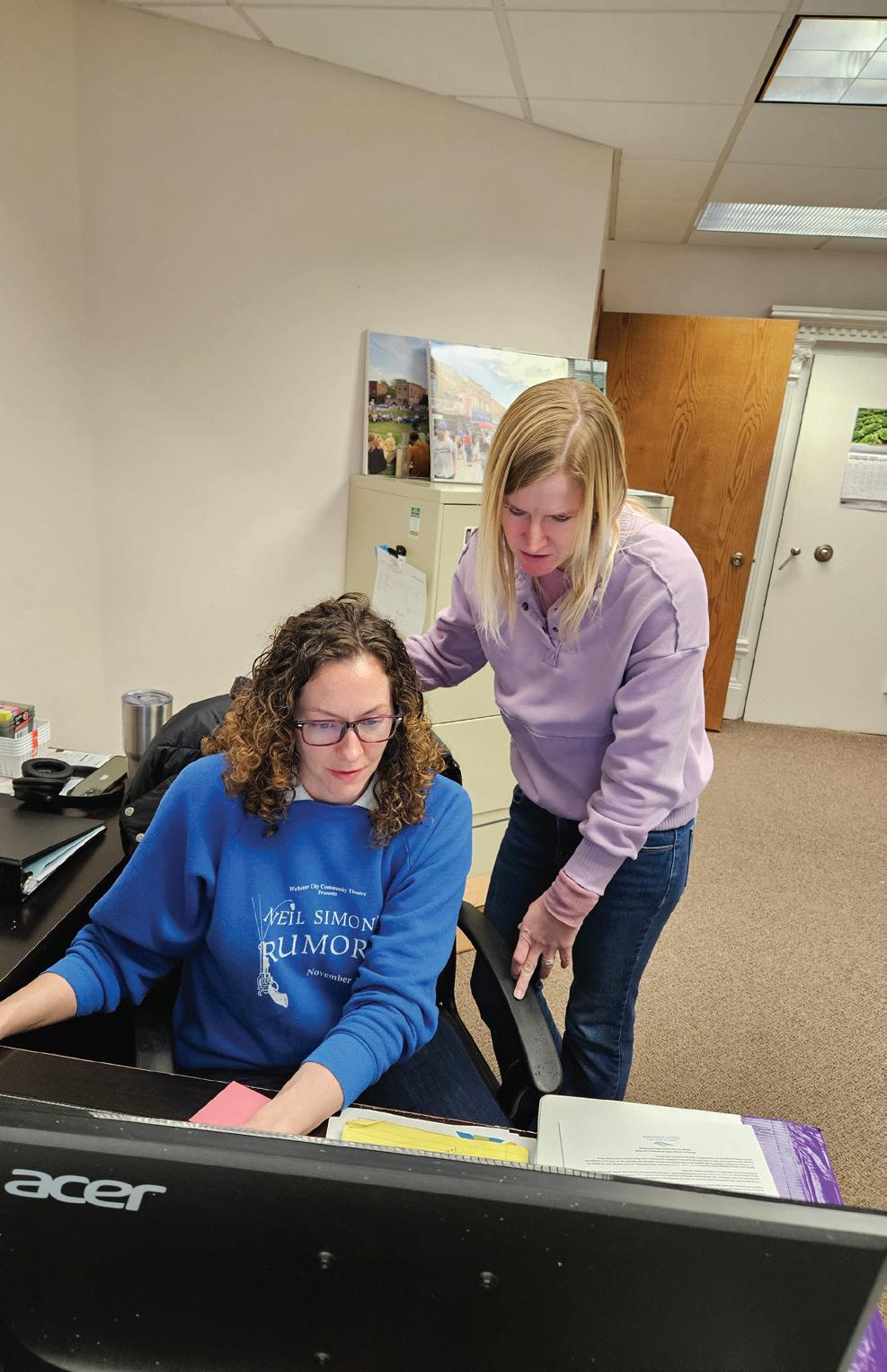
Jamie Griffith, executive director of the Webster City Area Chamber of Commerce, trains Amelia Oliver on some of the computer software that is unique to the chamber office. Oliver is taking on the role as the Office and Events support for the Chamber of Commerce.
—Daily Freeman-Journal by Kolleen Taylor
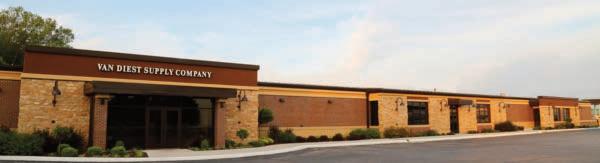
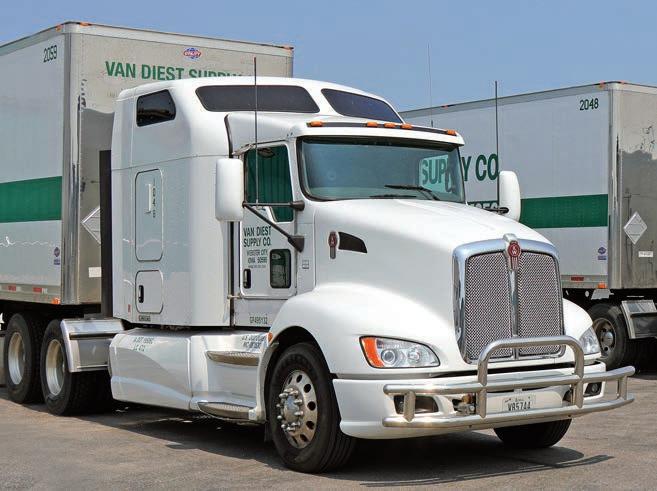
At Van Diest Supply Company, people make the difference. We have a sincere interest in our customers’ business and a genuine desire to help. We strive for long-lasting relationships with our customers, suppliers and Team Members.
At Van Diest Supply Company, people make the difference We have a sincere interest in our customers’ business and a genuine desire to help. We strive for long-lasting relationships with our customers, suppliers and Team Members.
Our tradition revolves around providing products and services that consistently exceed expectations. Serving Agriculture since 1956, a three generation family owned business, we are know for our longevity, stability and continued growth.
Our tradition revolves around providing products and services that consistently exceed expectations. Serving Agriculture since 1956, a three generation family owned business, we are known for our longevity, stability and continued growth.
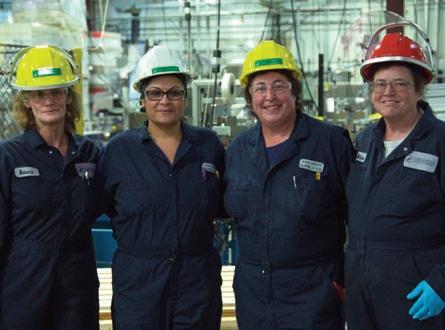
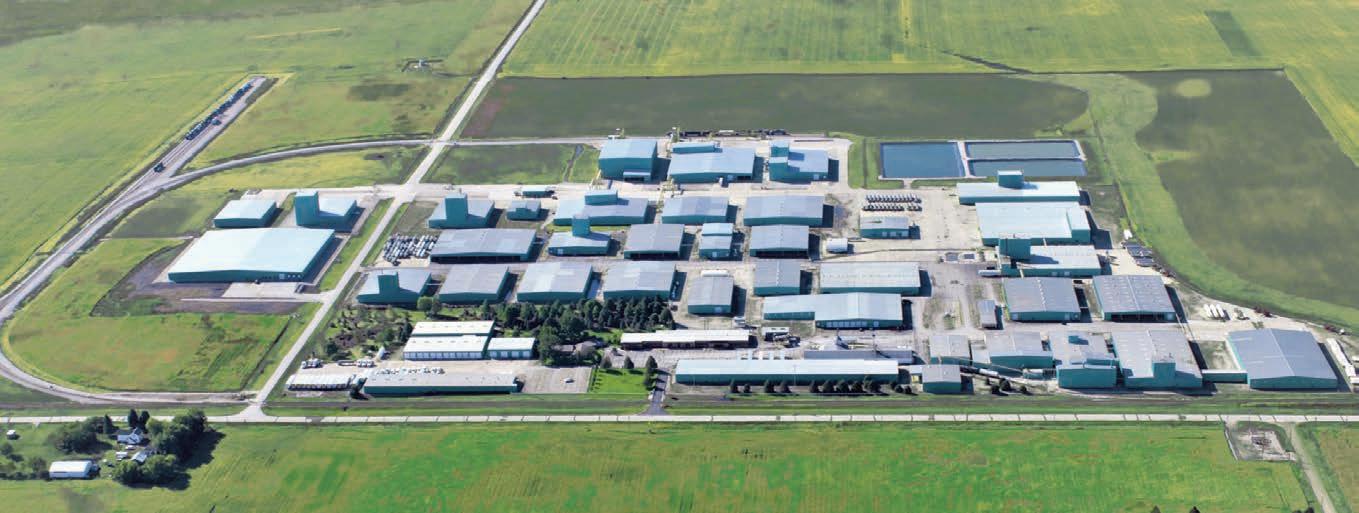
Van Diest Supply Company employs over 600 people, has 55 buildings on approximately 270 acres in Webster City, Iowa, has 20 outlying Distribution Centers and serves over 6,000 customers across the Midwest. Join us a part of our Winning Team by filling out an application today!
Van Diest Supply Company employs over 600 people, has over 55 buildings on approximately 270 acres in Webster City, Iowa, has 20 outlying Distribution Centers and serves over 6,000 customers across the Midwest. Join us as a part of our Winning Team by filling out an application today!