By KRISTIN DANLEY GREINER
AMES — Cattle and horses can share a pasture, wheat and soybeans can grow side by side in the same field, and — according to Iowa State researchers — vegetables can thrive on the same plot as solar panels.
Agrivoltaics is the agricultural use of land that’s also used by solar panels. The first year of a four-year study at the 10-acre Alliant Energy Solar Farm at Iowa State University, south of Ames, showed promise, researchers say.
Matthew O’Neal, one of the project’s leaders and professor of plant pathology, entomology and microbiology at Iowa State University, said Alliant Energy and Iowa State queried researchers to see if anyone wanted to study agrivoltaics thanks to the partnership.
“Given the size and configuration of the solar farm, a group of us decided that fruit, vegetables, beekeeping and pollinator conservation were the best options to explore at the solar farm,” O’Neal said. “There are other things you can do at a solar farm, such as grazing livestock, even growing corn and soybeans, but given the size of the Alliant Energy solar farm, they felt the smaller plants would grow best, along with the bees.”
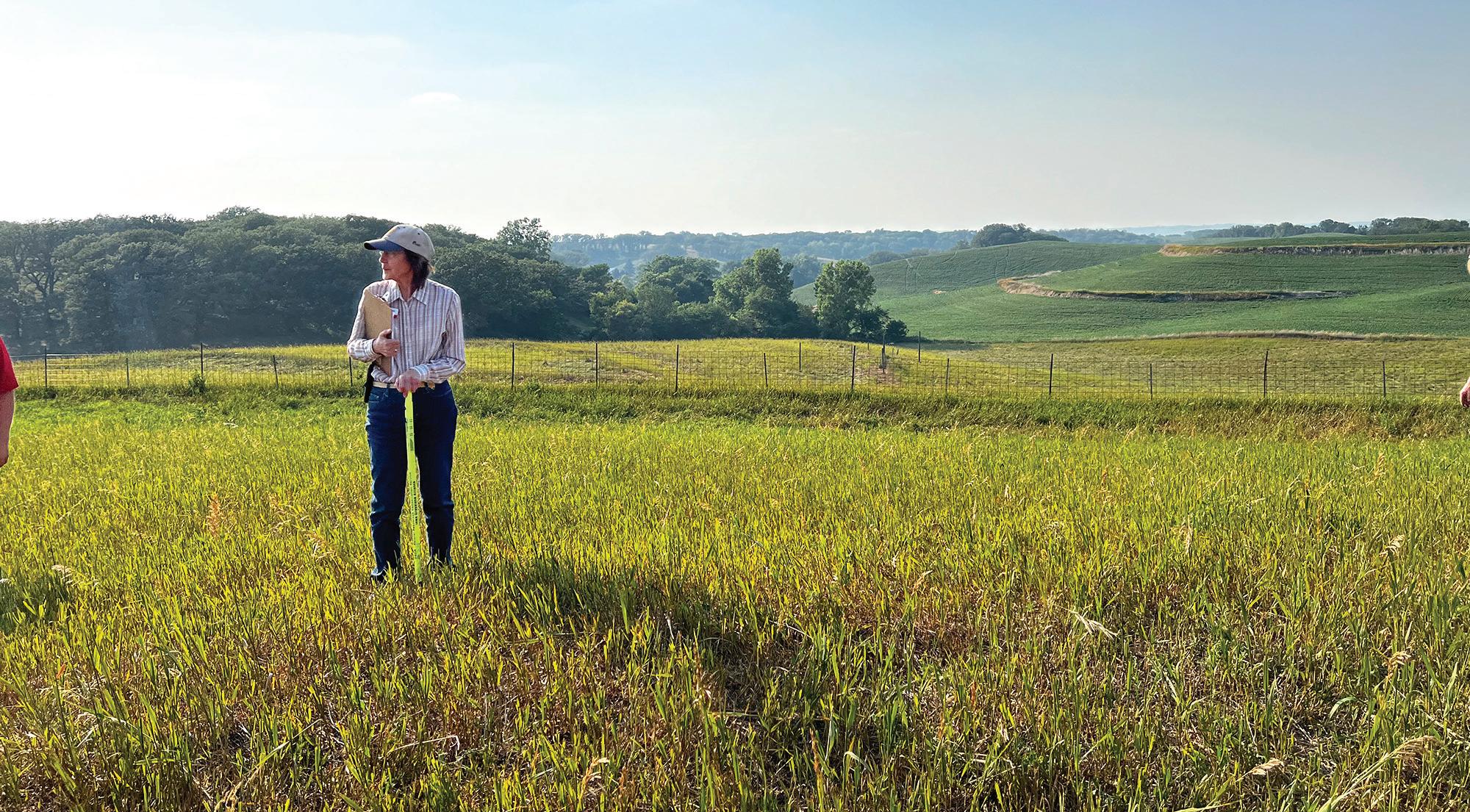
They studied whether the basics of farming — irrigation, fertilization, machinery and weed and pest management — could be carried out around solar arrays and produce could be prolific. Iowa State University Horticulture Professor and Chair
-Photos courtesy of Iowa State University
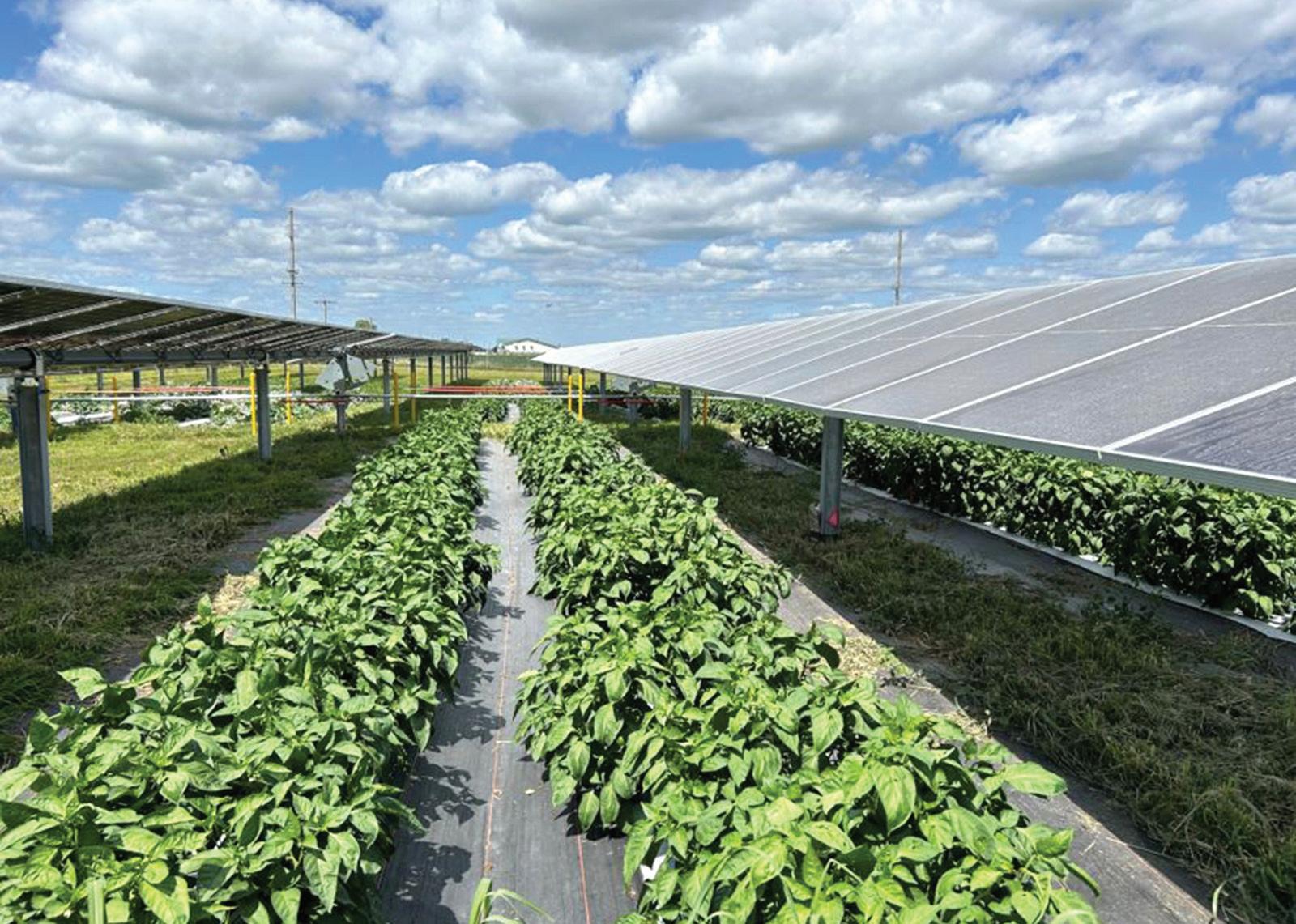
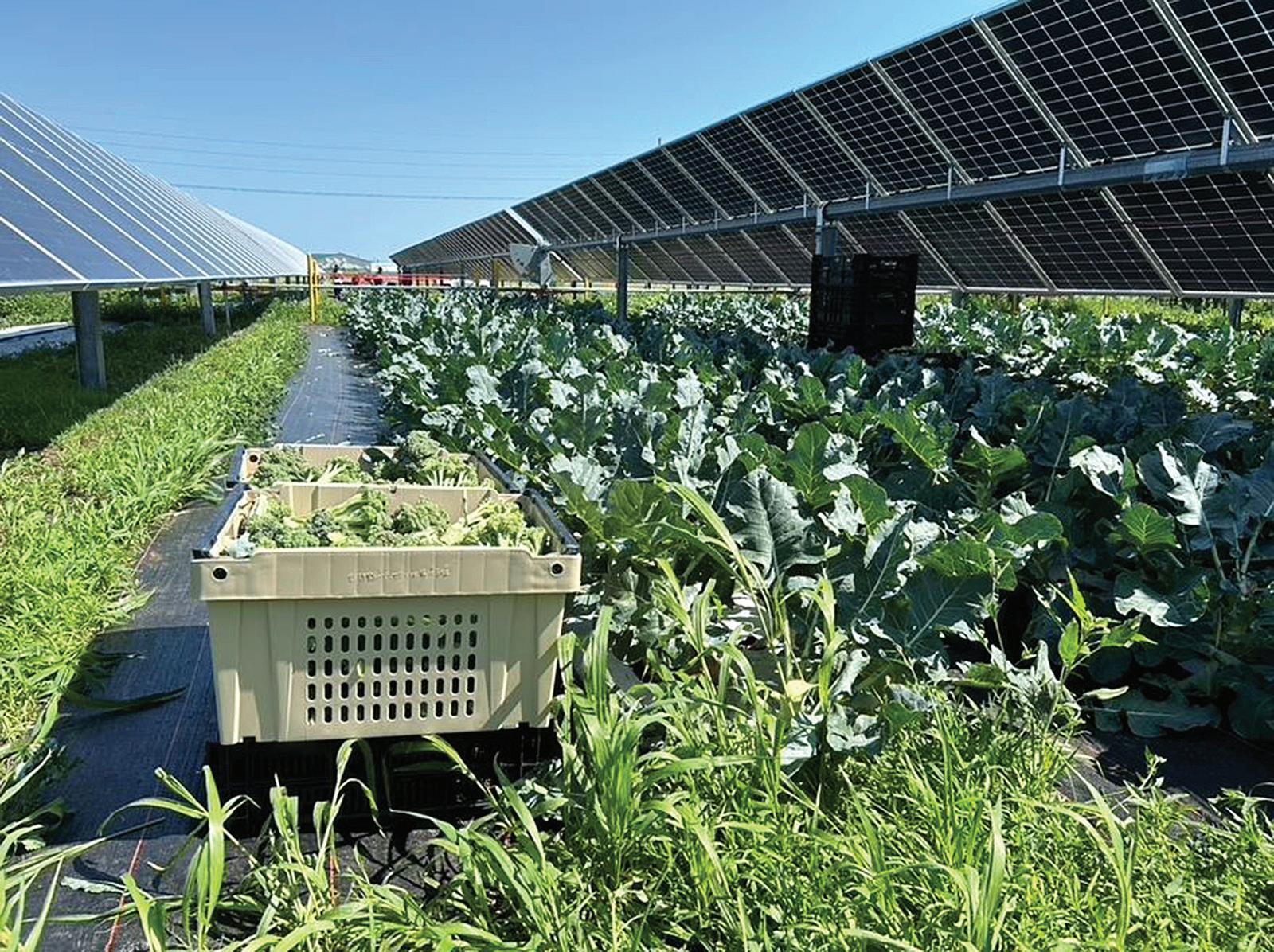
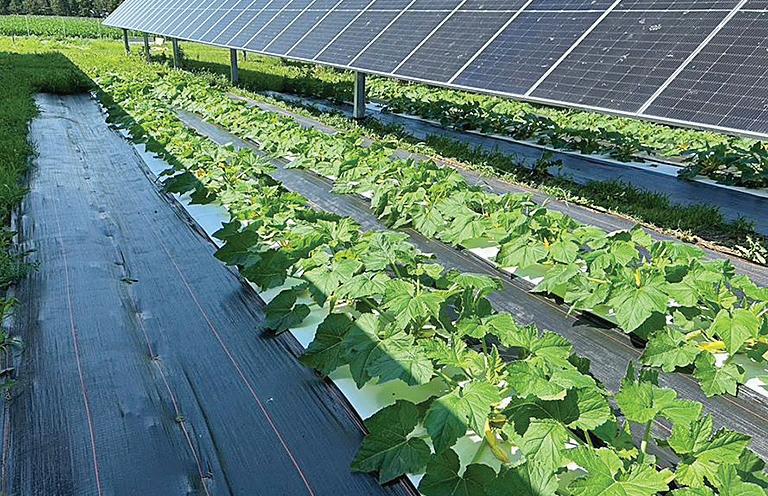
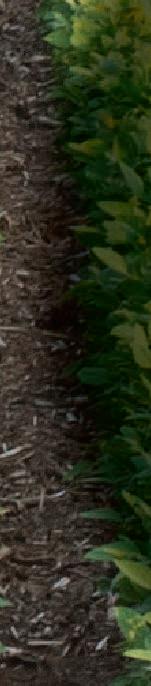
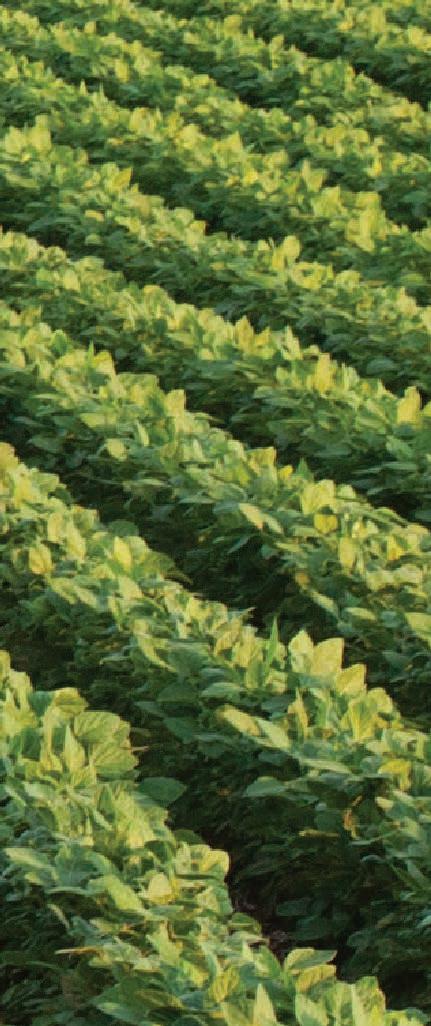
BROCCOLI GROWS amid the solar panels on the Alliant Energy Solar Farm at Iowa State University. TOP PHOTO: Bell peppers grow in abundance on the Alliant Energy Solar Farm at Iowa State University. The first year of a four-year study in agrivoltaics — the agricultural use of land that's also used by solar panels — has been completed on the farm, and researchers say it is showing promise.
Ajay Nair, one of the project leaders, confirmed that it could.
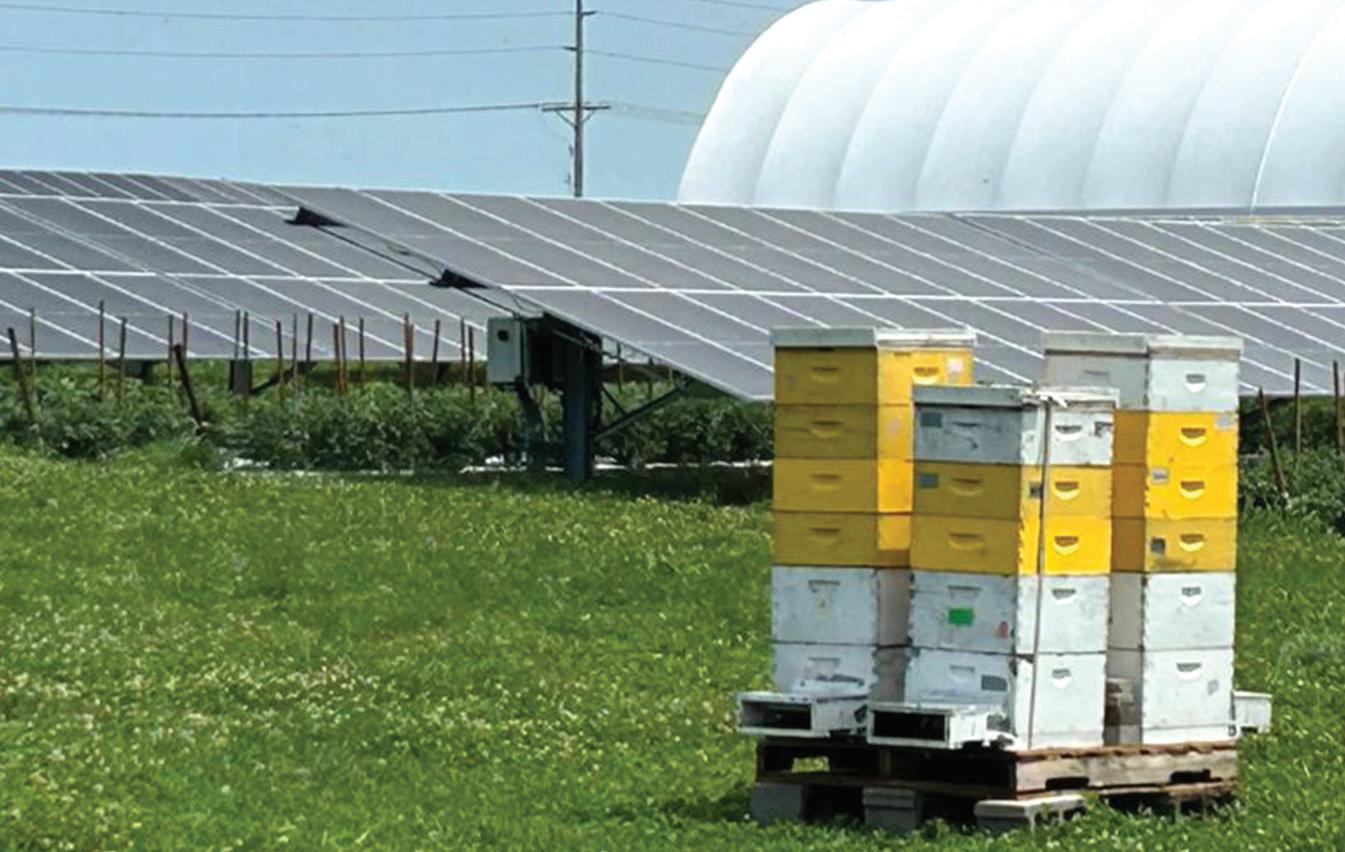
“We used conventional farming practices between the rows of panels. One thing we did do differently for raspberries and grapes is that they were planted directly under the panels and we had to adjust the trellis height so it didn’t interfere with the panels,” O’Neal said. “There also are beehives at the site, and in 2025, they produced an estimated 120 pounds

of honey.
“One thing we’ve for sure found out is we can grow vegetables on a commercial scale on a solar farm. Period. There’s no doubt about it. We have demonstrated the practical aspects of an operation such as this will clearly work,” Nair said.
In the study’s first year, the planted vegetable crops included broc-
See SOLAR, Page 3C

“Given the size and configuration of the solar farm, a group of us decided that fruit, vegetables, beekeeping and pollinator conservation were the best options to explore at the solar farm.”
— Matthew O'Neal Project leader, and professor of plant pathology, entomolgy and microbiology at Iowa
Iowa Pork Producers point to positive signs heading into 2026
By KAREN SCHWALLER
Following significant losses in 2023 and 2024 and a challenging 2025 in the Iowa pork industry, Iowa producers have hope that 2026 might be a little more stable.
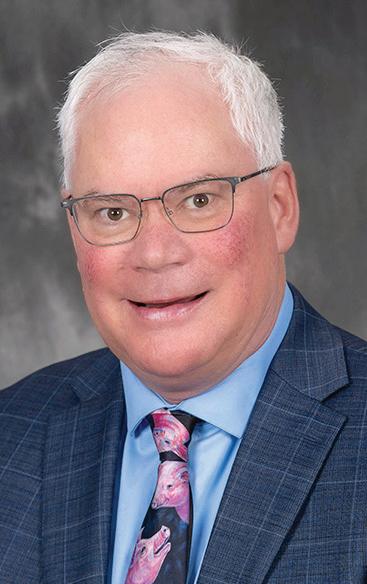
Dean Frazer, a pig farmer from Conrad and president of the Iowa Pork Producers Association (IPPA), said Iowa pork producers faced a mix of familiar and evolving challenges in 2025.
“Animal health, particularly PRRS, continued to pressure productivity and added costs. Regulatory uncertainty, especially around Proposition 12 and WOTUS, made longterm planning harder. On top of that, producers navigated market volatility, labor challenges and significant losses in 2023 and 2024,” he said.
Frazer said many of those same challenges will follow them into 2026, but that Iowa is “well positioned to respond.”
“Continued focus on herd health, biosecurity, and efficiency will be essential as markets remain steady but competitive,” he said. “At the same time, demand-side efforts matter more than ever. Through the National Pork Board’s ‘Taste What Pork Can Do’ campaign, Iowa producers are helping lead a national push to drive consumer demand by highlighting pork’s versatility, nutrition, and value.”
He said 2026 offers some cautiously good news, in that 2025 was an improvement over the previous two years that were so difficult, and that expectations for 2026 are more stable. That push for demand, he said, will help carry the nation’s pork producers into a 2026 that might offer some relief.
“It’s not a boom cycle, but it’s a more sustainable outlook if feed costs, productivity and demand — especially exports — remain supportive,” he said.
Frazer said as the nation’s top pork-producing state, Iowa plays a critical role in ensuring that strong domestic and global demand supports producers as they navigate regulatory pressure (especially around Proposition 12 and WOTUS) and evolving and often volatile markets.
Proposition 12, while a California law, continues to impact Iowa pork producers, Frazer said.
U.S. pork in front of potential buyers.
“It clearly impacts Iowa because we supply pork nationwide,” he said. “It’s led to more market segmentation, added documentation and tougher decisions about facilities and production systems. Producers are understandably frustrated that one state’s rules affect interstate commerce, but they’re also pragmatic, adapting where possible while continuing to advocate for a federal solution that works for everyone.”
Frazer said water quality and manure management requirements continue to be a major focus in Iowa.
“At the federal level, ongoing uncertainty around Clean Water Act and WOTUS definitions affect long-term planning,” he said. “Iowa producers remain committed to protecting soil and water while also asking for clear, workable regulations.”
Frazer added that PRRS remains the most persistent and costly disease challenge for Iowa pork producers. Still, the industry is working toward a sustainable solution to a problem that has come and gone for decades.
“The industry is responding with layered biosecurity, improved transportation protocols, enhanced monitoring and testing, and strong collaboration through research and information-sharing,” said Frazer. “Disease prevention is an everyday priority on Iowa farms.”
Frazer added that producers are also finding and adopting new ways to raise pork more efficiently — something that has also been ongoing, and something that is necessary for them to be able to try to make money on their pork farms and keep them on the global playing field.
“Producers are increasingly using precision livestock technologies — (for example), bet-
ter barn monitoring, improved ventilation and environmental controls, data-driven nutrition, and smarter manure and nutrient management. These tools help improve animal care, reduce costs, and make better use of labor and resources.”
Frazer said giving consumers what they want has become more and more important in the food supply overall, but certainly within the pork industry, too.
“Consumers are asking for transparency, strong animal care, sustainability, and great-tasting, affordable protein,” he said. “Iowa pork producers are answering that call by continually improving how pigs are raised and by telling that story more clearly.”
He said efforts such as the National Pork Board’s “Taste What Pork Can Do” campaign showcase pork’s flavor, versatility, and nutritional value while reinforcing the care and responsibility behind it — also answering questions consumers have about the way their food is raised, which has come more and more to the front burner in the last few years.
“Iowa producers are proud to be at the forefront of that effort, connecting modern pork production with what today’s consumers expect from the food they serve their families,” said Frazer.
He said pork remains a safe and healthy product amid concerns about disease transmission.
“Pork safety is built into every step of the process,” he said. “It starts on the farm with strong biosecurity and herd health practices, continues through rig orous inspection and food safety systems at processing plants and is supported by science-based handling and cooking guide lines. The result is a safe, nu tritious protein that consumers can trust.”
Every five years, USDA conducts a Census of Agriculture, with the most recent results coming from the 2022 census. The following numbers contain some information from that most recent census.
25.0 million — The number of hogs; (based on the USDA 2022 Census of Agriculture and adjusted for the statewide rate of change for Iowa shown in the Dec 1, 2023 NASS Hogs and Pigs Report.)
5,172 – Number of hog farms in Iowa (based on USDA 2022 Census of Agriculture and adjusted for the statewide rate of change for Iowa shown in the Dec. 1, 2023 NASS Hogs and Pigs Report.)
120,231 – Number of full-time and part-time jobs created by the pork industry in Iowa, including jobs in hog production, slaughtering, processing and related activities.
$15.4 billion — dollars’ worth of value-added activity. (Difference between sales from pork production, slaughter, processing and related activities, and the cost of the inputs. Inputs include household income, taxes and other economic activity.)
$40.5 billion — pork production and processing sales. (Represents current annual revenue projections for the pork industry based on 2022 USDA Census of Agriculture. It is adjusted for 2022 by calculating the rate of change determined by the IMPLAN calculator for projected revenues of Iowa’s hog production, slaughter and processing activity, and other related activities.)
$8 billion — household income. The total payroll related to hog production, slaughter, processing and other related activities — including employee wages, salaries and benefits, in addition to payments received by self-employed owners.
2,272,856 acres — corn consumption.
1,514,892 acres — soybean consumption.
These corn and soybean acres are the number of crop acres in Iowa needed to feed the pigs raised in Iowa. Consumption rates are based on average yields from NASS 2023 report on county acreage, production and yields. From weaning to market weight, a pig will consume (on average) 12 bushels of corn and 2.5 bushels of soybeans.

coli, summer squash and bell peppers. While broccoli planted between the panels grew a little smaller than in control plots, summer squash and peppers within the solar panel area produced better, Nair said.
In its second year, research plots were located between fixed angle solar panels after 2024 used tilting panels. Tomatoes were added to the growing schedule, along with more pollinator habitat. One thing researchers did observe is that the ground under and between panels is cooler and wetter than the surrounding landscape, which could be a concern for diseases to pop up in that environment. At the same time, researchers saw there were fewer Japanese beetles on the crops under the panels.
“What we’ve learned so far is the site is fantastic for honeybees. We have seen a 400% increase in honey production by the bees we’ve kept there for the past two years,” O’Neal said. “We deliberately planted perennial flowering plants that honeybees use to make honey and we’ve seen a remarkable increase in the number of flowers, too. We’ve also seen that some of the perennial fruit crops, like raspberries and grapes, survived the winters better under the panels than when out in the open air. They’re producing ample fruit and appear to be thriving.”
Additional years of growing data will be needed to confirm what researchers are seeing, but they think planting produce between panels could offer some relief from summer’s hottest days. Certain plants seemed to grow better under the panels, too, such as summer squash and bell peppers.
“We know that vegetables need full sun. That’s true, but in July and August it can cause stress,” Nair said. “Partial shade may help some plants cope.”
It was too early to tell if the strawberries, raspberries, grapes and honeyberries fared better with some shade, as they typically don’t produce a full crop
in their first year. But the fruit plants under the panels appeared to establish well, Nair noted.
“At both our solar panel farm and other farms, we’re learning that plants that are shade tolerant do really well planted near the panels, such as leafy vegetables,” O’Neal said. “Ajay found that broccoli grows taller and puts out more leaves by the panels, but didn’t produce as much of the stalks. Lettuce and basil also really thrive in the solar setting.”
The project was funded by a $1.8 million grant from the U.S. Department of Energy. The interest in its results has garnered quite a bit of attention. Forty different groups visited the farm in 2024, including students, growers, nonprofits, government officials, utility companies and other researchers interested in the study.
“I have been overwhelmed by the positive responses. Some visitors have been skeptical that it’s a good approach to using the land. But there generally was less skepticism as people walked
through the site and saw what’s possible,” O’Neal said. “What’s really cool about all of this is the opportunity to generate revenue from multiple streams on one piece of land. So the landowner gets a rental fee that is often two to three times what they’d get if it was rented for corn or soybean production. If they chose to farm the land, there’s an opportunity to generate even more revenue.”
Alliant Energy built, owns and operates the solar farm involved in the study, which has 3,300 panels capable of generating nearly 1.4 megawatts of electricity — enough to power about 200 homes at maximum capacity. The panels are mounted two different ways, with the fixed tilt panels facing south at a 45-degree angle and then single access tracking panels that are in rows and go north and south, rotating throughout the day following the sun.
“The solar farm at Iowa State University was our company’s first solar project to incorporate agrivoltaics, and we’re thrilled the first-year research results are
promising,” said Nick Peterson, strategic partnerships manager for Alliant Energy. “This solar farm advances the concept that land can be used for energy production and agriculture, while also delivering the energy solutions our Alliant Energy customers and communities can count on in a unique way.”
O’Neal said anyone skeptical of taking land out of production can see that solar panels don’t prevent anyone from farming the land.
“Some may still be skeptical because this isn’t a form of agriculture that is common in our landscape. That’s why we’re now interested in how we can combine livestock grazing at solar farms. But that takes up more space than fruits and vegetables, although horticulture production is a big part of Iowa agriculture in terms of cash receipts and not acres,” he said. “Our results are suggesting you can combine the two. We have livestock producers wanting to know if they can couple their grazing ground with solar farming.”
“Some may still be skeptical because
— Matthew O'Neal Project leader, and professor of plant pathology, entomolgy and microbiology at Iowa









By LORI BERGLUND
There is something about a spring day, one where the ditches still hold some snow, but the first new calves of the season are finding their feet on the ground that is finally warming.
Beth Doran has seen her share of new calves and has spent decades working to keep the Iowa beef industry on solid ground.
In a lifetime of working in the cattle industry and on behalf of Iowa State University Extension, Doran has never grown tired of promoting the producers who put beef on the table for the state and the nation. She knows very well that raising cattle can sometimes be a struggle, but she holds firm to the belief that it’s all worthwhile.
“There’s a sense of accomplishment and a sense of adventure,” Doran said. “No matter how long you’ve been in the livestock business, and with whatever species you work, you always learn something new and no two days are ever alike.”
Recently retired from Iowa State University Extension, Doran was honored this winter by the Iowa Cattlemen’s Association (ICA) when she was inducted into the ICA Hall of Fame. It was an unexpected honor for a woman who has devoted her career to the beef industry.
“It was totally unexpected,” Doran said of her induction into the Hall of Fame. “It was almost overwhelming because there are so many people out there so deserving. It was quite an honor for me.”
A 1971 graduate of Ogden High School, Doran grew up helping with just about every job on the family farm near the tiny Boone County town of Beaver. At Iowa State University, she chose what was then a
very traditional major for young women, earning a bachelor of science degree in home economics education in 1975, back when it was still called home ec.
Her first stint with Extension began soon after, serving in a 4-H and youth position in Bremer and Chickasaw counties from 1977 through 1981.
The degree in home economics education would be only the first step in a career path that would be anything but traditional.
“I have two B.S. degrees from Iowa State,” she explained. “I went back and finished a bachelor’s degree in animal science in 1981.”
By that time, more women were starting to enter the field, but she was still a trail blazer. She would also become a life-long learner. Her next step would keep her in what was then the Big 8 Conference, earning both a master’s degree and then a doctorate in animal science and animal nutrition from Oklahoma State — but she certainly remained a Cyclone at heart.
Doran expanded her horizons further, becoming part of the Big 10 when she joined Michigan State University Extension as a livestock specialist. Nearly five years later, she returned home to Iowa and ISU Extension. Since 1993, Doran has served as Extension’s beef specialist in the state’s busiest livestock area, including 17 counties in northwest Iowa.
“I was based out of Sioux County, the largest county in Iowa for cattle being fed on feedlots,” she explained. “The numbers have gone down, but at one time Sioux County fed about 500,000 head of livestock annually.”
That’s a lot of beef, a great investment for producers, both financially and in terms of time
“There’s a sense of accomplishment and a sense of adventure. No matter how long you’ve been in the livestock business, and with whatever species you work, you always learn something new.”
Beth Doran, retired ISU Extension beef specialist
to feed out a beef animal and get that fresh steak, juicy roast, or hamburger on the table for Americans.
“I think producers are passionate about their work,” she said. “You have to be, or you wouldn’t want to be out there on some of the winter days that we have, and face all of the challenges, or go out on summer days and work. Our farmers and producers have had some big, weather-related challenges over the last four years.”
For Doran, whether she was working with kids in the 4-H and youth programs, or serving producers as beef specialist, education was the common theme of her career.
“I guess the biggest focus was the age of the producer,” she said. “Whether you’re teaching kids or adults, the basic principles don’t change. It’s just how you deliver it.”
While animal health and nutrition were a few of her advanced specialties, she also kept her interest in home economics alive as part of her career focus.
“Maybe because I had a home ec background, one of the things I got into, especially with people who didn’t have a farm


background, was spending a little time talking about how beef animals are raised,” she said.
“I wanted to help them understand what we do.” Helping the public as consumers know about the beef they were purchasing has also been an important goal.
“I would spend a lot of time on the consumer end, helping people know how to pick out a good piece of beef, and the right cut of beef for what they wanted to do,” she explained.
Beef, she would explain, can be a part of almost any health-conscious diet, simply by tailoring the right cut with the health needs of individual consumers.
“Beef is very nutritious,” she said. “If people are on a fat-conscious diet there are different cuts that are leaner.”
Grass-fed beef is often leaner, while corn-fed beef offers a tender, robust flavor. As for Doran, she knows what she likes.
“I like to go with a product that’s fresh, with a bright red color, and then I look for marbling, little flecks of fat in the lean meat,” she added.
Over the years, Doran has also offered programs where she
will cook up the different USDA grades of meat so that consumers can know what those grades mean, both in taste and quality.
“I would cook the different quality grades, select versus choice; different kinds of hamburger, blends of fat versus lean, and help people see the difference and how that affects what you want to do with it.”
Working with consumers has been rewarding, but Doran has clearly enjoyed her time with producers and empathizes with the different challenges they face in the beef cycle.
“The big problem with the whole industry right now is that we have the smallest cow herd since back in the 1950s, so consequently we don’t have as many calves, and that means we don’t have as many animals in the feed yard,” she noted.
Beef animals are a long-term investment for producers, and that affects the number of cattle on feed.
It’s the age-old issue of supply and demand, which can lead to higher prices up and down the food chain, she noted.
“It makes for high-priced calves in the feed-yard,” Doran said.
The challenges may be great, but they are not really new. Doran remains an optimist, just like every producer when the first calf hits the ground in springtime.
-Photo courtesy of Iowa State Extension
TAKING A WALK in the pasture (above) is just one benefit of a long career in the beef industry for Beth Doran. The retired Extension beef specialist was recently inducted into the Iowa Cattlemen’s Association Hall of Fame.







































By KAREN SCHWALLER
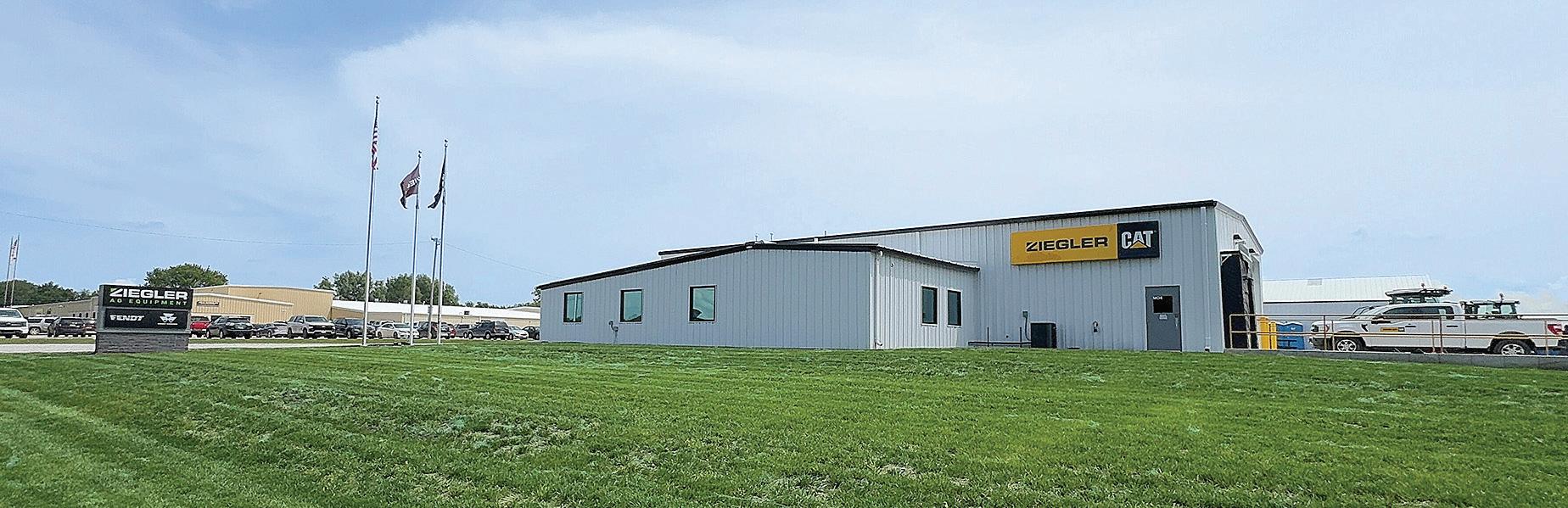
EMMETSBURG — Ziegler
Ag Equipment expanded its operations in 2025 by opening a new facility in Emmetsburg in Palo Alto County.
The store is the company’s seventh new location in five years, spread across Iowa and Minnesota. Company officials state that it reflects Ziegler’s unwavering commitment to bringing “world-class equipment, parts and service closer to its customers across the upper Midwest.”
“Our investment in Emmetsburg is part of a broader strategy to support our customers where they live and work,” said Matt Solem, vice president of Ziegler Ag Equipment.
Solem said they previously supported the area through their parts drop network and field service, but after receiving customer feedback, assessing the expanding field population, and identifying ways to enhance service for both current and future customers, they determined that establishing a location in Emmetsburg was the right next step.
The Emmetsburg location primarily operates as a parts and sales center, but Solem said the company is equipped to facilitate all Ziegler offerings from there, including agricultural and construction equipment sales, technology solutions, machinery rentals, hose rebuilds, standby power requirements, and solar energy sales, among others.
“Currently, all services are performed by our experienced field service technicians who have been supporting the area for an extended period,” said Solem. “We prioritized establishing a fully operational parts department.”
Solem added that a key advantage of their current facility is its flexibility, which will enable them to expand further in the future if necessary.
Company officials said the economic impact of their new location on the community and Palo Alto County goes beyond job creation and tax contributions.
“We hope our offerings provide customers greater options and convenience than may have previously been available,” he said. “We remain confident in the future of Emmetsburg. We see the commitment that the local community has to making sure they are training the current and future workforces and we are excited to be part of that

moving forward.”
Ziegler Ag Equipment currently operates 10 physical locations in Iowa, including Sheldon, Emmetsburg, Mason City, New Hampton, Postville, Sioux City, Fort Dodge, Grundy Center, Atlantic, and Altoona. The company will break ground for an 11th location this spring in Carroll.
“We also support our customers with 67 parts drop locations, and more than 30 resident field service technicians serving those not located in the same city as one of our existing locations,” Solem said of why the company is realizing success and fast-growing opportunities.
Solem said Ziegler Ag Equipment has invested considerable time and money into meeting ag producers and construction companies where they live and work, to help them get their work done.
“Including these new sites, along with expansions and renovations to existing facilities, Ziegler Inc. has invested more than $50 million to better serve our customers,” said Solem. “We view these as long-term investments aimed at providing stability and greater choice within the communities we support. Our goal is to be closer to our customers — where they live and conduct their business.”
Aside from the expansion
projects in the last five years, Ziegler Ag Equipment has also updated and expanded capabilities in three locations and has added additional field sales and service staff.
Company officials said the driving force behind their rapid growth is the desire to maximize customer uptime for their customers in the communities they serve.
“We recognize significant opportunities to deliver value and expanded choices to our growing customer base in Iowa, Minnesota, and Northwest Missouri. We’re also confident that our partnership with AGCO and its FENDT and Massey Ferguson brands enables us to provide best-in-class equipment to support the productivity and profitability of both grower and retail customers.”
Solem continued that Ziegler Ag Equipment’s commitment to a “servant leadership culture” means they continually invest in meeting their customers’ needs, ensuring they serve them wherever they are located.
Ziegler past and present
Ziegler has operated since 1914, and Solem said they are always on the lookout for new ways to better serve their customers.
“Our parts availability is
-Submitted photos courtesy of Ziegler Ag Equipment
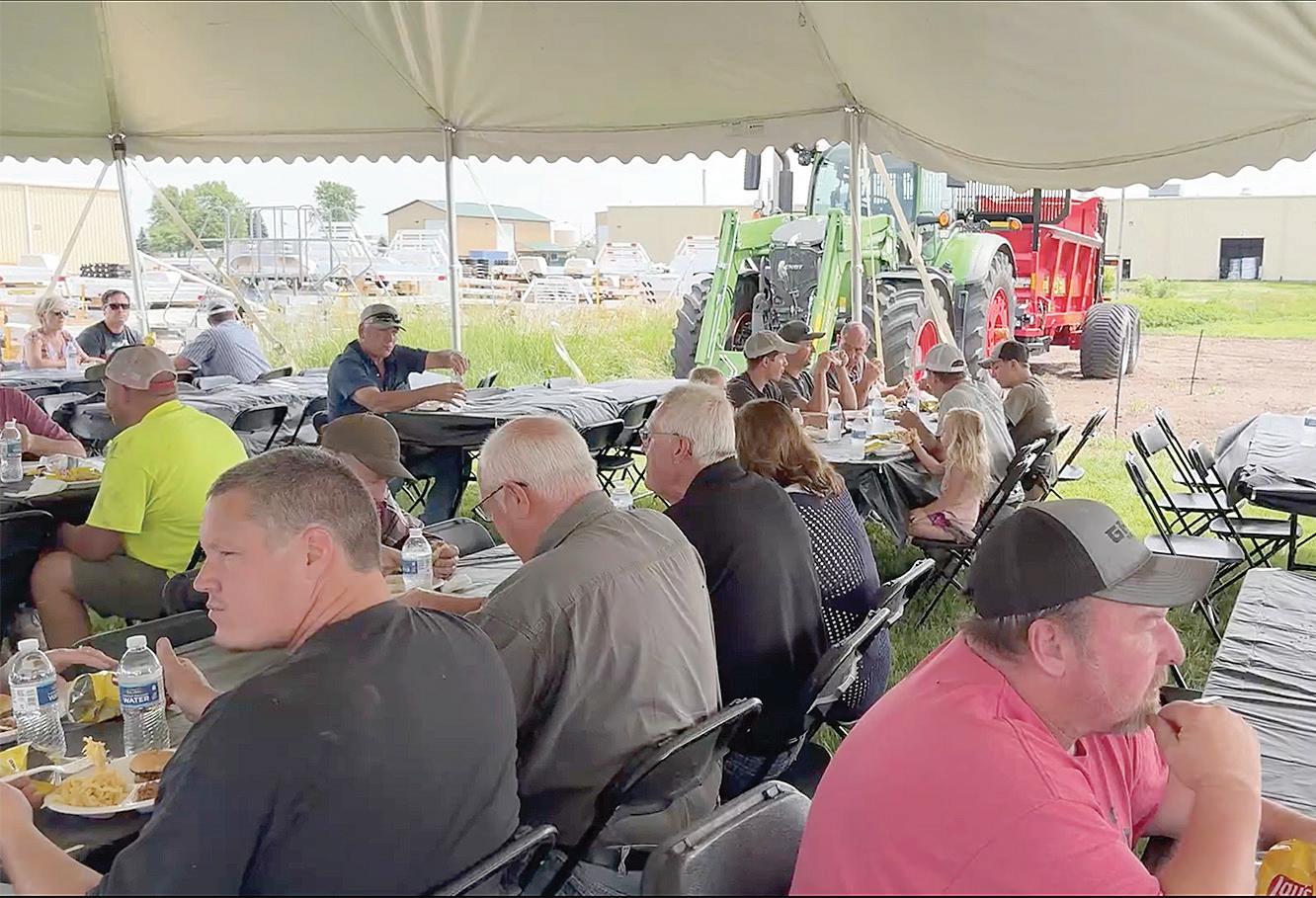
VISITORS TURN OUT for Ziegler Ag Equipment's open house last summer in Emmetsburg. The Emmetsburg facility is the company's seventh new location in five years, spread across Iowa and Minnesota.
among the best in the industry, but we consistently work to reduce lead times for both our parts and service,” he said.
“While some dealers may offer shuttle services, ours stands out. We run daily routes from our OEM partners, cross-docking each evening to connect our locations overnight, ensuring 24-hour parts delivery to nearly all customers.”
That service has enabled Ziegler to reach customers they may not ordinarily be able to reach, in areas without physical locations. Its part of the company’s “FarmerCore” Strategy.
AGCO’s FarmerCore strategy, company officials say, serves as their core distribution approach, built around three main pillars: on-farm support, smart network coverage and digital engagement.
“This aligns seamlessly with Ziegler’s own philosophy, which has always focused on meeting customers wherever they need us. Since our company’s inception, we’ve prioritized providing on-site service — offering mobile support services before anyone else in the market. To ensure critical uptime during key seasonal periods, we deliver parts efficiently through nightly shuttles, convenient drop boxes, and multiple locations. For technical challenges, we offer 24/7 call-in assistance. We
also support customers who prefer digital interactions and transactions through our continually advancing e-commerce platforms and chat features,” said Solem.
He added that Ziegler’s 24/7 emergency support and internal parts delivery network is able to deliver 98.6 percent of orders within 24 hours.
Ziegler serves regions in Iowa, Minnesota and northwest Missouri, areas where company officials say host competitive businesses. They said that motivates them to work toward innovating and enhancing customer service — such as that 24/7 emergency support system to help keep ag and construction companies up and running.
“Our commitment to investing in locations, advanced solutions, and maintaining strong relationships with our customers has contributed to our consistent recognition as a top performer for AGCO,” said Solem. “The Ziegler team is proud to support the communities we serve each day. We are excited to grow alongside our customers, providing them with greater options and opportunities for success.”
Ruchir Patel, vice president of global distribution management (AGCO), said they are excited to see their largest dealer in North America continue to grow and invest in the future.
“Ziegler’s commitment to innovation and customer service aligns perfectly with our FarmerCore strategy and vision for the future of agriculture,” he said.
William Hoeft, president of Ziegler Companies said of the new Emmetsburg location, “This isn’t just about opening a new location — it’s about investing in the future of agriculture. We believe in the people who feed and fuel the world, and we’re committed to supporting them every step of the way.”
Ziegler, a family-owned company, represents several brands, including Fendt, Massey Ferguson, Gleaner and Caterpillar. It boasts more than 2,300 employees in 31 locations across Iowa, Minnesota and Northwest Missouri, making it one of the largest AGCO and Cat dealers in North America.
“With more than 110 years in the business, Ziegler has a proven track record, industry knowledge, infrastructure and service mentality to help customers grow and succeed,” said Solem.



















By ELIZABETH ADAMS
It is well known that Iowa is the largest producer of ethanol in the country.
Iowa boasts 42 ethanol refineries, and the industry supports 32,877 jobs in the state. Iowa is also home to 10 biodiesel plants and has the capacity to produce 416 million gallons annually. Ethanol and biodiesel are reported to burn cleaner, reduce greenhouse gases and save the consumer fuel costs.
Monte Shaw, who is the Iowa Renewable Fuels Association (IRFA) director, recently attended The Iowa Renewable Fuels Summit on Feb. 5 in Des Moines. At the summit, they discussed some of the impacts of 2025.
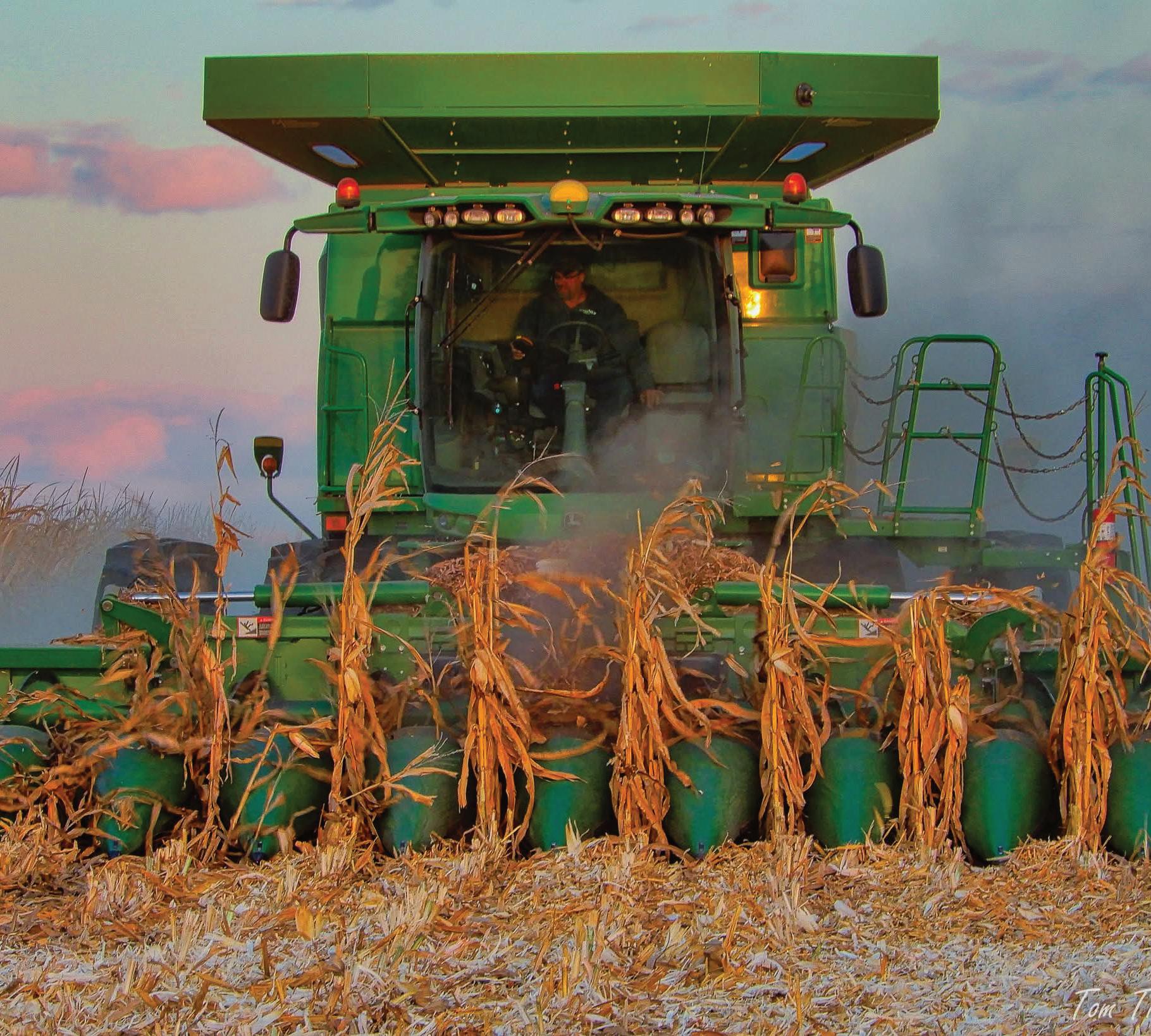
Last year went down in the record books as having been one of the best corn harvests in Iowa’s history. A surplus of grain can make a lot of ethanol, but according to Shaw, good harvests don’t always mean good prices for corn producers.
“Corn production is going up, and the solution is to use more corn. It will help consumers and producers,” Shaw said.
According to the IRFA report, Iowa produced 4.6 billion gallons of ethanol and 353 million gallons of biodiesel in 2024. Shaw explained that ethanol production in Iowa held steady at 4.6 billion gallons during 2025.
Production of biodiesel was down 31% in 2025. That puts biodiesel at a 10-year low, which Shaw states, was due largely to lack of guidance on a tax credit.
“The outlook for 2026 will look better for biodiesel if we do get guidance on the tax credit,” said Shaw.
Many ethanol refineries in Iowa are locally owned, but the ethanol made in Iowa could be marketed within the state, throughout the Midwest, coast to coast or exported throughout the world to places like Canada, South America, Europe and Japan.
The outlook for 2026
It is the aim of the Iowa Renewable Fuels Association to continue its efforts to foster partnerships and find markets. Growth will depend on the opening of new markets and restoring policy at state and federal levels.
Shaw explained that the industry will need help from Congress.
Policy announcements, such as 45Z Clean Fuel Production Tax Credit and robust Renewable Fuel Standard (RFS) volumes show promise.
Shaw highlighted four areas of opportunity for potential growth in 2026. The first is unlocking new demand for E15. The IRFA Industry would like to see E15 replace E10 fuel at the pump.
“E15 is vital to the future of ethanol, farmers and rural Americans,” said Shaw.
Sustainable aviation fuel (SAF), lower-carbon marine fuel and carbon capture use and storage (CCUS) show potential for demand as well.
According to Shaw, “If renewable fuels can provide just a portion of their low carbon needs, those markets could drive demand for 20 to 30 years, even when accounting for the increased productivity of American Farmers.”
Shaw is hopeful that Iowa can grow into these markets and provide a sustainable way for producers to market their grain well into the future.


































































Sunderman Farm Management Company was founded in 1961 by Roger Sunderman, who built the business on experience in farm management and land sales. In 1969, Brian Larson joined the company, bringing with him expertise in tile drainage system design. Their partnership set the foundation for the company Sunderman Farm Management is today. For 65 years, Sunderman has been serving Midwest landowners — specializing in comprehensive farm management, land sales, certified appraisals, and agricultural consulting. Our foundation is built on honest communication, long-term relationships, and a client-first approach. With over 100 years of combined experience, our team ensures that your farmland is not only protected but also positioned for long-term value and profitability.












By KAREN SCHWALLER
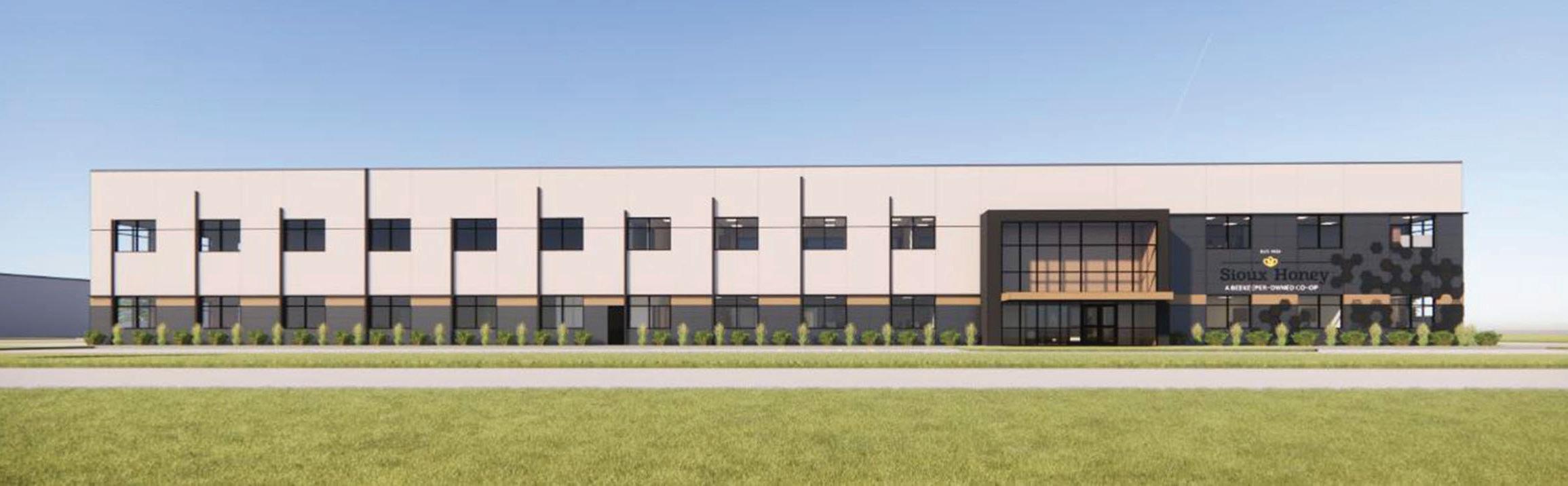
SIOUX CITY — February of 2026 brought the news of significant expansion plans for Sioux Honey Association in Sioux City, following a multiple-state location evaluation search that took almost one year.
The multimillion-dollar facility will be located at 2501 Expedition Court (near the airport), currently home to an existing warehouse with office space and land for future expansion — something the association doesn’t have in their current location.
“We’re excited about this expansion,” said Aimee Sandman, director of growth and community impact for Sioux Honey Association. “We expect (the total expansion) to take most of five years.”
Sandman said the association decided in April 2025 to shut down their Anaheim, California, processing facility and move those processing operations to their Sioux City plant. That Anaheim facility is now being used as a warehouse.
“We looked at multiple states for this expansion because our co-op members are from across the whole United States,” said Sandman. “We came across an opportunity to stay in Sioux City where we’ve been from for over 100 years, and we’re really proud of that. The city and state have been amazing to work with.”
Three phases Sioux Honey Association’s expansion project will happen in three phases over the
-Photo courtesy of Sioux Honey Association
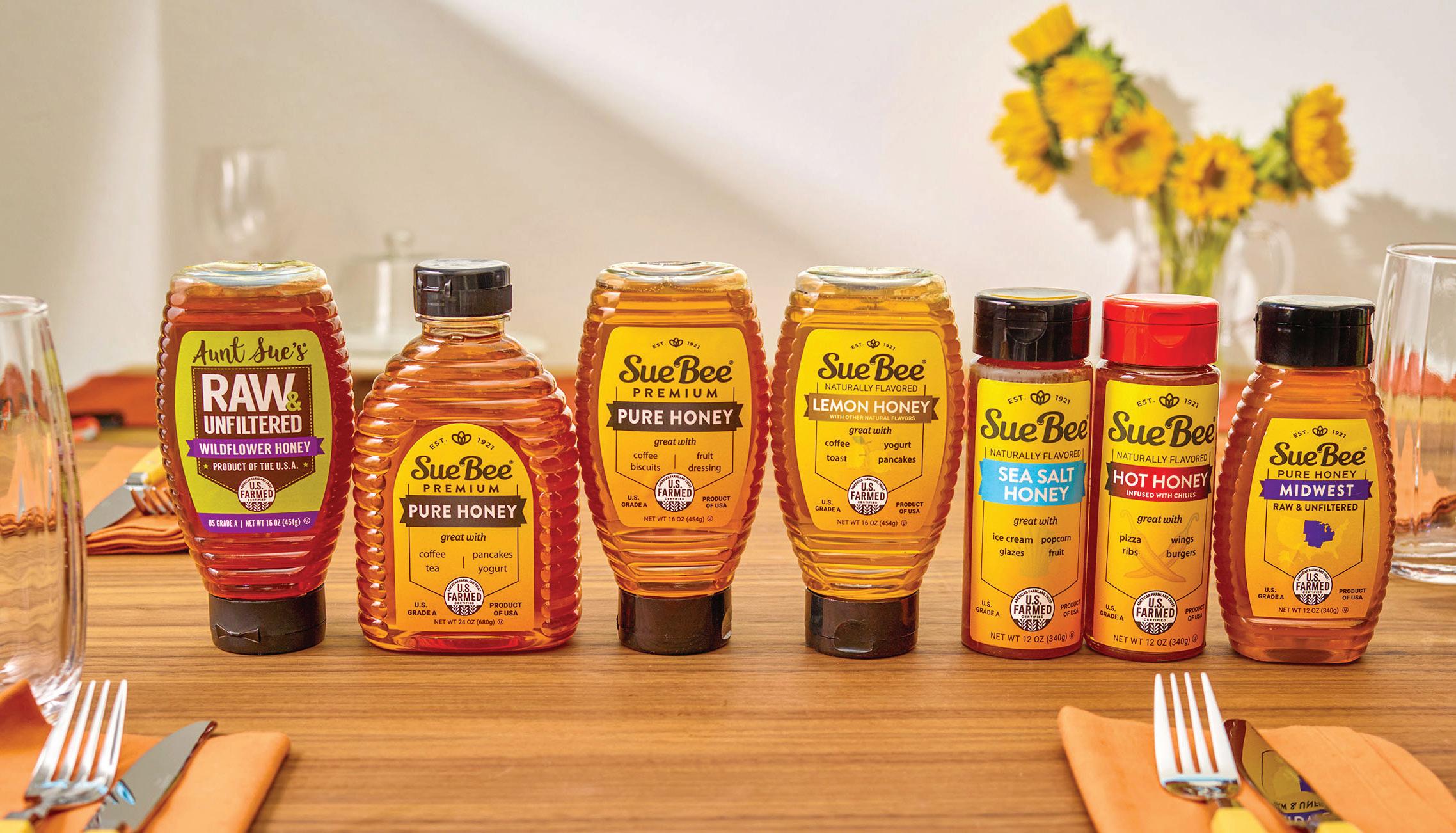
SIOUX HONEY BRANDS contain exclusively all U.S.A. honey from only the company's own beekeepers. Other private labels for whom they pack may have honey shipped in from other countries. Sioux Honey Association ships their honey brands to all 50 states, including Sue Bee Bear and Clover Filtered Honey.
course of several years.
Phase one (scheduled to begin January of 2027) will be the recreation of the association’s corporate headquarters, including a finished goods warehouse, new racking and office space renovations to align with their mission vision and values. That new site will boast 200,000 square feet of finished goods warehouse space and 26,000 square feet of modern corporate office space. The association will also be able to expand the corporate office space as needed over time.
Sandman said most corporate employees will relocate to Sioux City and six new jobs will be added. She estimated their new warehouse and corporate office will be completed by fall of 2027, so she said they will
move over there sometime next year.
“This location has land adjacent to it that we plan on purchasing to create a processing facility, so we can have our whole campus there in one area eventually,” said Sandman, adding that the association in its current location is land-locked, disqualifying it as a place to expand.
Phase two will include a new processing plant and laboratory, which will be a new building adjacent to the corporate office and warehouse. She said they’re taking their time with the blueprints for that phase, saying they want to do it right in terms of employee safety, semi traffic flow and other details.
“We’re excited about this because we can add state-ofthe-art equipment and have
more space for our product lines,” said Sandman. “Our product lines became drastically more complicated with local honey and (all of the) flavors, spun honey, honey packets and smaller portions, so the new plant will help us be able to have space for all of that and alleviate co-packing (sending honey out to have it packaged in small packets and/or small cups for use in motels, etc.) and help us be more efficient.”
Sandman said the processing lines will move faster, and will give them the space they need to rack/store their honeys that need to be separated for distribution to different parts of the country.
“The more complex our catalog is getting, the longer
See HONEY, Page 4D

“We came across an opportunity to stay in Sioux City where we’ve been from for over 100 years, and we’re really proud of that. The city and state have been amazing to work with.”
— Aimee Sandman Director of growth and community impact, Sioux Honey Association

By KRISTIN DANLEY GREINER
The 16th president of Iowa State University retired Jan. 2 after dedicating 46 years to the land grant institution.
Dr. Wendy Wintersteen first joined Iowa State University in 1979 as an Extension associate in integrated pest management. In 1988, she earned her doctorate in entomology and joined the ISU faculty, working her way through the academic side and into administrative leadership roles.
Wintersteen’s positions included coordinator of pesticide management and applicator training programs, director of Extension to agriculture and natural resources, senior associate dean of the College of Agriculture and Life Sciences, and associate director of the Agricultural Experiment Station.
From 1989 to 1990, Wintersteen paused her tenure at Iowa State to serve as acting National Pesticide Education Program leader for the U.S. Department of Agriculture’s Extension Service in Washington, D.C.
In 2006, she was chosen to lead the College of Agriculture and Life Sciences and the Iowa State Agricultural Experiment Station. During her 11 years as dean, she helped raise more than $247 million in donor support for students, faculty and staff. Undergraduate enrollment in the college grew by 90 percent, and the college’s placement rate for recent graduates consistently remained at 97
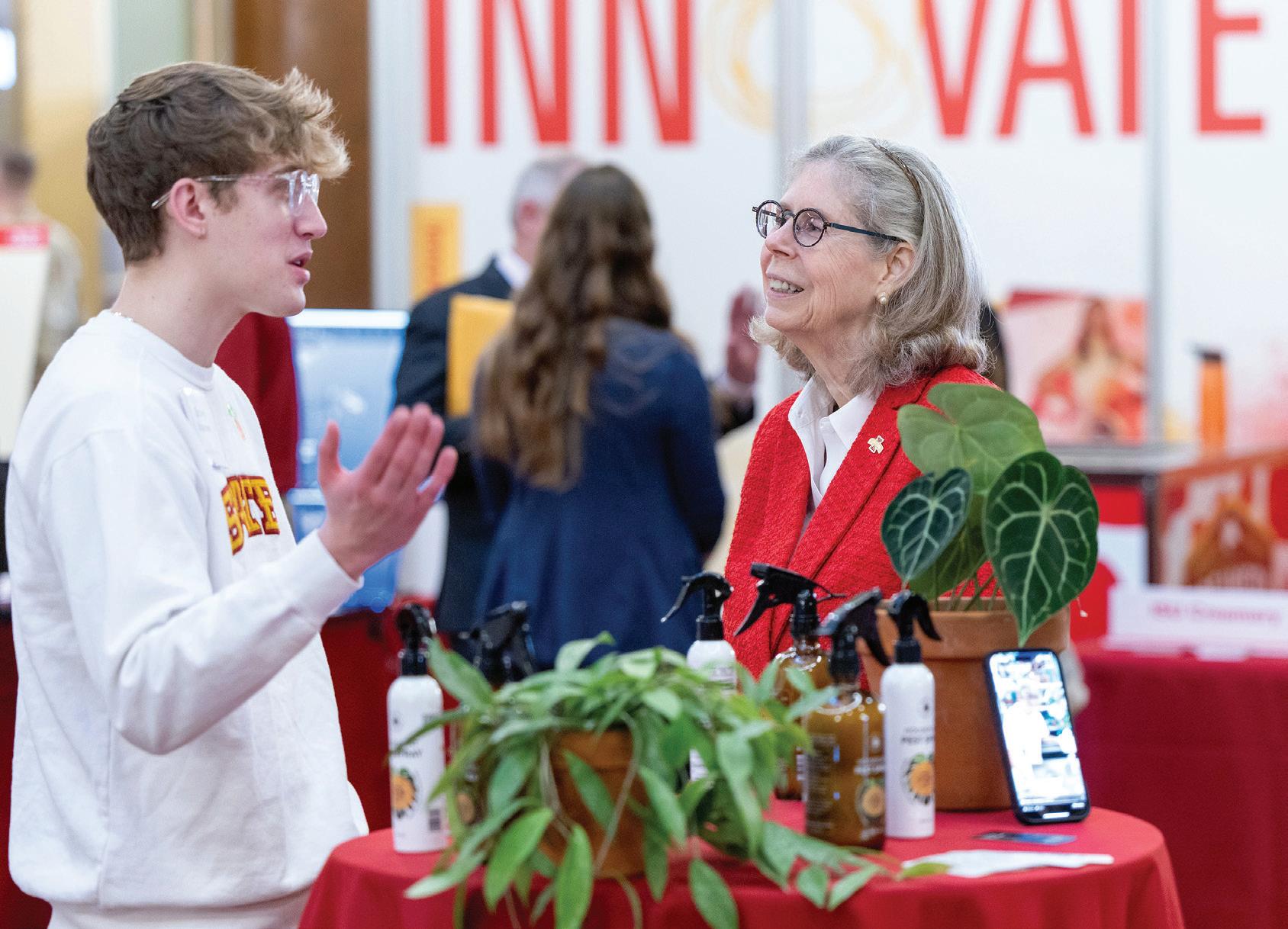
percent or higher.
In 2017, Wintersteen was unanimously selected by the Iowa Board of Regents to become the 16th president of Iowa State — and the first woman and first alumna to lead the university.
“I had been serving as dean of the College of Agriculture and Life Sciences. I had been at Iowa State for quite awhile and I felt that I knew Iowa State well as a university and I


knew Iowa,” Wintersteen said.
“I thought it was time for an internal candidate to throw their hat in the ring.”
Agriculture at Iowa State
Leading Iowa State University has been a rewarding position for Wintersteen. The college works well with farmers and the ag industry, and works closely with all entities, she said.


“The college is so tuned in and listening to farmers, listening to our local co-ops, working with the Iowa Institute of Cooperatives, agribusinesses, our commodity boards — that’s really the key — listening and hearing what their current needs are and how we can better serve ag in Iowa,” Wintersteen said. “They open our eyes to what issues we should focus our research on and ways
we can work together.
“That not only helps Iowa, but puts Iowa State on the cutting edge of research and solving issues across the Midwest and around the world,” she added. “The college of ag does a tremendous job of addressing those issues in ag both here in Iowa and internationally.”
The newer ag and biosystems engineering degree is a blend of how agriculture and engineering come together to support the farming industry, Wintersteen said.
“Students who want to get in there and get their hands dirty, so to speak, but not worry about becoming an engineer really embrace this degree. They do really well finding jobs and get paid incredibly well. There are lots of different pathways for employment with this degree,” Wintersteen said. “ISU normally is ranked No. 1 in the nation for the work we do in teaching, research and Extension.”
Walking into the Sukup atrium is an eye-opening experience, Wintersteen said, and a lot of donors from the farming industry have helped to make the facility world-renowned.
“One area they work on is the really critical work on water quality. No one does research on water quality like the biosystems engineering students and the agronomy team with the natural resources, ecology and management,” she said. “They help farmers address this issue, and
I couldn’t be prouder of how they’re making a real difference in the issue of water quality.”
There are numerous research farms at Iowa State, which Wintersteen said offers students a unique opportunity to be hands on in numerous ways.
“Just a couple of miles from campus, students can take advantage of the handson learning they need with their majors, from the beef teaching farm to the swine farm, the turkey farm, poultry farm, dairy farm and north of campus is the horticulture farm, which is phenomenal,” Wintersteen said. “They can be there for labs, internships, hands-on experiences, work with farmer associations, demonstration farm chores and more.”
Agronomy department faculty have carried out nitrogen rate trials not just on Iowa State research farms, but also on farmers’ land to help them generate the right nitrogen recommendations for farmers to follow, she added.
Carving her own path as president
As she looked back at her time serving as president, Wintersteen shared some incredibly memorable experiences and hurdles she had to overcome during her tenure at the helm of ISU.
“The student, faculty and staff — all of us went through the pandemic together and came out of that successfully. Then the derecho came through Iowa — something we didn’t even know existed. We were just getting ready for classes to resume in person, we had 10,000 students in residence halls and the derecho hit,” Wintersteen said. “We were just so close to a real disaster in terms of not having electricity and water.”
But in true Midwestern fashion and Iowa Strong, Wintersteen and the Cyclones made it through the derecho.
“There were periods of social unrest, but we went through it all and came out successful in the end. I feel good about all
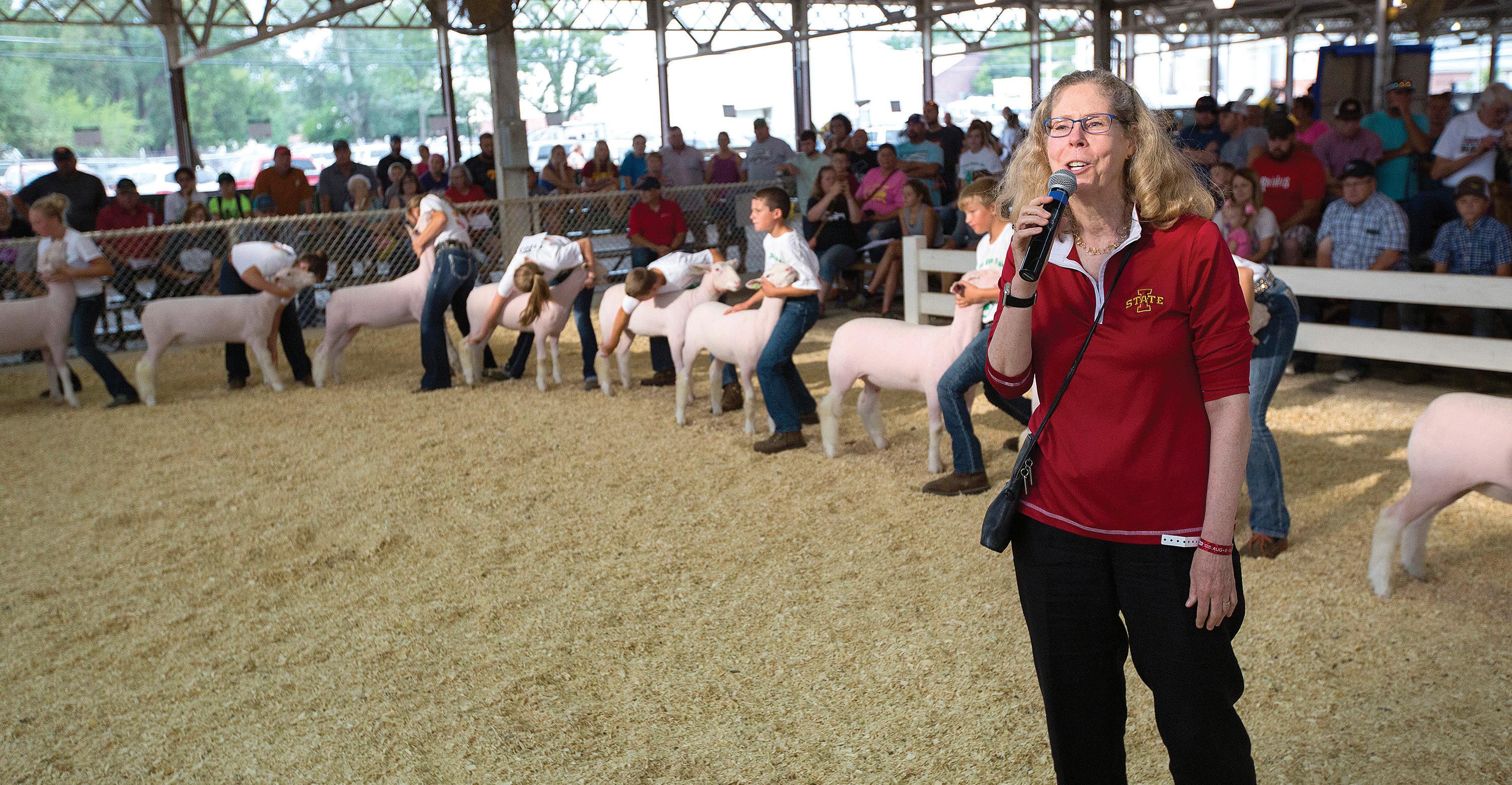
of the challenges we meet,” Wintersteen said. “I also feel good about how we have been a student-centric, leading research university. That’s one of our taglines.”
This past fall, Wintersteen said she was proud that ISU experienced its highest student retention rate of 89.1%. That number is measured by the number of freshmen who return for their sophomore year.
“That’s a great number. It’s something that’s measured every four years across the nation. We look really great and have great students,” Wintersteen said. “We want our freshmen to have an incredible experience and return not just as sophomores, but to graduate. They’re quite successful at finding a career and going on to have a successful life.”
Perks of being a Cyclone All Cyclones are special in Winter-





steen’s eyes, but she emphasized that one thing that sets Iowa State apart from other universities is the Greek system.
“We have a great student affairs unit that we do a really outstanding job of working with and making sure everything functions as well as it does,” Wintersteen said. “The members of sororities and fraternities are leaders on campus.
“There was a period of time under my presidency where the weekend before classes started, we had some problems, so we called on the students in the Greek system and asked them to help us. We held a series of events for Cyclone Welcome Weekend and it really was the Greek system that came together to help us bring our students to the events,” Wintersteen continued.
Wintersteen also credited the ISU police chief for working with the student advisory committee to hear what the police department could be doing better for the students.
Growing up in Kansas
Wintersteen’s parents farmed in southeast Kansas and when she was younger, they moved into town. Her dad taught at a community college, but they never severed their ties to agriculture.
“We still go back and visit often, because of that love of agriculture,” she said.
Wintersteen earned her bachelor of science degree in crop production from Kansas State University.
Awards and accolades
Outside of her devotion to Iowa State, Wintersteen served on the board of trustees of the Farm Foundation and the board of directors of the U.S.-Israel Binational Agricultural Research and Development Fund. She also served as president of the board of directors for the Charles Valentine Riley Memorial Foundation.
Wintersteen received the Carl F. Hertz Distinguished Service to Agriculture Award from the American Society of Farm Managers and Rural Appraisers in 2016. She was honored as a Kansas State University Alumni Fellow for profession-
“The college is so tuned in and listening to farmers, listening to our local co-ops, working with the Iowa Institute of Cooperatives, agribusinesses, our commodity boards — that’s really the key — listening and hearing what their current needs are and how we can better serve ag in Iowa.”
Wendy Wintersteen, Former ISU president
al accomplishments and distinguished service in 2007. She also is a member of the Entomological Society of America and the American Association of University Women.
What’s next?
With a little more than a month of retirement under her belt, Wintersteen is still figuring out what this new phase of her life looks like.
She’s had the chance to travel and spend time with friends and family.
“I’m going to wait and see what it is I really want to do,” Wintersteen said.
Wintersteen did open the door for the next president of the university, David Cook, and wished him well.
“He’ll be a great new president of Iowa State University. He’ll do an absolutely wonderful job,” she said. “He’s not just an Iowa State alum, but also a graduate of Ames High School.”



it takes to produce those things, so this extra space is going to help with efficiencies,” said Sandman.
Phase three will include construction of a new raw honey warehouse to support continued membership growth, which comes on the heels of a 15 percent membership increase in 2025. That represents an additional 7 million pounds of honey.
Sandman said once all three phases are complete, Sioux Honey Association expects to add roughly 39 new jobs.
Nationwide involvement
Sandman said their co-op, which is beekeeper-owned, has members and directors from all over the country. She said directors (especially) need to fly in from everywhere to meetings, and that the co-op’s leadership believed staying in Sioux City would benefit them most, rather than relocating to a different Midwestern location.
“Sioux City and the State of Iowa have been great to us, so we really encouraged the board to remain here in the Sioux City area,” said Sandman. “We’ve been here for over 100 years, and we really didn’t want to leave.”
She said once the processing facility is completed in phase two, the association will divest the property at their current location.
“We love our location where we are, but unfortunately we’re land-locked here,” said Sandman. “That would have been our first choice of a place to expand.”
Sandman said Sioux City’s city officials showed their commitment to Sioux Honey Association in the late 1980s by moving Fourth Street for them when they needed the room, accounting for the cur-
“This expansion will open up long-term roots that will stay here and employ people for the next 100 years. ... We love our roots and our heritage in Sioux City, and we love that we get to stay here for another 100 years as well.”
— Aimee Sandman Director of growth and community impact
Sioux
Honey Association
rent street curvature. She said now there is “no more room,” necessitating the move.
Sandman said the economic impact of this expansion will become evident, as they will add jobs for local workers as well as bringing people to Sioux City to help with company operations, and they will try to use local vendors in the building process as much as they can. She said as the association continues to grow their honey categories, there will be more corporate jobs and more need for production workers.
Sioux Honey Association started out in 1921 with just five beekeepers in the Sioux City area. They banded together to help each other with their honey harvesting equipment, and from there it slowly grew and attracted beekeepers from further away.
Today Sioux Honey is the only honey co-op in the U.S., with more than 200 beekeepers across the country. They added an additional 20 beekeepers from around the country in 2025
alone, which Sandman said is valuable with the expansion of regional honey. She said they will always need regional honeys, especially from highly-populated areas such as California, the Southeast and Northwest, so they will more often open their co-op to beekeepers from those areas.
Today 87 percent of Sioux Honey Association’s product is processed in Sioux City. The association also has a plant in North Carolina that solely processes their ingredient honey.
Sioux Honey Association carries more than 25 branded products, but also packs for other companies and private labels, for retailers under their brands, and ships for other brands also if they don’t have a processing facility.
Sioux Honey brands contain exclusively all U.S.A. honey from only their own beekeepers. Other private labels for whom they pack may have honey shipped in from other countries.
Sioux Honey Association ships their honey brands to all 50 states, including Sue Bee Bear and Clover Filtered Honey. She said as honey production has ex-
panded and more people are consuming honey, they’ve had to broaden their product lines to adjust for what consumers want.
“People want local honey — honey that’s from their region, so we carry a Sue Bee Midwest, where all the honey comes from our beekeepers in the Midwest and we process it. We carry a (Southeast brand), with all of the honey coming from beekeepers in that area (etc.),” said Sandman.
Sioux Honey Association also carries Sue Bee Honey — their largest and oldest core brand that is more than 70 years old. Their Aunt Sue’s is a raw and unfiltered honey brand selling primarily in the Northeast and Southeast parts of the country.
She added that the association has added a sea salt honey to its line, along with various hot honeys, which she said have “taken the world by storm.” She said it has come to life in the last five years and is heating up pizzas and wings and anything else consumers prefer to eat “hot.”
“It broadens honey usage — you can put it on things it typically wouldn’t go on,” said Sandman of the way consumers and honey producers are seeking out more ways to use honey.
Sioux Honey Association sees their expansion as something that will set them up for a long and productive future in Sioux City.
“This expansion will open up longterm roots that will stay here and employ people for the next 100 years,” said Sandman. “This will double our size here in Sioux City, and there will be room to grow. We love our roots and our heritage in Sioux City, and we love that we get to stay here for another 100 years as well.”

































up with Paul
department of agricultural and
and
to bust through the
By KRISTIN DANLEY GREINER
An Iowa State professor and former grad student have helped NASA discover how they could harvest water from the moon.
Mehari Tekeste, associate professor with the department of agricultural and biosystems engineering at ISU, also is director of the Soil Machine Dynamics Laboratory at Iowa State. At the ag lab, innovative science is applied to problems with an end goal of reaching a solution. Tekeste works with ISU students, industry leaders and government agencies to better understand interactions between machinery and soil resources.
Projects tackled with the technology available at the lab include wear-testing equipment design and researching levels of soil compaction from ag tires. It’s the only lab in North America that can perform accelerated weight tests. It also allows researchers to carry out tests in a replicated environment in Iowa’s winter when the fields are frozen.
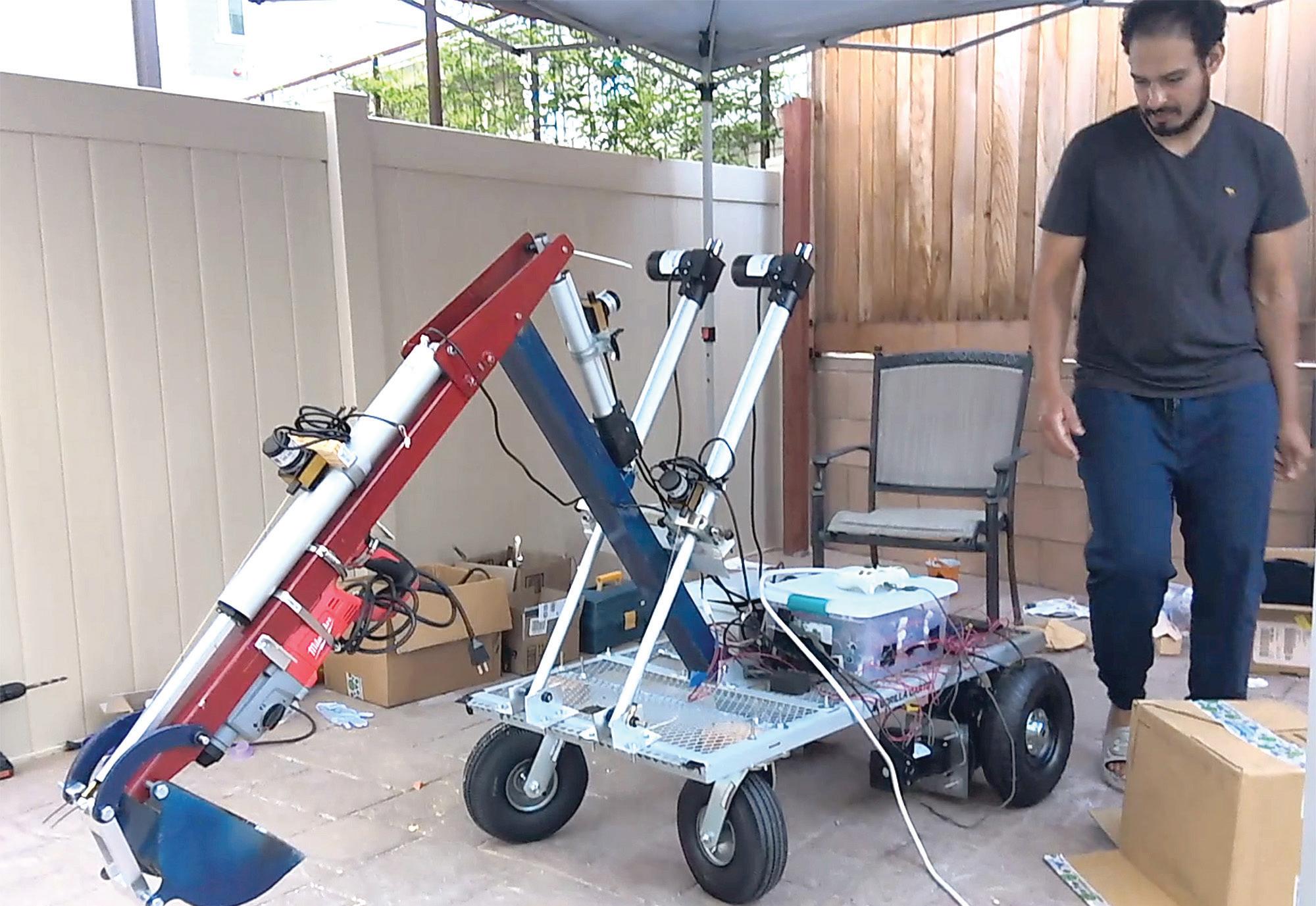
One of Tekeste’s first grad students, Zamir Syed — who graduated with his doctorate degree from ISU in 2017 and owns Singularity Solutions in California — teamed up with Paul Schafbuch, professor of mechanical engineering at Iowa State, and Tekeste to determine which size of a chisel could be successfully used by the U.S. National Aeronautics and Space Administration to bust through the icy, rough terrain of the moon to reach the water.
Syed’s company landed the grant.
“In 2020, there was confirmation that molecular water existed on the moon through NASA's Stratospheric Observatory for Infrared Astronomy (SOFIA),” Syed said. “It detected the first confirmed physical water molecule in a summit region on the moon that wasn’t bound into a block of frozen mud. They’re estimating there’s millions and millions of gallons of water on the moon.”
The NASA-funded study predicted wear rates for a chisel to harvest the water trapped in icy regoliths, which are layers of unconsolidated rocky material covering bedrock.
“I looked at it from the eyes of what tools do you need firstly. If the ground is aggressive, you have to go with a vehicle that doesn’t fail. The plan for Artemis 3 is to use a vehicle with a payload of 1,760 pounds payload. If it ended up being chisels that they would take, you can’t take a lot of the tools to the moon, so we have to provide them with exactly what they need,” Tekeste said. “You also can’t go back and get more tools.”
Scientists have discovered that icy regolith in permanently shadowed lunar craters are ideal to be excavated to support what’s called “in-situ resource utilization” for the Artemis missions. In-situ resource utilization is the harnessing of local natural resources at mission destinations, instead of taking all needed supplies from Earth, according to NASA.
“To excavate on the moon, we didn’t know how many chisels to take with us, what type of fueling to take, so we needed to perform these tests to determine that, to mine X kilograms of water, you need to take Y number of chisels to the moon with you,” Syed said.
Tekeste explained that the lunar regolith is abrasive and damages machine elements that interact with it. The team used a bin of special soil Tekeste’s team developed that simulated characteristics of the moon’s surface conditions. They had to replicate in the lab the extreme temperature fluctuations and rocky, icy terrain the chisel tool would experience when on the moon.
Data from the tests helped validate modeling to predict how the tool would wear, how long it could be expected to operate and how many of the tools would be needed. They studied specifically how a stainless steel pin held up against two compositions of icy granular soil.
Their results were highlighted in a recent issue of Earth and Space on Engineering for Extreme Environments.
But how are these results being used in real time?
“There are technologies NASA is developing that use heating elements to take the icy mud, dry it out, then collect the water vapor and turn that water vapor into liquid water,” Syed said. “They need to be able to start habitation on the moon, and there are grand plans to build these habitats, similar to a very small village,
and need to provide sustenance for people, including drinking water. They’re also looking at using the moon as a refueling station where researchers can load up on fuel and much more easily get to Mars, Jupiter or one of Saturn’s moons.”
Tekeste said that in a year or two, NASA plans to send a lunar vehicle to the moon to try and harvest water.
Iowa State continues to work with NASA on projects involving space exploration and the moon. Currently, Tekeste is part of a multiinstitutional group reviewing specs of mobility studies on extreme deformable surfaces for a new autonomous vehicle that is part of NASA’s Artemis mission for Mars exploration.
“There’s no AAA on the moon, so if a tire fails, what do you do? The goal with this next project is for the vehicle to be on the moon for 10 years. It needs to be tires that can handle the terrain there,” Tekeste said. “The moon is very, very aggressive and you have the change in temperature, plus the terrain, so I doubt it’ll be rubber.”
Syed added that the material of the tire has to be invulnerable to the extreme environments of the moon, so it can’t be a rubber or regular polymer that would degrade in the radiation environment.
“You also can’t use regular steel, because it becomes affected by the radiation. So you have to look at a small group of materials you can use that would survive the environment,” he said.

“There’s no AAA on the moon, so if a tire fails, what do you do? The goal with this next project is for the vehicle to be on the moon for 10 years. It needs to be tires that can handle the terrain there.”
— Mehari
Tekeste Associate professor, Department of agricultural and biosystems engineering






















By LORI BERGLUND
HIGHVIEW — It’s not so much about making a living for
Knob Hill
Farm
owners
Mike and Janine Robertson. It’s about making a life. The couple shared a vision to make this place a farm that they could call home for a long time.
“When we moved here it had been stripped down to the bones,” said Janine Robertson. “We wanted to bring it back to an actual, working farmstead.”
Located on a small knob of a hill a few miles south of Highview, Knob Hill is a farm with a long history. After purchasing the acreage in 2013, the Robertsons went to work making history work for themselves in today’s world.
“The only buildings that were left were the house and original barn, and a little cob shed that was about ready to fall down,” recalled Mike Robertson.
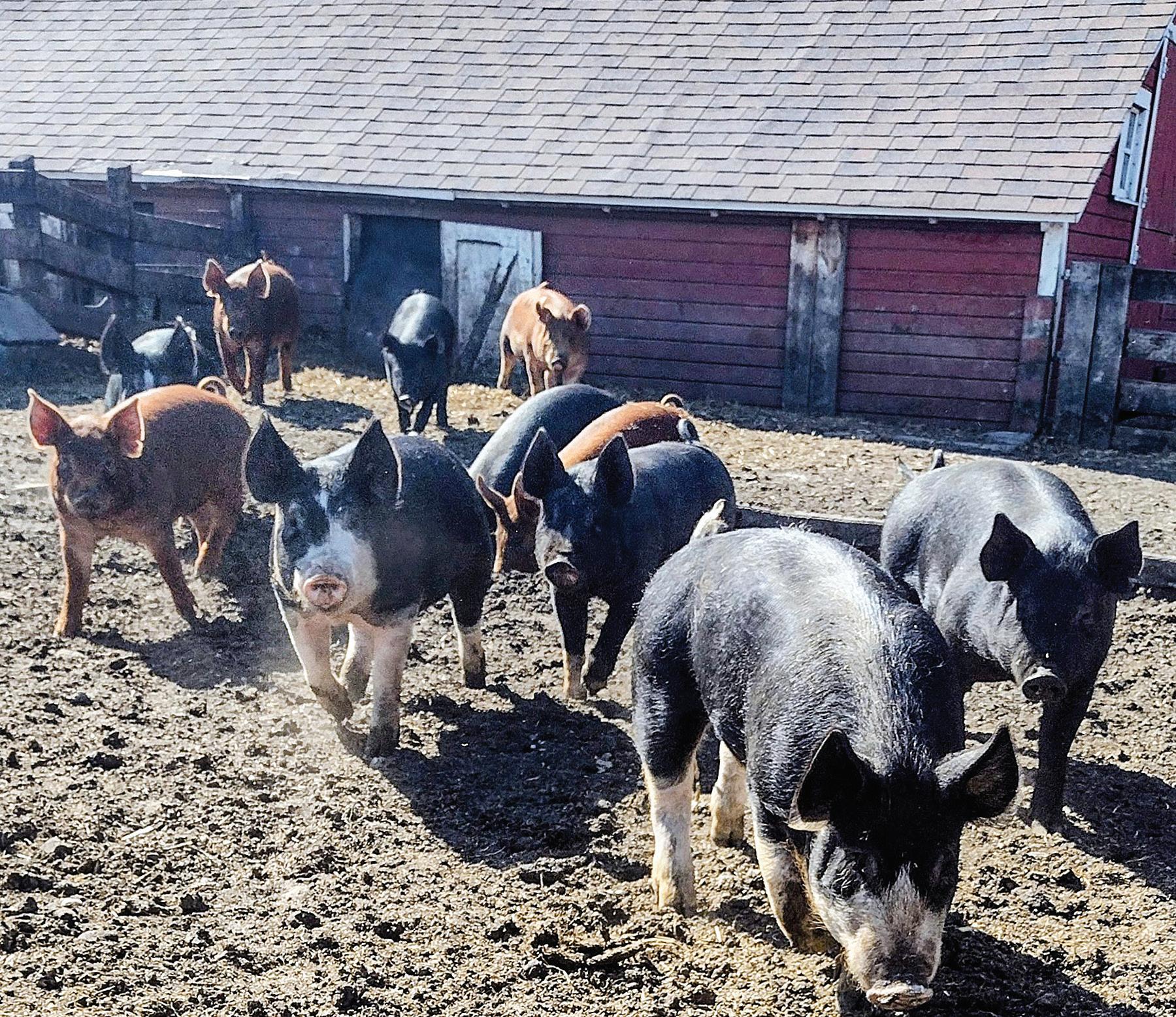
The couple went to work building fences and putting up buildings for hogs that would be raised the ways hogs used to be raised, with freedom to go outside as they please or take shelter in the warmth of a barn when they wish to do so.
They made indoor and outdoor places for chickens, horses, and a large garden — the type of diversified agriculture that was once the norm on Iowa farms.
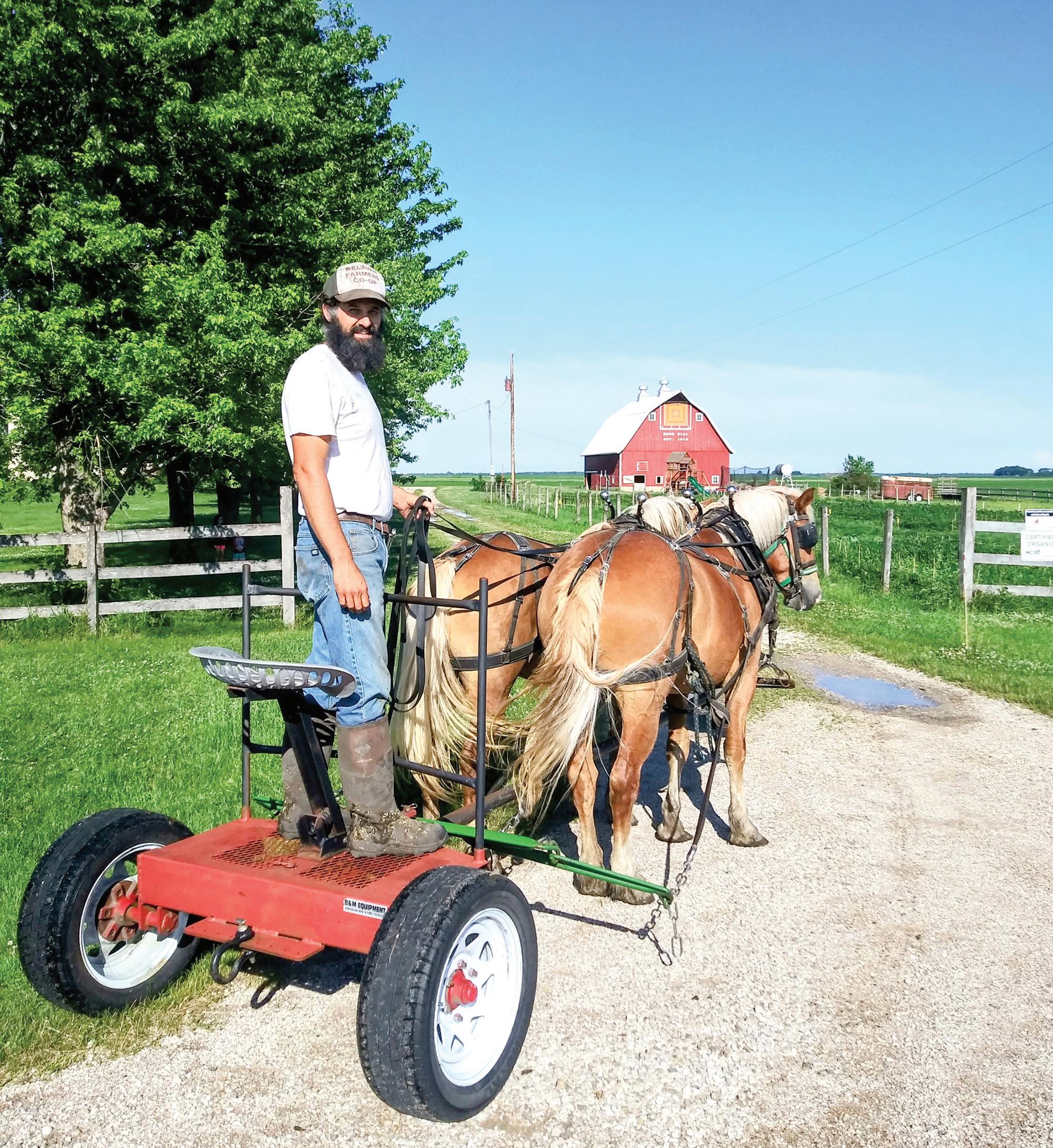
“We owned a team of horses at that time so we needed a place for them, and that was our first goal. And then we started building buildings for our hogs,” Janine Robertson said.
The couple also began the arduous process of becoming certified organic producers. That certification extends from the feed used to the ground the livestock walk upon, according to the Knob Hill website. Deep beds of certified straw await the animals when they come in from the outside on a crisp winter day.
Chickens, eggs and a full range of pork products are marketed, mostly in central Iowa, but some of the pork has even been shipped as far as South Korea, Mike Robertson said.
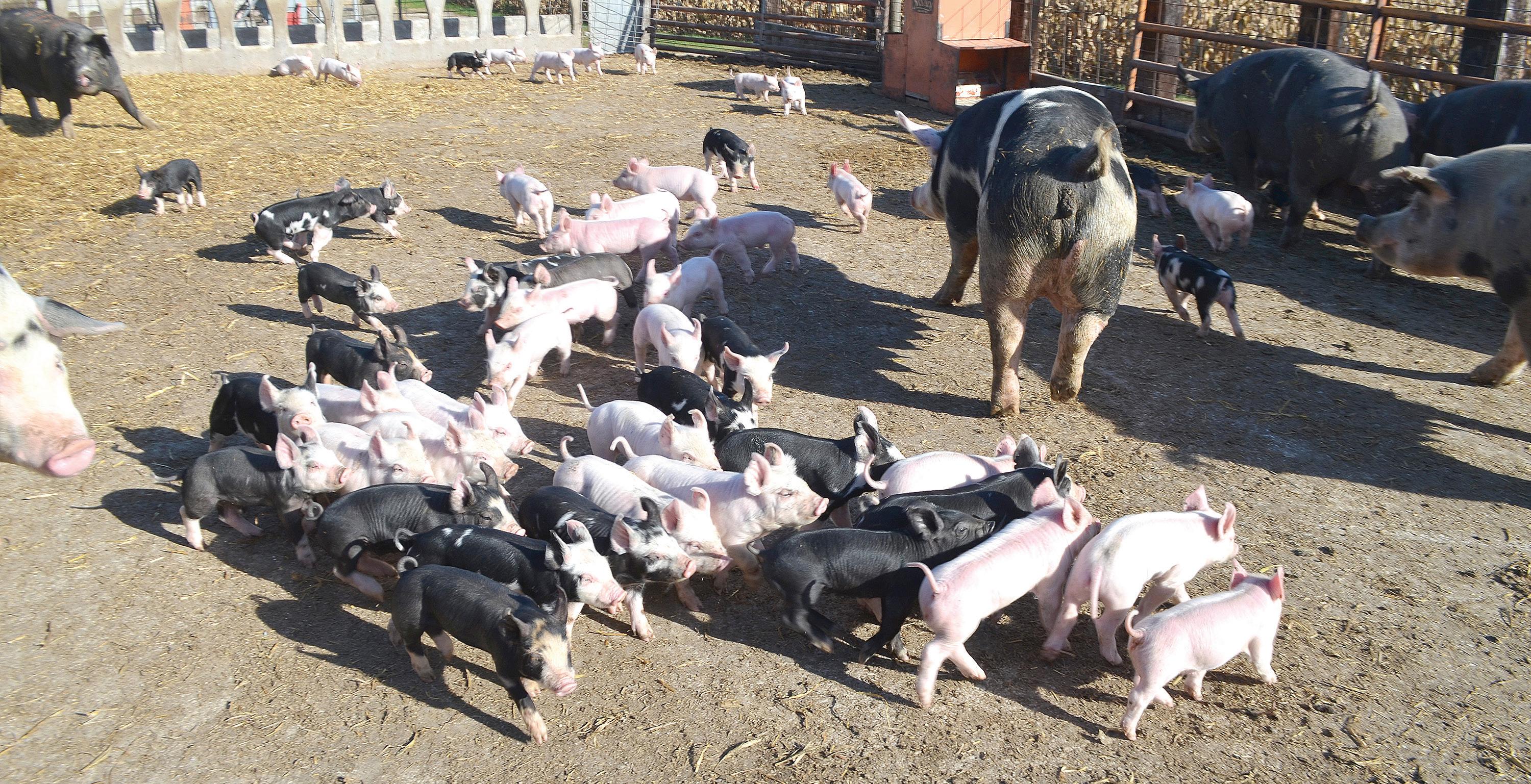
The Robertsons raise a heritage breed of Berkshire boars bred with crossbred sows, including the Berkshire, Duroc, and Gloucester Old Spot breeds. The combination produces pork that is moist, flavorful, and known for its marbling, according to the website.
“We’ve had a lot of comments about the flavor of the pork,” Janine Robertson said. “Whether they say it tastes like pork used to, or if they just
-Submitted photos
ABOVE: Mike Robertson holds the reins for a team of horses at the scenic Knob HIll Farm near Webster City.
BELOW: Hogs roam free with the option of spending time outside in the summer and returning to warm barns in the winter at Knob HIll Farm west of Webster City.
say it tastes good.”
Drawn in by the fuller flavor of pork from hogs that are not
confinement-raised, many of the customers keep coming back because of the way the animals are raised.
“Our tried and true customers come back because they like
the way we raise them,” Janine Robertson said. “They want it clean; they want it to taste good.”
Much of the marketing is done at the Ames Farmers Market during the summer months. But the couple also is part of the Iowa Food Co-op in Des Moines, making more products available year-round.
“The Iowa Food Co-op is a cooperative of Iowa growers that has a little grocery store and online presence where customers will order,” she explained. “It’s a two-week cycle where customers order one week, and then we deliver to the co-op, and they distribute it out from there.”
The couple has five sows and markets about 100 feeder pigs annually. Organic chicken is another popular commodity for Knob Hill, as are the organic eggs.
“Our chickens are pastureraised and certified organic,” she said. “We actually have an egg route to Ames every week and we deliver eggs.”
As with all backyard flocks, production can vary widely throughout the year, often slowing down during the shorter days of winter. In summer, when the hens are outside eating grass, the color of the yolks will brighten, making store-bought eggs look pale in comparison.
“This time of year, we deliver about 25 to 30 dozen eggs a week,” Janine Robertson said. “In the summer we can easily double that.”
The couple also has a vegetable garden with all the traditional crops, ranging from tomatoes and green beans to cucumbers, sweet corn, potatoes and more. The garden is about half an acre and gives the couple’s three children a chance to dig in and help with the family farm in the summertime. They freely explain that they are not intending to make a living off the farm. Mike Robertson works full-time off the farm, serving as director of the agriculture program at Iowa Central Community College. For Janine Robertson, the farm is a full-time occupation — or perhaps more of a calling.
“This is my job,” she said. “I homeschool our kids. I do the deliveries and a lot of the marketing for our products.”
Knob Hill may not make the family’s living, but it is building a life rich in experiences and self-sufficiency for the family.
“This is how we want our kids to grow up,” Janine Robertson said. “We want them to know where their food came from, and to know what’s in it.”


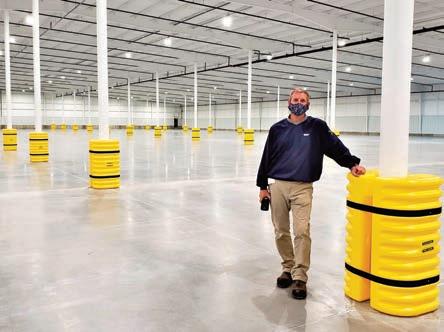
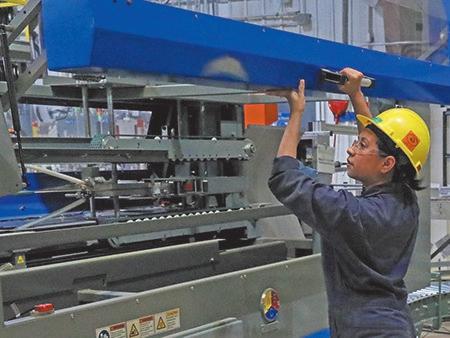
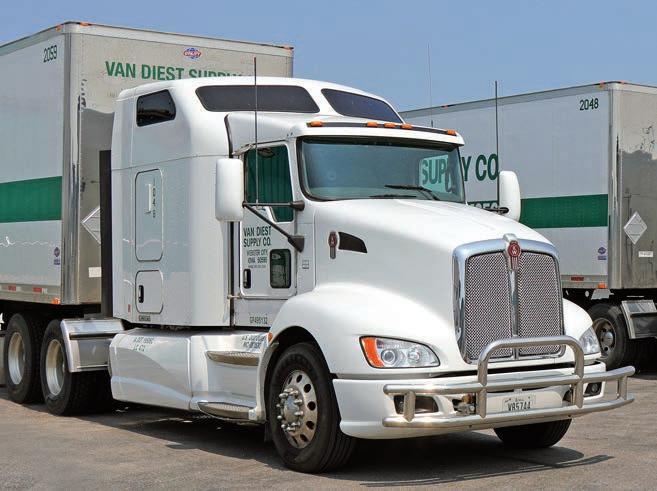
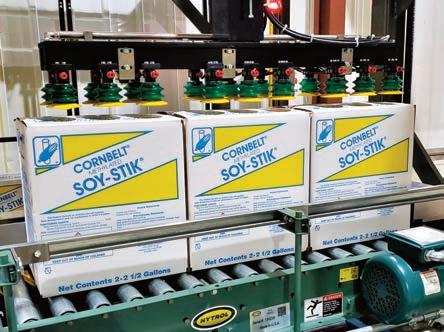
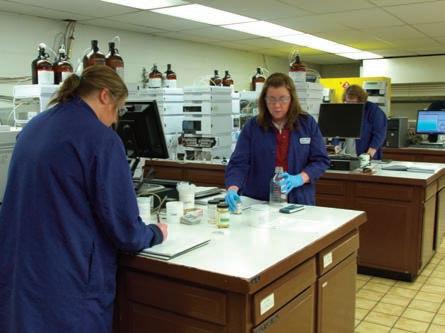
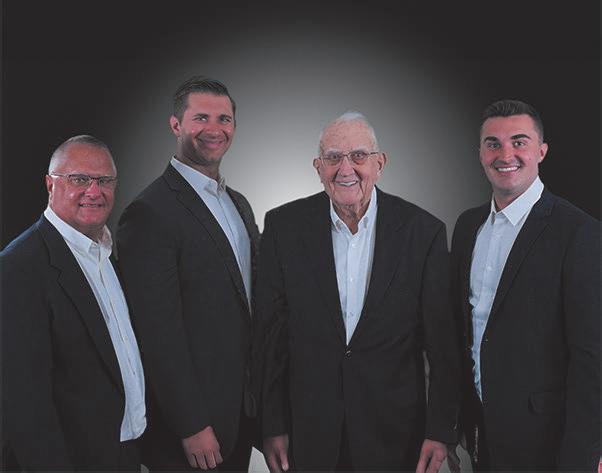
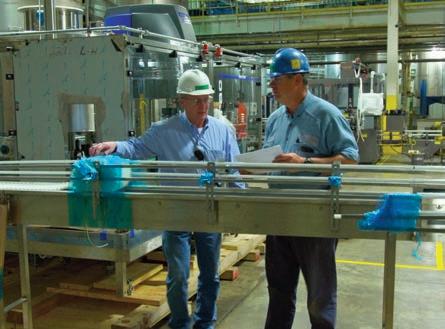
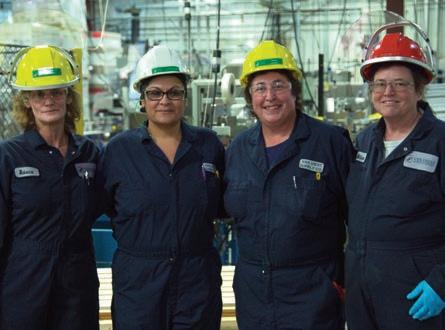
At Van Diest Supply Company, people make the difference. We have a sincere interest in our customers’ business and a genuine desire to help. We strive for long-lasting relationships with our customers, suppliers and Team Members.
At Van Diest Supply Company, people make the difference We have a sincere interest in our customers’ business and a genuine desire to help. We strive for long-lasting relationships with our customers, suppliers and Team Members.
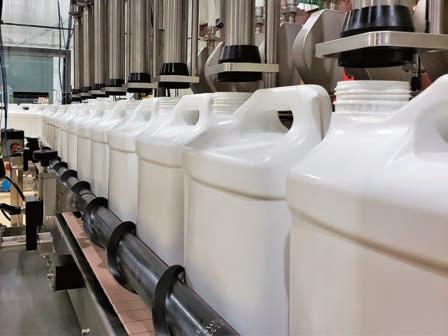
Our tradition revolves around providing products and services that consistently exceed expectations. Serving Agriculture since 1956, a three generation family owned business, we are know for our longevity, stability and continued growth.
Our tradition revolves around providing products and services that consistently exceed expectations. Serving Agriculture since 1956, a three generation family owned business, we are known for our longevity, stability and continued growth.
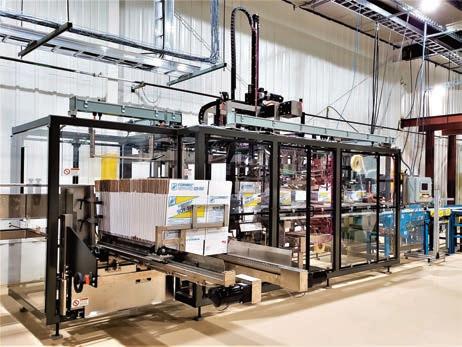
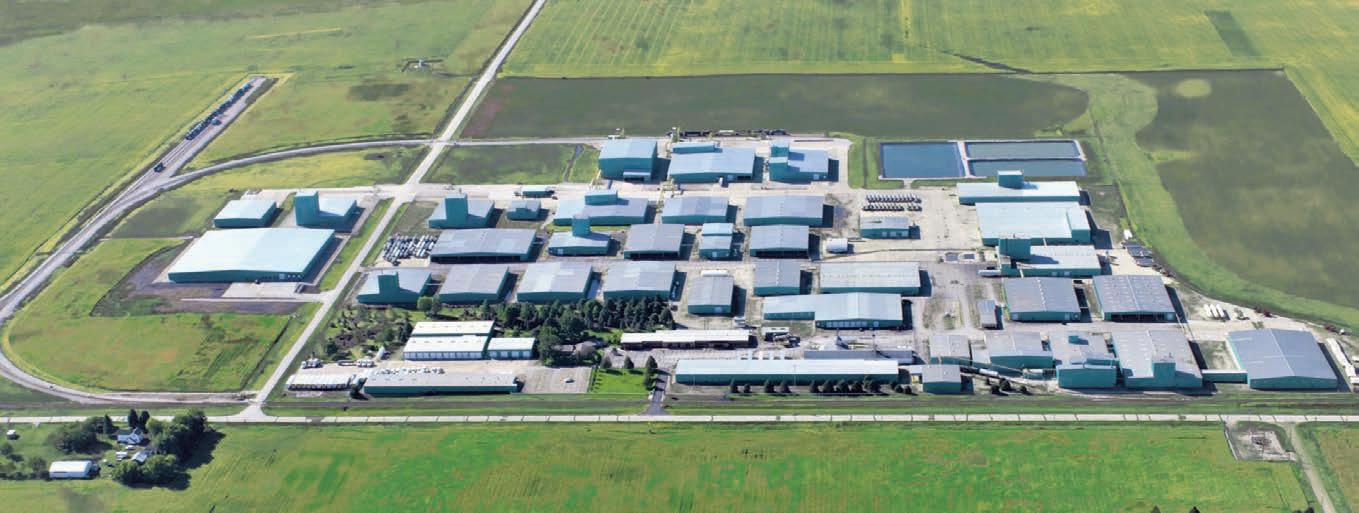
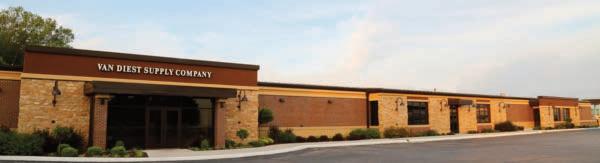
Van Diest Supply Company employs over 600 people, has 55 buildings on approximately 270 acres in Webster City, Iowa, has 20 outlying Distribution Centers and serves over 6,000 customers across the Midwest. Join us a part of our Winning Team by filling out an application today!
Van Diest Supply Company employs over 600 people, has over 55 buildings on approximately 270 acres in Webster City, Iowa, has 20 outlying Distribution Centers and serves over 6,000 customers across the Midwest. Join us as a part of our Winning Team by filling out an application today!